WINDSOR HOUSE AT CHAMPION
200 EAST GLENDOLA AVENUE, CHAMPION, OH 44483 (330) 847-6266
For profit - Corporation 92 Beds WINDSOR HOUSE, INC. Data: November 2025
Trust Grade
55/100
#573 of 913 in OH
Last Inspection: January 2025

Within standard 12-15 month inspection cycle. Federal law requires annual inspections.

Overview

Windsor House at Champion has a Trust Grade of C, which means it is average and ranks in the middle of the pack among nursing homes. It is positioned at #573 out of 913 facilities in Ohio, placing it in the bottom half, and #10 out of 17 in Trumbull County, indicating only a few local options are better. The facility is experiencing a worsening trend, with the number of issues increasing from 2 in 2024 to 6 in 2025. Staffing is a concern here, rated at 2 out of 5 stars, with a 48% turnover rate, which is slightly better than the state average. While there have been no fines recorded, which is a positive sign, the facility has less RN coverage than 83% of Ohio facilities, meaning residents may not receive the level of monitoring they need. Specific incidents of concern include a failure to properly implement a pressure ulcer prevention program, resulting in a resident developing serious pressure ulcers, and issues with the cleanliness of the kitchen, which could affect all residents who eat there. Overall, while there are some strengths, families should weigh these concerns carefully when considering Windsor House at Champion for their loved ones.

Trust Score
C
55/100
In Ohio
#573/913
Bottom 38%
Safety Record
Moderate
Needs review
Inspections
Getting Worse
2 → 6 violations
Staff Stability
⚠ Watch
48% turnover. Above average. Higher turnover means staff may not know residents' routines.
Penalties
✓ Good
No fines on record. Clean compliance history, better than most Ohio facilities.
Skilled Nurses
⚠ Watch
Each resident gets only 24 minutes of Registered Nurse (RN) attention daily — below average for Ohio. Fewer RN minutes means fewer trained eyes watching for problems.
Violations
⚠ Watch
23 deficiencies on record. Higher than average. Multiple issues found across inspections.
★★★☆☆
3.0
Overall Rating
★★☆☆☆
2.0
Staff Levels
★★★☆☆
3.0
Care Quality
★★★☆☆
3.0
Inspection Score
Stable
2024: 2 issues
2025: 6 issues

The Good

  • Full Sprinkler Coverage · Fire safety systems throughout facility
  • No fines on record

Facility shows strength in fire safety.

The Bad

3-Star Overall Rating

Near Ohio average (3.2)

Meets federal standards, typical of most facilities

Staff Turnover: 48%

Near Ohio avg (46%)

Higher turnover may affect care consistency

Chain: WINDSOR HOUSE, INC.

Part of a multi-facility chain

Ask about local staffing decisions and management

The Ugly 23 deficiencies on record

1 actual harm
Jan 2025 6 deficiencies
CONCERN (D) 📢 Someone Reported This

A family member, employee, or ombudsman was alarmed enough to file a formal complaint

Potential for Harm - no one hurt, but risky conditions existed

Free from Abuse/Neglect (Tag F0600)

Could have caused harm · This affected 1 resident

**NOTE- TERMS IN BRACKETS HAVE BEEN EDITED TO PROTECT CONFIDENTIALITY** THE FOLLOWING DEFICIENCY REPRESENTS AN INCIDENT OF PAST NON-COMPLIANCE THAT WAS SUBSEQUENTLY CORRECTED PRIOR TO THIS SURVEY. Bas...

Read full inspector narrative →
**NOTE- TERMS IN BRACKETS HAVE BEEN EDITED TO PROTECT CONFIDENTIALITY** THE FOLLOWING DEFICIENCY REPRESENTS AN INCIDENT OF PAST NON-COMPLIANCE THAT WAS SUBSEQUENTLY CORRECTED PRIOR TO THIS SURVEY. Based on interview, observation, record review, review of social media post, review of Self-Reported Incident (SRI) #254779 and review of the facility abuse policy revealed the facility failed to ensure Resident #67 was free from abuse. This affected one resident (#67) out of two residents reviewed for abuse. The facility census was 80. Findings include: Review of medical record for Resident #67 revealed an admission date of 04/17/23 and diagnoses included Alzheimer's disease, hypertension, major depression disorder, heart failure, and anxiety disorder. Review of SRI #254779 with a date of discovery of 12/05/24 revealed the facility filed the SRI related to emotional and verbal abuse. On 12/05/24 at approximately 12:50 P.M. the Administrator was notified by Restorative Certified Nursing Assistant (CNA) #510 that she observed a social media video post involving Resident #67 and Activity Aide #600. The video revealed Resident #67 seated in her recliner and Activity Aide #600 asking the resident if she would be interested in him and whether she wanted him. During the video Resident #67 did not respond. The administrator interviewed Activity Aide #600 who admitted recording and putting the video on social media. The SRI revealed Resident #67 was interviewed and had no recollection or knowledge of being recorded and her demeanor was at baseline. The facility substantiated the SRI for emotional and verbal abuse. Review of witness statement dated 12/05/24 completed by the Administrator revealed she spoke with Activity Aide #600 about the video uploaded to social media and he stated he had taken the video either 12/01/24 or 12/03/24 in Resident #67's room. The Administrator asked Activity Aide #600 why he had taken the video, and he stated it was on impulse and that he thought it would be funny. The Administrator asked if there were any other social media posts, and he denied any other incidents involving Resident #67 or any other resident. Review of quarterly Minimum Data Set (MDS) assessment dated [DATE] revealed Resident #67 had impaired cognition as her Brief Interview for Mental Status (BIMS) score was six. She had no behaviors identified. Interview on 01/06/25 at 11:02 A.M. with Resident #67 revealed she was cognitively impaired and was unable to recall if anyone ever took her picture or video at the facility or any details regarding the incident. Resident #67 revealed she felt safe at the facility and denied any abuse. Interview on 01/07/25 at 9:56 A.M. with the Administrator revealed on 12/05/24 at approximately 12:50 P.M. Restorative CNA #510 reported that she had observed a video on social media involving Resident #67 and Activity Aide #600. She revealed she immediately filed the SRI and initiated an investigation. The Administrator revealed Activity Aide #600 was not on duty at the time of the initiation of the investigation. Activity Aide #600 admitted to taking and placing the video on social media and he was terminated from the facility. Police Officer #601, Medical Director/ Primary Care Physician #602 and Resident #67's responsible party were notified of the incident on 12/05/24. The Administrator verified the facility had substantiated the incident as emotional and verbal abuse. Observation on 01/07/25 at 10:00 A.M. of the video (no longer on social media) with the Administrator revealed there was no exact date as to when it was uploaded to social media. Observation revealed a split screen with Resident #67 sitting in a recliner and Activity Aide #600 on the other side of the screen. The social media printed the following on the bottom of the screen as it indicated Activity Aide #600 stated Greetings in salutations gross. Resident #67 stated, Huh and Activity Aide #600 stated Greeting in salutation gross would you be interested in a young fine [expletive] male like myself. Activity Aide #600 then proceeded to pull down his surgical mask and stated, Do you want me? Resident #67 did not respond. The video ended with Resident #67 appearing to have a puzzled look on her face. The Administrator verified the above as to what was on the video. Interview on 01/07/25 at 11:01 A.M. with Restorative CNA #510 revealed her daughter had shown her the social media post as she went to school with Activity Aide #600 and after she showed it to her, she reported the incident to the Administrator. She verified the same video that was observed was the same video she had observed on social media. Review of the personnel file for Activity Aide #600 revealed his date of hire was 10/14/22 and that he was educated and signed an acknowledgement on 10/14/22 regarding the facility social media policy as well as he was trained on abuse. Activity Aide #600 was most recently trained regarding abuse on 01/22/24. Review of facility policy labeled, Social Media Policy dated January 2021 revealed staff members were not to post on social media sites photographs or videos of residents without permission from those individuals and the administrator. Review of facility policy labeled, Resident Abuse Prevention dated October 2022 revealed the facility was to protect all residents from mistreatment, neglect, and abuse including verbal, mental, physical and emotional abuse. The policy defined mental abuse as humiliation, and harassment as well as nursing staff taking or using photographs or recordings in any manner that would demean or humiliate a resident. The policy defined verbal abuse as any use of oral, written or gesture language that willfully included disparaging and derogatory terms to the resident regardless of ability to comprehend. The deficient practice was corrected on 12/07/24 when the facility implemented the following corrective actions: • On 12/05/24 the facility filed SRI #254779 regarding the incident of emotional/ verbal abuse involving Activity Aide #600 and Resident #67. • On 12/05/24 Activity Aide #600 was terminated. • On 12/05/24 the facility initiated and completed a thorough investigation including gathering of witness statements from staff and residents who were cognitively able. • On 12/05/24 Police Officer #601 was notified of the incident. • On 12/05/24 Medical Director/ Primary Care Physician #602 was notified of the incident and evaluated Resident #67 on 12/09/24 with no ill effects detected as she appeared at her baseline. • On 12/05/24 and 12/06/24 Licensed Practical Nurse (LPN)/ Supervisor #587 met with Resident #67 and on assessment she appeared per her baseline as well as having no recollection of the incident. • On 12/05/24 Resident #67's responsible party was notified of the incident. • On 12/05/24 all staff received education on abuse, resident rights and the facility policy regarding social media. • From 12/07/24 to 12/28/24 the facility completed cell phone audits ensuring staff were not utilizing their cell phone while on duty. Random audits to ensure staff were not utilizing their cell phone while on duty would be ongoing. • To ensure ongoing compliance the Quality Assurance and Performance Improvement (QAPI) committee would monitor the data related to the issue at the next meeting an ongoing as necessary. This deficiency represents non-compliance investigated under Control Number OH00160787.
CONCERN (D)

Potential for Harm - no one hurt, but risky conditions existed

Transfer Notice (Tag F0623)

Could have caused harm · This affected 1 resident

Based on record review, policy review, and interview the facility failed to send written notice to Residents #18 and #81 or the resident's representatives after the resident transferred from the facil...

Read full inspector narrative →
Based on record review, policy review, and interview the facility failed to send written notice to Residents #18 and #81 or the resident's representatives after the resident transferred from the facility was and admitted to the hospital. This affected two of two residents whose records were reviewed for discharge to hospital. Finding include: 1. Review of the Nursing Note dated 11/01/24 timed 2:45 A.M. revealed Registered Nurse (RN) #501 overheard Resident #18 yell help us. The nurse ran down to the room and observed Resident #18 laying on the floor on her stomach with her head resting on the wheel and bar of the roommate's bed with head bleeding. Resident #18 was unable to tell the nurse what happened; when asked she said, I don't know. Resident #18 was observed with large open wound on the left side of her head, a reddened left shoulder, a large skin tear to the left hand, and skin tear to the left leg. Resident #18's wounds were cleansed, and bandages applied, and vital signs were taken. Emergency Medical Services was called, and Resident #18 was transported to the hospital where she was admitted . Resident #18's physician and her representative were notified. Review of the Nursing Note dated 11/0/2024 timed 4:35 P.M. revealed Resident #18 returned to the facility from the hospital via ambulance. Further review of Resident #18's records revealed no evidence of a written notice of discharge or transfer being sent to the resident or resident representative. Interview on 01/09/24 at 11:27 A.M. with Business Office Manager (BOM) #506 verified no written notification of discharge or transfer was sent to Resident #18 and/or the resident representative. Additionally, BOM #506 stated that since the beginning of November 2024, no written notification of discharge or transfers had been completed and sent to resident representatives because the former employee responsible for giving the notices left the facility and no one sent the notifications to resident representatives since November and most of December 2024. Review of the facility policy titled, Transfer and Discharge Rights Chapter IV-B which was revised October 2022 stated The facility must notify the resident and the resident's representative the reason for transfer or discharge and the reason for the move in writing; notice of transfer or discharge is given to the resident and their representative as soon as possible in the following situations: urgent medical need or the resident and/or the resident has not resided in the facility for thirty days 2. Review of the Nursing Note dated 11/25/24 timed 1:00 A.M. revealed Licensed Practical Nurse (LPN) #513 contacted the local fire department who assisted with transferring Resident #81 from bed to a cot and transported Resident #81 to the hospital at 1:55 A.M. per resident request after a complaint of abdominal pain. Resident #81 was admitted to the hospital. Resident #18's physician and representative were notified. Further record review revealed Resident #81 did not return to the facility and no evidence of a written notice of discharge or transfer being sent to the resident or resident representative. Interview on 01/09/24 at 11:27 A.M. with Business Office Manager (BOM) #506 verified no written notification of discharge or transfer was sent to Resident #81, and/or the resident representative. Additionally, BOM #506 stated that since the beginning of November 2024, no written notification of discharge or transfers had been completed and sent to resident representatives because the former employee responsible for giving the notices left the facility and no one sent the notifications to resident representatives since November and most of December 2024. Review of the facility policy titled, Transfer and Discharge Rights Chapter IV-B which was revised October 2022 stated The facility must notify the resident and the resident's representative the reason for transfer or discharge and the reason for the move in writing; notice of transfer or discharge is given to the resident and their representative as soon as possible in the following situations: urgent medical need or the resident and/or the resident has not resided in the facility for thirty days.
CONCERN (D)

Potential for Harm - no one hurt, but risky conditions existed

Deficiency F0679 (Tag F0679)

Could have caused harm · This affected 1 resident

**NOTE- TERMS IN BRACKETS HAVE BEEN EDITED TO PROTECT CONFIDENTIALITY** Based on observation, interview and policy review the facility failed to provide meaningful activities as scheduled. This affect...

Read full inspector narrative →
**NOTE- TERMS IN BRACKETS HAVE BEEN EDITED TO PROTECT CONFIDENTIALITY** Based on observation, interview and policy review the facility failed to provide meaningful activities as scheduled. This affected one resident ( #70) of two residents (#70 and #78) who were reviewed for activities. The facility census was 80. Findings include: A review of medical records for Resident #70 revealed an admission date of 08/21/24. Significant diagnoses included Alzheimer's disease, schizophrenia, anxiety, Parkinson's disease, and congestive heart failure. Significant orders included activity as tolerated, Memantine 10 milligrams (mg) every 12 hours for Alzheimer's disease, Divalproex 500 mg take two tablets at bedtime for Alzheimer's disease, chlorpromazine 50 mg one tablet at bedtime for anxiety, Donepezil 10 mg at bedtime for Alzheimer's disease, and Lamictal 100 mg one tablet daily for schizophrenia. Review of the quarterly Minimum Data Set (MDS) assessment dated [DATE] revealed a Brief Interview of Mental Status (BIMS) score of seven indicating severe cognitive impairment. Review of the care plan dated 11/27/24 revealed Resident #70 had impaired cognitive function/dementia or impaired thought processes related to Alzheimer's disease. Interventions included to encourage participation in small group activities that promoted choice, self-expression and/or responsibility and engage the resident in simple, structured activities that avoided overly demanding tasks. There was no activity assessment noted in the medical record for Resident #70. Observation on 01/06/25 at 10:00 A.M. revealed Resident #70 was laying in bed. Observation on 01/07/25 at 9:20 A.M. revealed Resident #70 sitting in front of the television in the common area on north hall. A review of the Activity Calendar for 01/07/25 revealed at 10:00 A.M. the game Yahtzee was to be played. An observation on 01/07/25 at 10:25 A.M. revealed Activity Assistant (AA) #522 and AA #543 sitting in the main dining room where the Yahtzee activity was to take place. AA #522 was coloring and AA #543 was drinking coffee. Yahtzee was not being played. There was one in the main dining room reading the newspaper. An interview with AAs #522 and #543 at the time of the observation revealed no residents wanted to play Yahtzee. AA #522 and #543 verified there was not an alternate activity happening. On 01/07/25 at 10:30 A.M. The Director of Nursing (DON) verified AA #522 was coloring and AA #543 was drinking coffee. The DON also verified there was no activity going on as scheduled. On 01/07/25 at 10:37 A.M. an interview with Activity Director (AD) #569 revealed when residents did not want to participate in an activity, the activity should be adjusted to resident wants and preferences. AD #569 also stated one on one activities could be done if residents did not want to participate in the scheduled activity. Observation on 01/07/25 at 2:00 P.M. revealed Resident #70 laying in bed. On 01/08/25 at 12:52 P.M. an interview with AD #569 and Corporate Licensed Nursing Home Administrator #597 verified the lack of an activity assessment for Resident #70 within the medical record. A review of the policy titled; Resident Activities Policy, Activities Assessment dated March 2013 revealed the facility would provide an ongoing program of activities designed to meet, in accordance with the comprehensive assessment, the interest and the physical, mental, and psychosocial well-being of each resident. The policy also indicated the purpose of resident activities was to encourage self-care, maintain an optimal level of psychosocial desires and movements. It also strived to encourage the resident to want to do activities within the limitations of the individual. Activities were appropriate to the needs and interests of each resident. The program was flexible and designed to accommodate the changing needs and interests of residents. The policy also indicated residents' individual activity plan of care should be reviewed by the activity coordinator at least quarterly and with a significant change.
CONCERN (D)

Potential for Harm - no one hurt, but risky conditions existed

Deficiency F0883 (Tag F0883)

Could have caused harm · This affected 1 resident

**NOTE- TERMS IN BRACKETS HAVE BEEN EDITED TO PROTECT CONFIDENTIALITY** Based on interview, record review, review of Centers for Disease Control and Prevention (CDC) guidelines and review of facility ...

Read full inspector narrative →
**NOTE- TERMS IN BRACKETS HAVE BEEN EDITED TO PROTECT CONFIDENTIALITY** Based on interview, record review, review of Centers for Disease Control and Prevention (CDC) guidelines and review of facility policy, the facility to ensure residents were up to date with their influenza and pneumococcal vaccinations. This affected three residents (Resident #2, #64 and #67) out of five residents reviewed for vaccinations. The facility census was 80. Findings include: 1. Review of medical record for Resident #67 revealed an admission date of 04/17/23. Diagnoses included Alzheimer's disease, hypertension, major depression disorder, heart failure, and anxiety disorder. Review of immunizations revealed the last influenza vaccine Resident #67 received was 10/13/23 and that she received the Pneumococcal polysaccharide (PPSV23) on 04/27/17. Review of the facility consent form labeled, Influenza Vaccine dated 11/27/24 revealed Quality Assurance (QA)/ Infection Control/ Licensed Practical Nurse (LPN) #575 received a verbal consent for Resident #67 to have the influenza vaccine from Resident #67's responsible party. Review of the facility consent form labeled, Pneumococcal Conjugate Vaccine- PCV20 revealed QA/ Infection Control/ LPN #575 received a verbal consent for Resident #67 to have the Pneumococcal conjugate vaccine (PCV20) from Resident #67's responsible party. Review of quarterly Minimum Data Set (MDS) assessment dated [DATE] revealed Resident #67 had impaired cognition and had not received an influenza vaccine that year. Interview on 01/08/24 at 11:37 A.M. with QA/ Infection Control/ LPN #575, Director of Nursing and Corporate QA #603 revealed the facility should follow the recommendations as indicated on the Pneumococcal Vaccine Timing for Adults per the CDC guidelines. Interview on 01/08/25 on 11:58 A.M. with QA/ Infection Control/LPN #575 verified she had received a consent on 11/27/24 for Resident #67 to receive the influenza vaccine and the PCV20 but that Resident #67 had not received these vaccines. She stated, she was behind and was just trying to get caught up. She verified Resident #67 had received the PPSV23 on 04/27/17 and verified per CDC guidelines Resident #67 should have received the 15-valent pneumococcal conjugate vaccine (PCV15) or the PCV20 at least one year after the PPSV23. Review of facility policy labeled Influenza/ Pneumococcal Immunizations/ Vaccines dated September 2023 revealed it was the policy of the facility to follow CDC recommendations to offer each resident immunization against the influenza annually as well as lifetime immunizations against the pneumococcal disease unless medically contraindicated. The flu season immunization began in September and October of each year. The CDC recommended if a resident received the PPSV23 that they should then receive the PCV 20 at least one year later. Review of Pneumococcal Vaccine Timing for Adults per the CDC dated October 2024 revealed adults older than [AGE] years old was to complete the following pneumococcal schedules: if a resident already received the PPV23 then either they were to receive after one year the PCV15, PCV20, or PCV21. 2. Review of the medical record for Resident #64 revealed an admission date of 11/06/24 with diagnoses including surgical aftercare for inguinal hernia with obstruction, pulmonary fibrosis, iron deficiency anemia, biliary acute pancreatitis, COVID-19, pneumonia , moderate protein-calorie malnutrition, acute systolic heart failure, osteoarthritis of knee, hyperlipidemia, dysphagia, dilated cardiomyopathy, nonrheumatic aortic valve stenosis, and left bundle-branch block. The immunization section of the record showed that the last influenza vaccination the resident received was on 09/16/20. There was no documentation to indicate Resident #64 had received a Pneumovax. Review of Pneumovax and Influenza vaccination consent forms revealed a consent formed was signed by Resident #64 who gave consent to receive the vaccination. Interview on 01/08/25 at 1:14 P.M. with QA/Infection Control/LPN #575 verified Resident #64 had provided consent for the influenza vaccination and Pneumovax, however, Resident #64 had not yet received the vaccinations because Resident #64 had COVID-19 during the time the vaccinations were offered and QA/Infection Control/LPN #575 had not held another vaccination clinic since that time. 3. Review of the medical record for Resident #2 revealed an admission date of 02/22/22 with diagnoses including Alzheimer's disease, major depressive disorder, intermittent explosive disorder, hypothyroidism, gastro-esophageal reflux disease, anemia, age-related osteoporosis, peripheral vascular disease, personal history of COVID-19, spondylosis, dysphagia, chronic kidney disease stage three, and generalized anxiety disorder. The immunization section of the record showed the last influenza vaccination occurred on 10/13/23. There was no documentation to indicate Resident #2 had received the influenza vaccine since 10/13/23. Interview on 01/08/25 at 1:14 P.M. with QA/Infection Control/LPN #575 revealed Resident #2's power of attorney had provided consent for the influenza vaccination for Resident #2 but it had not been given.
CONCERN (E)

Potential for Harm - no one hurt, but risky conditions existed

Safe Environment (Tag F0921)

Could have caused harm · This affected multiple residents

Based on observation, interview and policy review the facility failed to provide a clean shower room on the north hall unit. This had the potential to affect 40 residents identified as utilizing the s...

Read full inspector narrative →
Based on observation, interview and policy review the facility failed to provide a clean shower room on the north hall unit. This had the potential to affect 40 residents identified as utilizing the shower room (Residents #1, #4, #5, #6, #8, #11, #13, #14, #15, #18, #20, #22, #23, #24, #27, #29, #30, #31, #32, #36, #40, #41, #42, #43, #44, #46, #47, #49, #51, #57, #59, #61, #62, #70, #72, #74, #77, #133, #183, and #184). The facility also failed to maintain clean Hoyer (mechanical) lifts on the north hall unit. This had the potential to affect 12 residents (Residents #4, #8, #11, #20, #29, #32, #36, #44, #47, #70, #77, and #183) identified as utilizing the Hoyer lift on the north hall. The facility census was 80. Findings include: Observation on 01/06/25 at 9:00 A.M. during an initial tour of the facility revealed a shower room on the north hall. The shower stall had a black substance around the base of the shower where the walls connected to the base. The stall also had a build up of a slimy gray substance in the front right corner of the stall. There was a paper clip within the slimy gray substance. The floors of the shower room had dust and debris on them including a build up in the corner behind the door. There was dust and a peanut noted around the garbage can on the floor. The mirror had a visible dust build up on top of it. An interview with Certified Nurse Assistant (CNA) #519 at the time of the observation verified the observations. Also, during the initial tour there were two Hoyer lifts noted with a built-up white substance at the base appearing to be powder or skin flakes. On 01/07/25 at 11:10 A.M. an interview and observation with the Licensed Nursing Home Administrator (LNHA) and Housekeeping Supervisor (HKS) #591 revealed the black substance around the base of the shower where the walls met the base. The slimy gray substance with the paper clip was still noted in the front right corner of the shower base. There was dust and a peanut noted around the garbage can on the floor. The mirror had a visible dust build up on top of it. The LNHA and HKS #591 verified the observations. HKS #591 stated the shower room was to be cleaned daily. On 01/07/25 at 1:30 P.M. an observation of the two Hoyer lifts on the north hall revealed they remained dirty with the white build-up noted on them. An interview with the Director of Nursing (DON) verified the observation. The DON stated Hoyer lifts were to be cleaned two times weekly on night shift. A review of the document title Housekeeping Routine that was undated revealed shower rooms were to be cleaned daily. A review of the undated policy titled; Cleaning Shower Procedure revealed an objective to maintain clean, hygienic, and attractive surroundings. A review of the policy titled; Cleaning of Resident Care Equipment dated October 2010 revealed noncritical devices that touched residents' intact skin were to be cleaned after each use.
CONCERN (F)

Potential for Harm - no one hurt, but risky conditions existed

Deficiency F0868 (Tag F0868)

Could have caused harm · This affected most or all residents

Based on record review and interview, the facility did not ensure Quality Assurance Performance Improvement (QAPI) meetings were held at least quarterly. This had the potential to affect all residents...

Read full inspector narrative →
Based on record review and interview, the facility did not ensure Quality Assurance Performance Improvement (QAPI) meetings were held at least quarterly. This had the potential to affect all residents in the facility. The facility census was 80. Findings include: A review of the facility documents titled QA Signature Sheet revealed QAPI meetings were held on 04/12/23, 05/17/23, 06/07/23, 08/16/23, 10/11/23, 04/17/24, 05/08/24, 06/05/24, 07/10/24, 11/13/24, and 12/18/24. There was no evidence a QAPI meeting had been held during the first quarter of 2024. An interview was conducted on 01/09/25 at 2:48 P.M. with the Director of Nursing who verified there was no QAPI meeting held in the first quarter of 2024 and verified the QA Signature Sheets reflected accurate dates of the QAPI meetings.
Aug 2024 1 deficiency
CONCERN (D) 📢 Someone Reported This

A family member, employee, or ombudsman was alarmed enough to file a formal complaint

Potential for Harm - no one hurt, but risky conditions existed

Deficiency F0582 (Tag F0582)

Could have caused harm · This affected 1 resident

**NOTE- TERMS IN BRACKETS HAVE BEEN EDITED TO PROTECT CONFIDENTIALITY** THE FOLLOWING DEFICIENCY REPRESENTS AN INCIDENT OF PAST NON-COMPLIANCE THAT WAS SUBSEQUENTLY CORRECTED PRIOR TO THIS SURVEY. Bas...

Read full inspector narrative →
**NOTE- TERMS IN BRACKETS HAVE BEEN EDITED TO PROTECT CONFIDENTIALITY** THE FOLLOWING DEFICIENCY REPRESENTS AN INCIDENT OF PAST NON-COMPLIANCE THAT WAS SUBSEQUENTLY CORRECTED PRIOR TO THIS SURVEY. Based on record review, interview and review of the facility policy, the facility failed to ensure the resident and/or resident representative received the Notice of Medicare Non-Coverage (NOMNC) timely and as required. This affected one resident (#86) of three residents reviewed for billing. The facility census was 82. Findings include: Review of Resident #86's closed medical record revealed an admission date of 09/03/22 and diagnoses including Alzheimer's disease, major depressive disorder, pulmonary hypertension, spinal stenosis and osteoarthritis. Resident #86 discharged from the facility on 02/13/14. Review of a discharge-return not anticipated minimum data set (MDS) 3.0 assessment dated [DATE] revealed Resident #86 was discharging to hospice (home). Resident #86 was cognitively impaired. Review of Resident #86's census data revealed she was on skilled care starting on 05/04/23 through 06/25/23. Review of Resident #86's progress notes for June 2023 revealed no evidence Resident #86 had been cut from skilled services or issued a NOMNC. Review of Resident #86's financial information revealed a general note dated 02/28/24 and authored by Business Office Manager (BOM) #103 which included the following information: Spoke with Resident #86's daughter who stated she was not paying a dime to the facility because Resident #86 should have been skilled back in June [2023] and it was not explained to her and a document was signed and it was not her signature. Her lawyer will be in contact with someone from the corporate office. Review of a NOMNC for Resident #86 indicated her last covered day (LCD) would be on 06/25/23. There was no signature from Resident #86 or her daughter on the NOMNC but a notation written by Admissions Coordinator (AC)/Licensed Practical Nurse (LPN) #107 which read I, AC/LPN #107 notified Resident #86's daughter 06/23/23 (no time given) via telephone at [telephone number] that skilled services will be ending with a LCD of 06/25/23. Notified of right to appeal by calling Livantia QIO at [PHONE NUMBER] by noon on 06/24/23. The notation was signed by AC/LPN #107 and dated 06/23/23. Interview on 08/08/24 at 1:15 P.M. with AC/LPN #107 verified Resident #86's daughter never received a copy of the NOMNC as required. AC/LPN #107 stated if a resident representative was not available and the resident was unable to sign the NOMNC due to cognitive status as was the case with Resident #86, they would notify the resident representative by telephone of the information contained in the NOMNC and the right to appeal. AC/LPN #107 stated a copy of the NOMNC had to be mailed out to obtain a signature if the resident representative was not present to sign it which she confirmed was not done for Resident #86. Interview on 08/08/24 at 2:35 P.M. with the Director of Nursing (DON) revealed she was familiar with the facility's NOMNC policy as she gave them at times herself and there was a list of what had to be read to the resident representative over the phone if the NOMNC information was provided in that way. The DON confirmed the NOMNC notice still had to be sent to the resident representative certified receipt request to obtain a signature if it was not signed in-house. Review of the policy, Issuance of the Notice of Medicare Non-Coverage/The Generic Letter (aka Cut Letter) and the Skilled Nursing Facility (SNF)/ Advanced Beneficiary Notice (ABN) revised January 2024 revealed the facility was to issue the SNF/ABN to residents/beneficiaries prior to providing care that Medicare covered but may not pay because the care was not medically reasonable and necessary or was considered custodial. The notice was to be delivered to the beneficiary however if this was not possible the notice was to be delivered to an authorized representative no later than two days before the termination of services. Facility policy was to begin the notification process three to five or more days prior to termination of services. This gave ample time for the facility to be in compliance in case they were unable to get the notice signed in person or reach the beneficiary/authorized representative prior to the two days in the advance deadline. The following two steps were to be taken if the beneficiary/authorized representative was unable to sign for the receipt of the notice in person: a telephone call was to be made to the authorized representative and the designee was to speak to the person voice-to-voice. If an answering machine or voicemail was reached the designee was to keep trying and send out the written notification the same day. Leaving a message was not acknowledged as a valid notification. For a telephone notification to be considered valid the designee had to read the entire notice to the person being contacted .The beneficiary/authorized representative was to be informed of need for signature on notice of non-coverage either in person or upon receipt of same via certified mail. The deficient practice was corrected on 05/31/24 when the facility implemented the following corrective actions: • On 04/09/24, the facility's corporation noticed non-compliance regarding NOMNC issuance and explanation of right to appeal. • On 04/18/24, the Administrator met with AC/LPN #107, the DON, BOM #103 and Medical Records (MR) #111 to educate them regarding the NOMNC process including the facility's policy on NOMNC issuance. • From 04/26/24 to 05/31/24, the Administrator completed a minimum of two audits per week to ensure NOMNCs were being mailed out (if not signed in-house) with return receipt requested. The audits consisted of review of timeliness of issuance, complete information regarding why services were being cut and how to file an appeal. The audit also reviewed documentation that the responsible party was notified and verbalized understanding of the NOMNC issuance. If the responsible party was issued the NOMNC via phone the review included correct documentation of who was notified, the date and time of notification and ensuring the NOMNC was sent certified mail, return receipt to the responsible party. • Starting on 04/26/24, a new facility process began including keeping a copy of the mailed NOMNCs in a separate folder and uploading them to Point Click Care (electronic medical record system) once received signed from the responsible party. • On 06/26/24, the facility brought their NOMNC auditing to their Quality Assurance (QA) meeting for discussion and review. No additional concerns or issues were noted. • The Administrator would complete random audits on an ongoing basis to confirm continued compliance. This deficiency represents noncompliance investigated under Complaint Number OH00154026.
Apr 2024 1 deficiency
CONCERN (D) 📢 Someone Reported This

A family member, employee, or ombudsman was alarmed enough to file a formal complaint

Potential for Harm - no one hurt, but risky conditions existed

Deficiency F0757 (Tag F0757)

Could have caused harm · This affected 1 resident

Based on closed medical record review, interview and policy review the facility failed to ensure physician ordered laboratory testing was completed to monitor medication use. This affected one residen...

Read full inspector narrative →
Based on closed medical record review, interview and policy review the facility failed to ensure physician ordered laboratory testing was completed to monitor medication use. This affected one resident (Resident #90) of three residents reviewed for unnecessary medications. The facility census was 93. Findings include: Review of the closed medical record for Resident #90 revealed an admission date of 09/03/22 with diagnoses including Alzheimer's Disease, depressive disorder, type 2 diabetes, congestive heart failure, and atrial fibrillation (abnormal heart rhythm). Resident #90 was discharged from the facility on 02/13/24. Review of the physician orders revealed an order to administer Depakote 250 milligram three times a day for unspecified mood disorder and glargine insulin 40 units subcutaneous daily at bed time, 23 units subcutaneous daily in the morning for diabetes. Further review of the physician orders revealed an order dated 10/13/23 for a valproic acid (also known as Depakote) (VPA) level on 10/16/23 and then again every three months. Further review of the physician orders revealed an order dated 10/23/23 for a glycoslated hemoglobin (A1c) (a lab test that reflects your average blood sugar level for the past two to three months) to be completed in December 2023. Review of the laboratory results for Resident #90 revealed an A1c test was completed on 10/12/23 with no evidence of an additional A1c testing completed in December of 2023. A VPA level test was completed on 10/16/23 with no evidence of subsequent VPA level in January of 2024 (three months following the initial test date). An interview with Registered Nurse #500 on 04/24/24 at 1:50 P.M. verified there was no evidence of an A1c test was completed in December of 2023 or a VPA level test in January of 2024. Review of the Standards of Resident Care Policy dated 02/2024 indicated the facility staff will follow physician/practitioner orders of care. This deficiency represents non-compliance investigated under Complaint Number OH00152515.
Jul 2023 1 deficiency
CONCERN (D) 📢 Someone Reported This

A family member, employee, or ombudsman was alarmed enough to file a formal complaint

Potential for Harm - no one hurt, but risky conditions existed

Infection Control (Tag F0880)

Could have caused harm · This affected 1 resident

Based on observation, interview, record review, and facility policy review, the facility failed to perform hand hygiene during medication administration for residents #17 and #72. This affected two re...

Read full inspector narrative →
Based on observation, interview, record review, and facility policy review, the facility failed to perform hand hygiene during medication administration for residents #17 and #72. This affected two residents (#17, and #72) of two residents reviewed for medication administration. The facility census was 85. Findings include: 1. During an observation of medication administration on 07/12/23 at 8:49 A.M., Licensed Practical Nurse (LPN) #325 without performing hand hygiene prepared medications for Resident #72. Following preparation of medications, LPN #325 entered the room without performing hand hygiene. LPN #325 handed Resident #72 the medication cup filled with prepared medications. Resident #72 took all medications. LPN #325 donned gloves without performing hand hygiene and administered prepared insulin to Resident #72's abdomen. LPN #325 doffed dirty gloves and walked out of Resident #72's room without performing hand hygiene. 2. During an observation of medication administration on 07/12/23 at 8:52 A.M., LPN #325 without performing hand hygiene prepared medications for Resident #17. Following preparation of medication, LPN #325 entered the room without performing hand hygiene and handed Resident #17 the medication cup filled with prepared medications. Resident #17 took all medications. LPN #325 donned a clean pair of gloves without completing hand hygiene and administered nasal spray for Resident #17. LPN #325 doffed gloves and exited room without performing hand hygiene. Interview on 07/12/23 at 9:08 A.M. with LPN #325 confirmed no hand hygiene was performed before, during or after medication administration. LPN #325 further stated hand hygiene normally would have been performed but the cart did not have any hand sanitizer as it normally would. Review of policy titled Handwashing and Hand Hygiene Policy, dated 08/22, revealed if hands are not visibly soiled, use of an alcohol-based hand rub is to be used before preparing or handling medications and immediately after glove removal. Review of policy titled Medication Administration, dated 03/23, revealed staff are to use a sanitizing solution between residents, and for injectable medication administration hands are to be washed with soap and water after removal of gloves.
May 2023 1 deficiency
CONCERN (D) 📢 Someone Reported This

A family member, employee, or ombudsman was alarmed enough to file a formal complaint

Potential for Harm - no one hurt, but risky conditions existed

Deficiency F0760 (Tag F0760)

Could have caused harm · This affected 1 resident

Based on observation, medical record review, policy review and interview, the facility failed to ensure Resident #1 was free from a significant medication error. This affected one (Resident #1) of thr...

Read full inspector narrative →
Based on observation, medical record review, policy review and interview, the facility failed to ensure Resident #1 was free from a significant medication error. This affected one (Resident #1) of three residents reviewed for infections. Findings include: Review of the medical record for Resident #1 revealed an admission date of 09/03/23 with diagnoses of Alzheimer's disease, staphylococcal arthritis right knee, anxiety disorder, delirium, mood disorder, and infection and inflammatory reaction due to internal right knee prothesis. Review of the communication with physician note dated 04/07/23, timed 10:21 A.M. revealed Physician #5 was updated to right knee being red and very warm in comparison to surrounding skin. Resident #1 complained of discomfort to the area. Physician #5 ordered labs and to start doxycycline (an antibiotic) 100 milligrams (mg) by mouth twice a day for 14 days. Review of the April 2023's physician orders revealed doxycycline hyclate 100 mg give one tablet by mouth two times a day for a possible infection right knee for 14 days. Review of the antibiotic therapy care plan, revised on 04/11/23 revealed Resident #1 was on antibiotic therapy related to possible right knee infection with an intervention to administer antibiotic medications as ordered by physician. Review of the April 2023 Medication Administration Record (MAR) revealed Resident #1 was administered doxycycline 100 mg beginning the evening of 04/07/23. Doxycycline 100 mg was administered during the morning and evening medication pass of 04/08/23, 04/09/23, 04/10/23, 04/11/23, 04/12/23, 04/13/23 and 04/14/23. There was a 9 on the morning and evening medication pass slots of 04/15/23 indicating to other/see progress notes signed with the initials of agency Licensed Practical Nurse (LPN) #6 in each slot. Review of the orders - administration note dated 04/15/23, timed 4:52 P.M., authored by agency LPN #6 revealed doxycycline hyclate tablet 100 mg give one tablet by mouth two times a day for possible infection right knee for 14 days. 04/14/23 was 14 days. Review of the orders - administration note dated 04/15/23, timed 4:53 P.M., authored by Agency LPN #6 revealed doxycycline hyclate tablet 100 mg give one tablet by mouth two times a day for possible infection right knee for 14 days. 04/14/23 was 14 days. Review of Physician #5's progress note dated 04/23/23 revealed Resident #1 had fatigue and joint pain. Review of the communication with physician note dated 04/26/23, timed 12:05 P.M. revealed Physician #5 updated regarding right knee being red with yellow puss-like drainage. Per Physician #5, send resident to the emergency room for evaluation/treatment. Interview on 05/31/23 at 10:45 A.M. with Registered Nurse (RN) #1 verified Resident #1 received seven days of doxycycline 100 mg instead of 14 days during April 2023. Interview on 05/31/23 at 11:30 A.M. with the Director of Nursing (DON), with LPN #2 present revealed the DON spoke to agency LPN #6 regarding the discontinuing of Resident #1's doxycycline on 04/15/23. Agency LPN #6 stated to the DON that agency LPN #6 read the order as 14 doses instead of 14 days. The DON verified Resident #1's doxycycline was not administered as ordered since the antibiotic was only given for seven days instead of the ordered 14 days. Observation on 05/31/23 at 1:40 P.M. revealed Resident #1 was lying in bed with a knee immobilizer on her right leg. RN #1 removed the immobilizer, elastic wrap, Kerlix wrap and dressing over Resident #1's right knee wound. Resident #1 had an approximate 12-inch surgical incision extending from above her right knee to below her right knee. Interview, during the observation, with Resident #1 was attempted however Resident #1 was cognitively impaired and unable to answering questions. Review of the facility's Medication Administration policy revised March 2023 revealed check/review the paper medications administration record or EMAR (electronic medication administration record) for medication administration orders and instructions. (If needed, follow instructions). This deficiency represents non-compliance investigated under Complaint Number OH00143044.
May 2023 1 deficiency
CONCERN (D) 📢 Someone Reported This

A family member, employee, or ombudsman was alarmed enough to file a formal complaint

Potential for Harm - no one hurt, but risky conditions existed

Infection Control (Tag F0880)

Could have caused harm · This affected 1 resident

**NOTE- TERMS IN BRACKETS HAVE BEEN EDITED TO PROTECT CONFIDENTIALITY** Based on observation, interview, record review, and facility policy review the facility failed to provide wound care and inconti...

Read full inspector narrative →
**NOTE- TERMS IN BRACKETS HAVE BEEN EDITED TO PROTECT CONFIDENTIALITY** Based on observation, interview, record review, and facility policy review the facility failed to provide wound care and incontinence care to Resident #68 in a manner to promote infection prevention. This affected one resident (#68) of three residents reviewed for wound care and incontinence care. This had the potential to affect all residents in the facility. The facility census was 87. Findings include: Review of the medical record for Resident #68 revealed an admission date of 12/23/22. Diagnoses included respiratory failure with hypoxia, metabolic encephalopathy, atrial fibrillation, and major depressive disorder. Review of the quarterly Minimum Data Set (MDS) assessment dated [DATE] revealed Resident #68 had moderate cognitive impairment. Resident #68 required extensive two-person physical assistance for bed mobility and toilet use; total dependence of two-persons for transfers; extensive one-person assistance for dressing and personal hygiene; and supervision with set-up help only for eating. Resident #68 was always incontinent of urine and bowel. Review of the care plan dated 04/02/23 revealed Resident #68 was incontinent of bowel and bladder. Interventions included checking and changing her every two hours and ensuring her call light was in reach. The care plan also had a focus that Resident #68 had impaired cognitive skills related to metabolic encephalopathy and that Resident #68 was a victim of domestic violence and being left against the wall causes anxiety. Interventions included explaining care before providing it and orienting and reorienting her if it does not upset her. Observation of incontinence care and wound care on 04/25/23 at 2:00 P.M. with State Tested Nurse Aide (STNA) #523 and STNA #530 for Resident #68 revealed they both entered the room with gloves in their hands from their pockets. No hand washing was performed. They transferred Resident #68 into bed in the lift and immediately began incontinence care. Resident #68 had a large bowel movement (BM) and required a new lift pad and pants. STNA #530 removed her gloves went into Resident #68's drawers and removed a new pair of pants while STNA #523 left the room with dirty gloves on and the dirty lift pad and pants not bagged and took them to the dirty linen room, removed her gloves, put on a new pair, grabbed a new lift pad, and returned to the room with no hand hygiene. Licensed Practical Nurse (LPN) #520 then entered the room with gloves on holding wound care supplies. LPN #520 then set her wound care supplies on Resident #68's bedside table with no barrier or precleaning and began performing wound care for Resident #68's buttocks. LPN #520 then removed her gloves after the new dressing was applied and cleaned up her things and left the room. No hand hygiene was performed. STNAs #523 and #530 then began to redress Resident #68 and lifted her into her recliner chair. STNA #530 then removed her gloves and washed her hands. STNA #530 confirmed that was the first time she had washed her hands. STNA #523 removed her gloves and grabbed dirty linen in her bare hand and took it unbagged to into the hallway and down to the dirty linen room and disposed of it. STNA #523 confirmed she did not complete any hand hygiene during, before, or after the procedure and carried dirty linen unbagged to the dirty linen closet twice. Interview after the observation with LPN #520 confirmed she entered the room with gloves on and placed her supplies on the bedside table with no barrier or precleaning. LPN #520 also confirmed she did not perform any hand hygiene. Review of the facility policy titled Dressing Change, revised August 2022, revealed hand hygiene must be performed before any equipment is gathered. The nurse must set up a clean field by cleaning a table surface with soap and water, after cleaning disinfect with alcohol wipes or Clorox wipes, place clean pad or paper towels on the surface, and place all needed supplies on the clean field. [NAME] gloves and remove old dressing and place in a bag. Remove the dirty gloves and perform hand hygiene. [NAME] new gloves and apply the new dressing. Remove gloves, clean up supplies, and perform hand hygiene. Review of the facility policy titled Handwashing/Hand Hygiene Policy, revised August 2022, revealed employees must perform hand hygiene before contact with residents, after contact with residents' skin, after contact with blood, bodily fluids, or contaminated surfaces, and after contact with inanimate objects in the immediate vicinity of the residents. Review of the facility policy titled Incontinence Care, reviewed January 2017, revealed if a resident requires additional assistance or asks for an item during incontinence care, remove gloves and wash hands before assisting the resident or put on new gloves before returning to the incontinence area.
Feb 2023 9 deficiencies 1 Harm
SERIOUS (G)

Actual Harm - a resident was hurt due to facility failures

Pressure Ulcer Prevention (Tag F0686)

A resident was harmed · This affected 1 resident

Based on observation, interview, record review and review of the facility policy, the facility failed to implement a comprehensive and individualized pressure ulcer prevention program, including turni...

Read full inspector narrative →
Based on observation, interview, record review and review of the facility policy, the facility failed to implement a comprehensive and individualized pressure ulcer prevention program, including turning and repositioning to prevent the development of in-house pressure ulcers for Resident #19. The facility also failed to timely identify and treat pressure ulcers for the resident. Actual Harm occurred on 01/20/23 when Resident #19, who was cognitively impaired and required extensive assistance from two staff for bed mobility and transfers, identified to have developed two in-house acquired unstageable (full thickness tissue loss in which the actual depth of the ulcer is completely obscured by slough [yellow, tan, gray, green or brown] and/or eschar [tan, brown or black] in the wound bed) pressure ulcers to the left buttock. Prior to the identification of the new pressure ulcers, on 01/02/23 and 01/09/23 the areas had been noted to be red, with no evidence of treatment or new interventions being in place. In addition, there was no evidence turning and repositioning was being provided as planned prior to the development of the pressure ulcers. This affected one resident (#19) of three residents reviewed for pressure ulcers. The facility census was 82. Findings include: Review of Resident #19's medical record revealed an admission date of 11/15/18 with diagnoses including end stage renal disease, dependence on renal dialysis and type two diabetes mellitus with foot ulcer. Review of Resident #19's physician orders, dated 09/08/22 revealed an order to turn and reposition every two hours when in bed. Review of Resident #19's physician's orders, dated 09/14/22 revealed an order for Chamosyn to buttocks twice a day for prevention and protection (the order was for the treatment to be provided every day shift for skin protection). Review of Resident #19's quarterly Minimum Data Set (MDS) 3.0 assessment, dated 01/01/23, revealed Resident #19 had moderate cognitive impairment. Resident #19 required extensive assistance of two staff members for bed mobility and toilet use. Resident #19 required total dependence from two staff members for transfers and was always incontinent of urine and bowel. The assessment revealed Resident #19 did not have any pressure ulcer or injury. Review of Resident #19's care plan, dated 01/01/23, revealed Resident #19 had potential, actual impairment to skin integrity related to immobility and incontinence secondary to ESRD (end stage renal disease) dialysis dependent, spinal stenosis, diabetes with polyneuropathy, anxiety, depression and other diagnoses. The goal developed was for Resident #19 to maintain or develop clean and intact skin by the review date. Interventions included to follow facility protocols for treatment of injury, see Medication and Treatment Administration Records (MAR and TAR); monitor, document location, size and treatment of skin injury, report abnormalities, failure to heal, signs and symptoms of infection, maceration etcetera to the physician; weekly treatment documentation to include measurement of each area of skin breakdown's width, length, depth, type of tissue and exudate and any other notable changes or observations. Review of Resident #19's Braden Scale For Predicting Pressure Sore Risk dated, 01/01/23 revealed Resident #19 was at risk for developing a pressure ulcer, injury. Review of Resident #19's progress notes dated 12/26/22 through 01/20/23, did not reveal documentation Resident #19 had a reddened area to her sacral area or left buttocks. Review of Resident #19's TAR and State Tested Nursing Assistant (STNA) documentation from 01/01/23 through 02/21/23 revealed although the TAR was signed off for staff turning and repositioning, the STNA documentation lacked documentation Resident #19 was turned and repositioned every two hours, every shift while in bed. Review of Resident #19's shower sheet, dated 01/02/23 revealed redness was noted on Resident #19's butt. The sheets dated 01/04/23 and 01/09/23 revealed redness on Resident #19's butt and cream was applied. The shower sheet, dated 01/12/23 revealed a scabbed area, redness, and cream applied identified on the buttock area. The shower sheet, dated 01/20/23 revealed a left butt unstageable area. The shower sheet, dated 01/23/23 revealed redness, a scabbed area, (last week was unstageable) and Clinical Director #601. Resident #19's shower sheets were signed they were received by nurses. Review of Resident #19's medical record revealed no evidence of follow up to the skin redness identified on 01/02/23 or the continued skin redness and scabbed area identified on 01/12/23. Review of Resident #19's progress note, dated 1/20/2023 at 4:28 P.M. revealed Resident #19 had two unstageable wounds on her left buttock. Zinc and Allevyn were applied. Further review did not reveal measurements or a description of the wounds were completed at this time. Review of Resident #19's Weekly Skin Evaluation, dated 01/20/23, revealed Resident #19 had a left buttock unstageable wound, and zinc and Allevyn were applied. Further review did not reveal measurements or a description of the wound was completed. Review of Resident #19's physician orders, dated 01/20/23 through 01/24/23 did not reveal orders for treatment of an unstageable wound to the left buttock. Review of Resident #19's physician's orders revealed an order, dated 01/24/23 (four days later) for Benzoin compound external tincture (benzoin compound), apply to left butt purple area topically every night shift, every three days for wound care. Clean with normal saline solution, tincture of benzoin to area, foam change every three days. This order was discontinued 01/25/23. Review of Resident #19's physician's orders, revealed an order dated 01/25/23, for Allevyn thin pad four by four (gauze pads and dressings), apply to left buttocks topically every day shift every three days for wound care. The order was discontinued 02/08/23. Review of Resident #19's medical record including Weekly Skin Evaluations and progress notes from 01/20/23 through 01/23/23 did not reveal documentation of Resident #19's left buttock unstageable wound. Further review of Resident #19's progress notes did not reveal the physician was notified of the unstageable wound to her left buttock. A Skin and Wound Evaluation, dated 01/24/23, revealed Resident #19 had a deep tissue injury (purple or maroon localized area of discolored, intact skin or blood-filled blister due to damage of underlying soft tissue from pressure and/or shear) to the left buttock. The evaluation form indicated the deep tissue injury was in-house acquired, and was identified on 01/20/23. The wound measurements were length 4.0 centimeters (cm), width 1.8 cm and depth was unable to be determined. Percent of epithelial tissue was 100 percent of the wound was covered, surface intact. Review of Resident #19's progress note, dated 01/25/23 at 4:23 P.M., revealed left butt with pressure consistent with deep tissue injury. The wound was dark purple and had intact edges. A foam dressing was applied per orders. Review of Resident #19's Treatment Administration Record (TAR) dated 01/26/23 through 02/07/23, revealed orders for Allevyn thin pad four by four (gauze pads and dressings), apply to left buttocks topically every day shift every three days for wound care. Review of the TAR revealed a treatment was initiated 01/26/23, but was not documented it was completed on 01/29/23 or 02/07/23 as ordered by the physician. Review of Resident #19's Skin and Wound Evaluation, dated 02/07/23 revealed a deep tissue injury to the left buttock, in-house acquired on 01/20/23 with measurements of length 0 cm, and width 0 cm, depth not applicable. The evaluation noted the area was resolved. Review of Resident #19's progress note, dated 02/16/23 at 3:20 P.M., revealed during an observation of Resident #19's skin, she was observed to have an area to the left upper buttocks. The area was cleansed with normal saline solution, Medi-honey and Allevyn dressing were applied. Entire area measured 4.1 cm (length) by 2.6 (width) cm, red non blanchable tissue with an open area to the lower portion of the wound measuring 0.2 cm (length) by 0.3 cm (width) by 0.1 cm (depth), remainder of bilateral buttocks intact. Resident #19's husband and physician updated. Interview on 02/14/23 at 1:22 P.M. with Director of Nursing (DON) revealed Wound Nurse #701 was let go on Friday due to performance. The DON stated the facility was doing skin sweeps, checking physician orders and knew there were issues with wounds. Observation on 02/16/23 at 8:25 A.M. revealed Resident #19 was sitting in a wheelchair in the common area waiting for breakfast to be served. Resident #19's head was tilted to the right side and her eyes were closed. Interview on 02/16/23 at 9:20 A.M. with Registered Nurse (RN) #307 revealed Resident #19 was not always alert in the morning. Interview on 02/16/23 at 12:30 P.M. with Registered Nurse/MDS Nurse/Wound Nurse (RN/MDS/WN) #605 revealed Resident #19's pressure ulcer to her left buttock was healed. Observation on 02/16/23 at 2:56 P.M. of Resident #19 with RN/MDS/WN #605 revealed after surveyor intervention RN/MDS/WN #605 entered Resident #19's room and observed Resident #19's buttocks and sacral area. Observation of Resident #19's left sacral area and buttocks revealed a dark red area with a few small areas of purple mixed with the dark red. There was a small open area noted on the lower portion of the wound. RN/MDS/WN #605 confirmed observation of Resident #19's sacral area and buttocks revealed a dark red and purple area, and a small open area on the lower portion of the wound. The dark red and purple area was approximately two inches by one inch in size. The skin did not blanche in the center of the wound and slowly blanched around the perimeter of the wound. Review of Resident #19's physician orders dated, 02/16/23, revealed an order to cleanse open area to left upper buttocks with normal saline solution, apply Medihoney (wound healing) and Allevyn dressing, change Monday, Wednesday, Friday, every day shift. Observation on 02/21/23 at 8:41 A.M., 10:01 A.M., 10:12 A.M., 11:28 A.M., and 12:16 P.M. revealed Resident #19 lying on her back in bed, with the head of the bed elevated and her eyes closed. There was no observation of staff members turning and repositioning Resident #19 or encouraging Resident #19 to be turned and repositioned. Interview on 02/21/23 at 12:16 P.M. with State Tested Nursing Assistant (STNA) #700 revealed Resident #19 was lying in bed and did not want to get out of bed. STNA #700 confirmed Resident #19 had been lying in the same position all day and was not turned and repositioned. Interview on 02/21/23 at 12:18 P.M. with Resident #19 revealed she did not want to get out of bed and was feeling lazy today. Resident #19 stated no staff members including STNA #700 repositioned her or encouraged her to reposition herself while she was lying in bed. Interview on 02/22/23 at 9:49 A.M. with State Tested Nursing Assistant (STNA) #441 revealed Resident #19 had a red spot on her butt about a month ago. STNA #441 stated she told RN #307 about the red spot and put cream on it. STNA #441 stated the red spot opened up a couple days later. Review of facility policy titled Pressure Ulcer Prevention and Care Protocol, revised 06/2022, included the plan of care protocol for protection against pressure, friction and shear included reduce pressure over bony prominences, turn and repositioning of the resident. Residents would be turned and repositioned at least every two hours or as outlined in the plan of care based on resident's individual needs, identified through assessment.
CONCERN (D)

Potential for Harm - no one hurt, but risky conditions existed

Notification of Changes (Tag F0580)

Could have caused harm · This affected 1 resident

**NOTE- TERMS IN BRACKETS HAVE BEEN EDITED TO PROTECT CONFIDENTIALITY** 2. Review of medical record revealed Resident #71 was admitted on [DATE] and diagnoses included Alzheimer's disease, dementia, i...

Read full inspector narrative →
**NOTE- TERMS IN BRACKETS HAVE BEEN EDITED TO PROTECT CONFIDENTIALITY** 2. Review of medical record revealed Resident #71 was admitted on [DATE] and diagnoses included Alzheimer's disease, dementia, intermittent explosive disorder, insomnia, history of falling, and abnormalities of gait and mobility. Review of 01/05/23 quarterly Minimum Data Set (MDS) assessment revealed Resident #71 was severely cognitively impaired and required extensive assistance of two persons for bed mobility, transfers, dressing and toileting; total dependence of one person for bathing; and total dependence of two persons for bathing. Review of care plan initiated 08/02/22 revealed Resident #71 was at risk for falls related to abnormalities of gait and mobility, lack of coordination, dementia with behavioral disturbances, and insomnia with interventions that included observe out of bed activities as needed, keep pathways and walkways clear, and encourage proper use of assistive devices as needed. Review of a facility incident report dated 01/12/23 revealed Resident #71 had an unwitnessed fall on 01/12/23 at 2:50 A.M. The physician was notified on 01/13/23 at 8:00 A.M. and the daughter was notified on 01/12/23 at 12:30 P.M. Review of facility fall incident report dated 02/15/23 revealed Resident #71 had an unwitnessed fall in room on 02/15/23 at 2:45 A.M. with the resident representative being notified on 02/15/23 at 12:36 P.M. Interview on 02/16/23 at 9:30 A.M. with Resident #71's representative revealed she was unaware of Resident #71's fall on 02/15/23 until during a visit on 02/15/23 when a nurse notified the representative around 1:30 P.M. of the need to obtain the resident's vitals due to the recent fall. Interview on 02/21/23 at 10:30 A.M. with the Director of Nursing revealed if a fall happened in the middle of the night, she would expect the resident representatives and the physicians to be notified first thing in the morning. She confirmed that notifying Resident #71's representative in the afternoon on 01/12/23 and 02/15/23 of Resident #71's falls on 1/12/23 at 2:50 A.M. and 02/15/23 at 2:45 A.M. and the physician being notified on 01/13/23 at 8:00 A.M. of Resident #71's fall on 01/12/23 at 2:50 A.M. was too late. Review of facility policy titled Notification Of Changes, revised November 2016, revealed notifications would be made as soon as possible and would be documented in the medical record. Based on interview and record review, the facility failed to ensure notification of a weight change was provided to Resident #5's physician and notification of falls was provided to the family of Resident #71. This affected two residents (Resident #5 and Resident #71) of two residents reviewed for notification. Findings include: 1. Resident #5 was admitted on [DATE] with diagnoses included congestive heart failure (CHF), acute pulmonary edema, acute respiratory failure with hypoxia, (low levels of oxygen), chronic obstructive pulmonary disease (COPD) and atrial fibrillation (irregular, often rapid heart beat). Resident #5 was discharged to the hospital on [DATE] and returned to the facility on [DATE]. Review of the hospital After Visit Summary (AVS) of 12/30/22 revealed Resident #5 was treated for acute on chronic respiratory failure with hypoxia. Instructions included weighing the resident every day in the morning after they void and notifying the doctor of a weight gain of three pounds or more in one day or a total of five pounds or more in one week. Review of physician order dated 12/30/22 revealed daily weights were ordered with instructions to contact the physician for weight gain of three pounds (lbs) in 24 hours or five lbs in one week. Review of the Medicare 5-day Minimum Data Summary (MDS) 3.0 of 01/05/23 revealed the resident was cognitively intact, required extensive assist of one for activities of daily living (ADL), had shortness of breath when exerting or lying flat, and received diuretic therapy and oxygen therapies. Review of the weights for Resident #5 revealed a five pound weight gain from 01/12/23 to 01/14/23, an additional three pound weight gain from 01/14/23 to 01/15/23 and an additional three pound weight gain between 01/15/23 and 01/23/23. There was no documentation of the physician being notified of the weight gains. Resident #5 medical record revealed the resident hospitalized on [DATE] and returned to the facility on [DATE]. Review of the AVS of 01/31/23 revealed the resident was treated for CHF with unknown left ventricular ejection fraction (LVEF), a measure of how well the heart is pumping blood. Interview on 02/21/23 at 03:07 P.M. with the Director of Nursing (DON) verified Resident #71's physician should have but was not notified of Resident #5's weight gain as ordered. Review of the May 2020 facility policy Change in Condition revealed the facility contacted a resident's physician when there was a significant change in condition, a need to alter treatment significantly or a decision made to transfer a resident.
CONCERN (D)

Potential for Harm - no one hurt, but risky conditions existed

Comprehensive Care Plan (Tag F0656)

Could have caused harm · This affected 1 resident

**NOTE- TERMS IN BRACKETS HAVE BEEN EDITED TO PROTECT CONFIDENTIALITY** Based on observation, interview and record review, the facility failed to ensure Residents #65 and #134's comprehensive care pla...

Read full inspector narrative →
**NOTE- TERMS IN BRACKETS HAVE BEEN EDITED TO PROTECT CONFIDENTIALITY** Based on observation, interview and record review, the facility failed to ensure Residents #65 and #134's comprehensive care plans included goals and interventions to address all behaviors. This affected two residents (Resident #65 and Resident #134) of four residents reviewed for behaviors. The census was 82. Findings include: 1. Resident #65 was admitted on [DATE] with diagnoses of Alzheimer's disease, unspecified dementia, muscle wasting and atrophy, general anxiety and major depressive disorder. Review of physician orders included an order for the resident to ambulate with supervision and no assistive device, and a Wanderguard to the right ankle. Review of the quarterly Minimum Data Summary (MDS) 3.0 dated 01/01/23 revealed Resident #65 was severely cognitively impaired, exhibited wandering behavior and ambulated independently. Review of the care plan of 01/01/23 revealed care areas included risk for elopement as evidenced by exit-seeking, intruding on the privacy or activities of others, physical aggression with care and medication refusal. There was no mention of possible harmful behaviors such as ingesting non-food items. Review of progress notes of 10/12/22 and 12/21/22 revealed Resident #65 was found by staff drinking peri-wash. It was unknown which room she had gotten the peri-wash from or how much she had ingested on both dates. Multiple observations from 02/13/23 06:38 P.M. to 02/16/23 at 8:35 A.M. revealed Resident #65 wandered throughout the secured unit, in and out of several other resident rooms unsupervised. Interview on 02/15/23 at 05:23 P.M. with Licensed Practical Nurse (LPN) #501 verified Resident #65 was at times a problem due to her wandering and intrusion into other residents' rooms. She had taken numerous items from these rooms including clothing, eyeglasses and TV remote controls. The LPN revealed a box of remotes for all the residents' TVs which were kept at the nurse station and residents needed to request their remote when needed. She also revealed a number of pairs of eyeglasses in a drawer at the nurse station which Resident #65 had collected and it was not known to whom they belonged. Observations on 02/16/22 from 10:28 A.M. to 10:38 A.M. on the secured unit revealed 16 bottles of Perifresh (perineal cleanser with aloe vera) unsecured in bathrooms or on top of resident dressers in 12 of the 16 rooms checked in the secured unit. The bottles contained a warning to keep out of the reach of children. Interview on 02/16/23 at 10:40 A. M. with LPN #313, who discovered Resident #65 drinking Perifresh on 10/12/22 verified the Perifresh was not secured in residents rooms and should have been locking in the top drawer of each resident's nightstand. Interview on 02/16/23 12:07 P.M. with Quality Assurance (QA) Nurse #603 verified the Perifresh should not have been out in resident rooms. The facility did a QA project after the first incident of ingestion on 10/12/22. She was unable to explain how the second incident of ingestion occurred. She also revealed Resident #65 was for the most part, non-verbal but could answer yes or no questions. She verified the care plan did not include the history of ingesting peri-wash. The facility was unable to provide a specific behavior management policy, but did provide a copy of the undated Alzheimer Association (AA) Suggestions for Responding to Dementia Related Behaviors and the March 2022 AA Dementia Training for Direct Care Workers. 2. Review of the medical record for Resident #134 revealed the resident was admitted to the secured unit on 01/25/23 with diagnoses including Alzheimer's disease with late onset, dementia, unspecified severity, with other behavioral disturbance, cognitive communication deficit, and prostatic hyperplasia. Review of the Medicare 5-day MDS 3.0 of 01/31/23 revealed Resident #134 was severely cognitively impaired, exhibited physical behaviors towards others, rejection of care and wandering, required extensive assist of one for activities of daily living (ADLS), required supervision/limited assist for walking, and was frequently incontinent of bladder. The resident was not on a toileting program. Resident #134's care plan of 01/26/23 included care areas for cognition, difficulty with communication related to Alzheimer's disease and dementia, rarely understands and was rarely understood, incontinence and behaviors of rejection of care and wandering. There was no mention of urination in inappropriate places. Review of 1/31/2023 progress notes revealed the nurse was alerted by a family member that Resident #134 was in another resident's room. Upon entering room Resident #134 was found with his hands in his pants sitting on another resident's bed. The nurse was able to escort the resident out of the room. The physician ordered Zyprexa (an anti-psychotic). Review of progress notes of 02/06/23 revealed Resident #134 walked into another room, pulled his pants down and urinated on the floor. He refused to let staff put on clean dry pants or do peri-care. Review of the progress note of 02/14/23 revealed Resident #134 wandered went into another resident's room and urinated on the floor. The incident was reported by a family member of a third resident. Observation on 02/15/23 at 7:54 A.M. revealed Resident #134 walked out of his room and urinated all over the floor in the hallway. He was redirected back into his room by staff. Interview on 02/15/23 at 5:23 P.M. with Licensed Practical Nurse (LPN) #314 revealed the LPN was not aware of the incident with Resident #134 earlier in the day. Staff usually reported behaviors to the nurses and they were logged on the behavior tracking for each resident. She verified Resident #134 had urinated in inappropriate places previously and staff should be monitoring him for toileting. Interview on 02/16/23 at 8:41 A.M. with State Tested Nursing Assistant (STNA) #413 verified she witnessed Resident #134 urinating on the floor the previous day but did not document the behavior or tell the nurse. She revealed she had not received any training on dealing with behaviors. Interview on 02/21/23 at 11:47 A.M. with Restorative Nurse (RN) #605 verified Resident #134 had instances of urinating in inappropriate places, was not on a toileting program, but may benefit from a toileting program. The facility was unable to provide a specific behavior management policy, but did provide a copy of the undated Alzheimer Association (AA) Suggestions for Responding to Dementia Related Behaviors and the March 2022 AA Dementia Training for Direct Care Workers.
CONCERN (D)

Potential for Harm - no one hurt, but risky conditions existed

Quality of Care (Tag F0684)

Could have caused harm · This affected 1 resident

**NOTE- TERMS IN BRACKETS HAVE BEEN EDITED TO PROTECT CONFIDENTIALITY** 2. Review of Resident #44's medical record revealed an admission date of 08/17/22 and diagnoses included multiple fractures ribs...

Read full inspector narrative →
**NOTE- TERMS IN BRACKETS HAVE BEEN EDITED TO PROTECT CONFIDENTIALITY** 2. Review of Resident #44's medical record revealed an admission date of 08/17/22 and diagnoses included multiple fractures ribs left side, dysphagia, and hemiplegia and hemiparesis following cerebral infarction affecting the left non-dominant side. Review of Resident #44's admission Minimum Data Set (MDS) 3.0 assessment dated [DATE], revealed Resident #44 had severe cognitive impairment. Resident #44 required extensive assistance of two staff members for bed mobility, transfers, and toilet use. Resident #44 did not have skin tears. Review of Resident #44's five day Medicare MDS assessment dated [DATE], revealed Resident #44 had no skin tears. Review of Resident #44's Weekly Skin Evaluation dated 02/01/23, revealed Resident #44 had bilateral upper extremity multiple skin tears, some healing. Resident #44 had a left elbow skin tear from a fall and discoloration, had a left hand by the thumb skin tear from a fall, had bilateral lower extremities discoloration all over with healed skin tears, and left outer thigh bruising. Review of Resident #44's physician orders dated 02/01/23 through 02/14/23, did not reveal treatment orders for Resident #44's skin tears to bilateral arms. Observation on 02/14/23 at 11:10 A.M. of Resident #44 revealed he was wearing a short sleeve shirt and multiple areas of dark purple bruising and multiple dressings were noted on both his arms. Further observation of Resident #44 revealed he had areas of redness and bruising, and multiple dressings on his bilateral legs. Observation revealed none of the multiple dressings on Resident #44's arms and legs were dated. Interview on 02/14/23 at 11:15 A.M. with Licensed Practical Nurse (LPN) #310 confirmed Resident #44 had multiple areas of bruising and multiple adhesive dressings on his arms and legs which were undated. LPN #310 checked Resident #44's orders and indicated Resident #44 did not have treatment orders for the wounds observed on his arms and legs. LPN #310 stated Resident #44 picked off the dressings and she would replace them if she noticed they were missing. LPN #310 stated the wounds on Resident #44's arms and legs were skin tears, and Resident #44 had a fall and that was why he had bruises on his arms and legs. Interview on 02/14/23 at 1:22 P.M. with the DON revealed Wound Nurse #701 was let go on Friday due to performance. The DON stated the facility was doing skin sweeps, checking physician orders and knew there were issues with wounds. Observation on 02/15/23 at 8:20 A.M. of Resident #44 with Wound Nurse Practitioner (WNP) #651 and Registered Nurse/MDS Nurse/Wound Nurse (RN/MDS/WN) #605 after surveyor intervention revealed Resident #44 had bilateral arm bruising, some small scabbed areas, and multiple undated dressings on both arms. WNP #651 removed the dressings on Resident #44's arms and a long curved six inch wound held together by steri-strips was noted on his right upper arm. WNP #651 did not remove the steri-strips from the wound. There was a small to moderate amount red drainage noted on Resident #44's right upper arm. Resident #44's right arm was noted to have a small skin tear with a small amount clear drainage, and the elbow had an open area about the size of a dime. Resident #44's right arm wounds were cleansed with normal saline solution and Xeroform and Kerlix were applied. Observation of Resident #44's left arm revealed a small skin tear with clear drainage, and his elbow had a red open area about the size of a nickel. Resident #44's elbow area had a small to moderate amount of pink colored drainage, and Resident #44 cried out when WNP #651 cleansed the area with normal saline solution. WNP #651 provided instructions to cleanse the wounds with normal saline solution and apply Xeroform and Kerlix on Monday, Wednesday and Friday. Further observation of Resident #44's legs revealed he had two skin tears on his right shin, and another skin tear on his left leg. WNP #651 cleansed the skin tears with normal saline solution, and applied Xeroform and Kerlix. Review of Resident #44's Wound Care progress notes dated, 02/15/23, included WNP #651 was asked to evaluate multiple skin tears to Resident #44's extremities. Resident #44 had fragile skin and nursing reported even bumping the bed rail could cause skin tears. The progress notes revealed Resident #44 had a skin tear to his right upper arm and measurements were length 2.5 centimeter (cm), width 6.0 cm, and depth was 0.1 cm. Steri-strips to the area were intact with well approximated skin flap. Apply Xeroform to protect, wrap with Kerlix to protect fragile skin, and please no adhesives to the skin. Treatments were ordered for Monday, Wednesday, Friday and as needed. Resident #44 had a skin tear to the left shin and measurements were length 1.3 cm, width 1.4 cm, and depth was 0.1 cm. Resident #44 had a skin tear to the right elbow and the length was 1.1 cm, width 1.0 cm, and depth was 0.1 cm. Resident #44 had a skin tear to the right upper arm posterior and measurements were length 1.9 cm, width 0.5 cm, and depth was 0.1 cm. Resident #44 had a skin tear to the left elbow and measurements were length 1.6 cm, width 1.0 cm and depth 0.1 cm. Resident #44 had a skin tear to the right shin and length was 2.2 cm, width 2.0 cm and depth 0.1 cm. Instructions were to cleanse skin tears with normal saline solution, apply Xeroform and wrap with Kerlix on Monday, Wednesday, Friday and as needed, and to please use no adhesives. Review of facility policy titled, Pressure Ulcer Prevention and Care Protocol, revised 06/2022, included the plan of care protocol for protection against pressure, friction and shear included assist with transfers, ambulation, and mobility as needed. Protect skin from mechanical injury through the use of lift sheets, trapeze, etcetera. Keep linens smooth and unwrinkled. Consult with physical and occupational therapy or restorative nursing to assist with mobility and positioning as needed. Based on observation, record review and interview the facility failed to provide comprehensive assessment (including weight monitoring), monitoring and physician notification for Resident #5 related to a diagnosis of congestive heart failure to prevent hospitalization. In addition, the facility failed to ensure non-pressure related wound care was provided timely for Resident #44. This affected one resident (Resident #5) of two residents reviewed for hospitalization, and one resident (Resident #44) of three residents reviewed for wound care. The census was 82. Findings include: 1. Resident #5 was admitted to the facility on [DATE] with diagnoses included CHF, acute pulmonary edema, acute respiratory failure with hypoxia, (low levels of oxygen), chronic obstructive pulmonary disease (COPD) and atrial fibrillation (irregular, often rapid heart beat). Record review revealed Resident #5 was hospitalized from [DATE] to 12/30/22. Review of the hospital After Visit Summary (AVS) from 12/30/22 revealed Resident #5 was treated for acute on chronic respiratory failure with hypoxia. Instructions included weighing the resident every day in the morning after the resident voided and notifying the doctor of a weight gain of three pounds (lbs) or more in one day or a total of five pounds or more in one week. Review of Resident #5's physician orders revealed an order, dated 12/30/22 for daily weights with instructions to contact the physician for weight gain of three lbs in 24 hours or five lbs in one week. Review of the Medicare 5-day Minimum Data Summary (MDS) 3.0, dated 01/05/23 revealed the resident was cognitively intact, required extensive assist of one for activities of daily living (ADL), had shortness of breath when exerting or lying flat, and received diuretic therapy and oxygen therapies. Review of the weights for Resident #5 revealed a five pound weight gain was noted from 01/12/23 to 01/14/23, an additional three pound weight gain was noted from 01/14/23 to 01/15/23, and an additional three pound weight gain was noted between 01/15/23 and 01/23/23. There was no evidence of the physician being notified of the weight gains during this time period. In addition, there were no weights recorded as ordered on 01/08/23, 01/17/23, 01/18/23, 01/19/23, 01/20/23, 01/20/23 or 01/22/23. Review of Resident #5's progress notes dated 01/17/23 revealed he was seen at the CHF clinic and received Bumex (diuretic medication) 2 milligrams via intravenously. Resident #5 was scheduled for follow up on 01/24/23. Review of the 01/24/23 CHF clinic note revealed Resident #5 arrived at the CHF clinic visibly short of breath with accessory muscle breathing. The resident also presented with pitting edema from the feet up to mid back. The resident was transferred to the emergency department (ED). Review of the ED note of 01/24/23 revealed Resident #5 was short of breath with rales (abnormal crackling or rattling chest sounds), abdominal distension and edema of bilateral legs. The resident reported his CHF had been getting worse since June. The resident was admitted for treatment of CHF and returned to the facility on [DATE]. Review of the AVS, dated 01/31/23 revealed the resident was treated for CHF with unknown left ventricular ejection fraction (LVEF), a measure of how well the heart was pumping blood. Review of a care plan, dated 02/06/23 revealed care areas included CHF with interventions including monitor breath sounds, any signs or symptoms of CHF, oxygen and diuretic therapies and alteration in respiratory status. Interview on 02/21/23 at 03:07 P.M. with the Director of Nursing (DON) verified daily weights, were not obtained as ordered for Resident #5 per physician and hospital discharge order. The monitoring of daily weights allows an assessment/indicator related to congestive heart failure, including timely identification of acute changes in condition.
CONCERN (D)

Potential for Harm - no one hurt, but risky conditions existed

Deficiency F0688 (Tag F0688)

Could have caused harm · This affected 1 resident

Based on observation, interviews and record review, the facility to ensure Resident #1's cervical collar was in place as ordered to help prevent further contracture, comfort while in a chair, and posi...

Read full inspector narrative →
Based on observation, interviews and record review, the facility to ensure Resident #1's cervical collar was in place as ordered to help prevent further contracture, comfort while in a chair, and position for proper swallowing. This affected one (Resident #1) of one resident reviewed for position and mobility. The facility census was 82. Findings include: Review of medical record for Resident #1 revealed an admission date of 03/09/05 and diagnoses included unspecified injury of head, hemiplegia (paralysis) affecting right dominant side, unspecified joint contracture (a condition that limits or prevents movement), and oropharyngeal phase dysphagia (difficulty swallowing). Review of 01/04/23 quarterly Minimum Data Set (MDS) assessment revealed Resident #1 was severely cognitively impaired and required extensive assistance of two persons for bed mobility, dressing, and toileting; extensive assistance of one person for eating, personal hygiene; and total dependence of two persons for transfers and bathing. Review of care plan, initiated 07/02/19, revealed Resident #1 had a potential for alteration in comfort related to contractures of right upper extremity, had a swallowing problem related to dysphagia diagnosis, and would receive person-centered plan of care with interventions which included wearing a cervical collar brace when out of bed and in the tilt in space wheelchair and eating in an upright position. Review of orthotic progress note dated 3/16/22 revealed Resident #1, who had a torticollis contracture (a condition in which the neck was involuntarily in a twisted position), had a custom splint made to help prevent further contracture, comfort while in chair, and position for proper swallowing. Review of physician orders for Resident #1 revealed an order dated 04/15/22 for a cervical collar brace to be worn when out of bed in tilt in space wheelchair. Review of Resident #1's Treatment Administration Record revealed Resident #1 was not wearing the brace on 02/11/23 since it was being washed and on 02/12/23 and 2/13/23 it was unable to be located. Observations on 02/14/23 at 11:04 A.M. and on 02/15/23 at 7:54 A.M. and 12:25 P.M. revealed Resident #1 was sitting in wheelchair with head tilted to the right with the ear touching the shoulder. No cervical collar was observed on Resident #1. Interview on 02/16/23 at 1:35 P.M. with Registered Nurse (RN) #307 revealed Resident #1's cervical collar was to be worn when out of bed and in tilt in space wheelchair and the cervical collar helped with positioning of the neck. RN #307 confirmed the Resident #1's cervical collar had been missing since 02/11/23 but has since been located on 02/16/23. Interview on 02/16/23 at 2:09 P.M. with Therapy #533 revealed the purpose of the cervical collar was to keep the neck in neutral position, to help loosen up the contracture, and to help with positioning while eating and wearing the cervical collar was beneficial for Resident #1. Interview on 02/16/23 at 5:06 P.M. with family of Resident #1 voiced Resident #1 wasn't wearing the cervical collar during visit on 02/14/23 and felt the collar was beneficial for his neck. Interview on 02/21/23 at 10:30 A.M. with the Director of Nursing (DON) confirmed Resident #1's cervical collar was unable to be located recently and as a result Resident #1 did not wear the cervical collar while it was unable to be located. The DON voiced the cervical collar helped with Resident #1's comfort level. Review of facility policy titled Positioning the Resident, revised January 2014, revealed the equipment would be used as necessary to maintain resident in good body alignment.
CONCERN (D)

Potential for Harm - no one hurt, but risky conditions existed

Accident Prevention (Tag F0689)

Could have caused harm · This affected 1 resident

**NOTE- TERMS IN BRACKETS HAVE BEEN EDITED TO PROTECT CONFIDENTIALITY** 3. Review of medical record for Resident #4 revealed an admission date of 12/06/22 and diagnoses included urinary tract infectio...

Read full inspector narrative →
**NOTE- TERMS IN BRACKETS HAVE BEEN EDITED TO PROTECT CONFIDENTIALITY** 3. Review of medical record for Resident #4 revealed an admission date of 12/06/22 and diagnoses included urinary tract infection, chronic pain syndrome, generalized anxiety disorder, abnormalities of gait and mobility, osteoporosis, and repeated falls. Review of 12/29/22 five day Minimum Data Set (MDS assessment) revealed Resident #4 was moderately impaired cognitively, required extensive assistance of two people for bed mobility, transfers, dressing and toileting, and required extensive assistance of one person for locomotion on and off unit and personal hygiene. Review of falls risk assessment dated [DATE] revealed Resident #4 was high risk for falls. Review of care plan initiated 12/15/22 revealed Resident #4 was at risk for falls related to muscle wasting and atrophy, abnormal posture, abnormalities in gait and mobility, repeated falls, and osteoporosis with interventions which included keep call light and most frequently used personal items within reach, ensure shoes are well fitting with nonslip soles, and nonskid rug to bathroom in front of toilet and to exit side of bed. Review of Resident #4's physician orders revealed an order dated 01/19/23 for a mattress to exit side of bed for safety precautions. Observation on 02/15/23 at 12:55 P.M. revealed Resident #4's call light was sitting on top of blanket at the end of the bed while Resident #4 was sitting across the room in her wheelchair. Housekeeper #567 at the time of observation confirmed the call light was not in reach of the Resident #4. Observation on 02/16/23 at 8:00 A.M. revealed Resident #4 was sleeping in bed. Blue mat was observed leaning up against the unoccupied bed across the room. Interview on 02/16/23 at 8:03 A.M. with State Tested Nursing Assistant (STNA) #441 confirmed the mat was leaning up against the unoccupied instead of on the floor next to the exit side of the bed and immediately moved it to the correct area. Review of facility policy titled Fall Prevention and Fall Management Policy, reviewed March 2022, revealed fall management would include development of a care plan with interventions, interventions would be evaluated for effectiveness, ordered devices would be in place and in good working order, and call lights would be within reach. Based on observation, interview and record review, the facility failed to ensure the environment was free from accidental hazards, and Residents #2, #4, and #65 received adequate supervision and services to prevent accidents. This affected three residents (Residents #2, #4, and #65) of four residents reviewed for accidents. The census was 82. Findings include: 1. Resident #65 was admitted on [DATE] with diagnoses of Alzheimer's disease, unspecified dementia, muscle wasting and atrophy, general anxiety and major depressive disorder. Review of physician orders revealed an order for the resident to ambulate with supervision and no assistive device, and a Wanderguard to the right ankle. Review of the quarterly Minimum Data Set (MDS) assessment 3.0 01/01/23 revealed Resident #65 was severely cognitively impaired, exhibited wandering behavior and ambulated independently. Review of the care plan of 01/01/23 revealed care areas included risk for elopement as evidenced by exit-seeking, intruding on the privacy or activities of others, physical aggression with care and medication refusal. Review of progress notes of 10/12/22 and 12/21/22 revealed Resident #65 was found by staff drinking peri-wash. It was unknown which room she had gotten the peri-wash from or how much she had ingested on both dates. Multiple observations from 02/13/23 06:38 P.M. to 02/16/23 at 8:35 A.M. revealed Resident #65 wandered throughout the secured unit, in and out of several other resident rooms unsupervised. Interview on 02/15/23 at 05:23 P.M. with Licensed Practical Nurse (LPN) #501 verified Resident #65 is at times a problem due to her wandering and intrusion into other residents' rooms. She had taken numerous items from these rooms including clothing, eyeglasses and TV remote controls. The LPN revealed a box of remotes for all the residents' TVs which were kept at the nurse station and residents needed to request their remote when needed. She also revealed a number of pairs of eyeglasses in a drawer at the nurse station which Resident #65 had collected and it was not known to whom they belonged. Observations on 02/16/22 from 10:28 A.M. to 10:38 A.M. on the secured unit revealed 16 bottles of Perifresh (perineal cleanser with aloe vera) unsecured in bathrooms or on top of resident dressers in 12 of the 16 rooms checked in the secured unit. The bottles contained a warning to keep out of the reach of children. Interview on 02/16/23 at 10:40 A. M. with LPN #313 verified the Perifresh was not secured in residents rooms and should have been locking in the top drawer of each resident's nightstand. Interview on 02/16/23 at 11:45 AM with the Poison Treatment and Advice Hotline Central Ohio (1-800-222-1222) revealed ingestion of Perifresh will produce gastrointestinal symptoms such as nausea, vomiting and abdominal discomfort with oral exposure. Most symptoms are seen due to chronic use. Toxicity would be observed after ingestion of one gram/day over several days. Significant toxicity not likely. Aloe may produce cathartic effects following oral use and/or exposure. Interview on 02/16/23 12:07 P.M. with Quality Assurance (QA) Nurse #603 verified the Perifresh should not have been out in resident rooms. The facility did a QA project after the first incident of ingestion on 1012/23. She was unable to explain how the second incident of ingestion occurred. She also veiled Resident #65 was for the most part, non-verbal but could answer yes or no questions. 2. Review of the medical record for Resident #2 revealed the resident was admitted on [DATE] with diagnoses including Alzheimer's disease, dementia with behavioral disturbances, major depressive disorder, intermittent explosive disorder and anxiety. Review of Resident #2's quarterly MDS of 11/25/22 revealed the resident was severely cognitively impaired, and required extensive assist of one for activities of daily living. Review of care plan of 11/25/22 revealed care areas included impaired cognition, risk for elopement as evidenced by becoming exit seeking; risk of getting outside the facility and/or significantly intrudes on the privacy or activities of others, difficulty with communication related to impaired cognition and hearing. Resident was rarely understood and rarely understands, Review of the Performance Improvement Project (PIP) dated 01/16/23, provided by the facility, revealed Resident #2 was observed by staff attempting to place objects into the electrical outlets on multiple occasions. The PIP goal was to place outlet covers into all electric outlets in common areas, hallways and accessible outlets in the south activity room. Observation on 02/16/23 at 12:57 P.M. and interview with LPN #313 verified that while the outlets were covered in the common areas and hallways, the outlets in Resident #2's room. were not, but should be covered. The room included two outlets approximately four feet off the ground and easily accessible as well as outlets in the usual low position. Interview on 02/22/23 at 10:30 A.M. with QA Nurse #603 verified Resident #2 was observed trying to place objects into the outlets in the common area. The outlets in her room were not covered due to the resident not getting out of her wheelchair much anymore.
CONCERN (D)

Potential for Harm - no one hurt, but risky conditions existed

Deficiency F0744 (Tag F0744)

Could have caused harm · This affected 1 resident

**NOTE- TERMS IN BRACKETS HAVE BEEN EDITED TO PROTECT CONFIDENTIALITY** Based on observation, interview and record review, the facility failed ensure effective treatment and services were in place to ...

Read full inspector narrative →
**NOTE- TERMS IN BRACKETS HAVE BEEN EDITED TO PROTECT CONFIDENTIALITY** Based on observation, interview and record review, the facility failed ensure effective treatment and services were in place to ensure residents with dementia maintained their highest practical well-being. This affected two residents (Resident #65 and Resident #134) of four residents reviewed for behavior. The census was 82. Findings include: 1. Resident #65 was admitted on [DATE] with diagnoses of Alzheimer's disease, unspecified dementia, muscle wasting and atrophy, general anxiety and major depressive disorder. Review of physician orders included an order for the resident to ambulate with supervision and no assistive device, and a Wanderguard to the right ankle. Review of the quarterly Minimum Data Set (MDS) assessment 3.0 01/01/23 revealed Resident #65 was severely cognitively impaired, exhibited wandering behavior and ambulated independently. Review of the care plan of 01/01/23 revealed care areas included risk for elopement as evidenced by exit-seeking, intruding on the privacy or activities of others, physical aggression with care and medication refusal. There was no mention of possible harmful behaviors such as ingesting non-food items. Review of progress notes of 10/12/22 and 12/21/22 revealed Resident #65 was found by staff drinking g peri-wash. It was unknown which room she had gotten the peri-wash from or how much she had ingested on both dates. Multiple observations from 02/13/23 06:38 P.M. to 02/16/23 at 8:35 A.M. revealed Resident #65 wandered throughout the secured unit, in and out of several other resident rooms unsupervised. Interview on 02/15/23 at 05:23 P.M. with Licensed Practical Nurse (LPN) #501 verified Resident #65 is at times a problem due to her wandering and intrusion into other residents' rooms. She had taken numerous items from these rooms including clothing, eyeglasses and TV remote controls. The LPN revealed a box of remotes for all the residents' TVs which were kept at the nurse station and residents needed to request their remote when needed. She also revealed a number of pairs of eyeglasses in a drawer at the nurse station which Resident #65 had collected and it was not known to whom they belonged. Observations on 02/16/22 from 10:28 A.M. to 10:38 A.M. on the secured unit revealed 16 bottles of Perifresh (perineal cleanser with aloe vera) unsecured in bathrooms or on top of resident dressers in 12 of the 16 rooms checked in the secured unit. The bottles contained a warning to keep out of the reach of children. Interview on 02/16/23 at 10:40 A. M. with LPN #313, who discovered Resident #65 drinking Perifresh on 10/12/22 verified the Perifresh was not secured in residents rooms and should have been locking in the top drawer of each resident's nightstand. Interview on 02/16/23 12:07 P.M. with Quality Assurance (QA) Nurse #603 verified the Perifresh should not have been out in resident rooms. The facility did a QA project after the first incident of ingestion on 1012/23. She was unable to explain how the second incident of ingestion occurred. She also veiled Resident #65 was for the most part, non-verbal but could answer yes or no questions. She verified the care plan did not include the history of ingesting peri-wash. The facility was unable to provide a specific behavior management policy, but did provide a cop of the undated Alzheimer Association (AA) Suggestions for Responding to Dementia Related Behaviors and the March 2022 AA Dementia Training for Direct Care Workers. 2. Review of the medical record for Resident #134 revealed the resident was admitted to the secured unit on 01/25/23 with diagnoses including Alzheimer's disease with late onset, dementia, unspecified severity, with other behavioral disturbance, cognitive communication deficit, and prostatic hyperplasia. Review of the Medicare 5-day MDS 3.0 of 01/31/23 revealed Resident #134 was severely cognitively impaired, exhibited physical behaviors towards others, rejection of care and wandering, required extensive assist of one for activities of daily living (ADL), required supervision/limited assist for walking, and was frequently incontinent of bladder. The resident was not on a toileting program. Resident #134's care plan of 01/26/23 revealed care areas for cognition, difficulty with communication related to Alzheimer's disease and dementia, rarely understands and was rarely understood, incontinence and behaviors of rejection of care and wandering. There was no mention of urination in inappropriate places. Review of Resident #134's 01/31/23 progress notes revealed the nurse was alerted by a family member that Resident #134 was in another resident's room. Upon entering room Resident found with his hands in his pants sitting on another resident's bed. The nurse was able to escort the resident out of the room. The physician ordered Zyprexa (an anti-psychotic). Review of progress notes of 02/06/23 revealed Resident #134 walked into another room, pulled his pants down and urinated on the floor. He refused to let staff put on clean dry pants or do peri-care. Review of the progress note of 02/14/23 revealed Resident #134 wandered went into another resident's room and urinated on the floor. The incident was reported by a family member of a third resident. Observation on 02/15/23 at 7:54 A.M. revealed Resident #134 walked out of his room and urinated all over the floor in the hallway. He was redirected back into his room by staff. Interview on 02/15/23 at 5:23 P.M. with Licensed Practical Nurse (LPN) #314 revealed the LPN was not aware of the incident with Resident #134 earlier in the day. Staff usually reported behaviors to the nurses and they were logged on the behavior tracking for each resident. She verified Resident #134 had urinated in inappropriate places previously and staff should be monitoring him for toileting. Interview on 02/16/23 at 8:41 A.M. with State Tested Nursing Assistant (STNA) #413 verified she witnessed Resident #134 urinating on the floor the previous day but did not document the behavior or tell the nurse. She revealed she had not received any training on dealing with behaviors. Interview on 02/21/23 at 11:47 A.M. with Restorative Nurse (RN) #605 verified Resident #134 had instances of urinating in inappropriate places, was not on a toileting program, but may benefit from a toileting program. The facility was unable to provide a specific behavior management policy, but did provide a copy of the undated Alzheimer Association (AA) Suggestions for Responding to Dementia Related Behaviors and the March 2022 AA Dementia Training for Direct Care Workers.
CONCERN (E)

Potential for Harm - no one hurt, but risky conditions existed

Medication Errors (Tag F0758)

Could have caused harm · This affected multiple residents

**NOTE- TERMS IN BRACKETS HAVE BEEN EDITED TO PROTECT CONFIDENTIALITY** Based on observation, interview, record review and review of facility policy, the facility failed to ensure Resident's #15 and #...

Read full inspector narrative →
**NOTE- TERMS IN BRACKETS HAVE BEEN EDITED TO PROTECT CONFIDENTIALITY** Based on observation, interview, record review and review of facility policy, the facility failed to ensure Resident's #15 and #25 were monitored for antipsychotic medication side effects. This affected two residents (Resident's #15 and #25) and had the potential to affect all 13 residents (Resident #15, #22, #24, #25, #29, #34, #49, #52, #61, #65, #71, #72, and #134) on antipsychotic medications. The facility census was 82. Findings include: 1. Review of Resident #25's medical record revealed an admission date of 08/13/20 and diagnoses included Alzheimer's Disease, type two diabetes mellitus, dementia and dysphagia. Review of Resident #25's physician orders dated, 07/15/22, revealed Risperidone (anti-psychotic medication) tablet 0.25 milligram (mg), give one tablet by mouth at bedtime related to Alzheimer's Disease, dementia with behavioral disturbance. Review of Resident #25's Quarterly Minimum Data Set (MDS) 3.0 assessment dated [DATE], revealed Resident #25 had severe cognitive impairment. Resident #25 required extensive assistance of two staff members for bed mobility, had total dependence of two staff for transfers and toilet use, and was always incontinent of urine and bowel. Resident #25 received antipsychotic medication. Review of Resident #25's psychiatric progress notes dated 07/15/22, revealed a gradual dose reduction of Risperidone for Resident #25 had been attempted in the past (03/2022), failed and had to be restarted in 07/2022. Review of Resident #25's medical record including evaluations and progress notes from 08/19/22 through 02/20/23 did not reveal an AIMs (Abnormal Involuntary Movement Scale) evaluation was completed. Interview on 02/21/23 at 9:32 A.M. with the Director of Nursing revealed Resident #25 was not always responsive to hands on care, still had behaviors like throwing legs over chairs. The DON stated Resident #25 was able to be redirected much better now. Observation on 02/16/23 at 2:00 P.M. revealed Resident #25 was in a padded wheelchair in the common area and was lying quietly. Interview on 02/21/23 at 9:38 A.M. with Registered Nurse/MDS Nurse (RN/MDS) #607 revealed the MDS Nurses did not do AIMs (Abnormal Involuntary Movement Scale) assessments and she thought the Director of Nursing did the AIMs assessments. RN/MDS #607 stated she had not done any AIMs assessments on the residents. Interview on 02/21/23 at 9:39 A.M. with the Director of Nursing revealed she did not do AIMS assessments, and thought the MDS Nurses did them. The DON stated she guessed they have not been done. Review of facility policy titled Psychotropic Medications revised, 10/2017, included AIMs testing would be done every six months on residents receiving an antipsychotic medication. Any findings indicating a possible movement disorder would be reviewed with the attending physician or psychiatrist. 2. Resident #15 was admitted on [DATE] with diagnoses including schizophrenia, extrapyramidal disorder (involuntary muscle movements often caused by antipsychotic medications), and mild cognitive impairment. Review of physician orders included an order for Risperidone (anti-psychotic medication) 3 mg. Review of the annual Minimum Data Summary (MDS) 3.0 of 01/10/23 for Resident #15 revealed the resident was cognitively intact, required extensive assist of two for ADLs, and received antipsychotics. Review of the care plan of 01/10/23 revealed care areas included use of psychotropic medications with interventions including monitoring for interactions with other medications and adverse reactions. Review of Resident #15's medical record revealed no evidence an AIMS assessment had not be completed in the last six months. Interview on 02/21/23 at 9:38 A.M. with the DON revealed the facility had not done AIMS assessments for almost three years due to changes in nursing administration and the pandemic. Review of a list of residents on anti-psychotics revealed 13 residents (Resident #15, #22, #24, #25, #29, #34, #49, #52, #61, #65, #71, #72, and #134) received anti-psychotic medication. Review of facility policy titled Psychotropic Medications revised October 2017, included AIMs testing would be done every six months on residents receiving an antipsychotic medication. Any findings indicating a possible movement disorder would be reviewed with the attending physician or psychiatrist. Review of facility policy titled Psychopharmacological Medication Documentation, dated August 2018, revealed the facility would be monitored and documenting resident's response to psychopharmacological medication administration and assessment of side effects in order to assess therapeutic value of therapy.
CONCERN (F)

Potential for Harm - no one hurt, but risky conditions existed

Food Safety (Tag F0812)

Could have caused harm · This affected most or all residents

Based on observation, interview, and facility policy, the facility failed to ensure the kitchen area was maintained in a clean and sanitary condition and food items were properly dated. This had the p...

Read full inspector narrative →
Based on observation, interview, and facility policy, the facility failed to ensure the kitchen area was maintained in a clean and sanitary condition and food items were properly dated. This had the potential to affect all 82 of 82 residents who consumed food items from the kitchen. Findings include: Observation of the kitchen on 02/12/23 from 6:26 P.M. to 6:48 P.M. with Dietary #518 revealed: • The stand mixer was observed to uncovered and had five spots of dried brown debris on the base and underside of the unit. • In the dried storage area was observed to be one opened half full bag of penne pasta resealed in a one storage bag undated; one fourth full bag of white cake mix opened and resealed in a storage bag undated; one half bag of bow tie pasta opened and resealed in a storage bag undated; one three fourth full bag of multi colored spiral rotini resealed in a storage bag undated; and one fourth full bag of cornflakes resealed in a storage bag undated. • In the walk-in cooler, one dried red colored drip of liquid was observed down the support pole of the shelving unit and multiple red colored dried liquid spills were observed on the left sided shelving unit. There were observed to be two individual margarine packets and one individual sealed orange juice cup and other built up debris under all of the shelving units. • In the walk-on freezer was observed to be one half full bag of breaded eggplant opened and resealed in a storage bag undated. Under all shelves was a built up of debris, which included one sealed sherbet cup. • Observation of the exhaust hood filters above the oven revealed a buildup of dust. • Observation of the wall fans above the three compartment sink and both handwashing sinks revealed a buildup of dust on the fan blades and visible strings of dust blowing from the metal cages around the fan blades. During the time of observation on 02/13/23 from 6:26 P.M. to 6:48 P.M., Dietary #518 confirmed the areas of concern. Interview on 02/14/23 at 9:50 A.M. with Dietitian #538, Dietary #513, and Corporate Nutrition #541 confirmed they were aware of the results of the kitchen tour on 02/13/23 and many of the concerned areas had already been corrected and a cover for the mixer had been ordered. Review of facility policy titled Covering, Labeling, and Dating Food, revised April 2014, revealed items would be marked with the date opened. Review of facility policy titled Freezer Floor Cleaning, dated October 2017, revealed the walk-in freezer and walk-in cooler would be swept, mopped, and debris would be picked up. Review of facility policy titled Food Safety and Sanitation, revised February 2023, revealed unprotected equipment could be a source of contamination and a potential cause of foodborne outbreaks, and fixed equipment, which included mixers, would be washed and sanitized.
Feb 2020 3 deficiencies
CONCERN (D)

Potential for Harm - no one hurt, but risky conditions existed

Deficiency F0565 (Tag F0565)

Could have caused harm · This affected 1 resident

Based on interviews and record review the facility failed to adequately and promptly resolve Resident Council grievances regarding cold food. This affected two Residents (#55 and #127) of the 5 reside...

Read full inspector narrative →
Based on interviews and record review the facility failed to adequately and promptly resolve Resident Council grievances regarding cold food. This affected two Residents (#55 and #127) of the 5 residents (#17, #25, #30, #32, #55 and #127) who attended the resident council meeting during the survey. Findings include: Review of the Monthly Resident Food Council meeting on 10/22/19 revealed residents reported their supper was not as hot as wanted at times. Review of the Monthly Resident Food Council meeting minutes dated 01/27/20 revealed a grievance regarding cold food. Dietary Manager (DM) #603 conducted these council meetings. There was no formal response documented from any facility staff and there was no plan for improvement of cold food. A Resident Council Meeting was held on 02/04/20 at 11:00 AM with Residents #17, #25, #30, #32, #55 and #127. Residents #55 and #127 brought up the continued concerns of cold food. They revealed they had brought up the concern frequently in Resident Council meetings and the concern had not been resolved. They said the Dietary Department people discussed the issue and seemed to listen to the residents, but the food was still served cold. The residents revealed they did not feel the facility provided an effective plan of how to address the issue Interview on 02/06/20 at 10:51 A.M. with DM. #603 and Registered Dietitian (RD) #605 revealed the department monitored food temperatures by taking two sets of food temps on the tray line. There was no other documentation that any other department was auditing for food temperatures. They said the dietary department did not do test trays. If residents said the food was cold they would have the Quality Control Nurse, Licensed Practical Nurse (LPN) #604 do a test tray. To make sure the food was served hot enough they said they told the cooks to keep the tray line temperatures at 180 degrees or above. Interview on 02/06/20 at 11:01 A.M. with LPN #604 revealed they randomly did the test trays while working together with DM #603. The facility provided documentation which revealed the last documented test tray was done on 02/18/19. LPN #603 said test trays for breakfast and lunch were done but the temperatures were not checked. LPN #603 said a test tray was usually done on the last tray on the unit and the temperature was taken using a kitchen supplied thermometer.
CONCERN (D)

Potential for Harm - no one hurt, but risky conditions existed

Pressure Ulcer Prevention (Tag F0686)

Could have caused harm · This affected 1 resident

**NOTE- TERMS IN BRACKETS HAVE BEEN EDITED TO PROTECT CONFIDENTIALITY** Based on interview and record review the facility failed to ensure pressure ulcer treatments were implemented promptly per physi...

Read full inspector narrative →
**NOTE- TERMS IN BRACKETS HAVE BEEN EDITED TO PROTECT CONFIDENTIALITY** Based on interview and record review the facility failed to ensure pressure ulcer treatments were implemented promptly per physician orders and failed to complete and document assessment of the pressure ulcer on Resident #61's right heel when it re-opened. This affected one of two residents reviewed for pressure ulcers. Findings include: Review of medical record for Resident #61 revealed an admission date of 02/04/17 and diagnoses included chronic kidney disease, Alzheimer's disease, and pressure ulcer of the right heel. Review of Resident #61's care plan dated 12/28/17 revealed she had actual impairment to her skin integrity related to impaired mobility secondary to coccyx wound, right heel wound, anemia, arthritis, and dementia. Interventions included for staff to offload her heels while in bed (elevate them off the bed to relieve pressure), lay down after meals, turn and reposition every hour, and utilize an alternating low air mattress. Review of Resident #61's wound consult progress note dated 08/02/19 revealed Resident #61 was evaluated at the wound clinic, and her right heel pressure ulcer was healed. The wound clinic recommended for staff to protect the heel with a dry dressing and change the dressing daily. Review of form labeled, Braden Scale for Predicting Pressure Sore Risk, dated 08/12/19, revealed Resident #61 was at risk for pressure ulcers due to her sensory perception being slightly limited, she was occasionally moist, her mobility was slightly limited, and she had a potential problem with friction and shear. Review of Resident #61's physician order per Primary Care Physician (PCP) #600, dated 08/14/19, revealed he discontinued her right pressure relieving ankle-foot orthotic (PRAFO), an orthotic which created an air space around the back of the heel to prevent pressure. The treatment to her right heel was changed to Allevyn (a hydrocellular dressing used for wounds which removes fluid from the wound faster than other dressings) topically to her right heel every Monday, Wednesday, and Friday to pad and protect her heel. The treatment to cleanse her right heel every day was discontinued. Review of Resident #61's wound consult progress note dated 08/16/19 revealed Resident #61 was evaluated at the wound clinic, and her right heel pressure ulcer continued to be healed. The wound clinic changed the order back to protecting her heel, and directed staff to keep a dry dressing in place and change the dressing daily. Review of August 2019 Medication Administration Record (MAR) for Resident #61 revealed she received Allevyn gentle pad (wound dressing) topically to her right heel every Monday, Wednesday, and Friday to pad and protect her heel. The MAR revealed the treatment was initiated on 08/16/19 and continued throughout the month of August 2019. The dry dressing to be changed daily was not implemented as ordered by the wound clinic physcian on 08/16/19. Review of the September 2019 MAR for Resident #61 revealed she continued to receive the treatment consisting of Allevyn gentle pad topically to right heel every Monday, Wednesday, and Friday to pad and protect her heel. The MAR revealed the treatment was provided until it was discontinued on 09/18/19. Review of a handwritten nursing progress note, which was not in the Point Click Care documentation (the electronic medical record system used at the facility), dated 09/13/19 at 9:30 P.M. per the Admissions Director/ Licensed Practical Nurse (LPN) #601 revealed LPN #602 reported during her routine dressing change that Resident #61's right heel pressure ulcer re-opened. Admissions Director/ LPN #601 went to assess Resident #61's right heel but she was at the wound clinic. Review of nursing notes dated 09/13/19 for Resident #61 revealed no documentation regarding Resident #61's right heel being opened or any assessment completed per LPN #602. Review of Resident #61's wound consult progress note dated 09/13/19 revealed Resident #61's was evaluated per the wound clinic and her right heel was now open with a pressure ulcer. The wound clinic physician ordered the nursing facility nurses to apply plain calcium alginate with a dry dressing daily. The pressure ulcer to Resident #61's right heel measured a length 1.2 centimeters (cm), width 0.8 cm, and depth 0.2 cm. The note did not reveal a stage (classification system of degree of pressure ulcers) of the wound. Review of form labeled, Weekly Wound Tracking and Assessment Form, dated 09/16/19, revealed Resident #61's right heel was an unstageable pressure ulcer, a full-thickness tissue loss in which the actual depth of the ulcer was completely obscured by slough or eschar (dead or devitalized tissue) in the wound bed. The ulcer measured a length of 1.2 cm, width of 1.5 cm, and no depth was recorded. The wound surface was moist. Review of the September 2019 MAR for Resident #61's treatment to her right heel, per the wound clinic recommendation on 09/13/19, was for cleansing of her right heel pressure ulcer with normal saline and apply Calcium Alginate topically, cover with dry dressing and wrap with gauze everyday. Calcium Alginate is a highly absorbent dressing to maintain a physiologically moist microenvironment to promote healing and the formation of granulation or healthy tissue. This treatment was not started until 09/17/19, four days later. Review of quarterly Minimum Data Set (MDS) dated [DATE] revealed Resident #61 had impaired cognition. She required extensive assist of one staff person to assist with bed mobility and transfers. She was at risk for pressure ulcers and had one stage three pressure ulcer wound which was not present on admit and one stage four pressure ulcer wound which was present on admit. Interview on 02/05/20 at 4:21 P.M. with admission Director/LPN #601 verified LPN #602 told her Resident #61's right heel was re-opened. She verified LPN #602 did not have any documentation she had measured or assessed her right heel when it was found re-opened. LPN #601 revealed she attempted to go assess Resident #61, but she had left for the appointment with the wound clinic. Interview on 02/06/20 at 9:33 A.M. with the Director of Nursing verified the wound clinic had ordered on 08/16/20 to continue to protect Resident #61's right heel by keeping a dry dressing on her heel and change the dressing daily as preventative. The Director of Nursing verified they had a different treatment of Allevyn gentle pad topically to right heel every Monday, Wednesday, and Friday to pad and protect her heel. She verified the facility did not have any documentation after 08/16/20 that a physician or the wound clinic was aware the facility was not following the wound clinic recommendation for daily dressing change. She verified LPN #602 had told Admission/LPN #601 that Resident #61's right heel had re-opened and that LPN #602 did not document an assessment of Resident #61's heel. She verified after Resident #61's heel re-opened and was evaluated on 09/13/19 per the wound clinic, they had recommended to apply Calcium Alginate topically with a dry dressing daily. She verified this treatment was not initiated until 09/17/19 according to the MAR. The Director of Nursing said since Resident #61 had gone to the wound clinic on a Friday the treatment did not get ordered on the MAR per the wound nurse until 09/17/19 (Tuesday) when the wound nurse reviewed the wound clinic recommendations from 09/13/19. Review of facility policy titled, Pressure Ulcer Prevention and Care Protocol, dated December 2016, revealed treatment of pressure ulcers would vary depending on the orders of the attending physician or consulting wound specialist, podiatrist, or wound clinic. The policy revealed the nurse was responsible to carry out the treatment as ordered by the physician and for implementing the measures to prevent pressure ulcers.
CONCERN (D)

Potential for Harm - no one hurt, but risky conditions existed

Deficiency F0698 (Tag F0698)

Could have caused harm · This affected 1 resident

**NOTE- TERMS IN BRACKETS HAVE BEEN EDITED TO PROTECT CONFIDENTIALITY** Based on interview and record review the facility did not ensure a consistent system for completion and documentation of pre-dia...

Read full inspector narrative →
**NOTE- TERMS IN BRACKETS HAVE BEEN EDITED TO PROTECT CONFIDENTIALITY** Based on interview and record review the facility did not ensure a consistent system for completion and documentation of pre-dialysis and post-dialysis assessments and did not ensure all assessments were accurately completed for Resident #47. This affected one of one resident reviewed for dialysis. The census was 84. Findings include: Review of the medical record revealed Resident #47 was admitted to the facility on [DATE] with diagnosis including end stage renal (kidney) disease, dependence on renal dialysis and an arteriovenous fistula (access site for dialysis surgically created between an artery and a vein). The quarterly minimum data set (MDS) assessment dated [DATE] revealed Resident #47 required the extensive assistance of two staff for bed mobility, transfers and toilet use and extensive assistance of one staff for locomotion, dressing and personal hygiene. The brief interview mental status (BIMS) score was 13, indicating Resident #47 was alert, oriented and cognitively intact. A review of physician orders revealed Resident #47 was scheduled for renal dialysis, offsite, three times a week. The resident usually went to dialysis on Mondays, Wednesdays and Fridays. Nursing staff were to complete the pre-dialysis and post-dialysis evaluations on every Monday, Wednesday and Friday when Resident #47 went for dialysis. The pre-dialysis assessment included the resident's current vitals and the time the resident left for dialysis. The post-dialysis assessment included the resident's current vitals, the time the resident returned from dialysis, a check of the dialysis access site, if bleeding was noted, dressing dry and intact, signs of infection and if the arteriovenous site shunt was audible (bruit). A review of the pre-dialysis and post-dialysis assessments from 01/03/20 through 02/03/20 revealed sometimes both pre and post forms were filled out electronically, occasionally both forms were completed on paper. Frequently one part was on paper and the other part was done electronically. It varied as to which part was completed in which format and location. It was difficult to track whether both assessments were completed. On 01/10/20 the post-dialysis form was not completed and on 01/15/20 there were two electronic forms completed for the post-dialysis assessment. One of the forms had vitals from a previous date. Interview on 02/06/20 at 2:16 P.M. with the Director of Nursing (DON) confirmed the pre-dialysis and post-dialysis assessments from 01/01/20 through 02/03/20 were inconsistently documented on paper and/or electronically and the two noted assessments above were missing or incorrectly completed for 01/03/20 and 01/15/20.
Understanding Severity Codes (click to expand)
Life-Threatening (Immediate Jeopardy)
J - Isolated K - Pattern L - Widespread
Actual Harm
G - Isolated H - Pattern I - Widespread
Potential for Harm
D - Isolated E - Pattern F - Widespread
No Harm (Minor)
A - Isolated B - Pattern C - Widespread

Questions to Ask on Your Visit

  • "Can I speak with families of current residents?"
  • "What's your RN coverage like on weekends and overnight?"

Our Honest Assessment

Strengths
  • • No fines on record. Clean compliance history, better than most Ohio facilities.
Concerns
  • • 23 deficiencies on record, including 1 serious (caused harm) violation. Ask about corrective actions taken.
  • • Grade C (55/100). Below average facility with significant concerns.
Bottom line: Mixed indicators with Trust Score of 55/100. Visit in person and ask pointed questions.

About This Facility

What is Windsor House At Champion's CMS Rating?

CMS assigns WINDSOR HOUSE AT CHAMPION an overall rating of 3 out of 5 stars, which is considered average nationally. Within Ohio, this rating places the facility higher than 0% of the state's 100 nursing homes. This mid-range rating indicates the facility meets federal standards but may have areas for improvement.
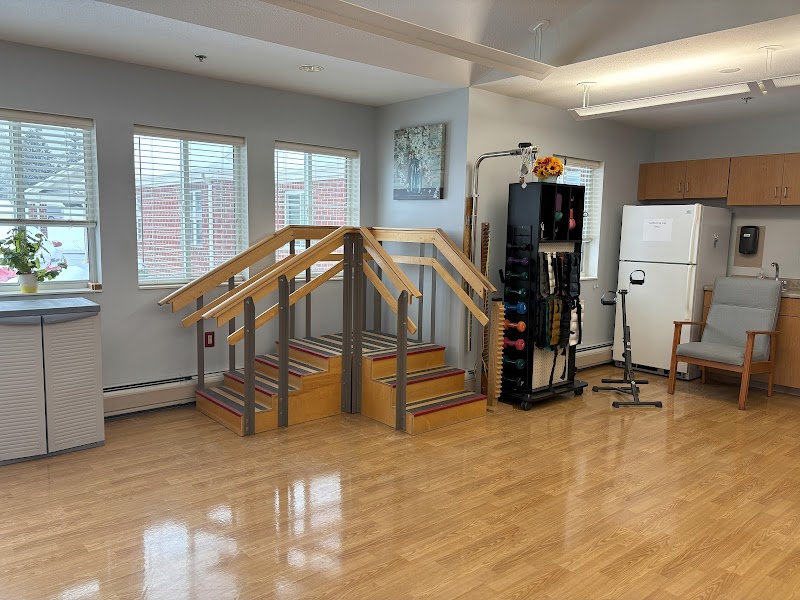
How is Windsor House At Champion Staffed?

CMS rates WINDSOR HOUSE AT CHAMPION's staffing level at 2 out of 5 stars, which is below average compared to other nursing homes. Staff turnover is 48%, compared to the Ohio average of 46%.

What Have Inspectors Found at Windsor House At Champion?

State health inspectors documented 23 deficiencies at WINDSOR HOUSE AT CHAMPION during 2020 to 2025. These included: 1 that caused actual resident harm and 22 with potential for harm. Deficiencies causing actual harm indicate documented cases where residents experienced negative health consequences.
Who Owns and Operates Windsor House At Champion?

WINDSOR HOUSE AT CHAMPION is owned by a for-profit company. For-profit facilities operate as businesses with obligations to shareholders or private owners. The facility is operated by WINDSOR HOUSE, INC., a chain that manages multiple nursing homes. With 92 certified beds and approximately 87 residents (about 95% occupancy), it is a smaller facility located in CHAMPION, Ohio.
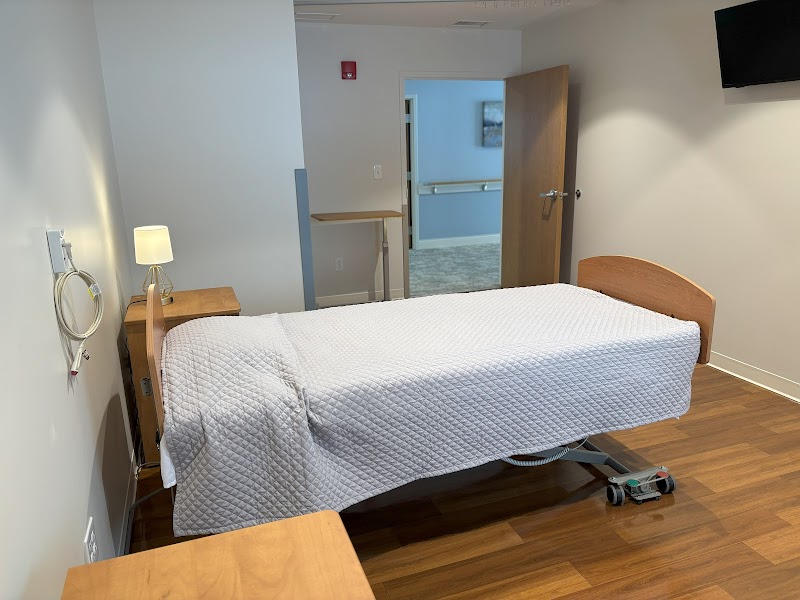
How Does Windsor House At Champion Compare to Other Ohio Nursing Homes?

Compared to the 100 nursing homes in Ohio, WINDSOR HOUSE AT CHAMPION's overall rating (3 stars) is below the state average of 3.2, staff turnover (48%) is near the state average of 46%, and health inspection rating (3 stars) is at the national benchmark.

What Should Families Ask When Visiting Windsor House At Champion?

Based on this facility's data, families visiting should ask: "Can you walk me through typical staffing levels on day, evening, and night shifts?" "Can I visit during a mealtime to observe dining assistance and food quality?" "How do you handle medical emergencies, and what is your hospital transfer rate?" "Can I speak with family members of current residents about their experience?" These questions are particularly relevant given the below-average staffing rating.

Is Windsor House At Champion Safe?

Based on CMS inspection data, WINDSOR HOUSE AT CHAMPION has a clean safety record: no substantiated abuse findings (meaning no confirmed cases of resident harm), no Immediate Jeopardy citations (the most serious violation level indicating risk of serious injury or death), and is not on the Special Focus Facility watch list (a federal program monitoring the lowest-performing 1% of nursing homes). The facility has a 3-star overall rating and ranks #100 of 100 nursing homes in Ohio. While no facility is perfect, families should still ask about staff-to-resident ratios and recent inspection results during their visit.

Do Nurses at Windsor House At Champion Stick Around?

WINDSOR HOUSE AT CHAMPION has a staff turnover rate of 48%, which is about average for Ohio nursing homes (state average: 46%). Moderate turnover is common in nursing homes, but families should still ask about staff tenure and how the facility maintains care continuity when employees leave.

Was Windsor House At Champion Ever Fined?

WINDSOR HOUSE AT CHAMPION has no federal fines on record. CMS issues fines when nursing homes fail to meet care standards or don't correct problems found during inspections. The absence of fines suggests the facility has either maintained compliance or corrected any issues before penalties were assessed. This is a positive indicator, though families should still review recent inspection reports for the full picture.

Is Windsor House At Champion on Any Federal Watch List?

WINDSOR HOUSE AT CHAMPION is not on any federal watch list. The most significant is the Special Focus Facility (SFF) program, which identifies the bottom 1% of nursing homes nationally based on persistent, serious quality problems. Not being on this list means the facility has avoided the pattern of deficiencies that triggers enhanced federal oversight. This is a positive indicator, though families should still review the facility's inspection history directly.