MORROW MANOR NURSING CENTER
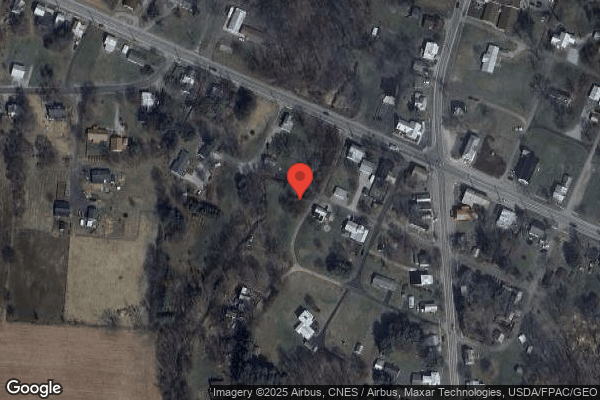
ST RT 314 NORTH, CHESTERVILLE, OH 43317 (419) 768-2401
For profit - Corporation 46 Beds Independent Data: November 2025
Trust Grade
70/100
#301 of 913 in OH
Last Inspection: June 2022

Over 2 years since last inspection. Current conditions may differ from available data.

Overview

Morrow Manor Nursing Center has a Trust Grade of B, which means it is a good choice for families seeking care, indicating solid quality. It ranks #301 out of 913 facilities in Ohio, placing it in the top half of nursing homes, and is the top facility out of three in Morrow County. The facility's performance trend is improving, having reduced issues from five in 2022 to just one in 2025. Staffing is rated 4 out of 5 stars, with a turnover rate of 55%, which is average for Ohio, suggesting that while some staff stay long-term, there is room for improvement. There have been no fines reported, which is a positive sign; however, recent inspections found concerning issues, including a nurse who touched medication with bare hands, risking infection for two residents, and a lack of RN coverage on several days in 2019, which could have affected all residents. Overall, while Morrow Manor has strengths such as good quality measures and no fines, families should be aware of past infection control lapses and staffing concerns.

Trust Score
B
70/100
In Ohio
#301/913
Top 32%
Safety Record
Low Risk
No red flags
Inspections
Getting Better
5 → 1 violations
Staff Stability
⚠ Watch
55% turnover. Above average. Higher turnover means staff may not know residents' routines.
Penalties
✓ Good
No fines on record. Clean compliance history, better than most Ohio facilities.
Skilled Nurses
○ Average
Each resident gets 31 minutes of Registered Nurse (RN) attention daily — about average for Ohio. RNs are the most trained staff who monitor for health changes.
Violations
⚠ Watch
18 deficiencies on record. Higher than average. Multiple issues found across inspections.
★★★★☆
4.0
Overall Rating
★★★★☆
4.0
Staff Levels
★★★★★
5.0
Care Quality
★★★☆☆
3.0
Inspection Score
Stable
2022: 5 issues
2025: 1 issues

The Good

  • 4-Star Staffing Rating · Above-average nurse staffing levels
  • 5-Star Quality Measures · Strong clinical quality outcomes
  • Full Sprinkler Coverage · Fire safety systems throughout facility
  • No fines on record

Facility shows strength in staffing levels, quality measures, fire safety.

The Bad

Staff Turnover: 55%

Near Ohio avg (46%)

Frequent staff changes - ask about care continuity

Staff turnover is elevated (55%)

7 points above Ohio average of 48%

The Ugly 18 deficiencies on record

Aug 2025 1 deficiency
CONCERN (D) 📢 Someone Reported This

A family member, employee, or ombudsman was alarmed enough to file a formal complaint

Potential for Harm - no one hurt, but risky conditions existed

Deficiency F0569 (Tag F0569)

Could have caused harm · This affected 1 resident

**NOTE- TERMS IN BRACKETS HAVE BEEN EDITED TO PROTECT CONFIDENTIALITY** Based on interview, record review and facility policy review the facility failed to ensure resident funds were timely dispersed ...

Read full inspector narrative →
**NOTE- TERMS IN BRACKETS HAVE BEEN EDITED TO PROTECT CONFIDENTIALITY** Based on interview, record review and facility policy review the facility failed to ensure resident funds were timely dispersed to the resident's representative in a timely manner. This affected one resident (#34) of one reviewed for dispersed funds. The facility census was 28.Findings include:Review of Resident #34's closed medical records revealed an admission date of [DATE] and a deceased date of [DATE].Interview on [DATE] at 2:12 P.M. with Business Office Manager (BOM) #145 revealed she had received information a check had been issued in the amount of $6523.67 on [DATE] for Resident #34. BOM #145 stated she was unaware of the date when Resident #34's funds had been issued to her power of attorney (POA) and stated she had only been aware the funds had been dispersed. BOM #145 stated she was unaware of when funds were to be dispersed following a residents passing.Telephone interview on [DATE] at 2:36 P.M. with Corporate Accounts Receivable (CAR) #160 revealed she had created the paperwork for a refund of Resident #34's funds on [DATE] and had given the paperwork to the owner of the company. CAR #160 stated she had not received the paperwork back from the owner and stated she had turned it in again on [DATE] and stated she was then given authorization to disperse the funds on [DATE] in the amount of $6253.67. CAR #160 stated she was unaware of a timeframe as to when funds were supposed to be dispersed following a residents death.Review of facility policy titled Resident Rights-Medicaid/Medicare Coverage/Liability Notice undated, revealed the facility must refund a residents representative any and all funds within thirty days from the residents' date of discharge. This deficiency represents non-compliance investigated under complaint 1395310.
Jun 2022 5 deficiencies
CONCERN (D)

Potential for Harm - no one hurt, but risky conditions existed

Deficiency F0582 (Tag F0582)

Could have caused harm · This affected 1 resident

Based on record review and staff interview, the facility failed to ensure residents were notified of the reasons for non-coverage of Medicare funds. This affected two (Residents #22 and #230) of two r...

Read full inspector narrative →
Based on record review and staff interview, the facility failed to ensure residents were notified of the reasons for non-coverage of Medicare funds. This affected two (Residents #22 and #230) of two residents reviewed for liability and beneficiary appeal notices. The census was 26. Findings include: 1. A review of the Skilled Nursing Facility (SNF) Beneficiary Protection Notification Review revealed Resident #22 was not issued the Skilled Nursing Facility Advanced Beneficiary Notice (SNFABN) cut letter. Her Medicare Part A Skilled Services Episode started 03/18/22 and the last covered day of Part A Service was 04/18/22. The facility initiated the discharge from Medicare Part A services when benefit days were not exhausted. 2. A review of the SNF Beneficiary Protection Notification Review revealed Resident #230 was not issued the SNFABN or Notice to Medicare Provider Non-coverage (NOMNC) for services that started 04/21/22 and stopped 04/28/22. Resident #230 did not exhaust all benefit days. On 06/23/22 at 2:10 P.M. an interview with Corporate Liaison Business Office Manager (BOM) #300 verified Resident #22 was not issued the SNFABN cut letter until 06/23/22. She also verified Resident #230 was not issued an SNFABN cut letter nor a NOMNC.
CONCERN (D)

Potential for Harm - no one hurt, but risky conditions existed

Safe Environment (Tag F0584)

Could have caused harm · This affected 1 resident

Based on observations, family interview and staff interview, the facility failed to provide a clean and safe environment for the residents. This affected three (Residents #11, #25 and #27) of 17 resid...

Read full inspector narrative →
Based on observations, family interview and staff interview, the facility failed to provide a clean and safe environment for the residents. This affected three (Residents #11, #25 and #27) of 17 residents reviewed for physical environment. The facility census was 26. Findings include: On 06/21/22 at 11:49 A.M., a telephone interview with an anonymous family member revealed she felt the floors were very dirty and sticky at times and the facility needed additional cleaning. Observations on 06/21/22 at 12:00 P.M. of the room and bathroom for Residents #11, #25 and #27 revealed the floor had dirty spots of food and skid marks. Observations and interviews on 06/23/22 at 11:59 A.M. of rooms for Residents #11, #25 and #27 with the Administrator verified the floors were dirty and in need of stripping for Resident #11, #25, and #27's room and bathroom. The Administrator verified the bathrooms in both rooms had loose baseboards that protruded from the walls.
CONCERN (D)

Potential for Harm - no one hurt, but risky conditions existed

Drug Regimen Review (Tag F0756)

Could have caused harm · This affected 1 resident

**NOTE- TERMS IN BRACKETS HAVE BEEN EDITED TO PROTECT CONFIDENTIALITY** Based on medical record review, staff interview, and review of the facility's policy and procedure, the facility failed to ensur...

Read full inspector narrative →
**NOTE- TERMS IN BRACKETS HAVE BEEN EDITED TO PROTECT CONFIDENTIALITY** Based on medical record review, staff interview, and review of the facility's policy and procedure, the facility failed to ensure the physician documented a rationale for pharmacy recommendations. This affected one (Resident #3) out of five residents reviewed for unnecessary medications. The facility census was 26. Findings include: Review of the medical record for Resident #3 revealed an admission date of 11/13/20. Diagnoses included depression, dementia, and anxiety. Review of the Minimum Data Set (MDS) assessment dated [DATE] revealed Resident #3 had impaired cognition and she had no behaviors. Review of the care plan dated 01/06/20 revealed Resident #3 had a cognitive deficit with the potential for mood/behavior problems. She was at risk for wandering/elopement and wears a wander guard device on her ankle, she received antianxiety and antipsychotic medications and was at risk for adverse effect, and she had the diagnoses of depression, anxiety, Parkinson's disease and dementia. Interventions included ton administer anti-anxiety and antipsychotic medications as ordered and monitor for adverse side effects. Review of Resident #3's physician orders revealed orders for Alprazolam 0.25 milligrams (mg) twice daily for anxiety and Risperidone 0.25 mg at night for dementia. Review of Resident #3's pharmacy recommendations revealed the following: On 04/13/22 the pharmacist recommended a gradual dose reduction for the resident's Risperdal, to change the order from 0.25 mg daily to 0.125 mg daily. The physician declined and no rationale was provided; On 03/16/22, the pharmacist recommended a gradual dose reduction for the resident's Alprazolam, as she was receiving 0.25 mg twice daily. The physician declined and no rationale was provided; On 01/12/22, the pharmacist recommended a gradual dose reduction for the resident's Risperdal, to change the order from 0.25 mg daily to 0.125 mg daily. The physician declined and no rationale was provided; On 12/08/21 the pharmacist recommended a gradual dose reduction for the resident's Alprazolam, as she was receiving 0.25 mg twice daily. The physician declined and no rationale was provided; On 11/10/21, the pharmacist recommended a gradual dose reduction for the resident's Risperdal, to change the order from 0.25 mg daily to 0.125 mg daily. The physician declined and no rationale was provided. Interview on 6/23/22 at 10:19 A.M. with the Director of Nursing (DON) confirmed the physician didn't complete documented rationales for Resident #3's gradual dose reductions on 04/13/22, 03/16/22, 01/12/22, 12/08/21, and 11/10/21 Review of the facility's undated policy and procedure titled Gradual Dose Reduction/Tapering in the Nursing Facility revealed the continued use of medication is in accordance with relevant current standards of practice and the physician has documented the clinical rationale.
CONCERN (D)

Potential for Harm - no one hurt, but risky conditions existed

Unnecessary Medications (Tag F0759)

Could have caused harm · This affected 1 resident

Based on medical record review, observation, staff interview, and review of the facility's policy and procedure, the facility failed to ensure their medication error rate less than five percent (%). O...

Read full inspector narrative →
Based on medical record review, observation, staff interview, and review of the facility's policy and procedure, the facility failed to ensure their medication error rate less than five percent (%). Out of 28 opportunities, there were two errors to equal 7.14% medication error rate. This affected two residents (#8 and #17) out of five residents observed during medication administration. The facility census was 26. Findings include: 1. Review of the medical record for Resident #17 revealed an admission date of 04/23/21. Diagnoses included legal blindness, presence of intraocular lens, corneal transplant, high blood pressure and open-angle glaucoma. Review of the care plan dated 04/26/21, revealed Resident #17 had an alteration in vision and communication related to legal blindness, glaucoma and bilateral corneal transplant. Interventions included to monitor ocular changes and keep glasses and frequently used objects in a consistent area within reach. Review of Resident #17's physician orders revealed orders to administer Dorzolamide-Timolol 2% - 0.5% one drop to the left eye twice daily for legal blindness. Observation on 06/22/22 at 7:42 A.M. with Registered Nurse (RN) #133 revealed she administered the Dorzolamide-Timolol 2% - 0.5% eye drop to Resident #17's right eye. Interview on 06/22/22 at 7:43 A.M. with RN #133 confirmed she administered the medication in the right eye and it should have been the left eye. She stated Resident #17 receives a lot of eye drops during the day but she didn't think Resident #17 was to receive that specific medication in the right eye at all. 2. Review of the medical record for Resident #8 revealed an admission date of 06/23/16. Diagnoses included adult failure to thrive. Review of the care plan dated 06/09/22 revealed Resident #8 was at risk for malnutrition related to diagnoses including failure to thrive with interventions to administer prescriptions per physician orders. Review of Resident #8's physician orders revealed orders for Vitamin B-12 1,000 micrograms (mcg) with instructions to give two tablets daily for adult failure to thrive. Observation and interview on 06/22/22 at 8:09 A.M. of medication administration for Resident #8 revealed Registered Nurse (RN) #133 prepared the resident's medications. When she prepared his Vitamin B-12 1,000 mcg, she only prepared one. As she was getting ready to go into Resident #8's room, surveyor intervened and the nurse confirmed she only placed one Vitamin B-12 into the pill cup and the order was for two. Review of the facility's policy and procedure titled Medication Administration Policy, dated January 2010, revealed there are five rights of medication administration (right drug, right dose, right resident, right route, and right time) and drug labels should be read carefully and checked against the order three times.
CONCERN (F)

Potential for Harm - no one hurt, but risky conditions existed

Infection Control (Tag F0880)

Could have caused harm · This affected most or all residents

**NOTE- TERMS IN BRACKETS HAVE BEEN EDITED TO PROTECT CONFIDENTIALITY** Based on observation, record review, and staff interview, the facility failed to maintain infection control during the medicatio...

Read full inspector narrative →
**NOTE- TERMS IN BRACKETS HAVE BEEN EDITED TO PROTECT CONFIDENTIALITY** Based on observation, record review, and staff interview, the facility failed to maintain infection control during the medication administration observation when she touched resident's medications with her bare hands and administered them to residents. This affected two (Residents #8 and #19) of five residents observed during medication administration. Furthermore, the facility failed to ensure they initiated and maintained an appropriate Legionella prevention plan. This had the potential to affect all 26 residents residing in the facility. Findings include: 1. Review of the medical record for Resident #19 revealed an admission date of 12/26/17. Diagnosis included atrial fibrillation (A-Fib). Review of the resident's physician orders revealed orders for Eliquis 2.5 milligrams twice daily for A-Fib. Observation on 06/22/22 at 8:00 A.M. revealed Registered Nurse (RN) #133 preparing Resident #19's medications. She dropped the Eliquis medication onto the top of the medication cart and picked up the medication with her bare hands, put it into the medication cup, and administered the medications to the resident. Interview on 06/22/22 at 8:17 A.M. with RN #133 confirmed she touched Resident #19's medications with her bare hands. 2. Review of the medical record for Resident #8 revealed an admission date of 06/23/16. Diagnoses included epilepsy. Review of the resident's physician orders revealed orders for Divalproex 125 milligrams twice daily for epilepsy. Observation on 06/22/22 at 8:09 A.M. revealed Registered Nurse (RN) #133 preparing Resident #8's medications. She dropped the Divalproex medication onto the top of the medication cart and picked up the medication with her bare hands, put it into the medication cup, and administered the medications to the resident. Interview on 06/22/22 at 8:17 A.M. with RN #133 confirmed she touched Resident #8's medications with her bare hands. 3. Review of the facility's Legionella Prevention Plan revealed the facility had a packet of information pertaining to Legionella, printed from the Centers for Disease Control (CDC), and how the facility could reduce the risk of the infection. Review of the facility's front page of the Water Management Program Binder revealed the previous Administrator signed that she reviewed the plan on 08/04/21 and she stated no changes were to be made to the plan. There was no documented evidence stating what the Legionella Management Plan/Program would be and there was no documented evidence that the facility attempted to test the water for Legionella since September 2017. Review of the facility's form titled Identifying Buildings at Increased Risk revealed the building marked the answer, Yes to two questions, indicating the facility should have a water management program for the building's hot and cold water distribution system. It stated the buildings spa was drained between each use. It also stated the facility had emergency water systems such as fire sprinklers, safety showers and eyes wash stations that were regularly tested and the last test was completed was in March 2019. The plan stated the facility would contact [NAME] for Legionella testing on 04/16/19. Review of the [NAME] CDC Legionella Sampling form revealed they were last at the facility on 09/28/17 to test the facility's water systems. Review of the facility's flow sheet to indicate the flow of water through the building, revealed it was for a completely different building. Interview on 06/22/22 at 1:45 P.M. and 2:12 P.M. with the Administrator confirmed there was no Legionella information pertinent to this facility, he stated he didn't know why that book was even here, and he confirmed nothing had been updated in the Legionella book since 2019 even though the previous Administrator supposedly reviewed and approved the plan in 2021.
Jul 2019 6 deficiencies
CONCERN (D)

Potential for Harm - no one hurt, but risky conditions existed

Deficiency F0685 (Tag F0685)

Could have caused harm · This affected 1 resident

**NOTE- TERMS IN BRACKETS HAVE BEEN EDITED TO PROTECT CONFIDENTIALITY** Based on medical record review, resident interview, and staff interview, the facility failed to conduct an ordered follow up aud...

Read full inspector narrative →
**NOTE- TERMS IN BRACKETS HAVE BEEN EDITED TO PROTECT CONFIDENTIALITY** Based on medical record review, resident interview, and staff interview, the facility failed to conduct an ordered follow up audiology hearing aide test. This affected one resident (#25) out of one resident reviewed for hearing. The census was 27. Findings include: Review of Resident #25's medical record revealed an admission date of 11/23/16. Diagnoses included muscle weakness, depression and dementia. The Minimum Data Set (MDS) dated [DATE] and 06/14/19 revealed the resident had impaired cognition. The resident required extensive two staff assistance for transfers, extensive one assist for locomotion and dressing/care. The residents hearing was adequate and she used hearing aides. Review of a care plan dated 08/13/15 revealed the resident had an alteration in hearing and she was at risk for an alteration in communication. Interventions included to get the residents attention before speaking, check for and ensure ear wax was removed from ears, refer for audiology evaluation as needed, encourage the resident to wear hearing aides, assist with insertion of hearing aides and adjustment of volume when needed, and write out important messages. Review of Resident #25's most recent audiology consult, dated 12/10/18 revealed she was to have a hearing aide cleaning and check in six months. No evidence of any other audiology consults/hearing aide checks since 12/10/18 could be provided. The audiologist was due to come to the facility August 2019 and Resident #25 was not on the list to be seen. An interview of 07/15/19 at 10:58 A.M. with Licensed Practical Nurse (LPN) #124 revealed the resident had her hearing aides in. LPN #124 indicated the hearing aides buzzed this morning when she put them in, and the resident had a lot of trouble hearing. An interview on 07/15/19 at 11:01 A.M. with Resident #25 was completed via dry erase board provided by the nurse on duty, due to the resident being unable to answer questions even after surveyor raised voice and used hand gestures. An interview on 07/16/19 at 3:08 P.M. with LPN #100 revealed the resident normally saw an outside audiologist not the inhouse audiologist. At this time LPN #00 reviewed the outside audiologist report dated 12/10/18 that recommended Resident #25 receive a hearing aide check up and cleaning in six months. LPN #100 stated the residents daughter might have taken her to the outside audiologist, but she wasn't sure. An interview on 07/16/19 at 3:17 P.M. with LPN #100 revealed Resident #25's daughter told her it was probably time to get the hearing aides checked. LPN #100 confirmed there was no evidence in the chart of any hearing aid checks after the 12/10/18 audiology visit.
CONCERN (D)

Potential for Harm - no one hurt, but risky conditions existed

Accident Prevention (Tag F0689)

Could have caused harm · This affected 1 resident

**NOTE- TERMS IN BRACKETS HAVE BEEN EDITED TO PROTECT CONFIDENTIALITY** Based on medical record review, observation, staff interview and facility policy, the facility failed to ensure medications wer...

Read full inspector narrative →
**NOTE- TERMS IN BRACKETS HAVE BEEN EDITED TO PROTECT CONFIDENTIALITY** Based on medical record review, observation, staff interview and facility policy, the facility failed to ensure medications were taken at the time of administration. This affected one Resident (#9) of 27 residents observed during the screening process. The facility identified 11 residents who were cognitively impaired and independently mobile. The facility census was 27. Findings include: Review of Resident #9's medical record revealed an admission date of 07/18/19. Diagnoses included malignant neoplasm of breast, chronic kidney disease, major depressive disorder, anxiety disorder, and hypertension. Review of Resident #9's Minimum Data Set (MDS) dated [DATE] revealed the resident to have intact cognition. Review of Resident #9's Medication Administration Record (MAR) and Physician orders dated July 2019 revealed morning medications included Losartan potassium (for hypertension) 50 milligrams (mg) orally, Lyrica (for nerve pain) 100 mg orally, Meloxicam (for inflammation)15 mg orally, pantoprazole (for reflux) 40 mg orally, acidophilus supplement capsule one orally, daily-vite(vitamin) one tablet orally, Labetalol (for hypertension) 300 mg orally, and Levothyroxine (for hypothyroidism) 137 micrograms (mcg) orally. Observation on 07/15/19 at 9:25 A.M. of Resident #9 revealed the resident had a cup full of morning medications sitting on her bedside table. Interview on 07/15/19 at 9:30 A.M. with the Director of Nursing (DON) verified Resident #9's morning medications had been left sitting on the resident's bedside table. Review of facility policy titled General Dose Preparation and Medication Administration dated 01/01/13, revealed facility staff should not leave medications or chemicals unattended. The resident should be observed for consumption of the medications.
CONCERN (E)

Potential for Harm - no one hurt, but risky conditions existed

Deficiency F0741 (Tag F0741)

Could have caused harm · This affected multiple residents

Based on medical record review, review of personnel records, review of accident logs, staff interview, and review of facility policy and procedure, the facility failed to provide appropriate dementia ...

Read full inspector narrative →
Based on medical record review, review of personnel records, review of accident logs, staff interview, and review of facility policy and procedure, the facility failed to provide appropriate dementia care, treatment, and training to staff member (State Tested Nurse Assistant (STNA) #135) resulting in a skin tear and a fall for Resident #28. This had the potential to affect all six residents (#11, #12, #16, #24, #28, and #178) on the dementia unit on 05/16/19. The census was 27. Findings include: Review of the medical record for the Resident #28 revealed an admission date of 01/10/18 and a discharge date of 06/21/19 after the resident passed away in the facility. Diagnoses included dementia with behavioral disturbance muscle weakness, high blood pressure, repeated falls, syncope, major depressive disorder, heart disease, chronic obstructive pulmonary disease (COPD), and bipolar disorder. Review of the Minimum Data Set (MDS) assessment completed on 01/11/19 revealed the resident had impaired cognition. The resident required extensive assistance of one staff for transfers, locomotion, toileting and care, and the resident had no skin concerns, but he did have falls. Review of the plan of care, dated 03/28/18, revealed the resident was at risk for falls due to an alteration in self mobility related to impaired coordination and balance, unsteady gait, shortness of breath, and impulsive behaviors. Interventions included bed alarm when in bed, gripper socks and or non-skid foot wear at all times, physical therapy (PT) evaluation due to recent falls and decline in mobility, send to emergency room for evaluation, remove suitcase from room and place in storage, bed in lowest position when in bed. Review of the plan of care, dated 03/28/19 revealed the resident had a cognitive deficit and the potential for mood/behavior problems, he had aggressive and uncontrolled behaviors at times. Interventions included to attempt to redirect with diversion activities, administer medications as ordered, respect the residents space, and engage calmly in conversation, if response is aggressive, staff are to calmly walk away and approach later. Review of the facility incident/accident log for April 2019 through July 2019 revealed no patterns or trends. An incident dated 05/16/19 at 12:20 A.M. revealed STNA #129 and STNA #135 entered Resident #28's room due to his bed alarm sounding. The resident was on the edge of the bed, visibly agitated and verbally abusive and threatening. When the staff asked what he needed, the resident became more aggressive and started swinging and kicking at both staff. The resident walked into the hallway and began exit seeking, when the door wouldn't open, the resident tried to grab and swing at both staff. STNA #135 separated himself from the incident and the resident suddenly charged at STNA #129. STNA #135 stepped in between the two and the resident attempted to punch STNA #135 in the face. STNA #135 grabbed Resident #28's arm to stop him from making contact, which resulted in a small skin tear to the residents right forearm above his wrist. While STNA #135 was still holding onto him, the resident attempted to kick at the aide, causing the resident to lose his balance and staff lowered the resident to the ground. The resident remained on the floor until Emergency Medical Staff and the Sheriff arrived, and he continued the behaviors while at the facility. The resident was transferred to the hospital for an evaluation. A review of the personnel file for STNA #135's revealed he was rehired with the facility on 02/02/19, his most recent Abuse policy training was 04/12/18, most recent Alzheimer's and Dementia training was on 04/12/17, and he was never trained on Alzheimer's Disease Behavior Management. Interviews on 07/17/19 at 5:00 P.M. with the Administrator and the Director of Nursing (DON) confirmed the absence of abuse and neglect training, training regarding Understanding Dementia and Alzheimer's and Alzheimer's Disease Behavior Management, and they further confirmed STNA #135 should have never grabbed Resident #28 which resulted in a skin tear and a fall. They stated STNA #135's last day was the morning of 05/16/19. They further revealed there was no additional information into the incident on 05/16/19 and there was no additional training's completed with any staff after the incident. A review of facility policy titled Abuse, Neglect, Exploitation, and Misappropriation of Resident Property dated February 2019, revealed the facility will educate its staff and volunteers upon hire and annually thereafter regarding the facility's policy concerns abuse, neglect, exploitation of residents, and misappropriation of the residents property, and how to respond to resident to resident abuse and injuries of unknown sources. The training will include appropriate interventions to deal with aggressive behaviors and extraordinary reactions of residents to ordinary stimuli, such as an attempt to provide care (i.e. catastrophic reactions), and dementia management and abuse prevention. This deficiency substantiates Complaint Number OH00105640.
CONCERN (F)

Potential for Harm - no one hurt, but risky conditions existed

Deficiency F0727 (Tag F0727)

Could have caused harm · This affected most or all residents

Based on review of nursing staffing schedules and staff interview, the facility failed to ensure eight consecutive hours of Registered Nurse (RN) coverage daily as required. This had the potential to ...

Read full inspector narrative →
Based on review of nursing staffing schedules and staff interview, the facility failed to ensure eight consecutive hours of Registered Nurse (RN) coverage daily as required. This had the potential to affect all 27 residents currently residing in the facility. Findings include: Review of the facility staffing schedules revealed no RN had been scheduled to work on the following dates, 04/27/19, 04/28/19, 04/29/19, 04/30/19, 05/02/19, 05/04/19, 05/11/19, 05/12/19, 05/25/19, 05/26/19, 06/08/19, 06/09/19, 06/23/19, 06/23/19, 06/29/19, and 07/13/19. Interview on 07/18/19 at 11:30 A.M. with the Director of Nursing (DON) verified the facility did not have a RN working on the above dates.
CONCERN (F)

Potential for Harm - no one hurt, but risky conditions existed

Deficiency F0761 (Tag F0761)

Could have caused harm · This affected most or all residents

Based on observation, staff interview and review of facility policy and procedure, the facility failed to properly store medications in the medication carts. This had the potential to affect all 27 re...

Read full inspector narrative →
Based on observation, staff interview and review of facility policy and procedure, the facility failed to properly store medications in the medication carts. This had the potential to affect all 27 residents receiving medications from the two medication carts. The census was 27. Findings include: An observation on 07/16/19 at 10:15 A.M. of medication cart #1 (storing the front hall residents medications) with Licensed Practical Nurse (LPN) #124 revealed a half white round pill with an 'M' on it, identified as Metoprolol 25 milligrams (mg) in the medication cart drawer. At the time of the observation LPN #124 verified the loose pill in the medication cart. This cart stored the medications for Residents #2, #3, #4, #5, #6, #8, #10, #13, #14, #15, #17, #18, #20, #22, #25, #26, and #27. An observation on 07/16/19 at 10:30 A.M. of medication cart #2 (storing the back hall residents medications) with LPN #124 revealed a yellow round pill with the numbers 159 on one side, identified as meloxicam 15 mg, and a light green round pill with an 'H' on one side and 123 on the other side, identified as Ropinirole Hydrochloride 1 mg in the mediation cart drawer. At the time of the observation, LPN #124 verified the loose pills in the medication cart and indicated the Ropinirole pill did not look familiar to her. This cart stored the medications for Residents #1, #7, #9, #11, #12, #16, #19, #21, #23, and #24. A review of the policy and procedure titled, Storage and Expiration of Medications, Biologicals, Syringes and Needles, dated 10/31/16, revealed the facility should ensure that medication and biologicals for each resident are stored in the containers for which they were originally received.
CONCERN (F)

Potential for Harm - no one hurt, but risky conditions existed

Menu Adequacy (Tag F0803)

Could have caused harm · This affected most or all residents

Based on observation, staff interview, review of dietary menus, and review of facility policy the facility failed to ensure the facility menu was followed. This had to potential to affect 27 residents...

Read full inspector narrative →
Based on observation, staff interview, review of dietary menus, and review of facility policy the facility failed to ensure the facility menu was followed. This had to potential to affect 27 residents who received meals from the kitchen. The facility census was 27. Findings include: Review of facility dietary menu for 07/16/19 revealed the meal was to include meat loaf, mashed potatoes, cream corn and a fresh baked roll. Observation of the lunch meal service on 07/16/19 at 12:00 P.M. revealed no fresh baked rolls were served to any of the residents. Interview on 07/16/19 at 12:05 P.M. with Dietary Worker #114 stated the facility stopped ordering the dinner rolls due to there was not enough room in the freezer. Dietary Worker #114 stated the facility has not had dinner rolls for some time. Review of facility policy titled Menus undated, revealed menus shall be written in advance and followed. The Nutrition Professional shall be notified of any permanent menu alterations.
Jun 2018 6 deficiencies
CONCERN (D)

Potential for Harm - no one hurt, but risky conditions existed

Deficiency F0561 (Tag F0561)

Could have caused harm · This affected 1 resident

**NOTE- TERMS IN BRACKETS HAVE BEEN EDITED TO PROTECT CONFIDENTIALITY** Based on medical record review, observation, family and staff interview, the facility failed to ensure one (#16) of 12 residents...

Read full inspector narrative →
**NOTE- TERMS IN BRACKETS HAVE BEEN EDITED TO PROTECT CONFIDENTIALITY** Based on medical record review, observation, family and staff interview, the facility failed to ensure one (#16) of 12 residents reviewed had the right to receive food, fluids and bathing in accordance with preferences. The facility census was 24. Findings included: Medical record review revealed Resident #16's was admitted to the facility on [DATE] with medical diagnoses including dementia with behaviors. Resident #16 had poor cognition and was unable to be interviewed. The comprehensive assessment dated [DATE] identified Resident #16 was high risk for hydration, weight issues, and required a written plan of care. The plan of care identified identified honor food preferences and provide fluids at the bedside. Interview with Resident #16's family on 06/11/18 at 5:05 P.M., revealed she had never been interviewed regarding Resident #16's food preferences, and he received many items on his meal tray that he does not like. The family member further revealed Resident #16 was only receiving one shower a week, and he got them every other day, while at home. Additionally, the family member revealed Resident #16 frequently drank ice water, and there was not water provided in Resident #16's room. Observation of Resident #16's room on 06/12/18 at 9:32 A.M., and 06/13/18 at 7:23 A.M., revealed the resident was in a room without a roommate, and did not have a water pitcher, or a cup. Interview with State tested Nursing Assistant (STNA) #1 on 06/12/18 at 9:40 A.M., confirmed Resident #16 did not have a water pitcher, or cup in his room. The interview further confirmed Resident #16 was scheduled for one shower a week, with bed baths everyday. On 06/12/18 at 1:00 P.M., observation of the kitchen identified a clip board with paper evaluations of Resident's likes and dislikes. The clipboard did not include an evaluation for Resident #16. Interview with Actives Director #10 and Dietary Manager #7 on 06/12/18 at 1:14 P.M., and verified the clip board contained residents from 2016, however did not include all current residents or Resident #16. Dietary Manager #7 revealed she used the assessment to develop meal cards for each of the kitchen staff to use when preparing resident meals. Dietary Manager #7 confirmed she should have completed the assessment for Resident #16 upon his admission, with the family, and did not.
CONCERN (D)

Potential for Harm - no one hurt, but risky conditions existed

Incontinence Care (Tag F0690)

Could have caused harm · This affected 1 resident

**NOTE- TERMS IN BRACKETS HAVE BEEN EDITED TO PROTECT CONFIDENTIALITY** Based on medical record review, observation, and staff interviews, the facility failed to provide services, to attempt to preven...

Read full inspector narrative →
**NOTE- TERMS IN BRACKETS HAVE BEEN EDITED TO PROTECT CONFIDENTIALITY** Based on medical record review, observation, and staff interviews, the facility failed to provide services, to attempt to prevent, complications for use of a urinary catheter for one (#18) of two residents reviewed with urinary catheters. The facility census was 24. Findings included: Medical record review revealed Resident #18 was admitted to the facility on [DATE] with diagnosis including obstructive uropathy (obstruction of urine flow). The admission comprehensive assessment dated [DATE] revealed Resident #18 was cognitively intact. The facility developed a written plan of care for the use of the necessary urinary catheter which identified the resident was at risk for complications from the Foley catheter. The goal was to reduce the risk for catheter related trauma. However, the plan of care did not list any anchoring devices for Resident #18's catheter. Review of Resident #18's progress notes dated 04/29/18 at 5:25 A.M., revealed Resident #18 was found on the floor, in her room, lying on her back. The note further revealed the resident's catheter bag was still attached to the bed. Observation of Resident #18's urinary catheter on 06/12/18 at 2:06 P.M., with Registered Nurse (RN) #12 confirmed Resident #18 did not have any type of anchoring device and should have. RN #18 further confirmed Resident #18's catheter remained attached to the bed rail after she fell, and this could cause pulling on the catheter.
CONCERN (D)

Potential for Harm - no one hurt, but risky conditions existed

Infection Control (Tag F0880)

Could have caused harm · This affected 1 resident

Based on medical record review, observation, staff interview, and review of facility policy, the facility failed to ensure facility staff completed hand hygiene before, during, and after providing car...

Read full inspector narrative →
Based on medical record review, observation, staff interview, and review of facility policy, the facility failed to ensure facility staff completed hand hygiene before, during, and after providing care to one (#11) resident observed during wound treatment. The facility census was 24. Findings included: Review of the medical record for the Resident #11, revealed an admission date of 12/26/17. Diagnoses included, dementia without behavioral disturbance, urinary tract infection (UTI), and pressure ulcer of left heel, unstageable. Review of Resident #11's physician's order dated 06/12/18, revealed to cleanse the wound with normal saline, apply 0.50% Dakins soaked gauze, cover with dry gauze, and tape, twice a day, and as needed. On 06/13/18 at 7:24 A.M., observation of Registered Nurse (RN) #13 during Resident #11's left heel wound treatment revealed the nurse did not change her gloves in between the dressing change. RN #13 used the same gloves throughout the entire treatment procedure. RN #13 was not observed to have washed her hands before, during, or after the treatment. On 06/13/18 7:36 A.M. interview with RN #13 confirmed she did not change her gloves, or wash her hands before, during, or after the treatment. Review of facility policy titled Dressing-Clean (undated) revealed during wound treatment procedure, staff should wash hands thoroughly, remove soiled dressings with gloves, and discard in container, remove gloves, wash hands, open clean tray, on a clean field, pour prescribed solution, if necessary, and put on clean gloves.
CONCERN (D)

Potential for Harm - no one hurt, but risky conditions existed

Safe Environment (Tag F0921)

Could have caused harm · This affected 1 resident

**NOTE- TERMS IN BRACKETS HAVE BEEN EDITED TO PROTECT CONFIDENTIALITY** Based on observations, maintenance log review, and staff interviews, the facility failed to provide a safe, functional environme...

Read full inspector narrative →
**NOTE- TERMS IN BRACKETS HAVE BEEN EDITED TO PROTECT CONFIDENTIALITY** Based on observations, maintenance log review, and staff interviews, the facility failed to provide a safe, functional environment for four (#4, #42, #44, and #48) 12 resident rooms observed. The facility census was 24. Findings included: Observation of rooms #44 and #48 on 06/12/18 at 8:11 A.M., revealed blankets were wrapped around the base of the toilets. Interview with State Tested Nursing Assistant (STNA) #1 confirmed she wrote the issue with the toilets in the maintenance log quite some time ago, and nothing had been repaired. Interview with Housekeeper #30 on 06/12/18 at 8:14 A.M., confirmed she had to change the blankets around the toilets in rooms #44 and #48 everyday because the toilets were leaking so bad. Observation of the facilities maintenance log revealed on 05/21/18 it was reported room [ROOM NUMBER] and #48's toilets were loose, and leaking onto the floor. The maintenance work order had not been addressed. Further review of the maintenance log revealed on 04/30/18 the batteries needed changed in room [ROOM NUMBER] and #12 for the hand sanitizers. There was no evidence this was completed. Observation of room [ROOM NUMBER] and #42 with the Director of Nursing (DON) on 06/12/18 at 8:24 A.M., confirmed the batteries had not been replaced on the hand sanitizer units, and they were not functioning. The DON confirmed the maintenance log was not being followed up on to ensure items were repaired.
CONCERN (E)

Potential for Harm - no one hurt, but risky conditions existed

Deficiency F0583 (Tag F0583)

Could have caused harm · This affected multiple residents

**NOTE- TERMS IN BRACKETS HAVE BEEN EDITED TO PROTECT CONFIDENTIALITY** 2. On 06/13/18 at 7:51 A.M., observation of Registered Nurse (RN) #13 during medication administration revealed the RN left the ...

Read full inspector narrative →
**NOTE- TERMS IN BRACKETS HAVE BEEN EDITED TO PROTECT CONFIDENTIALITY** 2. On 06/13/18 at 7:51 A.M., observation of Registered Nurse (RN) #13 during medication administration revealed the RN left the Medication Administration Record (MAR) open in the view of other residents, staff, and visitors at the facility. Resident #12, #17 and #23's medical information was visible. On 06/13/18 at 8:00 A.M., interview with RN #13 confirmed she did not close the MAR during the medication administration. Review of facility policy titled Healthcare Insurance Portability and Accountability Act Disciplinary Policy (undated) revealed all the PHI information is never to be left opened or in an area where others could have access to it. For example, a nurse must cover the MAR on his or her med-cart as he, or she passes meds. Based on medical record reviews, observations, review of facility policy, and staff interviews, the facility failed to keep four (#12, #17, #23, and #16) of 12 residents reviewed medical information and records private. The facility census was 24. Findings include: 1. Medical record review revealed Resident #16 was admitted to the facility on [DATE], to the facilities secured unit, with medical diagnosis including dementia. The record revealed Resident #16 was verbal but had severe cognitive deficits. Observation on the secured unit on 06/12/18 at 11:02 A.M., in the central dinning area revealed Resident #16's family, Resident #16, and two additional residents, with their families were all sitting at the dinning table. State Tested Nursing Assistant (STNA) #1 greeted Resident #16's family and told them he had a rough night last night, and peed all over the bathroom. STNA #1 revealed the behavior information in front of Resident #16, his family and additional residents and families. Interview with STNA #1 on 06/12/18 at 11:04 A.M., confirmed she did not even think about what she had said, and confirmed she should not have said those things in front of Resident #16, or others, as this would be embarrassing.
CONCERN (E)

Potential for Harm - no one hurt, but risky conditions existed

Menu Adequacy (Tag F0803)

Could have caused harm · This affected multiple residents

Based on observation, review of resident diets, review of facility menus, and staff interview, the facility failed to provide six (#2, #13, #15, #19, #20, and #24) high nutritional risk residents of s...

Read full inspector narrative →
Based on observation, review of resident diets, review of facility menus, and staff interview, the facility failed to provide six (#2, #13, #15, #19, #20, and #24) high nutritional risk residents of six residents identified by the facility with ordered fortified diets. The facility census was 24. Finding included: Observation and interview with the Dietary Manager #7 on 06/12/18 at 9:20 A.M., revealed the facility did have six (#2, #13, #15, #19, #20, and #24) residents who were ordered fortified foods, and were a high nutritional risk for weight loss. The Dietary Manager confirmed she just added some milk to their foods to make them fortified. Review of the menu and spread sheets book, revealed a listing of fortified foods, with recipes to follow, to prepare those foods. Dietary Manager #7 confirmed she was not aware of the recipes for fortified foods, and was not following the recipe. The Dietary Manager confirmed the recipes included super coffee, milk, hot chocolate, cereal topping, cereal, muffins, soup, gravy, spuds and pudding. Review of the facility provided listing of all residents diets, revealed the six residents required fortified foods at every meal.
Understanding Severity Codes (click to expand)
Life-Threatening (Immediate Jeopardy)
J - Isolated K - Pattern L - Widespread
Actual Harm
G - Isolated H - Pattern I - Widespread
Potential for Harm
D - Isolated E - Pattern F - Widespread
No Harm (Minor)
A - Isolated B - Pattern C - Widespread

Questions to Ask on Your Visit

  • "Why is there high staff turnover? How do you retain staff?"
  • "Can I speak with families of current residents?"
  • "What's your RN coverage like on weekends and overnight?"

Our Honest Assessment

Strengths
  • • No major safety red flags. No abuse findings, life-threatening violations, or SFF status.
  • • No fines on record. Clean compliance history, better than most Ohio facilities.
Concerns
  • • 18 deficiencies on record. Higher than average. Multiple issues found across inspections.
  • • 55% turnover. Above average. Higher turnover means staff may not know residents' routines.
Bottom line: Mixed indicators with Trust Score of 70/100. Visit in person and ask pointed questions.

About This Facility

What is Morrow Manor Nursing Center's CMS Rating?

CMS assigns MORROW MANOR NURSING CENTER an overall rating of 4 out of 5 stars, which is considered above average nationally. Within Ohio, this rating places the facility higher than 99% of the state's 100 nursing homes. This rating reflects solid performance across the metrics CMS uses to evaluate nursing home quality.

How is Morrow Manor Nursing Center Staffed?

CMS rates MORROW MANOR NURSING CENTER's staffing level at 4 out of 5 stars, which is above average compared to other nursing homes. Staff turnover is 55%, which is 9 percentage points above the Ohio average of 46%. High turnover can affect care consistency as new staff learn residents' individual needs.

What Have Inspectors Found at Morrow Manor Nursing Center?

State health inspectors documented 18 deficiencies at MORROW MANOR NURSING CENTER during 2018 to 2025. These included: 18 with potential for harm.

Who Owns and Operates Morrow Manor Nursing Center?

MORROW MANOR NURSING CENTER is owned by a for-profit company. For-profit facilities operate as businesses with obligations to shareholders or private owners. The facility operates independently rather than as part of a larger chain. With 46 certified beds and approximately 29 residents (about 63% occupancy), it is a smaller facility located in CHESTERVILLE, Ohio.

How Does Morrow Manor Nursing Center Compare to Other Ohio Nursing Homes?

Compared to the 100 nursing homes in Ohio, MORROW MANOR NURSING CENTER's overall rating (4 stars) is above the state average of 3.2, staff turnover (55%) is near the state average of 46%, and health inspection rating (3 stars) is at the national benchmark.

What Should Families Ask When Visiting Morrow Manor Nursing Center?

Based on this facility's data, families visiting should ask: "How do you ensure continuity of care given staff turnover, and what is your staff retention strategy?" "Can I visit during a mealtime to observe dining assistance and food quality?" "How do you handle medical emergencies, and what is your hospital transfer rate?" "Can I speak with family members of current residents about their experience?" These questions are particularly relevant given the facility's high staff turnover rate.

Is Morrow Manor Nursing Center Safe?

Based on CMS inspection data, MORROW MANOR NURSING CENTER has a clean safety record: no substantiated abuse findings (meaning no confirmed cases of resident harm), no Immediate Jeopardy citations (the most serious violation level indicating risk of serious injury or death), and is not on the Special Focus Facility watch list (a federal program monitoring the lowest-performing 1% of nursing homes). The facility has a 4-star overall rating and ranks #1 of 100 nursing homes in Ohio. While no facility is perfect, families should still ask about staff-to-resident ratios and recent inspection results during their visit.

Do Nurses at Morrow Manor Nursing Center Stick Around?

Staff turnover at MORROW MANOR NURSING CENTER is high. At 55%, the facility is 9 percentage points above the Ohio average of 46%. High turnover means new staff may not know residents' individual needs, medications, or preferences. It can also be disorienting for residents, especially those with dementia who rely on familiar faces. Families should ask: What is causing the turnover? What retention programs are in place? How do you ensure care continuity during staff transitions?

Was Morrow Manor Nursing Center Ever Fined?

MORROW MANOR NURSING CENTER has no federal fines on record. CMS issues fines when nursing homes fail to meet care standards or don't correct problems found during inspections. The absence of fines suggests the facility has either maintained compliance or corrected any issues before penalties were assessed. This is a positive indicator, though families should still review recent inspection reports for the full picture.

Is Morrow Manor Nursing Center on Any Federal Watch List?

MORROW MANOR NURSING CENTER is not on any federal watch list. The most significant is the Special Focus Facility (SFF) program, which identifies the bottom 1% of nursing homes nationally based on persistent, serious quality problems. Not being on this list means the facility has avoided the pattern of deficiencies that triggers enhanced federal oversight. This is a positive indicator, though families should still review the facility's inspection history directly.