NATIONAL CHURCH RESIDENCES CHILLICOTHE
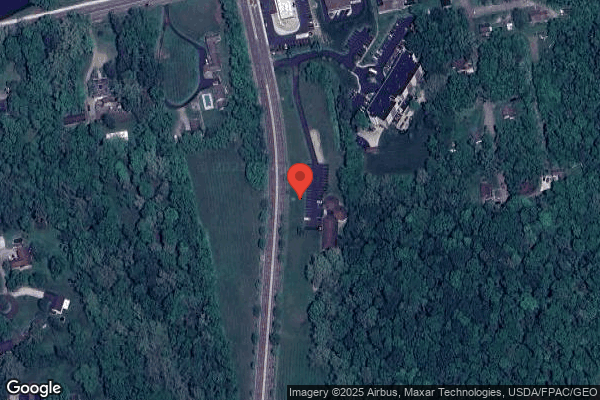
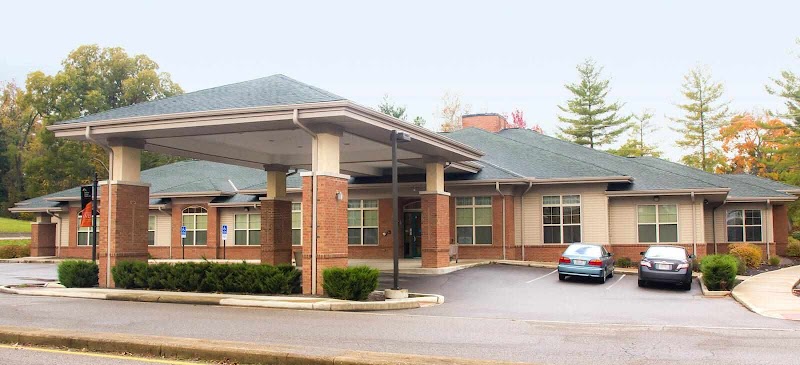
142 UNIVERSITY DRIVE, CHILLICOTHE, OH 45601 (740) 773-8107
Non profit - Corporation 48 Beds Independent Data: November 2025
Trust Grade
80/100
#120 of 913 in OH
Last Inspection: October 2024

Within standard 12-15 month inspection cycle. Federal law requires annual inspections.

Overview

National Church Residences Chillicothe has a Trust Grade of B+, which means it is recommended and above average in quality. It is ranked #120 out of 913 nursing homes in Ohio, placing it in the top half of all facilities, and is the best option among the six nursing homes in Ross County. The facility is showing improvement, with a decrease in issues from three in 2023 to two in 2024. However, staffing is a concern, rated at 2 out of 5 stars, with a high turnover rate of 75%, significantly above Ohio's average of 49%. On the positive side, the facility has no fines, indicating a good compliance history, and it has average RN coverage, which is important for resident care. Specific incidents raised by inspectors include a failure to practice proper infection control during a COVID-19 outbreak, potentially putting negative residents at risk, and neglecting to cover urinary catheter collection bags for five residents, compromising their privacy. Overall, while there are strengths, particularly in compliance and quality ratings, the high staff turnover and some concerning incidents should be carefully considered by families.

Trust Score
B+
80/100
In Ohio
#120/913
Top 13%
Safety Record
Low Risk
No red flags
Inspections
Getting Better
3 → 2 violations
Staff Stability
⚠ Watch
75% turnover. Very high, 27 points above average. Constant new faces learning your loved one's needs.
Penalties
✓ Good
No fines on record. Clean compliance history, better than most Ohio facilities.
Skilled Nurses
✓ Good
Each resident gets 48 minutes of Registered Nurse (RN) attention daily — more than average for Ohio. RNs are trained to catch health problems early.
Violations
○ Average
8 deficiencies on record. Average for a facility this size. Mostly minor or procedural issues.
★★★★★
5.0
Overall Rating
★★☆☆☆
2.0
Staff Levels
★★★★☆
4.0
Care Quality
★★★★★
5.0
Inspection Score
Stable
2023: 3 issues
2024: 2 issues

The Good

  • 4-Star Quality Measures · Strong clinical quality outcomes
  • Full Sprinkler Coverage · Fire safety systems throughout facility
  • No fines on record

Facility shows strength in quality measures, fire safety.

The Bad

Staff Turnover: 75%

29pts above Ohio avg (46%)

Frequent staff changes - ask about care continuity

Staff turnover is very high (75%)

27 points above Ohio average of 48%

The Ugly 8 deficiencies on record

Oct 2024 2 deficiencies
CONCERN (D)

Potential for Harm - no one hurt, but risky conditions existed

Pharmacy Services (Tag F0755)

Could have caused harm · This affected 1 resident

2. Review of the medical record for Resident #28 revealed an admission date of 05/22/23 with diagnoses including dementia with behavioral disturbances, psychosis, and wandering. Review of the physicia...

Read full inspector narrative →
2. Review of the medical record for Resident #28 revealed an admission date of 05/22/23 with diagnoses including dementia with behavioral disturbances, psychosis, and wandering. Review of the physician's orders for Resident #28 revealed an order dated 05/22/23 for Seroquel 25 mg once daily. Review of the hospice progress note for Resident #28 dated 11/15/23 revealed the hospice physician gave an order to increase the resident's Seroquel from 25 mg once daily to 25 mg twice daily. Review of the October 2024 monthly physician's orders for Resident #28 revealed the resident's Seroquel dose ordered 05/22/23 had never been increased as ordered by the physician on 11/15/23. Review of the quarterly MDS assessment for Resident #28 dated 08/09/24 revealed the resident was cognitively impaired. Interview on 10/30/24 at 2:10 P.M with the Director of Nursing (DON) confirmed the facility did not carry out the physician's order to increase Resident #28's Seroquel from 25 mg once daily to Seroquel 25 mg twice daily as ordered by the physician on 11/15/23. Review of the facility policy titled Medication Administration dated June 2014 revealed the facility staff would correctly administer resident medications as ordered by the physician. Based on medical record review, staff interview, and review of the facility policy, the facility failed to ensure resident medications were administered as ordered by the physician. This affected two (Resident #22 and Resident #28) of five residents reviewed for unnecessary medications. The facility census was 34 residents. Findings include: 1.Review of the medical record for Resident #22 revealed an admission date of 08/19/2019 with diagnoses including dementia with psychotic disturbance, diabetes mellitus type two, adult failure to thrive, peripheral vascular disease, insomnia, depression, anxiety and hypertension. Review of the Minimum Data Set (MDS) assessment for Resident #22 dated 08/29/24 revealed the resident #22 had moderately impaired cognition and required staff assistance with activities of daily living (ADLs.) Review of the pharmacy recommendation for Resident #22 dated 10/07/24 revealed the pharmacist recommended the resident's dose of Celexa be reduced from 20 milligrams (mg) daily to 10 mg daily. The attending physician signed in agreed and the order was written. Review of the physician progress note for Resident #22 dated 10/14/24 revealed the had been crying uncontrollably after gradual dose reduction. The physician's plan was to increase the Celexa back to 20 mg. Review of the nursing progress notes for Resident #22 dated 10/14/24 revealed the resident was tearful when the attending physician was in the facility and the physician gave an order for Celexa 20 mg. Review of the physician's orders for Resident #22 for October 2024 revealed an order dated 10/07/24 for Celexa 10 mg daily and an order dated 10/14/24 for Celexa 20 mg daily. Review of the Medication Administration Record (MAR) for Resident #22 dated October 2024 revealed the resident received two doses of Celexa 10 mg and 20 mg from 10/14/24 to 10/30/24. Interview on 10/30/24 at 1:55 P.M. with Unit Manager (UM) #52 confirmed Resident #22 received an excessive dose of Celexa with staff administering a 10 mg tablet and a 20 mg tablet daily from 10/14/24 to 10/30/24. Unit Manager #52 confirmed when the physician gave the order on 10/14/24 to increase the Celexa to 20 mg, the order for the 10 mg tablet should have been discontinued.
CONCERN (D)

Potential for Harm - no one hurt, but risky conditions existed

Dental Services (Tag F0791)

Could have caused harm · This affected 1 resident

**NOTE- TERMS IN BRACKETS HAVE BEEN EDITED TO PROTECT CONFIDENTIALITY** Based on medical record review, resident interview, staff interview, and review of the facility policy, the facility failed to e...

Read full inspector narrative →
**NOTE- TERMS IN BRACKETS HAVE BEEN EDITED TO PROTECT CONFIDENTIALITY** Based on medical record review, resident interview, staff interview, and review of the facility policy, the facility failed to ensure residents received needed and routine dental services. This affected one (Resident #26) of one resident reviewed for dental services. The facility census was 34 residents. Findings include: Review of the medical record for Resident #26 revealed an admission date of 05/02/23 with diagnoses including paroxysmal atrial fibrillation, diabetes mellitus type two, hypertensive heart disease and depression. Review of the care plan for Resident #26 initiated 05/02/23 revealed it did not include a care plan for dental/oral care. Review of Minimum Data Set (MDS) assessment for Resident #26 dated 08/30/24 revealed the resident was cognitively intact and required assistance with activities of daily living (ADLs).) Review of the physician's orders for Resident #26 dated October 2024 revealed the resident received a regular diet with regular texture and thin liquids. Review of the medical record for Resident #26 revealed it did not include any dental progress notes. Interview on 10/28/24 at 10:49 A.M. with Resident #26 confirmed he had not seen a dentist since his admission to the facility. Resident #26 stated he had poor dental health and would like to see a dentist Interview on 10/30/24 at 1:50 P.M. with Social Services Leader (SSL) #54 confirmed Resident #26 had not been seen by a dentist since admission to the facility on [DATE]. Review of the facility policy titled Dental Services dated November 2016 revealed the facility was to provide routine ancillary services including dental care.
Dec 2023 1 deficiency
CONCERN (E) 📢 Someone Reported This

A family member, employee, or ombudsman was alarmed enough to file a formal complaint

Potential for Harm - no one hurt, but risky conditions existed

Infection Control (Tag F0880)

Could have caused harm · This affected multiple residents

Based on observation, medical record review, staff interview, and facility policy review, the facility failed to ensure staff practiced proper infection control precautions during an outbreak of COVID...

Read full inspector narrative →
Based on observation, medical record review, staff interview, and facility policy review, the facility failed to ensure staff practiced proper infection control precautions during an outbreak of COVID-19. This had the potential to affect all 25 residents (#1, #3, #5, #6, #7, #11, #12, #13, #14, #15, #17, #18, #20, #21, #22, #24, #26, #28, #29, #30, #31, #32, #35, #36, and #42) who were negative for COVID-19 and resided on the same unit as Resident #10 and Resident #27. The census was 41. Findings include: Observation on 12/06/23 from 9:55 A.M. to 10:10 A.M. revealed State Tested Nursing Aide (STNA) #103 walking out of Resident #10 and Resident #27's room, who were on droplet isolation precautions due to having COVID-19. She removed all of her used personal protective equipment (PPE) except for her N95 respirator prior to walking out of their room. When she got out of their room, she took her N95 respirator off with her left hand, balled it up and placed it on a plastic cart. She placed a surgical mask on her face, took the used N95 respirator and disposed of it in the trash can near the food service area, which was approximately 25 feet from where Resident #10 and Resident #27's room. Review of Resident #10 and Resident #27's medical record revealed they tested positive for COVID-19 on 12/03/23 and 12/04/23 respectively. Interview with STNA #103 on 12/06/23 at 10:10 A.M. confirmed she walked out of Resident #10 and Resident #27's room with her used N95 respirator on. She stated she should have taken it off in their room and disposed of it, but she did not. Interview with Licensed Practical Nurse (LPN) #102 on 12/06/23 at 1:03 P.M. revealed staff are to remove all PPE prior to leaving Resident #10 and Resident #27's room. Review of the facility COVID-19 protocol, dated 08/01/23, revealed doffing PPE for respiratory pathogens in the following sequence: first gloves, then goggle/face shield, then gown, then face mask/respirator. All PPE must be removed upon exit of the room. This deficiency represents non-compliance investigated under Complaint Number OH00148887.
Nov 2023 2 deficiencies
CONCERN (D) 📢 Someone Reported This

A family member, employee, or ombudsman was alarmed enough to file a formal complaint

Potential for Harm - no one hurt, but risky conditions existed

Incontinence Care (Tag F0690)

Could have caused harm · This affected 1 resident

**NOTE- TERMS IN BRACKETS HAVE BEEN EDITED TO PROTECT CONFIDENTIALITY** Based on observation, record review, interview and facility policy review, the facility failed to ensure three residents (#5, #3...

Read full inspector narrative →
**NOTE- TERMS IN BRACKETS HAVE BEEN EDITED TO PROTECT CONFIDENTIALITY** Based on observation, record review, interview and facility policy review, the facility failed to ensure three residents (#5, #34 and #41) indwelling urinary catheter collection bag was properly positioned to facilitate optimal drainage of urine. This affected three of seven residents reviewed for urinary catheter. The facility identified seven residents with indwelling urinary catheters. The facility census was 42. Findings Include: 1. Review of the medical record for Resident #34 revealed an initial admission date of 08/19/23 with the diagnoses including ataxia following cerebral infarction, aphasia, dysphagia, dementia, hypertension, diabetes mellitus, retention of urine, hypothyroidism, neuromuscular dysfunction of bladder and insomnia. Review of the plan of care dated 08/22/23 revealed the resident was admitted with an indwelling urinary catheter in place for neurogenic bladder, voiding trial attempted at hospital without success. Interventions included size 18 FR indwelling urinary catheter with 10 milliliter (ml) balloon, position catheter bad and tubing below the level of the bladder and away from entrance room door, change as needed for leakage/blockage, ensure tubing is free of kinks, follows with urology and nephrology, monitor and document intake and output as per facility policy, monitor/document for pain/discomfort due to catheter and monitor/record/report to physician any signs or symptoms of urinary tract infection. Review of the resident's comprehensive minimum data set (MDS) assessment dated [DATE] revealed the resident had no cognitive deficit. The resident required extensive assistance of two staff for toilet use. The assessment indicated the resident had an indwelling urinary catheter and was frequently incontinent of bowel. Review of the monthly physician orders for November 2023 identified orders dated 08/19/23 indwelling urinary catheter to straight drain, maintain and provide indwelling urinary catheter care every shift, 10/12/23 maintain indwelling urinary catheter size 18 FR with 10 ml balloon to straight drain for diagnoses of neurogenic bladder and 11/03/23 change indwelling urinary catheter and drainage bag as a unit for blockage, leakage or malfunction. Observation on 11/06/23 at 9:28 A.M. of Resident #34 revealed the resident was sitting up on the side of her bed. The resident's indwelling urinary collection bag was laying on the floor with no privacy cover and urine was visible from the hallway. Interview on 11/06/23 at 9:36 A.M. with Registered Nurse (RN) #116 verified the indwelling urinary collection bag was laying on the floor preventing optimal drainage of urine. 2. Review of the medical record for Resident #41 revealed an initial admission date of 10/20/23 with the diagnoses including nonalcoholic steatohepatitis, palliative care, Parkinsonism, diabetes mellitus, hypertension, gastro-esophageal reflux disease, and neuromuscular dysfunction of bladder. Review of the clinical admission assessment dated [DATE] revealed the resident was alert and oriented. Review of the functional abilities and goals dated 10/23/23 revealed the resident required maximal assistance with toilet use. Review of the plan of care dated 10/23/23 revealed the resident was admitted with indwelling urinary catheter in place for neurogenic bladder. Interventions included size 16 FR indwelling urinary catheter with 10 milliliter (ml) balloon, position catheter bad and tubing below the level of the bladder and away from entrance room door, change as needed for leakage/blockage, ensure tubing is free of kinks, follows with urology and nephrology, monitor and document intake and output as per facility policy, monitor/document for pain/discomfort due to catheter and monitor/record/report to physician any signs or symptoms of urinary tract infection. Review of the resident's MDS list revealed the comprehensive MDS dated [DATE] revealed the assessment was not completed. Review of the monthly physician orders for November 2023 identified orders dated 10/20/23 indwelling urinary catheter to straight drain, maintain and provide catheter care every shift, change indwelling urinary catheter [NAME] as a unit for blockage, leakage or malfunction as needed and maintain indwelling urinary catheter size 16 FR with 30 ml balloon to straight drain for diagnoses of neurogenic bladder. Observation on 11/06/23 at 9:30 A.M. revealed Resident #41's indwelling urinary catheter bag had no privacy cover and urine was visible from the hallway. Further observation revealed the indwelling urinary catheter bag was hanging on the side rail above the resident's bladder. Interview on 11/06/23 at 9:36 A.M. with Registered Nurse (RN) #116 verified the indwelling urinary collection bag was hanging above the bladder preventing optimal draining of urine. 3. Review of the medical record for Resident #5 revealed an initial admission date of 04/19/23 with the latest readmission of 10/10/23 with diagnoses including severe protein calorie malnutrition, gastrostomy, chronic respiratory failure, diabetes mellitus, congestive heart failure, chronic kidney disease, peripheral venous insufficiency, urinary tract infection, major depressive disorder, atrial fibrillation, obstructive and reflux uropathy, hypertension, gout, carpal tunnel syndrome, anemia and osteoarthritis. Review of the plan of care dated 05/22/23 revealed the resident had an indwelling urinary catheter in place for urinary obstruction. Interventions included size 14 FR indwelling urinary catheter with 10 milliliter (ml) balloon, position catheter bad and tubing below the level of the bladder and away from entrance room door, change as needed for leakage/blockage, ensure tubing is free of kinks, follows with urology and nephrology, monitor and document intake and output as per facility policy, monitor/document for pain/discomfort due to catheter and monitor/record/report to physician any signs or symptoms of urinary tract infection. Review of the resident's comprehensive MDS assessment dated [DATE] revealed the resident had no cognitive deficit. The resident required extensive assistance of two staff for toilet use. The assessment indicated the resident had an indwelling urinary catheter and was always incontinent of bowel. Review of the monthly physician orders for November 2023 identified orders dated 09/21/23 indwelling urinary catheter to straight drain, maintain and provide catheter care every shift, change indwelling urinary catheter [NAME] as a unit for blockage, leakage or malfunction as needed and maintain indwelling urinary catheter size 14 FR with 30 ml balloon to straight drain for diagnoses of neurogenic bladder. Observation on 11/06/23 at 9:34 A.M. of Resident #5 revealed the resident's indwelling urinary catheter had no privacy bag and urine was visible from the hallway. Further observation revealed the resident's indwelling catheter bag was hanging on the bed side rail above the resident's bladder. Interview on 11/06/23 at 9:36 A.M. with Registered Nurse (RN) #116 verified the indwelling urinary collection bag was hanging above the bladder preventing optimal draining of urine. Review of the facility policy titled, Catheter-Urinary Female and Male, last revised 03/19 revealed the are to be hung below the level of the bladder and do not hang on bed rail. This deficiency represents non-compliance investigated under Complaint Number OH00147383.
CONCERN (E) 📢 Someone Reported This

A family member, employee, or ombudsman was alarmed enough to file a formal complaint

Potential for Harm - no one hurt, but risky conditions existed

Resident Rights (Tag F0550)

Could have caused harm · This affected multiple residents

**NOTE- TERMS IN BRACKETS HAVE BEEN EDITED TO PROTECT CONFIDENTIALITY** Based on observation, record review, interview and facility policy review, the facility failed to ensure five residents (#3, #5,...

Read full inspector narrative →
**NOTE- TERMS IN BRACKETS HAVE BEEN EDITED TO PROTECT CONFIDENTIALITY** Based on observation, record review, interview and facility policy review, the facility failed to ensure five residents (#3, #5, #15, #34 and #41) indwelling urinary catheter collection bag was covered for privacy. This affected five of seven residents reviewed for indwelling urinary catheters. The facility identified seven residents with indwelling urinary catheters. The facility census was 42. Findings Include: 1. Review of the medical record for Resident #3 revealed an initial admission date of 01/20/23 with the latest readmission of 04/05/23 with diagnoses including chronic respiratory failure, atrial fibrillation, emphysema, hypertension, chronic kidney disease, anemia, basal cell carcinoma of skin of right upper limb, obstructive and reflux uropathy, osteoarthritis, hyperlipidemia and gastro-esophageal reflux disease. Review of the plan of care dated 01/23/23 revealed the resident was admitted to the facility with an indwelling urinary catheter in place for obstructive uropathy. Interventions included size 18 FR indwelling urinary catheter with 10 milliliter (ml) balloon, position catheter bad and tubing below the level of the bladder and away from entrance room door, change as needed for leakage/blockage, ensure tubing is free of kinks, follows with urology and nephrology, monitor and document intake and output as per facility policy, monitor/document for pain/discomfort due to catheter and monitor/record/report to physician any signs or symptoms of urinary tract infection. Review of the resident's quarterly Minimum Data Set (MDS) assessment indicated the resident had a moderate cognitive impairment. The resident required extensive assistance of two staff for toilet use, had an indwelling urinary catheter and was always incontinent of bowel. Review of the monthly physician orders for November 2023 identified orders dated 01/20/23 indwelling urinary catheter to straight drain and provide catheter care every shift for urinary retention, change indwelling urinary catheter and catheter collection bag as a unit for blockage, leakage or malfunction as needed, 03/27/23 following peri-care per facility protocol, apply calmoseptine to bilateral buttocks and coccyx every shift and as needed, 07/24/23 maintain indwelling urinary catheter size 18 FR with 10 ml balloon to straight drain for diagnosis of obstruction every shift. Observation on 11/06/23 at 6: 21 A.M. of Resident #3 revealed the resident's indwelling urinary catheter collection bag was not contained in a privacy bag and urine was visible from the hallway. Interview on 11/06/23 at 6:35 A.M. with Licensed Practical Nurse (LPN) #109 verified the indwelling urinary catheter collection bag was not covered for privacy and urine was visible from the hallway. 2. Review of the medical record for Resident #15 revealed an initial admission date of 08/07/23 with the latest readmission of 10/26/23 with diagnoses including periprosthetic fracture around internal prosthetic right knee joint, removal of internal fixation device, diabetes mellitus, emphysema, protein calorie malnutrition, retention of urine, seizures, neuromuscular dysfunction of bladder, urinary tract infection, sepsis due to E-coli, hypertension, gout, gastro-esophageal reflux disease, major depressive disorder and visual loss. Review of the plan of care dated 08/14/23 revealed the resident was admitted to the facility with an indwelling urinary catheter in place for neurogenic bladder. Interventions included size 16 FR indwelling urinary catheter with 10 milliliter (ml) balloon, position catheter bad and tubing below the level of the bladder and away from entrance room door, change as needed for leakage/blockage, ensure tubing is free of kinks, follows with urology and nephrology, monitor and document intake and output as per facility policy, monitor/document for pain/discomfort due to catheter and monitor/record/report to physician any signs or symptoms of urinary tract infection. Review of the resident's state optional MDS assessment dated [DATE] revealed the resident had no cognitive impairment. The resident required extensive assistance of two staff for toilet use. Review of the monthly physician orders for November 2023 identified orders dated `0/27/23 indwelling urinary catheter to straight drain, maintain and provide indwelling urinary catheter care every shift, change indwelling urinary catheter and drainage bag as a unit for blockage leakage or malfunction and maintain indwelling urinary catheter size 16 FR with 10 ml balloon to straight drain for diagnosis of neurogenic bladder. Observation on 11/06/23 at 8:55 A.M. of Resident #15 revealed the resident's indwelling urinary catheter collection bag was not contained in a privacy bag and urine was visible from the hallway. Interview with State Tested Nursing Assistant (STNA) #102 verified the indwelling urinary catheter collection bag was not covered for privacy and urine was visible from the hallway at the time of the observation. 3. Review of the medical record for Resident #34 revealed an initial admission date of 08/19/23 with the diagnoses including ataxia following cerebral infarction, aphasia, dysphagia, dementia, hypertension, diabetes mellitus, retention of urine, hypothyroidism, neuromuscular dysfunction of bladder and insomnia. Review of the plan of care dated 08/22/23 revealed the resident was admitted with an indwelling urinary catheter in place for neurogenic bladder, voiding trial attempted at hospital without success. Interventions included size 18 FR indwelling urinary catheter with 10 milliliter (ml) balloon, position catheter bad and tubing below the level of the bladder and away from entrance room door, change as needed for leakage/blockage, ensure tubing is free of kinks, follows with urology and nephrology, monitor and document intake and output as per facility policy, monitor/document for pain/discomfort due to catheter and monitor/record/report to physician any signs or symptoms of urinary tract infection. Review of the resident's comprehensive MDS assessment dated [DATE] revealed the resident had no cognitive deficit. The resident required extensive assistance of two staff for toilet use. The assessment indicated the resident had an indwelling urinary catheter and was frequently incontinent of bowel. Review of the monthly physician orders for November 2023 identified orders dated 08/19/23 indwelling urinary catheter to straight drain, maintain and provide indwelling urinary catheter care every shift, 10/12/23 maintain indwelling urinary catheter size 18 FR with 10 ml balloon to straight drain for diagnoses of neurogenic bladder and 11/03/23 change indwelling urinary catheter and drainage bag as a unit for blockage, leakage or malfunction. Observation on 11/06/23 at 9:28 A.M. of Resident #34 revealed the resident was sitting up on the side of her bed. The resident's indwelling urinary collection bag was laying on the floor with no privacy cover and urine was visible from the hallway. Interview on 11/06/23 at 9:36 A.M. with Registered Nurse (RN) #116 verified the indwelling urinary collection bag had no privacy cover and urine was visible from the hallway. 4. Review of the medical record for Resident #41 revealed an initial admission date of 10/20/23 with the diagnoses including nonalcoholic steatohepatitis, palliative care, Parkinsonism, diabetes mellitus, hypertension, gastro-esophageal reflux disease, and neuromuscular dysfunction of bladder. Review of the clinical admission assessment dated [DATE] revealed the resident was alert and oriented. Review of the functional abilities and goals dated 10/23/23 revealed the resident required maximal assistance with toilet use. Review of the plan of care dated 10/23/23 revealed the resident was admitted with indwelling urinary catheter in place for neurogenic bladder. Interventions included size 16 FR indwelling urinary catheter with 10 milliliter (ml) balloon, position catheter bad and tubing below the level of the bladder and away from entrance room door, change as needed for leakage/blockage, ensure tubing is free of kinks, follows with urology and nephrology, monitor and document intake and output as per facility policy, monitor/document for pain/discomfort due to catheter and monitor/record/report to physician any signs or symptoms of urinary tract infection. Review of the resident's MDS list revealed the comprehensive MDS dated [DATE] revealed the assessment was not completed. Review of the monthly physician orders for November 2023 identified orders dated 10/20/23 indwelling urinary catheter to straight drain, maintain and provide catheter care every shift, change indwelling urinary catheter [NAME] as a unit for blockage, leakage or malfunction as needed and maintain indwelling urinary catheter size 16 FR with 30 ml balloon to straight drain for diagnoses of neurogenic bladder. Observation on 11/06/23 at 9:30 A.M. revealed Resident #41's indwelling urinary catheter bag had no privacy cover and urine was visible from the hallway. Further observation revealed the indwelling urinary catheter bag was hanging on the side rail above the resident's bladder. Interview on 11/06/23 at 9:36 A.M. with Registered Nurse (RN) #116 verified the indwelling urinary collection bag had no privacy cover and urine was visible from the hallway. 5. Review of the medical record for Resident #5 revealed an initial admission date of 04/19/23 with the latest readmission of 10/10/23 with diagnoses including severe protein calorie malnutrition, gastrostomy, chronic respiratory failure, diabetes mellitus, congestive heart failure, chronic kidney disease, peripheral venous insufficiency, urinary tract infection, major depressive disorder, atrial fibrillation, obstructive and reflux uropathy, hypertension, gout, carpal tunnel syndrome, anemia and osteoarthritis. Review of the plan of care dated 05/22/23 revealed the resident had an indwelling urinary catheter in place for urinary obstruction. Interventions included size 14 FR indwelling urinary catheter with 10 milliliter (ml) balloon, position catheter bad and tubing below the level of the bladder and away from entrance room door, change as needed for leakage/blockage, ensure tubing is free of kinks, follows with urology and nephrology, monitor and document intake and output as per facility policy, monitor/document for pain/discomfort due to catheter and monitor/record/report to physician any signs or symptoms of urinary tract infection. Review of the resident's comprehensive MDS assessment dated [DATE] revealed the resident had no cognitive deficit. The resident required extensive assistance of two staff for toilet use. The assessment indicated the resident had an indwelling urinary catheter and was always incontinent of bowel. Review of the monthly physician orders for November 2023 identified orders dated 09/21/23 indwelling urinary catheter to straight drain, maintain and provide catheter care every shift, change indwelling urinary catheter [NAME] as a unit for blockage, leakage or malfunction as needed and maintain indwelling urinary catheter size 14 FR with 30 ml balloon to straight drain for diagnoses of neurogenic bladder. Observation on 11/06/23 at 9:34 A.M. of Resident #5 revealed the resident's indwelling urinary catheter had no privacy bag and urine was visible from the hallway. Further observation revealed the resident's indwelling catheter bag was hanging on the bed side rail above the resident's bladder. Interview on 11/06/23 at 9:36 A.M. with Registered Nurse (RN) #116 verified the indwelling urinary collection bag had no privacy cover and urine was visible from the hallway. Review of the facility policy titled, Catheter-Urinary Female and Male, last revised 03/19 revealed the indwelling catheter drainage bag was to be placed in a catheter bag cover. This deficiency represents non-compliance investigated under Complaint Number OH00147383.
May 2022 2 deficiencies
CONCERN (D)

Potential for Harm - no one hurt, but risky conditions existed

Quality of Care (Tag F0684)

Could have caused harm · This affected 1 resident

**NOTE- TERMS IN BRACKETS HAVE BEEN EDITED TO PROTECT CONFIDENTIALITY** Based on observation, resident interview, staff interview, and medical record review the facility failed to identify and monitor...

Read full inspector narrative →
**NOTE- TERMS IN BRACKETS HAVE BEEN EDITED TO PROTECT CONFIDENTIALITY** Based on observation, resident interview, staff interview, and medical record review the facility failed to identify and monitor a resident's skin with regards to bruising and a discolored area. This affected one (Resident #04) of four sampled residents reviewed for skin conditions non-pressure. The facility census was 32. Findings include: Review of Resident #04's medical record revealed she was admitted on [DATE] with diagnoses that included: Parkinson's disease, type II diabetes with polyneuropathy, hypertension, hyperlipidemia, bipolar disease, anxiety, psychosis, restless legs, and overactive bladder. Review of Resident #04's quarterly Minimum Data Set (MDS) dated [DATE] revealed the following. Resident #04 had minimal difficulty hearing, had a hearing aid, her speech was clear, she made herself understood, understands others, and her cognition was intact. Resident #04 had minimal depression, had no indicators of psychosis, had no behaviors, and did not reject care. Resident #04 required extensive assistance of two staff for bed mobility, to transfer, and to walk. Resident #04 had no skin conditions. Review of Resident #04's physician orders revealed she received two blood thinning medications (Aspirin 81 milligrams (mg) daily and Xarelto 10 mg daily). Review of Resident #04's skin assessment dated [DATE] revealed a new skin tear on Resident #04's right leg that measured 0.7 centimeter (cm) by 0.7 cm. Review of Resident #04's progress notes from 05/01/22 to 05/12/22 revealed no bruises or other skin abnormalities. Observation of Resident #04 on 05/09/22 at 10:14 A.M. revealed a scabbed area on her right leg, a dark circular area on her left leg, and a bruise on her left forearm. The areas were observed on 05/10/22 at 1:54 P.M., 05/11/22 at 8:49 A.M., and 05/12/22 at 10:11 A.M. Interview of Resident #04 on 05/09/22 at 10:14 A.M. revealed the bruise on her left arm happened a few days earlier when she was hugged by staff. The bruise was an accident. Interview of Resident #04 on 05/12/22 at 2:26 P.M. revealed she had a scabbed area on inner left calf, outer right calf, and a bruise on left forearm. Interview of Registered Nurse (RN) #141 on 05/13/22 at 7:46 A.M. confirmed she was not aware of the bruise or the area on Resident #04's left leg. RN #141 stated she was not sure what the area was on Resident #04's left leg, but the doctor would be in today and would look at it.
CONCERN (D)

Potential for Harm - no one hurt, but risky conditions existed

Incontinence Care (Tag F0690)

Could have caused harm · This affected 1 resident

**NOTE- TERMS IN BRACKETS HAVE BEEN EDITED TO PROTECT CONFIDENTIALITY** Based on resident interview, staff interview, and medical record review the facility failed to provide treatment and services to...

Read full inspector narrative →
**NOTE- TERMS IN BRACKETS HAVE BEEN EDITED TO PROTECT CONFIDENTIALITY** Based on resident interview, staff interview, and medical record review the facility failed to provide treatment and services to a resident who had a decline in both urinary and bowel continence. This affected one resident (Resident #14) of two sampled residents reviewed for bowel and bladder incontinence. The facility census was 32. Findings include: Review of Resident #14's medical record revealed she was admitted on [DATE] with diagnoses that included: emphysema, atherosclerotic heart disease, type II diabetes with polyneuropathy, morbid obesity, hyperlipidemia, chronic respiratory failure, gastro-esophageal reflux, age related osteoporosis, and diverticulosis. Review of Resident #14's annual Minimum Data Set (MDS) dated [DATE] revealed the following. Resident # 14's speech was clear, she had herself understood, understands others, and her cognition was intact. Resident #14 had minimum depression, had no indicators of psychosis, had no behaviors, and did not reject care. Resident #14 required extensive assistance of two staff for bed mobility, to transfer, and did not walk. Resident #14 had no toileting program, was frequently incontinent of urine and was always continent of bowel. Review of Resident #14's quarterly MDS dated [DATE] revealed the following changes Resident #14 had mild depression, was dependent on two staff to transfer, was always incontinent of urine and frequently incontinent of bowel. There was no comprehensive assessment conducted when Resident #14's bladder incontinence worsened, and her bowel continence declined. Resident 14's monthly bladder and bowel assessment did not identify the decline in her continence or the potential cause of the decline. Resident #14's medical record contained no evidence of measures to restore, to the extent possible, her bowel and bladder continence. Interview of State Tested Nursing Assistant (STNA) #100 on 05/11/22 at 1:39 P.M. revealed Resident #14 was continent of bowel and sometimes she was incontinent of bladder. Resident #100 used to ask for bed pan, then she just stopped and use her adult incontinence product. STNA #100 stated there was no reason she was aware of why Resident #14 stopped asking for it. STNA #100 stated the only in Resident #14's life was her mother passed but nothing else. Interview of Registered Nurse (RN) #118 on 05/11/22 at 2:12 P.M. confirmed no comprehensive assessment of Resident #14's bowel and bladder continence decline was conducted and no treatment and services were provided to restore as much normal function as possible were provided for Resident #14. Interview of Resident #14 on 05/12/22 at 8:28 A.M. revealed she no longer use the bed pan; she just used the incontinence brief and tells the staff when she was wet. She did not provide and answer as to why she did not ask for the bed pan for a bowel movement.
May 2019 1 deficiency
CONCERN (D)

Potential for Harm - no one hurt, but risky conditions existed

Deficiency F0578 (Tag F0578)

Could have caused harm · This affected 1 resident

Based on record review and staff interview,the facility failed to ensure residents had the right to refuse or request treatment when the resuscitation status for a resident was documented as do not re...

Read full inspector narrative →
Based on record review and staff interview,the facility failed to ensure residents had the right to refuse or request treatment when the resuscitation status for a resident was documented as do not resuscitate and full code both in the medical record. This affected one (#36) of 24 residents reviewed during the initial pool. The facility census was 70. Findings include: Record review of Resident #36 revealed an admission date of 01/07/19, with diagnoses of: Alzheimer's disease, dementia, cardiomegaly, hypertensive chronic kidney disease, hyperlipidemia, osteoporosis, and pressure ulcers. Review of the 03/28/19 significant change Minimum Data Set (MDS) assessment revealed the resident was severely cognitively impaired. Review of Resident #36 medical record revealed on the electronic face sheet the advanced directives showed both full code and do not resuscitate comfort care status. There was a paper face sheet in the chart that showed Resident #36 was a full code. The DNR identification paper form dated 04/19/19 showed Resident #36 was a do not resuscitate comfort care and was signed by the physician. Interview with the Director of Nursing (DON) 05/15/19 11:10 A.M., verified Resident #36 had numerous code status listed in her medical record. The DON verified the electronic face sheet documented the advanced directives showed both full code and do not resuscitate comfort care status. The DON verified the paper face sheet in the chart that showed Resident #36 was a full code. The DON verified the DNR identification paper form dated 04/19/19 showed Resident #36 was a do not resuscitate comfort care.
Understanding Severity Codes (click to expand)
Life-Threatening (Immediate Jeopardy)
J - Isolated K - Pattern L - Widespread
Actual Harm
G - Isolated H - Pattern I - Widespread
Potential for Harm
D - Isolated E - Pattern F - Widespread
No Harm (Minor)
A - Isolated B - Pattern C - Widespread

Questions to Ask on Your Visit

  • "Why is there high staff turnover? How do you retain staff?"
  • "Can I speak with families of current residents?"
  • "What's your RN coverage like on weekends and overnight?"

Our Honest Assessment

Strengths
  • • Grade B+ (80/100). Above average facility, better than most options in Ohio.
  • • No major safety red flags. No abuse findings, life-threatening violations, or SFF status.
  • • No fines on record. Clean compliance history, better than most Ohio facilities.
Concerns
  • • 75% turnover. Very high, 27 points above average. Constant new faces learning your loved one's needs.
Bottom line: Generally positive indicators. Standard due diligence and a personal visit recommended.

About This Facility

What is National Church Residences Chillicothe's CMS Rating?

CMS assigns NATIONAL CHURCH RESIDENCES CHILLICOTHE an overall rating of 5 out of 5 stars, which is considered much above average nationally. Within Ohio, this rating places the facility higher than 99% of the state's 100 nursing homes. This rating reflects solid performance across the metrics CMS uses to evaluate nursing home quality.
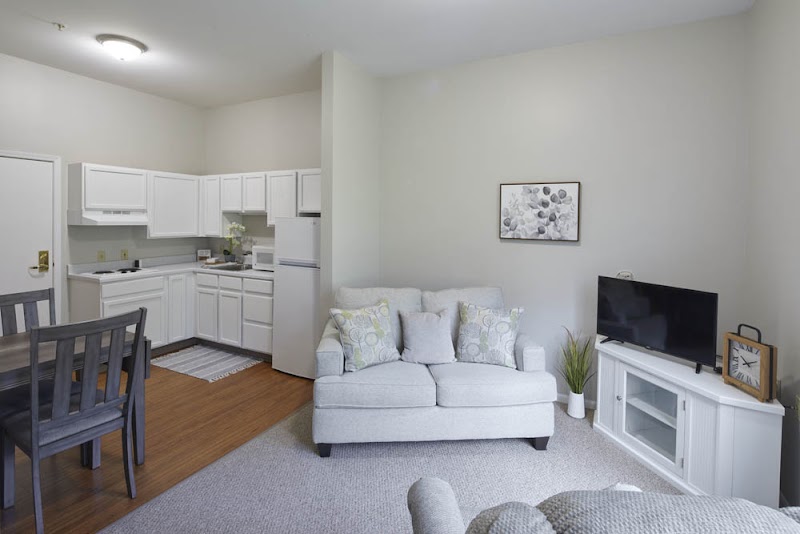
How is National Church Residences Chillicothe Staffed?

CMS rates NATIONAL CHURCH RESIDENCES CHILLICOTHE's staffing level at 2 out of 5 stars, which is below average compared to other nursing homes. Staff turnover is 75%, which is 29 percentage points above the Ohio average of 46%. High turnover can affect care consistency as new staff learn residents' individual needs. RN turnover specifically is 85%, which is notably high. RNs provide skilled clinical oversight, so turnover in this role can affect medical care quality.

What Have Inspectors Found at National Church Residences Chillicothe?

State health inspectors documented 8 deficiencies at NATIONAL CHURCH RESIDENCES CHILLICOTHE during 2019 to 2024. These included: 8 with potential for harm.

Who Owns and Operates National Church Residences Chillicothe?

NATIONAL CHURCH RESIDENCES CHILLICOTHE is owned by a non-profit organization. Non-profit facilities reinvest revenue into operations rather than distributing to shareholders. The facility operates independently rather than as part of a larger chain. With 48 certified beds and approximately 34 residents (about 71% occupancy), it is a smaller facility located in CHILLICOTHE, Ohio.
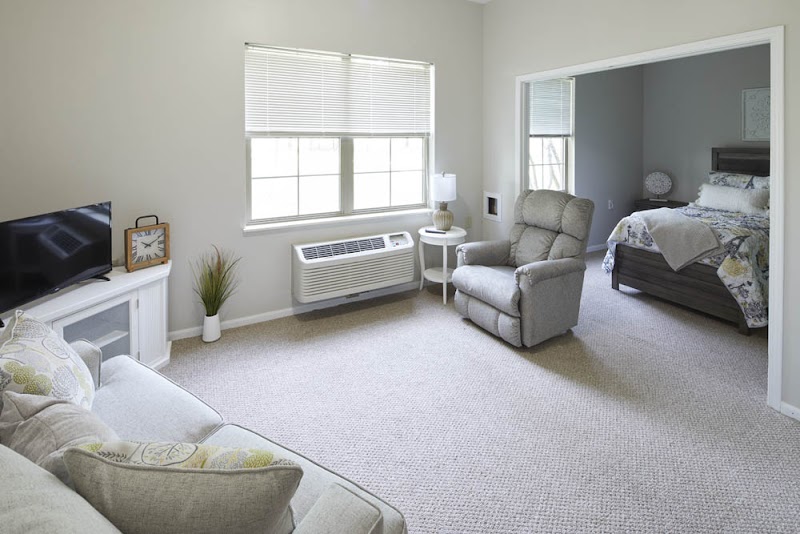
How Does National Church Residences Chillicothe Compare to Other Ohio Nursing Homes?

Compared to the 100 nursing homes in Ohio, NATIONAL CHURCH RESIDENCES CHILLICOTHE's overall rating (5 stars) is above the state average of 3.2, staff turnover (75%) is significantly higher than the state average of 46%, and health inspection rating (5 stars) is much above the national benchmark.

What Should Families Ask When Visiting National Church Residences Chillicothe?

Based on this facility's data, families visiting should ask: "How do you ensure continuity of care given staff turnover, and what is your staff retention strategy?" "Can you walk me through typical staffing levels on day, evening, and night shifts?" "Can I visit during a mealtime to observe dining assistance and food quality?" "How do you handle medical emergencies, and what is your hospital transfer rate?" These questions are particularly relevant given the facility's high staff turnover rate and the below-average staffing rating.

Is National Church Residences Chillicothe Safe?

Based on CMS inspection data, NATIONAL CHURCH RESIDENCES CHILLICOTHE has a clean safety record: no substantiated abuse findings (meaning no confirmed cases of resident harm), no Immediate Jeopardy citations (the most serious violation level indicating risk of serious injury or death), and is not on the Special Focus Facility watch list (a federal program monitoring the lowest-performing 1% of nursing homes). The facility has a 5-star overall rating and ranks #1 of 100 nursing homes in Ohio. While no facility is perfect, families should still ask about staff-to-resident ratios and recent inspection results during their visit.

Do Nurses at National Church Residences Chillicothe Stick Around?

Staff turnover at NATIONAL CHURCH RESIDENCES CHILLICOTHE is high. At 75%, the facility is 29 percentage points above the Ohio average of 46%. Registered Nurse turnover is particularly concerning at 85%. RNs handle complex medical decisions and coordinate care — frequent RN changes can directly impact care quality. High turnover means new staff may not know residents' individual needs, medications, or preferences. It can also be disorienting for residents, especially those with dementia who rely on familiar faces. Families should ask: What is causing the turnover? What retention programs are in place? How do you ensure care continuity during staff transitions?

Was National Church Residences Chillicothe Ever Fined?

NATIONAL CHURCH RESIDENCES CHILLICOTHE has no federal fines on record. CMS issues fines when nursing homes fail to meet care standards or don't correct problems found during inspections. The absence of fines suggests the facility has either maintained compliance or corrected any issues before penalties were assessed. This is a positive indicator, though families should still review recent inspection reports for the full picture.

Is National Church Residences Chillicothe on Any Federal Watch List?

NATIONAL CHURCH RESIDENCES CHILLICOTHE is not on any federal watch list. The most significant is the Special Focus Facility (SFF) program, which identifies the bottom 1% of nursing homes nationally based on persistent, serious quality problems. Not being on this list means the facility has avoided the pattern of deficiencies that triggers enhanced federal oversight. This is a positive indicator, though families should still review the facility's inspection history directly.