EMBASSY OF VALLEY VIEW
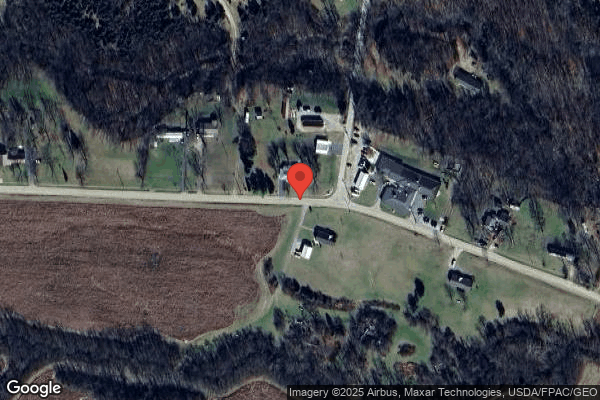

3363 RAGGED RIDGE ROAD, FRANKFORT, OH 45628 (740) 998-2948
For profit - Corporation 50 Beds EMBASSY HEALTHCARE Data: November 2025
Trust Grade
63/100
#456 of 913 in OH
Last Inspection: May 2024

Within standard 12-15 month inspection cycle. Federal law requires annual inspections.

Overview

Embassy of Valley View in Frankfort, Ohio has a Trust Grade of C+, indicating a decent level of care that is slightly above average. It ranks #456 out of 913 facilities in Ohio, placing it in the top half, and #4 out of 6 in Ross County, suggesting that only three local options are better. The facility is improving, with issues decreasing from 13 in 2022 to just 5 in 2024. Staffing is fairly stable with a turnover rate of 34%, which is better than the state average, but recent inspections revealed some areas of concern. For instance, there was a failure to maintain proper water management protocols to prevent Legionella, which could affect all residents, and there were instances of inadequate nurse coverage where the facility did not have a Registered Nurse on duty for eight consecutive hours on multiple occasions. While the facility has strengths, such as a good staffing rating and a solid quality measure score, these recent findings highlight significant areas for improvement.

Trust Score
C+
63/100
In Ohio
#456/913
Top 49%
Safety Record
Low Risk
No red flags
Inspections
Getting Better
13 → 5 violations
Staff Stability
○ Average
34% turnover. Near Ohio's 48% average. Typical for the industry.
Penalties
○ Average
$10,586 in fines. Higher than 63% of Ohio facilities. Some compliance issues.
Skilled Nurses
○ Average
Each resident gets 33 minutes of Registered Nurse (RN) attention daily — about average for Ohio. RNs are the most trained staff who monitor for health changes.
Violations
⚠ Watch
20 deficiencies on record. Higher than average. Multiple issues found across inspections.
★★★☆☆
3.0
Overall Rating
★★★☆☆
3.0
Staff Levels
★★★★☆
4.0
Care Quality
★★★☆☆
3.0
Inspection Score
Stable
2022: 13 issues
2024: 5 issues

The Good

  • 4-Star Quality Measures · Strong clinical quality outcomes
  • Full Sprinkler Coverage · Fire safety systems throughout facility
  • No fines on record
  • Staff turnover below average (34%)

    14 points below Ohio average of 48%

Facility shows strength in quality measures, fire safety.

The Bad

3-Star Overall Rating

Near Ohio average (3.2)

Meets federal standards, typical of most facilities

Staff Turnover: 34%

12pts below Ohio avg (46%)

Typical for the industry

Federal Fines: $10,586

Below median ($33,413)

Minor penalties assessed

Chain: EMBASSY HEALTHCARE

Part of a multi-facility chain

Ask about local staffing decisions and management

The Ugly 20 deficiencies on record

May 2024 5 deficiencies
CONCERN (D) 📢 Someone Reported This

A family member, employee, or ombudsman was alarmed enough to file a formal complaint

Potential for Harm - no one hurt, but risky conditions existed

Deficiency F0582 (Tag F0582)

Could have caused harm · This affected 1 resident

**NOTE- TERMS IN BRACKETS HAVE BEEN EDITED TO PROTECT CONFIDENTIALITY** Based on closed medical record reviews, observation of a refund check, staff interviews, and review of the resident admission ag...

Read full inspector narrative →
**NOTE- TERMS IN BRACKETS HAVE BEEN EDITED TO PROTECT CONFIDENTIALITY** Based on closed medical record reviews, observation of a refund check, staff interviews, and review of the resident admission agreement, the facility failed to provide timely refund for overpayment of stay. This affected two (#98 and #299) of four residents reviewed who expired in the facility. The census was 47. Findings include: Review of Resident #98's closed medical record revealed an admission date of [DATE], with diagnoses including Alzheimer's disease and heart disease. The resident expired in the facility on [DATE]. The resident's wife was the responsible party and privately paid for the stay. Review of Resident #299's closed medical record revealed an admission date of [DATE], with diagnoses including dementia and adult failure to thrive. The resident expired in the facility on [DATE]. The resident's son was the responsible party and privately paid for the stay. Observation [DATE] at 1:20 P.M., during review of the resident fund accounts revealed evidence of a refund check for an overpayment that was certified mailed to Resident #98's wife dated [DATE] for 6808 dollars. There was no evidence of a refund check for Resident #299. Interview on [DATE] at 1:20 P.M., with Business Office Manager (BOM) #69. verified a refund check for Resident #98's stay who expired on [DATE] was mailed on [DATE] for 6808 dollars. BOM #69 stated Resident #299 who expired on [DATE] had an amount of 4937 dollars due to be refunded that was not yet submitted to corporate for payment. BOM #69 stated the Resident #299's son was in the facility on [DATE] and asked about the refund check due from the facility for overpayment. Interview on [DATE] at 1:50 P.M., revealed Licensed Social Worker (LSW) #82 spoke to Resident #98's wife about the refund check when she visited the facility on [DATE] and referred her to BOM #69. At that time BOM #69 verified Resident #98's wife spoke to her about the refund due from the facility on [DATE]. Review of the admission Agreement, that both responsible parties signed at admission, on page 24 revealed a refund was issued within 30 days from the date the facility determined that overpayment occurred for services already paid for by the resident which included private pay days not utilized. This deficiency represents the non-compliance investigated in Complaint Number OH00152403.
CONCERN (D)

Potential for Harm - no one hurt, but risky conditions existed

Respiratory Care (Tag F0695)

Could have caused harm · This affected 1 resident

Based on record review, observation, and staff interviews, the facility failed to have emergency supplies on hand for a resident with a tracheostomy. This affected one resident (#10) of one resident r...

Read full inspector narrative →
Based on record review, observation, and staff interviews, the facility failed to have emergency supplies on hand for a resident with a tracheostomy. This affected one resident (#10) of one resident reviewed for tracheostomy care. The facility census was 47. Findings include: Review of Resident #10's medical record revealed an admission date of 02/25/22, with the following medical diagnoses: unspecified dementia, laryngeal cancer, tracheostomy, seizures, adult failure to thrive, hemiplegia, peripheral vascular disease, depression, chronic pain, aphonia, COVID-19, anxiety, sexual dysfunction, schizoaffective disorder, and traumatic brain injury. Review of the Minimum Data Set (MDS) assessment completed on 03/19/24 revealed this resident is severely impaired with cognition. Review of all physician orders for the month of May revealed no information prior to 05/29/24 for maintaining emergency equipment for a resident with a tracheostomy. Review of a physician order dated 05/29/24 revealed orders for interventions related to ambubag and emergency equipment. Observation on 05/28/24 at 1:23 P.M., of Resident #10 revealed the resident had a tracheostomy. There was no emergency equipment observed on hand or at bedside for this resident with a tracheostomy. No evidence of a resuscitation bag, oxygen supply, suction device, or tracheostomy mask being available. Observation on 05/28/24 at 4:16 P.M., of Resident #10 revealed no Ambubag or portable oxygen tank in room. Unplugged oxygen concentrator in closet at the back of the room. No suction observed in room as well. Interview, at the time of the observation, with Registered Nurse #50 verified there was no emergency equipment on hand for this resident with a tracheostomy. Review of a physician order dated 05/29/24 revealed orders for interventions related to ambubag and emergency equipment. Observation on 05/29/24 at 8:20 A.M., of Resident #10 revealed all required emergency equipment was available at bedside for this resident with a tracheostomy. Observation on 05/30/24 at 9:50 A.M., of Resident #10's surroundings revealed all emergency equipment on hand in the room of Resident #10.
CONCERN (E) 📢 Someone Reported This

A family member, employee, or ombudsman was alarmed enough to file a formal complaint

Potential for Harm - no one hurt, but risky conditions existed

Medication Errors (Tag F0758)

Could have caused harm · This affected multiple residents

**NOTE- TERMS IN BRACKETS HAVE BEEN EDITED TO PROTECT CONFIDENTIALITY** 2. Review of Resident #35's medical record revealed an admission date of 03/18/24, with diagnoses of unspecified dementia, delus...

Read full inspector narrative →
**NOTE- TERMS IN BRACKETS HAVE BEEN EDITED TO PROTECT CONFIDENTIALITY** 2. Review of Resident #35's medical record revealed an admission date of 03/18/24, with diagnoses of unspecified dementia, delusional disorder, hyperlipidemia, essential hypertension, benign prostatic hyperplasia, anxiety disorder, orthostatic hypotension, psychotic disorder with hallucinations, hallucinations unspecified, restlessness, agitation, and depression unspecified. Review of the Minimum Data Set (MDS) assessment dated [DATE] revealed that Resident #35 was reported to have delusions and hallucinations on one to three days for the MDS assessment period. Resident #35 was reported to have disorganized thinking continually present during the MDS assessment period. Resident #35 was reported to receive antipsychotic medication during the MDS assessment period. Review of physician orders for Resident #35 revealed a prescription for Geodon (Ziprasidone HCl) Capsule 40 mg 1 capsule by mouth two times daily related to psychotic disorder with hallucinations due to known psychological condition. Interview on 05/30/24 at 11:25 A.M., with the Director of Nursing #71 confirmed that Resident #35 is being administered Geodon (Ziprasidone HCl) 40 mg 1 capsule BID for a diagnosis related to psychotic disorder with hallucinations. Review of the undated Highlights of Prescribing Information revealed that Geodon (Ziprasidone HCL) is an atypical antipsychotic. Indications and usages are for the treatment of schizophrenia and maintenance treatment of bipolar I disorder as an adjunct to lithium or valproate. There is a warning of increased mortality in elderly Patients with dementia Related Psychosis. Elderly patients with dementia-related psychosis treated with antipsychotic drugs are at an increased risk of death compared to placebo treatment. Review of the undated Black Box Warning from the pharmacy associated with Geodon (Ziprasidone HCl) capsule 40 mg order for Resident #35 revealed an increased mortality in elderly patients with dementia-related psychosis. Elderly patients with dementia-related psychosis treated with antipsychotic drugs are at an increased risk of death. Ziprasidone is not approved for the treatment of patients with dementia-related psychosis. Review of CMS.gov website page titled Atypical Antipsychotic Adult Dosing Chart dated October 29 2015 revealed that Geodon (Ziprasidone HCl) indications are for Bipolar I Disorder (mixed or manic episodes), and schizophrenia. 3. Review of Resident #34's medical record revealed an admission date of 02/09/22, with diagnoses of unspecified dementia, cerebrovascular disease, anorexia, hypertension, unspecified psychosis, insomnia, anxiety disorder, restlessness, and agitation, wandering, and depression. Review of the quarterly MDS assessment dated [DATE] for Resident #34 revealed severe cognitive impairment and frequent incontinence of bowel and bladder. Resident #34 has no impairment in range of motion of upper and lower extremities and requires set up assistance for eating, moderate assistance for oral and personal hygiene, dressing, toileting, bed mobility and transfers, and maximal assistance for bathing. Review of physician orders for Resident #34 revealed an order dated 03/24/24 for Secuado (Asenapine) Transdermal Patch 24 Hour 5.7 Milligram (mg)/24 hour (hr). Apply 5.7 mg patch transdermally one time a day related to unspecified psychosis not due to a substance or known physiological condition. Review of Black Box Warning (BBW) issued from the facility's pharmacy associated with this Secuado (Asenapine) order for Resident #34 revealed an increased mortality in elderly patients with dementia-related psychosis. Elderly patients with dementia-related psychosis treated with antipsychotic drugs are at an increased risk of death. Secuado (Asenapine) is not approved for the treatment of patients with dementia-related psychosis. Review of [NAME] Pocket Drug Guide for Nurses, dated 2021, revealed Secuado (Asenapine) is classified as an Atypical antipsychotic indicated for the treatment of schizophrenia, acute treatment of manic or mixed episodes associated with bi-polar I disorder, or adjunct treatment with Lithium or Valproate for acute treatment of manic or mixed episodes associated with bipolar I disorder, and has a Black Box Warning (BBW) of elderly patients with dementia-related psychosis have increased risk of death if given Atypical antipsychotics and is not approved for this use. Interview on 05/30/24 at 11:16 A.M., with Director of Nursing, confirmed Resident #34 is being administered Secuado (Asenapine) for a diagnosis of unspecified psychosis not due to a substance or known physiological condition which is not an indicated diagnosis for this medication. Based on record reviews, staff interview, review of the Food and Drug Administration (FDA) Black Box Warning, review of the Highlights of Prescribing Information, review of [NAME] Pocket Drug Guide for Nurses, and review of facility policy, the facility failed to ensure adequate indications for the use of antipsychotic medications. This affected four (#9, #10, #34, and #35) of five residents reviewed for unnecessary medications during the annual survey. The facility census was 47. Findings include: 1. Review Resident #9's medical record revealed an admission date of 04/12/24 , with diagnoses including severe dementia with psychotic disturbance, hallucinations, and restlessness and agitation. Review of the admission Minimum Data Set (MDS) assessment, dated 04/22/24, revealed the resident had severely impaired cognition evidenced by a Brief Interview for Mental Status (BIMS) assessment score of 00. The resident was assessed to have received antipsychotic medication on a routine and as needed basis while residing in the facility. Review of the active physicians order, dated 05/04/24, revealed the resident was to be administered 2.5 milliliters (ml) of Haloperidol Lactate Oral Concentration (an antipsychotic medication) every six hours for severe dementia with psychotic disturbances and hallucinations. Review of the undated Food and Drug Administration (FDA) Black Box Warning for the medication Haloperidol Lactate Oral Concentration, not dated, revealed elderly patients with dementia-related psychosis treated with antipsychotic drugs are at an increased risk of death. Haloperidol is not approved for the treatment of patients with dementia-related psychosis. Interview on 05/30/24 at 11:20 A.M., with the Director of Nursing (DON) confirmed Resident #9 was receiving the antipsychotic medication Haloperidol Lactate Oral Concentration to treat the resident for severe dementia with psychotic disturbances and hallucinations. 4. Review of Resident #10's medical record revealed an admission on [DATE], with diagnoses: unspecified dementia, laryngeal cancer, tracheostomy, seizures, adult failure to thrive, hemiplegia, peripheral vascular disease, depression, chronic pain, aphonia, COVID-19, anxiety, sexual dysfunction, schizoaffective disorder, and traumatic brain injury. Review of the Minimum Data Set (MDS) assessment completed on 03/19/24 revealed this resident is severely impaired with cognition. Review of the monthly physician orders for May 2024 revealed an order for Risperdal 3 milligram (mg) 1 tablet by mouth daily for unspecified dementia and Venlafaxine 75 mg 1 tablet by mouth daily for unspecified dementia . Review of the undated Black Box warning for both medications revealed increased mortality in elderly patients with dementia-related psychosis. Elderly patients with dementia-related psychosis treated with antipsychotic drugs are at an increased risk of death. Risperidone is not approved for the treatment of patients with dementia-related psychosis. Interview with the Director of Nursing on 05/30/24 at 10:00 A.M., verified unspecified dementia is an unacceptable diagnosis for the use of Risperidone and Venlafaxine. Review of the policy titled Consulting Pharmacist Monthly Drug Review, dated 2016, revealed an unnecessary drug was defined as any drug when used without adequate indication for its use.
CONCERN (F)

Potential for Harm - no one hurt, but risky conditions existed

Infection Control (Tag F0880)

Could have caused harm · This affected most or all residents

Based on review of the facility Water Management Program, review of the Centers for Disease Control Prevention(CDC) guidance for Legionella prevention, staff interview, and review of facility policy, ...

Read full inspector narrative →
Based on review of the facility Water Management Program, review of the Centers for Disease Control Prevention(CDC) guidance for Legionella prevention, staff interview, and review of facility policy, the facility failed to ensure an effective Water Management Program was in place to prevent and/or detect the presence of Legionella in the water supply. This had the potential to affect all 47 residents residing in the facility. The facility census was 47. Findings include: Review of the undated facility diagram titled How to Monitor Your Control Measures, revealed disinfectant levels were to be checked where the pipe from the intersection of the road entered facility property and at sink, shower, and tub faucets used by residents. Review of facility water testing logs from 01/01/24 through 05/29/24 revealed no disinfectant levels were tested and no Legionella testing was conducted. All water temperatures obtained has results between 105 degrees Fahrenheit and 120 degrees Fahrenheit. Review of the online CDC guidance for controlling Legionella titled Monitoring Building Water(https://www.cdc.gov/control-Legionella/php/guidance/monitor-water-guidance.html), dated 03/15/24, revealed Legionella grows best in water temperatures between 77 degrees Fahrenheit and 113 degrees Fahrenheit. It's important to monitor the temperature, disinfectant residuals, and pH of building water. Interview on 05/29/24 at 3:24 P.M.,with Maintenance Director #70 confirmed no other facility staff members were part of the facility Water Management Program. Maintenance Director #70 additionally confirmed the only testing performed on the facility water supply were temperatures obtained weekly from the sink, shower, and tub faucets with all results between 105 degrees Fahrenheit and 120 degrees Fahrenheit. Maintenance Director #70 confirmed no testing for disinfectant residual levels, pH levels, or presence of Legionella bacteria were conducted on facility water samples. Review of the policy titled Infection Control/Water Systems, revised September 2018, revealed Legionella is a bacteria found naturally in fresh water. Legionella can colonize in water distribution lines throughout a water system, contaminating water supplies. Risk factors are water flow, disinfection, and water temperatures. Chemical testing will be conducted where necessary.
MINOR (C)

Minor Issue - procedural, no safety impact

Deficiency F0947 (Tag F0947)

Minor procedural issue · This affected most or all residents

Based on review of eight employee files, staff interviews, and policy review, the facility failed to provide the 12 required annual in-service hours for two State Tested Nursing Assistants (STNAs). Th...

Read full inspector narrative →
Based on review of eight employee files, staff interviews, and policy review, the facility failed to provide the 12 required annual in-service hours for two State Tested Nursing Assistants (STNAs). This had the potential to affected all 47 residents. The census was 47. Findings include: Review of the employee file for State Tested Nursing Assistant (STNA) #88 she was hired on 03/15/17 and had seven in-service training hours since 03/15/23. Review of STNA #85's employee file revealed she was hired 05/19/21 and had three in-service training hours since 05/19/23. Interview on 05/29/24 at 1:49 P.M., with Business Office Manager #69 verified STNA #88 had seven hours training since 03/15/23 and STNA #85 had three training hours since 05/19/23. Review of the policy titled Nurses Aide Training Program, dated 10/01/22, revealed each STNA was provided at least 12 hours of in-service training annually, based on their employment date. It was the STNA's responsibility to complete the in-service training to maintain employment status with the facility.
Mar 2022 13 deficiencies
CONCERN (D)

Potential for Harm - no one hurt, but risky conditions existed

Deficiency F0558 (Tag F0558)

Could have caused harm · This affected 1 resident

**NOTE- TERMS IN BRACKETS HAVE BEEN EDITED TO PROTECT CONFIDENTIALITY** Based on record review, observation and interview, the facility failed to keep a call light in reach. This affected one resident...

Read full inspector narrative →
**NOTE- TERMS IN BRACKETS HAVE BEEN EDITED TO PROTECT CONFIDENTIALITY** Based on record review, observation and interview, the facility failed to keep a call light in reach. This affected one resident (#235) of one reviewed for call lights. The facility census was 41. Findings include Review of the medical record for the Resident #235 revealed an admission date of 11/21/20. Diagnoses included other fracture of the head and neck of right femur fracture, covid-19, dementia without behaviors, diabetes type two, kidney disease stage three, anxiety, depression, cognitive impairment, needs for assistance, need for continuous supervision, and hypertension. Review of the annual Minimum Data Set (MDS) assessment dated [DATE] revealed Resident #235 was cognitively intact and required extensive assistance of two staff members for transfers, bed mobility, and toilet use and extensive assistance of one staff for ambulation. Review of the plan of care dated 01/17/22 revealed Resident #235 was at risk for an activity of daily living (ADL) decline with interventions of assist with bed mobility and transfers usually requires supervision set up assist, may require physical assist at times, has been requiring more physical assist due to recent hip surgery. Review of the physician order dated 02/07/22 identified orders for physical therapy five times weekly. Review of the physician orders dated 02/08/22 identified orders for occupational therapy five times weekly. Review of physician orders dated 02/11/22 identified orders for weight bearing at times. Review of post fall report revealed interventions for staff to keep other residents out of resident's room and educate Resident #235 to use the call light. Observation on 02/28/22 at 3:00 P.M. revealed Resident #235 lying in bed with call light hanging down from the wall with button placed in the trash can. Interview on 02/28/22 at 3:00 P.M., with Resident #235 revealed she had not seen a call light in her room in a while and doesn't know where it was. Observations on 03/01/22 at 10:05 A.M. revealed resident lying in bed with the call light hanging down from the wall with button placed near the trash can. Observations on 03/02/22 at 2:40 P.M. revealed resident lying in bed with the call light hanging down from wall and button placed around the trash can. Observations on 03/03/22 at 10:02 A.M. revealed resident lying in bed with the call light hanging down from wall and button placed around the trash can. Interview on 03/03/22 at 10:05 A.M., with the Registered Nurse (RN) supervisor #139 confirmed the call light was out of reach and moved the call light from the trash can and placed in Resident #235's purse pocket which was sitting on resident's bed. She confirmed the call light had no clip or a way for it to fasten it to residents pillow or bedding as resident revealed she moves it and does not like rolling over it on when laying in bed. Interview on 03/03/22 at 10:11 A.M. with RN supervisor #139, the DON and RN #117 revealed Resident 3235 was independent and able to get up without assistance and could have gotten up and accessed her call light if it was not in reach from her bed. The DON confirmed the call light had no clip on it to fasten it. Observation on 03/03/22 at 10:18 A.M. revealed RN supervisor #139 went to Resident #235's room and moved resident's call light from the resident's purse to the side of the bed and with direction and assistance from the RN supervisor #139, Resident #235 was able to grab hold of her call light cord and pull the button up to her hand.
CONCERN (D)

Potential for Harm - no one hurt, but risky conditions existed

Deficiency F0569 (Tag F0569)

Could have caused harm · This affected 1 resident

Based on record review, interview and policy, the facility failed to notify residents of Medicaid account balances. This affected two residents (#08 and #11) out of two residents reviewed for notifica...

Read full inspector narrative →
Based on record review, interview and policy, the facility failed to notify residents of Medicaid account balances. This affected two residents (#08 and #11) out of two residents reviewed for notification of Medicaid account balances. The facility census was 41. Findings include: 1. Record review for Resident #08 revealed an admission date of 01/17/17. Diagnoses included paranoid schizophrenia, insomnia, and personal history of Coronavirus (COVID)-19. Review of the Resident #08's quarterly minimum data set (MDS) assessment, dated 01/02/22, revealed resident was cognitively intact. Further review of the MDS assessment revealed he required supervision from staff with bed mobility, transfers, walking, eating, toilet use and limited assistance from staff with dressing. Review of Resident #08's nursing progress notes did not reveal any conversation from staff to his resident representative regarding his Medicaid spend down. 2. Record review of Resident #11 revealed an admission date of 03/16/05. Diagnoses included dementia without behavior disturbance, hypokalemia, diabetes mellitus 2, anorexia, major depressive disorder, history of Covid-19, insomnia, and edema. Review of the quarterly MDS assessment, dated 01/07/22, revealed Resident #11 had impaired cognition. Resident #11 required assistance with bed mobility and transfer. Review of the social service notes for Resident #11 revealed a phone call was made to Resident #11's legal guardian regarding the need to spend Resident #11 balance down for Medicaid. Further review of the social service notes for Resident #11 revealed her guardian ask the facility to purchase a recliner chair for Resident #11. Review of the social service notes for Resident #11 revealed a note from the SSD #132. The notes read; this writer spoke with Resident #11 guardian. Discussed residents financial's. Guardian requested this SNF purchase a leather recliner for the resident from resident trust account. BOM notified. Interview on 03/03/22 at 09:07 A.M., with the Business Office Manager (BOM) #170 confirmed a letter of notification of requirement for spend down for Medicaid related to the resident fund balance for Resident #08 and Resident #11 was required. However, BOM #179 revealed she had no way of verifying the notification was sent to the resident representative for Resident #08 or Resident #11. The BOM #170 stated she was upset with herself for not copying the letter mailed to the resident representative for Resident #08 and Resident #11. The BOM #170 stated she was mailing the money to Medicaid on 03/04/22 for Resident #08, #11. Interview on 03/03/22 at 09:37 A.M. with the Administrator confirmed the facility had no verification of a spend down notice being mailed to Resident #08 or Resident #11's resident representative. The Administrator confirmed there were no calls and no written documentation of reaching out to either family. Interview on 03/03/22 at 10:18 A.M. with BOM #170 confirmed there was not a receipt for purchase of a recliner for Resident #11. BOM #170 stated she was not notified by SSD #132 of Resident's 11's Power of Attorney (POA) request for purchase of recliner. Interview on 03/03/22 at 10:37 A.M. interview with SSD #132 stated the family purchased a chair for Resident #11 the previous year. SSD #132 stated the family requested the facility contact the funeral home. However, SSD #132 confirmed the facility does not have any record of this conversation with Resident #11 family. Review of the facility policy titled, Resident Trust Funds, undated stated, A provider shall give written notification to each resident who receives Medicaid and whose funds are managed by the provider, when the amount in the resident's PNA account reaches two hundred dollars ($200) less then the resource limit.
CONCERN (D)

Potential for Harm - no one hurt, but risky conditions existed

Deficiency F0578 (Tag F0578)

Could have caused harm · This affected 1 resident

**NOTE- TERMS IN BRACKETS HAVE BEEN EDITED TO PROTECT CONFIDENTIALITY** Based on record review and interview, the facility failed to ensure accurate code status in the resident's electronic medical re...

Read full inspector narrative →
**NOTE- TERMS IN BRACKETS HAVE BEEN EDITED TO PROTECT CONFIDENTIALITY** Based on record review and interview, the facility failed to ensure accurate code status in the resident's electronic medical record and the resident's paper charts. This affected one resident (#235) of one reviewed for advanced directives. The facility census was 41. Findings include: Review of the medical record for the Resident #235 revealed an admission date of 11/21/20. Diagnoses included other fracture of the head and neck of right femur fracture, covid-19, dementia without behaviors, diabetes type two, kidney disease stage three, anxiety, depression, cognitive impairment, needs for assistance, need for continuous supervision, and hypertension. Review of the annual Minimum Data Set (MDS) assessment dated [DATE] revealed Resident #235 was cognitively intact and required extensive assistance of two staff members for transfers, bed mobility, and toilet use and extensive assist of one staff for ambulation. Review of the plan of care dated 01/17/22 revealed Resident #235 had an advanced directive with interventions to discuss with the family and implement and treat per the physician order. Review of physician orders in the electronic medical record dated 11/25/20 identified orders for code status of Do Not Resuscitate Comfort Care-Arrest (DNRCC-A). After surveyor intervention, an updated code status was Do Not Resuscitate Comfort Care (DNRCC) was entered on 03/01/22. Review of the signed order form in the paper medical record dated 10/22/20 revealed a physician signed the form making Resident #235's code status DNRCC. Interview on 03/01/22 at 11:24 A.M. with Registered Nurse (RN) Supervisor #139 confirmed the code status in Resident #235's paper chart and electronic medical record did not match. Interview on 03/01/22 at 11:50 A.M. with Licensed Practical Nurse (LPN) #119 revealed staff would look in either the paper chart or in the electronic medical record when they needed to look for a resident's code status. Review of facility policy titled Advanced Directives, dated 12/2016, revealed the facility failed to implement the policy in regards to the allegation. The policy revealed the interdisciplinary team will review annually the resident advanced directives. The DON will inform the Physician for changes in orders related to resident wishes.
CONCERN (D)

Potential for Harm - no one hurt, but risky conditions existed

Deficiency F0582 (Tag F0582)

Could have caused harm · This affected 1 resident

**NOTE- TERMS IN BRACKETS HAVE BEEN EDITED TO PROTECT CONFIDENTIALITY** Based on record review and interview, the facility failed to provide a Skilled Nursing Facility Advance Beneficiary Notice (SNFA...

Read full inspector narrative →
**NOTE- TERMS IN BRACKETS HAVE BEEN EDITED TO PROTECT CONFIDENTIALITY** Based on record review and interview, the facility failed to provide a Skilled Nursing Facility Advance Beneficiary Notice (SNFABN) notice when therapy services were cut. This affected two residents (# 17 and #18) out of three residents reviewed for SNFABN notice. The facility census was 41. Findings Include 1. Record review for Resident #17 revealed she was admitted to the facility on [DATE]. Diagnoses included Alzheimer' disease, Parkinson's disease, delusional disorder, major depressive disorder, chronic pain syndrome, hypokalemia, and anorexia. Review of the quarterly minimum data set (MDS) assessment dated [DATE] revealed Resident #17 had impaired cognition. Resident #17 required extensive assistance from staff with bed mobility, transfers, dressing, personal hygiene, and toilet use. Resident #17 required supervision from staff with eating. Review of the nurse's progress notes for Resident #17 revealed a note to continue occupational and speech therapy as ordered. Needed extensive assist with Activities of Daily Living (ADL)s due to poor inability to anticipate needs or follow commands. Review of the Medicare Cut letter issued to Resident #17 revealed a discharge date from physical therapy on 10/02/21. The letter was issued on 09/27/21. However, the facility failed to issue a SNFABN notice for Resident #17. 2. Record review for Resident #18 revealed an admission dated of 12/04/2020. Diagnoses included dementia with behavioral disturbance, chronic kidney disease, essential primary hypertension, Coronavirus 2019 (Covid 19), insomnia, and hyperlipidemia. Review of the quarterly MDS assessment for Resident #18 dated 01/12/22 revealed Resident #18 had impaired cognition. Resident #18 required extensive assistance from staff with bed mobility, transfers, dressing toilet use, and personal hygiene. Resident #18 required supervision from staff with meals. Review of the Medicare cut letter stated services to end on 11/25/21 and was issued on 11/22/21 for Resident #17. However, the facility failed to issue a SNFABN notice for Resident #17. Interview 03/02/22 04:01 P.M., with the Administrator confirmed the facility failed to issue SNFABN letters correctly. The administrator stated she thought her plan of correction she put in place was effective however did agree the facility continues to have issues because of the confusion regarding part b services and who should be on the worksheet.
CONCERN (D)

Potential for Harm - no one hurt, but risky conditions existed

Deficiency F0583 (Tag F0583)

Could have caused harm · This affected 1 resident

**NOTE- TERMS IN BRACKETS HAVE BEEN EDITED TO PROTECT CONFIDENTIALITY** Based on record review, observation and interview, the facility failed to maintain privacy curtains. This affected one resident ...

Read full inspector narrative →
**NOTE- TERMS IN BRACKETS HAVE BEEN EDITED TO PROTECT CONFIDENTIALITY** Based on record review, observation and interview, the facility failed to maintain privacy curtains. This affected one resident (#03) of two reviewed for privacy. The facility census was 41. Findings include: Review of the medical record for the Resident #03 revealed an admission date of 04/06/21. Diagnoses included Alzheimer's disease, type two diabetes, chronic kidney disease, hypertension, psychosis, mood disorder, obsessive compulsive disorder, dementia with behaviors, and chronic pain. Review of the annual Minimum Data Set (MDS) assessment dated [DATE] revealed Resident #03 had moderate cognitive impairment and required supervision assistance of one staff member for bed mobility and transfers. Resident #03 was always continent of bladder and bowels. Observation on 02/28/22 at 8:10 A.M., 11:56 A.M., and 4:03 P.M., and on 03/01/22 at 8:21 A.M. and 11:45 A.M. revealed Resident #03's privacy curtain was tied in a knot chest high and was not able to provide full privacy for the resident. Interview on 03/01/22 at 11:50 A.M. with Licensed Practical Nurse (LPN) #119 revealed being unaware of the resident's curtain being tied up and was unaware of the reasoning for this. Observation on 03/01/22 at 11:52 A.M. revealed after the interview with LPN #119, LPN went to residents room and untied the curtain, confirming it was tied up and should not have been. Review of the facility policy titled Privacy, dated 05/2014, revealed no mention of privacy curtains and how they should be maintained.
CONCERN (D)

Potential for Harm - no one hurt, but risky conditions existed

PASARR Coordination (Tag F0644)

Could have caused harm · This affected 1 resident

**NOTE- TERMS IN BRACKETS HAVE BEEN EDITED TO PROTECT CONFIDENTIALITY** Based on record review and staff interview, the facility failed to ensure residents with newly evident or possible serious menta...

Read full inspector narrative →
**NOTE- TERMS IN BRACKETS HAVE BEEN EDITED TO PROTECT CONFIDENTIALITY** Based on record review and staff interview, the facility failed to ensure residents with newly evident or possible serious mental disorders were referred for level II resident review upon a significant change in status assessment. This affected one (Resident #9) of two residents reviewed for pre-admission screening and resident review (PASARR). The facility census was 41. Findings include: Review of the medical record for the Resident #9 revealed an admission date of 04/19/19. Diagnoses included alcohol dependence induced dementia, alcohol use with psychotic disorder, anxiety disorder, delusion disorder, mood disorder due to known physiological condition with depressive features, obsessive compulsive behavior, opioid dependence in remission. Review of the annual Minimum Data Set (MDS) assessment dated [DATE] revealed Resident #9 had significant cognitive impairment and required supervision assistance of staff members. Review of the plan of care dated 01/03/22 revealed Resident #9 was prescribed anti-anxiety and anti-depressant medication due to anxiety, restlessness, agitation, and frustration. Review of the physician orders dated 12/29/21 revealed an order for Trazadone HCl tab (anti-depressant) 50 milligrams (mg) with instructions to give two tablets at night for restlessness. On 12/09/21, an order for Ativan (anti-anxiety) tab 0.5 mg with instructions to give one tablet twice daily for restlessness and agitation. On 08/10/21, an order for Zoloft 100 mg with instructions to give one tablet once daily for obsessive compulsive disorder. Review of Resident #9's PASARR assessment revealed the last assessment completed was in 04/2019. Interview on 03/01/22 at 2:05 P.M. with Social Worker (SW) #132 revealed if residents have a change in diagnosis a new PASARR will be completed. SW revealed Resident #9's most recent PASARR was completed on 04/2019. Resident had diagnosis of delusional disorder dated 08/27/19, mood disorder due to known physiological condition with depressive features dated 06/03/20, anxiety dated 10/05/20, obsessive compulsive disorder dated 08/09/21. Social worker revealed a new diagnosis would have required a new PASARR. Subsequent interview on 03/03/22 at 10:00 A.M. with SW #132 verified Resident #9 should have had an updated PASARR.
CONCERN (D)

Potential for Harm - no one hurt, but risky conditions existed

Deficiency F0772 (Tag F0772)

Could have caused harm · This affected 1 resident

Based on medical record review and staff interview, the facility failed to complete laboratory services timely as ordered. This affected one (#16) of five reviewed for unnecessary medications. The fac...

Read full inspector narrative →
Based on medical record review and staff interview, the facility failed to complete laboratory services timely as ordered. This affected one (#16) of five reviewed for unnecessary medications. The facility census was 41. Findings include: Record review of Resident #16 revealed an admission date of 04/02/21, with diagnoses of: dementia with behaviors, shortness of breath, visual hallucinations, hypertension, elevated prostate specific antigen, gout, hypokalemia, dysphagia oral phase, post traumatic stress disorder, history of malignant neoplasm of the bladder, and psychosis. Review of a physician order dated 04/06/21 and discontinued on 01/11/22, revealed to draw valproic acid level, uric acid level, complete blood count, and basic metabolic panel, one time a day every three months starting on the 6th for one day related to dementia with behavioral disturbance, hypertension, and gout. Review of the medical record on 03/02/22 revealed the valproic acid level, uric acid level, complete blood count, and basic metabolic panel were drawn on 04/06/21 and 06/24/21 there was no laboratory test drawn on 10/06/21. Review of the treatment administration record for 10/01/21 to 10/31/21 revealed the valproic acid level, uric acid level, complete blood count, and basic metabolic panel were suppose to be drawn on 10/06/21 and the space to initial that it was completed was blank. Interview with Registered Nurse #117 on 03/03/21 at 8:50 A.M., verified there was not labs drawn for valproic acid level, uric acid level, complete blood count, and basic metabolic panel by the facility for 10/06/21.
CONCERN (D)

Potential for Harm - no one hurt, but risky conditions existed

Deficiency F0805 (Tag F0805)

Could have caused harm · This affected 1 resident

**NOTE- TERMS IN BRACKETS HAVE BEEN EDITED TO PROTECT CONFIDENTIALITY** Based on observation, resident and staff interview, review of the facility's policy, and record review, the facility failed to p...

Read full inspector narrative →
**NOTE- TERMS IN BRACKETS HAVE BEEN EDITED TO PROTECT CONFIDENTIALITY** Based on observation, resident and staff interview, review of the facility's policy, and record review, the facility failed to provide meals according to the resident's physician's order for a mechanically altered diet. This affected one (Resident #5) of four reviewed for nutrition. The facility census was 41. Findings include Review of the medical record for Resident #5 revealed an admission date of 01/13/21. Diagnoses included dementia with behaviors, spasmodic torticollis, anxiety, chronic pain, gastric reflux, dysphagia, muscle weakness, and tremors. Review of the quarterly Minimum Data Set (MDS) assessment dated [DATE] revealed Resident #5 had significant cognitive impairment. Review of the plan of care dated 12/28/21 revealed Resident #5 had nutritional problems or potential for nutritional problems with interventions to provide and serve meals or ordered Review of the physician orders dated 03/24/21 revealed an order for a regular diet with mechanical soft texture, regular thin consistency, no bread, and add extra gravy/sauces to meats. Review of the progress notes dated 03/24/21 revealed resident's diet was downgraded to mechanical soft due to oral pocketing of food during meals. Review of the diet ticket for Resident #5 revealed her order was written as mechanical soft, regular with thin liquids, and has a note for no bread. Observation on 02/28/22 at 12:05 P.M. revealed Resident #5 was served her plate of food. Resident was given a plate of chopped hot dog meat in a hot dog bun with ketchup and a side of french fries. Resident started eating her french fries and pudding for dessert. Interview on 02/28/21 at 12:07 P.M. with Resident #5 revealed the food tasted good, but stated she was not supposed to have bread and could not eat the rest of her meal. Resident #5 stated the doctor informed her not to eat bread. Observation on 02/28/21 at 12:09 P.M. revealed staff informed Dietician #169 of Resident #5's comment and the dietician went to the kitchen and got Resident #5 a new tray. The new tray had a bowl of chili and a side of french fries. Interview on 02/28/21 at 12:12 P.M. with Dietician #169 revealed she brought Resident #5 a new tray due to having orders for no bread and was given a hot dog bun. Dietician #169 verified Resident #5 was given the hotdog first and thought residents was ordered a finger foods diet. Interview on 03/02/22 10:00 A.M. with Dietary Manager (DM) #155 confirmed Resident #5 received the incorrect diet order on 02/28/22 and after eating half her side dishes, the meal was corrected and the chili was brought out. DM stated the incorrect meal was given and resident should have had the chili to start with as she does not have a finger food diet. Interview on 03/02/22 at 1:00 P.M. with Speech Therapist (ST) #163 revealed Resident #5 had episodes of difficulty swallowing and completed a Barium swallow evaluation. The results led to a modified diet of mechanical soft and indicated no bread to be given. ST #163 stated the issue was with white bread, once it interacts with saliva can clump up and be difficult to swallow. ST #163 also indicated the residents issues with swallowing and possible aspiration history occurred when she was eating sandwiches with bread. Resident also has a history of pocketing. Review of the facility's undated policy titled Therapeutic Diets revealed the facility will provide therapeutic diets in accordance with resident choices, preference, medical status, and treatment. The therapeutic diet was a physician order.
CONCERN (E)

Potential for Harm - no one hurt, but risky conditions existed

Safe Environment (Tag F0584)

Could have caused harm · This affected multiple residents

**NOTE- TERMS IN BRACKETS HAVE BEEN EDITED TO PROTECT CONFIDENTIALITY** Based on observations, staff interviews, and policy reviews, the facility failed to maintain sanitary resident bathrooms and fai...

Read full inspector narrative →
**NOTE- TERMS IN BRACKETS HAVE BEEN EDITED TO PROTECT CONFIDENTIALITY** Based on observations, staff interviews, and policy reviews, the facility failed to maintain sanitary resident bathrooms and failed to maintain safe water temperatures. This potentially affected 22 (#1, #2, #3, #4, #5, #7, #8, #9, #12, #15, #19, #20, #21, #26, #27, #28, #29, #183, #186, #233, #234, #235) of 22 residents that could independently use the bathroom independently. Facility census was 41. Findings include 1. Observation on 02/28/22 at 2:04 P.M., revealed the common space bathroom for resident's located across from gathering room had a pervasive odor of feces noted upon entering bathroom, a brown substance smeared on toilet seat, a large trash can to right of door with lid that does not close with a tight seal and several small clear bags full of trash noted in trash can. Observation on 02/28/22 at 2:10 P.M., revealed a male resident entered and used the common space bathroom for resident's located across from gathering room. Observation on 02/28/22 at 2:14 P.M., revealed a staff member and Safety and Health Consultant (SHC) surveyor entered the common space bathroom for resident's located across from gathering room for life safety code inspection. Observation on 02/28/22 at 2:21 P.M., revealed a female resident opened the door to the common space bathroom for resident's located across from gathering room and quickly closed the door shrugged her shoulders and walked away without using the bathroom. Observation on 02/28/22 at 2:23 P.M., revealed the bathroom across from room [ROOM NUMBER] which is a common space bathroom for residents, had a brown substance splattered inside the toilet and two large trash cans in bathroom. Observation on 02/28/22 at 2:29 P.M., revealed the front hall common bathroom for resident's had a brown substance smeared on the toilet seat, two large trash cans in bathroom and observed a staff member place tied trash bag from a resident room in the large trash can in bathroom. Observation on 02/28/22 at 3:48 P.M., revealed the toilet in front hall common bathroom has not been cleaned since 2:29 P.M. observation. Observation on 02/28/22 at 3:53 P.M., of the common space bathroom across from room [ROOM NUMBER] revealed the toilet in the bathroom has not been cleaned since 2:23 P.M. observation. Observation on 02/28/22 at 3:54 P.M., revealed the common space bathroom across form the gathering room had not been cleaned since the 2:04 P.M. observation. Observation on 03/01/22 from 8:05 A.M. to 8:12 A.M., revealed the three common area resident bathrooms had been cleaned. Interview on 03/03/33 at 9:44 A.M., with Housekeeping #149 revealed he works 7:00 A.M. to 3:00 P.M. and is responsible for the halls, restrooms, and dining/common area. He revealed he cleans the restrooms at least twice a day and spot cleans when necessary, cleans the dining/common area after each meal, mops the area at least once a day and spot mops when needed. He revealed he is the only housekeeper today. Housekeeping #149 stated there are usually three to four housekeepers working during day shift. One is assigned laundry, one is assigned resident rooms, and one is assigned to the common areas. States there is a housekeeper on evening shift, but not on night shift. 2. Observation on 02/28/22 at 12:04 P.M., revealed a State Tested Nurse Aide washing her hands in the dining room sink turned the water on and placed hands in the water and quickly removed her hands stating, oww that's hot. Observation on 02/28/22 at 2:23 P.M., revealed the bathroom across from the room [ROOM NUMBER] which is a common space bathroom for residents has a water temperature of 124 degrees. Observation on 02/28/22 at 2:26 P.M., revealed Resident #3 and #5 in room bathroom had water temperature of 124 degrees. Observation on 02/28/22 at 2:29 P.M., revealed the front hall common bathroom for resident's had water temperature of 126 degrees. Observation and interview on 02/28/22 at 3:48 P.M., revealed the bathroom water temperature checks confirmed with Housekeeping #137 in front hall common bathroom of 125 degrees. Observation and interview on 02/28/22 at 3:50 P.M., revealed Resident #3 and #5 bathroom had a temperature of 123 degrees. Observation and interview on 02/28/22 at 3:53 P.M. revealed the bathroom water temperature checks confirmed with Housekeeper #137 in the common space bathroom across from resident room [ROOM NUMBER] of 126 degrees. Interview on 02/28/22 at 3:54 P.M., with Housekeeping #137 revealed she checks the water temperatures once weekly and stated she does not think her thermometer requires calibration. Housekeeper revealed half of the resident rooms share a water heater with the kitchen and laundry room. Observation on 02/28/22 at 12:04 P.M., revealed a State Tested Nurse Aide washing her hands in the dining room sink turned the water on and placed hands in the water and quickly removed her hands stating, oww that's hot. Interview on 03/01/22 at 1:50 P.M., with Housekeeping #137 revealed the water heater was turned to 125 with the goal to keep temperatures between 120 to 125 degrees. She revealed the building was split between two water heaters. She revealed no knowledge of burn risk with water temperatures over 120 degrees. She revealed she will turn the water heater down. Review of policy titled Water Temperatures, dated 12/2009, revealed water temperature should be set no higher than 120 degrees. Review of policy titled Routine Cleaning and Disinfecting, dated 2021, revealed consistent cleaning will be done to high touch surfaces including toilet seats, sink and faucets.
CONCERN (F)

Potential for Harm - no one hurt, but risky conditions existed

Deficiency F0727 (Tag F0727)

Could have caused harm · This affected most or all residents

Based on employee time sheet review and staff interview, the facility failed to have a Registered Nurse on duty for eight consecutive hours. This affected 41 of 41 residents in the building. The facil...

Read full inspector narrative →
Based on employee time sheet review and staff interview, the facility failed to have a Registered Nurse on duty for eight consecutive hours. This affected 41 of 41 residents in the building. The facility census was 41. Findings include: Review of the facility employee time sheet on 03/02/22 revealed on 02/12/22, Registered Nurse (RN) #105 was the only RN on duty and worked from 7:00 A.M. to 2:45 P.M. for 7.75 hours that day. Review of the facility employee time sheet on 03/02/22 revealed on 02/13/22, Registered Nurse (RN) #105 was the only RN on duty and worked from 7:00 A.M. to 2:45 P.M. for 7.75 hours that day. Review of the facility employee time sheet on 03/02/22 revealed on 02/19/22, Registered Nurse (RN) #120 was the only RN on duty and worked from 7:00 A.M. to 12:00 P.M. and 12:30 P.M. to 3:00 P.M. for 7.50 hours that day. Interview with the Director of Nursing (DON) on 03/02/22 at 4:20 P.M. verified the facility did not have eight hours of Registered Nurse coverage on 02/12/22, 02/13/22, and 02/19/22.
CONCERN (F)

Potential for Harm - no one hurt, but risky conditions existed

Food Safety (Tag F0812)

Could have caused harm · This affected most or all residents

Based on observations, staff interview, policy review, temperature log review, infection control log review, manufacture's recommendation review, the facility failed to ensure sanitation was provided ...

Read full inspector narrative →
Based on observations, staff interview, policy review, temperature log review, infection control log review, manufacture's recommendation review, the facility failed to ensure sanitation was provided when cleaning dishes and food was stored properly. This affected 41 of 41 residents that receive food from the kitchen. Facility census was 41. Findings include: Observation on 02/28/22 at 9:03 A.M., revealed an unopened can of fruit cocktail with multiple dents on the rim of the can, a box of 10-15 zucchini which had become moldy; a bag of mozzarella shredded cheese open to air and unsealed in the refrigerator; and a bag of frozen french fries was open to air and undated in the freezer, with french fries falling out of the bag onto other items. Interview on 02/28/22 at 9:03 A.M., with Dietary Manager (DM) #155 confirmed kitchen storage findings. DM #155 revealed cans are reviewed for dents and are returned to the send for refund. DM #155 confirmed the can of fruit cocktail had been missed. DM #155 confirmed and threw out the box of moldy vegetables, opened cheese and opened french fries. DM #155 revealed food gets delivered every other Tuesday, and Monday's are typically her day to clean out the kitchen. Interview on 02/28/22 at 9:03 A.M., with Dietary Manager (DM) #155 revealed the dishwasher was a low temperature washer with chemicals. Interview and observation on 03/02/22 at 10:00 A.M., revealed the dishwasher was running at 103 to 105 degrees. DM #155 revealed they are unable to get the dishwasher to temperature when the laundry runs. Interview and observation on 03/02/22 at 11:10 A.M., with DM #155 revealed the dishwasher was run with temperature ranging from 114 to 116. DM #155 revealed the minimum temperature was 120 degrees and revealed the facility documents temperatures of the dishwasher daily. DM #155 revealed the dishwasher does not have a booster on it. DM #155 revealed staff will need to wash dishes by hand until the dishwasher can get to temperature. Observation on 03/03/22 at 11:59 A.M., revealed the dishwasher had an out of order taped on it. Interview on 03/03/22 at 12:00 P.M. with DM #155 revealed she was trained to take test strips for the chemicals in the dishwasher and as long as the temperatures were close to 120 not to worry if they are below the 120 minimum. DM #155 revealed the dishwasher logs dated 01/22/22 to 01/26/22 were marked boil water did not use dish machine. DM #155 revealed the water heater had broken down and was out of order. In order to wash dishes in the sink the had to boil water. Review of the dishwasher manufacturers guidelines revealed the recommended temperature was 140 degrees, but the required minimum temperature was 120 degrees. Review of the facility temperature logs from 12/01/21 to 03/01/22 revealed temperature below 120 degrees on 12/01/21, 12/02/21, 12/03/21, 12/04/21, 12/06/21, 12/07/21, 12/09/21, 12/10/21, 12/11/21, 12/12/21, 12/13/21, 12/14/21, 12/15/21, 12/16/21, 12/17/21, 12/18/21, 12/20/21, 12/21/21, 12/22/21, 12/23/21, 12/24/21, 12/25/21, 12/27/21, 12/28/21, 12/29/21, 12/30/21, 12/31/21, 01/01/22, 01/04/22, 01/05/22, 01/06/22, 01/07/22, 01/09/22, 01/10/22, 01/11/22, 01/14/22, 01/15/22, 01/16/22, 01/17/22, 01/18/22, 01/19/22, 01/21/22, 01/30/22, 01/31/22, 02/01/22, 02/02/22, 02/03/22, 02/04/22, 02/05/22, 02/06/22, 02/07/22, 02/08/22, 02/09/22, 02/10/22, 02/11/22, 02/12/22, 02/13/22, 02/14/22, 02/15/22, 02/16/22, 02/19/22, 02/20/22, 02/21/22, 02/22/22, 02/23/22, 02/25/22, 02/26/22, 02/28/22, 03/01/22. Of the 91 days reviewed, 69 days had temperatures below the minimum of 120 degrees. The temperatures ranged from 116 to 119 degrees. Review of the infection control revealed no food borne illness or gastrointestinal outbreaks with residents. Review of policy titled Refrigerated storage, Frozen storage, dry storage and supplies, undated, revealed the facility failed to implement the policy in regards to the allegation. The policy revealed food should be stored in a manner that optimizes food and safety and quality. The policy states food once opened should be sealed, labeled and rotated.
CONCERN (F)

Potential for Harm - no one hurt, but risky conditions existed

Infection Control (Tag F0880)

Could have caused harm · This affected most or all residents

Based on observations, staff interviews, and policy review, the facility failed to ensure clean laundry was protected from crossed contamination with soiled laundry. This had the potential to affect 4...

Read full inspector narrative →
Based on observations, staff interviews, and policy review, the facility failed to ensure clean laundry was protected from crossed contamination with soiled laundry. This had the potential to affect 41 of 41 residents at the facility. The facility census was 41. Findings include: Observation on 03/01/22 at 11:32 A.M., of the facility laundry room revealed two doors side by side when entering the laundry room, however, the facility utilized one of the doors when entering the laundry room (the other door was blocked by a table and soiled laundry). The single washer was located inside upon entry into the laundry room facing the door. A few inches to the left of the washer were two-32 gallon which contained soiled laundry. The clean laundry container containing clean laundry was touching one of the soiled laundry containers. The single dryer was located behind the washer and the soiled laundry area. The room did not have a separated clean and soiled area. The room did not have an exit door beyond the dryer. The laundry area did not have a sink. Once the laundry was clean and folded, the pathway to return to the clean laundry to the facility was through the soiled laundry area. Interview on 03/01/22 at 11:32 A.M., with Housekeeping/Laundry aide (LA) #145 confirmed the only access to the facility laundry areas was through the single door because the other door to the laundry area was blocked. LA #145 confirmed the room was very small and the soiled linen container was pushed up against the clean laundry container. LA #145 confirmed the soiled laundry and the clean laundry are in the same area and it very hard to keep from cross contaminating due to the small location. Observation on 03/02/22 at 07:20 A.M., of the laundry room revealed three 32-gallon containers containing soiled laundry pushed to the side of the laundry next to the clean laundry. Interview on 03/02/22 at 7:50 A.M., with LA #145 confirmed the laundry room had three 32- gallon containers of soiled linen. LA #145 confirmed the staff try to keep the soiled laundry containers from touching the clean laundry containers, however, it is impossible due to the limited space. LA #145 stated the soiled laundry containers are brought to the laundry room from the shower rooms. LA #145 confirmed the only path to remove the clean laundry is through the soiled laundry area for it to be delivered to the residents in the facility. Interview on 03/02/22 at 10:06 A.M., with the Infection Control Prevention nurse (ICP) #102 confirmed the laundry room cross contamination of soiled and clean laundry is an infection control concern. Review of the facility policy titled, Laundry and Bedding Soiled, dated July 2009, stated, Soiled laundry/bedding shall be handled in a manner that prevents gross microbial contamination of the air and the persons handling the linens
MINOR (C)

Minor Issue - procedural, no safety impact

Staffing Information (Tag F0732)

Minor procedural issue · This affected most or all residents

Based on observation and staff interview, the facility failed to have nurse staff information posted that included the facility census, the total number of staff and the actual hours worked for Regist...

Read full inspector narrative →
Based on observation and staff interview, the facility failed to have nurse staff information posted that included the facility census, the total number of staff and the actual hours worked for Registered Nurses, Licensed Practical Nurses, and State Tested Nurse Aides. This had the potential to affect 41 of 41 residents in the building. The facility census was 41. Findings include: Observation on 03/01/22 at 1:10 P.M., revealed the nurse staff information was posted on the window of the nursing station and did not included the total number of staff or the hours worked for Registered Nurses, Licensed Practical Nurses, and State Tested Nurse Aides. Observation on 03/02/22 at 2:20 P.M., revealed the nurse staff information was posted on the window of the nursing station and did not included the daily census, the total number of staff or the hours worked for Registered Nurses, Licensed Practical Nurses, and State Tested Nurse Aides. Interview on 03/02/22 at 2:24 P.M., with Licensed Practical Nurses (LPN) #160 verified the nurse staffing information posting did not included the daily census, the total number of staff, or the hours worked for Registered Nurses, Licensed Practical Nurses, and State Tested Nurse Aides.
Aug 2019 2 deficiencies
CONCERN (D)

Potential for Harm - no one hurt, but risky conditions existed

Deficiency F0582 (Tag F0582)

Could have caused harm · This affected 1 resident

**NOTE- TERMS IN BRACKETS HAVE BEEN EDITED TO PROTECT CONFIDENTIALITY** Based on medical record review and staff interview, the facility failed to provide Advanced Beneficiary Notices (ABN's) upon dis...

Read full inspector narrative →
**NOTE- TERMS IN BRACKETS HAVE BEEN EDITED TO PROTECT CONFIDENTIALITY** Based on medical record review and staff interview, the facility failed to provide Advanced Beneficiary Notices (ABN's) upon discharge from Skilled Medicare Part A Services to two residents (#4 and #34). This affected two (#4 and #34) of two residents reviewed for Beneficiary Notices. The facility census was 45. Findings include: Review of Resident #4's medical record revealed the resident was admitted to the facility on [DATE]. Further review of the medical record revealed an ABN notice dated 01/29/19. Further review of the Beneficiary Notices revealed Resident #4 was cut from Medicare Part A Skilled Service on 04/18/19 and the resident remained in the facility. There was no further evidence Resident #4 was provided with an ABN notice when cut from Medicare Part A Service. Review of Resident #34's medical record revealed the resident was admitted to the facility on [DATE]. Further review of the medical record revealed an ABN notice dated 01/22/19. Resident #34 was cut from Medicare part A Skilled Service on 03/28/19 and the resident remained in the facility. There was no further evidence Resident #34 was provided with an ABN notice when cut from Medicare Part A Service. Interview with the Administrator on 07/31/19 at 2:29 PM confirmed ABN notices were provided to Resident #4 and Resident #34 upon admission and not upon end date of skilled services.
CONCERN (D)

Potential for Harm - no one hurt, but risky conditions existed

ADL Care (Tag F0677)

Could have caused harm · This affected 1 resident

**NOTE- TERMS IN BRACKETS HAVE BEEN EDITED TO PROTECT CONFIDENTIALITY** Based on observation, medical record review and staff interview, the facility failed to provide one resident (#17) with nail car...

Read full inspector narrative →
**NOTE- TERMS IN BRACKETS HAVE BEEN EDITED TO PROTECT CONFIDENTIALITY** Based on observation, medical record review and staff interview, the facility failed to provide one resident (#17) with nail care, who was dependent on staff. This affected one (#17) of four residents reviewed for activities of daily living. Findings include: Review of Resident #17's medical record revealed an admission date of 11/25/17. Diagnoses include Alzheimer's disease, anxiety, and dementia with behavioral disturbances. Review of the resident's quarterly Minimum Data Set (MDS) 3.0 assessment dated [DATE] revealed the resident had unclear speech, rarely/never understood others, rarely/never made herself understood and had a severe cognitive deficit. The resident required extensive assistance of two staff for personal hygiene. Review of the resident's plan of care dated 11/26/17 revealed the resident has impaired activities of daily living ability related to dementia with behavioral disturbances. Interventions included, assess/record self-care status changes, assist with bathing, assist with personal hygiene with the special instructions, requires one to two staff with extensive to total assist to complete all tasks and if she becomes combative with care, reproach at a later time. On 07/30/19 at 8:22 A.M. observation of the resident's nails revealed they were long and had a brown substance under them. On 07/31/19 at 3:45 P.M. observation of the resident revealed her nails remained long with the brown substance under them. On 07/31/19 at 3:48 P.M. interview with Licensed Practical Nurse (LPN) #100 verified Resident #17 had long, dirty nails with a brown substance under them.
Understanding Severity Codes (click to expand)
Life-Threatening (Immediate Jeopardy)
J - Isolated K - Pattern L - Widespread
Actual Harm
G - Isolated H - Pattern I - Widespread
Potential for Harm
D - Isolated E - Pattern F - Widespread
No Harm (Minor)
A - Isolated B - Pattern C - Widespread

Questions to Ask on Your Visit

  • "Can I speak with families of current residents?"
  • "What's your RN coverage like on weekends and overnight?"

Our Honest Assessment

Strengths
  • • No major safety red flags. No abuse findings, life-threatening violations, or SFF status.
  • • 34% turnover. Below Ohio's 48% average. Good staff retention means consistent care.
Concerns
  • • 20 deficiencies on record. Higher than average. Multiple issues found across inspections.
  • • $10,586 in fines. Above average for Ohio. Some compliance problems on record.
Bottom line: Mixed indicators with Trust Score of 63/100. Visit in person and ask pointed questions.

About This Facility

What is Embassy Of Valley View's CMS Rating?

CMS assigns EMBASSY OF VALLEY VIEW an overall rating of 3 out of 5 stars, which is considered average nationally. Within Ohio, this rating places the facility higher than 0% of the state's 100 nursing homes. This mid-range rating indicates the facility meets federal standards but may have areas for improvement.

How is Embassy Of Valley View Staffed?

CMS rates EMBASSY OF VALLEY VIEW's staffing level at 3 out of 5 stars, which is average compared to other nursing homes. Staff turnover is 34%, compared to the Ohio average of 46%. This relatively stable workforce can support continuity of care.

What Have Inspectors Found at Embassy Of Valley View?

State health inspectors documented 20 deficiencies at EMBASSY OF VALLEY VIEW during 2019 to 2024. These included: 18 with potential for harm and 2 minor or isolated issues.

Who Owns and Operates Embassy Of Valley View?

EMBASSY OF VALLEY VIEW is owned by a for-profit company. For-profit facilities operate as businesses with obligations to shareholders or private owners. The facility is operated by EMBASSY HEALTHCARE, a chain that manages multiple nursing homes. With 50 certified beds and approximately 44 residents (about 88% occupancy), it is a smaller facility located in FRANKFORT, Ohio.

How Does Embassy Of Valley View Compare to Other Ohio Nursing Homes?

Compared to the 100 nursing homes in Ohio, EMBASSY OF VALLEY VIEW's overall rating (3 stars) is below the state average of 3.2, staff turnover (34%) is significantly lower than the state average of 46%, and health inspection rating (3 stars) is at the national benchmark.

What Should Families Ask When Visiting Embassy Of Valley View?

Based on this facility's data, families visiting should ask: "Can I visit during a mealtime to observe dining assistance and food quality?" "How do you handle medical emergencies, and what is your hospital transfer rate?" "Can I speak with family members of current residents about their experience?"

Is Embassy Of Valley View Safe?

Based on CMS inspection data, EMBASSY OF VALLEY VIEW has a clean safety record: no substantiated abuse findings (meaning no confirmed cases of resident harm), no Immediate Jeopardy citations (the most serious violation level indicating risk of serious injury or death), and is not on the Special Focus Facility watch list (a federal program monitoring the lowest-performing 1% of nursing homes). The facility has a 3-star overall rating and ranks #100 of 100 nursing homes in Ohio. While no facility is perfect, families should still ask about staff-to-resident ratios and recent inspection results during their visit.

Do Nurses at Embassy Of Valley View Stick Around?

EMBASSY OF VALLEY VIEW has a staff turnover rate of 34%, which is about average for Ohio nursing homes (state average: 46%). Moderate turnover is common in nursing homes, but families should still ask about staff tenure and how the facility maintains care continuity when employees leave.

Was Embassy Of Valley View Ever Fined?

EMBASSY OF VALLEY VIEW has been fined $10,586 across 3 penalty actions. This is below the Ohio average of $33,185. While any fine indicates a compliance issue, fines under $50,000 are relatively common and typically reflect isolated problems that were subsequently corrected. Families should ask what specific issues led to these fines and confirm they've been resolved.

Is Embassy Of Valley View on Any Federal Watch List?

EMBASSY OF VALLEY VIEW is not on any federal watch list. The most significant is the Special Focus Facility (SFF) program, which identifies the bottom 1% of nursing homes nationally based on persistent, serious quality problems. Not being on this list means the facility has avoided the pattern of deficiencies that triggers enhanced federal oversight. This is a positive indicator, though families should still review the facility's inspection history directly.