SIGNATURE HEALTHCARE OF CHILLICOTHE

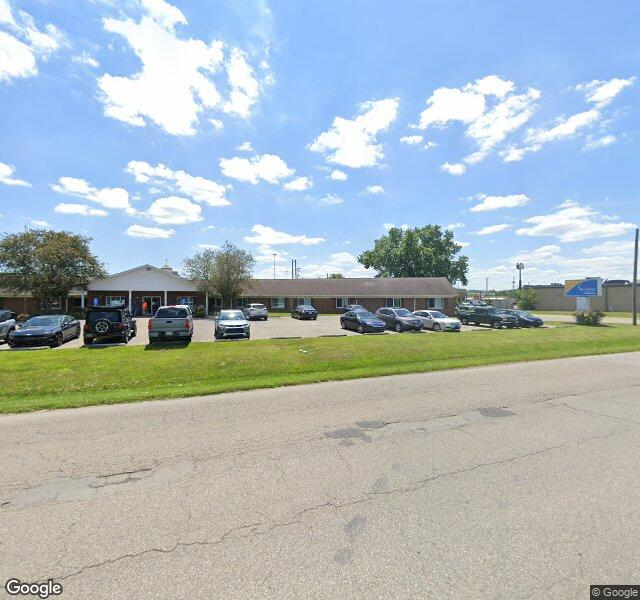
60 MARIETTA ROAD, CHILLICOTHE, OH 45601 (740) 772-5900
For profit - Corporation 100 Beds SIGNATURE HEALTHCARE Data: November 2025
Trust Grade
30/100
#778 of 913 in OH
Last Inspection: May 2024

Within standard 12-15 month inspection cycle. Federal law requires annual inspections.

Overview

Signature Healthcare of Chillicothe received a Trust Grade of F, indicating significant concerns about the quality of care provided. They rank #778 out of 913 facilities in Ohio, placing them in the bottom half, and #5 out of 6 in Ross County, meaning only one local option is better. While the facility is showing improvement with the number of issues decreasing from 15 in 2024 to 13 in 2025, it still has a high number of concerns, totaling 51. Staffing is average with a turnover rate of 58%, and the facility has received $32,380 in fines, which is higher than 79% of similar facilities, suggesting repeated compliance issues. Specific incidents include a resident not receiving timely medication for opioid withdrawal, resulting in hospitalization, and failures to properly manage pressure ulcers, which led to serious health complications for residents. Overall, while there are some strengths in staffing and slight improvements, the facility has critical weaknesses that families should carefully consider.

Trust Score
F
30/100
In Ohio
#778/913
Bottom 15%
Safety Record
Moderate
Needs review
Inspections
Getting Better
15 → 13 violations
Staff Stability
⚠ Watch
58% turnover. Above average. Higher turnover means staff may not know residents' routines.
Penalties
✓ Good
$32,380 in fines. Lower than most Ohio facilities. Relatively clean record.
Skilled Nurses
○ Average
Each resident gets 33 minutes of Registered Nurse (RN) attention daily — about average for Ohio. RNs are the most trained staff who monitor for health changes.
Violations
⚠ Watch
51 deficiencies on record. Higher than average. Multiple issues found across inspections.
★★☆☆☆
2.0
Overall Rating
★★☆☆☆
2.0
Staff Levels
★★★☆☆
3.0
Care Quality
★★☆☆☆
2.0
Inspection Score
Stable
2024: 15 issues
2025: 13 issues

The Good

  • Full Sprinkler Coverage · Fire safety systems throughout facility
  • No fines on record

Facility shows strength in fire safety.

The Bad

2-Star Overall Rating

Below Ohio average (3.2)

Below average - review inspection findings carefully

Staff Turnover: 58%

12pts above Ohio avg (46%)

Frequent staff changes - ask about care continuity

Federal Fines: $32,380

Below median ($33,413)

Moderate penalties - review what triggered them

Chain: SIGNATURE HEALTHCARE

Part of a multi-facility chain

Ask about local staffing decisions and management

Staff turnover is elevated (58%)

10 points above Ohio average of 48%

The Ugly 51 deficiencies on record

2 actual harm
Feb 2025 11 deficiencies 1 Harm
SERIOUS (G) 📢 Someone Reported This

A family member, employee, or ombudsman was alarmed enough to file a formal complaint

Actual Harm - a resident was hurt due to facility failures

Pressure Ulcer Prevention (Tag F0686)

A resident was harmed · This affected 1 resident

**NOTE- TERMS IN BRACKETS HAVE BEEN EDITED TO PROTECT CONFIDENTIALITY** Based on observation, record review, interviews and facility policy review, the facility failed to assess, develop and implement...

Read full inspector narrative →
**NOTE- TERMS IN BRACKETS HAVE BEEN EDITED TO PROTECT CONFIDENTIALITY** Based on observation, record review, interviews and facility policy review, the facility failed to assess, develop and implement a comprehensive and individualized prevention program to prevent the development of avoidable pressure ulcers, ensure pressure ulcer dressings were provided as ordered and/or prevent the risk of pressure ulcer infection for Resident #43 and #49. Actual harm occurred on 02/05/25 when Resident #43 was readmitted to the facility following an acute care hospital stay, was determined to be at high risk for skin breakdown, dependent on staff for bed mobility and with known pressure ulcers that were found not to have a comprehensive assessment of the known pressure ulcers upon readmission to the facility. Additionally, the resident's physician ordered treatments for pressure ulcers that were not provided as ordered. Furthermore, the resident was sent to the local acute care hospital on [DATE] following a physical examination of stage IV (Full thickness tissue loss with exposed bone, tendon or muscle. Slough or eschar may be present on some parts of the wound bed. Often includes undermining and tunneling.) pressure ulcer to the sacrum for suspected infection in need of surgical intervention, non-staged pressure ulcer to the right outer ankle and a new unidentified wound to the right outer fifth digit to the right foot. Additionally, Actual Harm occurred on 01/10/25 when Resident #49, who was cognitively impaired, was at high risk for pressure ulcer development, dependent on staff for bed mobility and had known pressure ulcers and was found to have a stage III (Full thickness tissue loss. Subcutaneous fat may be visible but bone, tendon or muscle is not exposed. Slough may be present but does not obscure the depth of tissue loss. May include undermining or tunneling.) pressure ulcer to the left ischium without evidence of adequate and individualized pressure ulcer prevention interventions being in place prior to the development. Furthermore, the resident readmitted to the facility on [DATE] with no readmission assessment and no physician ordered treatments to the unstageable, known but not stageable due to coverage of wound bed by slough (non-viable yellow, tan, gray, green or brown tissue; usually moist, can be soft, stringy and mucinous in texture. Slough may be adherent to the base of the wound or present in clumps throughout the wound bed), and/or eschar (Dead or devitalized tissue that is hard or soft in texture; usually black, brown, or tan in color, and may appear scab like. Necrotic tissue and eschar are usually firmly adherent to the base of the wound and often the sides/edges of the wound), pressure ulcer to the sacrum/coccyx, left ischium and stage II (Partial thickness loss of dermis presenting as a shallow open ulcer with a red-pink wound bed, without slough or bruising. May also be present as an intact or open/ruptured blister.) pressure ulcer to the left heel. This affected two (Resident #43 and #49) of three residents reviewed for pressure ulcers. The facility census was 67. Findings Include: 1. Review of the medical record for Resident #43 revealed an initial admission date of 01/22/25 with the latest readmission of 02/05/25 with the diagnoses including but not limited to cellulitis of right lower limb, pressure induced deep tissue damage of sacral region sacral region, hypertension, neurogenic bowel, benign prostatic hyperplasia neuromuscular dysfunction of bladder, anemia, bipolar disorder, anxiety disorder, post-traumatic stress disorder, osteoarthritis, gastro-esophageal reflux disease, retention of urine, edema, pain, Rhabdomyolysis, insomnia, spondylosis lumbar region, obesity, colostomy status and polyneuropathy. Review of the resident's admission evaluation dated 01/22/25 revealed the resident was admitted from an acute care hospital for wounds and weakness. The assessment indicated the resident had edema to bilateral lower extremities. The resident had an indwelling urinary catheter on admission. The assessment indicated the resident had a skin impairment of a blister. Review of the Braden scale contained within the assessment revealed a score of 15 indicating the resident was at high risk for skin breakdown. Review of the wound evaluation dated 01/22/25 revealed the resident had an unstageable pressure ulcer to his left gluteal fold measuring 4.0 centimeters (cm) by 8.0 cm by 0.1 cm. The wound was described as 20% granulation tissue with scant sanguineous exudate and 80% slough. The peri-wound was described as pink. Review of the wound evaluation dated 01/22/25 revealed the resident had an unstageable pressure ulcer to his right gluteal fold measuring 7.0 cm by 6.25 cm by 0.1 cm. The wound was described as 20% granulation tissue with scant sanguineous exudate and 80% slough. The peri-wound was pink. Review of the wound evaluation dated 01/23/25 revealed the resident had an unstageable pressure ulcer to his coccyx measuring 13/5 cm by 9.5 cm by 0.1 cm and the wound was described as 90% slough with a scant amount of serosanguineous exudate. The peri-wound was pink. Review of the resident's five-day Minimum Data Set (MDS) assessment dated [DATE] revealed the resident had no cognitive deficit. The resident was dependent for bed mobility and toileting. The assessment indicated the resident had an indwelling urinary catheter and an ostomy. The assessment indicated the resident was at risk for skin breakdown and was admitted with one stage II and three stage III pressure ulcers. The assessment indicated the resident had an infection to his foot, other lesion to his foot and open lesions. The facility implemented a pressure reducing device to bed, pressure ulcer/injury care, application of ointments/medications other than to feet and application of dressings to feet. Review of the progress note dated 01/25/25 at 9:33 A.M. revealed the resident was shaking all over stating that he was freezing. The resident requested to be sent to the emergency room (ER) for an evaluation. Review of the progress note dated 01/25/25 at 5:50 P.M. revealed the resident was admitted to the hospital for the diagnoses of influenza A, dehydration and cough. Review of the progress note dated 02/05/25 at 6:10 P.M. revealed the resident was readmitted to the facility at 6:00 P.M. Review of the medical record revealed a comprehensive readmission assessment was not completed until 02/07/25. Further review revealed the assessment was still in progress. The resident was admitted from the hospital for wound care. The resident had an ostomy as well as an indwelling urinary catheter. The assessment indicated the resident was admitted with pressure ulcer and blisters. The Braden scale contained within the evaluation revealed a score of 14 indicating the resident was at risk moderate for skin breakdown. Review of the medical record revealed no documented comprehensive assessment of the resident's pressure ulcers to the sacrum, left gluteus, right gluteus, right out ankle and surgical wound to left shin. Review of the resident's monthly physician orders for February 2024 identified orders dated 01/22/25 encourage and assist with frequent offloading, heel medic boots bilaterally to assist with offloading, cleanse wound to sacrococcygeal region with wound cleanser, pat dry, apply barrier cream daily and as needed, 01/23/25 enabler bars to enhance bed mobility, bilateral ischial tuberosities-cleanse wounds with wound cleanser, pat dry, apply calcium alginate to wound bed and cover with comfort foam border dressing daily and 01/24/25 cleanse wounds to bilateral lower legs and feet with wound cleanser, pat dry, apply Xeroform to wounds wrap with Kerlix starting at base of toes working up the knee and secure with tape, change daily and as needed. On 02/11/25 at 1:34 P.M., observation of Licensed Practical Nurse (LPN) #180 provide the physician ordered treatment to the resident's wounds revealed the LPN donned a gown and gloves for enhanced barrier precautions (EBP). The LPN placed a barrier on the bedside table consisting of a clear trash bag. She then set up the required supplies on the barrier. The dressings to the bilateral lower extremities (BLE) were dated 02/09/25. LPN #180 verified the dressing changes were physician ordered as daily and had not been changed since 02/09/25. The LPN removed the soiled dressing to the resident's left lower extremity (LLE) then removed the soiled dressing to the right outer ankle using the same gloves. The LPN placed the soiled dressings on the clear trash bag used as a barrier on the bedside table next to the clean treatment supplies. The LPN then cleansed the wounds to his LLE and right outer ankle. The LPN then washed her hands and donned a pair of gloves. The LPN then removed a piece of gauze used to cleanse the wound to the left lower extremity and placed a piece of Xeroform to the wound. She then placed multiple 4 X 4 on the Xeroform and wrapped the resident's left lower extremity with Kerlix. Using the same gloves the LPN placed a piece of Xeroform to the pressure ulcer on the right outer ankle, covered with a 4 X 4 and wrapped with Kerlix. The LPN removed the barrier from the bedside table and EBP to obtain the supplies to provide treatment to the left and right ischium wounds and the sacral wound. The LPN set-up the required supplies on the bedside table with no barrier. The resident was assisted onto his right side by a Certified Nursing Assistant (CAN) with difficulty due to the parameter mattress being too small for the resident's size. The dressing to the resident's sacrum was dated 02/08/25. The dressing was saturated with blood-tinged drainage and a foul odor was noted. LPN #180 verified the dressing changes were daily and had not been changed since 02/08/25. The LPN removed the soiled dressings to the left ischium, right ischium and sacrum using the same gloves. The LPN then cleansed all three wounds using wound cleanser and 4 X 4. The LPN then washed her hands, donned a pair of gloves and placed calcium alginate to all wound beds and covered with multiple 4 x 4. The LPN then covered all three wounds with two ABD pads and secured with tape. On 02/11/25 at 2:00 P.M., an interview with LPN #180 confirmed the resident's bed was too small limiting the resident's ability to turn and reposition to achieve off-loading to the pressure ulcers and would require a bariatric bed. The LPN confirmed the resident was not provided with an air mattress despite the stage IV pressure ulcer to the sacrum. On 02/11/15 at 3:25 P.M., interview with the Licensed Nursing Home Administrator (LNHA) and the Regional Nurse revealed the contracted wound company was supposed to start in March 2025. The LNHA and Regional Nurse was made aware of no admission assessment, no comprehensive assessment of the resident's wounds, the resident's left and right ischium wounds and sacral/coccyx wound treatments had not been completed since 02/08/25 and 02/09/25. The LNHA and Regional Nurse was made aware of the resident's bed was not large enough to accommodate his size to off-load pressure to the wounds. On 02/13/25 at 9:05 A.M., an interview with the resident's primary care physician (PCP) #200 revealed he was scheduled to see Resident #43. The resident's PCP was unaware the facility had no contracted wound company, and the resident was not referred to a wound clinic, the physician ordered treatments were not being rendered as ordered and the resident was not on a specialized mattress. Review PCP #200's progress note dated 02/13/25 revealed the resident was being seen for evaluation of multiple wound and recent hospitalization for influenza A. On 01/30/25 the resident underwent surgical incision and drainage of a left calf abscess a right ankle wound, a sacral wound and ischial wounds. An examination revealed a deep stage IV pressure wound to the coccyx with significant slough and some odor indicative of an underlying infection. The wounds needed immediate debridement which could not be delayed for the wound physician's visit in the next six days. The physician's plan was to send to the hospital for further evaluation, management and treatment. The physician documented the risk of osteomyelitis was high and required surgical intervention. Review of the progress note dated 02/13/25 at 4:12 P.M. revealed the resident was admitted to the local acute care hospital for the evaluation and treatment of wounds. The facility failed to provide any documented evidence that the readmission assessment, comprehensive wound assessment and the physician ordered treatments were completed. 2. Review of the medical record for Resident #49 revealed an initial admission date of 12/27/24 with the latest readmission of 02/11/25 with the diagnoses including but not limited to cerebrovascular accident with right sided hemiplegia, respiratory failure, asthma, chronic respiratory failure with hypoxia, severe protein calorie malnutrition, systemic lupus, dysphagia, dysphonia, neuromuscular dysfunction of bladder, gastrostomy status, cardiomyopathy, anemia, anxiety disorder, gastro-esophageal reflux disease, hyperlipidemia, hypertension, fibromyalgia and major depressive disorder. Review of the admission evaluation dated 12/27/24 revealed the resident was admitted with an indwelling urinary catheter and was incontinent of bowel. The assessment indicated the resident was a two person assist with toileting and bed mobility. The assessment indicated the resident was admitted to the facility with pressure to the sacrum/coccyx being described as a large open deep wound with tunneling, measuring 6.0 centimeters (cm) by 7.2 cm by undefinable depth. The resident also had a wound to her right ischium measuring 1.3 cm x 1.5 cm by 0.3 cm. The assessment had no description of the tissue of the wounds. Review of the wound evaluation dated 12/27/24 revealed the resident had an open wound to the sacrum/coccyx measuring 8.0 cm by 12.0 cm by undefinable depth. The wound had tunneling at 12 o'clock, 3 o'clock and 9 o'clock. The wound was described as 60% slough with a heavy purulent exudate. The peri-wound was described as pink. Review of the plan of care dated 12/29/24 revealed the resident had impaired skin integrity. Interventions included assisting resident with turning and repositioning as needed, complete skin inspection every seven to 10 days and as needed, complete wound evaluation to monitor the progress of the resident's skin condition and treatments per physician orders. Review of the resident's readmission assessment dated [DATE] revealed the resident was admitted to the facility with an indwelling urinary catheter and was incontinent of bowel. The assessment indicated the resident was a two person assist with toileting and bed mobility. The assessment indicated the resident was readmitted to the facility with pressure ulcers. The assessment contained no location, staging or description of the pressure ulcers. Review of the skin inspection dated 01/10/25 revealed the resident had skin issues as follows and were present on admission: • Sacrum/coccyx wound measured 0.8 centimeters (cm) by 12.0 cm by undefinable depth with bone involvement. The wound was described as 60% tan slough with 40% granulation tissue, bone was visible at the center of the wound. The wound also had tunneling/undermining present at 3 o'clock, 6 o'clock and 9 o'clock with heavy malodorous brown wound drainage. The wound edges were uneven, and the peri-wound was pink. • Right Ischium open wound measured 0.3 cm with a 0.1 cm depth. The wound bed was not described and had no drainage. The peri-wound was described as dark purple-maroonish. • The left ischium open area was from shearing measuring 0.3 cm by 0.8 cm by 0.1 cm with no description of the wound bed. The wound edges were uneven, and the peri-wound was pink. • Left heel open wound measured 1.5 cm by 3.0 cm by 0.1 cm with no description of the wound bed. The wound edges were uneven, and the peri-wound was dark purple maroonish in color. Review of the wound evaluation dated 01/11/25 revealed the resident was readmitted to the facility with an unstageable pressure ulcer to her sacrum/coccyx measuring 8.0 cm by 12.0 cm by undefinable. The wound had tunneling and/or undermining at 3 o'clock, 6 o'clock and 9 o'clock. The wound was described as 30% epithelial tissue, 10% granulation and 60% slough with a heavy serous exudate. The peri-wound was described as pink. Review of the wound evaluation dated 01/16/25 revealed the resident stage IV pressure ulcer to the coccyx measured 12 cm by 7.0 cm by 1.3 cm. The wound was described as 70% granulation tissue and 30% slough with a moderate amount of serosanguineous exudate. The peri-wound was described as pink, and the facility determined the wound had remained unchanged. Review of the wound evaluation dated 01/16/25 revealed the shearing wound was now a stage III pressure ulcer to the left ischium measuring 6.0 cm by 3.0 cm by 0.1 cm and described as 70% granulation and 30% slough with a small amount of serosanguineous exudate. The assessment indicated the resident was admitted with stage III pressure ulcer. Review of the resident's comprehensive Minimum Data Set (MDS) assessment dated [DATE] revealed the resident had a moderate cognitive impairment. The resident was dependent on staff for toileting. The assessment indicated the resident had an indwelling urinary catheter and was always incontinent of bowel. The assessment indicated the resident was at risk for skin breakdown and was admitted with one stage II pressure ulcer, one stage III pressure ulcer and one stage IV pressure ulcer. The facility implemented pressure reducing devices to bed/chair, turning/repositioning program, nutrition or hydration intervention to manage skin problems and pressure ulcer/injury care. Review of the wound evaluation dated 01/22/25 revealed the resident stage IV pressure ulcer to the coccyx measured 10 cm by 6.5 cm by 1.3 cm. The wound was described as 70% granulation tissue and 30% slough with a moderate amount of sanguineous exudate. The peri-wound was described as pink, and the facility determined the wound had remained unchanged. Review of the wound evaluation dated 01/22/25 revealed the resident had a stage III pressure ulcer to the left ischium measuring 6.0 cm by 3.0 cm by 0.1 cm and described as 70% granulation and 30% slough with a small amount of sanguineous exudate. The assessment indicated the resident was admitted with stage III pressure ulcer. Review of the medical record revealed no documented evidence the wounds to the right ischium and the left heel were assessed every seven days as required. Review of the residents' January 2025 Treatment Administration Record (TAR) revealed a treatment was not implemented for the wound to the resident's left heel, left ischium until 01/17/25. The physician ordered treatment was not provided for the left ischium wound on 01/19/25 and 01/30/25. Further review revealed the physician ordered treatment to the sacral/coccyx wound was not provided as ordered on 01/16/25, 01/19/25 and 01/30/25. Additionally, the air mattress was not implemented until 01/28/25. Review of the progress note dated 02/01/25 at 9:05 A.M. revealed the resident was displaying an altered mental status. The resident was sent to the local emergency room (ER) for an evaluation. Review of the progress note dated 02/01/25 at 11:01 P.M. revealed the resident was admitted to the acute care hospital for altered mental status, possible urinary tract infection (UTI) and acute metabolic encephalopathy. Review of the progress note dated 02/11/25 at 8:27 P.M. revealed the resident was readmitted to the facility. Review of the medical record revealed no documented evidence a readmission assessment or wound assessment was completed. Review of the resident's monthly physician orders for February 2025 identified orders dated 02/12/25 enhanced barrier precautions (EBP) related to wound, tube feeding and tracheostomy. Further review revealed no orders for the treatment of the sacral/coccyx wound, left ischium wound, the right ischium wound and the left heel wound. Review of the first documented wound evaluation following survey request revealed on 02/13/25 the unstageable pressure ulcer to the sacral/coccyx measured 10.0 cm by 6.5 cm by 1.3 cm and described as 30% slough and 70% granulation tissue. The wound had a heavy amount of serosanguineous exudate. The peri-wound was described as pink. Review of the first documented wound evaluation following survey request revealed on 02/13/25 the unstageable pressure ulcer to the left ischium measured 6.0 cm by 1.3 cm by 0.1 cm and described as 30% slough and 70% granulation tissue with a small amount of serosanguineous exudate. The peri-wound was described as pink. Review of the first documented wound evaluation following survey request revealed on 02/13/25 the stage III pressure ulcer measuring 6.0 cm by 1.3 cm by 0.1 cm with the wound being described as 30% slough and 70% granulation tissue with a small amount of serosanguineous exudate. The peri-wound was described as pink. Review of the resident's February 2024 Treatment Administration Record (TAR) revealed a treatment to the unstageable pressure ulcer to the sacrum/coccyx and left ischium and the stage II pressure ulcer to the left heel was not implemented until 02/13/24. On 02/13/25 at 9:05 A.M., an interview with the resident's PCP #200 revealed he was scheduled to see Resident #49 and revealed he was unaware the resident had no treatment in place for the multiple pressure ulcers. On 02/13/25 at 2:45 P.M., an interview with the Director of Nursing (DON) verified the resident had no readmission assessment, readmission wound assessments and treatments for the multiple pressure ulcers. Review of the facility policy titled, Wound Care, dated 09/21 revealed the purpose of the procedure was to provide guidelines for the care of wounds to promote healing. Verify there is a physician's order for the procedure. Review of the facility policy titled, Pressure Reducing and Relieving Devices, not dated revealed the purpose of the procedure was to provide guidelines for the assessment of the appropriate reducing and relieving devices for residents at risk of skin breakdown. Redistributing support surfaces are to promote for bed or chairbound residents to prevent skin breakdown, promote circulation and provide pressure relief or reduction. Mattresses are chosen for the residents based on Braden scale pressure ulcer risk. Residents at risk for developing pressure ulcers should be placed on a redistribution support surface such as foam, gel, static, air, alternating air or air loss or gel when lying in bed. This deficiency represents noncompliance investigated under Complaint Number OH00162365.
CONCERN (D) 📢 Someone Reported This

A family member, employee, or ombudsman was alarmed enough to file a formal complaint

Potential for Harm - no one hurt, but risky conditions existed

Resident Rights (Tag F0550)

Could have caused harm · This affected 1 resident

**NOTE- TERMS IN BRACKETS HAVE BEEN EDITED TO PROTECT CONFIDENTIALITY** Based on observation, record review, interview and facility policy review, the facility failed to ensure residents were treated ...

Read full inspector narrative →
**NOTE- TERMS IN BRACKETS HAVE BEEN EDITED TO PROTECT CONFIDENTIALITY** Based on observation, record review, interview and facility policy review, the facility failed to ensure residents were treated in a dignified manner. This affected three residents (#43, #48, #49) of three residents reviewed for indwelling urinary catheter. The facility census was 67. Findings Include: 1. Review of the medical record for Resident #43 revealed an initial admission date of 01/22/25 with the latest readmission of 02/05/25 with the diagnoses including but not limited to cellulitis of right lower limb, pressure induced deep tissue damage of sacral region sacral region, hypertension, neurogenic bowel, benign prostatic hyperplasia neuromuscular dysfunction of bladder, anemia, bipolar disorder, anxiety disorder, post-traumatic stress disorder, osteoarthritis, gastro-esophageal reflux disease, retention of urine, edema, pain, Rhabdomyolysis, insomnia, spondylosis lumbar region, obesity, colostomy status and polyneuropathy. Review of the resident's admission evaluation dated 01/22/25 revealed the resident was admitted from an acute care hospital for wounds and weakness. The resident had an indwelling urinary catheter on admission. Review of the resident's five-day Minimum Data Set (MDS) assessment dated [DATE] revealed the resident had no cognitive deficit. The resident was dependent for bed mobility and toileting. The assessment indicated the resident had an indwelling urinary catheter and an ostomy. Review of the resident's monthly physician orders for February 2024 identified orders dated 01/22/25 record Foley catheter output every shift, catheter care every shift, Foley catheter 16 FR with 5 milliliter (ml) balloon to gravity drainage every shift, Foley catheter to remain covered every shift for privacy, ostomy site care daily and as needed, empty ostomy bag every shift and as needed, and 02/10/25 change Foley catheter and Foley bag every month every day shift starting on the tenth and ending on the tenth every month, change Foley every 30 days starting on 02/10/25. On 02/11/25 at 11:47 A.M., interview with Resident #43 revealed his indwelling urinary catheter was supposed to be changed on 02/10/25, however it was not changed. Observation of the resident revealed the indwelling urinary catheter collection bag was not in a privacy bag and the clear yellow urine was visible from the hallway. On 02/12/24 at 2:15 P.M., interview with Licensed Practical Nurse (LPN) #180 confirmed the resident's indwelling urinary catheter collection bag was not in a privacy bag as physician ordered. 2. Review of the medical record for Resident #49 revealed an initial admission date of 12/27/24 with the latest readmission of 02/11/25 with the diagnoses including but not limited to cerebrovascular accident with right sided hemiplegia, respiratory failure, asthma, chronic respiratory failure with hypoxia, severe protein calorie malnutrition, systemic lupus, dysphagia, dysphonia, neuromuscular dysfunction of bladder, gastrostomy status, cardiomyopathy, anemia, anxiety disorder, gastro-esophageal reflux disease, hyperlipidemia, hypertension, fibromyalgia and major depressive disorder. Review of the admission evaluation dated 12/27/24 revealed the resident was admitted with an indwelling urinary catheter and was incontinent of bowel. The assessment indicated the resident was a two person assist with toileting and bed mobility. Review of the plan of care dated 12/29/24 revealed the resident had a need for an indwelling urinary catheter. Interventions included monitor for signs and symptoms of urinary tract infection and report to the physician, report signs of peri-area redness, irritation, skin excoriation/breakdown to physician, document output, catheter bag to be emptied every shift, review with resident/family of the risks of catheterization, securement device to be applied to securely anchor catheter tubing, provide peri-care prior to application and after removal of external catheter, change catheter and drainage system as indicated per physician orders, keep tubing free of kinks and twists, maintain drainage bag below the bladder level, privacy cover to drainage bag, provide catheter care every shift and as needed and provide prophylactic interventions per physicians orders. Review of the resident's comprehensive Minimum Data Set (MDS) assessment dated [DATE] revealed the resident had a moderate cognitive impairment. The resident was dependent on staff for toileting. The assessment indicated the resident had an indwelling urinary catheter and was always incontinent of bowel. Review of the resident's monthly physician orders for February 2025 identified orders dated 02/12/25 urinary catheter care every shift, change urinary catheter anchor weekly on Monday, change urinary catheter drainage bag every four weeks on Monday and record urinary catheter output every shift. On 02/12/25 at 8:48 A.M., observation of Resident #49 revealed the indwelling urinary catheter collection bag as not contained in a privacy bag allowing the clear yellow urine to be visible from the hallway. On 02/12/25 at 10:07 A.M., interview with Licensed Practical Nurse (LPN) #130 confirmed the resident's indwelling urinary catheter was not contained in a privacy bag allowing the resident's urine to be visible from the hallway. 3. Review of the medical record for Resident #48 revealed an initial admission date of 08/09/24 with the latest readmission of 01/28/25 with the diagnoses including but not limited to sepsis, obstructive and reflux uropathy, hydronephrosis with renal and urethral calculous obstruction, hypertension and atrial fibrillation. Review of the plan of care dated 02/11/25 revealed the resident had an indwelling urinary catheter related to obstructive uropathy. Interventions included monitor for signs and symptoms of urinary tract infection (UTI) and report to the physician, report signs of peri-area redness, irritation, skin excoriation/breakdown to physician, documents output, catheter bag to be emptied every shift, securement device to be applied to securely anchor catheter tubing, provide peri-care prior to application and after removal of external catheter, change catheter and drainage system as indicated per physician orders, keep tubing free of kinks and twists, maintain drainage bag below the bladder level, privacy cover to drainage bag and provide catheter care every shift and as needed. Review of the resident's February 2025 monthly physician orders identified the only order related to the resident's indwelling urinary catheter dated 02/12/25 record output every shift. On 02/11/25 at 11:45 A.M., observation of Resident #48 revealed the resident's indwelling urinary catheter bag was laying on the floor with clear amber urine visible from the hallway. On 02/11/25 at 2:50 P.M., observation of Resident #48 revealed he was ambulating in the hallway with his walker. Further observation revealed the resident's indwelling urinary catheter collection bag was hanging on the walker with clear amber urine being visible. On 02/11/25 at 10:05 A.M., interview with LPN #130 confirmed the resident's indwelling urinary catheter collection bag was not contained in a privacy bag. Review of the facility policy titled, Dignity, not dated revealed each resident shall be cared for in a manner that promotes and enhances his or her sense of well-being, level of satisfaction with life and feelings of self-worth and self-esteem. This deficiency represents non-compliance investigated under Complaint Number OH00162558.
CONCERN (D) 📢 Someone Reported This

A family member, employee, or ombudsman was alarmed enough to file a formal complaint

Potential for Harm - no one hurt, but risky conditions existed

Deficiency F0558 (Tag F0558)

Could have caused harm · This affected 1 resident

Based on observation, record review and interview, the facility failed to ensure one resident's (#43) bed accommodated his size and had physician ordered enabler bars to enhance bed mobility. This aff...

Read full inspector narrative →
Based on observation, record review and interview, the facility failed to ensure one resident's (#43) bed accommodated his size and had physician ordered enabler bars to enhance bed mobility. This affected one (Resident #43) of three residents reviewed for pressure ulcers. The facility census was 67. Findings Include: Review of the medical record for Resident #43 revealed an initial admission date of 01/22/25 with the latest readmission of 02/05/25 with the diagnoses including but not limited to cellulitis of right lower limb, pressure induced deep tissue damage of sacral region sacral region, hypertension, neurogenic bowel, benign prostatic hyperplasia neuromuscular dysfunction of bladder, anemia, bipolar disorder, anxiety disorder, post-traumatic stress disorder, osteoarthritis, gastro-esophageal reflux disease, retention of urine, edema, pain, Rhabdomyolysis, insomnia, spondylosis lumbar region, obesity, colostomy status and polyneuropathy. Review of the resident's monthly physician orders for February 2024 identified an order dated 01/23/25 enabler bars to enhance bed mobility. On 02/11/25 at 1:34 P.M., observation of resident during wound care revealed the resident's bed was a regular bed with a parameter mattress in place. The resident had no enabler bars in place on the bed to assist with bed mobility. Further observation revealed when the resident was assisted onto his right side his legs fell from the bed due to the bed not being large enough for his size. On 02/11/25 at 2:00 P.M., an interview with Licensed Practical Nurse (LPN) #180 confirmed the resident's bed was too small limiting the resident's ability to turn and reposition to achieve off-loading to the pressure ulcers and would require a bariatric bed. The LPN confirmed the resident was not provided with an air mattress despite the pressure ulcer. The LPN also verified the resident had no enabler bars on the bed as physician ordered. This deficiency represents non-compliance investigated under Complaint Number OH00162365.
CONCERN (D) 📢 Someone Reported This

A family member, employee, or ombudsman was alarmed enough to file a formal complaint

Potential for Harm - no one hurt, but risky conditions existed

Comprehensive Assessments (Tag F0636)

Could have caused harm · This affected 1 resident

Based on record review and staff interview, the facility failed to complete a comprehensive admission assessment on admission for two residents (#43, #49). This affected two (Resident #43 and #49) of ...

Read full inspector narrative →
Based on record review and staff interview, the facility failed to complete a comprehensive admission assessment on admission for two residents (#43, #49). This affected two (Resident #43 and #49) of three residents reviewed for pressure ulcers. The facility census was 67. Findings Include: 1. Review of the medical record for Resident #43 revealed an initial admission date of 01/22/25 with the latest readmission of 02/05/25 with the diagnoses including but not limited to cellulitis of right lower limb, pressure induced deep tissue damage of sacral region sacral region, hypertension, neurogenic bowel, benign prostatic hyperplasia neuromuscular dysfunction of bladder, anemia, bipolar disorder, anxiety disorder, post-traumatic stress disorder, osteoarthritis, gastro-esophageal reflux disease, retention of urine, edema, pain, Rhabdomyolysis, insomnia, spondylosis lumbar region, obesity, colostomy status and polyneuropathy. Review of the progress note dated 02/05/25 at 6:10 P.M. revealed the resident was readmitted to the facility at 6:00 P.M. Review of the medical record revealed a comprehensive readmission assessment was not completed until 02/07/25. Further review revealed the assessment was still in progress. On 02/11/25 at 3:25 P.M., interview with Regional Nurse #210 confirmed the readmission assessment was not completed in a timely manner. 2. Review of the medical record for Resident #49 revealed an initial admission date of 12/27/24 with the latest readmission of 02/11/25 with the diagnoses including but not limited to cerebrovascular accident with right sided hemiplegia, respiratory failure, asthma, chronic respiratory failure with hypoxia, severe protein calorie malnutrition, systemic lupus, dysphagia, dysphonia, neuromuscular dysfunction of bladder, gastrostomy status, cardiomyopathy, anemia, anxiety disorder, gastro-esophageal reflux disease, hyperlipidemia, hypertension, fibromyalgia and major depressive disorder. Review of the progress note dated 02/11/25 at 8:27 P.M. revealed the resident was readmitted to the facility. On 02/13/25 at 2:45 P.M., an interview with the Director of Nursing (DON) verified the resident had no readmission assessment, readmission wound assessments were not completed. This deficiency was an incidental finding discovered during the course of this complaint investigation.
CONCERN (D) 📢 Someone Reported This

A family member, employee, or ombudsman was alarmed enough to file a formal complaint

Potential for Harm - no one hurt, but risky conditions existed

ADL Care (Tag F0677)

Could have caused harm · This affected 1 resident

**NOTE- TERMS IN BRACKETS HAVE BEEN EDITED TO PROTECT CONFIDENTIALITY** Based on record review, interview and facility policy review, the facility failed to ensure one resident (#72) who was dependent...

Read full inspector narrative →
**NOTE- TERMS IN BRACKETS HAVE BEEN EDITED TO PROTECT CONFIDENTIALITY** Based on record review, interview and facility policy review, the facility failed to ensure one resident (#72) who was dependent on staff received routine bathing. This affected one (Resident #72) of three residents reviewed for bathing. The facility census was 67. Findings Include: Review of the closed medical record for Resident #72 revealed an initial admission date of 01/24/25 with the diagnoses including but not limited to acute respiratory failure with hypoxia, multiple sclerosis (MS), chronic obstructive pulmonary disease (COPD), severe protein calorie malnutrition, right bundle branch block, urinary tract infection, pneumonitis due to inhalation of food and vomit, dysphagia, other disorders of lung, history of falling, pain, slow transit constipation, migraine, vitamin D deficiency, intervertebral disc displacement lumbar region, neuromuscular dysfunction of bladder, slurred speech, osteoarthritis, dependence on supplemental oxygen, anxiety disorder and functional quadriplegia. The resident was discharged to another local skilled nursing facility (SNF) on 02/07/25. Review of the resident's admission evaluation dated 01/24/25 revealed the resident preferred bathing at bedtime. Review of the resident's comprehensive Minimum Data Set (MDS) assessment dated [DATE] revealed the resident had no cognitive deficit. The resident was dependent on staff for personal hygiene, toileting, bathing, bed mobility and substantial/maximal assistance with dressing. Review of the resident's medical record revealed the resident was scheduled for routine showers every Monday and Thursday. Review of the medical record revealed no evidence the resident was provided the scheduled shower on 01/27/25, 01/30/25, 02/03/25 and 02/06/25. On 02/12/25 at 8:30 A.M., an interview with Regional Nurse #210 confirmed the facility had no documented evidence the resident received routine bathing. Review of the facility policy titled, Shower/Tub Bath, dated 09/21 revealed the purpose of the procedure was to promote cleanliness, provide comfort to the resident and to observe the condition of the resident's skin. This deficiency represents non-compliance investigated under Master Complaint Number OH00162558 and Complaint Number OH00162365.
CONCERN (D) 📢 Someone Reported This

A family member, employee, or ombudsman was alarmed enough to file a formal complaint

Potential for Harm - no one hurt, but risky conditions existed

Incontinence Care (Tag F0690)

Could have caused harm · This affected 1 resident

**NOTE- TERMS IN BRACKETS HAVE BEEN EDITED TO PROTECT CONFIDENTIALITY** Based on observation, record review and interview, the facility failed to ensure an indwelling urinary catheter was changed as p...

Read full inspector narrative →
**NOTE- TERMS IN BRACKETS HAVE BEEN EDITED TO PROTECT CONFIDENTIALITY** Based on observation, record review and interview, the facility failed to ensure an indwelling urinary catheter was changed as physician ordered for Resident #43. Additionally, the facility failed to ensure one resident (#73) received routine indwelling catheter care. This affected two (Resident #43 and #73) of three residents reviewed for indwelling urinary catheter. The facility census was 67. Findings Include: 1. Review of the medical record for Resident #43 revealed an initial admission date of 01/22/25 with the latest readmission of 02/05/25 with the diagnoses including but not limited to cellulitis of right lower limb, pressure induced deep tissue damage of sacral region sacral region, hypertension, neurogenic bowel, benign prostatic hyperplasia neuromuscular dysfunction of bladder, anemia, bipolar disorder, anxiety disorder, post-traumatic stress disorder, osteoarthritis, gastro-esophageal reflux disease, retention of urine, edema, pain, Rhabdomyolysis, insomnia, spondylosis lumbar region, obesity, colostomy status and polyneuropathy. Review of the resident's admission evaluation dated 01/22/25 revealed the resident was admitted from an acute care hospital for wounds and weakness. The resident had an indwelling urinary catheter on admission. Review of the resident's five-day Minimum Data Set (MDS) assessment dated [DATE] revealed the resident had no cognitive deficit. The resident was dependent for bed mobility and toileting. The assessment indicated the resident had an indwelling urinary catheter and an ostomy. Review of the resident's monthly physician orders for February 2024 identified orders dated 02/10/25 change Foley catheter and Foley bag every month every day shift starting on the tenth and ending on the tenth every month, change Foley every 30 days starting in 2/10/25. Review of the medical record revealed no evidence the resident's indwelling urinary catheter was changed as physician ordered on 02/10/25. On 02/11/25 at 11:47 A.M., interview with Resident #43 revealed his indwelling urinary catheter was supposed to be changed on 02/10/25, however it was not changed. Observation of the resident revealed the indwelling urinary catheter collection bag was not in a privacy bag and the clear yellow urine was visible from the hallway. On 02/11/25 at 2:15 P.M., interview with Licensed Practical Nurse (LPN) #180 confirmed the resident's indwelling urinary catheter was not changed as physician ordered on 02/10/25. 2. Review of the closed medical record for Resident #73 revealed an initial admission date of 10/10/24 with the latest readmission of 11/21/24 with the diagnoses including but not limited to sepsis, severe sepsis with shock, urinary tract infection (UTI), adult failure to thrive, retention of urine, chronic atrial fibrillation, cystitis with hematuria, hypertension, osteoarthritis, pain, anemia, benign prostatic hyperplasia (BPH) with lower urinary tract symptoms, edema, malignant neoplasm of prostate, presence of urogenital implants, bladder neck obstruction, cerebral ischemia and hyperlipidemia. Review of the resident's five-day Minimum Data Set (MDS) assessment dated [DATE] revealed the resident had a moderate cognitive deficit. The resident was dependent on staff for toileting and transfers. The assessment indicated the resident had an indwelling urinary catheter and was always incontinent of bowel. Review of the resident's Foley catheter justification dated 12/17/24 revealed the assessment was blank. Review of the resident's discharged physician orders identified an order dated 12/19/24 record Foley catheter output every shift. Review of the medical record revealed no physician orders or documented evidence the resident's indwelling urinary catheter was provided care. On 02/13/25 at 3:45 P.M., interview with the Director of Nursing (DON) confirmed the the resident had no physician orders or documented evidence the resident's indwelling urinary catheter was provided care. This deficiency represents non-compliance investigated under Complaint Number OH00162180.
CONCERN (D) 📢 Someone Reported This

A family member, employee, or ombudsman was alarmed enough to file a formal complaint

Potential for Harm - no one hurt, but risky conditions existed

Tube Feeding (Tag F0693)

Could have caused harm · This affected 1 resident

Based on observation, record review and interview, the facility failed to maintain two residents (#50, #72) enteral feeding tube in proper working order. This affected two (Resident #50 and #72) of th...

Read full inspector narrative →
Based on observation, record review and interview, the facility failed to maintain two residents (#50, #72) enteral feeding tube in proper working order. This affected two (Resident #50 and #72) of three residents reviewed for enteral feedings. The facility census was 67. Findings Include: 1. Review of the closed medical record for Resident #72 revealed an initial admission date of 01/24/25 with the diagnoses including but not limited to acute respiratory failure with hypoxia, multiple sclerosis (MS), chronic obstructive pulmonary disease (COPD), severe protein calorie malnutrition, right bundle branch block, urinary tract infection, pneumonitis due to inhalation of food and vomit, dysphagia, other disorders of lung, history of falling, pain, slow transit constipation, migraine, vitamin D deficiency, intervertebral disc displacement lumbar region, neuromuscular dysfunction of bladder, slurred speech, osteoarthritis, dependence on supplemental oxygen, anxiety disorder and functional quadriplegia. The resident was discharged to another local skilled nursing facility (SNF) on 02/07/25. Review of the resident's plan of care dated 02/03/25 last revised on 02/11/25 revealed the resident had nutritional problem or potential nutritional problem related to peg-tube placement 12/23/24, enteral feedings, skin impairment, body mass index (BMI) low end of normal, dysphagia, MS, aspiration pneumonia, chewing/swallowing difficulties, broken/missing teeth, appetite stimulant and abnormal labs. Interventions included monitor/document/report as needed any signs/symptoms of dysphagia, monitor/record/report to physician as needed signs/symptoms of malnutrition, provide and serve diet as ordered, Registered Dietician (RD) to evaluate and make diet change recommendations as needed and speech therapy to screen and provide recommendations for feeding as needed. Review of the resident's discharged physician ordered identified orders dated 01/25/25 nothing by mouth (NPO), enteral feeding of Pivot 1.5 at 45 milliliters (ml) per hour with 100 ml water flush every four hours via peg-tube, check residuals every eight hours, if greater than 100 ml, hold feeding and recheck in one hour, if not resolved call the physician, check peg-tube placement before feeding, flush and medications, flush peg-tube with minimum of 30 ml of water before giving medications, flush with at least 5 ml between medications and flush with minimum of 30 ml after all medications given, monitor for tube feeding complications and 01/28/25 change feeding administration set with each new bottle, label the formula container, syringe and administration set with resident's name, date, time and the nurse's initials. On 02/11/25 at 11:30 A.M., interview with Licensed Practical Nurse (LPN) #168 verified she worked with Resident #72 and his peg-tube leaked due to the connector had a crack. The LPN revealed the facility did not have a replacement connector so they wrapped the connection in a towel to soak up the enteral feeding leaking out. On 02/12/25 at 12:27 P.M., interview with Certified Nursing Assistant (CNA) #149 verified she cared for Resident #72 and his peg-tube leaked the entire time he was a the facility. She revealed she wrapped his peg-tube in a towel to catch the leaking formula and changed the towel frequently. 2. Review of the medical record for Resident #50 revealed an initial admission date of 01/31/25 with the diagnoses including but not limited to acute respiratory failure with hypoxia, diabetes mellitus, cardiac arrest due to other underlying condition, moderate protein calorie malnutrition, intracranial injury with loss of consciousness, dysphagia, atrial fibrillation, obstructive sleep apnea, hyperlipidemia, hypertension, gastro-esophageal reflux disease, insomnia, obesity, major depressive disorder, anemia, hearing loss, mood disorder, osteoarthritis, polyneuropathy and atypical atrial flutter. Review of the plan of care dated 01/31/25 revealed the resident was at risk for altered nutritional status related to diabetes mellitus, protein calorie malnutrition, dysphagia, hyperlipidemia, hypertension, peg-tube placement 11/06/24, abnormal labs, diarrhea, swallowing difficulties, significant weight loss and appetite stimulant. Interventions included administer medication and/or vitamin/mineral supplement per physician order, encourage/provide intake of fluids throughout the day, if not contraindicated, notify RD, family, and physician of any signs / symptoms of dehydration, obtain labs per physicians orders associated with nutritional status and report results to the physician and ensure dietician is aware, therapy referral/evaluation/treatment as needed, periodically obtain resident's weight, evaluate, and report to RD, physician, and family of significant weight changes, Provide feeding/dining assistance as needed, Provide meals/snacks/fluids based on resident food preferences and physician orders, provide nutritional supplements as ordered by physician, administer enteral nutrition per physician orders, notify physician of complications observed with enteral nutrition, review with resident and/or family any issues or concerns about the enteral nutrition, flush feeding tube per physician orders, treatment to tube site per physician orders, Monitor and report to physician any abdominal pain, distension, tenderness at tube site, nausea/vomiting and check for tube placement and residual as indicated. Review of the resident's physician orders for February 2025 identified orders dated 01/31/25 flush peg tube every shift with 100 ml of water every 4 hours via peg-tube, Peptide 1.5-55 ml/hour continuously, change syringe daily daily on night shift, check and record residuals every shift, contact physician if residual exceeds 100 ml, check tube placement before initiation of formula, medication administration, and flushing tube or at least every eight hours, continuous feed, check every four to six hours, prior to irrigation and as needed, closed system container, change feeding administration set with each new bottle/bag; label the formula container, syringe and administration set with resident's name, date, time, and nurse's initials, elevate head of bed 30 to 45 degrees at all times during feeding and for at least 30 to 40 minutes after the feeding is stopped, 02/01/25 cleanse peg-tube site with normal saline and pat dry, apply split sponge and secure with tape daily, and 02/03/25 NPO diet, Enhanced Barrier Precautions related to g-tube every shift. On 02/11/25 at 11:15 A.M., observation of Licensed Practical Nurse (LPN) #168 administer Resident #50 morning medication via his peg-tube revealed the crushed all of the resident's medications and opened the capsules and placed in a clear plastic medication cup together. The LPN checked placement of the peg-tube with 10 ml of air and aspiration for residual enteral formula. The LPN then placed a syringe onto the peg-tube and filled the syringe with approximately 30 ml of water. The peg-tube was clogged so the LPN pushed the water resulting in the water spraying onto the resident's clothing. The LPN obtained another syringe and attempted to administer the resident's morning medication with the syringe with the part of the medication leaking out onto the resident. Interview with LPN #168 at the time of the observation revealed the facility did not have any piston type syringes in stock for the resident's peg-tube. The LPN donned no enhanced barrier precaution (EBP) equipment (gown and gloves) during the procedure. Review of the facility policy titled, Administering Medications Through an Enteral Tube, dated 09/21 revealed the purpose of the procedure was to provide guidelines for the safe administration of medications through an enteral tube. Do not mix medications together prior to administering through an enteral tube. Administer each medication separately. This deficiency represents non-compliance investigated under Complaint Number OH00162365.
CONCERN (D) 📢 Someone Reported This

A family member, employee, or ombudsman was alarmed enough to file a formal complaint

Potential for Harm - no one hurt, but risky conditions existed

Respiratory Care (Tag F0695)

Could have caused harm · This affected 1 resident

Based on record review, interview and facility policy review, the facility failed to ensure one resident (#72) was provided the physician ordered chest vest (help clear patients ' airways. It dislodge...

Read full inspector narrative →
Based on record review, interview and facility policy review, the facility failed to ensure one resident (#72) was provided the physician ordered chest vest (help clear patients ' airways. It dislodges mucus from the bronchial walls, and helps move secretions and mucus from smaller to larger airways, where it can be coughed or suctioned out.) for chest physiotherapy. This affected one (Resident #72) of one resident reviewed for chest vest use. The facility census was 67. Findings Include: Review of the closed medical record for Resident #72 revealed an initial admission date of 01/24/25 with the diagnoses including but not limited to acute respiratory failure with hypoxia, multiple sclerosis (MS), chronic obstructive pulmonary disease (COPD), severe protein calorie malnutrition, right bundle branch block, urinary tract infection, pneumonitis due to inhalation of food and vomit, dysphagia, other disorders of lung, history of falling, pain, slow transit constipation, migraine, vitamin D deficiency, intervertebral disc displacement lumbar region, neuromuscular dysfunction of bladder, slurred speech, osteoarthritis, dependence on supplemental oxygen, anxiety disorder and functional quadriplegia. The resident was discharged to another local skilled nursing facility (SNF) on 02/07/25. Review of the resident's admission evaluation dated 01/24/25 revealed the resident was admitted to the facility from an acute care hospital stay for MS, increased weakness and post-op debridement of pressure ulcers. The assessment did not address the use of the chest vest for chest physiotherapy. Review of the medical record revealed no baseline plan of care addressing the resident's respiratory status and the use of the chest vest for chest physiotherapy. Review of the resident's discharge physician orders identified an order dated 01/25/25 chest physiotherapy via chest vest three times a day. Review of the progress note dated 01/25/25 at 7:21 P.M. revealed the resident arrived at the facility without the chest vest for chest physiotherapy. Review of the progress note dated 01/30/25 at 12:42 P.M. revealed the percussion wrap arrived to the facility and placed in resident room for percussion therapy. On 02/12/25 at 8:50 A.M., interview with the Regional Nurse #210 verified the chest vest for chest physiotherapy had not arrived in a timely manner. This deficiency represents non-compliance investigated under Complaint Number OH00162365.
CONCERN (D) 📢 Someone Reported This

A family member, employee, or ombudsman was alarmed enough to file a formal complaint

Potential for Harm - no one hurt, but risky conditions existed

Medical Records (Tag F0842)

Could have caused harm · This affected 1 resident

Based on observation, record review and interviews, the facility failed to maintain a complete and accurate record for one resident (#43) in the area of physician ordered treatments. This affected one...

Read full inspector narrative →
Based on observation, record review and interviews, the facility failed to maintain a complete and accurate record for one resident (#43) in the area of physician ordered treatments. This affected one (Resident #43) of three residents reviewed for pressure ulcers. The facility census was 67. Findings Include: Review of the medical record for Resident #43 revealed an initial admission date of 01/22/25 with the latest readmission of 02/05/25 with the diagnoses including but not limited to cellulitis of right lower limb, pressure induced deep tissue damage of sacral region sacral region, hypertension, neurogenic bowel, benign prostatic hyperplasia neuromuscular dysfunction of bladder, anemia, bipolar disorder, anxiety disorder, post-traumatic stress disorder, osteoarthritis, gastro-esophageal reflux disease, retention of urine, edema, pain, Rhabdomyolysis, insomnia, spondylosis lumbar region, obesity, colostomy status and polyneuropathy. Review of the medical record revealed a comprehensive readmission assessment was not completed until 02/07/25. Further review revealed the assessment was still in progress. The resident was admitted from the hospital for wound care. The resident had an ostomy as well as an indwelling urinary catheter. The assessment indicated the resident was admitted with pressure ulcer and blisters. The Braden scale contained within the evaluation revealed a score of 14 indicating the resident was at risk moderate for skin breakdown. Review of the medical record revealed no documented comprehensive assessment of the resident's pressure ulcers to the sacrum, left gluteus, right gluteus, right out ankle and surgical wound to left shin. Review of the resident's monthly physician orders for February 2024 identified orders dated 01/22/25 encourage and assist with frequent offloading, heel medic boots bilaterally to assist with offloading, cleanse wound to sacrococcygeal region with wound cleanser, pat dry, apply barrier cream daily and as needed, 01/23/25 enabler bars to enhance bed mobility, bilateral ischial tuberosities-cleanse wounds with wound cleanser, pat dry, apply calcium alginate to wound bed and cover with comfort foam border dressing daily and 01/24/25 cleanse wounds to bilateral lower legs and feet with wound cleanser, pat dry, apply Xeroform to wounds wrap with Kerlix starting at base of toes working up the knee and secure with tape, change daily and as needed. Review of the resident's monthly Treatment Administration Record (TAR) for February 2025 revealed the physician ordered treatments to the residents' sacrum/coccyx pressure ulcer was initialed by a staff nurse indicating the treatment was completed on 02/09/25 and 02/10/25. Further review revealed the treatment to the resident's bilateral lower extremities was initialed by a staff nurse indicating the treatment was completed on 02/10/25. On 02/11/25 at 1:34 P.M., observation of Licensed Practical Nurse (LPN) #180 provide the physician ordered treatment to the resident's wounds revealed the LPN donned a gown and gloves for enhanced barrier precautions (EBP). The LPN placed a barrier on the bedside table consisting of a clear trash bag. She then set up the required supplies on the barrier. The dressings to the bilateral lower extremities (BLE) were dated 02/09/25. LPN #180 verified the dressing changes were physician ordered as daily and had not been changed since 02/09/25. The resident was assisted onto his right side by a certified nursing assistant with difficulty due to the parameter mattress being too small for the resident's size. The dressing to the resident's sacrum was dated 02/08/25. The dressing was saturated with blood-tinged drainage and a foul odor was noted. LPN #180 verified the dressing changes were daily and had not been changed since 02/08/25. This deficiency was an incidental finding discovered during the course of this complaint investigation.
CONCERN (D) 📢 Someone Reported This

A family member, employee, or ombudsman was alarmed enough to file a formal complaint

Potential for Harm - no one hurt, but risky conditions existed

Infection Control (Tag F0880)

Could have caused harm · This affected 1 resident

Based on observation, record review, interview, and facility policy review, the facility failed to maintain infection control practices to prevent the potential spread of infection during pressure ulc...

Read full inspector narrative →
Based on observation, record review, interview, and facility policy review, the facility failed to maintain infection control practices to prevent the potential spread of infection during pressure ulcer dressing change for one resident (#43). Additionally, the facility failed to implement enhance barrier precautions for one resident (#50) with an indwelling medical device. This affected one resident (#43) of three residents reviewed for pressure ulcers and one resident (#50) of three residents reviewed for enteral feeding tubes. The facility census was 67. Findings include: 1. Review of the medical record for Resident #43 revealed an initial admission date of 01/22/25 with the latest readmission of 02/05/25 with the diagnoses including but not limited to cellulitis of right lower limb, pressure induced deep tissue damage of sacral region sacral region, hypertension, neurogenic bowel, benign prostatic hyperplasia neuromuscular dysfunction of bladder, anemia, bipolar disorder, anxiety disorder, post-traumatic stress disorder, osteoarthritis, gastro-esophageal reflux disease, retention of urine, edema, pain, Rhabdomyolysis, insomnia, spondylosis lumbar region, obesity, colostomy status and polyneuropathy. Review of the medical record revealed a comprehensive readmission assessment was not completed until 02/07/25. Further review revealed the assessment was still in progress. The resident was admitted from the hospital for wound care. The resident had an ostomy as well as an indwelling urinary catheter. The assessment indicated the resident was admitted with pressure ulcer and blisters. The Braden scale contained within the evaluation revealed a score of 14 indicating the resident was at risk moderate for skin breakdown. Review of the medical record revealed no documented comprehensive assessment of the resident's pressure ulcers to the sacrum, left gluteus, right gluteus, right out ankle and surgical wound to left shin. Review of the resident's monthly physician orders for February 2024 identified orders dated 01/22/25 encourage and assist with frequent offloading, heel medic boots bilaterally to assist with offloading, cleanse wound to sacrococcygeal region with wound cleanser, pat dry, apply barrier cream daily and as needed, 01/23/25 enabler bars to enhance bed mobility, bilateral ischial tuberosities-cleanse wounds with wound cleanser, pat dry, apply calcium alginate to wound bed and cover with comfort foam border dressing daily and 01/24/25 cleanse wounds to bilateral lower legs and feet with wound cleanser, pat dry, apply Xeroform to wounds wrap with Kerlix starting at base of toes working up the knee and secure with tape, change daily and as needed. On 02/11/25 at 1:34 P.M., observation of Licensed Practical Nurse (LPN) #180 provide the physician ordered treatment to the resident's wounds revealed the LPN donned a gown and gloves for enhanced barrier precautions (EBP). The LPN placed a barrier on the bedside table consisting of a clear trash bag. She then set up the required supplies on the barrier. The dressings to the bilateral lower extremities (BLE) were dated 02/09/25. LPN #180 verified the dressing changes were physician ordered as daily and had not been changed since 02/09/25. The LPN removed the soiled dressing to the resident's left lower extremity (LLE) then removed the soiled dressing to the right outer ankle using the same gloves. The LPN placed the soiled dressings on the clear trash bag used as a barrier on the bedside table next to the clean treatment supplies. The LPN then cleansed the wounds to his LLE and right outer ankle. The LPN then washed her hands and donned a pair of gloves. The LPN then removed a piece of gauze used to cleanse the wound to the left lower extremity and placed a piece of Xeroform to the wound. She then placed multiple 4 X 4 on the Xeroform and wrapped the resident's left lower extremity with Kerlix. Using the same gloves the LPN placed a piece of Xeroform to the pressure ulcer on the right outer ankle, covered with a 4 X 4 and wrapped with Kerlix. The LPN removed the barrier from the bedside table and EBP to obtain the supplies to provide treatment to the left and right ischium wounds and the sacral wound. The LPN set-up the required supplies on the bedside table with no barrier. The resident was assisted onto his right side by a certified nursing assistant with difficulty due to the parameter mattress being too small for the resident's size. The dressing to the resident's sacrum was dated 02/08/25. The dressing was saturated with blood-tinged drainage and a foul odor was noted. LPN #180 verified the dressing changes were daily and had not been changed since 02/08/25. The LPN removed the soiled dressings to the left ischium, right ischium and sacrum using the same gloves. The LPN then cleansed all three wounds using wound cleanser and 4 X 4. The LPN then washed her hands, donned a pair of gloves and placed calcium alginate to all wound beds and covered with multiple 4 X 4. The LPN then covered all three wounds with two ABD pads and secured with tape. On 02/11/25 at 2:15 P.M., an interview with LPN #180 confirmed she completed the wounds to the resident's bilateral lower legs together and the wounds to the sacrum/coccyx, left ischium and right ischium together instead of separately introducing potential infection to the wounds. 2. Review of the medical record for Resident #50 revealed an initial admission date of 01/31/25 with the diagnoses including but not limited to acute respiratory failure with hypoxia, diabetes mellitus, cardiac arrest due to other underlying condition, moderate protein calorie malnutrition, intracranial injury with loss of consciousness, dysphagia, atrial fibrillation, obstructive sleep apnea, hyperlipidemia, hypertension, gastro-esophageal reflux disease, insomnia, obesity, major depressive disorder, anemia, hearing loss, mood disorder, osteoarthritis, polyneuropathy and atypical atrial flutter. Review of the plan of care dated 01/31/25 revealed the resident was at risk for altered nutritional status related to diabetes mellitus, protein calorie malnutrition, dysphagia, hyperlipidemia, hypertension, peg-tube placement 11/06/24, abnormal labs, diarrhea, swallowing difficulties, significant weight loss and appetite stimulant. Interventions included administer medication and/or vitamin/mineral supplement per physician order, encourage/provide intake of fluids throughout the day, if not contraindicated, notify registered dietician (RD), family, and physician of any signs / symptoms of dehydration, obtain labs per physicians orders associated with nutritional status and report results to the physician and ensure dietician is aware, therapy referral/evaluation/treatment as needed, periodically obtain resident's weight, evaluate, and report to RD, physician, and family of significant weight changes, Provide feeding/dining assistance as needed, Provide meals/snacks/fluids based on resident food preferences and physician orders, provide nutritional supplements as ordered by physician, administer enteral nutrition per physician orders, notify physician of complications observed with enteral nutrition, review with resident and/or family any issues or concerns about the enteral nutrition, flush feeding tube per physician orders, treatment to tube site per physician orders, Monitor and report to physician any abdominal pain, distension, tenderness at tube site, nausea/vomiting and check for tube placement and residual as indicated. Review of the resident's physician orders for February 2025 identified orders dated 01/31/25 flush peg tube every shift with 10 milliliters (ml) of water every 4 hours via peg-tube, Peptide 1.5-55 ml/hour continuously, change syringe daily daily on night shift, check and record residuals every shift, contact physician if residual exceeds 100 ml, check tube placement before initiation of formula, medication administration, and flushing tube or at least every eight hours, continuous feed, check every four to six hours, prior to irrigation and as needed, closed system container, change feeding administration set with each new bottle/bag; label the formula container, syringe and administration set with resident's name, date, time, and nurse's initials, elevate head of bed 30 to 45 degrees at all times during feeding and for at least 30 to 40 minutes after the feeding is stopped, 02/01/25 cleanse peg-tube site with normal saline and pat dry, apply split sponge and secure with tape daily, and 02/03/25 NPO diet, Enhanced Barrier Precautions related to g-tube every shift. On 02/11/25 at 11:15 A.M., observation of Licensed Practical Nurse (LPN) #168 administer Resident #50 morning medication via his peg-tube revealed the LPN checked placement of the peg-tube with 10 ml of air and aspiration for residual enteral formula. The LPN then placed a syringe onto the peg-tube and filled the syringe with approximately 30 ml of water. The peg-tube was clogged so the LPN pushed the water resulting in the water spraying onto the resident's clothing. The LPN obtained another syringe and attempted to administer the resident's morning medication with the syringe with the part of the medication leaking out onto the resident. Interview with LPN #168 at the time of the observation revealed the facility did not have any piston type syringes in stock for the resident's peg-tube. The LPN donned no enhanced barrier precaution (EBP) equipment (gown and gloves) during the procedure and no EBP equipment was available at bedside. On 02/11/25 at 11:25 A.M., interview with LPN #168 confirmed EBP equipment was not worn during the procedure as physician ordered and the EBP was not available at bedside. Review of the facility policy titled, Enhanced Barrier Precautions (EBP), dated 01/24 revealed EBP are an infection control method used in the facility to reduce transmission of drug-resistant organisms (MDROs). EBP refers to the use of gown and gloves during high- contact care activities for residents with any of the following, known infection or colonization with a resistant organism when contact precautions do not otherwise apply, chronic wounds and indwelling medical devices. This deficiency was an incidental finding discovered during the course of this complaint investigation.
CONCERN (F) 📢 Someone Reported This

A family member, employee, or ombudsman was alarmed enough to file a formal complaint

Potential for Harm - no one hurt, but risky conditions existed

Deficiency F0725 (Tag F0725)

Could have caused harm · This affected most or all residents

**NOTE- TERMS IN BRACKETS HAVE BEEN EDITED TO PROTECT CONFIDENTIALITY** Based on observation, interview and facility policy review, the facility failed to ensure staffing to meet residents needs. This...

Read full inspector narrative →
**NOTE- TERMS IN BRACKETS HAVE BEEN EDITED TO PROTECT CONFIDENTIALITY** Based on observation, interview and facility policy review, the facility failed to ensure staffing to meet residents needs. This affected two (Resident #50 and #72) residents and had the potential to affect all 67 residents residing in the facility. The census was 67. Finding Include: 1. On 02/11/25 at 11:15 A.M., observation of Licensed Practical Nurse (LPN) #168 administer Resident #50 morning medication due at 6:00 A.M. via his peg-tube revealed the resident's medication was being administered late. On 02/11/25 at 11:30 A.M., interview with LPN #168 confirmed Resident #50's morning medication was administered outside of the allotted timeframe. LPN #168 revealed the the facility only had three nurses on duty so she had half of another hallway and had three residents who she had to administer morning medications yet. 2. Review of the closed medical record for Resident #72 revealed an initial admission date of 01/24/25 with the diagnoses including but not limited to acute respiratory failure with hypoxia, multiple sclerosis (MS), chronic obstructive pulmonary disease (COPD), severe protein calorie malnutrition, right bundle branch block, urinary tract infection, pneumonitis due to inhalation of food and vomit, dysphagia, other disorders of lung, history of falling, pain, slow transit constipation, migraine, vitamin D deficiency, intervertebral disc displacement lumbar region, neuromuscular dysfunction of bladder, slurred speech, osteoarthritis, dependence on supplemental oxygen, anxiety disorder and functional quadriplegia. The resident was discharged to another local skilled nursing facility (SNF) on 02/07/25. Review of the resident's admission evaluation dated 01/24/25 revealed the resident preferred bathing at bedtime. Review of the resident's comprehensive Minimum Data Set (MDS) assessment dated [DATE] revealed the resident had no cognitive deficit. The resident was dependent on staff for personal hygiene, toileting, bathing, bed mobility and substantial/maximal assistance with dressing. Review of the resident's medical record revealed the resident was scheduled for routine showers every Monday and Thursday. Review of the medical record revealed no evidence the resident was provided the scheduled shower on 01/27/25, 01/30/25, 02/03/25 and 02/06/25. On 02/12/25 at 12:27 P.M., interview with Certified Nursing Assistant (CNA) #149 revealed facility staff had been an issue and showers are not done when staffing is not adequate. Review of the facility policy titled, Staffing, dated 09/21 revealed the facility provides staffing to needed care and services for the resident population. This deficiency represents non-compliance investigated under Master Complaint Number OH00162558 and Complaint Number OH00162365.
Jan 2025 2 deficiencies
CONCERN (D) 📢 Someone Reported This

A family member, employee, or ombudsman was alarmed enough to file a formal complaint

Potential for Harm - no one hurt, but risky conditions existed

Pharmacy Services (Tag F0755)

Could have caused harm · This affected 1 resident

Based on medical record review and staff and Hospice Director Physician #100 interviews, the facility failed to ensure a resident's pain medication order was transcribed correctly resulting in medicat...

Read full inspector narrative →
Based on medical record review and staff and Hospice Director Physician #100 interviews, the facility failed to ensure a resident's pain medication order was transcribed correctly resulting in medication errors. This affected one (Resident #64) of three residents reviewed for medications. The facility census was 63. Findings include: Record review of Resident #64 revealed an admission date of 10/27/24. Resident #64 passed away in the facility on hospice care on 12/17/24. The resident had pertinent diagnoses of cerebral palsy and reflux uropathy. Review of the 08/22/24 quarterly Minimum Data Set (MDS) assessment revealed the resident was moderately cognitively impaired and used a wheelchair to aid in mobility. The resident required substantial to maximum assistance for personal hygiene, rolling left to right, sit to lying, lying to sitting, and sit to stand. The resident had an indwelling catheter and was occasionally incontinent of bowel. Resident #64 was admitted to hospice services on 12/15/24 with a diagnosis of sepsis. Review of the 12/16/24 Hospice Client Medication Report revealed an order for Morphine concentrate (pain medication) 100 mg/5 milliliter (ml) (20 mg/1 ml) oral solution give 10 mg (0.5 ml) by mouth every hour as needed. Review of the 12/17/24 Hospice Client Medication Report revealed an order for Morphine concentrate 100 mg/5 ml (20 mg/1 ml) oral solution give 20 mg (1 ml) by mouth every two hours scheduled. Review of the 12/17/24 facility Physician Orders revealed Morphine Sulfate Oral Solution 20 mg/5 ml give 1 ml by mouth every 1 hours as needed for pain and shortness of breath and give 1 ml by mouth every two hours for restlessness. Review of the controlled drug receipt/record disposition on 01/14/25 revealed Morphine was dispensed as 20 mg/1 ml and on 12/17/24 it was given at 2:30 P.M., 4:30 P.M., 6:30 PM., 8:00 P.M., 9:00 P.M., and 10:00 P.M. All administrations were of 1 ml (20 mg) of Morphine concentrate. Interview with the Hospice Director Physician #100 on 01/15/25 at 12:23 P.M. revealed he did not believe the increased dose of Morphine concentrate of 20 mg twice would negatively affect the resident. He stated at times for breakthrough pain residents are given 20 mg Morphine concentrate every 20 minutes for up to a three time dose. Interview with the Director of Nursing (DON) on 01/15/25 at 2:30 P.M. verified the order was transcribed incorrectly from the hospice order as the physician order in the facility states she was supposed to receive 4 mg every two hours and 2 mg every hour as needed. The DON verified at 5:30 P.M. and 9:00 P.M. the resident should of only received 10 mg for as needed administration but he received 20 mg at those times. This deficiency represents non-compliance investigated under Master Complaint Number OH00190964 and OH00160922.
CONCERN (D) 📢 Someone Reported This

A family member, employee, or ombudsman was alarmed enough to file a formal complaint

Potential for Harm - no one hurt, but risky conditions existed

Infection Control (Tag F0880)

Could have caused harm · This affected 1 resident

**NOTE- TERMS IN BRACKETS HAVE BEEN EDITED TO PROTECT CONFIDENTIALITY** Based on staff interview, observation, policy review, and record review, the facility failed to follow Enhanced Barrier Precauti...

Read full inspector narrative →
**NOTE- TERMS IN BRACKETS HAVE BEEN EDITED TO PROTECT CONFIDENTIALITY** Based on staff interview, observation, policy review, and record review, the facility failed to follow Enhanced Barrier Precautions (EBP) for a resident with a wound. This affected one (Resident #37) of three residents reviewed for wounds. The facility census was 63. Findings include: Record review of Resident #37 revealed an admission date of 11/23/24 with a discharge 12/02/24 and readmission on [DATE]. The resident had pertinent diagnoses of cerebral infarction, hemiplegia and hemiparessis following cerebrovascular disease affecting right non dominant side, type two diabetes mellitus, anxiety disorder, hypertension, and hyperlipidemia. Review of the 11/27/24 Minimum Data Set (MDS) assessment revealed Resident #37 is cognitively intact. The resident has an unstageable pressure ulcer. Review of the 01/09/25 wound evaluation revealed the resident had a stage two pressure ulcer on his left heel. Observation of Resident #37 on 01/14/25 at 2:14 P.M. revealed Registered Nurse (RN) #20 performing wound care. RN #20 gathered her supplies and washed her hands and put on her gloves and performed the dressing change. RN #20 did not put on a gown and there was no sign stating Resident #37 was on EBP. Interview with RN #20 on 01/14/25 at 2:25 P.M. verified Resident #37 had a wound and should of been on EBP and there was no a sign for EBP. RN #20 verified she did not wear a gown while completing the dressing change and verified she should of since Resident #37 has a wound. Review of the 01/01/24 facility Enhanced Barrier Precautions policy revealed EBP refers to the use of gown and gloves during high contact care activities for residents with any of the following: chronic wounds. Chronic wounds include pressure ulcers/ diabetic ulcers/ non-healing surgical wounds/ venous stasis ulcer. The high contact resident care activities are typically bundled care activities and include: performing wound care. This was an incidental finding found during the course of the complaint investigation.
Sept 2024 2 deficiencies 1 Harm
SERIOUS (G) 📢 Someone Reported This

A family member, employee, or ombudsman was alarmed enough to file a formal complaint

Actual Harm - a resident was hurt due to facility failures

Pharmacy Services (Tag F0755)

A resident was harmed · This affected 1 resident

**NOTE- TERMS IN BRACKETS HAVE BEEN EDITED TO PROTECT CONFIDENTIALITY** Based on medical record review, review of hospital progress notes, staff interview, observation, resident interview, and review ...

Read full inspector narrative →
**NOTE- TERMS IN BRACKETS HAVE BEEN EDITED TO PROTECT CONFIDENTIALITY** Based on medical record review, review of hospital progress notes, staff interview, observation, resident interview, and review of the facility policy, the facility failed to ensure a resident received medication timely and as ordered by the physician. Actual Harm occurred when the facility failed to administer two scheduled doses of Suboxone (a medication used for opioid withdrawal) resulting in Resident #52 experiencing nausea, diaphoresis (sweating), and discomfort and resulted in the resident being transported to the hospital and admitted for opioid withdrawal symptoms. This affected one (Resident #52) of three residents reviewed for medication administration. The facility census was 72 residents. Findings include: Review of the medical record for Resident #52 revealed the resident was admitted on [DATE] with diagnoses including a history of intravenous (IV) drug use. Review of the physician's orders for Resident #52 revealed an order dated 09/12/24 for eight milligrams (mg) of Suboxone every twelve hours for opioid dependence. Review of the Medication Administration Record (MAR) for Resident #52 dated 09/12/24 revealed the staff documented the resident was not administered the evening dose of Suboxone as ordered by the physician. There was no documentation in Resident #52's record regarding the rationale for omission of the evening dose of Suboxone nor was there documentation of physician notification of the missed dose. Review of the MAR for Resident #52 dated 09/13/24 revealed the staff documented the resident was not administered the morning dose of Suboxone as ordered by the physician. There was no documentation in Resident #52's record regarding the rationale for omission of the morning dose of Suboxone nor was there documentation of physician notification of the missed dose. Review of the hospital progress note for Resident #52 dated 09/13/24 revealed the resident presented to the emergency room complaining of withdrawal symptoms due to not receiving scheduled doses of Suboxone at the facility and was admitted to the hospital. The resident was documented to have been receiving Suboxone since May of 2024 for the treatment of substance abuse. Interview with Licensed Practical Nurse (LPN) #200 on 09/13/24 confirmed Resident #52 was admitted during the afternoon on 09/12/24 and had not received scheduled doses of Suboxone on the evening of 09/12/24 or the morning of 09/13/24 due to the medication not being available. Observation on 09/13/24 at 12:40 P.M. of Resident #52 revealed the resident was lying on her left side and was curled into a ball. The resident was sweating and appeared to be uncomfortable. Interview on 09/13/24 at 12:40 P.M. with Resident #52 confirmed she was sweating, nauseous, and very uncomfortable. Resident #52 confirmed she had not received the scheduled doses of Suboxone ordered by the doctor since being admitted to the facility the day prior. The resident stated she had received the last dose of Suboxone in the hospital at 8:00 A.M. on 09/12/24 and did not receive scheduled doses the evening of 09/12/24 or the morning of 09/13/24. The resident stated she believed she was beginning to experience withdrawal symptoms due to missing scheduled medication doses. Telephone interview on 09/13/24 at 1:46 P.M. with Nurse Practitioner (NP) #500 confirmed Resident #52 was likely experiencing withdrawal symptoms due to not receiving scheduled doses of Suboxone on 09/12/24 and 09/13/24. NP #500 confirmed staff should have notified the physician or NP of the medication not being available for administration. Interview on 09/13/24 at 2:05 P.M. with Licensed Practical Nurse (LPN) #20 confirmed Resident #52 had been transferred to the hospital for evaluation due to complaints of nausea, sweating, and not feeling well due to missing scheduled doses of Suboxone. Review of the facility policy titled Medication Administration dated September 2018 revealed medications were to be administered in accordance with written orders of the prescriber. This deficiency represents noncompliance investigated under Complaint Number OH00156868.
CONCERN (D) 📢 Someone Reported This

A family member, employee, or ombudsman was alarmed enough to file a formal complaint

Potential for Harm - no one hurt, but risky conditions existed

ADL Care (Tag F0677)

Could have caused harm · This affected 1 resident

Based on medical record review, observation, staff interview, and review of facility policy, the facility failed to ensure toileting assistance was provided in a timely manner to a dependent resident....

Read full inspector narrative →
Based on medical record review, observation, staff interview, and review of facility policy, the facility failed to ensure toileting assistance was provided in a timely manner to a dependent resident. This affected one (Resident #57) of three residents reviewed for activities of daily living (ADL) care. The facility census was 72 residents. Findings include: Review of the medical record for Resident #57 revealed an admission date of 08/28/24 with diagnoses including dementia, need for assistance with personal care, and difficulty walking. Review of the admission Minimum Data Set (MDS) assessment for Resident #57 dated 09/04/24 revealed the resident had moderately impaired cognition, was dependent upon staff for transfers to the toilet, and was occasionally incontinent of bowel and bladder. Review of the care plan for Resident #57 dated 08/28/24 revealed the resident had a self-care deficit related to impaired physical functioning and medical conditions as evidenced by the need for staff assistance for adequate completion of ADLs. Interventions included staff provide hands-on assistance to the resident for completion of ADLs, including toileting. Observation on 09/13/24 at 9:55 A.M. revealed Resident #57 was overheard crying in her room. State Tested Nursing Assistant (STNA) #105 entered the resident's room and asked the resident what was wrong. Resident #57 replied she really had to use the bathroom. STNA #105 told the resident she would get help and then return to help the resident. Resident #57 told the STNA she did not know if she could wait. STNA #105 then told Resident #57 to use the bathroom in the resident's incontinence brief and the STNA would clean her up later. STNA #105 exited the room. Observation on 09/13/24 at 10:07 A.M. revealed Resident #57 was overheard crying in her room asking for someone to help her. Interview on 09/13/24 at 10:07 A.M. with Resident #57 confirmed she really needed to use the bathroom, and she had been crying for staff to come and help her. Observation on 09/13/24 at 10:10 A.M. revealed STNA #105 reentered Resident #57's room and asked the resident if she still needed to use the restroom, and the resident replied yes. Resident #57 continued to cry out for help until STNA #105 returned at 10:15 A.M. Observation on 09/13/24 at 10:15 A.M. revealed STNA #105 assisted Resident #57 onto the toilet, handed the resident the call light, and instructed the resident to push the call light when she was ready to be assisted off the toilet. Observation on 09/13/24 at 10:21 A.M. revealed Resident #57's roommate, Resident #68, requested STNA #105 to provide incontinence care, because the resident just had a bowel movement. STNA #105 gathered supplies and began to provide incontinence care to Resident #68. Observation on 09/13/24 at 10:24 A.M. revealed Resident #57 remained in the bathroom on the toilet with the door closed. Resident #57 began crying and repeatedly asking for help as STNA #105 assisted Resident #68 with getting dressed. Observation on 09/13/24 at 10:27 A.M. revealed STNA #105 assisted Resident #57 off the commode and into her wheelchair. Interview with STNA #105 on 09/13/24 at 10:29 A.M. confirmed Resident #57 required staff assistance with toileting, and she was unable to provide timely toileting assistance because she had to assist other residents. Review of the facility policy titled Activities of Daily Living dated 09/15/23 revealed the facility staff would provide needed assistance with completion of care for residents who were unable to perform their own ADLs. This deficiency represents noncompliance investigated under Complaint Number OH00157059 and Complaint Number OH00156868.
Aug 2024 1 deficiency
CONCERN (D) 📢 Someone Reported This

A family member, employee, or ombudsman was alarmed enough to file a formal complaint

Potential for Harm - no one hurt, but risky conditions existed

ADL Care (Tag F0677)

Could have caused harm · This affected 1 resident

Based on medical record review, observation, staff interview, resident interview, review of Resident Council meeting minutes, and review of call light audits, the facility failed to provide timely toi...

Read full inspector narrative →
Based on medical record review, observation, staff interview, resident interview, review of Resident Council meeting minutes, and review of call light audits, the facility failed to provide timely toileting services to dependent residents. This affected one (Resident #24) of three residents reviewed for call light response time. The facility census was 58 residents. Findings include: Review of the medical record for Resident #24 revealed an admission date of 07/28/24 with diagnoses including orthopedic after care, surgical repair on spine, and hypertension. Review of the admission Minimum Data Set (MDS) assessment for Resident #24 dated 08/02/24 revealed the resident was cognitively intact and required limited assistance with activities of daily living (ADLs.) Interview on 08/05/24 at 10:00 A.M. with the Administrator confirmed resident call lights should be answered within a reasonable time frame but did not indicate an expectation of minutes within which staff should respond. The Administrator confirmed the facility completed call light audits from 07/23/24 to 07/29/24 as a response to an Ombudsman concern and Resident Council concerns with response times ranging from five to 19 minutes. The Administrator confirmed the facility did not have a call light policy and was unsure if 19 minutes was an acceptable wait time. Observation on 08/05/24 at 10:55 A.M. revealed Resident #24's call light was ringing from 10:55 A.M. until 11:09 A.M. without staff response. There were two nurses including Licensed Practical Nurse (LPN) #15 seated at the nursing desk adjacent to Resident #24's room while the call light was ringing, but they did not respond. At 11:09 A.M. State Tested Nursing Assistant (STNA) #2 answered the ringing call light in Resident #24's room. Interview on 08/05/24 at 11:11 A.M. with LPN #15 confirmed Resident #24's call light had been ringing for approximately 15 minutes. LPN #15 did not indicate why she did not answer the call light or if the wait time of 15 minutes was acceptable or not. Interview on 08/05/24 at 2:01 P.M. with STNA #2 confirmed she answered call lights to the best of her ability and as quickly as possible and sometimes it took 10 minutes or longer. Interview on 08/06/24 at 9:30 A.M. with Resident #45 confirmed she needed staff assistance with the bed pan. Resident #45 did not know what day, but stated she recently put her call light on and waited 25 minutes but was incontinent because staff did not respond promptly to the call light. Interview 08/06/24 at 2:20 P.M. with Resident #24 confirmed he had waited 15-20 minutes for the staff to assist him with going to the toilet on the morning of 08/05/24. Resident #24 stated it was not the first time and that staff frequently took over 15 minutes to respond to a call light. Interview on 08/06/24 at 2:45 P.M. with the Assistant Director of Nursing (ADON) confirmed the expectation of the facility and administration was that everyone answered call lights. The ADON confirmed the nurses were expected to answer call lights not just the STNAs. Review of the Resident Council Meeting minutes dated 06/12/24 revealed residents complained it was taking staff too long to answer the call lights. Review of the call light audits completed by the Administrator dated 07/23/24 to 07/29/24 as a response to Ombudsman concern and Resident Council concern revealed call light response times ranged from five minutes to 19 minutes. This deficiency represents noncompliance investigated under Complaint Number OH00155464.
May 2024 12 deficiencies
CONCERN (D)

Potential for Harm - no one hurt, but risky conditions existed

Deficiency F0551 (Tag F0551)

Could have caused harm · This affected 1 resident

**NOTE- TERMS IN BRACKETS HAVE BEEN EDITED TO PROTECT CONFIDENTIALITY** Based on medical record review and staff interview, the facility failed to ensure a resident was provided assistance in obtainin...

Read full inspector narrative →
**NOTE- TERMS IN BRACKETS HAVE BEEN EDITED TO PROTECT CONFIDENTIALITY** Based on medical record review and staff interview, the facility failed to ensure a resident was provided assistance in obtaining a resident representative to make appropriate decision on behalf of the resident, concerning exercising resident rights and care and treatment at the faciltiy. This affected one (#56) of one resident reviewed for decision making. Facility census was 61. Findings include Review of the medical record for Resident #56 revealed an admission date of 01/22/24. Diagnoses included vascular dementia without behavioral disturbances, unsteadiness on feet, generalized weakness, failure to thrive, and malnutrition. Review of the Minimum Data Set (MDS) assessment dated [DATE] revealed Resident #56 had significant cognitive impairment. Review progress notes dated 02/08/24, revealed Resident #56 had a significant other at the facility who wanted to take him out of the building. Staff educated Resident#56's girlfriend that Resident #56 was not to be out of the building without family. Progress note dated 04/20/24, revealed Resident #56 was taken outside of the facility to watch the eclipse staff found the wander guard did not alarm. They checked it out and found resident's wander guard was cut off with scissors. Staff believed Resident#56's girlfriend (also a resident) had cut the wander guard off. Interview on 05/21/24 at 2:40 P.M., with Administrator and Corporate Nurse #587 revealed Resident #56's girlfriend was his decision maker, they revealed she was his common law wife and they had been together for 17 years. Administrator and Corporate Nurse #587 revealed Resident #56 had a son and confirmed the son was listed in the facility emergency contact list. Administrator and Corporate Nurse #587 stated the facility has been having trouble getting him to respond. Corporate Nurse #587 revealed Resident #56 did not have another family they were aware of and no guardian in place. Corporate Nurse #587 acknowledged Ohio does not recognize common law marriage. Interview on 05/21/24 at 4:30 P.M. to 5:09 P.M., with Administrator, Director of Nursing, Corporate Nurse (CN) #587 and Corporate Nurse #597, confirmed they had a care conference and discussions with Resident #56's son, who informed the facility, he was done and Resident #56 could do whatever. Staff revealed Resident #56's son had not been reachable since that meeting and did not respond to messages. Staff also revealed they had considered guardianship process but thought it wouldn't be approved due to resident having family. The staff revealed Resident#56's girlfriend (also a resident at the facility) may not be an appropriate decision maker due to showing risky behaviors regarding resident safety. Interview on 05/23/24 at 1:00 P.M., with Administrator confirmed the last time Resident #56's son was involved as a decision maker was before she started at the facility in March 2024. The facility was unable to provide a specific date upon request of when the family was last involved. Administrator verified the facility had not initiated the guardianship process.
CONCERN (D)

Potential for Harm - no one hurt, but risky conditions existed

Deficiency F0582 (Tag F0582)

Could have caused harm · This affected 1 resident

**NOTE- TERMS IN BRACKETS HAVE BEEN EDITED TO PROTECT CONFIDENTIALITY** Based on medical record review, review of the Notice of Medicare Non-Coverage (NOMNC) and Skilled Nursing Facility Advanced Bene...

Read full inspector narrative →
**NOTE- TERMS IN BRACKETS HAVE BEEN EDITED TO PROTECT CONFIDENTIALITY** Based on medical record review, review of the Notice of Medicare Non-Coverage (NOMNC) and Skilled Nursing Facility Advanced Beneficiary Notice (SNFABN), and staff interview, the facility failed to ensure the resident notice letter was accurately completed. This affected three (#41, #66, and #71) of three residents reviewed for Beneficiary Notification. The facility census was 61. Findings include: 1. Review of the medical record revealed Resident #41 was admitted on [DATE], with diagnoses of fracture of right femur neck, Parkinson's disease, cognitive communication deficit, dysphagia, neuropathy, anemia, acute embolism and thrombosis of right femoral vein, hypertension, and osteoporosis. The last covered day of Part A service for Resident #41 was 05/03/24 who then transitioned to long-term care. Review of the Minimum Data Set (MDS) assessment dated [DATE] revealed Resident#41 was moderately cognitively impaired, was always incontinent of bowel and bladder, and had no range of motion impairment in upper and lower extremities. Resident #41 required set up assistance with eating, moderate assistance with oral and personal hygiene, maximal assistance for bathing, and was dependent for toileting, dressing, bed mobility, and transfers. Review of the SNF Beneficiary Notification Review for Resident #41 revealed a Medicare Part A Skilled Services episode start date of 02/21/24, Last Covered Day of Part A Service of 05/03/24, and the facility/provider initiated the discharge from Medicare Part A Services when benefit days were not exhausted. A Notice of Medicare Non-Coverage (NOMNC) was signed by Resident #41 on 05/01/24. The facility failed to provide Resident #41 a Skilled Nursing Facility Advance Beneficiary Notice of Non-Coverage (SNF ABN). 2. Review of the medical record revealed Resident #66 was admitted on [DATE], with diagnoses of osteomyelitis, acute respiratory failure with hypoxia, pneumonitis due to inhalation of food and vomit, metabolic encephalopathy, dysphagia, sepsis, urinary tract infection, chronic kidney disease, stage III, multiple sclerosis, chronic obstructive pulmonary disease, dementia, major depressive disorder, diabetes mellitus type II with foot ulcer, and cognitive communication deficit. The last covered day of Part A service for Resident #66 was 05/11/24 who then discharged home with Hospice services the same day. Review of the Minimum Data Set (MDS) assessment dated [DATE] revealed Resident #66 was severely cognitively impaired, always incontinent of bowel and bladder, and had no range of motion impairment in upper and lower extremities. Resident #66 was dependent for eating, oral and personal hygiene, bathing, toileting, dressing, bed mobility, and transfers. Review of the SNF Beneficiary Notification Review for Resident #66 revealed a Medicare Part A Skilled Services episode start date of 03/27/24, Last Covered Day of Part A Service of 05/12/24, and the facility/provider initiated the discharge from Medicare Part A Services when benefit days were not exhausted. The facility documented on the SNF Beneficiary Notification Review the Business Office Manager's (BOM), staff #13, failure to issue a Notice of Medicare Non-Coverage (NOMNC) before Resident #66 discharged . The facility did not provide any documentation Resident #66 initiated the discharge. 3. Review of the medical record revealed Resident #71 was admitted [DATE] with diagnoses of sepsis, bacteremia, Methicillin Resistant Staphylococcus Aureus infection (MRSA), malignant neoplasm of colon, lymphedema, diabetes mellitus type II, endocarditis, and wedge compression fracture of unspecified thoracic vertebra. The last covered day of Part A service for Resident #71 was 05/04/24 who then transitioned to long-term care. Review of the Minimum Data Set (MDS) assessment dated [DATE] revealed Resident#71 was moderately cognitively impaired, occasionally incontinent of bladder and continent of bowel, and had no range of motion impairment in upper and lower extremities. Resident #71 required set up assistance with eating and oral hygiene, moderate assistance with personal hygiene, toileting, bed mobility, and transfers, and maximal assistance for bathing and dressing. Review of the SNF Beneficiary Notification Review for Resident #71 revealed a Medicare Part A Skilled Services episode start date of 04/22/24, Last Covered Day of Part A Service of 05/04/24, and the facility/provider initiated the discharge from Medicare Part A Services when benefit days were not exhausted. A Notice of Medicare Non-Coverage (NOMNC) was signed by Resident #71 on 05/02/24. The facility to provide Resident #71 a Skilled Nursing Facility Advance Beneficiary Notice of Non-Coverage (SNF ABN). The facility documented on the SNF Beneficiary Notification Review the Business Office Manager's, staff #13, failure to issue a Skilled Nursing Facility Advance Beneficiary Notice of Non-Coverage (SNF ABN) to Resident #71. Interview with the Administrator and Business Office staff #10, on 05/22/25 at 12:50 P.M., confirmed the facility failed to issue Resident #41 a Skilled Nursing Facility Advance Beneficiary Notice of Non-Coverage (SNF ABN); failed to issue Resident #66 a Notice of Medicare Non-Coverage (NOMNC); and failed to issue Resident #71 a Skilled Nursing Facility Advance Beneficiary Notice of Non-Coverage (SNF ABN).
CONCERN (D)

Potential for Harm - no one hurt, but risky conditions existed

Transfer Requirements (Tag F0622)

Could have caused harm · This affected 1 resident

**NOTE- TERMS IN BRACKETS HAVE BEEN EDITED TO PROTECT CONFIDENTIALITY** Based on medical record review, policy review, and staff interview, the facility failed to ensure the medical record contained d...

Read full inspector narrative →
**NOTE- TERMS IN BRACKETS HAVE BEEN EDITED TO PROTECT CONFIDENTIALITY** Based on medical record review, policy review, and staff interview, the facility failed to ensure the medical record contained documentation reflecting the reason resident was transferred to the hospital. This affected one (#64) of one resident reviewed for hospitalization. The facility census was 61. Findings include: Review of the medical record for Resident #64 revealed an admission date of 03/18/23, with diagnoses of acute metabolic acidosis, sepsis, fatty (change of) liver, post-traumatic stress disorder, personality disorder, ulcerative colitis, attention-deficit hyperactivity disorder, anxiety disorder, alcohol use with intoxication, major depressive disorder, hypertension, fibromyalgia, and alcoholic liver disease. Resident #64 was discharged from the facility on 05/03/24 to a non-specified location. Review of the Minimum Data Set (MDS) assessment dated [DATE] revealed Resident #64 was cognitively intact and continent of bowel and bladder. Resident #64 required set up assistance for eating and personal hygiene, touch assistance for oral hygiene, transfers, and ambulation, moderate assistance for toileting, bathing, and dressing, and was independent for bed mobility. Review of physician orders for Resident #64 revealed an order dated 05/01/24 stating Resident #64 is to be discharged home with medications, no controlled substances. Review of a progress note dated 05/01/24 at 3:51 P.M., by Staff #13 stated Resident #64 will be discharging home with a niece on 05/04/24. Review of a progress note dated 05/03/24 at 2:20 P.M., by the Director of Nursing stated Resident #64 is requesting the discharge be moved up to today (05/03/24) due to the niece not being sure of availability on 05/04/24. Resident #64 stated a brother-in-law is available today, if the facility could get everything ready. Staff #13 was alerted, the discharge paperwork was prepared, and Resident #64 was ready to discharge when the brother-in-law arrived. Review of a progress note dated 05/03/24 at 6:57 P.M., by Registered Nurse (RN) #34 stated patient report called to Adena Regional Medical Center (ARMC) emergency room (ER) to Hospital Nurse RN #100. Interview on 05/21/24 at 2:40 P.M., with Staff #13 revealed the staff member failed to provide information as to why Resident #64 was transferred to the hospital when the plan was to be discharged home. Interview on 05/21/24 at 2:56 P.M., with Director of Nursing revealed Resident#64 on 05/03/24 was planned to be discharge home, but then presented with an altered mental status, and was transferred to the hospital. The Director of Nursing confirmed the medical record of Resident #64 does not contain documentation of the change in condition, notification of the physician and resident representative(s), and actual discharge location. Review of the undated policy titled Change of Condition policy revealed: 1. the facility must inform the resident, consult with the resident's physician; and notify consistent with his or her authority, the resident's representative(s) when there is: a. an accident involving the resident which results in an injury and has the potential for requiring physician intervention. b. a significant change in the resident's physical, mental, or psychosocial status. c. a need to alter treatment significantly. d. a decision to transfer or discharge a resident from the facility. 2. Documentation of notification or notification attempts should be recorded in the resident electronic medical record. 3. The resident and/or representative (if applicable) and medical provider should be notified of a change in condition. The medical provider will provide guidance related to the change in condition.
CONCERN (D)

Potential for Harm - no one hurt, but risky conditions existed

Comprehensive Assessments (Tag F0636)

Could have caused harm · This affected 1 resident

Based on record review and staff interview, the facility failed to complete an accurate comprehensive annual Minimum Data Set (MDS) assessment when they failed to include a diagnosis of post traumatic...

Read full inspector narrative →
Based on record review and staff interview, the facility failed to complete an accurate comprehensive annual Minimum Data Set (MDS) assessment when they failed to include a diagnosis of post traumatic stress disorder. This affected one (#25) of six residents reviewed for comprehensive assessments. The facility census was 61. Findings include: Review of Resident #25's medical record revealed an admission date of 11/10/23, with diagnoses of: post traumatic stress disorder, iron deficiency anemia, cellulitis of right lower limb, unsteadiness on feet, morbid obesity, chronic obstructive pulmonary disease, anxiety disorder, bipolar disorder, hypertension, and hyperlipidemia. Review of the 09/03/23 and 11/08/23 discharge Minimum Data Set (MDS) assessments revealed section I (active diagnoses section) was coded with a diagnosis of post traumatic stress disorder (PTSD) Review of the 02/15/24 annual comprehensive MDS assessment revealed the resident had no coded diagnosis of post traumatic stress disorder in section I (active diagnoses section). Review of Resident #25's face sheet revealed a diagnoses of post traumatic stress disorder. Interview on 05/22/24 at 3:42 P.M., with Licensed Practical Nurse (LPN) #40, verified Resident #25 has a diagnosis of post traumatic stress disorder and that it should of been coded on the most recent MDS and a care plan should of been developed.
CONCERN (D)

Potential for Harm - no one hurt, but risky conditions existed

Comprehensive Care Plan (Tag F0656)

Could have caused harm · This affected 1 resident

Based on record review and staff interview, the facility failed to develop a comprehensive care plan for a resident identifed with the diagnosis of post traumatic stress disorder. This affected one (#...

Read full inspector narrative →
Based on record review and staff interview, the facility failed to develop a comprehensive care plan for a resident identifed with the diagnosis of post traumatic stress disorder. This affected one (#25) of 19 residents reviewed for care plans. The facility census was 61. Findings include: Review of Resident #25's medical record revealed an admission date of 11/10/23, with diagnoses of: post traumatic stress disorder, iron deficiency anemia, cellulitis of right lower limb, unsteadiness on feet, morbid obesity, chronic obstructive pulmonary disease, anxiety disorder, bipolar disorder, hypertension, and hyperlipidemia. Review of the 09/03/23 and 11/08/23 discharge Minimum Data Set (MDS) assessments revealed section I (active diagnoses section) was coded with a diagnosis of post traumatic stress disorder (PTSD) Review of Resident #25's face sheet revealed a diagnoses of post traumatic stress disorder. Review of Resident #25 medical record on 05/22/24 at 3:30 P.M., revealed she did not have a care plan for PTSD. Interview on 05/22/24 at 3:42 P.M., with Licensed Practical Nurse (LPN) #40, verified Resident #25 has a diagnosis of post traumatic stress disorder and a care plan should of been developed.
CONCERN (D)

Potential for Harm - no one hurt, but risky conditions existed

Deficiency F0657 (Tag F0657)

Could have caused harm · This affected 1 resident

**NOTE- TERMS IN BRACKETS HAVE BEEN EDITED TO PROTECT CONFIDENTIALITY** Based on record review and staff interview, the facility failed to ensure resident care plans were updated and to include approp...

Read full inspector narrative →
**NOTE- TERMS IN BRACKETS HAVE BEEN EDITED TO PROTECT CONFIDENTIALITY** Based on record review and staff interview, the facility failed to ensure resident care plans were updated and to include appropriate interventions for elopement for Resident #56 and for nutrition and weight loss prevention for Residents #23 and #51. This affected three (#23, #51, and #56) of 16 residents care plans reviewed. The facility census was 61. Findings include: 1. Review of the medical record for Resident #56 revealed an admission date of 01/22/24. Diagnoses included vascular dementia without behavioral disturbances, unsteadiness on feet, generalized weakness, failure to thrive, and malnutrition. Review of the Minimum Data Set (MDS) assessment dated [DATE] revealed Resident #56 had significant cognitive impairment and required assistance for transfers. Review of the plan of care dated 02/08/24 revealed the resident was at risk for elopement due to exit seeking behavior with interventions to monitor battery of wander guard, check wander guard placement, each shift and functionality daily, monitor resident for triggers of wandering, redirect from doors, ensure resident was at the correct level of care, alarm systems as appropriate, complete elopement observation as indicated and observe behaviors. The care plan had no interventions added after the 02/08/24 creation, including after the wander guard was cut off on 04/20/24 or when Resident #56 eloped the facility on 05/11/24. Review progress notes dated 02/08/24 revealed Resident #56 had a significant other at the facility who wanted to take him out of the building. Staff educated resident's girlfriend; Resident #56 was not to be out of the building without family. A progress note dated 04/20/24 revealed Resident #56 was taken outside of the facility to watch the eclipse staff found the wander guard did not alarm. They checked it out and found the resident's wander guard was cut off with scissors. Staff believed the resident's girlfriend had cut the wonder guard off. Progress note dated 05/11/24 revealed an aide informed nursing staff that resident was not at the building, facility initiated a search and looked at the restaurant next door. Staff at the restaurant stated Resident #56 and his girlfriend had eaten there and had left already. Facility staff returned and found Resident #56 and his girlfriend had returned to the facility. Interview on 05/21/24 at 4:30 P.M. to 5:09 P.M., with Administrator, Director of Nursing (DON), Corporate Nurse (CN) #587 and Corporate Nurse #597 revealed the DON stated when Resident #56 had eloped, staff contacted her at 2:03 P.M., and she was on the phone while they searched for resident. She knew Resident #56 had been talking about going to the nearby restaurant and asked staff to check the restaurant and see if they were there. When they found Resident #56 and his girlfriend had returned, staff found she knew the door code to let Resident #56 through without the wander guard alarming. They changed the code and provided education to Resident #56's girlfriend and to staff about ensuring only staff have access to the door codes. Administrator, DON, and CN #587 and CN#597 confirmed Resident #56's care plan was not updated during either incident of resident's wander guard being cut off on 04/20/24 or during the elopement on 05/11/24. 2. Review of the medical record for Resident #27 revealed an admission date of 01/19/24. Diagnoses included Parkinson's disease, muscle weakness, diabetes, and spinal stenosis. Review of the Minimum Data Set (MDS) assessment dated [DATE] revealed Resident #27 was cognitively intact. Review of Resident #27's weights revealed from 01/19/24 to 03/01/24 revealed the resident's weight ranged from 225.8 to 229.2 pounds (lbs.). On 04/01/24, Resident #27's weighed 208.8 lbs. with no evidence of a reweigh for weight loss percentage of 8.34% in 30 days. On 04/08/24, the resident weighed 193.2 lbs. for a weight loss percentage of 15.19% in about five weeks. Review of the plan of care dated 01/19/24 revealed resident had potential for nutritional risk as evidenced by Parkinson's diagnosis, depression and therapeutic diet with interventions entered on 01/19/24 included provide diet as ordered, observe for vomiting diarrhea, cramping and fatigue, observe for signs of aspiration, observe for acceptance of for palatability, supervise and assist with meals as needed, Speech therapy consult as ordered, encourage good intake and assist with tray/meal set-up, offer snack, encourage resident to eat in dining room, Dietician to evaluate nutritional status and provide updated recommendations, weight routinely and monitor weight changes, encourage fluid intake and approach for changes in nutritional status. The care plan had no newly identified interventions after 01/19/24 including none after weight loss had occurred. Review of physician orders dated 04/29/24 to 05/21/24 revealed an order for fortified shakes with meals three times daily. The physician order dated 05/21/24 revealed an order for House Shakes twice daily. Review of the Quarterly Nutrition assessment dated [DATE] revealed the resident had a current weight of 193 and a usual weight in the 220's lbs. The assessment revealed significant weight loss over 38 days of 15.2%. The dietician recommended house shake twice daily and revealed the care plan was updated. Interview on 05/22/24 at 4:15 P.M., with Corporate MDS Coordinator #577 confirmed no new interventions were on the care plan. She revealed she would need to review the older care plans to see if interventions were present and removed. She provided updated care plans with no new interventions added from weight loss incidents. 3. Review of the medical record for Resident #51 revealed an admission date of 05/18/23. Diagnoses included iron deficiency, endocarditis, sepsis, and muscle wasting. Review of the Minimum Data Set (MDS) assessment dated [DATE] revealed Resident #51 was cognitively intact with a BIMS of 15 and was dependent with eating. Review of Resident #51's weights revealed from 11/13/23 to 01/08/24, Resident #51's weight ranged from 158 to 158.4 pounds (lbs.). On 01/08/24, Resident #51 weighed 125 lbs. with a reweigh on 02/07/24 of 125.4 lbs. for weight loss percentage of 20.89%. On 03/03/24, Resident #51 weighted 123.6 lbs. for a weight loss percentage of 21.77% in three months. The following weekly weights included: on 03/04/24 at 146.6 lbs. on 03/12/24 at 130 lbs., on- 04/01/24 at 129.5 lbs., on 04/22/24 at 134.5 lbs., on 05/06/24 at 130 lbs., and on 05/13/24 at 123.5 lbs. In 6 months, Resident #51 had a weight loss of 21.84%. The record contained no information on how each weight was obtained by chair or bed. Review of the plan of care dated 05/22/23 revealed resident was at nutritional risk as evidenced by total feed, chronic conditions of quadriplegia, and refusing weights at times with interventions entered on 05/22/23 included provide diet as ordered, Juven and Prostat supplements twice daily. Interventions entered on 01/05/24 included double portions with meals. interventions entered on 04/13/24 included fortified oatmeal with trays and peanut butter sandwich with meals. No new interventions were updated on the care plan from weight boss on 02/05/24 until 04/13/24, and again no new interventions were added after weight loss of over 8% from 04/22/24 to 05/13/24. Review of physician orders from 12/29/23 to 01/02/24 revealed an order for Juven one pack twice daily, Prostat 30 ml daily, fortified shakes with meals and nutritional juice daily at lunch. A physician order dated 01/02/24 to 01/05/24 revealed an order for Juven 1 pack twice daily. A physician order dated 01/05/24 to 04/13/24 revealed an order for Juven one packet twice daily, Prostat 30 ml twice daily, and double portion proteins. Physician order dated 04/13/24 to 04/13/24 revealed an order for Juven one packet twice daily, Prostat twice daily, double portion proteins, fortified oatmeal with trays and peanut butter sandwiches with meals. Physician order dated 05/08/24 revealed an order for Juven powder in packet 7-7-1.5-gram amt 1 packet with instructions to administer one packet in eight ounces of water to promote wound healing. Physician order dated 05/21/24 revealed an order for prostate 30 ml to be given twice daily. Review progress notes dated 02/06/24 from Dietician revealed resident had recent significant weight loss. Resident was on double protein, Juven shake twice daily and Prosat 30 ml twice daily. New recommendations included adding fortified shake twice daily 6g pro, and weekly weights. The next note was on 03/04/24 stating resident was on fortified oatmeal and peanut butter and jelly with dinner with supplements of Juven and Prostat 30 ml twice daily and plan for dietician to monitor weekly weights. Review of the Quarterly Nutrition assessment dated [DATE] revealed resident had a current weight of 129.5 and a usual weight in the 150's lbs. It stated the resident was on regular diet with double portions. The assessment stated the resident had Juven twice daily, fortified milkshake three times daily and nutritional juice daily and Prostat twice daily. The assessment revealed significant weight loss over 74 days of 17.7% and over 180 days of 17% weight loss. The assessment revealed the care plan was updated. Interview 05/22/24 at 4:15 P.M., with Corporate MDS Coordinator #577 confirmed no new interventions were on the care plan. She revealed she would need to review the older care plans to see if interventions were present and removed. She provided updated care plans with no new interventions added from weight loss incidents.
CONCERN (D)

Potential for Harm - no one hurt, but risky conditions existed

Deficiency F0692 (Tag F0692)

Could have caused harm · This affected 1 resident

**NOTE- TERMS IN BRACKETS HAVE BEEN EDITED TO PROTECT CONFIDENTIALITY** Based on medical record review, staff interviews, and policy review, the facility failed to recognize and timely address severe ...

Read full inspector narrative →
**NOTE- TERMS IN BRACKETS HAVE BEEN EDITED TO PROTECT CONFIDENTIALITY** Based on medical record review, staff interviews, and policy review, the facility failed to recognize and timely address severe resident weight loss. This affected one (#27) of three residents reviewed for nutrition. The facility census was 61. Findings include: Review of the medical record for Resident #27 revealed an admission date of 01/19/24. Diagnoses included Parkinson's disease, muscle weakness, depression, diabetes, and spinal stenosis. Review of the admission Minimum Data Set (MDS) assessment dated [DATE], Resident #27 was cognitively intact, was 66 inches tall and weight was 229 pounds (lbs.). Review of the quarterly MDS assessment dated [DATE] revealed Resident #27 was cognitively intact and weighed 193 pounds. The MDS indicated there was no weight loss or gain. Review of the monthly physician orders for January 2024 to May 2024 revealed the resident was to receive a carb-controlled diet with regular texture. Review of Resident #27's weights revealed from 01/19/24 to 03/01/24, Resident #27's weight ranged from 225.8 to 229.2 pounds (lbs.). On 03/01/24, Resident #27 weighed 227.8. On 04/01/24, Resident #27 weighed 208.8 lbs., with no evidence of a reweigh for weight loss percentage of 8.34% in 30 days. On 04/08/24, Resident #27 weighed 193.2 lbs. for a weight loss percentage of 15.19% in about five weeks. On 05/01/24, Resident #27 had a weight of 210 lbs. for a weight gain. The record contained no information on how each weight was obtained, i.e. chair, bed or standing weight. Review of the plan of care dated 01/19/24 revealed resident had potential for nutritional risk as evidenced by Parkinson's diagnosis, depression and therapeutic diet with interventions entered on 01/19/24 included provide diet as ordered, observe for vomiting diarrhea, cramping and fatigue, observe for signs of aspiration, observe for acceptance of for palatability, supervise and assist with meals as needed, speech therapy consult as ordered, encourage good intake and assist with tray/meal set-up, offer snack, encourage resident to eat in dining room, Dietician to evaluate nutritional status and provide updated recommendations, weight routinely and monitor weight changes, encourage fluid intake and approach for changes in nutritional status. The care plan had no interventions after 01/19/24. Review of medical nutrition screening evaluation dated 01/22/24 revealed Resident #27 was assessed as having moderate decreased food intake, scored at risk for malnutrition, medical doctor (MD) gave order for a diagnosis for risk of malnutrition and referral to registered dietitian. Review of the Quarterly Nutrition assessment dated [DATE] revealed resident had a current weight of 193 and a usual weight in the 220's lbs. The assessment indicated the resident was on carb-controlled diet with regular texture. The assessment revealed a significant weight loss over 38 days of 15.2%. Dietician #550 questioned the validity of the weight and a reweigh was requested. Recommendation also included house shake twice daily. The assessment revealed the care plan was updated. Review of physician orders revealed no physician orders for any nutritional supplements from 04/01/24 until 04/29/24. A physician order dated 04/29/24 to 05/21/24 revealed an order for fortified shakes with meals three times daily. On 05/21/24, a new physician order for House Shakes twice daily was written in place of the fortified shakes. Review of the Medication Administration Record (MAR) and the Treatment Administration Record (TAR) for April and May 2024 revealed the supplements were documented as being provided as ordered. Interview on 05/22/24 at 11:40 A.M. and again at 12:13 P.M., with Dietician #550 revealed he started end of March 2024. He revealed he was unaware of the weight loss and was currently following Resident #27. Dietician #550 revealed he first assessed Resident #27 on 04/26/24 and revealed he recommended the fortified shakes which were ordered on 04/29/24. He confirmed Resident #27 was not seen or assessed and no interventions were put in place from 04/01/24 (when significant weight was identified) until 04/26/24 when the assessment was completed and 04/29/24, when the first interventions were put in place. Dietician #550 revealed he had no knowledge of the nutritional supplements being changed from fortified shake three times daily to house shake twice daily. Dietician #550 revealed facility did not have any diet techs who would have made the change and revealed his expectation would be for the facility to speak with the dietician regarding slowing or removing a supplement for a resident especially after they had significant weight loss. Interview on 05/22/24 at 5:00 P.M., with Director of Nursing (DON) confirmed residents should have timely intervention after weight loss including weight monitoring and supplements and assessment by the Dietician. DON confirmed no evidence of timely follow up for Resident #27 and the facility was unable to provide any additional evidence or documentation. Review of the policy titled, Nutrition, Hydration, Weighing and Measuring Height - Resident Policy, dated 09/15/23, revealed the facility would strive to maintain residents' usual body weight or desirable weight. Facility shall monitor weights and identify residents at nutritional risk and establish a schedule for weights. Facility shall provide nutritional and hydration care and services consistent with the care plan, Physician orders and resident condition. It stated significant weight loss was measured at: one-month significant loss was 5% and severe loss was greater than 5%; three months significant loss was 7.5% and severe loss was greater than 7.5%; and six months significant loss
CONCERN (D)

Potential for Harm - no one hurt, but risky conditions existed

Deficiency F0757 (Tag F0757)

Could have caused harm · This affected 1 resident

Based on record review and staff interview, the facility failed to ensure resident drug regimen were free from unnecessary medications when there was not a valid diagnosis for the use of antibiotics. ...

Read full inspector narrative →
Based on record review and staff interview, the facility failed to ensure resident drug regimen were free from unnecessary medications when there was not a valid diagnosis for the use of antibiotics. This affected one (#325) of six residents reviewed for unnecessary medications. The facility census was 61. Findings include: Review of Resident #325's medical record revealed an admission date of 05/16/24 with pertinent diagnoses of: cerebral infarction and unsteadiness on feet. Review of a physician order dated 05/16/24 revealed take by mouth amoxicillin-potassium clavulanate (an antibiotic) tablet; 875 milligrams (mg)-125 mg; amount: one tablet; oral Administer one tablet by mouth twice daily x 11 days for infection. Review of a physician order dated 05/16/24 revealed take by mouth doxycycline monohydrate (an antibiotic) capsule; 100 mg; amount: one capsule; oral Special Instructions: Administer one capsule by mouth twice daily x 11 days for infection. Review of the medical record on 05/21/24 revealed no documented supporting diagnosis for the antibiotic orders for amoxicillin-potassium clavulanate or doxycycline monohydrate. Interview on 05/22/24 at 4:37 P.M., with the Director of Nursing revealed she is unable to determine why Resident #325 was on the two antibiotics.
CONCERN (D)

Potential for Harm - no one hurt, but risky conditions existed

Deficiency F0883 (Tag F0883)

Could have caused harm · This affected 1 resident

**NOTE- TERMS IN BRACKETS HAVE BEEN EDITED TO PROTECT CONFIDENTIALITY** Based on record review and staff interview, the facility failed to ensure influenza and pneumonia vaccinations were offered and ...

Read full inspector narrative →
**NOTE- TERMS IN BRACKETS HAVE BEEN EDITED TO PROTECT CONFIDENTIALITY** Based on record review and staff interview, the facility failed to ensure influenza and pneumonia vaccinations were offered and provided to residents. This affected two (#47 and #56) of five residents reviewed for influenza and pneumonia vaccination. The facility census was 61. Findings include. 1. Review of the medical record for Resident #47 revealed an admission date of 03/22/22. Diagnoses included sepsis, vascular disease, heart failure, diabetes, and Parkinson's. Review of the vaccination consent form dated 09/25/23 revealed he consented for flu but not for pneumonia. Review of the Minimum Data Set (MDS) assessment dated [DATE] revealed Resident #47 was cognitively intact. Review of vaccination preventative health listing revealed Resident #47 had received pneumococcal vaccine on 02/04/21 in an outside setting. Review of the undated vaccination record revealed Resident #47 had received the pneumococcal PPV23 on 02/04/21. Review of the Centers for Disease Control Pneumococcal Vaccine Recommendations revealed Resident #47 should receive PCV 15 or PCV20 at least one year after the last dose of PPSV23 before vaccinations wound be complete. 2. Review of the medical record for Resident #56 revealed an admission date of 01/22/24. Diagnoses included vascular dementia, aphagia, muscle weakness and malnutrition. Review of the Minimum Data Set (MDS) assessment dated [DATE] revealed Resident #56 was cognitively impaired. Review progress notes dated 01/25/24 at 12:46 P.M., revealed a call was made to Resident #56's family to get consent for influenza and pneumonia. On 01/25/24 at 12:52 P.M., the facility received a call from resident's son who gave consent for both flu and pneumonia vaccine. On 01/28/24, the pneumonia vaccine was administered into right deltoid. Review of progress notes from 01/25/24 to 05/21/22 found no evidence of influenza vaccine being administered as consented. Review of vaccination administration record revealed no evidence of influenza vaccination being administered. Interview on 05/23/24 at 3:30 P.M., with Administrator confirmed the facility had not obtained consent for Resident #47 to receive the pneumonia due to having previously receiving a pneumonia vaccine. She was not aware of the pneumonia vaccine requiring multiple doses. Administrator also confirmed Resident's #56's family had been consented for the influenza vaccination and this was not provided. Interview on 05/23/24 at 5:00 P.M., with the Director of Nursing (DON) revealed the facility had no evidence of pneumonia vaccination being offered for Resident #47 and no evidence of flu vaccine being administrator for Resident #56. Review of the policy titled, Influenza and Pneumococcal Immunizations, dated 02/04/24, revealed facility would minimize risk of residents acquiring, transmitting or experiencing complications from influenza and pneumonia vaccinations. Facility shall offer the flu vaccination from October 01 st. through March 31 st. annually unless it was contraindicated. Each resident shall be offered a pneumonia vaccination unless contraindicated or course had been completed.
CONCERN (E)

Potential for Harm - no one hurt, but risky conditions existed

MDS Data Transmission (Tag F0640)

Could have caused harm · This affected multiple residents

**NOTE- TERMS IN BRACKETS HAVE BEEN EDITED TO PROTECT CONFIDENTIALITY** Based on record review and staff interview, the facility failed to timely submit Minimum Data Set (MDS) assessments for resident...

Read full inspector narrative →
**NOTE- TERMS IN BRACKETS HAVE BEEN EDITED TO PROTECT CONFIDENTIALITY** Based on record review and staff interview, the facility failed to timely submit Minimum Data Set (MDS) assessments for residents. This affected four (#16, #52, #57, and #61) of six residents reviewed for assessments. The facility census was 61. Findings include: 1. Review of Resident #16's medical record revealed an admission date of 12/04/23 and a discharge date of 12/21/23. Resident #16 had diagnoses of encephalopathy, schizophrenia, peripheral vascular disease, chronic obstructive pulmonary disease, and retention of urine. Review of Resident #16's MDS assessment on 05/22/24 revealed there was no discharge MDS completed on 12/21/23. Interview on 05/22/24 at 4:23 P.M., with Licensed Practical Nurse (LPN) #40, verified Resident #16 discharged on 12/21/23 and there was not a discharge MDS completed. 2. Review of Resident #52's medical record revealed an admission date of 12/05/23 and a discharge date of 01/08/24. The resident had pertinent diagnosis of: diverticulitis of intestine, fibromyalgia, acute myocardial infarction, type two diabetes mellitus. Review of Resident #52's discharge MDS assessment dated [DATE] revealed it was never submitted to Center for Medicare and Medicaid Services (CMS). Interview on 05/22/24 at 4:24 P.M., with Licensed Practical Nurse (LPN) #40 verified Resident #52 discharged on 01/08/24 and the MDS discharge was not sent to CMS until 05/22/24. LPN #40 stated the MDS should of been submitted within 14 days. 3. Review of Resident #57's medical record revealed an admission date of 12/01/23 and a discharge date of 01/03/24. Resident #57 had pertinent diagnoses of: anemia, cognitive communication deficit, pleural effusion, and pneumonia. Review of Resident #57's discharge MDS assessment dated [DATE] revealed it was never submitted to Center for Medicare and Medicaid Services (CMS). Interview on 05/22/24 at 4:24 P.M., with Licensed Practical Nurse (LPN) #40, verified Resident #52 discharged on 01/03/24 and the MDS discharge was not sent to CMS until 05/22/24. LPN #40 stated the MDS should of been submitted within 14 days. 4. Review of Resident #61's medical record revealed an admission date of 12/15/23 and a discharge date of 01/09/24. Resident #61 had pertinent diagnosis of: elevated white blood, hypertension, atrial fibrillation, heart failure, diffuse large B cell lymphoma, non-Hodgkin lymphoma, and anemia. Review of Resident #57's discharge MDS assessment dated [DATE] revealed it was never submitted to Center for Medicare and Medicaid Services (CMS). Interview on 05/22/24 at 4:24 P.M., with Licensed Practical Nurse (LPN) #40, verified Resident #61 discharged on 01/09/24 and the MDS discharge was not sent to CMS until 05/22/24. LPN #40 stated the MDS should of been submitted within 14 days.
CONCERN (E)

Potential for Harm - no one hurt, but risky conditions existed

Infection Control (Tag F0880)

Could have caused harm · This affected multiple residents

Based on observations, medical record review, staff interview and policy review, the facility failed to ensure resident were placed in enhanced barrier precautions appropriately and failed to ensure s...

Read full inspector narrative →
Based on observations, medical record review, staff interview and policy review, the facility failed to ensure resident were placed in enhanced barrier precautions appropriately and failed to ensure staff were wearing appropriate personal protective equipment (PPE) when interacting with residents in enhanced barrier precautions. This affected six (#10, #14, #47, #51, #55, and #376) of six residents the facility identified to be in enhanced barrier precautions. The facility census was 61. Findings include: Observations on 05/20/24 between 8:00 A.M. and 8:30 A.M., revealed no residents were identified as requiring enhanced barrier precautions (EBP) when care was provided. 1. Observation and interview on 05/20/24 at 8:35 A.M., with Restorative Aide #403 revealed she was doing range of motion exercise with Resident #51 including exercising the upper and lower body and placing hand splints on and off for bilateral upper extremities. Restorative Aide #403 revealed she was not aware of Resident #51's isolation status and if he were in enhanced barrier precautions it was only for staff providing care such as incontinence care and bathing assistance. Restorative Aide #403 was observed to be doing range of motion for several minutes in close proximity to Resident #51. Review of the medical record for Resident #51 revealed an admission date of 05/18/23. Diagnoses included endocarditis, sepsis, and urinary tract infection. Review of the medical record found Resident #51 had a wound identified 01/09/24 that required dressing changes and catheter present upon admission. Review of physician orders revealed enhanced barrier precautions from 04/02/24 to 04/10/24, 05/08/24 with no stop date, and 05/20/24 with no stop date revealed resident was placed in enhanced barrier precautions. 2. Observation on 05/20/24 at 10:00 A.M., revealed Resident #10 had no isolation signs on the door and no Personal Protective Equipment (PPE) was observed available at the resident's door. Review of the medical record for Resident #10 revealed an admission date of 02/02/24. Diagnoses included traumatic brain injury, diabetes, bipolar disorder, and cardiomyopathy. Review of the medical record found Resident #10 had a wound identified 05/09/24 that required dressing changes. Review of physician orders for 05/20/24 revealed resident was placed in enhanced barrier precautions. 3. Observation and interview on 05/22/24 at 4:40 P.M., with Licensed Practical Nurse (LPN) #405 revealed LPN #405 did not wear any PPE besides gloves when performing wound care. Observations of a sign on Resident #376's door stated to wear gloves and a gown for high contact resident care activities and specifically stated wound care: any skin opening requiring a dressing. LPN #376 revealed the enhanced precautions were more for aides that were providing care for a longer time period such as incontinence care or bathing. LPN #376 revealed the facility education was provided and they were instructed nursing staff did not need to use PPE for medication administrator or wound treatments. Review of the medical record for Resident #376 revealed an admission date of 05/16/24. Diagnoses included respiratory failure and heart failure. Review of the medical record found Resident #376 had a tracheostomy present at admission. Review of physician orders for 05/20/24 revealed resident was placed in enhanced barrier precautions. 4. Review of the medical record for Resident #14 revealed an admission date of 02/15/24. Diagnoses included artificial knee joint, and chronic obstructive pulmonary disease. Review of the medical record found Resident #14 had a wound identified 05/01/24 that required dressing changes. Review of physician orders for 05/20/24 revealed resident was placed in enhanced barrier precautions. 5. Review of the medical record for Resident #47 revealed an admission date of 03/22/22. Diagnoses included sepsis, encephalopathy, parkinson's, heart failure, and diabetes. Review of the medical record found Resident #47 had a wound identified 02/20/24 that required dressing changes. Review of physician orders for 05/20/24 revealed resident was placed in enhanced barrier precautions. 6. Review of the medical record for Resident #55 revealed an admission date of 01/25/24. Diagnoses included cerebral palsy, scabies, and urine retention. Review of the medical record found Resident #55 had a Foley catheter upon admission. Review of physician orders for 05/20/24 revealed resident was placed in enhanced barrier precautions. Interview on 05/22/24 at 5:00 P.M., with the Director of Nursing (DON) revealed the facility had completed training with staff on the enhanced barrier precautions but when corporate staff had come to the facility they found out the training included inaccurate information. DON confirmed any staff providing hands on care should be wearing PPE, but it was not required if you just talk with resident or you bring food or medications. DON confirmed restorative aides providing care and nursing staff performing wound care should be wearing PPE. The DON verified six residents (#10, #14, #47, #51, #55, and #376) required EBP and they were not in place on 05/20/24. Review of the policy titled, Enhanced Barrier Precautions Policy, dated 03/25/24, revealed the facility policy and practices were intended to facilitate maintaining a safe and sanitary environment to help prevent transmission of disease and infections. Enhanced Barrier Precautions are additional measures to attempt to decrease transmissions of drug resistant organisms. When a resident was placed on enhanced barrier precautions, signage shall be posted at the room entrance and shall include instructions for use of PPE. Enhanced Precautions were indicated for residents who have chronic wounds or indwelling medical devices.
MINOR (C)

Minor Issue - procedural, no safety impact

Deficiency F0730 (Tag F0730)

Minor procedural issue · This affected most or all residents

Based on review of personnel files and staff interview, the facility failed to ensure nurse aides received a performance review at least every 12 months. This affected three State Tested Nurse Aide (S...

Read full inspector narrative →
Based on review of personnel files and staff interview, the facility failed to ensure nurse aides received a performance review at least every 12 months. This affected three State Tested Nurse Aide (STNA) (#90, #503, and #514) of four nurse aide personnel records reviewed, with the potential to affect all 61 residents in the facility. The facility census was 61. Findings include: Review of the personnel file for STNA #90 revealed a hire date of 07/25/23 and works on the skilled nursing rehabilitation unit. No annual or 90-day evaluations could be provided according to facility documentation. Review of the personnel file for STNA #503 revealed a hire date of 07/29/14 and works on the skilled nursing rehabilitation unit. No annual evaluations could be provided according to facility documentation. Review of the personnel file for STNA #514 revealed a hire date of 02/27/24 and works on the skilled nursing rehabilitation unit. No annual or 90-day evaluations could be provided according to facility documentation. Interview on 05/23/24 at 1:59 P.M., with the Administrator verified the 90-day and annual evaluations can not be provided as the facility does not have any record of them being completed.
Apr 2023 7 deficiencies
CONCERN (D)

Potential for Harm - no one hurt, but risky conditions existed

Deficiency F0553 (Tag F0553)

Could have caused harm · This affected 1 resident

Based on record review, family interview, staff interview, and policy review, the facility failed to hold care conferences where the resident and resident representatives were invited to discuss the r...

Read full inspector narrative →
Based on record review, family interview, staff interview, and policy review, the facility failed to hold care conferences where the resident and resident representatives were invited to discuss the resident's care. This affected two (#31 and #157) of two residents reviewed for care plan conferences. The facility census was 48. Finding include: 1. Review of medical record for Resident #31 revealed an admission date of 12/23/20, with diagnoses including acute kidney failure, Alzheimer's disease, and type two diabetes. Review of Minimum Data Set (MDS) assessment of Resident #31 revealed Resident #31 had a Brief Interview of Mental Status 14 that indicated she was cognitively intact. Interview on 04/26/23 at 11:52 A.M., with family of Resident #31 stated she had only had one care conference offered to her which was on 01/03/23. Resident #31 family stated the facility had not called her or informed her at the facility, of care conferences being held. Resident #31 family stated she would like to ask questions about her mother's care. Review of care conferences notes for Resident #31 revealed on 03/20/22, 05/18/22, 10/12/22, 01/11/23, 03/08/23, and 03/15/23 care conferences were held. No care conference for third quarter in year 2022 for Resident #31 was done. There was no documented evidence of the resident or family representative attending the meeting. Interview and record review for Resident #31, on 04/26/23 at 2:20 P.M., with Social Service Director (SSD) #60 and MDS Nurse #63 verified there was not any documentation, which revealed the date and time when the facility notified the family for care conferences from 01/01/22 through current 04/26/23. 2. Review of the medical record for the Resident #157 revealed an admission date of 04/18/23, with diagnoses including cellulitis, of the left lower limb, and pain. Review of the Minimum Data Set (MDS) assessment revealed the assessment had not yet been completed for Resident #157 but was inprocess dated 04/25/23, for a new admission. Resident #157 is assessed as having cognitive impairiment. Review of the plan of care dated 04/24/23 revealed Resident #157 had impaired cognitive skills related to decision making. The care plan also revealed residents required assistance with activities of daily living including. Review of the progress note dated 04/26/23 revealed the resident had lived with her son and staff were planning to send him a letter for a care conference for 05/03/23 for the 14-day meeting. Resident requested her daughter to remain the primary contact person. Review of medical records revealed no evidence of an initial 72-hour care conference being completed or offered, or of family being contacted. Upon entrance Resident family/emergency contacts were not listed in the medical record until surveyor intervention. Interview on 04/25/23 at 9:00 A.M., with Resident #157's family revealed she was not invited to any care conferences and had not received any update since admission. Interview on 04/25/23 2:10 P.M., with the Director of Nursing (DON) confirmed Resident #157 did not have any evidence of a care conference being held in the medical record. Interview on 04/26/23 at 2:20 P.M., with MDS Nurse #63 and SSD #60 revealed residents should have an interdisciplinary care conference in the first 72 hours and then around two weeks and then quarterly thereafter. MDS Nurse #63 and SSD #60 confirmed Resident #157 was missed and was not offered a care conference and no family had been contacted about setting up a meeting. Review of the policy titled Full Life Conference dated 07/30/18, revealed the admission director will set the appointment date and time with the resident, and family responsible within 72 hours of resident's admission. An interdisciplinary team will provide additional support to determine the resident's strengths and needs. The full life conference will be attended by the resident and or resident representative, admission director, rehab services manager, minimum data set coordinator, restorative nurse, social worker, dietary manager, and business office manager. Other team members included Director of Nursing, maintenance, certified nursing assistant, and dietary aid.
CONCERN (D)

Potential for Harm - no one hurt, but risky conditions existed

Notification of Changes (Tag F0580)

Could have caused harm · This affected 1 resident

Based on record review, observations, family and staff interviews and policy review, the facility failed to inform a resident's family of an injury/change in condition. This affected one (#157) of one...

Read full inspector narrative →
Based on record review, observations, family and staff interviews and policy review, the facility failed to inform a resident's family of an injury/change in condition. This affected one (#157) of one resident reviewed for change in condition. The facility census was 48. Findings include: Review of the medical record for the Resident #157 revealed an admission date of 04/18/23, with diagnoses including cellulitis of the left lower limb, and pain. Review of the Minimum Data Set (MDS) assessment revealed the assessment had not yet been completed for Resident #157 but was in process dated 04/25/23, for a new admission. Resident #157 is assessed as having cognitive impairiment. Review of the progress note dated 04/20/23 revealed the resident was switched from her regular bed into a bariatric bed with side rails. Resident had right side weakness and had difficulty holding herself up in bed without them. A progress note dated 04/23/23 revealed. resident was receiving care and was turned on her left side for peri care when the bed moved and resident's hand was caught between moved, side rail and the dresser. Staff immediately informed the nurse who assessed the resident and found increased bruising and swelling of the left hand and wrist. The nurse notified the Director of Nursing (DON) and the Physician Assistant of the injury. Progress notes dated 04/23/23 revealed a physician order was placed for an x-ray of the left hand and the physician was updated with the results. Review of physician orders dated 04/23/23 revealed an order to monitor bruising on the left hand and for the left hand to remain elevated to prevent increased swelling. Review of order dated 04/23/23 revealed an order for a left-hand x-ray. Review of the radiology report for residents left hand dated 04/23/23 revealed resident had moderate soft tissue swelling and no overt acute fracture was seen. Observation on 04/24/23 at 2:33 P.M. revealed Resident #157 had a large bruise on the top of her left hand extending down the fourth and fifth digits and up past the wrist. The bruise was red and purple in color. Interview on 04/25/23 at 9:00 A.M., with Resident #157's family revealed she was not aware of an injury to Resident #157's hand. Resident #157 was observed to show her daughter her bruising and swelling of her hand. Resident #157's daughter asked the resident how it occurred. Resident #157s daughter revealed she was not contacted or informed of the injury/change in condition. Interview on 04/25/23 at 4:55 P.M., with Registered Nurse (RN) #56 confirmed the family was not contacted prior to her leaving her shift and confirmed the progress note does not state resident's family was contacted after injury/change in condition. Review of the policy titled Notification of Change, dated 07/07/22, revealed the facility must inform the resident representative when there is an accident involving the resident which results in injury or requires physician intervention. Documentation of notification or notification attempts should be recorded in the resident medical record.
CONCERN (D)

Potential for Harm - no one hurt, but risky conditions existed

Safe Environment (Tag F0584)

Could have caused harm · This affected 1 resident

Based on observations, staff interviews, resident and family interviews and policy review, the facility failed to maintain a homelike environment in a resident room. This affected one (#157) of five r...

Read full inspector narrative →
Based on observations, staff interviews, resident and family interviews and policy review, the facility failed to maintain a homelike environment in a resident room. This affected one (#157) of five residents reviewed for environment. The facility census was 48. Findings include: Review of the medical record for the Resident #157 revealed an admission date of 04/18/23, with diagnoses including cellulitis of the left lower limb, and pain. Review of the Minimum Data Set (MDS) assessment had not yet been completed for Resident #157 but was in process dated 04/25/23, for a new admission. Resident #157 is assessed as having cognitive impairiment. Observation on 04/24/23 at 9:00 A.M., 12:20 P.M., 2:33 P.M., and 4:40 P.M., revealed Resident #157 was sitting in bed or in the wheelchair during several observations. A Hoyer lift was observed stored int he room during these observations. Observation and interview on 04/25/23 at 9:00 A.M., with Resident #157 and Resident #157's family revealed the Hoyer lift had been kept in the room most days since admission. Observation of the family member revealed the family unable to sit comfortably next to the resident due to the placement of the Hoyer lift. Observation on 04/25/23 at 11:40 A.M., revealed resident had a Hoyer lift stored in her room. Observation and interview on 04/25/23 at 2:55 P.M., with State Tested Nurse Assistant (STNA) #26 confirmed Resident #157 had a Hoyer lift stored in her room. STNA #26 revealed staff used it for Resident #157's transfer and did not remove it. STNA #26 confirmed Hoyer lift should not be stored in a resident room. Review of the policy titled Personal Property, dated 02/06/19, revealed resident's room should be maintained in a home like environment.
CONCERN (D)

Potential for Harm - no one hurt, but risky conditions existed

Quality of Care (Tag F0684)

Could have caused harm · This affected 1 resident

Based on observation, record review, staff interviews and policy reviews, the facility failed to ensure a resident with a wound was assessed timely and evaluate the wound for treatment. This affected ...

Read full inspector narrative →
Based on observation, record review, staff interviews and policy reviews, the facility failed to ensure a resident with a wound was assessed timely and evaluate the wound for treatment. This affected one (#157) of two residents reviewed for wound care. The facility identified seven current residents with wounds. The facility failed to correlate hospice services with the facility service for a resident on hospice. This affected one (#106) of one resident reviewed for hospice service. The facility identified three current residents receiving hospice services. The facility census was 48. Findings include: 1. Review of the medical record for the Resident #157 revealed an admission date of 04/18/23, with diagnoses including cellulitis of the left lower limb, and pain. Review of the Minimum Data Set (MDS) assessment revealed the assessment had not yet been completed for Resident #157 but was in process dated 04/25/23, for a new admission. Resident #157 is assessed as having cognitive impairment. Review of KCI wound vacuum (vac) order form dated 04/17/23 revealed resident wound measured 5.3-centimeter (cm) x 6.2 cm x 0.5 cm. Review of hospital record dated 04/18/23 revealed the resident had been diagnosed with Left Lower Extremities (LLE) cellulitis and hematoma requiring debridement of eschar and evacuation of hematoma on 04/14/23 and wound vac was placed on wound and would need to continue the wound vac at the Skilled Nursing Facility. Review of the physician order dated 04/18/23 to 04/20/23 and again on 04/20/23 revealed an order for a weekly skin assessment using a task scale (0, 1, or, 2) with instructions to open a new event for newly identified skin issues. Review of physician orders for 04/19/23 to 04/25/23 identified orders for LLE to cleanse wound and peri wound with normal saline and pat dry. Protect peri wounds with skin barrier film and drape. Apply black foam to the wound base and bridge off wound. Obtain seal using drape. Run wound vac at 125 low continuous suction. Change Monday, Wednesday, and Friday; change the canister weekly and as needed. Protect the leg from tubing using abdominal pad and wrap with kerlix followed by ace wrap. A second order was made on 04/25/23, which clarified the order to be completed on Monday, Wednesday, and Friday. Review of the progress notes dated 04/18/23 revealed the resident arrived at the facility with a wound vac intact. Progress note dated 04/19/23 (entered on 04/26/23 at 6:59 P.M.) revealed the nurse changed resident's wound vac dressing. The wound was noted to measure 7.25 cm x 5.5 cm with no drainage noted in wound and small amount of drainage noted to the wound vac canister. Small round bruised area noted above the peri wound site. A progress note dated 04/24/23 (entered on 04/26/23 at 7:11 P.M.) revealed the nurse changed the resident's wound vac dressing. The wound was noted to measure 7.25 cm x 5.5 cm with no drainage noted in wound and small amount of drainage noted to the wound vac canister. A progress note dated 04/26/23 revealed the nurse changed the resident's wound vac dressing. The wound was noted to have no drainage. A small bruise above wound area noted to be healing well. A photograph was taken of the wound to provide to wound Nurse Practitioner for evaluation. Review of the plan of care dated 04/24/23 revealed Resident #157 was at risk for skin impairment with a wound to the left lower extremity with orders for a wound vac, monitor wound for signs of infections and weekly skin review. Interview on 04/25/23 2:10 P.M., with the Director of Nursing (DON) confirmed no documentation was found in the electronic medical record related to resident's would treatments including wound assessments and documentation of wound appearance, size, and description. DON revealed the only documentation was the weekly assessments in the treatment administration record (TAR) where staff document a 0, 1, or 2 based on where the resident had no wounds, a new wound, or an existing wound, but confirmed this gives no description of the wound. The DON revealed wound description and appearance would only be documented if wound were worsening. Observation and interview on 04/26/23 at 10:25 A.M., of Resident #157's wound treatment along with a second surveyor, Registered Nurse (RN) #58 and trainee RN #73 revealed the left lower leg wound vac was removed. A possible new skin issue discovered by RN #58, who could not confirm or deny that the circular 1 bright red skin issue above the open surgical area was there during previous wound assessments. RN #58 stated she did not know where this additional skin issue came from. RN #58 stated she does not remember when she did the wound vac dressing change last Wednesday 04/19/23, if the circular skin issue was there. RN #58 stated she did not measure or document the look, size, consistency, and peri wound in the electronic chart or hard chart. RN #58 confirmed the facility had taken a picture to show the Nurse Practitioner when she comes to see wound residents, as she did not come to facility during any wound vac ordered changes. Interview on 04/26/23 at 2:35 P.M., with DON who stated the facility currently had the night shift nurse (wound nurse) round with wound Nurse Practitioner, which comes early Thursday. The DON confirmed the wound providers had not yet observed or assessed Resident #157's wound. Interview on 04/27/23 at 9:48 A.M., with RN #58 and DON revealed after surveyor questioned, RN #58 placed notes in Resident #157's chart related to wound care performed over the previous week. RN #58 confirmed she was instructed to put in a late entry for wound treatments. RN #58 revealed she looked at the admission record for the measurements and revealed she could remember the specific resident's wound measurements from memory after providing wound care over the prior week. RN #58 revealed she also did not remember her previous statement made regarding being unsure if she had noticed the bruise about one inch atop of the wound bed. DON confirmed no documentation was done prior to the state survey team mentioning concerns. DON confirmed the wound nurse and wound Nurse Practitioner have not been involved and monitored care for resident, but a photo was taken on 04/26/23 to show to the wound Nurse Practitioner DON revealed now that we know resident was a focus she has an appointment with the wound clinic on 04/28/23. Review of the policies titled Skin Tears- Abrasions and Minor Breaks or Cuts Care, dated 09/2013, and facility policy titled Skin Integrity Policy, dated 07/11/22, revealed wounds should be monitored timely and have documentation of monitoring that describes the appearance of the wound including description and size of the wound. 2. Review of Resident #106's medical record revealed an admission date of 04/05/23, with diagnoses including: malignant neoplasm of unspecified part of unspecified bronchus or lung, Pressure ulcer of right buttock unstageable, generalized anxiety disorder, malignant neoplasm of thyroid gland, chronic obstructive pulmonary disease, atrial fibrillation, secondary malignant neoplasm of brain, and essential hypertension. Review of the 04/12/23, admission Minimum Data Set (MDS) assessment revealed Resident #106 is cognitively intact and requires extensive assistance for personal hygiene, toilet use, dressing, bed mobility, and transfer. The Resident uses a wheelchair to aid in mobility and is frequently incontinent of bowel and bladder. Review of the medical record on 04/24/23 revealed Resident #106 was admitted to Promedica hospice on 04/10/23. Review of the medical record on 04/26/23 at 9:50 A.M., revealed the record contained no evidence of hospice communication notes between the facility and hospice provider of the care being provided for Resident #106. Interview on 04/27/23 at 8:02 A.M., with Social Services Director #60 revealed she was unable to find hospice communication notes for Resident #106. Interview on 04/27/23 at 8:39 A.M., with Social Services Director #60 revealed she sent an email and received notes from the hospice provider and uploaded them to the medical record. She stated they usually email them every week, but they did not for Resident #106. The hospice document information and notes were 78 pages in total.
CONCERN (D)

Potential for Harm - no one hurt, but risky conditions existed

Accident Prevention (Tag F0689)

Could have caused harm · This affected 1 resident

Based on observations, record review, staff and resident interviews and policy review, the facility failed to ensure residents remained free of accidents/ hazards and failed complete a thorough fall i...

Read full inspector narrative →
Based on observations, record review, staff and resident interviews and policy review, the facility failed to ensure residents remained free of accidents/ hazards and failed complete a thorough fall investigation. This affected two (#157 and #45) of five residents reviewed for accidents and hazards. The facility census was 48. Findings include: 1. Review of the medical record for the Resident #157 revealed an admission date of 04/18/23, with diagnoses including cellulitis of the left lower limb, and pain. Review of the Minimum Data Set (MDS) assessment revealed the assessment had not yet been completed for Resident #157 but was in process dated 04/25/23, for a new admission. Resident #157 is assessed as having cognitive impairment. Review of the progress note dated 04/20/23 revealed the resident was switched from her regular bed into a bariatric bed with side rails. Resident #157 had right side weakness and had difficulty holding herself up in bed without them. Review of therapy notes dated 04/20/23 revealed the resident required max assistance of two staff to roll and bed mobility. Review of therapy notes dated 04/21/23 revealed the resident required max assistance with rolling in bed. Review of the progress note dated 04/23/23 revealed the resident was receiving care and was turned on her left side for peri care when the bed moved, and resident's hand was caught between the bed rail and the dresser. Staff immediately informed the nurse who assessed the resident and found increased bruising and swelling of the left hand and wrist. The nurse notified the Director of Nursing (DON) and the Physician Assistant of the injury. Progress notes dated 04/23/23 revealed a physician order was placed for an x-ray of the left hand and the physician was updated with the results. Review of physician orders dated 04/23/23 revealed an order to monitor bruising on the left hand and for the left hand to remain elevated to prevent increased swelling. Review of order dated 04/23/23 revealed an order for a left-hand x-ray. Review of the radiology report for residents left hand dated 04/23/23 revealed the resident had moderate soft tissue swelling and no overt acute fracture was seen. Review of the plan of care dated 04/24/23 revealed Resident #157 had impaired cognitive skills related to decision making. The care plan revealed residents required assistance with activities of daily living including. The interventions did not detail what level of intervention needed for bed mobility. Observation on 04/24/23 at 2:33 P.M., with Resident #157 revealed the resident had a large bruise on the top of her left hand extending down the fourth and fifth digits and up past the wrist. The bruise was red and purple in color. Interview on 04/25/23 at 2:10 P.M., with DON confirmed Resident #157 did not have an order for bed rails in the electronic medical record. DON revealed the facility will need to reach out to the medical provider for an order for the bedrails and confirmed resident has signed a consent from for the bedrails. DON confirmed no investigation was completed related to the injury sustained to resident's hand on 03/23/23 and revealed education was completed for some staff to ensure the bed was placed in a locked position before providing resident care. DON revealed State Tested Nurse Assistant (STNA) #20 was providing care when this incident occurred. Interview on 04/25/23 at 2:55 P.M., with STNA #26 revealed there was no system in place to determine what level of assistance a resident required and stated, it depends on the residents' mood. STNA #26 revealed they typically ask the residents about what level of assistance they require for activities of daily living and transfers. STNA #26 revealed Resident #157 ranges between a one to two person assist and was able to help with bed mobility, so then aides could provide care without second aid. Interview on 04/25/23 at 4:30 P.M., with DON revealed the care plan should have the number of staff assistance residents required. DON confirmed the care plan did not include this information due to being a baseline care plan. DON confirmed the therapy notes would state the level of assistance residents required. DON confirmed the therapy notes prior to the hand injury incident on 04/23/23 stated the resident required two staff assist for bed mobility. DON confirmed only one STNA was providing care and assisting Resident #157 with bed mobility when this incident occurred. Interview on 04/25/23 at 4:55 P.M., with Registered Nurse (RN) #56 revealed Resident #157 had been injured due to staff not locking the brakes before providing care and the resident's bed moving; jamming Resident #157's hand between the bed rail and the nightstand. Interview on 04/26/23 at 2:11 P.M., with STNA #20 revealed she was performing incontinence care and assisted resident in rolling over. When the resident rolled the bed moved due to being unlocked and smashed resident's left hand between the bedrails and the nightstand. When the resident was injured, STNA reported she informed the nurse to check and assess the resident. STNA #20 confirmed she did not ensure the resident's bed brake were locked prior to assisting her and confirmed she assisted her alone without a second staff member present. Review of the policy titled Safe Lifting and Movement, dated 05/31/18, revealed the facility should protect the safety and well-being of staff and residents. Resident safety and medical condition would be incorporated into goals and when moving residents. 2. Review of Resident #45's medical record revealed an admission date of 03/30/21, with diagnoses including: osteomyelitis of vertebra, sacral and sacrococcygeal region, encounter for other orthopedic aftercare, limitation of activities due to disability, muscle weakness, generalized anxiety disorder, anemia, schizoaffective disorder, altered mental status, periprosthetic fracture around internal prosthetic right knee joint, periprosthetic fracture around internal prosthetic left knee joint, age-related osteoporosis without current pathological fracture, displaced fracture of proximal phalanx of right great toe, and visual hallucinations. Review of the 03/01/23, Minimum Data Set (MDS) significant change assessment revealed Resident #45 is severely cognitively impaired and requires total dependence for transfer, bathing, personal hygiene, and toilet use. Resident #45 requires extensive assistance for bed mobility, dressing. The Resident uses a wheelchair to aid in mobility and has an indwelling urinary catheter and has an ostomy. Review of Progress Notes dated 11/11/22 at 3:04 P.M., revealed Resident #45 had a fall without injury noted during transfer from wheelchair to bed with staff assist. The following was reported during transfer Resident #45 shoe came off and staff member tripped and lost balance causing both staff member and the resident to go to the floor. Resident #45 landed on her knees and did not hit her head. Immediate intervention was for the resident to be two persons always assist transfers. A message was left for the family and the Physician was notified. Review of the facility fall event investigation dated 11/11/22 revealed Resident #45 had a fall during a transfer and the intervention was to make the resident a two person assist for all transfers. The provided fall documentation did not identify there were two staff present for the transfer and that a staff member slipped on a puddle on the floor. Interview on 04/26/23 at 3:36 P.M., with State Tested Nurse Aide (STNA) #37 revealed she and another STNA were transferring Resident #45 from the wheelchair to the bed when she stepped in a puddle on the floor, and she slipped and fell, and the resident fell to the floor also. Interview on 04/27/23 at 10:32 A.M., with the Director of Nursing (DON) verified the progress note and fall event investigation did not mention the same reason for the fall, if there was two people during the transfer, and a thorough investigation was not completed to address the questions.
CONCERN (D)

Potential for Harm - no one hurt, but risky conditions existed

Drug Regimen Review (Tag F0756)

Could have caused harm · This affected 1 resident

Based on record review and staff interview, the facility failed to timely act upon a pharmacy drug regimen review to draw laboratory test. This affected one (#45) of five residents reviewed for unnece...

Read full inspector narrative →
Based on record review and staff interview, the facility failed to timely act upon a pharmacy drug regimen review to draw laboratory test. This affected one (#45) of five residents reviewed for unnecessary medications. The facility census was 48. Findings include: Record review of Resident #45 revealed an admission date of 03/30/21, with diagnoses including: osteomyelitis of vertebra, sacral and sacrococcygeal region, muscle weakness, type 2 diabetes mellitus without complications, generalized anxiety disorder, anemia, schizoaffective disorder, altered mental status, and visual hallucinations. Review of a pharmacy recommendation dated 01/03/23 revealed a recommendation to monitor lipid panel and liver function tests every six months. The Physician Assistant agreed with the recommendation to draw the lab. Review of Resident #45 medical record on 04/27/23 revealed no documentation of a lipid panel and liver function tests being completed. Interview on 04/27/23 at 10:32 A.M., with the Director of Nursing (DON) verified there was not a lipid panel and liver function completed for Resident #45.
CONCERN (D)

Potential for Harm - no one hurt, but risky conditions existed

Infection Control (Tag F0880)

Could have caused harm · This affected 1 resident

Based on observations, record review, staff interviews, and policy review, the facility failed to maintain infection control practices during a dressing change. This affected one (#157) of one residen...

Read full inspector narrative →
Based on observations, record review, staff interviews, and policy review, the facility failed to maintain infection control practices during a dressing change. This affected one (#157) of one resident observed for dressing change. The facility identified seven residents who currently have wounds. The facility census was 48. Findings include: Review of the medical record for the Resident #157 revealed an admission date of 04/18/23, with diagnoses including cellulitis of the left lower limb, and pain. Review of the Minimum Data Set (MDS) assessment revealed the assessment had not yet been completed for Resident #157 but was in process dated 04/25/23, for a new admission. Resident #157 is assessed as having cognitive impairment. Review of KCI wound vacuum (vac) order form dated 04/17/23 revealed resident wound measured 5.3-centimeter (cm) x 6.2 cm x 0.5 cm. Review of hospital record dated 04/18/23 revealed the resident had been diagnosed with Left Lower Extremities (LLE) cellulitis and hematoma requiring debridement of eschar and evacuation of hematoma on 04/14/23 and wound vac was placed on wound and would need to continue the wound vac at the Skilled Nursing Facility. Review of the physician order dated 04/18/23 to 04/20/23 and again on 04/20/23 revealed an order for a weekly skin assessment using a task scale (0, 1, or, 2) with instructions to open a new event for newly identified skin issues. Review of physician orders for 04/19/23 to 04/25/23 identified orders for LLE to cleanse wound and peri wound with normal saline and pat dry. Protect peri wounds with skin barrier film and drape. Apply black foam to the wound base and bridge off wound. Obtain seal using drape. Run wound vac at 125 low continuous suction. Change Monday, Wednesday, and Friday; change the canister weekly and as needed. Protect the leg from tubing using abdominal pad and wrap with kerlix followed by ace wrap. A second order was made on 04/25/23, which clarified the order to be completed on Monday, Wednesday, and Friday. Observation and interview on 04/26/23 at 10:25 A.M., of Resident #157's wound treatment along with a second surveyor, Registered Nurse (RN) #58 and trainee RN #73 revealed the left lower leg wound vac was removed. RN #58 had two sets of identical scissors, which were being used during the treatment. RN #58 removed ace wrap, then cut with scissors the kerlix wrap that was around left lower leg. RN #73 assisted in putting a bath towel down under Resident #157's left leg. RN #58 used 4 inches () by 4 sterile gauze with normal saline to clean the peri wound area first on resident's left leg at wound site. RN #58 then took 4 by 4 sterile gauze to clean the wound bed. RN #58 then used another 4 by 4 sterile gauze to clean the wound bed, and then the peri wound. RN #58 then took the bath towel that was under the left lower leg and wrapped Resident #157's entire lower leg. RN #58 then pat dry the peri wound, and wound bed with the bath towel and drying off. Interview on 04/26/23 at 10:35 A.M., with RN #58 stated she did use the bath towel to pat dry the peri wound, and wound bed. Observation on 04/26/23 at 10:40 A.M., reveled RN #58 was standing at Resident #157's end of left side of bed, by the privacy curtain. RN #58 was cutting the second plastic draping to be applied to the peri wound, and had used her surgical glove at palm, to push the privacy curtain away from her cutting draping for wound vac treatment. No attempt to discard surgical gloves or hand hygiene currently. Observation on 04/26/23 at 10:50 A.M., revealed RN #58 used the same scissors that were used to cut the old kerlix dressing at the removal of dressing. RN #58 used the scissors to cut the black foam to put in the wound bed. Interview on 04/26/23 at 11:05 A.M., with RN #58 verified she did touch the curtain with her left hand before preceding to cut and apply the draping to the peri wound for the wound vac. RN #58 verified, she did not take off dirty gloves after touching the curtain or hand hygiene. RN #58 verified she did not clean both scissors before wound vac treatment. RN #58 verified she did not know what scissors were clean or dirty, when cutting the black foam that was placed in the wound bed. Review of the policy titled Skin Integrity Policy dated 07/11/22, revealed the resident receives care, which was consistent with professional standards of practice, to prevent avoidable skin integrity issues and prevent residents with impaired skin integrity, to promote healing and prevents infections from occurring.
May 2021 16 deficiencies
CONCERN (D)

Potential for Harm - no one hurt, but risky conditions existed

Resident Rights (Tag F0550)

Could have caused harm · This affected 1 resident

**NOTE- TERMS IN BRACKETS HAVE BEEN EDITED TO PROTECT CONFIDENTIALITY** 2. Review of the medical record for Resident #19 revealed an admission date of 02/03/20 with a diagnosis of acute kidney failure...

Read full inspector narrative →
**NOTE- TERMS IN BRACKETS HAVE BEEN EDITED TO PROTECT CONFIDENTIALITY** 2. Review of the medical record for Resident #19 revealed an admission date of 02/03/20 with a diagnosis of acute kidney failure. Review of the MDS for Resident #19 dated MDS 03/04/21 revealed resident was cognitively impaired. and required supervision of one staff with eating. Observation on 05/17/21 at 12:00 P.M. revealed STNA #715 was feeding lunch to Resident #19 with resident seated in bed and STNA standing over resident for the entire meal. Further observation revealed STNA addressed resident as sweetheart, honey, and baby. STNA did not refer to resident by his name. Interview on 05/17/21 at 12:17 P.M. with STNA #715 confirmed she had fed Resident #19 from a standing position and that she referred to resident as sweetheart, honey, and baby instead of his name. Interview on 05/17/21 at 1:58 P.M. with Resident #19 confirmed he preferred that staff be eye level with him when assisting with meals and he preferred to be called by his first name. Review of the facility policy titled Assistance with Meals dated 06/27/18 revealed residents who could not feed themselves would be fed with attention to safety, comfort and dignity to include not standing over residents while assisting them with meals and avoiding the use of labels when referring to residents (i.e. feeder, sweetie, honey, etc.). Based on medical record review, observation, resident and staff interview and policy review, the facility failed to ensure dignity was provided to residents during their dining experience. This affected two (#6 and #19) of twenty-four residents reviewed for dignity. Additionally, the staff also failed address a resident by his preferred name. This affected one resident (#19) of twenty-four residents reviewed for dignity. The facility census was 65. Findings include: 1. Review of #6's medical records revealed an admission date of 11/03/20. The resident was admitted with diagnoses which included limitation of activities due to disability, transient ischemic attack, schizoaffective disorder, encephalopathy, and unspecified dementia with behavioral disturbance. Review of the Minimum Data Set (MDS) dated [DATE] revealed a Brief Interview Mental Status (BIMS) unable to be completed. Further review of the MDS revealed the resident required total dependence for bed transfer; extensive two-person assistance for bed mobility, toileting, and personal hygiene; extensive one-person assistance for dressing and eating. Review of Resident #6's plan of care dated 05/18/21 revealed the resident is at risk for dehydration related to poor fluid intake. Further review revealed the resident is at risk for nutritional deficit related to poor meal intake, multiple health concerns and increased nutritional needs related to pressure ulcer. Interventions included Remeron, monitor and record meal intake, Ensure Plus 237 milliliters (ml.) three times a day and weekly weights. Observation on 05/17/21 at 7:57 A.M. of Resident #6 revealed State Tested Nursing Aide (STNA) #77 was observed standing while providing assistance while feeding the resident. Interview on 05/17/21 at 7:59 A.M. with STNA #77 stated she normally would pull up the chair and sit beside the resident while she was assisting the resident with eating. STNA #77 stated she was not sure why she chose to stand, rather than sit beside the resident. STNA #77 confirmed sitting beside the resident while assisting with the meal is the proper way.
CONCERN (D)

Potential for Harm - no one hurt, but risky conditions existed

Notification of Changes (Tag F0580)

Could have caused harm · This affected 1 resident

Based on record review, staff interview, and review of facility policy, the facility failed to notify a residents physician of multiple refusals of insulin. This affected one (#18) of six residents re...

Read full inspector narrative →
Based on record review, staff interview, and review of facility policy, the facility failed to notify a residents physician of multiple refusals of insulin. This affected one (#18) of six residents reviewed for unnecessary medications. The census was 60. Findings include: Review of the medical record for Resident #18 revealed an admission date of 12/23/20 with a diagnosis of diabetes mellitus. Review of the Minimum Data Set (MDS) for Resident #18 dated 12/30/20 revealed resident was cognitively impaired and required extensive assistance of one to two staff with activities of daily living (ADL's.) Review of the monthly physician orders for Resident #18 for April 2021 and May 2021 revealed orders for Lantus insulin to be administered per subcutaneous injection twice daily, 36 units in the morning and 18 units in the evening. Review of the April and May 2021 Medication Administration Records (MAR) revealed the following morning doses (36 units) of insulin were refused by the resident on the following dates: 04/05/21, 04/06/21, 04/19/21, 04/20/21, 04/24/21, 05/03/21, 05/04/21, 05/08/21, 05/09/21, 05/12/21, 05/13/21, 05/17/21, 05/18/21. The evening doses were refused on the following dates: 04/30/21, 05/01/21, 05/06/21, 05/16/21. Review of the nurse progress notes for Resident #18 dated 04/05/21 through 05/20/21 revealed the notes contained no documentation regarding physician notification of the resident's multiple refusals of insulin in April 2021 and May 2021. Interview on 05/20/21 9:52 A.M. with the Director of Nursing (DON) confirmed Resident #18's record contained no documentation regarding physician notification of resident's multiple refusals of insulin in April 2021 and May 2021. Review of the facility policy titled Medication Administration dated 09/2018 revealed if two consecutive doses of a vital medication are withheld or refused, the physician is notified.
CONCERN (D)

Potential for Harm - no one hurt, but risky conditions existed

Deficiency F0583 (Tag F0583)

Could have caused harm · This affected 1 resident

Based on observations, staff interview and policy review, the facility failed to maintain confidentiality of medical record information for residents during medication pass. This affected four (#12, #...

Read full inspector narrative →
Based on observations, staff interview and policy review, the facility failed to maintain confidentiality of medical record information for residents during medication pass. This affected four (#12, #32, #35, and #46) out of 15 residents residing on the hall. Facility census was 60. Findings include: Observation of medication administration pass was conducted on 05/19/21 at 8:10 A.M. with Licensed Practical Nurse (LPN) #510 administer morning medications to Resident #32. LPN #510 stated she had to go to the emergency box to obtain missing medication and when she walked away from medication cart she left Resident #32's medical information up on the computer screen which obtained his name, birth date, admission date, and list of medications. In addition, LPN #510 left a nurses report sheet face up on medication cart which obtained medical information of antibiotic use for Resident #12 and Resident #35 and fall information for Resident #46. Observation was conducted on 05/19/21 at 8:25 A.M. of LPN #510 administer morning medications to Resident #12. Observations revealed when LPN #510 entered Resident #12's room she left report sheet face up on medication cart revealing medical information of antibiotic use for Resident #12 and Resident #35 and fall information for Resident #46. Interview was conducted on 05/19/21 at 8:30 A.M. with LPN #510 and she stated she knew she left her computer screen up when she walked away from medication cart and she also verified that she left her report sheet face up on top of medication cart and stated she knew better. Review of facilities Medication Administration General Guidelines Policy dated September 2018 revealed resident's health information needs to remain private. The pages of the medication administration record containing resident health information must remain closed or covered when not in direct use.
CONCERN (D)

Potential for Harm - no one hurt, but risky conditions existed

Report Alleged Abuse (Tag F0609)

Could have caused harm · This affected 1 resident

**NOTE- TERMS IN BRACKETS HAVE BEEN EDITED TO PROTECT CONFIDENTIALITY** Based on medical record review, observations, staff, resident and hospice personnel interview, review of a police report, review...

Read full inspector narrative →
**NOTE- TERMS IN BRACKETS HAVE BEEN EDITED TO PROTECT CONFIDENTIALITY** Based on medical record review, observations, staff, resident and hospice personnel interview, review of a police report, review of facility self-reported incidents (SRI's) and facilities policy review, the facility failed to report a possible diversion of residents medications to the Ohio Department of Health. This affected one (#26) out of two residents reviewed for pain. Facility census was 60. Findings include: Review of the medical record for Resident #26 revealed an admission date of 03/19/21 with diagnoses including malignant neoplasm unspecified part of unspecified bronchus or lung, chronic pain syndrome, depressive episodes, and anxiety. Review of admission Minimum Data Set (MDS) assessment dated [DATE] revealed Resident #26 was cognitively intact, received opiod medication and was on hospice care. Review of physician orders dated May 2021 revealed Resident #26 was on opiod medication Fentanyl patch and to administer Fentanyl 100 micrograms (mcg) transdermal with Fentanyl 25 mcg patch every 72 hours. Review of nurses notes dated 05/03/21 written by Registered Nurse (RN) #780 revealed she placed two Fentanyl patched to Resident #26's left upper arm this morning at 7:15 A.M. and at approximately 9:30 A.M. the aide on the unit notified the nurse that the resident reported one of his patches was falling off and needed reinforced. When nurse entered the residents room, the 100 mcg Fentanyl patch was completely off of his arm and no longer had any adhesive left on it and RN #780 notified a second nurse (RN #500) to witness that the Fentanyl patch had also been cut diagonally across the right side by a sharp object. RN #780 proceeded to reinforce the patch back onto his left upper arm with a clear opsite dressing. Physician and hospice nurse were notified and will continue to monitor. Review of nurses notes dated 05/03/21 through 05/15/21 revealed no further notes concerning Fentanyl patch. Review of physician notes dated 03/31/21 and 05/17/21 revealed no concerns related to Fentanyl patches. Observation and interview was conducted on 05/18/21 at 9:42 A.M. with Resident #26 and he was laying in bed , two patches was noted to left upper arm, he stated he would like something different then the patches for pain because they are never on his arm. He stated they fall off his arm and sometimes they just fall off and he can't find them. Interview was conducted on 05/19/21 at 10:57 A.M. with RN #780 and she stated she was the nurse for Resident #26 on 05/03/21 and that Resident #26 had stated his Fentanyl patches was not staying on and she thought it was odd because she had just put it on his arm and when she went into his room there was no adhesive at all and the one patch looked like to was cut diagonally. RN #780 stated she did let hospice nurse know and hospice was to notify the physician and no follow up that she is aware of. She verified she did not let the Director of Nursing (DON) or the Administrator know. She stated she did have another nurse (RN #500) look at the patch because she thought it was suspicious that it looked like it had been cut. RN #780 stated this was the only issue she has had with his Fentanyl patches. Interview was conducted on 05/19/21 at 11:35 A.M. with the DON stated she was not made aware of the incident on 05/03/21 where Resident #26's Fentanyl patch had appeared to be cut or that Resident #26 was having any concerns of Fentanyl patch falling off of his arm. Observation was conducted on 05/19/21 at 11:40 A.M. of Resident #26 and he was sitting up on side of his bed. Resident #26 had no Fentanyl patches in place to his left arm or any other area of his body. He stated he had them on earlier and that they must have fallen off. Interview was conducted on 05/19/21 at 11:40 A.M. with the DON as she was made aware of missing Fentanyl patches to Resident #26 by surveyor. The DON immediately searched his bed and his jacket and no patches were located. Resident #26 could not say what happened to them only that they must have fallen off. Interview was conducted on 05/19/21 at 11:44 A.M. with Licensed Practical Nurse (LPN) #510 revealed she is Resident #26's nurse and that she had no idea his patches were missing and that she was not sure if he had them on his arm this am or not. She stated they were placed on 05/18/21 per order every 72 hours. She stated she never knew to be monitoring for patches to his arm. She stated she usually is Resident #26's nurse and she had no idea of incident on 05/03/21. Interview was conducted on 05/19/21 at 11:57 A.M. with the DON stated they have called the Medical Director and received new orders to discontinue the Fentanyl patches, and order placed for Methadone and he had oxycodone ordered. She stated they called the police, the staff will be drug tested, and that they are doing their investigation. Interview was conducted on 05/20/21 at 9:44 A.M. with the DON stated the facility has started their investigation and that Resident #26's Fentanyl patches had been discontinued and that Resident #26 denied anyone taken it off. She verified they could not find the missing two patches after search of his room, bed, and courtyard due to he smokes and no patches were located. She stated police did come in facility, they have started drug screening and investigation was ongoing from 05/19/21. When asked about the incident charted on 05/03/21, the DON verified they had not done any investigation or interviews from 05/03/21. Interview was conducted on 05/20/21 at 10:34 A.M. with RN #500 and she stated she was working a different hall on 05/03/21 and RN #780 asked her to look at Resident #26's Fentanyl patches due to adhesive was coming off and one patch looked as though it was cut off. She stated it was one of the corners and it appeared to be clipped off. She stated she knew RN #780 notified hospice of the suspicious cut in his Fentanyl patch. Interview was conducted on 05/20/21 at 12:59 P.M. with the DON stated they have started on education to nurses this date on notification to the DON on changes to address the incident that occurred on 05/03/21 with Resident #26's Fentanyl patches. Interview was conducted on 05/24/21 at 6:23 P.M. with Hospice RN #805 revealed she visits with Resident #26 once a week. She stated she never knew his Fentanyl patches were not staying in place and falling off. She stated Resident #26 had not voiced any concerns to her or having any increased pain or discomfort. RN #805 stated she was not made aware of the 05/03/21 incident where it appeared that his Fentanyl patch was cut. She stated the first she has heard anything about his Fentanyl patches was this week. Review of the police report dated 05/21/21 revealed police responded to facility on 05/19/21 after receiving call from the Administrator regarding two missing Fentanyl patches for Resident #26. The police talked with Resident #26 and he believed his patches just fell off and he had no idea where they are. The Administrator stated Resident #26 has had no visitors in the time frame since the last time Fentanyl patches were seen. Resident #26 denied eating them. Review of facility SRI's revealed the facility did not report an allegation of misappropriation on 05/03/21 regarding Resident #26's Fentanyl patch appearing to be cut. Review of facilities Controlled Medication and Drug Diversion Policy dated 06/01/15 revealed medications included in the Drug Enforcement Administration (DEA) classification as controlled substances are subject to special handling, storage, disposal and record keeping with the facility in accordance with federal, state and other applicable laws and regulations. Report any discrepancies in controlled substances to the DON immediately. Investigation and make every reasonable effort to reconcile reported discrepancies including any missing or lost controlled substances. Review of facilities Abuse, Neglect, and Misappropriation of Property Policy dated 05/08/19 revealed it is the organization's intentions to prevent the occurrence of abuse, neglect, exploitation, injuries of unknown origin, and misappropriation of resident property and to assure that all alleged violations of federal and State laws are investigated, and reported immediately to the Administrator, the state agency, and other appropriate State and local agencies in accordance with Federal and State law.
CONCERN (D)

Potential for Harm - no one hurt, but risky conditions existed

Investigate Abuse (Tag F0610)

Could have caused harm · This affected 1 resident

**NOTE- TERMS IN BRACKETS HAVE BEEN EDITED TO PROTECT CONFIDENTIALITY** Based on medical record review, observations, staff, resident and hospice personnel interview, review of a police report, review...

Read full inspector narrative →
**NOTE- TERMS IN BRACKETS HAVE BEEN EDITED TO PROTECT CONFIDENTIALITY** Based on medical record review, observations, staff, resident and hospice personnel interview, review of a police report, review of facility self-reported incidents (SRI's) and facilities policy review, the facility failed to investigate a possible diversion of residents medications. This affected one (#26) out of two residents reviewed for pain. Facility census was 60. Findings include: Review of the medical record for Resident #26 revealed an admission date of 03/19/21 with diagnoses including malignant neoplasm unspecified part of unspecified bronchus or lung, chronic pain syndrome, depressive episodes, and anxiety. Review of admission Minimum Data Set (MDS) assessment dated [DATE] revealed Resident #26 was cognitively intact, received opiod medication and was on hospice care. Review of physician orders dated May 2021 revealed Resident #26 was on opiod medication Fentanyl patch and to administer Fentanyl 100 micrograms (mcg) transdermal with Fentanyl 25 mcg patch every 72 hours. Review of nurses notes dated 05/03/21 written by Registered Nurse (RN) #780 revealed she placed two Fentanyl patched to Resident #26's left upper arm this morning at 7:15 A.M. and at approximately 9:30 A.M. the aide on the unit notified the nurse that the resident reported one of his patches was falling off and needed reinforced. When nurse entered the residents room, the 100 mcg Fentanyl patch was completely off of his arm and no longer had any adhesive left on it and RN #780 notified a second nurse (RN #500) to witness that the Fentanyl patch had also been cut diagonally across the right side by a sharp object. RN #780 proceeded to reinforce the patch back onto his left upper arm with a clear opsite dressing. Physician and hospice nurse were notified and will continue to monitor. Review of nurses notes dated 05/03/21 through 05/15/21 revealed no further notes concerning Fentanyl patch. Review of physician notes dated 03/31/21 and 05/17/21 revealed no concerns related to Fentanyl patches. Observation and interview was conducted on 05/18/21 at 9:42 A.M. with Resident #26 and he was laying in bed , two patches was noted to left upper arm, he stated he would like something different then the patches for pain because they are never on his arm. He stated they fall off his arm and sometimes they just fall off and he can't find them. Interview was conducted on 05/19/21 at 10:57 A.M. with RN #780 and she stated she was the nurse for Resident #26 on 05/03/21 and that Resident #26 had stated his Fentanyl patches was not staying on and she thought it was odd because she had just put it on his arm and when she went into his room there was no adhesive at all and the one patch looked like to was cut diagonally. RN #780 stated she did let hospice nurse know and hospice was to notify the physician and no follow up that she is aware of. She verified she did not let the Director of Nursing (DON) or the Administrator know. She stated she did have another nurse (RN #500) look at the patch because she thought it was suspicious that it looked like it had been cut. RN #780 stated this was the only issue she has had with his Fentanyl patches. Interview was conducted on 05/19/21 at 11:35 A.M. with the DON stated she was not made aware of the incident on 05/03/21 where Resident #26's Fentanyl patch had appeared to be cut or that Resident #26 was having any concerns of Fentanyl patch falling off of his arm. Observation was conducted on 05/19/21 at 11:40 A.M. of Resident #26 and he was sitting up on side of his bed. Resident #26 had no Fentanyl patches in place to his left arm or any other area of his body. He stated he had them on earlier and that they must have fallen off. Interview was conducted on 05/19/21 at 11:40 A.M. with the DON as she was made aware of missing Fentanyl patches to Resident #26 by surveyor. The DON immediately searched his bed and his jacket and no patches were located. Resident #26 could not say what happened to them only that they must have fallen off. Interview was conducted on 05/19/21 at 11:44 A.M. with Licensed Practical Nurse (LPN) #510 revealed she is Resident #26's nurse and that she had no idea his patches were missing and that she was not sure if he had them on his arm this am or not. She stated they were placed on 05/18/21 per order every 72 hours. She stated she never knew to be monitoring for patches to his arm. She stated she usually is Resident #26's nurse and she had no idea of incident on 05/03/21. Interview was conducted on 05/19/21 at 11:57 A.M. with the DON stated they have called the Medical Director and received new orders to discontinue the Fentanyl patches, and order placed for Methadone and he had oxycodone ordered. She stated they called the police, the staff will be drug tested, and that they are doing their investigation. Interview was conducted on 05/20/21 at 9:44 A.M. with the DON stated the facility has started their investigation and that Resident #26's Fentanyl patches had been discontinued and that Resident #26 denied anyone taken it off. She verified they could not find the missing two patches after search of his room, bed, and courtyard due to he smokes and no patches were located. She stated police did come in facility, they have started drug screening and investigation was ongoing from 05/19/21. When asked about the incident charted on 05/03/21, the DON verified they had not done any investigation or interviews from 05/03/21. Interview was conducted on 05/20/21 at 10:34 A.M. with RN #500 and she stated she was working a different hall on 05/03/21 and RN #780 asked her to look at Resident #26's Fentanyl patches due to adhesive was coming off and one patch looked as though it was cut off. She stated it was one of the corners and it appeared to be clipped off. She stated she knew RN #780 notified hospice of the suspicious cut in his Fentanyl patch. Interview was conducted on 05/20/21 at 12:59 P.M. with the DON stated they have started on education to nurses this date on notification to the DON on changes to address the incident that occurred on 05/03/21 with Resident #26's Fentanyl patches. Interview was conducted on 05/24/21 at 6:23 P.M. with Hospice RN #805 revealed she visits with Resident #26 once a week. She stated she never knew his Fentanyl patches were not staying in place and falling off. She stated Resident #26 had not voiced any concerns to her or having any increased pain or discomfort. RN #805 stated she was not made aware of the 05/03/21 incident where it appeared that his Fentanyl patch was cut. She stated the first she has heard anything about his Fentanyl patches was this week. Review of the police report dated 05/21/21 revealed police responded to facility on 05/19/21 after receiving call from the Administrator regarding two missing Fentanyl patches for Resident #26. The police talked with Resident #26 and he believed his patches just fell off and he had no idea where they are. The Administrator stated Resident #26 has had no visitors in the time frame since the last time Fentanyl patches were seen. Resident #26 denied eating them. Review of facility SRI's revealed the facility did not report an allegation of misappropriation on 05/03/21 regarding Resident #26's Fentanyl patch appearing to be cut. Review of facilities Controlled Medication and Drug Diversion Policy dated 06/01/15 revealed medications included in the Drug Enforcement Administration (DEA) classification as controlled substances are subject to special handling, storage, disposal and record keeping with the facility in accordance with federal, state and other applicable laws and regulations. Report any discrepancies in controlled substances to the DON immediately. Investigation and make every reasonable effort to reconcile reported discrepancies including any missing or lost controlled substances. Review of facilities Abuse, Neglect, and Misappropriation of Property Policy dated 05/08/19 revealed it is the organization's intentions to prevent the occurrence of abuse, neglect, exploitation, injuries of unknown origin, and misappropriation of resident property and to assure that all alleged violations of federal and State laws are investigated, and reported immediately to the Administrator, the state agency, and other appropriate State and local agencies in accordance with Federal and State law.
CONCERN (D)

Potential for Harm - no one hurt, but risky conditions existed

MDS Data Transmission (Tag F0640)

Could have caused harm · This affected 1 resident

**NOTE- TERMS IN BRACKETS HAVE BEEN EDITED TO PROTECT CONFIDENTIALITY** Based on medical record review, staff interview, review of the Resident Assessment Instrument (RAI) manual and review of the fac...

Read full inspector narrative →
**NOTE- TERMS IN BRACKETS HAVE BEEN EDITED TO PROTECT CONFIDENTIALITY** Based on medical record review, staff interview, review of the Resident Assessment Instrument (RAI) manual and review of the facilities Centers for Medicare and Medicaid Services (CMS) submission report, the facility failed to timely transmit a Minimum Data Set (MDS) assessment to CMS database. This affected one (#01) out of 20 residents reviewed for MDS coding accuracy and transmission. Facility census was 60. Findings include: Review of the medical record for Resident #01 revealed an admission date of 11/16/20 with diagnoses of diabetes mellitus and chronic obstructive pulmonary disease. Resident #01 was discharged from the facility on 02/07/21. Review of the MDS revealed an admission MDS was completed and submitted on 11/23/21. The discharge MDS dated [DATE] was still in process and was never submitted to CMS database. Interview was conducted on 05/20/21 at 10:21 A.M. with Registered Nurse (RN) #740 and she verified the discharge MDS dated [DATE] was not submitted for Resident #01 and she was not sure why as the MDS was completed but was still marked in their system as being in process. Interview was conducted on 05/20/21 at 10:42 A.M. with RN #740 and she stated she submitted the discharge MDS for Resident #01 and verified it was submitted late past the 14 days of submission requirement after 02/07/21. Review of the MDS 3.0 RAI Manual dated October 2019 revealed discharge MDS assessments must be completed within 14 days after the discharge date and then submitted to data base 14 days after the completion date. Review of facilities CMS submission report dated 05/20/21 revealed Resident #01's discharge MDS was submitted late and that the submission date was more than 14 days after the completion date.
CONCERN (D)

Potential for Harm - no one hurt, but risky conditions existed

Assessment Accuracy (Tag F0641)

Could have caused harm · This affected 1 resident

**NOTE- TERMS IN BRACKETS HAVE BEEN EDITED TO PROTECT CONFIDENTIALITY** Based on record review, observation, resident and staff interview, the facility failed to ensure resident assessment were accura...

Read full inspector narrative →
**NOTE- TERMS IN BRACKETS HAVE BEEN EDITED TO PROTECT CONFIDENTIALITY** Based on record review, observation, resident and staff interview, the facility failed to ensure resident assessment were accurate regarding dental status and regarding application of dressings to the feet. This affected two (#59 and #62) of 24 residents sampled. The census was 60. Findings include: 1. Review of the medical record for Resident #59 revealed an admission date of 07/31/20 with a diagnosis of chronic kidney disease. Review of the care plan for Resident #59 dated 07/31/20 revealed resident exhibited dental/mouth problems related to having her own teeth. Interventions included dental consult as needed. Review of the comprehensive Minimum Data Set (MDS) for Resident #59 dated 08/07/20 revealed resident was cognitively intact and was not coded as edentulous or having dental concerns. Review of oral assessment for Resident #59 dated 08/01/20 revealed the resident was coded as none of the above for the following list of potential dental concerns: broken or loosely fitting full or partial denture (chipped, cracked, uncleanable, or loose), no natural teeth or tooth fragment(s) (edentulous), abnormal mouth tissue (ulcers, masses, oral lesions, including under denture or partial if one is worn), obvious or likely cavity or broken natural teeth, inflamed or bleeding gums or loose natural teeth, mouth or facial pain, discomfort, or difficulty with chewing. Observation of Resident #59 on 05/17/21 2:11 P.M. revealed the resident was edentulous and had an upper denture but no lower denture. Interview on 05/17/21 at 2:11 P.M. with Resident #59 confirmed the resident was edentulous upon admission and had an upper denture but was missing her lower denture upon admission. Interview on 05/19/21 4:43 P.M. with Registered Nurse (RN) #740 confirmed the MDS for Resident #59 dated 08/07/20 was inaccurate regarding resident's dental status. 2. Review of the medical record for Resident #62 revealed a readmission date of 04/26/21 with diagnoses including but not limited to multiple sclerosis, anxiety, hypertension, and kidney failure. Review of the five day MDS dated [DATE] revealed Resident #62 was cognitively intact and was coded no to having dressings to feet. Review of treatment administration records dated April 2021 and May 2021 revealed an order for a treatment to wash and dry heels with soap and water, pat dry, apply Vaseline and then wrap with kerlix every day was started on 04/30/21 and discontinued on 05/18/21. Observation was conducted on 05/17/21 of Resident #62 and she had kerlix wrap to both feet. Interview was conducted on 05/20/21 at 9:30 A.M. with Registered Nurse (RN) #740 verified Resident #62's five day MDS dated [DATE] was inaccurately coded for dressings to feet and that Resident #62 did have daily dressings to feet and should have been coded on the five day MDS.
CONCERN (D)

Potential for Harm - no one hurt, but risky conditions existed

PASARR Coordination (Tag F0644)

Could have caused harm · This affected 1 resident

**NOTE- TERMS IN BRACKETS HAVE BEEN EDITED TO PROTECT CONFIDENTIALITY** Based on medical record review and staff interview, the facility failed to timely complete a Preadmission Screening and Resident...

Read full inspector narrative →
**NOTE- TERMS IN BRACKETS HAVE BEEN EDITED TO PROTECT CONFIDENTIALITY** Based on medical record review and staff interview, the facility failed to timely complete a Preadmission Screening and Resident Review (PASARR) for a resident. This affected one (#37) out of two residents reviewed for PASARR. The facility census was 60. Findings include: Review of the medical record for Resident #37 revealed an admission date of 03/30/21 with diagnoses including diabetes mellitus, cystitis, dyspahgia, and pulmonary embolism. Diagnosis of schizoaffective disorder was added on 04/01/21. Review of the admission Minimum Data Set (MDS) assessment dated [DATE] revealed Resident #37 had moderate cognitive deficits, had schizophrenia diagnosis, and PASARR question of is resident considered by state level two PASARR process to have serious mental illness or related condition was answered no. Review of the medical record for Resident #37 revealed the record contained no documentation for any PASARR being completed. Review of PASARR provided by facility dated 05/19/21 revealed diagnosis of schizophrenia and PASARR determination date of 05/19/21. Review of hospital exemption dated 03/25/21 revealed it was sent to a different facility and was coded no to having diagnosis of schizophrenia. Interview was conducted on 05/19/21 at 2:28 P.M. with Social Service Director (SSD) #770 verified Resident #37's PASARR was not done until 05/19/21. SSD #770 stated when she looked there was none and that her exemption had even went to another facility upon admission and she had to call department of aging to obtain.
CONCERN (D)

Potential for Harm - no one hurt, but risky conditions existed

Deficiency F0685 (Tag F0685)

Could have caused harm · This affected 1 resident

Based on record review, observation and resident and staff interview, the facility failed to arrange for audiology services for residents. This affected one (#22) of 24 residents sampled. The census w...

Read full inspector narrative →
Based on record review, observation and resident and staff interview, the facility failed to arrange for audiology services for residents. This affected one (#22) of 24 residents sampled. The census was 60. Findings include: Review of the medical record for Resident #22 revealed an admission date of 11/17/20 with a diagnosis of pyonephrosis. Review of the Minimum Data Set (MDS) for Resident #22 dated 11/30/20 revealed resident was cognitively impaired, required extensive assistance of one staff with activities of daily living (ADL's), and had impaired hearing. Review of the Care Area Assessment (CAA) Worksheet for Resident #22 dated 11/20/20 revealed resident had a hearing deficit and might miss parts of conversations and did not wear hearing aids. Review of the care plan for Resident #22 dated 11/20/20 revealed the resident had impaired communication as evidenced by a hearing deficit, and not wearing hearing aids. Interventions included the following: report changes in communication status to physician, use the following techniques to enhance communication, allow adequate time, do not rush or supply words, speak clearly and slowly, repeat as necessary, stand where resident can see your face and mouth, minimize or eliminate environmental distractions (radio, TV,etc.), use questions that can be answered yes or no, use simple, brief consistent wording/cues as needed (PRN) and anticipate/meet needs per physical/non-verbal indicators of discomfort/distress and follow up as indicated. Review of the physician orders for Resident #22 dated 11/27/20 revealed resident could consult with audiologist. Review of speech therapy evaluation for Resident #22 dated 03/03/21 revealed the resident was hard of hearing but hearing was functional with increased volume. Review of physician visit notes for Resident #22 dated 12/01/20 and 03/15/21 revealed resident was hard of hearing. Review of the medical record for Resident #22 revealed it did not include audiology notes for resident. Observation on 05/17/21 at 1:16 P.M. revealed Resident #22 was not wearing hearing aids and was hard of hearing and required questions to be repeated multiple times due to not hearing what was being asked. Interview on 05/17/21 01:16 P.M. with Resident #22 revealed resident had a hard time hearing what was being said to her, she had hearing aids at home, and the facility had not arranged an audiology consult for her. Interview on 05/19/21 at 4:37 P.M. with Social Service Designee (SSD) #770 revealed she scheduled audiology appointments for residents based on referrals from the nurses. SSD #770 further confirmed the audiologist had been in the facility on 01/26/21 but Resident #22 was not on the list to be seen and had not yet seen an audiologist during her stay.
CONCERN (D)

Potential for Harm - no one hurt, but risky conditions existed

Deficiency F0700 (Tag F0700)

Could have caused harm · This affected 1 resident

Based on medical record review, review of a facility investigation, observation, resident and staff interview, and review of facility policy, the facility failed to attempt appropriate alternatives to...

Read full inspector narrative →
Based on medical record review, review of a facility investigation, observation, resident and staff interview, and review of facility policy, the facility failed to attempt appropriate alternatives to bed rails and failed to regularly review the risks and benefits of bed rails with the resident. This affected one (#19) of seven residents reviewed for accidents. The census was 60. Findings include: Review of the medical record for Resident #19 revealed an admission date of 02/03/20 with a diagnosis of acute kidney failure. Review of the Minimum Data Set (MDS) for Resident #19 dated MDS 03/04/21 revealed resident was cognitively impaired and required extensive assistance of two staff with bed mobility. Review of side rail consent signed upon admission dated 02/10/20 revealed resident used upper side rails to his bed as an enabler to assist in turning and repositioning. Further review of the form revealed the use of bed rails carried a risk of bruising and skin tears. Review of the side rail assessment for Resident #19 dated 02/03/21 revealed resident used upper half side rails as an enabler to assist with turning and repositioning in bed. Review of the care plan for Resident #19 updated 05/03/21 revealed resident had a potential for injury related to the use of side rails on bed as an enabler with a care plan goal of resident will be free of injury. Interventions included: check every shift for secure placement and function and ensure that side rails do not impede or restrict residents movement, ensure that side rails do no obstruct resident's view, monitor for decreased mobility and encourage independence, monitor for unsafe behavior, side rail assessment initial and quarterly. Review of the care plan for Resident #19 updated 05/02/21 revealed resident had a risk of impaired skin integrity related to needing assistance with bed mobility and positioning, frail small body frame, low body mass index (weight) and a history of skin tears. Review of the nurse progress for Resident #19 dated 01/11/21 revealed resident sustained two skin tears to his left forearm when he was reaching for his phone and his arm on the bed rail. Further review of the note revealed the skin tears were cleansed and steri-strips were applied to the skin tears. Review of incident investigation for Resident #19 dated 04/28/21 revealed resident sustained a skin tear to his right arm. Review of the nurse progress note for Resident #19 dated 05/14/21 revealed resident sustained a skin tear to his right hand which he sustained on 05/13/21. Observation of Resident #19 on 05/17/21 at 1:58 P.M. revealed resident had upper side rails to his bed. Interview on 05/17/21 at 1:59 P.M. with Resident #19 confirmed he had upper side rails to his bed which he sometimes used for turning and repositioning in bed and confirmed he had sustained skin tears and bruises at times related to the side rails. Interview on 05/20/21 at 12:00 P.M. with the Director of Nursing (DON) confirmed Resident #19 had upper side rails on his bed since his admission to the facility and alternatives to side rails had not been trialed or discussed with resident. DON further confirmed the resident had sustained at least one skin tear on 01/11/21 directly related to side rails. Review of the facility policy titled Bed Safety dated 01/02/19 revealed the facility would provide a safe and appropriate sleeping environment for residents and would assess the use of bed rails quarterly and as needed.
CONCERN (D)

Potential for Harm - no one hurt, but risky conditions existed

Pharmacy Services (Tag F0755)

Could have caused harm · This affected 1 resident

Based on medical record review, staff interview, and review of facility policy, the facility failed to ensure medication was available for administration. This affected one (#18) of six residents revi...

Read full inspector narrative →
Based on medical record review, staff interview, and review of facility policy, the facility failed to ensure medication was available for administration. This affected one (#18) of six residents reviewed for unnecessary medications. The facility also failed to administer insulin ordered by the physician which affected one (#22) of six residents reviewed for unnecessary medications. The census was 60. Findings include: 1. Review of the medical record for Resident #18 revealed an admission date of 12/23/20 with a diagnosis of diabetes mellitus (DM). Review of the Minimum Data Set (MDS) for Resident #18 dated 12/30/20 revealed resident was cognitively impaired and required extensive assistance of one to two staff with activities of daily living (ADL's.) Review of the monthly physician orders for Resident #18 for April 2021 and May 2021 revealed an order dated 12/23/20 for Tradjenta five milligram (mg) tablet once daily for treatment of diabetes. Review of the April 2021 Medication Administration Records (MAR) for Resident #18 revealed Tradjenta was not documented as administered on 04/02/21, 04/22/21, 04/23/21, and 04/30/21. Further review revealed there was a note in the MAR dated 04/22/21 indicating medication was not given due to not being available. Review of the May 2021 MAR for Resident #18 revealed Tradjenta was not given on 05/14/21 and 05/15/21 due to not being available. Review of the nurse progress notes for Resident #18 dated 04/02/21 through 05/15/21 revealed the notes contained no documentation regarding reason medication was not available and contained no documentation regarding physician notification of missed doses. Interview on 05/20/21 at 9:18 A.M. with Licensed Practical Nurse (LPN) #635 confirmed Resident #18's April 2021 and May 2021 MAR showed missed doses of Tradjenta on the following dates: 04/02/21, 04/22/21, 04/23/21, 04/30/21, 05/14/21, 05/15/21. Review of the facility policy titled Medication Administration dated 09/2018 revealed if a dose of regularly scheduled medication is withheld, refused, or given at other than the scheduled time, the space provided on the front of the MAR for that dosage administration is initialed and circled. Further review revealed if two consecutive doses of a vital medication are withheld or refused, the physician is notified. 2. Review of the medical record for Resident #22 revealed an admission date of 11/17/20 with a diagnosis of DM. Review of the MDS for Resident #22 dated 11/30/20 revealed resident was cognitively impaired and required extensive assistance of one staff with ADL's. Review of the care plan for Resident #22 dated 12/03/20 revealed resident had a diagnosis of DM and was at risk for unstable blood glucose. Interventions included monitor blood glucose as ordered, notify physician of changes in condition, monitor for signs and symptoms of hypo/hyperglycemia, administer insulin and medications as ordered. Review of the April 2021 and May 2021 monthly physician orders for Resident #22 revealed an order for Novolin insulin five units twice daily and for resident to have additional insulin given based resident's blood sugar per a sliding scale. Review of the May 2021 MAR for Resident #22 revealed Novolin insulin was not given on 05/11/21 at 11:00 A.M. due to resident's blood sugar was 104 and was not given on 05/16/21 at 11:00 A.M. due to blood sugar was 181. Review of the April and May 2021 MAR for Resident #22 revealed no insulin was given and no blood sugar was recorded for the following dates/times: 04/09/21 at 7:00 A.M., 05/07/21 at 11:15 A.M. and 5:00 P.M., 05/16/21 at 11:15 A.M. Review of the nurse progress notes for Resident #22 dated 04/09/21 through 05/16/21 revealed notes contained no documentation regarding missed doses of insulin. Interview on 05/20/21 at 12:00 P.M. with the DON confirmed the missed doses of insulin and the missed blood sugars for Resident #22. DON further confirmed there was no clinical rationale for holding Resident #22's routine insulin on 05/11/21 and 05/16/21. Review of the facility policy titled Blood Glucose Monitoring dated 05/24/18 revealed upon diagnosis of hyperglycemia, insulin coverage should be given upon the order of the physician.
CONCERN (D)

Potential for Harm - no one hurt, but risky conditions existed

Drug Regimen Review (Tag F0756)

Could have caused harm · This affected 1 resident

Based on medical record review, staff interview and policy review, the facility failed to act on pharmacy recommendations in a timely manner. This affected one (#18) of six residents reviewed for unne...

Read full inspector narrative →
Based on medical record review, staff interview and policy review, the facility failed to act on pharmacy recommendations in a timely manner. This affected one (#18) of six residents reviewed for unnecessary medications. The census was 60. Findings include: Review of the medical record for Resident #18 revealed an admission date of 12/23/20 with a diagnosis of diabetes mellitus (DM). Review of the Minimum Data Set (MDS) for Resident #18 dated 12/30/20 revealed resident was cognitively impaired and required extensive assistance of one to two staff with activities of daily living (ADL's). Review of monthly physician orders for May 2021 for Resident #18 revealed an order for melatonin and mirtazapine to be given routinely every night for sleeplessness. Review of the May 2021 Medication Administration Record (MAR) for Resident #18 revealed resident received melatonin and mirtazapine every night. Review of pharmacist medication regimen review (MRR) for Resident #18 dated 01/25/21 revealed pharmacist made the following recommendation to the attending physician: Resident is currently receiving the following sedative/hypnotics: melatonin and mirtazapine. Combined use of more than one sedative/hypnotic medication has not been demonstrated to be more effective than a single agent and has the potential for increased side effects. While there may be a good rationale for the current sedative/hypnotic therapy in this resident, without documentation the use of more than one agent may be viewed as duplicate (and unnecessary) therapy. Please consider either treating this resident's insomnia with a single medication or documenting below or in your progress notes your rationale for using more than one agent. Further review of the MRR dated 01/25/21 revealed the physician had checked agreement with the pharmacist and wrote an order to discontinue melatonin. Interview on 05/20/21 09:52 A.M. with the Director of Nursing (DON) confirmed the facility had not acted upon the MRR per the pharmacist and the doctor's order to discontinue the melatonin. Review of the facility policy titled Psychotropic Medications dated 09/05/18 revealed the facility would reviews reports from the pharmacist consultant and documents in the medical record the identified irregularity has been reviewed and what, if any, action has been taken to address the irregularity.
CONCERN (D)

Potential for Harm - no one hurt, but risky conditions existed

Deficiency F0757 (Tag F0757)

Could have caused harm · This affected 1 resident

Based on medical record review, staff interview, review of facility policy the facility, and review of online resource from Medscape, the facility failed to ensure a resident was free from unnecessary...

Read full inspector narrative →
Based on medical record review, staff interview, review of facility policy the facility, and review of online resource from Medscape, the facility failed to ensure a resident was free from unnecessary medications when the staff failed to consistently monitor a residents blood sugar as ordered by the physician for a resident receiving insulin. This affected one (#22) of six residents reviewed for unnecessary medications. The census was 60. Findings include: Review of the medical record for Resident #22 revealed an admission date of 11/17/20 with a diagnosis of diabetes mellitus (DM). Review of the Minimum Data Set (MDS) for Resident #22 dated 11/30/20 revealed resident was cognitively impaired and required extensive assistance of one staff with activities of daily living (ADL's.) Review of the care plan for Resident #22 dated 12/03/20 revealed resident had a diagnosis of DM and was at risk for unstable blood glucose. Interventions included monitor blood glucose as ordered, notify physician of changes in condition, monitor for signs and symptoms of hypo/hyperglycemia, administer insulin and medications as ordered. Review of the April 2021 and May 2021 monthly physician orders for Resident #22 revealed an order resident blood sugars to be checked at 8:00 A.M., 12:00 P.M., 4:00 P.M. and 8:00 P.M. and to notify the physician if blood sugar was below 60 or above 400. Further review of the orders revealed resident received insulin per sliding scale based on blood sugar level at 7:00 A.M., 11:15 A.M., 5:00 P.M. and 9:00 P.M. and to notify the physician if the blood sugar was below 60 or above 500. Review of the April 2021 and May 2021 Medication Administration Record (MAR) for Resident #22 revealed blood sugar was not monitored/recorded for the following dates/times: 04/02/21 at 8:00 P.M., 04/09/21 at 7:00 A.M. , 04/10/21 at 5:00 P.M., 04/12/21 at 8:00 P.M., 04/16/21 at 8:00 P.M., 04/23/21 at 8:00 P.M., 05/07/21 at 11:15 A.M.,12:00 P.M. and 4:00 P.M., 05/16/21 at 11:15 A.M. Review of the nurse progress notes for Resident #22 dated 04/02/21 through 05/16/21 revealed the notes contained no documentation regarding missed blood sugar levels as ordered by the physician. Interview on 05/20/21 at 12:00 P.M. with the Director of Nursing (DON) confirmed the missed blood sugars for Resident #22. Review of the facility policy titled Blood Glucose Monitoring dated 05/24/18 revealed upon diagnosis of hyperglycemia, insulin coverage should be given upon the order of the physician. Review of medication information per Medscape at https://reference.medscape.com/drug/lantus-toujeo-insulin-glargine-999003#5 revealed to increase frequency of glucose monitoring with changes to insulin dosage, coadministered glucose lowering medications, meal pattern, or physical activity and any changes to a patient's insulin regimen should be made under close medical supervision with increased frequency of blood glucose monitoring.
CONCERN (D)

Potential for Harm - no one hurt, but risky conditions existed

Medication Errors (Tag F0758)

Could have caused harm · This affected 1 resident

**NOTE- TERMS IN BRACKETS HAVE BEEN EDITED TO PROTECT CONFIDENTIALITY** Based on medical record review, staff interview, review of facility policy, and review of online resource from Medscape the faci...

Read full inspector narrative →
**NOTE- TERMS IN BRACKETS HAVE BEEN EDITED TO PROTECT CONFIDENTIALITY** Based on medical record review, staff interview, review of facility policy, and review of online resource from Medscape the facility failed to ensure residents were free from unnecessary psychotropic medications when a resident received duplicate hypnotic therapy and also received antipsychotic medication without consideration for gradual dosage reduction. This affected one (#18) of six residents reviewed for unnecessary medications. The census was 60. Findings include: Review of the medical record for Resident #18 revealed a readmission date of 12/23/20 with a vascular dementia with behavioral disturbance and schizophreniform disorder. Further review of the face sheet for Resident #18 revealed resident was [AGE] years of age. Review of the Minimum Data Set (MDS) for Resident #18 dated 03/07/21 revealed resident was cognitively impaired, required extensive assistance of one to two staff with activities of daily living (ADL's), was coded negative for the presence as behaviors, was coded as receiving antipsychotic medications seven out of seven days of the assessment review period, a gradual dosage reduction (GDR) of antipsychotic medication had not been attempted and the physician had not documented a GDR as clinically contraindicated. Further review of the admitting orders for Resident #18 revealed an order dated 08/19/20 for Risperdal 0.5 milligrams (mg) every night. Review of the admitting history and physical for Resident #18 dated 08/19/20 revealed resident was ordered Risperdal 0.5 mg every night but did not include an appropriate diagnosis or clinical rationale for antipsychotic use. Review of MDS for Resident #18 revealed resident was discharged with a return not anticipated on 10/26/20. Review of MDS for Resident #18 dated 12/23/20 revealed resident was readmitted to the facility. Review of readmission orders for Resident #18 revealed an order dated 12/23/20 for Risperdal 0.5 mg every night. Review of the care plan for Resident #18 updated 03/22/21 revealed resident had a diagnosis of psychosis/schizophreniform and experienced disturbed though processes as evidenced by confusion, disorientation, delusions, hallucinations, impulsivity, inappropriate social behavior, obsessions, phobias, suspiciousness, ritual behaviors. Interventions included the following: approach: one-on-one (1:1) with social services as needed, attempt to reorient resident, consult psychiatry / psychology as needed, frequent medication reviews to maintain lowest dose requirements and highest level of functioning, identify and treat risk factors which may increase risk for psychosis such as stroke, traumatic brain injury, dementia, infections, substance abuse, chronic mental illness/schizophrenia. Review of provider notes revealed Resident #18 had not been evaluated by a psychiatrist or psychiatric nurse practitioner during her time at the facility for the appropriateness of Risperdal use. Review of monthly physician orders for May 2021 for Resident #18 revealed an order for melatonin and mirtazapine to be given routinely every night for sleeplessness. Review of the May 2021 Medication Administration Record (MAR) for Resident #18 revealed resident received melatonin and mirtazapine every night. Review of pharmacist medication regimen review (MRR) for Resident #18 dated 01/25/21 revealed pharmacist made the following recommendation to the attending physician: Resident is currently receiving the following sedative/hypnotics: melatonin and mirtazapine. Combined use of more than one sedative/hypnotic medication has not been demonstrated to be more effective than a single agent and has the potential for increased side effects. While there may be a good rationale for the current sedative/hypnotic therapy in this resident, without documentation the use of more than one agent may be viewed as duplicate (and unnecessary) therapy. Please consider either treating this resident's insomnia with a single medication or documenting below or in your progress notes your rationale for using more than one agent. Interview on 05/20/21 09:52 A.M. with the Director of Nursing (DON) confirmed Resident #18 received duplicate hypnotic/sedative medication: melatonin and mirtazapine every night. Interview on 05/20/21 at 12:00 P.M. with the DON confirmed Resident #18 had been admitted to the facility on [DATE] with an order for the antipsychotic Risperdal 0.5 mg Resident #18 was out of the facility from 10/26/20 until readmission on [DATE] with an order for Risperdal 0.5 mg. DON further confirmed resident had not been seen by the facility's psychiatric service provider and a dosage reduction of resident's antipsychotic had not been attempted. Review of the facility policy titled Psychotropic Medications dated 09/05/18 revealed the facility would reviews reports from the pharmacist consultant and documents in the medical record the identified irregularity has been reviewed and what, if any, action has been taken to address the irregularity. Review of the facility policy titled Psychotropic Medications dated 09/05/18 revealed for residents who are admitted on psychotropic medications, the physician will review the medical record, medical history, and related factors for the appropriate diagnosis and indication for the use of the medication within 14 days of admission. If appropriate diagnosis or indication for the use of the medications cannot be determined, a gradual dose reduction will be initiated and reviewed with the resident and or resident representative. Review of online resource Medscape at https://emedicine.medscape.com/article/2008351-overview revealed Schizophreniform disorder is characterized by the presence of the symptoms of schizophrenia, but it is distinguished from that condition by its shorter duration, which is at least one month but less than six months. Review of online resource Medscape at Medscape https://reference.medscape.com/drug/perseris-risperdal-consta-risperidone-342986 revealed Risperdal is not approved for dementia-related psychosis, because of increased risk of cardiovascular or infectious related deaths and referred to black box warnings regarding the medication. The black box warnings indicated Risperdal was not approved for dementia-related psychosis and elderly patients with dementia-related psychosis who were treated with antipsychotic drugs were at increased risk of death, as shown in short-term controlled trials; deaths in these trials appeared to be either cardiovascular (e.g., heart failure, sudden death) or infectious (e.g., pneumonia) in nature.
CONCERN (D)

Potential for Harm - no one hurt, but risky conditions existed

Deficiency F0761 (Tag F0761)

Could have caused harm · This affected 1 resident

**NOTE- TERMS IN BRACKETS HAVE BEEN EDITED TO PROTECT CONFIDENTIALITY** Based on observation, staff interview, and review of facility policy, the facility failed to discard expired intravenous (IV) me...

Read full inspector narrative →
**NOTE- TERMS IN BRACKETS HAVE BEEN EDITED TO PROTECT CONFIDENTIALITY** Based on observation, staff interview, and review of facility policy, the facility failed to discard expired intravenous (IV) medications. This had the potential to affect two (#23 and #163) of two residents in the facility receiving IV therapy. The census was 60. Findings include: Observation of the medication storage room on [DATE] at 10:04 A.M. with Licensed Practical Nurse (LPN) #635 revealed the following bags of expired IV medication were being stored: 10 percent (%) dextrose expired 06/2020, 02/2021, and 03/2021, 10% dextrose expired 06/2020, 15% potassium chloride in five % dextrose and 0.45 % sodium chloride expired 10/2020, ciprofloxacin expired 03/2021, levofloxacin in five % dextrose expired 09/2020 and 04/2021. Interview on [DATE] at 10:10 A.M. with LPN #635 confirmed the IV medications being stored in the medication room were expired and should be discarded. Review of the facility policy titled Storage of Medication dated [DATE] revealed outdated or discontinued medications should be immediately removed from stock.
CONCERN (D)

Potential for Harm - no one hurt, but risky conditions existed

Dental Services (Tag F0791)

Could have caused harm · This affected 1 resident

Based on medical record review, observations and resident and staff interview, the facility failed to offer a resident dental services. This affected one (#59) of one resident reviewed for dental care...

Read full inspector narrative →
Based on medical record review, observations and resident and staff interview, the facility failed to offer a resident dental services. This affected one (#59) of one resident reviewed for dental care. The census was 60. Findings include: Review of the medical record for Resident #59 revealed an admission dated 07/31/20 with a diagnosis of chronic kidney disease. Review of the care plan for Resident #59 dated 07/31/20 revealed resident exhibited dental/mouth problems related to having her own teeth. Interventions included dental consult as needed. Review of the comprehensive Minimum Data Set (MDS) for Resident #59 dated 08/07/20 revealed resident was cognitively intact and was not coded as edentulous or having dental concerns. Review of oral assessment for Resident #59 dated 08/01/20 revealed 08/01/20 was coded as none of the above for the following list of potential dental concerns: broken or loosely fitting full or partial denture (chipped, cracked, uncleanable, or loose), no natural teeth or tooth fragment(s) (edentulous), abnormal mouth tissue(ulcers, masses, oral lesions, including under denture or partial if one is worn), obvious or likely cavity or broken natural teeth, inflamed or bleeding gums or loose natural teeth, mouth or facial pain, discomfort, or difficulty with chewing. Further record review revealed there was no evidence of Resident #59 seeing a dentist or being offered to see the dentist. Observation of Resident #59 on 05/17/21 2:11 P.M. revealed the resident was edentulous upon admission. Resident #59 further confirmed she had an upper denture but no lower denture. Resident #59 confirmed no one from the facility had offered her the opportunity to see a dentist about obtaining a lower denture but she would like to see a dentist and get a full set of dentures because there were numerous food items she desired to eat but could not do because of no bottom denture. Interview on 05/19/21 at 4:41 P.M. with Social Service Designee SSD #770 further confirmed the facility had not made arrangements for Resident #59 to be seen by the dentist because they were not aware resident wanted bottom dentures. Interview on 05/19/21 4:43 P.M. with Registered Nurse (RN) #740 confirmed the MDS for Resident #59 dated 08/07/20 was inaccurate regarding resident's dental status.
Understanding Severity Codes (click to expand)
Life-Threatening (Immediate Jeopardy)
J - Isolated K - Pattern L - Widespread
Actual Harm
G - Isolated H - Pattern I - Widespread
Potential for Harm
D - Isolated E - Pattern F - Widespread
No Harm (Minor)
A - Isolated B - Pattern C - Widespread

Questions to Ask on Your Visit

  • "Why is there high staff turnover? How do you retain staff?"
  • "Can I speak with families of current residents?"
  • "What's your RN coverage like on weekends and overnight?"

Our Honest Assessment

Strengths
  • • Licensed and certified facility. Meets minimum state requirements.
Concerns
  • • 51 deficiencies on record, including 2 serious (caused harm) violations. Ask about corrective actions taken.
  • • $32,380 in fines. Higher than 94% of Ohio facilities, suggesting repeated compliance issues.
  • • Grade F (30/100). Below average facility with significant concerns.
  • • 58% turnover. Above average. Higher turnover means staff may not know residents' routines.
Bottom line: Trust Score of 30/100 indicates significant concerns. Thoroughly evaluate alternatives.

About This Facility

What is Signature Healthcare Of Chillicothe's CMS Rating?

CMS assigns SIGNATURE HEALTHCARE OF CHILLICOTHE an overall rating of 2 out of 5 stars, which is considered below average nationally. Within Ohio, this rating places the facility higher than 0% of the state's 100 nursing homes. A rating at this level reflects concerns identified through health inspections, staffing assessments, or quality measures that families should carefully consider.

How is Signature Healthcare Of Chillicothe Staffed?

CMS rates SIGNATURE HEALTHCARE OF CHILLICOTHE's staffing level at 2 out of 5 stars, which is below average compared to other nursing homes. Staff turnover is 58%, which is 12 percentage points above the Ohio average of 46%. High turnover can affect care consistency as new staff learn residents' individual needs. RN turnover specifically is 75%, which is notably high. RNs provide skilled clinical oversight, so turnover in this role can affect medical care quality.

What Have Inspectors Found at Signature Healthcare Of Chillicothe?

State health inspectors documented 51 deficiencies at SIGNATURE HEALTHCARE OF CHILLICOTHE during 2021 to 2025. These included: 2 that caused actual resident harm, 48 with potential for harm, and 1 minor or isolated issues. Deficiencies causing actual harm indicate documented cases where residents experienced negative health consequences.

Who Owns and Operates Signature Healthcare Of Chillicothe?

SIGNATURE HEALTHCARE OF CHILLICOTHE is owned by a for-profit company. For-profit facilities operate as businesses with obligations to shareholders or private owners. The facility is operated by SIGNATURE HEALTHCARE, a chain that manages multiple nursing homes. With 100 certified beds and approximately 62 residents (about 62% occupancy), it is a mid-sized facility located in CHILLICOTHE, Ohio.

How Does Signature Healthcare Of Chillicothe Compare to Other Ohio Nursing Homes?

Compared to the 100 nursing homes in Ohio, SIGNATURE HEALTHCARE OF CHILLICOTHE's overall rating (2 stars) is below the state average of 3.2, staff turnover (58%) is significantly higher than the state average of 46%, and health inspection rating (2 stars) is below the national benchmark.

What Should Families Ask When Visiting Signature Healthcare Of Chillicothe?

Based on this facility's data, families visiting should ask: "How do you ensure continuity of care given staff turnover, and what is your staff retention strategy?" "Can you walk me through typical staffing levels on day, evening, and night shifts?" "Can I visit during a mealtime to observe dining assistance and food quality?" "How do you handle medical emergencies, and what is your hospital transfer rate?" These questions are particularly relevant given the facility's high staff turnover rate and the below-average staffing rating.

Is Signature Healthcare Of Chillicothe Safe?

Based on CMS inspection data, SIGNATURE HEALTHCARE OF CHILLICOTHE has a clean safety record: no substantiated abuse findings (meaning no confirmed cases of resident harm), no Immediate Jeopardy citations (the most serious violation level indicating risk of serious injury or death), and is not on the Special Focus Facility watch list (a federal program monitoring the lowest-performing 1% of nursing homes). The facility has a 2-star overall rating and ranks #100 of 100 nursing homes in Ohio. While no facility is perfect, families should still ask about staff-to-resident ratios and recent inspection results during their visit.

Do Nurses at Signature Healthcare Of Chillicothe Stick Around?

Staff turnover at SIGNATURE HEALTHCARE OF CHILLICOTHE is high. At 58%, the facility is 12 percentage points above the Ohio average of 46%. Registered Nurse turnover is particularly concerning at 75%. RNs handle complex medical decisions and coordinate care — frequent RN changes can directly impact care quality. High turnover means new staff may not know residents' individual needs, medications, or preferences. It can also be disorienting for residents, especially those with dementia who rely on familiar faces. Families should ask: What is causing the turnover? What retention programs are in place? How do you ensure care continuity during staff transitions?

Was Signature Healthcare Of Chillicothe Ever Fined?

SIGNATURE HEALTHCARE OF CHILLICOTHE has been fined $32,380 across 1 penalty action. This is below the Ohio average of $33,403. While any fine indicates a compliance issue, fines under $50,000 are relatively common and typically reflect isolated problems that were subsequently corrected. Families should ask what specific issues led to these fines and confirm they've been resolved.

Is Signature Healthcare Of Chillicothe on Any Federal Watch List?

SIGNATURE HEALTHCARE OF CHILLICOTHE is not on any federal watch list. The most significant is the Special Focus Facility (SFF) program, which identifies the bottom 1% of nursing homes nationally based on persistent, serious quality problems. Not being on this list means the facility has avoided the pattern of deficiencies that triggers enhanced federal oversight. This is a positive indicator, though families should still review the facility's inspection history directly.