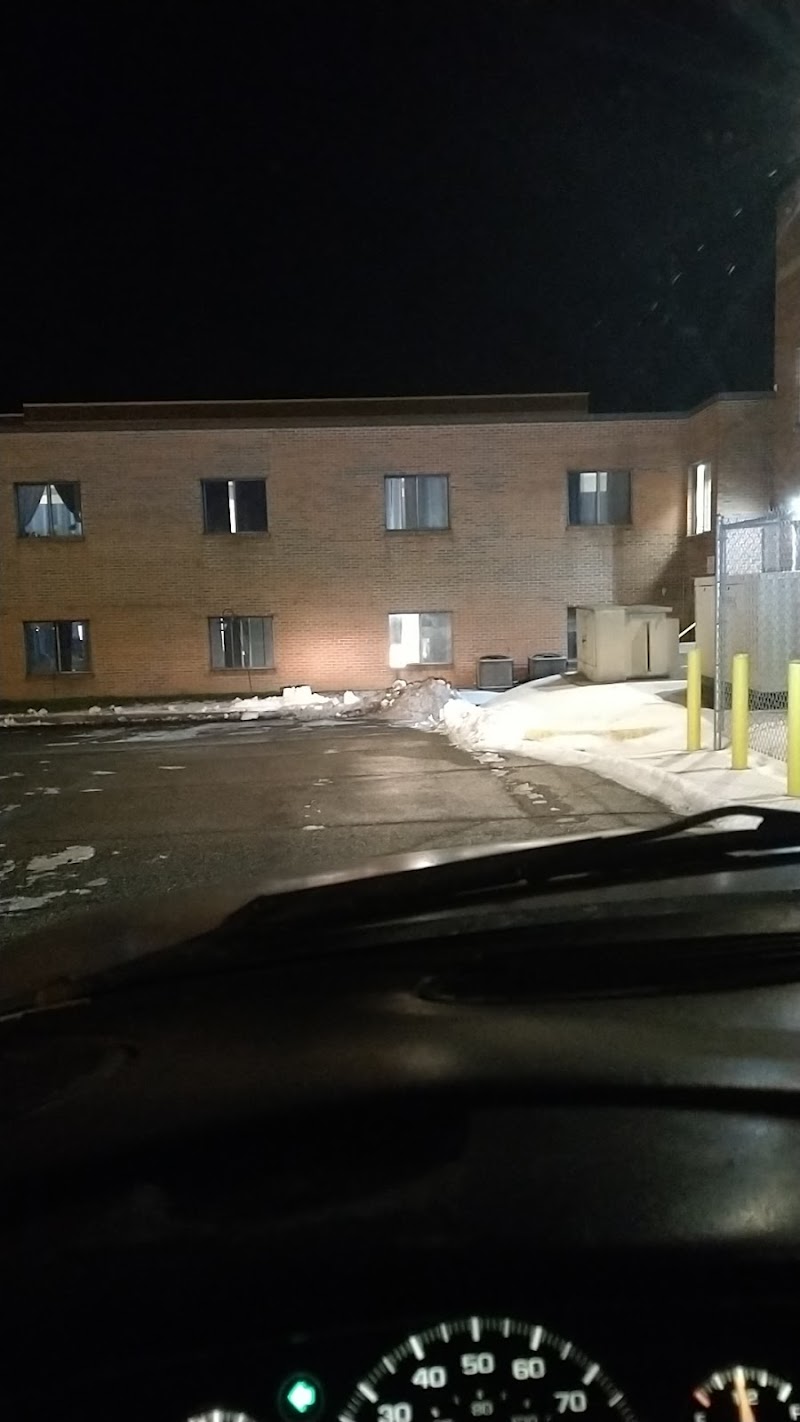
WESTMORELAND PLACE

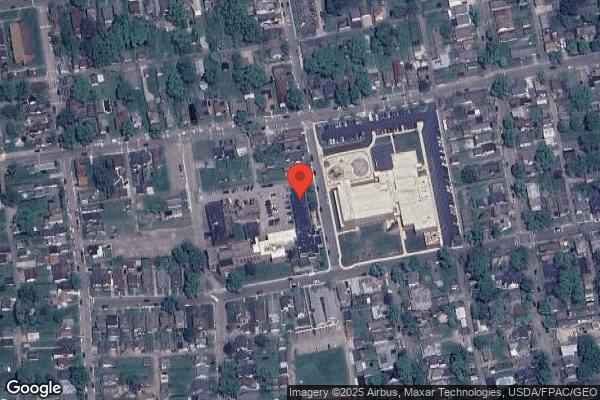
230 CHERRY ST, CHILLICOTHE, OH 45601 (740) 773-6470
For profit - Corporation 139 Beds CARECORE HEALTH Data: November 2025
Trust Grade
38/100
#911 of 913 in OH
Last Inspection: January 2025

Within standard 12-15 month inspection cycle. Federal law requires annual inspections.

Overview

Westmoreland Place in Chillicothe, Ohio, has a Trust Grade of F, indicating significant concerns and a poor overall reputation. It ranks #911 out of 913 facilities in Ohio, placing it in the bottom half, and #6 out of 6 in Ross County, meaning there are no better local options available. Unfortunately, the facility is worsening, with issues increasing from 8 in 2023 to 24 in 2025. Staffing is a significant weakness here, with a low RN coverage compared to 85% of Ohio facilities and a concerning turnover rate of 48%. There have been specific incidents, such as not maintaining safe food storage, which could lead to foodborne illness, and failing to properly document food substitutions, affecting meal quality for all residents. Overall, while there are some efforts to provide care, the facility's many issues raise important concerns for families considering it for their loved ones.

Trust Score
F
38/100
In Ohio
#911/913
Bottom 1%
Safety Record
Low Risk
No red flags
Inspections
Getting Worse
8 → 24 violations
Staff Stability
⚠ Watch
48% turnover. Above average. Higher turnover means staff may not know residents' routines.
Penalties
✓ Good
$10,466 in fines. Lower than most Ohio facilities. Relatively clean record.
Skilled Nurses
⚠ Watch
Each resident gets only 21 minutes of Registered Nurse (RN) attention daily — below average for Ohio. Fewer RN minutes means fewer trained eyes watching for problems.
Violations
⚠ Watch
58 deficiencies on record. Higher than average. Multiple issues found across inspections.
★☆☆☆☆
1.0
Overall Rating
★☆☆☆☆
1.0
Staff Levels
★★☆☆☆
2.0
Care Quality
★☆☆☆☆
1.0
Inspection Score
Stable
2023: 8 issues
2025: 24 issues

The Good

  • Full Sprinkler Coverage · Fire safety systems throughout facility
  • No fines on record

Facility shows strength in fire safety.

The Bad

1-Star Overall Rating

Below Ohio average (3.2)

Significant quality concerns identified by CMS

Staff Turnover: 48%

Near Ohio avg (46%)

Higher turnover may affect care consistency

Federal Fines: $10,466

Below median ($33,413)

Minor penalties assessed

Chain: CARECORE HEALTH

Part of a multi-facility chain

Ask about local staffing decisions and management

The Ugly 58 deficiencies on record

Jan 2025 24 deficiencies
CONCERN (D)

Potential for Harm - no one hurt, but risky conditions existed

Resident Rights (Tag F0550)

Could have caused harm · This affected 1 resident

**NOTE- TERMS IN BRACKETS HAVE BEEN EDITED TO PROTECT CONFIDENTIALITY** Based on observation, record review, interview, and facility policy review, the facility failed to ensure residents were treated...

Read full inspector narrative →
**NOTE- TERMS IN BRACKETS HAVE BEEN EDITED TO PROTECT CONFIDENTIALITY** Based on observation, record review, interview, and facility policy review, the facility failed to ensure residents were treated in a dignified manner related to an indwelling urinary catheter collection bag. This affected one (Resident #89) of one resident reviewed for indwelling urinary catheter usage. The census was 94. Findings Include: Review of the medical record for Resident #89 revealed an initial admission date of 07/25/24 with the latest readmission of 01/11/25 with the diagnoses including but not limited to cerebral infarction, intervertebral disc degeneration of lumbosacral region, visual loss, acute kidney failure, encephalopathy, slow transit constipation, subdural hemorrhage, history of traumatic brain injury, dementia, anemia, osteoarthritis, obstructive and reflux uropathy, hypertension, hydronephrosis, anxiety disorder, hearing loss, chronic pain, hyperlipidemia, malignant neoplasm of overlapping sites of right female breast. Review of the admit complete admission review dated 07/25/24 revealed the resident was admitted to the facility with an 18 FR indwelling urinary catheter. Review of the plan of care dated 08/01/24 revealed the resident had the potential for urinary tract infection (UTI), altered urinary pattern related indwelling urinary catheter, urinary retention and obstructive uropathy. Interventions included assess for UTI, note characteristics of urine, monitor lab results, administer medications as ordered, observe for side effects and effectiveness, observe voiding patterns, may straight catheterize for urinalysis, catheter care per facility policy, follow up with urology per orders and peri-care when incontinent. Review of the resident's quarterly Minimum Data Set (MDS) assessment dated [DATE] revealed the resident had no cognitive deficit. The assessment indicated the resident had an indwelling urinary catheter and was always continent of bowel. Review of the resident's monthly physician orders for January 2025 identified orders dated 07/25/24 catheter care every shift, dignity cover over collection bag every shift, intake and output every shift and 12/16/24 change indwelling urinary 16 FR catheter with 10 milliliter (ml) balloon as needed for indwelling urinary catheter care. On 01/27/25 at 11:21 A.M., observation of the resident revealed her indwelling urinary catheter collection bag was hanging on her bed with no privacy bag and/or cover in place. Further observation revealed clear yellow urine was visible from the hallway. On 01/27/25 at 4:29 P.M., observation of the resident revealed her indwelling urinary catheter was hanging on the resident's wheelchair with no privacy bag and/or cover in place. Further observation revealed clear yellow urine was visible from the hallway. On 01/29/25 at 10:24 A.M., observation of the resident revealed her indwelling urinary catheter was hanging on the bed with no privacy bag and/or cover in place. Further observation revealed clear yellow urine was visible from the hallway. On 01/29/25 at 10:29 A,M., interview with Registered Nurse (RN) #235 confirmed the resident's indwelling urinary catheter collection bag did not have a cover and/or privacy bag and the resident's urine was visible from the hallway. Review of the facility policy titled, Dignity, not dated revealed each resident shall be care for in a manner that promotes and enhances his or her sense of well-being, level of satisfaction with life and feelings of self-worth and self-esteem. Residents are treated with respect and dignity at all times. Demeaning practices and standards of care that compromise dignity are prohibited. Staff are expected to promote dignity and assist residents, for example, helping the resident keep urinary catheter bags covered.
CONCERN (D)

Potential for Harm - no one hurt, but risky conditions existed

Deficiency F0569 (Tag F0569)

Could have caused harm · This affected 1 resident

Based on review of personal fund records and staff interview, the facility failed to notify a resident/responsible party when the amount in the resident's account reached $200 less than the resource l...

Read full inspector narrative →
Based on review of personal fund records and staff interview, the facility failed to notify a resident/responsible party when the amount in the resident's account reached $200 less than the resource limit for one person and that, if the amount in the account reached the resource limit for one person, the resident may lose eligibility for Medicaid or Social Security. This affected one (Resident #2) of 50 residents whose funds were handled by the facility. The facility census was 94. Findings include: Review of the facilities record revealed Resident #2's personal funds were handled by the facility. Review of a quarterly statement of Resident #2's account revealed on 09/30/24 the balance was $1778.78. The balance had not been at or above $1800.00 between 07/01/24 and 9/30/24. (The resident was on Medicaid). Interview with Business Officer Manager #266 on 01/30/25 at 10:15 A.M. revealed that she had sent a notification letter to the resident's responsible party 09/30/24 indicating the balance was $1778.78 and that the facility shall provide written notice when the balance is within $200.00 less than the resource limit. Review of a quarterly statement of Resident #2's account revealed on 10/01/24 the resident's balance went to $1828.78. The balance remained above $1800.00 through 01/30/25 with a current balance of $1889.13. There was no evidence the resident/responsible party had been notified between 10/01/24 and 01/30/25 that the balance in the account had reached $200.00 less than the resource limit and that the resident could lose eligibility for Medicaid/Social Security if the amount reached the resource limit. Interview with Business Office Manager #266 on 01/30/25 at 10:15 A.M. confirmed she had not provided notification of the balance reaching $1800.00 and that the balance had been above $1800.00 since 10/01/24. She stated the facility had handled the resident's funds since 2005.
CONCERN (D)

Potential for Harm - no one hurt, but risky conditions existed

Notification of Changes (Tag F0580)

Could have caused harm · This affected 1 resident

**NOTE- TERMS IN BRACKETS HAVE BEEN EDITED TO PROTECT CONFIDENTIALITY** Based on record review, interview, and facility policy review, the facility failed to ensure one resident's physician was notifi...

Read full inspector narrative →
**NOTE- TERMS IN BRACKETS HAVE BEEN EDITED TO PROTECT CONFIDENTIALITY** Based on record review, interview, and facility policy review, the facility failed to ensure one resident's physician was notified of blood sugars outside of the physician ordered parameters. This affected one (Resident #70) of five residents reviewed for unnecessary medications. The census was 94. Findings Include: Review of the medical record for Resident #70 revealed an initial admission date of 02/07/24 with the latest readmission of 08/28/24 with the diagnoses including but not limited to Rhabdomyolysis, diabetes mellitus, chronic obstructive pulmonary disease (COPD), benign prostatic hyperplasia, hyperlipidemia, pain, dementia, peripheral vascular disease, intellectual disabilities, major depressive disorder, nicotine dependence, legal blindness, schizoaffective disorder, hypertension, acquired absence of left foot, insomnia, major depressive disorder and anxiety disorder. Review of the resident's quarterly Minimum Data Set (MDS) assessment dated [DATE] revealed the resident had no cognitive deficit. The assessment indicated the resident received hypoglycemic medications. Review of the January 2025 monthly physician orders revealed orders dated 12/10/24 Humalog injection solution 100 units/milliliter (ml) inject 10 units subcutaneously with meals for diabetes hold if less than 70, notify physician if less than 70 or greater than 400, 03/20/24 Humalog injection solution 100 units/ml finger sticks blood sugar as per sliding scale coverage subcutaneously before meals 200 to 249 give 2 units, 250 to 299 give 4 units, 300 to 349 give 6 units, 350 to 399 give 8 units, 400 to 449 give 10 units, 09/13/24 FreeStyle Libre 2 Reader Device (continuous blood glucose system receiver) inject one unit subcutaneously as needed, 07/23/24 Metformin 1000 milligrams (mg) by mouth twice daily, Lantus insulin subcutaneous solution pen injector 100 units/ml inject 60 units subcutaneously twice daily, and 01/15/25 Trulicity Subcutaneous Solution Auto-injector 3 mg/0.5 ml Inject 3 mg subcutaneously in the morning every Friday for Hyperglycemia. Review of the resident's blood sugar revealed on 08/02/24 at 4:30 P.M. the resident's blood sugar was not obtained, on 08/18/24 at 11:30 A.M. the resident blood sugar was 405, on 10/16/24 at 11:30 A.M. the resident's blood sugar was 61, on 11/04/24 at 4:30 P.M. the resident's blood sugar was 64 and on 01/05/25 at 4:30 P.M. the resident's blood sugar was 69. Review of the medical record revealed no documented evidence the resident's physician was notified of the resident's blood sugars below 70, greater than 400 or not being obtained as physician ordered. On 01/30/25 at 3:06 P.M. interview with Cooperate Nurse #325 verified the resident's physician was not notified of the blood sugars below 70, above 400 and the blood sugar not obtained. Review of the facility policy titled, Change in a Resident's Condition or Status, last revised 02/21 revealed the facility promptly notifies the resident his or her attending physician and the resident representative of changes in the resident's medical/mental condition and/or status. The nurse will notify the resident's attending physician or physician on call when there was a specific instruction to notify the physician of changes in the resident's condition.
CONCERN (D)

Potential for Harm - no one hurt, but risky conditions existed

Deficiency F0583 (Tag F0583)

Could have caused harm · This affected 1 resident

Based on observation, record review, staff interview, and policy review, the facility failed to maintain personal privacy for a resident during a dressing change. This affected one (Resident #74) of t...

Read full inspector narrative →
Based on observation, record review, staff interview, and policy review, the facility failed to maintain personal privacy for a resident during a dressing change. This affected one (Resident #74) of two residents reviewed for wounds. The facility census was 94. Findings include: Record review of Resident #74 revealed an admission date of 12/18/24 with pertinent diagnoses of: sepsis due to streptococcus, type two diabetes mellitus, chronic respiratory failure with hypoxia, encephalopathy, moderate intellectual disabilities, hypertension, heart failure, morbid obesity due to excess calories, type two diabetes mellitus with diabetic neuropathy, acute respiratory failure with hypoxia, benign prostatic hyperplasia, hyperlipidemia, venous insufficiency chronic peripheral, lymphedema, type two diabetes mellitus with foot ulcer, cardiomyopathy, iron deficiency anemia, solitary pulmonary nodule, and unspecified hydronephrosis. Review of the 12/23/24 admission Minimum Data Set (MDS) revealed the resident is moderately cognitively impaired and uses a walker and wheelchair to aid in mobility. The resident is coded as having a venous or arterial ulcer. Review of an active Physician Order dated 01/15/25 revealed right heel diabetic ulcer: Cleanse with wound cleanser or normal saline. Apply calcium alginate to wound and cover with foam dressing. Change daily and as needed. Every day shift for wound care and as needed. Review of the Wound Provider Consultation document dated 01/22/25 revealed Resident #74 had diabetic wound to the right foot heel. Observation on 01/30/25 at 12:54 P.M. revealed Registered Nurse (RN) #257 gathered supplies including wound cleanser, calcium alginate, and border gauze. Resident #74 was in the bed beside the door and RN #257 did not close the door to provide privacy or draw the curtains while performing the dressing change. RN #257 put on gloves and removed the soiled dressing. RN #257 removed gloves and put on clean gloves the nurse did not sanitize or wash hands. RN #257 used wound cleanser on the wound and cleaned the wound area, and tried to open border gauze, took off gloves but did not wash hands and put on clean gloves. RN #257 applied calcium alginate to the wound bed and border gauze. RN #257 took off gloves gathered supplies and left the room at 1:04 P.M. Interview with RN #257 on 01/30/25 at 1:06 P.M. verified she did not shut the door or pull the curtain for Resident #74 to provide privacy during the dressing change. Review of the undated facility Dignity policy revealed each resident shall be cared for in a manner that promotes and enhances his or her sense of well being, level of satisfaction with life, and feelings of self worth and self esteem. Staff promote, maintain and protect resident privacy, including bodily privacy during assistance with personal care and during treatment procedures.
CONCERN (D)

Potential for Harm - no one hurt, but risky conditions existed

Comprehensive Assessments (Tag F0636)

Could have caused harm · This affected 1 resident

**NOTE- TERMS IN BRACKETS HAVE BEEN EDITED TO PROTECT CONFIDENTIALITY** Based on observation, record review and interview, the facility failed to ensure one resident's (#89) comprehensive assessment w...

Read full inspector narrative →
**NOTE- TERMS IN BRACKETS HAVE BEEN EDITED TO PROTECT CONFIDENTIALITY** Based on observation, record review and interview, the facility failed to ensure one resident's (#89) comprehensive assessment was accurate. This affected one resident (#89) of one resident reviewed for dental .The facility census was 94. Findings Include: 1. Review of the medical record for Resident #89 revealed an initial admission date of 07/25/24 with the latest readmission of 01/11/25 with the diagnoses including but not limited to cerebral infarction, intervertebral disc degeneration of lumbosacral region, visual loss, acute kidney failure, encephalopathy, slow transit constipation, subdural hemorrhage, history of traumatic brain injury, dementia, anemia, osteoarthritis, obstructive and reflux uropathy, hypertension, hydronephrosis, anxiety disorder, hearing loss, chronic pain, hyperlipidemia, malignant neoplasm of overlapping sites of right female breast. Review of the admit complete admission review dated 07/25/24 revealed the had her own teeth but the question of broken or carious teeth was not answered. The resident's activities of daily living (ADL) was not assessed on admission to determine the assistance she required with personal hygiene. Review of the resident's comprehensive Minimum Data Set (MDS) assessment dated [DATE] revealed the resident had no cognitive deficit. The assessment indicated the resident had no obvious or likely cavity or broken natural teeth. The assessment indicated the resident required set-up or clean-up assistance with personal hygiene. Review of the readmit complete admission review dated 01/11/25 revealed the resident required extensive assistance with personal hygiene. The assessment indicated the resident had her own teeth but the question of broken or carious teeth was not answered. Review of the resident's oral assessment dated [DATE] revealed the resident needed reminders daily to clean her teeth and had intermittent confusion. The assessment indicated the resident had impaired hand dexterity, functional limitation in upper extremity range of motion and decreased mobility. On 01/27/25 at 4:29 P.M., observation of the resident's teeth revealed she had missing natural teeth and obvious carried teeth. On 01/29/25 at 11:49 A.M., interview with the Minimum Data Set (MDS) Coordinator #289 verified the assessments of the resident's teeth were not accurate reflecting her missing teeth and carried teeth. On 01/29/25 at 11:49 A.M., interview with MDS Coordinator #289 verified assessments were not accurate reflecting the resident's missing and obvious carried teeth.
CONCERN (D)

Potential for Harm - no one hurt, but risky conditions existed

Assessment Accuracy (Tag F0641)

Could have caused harm · This affected 1 resident

**NOTE- TERMS IN BRACKETS HAVE BEEN EDITED TO PROTECT CONFIDENTIALITY** Based on observations, record review, and staff interview, the facility failed to ensure assessments were accurate in the areas ...

Read full inspector narrative →
**NOTE- TERMS IN BRACKETS HAVE BEEN EDITED TO PROTECT CONFIDENTIALITY** Based on observations, record review, and staff interview, the facility failed to ensure assessments were accurate in the areas of safe smoking, dental status, and mental health diagnoses. This affected three (Residents #6, #70, and #89) of 24 residents reviewed for comprehensive assessments. The facility census was 94. Findings include: 1. Review of the medical record for Resident #6 revealed an admission date of 09/19/24. He had diagnoses including chronic obstructive pulmonary disease, nicotine dependence, peripheral vascular disease, and bilateral above the knee amputations. Review of a Minimum Data Set (MDS) assessment completed 12/28/24 revealed a brief interview for mental status score of 13 out of 15, indicating intact cognition. The resident used a wheelchair for mobility. Review of a Smoking Safety Evaluation completed 09/23/24 revealed the resident had poor vision, balance problems, and followed the facility's policy on location and time of smoking. Review of a Smoking Safety Evaluation started on 12/23/24 but completed on 01/28/25 also revealed the resident followed the facility policy on location and time of smoking. The assessment was completed by MDS Nurse #259. The facility provided a list of residents who smoke that included Resident #6 as a supervised smoker. (supervised by staff while smoking). Review of the plan of care for Resident #6 dated 01/28/25 revealed the resident was non compliant with the smoking policy. Another care plan dated 01/27/25 revealed Resident #6 would smoke safely with supervision. Review of a nursing progress note on 01/20/25 at 1:30 P.M. revealed Resident #6 was now a supervised smoker due to non-compliance with the smoking policy. On 01/28/25 at 8:00 A.M. Resident #6 was observed smoking by the facility front door in an non-designated smoking area. There were no ash trays or cigarette butt containers nearby to safely dispose of ashes and cigarette butts. Interview with Resident #6 on 01/29/25 at 10:50 A.M. confirmed he was aware of the smoking policy. He stated he was an independent smoker and keeps his cigarettes and lighter with him at all times. He was observed to have his lighter at that time (outside) and was not under the supervision of staff. He stated he will keep two or three cigarette butts in his pocket and then take them to the red metal can to dispose of them. Interview with Receptionist #267 on 01/29/25 at 11:04 A.M. revealed Resident #6 was a supervised smoker and should not still have cigarettes or a lighter at that time because the supervised smoking session was over. Interview with MDS Nurse #259 on 01/29/25 at 11:15 A.M. confirmed that she signed the smoking assessment that was started on 12/23/24 but completed on 01/28/25. She stated that although her electronic signature was on it, she did not remember signing it on 01/28/25. She confirmed the assessment was not accurate as Resident #6 did not follow the facility policy on smoking and the assessment said he did. 2. Review of the medical record for Resident #89 revealed an initial admission date of 07/25/24 with the latest readmission of 01/11/25 with the diagnoses including but not limited to cerebral infarction, intervertebral disc degeneration of lumbosacral region, visual loss, acute kidney failure, encephalopathy, slow transit constipation, subdural hemorrhage, history of traumatic brain injury, dementia, anemia, osteoarthritis, obstructive and reflux uropathy, hypertension, hydronephrosis, anxiety disorder, hearing loss, chronic pain, hyperlipidemia, malignant neoplasm of overlapping sites of right female breast. Review of the admit complete admission review dated 07/25/24 revealed the had her own teeth but the question of broken or carious teeth was not answered. The resident's activities of daily living (ADL) was not assessed on admission to determine the assistance she required with personal hygiene. Review of the resident's comprehensive Minimum Data Set (MDS) assessment dated [DATE] revealed the resident had no cognitive deficit. The assessment indicated the resident had no obvious or likely cavity or broken natural teeth. The assessment indicated the resident required set-up or clean-up assistance with personal hygiene. Review of the readmit complete admission review dated 01/11/25 revealed the resident required extensive assistance with personal hygiene. The assessment indicated the resident had her own teeth but the question of broken or carious teeth was not answered. Review of the resident's oral assessment dated [DATE] revealed the resident needed reminders daily to clean her teeth and had intermittent confusion. The assessment indicated the resident had impaired hand dexterity, functional limitation in upper extremity range of motion and decreased mobility. On 01/27/25 at 4:29 P.M., observation of the resident's teeth revealed she had missing natural teeth and obvious carried teeth. On 01/29/25 at 11:49 A.M., interview with the Minimum Data Set (MDS) Coordinator #289 verified the MDS was not accurately coded to reflect the resident's missing natural teeth and obvious carried teeth. 3. Review of the medical record for Resident #70 revealed an initial admission date of 02/07/24 with the latest readmission of 08/28/24 with the diagnoses including but not limited to Rhabdomyolysis, diabetes mellitus, chronic obstructive pulmonary disease (COPD), benign prostatic hyperplasia, hyperlipidemia, pain, dementia, peripheral vascular disease, intellectual disabilities, major depressive disorder, nicotine dependence, legal blindness, schizoaffective disorder, hypertension, acquired absence of left foot, insomnia, major depressive disorder and anxiety disorder. Review of the plan of care dated 03/15/24 revealed the resident takes psychotropic medications r/t depression, anxiety, schizoaffective disorder. Interventions included administer medications as ordered, monitor/document for side effects and effectiveness, consult with pharmacy, Medical Doctor (MD) to consider dosage reduction when clinically appropriate, discuss with MD, family re ongoing need for use of medication, educate about risks, benefits and the side effects and/or toxic symptoms, monitor/record occurrence of for target behavior symptoms and document per facility protocol and monitor/record/report to MD as needed side effects and adverse reactions of psychoactive medications: unsteady gait, tardive dyskinesia, EPS (shuffling gait, rigid muscles, shaking), frequent falls, refusal to eat, difficulty swallowing, dry mouth, depression, suicidal ideations, social isolation, blurred vision, diarrhea, fatigue, insomnia, loss of appetite, weight loss, muscle cramps nausea, vomiting, behavior symptoms not usual to the person. Review of the resident's quarterly Minimum Data Set (MDS) assessment dated [DATE] revealed the resident had no cognitive deficit. Review of the mood and behavior revealed the resident displayed no behaviors. The assessment indicated dementia, anxiety disorder, depression, were active diagnoses. The MDS indicated schizoaffective disorder was not an active diagnoses. The assessment indicated the resident received antipsychotic, antianxiety, antibiotic, diuretic, antiplatelet, hypoglycemic medications. The resident received antipsychotic medications on a routine basis, a gradual dosage reduction (GDR) was not attempted and the GDR was not documented as clinically contraindicated. Review of the psychiatry progress note dated 01/23/25 revealed the resident was being seen for chronic psychiatric medications and medication change follow up. The assessment and plan indicated the resident's current mood and behavior suggested an exacerbation of his schizoaffective disorder, depressive type. His increased aggression and irritability, particularly surrounding his smoke breaks,are indicative of this. The recent increase in Seroquel dosage does not appear to be effective in managing these symptoms, as reported by the patient. Plan: Will reassess the efficacy of Seroquel in two weeks. If the patient continues to report no improvement, alternative psychotropic medications will be considered. On 01/30/25 at 11:21 A.M., interview with Corporate Nurse #325 confirmed the resident's 11/21/24 MDS was not coded to reflect the resident's schizoaffective diagnoses.
CONCERN (D)

Potential for Harm - no one hurt, but risky conditions existed

PASARR Coordination (Tag F0644)

Could have caused harm · This affected 1 resident

Based on staff interview, and record review the facility failed to ensure the accuracy of Pre-admission Screening and Resident Review (PASARR) assessments for Residents #7, #32 and #81 for mental heal...

Read full inspector narrative →
Based on staff interview, and record review the facility failed to ensure the accuracy of Pre-admission Screening and Resident Review (PASARR) assessments for Residents #7, #32 and #81 for mental health diagnosis. This affected three (Resident #7, #32 and #81) of five residents reviewed for PASARR. The facility census was 94. Findings include: 1. Record review of Resident #7 revealed an admission date of 11/20/18 with pertinent diagnoses of: chronic obstructive pulmonary disease, cerebral infarction, delusional disorders, restlessness and agitation, insomnia due to other mental disorder, sexual dysfunction, schizoaffective disorder bipolar type, major depressive disorder with psychotic symptoms, mild cognitive impairment of uncertain etiology, hypothyroidism, atrial fibrillation, dysphagia following cerebral infarction, type two diabetes mellitus, acute and chronic respiratory failure with hypoxia, aphasia, cardiomyopathy, atherosclerotic heart disease, congestive heart failure, major depressive disorder, hyperlipidemia, hypertension, weakness, repeated falls, and personal history of covid-19. Record review of the 11/08/24 quarterly Minimum Data Set (MDS) assessment revealed the resident is moderately cognitively impaired and uses a walker to aid in mobility. Review of the medical record revealed on 02/07/24 the resident was given a diagnosis of schizoaffective disorder bipolar type. Review of the medical record on 01/27/25 revealed there was no updated PASARR in the medical record. Interview with the Social Services #244 on 01/29/25 at 10:09 A.M. verified no one updated the PASARR with Resident #7's new schizophrenia diagnosis until 01/28/25. 2. Record review of Resident #81 revealed an admission date of 08/13/24 with pertinent diagnoses of: dementia with psychotic disturbance, malignant neoplasm of prostate, deficiency of B group vitamins, hyperlipidemia, hypertension, gastro-esophageal reflux disease, edema, anxiety disorder, and psychotic disorders with delusions. Review of the 11/22/24 modification of quarterly Minimum Data Set (MDS) revealed the resident is rarely or never understood. Review of the 11/08/23 PASARR revealed the resident did not have any mental disorders listed. Review of Resident #81's medical record on 01/27/25 revealed an anxiety disorder diagnosis on 08/13/24 and a psychotic disorder with delusions on 08/13/24. Interview with the Social Services #244 on 01/29/25 at 10:09 A.M. verified no one updated the PASARR with Resident #81's anxiety disorder diagnosis or psychotic disorder with delusions diagnosis until 01/28/25. 3. Review of the medical record for Resident #32 revealed an admission date of 09/12/19. Diagnoses included dysarthria, restlessness and agitation, anxiety disorder, schizoaffective disorder bipolar type, schizophrenia, bipolar disorder, depression and dysphasia. Review of Resident #32's preadmission screening and resident review (PASRR) dated 09/12/19 revealed only mood disorder and bipolar disorder was documented and schizophrenia was not included in the PASRR document. Review of facility policy titled, PASRR, dated 04/01/23 revealed facility shall follow regulations set forth from department of Medicaid guidelines.
CONCERN (D)

Potential for Harm - no one hurt, but risky conditions existed

Deficiency F0645 (Tag F0645)

Could have caused harm · This affected 1 resident

**NOTE- TERMS IN BRACKETS HAVE BEEN EDITED TO PROTECT CONFIDENTIALITY** Review of the medical record, interview, and facility policy review, the facility failed to complete a Preadmission Screening an...

Read full inspector narrative →
**NOTE- TERMS IN BRACKETS HAVE BEEN EDITED TO PROTECT CONFIDENTIALITY** Review of the medical record, interview, and facility policy review, the facility failed to complete a Preadmission Screening and Resident Review (PASARR) within 30 days following admission for one resident. This affected one (Resident #18) of five residents reviewed for PASARR. The facility census was 94. Findings Include: Review of the medical record for Resident #18 revealed an initial admission date of 09/16/24 with the diagnoses including but not limited to wedge compression fracture of thoracic 11 and thoracic 12 vertebra, neuropathy, severe morbid obesity, vitamin D deficiency, obstructive sleep apnea, dorsalgia, dipolar disorder, insomnia, overactive bladder, major depressive disorder, anxiety disorder, spinal stenosis, hypertension, hyperlipidemia, diabetes mellitus and restless leg syndrome. Review of the plan of care dated 09/11/24 revealed the resident's discharge plans were undetermined, new/recent admission to facility with possible long term care placement. Interventions include encourage follow up with Primary Care Physician upon discharge, if Long Term Care Placement (LTC) is deemed appropriate, provide support and reassurance and assist resident with adjustment and transition to LTC placement, offer support, point out strengths and weaknesses. Obtain discharge order when appropriate and one-on-one visits as needed to assess progress towards discharge plans. Review of the resident's quarterly Minimum Data Set (MDS) assessment dated [DATE] the resident had no cognitive deficit. The assessment indicated the resident did not want to return to the community and did not want to be asked quarterly. Review of the Preadmission screening and resident review (PASARR) result application dated 09/06/24 revealed the preadmission screen was completed at the acute care hospital. Review of the resident's medical record revealed no resident review PASARR completed within the first 30 days of the resident's admission. On 01/29/25 at 1:31 P.M., interview with Licensed Social Worker (LSW) #244 confirmed a PASARR was not completed within the first 30 days of the resident's stay. Review of the facility policy titled, PASARR, note dated revealed the facility shall follow regulations set forth by the Ohio Department of Medicaid (ODM) guidelines for PASARR. The facility will use ODM guidelines for PASARR for all new admissions and continued stays at the facility.
CONCERN (D)

Potential for Harm - no one hurt, but risky conditions existed

Comprehensive Care Plan (Tag F0656)

Could have caused harm · This affected 1 resident

**NOTE- TERMS IN BRACKETS HAVE BEEN EDITED TO PROTECT CONFIDENTIALITY** 2. Review of the medical record for Resident #6 revealed an admission date of 09/19/24. He had diagnoses including chronic obstr...

Read full inspector narrative →
**NOTE- TERMS IN BRACKETS HAVE BEEN EDITED TO PROTECT CONFIDENTIALITY** 2. Review of the medical record for Resident #6 revealed an admission date of 09/19/24. He had diagnoses including chronic obstructive pulmonary disease, nicotine dependence, peripheral vascular disease, and bilateral above the knee amputations. Review of a Minimum Data Set (MDS) assessment completed 12/28/24 revealed a brief interview for mental status score of 13 out of 15, indicating intact cognition. The resident used a wheelchair for mobility. Review of a Smoking Safety Evaluation completed 09/23/24 revealed the resident had poor vision, balance problems, and followed the facility's policy on location and time of smoking. Review of a Smoking Safety Evaluation started on 12/23/24 but completed on 01/28/25 also revealed the resident followed the facility policy on location and time of smoking. The assessment was completed by MDS Nurse #259. The facility provided a list of residents who smoke that included Resident #6 as a supervised smoker. (supervised by staff while smoking). Review of nursing progress notes revealed the following: 11/07/24 7:01 A.M. Resident actively smoking in front of facility entrance at this time. (non-designated area). Resident was advised prior to exiting facility to smoke in designated smoking area. 01/20/25 1:30 P.M. Resident #6 now a supervised smoker due to non-compliance with the smoking policy. 01/22/25 9:09 A.M. Resident observed smoking in front of facility in a non smoking area. Unit Manager instructed resident smoking is only allowed in designated areas. Observations by the surveyor on 01/28/25 at 8:00 A.M. revealed Resident #6 was smoking by the facility front door in an non-designated smoking area. There were no ash trays or cigarette butt containers nearby to safely dispose of ashes and cigarette butts. Interview with Resident #6 on 01/29/25 at 10:50 A.M. confirmed he was aware of the smoking policy. He stated he was an independent smoker and keeps his cigarettes and lighter with him at all times. He was observed to have his lighter at that time (outside) and was not under the supervision of staff. He stated he will keep two or three cigarette butts in his pocket and then take them to the red metal can to dispose of them. Interview with Receptionist #267 on 01/29/25 at 11:04 A.M. revealed Resident #6 was a supervised smoker and should not still have cigarettes or a lighter at that time because the supervised smoking session was over. Review of the plan of care for Resident #6 dated 01/28/25 revealed the resident was non compliant with the smoking policy. It stated the resident would accept compliance. Another care plan dated 01/27/25 revealed Resident #6 had the potential for injury related to smoking (smokes cigarettes). It stated the resident would safely smoke with supervision. Interventions included advise resident to wear smoking apron while smoking, if indicated. Assist to smoking area as needed. Complete smoking assessment quarterly and with significant change. Provide supervision during smoking. Secure cigarettes and lighter at nurses station. Interview with MDS Nurse #259 on 01/29/25 at 11:15 A.M. confirmed Resident #6's care plan for smoking was dated 01/27/25 and 01/28/25 with no evidence of previous care plans for smoking, even though the resident was non-compliant with smoking. 3. Review of the medical record for Resident #75 revealed an admission date of 11/28/24 and diagnoses of diabetes, below the knee amputation on one side, and chronic obstructive pulmonary disease. Review of a Minimum Data Set (MDS) assessment completed 12/09/24 revealed the resident was cognitively intact (Brief Interview for Mental Status score of 15 out of 15). The resident used a wheelchair for mobility. The facility provided a list of smokers that included Resident #75 as an independent smoker. Review of the medical record for Resident #75 did not reveal any assessment completed related to safety with smoking. Review of nursing progress notes revealed the following: 11/30/24 5:16 P.M. Has been in/out smoking all day. 12/01/24 1:11 P.M. Resident states at this time he is going to smoke despite being educated and he will be back in when they get here to transport (issue with IV and going to hospital). 12/02/24 9:35 A.M. Manager informed this writer that resident was actively smoking in his room. Walked toward resident room, smelled smoke, and resident exited room. Advised resident of smoking policy. Resident ignored nurse and said he does not have time for this and he is not a child. Advised resident that he needs to give receptionist his cigarettes after smoking outside. Resident went outside, came back inside and refused to give receptionist his cigarettes and lighter. Notified unit manager. 01/07/25 10:57 A.M. Resident educated on smoking policy. 01/11/25 6:14 A.M. Resident at nurses's station yelling at staff to let him out (outside). Explained that staff were in the middle of report and will let out once completed. When let out, resident proceeded to smoke in non-designated smoking area and when writer explained where resident was designated to smoke, he began screaming at writer. Refusing to go to designated area and began smoking. Resident also did not ask staff for cigarettes and lighter and when asked he stated I have my own shit. Advised resident he is at risk of losing smoking privileges by not following rules and he said f . that, I don't care. 01/20/25 9:15 A.M. Resident noted to be directly outside front door smoking. (not designated smoking area). Education provided on smoking policy. Did not ask receptionist for cigarettes when went out to smoke. 01/22/25 9:09 A.M. Resident observed smoking in front of facility in a non smoking area. Unit Manager informed. Unit Manager instructed resident smoking is only allowed in designated areas. Observations by the surveyor on 01/28/25 at 8:00 A.M. revealed Resident #75 was smoking by the facility front door in an non-designated smoking area. There were no ash trays or cigarette butt containers nearby to safely dispose of ashes and cigarette butts. Interview with Resident #75 on 01/29/25 at 10:43 A.M. revealed he was aware of the smoking policy upon admission. He stated he keeps his own cigarettes and lighter. He just has to sign out at the front desk that he is going out to smoke. Observed with lighter in jacket. He confirmed he did smoke in his room about a month ago but has not done it since. He confirmed he smokes in front of the facility in non-designated area at times. Review of the plan of care revealed it was dated 01/27/25 and stated the resident had a potential for injury related to smoking cigarettes. It stated the resident would safely smoke. It included: advise to wear smoking apron while smoking if indicated, secure cigarettes/lighters at nurses station. There was no evidence of a plan of care related to smoking prior to 01/27/25. Interview with Social Service Director #244 on 01/29/25 at 11:44 A.M. confirmed Resident #75 had smoked since admitted and did not follow the smoking policy. She further confirmed the plan of care was dated 01/27/25. Review of the facility policy titled, Comprehensive Person-Centered Care Plans, last revised 03/22 revealed a comprehensive person center care plan that includes measurable objectives and timetables to meet the resident's to meet the resident's physical, psychosocial and functional needs is developed and implemented for each resident. The comprehensive person center care plan included measurable objectives and times frames and describes the services that are to be furnished to attain and maintain the resident's highest practical physical, mental and psychosocial well being. Based on observation, record review, interview, and facility policy review, the facility failed to develop and implement a comprehensive plan of care in the area of smoking, activities of daily living (ADL) and dental. This affected three residents (#6, #75, #89) of 19 sampled residents. The facility census was 94. Findings Include: 1. Review of the medical record for Resident #89 revealed an initial admission date of 07/25/24 with the latest readmission of 01/11/25 with the diagnoses including but not limited to cerebral infarction, intervertebral disc degeneration of lumbosacral region, visual loss, acute kidney failure, encephalopathy, slow transit constipation, subdural hemorrhage, history of traumatic brain injury, dementia, anemia, osteoarthritis, obstructive and reflux uropathy, hypertension, hydronephrosis, anxiety disorder, hearing loss, chronic pain, hyperlipidemia, malignant neoplasm of overlapping sites of right female breast. Review of the admit complete admission review dated 07/25/24 revealed the resident had her own teeth but the question of broken or carious teeth was not answered. The resident's activities of daily living (ADL) was not assessed on admission. Review of the plan of care dated 08/01/24 revealed the resident had a self-care deficit related to confusion, impaired balance, visual impairment, history of stroke and dementia. Interventions included transfers and toileting the resident required limited assistance, bed mobility the resident required supervision and eating the resident required supervision. The plan of care contained no other information on how to care for the resident. Review of the resident's plan of cares revealed no care plan addressing the resident's dental status of missing teeth and obvious carried teeth. Review of the resident's quarterly Minimum Data Set (MDS) assessment dated [DATE] revealed the resident had no cognitive deficit. The assessment indicated the resident had an indwelling urinary catheter and was always continent of bowel. Review of the resident's oral assessment dated [DATE] revealed the resident needs reminders daily to clean her teeth and had intermittent confusion. The assessment indicated the resident had impaired hand dexterity, functional limitation in upper extremity range of motion and decreased mobility. On 01/27/25 at 4:29 P.M., observation of the resident's teeth revealed she had missing natural teeth and obvious carried teeth. On 01/29/25 at 11:49 A.M., interview with MDS Coordinator #289 verified the facility had not developed a comprehensive care plan addressing the resident's ADL deficit and dental status.
CONCERN (D)

Potential for Harm - no one hurt, but risky conditions existed

Deficiency F0657 (Tag F0657)

Could have caused harm · This affected 1 resident

**NOTE- TERMS IN BRACKETS HAVE BEEN EDITED TO PROTECT CONFIDENTIALITY** Based on staff interview, record review, and policy review, the facility failed to ensure care plan interventions were updated. ...

Read full inspector narrative →
**NOTE- TERMS IN BRACKETS HAVE BEEN EDITED TO PROTECT CONFIDENTIALITY** Based on staff interview, record review, and policy review, the facility failed to ensure care plan interventions were updated. This affected two residents (#13 and #67) who were involved in a resident to resident altercation and a third resident (#17) after a fall out of 25 resident careplans reviewed. Facility census was 94. Findings include: 1. Review of the medical record for Resident #13 revealed an admission date of 08/11/21. Diagnoses included chronic obstructive pulmonary disease, diabetes, dysphasia, muscle weakness, schizophrenia and kidney disease. Review of the Minimum Data Set (MDS) assessment dated [DATE] revealed Resident #13 was cognitively impaired with a brief interview for mental status (BIMS) of 0 (rarely/never understood) out of 15. Review of the plan of care dated 01/28/25 revealed resident had potential for altered mood pattern related to schizophrenia with interventions for one to one visits as needed, give comfort measures with calm approach, and try different approaches including walk away and reapproach. Resident had potential for altered behavioral patterns including disruptive verbally and resistive to care with intervention to consult with psych services as needed, encourage family support, explain procedures and what to expect, keep environment calm and obtain help if resident becomes abusive/resistive. Review of physician orders for 01/29/25 revealed an order for a stop sign to be placed on residents door. 2. Review of the medical record for Resident #67 revealed an admission date of 08/13/24. Diagnoses included encephalopathy, chronic obstructive pulmonary disease, respiratory failure, dementia, epilepsy, schizophrenia, muscle weakness and cognitive communication deficit, dysphasia. Review of the Minimum Data Set (MDS) assessment dated [DATE] revealed Resident #67 was cognitively impaired with a BIMS of 0 (rarely/never understood) out of 15. Review of the plan of care dated 01/27/25 revealed resident had potential for altered mood pattern and behaviors with interventions to provide calm approach and comfort measures, intervention when appropriate and monitor for behaviors. Resident wanders into other resident rooms and gets easily agitated with interventions to administer prescribed medications, allow resident to pace where she can be observed and to keep environment calmed. Review of Self Reported Incident investigation dated 01/19/25 revealed a resident to resident altercation occurred on 01/18/25 between Resident #13 and #67. The investigation reported Resident #67 was wandering into Resident #13's room when Resident #13 struck Resident #67 several times. Resident #67 had injuries of bruising on her neck as well as a laceration on her neck and a superior abrasion to her chin. The investigation documents revealed the intervention included a stop sign to be placed on Resident #13's door. Interview on 01/29/25 at 1:20 P.M. with Certified Nursing Aide (CNA) #269 and Licensed Practical Nurse (LPN) #306 confirmed the stop signs were taken down after the initial incident and put back up on 01/29/25 late morning. She confirmed no stop signs were hanging during survey 01/27/25 and 01/28/25. Interviews on 01/30/25 at 4:00 P.M. to 5:30 P.M. with Administrator revealed the intervention of stop signs were implemented after the resident to resident altercation. She revealed she was unaware they were not left up and had been taken down prior to the start of the survey. Administrator then revealed they were not meant to be put up immediately but had to be ordered and were just delivered 01/29/25. When asked for the order form and delivery information Administrator then stated they did not order the stop signs and had them in stock to put up. Administrator was unable to provide explanation why they were not consistently used since the incident on 01/18/25. 3. Review of the medical record for Resident #17 revealed an admission date of 09/27/23. Diagnoses included Fibromyalgia, Alzheimer's, hemorrhage of anus and rectum, chronic obstructive pulmonary disease, dementia, and anxiety. Review of fall investigation dated 11/07/24 revealed Resident #17 had dementia and forgets to ask for assistance and was found on the floor of her room. The intervention planned was for non-skid socks to be initiated. Review of the Minimum Data Set (MDS) assessment dated [DATE] revealed Resident #17 was cognitively impaired with a BIMS of 0 (rarely/never understood) out of 15. Review of the plan of care dated 12/17/24 revealed Resident #17 was at risk of falls with intervention for non skid socks which was initiated on the care plan 01/19/25 (12 days post fall with injury). Interview on 01/28/25 at 4:47 P.M. with Director of Nursing (DON) confirmed the intervention for non-skid socks was added after the fall with injury that occurred on 11/07/24. DON also confirmed the careplans was not updated until 11/19/25. Review of facility policy titled, Falls and Fall Risk Managing, dated 03/2018 revealed staff shall identify interventions related to the residents specific risks and causes to try to prevent the resident from falling and to try to minimize complications from falling. Review of facility policy titled, Care plan, comprehensive person centered, dated 03/2022 revealed the care plan was to include services and objectives to attain or maintain highest practicable well-being including services to be furnished. Care plan interventions were chosen only after data gathering, events, and careful consideration of the relationship between the resident's problem areas and their causes. The interdisciplinary team shall review and update the care plans after a significant change, when desired outcome had not been met and at least quarterly.
CONCERN (D)

Potential for Harm - no one hurt, but risky conditions existed

ADL Care (Tag F0677)

Could have caused harm · This affected 1 resident

**NOTE- TERMS IN BRACKETS HAVE BEEN EDITED TO PROTECT CONFIDENTIALITY** Based on observation, record review, interview and facility policy review, the facility failed to provide meal assistance for on...

Read full inspector narrative →
**NOTE- TERMS IN BRACKETS HAVE BEEN EDITED TO PROTECT CONFIDENTIALITY** Based on observation, record review, interview and facility policy review, the facility failed to provide meal assistance for one resident (#9) and provide nail care for one resident (#89), who was dependent on staff. This affected two (Resident #9 and #89) of four residents reviewed for activities of daily living (ADL). The facility census was 94. Findings Include: 1. Review of the medical record for Resident #9 revealed an initial admission date of 12/21/21 with the diagnoses including but not limited to cerebrovascular accident with right sided hemiplegia, anorexia, hyperlipidemia, palliative care, age related physical debility, osteoporosis, hypertension, psychotic disorder with delusions and hallucinations. Review of the plan of care dated 12/27/21 revealed the resident had an activities of daily living (ADL) self care performance deficit related dementia, impaired balance, limited mobility, need for assist/support may fluctuate based on fatigue, time of day and motivation. Interventions included assess to determine status and adjust support/assist to accommodate immediate need, the resident requires set-up to limited assistance with eating, extensive assistance with bathing, bed mobility, dressing transfers and ambulation, converse with resident while providing care, keep fingernails short/clean and staff to monitor for decline in range of motion, notify nurse of any abnormal findings. Review of the resident's comprehensive Minimum Data Set (MDS) assessment dated [DATE] revealed the resident had a severe cognitive impairment. Review of the resident's January 2025 physician orders identified orders dated 09/29/23 regular diet, regular texture with thin consistency liquids and 06/27/23 staff to provide additional ADL assistance due to hemiplegia, refer to ADL care plan. On 01/27/25 at 11:35 A.M., observation of the resident revealed she was served her lunch meal and immediately picked up the beverage of tea from the tray. The resident took a drink and said she did not like the drink and requested another beverage. On 01/27/25 at 12:03 P.M., observation of the resident revealed her bedside table was pushed away from her and the head of her bed was laid down. Further observation revealed no assistance or cues was provided by the staff. On 01/27/25 at 12:30 P.M., interview with Certified Nursing Assistant (CNA) #225 verified the resident had not received assistance or cues with her meal. 2. Review of the medical record for Resident #89 revealed an initial admission date of 07/25/24 with the latest readmission of 01/11/25 with the diagnoses including but not limited to cerebral infarction, intervertebral disc degeneration of lumbosacral region, visual loss, acute kidney failure, encephalopathy, slow transit constipation, subdural hemorrhage, history of traumatic brain injury, dementia, anemia, osteoarthritis, obstructive and reflux uropathy, hypertension, hydronephrosis, anxiety disorder, hearing loss, chronic pain, hyperlipidemia, malignant neoplasm of overlapping sites of right female breast. Review of the admit complete admission review dated 07/25/24 revealed the resident's activities of daily living (ADL) was not assessed on admission. Review of the plan of care dated 08/14/24 revealed the resident had little or no activity involvement related to anxiety, pain and poor vision. The resident likes to visit with staff and roommate, getting nails done and some arts and crafts. Interventions included provide resident with appropriate one on one activities, provide resident with monthly activity calendar, remind resident they are invited to attend group activities, remind the resident that the resident may leave activities at any time and not required to stay for entire activity and the resident needs assistance/escort activity functions. Review of the resident's quarterly Minimum Data Set (MDS) assessment dated [DATE] revealed the resident had no cognitive deficit. Review of the readmit complete admission review dated 01/11/25 revealed the resident required extensive assistance with personal hygiene. On 01/27/25 at 4:27 P.M., observation of the resident revealed her nails were long and jagged. The resident reported she did not prefer long nails and needed them trimmed. On 01/27/25 at 4:55 P.M., interview with Certified Nursing Assistant (CNA) #272 confirmed the resident's fingernails were long, jagged and in need of care. Review of the facility policy titled, Care of Fingernails/Toenails, last revised 02/18 revealed the purpose of the procedure was to clean the nail bed, to keep the nails trimmed and to prevent infection. nail care includes daily cleaning and regular trimming.
CONCERN (D)

Potential for Harm - no one hurt, but risky conditions existed

Quality of Care (Tag F0684)

Could have caused harm · This affected 1 resident

**NOTE- TERMS IN BRACKETS HAVE BEEN EDITED TO PROTECT CONFIDENTIALITY** Based on record review, family and staff interviews, the facility failed to maintain hospice records. This affected one Resident...

Read full inspector narrative →
**NOTE- TERMS IN BRACKETS HAVE BEEN EDITED TO PROTECT CONFIDENTIALITY** Based on record review, family and staff interviews, the facility failed to maintain hospice records. This affected one Resident (#67) of one reviewed for hospice. Facility census was 94. Findings include Review of the medical record for Resident #67 revealed an admission date of 08/13/24. Diagnoses included encephalopathy, chronic obstructive pulmonary disease, respiratory failure, dementia, epilepsy, schizophrenia, muscle weakness and cognitive communication deficit, dysphasia. Review of the Minimum Data Set (MDS) assessment dated [DATE] revealed Resident #67 was cognitively impaired. Review of the plan of care dated 01/27/25 revealed resident was receiving hospice services. Review of the medical record on 01/30/25 found no evidence of hospice notes being uploaded directly to the residents medical record. Review of the hospice binder maintained by the facility, resident was admitted to hospice 06/2024 and only three visit notes were documented. Interview on 01/28/25 at 9:13 A.M. with resident family revealed concerns whether hospice was actually coming to facility and providing the promised services. Interview on 01/30/25 at 9:50 A.M. with Administrator revealed facility did not keep hospice records but emailed for communication. She confirmed facility had binders maintained at the unit nurses stations. Interview on 01/30/25 at 10:15 A.M. with Registered Nurse (RN) #281 confirmed facility had a binder for Resident #67 hospice services. The binder was reviewed with RN and found only one page of notes including three dates since hospice services were initiated. The notes were dated 01/13/25, 01/17/25, and 01/27/25. Review of facility policy titled, Hospice Program, dated 07/2017 revealed it was the responsibility of the facility to maintain documentation of hospice communication.
CONCERN (D)

Potential for Harm - no one hurt, but risky conditions existed

Accident Prevention (Tag F0689)

Could have caused harm · This affected 1 resident

4. Review of the medical record for Resident #6 revealed an admission date of 09/19/24. He had diagnoses including chronic obstructive pulmonary disease, nicotine dependence, peripheral vascular disea...

Read full inspector narrative →
4. Review of the medical record for Resident #6 revealed an admission date of 09/19/24. He had diagnoses including chronic obstructive pulmonary disease, nicotine dependence, peripheral vascular disease, and bilateral above the knee amputations. Review of a Minimum Data Set (MDS) assessment completed 12/28/24 revealed a brief interview for mental status score of 13 out of 15, indicating intact cognition. The resident used a wheelchair for mobility. Review of a Smoking Safety Evaluation completed 09/23/24 revealed the resident had poor vision, balance problems, and followed the facility's policy on location and time of smoking. Review of a Smoking Safety Evaluation started on 12/23/24 but completed on 01/28/25 also revealed the resident followed the facility policy on location and time of smoking. The assessment was completed by MDS Nurse #259. Review of the plan of care for Resident #6 dated 01/28/25 revealed the resident was non compliant with the smoking policy. It stated the resident would accept compliance. Another care plan dated 01/27/25 revealed Resident #6 had the potential for injury related to smoking (smokes cigarettes). It stated the resident would safely smoke with supervision. Interventions included advise resident to wear smoking apron while smoking, if indicated. Assist to smoking area as needed. Complete smoking assessment quarterly and with significant change. Provide supervision during smoking. Secure cigarettes and lighter at nurses station. Review of a physician progress note dated 01/28/25 at 8:00 A.M. revealed it stated Resident #6 was blatantly noncompliant with the smoking policy. The facility provided a list of residents who smoke that included Resident #6 as a supervised smoker. (supervised by staff while smoking). Review of nursing progress notes revealed the following: 11/07/24 7:01 A.M. Resident actively smoking in front of facility entrance at this time. (non-designated area). Resident was advised prior to exiting facility to smoke in designated smoking area. 01/20/25 1:30 P.M. Resident #6 now a supervised smoker due to non-compliance with the smoking policy. 01/22/25 9:09 A.M. Resident observed smoking in front of facility in a non smoking area. Unit Manager instructed resident smoking is only allowed in designated areas. Observations by the surveyor on 01/28/25 at 8:00 A.M. revealed Resident #6 was smoking by the facility front door in an non-designated smoking area. There were no ash trays or cigarette butt containers nearby to safely dispose of ashes and cigarette butts. There were signs posted that stated positively no smoking. There were multiple cigarette butts on the ground in leaves. The cigarette butts were approximately five feet from the the facility. Interview with Housekeeper #262 on 01/28/25 (supervises smoking) at 12:55 P.M. revealed Resident #6 smokes in front of the building in undesignated area. She stated the resident had been told by many staff members that he needs to smoke in the designated area, but he does not listen. Interview with Registered Nurse (RN) #327 on 01/29/25 at 10:15 A.M. revealed Resident #6 is a smoker. She stated he is allowed to sign himself out to smoke. She stated residents are allowed to keep their cigarettes but get lighter from the front desk. She stated he goes out quite frequently. She confirmed residents are not to smoke by the front door. She stated she was not aware of Resident #6 having any issues following the smoking policy. Interview with RN #235 on 01/29/25 at 10:20 A.M. revealed she was not sure if residents are allowed to keep their cigarettes or not. Interview with Resident #6 on 01/29/25 at 10:50 A.M. confirmed he was aware of the smoking policy. He stated he was an independent smoker and keeps his cigarettes and lighter with him at all times. He was observed to have his lighter at that time (outside) and was not under the supervision of staff. He stated he will keep two or three cigarette butts in his pocket and then take them to the red metal can to dispose of them. Interview with Receptionist #267 on 01/29/25 at 11:04 A.M. revealed cigarette and lighters are stored in a box that is taken outside by staff at the times for supervised smoking. Independent smokers have cigarettes and lighters kept at desk and are provided when residents signs themselves out to go smoke. She confirmed Resident #6 smokes in front of the facility in non designated area. She stated staff had reported it to administrator multiple times. She stated Resident #6 was a supervised smoker and should not still have cigarettes or a lighter at that time because the supervised smoking session was over. Interview with MDS Nurse #259 on 01/29/25 at 11:15 A.M. confirmed that she signed the smoking assessment that was started on 12/23/24 but completed on 01/28/25. She stated that although her electronic signature was on it, she did not remember signing it on 01/28/25. She confirmed the assessment was not accurate as Resident #6 did not follow the facility policy on smoking and the assessment said he did. She stated he is one of the residents they catch smoking out front. She further confirmed Resident #6's care plan for smoking was dated 01/27/25 and 01/28/25 with no evidence of previous care plans for smoking, even though the resident was non-compliant with smoking. Interview with Social Service Director #244 on 01/29/25 at 11:26 A.M. revealed Resident #6 does not follow the smoking policy. She confirmed he smokes in the front of the facility in non designated area. She stated the resident's sign the smoking policy on admission and then if they are non compliant with smoking, the facility does a care conference and then if still non compliant, they issue a 30 day discharge notice. She stated they had a care conference with him 01/17/25 and had him re-sign the smoking policy. She confirmed no action had been taken since 01/17/25 related to non-compliance with smoking. 5. Review of the medical record for Resident #75 revealed an admission date of 11/28/24 and diagnoses of diabetes, below the knee amputation on one side, and chronic obstructive pulmonary disease. Review of a Minimum Data Set (MDS) assessment completed 12/09/24 revealed the resident was cognitively intact (Brief Interview for Mental Status score of 15 out of 15). The resident used a wheelchair for mobility. The facility provided a list of smokers that included Resident #75 as an independent smoker. Review of the medical record for Resident #75 did not reveal any assessment completed related to safety with smoking. Review of nursing progress notes revealed the following: 11/30/24 5:16 P.M. Has been in/out smoking all day. 12/01/24 1:11 P.M. Resident states at this time he is going to smoke despite being educated and he will be back in when they get here to transport (issue with IV and going to hospital). 12/02/24 9:35 A.M. Manager informed this writer that resident was actively smoking in his room. Walked toward resident room, smelled smoke, and resident exited room. Advised resident of smoking policy. Resident ignored nurse and said he does not have time for this and he is not a child. Advised resident that he needs to give receptionist his cigarettes after smoking outside. Resident went outside, came back inside and refused to give receptionist his cigarettes and lighter. Notified unit manager. 01/07/25 10:57 A.M. Resident educated on smoking policy. 01/11/25 6:14 A.M. Resident at nurses's station yelling at staff to let him out (outside). Explained that staff were in the middle of report and will let out once completed. When let out, resident proceeded to smoke in non-designated smoking area and when writer explained where resident was designated to smoke, he began screaming at writer. Refusing to go to designated area and began smoking. Resident also did not ask staff for cigarettes and lighter and when asked he stated I have my own shit. Advised resident he is at risk of losing smoking privileges by not following rules and he said f . that, I don't care. 01/14/25 8:59 A.M. Social Worker and Director of Nursing met with resident to sign smoking policy. Social Worker explained what would happen if he would not abide by the smoking policy. Resident is agreeance and signed policy. 01/20/25 9:15 A.M. Resident noted to be directly outside front door smoking. (not designated smoking area). Education provided on smoking policy. Did not ask receptionist for cigarettes when went out to smoke. 01/22/25 9:09 A.M. Resident observed smoking in front of facility in a non smoking area. Unit Manager informed. Unit Manager instructed resident smoking is only allowed in designated areas. Review of the plan of care revealed it was dated 01/27/25 and stated the resident had a potential for injury related to smoking cigarettes. It stated the resident would safely smoke. It included: advise to wear smoking apron while smoking if indicated, secure cigarettes/lighters at nurses station. There was no evidence of a plan of care related to smoking prior to 01/27/25. Observations by the surveyor on 01/28/25 at 8:00 A.M. revealed Resident #75 was smoking by the facility front door in an non-designated smoking area. There were no ash trays or cigarette butt containers nearby to safely dispose of ashes and cigarette butts. There were signs posted that stated positively no smoking. There were multiple cigarette butts on the ground in leaves. The cigarette butts were approximately five feet from the the facility. Interview with Licensed Practical Nurse #319 on 01/29/25 at 10:28 A.M. revealed Resident #75 was an independent smoker. She stated he will go out before the receptionist gets there in the morning and staff do not know where he gets his cigarettes from as he is not supposed to have them. She stated he does smoke in non designated areas. Interview with Resident #75 on 01/29/25 at 10:43 A.M. revealed he was aware of the smoking policy upon admission. He stated he keeps his own cigarettes and lighter. He just has to sign out at the front desk that he is going out to smoke. Observed with lighter in jacket. He confirmed he did smoke in his room about a month ago but has not done it since. He confirmed he smokes in front of the facility in non-designated area at times. Interview with Social Service Director #244 on 01/29/25 at 11:44 A.M. confirmed Resident #75 had smoked since admitted and did not follow the smoking policy. She confirmed a smoking assessment had not been completed for Resident #75. She further confirmed the plan of care was dated 01/27/25. She stated the resident keeps his own cigarettes and lighter and does not turn them in even though that does not follow the smoking policy. She confirmed he signed the smoking policy again on 01/14/25 after being non compliant. She stated no further interventions had been taken to ensure safe smoking. Review of the undated facility policy titled Resident Smoking revealed the facility shall establish and maintain safe resident smoking/use of electronic cigarette practices. Prior to or upon admission, residents will be informed about any limitations on smoking. This included designated smoking areas. Residents will be required to sign a document acknowledging the smoking policy and ramifications if policy is not followed. No smoking signs shall be prominently displayed throughout the facility where smoking is prohibited. Smoking restrictions shall be strictly enforced in all non smoking areas. No resident shall hold on their person or in their room: cigarettes, cigars, tobacco, lighters, matches, or electronic cigarettes. Ashtrays shall only be emptied into designated receptacles (red cans). The staff shall consult with the physician and director of nursing to determine any restrictions on a resident's smoking based on observation and completion of smoking assessments. Any smoking restrictions or concerns shall be noted on the care plan. All personnel caring for the resident shall be alerted to any potential issues. The facility may impose smoking restrictions on a resident if it is determined the resident cannot smoke safely with the available levels of support and supervision. Residents may not use matches or lighters. It is the responsibility of staff to light tobacco items for residents. Failure to abide by these policies and procedures shall result in the following: Re-signing of the smoking policy; care conference with resident and/or family; 30 day notice if the smoking policy and procedure is not followed. Based on observation, record review, interview, and facility policy review, the facility failed to ensure safe smoking for two residents (#6, #75). Additionally the facility failed to ensure safe hot water temperatures for three residents (#9, #79, #89). This affected two ( Resident #6 and #75) of three resident reviewed for smoking and three ( Resident #9, #79, and #89) of 19 sampled residents for water temperatures. The facility census was 94. Findings Include: 1. On 01/27/25 at 12:38 P.M., observation of Resident #9's room water temperature revealed a temperature of 131.2 degrees. On 01/27/25 at 12:45 P.M., interview with Maintenance Director (MD) #228 verified the water temperature was above the maximum 120 degree limit. 2. On 01/27/25 at 12:23 P.M., observation of Resident #89's water temperature in the bathroom revealed a temperature of 125.7 degrees. On 01/27/25 at 12:45 P.M., interview with Maintenance Director (MD) #228 verified the water temperature was above the maximum 120 degree limit. 3. On 01/27/25 at 12:34 P.M., observation of Resident #79's room water temperature revealed a temperature of 138.8 degrees. On 01/27/25 at 12:45 P.M., interview with Maintenance Director (MD) #228 verified the water temperature was above the maximum 120 degree limit.
CONCERN (D)

Potential for Harm - no one hurt, but risky conditions existed

Deficiency F0692 (Tag F0692)

Could have caused harm · This affected 1 resident

**NOTE- TERMS IN BRACKETS HAVE BEEN EDITED TO PROTECT CONFIDENTIALITY** Based on observation, record review, interview and facility policy review, the facility failed to ensure residents had access to...

Read full inspector narrative →
**NOTE- TERMS IN BRACKETS HAVE BEEN EDITED TO PROTECT CONFIDENTIALITY** Based on observation, record review, interview and facility policy review, the facility failed to ensure residents had access to fluids and bedside. Additionally, the facility failed to ensure one resident received beverages with meals. This affected three ( #8, #9, and #89) of four residents reviewed for hydration. The facility census was 94. Findings Include: 1. Review of the medical record for Resident #8 revealed an initial admission date of 11/11/23 with the diagnoses including but not limited to fibromyalgia, chronic respiratory failure, chronic pulmonary edema, cerebrovascular accident (CVA) with hemiplegia, dorsalgia, congestive heart failure, diabetes mellitus, chronic obstructive pulmonary disease (COPD), spinal stenosis, obstructive sleep apnea, restless leg syndrome, hypertension, chronic kidney disease, peripheral vascular disease, irritable bowel syndrome with constipation, spondylosis, dementia, osteoarthritis, hyperlipidemia, anxiety disorder, gout, hypothyroidism, osteoporosis and depressive episodes. Review of the plan of care dated 11/15/23 revealed the resident was at risk for malnutrition related to fibromyalgia, COPD, CVA with hemiplegia, congestive heart failure, diabetes mellitus, hypertension, chronic kidney disease, peripheral vascular disease, irritable bowel syndrome, dementia, anxiety, depression, reports weight loss prior to admission, history of diuretic use, significant weight gain, reports eating more at the facility than at home, had snacks in room and admit to hospice. Interventions included diet as order, nutrition related medications as order, monitor and record meal intake, honor food preferences, monitor weights per order/policy, monitor labs as needed and coordinate care with hospice to promote dignity and comfort. Review of the resident's quarterly Minimum Data Set (MDS) assessment dated [DATE] revealed the resident had a moderate cognitive deficit. Review of the monthly physician orders for January 2025 identified orders dated 11/13/23 regular diet, regular texture with thin consistency liquids. On 01/27/25 at 11:00 A.M., interview with Resident #8 revealed she only receives fresh ice water when she requests. She revealed the facility does not pass fresh ice water routinely. Observation of the resident's water pitcher at bedside revealed the pitcher contained warm water. On 01/29/25 at 12:30 P.M., observation of the resident's water pitcher revealed the pitcher contained warm water. On 01/29/25 at 3:00 P.M., observation of the resident's water pitcher revealed the pitcher contained warm water. Interview with the resident at the time of the observation revealed the facility had not passed ice fresh ice water on this date. On 01/29/25 at 3:04 P.M., interview with Certified Nursing Assistant (CNA) #231 revealed the facility does not pass fresh ice water routinely but upon request. CNA #231 revealed the resident are also able to obtain ice from the ice chest in the dining room. On 01/29/25 at 3:12 P.M., interview with Registered Nurse (RN) #235 and RN #325 revealed ice should be passed at the beginning of each shift and as needed. 2. Review of the medical record for Resident #9 revealed an initial admission date of 12/21/21 with the diagnoses including but not limited to cerebrovascular accident with right sided hemiplegia, anorexia, hyperlipidemia, palliative care, age related physical debility, osteoporosis, hypertension, psychotic disorder with delusions and hallucinations. Review of the plan of care dated 12/24/21 revealed the resident had potential risk for altered hydration/nutrition and potential risk for malnutrition related to anorexia, CVA with right sided hemiplegia, cognitive communication deficit, hyperlipidemia, heart disease, hypertension, palliative care, advanced age, history of underweight, need for supplement, history of weight loss and history of weight gain. Interventions included provide diet as ordered and monitor meal intakes, honor food preferences and offer substitutes as needed, provide assistance and encouragement with eating and drinking as needed, monitor for signs/symptoms of chewing or swallowing difficulties, obtain weight at a minimum of monthly and report significant weight changes to physician Review of the resident's comprehensive Minimum Data Set (MDS) assessment dated [DATE] revealed the resident had a severe cognitive impairment. Review of the resident's January 2025 physician orders identified orders dated 09/29/23 regular diet, regular texture with thin consistency liquids, 06/27/23 staff to provide additional ADL assistance due to hemiplegia, refer to ADL care plan and 01/12/25 house supplement ready care 2.0 120 milliliters (ml) twice daily. On 01/27/25 at 11:35 A.M., observation of the resident revealed she was served her lunch meal and immediately picked up the beverage of tea from the tray. The resident took a drink and said she did not like the drink and requested another beverage. On 01/27/25 at 11:50 A.M., observation of the resident revealed she continued to have no drink other than the unsweet tea she was served with her meal and refused to drink. The resident continued to have no fresh ice water at bedside. On 01/27/25 at 12:30 P.M., interview with CNA #225 verified the resident had not received another beverage as requested with her meal. 01/29/25 at 10:31 A.M., observation of the resident revealed she continued to have no access to fresh water at bedside. Interview with RN #235 at the time of the observation verified the resident had no fresh water at bedside. 3. Review of the medical record for Resident #89 revealed an initial admission date of 07/25/24 with the latest readmission of 01/11/25 with the diagnoses including but not limited to cerebral infarction, intervertebral disc degeneration of lumbosacral region, visual loss, acute kidney failure, encephalopathy, slow transit constipation, subdural hemorrhage, history of traumatic brain injury, dementia, anemia, osteoarthritis, obstructive and reflux uropathy, hypertension, hydronephrosis, anxiety disorder, hearing loss, chronic pain, hyperlipidemia, malignant neoplasm of overlapping sites of right female breast. Review of the resident's quarterly Minimum Data Set (MDS) assessment dated [DATE] revealed the resident had no cognitive deficit. On 01/27/25 at 11:21 A.M., observation of the resident she had not fresh water at bedside. On 01/27/25 at 4:32 P.M., interview with the resident revealed the staff bring ice water when she ask for it. Observation of the resident at the time of the interview revealed her lips and mouth were dry. The resident continued to have no access to fresh water at bedside. On 01/29/25 at 10:24 A.M., observation of the resident revealed she continued to have no access to fresh ice water at bedside. On 01/29/25 at 10:29 A.M. interview with RN #235 confirmed the resident had no access to fresh ice water at bedside. Review of the facility policy titled, Hydration Guidelines, not dated revealed dietary was to provide water on each resident meal tray/order unless resident refuses. Nursing passes ice water to all residents per diet order unless nothing by mouth on each shift.
CONCERN (D)

Potential for Harm - no one hurt, but risky conditions existed

Deficiency F0757 (Tag F0757)

Could have caused harm · This affected 1 resident

**NOTE- TERMS IN BRACKETS HAVE BEEN EDITED TO PROTECT CONFIDENTIALITY** Based on record review and interview, the facility failed to monitor one resident's blood pressure prior to the administration o...

Read full inspector narrative →
**NOTE- TERMS IN BRACKETS HAVE BEEN EDITED TO PROTECT CONFIDENTIALITY** Based on record review and interview, the facility failed to monitor one resident's blood pressure prior to the administration of the medication Hydralazine (a medication used to lower blood pressure). This affected one ( Resident #70) out of five residents reviewed for unnecessary medications. The facility census was 94. Findings Include: Review of the medical record for Resident #70 revealed an initial admission date of 02/07/24 with the latest readmission of 08/28/24 with the diagnoses including but not limited to Rhabdomyolysis, diabetes mellitus, chronic obstructive pulmonary disease (COPD), benign prostatic hyperplasia, hyperlipidemia, pain, dementia, peripheral vascular disease, intellectual disabilities, major depressive disorder, nicotine dependence, legal blindness, schizoaffective disorder, hypertension, acquired absence of left foot, insomnia, major depressive disorder and anxiety disorder. Review of the resident's quarterly Minimum Data Set (MDS) assessment dated [DATE] revealed the resident had no cognitive deficit. Review of the January 2025 monthly physician orders revealed orders dated 06/27/24 Hydralazine 10 milligrams (mg) by mouth three times daily and 06/27/24 Hydralazine 10 mg by mouth every 12 hours as needed for systolic blood pressure greater than 175 and/or diastolic blood pressure greater than 90. Review of the medical record revealed the resident's blood pressure (BP) was not being monitored prior to the administration of the medication Hydralazine 10 mg by mouth three times daily. On 01/30/25 at 3:06 P.M., interview with Cooperate Nurse #325 verified the lack of blood pressure monitoring prior to the administration of the medication Hydralazine.
CONCERN (D)

Potential for Harm - no one hurt, but risky conditions existed

Deficiency F0773 (Tag F0773)

Could have caused harm · This affected 1 resident

**NOTE- TERMS IN BRACKETS HAVE BEEN EDITED TO PROTECT CONFIDENTIALITY** Based on staff interview, record review, and policy review, the facility failed to obtain Physician ordered labs for residents. ...

Read full inspector narrative →
**NOTE- TERMS IN BRACKETS HAVE BEEN EDITED TO PROTECT CONFIDENTIALITY** Based on staff interview, record review, and policy review, the facility failed to obtain Physician ordered labs for residents. This affected two (Resident #70, and #81) of five residents reviewed for medications. The facility census was 94. Findings include: 1. Record review of Resident #81 revealed an admission date of 08/13/24 with pertinent diagnoses of: dementia with psychotic disturbance, malignant neoplasm of prostate, deficiency of B group vitamins, hyperlipidemia, hypertension, gastro-esophageal reflux disease, edema, anxiety disorder, and psychotic disorders with delusions. Review of the 11/22/24 modification of quarterly Minimum Data Set (MDS) revealed the resident is rarely or never understood. Review of a Physicians Order dated 08/13/24 revealed complete blood count (CBC, a lab to check blood cells) and basic metabolic panel (BMP, a lab to check chemical balance and metabolism) laboratory values one time only for new admit. Review of a Physicians Order dated 08/23/24 revealed complete blood count and basic metabolic panel laboratory values one time only for admission labs until 08/26/24. Review of the electronic and paper medical record on 01/30/25 revealed no documented lab value for either CBC or BMP on those dates. Interview with Regional Director Clinical Operations #325 on 01/30/25 at 4:44 P.M. verified there was no CBC or BMP labs per the orders on 08/13/24 or 08/23/24. 2. Review of the medical record for Resident #70 revealed an initial admission date of 02/07/24 with the latest readmission of 08/28/24 with the diagnoses including but not limited to Rhabdomyolysis, diabetes mellitus, chronic obstructive pulmonary disease (COPD), benign prostatic hyperplasia, hyperlipidemia, pain, dementia, peripheral vascular disease, intellectual disabilities, major depressive disorder, nicotine dependence, legal blindness, schizoaffective disorder, hypertension, acquired absence of left foot, insomnia, major depressive disorder and anxiety disorder. Review of the resident's quarterly Minimum Data Set (MDS) assessment dated [DATE] revealed the resident had no cognitive deficit. The assessment indicated the resident received hypoglycemic medications. Review of the January 2025 monthly physician orders revealed orders dated 07/23/24 resident needs new A1c in three months from today 07/23/24. Review of the medical record revealed no results for the HemaglobinA1c (HgbA1c) as physician ordered. On 01/30/25 at 3:06 P.M., interview with Cooperate Nurse #325 verified HgbA1c was due on 10/23/24 and was not obtained as physician ordered. Review of the facility policy titled, Lab and Diagnostic Test Results, last revised 11/18 revealed the physician will identify and order diagnostic lab testing based on the resident's diagnostic monitoring needs. The staff will process test requisitions and arrange for tests. The laboratory, diagnostic radiology provider or other testing source will report test results to the facility.
CONCERN (D)

Potential for Harm - no one hurt, but risky conditions existed

Deficiency F0790 (Tag F0790)

Could have caused harm · This affected 1 resident

**NOTE- TERMS IN BRACKETS HAVE BEEN EDITED TO PROTECT CONFIDENTIALITY** Based on observation, record review, interview and facility policy review, the facility failed to ensure one resident received d...

Read full inspector narrative →
**NOTE- TERMS IN BRACKETS HAVE BEEN EDITED TO PROTECT CONFIDENTIALITY** Based on observation, record review, interview and facility policy review, the facility failed to ensure one resident received dental services. This affected one resident (#89) of two residents reviewed for dental. The facility census was 94. Findings Include: Review of the medical record for Resident #89 revealed an initial admission date of 07/25/24 with the latest readmission of 01/11/25 with the diagnoses including but not limited to cerebral infarction, intervertebral disc degeneration of lumbosacral region, visual loss, acute kidney failure, encephalopathy, slow transit constipation, subdural hemorrhage, history of traumatic brain injury, dementia, anemia, osteoarthritis, obstructive and reflux uropathy, hypertension, hydronephrosis, anxiety disorder, hearing loss, chronic pain, hyperlipidemia, malignant neoplasm of overlapping sites of right female breast. Review of the admit complete admission review dated 07/25/24 revealed the resident had her own teeth but the question of broken or carious teeth was not answered. The resident's activities of daily living (ADL) was not assessed on admission. Review of the plan of care dated 08/01/24 revealed the resident had a self-care deficit related to confusion, impaired balance, visual impairment, history of stroke and dementia. Interventions included transfers and toileting the resident required limited assistance, bed mobility the resident required supervision and eating the resident required supervision. The plan of care contained no other information on how to care for the resident. Review of the resident's plan of cares revealed no care plan addressing the resident's dental status of missing teeth and obvious carried teeth. Review of the resident's quarterly Minimum Data Set (MDS) assessment dated [DATE] revealed the resident had no cognitive deficit. Review of the resident's oral assessment dated [DATE] revealed the resident needs reminders daily to clean her teeth and had intermittent confusion. The assessment indicated the resident had impaired hand dexterity, functional limitation in upper extremity range of motion and decreased mobility. Review of the resident's monthly physician orders for January 2025 identified orders dated 07/25/24 may consult podiatrist, audiologist, ophthalmology, dentist, Certified Nurse Practitioner (CNP) from Northeast surgical, and CNP from psych 360, and counseling source as needed. On 01/27/25 at 4:29 P.M., observation of the resident's teeth revealed she had missing natural teeth and obvious carried teeth. 01/29/25 at 11:40 A.M., interview with Licensed Social Worker (LSW) #244 revealed the resident refused 360 services and had no documented evidence the resident refused the new facility contracted dental service implemented in 12/2024. LSW #244 revealed the resident had not been seen by a dentist since her admission to the facility. Review of the facility policy titled, Dental Services, last revised 09/20/24 revealed it is the policy of the facility to assist residents in obtaining routine and emergency dental care.
CONCERN (D)

Potential for Harm - no one hurt, but risky conditions existed

Infection Control (Tag F0880)

Could have caused harm · This affected 1 resident

Based on observation, record review, policy review ,and staff interview, the facility failed to maintain an infection prevention and control program to help prevent the transmission of infections when...

Read full inspector narrative →
Based on observation, record review, policy review ,and staff interview, the facility failed to maintain an infection prevention and control program to help prevent the transmission of infections when they failed to use proper hand hygiene during a dressing change, and failed to follow enhanced barrier precautions. This affected one (Resident #74) of two residents reviewed for wounds. The facility census was 94. Findings include: Record review of Resident #74 revealed an admission date of 12/18/24 with pertinent diagnoses of: sepsis due to streptococcus, type two diabetes mellitus, chronic respiratory failure with hypoxia, encephalopathy, moderate intellectual disabilities, hypertension, heart failure, morbid obesity due to excess calories, type two diabetes mellitus with diabetic neuropathy, acute respiratory failure with hypoxia, benign prostatic hyperplasia, hyperlipidemia, venous insufficiency chronic peripheral, lymphedema, type two diabetes mellitus with foot ulcer, cardiomyopathy, iron deficiency anemia, solitary pulmonary nodule, and unspecified hydronephrosis. Review of the 12/23/24 admission Minimum Data Set (MDS) revealed the resident is moderately cognitively impaired and uses a walker and wheelchair to aid in mobility. The resident is coded as having a venous or arterial ulcer. Review of an active Physician Order dated 01/15/25 revealed right heel diabetic ulcer: Cleanse with wound cleanser or normal saline. Apply calcium alginate to wound and cover with foam dressing. Change daily and as needed. Every day shift for wound care and as needed. Review of an active Physician Order dated 01/29/25 revealed enhanced barrier precautions due to wound. Review of the Wound Provider Consultation document dated 01/22/25 revealed Resident #74 had diabetic wound to the right foot heel. Observation on 01/30/25 at 12:54 P.M. revealed Registered Nurse (RN) #257 gathered supplies including wound cleanser, calcium alginate, and border gauze. There was a sign on the door stating enhance barrier precautions and personal protective equipment hanging from the door. RN #257 put on gloves and removed the soiled dressing. RN #257 did not use a gown while providing wound care for Resident #74. RN #257 removed gloves and put on clean gloves the nurse did not sanitize or wash her hands. RN #257 used wound cleanser on the wound and cleaned the wound area, and tried to open border gauze, took off gloves but the nurse did not sanitize or wash her hands and put on clean gloves. RN #257 applied calcium alginate to the wound bed and border gauze. RN #257 took off gloves gathered supplies and left the room at 1:04 P.M. Interview with RN #257 on 01/30/25 at 1:06 P.M. verified she did not wear a gown while completing a dressing change for Resident #74 who is on enhanced barrier precautions. RN #257 also verified she did not wash her hands or use hand sanitizer after removing soiled gloves and putting on new gloves twice during the dressing change procedure. Review of the 03/20/24 facility enhanced barrier precautions policy revealed an order for enhanced barrier precautions will be obtained for residents with any of the following: wounds (chronic such as pressure ulcers, diabetic foot ulcers, unhealed surgical wounds, and chronic venous stasis ulcers). Make gown and gloves available immediately near or outside of the resident room. Review of the 01/30/25 hand hygiene policy revealed staff should use either soap and water or alcohol based hand rub before applying and after removing personal protective equipment, including gloves.
CONCERN (D)

Potential for Harm - no one hurt, but risky conditions existed

Deficiency F0919 (Tag F0919)

Could have caused harm · This affected 1 resident

**NOTE- TERMS IN BRACKETS HAVE BEEN EDITED TO PROTECT CONFIDENTIALITY** Based on observation, interview and record review, the facility failed to maintain an adequate resident call system to allow res...

Read full inspector narrative →
**NOTE- TERMS IN BRACKETS HAVE BEEN EDITED TO PROTECT CONFIDENTIALITY** Based on observation, interview and record review, the facility failed to maintain an adequate resident call system to allow residents to call for staff assistance. This affected two residents (Residents # 48 and #20) of the 30 residents reviewed for call light function in the facility. The facility census was 94. Findings include: 1. Record review of Resident #48 revealed an admission date of 12/26/21 with diagnoses that included inflammatory neuropathy, heart failure, paraplegia and chronic obstructive pulmonary disease. 2. Record review of Resident #20 revealed an admission date of 03/13/23 with diagnoses of radiculopathy, polyneuropathy, type II diabetes mellitus and chronic obstructive pulmonary disease. Interview on 01/29/25 at 2:30 P.M. with Residents #48 and #20 revealed that the call light system was not functioning properly and had not been for months. Resident #48 reported that when the call light was activated the light in the hallway did not come on and did not alert staff of need for assistance. On 01/29/25 at 3:00 P.M., Resident #48 pressed his call light and observation was made that the hallway light used to alert staff of need for assistance did not light up. Staff were observed in hallway but were not aware of call light being pushed due to notification light not working. Interview on 01/29/25 at 3:10 P.M. with Certified Nursing Assistant (CNA) #231 confirmed that the call light for room [ROOM NUMBER] had not been functioning for at least 4 months. CNA #231 revealed that Residents #48 and #20 had notified staff on multiple occasions of need for repair. Review of a binder located on the 100 hallway labeled Maintenance Request Log revealed a maintenance request form dated 10/27/24 requesting repair for the hallway call light for Residents #48 and #20. The section of the form titled Work Completed was left blank as no action was taken. Interview with facility Administrator on 01/30/25 at 10:00 A.M. revealed Administrator was unaware of call light issue for Resident #48 and #20's room. Review of resident council meeting minutes dated 01/23/25 revealed a request to have the call light for room repaired.
CONCERN (D)

Potential for Harm - no one hurt, but risky conditions existed

Safe Environment (Tag F0921)

Could have caused harm · This affected 1 resident

Based on observation, staff interview, and resident interview, the facility failed to provide a functional comfortable environment when the walls were in disrepair. This affected one (Resident #65) of...

Read full inspector narrative →
Based on observation, staff interview, and resident interview, the facility failed to provide a functional comfortable environment when the walls were in disrepair. This affected one (Resident #65) of two residents reviewed for environmental issues. The facility census was 94. Findings include: Record review of Resident #65 revealed an admission date of 02/16/22 with pertinent diagnoses of: atrial fibrillation, type two diabetes mellitus, peripheral vascular disease, congestive heart failure, and insomnia. Observation and Interview with Resident #65 on 01/27/25 at 11:28 A.M. revealed his room has multiple wall marks that need sanded and painted over by the bed. Resident #65 stated the walls have been like that since he was in the room. Observation on 01/30/25 at 02:38 P.M. with Maintenance Director #228 verified the wall marks in Resident #65 room that need sanded and painted.
CONCERN (E)

Potential for Harm - no one hurt, but risky conditions existed

Deficiency F0567 (Tag F0567)

Could have caused harm · This affected multiple residents

Based on resident interview, staff interview, and policy review, the facility failed to ensure residents had ready and reasonable access to their personal funds handled by the facility in the evening ...

Read full inspector narrative →
Based on resident interview, staff interview, and policy review, the facility failed to ensure residents had ready and reasonable access to their personal funds handled by the facility in the evening and on weekends. This could affect 50 of 50 residents whose funds were handled by the facility (Residents #73, #32, #3, #55, #48, #90, #51, #9, #78, #65, #24, #85, #76, #23, #72, #70, #347, #10, #19, #12, #5, #7, #61, #86, #2, #50, #62, #54, #64, #63, #82, #44, #15, #38, #13, #36, #69, #81, #49, #14, #52, #8, #28, #21, #11, #147, #71, #68, #31, and #17). The facility census was 94. Findings include: Interview with Resident #70 on 01/27/25 at 4:49 P.M. revealed he had no access to his money handled by the facility on weekends. He stated he would like to be able to access some of his personal funds on the weekend. Interview with Business Office Manager #266 on 01/30/25 at 9:35 A.M. revealed resident funds handled by the facility are available from her from 9:00 A.M. to 4:00 P.M. Monday through Friday. She further stated funds are available to residents at the 2 East nurses station on weekends. Interview with Registered Nurse #257 on 01/30/25 at 9:37 A.M. revealed she was the nurse working on 2 East. She stated there were no funds available for residents in the evening or on weekends. Interview with Licensed Practical Nurse #319 on 01/30/25 at 9:25 A.M. revealed she was the nurse working on 1 East. She stated there were no funds available for residents in the evening or on weekends. Review of the facility policy titled Management of Residents' Personal Funds dated 2001 and revised March 2021 revealed it did not address the availability of resident personal funds to the residents. Interview with the Administrator on 01/30/25 at 2:50 P.M. confirmed the facility policy did not address when residents had access to their personal funds handled by the facility or that they would have access on evenings or weekends. The Administrator stated that Business Office Manager #266 places money in a locked box at the receptionist desk on first floor when leaving for the day. However, Business Office Manager #266, in her interview on 01/30/25 at 9:35 A.M. stated the funds were available at the 2 East nurses station. The Administrator stated that it could not be confirmed that money was available at the receptionist desk at this time as the receptionist and business office manager were still there for the day.
CONCERN (E)

Potential for Harm - no one hurt, but risky conditions existed

Safe Environment (Tag F0584)

Could have caused harm · This affected multiple residents

**NOTE- TERMS IN BRACKETS HAVE BEEN EDITED TO PROTECT CONFIDENTIALITY** 2. During a tour of 2 [NAME] (a secured dementia unit with 12 resident rooms where 14 residents resided) on 01/27/25 between 11:...

Read full inspector narrative →
**NOTE- TERMS IN BRACKETS HAVE BEEN EDITED TO PROTECT CONFIDENTIALITY** 2. During a tour of 2 [NAME] (a secured dementia unit with 12 resident rooms where 14 residents resided) on 01/27/25 between 11:36 A.M. and 11:52 A.M. the following hot water temperatures were obtained: room [ROOM NUMBER] (Resident #54)- hot water in bathroom sink was 52 degrees Fahrenheit (F) after letting the water run for three minutes. (Comfortable hot water temperatures are generally between 100-110 degrees F). room [ROOM NUMBER] (Resident #11)- hot water in bathroom sink was 54 degrees F after letting the water run for three minutes. room [ROOM NUMBER] (Resident #146)- hot water in bathroom sink was 60 degrees F after letting the water run for four minutes. room [ROOM NUMBER] (Resident #147)- hot water in bathroom sink was 50 degrees F after letting the water run for three minutes. Interview with Licensed Practical Nurse (LPN) #279 on 01/27/25 at 11:36 A.M. revealed there had been an issue with not having hot water in resident room sinks on 2 [NAME] for a few weeks. She stated she had put in a maintenance request but was told by maintenance to just let the hot water run longer. She confirmed this did not work and there was still not hot water for resident use. Interview with Nursing Assistant #299 on 01/27/25 at 11:36 A.M. confirmed there had been a problem with no hot water in the sinks on 2 West. She was not sure how long the problem existed but stated it had been longer than a week. Interview with LPN #308 on 01/28/25 at 7:30 A.M. confirmed there had been a problem with no hot water in the sinks on 2 [NAME] for the past month. Review of a maintenance request form dated 07/14/24 revealed on 2 [NAME] the hot water in none of the sinks was getting warm. On the form on 07/15/24 under the work completed section, it was documented that water just needed to heat back up. There was no further description of the problem or the repair. Interview with Maintenance Assistant #247 on 01/27/25 at 11:45 A.M. revealed the facility monitors water temperatures weekly. He stated he was aware of an issue with no hot water in the room sinks on 2 West. He stated the issue was noted on 01/24/25 and that a contractor had been contacted for repair sometime this current week. Review of weekly hot water temperature logs for 2 [NAME] between 06/28/24 and 01/22/25 did not reveal any hot water temperature below 100 degrees F. On 01/22/25 (the most recent hot water temperature documented for 2 West) the hot water was noted to be 112 degrees F. in room [ROOM NUMBER]. (one room on each unit checked weekly). Interview with Maintenance Director #228 on 01/27/25 at 2:30 P.M. revealed there had been an issue with the hot water not getting hot in the sinks on 2 [NAME] on and off for several months. He confirmed there was currently no hot water in any of the sinks on 2 West. He stated they work on it and it gets better then it goes out again. He stated there was no documentation to verify when the hot water was not working correctly and there was no documentation to verify any repairs that had been done. Hot water temperatures in the sinks on 2 [NAME] were checked again on 01/30/25 between 2:30 P.M. and 2:35 P.M. and were noted as follows: room [ROOM NUMBER] (Resident #54) 58 degrees F. room [ROOM NUMBER] (Resident #146) 56 degrees F. room [ROOM NUMBER] (Resident #147) 58 degrees F. Based on observations, staff and resident interviews and record review, the facility failed to ensure comfortable water temperatures. This affected 31 Residents (#2, #4, #10, #11, #13, #14, #17, #19, #21, #23, #32, #33, #44, #46, #51, #54, #55 #59, #64, #67, #78, #79, #80, #82, #86, #87, #88, #90, #91, #92, and #146.) Facility census was 94. Findings include 1. Review of the medical record for Resident #19 revealed an admission date of 08/20/24. Diagnoses included dementia, fibromyalgia, cerebral attack, altered mental status, spinal stenosis, diabetes, and emphysema. Review of the Minimum Data Set (MDS) assessment dated [DATE] revealed Resident #19 was cognitively intact. Observation and interview on 01/27/25 at 12:08 P.M. with Resident #19 revealed her private bathroom sink had no warm water. She revealed the water was freezing cold and had been cold since she moved into her room several months ago. During resident interview water was left running and was confirmed to be cold to touch with no warm or hot water flowing. Observation and interview on 01/27/25 at 12:50 P.M. with Certified Nurse Aide (CNA) #269 confirmed temperature of resident water after running over three minutes was at highest 52 degrees. CNA confirmed water temperatures in resident rooms on the whole unit have been a problem since at least November. Interview on 01/27/25 at 1:00 P.M. with Licensed Practical Nurse (LPN) #279 revealed staff will write up work orders and place in binders for maintenance to review and follow up on. She revealed staff have placed maintenance requests several times and confirmed it had been ongoing for several months. Review of the work order binders revealed the most recent request found was 07/2024 with a response from maintenance to wait for tank to warm up.
CONCERN (F)

Potential for Harm - no one hurt, but risky conditions existed

Menu Adequacy (Tag F0803)

Could have caused harm · This affected most or all residents

Based on observations, staff interview and record review, the facility failed to maintain the substitution log. This had potential to affect all facility residents. Facility census was 94. Findings i...

Read full inspector narrative →
Based on observations, staff interview and record review, the facility failed to maintain the substitution log. This had potential to affect all facility residents. Facility census was 94. Findings include Review of the menu revealed chilled pears were to be served for the lunch meal on 01/29/25. Interview on 01/29/25 at 11:31 A.M. with Kitchen staff #287 revealed they ran out of pears so they switched to pineapple for regular texture and applesauce of puree texture for the lunch meal. Interview on 01/29/25 at 11:35 A.M. with Kitchen Manager (KM) #286 revealed the substitution logs should be completed at the beginning of the day or prior to the meal service. Through surveyor interventions KM #286 and Dietician #327 were informed and revealed they were both unaware of the switch in food products. Review of the substitution log revealed no entries were made related to a change for the lunch meal on 01/29/25.
CONCERN (F)

Potential for Harm - no one hurt, but risky conditions existed

Food Safety (Tag F0812)

Could have caused harm · This affected most or all residents

**NOTE- TERMS IN BRACKETS HAVE BEEN EDITED TO PROTECT CONFIDENTIALITY** Based on observations, staff interviews and record review, the facility failed to maintain a safe and sanitary food storage, ens...

Read full inspector narrative →
**NOTE- TERMS IN BRACKETS HAVE BEEN EDITED TO PROTECT CONFIDENTIALITY** Based on observations, staff interviews and record review, the facility failed to maintain a safe and sanitary food storage, ensure food holding temperatures were maintained in a safe range and ensure kitchen staff was trained on proper use of the dishwasher. This had potential to affect all facility residents. Facility census was 94. Findings include 1. Observation and interview 01/27/25 at 10:45 A.M. with Kitchen Manager (KM) #286 revealed in the freezers were crumble (for pies) dated 06/28/24 to 09/28/24. KM revealed 09/28/24 was likely the use by date. Two bags of black olives were dated 12/2024 to an unknown date due to smudging. They appeared to be frostbitten and KM acknowledged they should be thrown out due to finding them frostbitten. In the refrigerator a large bag of ham was undated, five fruit cups were expired from 01/25/25 and a gallon of milk was expired 01/23/25, blueberries had a use by date of 01/24/25, salad dressing had a date of 09/2024, [NAME] sauce had a date of 05/2022. Broccoli leftovers had no date, vegetable soup leftovers had no date, baked chicken leftovers had a use by date of 01/26/25, gravy had use by date of 01/26/25, and an unknown food item (KM also could not say what the food was) had a use by date of 01/24/25. Kitchen manager verified food should be eaten by that use by or sell by date and any leftovers should be discarded after that date. Dry storage found brownie mix was open and undated, dry noodles were open and undated, and a cart with five racks of sweet potato pie were left uncovered. KM also revealed all items should be covered and dated but was unsure the requirements of when to date and how to date. Interview on 01/29/25 at 11:05 A.M. with Dietician #327 revealed facility had been doing monthly (if not more frequent training) due to issues found during the dietician and diet tech audits. Dietician revealed ongoing concerns related to food storage had not improved. Review of facility policy titled, Food Receiving and Storage, dated 11/2022 revealed foods shall be stored in a manner that complies with safe food handling practices. Dry foods shall be labeled with a use by date. All foods in refrigerated and frozen storage shall be covered, labeled and dated with a use by date. 2. Interview on 01/29/25 at 11:38 A.M. with Kitchen staff #239 informed a resident ordered a hamburger for lunch. Facility staff did not get a temperature of the food prior to placing on the tray and in the meal cart. After surveyor intervention, observation of a temperature was taken by Kitchen staff #239 and found the burger holding temperature was 110 degrees. Two additional burgers sitting in the warming box where the initial burger was retrieved from, had temperatures taken and were 110 and 112 degrees. Interview with Dietician #327 confirmed the burger was going to be served at a temperature outside a safe range. Interview with Kitchen Manager #286 confirmed he was unsure why the food was not staying hot enough in the warming box. Review of facility policy titled, General Food Preparation and Handling, dated 08/2018 revealed hot foods shall be held at 135 or greater. 3. Observations and interviews on 01/29/25 at 11:40 A.M. when checking the working status of the dishwasher with Kitchen Manager (KM) #286 revealed a lack of knowledge of the dish machine. Kitchen manager was unable to inform surveyor where the temperature gauges were and was unable to explain the temperature requirement. KM stated it is a chemical dishwasher with no temperature requirements. KM grabbed a chemical testing strip and as soon as the dishwasher wash cycle began placed the strip in the water for a chemical reading and held it in the water for about 15 to 20 seconds. Observation and interview on 01/29/25 at 11:41 A.M. with Dietician #327 confirmed the dish machine was a low temp chemical machine and verified it should be at at least 120 degrees and informed kitchen manager he grabbed chlorine strips and not sanitation strips to test. Observation and interview on 01/29/25 at 11:42 A.M. with Kitchen Manager #286 and Dietician #327 revealed KM found the correct strips and when asked what measurement he was looking for KM stated 200 ppm to which Dietician corrected him to 50ppm. They confirmed Dietician was at facility once monthly and revealed kitchen manager was in charge and worked full time. Review of facility policy titled, General Food Preparation and Handling, dated 08/2018 revealed kitchen equipment shall be cleaned and sanitized after each use.
Dec 2023 1 deficiency
CONCERN (E) 📢 Someone Reported This

A family member, employee, or ombudsman was alarmed enough to file a formal complaint

Potential for Harm - no one hurt, but risky conditions existed

Menu Adequacy (Tag F0803)

Could have caused harm · This affected multiple residents

Based on observation, staff and resident interview, and review of the facility menu, the facility failed to follow weekly menus and have requested items available. This had the potential to affect 90 ...

Read full inspector narrative →
Based on observation, staff and resident interview, and review of the facility menu, the facility failed to follow weekly menus and have requested items available. This had the potential to affect 90 residents who receive their meals from the kitchen. The facility census was 94. Findings include: Observation on 12/18/23 at 11:42 A.M. of the lunch meal revealed Resident #67 was served a shredded chicken sandwich, hash browns, a piece of chocolate cake and two six-ounce glasses of orange colored juice. Resident #67 told State Tested Nursing Assistant (STNA) #95 he did not like chicken, and he wanted the alternate entree. STNA #95 stated the substitute was a bratwurst on a bun, and Resident #67 stated that would be fine. STNA #95 then returned to the dining room and told Resident #67 the kitchen did not have bratwurst available and that the only alternative available on 12/18/23 was a peanut butter and jelly sandwich. Observation on 12/18/23 at 11:45 A.M. revealed Resident #11 was served a grilled chicken sandwich, hash browns, a piece of chocolate cake and two six-ounce glasses of orange colored juice. Resident #11 tried to bite into the sandwich and stated it was too tough for her to bite. Resident #11 stated she could not eat it and she did not want the chicken sandwich, and no one had asked her what she wanted for lunch. STNA #95 told Resident #11 the only alternative available was a peanut butter and jelly sandwich. Resident #11 told STNA #95 she was diabetic and could not have a peanut butter and jelly sandwich because of the jelly and she would just have a banana instead. Resident #11 then requested a glass of cranberry juice, and STNA #95 told the resident the facility was out of cranberry juice. Observation on 12/18/23 at 11:50 A.M. of the lunch trays in the 2 East dining room revealed there was no milk on any of the meal trays. Interview 12/18/23 at 12:06 P.M. with Dietary Manager DM #16 confirmed the facility menu dated 12/18/23 revealed chicken sandwich was listed as the lunch entrée and the posted facility menu dated 12/18/23 revealed bratwurst on bun was listed as the lunch entrée. DM #16 confirmed the facility did not have sufficient quantities of chicken or bratwurst to serve the entire facility, so the cook made what he had of both items. DM #16 further confirmed the facility menu and the posted menu did not match and the only alternate menu item available was peanut butter and jelly sandwich. Interview on 12/18/23 at 12:16 P.M. with Resident #11 confirmed the facility kitchen was frequently out of items posted on the menu. Resident #11 confirmed today staff told her the only alternate menu item available was a peanut butter and jelly sandwich and they had no cranberry juice in the facility. Observation on 12/18/23 at 1:40 P.M. of the kitchen with Registered Dietitian (RD) #10 and DM#16 revealed the milk coolers were empty and there was not any juice. Interview on 12/18/23 at 1:40 P.M. with DM #16 confirmed there was not any milk or juice currently available in the kitchen. Review of the facility menu dated 12/18/23 revealed the lunch included the following items: bratwurst on a bun, hash browns, lettuce, tomato and pickle, chocolate cake with peanut butter icing, milk and beverage of choice. Review of the menu posted in the dining room dated 12/18/23 revealed the lunch included the following items: barbeque chicken sandwich on a bun, hash browns, lettuce, tomato and pickle, chocolate cake with peanut butter icing, milk and beverage of choice. Review of the facility alternate menu undated revealed the following items were available at any time: grilled cheese sandwich, cottage cheese, chef salad, hamburger, hot dog and peanut butter and jelly sandwich. This deficiency represents non-compliance investigated under Complaint Number OH00148844.
Aug 2023 5 deficiencies
CONCERN (D) 📢 Someone Reported This

A family member, employee, or ombudsman was alarmed enough to file a formal complaint

Potential for Harm - no one hurt, but risky conditions existed

Deficiency F0552 (Tag F0552)

Could have caused harm · This affected 1 resident

**NOTE- TERMS IN BRACKETS HAVE BEEN EDITED TO PROTECT CONFIDENTIALITY** Based on resident interview, staff interview, medical team interview, medical record review, and policy review, the facility fai...

Read full inspector narrative →
**NOTE- TERMS IN BRACKETS HAVE BEEN EDITED TO PROTECT CONFIDENTIALITY** Based on resident interview, staff interview, medical team interview, medical record review, and policy review, the facility failed to ensure residents were given the ability to be informed and make choices related to how a laboratory sample was collected. This affected one resident (#28) of three reviewed for choice. Facility census was 97. Findings include: Review of the medical record for the Resident #28 revealed an admission date of 01/11/22. Diagnoses included chronic obstructive pulmonary disease, respiratory disease, pulmonary embolism, schizoaffective disorder, weakness, pain and acute fracture of medial malleolus. Review of the Minimum Data Set (MDS) assessment dated [DATE] revealed Resident #28 was cognitively intact with a Brief Interview for Mental Status (BIMS) score of 15 (intact cognitive response) and required extensive assistance of one to two staff members for transfers and mobility. Review of physician orders dated 06/30/23 to 07/07/23 revealed a Foley catheter was placed due to weight bearing status and could be removed when weight bearing status was lifted. The Foley catheter was removed on 07/07/23. Physician orders dated 07/26/23 to 07/27/23 revealed an order for a 10 panel urine drug screen with note: may straight cath if needed. Review of a progress note dated 07/26/23 revealed multiple types of medications were found in the resident's room. The physician was notified of the controlled medications and drug paraphernalia found with new orders to hold medications and collect a 10 panel drug screen. No progress notes were found related to the lab being obtained by straight catheterization, including the reason for using a catheter and that it was discussed with resident. Review of drug screen dated 07/26/23 and resulted on 07/28/23 revealed resident was positive for Tetrahydrocannabinol (THC). Interview on 08/08/23 at 12:04 P.M. with Resident #28 revealed staff informed her they would stop her medications until a drug screen could be completed. The resident stated she was woken up later at night by a nurse and two aides and revealed they spread my legs open as wide as they would go and performed a straight catheterization. The resident revealed she was not aware why they needed to perform a straight catheterization when she typically used a bedpan to urinate. She reported it was uncomfortable and she did not know what was going on. She also stated that staff did not ask or get permission from her prior to the procedure. Resident #28 was able to name the aides involved but did not know the name of the nurse but revealed she was no longer employed there. Interview on 08/08/23 at 4:14 P.M. with Unit Manager (UM) #176 revealed Resident #28 had a drug screen collected on 07/26/23 and revealed Resident #28 had her catheter removed the first week in July and did not have a reason to use a catheter. Interview on 08/09/23 at 9:50 A.M. with Nurse Practitioner (NP) #210 revealed she was informed it was facility policy to order urine specimens with a notation that staff may straight cath if needed. NP #210 revealed several weeks prior to the incident Resident #28 had a Foley catheter in place but confirmed it had been removed the first week of 07/2023. Interview on 08/09/23 at 10:55 A.M. with State Tested Nursing Assistant (STNA) #139 revealed she was working when Resident #28 was straight cathed. STNA #139 revealed the resident typically was able to urinate on a bed pan and revealed she was unsure why the nurse completed a straight catheterization for this urine sample. STNA #139 revealed the resident did not say anything when staff went in and she thought the nurse had already explained what the plan was and reasoning for the straight catheterization and obtained consent from the resident. STNA #139 revealed this did not occur in her presence and could not confirm it was done. STNA #139 revealed she assisted with holding one of the resident's legs and another STNA was helping hold the other leg while the nurse completed the procedure. Interview on 08/09/23 at 2:27 P.M. with Unit Manager (UM) #176 revealed the facility may have issues getting a urine specimen from a bedpan and revealed it would be easier for staff to do a straight cath for a urine specimen for Resident #28. UM #176 acknowledged it being easier for staff was not an appropriate enough reason to straight catheterize a resident, especially without consent and documentation of reasoning. UM #176 confirmed the facility had no documentation the resident had a straight catheterization for the specimen collection on 07/26/23. Review of facility policy titled, Catherization, Intermittent, Female Resident, dated 10/2010, revealed the procedure was to provide guidelines for providing an aseptic insertion of an intermittent catheter. The policy revealed documentation shall include the date and time the procedure was performed, name and title of who performed it, amount of urine drained, description of urine, change in condition of resident, complaint from resident, resident response to treatment, if resident refused why and what intervention was taken.
CONCERN (D) 📢 Someone Reported This

A family member, employee, or ombudsman was alarmed enough to file a formal complaint

Potential for Harm - no one hurt, but risky conditions existed

Deficiency F0557 (Tag F0557)

Could have caused harm · This affected 1 resident

**NOTE- TERMS IN BRACKETS HAVE BEEN EDITED TO PROTECT CONFIDENTIALITY** Based on resident interview, staff interview, and record review, the facility failed to ensure residents were treated with digni...

Read full inspector narrative →
**NOTE- TERMS IN BRACKETS HAVE BEEN EDITED TO PROTECT CONFIDENTIALITY** Based on resident interview, staff interview, and record review, the facility failed to ensure residents were treated with dignity and respect and residents were agreeable to a room search without pressure or threat of police involvement. This affected four residents (#34, #28, #12, and #13) reviewed for dignity. Facility census was 97. Findings include: 1. Review of the medical record for the Resident #34 revealed an admission date of [DATE]. Diagnoses included diabetes, encephalopathy, right below the knee amputation, and bipolar disorder. Review of the Minimum Data Set (MDS) assessment dated [DATE] revealed Resident #34 was cognitively intact with a Brief Interview for Mental Status (BIMS) score of 15 (intact cognitive response) required limited assist of one staff for transfer and mobility. A progress note dated [DATE] revealed multiple types of medications were found in the resident's room. The physician was notified of the medications and drug paraphernalia found and new orders were received to hold her medications and collect a 10 panel urine drug screen. A progress note from the Nurse Practitioner dated [DATE] revealed the resident was found with prescription medication, over the counter medication and not prescribed medication in her room as well as suspected marijuana in the room. Interview on [DATE] at 11:50 A.M. with Resident #34 revealed staff were violating her rights. The resident reported staff came into her room and informed her they had reports of her having smoking materials in her room. The resident revealed she had heard facility staff were not allowed to search the person or purses and she revealed she told staff they could look in her room, but they could not search her or her purse. Resident #34 revealed staff present informed her if she did not agree and let staff search all belongings including her purse, they would call the police. Resident #34 reported a staff member then stated, you wouldn't do well in jail. She reported staff then searched her bag and found an old pipe, a vape pen, weed residue and some old pills including Seroquel, Tylenol, and laxatives. Interview on [DATE] at 2:50 P.M. with Interim Director of Nursing (DON) #170 and Regional Nurse #210 revealed resident rooms were searched as staff had heard residents had smoking materials in their rooms. Interim DON #170 and Regional Nurse #210 revealed facility statements from the room searches were signed by the staff involved but did not have resident signatures. Interview on [DATE] at 3:35 P.M. with Social Services Designee (SSD) #182 and Social Services (SS) #183 revealed a new Administrator started recently and had a meeting related to resident smoking and informed residents the smoking policy would be strictly enforced. Interview on [DATE] at 3:52 P.M. with the Administrator revealed nursing staff had reported to management that the residents who smoked had gone outside to smoke and had not requested their smoking materials from staff so staff were suggesting residents had smoking materials (cigarettes and lighters) in their rooms. The Administrator revealed management staff initiated the search of resident rooms due to this concern. The Administrator revealed several residents were upset with the search. The Administrator revealed she made sure two managers were present for all searches. She revealed staff found smoking paraphernalia and drug paraphernalia in Resident #34's and #28's room. The Administrator revealed residents were informed of the possibility of police involvement if they were unable to conduct a search. She stated she was unsure if searches and seizures were included in the smoking policy, but revealed if it was not, it would be added. She stated they did not contact the police after finding the paraphernalia but instead planned to have residents sign behavior contracts. Interview on [DATE] at 4:14 P.M. with Unit Manager (UM) #176 revealed the room searches occurred after smoking residents did not come to get their smoking materials. UM #176 revealed all residents who smoked on the hall had their rooms searched and four residents had smoking materials found in their rooms. UM #176 revealed the residents consented to the room search and confirmed several residents were upset with the search. She revealed there were residents that were not agreeable to have all items searched (i.e., purses). UM #176 confirmed residents were told if they were adamant in not allowing a search then, the route we would need to take would include calling the police to come and assist in a room search. UM #176 revealed Resident #34 had a pipe or bowl with marijuana residue, nonprescribed pills and vape pens found in her room. UM #176 revealed Resident #34 had reported at the time of the search the items, including the pills, were sent from her previous facility. Interview on [DATE] at 5:49 P.M. with Registered Nurse (RN) #199 revealed concerns related to violations of resident rights by facility management and a history of threatening behaviors, including intimidation, and treating residents as if they had signed their rights away. RN #199 revealed residents had complained that they were inmates in a prison. RN #199 revealed residents had signed blank documents in the medical record without an attached policy so management could change the rules, policy, and contract as they saw fit and then fall back on well the resident signed it. RN #199 revealed residents had asked for a copy in the past of the smoking policy and management declined to provide it. 2. Review of the medical record for the Resident #28 revealed an admission date of [DATE]. Diagnoses included chronic obstructive pulmonary disease, respiratory disease, pulmonary embolism, schizoaffective disorder, weakness, pain and acute fracture of medial malleolus. Review of the Minimum Data Set (MDS) assessment dated [DATE] revealed Resident #28 was cognitively intact with a BIMS score of 15 and required extensive assistance of one to two staff members for transfers and mobility. A progress note dated [DATE] revealed the resident attempted to save a Clonazepam (sedative) for later in the evening. She stated she had been doing that. The resident was advised that she needed to take pills as ordered and the nurse watched the resident take both pills. The physician was updated. A progress note dated [DATE] revealed the physician switched resident from Clonazepam and started Lorazepam (also a sedative) 0.5 milligrams (mg) at bedtime based on issues with clonazepam. A progress note dated [DATE] revealed multiple types of medications were found in the resident's room. The physician was notified of the controlled medications and drug paraphernalia found with new orders to hold medications and collect a 10 panel drug screen. A progress note dated [DATE] from the Nurse Practitioner reported the resident was found with a myriad of loose pills as well as unprescribed over the counter (OTC) medications. The resident was having altered mental status and was found with nicotine, vapes, and delta 9 vapes. The plan was to hold opiates and Benzodiazepines, Trazadone and Gabapentin until drug screen results were available. Interview on [DATE] at 12:04 P.M. with Resident #28 revealed she was agreeable to staff checking her room, but reported she informed staff they could not search in her purse. Resident #28 revealed staff threatened her with calling the police if she did not allow them to look in her belongings. Resident #28 revealed staff found several vapes, some of which belonged to her deceased family member, and staff also found a lighter. Interview on [DATE] at 3:52 P.M. with the Administrator revealed smoking paraphernalia and drug paraphernalia was found in Resident #28's room. Interview on [DATE] at 4:14 P.M. with Unit Manager (UM) #176 revealed Resident #28 had vape pens, over the counter and prescription medications, and dab pens for THC (Tetrahydrocannabinol) usage found in her room. UM #176 revealed the resident had reported at the time that the vapes belonged to family. Review of facility policy titled, Resident Rights, dated 12/2016, revealed employees shall treat residents with kindness. The rights include respect, kindness, and dignity. Review of facility policy titled Dignity, dated 02/2021, revealed each resident should be cared in a manner that promotes and enhances his of her sense of well-being, level of satisfaction with life and feelings of self-worth and esteem. 3. Interview on [DATE] at 1:55 P.M. with Resident #12 and #13 revealed staff informed Resident #12 they were going to search his room and when the resident objected, the resident reported the managers told him he signed a form at admission that staff could do what they wanted with his room and his belongings. At this time, Resident #12's roommate (Resident #13) commented the facility was a prison and he feel like an inmate to which Resident #12 agreed. They revealed that according to the facility they had signed away their rights when they were admitted . Resident #12 revealed staff found smoking materials including a lighter and a cigarette. The resident reported he had previously turned in two packs of cigarettes, but when the facility lost his cigarettes, he started keeping them in his room again where they would be safe. Review of the undated policy titled, Resident Smoking/Use of Electronic Cigarette Policy, revealed this facility may check periodically to determine if residents have any smoking/use of electronic cigarette articles in violation of our smoking/use of electronic cigarette policies. Staff shall confiscate any such articles and shall notify the Charge Nurse, Director of Nursing, and Administrator.
CONCERN (D) 📢 Someone Reported This

A family member, employee, or ombudsman was alarmed enough to file a formal complaint

Potential for Harm - no one hurt, but risky conditions existed

Deficiency F0657 (Tag F0657)

Could have caused harm · This affected 1 resident

**NOTE- TERMS IN BRACKETS HAVE BEEN EDITED TO PROTECT CONFIDENTIALITY** Based on resident interview, staff interview, medical record review, and poilicy review, the facility failed to ensure a care pl...

Read full inspector narrative →
**NOTE- TERMS IN BRACKETS HAVE BEEN EDITED TO PROTECT CONFIDENTIALITY** Based on resident interview, staff interview, medical record review, and poilicy review, the facility failed to ensure a care plan was updated with smoking interventions after smoking materials were found in a resident's room. This affected one resident (#34) of three reviewed for care plans. Facility census was 97. Findings include: Review of the medical record for the Resident #34 revealed an admission date of 12/26/22. Diagnoses included diabetes, encephalopathy, right below knee amputation, and bipolar disorder. Review of the Minimum Data Set (MDS) assessment dated [DATE] revealed Resident #34 was cognitively intact with a Brief Interview for Mental Status (BIMS) score of 15 and required limited assist of one staff for transfer and mobility. Review of the plan of care dated 08/01/23 revealed no information related to the resident storing illicit items in her room including non-prescribed medications and over the counter medications, or smoking materials. The resident's care plan reported she smoked and had interventions for assessment of smoking, assist with smoking, and assist with smoking cessation program. A progress note on 07/26/23 revealed multiple types of medications were found in resident's room. The physician was notified of the controlled medications and drug paraphernalia found and new orders to hold medications and collect a 10 panel urine drug screen. A progress note from the Nurse Practitioner dated 07/27/23 revealed the resident was found with a pipe, vapes, prescription medication, over the counter medication and not prescribed medication in her room as well as suspected marijuana in the room. Further review of Resident #34's care plan revealed interventions were added on 08/08/23 to include storage of smoking materials at the nurses' station and room searches for potential smoking materials. Interview on 08/08/23 at 11:50 A.M. with Resident #34 revealed staff came into her room and informed her they had reports of her having smoking materials in her room and were completing a search of the room. The resident reported staff searched her purse and found an old pipe a vape pen, weed residue and some old pills including Seroquel, Tylenol, and laxatives. Interview on 08/08/23 at 3:35 P.M. with Social Services Designee (SSD) #182 and Social Services (SS) #183 revealed Resident #34 had interventions added to her care plan on 08/08/23 to include that smoking materials needed to be located at the nursing station and that the resident's room could be checked by staff for smoking materials. SSD #182 confirmed she entered new interventions into the care plan on 08/08/23 and revealed the care plan was not updated after the incident of finding smoking materials in resident's room on 07/26/23. Review of the undated and untitled facility policy about care plans revealed care plans were developed and implemented for each resident. The care plan shall be reviewed and updated after a significant change, when a desired outcome was not met, after readmission and quarterly and should include interventions to address sources of problems as well as symptoms or triggers. Review of the undated policy titled, Resident Smoking/Use of Electronic Cigarette Policy, any smoking/use of electronic cigarette-related restrictions and concerns shall be noted on the care plan, including ramifications if Smoking/Use of Electronic Cigarette policy is not followed. All personnel caring for the resident shall be alerted to any potential uses.
CONCERN (D) 📢 Someone Reported This

A family member, employee, or ombudsman was alarmed enough to file a formal complaint

Potential for Harm - no one hurt, but risky conditions existed

Deficiency F0697 (Tag F0697)

Could have caused harm · This affected 1 resident

**NOTE- TERMS IN BRACKETS HAVE BEEN EDITED TO PROTECT CONFIDENTIALITY** Based on resident interview, staff interview, medical provider interview, medical record review, and policy review, the facility...

Read full inspector narrative →
**NOTE- TERMS IN BRACKETS HAVE BEEN EDITED TO PROTECT CONFIDENTIALITY** Based on resident interview, staff interview, medical provider interview, medical record review, and policy review, the facility failed to ensure a resident's pain was adequately monitored and treated for two residents (#34 and #28) of two reviewed for pain. Facility census was 97. Findings include: 1. Review of the medical record for the Resident #34 revealed an admission date of [DATE]. Diagnoses included diabetes, encephalopathy, right below knee amputation, and bipolar disorder. Review of the Minimum Data Set (MDS) assessment dated [DATE] revealed Resident #34 was cognitively intact with a Brief Interview for Mental Status (BIMS) score of 15 and required limited assist of one staff for transfer and mobility. Review of the plan of care dated [DATE] revealed no information related to residents storing illicit items in her room including non-prescribed medications and over the counter medications, or smoking materials. Review of physician orders for [DATE] revealed an order for a one time 10 panel drug screen with instructions to straight catheterize the patient if needed. The resident's pain medication orders were as follows: -Trazadone HCl tablet 50 millgrams (mg) give 0.5 tablet by mouth at bedtime for insomnia ordered [DATE] -Clonazepam (Klonopin) tablet 0.5 mg give one tablet by mouth twice daily for bipolar disorder ordered [DATE] -Pregabalin (Lyrica) capsule 200 mg give 1 capsule by mouth three times daily for complete amputation of right lower leg ordered [DATE]. An additional 75 mg capsule give 1 capsule three times daily for 14 days added [DATE]. -Oxycodone HCl tablet 15 mg give one tablet every 6 hours for chronic pain [DATE] and stopped [DATE]. -Hydroxyzine pamoate oral capsule 25 mg give one capsule by mouth three times a day for anxiety/withdrawal signs and symptoms order dated [DATE] to [DATE] and again ordered [DATE] -Acetaminophen tablet 325 mg give 2 tablets by mouth three times daily for pain ordered on [DATE] to [DATE] -Acetaminophen tablet 500 mg give 2 tablets by mouth twice a day for pain not to exceed 3000 MG daily order started [DATE] -Ibuprofen oral tablet 200 mg give 600 mg by mouth three times daily ordered on [DATE] Review of pain monitoring on the Medication Administration Record (MAR) dated 07/2023 revealed the resident had rated her pain at 0/10 every shift except for four shifts from [DATE] to [DATE]. On [DATE], Resident #34 rated her pain at 10/10 then 09/10. On the [DATE], the resident rated her pain at 3/10 then 7/10. On [DATE], the resident rated her pain at 6/10 then 5/10. On [DATE], the resident rated her pain at 4/10 then 3/10. On [DATE], the resident rated her pain at 7/10 then 5/10. Review of the MAR dated 07/2023 revealed the pain medication the resident was given from [DATE] to [DATE] included Acetaminophen 650 mg once on [DATE], once on [DATE], twice on [DATE], once on [DATE] and once on [DATE], Acetaminophen 1000 mg once on [DATE], and Ibuprofen 600 mg once on [DATE]. A progress note dated [DATE] revealed multiple types of medications were found in the resident's room. The physician was notified of the medications and drug paraphernalia found and new orders were received to hold the resident's medications and collect a 10 panel urine drug screen. A progress note from Nurse Practitioner dated [DATE] revealed the resident was found with prescription medication, over the counter medication and not prescribed medication in her room as well as suspected marijuana in the room. A major interdisciplinary meeting was held regarding safety and legal concerns with a plan to hold her medications (Oxycodone, Trazadone, Klonopin, and Llyrica) until toxicology was obtained and reorder medications as appropriate for symptom control and resident safety after the lab result was reviewed. On [DATE] the Assistant Director of Nursing informed staff of the resident's medications being on hold for 30 days pending drug screen results. A progress note dated [DATE] revealed the resident was complaining of symptoms of withdrawal and asked for the physician to be contacted. Vitals were within normal limits, and the resident was tearful and revealed she was feeling like she was crawling out of her skin. Staff contacted the physician who ordered Hydroxyzine (antihistamine) 25 mg three times daily as needed. Review of drug panel results dated [DATE] revealed no results. A handwritten note with no date from the Interim Director of Nursing revealed sample had spilled and the lab had to be redrawn. Review of a drug panel collected on [DATE] and resulted [DATE] revealed the resident had a presumptive positive of Tetrahydrocannabinol (THC). Interview on [DATE] at 11:50 A.M. with Resident #34 revealed staff searched her purse and found an old pipe, a vape pen, weed residue and some old pills including Seroquel, Tylenol, and laxatives. The resident revealed she was told they would stop all her controlled medications and perform a toxicology screen before the medications would resume. Resident #34 revealed the facility got her urine that night and then had to get it again a few days later. Resident #34 revealed she was going through withdrawal and had uncontrolled pain. She reported she had been on opiates since her below the knee amputation several years ago and reported her pain to several different staff and was told they could not help as she was not allowed to have her medication until her labs came back. Resident #34 reported she finally got assistance from staff on [DATE] when the nurse contacted the physician for some relief from her withdrawal symptoms and was given medication to help with the symptoms. Resident #34 stated the facility did not manage her pain and symptoms. Interview on [DATE] at 11:56 A.M. with Licensed Practical Nurse (LPN) #115 revealed she worked with Resident #34 during the timeframe when her medications were held. She revealed the resident had reported she was crawling out of her skin and needing something to help with withdrawal. LPN #115 revealed she contacted the physician and was given a medication order for withdrawal symptoms. LPN #115 revealed the resident had reported pain but had Oxycodone on hold and had orders for Acetaminophen. Interview on [DATE] at 4:14 P.M. with Unit Manager (UM) #176 revealed she was unsure if staff were assessing residents specifically for withdrawal symptoms and knew what to look out for regarding withdrawal symptoms. Interview on [DATE] at 9:50 A.M. with Nurse Practitioner (NP) #210 revealed staff were not provided education related to withdrawal symptoms after the medications were held for Resident #34. She stated staff had previously been educated after a previous diversion situation but was unsure when that had occurred, but reported it was within the last year. NP #210 revealed she provided education to both residents on withdrawal symptoms and what to expect. NP #210 revealed she could not recall if staff reached out to her about the resident's pain being uncontrolled or residents having symptoms of withdrawal. Interview on [DATE] at 10:34 A.M. with Registered Nurse (RN) #135 revealed she had received no training since hire in relation to withdrawal symptoms and what to look out for. Interview on [DATE] at 2:27 P.M. with Unit Manager (UM) #176 confirmed Resident #34's pain scored increased after the oxycodone was stopped. UM #176 confirmed the facility had no documentation staff was monitoring pain and pain control including follow up after pain medication was given to ensure it was effective and if it was not what steps were taken. UM #176 found a notation in the medical record that staff had marked pain control as ineffective on [DATE] but was unable to provide to surveyor. UM #176 confirmed the medical record showed no evidence of follow up or staff contacting the medical provider after the resident experienced high pain ratings without effective control. UM #176 revealed as the manager, she would expect staff to check with the resident and if they had reported pain, review the orders and provide ordered pain medications. Staff should check back in with residents after an appropriate amount of time and see if the intervention/medication was effective and if not contact the medical provider for further guidance. UM #176 also confirmed this process should be documented in the medical record. 2. Review of the medical record for the Resident #28 revealed an admission date of [DATE]. Diagnoses included chronic obstructive pulmonary disease, respiratory disease, pulmonary embolism, schizoaffective disorder, weakness, pain and acute fracture of medial malleolus. Review of the Minimum Data Set (MDS) assessment dated [DATE] revealed Resident #28 was cognitively intact with a BIMS of 15 and required extensive assistance of one to two staff members for transfers and mobility. Review of physician orders dated [DATE] to [DATE] revealed the resident had a Foley catheter placed due to weight bearing status and could be removed when weight bearing status was lifted. The Foley catheter was removed on [DATE]. Physician orders dated [DATE] to [DATE] revealed an order for a 10 panel urine screen with note: may straight cath if needed. The resident's pain medication orders were as follows: -Trazadone HCl tablet 100 mg give 150 mg tablet by mouth at bedtime for insomnia ordered [DATE]. -Tizanidine HCl oral tablet 4 mg give one tablet three times daily for muscle spasms ended on [DATE]. -Medication held then gradual dose reduction started on [DATE] evening dose Tizanidine HCl oral capsule 2 mg give one capsule three times daily for muscle spasms ordered on [DATE]. -Gabapentin capsule 100 mg give 2 capsules by mouth three times a day for pain ordered [DATE]. -Oxycodone HCl tablet 5 mg give one tablet every 4 hours for pain [DATE] and stopped [DATE]. -Acetaminophen tablet 650 mg give 1 tablets by every four hours as needed for pain. -Ibuprofen oral tablet 400 mg give one tab every 4 hours as needed for pain. Review of pain monitoring on the MAR dated 07/2023 revealed the resident had typically rated her pain at 0/10 or 3/10 to 6/10 with one shift showing a rating on 9/10 pain and one shift showing a 10/10 from [DATE] to [DATE]. The last four and a half days prior to stopping the Oxycodone resident rated her pain at 0/10. On [DATE], Resident #28 rated her pain at 10/10 then 10/10. On [DATE], the resident rated her pain at 10/10 then 8/10, then 10/10. On [DATE], the resident rated her pain at 10/10 then 08/10 then 7/10. On [DATE], the resident rated her pain at 10/10 then 7/10 then 9/10. On [DATE], the resident rated her pain at 10/10 then 6/10. Review of the MAR dated 07/2023 revealed the pain medication the resident was given from [DATE] to [DATE] included Acetaminophen 650 mg once on [DATE], three times on [DATE], three times on [DATE], three times on [DATE] and twice on [DATE], Ibuprofen 400 mg once on [DATE], once on [DATE], once on [DATE] and once on [DATE]. A progress note dated [DATE] revealed the resident attempted to save a Clonazepam for later in the evening, she stated she had been doing that. The resident was advised that she needed to take her pills as ordered and watched the resident take both pills. The physician was updated. A progress note dated [DATE] revealed the physician switched the resident from Clonazepam and started Lorazepam 0.5 mg at bedtime based on issues with clonazepam. A progress note dated [DATE] revealed multiple types of medications were found in the resident's room. The physician was notified of the medications and drug paraphernalia found with new orders to hold medications and collect a 10 panel drug screen. A Progress note on [DATE] revealed the NP was holding the resident's sedating medications including Trazadone, Tizanidine, Gabapentin and Oxycodone. The progress note dated [DATE] from the Nurse Practitioner reported the resident was found with a myriad of loose pills as well as unprescribed over the counter medications. The resident was having altered mental status and was found with nicotine, vapes, and delta 9 vapes. The plan was to hold her opiates and benzodiazepines, Trazadone and Ggabapentin until the drug screen results were available. The note stated the resident was NOT at risk for withdrawal during this brief hold period. A progress note dated [DATE] revealed that the lab results had returned and the physician noted he had received them. A progress note from the NP dated [DATE] revealed the resident's drug screen was reviewed with positive THC and negative for opiates and benzodiazepines which she had a prescription for and had been receiving. The note reported the resident was requesting when she would get her opiates back and verbally expressing high levels of pain but showed no outward signs of pain or distress. The plan was to continue Xanaflex (Tizanidine) and Neurontin (Gabapentin) as well as lidocaine patches to her left shoulder with Ibuprofen and Tylenol and biofreeze as needed. The NP planned to hold the Oxycodone until the NP and physician could discuss a decision on opiates. The NP also started Meloxicam (anti-inflammatory) 5 mg daily. A progress note dated [DATE] revealed the physician had evaluated the resident and was discontinuing the Oxycodone with a plan to continue Levothyroxine (for hypothyroidism) and add biofreeze to bilateral lower extremity for pain, and vicks vapor rub for pain three times daily as needed. The resident requested the physician to return. After the physician met again with the resident and labs were ordered, the Vistaril (antihistamine) and Ibuprophen orders was changed. Review of a drug screen dated [DATE] and resulted on [DATE] revealed the resident was positive for THC only. Interview on [DATE] at 12:04 P.M. with Resident #28 revealed staff completed a room search and found several vapes, some of which belonged to her deceased family member, and a lighter. The resident revealed staff informed her they would stop her medication until a drug screen could be completed. Resident #28 reported she informed staff she was in pain and having symptoms of withdrawal and revealed she was unable to restart medication until she was seen by the provider. The resident stated the facility did not manage her pain and symptoms. The resident reported symptoms of nausea, pain, and chills. She denied wanting to restart the Oxycodone and reported she had already gone through her withdrawal and was afraid they would take it away again and leave her with nothing. Interview on [DATE] at 12:21 P.M. with State Tested Nursing Assistant (STNA) #121 revealed Resident #28 was reporting more pain than usual with care and revealed the resident had recently broken her ankle. STNA #121 revealed she had informed nursing of the pain reported by Resident #28 and was informed her meds were on hold. Interview on [DATE] at 9:50 A.M. with Nurse Practitioner (NP) #210 revealed staff were not provided education related to withdrawal symptoms after the medications were held for Resident #28. She stated staff had previously been educated after a previous diversion situation but was unsure when that had occurred, but reported it was within the last year. NP revealed she provided education to both residents on withdrawal symptoms and what to expect. She stated Residents #28 had reported increased pain but was showing no outward signs of withdrawal or pain. Interview on [DATE] at 10:55 A.M. with STNA #139 revealed Resident #28 had complained of pain during the days following her medications being held on [DATE]. Interview [DATE] at 2:27 P.M. with Unit Manager (UM) #176 confirmed Resident #28's pain score increased after her Oxycodone was stopped. Review of facility policy titled, Pain assessment management, dated 03/2020, revealed staff shall identify pain. This include assessing for potential pain, recognizing presence of pain, identifying pain, addressing causes, developing and implementing approaches for pain management, identifying strategies for levels of pain, monitoring effectiveness of interventions, and modifying approaches as necessary. The policy revealed acute pain should be addressed every 30 to 60 minutes after onset and of new pain or worsening of existing pain. Staff shall monitor resident responses to pain interventions. If pain was not adequately controlled, the medical team including the physician shall reconsider approaches and make adjustments as indicated. Staff shall document residents reported pain level with adequate detail (enough to gauge the status of pain and effectiveness of interventions for pain. The physician shall be notified of the presence of pain including prolonged or unrelieved pain. This deficiency represents non-compliance investigated under Complaint Number OH00145029.
CONCERN (D) 📢 Someone Reported This

A family member, employee, or ombudsman was alarmed enough to file a formal complaint

Potential for Harm - no one hurt, but risky conditions existed

Laboratory Services (Tag F0770)

Could have caused harm · This affected 1 resident

**NOTE- TERMS IN BRACKETS HAVE BEEN EDITED TO PROTECT CONFIDENTIALITY** Based on resident interview, staff interview, and medical record review, revealed the facility failed to ensure a laboratory res...

Read full inspector narrative →
**NOTE- TERMS IN BRACKETS HAVE BEEN EDITED TO PROTECT CONFIDENTIALITY** Based on resident interview, staff interview, and medical record review, revealed the facility failed to ensure a laboratory result was followed up on in a timely manner. This affected one resident (#34) of two reviewed for laboratory results. Facility census was 97. Findings include: Review of the medical record for the Resident #34 revealed an admission date of 12/26/22. Diagnoses included diabetes, encephalopathy, right below knee amputation, and bipolar disorder. Review of the Minimum Data Set (MDS) assessment dated [DATE] revealed Resident #34 was cognitively intact with a Brief Interview for Mental Status (BIMS) score of 15 and required limited assist of one staff for transfer and mobility. Review of physician orders for 07/26/23 revealed a one time order for a 10 panel drug screen with instructions to straight catheterize if needed. Review of a progress note dated 07/26/23 revealed multiple types of medications were found in the resident's room. The physician was notified of the medications and drug paraphernalia found and new orderswere received to hold medications and collect a 10 panel urine drug screen. A progress note from the Nurse Practitioner dated 07/27/23 revealed the resident was found with prescription medication, over the counter medication and not prescribed medication in her room as well as suspected marijuana in the room. A major interdisciplinary meeting was held regarding safety and legal concerns with a plan to hold medications (Oxycodone, Trazadone, Klonopin, and Lyrica) until toxicology results were obtained and reviewed. Review of drug panel results dated 07/26/23 revealed no results. A handwritten note with no date from the Interim Director of Nursing (DON) revealed the specimen had spilled and the facility would complete a drug screen in house. Review of the drug panel dated 07/31/23 revealed the resident had a presumptive positive of Tetrahydrocannabinol (THC). Interview on 08/08/23 at 11:50 A.M. with Resident #34 revealed she was told by staff they would be stopping all her controlled medications and performing a toxicology screen before the medications would resume. Resident #34 revealed the facility got her urine that night and then had to get it again a few days later. She stated she was going through withdrawal and pain for several days without assistance from staff or medication for symptoms. Resident #34 reported eventually her toxicology result came back and was positive for THC. She reported she had been on opiates since her below the knee amputation several year ago and reported her pain to several different staff and was told they could not help as she was not allowed to have her medication until her labs came back. Interview on 08/08/23 at 11:56 A.M. with Licensed Practical Nurse (LPN) #115 revealed she worked with Resident #34 during the timeframe when her medications were held. She revealed the resident had reported she was crawling out of her skin and needing something to help with withdrawal. LPN #115 revealed she contacted the physician and was given a medication order to help the resident with her reported symptoms. LPN #115 revealed the resident had reported improvement in symptoms after the medication was provided. LPN #115 revealed the resident had complained of pain but the facility was still awaiting her lab results to come back. Interview on 08/09/23 at 10:55 A.M. with State Tested Nursing Assistant (STNA) #139 revealed Resident #34 had her drug screen completed by urinating in a collection device in the toilet on 07/26/23 night shift. Interview on 08/09/23 at 2:25 P.M. with Interim DON #170 revealed she had followed up with the lab on I think 07/28/23 and was informed the lab had spilled the sample. Interim DON #170 reported the facility then had the inhouse lab complete the toxicology test on 07/31/23. Interim DON #170 was unable to provide reasoning or evidence why the lab was not checked on or collected in a timely manner after being told on 07/28/23 that it had spilled. Interim DON #170 confirmed the importance of getting the results as the medical team was awaiting lab results for medication and treatment decisions.
Jan 2023 2 deficiencies
CONCERN (D) 📢 Someone Reported This

A family member, employee, or ombudsman was alarmed enough to file a formal complaint

Potential for Harm - no one hurt, but risky conditions existed

Infection Control (Tag F0880)

Could have caused harm · This affected 1 resident

Based on observation, staff interview, record review, and policy review the facility failed to change gloves during a wound dressing change for Resident #90 after cleansing the wound and prior to appl...

Read full inspector narrative →
Based on observation, staff interview, record review, and policy review the facility failed to change gloves during a wound dressing change for Resident #90 after cleansing the wound and prior to applying new dressing. This affected one (Resident #90) of three residents reviewed for wounds. The facility census was 104. Findings include: Record review of Resident #90 revealed an admission date of 01/28/22 with pertinent diagnoses of: diabetes mellitus type two with diabetic chronic kidney disease, contracture of muscle right lower leg, respiratory failure, severe protein calorie malnutrition, anemia, chronic kidney disease, muscle weakness, generalized anxiety disorder, and adult failure to thrive. Review of the 12/05/22 annual Minimum Data Set (MDS) assessment revealed the resident is moderately cognitively impaired and requires extensive assistance for bed mobility, transfer, personal hygiene, toilet use, dressing, locomotion on and off unit. The resident uses a wheelchair to aid in mobility and is always incontinent of bowel and bladder. The resident was at risk for pressure ulcers and had interventions in place including pressure reduction device for bed, turning/repositioning program, and nutrition/hydration intervention. Review of the medical record on 01/12/23 revealed the resident had a left lower leg vascular wound since 01/03/23. Review of a Physician Order dated 01/03/23 revealed cleanse posterior left leg with wound cleanser then apply xeroform and cover with non-adherent dressing and wrap with kerlix daily and as needed. Observation of Resident #90 dressing change on 01/12/23 at 10:17 A.M. revealed Licensed Practical Nurse (LPN) #23 washed her hands and gathered her needed wound supplies. LPN #23 put on gloves and cut off the old dressing that was dated 01/11/23 of the resident left lower leg. LPN #23 threw away the old bandage and dressing and then she washed her hands and applied new gloves. LPN #23 used wound cleanser on the wound and patted it dry with 4 x 4 gauze. LPN #23 then put the oil emulsion dressing on the wound. LPN #23 did not change gloves and wash her hands after she cleaned the wound and before she put on the oil emulsion dressing. Interview with LPN #23 on 01/12/23 at 10:30 A.M. verified she did not wash her hands after cleaning the wound and before she applied emulsion dressing. Review of the facility wound care policy dated 11/01/10 revealed Position resident. Place disposable cloth next to resident to serve as a barrier to protect the bed linen and other body sites. Put on exam glove. Loosen tape and remove dressing. Pull glove over dressing and discard into appropriate receptacle. Wash and dry your hands thoroughly. Put on gloves. Use no-touch technique. Use sterile tongue blades and applicators to remove ointments and creams from their containers. Pour liquid solutions directly on gauze sponges on their papers. Wear exam gloves for holding gauze to catch irrigation solutions that are poured directly over the wound. Wear sterile gloves when physically touching the wound or holding a moist surface over the wound.
MINOR (C) 📢 Someone Reported This

A family member, employee, or ombudsman was alarmed enough to file a formal complaint

Minor Issue - procedural, no safety impact

Staffing Information (Tag F0732)

Minor procedural issue · This affected most or all residents

Based on observation and staff interview the facility failed to have an accurate daily staffing posting that included the hours worked by Registered Nurses, Licensed Practical Nurses, and State Tested...

Read full inspector narrative →
Based on observation and staff interview the facility failed to have an accurate daily staffing posting that included the hours worked by Registered Nurses, Licensed Practical Nurses, and State Tested Nurse Aides and that was posted at the beginning of each shift. This had the potential to affect all 104 Residents in the building. Findings include: Observation on 01/12/23 from 8:50 A.M. to 9:35 A.M. revealed at total of eight State Tested Nurse Aides working in the facility. Observation on 01/12/23 at 10:55 A.M. revealed the staffing posting for 01/12/23 did not have the hours worked by Registered Nurses (RN), Licensed Practical Nurses (LPN), and State Tested Nurse Aides (STNA). The staffing stated there was 12 STNAs working from 6:00 A.M. to 6:00 P.M. Interview with the Director of Nursing (DON) on 01/12/23 at 11:00 A.M. verified the staffing list did not contain hours worked for staffing did not contain hours worked for RN, LPN and STNAs. Review of the daily staffing postings on 01/12/23 at 2:30 P.M. reveled from 12/25/22 to 01/11/23 there was only postings for the 6:00 A.M. to 6:00 P.M. shift. Interview with the DON on 01/12/23 at 3:05 P.M. verified there was not 12 STNAs in the building and that there was only eight. She stated some STNAs come in later and they were counting them. The DON verified that she did not have staffing posting for the other shifts from 12/25/22 to 01/11/23 there was only postings for the 6:00 A.M. to 6:00 P.M. shift.
Aug 2022 16 deficiencies
CONCERN (D)

Potential for Harm - no one hurt, but risky conditions existed

Comprehensive Assessments (Tag F0636)

Could have caused harm · This affected 1 resident

**NOTE- TERMS IN BRACKETS HAVE BEEN EDITED TO PROTECT CONFIDENTIALITY** Based on medical record review and staff interview, the facility failed to complete a comprehensive assessment using the residen...

Read full inspector narrative →
**NOTE- TERMS IN BRACKETS HAVE BEEN EDITED TO PROTECT CONFIDENTIALITY** Based on medical record review and staff interview, the facility failed to complete a comprehensive assessment using the resident assessment instrument (RAI) within 14 calendar days after admission. This affected one resident (#404) of three residents reviewed who were admitted within the past 30 days. The facility census was 110. Findings include: Review of the medical record for Resident #404 revealed an admission date of 07/17/22. The resident had diagnoses including fracture of right tibia, chronic kidney disease with dialysis three times a week, diabetes mellitus, rheumatoid arthritis, hypertension, and positive for COVID-19. Review of a Minimum Data Set (RAI) assessment dated [DATE], which documented it was in progress, revealed it only had sections C, D, E, and K completed. The other sections were not complete. The assessment had an assessment reference date of 07/30/22 and the facility system stated the assessment was two days past due. A comprehensive RAI had not been completed since admission. Interview with the Director of Nursing on 08/01/22 at 2:10 P.M., verified the admission comprehensive RAI had not been completed on time.
CONCERN (D)

Potential for Harm - no one hurt, but risky conditions existed

Assessment Accuracy (Tag F0641)

Could have caused harm · This affected 1 resident

**NOTE- TERMS IN BRACKETS HAVE BEEN EDITED TO PROTECT CONFIDENTIALITY** Based on medical record review, observation, and interview, the facility failed to accurately document a residents assessment on...

Read full inspector narrative →
**NOTE- TERMS IN BRACKETS HAVE BEEN EDITED TO PROTECT CONFIDENTIALITY** Based on medical record review, observation, and interview, the facility failed to accurately document a residents assessment on the resident assessment instrument. This affected one resident (#03) of 35 resident assessments reviewed. The facility census was 110. Findings Include: Review of Resident #03's medical record revealed an admission date of 09/25/18. Diagnoses included Parkinson's disease, dementia without behaviors, congestive heart failure, osteoporosis and history of falls. Review of the physician orders for July 2022 revealed Resident #03 received passive range of motion for movement and prevention of contractures, admitted to hospice services, a regular pureed texture diet with thin liquids, double portions for weight loss and a Boost (supplement) 240 milliliters by mouth three times daily for weight loss. Review of the recorded monthly weights revealed Resident #03 weighed 150 pounds on 12/02/21, 145 pounds on 12/08/21, 148 pounds on 01/08/22, 138 pounds on 03/08/22, 133 pounds on 04/18/22, 128 pounds on 05/08/22 and 06/08/22 and 124 pounds on 07/11/22. Review of the quarterly Minimum Data Set (MDS) assessment dated [DATE] indicated Resident #03 was severely cognitively impaired with clear speech. Resident #03 required extensive assistance of two persons for transfers, bed mobility, toilet use, dressing, personal hygiene and bathing. Resident #03 required extensive assistance of one person for eating, and did not ambulate. The comprehensive assessment indicated Resident #03 did not have impaired range of motion to bilateral upper or lower extremities or weight loss and was not coded as receiving hospice services. Review of the quarterly MDS dated [DATE] indicated Resident #03 was rarely understood and severely cognitively impaired. Resident #03 required extensive assistance of two persons for transfers, bed mobility, toilet use, dressing, and bathing. Resident #03 required extensive assistance of one person for eating and personal hygiene. The comprehensive assessment indicated Resident #03 did not have impaired range of motion to bilateral upper or lower extremities. The assessment indicated Resident #03 had weight loss and was not on a prescribed weight loss regimen. Resident #03 was not coded as receiving hospice services. An observation on 07/27/22 at 8:36 A.M. of Resident #03 revealed the resident was lying in bed on his back with the head of the bed elevated about 35 degrees. Resident #03 left leg was across his body with the left foot hanging over the right side of the bed. An interview on 07/27/22 at 8:42 A.M. with Licensed Practical Nurse (LPN) #149 revealed Resident #03 did not get up out of bed due to his leg contracture and the resident was always in the same position. An interview on 07/27/22 at 11:20 A.M., with the Therapy Director #502 revealed Resident #03 came in to the facility with a fractured left hip, fell, and broke the hip replacement. Resident #03's family did not want another surgery and he returned to the facility for therapy. Occupational and Physical Therapy both worked with Resident #03 however the resident could not tolerate stretching or exercise. Resident #3 was unable to tolerate the hip abductor as well. Resident #03 does not have a formal restorative or exercise program, but received range of motion per nursing with care for his left leg contracture. An interview on 08/01/22 at 1:44 P.M. with LPN #108, who completed the MDS, verified the assessment was not accurate based on the information in Resident #03's medical record. LPN #108 said she reviewed the physician orders, the progress notes, and the other assessments to gather the information for the assessment. The facility did not have a policy regarding accurate MDS assessments.
CONCERN (D)

Potential for Harm - no one hurt, but risky conditions existed

Deficiency F0645 (Tag F0645)

Could have caused harm · This affected 1 resident

Based on medical record review and staff interview, the facility failed to accurately complete the Preadmission Screening and Resident Review (PASRR) for an individual with a mental disorder. This aff...

Read full inspector narrative →
Based on medical record review and staff interview, the facility failed to accurately complete the Preadmission Screening and Resident Review (PASRR) for an individual with a mental disorder. This affected one resident (#25) of five residents reviewed for PASRR. The facility census was 110. Findings include: Review of the medical record for Resident #25 revealed an admission date of 12/30/21. The resident had a diagnosis of Schizophrenia (08/07/16) upon admission. An admission Minimum Data Set assessment completed 01/06/22 included a diagnosis of Schizophrenia. Review of a PASRR result notice dated 12/29/21 revealed a section for indications of serious mental illness, which included Schizophrenia. Schizophrenia had not been marked as a diagnosis for Resident #25. The result notice stated the resident had no indications of serious mental illness. Interview with Social Service Director #103 on 07/26/22 at 2:15 P.M. confirmed the PASRR review had not been accurately completed by the previous admission director. She confirmed Resident #25 had a diagnosis of Schizophrenia upon admission, which was not included on the PASRR screening form.
CONCERN (D)

Potential for Harm - no one hurt, but risky conditions existed

Deficiency F0660 (Tag F0660)

Could have caused harm · This affected 1 resident

**NOTE- TERMS IN BRACKETS HAVE BEEN EDITED TO PROTECT CONFIDENTIALITY** Based on medical record review, review of the self-reported incident (SRI), interview, and policy review, the facility failed to...

Read full inspector narrative →
**NOTE- TERMS IN BRACKETS HAVE BEEN EDITED TO PROTECT CONFIDENTIALITY** Based on medical record review, review of the self-reported incident (SRI), interview, and policy review, the facility failed to ensure residents were discharged to a safe location. This affected one resident (#73) of four residents reviewed for discharge. The facility census was 110. Findings include: Review of the medical record for Resident #73 revealed an admission date of 03/05/22 from acute hospital and was discharged on 07/06/22 to the local emergency department. Diagnoses included cerebral infarction, dissection of vertebral artery, type one diabetes mellitus with neuropathy, hypertension, anxiety, depression, chronic viral hepatitis C, hemiplegia affecting left non dominant side, ataxia, hypothyroidism, hyperlipidemia, muscle weakness, abnormalities of gait and mobility, needs assistance with personal care and other psychoactive substance abuse. Review of the unplanned discharge return not anticipated Minimum Data Set (MDS) dated [DATE] indicated Resident #73 was cognitively intact and independent with daily decision making. Resident #73 required supervision with bed mobility, transfers, ambulation, dressing, eating, toilet use, personal hygiene and bathing. The active discharge planning was already occurring for the resident to return to the community and no referral was needed to local contact agency. Review of the current physician orders for July 2022 revealed an order dated 07/06/22 for immediate discharge to the local hospital due to the resident was a danger to others. Review of the plan of care revealed no care plan related to behavioral issues that could be a danger to himself or others. The plan of care for potential altered mood disorder related to new environment, health issues, homeless, and need for stabilization included interventions of one to one visits as needed, administer medications as ordered, assess for depression, ensure a safe environment, identify stressors, monitor for behaviors and refer to a counseling source. The plan of care for diabetes mellitus included the interventions of avoid exposure to extreme heat and cold, monitor and inspect feet daily for open areas, blisters or sores, diabetic medication as ordered, monitor and document any psychosocial problem areas or financial problems with paying for special foods or medications and refer to social services or community resources to assist, monitor for understanding of disease process and refer to podiatry for foot/nail care. Review of the nursing progress dated from 03/05/22 through 07/06/22 revealed no documentation of behavioral issues or problems. Review of the social service admission note dated 03/07/22 at 4:38 P.M. revealed Resident #73 was admitted on [DATE] from a hospital located in another city. His diagnosis included a cerebral vascular accident. The resident was alert and oriented with good recall. Resident #73 was homeless with no income or community support. The discharge plan was very uncertain at this time. Review of the social service quarterly note dated 06/09/22 at 1:41 P.M. revealed Resident #73 was very pleasant, alert and oriented. The resident had adjusted well to his stay at the facility. Resident #73 discharge plans were uncertain due to the resident was homeless with no income and family/community support. Resident #73 enjoyed all the activities and interacting with staff and other residents. Review of the social services note dated 07/06/22 at 2:30 P.M. revealed Resident #73 was notified by the Administrator with the Unit Manager present, of his immediate discharge. Resident #73 was provided a copy of the discharge notice, appeal rights and the bed hold letter. The local police department was present to assist with discharge. The resident agreed to allow the facility to pack the personal belongings. The facility transported Resident #73 to local hospital emergency department. Review of the Ohio Notice of discharge date d 07/06/22 revealed Resident #73 was presented with the notice stated date of discharge was 07/06/22 due to the safety of other individuals was endangered. The specific reason was Resident #73 punched another resident in the face. The place of discharge was left blank. Review of the facility Discharge summary dated [DATE] at 3:57 P.M. revealed Resident #73 was discharged to the hospital due to aggressive behavior. Resident #73 was independent with activities of daily living, alert and oriented, and was moved to an alternate setting. Review of the SRI filed by the facility on 07/06/22 revealed Resident #65 alleged Resident #73 struck him in the face. The facility investigated and the report was unsubstantiated. An interview on 07/26/22 at 3:50 P.M. with the Director of Nursing (DON) revealed she was present at the facility on 07/06/22 the day of immediate discharge. The DON stated the facility completed and filed the SRI due to Resident #73 punched another resident in the face. However, the SRI was not substantiated due to lack of evidence. The DON stated the other resident (Resident #65 ) repeated the exact story to the police, the social services director and the physician who was on site. The DON stated she believed the resident, thus initiating an immediate discharge to Resident #73. Resident #73 was discharged to the emergency department at a local hospital around 4:00 P.M. on 07/06/22. The police escorted him out of the building. The residents physician was on site and wrote a progress note regarding Resident #73 behavior making him a threat to others at the facility. The next day, 07/07/22, Resident #73 arrived at the facility via van transportation (a cab) to retrieve his belongings. At that time the DON provided Resident #73 with a list of his medications, all of the medications on the list, the number of pills and the resident signed the list with a witness. The DON had not provided Resident #73 with insulin syringes or a means to monitor his blood sugars. The DON stated the resident had a Libre system on his arm to monitor his blood sugars, and the resident stated he had insulin syringes. The DON was asked if the Libre system expired or needed replaced, and she responded with yes the system needed replaced every 14 days. However, the DON did not provide any Libre system monitors to the resident. Review of the list of medications provided to Resident #73 by the DON and the instructions dated 07/07/22 revealed the following medications and discharge instructions were provided to the resident. 1. One vial of Lispro insulin 2. One vial of Lantus insulin 3. Sertraline (antidepressant) 39 tablets 4. Levothyroxine (a thyroid hormone) 26 tablets 5. Gabapentin (anticonvulsant) 6 tablets 6. Busperione (antianxiety) 15 tablets 7. Topiramate (anticonvulsant) 60 tablets 8. Tamsulosin (urinary retention medication) 22 capsules 9. Atorvastatin (a medication for high cholesterol) 29 tablets 10. Hydroxyzine hydrochloride (antihistamine) 15 tablets 11. Ibuprofen (pain reliever) 18 tablets 12. Sertraline (antidepressant) 14 tablets An interview on 07/26/22 at 3:55 P.M., with the Administrator revealed Resident #73 had punched another resident in the face and that was grounds for immediate discharge. The Administrator stated she was informed of the incident around 2:20 P.M. on 07/06/22 and immediately began an investigation. The Administrator completed and submitted the SRI but did not substantiate the incident due to lack of evidence. Yet the Administrator felt strongly about discharging Resident #73 immediately due to the incident. Review of the physician discharge progress note dated day of service as 07/06/22, untimed, revealed the chief complaint was urgent evaluation due to aggressive behavior. Per staff reports, the staff heard noises in a resident's room, and found Resident #73 in another resident's room (Resident #65) where Resident #73 had Resident #65 cornered and was in his face. Upon further evaluation, bruising was noted to the left side Resident #65 face. Resident #65 stated Resident #73 hit him in the face two times and kicked him in the back several times. Resident #65 stated he had not defended himself. A formal investigation was initiated per the facility Administrator. Also the local police department was contacted and conducted an investigation. The case was discussed with the facility Administration including the DON and social services. The safety of the residents especially the vulnerable residents was discussed and an immediate discharge for Resident #73 was initiated. Resident #73 was transported to local hospital emergency department. This information was discussed with the resident who voiced understanding of the situation however, denied the charges. An interview on 07/27/22 at 2:17 P.M., with the Ombudsman revealed she felt the system as a whole failed Resident #73. The Ombudsman stated the resident called her on 07/06/22 around 3:00 P.M. and stated he was scared and had no place to go. Resident #73 stated the facility was kicking him out. At that point the Ombudsman contacted the Administrator who stated Resident #73 was being discharged to the local emergency department for an evaluation for an isolated incident involving another resident. On 07/07/22, (unable to recall the time), the Ombudsman contacted the facility to check on the resident and to ensure he returned from the hospital. The nurse (no name) stated Resident #73 was discharged from the facility. The Ombudsman then called social services at the local hospital and was informed the resident was sent home. The Ombudsman stated the resident doesn't have a home, and inquired what address he was discharged to. The social worker stated the address of discharge was 230 Cherry Street (the facility's address). The Ombudsman called the facility again and spoke to the Administrator who stated after further investigation the incident was not isolated and the facility issued the resident a discharge to the local hospital. The Ombudsman stated to the Administrator, The hospital was not a safe place for discharge. The Administrator responded with, He (Resident #73) was given his medications and belongings. That was the end of the conversation. The Ombudsman has no forwarding address, phone number or any information as to the whereabouts of Resident #73. An interview on 07/27/22 at 2:29 P.M. with social services #500 at the emergency department of the local hospital revealed (per residents chart) Resident #73 was discharged to a friends house with a friend. There was no contact information listed or address. The prior note dated 07/07/22 untimed stated the hospital called and notified the facility Resident #73 needed his medications. The facility Administrator stated the resident would not be allowed inside the facility, however, the Administrator stated someone would meet the resident outside with his medications and belongings. Review of the facility policy titled Admission, Transfer and Discharge Register dated 06/08 revealed residents would have a safe discharge. This deficiency substantiates Complaint Number OH00134241.
CONCERN (D)

Potential for Harm - no one hurt, but risky conditions existed

ADL Care (Tag F0677)

Could have caused harm · This affected 1 resident

**NOTE- TERMS IN BRACKETS HAVE BEEN EDITED TO PROTECT CONFIDENTIALITY** Based on medical record review, observation, and staff and resident interview, the facility failed to provide assistance with ad...

Read full inspector narrative →
**NOTE- TERMS IN BRACKETS HAVE BEEN EDITED TO PROTECT CONFIDENTIALITY** Based on medical record review, observation, and staff and resident interview, the facility failed to provide assistance with adequate nail care, hair care and bathing. This affected one resident (#95) of three residents reviewed for activities of daily living. The facility census was 110. Findings include: Review of the medical record for Resident #95 revealed an admission date of 09/30/19 with diagnosis of exacerbation of chronic obstructive pulmonary disorder, weakness, congestive heart failure and hypertension. Review of the annual Minimum Data Set (MDS) dated [DATE] indicated Resident #95 had mild cognitive impairment with behaviors. Resident #95 required extensive assistance of two persons for bed mobility, transfers, dressing, and toilet use. Resident #95 required extensive assistance of one person for bating and limited assistance of one person for personal hygiene. Review of Resident #95's shower/bathing documentation from 07/01/22 through 07/26/22 revealed the resident refused a shower/bath on 07/01/22 and received a shower on 07/26/22. There were no other showers or baths documented as offered or received. Observations on 07/25/22 at 11:30 A.M., on 07/28/22 at 12:52 P.M. and on 08/01/22 at 1:14 P.M. revealed Resident #95 had long, jagged fingernails with black substance under the fingernails and his hair was unkempt and oily. An interview on 07/28/22 at 12:52 P.M., with Resident #95 revealed he was not sure when he last had a shower or a bath. An interview on 07/28/22 at 3:42 P.M., with State Tested Nursing Assistant (STNA) #210 revealed a bath/shower would include nail and hair care. An interview on 08/01/22 at 1:18 P.M., with Licensed Practical Nurse (LPN) #149 confirmed Resident #95 had long, jagged, soiled fingernails and oily hair. The facility did not provide a policy on showers.
CONCERN (D)

Potential for Harm - no one hurt, but risky conditions existed

Deficiency F0745 (Tag F0745)

Could have caused harm · This affected 1 resident

Based on medical record review, review of personal finances, resident and staff interviews, the facility failed to provide medically-related social services for a resident who needed assistance with f...

Read full inspector narrative →
Based on medical record review, review of personal finances, resident and staff interviews, the facility failed to provide medically-related social services for a resident who needed assistance with financial matters. This affected one (#70) of 35 sampled residents. The facility census was 110. Findings include: Review of the medical record for Resident #70 revealed an admission date of 09/24/20 and a readmission date of 09/29/21. Review of the Minimum Data Set (MDS) assessment completed on 06/07/22 revealed a Brief Interview for Mental Status score of 12, indicating moderately impaired cognitive status. The resident had diagnoses including vision loss in both eyes and anxiety disorder. Review of Social Service note on 06/29/22 at 5:30 P.M.,stated Resident #70 was alert and oriented and required assistance with activities of daily living related to his blindness and receives hospice services. Interview on 07/25/22 at 10:47 A.M., with Resident #70 revealed he had not received his pension check for several months. He stated he had asked to see social services, who had not visited. Review of Hospice Social Worker notes dated 07/25/22 at 1:00 P.M., revealed Resident #70 asked writer to read his mail to him. Discussed his pension and that contact will need to be made for follow up. Hospice Social Worker contacted pension company who stated that the resident had not received a pension check since September due to having an old address and the checks were being returned to them. The resident's address was then changed to his current address at the facility and he would then receive his checks. Interview on 07/26/22 at 3:05 P.M., with Business Office Manager #102 revealed the facility handled funds for Resident #70. She stated that he normally received a social security check, which came to the facility, and a $400.00 pension check, which was mailed to the resident. She stated Resident #70 would then sign the pension check and turn it over to the facility as part of payment for his stay. However, she stated he had not received his pension check since September 2021. She confirmed she was aware he had not been receiving his pension check since September 2021, but had not had time to work on it. She stated this was something social services normally did but the facility had multiple changes in social workers. Review of the resident's trust account with the facility revealed he had a current balance of $0. Interview on 07/27/22 at 8:29 A.M., with Resident #70 revealed he had hospice staff help him call his pension company on 07/25/22 as it had been bothering him about not getting his check for so long and no one at the facility had helped him with it.
CONCERN (D)

Potential for Harm - no one hurt, but risky conditions existed

Deficiency F0925 (Tag F0925)

Could have caused harm · This affected 1 resident

Based on observations, resident and staff interview, and policy review, the facility failed to provide an effective pest control program. This affected two (Resident #17 and #41) out of three resident...

Read full inspector narrative →
Based on observations, resident and staff interview, and policy review, the facility failed to provide an effective pest control program. This affected two (Resident #17 and #41) out of three residents reviewed for pest control. The census was 110. Findings include: 1. Observation on 07/25/22 at 11:35 A.M. of Resident #17's room revealed multiple flying insects in the room and around the Resident #17. At that time, Resident #17 stated the flies bothered him while he ate his meals. Observation on 07/28/22 at 8:13 A.M. of Resident #17's room revealed there were multiple flying insects in the room. Interview with Housekeeping Supervisor #101 at the time of the observation revealed there were multiple flies in Resident #17's room while he was eating breakfast. 2. Observation on 07/25/22 at 12:23 P.M. revealed multiple flying insects in Resident #41's room. Interview with Resident #41 at that time revealed the flies bothered him especially when he was trying to sleep. Observation on 07/28/22 at 8:41 A.M. revealed there were multiple flying insects in Resident #41's room. Interview with Housekeeping Supervisor #101 at the time of the observation revealed there were multiple flies in Resident #41's room. Review of the policy titled Pest Control, dated 05/2008, revealed the facility maintained an on going pest control program to ensure the facility was free of insects.
CONCERN (E)

Potential for Harm - no one hurt, but risky conditions existed

Safe Environment (Tag F0584)

Could have caused harm · This affected multiple residents

Based on observation and staff and family interviews, the facility failed to maintain a clean homelike environment. This affected 22 residents (#08, #18, #35, #50, #56, #58, #80, #86, #26, #43, #35, #...

Read full inspector narrative →
Based on observation and staff and family interviews, the facility failed to maintain a clean homelike environment. This affected 22 residents (#08, #18, #35, #50, #56, #58, #80, #86, #26, #43, #35, #52, #51, #53, #88, #39, #01, #61, #69, #77, #03, and #207) of 110 residents environment observed. The facility census was 110. Findings include: 1. Observation of Resident #50's room on 07/25/22 at 1:48 P.M. revealed the windows have what appears to be dark paint dripping down the panes and appeared hazy. An empty resident bed with no mattress in place was observed. Plastic and metal silverware, cups, and bowls were observed on the windowsill, on the small chair ledge around the room, on the floor of the closet, and on the bathroom floor. 2. Observation of Resident #18's room on 07/25/22 at 1:58 P.M. revealed scratches on the wall by the bed were grooved into the dry wall. The windows had what appeared to be dark paint dripping down the panes and were hazy. The floor was sticky when walked across and dark pieces of debris were observed on the floor. 3. Observation of Resident #35's room on 07/25/22 at 2:05 P.M. revealed the windows had clear and red jelly cling decorations that are melting and running down the window. A wooden board running down the entire wall at the head of the bed has a three-inch area broken out by Resident # 35's headboard. The wooden board also has multiple large scratches by the chair in the room. 4. Observation of Resident #56's room on 07/25/22 at 2:59 P.M. revealed the windows had what appeared to be dark paint dripping down the panes and appeared hazy. 5. Observation of Resident #80's room on 07/25/22 at 3:31 P.M. revealed the windows have what appeared to be dark paint dripping down the panes and appeared hazy. Multiple scratches were observed on the wall heating unit. 6. Observation of Resident #08's room on 07/25/22 at 3:38 P.M. revealed the windows have what appeared to be dark paint dripping down the panes and appeared hazy. Interview with State Tested Nursing Assistant (STNA) #213 on 07/25/22 at 3:42 P.M., verified the above observations of Resident #08, #18, #35, #56, and #80's rooms. 7. Observation of Resident #58's room on 07/26/22 at 7:45 A.M. revealed dark pieces of debris observed on the floor. The windows had what appeared to be dark paint dripping down the panes and appeared hazy. 8. Observation of Resident #86's room on 07/26/22 at 7:54 A.M. revealed the windows had what appeared to be dark paint dripping down the panes and appeared hazy. The floor was sticky when walked across and dark pieces of debris were observed on the floor. Interview on 07/28/22 at 4:25 P.M., with the son of Resident #72 revealed he was concerned about the lack of cleanliness including mold especially on the secured unit. Interview with STNA #202 on 07/26/22 at 8:06 A.M., verified the above findings for Resident #58, and # 86's rooms. 9. Observations made during the annual survey from 07/25/22 through 08/02/22 of the facility revealed the following rooms had large areas of missing or gouged drywall behind the residents' bed, missing paint on the door entrance and yellow stained floor in the bathroom for residents (#26, #43, #35, #52, #51, #53, #88, #39, #01, #61, #69, #77, #03 and #207). Interview and observations on 08/01/22 at 2:44 P.M., with the Maintenance Assistant #117 verified the above observations of the large areas of missing or gouged drywall on the wall behind the bed, missing paint on door entrance and yellow stained floors in bathroom needed to be repaired. The Maintenance Assistant #117 stated all building repairs were on hold until the fire system was repaired. He had no specific date of when the repairs would begin. An interview on 08/01/22 at 2:56 P.M., with the Housekeeping Director #101 revealed the facility stripped and waxed the floor in every room and hallway one time per year. The Housekeeping Director stated currently the machine that stripped the floors was not working and was being repaired. She had no specific date of when the floor machine would be repaired.
CONCERN (E)

Potential for Harm - no one hurt, but risky conditions existed

Accident Prevention (Tag F0689)

Could have caused harm · This affected multiple residents

**NOTE- TERMS IN BRACKETS HAVE BEEN EDITED TO PROTECT CONFIDENTIALITY** 5. Review of Resident #95 medical record revealed an admission date of 09/30/19 with diagnosis including exacerbation of chronic...

Read full inspector narrative →
**NOTE- TERMS IN BRACKETS HAVE BEEN EDITED TO PROTECT CONFIDENTIALITY** 5. Review of Resident #95 medical record revealed an admission date of 09/30/19 with diagnosis including exacerbation of chronic obstructive pulmonary disorder, weakness, congestive heart failure and hypertension. Review of the physician orders for 07/22 revealed Resident #95 was prescribed the following medications: Buspirone (antianxiety) 7.5 milligrams (mg) by mouth three times daily, Lisinopril (antihypertensive) 10 mg by mouth every morning, Baclofen (muscle relaxer) 20 mg by mouth at bedtime, Hydroxyzine-hydrochloride (antihistamine) 50 mg by mouth three times daily, Amlodipine Besylate (antihypertensive) 10 mg by mouth daily, Remeron (antidepressant) 7.5 mg by mouth at bedtime, Ferrous Sulfate (supplement) 325 mg by mouth two times daily, Thiamin B-1 (supplement) 100 mg by mouth daily, Melatonin (supplement for sleep) 9 mg by mouth at bedtime, Albuterol (a medication for bronchospasm) sulfate aerosol powder breath activated two puffs every eight hours as needed and Advair diskus (a bronchodilator) inhaler 500-50 mcg per dose one puff two times daily. Review of the annual Minimum Data Set (MDS) dated [DATE] indicated Resident #95 had mild cognitive impairment with behaviors including rejection of care. Resident #95 required extensive assistance of two persons for bed mobility, transfers, dressing, and toilet use. Resident #95 required limited assistance of one for personal hygiene. Review of the nursing progress notes revealed a note dated 07/25/22 at 2:00 P.M. indicated Resident #95 was education on the importance of taking his medications after being observed to pocket the medications in his mouth. A new order was received from the physician to crush all medications. The resident was aware. Review of the plan of care for Resident #95 revealed the resident had behaviors of verbally disruptive, resistive to care, false accusations, derogatory remarks regarding staff. Interventions did not address refusing to take medications, cheeking medications or spitting them out. Review of the self medication administration assessment dated [DATE] for Resident #95 revealed the resident was not capable of administering self medications. An observation on 07/25/22 at 8:50 A.M. of Resident #95 over the bed table across his lap in bed. On the over the bed table was two white pills and a hand held inhaler (unable to read label). Resident #95 refused to answer when asked why the medications were on the table. An interview on 07/25/22 at 8:52 A.M. with LPN #149 confirmed the two small white pills were on the over the bed table along with a hand held inhaler. LPN #149 stated she stayed with Resident #95 this morning and ensured he swallowed his medications. Resident #95 had a history of cheeking his medications and spitting them out. Upon further investigation of the over the bed table there were five small white round pills located in a stack of banjo picks. LPN #149 stated one of the medications looked like Norvasc (blood pressure medication) and the medications had been on the table a while. Review of Resident #95 blood pressures for the past two weeks revealed no concerns with hypertension from not taking blood pressure medications. A follow-up interview on 08/01/22 at 1:14 P.M. with Resident #95 revealed he spit out medications that made him nauseous. Resident #95 stated he reported this to the nurse. When asked if the resident was aware of the order to crush all medications, Resident #95 became upset and told the surveyor to leave. Review of the facility policy titled Administering Medications did not address ensuring the resident swallowed all medications before the nurse left the room. 4. Clinical record review revealed Resident #451 was admitted on [DATE] with diagnoses including lung cancer and depression. Review of the Minimum Data Set (MDS) assessment dated [DATE] revealed the resident had moderately impaired cognition. Resident #451 had a smoking agreement she signed dated 07/15/22 that all smoking materials were retained and stored by the nursing staff. The contract stated violations of this behavior contract and the smoking rules would result in revoked smoking privileges for a period to be determined. The fifth violation could resulted in the resident's discharge. Review of the list of residents that smoked revealed #451 was not listed. Review of a smoking assessment dated [DATE] revealed the resident could light her own cigarette and was a supervised smoker. According to the assessment, the resident was educated and agreed to comply with the smoking policy. Interview with LPN #218 revealed residents were not supposed to keep cigarettes or lighters in their rooms or on their person. Smoking materials were distributed by staff. Resident #451 refused to give up her cigarettes and lighter to be secured. Observation on 07/28/22 at 1:52 P.M. of Resident #451 revealed she was sitting in her wheelchair in the hallway with a cigarette in her hand and lighter in lap. Interview with the resident at that time verified she kept her cigarettes and lighter with her belongings in her room at all times. The resident denied ever lighting a cigarette inside the facility. Interview on 07/28/22 at 2:00 P.M. with LPN #218 revealed last week an agency State Tested Nursing Assistant (STNA) she was not familiar with told her Resident #451 had an ignited cigarette in the hall of the facility. LPN #218 stated she immediately observed the resident holding an cigarette that was not ignited in the hall. LPN #218 verified she did not report the concern to anyone including the charge nurse and Director of Nursing (DON) and did not document a note the resident was failing to follow the smoking agreement and turning in smoking materials to nursing. Interview with the DON on 07/28/22 at 2:25 P.M. revealed she was not aware the resident was not turning in smoking materials to the nurses to be secured. Review of the policy titled Resident smoking/use of electronic cigarette policy with no date revealed no resident shall hold on their person or in their room cigarettes, tobacco, lighters or electronic cigarettes. Any family member or visitor must give all smoking materials to the charge nurse to be secured. The facility staff may check periodically to determine if residents had any smoking materials in violation of the policy and notify the charge nurse, Director of Nursing and Administrator. Based on medical record review, observation, resident and staff interview, and policy review, the facility failed to ensure staff transferred a resident who was non weight bearing on one leg safely. This affected one resident (#404) of five residents reviewed for falls. In addition, the facility failed to ensure adequate supervision of smoking materials for resident's who smoked. This affected three residents (#30, #66, and #451) of three residents reviewed for smoking. The facility identified 27 residents (#02, #09, #10, #12, #14, #16, #21, #30, #33, #38, #47, #48, #64, #65, #67, #70, #74, #76, #77, #78, #79, #83, #88, #89, #94, #100, and #457) who smoked at the facility. Residents #66 and #451 were not identified by the facility as smokers. In addition, the facility failed to provide adequate supervision of medication administration to ensure medications were not left at bedside. This affected one resident (#95) of one residents reviewed for accidents related to medications. The facility census was 110. Findings include: 1. Review of the medical record for Resident #404 revealed an admission date of 07/17/22. The resident had diagnoses including fracture of right tibia from a fall, chronic kidney disease with dialysis three times a week, and positive for COVID-19 (positive test on 07/16/22). A baseline plan of care dated 07/19/22 stated the resident was a two plus person physical assist with transfers, had a history of falls, and had fallen in the last month resulting in a right tibia fracture. A Minimum Data Set Assessment in progress dated 07/24/22 stated the resident had a Brief Interview for Mental Status score of 15, indicating intact cognition. A physician's order on 07/17/22 stated the resident was non weight bearing on the right leg. There was a physician's order dated 07/19/22 for physical therapy five times a week for four weeks and included therapeutic exercise, neuromuscular re-education, gait training therapy, and manual therapy techniques. There was a physician's order on 07/26/22 to be ready for pick up at 6:15 A.M. for dialysis on Tuesday, Thursday, and Saturday. (Returns around lunch time). Review of a physical therapy evaluation on 07/19/22 revealed Resident #404 was being seen after repair of a right leg fracture following a fall getting into a car. X-rays had shown fractures of the distal tibia/fibula and medial malleolus. Now being seen for therapy to improve deficits with mobility tasks. Was non weight bearing on the right lower extremity. The evaluation stated she felt unsteady when standing, unsteady when walking, and worried about falling. The resident had no complaints of pain. The evaluation stated she was tired after dialysis and demonstrated deficits with bed mobility and strength. She was unable to stand or ambulate on 07/19/22. Review of the physical therapy visit notes revealed on 07/20/22, 07/22/22, 07/25/22, 07/26/22, and 07/27/22 she had physical therapy with no pain present. Review of a physical therapy visit note on 07/28/22 by Physical Therapy Assistant (PTA) #500 revealed during physical therapy her left knee gave out during standing with PTA and Occupational Therapy Assistant on both sides. She was lowered to floor by therapists in a sitting position. Therapists then went to nursing. A nurses note on 07/28/22 at 1:03 P.M. stated therapy staff notified this nurse that resident was lowered to the floor during a transfer. Resident #404 was observed sitting on the floor in her room next to her bed on her bottom. Resident assessed. No apparent injuries noted. Resident denies pain. Resident assisted to bed by hoyer lift. A physician's order was obtained on 07/28/22 for a hoyer lift to be used for all transfers. Interview with Resident #404 on 07/28/22 at 3:30 P.M., revealed upon entering the room the resident was visibly crying. She stated that earlier in the day, two therapists were helping her to stand. She stated her right left was already broken. She stated she had told the therapists she was weak and did not want to try to stand since she had just returned from dialysis that morning. She stated they had her stand anyway. She stated her left leg buckled and she went down to the floor. She stated the therapy staff had not used a gait belt during standing. ( A gait belt is a belt put around a patients waist that staff grasps to assist with getting up or walking and to prevent falls). She was upset, continued crying through the interview, and stated she was having bad pain in her right leg (seven out of 10 on a scale of one to 10). She stated she would be seeing the orthopedic physician on 07/29/22 for a follow up. Interview with Occupational Therapy Assistant (OTA) #501 on 07/28/22 at 3:35 P.M. revealed she had assisted PTA #500 with providing therapy for Resident #404 on 07/28/22. She stated that while standing, the resident's left knee gave out. She stated the resident was non weight bearing on the right leg. She stated they had not applied a gait belt to the resident and were holding onto her underwear. She stated the resident was lowered to the floor. She confirmed a gait belt should have been applied and made it easier to hold onto and steady a patient. She stated nursing was then notified of the resident being on the floor. A Nurse Practitioner note on 7/29/22 at 11:42 A.M. revealed she was asked to see Resident #404 due to a fall on 07/28/22. The note stated she was in care for closed right tibia fracture with surgical intervention. Is seeing orthopedic physician today for follow up. Resident stated she was working with physical therapy when she got weak and her legs just went out from under her. She is non weight bearing on the right leg and she took the brunt of the fall/slide on her left leg. Complaining of ankle feeling loose or stretched from the event but no pain. She stated she can not take her prescribed pain medication due to constipation. The note stated: Pain in left leg. Ensure gait belt was used at all times when patient is allowed to stand again (currently on hoyer lift orders). Resident #404 was seen by the orthopedic physician on 07/29/22. X-rays were completed and showed no issues. The note indicated the resident should remain non weight bearing on the right leg but could now ambulate with crutches. Review of a physical therapy note on 07/29/22 revealed the resident was having pain with movement in bilateral lower extremities of 8 out of 10 on a scale of ten. The noted stated she had seen the orthopedic physician and no damage was done from incident the prior day. Interview with Director of Rehab #502 on 08/01/22 at 8:15 A.M. revealed therapy staff should use a gait belt for all transfers and all patients that require hands on with transfers and gait. She stated that she was aware that a gait belt had not been used for Resident #404 resulting in a fall, as both therapists and the resident had told her. She stated that PTA #500 did not have a reason for not using a gait belt. She stated that she had spoken to the resident on 07/28/22 and the resident was crying and having pain in her right leg related to the fall. She stated the resident is weak in her left leg and non weight bearing on the right leg. She stated she felt it was better to work on transfers and walking on days opposite of her dialysis days. Interview with PTA #500 on 08/01/22 at 8:50 A.M. revealed Resident #404 had told him she was tired and weak due to dialysis on 07/28/22 prior to her fall. He confirmed he and OTA #501 assisted her to stand anyway. He stated they were finishing and her left knee gave out. The two therapists were on either side of her but did not have a gait belt on the resident. He did not provide a reason. She was lowered to the floor. He confirmed staff were to use a gait belt with transfers and ambulation. Review of the facility policy titled Safe Lifting and Movement of Residents, dated 2001 and revised July 2017 revealed in order to protect the safety and well-being of staff and residents, and to promote quality care, this facility uses appropriate techniques and devices to lift and move residents. Staff responsible for direct resident care will be trained in the use of manual (gait/transfer belts) and mechanical lifting devices. The facility also provided a form titled Proper Body Mechanics and Safe Transfer Techniques. It stated a gait belt is required to be used for all transfers. 2. Review of the medical record for Resident #66 revealed an admission date of 05/03/22 with diagnoses including diabetes, chronic kidney disease, hypertension, and heart failure. The resident had a physician's order dated 5/17/22 for oxygen at two liters per nasal cannula to keep oxygen saturation greater than 90 percent. Review of an admission Minimum Data Set assessment dated [DATE] revealed a Brief Interview for Mental Status (BIMS) score of 13, indicating intact cognition. Resident #66 required extensive assistance with transfers and supervision with locomotion and eating. Record review revealed there was no smoking assessment for Resident #66. There was no evidence the resident had been made aware of the smoking guidelines. Resident #66 was not identified by the facility as being a smoker. Interview with Resident #66 on 07/26/22 at 9:58 A.M., revealed she was a smoker and keeps her cigarettes and lighter in her room. A lighter was observed laying on her bedside table. She stated her cigarettes were in her drawer. An oxygen concentrator was observed in the room but the resident was not using the oxygen. She stated that if the nurses see the lighter or cigarettes, they will take them. A follow-up interview on 07/28/22 at 8:55 A.M. Resident #66 stated she was getting ready to go smoke. She stated a resident across the hall (Resident #79) was keeping her cigarettes for her. She went across the hall to Resident #79's room and he got a cigarette out of a packet in his drawer in his room and gave one cigarette to her. She then propelled her wheelchair down the hall to the exit door. The staff told her smoke time was not until 10:00 A.M. She was holding the cigarette in her hand and went back towards her room. Interview with Resident #79 on 07/28/22 at 12:45 P.M. confirmed he kept cigarettes for Resident #66 and that she came and got one this morning. Interview with Licensed Practical Nurse (LPN) #218 on 07/28/22 at 12:50 P.M. revealed residents are not supposed to keep cigarettes or lighters in their posession. She stated they are distributed by staff when it is time to smoke. She stated some residents do have cigarettes and lighters and refuse to give them up. She stated if staff saw residents with cigarettes or lighters, residents are supposed to give them up. She stated Resident #66 just recently started smoking and was getting her cigarettes somewhere other than from staff. Interview with the Administrator on 07/28/22 at 3:00 P.M. confirmed a smoking assessment had not been completed for Resident #66. She stated she was not aware that the resident smoked. 3. Review of the medical record for Resident #30 revealed an admission date of 03/15/22 and diagnoses including hemiplegia, congestive heart failure, diabetes, and chronic kidney disease. Review of a Resident and Care Team Partnership Agreement/Behavioral Contract signed by Resident #30 on 03/16/22 revealed it stated the resident understood there are designated smoking times and areas on the premises. All smoking material will be retained and stored by the nursing staff for all residents who choose to smoke. No fire igniting material is allowed on a resident's posession at any time and is prohibited. This includes my room and on my person. A designated staff member will supervise the residents during all smoke times. Violation of this contract and the above rules will result in my smoking privileges being revoked for a period to be determined by the seriousness of the violation. Consequences: first violation: smoking privileges are revoked for 24 hours; second violation: revoked for 48 hours; third violation: revoked for 72 hours; fourth violation: revoked for one week; fifth violation: will result in discharge of the facility. A Minimum Data Set assessment completed 05/04/22 indicated a BIMS score of 13, indicating intact cognition. It stated the resident required supervision with activities of daily living. Review of a smoking assessment completed 06/27/22 revealed the resident smoked two to five cigarettes per day. It stated the resident needed the facility to store lighter and cigarettes. It stated the resident had been educated on the smoking policy. Resident #30 had a plan of care for potential for injury related to smoking cigarettes. The care plan stated to secure cigarettes and lighters at nurses station and resident will smoke with supervision. Interview with Resident #30 on 07/28/22 at 2:01 P.M. revealed she kept her cigarettes in her purse. Observations at the time revealed a pack of cigarettes in her purse beside her in her wheelchair. Interview with LPN #218 on 07/28/22 at 12:50 P.M. revealed residents are not supposed to keep cigarettes or lighters in their posession. She stated they are distributed by staff when it is time to smoke. She stated some residents do have cigarettes and lighters and refuse to give them up. She stated if staff see residents with cigarettes or lighters, residents are supposed to give them up.
CONCERN (E)

Potential for Harm - no one hurt, but risky conditions existed

Deficiency F0692 (Tag F0692)

Could have caused harm · This affected multiple residents

**NOTE- TERMS IN BRACKETS HAVE BEEN EDITED TO PROTECT CONFIDENTIALITY** 4. Review of the medical record for Resident #61 revealed an admission date of 05/01/22 with diagnosis including chronic obstruc...

Read full inspector narrative →
**NOTE- TERMS IN BRACKETS HAVE BEEN EDITED TO PROTECT CONFIDENTIALITY** 4. Review of the medical record for Resident #61 revealed an admission date of 05/01/22 with diagnosis including chronic obstructive pulmonary disorder, schizoaffective disorder, dysphagia, dementia, type two diabetes mellitus and unspecified psychosis. Review of the current physician orders for July 2022 revealed Resident #61 was ordered a regular, mechanical soft textured diet with thin liquids on 05/12/22. On 10/14/21 an order for the staff to offer a sandwich, cereal or any alternative if the resident refused the meal from the kitchen. An order dated 02/10/22 for Resident #61 to receive Boost (a supplement) three times daily for weight management. Resident #61 was to be weighed monthly. Review of the annual Minimum Data Set (MDS) dated [DATE] indicated Resident #61 was severely cognitively impaired with disorganized thinking. Resident #61 required extensive assistance of two persons for bed mobility, transfers, dressing, and toilet use. Resident #61 required set up of meal for eating. Resident #61 had no problems with chewing or swallowing and was coded for weight loss. Review of Resident #61's monthly weights revealed Resident #61 weight was 144 pounds on 07/11/22, 138 pounds on 06/02/22, 118 pounds on 05/03/22, 139 pounds on 04/03/22, 138 pounds on 01/03/22, 149 pounds on 12/03/21, 128 pounds on 09/03/21, and 158 pounds on 08/27/22. There were now weights for March 2022, February 2022, November 2021 and October 2021. Review of the progress notes revealed a dietary note dated 09/08/21 at 2:31 P.M. indicated Resident #61 current weight was 128 pounds a ten percent change in 30 days. The dietitian recommended a reweigh as oral intakes would not elicit this type of weight loss. The dietitian quarterly noted dated 09/17/22 2:02 P.M. indicated Resident #61 triggered for significant weight loss for 30, 90 and 180 days previously noted. Recommendations were to re-weigh resident as current weight was 128 pounds on 09/08/21. The dietitian progress note dated 11/20/21 at 2:03 P.M. indicated Resident #61 weighed 128 pounds on 09/08/21 and recommended a re-reweigh. The dietitian progress note dated 12/03/21 at 1:58 P.M. indicated Resident #61 weighed 128 pounds on 09/08/21 and again recommended a re-weigh. Review of the plan of care last updated 06/02/22 revealed Resident #61 had the potential for nutritional risk and malnutrition related to dementia, type two diabetes mellitus, dysphagia and psychosis. Interventions included diet, labs and weight as ordered. Observations of Resident #61 on 07/25/22 at 11:48 A.M. and on 07/26/22 at 9:03 A.M. revealed Resident #61 ate most of her meal and was able to feed herself. An interview on 08/01/22 at 9:29 A.M. with the Director of Nursing (DON) confirmed the dietitian recommendations for a re-weigh were not followed or acted upon. The DON also confirmed the dietitian used the same monthly weight for three months when completing the assessment due to no weights were obtained. Unable to reach the dietitian on 08/01/22 at 9:50 A.M. left voice message and no return call. Review of the facility policy titled Nutrition (Impaired)/Unplanned Weight Loss-Clinical Protocol, revised 09/17 revealed the nursing staff will monitor and document the weight and dietary intake of residents in a format which permits comparisons over time. 5. Review of the medical record for Resident #97 revealed an admission date of 04/01/21 with diagnosis including acute and chronic respiratory failure, congestive heart failure, type two diabetes mellitus, vitamin deficiency, tracheostomy, and Percutaneous (through the skin) endoscopic gastrostomy (PEG) tube for feeding and medications. Review of the admission MDS dated [DATE] indicated Resident #97 was cognitively intact with anxious and fearful mood. Resident #97 required extensive assistance of two persons for bed mobility, transfers, toilet use, and bathing. Resident #97 was dependent on staff for eating. Resident #97 had unplanned weight loss and received nutrition via PEG tube. Review of the monthly weights revealed Resident #97 weighed 266 pounds on 08/11/21, 266 pounds on 09/05/21, 269 pounds on 11/08/21, 268 pounds on 12/05/21, 252 pounds on 02/05/22, 255 pounds on 03/05/22, 256 pounds on 06/22/22, 243 pounds on 06/29/22 and 06/30/22, 242 pounds on 07/04/22, 242 pounds on 07/05/22, 242 pounds on 07/06/22, 237 pounds on 07/08/22 and 240 pounds on 07/22/22. There were no weights for 10/21, and 01/22. Resident #97 was hospitalized from [DATE] through 06/22/22 with diagnosis of cerebral infarction. Review of the dietitian progress note dated 07/20/22 at 3:06 P.M. revealed Resident #97 was sent to the emergency department on 07/17/22 due to tube feeding formula was coming from his tracheostomy. He returned to the facility on [DATE], sent back to the emergency department on 07/18/22 and was diagnosed with aspiration pneumonia. Resident #97 now receiving 120 ml of Jevity 1.5 bolus feeding every six hours. This provided the resident with 480 ml of tube feeding per day, 719 calories and 30.5 grams of protein. The intake from the tube feeding regimen does not meet estimated needs of the resident at this time. Current body weight (07/08/22) was 237 pounds triggering a significant weight loss over 30 days previously noted. The dietitian recommended increasing the Jevity 1.5 bolus feeding of 120 ml to every four hours. This would provide the resident with 1,200 ml per day, 1,797 calories and 76.5 grams of protein. This increase would meet the residents estimated needs. Review of the current monthly orders on 07/28/22 for 07/22 revealed Resident #97 was Nothing by Mouth (NPO) and had the following orders: enteral feeding every six hours of 120 milliliters (ml) bolus feeding of Jevity 1.5, check PEG tube placement prior to flushing and before medication administration, document any residual, flush PEG tube with 60 ml of water prior to bolus feeding, check for residual and placement before the flush, 150 ml of free water flush via PEG tube every four hours, flush PEG tube with 60 ml of water after bolus feeding, flush PEG tube with 30 ml of water after medication administration, head of the bed at 45 degrees at all times, and monthly weights. An interview on 07/28/22 at 10:28 A.M. with Unit Manager LPN #113 confirmed the dietitian recommendation on 07/20/22 of increasing Resident #97 PEG tube feeding of Jevity 1.5 120 ml to every four hours was not faxed or called the physician to obtain an order. The UM #113 stated the process was all dietitian recommendations would be faxed to the physician the same day or printed and placed in the physician folder. The UM #113 was unable to locate the dietitian recommendations from 07/20/22 and stated she would notify the physician immediately. The physician order was written and implemented on 07/28/22 at 12:00 P.M. Review of the facility policy title Tube Feeding, dated 09/17 revealed the dietitian would review the residents orders for caloric needs and make recommendations. Based on medical record review, observations, resident and staff interview, the facility failed to maintain acceptable parameters of nutritional status, which included monitoring weight status and following up on nutritional recommendations. This affected five residents (#25, #33, #61, #97, and #404) of 11 residents reviewed for nutrition. The facility census was 110. Findings include: 1. Review of the medical record for Resident #404 revealed an admission date of 07/17/22. The resident had diagnoses including chronic kidney disease with dialysis three times weekly, diabetes mellitus, and positive for COVID-19. The resident had physician's orders on 07/17/22 for a regular diet and daily weights. Review of weight records revealed Resident #404 had a weight of 258.5 pounds on 07/18/22. Review of a dietary progress note by the dietetic technician on 07/20/22 at 1:43 P.M. revealed Resident #404 was receiving a regular diet. Weight fluctuations expected due to dialysis. A recommendation was made to add a house liquid protein supplement 30 milliliters daily for extra protein. There was no evidence of any follow up to obtain a physician's order for the protein supplement. As of 08/01/22, there was no evidence the resident was receiving a protein supplement as recommended. Review of weight records revealed on 07/27/22 the resident weighed 239.6 pounds (18.9 pound loss in 9 days). On 07/28/22 the weight was 239.8 pounds. Review of a dietary progress note on 07/29/22 at 2:48 P.M. by the Dietician revealed the resident was noted to have a significant weight loss of 18.3 pounds (7.1 %) in 30 days. The note stated as the resident continues to undergo dialysis, recommend diet change to regular with no added salt/diabetic with no potatoes, tomatoes, oranges, orange juice, or bananas. It was also recommended to add a house renal supplement one carton twice daily and agree with nutritional associates recommendation on 07/20/22 for house liquid protein 30 milliliters daily. As of 08/01/22, there was no evidence of any follow up on the recommendations made by the dietician on 07/29/22. The diet had not been changed and the supplements had not been implemented. Interview with the Director of Nursing (DON) on 08/01/22 at 2:10 P.M. revealed the Dietetic Technician and Dietician had not communicated their recommendations to nursing so the physician could be notified for physician's orders for the changes that were recommended. She confirmed the nutritional recommendations for Resident #404 had not been implemented. 2. Review of the medical record for Resident #25 revealed an admission date of 12/30/21 and diagnoses including schizophrenia, hypertension, duodenal ulcer, and anxiety disorder. Review of an admission Minimum Data Set assessment completed 01/06/22 indicated the resident had a Brief Interview for Mental Status (BIMS) score of 15, indicating intact cognition. It stated the resident required supervision only for eating, was 63 inches tall, weighed 160 pounds, and had no weight loss. Review of a dietary progress note on 01/07/22 by the Dietetic Technician stated the resident was receiving a mechanical soft diet. The note stated an admission weight was pending and they were using a weight from her previous admission [DATE]) of 160 pounds for her current body weight. Review of a dietary progress note on 02/11/22 by the Dietetic Technician stated a February weight was pending and were still using a weight of 160 pounds from her previous admission [DATE]) as a current body weight. There were no recommendations made. There was no evidence Resident #25 was weighed until 03/22/22 (approximately three months after admission). The resident weighed 168.2 pounds. Review of the weight records revealed on 04/07/22 the resident weighed 139.4 pounds (a 28.8 pound loss in one month). Review of a weight change progress note on 04/07/22 at 5:18 P.M. by the Dietetic Technician revealed 28.8 pound, 17.1% weight loss. The note stated her intakes would not elicit this type of weight loss. No edema noted at this time. It was recommended to obtain a re-weight. There was no evidence the resident was weighed again until 04/18/22. (11 days after the previous weight). The resident weighed 141.6 pounds. Review of a weight change progress note on 04/22/22 at 9:59 A.M. by the Dietetic Technician revealed a 26.6 pound, 15.8% weight loss since 03/22/22. The note stated her intakes would not elicit this type of weight loss. Weight has remained stable since 04/07/22. No edema noted. No recommendations were made except to monitor weekly weights. Review of the weekly weights completed on 04/25/22 a weight of 143 pounds was obtained. The residents weight maintained and on 07/11/22 she weighed 145.8 pounds. Review of a quarterly Minimum Data Set assessment on 04/30/22 indicated weight loss and not on a prescribed weight loss program. Interview with Resident #25 on 07/26/22 at 11:27 A.M. revealed she was aware of her weight loss but did not know why or if anything was done about it. Observations on 07/27/22 at 8:19 A.M. of the breakfast meal revealed Resident #25 received sausage gravy and two slices of toast, a box of cold cereal, and coffee. The resident ate approximately half of her sausage gravy. She stated she could not digest bread and did not eat the toast. She received no milk for the cold cereal and it was unopened. Review of the facility policy titled Weighing and Measuring the Resident, dated 2001 and revised March 2011 revealed the purpose of this procedure was to determine the resident's weight to provide a baseline and an ongoing record of the resident's body weight as an indicator of the nutritional status and medical condition of the resident. It stated weight is usually measured upon admission and monthly during the resident's stay. It stated the threshold for significant unplanned and undesired weight loss/gain would be based on the following criteria: 1 month 5% loss is significant, greater that 5% is severe; 3 months 7.5% loss is significant, greater than 7.5% is severe; 6 months 10% loss is significant, greater than 10% is severe. The policy did not address doing re-weights to verify accuracy of the weight after a significant loss/gain was identified. Interview with the Director of Nursing on 07/27/22 at 3:40 P.M. confirmed Resident #25 was not weighed for approximately three months after admission. She confirmed residents are to be weighed on admission and then monthly. She stated if a re-weight was recommended, it should be done within a couple of days of the previous weight. She confirmed the recommended re-weight was done 11 days after it was recommended. 3. Review of the medical record for Resident #33 revealed and admission date of 12/01/20 and diagnoses including cerebrovascular disease, dysphagia, hemiplegia, diabetes, and chronic obstructive pulmonary disease. The resident had a physician's order 01/05/21 for monthly weights. Review of an annual Minimum Data Set assessment on 09/17/21 indicated a BIMS score of 10, indicating moderately impaired cognitive status. The resident required supervision only with eating. A weight gain was noted. Review of the weight records revealed a weight of 196 pounds in October 2021. On 01/05/22 the resident weighed 214.2 pounds. There was no evidence of a weight in February 2022. Review of a Dietary progress note on 02/09/22 at 12:18 P.M. by the Dietetic Technician revealed her current body weight of 214.2 pounds triggered her for a significant weight gain times 30/90 days. It stated her intakes would not elicit this type of weight gain. February weight pending at this time. Recommend obtaining a re-weight. There was no evidence the resident was weighed again until 03/05/22. (No weight from 01/05/22 to 03/05/22). Review of the weight on 03/05/22 Resident #33 weighed 216.7 pounds. Review of a Weight Change progress note on 03/25/22 at 12:38 P.M. by the Dietetic Technician revealed weights of 196 on 10/05/21, 214.2 on 01/05/22, and 216.7 on 03/05/22. The note recommended obtaining a re-weight. Intakes would not elicit this type of weight gain. There was no evidence of a weight again until 05/04/22. On 05/04/22 the resident weighed 188 pounds (28.7 pound weight loss in two months). Review of a Weight Change progress note on 05/06/22 at 11:55 A.M. by the Dietetic Technician revealed 28.7 pound, 13.2% weight loss since 03/05/22. The note stated the resident had required assistance with some meals in the past 14 days. Intakes have declined with most meals consumed between 0-50% over the past 14 days. Weight loss likely due to decreased intakes. Recommend adding weekly weights and adding boost 240 milliliters twice daily. Record review revealed an order for the boost twice daily on 05/10/22 and weekly weights on 05/17/22. The next weight on 05/16/22 was 186.4 pounds. On 05/17/22 she weighed 186.5 pounds. Weekly weights continued and on 07/12/22 a weight of 170.8 pounds was obtained. Resident #33 was started on speech therapy and a pureed diet was ordered. On 07/26/22 a weight of 169 pounds was obtained. Review of the nurses notes revealed a lump was noted in the resident's breast on 03/19/22. Testing was done including ultrasound, mammogram, biopsy. The biopsy showed breast cancer. The resident was scheduled for a mastectomy. Observations on 07/27/22 at 8:23 A.M. of the breakfast meal revealed staff attempted to assist the resident to eat a pureed diet. The resident took a couple bites and refused to eat anymore. Review of the facility policy titled Weighing and Measuring the Resident, dated 2001 and revised March 2011 revealed the purpose of this procedure was to determine the resident's weight to provide a baseline and an ongoing record of the resident's body weight as an indicator of the nutritional status and medical condition of the resident. It stated weight is usually measured upon admission and monthly during the resident's stay. It stated the threshold for significant unplanned and undesired weight loss/gain would be based on the following criteria: 1 month 5% loss is significant, greater that 5% is severe; 3 months 7.5% loss is significant, greater than 7.5% is severe; 6 months 10% loss is significant, greater than 10% is severe. The policy did not address doing re-weights to verify accuracy of the weight after a significant loss/gain was identified. Interview with the Director of Nursing on 07/27/22 at 3:55 P.M. confirmed monthly weights were not obtained in February or April 2022 as ordered.
CONCERN (E)

Potential for Harm - no one hurt, but risky conditions existed

Garbage Disposal (Tag F0814)

Could have caused harm · This affected multiple residents

Based on observations, staff interviews and policy review, the facility failed to follow the policy of disposing of food waste in the kitchen in containers with tight fitting lids. The finding potenti...

Read full inspector narrative →
Based on observations, staff interviews and policy review, the facility failed to follow the policy of disposing of food waste in the kitchen in containers with tight fitting lids. The finding potentially affected 109 residents who consumed foods prepared in the kitchen except for Resident #97 who consumed nothing by mouth. The census was 110. Findings include: Kitchen observation on 07/25/22 at 8:30 A.M. revealed two trash containers half full of food waste in dish room and production areas with no lids to cover the trash. The trash containers were not in use by staff at that time. Interview with Dietary Manager #100, at that time of the observation, verified the two trash containers with garbage and no lids. Observation on 08/02/22 at 8:45 A.M., revealed two trash containers half full of food waste in dish room and production areas with no lids to cover the trash. The trash containers were not in use by staff at that time. Interview with Dietary Manager #100, at that time of the observation verified the two trash containers with garbage and no lids. Review of the policy titled Disposal of Garbage and Refuse revised October 2021, revealed all garbage containers with food waste must be kept covered when not in continuous use.
CONCERN (E)

Potential for Harm - no one hurt, but risky conditions existed

Deficiency F0887 (Tag F0887)

Could have caused harm · This affected multiple residents

**NOTE- TERMS IN BRACKETS HAVE BEEN EDITED TO PROTECT CONFIDENTIALITY** Based on medical record review, review of the Resident COVID-19 Vaccination Log, staff interview, and review of facility policy,...

Read full inspector narrative →
**NOTE- TERMS IN BRACKETS HAVE BEEN EDITED TO PROTECT CONFIDENTIALITY** Based on medical record review, review of the Resident COVID-19 Vaccination Log, staff interview, and review of facility policy, the facility failed to ensure residents and/or their representatives were offered COVID-19 vaccines and/or boosters and were provided education regarding the COVID-19 vaccines. This affected 11 (Residents #25, #30, #33, #34, #35, #50, #56, #58, #86, #95, and #453) out of 11 residents reviewed for COVID-19 vaccinations. The facility census was 110. Findings include: 1. Review of the Resident COVID-19 Vaccination Log revealed it contained 105 resident names. Of those 105 residents, 56 residents were documented as receiving a primary vaccination series. Of the 56 residents who had received a primary vaccination series, only 11 residents had received one booster vaccine. No resident had received two booster vaccines. The following five residents had not received any COVID-19 vaccination: Resident #30 was was admitted on [DATE], Resident #35 who was admitted on [DATE], Resident #50 who was admitted on [DATE], Resident #86 who was admitted on [DATE], and Resident #95 who was admitted on [DATE]. Medical record review for Residents #30, #35, #50, #86, and #95, revealed there was no evidence that the residents and/or their responsible party had been provided with education on the COVID-19 vaccine including the risks, benefits, or potential side effects. There was no evidence the residents and/or their responsible party agreed to or declined the administration of the COVID-19 vaccine. Interview with the Director of Nursing (DON) on 08/02/22 at 9:00 A.M. revealed she had asked Resident #30, #35, #50, #86, and #95 and/or their representative if they wanted the COVID-19 vaccine on 07/13/22, however they all declined. The DON confirmed there was no evidence the COVID-19 vaccine had been offered prior to 07/13/22 even though some of the residents had resided at the facility for one to two years. 2. The following six residents had not received a COVID-19 booster vaccine: Resident #25 received the primary Pfizer vaccine series on 01/12/21 and 02/02/21, Resident #33 received the primary Pfizer vaccine series on 01/12/21 and 02/02/21, Resident #34 received the primary Pfizer vaccine series on 12/22/20 and 01/12/21, Resident #56 received the primary Pfizer vaccine series on 12/22/20 and 01/12/21, Resident #58 received the primary Moderna vaccine series on 04/07/21 and 05/05/21, Resident #453 received the primary Pfizer vaccine series on 01/12/21 and 02/02/21. Review of the medical records for Residents #25, #33, #34, #56, #58, and #453, revealed no evidence of the resident and/or their responsible party having been provided education on the COVID-19 vaccine boosters including any risks, benefits, or potential side effects. There was no evidence the residents or their responsible party agreed to or declined a booster vaccine. Interview with the Director of Nursing (DON) on 08/02/22 at 9:00 A.M. revealed she asked Residents #25, #33, #34, #56, #58, and #453, or their responsible parties if they wanted a COVID-19 vaccine booster on 07/13/22 and they all declined. The DON confirmed there was no documentation that the Residents #25, #33, #34, #56, #58, and #453, or their responsible parties declined the COVID-19 vaccine booster. She confirmed there was no evidence a COVID-19 booster had been offered prior to 07/13/22, when Residents #25, #33, #34, #56, #58, and #453, had completed their primary vaccine series in 2021. Review of the facility policy titled COVID-19 Vaccine Policies and Procedures, updated 04/04/22, revealed COVID-19 vaccinations will be offered to all residents (or their representative if they cannot make health care decisions) unless such immunization is medically contraindicated, per CDC guidance, or the individual has already been immunized. All residents/representatives will be educated on the COVID-19 vaccine they are offered in a manner they can understand, including information on the benefits and risks consistent with CDC and/or FDA information. Residents/representatives will be provided the opportunity to refuse the vaccine and/or change their decision about vaccination at any time. The facility will maintain documentation for all residents on COVID-19 vaccination, including primary series, boosters and additional doses. For residents, the information will be documented in their medical record. The information to be documented includes: The resident or representative was provided education regarding the benefits and potential risks associated with COVID-19 vaccine. Whether the resident or their representative consented to the vaccine. If yes: which vaccine was administered, which dose, any additional doses or boosters, and dates. If no, reason for and documentation of refusal: medical, religious, or delayed vaccination status.
CONCERN (E)

Potential for Harm - no one hurt, but risky conditions existed

Safe Environment (Tag F0921)

Could have caused harm · This affected multiple residents

Based on observation, staff interview, and family interview, the facility failed to maintain a safe and comfortable environment on the Three [NAME] Unit. This had the potential to affect all 22 reside...

Read full inspector narrative →
Based on observation, staff interview, and family interview, the facility failed to maintain a safe and comfortable environment on the Three [NAME] Unit. This had the potential to affect all 22 residents (#8, #11, #15, #18, #19, #26, #31, #35, #42, #43, #45, #50, #56, #58, #68, #72, #80, #81, #85, #86, #96, and #351) residing on the Three [NAME] Unit. The facility census was 110. Findings include: Observation on 07/27/22 at 9:03 A.M. revealed two large gray trash cans in the middle of hallway on the Three [NAME] Unit outside of the medication room with blankets wrapped around the bottom of each trash can. A clear fluid was dripping from a vent in the ceiling above the trash cans and was dripping from the metal supports of the ceiling. Observation on 07/27/22 at 11:05 A.M. revealed a small black trash can in the hallway of the Three [NAME] Unit outside of the medication room with clear fluid dripping from the ceiling into the trash can. The large gray trash cans observed on 07/27/22 at 9:03 A.M. remained in place. Further observation of hallway area revealed an electrical panel cover on the wall across from the medication room. The electrical panel cover's bottom right corner was pulled out from the wall approximately two inches. Observation of a window air conditioner at the other end of the three [NAME] Unit hallway by the stairwell revealed the plastic accordion shaped pieces had brown and black debris on it. Condensation was noted on the window and surrounding area around the window air conditioner. There were areas around where the window air conditioner was inserted which were not sealed to the outside. Interview with Housekeeper #172 on 07/27/22 at 11:08 A.M. confirmed the above observations. Interview on 07/28/22 at 4:25 P.M. with the son of Resident #72 revealed he was concerned the ceiling on third floor leaked, when it rained outside, and staff had to use buckets to catch the ceiling leaks. He further expressed confused that the residents on the secured unit were potentially sticking their hands in the dirty water.
CONCERN (F)

Potential for Harm - no one hurt, but risky conditions existed

Food Safety (Tag F0812)

Could have caused harm · This affected most or all residents

Based on observation, staff interview, and policy review, the facility failed to ensure foods were stored in at appropriate temperatures in order to prevent foodborne illness. This had the potential t...

Read full inspector narrative →
Based on observation, staff interview, and policy review, the facility failed to ensure foods were stored in at appropriate temperatures in order to prevent foodborne illness. This had the potential to affect all 109 residents who consumed foods prepared and stored in the kitchen. The facility identified one resident (#97) who did not receive foods prepared/stored in the kitchen and was to receive nothing by mouth. The census was 110. Findings include: Observations with [NAME] #151 during the tour of the kitchen on 07/25/22 at 8:15 A.M., revealed the reach in refrigerator #2's internal thermometer read 48 degrees Fahrenheit, and contained three large trays of portioned pudding as well as three large pans of raw chicken. Reach in refrigerator #3's internal thermometer read 50 degrees Fahrenheit, and contained a half pan of very hot oatmeal and small pan of hot sausage gravy. There were three cases of liquid eggs stored in reach in refrigerator #3. [NAME] #151 confirmed the internal thermometer readings of reach in refrigerators #2 and #3 at that time. Observations on 07/26/22 at 7:25 A.M. revealed pureed foods for lunch were prepared in a steamtable pan and were placed in a hot holding container. At that time, interview with [NAME] #191 revealed she prepared the pureed foods for lunch before 7:00 A.M. that morning and placed them in the hot holding container which had no temperature reading. Continued observations on 07/26/22 at 8:25 A.M. with [NAME] #191 revealed the pureed food was now in an oven set at 200 degrees Fahrenheit. At that time the temperatures of the pureed foods were obtained by [NAME] #191 which revealed the pureed chicken was 134 degrees Fahrenheit, the pureed mashed potatoes were 72 degrees Fahrenheit, and the pureed green beans were 113 degrees Fahrenheit. Interview with Dietary Manager #100 on 07/26/22 at 8:30 A.M. revealed the preparation of the pureed foods for lunch should not be started prior to 9:00 A.M. and the pureed food should be heated quickly in a hot oven. Lunch was not served every day until after 11:15 A.M. Review of the policy titled Food Preparation and Service, dated 04/2019, revealed the Danger Zone for food temperatures was from 41 to 135 degrees Fahrenheit which promoted the rapid growth of pathogenic microorganisms that caused foodborne illness. Potentially hazardous foods foods included meats, poultry, eggs, and milk products which were maintained below 41 degrees or above 135 degrees and not remain in the danger zone. The longer foods remained in the danger zone the greater the risk for harmful pathogens.
CONCERN (F)

Potential for Harm - no one hurt, but risky conditions existed

Infection Control (Tag F0880)

Could have caused harm · This affected most or all residents

**NOTE- TERMS IN BRACKETS HAVE BEEN EDITED TO PROTECT CONFIDENTIALITY** Based on observations, staff interviews, medical record review, review of facility census, review of COVID tracking log, review ...

Read full inspector narrative →
**NOTE- TERMS IN BRACKETS HAVE BEEN EDITED TO PROTECT CONFIDENTIALITY** Based on observations, staff interviews, medical record review, review of facility census, review of COVID tracking log, review of the facility staff and visitor COVID-19 screening questionnaire log and policy reviews, the facility failed to ensure staff used the proper personal protective equipment (PPE) when providing care to residents who were either positive for COVID-19 or in quarantine for possible COVID-19; failed to ensure staff sanitized or wash their hands after removing gloves; failed to ensure proper signage was posted for residents in isolation/quarantine; failed to properly quarantine residents with possible COVID-19 exposure; and failed to properly screen residents and visitors for symptoms of COVID-19. This had the potential to affect 110 of 110 residents residing at the facility. The facility census was 110. Findings include: 1. Review of the medical record for Resident #405 revealed an admission date of 07/22/22. Review of hospital records revealed the resident tested positive for COVID-19 by PCR testing on 07/19/22. On 07/22/22, upon admission to the facility, the resident had a physician's order for droplet isolation precautions. Observations on 07/25/22 at 11:34 A.M., revealed the door to Resident #405's room to be closed. There was no sign on the door or near Resident #405's room to indicate he was on any type of isolation precautions or to see the nurse prior to entering. A PPE cart was located outside the room. Interview on 07/25/22 at 11:45 A.M., with Licensed Practical Nurse (LPN) #186, confirmed Resident #405 was positive for COVID-19 and was on contact and droplet precautions. She confirmed there was no signage on his door to indicate the precautions or to see the nurse. She stated she did not know why it was not there and confirmed it should have been. Observations on 07/25/22 at 12:01 P.M., revealed Central Supply Clerk #175 to take a lunch tray into Resident #405's room. She wore a gown, gloves, N95 mask, and a face shield. After leaving the room and walking away, she confirmed she did not change her N95 mask or clean her face shield after leaving the room of the resident positive for COVID-19. Interview on 07/25/22 at 12:25 P.M., with the Director of Nursing, revealed staff should clean their face shield after leaving the room of a COVID-19 positive resident. She stated she was not aware staff needed to change their N95 mask after leaving the room of a COVID-19 positive resident and before caring for another resident on the hall without COVID-19. She stated the residents who are positive for COVID-19 should have signs on their doors to indicate they are on isolation precautions. 2. Review of the medical record for Resident #404 revealed an admission date of 07/17/22. Review of hospital records revealed the resident tested positive for COVID-19 by PCR testing on 07/16/22. On 07/17/22, upon admission to the facility, the resident had a physician's order for droplet isolation precautions. Observations on 07/25/22 at 11:35 A.M., revealed the door to Resident #404's room to be closed. There was no sign on the door or near Resident #404's room to indicate she was on any type of isolation precautions or to see the nurse prior to entering. A PPE cart was located outside the room. Interview on 07/25/22 at 11:45 A.M., with Licensed Practical Nurse (LPN) #186, confirmed Resident #404 was positive for COVID-19 and was on contact and droplet precautions. She confirmed there was no signage on her door to indicate the precautions or to see the nurse. She stated she did not know why it was not there and confirmed it should have been. Observations on 07/25/22 at 12:00 P.M., revealed LPN #186 to take a lunch tray into Resident #404's room. She wore a gown, N95 mask, and a face shield. She did not wear gloves to carry the meal tray into the room. After leaving the room and walking away, she confirmed she did not change her N95 mask or clean her face shield after leaving the room of the resident positive for COVID-19. She stated she put on gloves after entering the room. Review of the facility census and COVID tracking log revealed there were 42 residents on the second floor with two of them being positive for COVID-19: Residents #404 and #405. The staff on the second floor cared for the residents who were positive for COVID-19 and the residents who were not. Interview with the Director of Nursing on 07/25/22 at 12:25 P.M., revealed staff should clean their face shield after leaving the room of a COVID-19 positive resident. She stated she was not aware staff needed to change their N95 mask after leaving the room of a COVID-19 positive resident and before caring for another resident on the hall without COVID-19. She stated the residents who are positive for COVID-19 should have signs on their doors to indicate they are on isolation precautions. 3. Observations on 07/26/22 at 10:22 A.M., revealed Receptionist #167 to have on gloves and complete a COVID-19 nasal swab test for a staff member at the front receptionist's desk. After completing the swab test, Receptionist #167 removed her gloves and, without washing or sanitizing her hands, began typing on a computer at the desk. Interview on 07/26/22 at 10:22 A.M., with Receptionist #167 confirmed she did not wash or sanitize her hands after removing her gloves. She stated she forgot. 4. Review of the facility staff and visitor COVID-19 screening questionnaire log revealed revealed on 07/17/22 (Sunday) at approximately 12:00 P.M., State Tested Nursing Assistant (STNA) #199 screened in prior to work. She answered yes to the question do you have any of the following symptoms: fever, cough, shortness or breath, diarrhea, pink eye, sore throat, loss or taste or smell. There was no evidence anyone assessed STNA #199 to determine what her symptoms were or if she should proceed to work. Review of the schedule revealed she worked from 12:00 P.M. to 6:00 P.M. in the facility. Interview with STNA #199 on 08/01/22 at 1:00 P.M., confirmed she marked yes to the question regarding symptoms on the screening log on 07/17/22. She stated that week her whole household had tested positive for COVID-19 so she marked it yes. She stated she was not having any symptoms at that time but wanted to make sure if she should work. She stated she was not tested for COVID-19 that day. She confirmed she was not evaluated by anyone after marking yes to symptoms on 07/17/22. Review of the facility staff and visitor COVID-19 screening questionnaire log revealed revealed on 07/18/22 (Monday) at approximately 5:40 A.M., Agency STNA #503 screened in prior to work. She answered yes to the question do you have any of the following symptoms: fever, cough, shortness or breath, diarrhea, pink eye, sore throat, loss or taste or smell. There was no evidence anyone assessed Agency STNA #503 to determine what her symptoms were or if she should proceed to work. Interview with Agency STNA #503 on 08/01/22 at 3:50 P.M., confirmed she marked yes to the question regarding symptoms on the screening log on 07/18/22. She stated she had called off sick the day before with a fever and that is why she marked on the log that she had symptoms. She stated she was not sure if she should work. She stated she talked with a nurse (did not know who) who stated they should talk to the on call manager. She stated she proceeded to work and never heard back from anyone about marking yes on the screening log. She stated she started vomiting at work and left at 3:00 P.M. Review of the facility staff and visitor COVID-19 screening questionnaire log revealed on 07/22/22 (Friday) at approximately 12:00 P.M., Visitor #504 screened in for Resident #351. Visitor #504 answered yes to the question do you have any of the following symptoms: fever, cough, shortness or breath, diarrhea, pink eye, sore throat, loss or taste or smell. There was no evidence anyone assessed Visitor #504 to determine what her symptoms were or if she should visit Resident #351. Interview on 07/28/22 at 10:45 A.M., with the Administrator revealed if someone answers yes to a question on the screening questions for COVID-19, it says stop and go see a nurse. A nurse is to assess the person for what their symptoms are. She stated she also receives an alert message that a question was answered yes. Any yes triggers for an assessment of the individual. If yes to symptoms, an assessment needs to be done to determine if a staff member can proceed to work. Interview on 07/28/22 at 2:15 P.M., with Regional Director of Clinical Services #505 confirmed the facility did not have any documentation of what symptoms the staff or visitors had that marked yes to symptoms of COVID-19 or that any of them were assessed for being able to work or visit. She stated if someone marks yes to symptoms, they are tested and if they test negative, they are allowed to work. She stated an employee only needed to be cleared by their physician to work if they test positive. Interview on 07/28/22 at 2:20 P.M., with the Director of Nursing revealed she did not know who Visitor #504 was. She confirmed there was no evidence the visitor was assessed to determine if she should visit. She stated that is someone answers yes to any of the screening questions, she gets an email. However, if it happens on a weekend, she does not get emails at home. If she gets an email, she calls the nurse and they go talk to the person who answered yes, and if they have symptoms, they need to test them for COVID-19. 5. Review of Resident #96's medical record revealed an admission date of 06/23/22. Diagnoses included: sepsis, acute and chronic respiratory failure, chronic kidney disease, benign prostatic hyperplasia, lymphedema, obesity, cellulitis of right lower limb, and congestive heart failure. Review of the minimum data set (MDS) assessment dated [DATE] revealed Resident # 96 required extensive assistance with bed mobility, toileting, hygiene, and dressing. He was totally dependent for dressing and required supervision for eating. He did not resist care and did not wander. Review of a physician's order for COVID isolation precautions for seven days starting on 07/19/22 was noted. Interview with Director of Nursing on 07/25/22 at 9:41 A.M., revealed Resident #96 was in isolation but had not tested positive for COVID-19. Observation of Resident #96's room from the hallway on 07/25/22 at 11:52 A.M. revealed Resident # 96 lying in bed. Resident # 96's door was open. There was not any type of device to hold personal protective equipment (PPE) outside of the room observed. A sign showing how to don and doff PPE was observed taped on the door. Observation on 07/25/22 at 12:02 P.M., revealed Registered Nurse (RN) #193, Licensed Practical Nurse (LPN) #216, and State Tested Nurse Aide (STNA) #213 entering Resident #96's room through the already open door without donning gowns or gloves outside of room or inside of room. All were wearing N95s mask and face shields when entering the room. RN #193, LPN #216, and STNA #213 were observed leaving Resident #96's room without changing their N95 mask or cleansing their face shields. Interview at the time of the observation, with RN #193 stated Resident # 96 is still on quarantine isolation for COVID-19 precautions. Interview on 07/25/22 at 12:05 P.M., with LPN #216 verified she, RN #193, and STNA #213 did not have on a gown when assisting Resident #96. Interview on 07/25/22 at 12:07 P.M., with LPN #216 verified Residents #96 and # 56's doors were open but should be closed because of quarantine status and no PPE was available outside of Resident #96 or Resident #56's rooms. Observation on 07/25/22 at 12:11 P.M., revealed STNA #213 deliver Resident #96's lunch tray. STNA #213 did not don a gown and gloves before entering Resident #96's room. When exiting the room. She did not close the door. The PPE cart was outside of Resident # 96's room with closed door during observation on 07/26/22 at 8:02 A.M. 6. Review of Resident #56's medical record revealed an admission date of 08/10/20. Diagnoses included: type two diabetes, bipolar disorder, psychotic disorder, anxiety disorder, and major depressive disorder. Review of the MDS assessment dated [DATE] revealed Resident #56 required supervision with transfers, bed mobility, ambulation, toileting, and eating. He was a one person assist for hygiene, bathing, and dressing. He did not resist care and he did not wander. Review of a physician's order for COVID precautions for 14 days starting on 07/21/22 was noted. Interview with Director of Nursing on 07/25/22 at 9:41 A.M., revealed Resident #56 was in isolation but had not tested positive for COVID-19. Observation of Resident #56's room from the hallway on 07/25/22 at 11:49 A.M., revealed Resident #56 was lying in bed. Resident #56's door was open. There was not any type of device to hold personal protective equipment (PPE) outside of the room observed. A sign showing how to don and doff PPE was observed taped on the door. Interview on 07/25/22 at 12:07 P.M., with LPN #216 verified Resident #56's room door was open, and no PPE was available outside of room. Interview on 07/25/22 at 3:54 P.M., with the Director of Nursing (DON), revealed Resident #56 was placed on isolation due to roommate being positive for COVID and was exposed. The PPE cart was outside of Resident # 56's room with closed door during observation on 07/26/22 at 8:02 A.M. Observation though out the survey revealed Resident #56 was observed walking down 3 [NAME] Unit hallway without a mask in place on 07/26/22 two times between 8:04 A.M. and 8:52 A.M. STNA #202 and STNA #213 were observed watching Resident #56 without attempting to escort back to room. Resident #56 walked through the 3 [NAME] Unit common room and down another hall towards the secured unit doors before turning around and walking back both times. The first time Resident # 56 was walking, unmasked, in the unit for a total of three minutes. The second time, Resident # 56 was walking, unmasked in the unit for six minutes. Residents #35, #42, #50, and #68 were in the common room during Resident #56's walks. Observation on 07/27/22 at 8:53 A.M., of STNA #202, revealed she enter Resident #56's room without donning a gown or gloves. She was wearing a N95 and face shield. She did not change the N95 mask or cleanse the face shield when she exited the room. Interview on 07/27/22 at 8:54 A.M., with STNA #202 confirmed she did not have a gown on while in Resident #56's room. STNA #202 stated she thinks Resident #56 is still on quarantine and he did not test positive. He was just around someone who did. And it is hard to keep some of these people in their rooms. Observation on 07/28/22 at 10:28 A.M., of Housekeeper #197, revealed Resident #56's door open with Housekeeper #197 cleaning the floor without a gown on. A N95 mask and a face shield were in place. Housekeeper #197 was observed exiting the room leaving the door open. She did not change her N95 mask or cleanse her face shield. Interview on 07/28/22 at 10:31 A.M., with Housekeeper #197 was unable to verbalize if she was required to utilize the PPE in the cart by Resident #56's door before entering the room to clean it. Housekeeper #197 stated she thinks he is in isolation, but he keeps coming out. When asked if she was required to utilize the PPE prior to entering a room when a sign was on the door and a PPE cart was beside the door, Housekeeper #197 stated she didn't know. Review of the undated policy titled Coronavirus (COVID-19) Policy and Procedure Policy Statement Policy Interpretation and Implementation, revealed all staff members are to wear personal protective equipment (PPE). PPE includes a N95 mask, face shield or goggles, gown, and gloves. For exposed residents, they will be placed in droplet precautions. The care of each resident should be rendered without cross contact by changing all PPE between residents. Review of the policy titled Isolation-Categories of Transmission Based Precautions dated 2001 and revised October 2018, revealed when a resident is placed on transmission-based precautions, appropriate notification is placed on the room entrance door and on the front of the chart so that personnel and visitors are aware of the need for and the type of precaution. The signage informs the staff of the type of CDC precautions, instructions for use of PPE, and/or instructions to see a nurse before entering the room. Review of the undated policy titled Coronavirus Policy and Procedure, revealed for COVID-19 positive residents staff should wear full PPE: face shield/goggles, N95 mask, gown, and gloves for care of resident. Remove N95 mask and discard upon leaving the COVID-19 positive room. Staff should clean all non-disposable equipment with approved cleaning products, to avoid cross-contamination. Staff are to clean their hands before and after use of gloves. All visitors, employees, ancillary staff, and vendors will be screened by questionnaire and temperature. If an employee displays any COVID-19 related symptoms, the employee should not report to work and should immediately report to their physician for additional guidance and follow up. All staff must have their temperature taken upon entering the facility. Staff should not report to their assigned work area until this task has been completed. Any staff member that exhibits signs and/or symptoms of COVID-19 will be tested for COVID and advised to be cleared by their physician to work. This deficiency substantiates Complaint Number OH00133697.
MINOR (C)

Minor Issue - procedural, no safety impact

Deficiency F0577 (Tag F0577)

Minor procedural issue · This affected most or all residents

Based on review of the survey postings and staff interview, the facility failed to provide posting for the most recent statements of deficiencies since 01/27/22. This had the potential to affect all 1...

Read full inspector narrative →
Based on review of the survey postings and staff interview, the facility failed to provide posting for the most recent statements of deficiencies since 01/27/22. This had the potential to affect all 110 residents who reside in the facility. Findings include: Review of the survey postings notebook revealed the last posted survey was dated 01/27/22. Surveys not posted in the survey book included complaint investigations completed 03/04/22 and 06/22/22 with no cites. Complaint investigations not posted with cites included surveys completed on 04/04/22 and 05/17/22. Interview with the Administrator on 7/26/22 at 10:30 A.M., verified the last survey in postings/notebook was 01/27/22.
Aug 2019 10 deficiencies
CONCERN (D)

Potential for Harm - no one hurt, but risky conditions existed

Notification of Changes (Tag F0580)

Could have caused harm · This affected 1 resident

Based on record review and staff interview the facility failed to notify the physician of changes in a resident's condition. This affected one Resident (#87) of one reviewed for behavior and mood. The...

Read full inspector narrative →
Based on record review and staff interview the facility failed to notify the physician of changes in a resident's condition. This affected one Resident (#87) of one reviewed for behavior and mood. The facility census was 120. Findings include: Review of Resident #87's electronic medical chart revealed a admission date of 01/08/19 with the following diagnoses: personal history of traumatic brain injury, moderate protein-calorie malnutrition, anxiety disorder, opioid dependence-in remission, unspecified convulsions, hydrocephalus, and bipolar disorder. Review of Resident #87's care plan dated 09/11/18 revealed the resident was at risk for adverse reactions and side effects due to receiving psychotropic medication related to bipolar disorder. The interventions included document mood and behavior changes when they occur, monitor and record the occurrence of targeted behaviors including violence or aggression towards staff or others and document per facility protocol. Review of Nurse's progress notes revealed on 07/03/19 a family member was visiting a loved one last night on this unit and reported this resident followed her and her granddaughter to the double doors where she was trying to exit. They turned and went back to the elevator to try to get on it, without this resident, but he followed her there also. The elevator doors opened and the visitor stepped on the elevator while a nursing aide called to the resident to come back but he would not. He reached out and grabbed the visitor by her hair and yanked her backward then put his hand around her throat and held her against the door refusing to let go. The granddaughter was screaming. The nurse aide called out to the nurse, who was in the medication room, and the nurse intervened. The resident let go of the visitor and the visitors were able to exit the building. The incident was reported by the nurse and the aide on duty to the nurse who wrote the progress note. Review of physician's orders dated 07/22/19 revealed an order for Seroquel Tablet 50 milligram (mg) with instructions to give one tablet via peg tube at bedtime for bipolar disorder. Interview with Licensed Practical Nurse (LPN) #155 on 08/21/19 at 2:25 P.M. revealed the nurse worked regularly on the locked unit and with the resident. The LPN indicated she was not aware of any aggressive or violent incidents involving the resident. The LPN stated the resident had never acted aggressively toward the staff or other residents to her knowledge. Interview with the resident's physician on 08/21/19 at 2:30 P.M. revealed the physician was not aware of any aggressive or violent incidents involving the resident. The physician indicated he was on vacation for a week in the month of July. The physician stated due to the resident's brain injury, behaviors could be unpredictable and he could change without warning. The physician stated the behavior he witnessed was mostly inappropriate language used by the resident. The physician denied the resident had ever acted aggressively toward staff or other residents to his knowledge. Interview with the unit manager, LPN #59 on 08/21/19 at 4:02 P.M. revealed the LPN was the unit manager at the time of the incident. LPN #59 denied being notified of the incident by any staff. LPN #59 indicated the resident had never acted aggressively toward the staff or other residents to her knowledge. Interview with the Director of Nursing (DON) on 08/21/19 at 4:03 P.M. revealed the DON was able to confirm the incident had occurred as reported in the nurse's note by the nurse on duty, LPN #52. LPN #52 confirmed to the DON she did not report the incident to any administration. The DON indicated she was unaware of the incident. The DON stated had LPN #52 reported the incident, the resident would have been placed on one to one supervision until the resident's agitation and aggression was resolved. The physician would have been notified and the resident's behaviors would have been closely monitored following the incident. The DON confirmed no interventions were put in place following the incident due to not being aware it had occurred.
CONCERN (D)

Potential for Harm - no one hurt, but risky conditions existed

Deficiency F0655 (Tag F0655)

Could have caused harm · This affected 1 resident

**NOTE- TERMS IN BRACKETS HAVE BEEN EDITED TO PROTECT CONFIDENTIALITY** Based on medical record review and resident and staff interview the facility failed to complete baseline care plans. This affect...

Read full inspector narrative →
**NOTE- TERMS IN BRACKETS HAVE BEEN EDITED TO PROTECT CONFIDENTIALITY** Based on medical record review and resident and staff interview the facility failed to complete baseline care plans. This affected two Residents (#77 and #114) of 24 residents reviewed for baseline care plans. The facility census was 120. Findings include: 1. Review of the electronic medical record for Resident #77 revealed an admission date of [DATE] with the following diagnoses: acute kidney failure, other fatigue, chronic obstructive pulmonary disease (COPD), essential hypertension (high blood pressure), other sequelae of other cerebrovascular disease, and hyperlipidemia. Review of the Minimum Data Set (MDS) 3.0 quarterly assessment dated [DATE] revealed Resident #77 had moderate cognitive impairment. No behaviors were exhibited by the resident. Resident #77 required total dependence with the assistance of two persons for bed mobility, transfers, dressing, and toileting. The resident required total dependence with assistance from one person for personal hygiene and bathing. The resident was non-ambulatory and used a geriatric wheelchair (geri chair) for mobility. Further review of Resident #77's electronic and hard medical records PM revealed there was no baseline care plan in either chart. An interview with Resident #77 on [DATE] at 2:45 PM revealed the resident's daughter was named as the resident's Power of Attorney (POA). The resident stated she had not been included in any discussion of her plan of care or involved in any discharge planning. An interview with the Director of Nursing (DON) on [DATE] at 3:03 P.M. confirmed a baseline care plan was not completed for Resident #77. The DON stated the facility identified that baseline care plans were not being completed on [DATE], but still had not done one for Resident #77. 2. Review of the closed medical record for Resident #114 revealed an admission date of [DATE] and a discharge date [DATE] when the resident expired in the facility. Diagnoses included malignant neoplasm of lung, secondary malignant neoplasm of brain and bone, liver cell carcinoma, and chronic atrial fibrillation. Review of care conference note dated [DATE] revealed Resident #114's and her families goal was for her to return home on [DATE] and to receive more therapy. Review of social service note dated [DATE] revealed Resident #114 had no cognition deficits and was at facility for short term rehab stay with plans to return home after discharge. She was doing very well in therapy and walking one hundred feet. Review of nurses notes dated [DATE] at 2:00 A.M. revealed Resident #114's family stated she was restless and trying to get out of bed. Review of nurses notes dated [DATE] at 9:00 A.M. revealed Resident #114 was weaker and had complaints of dizziness. She was assisted to bed and waiting transport to doctors appointment. Review of nurses notes dated [DATE] at 9:36 A.M. revealed Resident #114 was found on the floor when she stated she was sitting on side of bed lost her balance and fell. Review of nurses notes dated [DATE] at 11:00 A.M. revealed Resident #114's family decided to keep her in facility for a while longer due to weaker and lethargic. Review of nurses notes [DATE] at 3:30 P.M. revealed Resident #114 had expired. Review of the medical record revealed her full care plan had not yet been developed and there was no baseline care plan in place to address any fall risk and interventions until the comprehensive care plan was developed. Interview was conducted on [DATE] at 1:54 P.M. with the DON and she verified there was no baseline care plan done for Resident #114.
CONCERN (D)

Potential for Harm - no one hurt, but risky conditions existed

Comprehensive Care Plan (Tag F0656)

Could have caused harm · This affected 1 resident

**NOTE- TERMS IN BRACKETS HAVE BEEN EDITED TO PROTECT CONFIDENTIALITY** Based on record review, observation, and resident and staff interview, the facility failed to develop a comprehensive care plan ...

Read full inspector narrative →
**NOTE- TERMS IN BRACKETS HAVE BEEN EDITED TO PROTECT CONFIDENTIALITY** Based on record review, observation, and resident and staff interview, the facility failed to develop a comprehensive care plan for residents. This affected one (#58) of 24 residents reviewed for care plans. The facility census was 120. Findings include: Review of Resident #58's electronic medical record revealed an admission date of 07/02/18 with the following diagnoses: Parkinson's Disease, primary generalized osteoarthritis, dementia in other diseases classified elsewhere without behavioral disturbance, polyneuropathy, other chronic pain, major depressive disorder, and insomnia. Review of the annual Minimum Data Set (MDS) 3.0 assessment dated [DATE] revealed Resident #58 had moderate cognitive impairment. The resident required limited assistance with one person assistance for activities of daily living. Review of the progress notes dated 07/30/19 revealed the nurse spoke with Resident #58's physician about restarting Glycopyrrolate medication. The medication was only written for a 30 day order and it had helped with excess saliva. The physician gave the order to restart and continue the medication. Review of physician's orders dated 07/30/19 revealed Glycopyrrolate tablet one milligram (mg) give 1/2 tablet twice daily for increased secretions. Observation and interview of Resident #58 on 08/20/19 at 2:23 P.M. revealed the resident in his room, sitting in a recliner chair. The resident had a towel laid across his chest. The resident's red shirt was observed to be wet below the towel. The resident indicated he used the towel to cover his shirt due to excessive drooling from his bottom lip. The resident reported the saliva was an effect from his Parkinson's Disease diagnosis. The resident stated he didn't want people guessing what was wrong with him. Observation of Resident #58 on 08/21/19 at 2:25 P.M. revealed the resident in his room, sitting in his recliner chair. The resident had visible drool coming from his bottom lip, dripping on to the front of his shirt. The resident was not wearing anything to protect his clothing from becoming wet. Interview with Licensed Practical Nurse (LPN) #155 on 08/21/19 at 2:32 P.M. confirmed the LPN was aware of Resident #58's excessive drooling. LPN #155 indicated the resident had been on a couple of different medications to try to control the secretions. LPN #155 confirmed the resident often had a wet shirt from the drooling. LPN #155 stated the resident's wife had provided a clothing protector for the resident to wear during meal times. The clothing protector had not been offered to the resident to wear at all times to protect his clothing. LPN #155 stated the resident had not complained that the wet shirt bothered him. LPN #155 stated the resident's shirt could be changed anytime the resident requested but the staff did not offer to change the resident's shirt. Interview with Resident #58's physician on 08/21/19 at 2:45 P.M. revealed the resident's excessive secretions was difficult to treat because many of the medications that could help to control it would not be good for the resident's cognition and were not recommended for elderly patients. The physician indicated the resident's condition had improved since the current medication had been started. Interview with the Director of Nursing on 08/22/19 at 10:55 A.M. confirmed Resident #58's care plan did not address the resident's excessive drooling because she was not aware it bothered the resident.
CONCERN (D)

Potential for Harm - no one hurt, but risky conditions existed

ADL Care (Tag F0677)

Could have caused harm · This affected 1 resident

**NOTE- TERMS IN BRACKETS HAVE BEEN EDITED TO PROTECT CONFIDENTIALITY** Based on record review, observation, and staff interview the facility failed to provide assistance with eating during lunch meal...

Read full inspector narrative →
**NOTE- TERMS IN BRACKETS HAVE BEEN EDITED TO PROTECT CONFIDENTIALITY** Based on record review, observation, and staff interview the facility failed to provide assistance with eating during lunch meal. This affected one (#76) of 13 residents observed who were eating in the first floor dining room during lunch. The facility census was 120. Findings include: Review of Resident #76's electronic medical record revealed an admission date of 12/21/16 with the following diagnoses: Parkinson's Disease, dementia in other diseases classified elsewhere without behavioral disturbance, altered mental status, unspecified psychosis not due to a substance or known physiological condition, endocarditis, major depressive disorder, and essential hypertension. Review of the annual Minimum Data Set (MDS) 3.0 assessment dated [DATE] showed the resident had severely impaired cognition. The resident required supervision with eating for set up only. No swallowing or nutrition concerns were noted. Review of Resident #76's care plan dated 01/19/18 revealed the resident was a potential nutritional risk. On 07/11/18, the resident was admitted to hospice services with a diagnosis of Parkinson's Disease. The resident needed assistance with eating. Review of Resident #76's monthly weights revealed the resident had a weight loss from 144 pounds on 07/11/19 to 136 pounds on 08/08/19. Observation of Resident #76 during lunch meal on 08/19/19 at 11:52 A.M. revealed the resident attempted to take a drink of lemonade. The resident was not able to bring the glass to his mouth and set the cup back down on the table. The resident was observed sitting at the table with his left arm bent on the table and his left hand on his forehead. Observation of Resident #76 on 08/19/19 at 12:01 P.M. revealed the resident eating pasta with his fingers. The resident was not using the silverware provided. The resident had a tremor noted to his left hand. Observation of Resident #76 on 08/19/19 at 12:03 P.M. revealed the resident continued to attempt to eat the pasta with his fingers. The resident attempted to bring the pasta to his mouth and the pasta fell from his fingers and dropped on the floor in front of him. No staff were present to assist the resident. Observation of Resident #76 on 08/19/19 at 12:12 P.M. revealed the resident picked up the spoon and put pasta on it. The resident attempted to take a bite of pasta from the spoon and the pasts dropped on the table in front of him. No staff were observed assisting the resident. Observation of Resident #76 on 08/19/19 at 12:19 P.M. revealed the resident dipped the spoon into the glass of lemonade for an ice cube. The resident attempted to bring the ice cube to his mouth and the ice cube dropped off the spoon onto the table in front of him. Interview with State Tested Nursing Assistant (STNA) #175 on 08/19/19 at 12:21 P.M. confirmed Resident #76 usually received assistance with eating but staff had been too busy to provide needed assistance today.
CONCERN (D)

Potential for Harm - no one hurt, but risky conditions existed

Deficiency F0740 (Tag F0740)

Could have caused harm · This affected 1 resident

Based on record review and staff interview the facility failed to properly monitor resident behaviors following a documented incident. This affected one (#87) of one resident reviewed for behavior cha...

Read full inspector narrative →
Based on record review and staff interview the facility failed to properly monitor resident behaviors following a documented incident. This affected one (#87) of one resident reviewed for behavior changes. The facility census was 120. Findings include: Review of Resident #87's electronic medical chart revealed an admission date of 01/08/19 with the following diagnoses: personal history of traumatic brain injury, moderate protein-calorie malnutrition, anxiety disorder, opioid dependence-in remission, unspecified convulsions, hydrocephalus, and bipolar disorder. Review of physician's orders dated 07/22/19 revealed Seroquel tablet 50 milligram (mg) give one tablet via peg tube at bedtime for bipolar disorder. Review of Resident #87's care plan dated 09/11/18 revealed the resident was at risk for adverse reactions and side effects due to receiving psychotropic medication related to bipolar disorder. The interventions included document mood and behavior changes when they occur, monitor and record the occurrence of targeted behaviors including violence or aggression towards staff or others and document per facility protocol. Review of Nurse's progress notes dated 07/03/19 revealed a family member was visiting a loved one last night on this unit and reported this resident followed her and her granddaughter to the double doors where she was trying to exit. They turned and went back to the elevator to try to get on it without this resident but he followed her there also. The elevator doors opened and the visitor stepped on the elevator while another nursing aide called to the resident to come back but he would not. He reached out and grabbed the visitor by her hair and yanked her backward then put his hand around her throat and held her against the door refusing to let go. The granddaughter was screaming The nurse aide called out to the nurse, who was in the medication room, and the nurse intervened. The resident let go of the visitor and the visitors were able to exit the building. The incident was reported by the nurse and the aide on duty to the nurse who wrote the progress note. Interview with Licensed Practical Nurse (LPN) #155 on 08/21/19 at 2:25 P.M. revealed the nurse worked regularly on the locked unit with the resident. The LPN indicated she was not aware of any aggressive or violent incidents involving the resident. The LPN stated the resident had never acted aggressively toward the staff or other residents to her knowledge. Interview with the resident's physician on 08/21/19 at 2:30 P.M. revealed the physician was not aware of any aggressive or violent incidents involving the residents. The physician indicated he was on vacation for a week in the month of July. The physician stated due to the resident's brain injury, behaviors could be unpredictable and could change without warning. The physician stated the behavior he witnessed was mostly inappropriate language used by the resident. The physician denied the resident had ever acted aggressively toward staff or other residents to his knowledge. Interview with the unit manager, LPN #59, on 08/21/19 at 4:02 P.M. revealed the LPN was the unit manager at the time of the incident. LPN #59 denied being notified of the incident by any staff. LPN #59 indicated the resident had never acted aggressively toward the staff or other residents to her knowledge. Interview with the Director of Nursing (DON) on 08/21/19 at 4:03 P.M. revealed the DON was able to confirm the incident had occurred as reported in the nurse's note by the nurse on duty, LPN #52. LPN #52 confirmed to the DON she did not report the incident to administration. The DON indicated she was unaware of the incident. The DON stated had LPN #52 reported the incident, the resident would have been placed on one to one supervision until the resident's agitation and aggression was resolved. The physician would have been notified and the resident's behaviors would have been closely monitored following the incident. The DON confirmed no interventions were put in place following the incident due to not being aware it had occurred.
CONCERN (D)

Potential for Harm - no one hurt, but risky conditions existed

Deficiency F0810 (Tag F0810)

Could have caused harm · This affected 1 resident

Based on record review, observation and staff interview the facility failed to provide needed adaptive equipment for eating. This affected one (#23) of 13 residents observed in the first floor dining ...

Read full inspector narrative →
Based on record review, observation and staff interview the facility failed to provide needed adaptive equipment for eating. This affected one (#23) of 13 residents observed in the first floor dining room. The facility census was 120. Findings include: Review of Resident #23's electronic medical record revealed an original admission date of 05/21/18 and a readmission date of 07/19/19 with the following diagnoses: unspecified intracranial injury with loss of consciousness of unspecified duration, malignant neoplasm of unspecified testis, secondary malignant neoplasm of unspecified lung, unspecified cirrhosis of liver, dysphagia-oropharyngeal phase, epilepsy, facial weakness, bipolar disorder, major depressive disorder-severe with psychotic symptoms, anxiety disorder, diabetes mellitus due to underlying condition without complications, personal history of malignant neoplasm of bladder, and vitamin deficiency. Review of physician's orders dated 08/2019 revealed an order for a regular diet, regular texture, nectar consistency, a nosey cup at meal times per speech therapy, and a red non-slip scoop plate at meals and good grip bendable utensils per speech therapy. Review of the care plan dated 10/04/18 revealed the resident had a deficit in activities of daily living, interventions included eating as set up and supervision, extensive to feed if does not finish meal, red non-slip scoop plate at meals and good grip bendable utensils per speech therapy. Observation of Resident #23 on 08/19/19 at 12:07 P.M. revealed the resident attempted to take a bite of pasta. The pasta dropped into the resident's lap. No staff were assisting the resident. The resident was using adaptive silverware but no adaptive plate. Observation of Resident #23 on 08/19/19 at 12:10 P.M. revealed the resident attempted to take a bite of red jello with an adaptive spoon from a small glass container. The resident was not able to scoop the jello onto the spoon to take a bite. Observation of Resident #23 on 08/19/19 at 12:11 P.M. revealed the resident attempted to scoop the jello again onto the spoon. The resident was not able to do this and spilled the container of jello on the table. The jello then fell onto the table and into the resident's lap. The resident started using the spoon to eat the jello off the table. No staff assisted the resident. Observation of Resident #23 on 08/19/19 at 12:17 P.M. revealed an aide was cleaning up the jello from the table. The resident stated they were sorry. The aide offered to serve more jello to the resident but the resident declined. Observation of Resident #23 on 08/19/19 at 12:20 P.M. revealed the resident left the dining room. On the residents tray was 3/4 of a breadstick and a full bowl of pasta left uneaten. Interview with State Tested Nursing Assistant (STNA) #175 on 08/19/19 at 12:31 P.M. confirmed the resident should have had a special plate to assist the resident with eating but it was not brought for the resident to use today.
CONCERN (D)

Potential for Harm - no one hurt, but risky conditions existed

Infection Control (Tag F0880)

Could have caused harm · This affected 1 resident

**NOTE- TERMS IN BRACKETS HAVE BEEN EDITED TO PROTECT CONFIDENTIALITY** Based on medical record review, observation, interview, and facilities policy review the facility failed to follow infection con...

Read full inspector narrative →
**NOTE- TERMS IN BRACKETS HAVE BEEN EDITED TO PROTECT CONFIDENTIALITY** Based on medical record review, observation, interview, and facilities policy review the facility failed to follow infection control practices during a pressure ulcer wound dressing change. This affected one Resident (#81) of three residents reviewed for pressure ulcers. Furthermore, the facility failed to maintain effective urinary catheter infection control procedures when they had the urinary catheter bag above the level a residents bladder. This affected one Resident (#99) of two reviewed for catheters. The facility identified three Residents (#86, #99, and #163) who had indwelling catheters. The facility census was 120. Findings include: 1. Review of the medical record for Resident #81 revealed an admission date of 04/10/18 with diagnoses including ischemic cardiomyopathy, diabetes mellitus, chronic kidney disease, and osteoarthritis. Review of physician orders dated 08/2019 revealed to cleanse coccyx with normal saline or wound cleanser, apply honey paste to wound bed then cover with calcium alginate and cover with foam dressing every day shift. Review of the annual Minimum Data Set (MDS) assessment dated [DATE] revealed Resident #81 had some moderate cognitive deficits and had a stage 3 pressure ulcer (full thickness tissue loss, subcutaneous fat may be visible but bone, tendon or muscle is not exposed, slough may be present but does not obscure the depth of tissue loss) present upon admission. Review of the care plan revealed Resident #81 had pressure ulcer to coccyx and intervention included treatment per order. Observation was conducted on 08/20/19 at 2:11 P.M. of Licensed Practical Nurse (LPN) #10 do wound care for Resident #81. LPN #10 washed her hands, applied gloves, and removed the old dressing from Resident #81's coccyx and then removed her gloves, applied new gloves, and then proceeded to clean the area with normal saline, patted dry, and then she placed medihoney on her same gloved finger she cleansed the wound with. She took the gloved index finger inside the open area to fill with medihoney, next she covered the area with calcium alginate and covered the area with allevyn foam dressing. She removed her gloves and washed her hands after treatment. LPN #10 did not wash her hands after removing the gloves the first time, nor after cleansing the area. She did not use clean gloves or an applicator to apply the medihoney inside the wound bed. Interview was conducted on 08/21/19 at 10:17 A.M. with the Director of Nursing and she stated per policy staff was to use clean precautions when attending to wounds which included to wash hands, apply gloves, remove dressing, wash hands and change gloves. She verified hands should always be washed after removing gloves. She verified nurses should not have applied medihoney with her gloved finger into the wound bed with the same gloves she cleaned the wound with. Review of facilities Wound Care Treatment Policy dated 08/13/09 revealed the purpose was to identify correct procedure to clean wound and apply dressing. Licensed nursing staff are to use standard clean precautions when attending to resident wounds. Review of facilities Handwashing and Hand Hygiene Policy dated 08/21/19 revealed the purpose was to provide guidelines for effective handwashing and hygiene techniques that will aid in the prevention of the transmission of infections. Appropriate handwashing with antimicrobial and water must be performed before and after direct contact with residents, after contact with blood, body fluids, secretions, or non intact skin, and after removing gloves. The use of gloves does not replace handwashing. If hands are not visible soiled, use an alcohol based hand rub for handling clean or soiled dressings, gauze pads, etc., after contact with residents intact skin, after handling used dressings, and after removing gloves. 2. Record review of Resident #99 revealed an admission date of 07/19/19 with diagnoses of complete lesion of cervical spinal cord at cervical vertebrae five level, acute and chronic respiratory failure, acute osteomyletitis, paraplegia, moderate protein calorie malnutrition, tracheostomy, gastrostomy, neurogenic bowel, neuromuscular dysfunction of the bladder, hypotension, dysphagia, insomnia, anxiety disorder, and colostomy status. Review of the 30 day MDS assessment dated [DATE] revealed the resident was cognitively intact and required total dependence of two people for bed mobility, transfer, locomotion on and off unit, dressing, toilet use, bathing, and personal hygiene. The resident used a wheelchair to aid in mobility, and had an indwelling catheter and an ostomy. Observation on 08/19/19 at 2:13 P.M. revealed Resident #99 sitting his room in a geriatric chair with his feet elevated and his indwelling urinary catheter bag sitting between his legs even or higher than his bladder. Interview with Resident #99 on 08/19/19 at the time of the observation revealed staff had brought him back from smoking about 1:30 P.M. and no staff had placed the catheter bag in the correct draining position. Interview with State Tested Nurse Aide (STNA) #101 on 08/19/19 at 2:16 P.M. verified Resident #99's catheter drainage bag was sitting between his legs even or higher than his bladder. Review of a facility policy titled Indwelling Catheter Bags dated 12/27/10 revealed to encourage Resident to keep the catheter bag below the bladder for drainage.
CONCERN (E)

Potential for Harm - no one hurt, but risky conditions existed

Deficiency F0657 (Tag F0657)

Could have caused harm · This affected multiple residents

**NOTE- TERMS IN BRACKETS HAVE BEEN EDITED TO PROTECT CONFIDENTIALITY** 4. Review of the electronic medical record for Resident #60 revealed an admission on [DATE] with the following diagnoses: spinal...

Read full inspector narrative →
**NOTE- TERMS IN BRACKETS HAVE BEEN EDITED TO PROTECT CONFIDENTIALITY** 4. Review of the electronic medical record for Resident #60 revealed an admission on [DATE] with the following diagnoses: spinal stenosis, difficulty walking, unspecified osteoarthritis, weakness, foot drop of right foot, Type II Diabetes Mellitus, essential primary hypertension, hyperlipidemia, and glaucoma. Review of the annual MDS 3.0 assessment dated [DATE] revealed Resident #60 had highly impaired vision. The resident had moderate cognitive impairment. The resident was independent with bed mobility but needed limited assistance with one-person assistance for transfers and toileting. The resident required extensive assistance with one-person assistance for dressing, bathing and personal hygiene. The resident was not steady but able to stabilize without staff assistance while moving from a seated to standing position, walking, turning around and facing the opposite direction, moving on and off the toilet, and surface to surface transfers. The resident had a lower extremity impairment on one side due to drop foot of his right foot. Review of care plan dated 01/08/18 revealed the care plan had not been revised. The care plan did not include a fall intervention of wearing non-skid socks at all times. Review of Progress Notes dated 07/21/19 revealed the physician was notified of a fall via fax. Review of fall investigation revealed Resident #60 had a fall on 07/21/19. The resident was found on the floor sitting on his buttocks at 8:30 AM. The resident was noted to have socks on that did not have grippers. The fall intervention was that resident would wear non slip socks at all times. Interview with Resident #60 and the resident's sister on 08/19/19 at 5:33 P.M. revealed the resident had at least two falls that happened during the night while trying to get to the bathroom unassisted. The resident and his sister indicated the resident was almost completely blind. Observation of Resident #60 on 08/21/19 at 9:01 A.M. revealed the resident was in bed. The resident had wool socks on that did not have any grippers. The resident indicated he would wear any socks that the aides put on him. Observation of Resident #60 on 08/21/19 at 2:53 PM revealed resident laying in bed. The resident was wearing the same wool socks as this morning. The socks did not have grippers on them. The resident stated he would not mind wearing non-slip socks. Interview with Registered Nurse (RN) #141 on 08/21/19 at 3:00 P.M., confirmed Resident #60 was not wearing non-slip socks. RN #141 verified with the resident that he would wear non-skid socks if the aide dressed him in them. RN #141 agreed to get non-skid socks for the resident. Interview with the DON on 08/22/19 at 11:15 A.M. confirmed Resident #60's care plan had not been updated to reflect the additional fall intervention of wearing non-skid socks at all times as indicated on the fall investigation completed on 07/21/19. 5. Review of the electronic medical chart for Resident #77 revealed an admission date of 06/21/19 with the following diagnoses: other fatigue, chronic obstructive pulmonary disease (COPD), essential hypertension, other sequelae of other cerebrovascular disease, and hyperlipidemia. Review of quarterly MDS 3.0 assessment dated [DATE] revealed the resident had moderate cognitive impairment. The resident was totally dependent on staff to complete all activities of daily living. The resident was non-ambulatory and used a geri chair for mobility. Review of Resident #77's care plan dated 06/28/19 revealed the care plan had not been revised following the resident's fall. The care plan did not include the fall interventions of a low bed with mats. Review of the fall investigation dated 07/12/19 revealed Resident #77 was found on the floor beside the bed with urine all over the floor because the resident's depends were pulled toward the bed when the resident slid off of the bed. The fall intervention was a low bed with mats. Review of physician's orders dated 07/14/19 revealed an order for a floor mat for safety. Interview with Resident #77 on 08/19/19 at 2:57 P.M. revealed the resident had slipped out of bed a couple of times approximately one month ago. The resident denied having any injuries following the falls. The resident indicated the nursing aide found the resident on the floor both times. The resident stated she had a pillow on the right side of the bed to help prevent the resident from sliding out of the bed. A floor mat was observed in front of the bed and the hospital bed was raised up. Observation of Resident #77 on 08/20/19 at 3:04 P.M. revealed the resident in her room sitting in a geri chair. A floor mat was observed in place next to the hospital bed. The resident was wearing non skid socks. The resident's bed was raised and not in a low position. Observation of Resident #77 on 08/21/19 at 8:48 A.M. revealed the resident laying in bed. The hospital bed was raised up and not in a low position. The resident was wearing non-skid socks. A floor mat was observed on the floor by the bed. Interview with LPN #155 on 08/21/19 at 10:47 A.M. confirmed Resident #77's bed was not in the lowest position. The nurse lowered the bed at the time of the interview. Interview with the Director of Nursing (DON) on 8/22/19 at 10:52 A.M. confirmed the resident should have a low bed due to recent falls. The DON reviewed the resident's fall investigations and care plan and confirmed the care plan had not been revised to include the intervention of a low bed. 6. Review of Resident #87's electronic medical chart revealed an admission date of 01/08/19 with the following diagnoses: personal history of traumatic brain injury, moderate protein-calorie malnutrition, anxiety disorder, opioid dependence-in remission, unspecified convulsions, hydrocephalus, and bipolar disorder. Review of physician's orders dated 02/20/19 revealed an order for a regular diet, pureed by mouth diet for each meal at lunch and dinner with one pureed entree and thin liquids with supervised mealtimes only for diet. Review of care plan dated 09/11/18 revealed several entries related to altered nutrition status due to tube feeding twice daily. Review of progress notes dated 07/31/19 indicated a general, regular diet, pureed texture. Water flushes 250 cc every six hours. The resident tolerated an oral diet and was ambulating more. Observation and interview with Resident #87 on 08/21/19 at 8:55 A.M. revealed the resident laying in bed watching television. The resident indicated he ate breakfast by mouth and no longer needed tube feeds. Interview with the Registered Dietitian (RD) on 08/21/19 at 2:07 P.M. confirmed the resident was no longer receiving any tube feeds. The feeding tube was only in place in case the resident started to lose weight again. The resident had the feeding tube removed prior to a previous discharge to home and resident returned to the facility after experiencing a 30 pound weight loss and needed the feeding tube placed again. The RD was monitoring the resident's weights weekly and indicated the resident had been stable for a little bit of time but remained at risk for nutrition. Interview with the DON on 08/22/19 at 11:25 A.M. confirmed Resident #87's care plan had not been revised after tube feeds had been discontinued. Based on medical record review, observation, interview, review of facility Self-Reported Incident (SRI) and facilities policy review the facility failed to update and revise residents care plans. The facility also failed to involve and invite residents to their care conference meetings and to involve the residents in their care plan. This affected six Residents (#23, #59, #60, #68, #77, and #87) out of 27 residents reviewed for accuracy of care plans and care planning participation. The facility census was 120. Findings include: 1. Review of the medical record for Resident #23 revealed an admission date of 05/21/18 with diagnoses including intracranial injury with loss of consciousness, dysphagia, bipolar, depression, acute respiratory failure, pneumonitis due to inhalation of food, and secondary malignant neoplasm of lung. Review of quarterly minimum data set (MDS) assessment dated [DATE] revealed he had no cognitive deficits and received a mechanically altered diet. Review of nurses notes dated 06/19/19 revealed Resident #23 was found at pop machines drinking pop and stated he will drink what he wants and how he wants. Education was given on risks and he stated he did not care. Review of physician progress note dated 07/10/19 revealed Resident #23 drinks four plus sodas a day and refused to follow dietary restrictions and consistency modified drinks. Review of physician progress note dated 07/24/19 revealed Resident #23 was sent to the hospital and treated for aspiration pneumonia. He was noncompliant with dietary restrictions and drinks fluids that are not thickened and eats what he wants despite concerns for aspiration. He refused peg tube. Review of physician order dated August 2019 revealed Resident #23 was on nectar thickened consistency fluids related to oropharyngeal dysphagia. Review of Resident #23's care plan revealed no mention of him being non complaint with thickened liquids in his nutritional, activities of daily living, or behavioral care plan. There was no care conference documentation in the medical record. Interview was conducted on 08/20/19 at 10:26 A.M. with Resident #23 and he stated he was not told of any orders, was not part of his care plan development, and had never attended a care conference meeting. Follow up interview was conducted on 08/20/19 at 10:54 A.M. with Resident #23 and he stated he did not like his liquids thickened. Observation was conducted on 08/20/19 at 2:06 P.M. with Resident #23 and he was drinking pop out of a can and it was not thickened. Interview was conducted on 08/21/19 at 8:57 A.M. with Social Service Staff #143 and she stated they did not have any in house care conference with Resident #23. She stated he did have a guardian and he would call with any questions. She verified there was no scheduled care conference being done and that Resident #23 was not invited to attend a care conference. Interview was conducted on 08/22/19 at 12:37 P.M. with Registered Nurse (RN) #40 and she verified Resident #23's care plan did not include noncompliance with thickened liquids. 2. Review of the medical record for Resident #59 revealed an admission date of 02/26/16 with diagnoses including cerbrovascular disease and depression. Review of annual MDS dated [DATE] revealed Resident #59 had no cognitive deficits and no dental concerns. Review of dental note dated 02/25/19 revealed Resident #59 had lost his lower dentures and wanted them replaced. Impressions would be done on the next visit and recommended full lower denture. Review of dietary note dated 07/19/19 revealed Resident #59 received a regular diet with no chewing or swallowing difficulties noted. If approved, he will get impressions on next dental visit. Review of Resident #59's care plan did not indicate anywhere that his lower dentures was missing. Interview was conducted on 08/19/19 at 11:23 A.M. with Resident #59 and he stated he had lost his bottom dentures and was waiting on social security to get new ones. He stated some difficulty with eating but stated he gets by. Interview was conducted on 08/22/19 at 9:51 A.M. with Social Service Staff #87 and she stated the dentist indicated they were waiting on medicaid approval for Resident #59's dentures. Interview was conducted on 08/22/19 at 12:34 P.M. with RN #40 and she verified Resident #59's care plan was silent for any missing dentures. 3. Review of the medical record for Resident #68 revealed an admission date of 07/01/19 with diagnoses including depression, obesity, hypertension, Parkinson's, and obstructive sleep apnea. Review of admission MDS dated [DATE] revealed the resident had some moderate cognitive deficits and displayed no behaviors. Review of hospice note dated 07/19/19 revealed family spoke to hospice in regards to Resident #68'2 sex drive and pornographic pictures found on his I-pad. Review of hospice note dated 07/29/19 revealed nurse spoke with Resident #68 about concerns with sex drive and he declined wanting any medication to decrease sex drive. Review of social service note dated 07/30/19 revealed Resident #68 was having sexual behaviors while staff was providing care and hospice was notified. Review of hospice note dated 08/01/19 revealed nurse spoke with Resident #68 regarding his actions and behaviors towards staff and educated him on inappropriate behavior. Review of facilities SRI dated 08/19/19 revealed that on 08/16/19 an aide went into Resident #68's room to answer call light and he stated he needed help cleaning himself up from an incontinent episode. Resident #68 had been watching porn to become aroused in hopes that aide would touch him. After resident's condition subsided, the aide and nurse did help with incontinent episode. Resident #68 claims aides said they would return and never did. The facility educated staff to always answer Resident #68's call light, always enter with two staff and return quickly several times if necessary to help Resident #68 once it was appropriate. Review of Resident #68's care plan revealed he had no behavioral care plan and no mention of sexual inappropriateness in care plan. Interview was conducted on 08/19/19 at 3:22 P.M. with Resident #68 and he stated the aides would not change him and he felt it was intentional. Interview was conducted on 08/19/19 at 4:02 P.M. with the Administrator and he stated Resident #68 watches porn and gets himself aroused and aides tell him they will be back. He stated he would report the allegation and investigate it. Interview was conducted on 08/20/19 at 2:18 P.M. with State Tested Nursing Assistant (STNA) #130 and she stated Resident #68 had sexual behaviors such as will watch porn and sometimes it was so loud it could be heard in the hallways. She stated Resident #68 would ask the aides to touch him inappropriately and he has made sexual advances. She stated they would go back at a later time to assist him and have also told him to turn down the porn so others could not hear it. Interview was conducted on 08/21/19 at 1:47 P.M. with Licensed Practical Nurse (LPN) #89 who revealed not being aware of his sexual behaviors until a couple days ago and verified there was no care plan in place to address behaviors. Interview was conducted on 08/21/19 at 2:02 P.M. with Social Service Staff #143 and she stated she was just made aware of Resident #68's sexual behaviors when the facility filed a SRI. She stated she would talk to staff and put a behavioral plan of care in place. Review of facilities Care Conferences, Resident and Family Participation Policy dated 08/07/09 revealed each resident and his/her family or legal representative are encouraged to participate in the development of the resident's comprehensive assessment and care plan and are invited to attend and participate in the resident's assessments and care planning conferences.
CONCERN (E)

Potential for Harm - no one hurt, but risky conditions existed

Deficiency F0925 (Tag F0925)

Could have caused harm · This affected multiple residents

Based on observation, interview, and facilities policy review the facility failed to maintain an effective pest control program so that the facility was free of flies. This had the potential to affect...

Read full inspector narrative →
Based on observation, interview, and facilities policy review the facility failed to maintain an effective pest control program so that the facility was free of flies. This had the potential to affect 38 residents residing on the first floor. The facility census was 120. Findings include: Observation was made on 08/19/19 at 11:05 A.M. of the first floor and noted two fly traps hanging from the ceiling of Resident #86's room with one by her bed and one by the doorway. She stated flies were bad and that her husband had hung up the strips. There were two flies flying around her bed. Interview was conducted on 08/19/19 at 11:23 A.M. with Resident #59 and he stated he had flies in his room. Observation was made on 08/19/19 at 11:38 A.M. of Resident #6 and he was swatting flies in his room with a fly swatter. He stated the flies were bad. Interview also conducted with Resident #6's room mate, Resident #4, and he stated the flies were bad right now. Observation was made on 08/20/19 at 9:16 A.M. of Resident #19 and a fly was on his bed on top of his blankets and roommate (Resident #62) stated he had already killed two flies this morning in their room. Interview was conducted on 08/20/19 at 10:00 A.M. with Resident #9 and he stated the flies were terrible. Interview was conducted on 08/22/19 at 4:00 P.M. with Maintenance Staff #168 and he verified there were flies on the first floor due to the door at the end of the hall was constantly being opened by residents and staff due to them going into the smoking area. He stated they have hung two bug lights on the first floor and verified one was not lit up and stated it may need a new bulb. Review of facilities Pest Control Policy dated 08/13/09 revealed the purpose was to prevent pests in the facility. Pest control company comes in monthly and as needed to treat for pests.
CONCERN (F)

Potential for Harm - no one hurt, but risky conditions existed

Safe Environment (Tag F0921)

Could have caused harm · This affected most or all residents

Based on observation and interview the facility failed to provide a sanitary and comfortable environment for residents as all carpeted areas on all floors in the facility were stained and worn. This h...

Read full inspector narrative →
Based on observation and interview the facility failed to provide a sanitary and comfortable environment for residents as all carpeted areas on all floors in the facility were stained and worn. This had the potential to affect all 120 residents residing in the facility. Furthermore, the facility failed to ensure walls were in good repair in one resident's room. This affected one Resident (#54) who's wall was scraped. The facility census was 120. Findings include: Multiple observations were conducted of all three floors of the facility during the annual survey from 08/19/19 through 08/22/19 and observed worn down carpeted areas with multiple dark colored stains. An observation was conducted on 08/22/19 at 3:07 P.M. of Resident #54's wall behind her bed and noted multiple scraped areas. Interview was conducted on 08/22/19 at 3:07 P.M. with Resident #54. She stated her wall was awful and that it was like that when she moved into the room. She denied that she had scraped the wall. Interview was conducted on 08/22/19 at 4:00 P.M. with Maintenance Staff #168 and he verified the carpets throughout the facility were very soiled with stains that would not come up when cleaned repeatedly. Maintenance Staff #168 also verified the carpet was very worn and needed replaced. He verified Resident #54's wall was scraped up and needed patched and repainted. He stated it was the beds that get moved into the walls. Interview was conducted on 08/22/19 at 4:03 P.M. with the Administrator and he also verified the carpets on all three floors were in need of repair.
Understanding Severity Codes (click to expand)
Life-Threatening (Immediate Jeopardy)
J - Isolated K - Pattern L - Widespread
Actual Harm
G - Isolated H - Pattern I - Widespread
Potential for Harm
D - Isolated E - Pattern F - Widespread
No Harm (Minor)
A - Isolated B - Pattern C - Widespread

Questions to Ask on Your Visit

  • "Can I speak with families of current residents?"
  • "What's your RN coverage like on weekends and overnight?"

Our Honest Assessment

Strengths
  • • No major safety red flags. No abuse findings, life-threatening violations, or SFF status.
Concerns
  • • 58 deficiencies on record. Higher than average. Multiple issues found across inspections.
  • • $10,466 in fines. Above average for Ohio. Some compliance problems on record.
  • • Grade F (38/100). Below average facility with significant concerns.
Bottom line: Trust Score of 38/100 indicates significant concerns. Thoroughly evaluate alternatives.

About This Facility

What is Westmoreland Place's CMS Rating?

CMS assigns WESTMORELAND PLACE an overall rating of 1 out of 5 stars, which is considered much below average nationally. Within Ohio, this rating places the facility higher than 0% of the state's 100 nursing homes. A rating at this level reflects concerns identified through health inspections, staffing assessments, or quality measures that families should carefully consider.

How is Westmoreland Place Staffed?

CMS rates WESTMORELAND PLACE's staffing level at 1 out of 5 stars, which is much below average compared to other nursing homes. Staff turnover is 48%, compared to the Ohio average of 46%.

What Have Inspectors Found at Westmoreland Place?

State health inspectors documented 58 deficiencies at WESTMORELAND PLACE during 2019 to 2025. These included: 56 with potential for harm and 2 minor or isolated issues. While no single deficiency reached the most serious levels, the total volume warrants attention from prospective families.

Who Owns and Operates Westmoreland Place?

WESTMORELAND PLACE is owned by a for-profit company. For-profit facilities operate as businesses with obligations to shareholders or private owners. The facility is operated by CARECORE HEALTH, a chain that manages multiple nursing homes. With 139 certified beds and approximately 90 residents (about 65% occupancy), it is a mid-sized facility located in CHILLICOTHE, Ohio.

How Does Westmoreland Place Compare to Other Ohio Nursing Homes?

Compared to the 100 nursing homes in Ohio, WESTMORELAND PLACE's overall rating (1 stars) is below the state average of 3.2, staff turnover (48%) is near the state average of 46%, and health inspection rating (1 stars) is much below the national benchmark.

What Should Families Ask When Visiting Westmoreland Place?

Based on this facility's data, families visiting should ask: "Can you walk me through typical staffing levels on day, evening, and night shifts?" "Can I visit during a mealtime to observe dining assistance and food quality?" "How do you handle medical emergencies, and what is your hospital transfer rate?" "Can I speak with family members of current residents about their experience?" These questions are particularly relevant given the below-average staffing rating.

Is Westmoreland Place Safe?

Based on CMS inspection data, WESTMORELAND PLACE has a clean safety record: no substantiated abuse findings (meaning no confirmed cases of resident harm), no Immediate Jeopardy citations (the most serious violation level indicating risk of serious injury or death), and is not on the Special Focus Facility watch list (a federal program monitoring the lowest-performing 1% of nursing homes). The facility has a 1-star overall rating and ranks #100 of 100 nursing homes in Ohio. While no facility is perfect, families should still ask about staff-to-resident ratios and recent inspection results during their visit.

Do Nurses at Westmoreland Place Stick Around?

WESTMORELAND PLACE has a staff turnover rate of 48%, which is about average for Ohio nursing homes (state average: 46%). Moderate turnover is common in nursing homes, but families should still ask about staff tenure and how the facility maintains care continuity when employees leave.

Was Westmoreland Place Ever Fined?

WESTMORELAND PLACE has been fined $10,466 across 1 penalty action. This is below the Ohio average of $33,184. While any fine indicates a compliance issue, fines under $50,000 are relatively common and typically reflect isolated problems that were subsequently corrected. Families should ask what specific issues led to these fines and confirm they've been resolved.

Is Westmoreland Place on Any Federal Watch List?

WESTMORELAND PLACE is not on any federal watch list. The most significant is the Special Focus Facility (SFF) program, which identifies the bottom 1% of nursing homes nationally based on persistent, serious quality problems. Not being on this list means the facility has avoided the pattern of deficiencies that triggers enhanced federal oversight. This is a positive indicator, though families should still review the facility's inspection history directly.