
GLEN THE

4300 GLENESTE-WITHAMSVILLE ROAD, CINCINNATI, OH 45245 (513) 769-0511
For profit - Corporation 54 Beds TRILOGY HEALTH SERVICES Data: November 2025
Trust Grade
90/100
#70 of 913 in OH
Last Inspection: May 2023

Over 2 years since last inspection. Current conditions may differ from available data.

Overview

Glen The nursing home in Cincinnati, Ohio, has an impressive Trust Grade of A, indicating excellent quality and a highly recommended facility. It ranks #70 out of 913 nursing homes in Ohio, placing it in the top half, and #4 out of 15 in Clermont County, meaning only three local options are better. However, the facility is trending downward as issues increased from 0 in 2023 to 1 in 2024. Staffing is a mixed bag; while turnover is relatively good at 39%, indicating that staff stay longer than average in Ohio, the facility has less RN coverage than 75% of state facilities, which raises concern about the level of nursing oversight. On the positive side, Glen The has not faced any fines, which is a good sign, and it excels in both overall and health inspection ratings with 5 out of 5 stars. Yet, there are specific incidents that are worrisome: the facility failed to disinfect a blood glucose monitoring device between uses, which could put multiple residents at risk for infection, and they did not ensure that a new employee was tested for tuberculosis as required, potentially endangering all residents. Additionally, there were lapses in informing residents about their potential payment liabilities upon discharge from Medicare services. Overall, while Glen The has many strengths, families should be aware of these weaknesses and incidents when considering care for their loved ones.

Trust Score
A
90/100
In Ohio
#70/913
Top 7%
Safety Record
Low Risk
No red flags
Inspections
Getting Worse
0 → 1 violations
Staff Stability
○ Average
39% turnover. Near Ohio's 48% average. Typical for the industry.
Penalties
✓ Good
No fines on record. Clean compliance history, better than most Ohio facilities.
Skilled Nurses
⚠ Watch
Each resident gets only 29 minutes of Registered Nurse (RN) attention daily — below average for Ohio. Fewer RN minutes means fewer trained eyes watching for problems.
Violations
○ Average
8 deficiencies on record. Average for a facility this size. Mostly minor or procedural issues.
★★★★★
5.0
Overall Rating
★★☆☆☆
2.0
Staff Levels
★★★★★
5.0
Care Quality
★★★★★
5.0
Inspection Score
Stable
2023: 0 issues
2024: 1 issues

The Good

  • 5-Star Quality Measures · Strong clinical quality outcomes
  • Full Sprinkler Coverage · Fire safety systems throughout facility
  • No fines on record
  • Staff turnover below average (39%)

    9 points below Ohio average of 48%

Facility shows strength in quality measures, fire safety.

The Bad

Staff Turnover: 39%

Near Ohio avg (46%)

Typical for the industry

Chain: TRILOGY HEALTH SERVICES

Part of a multi-facility chain

Ask about local staffing decisions and management

The Ugly 8 deficiencies on record

Jan 2024 1 deficiency
CONCERN (E) 📢 Someone Reported This

A family member, employee, or ombudsman was alarmed enough to file a formal complaint

Potential for Harm - no one hurt, but risky conditions existed

Infection Control (Tag F0880)

Could have caused harm · This affected multiple residents

**NOTE- TERMS IN BRACKETS HAVE BEEN EDITED TO PROTECT CONFIDENTIALITY** Based on medical record review, observations, staff interviews, review of a facility policy, review of manufacturer's recommenda...

Read full inspector narrative →
**NOTE- TERMS IN BRACKETS HAVE BEEN EDITED TO PROTECT CONFIDENTIALITY** Based on medical record review, observations, staff interviews, review of a facility policy, review of manufacturer's recommendations and review of information from the Center of Disease Control (CDC), the facility failed to disinfect a multi-use blood glucose monitoring device (glucometer) between resident use. This affected three (#7, #46 and #3) out of three residents observed for glucose monitoring and had the potential to affect seven (#43, #37, #35, #7, #46, #3 and #4) total residents identified by the facility as diagnosed with diabetes with orders for blood glucose monitoring, utilizing the same glucometer. The facility census was 47. Findings include: 1. Medical record review for Resident #46 revealed an admission date on 06/16/23. Diagnoses include acute cystitis without hematuria, kidney disease, and type two diabetes. Review of the significant change Minimum Data Set (MDS) assessment dated [DATE] for Resident #46 revealed an impaired cognition. Resident #46 required moderate to extensive assist with bed mobility, transfers, and toileting. Resident #46 was supervised for eating. Resident #46 received daily insulin injections. Review of the plan of care for Resident #46 dated 06/16/23 revealed resident was at risk for hypo/hyperglycemia related to diabetic mellitus. Interventions include diet as ordered, monitor blood sugars as ordered, medications as ordered and observe for signs and symptoms of low or high blood sugars. Review of the physician 's orders for the month of January 2024 for Resident #46 revealed an order dated 01/24/24 for blood glucose checks before meals and before bed every day. Observation on 01/30/24 at 4:45 P.M. with Registered Nurse (RN) #30 revealed the nurse removed a blood glucose unit from the top drawer of the medication cart. RN #30 did not clean the top of the medication cart before laying the unit down without a barrier. RN #30 proceeded to collect a testing strip, a gauze (2x2) and an alcohol pad and insert it into a cup. RN #30 entered Resident #46's room and advised her of the task. RN #30 donned gloves, cleansed Resident #46's index finder with alcohol, wiped the first drop of blood away and then inserted the glucose test strip into the monitoring unit, collected the sample of blood and applied pressure to the area with the 2x2 gauze pad to Resident #46's finger. RN #30 removed the testing strip from the machine, keeping it in the palm of other hand and removing the gauze pad and ensuring the site was no longer bleeding and moved the gauze to the right hand and pulled the glove over all the items. RN #30 removed her left glove and walked to the medication cart in the hallway. RN #30 discarded the gloves into the trash container. RN #30 then laid the glucose monitoring unit onto the top of the medication cart, retrieved the cart keys from her pocket and unlocked the medication cart. RN #30 then picked up the glucose unit and stored it in the top left-hand drawer without any cleaning or disinfecting. Interview on 01/30/24 at 5:00 P.M. with RN #30 verified she did not clean/disinfect the glucose monitoring unit after use and should have. Further RN #30 stated after looking through the medication cart, she verified there were no sanitizing wipes on there for her to clean/disinfect the glucose monitoring unit with. 2. Review of the medical record for Resident #3 revealed an admission dated of 10/19/23. Diagnoses include Parkinson's disease, type two diabetes mellitus, and anxiety. Review of the comprehensive MDS assessment dated [DATE] for Resident #3 revealed an impaired cognition. Resident #3 required extensive assistance for bed mobility, transfers, and toileting. Resident #3 was supervised for eating. Resident #3 received one injection during the assessment period. Review of the plan of care for Resident #3 dated 01/21/24 revealed resident was at risk for hypoglycemia or hyperglycemia related to diabetic mellitus. Interventions include diet as ordered, monitoring blood sugars as ordered, medications as ordered and observe for signs and symptoms of low or high blood sugars. Review of the physician orders for January 2024 for Resident #3 revealed an order dated 10/19/23 for finger stick blood sugar two times a day between 4:00 A.M. and 7:00 A.M., and 4:00 P.M. to 7:00 P.M. Observation on 01/31/24 at 6:50 A.M. of RN #86 revealed the nurse unlocked the medication cart and prepared glucose monitoring unit without cleaning the top of the medication cart or performing hand hygiene. RN #86 removed the unit from the top left-hand drawer and place it on the surface of the medication cart. RN #86 then proceeded to gather a 2x2 gauze square, an alcohol pad, a glucose test strip, and a lancet. RN #86 carried the items into Resident #3's room. RN #86 laid the glucose monitoring unit on Resident #3's bedside table without a barrier and informed the resident of task. RN #86 donned gloves and cleaned Resident #3's index finder with alcohol and used a lancet to collect the blood sample. RN #86 wiped the first few drops of blood off Resident #3's skin and collected the sample into the test strip. RN #86 palmed the glucose monitoring supplies into the palm of her hand and doffed gloves and supplies into the trash can. RN #86 left Resident #3's room and went to the medication cart where she placed the unit on the surface of the medication cart and completed hand hygiene with alcohol-based hand rub. RN #86 then opened the bottom drawer, located the container of disinfectant wipes and realized the container was sealed. RN #86 stated they were difficult to open and she didn't have time for that. RN #86 proceeded to use two alcohol pads to clean the glucose monitoring unit and lay it on the top of the medication cart. Interview on 01/31/24 at 7:00 A.M. with RN #86 stated it was allowable for nurses to clean glucometer's with alcohol pads. RN #86 verified approved disinfecting wipe were in the cart and available for use. 3. Review of the medical record for Resident #7 revealed an admission on [DATE]. Diagnoses include fracture of right pubis, urinary tract infection and type two diabetes mellitus with chronic kidney disease. Review of the comprehensive MDS assessment dated [DATE] for Resident #7 revealed a severely impaired cognition. Resident #7 required extensive assistance with bed mobility, transfers, and toileting. Resident #7 was supervised for eating. Review of the plan of care for Resident #7 dated 11/15/23 revealed resident was at risk for hypo/hyperglycemia related to diabetic mellitus. Interventions include diet as ordered, monitor blood sugars as ordered, medications as ordered and observe for signs and symptoms of low or high blood sugars. Review of the physician orders for Resident #7 revealed an order dated 11/29/23 to obtain finger stick blood glucose two times a day. Observation on 01/31/24 at 7:05 A.M. of RN #86 revealed the nurse picked up the previously used glucose monitoring unit from the medication cart surface, a 2x2 gauze square, a lancet, and a test strip for glucose monitoring. RN #86 donned gloves and instructed Resident #7 of plan to collect blood sugar sample. RN #86 cleaned Resident #7's middle finger, using lancet to pierce the finger and wiped away the first drop of blood with gauze. RN #86 then obtained the blood sugar level and applied some pressure to finger using gauze square. RN #86 collected supplies from room and discarded them into the trash. RN #86 the opened the medication cart and used two alcohol pads to clean the glucose unit with gloves on. RN #86 laid the glucose monitoring unit onto the surface of the medication cart, removed gloves, and used alcohol-based hand sanitizer to perform hand hygiene. The observations revealed RN #86 did not disinfect the glucometer device. Interview on 01/31/24 at 7:11 A.M. with RN #86 confirmed she cleaned the glucometer with alcohol wipes and that was acceptable and no other disinfecting wipes were used to disinfect the glucometer. RN #86 used cellular phone to pull up facility policy on facility app and show surveyor the policy. RN #86 then read the top portion of the policy indicating an alcohol pad could be used to clean the meter of any visible blood or debris. RN #86 continued to read policy regarding disinfecting the meter and stated they could use the Sani wipes or the alcohol pads to clean meter. Interview on 01/31/24 at 11:40 A.M. with the Director of Nursing (DON) verified alcohol wipes can be used to clean the glucometer but staff must follow the cleaning with a disinfecting wipe to ensure the glucometer is properly disinfected. The DON confirmed there are seven (#43, #37, #35, #7, #46, #3 and #4) total residents diagnosed with diabetes with orders for blood glucose monitoring and that utilize the same glucometer. Review of the facility policy titled Glucometer Cleaning and Control Test Guidelines, dated 12/01/21, revealed under number one that they should be cleaned and disinfected after each use. Number two states clean glucometer surface when visible blood or body fluids are present with soap and water or isopropyl alcohol prior to disinfecting. Number three of the policy states to see manufacture guidelines for cleaning and disinfecting. Review of the manufacture's recommendations for the Assure Prism glucometer dated 08/15 for blood glucose monitoring cleaning and disinfecting revealed the meter should be cleaned and disinfected after each use on each patient. The cleaning procedure is needed to clean dirt, blood, and other bodily fluids off the exterior of the meter and the disinfection procedure is needed to prevent the transmission of blood borne pathogens. Further review of the recommendations revealed two disposable wipes will be needed for cleaning and disinfecting procedure, wear disposable gloves, open towelette contain and wipe the entire surface of the meter three times horizontally and three times vertically using one wipe and dispose the towelette. The meter should be cleaned prior to disinfection. Pull out second wipe and wipe the entire surface of the meter three times and allow exterior to remain wet for the appropriate contact time and then wipe with dry cloth. Approved disinfectant brand names include Clorox germicidal wipes, Super Sani germicidal wipes and Caviwipes with one-to-two-minute contact times. Review of the CDC's guidance titled Infection Prevention during Blood Glucose Monitoring and Insulin Administration, dated 03/02/11, revealed CDC has become increasingly concerned about the risks for transmitting hepatitis B virus (HBV) and other infectious diseases during assisted blood glucose (blood sugar) monitoring and insulin administration. CDC is alerting all persons who assist with blood glucose monitoring of the following infection control requirements, which included: whenever possible, blood glucose meters should not be shared. If they must be shared, the device should be cleaned and disinfected after every use, per manufacturer's instructions. If the manufacturer does not specify how the device should be cleaned and disinfected, then it should not be shared. An underappreciated risk of blood glucose testing is the opportunity for exposure to bloodborne viruses (HBV, hepatitis C virus and HIV) through contaminated equipment and supplies if devices used for testing and/or insulin administration (e.g. blood glucose meters, fingerstick devices) are shared. Unsafe practices during assisted monitoring of blood glucose and insulin administration that have contributed to transmission of HBV or have put persons at risk for infection include using fingerstick devices for more than one person, using a blood glucose meter for more than one person without cleaning and disinfecting it between uses, and failing to change gloves and perform hand hygiene between fingerstick procedures. In addition, in healthcare settings, the recommendation for hand hygiene was to wear gloves during blood glucose monitoring and during any other procedures that involves potential exposure to blood or body fluids and perform hand hygiene immediately after removal of gloves and before touching other medical supplies intended for use on other persons. This deficiency represents non-compliance investigated under Complaint Number OH00149904.
Aug 2019 7 deficiencies
CONCERN (D)

Potential for Harm - no one hurt, but risky conditions existed

Deficiency F0582 (Tag F0582)

Could have caused harm · This affected 1 resident

**NOTE- TERMS IN BRACKETS HAVE BEEN EDITED TO PROTECT CONFIDENTIALITY** Based on record review and staff interview, the facility failed to ensure residents were discharged from Medicare Part A skilled...

Read full inspector narrative →
**NOTE- TERMS IN BRACKETS HAVE BEEN EDITED TO PROTECT CONFIDENTIALITY** Based on record review and staff interview, the facility failed to ensure residents were discharged from Medicare Part A skilled services were notified of the potential liability for payment. This affected two (Resident #3 and Resident #7) of three residents reviewed for beneficiary notices. The facility census was 39. Findings include: 1. Review of the record for Resident #3 revealed the resident was admitted to the facility on [DATE]. Diagnoses included heart failure, primary pulmonary hypertension, cardiomyopathy, chronic obstructive pulmonary disease, acute bronchitis, hypertensive heart disease, hypothyroidism, type two diabetes mellitus, chest pain, dyspnea, asthma, and gastro esophageal reflux. Review of Resident #3's chart revealed resident was admitted to Medicare Part A skilled services on 05/31/19 and had a last covered day of skilled services on 06/21/19. Further review of Resident #3's chart revealed the resident signed the Notice of Medicare Non-Coverage (NOMNC) on 06/18/19. Resident #3's chart did not include a Skilled Nursing Facility Advance Beneficiary Notice of Non-coverage (SNF ABN) to inform the resident of the potential liability for payment. Interview with the Administrator on 08/25/19 at 2:29 P.M. verified Resident #3 did not receive an SNF ABN to inform the resident of the potential liability for payment upon Resident #3's discharge from skilled services on 06/21/19. The Administrator verified Resident #3 remained in the facility after discharging from Medicare Part A skilled services. 2. Review of the record for Resident #7 revealed theresident was admitted to the facility on [DATE]. Diagnoses included myocardial infarction, venous insufficiency, lymphedema, obstructive sleep apnea, anemia, type two diabetes mellitus, hypertension, hypothyroidism, and acute kidney failure. Review of Resident #7's chart revealed resident was admitted to Medicare Part A skilled services on 05/22/19 and had a last covered day of skilled services on 07/05/19. Further review of Resident #7's chart revealed the resident signed the Notice of Medicare Non-Coverage (NOMNC) on 06/27/19. Resident #7's chart did not include a SNF ABN to inform the resident of the potential liability for payment. Interview with the Administrator on 08/25/19 at 2:29 P.M. verified Resident #7 or their representative did not receive an SNF ABN to inform the resident of the potential liability for payment upon Resident #7's discharge from skilled services on 07/05/19. The Administrator verified Resident #7 remained in the facility after discharging from Medicare Part A skilled services.
CONCERN (D)

Potential for Harm - no one hurt, but risky conditions existed

Transfer Notice (Tag F0623)

Could have caused harm · This affected 1 resident

**NOTE- TERMS IN BRACKETS HAVE BEEN EDITED TO PROTECT CONFIDENTIALITY** Based on record review, review of facility policy, and staff interview, the facility failed to notify the Ombudsman of a dischar...

Read full inspector narrative →
**NOTE- TERMS IN BRACKETS HAVE BEEN EDITED TO PROTECT CONFIDENTIALITY** Based on record review, review of facility policy, and staff interview, the facility failed to notify the Ombudsman of a discharge from the facility for one (#14) of five residents reviewed for discharge notification. The facility census was 39. Findings include: Review of the medical record revealed Resident #14 was admitted to the facility on [DATE]. Diagnoses included transient ischemic attack and cerebral infarction, cardiac pacemaker, mental and behavioral disorders, overactive bladder, muscle weakness, disorder, hypertension, hypothyroidism, anemia, and chronic pain. Review of the record revealed Resident #14 discharged to the hospital on [DATE] with bloody stools and returned to the facility on [DATE]. Further review of Resident #14's chart revealed no Ombudsman notification for Resident #14's hospitalization on 12/24/18. Interview with Director of Social Services #6 on 08/27/19 at 2:21 P.M. verified Resident #14 discharged to the hospital on [DATE] and the Ombudsman was not notified of her discharged . Review of the facility policy titled Social Service Standard Operating Procedure, dated 11/08/17, revealed the facility must send a copy of the transfer notice to the representative of the Office of the State Long Term Care Ombudsman.
CONCERN (D)

Potential for Harm - no one hurt, but risky conditions existed

Deficiency F0625 (Tag F0625)

Could have caused harm · This affected 1 resident

**NOTE- TERMS IN BRACKETS HAVE BEEN EDITED TO PROTECT CONFIDENTIALITY** Based on record review, staff interview, and review of facility policy, the facility failed to ensure residents received bed hol...

Read full inspector narrative →
**NOTE- TERMS IN BRACKETS HAVE BEEN EDITED TO PROTECT CONFIDENTIALITY** Based on record review, staff interview, and review of facility policy, the facility failed to ensure residents received bed hold notification for hospital in writing. This affected two (Resident #9 and Resident #14) of five residents reviewed for discharge notification. The facility census was 39. Findings include: 1. Review of the medical record revealed Resident #9 was admitted to the facility on [DATE]. Diagnoses included heart failure, chronic respiratory failure with hypoxia, atherosclerotic heart disease of native coronary artery, dementia, overactive bladder, type two diabetes mellitus with diabetic neuropathy, chest pain and anxiety disorder. Review of Resident #9's record revealed resident discharged to the hospital on [DATE] with chest pains and returned to the facility on [DATE]. Resident #9 also discharged to the hospital on [DATE] with congestive heart failure exacerbation and returned to the facility on [DATE]. Resident #9 discharged to the facility on [DATE] with shortness of breath and readmitted to the facility on [DATE]. Further review of Resident #9's chart revealed no bed hold notification were provided to the resident for her hospitalizations on 04/12/19, 05/14/19 and 06/28/19. Interview with Registered Nurse (RN) #600 on 08/28/19 at 4:24 P.M. verified Resident #9 was not given a bed hold notice upon transfer to the hospital on [DATE], 05/14/19 and 06/28/19. 2. Review of the medical record revealed Resident #14 was admitted to the facility on [DATE]. Diagnoses included transient ischemic attack and cerebral infarction, cardiac pacemaker, mental and behavioral disorders, overactive bladder, muscle weakness, disorder, hypertension, hypothyroidism, anemia, and chronic pain. Review of the record revealed Resident #14 discharged to the hospital on [DATE] with bloody stools and returned to the facility on [DATE]. Further review of Resident #14's chart revealed no bed hold notification for Resident #14's hospitalization on 12/24/18 was provided to the resident. Interview with RN #600 on 08/28/19 at 4:24 P.M. verified Resident #14 was not given a bed hold notice upon transfer to the hospital on [DATE]. Review of the facility policy titled Bed Hold Notification, dated 11/18/16, revealed the nursing designee or other designated staff member should provide written information to the resident or a family member of the bed hold and admission policies before transferring a resident the hospital. The policy also stated in cases of emergency, the bed hold policy should be provided within 24 hours.
CONCERN (D)

Potential for Harm - no one hurt, but risky conditions existed

Medication Errors (Tag F0758)

Could have caused harm · This affected 1 resident

**NOTE- TERMS IN BRACKETS HAVE BEEN EDITED TO PROTECT CONFIDENTIALITY** Based on medical record review and staff interview, the facility failed to ensure an as needed psychotropic medication was limit...

Read full inspector narrative →
**NOTE- TERMS IN BRACKETS HAVE BEEN EDITED TO PROTECT CONFIDENTIALITY** Based on medical record review and staff interview, the facility failed to ensure an as needed psychotropic medication was limited to 14 days. This affected one (#3) of five residents reviewed for unnecessary medications. The facility census was 39. Findings include: Review of the medical record for Resident #3 revealed the resident was admitted to the facility on [DATE]. Diagnoses included heart failure, pulmonary hypertension, cardiomyopathy, chronic obstructive pulmonary disease, acute bronchitis, hypertensive heart disease, hypothyroidism, type two diabetes mellitus, chest pain, dyspnea, asthma, and gastro esophageal reflux. Review of Resident #3's quarterly Minimum Data Sets (MDS) assessment, dated 06/23/19, revealed resident to be cognitively intact. Review of Resident #3's physician orders revealed resident was ordered lorazepam 0.5 milligrams (mg) as needed every eight hours for anxiety on 08/06/19. There was no stop date on the as needed lorazepam. Interview with Corporate Registered Nurse (Corporate RN) #500 on 08/27/19 at 3:19 P.M. verified Resident #3's lorazepam as needed ordered on 08/06/19 did not have a stop date.
CONCERN (D)

Potential for Harm - no one hurt, but risky conditions existed

Laboratory Services (Tag F0770)

Could have caused harm · This affected 1 resident

**NOTE- TERMS IN BRACKETS HAVE BEEN EDITED TO PROTECT CONFIDENTIALITY** Based on medical record review and staff interview, the facility failed to ensure laboratory tests were obtained per physician's...

Read full inspector narrative →
**NOTE- TERMS IN BRACKETS HAVE BEEN EDITED TO PROTECT CONFIDENTIALITY** Based on medical record review and staff interview, the facility failed to ensure laboratory tests were obtained per physician's order for one (#15) of three residents reviewed for unnecessary medications. The facility census was 39. Findings include: Review of the medical record for Resident #15 revealed the resident was admitted to the facility on [DATE]. Diagnoses included disorder of thyroid, muscle weakness, heart failure, hyperlipidemia, spinal stenosis, type two diabetes mellitus, hypertension, atherosclerotic heart disease, chronic kidney disease, major depressive disorder, unspecified convulsions, anxiety disorder, and anemia. Review of Resident #15's pharmacy recommendation dated 05/17/19, revealed a recommendation to have a thyroid-stimulating hormone (TSH) checked with the next scheduled labs and then every six months. The physician addressed and accepted the recommendation on 05/23/19. Review of Resident #15's physician's orders revealed a TSH was to be completed every six months on 08/08/19. Review of Resident #15's labs revealed a TSH level was not obtained since the physician order was written on 05/23/19. Interview with Corporate Registered Nurse (Corporate RN) #500 on 08/27/19 at 3:19 P.M. verified Resident #15 did not have a TSH completed.
CONCERN (F)

Potential for Harm - no one hurt, but risky conditions existed

Infection Control (Tag F0880)

Could have caused harm · This affected most or all residents

Based on review of personnel files and staff interview, the facility failed to follow their tuberculosis control plan to complete two step mantoux testing for one (Director of Plant Services #51) out ...

Read full inspector narrative →
Based on review of personnel files and staff interview, the facility failed to follow their tuberculosis control plan to complete two step mantoux testing for one (Director of Plant Services #51) out of the eight employees reviewed with a hire date within the past year. This had the potential to affect all 39 residents residing in the facility. Findings include: Review of the personnel file for the Director of Plant Services #51 revealed the employee was hired on 01/28/19. The personnel file did not contain any information regarding a two step tuberculosis skin test (PPD) or a tuberculosis risk assessment being completed upon hire. Interview with the Administrator on 8/26/19 at 3:17 P.M. verified Director of Plant Services #51 did not have a two step PPD or tuberculosis risk assessment completed upon his hire on 01/28/19. Review of the facility's undated policy titled Staff Guidelines for Tuberculosis Results Summary Documentation revealed each employee will have a two step mantoux PPD test upon hire to ensure they are free form tuberculosis.
MINOR (C)

Minor Issue - procedural, no safety impact

Staffing Information (Tag F0732)

Minor procedural issue · This affected most or all residents

Based on review of daily posted staffing sheets, review of daily staff assignment sheets, and staff interview, the facility failed to post accurate staffing information on 08/23/19, 08/24/19, and 08/2...

Read full inspector narrative →
Based on review of daily posted staffing sheets, review of daily staff assignment sheets, and staff interview, the facility failed to post accurate staffing information on 08/23/19, 08/24/19, and 08/25/19. This had the potential to affect all 39 resident's residing in the facility. Findings include: 1. Review of posted staffing sheet dated 08/23/19 revealed the census to be reported as 37 residents. There were no Registered Nurses (RNs) on evening shift, and two RNs for a total of 16 hours on night shift. Three State Tested Nursing Assistants (STNA) were scheduled a total of 24 hours on day shift. Two STNAs were scheduled a total of 16 hours on evening shift. Review of corresponding daily assignment sheet for 08/23/19 revealed there were two RNs on evening shift, and one RN on night shift. Two STNAs were assigned on day shift, three and one-half STNAs on evening shift. The facility census was 39 on 08/24/19. 2. Review of posted staffing sheet dated 08/24/19 revealed the census was reported to be 37. There was one RN scheduled for day shift and one RN for evening shift. Two STNAs were scheduled day shift and one STNA for night shift. Review of the corresponding daily assignment sheet for 08/24/19 revealed the facility had two RNs on day shift and two RNs on evening shift. Three STNAs were assigned day shift and one-and one half STNAs (one eight-hour and one four-hour shift) were assigned for night shift. The facility census was 39 on 08/24/19. 3. Review of posted staffing sheet dated 08/25/19 revealed the census to be 37. There was one RN scheduled for day shift. There were no Licensed Practical Nurses (LPNs) scheduled for 08/25/19. There were two STNAs scheduled for day shift, three STNAs for evening shift, and one STNA for night shift. The posted staffing sheet provided revealed one and one-half RNs scheduled for day shift. One-half LPN for day shift and one LPN for evening shift. Three STNAs for day shift, four STNAs for evening shift, and two STNAs for night shift. Interview on 08/27/19 at 4:10 P.M. the Assistant Director of Health Services (ADHS) #28 verified the daily posted staffing sheets for 08/23/19, 08/24/19, and 08/25/19 were inaccurate.
Understanding Severity Codes (click to expand)
Life-Threatening (Immediate Jeopardy)
J - Isolated K - Pattern L - Widespread
Actual Harm
G - Isolated H - Pattern I - Widespread
Potential for Harm
D - Isolated E - Pattern F - Widespread
No Harm (Minor)
A - Isolated B - Pattern C - Widespread

Questions to Ask on Your Visit

  • "Can I speak with families of current residents?"
  • "What's your RN coverage like on weekends and overnight?"

Our Honest Assessment

Strengths
  • • Grade A (90/100). Above average facility, better than most options in Ohio.
  • • No major safety red flags. No abuse findings, life-threatening violations, or SFF status.
  • • No fines on record. Clean compliance history, better than most Ohio facilities.
  • • 39% turnover. Below Ohio's 48% average. Good staff retention means consistent care.
Concerns
  • • No significant concerns identified. This facility shows no red flags across CMS ratings, staff turnover, or federal penalties.
Bottom line: Generally positive indicators. Standard due diligence and a personal visit recommended.

About This Facility

What is Glen The's CMS Rating?

CMS assigns GLEN THE an overall rating of 5 out of 5 stars, which is considered much above average nationally. Within Ohio, this rating places the facility higher than 99% of the state's 100 nursing homes. This rating reflects solid performance across the metrics CMS uses to evaluate nursing home quality.

How is Glen The Staffed?

CMS rates GLEN THE's staffing level at 2 out of 5 stars, which is below average compared to other nursing homes. Staff turnover is 39%, compared to the Ohio average of 46%. This relatively stable workforce can support continuity of care.

What Have Inspectors Found at Glen The?

State health inspectors documented 8 deficiencies at GLEN THE during 2019 to 2024. These included: 7 with potential for harm and 1 minor or isolated issues.

Who Owns and Operates Glen The?

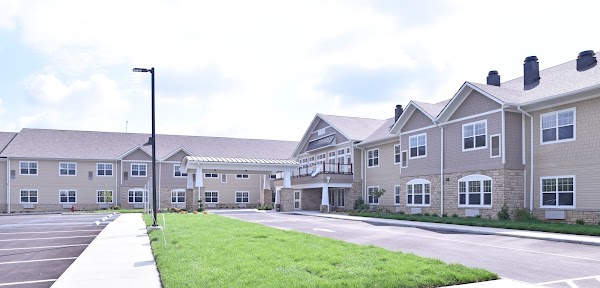
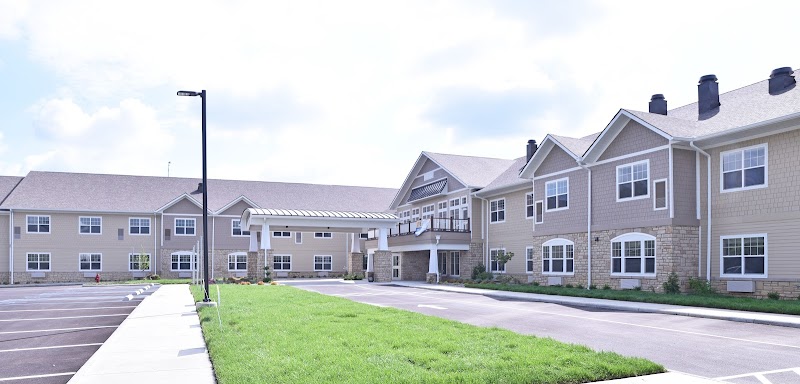
GLEN THE is owned by a for-profit company. For-profit facilities operate as businesses with obligations to shareholders or private owners. The facility is operated by TRILOGY HEALTH SERVICES, a chain that manages multiple nursing homes. With 54 certified beds and approximately 49 residents (about 91% occupancy), it is a smaller facility located in CINCINNATI, Ohio.

How Does Glen The Compare to Other Ohio Nursing Homes?

Compared to the 100 nursing homes in Ohio, GLEN THE's overall rating (5 stars) is above the state average of 3.2, staff turnover (39%) is near the state average of 46%, and health inspection rating (5 stars) is much above the national benchmark.

What Should Families Ask When Visiting Glen The?

Based on this facility's data, families visiting should ask: "Can you walk me through typical staffing levels on day, evening, and night shifts?" "Can I visit during a mealtime to observe dining assistance and food quality?" "How do you handle medical emergencies, and what is your hospital transfer rate?" "Can I speak with family members of current residents about their experience?" These questions are particularly relevant given the below-average staffing rating.

Is Glen The Safe?

Based on CMS inspection data, GLEN THE has a clean safety record: no substantiated abuse findings (meaning no confirmed cases of resident harm), no Immediate Jeopardy citations (the most serious violation level indicating risk of serious injury or death), and is not on the Special Focus Facility watch list (a federal program monitoring the lowest-performing 1% of nursing homes). The facility has a 5-star overall rating and ranks #1 of 100 nursing homes in Ohio. While no facility is perfect, families should still ask about staff-to-resident ratios and recent inspection results during their visit.

Do Nurses at Glen The Stick Around?

GLEN THE has a staff turnover rate of 39%, which is about average for Ohio nursing homes (state average: 46%). Moderate turnover is common in nursing homes, but families should still ask about staff tenure and how the facility maintains care continuity when employees leave.

Was Glen The Ever Fined?

GLEN THE has no federal fines on record. CMS issues fines when nursing homes fail to meet care standards or don't correct problems found during inspections. The absence of fines suggests the facility has either maintained compliance or corrected any issues before penalties were assessed. This is a positive indicator, though families should still review recent inspection reports for the full picture.

Is Glen The on Any Federal Watch List?

GLEN THE is not on any federal watch list. The most significant is the Special Focus Facility (SFF) program, which identifies the bottom 1% of nursing homes nationally based on persistent, serious quality problems. Not being on this list means the facility has avoided the pattern of deficiencies that triggers enhanced federal oversight. This is a positive indicator, though families should still review the facility's inspection history directly.