SIENA GARDENS REHABILITATION & TRANSITIONAL CARE
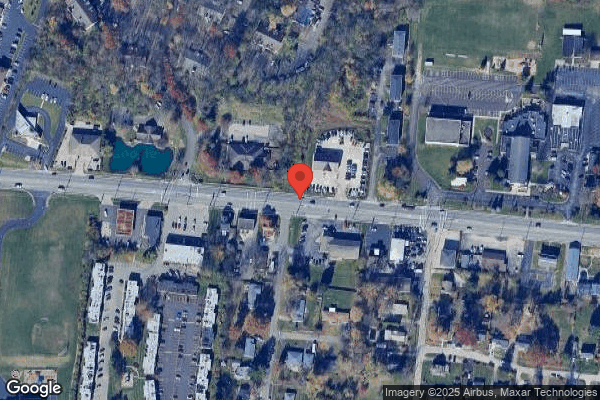
1055 STATE ROUTE 125, CINCINNATI, OH 45245 (513) 449-3900
For profit - Individual 99 Beds FOUNDATIONS HEALTH SOLUTIONS Data: November 2025
Trust Grade
93/100
#165 of 913 in OH
Last Inspection: October 2022

Over 2 years since last inspection. Current conditions may differ from available data.

Overview

Siena Gardens Rehabilitation & Transitional Care in Cincinnati, Ohio has received a Trust Grade of A, indicating that it is highly recommended and performs excellently compared to other facilities. It ranks #165 out of 913 in Ohio, placing it in the top half of the state's nursing homes, and #7 out of 15 in Clermont County, meaning only a few local options are better. The facility is improving, with only 2 reported issues in 2022, down from 8 in 2019. Staffing is a mixed bag; while the turnover rate is a good 26%, below the state average of 49%, the staffing rating is only 3 out of 5 stars. There have been no fines, which is a positive sign, and it boasts better RN coverage than 87% of facilities in the state, allowing for better monitoring of residents' health. However, there are some concerns. The facility has had 10 identified issues, all classified as potential harm, including a lack of annual performance reviews for several staff members and failures to complete laboratory tests as ordered for residents. Additionally, there was a failure to timely notify a physician about a resident's concerning weight gain, which could impact their health. Overall, while Siena Gardens has many strengths, families should be aware of these weaknesses and the need for improvement in certain operational areas.

Trust Score
A
93/100
In Ohio
#165/913
Top 18%
Safety Record
Low Risk
No red flags
Inspections
Getting Better
8 → 2 violations
Staff Stability
✓ Good
26% annual turnover. Excellent stability, 22 points below Ohio's 48% average. Staff who stay learn residents' needs.
Penalties
✓ Good
No fines on record. Clean compliance history, better than most Ohio facilities.
Skilled Nurses
✓ Good
Each resident gets 46 minutes of Registered Nurse (RN) attention daily — more than average for Ohio. RNs are trained to catch health problems early.
Violations
○ Average
10 deficiencies on record. Average for a facility this size. Mostly minor or procedural issues.
★★★★★
5.0
Overall Rating
★★★☆☆
3.0
Staff Levels
★★★★★
5.0
Care Quality
★★★★★
5.0
Inspection Score
Stable
2019: 8 issues
2022: 2 issues

The Good

  • 5-Star Quality Measures · Strong clinical quality outcomes
  • Low Staff Turnover (26%) · Staff stability means consistent care
  • Full Sprinkler Coverage · Fire safety systems throughout facility
  • No fines on record
  • Staff turnover is low (26%)

    22 points below Ohio average of 48%

Facility shows strength in quality measures, staff retention, fire safety.

The Bad

Chain: FOUNDATIONS HEALTH SOLUTIONS

Part of a multi-facility chain

Ask about local staffing decisions and management

The Ugly 10 deficiencies on record

Oct 2022 2 deficiencies
CONCERN (D)

Potential for Harm - no one hurt, but risky conditions existed

Deficiency F0730 (Tag F0730)

Could have caused harm · This affected 1 resident

Based on facility personnel record review and staff interview the facility failed to ensure annual performance reviews were completed. This affected three of four State Tested Nursing Assistants (STNA...

Read full inspector narrative →
Based on facility personnel record review and staff interview the facility failed to ensure annual performance reviews were completed. This affected three of four State Tested Nursing Assistants (STNAs) reviewed (STNAs #324, #325 and #397). The facility census was 94. Findings included: Review of STNA #324's personnel file revealed a date of hire on 08/23/21. Further review of the STNA's personnel file revealed no evidence of an annual performance review. Review of STNA #325's personnel file revealed a date of hire on 09/03/19. Further review of the STNA's personnel file revealed no evidence of an annual performance review. Review of STNA #397's personnel file revealed a date of hire on 10/04/21. Further review of the STNA's personnel file revealed no evidence of an annual performance review. Interview on 10/05/22 at 5:02 P.M. with Human Resources Director (HR) #396 revealed she was not able to provide evidence an annual performance review was completed on STNAs (#324, #325 or #397). Interview on 10/06/22 at 8:17 A.M. with the Director of Nursing (DON) confirmed no annual performance reviews were completed on STNAs (#324, #325 or #397).
CONCERN (D)

Potential for Harm - no one hurt, but risky conditions existed

Laboratory Services (Tag F0770)

Could have caused harm · This affected 1 resident

**NOTE- TERMS IN BRACKETS HAVE BEEN EDITED TO PROTECT CONFIDENTIALITY** Based on medical record review, staff interview and review of facility policy, the facility failed to ensure physician ordered l...

Read full inspector narrative →
**NOTE- TERMS IN BRACKETS HAVE BEEN EDITED TO PROTECT CONFIDENTIALITY** Based on medical record review, staff interview and review of facility policy, the facility failed to ensure physician ordered laboratory (lab) tests were completed as ordered. This affected one Resident (#75) of five residents reviewed for unnecessary medications. The facility census was 94. Findings include: Review of the medical record of Resident #75 revealed an admission date of 02/18/20. Diagnoses included, but not limited to, unspecified dementia, type two diabetes mellitus, congestive heart failure, vitamin-D deficiency, and hypothyroidism. Review of the quarterly Minimum Data Set (MDS) assessment dated [DATE] revealed Resident #75 had intact cognition. Review of the plan of care dated 03/01/22 revealed Resident #75 was at risk for hypoglycemia (low blood sugar) and/or hyperglycemia (elevated blood sugar) episodes related to insulin dependent diabetes mellitus (IDDM). Interventions included to complete labs as ordered and report results. Review of the pharmacist recommendations dated 05/06/22 addressed to the Attending Physician/Prescriber revealed the pharmacist recommended for Resident #75 to have a Hemoglobin A1C (three-month measurement of blood sugar) checked on the next lab day and every six months thereafter due to being on antidiabetic medications. The form was signed by the physician on 06/01/22 and the physician was in agreement with the recommendation and to write the order. Review of physician's orders for Resident #75 revealed an order dated 05/24/22 for resident to have laboratory work which included Hemoglobin A1C, complete blood count (CBC), complete metabolic panel (CMP), thyroid stimulating hormone (TSH), vitamin D level completed every six months. Review of lab results for Resident #75 revealed no Hemoglobin A1C labs obtained per physician orders on 05/24/22. Interview on 10/04/22 at 4:45 P.M., the Director of Nursing (DON) verified the Hemoglobin A1C lab for Resident #75 was not completed as ordered. Review of the facility policy titled, Diagnostic Testing, dated 10/21/21, revealed the facility will obtain diagnostic tests (laboratory and radiology) in accordance with the orders from the physician, in accordance with regulatory requirements.
Oct 2019 8 deficiencies
CONCERN (D)

Potential for Harm - no one hurt, but risky conditions existed

Notification of Changes (Tag F0580)

Could have caused harm · This affected 1 resident

**NOTE- TERMS IN BRACKETS HAVE BEEN EDITED TO PROTECT CONFIDENTIALITY** Based on medical record review, staff interview, and review of facility policy the facility failed to timely notify the physicia...

Read full inspector narrative →
**NOTE- TERMS IN BRACKETS HAVE BEEN EDITED TO PROTECT CONFIDENTIALITY** Based on medical record review, staff interview, and review of facility policy the facility failed to timely notify the physician about a resident's weight gain. This affected one (Resident #38) of 16 residents reviewed during the investigative phase of the annual survey. The facility census was 64. Findings include: Medical record review revealed Resident #38 was admitted on [DATE]. Medical diagnoses included anemia, weakness, difficulty in walking, muscle weakness, vascular dementia, diabetes, obesity, chronic kidney disease stage three, depression, atrial flutter, congestive heart failure, and pulmonary hypertension. Review of the significant change Minimum Data Set (MDS) assessment dated [DATE] revealed Resident #38's cognition was slightly impaired. The resident required extensive physical assistance of two persons for bed mobility, transfers, dressing and toileting. Resident #38 was noted as having required limited assistance with eating and was always continent of both bladder and bowel. Review of Resident #38's active physician's orders revealed an order which indicated to weigh daily, and to notify the physician if weight was greater than two and one-half pounds in 24 hours or greater than five pounds in a week. Review of Resident #38's September 2019 Treatment Administration Record (TAR) revealed on 09/20/19 a weight of 202 pounds was charted. On 09/21/19 a weight of 211 pounds was charted, this was an increase of nine pounds in 24 hours. Review of Resident #38's progress notes which were silent for physician notification until 09/24/19. Interview on 10/03/19 at 3:11 P.M. with Registered Nurse (RN) #300 verified the facility did not timely notify the physician of Resident #38's weight gain. Review of the facility policy titled Change of Condition revision date April 2003 revealed a change of condition as a significant change in the resident's clinical condition or status which included but not limited to cardiovascular. Procedures included notifying the physician and documenting the notification in the medical record.
CONCERN (D)

Potential for Harm - no one hurt, but risky conditions existed

Transfer Notice (Tag F0623)

Could have caused harm · This affected 1 resident

**NOTE- TERMS IN BRACKETS HAVE BEEN EDITED TO PROTECT CONFIDENTIALITY** Based on record review and interview, the facility failed to provide a copy of the transfer and discharge notification to the Om...

Read full inspector narrative →
**NOTE- TERMS IN BRACKETS HAVE BEEN EDITED TO PROTECT CONFIDENTIALITY** Based on record review and interview, the facility failed to provide a copy of the transfer and discharge notification to the Ombudsman for a discharge from the facility. This affected one (Resident #61) of three residents reviewed for discharge notification. The facility census was 64. Findings include: Record review revealed Resident #61 was admitted to the facility on [DATE] with the following diagnoses; unspecified dementia without behavioral disturbance, pain in both shoulders, atherosclerotic heart disease of native coronary artery without angina pectoris, atrial fibrillation, iron deficiency anemia, age related osteoporosis without current pathological fracture, major depressive disorder, fibromyalgia, diabetes mellitus, gastro esophageal reflux disease without esophagitis, essential hypertension and type two diabetes mellitus. Review of Resident #61's quarterly Minimum Data Set (MDS) assessment dated [DATE] revealed the resident was severely cognitively impaired and required extensive assistance with bed mobility, dressing, eating and personal hygiene. Resident #61 also required total dependence with transfers and toileting. Further review of Resident #61's medical revealed the resident was discharged to the hospital on [DATE] with right broken hip and returned to the facility on [DATE]. Further review of the medical record revealed no notification to the Ombudsman regarding Resident #61's discharge to the hospital on [DATE]. Interview with Regional Nurse Consultant #300 on 10/02/19 at 5:23 P.M. verified the Ombudsman was not notified of Resident #61's discharge from the facility to the hospital on [DATE].
CONCERN (D)

Potential for Harm - no one hurt, but risky conditions existed

Deficiency F0637 (Tag F0637)

Could have caused harm · This affected 1 resident

**NOTE- TERMS IN BRACKETS HAVE BEEN EDITED TO PROTECT CONFIDENTIALITY** Based on record review and interview, the facility failed to ensure a significant change comprehensive assessment was completed ...

Read full inspector narrative →
**NOTE- TERMS IN BRACKETS HAVE BEEN EDITED TO PROTECT CONFIDENTIALITY** Based on record review and interview, the facility failed to ensure a significant change comprehensive assessment was completed within 14 days of a resident being admitted to hospice services. This affected one (Resident #21) of 16 residents reviewed for significant change assessments. The facility census was 64. Findings include: Record review revealed Resident #21 was admitted to the facility on [DATE] with the following diagnoses; unspecified dementia without behavioral disturbance, unspecified fracture of the lower end of right radius, type two diabetes mellitus without complications, paroxysmal atrial fibrillation, essential hypertension, hyperlipidemia, cerebral infarction and congestive heart failure. Review of Resident #21's significant change Minimum Data Sets (MDS) assessment dated [DATE] revealed the resident was cognitively impaired and required extensive assistance with bed mobility, dressing, transfers, toileting and personal hygiene. Resident #21 also required limited assistance with eating. Further review of the MDS revealed the resident was not on hospice services. Further review of the medical record revealed resident was admitted to hospice services on 07/20/19 with a diagnosis of cerebrovascular accident. There was no significant change comprehensive assessment or MDS in Resident #21's medical record after she was admitted to hospice services. Interview with Regional Nurse Consultant #300 on 10/02/19 at 1:24 P.M. verified Resident #21 did not have a significant change comprehensive assessment completed within 14 days of the resident being admitted to hospice services.
CONCERN (D)

Potential for Harm - no one hurt, but risky conditions existed

Deficiency F0661 (Tag F0661)

Could have caused harm · This affected 1 resident

**NOTE- TERMS IN BRACKETS HAVE BEEN EDITED TO PROTECT CONFIDENTIALITY** Based on record review and interview, the facility failed to ensure a resident's discharge recapitulation summary included the r...

Read full inspector narrative →
**NOTE- TERMS IN BRACKETS HAVE BEEN EDITED TO PROTECT CONFIDENTIALITY** Based on record review and interview, the facility failed to ensure a resident's discharge recapitulation summary included the resident's medications. This affected one (Resident #63) of one resident reviewed for a discharge to the community. The facility census was 64. Findings include: Record review revealed Resident #63 was admitted to the facility on [DATE] with the following diagnoses; unilateral primary osteoarthritis, other symbolic dysfunctions, difficulty in walking, dysphagia, muscle weakness, Parkinson's disease, spinal stenosis, age related osteoporosis without current pathological fracture, hypothyroidism, restless leg syndrome and major depressive disorder. Resident #63 discharged from the facility on 08/10/19. Review of Resident #63's discharge Minimum Data Set (MDS) assessment dated [DATE] revealed the resident was cognitively intact and required extensive assistance with bed mobility, dressing, transfer and toileting. Resident #63 also required limited assistance with eating and personal hygiene. Review of the facility's discharge assessment signed by the resident on 08/10/19 revealed no information regarding the resident's medications, reconciliation of the resident's medications, education of the resident on her medications nor a medication list being provided to the resident. Review of Resident #63's progress notes dated 08/10/19 revealed the resident discharged home on [DATE] with skilled nursing, physical therapy, occupational therapy and speech therapy through a home health provider. Further review of Resident #63's progress note revealed no medications were sent with the resident and the resident left the facility in a wheelchair with her resident representative. Interview with Regional Nurse Consultant #300 on 10/03/19 at 1:39 P.M. verified that Resident #63's discharge recapitulation did not include any information regarding the resident's medications that the resident was to continue after discharge.
CONCERN (D)

Potential for Harm - no one hurt, but risky conditions existed

Quality of Care (Tag F0684)

Could have caused harm · This affected 1 resident

**NOTE- TERMS IN BRACKETS HAVE BEEN EDITED TO PROTECT CONFIDENTIALITY** Based on medical record review and staff interview, the facility failed to obtain weights and blood pressure readings per physic...

Read full inspector narrative →
**NOTE- TERMS IN BRACKETS HAVE BEEN EDITED TO PROTECT CONFIDENTIALITY** Based on medical record review and staff interview, the facility failed to obtain weights and blood pressure readings per physician orders. This affected two Residents (#28 and #38) of 16 reviewed during the investigative phase of the survey. The facility census was 64. Finding include: 1. Medical record review revealed Resident #38 was admitted on [DATE]. Medical diagnoses included anemia, weakness, difficulty in walking, muscle weakness, vascular dementia, diabetes, obesity, chronic kidney disease stage three, depression, atrial flutter, congestive heart failure, and pulmonary hypertension. Review of the significant change Minimum Data Set (MDS) assessment dated [DATE] revealed Resident #38's cognition was slightly impaired, and the resident required extensive physical assistance of two persons for bed mobility, transfers, dressing and toileting. Resident #38 required limited assistance with eating and was always continent of both bladder and bowel. Review of Resident #38's active physician's orders revealed an order to weigh daily, and notify physician if weight was greater than two and one-half pounds in 24 hours or greater than five pounds in a week. Review of the facility provided weights and vitals summary dated 08/01/19 to 10/03/19 revealed no weight was recorded for the following days: 08/06/19 through 08/12/19, 08/14/19, 08/15/19, 08/21/19, 08/24/19, 08/26/19, 08/30/19, 09/03/19, 09/04/19, 09/05/19, 09/08/19, 09/15/19, 09/16/19, 09/17/19 and 09/20/19. Interview on 10/03/19 at 3:11 P.M. with Registered Nurse (RN) #300 who verified facility had no evidence that they were obtaining the weights every day per physician orders. 2. Review of Resident #28's medical record revealed an admission date of 11/02/18. Medical diagnoses included end stage renal disease, muscle weakness, dysphagia oropharyngeal phase, hypertension, type two diabetes mellitus, obesity, blindness in left eye, adult failure to thrive and congestive heart failure. Review of Resident #28's quarterly MDS dated [DATE] revealed her cognition was intact, and the resident required one person physical assistance for most activities of daily living except eating which was noted as set up help only. Review of Resident #28's active physician's orders revealed an order for Resident 28's blood pressure to be assessed each shift (twice daily). Review of the facility provided weights and vitals summary dated 11/02/18 to 10/03/19 revealed the facility was not obtaining the blood pressures twice a day as ordered by the physician. Interview on 10/03/19 at 3:11 P.M. with Registered Nurse (RN) #300 verified the facility had no evidence that they were obtaining the blood pressure readings per physician orders.
CONCERN (D)

Potential for Harm - no one hurt, but risky conditions existed

Accident Prevention (Tag F0689)

Could have caused harm · This affected 1 resident

**NOTE- TERMS IN BRACKETS HAVE BEEN EDITED TO PROTECT CONFIDENTIALITY** Based on medical record review, observation, resident interview and staff interview, the facility failed to ensure a resident wa...

Read full inspector narrative →
**NOTE- TERMS IN BRACKETS HAVE BEEN EDITED TO PROTECT CONFIDENTIALITY** Based on medical record review, observation, resident interview and staff interview, the facility failed to ensure a resident was provided appropriate assistance during incontinence care to prevent an avoidable fall. This affected one (Resident #56) of seven residents reviewed for falls. The facility census was 64. Findings include: Medical record review revealed Resident #56 was admitted on [DATE]. Medical diagnoses included iron deficiency anemia secondary to blood loss, neuromuscular dysfunction of bladder, multiple sclerosis, muscle wasting and atrophy, dysphagia oropharyngeal phase, atrial fibrillation, depression, type two diabetes mellitus, anxiety, dementia, mood disorder, heart failure, chronic kidney disease stage three, and obesity. Review of the quarterly Minimum Data Set (MDS) assessment dated [DATE] revealed Resident #56's cognition was severely impaired. Resident #56 was noted under section G in the MDS as a two person physical assist for bed mobility, dressing and toileting. Review of the plan of care for activities of daily living self-performance revealed Resident #56 was noted as non-ambulatory and having been dependent required assistance of two persons for bed mobility and positioning. Review of a progress note dated 09/28/19 at 11:55 P.M. revealed an State Tested Nurse Aide (STNA) the the nurse the resident had a major fall. The nurse went assessed the resident who was lying on her back with her right hand under her head. Review of a progress note dated 09/29/19 at 12:50 A.M. revealed the physician and family were notified of the fall and Resident #56 was sent out to the local hospital. The nurse called the hospital and was informed Resident #56 would be returning to the facility. Resident #56 was found with no abnormalities after testing and evaluation at a local hospital. Review of a progress note dated 09/29/19 at 1:16 A.M. revealed Resident #56 returned to the facility at 1:15 A.M. Resident #56's vital signs were stable, neurological checks were recommenced. The oral report from the hospital revealed the computerized topography (CT) tests revealed no abnormalities. The writer of the note documented Resident #56's left side of the face including the left cheek was swollen with a contusion noted. The left side of the head in front was noted with a bruise. Review of a progress noted dated 09/29/19 at 8:07 A.M. revealed the resident had bluish discoloration on the left eye. Review of a progress note dated 09/29/19 at 3:49 P.M. revealed the resident had bruising to her left eye, left cheek, left side of forehead and some swelling was also noted. The resident had complained of pain and had been given Tylenol (pain reliever). Review of a progress noted dated 09/29/19 at 6:05 P.M. revealed Resident #56's pain score was zero and her pain medication (Tylenol) was effective. Review of progress note dated 10/01/19 at 9:18 P.M. revealed Resident #56 was sent back to a local hospital due to complaints of a headache and lethargy (tiredness). The physician and family were notified. Review of a progress note dated 10/02/19 at 12:32 A.M. revealed Resident #56 returned to the facility with new orders for Percocet (narcotic pain reliever) five-325 milligrams (mg) for three days as needed for pain, Zofran (anti-emetic for nausea and vomiting) and Omnicef (antibiotic) 300 mg by mouth twice daily for 10 days for a urinary tract infection. Further review of the progress note revealed a new diagnoses of an acute concussion related to the previous head injury. The resident's urostomy bag (collection for urine) was noted to have been changed upon her return. The writer of the note documented calls were made to the physician and the family. Vitals were obtained and were within normal limits. No new skin issues were noted. Observation on 10/02/19 at 12:39 P.M. revealed Resident #56 in bed and the left side of the resident's face and neck were observed with bruising. STNA #320 was feeding the resident. Interview with STNA #320 at the time of the observation stated normally the resident ate in the dining room but the resident had not been feeling well the past few days and had been eating in her room. Interview on 10/02/19 at 12:49 P.M. with Licensed Practical Nurse (LPN) #324 stated Resident #56 required a Hoyer (mechanical lift) for transfers and she had a fall recently. LPN #324 stated she was not working at that time of the fall and was not sure what happened. Interview on 10/02/19 at 1:33 P.M. with STNA #382 stated Resident #56 required a Hoyer to get out of bed and she knew the resident had a fall on night shift, but was not aware of the details of the fall. Interview and observation on 10/03/19 at 9:19 A.M. with Resident #56 revealed bruising to her left face, check and neck. Resident #56 stated her pain had been under control and she had not had increased pain. Resident #56 stated the facility was assessing her pain and her bruising on a regular basis. She stated she bruised easy because of her medications. She was unable to recall the name of which STNA was working on the night she fell (09/28/19). She stated she was not able to assist much with her check and changes (incontinence care). She stated typically the facility used one to two persons to perform her check and changes for incontinence care but she felt more comfortable when two persons were used. She stated the STNA had rolled her toward the window to perform the check and change, then rolled her toward the other side (the left side), she simply got to close to the edge of the bed and rolled out and hit the floor. She indicated fall mats were added after her fall. She indicated the fall was an accident that she was too close to the edge of the bed and rolled off. Interview on 10/03/19 at 1:51 P.M. with STNA #393 stated Resident #56 was not able to use her legs, but was capable of using her arms and hands. STNA #393 stated the resident was a two person for bed mobility, rolling and check and change. STNA #393 stated the online tool for STNAs to use for residents called a [NAME] stated one to two persons for bed mobility but STNA #393 stated the resident required a Hoyer for transfers. STNA #393 stated in report she had been told the resident was a two person for bed mobility and check and change. STNA #393 stated she had always known Resident #56 as a two person assist. Interview on 10/03/19 at 2:22 P.M. with Registered Nurse (RN) #300 and the Director of Nursing (DON) who reviewed the facility fall investigation. The DON stated the resident had stated she rolled out of bed and the nurse did not witness the fall. The nurse walked in and found the resident laying on her back next to the bed. The DON indicated the nurse obtained vital signs, did a head to toe assessment with no active bleeding observed. The facility notified the physician who stated to send the resident out due to the resident being on coumadin (blood thinner). The resident was sent out to the hospital and neurological checks were completed upon return. Review of the statement from the STNA who provided care to the resident at the time of fall revealed the STNA was providing incontinence care for the resident and indicated the resident rolled out of bed. The STNA was working by herself when performing the care for the resident. As an immediate fall intervention, fall mats were added. This deficiency substantiates Complaint Number OH00107324.
CONCERN (D)

Potential for Harm - no one hurt, but risky conditions existed

Drug Regimen Review (Tag F0756)

Could have caused harm · This affected 1 resident

**NOTE- TERMS IN BRACKETS HAVE BEEN EDITED TO PROTECT CONFIDENTIALITY** Based on record review, interview, and review of facility policy the facility failed to ensure the attending physician timely ad...

Read full inspector narrative →
**NOTE- TERMS IN BRACKETS HAVE BEEN EDITED TO PROTECT CONFIDENTIALITY** Based on record review, interview, and review of facility policy the facility failed to ensure the attending physician timely addressed pharmacy recommendations. This affected one (Resident #61) of five residents reviewed for unnecessary medications. The facility census was 64. Findings include: Record review revealed Resident #61 was admitted to the facility on [DATE] with the following diagnoses; unspecified dementia without behavioral disturbance, pain in both shoulders, atherosclerotic heart disease of native coronary artery without angina pectoris, atrial fibrillation, iron deficiency anemia, age related osteoporosis without current pathological fracture, major depressive disorder, fibromyalgia, diabetes mellitus, gastro esophageal reflux disease without esophagitis, essential hypertension and type two diabetes mellitus. Review of Resident #61's quarterly Minimum Data Set (MDS) assessment dated [DATE] revealed the resident was severely cognitively impaired and required extensive assistance with bed mobility, dressing, eating and personal hygiene. Resident #61 also required total dependence with transfers and toileting. Review of Resident #61's pharmacy recommendation dated 02/20/19 revealed Resident #61's Ativan 0.5 milligram (mg) every four hours as needed for anxiety on 02/19/19 was recommended to have a duration of treatment for the medication added to the medical record. Further review of the pharmacy recommendation revealed Nurse Practitioner #500 did not address the pharmacy recommendation until 04/08/19. Review of Resident #61's pharmacy recommendation dated 03/14/19 revealed Resident #61's Lipitor 40 mg was recommended to have routine labs. Further review of the pharmacy recommendation revealed Nurse Practitioner #500 did not address the pharmacy recommendation until 04/08/19. Review of Resident #61's physician's visits revealed the resident was seen by Nurse Practitioner #500 on 02/22/19 and 03/21/19. Resident #61 was also seen by her physician on 03/15/19. Interview with the Director of Nursing (DON) on 10/02/19 at 4:57 P.M. verified Resident #61's pharmacy recommendations dated 02/20/19 and 03/14/19 were not addressed by Nurse Practitioner #500 until 04/08/19. Review of the facility's Medication Monitoring policy dated 06/21/17 revealed the attending physician must address the pharmacy recommendations in a timely manner that meets the needs of the residents but no later than their next routine visit to assess the resident.
CONCERN (D)

Potential for Harm - no one hurt, but risky conditions existed

Medical Records (Tag F0842)

Could have caused harm · This affected 1 resident

**NOTE- TERMS IN BRACKETS HAVE BEEN EDITED TO PROTECT CONFIDENTIALITY** Based on record review and interview, the facility failed to ensure a resident's discharge order was accurately documented in th...

Read full inspector narrative →
**NOTE- TERMS IN BRACKETS HAVE BEEN EDITED TO PROTECT CONFIDENTIALITY** Based on record review and interview, the facility failed to ensure a resident's discharge order was accurately documented in the chart. This affected one (Resident #63) of 16 residents reviewed for accurate medical records. The facility census was 64. Findings include: Record review revealed Resident #63 was admitted to the facility on [DATE] with the following diagnoses; unilateral primary osteoarthritis, other symbolic dysfunctions, difficulty in walking, dysphagia, muscle weakness, Parkinson's disease, spinal stenosis, age related osteoporosis without current pathological fracture, hypothyroidism, restless leg syndrome and major depressive disorder. Resident #63 discharged from the facility on 08/10/19. Review of Resident #63's discharge Minimum Data Set (MDS) assessment dated [DATE] revealed the resident was cognitively intact and required extensive assistance with bed mobility, dressing, transfer and toileting. Resident #63 also required limited assistance with eating and personal hygiene. Review of Resident #63's physicians order dated 08/07/19 revealed the resident was to discharge home on [DATE] with skilled nursing, physical therapy, occupational therapy and speech therapy through a home health provided. Review of the facility's discharge assessment signed by the resident on 08/10/19 revealed no information regarding the resident's medications, reconciliation of the resident's medications, education of the resident on her medications and a medication list being provided to the resident. Review of Resident #63's progress notes dated 08/10/19 revealed resident discharged home on [DATE] with skilled nursing, physical therapy, occupational therapy and speech therapy through a home health provider. Interview with Regional Nurse Consultant #300 on 10/03/19 at 1:39 P.M. verified Resident #63 was discharged from on the facility on 08/10/19. Regional Nurse Consultant #300 also confirmed Resident #63's discharge order dated 08/07/19 indicated resident was to discharge from the facility on 08/11/19. Regional Nurse Consultant #300 reported the discharge order was incorrectly entered for the wrong date.
Understanding Severity Codes (click to expand)
Life-Threatening (Immediate Jeopardy)
J - Isolated K - Pattern L - Widespread
Actual Harm
G - Isolated H - Pattern I - Widespread
Potential for Harm
D - Isolated E - Pattern F - Widespread
No Harm (Minor)
A - Isolated B - Pattern C - Widespread

Questions to Ask on Your Visit

  • "Can I speak with families of current residents?"
  • "What's your RN coverage like on weekends and overnight?"

Our Honest Assessment

Strengths
  • • Grade A (93/100). Above average facility, better than most options in Ohio.
  • • No major safety red flags. No abuse findings, life-threatening violations, or SFF status.
  • • No fines on record. Clean compliance history, better than most Ohio facilities.
  • • 26% annual turnover. Excellent stability, 22 points below Ohio's 48% average. Staff who stay learn residents' needs.
Concerns
  • • No significant concerns identified. This facility shows no red flags across CMS ratings, staff turnover, or federal penalties.
Bottom line: Generally positive indicators. Standard due diligence and a personal visit recommended.

About This Facility

What is Siena Gardens Rehabilitation & Transitional Care's CMS Rating?

CMS assigns SIENA GARDENS REHABILITATION & TRANSITIONAL CARE an overall rating of 5 out of 5 stars, which is considered much above average nationally. Within Ohio, this rating places the facility higher than 99% of the state's 100 nursing homes. This rating reflects solid performance across the metrics CMS uses to evaluate nursing home quality.

How is Siena Gardens Rehabilitation & Transitional Care Staffed?

CMS rates SIENA GARDENS REHABILITATION & TRANSITIONAL CARE's staffing level at 3 out of 5 stars, which is average compared to other nursing homes. Staff turnover is 26%, compared to the Ohio average of 46%. This relatively stable workforce can support continuity of care.

What Have Inspectors Found at Siena Gardens Rehabilitation & Transitional Care?

State health inspectors documented 10 deficiencies at SIENA GARDENS REHABILITATION & TRANSITIONAL CARE during 2019 to 2022. These included: 10 with potential for harm.

Who Owns and Operates Siena Gardens Rehabilitation & Transitional Care?

SIENA GARDENS REHABILITATION & TRANSITIONAL CARE is owned by a for-profit company. For-profit facilities operate as businesses with obligations to shareholders or private owners. The facility is operated by FOUNDATIONS HEALTH SOLUTIONS, a chain that manages multiple nursing homes. With 99 certified beds and approximately 94 residents (about 95% occupancy), it is a smaller facility located in CINCINNATI, Ohio.

How Does Siena Gardens Rehabilitation & Transitional Care Compare to Other Ohio Nursing Homes?

Compared to the 100 nursing homes in Ohio, SIENA GARDENS REHABILITATION & TRANSITIONAL CARE's overall rating (5 stars) is above the state average of 3.2, staff turnover (26%) is significantly lower than the state average of 46%, and health inspection rating (5 stars) is much above the national benchmark.

What Should Families Ask When Visiting Siena Gardens Rehabilitation & Transitional Care?

Based on this facility's data, families visiting should ask: "Can I visit during a mealtime to observe dining assistance and food quality?" "How do you handle medical emergencies, and what is your hospital transfer rate?" "Can I speak with family members of current residents about their experience?"

Is Siena Gardens Rehabilitation & Transitional Care Safe?

Based on CMS inspection data, SIENA GARDENS REHABILITATION & TRANSITIONAL CARE has a clean safety record: no substantiated abuse findings (meaning no confirmed cases of resident harm), no Immediate Jeopardy citations (the most serious violation level indicating risk of serious injury or death), and is not on the Special Focus Facility watch list (a federal program monitoring the lowest-performing 1% of nursing homes). The facility has a 5-star overall rating and ranks #1 of 100 nursing homes in Ohio. While no facility is perfect, families should still ask about staff-to-resident ratios and recent inspection results during their visit.

Do Nurses at Siena Gardens Rehabilitation & Transitional Care Stick Around?

Staff at SIENA GARDENS REHABILITATION & TRANSITIONAL CARE tend to stick around. With a turnover rate of 26%, the facility is 20 percentage points below the Ohio average of 46%. Low turnover is a positive sign. It means caregivers have time to learn each resident's needs, medications, and personal preferences. Consistent staff also notice subtle changes in a resident's condition more quickly. Registered Nurse turnover is also low at 14%, meaning experienced RNs are available to handle complex medical needs.

Was Siena Gardens Rehabilitation & Transitional Care Ever Fined?

SIENA GARDENS REHABILITATION & TRANSITIONAL CARE has no federal fines on record. CMS issues fines when nursing homes fail to meet care standards or don't correct problems found during inspections. The absence of fines suggests the facility has either maintained compliance or corrected any issues before penalties were assessed. This is a positive indicator, though families should still review recent inspection reports for the full picture.

Is Siena Gardens Rehabilitation & Transitional Care on Any Federal Watch List?

SIENA GARDENS REHABILITATION & TRANSITIONAL CARE is not on any federal watch list. The most significant is the Special Focus Facility (SFF) program, which identifies the bottom 1% of nursing homes nationally based on persistent, serious quality problems. Not being on this list means the facility has avoided the pattern of deficiencies that triggers enhanced federal oversight. This is a positive indicator, though families should still review the facility's inspection history directly.