BROWN MEMORIAL HOME INC
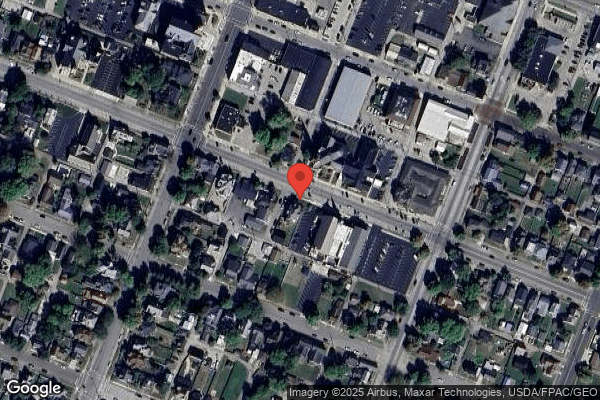
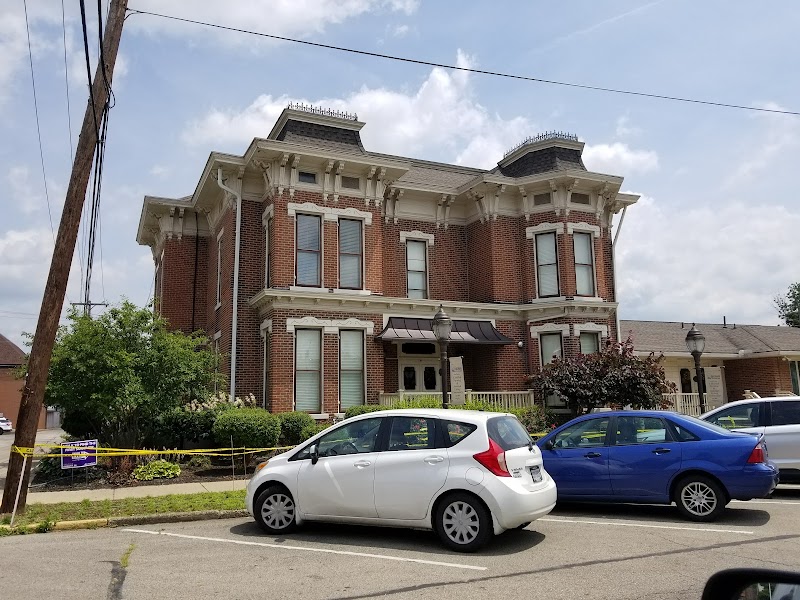
158 E MOUND ST, CIRCLEVILLE, OH 43113 (740) 474-6238
Non profit - Corporation 44 Beds Independent Data: November 2025
Trust Grade
50/100
#624 of 913 in OH
Last Inspection: September 2024

Within standard 12-15 month inspection cycle. Federal law requires annual inspections.

Overview

Brown Memorial Home Inc has a Trust Grade of C, which means it is average and in the middle of the pack compared to other nursing homes. It ranks #624 out of 913 facilities in Ohio, placing it in the bottom half, and #4 out of 4 in Pickaway County, indicating only one local option is better. The facility is improving, as it reduced its issues from 12 in 2024 to just 1 in 2025. Staffing is a concern, rated at 1 out of 5 stars with a turnover rate of 54%, which is close to the state average but indicates staff may not stay long enough to build strong relationships with residents. However, the home has no fines on record, which is a positive sign, and it offers better RN coverage than 86% of Ohio facilities, meaning RNs are likely catching issues that other staff might miss. Despite these strengths, there have been specific incidents of concern. For example, the facility failed to maintain exhaust fans in the shower rooms, which could affect residents' health by allowing mildew to develop. Additionally, staff did not properly date opened food items in the kitchen, posing a risk to food safety. Lastly, there was an incident where a nurse administered medications without washing her hands after dropping them on the floor, which raises infection control concerns. Families should weigh these strengths and weaknesses when considering this nursing home for their loved ones.

Trust Score
C
50/100
In Ohio
#624/913
Bottom 32%
Safety Record
Low Risk
No red flags
Inspections
Getting Better
12 → 1 violations
Staff Stability
⚠ Watch
54% turnover. Above average. Higher turnover means staff may not know residents' routines.
Penalties
✓ Good
No fines on record. Clean compliance history, better than most Ohio facilities.
Skilled Nurses
✓ Good
Each resident gets 56 minutes of Registered Nurse (RN) attention daily — more than average for Ohio. RNs are trained to catch health problems early.
Violations
⚠ Watch
28 deficiencies on record. Higher than average. Multiple issues found across inspections.
★★☆☆☆
2.0
Overall Rating
★☆☆☆☆
1.0
Staff Levels
★★☆☆☆
2.0
Care Quality
★★★☆☆
3.0
Inspection Score
Stable
2024: 12 issues
2025: 1 issues

The Good

  • Full Sprinkler Coverage · Fire safety systems throughout facility
  • No fines on record

Facility shows strength in fire safety.

The Bad

2-Star Overall Rating

Below Ohio average (3.2)

Below average - review inspection findings carefully

Staff Turnover: 54%

Near Ohio avg (46%)

Higher turnover may affect care consistency

The Ugly 28 deficiencies on record

May 2025 1 deficiency
CONCERN (F) 📢 Someone Reported This

A family member, employee, or ombudsman was alarmed enough to file a formal complaint

Potential for Harm - no one hurt, but risky conditions existed

Safe Environment (Tag F0921)

Could have caused harm · This affected most or all residents

Based on observation and staff interview, the facility failed to ensure shower room exhaust fans were maintained in good and working order. This had the potential to affect all 33 residents identified...

Read full inspector narrative →
Based on observation and staff interview, the facility failed to ensure shower room exhaust fans were maintained in good and working order. This had the potential to affect all 33 residents identified by the facility as using the shower rooms. The facility census was 33. Findings include: Observation and interview with the Director of Nursing (DON) on 05/28/25 at 11:00 A.M. confirmed the exhaust fans in the front and back shower rooms were not working. A small amount of a mildew-like substance was present on the ceiling around the exhaust fan in the back shower room. The DON stated she was not sure if parts had been ordered to repair or replace the exhaust fans but she would check. Interview with the DON on 05/28/25 at 12:33 P.M. confirmed there were no receipts or records of parts for the shower room exhaust fans being ordered. Interview with Maintenance Supervisor #299 on 05/28/25 at 1:20 P.M. confirmed the exhaust fans in the front and back shower rooms were not working and no parts had been ordered prior to 05/28/25 to repair or replace them. This deficiency represents non-compliance investigated under Complaint Number OH00164469.
Sept 2024 12 deficiencies
CONCERN (D)

Potential for Harm - no one hurt, but risky conditions existed

Deficiency F0582 (Tag F0582)

Could have caused harm · This affected 1 resident

Based on record review, review of the facility's beneficiary notice list and notices, staff interview, and facility policy review, the facility failed to provide an Advanced Beneficiary Notice (ABN) t...

Read full inspector narrative →
Based on record review, review of the facility's beneficiary notice list and notices, staff interview, and facility policy review, the facility failed to provide an Advanced Beneficiary Notice (ABN) to one resident (Resident #141) when he was discharged from Medicare part A services and remained in the facility. The deficient practice affected one resident (Resident #141) of one reviewed for beneficiary notices. The facility census was 39. Findings Include: Review of the closed record for former Resident #141 revealed an original admission date on 01/08/24, readmission dates on 04/05/24 and 06/30/24, and a discharge date on 07/13/24. Medical diagnoses included complete traumatic amputation of right midfoot, protein-calorie malnutrition, dementia with behavioral disturbance, Type II Diabetes Mellitus with diabetic polyneuropathy, non-pressure chronic ulcers of right and left feet, peripheral vascular disease, and osteoarthritis. Review of the facility's Beneficiary Notice-Residents discharged Within the Last Six Months revealed Resident #141 was discharged from Medicare Part A therapy services with benefit days still remaining and remained in the facility on 03/01/24 and 07/10/24. Review of the beneficiary notices provided to Resident #141 revealed the resident was not provided with an ABN when he was discharged from Medicare Part A therapy services on either occasion. Interview on 09/04/24 at 4:42 P.M. with Business Office Manager (BOM) #121 confirmed Resident #141 was not provided with an ABN when he was cut from Medicare Part A therapy services and remained in the facility. BOM #121 stated she was not aware the resident should have been provided with an ABN. BOM #121 stated she did not review the options listed on the ABN with Resident #141 to determine if the resident may want to continue receiving therapy services. Review of the document, Form Instructions Skilled Nursing Facility Advanced Beneficiary Notice of Non-Coverage (SNF ABN) Form CMS-10055, dated 2024, revealed the document stated, the skilled nursing facility must give the applicable Medicare coverage guideline(s) and a brief explanation of why the patient's medical needs or condition do not meet Medicare coverage guidelines. Example 1: Patient no longer requires daily skilled care but wants to continue residing in the skilled nursing facility. Care: Inpatient Skilled Nursing Facility stay requiring daily skilled care which includes custodial room and board charges. Reason Medicare May Not Pay: You need only assistive or supportive care. You don't require daily skilled care by a professional nurse or therapist. Medicare won't pay for your stay, including custodial care room and board charges, at this facility unless you require daily skilled care. Review of the facility policy, Advance Beneficiary Notices, undated, revealed the policy stated, it is the policy of this facility to provide timely notices regarding Medicare eligibility and coverage. Additional notices shall be issued to Medicare beneficiaries when appropriate. 1. If services are being terminated and the beneficiary wants to continue to receive the care that is no longer considered medically reasonable and necessary, the facility shall issue an ABN prior to furnishing non-covered care.
CONCERN (D)

Potential for Harm - no one hurt, but risky conditions existed

Transfer Requirements (Tag F0622)

Could have caused harm · This affected 1 resident

**NOTE- TERMS IN BRACKETS HAVE BEEN EDITED TO PROTECT CONFIDENTIALITY** Based on staff interview and record review the facility failed to document a resident transfer in the medical record when Reside...

Read full inspector narrative →
**NOTE- TERMS IN BRACKETS HAVE BEEN EDITED TO PROTECT CONFIDENTIALITY** Based on staff interview and record review the facility failed to document a resident transfer in the medical record when Resident #23 was transferred to the hospital for a change in condition. This affected one (Resident #23) of three Residents reviewed for hospitalization. The facility census was 39. Findings include: Record review of Resident #23 revealed an admission date of 12/27/19 with pertinent diagnoses of, fracture of unspecified part of neck of left femur, benign neoplasm of cerebral meninges, pick's disease, dementia with severe mood disturbance, anxiety disorder, seizures, atrial fibrillation, major depressive disorder, mood disorder with depressive features, anxiety disorder, and insomnia. Review of the 06/07/24 quarterly Minimum Data Set (MDS) assessment revealed the resident is rarely or never understood. The resident did not use mobility devices and wandered one to three days during the look back period. The resident was dependent for eating, oral hygiene, toileting, shower, upper body and lower body dressing, personal hygiene, rolling left and right, sit to lying, and lying to sitting. She was independent in walking up to 150 feet. The Resident was always incontinent of bladder and frequently incontinent of bowel. Review of the electronic medical record Minimum Data Set (MDS) tab revealed the Resident was discharged on 08/21/24 and returned on 08/22/24. Review of the medical record on 09/04/24 revealed there was no progress note about why Resident #23 discharged on 08/21/24 or an assessment for her condition. Interview with the Director of Nursing (DON) on 09/05/24 at 9:18 A.M. revealed Resident #23 went out the hospital on [DATE] and she verified there was no information in the medical record explaining the hospitalization. The DON stated she would expect staff to document why a resident went out to hospital and complete an assessment.
CONCERN (D)

Potential for Harm - no one hurt, but risky conditions existed

Transfer Notice (Tag F0623)

Could have caused harm · This affected 1 resident

**NOTE- TERMS IN BRACKETS HAVE BEEN EDITED TO PROTECT CONFIDENTIALITY** Based on record review, staff interview, and facility policy review, the facility failed to notify the local Ombudsman when two ...

Read full inspector narrative →
**NOTE- TERMS IN BRACKETS HAVE BEEN EDITED TO PROTECT CONFIDENTIALITY** Based on record review, staff interview, and facility policy review, the facility failed to notify the local Ombudsman when two residents (Residents #35 and #23) were transferred out of the facility and/or discharged from the facility. The deficient practice affected two residents (Residents #35 and #23) of four reviewed for hospitalizations and discharge. The facility census was 39. Findings Include: Review of the medical record for Resident #35 revealed and initial admission date on 08/08/23 and a readmission date on 04/23/24. Medical diagnoses included congestive heart failure, chronic obstructive pulmonary disease, and progressive systemic sclerosis. Review of the clinical census for Resident #35 revealed the resident was hospitalized on [DATE] and 06/24/24. Review of the discharge Minimum Data Set (MDS) 3.0 assessment dated [DATE] revealed Resident #35 had an unplanned discharge from the facility with return anticipated. Review of the discharge Minimum Data Set (MDS) 3.0 assessment dated [DATE] revealed Resident #35 had an unplanned discharge from the facility with return anticipated. Interview on 09/05/24 at 10:27 A.M. with the Director of Nursing (DON) confirmed Resident #35 had been hospitalized on [DATE] and 06/24/24 and returned to the facility following treatment in the hospital. The DON confirmed the local Ombudsman office should be notified of all facility-initiated transfers and discharges from the facility. The DON confirmed the facility did not have any evidence the local Ombudsman had been notified of hospitalizations or discharges. 2. Record review of Resident #23 revealed an admission date of 12/27/19 with pertinent diagnoses of, fracture of unspecified part of neck of left femur, benign neoplasm of cerebral meninges, pick's disease, dementia with severe mood disturbance, anxiety disorder, seizures, atrial fibrillation, major depressive disorder, mood disorder with depressive features, anxiety disorder, and insomnia. Review of the 06/07/24 quarterly Minimum Data Set (MDS) assessment revealed the Resident was rarely or never understood. The Resident did not use mobility devices and wandered one to three days during the look back period. The Resident was dependent for eating, oral hygiene, toileting, shower, upper body and lower body dressing, personal hygiene, rolling left and right, sit to lying, and lying to sitting. She was independent in walking up to 150 feet. The Resident was always incontinent of bladder and frequently incontinent of bowel. Review of the electronic medical record Minimum Data Set (MDS) tab revealed the Resident was discharged on 08/21/24 and returned on 08/22/24. The Resident was also discharged on 08/29/24 and returned 08/30/24. Interview with the Director of Nursing (DON) on 09/05/24 at 2:00 P.M. revealed Resident #23 went out to the hospital on [DATE] and 08/29/24. The DON stated she was unable to provide evidence the Ombudsman was notified of Resident #23 transfer on those dates. Review of the facility policy, Transfer or Discharge Notice, undated, revealed the policy stated, a copy of the (transfer) notice is sent to the Office of the State Long-Term Care Ombudsman at the same time the notice of transfer or discharge is provided to the resident and representative.
CONCERN (D)

Potential for Harm - no one hurt, but risky conditions existed

Deficiency F0625 (Tag F0625)

Could have caused harm · This affected 1 resident

**NOTE- TERMS IN BRACKETS HAVE BEEN EDITED TO PROTECT CONFIDENTIALITY** Based on record review, staff interview, review of bed hold notices, and facility policy review, the facility failed to notify t...

Read full inspector narrative →
**NOTE- TERMS IN BRACKETS HAVE BEEN EDITED TO PROTECT CONFIDENTIALITY** Based on record review, staff interview, review of bed hold notices, and facility policy review, the facility failed to notify two residents (Residents #35 and #23) of the number of bed hold days each resident had remaining upon being transferred to the hospital from the facility. The deficient practice affected two residents (Residents #35 and #23) of three reviewed for hospitalizations. The facility census was 39. Findings Include: Review of the medical record for Resident #35 revealed and initial admission date on 08/08/23 and a readmission date on 04/23/24. Medical diagnoses included congestive heart failure, chronic obstructive pulmonary disease, and progressive systemic sclerosis. Review of the clinical census for Resident #35 revealed the resident was hospitalized on [DATE] and 06/24/24. Review of the discharge Minimum Data Set (MDS) 3.0 assessment dated [DATE] revealed Resident #35 had an unplanned discharge from the facility with return anticipated. Review of the discharge Minimum Data Set (MDS) 3.0 assessment dated [DATE] revealed Resident #35 had an unplanned discharge from the facility with return anticipated. Review of the bed hold notices dated 04/14/24 and 06/24/24 revealed the number of bed hold days Resident #35 had remaining at the time of each transfer to the hospital was not included on either of the bed hold notices. Interview on 09/05/24 at 10:27 A.M. with the Director of Nursing (DON) confirmed bed hold notices should indicate how many bed hold days a resident had remaining. The DON confirmed the bed hold notices for Resident #35's hospitalizations did not include the number of bed hold days the resident had remaining at the time of each transfer to the hospital. 2. Record review of Resident #23 revealed an admission date of 12/27/19 with pertinent diagnoses of, fracture of unspecified part of neck of left femur, benign neoplasm of cerebral meninges, pick's disease, dementia with severe mood disturbance, anxiety disorder, seizures, atrial fibrillation, major depressive disorder, mood disorder with depressive features, anxiety disorder, and insomnia. Review of the 06/07/24 quarterly Minimum Data Set (MDS) assessment revealed the Resident was rarely or never understood. The Resident did not use mobility devices and wandered one to three days during the look back period. The Resident was dependent for eating, oral hygiene, toileting, shower, upper body and lower body dressing, personal hygiene, rolling left and right, sit to lying, and lying to sitting. She was independent in walking up to 150 feet. The Resident was always incontinent of bladder and frequently incontinent of bowel. Review of the electronic medical record Minimum Data Set (MDS) tab revealed the Resident was discharged on 08/21/24 and returned on 08/22/24. The Resident was also discharged on 08/29/24 and returned 08/30/24. Review of the bed hold notices dated 08/21/24 and 08/29/24 revealed there was no indication of the duration of the bed hold. The notices did not show how many bed hold days were remaining for Resident #23. Interview with the Director of Nursing (DON) on 09/05/24 at 2:00 P.M. revealed Resident #23 went out to the hospital on [DATE] and 08/29/24. The DON verified the bed hold notices for Resident #23 did not show how many bed hold days the resident had remaining. Review of the facility policy, Bed-Holds and Returns, undated, revealed the facility policy stated, Residents and/or representatives are informed (in writing) of the facility and state (if applicable) bed-hold policies. All residents/representatives are provided written information regarding the facility and state bed-hold policies, which address holding or reserving a resident's bed during periods of absence (hospitalization or therapeutic leave).
CONCERN (D)

Potential for Harm - no one hurt, but risky conditions existed

PASARR Coordination (Tag F0644)

Could have caused harm · This affected 1 resident

**NOTE- TERMS IN BRACKETS HAVE BEEN EDITED TO PROTECT CONFIDENTIALITY** 3. Resident #34 was admitted to the facility on [DATE]. Her diagnoses were cervicalgia, anxiety disorder, schizoaffective disord...

Read full inspector narrative →
**NOTE- TERMS IN BRACKETS HAVE BEEN EDITED TO PROTECT CONFIDENTIALITY** 3. Resident #34 was admitted to the facility on [DATE]. Her diagnoses were cervicalgia, anxiety disorder, schizoaffective disorder, chronic obstructive pulmonary disorder, bipolar disorder, hyperlipidemia, drug induced subacute dyskinesia, hypertension, osteoarthritis, and personal history of irradiation. Review of her Minimum Data Set (MDS) assessment, dated 06/01/24, revealed she was cognitively intact. Review of Resident #34's PASRR document, dated 06/29/23, revealed under Section D, the document only had personality disorder listed as a mental health diagnosis. Review of Resident #34's diagnoses list, the following diagnoses should have been indicated/updated on her PASRR document: bipolar disorder, which was added to her diagnoses list on 06/23/23, schizoaffective disorder, which were added to her diagnoses list on 10/03/23, and anxiety disorder, which was added on 03/10/24. Interview with Director of Nursing (DON) on 09/04/24 at 2:52 P.M. confirmed the PASRR documents provided were the most up to date and confirmed all the diagnoses in Resident #34 medical records were not listed on her PASRR document. She confirmed she spoke about this with the social services director prior to giving the document to the surveyor, and they confirmed all the diagnoses were not listed. Based on staff interview and record review the facility failed to update the Preadmission Screening Resident Review (PASRR) documents when a resident received a new mental health diagnosis. This affected two (Resident #10, and #34) of four residents reviewed for PASRR. The facility census was 39. Findings include: 1. Record review of Resident #10 revealed an admission date of 07/29/21 with pertinent diagnoses of, vascular dementia with mild agitation, obesity, gastroenteritis and colitis, low back pain, schizoaffective disorder, bipolar disorder, abdominal distension, hyponatremia, localized edema, major depressive disorder, seasonal allergic rhinitis, age related osteoporosis, paranoid schizophrenia, pneumocystosis, extrapyramidal and movement disorder, psychosis, hallucinations, anxiety disorder, delusional disorders, type two diabetes mellitus, cerebral amyloid angiopathy, gastro-esophageal reflux disease, hypertension, insomnia, and chronic obstructive pulmonary disease. Review of the 08/06/24 annual Minimum Data Set (MDS) assessment revealed the resident was moderately cognitively impaired and does not use any devices for mobility. The resident was independent with dressing and personal hygiene and was always continent of bladder and bowel. Review of the most recent PASRR for Resident #10 revealed the document was completed on 8/02/21. Review of the medical record on 09/03/24 at 1:43 P.M. revealed Resident #10 had a new diagnosis of paranoid schizophrenia dated 09/13/22. Interview with Social Services Designee #102 (SSD) on 09/04/24 at 11:00 A.M. verified this was Resident #10 most recent PASRR and she did not have diagnosis of paranoid schizophrenia updated.
CONCERN (D)

Potential for Harm - no one hurt, but risky conditions existed

Deficiency F0657 (Tag F0657)

Could have caused harm · This affected 1 resident

**NOTE- TERMS IN BRACKETS HAVE BEEN EDITED TO PROTECT CONFIDENTIALITY** Based on medical record review and staff interview, the facility failed to revise care plans when significant changes in the res...

Read full inspector narrative →
**NOTE- TERMS IN BRACKETS HAVE BEEN EDITED TO PROTECT CONFIDENTIALITY** Based on medical record review and staff interview, the facility failed to revise care plans when significant changes in the resident's condition occurred. This affected one (Resident #34) of 15 resident care plans reviewed. The census was 39. Findings Include: Resident #34 was admitted to the facility on [DATE]. Her diagnoses were cervicalgia, anxiety disorder, schizoaffective disorder, chronic obstructive pulmonary disorder, bipolar disorder, hyperlipidemia, drug induced subacute dyskinesia, hypertension, osteoarthritis, and personal history of irradiation. Review of her Minimum Data Set (MDS) assessment, dated 06/01/24, revealed she was cognitively intact. Review of Resident #34's current physician orders revealed she was not on hospice care at that time. Review of her previous/discontinued physician orders found she was discharged from hospice care on 02/23/24. Review of Resident #34's nutritional notes, dated 08/15/24, revealed a recommendation from the dietitian to decrease her chocolate/strawberry milk intake recommendation from eight ounces to four ounces due to her significant weight increase. Review of Resident #34's current physician orders revealed she was ordered to have four ounces of chocolate/strawberry milk. Review of Resident #34's current care plans revealed she had a care area related to Nutrition/Dehydration. The care area for this care plan stated, the resident has nutritional problem related to diagnoses, mechanically altered diet, varied intakes, significant weight loss, inadequate meal intakes, poor supplement acceptance, medications with potential side effects, and swallowing difficulty; requests texture upgrades; admit to Hospice (11/09/23). The current interventions included: honor comfort care desires per hospice protocol and add eight ounces chocolate or strawberry milk with all meals as ordered. Interview with Director of Nursing (DON) on 09/04/24 at 2:55 P.M. confirmed Resident #34 was no longer on hospice services since February 2024. Interview with Dietitian #400 on 09/05/24 at 10:30 A.M. confirmed Resident #34 graduated from hospice in February 2024 due to improved health conditions, which included gaining weight. She confirmed her nutritional care plan should have reflected that. She also confirmed she made the recommendation on 08/15/24 to reduce her chocolate/strawberry milk intake from eight ounces to four ounces due to her significant weight gain. She also confirmed the care plan interventions should have been updated to reflect the current order.
CONCERN (D)

Potential for Harm - no one hurt, but risky conditions existed

Accident Prevention (Tag F0689)

Could have caused harm · This affected 1 resident

Based on observation, staff interview, and resident record review, the facility failed to ensure the care planned assistance devices were properly placed to prevent falls for one (Resident #89) of thr...

Read full inspector narrative →
Based on observation, staff interview, and resident record review, the facility failed to ensure the care planned assistance devices were properly placed to prevent falls for one (Resident #89) of three reviewed for accident hazards. The census was 39. Findings Include: Review of the medical record for Resident #89 on 09/03/24 at 9:58 A.M. revealed an admission date of 09/01/24 with a diagnosis of atherosclerotic heart disease of native coronary artery. Review of a skilled nurse's note dated 09/01/24 at 10:09 P.M. revealed Resident #89 had a history of falls with multiple falls within the last six months. Review of the baseline careplan dated 09/01/24 at 10:14 P.M. revealed documented fall interventions including: Non-skid footwear, parameter mattress, bed in low position, and mattress to floor. Review of a nurse's note dated 09/02/24 at 5:35 A.M. revealed that the nurse was alerted by an aide that Resident #89 was found laying on the floor by his bed on his back. Observations on 09/03/24 at 9:58 A.M. and 1:42 P.M., and again on 09/04/24 at 9:51 A.M. accompanied by the Director of Nursing (DON) revealed Resident #89 in bed wearing black sports socks without non-skid tread, without a parameter mattress in place, without the bed in low position, and no mattress on the floor. Interview with the Director of Nursing (DON) on 09/04/24 at 9:51 A.M. confirmed that the care planned interventions to prevent falls for Resident #89 were not in place.
CONCERN (D)

Potential for Harm - no one hurt, but risky conditions existed

Respiratory Care (Tag F0695)

Could have caused harm · This affected 1 resident

**NOTE- TERMS IN BRACKETS HAVE BEEN EDITED TO PROTECT CONFIDENTIALITY** Based on record review, staff interview, and facility policy review, the facility failed to ensure Bilevel Positive Airway Press...

Read full inspector narrative →
**NOTE- TERMS IN BRACKETS HAVE BEEN EDITED TO PROTECT CONFIDENTIALITY** Based on record review, staff interview, and facility policy review, the facility failed to ensure Bilevel Positive Airway Pressure (BiPAP) (a machine that helps to push air into your lungs) settings were included in the physician order for one resident (Resident #35). The deficient practice affected one resident (Resident #35) of one reviewed for respiratory care. The facility census was 39. Findings Include: Review of the medical record for Resident #35 revealed and initial admission date on 08/08/23 and a readmission date on 04/23/24. Medical diagnoses included congestive heart failure, chronic obstructive pulmonary disease, secondary pulmonary arterial hypertension, and progressive systemic sclerosis. Review of the quarterly Minimum Data Set (MDS) 3.0 assessment dated [DATE] revealed Resident #35 had intact cognition and scored 15 out of 15 on the Brief Interview for Mental Status (BIMS) assessment. Resident #35 required partial to moderate assistance with tub transfers and showering but was independent with other Activities of Daily Living (ADLs). Resident #35 received oxygen therapy and used a non-invasive mechanical ventilator. Review of the physician orders dated August 2024 revealed Resident #35 had an order for a Continuous Positive Airway Pressure (CPAP) machine with home settings to be on at night (HS) and off in the morning (AM) every night shift. The order was dated 11/06/23. Review of the care plan, revised 08/22/24, revealed Resident #35 had an altered respiratory status. Interventions included CPAP with home settings on at HS and off in AM. Interview on 09/04/24 at 2:55 P.M. with Resident #35 revealed the resident used a Bilevel Positive Airway Pressure (BiPAP) machine at night as well as when needed for shortness of breath and difficulty breathing. The resident did not have or use a CPAP machine. Resident #35 stated the machine was set up for her and she did not know what settings were supposed to be used for the machine. Interview on 09/05/24 at 10:27 A.M. with the Director of Nursing (DON) confirmed Resident #35 used a BiPAP machine, not a CPAP machine at night. The DON stated the settings for the BiPAP machine should be included in the physician's order. The DON confirmed the physician's order only indicated home settings and did not provide what the specific setting for the machine should be. Interview on 09/05/24 at 10:37 A.M. with Licensed Practical Nurse (LPN) #100 revealed Resident #35's BiPAP machine was set up for her at home prior to being admitted to the facility. LPN #100 confirmed she did not know what the specific settings for the machine were supposed to be. Review of the facility policy, Verbal Orders, undated, revealed the policy stated, Verbal orders are those given to the nurse by the physician in person or by telephone, however, are not written by the physician in the medical record. Repeat any prescribed orders back to the physician or health care provider. Use clarification questions to avoid misunderstandings. Enter the order into the medical record manually or electronically. Write T.O. (telephone order) or V. O. (verbal order), including date, time, name of the resident, the complete order; and sign the name of the physician or health care provider and nurse or sign off the electronic order as per the software system guidelines.
CONCERN (D)

Potential for Harm - no one hurt, but risky conditions existed

Deficiency F0757 (Tag F0757)

Could have caused harm · This affected 1 resident

**NOTE- TERMS IN BRACKETS HAVE BEEN EDITED TO PROTECT CONFIDENTIALITY** 2. Review of the medical record for Resident #29 revealed and original admission date on 10/18/21 and a readmission date on 08/1...

Read full inspector narrative →
**NOTE- TERMS IN BRACKETS HAVE BEEN EDITED TO PROTECT CONFIDENTIALITY** 2. Review of the medical record for Resident #29 revealed and original admission date on 10/18/21 and a readmission date on 08/14/22. Medical diagnoses included other chronic pain, type II diabetes mellitus, gastric ulcer, paroxysmal atrial fibrillation, rheumatoid arthritis, and osteoarthritis. Review of the quarterly Minimum Data Set (MDS) 3.0 assessment dated [DATE] revealed Resident #29 had intact cognition and scored 15 out of 15 on the Brief Interview for Mental Status (BIMS) assessment. Resident #29 required varied amounts of assistance from staff to complete Activities of Daily Living (ADLs) which ranged from independence with eating to dependence on staff for showering, dressing, and shower transfers. Resident #29 received scheduled and as needed (PRN) pain medications. The resident almost constantly had pain. The resident reported a pain level of eight out of ten, where ten was the worst pain level possible. Review of the Medication Administration Records (MAR) dated July 2024 and August 2024 revealed Resident #29 had the following orders: Acetaminophen Tablet 500 mg with instructions to give one tablet by mouth every six hours as needed (PRN) for pain. Please add corresponding number for non-pharmacological interventions dated 12/14/22 and Oxycodone Hydrochloride (HCl) oral tablet 5 mg with instructions to give 0.5 tablet by mouth every six hours PRN for pain dated 05/10/24. There were no parameters added to the physician orders for Resident #29's PRN pain medications. Review of the MAR dated July 2024 revealed the PRN Acetaminophen medication had not been administered to Resident #29 at all in the month of July. The PRN Oxycodone HCl medication was administered 32 times in the month of July for pain levels which ranged from four to nine on a scale from one to ten, where ten is the worst possible pain. There was no evidence of any non-pharmacological interventions being attempted prior to administering the PRN pain medication to Resident #29. The medication was noted to be effective, except 07/01/24 at 3:51 A.M. and 07/07/24 at 2:44 P.M. where it was marked ineffective. Review of the MAR dated August 2024 revealed PRN Acetaminophen medication had not been administered to Resident #29 at all in the month of August. The PRN Oxycodone HCl medication was administered 15 times in the month of August for pain levels which ranged from five to ten, where ten is the worst possible pain. There was no evidence of any non-pharmacological interventions being attempted prior to administering the PRN pain medication to Resident #29. The medication was noted to be effective, except on 08/01/24 at 2:17 P.M. and 08/02/24 at 2:55 A.M. where it was marked as ineffective. There was no evidence the physician was notified on 07/01/24, 07/07/24, 08/01/24, or 08/02/24 when Resident #29's PRN Oxycodone HCl medication was marked ineffective. Interview on 09/05/24 at 10:46 A.M. with Licensed Practical Nurse (LPN) #100 revealed there were no parameters included in the physician's orders for any PRN pain medications. LPN #100 stated based on her nursing judgement as well as any non-verbal indicators of pain, she would administer PRN Acetaminophen for pain levels of one to five and would administer Oxycodone HCl for pain levels of six or higher (on a scale from zero to ten, where ten was the worst possible pain). LPN #100 stated non-pharmacological interventions should also be documented on the MAR. LPN #100 stated if a pain medication was ineffective for a resident, the physician should be notified in order to gain further instructions on how to proceed with addressing a resident's pain. Interview on 09/05/24 at 11:26 A.M. with the Director of Nursing (DON) confirmed the above findings indicated including Resident #29's physician was not notified on days the resident's PRN pain medications were marked as ineffective, there was no evidence of any non-pharmacological interventions attempted prior to administering the medication, and there were no parameters included in the physician orders for the PRN pain medications. The DON stated the nursing staff should administer Acetaminophen for lower levels of pain and Oxycodone HCl for higher levels of pain. Review of the facility policy, Administering Pain Medications, undated, revealed the policy stated, when opioids are used for pain management, the resident is monitored for medication effectiveness and adverse effects. Conduct a pain assessment with the resident. Evaluate and document the effectiveness of non-pharmacologic interventions. Administer pain medications as ordered. Based on medical record review, staff interview, and facility policy review, the facility failed to obtain proper parameters for as needed pain medications. This affected two (Residents #34 and #29) of five residents reviewed for unnecessary medications. The census was 39. Findings Include: 1. Resident #34 was admitted to the facility on [DATE]. Her diagnoses were cervicalgia, anxiety disorder, schizoaffective disorder, chronic obstructive pulmonary disorder, bipolar disorder, hyperlipidemia, drug induced subacute dyskinesia, hypertension, osteoarthritis, and personal history of irradiation. Review of her Minimum Data Set (MDS) assessment, dated 06/01/24, revealed she was cognitively intact. Review of Resident #34's medical records revealed her physician orders included Oxycodone (opioid medication for pain) five milligrams (mg) every eight hours as needed for pain and Acetaminophen (analgesic medication to relieve pain) 650 mg every four hours as needed for pain. Review of his physician orders, Medication Administration Record (MAR), and care plan revealed there were no parameters as to what pain level should be present to administer each medication. Review of Resident #34's MARs, dated May 2024 to August 2024, revealed she was administered as needed Acetaminophen 16 different times when her pain level was six and above. Also, from May 2024 to July 2024, she was administered Oxycodone 15 times when her pain level was five or below. Review of Resident #34's current care plan revealed the facility was to administer the scheduled and as needed pain medication per physician orders. Interview with Director of Nursing (DON) on 09/04/24 at 2:55 P.M. confirmed parameters should be listed on the as needed pain medications. She confirmed they will ask the resident what level of pain they have, and they will offer the lower strength (Acetaminophen) if the resident's pain level was five or below. If the resident stated they do not want the lower strength pain medication, but want the higher strength medication (Oxycodone), they will administer the higher strength medication anyway. The DON confirmed the typical parameters for as needed pain medications was pain level one to five, offer to lower strength medication and if it's pain level six to ten, they will offer the higher strength medication.
CONCERN (D)

Potential for Harm - no one hurt, but risky conditions existed

Deficiency F0760 (Tag F0760)

Could have caused harm · This affected 1 resident

**NOTE- TERMS IN BRACKETS HAVE BEEN EDITED TO PROTECT CONFIDENTIALITY** Based on record review, staff interview, and facility policy review, the facility failed to administer blood pressure medication...

Read full inspector narrative →
**NOTE- TERMS IN BRACKETS HAVE BEEN EDITED TO PROTECT CONFIDENTIALITY** Based on record review, staff interview, and facility policy review, the facility failed to administer blood pressure medication as ordered to one resident (Resident #29). The deficient practice affected one resident (Resident #29) of five reviewed for unnecessary medications. The facility census was 39. Findings Include: Review of the medical record for Resident #29 revealed an original admission date on 10/18/21 and a readmission date on 08/14/22. Medical diagnoses included essential primary hypertension, paroxysmal atrial fibrillation, morbid obesity, type II diabetes mellitus without complications, and anxiety disorder. Review of the quarterly Minimum Data Set (MDS) 3.0 assessment dated [DATE] revealed Resident #29 had intact cognition and scored 15 out of 15 on the Brief Interview for Mental Status (BIMS) assessment. Resident #29 required varied amounts of assistance from staff to complete Activities of Daily Living (ADLs) which ranged from independence with eating to dependence on staff for showering, dressing, and shower transfers. Review of the Medication Administration Records (MAR) dated August 2024 revealed Resident #29 had an order for Losartan Potassium Tablet 50 milligrams (mg) with instructions to give one tablet by mouth one time a day for hypertension (HTN) and hold if systolic blood pressure (SBP) was less than 100. Review of the Medication Administration Record (MAR) dated August 2024 revealed Losartan Potassium medication was held on 08/24/24, 08/25/24, 08/26/24, and 08/27/24. Resident #29's blood pressures were 110/62, 121/74, 108/68, and 110/62. Interview on 09/05/24 at 11:26 A.M. with the Director of Nursing (DON) confirmed Resident #29's Losartan Potassium medication was held on the above dates. The DON confirmed Resident #29's blood pressure readings were within the physician ordered parameters and therefore, the medication should have been administered to the resident. A policy related to following physician orders was requested at the time of the survey. A policy titled, Verbal Orders, undated, was provided by the facility. However, the policy does not address administering medications according to the physician order.
CONCERN (D)

Potential for Harm - no one hurt, but risky conditions existed

Deficiency F0805 (Tag F0805)

Could have caused harm · This affected 1 resident

Based on observations, staff interview, and facility policy review, the facility failed to ensure pureed food items were prepared at an appropriate texture prior to surveyor intervention for one resid...

Read full inspector narrative →
Based on observations, staff interview, and facility policy review, the facility failed to ensure pureed food items were prepared at an appropriate texture prior to surveyor intervention for one resident (Resident #17). The deficient practice affected one resident (Resident #17) of one who had a physician ordered pureed diet. The facility census was 39. Findings Include: Observation on 09/04/24 at 10:50 A.M. of pureed food items with [NAME] #120 revealed the cook added one breaded pork chop and ¼ cup of hot water to a blender and started blending. Another ¼ cup of hot water was added to the blender. At 10:57 A.M., [NAME] #120 chopped another breaded pork chop on a cutting board and added it to the blender. Another ½ cup of hot water was added to the blender and continued blending. At 11:00 A.M., [NAME] #120 stopped the blender. [NAME] #120 scraped the sides of the blender and poured the pureed pork chops into a small Styrofoam container. This surveyor observed the pureed pork chops to be visibly stringy and watery. Interview on 09/04/24 at 11:02 A.M. with [NAME] #120 confirmed she felt the pureed pork chops were an appropriate texture for serving to one resident (Resident #17) who had an ordered pureed diet. This surveyor requested to taste the pureed pork chops if she was ready to serve them to the resident. [NAME] #120 again confirmed she was ready to serve them and handed this surveyor a clean spoon. This surveyor tasted the pureed pork chops and found them to still be stringy with small gristly chunks left on tongue. The pureed pork chops were also bland and watery. [NAME] #120 confirmed the recipe for breaded pork chops stated to add ¼ cup of hot water per pork chop but she doubled it and had added ½ cup of hot water per pork chop. [NAME] #120 confirmed she added approximately one cup total of hot water to the pureed pork chops. [NAME] #120 confirmed the pureed pork chops were watery and bland with not much flavor. Interview on 09/04/24 at 11:04 A.M. with [NAME] #120 revealed pureed food items should not have any shreds of meat and should be mushy or as smooth as possible. [NAME] #120 tasted the pureed pork chops and confirmed they were not an appropriate texture to serve to any residents and she would need to continue to blend the food item before safely serving it to the residents. Interview on 09/04/24 at 11:45 A.M. with Dietary Manager (DM) #106 revealed after attempting to puree the breaded pork chops with [NAME] #120 again, the pork chops would not reach an appropriate texture and DM #106 substituted the breaded pork chops for pureed chicken breasts. Review of the recipe for breaded pork chop revealed to measure one cooked chop and ¼ cup water for each pureed serving needed. Review of the facility policy, Puree Food Preparation, undated, revealed the policy stated, the policy of this facility to provide puree food that has been prepared in a manner to conserve nutritive value, palatable flavor, and attractive appearance. Puree means that all food has been ground, pressed and/or strained to a consistency of a soft, smooth thick paste similar to a thick pudding. If the food item requires chewing, it will be excluded from the puree diet and prepared in a way that preserves vitamins and a minimum loss of nutrients.
CONCERN (F)

Potential for Harm - no one hurt, but risky conditions existed

Food Safety (Tag F0812)

Could have caused harm · This affected most or all residents

Based on observations, staff interview, and facility policy review, the facility failed to appropriately date opened food items in the refrigerator and freezer. The deficient practice had the potentia...

Read full inspector narrative →
Based on observations, staff interview, and facility policy review, the facility failed to appropriately date opened food items in the refrigerator and freezer. The deficient practice had the potential to affect all 39 residents who resided in the facility. The facility did not identify any residents with a physician ordered nothing by mouth (NPO) diet. Findings Include: Observations completed during the initial tour of the kitchen on 09/03/24 at 10:20 A.M. with Dietary Manager (DM) #106 revealed the following items in the refrigerator had been opened and not dated: One large glass container of dill pickle spears One large plastic container of mayonnaise, 75% empty One plastic container of pimento cheese spread One large plastic container with a handle of Pace Picante salsa One bottle of Frank's Red Hot sauce One bottle of Siracha hot sauce Two small plastic containers of chicken base One small container of beef base One small jar of minced garlic One small jar of sliced jalapenos One large plastic container of sour cream One large plastic container of ham salad One large plastic container of vanilla yogurt One large jar of Concord grape jelly One package of sliced deli ham One package of sliced deli salami One package of sliced deli turkey breast Interviews on 09/03/24 at 10:24 A.M. and 10:28 A.M. with DM #106 confirmed the above findings. Observation on 09/03/24 at 10:35 A.M. of the facility kitchen freezer with DM #106 revealed the following items were opened and not dated: One bag of frozen chicken tenders One bag of frozen blueberries One bag of frozen chicken breasts One bag of frozen tator tots One bag of frozen fish patties The above findings were confirmed by DM #106 at the time of the observations. Review of the facility policy, Refrigerated Storage, undated, revealed the policy stated, refrigerated food shall be stored in a manner that optimizes food safety and quality. Refrigerated items shall bear a label indicating product name and date (month, day, and year) product was received, used or first opened.
Nov 2021 7 deficiencies
CONCERN (D)

Potential for Harm - no one hurt, but risky conditions existed

Quality of Care (Tag F0684)

Could have caused harm · This affected 1 resident

Based on observation, resident and staff interview, review of the facility's policy, and record review, the facility failed to provide appropriate monitoring and treatment of adverse side effects for ...

Read full inspector narrative →
Based on observation, resident and staff interview, review of the facility's policy, and record review, the facility failed to provide appropriate monitoring and treatment of adverse side effects for residents receiving anticoagulation therapy. This affected two (#26 and #234) of three residents reviewed for medications. The facility identified 10 residents on anticoagulation therapy. The facility identified census was 37. Findings include: 1. Review of the medical record for Resident #26 revealed an admission date of 09/30/21. Resident #26's diagnoses included chronic obstructive pulmonary disease, hypertensive heart disease with heart failure, and muscle weakness. Review of the Minimum Data Set (MDS) assessment, dated 10/07/21, revealed Resident #26 was receiving an anticoagulant medication. The MDS assessment was silent for any skin conditions. Review of the physician orders for Resident #26, dated 10/01/21, revealed an order for Eliquis (anticoagulant) tablet 5.0 milligram (mg) by mouth twice daily. Review of the medical record for Resident #26 revealed skin assessments to be completed on 09/30/21, 10/07/21, 10/14/21, 10/21/21, 10/28/21, and 11/04/21, and all of the skin assessments to be silent for bruising or any other skin concerns. Review of the plan of care, dated 10/26/21, revealed Resident #26 to be on anticoagulant therapy related to atrial fibrillation. Interventions listed were to inspect skin daily and report abnormalities to nurse and physician. Resident #26 was also care planned for actual/potential impairment to skin integrity, dated 10/01/21. Interventions included skins weeps weekly per facility protocol. The plan of care for Resident #26 was updated on 11/08/21 (after surveyor intervention) to include scattered bruising/petechiae, and no new interviews were implemented. Observation and interview on 11/07/21 at 9:19 A.M. with Resident #26 revealed large, very dark red bruises on the inside of his right and left arms. The largest bruises on the insides of Resident #26's arms measured approximately five centimeters (cm) by six cm each. Additional smaller bruises were noted to be scattered throughout the inside of both of Resident #26's arms. Resident #26 revealed that he bruises very easily and always has bruises and he was not sure how long they have been there. Resident #26 shared that he couldn't remember if any of the nurses or aides asked about the bruises. Interview on 11/08/21 at 5:55 A.M. with Licensed Practical Nurse (LPN) #353 revealed the facility policy was to monitor and document bruising on weekly skin assessments. Interview on 11/08/21 at 12:00 P.M. with the Director of Nursing (DON) confirmed the presence of the bruising and petechiae on the arms of Resident #26 and that the medical record was silent for any mention of bruising or petechiae for Resident #26. Review of the facility's undated policy titled Skin Assessment revealed skin assessments should be completed on admission and weekly thereafter, noting any skin conditions such as redness, bruising, and skin tears. 2. Review of the medical record for Resident #234 revealed an admission date of 10/16/21. Resident #234's diagnoses included chronic atrial fibrillation, peripheral vascular disease, chronic obstructive pulmonary disease and muscle weakness. Review of the MDS assessment, dated 10/20/21, revealed Resident #234 was receiving an anticoagulant medication. Review of the physician orders, dated 10/18/21, revealed orders for Eliquis 2.5 mg twice daily. No physician order was present to monitor for side effect of anticoagulant therapy. Review of the plan of care for Resident #234 did not reveal any care plan related to anticoagulant therapy or monitoring for adverse effects of anticoagulant therapy. Review of the nurse progress notes from 09/30/21 to 11/07/21 for Resident #234 revealed the progress notes to be silent for nose bleeds, Interview on 11/07/21 at 9:34 A.M. with Resident #234 revealed her nose bleeds a lot since starting the anticoagulation therapy. Resident #234 shared that the nurses were aware. Resident #234 shared she last had a nose bleed the night before last but that she got it to go away without staff help. Interview on 11/09/21 at 2:02 P.M. with State Tested Nurse Aide (STNA) #342 revealed Resident #234 has had a couple of minor nose bleeds since she has been the facility. STNA shared that she did report the nose bleeds to a nurse, but could remember which nurse or when. Interview on 11/09/21 at 11:50 A.M. with the DON confirmed the medical record for Resident #234 was silent for a care plan or any interventions to monitor for side effects of anticoagulation therapy, and contained no mention of nose bleeds. The DON confirmed that facility policy was to monitor for adverse effects for those residents being treated with anticoagulation medications. Review of the facility's policy titled Medication Administration, revised 2019, revealed the nurse should report and document any adverse side effects of medications.
CONCERN (D)

Potential for Harm - no one hurt, but risky conditions existed

Deficiency F0688 (Tag F0688)

Could have caused harm · This affected 1 resident

**NOTE- TERMS IN BRACKETS HAVE BEEN EDITED TO PROTECT CONFIDENTIALITY** Based on observation, staff interview, and record review, the facility failed to provide physician ordered interventions to prev...

Read full inspector narrative →
**NOTE- TERMS IN BRACKETS HAVE BEEN EDITED TO PROTECT CONFIDENTIALITY** Based on observation, staff interview, and record review, the facility failed to provide physician ordered interventions to prevent a resident's decrease in range of motion. This affected one (#4) of one resident reviewed for limited range of motion. The facility identified four residents with contractures. The facility census was 37. Findings include: Record review for Resident #4 revealed the resident was admitted to the facility on [DATE] with diagnoses including primary generalized arthritis, pain, and unspecified dementia with behavioral disturbance. Review of the quarterly Minimum Data Set (MDS) assessment, dated 08/01/21, revealed Resident #4 was rarely/never understood and required extensive assistance from two staff members for bed mobility. Resident #4 was assessed to have a functional impairment on one side to an upper extremity. Review of the care plan, dated 05/30/17 and revised on 08/12/21, revealed Resident #4 needed extensive assistance with Activities of Daily Living (ADL) and had a left hand contracture. Interventions included to wash the left hand twice daily with soap and water, pat dry, and apply rolled washcloth in Resident #4's left hand. There was no mention of the resident refusing for the placement of the washcloth in Resident #4's left hand. Review of the active physicians order, dated 08/10/21, revealed Resident #4 had orders to wash the left hand twice daily with soap and water, pat dry, and apply a rolled washcloth in the left hand. Observation on 11/07/21 at 10:02 A.M. revealed Resident #4 was in her wheelchair in the dining room and did not have a rolled washcloth or other device placed in her left hand. Subsequent observations on 11/07/21 at 3:37 P.M., 11/08/21 at 9:25 A.M. revealed Resident #4 was in her wheelchair in the dining room and did not have a rolled washcloth or other device placed in her left hand. Interview with State Tested Nursing Assistant (STNA) #333 on 11/08/21 at 9:28 A.M. verified Resident #4 did not have a rolled washcloth or other device placed in her left hand. Observation on 11/09/21 at 10:15 A.M. revealed Resident #4 was in her wheelchair and did not have a rolled washcloth or other device placed in her left hand. Interview with Licensed Practical Nurse (LPN) #352 on 11/09/21 at 10:20 A.M. revealed the facility STNAs typically placed the rolled washcloth in the left hand of Resident #4 and was unsure if they had attempted to do so during the shift.
CONCERN (D)

Potential for Harm - no one hurt, but risky conditions existed

Deficiency F0692 (Tag F0692)

Could have caused harm · This affected 1 resident

**NOTE- TERMS IN BRACKETS HAVE BEEN EDITED TO PROTECT CONFIDENTIALITY** Based on staff interview and record review, the facility failed to timely implement dietary recommendations for a resident who h...

Read full inspector narrative →
**NOTE- TERMS IN BRACKETS HAVE BEEN EDITED TO PROTECT CONFIDENTIALITY** Based on staff interview and record review, the facility failed to timely implement dietary recommendations for a resident who had minimal food intake. This affected one (#9) of two residents reviewed for nutrition. The facility identified there were no residents with significant weight loss in the last month. The facility census was 37. Findings include: Record review for Resident #9 revealed the resident was admitted to the facility on [DATE] with diagnoses including hypertension, hyperlipidemia, type two diabetes mellitus, dementia without behavioral disturbances, and cognitive communication deficit. Review of the admission Minimum Data Set (MDS) assessment, dated 08/18/21, revealed Resident #9 had moderately impaired cognition and required extensive assistance from one staff member for eating. Review of the care plan, dated 08/19/21 and revised on 08/23/21, revealed Resident #9 had a nutritional problem or potential nutritional problem. Interventions included to provide and serve a supplement shake as ordered, provide and serve regular diet as ordered, provide and serve magic cup three times a day, obtain and monitor laboratory/diagnostic work, weigh at same time of day and record as ordered, and provide tray set up and assistance and monitor intake and record every meal. Review of the Nutritional Status Note, written by Registered Dietician (RD) #525 on 08/19/21, revealed Resident #9 was assessed to have low meal acceptance and an appetite stimulant was recommended. Review of the Registered Dietician (RD) report with dietary recommendations, dated 08/19/21, revealed RD #525 recommended an appetite stimulant for Resident #9. Review of the physicians order, dated 09/09/21, revealed Resident #9 was ordered the appetite stimulant Remeron one 7.5 milligram tablet once a day by mouth. This was three weeks after the RD made the recommendation to start the appetite stimulant. There was no evidence in the medical record the physician addressed the appetite stimulant until 09/09/21. Interview with the Director of Nursing (DON) on 11/09/21 at 9:00 A.M. verified RD #525 had made recommendations for an appetite stimulant for Resident #9 on 08/19/21 and the facility did not obtain an order for the recommended appetite stimulant until 09/09/21. The DON stated the facility did not have a policy for a timeline to implement dietary recommendations but the goal was within one to two weeks.
CONCERN (D)

Potential for Harm - no one hurt, but risky conditions existed

Deficiency F0697 (Tag F0697)

Could have caused harm · This affected 1 resident

**NOTE- TERMS IN BRACKETS HAVE BEEN EDITED TO PROTECT CONFIDENTIALITY** Based on observations, staff interviews, and record review, the facility failed to accurately assess a resident's pain. This aff...

Read full inspector narrative →
**NOTE- TERMS IN BRACKETS HAVE BEEN EDITED TO PROTECT CONFIDENTIALITY** Based on observations, staff interviews, and record review, the facility failed to accurately assess a resident's pain. This affected one (#4) of one resident reviewed for pain management. The facility identified 20 residents on a pain management program. The facility census was 37. Findings include: Record review for Resident #4 revealed the resident was admitted to the facility on [DATE] with diagnoses including primary generalized arthritis, pain, and dementia with behavioral disturbance. Review of the quarterly Minimum Data Set (MDS) assessment, dated 08/01/21, revealed Resident #4 was rarely/never understood. Resident #4 was on a pain management schedule, did not receive as needed pain medications and was not treated for non-medication interventions for pain. Review of the care plan, dated 07/21/15 and revised on 11/27/19, revealed Resident #4 had the potential for unmanaged pain. Interventions included to administer routine and as needed pain medications as ordered, anticipate the need for pain relief and respond immediately to any complaint of pain, and assess pain level on a scale of one to 10 (with one being the least and ten being the severest pain), face scale, or non-verbal indicators. Review of the active physicians order, dated 10/10/17, revealed an order to monitor the residents pain level on a scale of zero to 10 every shift. Review of the Medication Administration Records (MAR) for 09/2021, 10/2021, and 11/2021 revealed staff were monitoring the pain level of Resident #4 using a verbal pain scale. Observation on 11/08/21 at 9:25 A.M. revealed the left hand of Resident #4 was observed to be contracted. State Tested Nursing Assistant (STNA) #333 raised up the left, contracted hand of Resident #4 to observe it and the resident was observed to retreat back into her chair and grimaced when the left hand was handled. STNA #333 lowered the resident's hand immediately and the resident was observed to relax and show no signs of pain. Interview with STNA #333 on 11/08/21 at 9:28 A.M. verified Resident #4 was observed to exhibit signs of pain when the resident's left hand was handled. There was no evidence in Resident #4's medical record there was a timely follow up assessment after Resident #4 exhibited signs of pain on 11/08/21. Observation on 11/09/21 at 10:15 A.M. revealed when Licensed Practical Nurse (LPN) #352 began cleaning the left, contracted hand of Resident #4 with a warm, wet washcloth, the resident was observed to retreat back into her wheelchair and exhibit facial grimacing. LPN #352 immediately ceased cleaning the left hand of Resident #4 when indicators of pain were exhibited. Interview with Resident #4 on 11/09/21 at 10:18 A.M. revealed the resident was unable to verbalize the level of pain experienced when her left hand was cleansed using a verbal descriptor scale due to impaired cognition. Interview with LPN #352 on 11/09/21 at 10:20 A.M. verified Resident #4 exhibited signs of pain when her left hand was being handled and cleansed.
CONCERN (F)

Potential for Harm - no one hurt, but risky conditions existed

Infection Control (Tag F0880)

Could have caused harm · This affected most or all residents

**NOTE- TERMS IN BRACKETS HAVE BEEN EDITED TO PROTECT CONFIDENTIALITY** 3. Observation of medication administration on 11/08/21 at 7:20 A.M. revealed Licensed Practical Nurse (LPN) #303 preparing to ...

Read full inspector narrative →
**NOTE- TERMS IN BRACKETS HAVE BEEN EDITED TO PROTECT CONFIDENTIALITY** 3. Observation of medication administration on 11/08/21 at 7:20 A.M. revealed Licensed Practical Nurse (LPN) #303 preparing to administer oral medications to Resident #11. LPN #303 was observed to spill the medications from the medication cup on the floor of Resident #11's room, by mistake. LPN #303 picked up the medications with her bare hands, threw them away, and went to the medication cart and pulled new medications for Resident #11, without washing her hands. LPN #303 then returned to Resident #11 and administered the medications without washing her hands. Interview on 11/08/21 at 7:25 A.M. with LPN #303 confirmed she did not wash her hands following picking the medication cup from the floor and administering new medications to Resident #11. Review of the facility's policy titled Medication Administration, revised 2019, revealed nurses should wash hands prior to administering medications. Based on observations, staff interviews, review of the facility's policy, review of the Centers for Disease Control and Prevention (CDC) guidance, and record reviews, the facility failed to appropriately wear Personal Protective Equipment (PPE) during the COVID-19 pandemic, and failed to perform appropriate hand hygiene during wound care for Resident #12 and medication administration for Resident #11. This had the potential to affect all 37 residents who resided in the facility. Findings include: 1. Review of Resident #12's medical record revealed an original admission date of 08/24/21. Diagnoses included congestive heart failure, peripheral vascular disease, depression, chronic obstructive pulmonary disease, atherosclerotic heart disease, pneumonia, E. coli infection of gastrointestinal tract, chronic kidney disease, and diabetes mellitus. Review of the quarterly Minimum Data Set (MDS) 3.0 assessment, dated 08/13/21, revealed Resident #12 had clear speech, always understood others, always made himself understood and had no cognitive deficits. Review of the physician orders revealed the abdominal wound to be cleansed with normal saline and pat dry, and to apply skin prep to peri-wound area. Apply Hydrogel to wound bed, and cover with ABD pad. Secure with tape to borders. Observation of Licensed Practical Nurse (LPN) #331 and #352 providing wound care to Resident #12's abdominal wound on 11/10/21 at 10:30 A.M. revealed supplies were gathered and Resident #12 was pre-medicated for pain and assessed for pain prior to beginning the treatment. LPN #331 removed the old, dirty bandage which had a scant/trace amount of purulent drainage observed on it. The old bandage was not dated or initialed. Resident #12 stated the bandage was changed yesterday. There were two circular wounds located on the residents abdomen. Both wound beds were covered 95% in slough and 5% granulation tissue. The slough was observed to be thick and yellow/gray in color. After the old bandage was removed, LPN #331 proceeded to change gloves and perform hand hygiene, she then cleansed the wound with gauze and normal saline. She did not change gloves or perform hand hygiene, and proceeded to apply hydrogel using a cotton tipped applicator, then covered the wound with an abdominal pad and secured it with tape. LPN #331 then proceeded to remove gloves, and perform hand hygiene. The old bandage and supplies were disposed of in the trash receptacle. Interview with LPN #331 and LPN #352 on 11/10/21 at 10:40 AM verified gloves were not changed and hand hygiene was not performed between cleansing the wound with normal saline and gauze and applying the new, clean dressing. 2. Observation upon entry to the facility on [DATE] at 8:05 A.M., State Tested Nursing Assistant #341 was observed exiting room [ROOM NUMBER], which was on isolation precautions, without a mask or face shield in place. The mask was below the staff members chin during this observation. State Tested Nursing Assistant #341 verified she did not have the appropriate PPE in place during this observation. Licensed Practical Nurse #330 also was observed in the main nursing hall and was not wearing her mask appropriately as it was also under her chin and not on her face. Licensed Practical Nurse #330 verified she was not wearing her mask appropriately. Review of the Centers for Disease Control and Prevention (CDC) guidance titled Interim Infection Prevention and Control Recommendations for Healthcare Personnel during the COVID-19 Pandemic, dated 09/10/21, revealed source control and physical distancing are recommended for everyone in a healthcare setting. Source control refers to use of respirators and well-fitting facemasks or cloth masks to cover a person's mouth and nose to prevent the spread of respiratory secretions when they are breathing, talking, sneezing, or coughing.
MINOR (C)

Minor Issue - procedural, no safety impact

Deficiency F0730 (Tag F0730)

Minor procedural issue · This affected most or all residents

Based on employee record reviews and staff interviews, the facility failed to provide a continuing education program and twelve hours of training annually for state tested nursing assistants employed ...

Read full inspector narrative →
Based on employee record reviews and staff interviews, the facility failed to provide a continuing education program and twelve hours of training annually for state tested nursing assistants employed by the facility. This had the potential to affect all 37 residents residing in the facility. Findings include: Review of the personnel file for State Tested Nursing Assistant (STNA) #319 revealed STNA #319 was hired on 02/07/19 and there was no evidence of twelve hours of continuing education in the last year. Review of the personnel file for STNA #350 revealed STNA #350 was hired on 09/28/20 and there was no evidence of twelve hours of continuing education in the last year. Review of the personnel file for STNA #348 revealed STNA #348 was hired on 06/23/16 and there was no evidence of twelve hours of continuing education in the last year. Interview with Human Resources Manager #334 on 11/08/21 at 1:00 P.M. verified she has no evidence of a continuing education program or evidence of 12 hours of training completed annually for any of the STNAs employed by the facility. Interview with the Director of Nursing on 11/08/21 at 1:10 P.M. verified no records could be found to ensure twelve hours of training was completed by STNA #319, #350 and #348.
MINOR (C)

Minor Issue - procedural, no safety impact

Food Safety (Tag F0812)

Minor procedural issue · This affected most or all residents

Based on observations, interviews, review of the facility's policy, and record reviews, the facility failed to maintain a clean, sanitary kitchen equipment and failed to label and date open food items...

Read full inspector narrative →
Based on observations, interviews, review of the facility's policy, and record reviews, the facility failed to maintain a clean, sanitary kitchen equipment and failed to label and date open food items. This had the potential to affect the 37 residents residing in the facility who all received meals from the kitchen. Findings include: Observation on 11/07/21 at 8:25 A.M. revealed the bottom shelf on the reach in freezer contained a large, thick layer of sticky substance and multiple pieces of unpackaged broccoli. An opened brown paper bag containing tater tots was observed to not be labeled with the date it was opened and was lying on top of the thick layer of sticky substance. Interview with Dietary Personnel (DP) #316 on 11/07/21 at 8:26 A.M. verified there was a large,thick layer of sticky substance and multiple pieces of unpackaged broccoli located on the bottom shelf of the reach in freezer. DP #316 also verified there was an opened brown paper bag containing frozen tater tots which was not labeled with the date it was opened. Observation on 11/09/21 at 10:45 A.M. revealed the large, thick layer of sticky substance and multiple pieces of broccoli continued to remain on the bottom shelf of the reach in freezer. The opened brown bag containing tater tots and a zip-lock freezer bag containing cinnamon rolls were observed to be lying on top of the sticky substance on the bottom shelf of the reach in freezer and were not labeled with the date they were opened. Interview with Dietary Manager (DM) #304 on 11/09/21 at 10:46 A.M. verified the sticky substance and broccoli remained on the bottom shelf of the reach in freezer and verified the opened bag of tater tots and zip-lock bag of cinnamon rolls had not been labeled with the date they were opened. Review of the facility's undated policy titled Date Marking for Food Safety, revealed the individual opening or preparing a food should be responsible for date marking the food at the time the food was opened or prepared.
Oct 2019 8 deficiencies
CONCERN (D)

Potential for Harm - no one hurt, but risky conditions existed

Deficiency F0582 (Tag F0582)

Could have caused harm · This affected 1 resident

**NOTE- TERMS IN BRACKETS HAVE BEEN EDITED TO PROTECT CONFIDENTIALITY** Based on record review and staff interview, this facility failed to ensure a resident who still had skilled services days remain...

Read full inspector narrative →
**NOTE- TERMS IN BRACKETS HAVE BEEN EDITED TO PROTECT CONFIDENTIALITY** Based on record review and staff interview, this facility failed to ensure a resident who still had skilled services days remaining received the proper Advance Beneficiary Notice of Non-coverage form. This affected one (#187) of three residents reviewed for beneficiary notification. The facility's census was 36. Findings include: Review of Resident #187's medical record revealed the resident was originally admitted to the facility on [DATE] with diagnosis of fractures and other multiple trauma, anemia, osteoporosis, and cerebrovascular accident. Review of Resident #187's medical record revealed her last skilled day covered was on 07/18/19 and Resident #187 remained in the facility after these skilled services ended with skilled days remaining. Review of the notification given to Resident #187 from the facility, informing her of her last covered skilled day did not include the advance beneficiary notice of non-coverage (ABN) form. The ABN form is provided to residents to inform them of prices for services they are no longer covered for but would still wish to continue. Interview 10/23/19 at 3:31 P.M. with the Director of Nursing (DON) confirmed the former Business Office Manager did not provide Resident #187 with the proper ABN form.
CONCERN (D)

Potential for Harm - no one hurt, but risky conditions existed

Assessment Accuracy (Tag F0641)

Could have caused harm · This affected 1 resident

Based on medical record review and staff interview, this facility failed to properly code a residents Minimum Data Set for the use of a wander guard alarm. This affected one (#6) of 12 residents sampl...

Read full inspector narrative →
Based on medical record review and staff interview, this facility failed to properly code a residents Minimum Data Set for the use of a wander guard alarm. This affected one (#6) of 12 residents sampled for chart reviews. The facility's census was 36. Findings include: Review of Resident #6's medical record revealed an admission date of 08/14/19. Diagnoses include repeated falls, unsteadiness on his feet, Alzheimer's disease, and muscle weakness. Review of Resident #6's physician orders revealed an order dated for 03/06/19 for a wanderguard to be placed on resident's wheelchair everyday for safety. Review of Resident #6's quarterly Minimum Data Set (MDS) dated for 07/15/19 revealed Resident #6 required the use of a bed, chair, and motion sensor alarm for safety, but did not have the use of a wanderguard noted. Interview on 10/24/19 with the MDS Coordinator #32 confirmed Resident #6 had an physicians order for the use of a wanderguard and also confirmed this wanderguard was in place and was not coded correctly in Resident #6's MDS.
CONCERN (D)

Potential for Harm - no one hurt, but risky conditions existed

Deficiency F0685 (Tag F0685)

Could have caused harm · This affected 1 resident

Based on medical record review, staff interview, and observation, this facility failed to timely follow up with requested information to obtain insurance approval for hearing aids. This affected one (...

Read full inspector narrative →
Based on medical record review, staff interview, and observation, this facility failed to timely follow up with requested information to obtain insurance approval for hearing aids. This affected one (#6) of one resident reviewed for hearing services. The facility's census was 36. Findings include: Review of Resident #6's medical record revealed an admission date of 01/24/19 with the diagnoses of heard of hearing and dysphasia (difficulty swallowing). Review of documentation provided for Resident #6 revealed on 06/03/19 Resident #6 had been fitted for left and right hearing aids. Observation on 10/21/19 at 1:00 P.M. of Resident #6 revealed resident in his wheelchair watching the television with the volume turned up very loud. Resident #6 was not noted to be wearing hearing aids. Interview on 10/23/19 at 2:55 P.M. with the Licensed Social Worker (LSW) #8 revealed when she contacted the company who fitted Resident #6 for his hearing aids, they informed her that in 07/2019 an email had been sent to the former Social Service Director (SSD) #86 requesting addition information to obtain insurance approval for Resident #6's hearing aids. LSW #8 revealed the company had emailed her a copy of previous email and informed her that the email sent in 07/2019 had never been followed up on and they were still waiting on addition information for Resident #6 to complete his order for the hearing aids. Interview on 10/22/19 at 3:00 P.M. with the Director of Nursing (DON) revealed Resident #6 had difficulty with his communication due to being hard of hearing and the former SSD #86's lack of following up with the companies email had prolonged this communication difficulty.
CONCERN (D)

Potential for Harm - no one hurt, but risky conditions existed

Medication Errors (Tag F0758)

Could have caused harm · This affected 1 resident

Based on medical record review, review of medication information from Medscape and staff interview, this facility failed to ensure residents did not receive unnecessary psychotropic medications. This ...

Read full inspector narrative →
Based on medical record review, review of medication information from Medscape and staff interview, this facility failed to ensure residents did not receive unnecessary psychotropic medications. This affected two (#19 and #24) of the five residents reviewed for unnecessary medication usage. The facility's census was 36. Findings include: 1. Review of Resident #19's medical record revealed an admission date of 09/23/18 with the diagnoses of dementia with behavioral disturbances and major depressive disorder. Review of Resident #19's physician orders revealed an order dated for 04/02/19 for Seroquel 25 milligrams at night time for dementia. Interview on 10/23/19 at 9:25 A.M. with the Director of Nursing (DON) confirmed Resident #6 had an order for Seroquel for an inappropriate diagnosis. The DON also revealed chart reviews were in the process of being conducted and corrections are being made. 2. Review of Resident #24's medical chart revealed an admission date on 02/27/19 with the following medical diagnoses: vascular dementia with behavioral disturbance, other specified mental disorders due to known physiological condition, insomnia, other conduct disorders, unspecified atrial fibrillation, and unspecified systolic heart failure. Review of Resident #24's physician orders showed an order for Seroquel 25 milligrams (mg) tablet and Zoloft 75 mg tablet for the diagnosis of vascular dementia with behavioral disturbance. The medications were ordered with a start date of 04/02/19 and 02/28/19 respectively. Interview with the Director of Nursing (DON) on 10/23/19 at 10:00 A.M. confirmed Resident #24 had physician orders for Seroquel, an antipsychotic medication, and Zoloft, an anti-depressant medication, for treatment of the medical diagnosis of vascular dementia with behavioral disturbance. The DON confirmed the diagnosis of dementia was not appropriate for either medication. Review of medication information from Medscape revealed Seroquel is an antipsychotic used for the treatment of schizophrenia, and bipolar disorder and has a black box warning against the use of this medication in patients with the diagnosis of dementia due to the increased risk of death. Further review revealed Zoloft is an antidepressant.
CONCERN (D)

Potential for Harm - no one hurt, but risky conditions existed

Laboratory Services (Tag F0770)

Could have caused harm · This affected 1 resident

Based on medical record review and staff interview, the facility failed to complete regularly ordered labs as ordered by a physician. This affected one (#28) of six residents reviewed for labs. The fa...

Read full inspector narrative →
Based on medical record review and staff interview, the facility failed to complete regularly ordered labs as ordered by a physician. This affected one (#28) of six residents reviewed for labs. The facility census was 36. Findings Include: Review of Resident #28's medical record revealed a readmission date on 09/30/19 with the following medical diagnoses: lymphocyte-rich Hodgkin's lymphoma, chronic kidney disease-stage III, sepsis, urinary tract infection, pneumonia, personal history of sudden cardiac arrest, calculus of kidney, other seizures, major depressive disorder-recurrent, generalized anxiety disorder, unspecified dementia without behavioral disturbance, retention of urine, encounter for fitting and adjustment of urinary device, and benign prostatic hyperplasia (enlargement of the prostate gland). Review of physician's orders for Resident #28 on 10/22/19 at 12:03 P.M. showed an order for a Complete Blood Count (CBC) lab test every Thursday. This order was placed with a start date on 09/30/19. Review of progress notes for Resident #28 on 10/01/19 showed the physician assessed the resident and a new order for a CBC was made on 10/02/19. Review of the labs for Resident #28 on 10/23/19 at 5:03 P.M. showed a CBC lab was completed on 10/01/19 and 10/16/19. Interview with the Director of Nursing (DON) on 10/24/19 at 9:04 A.M. confirmed Resident #28 had an order for a weekly CBC lab with a start date of 09/30/19. The DON confirmed the CBC was not completed the week of 10/07/19 and stated the lab was missed by the staff.
CONCERN (D)

Potential for Harm - no one hurt, but risky conditions existed

Infection Control (Tag F0880)

Could have caused harm · This affected 1 resident

Based on medical record review, observation, and staff interview, this facility failed to ensure medication was administered in a sanitary manner. This affected one (#14) of the five residents reviewe...

Read full inspector narrative →
Based on medical record review, observation, and staff interview, this facility failed to ensure medication was administered in a sanitary manner. This affected one (#14) of the five residents reviewed for medication administration. The facility's census was 36 Findings include: Review of Resident #14's medical record revealed an admission date of 04/22/19 with a diagnoses of dementia with behavioral disturbances, dysphasia, psychotic disorder with hallucinations and constipation. Review of Resident #14's physician orders revealed an order dated for 04/23/16 for Colace (used for constipation) 200 milligrams a day. Observation on 10/23/19 at 8:09 A.M. of Licensed Practical Nurse (LPN) #18 completing medication administration for Resident #14 revealed while taking a Colace gel capsule out of the packet, the capsule accidentally dropped on the medication cart and then LPN #18 proceeded to pick up the capsule with her bare hand and place the capsule into the medication cup and administer the medication to Resident #14. Interview on 10/23/19 at 8:12 A.M. with LPN #18 confirmed the medication had landed on the medication cart and then she picked it up and placed it into the medication cup and proceeded to administer the medication to Resident #14 and there was a risk of cross contamination.
CONCERN (E)

Potential for Harm - no one hurt, but risky conditions existed

Deficiency F0657 (Tag F0657)

Could have caused harm · This affected multiple residents

**NOTE- TERMS IN BRACKETS HAVE BEEN EDITED TO PROTECT CONFIDENTIALITY** 4. Review of Resident #5's medical record revealed an admission date of 01/24/19 with the diagnoses of cerebral infarction, unst...

Read full inspector narrative →
**NOTE- TERMS IN BRACKETS HAVE BEEN EDITED TO PROTECT CONFIDENTIALITY** 4. Review of Resident #5's medical record revealed an admission date of 01/24/19 with the diagnoses of cerebral infarction, unsteadiness on his feet, difficulty hearing, and dysphasia (difficulty swallowing). Review of Resident #5's quarterly Minimum Data Set (MDS) dated for 10/11/19 revealed minimal difficulty with his ability to hear, and requiring set up help only for eating meals. Resident #5 was also noted to not use denture or hearing aids. Review of Resident #5's plan of care dated for 10/18/19 revealed a communication problem related to resident refusing hearing aids along with resident having an order for an mechanical soft textured diet due to refusing to wear dentures. Interview on 10/21/19 at 10:30 A.M. with Resident #5 revealed he was molded for hearing aids and dentures months ago and is still waiting to receive them. Resident #5 denies refusing to wear hearing aids or dentures and claims he wanted them. Interview on 10/14/19 at 2:15 P.M. with the Director of Nursing (DON) confirmed Resident #5's plan of care had not been revised to correctly reflect the residents wishes or preference for hearing aids and dentures. 5. Review of Resident #6's medical record revealed an admission date of 08/14/19 with the diagnoses of repeated falls, unsteadiness on his feet, Alzheimer's disease and muscle weakness. Review of Resident #6's physician orders revealed an order dated for 03/06/19 for a wanderguard to be placed on residents wheelchair for safety. Review of Resident #6's plan of care dated for 08/02/19 revealed resident was at risk for elopement and wandering related to wandering aimlessly through out the facility and impaired safety awareness. Resident #6's plan of care noted a wanderguard to be placed on resident's right wrist and placement to be checked every shift. Also noted in Resident #6's plan of care was for a wanderguard to be placed on resident's wheelchair and placement to be checked every shift. Observation on 10/21/19 at 1:00 P.M. of Resident #6, revealed a wanderguard attached to resident's wheelchair and not his right wrist. Interview on 10/24/19 at 2:15 P.M. with the DON confirmed Resident #6's plan of care gave conflicting placement locations for the wanderguard. 6. Review of Resident #10's medical record revealed an admission date of 02/20/17 with the diagnoses of anxiety, specified mental disorders, recurrent depressive disorder, and memory deficit. Review of Resident #10's physician orders revealed an order dated for 01/26/19 for Buspirone (an antianxiety), and an order dated for 12/27/18 for Effexor (for depression). Review of Resident #10's plan of care dated for 09/11/19 revealed resident had a diagnosis of anxiety and was taking Wellbutrin (for anxiety) to help reduce scratching induced by residents anxiety. Interview on 10/24/19 at 2:30 P.M. with the DON confirmed Resident #10 was no longer prescribed Wellbutrin and Resident #10's plan of care had not been revised to reflect this. Based on medical record review, observation and resident and staff interview, the facility failed to update the comprehensive care plan for residents to include current treatments and resident statuses. This affected six (#5, #6, #8, #10, #18, and #28) out of 16 residents reviewed for care plans. The facility census was 36. Findings include: 1. Review of Resident #18's medical record revealed an admission date on 05/07/19. Diagnoses include acute and chronic respiratory failure with hypercapnia (elevated carbon dioxide levels in the blood), chronic obstructive pulmonary disorder (COPD), anxiety disorder, chronic diastolic heart failure, pain in the right and left knees, muscle weakness, unsteadiness on feet, shortness of breath, Type II Diabetes Mellitus with diabetic nephropathy (kidney damage), and primary generalized osteoarthritis. Review of physician's orders for Resident #18 on 10/22/19 at 2:53 P.M. showed an order for a nursing rehabilitation program to prevent a decline and promote independence every shift. The order was written with a start date of 09/17/19. Review of the quarterly Minimum Data Set (MDS) 3.0 assessment dated [DATE] for Resident #18 showed the resident had moderately impaired cognition. The resident had moderate difficulty with hearing and was not using a hearing aid or any other hearing appliance during the assessment. The resident required extensive assistance to total dependence with activities of daily living (ADLs) and used a wheelchair for mobility. There was no indication of any skilled therapies being provided. Review of the Notice of Medicare Non-Coverage (NOMNC) form on 10/22/19 at 3:23 P.M. showed Resident #18's skilled care with occupational therapy and physical therapy would end on 07/15/19. The recommendation was for the resident to be placed on a restorative program. Review of the restorative program task for Resident #18 on 10/22/19 at 3:25 P.M. showed the resident should receive restorative rehabilitation six out of seven days a week for 30 minutes each day. The program included exercises for both the upper and the lower extremities. Review of Resident #18's comprehensive care plan dated 05/21/19 showed the resident's restorative therapy program or hearing deficit was addressed in the care plan. Interview with the Director of Nursing (DON) on 10/23/19 at 9:50 A.M. confirmed Resident #18's comprehensive care plan did not include the resident's restorative program for rehabilitation or address the resident's hearing deficit. The DON confirmed both the restorative program and the resident's hearing deficit should be addressed in the resident's care plan. The DON stated the facility had experienced several changes in staffing recently and had identified that care plans needed to be reviewed and updated. The facility staff had started auditing resident charts. The DON stated Resident #18 used a hearing amplifier daily which assisted the resident with hearing and communication. The DON confirmed the hearing amplifier was not addressed in the resident's care plan anywhere. 2. Review of Resident #8's medical chart revealed an admission date on 07/11/19. Diagnoses include personal history of traumatic brain injury, history of falling, major depressive disorder-recurrent, unsteadiness on feet, muscle weakness, chronic atrial fibrillation (an irregular heart rate), hypertension, and bursitis of left elbow (fluid build-up around the boney tip of the elbow). Review of Resident #8's physician orders on 10/22/19 at 10:36 A.M. showed an order for a compression wrap to be applied to the resident's left elbow at all times except when the resident was bathing or dressing every shift. The order was entered with a start date of 10/05/19. Review of Resident #8's progress notes dated 10/04/19 revealed the nurse was made aware of the new order for a compression wrap to be applied to the resident's left elbow at all times. Review of Resident #8's comprehensive care plan dated 07/16/19 showed the care plan had not been revised to include the new order for the compression wrap for the resident's left elbow. Observations and interviews with Resident #8 on 10/22/19 at 11:37 A.M. and 10/23/19 at 8:35 A.M. showed the resident did not have a compression wrap on his left elbow. The resident stated he refused to wear the wrap. Interview with the Director of Nursing (DON) on 10/23/19 at 9:50 A.M. confirmed Resident #8's care plan did not address the resident's diagnosis of bursitis of the left elbow, the physician's order for the resident to wear a compression wrap at all times, or resident's refusal to follow the treatment ordered by the physician. The DON also confirmed the care plan should have addressed the treatment ordered, as well as the resident's refusal to follow the physician's order. 3. Review of Resident #28's medical record revealed a readmission date on 09/30/19. Diagnoses include lymphocyte-rich Hodgkin's lymphoma, chronic kidney disease-stage III, unspecified dementia without behavioral disturbance, retention of urine, encounter for fitting and adjustment of urinary device, and benign prostatic hyperplasia (enlargement of the prostate gland). Review of Resident #28's physician orders on 10/22/19 at 12:03 P.M. showed orders to schedule a follow up appointment regarding the resident's indwelling foley catheter, may flush foley catheter with 200 milliliters (mL) of sterile water, monitor intake and output every shift, and complete foley catheter care every shift for preventative. Review of progress note for Resident #28 dated 10/20/19 showed a new order for a follow up appointment regarding the resident's indwelling foley catheter. Review of Resident #28's comprehensive care plan dated 11/17/17 addressed the resident's risk for bladder incontinence but did not include resident's catheter information or the need to complete catheter care for the resident. Interview with the Director of Nursing (DON) on 10/24/19 at 9:04 A.M. confirmed the resident's care plan had not been updated to include the resident's catheter information or the need to provide catheter care for the resident. The DON confirmed this information should have been included in the resident's care plan.
CONCERN (F)

Potential for Harm - no one hurt, but risky conditions existed

Food Safety (Tag F0812)

Could have caused harm · This affected most or all residents

Based on observations and staff interviews, the facility failed to prepare and plate food in a sanitary manner to residents. The potential to affect all 36 residents in the facility as all the residen...

Read full inspector narrative →
Based on observations and staff interviews, the facility failed to prepare and plate food in a sanitary manner to residents. The potential to affect all 36 residents in the facility as all the residents received their meals from the kitchen. Facility census was 36. Findings include: Observation of the preparation of lunch meal on 10/23/19 from 10:30 A.M. to 11:10 A.M. showed [NAME] #38 preparing ham salad sandwiches for the residents. [NAME] #38 used a clean towel to wipe down the preparation table, completed hand hygiene, and then placed parchment paper on the table. [NAME] #38 place the container of ham salad with a clean scoop in it on the table. [NAME] #38 completed hand hygiene and put on clean gloves. [NAME] #38 placed bread on the parchment paper and used the scoop to place the ham salad on the bread. [NAME] #38 then reached under the table and grab a cardboard box from the shelf containing wax paper bags with gloved hands. [NAME] #38 did not complete hand hygiene or change gloves before picking up and placing the sandwiches into the wax paper bags for distribution to the residents. Interview with [NAME] #38 on 10/23/19 at 11:11 A.M. confirmed she did not complete hand hygiene or change her gloves after picking up the cardboard box that was on the shelf under the preparation table before touching the resident's ham salad sandwiches to place them in the wax paper bags. [NAME] #38 confirmed she should have completed hand hygiene and changed her gloves. Further observation of the tray line for the lunch meal on 10/23/19 from 11:35 A.M. to 11:50 A.M. revealed [NAME] #38 plating the resident's food. [NAME] #38 completed hand hygiene and put on clean gloves. The cook grabbed the food tray, placed the resident's menu paper on the food tray, picked up a plate warmer and plate, placed the food onto the plate using clean utensils, placed the plate on to the tray, then grabbed a fruit cup from a cardboard box and a packet of butter from a plastic bin and placed them on the tray. Then, without completing hand hygiene or changing her gloves, grabbed a dinner roll from an opened plastic bag and placed it on the plate. [NAME] #38 did not complete hand hygiene or change gloves before moving on to the next tray. [NAME] #38 plated ten trays consecutively without completing hand hygiene or changing gloves. The Dietary Manager #80 intervened at that time and put the rolls on the food line with clean tongs and educated [NAME] #38 on how to properly plate the resident's food in a sanitary manner. Interview with [NAME] #38 and Dietary Manager #80 on 10/23/19 at 11:51 A.M. confirmed [NAME] #38 touched multiple items with gloved hands and then without completing hand hygiene or changing gloves, placed dinner rolls on the first ten meal trays. The Dietary Manager #80 confirmed the dinner rolls should not have been touched without completing hand hygiene and putting new gloves on. Interview with the Interim Administrator on 10/23/19 at 12:00 P.M. confirmed he also observed [NAME] #38 touch the cardboard box and then the ham salad sandwiches without completing hand hygiene or changing gloves. The Interim Administrator also observed [NAME] #38 touch multiple items and then touch the resident's dinner rolls without completing any hand hygiene or changing gloves. The Interim Administrator confirmed that [NAME] #38 did not complete meal preparation or plating in a sanitary manner. The facility confirmed all 36 residents residing in the facility receive their meals from the kitchen.
Understanding Severity Codes (click to expand)
Life-Threatening (Immediate Jeopardy)
J - Isolated K - Pattern L - Widespread
Actual Harm
G - Isolated H - Pattern I - Widespread
Potential for Harm
D - Isolated E - Pattern F - Widespread
No Harm (Minor)
A - Isolated B - Pattern C - Widespread

Questions to Ask on Your Visit

  • "Can I speak with families of current residents?"
  • "What's your RN coverage like on weekends and overnight?"

Our Honest Assessment

Strengths
  • • No major safety red flags. No abuse findings, life-threatening violations, or SFF status.
  • • No fines on record. Clean compliance history, better than most Ohio facilities.
Concerns
  • • 28 deficiencies on record. Higher than average. Multiple issues found across inspections.
  • • Grade C (50/100). Below average facility with significant concerns.
Bottom line: Mixed indicators with Trust Score of 50/100. Visit in person and ask pointed questions.

About This Facility

What is Brown Memorial Home Inc's CMS Rating?

CMS assigns BROWN MEMORIAL HOME INC an overall rating of 2 out of 5 stars, which is considered below average nationally. Within Ohio, this rating places the facility higher than 0% of the state's 100 nursing homes. A rating at this level reflects concerns identified through health inspections, staffing assessments, or quality measures that families should carefully consider.

How is Brown Memorial Home Inc Staffed?

CMS rates BROWN MEMORIAL HOME INC's staffing level at 1 out of 5 stars, which is much below average compared to other nursing homes. Staff turnover is 54%, compared to the Ohio average of 46%.

What Have Inspectors Found at Brown Memorial Home Inc?

State health inspectors documented 28 deficiencies at BROWN MEMORIAL HOME INC during 2019 to 2025. These included: 26 with potential for harm and 2 minor or isolated issues.

Who Owns and Operates Brown Memorial Home Inc?

BROWN MEMORIAL HOME INC is owned by a non-profit organization. Non-profit facilities reinvest revenue into operations rather than distributing to shareholders. The facility operates independently rather than as part of a larger chain. With 44 certified beds and approximately 32 residents (about 73% occupancy), it is a smaller facility located in CIRCLEVILLE, Ohio.

How Does Brown Memorial Home Inc Compare to Other Ohio Nursing Homes?

Compared to the 100 nursing homes in Ohio, BROWN MEMORIAL HOME INC's overall rating (2 stars) is below the state average of 3.2, staff turnover (54%) is near the state average of 46%, and health inspection rating (3 stars) is at the national benchmark.

What Should Families Ask When Visiting Brown Memorial Home Inc?

Based on this facility's data, families visiting should ask: "Can you walk me through typical staffing levels on day, evening, and night shifts?" "Can I visit during a mealtime to observe dining assistance and food quality?" "How do you handle medical emergencies, and what is your hospital transfer rate?" "Can I speak with family members of current residents about their experience?" These questions are particularly relevant given the below-average staffing rating.

Is Brown Memorial Home Inc Safe?

Based on CMS inspection data, BROWN MEMORIAL HOME INC has a clean safety record: no substantiated abuse findings (meaning no confirmed cases of resident harm), no Immediate Jeopardy citations (the most serious violation level indicating risk of serious injury or death), and is not on the Special Focus Facility watch list (a federal program monitoring the lowest-performing 1% of nursing homes). The facility has a 2-star overall rating and ranks #100 of 100 nursing homes in Ohio. While no facility is perfect, families should still ask about staff-to-resident ratios and recent inspection results during their visit.

Do Nurses at Brown Memorial Home Inc Stick Around?

BROWN MEMORIAL HOME INC has a staff turnover rate of 54%, which is 8 percentage points above the Ohio average of 46%. Moderate turnover is common in nursing homes, but families should still ask about staff tenure and how the facility maintains care continuity when employees leave.

Was Brown Memorial Home Inc Ever Fined?

BROWN MEMORIAL HOME INC has no federal fines on record. CMS issues fines when nursing homes fail to meet care standards or don't correct problems found during inspections. The absence of fines suggests the facility has either maintained compliance or corrected any issues before penalties were assessed. This is a positive indicator, though families should still review recent inspection reports for the full picture.

Is Brown Memorial Home Inc on Any Federal Watch List?

BROWN MEMORIAL HOME INC is not on any federal watch list. The most significant is the Special Focus Facility (SFF) program, which identifies the bottom 1% of nursing homes nationally based on persistent, serious quality problems. Not being on this list means the facility has avoided the pattern of deficiencies that triggers enhanced federal oversight. This is a positive indicator, though families should still review the facility's inspection history directly.