PICKAWAY MANOR CARE CENTER
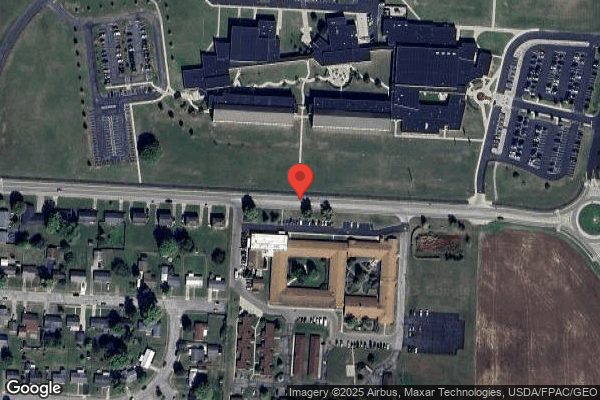
391 CLARK DRIVE, CIRCLEVILLE, OH 43113 (740) 474-6036
For profit - Limited Liability company 99 Beds Independent Data: November 2025 1 Immediate Jeopardy citation
Trust Grade
48/100
#532 of 913 in OH
Last Inspection: May 2024

Within standard 12-15 month inspection cycle. Federal law requires annual inspections.

Overview

Pickaway Manor Care Center has a Trust Grade of D, indicating below-average performance with some concerns about the quality of care provided. In Ohio, it ranks #532 out of 913 facilities, placing it in the bottom half, and #3 out of 4 in Pickaway County, meaning only one local option is better. The facility is currently improving, having reduced its issues from 4 in 2024 to just 1 in 2025. Staffing ratings are below average at 2 out of 5 stars, with a turnover rate of 42%, which is slightly better than the state average of 49%. Although the facility has no fines on record, there have been serious incidents, such as a failure to provide timely care for a resident whose health deteriorated, leading to life-threatening injuries, and inadequate investigations into falls that resulted in injuries for other residents.

Trust Score
D
48/100
In Ohio
#532/913
Bottom 42%
Safety Record
High Risk
Review needed
Inspections
Getting Better
4 → 1 violations
Staff Stability
○ Average
42% turnover. Near Ohio's 48% average. Typical for the industry.
Penalties
✓ Good
No fines on record. Clean compliance history, better than most Ohio facilities.
Skilled Nurses
○ Average
Each resident gets 34 minutes of Registered Nurse (RN) attention daily — about average for Ohio. RNs are the most trained staff who monitor for health changes.
Violations
⚠ Watch
15 deficiencies on record. Higher than average. Multiple issues found across inspections.
★★★☆☆
3.0
Overall Rating
★★☆☆☆
2.0
Staff Levels
★★★★★
5.0
Care Quality
★★☆☆☆
2.0
Inspection Score
Stable
2024: 4 issues
2025: 1 issues

The Good

  • 5-Star Quality Measures · Strong clinical quality outcomes
  • Full Sprinkler Coverage · Fire safety systems throughout facility
  • No fines on record
  • Staff turnover below average (42%)

    6 points below Ohio average of 48%

Facility shows strength in quality measures, fire safety.

The Bad

3-Star Overall Rating

Near Ohio average (3.2)

Meets federal standards, typical of most facilities

Staff Turnover: 42%

Near Ohio avg (46%)

Typical for the industry

The Ugly 15 deficiencies on record

1 life-threatening 1 actual harm
Jul 2025 1 deficiency 1 IJ
CRITICAL (J) 📢 Someone Reported This

A family member, employee, or ombudsman was alarmed enough to file a formal complaint

Immediate Jeopardy (IJ) - the most serious Medicare violation

Quality of Care (Tag F0684)

Someone could have died · This affected 1 resident

**NOTE- TERMS IN BRACKETS HAVE BEEN EDITED TO PROTECT CONFIDENTIALITY** Based on medical record review, hospital record review, review of the University of Pittsburgh Medical Center information, revie...

Read full inspector narrative →
**NOTE- TERMS IN BRACKETS HAVE BEEN EDITED TO PROTECT CONFIDENTIALITY** Based on medical record review, hospital record review, review of the University of Pittsburgh Medical Center information, review of facility policy and procedures, and staff interviews, the facility failed to provide timely, necessary and adequate care and services following an acute change in condition on 05/21/25 involving Resident #22, when the resident was assessed to have a decline in health including lethargy, a poor appetite, confusion, increased hallucinations, and low oxygen saturation, without evidence of timely or adequate interventions and medical treatment. This resulted in Immediate Jeopardy and serious life-threatening harm, and/or injuries when Resident #22 developed new deep tissue injuries (DTIs) and suffered a continued decline in health status. Resident #22 continued to display a deterioration in condition between 05/22/25 and 05/29/25 that was not comprehensively addressed and individualized medical interventions provided. Consequently, on 05/29/25 at 9:30 P.M., Resident #22 was transferred to the hospital where she was admitted with diagnoses of adrenal crisis, human meta pneumonia with septic shock, acute hypoxic respiratory failure, metabolic encephalopathy, where she received treatment in the intensive care unit (ICU) and was intubated requiring a ventilator for breathing from 05/29/25 until 06/02/25. This affected one (#22) of four residents reviewed for a change in condition. The total facility census was 87. On 07/14/25 at 1:48 P.M., the Administrator, Regional Clinical Services Director (RCSD) #170, Regional Nurse #170, and Director of Nursing (DON) were notified Immediate Jeopardy began on 05/21/25 when staff identified Resident #22 exhibited a change in condition, developed new DTIs, and experienced a decline in health status without evidence of timely or adequate interventions and medical treatment. On 05/22/25, Resident #22 had hallucinations and increased confusion. Resident #22 continued to have symptoms and decline in her condition on 05/24/25 when she was lethargic and 05/27/25 with a poor appetite and the inability to take her medications without assistance. On 05/28/25, Resident #22 returned to the facility from dialysis with blue fingertips and oxygen (O2) saturation of 71% (normal 95-100%), oxygen was applied at two liters per nasal cannula and the facility was unable to reassess for effectiveness because the pulse oximeter could not get a reading. The physician was notified and gave no new orders. On 05/29/25, Resident #22 continued with confusion, blue fingertips, and hallucinations and she declined to go to scheduled physician appointments due to feeling too tired, having a decline in health, blue fingertips and hallucinations. On the evening of 05/29/25, Resident #22 had blue fingertips, and Licensed Practical Nurse (LPN) #129 was unable to ascertain an oxygen saturation level for the resident, the resident's blood pressure was 76/57 millimeters of mercury (mm/Hg) [normal range 120/80 mm/Hg] and her pulse was 51 beats per minute [normal range 60-100 beats per minute]. Resident #22 was very confused and could not put sentences together. Physician #166 was notified and 911 was called. Upon arrival to the facility, Emergency Medical Services (EMS) workers were unable to ascertain a blood pressure reading for Resident #22 and her blood sugar was 56 milligrams per deciliter (mg/dL) [normal range 70-99 mg/dL]. Resident #22 was transported to a local hospital, then transferred to a larger hospital where she was admitted for treatment of admitting diagnoses of adrenal crisis, human meta pneumatic pneumonia with septic shock, acute hypoxic respiratory failure, and acute metabolic encephalopathy. Resident #22 received treatment in the intensive care unit (ICU) and was intubated requiring a ventilator for breathing from 05/29/25 until 06/02/25. The Immediate Jeopardy was removed on 07/15/25 when the facility implemented the following corrective actions: On 05/29/25, Resident #22 was sent to the emergency room (ER) and returned to the facility 6/09/25 and continues to receive dialysis three times weekly. On 07/14/25, Resident #22's clinical assessment was completed by LPN #133 and was noted to be within normal limits for this resident. On 07/14/25, LPN #129 (the nurse responsible for Resident #22's direct care on 05/28/25 when the resident's O2 saturation dropped to 71%) was re-educated by the DON on Change in Condition Notification policy and procedure with emphasis on documentation relative to resident's change in condition in medical record related to resident's progress notes in the medical record. On 07/14/25, the DON/Designee reviewed 13 residents in the 30 day look back period for notification of change in condition. On 07/14/25, all current residents (87 residents) in the facility were reviewed by the DON/Designee for change in condition/notification. Any issues identified were corrected at the time of discovery. This was completed prior to 1:30 P.M. on 07/14/25. Beginning on 07/14/25, resident Progress Notes will be reviewed by the DON/Designee daily to ensure all notification and new orders are documented for all residents change in condition. E-interact Change in Condition user defined assessment (UDA) documentation is separated into three sections. Section 1 includes signs and symptoms identified, vital sign evaluation, general background information. Section 2 includes resident evaluation which includes mental status evaluation and functional status evaluation, based on signs and symptoms identified, other body system domains can be assessed. Section 3 includes a review of information and provider notifications. E-interact Change in Condition UDA will be reviewed daily for all residents who are identified with a change in condition by the DON/Designee to ensure all new orders and notifications are documented. On 07/14/25, the DON/Designee educated facility nursing staff on Change in Condition Notification policy and procedure by 2:30 P.M. on 07/14/25. Three (3) registered nurses (RNs) were educated in house, seven (7) RNs were educated via phone, seven (7) LPNs were educated in house, nine (9) LPNs were educated via phone, 11 certified nurse aides (CNA)s were educated in house, 44 CNAs were educated via phone. All RNs, LPNs, and CNAs that were educated via phone must sign off on education prior to working their next shift. Beginning on 07/14/25, Progress Notes will be reviewed on all current residents by the DON/Designee daily to ensure all notification and new orders are documented for residents change in condition. E-interact Change in Condition UDA documentation will be reviewed daily for all residents by the DON/Designee to ensure all new orders and notifications are documented. On 07/14/25 at 4:00 P.M., a meeting was conducted with DON, ADON, LPN #129, Regional Nurses, Medical Director and Administrator to review the incident for Resident #22. Education was provided to LPN #129 regarding change in condition and notification documentation in the medical record. On 07/14/25, the Change in Condition Notification policy was reviewed by the DON, Senior [NAME] President of Clinical Services, Medical Director, and RCSD #170 to ensure the policy was comprehensive and accurate. There were no changes made at this time. Beginning on 07/15/25, audits will be completed by the DON/Designee daily for two weeks, then five times per week for two weeks, then three times per week for two weeks, then two times per week for two weeks, then PRN (as needed) to ensure change in condition notification occurs timely. Beginning on 07/15/25, results of the audits will be forwarded to the Quality Assurance Performance Improvement Committee meeting by the DON/Designee monthly for three months for immediate follow up. On 07/15/25 at 2:01 P.M., 2:03 P.M., 2:05 P.M., 2:09 P.M., and 2:11 P.M., interviews with CNA #111, CNA #120, CNA #108, LPN #180, and LPN #115 revealed the staff had received education from the facility on resident change in condition and notification.? The CNAs interviewed reported that if they identify a change in a resident's condition, they are to report that to the nurse. If the nurse doesn't address it (assess the resident), the CNA will report the resident change in condition up the chain of command (manager). The LPNs that were interviewed revealed they had received education on resident change in condition and notification.? The LPNs reported they are to complete comprehensive assessments of residents identified with a change in condition, report the change in condition to the resident's physician or medical provider (and the resident's family), receive orders, and can go up the chain of command if needed. Although the Immediate Jeopardy was removed on 07/15/25, the facility remains out of compliance at Severity Level 2 (no actual harm with potential for more than minimal harm that is not Immediate Jeopardy) as the facility is still in the process of implementing their corrective action plan and monitoring to ensure on-going compliance. Record review revealed Resident #22 was admitted to the facility on [DATE] with diagnoses including hypothyroidism, rheumatoid arthritis, chronic embolism and thrombosis of other specific veins and tachycardia. Review of an order dated 08/17/22 revealed Resident #22 had a Do Not Resuscitate Comfort Care Arrest (DNRCCA) in place. The order was discontinued on 06/03/25. Review of a Minimum Data Set (MDS) assessment dated [DATE] revealed Resident #22's cognition remained intact, she had no behaviors (including hallucinations), she needed set-up help for eating and oral hygiene, was dependent for toileting hygiene, required maximum assistance for bathing and lower body dressing, moderate assistance for upper body dressing, and required supervision for personal hygiene. Resident #22 was also identified to be at risk for pressure ulcers. Review of a note dated 05/21/25 at 8:11 A.M. by LPN #129 revealed during routine skin care, new deep tissue injuries (DTIs) were noted to Resident #22's right flank and right upper thigh as well as a skin tear to her right flank. Resident #22 did not have complaints of pain to the areas and there were no signs or symptoms of infection noted. The skin tear was cleaned with normal saline, patted dry, xeroform and foam dressing were applied and the DTIs had triad paste applied. Resident #22 was noted to have a decline in health, went to dialysis three times a week, and received a new order to have a blanket between her and the Hoyer pad. Resident #22's physician (#166) and responsible party were made aware. There were no new orders. Review of vital signs taken on 05/21/25 at 11:39 P.M. revealed Resident #22 had respirations of 16 breaths per minute, a pulse of 68 beats per minute (bpm), oxygen saturation of 93% on room air, and a blood pressure of 102/60 mm/Hg. Review of a nursing note dated 05/22/25 at 6:43 A.M. by LPN #133 revealed Resident #22 was up and hallucinating most of the night about men fighting in her room, and the dialysis nurses laughing at her and shaking her chair. One-on-one intervention was attempted resulting in a brief discussion with Resident #22 who would then return to hallucinations and asked the nurse to get the men out of her house. There was no evidence that the resident's physician was notified. Review of vital signs taken on 05/22/25 at 12:02 P.M. revealed Resident #22 had a blood pressure of 87/46 mm/Hg, pulse of 78 bpm, and oxygen level and respirations were not checked. Review of a nursing note dated 05/22/25 at 12:55 P.M. by LPN #129 revealed Resident #22 was noted to have increased confusion and was talking about people in her bathroom. No other concerns were noted and there was no evidence the physician was notified. Review of a nursing note dated 05/23/25 at 7:47 A.M. by LPN #129 revealed dialysis called and stated their physician would like to discontinue Resident #22's order for nifedipine (medication used to treat high blood pressure). Resident #22, responsible party and the physician were made aware. There were no new orders. Review of vital signs for 05/23/25 revealed Resident #22's vital signs were not checked. Review of a nursing note dated 05/24/25 at 11:19 A.M. by Registered Nurse (RN) #117 revealed Resident #22 was resting in bed with her eyes closed, she was lethargic but did wake up when spoken to. Resident #22 received her medications and skin treatments. There was no evidence that Resident #22's physician was notified she was lethargic. Review of Resident 22's vital signs taken on 05/24/25 at 1:39 A.M. revealed a blood pressure of 86/50 mm/Hg, at 7:51 A.M. a blood pressure of 81/59 mm/Hg, at 11:28 A.M. a blood pressure of 93/64 mm/Hg and a pulse of 62 bpm, and at 10:44 P.M. Resident #22 had a blood pressure of 103/59 mm/Hg. Resident #22's oxygen level and respirations were not checked. Review of vital signs taken on 05/25/25 revealed Resident #22 had a blood pressure of 97/62 mm/Hg at 8:24 A.M., 92/68 mm/Hg at 1:16 P.M. and a pulse of 69 bpm, and a blood pressure of 97/64 mm/Hg at 10:29 P.M.; however, oxygen saturation and respirations were not checked. Review of vital signs taken on 05/26/25 revealed Resident #22 did not have her respirations or oxygen saturation checked; her pulse was 72 bpm at 12:05 P.M.; and her blood pressure was 121/70 mm/Hg at 9:55 A.M., 112/70 mm/Hg at 12:05 P.M., and 106/64 mm/Hg at 10:55 P.M. Review of a nursing note dated 05/27/25 at 12:45 P.M. by LPN #115 revealed Resident #22 had a very poor appetite and the nurse attempted to help the resident put her medications in her mouth because Resident #22 kept dropping her pills and water. LPN #115 had to pick up the pills from the bed a couple of times. Resident #22 denied pain and was in bed with her eyes closed most of the morning. There was no evidence that Resident #22's physician was notified. Review of vital signs taken on 05/27/25 revealed Resident #22 had a blood pressure of 100/58 mm/Hg at 10:18 A.M., 97/57 mm/Hg at 12:20 P.M., and 90/52 mm/Hg at 11:34 P.M.; her oxygen saturation was not checked; her pulse was 68 bpm at 12:20 P.M.; and her respirations were not checked. Review of a nursing note dated 05/28/25 at 3:31 P.M. by LPN #129 revealed Resident #22 was noted to have blue fingertips when she returned from dialysis. Oxygen was applied at two liters per minute via nasal cannula and Resident #22 was minimally responsive. Resident's oxygen saturation was 71%. When LPN #129 went back to recheck oxygen levels after applying oxygen, the machine could not get a reading. Resident #22's fingers were cool, and LPN #129 attempted to warm her fingers with no success. The resident's responsible party was notified and requested a hospice consult. Resident #22's physician (#166) was notified and gave no new orders. Vital signs taken on 05/28/25 revealed Resident #22's respirations were 16 breaths per minute at 11:24 P.M.; her pulse was 78 bpm at 12:28 P.M. and 70 bpm at 11:24 P.M.; her oxygen saturation was 93% at 11:24 P.M. with oxygen via nasal cannula; and her blood pressure was 101/72 mm/Hg at 12:28 P.M. and 104/56 mm/Hg at 11:23 P.M. Review of a nursing note dated 05/29/25 at 1:18 A.M. by LPN #133 revealed Resident #22 was resting in bed with her eyes closed. She was confused and unable to communicate her needs. Vital signs were within normal limits and respirations were even and unlabored with oxygen in place. Resident #22 did need to be fed her meals. Care was provided per the plan of care. There was no evidence that Resident #22's physician was notified of the resident's confusion and need for assistance with meals. Review of a nursing note dated 05/29/25 at 6:29 A.M. by LPN #133 revealed Resident #22 continued to have blue fingertips and nail beds. Resident #22 was receiving oxygen at two liters per minute via nasal cannula. LPN #133 was able to warm Resident #22's fingers enough to get an oxygen reading of 93%. Resident #22 was very confused and having hallucinations, it took much coaxing to get her to take her pills but after three attempts, Resident #22 did take her medications. There was no evidence that the Resident #22's physician was notified of her blue fingers, hallucinations, and confusion. Review of a nursing note dated 05/29/25 at 8:04 A.M. by LPN #129 revealed Resident #22 had two appointments scheduled for vein mapping on this date but she refused to go because she was too tired. Resident #22 had a decline in health, fingertips were blue, oxygen was in place, and she was having hallucinations. Resident #22 requested to have her appointments rescheduled and both offices were called. Resident #22's responsible party and physician were notified. There were no new orders. Review of vital signs taken on 05/29/25 revealed Resident #22's blood pressure was 106/62 mm/Hg at 8:47 A.M. and 76/57 mm/Hg at 9:29 P.M.; her oxygen was 93% at 12:16 A.M. and 92% at 2:50 P.M. both with oxygen via nasal cannula; her pulse was not documented; and her respirations were not documented. Review of a nursing note dated 05/29/25 at 9:30 P.M. by LPN #122 revealed upon entering Resident #22's room, she had blue fingertips, and they were unable to get an oxygen reading. Resident #22's blood pressure was also very low at 76/57 mm/Hg, and she had a pulse of 51 bpm. She was very confused and having a hard time putting sentences together. Resident #22's physician was made aware and gave orders to send to the emergency department for evaluation. Nine-one-one (911) was called and Resident #22's responsible party was notified. Upon emergency medical services (EMS) arrival, they obtained her blood sugar which was 56 mg/dL, and they could not obtain a blood pressure. Review of a nursing note dated 05/30/25 at 3:08 A.M. by LPN #122 revealed the nurse at the emergency room notified her Resident #22 was being transferred to a larger hospital with concerns of adrenal crisis. All parties were made aware. Review of a nursing note dated 05/30/25 at 3:51 A.M. by LPN #122 revealed Resident #22 also had elevated troponin, TSH, an acute urinary tract infection (UTI), and hypoglycemia. All parties were made aware. Review of a nursing note dated 06/09/25 at 3:18 P.M. by LPN #129 revealed the physician, ambulance and dialysis were all notified of Resident #22's readmission to the facility. Review of a hospital Discharge summary dated [DATE] at 11:42 A.M. revealed Resident #22 presented to a local emergency room on [DATE] for confusion, hypoglycemia, and she was transferred to this hospital for a concern of adrenal crisis. Resident #22 was admitted to the intensive care unit, and she had acute hypoxic respiratory failure with intubation and septic shock. Her admitting diagnoses were secondary adrenal insufficiency, septic shock with a UTI, Human Metapneumovirus/Strep/E.coli Pneumonia (E.coli and proteus were in her urine, E.coli was in her sputum, and pneumonia had strep), acute hypoxic respiratory failure and was intubated on arrival due to mental status, extubated on 06/02/25 and weaned to room air, and acute metabolic encephalopathy. Review of a MDS dated [DATE] revealed Resident #22's cognition remained intact, she had no behaviors, and she required set up for eating, supervision for oral hygiene, dependent on staff for toileting hygiene, maximum assistance for bathing, moderate assistance for upper body dressing, maximum assistance for lower body dressing, dependent on staff for applying footwear, and maximum assistance for personal hygiene. Interview on 07/11/25 at 2:08 P.M. with Certified Nursing Assistant (CNA) #101 revealed Resident #22 was super, super confused for a while. She was unsure why Resident #22 was hospitalized . Interview on 07/11/25 at 2:13 P.M. with LPN #115 revealed that if she encountered a resident with a low oxygen saturation, she would apply oxygen or a bipap and call the doctor immediately because that is a sign of respiratory distress/exacerbation. LPN #115 stated the facility does not normally treat respiratory distress. LPN #115 stated if she was unable to get a resident's oxygen reading, she would grab another machine, and if she still couldn't, she would send the resident to the hospital immediately using her nursing judgement, then call the doctor. LPN #115 stated Resident #22 made her own decisions for a long time; however, when she started dialysis, she would talk with her brother to make decisions, then she was so confused she could not make decisions. LPN #115 stated Resident #22 is better now and making her own choices. Interview on 07/11/25 at 2:25 P.M. with LPN #129 revealed she was the nurse on 05/28/25 providing care to Resident #22 when Resident #22's oxygen level was at 71%. LPN #129 stated when someone has low oxygen, she applies oxygen, calls the physician and follows orders. LPN #129 stated Resident #22 was not on oxygen prior to 05/28/25 and had no history of using ventilators or oxygen. LPN #129 confirmed Resident #22 having low oxygen levels was a big change for her. LPN #129 stated she tried to warm Resident #22's fingers and she spoke with dialysis who also noted she had blue fingertips. LPN #129 stated Resident #22 was making her own decisions until she had a decline. LPN #129 stated she does not make any decisions without talking to the doctor first and it is up to the doctor to determine if someone needs to go to the hospital or not. LPN #129 stated if she did not document anything in her notes, the physician did not give orders at the time. LPN #129 also confirmed multiple notes did not indicate the physician was notified of Resident #22's change in status. Interview on 07/11/25 at 2:43 P.M. with LPN #110 revealed if a resident had blue fingers and an oxygen saturation level of 71%, it would likely be a medical emergency. LPN #110 stated his course of action would be to apply oxygen even if the residents do not have an as needed order because they are obviously in distress, reach out to the doctor, and more than likely call 911. When asked if the resident had a full code status or DNRCCA in place and the doctor did not give orders to send out, LPN #110 stated he would use his nursing judgement to send a resident in respiratory distress out (to the hospital to be evaluated). Interview on 07/11/25 at 3:33 P.M. with Physician #166 revealed he could not recall specifically what the facility did or did not make him aware of regarding Resident #22. Physician #166 stated he could not recall why he did not give new orders to send Resident #22 to the hospital. Physician #166 stated it was likely the facility administered oxygen and her saturation went up. When informed the nurse could not get a follow up reading (oxygen saturation) on Resident #22, Physician #166 did not have a response. Physician #166 stated if the facility called him regarding Resident #22 having hallucinations, out of every resident in the building, he would care the least about her having hallucinations because she is schizophrenic and has hallucinations at times. When asked about worsening hallucinations in conjunction with other symptoms such as low oxygen levels, poor appetite and lethargy, Physician #166 stated she's always discolored, I don't know if they document that though. Interview on 07/11/25 at 3:52 P.M. with Dialysis Manager (DM) #150 revealed the dialysis center had noticed a decline in Resident #22's health as well. DM #150 stated prior to 05/21/25, they had sent Resident #22 to the hospital multiple times, and they were unable to identify a problem and would send her back. DM #150 stated when Resident #22 went to the hospital on [DATE], she did not think she would ever come back but she is like a whole new person since her recovery. DM #150 reviewed notes at this time and revealed on 05/16/25, a discussion about Resident #22's low blood pressure was had, and a referral was sent to cardiology as well as new orders to take blood pressure twice daily from Friday-Sunday. On 05/19/25, the dialysis physician rounded and decreased blood pressure medications and a message was left with the facility to update them on the new orders. On 05/21/25, an order was received to discontinue nifedipine (blood pressure medication) due to low blood pressures. On 05/23/25, DM #150 spoke with the facility who did not stop the nifedipine but would discontinue it immediately and monitor blood pressures. On 05/28/25, dialysis called the facility for a medication change due to a need to discontinue atenolol and start Coreg. DM #150 stated dialysis is not required to check oxygen levels, but they did notice Resident #22 had some discoloration to her fingers. Interview on 07/14/25 at 8:40 A.M. with Resident #22 revealed she was unable to recall the entire timeframe she was sick, she does not know when it started or when she was sent out. Resident #22 stated this was abnormal for her because she usually knows what's going on. Resident #22 stated she asked the facility what happened, but they didn't tell her. Resident #22 stated it was like out of nowhere she took a nosedive. Resident #22 stated she does have a history of hallucinations, but it is not anything too bad. Resident #22 stated it is not normal for her to be lethargic, confused, have a poor appetite, have blue fingertips, or unable to form sentences. Resident #22 stated she had never needed to wear oxygen prior to her illness. Interview on 07/14/25 at 8:54 A.M. with LPN #133 revealed she worked with Resident #22 throughout the timeframe of 05/21/25 through 05/29/25. LPN #133 stated it was normal for Resident #22 to have hallucinations. LPN #133 stated during a certain period of time, it was Resident #22's baseline to be confused, unable to communicate, and blue fingertips. LPN #133 stated Resident #22's confusion and lethargy were due to dialysis. Interview on 07/14/25 at 10:06 A.M. with LPN #122 revealed she worked with Resident #22 the night she was sent out. LPN #122 stated she sent Resident #22 out on 05/29/25. LPN #122 stated when she reported for her shift, she was informed Resident #22 wasn't doing very well, had to be fed her meals, was on oxygen now, and her fingers were blue. LPN #122 stated the aides got her during the night because Resident #22 was out of it and her fingers were super blue. LPN #122 stated Resident #22 did not know where she was, thought she was seeing her dead son and calling out for him. LPN #122 stated she got one low blood pressure but could not recall what it was. When she attempted to recheck the blood pressure, she was unable to get one at all. LPN #122 stated she called Physician #166 who gave the order to send Resident #22 to the hospital. LPN #122 stated EMS came and they could not get blood pressure either and made the comment they had never seen their blood pressure cuff go so low. LPN #122 stated her initial thought was Resident #22 was in respiratory failure because her fingers were so blue. LPN #122 stated she worked with Resident #22 about one week prior to this incident and the resident had a major change (within that week). LPN #122 stated she was shocked because Resident #22 could make her own decisions for the most part with some confusion. Resident #22 had worse hallucinations than normal, and she does not hallucinate often unless something clinical is going on with her. LPN #122 stated Resident #22 never used oxygen before. LPN #122 stated since starting dialysis, Resident #22's blood pressure had been running lower, but not as low as it was during 05/29/25. LPN #122 stated Resident #22 was not diabetic and she would not have even considered checking her blood sugar. LPN #122 stated she reviewed the documentation for the previous week (05/21/25- 05/29/25) and was very frustrated with everything and thought if Resident #22 had gone out several days sooner, she may not have needed to be intubated. LPN #122 stated a comment was made Resident #22 was a DNRCCA and waiting for a hospice consult; however, Resident #22 stated she was not ready to die. LPN #122 stated if she had been working while Resident #22's oxygen was 71%, she would have called the doctor to get orders and send her out. If the doctor did not give the order, LPN #122 would have used nursing judgement and sent her anyway. Interview on 07/14/25 at 10:27 A.M. with RN #117 revealed she does not often work the floor but knew Resident #22 has had blood pressure issues and wasn't feeling well since starting dialysis. RN #117 stated Resident #22 had no complaints, but she was lethargic when she worked with her. RN #117 stated she was sure she notified the physician and notification should be documented. Review of a statement dated 07/14/25 by LPN #129 revealed Resident #22's physician was notified about the change of condition on 05/28/25 and was in agreeance that resident had been declining over the last few weeks after starting dialysis. The physician gave the okay for Resident #22 to have oxygen and for a hospice consultation. No other orders were given at that time. (This was not part of Resident #22's medical record). Review of an undated statement by Physician #166 revealed regarding the timeframe of 05/22/25 through 05/29/25 relating to Resident #22's health, he was kept aware of her condition and goals through verbal reports, Resident #22 had been weighing the option of hospice and at no point did Physician #166 feel he was inadequately made aware of Resident #22's condition and the timing of the ER visit and hospitalization on 05/29/25 was not inappropriate to the overall clinical scenario. Review of a policy titled Change in Condition dated 08/09/23 revealed the nurse will notify the resident, their physician, and a representative when there is a change in condition including a significant change in the resident's physical, mental or psychosocial status such as deterioration which includes life-threatening conditions or clinical complications. The nurse will document in the resident's medical record information relative to the resident's change in condition and a comprehensive assessment will be completed if the change is significant. The definition of significant change in condition means the condition will not normally resolve itself without intervention by staff or by implementing standard disease-related clinical interventions and it impacts more than one area of the resident's health status and requires interdisciplinary review and/or revision to the care plan. Immediately is determined to be as soon as practicable after the resident has been adequately assessed, necessary emergent care or treatment is rendered, and the resident's safety has been secured. Review of the University of Pittsburgh Medical Center website (https://www.upmc.com/services/divsion-infectious-diseases/conditions/sepsis) dated 2025 revealed the six main symptoms of sepsis are shortness of breath; fever, chills, or feeling very cold; high heart rate or low blood pressure; extreme pain or discomfort; sweaty or clammy skin; and being confused or feeling a bit lost.? Sepsis is an emergency blood infection that can lead to death within hours without proper treatment.? Sepsis can progress quickly and cause death within 12 hours and the risk of death increases by 7.6% for every hour that passes without treatment and getting quick treatment can be the difference between life and death.? Four types of infection that are more likely to lead to sepsis include pneumonia, a UTI, skin infections and gut infections. Those at a higher risk for sepsis include people 65 or older, weakened immune systems, have had a recent severe illness or hospital stay, or chronic illnesses such as lung disease or kidney disease.? This deficiency represents non-compliance investigated under Complaint Number 1356449.
Sept 2024 1 deficiency
CONCERN (D) 📢 Someone Reported This

A family member, employee, or ombudsman was alarmed enough to file a formal complaint

Potential for Harm - no one hurt, but risky conditions existed

Deficiency F0561 (Tag F0561)

Could have caused harm · This affected 1 resident

**NOTE- TERMS IN BRACKETS HAVE BEEN EDITED TO PROTECT CONFIDENTIALITY** Based on record review, review of a video recording from an in-room camera, family interview, staff interview, and policy review...

Read full inspector narrative →
**NOTE- TERMS IN BRACKETS HAVE BEEN EDITED TO PROTECT CONFIDENTIALITY** Based on record review, review of a video recording from an in-room camera, family interview, staff interview, and policy review, the facility failed to honor a resident's known preference on not having a male caregiver assist her with personal care. This affected one (#73) of three residents reviewed for choices/personal preference. The facility census was 71. Findings include: Review of Resident #73's medical record revealed the resident was admitted to the facility on [DATE]. She remained in the facility until 08/27/24, when she was transferred to another nursing facility at the request of the resident and her family. Her diagnoses included schizophrenia, depression, obesity, congestive heart failure, muscle weakness, unsteadiness on feet, abnormalities of gait and mobility, and repeated falls. Review of Resident #73's quarterly Minimum Data Set (MDS) assessment dated [DATE] revealed the resident had clear speech and adequate hearing. She was usually able to make herself understood and was usually able to understand others. She was not indicated to have any behaviors or was known to reject care during the seven days of the assessment period. She had a functional limitation in her range of motion on one side of her lower extremities. She was always continent of her bowel and occasionally incontinent of her bladder. Review of Resident #73's care plans revealed she had a care plan in place for having an alteration in elimination related to debility and generalized weakness. She had a history of being occasionally to frequently incontinent of her bladder. Interventions included the need to assist with toileting and hygiene needs as needed (PRN) and to perform incontinence care per facility protocol. It did not specify any preferences the resident had on who assisted her with personal care. Further review of Resident #73's care plans revealed she had a care plan in place for having an activities of daily living (ADL) self-care performance deficit related to decreased mobility, use of assistive devices, assist of staff, obesity, epilepsy, schizophrenia, depression, and incontinence. Interventions included the resident having video monitoring in her room, providing assistance with ADLs (toileting, personal hygiene, and bathing) every shift and prn, transfer with a two person assist for toilet use, scheduled toileting program before meals, after meals, at bedtime, and PRN. The ADL care plan did not specify the resident's preference on who was to assist her with ADL care. Review of Resident #53's [NAME] (care information provided to the aides on each resident to guide the provision of care) revealed the resident was known to have video monitoring in her room. She required a one person assist with bathing and a two person assist with toileting transfers. They were to assist the resident with toileting and hygiene needs PRN. The [NAME] did not communicate to the staff the resident's preference to only have female caregivers assist her with personal care. Review of a video recording (Video #4) that was not dated or timed when recorded, and was obtained from Resident #73's in room camera, which lasted 16 seconds, revealed a male State Tested Nursing Assistant (STNA) entering the resident's room in response to the resident using her call light for assistance. The STNA in the video was identified by the Director of Nursing (DON) as being STNA #300. The clock that was on the wall in the resident's room indicated the recording took place at 12:55 P.M., as it was daylight outside the window shown in the video. The video showed the resident asking for a nurse to take her to the bathroom upon STNA #300 entering her room. He was noted on the video to respond to the resident's request with what and the resident replied I want a nurse to take me to the bathroom. STNA #300 was heard telling the resident that he was a nurse, as he began to push the resident in her wheelchair towards the doorway. The resident was heard saying oh no. The video recording ended when they were heading in the direction out of her room. On 09/09/24 at 9:54 A.M., an interview with Resident #73's Power of Attorney (POA) for healthcare revealed she did make it known to the facility that it was Resident #73's preference not to receive personal care services from male caregivers. She had spoken with the facility's Social Services Coordinator #120 and a nurse supervisor, LPN #200 about it, but it continued to occur. She confirmed video recordings from the resident's in room camera did show male caregivers assisting with the resident's personal care. On 09/09/24 at 1:15 P.M., an interview with STNA #99 revealed Resident #73 may have possibly said something about not wanting male caregivers to provide care to her. She did not hear it personally from the resident or her family, but did hear from other staff members that was what the resident's preference was. She reported the did have some residents that did not want male caregivers to provide care to them. In that event, they would switch out and have a female caregiver do it. She stated the residents had the right to make choices on who assisted them with personal care. She was not aware of any situations in which a male caregiver (aide) provided care to any female residents, if the female resident did not want them to. There may be times when there was only one aide on the hall and it may be a male. The resident would either have to wait or go ahead and have the male aide provide the care to them, if they couldn't or did not want to wait. On 09/09/24 at 2:16 P.M., an interview with LPN #250 revealed Resident #53 was known to want female caregivers only when assisting with personal care. If a male aide answered her call light, the resident would say she wanted a female to assist her. On 09/09/24 at 4:45 A.M., an interview with STNA #300 revealed he started working at the facility for about a month now. He was there during the end of Resident #53's stay in the facility and was assigned to work her unit/ hall on day shift. The resident was an extensive assist with her care. She was continent for the most part, but was known to have accidents at times. She would let the staff know when she was needing to go to the bathroom. He was aware the resident preferred female staff to render personal care to her, but indicated he has had to assist her with personal care. He has done everything for her, but give her a shower. He indicated it just depended on the day, if she wanted female staff or not. He re-confirmed the resident did make it known that she preferred female employees to provide her with personal care. He was then asked, if it was known the resident preferred personal care by female staff only, why would it be that there were times he assisted in her personal care. He replied female staff were not always readily available. Sometimes he would have to help her, which included taking her to the bathroom. He would do that, if the other female employees were busy helping other residents at the time. He was asked if he could not notify the other female staff, when Resident #53 was needing assistance with personal care, and take over the care of the other resident the female staff were assisting, as long as that other resident was okay with receiving care from a male aide. He stated he supposed he could have done that, but it did not occur to him to do so. He was asked to review Video #4 during the interview and confirmed that was him in the video. He acknowledged the resident was heard telling him she wanted a nurse to take her to the bathroom on two separate occasions during the video. He further acknowledged the resident stated oh no when he informed her he was going to take her to the bathroom as he was a nurse. He confirmed he did assist the resident with going to the bathroom, after the video recording ended. He was informed the residents had the right to choose who provided care to them and there were some female residents that may not be comfortable with a male aide assisting them with personal care. He was also informed that the resident's had the right to indicate personal preferences when it came to accepting care from male caregivers and their preferences and right to make choices about the care they received should be honored. On 09/10/24 at 9:30 A.M., Video #4 was reviewed with the facility's DON. She acknowledged Resident #53 was heard telling STNA #300 a couple of times that she wanted the nurse to take her to the bathroom, when STNA #300 told her that he would take her. She further acknowledged the resident was heard saying oh no when the STNA #300 said he would take her. She confirmed it was known by the facility's staff that the resident preferred female caregivers to assist her with her personal care. She agreed the residents had the right to choose if they did not want a male caregiver to assist them with personal care. She also agreed the male aide should have gotten the assistance from another female aide to help the resident to the bathroom. He could have relieved the female aide, with whatever care she was doing, so Resident #53's preference for a female caregiver to assist her with personal care could be honored. On 09/10/24 at 3:15 P.M., an interview with Social Services Coordinator #120 revealed she had been the facility's acting social worker for the past three years. She was aware of Resident #53's POA voicing concerns with several issues about her care. It was discussed in a care conference held on 08/13/24, that the resident did not want male caregivers to assist with her personal care. On 09/10/24 at 4:54 P.M., an interview with LPN #200 revealed she was the unit manager for the hall Resident #53 resided on when she was in the facility. She started in that role August 2023, so she was there for the duration of the resident's stay. She claimed the resident would go back and forth on allowing male caregivers to provide care to her. She then went to a point where she did not want male caregivers to provide personal care to her before she went to not wanting them in her room at all. She could not recall exactly when the resident made it known that she did not want male caregivers to assist her with her personal care. She stated it was made known shortly before the resident had an in room camera installed. Review of the facility's policy on Accommodations of Needs issued 08/21/23 revealed the facility would treat each resident with respect and dignity and would evaluate and make reasonable accommodations for the individual needs and preferences of a resident, except when the health and safety of the individual or other residents would be endangered. The resident's individual needs and preferences would be accommodated to the extent possible. The resident's needs and preferences should be evaluated upon admission and reviewed on an ongoing basis. In order to accommodate individual needs and preferences, staff attitudes and behaviors must be directed towards assisting the residents in maintaining independence, dignity and well-being to the extent possible and in accordance with the resident's wishes. This deficiency represents non-compliance investigated under Complaint Number OH00157409.
May 2024 3 deficiencies
CONCERN (D)

Potential for Harm - no one hurt, but risky conditions existed

Notification of Changes (Tag F0580)

Could have caused harm · This affected 1 resident

**NOTE- TERMS IN BRACKETS HAVE BEEN EDITED TO PROTECT CONFIDENTIALITY** Based on medical record review, staff interview, and facility policy review, the facility failed to notify the physician when a ...

Read full inspector narrative →
**NOTE- TERMS IN BRACKETS HAVE BEEN EDITED TO PROTECT CONFIDENTIALITY** Based on medical record review, staff interview, and facility policy review, the facility failed to notify the physician when a resident experienced a significant weight change. This affected one (Resident #76) out of three residents reviewed for nutrition. The census was 75. Findings include: Review of the medical record for Resident #76 revealed Resident #76 was admitted to the facility on [DATE]. Resident #76's diagnoses included but were not limited to unspecified severe protein-calorie malnutrition, chronic kidney disease, pulmonary hypertension, cardiomegaly, congestive heart failure, atrial fibrillation, edema, cardiomyopathy, and hypertension. Review of Resident #76's Minimum Data Set (MDS) assessment, dated 02/03/24, revealed she was cognitively intact. Review of Resident #76's weights revealed she had the following weights recorded: 135 pounds on 01/29/24 , 147.2 pounds on 02/05/24, and 157 pounds on 02/12/24. Review of Resident #76's nutritional notes and documentation, dated 01/29/24 to 02/16/24, revealed no evidence to support the physician was notified of Resident #76's significant weight gain of 12.2 pounds (nine percent [%]) from 01/29/24 to 02/05/24 and significant weight gain of 22 pounds (16.3%) from 01/29/24 to 02/12/24. Interview with Corporate Dietitian #148 on 05/08/24 at 11:25 A.M. and 11:57 A.M. confirmed there was no evidence to support the physician was notified of Resident #76's significant weight gains between 01/29/24 to 02/12/24. Review of the facility Change in Condition Notification policy, dated 08/09/23, revealed the nurse will notify the resident, the resident's physician/practitioner, and the resident's designated representative when there is a significant change in the resident's physical, mental, or psychosocial status or a need to alter the resident's medical treatment significantly.
CONCERN (D)

Potential for Harm - no one hurt, but risky conditions existed

Deficiency F0645 (Tag F0645)

Could have caused harm · This affected 1 resident

**NOTE- TERMS IN BRACKETS HAVE BEEN EDITED TO PROTECT CONFIDENTIALITY** Based on medical record review and staff interview, the facility failed to ensure Pre-admission Screening and Resident Review (P...

Read full inspector narrative →
**NOTE- TERMS IN BRACKETS HAVE BEEN EDITED TO PROTECT CONFIDENTIALITY** Based on medical record review and staff interview, the facility failed to ensure Pre-admission Screening and Resident Review (PASRR) documents were accurate. This affected one (Resident #56) out of one resident reviewed for PASRR documents. The census was 75. Findings include: Review of the medical record for Resident #56 revealed Resident #56 was admitted to the facility on [DATE]. Resident #56's diagnoses included but were not limited to chronic obstructive pulmonary disease, acute and chronic respiratory failure, cerebral infarction, hemiplegia and hemiparesis, epilepsy, bipolar disorder, major depressive disorder, anxiety disorder, and schizoaffective disorder. Review of Resident #56's Minimum Data Set assessment, dated 04/05/24, revealed she had a severe cognitive impairment. Review of Resident #56's PASRR document, dated 11/14/22, revealed it was completed by another nursing facility. Review of the PASRR document, under Section E, revealed the only diagnoses listed for Resident #56 was panic or other severe anxiety disorder and major depressive disorder. Review of the PASRR document revealed the following diagnoses were not included on the document: bipolar disorder and schizoaffective disorder, which were present upon Resident #56's admission on [DATE]. Interview with Social Services Coordinator #185 on 05/07/24 at 1:53 P.M. and 2:22 P.M. confirmed the PASRR document dated 11/14/22 was Resident #56's most recent PASRR. She confirmed Resident #56 had diagnoses of bipolar disorder and schizoaffective disorder were not listed on PASRR document from the other nursing facility and no new PASRR was completed for Resident #56 . Interview with Social Services Coordinator #185 on 05/08/24 at 1:15 P.M. revealed she updated Resident #56's PASRR document on 05/07/24 and Resident #56 did trigger for a level II review.
CONCERN (D)

Potential for Harm - no one hurt, but risky conditions existed

Infection Control (Tag F0880)

Could have caused harm · This affected 1 resident

Based on medical record review, observations, and staff interview, the facility failed to ensure catheter tubing was stored properly/appropriately to prevent the spread of infection. This affected one...

Read full inspector narrative →
Based on medical record review, observations, and staff interview, the facility failed to ensure catheter tubing was stored properly/appropriately to prevent the spread of infection. This affected one (Resident #283) out of one resident reviewed for urinary catheters. The facility census was 75. Findings include: Review of the medical record for Resident #283 revealed an initial admission date of 06/14/22 and a readmission date of 04/19/24. Resident #283's medical diagnoses included sepsis, obstructive and reflux uropathy, delirium, disorientation, and altered mental status. Review of the care plan, dated 04/19/24, revealed Resident #283 had an indwelling catheter. Interventions included to complete catheter care per facility protocol. Review of the Catheter Evaluation, dated 04/22/24, revealed Resident #283 had an indwelling catheter. Review of the admission Minimum Data Set (MDS) 3.0 assessment, dated 04/25/24, revealed Resident #283 had severely impaired cognition and scored a two out of 15 on the Brief Interview for Mental Status (BIMS) assessment. Resident #283 was dependent on staff for toileting and personal hygiene. Resident #283 had an indwelling catheter. Observations on 05/05/24 at 4:10 P.M. and on 05/06/24 at 3:07 P.M. revealed Resident #283 was laying in bed and the catheter tubing was hanging down on the left side of the bed, close to the wall, touching the floor. Observations on 05/07/24 at 10:06 A.M. and 10:09 A.M. revealed Resident #283 was laying in bed and the catheter tubing was hanging down on the left side of the bed, close to the wall, touching the floor mat that had been placed next to the resident's bed. Interview on 05/07/24 at 10:09 A.M. with Licensed Practical Nurse (LPN) #212 confirmed Resident #283's catheter tubing was laying on the floor mat by Resident #283's bed. LPN #212 confirmed the catheter tubing should be stored in a position where it can be kept off the floor and floor mat.
Feb 2023 4 deficiencies 1 Harm
SERIOUS (G) 📢 Someone Reported This

A family member, employee, or ombudsman was alarmed enough to file a formal complaint

Actual Harm - a resident was hurt due to facility failures

Accident Prevention (Tag F0689)

A resident was harmed · This affected 1 resident

**NOTE- TERMS IN BRACKETS HAVE BEEN EDITED TO PROTECT CONFIDENTIALITY** Based on medical record review, staff interviews, review of hospital records, and review of facility policy, the facility failed...

Read full inspector narrative →
**NOTE- TERMS IN BRACKETS HAVE BEEN EDITED TO PROTECT CONFIDENTIALITY** Based on medical record review, staff interviews, review of hospital records, and review of facility policy, the facility failed to conduct a thorough investigation of falls to determine the root cause analysis to identify potential hazards to reduce and/or eliminate falls with major injury. This resulted in Actual Harm when Resident #19's falls on 12/21/22 and 12/22/22 were not thoroughly investigated to include a root cause analysis being done to identify potential hazards and resident-specific interventions to reduce and/or eliminate falls without injury, and the resident sustained an unwitnessed fall with injuries on 12/28/22. Subsequently, Resident #19 was transferred to a local emergency department (ED) where the resident was diagnosed with a new acute intertrochanteric fracture of the left proximal femur. Additionally, the facility failed to ensure two other residents (#01 and #73) falls were thoroughly investigated to include a root cause analysis being completed which placed the residents at risk for more than minimal harm that did not result in actual harm to the resident. This affected three (#19, #01 and #73) of three residents reviewed for falls. The facility census was 77. Findings included: 1. Medical record review for Resident #19 revealed an admission date of 12/01/22. Medical diagnoses included right hip intertrochanteric hip fracture, heart failure, hypertension, renal failure, and diabetes. Review of the admission Minimum Data Set (MDS) assessment dated [DATE], revealed Resident #19 was severely cognitively impaired. Resident #19 required extensive assistance with two-person assistance for bed mobility, transfers, and toilet use. Resident #19 was not steady and only able to stabilize with staff assistance for moving on and off the toilet and moving from a seated to standing position. Review of the fall risk assessment dated [DATE], revealed Resident #19 was a high risk for falls. Review of the care plan dated 12/02/22 for Resident #19, revealed the resident was at risk for falls and potential injury related to decreased mobility, use of assistive devices, assistance of staff, and recent hospital admission with right hip fracture. The care plan was updated on 12/22/22 to include anticipate needs every shift, evaluate for non-slip pad for wheelchair as needed, fall evaluation per protocol, neurological (neuro) checks as ordered, non-skid strips by the bed side, and to notify physician and family of a fall. The care plan was updated on 01/13/23 to include encourage non-skid socks when the resident was out of bed and fall mat to the floor. Review of the progress note dated 12/21/22 at 2:55 P.M., revealed State Tested Nursing Assistant (STNA) #98 reported she heard yelling and found Resident #19 sitting on her buttocks, with her back up against the bed and legs out in front of her. When STNA #98 was talking with the resident, the resident stated she got up to use the bedside commode and when she was going back to bed, she slipped and fell. The resident was noted to have non-skid socks on, but they were not pulled all the way up on her feet. STNA #98 and Registered Nurse (RN) #110 assisted the resident off the floor and back into the bed. The resident's range of motion and vital signs were normal, and neuro checks were initiated per policy. Review of the facilities fall investigation dated 12/21/22, revealed the same documentation as the 12/21/22 progress notes and the resident was alert to person, situation, and there was furniture in the way. The resident's predisposing physiological factors were gait imbalance, weakness and incontinence and the predisposing situation factors were ambulating without assistance. A new intervention was to revise toileting schedule which was implemented on 12/21/22. The notes indicated there were no witnesses to the fall and the physician and family were notified. The investigation revealed no documented evidence of a root cause analysis being completed for the fall. Review of the progress notes dated 12/22/22 at 7:00 P.M. for Resident #19, revealed Licensed Practical Nurse (LPN) #103 was called to the resident's room by STNA #145. Documentation indicated STNA #145 was transferring Resident #19 to the bed when resident started to fall and STNA #145 assisted the resident to the floor. The resident was observed by LPN #103 sitting on her buttocks on the floor beside the bed with no injuries noted. Review of the facilities fall investigation dated 12/22/22 for Resident #19, revealed the same documentation as the 12/22/22 progress note and the resident was oriented to person, place, and there was furniture in the way. Documentation indicated the resident's predisposing physiological factors were gait imbalance, weakness, and impaired memory and the resident's predisposing situation factors were during a transfer. A new intervention was to revise the toileting schedule. The investigation revealed no documented evidence of a root cause analysis being completed for the fall. Review of the progress note dated 12/28/22 at 4:09 P.M., revealed LPN #106 heard Resident #19 calling for help, and when the nurse arrived to the resident's room, the nurse found the resident sitting on the floor, lying on her right side and the resident was yelling out in pain. Documentation indicated the resident stated her left hip hurt and rated the pain at a 10 (zero equals no pain and 10 equals worse pain) and the resident stated she could not move her leg. The physician was notified, and the nurse received orders to send the resident to the hospital. The resident was placed in the bed and the intervention was to encourage resident to not transfer without assistance. The physician, and the family were notified. Review of the progress note dated 12/28/22 at 4:53 P.M., revealed Resident #19 was sent out to the hospital. Review of the hospital summary dated 12/28/22, revealed Resident #19 reported she was transferring from the chair to the bed when she tripped and landed on her left side. The resident reported that she could not move her left hip/leg and reported the pain as eight out 10. The resident had x-rays of bilateral hips with the pelvis which revealed a new intertrochanteric fracture of the left proximal femur. Documentation indicated her internal fixation of the intertrochanteric fracture of the proximal right femur was stable and the resident was admitted to the hospital. Review of the facilities fall investigation dated 12/28/22 for Resident #19, revealed resident stated she was trying to get back to bed after going to the bathroom. Resident #19's predisposing physiological factors were gait imbalance, weakness, current urinary tract infection, impaired memory and the resident's predisposing situation factors were during a transfer and ambulating without assistance. A new intervention was for a fall mat to be placed on the floor next to the bed starting on 12/28/22. The investigation revealed no documented evidence of a root cause analysis being completed for the fall. 2. Medical record review for Resident #01 revealed an admission date of 11/13/22. Medical diagnoses included aphasia, malnutrition, cerebral edema, and a brain mass (tumor). Review of the five-day Minimum Data Set (MDS) assessment dated [DATE], revealed Resident #01 was moderately cognitively impaired. Resident #01 was an extensive assistance with two-person physical assistance for bed mobility and transfers, required one-person extensive physical assistance for toileting, transferring on and off the toilet, surface to surface transfers, moving from a seated to a standing position and resident was not steady and only able to stabilize with staff assistance. The MDS indicated the resident was transferred to the hospital on [DATE] and readmitted to the facility on [DATE]. Review of the fall assessments dated 11/13/22, 11/19/22, 11/23/22 and 12/28/22 for Resident #01 revealed the resident was a high risk for falls. Review of the progress note dated 11/19/22 at 6:01 A.M., revealed Resident #01's roommate came into the hallway and alerted an unknown STNA that the resident was on the floor in her room. Resident #01 stated she was trying to use the bathroom and slipped and hit her head. The resident was assessed and there were no apparent injuries noted. Resident #01's vital signs and range of motion were within normal limits (WNL). The resident was assisted to the restroom and back into bed. Neuro checks were initiated, and the in-house supervisor, physician and family were notified at 6:01 A. M. Resident #01 was sent out to the hospital at 6:16 A.M. for evaluation and returned to facility on 11/23/22. Review of the facilities fall investigation dated 11/19/22 for Resident #01, revealed the same documentation as the 11/19/22 progress note, and furniture was in the way. Resident #01's predisposing physiological factors were gait imbalance, impaired memory, recent illness, and weakness. Resident #01's predisposing situation factors were ambulating without assistance during a transfer. A new intervention was to revise the resident's toileting schedule. The investigation revealed no documented evidence of a root cause analysis being completed for the fall. Review of interdisciplinary team (IDT) meeting dated 11/21/22, revealed a new intervention of toileting was implemented for Resident #01 and physical and occupational therapy evaluation referrals were completed. Review of the hospital records dated 11/23/22, revealed Resident #01 had a fall at the facility and hit her head. It was unclear of the cause of the fall, but the resident was a high risk for falls. A computed tomography (CT) scan for the head and cervical spine were noted to be non-acute for any injuries. Review of a handwritten facility document titled pain assessment dated 12/06/22, which the facility identified as being Resident #01's care plan, revealed activity as tolerated, low bed with mat at the bedside floor and use caution with transitions. Further review of this document, updated on 12/07/22, revealed scheduled toileting plan as directed and do not leave unattended on the toilet. Review of the progress note dated 12/28/22 at 3:34 P.M. for Resident #01, revealed the nurse was alerted by an unknown STNA that the resident had fallen on her bottom in the bathroom attempting to transfer herself. Resident #01 stated resident did not hit her head, but her bottom was sore. The resident sustained a skin tear on her left elbow which measured 5 centimeters (cm) by 1.5 cm. The skin tear was cleansed with normal saline and covered with an abdominal pad (ABD) and wrapped with kerlix and Coban and the resident tolerated it well. Neuro checks were started at the time of the incident, resident's vital signs were within normal limits and the resident was placed in her wheelchair. Interventions for the fall were to not leave the resident unsupervised in the bathroom and to encourage the resident to use the call light for help while using the bathroom. The physician, and the Power of Attorney (POA) were notified. Review of the fall investigation dated 12/28/22 for Resident #01, revealed the same documentation as the 12/28/22 progress note, and furniture noted to be in the way. Resident #01's predisposing physiological factors were gait imbalance, impaired memory, confusion, and predisposing situation factors were ambulating without assistance during a transfer. A new intervention was to not leave resident unsupervised in the bathroom. Resident #01's description of the fall revealed she was trying to get into her wheelchair from the toilet. The investigation revealed no documented evidence of a root cause analysis being completed for the fall. 3. Medical record review for Resident #73 revealed an admission date of 11/26/22. Medical diagnoses included orthopedic conditions, heart failure, diabetes, arthritis, Parkinson's disease, and non-Alzheimer's dementia. Review of the admission MDS assessment dated [DATE], revealed Resident #73 was cognitively intact. The resident's functional status required extensive two-person physical assistance for bed mobility, transfers, and toilet use. Review of the fall risk assessments dated 11/26/22, 01/05/23, and 01/18/23 revealed Resident #73 was a high risk for falls. Review of the fall care plan dated 11/28/22 for Resident #73, revealed resident was at risk for falls and potential injury due to new environment and needed assistance for activities of daily living. Interventions dated 12/09/22, revealed to anticipate needs every shift, educate the resident and family if a fall occurred and what to do, monitor for gait or ambulation changes and assist if needed, monitor for signs and symptoms of side effects for medication, notify the physician following a fall, provide frequent supervision to help reduce the risk of a fall, physical therapy to evaluate and treat, remind resident to request assistance for transfers if resident was alert and can comprehend the instructions. Interventions dated 01/05/23 revealed for the bed to be up against wall and a fall mat to the floor at bedside. Review of the progress note dated 01/05/23 at 6:26 A.M., for Resident #73, revealed the resident had her legs hanging over the bed with her feet on the mat and she stated she needed to use the bathroom. The notes indicated the resident was assisted to the bathroom. Review of the progress note dated 01/05/23 at 6:42 A.M., revealed Resident #73 was found on the floor beside the bed. The bed was in the lowest position and there were no visual injuries. There were no signs and symptoms of pain or discomfort, residents' range of motion was normal, and the resident displayed some confusion when asked what happened. Resident #73 stated she fell out of her car on Route 270. The physician and family were notified and a new intervention was for the bed to be up against the wall with floor mat on the floor. Review of the facilities fall investigation dated 01/05/23 for Resident #73, revealed the same documentation as the 01/05/23 progress note, and the resident was oriented to person, with predisposing physiological factors identified as gait imbalance and incontinent. The investigation revealed no documented evidence of a root cause analysis being completed for the fall. Review of the progress note dated 01/18/23 at 2:49 P.M., revealed Resident #73 had fallen and was found on the floor at 12:46 P.M. sitting on the floor between the wheelchair and bed. Two aides assisted the resident to the wheelchair and then to the bed. A head-to-toe assessment was completed and there were no injuries, resident denied pain, and said she hit her head on the dresser. The resident had redness noted on her head, neuro checks were initiated, and the physician and the family were notified. Review of facilities fall investigation dated 01/18/23, revealed Resident #73 was found on the floor in between the wheelchair and bed. There were two aides who assisted the resident up to the wheelchair and then to the bed. A head-to-toe assessment was completed with no injuries noted. The resident denied pain and said she hit her head on the corner of the dresser. Resident #73 had redness noted to her head, was alert to person, neuro checks were initiated, and the physician and family were notified. The resident stated she was trying to transfer herself from the wheelchair to the bed and said her legs would not hold her up and she fell to the floor. Resident #73's predisposing physiological factors were weakness, current urinary tract infection, incontinent, recent change in medication, recent change in condition, recent illness and predisposing situation factors were during a transfer and ambulating without assistance. The investigation revealed no documented evidence of a root cause analysis being completed for the fall. Interview with the Director of Nursing (DON) on 02/08/23 at 2:22 P.M. verified the facility did not have documentation of a root cause analysis for Residents #19's falls on 12/21/22, 12/22/22 and 12/28/22. The DON additionally verified the facility did not have documentation of a root cause analysis for Resident #01's fall on 11/19/22 or Resident #73's falls on 01/05/23 and 01/18/23. The DON stated they talked about the falls and the root cause analysis in their IDT meetings, but it was not documented anywhere. Review of facility policy titled Accident/Incident-Prevention/Fall Risk revised 12/20/22, revealed the facility would provide a safe, secure environment regarding all incidents and accidents. The facility staff is responsible for assessing the patient/resident's fall risk and implementing proactive interventions as well as new interventions should an incident or accident occur. This deficiency represents non-compliance investigated under Complaint Number OH00139030.
CONCERN (D) 📢 Someone Reported This

A family member, employee, or ombudsman was alarmed enough to file a formal complaint

Potential for Harm - no one hurt, but risky conditions existed

Abuse Prevention Policies (Tag F0607)

Could have caused harm · This affected 1 resident

**NOTE- TERMS IN BRACKETS HAVE BEEN EDITED TO PROTECT CONFIDENTIALITY** Based on medical record review, staff and resident interviews, review of facility Self-Reported Incidents (SRI's), and policy re...

Read full inspector narrative →
**NOTE- TERMS IN BRACKETS HAVE BEEN EDITED TO PROTECT CONFIDENTIALITY** Based on medical record review, staff and resident interviews, review of facility Self-Reported Incidents (SRI's), and policy review, the facility failed to implement their abuse policy when an allegation of abuse was not timely reported to the state agency and not thoroughly investigated. This affected one resident (#2) of three residents reviewed for abuse. The census was 77. Findings included: Medical record review for Resident #2 revealed an admission date of 11/16/13. Medical diagnoses included, but not limited to, heart failure, coronary artery disease, and dementia, anxiety, and depression. Review of the quarterly Minimum Data Set (MDS) assessment dated [DATE], revealed Resident #2 was rarely or never understood. Resident #2 required extensive assistance for bed mobility, transfers, and toilet use with two-person assistance. Review of the progress notes from 12/29/22 to 12/30/22 for Resident #2, revealed no documented notes regarding abuse. Review of a statement for an incident dated 12/29/22 and written by Assistant Director of Nursing (ADON) #152 and Licensed Practical Nurse (LPN) #84, revealed Resident #35 reported to LPN #174 that State Tested Nursing Assistant (STNA) #88 was being mean to Resident #2 (Resident #35's roommate). The statement indicated LPN #174 reported the allegation to the ADON #152. The statement indicated ADON #152, and LPN #84 went to resident's (#2 and #35) room and interviewed both residents. The statement indicated STNA #88 swatted at Resident #2's hand while she fed her. Further review of the statement revealed pain and skin assessments were completed for Resident #2. Review of facilities SRI's revealed no SRI was created for the allegations of abuse on 12/29/22. Interview with STNA #88 on 02/06/23 at 1:14 P.M. denied slapping Resident #2's hand. STNA #88 stated she was not suspended during the investigation but moved to another hall and did not go back to Residents #2's room. Interview with Resident #35 on 02/06/23 at 1:23 P.M., revealed STNA #88 was in the room with Resident #2 with the curtain open and the aide was facing Resident #35 when she observed STNA #88 smack Resident #2 on her hand because the resident was trying to help feed herself while STNA #88 fed her. Resident #35 stated STNA #88 smacked Resident #2's hand two more times and the aide made statements to the resident if she was going to keep trying to feed herself, then she would remove the tray and stop feeding her. Resident #35 stated the aide removed the tray from the resident and stopped feeding her. Resident #35 stated it was not right for STNA #88 to treat Resident #2 that way and she not only observed the smacks but heard the three smacks. Resident #35 revealed she reported the allegations of abuse by STNA #88 to LPN #174. Interview with the Director of Nursing (DON) on 02/06/23 at 1:26 P.M., revealed she was not working when the incident happened on 12/29/22. DON stated Resident #2 was swatting at the STNA #88. DON verified Resident #2's record did not contain any documented notes about the incident. DON stated the investigation only included a statement of the interviews, a pain and skin assessment for Resident #2. DON confirmed an SRI for the abuse allegations was not submitted and confirmed there was not a thorough investigation completed. Additionally, the DON confirmed LPN #174 did not create a statement of the allegations and STNA #88 was never interviewed. Additionally, DON reported the STNA was moved to another hall and was not suspended pending the outcome of the investigation. DON stated witness statements were not collected because the facility took what LPN #174 said and put it in the statement dated 12/29/22 written by ADON #152 and LPN #84. Interview with LPN #174 on 02/06/23 at 1:47 P.M. revealed Resident #35 made allegations that that STNA #88 was feeding Resident #2 and while STNA was feeding Resident #2, the STNA smacked Resident #2 three times on the hand. Resident #35 reported that STNA said if resident was going to keep trying to feed herself, then STNA #88 was not going to help the resident eat. LPN #174 stated she felt like the incident was verbal and physical abuse and reported the allegations to ADON #152. LPN #174 stated after the incident, the management only removed the STNA #88 from the hall and allowed her to continue working. Review of policy entitled Abuse, Mistreatment, Neglect, Exploitation, and Misappropriation of Property dated 10/01/22, revealed residents have the right to be free from abuse, neglect, exploitation, and misappropriation of resident property. Policy indicated if a staff member was accused or suspected, then facility should immediately remove that staff member from the facility and the schedule pending the outcome of the investigation. The facility staff should immediately report all such allegations to the Administrator and to the Ohio Department of Health (ODH) in accordance with the procedures in the policy. Facility would investigate all alleged violations involving Abuse, Neglect, Misappropriation of Resident Property, Exploitation or Mistreatment, including Injuries of Unknown Source. Once the Administrator and the state agency are notified, an investigation of the allegation violation will be conducted. The investigation must be completed within five (5) working days, unless there are special circumstances causing the investigation to continue beyond 5 working days. Investigation protocol includes Interview the patient/resident, the accused, and all witnesses. If the allegation involves abuse/neglect, interview other residents, as appropriate, to determine if they may have been affected by the accused staff member or resident. This deficiency represents non-compliance investigated under Complaint Number OH00139030.
CONCERN (D) 📢 Someone Reported This

A family member, employee, or ombudsman was alarmed enough to file a formal complaint

Potential for Harm - no one hurt, but risky conditions existed

Report Alleged Abuse (Tag F0609)

Could have caused harm · This affected 1 resident

**NOTE- TERMS IN BRACKETS HAVE BEEN EDITED TO PROTECT CONFIDENTIALITY** Based on medical record review, review of facility Self-Reported Incidents (SRI's), staff and resident interviews, and policy re...

Read full inspector narrative →
**NOTE- TERMS IN BRACKETS HAVE BEEN EDITED TO PROTECT CONFIDENTIALITY** Based on medical record review, review of facility Self-Reported Incidents (SRI's), staff and resident interviews, and policy review, the facility failed to ensure allegations of abuse was reported to the state agency timely as required. This affected one resident (#2) of the three residents reviewed for abuse. The census was 77. Findings included: Medical record review for Resident #2 revealed an admission date of 11/16/13. Medical diagnoses included, but not limited to, heart failure, coronary artery disease, and dementia, anxiety, and depression. Review of the quarterly Minimum Data Set (MDS) assessment dated [DATE], revealed Resident #2 was rarely or never understood. Resident #2 required extensive assistance for bed mobility, transfers, and toilet use with two-person assistance. Review of the progress notes from 12/29/22 to 12/30/22 for Resident #2, revealed no documented notes regarding abuse. Review of a statement for an incident dated 12/29/22 and written by Assistant Director of Nursing (ADON) #152 and Licensed Practical Nurse (LPN) #84, revealed Resident #35 reported to LPN #174 that State Tested Nursing Assistant (STNA) #88 was being mean to Resident #2 (Resident #35's roommate). The statement indicated LPN #174 reported the allegation to the ADON #152. The statement indicated ADON #152, and LPN #84 went to resident's (#2 and #35) room and interviewed both residents. The statement indicated STNA #88 swatted at Resident #2's hand while she fed her. Further review of the statement revealed pain and skin assessments were completed for Resident #2. Review of facilities SRI's revealed no SRI was created for the allegations of abuse on 12/29/22. Interview with STNA #88 on 02/06/23 at 1:14 P.M. denied slapping Resident #2's hand. STNA #88 stated she was not suspended during the investigation but moved to another hall and did not go back to Residents #2's room. Interview with Resident #35 on 02/06/23 at 1:23 P.M., revealed STNA #88 was in the room with Resident #2 with the curtain open and the aide was facing Resident #35 when she observed STNA #88 smack Resident #2 on her hand because the resident was trying to help feed herself while STNA #88 fed her. Resident #35 stated STNA #88 smacked Resident #2's hand two more times and the aide made statements to the resident if she was going to keep trying to feed herself, then she would remove the tray and stop feeding her. Resident #35 stated the aide removed the tray from the resident and stopped feeding her. Resident #35 stated it was not right for STNA #88 to treat Resident #2 that way and she not only observed the smacks but heard the three smacks. Resident #35 revealed she reported the allegations of abuse by STNA #88 to LPN #174. Interview with the Director of Nursing (DON) on 02/06/23 at 1:26 P.M., revealed she was not working when the incident happened on 12/29/22. DON stated Resident #2 was swatting at the STNA #88. DON verified Resident #2's record did not contain any documented notes about the incident. DON stated the investigation only included a statement of the interviews, a pain and skin assessment for Resident #2. DON confirmed an SRI for the abuse allegations was not submitted and confirmed there was not a thorough investigation completed. Additionally, the DON confirmed LPN #174 did not create a statement of the allegations and STNA #88 was never interviewed. Additionally, DON reported the STNA was moved to another hall and was not suspended pending the outcome of the investigation. DON stated witness statements were not collected because the facility took what LPN #174 said and put it in the statement dated 12/29/22 written by ADON #152 and LPN #84. Interview with LPN #174 on 02/06/23 at 1:47 P.M. revealed Resident #35 made allegations that that STNA #88 was feeding Resident #2 and while STNA was feeding Resident #2, the STNA smacked Resident #2 three times on the hand. Resident #35 reported that STNA said if resident was going to keep trying to feed herself, then STNA #88 was not going to help the resident eat. LPN #174 stated she felt like the incident was verbal and physical abuse and reported the allegations to ADON #152. LPN #174 stated after the incident, the management only removed the STNA #88 from the hall and allowed her to continue working. Review of policy entitled Abuse, Mistreatment, Neglect, Exploitation, and Misappropriation of Property dated 10/01/22, revealed residents have the right to be free from abuse, neglect, exploitation, and misappropriation of resident property. This includes, but is not limited to, freedom from corporal punishment, involuntary seclusion and any physical or chemical restraint that is not required to treat the patient/resident's medical symptoms. The facility staff should immediately report all such allegations to the Administrator and to the Ohio Department of Health (ODH) in accordance with the procedures in the policy. In cases where a crime is suspected, the Administrator will report the same to local law enforcement in accordance with Center's Crime Reporting policy. Policy indicated if a staff member was accused or suspected, then facility should immediately remove that staff member from the facility and the schedule pending the outcome of the investigation. Policy indicated for allegations involving Neglect, Exploitation, Mistreatment, Misappropriation of resident property and Injuries of Unknown Source will be reported to ODH immediately, but in no event later than 24 hours from the time the incident/allegation was made known to the staff member. This deficiency represents non-compliance investigated under Complaint Number OH00139030.
CONCERN (D) 📢 Someone Reported This

A family member, employee, or ombudsman was alarmed enough to file a formal complaint

Potential for Harm - no one hurt, but risky conditions existed

Investigate Abuse (Tag F0610)

Could have caused harm · This affected 1 resident

**NOTE- TERMS IN BRACKETS HAVE BEEN EDITED TO PROTECT CONFIDENTIALITY** Based on medical record review, staff and resident interviews, review of facility Self-Reported Incidents (SRI's), and policy re...

Read full inspector narrative →
**NOTE- TERMS IN BRACKETS HAVE BEEN EDITED TO PROTECT CONFIDENTIALITY** Based on medical record review, staff and resident interviews, review of facility Self-Reported Incidents (SRI's), and policy review, the facility failed to ensure a thorough investigation was completed when an allegation of abuse was made to staff. This affected one resident (#2) of three residents reviewed for abuse. The census was 77. Findings included: Medical record review for Resident #2 revealed an admission date of 11/16/13. Medical diagnoses included, but not limited to, heart failure, coronary artery disease, and dementia, anxiety, and depression. Review of the quarterly Minimum Data Set (MDS) assessment dated [DATE], revealed Resident #2 was rarely or never understood. Resident #2 required extensive assistance for bed mobility, transfers, and toilet use with two-person assistance. Review of the progress notes from 12/29/22 to 12/30/22 for Resident #2, revealed no documented notes regarding abuse. Review of a statement for an incident dated 12/29/22 and written by Assistant Director of Nursing (ADON) #152 and Licensed Practical Nurse (LPN) #84, revealed Resident #35 reported to LPN #174 that State Tested Nursing Assistant (STNA) #88 was being mean to Resident #2 (Resident #35's roommate). The statement indicated LPN #174 reported the allegation to the ADON #152. The statement indicated ADON #152, and LPN #84 went to resident's (#2 and #35) room and interviewed both residents. The statement indicated STNA #88 swatted at Resident #2's hand while she fed her. Further review of the statement revealed pain and skin assessments were completed for Resident #2. Review of facilities SRI's revealed no SRI was created for the allegations of abuse on 12/29/22. Interview with STNA #88 on 02/06/23 at 1:14 P.M. denied slapping Resident #2's hand. STNA #88 stated she was not suspended during the investigation but moved to another hall and did not go back to Residents #2's room. Interview with Resident #35 on 02/06/23 at 1:23 P.M., revealed STNA #88 was in the room with Resident #2 with the curtain open and the aide was facing Resident #35 when she observed STNA #88 smack Resident #2 on her hand because the resident was trying to help feed herself while STNA #88 fed her. Resident #35 stated STNA #88 smacked Resident #2's hand two more times and the aide made statements to the resident if she was going to keep trying to feed herself, then she would remove the tray and stop feeding her. Resident #35 stated the aide removed the tray from the resident and stopped feeding her. Resident #35 stated it was not right for STNA #88 to treat Resident #2 that way and she not only observed the smacks but heard the three smacks. Resident #35 revealed she reported the allegations of abuse by STNA #88 to LPN #174. Interview with the Director of Nursing (DON) on 02/06/23 at 1:26 P.M., revealed she was not working when the incident happened on 12/29/22. DON stated Resident #2 was swatting at the STNA #88. DON verified Resident #2's record did not contain any documented notes about the incident. DON stated the investigation only included a statement of the interviews, a pain and skin assessment for Resident #2. DON confirmed an SRI for the abuse allegations was not submitted and confirmed there was not a thorough investigation completed. Additionally, the DON confirmed LPN #174 did not create a statement of the allegations and STNA #88 was never interviewed. Additionally, DON reported the STNA was moved to another hall and was not suspended pending the outcome of the investigation. DON stated witness statements were not collected because the facility took what LPN #174 said and put it in the statement dated 12/29/22 written by ADON #152 and LPN #84. Interview with LPN #174 on 02/06/23 at 1:47 P.M. revealed Resident #35 made allegations that that STNA #88 was feeding Resident #2 and while STNA was feeding Resident #2, the STNA smacked Resident #2 three times on the hand. Resident #35 reported that STNA said if resident was going to keep trying to feed herself, then STNA #88 was not going to help the resident eat. LPN #174 stated she felt like the incident was verbal and physical abuse and reported the allegations to ADON #152. LPN #174 stated after the incident, the management only removed the STNA #88 from the hall and allowed her to continue working. Review of policy entitled Abuse, Mistreatment, Neglect, Exploitation, and Misappropriation of Property dated 10/01/22, revealed residents have the right to be free from abuse, neglect, exploitation, and misappropriation of resident property. This includes, but is not limited to, freedom from corporal punishment, involuntary seclusion and any physical or chemical restraint that is not required to treat the patient/resident's medical symptoms. Policy indicated if a staff member was accused or suspected, then facility should immediately remove that staff member from the facility and the schedule pending the outcome of the investigation. Facility would investigate all alleged violations involving Abuse, Neglect, Misappropriation of Resident Property, Exploitation or Mistreatment, including Injuries of Unknown Source. Once the Administrator and the state agency are notified, an investigation of the allegation violation will be conducted. The investigation must be completed within five (5) working days, unless there are special circumstances causing the investigation to continue beyond 5 working days. Investigation protocol includes Interview the patient/resident, the accused, and all witnesses. If the allegation involves abuse/neglect, interview other residents, as appropriate, to determine if they may have been affected by the accused staff member or resident. This deficiency represents non-compliance investigated under Complaint Number OH00139030.
Nov 2021 6 deficiencies
CONCERN (D)

Potential for Harm - no one hurt, but risky conditions existed

Quality of Care (Tag F0684)

Could have caused harm · This affected 1 resident

Based on observation, staff interview, review of the facility's policy and record review, the facility failed to timely assess and monitor Resident #51's bruises on her bilateral hands. This affected ...

Read full inspector narrative →
Based on observation, staff interview, review of the facility's policy and record review, the facility failed to timely assess and monitor Resident #51's bruises on her bilateral hands. This affected one (Resident #51) of one resident reviewed for non-pressure related skin wounds. The facility identified 15 residents with non-pressure related skin wounds. The facility census was 76. Findings include: Review of the medical record for Resident #51 revealed an admission date of 09/02/21. Diagnoses included non-displaced fracture of the left hip, unspecified fracture of left pubis and sacrum, dementia with behavioral disturbance, and chronic pain. Review of the five-day Medicare Minimum Data Set (MDS) assessment, dated 09/28/21, revealed Resident #51 was cognitively impaired, required two person physical assistance with bed mobility, transfers and mobility. The resident was totally dependent on staff for bathing. There were no pressure or non pressure related skin impairments noted. Review of the plan of care, dated 10/06/21, revealed Resident #51 was at risk for impaired skin integrity related to immobility and incontinence. The plan of care revealed no update related to the bruising of Resident #51's bilateral hands. Review of the signed physician orders and telephone orders, dated 11/2021, revealed there was no order to asses or monitor the bruising to Resident #51 bilateral hands. Review of the nursing progress notes, dated 10/25/21 through 11/03/21, revealed there was no documentation related to the bruises on Resident #51's bilateral hands. Observations on 11/01/21 at 12:10 P.M., on 11/02/21 at 3:58 P.M., and on 11/03/21 at 10:02 A.M. of Resident #51 revealed the resident was seated in a geri-chair at the dining table in the main sitting area. The top of Resident #51's left hand was deep blue, purple and was approximately four centimeters (cm) by four cm in diameter. There were two small scabbed areas from skin tears. The right hand had scattered bruises noted. An interview with State Tested Nursing Assistant (STNA) #279 on 11/03/21 at 6:54 A.M. revealed the STNA reported the bruises on Resident #51's hands to the nurse. However, STNA #279 could not remember which nurse she reported the bruises to. STNA #279 said the bruises had been there for a week and was not sure how it happened. STNA #279 said the resident's skin was examined with bathing and any skin issues were reported to the nurse. An interview with Registered Nurse (RN) #232 on 11/03/21 at 3:20 P.M. confirmed Resident #51 had a significant sized bruise to the top of her left hand with two small scabbed areas and scattered bruises to the right hand. RN #232 said all bruises were monitored and documented on the Treatment Administration Record and would be care planned. An interview with the Director of Nursing (DON) #280 on 11/04/21 at 8:31 A.M. revealed the DON was not aware of the bruises to Resident #51's hands. The DON confirmed there was no physician order to monitor, no documentation, no assessment or plan of care update related to the bruises on Resident #51's bilateral hands. Review of the facility's policy titled Skin Conditions dated 08/02/21 revealed any hematoma/bruise would be documented at time of discovery and the physician would be notified of any negative findings.
CONCERN (D)

Potential for Harm - no one hurt, but risky conditions existed

Deficiency F0685 (Tag F0685)

Could have caused harm · This affected 1 resident

Based on medical record review, resident interview, and staff interview, the facility failed to ensure a resident received treatment and assistive devices to maintain hearing abilities. This affected ...

Read full inspector narrative →
Based on medical record review, resident interview, and staff interview, the facility failed to ensure a resident received treatment and assistive devices to maintain hearing abilities. This affected one (Resident #32) of three residents reviewed for vision/hearing. The facility identified five residents with impaired hearing. The facility census was 76. Findings include: Review of the medical record for Resident #32 revealed an admission date of 02/06/13. Review of the quarterly Minimum Data Set (MDS) assessment, dated 10/15/21, revealed Resident #32 had moderate cognitive impairment, had minimal difficulty hearing, and did not wear hearing aides. Review of the physician's order, dated 02/11/21, revealed Resident #32 had an order for hearing aide care including insert in the morning and take out in evening. Review of the social service progress notes revealed on 08/27/21, it was documented Resident #32 had lost hearing aides and an appointment was being made to get a new set. On 10/20/21 at 9:27 A.M., it was documented Resident #32 had hearing aides but had lost them and the resident was waiting to go to the Veteran's Affairs (VA) office to get a new exam and aides. As of 11/03/21, there was no evidence in the medical record that Resident #32 had an hearing aide appointment set up or had been evaluated for new hearing aides. Interview with Resident #32 on 11/01/21 at 3:29 P.M. revealed the resident to be very hard of hearing. The resident stated he had lost his hearing aides a few months ago during a room change. He stated the facility was supposed to be replacing them. Interview with Social Service Coordinator (SSC) #292 on 11/03/21 at 2:00 P.M. verified Resident #32's hearing aides had been missing since April 2021. SSC #292 stated Resident #32 had not had a hearing exam since 2016 so the VA wanted to see him for a hearing exam prior to getting new hearing aides. SSC #292 verified Resident #32 did not have an appointment and had not been seen for new hearing aides as of 11/03/21.
CONCERN (D)

Potential for Harm - no one hurt, but risky conditions existed

Deficiency F0806 (Tag F0806)

Could have caused harm · This affected 1 resident

**NOTE- TERMS IN BRACKETS HAVE BEEN EDITED TO PROTECT CONFIDENTIALITY** Based on observation, resident and staff interview, record review, and policy review, the facility failed to honor a resident's ...

Read full inspector narrative →
**NOTE- TERMS IN BRACKETS HAVE BEEN EDITED TO PROTECT CONFIDENTIALITY** Based on observation, resident and staff interview, record review, and policy review, the facility failed to honor a resident's food preferences. This affected one (Resident #16) of one resident reviewed for choices. The facility census was 76. Findings include: Review of Resident #16's medical record revealed she was admitted on [DATE]. Diagnoses included chronic obstructive pulmonary diseases, visual loss, glaucoma, macular degeneration, emphysema, major depressive disorder, and gastro-esophageal reflux disease. Review of Resident #16's annual Minimum Data Set (MDS) assessment, dated 05/11/21 revealed Resident #16's vision was severely impaired, and her cognition was intact. Resident #16 required supervision of staff with set up help to eat. Review of Resident #16's plan of care, dated 05/21/21, revealed she had vision loss and staff were to orient her to her dining plate after it was set up. Review of Resident #16's documented food preferences revealed she requested two slices of bacon, a banana, three/fourths cup cold cereal, scrambled eggs, sugar packet, white bread, four ounces of apple juice, a cup of decaffeinated coffee, a cup of milk and a cup of water on her meal tray. Resident #16 disliked the following: biscuits, wheat bread, Cheerios, cream of wheat, fried eggs, cranberry muffins, oatmeal, pineapple, runny eggs, sausage, sausage gravy and biscuits, toast , and yogurt. Interview with Resident #16 on 11/02/21 at 8:03 A.M. revealed she told staff she was allergic to yogurt, yet she still received it on her tray. Resident #16 stated they did not pay attention to her likes and dislikes they send. Resident #16 stated the younger State Tested Nursing Assistants (STNA) did not tell her the location of her food. Observation of Resident #16's meal tray on 11/02/21 at 8:31 A.M. revealed she received pancakes, cold cereal , orange juice and milk. She did not receive eggs or a cup of water on her tray. Her water pitcher in her room was empty. Resident #16 stated she was not told where her food was on the tray. Observation on 11/04/21 at 8:30 A.M. revealed STNA #340 delivered Resident #16's meal tray. STNA #340 did not tell Resident #16 where her food was on the plate. Resident #16 received cooked cereal, no milk, scrambled eggs, two slices of toast, and cranberry juice. Resident #16 did not receive water (her water pitcher in her room was empty). Resident #16 told STNA #340 she did not like cranberry juice and STNA #340 told Resident #16 she needed to let the kitchen know. Resident #16 confirmed she did not receive water, that she did not like cooked cereal or cranberry juice. Observation of Resident #16's water pitcher on 11/04/21 at 9:29 A.M. was still empty. Interview with STNA #333 on 11/04/21 at 9:19 A.M. revealed she did not work the hall Resident #16 lived on. STNA #333 was not aware she needed to tell Resident #16 where her food was on her tray.
CONCERN (D)

Potential for Harm - no one hurt, but risky conditions existed

Medical Records (Tag F0842)

Could have caused harm · This affected 1 resident

**NOTE- TERMS IN BRACKETS HAVE BEEN EDITED TO PROTECT CONFIDENTIALITY** Based on record review, staff interview, and policy review, the facility failed to ensure a resident's medical record was comple...

Read full inspector narrative →
**NOTE- TERMS IN BRACKETS HAVE BEEN EDITED TO PROTECT CONFIDENTIALITY** Based on record review, staff interview, and policy review, the facility failed to ensure a resident's medical record was complete and accurately documented. This affected one (Resident #58) of 24 resident's record reviewed. The facility census was 76. Findings include: Review of the medical record for Resident #58 revealed an admission date of 12/01/17. Diagnoses included schizophrenia, bipolar disorder, epilepsy, and morbid obesity. Review of the Minimum Data Set (MDS) assessment dated [DATE] revealed Resident #58 had moderately impaired cognition and required supervision for walking. Review of the progress notes revealed Resident #58's fall on 10/29/21 was not documented in the medical record. Review of a fall investigation report revealed on 10/29/21 at 7:00 P.M., Resident #58 was found sitting on the floor. Resident #58 was putting on her pajamas and went to sit on the seated walker. The walker slid out from under Resident #58 as she forgot to lock the brakes. State Tested Nursing Aide (STNA) #234 responded to the call light and found Resident #58. The nurses on duty were Registered Nurse (RN) #221 and Licensed Practical Nurse (LPN) #293 (who was on her last day of orientation/training). Resident #58 was assessed and vital signs were checked. No injuries were noted and the resident had no complaints of pain. The fall investigation report was dated 11/01/21 then changed to 10/29/21. The incident report was dated 11/01/21. The pain assessment was dated 10/29/21. The incident report documented that the physician and family were notified on 10/29/21. Interview with LPN #293 on 11/03/21 at 10:20 A.M. revealed she was in orientation/training with RN #221 on 10/29/21 when Resident #58 fell. LPN #293 stated the fall did happen right at shift change. LPN #293 went and assessed Resident #58 and checked her vital signs. LPN #293 stated she completed the required paper work for the fall which included an incident report, fall investigation report, and pain assessment on 11/01/21, not on 10/29/21 when the fall happened. LPN #293 confirmed the physician and family were not notified on 10/29/21 and that she had put the wrong date on the incident report. She stated they were notified on 11/01/21. Interview with RN #221 on 11/03/21 at 11:39 A.M. revealed she was on duty when Resident #58 fell. RN #221 verified she did not complete any of the required paper work for a fall which included a nurses's note, an incident report, and a fall investigation form. Interview with the Director of Nursing on 11/03/21 at 10:55 A.M. revealed she was notified on 10/30/21 that the required paperwork had not been completed for Resident #58's fall. She confirmed the paperwork was completed on 11/01/21 by LPN #293 but should have been completed at the time of the fall. She verified falls should be documented in the nurse's notes. Review of the facility's policy titled Accident and Incident Reporting Protocol revised 04/23/19 revealed an incident report shall be completed on all incidents and accidents that occur in the center. The nursing staff will begin an investigation immediately following the incident or accident. All incidents and accidents will be followed up for 24 hours post incident with a nursing progress note.
CONCERN (F)

Potential for Harm - no one hurt, but risky conditions existed

Deficiency F0801 (Tag F0801)

Could have caused harm · This affected most or all residents

Based on staff interviews and record review, the facility failed to have a qualified dietary service manager. This had the potential to affect all 76 residents receiving food from the kitchen. The fac...

Read full inspector narrative →
Based on staff interviews and record review, the facility failed to have a qualified dietary service manager. This had the potential to affect all 76 residents receiving food from the kitchen. The facility census was 76. Findings include: Review of the facility's staff roster revealed the facility did not employee a full-time registered dietician. Review of the personnel file for Dining Services Manager (DSM) #238 revealed an absence of required degrees or certifications necessary for employment in the held position. Interview with Human Resource Assistant (HRA) #333 on 11/04/21 at 1:55 P.M. verified DSM #238 had not submitted any proof of certifications or degrees required to be employed as the facilities dietary service manager. Interview with the Administrator on 11/04/21 at 2:05 P.M. verified the facility had not been provided copies of certification or a degree by DSM #238.
CONCERN (F)

Potential for Harm - no one hurt, but risky conditions existed

Deficiency F0804 (Tag F0804)

Could have caused harm · This affected most or all residents

Based on resident interviews, staff interviews, and review of the food committee meeting minutes, the facility failed to ensure food was served to the residents at the proper temperatures and resident...

Read full inspector narrative →
Based on resident interviews, staff interviews, and review of the food committee meeting minutes, the facility failed to ensure food was served to the residents at the proper temperatures and resident preferences and failed to address expressed concerns by the residents in the food committee meetings. This had the potential to affect all 76 residents who receive food from the kitchen. The facility census was 76. Findings include: Review of the food committee meeting minutes revealed the following: On 06/23/21, the food committee meeting minutes reflected resident food preferences were not honored and the facility staff did not listen to the residents when they voiced food dislikes. On 07/21/21, the food committee meeting minutes reflected the residents again complained their food preferences were not honored. On 08/31/21, the food committee meeting minutes reflected the residents' food was served cold, mostly at breakfast. On 09/30/21, the food committee meeting minutes reflected the residents complained of cold food due to the use of paper plates and due to short dietary staffing. On 10/29/21, the food committee meeting minutes reflected the chicken was served burnt and the pieces were too large to eat. A sign posted in the kitchen dated 10/29/21 stated to make sure everyone received a hot dog, bun, and chili, and to serve gravy to the residents who had difficulty chewing, make sure potatoes were steamed well before making potato soup as there were a lot of complaints about potatoes not being done. The notice was signed by Dietary Manager #238. Interview with Resident #272 on 11/01/21 at 11:44 A.M. revealed the food served was not very good and sometimes the hot foods were cool. Interview with Resident #23 on 11/01/21 at 4:15 P.M. revealed the food does not taste good, and the food was not not fully cooked. Interview with Resident #33 on 11/01/21 at 4:34 P.M. revealed the food on his meal tray was served cold, and he could not specify a certain meal just in general. Interview with Resident #16 on 11/02/21 at 8:22 A.M. revealed the facility's food use to be good, but now the food was served cold. She stated for one meal, all she got was a meat sandwich and a cup of water. Resident #16 stated she did not get enough food to fill her up, so her son brings snacks in for her because of the food. She stated at yesterday's (11/01/21) lunch meal her chicken and the cheese broccoli were too hard to chew. Resident #16 stated the food was hard and not fully cooked. Interview with Stated Tested Nursing Assistant (STNA) #333 on 11/03/21 at 3:36 P.M. revealed she received resident complaints of cold food when the facility used paper plates, and the food just did not stay hot. Interview with Registered Dietitian Nutritionist (RDN) on 11/03/21 at 11:17 A.M. confirmed the residents have voiced food complaints and she was not aware of the posted sign until asked about it.
Understanding Severity Codes (click to expand)
Life-Threatening (Immediate Jeopardy)
J - Isolated K - Pattern L - Widespread
Actual Harm
G - Isolated H - Pattern I - Widespread
Potential for Harm
D - Isolated E - Pattern F - Widespread
No Harm (Minor)
A - Isolated B - Pattern C - Widespread

Questions to Ask on Your Visit

  • "What changes have you made since the serious inspection findings?"
  • "Can I speak with families of current residents?"
  • "What's your RN coverage like on weekends and overnight?"

Our Honest Assessment

Strengths
  • • No fines on record. Clean compliance history, better than most Ohio facilities.
  • • 42% turnover. Below Ohio's 48% average. Good staff retention means consistent care.
Concerns
  • • Multiple safety concerns identified: 1 life-threatening violation(s), 1 harm violation(s). Review inspection reports carefully.
  • • 15 deficiencies on record, including 1 critical (life-threatening) violation. These warrant careful review before choosing this facility.
  • • Grade D (48/100). Below average facility with significant concerns.
Bottom line: Trust Score of 48/100 indicates significant concerns. Thoroughly evaluate alternatives.

About This Facility

What is Pickaway Manor's CMS Rating?

CMS assigns PICKAWAY MANOR CARE CENTER an overall rating of 3 out of 5 stars, which is considered average nationally. Within Ohio, this rating places the facility higher than 0% of the state's 100 nursing homes. This mid-range rating indicates the facility meets federal standards but may have areas for improvement.

How is Pickaway Manor Staffed?

CMS rates PICKAWAY MANOR CARE CENTER's staffing level at 2 out of 5 stars, which is below average compared to other nursing homes. Staff turnover is 42%, compared to the Ohio average of 46%. This relatively stable workforce can support continuity of care.

What Have Inspectors Found at Pickaway Manor?

State health inspectors documented 15 deficiencies at PICKAWAY MANOR CARE CENTER during 2021 to 2025. These included: 1 Immediate Jeopardy (the most serious level, indicating potential for serious harm or death), 1 that caused actual resident harm, and 13 with potential for harm. Immediate Jeopardy findings are rare and represent the most serious regulatory concerns. They require immediate corrective action.
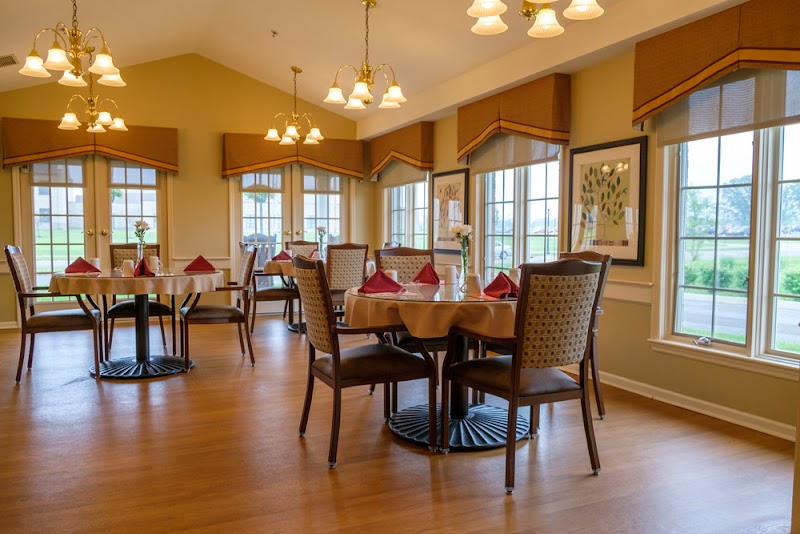
Who Owns and Operates Pickaway Manor?

PICKAWAY MANOR CARE CENTER is owned by a for-profit company. For-profit facilities operate as businesses with obligations to shareholders or private owners. The facility operates independently rather than as part of a larger chain. With 99 certified beds and approximately 78 residents (about 79% occupancy), it is a smaller facility located in CIRCLEVILLE, Ohio.
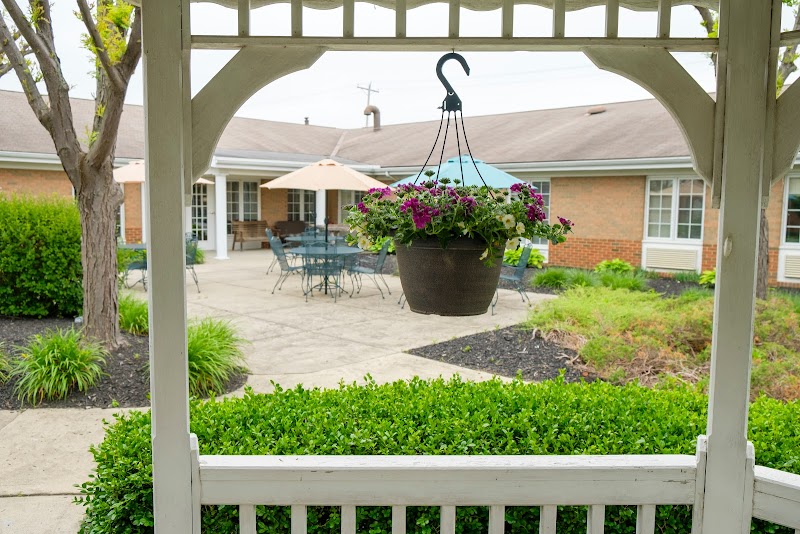
How Does Pickaway Manor Compare to Other Ohio Nursing Homes?

Compared to the 100 nursing homes in Ohio, PICKAWAY MANOR CARE CENTER's overall rating (3 stars) is below the state average of 3.2, staff turnover (42%) is near the state average of 46%, and health inspection rating (2 stars) is below the national benchmark.

What Should Families Ask When Visiting Pickaway Manor?

Based on this facility's data, families visiting should ask: "What changes have been made since the serious inspection findings, and how are you preventing similar issues?" "Can you walk me through typical staffing levels on day, evening, and night shifts?" "Can I visit during a mealtime to observe dining assistance and food quality?" "How do you handle medical emergencies, and what is your hospital transfer rate?" These questions are particularly relevant given the facility's Immediate Jeopardy citations and the below-average staffing rating.

Is Pickaway Manor Safe?

Based on CMS inspection data, PICKAWAY MANOR CARE CENTER has documented safety concerns. Inspectors have issued 1 Immediate Jeopardy citation (the most serious violation level indicating risk of serious injury or death). The facility has a 3-star overall rating and ranks #100 of 100 nursing homes in Ohio. Families considering this facility should ask detailed questions about what corrective actions have been taken since these incidents.

Do Nurses at Pickaway Manor Stick Around?

PICKAWAY MANOR CARE CENTER has a staff turnover rate of 42%, which is about average for Ohio nursing homes (state average: 46%). Moderate turnover is common in nursing homes, but families should still ask about staff tenure and how the facility maintains care continuity when employees leave.

Was Pickaway Manor Ever Fined?

PICKAWAY MANOR CARE CENTER has no federal fines on record. CMS issues fines when nursing homes fail to meet care standards or don't correct problems found during inspections. The absence of fines suggests the facility has either maintained compliance or corrected any issues before penalties were assessed. This is a positive indicator, though families should still review recent inspection reports for the full picture.

Is Pickaway Manor on Any Federal Watch List?

PICKAWAY MANOR CARE CENTER is not on any federal watch list. The most significant is the Special Focus Facility (SFF) program, which identifies the bottom 1% of nursing homes nationally based on persistent, serious quality problems. Not being on this list means the facility has avoided the pattern of deficiencies that triggers enhanced federal oversight. This is a positive indicator, though families should still review the facility's inspection history directly.