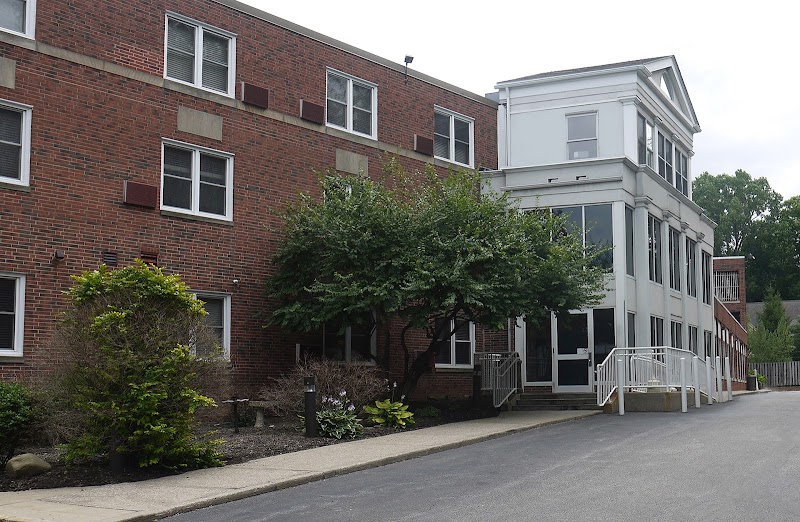
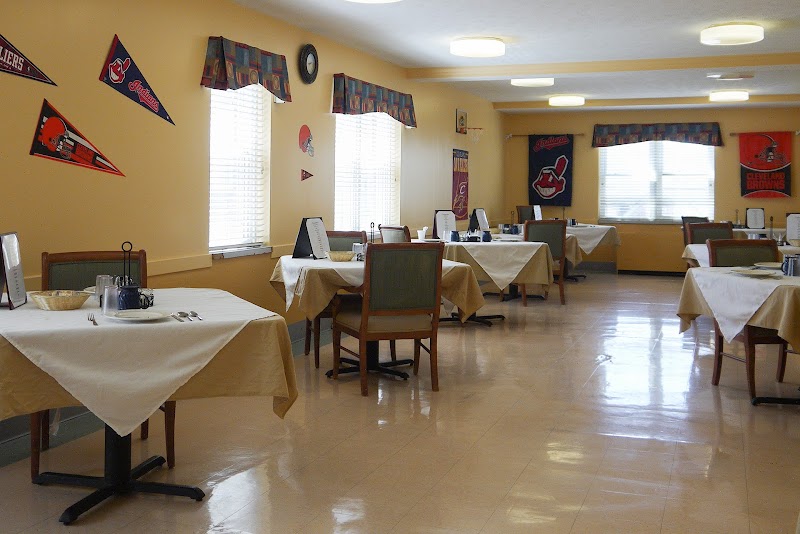
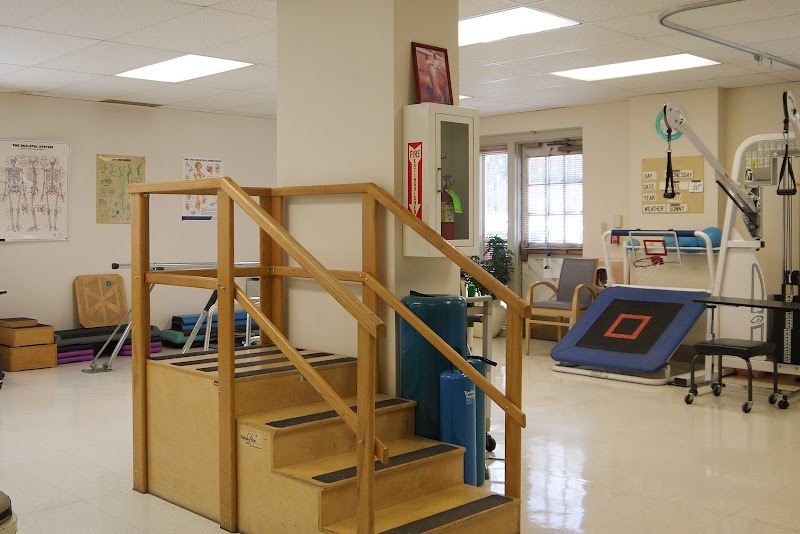
CEDARWOOD PLAZA

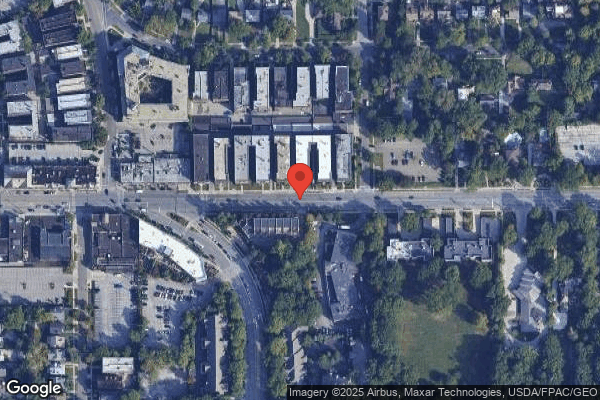
12504 CEDAR ROAD, CLEVELAND HEIGHTS, OH 44106 (216) 371-3600
For profit - Corporation 115 Beds LEGACY HEALTH SERVICES Data: November 2025 1 Immediate Jeopardy citation
Trust Grade
41/100
#435 of 913 in OH
Last Inspection: September 2023

Over 2 years since last inspection. Current conditions may differ from available data.

Overview

Cedarwood Plaza has a Trust Grade of D, which indicates below average performance and raises some concerns for potential residents and their families. Ranking #435 out of 913 facilities in Ohio places it in the top half, but county-wise, it ranks #39 out of 92 in Cuyahoga County, meaning there are better options nearby. Unfortunately, the facility is worsening, with issues increasing from 4 in 2024 to 7 in 2025. Staffing has a rating of 2 out of 5 stars, with a turnover rate of 59%, which is average but suggests some instability among staff. Notably, there were serious incidents, such as a loaded firearm being left unsecured in the facility, posing a grave safety risk, and ongoing cleanliness issues in both the kitchen and dumpster area, affecting overall sanitation. While there is good RN coverage, more than 87% of Ohio facilities, the facility has several weaknesses that families should consider.

Trust Score
D
41/100
In Ohio
#435/913
Top 47%
Safety Record
High Risk
Review needed
Inspections
Getting Worse
4 → 7 violations
Staff Stability
⚠ Watch
59% turnover. Above average. Higher turnover means staff may not know residents' routines.
Penalties
✓ Good
$8,171 in fines. Lower than most Ohio facilities. Relatively clean record.
Skilled Nurses
✓ Good
Each resident gets 55 minutes of Registered Nurse (RN) attention daily — more than average for Ohio. RNs are trained to catch health problems early.
Violations
⚠ Watch
24 deficiencies on record. Higher than average. Multiple issues found across inspections.
★★★☆☆
3.0
Overall Rating
★★☆☆☆
2.0
Staff Levels
★★★★★
5.0
Care Quality
★★☆☆☆
2.0
Inspection Score
Stable
2024: 4 issues
2025: 7 issues

The Good

  • 5-Star Quality Measures · Strong clinical quality outcomes
  • Full Sprinkler Coverage · Fire safety systems throughout facility
  • No fines on record

Facility shows strength in quality measures, fire safety.

The Bad

3-Star Overall Rating

Near Ohio average (3.2)

Meets federal standards, typical of most facilities

Staff Turnover: 59%

13pts above Ohio avg (46%)

Frequent staff changes - ask about care continuity

Federal Fines: $8,171

Below median ($33,413)

Minor penalties assessed

Chain: LEGACY HEALTH SERVICES

Part of a multi-facility chain

Ask about local staffing decisions and management

Staff turnover is elevated (59%)

11 points above Ohio average of 48%

The Ugly 24 deficiencies on record

1 life-threatening
Aug 2025 2 deficiencies
CONCERN (F) 📢 Someone Reported This

A family member, employee, or ombudsman was alarmed enough to file a formal complaint

Potential for Harm - no one hurt, but risky conditions existed

Food Safety (Tag F0812)

Could have caused harm · This affected most or all residents

Based observation, staff interview, and policy review, the facility failed to maintain the kitchen in a clean and sanitary condition. This had the potential to affect all 104 residents residing in the...

Read full inspector narrative →
Based observation, staff interview, and policy review, the facility failed to maintain the kitchen in a clean and sanitary condition. This had the potential to affect all 104 residents residing in the facility. The facility census was 104.Findings include:Observation of the kitchen area with Dietary Aide (DA) #750 on 08/30/25 beginning at 9:02 A.M. revealed the following that was verified at the time of discovery.Observation of the walk-in cooler revealed a spiral ham with no date, an onion chopped in half and stored in plastic wrap with no date, a large plastic container of diced turkey with no date, a metal container with butter that had no label or date, a metal container of bacon bits with no label or date, and a large plastic container of fat from the preparation of a beef roast with no label or date. Observation of the walk-in freezer revealed a box of beef slabs which was opened and the slabs of beef were sitting on the cardboard box and not in a plastic bag or any sort of container. The exposed beef slabs showed signs of significant freezer burn. Further observation of the walk-in freezer revealed a plastic bag of cookie dough bites were in a plastic bag that were open to air. Continued observation of the kitchen revealed multiple light fixtures through out the area that had various amounts of dust, debris, and dead bugs in them. Observation of the six burner cook top had a thick layer of black food buildup around each of the burners and underneath the burner. The microwave used to heat up and defrost residents food was extremely dirty with brown residue all over it.Interview with DA #750 confirmed all of the above findings at the time of discovery on 08/20/25.Review of the undated policy titled, Food Preparation and Storage, revealed food items will be prepared to conserve maximum nutritive value, develop and enhance flavor and keep free of harmful organisms and substances. This deficiency represents non-compliance investigated under Complaint Number 2569014.
CONCERN (F) 📢 Someone Reported This

A family member, employee, or ombudsman was alarmed enough to file a formal complaint

Potential for Harm - no one hurt, but risky conditions existed

Garbage Disposal (Tag F0814)

Could have caused harm · This affected most or all residents

Based observation and staff interview, the facility failed to maintain its dumpster area in a clean and sanitary condition. This had the potential to affect all 104 residents residing in the facility....

Read full inspector narrative →
Based observation and staff interview, the facility failed to maintain its dumpster area in a clean and sanitary condition. This had the potential to affect all 104 residents residing in the facility. The facility census was 104.Findings include: Observation of the outside dumpster area with Dietary Aide (DA) #750 on 08/30/25 beginning at 9:45 A.M. revealed to the left of the dumpster area, outside of the physical dumpster, were significant amounts of debris, including plastic gloves, used plastic silverware, paper plates (many with noticeable food residue), brown bags, and various other pieces of plastic laying around. In front of the dumpster, approximately fifteen feet away, was a cardboard box on the ground and the box appeared to have been run over multiple times by vehicles. To the right of the dumpster was the facility's grease barrel, used to store excess oil and grease from the kitchen, and it was observed to be open to the air with a stock pot of water placed on top of it.Interview with DA #750 on 08/30/25 confirmed the above findings of the outside dumpster area at the time of discovery.This deficiency represents an incidental finding discovered while investigating Complaint Number 2569014.
Jul 2025 2 deficiencies
CONCERN (F) 📢 Someone Reported This

A family member, employee, or ombudsman was alarmed enough to file a formal complaint

Potential for Harm - no one hurt, but risky conditions existed

Menu Adequacy (Tag F0803)

Could have caused harm · This affected most or all residents

Based on observation, record review, and interviews, the facility failed to ensure the correct serving sizes and all menu items were provided per the menu. This affected four residents (#28, #43, #55,...

Read full inspector narrative →
Based on observation, record review, and interviews, the facility failed to ensure the correct serving sizes and all menu items were provided per the menu. This affected four residents (#28, #43, #55, and #99) but had the potential to affect all residents, except two residents (#36 and #51) who received nothing by mouth. The facility census was 101. Findings include: Interviews on 07/01/25 between 9:44 A.M. and 1:18 P.M. with Residents #28, #55, and #99 revealed they received small portions at mealtimes, but also stated they never knew what was on the menu prior to receiving meals. Review of the menu revealed lunch for 07/01/25 was deli meat and cheese sandwich, creamy coleslaw, and four ounces (oz) of cinnamon apple slices. Residents on a pureed diet were to get pureed soft, cooked vegetables servings size was #12 scoop (green handle which provides a 2.7 oz portion) and pureed cinnamon apple slice serving size was a #10 scoop (three oz). Residents on a mechanical soft diet were to receive ground deli meat and cheese using a #8 scoop (four oz). Observations on 07/01/25 between 12:20 P.M. and 12:45 P.M. of the lunch tray line revealed a large pan of sliced deli meat sitting on the steam table (not in an ice bath), next to it was a large pan of lettuce, and a large pan of sliced tomatoes. [NAME] #555 tore open a loaf of white bread while wearing gloved hands, grabbed slices of bread, grabbed two slices of deli meat, folded it over onto the bread and proceeded to grab lettuce and tomato slices and place onto one slice of bread and then place the second slice of bread on top all while using the same gloved hands. Further observation revealed [NAME] #555 made a pureed plate serving mixed vegetables using a purple handled scoop #40 (providing 0.75 oz. serving). Observation of the mechanical soft diet being plated revealed [NAME] #555 plated ground turkey using a green handled scoop #12 (providing a 2.7 oz. portion) and placed the ground meat between two slices of bread. Observation at the end of the tray line revealed two additional pans. In one pan were several two oz. plastic containers of applesauce, and in the second pan next to it were several two oz. plastic containers of cottage cheese and pineapples tidbits. Interview on 07/01/25 between 12:20 P.M. and 12:45 P.M. with Dietary Manager (DM) #648 they had to swap out the coleslaw and provide chips instead, and also had to provide cottage cheese with fruit and applesauce cups instead of apple slices. DM #648 verified there was no cheese for the deli sandwiches and that the plastic containers were two ounce servings instead of the four ounce servings for the fruit. DM #648 also verified the scoop serving for the pureed veggies and mechanical meat were not correct as well and residents were served smaller portions than what was listed on the menu. Observation on 07/01/25 at 1:04 P.M. of Resident #43's lunch revealed two sandwiches, bag of chips, and a two ounce serving of pineapples. Interview at the time of observation with Resident #43 revealed portion sizes for the fruit cups and cottage cheese were usually in the two ounce containers. Resident #43 stated they don't get or see a menu to know what they will receive for meals. Observation on 07/01/25 at 1:23 P.M. of Resident #55 and #99's lunches revealed both had sandwiches and potato chips but did not receive any fruit cups on their trays. Interview on 07/01/25 with Certified Nursing Assistant (CNA) #408 verified Residents #55 and #99 did not receive dessert or fruit cup on their lunch trays. Observation on 07/01/25 at 1:30 P.M. of Resident #28's lunch revealed a burger, chips, juice, but no fruit cup observed. Interview at the time of observation with CNA #408 verified Resident #28 had no fruit on his lunch tray. This deficiency represents non-compliance investigated under Complaint Number OH00166944.
CONCERN (F) 📢 Someone Reported This

A family member, employee, or ombudsman was alarmed enough to file a formal complaint

Potential for Harm - no one hurt, but risky conditions existed

Food Safety (Tag F0812)

Could have caused harm · This affected most or all residents

Based on observation, interview, and record review, the facility failed to dry silverware and serve food in a sanitary manner. This had the potential to affect all residents except two (#36 and #51) w...

Read full inspector narrative →
Based on observation, interview, and record review, the facility failed to dry silverware and serve food in a sanitary manner. This had the potential to affect all residents except two (#36 and #51) who received nothing by mouth. The facility census was 101. Findings include: Observations on 07/01/25 at 12:19 PM observed Dietary Aide (DA) #409 using a dish cloth to dry the silverware that was in a tray sitting on the end of the steam table. DA #409 proceeded to place the silverware after drying them in a silverware holder. DA #409 verified the observation and stated she didn't know they weren't supposed to dry them that way. Observations on 07/01/25 at 12:20 P.M. of the lunch tray line revealed a large pan of sliced deli meat sitting on the steam table (not in an ice bath), next to it was a large pan of lettuce, and a large pan of sliced tomatoes. [NAME] #555 tore open a loaf of white bread while wearing gloved hands, grabbed slices of bread, grabbed two slices of deli meat, folded it over onto the bread and proceeded to grab lettuce and tomato slices and place onto one slice of bread and then place the second slice of bread on top all while using the same gloved hands throughout the meal service. Interview at the time of observation with Dietary Manager (DM) #648 verified the observation and stated his expectation was for [NAME] #555 to use serving utensils. Review of the resident diet order list revealed two residents (#36 and #51) who had physician orders to receive nothing by mouth. Review of the undated facility policy, Food Preparation and Storage, revealed all food service equipment should be cleaned, sanitized, air-dried, and reassembled after each use. Tongs or other serving utensils will be used to serve breads or other items to avoid bare hand contact with food.
Feb 2025 2 deficiencies
CONCERN (E) 📢 Someone Reported This

A family member, employee, or ombudsman was alarmed enough to file a formal complaint

Potential for Harm - no one hurt, but risky conditions existed

Deficiency F0804 (Tag F0804)

Could have caused harm · This affected multiple residents

Based on observation, interview and review of facility policy, the facility did not ensure palatable food was served to all residents receiving meals from the kitchen. This affected six residents (#24...

Read full inspector narrative →
Based on observation, interview and review of facility policy, the facility did not ensure palatable food was served to all residents receiving meals from the kitchen. This affected six residents (#24, #28, #29, #32, #43 and #87) of six residents reviewed for food service. The facility census was 113. Findings include: An observation was conducted on 02/25/25 at 12:35 P.M. to 1:33 P.M. of the kitchen food production, kitchen environment and lunch tray line meal service. The lunch consisted of chicken cutlet, spinach, chocolate chip cake and substitutes available were hamburger or ham slices, mixed vegetables, potato salad and ice cream. All hot foods on tray line reached acceptable temperature above 165 degrees Fahrenheit ( F) prior to the start of meal service. A second set of temperatures were not taken to monitor the temperatures of the food on tray line throughout the observation. A test tray was requested as the last resident's food was plated and ham slice, potato salad and mixed vegetables were placed for the test tray. The food cart left the kitchen at 1:33 P.M. with the test tray and arrived to the unit at 1:40 P.M. When the test tray reached the floor at 1:40 P.M. the test tray was placed in the dining room where food temperatures were taken by Dietary Manager (DM) #503 using a calibrated facility thermometer. The temperature of the ham slice was 106 degrees F and was barely warm to taste. The cold potato salad was 75 degrees F and was not cold. The mixed vegetables were 136 degrees F and tasted warm. DM #503 verified the food temperatures at the time of the test tray. An interview was conducted on 02/25/25 at 1:46 P.M. with Resident #28 who revealed he did not like the food, and the hot food was not hot. An interview was conducted on 02/25/25 at 1:48 P.M. with Resident #87 who stated the food is horrible. An interview was conducted on 02/25/25 at 1:51 P.M. with Resident #32 who revealed hot foods were served cold. An interview was conducted on 02/25/25 at 1:52 P.M. with Resident #24 who revealed the food did not taste good. An interview was conducted on 02/25/25 at 4:48 P.M. with Resident #29 who revealed they ordered food out because the food is not good. An interview was conducted on 02/25/25 at 5:07 P.M. with Resident #43 who stated the hot food is always cold. Review of the facility policy titled Food Temperatures at Point of Service, dated 01/06/25 revealed hot food items must be cooked, held and served at appropriate temperature. Food temperatures were taken often to monitor safe food holding temperature at or below 41 degrees F for cold foods, and at or above 135 degrees F for hot foods. This deficiency represents non-compliance investigated under Complaint Number OH00162967
CONCERN (F) 📢 Someone Reported This

A family member, employee, or ombudsman was alarmed enough to file a formal complaint

Potential for Harm - no one hurt, but risky conditions existed

Food Safety (Tag F0812)

Could have caused harm · This affected most or all residents

Based on observation and interview, the facility did not ensure food was stored, prepared and served under sanitary conditions. This had the potential to affect all 111 residents receiving meals from ...

Read full inspector narrative →
Based on observation and interview, the facility did not ensure food was stored, prepared and served under sanitary conditions. This had the potential to affect all 111 residents receiving meals from the kitchen excluding Resident #36 and #51 who the facility identified as eating nothing by mouth. The facility census was 113. Findings include: An observation was conducted on 02/25/25 from 12:35 P.M. to 1:33 P.M. with Dietary Manager (DM) #503 of the facility kitchen. In the main freezer there was bread stored in a clear plastic bag with no label or dates, and an open bag of French fries in a clear plastic bag with no label or date on it. Observation of the dry food storage area revealed an open, two-pound bag of powdered sugar that was wrapped in ripped plastic wrap without a date or label and the powdered sugar was spilling out of the bag when it was picked up to check for a label and date. Pumpernickel bread and sausage buns were observed with no dates or labels on the bread items. A 55 ounce bag of tortilla shells were observed on the bread shelf with a use by date of 12/13/24. An unlabeled plastic container with a green lid had a brown substance in the plastic container stored in the dry storage room that was not labeled or dated. Live gnats were observed hovering by the bread in the dry food storage areas. Next to the dish machine live gnats were observed flying around the dish machine. Four wet oven trays were observed sitting on the pot and pan rack along with dried and clean pots and pans. There was a heavy build-up of black grime on the floor under the dish machine and a heavy build-up of dried food particles and black grime were observed on the bottom of the walls where the walls met the floor throughout the kitchen. In addition, two tray carts used to transport resident food had a large amount of dried white substance resembling dried milk on each cart indicating the carts had not been kept clean and sanitary. An interview was conducted on 02/25/25 at 1:33 P.M. with DM #503 who confirmed the above findings at the time of the observations. This deficiency represents non-compliance investigated under Complaint Number OH00162967
Jan 2025 1 deficiency
CONCERN (D) 📢 Someone Reported This

A family member, employee, or ombudsman was alarmed enough to file a formal complaint

Potential for Harm - no one hurt, but risky conditions existed

Incontinence Care (Tag F0690)

Could have caused harm · This affected 1 resident

**NOTE- TERMS IN BRACKETS HAVE BEEN EDITED TO PROTECT CONFIDENTIALITY** Based on observation, resident and staff interviews, record review, and facility policy review, the facility failed to provided ...

Read full inspector narrative →
**NOTE- TERMS IN BRACKETS HAVE BEEN EDITED TO PROTECT CONFIDENTIALITY** Based on observation, resident and staff interviews, record review, and facility policy review, the facility failed to provided timely incontinence care to the residents. This affected two (Residents #10 and #74) of three residents reviewed for incontinence care. The facility census was 110. Findings include: 1. Record review for Resident #10 revealed an admission date of 11/06/23. Diagnoses included hemiplegia and hemiparesis following cerebral infarction affecting right dominant side, and muscle weakness. Review of the annual Minimum Data Set (MDS) assessment dated [DATE] revealed Resident #10 was moderately cognitively impaired. Resident #10 had impairment on one side of the upper and lower extremities, was frequently incontinent of urine and always incontinent of bowel. Resident #10 required substantial/maximal assistance with toileting hygiene, personal hygiene, and was dependent on staff for transfers. Review of the care plan dated 12/23/24 revealed Resident #10 had bowel incontinence due to impaired mobility and physical limitations. Resident #10 also had bladder frequent incontinence due to impaired mobility and physical limitations. Interventions included to check resident, if she was continent, offer to assist with toileting. If she was incontinent, remove wet or soiled clothing, briefs; provide incontinent care; apply protective barrier after each incontinent episode; and maintain resident dignity during incontinent care. Observation and interview on 01/06/25 at 12:53 P.M. revealed Resident #10 was sitting up in her chair. Resident #10 stated she had been incontinent and asked the Certified Nursing Assistant (CNA) to change her since 10:00 A.M. Interview on 01/06/25 at 12:57 P.M. with CNA #335 confirmed she was Resident #10's CNA. CNA #335 stated she needed two people to transfer Resident #10 to her bed to change her so she would do it at 2:00 P.M. Interview on 01/06/24 at 2:22 P.M. with CNA #335 stated she was not ready yet to change Resident #10, she needed to wait for another staff member to assist her with the transfer. CNA #335 stated Resident #10 was a mechanical lift and required two persons to transfer her. The night shift placed her in the chair, unsure what time but it was before 7:00 A.M., and Resident #10 has not been laid back down or checked and changed since night shift got her up. CNA #335 stated she did not have enough hands to do it all. Observation on 01/06/25 at 2:30 P.M. revealed Licensed Practical Nurse (LPN) #312 assisted CNA #335 to transfer Resident #10 to her bed. Observation during incontinence care revealed Resident #10's brief was completely saturated front and back with urine and stool. 2. Record review for Resident #74 revealed an admission date of 11/25/24. Diagnoses included spondylosis with myelopathy cervical region, overflow incontinence and muscle weakness. Review of the Medicare five-day MDS assessment dated [DATE] revealed Resident #74 was cognitively intact. Resident #74 required supervision or touch assistants with toileting hygiene and transfers. Resident #74 was occasionally incontinent of bowel and bladder. Review of the care plan revealed Resident #74 had bladder incontinence related to impaired mobility. Interventions included to check the resident if he/she was incontinent, remove wet or soiled clothing, briefs; provide incontinence care; and apply protective barrier after each incontinent episode. Observation and interview on 01/06/25 at 1:03 P.M. revealed Resident #74 was sitting up in his chair next to his bed. Observation revealed the sheets on top of Resident #74's bed were saturated from one side of the bed to the other with a large dried yellow ring on the edges. The room had a strong odor of urine. Resident #74 stated he was up on his chair since 8:45 A.M. Resident #74 stated he had not been changed yet and asked for assistance to get changed a few hours ago. Resident #74 stated he often had to wait to get changed and he was wet now. Interview on 01/06/25 at 1:10 P.M. with CNA #402 stated each of her residents were checked and changed two times a shift, in the morning and at the end of her shift. CNA #402 stated the shift began at 7:00 A.M. until 3:00 P.M. Observation and interview on 01/06/25 at 1:19 P.M. with CNA #403 confirmed Resident #74's sheets were saturated with urine and the room had a strong urine odor. CNA #403 stated Resident #74 used a urinal, he was incontinent sometimes but if he needed help he would ask, otherwise she did not need to check on him for incontinent care needs. CNA #403 stated she changed other incontinent residents twice a shift, in the morning and at the end of her shift. CNA #403 confirmed she worked from 7:00 A.M. until 3:00 P.M. Interview on 01/06/25 at 1:38 P.M. with CNA #461 stated she could not take residents to the bathroom or provide incontinence care during meal time which included passing the meal trays, feeding residents and picking up the trays. Interview on 01/06/24 at 3:20 P.M. with Regional Director #476 revealed residents were checked and changed on an individualized bases but at least every two hours, some residents may require it more often and as needed. Review of the facility policy titled ADL Care (Activity of Daily Living) dated 11/30/23 included the purpose was to meet the resident's physical and mental needs. Assist resident with toilet activities and provide incontinence care as needed. This deficiency represents non-compliance investigated under Complaint Number OH00161188.
Jun 2024 1 deficiency
CONCERN (E) 📢 Someone Reported This

A family member, employee, or ombudsman was alarmed enough to file a formal complaint

Potential for Harm - no one hurt, but risky conditions existed

Infection Control (Tag F0880)

Could have caused harm · This affected multiple residents

**NOTE- TERMS IN BRACKETS HAVE BEEN EDITED TO PROTECT CONFIDENTIALITY** Based on observation, interview, record review and facility policy review the facility failed to ensure staff wore appropriate P...

Read full inspector narrative →
**NOTE- TERMS IN BRACKETS HAVE BEEN EDITED TO PROTECT CONFIDENTIALITY** Based on observation, interview, record review and facility policy review the facility failed to ensure staff wore appropriate Personal Protective Equipment (PPE) when caring for a resident on the South unit who had orders for Enhanced Barrier Precautions (EBP). This affected one Resident (Resident #51) of three residents reviewed for infection control, and had the potential to affect an additional 23 residents (#33, #34, #35, #36, #37, #38, #39, #40, #41, #42, #43, #44, #45, #46, #47, #48, #49, #50, #52, #53, #54, #55 and #56) living on the South unit. The facility identified 24 residents in EBP (Residents #4, #10, #11, #14, #20, #27, #30, #31, #33, #41, #47, #48, #50, #51, #52, #54, #58, #75, #81, #86, #87, #88, #97, and #103). The facility census was 106. Findings include: Review of the medical record for Resident #51 revealed an admission date of 02/23/24. Diagnosis included type two diabetes mellitus, anoxic brain damage, urinary tract infection, acute respiratory failure with hypoxia, infection and inflammatory reaction due to indwelling urethral catheter, and a personal history of other infectious and parasitic disease sepsis due to staph Aureus. Review of Resident #51's quarterly Minimum Data Set (MDS) 3.0 assessment dated [DATE] revealed the resident had severely impaired cognition and was dependent on staff for all Activities of Daily Living (ADLs). Review of Resident #51's physician orders dated June 2024 revealed she was in Enhanced Barrier Precautions (EBP) and staff were to use gown and gloves for high-contact resident care including dressing, bathing, showering, transfers, hygiene care, changing linens, changing briefs, assisting with toileting, dressing changes, and care of any device (trach, central line, tube feeding, and catheter) every shift for reducing the chance of spreading infection. Further review of Resident #51's physicians orders revealed she had a foley catheter, tube feedings, and wound care. Observation on 06/27/24 at 11:45 A.M. of Resident #51 revealed she was to be in Enhanced Barrier Precautions related to her heel wound, and lines and tubes such as foley catheter and tube feeding. Observation on 06/27/24 at 11:47 A.M. of wound care for Resident #51 by Registered Nurse (RN) #705 revealed she cleansed the left heal with saline soaked gauze, painted with betadine then applied Adaptic, then applied a clean dry dressing and reapplied the residents heel boots. Hand hygiene was completed appropriately with no concerns identified related to the wound care. While RN #705 performed wound care she was not wearing the proper Personal Protective Equipment (PPE) as required including a gown. Interview on 06/27/24 at 12:00 P.M. with RN #705 the facility Wound Care Nurse and Infection Preventionist revealed she confirmed Resident #51 whom she just completed wound care on was in Enhanced Barrier Precautions (EBP) and should have worn a gown to complete the residents wound care and did not. She stated she got caught up in the moment and forgot to put on her gown. She confirmed all appropriate signage was posted. Review of the facility policy titled Enhanced Barrier Precautions, last reviewed 11/30/23 revealed under the procedure section, number two Gowns and gloves are to be used for high-contact resident care activities for residents known to be colonized or infected with a Multi-Drug Resistant Organism (MDRO) as well as those at increased risk of MDRO acquisition (e.g., residents with wounds or indwelling medical devices). Under number three it stated examples of high-contact resident care activities requiring gown and glove use for EBP include: dressing, bathing/showering, transferring, providing hygiene, changing lines, changing briefs or assisting with toileting, device care or use: central line, urinary catheter, feeding tubes, tracheostomy/ventilator, wound care including any skin opening requiring a dressing. This deficiency was an incidental finding of non-compliance during the investigation of Complaint Number OH00154399.
May 2024 1 deficiency 1 IJ
CRITICAL (J) 📢 Someone Reported This

A family member, employee, or ombudsman was alarmed enough to file a formal complaint

Immediate Jeopardy (IJ) - the most serious Medicare violation

Accident Prevention (Tag F0689)

Someone could have died · This affected 1 resident

**NOTE- TERMS IN BRACKETS HAVE BEEN EDITED TO PROTECT CONFIDENTIALITY** THE FOLLOWING DEFICIENCY REPRESENTS AN INCIDENT OF PAST NON-COMPLIANCE THAT WAS SUBSEQUENTLY CORRECTED PRIOR TO THIS SURVEY. Ba...

Read full inspector narrative →
**NOTE- TERMS IN BRACKETS HAVE BEEN EDITED TO PROTECT CONFIDENTIALITY** THE FOLLOWING DEFICIENCY REPRESENTS AN INCIDENT OF PAST NON-COMPLIANCE THAT WAS SUBSEQUENTLY CORRECTED PRIOR TO THIS SURVEY. Based on observation, medical record review, resident and staff interview, review of a police report and review of facility policy, the facility failed to provide a safe environment free from a potential accident hazard when State Tested Nursing Assistant (STNA) #563 was found to have an unsecured loaded firearm in the facility. This resulted in Immediate Jeopardy and potential for serious life-threatening harm when STNA #563 left a loaded firearm, with additional rounds of ammunition, wrapped in a fleece vest and in a clear plastic bag, unsecured on a cart on the 3 North Hallway where residents resided and had access to the bag. Resident #64 subsequently took the bag containing the loaded firearm to her room, without staff knowledge, found the firearm, and placed it under the mattress of her bed. This affected one (#64) resident and had the potential to affect all 108 residents residing in the facility. The facility census was 108. On 05/13/24 at 2:25 P.M., the Director of Nursing (DON) and Regional Registered Nurse (RRN) #707 were notified Immediate Jeopardy began on 05/03/24 at approximately 1:00 P.M. when STNA #563 notified Unit Manager (UM) #628 his coat and loaded firearm were missing from the 3 North Hallway. STNA #563 left the loaded firearm, unsecured, in a plastic bag on a cart in the hallway and discovered it was missing at approximately 1:00 P.M. Resident #64 saw the unattended bag on the cart, believed it was hers, and took the bag to her room. Resident #64 found the loaded firearm and placed it under her mattress. The facility was unable to locate the firearm during searches of the facility. On 05/03/24 at approximately 3:33 P.M., Resident #64 told STNA #592 she found the firearm and the local police department, who had been contacted regarding the incident by the facility, took possession of the weapon and additional rounds of ammunition. The Immediate Jeopardy was removed on 05/04/24 and the deficiency continued at a Severity Level II (no harm with the potential for more than minimal harm that is not immediate jeopardy) until the deficiency was corrected on 05/06/24, when the facility implemented the following corrective actions: • On 05/03/2024 at approximately 1:00 P.M., STNA #563 informed Unit Manager (UM) #628 his coat and firearm were missing from the 3 North Hallway. UM #628 immediately notified the DON of the missing firearm. • On 05/03/24 at approximately 1:05 P.M., the DON notified the Administrator of the missing firearm. • On 05/03/24 at approximately 1:07 P.M., the Administrator notified the local police department (LPD) of the missing firearm. • On 05/03/24 at approximately 1:10 P.M., the DON assigned managers to search the first, second, and third floors of the facility for the missing firearm. • On 05/03/24 at approximately 1:40 P.M., the Local Police Department (LPD) arrived at the facility. The Administrator and UM #628, along with the responding officer, reviewed camera surveillance to determine if the missing firearm could be seen being removed from the last known location. The cameras did not assist in identifying who may have removed the bag carrying the missing firearm. • On 05/03/24 at approximately 2:00 P.M., the DON and Administrator assigned new areas for managers to search for the missing firearm, including dietary, the basement, and the exterior of the facility. • On 05/03/24 at approximately 2:15 P.M., the DON and Maintenance Supervisor (MS) #618 searched the garbage for the missing firearm. • On 05/03/24 at approximately 2:20 P.M., a second officer from the LPD arrived and obtained a statement from STNA #563 regarding the missing firearm. • On 05/03/24 at 3:33 P.M., STNA #592 located the missing firearm in Resident #64's room. The LPD took immediate possession of the firearm. • On 05/03/24, STNA #563 was suspended pending the investigation into the firearm he brought into the facility. • On 05/03/24, at approximately 4:00 P.M., an Ad Hoc QAPI was held with the Administrator, DON, Business Office Manager (BOM) #537, [NAME] #639, Receptionists #535 and #583, Corporate admission (CA) #701, Dietary Tech (DT) #702, Assistant Business Office Manager (ABOM) #565 and Admissions Director (AD) #703 to review the facility policy on Firearms and Other Weapons. The facility prohibits employees, residents, visitors, vendors, or others from possessing firearms or other weapons while in/on facility premises. • On 05/03/24, the DON notified Medical Director (MD) #704 of the incident involving the firearm. • On 05/03/24, Chief Clinical Officer (CCO) #705 re-educated the DON on the facility's policy on firearms and other weapons. • On 05/03/24, the DON and CCO #705 educated all staff, including five activities staff, two admissions staff, two business office staff, one central supply staff, 25 dietary staff, seven hospitality aides, 12 housekeepers, two laundry staff, 27 Licensed Practical Nurses (LPN), one maintenance staff, three medication technicians, three social workers, two therapists, three receptionists, 10 Registered Nurses (RN) and 37 STNAs related to the facility firearm policy. Education was provided in person for staff at the facility and over the phone for those off duty. • On 05/03/24, UM #628 completed a skin assessment for Resident #64. No new areas of concern were identified. • On 05/03/24, the DON or designee completed an assessment of all residents. Residents were safe and at baseline. No psychosocial concerns were identified. • On 05/03/24, the Administrator placed new, more prominent signage at the entrances prohibiting firearms in the facility. • On 05/03/24, Maintenance Staff (MS) #618 changed door codes due to the suspension of STNA #563. • Beginning 05/04/24, the DON or designee implemented a system to audit five random staff four times weekly for four weeks then three random staff weekly for eight weeks to ensure knowledge of the facility's firearms policy. Findings would be reviewed in weekly QAPI meetings to ensure compliance with the policy. • On 05/06/24 at approximately 11:00 A.M., Regional Director of Operations (RDO) #706 notified STNA #563 of termination of employment due to not following the facility policy on firearms. • Interviews on 05/13/24 from 2:37 P.M. through 05/14/24 at 8:58 A.M. of Resident #64, #18, and #42 revealed each denied any knowledge of firearms or other weapons in the facility, outside of the incident involving STNA #563's firearm. • Interviews on 05/13/24 from 3:06 P.M. through 05/14/24 at 9:49 A.M. of STNAs #542, #543, and #644 and LPN #628 revealed each were able to articulate the facility policy related to firearms and other weapons. Each denied knowledge of any weapons in the facility, outside of the incident on 05/03/24. • Observation on 05/14/24 at 8:58 A.M. verified prominent signage prohibiting firearms in the facility were placed at the entrances. • Review of staff education sign-in sheets verified all staff were educated on the facility's firearms and other weapons policy on 05/03/24. Findings include: Review of Resident #64's medical record revealed an admission date of 08/21/19. Resident #64 had diagnoses including depression, anemia and uncomplicated alcohol dependence. Review of the Minimum Data Set (MDS) assessment, dated 04/11/24, revealed Resident #64 had mild or no cognitive impairment and daily occurrences of feeling down or depressed. Review of a psychiatry note, dated 05/09/24, revealed Resident #64 was alert and oriented to person and place, but had poor memory, insight, and judgement. Review of a social worker progress note, dated 04/10/24, revealed Resident #64 had periods of forgetfulness. Interview with the DON on 05/13/24 at 9:52 A.M. revealed STNA #563 brought a gun to the facility on [DATE]. The gun was located in a bag, which was taken mistakenly by Resident #64 who thought the bag was hers. Resident #64 subsequently found the gun and gave it to STNA #592, and the police took immediate possession of the firearm. During the interview, the DON revealed guns were not permitted in the facility. Interview with STNA #563 on 05/13/24 at 12:01 P.M. verified he brought a loaded nine-millimeter [NAME] pistol to work at 11:00 P.M. on 05/02/24. The STNA indicated he had the gun for personal protection due to working nights and taking the bus (to and from work). STNA #563 stated he stored the firearm with his personal belongings in a bag at his workstation on the third floor. STNA #563 stated he last saw the bag at 12:40 P.M. on 05/03/24 after coming back from lunch. At approximately 1:00 P.M., STNA #563 noticed the bag was missing and he was unable to locate it. STNA #563 stated he notified an unknown nurse of his missing belongings, including the gun. STNA #563 stated he was removed from the search then told to leave the building after giving a statement to the police. STNA #563 stated it was common for him to bring the pistol wherever he went, though he stated he never took it out of the bag while at the facility. STNA #563 confirmed the facility terminated him following the incident. Interview with Resident #64 on 05/13/24 at 2:37 P.M. confirmed she found a bag at the aide's workstation (a desk and chair in the hallway) on 05/03/24 at approximately 1:00 P.M., and believed it was hers. Resident #64 brought the bag into her room and found a jacket with a pistol in the pocket. She stated she then hid the gun under the mattress of her bed until she found STNA #592 and told her about it. STNA #592 told Resident #64 the facility had been looking for the gun. The police were brought to her room and removed the firearm. Interview with UM #628 on 05/13/24 at 3:06 P.M. revealed STNA #563 informed her his coat was missing on 05/03/24 and staff began looking for it. When they could not find the coat, STNA #563 came to UM #628's office, shut the door, and said his gun was with the coat. UM #628 notified the DON. The managers broke into pairs and began searching the building for the firearm. Resident #64 told an aide the gun was in her room roughly two hours after the event began. Interview with STNA #592 on 05/14/24 at 3:11 P.M. revealed she worked second shift (3:00 P.M. to 11:00 P.M.) on 05/03/24. Shortly after she entered the building, Resident #64 informed her she took a bag to her room thinking it had her own belongings in it and found a gun inside. STNA #592 notified the police, who took control of the weapon. Record review of STNA #563's personnel file revealed he was hired 03/18/24 and his orientation paperwork included acknowledgement of receipt of various policies, including deadly weapons. Further review revealed STNA #563 had no disciplinary action until his suspension on 05/03/24 and subsequent termination on 05/06/24 for violating the facility's firearms and other weapons policy. Review of the local police report, identified as Incident Number 24-01711 and dated 05/03/24, revealed police responded to the facility on [DATE] at 2:00 P.M. for a report of a missing firearm. STNA #563 reported his [NAME] pistol was concealed inside a fleece vest pocket along with two additional magazines, which was stored inside a clear garbage bag and left on a nursing cart outside of room [ROOM NUMBER]. STNA #563 told the police he brought his gun to work because he worked nights and had to ride the bus. Staff located the weapon at 3:45 P.M. under a mattress in room [ROOM NUMBER]. The gun was found with a bullet in the chamber, an inserted magazine containing nine bullets, and with two extra magazines of ten bullets each. Police interview with Resident #64 revealed she initially believed the bag was hers and took it into her room, where she found the gun. She did not feel comfortable turning it over to any staff member except STNA #592 and so waited until this staff began her shift to report it. The police took custody of the firearm. Review of the facility policy titled Firearms and Other Weapons, dated April 2007, revealed the facility prohibited any individual from possessing firearms or other weapons on the premises. Individuals bringing a weapon into the facility must leave it with the administrative office or a security officer before entering resident care areas. Violations of the policy could result in various steps including immediate termination of employment.
Mar 2024 1 deficiency
CONCERN (F) 📢 Someone Reported This

A family member, employee, or ombudsman was alarmed enough to file a formal complaint

Potential for Harm - no one hurt, but risky conditions existed

Food Safety (Tag F0812)

Could have caused harm · This affected most or all residents

Based on observation, staff interview, and policy review, the facility failed to ensure food items were stored and prepared in a safe and sanitary manner. This had the potential to affect all 101 resi...

Read full inspector narrative →
Based on observation, staff interview, and policy review, the facility failed to ensure food items were stored and prepared in a safe and sanitary manner. This had the potential to affect all 101 residents residing in the facility. The facility census was 101. Findings Include: A tour of the facility kitchen was completed on 03/06/24 between 8:15 A.M. and 8:33 A.M. with Dietary Manager #200. Observation of the walk-in cooler revealed a box containing approximately six raw carrots and noted the carrots to be significantly brown in color with significant areas of rot on them, a large box of green peppers with soft exterior skins and numerous other peppers were discolored with various areas of brown and black rot, and a bag of fresh heads of lettuce with significant areas of rot and brown spots on the lettuce. Observation of the walk-in freezer revealed a bag of chicken breast was significantly freezer burned and a frozen chuck roast was noted on the floor. Observation of the food preparation areas revealed there were approximately five burners on the kitchen stove that were incased in burned/dried food, grime, and other unknown debris. Further observation of the food preparation areas revealed the plumbing pipe above the food preparation area was coated in dust, unused oven racks were stored on top of the convection oven with the top of the convection oven noted with large amounts of dirt, dust, grime, and dried foods on it, and there was an open trash can with no covering placed between the griddle and stovetop while the breakfast meal was being prepared. Interview with Dietary Manager #200 verified the findings in the kitchen during the kitchen tour on 03/06/24 at the time of discovery. Review of the undated policy titled, Food Storage, revealed sufficient storage facilities will be provided to keep foods safe, wholesome, and appetizing. Food will be stored in an area that is clean, dry, and free from contaminants. Food will be stored at appropriate temperatures and by methods designed to prevent contamination or cross contamination. This deficiency represents an incidental finding discovered during the investigation for Master Complaint Number OH00151714 and Complaint Number OH00151480.
Feb 2024 1 deficiency
CONCERN (D) 📢 Someone Reported This

A family member, employee, or ombudsman was alarmed enough to file a formal complaint

Potential for Harm - no one hurt, but risky conditions existed

Accident Prevention (Tag F0689)

Could have caused harm · This affected 1 resident

**NOTE- TERMS IN BRACKETS HAVE BEEN EDITED TO PROTECT CONFIDENTIALITY** THE FOLLOWING DEFICIENCY REPRESENTS AN INCIDENT OF PAST NON-COMPLIANCE THAT WAS SUBSEQUENTLY CORRECTED PRIOR TO THIS SURVEY. Bas...

Read full inspector narrative →
**NOTE- TERMS IN BRACKETS HAVE BEEN EDITED TO PROTECT CONFIDENTIALITY** THE FOLLOWING DEFICIENCY REPRESENTS AN INCIDENT OF PAST NON-COMPLIANCE THAT WAS SUBSEQUENTLY CORRECTED PRIOR TO THIS SURVEY. Based on record review, interview, and facility policy review the facility failed to ensure proper physical assistance was provided to prevent a fall. This affected one resident (#107) of three residents reviewed for falls. Findings include: Review of the medical record for Former Resident #107 revealed an admission date of 10/06/22. Diagnoses included epilepsy, hemiplegia, and hemiparesis following cerebral infarction, acquired absence of left leg above knee, and acquired absence of right leg below knee. The resident was discharged to the hospital on [DATE]. Review of the quarterly Minimum Data Set (MDS) assessment dated [DATE] revealed Resident #107 had intact cognition. The resident had the behavior of rejection of care. Functional Abilities: used a wheelchair, no impairment upper extremities, impairment on one side lower extremities. Review of the plan of care dated 10/20/22 revealed Resident #107 was at risk for falls. Interventions included: Assist with all transfers, etc., Bed in lowest position while in bed, call light accessible when in room. Grab bars to both sides of bed to assist with turning and repositioning was added 12/15/23 as an intervention. Review of physician orders for January 2024 identified orders for occupational therapy evaluation and treatment, one time only for one day, on 12/20/23. Grab bars to BOTH sides of bed to assist with turning and repositioning, transfers, and to promote safety due to weakness, dated 12/15/23. Review of the nurse's note dated 12/15/23 at 7:09 A.M. revealed at approximately 5:00 A.M. Resident #107 fell from the bed when aide was providing care. An assessment was completed. Vital signs were completed blood pressure was 127/81, pulse 64, oxygen saturation was 94% on room air, temperature was 97.8 degrees Fahrenheit (F), range of motion (ROM) was within normal limits, resident moved all extremities without pain, no visible injury was observed. The resident's bed moved when locked, a bed rail was not on the side where the resident fell. Maintenance was notified about the bed. The Wong-Baker FACES pain scale indicated zero, no pain. Interventions: keep items within reach, nonskid footwear, half siderail for bed mobility, maintenance to check the bed. Review of the fall review on 12/15/23 revealed a fall risk assessment was completed with a score of 12, indicated the resident was a high fall risk. At approximately 5:00 A.M. Resident #107 fell from the bed when an aide was providing care. An assessment was completed. Vital signs were completed blood pressure was 127/81, pulse 64, oxygen saturation was 94% on room air, temperature was 97.8 degrees F, ROM was within normal limits, resident moved all extremities without pain, no visible injury was observed. The resident's bed moved when locked, a bed rail was not on the side where the resident fell. Maintenance was notified about the bed. The Wong-Baker FACES pain scale indicated zero, no pain. Interventions: keep items within reach, nonskid footwear, half siderail for bed mobility, maintenance to check the bed. Symptoms prior to fall: none noted. Interventions: keep items within reach, nonskid footwear, half siderail for bed mobility, maintenance to check the bed. The resident's family and physician were notified of the fall. Review of the Interdisciplinary Team (IDT) note on 12/15/23 at 10:18 A.M. revealed the IDT team met to review the fall on 12/15/23. While being assisted with toiletings needs, Resident #107 rolled out of bed onto floor. Resident #107 denied hitting his head. Risk factors included but were not limited to epilepsy, anxiety and bilateral below knee amputation (BKA). Immediate intervention: the resident was assisted back into bed with three-person assistance, evaluated by nurse, physician notified, and neurological checks were initiated. Locks on bed wheels were found not to be working properly. New intervention: a new bed and grab bars to both sides of bed. All parties were notified. Review of the Physician's Monthly Progress Note on 12/26/23 at 4:04 P.M. revealed Resident #107 was a new resident for the nurse practitioner (NP) at the facility. The musculoskeletal exam revealed no tenderness, normal ROM, and right lower leg edema (above the amputation). Interview on 02/08/24 at 10:42 A.M. the Director of Nursing (DON) and Administrator revealed that during care the aide turned Resident #107 toward the wall, the bed moved away from the wall, and he rolled off. The resident was immediately assessed. Staff got him back to bed. That was when they noticed the lock was broken on the bed. The facility got him a new bed and had grab bars put on both sides. During that time the resident never complained of pain or said anything that indicated he wasn't feeling okay. The resident never complained of pain after that, or we would have had x-rays done. We did a re-education with the state tested nurse aide (STNA) about making sure the bed was locked before doing care and about how the need to turn a resident toward yourself, not away. Interviews on 02/08/24 from 12:19 P.M. through 12:48 P.M. with Licensed Practical Nurse (LPN) #302, LPN #303, LPN #304, and STNA #304 revealed all had been trained in fall prevention and in what to do after a resident fell. All residents were assessed by a nurse after a fall. None of the staff interviewed had heard Resident #107 complain of any pain in the days after his fall. The deficient practice was corrected on 12/16/23 when the facility implemented the following corrective actions: • On 12/15/23 at 10:18 A.M. the IDT met to review Resident #107's fall. The interventions included a new bed and grab bars to both sides of bed. • On 12/15/24 at 7:09 A.M. the nurse assessed Resident #107 after the fall. The assessment at the time did not reveal any injuries. • On 12/15/23 Resident #107's plan of care (POC) and [NAME] were reviewed and updated. • On 12/15/23 the physician ordered grab bars to both sides of bed to assist with turning and repositioning, transfers and to promote safety due to weakness. • Bed Safety Inspection Audits were held 12/15/23, 12/19/23, 12/26/23, 01/02/24, 01/09/24, 01/16/24, and 01/23/24. • On 12/16/23 a re-education was done with STNA#305 about making sure the bed was locked before doing care and about the need to turn a resident toward yourself, not away. This deficiency represents non-compliance investigated under Complaint Number OH00150400.
Sept 2023 7 deficiencies
CONCERN (D) 📢 Someone Reported This

A family member, employee, or ombudsman was alarmed enough to file a formal complaint

Potential for Harm - no one hurt, but risky conditions existed

Deficiency F0558 (Tag F0558)

Could have caused harm · This affected 1 resident

**NOTE- TERMS IN BRACKETS HAVE BEEN EDITED TO PROTECT CONFIDENTIALITY** Based on observation, record review, and interview the facility failed to ensure call lights were within reach and accessible fo...

Read full inspector narrative →
**NOTE- TERMS IN BRACKETS HAVE BEEN EDITED TO PROTECT CONFIDENTIALITY** Based on observation, record review, and interview the facility failed to ensure call lights were within reach and accessible for Resident #23 and Resident #29. This affected two residents (#23 and #29) of 101 residents reviewed for call light placement. Findings include: 1. Record review revealed Resident #23 was admitted to the facility on [DATE] with a readmission date of 06/23/22 with diagnoses including aphasia, bipolar disorder, rhabdomyolysis, chronic obstructive pulmonary disease, and unspecified convulsions. Review of the most recent Minimum Data Set (MDS) 3.0 assessment dated [DATE] revealed Resident #23 was cognitively intact and required extensive assistance of one staff for mobility, total dependence with two staff for transfers, and extensive assistance with two staff for toilet use. Observation of Resident #23 on 09/25/23 at 10:08 A.M. revealed Resident #23 was lying in bed and his call light was lying on the floor. The call light was noted to be out of reach of Resident #23. Review of the care plans dated 02/24/22 revealed Resident #23 was at risk for falls related to diagnoses. Interventions included but were not limited to call light within reach. Interview with State Tested Nursing Assistant (STNA) #855 on 09/25/23 at 10:09 A.M. verified the call light was out of reach, and Resident #23 would be able to use the call light if it was within reach. 2. Review of the medical record for Resident #29 revealed an admission date of 11/17/20 with diagnosis including diabetes, hypertensive heart disease, and asthma. Review of the annual MDS dated [DATE] revealed Resident #29 was cognitively impaired. Observation on 09/25/23 at 9:50 A.M. of Resident #29 revealed the resident lying in bed with the touch pad call light hanging from the left side of his bed, out of reach. Resident #29 stated he wanted water and was unable to reach his call light to ask staff for water. Interview on 09/25/23 at 9:50 A.M. with Licensed Practical Nurses (LPN) #820 verified Resident #29's touch pad call light was not within reach, and Resident #29 was wanting water. This deficiency represents non-compliance investigated under Master Complaint Number OH00146530.
CONCERN (D)

Potential for Harm - no one hurt, but risky conditions existed

Deficiency F0578 (Tag F0578)

Could have caused harm · This affected 1 resident

Based on interview and record review the facility failed to ensure Resident #33's advance directives were correct in the medical record. This affected one resident (#33) of 29 residents reviewed for a...

Read full inspector narrative →
Based on interview and record review the facility failed to ensure Resident #33's advance directives were correct in the medical record. This affected one resident (#33) of 29 residents reviewed for advanced directives. The facility census was 101. Findings Include: Review of the medical record for Resident #33 revealed the electronic charting revealed the resident was a full code. Review of the physician's orders revealed Resident #33 had an order for full code. Review of the hard chart revealed a Do Not Resuscitate (DNR) form dated 04/21/23. Interview on 09/25/23 at 9:50 A.M. with Licensed Practical Nurse (LPN) #820 verified the electronic charting had Resident #33 advance directive as a full code and the hard chart had an advance directive form stating Resident #33's code status was DNR. LPN #820 verified the two-code statuses did not match.
CONCERN (D)

Potential for Harm - no one hurt, but risky conditions existed

Deficiency F0692 (Tag F0692)

Could have caused harm · This affected 1 resident

Based on record review, observation, interview, and facility policy review the facility failed to ensure therapeutic diets were provided to residents. This affected one resident (#30) of six residents...

Read full inspector narrative →
Based on record review, observation, interview, and facility policy review the facility failed to ensure therapeutic diets were provided to residents. This affected one resident (#30) of six residents reviewed for nutrition services. The facility census was 101. Findings include: Record review of Resident #30 revealed he was admitted to the facility 06/17/20 with diagnoses including stage five chronic kidney disease, end stage renal disease with dialysis dependence, and type two diabetes. Had had an order dated 10/24/21 to receive a renal diet (a diet specific for residents with renal complications, including limiting intake of minerals such as phosphorus and potassium). Observation of a meal pass on 09/27/23 at 8:22 A.M. revealed Resident #30 was served a tray including a carton of orange juice, which he consumed during the meal. His meal ticket acknowledged he was on a renal diet and was to receive cranberry juice as his juice for the meal. Interview with Dietitian #802 on 09/27/23 at 8:39 A.M. revealed orange juice was not appropriate for residents on renal diets due to its high potassium content. She confirmed Resident #30 was served orange juice and should not have been. Review of the spreadsheet menu furnished by the facility revealed that residents were to be served a choice of juice with breakfast; however, residents on renal diets were to instead receive cranberry juice. Review of the undated therapeutic diet policy furnished by the facility revealed diets were to be provided to meet the clinical nutrition needs of residents.
CONCERN (D)

Potential for Harm - no one hurt, but risky conditions existed

Tube Feeding (Tag F0693)

Could have caused harm · This affected 1 resident

**NOTE- TERMS IN BRACKETS HAVE BEEN EDITED TO PROTECT CONFIDENTIALITY** 2. Review of the medical record for Resident #87 revealed an admission date of 08/14/23 with diagnoses including dysphagia follo...

Read full inspector narrative →
**NOTE- TERMS IN BRACKETS HAVE BEEN EDITED TO PROTECT CONFIDENTIALITY** 2. Review of the medical record for Resident #87 revealed an admission date of 08/14/23 with diagnoses including dysphagia following cerebral infarction, type two diabetes, and severe protein-calorie malnutrition. Review of the quarterly MDS assessment dated [DATE] revealed Resident #87 had a Brief Interview for Mental Status (BIMS) score of three, indicating cognitive impairment. Review of the assessment revealed Resident #87 required two-person extensive assist for activities of daily living (ADL) and a one-person total dependence for eating. Review of the care plan dated 09/11/23 revealed Resident #87 required tube feed to assist in maintaining or improving nutritional status, had an altered nutritional status evidenced by NPO status with interventions that included desired weight gain. Review of the physician orders dated 08/15/23 revealed Resident #87 had an order for NPO diet. Review of the physician orders dated 08/29/23 revealed an order for weekly weights. Review of the physician orders dated 09/25/23 revealed an order for Diabetisource at 85 ml per hour continuous via PEG tube. Review of the weight summary dated 08/30/23 revealed Resident #87 weighed 123 pounds and as of 09/19/23, weighed 117 pounds. Review of the weight summary revealed Resident #87 had a 4.88 percent (%) loss. Review of the nutrition assessment dated [DATE] revealed Resident #87 received 100 percent of his nutrition through tube feed and had severe malnutrition and severe muscle mass and body fat depletion. Review of the assessment revealed Resident #87 weights would continue to be monitored. Review of the [NAME] services assessment dated [DATE] revealed Resident #87 was on tube feed, was NPO, and had a recent adjustment (increase) in tube feed. Observation on 09/25/23 at 10:30 A.M. revealed Resident #87 was receiving patient care and his room door was closed shut. Observation on 09/25/23 at 10:35 A.M. revealed Resident #87 door was opened, and staff were seen exiting the room. Observation on 09/25/23 at 10:44 A.M. revealed Resident #87 enteral feeding pump was beeping upon entry into the room. Further observation revealed a hold error displayed on the screen of the enteral feeding pump. Observation on 09/25/23 at 10:57 A.M. with Registered Nurse (RN) #916 verified Resident #87 enteral feeding pump was beeping and displayed a hold error on the screen. Interview on 09/25/23 at 10:57 A.M. with RN #916 revealed facility staff forgot to turn the enteral feed pump back on after patient care. RN #916 revealed the enteral feeding pump automatically beeped if it was turned off for longer than five minutes. RN #916 revealed Resident #87 was to receive uninterrupted administration of enteral formula, except during patient care that required it to be paused. RN #916 revealed administration was to resume after patient care was completed. RN #916 was unable to determine how long the enteral feeding pump was off, but confirmed it was longer than five minutes and patient care was no longer being performed. Interview on 09/26/23 at 2:12 P.M. with RD #802 revealed Resident #87 had a significant weight loss after his arrival at the facility and had a recent increase in his tube feed rating. RD #802 revealed Resident #87 was being monitored for weekly weights due to being at risk for significant weight loss. RD #802 revealed he received Diabetisource at 85 ml per hour continuously around the clock (24 hours a day). RD #802 stated Resident #87's tube feed should always be running properly unless when providing care such as bathing. Review of the facility document titled Enteral Tube Feeding-Bolus and Continuous, reviewed 06/08/22, revealed the facility had a policy in place to ensure safe and effective administration of enteral tube feeding. Review of the document revealed the facility did not implement the policy. Based on observation, record review, staff interview, and facility policy review the facility failed to ensure residents who required continuous tube feeding received uninterrupted administration of enteral formula. This affected two residents (#46 and #87) of two residents reviewed for tube feeding. The facility identified six residents (#1, #6, #27, #46, #85, #87) who received no food by mouth and three residents (#55, #62, #94) who received supplemental tube feed. The facility census was 101. Findings include: 1. Record review revealed Resident #46 was admitted to the facility on [DATE] with a readmission date of 07/12/18 with diagnoses including diabetes mellitus, dysphagia, encounter for attention to gastrostomy, and unspecified convulsions. Review of the most recent Minimum Data Set (MDS) 3.0 assessment dated [DATE] revealed Resident #46 was rarely understood and required extensive assistance of two staff for activities of daily except eating required extensive assistance with one staff. Review of the physician's order for September 2023 revealed Resident #46 was ordered nothing by mouth (NPO) and Diabetisource (supplement) at 65 milliliters (ml) per hour via percutaneous endoscopic gastrostomy (PEG) tube. Observation on 09/25/23 at 9:52 A.M. of the enteral feeding pump revealed that the pump was beeping, and the enteral nutrition bag was empty. The empty enteral feeding bag was dated 09/24/23 at 5:15 P.M. Licensed Practical Nurse (LPN) #865 verified that the enteral feeding bag was empty and that it was dated 09/24/23 at 5:15 P.M. at time of observation and could not verified how long the pump was beeping. Review of the enteral feed bag label revealed that 1000 ml of enteral feed may be put into the bag. Resident #46 should have received 1072.5 ml from 9/24/23 at 5:15 P.M. to 09/25/23 at 9:52 A.M. Interview on 09/26/23 at 1:24 P.M. with Director of Nursing (DON) revealed that she instructed her staff to put one to two bottles of enteral feed into the bag and verified each container of enteral feed contained 250 ml. Interview on 09/26/23 at 2:30 P.M. with Registered Dietitian (RD) #802 revealed that Resident # 46's weight decreased, and enteral feed was increased but then was hospitalized . He has been on 65 ml per hour since readmission and weight was stabilizing. Interview on 09/28/23 at 7:45 A.M. with LPN #821 revealed that she puts two to three containers of enteral feeding to the bag. LPN #821 stated that there is no place to document when the formula is poured into the enteral feed bag. LPN #821 stated that she checks on the resident regularly.
CONCERN (D)

Potential for Harm - no one hurt, but risky conditions existed

Laboratory Services (Tag F0770)

Could have caused harm · This affected 1 resident

Based on record review and interview, the facility failed to ensure blood laboratory orders were carried out appropriately. This affected one resident (#79) of five residents reviewed for unnecessary ...

Read full inspector narrative →
Based on record review and interview, the facility failed to ensure blood laboratory orders were carried out appropriately. This affected one resident (#79) of five residents reviewed for unnecessary medications. The facility census was 101. Findings include: Record review of Resident #79 revealed he was admitted to the facility 10/06/22 with diagnoses including epilepsy, congestive heart failure, hemiplegia, and hypothyroidism. He had an order in place for monthly blood draws starting on 12/28/22. He was on several scheduled medications including diuretics, anti-hypertensives, and anticoagulants. A note by Clinical Nurse Practitioner (CNP) #900 dated 09/11/23 said she was adding a lab draw for blood count, metabolic panel, and thyroid-stimulating hormone for 09/12/23. Review of Resident #79's lab draw records revealed the lab on 09/12/23 was marked as unable to obtain. Review of the notes revealed no evidence the lab draw was rescheduled, or the missed draw was reported to the nurse practitioner. Interview with Licensed Practical Nurse (LPN) #888 on 09/27/23 at 11:18 A.M. revealed the facility laboratory services used a separate system to track labs and the orders in the facility's electronic chart did not always reflect the actual schedule. After searching laboratory documentation on their electronic system, she confirmed there was no reattempt to draw labs for Resident #79 after 09/12/23 and no documented evidence the nurse practitioner was informed. The resident's next lab draw was scheduled for December 2023. Interview with CNP #900 on 09/27/23 at 3:02 P.M. revealed she did not recall being informed of Resident #79's missed lab draw. When blood labs could not be obtained, it was her usual practice to have them be re-attempted when lab services were next in the facility. Resident #79's ordered labs were not urgent, however waiting until December was not appropriate.
CONCERN (E)

Potential for Harm - no one hurt, but risky conditions existed

Deficiency F0805 (Tag F0805)

Could have caused harm · This affected multiple residents

Based on observation, interview, and taste test the facility failed to serve pureed foods at a smooth consistency for safe swallowing. This affected five residents (#8, #26, #42, #55, and #94) who wer...

Read full inspector narrative →
Based on observation, interview, and taste test the facility failed to serve pureed foods at a smooth consistency for safe swallowing. This affected five residents (#8, #26, #42, #55, and #94) who were prescribed pureed diets of 95 residents who consumed meals from the facility's kitchen. Residents (#1, #6, #27, #46, #85, and #87) were identified as receiving nothing by mouth. The facility census was 101. Findings include: Observation on 09/27/23 at 11:28 A.M. with [NAME] #880 revealed pureed yellow squash that was not proper consistency. [NAME] #880 put some pureed squash in a portion control cup for taste test, then put the pan in the oven to keep warm and took the robot coupe to the dish machine for cleaning. Taste test revealed that the pureed squash had chunks of squash in it and was not pureed properly. Dietary Manager (DM) #802 was asked to taste pureed squash. DM #802 tasted the pureed squash and stated that it had to be pureed more. Observation on 09/27/23 at 11:37 A.M. [NAME] #880 proceeded to puree roast beef and then portioned two soufflé cups with purred beef. Taste test revealed that pureed roast beef was not of proper consistency. DM #802 verified the pureed beef was not puree smoothly and stated that it had to be pureed more. Review of the pureed herbed rubbed roast beef recipe revealed that prepared beef should be put into the processor with hot broth and blend to a smooth consistency. Review of the pureed squash medley recipe revealed that prepared squash medley should be put into the processor and blended to a smooth consistency.
CONCERN (F)

Potential for Harm - no one hurt, but risky conditions existed

Food Safety (Tag F0812)

Could have caused harm · This affected most or all residents

Based on observations, interview, and facility policy review the facility failed to ensure that the kitchen was clean and sanitary. This had the potential to affect 95 residents who consumed meals fro...

Read full inspector narrative →
Based on observations, interview, and facility policy review the facility failed to ensure that the kitchen was clean and sanitary. This had the potential to affect 95 residents who consumed meals from the facility's kitchen. Residents (#1, #6, #27, #46, #85, and #87) were identified as receiving nothing by mouth. The facility census was 101. Findings include: During the initial tour of the kitchen on 09/25/23 from 8:15 A.M. to 8:35 A.M. revealed that the slicer had dried beef on it, the mixer had dried food splatter on the back splash, tomato soup and ham salad was not labeled or dated in the walk-in refrigerator, and pizza crust was not wrapped properly, labeled, or dated in the walk-in freezer. Observation on 09/27/23 at 7:40 A.M. revealed [NAME] #801 was not wearing a beard net. Dietary Manager (DM) #802 verified that [NAME] #801 was not wearing a beard net and got one for [NAME] #801. During tray line observation on 09/27/23 at 9:49 A.M. revealed [NAME] #801 used his gloved hand to take the biscuits out of the pan and cut them in half for the sausage gravy then proceeded to serve hard boiled eggs on the plates after touching utensils and plates. DM #802 verified at the time of the observation. Review of the undated facility policy titled Food Infection Control Policy revealed hand washing when changing gloves, cleaning of equipment and surfaces areas as well as items should be labeled and dated when removed from original packaging.
Mar 2020 4 deficiencies
CONCERN (D)

Potential for Harm - no one hurt, but risky conditions existed

Assessment Accuracy (Tag F0641)

Could have caused harm · This affected 1 resident

**NOTE- TERMS IN BRACKETS HAVE BEEN EDITED TO PROTECT CONFIDENTIALITY** Based on interview and record review, the facility did not ensure the accuracy of the assessments. This affected two (Residents ...

Read full inspector narrative →
**NOTE- TERMS IN BRACKETS HAVE BEEN EDITED TO PROTECT CONFIDENTIALITY** Based on interview and record review, the facility did not ensure the accuracy of the assessments. This affected two (Residents #350 and #99) of 30 resident records reviewed for assessments. The facility census was 110 residents. Findings include: 1. Review of the record revealed Resident #350 was admitted to the facility on [DATE] with diagnosis including Parkinson's disease, vascular dementia, epilepsy, muscle weakness, and difficulty walking. Review of fall investigations revealed Resident #350 had a fall on 10/01/2019, 10/19/2019, 11/14/2019, and 11/18/2019. Review of annual Minimum Data Set (MDS) assessment dated [DATE] revealed Resident #350 had only one fall with no injury since admission/prior assessment. Interview with Licensed Practical Nurse #405 verified the annual MDS Section J for falls done on 12/16/2019 was incorrect. 2. Review of the medical record revealed Resident #99 was admitted to the facility on [DATE] with diagnosis including pneumonia and chronic obstructive pulmonary disease. The discharge MDS dated [DATE] revealed Resident #99 was coded as discharged to an acute hospital. Review of the progress notes on 12/21/2019 at 2:52 P.M. revealed the resident was discharged home with family. Review of the progress note on 12/20/2019 at 10:57 A.M. revealed Resident #99 was discharging to home with family/caregivers on 12/21/2019. Medications had been reconciled and clarified with the physician and Nurse Practitioner (NP) as needed. Social Services had medical equipment and home care services arranged. Staff were notified prescriptions were to be given upon discharge. Interview on 03/11/2020 at 2:57 P.M. with LPN #405 verified the discharge MDS, dated [DATE] was coded incorrectly.
CONCERN (D)

Potential for Harm - no one hurt, but risky conditions existed

Accident Prevention (Tag F0689)

Could have caused harm · This affected 1 resident

**NOTE- TERMS IN BRACKETS HAVE BEEN EDITED TO PROTECT CONFIDENTIALITY** Based on observation, record review, and interview, the facility failed to ensure that interventions were put into place to prev...

Read full inspector narrative →
**NOTE- TERMS IN BRACKETS HAVE BEEN EDITED TO PROTECT CONFIDENTIALITY** Based on observation, record review, and interview, the facility failed to ensure that interventions were put into place to prevent falls. This affected one (Resident #350) of four resident records reviewed for falls. The facility census was 110 residents Findings include: Review of the record revealed Resident #350 was admitted to the facility on [DATE] with diagnosis including Parkinson's disease, vascular dementia, epilepsy, muscle weakness, and difficulty walking. Review of his care plan dated 10/22/2006 revealed Resident #350 was at risk for potential falls/injuries related to physical impairments, history of falls, impaired mobility, impaired balance, unsteady gait, cognitive impairment, poor safety awareness, and hemiplegia. Review of his annual Minimum Data Set assessment dated [DATE] revealed he was severely cognitively impaired and required extensive assistance with one to two staff members for his activities of daily living. Review of unwitnessed fall report dated 11/14/2019 revealed Resident #350 had rolled from his low bed to the floor mat which was in place from previous falls. Review of the nurses note revealed that the resident could not explain how he ended up on the mat. No injuries were noted. The intervention of a therapy screen which was put into place following this fall revealed a therapy evaluation was completed on 11/15/2019. According to the therapy screen Resident #350 had no significant changes and was not put on therapy services. No additional interventions were put into place following this fall. Review of a subsequent fall dated 12/16/2019 revealed Resident #350 had a fall in his room. Review of the nurses note revealed that the fall was unwitnessed, and the resident stated, I was trying to go to the bathroom. No injuries were noted. Review of the Nurse Practitioner notes revealed a visit had taken place on 12/18/2019 with no concerns. No additional interventions were put into place following this fall. Review of another fall dated 02/13/2020 revealed Resident #350 had fallen in his room. Review of the nurses note revealed that the fall was unwitnessed, and the resident stated, I was reaching the table. No injuries were noted. Review of the pharmacy review completed on 02/13/2020 revealed that Resident #350's medications were reviewed by the pharmacist with no recommendations made at that time. No additional interventions were put into place following this fall. Review of another fall dated 02/19/2020 revealed Resident #350 had a fall in his room. Review of the nurses note revealed that the fall was unwitnessed, and the resident stated, I was trying to reach for my wheelchair to move it. Review of the fall investigation revealed that no additional interventions had been put into place, with a summary stating that the low bed and mat were effective. Observation made on 03/09/2020 at 12:30 P.M. revealed resident in his bed and the call light on the floor behind his bed, out of reach. Interview with State Tested Nurses Aide #404 verified the call light was not in reach. Observation made on 03/10/2020 at 10:09 A.M. revealed resident in his bed and the call light was on the floor beside his bed, out of reach. Interview with Licensed Practical Nurse #403 verified the call light was not in reach. An interview with the Director of Nursing (DON) on 03/11/2020 at 5:15 PM verified there were no additional long-term interventions put into place following these falls. The facility policy, Falls-Clinical Protocol, dated 11/13/2019 stated, Based on the preceding assessment, the staff and physician will identify pertinent interventions to try to prevent subsequent falls an to address risks of serious consequences of falling.
CONCERN (D)

Potential for Harm - no one hurt, but risky conditions existed

Drug Regimen Review (Tag F0756)

Could have caused harm · This affected 1 resident

**NOTE- TERMS IN BRACKETS HAVE BEEN EDITED TO PROTECT CONFIDENTIALITY** Based on record review and interview, the facility failed to ensure pharmacy consultations were reviewed and addressed by the ph...

Read full inspector narrative →
**NOTE- TERMS IN BRACKETS HAVE BEEN EDITED TO PROTECT CONFIDENTIALITY** Based on record review and interview, the facility failed to ensure pharmacy consultations were reviewed and addressed by the physician in a timely manner. This affected one (Resident #13) of five residents reviewed for unnecessary medications. The facility census was 110 residents. Findings include: Review of the record revealed Resident #13 was admitted to the facility on [DATE] with diagnosis which included hypertensive heart, chronic kidney disease without heart failure, chronic obstructive pulmonary disease, schizophrenia, anxiety, and major depressive disorder. Review of the consultant pharmacist interim reviews done on 06/14/2019 revealed the pharmacist recommendations to ensure the resident has an appropriate psychiatric diagnosis for the antipsychotic Seroquel; evaluate the risk versus benefit of continuing the medication amitriptyline and to attempt using lowest effective does if to be continued; and to consider decreasing the medication escitalopram from 20 milligrams to 10 milligrams. Review of the physician response, dated 09/10/2019, stated that they agreed. In the comments the physician wrote to discontinue the Seroquel, with no additional comments or notes explaining the reasoning. Review of the medication administration record from June of 2019 revealed no changes of those medications were made throughout that month. Interview on 03/12/2020 at 11:49 A.M. with the Director of Nursing and Administrator verified that the pharmacist recommendations made on 06/14/2019 were not reviewed by the physician until 09/10/2019. Interview on 03/12/2020 at 1:20 P.M. with Registered Nurse #402 verified that the pharmacy consultation done on 06/14/2019 was not addressed by the physician until 09/10/2019 and that their policy does not address a time limit for the physician to check the pharmacy recommendations.
CONCERN (F)

Potential for Harm - no one hurt, but risky conditions existed

Deficiency F0801 (Tag F0801)

Could have caused harm · This affected most or all residents

**NOTE- TERMS IN BRACKETS HAVE BEEN EDITED TO PROTECT CONFIDENTIALITY** Based on interview and record review, the facility failed to employ a qualified dietitian. This affected all 110 facility reside...

Read full inspector narrative →
**NOTE- TERMS IN BRACKETS HAVE BEEN EDITED TO PROTECT CONFIDENTIALITY** Based on interview and record review, the facility failed to employ a qualified dietitian. This affected all 110 facility residents. Findings include: Review of the record of Resident #74 revealed she was admitted to the facility on [DATE] with diagnoses including heart failure, diabetes mellitus, chronic kidney disease, dementia, and chronic obstructive pulmonary disease. The resident's quarterly Minimum Data Set (MDS) assessment dated [DATE], and most recent significant change MDS dated [DATE], both revealed the resident was cognitively impaired and was dependent on staff for eating and her other activities of daily living. The resident also had impaired skin areas. Review of the care plan for nutrition dated 08/29/2008, and updated through 05/19/2020, revealed the resident was at risk due to her medical diagnoses. Interventions included encouraging oral and fluid intake, provide supplements per dietitian recommendation and physician order, and monitor for signs of dehydration. Review of a dietitian note dated 12/11/2019 revealed the resident has sustained a significant weight loss for one month and the last six months. The note indicated the resident's weight had been relatively stable in the prior 5 months and that her weight could fluctuate due to diuretic use. Review of a nutrition note dated 12/16/2019 revealed a quarterly assessment indicating the resident was on a regular diet with regular texture and received a snack in the evening. The note indicated the resident's food preferences were updated. An order was written by Dietitian #401, dated 02/22/2020, which recommended adding Boost VHC (very high calorie) twice daily. It was not cosigned by a physician and was not transcribed to the resident's orders. Interview on 03/09/2020 at 10:01 A.M. with Dietitian #401 revealed she was the facility's full-time dietitian and worked Monday through Friday. Interview on 03/11/2020 at 1:40 P.M. with Dietitian #401 revealed she was a dietary technician and was the author of all the nutrition notes regarding Resident #74. Interview on 03/11/2020 at 2:02 P.M. with Dietitian #401 and the Administrator revealed Dietitian #401 was not a licensed or registered dietitian. Dietitian #401 said she was scheduled to take the exam in order to become a registered dietitian at the end of March 2020. The Administrator said the Corporate Dietitian was licensed and registered and visited the facility weekly. Dietitian #401 said the corporate dietitian would check in on her and coordinate with the kitchen during these visits. Interview on 03/12/2020 at 10:50 A.M. with the Administrator revealed Dietitian #401 completed all the facility residents' nutrition assessments and care plans. The Administrator verified Dietitian #401 did not meet the requirements for a qualified dietitian, but said the corporate dietitian provided oversight. However, the facility was unable to provide any documented evidence of what the corporate dietitian completed while at the facility that would demonstrate oversight of the nutrition assessments and care plans completed for all of the facility residents by Dietitian #401. Review of the list of key personnel provided by the facility listed Dietitian #401 as the facility dietitian.
Jan 2019 2 deficiencies
CONCERN (D)

Potential for Harm - no one hurt, but risky conditions existed

Deficiency F0582 (Tag F0582)

Could have caused harm · This affected 1 resident

Based on interview and beneficiary notice review, the facility failed to provide Skilled Nursing Facility Advance Beneficiary Notice of Non-Coverage (SNABN) CMS 1055 notices to two of two Residents (#...

Read full inspector narrative →
Based on interview and beneficiary notice review, the facility failed to provide Skilled Nursing Facility Advance Beneficiary Notice of Non-Coverage (SNABN) CMS 1055 notices to two of two Residents (#42 and #49) who were notified their skilled services would end and would be remaining in the facility of three Residents (#42, #49, and #306) reviewed for beneficiary protection notification. The facility census was 107. Findings include: Review of the beneficiary protection notifications for Resident's #42, #49 and #306 revealed Resident's #42 was notified her skilled services were ending on 11/21/18, Resident #49's would end on 12/20/18, and Resident #306 discharged to home. This notice was provided on the Notice of Medicare Non-Coverage (NOMNC) CMS 10123, a generic form. Both residents chose to remain in the facility. There was no evidence the required SNABN form was provided which would have indicated the cost to continue to privately pay for the skilled services if they would choose. Interview with Licensed Social Worker (LSW) #41 on 01/29/19 at 2:15 P.M. verified she provided the CMS 10123 generic form and did not provide the CMS 1055. She indicated she would not be the one providing that form, it was Business Office Manager (BOM) #42. Interview with the BOM #42 and Administrator on 01/29/19 at 2:25 P.M. verified the SNABN was not provided to Resident's #42 and #49.
CONCERN (D)

Potential for Harm - no one hurt, but risky conditions existed

Deficiency F0804 (Tag F0804)

Could have caused harm · This affected 1 resident

**NOTE- TERMS IN BRACKETS HAVE BEEN EDITED TO PROTECT CONFIDENTIALITY** Based on observation, interview, record review and policy review, the facility failed to provide meals that were palatable and a...

Read full inspector narrative →
**NOTE- TERMS IN BRACKETS HAVE BEEN EDITED TO PROTECT CONFIDENTIALITY** Based on observation, interview, record review and policy review, the facility failed to provide meals that were palatable and at an appropriate serving temperature. This affected one (Resident #86) of five residents reviewed for food complaints and had the potential to affect eight residents (Residents #18, #38, #50, #61, #86, #95, #105, and #109) on a pureed diet. The facility census was 107. Findings include: Review of the record revealed Resident #86 was admitted on [DATE] with diagnoses including pneumonia, diabetes, and dysphagia (difficulty swallowing). The resident had a physician order dated 01/08/19 for regular diet, pureed texture and nectar consistency fluids. Review of the Minimum Data Set (MDS) 3.0 admission assessment indicated the resident had severe cognitive impairment, had a mechanically altered diet, and needed extensive assistance with eating. During an interview on 01/28/19 at 9:40 A.M., Resident #86 indicated he was on a pureed diet. He complained that the food was too thick and did not taste good. During an observation on 01/29/19 at from 4:44 P.M. to 4:53 P.M., Dietary [NAME] #205 obtained food temperatures on the steam table prior to the beginning of trayline. Dietary [NAME] #205 used the facility's digital thermometers. The pureed fish was 160 degrees Fahrenheit (F), pureed macaroni and cheese 142 degrees F, and pureed greens 130 degrees F. He confirmed the temperature of each food item. From 5:02 P.M. to 5:30 P.M., an observation of trayline was completed. Room trays were prepared for the first floor then for the third floor. After the third floor meal cart left the kitchen, the surveyor requested a test tray of pureed foods be placed last on the second floor food cart. At 5:30 P.M., the second floor North Hall cart left the kitchen with the test tray accompanied by Food Service Director (FSD) #210. The cart arrived on second floor at 5:33 P.M. At 5:47 P.M., all floor trays had been served. On 01/29/19 at 5:48 P.M., FSD #210 took the temperatures of the food on the test tray using the facility's thermometer. He confirmed the pureed fish was 119 degrees F, the pureed macaroni and cheese 123.1 degrees F, and the pureed greens 110 degrees. Both the surveyor and FSD #210 tasted the food. The food tasted lukewarm, and the macaroni and cheese was very thick and tasted pasty. He confirmed the findings and indicated the macaroni and cheese tasted pasty due to being a starch. Review of the facility's Food Temperatures at Point of Service Policy (undated) indicated in the kitchen hot food items must be cooked to appropriate internal temperature, held and served at a temperature of at least 135 degrees F. Temperatures should be taken periodically to assure hot foods stay above 135 degrees F and cold below 41 degrees F. Foods should be transported as quickly as possible to maintain temperatures for delivery and service.
Understanding Severity Codes (click to expand)
Life-Threatening (Immediate Jeopardy)
J - Isolated K - Pattern L - Widespread
Actual Harm
G - Isolated H - Pattern I - Widespread
Potential for Harm
D - Isolated E - Pattern F - Widespread
No Harm (Minor)
A - Isolated B - Pattern C - Widespread

Questions to Ask on Your Visit

  • "What changes have you made since the serious inspection findings?"
  • "Why is there high staff turnover? How do you retain staff?"
  • "Can I speak with families of current residents?"
  • "What's your RN coverage like on weekends and overnight?"

Our Honest Assessment

Strengths
  • • Licensed and certified facility. Meets minimum state requirements.
Concerns
  • • Multiple safety concerns identified: 1 life-threatening violation(s). Review inspection reports carefully.
  • • 24 deficiencies on record, including 1 critical (life-threatening) violation. These warrant careful review before choosing this facility.
  • • Grade D (41/100). Below average facility with significant concerns.
  • • 59% turnover. Above average. Higher turnover means staff may not know residents' routines.
Bottom line: Trust Score of 41/100 indicates significant concerns. Thoroughly evaluate alternatives.

About This Facility

What is Cedarwood Plaza's CMS Rating?

CMS assigns CEDARWOOD PLAZA an overall rating of 3 out of 5 stars, which is considered average nationally. Within Ohio, this rating places the facility higher than 0% of the state's 100 nursing homes. This mid-range rating indicates the facility meets federal standards but may have areas for improvement.

How is Cedarwood Plaza Staffed?

CMS rates CEDARWOOD PLAZA's staffing level at 2 out of 5 stars, which is below average compared to other nursing homes. Staff turnover is 59%, which is 13 percentage points above the Ohio average of 46%. High turnover can affect care consistency as new staff learn residents' individual needs. RN turnover specifically is 73%, which is notably high. RNs provide skilled clinical oversight, so turnover in this role can affect medical care quality.

What Have Inspectors Found at Cedarwood Plaza?

State health inspectors documented 24 deficiencies at CEDARWOOD PLAZA during 2019 to 2025. These included: 1 Immediate Jeopardy (the most serious level, indicating potential for serious harm or death) and 23 with potential for harm. Immediate Jeopardy findings are rare and represent the most serious regulatory concerns. They require immediate corrective action.

Who Owns and Operates Cedarwood Plaza?

CEDARWOOD PLAZA is owned by a for-profit company. For-profit facilities operate as businesses with obligations to shareholders or private owners. The facility is operated by LEGACY HEALTH SERVICES, a chain that manages multiple nursing homes. With 115 certified beds and approximately 105 residents (about 91% occupancy), it is a mid-sized facility located in CLEVELAND HEIGHTS, Ohio.

How Does Cedarwood Plaza Compare to Other Ohio Nursing Homes?

Compared to the 100 nursing homes in Ohio, CEDARWOOD PLAZA's overall rating (3 stars) is below the state average of 3.2, staff turnover (59%) is significantly higher than the state average of 46%, and health inspection rating (2 stars) is below the national benchmark.

What Should Families Ask When Visiting Cedarwood Plaza?

Based on this facility's data, families visiting should ask: "What changes have been made since the serious inspection findings, and how are you preventing similar issues?" "How do you ensure continuity of care given staff turnover, and what is your staff retention strategy?" "Can you walk me through typical staffing levels on day, evening, and night shifts?" "Can I visit during a mealtime to observe dining assistance and food quality?" These questions are particularly relevant given the facility's Immediate Jeopardy citations, the facility's high staff turnover rate, and the below-average staffing rating.

Is Cedarwood Plaza Safe?

Based on CMS inspection data, CEDARWOOD PLAZA has documented safety concerns. Inspectors have issued 1 Immediate Jeopardy citation (the most serious violation level indicating risk of serious injury or death). The facility has a 3-star overall rating and ranks #100 of 100 nursing homes in Ohio. Families considering this facility should ask detailed questions about what corrective actions have been taken since these incidents.

Do Nurses at Cedarwood Plaza Stick Around?

Staff turnover at CEDARWOOD PLAZA is high. At 59%, the facility is 13 percentage points above the Ohio average of 46%. Registered Nurse turnover is particularly concerning at 73%. RNs handle complex medical decisions and coordinate care — frequent RN changes can directly impact care quality. High turnover means new staff may not know residents' individual needs, medications, or preferences. It can also be disorienting for residents, especially those with dementia who rely on familiar faces. Families should ask: What is causing the turnover? What retention programs are in place? How do you ensure care continuity during staff transitions?

Was Cedarwood Plaza Ever Fined?

CEDARWOOD PLAZA has been fined $8,171 across 1 penalty action. This is below the Ohio average of $33,161. While any fine indicates a compliance issue, fines under $50,000 are relatively common and typically reflect isolated problems that were subsequently corrected. Families should ask what specific issues led to these fines and confirm they've been resolved.

Is Cedarwood Plaza on Any Federal Watch List?

CEDARWOOD PLAZA is not on any federal watch list. The most significant is the Special Focus Facility (SFF) program, which identifies the bottom 1% of nursing homes nationally based on persistent, serious quality problems. Not being on this list means the facility has avoided the pattern of deficiencies that triggers enhanced federal oversight. This is a positive indicator, though families should still review the facility's inspection history directly.