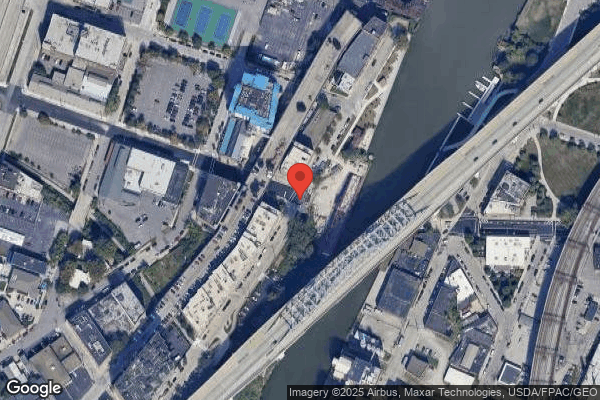
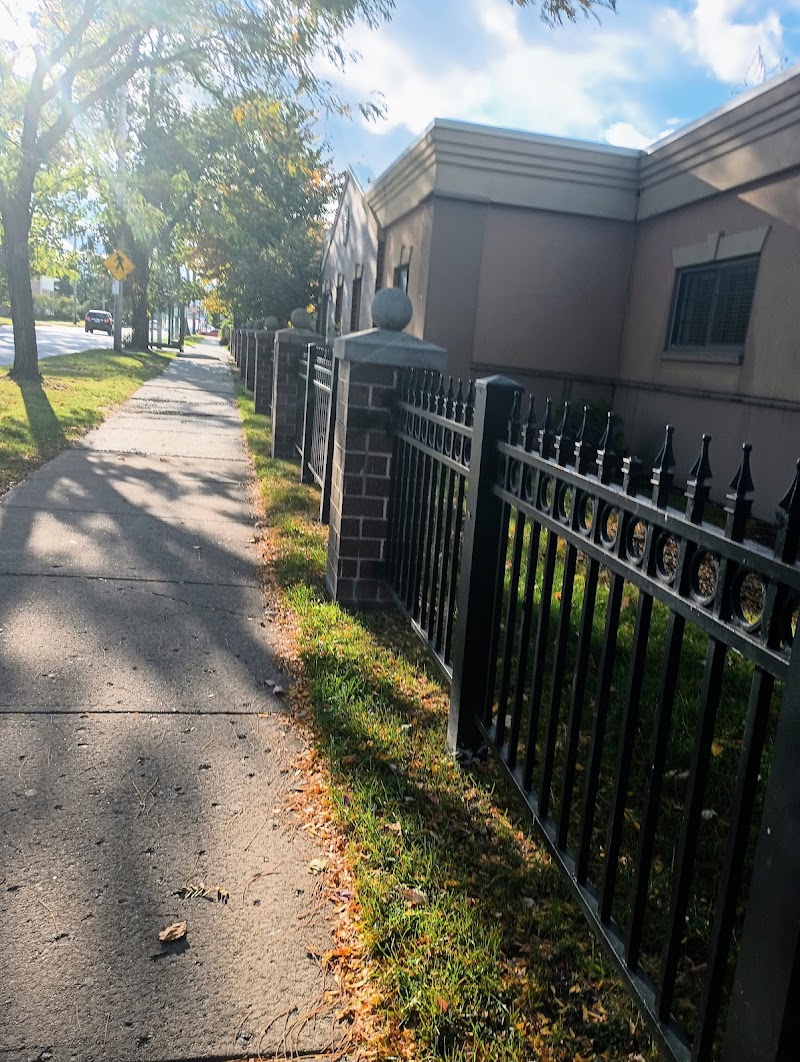
ALGART HEALTH CARE

8902 DETROIT AVE, CLEVELAND, OH 44102 (216) 631-1550
For profit - Corporation 72 Beds Independent Data: November 2025
Trust Grade
95/100
#5 of 913 in OH
Last Inspection: October 2022

Over 2 years since last inspection. Current conditions may differ from available data.

Overview

Algart Health Care in Cleveland, Ohio, has a Trust Grade of A+, indicating it is an elite facility known for excellent care. Ranking #5 out of 913 nursing homes in Ohio places it in the top tier of facilities statewide, while its #2 ranking out of 92 in Cuyahoga County shows it is among the best local options available. The facility is improving, having reduced its number of issues from five in 2019 to none in 2022, which is a positive sign. Staffing is generally good with a rating of 4 out of 5 stars and only a 23% turnover rate, significantly lower than the state average, suggesting that staff are stable and familiar with the residents. However, the facility has less RN coverage than 85% of Ohio facilities, which could raise concerns about nursing oversight. Specific incidents noted during inspections include cleanliness issues in the kitchen, where mold and food residue were observed, and a failure to serve meals according to the dietary requirements for pureed diets, impacting several residents. Additionally, mail was not delivered to residents on weekends, which affected communication for some residents. While there are strengths in staffing and overall care, these past concerns highlight areas that need attention.

Trust Score
A+
95/100
In Ohio
#5/913
Top 1%
Safety Record
Low Risk
No red flags
Inspections
Getting Better
5 → 0 violations
Staff Stability
✓ Good
23% annual turnover. Excellent stability, 25 points below Ohio's 48% average. Staff who stay learn residents' needs.
Penalties
✓ Good
No fines on record. Clean compliance history, better than most Ohio facilities.
Skilled Nurses
⚠ Watch
Each resident gets only 22 minutes of Registered Nurse (RN) attention daily — below average for Ohio. Fewer RN minutes means fewer trained eyes watching for problems.
Violations
⚠ Watch
11 deficiencies on record. Higher than average. Multiple issues found across inspections.
★★★★★
5.0
Overall Rating
★★★★☆
4.0
Staff Levels
★★★★★
5.0
Care Quality
★★★★★
5.0
Inspection Score
Stable
2019: 5 issues
2022: 0 issues

The Good

  • 4-Star Staffing Rating · Above-average nurse staffing levels
  • 5-Star Quality Measures · Strong clinical quality outcomes
  • Low Staff Turnover (23%) · Staff stability means consistent care
  • Full Sprinkler Coverage · Fire safety systems throughout facility
  • No fines on record
  • Staff turnover is low (23%)

    25 points below Ohio average of 48%

Facility shows strength in staffing levels, quality measures, staff retention, fire safety.

The Bad

No Significant Concerns Identified

This facility shows no red flags. Among Ohio's 100 nursing homes, only 1% achieve this.

The Ugly 11 deficiencies on record

Oct 2019 5 deficiencies
CONCERN (D)

Potential for Harm - no one hurt, but risky conditions existed

Deficiency F0558 (Tag F0558)

Could have caused harm · This affected 1 resident

**NOTE- TERMS IN BRACKETS HAVE BEEN EDITED TO PROTECT CONFIDENTIALITY** Based on observation, record review and interview the facility failed to ensure Resident #34's call light was within reach for t...

Read full inspector narrative →
**NOTE- TERMS IN BRACKETS HAVE BEEN EDITED TO PROTECT CONFIDENTIALITY** Based on observation, record review and interview the facility failed to ensure Resident #34's call light was within reach for the resident to use to call for assistance. This affected one resident (#34) of 71 residents who resided in the facility. Findings Include: Record review revealed Resident #34 was admitted to the facility on [DATE] with diagnoses that included congenital talipes equinovarus, anxiety disorder, scoliosis, epilepsy, and cerebrovascular disease. Review of the Minimum Data Set (MDS) 3.0 assessment, dated 08/05/19 revealed Resident #34 was cognitively intact and required supervision with physical assistance of one person for activities of daily living (ADLs). Review of Resident #34's current care plan for falls revealed the resident's call light should be within reach at all times. Observation of and interview with Resident #34 on 10/16/19 at 10:21 A.M. revealed Resident #34 was sitting in his chair and stated to this surveyor that he was supposed to use his call light when he felt he was having a seizure and thinks he was having a seizure at the time of the interview. The call light was observed to be clipped to the bed sheet approximately 24 inches from the chair and out of the resident's reach. This surveyor activated the call light for the resident and Activities Assistant #5 answered the call light, got a nurse and verified the call light was not within reach on 10/16/19 at 10:22 A.M.
CONCERN (D)

Potential for Harm - no one hurt, but risky conditions existed

Respiratory Care (Tag F0695)

Could have caused harm · This affected 1 resident

**NOTE- TERMS IN BRACKETS HAVE BEEN EDITED TO PROTECT CONFIDENTIALITY** Based on observation, record review and interview the facility failed to ensure Resident #37 received oxygen according to the ph...

Read full inspector narrative →
**NOTE- TERMS IN BRACKETS HAVE BEEN EDITED TO PROTECT CONFIDENTIALITY** Based on observation, record review and interview the facility failed to ensure Resident #37 received oxygen according to the physician's order. This affected one resident (#37) of nine residents who were ordered oxygen. Findings Include: Record review revealed Resident #37 was admitted to the facility on [DATE] with diagnoses including hypothyroidism, pneumothorax, anxiety, schizophrenia and emphysema. Review of the Minimum Data Set (MDS) 3.0 assessment dated [DATE] revealed Resident #37 was cognitively intact and required extensive assistance from staff for most activities of daily living including toileting and personal hygiene. Review of the physician's orders, dated October 2019 revealed an order for oxygen continuously at two liters via nasal cannula. On 10/17/19 at 9:10 A.M. Resident #37 was observed being wheeled back from the dining room into his room. The resident was observed with oxygen tubing in place in his nose. However, observation of the resident's oxygen tank revealed the tank was empty and the resident was not receiving any oxygen at this time. Interview with Stated Tested Nursing Assistant (STNA) #72 on 10/17/19 at 9:22 A.M. verified the resident's oxygen tank was empty and he was not receiving any oxygen via nasal cannula.
CONCERN (D)

Potential for Harm - no one hurt, but risky conditions existed

Pharmacy Services (Tag F0755)

Could have caused harm · This affected 1 resident

**NOTE- TERMS IN BRACKETS HAVE BEEN EDITED TO PROTECT CONFIDENTIALITY** Based on observation, record review and interview the facility failed to provide routine medications to Resident #64 as ordered ...

Read full inspector narrative →
**NOTE- TERMS IN BRACKETS HAVE BEEN EDITED TO PROTECT CONFIDENTIALITY** Based on observation, record review and interview the facility failed to provide routine medications to Resident #64 as ordered by the physician. This affected one resident (#64) of three sampled residents. Findings Include: Review of Resident #64's medical record revealed the resident was admitted to the facility on [DATE] with diagnoses including acquired absence of left leg below the knee, anxiety disorder, embolism and thrombosis of arteries of the lower extremities and gastroesophageal reflux. Review of the Minimum Data Set (MDS) 3.0 assessment, dated 09/25/19 revealed the resident was cognitively intact and she required extensive assistance from staff for bed mobility, dressing and personal hygiene. Resident #64 was totally dependent on staff for transfers and toileting. Review of the physician's orders for October 2019 revealed Resident #64 had an order for Omeprazole 40 milligram (mg) one time a day. There was no order for the resident to self-administer her medications. Review of Resident #64's record revealed Resident #64 did have an assessment for self -administering medications on 03/01/16 which sated the resident had no interest in self-administering her medications. On 10/16/19 another assessment for self-administering of medication was completed which showed again the resident was not interested in self-administering her medications. Observation of and interview with Resident #64 on 10/17/19 at 7:00 A.M. revealed Resident #64 was asleep in bed with her bedside tray positioned in front of her. On her bedside tray was a glass of water, three magazines, a notebook and a medication cup with one gray and purple capsule in it. Registered Nurse (RN) #20 who was also at the bedside, asked the resident what the pill was from. Resident #64 stated the night shift nurse told her to take the pill. Resident #64 stated she fell asleep and forgot to take it. Interview with RN #20 on 10/17/19 at 7:30 A.M. verified the resident had her morning dose of Omeprazole sitting at her bedside. Review of the policy titled Medication Administration, dated 03/2016 revealed self-administration of medications were typically not permitted. The exception to this would be written orders by the physician/nurse practitioner, as the resident was educated and demonstrated the ability to self-administer medications safely per order.
CONCERN (D)

Potential for Harm - no one hurt, but risky conditions existed

Medication Errors (Tag F0758)

Could have caused harm · This affected 1 resident

Based on record review and interview the facility failed to ensure an as needed order for an anti anxiety medication for Resident #37 was limited to 14 days or was evaluated for the needed continuatio...

Read full inspector narrative →
Based on record review and interview the facility failed to ensure an as needed order for an anti anxiety medication for Resident #37 was limited to 14 days or was evaluated for the needed continuation of the medication. This affected one resident (#37) of five residents reviewed for unnecessary medication use. Findings Include: Record review revealed Resident #37 was admitted to this facility on 04/25/19 with diagnoses including hypothyroidism, pneumothorax, anxiety, schizophrenia and emphysema. Review of the Minimum Data Set (MDS) 3.0 assessment, dated 08/08/19 revealed Resident #37 was cognitively intact. The assessment revealed the resident receive any antianxiety medication during the assessment reference period. Review of the physician's orders, dated September 2019 revealed on 09/10/19 the resident was ordered to receive Lorazepam (Ativan) Intersol 1 milligrams/milliliter, 0.5 milligrams (mg) every four hours as needed for anxiety and shortness of breath. This order was good for 14 days which was until 09/24/19. Review of the resident's medication administration record (MAR) for 10/2019 revealed the resident received the Ativan on 10/01/19, 10/11/19 and 10/12/19. Interview with Licensed Practical Nurse (LPN) #78 on 10/17/19 at 2:30 P.M. verified the Lorazepam medication was ordered on 09/10/19 and was not reordered or re-evaluated for the continued need for the medication. She also verified the resident received three doses of the medication in October 2019 after the 14th day of the prescription.
CONCERN (E)

Potential for Harm - no one hurt, but risky conditions existed

Menu Adequacy (Tag F0803)

Could have caused harm · This affected multiple residents

Based on observation, spread sheet review and interview the facility failed to serve meals according to the spread sheet during the lunch meal on 10/16/19. This affected seven residents (#5, #27, #39,...

Read full inspector narrative →
Based on observation, spread sheet review and interview the facility failed to serve meals according to the spread sheet during the lunch meal on 10/16/19. This affected seven residents (#5, #27, #39, #45, #49, #62 and #68) of seven who were ordered a pureed diet. The facility census was 71. Findings include: On 10/16/19 at 11:50 A.M. observation of the lunch meal revealed residents who were ordered pureed diets received pureed chicken, pureed mashed potatoes and pureed vegetable for lunch. Review of the lunch meal rotating spread sheet for Week 3 on Wednesday revealed residents with pureed diets would receive pureed lasagna with tomato sauce, pureed Italian vegetable with a half of cup of bread for lunch. Interview on 10/16/19 at 12:05 P.M. with the Dietary Manager verified residents who were to receive pureed diets did not receive what was on the planned menu/spreadsheet. Interview on 10/18/19 at 12:26 PM with the Dietitian revealed she reviewed the spreadsheets biannually. The facility identified seven residents, Resident #5, #27, #39, #45, #49, #62 and #68 who were ordered a pureed diet.
Sept 2018 6 deficiencies
CONCERN (D)

Potential for Harm - no one hurt, but risky conditions existed

Investigate Abuse (Tag F0610)

Could have caused harm · This affected 1 resident

Based on record review and interview, the facility failed to conduct a thorough investigation in regard to an allegation of abuse involving Resident #66. The affected one of one resident reviewed for ...

Read full inspector narrative →
Based on record review and interview, the facility failed to conduct a thorough investigation in regard to an allegation of abuse involving Resident #66. The affected one of one resident reviewed for facility self reported incidents. The census was 72. Findings include: Review of a self-reported incident (tracking number 154741) dated 05/30/18 revealed on 05/30/18 at approximately 6:00 A.M., Resident #66 reported to the nurse on duty the State Tested Nursing Assistant (STNA) taking care of her was mean. She revealed she was scared of her, did not want her to take care of her, and she did not want the STNA in her room. Resident #66 was visibly upset and crying. She revealed she did not hit me very hard and demonstrated on the nurse by pushing on her. She was being helped in the bathroom by the STNA. Resident #66 claimed to had been hit by the STNA and that the STNA was nasty and not very nice. The STNA involved and the nurse on duty who took the complaint/allegation were interviewed. No other residents or staff were interviewed. An interview on 09/06/18 at 3:02 P.M. with the Director of Nursing (DON) revealed they interviewed the involved resident, the accused staff person and one nurse. The DON stated they should have talked to other people but they were going to fire the STNA anyway due to other circumstances.
CONCERN (D)

Potential for Harm - no one hurt, but risky conditions existed

Deficiency F0676 (Tag F0676)

Could have caused harm · This affected 1 resident

**NOTE- TERMS IN BRACKETS HAVE BEEN EDITED TO PROTECT CONFIDENTIALITY** Based on interviews and record review, the facility failed to ensure restorative services were provided to Residents #19 and #22...

Read full inspector narrative →
**NOTE- TERMS IN BRACKETS HAVE BEEN EDITED TO PROTECT CONFIDENTIALITY** Based on interviews and record review, the facility failed to ensure restorative services were provided to Residents #19 and #22 after being referred from physical and/or occupational therapy. This affected two of 18 residents referred for restorative services. Findings include: Medical record review revealed Resident #19 was cognitively intact with diagnoses including osteoarthritis, bursitis, difficulty walking, lack of coordination, history of falling and muscle weakness. Review of the discharge summary for physical therapy dated 06/08/18 to 08/14/18 revealed Resident #19 would be referred to the restorative nursing program for physical therapy. Review of the occupational therapy Discharge summary dated [DATE] to 08/07/18 revealed Resident #19 was referred to the restorative nursing program for occupational therapy. Review of the referral sheets for the restorative program revealed Resident #19 was to begin receiving restorative occupational therapy on 08/08/18 to include range of motion in functional planes. She was to begin restorative physical therapy beginning on 08/15/18 for basic therapeutic exercises of the lower extremities. An interview on 09/04/18 at 10:02 A.M. with Resident #19 revealed she had been in therapy and it was discontinued. She stated that they had not done anything for her regarding exercise, walking, or range of motion since she left therapy. An interview on 09/05/18 at 11:13 A.M. with Restorative Nurse #109 revealed she approached residents about restorative therapy and if they refused she did not re-approach them. Review of typed restorative therapy notes dated 08/13/18 which were not a part of the medical record, authored by Restorative Nurse #109, revealed a referral was received from occupational therapy and it was recommended Resident #19 receive active range of motion exercises to bilateral upper shoulders, elbows, wrist and hand/fingers. Exercises were reviewed with Resident #19 and she did not wish to continue doing exercises. The resident would not be added to restorative exercises and would be referred to occupational therapy as needed. An interview on 09/05/18 at 2:05 P.M. with Therapy program manager #110 revealed Resident #19 had come off occupational therapy on 08/07/18 and physical therapy on 08/14/18. Referrals for restorative programs were sent to Restorative Nurse #109. The referral forms specified what was needed to maintain function. They assumed the programs were being implemented unless they were notified of problems. They had not heard of any problems regarding Resident #19. A follow up interview on 09/06/18 at 10:52 A.M. with Resident #19 revealed she had never been approached by anyone regarding a restorative program and had never refused any services related to therapy. Review of the care plan dated 06/28/18 Resident #19 had been working with physical therapy and should improve her mobility status after working with therapy. 2. Review of the medical record of Resident #22 revealed the resident had moderate cognitive impairment. Diagnoses included lack of coordination, contracture of the right hand and muscle weakness. Review of the referral sheet for restorative occupational therapy dated 07/05/18 revealed Resident #22 was referred for range of motion exercises in functional planes, 20 repetitions two times daily. Review of the occupational therapy Discharge summary dated [DATE] to 07/04/18 revealed Resident #22 was referred to the restorative nursing program on 07/04/18 and restorative therapy was to begin on 07/05/18. An interview and observation on 09/04/18 at 11:40 A.M. with Resident #22 revealed he had a contracture of the right hand from a stroke. He indicated he used to have a palm protector but it had been discontinued and he did not want to wear it. He stated staff did not do anything with the hand other than clean it sometimes. An interview on 09/05/18 at 9:57 A.M. with Licensed Practical Nurse (LPN) #108 revealed they cleaned the hands of Resident #22 when they could. An interview on 09/05/18 at 10:21 A.M. with State Tested Nursing Assistant (STNA) #105 revealed she did not know if they had to do anything for the hand of Resident #22. They were not told to do exercises. An interview on 09/05/18 at 10:32 A.M. with Occupational Therapist #106 revealed she believed restorative was doing range of motion with Resident #22. She stated that something needed to be done with the contacted hand. An interview with Restorative Nurse #109 on 09/05/18 at 11:13 A.M. regarding Resident #22 revealed all she could remember was he had a cane. She said she would look for any notes. She said she tried to check the folder with referrals every day but she had not lately. Review of Restorative Nurse #109's notes dated 07/13/18 revealed she had received restorative recommendations from occupational therapy for Resident #22 and they included active and passive range of motion to bilateral upper extremities to include the hands. She had discussed this with Resident #22 and he did not want to continue with exercises at that time. She would refer him to occupational therapy as needed. An interview on 09/05/18 at 1:44 P.M. with STNA #104 revealed there would be something in the point of care (STNA electronic documentation) for Resident #22 if they were supposed to do anything. Review of the STNA's electronic documentation revealed an entry indicating they were not to provide any range of motion with care or otherwise. An interview on 09/05/18 at 2:05 P.M. with Therapy program manager #110 revealed Resident #22 came off occupational therapy on 07/04/18. After discontinuation of therapy they referred to restorative services and specified what was needed to maintain function. The referral forms went to Restorative Nurse #109. They assumed the programs were being implemented unless they heard there was a problem. They had not heard of any problem regarding Resident #22. Their expectation was restorative therapy would begin the day after the referral was made. Review of the Restorative Maintenance Program policy dated 03/2015 revealed the facility had a comprehensive restorative program to maintain a resident's highest practical range of motion. Residents would be placed in the restorative program from referrals from the therapy department, from staff members reporting declines, from resident requests or responsible party requests. Once the referral was made a Registered Nurse would develop an individualized program for the resident. Discharge protocol would occur if a resident refused the restorative program after several attempts.
CONCERN (D)

Potential for Harm - no one hurt, but risky conditions existed

Accident Prevention (Tag F0689)

Could have caused harm · This affected 1 resident

Based on observation and interviews the facility failed to ensure appropriate procedures were followed to reduce the risk of falls or injury during Hoyer (mechanical) transfers. This affected one of o...

Read full inspector narrative →
Based on observation and interviews the facility failed to ensure appropriate procedures were followed to reduce the risk of falls or injury during Hoyer (mechanical) transfers. This affected one of one (Resident #27) resident observed transferring via a Hoyer lift. Findings include: Observations with Resident #27 and State Tested Nurse Assistant (STNA) #50 on 09/04/18 at 12:06 P.M. revealed STNA #52 standing alone in the middle of the resident room with Resident #27 in the Hoyer lift. STNA #52 pointed to the bathroom and stated that another staff member was in the bathroom assisting another resident. An interview with STNA #50 on 09/04/18 at 12:12 P.M. revealed another staff was in the bathroom during the transfer. STNA #50 stated the facility policy indicated we just need to have another staff member in the room during transfers. Interviews with STNAs #51, #52 and #53 on 09/05/18 between 9:24 A.M. and 9:30 A.M., revealed two staff were to stay with the resident until the Hoyer lift was completed. An interview with Director of Nursing (DON) on 09/05/18 at 9:49 A.M. revealed two staff were to have hands on the Hoyer lift during the entire transfer to assist and prevent falls/injuries. A review of Hoyer Lift/ Stand Lift policy dated 2015 revealed two staff were to have hands-on assist during all Hoyer (mechanical) transfers.
CONCERN (E)

Potential for Harm - no one hurt, but risky conditions existed

Deficiency F0576 (Tag F0576)

Could have caused harm · This affected multiple residents

Based on interview and record review, the facility failed to ensure mail was delivered to residents on Saturday. This affected five residents (Residents #3, #36, #40, #43 and #48) and had the potentia...

Read full inspector narrative →
Based on interview and record review, the facility failed to ensure mail was delivered to residents on Saturday. This affected five residents (Residents #3, #36, #40, #43 and #48) and had the potential to affect all 72 residents that resided in the facility. Findings include: During a resident council meeting on 09/05/18 at 2:00 P.M., Residents #35, #36, #40, #43, and #48, stated that the facility did not deliver mail on Saturdays. Interview with Activity Director #112 on 09/05/18 at 3:33 P.M. confirmed the mail was not delivered on weekends. Interview with Administrator #102 on 09/05/18 at 3:28 P.M. revealed the previous administration canceled mail delivery on Saturdays because there was no one working in the front office. The weekend mail was getting lost, so it was decided no mail would be delivered. A review of the admission packet revealed an addendum titled Algart Healthcare Special Note which indicated mail would be delivered to the residents daily.
CONCERN (E)

Potential for Harm - no one hurt, but risky conditions existed

Deficiency F0925 (Tag F0925)

Could have caused harm · This affected multiple residents

Based on observations, interviews and record review, the facility failed to ensure adequate pest control related to flies in the south wing including the dining room. This affected four (Resident #12,...

Read full inspector narrative →
Based on observations, interviews and record review, the facility failed to ensure adequate pest control related to flies in the south wing including the dining room. This affected four (Resident #12, Resident #19, Resident #6 and Resident #2) of thirty residents residing and eating in the south wing. Findings include: Observations on 09/04/18 of the south wing resident rooms and dining room from 9:46 A.M. until 12:22 P.M. revealed flies were present in four resident rooms and in the dining room during the lunch meal. This was verified by Licensed Practical Nurse (LPN) #107, Occupational Therapist #106, State Tested Nursing Assistant (STNA) #105, LPN #103 and STNA #104. An interview on 09/04/18 at 9:46 A.M. with Resident #12 revealed there were always at least two flies in her room. An interview on 09/04/18 at 10:02 A.M. with Resident #19 revealed there were all kinds of flies in the resident's room. An interview on 09/04/18 at 10:12 A.M. with Resident #6 revealed he was tired of always having flies in his room and in the dining room. An interview on 09/04/18 at 10:31 A.M. with Resident #2 revealed flies were all over the place. An interview on 09/04/18 at 11:10 A.M. with the Maintenance Director #100 revealed they had an exterminator who would spray once a month for bugs. He relayed he did not know what else to do. He confirmed he observed flies on the south wing. Review of the Pest Control Policy dated revised 2010 revealed a professional pest control services would be called to perform thorough inspections and subsequent extermination. The housekeeping department was to perform regular inspections.
CONCERN (F)

Potential for Harm - no one hurt, but risky conditions existed

Food Safety (Tag F0812)

Could have caused harm · This affected most or all residents

Based on observation, record review and interview, the facility failed to ensure the kitchen was maintained in a clean and sanitary manner, milk was stored to prevent contamination and food products w...

Read full inspector narrative →
Based on observation, record review and interview, the facility failed to ensure the kitchen was maintained in a clean and sanitary manner, milk was stored to prevent contamination and food products were dated when opened. This had the potential to affect 72 out of 72 residents who ate meals in the facility's kitchen. Findings include: Observations during the initial tour of the kitchen on 09/04/18 from 8:37 A.M. through 9:00 A.M. with Dietary Manager (DM) #10 revealed the ice machine had mold around the edge where the door closed, the wall behind the stove had grease drippings on it, the shelf above the range had food residue and dried gravy on it, the microwave had food splatter on the inside walls and the door, the walk-in refrigerator had full milk crates with containers of milk directly on the floor, and tartar sauce and ranch dressing were not dated as to when they were opened. Interview with DM #10 on 09/04/18 at 9:003 A.M. verified the observations and he said the kitchen could be cleaner. DM #10 said the dietary department had recently been short staffed. Review of the undated sanitation policy revealed that all work surfaces would be cleaned and sanitized after use and all food would be stored six inches above the floor.
Understanding Severity Codes (click to expand)
Life-Threatening (Immediate Jeopardy)
J - Isolated K - Pattern L - Widespread
Actual Harm
G - Isolated H - Pattern I - Widespread
Potential for Harm
D - Isolated E - Pattern F - Widespread
No Harm (Minor)
A - Isolated B - Pattern C - Widespread

Questions to Ask on Your Visit

  • "Can I speak with families of current residents?"
  • "What's your RN coverage like on weekends and overnight?"

Our Honest Assessment

Strengths
  • • Grade A+ (95/100). Above average facility, better than most options in Ohio.
  • • No major safety red flags. No abuse findings, life-threatening violations, or SFF status.
  • • No fines on record. Clean compliance history, better than most Ohio facilities.
  • • 23% annual turnover. Excellent stability, 25 points below Ohio's 48% average. Staff who stay learn residents' needs.
Concerns
  • • 11 deficiencies on record. Higher than average. Multiple issues found across inspections.
Bottom line: Generally positive indicators. Standard due diligence and a personal visit recommended.

About This Facility

What is Algart Health Care's CMS Rating?

CMS assigns ALGART HEALTH CARE an overall rating of 5 out of 5 stars, which is considered much above average nationally. Within Ohio, this rating places the facility higher than 99% of the state's 100 nursing homes. This rating reflects solid performance across the metrics CMS uses to evaluate nursing home quality.

How is Algart Health Care Staffed?

CMS rates ALGART HEALTH CARE's staffing level at 4 out of 5 stars, which is above average compared to other nursing homes. Staff turnover is 23%, compared to the Ohio average of 46%. This relatively stable workforce can support continuity of care.

What Have Inspectors Found at Algart Health Care?

State health inspectors documented 11 deficiencies at ALGART HEALTH CARE during 2018 to 2019. These included: 11 with potential for harm.

Who Owns and Operates Algart Health Care?

ALGART HEALTH CARE is owned by a for-profit company. For-profit facilities operate as businesses with obligations to shareholders or private owners. The facility operates independently rather than as part of a larger chain. With 72 certified beds and approximately 68 residents (about 94% occupancy), it is a smaller facility located in CLEVELAND, Ohio.

How Does Algart Health Care Compare to Other Ohio Nursing Homes?

Compared to the 100 nursing homes in Ohio, ALGART HEALTH CARE's overall rating (5 stars) is above the state average of 3.2, staff turnover (23%) is significantly lower than the state average of 46%, and health inspection rating (5 stars) is much above the national benchmark.

What Should Families Ask When Visiting Algart Health Care?

Based on this facility's data, families visiting should ask: "Can I visit during a mealtime to observe dining assistance and food quality?" "How do you handle medical emergencies, and what is your hospital transfer rate?" "Can I speak with family members of current residents about their experience?"

Is Algart Health Care Safe?

Based on CMS inspection data, ALGART HEALTH CARE has a clean safety record: no substantiated abuse findings (meaning no confirmed cases of resident harm), no Immediate Jeopardy citations (the most serious violation level indicating risk of serious injury or death), and is not on the Special Focus Facility watch list (a federal program monitoring the lowest-performing 1% of nursing homes). The facility has a 5-star overall rating and ranks #1 of 100 nursing homes in Ohio. While no facility is perfect, families should still ask about staff-to-resident ratios and recent inspection results during their visit.

Do Nurses at Algart Health Care Stick Around?

Staff at ALGART HEALTH CARE tend to stick around. With a turnover rate of 23%, the facility is 23 percentage points below the Ohio average of 46%. Low turnover is a positive sign. It means caregivers have time to learn each resident's needs, medications, and personal preferences. Consistent staff also notice subtle changes in a resident's condition more quickly. Registered Nurse turnover is also low at 20%, meaning experienced RNs are available to handle complex medical needs.

Was Algart Health Care Ever Fined?

ALGART HEALTH CARE has no federal fines on record. CMS issues fines when nursing homes fail to meet care standards or don't correct problems found during inspections. The absence of fines suggests the facility has either maintained compliance or corrected any issues before penalties were assessed. This is a positive indicator, though families should still review recent inspection reports for the full picture.

Is Algart Health Care on Any Federal Watch List?

ALGART HEALTH CARE is not on any federal watch list. The most significant is the Special Focus Facility (SFF) program, which identifies the bottom 1% of nursing homes nationally based on persistent, serious quality problems. Not being on this list means the facility has avoided the pattern of deficiencies that triggers enhanced federal oversight. This is a positive indicator, though families should still review the facility's inspection history directly.