Aristos Nursing and Rehabilitation
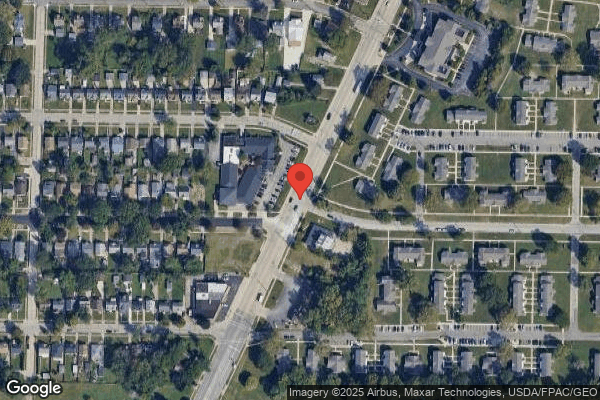
4650 ROCKY RIVER DR, CLEVELAND, OH 44135 (216) 267-5445
For profit - Individual 70 Beds Independent Data: November 2025
Trust Grade
60/100
#415 of 913 in OH
Last Inspection: November 2022

Over 2 years since last inspection. Current conditions may differ from available data.

Overview

Aristos Nursing and Rehabilitation in Cleveland, Ohio, has a Trust Grade of C+, indicating it is slightly above average but still has room for improvement. It ranks #415 out of 913 facilities in Ohio, placing it in the top half, and #37 out of 92 in Cuyahoga County, meaning there are only a few better local options available. The facility's performance is stable, with one issue reported in both 2024 and 2025, and it has a decent staffing turnover rate of 47%, which is slightly below the state average. Notably, there have been no fines issued, and the facility offers better RN coverage than 92% of Ohio facilities, ensuring good oversight for residents’ care. However, there have been some concerning incidents, such as a nurse failing to maintain an active license and reports of inadequate food temperatures during meal service, which raises potential quality of care issues. Overall, while there are strengths in staffing and compliance, families should consider both the positive aspects and the areas needing attention.

Trust Score
C+
60/100
In Ohio
#415/913
Top 45%
Safety Record
Low Risk
No red flags
Inspections
Holding Steady
1 → 1 violations
Staff Stability
⚠ Watch
47% turnover. Above average. Higher turnover means staff may not know residents' routines.
Penalties
✓ Good
No fines on record. Clean compliance history, better than most Ohio facilities.
Skilled Nurses
✓ Good
Each resident gets 50 minutes of Registered Nurse (RN) attention daily — more than average for Ohio. RNs are trained to catch health problems early.
Violations
⚠ Watch
21 deficiencies on record. Higher than average. Multiple issues found across inspections.
★★★☆☆
3.0
Overall Rating
★★★☆☆
3.0
Staff Levels
★★★★☆
4.0
Care Quality
★★★☆☆
3.0
Inspection Score
Stable
2024: 1 issues
2025: 1 issues

The Good

  • 4-Star Quality Measures · Strong clinical quality outcomes
  • Full Sprinkler Coverage · Fire safety systems throughout facility
  • No fines on record

Facility shows strength in quality measures, fire safety.

The Bad

3-Star Overall Rating

Near Ohio average (3.2)

Meets federal standards, typical of most facilities

Staff Turnover: 47%

Near Ohio avg (46%)

Higher turnover may affect care consistency

The Ugly 21 deficiencies on record

Sept 2025 1 deficiency
CONCERN (D) 📢 Someone Reported This

A family member, employee, or ombudsman was alarmed enough to file a formal complaint

Potential for Harm - no one hurt, but risky conditions existed

Pressure Ulcer Prevention (Tag F0686)

Could have caused harm · This affected 1 resident

Based on record review, policy review, and interviews with staff and hospice provider, the facility failed to ensure the residents were timely assessed when new wounds were identified and failed to en...

Read full inspector narrative →
Based on record review, policy review, and interviews with staff and hospice provider, the facility failed to ensure the residents were timely assessed when new wounds were identified and failed to ensure the wounds were documented accurately in the facility's records. This affected one (Resident #1) of two residents reviewed for pressure ulcers. The facility census was 49. Findings include:Review of the medical record for Resident #1 revealed an admission date of 02/28/25 with diagnoses including adult failure to thrive, chronic kidney disease, diabetes mellitus, contracture to bilateral knees and hips. Review of Resident #1's nursing evaluations revealed Resident #1 had a weekly skin evaluation on 07/31/25 and had no skin breakdown. There was no skin evaluation from 08/01/25 to 08/22/25. The next weekly skin evaluation was on 08/24/25. Review of the nursing progress notes for Resident #1 for 07/31/25 through 08/19/25 revealed there was no documentation as to skin breakdown to his bilateral heels or ankles. Review of the shower sheets for Resident #1 revealed Resident #1's skin was intact on 08/04/25 and 08/11/25. On 08/18/25, it stated skin was not intact but there was no documentation as to where the new skin impairment was located. There was no documentation in the progress notes or a wound assessment on 08/18/25. Review of the internal incident report (not available in Resident #1's medical record) dated 08/18/25 at 4:09 A.M. revealed Licensed Practical Nurse (LPN) #547 (agency nurse) had noted open wounds to bilateral lower ankles. She stated the left ankle wound was three centimeters by three centimeters in size and was a stage II (partial thickness skin loss involving the epidermis and or dermis layers) or III (full thickness skin loss that extends into the subcutaneous tissue but does not involve muscle, tendon or bone) pressure ulcer. The right ankle wound was four centimeters by five centimeters and was a stage II or III pressure ulcer. LPN #547 stated she updated the hospice nurse on duty and applied protective dressings to both of the wounds. Review of the hospice binder revealed a physician's order was dated 08/18/25 at 4:35 P.M. to cleanse the bilateral inner heels with normal saline, pat dry, and apply calcium alginate and foam daily and as needed. There was no skin assessment noted as to why there was a new physician's order for the bilateral inner heels or a hospice nurse progress note on 08/18/25 and 08/19/25. Review of the wound evaluation dated 08/20/25 revealed Resident #1 had a left medial heel and right medial ankle stage III pressure ulcers that were new and had been acquired at the facility. Review of the Matrix for Providers document provided by the facility on 09/22/25 revealed Resident #1 had no in-house acquired pressure ulcers. Interview on 09/23/25 at 3:30 P.M. with Registered Nurse (RN) #549 revealed Resident #1's in-house acquired pressure ulcers to his bilateral ankles were initially observed and assessed on 08/20/25. Interview on 09/24/25 at 1:04 P.M. with the Administrator verified the facility was aware on 09/08/25 of weekly skin assessments not being performed for residents. She also verified the Matrix for Providers was incorrect as Resident #1's two stage III in-house pressure ulcers were not documented. The Administrator stated the facility was confused if Resident #1's pressure ulcers to his bilateral heels were in-house or community acquired and that was why they were not listed on the matrix. Interview on 09/24/25 at 2:09 P.M. with Hospice Nurse #572 verified hospice staff came to the facility twice weekly. She stated hospice was updated on 08/18/25 at 4:00 A.M. by the facility nurse stating that Resident #1 had new wounds to his bilateral inner ankles. Hospice Nurse #572 stated she told the nurse she would look at the wounds when she came to the facility later that day. Hospice Nurse #572 stated she went to the facility that afternoon and assessed Resident #1, provided new treatment orders and placed the skin assessments in Resident #1's hospice binder. Hospice Nurse #572 verified she had no written wound assessments for the right and left ankles. Interview on 09/24/25 at 3:00 P.M. with RN #569 verified there was no documentation in Resident #1's medical record, including his hospice binder, related to hospice nurse and aide visits since his admission to hospice on 08/11/25. Interview on 09/25/25 at 10:45 A.M. with the [NAME] Present of Operations #568 revealed the facility had an internal incident report dated 08/18/25 at 4:09 A.M. by LPN #547, which was the initial documentation of the two pressure areas to Resident #1's bilateral ankles. She verified the incident report was not part of the medical record and verified there were no initial wound assessments of the bilateral ankles until two days later on 08/20/25 in Resident #1's medical record. Review of the facility policy titled Wound Care dated October 2010 revealed staff should document any change in the resident's condition and all assessment data obtained when inspecting a wound. This deficiency represents non-compliance investigated under Complaint Number 2591659.
Aug 2024 1 deficiency
CONCERN (F) 📢 Someone Reported This

A family member, employee, or ombudsman was alarmed enough to file a formal complaint

Potential for Harm - no one hurt, but risky conditions existed

Deficiency F0726 (Tag F0726)

Could have caused harm · This affected most or all residents

**NOTE- TERMS IN BRACKETS HAVE BEEN EDITED TO PROTECT CONFIDENTIALITY** THE FOLLOWING DEFICIENCY REPRESENTS AN INCIDENT OF PAST NON-COMPLIANCE THAT WAS SUBSEQUENTLY CORRECTED PRIOR TO THIS SURVEY. Bas...

Read full inspector narrative →
**NOTE- TERMS IN BRACKETS HAVE BEEN EDITED TO PROTECT CONFIDENTIALITY** THE FOLLOWING DEFICIENCY REPRESENTS AN INCIDENT OF PAST NON-COMPLIANCE THAT WAS SUBSEQUENTLY CORRECTED PRIOR TO THIS SURVEY. Based on personnel file review, staff timecard review, review of the state board of nursing license verification website, staff interview, and review of facility corrective action, the facility failed to ensure nursing staff providing care and services to residents had an active and unencumbered license to practice through the state authority. This had the potential to affect all 46 residents residing in the facility. The facility census was 46. Findings Include: Review of Registered Nurse (RN) #500's personnel file revealed a hire date of [DATE]. Further review revealed at the time of hire, RN #500 had an active valid nursing license from the Ohio Board of Nursing (OBN). Review of the State of Ohio's elicense verification system (online system used by the public to verify license statuses of numerous healthcare professionals including registered nurses in the state Ohio) at, https://elicense.ohio.gov/oh_verifylicense and a national database of nursing license statuses at, https://www.nursys.com/ revealed RN #500's nursing license was suspended on [DATE] for, Violation of Federal or State Statutes, Regulation, or Rules. The suspension was noted as indefinite and no other public information was available. Review of RN #500's timecards she worked a total of 24 shifts as the facility Assistant Director of Nursing (ADON) for a total of 193.58 hours between [DATE] and her last day of employment at the facility on [DATE]. These shifts included direct resident care and resident monitoring and oversight. Interview with the Administrator on [DATE] at 9:00 A.M. revealed on [DATE] the facility was made aware by a former employee that RN #500's license was suspended. Upon learning of this information, on [DATE] the information was confirmed by the Administrator and Director of Nursing (DON). RN #500 was immediately contacted regarding the situation and at that time she denied any knowledge of her license being suspended. The Administrator stated RN #500 was subsequently terminated after the facility verified she did not have an active RN license. As a result of the incident, the facility implemented the following corrective actions to correct the deficient practice by [DATE]: • On [DATE], upon notification of RN #500's expired license the Administrator and DON immediately suspended RN #500 pending a completed investigation and verification of RN #500's nursing license status. • On [DATE], after verifying RN #500's license status was suspended the Administrator and DON met in person with RN #500 and terminated her employment. • On [DATE], the Administrator completed a whole house audit of the personnel files for all facility staff to review licensure verification. There were no negative findings. • On [DATE], the DON conducted a complete review of RN #500's clinical documentation and found no additional concerns. • On [DATE], the Administrator and the DON conducted an in-service with all licensed nursing staff, including state tested nurse aides (STNAs), licensed practical nurses (LPNs), and RNs which introduced a new policy that all licensed professionals would have have their license verified every month with the facility expectation that included any concerns with staff professional licenses should be reported immediately or staff risked immediate termination. • On [DATE], the OBN was contacted by the facility and made aware of the situation. This deficiency represents non-compliance investigated under Complaint Number OH00155494.
Sept 2023 1 deficiency
CONCERN (D) 📢 Someone Reported This

A family member, employee, or ombudsman was alarmed enough to file a formal complaint

Potential for Harm - no one hurt, but risky conditions existed

Notification of Changes (Tag F0580)

Could have caused harm · This affected 1 resident

**NOTE- TERMS IN BRACKETS HAVE BEEN EDITED TO PROTECT CONFIDENTIALITY** Based on observation, staff interview, and medical record review, the facility failed to notify Resident #100's emergency contac...

Read full inspector narrative →
**NOTE- TERMS IN BRACKETS HAVE BEEN EDITED TO PROTECT CONFIDENTIALITY** Based on observation, staff interview, and medical record review, the facility failed to notify Resident #100's emergency contact of a significant change in condition. This affected one of three residents reviewed. The facility census was 43. Findings include: Medical record review revealed Resident #100 was admitted to the facility on [DATE], with diagnoses including atrial fibrillation, left-side hemiplegia and hemiparesis following cerebral infarction, bilateral hypertensive retinopathy, hypertension, hyperlipidemia, gastrointestinal reflux disease, borderline personality disorder, anxiety, depression, and nicotine dependence. Review of the Quarterly Minimum Data Set (MDS) assessment dated [DATE] indicated Resident #100 was alert and oriented with a Brief Interview for Mental Status score of 15/15. Resident #100 was her own responsible party. A family member was listed as the first emergency contact in the medical record. Review of the nurse progress note dated 09/14/23 timed 5:09 P.M. indicated Resident #100 was observed sitting in her motorized wheelchair outside in the resident courtyard. Resident #100's eyes were semi-open and she was non-responsive to verbal commands and a sternal rub. Emergency Medical Services were contacted via the 911 system. Narcan (opioid overdose treatment) was administered twice. Resident #100 became more aroused than previously but not at 100 percent. Resident #100 was transported to the hospital Emergency Department for evaluation and treatment. Review of the Discharge-Anticipated Return MDS assessment dated [DATE] indicated Resident #100 was discharged to the hospital due to a change in condition. During interview on 09/26/23 at 11:37 A.M., the Director of Nursing (DON) indicated she had a conversation with Resident #100 ten minutes prior to the resident going to the courtyard area to smoke. The DON indicated there was no evidence of an impending medical crisis. The DON indicated she was notified by staff that Resident #100 was in the courtyard slumped in her wheelchair and non-responsive. During interview on 09/26/23 at 3:11 P.M., Licensed Practical Nurse (LPN) #500 indicated she had spoken to Resident #100 approximately five minutes prior to the resident exiting into the courtyard to smoke when another resident entered the building to inform staff of the resident's unresponsiveness. LPN #500 indicated she called Resident #100's emergency contact and left a voicemail message that indicated the resident was transferred to the hospital emergency room. Further review of medical record, including nurse progress notes and assessments, did not reveal any documentation indicating Resident #100's emergency contact was notified of the resident's change of condition. During follow up interview on 09/26/23 at 3:30 P.M., the DON confirmed there was no documentation in Resident #100's medical record that indicated the emergency contact was contacted. Review of facility policy entitled Change in Condition & Physician Notification Policy (revised 9/2019), indicated it was the policy of the facility to promptly identify, respond to, and report changes in resident condition to the resident's physician/NP/PA and resident/resident representative. A significant change was defined as a major decline or improvement of the resident's status. The nurse was to document timely regarding the change in resident's condition, interventions, and notifications. This deficiency represents non-compliance investigated under Complaint Number OH00146634.
Nov 2022 3 deficiencies
CONCERN (D)

Potential for Harm - no one hurt, but risky conditions existed

Deficiency F0558 (Tag F0558)

Could have caused harm · This affected 1 resident

**NOTE- TERMS IN BRACKETS HAVE BEEN EDITED TO PROTECT CONFIDENTIALITY** Based on observation, record review, and interview the facility failed to ensure call lights were within reach and accessible fo...

Read full inspector narrative →
**NOTE- TERMS IN BRACKETS HAVE BEEN EDITED TO PROTECT CONFIDENTIALITY** Based on observation, record review, and interview the facility failed to ensure call lights were within reach and accessible for Residents #6 and #19. This affected two (Residents #6 and #19) of 54 residents reviewed for call light placement. The facility census was 54. Findings include: 1. Record review revealed Resident #6 was admitted to the facility on [DATE] with diagnoses including peripheral vascular disease, difficulty walking, muscle weakness, dysphagia, and severe morbid obesity. Review of the most recent Minimum Data Set (MDS) 3.0 assessment dated [DATE] revealed Resident #6 was cognitively intact and required extensive assistance of activities of daily living. Review of the care plan dated 10/05/22 for Resident #6 revealed Resident #6 was a risk for falls. Interventions included to have commonly used articles within easy reach such as water, call light, remote control, and telephone. Maintain a clear pathway. Observation of Resident #6 on 11/06/22 at 9:03 A.M. revealed Resident #6 was lying in bed and call light was not within reach, it was on the floor. Interview with Licensed Practical Nurse (LPN) #442 on 11/06/22 at 9:03 A.M. verified the call light was out of reach. 2. Record review revealed Resident #19 was readmitted to the facility on [DATE] with diagnoses including hemorrhage of the cerebrum, dysphagia, cognitive communication deficit, hemiplegia affecting the left non-dominant side, acute kidney failure, encephalopathy, and dysphagia Review of the Annual MDS 3.0 assessment dated [DATE] revealed Resident #19 had moderately impaired cognition and required total assistance of activities of daily living. Review of the care plan dated 11/06/22 for Resident #19 revealed Resident #19 was a risk for falls. Interventions included be sure the resident's call light was within reach. Observation of Resident #19 on 11/06/22 at 9:24 A.M. revealed Resident #19 was lying in bed. Her call light/touch pad was located on floor behind the bed and not within reach. Interview with State Tested Nursing Assistant (STNA) #426 on 12/06/22 at 9:33 A.M. verified the call light was out of reach and Resident #19 would be able to use the call light if it was within reach.
CONCERN (E)

Potential for Harm - no one hurt, but risky conditions existed

Deficiency F0809 (Tag F0809)

Could have caused harm · This affected multiple residents

Based on staff interview, resident interview, meal schedule review, and menu review the facility failed to provide a substantial snack when 16 hours elapsed between the evening meal and breakfast. Thi...

Read full inspector narrative →
Based on staff interview, resident interview, meal schedule review, and menu review the facility failed to provide a substantial snack when 16 hours elapsed between the evening meal and breakfast. This had the potential to affect 43 out of 50 residents that received meals from the kitchen. Nine (Residents #21, #33, #44, #46, #100, #101, #102, #104 and #105) who participated in intense therapy located on the substance abuse (GATE) unit received snacks regularly. Two (Residents #13 and #35) were identified as receiving no food by mouth (NPO). The facility census was 54. Findings include: Observation and interview on 11/06/22 at 4:40 P.M. with Dietary Aide #449 and [NAME] #450 revealed that snacks are made and distributed every night. Observation of the snack tray for Gate Unit revealed nine sandwiches and 12 packages of two-piece graham crackers. For the rest of the building, there was a snack tray with six peanut butter and jelly sandwiches, six deli meat sandwiches and six bags of potato chips. Dietary Aide #449 stated that she delivers the snacks every evening around 6:00 P.M. Dietary Aide #449 stated that she doesn't document who received a snack. Interview on 11/07/22 at 11:40 A.M. with Dietary Manager (DM) #409 revealed dietary is only allotted a certain number of hours which is related to the census for dietary staff. The staff must be out of the kitchen around 6:00 P.M. DM #409 stated that the number of snacks should be changed, so there would be enough for all residents and stated she tried to start breakfast around 7:30 A.M. but couldn't make it work for the allotted dollar amount in the budget. Review of Resident council minutes for February 2022 revealed that residents want more snacks at night. Review of the facility menus revealed snacks were listed on the menu every evening. Review of scheduled mealtimes revealed dinner was at 4:00 P.M. and breakfast was at 8:00 A.M. Review of the posted memo dated 02/23/22 to dietary staff from DM #409 regarding after dinner snacks revealed for Gate unit, every night either a peanut butter and jelly or meat with cheese sandwich plus either yogurt, graham crackers, or cookies. Memo also indicated that for the rest of the facility (Center) the following number of snacks each night: six meat and cheese sandwiches, six peanut butter and jelly, six bags of chips, six cookies, six graham crackers and any extra fruit/dessert from that day. The footer of the memo stated, If you have any questions, please ask me (DM #409). We should be following this list exactly.
CONCERN (F)

Potential for Harm - no one hurt, but risky conditions existed

Deficiency F0804 (Tag F0804)

Could have caused harm · This affected most or all residents

Based on observation and interviews, the facility failed to serve hot and palatable foods. This had the potential to affect all residents, except two (Residents #13 and #35) identified as receiving no...

Read full inspector narrative →
Based on observation and interviews, the facility failed to serve hot and palatable foods. This had the potential to affect all residents, except two (Residents #13 and #35) identified as receiving no food by mouth (NPO). The facility census was 54. Findings include: Observation on 11/07/22 at 3:45 P.M. with Food Service Manager (FSM) #409 revealed the dinner meal consisted of chicken parmesan, noodles, green beans, salad, and red grapes. Temperatures taken prior to the start of tray line revealed that not all hot food items were above 165 degrees Fahrenheit. Temperatures taken with Dietary [NAME] (DC) #450 on 11/07/22 at 3:45 P.M. revealed the chicken parmesan was at 168 degrees Fahrenheit, noodles were at 158 degrees Fahrenheit, and the green beans were at 154 degrees Fahrenheit. This was verified by DC #450 at the time of the observation.
Aug 2019 12 deficiencies
CONCERN (D)

Potential for Harm - no one hurt, but risky conditions existed

Resident Rights (Tag F0550)

Could have caused harm · This affected 1 resident

**NOTE- TERMS IN BRACKETS HAVE BEEN EDITED TO PROTECT CONFIDENTIALITY** Based on observation, record review, and interview, the facility failed to maintain dignity at all times for Resident #10, #15, ...

Read full inspector narrative →
**NOTE- TERMS IN BRACKETS HAVE BEEN EDITED TO PROTECT CONFIDENTIALITY** Based on observation, record review, and interview, the facility failed to maintain dignity at all times for Resident #10, #15, and #29. This affected three residents (#10, #15 and #29) of three reviewed for dignity. The facility census was 54. Findings include: 1. Record review revealed Resident #10 was admitted to the facility on [DATE] with diagnoses of chronic obstructive pulmonary disease, type 2 diabetes mellitus with diabetic neuropathy, and low back pain. Review of the most recent Minimum Data Set (MDS) 3.0 assessment dated [DATE] revealed mild cognitive impairment, and a requirement of extensive assistance with one person assistance for dressing, toileting, personal hygiene, and bathing. Observation on 08/25/19 at 12:43 P.M. of Resident #10 revealed resident sitting in a chair next to an unmade bed dressed in a hospital gown. An interview with Resident #10 at the time of the observation revealed Resident #10 was waiting for assistance to wash up and get dressed and have the bed made. Resident #10 indicated, I do not like being stuck in a hospital gown. Observation on 08/25/19 at 3:03 P.M. of Resident #10 revealed resident sitting in a chair next to an unmade bed dressed in a hospital gown. An interview with Resident #10 at the time of the observation revealed Resident #10 was still waiting for assistance to wash up and get dressed and have the bed made. An interview on 08/25/19 at 3:04 P.M. with State Tested Nursing Assistant (STNA) #802 confirmed Resident #10 was still sitting in the chair next to an unmade bed dressed in a hospital gown waiting for assistance to wash up and get dressed and to have the bed made. 2. Record review revealed Resident #15 was admitted to the facility on [DATE] with morbid severe obesity due to excess calories, type 2 diabetes with diabetic nephropathy (kidney disease), and schizophrenia. Review of the most recent Minimum Data Set (MDS) 3.0 assessment dated [DATE] revealed severe cognitive impairment, total dependence with bed mobility, dressing, toileting, and personal hygiene, and total incontinence of bowel and bladder. Resident #15's care plan dated 02/14/18 revealed a focus of incontinence and risk for impaired skin integrity. Observation on 08/26/19 at 3:22 P.M. revealed Resident #15 was lying in bed on top of two heavily yellow saturated incontinence pads which overflowed onto the fitted bed sheet underneath. The saturation border was dark drown and dried, and there was a strong odor of urine. Interview on 08/26/19 at 3:25 P.M. with Licensed Practical Nurse (LPN) #912 and #913 confirmed Resident #912 was lying in bed on top of two saturated incontinence pads and a wet fitted bed sheet with a dried dark brown border edge to the saturation. LPN #912 also verified a strong odor of urine. 3. Record review revealed Resident #29 was admitted to the facility on [DATE] with diagnoses of type 2 diabetes mellitus with diabetic neuropathy, heart failure, and chronic obstructive pulmonary disease. Review of the most recent Minimum Data Set (MDS) 3.0 assessment dated [DATE] revealed no cognitive impairment, was totally dependent on staff for toileting, personal hygiene, and bathing, and was always incontinent of bowel and bladder. Interview on 08/25/19 at 3:31 P.M. with Resident #29 revealed the aides were cleaning her bottom with paper towels instead of incontinence wipes because there was not enough supplies. Observation on 08/27/19 at 10:33 A.M. with STNA #803 searched the tub room and storage room and found no incontinence wipes to provide incontinence care. Interview with STNA #803 at the time of the observation revealed paper towels are used sometimes when incontinence wipes are not available. Interview on 08/28/19 at 7:06 A.M. with State Tested Nursing Assistant (STNA) #802 confirmed using paper towels to wipe residents off when incontinence wipes run out. Interview on 08/28/19 at 4:30 P.M. with Director of Nursing confirmed incontinence wipes were not in stock.
CONCERN (D)

Potential for Harm - no one hurt, but risky conditions existed

Deficiency F0578 (Tag F0578)

Could have caused harm · This affected 1 resident

Based on record review and interview the facility failed to ensure Residents #40, #300 and #303's advance directives were available in the paper chart and/or in the electronic charting system. This af...

Read full inspector narrative →
Based on record review and interview the facility failed to ensure Residents #40, #300 and #303's advance directives were available in the paper chart and/or in the electronic charting system. This affected three of five residents reviewed for advance directives. Findings include: Review on 08/25/19 of the paper chart and the electronic charts for Residents #40, #300 and #303's medical records confirmed the advance directives were not listed. On 08/25/19 at 1:15 P.M. interview with Licensed Practical Nurse (LPN) #906 verified advance directives were not available in the paper chart or electronic records for Residents #40, #300 and #303.
CONCERN (D)

Potential for Harm - no one hurt, but risky conditions existed

Notification of Changes (Tag F0580)

Could have caused harm · This affected 1 resident

**NOTE- TERMS IN BRACKETS HAVE BEEN EDITED TO PROTECT CONFIDENTIALITY** Based on observation, record review and interview, the facility failed to timely notify hospice of Resident #9's skin concerns. ...

Read full inspector narrative →
**NOTE- TERMS IN BRACKETS HAVE BEEN EDITED TO PROTECT CONFIDENTIALITY** Based on observation, record review and interview, the facility failed to timely notify hospice of Resident #9's skin concerns. This finding affected one (Resident #9) of two residents observed for pressure ulcers. Findings include: Review of Resident #9's medical record revealed the resident was admitted to the facility on [DATE] with diagnoses including vascular dementia without behavioral disturbance, altered mental status and muscle weakness. Review of Resident #9's Minimum Data Set (MDS) 3.0 assessment dated [DATE] revealed the resident exhibited a memory problem. Review of Resident #9's physician order dated 08/27/19 to cleanse the right and left buttock with normal saline, apply zinc and cover with a border gauze dressing every shift and when soiled. Review of Resident #9's progress notes from 08/01/19 to 08/26/19 did not reveal evidence hospice was notified of the resident's skin breakdown. Observation on 08/27/19 at 9:14 A.M. with Hospice State Tested Nursing Assistant (STNA) #907 of Resident #9's incontinence care revealed the resident had skin breakdown on the right, left and center coccyx. Interview on 08/27/19 at 9:18 A.M. with Hospice State Tested Nursing Assistant (STNA) #907 confirmed Resident #9's buttocks were reddened during care on 08/23/19 and she informed Licensed Practical Nurse (LPN) #805. Interview on 08/27/19 at 10:50 A.M. with Hospice Registered Nurse (RN) #910 confirmed she was not informed of Resident #9's skin breakdown until 08/26/19 or 08/27/19 (she could not determine which). Interview on 08/29/19 at 9:33 A.M. with the Director of Nursing (DON) confirmed hospice was not notified timely of Resident #9's skin breakdown.
CONCERN (D)

Potential for Harm - no one hurt, but risky conditions existed

Deficiency F0602 (Tag F0602)

Could have caused harm · This affected 1 resident

**NOTE- TERMS IN BRACKETS HAVE BEEN EDITED TO PROTECT CONFIDENTIALITY** Based on record review and interview, the facility failed to ensure Resident #31's narcotic medications were not misappropriated...

Read full inspector narrative →
**NOTE- TERMS IN BRACKETS HAVE BEEN EDITED TO PROTECT CONFIDENTIALITY** Based on record review and interview, the facility failed to ensure Resident #31's narcotic medications were not misappropriated. This finding affected one (Resident #31) of three residents reviewed for misappropriation. Findings include: Review of Resident #31's self-reported incident (SRI) investigation dated 07/30/19 indicated on 07/29/19 Registered Nurse (RN) #902 reported that a pharmacy card of 38 Percocet (pain medication) belonging to Resident #31 was removed from the narcotic drawer and the count sheet was removed from the narcotic binder. The discontinued narcotic medication had not been administered to Resident #31 since the end of May 2019. The facility was unable to locate Resident #31's Percocet pain tablets. Review of Resident #31's medical record revealed the resident was admitted to the facility on [DATE] and discharged on 08/12/19 with diagnoses including schizoaffective disorder, major depressive disorder and cocaine abuse. Review of Resident #31's Minimum Data Set (MDS) 3.0 assessment dated [DATE] confirmed the resident exhibited intact cognition. Review of Resident #31's physician order dated 05/24/19 and discontinued on 05/30/19 for oxycodone-acetaminophen (Percocet) 5-325 mg (milligrams) give one tablet by mouth three times a day for pain. Review of Resident #31's medication administration record (MAR) from 05/01/19 to 05/31/19 revealed the resident's last dose of Percocet pain medication administered was on 05/24/19. Interview on 08/27/19 at 3:50 P.M. with the Director of Nursing (DON) confirmed the facility could not locate Resident #31's Percocet pain tablets or the pink narcotic flow record and the 38 pain tablets were misappropriated.
CONCERN (D)

Potential for Harm - no one hurt, but risky conditions existed

Assessment Accuracy (Tag F0641)

Could have caused harm · This affected 1 resident

**NOTE- TERMS IN BRACKETS HAVE BEEN EDITED TO PROTECT CONFIDENTIALITY** 2. Record review revealed Resident #5 was admitted to the facility on [DATE] with diagnoses including Alzheimer's disease with e...

Read full inspector narrative →
**NOTE- TERMS IN BRACKETS HAVE BEEN EDITED TO PROTECT CONFIDENTIALITY** 2. Record review revealed Resident #5 was admitted to the facility on [DATE] with diagnoses including Alzheimer's disease with early onset, unspecified dementia without behavioral disturbance, anxiety disorder. Review of the quarterly MDS 3.0 dated 06/05/19 comprehensive assessment revealed Resident #5 exhibited severe cognitive impairment. Review of Resident #5's medication orders revealed physician's order dated 02/07/19 for aripiprozole 2 mg once a day for schizophrenia, bipolar disorder and depression and a physician's order dated 05/24/19 for Cymbalta capsule delayed release 60 mg once a day for depression. Review of Resident #5's assessments revealed AIMS assessments were not completed by the facility. Interview on 08/29/19 at 8:55 A.M. with Assistant Director of Nursing (ADON) #911 who works as a MDS Coordinator confirmed Resident #5's medical record did not include AIMS assessment for the resident's psychotropic medication use as required. Based on interview and record review the facility failed to ensure assessments were completed for residents receiving psychotropic medications. This affected two (Residents #5 and #19) of five residents reviewed for unnecessary medications. Findings include: 1. Record review revealed Resident #19 was admitted to the facility on [DATE] with diagnoses including vascular dementia with behavioral disturbance, dysphagia following cerebral infarction and personal history of self-harm. Review of the quarterly Minimum Data Set (MDS) 3.0 dated 07/02/19 comprehensive assessment revealed Resident #19 exhibited moderate cognitive impairment and received psychotropic medications on a routine basis. Review of Resident #19's medication orders revealed an order dated 03/12/19 for Risperidone 0.5 milligrams (mg) twice daily for bipolar disorder. Review of Resident #19's assessments revealed an AIMS evaluation was not completed by the facility. Interview on 08/29/19 at 8:55 A.M. with Assistant Director of Nursing (ADON) #911 who works as a MDS Coordinator confirmed Resident #19's medical record did not include an AIMS evaluation as required.
CONCERN (D)

Potential for Harm - no one hurt, but risky conditions existed

ADL Care (Tag F0677)

Could have caused harm · This affected 1 resident

**NOTE- TERMS IN BRACKETS HAVE BEEN EDITED TO PROTECT CONFIDENTIALITY** Based on observation, record review, and interview, the facility failed to provide care and services in the areas of dressing an...

Read full inspector narrative →
**NOTE- TERMS IN BRACKETS HAVE BEEN EDITED TO PROTECT CONFIDENTIALITY** Based on observation, record review, and interview, the facility failed to provide care and services in the areas of dressing and personal hygiene for Resident #10, #15, and #29. This affected three residents (#10, #15 and #29) of three reviewed for care and services. The facility census was 54. Findings include: 1. Record review revealed Resident #10 was admitted to the facility on [DATE] with diagnoses of chronic obstructive pulmonary disease, type 2 diabetes mellitus with diabetic neuropathy, and low back pain. Review of the most recent Minimum Data Set (MDS) 3.0 assessment dated [DATE] revealed mild cognitive impairment, and a requirement of extensive assistance with one person assistance for dressing, toileting, personal hygiene, and bathing. Observation on 08/25/19 at 12:43 P.M. of Resident #10 revealed resident sitting in a chair next to an unmade bed dressed in a hospital gown. An interview with Resident #10 at the time of the observation revealed Resident #10 was waiting for assistance to wash up and get dressed and have the bed made. Resident #10 indicated, I do not like being stuck in a hospital gown. Observation on 08/25/19 at 3:03 P.M. of Resident #10 revealed resident sitting in a chair next to an unmade bed dressed in a hospital gown. An interview with Resident #10 at the time of the observation revealed Resident #10 was still waiting for assistance to wash up and get dressed and have the bed made. An interview on 08/25/19 at 3:04 P.M. with State Tested Nursing Assistant (STNA) #802 confirmed Resident #10 was still sitting in the chair next to an unmade bed dressed in a hospital gown waiting for assistance to wash up and get dressed and to have the bed made. 2. Record review revealed Resident #15 was admitted to the facility on [DATE] with morbid severe obesity due to excess calories, type 2 diabetes with diabetic nephropathy (kidney disease), and schizophrenia. Review of the most recent Minimum Data Set (MDS) 3.0 assessment dated [DATE] revealed severe cognitive impairment, total dependence with bed mobility, dressing, toileting, and personal hygiene, and total incontinence of bowel and bladder. Resident #15's care plan dated 02/14/18 revealed a focus of incontinence and risk for impaired skin integrity. Observation on 08/26/19 at 3:22 P.M. revealed Resident #15 was lying in bed on top of two heavily yellow saturated incontinence pads which overflowed onto the fitted bed sheet underneath. The saturation border was dark drown and dried, and there was a strong odor of urine. Interview on 08/26/19 at 3:25 P.M. with Licensed Practical Nurse (LPN) #912 and #913 confirmed Resident #912 was lying in bed on top of two saturated incontinence pads and a wet fitted bed sheet with a dried dark brown border edge to the saturation. LPN #912 also verified a strong odor of urine. 3. Record review revealed Resident #29 was admitted to the facility on [DATE] with diagnoses of type 2 diabetes mellitus with diabetic neuropathy, heart failure, and chronic obstructive pulmonary disease. Review of the most recent Minimum Data Set (MDS) 3.0 assessment dated [DATE] revealed no cognitive impairment, was totally dependent on staff for toileting, personal hygiene, and bathing, and was always incontinent of bowel and bladder. Interview on 08/25/19 at 3:31 P.M. with Resident #29 revealed the aides were cleaning her bottom with paper towels instead of incontinence wipes because there was not enough supplies. Observation on 08/27/19 at 10:33 A.M. with STNA #803 searched the tub room and storage room and found no incontinence wipes to provide incontinence care. Interview with STNA #803 at the time of the observation revealed paper towels are used sometimes when incontinence wipes are not available. Interview on 08/28/19 at 7:06 A.M. with State Tested Nursing Assistant (STNA) #802 confirmed using paper towels to wipe residents off when incontinence wipes run out. Interview on 08/28/19 at 4:30 P.M. with Director of Nursing confirmed incontinence wipes were not in stock.
CONCERN (D)

Potential for Harm - no one hurt, but risky conditions existed

Deficiency F0698 (Tag F0698)

Could have caused harm · This affected 1 resident

**NOTE- TERMS IN BRACKETS HAVE BEEN EDITED TO PROTECT CONFIDENTIALITY** Based on record review and interview the facility failed to ensure Resident #43 was assessed and monitored for complications bef...

Read full inspector narrative →
**NOTE- TERMS IN BRACKETS HAVE BEEN EDITED TO PROTECT CONFIDENTIALITY** Based on record review and interview the facility failed to ensure Resident #43 was assessed and monitored for complications before and after hemodialysis treatments. This affected one (Resident #43) of one resident reviewed for hemodialysis. Findings include: Record review revealed Resident #43 was admitted to the facility on [DATE] with diagnoses of end stage renal disease, anemia in chronic kidney disease, essential primary hypertension, and type 2 diabetes mellitus without complications. Review of the most recent Minimum Data Set (MDS) 3.0 assessment dated [DATE] revealed Resident #43 was severely cognitively impaired, totally dependent on staff for activities of daily living, and receiving dialysis. Review of Resident #43's physician orders dated 05/10/19 indicated dialysis treatment was ordered for Monday, Wednesday, and Friday, and orders dated 07/30/19 indicated a port to the right chest required daily dressing changes. Review of Resident #43's medical record revealed no pre or post dialysis assessments were completed from 05/10/19 to 08/28/19 except for 08/12/19. Interview on 08/28/19 at 7:08 A.M. with Director of Nursing (DON) verified pre and post dialysis assessments were not completed for Resident #43 since 05/10/19 except for 08/12/19. Review of policy entitled Hemodialysis Policy and Procedure, dated 08/01/18, revealed facility will monitor dialysis access site as ordered by a physician.
CONCERN (D)

Potential for Harm - no one hurt, but risky conditions existed

Medical Records (Tag F0842)

Could have caused harm · This affected 1 resident

**NOTE- TERMS IN BRACKETS HAVE BEEN EDITED TO PROTECT CONFIDENTIALITY** Based on medical record review and staff interview the facility failed to ensure documentation was entered into resident records...

Read full inspector narrative →
**NOTE- TERMS IN BRACKETS HAVE BEEN EDITED TO PROTECT CONFIDENTIALITY** Based on medical record review and staff interview the facility failed to ensure documentation was entered into resident records regarding the care provided by the facility. This affected two residents (Resident #49 and #37) of 34 residents reviewed for documentation. The facility census was 54. Findings Include: 1. Record review revealed Resident #49 was admitted to the facility on [DATE] with diagnoses including alcohol dependence, nicotine dependence, chronic obstructive pulmonary disease (COPD), heart disease, bipolar disorder, and high blood pressure. Review of the Minimum Data Set (MDS) 3.0 comprehensive quarterly assessment dated [DATE] revealed Resident #49 was cognitively intact, demonstrated no adverse behaviors, and was participating in therapy services. Review of the medical record revealed the resident was discharged from the facility but no documentation was noted as to why or where Resident #49 was transferred. Interview with the Director of Nursing (DON) on 08/28/19 at 11:00 A.M. revealed Resident #49 had been transferred to a local psychiatric unit for a mandatory in-patient stay due to aggressive behaviors toward other residents and visitors. The DON verified this was not documented in the resident record. 2. Record review revealed Resident #37 was admitted to the facility initially on 05/15/19 with diagnoses including cocaine abuse, schizophrenia and anxiety disorder. On 05/31/19 Resident #37 was readmitted to the facility but review of the medical record revealed no information as to why he was discharged or why he was readmitted . Review of Resident #37's progress note dated 06/15/19 at 3:15 P.M. indicated the resident was observed in his room sitting in a wheelchair with his eyes open and in a frozen position. The resident was not responding to verbal commands or a sternal rub (also used to determine a person's responsiveness). Emergency services were notified. No documentation was noted regarding what treatment the resident received or what occurred after Resident #37 left the facility with emergency services. The DON confirmed on 08/29/19 at 11:00 A.M. the medical record should have information regarding the care provided to the residents, how they responded to the care provided, and any follow up information regarding the incidents in both residents' medical records.
CONCERN (E)

Potential for Harm - no one hurt, but risky conditions existed

Comprehensive Care Plan (Tag F0656)

Could have caused harm · This affected multiple residents

**NOTE- TERMS IN BRACKETS HAVE BEEN EDITED TO PROTECT CONFIDENTIALITY** Based on medical record review and staff interview the facility failed to initiate care plans with resident centered interventio...

Read full inspector narrative →
**NOTE- TERMS IN BRACKETS HAVE BEEN EDITED TO PROTECT CONFIDENTIALITY** Based on medical record review and staff interview the facility failed to initiate care plans with resident centered interventions in a timely manner after identifying resident concerns. This affected 10 residents (Resident #49, #29, #33, #251, #30, #38, #19, #32, #1, and #37) of 54 residents reviewed for care plans. Findings Include: 1. Record review revealed Resident #49 was admitted to the facility on [DATE] with diagnoses including alcohol dependence, nicotine dependence, chronic obstructive pulmonary disease (COPD), heart disease, bipolar disorder, and high blood pressure. The smoking care plan for Resident #49 was initiated on 08/23/19. 2. Record review revealed Resident #29 was admitted to the facility on [DATE] with diagnoses including schizoaffective disorder, diabetes, heart disease, major depression, nicotine dependence, COPD, substance dependence, and high blood pressure. Review of Resident #29's care plans revealed the smoking care plan was initiated on 08/06/19. A diabetes care plan was created on 08/23/19. 3. Record review revealed Resident #33 was admitted to the facility on [DATE] with diagnoses including schizoaffective disorder, nicotine dependence, and infective endocarditis (an infection around the outside of the heart). Review of Resident #33's care plans revealed a smoking care plan was not initiated for the resident. 4. Record review revealed Resident #251 was admitted to the facility on [DATE] with diagnoses including cocaine abuse, COPD, nicotine dependence, and schizophrenia. Review of Resident #251's care plans revealed a smoking care plan was initiated on 08/26/19. No care plan regarding substance abuse was found. 5. Record review revealed Resident #30 was admitted to the facility on [DATE] with diagnoses including chronic kidney disease, psychosis, major depression, anxiety, nicotine dependence, and arthritis. Review of Resident #30's care plans revealed a smoking care plan and a mood/depression care plan were not initiated until 02/25/19. No psychotropic medication care plan was found for the use of Xanax (an anti-anxiety medication) or Cymbalta (an anti-depressant medication). 6. Record review revealed Resident #38 was admitted to the facility on [DATE] with diagnoses including cocaine abuse, schizophrenia, bipolar disorder, epilepsy, nicotine dependence, and a traumatic brain injury. Review of the care plans for Resident #38 revealed a care plan for smoking was not initiated until 08/25/19 and opioid abuse until 08/25/19. No care plans were noted for epilepsy. 7. Record review revealed Resident #19 was admitted to the facility on [DATE] with diagnoses including dementia with behavioral disturbance, diabetes, major depression, a previous stroke, and post-traumatic stress disorder. Review of the care plans for Resident #19 revealed a mood care plan, and a diabetes care plan were not initiated until 02/25/19 and a smoking care plan was never initiated. 8. Record review revealed Resident #32 was admitted to the facility on [DATE] with diagnoses including a stroke, nicotine dependence, COPD, anxiety, alcohol abuse, and diabetes. Review of the care plans for Resident #32 revealed a care plan for mood/depression, diabetes, respiratory status were not developed until 05/13/19. No care plan related to smoking was noted. 9. Record review revealed Resident #1 was admitted to the facility on [DATE] with diagnoses including anxiety, high blood pressure, cirrhosis of the liver, COPD, nicotine dependence, and depression. Review of the care plans for Resident #1 revealed no care plan for respiratory status, mood, or smoking had been developed. 10. Record review revealed Resident #37 was admitted to the facility on [DATE] with diagnoses including high blood pressure, diabetes, asthma, nicotine dependence, anxiety, schizophrenia, and cocaine abuse. Review of the care plans for Resident #37 revealed a care plan for smoking, diabetes, high blood pressure, asthma, and drug seeking behaviors were not initiated until 08/25/19. The resident's code status was not initiated until 07/01/19. On 08/29/19 at 9:00 A.M. interview with the Director of Nursing confirmed the facility had initiated the care plans for the above residents either late or not created at all.
CONCERN (E)

Potential for Harm - no one hurt, but risky conditions existed

Deficiency F0657 (Tag F0657)

Could have caused harm · This affected multiple residents

**NOTE- TERMS IN BRACKETS HAVE BEEN EDITED TO PROTECT CONFIDENTIALITY** 2. Record review revealed Resident #5 was admitted to the facility on [DATE] with diagnoses including Alzheimer's disease with e...

Read full inspector narrative →
**NOTE- TERMS IN BRACKETS HAVE BEEN EDITED TO PROTECT CONFIDENTIALITY** 2. Record review revealed Resident #5 was admitted to the facility on [DATE] with diagnoses including Alzheimer's disease with early onset, unspecified dementia without behavioral disturbance, and anxiety disorder. Review of the quarterly MDS 3.0 dated 06/05/19 comprehensive assessment revealed Resident #5 exhibited severe cognitive impairment and wandered one to three days during the assessment period. Review of Resident #5's behavior flow record dated 07/30/19 through 08/26/19 revealed one episode of wandering on 08/25/19. Review of Resident #5's care plan dated 02/07/19 failed to include a care plan for monitoring behaviors including wandering. Review of Resident #5's medication orders revealed an order dated 02/07/19 for aripiprozole 2 mg once a day for schizophrenia, bipolar disorder and depression, and an order dated 05/24/19 for Cymbalta capsule delayed release 60 mg once a day for depression. Review of Resident #5's care plan dated 02/07/19 failed to include a care plan with interventions for Resident #5's psychotropic medication use. Interview on 08/29/19 at 8:36 A.M. with the Assistant Director of Nursing (ADON) #911 also working as MDS Coordinator confirmed Resident #5's medical record did not include a care plan for monitoring behaviors including wandering, and with interventions for Resident #5's psychotropic medication use as required. 3. Record review revealed Resident #10 was admitted to the facility on [DATE] with diagnoses including hemiplegia (partial or total paralysis on one side of the body) and hemiparesis (weakness on one side of the body) following cerebral infarction affecting right dominant side, morbid severe obesity due to excess calories and chronic atrial fibrillation. Review of the quarterly MDS 3.0 dated 06/28/19 comprehensive assessment revealed Resident #10 exhibited mild cognitive impairment. Review of Resident #10's physicians orders included wrapping bilateral legs up to the knees with ace wrap twice a day for fluid retention. Review of Resident #10's care plan dated 12/18/18 failed to include a care plan with interventions for Resident #10's leg wraps order. Interview on 08/29/19 at 8:36 A.M. with the Assistant Director of Nursing (ADON) #911 also working as MDS Coordinator confirmed Resident #10's medical record did not include a care plan with interventions for Resident #10 to wear bilateral leg wraps as required. 4. Record review revealed Resident #29 was admitted to the facility on [DATE] with diagnoses including schizoaffective disorder, bipolar type, diabetes mellitus II, obesity and urinary tract infection. Review of the quarterly MDS 3.0 dated 07/10/19 comprehensive assessment revealed Resident #29 had no cognitive impairment, total dependence on staff for toileting, and was always incontinent of bowel and bladder. Review of Resident #29's care plan dated 04/16/19 included a focus and goal for urge stress bladder incontinence, but failed to include any interventions or address bowel incontinence. Interview on 08/29/19 at 8:36 A.M. with the Assistant Director of Nursing (ADON) #911 also working as MDS Coordinator confirmed Resident #29's medical record did not include interventions in the care plan for urge stress bladder incontinence and did not include a care plan with interventions addressing Resident #29's bowel incontinence as required. 5. Record review revealed Resident #43 was admitted to the facility on [DATE] with diagnoses including end stage renal disease, anemia in chronic kidney disease and essential primary hypertension. Review of the quarterly MDS 3.0 dated 08/13/19 comprehensive assessment revealed Resident #43 exhibited severe cognitive impairment and received dialysis. Review of the physician's orders dated 05/10/19 indicated dialysis treatment was ordered Monday, Wednesday and Friday. Review of the physician's orders dated 07/30/19 indicated a dialysis port for the right chest requiring daily dressing changes. Review of Resident #43's care plan dated 07/17/19 failed to be revised to include dialysis. Review of the physician's orders dated 08/13/19 revealed an order for Resident #43 was to wear a left resting hand roll splint and left elbow extension splint during the day for 12 hours. Review of the care plan dated 07/17/19 revealed it failed to be revised to include wearing a left resting hand roll splint and left elbow extension splint. Interview on 08/29/19 at 8:36 A.M. with the Assistant Director of Nursing (ADON) #911 also working as MDS Coordinator confirmed Resident #43's medical record did not include a dialysis care plan, and a care plan with interventions for Resident #43 wearing a left resting hand roll splint and left elbow extension splint as required. Review of policy entitled, Care Plan Policy and Procedure, dated 12/01/18, revealed the comprehensive care plan must be person centered and contain all necessary information to allow the resident to receive care while maintaining their highest practicable well-being, and the comprehensive care plan must be updated quarterly and as necessary to ensure accuracy. Based on interview and record review the facility failed to develop or revise care plans for Residents #29 for activities of daily living, Residents #5 and #19 for dementia care, Resident #43 for dialysis and positioning, and Resident #10 for edema. This finding affected one (Resident #29) of two residents reviewed for activities of daily living, two (Residents #5 and #19) of five residents reviewed for unnecessary medications, one (Resident #10) of one resident reviewed for edema, and one resident (Resident #43) of one resident reviewed for dialysis and positioning. Findings Include: 1. Record review revealed Resident #19 was admitted to the facility on [DATE] with diagnoses including vascular dementia with behavioral disturbance, dysphagia following cerebral infarction and personal history of self-harm. Review of the quarterly Minimum Data Set (MDS) 3.0 dated 07/02/19 comprehensive assessment revealed Resident #19 exhibited moderate cognitive impairment and received psychotropic medications on a routine basis. Review of Resident #19's medication orders revealed an order dated 03/12/19 for Risperidone 0.5 milligrams (mg) twice daily for bipolar disorder. Review of Resident #19's care plans failed to include a care plan with interventions for the resident's psychotropic medication use. Interview on 08/29/19 at 8:55 A.M. with the Director of Nursing (DON) confirmed Resident #19's medical record did not include a care plan with interventions for the resident's psychotropic medication use as required.
CONCERN (F)

Potential for Harm - no one hurt, but risky conditions existed

Administration (Tag F0835)

Could have caused harm · This affected most or all residents

**NOTE- TERMS IN BRACKETS HAVE BEEN EDITED TO PROTECT CONFIDENTIALITY** Based on record review and interview the faciliy failed to be administered in a manner which allowed each resident to maintain t...

Read full inspector narrative →
**NOTE- TERMS IN BRACKETS HAVE BEEN EDITED TO PROTECT CONFIDENTIALITY** Based on record review and interview the faciliy failed to be administered in a manner which allowed each resident to maintain their highest level of physical, mental, and psychosocial well-being and to prevent the use of illegal substances/drugs on facility grounds. This had the potential to affect all 54 residents residing in the facility including Residents #49, #303, #29, #37, and #300. Findings Include: 1. On 08/25/19 at 10:30 A.M. interview with Resident #49 revealed she had been a resident in the facility for a few months. During the interview, Resident #49 shared one resident in the facility, Resident #40, had repeatedly offered to supply drugs to the other residents while she had resided here. The resident stated she had told administration about this but no one had done anything to stop it. Resident #49 stated she had come to the facility to become healthy and the resident selling drugs was making it difficult. Interview on 08/26/19 at 5:55 A.M. with Registered Nurse (RN) #902 revealed she worked the 10:00 P.M. to 6:00 A.M. shift and was aware Resident #303 and Resident #29 reported they were offered drugs from Resident #40 during the last month. Review of an Incident Accident Investigation form, dated 08/03/19 at 8:30 P.M. revealed Resident #40 was suspected of drug activity. The investigation revealed Resident #40 stated, I gave him a torn up shirt to give my wife to fix. Other residents indicated they had observed a visitor put money through the door crack to give to Resident #40. As a result of the investigation, Resident #40 was encouraged to attend Individual Outpatient Program (IOP) and Alcoholic Anonymous (AA) meetings. The resident was re-educated on the substance abuse policy and a drug test was offered which the resident refused. 2. Review of Resident #37's medical record revealed the resident was admitted to the facility on [DATE] with diagnoses including cocaine abuse, schizophrenia and anxiety disorder. Review of Resident #37's progress note, dated 06/15/19 at 3:15 P.M. revealed the resident was observed in his room sitting in a wheelchair with his eyes open and in a frozen position. The resident was not responding to verbal commands or a sternal rub (also used to determine a person's responsiveness). Emergency services were notified. Review of an Incident Accident Investigation, dated 06/15/19 at 3:15 P.M. revealed Resident #37 was suspected of drug activity. Interventions following the incident revealed Resident #37 was encouraged to attend individual outpatient program meetings at a local drug treatment program associated with the facility. Review of Resident #37's MDS 3.0 assessment dated [DATE] revealed the resident exhibited intact cognition. 3. Review of Resident #300's progress note dated 08/18/19 at 1:01 A.M. revealed the nurse knocked on the resident's bathroom door and he was sitting backwards on the toilet. On the toilet tank he had a white substance, a spoon and a lighter. The nurse asked the resident what he was doing and he looked up and wiped his finger in the white substance and brushed it against his nose. Following the incident, Resident #300 left voluntarily with emergency services and the police. No documentation was available as to what occurred after the resident left with emergency services. On 08/26/19 at 10:58 A.M. interview with the Director of Nursing (DON) revealed the facility does admit residents into a drug rehab program which is associated with a local drug treatment center. All residents accepted into the program sign an agreement allowing the facility to obtain random urine drug screens as well as random room searches for those residents suspected of possible drug abuse. If the resident refuses to submit to either request an emergency discharge notice or a 30 day discharge notice can be given to the involved resident. The DON said she did not recall anyone being discharged for refusals as the majority of those residents in the program are homeless and there is nowhere they can safely discharge the resident to. Interview with Rehab Liaison (RL) #925 on 08/26/19 at 3:30 P.M. revealed she is the facility's contact person for those people participating in their IOP for substance abuse. RL #925 said the residents in the program attend the program three times per week for counseling. They are also seen by the program's physician who orders lab work, drug screens, and other medical tests as required. The facility's medical director is also part of the rehab center's staff so he is constantly updated on his residents conditions. The rehab center does weekly drug screening on those in the program which is more sensitive than the screens provided at the facility. If one of the facility's residents enrolled in their program were to be emergently discharged from the facility for a violation of the substance abuse agreement the rehab center would be able to refer the discharged resident to a safe location outside the facility. Interview with Corporate RN #926 and the Administrator on 08/26/19 at 3:50 P.M. revealed the facility would be making changes to their substance abuse program to provide a safer environment for their residents, staff, and visitors. RN #926 also said they were never able to obtain proof which resident was offering to sell drugs to other residents residing in the facility. At the time of the interview, RN #926 and the Administrator were not able to provide information on how they would protect the residents, staff, and visitors from residents offering to sell them drugs, to prevent future overdoses and other problems from occurring associated with illegal substance/drug use that was occurring in the facility.
MINOR (C)

Minor Issue - procedural, no safety impact

Safe Environment (Tag F0584)

Minor procedural issue · This affected most or all residents

Based on observation and interview, the facility failed to provide an adequate supply of towels for resident care. This affected all 54 of 54 residents residing in the facility. Findings include: On ...

Read full inspector narrative →
Based on observation and interview, the facility failed to provide an adequate supply of towels for resident care. This affected all 54 of 54 residents residing in the facility. Findings include: On 08/25/19 at 3:54 P.M. ten towels were observed in the clean linen area. An interview with the Director of Nursing at the time of the observation verified it was the only towels available to provide resident care. Interview on 08/27/19 at 10:41 A.M. with State Tested Nursing Assistant (STNA) #908 who works as a Laundry Assistant verified there was 31 towels in stock for use in the building, and indicated there was an average of eight towels for use on the shelf with ten in dryer. Interview on 08/28/19 at 4:05 P.M. with Regional Director (RD) #909 verified there was only 31 towels available for resident care. RD #909 indicated the towels were not on the formulary, and did not get ordered last quarter. RD further verified the staff did not place an order for towels.
Nov 2018 3 deficiencies
CONCERN (D)

Potential for Harm - no one hurt, but risky conditions existed

Comprehensive Care Plan (Tag F0656)

Could have caused harm · This affected 1 resident

**NOTE- TERMS IN BRACKETS HAVE BEEN EDITED TO PROTECT CONFIDENTIALITY** 2. Record review revealed Resident #23 was admitted to the facility on [DATE] with diagnoses that included cerebral infarction w...

Read full inspector narrative →
**NOTE- TERMS IN BRACKETS HAVE BEEN EDITED TO PROTECT CONFIDENTIALITY** 2. Record review revealed Resident #23 was admitted to the facility on [DATE] with diagnoses that included cerebral infarction with left sided weakness, hypertension, diabetes, anxiety, and depression. The resident had current physician medication orders that included Hydralazine, Lisinopril and Toprol for hypertension, Zetia and Lipitor for high cholesterol, Lexapro for depression, Trazodone for insomnia, Ritalin for attention-deficit hyperactivity disorder, and an anticoagulant. Review of the record revealed Resident #23 had no care plans developed to address hypertension, depression, insomnia, attention-deficit hyperactivity disorder, or anticoagulant therapy. During an interview on 11/15/18 at 10:35 A.M., the director of nursing verified the facility had not developed the above care plans for Resident #23. Based on record review and interview the facility failed to develop and implement a plan of care for Resident #9 related to an indwelling urinary (Foley) catheter and for Resident #23 related to diagnoses and medication use. This affected one resident (Resident #9) of one resident reviewed for catheters and one resident (Resident #23) of five of five residents reviewed for unnecessary medication use. Findings include: 1. Record review revealed Resident #9 was admitted to the facility on [DATE] with diagnoses that included urinary tract infection site not specified, benign prostatic hyperplasia (BPH) with lower urinary tract symptoms, retention of urine unspecified. There were physician orders originally dated 07/30/18 and revised 10/23/18 for Foley catheter care to be perform every shift for infection prevention, Foley catheter care output every shift for BPH and to change the continuous drainage bag and tubing one time a day every seven days for patency and infection control. Record review revealed no plan of care had been developed that addressed the indwelling Foley catheter. On 11/14/18 at 9:05 A.M. interview with the director of nursing verified the facility had not developed or implemented a plan of care related to Resident #9's indwelling Foley catheter.
CONCERN (D)

Potential for Harm - no one hurt, but risky conditions existed

Incontinence Care (Tag F0690)

Could have caused harm · This affected 1 resident

**NOTE- TERMS IN BRACKETS HAVE BEEN EDITED TO PROTECT CONFIDENTIALITY** Based on record review and interview the facility failed to ensure indwelling urinary catheter (Foley catheter) care was complet...

Read full inspector narrative →
**NOTE- TERMS IN BRACKETS HAVE BEEN EDITED TO PROTECT CONFIDENTIALITY** Based on record review and interview the facility failed to ensure indwelling urinary catheter (Foley catheter) care was completed as ordered for Resident #9. This affected one resident (Resident #9) of one resident reviewed for Foley catheter care. Findings include: Record review revealed Resident #9 was admitted to the facility on [DATE] with diagnoses that included urinary tract infection site not specified, benign prostatic hyperplasia (BPH) with lower urinary tract symptoms, retention of urine unspecified. Record review revealed the resident had a physician order originally dated 07/30/18 and revised 10/23/18 for Foley catheter care to be perform every shift for infection prevention, Foley catheter care output every shift for BPH and to change the continuous drainage bag and tubing one time a day every seven days for patency and infection control. Review of the treatment administration record (TAR) for the previous three months revealed the following: Foley catheter care was not completed four times in September, 2018, was not completed nine times in October, 2018, was not completed six times in November, 2018 In addition, the urinary output amount was not recorded during September, 2018. The urinary output amount was not recorded in October until, 10/23/18, was not recorded nine times during November, 2018 The above findings were verified with the director of nursing on 11/14/18 at 9:05 A.M.
CONCERN (E)

Potential for Harm - no one hurt, but risky conditions existed

Deficiency F0761 (Tag F0761)

Could have caused harm · This affected multiple residents

Based on observation, interview and facility policy review the facility failed to ensure medications were properly secured when unattended. This had the potential to affect the six residents (Resident...

Read full inspector narrative →
Based on observation, interview and facility policy review the facility failed to ensure medications were properly secured when unattended. This had the potential to affect the six residents (Resident #32, #37, #9, #31, #23, #19) who were identified to be independently mobile and cognitively impaired of 40 residents residing in the facility. Findings include: On 11/14/18 at 11:16 A.M. the surveyor observed the medication cart on the hallway which contained Resident Rooms 122 through Rooms 129. The cart was unattended. On top of the cart were two unopened boxes of Omeprazole (a medication used to treat gastro-esophageal reflux disease). At the time of the observation, Licensed Practical Nurse (LPN) #50 was observed to come out of a resident room and walked to the cart. On 11/14/18 at 11:20 A.M. interview with LPN #50 verified the medications were left unsecured on top of the cart and stated they should not have been left unattended on top of the cart. Review of the facility Medication Storage policy, revised 01/2017 revealed medication rooms, carts and medical supplies were locked when not attended by persons with authorized access. In a meeting on 11/14/18 at 5:37 P.M. the facility director of nursing revealed medications should always be locked up when unattended. The facility identified six residents, Resident #32, #37, #9, #31, #23, #19 who were identified to be independently mobile and cognitively impaired.
Understanding Severity Codes (click to expand)
Life-Threatening (Immediate Jeopardy)
J - Isolated K - Pattern L - Widespread
Actual Harm
G - Isolated H - Pattern I - Widespread
Potential for Harm
D - Isolated E - Pattern F - Widespread
No Harm (Minor)
A - Isolated B - Pattern C - Widespread

Questions to Ask on Your Visit

  • "Can I speak with families of current residents?"
  • "What's your RN coverage like on weekends and overnight?"

Our Honest Assessment

Strengths
  • • No major safety red flags. No abuse findings, life-threatening violations, or SFF status.
  • • No fines on record. Clean compliance history, better than most Ohio facilities.
Concerns
  • • 21 deficiencies on record. Higher than average. Multiple issues found across inspections.
Bottom line: Mixed indicators with Trust Score of 60/100. Visit in person and ask pointed questions.

About This Facility

What is Aristos Nursing And Rehabilitation's CMS Rating?

CMS assigns Aristos Nursing and Rehabilitation an overall rating of 3 out of 5 stars, which is considered average nationally. Within Ohio, this rating places the facility higher than 0% of the state's 100 nursing homes. This mid-range rating indicates the facility meets federal standards but may have areas for improvement.

How is Aristos Nursing And Rehabilitation Staffed?

CMS rates Aristos Nursing and Rehabilitation's staffing level at 3 out of 5 stars, which is average compared to other nursing homes. Staff turnover is 47%, compared to the Ohio average of 46%.

What Have Inspectors Found at Aristos Nursing And Rehabilitation?

State health inspectors documented 21 deficiencies at Aristos Nursing and Rehabilitation during 2018 to 2025. These included: 20 with potential for harm and 1 minor or isolated issues.

Who Owns and Operates Aristos Nursing And Rehabilitation?

Aristos Nursing and Rehabilitation is owned by a for-profit company. For-profit facilities operate as businesses with obligations to shareholders or private owners. The facility operates independently rather than as part of a larger chain. With 70 certified beds and approximately 44 residents (about 63% occupancy), it is a smaller facility located in CLEVELAND, Ohio.

How Does Aristos Nursing And Rehabilitation Compare to Other Ohio Nursing Homes?

Compared to the 100 nursing homes in Ohio, Aristos Nursing and Rehabilitation's overall rating (3 stars) is below the state average of 3.2, staff turnover (47%) is near the state average of 46%, and health inspection rating (3 stars) is at the national benchmark.

What Should Families Ask When Visiting Aristos Nursing And Rehabilitation?

Based on this facility's data, families visiting should ask: "Can I visit during a mealtime to observe dining assistance and food quality?" "How do you handle medical emergencies, and what is your hospital transfer rate?" "Can I speak with family members of current residents about their experience?"

Is Aristos Nursing And Rehabilitation Safe?

Based on CMS inspection data, Aristos Nursing and Rehabilitation has a clean safety record: no substantiated abuse findings (meaning no confirmed cases of resident harm), no Immediate Jeopardy citations (the most serious violation level indicating risk of serious injury or death), and is not on the Special Focus Facility watch list (a federal program monitoring the lowest-performing 1% of nursing homes). The facility has a 3-star overall rating and ranks #100 of 100 nursing homes in Ohio. While no facility is perfect, families should still ask about staff-to-resident ratios and recent inspection results during their visit.

Do Nurses at Aristos Nursing And Rehabilitation Stick Around?

Aristos Nursing and Rehabilitation has a staff turnover rate of 47%, which is about average for Ohio nursing homes (state average: 46%). Moderate turnover is common in nursing homes, but families should still ask about staff tenure and how the facility maintains care continuity when employees leave.

Was Aristos Nursing And Rehabilitation Ever Fined?

Aristos Nursing and Rehabilitation has no federal fines on record. CMS issues fines when nursing homes fail to meet care standards or don't correct problems found during inspections. The absence of fines suggests the facility has either maintained compliance or corrected any issues before penalties were assessed. This is a positive indicator, though families should still review recent inspection reports for the full picture.

Is Aristos Nursing And Rehabilitation on Any Federal Watch List?

Aristos Nursing and Rehabilitation is not on any federal watch list. The most significant is the Special Focus Facility (SFF) program, which identifies the bottom 1% of nursing homes nationally based on persistent, serious quality problems. Not being on this list means the facility has avoided the pattern of deficiencies that triggers enhanced federal oversight. This is a positive indicator, though families should still review the facility's inspection history directly.