CITYVIEW HEALTHCARE AND REHABILITATION
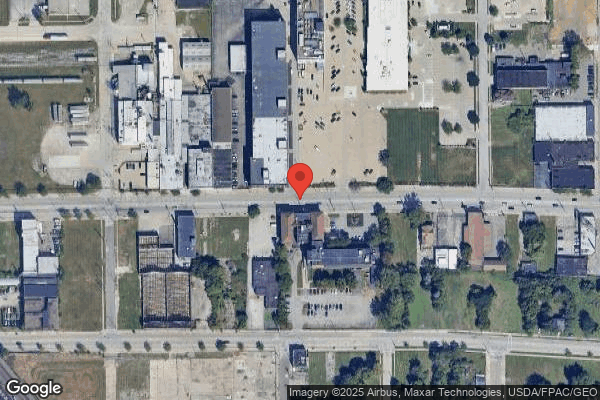
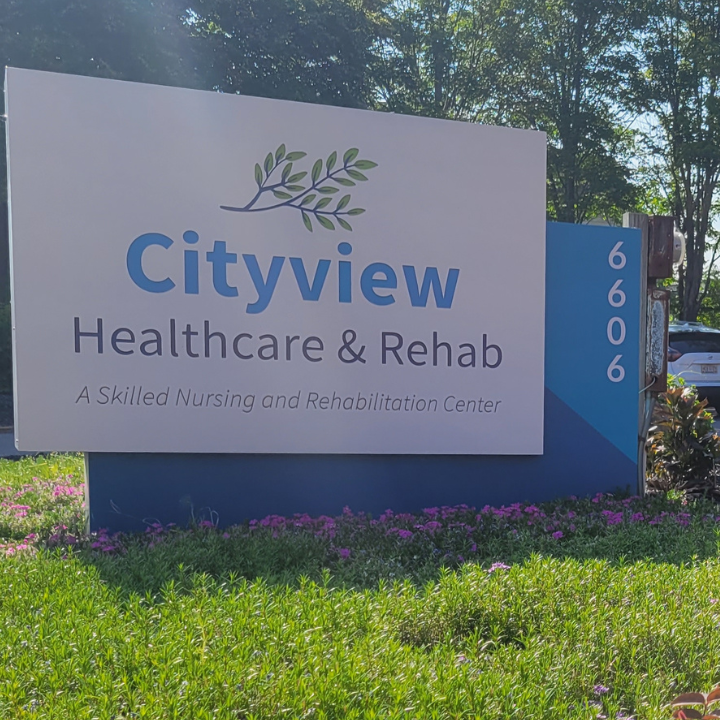
6606 CARNEGIE AVE, CLEVELAND, OH 44103 (216) 361-1414
For profit - Corporation 150 Beds CERTUS HEALTHCARE Data: November 2025 5 Immediate Jeopardy citations
Trust Grade
0/100
#637 of 913 in OH
Last Inspection: November 2022

Over 2 years since last inspection. Current conditions may differ from available data.

Overview

CityView Healthcare and Rehabilitation has received a Trust Grade of F, indicating significant concerns about the facility's quality and safety. With a state rank of #637 out of 913 in Ohio, they are in the bottom half, and #55 out of 92 in Cuyahoga County suggests only a few local options are better. While the facility's trend is improving, with issues decreasing from 15 in 2024 to 7 in 2025, it still faces serious challenges, including $165,684 in fines, which is higher than 91% of Ohio facilities. Staffing is below average with a rating of 2/5 stars, although turnover is slightly better than the state average at 44%. Specific incidents of concern include a resident accessing a locked utility room and falling through a laundry chute, and the failure to secure smoking materials, leading to potential fire hazards. While the facility has excellent quality measures, families should weigh these strengths against the serious issues identified in recent inspections.

Trust Score
F
0/100
In Ohio
#637/913
Bottom 31%
Safety Record
High Risk
Review needed
Inspections
Getting Better
15 → 7 violations
Staff Stability
○ Average
44% turnover. Near Ohio's 48% average. Typical for the industry.
Penalties
○ Average
$165,684 in fines. Higher than 50% of Ohio facilities. Some compliance issues.
Skilled Nurses
⚠ Watch
Each resident gets only 27 minutes of Registered Nurse (RN) attention daily — below average for Ohio. Fewer RN minutes means fewer trained eyes watching for problems.
Violations
⚠ Watch
47 deficiencies on record. Higher than average. Multiple issues found across inspections.
★★☆☆☆
2.0
Overall Rating
★★☆☆☆
2.0
Staff Levels
★★★★★
5.0
Care Quality
★☆☆☆☆
1.0
Inspection Score
Stable
2024: 15 issues
2025: 7 issues

The Good

  • 5-Star Quality Measures · Strong clinical quality outcomes
  • Full Sprinkler Coverage · Fire safety systems throughout facility
  • No fines on record
  • Staff turnover below average (44%)

    4 points below Ohio average of 48%

Facility shows strength in quality measures, fire safety.

The Bad

2-Star Overall Rating

Below Ohio average (3.2)

Below average - review inspection findings carefully

Staff Turnover: 44%

Near Ohio avg (46%)

Typical for the industry

Federal Fines: $165,684

Well above median ($33,413)

Significant penalties indicating serious issues

Chain: CERTUS HEALTHCARE

Part of a multi-facility chain

Ask about local staffing decisions and management

The Ugly 47 deficiencies on record

5 life-threatening
Sept 2025 1 deficiency 1 IJ
CRITICAL (J) 📢 Someone Reported This

A family member, employee, or ombudsman was alarmed enough to file a formal complaint

Immediate Jeopardy (IJ) - the most serious Medicare violation

Accident Prevention (Tag F0689)

Someone could have died · This affected 1 resident

**NOTE- TERMS IN BRACKETS HAVE BEEN EDITED TO PROTECT CONFIDENTIALITY** Based on observation, closed record review, review of emergency services report, review of hospital records, facility policy rev...

Read full inspector narrative →
**NOTE- TERMS IN BRACKETS HAVE BEEN EDITED TO PROTECT CONFIDENTIALITY** Based on observation, closed record review, review of emergency services report, review of hospital records, facility policy review and interview, the facility failed to maintain a safe environment to prevent Resident #51 from accessing a locked soiled utility room and falling from the third-floor secured unit to the facility basement via a laundry chute. This resulted in Immediate Jeopardy and Actual Harm on 08/07/25 at approximately 1:30 P.M. when Resident #51 was observed in the laundry chute room, inside a laundry bin, behind a locked door in the facility's basement. Maintenance Director (MD) #400 reported he had been in the facility basement outside of the laundry chute room when he heard a loud thud sound from inside the room. Upon opening the locked door of the laundry chute room, MD #400 observed Resident #51 inside a laundry bin, and confirmed the only points of entry into the room were the laundry chute and the locked door he had opened. MD #400 recalled Resident #51 had bleeding around his mouth and eye and a large bump on the back of his right hand. MD #400 reported Former Administrator #500 was present in the facility's basement with another unknown resident at the time of the incident and was informed Resident #51 was in the laundry bin. Former Administrator #500 proceeded to escort Resident #51 out of the laundry chute room and back to his room on the third floor prior to the resident being comprehensively assessed for injury. Resident #51 was transported to the hospital by Emergency Medical Services (EMS) at approximately 2:55 P.M. Upon arrival to the hospital, Resident #51 was found to have a C6 compression fracture (a collapse of one of the cervical vertebra in the neck) of unknown chronicity, an acute T4 anterior fracture (a break of the fourth thoracic vertebra in the mid-back), and multiple left-sided rib fractures of the second through seventh ribs. Resident #51 was hospitalized from [DATE] until 09/03/25 at which time he was transferred to a local long term acute care hospital (LTACH) for ongoing care and treatment. Resident #51 did not return to the facility. This affected one resident (#51) of three residents reviewed for accidents. The facility census was 88. On 09/08/25 at 3:04 P.M., the Administrator, Director of Nursing (DON), and Regional Clinical Support Registered Nurse (RCSRN) #401 were notified Immediate Jeopardy began on 08/07/25 at approximately 1:30 P.M. when Resident #51 was able to gain access to the secured soiled utility room (in which the laundry chute access was contained in) on the third floor and was subsequently observed inside a laundry bin in the laundry chute room of the facility's basement. Resident #51 was transported to a local hospital where he was admitted for multiple traumatic injuries. In addition, the facility failed to ensure an accurate and timely investigation and documentation regarding the circumstances of the incident were completed at the time of the incident. Immediate Jeopardy was removed on 08/08/25 when the facility implemented the following corrective actions: On 08/07/25 at approximately 1:30 P.M., Former Administrator #500 was informed by Maintenance Director (MD) #400 that Resident #51 was in the basement laundry chute room. On 08/07/25 at approximately 1:45 P.M. Former Administrator #500 instructed Licensed Practical Nurses (LPN) #283, #291, #303, and #342 to conduct head counts of their units to ensure all residents were accounted for and had not wandered off their units. On 08/07/25 at approximately 2:00 P.M., Former Administrator #500 checked the soiled utility room containing the laundry chute on the 200 unit to determine if the door was locking properly. On 08/07/25 at 2:11 P.M., the DON called EMS to transport Resident #51 to a local hospital. On 08/07/25 at approximately 2:15 P.M., Former Administrator #500 checked the soiled utility room containing the laundry chute on the 400 unit to determine if the door was locking properly. On 08/07/25 at approximately 2:30 P.M., Former Administrator #500 checked the soiled utility room containing the laundry chute on the 300 unit to determine if the door was locking properly. On 08/07/25 at approximately 3:00 P.M., Former Administrator #500 coordinated an ad hoc Quality Assurance (QA) meeting to discuss the incident with Resident #51. In attendance at the meeting included Former Administrator #500, the DON, Assistant Director of Nursing (ADON) #279, and RCSRN #401. Regional Director of Operations (RDO) #510 and Medical Director #650 attended via phone. A root cause analysis was performed, and the team discussed a plan to prevent the incident of a resident wandering into secured places and/or off the unit. The QA team decided to re-educate staff on the importance of ensuring the utility room doors were latched and always locked, after each entry and exit, as well as installing an extra lock on each (laundry) chute access on each unit. Additional staff training would include ensuring residents on secured units were always supervised and present on their units, ensuring maintenance work orders and all work orders would be placed into TELS (an electronic method for placing, tracking, and communicating work orders that are needed) and emergency orders would be additionally communicated to the Administrator. The meeting was completed at approximately 3:45 P.M. On 08/07/25, RCSRN #401 and Unit Manager (UM) LPN #287 conducted wandering assessments on 87 current residents. All assessments were completed at approximately 3:57 P.M. The facility identified 15 residents (#36, #41, #43, #49, #51, #65, #66, #67, #68, #69, #78, #79, #84, #87 and #88) who triggered as high risk for wandering; the remaining 72 in-house residents were identified as low risk for wandering. On 08/07/25 at approximately 4:00 P.M., the facility installed padlocks on the laundry chute access doors on all three resident care units. On 08/07/25, the DON, ADON #279, UM LPN #253, UM LPN #287, and RCSRN #401 educated all staff on the importance of ensuring utility room doors where the laundry chutes were contained were latched and always locked after each entry and exit. Staff were educated that an extra lock had been applied to the chute access doors on each unit and ensuring the padlocks were in a position after each use. Staff were additionally educated on ensuring residents on secured units were supervised and ensuring maintenance work orders were placed into TELS and emergency orders communicated to the Administrator. All staff education was completed at 5:30 P.M. The facility implemented a plan beginning with staff hired after 08/08/25, that all new hires would be educated during orientation by the Administrator or designee on ensuring utility room doors were secured when not in use, the process for submitting maintenance work orders, and ensuring emergency orders were communicated to the Administrator. Additional new hire training would ensure laundry chute doors would be always locked when not in use. On 08/08/25, the DON or designee began ongoing audits for all three soiled utility rooms in which the laundry chute access was contained, five days per week, for a duration of four weeks to ensure all doors and chutes were locked and secured appropriately. The results of the audits would be reviewed in the facility's QA meetings. On 08/08/25, the DON or designee implemented ongoing, every shift head counts at the end of each nursing shift to ensure all residents were accounted for. The DON or designee would complete these head counts every shift, seven days per week, for a duration of four weeks. The results of the audits would be reviewed in the facility's QA meetings. Although the Immediate Jeopardy was removed on 08/08/25, the facility remained out of compliance at Severity Level 2 (no actual harm with potential for more than minimal harm that is not Immediate Jeopardy) as the facility was still in the process of implementing their corrective actions and monitoring to ensure on-going compliance. Findings include:Review of Resident #51's closed medical records revealed an admission date of 07/19/23 with medical diagnoses including schizophrenia, dementia, muscle weakness and difficulty walking. Resident #51 resided on the third floor secured Connections unit of the facility. Resident #51 was transferred to the hospital on [DATE] and did not return to the facility. Review of the Minimum Data Set (MDS) assessment dated [DATE] revealed Resident #51 had a brief interview for mental status (BIMS) score of 8 indicating the resident had moderately impaired cognition. The assessment revealed Resident #51 required supervision with mobility, and bathing. Review of the care plan dated 07/29/25 revealed Resident #51 required the need for placement on the secured locked unit related to aggressive behaviors. Resident #51 had the potential for physical aggression related to schizophrenia and dementia. Interventions included administering medications as ordered and providing redirection when agitated. Resident #51 had displayed verbally and physically aggressive behaviors and had been destructive to property that included removing soap dispenser from the wall and thermostat covers (updated 08/06/25). Interventions included administering medications as ordered, and providing redirection when agitated. Resident #51 was additionally noted to be at risk for wandering and elopement. Interventions included providing a safe environment and noted the need for Resident #51 to reside on the secured unit. Review of Resident #51's physician's orders for August 2025 revealed an order for the resident to reside on the secured unit. Review of an EMS report dated 08/07/25 revealed a call for service was placed at 2:11 P.M. and EMS arrived at the facility at 2:35 P.M. The EMS report stated facility staff reported Resident #51 was found at the bottom of the stairs, it was unclear if he had fallen down the stairs and how many. The EMS report further revealed (upon EMS arrival) Resident #51 was found lying in his bed (on the third floor) and was observed with multiple contusions and hematomas (swelling and discoloration) to his head, arms, and hands. Resident #51 was noted in the report to have bleeding from his mouth, and it was unknown if Resident #51 had broken teeth or if he had bitten his jaw. Resident #51 was transported by EMS to a local hospital on [DATE] at 2:55 P.M. Review of a transfer assessment dated [DATE] authored by Licensed Practical Nurse (LPN) #287 revealed the DON had called report to the hospital at 2:00 P.M. Resident #51 had some scrapes and minor bruising. The assessment did not provide additional details regarding the circumstances of the incident or related to any of Resident #51's injuries (as noted by EMS). Review of a progress note dated 08/07/25 and timed 4:46 P.M., authored by the DON, revealed she had been made aware Resident #51 was observed wandering in the laundry area. The note revealed Resident #51 was returned to his unit; an assessment and vital signs were obtained which noted new skin alterations. Resident #51 was noted to be alert and oriented and denied pain. Nurse Practitioner (NP) #343 had been made aware and ordered Resident #51 to be sent to the hospital for evaluation. An attempt was made to notify Resident #51's guardian and a message was left, and Resident #51's emergency contact was notified. The progress note failed to contain information related to the resident actually sustaining a fall and/or the circumstances of the fall. Review of hospital records dated 08/07/25 and timed 3:37 P.M. revealed Resident #51 had presented to the emergency department (ED) as a trauma activation after a fall down approximately 20 stairs. A physical assessment noted Resident #51 had a hematoma to his left upper cheek, blood at his bilateral nares, and blood in his mouth with broken dentition. Additional injuries listed a right hip hematoma, left upper extremity hematoma, abrasion to his bilateral knees and mid left shin, and cervical spine tenderness. The assessment further stated laboratory and imaging tests were ordered and chest x-ray demonstrated several posterior rib fractures. Imaging revealed a C6 fracture and T4 anterior body and transverse process fracture (a complex injury pattern, likely referring to a T4 vertebra fracture involving both the front (anterior) part of the bone and the small side processes (transverse processes). This type of injury typically results from high-energy trauma and is often unstable, potentially leading to spinal cord or nerve damage. Resident #51 was also noted to have multiple left-sided rib fractures of the second through seventh ribs. Assessment further revealed due to Resident #51's multiple rib fractures and altered mental status he had been admitted to the trauma intensive care unit (TICU). Review of the facility investigation dated 08/07/25 revealed the following: Review of Maintenance Director (MD) #400's written statement dated 08/07/25 revealed he was going to the soiled utility room to let a vendor into check equipment and found Resident #51 in the laundry bin. The report referenced that he immediately notified Former Administrator #500. Review of Former Administrator #500's written statement dated 08/07/25 revealed he observed Resident #51 in the laundry chute area standing up behind the door. When asked what he was doing, Resident #51 mumbled and asked for a soda. Former Administrator #500 proceeded to the vending machine and purchased him a soda, and ambulated Resident #51 to the dining room until the DON and an unspecified Unit Manager arrived. Review of the DON's written statement dated 08/07/25 revealed Resident #51 was observed in the basement in the laundry bin by MD #400. Former Administrator #500 was notified, who was nearby with another (unnamed) resident at the vending machines. Former Administrator #500 left Resident #51 in the care of an unspecified activity staff member while he retrieved clinical staff to assess the resident. Clinical staff (unnamed) assessed Resident #51 and passive range of motion and active range of motion were performed without difficulty. Resident #51 was noted to have several abrasions noted to his skin. Resident #51 was returned to his unit on the third floor, vitals obtained, and EMS was called to transport the resident to the ED for evaluation. The DON's statement further references that staff were interviewed and reported safety checks had been performed and that all doors with locks were secured. Staff denied seeing the resident go into the laundry chute as it was lunch time and they were passing trays. Review of LPN #323's written statement dated 08/07/25 revealed the nurse had last seen Resident #51 at lunch time between approximately 12:45 and 1:00 P.M. Resident #51 was provided with his lunch, and he stood at the nurse's station and ate his lunch. Review of a written statement dated 08/07/25 authored by Certified Nursing Assistant (CNA) #244 revealed she last saw Resident #51 in the dining room at lunch time. CNA #244 handed him his tray, and he walked back into his room. Review of a written statement dated 08/07/25 authored by CNA #203 revealed she did not witness the incident. CNA #203 was passing lunch trays, and referenced the last time she saw Resident #51, she had brought his tray to his room. Review of a facility incident and accident investigation form, dated 08/07/25 revealed Resident #51 was the listed resident, and the type of incident was listed as wandering. Resident #51 was listed to have abrasions and had been wandering and restless. There was no narrative or explanation for what had happened. The section to list immediate actions taken was blank. A corresponding bath and skin report listed the resident had abrasions to his bilateral lower knees and extremities, his right forearm and upper arm, and left hand. There were no measurements or descriptions of any areas. The bottom of the form stated the treatment order was send to ED. The incident and accident investigation form was incomplete to reflect the resident fell down the laundry chute from the third floor to the basement or to clarify why/how EMS and hospital staff were provided information that the resident fell down stairs. The investigation and accident form failed to provide evidence the resident was comprehensively assessed and/or that EMS services were summoned prior to the resident being moved from the ground. Review of a root cause analysis, dated 08/07/25, completed by the QA team members during the ad hoc QA meeting following the incident, , revealed Resident #51 had last been observed during lunch at the nurse's station at approximately 12:45 P.M. Resident #51 had refused his tray due to his hotdog being mechanically altered per his ordered diet. At approximately 1:30 P.M., Resident #51 was witnessed by MD #400 in the laundry bin in the basement and was transported to the hospital. The root cause was listed as Resident #51 having a history of destroying property, removing soap dispensers, and picking locks. Based on review of the facility information as part of the State agency investigation, it could not be determined how the facility reached this root cause for this incident. Interview on 09/03/25 at 3:14 P.M. with Housekeeper #292 revealed he was present on 08/07/25 and had heard Resident #51 had fallen down the laundry chute. Housekeeper #292 stated the laundry chute doors did not have locks on them prior to the incident and stated Former Administrator #500 had asked him to place locks on the chute doors (following the incident). Observation of laundry chute door with Housekeeper #292 at the time of the interview revealed the door to the laundry chute was locked and Housekeeper #292 had to put in a code to open the door. Observation further revealed a pad lock was in place on the outside of the metal door to the laundry chute at the time of the observation. Interview and observation on 09/03/25 at 3:24 P.M. with Maintenance Director #400 revealed on 08/07/25 between approximately 1:00 P.M. and 1:30 P.M., he and an outside vendor were present in the basement outside of the laundry chute area. MD #400 stated he had heard a loud thud from inside the laundry area. MD #400 stated he had attempted to open the locked door to the chute room, but it had been difficult to open, and he had to push the door a few times as it appeared something was blocking the door. MD #400 stated he eventually opened the door to the laundry chute room, and upon entry he observed a laundry bin on its side, and he saw a hand sticking out of it. MD #400 revealed he was able to identify Resident #51 as the person in the area. MD #400 stated Former Administrator #500 was present in the basement with another resident at the vending machine that was near the laundry chute room. MD #400 advised Former Administrator #500 of the situation. MD #400 stated Former Administrator #500 helped Resident #51 up out of the laundry bin and MD #400 observed Resident #51 with bleeding around his mouth and eye and with a large bump on his right hand. MD #400 stated Former Administrator #500 then walked Resident #51 to the kitchenette area located in the basement near the laundry chute area. MD #400 stated the DON then came and checked Resident #51 out in the basement and then Resident #51 was taken back to his room. MD #400 stated that same day Former Administrator #500 had asked him to place locks on the laundry chute doors and new locks on the door that lead to the chute areas. MD #400 further explained the only entry points into the basement's laundry chute room were from the chute itself or through the locked door he had entered after he heard the thud and found Resident #51 in the bin. Observation of laundry chute room with MD #400 at time of interview revealed the laundry room chute door was locked and required a code to access the room. The laundry chute room had two large, plastic bins on wheels inside the room below the metal laundry chute, with no other doors or points of entry. MD #400 stated approximately two days after the 08/07/25 incident with Resident #51, the staff had received a text message from Former Administrator #500 that the Administrator would not be returning to the facility. Interview on 09/03/25 at 3:52 P.M. with the DON revealed on 08/07/25 Former Administrator #500 had informed her Resident #51 was in the basement, however she had not been made aware how the resident had gotten down there. Former Administrator #500 reported to her he had observed Resident #51 wandering in the basement. The DON stated when she had arrived in the basement, Resident #51 was seated in the kitchenette area drinking a soda. The DON stated she had observed Resident #51 had some scrapes and some redness but was not able to state how the injuries occurred. The DON stated she had heard a rumor Resident #51 had gone down the laundry chute but during the investigation no staff had observed Resident #51 to have left the secured unit via the elevator or the stairs. The DON stated based on her nursing judgement and to err on the side of caution she had called EMS to have Resident #51 transferred to the hospital. The DON was asked where Resident #51 was currently and/or information about the resident's status and the DON stated she did not know. Interview on 09/04/25 at 8:06 A.M. with CNA #209 revealed the lock on the door to the third-floor soiled utility room which contained the laundry chute had been broken for approximately a week before the 08/07/25 incident with Resident #51. CNA #209 revealed Former Administrator #500 had been made aware of this. During the interview, CNA #209 stated on 08/07/25 she observed Resident #51 in the dining room during lunch and Resident #51 had refused his lunch tray and had left the dining room. CNA #209 stated approximately 20 minutes later, an unknown staff member had asked her to do a head count of the residents on the unit as Resident #51 had fallen down the laundry chute. Interview on 09/04/25 at 9:09 A.M. with RDO #510, who was the acting Interim Administrator, revealed she had been made aware of the incident involving Resident #51 via phone on 08/07/25. RDO #510 stated the facility had done an investigation and had not been able to determine how Resident #51 had ended up in the basement's laundry chute room and stated the door to the room may have been left open and stated Resident #51 had a history of wandering. RDO #510 denied staff had reported any locks that had been broken. A telephone interview with Resident #51's guardian on 09/04/25 at 10:07 A.M. revealed he had received a call from the facility that Resident #51 had fallen down the stairs and was found in the basement. The guardian stated the caller had not provided any specific information and he was confused on how the resident had gotten off the secured locked unit and into the basement to have fallen. The guardian stated he had spoken with the hospital and had been informed Resident #51 had numerous fractures on his back and he had remained at the hospital from [DATE] unit 09/03/25 at which time Resident #51 was transferred to a local LTACH for continued medical care needs. Interview on 09/04/25 at 12:34 P.M. with CNA #275 revealed he had seen the door to the third-floor soiled utility room containing the laundry chute not functioning properly from time to time prior to the incident involving Resident #51 on 08/07/25. A telephone interview on 09/04/25 at 12:41 P.M. with Nurse Practitioner (NP) #343 revealed she had been on call on 08/07/25 and had received a call from a staff member regarding Resident #51. NP #343 recalled she had received vague information that Resident #51 was found in the basement and had some scratches on him. NP #343 stated she had recalled asking the caller how Resident #51 had gotten into the basement as he resided on a secured unit; however, the caller had not been able to provide an explanation. NP #343 stated she had been told Resident #51 had some scratches on his face and was not made aware of any other injuries. NP #343 stated she had advised the caller if they felt Resident #51 needed to be sent to the hospital to go ahead and send him out. NP #343 stated she had not received any additional follow-up calls regarding Resident #51. A telephone interview on 09/08/25 at 12:57 P.M. with Former Administrator #500 revealed he was in his office on 08/07/25 and received a call from MD #400; however, he did not see the message immediately. Former Administrator #500 was unable to recall at what approximate time he received the message but stated once he received MD #400's message he had gone to the basement and had observed Resident #51 inside the laundry chute room standing up behind the door. Former Administrator #500 stated Resident #51 had told him he was looking for a soda. Former Administrator #500 stated he was unsure how Resident #51 had been inside the laundry chute area as the door was locked and required a code to get inside. Former Administrator #500 stated he had observed some cuts on Resident #51's arms and stated he had gone upstairs to get the DON. Former Administrator #500 stated he had not returned to the basement and had then proceeded to go to the units where he advised the staff to perform a head count of all the residents. Former Administrator #500 stated he had then done an audit of all the doors on each unit with MD #400 and had observed the door on the 3rd floor had not been closing effectively. Former Administrator #500 stated he had advised MD #400 to repair the lock on the third-floor door to the soiled utility room at that time. Former Administrator #500 stated he had done an investigation beginning on 08/07/25 and stated he had turned in his resignation effective immediately on 08/08/25. The Former Administrator did not provide any additional information related to his resignation. Review of the undated facility policy Connections Unit revealed the Connections unit was a secured unit which provided a living environment that was supportive for those with mental health diagnoses that supported a need for increased safety and supervision. It emphasized structured activities and programs to meet physical, mental, and psychosocial needs in a comforting and safe manner. The goal of Connections unit was to respect the privacy and dignity of residents, administer care and treatment, provide a smaller environment with increased supervision that focuses on daily routines, and/or offer an environment that allows individuals to be comfortable with themselves while decreasing the potential for self-harm or escalation of negative behaviors. The Connections unit was a locked unit with coded keypads to unlock the doors. Benefits of the unit include reduction of external stressors and expectations to promote self-worth and a safe living environment. Staff who were trained to provide support and care for residents with aggression and behaviors related to their diagnosis or other need for increased supervision and activities that are specifically chosen for the interest and needs of the residents on the unit. Review of the policy Compliance/Ethics: Records and Documentation dated 08/2025 revealed accurate and complete recordkeeping and documentation is critical to virtually every aspect of the facility's operations. It is the policy of the facility that all documentation should be timely, accurate, and consistent with applicable professional, legal, and facility guidelines and standards. This includes all aspects of the facility's documentation, including resident assessments and care plans, clinical records and all billing and payment documentation. This deficiency represents non-compliance investigated under Complaint Number 2594724.
Jul 2025 4 deficiencies
CONCERN (D) 📢 Someone Reported This

A family member, employee, or ombudsman was alarmed enough to file a formal complaint

Potential for Harm - no one hurt, but risky conditions existed

ADL Care (Tag F0677)

Could have caused harm · This affected 1 resident

**NOTE- TERMS IN BRACKETS HAVE BEEN EDITED TO PROTECT CONFIDENTIALITY** Based on observation, interview, record review and review of the facility policy the facility failed to ensure Resident's #19 an...

Read full inspector narrative →
**NOTE- TERMS IN BRACKETS HAVE BEEN EDITED TO PROTECT CONFIDENTIALITY** Based on observation, interview, record review and review of the facility policy the facility failed to ensure Resident's #19 and #43 received appropriate incontinence care timely. This affected two residents (Resident's #19 and #43) out of three residents reviewed for incontinence. The facility census was 93. Findings include: 1. Review of Resident #43's medical record revealed an admission date of 04/17/12 and a readmission date of 01/06/15. Diagnoses included senile degeneration of the brain, Parkinson's Disease and paranoid schizophrenia. Review of Resident #43's care plan revised 10/07/24 revealed Resident #43 had bladder and bowel incontinence and was at risk for skin breakdown and urinary tract infections. Resident #43 would remain free from skin breakdown due to incontinence and brief use through the review date. Interventions included staff would provide assistance with toileting and incontinence care as needed. Review of Resident #43's Quarterly Minimum Data Set assessment dated [DATE] revealed Resident #43 was unable to complete the Brief Interview for Mental Status. Resident #43 did not reject care during the seven-day assessment look-back period. Resident #43 was dependent for all ADL's (Activity of Daily Living's). Resident #43 was always incontinent of urine and bowel. Observation on 07/01/25 at 7:43 A.M. of Certified Nursing Assistant's (CNA)'s #223 and #224 revealed they were preparing to provide Resident #43's incontinence care. Observation revealed Resident #43 was wearing two incontinence briefs. The two briefs were soaked with dark yellow urine and a moderate amount of somewhat hard brown feces could be seen. CNA #223 stated it looked like Resident #43 had not been changed in awhile. CNA #224 did not have all the supplies she needed and left the room to gather the supplies leaving Resident #43 uncovered from the waist down while she was gone. CNA #223 did not pull the covers over Resident #43 while she waited for CNA #224 to return. CNA #223 stated Resident #43 should not be wearing two incontinence briefs and she never used two incontinence briefs when she was providing care. After a few minutes CNA #224 returned to the room and CNA's #223 and #224 continued Resident #43's incontinence care. Resident #43 cried out in pain when her buttocks were wiped and some redness could be seen on the bilateral inner buttocks. Assistant Director of Nursing (ADON) #225 entered the room and CNA #223 told her Resident #43 was having some pain and her feces were somewhat hard and ADON #225 stated she would check for the last bowel movement and if Resident #43 had anything ordered for constipation. After providing incontinence care CNA #224 placed Resident #43's soiled incontinence briefs in a plastic bag. Using the soiled gloves she used for incontinence care, CNA #224 picked up the clean incontinence brief and placed the clean brief on Resident #43. CNA #224 did not change her soiled gloves or use hand hygiene and covered Resident #43 with a sheet and blanket. CNA #224 confirmed she did not change her soiled gloves before putting a clean incontinence brief on Resident #43 and covering her with a sheet and blanket. Review of the facility policy titled Incontinence Care updated 01/06/25 included the purpose was to maintain skin integrity, prevent skin breakdown, control odor and provide comfort and self-esteem for the residents. The policy was to be used on residents were were incontinent of bowel and bladder. When providing incontinence care cleanse the area with perineal wash or a mild cleanser, pat dry, remove gloves, perform hand hygiene, don gloves. Provide absorbent under pad and briefs as needed. Remove gloves and perform hand hygiene, then don gloves. Change linens and clothing as needed. 2. Review of Resident #19's medical record revealed an admission date of 07/20/09 and diagnoses included unspecified dementia, anxiety disorder and adult failure to thrive. Review of Resident #19's care plan revised 10/15/24 revealed Resident #19 had bowel and bladder incontinence related to impaired mobility and diagnoses. Resident #19 would remain free from skin breakdown due to incontinence and brief use through the review date. Interventions included to change disposable briefs as required and needed. Review of Resident #19's Quarterly MDS assessment dated [DATE] revealed a Brief Interview for Mental Status was not conducted due to Resident #19 was rarely or never understood. Resident #19 was dependent for ADL's and was frequently incontinent of urine and always incontinent of bowel. Observation on 07/01/25 at 7:55 A.M. of CNA's #223 and #226 revealed they were preparing to provide incontinence care for Resident #19. Observation revealed Resident #19's incontinence brief had a large amount of dark yellow urine that appeared to have been there awhile. CNA #223 stated Resident #19 did not look like she had her incontinence brief changed for awhile and pointed to a folded blanket under Resident #19's buttocks. The blanket had dried urine on it. Further observation revealed Resident #19 had a folded blanket under her buttocks and also a reusable chux pad. CNA #223 stated Resident #19 should not have a folded blanket and a reusable chux underneath her and it looked like it was put there for added protection for urine incontinence. CNA #226 left the room to get supplies and Resident #19 was left uncovered from the waist down while she was gone. CNA #223 did not cover Resident #19 while she waited for CNA #226 to return. Review of the facility policy titled Incontinence Care updated 01/06/25 included the purpose was to maintain skin integrity, prevent skin breakdown, control odor and provide comfort and self-esteem for the residents. The policy was to be used on residents were were incontinent of bowel and bladder. When providing incontinence care cleanse the area with perineal wash or a mild clenser, pat dry, remove gloves, perform hand hygiene, don gloves. Provide absorbent under pad and briefs as needed. Remove gloves and perform hand hygiene, then don gloves. Change linens and clothing as needed. This deficiency represents non-compliance investigated under Complaint Number OH00165460.
CONCERN (D) 📢 Someone Reported This

A family member, employee, or ombudsman was alarmed enough to file a formal complaint

Potential for Harm - no one hurt, but risky conditions existed

Infection Control (Tag F0880)

Could have caused harm · This affected 1 resident

**NOTE- TERMS IN BRACKETS HAVE BEEN EDITED TO PROTECT CONFIDENTIALITY** Based on observation, interview, record review and review of facility policy the facility failed to ensure Resident #19's physic...

Read full inspector narrative →
**NOTE- TERMS IN BRACKETS HAVE BEEN EDITED TO PROTECT CONFIDENTIALITY** Based on observation, interview, record review and review of facility policy the facility failed to ensure Resident #19's physician orders and care planned interventions for enhanced barrier precautions were followed. This affected one resident (Resident #19) of two residents observed for enhanced barrier precautions. The facility census was 93. Findings include: Review of Resident #19's medical record revealed an admission date of 07/20/09 and diagnoses included unspecified dementia, anxiety disorder and adult failure to thrive. Review of Resident #19's physician orders revealed Enhanced Barrier Precautions related to feeding tube, every shift. Review of Resident #19's care plan revised 10/15/24 revealed Resident #19 required Enhanced Barrier Precautions related to feeding tube. To reduce the potential of spreading multi-drug resistant organisms daily. Interventions included use of appropriate Enhanced Barrier Precautions when performing the following including personal hygiene, toileting and peri care. Review of Resident #19's Quarterly MDS assessment dated [DATE] revealed a Brief Interview for Mental Status was not conducted due to Resident #19 was rarely or never understood. Resident #19 was dependent for ADL's and was frequently incontinent of urine and always incontinent of bowel. Resident #19 had a PEG (percutaneous endoscopic gastrostomy) feeding tube and received 51 percent or more of total calories through tube feeding. Observation on 07/01/25 at 7:55 A.M. of Resident #19's room revealed isolation gowns were hanging on the door leading into the room from the hall. An Enhanced Barrier Precautions sign was hung on the wall above Resident #19's bed. The sign included everyone must clean their hands, including before entering and when leaving room. Providers and staff must also wear gloves and a gown for the following high-contact resident care activities: dressing, bathing, showering, transferring, changing linens, providing hygiene, changing briefs or assisting with toileting, device care or use including central line, urinary catheter, feeding tube, tracheostomy, and wound care. Observation on 07/01/25 at 7:55 A.M. of Certified Nursing Assistant's (CNA)'s #223 and #226 revealed they were preparing to provide incontinence care for Resident #19. CNA's #223 and #226 did not don an isolation gown before entering Resident #19's room to provide care. Licensed Practical Nurse (LPN) #227 entered Resident #19's room, did not don an isolation gown and disconnected the tube feeding from Resident #19's PEG tube. LPN #227's clothes brushed against Resident #19, her bed, and the bed linens while she disconnected the tube. Without donning isolation gowns CNA's #223 and #226 provided incontinence care for Resident #19. While they were providing care CNA's #223 and #226 clothes brushed against Resident #19, her bed and the bed linens. When Resident #19's incontinence care was completed LPN #227 reentered her room without donning an isolation gown and reconnected the tube feeding and turned the tube feeding pump on. CNA's #223 and #226 confirmed they did not wear an isolation gown during Resident #19's incontinence care. LPN #227 confirmed she did not wear an isolation gown when she disconnected and reconnected Resident #19's tube feeding. LPN #227 stated she did not realize she had to wear a gown when hooking up and unhooking the tube feeding. Interview on 07/01/25 at 9:00 A.M. of Regional Director of Operations (RDO) #201 revealed she was so disappointed to hear the aides and nurses did not don appropriate PPE (Personal Protective Equipment) when providing Resident #19's incontinence care and tube feeding care. RDO #201 revealed they have provided so much staff education on Enhanced Barrier Precautions. Review of the facility policy titled Enhanced Barrier Precautions Policy updated 01/2025 included EBP was used in conjunction with standard precautions and expands the use of PPE to donning gown and gloves during high-contact resident care activities that provide opportunities for transfer of MDRO's to staff hands and clothing. EBP was indicated for residents including indwelling medical devices even if the resident was not known to be infected or colonized with a MDRO. Indwelling medical devices included feeding tubes. Providers and staff must also wear gloves and a gown for the following high-contact resident care activities: dressing, bathing, showering, transferring, changing linens, providing hygiene, changing briefs or assisting with toileting, device care or use including central line, urinary catheter, feeding tube, tracheostomy, and wound care. This deficiency represents non-compliance investigated under Complaint Number OH00165460.
CONCERN (F) 📢 Someone Reported This

A family member, employee, or ombudsman was alarmed enough to file a formal complaint

Potential for Harm - no one hurt, but risky conditions existed

Safe Environment (Tag F0584)

Could have caused harm · This affected most or all residents

**NOTE- TERMS IN BRACKETS HAVE BEEN EDITED TO PROTECT CONFIDENTIALITY** Based on observation, interview, record review and review of the facility policy, the facility failed to ensure a clean sanitary...

Read full inspector narrative →
**NOTE- TERMS IN BRACKETS HAVE BEEN EDITED TO PROTECT CONFIDENTIALITY** Based on observation, interview, record review and review of the facility policy, the facility failed to ensure a clean sanitary environment for Resident's #12, #13, #32, #33, #37, #44, #53, #56, #70, #74, #84, #89 and #92 who resided on the third floor nursing unit and failed to ensure phone calls to the facility were answered timely. This had the potential to affect all residents residing in the facility. The facility census was 93. Findings include: 1. Review of Resident #44's medical record revealed an admission date of 07/19/23 and diagnoses included traumatic subarachnoid hemorrhage with loss of consciousness of unspecified duration, schizophrenia and unspecified dementia with other behavioral disturbance. Review of Resident #44's care plan dated 04/18/25 included Resident #44 had an ADL self-care performance deficit related to diagnoses. Resident #44 would maintain current level of function through the review date of 10/27/25. Interventions included Resident #44 was independent for toileting and Resident #44 required setup assistance with personal hygiene and oral care. Review of Resident #44's Quarterly MDS assessment dated [DATE] revealed Resident #44 was unable to complete the Brief Interview for Mental Status. Resident #44 required setup or clean-up assistance for oral hygiene and supervision or touching assistance for personal hygiene. Observation of the facility work orders open and in progress did not reveal a work order for a dripping ceiling, disconnected sink pipe, sink and counter partially pulled away from wall, paper towel and soap dispenser pulled off wall, no light bulb cover or bathroom door latch needing repaired in Resident #44's room Observation on 06/26/25 at 9:38 A.M. of Resident #44's room with Housekeeper #217 revealed Resident #44 resided on the secured third floor nursing unit (Connections Community) and there was a puddle of water on the floor. Closer observation revealed the ceiling was leaking and dripping what appeared to be water onto the floor and the sink drain was not connected to the drain pipe and when the water was turned on for the sink it drained from the sink into the pipe and onto the floor. Housekeeper #217 confirmed both the leaking ceiling and the disconnected pipe under the sink and stated he was usually assigned to clean the third floor nursing unit and for the last two to three months there was always water on the floor in this room. Further observation of Resident #44's room revealed the sink had a square counter surrounding it and both the sink and counter were leaning to the left and partially pulled away from the wall. There was no soap dispenser or paper towel holder on the wall by the sink and a damaged wall with a large area of chipped plaster could be seen where they used to be attached. There was a mirror above the sink and above the mirror two bare light bulbs could be seen and there was no cover on them. A thermostat on the wall did not have a cover. Housekeeper #217 stated the paper towel dispenser and soap dispenser were ripped off the wall two to three months ago by another resident and had not been repaired. Housekeeper #217 stated Resident #44 did not do the damage seen in the room. The door to the bathroom was ajar and Resident #44 asked Housekeeper #217 to shut the door and put the trash can in front of it. Resident #44 stated the door to the bathroom shared with a second resident room would not stay shut and a trash can had to be put in front of it to keep it closed. Resident #44 stated he was sick of this [expletive] and did not like the door to the bathroom continually swinging open. Observation on 06/26/25 at 9:49 A.M. of Resident #44's room with the Director of Nursing (DON) confirmed water was dripping onto the floor from the ceiling, the sink was not connected, the soap dispenser and paper towel holder were ripped off the wall and the wall was damaged with a large area of chipped plasture, the door to the bathroom would not stay shut, there was no thermostat cover and no cover over the light bulbs above the sink. The DON confirmed the sink and counter were partially ripped off the wall and leaning to the left. The DON did not know what the status was of all the broken things in the room. Interview on 06/26/25 at 9:54 A.M. of Environmental and Laundry Supervisor ([NAME]) #218 confirmed another resident with a wardobe pushed the wardrobe against Resident #44's sink and caused it to be partially pulled away from the wall. [NAME] #218 indicated he did not put a work order in or tell Maintenance Supervisor (MS) #219 about Resident #44's damaged sink. [NAME] #218 stated he was not aware of the other broken and damaged things in Resident #44's room. Interview on 06/26/25 at 12:17 P.M. of MS #219 revealed work orders were placed in the electronic system and staff could always text him, or tell him in person if something needed fixed. MS #219 stated he had two maintenance assistants to help with the work load. MS #219 stated he was not told about the leaking ceiling and sink drain in Resident #44's room, he only found out about it today and a work order was put in today. MS #219 stated Resident #44's sink and counter was on a list to be replaced, and he was working his way down from the fourth floor. MS #219 indicated the paper towel and soap dispensers were replaced a few minutes ago. Observation of Resident #44's room with MS #219 confirmed the leaking ceiling and disconnected sink drain, the bare light bulbs above the sink, the thermostat without a cover, and the door to the bathroom that would not stay closed. MS #219 stated the bathroom door did not have a latch and he would make sure it was fixed, and the thermostat was not connected and he would make sure it was removed. Observation on 06/26/25 at 1:00 P.M. of the secured third floor nursing unit (Connections Community) with Licensed Practical Nurse (LPN) #204 revealed widespread ceiling tiles stained light and dark brown in Resident's #12, #13, #32, #33, #37, #53, #70, #74, #84, #89 and #92 rooms. Resident #56's room had a broken light cover at the head of the bed. Review of Resident #84's medical record revealed an admission date of 03/31/21 and diagnoses included schizoaffective disorder bipolar type, catatonic disorder due to known physiological condition and major depressive disorder. Review of Resident #84's Annual MDS assessment dated [DATE] revealed Resident #84 had moderate cognitive impairment. Observation on 06/26/25 at 1:00 P.M. of Resident #84's room revealed the bathroom door was open to the shared bathroom with another room and a pungent urine odor was apparent. Resident #84 said the bathroom smelled and to please close the door. Observation of the bathroom revealed it was dirty and had urine stains on the floor and toilet. LPN #204 confirmed the bathroom was dirty, smelled and needed cleaned. 2. Review of the local city Division of Fire Incident Report 2025-501332-000 dated 03/03/25 at 3:33 A.M. included a call was received and the arrival time to the facility was 3:37 A.M. On scene at the same time as EMS. There was a delay entering the building due to no one was at the front desk. Post entry, assisted EMS load an elderly male onto a cot and EMS to transport patient to the local hospital. The apparatus clear date and time was 03/03/25 at 3:57 A.M. On 06/30/25 at 5:22 A.M. a phone call was made to the facility. The phone rang 18 times without being answered. After 18 rings the phone rolled over to music for four minutes then back to ringing. The phone rang an additional 8 times and was answered by facility staff. On 07/02/25 at 6:36 A.M. a phone call was placed to the facility. The phone rang 28 times and was not answered by staff. The phone did not roll over to voicemail, but just kept ringing. Unable to talk to staff from facility. Interview on 06/26/25 at 3:32 P.M. of Registered Nurse (RN) #220 revealed she remembered on 03/03/25 Resident #95 called 911 because he did not want to be in the facility. Resident #95 placed himself on the floor after he called 911 because he wanted EMS to take him to the hospital. Resident #95 was on one-to-one observation and the aide who was watching him saw him put himself on the floor. RN #220 did not remember EMS being delayed getting into the facility or have any knowledge this happened. Interview on 07/02/25 at 8:35 A.M. of Nurse #221 revealed she worked night shift and there was no receptionist at the front desk to answer the phone. Nurse #221 revealed the phones rolled over to the second floor and she was not sure if they also rang on the third and fourth floor nursing units. When told the phone rang 28 times on 07/02/25 at 6:36 A.M. without being answered Nurse #221 stated it was busy last night and the nurses and aides could have been busy and unable to answer the phone when it rang. Nurse #221 indicated the residents needed to be monitored and they really needed to have a receptionist on night shift on the first floor to answer the phones and allow visitors into the facility. Nurse #221 stated she was sure she was busy with a dressing change at that time and was unable to answer the phone. Interview on 07/02/25 at 8:41 A.M. of Registered Nurse (RN) #222 revealed she worked night shift and just left the facility. RN #222 thought the phone rang to all the floors when it rang, but sometimes staff was busy and unable to answer the phone. RN #222 stated last night was a busy night, the residents required close monitoring and the phone could not be answered. Interview on 07/02/25 at 9:06 A.M. of the Director of Nursing (DON) revealed after the receptionist left for the evening around 7:00 P.M. the phones should be forwarded to ring on all three nursing units. The DON stated the phone should be answered within three rings, but on night shift sometimes the staff was busy and unable to answer the phone. The DON indicated if the phone rang 28 times without being answered that was too long and not okay. The DON stated the phones should be answered in case of an emergency. Review of the facility policy titled Housekeeping included the purpose was to establish standards of cleanliness and consistency in the way in which rooms and common areas were cleaned and maintained. The facility would be cleaned on a regular basis according to Federal and State guidelines. The bathroom was to be clean and free of odors. Porcelain sinks were to be free of cracks, chips, stains. Towel, toilet paper and soap dispensers were to be checked daily and refilled, replaced as needed. The resident's room was to be free of odors. If nursing personnel noticed any sanitary violations occurring in resident rooms housekeeping and, or maintenance should be notified promptly. This deficiency represents non-compliance investigated under Complaint Number OH00165460 and OH00163250.
CONCERN (F) 📢 Someone Reported This

A family member, employee, or ombudsman was alarmed enough to file a formal complaint

Potential for Harm - no one hurt, but risky conditions existed

Deficiency F0679 (Tag F0679)

Could have caused harm · This affected most or all residents

**NOTE- TERMS IN BRACKETS HAVE BEEN EDITED TO PROTECT CONFIDENTIALITY** Based on observation, interview, record review, review of the facility Activity Calendar and review of facility policy the facil...

Read full inspector narrative →
**NOTE- TERMS IN BRACKETS HAVE BEEN EDITED TO PROTECT CONFIDENTIALITY** Based on observation, interview, record review, review of the facility Activity Calendar and review of facility policy the facility failed to ensure residents were provided activities as scheduled and failed to ensure Resident's #11, #33, #47 #67, and #82's care planned interventions were implemented for activities and activities were offered per their preferences. This had the potential to affect all the residents in the facility. The facility census was 93. Findings include: Review of Resident #67's medical record revealed an admission date of 04/05/25 and a readmission date of 06/19/25. Diagnoses included hemiplegia and hemiparesis following unspecified cerebrovascular disease affecting the left dominant side, type two diabetes mellitus and schizoaffective disorder. Resident #67 resided on the second floor nursing unit. Review of Resident #67's electronic record from 06/01/25 through 06/26/25 did not reveal evidence Resident #67 had one-to-one activity participation or self-directed activity participation. Review of Resident #67's admission Minimum Data Set assessment dated [DATE] revealed Resident #67 was cognitively intact. Over the past two weeks Resident #67 stated he felt down, depressed or hopeless on two to six days. Resident #67 did not reject care during the seven-day assessment look-back period. Resident #67 stated it was very important to listen to music he liked, to do his favorite activities, to go outside when the weather was good. Resident #67 stated it was somewhat important to do things with groups of people and to be around animals such as pets. Resident #67 used a wheelchair and was dependent for chair-to-bed-to-chair transfer. Review of Resident #67's care plan dated 06/26/25 revealed long term stay in the facility was in the best interests of Resident #67. Discharge to the community would not be pursued at this time due to care needs. Interventions included staff would encourage, assist Resident #67 to interact with other residents, attend activities and understand where the bathrooms, dining room, activity areas etcetera were located. Review of Resident #67's progress notes dated 06/19/25 through 07/01/25 did not reveal evidence Resident #67 attended activities or was encouraged to attend activities. Observation on 06/26/25 at 12:35 P.M. of Resident #67 revealed he was sitting in a motorized wheelchair in the common area of the main entrance to the facility. Resident #67 waved the surveyor over and stated he felt cooped up in the facility. Resident #67 stated there were no activities provided, they never take us on trips and the residents needed something to do. Interview on 06/26/25 at 12:58 P.M. of Licensed Practical Nurse (LPN) #204 and Certified Nursing Assistant (CNA) #203 revealed they were standing near the third floor nurses station. LPN #204 indicated the third floor nursing unit was a secured unit and residents with behavioral and mental health issues resided on it. CNA #203 stated the residents got into fights and broke things because they had no activities to occupy them. LPN #204 and CNA #203 stated emphatically that they had not seen an activity person today, the activity schedule looked good, but there had not been any activities provided so far today from 7:00 A.M. until 12:58 P.M. CNA #203 stated it was worse on the second floor nursing unit, and the second floor did not do any activities at all. Again CNA #203 stated the schedule looks good but there are no activities. Review of the Second Floor Activities Calendar revealed on 06/26/25 at 1:00 P.M. the scheduled activity was Manicures and Cards. Review of the Connections Community Activities (third floor secured nursing unit) revealed on 06/26/25 at 1:00 P.M. the activity scheduled was Discussion (Responsibly). Review of the Blue Sky Community (fourth floor secured memory unit) Activity Calendar revealed on 06/26/25 at 1:00 P.M. Manicures and Cards was the activity scheduled. Observation on 06/26/25 at 1:11 P.M. of the third floor secured nursing unit did not reveal any activity was provided including Discussion (Responsibly). There was no observation of activity staff. LPN #204 stated no activity person showed up. Observation on 06/26/25 at 1:20 P.M. of the second floor did not reveal any activities were provided including Manicures and Cards. Registered Nurse (RN) #205 stated there were no activities right now but the residents had church this morning from about 10:15 A.M. until 11:45 A.M. RN #205 stated there were no activities now because the activities staff were responsible to take the residents out for their smoke break at 1:30 P.M. Observation on 06/26/25 at 1:25 P.M. of the fourth floor secured nursing unit (Blue Sky Community) including the common area did not reveal any activities including Manicures and Cards were provided. Interview on 06/26/25 at 1:26 P.M. of RN #206 revealed she was sitting at the fourth floor nurses station. RN #206 confirmed there were no activities being provided now or at 1:00 P.M. RN #206 stated if activities were provided they would be held in the common area of the fourth floor. Review of the fourth floor Blue Sky Community Activities Calendar revealed on 06/26/25 at 2:00 P.M. a Hydration Cart was the activity scheduled. On 06/26/25 at 3:00 P.M. Bingo was the activity scheduled. Observation on 06/26/25 at 2:42 P.M. of the fourth floor nursing unit (Blue Sky) did not reveal evidence of a Hydration Cart or Bingo being provided for the residents. Review of the Connections Community Activities (third floor secured behavioral unit) revealed on 06/26/25 at 3:00 P.M. Board Games was the activity scheduled. Review of the Second Floor Activities Calendar revealed on 06/26/25 at 2:00 P.M. the activity scheduled was Hydration Cart. on 06/26/25 at 3:00 P.M. the activity scheduled was Game Room. Observation on 06/26/25 at 2:45 P.M. of the second floor nursing unit revealed no evidence activities were provided including a Hydration Cart. Observation on 06/26/25 at 3:18 P.M. of the fourth floor secured memory unit (Blue Sky Community) including the common area did not reveal evidence activities were provided for the residents including Bingo. Observation on 06/26/25 at 3:20 P.M. of the second floor nursing unit did not reveal any activities were being provided to the residents including Game Room. Observation on 06/26/25 at 3:22 P.M. of the third floor secured nursing unit (Connections Community) did not reveal activities were offered to the residents including Board Games. Interview on 06/26/25 at 3:22 P.M. of LPN #204 confirmed there were no activities currently being provided to the residents on the third floor secured nursing unit. Interview on 06/26/25 at 3:40 P.M. of Activity Director (AD) #207 revealed he had four Activity Assistant's (AA)'s #208, #209, #210 and #211. AD #207 stated AA #209 called off today, and AA #210 and AA #211 had a scheduled day off. AD #207 stated AA #208 worked today. AD #207 confirmed activities were not provided as scheduled due to three Activity Aides were off today. AD #207 stated each nursing unit had an Activity Aide and activity schedules were different for each nursing unit. AD #207 stated church services was offered this morning from 10:15 A.M. until 11:45 A.M. and many residents enjoyed going to the church service. AD #207 first stated the fourth floor nursing unit had Bingo at 2:15 P.M. or 2:30 P.M. and when told Bingo was not observed on the fourth floor at those times AD #207 stated Bingo was not provided because he had to attend resident care conferences from about 1:45 P.M. until 2:45 P.M. AD #207 confirmed the activity staff supervised smoke breaks at 9:30 A.M., 1:30 P.M. and 4:30 P.M. AD #207 stated the only activity provided on the third floor secured nursing unit (Connections Community) today was a movie at around 1:10 P.M. AD #207 stated he started the movie so residents could watch it while they ate their lunch meal. AD #207 stated he placed cards and puzzles at the far end of the counter of the second floor nurses station and there were also cards located on an activity cart that stayed on the second floor in the common area. AD #207 stated he made an announcement to the residents to let them know where the cards and puzzles were. Observation on 06/26/25 at 3:50 P.M. with AD #207 of the second floor nursing unit revealed there were no cards or games located on the nurses station counter at the far end. AD #207 stated the residents probably took them to their rooms. Observation of the third floor nursing unit revealed there were papers for word search, coloring etcetera contained in plastic covers and thumb tacked to a bulletin board. There was no observation of pencils or crayons. Further observation with AD #207 of the third floor nursing unit revealed a locked room with a broken video game, a broken air hockey table and a broken table soccer game. There was a basketball game in the common area which was available for resident use. AD #207 stated the games had been broken anywhere from two weeks to a month. Observation of the fourth floor nursing unit (Blue Sky) revealed a couple board games on a ledge in the common area along with some coloring items, a baby doll and a therapeutic stuffed doggie. AD #207 stated there had been no outside trips planned for the residents since about 10/2024 because the bus driver quit and the bus was given to a sister facility. AD #207 stated the only transportation the facility had now was a van which was acquired about three months ago and only had the capacity to hold one wheelchair, two walkers and one aide and the van was mostly used for resident appointments. A van driver was hired about a month ago. AD #207 stated residents asked to go on trips all the time. The residents want to go to the zoo on Mondays because it is free, and want to go to parks, to see Christmas lights, to see the air show but were unable to because the facility did not have a bus big enough to accommodate the residents. AD #207 stated the residents missed their trips and when they returned from the trips they had a better, different mind set, and it was a positive experience for them. AD #207 stated he was going to contact the sister facility to see if they could loan the facility the bus for some trips. AD #207 stated when a resident attended activities it was documented in their electronic record. AD #207 confirmed the activity calendars for the second, third (Connections Community) and fourth floor (Blue Sky) nursing units had zoo trips planned for 10:00 A.M. on 06/09/25, 06/16/25, and 06/30/25 and those trips did not happen. Interview on 06/30/25 at 12:45 P.M. with Resident's #5 and #60 revealed they resided on the third floor secured nursing unit (Connections Community). Resident #5 stated the residents stayed in the facility and did not go anywhere. Resident #5 stated I wish we could go somewhere. Resident #5 stated the residents were taken outside about a month ago, but the facility did not offer outside too much. Resident #60 stated we used to go places and I want to go places. Resident #60 stated she was not taken outside the facility to the grassy area, and would like to do that. Review of Resident #82's medical record revealed an admission date of 09/13/12 and diagnoses included other specified injuries of the left wrist, hand, and fingers, spastic hemiplegia affecting the left non-dominant side, and and generalized anxiety disorder. Review of Resident #82's care plan revised 04/14/21 included Resident #82 was self-directed with leisure pursuits. Resident #82 would try to maintain current level of leisure. Interventions included to encourage participation in group activities of interest, leave of absence with supervision only; offer assistance to and from group activities if needed, preferred activities were cards, games, music, outdoors, outings (parks, picnics, movies), arts and crafts, cooking, religious services, sports, educational, provide Resident #82 with an activities calendar and notify him of any changes to the calendar or activities. Review of Resident #82's Annual MDS assessment dated [DATE] revealed Resident #82 was cognitively intact. Resident #82 did not reject care during the seven-day assessment look-back period. It was very important to Resident #82 to go outside to get fresh air when the weather was good and very important to do his favorite activities. It was very important to be around animals such as pets. Resident #82 used a wheelchair and required partial to moderate assistance for chair-to-bed-to-chair transfers. Resident #82 required substantial to maximal assistance for upper and lower body dressing. Review of Resident #82's electronic record dated 06/01/25 through 06/26/25 revealed there was no evidence Resident #82 participated in one-to-one activities for things like pet visits therapy, and going outside. Group participation activities revealed on 06/04/25 and 06/22/25 Resident #82 played Bingo, on 06/18/25, 06/21/25, 06/22/25 and 06/25/25 he attended coffee, social interaction and news. Resident #82's self-directed activity participation revealed on 06/04/25 he had coffee, social interaction and news. On 06/08/25 music, dancing, and entertainment was documented. On 06/13/25 he was outside in the courtyard. On 06/21/25 at 10:05 A.M. he did exercise and strength. There were no additional activities documented including trips outside the facility . Interview on 06/30/25 at 12:58 P.M. of Resident #82 revealed he was the Resident Council President. Resident #82 stated the residents could go in the back of the facility by the grass, but did not leave the facility because the facility did not have a bus to take us anywhere. Resident #82 stated the residents were taken outside for Veterans Day last November and if there was enough staff they would be given ice cream outside, but he could not remember the last time this happened. Resident #82 indicated the second floor residents were taken out more often than the residents who resided on the third and fourth floor nursing units. Resident #82 stated residents want to leave the facility and go on trips, and told him they were upset because they wanted to go places like the store and the zoo. A sister facility had the bus that used to be at the facility and used for outings, and when it was taken to the sister facility there were no more outings. Resident #82 stated he was told by staff that we are the projects and can't get the bus. Review of the Second Floor Activities Calendar revealed on 06/30/25 at 1:00 P.M. the scheduled activity was Cornhole. Observation on 06/30/25 at 1:16 P.M. of the second floor nursing unit did not reveal Cornhole was provided as scheduled. RN #212 confirmed there was no Cornhole and stated the activities staff rotated floors on days Cornhole was offered, and she thought Cornhole was being offered on the third floor secured nursing unit. Review of the Connections Community Activities (third floor) Calendar revealed on 06/30/25 at 1:00 P.M. Discussion (Love) was scheduled as an activity. Observation on 06/30/25 at 1:18 P.M. of the secured third floor nursing unit (Connections Community) did not reveal Cornhole was provided as an activity. Further observation did not reveal Discussion (Love) was conducted. Review of the Blue Sky Community (fourth floor) Activity Calendar revealed on 06/30/25 at 1:00 P.M. the scheduled activity was Cornhole. Observation on 06/30/25 at 1:21 P.M. of the secured fourth floor nursing unit (Blue Sky) did not reveal Cornhole was offered as an activity. Interview on 06/30/25 at 1:30 P.M. of AA #208 confirmed Cornhole was not provided as scheduled on the second and fourth floor nursing unit, and Discussion (Love) or Cornhole was not provided on the third floor nursing unit. AA #208 stated AD #207 and AA #209 were both not working today. AA #208 stated AA #211 was only working until 3:00 P.M. and the activities had to be pushed back. AA #208 stated the resident birthday party scheduled for 3:00 P.M. had to be done now because AA #211 was leaving at 3:00 P.M. AA #208 indicated activities were documented in resident's electronic record, but often the Activity Aides were not able to log into the system to log the activities residents attended. AA #208 tried to log into the electronic record system and showed the surveyor how the system froze and would not let her into the electronic system to record activities. When this happened AA #208 stated the Activity Aides wrote resident names and the activities they attended on a piece of paper and this was given to AD #207 and he documented the activities. AA #208 stated there were no sign in sheets or resident names written down to document when residents attended activities. AA #208 indicated we just know what residents attended. AA #208 revealed the facility had a shaded, grassy area with picnic tables where residents could be taken if the weather permitted, and this would be documented in their electronic record. AA #208 showed the surveyor the outside area which had picnic tables positioned under trees and the surrounding area was grassy. There were no residents in the grassy, shaded area. Interview on 06/30/25 at 2:18 P.M. of Unit Manager (UM) #213 revealed the third floor nursing unit (Connections Community) residents could be taken outside with supervision. Interview on 06/30/25 at 2:33 P.M. of Resident #67 revealed the facility had no activities provided to the residents on a regular basis. Resident #67 stated it was boring here and they only had parties sometimes. When asked if the residents were taken to the grassy, shaded outside area with picnic tables Resident #67 stated [expletive] no, they only keep us on the pavement by the smoking area. Interview on 06/30/25 at 3:44 P.M. with AA #210 revealed she usually provided activities on the second floor nursing unit. Today she was going to play Name That Tune in the morning but she could not get the radio to work. AA #210 confirmed Name That Tune was not a scheduled activity and the scheduled activities of a Zoo Trip at 10:00 A.M., Cornhole at 1:00 P.M., Hydration Cart at 2:00 P.M. were not offered. AA #210 stated the Monthly Resident Birthday Party scheduled for 3:00 P.M. had to be moved up because AA #211 was leaving at 3:00 P.M. AA #210 stated she did not document resident activities because she did not have access to the electronic system, did not have a log in, and a coworker charted for her. AA #210 stated she worked on 06/15/25, it was Fathers Day and the facility cooked hot dogs inside, not outside for the residents. AA #210 indicated that she felt like the residents would like to go outside more, but that did not happen very much due to staffing. Review of Resident #11's medical record revealed an admission date of 10/14/16 and a readmission date of 11/29/24. Diagnoses included chronic obstructive pulmonary disease, type two diabetes mellitus and bipolar disorder. Review of Resident #11's care plan dated 10/18/24 included long term stay in the facility was in the best interests of Resident #11 and discharge to the community would not be pursued. Resident #11 would be long term care with staff attempting to anticipate and meet his needs. Interventions included staff would encourage and assist resident to interact with other residents, attend activities and understand where bathrooms and activity areas were located. Review of Resident #11's Quarterly MDS assessment dated [DATE] revealed Resident #11 was cognitively intact. Resident #11 did not reject care during the seven-day assessment look-back period. Resident #11 used a wheelchair and required supervision or touching assistance for upper and lower dressing and chair-to-bed-to-chair-transfer. Review of Resident #11's progress notes dated 06/02/25 through 06/30/25 did not reveal evidence Resident #11 was encouraged to attend activities or that he refused to attend activities. Review of Resident #11's medical record including activity charting dated 06/01/25 through 06/30/25 revealed there was no evidence Resident #11 attended one-to-one activities. On 06/03/25 Resident #11 attended a group activity and played Bingo. On 06/03/25 Resident #11 had a self-directed activity for coffee, social interaction and news. There was no further evidence of activities. Interview on 06/30/25 at 4:14 A.M. with Resident #11 revealed he resided on the second floor nursing unit and the facility did not have enough activities. Resident #11 revealed they only do one percent of the activities scheduled on the calendar and no one watches over them. Resident #11 revealed there was a resident birthday party today and he was not asked to attend, and he was not asked to attend any activities. Resident #11 revealed trips such as zoo trips were posted on the activity calendar but they did not happen. Resident #11 revealed he would like to go on outside trips, the facility used to take them on trips, and it was very upsetting to him and boring at the facility. He would like to go to the zoo, picnics and to the beach. Resident #11 revealed he had not been taken outside by the activity staff other than for smoke breaks. Review of Resident #47's medical record revealed an admission date of 11/21/22 and diagnoses included unspecified dementia, moderate with psychotic disturbance, schizoaffective disorder bipolar type and chronic kidney disease. Review of Resident #47's care plan dated 02/03/23 included Resident #47 needed to reside in the secured Blue Sky Living Community (fourth floor) to meet the physical, mental, spiritual and emotional well-being and safety needs of the resident. Resident #47 would reside safely in the Blue Sky Living Community daily. Interventions included to encourage activities. Review of Resident #47's Quarterly MDS assessment dated [DATE] included Resident #47 was cognitively intact. Resident #47 did not reject care during the seven-day assessment look-back period. Resident #47 used a wheelchair and required supervision or touching assistance for upper and lower body dressing and chair-to-bed-to-chair transfers. Review of Resident #47's medical record activity charting dated 06/01/25 through 06/30/25 did not reveal evidence Resident #47 attended one-to-one activities. On 06/09/25 and 06/19/25 Resident #47 attended a group activity for coffee, social interaction and news. There was no further evidence Resident #47 attended activities. Interview on 06/30/25 at 4:30 P.M. with Resident #47 revealed she resided on the fourth floor memory unit (Blue Sky) and all they have is coffee. Resident #47 revealed she was taken outside one time to the smoking area, but there was no one to talk to. Resident #47 revealed there were no zoo trips because the facility did not have a bus and she wished there were outings. Resident #47 revealed she was not invited to the cook out and it was very upsetting not to have outside time and outings. Interview on 06/30/25 at 4:33 P.M. with Certified Nursing Assistant (CNA) #214 revealed there were no activities scheduled on the second shift and sometimes residents say they were bored and act out. If activities were scheduled it would give the residents something to do other than argue and act out. CNA #214 indicated she only saw the activity staff giving residents coffee, CNA #214 made a face, rolled her eyes, and stated I can think of plenty of activities for the residents. Review of Resident #33's medical record revealed an admission date of 04/04/25 and diagnoses included paraplegia, attention-deficit hyperactivity disorder and bipolar disorder. Review of Resident #33's care plan dated 04/07/25 included Resident #33 triggered a level II referral to ODMH (Ohio Department of Mental Health) for PASSRR due to diagnoses of bipolar, anxiety and ADHD. Resident #33's needs per ODMH recommendations. Interventions included socialization and recreation activities to decrease isolation, improve mood and increase peer interaction. Review of Resident #33's admission MDS assessment dated [DATE] included Resident #33 was cognitively intact. Resident #33 stated he sometimes felt lonely or isolated from those around him. Resident #33 did not reject care during the seven-day assessment look-back period. Resident #33 responded it was very important for him to go outside to get fresh air when the weather was good, to do his favorite activities. Resident #33 responded it was somewhat important to do things with groups of people. Resident #33 used a wheelchair and required partial to moderate assistance for upper and lower body dressing and chair-to-bed-to-chair transfer. Review of Resident #33's progress notes dated 06/02/25 through 06/30/25 did not reveal evidence Resident #33 refused to attend activities or was encourage to attend activities. Review of Resident #33's medical record including activity charting dated 06/01/25 through 06/30/25 did not reveal evidence Resident #33 attended one-to-one activities. There was no evidence Resident #33 attended group activities. There was no evidence Resident #33 attended self-directed activities. Interview on 06/30/25 at 4:39 P.M. with Resident #33 revealed he resided on the secured third floor nursing unit (Connections Community). Resident #33 stated the activities were Bingo two times a week, no other activities were offered, and he wished there was more of a variety of activities. Resident #33 indicated the activity staff always offered excuses why there were no activities planned. If something gets lost then we are never able to play games, the video game, table soccer and air hockey games were broken and there was no paddle or ping pong balls for ping pong. Resident #33 stated there were no activities on the weekends, the activity staff brought coffee around about four times a week, he was not asked to attend any activities, and he was very upset there were no outside trips. Resident #33 revealed it does not even cross their minds to take us outside. Resident #33 stated they do not even get the papers with things like word search, crossword puzzles or coloring, there were no pencils, and no board games either. In the month and a half since Resident #33 lived in facility there was only two times where a movie and popcorn were offered. Interview on 06/30/25 at 4:54 P.M. with Resident #57 revealed the facility did not have much activities. Resident #57 stated sometimes he snagged a coffee. Interview on 06/30/25 at 5:16 P.M. of Regional Director of Operations (RDO) #201 revealed the facility bus was always shared with the sister facility and when the facility needed the bus they made arrangements with the sister facility. RDO #201 stated she was not aware the residents had not gone on any bus trips since last year, and the bus was shared with a sister facility and should be used for trips. RDO #201 indicated she did not know how long the facility did not have a driver, but AD #207 had a license and could drive the bus. Observation on 07/01/25 at 10:12 A.M. of the third floor secured nursing unit (Connections Community) with UM #213 revealed behind the nurses station, activity papers for word search, coloring etcetera were observed hanging on a bulletin and contained in plastic sleeves. There were no pencils, colored pencils, crayons, or pens observed. UM #213 confirmed this and stated if the residents ask for the activity papers the nurses could go to the second floor activity room for the pens, crayons, pencils. Residents on the third floor had to be monitored when they were given pens, pencils, and crayons to make sure they were used appropriately. Observation on 07/01/25 at 10:12 A.M. with UM #213 of the second floor activity room revealed no activity staff were present in the room and no pencils, pens, crayons could be found. UM #213 revealed she could not find pens, pencils or crayons but the activity staff knew where they were. UM #213 stated the activity room was locked when the staff left for the day, but nurses from the nursing units had keys and could access the room. Interview on 07/01/25 at 10:43 A.M. of AD #207 revealed he did not document resident activities and the Activity Assistants were responsible to use his office laptop computer to document resident activities. AD #207 indicated Activity Assistant's #208, #209, #210 and #211 did not have access to the electronic system to document activities at the nurses station but he was looking into it. AD #207 stated the fourth floor Blue Sky Community was more dementia, hospice and long term care and the activity staff try to have activities to brighten their day. Last week therapy dogs were brought to facility, but AD #207 confirmed it was not documented on the activity calendar or in resident electronic records. It was important for third floor residents to stay active and there were numerous games kept on the floor and a basketball hoop game. Paddles and ping pong balls were kept behind the desk of the second floor nursing unit and he was planning to talk to the management staff about fixing the third floor video game, air hockey and table soccer games. AD #207 stated he sent an email to the management staff about fixing the games and he would provide it to the surveyor, but no email was provided. AD #207 stated the outside, shaded grassy area was difficult for residents in wheelchairs because the ground sloped down, and they were not taken there often. Observation on 07/01/25 at 11:27 A.M. of the second floor nursing unit with AD #207 and Licensed Practical Nurse (LPN) #215 revealed there was a ping pong table in the common area, but no paddles or ping pong balls could be found. AD #207 and LPN #215 searched the common area and the nurses station and surrounding areas and could not find ping pong paddles or ping pong balls. Interview on 07/02/25 at 8:05 A.M. of RDO #201 revealed she had no knowledge of AD #207 requesting video game, air hockey and table soccer game to be fixed. RDO #201 stated on 06/26/25 he talked to her about getting them fixed and she was under the impression the games were recently broken. Interview on 07/02/25 at 11:00 A.M. of CNA #216 revealed she worked on the secured third floor nursing unit. The air hockey, table soccer and video games had been broken for about a month. CNA #216 stated third floor residents could be accompanied to the second floor to play games such as ping pong but they needed to be accompanied by a staff member. Review of the facility policy titled Activities Policy revised 04/2022 included the center strives to provide meaningful experiences that benefit the resident psychologically, socially, spiritually, and physically through activities across all ages regardless of the resident's cognitive abilities and physical limitations. The activity department function included to provide a calendar of activities posted in the general area for all to see, to encourage residents to choose the activities of their choice, to provide large group, small group, individually motivated and one-to-one activities. Activities might include offering a center outing in the community or a pleasant community drive. Activities might occur in large open areas, in a quiet lobby, outdoor setting or in a resident's room.
Feb 2025 2 deficiencies 1 IJ
CRITICAL (J) 📢 Someone Reported This

A family member, employee, or ombudsman was alarmed enough to file a formal complaint

Immediate Jeopardy (IJ) - the most serious Medicare violation

Deficiency F0742 (Tag F0742)

Someone could have died · This affected 1 resident

**NOTE- TERMS IN BRACKETS HAVE BEEN EDITED TO PROTECT CONFIDENTIALITY** THE FOLLOWING DEFICIENCY REPRESENTS AN INCIDENT OF PAST NONCOMPLIANCE THAT WAS SUBSEQUENTLY CORRECTED PRIOR TO THIS SURVEY. Base...

Read full inspector narrative →
**NOTE- TERMS IN BRACKETS HAVE BEEN EDITED TO PROTECT CONFIDENTIALITY** THE FOLLOWING DEFICIENCY REPRESENTS AN INCIDENT OF PAST NONCOMPLIANCE THAT WAS SUBSEQUENTLY CORRECTED PRIOR TO THIS SURVEY. Based on observation, closed medical record review, review of an Emergency Medical Service (EMS) report, review of medical examiner records, facility policy review and interviews with facility staff, Medical Director, Certified Nurse Practitioners (CNP) #332 and #334, the facility failed develop and implement comprehensive, individualized and effective interventions/treatment and services to meet the behavioral health care needs of Resident #93 and to assist the resident to attain/maintain his highest practicable mental and psychosocial well-being. This resulted in Immediate Jeopardy and actual harm/death on [DATE] when Resident #93, who had diagnoses including schizoaffective disorder, bipolar, dementia, anxiety, antisocial personality, hallucinations, body dysmorphic disorder and history of suicide attempt was found unresponsive in a communal shower room as a result of a self-inflicted injury with scissors provided to the resident by Licensed Practical Nurse (LPN) #500. Cardiopulmonary resuscitation efforts were initiated, and the resident was transported to the hospital where he was pronounced deceased . The resident's manner of death was listed as suicide. On [DATE] at 4:00 P.M. the Administrator, Director of Nursing (DON), and Regional Clinical Support Nurse #244 were notified Immediate Jeopardy began on [DATE] at approximately 2:40 P.M. when LPN #500 provided Resident #93, who had a significant psychiatric history, with a pair of scissors to cut his hair/bangs. On [DATE] at approximately 3:10 P.M., Certified Nursing Assistant (CNA) #214 found Resident #93 in the communal shower room slumped over in his wheelchair with shallow breathing. There was a large amount of blood on the floor and copious amounts of blood coming from the resident's leg and groin area. CNA #214 summoned assistance from nearby nurses who responded. Resuscitation efforts were initiated, EMS arrived and transported Resident #93 to a local hospital where he was pronounced deceased . The resident's manner of death was listed as suicide. The Immediate Jeopardy was removed on [DATE] and the deficiency corrected on [DATE] after the facility implemented the following corrective actions: On [DATE] at 3:10 P.M. Resident #93 was noted with acute blood loss, Emergency Medical Services (EMS) was notified, and Resident #93 was transported to a local emergency room (ER) by local EMS providers. On [DATE], at 3:55 P.M., LPN #500 was immediately provided 1:1 verbal education by the DON on not providing sharp objects to residents. On [DATE] at 3:55 P.M., LPN #500, was suspended by the Administrator following the incident, pending a thorough investigation. LPN #500 was permitted to return to work beginning on [DATE]. On [DATE] the Director of Nursing (DON), ADON #270, Unit Manager #267, Housekeeping Supervisor #283, Human Resource Manager #262, Licensed Social Worker (LSW) #246, Central Supply #317 and Admissions Director #216 completed a whole house sweep for sharp objects at 4:00 P.M. with no sharp objects noted. On [DATE] by 4:30 P.M., all residents were assessed, and medical records were reviewed (including psychiatric/provider notes) to identify those residents who had self-harm and/or suicidal ideation history. In addition, those who could be, were interviewed, related to suicidal ideation/self-harm. Eleven residents (#100, #15, #16, #28, #33, #38, #40, #101, #57, #61, and #102) were identified as at risk for self-harming behaviors. Care plans and associated [NAME]'s were reviewed by Regional Clinical Support Nurse #244. On [DATE] by 5:00 P.M. all staff were interviewed regarding any knowledge of residents exhibiting any signs, symptoms, or behaviors which could be indicative of suicidal ideations. This was completed by the Administrator. On [DATE] by 5:00 P.M. Regional Clinical Support Nurse #244 educated all facility interdisciplinary team members (IDT) on updating care plans for resident(s) who have suicide ideations/self-harm and pulling them to the [NAME]. On [DATE] by 5:00 P.M. all staff were educated by the DON/Designee on reviewing residents' [NAME], ensuring residents were free and safe from self-harm, and assisting and providing supervision to residents as deemed necessary. On [DATE] by 5:30 P.M. the Administrator completed a quality assessment and performance improvement (QAPI) and a root cause analysis with the Medical Director, DON, ADON #270, Regional Clinical Support Nurse #244, Medical Records #317, Human Resources Manager #262 and LSW# 246. The facility root cause analysis identified the nurse (LPN #500) gave Resident #93 a sharp object and should not have. The facility corrective action plan involved mitigating the risk and availability of sharp objects and identifying those residents at risk for self-harm or suicidal ideations. On [DATE] the DON/Designee began random, ongoing resident audits on care plans for residents with a history of suicidal ideations and/or self-harm. The ongoing audits were completed four times weekly for a total of six weeks, completed on [DATE]. On [DATE] the DON/Designee began random, ongoing audits of staff competencies regarding staff utilization of the resident [NAME]'s. The audit reviewed five random staff members four times weekly for a total of four weeks. On [DATE], at 9:30 A.M. the Administrator held a QAPI meeting with the DON, ADON, Medical Director, Activities Director #201, Medical Records Coordinator #317, Human Resource Manager #262, Regional Clinical Support Nurse #244 and LSW# 246 to discuss the findings of the facility audits as of this time. Findings include: Review of the closed medical record for Resident #93's revealed an original admission date of [DATE] with diagnosis of schizoaffective disorder, bipolar, dementia, anxiety, antisocial personality disorder, hallucinations and body dysmorphic order, and right leg above the knee amputation. Advance directives revealed the resident was a full code. Resident #93 was transported to a local hospital where he was pronounced deceased on [DATE]. Review of Resident #93's care plan dated [DATE] revealed the resident had a self-care performance deficit for activities of daily living related to diagnoses of dementia, paranoid schizophrenia, and limited mobility. Listed interventions included for the resident to be supervised at all times while shaving. A care plan focus dated [DATE] revealed the resident had a mood problem related to paranoid schizophrenia, dementia with behaviors, history of self-harm, antisocial personality disorder, manic episodes, adjustment disorder, psychotic disorder, major depressive disorder, generalized anxiety disorder, and history of suicidal ideations. Interventions included administering medications as ordered and educating residents, family and caregivers regarding expectation of treatment, concerns with side effects, and potential adverse effects. An additional care plan focus dated [DATE] revealed Resident #93 had an identified traumatic event listed as suicide behavior and self-harm with a single listed trigger of being housed on the secured memory care unit. Listed interventions included allowing the resident to express feelings, develop strategies with the resident and/or family to avoid or decrease trauma triggers, discus coping mechanisms, gain as much additional background from family/friends and other healthcare professions as possible, monitor for anxiety, and refer to psych services as needed. Review of Resident #93's primary care progress note dated [DATE] revealed the resident was seen by CNP #334 and was coherent and cooperative upon assessment. Resident #93 was noted to have significant mental illness and had noted delusions and a flat effect. The resident was noted to be unkept and was not well-groomed. Review of Resident #93's psychiatric progress note dated [DATE] revealed the resident was seen by psych CNP #332. The note indicated the resident had a history of 18 prior psychiatric hospitalizations, had chronic passive suicidal ideations, and one prior suicide attempt (date unknown) by throwing himself in front of a semi-truck. The note referenced in the review of systems, Resident #93 was positive for anxiety, had delusions that were evident, and had passive suicidal ideations. Resident #93's general appearance was described as evasive/distant. His mood was recorded as uncomfortable but ok and his affect blunted/flat. Resident #93 was noted to have poor concentration, disorganized thought processes, and delusional thought content. The resident was recorded as having grossly impaired insight and judgement and had self-defeating/endangering behavior without regard to the consequences. The note referenced Resident #93 had no current suicide ideation, intent, or current plan but had a history of chronic, passive suicidal ideations. Review of the quarterly Minimum Data Set (MDS) assessment dated [DATE] revealed the resident had intact cognition with noted inattention and disorganized thinking. There were no additional behaviors identified. The assessment revealed the resident required (staff) supervision with showers and was independent with personal hygiene. The assessment also noted the resident received anticoagulant and antipsychotic medications. Review of the physician's orders for [DATE] revealed the resident had an order dated [DATE] for Lithium (an anti-manic, mood stabilizing medication) 600 milligrams (mg) by mouth twice daily, an order dated [DATE] for Eliquis 5mg by mouth twice daily, an order dated [DATE] for Olanzapine (an antipsychotic medication) 10 milligram (mg) daily in the morning, and an order dated [DATE] for Olanzapine 12.5 mg daily at bedtime. Review of an Emergency Medical System (EMS) patient care report dated [DATE] revealed a call was received/created at 3:17 P.M., dispatched at 3:25 P.M., arrived on the scene at 3:31 P.M., and EMS arrived at the patient (Resident #93) at 3:36 P.M. The incident summary indicated upon arrival, Resident #93 was located on the floor of his room. There was a copious amount (estimated between three and four liters) of blood on the floor which had already begun to coagulate (clot). The resident was pale, unresponsive, and breathing shallow. Nursing home staff reported they had done chest compressions but had detected a weak carotid pulse. The patient was noted to have a significant stab-like wound to his medial thigh on his left leg. The wound was wrapped (to control the bleeding) by the fire department. The nursing home staff reported they had no idea what happened but advised he had asked for a pair of scissors earlier for an unknown reason. The nursing home staff had come to check on him after not seeing him for some time and found him on his bathroom floor with blood everywhere and not responding. The nursing home staff's suspicion was that the resident self-inflicted the wound on his leg and went an unknown amount of time before being discovered in the bathroom. The local fire department and EMS providers noted they did not notice or locate any scissors present on the scene but noted their primary focus was on the condition of the patient. The report indicated the amount of blood lost was immediately noted as life-threatening and indicated that cardiac arrest from exsanguination was likely-to-imminent. What vitals could be obtained on the scene indicated the resident had a slow, weak pulse, poor respiratory effort, and non-discernable blood pressure. EMS did apply a tourniquet to the extremity as the amount of blood lost was indicative of an arterial wound. Once in the ambulance the initial assessment indicated that the patient no longer had a palpable pulse. CPR was initiated and his heart rhythm monitor indicated a slow rhythm. Resuscitation was attempted while enroute to the hospital. No pulse was ever recovered, and the resident was left in the care of emergency room (ER) staff who promptly terminated further efforts. Resident #93 was pronounced deceased at the local hospital. Review of a progress noted dated [DATE] at 5:00 P.M. authored by the DON revealed the note was created on [DATE] at 1:33 P.M. and included on [DATE] at approximately 3:10 P.M., the nurse was notified by the activity assistant that there was an emergency on the second floor. Upon arriving on the floor, Resident #93 was observed seated in a wheelchair with his back towards the door. The resident was pale, clammy cool to touch. There was a large amount of saliva coming from the resident's mouth and large among of blood on the floor. There were copious amounts of blood coming from the resident's groin area. A second nurse assessed the resident for a pulse and could not identify one. The resident was lowered to the floor and CPR was initiated. The second nurse applied pressure to the bleeding leg. EMS arrived and continued to work on the resident. Resident #93 was transported to the hospital. According to EMS, the resident had a pulse before leaving the facility. Review of local medical examiner office records revealed Resident #93's body was received at the local medical examiner's office on [DATE]. Resident #93's cause of death was recorded as sharp force trauma of the left leg with vascular and soft tissue injuries, complicated by Eliquis. The manner of death was suicide. The place of death was recorded as a local hospital. Review of the facility's investigation dated [DATE] revealed statements were obtained from staff members working that day. All staff interviewed reported no concern or indication that the resident was suicidal. There were no reported behaviors or statements that Resident #93 had wanted to harm himself. The facility completed a root cause analysis which concluded the cause of the incident was the Charge Nurse (LPN #500) provided Resident #93 with a sharp object. Interview on [DATE] at 10:40 A.M. with Licensed Practical Nurse (LPN) #500 revealed she was not assigned to care for Resident #93 on [DATE]. LPN #500 stated at approximately 2:40 P.M., Resident #93 asked her for a pair of scissors to cut his bangs (hair). LPN #500 stated initially she could not find her scissors and went searching for another pair. LPN #500 asked another nurse for a pair of scissors who did not have one. LPN #500 continued to look and found a pair of scissors in her bag and handed them to Resident #93. The scissors were described as safety scissors with a rounded blunted end. LPN #500 provided the scissors to Resident #93 due to her belief the resident was fairly independent with his activities of daily living and had no aggressive behaviors. LPN #500 verified she never looked at the resident's [NAME] or care plan prior to giving the resident her scissors. In addition, the resident was not provided any level of supervision while having the scissors. Interview on [DATE] at 11:40 A.M. with psychiatric CNP #332 revealed Resident #93 had a very flat affect with baseline depression. The CNP stated it was her belief the resident had no recent changes in his medication regimen and no change in behavior indicating he had wanted to self-harm. CNP #332 denied knowledge of the resident having any type of current delusions or self-injury but documented them to remind herself that residents do have these behaviors. Interview on [DATE] at 11:13 A.M. with LPN #281 revealed she was assigned to care for Resident #93 the day of the incident (on [DATE]). The LPN revealed CNA #214 approached the shower and noticed blood on the floor. CNA #214 immediately went to get the nurses. Upon entering the shower room, the resident was slumped over in his wheelchair and was moaning. LPN #281 stated they lowered the resident to the floor and started CPR. LPN #281stated she was not sure if the resident(s) were allowed to have sharp objects on the unsecured unit since it was a more liberal environment than the secured unit. LPN #281 stated following the incident with Resident #93 on [DATE], rooms were searched for sharp objects and education was provided for staff. Interview on [DATE] at 1:38 P.M. with CNA #214 revealed she worked second shift and was assigned to care for Resident #93 on [DATE]. CNA #214 stated she was doing a walk-through to see what residents were in their rooms, and noticed Resident #93 was not in his room. Resident #93's roommate told her someone was in the shower room bleeding. CNA #214 proceeded to the shower room, opened the door, and from the back saw Resident #93 slumped over in his wheelchair with blood on the floor and called for help. CNA #214 walked in front of the resident and called his name. Resident #93 was breathing, and he opened his eyes. CNA #214 summoned help from the nursing staff. Interview on [DATE] at 10:37 A.M. with Resident #50, who had been Resident #93's roommate, revealed (on [DATE]) he had opened the shower room door and saw Resident #93 seated back in his wheelchair with blood on the floor. He stated he quickly closed the door and went to his room and looked out the window and saw an ambulance. Resident #50 stated he was afraid to tell staff because he did not want to get blamed. Resident #50 stated he liked to shave his own face and body, he would get a razor from the supply area and shave in the shower or at the sink in the room which staff allowed. Interview on [DATE] at 11:47 A.M. with LPN #330 revealed CNA #214 came out of the shower room and yelled that a resident was bleeding. LPN #330 and another nurse went into the shower room, observed the resident (#93) was unresponsive, and called a code. LPN #330 stated the nurse had a hard time finding the resident's pulse. EMS was called, arrived on scene, and continued resuscitative efforts. Resident #93 had a pulse when he left the unit. She stated it was very chaotic, and LPN #500 was crying. LPN #330 did not observe anyone else in the shower room upon entering the room. The LPN stated it was common that Resident #93 would occasionally ask for a razor to shave and scissors to cut his bangs. She stated it was unfortunate that the nurse given him the scissors. Record review revealed no safety assessment or care plan interventions were in place related to the resident's independent use of razors and/or scissors. Interview on [DATE] at 1:51 P.M. with Registered Nurse (RN) #276 revealed Resident #93 had periods of depression but stated not to the point of any concerns. RN #276 was aware of Resident #93's extensive psychiatric history. The RN revealed the resident had a right above-the-knee amputation and always wanted his legs to match. Prior to coming to the facility, he had jumped out of a moving car so his legs would match. RN #276 stated at the time of the incident on [DATE], there was a whole lot of blood on the floor, and she had applied pressure to the resident's leg. Resident #93 did not respond initially, but made an occasional grunting sound as the staff and EMS were providing resuscitative efforts. RN #276 stated EMS reported Resident #93 had a faint pulse at the time he left the unit. Interview on [DATE] at 2:38 P.M. with Resident #93's primary care CNP #334 revealed she saw the resident for a left lower extremity vascular issue that severely damaged circulation to his leg. The resident had lymphedema in the left leg, saw an outside vascular medicine provider, but would refuse therapy to treat the leg. CNP #334 reported Resident #93 was moody, quiet, had poor eye contact and could be very manipulative when he wanted something. CNP #334 stated she would not expect staff to provide sharp objects to residents. Interview on [DATE] at 3:53 P.M. with Medical Director (MD) #610 revealed Resident #93 was schizophrenic and was visited monthly. MD #610 revealed the resident had been at the facility for many years and was believed to be stable. MD #600 recalled the resident was withdrawn and did not communicate much information, which was a classic sign of schizophrenia. MD #600 was surprised about the incident (on [DATE]) and was unaware that a nurse provided Resident #93 with a pair of scissors. Interview on [DATE] at 3:33 P.M. with LPN #296 revealed a CNA called her into the shower room (on [DATE]) and Resident #93 was observed sitting in his wheelchair with his clothes on. On the floor around the resident was a large puddle of blood. LPN #296 called 911 to summon EMS. Resident #93 was unresponsive and at first staff could not locate a pulse, eventually locating a weak pulse. LPN #296 stated EMS arrived promptly. LPN #296 was surprised that LPN #500 had provided scissors to Resident #93. LPN #296 stated the resident could not handle shaving and would cut himself. Additionally, she noted Resident #93 would occasionally exhibit delusions and talk to walls. Interview on [DATE] at 9:30 A.M. with Regional Clinical Support Nurse #244 revealed the facility had no policy addressing suicidal behavior, residents at risk for self-harm, or sharp object safety. Telephone interview on [DATE] at 11:30 A.M. with the DON revealed on [DATE] she located the scissors involved in Resident #93's incident after the resident had left the facility. The DON reported the scissors were disposed of in the facility's sharps container. Review of the policy Abuse, Mistreatment, Neglect, Exploitation and Misappropriation of Resident Property dated 10/2022 revealed it was the facility's policy to investigate all alleged violations involving abuse, neglect, and misappropriation of resident property, including injuries of unknown source. The policy defined an alleged violation as a situation or occurrence that was observed or reported but had not yet been investigated and, if verified, could be noncompliance with federal requirements. The policy defined an injury of unknown source as an injury which occurs when the source of the injury was not observed by any person, the source of the injury could not be explained by the resident, and the injury was suspicious because of the extent or location of the injury. The policy defined neglect as the failure of the facility, its employees, or facility service providers to provide goods and services to a resident necessary to avoid physical harm, pain, mental anguish, or emotional distress. This deficiency represents an incidental finding of non-compliance identified during the complaint investigation.
CONCERN (D) 📢 Someone Reported This

A family member, employee, or ombudsman was alarmed enough to file a formal complaint

Potential for Harm - no one hurt, but risky conditions existed

Report Alleged Abuse (Tag F0609)

Could have caused harm · This affected 1 resident

**NOTE- TERMS IN BRACKETS HAVE BEEN EDITED TO PROTECT CONFIDENTIALITY** Based on closed record review, facility policy review, and interview, the facility failed to report an incident of potential neg...

Read full inspector narrative →
**NOTE- TERMS IN BRACKETS HAVE BEEN EDITED TO PROTECT CONFIDENTIALITY** Based on closed record review, facility policy review, and interview, the facility failed to report an incident of potential neglect involving Resident #93 to the State Agency as required. This affected one resident (#93) of nine residents reviewed for abuse and neglect. The facility census was 91. Findings include: Review of Resident #93's closed medical record revealed an original admission date of [DATE] with diagnoses of schizoaffective disorder, bipolar, dementia, anxiety, antisocial personality disorder, hallucinations and body dysmorphic order, and right leg above the knee amputation. Resident #93 had elected to be a full code (requiring full resuscitation efforts including cardiopulmonary resuscitation in the event of cardiac or respiratory arrest). Resident #93 was transported to a local hospital where he was pronounced deceased on [DATE]. Review of Resident #93's care plan dated [DATE] revealed the resident had a self-care performance deficit for activities of daily living related to diagnoses of dementia, paranoid schizophrenia, and limited mobility. Listed interventions included for the resident to be supervised at all times while shaving. A care plan focus dated [DATE] revealed the resident had a mood problem related to paranoid schizophrenia, dementia with behaviors, history of self-harm, antisocial personality disorder, manic episodes, adjustment disorder, psychotic disorder, major depressive disorder, generalized anxiety disorder, and history of suicidal ideations. Interventions included administering medications as ordered and educating residents, family and caregivers regarding expectation of treatment, concerns with side effects, and potential adverse effects. An additional care plan focus dated [DATE] revealed Resident #93 had an identified traumatic event listed as suicide behavior and self-harm with a single listed trigger of being housed on the secured memory care unit. Listed interventions included allowing the resident to express feelings, develop strategies with the resident and/or family to avoid or decrease trauma triggers, discus coping mechanisms, gain as much additional background from family/friends and other healthcare professions as possible, monitor for anxiety, and refer to psych services as needed. Review of the quarterly Minimum Data Set (MDS) assessment dated [DATE] revealed the resident had intact cognition with noted inattention and disorganized thinking. There were no additional behaviors identified. The assessment revealed the resident required (staff) supervision with showers and was independent with personal hygiene. The assessment also noted the resident received anticoagulant and antipsychotic medications. Review of a progress noted dated [DATE] at 5:00 P.M. authored by the DON revealed the note was created on [DATE] at 1:33 P.M. and included on [DATE] at approximately 3:10 P.M., the nurse was notified by the activity assistant that there was an emergency on the second floor. Upon arriving on the floor, Resident #93 was observed seated in a wheelchair with his back towards the door. The resident was pale, clammy cool to touch. There was a large amount of saliva coming from the resident's mouth and large among of blood on the floor. There were copious amounts of blood coming from the resident's groin area. A second nurse assessed the resident for a pulse and could not identify one. The resident was lowered to the floor and CPR was initiated. The second nurse applied pressure to the bleeding leg. EMS arrived and continued to work on the resident. Resident #93 was transported to the hospital. According to EMS, the resident had a pulse before leaving the facility. Review of the facility's investigation dated [DATE] revealed statements were obtained from staff members working that day. All staff interviewed reported no concern or indication that the resident was suicidal. There were no reported behaviors or statements that Resident #93 had wanted to harm himself. The facility completed a root cause analysis which concluded the cause of the incident was the Charge Nurse (LPN #500) provided Resident #93 with a sharp object. Interview on [DATE] at 10:40 A.M. with Licensed Practical Nurse (LPN) #500 revealed she was not assigned to care for Resident #93 on [DATE]. LPN #500 stated at approximately 2:40 P.M., Resident #93 asked her for a pair of scissors to cut his bangs (hair). LPN #500 stated initially she could not find her scissors and went searching for another pair. LPN #500 asked another nurse for a pair of scissors who did not have one. LPN #500 continued to look and found a pair of scissors in her bag and handed them to Resident #93. The scissors were described as safety scissors with a rounded blunted end. LPN #500 provided the scissors to Resident #93 due to her belief the resident was fairly independent with his activities of daily living and had no aggressive behaviors. LPN #500 verified she never looked at the resident's [NAME] or care plan prior to giving the resident her scissors. In addition, the resident was not provided any level of supervision while having the scissors. Interview on [DATE] at 12:10 P.M. with the Administrator confirmed the incident with Resident #93's self-harm and suicide was not reported to the State Agency. The Administrator stated the incident was an accident and was not reportable. The Administrator did confirm, following the incident, he completed an investigation but stated he did not believe he needed to report the incident to the State Agency. Review of the policy Abuse, Mistreatment, Neglect, Exploitation and Misappropriation of Resident Property dated 10/2022 revealed it was the facility's policy to investigate all alleged violations involving abuse, neglect, and misappropriation of resident property, including injuries of unknown source. The policy defined an alleged violation as a situation or occurrence that was observed or reported but had not yet been investigated and, if verified, could be noncompliance with federal requirements. The policy defined an injury of unknown source as an injury which occurs when the source of the injury was not observed by any person, the source of the injury could not be explained by the resident, and the injury was suspicious because of the extent or location of the injury. The policy defined neglect as the failure of the facility, its employees, or facility service providers to provide goods and services to a resident necessary to avoid physical harm, pain, mental anguish, or emotional distress. This deficiency represents an incidental finding of non-compliance identified during the complaint investigation.
Dec 2024 1 deficiency
CONCERN (E) 📢 Someone Reported This

A family member, employee, or ombudsman was alarmed enough to file a formal complaint

Potential for Harm - no one hurt, but risky conditions existed

Free from Abuse/Neglect (Tag F0600)

Could have caused harm · This affected multiple residents

**NOTE- TERMS IN BRACKETS HAVE BEEN EDITED TO PROTECT CONFIDENTIALITY** THE FOLLOWING DEFICIENCY REPRESENTS AN INCIDENT OF PAST NON-COMPLIANCE THAT WAS SUBSEQUENTLY CORRECTED PRIOR TO THIS SURVEY. Bas...

Read full inspector narrative →
**NOTE- TERMS IN BRACKETS HAVE BEEN EDITED TO PROTECT CONFIDENTIALITY** THE FOLLOWING DEFICIENCY REPRESENTS AN INCIDENT OF PAST NON-COMPLIANCE THAT WAS SUBSEQUENTLY CORRECTED PRIOR TO THIS SURVEY. Based on medical record review, staff interview, review of facility self-reported incidents (SRIs), policy review, and review of facility corrective action, the facility failed to ensure residents were free from resident-to-resident physical abuse. This affected five (#2, #20, #21, #22, and #23) of five residents reviewed for abuse. The facility census as 98. Findings Include: 1. Review of the medical record revealed Resident #2 was admitted to the facility on [DATE] with diagnoses that included schizoaffective disorder, dementia, and dysphagia. Review of the most recent comprehensive Minimum Data Set (MDS) 3.0 assessment dated [DATE] revealed Resident #2 was severely cognitively impaired and required extensive assistant for completing his activities of daily living (ADLs). 2. Review of the medical record revealed Resident #20 was admitted to the facility on [DATE] with diagnoses that included schizophrenia, dementia, and type two diabetes. Review of the most recent quarterly MDS 3.0 assessment dated [DATE] revealed Resident #20 was severely cognitively impaired and required extensive assistance of one staff person for completing his ADLs. 3. Review of the medical record revealed Resident #21 was admitted to the facility on [DATE] with diagnoses that included alcohol dependence, dementia, and gout. Review of the most recent quarterly MDS 3.0 assessment dated [DATE] revealed Resident #21 was severely cognitively impaired and required extensive assistance of one staff person for completing his ADLs. 4. Review of the medical record revealed Resident #22 was admitted to the facility on [DATE] with diagnoses that included schizoaffective disorder, cocaine abuse, and brief psychotic disorder. Review of the most recent quarterly MDS 3.0 assessment dated [DATE] revealed Resident #22 was cognitively intact and required the supervision of one staff person for completing his ADLs. 5. Review of the medical record revealed Resident #23 was admitted to the facility on [DATE] with diagnoses that included paranoid schizophrenia, bipolar two disorder, and psychotic disorder. Review of the most recent quarterly MDS 3.0 assessment dated [DATE] revealed Resident #23 was cognitively intact and required the supervision of one staff person for completing her ADLs. Review of the SRI dated 11/15/24 and timed 11:41 A.M. revealed staff reported to the Administrator that Resident #2 kicked Resident #23 in the leg. The staff intervened and separated both residents. A nurse assessed Resident #23 with no injuries noted and the facility initiated every 15-minute checks for Resident #2 and Resident #23. There were no further incidents between Residents #2 and Resident #23. Review of the SRI dated 11/17/24 and timed 4:59 P.M. revealed staff reported to the Administrator that Resident #2 hit Resident #21 in the face because, according to Resident #2, Resident #21 had Resident #2's television remote in the drawer. Upon the approval of Resident #21 and his responsible party, Resident #21 was moved to a room down the hall away from Resident #2 to prevent any further incidents. Both residents were assessed after the incident with no negative findings. Review of the SRI dated 11/17/24 and timed 6:37 P.M. revealed facility staff informed the Administrator that Resident #2 hit Resident #20 in the head and made him fall to the floor. Staff immediately separated the residents and assisted Resident #20 up from the floor. Resident #20 was immediately assessed with no injuries noted. Resident #2 was immediately transferred to the secured behavior unit to increase behavior monitoring. Review of the SRI dated 11/18/24 and timed 1:23 P.M. revealed staff notified the Administrator that Resident #22 scratched Resident #2 in the face because Resident #2 was attempting to punch Resident #22. Resident #22 stated he scratched Resident #2 in the face while trying not to get hit and intended no harm from incident and simply was trying to engage in self defense. A nurse on the floor assessed Resident #2 and noted superficial scratches to the face. Resident #22 did not sustain any injuries as a result of the incident. Resident #2's primary care physician was contacted and ordered for Resident #2 to be sent to a local psychiatric hospital for evaluation. Interview with the Administrator on 12/06/24 at 1:11 P.M. verified Resident #2 kicked Resident #23 in the leg on 11/15/24, verified Resident #2 hit Resident #21 in the face on 11/17/24, verified Resident #2 hit Resident #20 in the head causing the resident to fall on 11/17/24, and verified Resident #22 scratched Resident #2's face while Resident #2 was attempting to hit Resident #22. The Administrator confirmed none of the residents involved in the incidents was significantly hurt and immediate interventions were implemented. Review of the policy titled, Abuse , Mistreatment, Neglect, Exploitation and Misappropriation of Resident Property, dated 10/01/22, revealed residents have the right to be free from abuse, neglect, exploitation, and misappropriation of resident property. As a result of the incident, the facility took the following actions to correct the deficient practice by 11/20/24: • On 11/15/24 at 11:41 A.M. the facility initiated every 15-minute checks on both of the involved of the residents (#2 and #23). In addition, Resident #2's primary physician ordered a one time dose of the antipsychotic Haldol two (2) milligrams (mg) to be administered to control Resident #2's behaviors. The medication was noted to be successful in controlling Resident #2's behaviors. • On 11/17/24 at 4:59 P.M. the facility asked, and Resident #21 agreed, to move his room down the hallway away from Resident #2 to avoid further confrontations. There were no additional incidents between Resident #2 and Resident #21. • On 11/17/24 at 6:37 P.M. Resident #2 was moved to the facility's secure behavioral unit designed for close monitoring of aggressive behaviors. • On 11/18/24 at 1:23 P.M. Resident #2's physician was contacted and ordered for Resident #2 to be sent to a local hospital for psychiatric evaluation and subsequent admission for inpatient psychiatric services. Resident #2 returned to the facility on [DATE] with multiple new medications and treatment orders. There have been no further incidents with Resident #2 since returning to the facility from the hospital. • Resident #2, Resident #20, Resident #21, Resident #22, and Resident #23's responsible parties and guardians, as well as appropriate medical practitioners, were notified of each related incident involving the residents on 11/15/24, 11/17/24, and 11/18/24. • Questionnaires of all residents residing in the facility were completed regarding feelings of safety and any concerns related to abuse, neglect, and misappropriation by 11/20/24. There were no negative findings discovered from resident questionnaires. • An all staff in-service was completed on 11/17/24 regarding the facility's abuse, neglect, and misappropriation policy and procedure. All staff who were unable to complete the in-service when it was scheduled were educated prior to working their next shift at the facility. All facility staff completed the in-service by 11/20/24. • The facility created an SRI/Risk Investigation tool to use for all future SRIs. The tool required the facility to complete a root cause analysis on each incident and report such findings to the Quality Assurance and Performance Improvement (QAPI) committee to identify trends and deficiencies. The tool was put in place by 11/20/24 and was currently in use by the facility for its ongoing SRIs. This deficiency represents non-compliance investigated under Master Complaint Number OH00160296.
Nov 2024 4 deficiencies 1 IJ
CRITICAL (J) 📢 Someone Reported This

A family member, employee, or ombudsman was alarmed enough to file a formal complaint

Immediate Jeopardy (IJ) - the most serious Medicare violation

Accident Prevention (Tag F0689)

Someone could have died · This affected 1 resident

**NOTE- TERMS IN BRACKETS HAVE BEEN EDITED TO PROTECT CONFIDENTIALITY** Based on observation, medical record review, facility policy review and interviews, the facility failed to ensure a safe environ...

Read full inspector narrative →
**NOTE- TERMS IN BRACKETS HAVE BEEN EDITED TO PROTECT CONFIDENTIALITY** Based on observation, medical record review, facility policy review and interviews, the facility failed to ensure a safe environment free from a potential accident hazard when smoking materials were not secured to prevent unsafe smoking in resident rooms. This resulted in Immediate Jeopardy and the potential for serious harm, injury and/or death on [DATE] at 1:03 P.M. when Resident #38, who was assessed to require staff supervision and the use of a smoking apron (device worn to protect from burns caused by hot ashes or lit cigarettes) was observed alone in his room with a strong cigarette odor and visible cigarette smoke in the air. Certified Nursing Assistant (CNA) #300 verified the odor and presence of smoke in Resident #38's room and further stated Resident #37, who was Resident #38's roommate and away from the facility at the time of the observation, had been seen previously smoking in the room. Additionally, Resident #37 and Resident #38's bathroom had cigarette ashes on the floor, burn marks on the toilet seat and toilet paper holder and two cigarette butts were found in the plastic trash can located next to Resident #38's bed. Resident #37 and Resident #38 resided in a room located across the hall from Resident #32, who was identified to utilize oxygen. This affected two residents (#37 and #38) of seven residents reviewed for smoking with the potential to affect all residents residing in the facility. The facility census was 101. On [DATE] at 1:08 P.M., the Administrator, Regional Registered Nurse (RRN) #333 and Regional Director of Operations (RDO) #334 were notified Immediate Jeopardy began on [DATE] at 1:03 P.M. when a strong cigarette odor and visible smoke was observed in Resident #37 and Resident #38's room. Additionally, there were cigarette ashes on the bathroom floor, burn marks on the toilet seat and toilet paper holder and two cigarette butts located in the plastic trash can next to Resident #38's bed. While Resident #37 was away from the facility at the time of the observation, Resident #38 was in the room and identified to be a smoker who required supervision and the use of a smoking apron while smoking. The Immediate Jeopardy was removed on [DATE] when the facility implemented the following corrective actions: • On [DATE] at 3:00 P.M., the Interdisciplinary Team (IDT), including Housekeeping Manager (HM) #283, Medical Records Coordinator (MRC) #322, Activities Director (AD) #202, Maintenance Director (MD) #271, the Administrator, Human Resources (HR) #262, Scheduler #261, Licensed Social Worker (LSW) #301, Social Services Designee (SSD) #260, the Director of Nursing (DON), Assistant Director of Nursing (ADON) #273, Unit Manager Registered Nurse (UM/RN) #256 and UM/RN #302, conducted room sweeps on all resident rooms for the presence of smoking materials. • On [DATE] at 3:15 P.M., UM/RN #302 searched Resident #37's room and any smoking materials identified were secured. • On [DATE] at 3:15 P.M., the DON searched Resident #38's room and person and any smoking material identified were secured. • On [DATE] at 3:25 P.M., the DON assessed Resident #32, Resident #37 and Resident #38 for injuries, with no adverse effects noted. • On [DATE], at 5:00 P.M., the Administrator re-educated all staff on the facility smoking policy and procedure related to supervision of residents who smoke. The education was provided electronically via On-Shift software messaging and texting to staff. The education was completed by all staff by 6:00 P.M. • On [DATE], at 5:00 P.M., LSW #301 re-educated all 64 residents who smoke (#2, #3, #4, #5, #6, #8, #10, #12, #15, #18, #19, #20, #21, #22, #24, #26, #27, #28, #29, #31, #32, #33, #34, #35, #36, #37, #38, #40, #41, #47, #48, #51, #52, #60, #61, #62, #63, #64, #65, #67, #70, #71, #72, #73, #74, #77, #79, #80, #81, #82, #83, #84, #86, #88, #90, #91, #92, #93, #96, #97, #98, #99, #100 and #101) on the smoking policy, which included residents smoking only in designated areas, securing smoking materials and other applicable policies. Failure to follow the facility smoking policy would result in a discharge notice. • On [DATE] at approximately 5:00 P.M., a root cause analysis was performed by the Administrator, the DON, ADON #273, HM #283, MRC #322, AD #202, MD #271, HR #262, Scheduler #261, LSW #301 and SSD #260. It was determined residents who had left the facility for appointments or other leave of absences (LOA) may have purchased and brought back smoking materials without staff knowledge and policies and procedures for securing smoking materials had not been adhered to. • On [DATE] by 5:00 P.M., the IDT, including RRN #333, the DON, ADON #273, UM/RN #302 and UM/RN #256 completed an audit of the smoking assessments for all 64 residents who smoke to ensure accuracy and updated care plans as needed. • On [DATE] by 5:00 P.M., the DON, ADON #273, UM/RN #256 and UM/RN #302 completed a skin assessment on all residents who smoke. • On [DATE] at 5:00 P.M., the Administrator provided all staff two questionnaires to ensure education from [DATE] was effective. • On [DATE] at 7:00 P.M., the Administrator updated the procedure for securing smoking materials when a resident leaves and returns to the facility, to include signing out smoking materials and signing them back in. The Administrator educated all staff and residents on the procedure. Staff would contact the Administrator or designee if smoking materials were not returned. • Beginning on [DATE], the Administrator or designee would audit smoking material sign out/sign in sheets one time daily to ensure smoking materials were returned. • Beginning on [DATE], the Administrator or designee would complete room audits on all residents who smoke, and throughout the facility, two times per day for eight weeks to ensure residents have no smoking materials in their rooms and were adhering to the facility's smoking policy. • On [DATE], an Ad Hoc Quality Assurance Performance Improvement (QAPI) Committee meeting was held to review the root cause analysis and corrective action plan. Those in attendance included the Administrator, the DON and Medical Director (MD) #355. • Review of five (#6, #15, #71, #80 and #98) additional open resident records revealed no concerns. • Interviews on [DATE] from 7:37 A.M. through 2:09 P.M. with Dietary Aide (DA) #226, DA #285, CNA #203, CNA #211, CNA #328, CNA #329, CNA #357, Licensed Practical Nurse (LPN) #241, LPN #257, LPN #318, Activities Assistant (AA) #236, Housekeeping #321 and Receptionist #279 confirmed the facility provided education on the smoking policies and procedures, including signing smoking materials in and out. Although the Immediate Jeopardy was removed on [DATE], the facility remained out of compliance at Severity Level 2 (no actual harm with potential for more than minimal harm that is not Immediate Jeopardy) as the facility was still in the process of implementing their corrective actions and monitoring to ensure on-going compliance. Findings include: Review of Resident #37's medical record revealed an admission date of [DATE] with diagnoses including nicotine dependence, end stage renal disease and muscle weakness. Review of the Minimum Data Set (MDS) assessment, dated [DATE], revealed Resident #37 had impaired cognition. Review of the care plan dated [DATE] revealed Resident #37 was a smoker. Interventions included assess resident for smoking safety, educate resident on where smoking may occur, not giving or trading cigarettes with other residents, encourage safe smoking practices at all times, explain the consequences for smoking including removal of all smoking materials and only being allowed to smoke when supervised, provide a copy of the facility safe-smoking policy and explain so resident is aware of all obligations and consequences of violating the rules, smoking may not occur in residents rooms, bathrooms, hallways or other non-designated areas. Review of the Smoking Assessment, dated [DATE], revealed Resident #37 was assessed by the facility to require supervision while smoking. Review of a Last Chance Agreement, dated [DATE], revealed Resident #37 had agreed to not smoke without proper supervision. Review of Resident #38's medical record revealed an admission date of [DATE] with diagnoses including nicotine dependence, bilateral amputations, muscles weakness and muscle weakness. Review of the MDS assessment, dated [DATE], revealed Resident #38 had intact cognition. Review of the care plan dated [DATE] revealed Resident #38 was a smoker. Interventions included monitor for compliance with smoking policy, smoking apron and supervision while smoking. Review of the Smoking Assessment, dated [DATE], revealed Resident #38 was assessed by the facility to require a smoking apron and supervision while smoking. Observation on [DATE] at 1:03 P.M. revealed a strong odor of cigarette smoke outside of Resident #37 and Resident #38's room. Further observation of the residents' room confirmed the presence of cigarette smoke odor and further revealed visible smoke in the air. Concurrent interview with Certified Nursing Assistant (CNA) #300 verified the odor and presence of smoke in the residents' room. CNA #300 stated Resident #37 had previously been observed smoking in the room (date(s) not provided). At the time of the observation, Resident #37 had been out of the facility for approximately one and one-half hours. Resident #38, who also smoked, was lying in bed with a blanket pulled up over his head. An attempted interview with Resident #38 at the time of the observation revealed the resident denied smoking in the room. At the time of the observation, UM/RN #302 entered the room and opened Resident #37 and Resident #38's bathroom door and revealed cigarette ashes on the floor and burn marks on the toilet seat and toilet paper holder. LSW #301 was also present and discovered two cigarette butts in the plastic trash can, which had some paper waste, located next to Resident #38's bed. An interview with UM/RN #302 at the time of the observation verified the findings and further confirmed Resident #38 was to be supervised by staff while smoking and required a smoking apron to prevent burns. A continuous observation at this time revealed Resident #32 resided in the room across the hall from Resident #37 and Resident #38 and had a sign posted outside of the room indicating the resident had oxygen in use. Interview with LSW #301 and UM/RN #302 verified Resident #32 was on oxygen and smoking was not permitted in the area. An interview on [DATE] at 3:48 P.M. with the Administrator revealed staff and residents had been educated on the facility process for signing out smoking materials and signing them back in upon re-entry to the facility. No additional information was provided to determine or support the facility had effective systems in place to ensure smoking materials were actually being signed out and then back in or to prevent residents from engaging in unsafe smoking practices and smoking in their rooms. Review of the facility policy titled Resident Smoking, revised [DATE], revealed smoking was only permitted in designated smoking areas, all resident smoking materials were to be kept locked at all times and non-compliance with the smoking policy could result in a thirty-day discharge notice. This was an incidental finding discovered during the complaint investigation.
CONCERN (D) 📢 Someone Reported This

A family member, employee, or ombudsman was alarmed enough to file a formal complaint

Potential for Harm - no one hurt, but risky conditions existed

Safe Environment (Tag F0921)

Could have caused harm · This affected 1 resident

Based on resident interview, observation and staff interview, the facility failed to ensure a clean and sanitary environment. This affected two residents (#39 and #46) of three residents reviewed for ...

Read full inspector narrative →
Based on resident interview, observation and staff interview, the facility failed to ensure a clean and sanitary environment. This affected two residents (#39 and #46) of three residents reviewed for environment. The facility census was 101. Findings include: 1. Interview on 11/12/24 at 8:59 A.M. with Resident #39 revealed there was water coming into his room from the ceiling and wall. The resident stated the leak had been going on for a few weeks. Resident #39 stated he he informed the Administrator and maintenance of the situation; however, it had not been fixed. Resident #39 stated staff placed towels and sheets down to soak up the water. Concurrent observation revealed a large puddle of water, with multiple sheets placed on the floor near the baseboard, in Resident #39's room. Additionally, Resident #39's sheets were odorous and had several brown and black stains. Resident #39 stated he could not recall the last time the sheets were changed. During the observation of Resident #39's room, Housekeeper (HSK) #321 entered and stated she had seen the water in the room for several weeks and was unaware of what was being done to fix the leak. HSK #321 stated Certified Nursing Assistants (CNA) were responsible for changing bed linens. Continuous observation with CNA #216 confirmed Resident #39's linens were odorous and had brown and black stains. CNA #216 stated he would change the sheets. Observation on 11/13/24 at 10:48 A.M. revealed Resident #39's room had wet towels and sheets on the floor and the bed sheets continued to have an odor and brown and black stains. Interview on 11/13/24 at 11:00 A.M. with CNA #254 verified Resident #39's bed linens were soiled and further stated they should have been changed following the previous observation of them being soiled. Interview on 11/14/24 at 2:09 P.M. with Maintenance Director (MD) #271 revealed he had been attempting to find the leak in Resident #39's room for about two to three weeks and just identified the source today. 2. Observation on 11/12/24 at 12:15 P.M. revealed a strong, pungent odor of stool and urine outside of Resident #46's room. Further observation revealed Resident #46's toilet had a large amount of stool and dark colored urine inside the toilet and dried stool inside the toilet bowl and on the toilet seat. Coinciding interview with CNA #203 verified the findings and further stated she did not want to flush the toilet because she was unsure if the toilet would overflow. CNA #203 stated she would inform the nurse to call maintenance. This deficiency represents non-compliance investigated under Complaint Number OH00158177.
CONCERN (E) 📢 Someone Reported This

A family member, employee, or ombudsman was alarmed enough to file a formal complaint

Potential for Harm - no one hurt, but risky conditions existed

Deficiency F0804 (Tag F0804)

Could have caused harm · This affected multiple residents

Based on observation, resident and staff interview and review of Resident Council meeting minutes, the facility failed to ensure meals were served at an appropriate temperature and were palatable. Thi...

Read full inspector narrative →
Based on observation, resident and staff interview and review of Resident Council meeting minutes, the facility failed to ensure meals were served at an appropriate temperature and were palatable. This had the potential to affect all residents, except Resident #50 was what identified by the facility as receiving no food from the kitchen. The facility census was 101. Findings include: Observation on 11/12/24 at 12:35 P.M. of the lunch meal service with Licensed Practical Nurse (LPN) #241 revealed a lunch tray that contained of a plate of a red watery substance, a mixture of meat and beans and a bag of chips. LPN #241 stated she was unsure what the meal was and stated this is the slop they are often served. Further observation revealed a container of ice cream on the tray. LPN #241 removed the lid from the ice cream and revealed the ice cream was melted. LPN #241 verified the ice cream was melted and stated the residents often complained about the food and the small portions they received. Concurrent interview with Resident #71 and Resident #73 revealed the food was awful and the portions were not usually enough. Interview on 11/13/24 at 11:37 A.M. with Regional Dietary Manager (RDM) #336 revealed she observed the lunch meal served on 11/12/24 and stated she spoke with the Administrator about placing an order for bowls to serve those type of meals in to make them more appealing. Observation of a meal test tray on 11/14/24 revealed the test tray left the kitchen on a meal cart at 9:22 A.M. and the test tray was received at 9:43 A.M. Further observation, with Assistant Director of Nursing (ADON) #273, revealed the meal consisted of scrambled eggs, bacon, toast and grits. The food temperature was cold and lacked flavor. Concurrent interview with ADON #273 verified the findings. Review of Resident Council meeting minutes revealed food concerns were voiced in August 2024 related to meat being too hard and in September 2024 concerns were voiced related to food not being done. This deficiency represents non-compliance investigated under Complaint Number OH00158177.
CONCERN (E) 📢 Someone Reported This

A family member, employee, or ombudsman was alarmed enough to file a formal complaint

Potential for Harm - no one hurt, but risky conditions existed

Deficiency F0919 (Tag F0919)

Could have caused harm · This affected multiple residents

Based on observation and staff interview, the facility failed to ensure resident call lights were in working order and able to be reached by residents. This affected 14 residents (#41, #42, #43, #44, ...

Read full inspector narrative →
Based on observation and staff interview, the facility failed to ensure resident call lights were in working order and able to be reached by residents. This affected 14 residents (#41, #42, #43, #44, #63, #64, #80, #81, #83, #84, #89, #90, #91 and #92) of 14 residents observed for call lights. The facility census was 101. Findings include: Interview on 11/12/24 at 11:46 A.M. with Activities Aide (AA) #236 revealed she had observed short call light cords in some resident rooms. AA #236 stated she was unsure why the call light cords were shorter than others. Observation with AA #236 revealed call light cords, approximately two to three inches in length, were in Resident #89, Resident #90, Resident #91 and Resident #92's rooms. AA #236 verified the call light cords were not long enough to reach the residents if they were in bed. Continued observations with AA #236 revealed call lights were not functioning in Resident #80, Resident #81, Resident #83, Resident #84, Resident #89, Resident #90, Resident #91 and Resident #92's rooms and there was no evidence an alternative call light system had been implemented. AA #236 stated the call lights had not been functioning for quite a few weeks. Interview on 11/12/24 at 12:26 P.M. with Certified Nursing Assistant (CNA) #203 revealed she was aware of several non-functioning resident calls lights. Concurrent observation with CNA #203 verified Resident #41, Resident #42, Resident #43, Resident #44, Resident #63 and Resident #64 did not have a functioning call light and there was no evidence an alternative call light system had been implemented. Interview on 11/14/24 at 2:09 P.M. with Maintenance Director (MD) #271 revealed he became aware approximately two to three weeks prior that the call light system was no functioning properly. MD #271 stated he received an estimate for replacement of the system on 11/07/24 and further stated he received parts to begin repairs on 11/14/24. MD #271 stated he was unsure why some of the resident rooms had short call light cords and confirmed residents would not be able to reach the call lights if they were in bed. This deficiency represents non-compliance investigated under Complaint Number OH00158177.
Mar 2024 1 deficiency
CONCERN (D) 📢 Someone Reported This

A family member, employee, or ombudsman was alarmed enough to file a formal complaint

Potential for Harm - no one hurt, but risky conditions existed

Free from Abuse/Neglect (Tag F0600)

Could have caused harm · This affected 1 resident

**NOTE- TERMS IN BRACKETS HAVE BEEN EDITED TO PROTECT CONFIDENTIALITY** THE FOLLOWING DEFICIENCY REPRESENTS AN INCIDENT OF PAST NONCOMPLIANCE THAT WAS SUBSEQUENTLY CORRECTED PRIOR TO THIS SURVEY. Base...

Read full inspector narrative →
**NOTE- TERMS IN BRACKETS HAVE BEEN EDITED TO PROTECT CONFIDENTIALITY** THE FOLLOWING DEFICIENCY REPRESENTS AN INCIDENT OF PAST NONCOMPLIANCE THAT WAS SUBSEQUENTLY CORRECTED PRIOR TO THIS SURVEY. Based on record review, interview, self-reported incident (SRI) review, and facility policy review the facility failed to ensure Resident #8 was free from resident-to-resident physical abuse by Resident #59. This affected one resident (#8) of three residents reviewed for abuse. The facility census was 104. Findings include: Review of the medical record for Resident #8 revealed an admission date is 10/06/23. Diagnoses included diabetes, dementia, muscle weakness, liver cancer, and depression. Review of the quarterly Minimum Data Set (MDS) assessment dated [DATE] revealed Resident #8 was cognitively intact. He required supervision for showering and personal hygiene and setup help for eating, oral hygiene, and toileting. He displayed no behaviors. Review of the progress note dated 02/18/24 at 3:21 P.M. revealed Resident #8 obtained several scratches on his face as the result of an altercation with another resident. Resident #8 requested to go to the hospital for evaluation. The resident returned to the facility at 9:28 P.M. with no new orders. Review of the SRI tracking number 244303 dated 2/18/24 revealed the Administrator was informed of an incident that occurred on 02/17/24 between Residents #8 and #59. Resident #59 scratched Resident #8 on his face. Staff immediately intervened and separated the residents. Resident #8 was assessed, and scratches were noted to his face. Resident #8 requested to go to the hospital for evaluation. The physician was notified and placed an order for Resident #8 to be sent to the hospital for evaluation and Resident #59 to be sent to the hospital for a psychiatric evaluation. All responsible parties were notified. Interview on 03/18/24 at 2:37 P.M. with Resident #8 revealed he was attacked by another resident (Resident #59). He revealed he was scratched in the face and went to the hospital. He confirmed the resident no longer lived on the same floor. Interview on 03/19/24 at 9:02 A.M. with the Administrator confirmed Resident #59 assaulted Resident #8. Review of the facility policy titled Abuse, Neglect, Exploitation and Misappropriation of Resident Property, dated October 2022, revealed residents had the right to be free from abuse, neglect, exploitation and misappropriation of resident property which included situations observed or reported by staff, residents, relatives, visitors or others that had not yet been investigated and could result in noncompliance with federal requirements related to mistreatment, neglect or abuse. As a result of the incident, the facility took the following actions to correct the deficient practice by 02/28/24: Immediately following the incident on 02/18/24, Residents #8 and #59 were assessed for injuries and separated. • On 02/18/24 at 3:06 P.M. an investigation regarding the residents involved began. Interviews and skin observations were completed on all residents who resided on the secured unit. There were no other concerns identified regarding abuse. • On 02/18/24, Resident #8 was transported at his request and evaluated at a local hospital and received treatment for the scratches he obtained. • On 02/18/24, Resident #59 was evaluated for psychiatric hospitalization. • On 02/19/24, all nursing staff were reeducated on the de-escalation policy. • Interviews on 03/18/24 with Licensed Practical Nurses (LPNs) #202 and #203, and State Tested Nurse's Aides (STNAs) #204 and #205 revealed they were able to identify types of abuse and procedures for escalating behaviors and abuse allegations. They reported they received training on abuse policies and procedures and escalating behaviors. • On 03/18/24, two additional residents (#79 and #93) were sampled and reviewed for abuse. No concerns were identified. • On 03/18/24, review of the facilities SRIs revealed there were no further concerns identified regarding abuse. This deficiency represents noncompliance investigated under Complaint Number OH00151344.
Feb 2024 1 deficiency
CONCERN (D) 📢 Someone Reported This

A family member, employee, or ombudsman was alarmed enough to file a formal complaint

Potential for Harm - no one hurt, but risky conditions existed

Deficiency F0624 (Tag F0624)

Could have caused harm · This affected 1 resident

**NOTE- TERMS IN BRACKETS HAVE BEEN EDITED TO PROTECT CONFIDENTIALITY** Based on interview, record review and review of the facility policy the facility failed to ensure Resident #103 received an orde...

Read full inspector narrative →
**NOTE- TERMS IN BRACKETS HAVE BEEN EDITED TO PROTECT CONFIDENTIALITY** Based on interview, record review and review of the facility policy the facility failed to ensure Resident #103 received an orderly discharge from the facility. This affected one resident (Resident #103) out of three residents reviewed for discharge. Findings include: Review of Resident #103's medical record revealed an admission date of 09/23/21 and diagnoses included quadriplegia, C5 through C7 incomplete, neuromuscular dysfunction of bladder, and neurogenic bowel. Review of Resident #103's care plan revised 11/02/22 included Resident #103 had an ADL (Activity of Daily Living) self-care performance deficit related to limited mobility due to quadriplegia, scoliosis and other diagnoses. Interventions included Resident #103 was dependent on staff for dressing, Resident #103 preferred to wear shoes and to make sure shoes were comfortable and not slippery. Review of Resident #103's Quarterly Minimum Data Set (MDS) 3.0 assessment dated [DATE] revealed Resident #103 was cognitively intact. Resident #103 was dependent on staff for toileting, bathing, lower body dressing, personal hygiene and putting on and taking off footwear and transfers. Resident #103 used a motorized wheelchair. Review of Resident #103's physician orders dated 01/24/24 revealed discharge Resident #103 home with OT (Occupational Therapy) and STNA (State Tested Nursing Assistant) for ADL's. Review of Resident #103's progress notes dated 02/07/24 at 12:02 P.M. revealed Resident #103 was discharged from the facility at 10:15 A.M. Resident #103 was in a wheelchair and transportation was provided. Resident #103's belongings were taken separately. Review of Resident #103's progress notes dated 02/07/24 at 12:55 P.M. included Resident #103 was discharged to her new apartment. Resident #103's aunt was called to pick up the rest of Resident #103's belongings which were located on the first floor in front of the nurses station. Interview on 02/14/24 at 9:11 A.M. of Family Member (FM) #300 revealed Resident Service Director (RSD) #301 was out sick on 02/07/24 and apologized because she was not able to assist with Resident #103's discharge. FM #300 stated she did not know if RSD #301 called anyone to help Resident #103 get packed up before she was discharged from the facility, and someone did not do everything they were supposed to do to make sure the discharge went smoothly. FM #300 stated they forgot to get her up and help Resident #103 get washed up, dressed and ready for her discharge. FM #300 indicated it was totally unacceptable the way the discharge went and Resident #103 did everything she could to keep from crying. FM #300 stated Resident #103 only had the use of one hand and had to use that hand to maneuver her wheelchair. Resident #103's medications were put in a bag and the discharge papers were placed in her lap and both were given to her and she was trying to hold onto the papers and medications and maneuver her wheelchair and felt like she was going to cry. FM #300 stated she had to go to the facility after Resident #103 was discharged to pick up her belongings, and Resident #103's wheelchair charger was not in the bags of belongings she picked up from the facility. FM #300 had to call the facility multiple times to have staff track down the charger and she had to make another trip to the facility to pick the charger up. Interview on 02/14/24 at 9:23 A.M. of Resident #103 revealed her transportation was set for 10:00 A.M. but she was told 11:30 A.M. Resident #103 stated they rushed to get me up, did not wash her, put her clothes on and she was not wearing shoes. Resident #103 indicated the nurse put her pills in a little plastic bag, gave the pills to Social Worker (SW) #302, and SW #302 gave the pills to her and the nurse did not talk to her or verbally give Resident #103 any discharge instructions. Resident #103 stated the staff came in her room at 9:47 A.M., woke her up, rushed to get her dressed, transferred her to the wheelchair and threw everything in her lap. Resident #103 stated the only instructions she was given was from SW #302 regarding the program which was helping her transition from the facility to her new home. Resident #103 stated it was planned for her to leave on 02/07/24, she asked various staff and aides for three days to have someone pack her belongings, it did not happen, and she felt like she was rushed out and pushed out and felt like crying. RSD #301 told her the aides would help her but it did not happen. Resident #103 indicated when FM #300 picked her belongings up and brought them to her the plastic bags holding the belongings had tears in them and her things were poking out of the holes. Resident #103 indicated her wheelchair charger did not come home with her and FM #300 had to make a special trip to pick it up from the facility. Interview on 02/14/24 at 10:39 A.M. of SW #302 revealed discharge planning started when residents were admitted to the facility and her responsibilities included anything for the discharge to be successful. SW #302 stated she did not arrange transportation and that was Resident Transportation Scheduler's (RTS) #303's job. SW #302 stated the IDT (interdisciplinary team) made the decision when a resident was ready for discharge and the residents physician had to approve the discharge. SW #302 indicated the aides packed the resident's belongings, which was usually done prior to the resident leaving the facility, and sent the belongings with the resident when they left. SW #302 stated sometimes families assisted with the packing. SW #302 revealed RSD #301 was out sick on 02/07/24 and asked her to make sure Resident #103's discharge went smoothly. SW #302 stated Resident #103 had a little bit of a rocky discharge and when she arrived to the nursing unit Resident #103 resided on State Tested Nursing Assistant (STNA) #304 was dressing Resident #103 and her belongings were not packed. SW #302 stated she called ahead and told STNA #304 to pack Resident #103's belongings, but that did not happen, and the belongings should have been packed. Once Resident #103 was dressed and transferred to her wheelchair using a mechanical lift she came to the nurses station desk and asked about her jacket and cell phone and SW #302 found these items for her. SW #302 stated Resident #103 asked for her shoes to be put on, but the shoes could not be found and Resident #103 left the facility not wearing any shoes. SW #302 stated transportation arrived on time, would not wait if a resident was not ready, and Resident #103's discharge was completed at the nurses station. SW #302 stated Resident #103 left the facility without all her belongings because they were not packed up. After Resident #103's belongings were packed up, SW #302 took them the the first floor and put them behind the nurses station. SW #302 indicated she was did not know Resident #103's wheelchair charger was not packed with the rest of her things. SW #302 stated a discharge summary was completed and the nurses did their part, Resident #103's discharge summary was printed out and she went over all sections with her and asked if she had questions. SW #302 stated she placed Resident #103's paperwork in a folder and slid it to the side of her chair, and she could not remember what she had in her hands or if she was having trouble juggling things. SW #302 indicated she accompanied Resident #103 to the transportation vehicle and Resident #103 asked about her medications because she did not have them. SW #302 stated she went back to the nursing unit to get Resident #103's medications and Licensed Practical Nurse (LPN) #305 handed the medications to her and said she did not remember Resident #103 was leaving. Interview on 02/14/24 at 11:03 A.M. of STNA #304 revealed she was working day shift on 02/07/24 which was the day Resident #103 was discharged from the facility. STNA #304 stated she just got her out of bed when it was time for her to leave, and Resident #103's belongings were not packed and ready to go. STNA #304 stated she did not know what happened to the belongings that were not packed and did not go with Resident #103 when she left. STNA #304 stated multiple people talked to her about packing Resident #103's belongings, but she could not provide the names of those people. STNA #304 stated Resident #103's shoes could not be found and she left the facility wearing socks. Interview on 02/14/24 at 11:38 A.M. of the Director of Nursing (DON) and the Administrator revealed the DON was in the facility on 02/07/24 when Resident #103 was discharged . The DON stated she observed Resident #103 getting dressed and she did not have shoes on and left the facility wearing non skid socks. The DON stated Resident #103's shoes could not be found and were boxed up. The DON stated she reviewed Resident #103's medications with her before she left the facility. The DON confirmed Resident #103's belongings were taken to the first floor reception area and were picked up by FM #300 after Resident #103 left the facility. The DON was not aware Resident #103's wheelchair charger was not sent with her when she left. Interview on 02/14/24 at 1:19 P.M. of STNA #307 revealed she was assigned to take care of Resident #103 on 02/07/24 and knew she was being discharged . STNA #307 stated Resident #103 left really quick and she did not see her off because her discharge was so fast. STNA #307 indicated STNA #304 got her up for her because she was busy with another resident, and the only thing she did was pack Resident #103's belongings after she was discharged . Interview on 02/14/24 at 2:12 P.M. of RTS #303 revealed the facility had a new transportation company and the company did not give a time they were coming to transport Resident #103 out of the facility. RTS #303 indicated the transport company told her they would call on 02/07/24 and give the transportation time. RTS #300 revealed the transportation company called on 02/07/24 at 8:00 A.M. and said the pick up time was 10:00 A.M. Interview on 02/14/24 at 3:14 P.M. of RSD #301 revealed information was given to the staff that Resident #103's transportation time was 02/07/24 at 10:00 A.M. Review of the facility policy titled Discharge Planning Policy revised 05/2022 included the Social Service Department or designee was to assure that personal belongings were packed. The team would notify the charge nurse of pending discharge. This deficiency represents non-compliance investigated under Complaint Number OH00150923.
Jan 2024 8 deficiencies
CONCERN (D) 📢 Someone Reported This

A family member, employee, or ombudsman was alarmed enough to file a formal complaint

Potential for Harm - no one hurt, but risky conditions existed

Abuse Prevention Policies (Tag F0607)

Could have caused harm · This affected 1 resident

**NOTE- TERMS IN BRACKETS HAVE BEEN EDITED TO PROTECT CONFIDENTIALITY** Based on record review, interview, self-reported incident (SRI) review, and facility policy review the facility failed to follow...

Read full inspector narrative →
**NOTE- TERMS IN BRACKETS HAVE BEEN EDITED TO PROTECT CONFIDENTIALITY** Based on record review, interview, self-reported incident (SRI) review, and facility policy review the facility failed to follow their abuse policy regarding reporting allegations of abuse timely and thoroughly investigate all allegations of abuse. This affected three residents (#20, #48 and #50) of four residents reviewed for abuse. The facility census was 104. Findings include: 1. Review of the medical record for Resident #20 revealed admission date of 01/07/22. Diagnoses Included quadriplegia, dysfunctional bladder, depression, history of falling, and muscle weakness. Review of the quarterly Minimum Data Set (MDS) assessment dated [DATE] revealed Resident #20 was cognitively intact. She displayed no behaviors, hallucinations, or delusions. She used her walker to ambulate and required setup help for eating and oral hygiene. She required substantial or maximum assistance for upper body dressing and was dependent for toileting, showering or bathing, lower body dressing, and hygiene. Review of the facility SRI tracking number 242461 dated 12/26/23 and timed 2:00 P.M. revealed an incident occurred on 12/25/23 at 5:00 A.M. in which Resident #20 told State Tested Nursing Assistant (STNA) #220 that STNA #219 entered her room without knocking, waking both the resident and her roommate. The resident stated STNA #219 slammed her door when she left. Later that shift STNA #219 went to the resident's room, said something to her and slammed the door. STNA #219 was suspended pending investigation. Witness statements were not obtained by all parties working at the time of the incident. The investigation concluded STNA #219 had been rude and used profanity with Resident #20, resulting in STNA #219 being terminated. 2. Review of the medical record for Resident #48 revealed an admission date of 08/05/23. Diagnoses included epilepsy, asthma, repeated falls, anemia, and hyperlipidemia. Review of the quarterly MDS assessment dated [DATE] revealed Resident #48 was rarely or never understood. She had no behaviors, hallucinations, or delusions and used a walker to ambulate. She required setup help for eating, oral hygiene, toileting, upper and lower body dressing, was dependent with showering and bathing and required maximum assistance for hygiene. Review of the facility SRI tracking number 242389 dated 12/22/23 and timed 1:07 P.M. revealed Resident #48 reported when she had a seizure earlier in the week and fell, a nurse came into her room, kicked her in the head and told her to get up while two nurses sat back and laughed. The resident had a seizure on 12/19/23 and fell in the hallway. She was sent to the hospital for her evaluation and returned the same day orders for medication changes. The SRI reported the resident had no injuries and had her helmet on for protection. The resident also slipped and fell from her wheelchair on 12/16/23 with no injuries noted. The resident could not identify who kicked her in the head. Initially she said it was a male and then said it was a female she reported the nurse kicked her in her head while she was in her room but both falls were in the hallway. There was no evidence an assessment was completed, or witness statements had been obtained from staff. 3. Review of the medical record for Resident #50 revealed an admission date of 10/05/22. Diagnoses included schizoaffective disorder, diabetes, chronic obstructive pulmonary disease (COPD), anxiety, and altered mental status. Review of the comprehensive MDS assessment dated [DATE] revealed Resident #50 was cognitively intact. She displayed no psychosis, behaviors, or delusions. She required setup help for eating, supervision with oral care, toileting, showering, and hygiene. Review of the facility SRI tracking number 242443 dated 12/26/23 and timed 7:21 AM revealed Resident #50 stated two STNA's beat her up the prior day. The nurse assessed the resident and found no injuries. The resident named one of the STNA's but did not name the other. STNA #222 reported the resident was upset about not having cigarettes and started yelling, cursing and threw her walker in the hallway. Both STNA #222 and STNA #205 escorted the resident back to her room. The investigation revealed the incident 12/25/23 around 5:30 PM. An assessment was not completed until 12/25/23 at 11:30 PM. Witness statements were not obtained by all staff working at the time of the incident. The investigation revealed the incident occurred on 12/25/23 around 5:30 PM. Review of the camera footage revealed staff approached the resident appropriately after she threw her walker and walked her to her room in an appropriate manner. Interview on 01/24/24 at 11:23 A.M. with STNA #205 revealed she was working at the time of the incident. She revealed Resident #50 was upset because she did not have any cigarettes. She asked the resident to go to her room to calm down, but the resident asked to call the police and threw her walker down the hallway. STNA #205 and STNA #222 escorted the resident to her room. She confirmed Licensed Practical Nurse (LPN) #215 was on the unit at the time of the incident. Interview with the Director of Nursing (DON) on 01/24/23 at 9:12 A.M. revealed she had no additional information in relation to the investigations for Resident's #20, #48, and #50. Interview on 01/25/24 at 11:06 A.M. with Regional Director (RD) #204 confirmed the investigations were not thorough and were not reported to the Ohio Department of Health (ODH) within two hours as required. Review of the facility policy titled Abuse, Mistreatment, Neglect Exploitation and Misappropriation of Resident Property, dated October 2022, revealed a nurse would perform an initial assessment of the resident to include range of motion, full body assessment for signs of injury, and vital signs. The investigation would include an interview with the resident, the accused, and all witnesses. Witnesses would include anyone who witnessed or heard the incident, came in close contact with the resident the day of the incident and employees who worked closely with the accused employee and/or victims the day of the incident. If there were no direct witnesses, interviews would be conducted with employees on the shift or the unit as well as other residents, and all allegations of abuse must be reported immediately to the administrator or designee. Any form of alleged abuse would be reported by the administrator or designee to ODH immediately but no later than two hours after the allegation is made. This deficiency represents noncompliance investigated under Master Complaint Number OH00150162 and Complaint Number OH00149748.
CONCERN (D) 📢 Someone Reported This

A family member, employee, or ombudsman was alarmed enough to file a formal complaint

Potential for Harm - no one hurt, but risky conditions existed

Report Alleged Abuse (Tag F0609)

Could have caused harm · This affected 1 resident

**NOTE- TERMS IN BRACKETS HAVE BEEN EDITED TO PROTECT CONFIDENTIALITY** Based on record review, interview, self-reported incident review, and facility policy review the facility failed to report alleg...

Read full inspector narrative →
**NOTE- TERMS IN BRACKETS HAVE BEEN EDITED TO PROTECT CONFIDENTIALITY** Based on record review, interview, self-reported incident review, and facility policy review the facility failed to report allegations of abuse to the state agency in a timely manner. This affected two residents (#20 and #50) of four residents reviewed for abuse. The facility census was 104. Findings include: 1. Review of the medical record for Resident #20 revealed admission date of 01/07/22. Diagnoses Included quadriplegia, dysfunctional bladder, depression, history of falling, and muscle weakness. Review of the quarterly Minimum Data Set (MDS) assessment dated [DATE] revealed Resident #20 was cognitively intact. She displayed no behaviors, hallucinations, or delusions. She used her walker to ambulate and required setup help for eating and oral hygiene. She required substantial or maximum assistance for upper body dressing and was dependent for toileting, showering or bathing, lower body dressing, and hygiene. Review of the facility SRI tracking number 242461 dated 12/26/23 and timed 2:00 P.M. revealed an incident occurred on 12/25/23 at 5:00 A.M. in which Resident #20 told State Tested Nursing Assistant (STNA) #220 that STNA #219 entered her room without knocking, waking both the resident and her roommate. The resident stated STNA #219 slammed her door when she left. Later that shift STNA #219 went to the resident's room, said something to her and slammed the door. STNA #219 was suspended pending investigation. Witness statements were not obtained by all parties working at the time of the incident. The investigation concluded STNA #219 had been rude and used profanity with Resident #20, resulting in STNA #219 being terminated. 2. Review of the medical record for Resident #50 revealed an admission date of 10/05/22. Diagnoses included schizoaffective disorder, diabetes, chronic obstructive pulmonary disease (COPD), anxiety, and altered mental status. Review of the comprehensive MDS assessment dated [DATE] revealed Resident #50 was cognitively intact. She displayed no psychosis, behaviors, or delusions. She required setup help for eating, supervision with oral care, toileting, showering, and hygiene. Review of the facility SRI tracking number 242443 dated 12/26/23 and timed 7:21 AM revealed Resident #50 stated two STNA's beat her up the prior day. The nurse assessed the resident and found no injuries. The resident named one of the STNA's but did not name the other. STNA #222 reported the resident was upset about not having cigarettes and started yelling, cursing and threw her walker in the hallway. Both STNA #222 and STNA #205 escorted the resident back to her room. The investigation revealed the incident 12/25/23 around 5:30 PM. An assessment was not completed until 12/25/23 at 11:30 PM. Witness statements were not obtained by all staff working at the time of the incident. The investigation revealed the incident occurred on 12/25/23 around 5:30 PM. Review of the camera footage revealed staff approached the resident appropriately after she threw her walker and walked her to her room in an appropriate manner. Interview on 1/25/24 at 11:06 AM with Regional Director (RD) #204 confirmed the investigations were not reported to the Ohio Department of Health (ODH) within two hours as required. Review of the facility policy titled Abuse, Mistreatment, Neglect Exploitation and Misappropriation of Resident Property, dated October 2022, all allegations of abuse must be reported immediately to the administrator or designee. Any form of alleged abuse would be reported by the administrator or designee to ODH immediately but no later than two hours after the allegation is made. This deficiency represents noncompliance investigated under Master Complaint Number OH00150162 and Complaint Number OH00149748.
CONCERN (D) 📢 Someone Reported This

A family member, employee, or ombudsman was alarmed enough to file a formal complaint

Potential for Harm - no one hurt, but risky conditions existed

Investigate Abuse (Tag F0610)

Could have caused harm · This affected 1 resident

**NOTE- TERMS IN BRACKETS HAVE BEEN EDITED TO PROTECT CONFIDENTIALITY** Based on record review, interview, self-reported incident review, and facility policy review the facility failed to ensure alleg...

Read full inspector narrative →
**NOTE- TERMS IN BRACKETS HAVE BEEN EDITED TO PROTECT CONFIDENTIALITY** Based on record review, interview, self-reported incident review, and facility policy review the facility failed to ensure allegations of abuse were thoroughly investigated. This affected three residents (#20, #48, and #50) of four residents reviewed for abuse. The facility census was 104. Findings include: 1. Review of the medical record for Resident #20 revealed admission date of 01/07/22. Diagnoses Included quadriplegia, dysfunctional bladder, depression, history of falling, and muscle weakness. Review of the quarterly Minimum Data Set (MDS) assessment dated [DATE] revealed Resident #20 was cognitively intact. She displayed no behaviors, hallucinations, or delusions. She used her walker to ambulate and required setup help for eating and oral hygiene. She required substantial or maximum assistance for upper body dressing and was dependent for toileting, showering or bathing, lower body dressing, and hygiene. Review of the facility SRI tracking number 242461 dated 12/26/23 and timed 2:00 P.M. revealed an incident occurred on 12/25/23 at 5:00 A.M. in which Resident #20 told State Tested Nursing Assistant (STNA) #220 that STNA #219 entered her room without knocking, waking both the resident and her roommate. The resident stated STNA #219 slammed her door when she left. Later that shift STNA #219 went to the resident's room, said something to her and slammed the door. STNA #219 was suspended pending investigation. Witness statements were not obtained by all parties working at the time of the incident. The investigation concluded STNA #219 had been rude and used profanity with Resident #20, resulting in STNA #219 being terminated. Review of the medical record for Resident #48 revealed an admission date of 08/05/23. Diagnoses included epilepsy, asthma, repeated falls, anemia, and hyperlipidemia. 2. Review of the medical record for Resident #48 revealed an admission date of 08/05/23. Diagnoses included epilepsy, asthma, repeated falls, anemia, and hyperlipidemia. Review of the quarterly MDS assessment dated [DATE] revealed Resident #48 was rarely or never understood. She had no behaviors, hallucinations, or delusions and used a walker to ambulate. She required setup help for eating, oral hygiene, toileting, upper and lower body dressing, was dependent with showering and bathing and required maximum assistance for hygiene. Review of the facility SRI tracking number 242389 dated 12/22/23 and timed 1:07 P.M. revealed Resident #48 reported when she had a seizure earlier in the week and fell, a nurse came into her room, kicked her in the head and told her to get up while two nurses sat back and laughed. The resident had a seizure on 12/19/23 and fell in the hallway. She was sent to the hospital for her evaluation and returned the same day orders for medication changes. The SRI reported the resident had no injuries and had her helmet on for protection. The resident also slipped and fell from her wheelchair on 12/16/23 with no injuries noted. The resident could not identify who kicked her in the head. Initially she said it was a male and then said it was a female she reported the nurse kicked her in her head while she was in her room but both falls were in the hallway. There was no evidence an assessment was completed, or witness statements had been obtained from staff. 3. Review of the medical record for Resident #50 revealed an admission date of 10/05/22. Diagnoses included schizoaffective disorder, diabetes, chronic obstructive pulmonary disease (COPD), anxiety, and altered mental status. Review of the comprehensive MDS assessment dated [DATE] revealed Resident #50 was cognitively intact. She displayed no psychosis, behaviors, or delusions. She required setup help for eating, supervision with oral care, toileting, showering, and hygiene. Review of the facility SRI tracking number 242443 dated 12/26/23 and timed 7:21 AM revealed Resident #50 stated two STNA's beat her up the prior day. The nurse assessed the resident and found no injuries. The resident named one of the STNA's but did not name the other. STNA #222 reported the resident was upset about not having cigarettes and started yelling, cursing and threw her walker in the hallway. Both STNA #222 and STNA #205 escorted the resident back to her room. The investigation revealed the incident 12/25/23 around 5:30 PM. An assessment was not completed until 12/25/23 at 11:30 PM. Witness statements were not obtained by all staff working at the time of the incident. The investigation revealed the incident occurred on 12/25/23 around 5:30 PM. Review of the camera footage revealed staff approached the resident appropriately after she threw her walker and walked her to her room in an appropriate manner. Interview on 01/24/24 at 11:23 A.M. with STNA #205 revealed she was working at the time of the incident. She revealed Resident #50 was upset because she did not have any cigarettes. She asked the resident to go to her room to calm down, but the resident asked to call the police and threw her walker down the hallway. STNA #205 and STNA #222 escorted the resident to her room. She confirmed Licensed Practical Nurse (LPN) #215 was on the unit at the time of the incident. Interview with the Director of Nursing (DON) on 01/24/23 at 9:12 A.M. revealed she had no additional information in relation to the investigations for Resident's #20, #48, and #50. Interview on 01/25/24 at 11:06 A.M. with Regional Director (RD) #204 confirmed the investigations were not thorough and were not reported to the Ohio Department of Health (ODH) within two hours as required. Review of the facility policy titled Abuse, Mistreatment, Neglect Exploitation and Misappropriation of Resident Property, dated October 2022, revealed a nurse would perform an initial assessment of the resident to include range of motion, full body assessment for signs of injury and vital signs. The investigation would include an interview with the resident, the accused, and all witnesses. Witnesses would include anyone who witnessed or heard the incident, came in close contact with the resident the day of the incident and employees who worked closely with the accused employee and/or victims the day of the incident. If there were no direct witnesses, interviews would be conducted with employees on the shift or the unit as well as other residents. This deficiency represents noncompliance investigated under Master Complaint Number OH00150162 and Complaint Number OH00149748.
CONCERN (D) 📢 Someone Reported This

A family member, employee, or ombudsman was alarmed enough to file a formal complaint

Potential for Harm - no one hurt, but risky conditions existed

Deficiency F0657 (Tag F0657)

Could have caused harm · This affected 1 resident

**NOTE- TERMS IN BRACKETS HAVE BEEN EDITED TO PROTECT CONFIDENTIALITY** Based on record review, interview, and facility policy review the facility failed to ensure care plans were updated annually and...

Read full inspector narrative →
**NOTE- TERMS IN BRACKETS HAVE BEEN EDITED TO PROTECT CONFIDENTIALITY** Based on record review, interview, and facility policy review the facility failed to ensure care plans were updated annually and as needed. This affected one resident (#43) of ten residents reviewed for accurate care plans. The facility census was 104. Findings include: Review of the medical record for Resident #43 revealed an admission date of 11/03/16. Diagnoses included schizoaffective disorder, vascular dementia, unspecified convulsions, and cataracts. Review of the quarterly Minimum Data Set (MDS) assessment dated [DATE] revealed Resident #43 was rarely or never understood. He required substantial or maximum assistance for toileting, hygiene, and lower body dressing, partial assistance for upper body dressing, and supervision for eating. Review of the physician's orders for January 2023 revealed orders for Depakote sprinkles 125 milligrams (mg) by mouth (PO) two times per day (BID) for seizures beginning on 08/12/21, Melatonin tablet 6 mg PO at bedtime (HS) beginning 12/05/21, Medroxyprogesterone 10 mg PO BID for sexual behaviors beginning 02/10/22, monitoring for pain every shift beginning 06/14/22, and physical therapy services three to five times a week for 30 days beginning 01/04/24. Review of the resident's care plan history revealed care plans dated 6/21/21 and 01/15/24. Interview on 11/24/24 at 3:37 P.M. with the Director of Nursing (DON) confirmed prior to 01/15/24, the residents care plan had not been updated since 06/21/21. Review of the facility policy titled Care Plan Policy, dated October 2022, revealed the care plan would be updated as needed, within seven days of the time the change is identified or ordered and be reviewed and updated by the team routinely and as indicated by significant changes in status, medications, care, treatment, resident preferences and goals. This deficiency is an incidental finding discovered during the complaint investigation.
CONCERN (D) 📢 Someone Reported This

A family member, employee, or ombudsman was alarmed enough to file a formal complaint

Potential for Harm - no one hurt, but risky conditions existed

Deficiency F0777 (Tag F0777)

Could have caused harm · This affected 1 resident

**NOTE- TERMS IN BRACKETS HAVE BEEN EDITED TO PROTECT CONFIDENTIALITY** Based on record review, interview, and facility policy review the facility failed to notify the physician of a radiology report ...

Read full inspector narrative →
**NOTE- TERMS IN BRACKETS HAVE BEEN EDITED TO PROTECT CONFIDENTIALITY** Based on record review, interview, and facility policy review the facility failed to notify the physician of a radiology report for Resident #48 in a timely manner. This affected one resident (#48) of three residents reviewed for notification. The facility census was 104. Findings include: Review of the medical record for Resident #48 revealed an admission date of 08/05/23. Diagnoses included epilepsy, asthma, repeated falls, anemia, and hyperlipidemia. Review of the quarterly Minimum Data Set (MDS) assessment dated [DATE] revealed Resident #48 was rarely or never understood. She had no behaviors, hallucinations, or delusions and used a walker and wheelchair to ambulate. She required setup help for eating, oral hygiene, toileting, upper and lower body dressing, was dependent for showering and bathing, and required maximum assistance for hygiene. She had one fall with no injury and one with a major injury since the prior assessment. Review of the fall risk assessment dated [DATE] revealed Resident #48 was at a moderate risk for falls. Review of the care plan dated 11/27/23 revealed Resident #48 was at risk for falls due to a history of falling, seizure medication noncompliance and declining to use her wheelchair. Interventions included a dump seat to her wheelchair, formatting her mattress to her bed, a soft helmet at all times, and physical and occupational therapy evaluations as needed. Review of the fall investigation dated 12/29/23 at 9:07 A.M. revealed Resident #48 was in the hallway near the elevator standing next to her wheelchair, walking and stumbling to get back to her chair. She lost her balance and fell to the ground landing on her buttocks. The resident was educated on the importance of staying in her wheelchair for safety reasons. The resident did have her safety helmet on at the time. There were witness statements from staff working at the time of the incident. Review of the nursing progress note dated 12/29/23 at 12:00 P.M. revealed Resident #48 was in the hallway at the nurse's station standing up while her wheelchair was on the side of her. The nurse asked the resident to sit down, and she stopped her, falling to the floor. Her vital signs were obtained, and neurological checks initiated. Her power of attorney and the nurse practitioner were notified. Review of the nursing progress note dated 12/29/23 at 4:26 P.M. revealed the nurse practitioner ordered an x-ray, the nurse at the x-ray company was notified, and the order was placed in the electronic medical record. Review of the medical record revealed an x-ray of the residents' elbow and shoulder were completed 12/30/23 at 11:13 A.M. Review of the nursing progress note dated 01/02/24 at 8:45 A.M. revealed the results of the x-ray were reported to the nurse practitioner, five days after the x-ray was order. The resident had a new order for a sling due to a fracture to her right elbow, according to the nurse practitioner. Interview on 11/24/23 at 9:44 A.M. with the Director of Nursing (DON) revealed the x-ray was reviewed by the unit manager on 01/02/24 at 1:33 P.M. She confirmed the facility did not follow up once an x-ray had been obtained, the facility waited to receive the report from the x-ray company. Interview on 01/25/24 at 11:14 A.M. X-ray Employee #217 revealed once an image was obtained it went to the radiologists to be read. Once that was completed, the report was sent to the facility. In this case, the report was completed at 10:21 A.M. and emailed to five facility e-mail addresses at 10:22 A.M. on 12/31/23. They did not receive a response from the facility. Interview on 01/25/24 at 11:30 A.M. with Nurse Practitioner #218 revealed she was notified of the results of the x-ray results for Resident #48 on 01/02/23. Review of the facility policy titled Notification of Change in Condition, dated February 2022, revealed the facility would notify the physician and or resident/representative in a timely manner for a change in resident condition, including x-ray results. This deficiency represents noncompliance investigated under Complaint Number OH00150140.
CONCERN (D) 📢 Someone Reported This

A family member, employee, or ombudsman was alarmed enough to file a formal complaint

Potential for Harm - no one hurt, but risky conditions existed

Medical Records (Tag F0842)

Could have caused harm · This affected 1 resident

**NOTE- TERMS IN BRACKETS HAVE BEEN EDITED TO PROTECT CONFIDENTIALITY** Based on record review, interview, and facility policy review the facility failed to ensure medical records were accurate and co...

Read full inspector narrative →
**NOTE- TERMS IN BRACKETS HAVE BEEN EDITED TO PROTECT CONFIDENTIALITY** Based on record review, interview, and facility policy review the facility failed to ensure medical records were accurate and complete. This affected two residents (#48 and #63) of ten residents reviewed for assessments. The facility census was 104. Findings include: 1. Review of the medical record for Resident #48 revealed an admission date of 08/05/23. Diagnoses included epilepsy, asthma, repeated falls, anemia, and hyperlipidemia. Review of the quarterly Minimum Data Set (MDS) assessment dated [DATE] revealed Resident #48 was rarely or never understood. She had no behaviors, hallucinations, or delusion and used a walker and wheelchair to ambulate. She required setup help for eating, oral hygiene, toileting, upper and lower body dressing, was dependent for showering and bathing, and required maximum assistance for hygiene. Review of the care plan dated 11/27/23 revealed Resident #48 was at risk for falls due to history of falling, seizures, and medication noncompliance. Interventions included a head-to-toe assessment every shift. 2. Review of the medical record for Resident #63 revealed an admission date of 10/24/17. Diagnoses included asthma, prediabetes, schizoaffective disorder, anxiety, muscle weakness, urinary incontinence, and nicotine dependence. Review of the quarterly MDS assessment dated [DATE] revealed Resident #63 was cognitively intact. He required setup help for eating and oral hygiene, supervision for toileting, showering, upper and lower body dressing, and hygiene. Review of the care plan dated 09/27/23 revealed Resident #63 was at risk for falls due to a decline in mobility, incontinence, asthma, and psychotropic medication usage. Interventions included ensuring the call light was in reach, ensuring the resident was wearing appropriate footwear when ambulating, and a review of past falls in an attempt to determine the root cause of the fall. Review of the fall risk assessment dated [DATE] revealed Resident #63 was at low risk for falls. Review of the fall investigation dated 12/22/23 at 1:30 P.M. revealed Resident #63 was walking outside when he turned and lost his balance, falling on his right side. The resident was assessed for range of motion and skin conditions, neurological checks were initiated. Review of the progress note dated 12/22/23 at 2:52 P.M. revealed Resident #63 told the nurse he was outside and lost his balance as he was turning, falling on the right side of his body. He denied pain, range of motion was normal, his skin was intact, and neurological checks were started. The nurse practitioner and representative were notified of the event. Review of the facility provided document titled Cityview neurocheck worksheet revealed neuro checks for Resident #63 began on 12/22/23 at 1:30 P.M. and continued on every shift until 12/27/23 at 2:00 P.M. Review of the progress note dated 12/23/23 at 2:36 P.M. revealed Resident #63 left for a leave of absence with his family. He was planning to return to the facility on [DATE]. He was not in the facility at the time the neurological checks were documented as completed. Review of the progress note dated 12/26/23 at 11:42 A.M. revealed Resident #63 was assessed and no injuries were found. Interview on 1/24/24 at 10:17 A.M. with the Director of Nursing (DON) revealed head to toe assessments would be documented in the electronic medical record (EMR) under the assessment tab. She confirmed there was no evidence head to toe assessments were completed each shift for Resident #48. Interview with the DON on 01/25/24 at 11:00 A.M. revealed she did not know who completed the neurological checks for Resident #63 as the document was unsigned. She could not explain how neurological checks were being done while the resident was on leave of absence. Review of the facility policy titled Documentation Guidelines: All Departments, dated December 2021, revealed documentation would reflect a true picture of the current services provided to the resident and would be complete prior to the end of the shift. Any changes in care and services would be reflected in the resident's care plan. This deficiency represents noncompliance investigated under Complaint Number OH00150140.
CONCERN (E) 📢 Someone Reported This

A family member, employee, or ombudsman was alarmed enough to file a formal complaint

Potential for Harm - no one hurt, but risky conditions existed

Accident Prevention (Tag F0689)

Could have caused harm · This affected multiple residents

**NOTE- TERMS IN BRACKETS HAVE BEEN EDITED TO PROTECT CONFIDENTIALITY** Based on observation, record review, interview, and facility policy review the facility failed to ensure falls were thoroughly i...

Read full inspector narrative →
**NOTE- TERMS IN BRACKETS HAVE BEEN EDITED TO PROTECT CONFIDENTIALITY** Based on observation, record review, interview, and facility policy review the facility failed to ensure falls were thoroughly investigated and failed to ensure safe smoking practices. This affected five residents (#43, #48, #58, #60, and #80) of seven residents reviewed for accidents. The facility census was 104. Findings include: 1. Review of the medical record for Resident #43 revealed an admission date of 11/03/16. Diagnoses included schizoaffective disorder, vascular dementia, unspecified convulsions, and cataracts. Review of the quarterly Minimum Data Set (MDS) assessment dated [DATE] revealed Resident #43 was rarely or never understood. He required substantial or maximum assistance for toileting, hygiene, and lower body dressing, partial assistance for upper body dressing, and supervision for eating. Review of the fall risk assessment dated [DATE] revealed Resident #43 was at high risk for falls. Review of the care plan dated 06/24/21 revealed Resident #43 was at risk for falls due to dementia, medication usage, and unsteadiness on feet. Interventions included ensuring the call light was in reach, ensuring the appropriate footwear was in use during ambulation, supplying the appropriate equipment as needed, and reviewing past falls in an attempt to determine a cause. Review of the physician's orders for January 2023 revealed an order for a perimeter mattress to the edge of the bed at all times and encouraging the resident to wear nonskid socks or slippers when out of bed. Review of the fall investigation dated 11/30/23 at 11:11 A.M. revealed Resident #43 was standing in the hallway holding on to the rail when he started walking, took two steps and lost his balance. He fell backwards and hit his head on the wall. Neurological checks were initiated, and vital signs were obtained. The resident's guardian and the physician were notified. No witness statements were obtained from staff working at the time of the incident, and no review of past falls to determine a root cause. The residents electronic medical record had no documented evidence a fall occurred on 11/30/23. 2. Review of the medical record for Resident #48 revealed an admission date of 08/05/23. Diagnoses included epilepsy, asthma, repeated falls, anemia, and hyperlipidemia. Review of the quarterly MDS assessment dated [DATE] revealed Resident #48 was rarely or never understood. She had no behaviors, hallucinations, or delusions and used a walker and wheelchair to ambulate. She required setup help for eating, oral hygiene, toileting, upper and lower body dressing was dependent per showering and bathing and required maximum assistance for hygiene. She had one fall with no injury and one with a major injury since the prior assessment. Review of the fall risk assessment dated [DATE] revealed Resident #48 was at moderate risk for falls. Review of the care plan dated 11/27/23 revealed Resident #48 was at risk for falls due to a history of falling, seizure medication, noncompliance, and declining to use her wheelchair. Interventions included a dump seat to her wheelchair, formatting her mattress to her bed, a soft helmet at all times, and physical and occupational therapy evaluations as needed. Review of the fall investigation dated 12/29/23 at 9:07 A.M. revealed Resident #48 was in the hallway near the elevator standing next to her wheelchair, walking, and stumbling to get back to her chair. She lost her balance and fell to the ground landing on her buttocks. The resident was educated on the importance of staying in her wheelchair for safety reasons. The resident did have her safety helmet on at the time. There were no witness statements from staff working at the time of the incident. Interview with the Director of Nursing (DON) on 1/24/23 at 9:12 A.M. revealed she had no additional information in relation to the investigations into Resident's #43 and #48. Interview on 1/25/24 at 11:06 AM with Regional Director (RD) #204 confirmed the investigations for Residents #43 and #48 were not thorough. Review of the facility policy titled Fall Policy, dated April 2021, revealed the facility would assure proper review of resident falls and implementations of interventions to attempt to prevent falls. 3. Review of the medical record for Resident #58 revealed an admission date of 09/30/22. Diagnoses included schizophrenia, depression, pre-diabetes, and anxiety. Review of the care plan dated 01/03/24 revealed Resident #58 chose to smoke. Interventions included smoking in designated areas, assessing for safety awareness, monitoring for compliance with the smoking policy and providing education regarding smoking. Review of the smoking safety screen dated 01/02/24 revealed Resident #58 was safe to smoke with supervision. 4. Review of the medical record for Resident #60 revealed an admission date of 01/12/22. Diagnoses included schizophrenia, depression, hypertension, anxiety, and arthritis. Review of the care plan dated 12/01/23 revealed Resident #60 chose to smoke. Interventions included smoking and designated areas, assessing for safety awareness and supervision while smoking. Review of the smoking safety screen dated 12/14/23 revealed Resident #60 was safe to smoke with supervision. 5. Review of the medical record for Resident #80 revealed and admission date of 01/09/23. Diagnoses included schizoaffective disorder, bipolar disorder, asthma, nicotine dependence, and anxiety. Review of the care plan dated 12/14/23 23 revealed Resident #80 chose to smoke. Interventions included smoking and designated areas, assessing for safety awareness, and supervision while smoking. Review of the smoking safety screen dated 10/11/23 revealed Resident #80 was safe to smoke with supervision. Observation on 01/25/24 at 9:24 A.M. revealed Resident's #58, #60 and #80 were smoking in the smoking room, unsupervised. Interview on 01/25/24 at 9:26 A.M. with Licensed Practical Nurse (LPN) #215 revealed staff should be in the smoke room with residents at all times when they are smoking. Interview with the DON on 01/25/24 at 9:28 A.M. confirmed staff needed to be in the room or standing at the window where they could see residents while they were smoking. Interview on 01/25/24 at 9:30 A.M. with state tested nurse's aide (STNA) #216 confirmed he was aware residents could not be unsupervised while in the smoke room. He confirmed he was not watching Residents #58, #60 and #80 while smoking. Review of the facility policy titled Safety of Resident 07/01/18, revealed residents would smoke in designated areas during supervised and scheduled times. This deficiency represents noncompliance investigated under Master Complaint Number and Complaint Number OH00150140.
CONCERN (F) 📢 Someone Reported This

A family member, employee, or ombudsman was alarmed enough to file a formal complaint

Potential for Harm - no one hurt, but risky conditions existed

Safe Environment (Tag F0921)

Could have caused harm · This affected most or all residents

THE FOLLOWING DEFICIENCY REPRESENTS AN INCIDENT OF PAST NON-COMPLIANCE THAT WAS SUBSEQUENTLY CORRECTED PRIOR TO THIS SURVEY. Based on observation, interview, and record review the facility failed to f...

Read full inspector narrative →
THE FOLLOWING DEFICIENCY REPRESENTS AN INCIDENT OF PAST NON-COMPLIANCE THAT WAS SUBSEQUENTLY CORRECTED PRIOR TO THIS SURVEY. Based on observation, interview, and record review the facility failed to fix a broken basement door lock to maintain safe environment. This had the potential to affect all 104 residents living in the facility. Findings include: Observation of the double basement doors on 01/24/24 at 10:30 A.M. revealed the doors were situated at ground level near the loading dock and provided access to the dumpsters. Both doors were unlocked. The open doors had potential to grant outsiders access into the facility with access to an elevator that led to residential floors specifically the second and fourth floors without a necessary security code. Interview on 01/24/24 at 10:46 A.M. with the Administrator who verified the basement door was not locked, and a code was not needed to use the basement elevator to reach residential floors. The Administrator stated the door had been open with outside access since March 2023. The Administrator further revealed that in the last complaint survey done on 01/03/24, the facility was to have a contractor look at the lock and order a new part. The Administrator stated he ordered two Electromagnetic Door Lock Holding Force for Access Control and two brackets on 01/19/24 from Amazon. Observation on 01/24/24 at 1:50 P.M. verified the basement door leading to the loading dock was locked to prevent outsiders from entering. The deficient practice was corrected on 01/24/24 when the facility implemented the following corrective action: • On 01/19/24 the Administrator ordered two Electromagnetic Door Holding Force for Access Control locks and two brackets. • On 01/24/24 at 1:50 P.M. observation of the Electromagnetic Door Holding Force lock placed, and door was locked to prevent outside access. This deficiency represents noncompliance investigated under Complaint Number OH00150140.
Sept 2023 1 deficiency 1 IJ
CRITICAL (J) 📢 Someone Reported This

A family member, employee, or ombudsman was alarmed enough to file a formal complaint

Immediate Jeopardy (IJ) - the most serious Medicare violation

Accident Prevention (Tag F0689)

Someone could have died · This affected 1 resident

**NOTE- TERMS IN BRACKETS HAVE BEEN EDITED TO PROTECT CONFIDENTIALITY** Based on observation, medical record review, review of Emergency Medical Service (EMS) records, hospital record review, review o...

Read full inspector narrative →
**NOTE- TERMS IN BRACKETS HAVE BEEN EDITED TO PROTECT CONFIDENTIALITY** Based on observation, medical record review, review of Emergency Medical Service (EMS) records, hospital record review, review of the facility Elopement and Secure Unit policy and procedures and interviews, the facility failed to provide adequate supervision and individualized interventions to prevent Resident #87 from eloping from the third floor secured behavioral unit. This resulted in Immediate Jeopardy on 09/02/23 at approximately 9:00 P.M. when Resident #87, with a known history of elopement and poor judgement and insight, was last seen by facility staff before eloping from the facility third floor secure behavioral unit without staff knowledge. Actual serious harm/injury occurred when Resident #87 exited the window of his third story room and either jumped/fell to the ground or descended via a ledge to a first story rooftop before jumping/falling to the ground. Resident #87 was not identified as missing from the facility until 09/03/23 at approximately 6:00 A.M. when he was observed outside the facility covered in blood and feces by Dietary Aide #805. The resident was subsequently transported to the hospital where he was diagnosed with a right acetabular non-weight bearing fracture (socket of hip bone), left distal radial (wrist) fracture, right fifth rib fracture, comminuted fracture (bone fractured into more than three separate pieces) of the lateral right orbital wall (eye socket), right parietal bone (part of skull) fracture, right temporal bone (part of skull) fracture, and sphenoid (sinus) fracture. This affected one resident (#87) of three residents reviewed for elopement. The facility census at the time of the survey was 101. On 09/12/23 at 1:42 P.M. the Administrator was notified that Immediate Jeopardy began on 09/02/23 at approximately 9:00 P.M. when Resident #87 lacked sufficient supervision, exited the facility unsupervised from the secured care unit without staff knowledge, resulting in serious bodily injury/hospitalization. The Immediate Jeopardy was removed on 09/05/23 when the facility implemented the following corrective action: • On 09/03/23 at 6:00 A.M. Resident #87 returned to the facility and was assessed to have swelling to his head and eye. Licensed Practical Nurse (LPN) #803 notified the Director of Nursing (DON), Administrator, Nurse Practitioner (NP) and on-call NP. On-call NP indicated they would contact the resident's guardian and give report to hospital. Staff performed a head count to ensure all residents were accounted for. Emergency Medical Services (EMS) arrived to the facility at approximately 8:00 A.M. and transferred Resident #87 to hospital. Upon the resident's return, an STNA was assigned to remain in the room until the window was secured. The STNA remained in Resident #87's room from 7:00 A.M. until secured by Maintenance at 10:40 A.M. • On 09/03/23 the Maintenance Director verified all windows on the 100, 200, 300, and 400 units were secured and unable to be opened enough to prevent a resident from exiting. • On 09/03/23 the Maintenance Director verified all exits on the secured behavior unit were functioning. • On 09/03/23 the facility completed a re-assessment of Resident #87's elopement risk. The resident was assessed to be at risk of elopement. • On 09/03/23 the Director of Nursing (DON) completed an elopement assessment for all residents. There were no new interventions or changes to any other residents' care plans as a result of the assessments. • On 09/03/23 the DON/designee educated all shift nurses (Licensed Practical Nurses (LPNs) and Registered Nurses (RNs)), on all floors to complete a head count at the start of each shift. Any variances were to be reported daily to the DON and Administrator. Results would be shared with the Quality Assessment Performance Improvement (QAPI) committee as needed. • On 09/03/23 the DON educated the secured behavior unit staff on duty, to complete a head count each hour. At the time of the head count, environmental observations (for safety) were also to be completed until further notice. Any variances were to be reported to the DON and Administrator. There were no variances reported as all residents were accounted for. The DON/designee used the OnShift messaging system to educate all staff on the head count requirement at the start of each shift, and the third floor every hour requirement. The DON/designee also educated all facility staff on the facility elopement process and procedures. • On 09/03/23 the DON and Administrator completed a QAPI plan. • Beginning 09/04/23 the Administrator/designee implemented a plan to complete weekly random audits of 10 resident rooms for four weeks to ensure the resident room windows were secure. • Beginning 09/04/23 the facility implemented a plan for the Maintenance Director/designee to verify all resident room windows on the secured behavior unit were secure daily for four weeks. Variances would be reported to the Administrator/designee immediately. • Beginning 09/04/23 the facility implemented a plan for the Maintenance Director/designee to check the 100, 200, and 400 resident room windows once a week to ensure the windows were secure. Variances would be reported to the Administrator/designee immediately. • On 09/05/23 the QAPI plan was reviewed by the IDT committee including the DON, Administrator, and Medical Director. • On 09/05/23 the DON and Administrator reviewed the facility head count process. The results would be shared with the QAPI committee as needed. • On 09/05/23 the Administrator/designee conducted an elopement drill. • On 09/05/23 the Administrator contacted Resident #87's guardian to discuss the elopement incident and interventions in place. • On 09/08/23 Resident #87 returned to the facility from the hospital and an admission assessment was completed. A head-to-toe assessment was also completed. Resident #87 was scheduled for a follow up appointment with the vascular surgeon for his left distal radius fracture. • On 09/11/23 the facility completed a social services review and evaluation for Resident #87. The facility identified continued support and opportunities to discuss feelings would be provided. • On 09/12/23 the facility completed a psychological evaluation for Resident #87 with new physician orders for medications, including Zoloft for depression and Risperdal for paranoid schizophrenia. • On 09/13/23 Resident #87's care plan was reviewed with revisions and new interventions related to Resident #87's elopement risk, actual elopement, and sustained injuries. • The facility provided information that by 09/22/23 the Maintenance Director would replace all 100, 200, 300, and 400 unit window screws with self-tapping hex washer head screws for added security. Although the Immediate Jeopardy was removed on 09/05/23, the facility remained out of compliance at Severity Level 2 (no actual harm with potential for more than minimal harm that is not Immediate Jeopardy) as the facility was in the process of implementing their corrective action plan and monitoring to ensure on-going compliance. Findings include: Review of a Care Coordination Note dated 08/04/21 revealed the probate court had issued an order of detention for psychiatric admission for Resident #87. Resident #87 once stabilized would be referred to Cityview Healthcare and Rehabilitation. Review of an Emergency Department Biopsychosocial Assessment Note dated 08/04/21 revealed Resident #87 presented via Sheriff's Department and was on a probate order. Resident #87 was noted to have a long history of schizophrenia. Resident #87 was a patient at a skilled nursing facility (SNF) and had eloped by climbing over a fence. Resident #87 refused to answer questions and had no understanding of the need for medications to maintain his life. Resident #87 was admitted for inpatient psychiatric stay. Review of a Behavioral Health Institute admission Note dated 08/05/21 revealed Resident #87 had a tendency to isolate self, had difficulty with relationships, poor social skills, and generalized negative attitude about future/recovery. Resident #87 was noted to have poor judgement and insight. Review of the medical record for Resident #87 revealed an admission date to the facility on [DATE] with diagnoses including paranoid schizophrenia, major depressive disorder, insomnia, brief psychotic disorder, schizoaffective disorder, and mental disorder due to known physiological condition. Resident #87 was identified to have a legal guardian. Review of medical record revealed Resident #87 was admitted to the facility third floor secured behavioral unit. Review of an Elopement Evaluation dated 08/11/21 revealed Resident #87 had history of attempting to leave the facility without informing staff and was recently admitted without accepting situation. Staff were notified of Resident #87's wandering risk. Review of the plan of care dated 08/30/21 revealed Resident #87 required a room on the secure unit related to unawareness of safety needs and to promote psycho-social well-being due to mental illness. Interventions included encourage the resident to participate in activities of choice and provide distraction with diverse activities throughout the day. Review of the plan of care dated 08/30/21 revealed Resident #87 was at risk for elopement due to history of eloping. Interventions included apply wander guard (a monitoring device that activates audible alarm if an individual approaches a set boundary), check function of wander guard every shift, change battery monthly of wander guard, and complete elopement risk assessment upon admission/quarterly/and as needed. Review of a social service note, dated 10/13/21 revealed Resident #87 was asking to go home and had no understanding of his reason for placement. Resident #87 had a guardian. The guardian explained Resident #87 had required adult protective services (APS) assistance while in community and had eloped from last skilled nursing facility he had resided in. Resident #87 had many behaviors requiring attention and would need to stay long term care (LTC) for the foreseeable future. Review of a physician's order dated 04/15/22 revealed Resident #87 was in the least restrictive environment possible and needed a secure unit due to behaviors related to paranoid schizophrenia. Review of facility Consent to Resident on the Connections Unit dated 10/13/22 revealed Resident #87's guardian signed consent for him to reside on the Connections secured unit. The consent gave description of the Connections secured unit: a secure unit which provided a living environment, supportive for those with mental health diagnosis and supports a need for increased safety and supervision. The unit was a locked unit with coded keypads to unlock the doors. The form noted Resident #87 was admitted for reason of: chooses to be on the unit because of personal preference such as a specific room, smaller physical environment, and comfort in a focused daily routine. Review of the plan of care note dated 11/29/22 revealed Resident #87 continued to require long term care (LTC) per guardian due to inability to care for self in community. Review of an Interdisciplinary Care Conference Summary dated 05/08/23 revealed Resident #87 was requesting to go home to live with his sister. Resident #87 was noted to have cognitive loss. Placement on secured unit was reviewed and remained appropriate. Review of an Interdisciplinary Team (IDT) Note dated 05/11/23 revealed Resident #87's guardian continued to recommend placement at Cityview Healthcare and Rehabilitation for mental health and medical care. Guardian indicated Resident #87 was a danger to himself and others. Review of the plan of care dated 05/12/23 revealed Resident #87 had the need to reside in the Connections Community due to behavior of physical aggression with others. Interventions included encourage daily routine to stay as independent as possible, encourage outlets of behaviors, review for potential contracts to motivate the resident, reinforce with positive rewards when positive behavior displayed, utilization of behavior modification, and when positive behavior is noted address immediately with a compliment. Review of physician's order dated 05/30/23 revealed Resident #87 required room on secured unit to promote psychosocial well-being and interaction with peers. Review of a Bi-Annual Comprehensive Visit note, dated 06/26/23 revealed Resident #87 was assessed by a Nurse Practitioner (NP). Resident #87 was assessed to be alert and oriented to person and place. The NP noted Resident #87 was forgetful and difficult to understand. The NP questioned Resident #87's ability to provide accurate answers to questions. The NP assessed Resident #87 to have memory loss and cognitive impairment of intellectual disabilities. The NP noted Resident #87 had paranoid schizophrenia which was managed by a psychologist. Review of an Elopement Evaluation dated 07/14/23 revealed Resident #87 was assessed to be not at risk for elopement. Review of annual Medicare Minimum Data Set (MDS) 3.0 assessment dated [DATE] revealed Resident #87 had unclear speech, a Brief Interview for Mental Status (BIMS) score of 15 (cognitively intact), and no wandering behaviors. Resident #87 required staff supervision with set up assistance for transfers, toileting, and bathing, and was independent with no set up for walking in room/corridor. Resident #87 was noted to be occasionally incontinent of bowel and bladder. The assessment indicated there were no wandering or elopement alarms used. Review of a PsychoTherapies Skilled Nursing Facility Encounter note, dated 08/08/23 revealed Resident #87 was seen for follow up management of chronic mental health and psychiatry conditions. Staff and Resident #87 reported no concerns or behaviors. On Mental Status Examination, Resident #87 was assessed to have poor judgement and insight, poor attention and concentration, and poor fund of knowledge. The facility was to continue to provide Invega medication for schizophrenia and Trazodone medication for insomnia as ordered. Review of a quarterly social service [NAME] dated 08/14/23 revealed Resident #87 resided on a secured behavior unit and placement was appropriate due to need for monitoring for safety. Resident #87 was noted to have paranoid schizophrenia and indicated the resident was well adjusted to unit with no behaviors. Review of a Secured Unit assessment dated [DATE] revealed Resident #87 was assessed for Connections behavioral community. Continued placement was recommended due to Resident #87 liked the unit and preferred to stay on unit. Review of the facility Behavior Monitoring Response History revealed on 08/31/23 Resident #87 had an episode of wandering. Review of Medication Administration Record (MAR) for September 2023 revealed the last confirmed time Resident #87 was seen by a nurse on 09/02/23 was at 9:00 P.M. when he was administered Trazodone for insomnia, Atorvastatin Calcium for hyperlipidemia, and insulin for diabetes mellitus. Review of an electronic medical record entry (General Note) dated 09/03/23 and entered as a late entry on 09/05/23 by LPN #803 revealed Resident #87 exited the elevator to third floor secure behavioral unit at approximately 6:00 A.M. on 09/03/23. Resident #87 was noted to be covered in feces and blood. Resident #87's head and eye were swollen. The nurse attempted to assess Resident #87; however, the resident was insistent on going to his bedroom. Nurse and nurse's aide followed Resident #87 to his bedroom and observed him immediately go over to bedroom window to close it. Nurse assessed window and noticed it was able to open and close fully. Resident #87 indicated a staff member with blonde and silver hair had taken him outside and left him outside. Resident #87 indicated he slept across the street. Resident #87 then indicated he may have gone out the window but was unsure. Nurse again attempted to assess Resident #87 and vital signs were stable. The nurse notified the DON, Administrator, NP and on-call NP. The on-call NP indicated they would contact resident's guardian and give report to hospital. Staff performed a head count to ensure all residents were accounted for. Emergency Medical Services (EMS) arrived to the facility at approximately 8:00 A.M. and transferred Resident #87 to hospital. EMS indicated they were unsure which hospital Resident #87 was being taken to as it appeared he fell from a third story window. Review of Transfer Form dated 09/03/23 revealed Resident #87 was transferred to the hospital from the facility for trauma related to fall or other. The transfer was unplanned and Resident #87's guardian was notified. Review of an Elopement Evaluation dated 09/03/23 revealed Resident #87 was at risk for elopement due to history of elopement or attempted leaving the facility without informing staff, resident wanders, wandering behaviors was a pattern and goal directed. Review of the Cleveland Emergency Medical Services (EMS) Patient Care Report dated 09/03/23 revealed a call was placed for services at 7:32 A.M. on 09/03/23. EMS arrived on scene at 7:47 A.M. however were unable to reach Resident #87 until 8:00 A.M. due to the resident residing on a locked unit. Resident #87's chief complaint was a fall victim. Resident #87 reported pain to his face with noted abrasions and swelling to right eye. Resident #87's right eye was noted to be swollen shut. Resident #87 also reported pain in his neck. Resident #87 reported to EMS approximately 12 hours prior he had jumped from third floor window and landed on face. Resident #87 stated he crawled back into the nursing home and staff put him back to bed. Staff confirmed Resident #87 had jumped from the window. Resident #87 reported no suicidal ideations and indicated he had jumped to escape from nursing home staff. Resident #87 was transported to hospital without incident. Review of the hospital History and Physical dated 09/03/23 revealed Resident #87 was admitted to the emergency department status post fall from three stories. Resident #87 was noted to be agitated and perseverating on making sure his money was safe. Resident #87 complained of pain around his neck due to cervical collar and pain to left wrist. Resident #87 was noted to have right frontal cephalohematoma (an accumulation of blood under the scalp), scattered abrasions over right side of face, and right periorbital edema (swelling around eye) and ecchymosis (discoloration around eye). The hospital staff were unable to obtain a past history due to the resident's mental status. Resident #87 was sent for radiology services including computerized tomography (CT) scan of chest, abdomen, pelvis, facial bones/head and x-ray of wrist. Resident #87 was found to have right acetabular fracture, left distal radial fracture, right fifth rib fracture, comminuted fracture of lateral right orbital wall, right parietal bone fracture, right temporal bone fracture, and sphenoid fracture. It was recommended to admit Resident #87 to trauma intensive care unit (TICU) and consult with neurosurgery, orthopedics, plastic surgeon, and ophthalmology. Resident #87 required Haldol for agitation. Review of a hospital daily progress note dated 09/03/23 revealed no acute surgery per plastic surgeon was needed however the resident should remain on sinus precautions. Ophthalmology suggested to avoid blowing nose, use ice packs, and administer nasal decongestant. Orthopedics recommended no acute surgery for right acetabular fracture, right fifth rib or left distal radial fracture. Orthopedics recommended to allow weight bearing to right hip, start therapy, splint left upper extremity and pad pressure points. Review of hospital Clinical Event Note dated 09/04/23 revealed neurosurgery reviewed follow up imagining and Resident #87 was stable. Neurosurgery suggested follow up in two weeks for repeated scan. Review of a hospital daily progress note dated 09/05/23 revealed Resident #87 continued to have agitation. Resident #87 was given dose of Haldol and started on Risperidone. Review of a social services note dated 09/06/23 revealed Resident #87 had called the facility social worker and asked to be picked up so he could return to facility. Resident #87 was asked what had happened and Resident #87 indicated he wanted to go back to Austintown, but his guardian would not let him. Resident #87 was informed they could discuss further with guardian upon return to facility from hospital. Resident #87 was noted to become delusional and spoke of playing professional football. Review of a hospital Gold Form: Provider Orders dated 09/08/23 revealed Resident #87 was accepted for return to Cityview Healthcare and Rehabilitation. Resident #87 was provided with orders for sinus precautions, ice packs and nasal decongestant as needed, to follow up with outpatient services for right temporal bone fracture, sphenoid fracture, right parietal bone fracture, right acetabular fracture and left distal radial fracture, and follow up with primary care provider for rib fracture. Resident #87 was also provided with medication orders for Risperidone one milligram (mg) oral tablet twice per day, Sertraline 25 mg oral tablet once per day, Trazodone 50 mg oral tablet once per day at bedtime, Melatonin 5 mg oral tablet as needed daily, and Haloperidol 2 mg oral tablet every eight hours as needed. Review of a general note dated 09/08/23 revealed Resident #87 returned to the facility from the hospital. Resident #87 was assessed to be alert and oriented to person, place, and time and able to make his needs known. Resident #87's vital signs, bowel sounds, lung sounds, and skin were assessed with no abnormal findings. Resident #87 was able to ambulate with stand by assist and was non-weight bearing to left arm. Resident #87 was noted to have dark discoloration to the right side of face and soft cast on left arm. Resident #87 had a scheduled follow up appointment with vascular surgeon for left distal radius fracture. Orders were verified with NP and faxed to the pharmacy. Review of a head-to-toe assessment dated [DATE] revealed Resident #87's skin integrity was assessed with noted bruising to face. Review of a social service note, dated 09/11/23 revealed Resident #87 was seen for return from hospital. The Social Worker assessed Resident #87 as alert and oriented to person, place, and time with BIMS score of 15. Resident #87 was asked about the (elopement) incident, and he stated he did not remember. It was noted Resident #87 had rib fracture, orbital fracture, and radius fracture. Social Services would continue to provide opportunities to express feelings about desire to go to Austintown. Social Services noted Resident #87's guardian requested continued placement at Cityview Healthcare and Rehabilitation related to past failures in group homes and other SNFs. Interview upon entrance conference on 09/11/23 at 8:51 A.M. with the Administrator and Director of Nursing (DON) confirmed there had been an elopement involving Resident #87. On 09/11/23 at 9:31 A.M. Resident #87 was observed lying in his bed in his room on the third floor secured behavioral unit. Interview on 09/11/23 at 12:12 P.M. with Maintenance Supervisor #802 revealed he received a phone call on 09/03/23 and was notified Resident #87 was found outside of the building. Maintenance Supervisor #802 reported he was asked to come to the facility and check all windows for security. Maintenance Supervisor #802 indicated windows were secured using screws in the window tracks. Maintenance Supervisor #802 indicated the window in Resident #87 was found to be tampered with upon inspection. Observation on 09/11/23 at 12:16 P.M. with Maintenance Supervisor #802 of Resident #87's bedroom window revealed the screw in window track had been replaced and the window was secure when pushed on. Maintenance Supervisor #802 indicated he planned to replace all screws in windows with a flat head screw that required a special tool to remove. Maintenance Supervisor #802 indicated with the current screws a resident could use a flat object to loosen/remove it over time. Observation on 09/11/23 at 12:23 P.M. with Maintenance Supervisor #802 of Resident #87's bedroom window from outside the facility revealed the building consisted of four floors with a basement. Below Resident #87's window was access to the basement level via stairway. Below windows on each floor was a ledge that ran the length of the building. Branching off on first floor level was a roof top identified on map as boiler room. Maintenance Supervisor #802 indicated each floor was approximately 10 to 12 feet tall. There was chain-link fence surrounding the facility parking lot with gate. Maintenance Supervisor #802 indicated the gate does not get closed at night. Telephone interview on 09/11/23 at 12:46 P.M. with Licensed Practical Nurse (LPN) #803 revealed he was the nurse from 11:00 P.M. on 09/02/23 to 7:00 A.M. on 09/03/23. LPN #803 indicated he came in and completed initial rounding at 11:00 P.M. LPN #803 noted Resident #87 appeared to be in bed with covers over his head. However, LPN #803 was unable to verify if Resident #87 was actually in bed at time of observation. LPN #803 revealed he normally checked on residents every two hours but could not confirm if he did this for Resident #87 as he was assisting another resident with behaviors that night. LPN #803 indicated he started morning medication pass at 5:00 A.M. LPN #803 indicated he went to nurses' station to get a glucometer and saw Resident #87 get off elevator. LPN #803 indicated Resident #87 returned to the third floor secured behavioral unit via elevator at approximately 6:00 A.M. LPN #803 indicated Resident #87 was not accompanied by any staff members. LPN #803 reported he was unaware Resident #87 was out of the facility until his return at approximately 6:00 A.M. on 09/03/23. LPN #803 indicated Resident #87 was covered in blood and feces. LPN #803 indicated he began questioning Resident #87 who brushed past him and walked down to his bedroom. LPN #803 indicated he followed Resident #87 to room and observed Resident #87 closing his bedroom window. LPN #803 indicated that was unusual and he went to the window to inspect. LPN #803 noted the window was able to fully open and close. LPN #803 indicated Resident #87 reported pain in arm and noted swelling on head during assessment. LPN #803 questioned Resident #87 again on what had happened. Resident #87 initially reported a nursing assistant with blonde or silver hair took him outside and he slept across street. LPN #803 questioned how the wounds were inflicted and Resident #87 later indicated he may have gone out the window. LPN #803 indicated he then contacted the DON and Administrator. LPN #803 indicated he was instructed to contact the nurse practitioner. LPN #803 indicated he was advised to send Resident #87 to hospital via EMS. LPN #803 noted it took about 30 minutes until Resident #87 left with EMS services. Telephone interview on 09/11/23 at 12:56 P.M. with State Tested Nursing Assistant (STNA) #804 revealed she was working from 11:00 P. M on 09/02/23 to 7:00 A.M. on 00/03/23. STNA #804 indicated she usually sits within view of the elevator on her break in case a resident tried to get on elevator. STNA #804 indicated on 09/03/23 she observed Resident #87 exit the elevator. STNA #804 indicated she followed Resident #87 to his room and observed Resident #87 close the window in his bedroom. STNA #804 indicated she was unaware Resident #87 was not in his room until he exited the elevator. STNA #804 indicated Resident #87 appeared dirty upon his return. STNA #804 indicated she does rounds every two hours, however she was not supposed to wake the residents if they were sleeping. STNA #804 indicated Resident #87 appeared to be in bed with covers over his head during her rounds but was unable to verify if Resident #87 was actually in bed at time of observations. The resident's medical record documentation included an entry in the Walk In Room Response History section on 09/02/23 at 11:24 P.M. However, the interview with STNA #804 on 09/11/23 at 12:56 P.M. verified she did not physically see Resident #87 at this time, but rather thought the resident was in bed with covers over his head. Interview on 09/11/23 at 1:35 P.M. with Resident #87 confirmed he had gone out the window of his bedroom on the secured behavioral unit. Resident #87 indicated he walked along the ledge under window and jumped down to first floor roof then jumped again to the ground. Resident #87 indicated he went across the street to an open area, but stated he came back after an hour. Resident #87 indicated the hospital tried to put casts on his legs and arms, but he stated he didn't get hurt. Resident #87 was unable to provide any additional details involving the incident. Interview on 09/11/23 at 1:50 P.M. with the DON revealed the facility had security cameras located on the back of building but they were not in working order. The DON indicated an interview was not completed with Resident #87 at the time of the incident as he appeared to have a head injury and was not coherent at that time. The DON indicated she had attempted follow up interviews with Resident #87, however he had reported he does not remember the situation. The DON indicated the facility was working with resident's guardian to move Resident #87 off the secured unit prior to the incident, but Resident #87 did not want to move from secure unit. The DON indicated, prior to the incident, Resident #87 had been provided with the access codes to the elevator as Resident #87. The DON indicated the nurse aide had reported Resident #87's bed was arranged that night with a pillow and blanket as if he was in bed (resulting in an inability to determine exactly when Resident #87 left the facility or was not in his bed). The DON verified Resident #87 returned to the third floor via elevator at 6:15 A.M. on 09/03/23. The DON reported the resident had been let back into the facility by Dietary Aide #805. Interview on 09/11/23 at 2:15 P.M. with STNA #807 revealed she started her shift on 09/03/23 at 7:00 A.M. and was responsible for monitoring unsecured window in Resident #87's room until it could be secured. STNA #807 indicated she asked Resident #87 what he was trying to do by going out window and he responded I want to go home. STNA #807 noted Resident #87 appeared injured and she let him rest until EMS services arrived. Telephone interview on 09/11/23 at 3:39 P.M. with Guardian #809 verified he was Resident #87's guardian. Guardian #809 revealed the resident was an elopement risk, however Resident #87 had initially been compliant since arriving to facility. Guardian #809 indicated Resident #87 had a challenging mental health history and was found in unsafe living conditions prior to admission. Guardian #809 indicated Resident #87 was originally placed in a group home, however due to non-compliance was discharged . Guardian #809 [TRUNCATED]
Aug 2023 4 deficiencies 1 IJ
CRITICAL (J) 📢 Someone Reported This

A family member, employee, or ombudsman was alarmed enough to file a formal complaint

Immediate Jeopardy (IJ) - the most serious Medicare violation

Deficiency F0687 (Tag F0687)

Someone could have died · This affected 1 resident

**NOTE- TERMS IN BRACKETS HAVE BEEN EDITED TO PROTECT CONFIDENTIALITY** Based on observation, closed medical record review, review of Centers for Disease Control (CDC) guidance, review of American Dia...

Read full inspector narrative →
**NOTE- TERMS IN BRACKETS HAVE BEEN EDITED TO PROTECT CONFIDENTIALITY** Based on observation, closed medical record review, review of Centers for Disease Control (CDC) guidance, review of American Diabetes Association guidance, review of the facility policy for wound care, review of the facility diabetes clinical protocol and interview, the facility failed to implement an individualized and effective plan of care to prevent the development of a foot ulcer for Resident #107, who was admitted with intact skin, identified to be a risk for pressure ulcer development and had co-morbidities including diabetes and diabetic neuropathy, peripheral circulatory disorders, renal failure and was visually impaired requiring extensive assistance of one staff with bed mobility and staff supervision for dressing and personal hygiene. This resulted in Immediate Jeopardy and serious life-threatening harm to Resident #107 beginning on 03/01/23 when the resident reported foot pain and his shoes feeling too small without staff assessment or interventions. The resident subsequently developed an ulcer to his right foot, fever and symptoms of infection without evidence of immediate treatment or adequate monitoring/interventions being implemented to prevent the development. Before the facility initiated a treatment plan, on 03/10/23 Resident #107 was found unresponsive and without vital signs requiring cardiopulmonary resuscitation (CPR). CPR was unsuccessful and the resident passed away of cardiac arrest per the resident's death certificate; however, an autopsy was not performed to identify the exact cause of death. A situation that did not rise to Immediate Jeopardy occurred when the facility failed to follow physician orders for wound care for Resident #25's right foot. This affected two residents (#25 and #107) of three residents reviewed for foot care. The census was 105. On 08/03/23 at 1:48 P.M. the Director of Nursing (DON), Regional Support Administrator #226, Regional Support Nurse (RSN) #219 and the Regional Director of Clinical #227 were notified Immediate Jeopardy began on 03/01/23 when the facility failed to provide necessary assessment and interventions when Resident #107 complained of foot pain and his shoes potentially being too small. The lack of assessment/monitoring and intervention contributed to the development of a foot ulcer to Resident #107. On 03/07/23 Resident #107 experienced an acute condition change (vomiting, diarrhea, sweating and had a significantly elevated white blood cell (WBC) count of 29,000 (normal 4.4-11.3) reflective of infection. The WBC went unreported to the physician from 03/07/23 to 03/09/23, delaying treatment and identification of a potential source of infection. On 03/09/23, staff identified an ulcer to the resident's right anterior ankle measuring 0.9 centimeters (cm) in length by 6.8 cm in width and a depth of 1.7 cm. The wound bed had slough (a specific type of nonviable tissue that occurs as a byproduct of the wound inflammatory process. It presents as a yellowish, moist, stringy substance that can delay healing and increase the risk of infection) and the wound edges had edema (swelling) with a moderate amount of drainage. On 03/10/23 Resident #107 was found without vital signs and subsequently passed away prior to receiving treatment for the right foot ulcer and changes in condition associated with the ulcer. The Immediate Jeopardy was removed on 08/05/23 when the facility implemented the following corrective actions: • On 03/10/23 Resident #107 expired in the facility. • On 08/02/23 from 6:00 A.M. to 4:00 P.M., all facility residents' skin was assessed by the DON. No new wounds were identified. • On 08/02/23 from 6:00 A.M. to 4:00 P.M. the DON reviewed five of five residents with wounds for signs of infection. This included Resident #12, #16, #22, #25, and #27. No infections were identified. • On 08/02/23 between 8:00 A.M. to 1:00 P.M., 34 out of 34 residents with diabetes (Resident #1, #3, #5, #7, #10, #14, #16, #17, #18, #25, #30, #34, #40, #43, #45, #50, #60, #64, #67, #71, #78, #79, #82, #85, #87, #89, #92, #94, #95, #98, #100, #101, #104, and #105's) care plans were reviewed by Regional Support Nurse (RSN) #219 to ensure there was a diabetic care plan and the interventions included daily foot inspection. • On 08/02/23 between 8:00 A.M. and 4:30 P.M. RSN #219 reviewed all facility residents care plans to ensure care plans were in place to address resident skin care needs according to the Braden Scale assessment (assessment to determine risk for pressure ulcer development) and diagnoses. Any missing care plans were corrected at the time of the review. • On 08/02/23 at 2:00 P.M. the Wound Care Nurse/ADON was suspended pending investigation due to not completing a proper skin assessment for Resident #107 on 03/08/23. • On 08/02/23 at 2:00 P.M. all 54 State Tested Nursing Assistant (STNA) staff were educated by the DON via written notice on observing skin daily during care and reporting any areas of skin alteration to the licensed nurse. Only licensed nurses were to complete weekly skin assessments and follow up any reported skin alterations observed by STNA's during their routine care. • On 08/03/23 2:00 P.M. all licensed nursing staff (12 Registered Nurses (RNs) and 23 Licensed Practical Nurses (LPNs)) were educated by the DON via written and verbal confirmation acknowledgement on assessing skin weekly head to toe including removing socks and assessing feet, (reflecting Nursing Rule 4723-4-04 and Rule 4723-4-03). Education was provided related to standards of competent nursing practice, on following up on all labs including STAT labs, on timely notification to the physician of changes in condition and accurate and complete documentation related to wound assessments, repercussions of falsification of documentation which included immediate suspension pending investigation and leading up to termination. The facility also indicated the DON would notify the Ohio Board of nursing related to falsification of wound care per incident. • On 08/03/23 beginning at 2:00 P.M. and ending at 5:00 P.M., RSN #219 completed a stat lab audit from 03/01/23 to 08/01/23 to identify if any other residents were affected by failing to notify the physician of a change in condition. Resident # 107 had the only identified lab not reported to the physician timely. • On 08/04/23 at 9:00 A.M. the Medical Director met with the DON and Administrator and reviewed the corrective action/removal plan which was approved by the Medical Director at that time. • On 08/05/2023 all 34 residents with diabetes had daily foot inspections added to the Treatment Administration Record (TAR) by RSN #219 to be completed and acknowledged by the nurse. • On 08/05/23 at 12:00 P.M. all licensed nurses (23 LPNs and 12 RNs) were educated via written notice regarding logging STAT labs in a binder with the time ordered, time of collection, and a check list hourly of the RN/ LPN checking fax machine. If there were no results after four hours, the RN/LPN would call the lab. Routine lab results would also be included in the audit. They would be checked by the charge nurses every shift, and marked to confirm if they were obtained, and reported beginning 08/05/23. • Beginning 08/05/23, an audit of the lab binder would be completed daily times four weeks by DON or designee to ensure timely reporting of laboratory studies and accuracy of documentation. • Beginning 08/05/23, the DON or designee would observe five nurses completing and documenting head to toe skin assessments on five residents' weekly times four weeks. • Beginning 08/05/23, the DON or designee would audit five residents dressing changes by observing weekly for four weeks to determine if dressings were completed appropriately/as ordered. • Beginning 08/05/23, the DON/designee would audit 10 resident charts weekly times four weeks to ensure those at risk have care plans in place to address their needs. • On 08/07/23 in-person education was provided on skin assessments/wound care/falsification by the DON, any staff who have not attended were removed from the schedule until they could be educated. LPN #300 and STNA #310, both as needed employees, were removed from the schedule until education was completed. • To ensure all new hires have received education, the DON would demonstrate head to toe skin assessments at orientation to all LPNs and RNs. STNAs would be educated on notifying the nurse of any skin altercations they observe on residents, as only licensed nurses assess skin. • On 08/08/23 LPN #201 who was the facility wound care nurse and Assistant Director of Nursing (ADON) was terminated. • The facility indicated all findings would be reported and addressed in Quality Assessment Performance Improvement (QAPI) monthly beginning 08/15/2023. Although the Immediate Jeopardy was removed on 08/05/23 the facility remained out of compliance at Severity Level 2 (no actual harm with potential for more than minimal harm that is not Immediate Jeopardy) as the facility was in the process of implementing their corrective action plan and monitoring to ensure on-going compliance. Findings include: 1. Closed record review for Resident #107 revealed an admission date of 11/02/22 with diagnoses including type two diabetes mellitus with diabetic neuropathy, age related bilateral cataracts, and detachment of retina left eye. Review of the resident's plan of care, initiated on admission [DATE]) revealed no care plan had been developed to address Resident #107's diabetes mellitus with diabetic neuropathy and/or risk for potential complications including skin breakdown. Review of the physician's orders revealed an order, dated 11/03/22 for a full code status (cardiopulmonary resuscitation in the event of cardiac arrest). The resident also had a physician order, dated 11/09/22 for weekly skin checks by the licensed nurse. The resident was to receive a carbohydrate consistent/no added salt regular texture thin consistency diet. Medication orders included: Trulicity pen injector 1.5 milligrams (mg) per 0.5 milliliters (ml)inject 1.5 mg subcutaneously every Friday evening for diabetes mellitus, Insulin Glargine 100 units per ml, inject 40 units sq at bedtime related to diabetes mellitus, Humalog solution inject as per sliding scale dosing before meals and at bedtime for diabetes mellitus, Latanoprost ophthalmic drops instill one drop in the left eye at bedtime for glaucoma, Brimonidine tartrate ophthalmic drops- instill one drop in the left eye every morning and evening for eye care. Review of a podiatry note dated 11/29/22 and authored by Doctor of Podiatric Medicine (DMP) #220 revealed the resident legs/feet were absent hair growth and he had atrophic (a reduction in epidermal and dermal thickness, reduction of oil glands, subcutaneous fat loss, and muscle-layer atrophy) skin texture. No edema was noted. The resident's toenails were thin, trimmed, and debrided to patient's tolerance and noted nonprofessional treatment was hazardous to the patient. Podiatric Diagnosis: type two diabetes mellitus with peripheral circulatory disorders, onychomycosis (fungal infection of the nail) and xerosis (dry skin). Review of the quarterly Minimum Data Set (MDS) 3.0 assessment dated [DATE] revealed Resident #107 had a Brief Interview of Mental Status (BIMS) score of 15 out of 15 (cognitively intact). The assessment revealed the resident required extensive assistance of one staff for bed mobility, supervision with transfers, ambulation, dressing, eating, toilet use and personal hygiene. He was independent with bathing and was always continent of bowel and bladder. Resident #107 was at risk for pressure ulcer development but did not have any wounds. The assessment revealed the resident received insulin injections seven days a week, had moderately impaired vision and had no behaviors of rejecting evaluation or care. Review of a progress note dated 03/01/23 at 11:03 A.M. and authored by LPN #208 revealed, (Resident #107) has complained of his shoes hurting his feet. Patient stated that his shoes feel like they are too small. Patient may need a new pair of shoes. Record review revealed there was no assessment related to this resident complaint and no further information documented regarding the resident's feet/skin or complaints of his shoes noted through 03/07/23. Review of a Skin Check Weekly Assessment form, dated 3/02/23 at 3:51 A.M. for Resident #107 and authored by LPN #202 documented temperature and turgor were normal with no new alterations in skin integrity. Review of a progress note dated 03/07/23 at 9:09 A.M. and authored by LPN #221 revealed Resident #107 was not feeling well. When the LPN entered Resident #107's room, Resident #107 was diaphoretic. Resident #107 revealed to the nurse that he was weak, dizzy and could not stand. Resident #107 also revealed that he had multiple incontinent episodes. CNP (#207) was made aware of Resident #107's condition and new orders were received for a STAT (instantly/immediately) laboratory testing including a Complete Blood Count (CBC), Basic Metabolic Panel (BMP) and for a urinalysis and a chest x-ray (CXR). A Covid test was completed and negative. Review of a progress note dated 03/07/23 at 11:32 A.M. and authored by LPN #208 revealed Resident #107 complained of not feeling well today. Resident #107's vital signs included a pulse of 99 (elevated) per minute and an elevated temperature of 101.6 degrees Fahrenheit (F). Resident #107 was incontinent of bowel. The physician was notified and ordered the same STAT orders and to continue to monitor for an increased temperature (no further clarification was provided related to the monitoring). Review of the STAT BMP results collected on 03/07/23 revealed a sodium level at 135 (normal 136-145), BUN 46 (normal 7-25) C02 level at 16 (normal 21-33), and creatinine level at 3.0 (normal was 0.6-1.2). Review of the progress note dated 03/07/23 at 4:35 P.M. authored by LPN #208 revealed Resident #107's lab work was reported to CNP (#207). The note revealed to encourage fluids and repeat BMP Thursday. Review of the CBC results for Resident #107 collected on 03/07/23 as a STAT lab and faxed to facility nurse on 03/07/23 at 9:00 P.M. (but not timely reported to the physician or CNP) revealed the resident's WBC count was 29.3 (normal 4.4 - 11.3) (this is reflective of potential infection and the immune system working to destroy infection), RBC count was 3.72 (normal 4.5 - 5.9) (RBCs carry oxygen from the lungs and deliver to the body, potential cause to be low would-be infection), neutrophil count was 25.40 (normal 1.20 - 7.70) (helps the immune system fight infections and heal injuries), lymphocyte count 0.90 (normal 1.20 - 4.80) (survey the bodies environment detecting foreign antigens, can be caused by infection) and monocyte count 2.47 (normal 0.10 - 1.00) (type of WBC that find and destroy germs). Further review of Resident #107's medical record revealed no documented evidence of the physician or CNP being notified of the STAT CBC results on 03/07/23 or 03/08/23. Review of the progress note dated 03/08/23 at 5:32 A.M. authored by LPN #202 revealed Resident #107 had loose stool, a small emesis, and was diaphoretic. Chest x-ray results indicated no issues with lungs. Resident #107's blood sugar was 71 (the resident's usual blood glucose levels during February 2023 were greater than 110). The note indicated fluids and food were given. Review of a progress note dated 03/08/23 at 7:00 A.M. authored by LPN #202 revealed the physician was in the facility and CXR results were given to him. No new orders were received. Reported loose stool and diaphoresis due to the blood sugar being 71. No new orders were received. Review of Physician #203's documentation for Resident #107 revealed there was no progress note completed for Resident # 107 on 03/08/23 when Physician #203 visited the facility and was informed of Resident #107's CXR results, loose stool, diaphoresis, and his blood sugar of 71. Review of a progress note dated 03/08/23 at 2:41 PM. authored by LPN #209 revealed Resident #107 had a low-grade temperature of 100.1 this morning. Resident #107 was given Tylenol, and the temperature was reduced to 98.2. Review of a Skin Check Weekly assessment dated [DATE] at 3:51 P.M. authored by ADON/Wound Care Nurse LPN #201 for Resident #107 documented skin temperature and turgor was normal with no new alterations in skin integrity. Review of a progress note dated 03/08/23 at 10:31 P.M. authored by LPN #222 revealed Resident #107 was seated in chair all through this shift. Resident #107 did not want to lay in bed, stated he preferred to sit up in the chair. Resident had no episode of diarrhea or vomiting. Pulse was 88 and Temperature was 98.2. Review of a Skin Grid assessment dated [DATE] at 9:03 A.M. authored by ADON Wound Care Nurse LPN #201 for Resident #107 revealed Resident #107 had a new non pressure area. The date the wound was first observed was documented to be 03/09/23. The wound was located on the resident's right anterior ankle and was classified as a diabetic ulcer. The wound measured 0.9 centimeters (cm) in length by 6.8 cm width with 1.7 cm in depth. The wound had no tunneling. The wound bed had slough. The wound edges had peripheral tissue edema. There was a moderate amount of exudate (drainage) with no odor. The LPN documented there were symptoms of infection but did not list what those symptoms actually were. The note revealed a culture was obtained and calcium alginate AG with foam dressing was ordered daily and as needed. Review of a progress note dated 03/09/23 at 9:22 A.M. authored by LPN #221 for Resident #107 revealed CNP (#207) was in the facility and new orders were received for intravenous (IV) antibiotics for a wound infection. A peripherally inserted central catheter (PICC), a special intravenous line for long term antibiotic use, line was to be placed for the IV antibiotic. A wound culture was collected by the wound nurse and was to be picked up the following morning (03/10/23). An x-ray to right foot was scheduled and blood cultures were to be drawn the following morning. The note indicated CNP #207 was made aware of the start date of the IV antibiotic related to the line placement. Record review revealed no written progress note from CNP #207 was available to review. Review of a progress note dated 03/09/23 at 2:58 P.M. completed by ADON Wound Care Nurse LPN #201 revealed Resident #107's lab work was reported to CNP #207 (the documentation did not specify the lab work reported). Resident #107 received an order for two liters of intravenous fluids, normal saline at 80 milliliters per hour. Review of a progress note dated 03/09/23 at 3:20 P.M. authored by ADON Wound Care Nurse LPN #201 for Resident #107 revealed the right Foot x-ray results were reported to the CNP. No new orders were obtained at that time. Review of the right ankle x-ray results, dated 03/09/23 revealed no acute fracture or dislocation, joint spaces were aligned and maintained. Soft tissue swelling was noted. Review of a progress note for Resident #107 dated 03/09/23 at 6:30 P.M. authored by RN #205 revealed RN (from RN Access Company) placed a PICC line in resident's left upper arm. Review of a progress note for Resident #107 dated 03/10/23 at 3:20 A.M. authored by LPN #202 revealed the RN entered the resident's room to start IV fluids at 2:00 A.M. This nurse entered room at 2:20 A.M. and spoke to (Resident #107) with no response. Noted Resident #107 was absent of vitals. Staff were notified to call code and chest compressions started. Call placed to 911 at 2:25 A.M. CPR continued with no vital signs noted. EMS arrived at 2:40 A.M. and continued with CPR measures and EKG verification. EMS verified time of death at 2:54 A.M. Review of ADON Wound Care Nurse LPN #201's employee file revealed a record of corrective action, dated 03/09/23 authored by DON. The record revealed counseling was given to ADON Wound Care Nurse LPN #201 which included failure to properly identify wounds on skin. The plan was for the nurse to complete an assessment in front of the DON which was completed. Interview on 08/01/23 at 11:05 A.M. with ADON Wound Care Nurse LPN #201 confirmed she authored the Skin Check Weekly dated 03/08/23 at 3:51 P.M. for Resident #107. ADON/Wound Care Nurse/LPN #201 shared during weekly skin assessments the nurses only had to look at bony prominences. ADON/Wound Care Nurse/LPN #201 revealed when she did this skin check for Resident #107, she did not look at the resident's feet, she was looking in general at bony prominences and stated Resident #107's wound was subsequently found more on top of the foot and because there were no pressure points in the feet, she did not look at the feet making her documentation of the resident's skin assessment inaccurate. Interviews on 08/01/23 between 11:23 A.M. and 5:00 P.M. with RN #210, LPN #216, STNA #211, STNA #212, STNA #213, STNA #214, STNA #215, and STNA #217 all reported the STNA staff complete resident skin assessments on shower days. If the STNA sees a problem with a resident's skin, they would tell the nurse, then the nurse would check the area of concern. The STNAs interviewed (#211, #212, #213, #214, #215, and #217) all confirmed they had no training on skin assessments, did not look in all areas including under the feet and stated nursing staff did not come into the shower room unless they report a skin concern to the nurse. RN #210 and LPN #216 confirmed they have the STNAs complete the weekly skin assessments on the resident's shower day, if the STNA does not report a concern with the skin condition, the nurse would then document under the Skin Check Weekly assessment that the skin assessment was completed with no new alterations in skin integrity. Interview on 08/01/23 at 11:40 A.M. with the DON revealed the nurses were required to do the weekly skin assessments so they could assess each resident's skin head to toe. The DON revealed she did not have a facility policy regarding skin assessments, but stated each resident had a physician order for weekly skin assessments to be completed by the nurse. The DON revealed on 03/09/23 she gave the ADON/Wound Care Nurse LPN #201 a written counseling for documenting she completed the skin assessment on Resident #107 on 03/08/23 when she had not. The DON shared Resident #107 was independent with care and completed his own showers independently, dressed himself and put his own shoes and socks on therefore, no staff would have visualized his feet unless they completed a thorough skin assessment, monitoring for changes which should have been completed especially since the resident was diabetic and visually impaired. However, the DON verified this was not completed. Interview on 08/01/23 at 12:02 P.M. with CNP #207 confirmed the infection Resident #107 had could have been due to the wound in his foot. Resident #107 was legally blind, and he could not see the wound on his foot although he had complained of pain to the area on 03/01/23 with no evidence of staff follow up. Interview on 08/01/23 at 12:16 P.M. with RSN #219 revealed nurses were expected to complete weekly wound assessments. During the interview, RSN #219 revealed Resident #107's wound culture was not sent to the lab because the resident expired before lab pick up occurred. Telephone interview on 08/01/23 at 3:01 P.M. with Funeral Director #223 at the Funeral Home where Resident #107's deceased body was sent revealed Resident #107's death certificate read the resident's cause of death was cardiac arrest. No autopsy was completed. Interview on 08/02/23 at 8:25 A.M. with LPN #208 revealed Resident #107 walked independently with a rollator (walker). Resident #107 was partially blind, but he was able to shower himself. LPN #208 confirmed on 03/01/23 Resident #107 complained of his feet hurting, revealing his shoes felt too tight. LPN #208 stated she did look at the resident's feet and they were swollen but she did not recall seeing any open areas. LPN #208 verified her assessment of the resident's skin at the time of his complaint was not documented in the resident's medical record. An in-person interview on 08/02/23 at 8:42 A.M. and telephone interview on 08/02/23 at 3:35 P.M. with Primary Physician #203 confirmed he provided primary care for Resident #107 during the resident's stay in the facility. During the interview, Primary Physician #203 revealed he did not recall if he personally evaluated Resident #107 on 03/08/23 at 7:00 A.M. while he was at the facility. Primary Physician #203 revealed after being notified of changes in the resident's condition, he decided to treat Resident #107 at the facility because prior to the acute illness, Resident #107 was stable. The physician reviewed the STAT CBC ordered 03/07/23 during the interview. Primary Physician #203 verified he was not updated on the results for the CBC until sometime, he was not sure when, on 03/09/23, probably when the wound was found, and the antibiotics were ordered. Primary Physician #203 revealed if he would have seen the results of the CBC earlier, he would have ordered the IV antibiotics at the time he reviewed the results. Primary Physician #203 verified the results of the CBC revealed Resident #107 very well could have been septic, it would have been most likely he was septic from the wound on his foot. Primary Physician #203 confirmed sepsis can cause cardiac arrest if severe enough. Interview on 08/02/23 between 4:20 P.M. and 4:54 P.M. with the DON confirmed the CBC for Resident #107 ordered on 03/07/23 was ordered to be STAT. The DON confirmed STAT orders were to be completed within four hours and results reported to the ordering practitioner upon receipt. The DON confirmed there was no documentation in Resident #107's medical record verifying when the STAT CBC was reported to the physician or the CNP, but verified the antibiotics were not ordered until 03/09/23. The DON then confirmed the CBC results were not reported to the physician or CNP until 03/09/23 because that was when the IV antibiotics were ordered. The DON revealed the fax machine for all lab results and all fax transmittals was located on the first floor of the facility and residents resided on the second, third and fourth floors. The nurses were to go to the fax machine on the first floor to obtain results, but stated the nurses did not check the fax machine timely and when someone non-medical checked the fax machine, Resident #107's results for the STAT CBC were set aside and no one saw them. Further interview revealed the DON stated she discussed with LPN #208, on 03/09/23, her concern that a skin assessment was not completed for Resident #107 on 03/01/23 when he complained of pain in his feet and his shoes feeling too tight. The DON shared she saw the measurements of Resident #107's wound on his right foot on 03/09/23 and the wound was so large and deep and infected that she felt the wound had to be there on 03/01/23 when Resident #107 first complained of pain to his feet. The DON shared LPN #208 was a brand-new graduate, and she gave LPN #208 a verbal warning on 03/09/23 regarding not documenting the skin assessment on 03/01/23. The DON confirmed Resident #107 went without treatment for his infection from the time he became symptomatic on 03/07/23 through the time he died on [DATE]. During a telephone interview on 08/03/23 at 9:50 A.M. with CNP #207, the CNP was asked if she had completed any type of progress note after seeing Resident #107 on 03/09/23 as there was no note in the resident's medical record to review as of this date. The CNP revealed she was unable to send this progress note from 03/09/23 for Resident #107 and verified the note was currently unavailable for review. CNP #207 revealed she first saw Resident #107's wound on 03/09/23 when she visited the resident in the facility. CNP #207 shared she was not a wound doctor, and she told the nurses (not identified) at the facility to call the wound doctor (when the wound was discovered). CNP #207 revealed she had no idea what the wound on Resident #107's foot started out as, she never diagnosed it, but stated it seemed impossible no one knew about it, it was huge and his whole foot was swollen. CNP #207 stated she treated the (wound) infection as soon as she saw the wound on 03/09/23. She stated she sent Primary Care Physician #203 a picture she took of the wound on Resident #107's foot on 03/09/23 after she saw it. The CNP shared the wound was bad, it had a strong foul odor and stated there was no way nobody knew about it prior to this date. CNP #207 shared the wound was in the crease of the dorsal foot and by the time she saw it, the resident's foot was so swollen he could not put his shoe on. CNP #207 shared she told the (unidentified) nurse to have him see the wound physician. CNP #207 revealed she did not save the picture of the wound after she sent it to Primary Care Physician #203 on 03/09/23 and repeated, It was a bad wound and there was no way nobody knew about it. There was no documentation in Resident #107's medical record indicating the visiting wound physician was notified of the resident's infected ulcer to his foot. Telephone interview on 08/07/23 at 1:27 P.M. with LPN #202 revealed weekly skin assessments were set up to be completed on the resident's bath day. The resident's skin would be assessed by the STNA during the shower, and the STNA would notify the nurse if there was a new area observed. LPN #202 shared she did not look at the resident's skin unless the STNA reported a concern. LPN #202 revealed she remembered Resident #107 and confirmed she authored Resident #107's skin assessment on 03/02/23. LPN #202 revealed Resident #107 was alert and oriented, so she did not need to look at his skin, she just needed to ask him if he had any new areas. LPN #202 confirmed she did not look at Resident #107's skin on 03/02/23, she just asked him if he had any new open areas and he said no. LPN #202 reiterated you just need to ask the resident if they are alert and oriented, and if they say no, that's what you put there, there is no need to look, they know their own body. There was no evidence the LPN acknowledged that although the resident was cognitively intact, he had visual deficits which might impact his ability to know if there were areas of skin compromise to his feet. A follow up interview on 08/07/23 at 2:35 P.M. with the DON revealed Primary Physician #203 documents in the progress note when he visited a resident. The DON confirmed Primary Physician #203 did not physically assess Resident #207 on 03/08/23. A telephone interview with RN #228 on 08/09/23 at 8:57 A.M. revealed she was the RN who started the IV fluids on 03/10/23 at 2:00 A.M. for Resident #107. RN #228 revealed when she entered the resident's room, she told him she was going to hang the IV bag and he responded with MmmHmm. The RN shared she didn't want to fully awaken the resident because it was the middle of the night, and he was sleeping. Once he[TRUNCATED]
CONCERN (E) 📢 Someone Reported This

A family member, employee, or ombudsman was alarmed enough to file a formal complaint

Potential for Harm - no one hurt, but risky conditions existed

Deficiency F0657 (Tag F0657)

Could have caused harm · This affected multiple residents

**NOTE- TERMS IN BRACKETS HAVE BEEN EDITED TO PROTECT CONFIDENTIALITY** Based on record review and interview, the facility failed to develop and implement comprehensive care plans for skin integrity/w...

Read full inspector narrative →
**NOTE- TERMS IN BRACKETS HAVE BEEN EDITED TO PROTECT CONFIDENTIALITY** Based on record review and interview, the facility failed to develop and implement comprehensive care plans for skin integrity/wound care. This affected four residents (#107, #25, #9, and #37) of 10 residents reviewed for care planning. Findings include: 1. Review of Resident #107's closed medical record revealed an admission date of 11/02/22 and a discharge date of 03/10/23 with diagnoses including type two diabetes mellitus with diabetic neuropathy, hypertensive heart with chronic kidney disease with heart failure, muscle weakness, localized edema, age related cataract bilateral, and detachment of retina left eye. Review of the quarterly Minimum Data Set (MDS) 3.0 assessment, dated 02/18/23 revealed Resident #107 was at risk for pressure ulcers but did not have any skin wounds. Review of the care plan for Resident #107 revealed no care plan was found in the medical record addressing Resident #107's risk for skin breakdown related to diabetes mellitus with diabetic neuropathy. Review of the progress notes dated 03/09/23 at 7:58 A.M. revealed staff identified a wound to the resident's right foot measuring 0.9 centimeters (cm) in length by 6.8 cm width with 1.7 cm depth with slough covering the wound bed and a moderate amount of exudate (draining). Interview on 08/02/23 at 4:54 P.M. with the Director of Nursing (DON) confirmed Resident #107 was at risk for skin breakdown and had actual skin breakdown to his foot but had no care plan in his medical record for skin integrity. 2. Record review for Resident #25 revealed an admission date of 10/28/20 with diagnoses including atherosclerotic heart disease of native coronary artery, morbid (severe) obesity, type two diabetes mellitus, and peripheral vascular disease. Review of the physician's order revealed an order dated 03/21/23 for Resident #25 to cleanse right second toe area with normal saline, pat dry, apply skin prep daily and as needed. Review of the quarterly Minimum Data Set (MDS) 3.0 dated 07/05/23 revealed Resident #25 had a Brief Interview of Mental Status score of 15 (cognitively intact). The assessment revealed Resident #25 had a skin tear. Review of the Non-Pressure Skin Grid dated 07/26/23 completed by Assistant Director of Nursing (ADON) Wound Care Nurse Licensed Practical Nurse (LPN) #201 revealed the wound was first observed 03/10/23 on the right second toe. The wound measured 0.4 centimeters (cm) in length by 0.5 cm width with 0.1 cm depth. The wound bed was necrotic, surrounding tissue was normal with no signs or symptoms of infection. The wound remained crusted over, skin prep applied daily. Record review revealed the resident had a plan of care between 06/18/21 and 10/01/21 that addressed in-house right dorsal second and third toe skin tear wounds that had resolved. Resident #25 did not have a plan of care developed or implemented prior to or on 03/10/23 related to skin integrity/risk for skin breakdown or the presence of the new wound to the right second toe. Interview on 08/02/23 at 4:54 P.M. with the DON confirmed Resident #25 had a wound to his right second toe first observed 03/10/23 but had no care plan in his medical record for the wound or skin integrity/risk for skin breakdown. 3. Record review for Resident #9 revealed an admission date of 12/16/22 with diagnoses including chronic obstructive pulmonary disease and morbid (severe) obesity. Review of the quarterly MDS 3.0 assessment dated [DATE] revealed the resident was cognitively intact, at risk for pressure ulcers and had no current wounds. Review of the care plan for Resident #9 revealed the facility had not developed or implemented a skin integrity/risk for skin breakdown plan of care for the resident who was assessed on the MDS assessment to be at risk for pressure ulcers. Interview and record review on 08/07/23 at 4:10 P.M. with Regional Support Nurse (RSN) #219 confirmed Resident #9 had no care plan related to skin integrity/risk for skin breakdown. 4. Record review for Resident #37 revealed an admission date of 06/05/23 with diagnoses including muscle weakness, personal history of venous thrombosis and embolism, and hepatic encephalopathy. Review of the Medicare Five Day MDS 3.0 assessment for Resident #37 revealed the resident was cognitively intact and was at risk for developing a pressure injury. Review of the care plan for Resident #37 revealed no plan of care had been developed or implemented related to skin integrity/risk for skin breakdown for the resident. Interview and record review on 08/07/23 at 4:10 P.M. with RSN #219 confirmed Resident #37 had no care plan related to skin integrity/risk for skin breakdown.
CONCERN (F) 📢 Someone Reported This

A family member, employee, or ombudsman was alarmed enough to file a formal complaint

Potential for Harm - no one hurt, but risky conditions existed

Deficiency F0726 (Tag F0726)

Could have caused harm · This affected most or all residents

Based on observation, record review, policy review, review of job descriptions and interview the facility failed to ensure only qualified and competent licensed nursing staff completed resident skin a...

Read full inspector narrative →
Based on observation, record review, policy review, review of job descriptions and interview the facility failed to ensure only qualified and competent licensed nursing staff completed resident skin assessments and failed to ensure all licensed nursing staff demonstrated the competency necessary to provide adequate and necessary skin and wound care. This affected seven residents (#9, #25, #31, #65, #37, #90 and #107) and had the potential to affect all 105 residents residing in the facility. Findings include: Review of the personnel file for Assistant Director of Nursing (ADON) Wound Care Nurse Licensed Practical Nurse (LPN) #201 revealed a hire date of 03/31/22. The LPN had also been noted to be responsible for wound care in the facility since hire (03/31/22). Review of the LPN's personnel file revealed no evidence of any type of additional training specific to wound care/wound management. Interview on 08/08/23 at 3:00 P.M. with the DON confirmed ADON Wound Care Nurse LPN #201 was hired in the position of ADON Wound Care Nurse. The DON verified the facility had no evidence of training specific to wound care/wound management. Review of the undated facility Job Description for the Assistant Director of Nursing revealed the primary purpose of the job was to assist the Director of Nursing Services in planning, organizing, developing, and directing the day to day functions of the nursing service department in accordance with federal, state, and local standards, guidelines, and regulations that govern the facility, and may be directed by the Administrator, the Medical Director, and the Director of Nursing Services to ensure that the highest degree of quality care was maintained at all times. 1. Review of the closed medical record for Resident #107 revealed an admission date of 11/02/22 and a discharge date of 03/10/23 with diagnoses including type two diabetes mellitus with diabetic neuropathy, age related cataract bilateral, and detachment of retina left eye. Record review of the physician orders noted in Resident #107's medical records dated 11/09/22 revealed an order for weekly skin check by licensed nurse. Review of the progress note dated 03/01/23 at 11:03 A.M. authored by Licensed Practical Nurse (LPN) #208 revealed, (Resident #107) has complained of his shoes hurting his feet. Patient stated that his shoes feel like they are too small. Patient may need a new pair of shoes. Review of the resident's medical record revealed no evidence LPN #208 completed a skin assessment or investigated the resident's complaint at that time. Review of a Weekly Skin Check, dated 03/02/23 at 3:51 A.M. for Resident #107 authored by LPN #202 revealed the resident's temperature and turgor were normal with no new alterations in skin integrity. Review of a Weekly Skin Check dated 03/08/23 at 3:51 P.M. authored by Assistant Director of Nursing (ADON) Wound Care Nurse LPN #201 for Resident #107 revealed skin temperature and turgor were normal with no new alterations in skin integrity. On 03/09/23 at 7:58 A.M. staff identified a pressure ulcer to the resident's right foot measuring 0.9 centimeters (cm) in length by 6.8 cm width with 1.7 cm depth with slough covering the wound bed and a moderate amount of exudate (draining). Interview on 08/01/23 at 11:05 A.M. with ADON Wound Care Nurse LPN #201 confirmed she authored the Weekly Skin Check dated 03/08/23 at 3:51 P.M. for Resident #107. ADON Wound Care Nurse LPN #201 revealed during weekly skin assessments the nurses only had to look at bony prominences. ADON Wound Care Nurse LPN #201 revealed when she did the skin check for Resident #107, she did not look at his feet, she was looking in general at bony prominence's and Resident #107's wound was more on top of the foot and because there were no pressure points in the feet, she did not look at his feet. Interview on 08/01/23 between 11:40 A.M. and 4:54 P.M. with the Director of Nursing (DON) revealed the nurses were required to do the weekly skin assessments so they could assess each resident's skin head to toe. The DON revealed she did not have a facility policy regarding skin assessments, but stated residents had a physician order for weekly skin assessments to be completed by the nurse. Interview on 08/02/23 at 8:25 A.M. with LPN #208 revealed Resident #107 walked independently with a rollator (walker). The LPN revealed Resident #107 was partially blind, but he was able to shower himself. LPN #208 confirmed on 03/01/23 Resident #107 complained of his feet hurting, revealing his shoes felt too tight. LPN #208 stated she had looked at the resident's feet and they were swollen but she did see any open areas. LPN #208 verified she did not document any type skin assessment on this date. Interview on 08/02/23 between 4:20 P.M. and 4:54 P.M. with the DON revealed on 03/09/23 she discussed with LPN #208 her concern that a skin assessment was not completed for Resident #107 on 03/01/23 when he complained of pain in his feet and his shoes feeling too tight. The DON revealed when she reviewed the wound measurements from 03/09/23 the wound was so large and deep that she felt the wound had to have been there on 03/01/23 when Resident #107 first complained of pain to his feet. A telephone interview on 08/03/23 at 9:50 A.M. with Certified Nurse Practitioner (CNP) #207 revealed she first saw Resident #107's wound on 03/09/23 when she visited Resident #107. CNP #207 revealed this was a bad wound, the wound had a strong foul odor and there was no way nobody knew about it. CNP #207 revealed the wound was in the crease of the dorsal foot. By time she saw it his foot was so swollen he could not put his shoe on. A telephone interview on 08/07/23 at 1:27 P.M. with LPN #202 revealed weekly skin assessments were set up to be completed on the residents bath day. The resident's skin would be assessed by STNA staff during the shower, and the STNA would notify the nurse if there was a new area observed. LPN #202 revealed she did not look at the resident's skin unless the STNA reported a concern. LPN #202 revealed she remembered Resident #107. LPN #202 confirmed she authored Resident #107's skin assessment on 03/02/23. LPN #202 revealed Resident #107 was alert and oriented, so she did not need to look at his skin, she just needed to ask him if he had any new areas. LPN #202 confirmed she did not look at Resident #107's skin on 03/02/23, she just asked him if he had any new open areas and stated he said no. LPN #202 revealed you just need to ask the resident if they are alert and oriented, and if they say no, that's what you put there, there is no need to look, they know their own body. Interview on 08/07/23 at 10:05 A.M. with the DON confirmed each resident was to have a weekly head to toe skin assessment completed by a licensed nurse. 2. a. Record review for Resident #9 revealed an admission date of 12/16/22 with diagnoses including chronic obstructive pulmonary disease and morbid (severe) obesity. Review of the quarterly MDS 3.0 dated 07/16/23 revealed a Brief Interview of Mental Status (BIMS) score reflecting the resident was cognitively intact, at risk for pressure ulcers and had no wounds. Review of the physician's orders for July and August 2023 for Resident #9 revealed an order for weekly skin checks by licensed nurses. Interview on 08/01/23 at 10:37 A.M. with Resident #9 revealed nurses did not do skin checks on her body. b. Record review for Resident #65 revealed an admission date of 05/01/21 with diagnoses including chronic obstructive pulmonary disease (COPD), peripheral vascular disease (PVD), venous insufficiency and muscle weakness. Review of the quarterly MDS 3.0 assessment, dated 06/21/23 revealed a Brief Interview of Mental Status (BIMS) score reflecting the resident was cognitively intact, at risk for pressure ulcers and had no wounds. Review of the physician's orders for July and August 2023 for Resident #65 revealed an order for weekly skin check by licensed nurses. Interview on 08/01/23 at 10:39 A.M. with Resident #65 revealed nurses did not do weekly skin checks. c. Record review for Resident #31 revealed an admission date of 03/28/23 with diagnoses including displaced fracture of surgical neck of left humorous, chronic kidney disease, and muscle weakness. Review of the quarterly MDS 3.0 assessment, dated 07/14/23 revealed a Brief Interview of Mental Status (BIMS) score reflecting the resident was cognitively intact, at risk for pressure ulcers and had no wounds. Review of the physician's orders for July and August 2023 for Resident #31 revealed an order for weekly skin check by licensed nurses. Interview on 08/01/23 at 10:40 A.M. with Resident #31 revealed nurses never did weekly skin checks. d. Record review for Resident #37 revealed an admission date of 06/05/23 with diagnoses including muscle weakness, personal history of venous thrombosis and embolism, and hepatic encephalopathy. Review of the Medicare five day MDS 3.0 assessment for Resident #37 revealed a Brief Interview of Mental Status (BIMS) score reflecting the resident was cognitively intact and at risk for pressure ulcers. Review of the physician's orders for July and August 2023 for Resident #37 revealed an order for weekly skin check by licensed nurses. Interview on 08/01/23 at 10:43 A.M. with Resident #37 revealed he had a skin assessment the first day he came to the facility, but never had one since. e. Record review for Resident #90 revealed an admission date of 05/16/23 with diagnosis including chronic obstructive pulmonary disease (COPD), muscle weakness, and obesity. Review of the MDS 3.0 assessment for Resident #90 dated 05/23/23 revealed a Brief Interview of Mental Status (BIMS) score reflecting the resident was cognitively intact and at risk for pressure ulcers. Review of the physician's orders for July and August 2023 for Resident #90 revealed an order for weekly skin check by licensed nurses. Interview on 08/01/23 at 10:46 A.M. with Resident #90 revealed he did not want to get into trouble for saying anything, but stated the nurses were not completing weekly skin checks. Interviews on 08/01/23 between 11:23 A.M. and 5:00 P.M. with Registered Nurse (RN) #210, LPN #216, State Tested Nursing Assistant (STNA) #211, STNA #212, STNA #213, STNA #214, STNA #215, and STNA #217 revealed all staff interviewed indicated the STNA staff were completing resident skin assessments on resident shower/bath days. If the STNA saw a problem with a resident's skin, they would tell the nurse, then the nurse would check the area of concern. STNA #211, #212, #213, #214, #215, and #217 all denied receiving training on skin assessments, stated they do not look in all areas including under the feet and nurses do not come into the shower room unless they report a skin concern to the nurse. RN #210 and LPN #216 confirmed they have the STNA staff complete the weekly skin assessments on the resident's shower day, if the STNA does not report a concern with the skin condition, the nurse would then document under the Weekly Skin Check assessment, the skin assessment was completed with no new alterations in skin integrity. 3. Record review for Resident #25 revealed an admission date of 10/28/20. Diagnosis included atherosclerotic heart disease of native coronary artery, morbid (severe) obesity, type two diabetes mellitus, chronic obstructive pulmonary disease (COPD) and peripheral vascular disease. Review of the physician's orders revealed an order for wound care, dated 03/21/23 to cleanse right second toe with normal saline, pat dry, and apply skin prep daily and as needed. On 08/01/23 at 10:57 A.M. the ADON Wound Care Nurse LPN #201 was observed providing wound care for Resident #25's right foot second toe. The LPN removed Resident #25's sock on the right foot then applied skin prep to the wound on the second toe and replaced the sock. ADON Wound Care Nurse LPN #201 confirmed she did not clean the wound prior to applying the skin prep. ADON Wound Care Nurse LPN #201 then stated there was no order to cleanse the wound before applying the treatment. Record review revealed on 08/01/23 at 3:26 P.M. ADON Wound Care Nurse LPN #201 wrote a physician's order to discontinue the order to cleanse right second toe area with normal saline, pat dry, apply skin prep daily and as needed. A new order was written by ADON Wound Care Nurse LPN #201 to apply skin prep daily and as needed to the resident's right second toe. The physician's name under the order was Physician #203. Interview on 08/02/23 at 8:01 A.M. with the DON revealed all wounds should be cleansed before applying a new treatment. Review of the physician's orders with the DON for Resident #25 confirmed the order for treatment to the right second toe for Resident #25 authored by ADON Wound Care Nurse LPN #201 was discontinued on 08/01/23 at 3:26 P.M. that included to cleanse the wound with normal saline. The DON confirmed ADON Wound Care Nurse LPN #201 then wrote a new order for Resident #25 in the electronic medical system under the physician orders to read: To right Second Toe - apply skin prep daily and as needed. The DON confirmed cleansing the wound prior to the treatment was removed by ADON Wound Care Nurse LPN #201 on 08/01/23 at 3:26 P.M. Interview on 08/02/23 at 8:10 A.M. with ADON Wound Care Nurse LPN #201 with the DON present revealed ADON Wound Care Nurse LPN #201 stated on 08/01/23 she spoke with Wound Care Physician #204, and he gave her the verbal order on the phone to no longer cleanse the wound prior to the treatment. This was noted to be a different physician LPN #201 wrote the order from in the resident's medical record. A telephone interview with Wound Care Physician #204 on 08/02/23 at 8:15 A.M. (the DON and ADON Wound Care Nurse LPN #201 were present) revealed wounds should be cleansed prior to applying a treatment. Wound Care Physician #204 also revealed he did not speak with ADON Wound Care Nurse LPN #201 on 08/01/23 and stated he would not give orders to stop cleansing a wound before any treatment. Wound Care Physician #204 confirmed he did not change the order for Resident #25's treatment to his right second toe. Interview on 08/02/23 at 11:00 A.M. with Physician #203 confirmed he did not change the order for Resident #25's treatment to his right second toe related to cleansing the wound prior to providing the wound treatment. Review of the facility policy titled Wound Care dated April 2018 included to verify that there was a physician's order for this procedure. Review the resident's care plan to assess if there were any special needs for the resident. Review of the undated facility Job Description of a Licensed Practical Nurse revealed specific requirements included knowledge of nursing and medical practices and procedures as well as laws, regulations, and guidelines that pertain to long term care. Administrative Functions included following physician orders for resident care, providing appropriate treatment to help residents maintain or attain the highest level of function possible within the confines of his or her abilities. Charting and documentation included to chart nurses notes in an informative and descriptive manner that reflected the care provided to the resident as well as the residents' response to the care. This deficiency represents non-compliance investigated under Complaint Number OH00144745.
CONCERN (F) 📢 Someone Reported This

A family member, employee, or ombudsman was alarmed enough to file a formal complaint

Potential for Harm - no one hurt, but risky conditions existed

QAPI Program (Tag F0867)

Could have caused harm · This affected most or all residents

Based on record review, staff interview, and policy review, the facility failed to develop and implement action plans to improve performance and/or address concerns as part of their Quality Assurance ...

Read full inspector narrative →
Based on record review, staff interview, and policy review, the facility failed to develop and implement action plans to improve performance and/or address concerns as part of their Quality Assurance and Performance Improvement (QAPI) program. This had the potential to affect all 105 residents residing in the facility. Findings include: Review of the facility QAPI program revealed the facility had no documentation regarding any performance improvement plans initiated to addressed identified concerns. Interview on 08/07/23 at 11:20 A.M. with the Administrator confirmed the facility had no information related to the performance improvement activity following concerns with skin assessments/wound care identified in March 2023 involving Resident #107 as part of their QAPI program. The facility provided information of counseling to two staff, LPN #208 and Assistant Director of Nursing (ADON) Wound Care Nurse Licensed Practical Nurse (LPN) #201 from March 2023 but no evidence of any other actions or skin/wound care improvement plan at that time. Interview on 08/08/23 at 8:20 A.M. with the Director of Nursing (DON) revealed the verified the facility had not discussed or addressed concerns regarding nursing documentation, accuracy of documentation, assessments, reporting lab values timely, or physician notification during any of the QAPI meetings held from March 2023 through August 2023. Review of the facility policy titled QAPI: Quality Assurance Performance Improvement, reviewed 03/2023 revealed the facility would have a systematic analysis and systemic action, including the approach to determine underlying causes of problems impacting systems and developing corrective action plans to address issues designed to effect change. This would be done through thorough investigation, analyze of causes, implementation of preventive/safety actions for the resident, and identification of risk factors if any. Once an issue or potential issue was identified, the QAPI Governing Chairpersons would assign a Steering Committee leader, team, and Performance Improvement Project (PIP). The Steering Committee would use the Plan Do Study Act (PDSA) model to work through the PIP process. Steering Committees may consist of three to eight members from various departments. Once the PIP has been executed, the QAPI Governing Chairpersons would direct the approval, change or modification to policy or process based on monitoring outcomes. The Steering Committee would provide a summary of ongoing QAPI initiatives periodically to the Governing Chairpersons.
Nov 2022 3 deficiencies
CONCERN (D)

Potential for Harm - no one hurt, but risky conditions existed

Dental Services (Tag F0791)

Could have caused harm · This affected 1 resident

Based on interview and record review the facility did not ensure Resident #48 received an annual dental exam. This affected one of three residents reviewed for dental. The facility census was 96. Fin...

Read full inspector narrative →
Based on interview and record review the facility did not ensure Resident #48 received an annual dental exam. This affected one of three residents reviewed for dental. The facility census was 96. Finding Include: Review of the medical record for Resident #48 revealed an admission date of 07/27/21. Diagnoses included dementia and partial traumatic amputation of right forearm. Review of the quarterly Minimum Data Set (MDS) assessment, dated 09/16/22, revealed the resident had severely impaired cognition. Review of the physician's orders revealed an order for dental consult as needed on 07/28/21. Review of the medical record revealed Resident #48 had not had a dental exam. Interview on 10/31/22 at 12:30 P.M. with Resident #48's sister revealed the resident had not seen the dentist in quite a while and his teeth were a mess. Interview on 11/02/22 at 3:02 P.M. with the Director of Nursing confirmed Resident #48 did not receive any dental services and there had not been any refusals to see the dentist.
CONCERN (D)

Potential for Harm - no one hurt, but risky conditions existed

Safe Environment (Tag F0921)

Could have caused harm · This affected 1 resident

Based on observation, resident interview and staff interview the facility failed to ensure Resident #9's bathroom ceiling was in good repair. This affected one (Resident #9) of five residents reviewed...

Read full inspector narrative →
Based on observation, resident interview and staff interview the facility failed to ensure Resident #9's bathroom ceiling was in good repair. This affected one (Resident #9) of five residents reviewed for environment. The facility census was 96. Findings Include: Interview on 10/31/22 at 10:09 A.M. with Resident # 9 revealed the ceiling in Resident #9's bathroom had been leaking for a couple of weeks. The staff put a sign on her bathroom door to alert others of the leaking ceiling and to not use the bathroom. Observation on 10/31/22 at 10:12 A.M. of Resident #9's bathroom revealed water leaking from small holes in the ceiling tiles. The holes looked uniform in shape, as if made with a drill. Interview and observation on 10/31/22 at 1:05 P.M. with Maintenance Director (MD) #529 stated he was not aware Resident #9's bathroom ceiling had water leaking and he had been working at the facility for three months. MD #529 verified the sign on the bathroom door to not use the bathroom and verified the water leaking from the bathroom ceiling. MD #529 stated the leak was due to a leaky toilet in the bathroom above Resident #9's bathroom.
CONCERN (D)

Potential for Harm - no one hurt, but risky conditions existed

Deficiency F0925 (Tag F0925)

Could have caused harm · This affected 1 resident

Based on observations, resident interview and staff interview the facility failed to ensure resident rooms were free from infestation of gnats. This affected two (Resident #9 and #50) of five Resident...

Read full inspector narrative →
Based on observations, resident interview and staff interview the facility failed to ensure resident rooms were free from infestation of gnats. This affected two (Resident #9 and #50) of five Residents reviewed for environment. The facility census was 96. Findings Include: 1. Interview on 10/31/22 at 10:09 A.M. with Resident #9 revealed her room had an infestation of gnats Resident #9 attributed to the leaking ceiling in her bathroom. Resident #9 stated staff knew about the bathroom ceiling and the gnats in her room. Observation on 10/31/22 at 10:10 A.M. of Resident #9's room revealed gnats flying in her room and in bathroom. 2. Interview on 10/31/22 at 10:32 A.M. with Resident #50 stated he had been having problems with gnats in his room for months and the gnats were coming out of the sink in his room. Resident #50 stated he told staff he had gnats in his room. Observation on 10/31/22 at 10:33 A.M. of Resident #50's room revealed gnats flying in his room, gnats on the mirror, walls and in sink there was a collection of several gnats around the sink drain. There were also some gnats in the hallway outside of Resident #50's doorway. Interview on 10/31/22 1:05 P.M. with Maintenance Director (MD) #529 verified gnats in Resident #9 and Resident #50's rooms and in the hallway outside of Resident #50's room. MD #529 stated he would treat both rooms for Resident #9 and #50 and he had not been made aware of the pests prior to today.
Dec 2019 12 deficiencies
CONCERN (D)

Potential for Harm - no one hurt, but risky conditions existed

Resident Rights (Tag F0550)

Could have caused harm · This affected 1 resident

**NOTE- TERMS IN BRACKETS HAVE BEEN EDITED TO PROTECT CONFIDENTIALITY** Based on observation, record review and interview the facility failed to promote a dignified dining experience for Resident #129...

Read full inspector narrative →
**NOTE- TERMS IN BRACKETS HAVE BEEN EDITED TO PROTECT CONFIDENTIALITY** Based on observation, record review and interview the facility failed to promote a dignified dining experience for Resident #129 as State Tested Nursing Assistant (STNA) #409 was observed standing to provide feeding assistance to the resident. This affected one resident (#129) of six residents the facility identified as requiring feeding assistance on the fourth floor. Findings include: Record review revealed Resident #129 was admitted to the facility on [DATE] with diagnoses including cerebral infarction, hemiplegia and muscle weakness. Record review revealed Resident #129 had a care plan initiated on 08/14/18 for Activities of Daily Living (ADLs) self-care performance deficit related to hemiplegia. Interventions included Resident #129 required extensive to total staff participation to eat. The quarterly Minimum Data Set (MDS) 3.0 assessment dated [DATE] revealed Resident #129 had impaired cognition and required extensive assistance of one staff for eating. On 12/15/19 at 12:21 P.M. observation of the lunch meal in the fourth-floor dining room revealed State Tested Nurse Aide (STNA) #409 standing next to Resident #129 providing feeding assistance. Interview at this time with STNA #409 confirmed she was standing feeding Resident #129 and stated normally she would sit but her back was hurting. Review of the facility policy titled Food Service to Residents, dated April 2018 under the bolded section titled Residents eating in the dining room revealed residents who were unable to feed themselves would be fed with attention to safety, comfort, and dignity. Staff would sit when feeding residents.
CONCERN (D)

Potential for Harm - no one hurt, but risky conditions existed

Notification of Changes (Tag F0580)

Could have caused harm · This affected 1 resident

**NOTE- TERMS IN BRACKETS HAVE BEEN EDITED TO PROTECT CONFIDENTIALITY** Based on record review and interview the facility failed to timely notify Resident #82 and Resident #120's physician of signific...

Read full inspector narrative →
**NOTE- TERMS IN BRACKETS HAVE BEEN EDITED TO PROTECT CONFIDENTIALITY** Based on record review and interview the facility failed to timely notify Resident #82 and Resident #120's physician of significant weight loss. This affected two residents (#82 and #120) of seven residents reviewed for nutrition. Findings include: 1. Record review revealed Resident #82 was admitted to the facility on [DATE] with diagnoses including disease of the pancreas, malignant neoplasm of the pancreatic duct and dysphagia. Review of Resident #82's care plan initiated on 08/07/19 revealed Resident #82 was on a therapeutic diet with risk for weight loss and nutritional risk related to altered nutritional needs, body composition and nutritionally relevant diagnoses of edema, cancer, diabetes type II, and pancreas disease. Interventions included the dietitian to evaluate and make diet change recommendations as needed. The quarterly Minimum Data Set (MDS) 3.0 assessment, dated 10/06/19 revealed Resident #82 had intact cognition, required supervision of one staff for eating and received a therapeutic diet. Review of Resident #82's physician's orders for December 2019 were silent for nutritional supplementation. Diet order was for a consistent carbohydrate, regular textured, thin liquid consistency diet. Review of Resident #82's weights in the last six months revealed weight loss from 176 pounds on 06/05/19 to 156.5 pounds on 12/05/19. Review of the Nutrition Note dated 12/5/2019 at 12:15 revealed a weight warning of a significant weight loss of 10.1% over 180 days. Resident #82's current body weight was 156.5 Lbs. and had been trending down over six months. Resident #82's Body Mass Index (BMI) was in a healthy range. Resident #82's diet order was a consistent carbohydrate, regular texture, thin liquid consistency and was eating 75-100% of meal. No supplements were ordered. The note revealed the dietitian would discuss supplementation options with Resident #82 and would monitor weight, meal intake, and labs for further weight loss. Review of the nursing notes for December 2019 revealed no evidence the resident's physician was notified of the significant weight loss. Interview on 12/18/19 at 11:26 A.M. with Physician #354 revealed he had recently made changes to Resident #82's diabetic medications which could cause weight loss. The physician verified he was not notified of the significant weight loss over the last six months. 2. Record review revealed Resident #120 was admitted to the facility on [DATE] with diagnoses including mild cognitive impairment, unspecified dementia with behavioral disturbance and muscle weakness. The quarterly Minimum Data Set (MDS) 3.0 assessment, dated 10/14/19 revealed Resident #120 had impaired cognition, required total dependence of one staff for eating, had significant weight gain, and received a mechanically altered diet. Review of Resident #120's care plan, revised on 10/23/19 revealed Resident #120 was at risk for altered nutrition related diagnoses of dementia, was on a mechanically altered diet, and required staff to assist with feeding. Interventions included the dietitian to evaluate and make diet change recommendations as needed. Review of Resident #120's physician orders for December 2019 revealed no orders for nutritional supplementation. Review of Resident #120's weights revealed a weight loss from 155 pounds on 11/06/19 to 132 pounds on 12/05/19. Review of the Nutrition Note dated 12/5/2019 at 12:15 revealed a weight warning of a significant weight loss of 14.8% over 30 days and 10.5% over 180 days. Resident #120's current body weight was 132 pounds and Resident #120's weight had shifted down 23 pounds through November. Resident #120 had a history of weight fluctuations. Resident #120's diet order was a regular, mechanical soft, texture, and thin liquid consistency with meal intakes between 51-75%. Resident #120 required staff assistance with feeding. The dietitian noted he would discuss supplementation options with resident to slow weight loss and follow up, monitor weight, intake, and labs. Review of the nursing notes for December 2019 revealed no evidence the resident's physician was notified of the significant weight loss. Interview on 12/18/19 at 11:26 A.M. with Physician #354 revealed he was not notified of Resident #120's significant weight loss from 11/06/19 to 12/05/19. Physician #354 stated he was made aware of a previous weight loss and had thought about Hospice services due to Resident #120's decline, dementia, and falls but then Resident #120 had started to stable.
CONCERN (D)

Potential for Harm - no one hurt, but risky conditions existed

Deficiency F0657 (Tag F0657)

Could have caused harm · This affected 1 resident

Based on observation, record review and interview the facility failed to revise Resident #13's plan of care related to nutrition/hydration following orders for the resident to receive nothing by mouth...

Read full inspector narrative →
Based on observation, record review and interview the facility failed to revise Resident #13's plan of care related to nutrition/hydration following orders for the resident to receive nothing by mouth. This affected one resident (#13) of one resident reviewed for tube feeding. Findings include: Review of the medical record for Resident #13 revealed an admission date of 07/03/19 with diagnoses including malignant neoplasm of oropharynx and larynx and dementia. Review of the current plan of care, dated 10/22/19 revealed the resident had altered nutritional status due to malignant neoplasm of oropharynx/larynx. Interventions included flushes via enteral feeding only, monitor by mouth intake, provide extra gravy on meats/entrée to aid in safe swallowing, prescribed diet is regular with extra gravy, provide dietary supplements as ordered (boost). Review of the quarterly Minimum Data Set (MDS) 3.0 assessment, dated 11/02/19 revealed the resident had impaired cognition. The resident required supervision for eating. The assessment indicated the resident had a percutaneous endoscopic gastrostomy (peg tube or feeding tube). Review of the nutrition note dated 11/08/19 revealed the resident had new orders for nothing by mouth (NPO). The enteral feeding order recommendations were for Isosource (nutritional supplement) 1.5 calories (kcal) continuous feed via peg tube at 45 milliliter per hour (ml/hr), which provided 1620 kcal a day. Current weight 150.5 pounds (lbs.). A nutrition note dated 11/11/19 revealed change in order for tube feed, Isosource 1.5 kcal bolus 375 ml three times a day and flush with 100 ml water three times a day. To provide 1688 kcal a day. A nutrition note dated 12/05/19 revealed new orders, change tube feed to Isosource 1.5 kcal to 350 ml four times a day via peg tube, to provide 2100 kcal a day. Current weight 148.5 lbs. Review of physician's orders for December 2019 identified orders for NPO diet, boost 8 ounces (oz) after meals, flush tube with a least 30 ml of water before and after each medication and feeding and every shift intake amount with a 24-hr. total. Review of the Medication Administration Record (MAR) for December 2019 revealed no documentation of the total amount of tube feed the resident received, only that tube feed was given. Observation on 12/17/19 at 8:33 A.M. of Resident #13 revealed the resident was sitting in the dining room while breakfast was being served and a staff member gave him a large cup of coffee and a carton of milk. Resident #13 took the coffee and milk and went back to his room and administered his coffee in his peg tube on his own. Resident #13 stated he was NPO and was going to have his coffee in his peg tube and indicated the staff do not supervise him. Resident #13 stated he does his own tube feeds and that he does not always get two Isosource cartons for each meal. Interview on 12/17/19 at 11:02 A.M. with Dietitian #353 verified Resident #13 was a bolus tube feed four times a day and that the nurse should be administering tube feed. Dietitian #353 verified Resident #13 was not to administer his own tube feed without supervision and that no other fluids should be administered in his tube feed. Dietitian #353 verified Resident #13's care plan had not been updated since the resident was NPO and received all nutrition from his peg tube. Dietitian #353 verified Resident #13 had not been care planned to administer his own tube feed independently. Interview on 12/17/19 at 11:50 A.M. with Licensed Practical Nurse (LPN) #334 revealed she gave Resident #13 two Isosource 1.5 kcal cartons for breakfast, to administer his own tube feed and she did not administer the tube feed. LPN #334 verified she did not supervise and did not know how much of Resident #13 tube feed was administered.
CONCERN (D)

Potential for Harm - no one hurt, but risky conditions existed

Deficiency F0692 (Tag F0692)

Could have caused harm · This affected 1 resident

**NOTE- TERMS IN BRACKETS HAVE BEEN EDITED TO PROTECT CONFIDENTIALITY** Based on record review and interview the facility failed to timely initiate nutritional interventions following Resident #82 and...

Read full inspector narrative →
**NOTE- TERMS IN BRACKETS HAVE BEEN EDITED TO PROTECT CONFIDENTIALITY** Based on record review and interview the facility failed to timely initiate nutritional interventions following Resident #82 and #120's significant weight loss and Resident #90's nutrition recommendations from dialysis. This affected three residents (#82, #90, and #120) of seven residents reviewed for nutrition. Findings include: 1. Record review revealed Resident #82 was admitted to the facility on [DATE] with diagnoses including disease of the pancreas, malignant neoplasm of the pancreatic duct and dysphagia. Review of Resident #82's care plan initiated on 08/07/19 revealed Resident #82 was on a therapeutic diet with risk for weight loss and nutritional risk related to altered nutritional needs, body composition and nutritionally relevant diagnoses of edema, cancer, diabetes type II, and pancreas disease. Interventions included the dietitian to evaluate and make diet change recommendations as needed. The quarterly Minimum Data Set (MDS) 3.0 assessment, dated 10/06/19 revealed Resident #82 had intact cognition, required supervision of one staff for eating, and received a therapeutic diet. Review of Resident #82's physician's orders for December 2019 were silent for nutritional supplementation. Diet order was for a consistent carbohydrate, regular textured, thin liquid consistency diet. Review of Resident #82's weights in the last six months revealed weight loss from 176 pounds on 06/05/19 to 156.5 pounds on 12/05/19. Review of the Nutrition Note dated 12/5/2019 at 12:15 P.M. revealed a weight warning of a significant weight change of 10.1% over 180 days. Resident #82's current body weight was 156.5 pounds and had been trending down over six months. Resident #82's Body Mass Index (BMI) was in a healthy range. Resident #82's diet order was a consistent carbohydrate, regular texture, thin liquid consistency and he was eating 75-100% of meal. No supplements were ordered. The note revealed the dietitian would discuss supplementation options with Resident #82 and would monitor weight, meal intake, and labs for further weight loss. Review of the Nutrition Note dated 12/18/19 at 8:10 A.M. revealed the dietitian spoke with Resident #82 regarding weight loss over six months. Resident #82 stated he was feeling well and had not noticed he lost weight. Supplementation options were discussed with Resident #82 and he had refused but communicated his diet preferences. Diet preferences were collected and communicated to the dietary manager. Interview on 12/18/19 at 11:39 A.M. with Dietitian #353 revealed he was waiting for the re-weighs and then was going to address Resident #82's weight. Dietitian #353 stated Resident #82 was re-weighed on 12/17/19 and weighed 156.5 pounds which he determined was an accurate weight. Dietitian #353 confirmed he first spoke with Resident #82 today addressing the weight loss which was almost two weeks after the weight loss was first identified. 2. Record review revealed Resident #120 was admitted to the facility on [DATE] with diagnoses including mild cognitive impairment, unspecified dementia with behavioral disturbance and muscle weakness. The quarterly Minimum Data Set (MDS) 3.0 assessment, dated 10/14/19 revealed Resident #120 had impaired cognition, required total dependence of one staff for eating, had significant weight gain, and received a mechanically altered diet. Review of Resident #120's care plan revised on 10/23/19 revealed Resident #120 was at risk for altered nutrition related diagnoses of dementia, was on a mechanically altered diet, and required staff to assist with feeding. Interventions included the dietitian to evaluate and make diet change recommendations as needed. Review of Resident #120's physician's orders for December 2019 were silent for nutritional supplementation. Review of Resident #120's weights revealed a weight loss from 155 pounds on 11/06/19 to 132 pounds on 12/05/19. Review of the Nutrition Note dated 12/5/2019 at 12:15 revealed a weight warning of a significant weight loss of 14.8% over 30 days and 10.5% over 180 days. Resident #120's current body weight was 132 pounds and Resident #120's weight had shifted down 23 pounds through November. Resident #120 had a history of weight fluctuations. Resident #120's diet order was a regular, mechanical soft, texture, and thin liquid consistency with meal intakes between 51-75%. Resident #120 required staff assistance with feeding. The dietitian noted he would discuss supplementation options with resident to slow weight loss and follow up, monitor weight, intake, and labs. Review of the Nutrition Note dated 12/18/19 at 8:14 A.M. revealed the dietitian spoke with Resident #120 regarding recent weight shift down. Resident #120 reported noticing weight loss but stated she feels well. Resident #120 stated she was happy with the food she received and was agreeable to nutritional supplement offer of Boost 8 oz every day for weight maintenance. Interview on 12/18/19 at 11:39 A.M. with Dietitian #353 revealed Resident #120 was re-weighed on 12/17/19 and the weight of 132 pounds was accurate. Dietitian #353 verified he spoke with Resident #120 today to address her significant weight loss almost two weeks after the weight loss was first noted. Review of the facility policy titled Weight Assessment and Intervention, dated 04/01/19 revealed any weight change of 5% or more since last weight assessment would be retaken the next day for confirmation. If the weight was verified, nursing would immediately notify the dietitian. The Dietitian would respond within 24 hours of receipt of notification. 3. Record review revealed Resident #90 was admitted to the facility on [DATE] with diagnoses including end stage renal disease and dependence on renal dialysis. Review of Resident #90's care plan initiated on 01/11/19 revealed the resident was at risk for altered nutrition and hydration related to end stage renal disease, on dialysis, and on a 1200 ml fluid restriction. Interventions included inform and reinforce the importance of maintaining the diet ordered; dietitian to evaluate and make diet change recommendations as needed. The quarterly Minimum Data Set (MDS) 3.0 dated 10/03/19 revealed Resident #90 had intact cognition and received dialysis. Review of Resident #90's dialysis communication form titled Tracking My Numbers dated November 2019 revealed a handwritten message, Please follow NAS (no added salt) diet with 1200 ml fluid restriction. Along the right side of the form was a fax stamped date and time of 11/01/2019 at 12:43 P.M. Review of the nutrition note dated 11/5/2019 at 10:49 A.M. revealed from dialysis dietitian, Resident #90's laboratory values and in quotes, Please follow NAS diet with 1200 cc fluid restriction. Review of Resident #90's December 2019 physician's orders revealed dialysis on Monday, Wednesday, and Friday at 12:00 P.M. No Nutritional Restrictions diet, regular texture, thin liquid consistency and a 1200 milliliter (ml) fluid restriction. Review of the Nutrition Note dated 12/18/19 at 11:15 A.M. revealed Dietitian #353 spoke with Resident #90 regarding food preferences and diet order clarification recommended for No added salt, regular texture, thin liquid consistency diet. Resident #39 was educated on the diet and fluid restriction and was agreeable. Interview on 12/18/19 at 9:57 A.M. with Resident #90 revealed she had not talked with the facility dietitian regarding any diet recommendations. Interview on 12/18/19 at 11:37 A.M. with Dietitian #353 revealed he had received a copy of the November 2019 Tracking My Numbers form through fax by the dialysis center. Dietitian #353 verified the fax stamped date was 11/01/19. Dietitian #353 confirmed he had not talked with Resident #90 regarding the diet recommendation until today. Dietitian #353 stated he wrote a clarification note in the chart today for the NAS diet recommendation after speaking Resident #90.
CONCERN (D)

Potential for Harm - no one hurt, but risky conditions existed

Tube Feeding (Tag F0693)

Could have caused harm · This affected 1 resident

Based on observation, record review, interview and policy review the facility failed to assess, educate and monitor Resident #13 while independently administering enteral (tube) feed and other fluids....

Read full inspector narrative →
Based on observation, record review, interview and policy review the facility failed to assess, educate and monitor Resident #13 while independently administering enteral (tube) feed and other fluids. This affected one resident (#13) of three residents who received enteral feeding. Findings include: Review of the medical record for Resident #13 revealed an admission date of 07/03/19 with diagnoses including malignant neoplasm of oropharynx and larynx and dementia. Review of the quarterly Minimum Data Set (MDS) 3.0 assessment, dated 11/02/19 revealed the resident had impaired cognition. The resident required supervision for eating. The assessment indicated the resident had a percutaneous endoscopic gastrostomy (peg tube or feeding tube). Review of the nutrition note dated 11/08/19 revealed the resident had new orders for nothing by mouth (NPO). The enteral feeding order recommendations were Isosource (nutritional supplement) 1.5 calories (kcal) continuous feed via peg tube at 45 milliliter per hour (ml/hr.), which provided 1620 kcal a day. Current weight 150.5 pounds (lbs.). A nutrition note dated 11/11/19 revealed change in order for tube feed, Isosource 1.5 kcal bolus 375 ml three times a day and flush with 100 ml water three times a day. To provide 1688 kcal a day. A nutrition note dated 12/05/19 revealed new orders, change tube feed to Isosource 1.5 kcal to 350 ml four times a day via peg tube, to provide 2100 kcal a day. Current weight 148.5 lbs. Review of physician's orders for December 2019 identified orders for NPO diet, boost 8 ounces (oz) after meals, flush tube with a least 30 ml of water before and after each medication and feeding and every shift intake amount with a 24-hr. total. Review of the Medication Administration Record (MAR) for December 2019 revealed no documentation of the total amount of tube feed the resident received, only that tube feed was given. Observation on 12/17/19 at 8:33 A.M. of Resident #13 revealed resident was sitting in the dining room while breakfast was being served and a staff member gave him a large cup of coffee and a carton of milk. Resident #13 took the coffee and milk and went back to his room and administered his coffee in his peg tube on his own. Resident #13 stated he was NPO and was going to have his coffee in his peg tube and indicated the staff do not supervise him. Resident #13 stated he does his own tube feeds and that he does not always get two Isosource cartons for each meal. Interview on 12/17/19 at 11:02 A.M. with Dietitian #353 verified Resident #13 was a bolus tube feed four times a day and that the nurse should be administering tube feed. Dietitian #353 verified Resident #13 was not to administer his own tube feed without supervision and that no other fluids should be administered in his tube feed. Interview on 12/17/19 at 11:40 A.M. with Licensed Practical Nurse (LPN) #344, unit manager, revealed Resident #13 was to have supervision when receiving his bolus tube feed. The nurses should be monitoring and documenting the amount of tube feed administered. LPN #334 verified Resident #13 should not be administering anything other than his tube feed in his peg tube and did not have an order stating he could administer other fluids in his peg tube. LPN #334 verified that one Isosource 1.5 kcal carton had 240 ml and that the nurse should be measuring out the amount of tube feed being administered because one carton was not enough, and two cartons was to much. Resident #13's current order was for 350 ml four times a day. LPN #344 verified there was no documentation of how much tube feed was being administered. On 12/17/19 at 11:48 A.M. Resident #13 was observed administering fluids in his peg tube. Resident #13 stated it was his coffee for this morning. Resident #13 tube feed started to over flow, so he went to the sink and dumped the liquid in his syringe out and rinsed it off and never flushed his peg tube. Interview on 12/17/19 at 11:50 A.M. with LPN #334 revealed she gave Resident #13 two Isosource 1.5 kcal cartons for breakfast, to administer his own tube feed and she did not administer the tube feed. LPN #334 verified she did not supervise and did not know how much of Resident #13 tube feed was administered. Review of facility policy titled Enteral Tube Feeding Via Syringe (Bolus), dated 04/01/18 revealed tube placement should be verified, check for gastric residual volume, administer bolus tube feed and unless otherwise ordered, follow the feeding with 30-60 ml of warm water. Documentation should be completed on verification of tube placement, amount of residual, amount of feeding and amount of water administered.
CONCERN (E)

Potential for Harm - no one hurt, but risky conditions existed

Accident Prevention (Tag F0689)

Could have caused harm · This affected multiple residents

**NOTE- TERMS IN BRACKETS HAVE BEEN EDITED TO PROTECT CONFIDENTIALITY** Based on observation, record review, interview and policy review the facility failed to ensure each resident received adequate s...

Read full inspector narrative →
**NOTE- TERMS IN BRACKETS HAVE BEEN EDITED TO PROTECT CONFIDENTIALITY** Based on observation, record review, interview and policy review the facility failed to ensure each resident received adequate supervision to prevent accidents related to smoking safety. This affected five residents (#40, #69, #71, #110 and #122) of six residents reviewed for accidents of 43 residents identified as smokers who resided on the two of four unsecured floors of the facility. Findings include: 1. Review of the medical record revealed Resident #40 was admitted to the facility on [DATE] with diagnoses including diabetes with neuropathy, chronic obstructive pulmonary disease, nicotine dependence, schizoaffective disorder bipolar type, major depressive disorder recurrent and acquired absence of left leg below knee. Review of the plan of care dated 05/15/19 for Resident #40 included the potential for injury due to smoking habit. The goal included to provide Resident #40 and family information/education regarding the facility smoking policy. Interventions included Resident #40 will have supervision while smoking per facility policy. Review of the smoking screen dated 09/03/19 indicated the resident was compliant with the smoking policy and procedure but required supervision per policy. He was safe to smoke without supervision but supervised per facility policy. Review of the comprehensive Minimum Data Set (MDS) 3.0 assessment dated [DATE] revealed the resident was independent in daily decision-making ability. He did not have symptoms of psychosis or behaviors. He required the extensive assistance of one person for locomotion off the unit. He utilized a wheelchair for mobility. He did not have falls. Observation on 12/17/19 at 09:01 A.M. revealed Resident #110 entered the facility back door located parallel to the reception desk. The door Resident #110 entered was used by residents who resided on the first and second floor to exit outside to the designated smoking area. Resident #110 entered through the door and approached Receptionist #459 who had been sitting at the front desk. Resident #110 reported Resident #40 fell out of his wheelchair at the bottom of the ramp outside. Resident #110 said two other residents (Residents #60 and #91) assisted the resident back into his wheelchair and back up the ramp. Observation on 12/17/19 at 09:04 A.M. revealed Residents #40, #60 and #91 entered the back door. Interview with Resident #40 on 12/17/19 at 09:01 A.M. confirmed he had been attempting to wheel himself back up the ramp when his wheelchair tipped over and he fell to the ground with the wheelchair to his right side. Resident #40 denied pain or injury. The Unit Manager #344 assisted Resident #40 to his room. Interview on 12/17/19 at 09:17 A.M. with Resident #110 revealed when she had been on the balcony smoking, she had looked down the ramp and witnessed Resident #40's wheelchair had tipped over and Residents #60 and #91 helped him back into the wheelchair. Resident #110 stated, They told us yesterday we had to go to the curb to smoke, they told us that a couple months ago but nobody ever did, we smoke right on the balcony, lots of staff see us smoking there, that's where they park and they pass us all the time and no one said anything until yesterday, they said we have to go to the curb even when its icy and cold. Interview on 12/17/19 09:32 A.M. with Resident #40 who revealed the nurse came and did his blood pressure and made sure he was ok. Resident #40 denied injury. Interview on 12/17/19 at 09:34 A.M. Unit Manager #344 confirmed Resident #40 had no injury as a result of the fall he sustained while smoking outside unsupervised. 2. Review of the medical record Resident #69 was admitted to the facility on [DATE] with diagnoses including shortness of breath, abnormalities of gait and mobility, peripheral vascular disease, weakness, hemiplegia and hemiparesis following cerebral infarction affecting left non-dominant side, spastic hemiplegia affecting left non-dominant side, complete traumatic metarpophalangeal amputation of right index finger, acute respiratory failure, acquired absence of right leg above knee, acquired absence of left leg below the knee, end stage rental disease and nicotine dependence. Review of the MDS 3.0 assessment, dated 10/09/19 indicated the resident was independent in daily decision making ability. Review of the safety screen dated 12/13/19 revealed Resident #69 had been safe to smoke without supervision. Review of the physician's order dated 12/15/19 indicated Resident #69 could go on leave of absences with supervision. Review of the plan of care indicated Resident #69 had potential for injury due to the smoking habit. Interventions included to assess for safety awareness, smoking cessation, risk and benefits and education as needed. Interventions also included to monitor for compliance with the smoking policy and to monitor for need and apply smoking vest/apron as needed. Observation on 12/15/19 at 12:15 P.M. revealed Resident #69 had an unlit cigarette in his hand asking the receptionist for a light. He was wearing two hospital gowns and had a jacket. His one leg/stump hung bare below the gown. Interview with the resident at that time revealed he loved the cool weather and said he'd be warm enough with the two hospital gowns and a jacket. According the the weather channel the temperature in Cleveland, Ohio on 12/15/19 at 12:18 P.M. was 34 degrees Fahrenheit. Observation on 12/15/19 at 03:09 PM revealed Resident #69 wheeling in his electric wheelchair. Resident #69 had been short of breath and had an unlit cigarette on his lap. Resident #69 stated he had been on his way out to smoke. Resident #69 had two hospital gowns on and a jacket. Interview on 12/15/19 at 3:07 P.M. with State Tested Nurse Aide (STNA) #458 revealed residents had been able to come out to smoke with no staff present if they were on a leave of absence (LOA). On 12/15/19 at 3:08 P.M. the Administrator came around the corner and asked Resident #69 to cover up because it was cold. Resident #69 was wearing two gowns and a jacket. Further interview with the Administrator revealed residents can come out to smoke with no staff present if they were approved for a LOA, but they were supposed to leave the property. Interview with Unit Manager #344 on 12/18/19 at 08:51 A.M. revealed since Resident #69 had a change in condition, he was no longer allowed LOA's. He now had to smoke on the 4th floor in the smoking room and should not be permitted to go outside unsupervised and not dressed appropriately to smoke. 3. Review of the medical record revealed Resident #71 was admitted to the facility on [DATE] with diagnoses including schizoaffective disorder bipolar type and nicotine dependence. Review of Resident #71's smoking assessment dated [DATE] indicated he was safe to smoke with supervision. Review of the physician orders dated 9/09/19 revealed Resident # 71 may go out on leave of absence (LOA) unsupervised. Review of the MDS 3.0 assessment, dated 11/22/19 revealed the resident was independent in daily decision making ability. Review of Resident #71's current care plan indicated he would be oriented to the facility designated smoking area and times. Interview on 12/15/19 at 09:59 A.M. with Resident #71 revealed her understanding was that staff keep cigarettes and lighters, but residents could go outside anytime between 6:30 A.M. and 9:00 P.M. to the designated smoking area when they didn't need supervision. Resident # 71 stated she had been independent and did not require supervision. Observation 12/15/19 at 03:00 P.M. revealed Resident #71 signed a book at the front reception area. Resident #71 stated she had to sign out in the book to go outside to smoke. After Resident #71 signed the book, the receptionist unlocked the door to allow Resident #71 to go outside. Resident #71 joined Resident #69 on the balcony of the facility. Both Resident #69 and #71 lit their own cigarette and had been smoking with no staff present. State Tested Nursing Assistant (STNA) #458 then approached the residents on the balcony at 3:07 P.M. Observation on 12/17/19 at 09:10 A.M. revealed Resident #71 came in to the facility unassisted from the back door near the reception area. Resident #71 confirmed she was outside smoking on the balcony and no staff were present which was not a designated smoking area. 4. Review of the medical record revealed Resident #110 was admitted to the facility on [DATE] with diagnoses including hemiplegia (paralysis to one side of the body) and hemiparesis (another term for hemiplegia) following cerebral infarction (stroke) affecting the left non-dominant side, seizure disorder and nicotine dependence. Review of the physician orders dated 06/24/19 and 12/17/19 indicated Resident #110 may go on LOA unsupervised. Review of the MDS 3.0 assessment, dated 11/09/19 indicated the resident was independent in daily decision making ability and required supervision with locomotion off the unit. Review of the care plan indicated Resident #110 wished to smoke and would follow the facility's policy and procedures. The interventions included to monitor Resident #110's safety during smoking per policy. Interview on 12/15/19 at 11:21 A.M. with Resident #110 revealed she had been able to go outside smoking on the patio by herself. Resident #110 revealed she was considered independent. Observation on 12/17/19 at 09:01 A.M. revealed Resident #110 coming through the back-door smoking area alone. Resident confirmed she had been on the back patio smoking a cigarette with no staff present. Receptionist #459 confirmed Resident #110 smoked outside unsupervised. 5. The outside smoking area was observed on 12/15/19 at 02:38 P.M. There were multiple cigarette butts littered all over the ground from the veranda to the designated smoking area. There were cigarette butts in the trash can with plastic and paper. The smoking area was observed with the Unit Manager #421 on 12/16/19 at 08:30 A.M. Unit Manager #421 verified the 17 cigarette butts near the door and eight cigarette butts on the ground in smoking area. Unit Manager #421 verified Resident #122 was smoking without supervision at the picnic tables on the facility property. Interview with Resident #122 at that time reported she did not want to wait for the staff. Interview on 12/17/19 at 09:07 A.M. with Receptionist #459 revealed independent residents on the first and second floor had routinely gone out the back door to the smoking area to smoke with no staff present. Receptionist #459 also revealed residents can go out to smoke at any time they want, when the resident was ready to go out, the receptionist would hand them one to two cigarettes and a lighter and the resident would turn in the lighter when they returned. Interview on 12/17/19 at 10:42 A.M. with the Administrator regarding smoking revealed the facility identified inconsistencies with residents and staff following the policy and procedure last week and initiated the LOA (leave of absence) sheets. The Administrator reported she just learned Resident #40 was unsupervised when smoking and fell. The Administrator revealed the new intervention for Resident #40 was to be supervised while smoking. The Administrator also revealed the front desk and her office had cameras that monitored the smoking area but not the veranda. Review of the undated smoking policy and procedure indicated the residents had the right to use tobacco at the resident's expense under the facility safety rules and schedule, unless not medically advisable as documented in the resident's medical record by the attending physician. Smoking was permitted in the designated areas during scheduled supervised sessions only. Smoking materials shall not be kept in the resident's room and shall be labeled and kept in a secured area monitored by the facility. The residents smoking materials would be distributed to the residents during scheduled supervised smoking sessions and for planned leave of absence which were not on or adjacent to the facilities property. Smoking materials may be given to the resident to take with them on a leave of absence which was scheduled for most of the day or evening. Procedure included if a resident was a smoker, and a resident cannot smoke safely per the assessment the resident may not be permitted to smoke per the facility policy. Residents were to smoke only in the designated area during scheduled supervised sessions. The outside patio or courtyard area that was designated as a smoking area and had ashtrays, smoking blanket and fire extinguisher available. All residents would smoke at supervised scheduled times set forth in writing. The department that would supervise would get the smoking materials from the secured area. The smoking supervisor would meet the residents at the door of the smoking area. Residents would be escorted to the smoking area by the smoking supervisor. Residents would be provided with two cigarettes, one at a time that would be lit by the smoking supervisor. The residents must stay in the designated area during the smoking times. After smoking the smoking supervisor would return smoking materials to the secured area.
CONCERN (E)

Potential for Harm - no one hurt, but risky conditions existed

Deficiency F0761 (Tag F0761)

Could have caused harm · This affected multiple residents

Based on observation, staff interview and facility insulin storage instructions revealed the facility failed to ensure insulin storage guidelines were followed. This affected five residents (#40, #82,...

Read full inspector narrative →
Based on observation, staff interview and facility insulin storage instructions revealed the facility failed to ensure insulin storage guidelines were followed. This affected five residents (#40, #82, #89, #102 and #112) of 17 residents receiving insulin on 100 and 400 halls. The facility census was 126. Findings include: Observation on 12/16/19 at 9:50 A.M. with Licensed Practical Nurse (LPN) # 413 of insulin stored in the fourth floor medication cart and in refrigerator revealed Resident #82 had a Humulin (Intermediate acting insulin) vial with an open date of 10/22/19, Resident #89 had a Lantus (long acting insulin) vial with an open date of 11/07/19, Resident #112 had Humalog (rapid acting insulin) vial with an open date of 11/07/19 and a Basaglar (long acting insulin) KwikPen with an open date of 10/22/19. Interview on 12/16/19 at 10:10 A.M. with LPN #413 verified the Basaglar, Lantus and Humalog had an expiration date of 28 days after being opened and the Humulin had an expiration date of 42 days after being opened. LPN #413 verified the above insulin vials/pen were past their expiration date and should have been discarded and not used. Observation on 12/16/19 at 10:23 A.M. with Registered Nurse (RN) #404 of the medication cart on 100 hall revealed Resident #40 had two Basaglar vial opened and not dated one received from pharmacy on 10/19/19 and the other received by the pharmacy on 10/24/19, and Resident #102 had a Victoza (anti-diabetic medication) was opened with no opened date and received from the pharmacy on 11/08/19. Interview on 12/16/19 at 10:27 A.M. with RN #404 verified the Basaglar and Victoza both had an expiration date of 28 days after being opened. RN #404 verified that both medications were past their expiration date and should have been discarded and not used. Review of the facility insulin storage instructions revealed after Basaglar, Lantus and Humalog insulin was opened it was to be stored at room temperature or in the refrigerator for 28 days and Humulin was to be stored at room temperature for 42 days.
CONCERN (E)

Potential for Harm - no one hurt, but risky conditions existed

Menu Adequacy (Tag F0803)

Could have caused harm · This affected multiple residents

**NOTE- TERMS IN BRACKETS HAVE BEEN EDITED TO PROTECT CONFIDENTIALITY** Based on observation, record review and interview the facility failed to provide Resident #49 double entrée as ordered. T...

Read full inspector narrative →
**NOTE- TERMS IN BRACKETS HAVE BEEN EDITED TO PROTECT CONFIDENTIALITY** Based on observation, record review and interview the facility failed to provide Resident #49 double entrée as ordered. The facility failed to use the correct scoop sizes for the pureed diet during observation of the tray line for residents. The facility also failed to serve the appropriate meal for the residents who had orders for renal diets also during observation of the tray line. This affected one resident (#49) of four residents (#44, #49, #69, and #110) reviewed for double portions, three residents (#106, #129, and #133) of three residents who received a pureed diet and five residents (#41, #43, #85, #100, and #112) of five who received a renal diet. Findings include: 1. Record review revealed Resident #49 was admitted to the facility on [DATE] with diagnoses including major depressive disorder, dysphagia, and history of cachexia (weakness and wasting of the body due to severe chronic illness). The quarterly Minimum Data Set (MDS) 3.0 assessment, dated 10/14/19 revealed Resident #49 had intact cognition and required supervision on one staff for eating. Review of Resident #49's December 2019 physician's orders revealed a no nutritional restrictions diet, mechanical soft texture, thin liquid consistency with double entrée with meals. Interview on 12/16/19 at 1:54 P.M. with Resident #49 revealed he was not getting double portions with meals. Observation on 12/16/19 at 5:56 P.M. of Resident #49's dinner tray revealed a tuna sandwich, potatoes, green beans, soup and juice. Observation of Resident #49's tray ticket revealed double entrée listed under preference. No observation of double entrée at this time. Observation and interview on 12/16/19 at 6:01 P.M. with State Tested Nursing Assistant (STNA) #330 and Licensed Practical Nurse (LPN) #331 verified Resident #49 had not received double entrée and that his tray ticket had double entrée listed. 2. On 12/17/19 at 11:45 A.M. observation of tray line with Dietary Manager (DM) #304 serving lunch meal was completed. DM #304 was observed to plate a pureed lasagna using a gray handled scoop. At the time of the observation, interview with DM #304 revealed the scoop he used was a #8 scoop. Also, during this observation DM #304 was observed serving vegetable lasagna for a resident on a renal diet. Review of the facility's regular menu for 12/17/19 lunch revealed vegetable lasagna as the main entrée. Review of the facility's daily production sheet dated 12/17/19 lunch revealed vegetable lasagna one slice, pureed six-ounce scoop and five-ounce turkey and noodles or rice for renal. Interview on 12/17/19 at approximately 11:50 A.M. with DM #304 verified the wrong scoop size was used for the pureed lasagna. DM #304 verified according to the daily production sheet residents on renal diets should had received the turkey and noodles or rice but stated they could also receive the vegetable lasagna and would provide additional information verifying that. The facility identified three residents, Resident #106, #129, and #133 who received a pureed diet and five residents, Resident #41, #43, #85, #100, and #112 who received a renal diet. Interview on 12/17/19 at 3:27 P.M. with Dietitian #353 revealed he hasn't done anything with the menus but talked with DM #304 who wanted him to sign off for substitutions. Dietitian #353 verified the daily production sheet revealed the renal diets should had received turkey and noodles or rice. Dietitian #353 stated the concern with the residents on renal diets receiving the vegetable lasagna was the cheese but couldn't say at this time due to not being sure how it was made.
CONCERN (E)

Potential for Harm - no one hurt, but risky conditions existed

Safe Environment (Tag F0921)

Could have caused harm · This affected multiple residents

Based on observation, record review and interview the facility failed to provide a safe, functional, sanitary and comfortable environment for all residents. This affected five residents (#62, #86, #90...

Read full inspector narrative →
Based on observation, record review and interview the facility failed to provide a safe, functional, sanitary and comfortable environment for all residents. This affected five residents (#62, #86, #90, #99 and #126) of 126 residents residing in the facility. Finding include: Observation on 12/15/19 at 10:53 A.M. of Resident #90's floor mat next to bed revealed it was dirty and covered with multiple stains. Interview on 12/15/19 at 10:56 A.M. with Licensed Practical Nurse (LPN) #345 verified the stain on the mat and stated it was housekeeping staff responsibility to clean. Interview on 12/15/19 at 11:10 A.M. with Housekeeper #371 revealed she will sweep the room but was not sure who was responsible for scrubbing the mats on the floor. Review of the facility undated policy titled Housekeeping revealed resident room furnishings were to be clean and free of odors and stains. An environmental tour conducted on 12/18/19 at 1:48 P.M. with Maintenance Director #336 revealed the following concerns which were verified at the time of the observation: a. Observation of Resident #62's room revealed multiple large clear plastic bags and clear containers were stuffed with clothing and personal items and stacked on the floor against the back wall and in the corner. Multiple personal items were stacked on the window sill. b. Observation of Resident #86's room revealed multiple large clear plastic bags and clear containers were stuffed with clothing and personal items were stacked on the floor and alongside of the bed foot of the bed and the wall next to the bed. c. Observation of Resident #99's room revealed multiple large clear plastic bags and clear containers were stuffed with clothing and personal items were stacked on the floor and alongside of the bed foot of the bed and the wall next to the bed. Observation on Resident #126's room revealed multiple large clear plastic bags and clear containers were stuffed with clothing and personal items and stacked on the floor against the back wall and in the corner. Multiple personal items stacked on the window sill. Interview with State Tested Nursing Assistant (STNA) #419 at 2:05 P.M. revealed Resident #126's room was very cluttered. Interview with Maintenance Director #336 at 2:07 P.M. verified the overabundance of personal items in resident rooms. Maintenance Director #336 revealed the facility had bought plastic containers for resident's to store their belongings and families were encouraged to take home excess items. Interview with Administrator on 12/20/19 at 3:27 P.M. revealed resident hoarding had been a concern and the facility had implemented new interventions to address the problem.
CONCERN (F)

Potential for Harm - no one hurt, but risky conditions existed

Food Safety (Tag F0812)

Could have caused harm · This affected most or all residents

Based on observation, record review and interview the facility failed to ensure food items were properly stored in the kitchen and in the nursing unit refrigerators to prevent contamination and/or foo...

Read full inspector narrative →
Based on observation, record review and interview the facility failed to ensure food items were properly stored in the kitchen and in the nursing unit refrigerators to prevent contamination and/or food borne illness. The facility also failed to maintain the nursing unit refrigeration in a sanitary condition to prevent contamination. This had the potential to affect all residents residing in the facility who received meal trays with the exception of Resident #13 and #123 who received nothing by mouth. The facility census was 126. Findings include: 1. On 12/15/19 from 8:41 A.M. to 8:59 A.M. a tour of the kitchen with Dietary Staff (DS) #370 revealed in the walk-in cooler on the middle shelf was a medium sized steam table pan of chicken without a label or date. Next to it was a small steam table container of what appeared to be gravy without a label and date, and on the bottom shelf of same rack a large white tub of what appeared to be soup, whitish in color also without a label or date. Observation of bread rack revealed an opened bag of hotdog buns that had a hole created in the top of bag. All findings were verified by DS #370 during the tour of the kitchen. Reviewed the facility undated policy titled Food Storage, Dry Goods revealed the food service director or designee ensures that all packaged and canned food items shall be kept clean, dry, and properly sealed. Reviewed the facility undated policy titled Food Storage: Cold revealed the food service director/cook ensures that all food items are stored properly in covered containers, labeled, and dated, and arrange in a manner to prevent cross contamination. 2. Tour of the nursing unit refrigerators on 12/16/19 from 9:37 A.M. to 9:54 A.M. with Dietary Manager #304 revealed in the first-floor refrigerator a large dried orange spill on bottom right side and two pitchers, one of orange juice and the other of apple juice both not dated or labeled. The freezer was empty but had two strands of hair. On the second floor there was an unlabeled and undated white bowl covered with a plastic cup lid with unknown food in it and a medium sized dried tannish spill. In the refrigerator there was an unlabeled and undated pie slice and various food splatters throughout. The third-floor freezer had a small amount of dried reddish food splatter. The refrigerator rubber seal, identified as a gasket by DM #30, was in disrepair and coming off of the refrigerator door. Inside of the refrigerator was various dried food splatter and two half sandwiches that were not labeled or dated. The fourth-floor freezer had various dried food splatter. The refrigerator had a half sandwich that was not labeled or dated, a paper towel wrapped item that was not dated or labeled. There was various dried food splatters and the rubber seal around the fridge was in disrepair and coming off of the refrigerator door. Interview on 12/16/19 between 9:37 A.M. and 9:54 A.M. during the tour of the nursing unit refrigerators, DM #304 verified all the above findings. Review of the facility policy titled Unit Refrigerators dated 04/01/18 revealed the dietary staff shall clean the refrigerators daily and discard any foods that are out of compliance. Nursing staff shall clean up spills as needed or refer to housekeeping staff. Leftovers shall be dated upon receipt and labeled with residents' name.
CONCERN (F)

Potential for Harm - no one hurt, but risky conditions existed

Infection Control (Tag F0880)

Could have caused harm · This affected most or all residents

**NOTE- TERMS IN BRACKETS HAVE BEEN EDITED TO PROTECT CONFIDENTIALITY** Based on observation, record review, interview and policy review the facility failed to implement a surveillance plan to identif...

Read full inspector narrative →
**NOTE- TERMS IN BRACKETS HAVE BEEN EDITED TO PROTECT CONFIDENTIALITY** Based on observation, record review, interview and policy review the facility failed to implement a surveillance plan to identify, track, monitor and/or report infections, failed to initiate contact isolation procedures timely for Resident #105, failed to ensure Registered Nurse (RN) #404 applied gloves prior to a treatment to Resident #132's peripherally inserted central catheter (PICC) line and failed to implement linen/laundry precautions to prevent the spread of infection. This affected two residents (#105 and #132) and had the potential to affect all 126 residents residing in the facility. Findings include: 1. Review of the medical record revealed Resident #105 was admitted to the facility on [DATE] with diagnoses including severe chronic kidney disease, spastic hemiplegia affecting left non-dominant side. He was admitted to Hospice services on 06/24/19. Review of the nurse's progress note dated 12/07/19 at 11:17 P.M. indicated Resident #105 had a scab with a puss filled bump on his nose and swelling was present across the bridge of his nose. The resident seemed to be in pain when the resident's nose was touched. The nurse's progress note dated 12/18/19 at 8:53 A.M. indicated a new order for Resident #105 to remain in isolation until completion of the antibiotic. Review of the physician orders revealed a wound culture of the nostril was ordered on 12/09/19. The results of the culture were received on 12/12/19 indicating the culture was positive for MRSA (Methicillin-resistant Staphylococcus aureus) and an antibiotic ointment was ordered to the tip of the nostril every shift. Observations made on 12/15/19 at various times from 8:00 A.M. to 5:30 P.M. revealed Resident #105 did not have a container with personal protective equipment or a warning sign outside of his room to reflect the need for isolation precautions. On 12/16/19 at 8:23 A.M. a portable three drawer isolation cart containing personal protective equipment was now present outside Resident #105's room, a sign was posted to see the nurse before entering the room and the roommate (Resident #94) had been relocated. Interview with Licensed Practical Nurse (LPN) #413 reported Resident #105 was positive for MRSA and verified Resident #105 was not placed in isolation and the personal protective equipment and signage was not in place at the time of the diagnosis. Interview with Housekeeper #371 on 12/16/19 at 8:54 A.M. verified the isolation for Resident #105 was not implemented on 12/15/19. The Housekeeper #371 reported the isolation sign was not up when she cleaned the room on 12/15/19 because the roommate (Resident #94) moved out. Housekeeper #371 said she did not put on a gown or anything special when she cleaned the room on 12/15/19. Interview with State Tested Nursing Assistant (STNA) #324 on 12/16/19 at 8:57 A.M. reported the isolation cart was not in place on 12/15/19 at 3:00 P.M. when she left for the day but when she arrived on 12/16/19 at 7:00 A.M. the isolation cart and sign were in place. Interview with the Infection Preventionist/Registered Nurse (RN) #356 and the Director of Nursing (DON) on 12/16/19 at 1:18 P.M. revealed she began as the Infection Preventionist in October 2019 and could not speak to the months completed prior to that time. RN #356 reported she currently had one resident in isolation (not Resident #105). The surveyors then informed her Resident #105 had a sign to see the nurse, an isolation cart outside of his room and his roommate was moved out due to a MRSA infection. RN #356 said she was not aware of Resident #105's infection or isolation precautions. Review of the universal precaution policy dated April 2018 indicated the facility followed the Centers for Disease Controls guidelines for transmissions based precautions. The Centers for Disease Controls guidelines include: Use Contact Precautions when caring for patients with MRSA (colonized, or carrying, and infected). Contact Precautions means: Whenever possible, patients with MRSA will have a single room or will share a room only with someone else who also has MRSA. Healthcare providers will put on gloves and wear a gown over their clothing while taking care of patients with MRSA. Visitors might also be asked to wear a gown and gloves. When leaving the room, healthcare providers and visitors remove their gown and gloves and clean their hands. Patients are asked to stay in their hospital rooms as much as possible. They should not go to common areas, such as the gift shop or cafeteria. They may go to other areas of the hospital for treatments and tests. 2. On 12/16/19 at 3:20 P.M. Resident #132 was observed standing in the entryway of the second floor nursing station while RN #404 was fixing the stuck connector on Resident #132's right upper arm PICC line with her bare hands. Interview with RN #404 at the time of the observation revealed she should have applied gloves prior to providing care to the resident to prevent the spread of infection. 3. Observation on 12/16/19 8:08 A.M. of the laundry room in the basement revealed three commercial washers of which two were in use. There was a plastic bag containing obviously soiled linen on the floor in standing water in front of the first washer. There was a trash bin containing both clear and red biohazard bags. Laundry Aide (LA) #364 was the only staff present in the laundry room. LA #364 demonstrated his process of receiving laundry. He went over to a yellow isolation gown that was tied and hung on the wall. LA #364 stopped and said he should probably wear the gown but he normally did not. LA #364 put on disposable latex gloves and hung the pre-tied yellow gown around his neck. The gown was not tied around his waist and flowed onto the soiled laundry bin. LA #364 pushed the soiled laundry bin down a long hallway to the room with two chutes. He placed the bin under the one chute and opened the lid. He reached into the chute to pull out the clothes because they were stuck. The soiled clothing and linen were not all in bags and the soiled items hit against his arms and part of his chest. He closed the lid of the chute and pushed the filled and uncovered soiled laundry bin back to the laundry room where he removed the gloves and hug up the yellow gown. Interview with LA #364 on 12/16/18 at 8:15 A.M. verified he had used the same yellow disposable gown for three days because there were no other gowns available. He verified the yellow isolation gown was not fluid resistant. LA #364 reported if someone had an infection their clothing and linen would be in a red biohazard bag and washed separately from other clothing and linen. LA #364 said the first washer had the contents of a red biohazard bag inside being washed but the heavily soiled with bowel movement items he removed and put in a clear bag and set them on the floor to be washed separately. Interview with the housekeeping laundry director on 12/16/19 at 8:14 A.M. verified gowns and gloves should be worn to transport and load soiled clothing in the washer. She confirmed red biohazard bag items should be washed separately and not sorted and placed in a clear bag on the floor. She also confirmed the red biohazard bags should not be disposed of with the regular disposable laundry bags. Review of the linen handling policy and procedure dated April 2018 indicated soiled linen carts/hampers should be covered with a lid. Laundry personnel would be provided necessary apparel, such as gloves and fluid resistant gowns or aprons to protect themselves from contact with linens soiled by blood and body substances. 4. Review of six months of infection surveillance, tracking, monitoring and reporting log revealed the log did not have columns to capture whether the resident was admitted with an infection or if it was acquired in the facility. There was inconsistent documentation related to the type of infection, type of organism, if the area was cultured, the treatment and if the infection resolved. There were room maps of the facility with color codes but they were not used to monitor the location of the infections. There was also evidence if an infection carried over into another month it was not brought forward. Interview with the Infection Preventionist/Registered Nurse (RN) #356 and the Director of Nursing (DON) on 12/16/19 at 1:18 P.M. revealed she began as the Infection Preventionist in October 2019 and could not speak to the months completed prior to that time. RN #356 took an on-line computer course to become the Infection Preventionist. She reported using the McGreer's criteria. RN #356 verified being unable to tell if an infection was facility or community acquired, the organism or if someone was placed in isolation based on review of the log. Review of the infection prevention and control policy dated December 2017 indicated all healthcare providers, in partnership with the clinical staff, were responsible for the safety, health and well-being of all residents, staff, volunteers, visitors and other contracted individuals providing services in the facility. The purpose of the infection control program incorporated the following in a continuing cycle: surveillance, prevention and control of infections throughout the facility, develop alternative techniques to address the real and potential exposures, select and implement the best techniques to minimize adverse outcomes and evaluate and monitor the results and revise techniques as needed based on the facility assessment.
MINOR (C)

Minor Issue - procedural, no safety impact

Deficiency F0625 (Tag F0625)

Minor procedural issue · This affected most or all residents

**NOTE- TERMS IN BRACKETS HAVE BEEN EDITED TO PROTECT CONFIDENTIALITY** Based on record review and interview the facility failed to ensure Resident #44 was provided the facility bed hold policy at the...

Read full inspector narrative →
**NOTE- TERMS IN BRACKETS HAVE BEEN EDITED TO PROTECT CONFIDENTIALITY** Based on record review and interview the facility failed to ensure Resident #44 was provided the facility bed hold policy at the time he was transferred to the hospital for a pre-planned surgery. This affected one resident (#44) and had the potential to affect all 126 residents residing in the facility. Findings include: Record review revealed Resident #44 was admitted to the facility on [DATE] with diagnoses including injury to cervical spinal cord, paraplegia and colostomy (a surgical procedure that brings one end of the large intestine out through the abdominal wall). The Minimum Data Set (MDS) 3.0 assessment, dated 10/19/19 revealed the resident had intact cognition and required supervision with bed mobility, transfers and toileting. Review of Resident's #44's progress notes revealed on 03/06/19 at 6:30 A.M. the resident was transported to the hospital for a pre-planned surgery. There was no evidence in the medical record the resident was provided the facility bed hold policy at the time of his transfer. Interview on 12/27/19 at 2:51 P.M. with Social Service Director #384 verified there was no evidence Resident #44 was notified of the bed hold policy.
Nov 2018 5 deficiencies
CONCERN (D)

Potential for Harm - no one hurt, but risky conditions existed

Deficiency F0558 (Tag F0558)

Could have caused harm · This affected 1 resident

**NOTE- TERMS IN BRACKETS HAVE BEEN EDITED TO PROTECT CONFIDENTIALITY** Based on record review, observation, and interview, the facility failed to ensure Resident #76, who required a wheelchair for mo...

Read full inspector narrative →
**NOTE- TERMS IN BRACKETS HAVE BEEN EDITED TO PROTECT CONFIDENTIALITY** Based on record review, observation, and interview, the facility failed to ensure Resident #76, who required a wheelchair for mobility, was provided a manual wheelchair. This affected one (Resident #76) of two residents reviewed for accommodation of needs. Findings include: Record review of Resident #76 revealed an admission date of 09/11/18 with diagnoses of morbid obesity due to excess calories, major depressive disorder and muscle weakness. Review of the 05/10/18 social work progress note from the prior facility indicated Resident #76 did get up in the manual wheelchair yesterday [05/09/18] and was able to do that alone. Review of the 08/01/18 physician orders from the prior facility revealed Resident #76 required a wheelchair for mobility. Review of the 09/25/18 Minimum Data Set (MDS) 3.0 assessment revealed Resident #76 was cognitively intact and did not complete locomotion on or off the unit. Review of the care plan, dated 09/18/18, indicated Resident #76 was at risk for falls related to deconditioning, gait/balance problems and morbid obesity with an intervention to evaluate and supply the resident with an appropriate wheelchair. Interview on 10/30/18 at 12:24 P.M. with Director of Maintenance (DM) #2 revealed Resident #76 was supposed to be admitted on [DATE] with a wheelchair, however, the wheelchair didn't arrive with Resident #76. Resident #76 needed a wheelchair with a 40-inch width and the facility didn't have a wheelchair to provide to Resident #76. DM #2 contacted a couple of durable medical suppliers to attempt to obtain a wheelchair for Resident #76 however those durable medical suppliers did not have a wheelchair with a 40-inch width. On 09/25/18, during morning meeting, DM #2 was told to place the order for a customize wheelchair for Resident #76, however the order fell through. Interview on 10/30/18 at 12:53 P.M. with the Director of Therapy revealed Resident #76 was supposed to come to the facility with a wheelchair, however, Resident #76 did not have a wheelchair when he arrived. Occupational Therapist #9 measured Resident #76 on 09/25/18 and tried to obtain and/or rent a wheelchair. The therapy goal was for Resident #76 to stand and pivot into a wheelchair. Another durable medical supply company was scheduled to come to the facility to evaluate Resident #76 for a wheelchair in the middle of November 2018. Interview on 10/30/18 at 4:15 P.M. with the Administrator revealed the facility made several attempts to find Resident #76 a wheelchair by contacting different durable medical supply companies, however, it was difficult due to Resident #76 needing a 40-inch width wheelchair. The facility found a durable medical supply company who would make a customized wheelchair for Resident #76 but the wait-time was eight weeks while the wheelchair was being made and shipped. The facility's corporate office declined to have the durable medical supply company build the wheelchair due to the corporate office having issues with filling out the credit application the durable supply medical company needed. The facility corporate office asked the Administrator to find another durable medical supplier to obtain a wheelchair. Observation on 10/30/18 at 4:57 P.M. revealed Resident #76 was lying in a bariatric bed, watching television and drinking ice water. Interview on 10/30/18 at 4:57 P.M. with Resident #76 revealed he had a wheelchair at the prior facility which he used daily and was up in the wheelchair until the day he discharged . Resident #76 knew that wheelchair wasn't being transferred with him to the current facility because it was rented. Resident #76 said he had been stuck in bed since the day he arrived [09/11/18] since he didn't have a wheelchair to use. Interview on 11/01/18 at 10:00 A.M. with the Administrator verified Resident #76 had been without a wheelchair since 09/11/8 (the day he arrived at the facility). This deficiency substantiates Complaint Number OH00100653.
CONCERN (D)

Potential for Harm - no one hurt, but risky conditions existed

Quality of Care (Tag F0684)

Could have caused harm · This affected 1 resident

**NOTE- TERMS IN BRACKETS HAVE BEEN EDITED TO PROTECT CONFIDENTIALITY** Based on record review and interview the facility failed to ensure timely care was provided to Resident #106 related to a wound ...

Read full inspector narrative →
**NOTE- TERMS IN BRACKETS HAVE BEEN EDITED TO PROTECT CONFIDENTIALITY** Based on record review and interview the facility failed to ensure timely care was provided to Resident #106 related to a wound infection. This affected one (Resident #106) of two residents reviewed for wound care. Finding include: Resident #106 was admitted on [DATE] with diagnoses including obesity, psychosis, gallbladder stones and seizures. Review of the Minimum Data Set (MDS) 3.0 quarterly assessment dated [DATE] revealed the resident was cognitively intact and needed extensive assistance with transfers, bed mobility and toileting. A weekly skin assessment dated [DATE] indicated a right abdomen surgical wound which was measured at 0.3 centimeters (cm) in length by 0.2 cm in width and 0.06 cm in depth. A physician's order dated 10/24/18 indicated to obtain a wound culture for the right abdominal wound. Review of a final laboratory report dated 10/27/18 at 12:38 P.M. revealed the right abdominal wound culture had heavy growth of staphylococcus Aureus (a bacteria that causes infection). Nurses progress notes dated 10/28/18 at 12:34 P.M. revealed wound culture results were reported to the physician and a new order was obtained for an antibiotic, Bactrim DS (Double Strength) to be given twice daily for one week. Review of the Medication Administration Record (MAR) for October 2018 revealed the first dose of Bactrim DS given at 6:00 A.M. on 10/29/18. Interview with the Unit Manager, Registered Nurse (RN) #16 on 11/01/18 at 10:33 A.M. verified there was a delay in reporting the wound results to the physician and receiving first dose of antibiotic. The antibiotic was ordered on the weekend but was available in facility's medication starter kit. Staff did not need to wait for pharmacy to deliver the medication on Monday to administer the first dose.
CONCERN (E)

Potential for Harm - no one hurt, but risky conditions existed

Transfer Notice (Tag F0623)

Could have caused harm · This affected multiple residents

**NOTE- TERMS IN BRACKETS HAVE BEEN EDITED TO PROTECT CONFIDENTIALITY** 2. Resident #120 was admitted to the facility on [DATE] with diagnoses including chronic kidney disease, dementia, schizophrenia...

Read full inspector narrative →
**NOTE- TERMS IN BRACKETS HAVE BEEN EDITED TO PROTECT CONFIDENTIALITY** 2. Resident #120 was admitted to the facility on [DATE] with diagnoses including chronic kidney disease, dementia, schizophrenia, and peripheral vascular disease (PVD). Review of progress notes indicated the resident was transferred from the facility to the hospital on [DATE]. The facility was unable to provide any documentation that the Ombudsman was notified of the transfer to the hospital. 3. Resident #122 was admitted to the facility on [DATE] with diagnoses including diabetes, atrial fibrillation (rapid heart rate) hemiplegia and hemiparesis, cognitive communication deficit, and a thoracic aortic aneurysm. Review of the MDS dated [DATE] revealed the resident was cognitively intact with no behaviors, required supervision for ADLs, and had no falls or pressure ulcers. Review of progress notes revealed the resident was discharged from the facility on 08/07/18. The facility was unable to provide any documentation that the Ombudsman was notified of the transfer to the hospital. On 10/31/18 at 4:05 P.M. interview the Administrator revealed resident discharges and transfers were not faxed to the Ombudsman on a regular basis. The Administrator verified the Ombudsman had not been notified of transfers or discharges for Residents #71, #120 or #122. Based on record review and interview the facility failed to ensure the Ombudsman was notified of transfers and discharges from the facility for three residents (Residents #71, #120 and #122). This affected three (Residents #71, #120 and #122) of three residents reviewed for discharges and transfers. Findings include: 1. Resident #71 was admitted to the facility on [DATE] with diagnoses including unspecified convulsions, hemiplegia and hemiparesis following cerebrovascular disease (partial paralysis/weakness after a stroke), cognitive communication disorder and bipolar disorder. Review of the Minimum Data Set (MDS) 3.0 dated 09/16/18 revealed the resident was cognitively intact. Review of the care plan dated 09/16/18 revealed care areas included risk of alteration in psychosocial well being related to behaviors including making up stories and threatening suicide for attention. Review of progress notes revealed the resident was transferred to the hospital on [DATE] for suicidal ideation. The facility was unable to provide any documentation that the Ombudsman was notified of the transfer to the hospital.
CONCERN (F)

Potential for Harm - no one hurt, but risky conditions existed

Deficiency F0761 (Tag F0761)

Could have caused harm · This affected most or all residents

Based on observation and staff interview the facility failed to ensure medications were stored in a secure manner which prevented them from falling onto the floor. This had the potential to affect 26 ...

Read full inspector narrative →
Based on observation and staff interview the facility failed to ensure medications were stored in a secure manner which prevented them from falling onto the floor. This had the potential to affect 26 residents who resided on the first floor of the facility (Residents #11, #17, #26, #35, #36, #37, #38, #43, #46, #48, #49, #57, #66, #76, #83, #87, #90, #91, #93, #98, #104, #107, #108, 117, #119 and #270). The facility census was 121. Findings include: Observation on 10/13/18 at 10:10 A.M. of the medication cart on the first floor with Licensed Practical Nurse (LPN) #3 revealed 18 unidentified pills of various colors and shapes were found loose in the bottom of the medication cart drawer. There were small holes in the bottom of the drawer which could allow loose pills to fall through and onto the floor. This was verified with LPN #3 at 10:13 A.M. On 11/01/18 at 9:30 A.M., the Assistant Director of Nursing verified the medication carts should be checked regularly to ensure there were no loose pills in the bottom of the drawers.
CONCERN (F)

Potential for Harm - no one hurt, but risky conditions existed

Menu Adequacy (Tag F0803)

Could have caused harm · This affected most or all residents

Based on observation, menu and production count review, recipe review and interview, the facility failed to ensure the correct serving sizes were used and failed to ensure the menu was followed to ser...

Read full inspector narrative →
Based on observation, menu and production count review, recipe review and interview, the facility failed to ensure the correct serving sizes were used and failed to ensure the menu was followed to serve residents ordered regular, mechanical soft and pureed diets. This had the potential to affect 120 residents who currently resided in the facility and received food from the kitchen. Resident #115 was identified as ordered to receive nothing-by-mouth. The facility census was 121. Findings include: Review of the menu and production count for 10/30/18 indicated the following serving sizes: three-ounces of pork loin (regular and pureed) ½ cup of cheesy rice, ½ cup (four-ounces) of cauliflower & red pepper (regular and pureed) and a dinner roll (two-ounces for pureed bread). Review of the cheesy rice recipe indicated five-pounds of shredded shedder cheese was to be mixed with the rice until melted. Observation on 10/30/18 at 11:45 A.M. revealed Culinary Director (CD) #5 weighed the sliced pork loin; two slices of pork loin weighed 2 ½ ounces and three slices of pork loin weighed 4 ounces. Observation on 10/30/18 at 11:51 A.M. revealed [NAME] #6 began serving lunch from the steam table. [NAME] #6 used a three-ounce scoop to serve the cauliflower & red peppers, served one slice of pork loin per plate, used a #6 scoop (5.33 ounces) to serve the pureed pork loin and was going to use a #6 scoop to serve the pureed cauliflower & red pepper. The rice was plain and did not have cheese added in. Interview, during the observation, with [NAME] #6 verified the incorrect serving sizes for the pureed cauliflower & red pepper. Interview on 10/30/18 at 11:55 A.M. with CD #5 revealed mozzarella cheese was added to the rice. Observation, during the interview, revealed the surveyor tasted the rice and mozzarella cheese could not be tasted. Observation on 10/30/18 at 12:00 P.M. revealed CD #5 added mozzarella and Swiss cheese to the rice. Observation on 10/03/18 at 12:02 P.M. revealed [NAME] #6 was serving the cheesy rice using a four-ounce scoop and half of the four-ounce scoop was empty (approximately two-ounces empty). Interview, during the observation, with [NAME] #6 verified she was not providing the full four ounce serving. Interview on 10/30/18 at 12:08 P.M. with CD #5 verified [NAME] #6 did not serve the appropriate amount of sliced pork loin and [NAME] #6 used the incorrect serving size to serve the cauliflower & red pepper. Observation on 10/30/18 at 12:10 P.M. revealed [NAME] #6 served Resident #72's pureed lunch. There was no pureed bread on Resident #72's plate. Interview, during the observation, with CD #5 verified pureed bread was not prepared and should have been served. Interview on 11/01/18 at 10:19 A.M. with Regional Registered Dietitian #7 verified [NAME] #6 used the incorrect serving size to serve the pureed pork loin.
Understanding Severity Codes (click to expand)
Life-Threatening (Immediate Jeopardy)
J - Isolated K - Pattern L - Widespread
Actual Harm
G - Isolated H - Pattern I - Widespread
Potential for Harm
D - Isolated E - Pattern F - Widespread
No Harm (Minor)
A - Isolated B - Pattern C - Widespread

Questions to Ask on Your Visit

  • "What changes have you made since the serious inspection findings?"
  • "What safeguards are in place to prevent abuse and neglect?"
  • "Can I speak with families of current residents?"
  • "What's your RN coverage like on weekends and overnight?"

Our Honest Assessment

Strengths
  • • 44% turnover. Below Ohio's 48% average. Good staff retention means consistent care.
Concerns
  • • Multiple safety concerns identified: Federal abuse finding, 5 life-threatening violation(s), Special Focus Facility, $165,684 in fines. Review inspection reports carefully.
  • • 47 deficiencies on record, including 5 critical (life-threatening) violations. These warrant careful review before choosing this facility.
  • • $165,684 in fines. Extremely high, among the most fined facilities in Ohio. Major compliance failures.
  • • Grade F (0/100). Below average facility with significant concerns.
Bottom line: This facility has a substantiated abuse finding. Extreme caution advised. Explore alternatives.

About This Facility

What is Cityview Healthcare And Rehabilitation's CMS Rating?

CMS assigns CITYVIEW HEALTHCARE AND REHABILITATION an overall rating of 2 out of 5 stars, which is considered below average nationally. Within Ohio, this rating places the facility higher than 0% of the state's 100 nursing homes. A rating at this level reflects concerns identified through health inspections, staffing assessments, or quality measures that families should carefully consider.
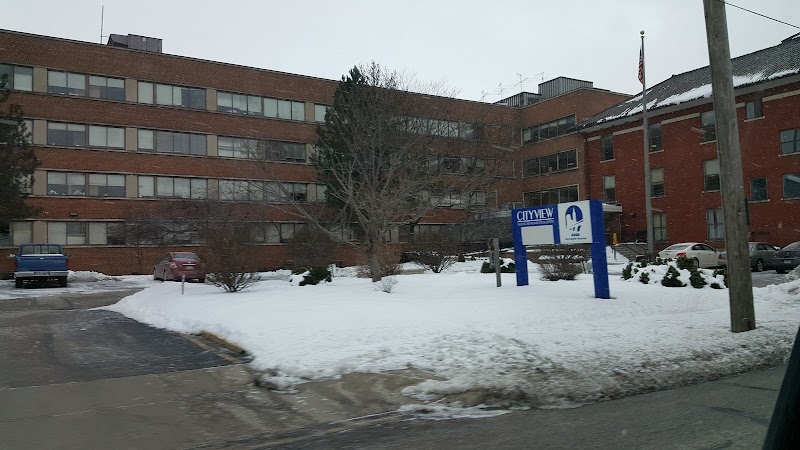
How is Cityview Healthcare And Rehabilitation Staffed?

CMS rates CITYVIEW HEALTHCARE AND REHABILITATION's staffing level at 2 out of 5 stars, which is below average compared to other nursing homes. Staff turnover is 44%, compared to the Ohio average of 46%. This relatively stable workforce can support continuity of care.

What Have Inspectors Found at Cityview Healthcare And Rehabilitation?

State health inspectors documented 47 deficiencies at CITYVIEW HEALTHCARE AND REHABILITATION during 2018 to 2025. These included: 5 Immediate Jeopardy (the most serious level, indicating potential for serious harm or death), 41 with potential for harm, and 1 minor or isolated issues. Immediate Jeopardy findings are rare and represent the most serious regulatory concerns. They require immediate corrective action.
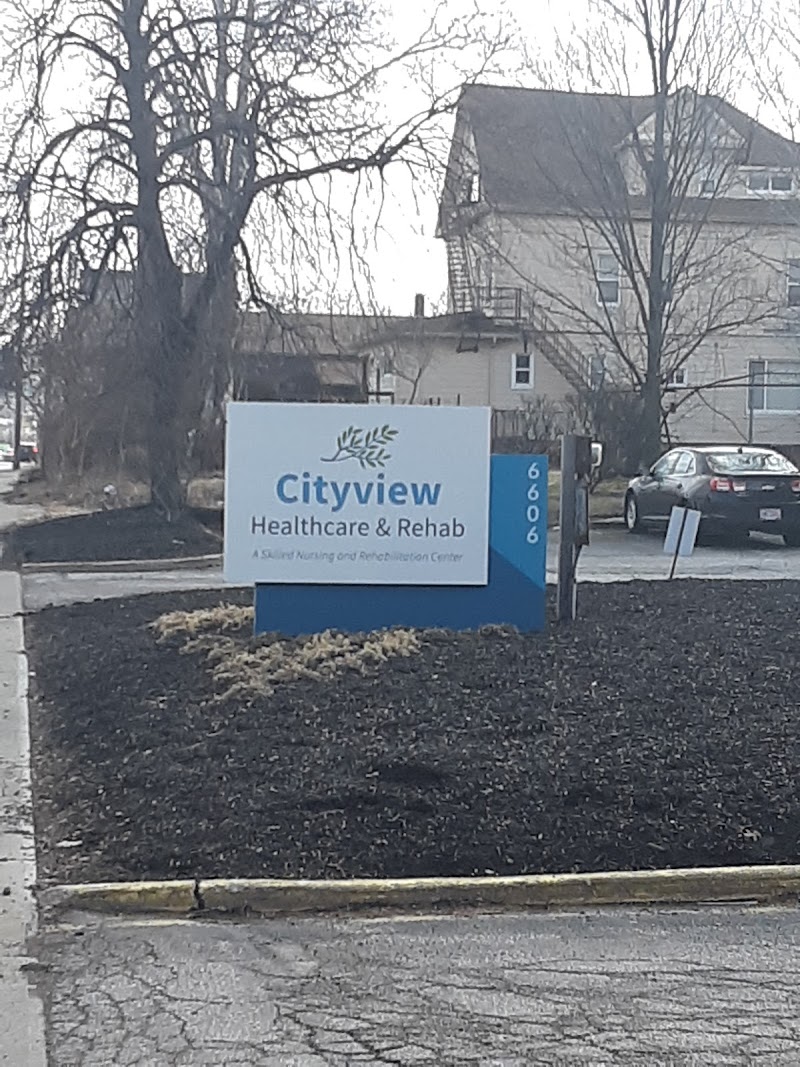
Who Owns and Operates Cityview Healthcare And Rehabilitation?

CITYVIEW HEALTHCARE AND REHABILITATION is owned by a for-profit company. For-profit facilities operate as businesses with obligations to shareholders or private owners. The facility is operated by CERTUS HEALTHCARE, a chain that manages multiple nursing homes. With 150 certified beds and approximately 94 residents (about 63% occupancy), it is a mid-sized facility located in CLEVELAND, Ohio.
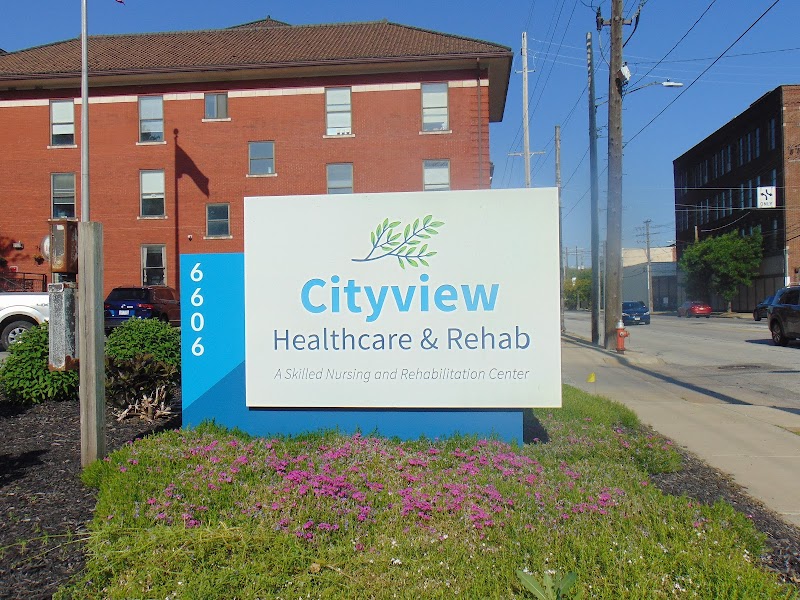
How Does Cityview Healthcare And Rehabilitation Compare to Other Ohio Nursing Homes?

Compared to the 100 nursing homes in Ohio, CITYVIEW HEALTHCARE AND REHABILITATION's overall rating (2 stars) is below the state average of 3.2, staff turnover (44%) is near the state average of 46%, and health inspection rating (1 stars) is much below the national benchmark.

What Should Families Ask When Visiting Cityview Healthcare And Rehabilitation?

Based on this facility's data, families visiting should ask: "What changes have been made since the serious inspection findings, and how are you preventing similar issues?" "What safeguards and monitoring systems are in place to protect residents from abuse or neglect?" "Can you walk me through typical staffing levels on day, evening, and night shifts?" "Can I visit during a mealtime to observe dining assistance and food quality?" These questions are particularly relevant given the facility's Immediate Jeopardy citations, the substantiated abuse finding on record, and the below-average staffing rating.

Is Cityview Healthcare And Rehabilitation Safe?

Based on CMS inspection data, CITYVIEW HEALTHCARE AND REHABILITATION has documented safety concerns. The facility has 1 substantiated abuse finding (meaning confirmed case of resident harm by staff or other residents). Inspectors have issued 5 Immediate Jeopardy citations (the most serious violation level indicating risk of serious injury or death). The facility is currently on the Special Focus Facility watch list (a federal program monitoring the lowest-performing 1% of nursing homes nationwide). The facility has a 2-star overall rating and ranks #100 of 100 nursing homes in Ohio. Families considering this facility should ask detailed questions about what corrective actions have been taken since these incidents.

Do Nurses at Cityview Healthcare And Rehabilitation Stick Around?

CITYVIEW HEALTHCARE AND REHABILITATION has a staff turnover rate of 44%, which is about average for Ohio nursing homes (state average: 46%). Moderate turnover is common in nursing homes, but families should still ask about staff tenure and how the facility maintains care continuity when employees leave.

Was Cityview Healthcare And Rehabilitation Ever Fined?

CITYVIEW HEALTHCARE AND REHABILITATION has been fined $165,684 across 4 penalty actions. This is 4.8x the Ohio average of $34,736. Fines at this level are uncommon and typically indicate a pattern of serious deficiencies, repeated violations, or failure to correct problems promptly. CMS reserves penalties of this magnitude for facilities that pose significant, documented risk to resident health or safety. Families should request specific documentation of what issues led to these fines and what systemic changes have been implemented.

Is Cityview Healthcare And Rehabilitation on Any Federal Watch List?

CITYVIEW HEALTHCARE AND REHABILITATION is currently an SFF Candidate, meaning CMS has identified it as potentially qualifying for the Special Focus Facility watch list. SFF Candidates have a history of serious deficiencies but haven't yet reached the threshold for full SFF designation. The facility is being monitored more closely — if problems continue, it may be added to the official watch list. Families should ask what the facility is doing to address the issues that led to this status.