EASTBROOK HEALTHCARE CENTER
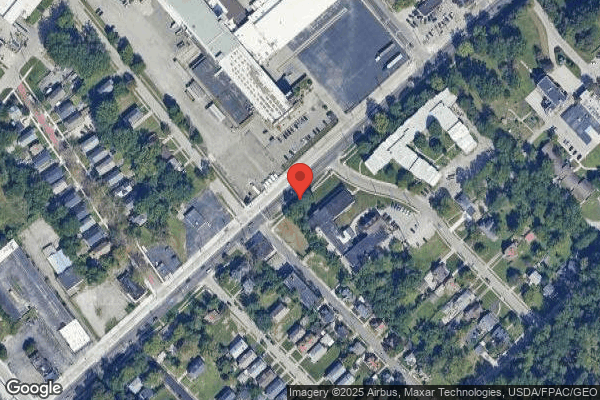
17322 EUCLID AVE, CLEVELAND, OH 44112 (216) 486-2280
For profit - Limited Liability company 109 Beds GARDEN SPRINGS HEALTHCARE Data: November 2025 1 Immediate Jeopardy citation
Trust Grade
16/100
#859 of 913 in OH
Last Inspection: May 2024

Within standard 12-15 month inspection cycle. Federal law requires annual inspections.

Overview

Eastbrook Healthcare Center has received a Trust Grade of F, indicating significant concerns regarding its quality of care. With a state rank of #859 out of 913, the facility is in the bottom half of Ohio nursing homes, and it ranks #85 out of 92 in Cuyahoga County, meaning there are very few local options that are better. While the facility has shown some improvement in its trend, reducing issues from seven in 2024 to just one in 2025, the high staff turnover rate of 79% is concerning, as it is much higher than the Ohio average of 49%. Additionally, the facility has incurred $23,989 in fines, which is more than 75% of other Ohio facilities and suggests ongoing compliance problems. There were serious incidents noted, including a resident with cognitive impairments who was able to wander out of a secured area, posing a life-threatening risk. In another instance, therapy equipment was not maintained properly, potentially affecting multiple residents. The kitchen was also found lacking in food safety practices, with improperly labeled and uncovered food items, which could jeopardize the health of residents with dietary restrictions. Overall, while there are some improvements, families should weigh these serious weaknesses when considering Eastbrook Healthcare Center.

Trust Score
F
16/100
In Ohio
#859/913
Bottom 6%
Safety Record
High Risk
Review needed
Inspections
Getting Better
7 → 1 violations
Staff Stability
⚠ Watch
79% turnover. Very high, 31 points above average. Constant new faces learning your loved one's needs.
Penalties
✓ Good
$23,989 in fines. Lower than most Ohio facilities. Relatively clean record.
Skilled Nurses
⚠ Watch
Each resident gets only 26 minutes of Registered Nurse (RN) attention daily — below average for Ohio. Fewer RN minutes means fewer trained eyes watching for problems.
Violations
⚠ Watch
46 deficiencies on record. Higher than average. Multiple issues found across inspections.
★☆☆☆☆
1.0
Overall Rating
★☆☆☆☆
1.0
Staff Levels
★★★★☆
4.0
Care Quality
★★☆☆☆
2.0
Inspection Score
Stable
2024: 7 issues
2025: 1 issues

The Good

  • 4-Star Quality Measures · Strong clinical quality outcomes
  • Full Sprinkler Coverage · Fire safety systems throughout facility
  • No fines on record

Facility shows strength in quality measures, fire safety.

The Bad

1-Star Overall Rating

Below Ohio average (3.2)

Significant quality concerns identified by CMS

Staff Turnover: 79%

33pts above Ohio avg (46%)

Frequent staff changes - ask about care continuity

Federal Fines: $23,989

Below median ($33,413)

Minor penalties assessed

Chain: GARDEN SPRINGS HEALTHCARE

Part of a multi-facility chain

Ask about local staffing decisions and management

Staff turnover is very high (79%)

31 points above Ohio average of 48%

The Ugly 46 deficiencies on record

1 life-threatening
Jan 2025 1 deficiency
CONCERN (F) 📢 Someone Reported This

A family member, employee, or ombudsman was alarmed enough to file a formal complaint

Potential for Harm - no one hurt, but risky conditions existed

Administration (Tag F0835)

Could have caused harm · This affected most or all residents

Based on observation, review of the facility's contract with therapy services, resident interview, and staff interview, the facility failed to administer the facility in a manner to maintain therapy e...

Read full inspector narrative →
Based on observation, review of the facility's contract with therapy services, resident interview, and staff interview, the facility failed to administer the facility in a manner to maintain therapy equipment in proper working order. This affected one resident (#51) and had the potential to affect all 91 residents in the facility. Findings include: Review of the medical record for Resident #51 revealed an admission date of 06/26/24 with diagnoses including encounter for other orthopedic aftercare, person injured in unspecified motor-vehicle, colostomy status and anxiety disorder. Review of the quarterly Minimum Data Set (MDS) assessment, dated 10/03/24, revealed Resident #51 had moderate cognitive impairment, was dependent on staff for bed/chair to chair transfers, and required partial/mod assist for bed mobility. On 01/22/25 at 7:48 A.M., an interview with Resident #51 stated the therapy gym did not have the equipment they needed and he was told by staff to just hold onto the sink and pivot while attempting to stand. On 01/22/25 at 8:33 A.M., an observation of the facility's therapy gym revealed there was an ultrasound and tens unit (electrotherapy device) on a shelf and there was a set of balance bars (parallel bars used to help people stay balanced while standing or walking) in the corner surrounded by walkers, rollators, canes, and other equipment, making the balance bars inaccessible to residents. On 01/22/25 at 8:36 A.M., an interview with Certified Occupational Therapy Assistant (COTA) #814 stated the facility did not have much therapy equipment and the ultrasound and tens unit were used for pain management but they had been unable to use them because the facility refused to pay for routine maintenance and calibration. COTA #814 also stated the balance bars could not be used because they were not secured to anything and unsafe in their current state. COTA #814 revealed they had to be super creative when providing therapy because they did not have the equipment they need. On 01/22/25 at 8:49 A.M., an interview with Rehabilitation Director #815 confirmed the ultrasound and tens unit had not been used since at least July 2024 because they needed serviced. She stated the therapy staff were contracted and the facility was responsible for maintaining therapy equipment. Rehabilitation Director #815 also confirmed therapy staff were unable to use the balance bars in the therapy gym because they were not secure and verified Resident #51 had to use a sink to support himself while standing up. Rehabilitation Director #815 revealed therapy gave the faciliy a list of needs within the last month and has not received a response yet. On 01/22/25 at 9:56 A.M., an interview with the Administrator verified the ultrasound and tens unit was due for maintenance in August 2024 and maintenance had not yet been completed. Administrator revealed they haven't had anyone with orders for the ultrasound and Tens unit since August 2024, indicating there was not hurry to get it serviced. On 01/22/25 at 10:35 A.M., an interview with Occupational Therapist (OT) #816 stated they did need to use the ultrasound and tens unit for some residents (she was unable to specify who those residents were). On 01/23/25 at approximately 1:45 P.M., during the exit conference, the Administrator was adamant that although the therapy equipment was in the therapy gym at the facility, the facility was not required to keep the equipment in proper working order because it was not being used. The Administrator insisted the equipment was not used and did not need to be maintained, despite therapy staff stating they would use this equipment if it were in proper working order. Review of the facility's contract with therapy services, dated 07/01/24, revealed it was the facility's responsibility to provide, at its sole expense, all supplies and equipment necessary to provide services and the facility would keep such equipment in good order and repair. This deficiency represents non-compliance investigated under Complaint Number OH00161622 and OH00160645.
Aug 2024 2 deficiencies
CONCERN (D) 📢 Someone Reported This

A family member, employee, or ombudsman was alarmed enough to file a formal complaint

Potential for Harm - no one hurt, but risky conditions existed

Accident Prevention (Tag F0689)

Could have caused harm · This affected 1 resident

**NOTE- TERMS IN BRACKETS HAVE BEEN EDITED TO PROTECT CONFIDENTIALITY** Based on interview, record review, facility investigation review, and facility policy review the facility failed to ensure Resid...

Read full inspector narrative →
**NOTE- TERMS IN BRACKETS HAVE BEEN EDITED TO PROTECT CONFIDENTIALITY** Based on interview, record review, facility investigation review, and facility policy review the facility failed to ensure Resident #73 was transferred safely resulting in a fall. This affected one resident (#73) of three residents reviewed for accidents. Facility census was 83. Findings include: Review of Resident #73's medical record revealed an admission date of 05/10/19 with diagnoses included but not limited to systolic congestive heart failure, acute respiratory failure, acute kidney failure, and artificial opening of urinary tract status and need for assistance with personal care. Review of the care plan dated 05/10/19 revealed Resident #73 had an ADL self-care performance deficit related to activity intolerance and impaired balance. Interventions included toileting dependent with assist of two persons and mechanical lift with two person assist for transfers. Review of Resident #73's quarterly Minimum Data Set assessment dated [DATE] revealed the resident required substantial/maximal assistance with toileting hygiene and was dependent on staff for mobility. Review of the progress noted dated 06/14/24 at 4:49 P.M. authored by Licensed Practical Nurse (LPN) # 223 revealed she was notified by State Tested Nurse Aide (STNA) #305 regarding Resident #73 fell out of bed while being provided care with one assist for peri care. LPN #223 did an assessment, notifications, and started neurological (neuro) checks. LPN #223 and STNA #305 lifted resident back to bed with two-staff assistance without mechanical lift. Review of the investigation report dated 06/14/24 revealed Resident #73 received care by one staff and fell out of bed. LPN #223 assessed Resident #73, and she was lifted from floor mat back into bed with two staff assist manually. Resident #73 sustained no injuries or complaints of pain. Interview on 08/19/24 at 11:06 A.M. with Nurse Practitioner (NP) #326 revealed she was notified of the fall and reported the STNA #305 was new and was only using one assist for care and there should have been two assisting with peri care/toileting. Interview on 08/19/24 at 11:53 A.M. with LPN #223 revealed STNA #305 reported Resident #73 had fallen out of bed during peri care/toileting. LPN #223 reported she believed Resident #73 was a two person assist for peri care/toileting. Interview on 08/19/24 at 12:39 P.M. with LPN #212 revealed Resident #73 was a two person assist for peri care/toileting. Interview on 08/19/24 at 12:41 P.M. with STNA #297 revealed Resident #73 was a two person assist for peri care/toileting. Interview on 08/19/24 at 12:49 P.M. with STNA #305 revealed at the time of Resident #73's fall, the resident was supposed to be a two person assist for peri care and he only had himself assist because he didn't check the [NAME] to see what assistance was required. STNA #305 reported he received education after the incident to include she was two person assist with peri care. Interview on 08/20/24 at 7:30 A.M. with the Director of Nursing (DON) confirmed Resident #73 had a fall during peri care with only one staff present, and Resident #73 required two staff per the care plan and [NAME]. Review of the facility policy, Falls and Fall Risk, Managing, revised March 2018, revealed staff will implement a resident-centered fall prevention plan to reduce the specific risk factor(s) of falls for each resident at risk or with history of falls. This deficiency represents non-compliance investigated under Complaint Number OH00156029.
CONCERN (D) 📢 Someone Reported This

A family member, employee, or ombudsman was alarmed enough to file a formal complaint

Potential for Harm - no one hurt, but risky conditions existed

Unnecessary Medications (Tag F0759)

Could have caused harm · This affected 1 resident

**NOTE- TERMS IN BRACKETS HAVE BEEN EDITED TO PROTECT CONFIDENTIALITY** Based on observation and interview, the facility failed to ensure medications were administered with an error rate of less than ...

Read full inspector narrative →
**NOTE- TERMS IN BRACKETS HAVE BEEN EDITED TO PROTECT CONFIDENTIALITY** Based on observation and interview, the facility failed to ensure medications were administered with an error rate of less than 5%. A total of two errors out of 29 opportunities observed resulting in a 6.9% medication error rate. This affected two resident (#36 and #73) out of four observed for medication administration. Findings include: 1. Review of Resident #36's medical records revealed an admission date of 02/07/23. Diagnosis included hemiplegia and hemiparesis following cerebral infarction affecting left non-dominant side. Review of Minimum Data Set (MDS) assessment dated [DATE] revealed resident had intact cognition. Review of physician orders for 07/07/23, revealed resident was ordered Aspirin 81 milligram (mg) chewable to give one tablet by mouth (PO) in the morning. Observation of medication administration on 08/15/24 at 8:29 A.M. with Licensed Practical Nurse (LPN) #266 for Resident #36 revealed the LPN administered Aspirin 81 mg enteric coated (EC), not chewable. Interview on 08/15/24 at 10:08 A.M. with LPN #266 verified she gave the wrong medication. LPN #266 reported she didn't look to see it was Aspirin 81 mg chewable and administered Aspirin 81 mg EC. 2. Review of Resident #73's medical records revealed an admission date of 05/19/24. Diagnosis included but not limited to systolic congestive heart failure, acute respiratory failure, acute kidney failure, artificial opening of urinary tract status and need for assistance with personal care. Review of Minimum Data Set (MDS) assessment dated [DATE] revealed resident had intact cognition. Review of physician orders for 12/29/23 revealed resident was ordered Senna 8.6 mg give 50 mg PO (by mouth), one tablet, two times a day for constipation. Observation of medication administration on 08/15/24 at 8:01 A.M. with LPN #249 for Resident #73 revealed LPN administered Senna 8.6 mg, one tablet PO. Interview on 08/15/24 at 10:13 A.M. with LPN #249 verified she gave incorrect medication. LPN #249 verified it should have been Senna 8.6-50 mg 1 tablet PO. Interview on 08/15/24 at 12:30 P.M. with Regional [NAME] President of Clinical Services (RVPCS) # 329 verified the wrong medication was administered and education provided to the nurse. Review of facility policy, Administering Mediations, revised April 2019, revealed medications are administered in accordance with prescriber orders and the individual administering the medication checks the label three (3) times to verify the right resident, right medication, right dosage, right time and right method (route of administration before giving the medication. This deficiency represents non-compliance investigation Complaint Number OH00155885.
Jul 2024 1 deficiency
CONCERN (E) 📢 Someone Reported This

A family member, employee, or ombudsman was alarmed enough to file a formal complaint

Potential for Harm - no one hurt, but risky conditions existed

Deficiency F0804 (Tag F0804)

Could have caused harm · This affected multiple residents

Based on observations, resident interview, staff interview, and facility policy review, the facility failed to ensure food served was palatable for all residents. This affected four residents (#45, #4...

Read full inspector narrative →
Based on observations, resident interview, staff interview, and facility policy review, the facility failed to ensure food served was palatable for all residents. This affected four residents (#45, #47, #50, and #62) of five residents observed for food palatability and had the potential to affect all residents receiving food from the facility. The facility census was 90. Findings include: Observations on 07/19/24 from 12:25 P.M. to 12:54 P.M. revealed six total pre-prepared plates were sent up from the kitchen to the second-floor dining room; four with a hot dog and French fries and two with grilled cheese and French fries. The plates were not covered in warming containers; they were covered in plastic wrap and sat on an open-air cart until they were delivered to the resident's hallway. Interview with Registered Dietitian #204 and Culinary Manager #120 on 07/19/24 at 1:05 P.M. confirmed the pre-prepared plates were left on the open-air cart from the time it left the kitchen at 12:25 P.M., until the time the carts were taken to the hallways to be served. They confirmed the pre-prepared plates did not have a warming base or top on them; they only had plastic wrap to keep them covered. Interview with Resident #47 on 07/19/24 at 1:10 P.M. revealed he ate his hot dog but confirmed that it was not warm. He would have preferred it to be much warmer than it was. Observation on 07/19/24 at 1:15 P.M. revealed Resident #45 was not in her room, but her plate of food (hot dog and French fries) was delivered, waiting for her to return. The temperature of her food was taken, and the hot dog was 91 degrees Fahrenheit (F), and the French fries were 100 degrees F. The temperatures were taken and confirmed by Registered Dietitian #204. Interview with Resident #62 on 07/19/24 at 2:05 P.M. revealed she asked the aide to take her plate back (hot dog and French fries) because it was cold when she got back from dialysis. Interview with Resident #50 on 07/19/24 at 2:47 P.M. revealed her grilled cheese was very cold. She asked if there could be anything done to make the food warmer when she gets it. Review of the facility Food Preparation and Service policy, dated April 2019, revealed food and nutrition service employees prepare and serve food in a manner that complies with safe food handling practices. The danger zone for food temperatures is between 41 and 135 degrees F. This temperature range promotes the rapid growth of pathogenic microorganisms that can cause foodborne illnesses. Palatability of food determines appropriate temperature at bedside and tableside food. Generally, hot food is palatable between 100 and 120 degrees F or greater, and cold food is palatable between 50 degrees and 45 degrees F or less. This deficiency represents non-compliance investigated under Master Complaint Number OH00155188.
May 2024 4 deficiencies
CONCERN (D)

Potential for Harm - no one hurt, but risky conditions existed

Deficiency F0569 (Tag F0569)

Could have caused harm · This affected 1 resident

Based on interview, record review and facility policy review, the facility failed to provide spend-down letters for each month residents were approaching or over the resource limit. This affected two ...

Read full inspector narrative →
Based on interview, record review and facility policy review, the facility failed to provide spend-down letters for each month residents were approaching or over the resource limit. This affected two residents (#11 and #16) of five residents reviewed for resident funds. The facility census was 88. Findings include: 1. Review of Resident #11's medical record revealed an admission date of 09/26/16 and diagnoses including paranoid schizophrenia, violent behavior, unspecified psychosis, impulse disorder, anxiety and hypertension. Review of a social service progress note dated 03/27/24 revealed the Business Office Manager (BOM) informed Resident #11's guardian that Resident #11 was in jeopardy of losing Medicaid due to an abundance of funds. Review of Resident #11's quarterly funds statement from 01/01/24 to 03/31/24 revealed an ending balance of $1832.49 on 01/31/24, an ending balance of $1872.59 on 02/29/24 and an ending balance of $1912.69 on 03/31/24. Review of attached documentation revealed a spend-down letter dated 03/27/24. No other spend-down letters were available for review. Interview on 05/06/24 at 10:52 A.M. with BOM #218 revealed she provided a spend-down letter when residents had a balance of $1800.00 or more every quarter with the quarterly financial statements. BOM #218 confirmed she did not have spend-down letters for January 2024 and February 2024 for Resident #11 during the interview. 2. Review of Resident #16's medical record revealed an admission date of 03/05/15 and diagnoses including bipolar disorder, anxiety disorder, hypertension, dementia without behavioral disturbance and chronic hepatitis C. Review of Resident #16's quarterly funds statement from 01/01/24 to 03/31/24 revealed an ending balance of $1808.61 on 01/31/24, an ending balance of $1838.70 on 02/29/24 and an ending balance of $1868.79 on 03/31/24. Review of attached documentation revealed a spend-down letter dated 03/29/24. No other spend-down letters were available for review. Interview on 05/06/24 at 10:52 A.M. with BOM #218 revealed she provided a spend-down letter when residents had a balance of $1800.00 or more every quarter with the quarterly financial statements. BOM #218 confirmed she did not have spend-down letters for January 2024 and February 2024 for Resident #16 during the interview. Review of the facility policy, Accounting and Records of Residents Funds, revised April 2017 revealed a representative of the business office would inform the resident if the balance in his/her personal funds account reached $200.00 less than the resident's supplemental security income (SSI) resource limit and that if the amount in the account reached the SSI resource limit for one person, the resident could lose eligibility for Medicaid or SSI.
CONCERN (D)

Potential for Harm - no one hurt, but risky conditions existed

Assessment Accuracy (Tag F0641)

Could have caused harm · This affected 1 resident

**NOTE- TERMS IN BRACKETS HAVE BEEN EDITED TO PROTECT CONFIDENTIALITY** 3. Review of Resident #54's medical record revealed an admission date of 01/06/22 and diagnoses including vascular dementia with...

Read full inspector narrative →
**NOTE- TERMS IN BRACKETS HAVE BEEN EDITED TO PROTECT CONFIDENTIALITY** 3. Review of Resident #54's medical record revealed an admission date of 01/06/22 and diagnoses including vascular dementia without behavioral disturbance, adult failure to thrive, hyperlipidemia, chronic kidney disease and hypertension. Review of an annual minimum data set (MDS) 3.0 assessment dated [DATE] revealed Resident #54 was cognitively impaired. The assessment indicated that no falls had occurred since the prior assessment. Review of a fall report dated 09/19/23 revealed Resident #54 fell on [DATE] at 8:00 P.M. with no injuries noted. Interview on 05/06/24 at 3:54 P.M. with MDS Registered Nurse (RN) #222 revealed Resident #54 had a fall on 09/19/23. MDS RN #222 stated the annual MDS assessment dated [DATE] was coded to reflect Resident #54 having no falls, when in fact he did have a fall and verified the assessment was coded incorrectly. Based on record review and staff interview, the facility failed to accurately code comprehensive assessments for two residents (#54 and #88) of 24 residents reviewed for assessments. The facility census was 88. Findings Include: 1. Medical record review revealed Resident #88 was admitted to the facility on [DATE] with diagnoses including surgical aftercare following skin grafts to bilateral feet for burns, diabetes, stroke, end stage renal disease dependent on dialysis, and high blood pressure. Review of the physician's orders dated 02/13/24 revealed an order for oxycodone (an opioid pain medication) 5 milligrams (mg) orally every six hours as needed for pain. Review of the admission comprehensive Minimum Data Set (MDS) 3.0 assessment dated [DATE] revealed Resident #88 was cognitively intact, received scheduled and as needed pain medication, and received non-medication alternatives for pain. On a scale of zero to ten with zero indicating no pain and ten indicating severe pain, the resident rated his pain level as a five. The pain occasionally interfered with therapy activities, daily activities, and sleep. The medications Resident #88 received during the assessment period included insulin, an anticoagulant, and a diuretic. The resident received no opioids during the assessment period per the assessment. Review of the progress notes for Resident #88 revealed on 02/12/24 Licensed Practical Nurse (LPN) #151 was performing the resident's dressing change to his feet which caused severe pain for the resident. LPN #151 administered oxycodone 5 mg orally for pain, waited 30 minutes, then resumed the dressing changed. Interview with MDS Coordinator #222 on 05/06/24 at 3:55 P.M. confirmed the admission MDS assessment was incorrectly coded under Section N, Medications, and should have marked Resident #88 received opioids during the assessment period. 2. Review of the MDS discharge assessment for Resident #88, dated 02/15/24, revealed the resident was discharged to the hospital on [DATE]. Review of the progress notes dated 02/15/24 revealed Resident #88 was discharged against medical advice and arranged for a ride home. Interview with MDS Coordinator #222 on 05/06/24 at 3:55 P.M. confirmed the discharge assessment as being transferred to the hospital was coded incorrectly.
CONCERN (D)

Potential for Harm - no one hurt, but risky conditions existed

Unnecessary Medications (Tag F0759)

Could have caused harm · This affected 1 resident

Based on observation, interview, medical record review, and policy review, the facility failed to ensure a medication error rate of less than five percent (%). Six medication errors occurred within 31...

Read full inspector narrative →
Based on observation, interview, medical record review, and policy review, the facility failed to ensure a medication error rate of less than five percent (%). Six medication errors occurred within 31 observed opportunities for error resulting in an error rate of 19.35% . This affected three residents (Residents # 241, #41, and #58) of nine residents observed during medication administration. The facility census was 88. Findings include: 1. Review of the medical record for Resident #241 revealed an admission date of 09/26/23 with diagnoses including sepsis due to other specified staphylococcus, chronic obstructive pulmonary disease (COPD), type two diabetes mellitus, depression, dependence on renal dialysis, and anemia. Review of the Minimum Data Set (MDS) 3.0 assessment completed on 04/27/24 revealed Resident #241 had intact cognition. Further review of the MDS revealed Resident #241 had no insulin-related order changes and had received an insulin injection seven of the seven days during the look-back period. Review of the physician orders revealed an order dated 04/22/24 for nystatin mouth/throat suspension, 100,000 units per milliliter (ml), five ml by mouth every six hours with instructions for the resident to swish and then swallow the nystatin. Review of the physician orders further revealed an order dated 04/20/24 for Humulin N KwikPen 100 unit/ml, four units subcutaneously before meals and at bedtime for type two diabetes mellitus. Observation on 05/06/24 at 12:13 P.M. of Resident #241's medication administration by licensed practical nurse (LPN) #140 revealed Resident #241 took the nystatin suspension and was instructed to swish but not swallow the medication. LPN#140 then placed a plastic cup under Resident #241's mouth and instructed him to spit the nystatin into the cup. Further observation Resident #241's medication administration revealed LPN #241 dialed the Humalog N KwikPen to the ordered dose of four units, carried the pen and injection supplies into the resident's room, applied the needle at the bedside, and injected the insulin subcutaneously into the back of Resident #241's left upper arm before first priming the needle. Interview on 05/06/24 at 12:15 P.M. with LPN #140 confirmed she administered the Humalog KwikPen to Resident #241 without first priming the needle. She further confirmed it was her typical practice to dial the dose knob to the ordered dose, take the injection pen into the residents' rooms, apply the needle to the injection pen at the bedside, and administer the insulin without first priming the needle and re-dialing the dose knob to the ordered insulin dose. Another interview with LPN #140 on 05/06/24 at 12:58 P.M. confirmed she instructed Resident #241 to spit and not swallow the nystatin and confirmed the written order contained instructions to swish and swallow the nystatin. Review of the policy titled Administering Medications, revised April 2019 revealed medications were to be administered in accordance with prescriber orders and the staff administering the ordered medications should check the label three times to verify the administration rights, which included the right method of administration. Review of the Instructions for Use Humulin ®N KwikPen® revealed the injection needle must be primed prior to each injection. The instructions further revealed once the new needle is placed, the dose knob should be turned to two units and then depressed until a 0 is seen in the dose window and insulin could be seen at the tip of the needle before resetting the dose knob to the ordered dose. 2. Review of the medical record for Resident #41 revealed an admission date of 07/17/23 with diagnoses including unspecified dementia, late onset Alzheimer's disease, psychotic disorder with delusions, restlessness and agitation, hypertension, type two diabetes mellitus, moderate protein-calorie malnutrition, and encounter for fitting and adjustment of gastrointestinal appliance and device. Review of the Minimum Data Set (MDS) 3.0 assessment completed on 02/18/24 revealed Resident #41 had severely impaired cognition and had a feeding tube. Review of the care plan dated 02/08/24 revealed Resident #41 had the potential for an alteration in comfort secondary to deconditioning and decreased mobility. Interventions included anticipating Resident #41's need for pain relief, responding immediately to complaints of pain, and reviewing pain medication dosing schedules and pain interventions for effectiveness. Review of the physician orders revealed an order dated 04/22/24 for Resident #41 to receive acetaminophen 1,000 milligrams (mg) through her percutaneous endoscopic gastrostomy (PEG) tube (a tube that is surgically placed into the stomach for nutrition, hydration, and medication) three times a day for pain. Review of the physician orders revealed no additional instructions related to water flushes with medications. Observation on 05/06/24 at 12:50 P.M. of licensed practical nurse (LPN) #143 administering acetaminophen to Resident #41 revealed LPN #143 crushed the 1,000 mg of acetaminophen, mixed the granule with water in a plastic cup, withdrew the water mixture from the cup, paused the tube feeding, attached the syringe with the water and medication onto the port of the PEG tube, pushed the medication through the tubing by depressing the plunger of the syringe, then reconnected and restarted the tube feeding. At the time of the medication administration, no flush was observed before of after the medication administration and the plastic cup used to mix the acetaminophen still contained a moderate amount of white medication granules settled at the bottom of the cup with a small amount of cloudy water. Interview on 05/06/24 at 12:50 P.M. with LPN #143 at the time the medication administration observation, once she resumed the tube feeding, confirmed she was finished with the administration of the ordered acetaminophen, restarted the tube feeding without flushing the PEG tube, and then confirmed there was left over medication settled on the bottom of the cup that was not given to Resident #41 at the time of the medication administration. Review of the policy titled Administering Medications, revised April 2019 revealed medications were to be administered in accordance with prescriber orders. Review of the policy titled Administering Medications through an Enteral Tube revised in November 2018 revealed if the tube feeding was running at the time medication was to be administered, staff were to stop the feeding, flush with at least 15 milliliters (ml) of warm purified water, unless a different amount or fluid was prescribed for flushing, administer the diluted medication into the syringe (without the plunger) by gravity flow, flush the tube with 15 ml of warm purified water, clamp the tubing, remove syringe, and then restart the feeding. 3. Observation of medication administration on 05/07/24 at 8:45 A.M. for Resident #58 revealed Licensed Practical Nurse (LPN) #155 administering Miralax (a medication used to prevent constipation) 17 grams (gm) mixed in four ounces of water, Eliquis (an anticoagulant) 5 milligrams (mg), a multi-vitamin, omeprazole (used to treat gastric reflux) 20 mg, and Colace (a medication used to prevent constipation) 100 mg. All medications were given orally. Review of Resident #58's May 2024 recapitulation of physician's orders revealed an order dated 08/29/23 for Breo Ellipta Aerosol Powder Breath (an inhaler used to treat asthma or chronic obstructive pulmonary disease) 200-25 micrograms (mcg) one puff every morning. Rinse mouth thoroughly and spit, and orders dated 07/11/22 for magnesium 100 mg administer two tablets every morning, and Flonase nasal spray (a medication used to treat environmental allergies) 50 mcg/AT one spray in each nostril. Review of the Medication Administration Record dated 05/07/14 revealed the Breo Ellipta inhaler, Flonase nasal spray and magnesium were not signed off by LPN #155 as being administered. Interview with LPN #155 on 05/07/24 at 1:30 P.M. regarding the omitted medications revealed the magnesium was not available, she thought she administered the Flonase nasal spray and she did not remember if she administered the Breo Ellipta inhaler. The Director of Nursing (DON) was present during the interview.
CONCERN (F)

Potential for Harm - no one hurt, but risky conditions existed

Food Safety (Tag F0812)

Could have caused harm · This affected most or all residents

Based on observation, interview and facility policy review, the facility failed to ensure food items were appropriately labeled, dated and contained. This had the potential to affect 85 residents rece...

Read full inspector narrative →
Based on observation, interview and facility policy review, the facility failed to ensure food items were appropriately labeled, dated and contained. This had the potential to affect 85 residents receiving meals from the kitchen as three residents (#41, #71 and #77) were ordered nothing-by-mouth (NPO). The facility census was 88. Findings include: Observation of the kitchen on 05/05/24 starting at 9:15 A.M. with [NAME] #116 revealed the following: • In the beverage cooler, there were four desserts in styrofoam bowls with lids that lacked labels or dates. • In the walk-in cooler, a case of bacon slices was open to air with no other covering and there was a pan of fried chicken in a hotel pan uncovered and open to air. There was a bag of lettuce that was not re-sealed, a pack of sliced cheese and a bag of shredded cheese and all lacked labels and dates. • In the dry storage room, there was a sanitizer pail and the bin of sugar was open to air. Interviews with [NAME] #116 verified the findings at the time of observation. [NAME] #116 indicated food items should be covered, labeled and dated before placed in the coolers. [NAME] #116 was not sure why there was a sanitizer pail in the dry storage room. Review of the undated facility policy, Food Storage, revealed food items should be stored, thawed and prepared in accordance with good sanitary practice. All products should be dated upon receipt, when open and when prepared. Remember to cover, label and date. Review of a diet list as of 05/05/24 revealed three residents (#41, #71 and #77) were NPO.
Oct 2023 4 deficiencies 1 IJ
CRITICAL (J) 📢 Someone Reported This

A family member, employee, or ombudsman was alarmed enough to file a formal complaint

Immediate Jeopardy (IJ) - the most serious Medicare violation

Accident Prevention (Tag F0689)

Someone could have died · This affected 1 resident

**NOTE- TERMS IN BRACKETS HAVE BEEN EDITED TO PROTECT CONFIDENTIALITY** THE FOLLOWING DEFICIENCY REPRESENTS AN INCIDENT OF PAST NON-COMPLIANCE THAT WAS SUBSEQUENTLY CORRECTED PRIOR TO THIS SURVEY. Bas...

Read full inspector narrative →
**NOTE- TERMS IN BRACKETS HAVE BEEN EDITED TO PROTECT CONFIDENTIALITY** THE FOLLOWING DEFICIENCY REPRESENTS AN INCIDENT OF PAST NON-COMPLIANCE THAT WAS SUBSEQUENTLY CORRECTED PRIOR TO THIS SURVEY. Based on closed medical record review, review of Emergency Department notes, review of facility investigative information, review of facility elopement and missing resident policy and procedures and interviews, the facility failed to provide adequate supervision to prevent Resident #92, who had cognitive impairment, wandering behaviors and diagnoses of schizophrenia and dementia, from eloping from the facility. This resulted in Immediate Jeopardy and the potential for serious life-threatening harm on 08/18/23 at approximately 8:30 P.M. when Resident #92 walked through the secured third-floor nursing unit back hallway door leading to a stairwell without staff knowledge; the door alarm sounded and was turned off by Agency Licensed Practical Nurse (LPN) #210 who failed to check to make sure all the residents residing on the secured third-floor nursing unit were on the unit and failed to notify other staff members the alarm sounded and was turned off. Resident #92 proceeded to walk down the stairs to the secured second-floor nursing unit back entrance which led to the outside. Resident #92 walked outside, the door alarm sounded, and he walked out of the facility into the parking lot. STNA #278 heard the second-floor door alarm sound and went to check the door, she saw a man walking in the parking lot, but did not think it was a facility resident and did not go outside to further investigate who the man was. Resident #92 was found by railroad tracks (approximately a quarter mile from the facility, after he experienced a fall without loss of consciousness. Resident #92 was noted to have abrasions to his left elbow and forearm and was transported to the local hospital Emergency Department on 08/18/23 around 11:30 P.M. This affected one resident (#92) of three residents reviewed for elopement. On 10/10/23 at 3:29 P.M. the Administrator, [NAME] President of Operations #209 and [NAME] President of Clinical Services #211 were notified Immediate Jeopardy began on 08/18/23 at approximately 8:30 P.M. when Resident #92 opened two facility secured doors (alarms sounded for both doors), walked out of the facility and was found by railroad tracks around 11:00 P.M. after he experienced a fall. Staff were unaware the resident had eloped from the facility at the time of the incident. The Immediate Jeopardy was removed and corrected on 08/19/23 when the facility implemented the following corrective actions: • A resident head count was completed on 8/18/2023 at 11:00 P.M. by facility staff. • On 08/18/23 Resident #92 was evaluated in the Emergency Department and no medical treatment was warranted. The resident returned to the facility on [DATE] at 5:31 P.M. and was placed on one-on-one (staff) supervision until being discharged from the facility on 08/31/23. • Within two hours of notification that Resident #92 was missing from the facility, the Administrator physically verified and visualized that all door alarms, mag locks, secure care system, window guards, and window stops were all in functioning order so no other residents were at risk for elopement. • A route cause analysis was completed on 8/19/2023 by the interdisciplinary team. The interdisciplinary team identified the root cause was Agency LPN #210 deactivated sounding door alarm to the D floor stairwell (secured third-floor nursing unit) without identifying the reason why the door was alarming. Agency LPN #210's shift ended on 08/18/23 at 11:00 P.M. The agency nurse was placed on a do not return (DNR) list following this shift. • Facility staff, including agency staff, nursing, activities, therapy, laundry, housekeeping, admissions, maintenance, and business office were educated on the proper response to facility door alarms and initial resident search expectations when door alarms were activated. • The Administrator or Designee educated all staff on missing resident policy and procedure for responding to the door alarm by 8/19/2023. • Beginning 08/19/23, the Administrator or Designee completed elopement drills on each shift for seven days and with a plan to continue to complete elopement drills monthly for four months. • The Administrator or Designee had agency staff review facility policies including elopement, missing resident procedure and the process for what to do when an alarm was activated. The education would be reviewed at the front desk or prior to entering the clinical area. The front desk was monitored by staff around the clock by 08/19/2023 to ensure all staff reviewed. • On 08/19/23 the Director of Nursing or Designee completed elopement risk assessments for all facility residents to ensure appropriate precautions and interventions were put in place. • The Director of Nursing or Designee reviewed all residents care plans who residents who were identified as high risk for elopement and revised as needed by 8/19/2023. • The facility residents identified as high risk for elopement plans of care were reviewed and revised as needed by the Director of Nursing or designee by 8/19/2023. • Director of Nursing or Designee reviewed the elopement book and updated all Resident identification (photos, name, address, phone, etcetera) information by 8/19/2023. • The Director of Nursing or Designee posted visual signs at the front, rear exit door alerting residents, families, and friends to notify staff when a resident is leaving the facility and need to sign out at the nurse's station by 8/19/2023. • The facility Administrator or Designee reviewed the Elopement Prevention-missing person policy and noted it would be updated as needed by 8/19/2023. • The VP (vice president) of Operations and VP of Clinical services reviewed the Abuse Prohibition policy by 8/19/2023. • The Administrator or Designee educated all facility staff on the Abuse Prohibition Policy by 8/19/2023. • The Administrator educated all facility staff on responding to any alarms in the building promptly and to do a visual resident observation if a resident exhibited exit seeking behavior or expressed a desire to leave LOA (leave of absence)/AMA (against medical advice) by 8/19/2023. • The Administrator or Designee completed education on the sign in, sign out procedure to residents and responsible party by 8/20/2023. • The Administrator/designee communicated with family and visitors concerning the purpose, use of alarmed exit doors, and risk for residents leaving by 8/20/2023. • The Administrator notified all resident representatives via broadcast message, educating them on the facility's process for unplanned LOA and personal outing by 8/20/2023. • The facility interdisciplinary team (IDT) conducted T Ad Hoc Quality Assessment Performance Improvement (QAPI) meeting to discuss the elopement incident and review the facility plan of correction by 08/21/2023. • Beginning 08/19/23 the facility began auditing elopement policy/review for current and agency staff. Audits consisted of three facility staff members and three agency staff members weekly for two weeks, two facility staff members and two agency staff members weekly for two weeks and one facility staff member weekly and one agency staff member for two weeks. Elopement drills would be audited every shift for seven days and then monthly times four weeks. Updates to the elopement book would be audited weekly for four weeks. All identified areas would be submitted to the Quality Assurance committee for additional analysis, review, and implementation of corrective actions, in-services, or modified policies and procedures. Findings include: Review of Resident #92's closed medical record revealed an admission date of 05/01/23 with diagnoses including schizophrenia, delusional disorder, diffuse traumatic brain injury without loss of consciousness, dementia, and epilepsy. Resident #92 was discharged from the facility on 08/31/23. Review of Resident #92's care plan dated 05/13/23 included Resident #92 was an elopement risk, wanderer related to history of attempts to leave facility unattended, impaired cognition, impaired safety awareness, new environment, traumatic brain injury (TBI), delusions and agitation. The goal developed with a target date of 08/20/23 indicated Resident #92 would not leave the facility unattended and Resident #92's safety would be maintained (through the review date). Interventions included to assess Resident #92's fall risk, identify pattern of wandering, (was wandering purposeful, aimless, or escapist, was resident looking for something, does wandering indicate the need for more exercise) and intervene as appropriate. On 07/18/23 the plan of care was updated to included safety checks every 15 minutes. initiated 07/18/23. Review of Resident #92's physician's orders revealed an order, dated 07/17/23 for every 15-minute checks for wandering. Review of Resident #92's Elopement Evaluation dated 07/13/23 revealed Resident #92 was at risk of elopement. Review of Resident #92's quarterly Minimum Data Set (MDS) 3.0 assessment dated [DATE] revealed Resident #92 had severe cognitive impairment. The assessment revealed Resident #92 required supervision and a one-person (staff) physical assist for bed mobility, transfers, and locomotion on and off the unit. Resident #92 was not steady walking, but able to stabilize without staff assistance. Review of a nurse practitioner progress note, dated 08/11/23 included Resident #92 was still wandering. Further review revealed Resident #92 required a secure memory unit for safety due to TBI and bipolar disorder (psychiatry following in-house). Continue with meds (medications) and monitor. Review of a hospital emergency department note, dated 08/18/23 at 10:51 P.M. revealed Resident #92 arrived to the local hospital Emergency Department via ambulance and Emergency Medical Services (EMS) and was admitted due to a fall. Resident #92 told the Emergency Department staff he got lost on his walk and tripped over a rock and fell backwards. Resident #92 was found by train the tracks. Resident #92 stated he hit his head but denied loss of consciousness. Review of a cat scan (CT) of the head, without contrast dated 08/19/23 at 2:38 A.M. revealed Resident #92 had an unwitnessed fall with head strike and findings included no acute intracranial hemorrhage or mass effect. Review of Resident #92's medical record/progress notes revealed no written documentation related to an actual elopement on 08/18/23. Review of Resident #92's progress notes dated 08/19/23 at 6:30 A.M. revealed the local hospital Emergency Department was contacted for an update on Resident #92. The notes included Resident #92 was being discharged and was awaiting transportation. The notes did not document why Resident #92 was transported to the local hospital Emergency Department. Review of Resident #92's Elopement Evaluation dated 08/19/23 revealed Resident #92 was at risk for elopement. Review of a facility investigation included a staff interview, dated 08/19/23 from Licensed Practical Nurse (LPN) #210 who revealed she was the nurse assigned to the secured third-floor memory unit (on 08/18/23) when Resident #92 eloped from the facility. LPN #210 stated she was completing medication administration for the residents and heard the back stairwell alarm sound. LPN #210 turned the door alarm off. LPN #210 stated the State Tested Nursing Assistant (STNA) was in a resident room providing resident care. LPN #210 stated she did not look for any residents and stated she did not tell the STNA about the alarm. Review of a facility investigation included a staff interview, dated 08/19/23 from STNA #204 who was assigned to the secured third-floor memory unit (on 08/18/23) when Resident #92 eloped from the facility. STNA #204 stated Resident #92 asked about a shower, and she told him she could help him with a shower. STNA #92 revealed the nurse left the unit and STNA #204 was redirecting another resident from trying to leave the unit. LPN #210 never told STNA #204 anything about the alarm. STNA #204 stated she did not know Resident #92 was missing or off the unit until around 10:30 P.M. to 10:45 P.M. when she could not find Resident #92 to help him into bed and immediately notified LPN #210 and Supervisor #265. A staff statement, dated 08/19/23 from Supervisor #265 revealed she was told Resident #92 was missing (on 08/18/23) at 11:15 P.M. Supervisor #265 stated LPN #210 never told her she heard an alarm going off. A search was immediately initiated for Resident #92. Supervisor #265 stated she was notified by local hospital staff that Resident #92 was in the Emergency Department. A staff statement, dated 08/19/23 revealed STNA #278 was assigned to the back hallway of the second-floor nursing unit when Resident #92 eloped from the facility. STNA #278 stated she heard an alarm sounding around 8:30 P.M. for the door leading outside to the back parking lot. STNA #278 checked the door, looked outside, and saw a man walking out of the parking lot. STNA #278 indicated she did not realize it was Resident #92 because people who were not residents in the facility always stood in the parking lot or lay in the grass. Review of Resident #92's Weekly Skin assessment dated [DATE] at 10:37 P.M. revealed a new area was found. The new area was an abrasion of the left outer forearm, in-house acquired on 08/18/23. Resident #92's abrasion measured a length of 1.0 centimeter (cm), width of 1.0 cm and depth was not applicable. The area had a scab covering it and no drainage or swelling was noted. The assessment stated soap and water were used to cleanse the area and there was no dressing. Resident #92's physician and responsible party were notified. Review of Resident #92's physician's orders dated 08/20/23 at 12:52 A.M. revealed an order to cleanse left elbow and forearm abrasions with soap and water and leave open to air, every shift for wound care. Review of an interdisciplinary team (IDT) care conference note dated 08/20/23 at 2:00 P.M. revealed the note was a late entry and on 08/18/20 at 8:30 P.M. Resident #92 exited the facility without informing staff. Resident #92 was wearing a t-shirt, shorts, blue jacket and footwear and the weather was approximately 68 degrees Fahrenheit, partly cloudy. Night rounds on 08/18/23 at 11:00 P.M. revealed Resident #92 was not in his room and a search was initiated. While the facility was being searched a call was received from Resident #92's sister stating the resident was in the Emergency Department for evaluation due to a fall while out of the building. The Administrator and Director of Nursing were notified on 08/18/23 at 11:15 P.M. and Resident #92's physician was notified by the Director of Nursing upon arrival to the facility. Resident head count revealed all other residents were accounted for, door alarm system testing completed by the Administrator revealed alarms were functioning per manufacturer's specifications. Windows were assessed by the Administrator and no issues were identified. Resident #92 returned to the facility on [DATE] via ambulance. 08/19/23. The Director of Nursing interviewed Resident #92 to determine purpose for leaving the facility and Resident #92 stated I was going to work. No psychosocial or emotional distress noted at the time of the assessment. The facility provided information from a public records request as part of their investigation. The record (requested by the facility on 08/21/23) included Resident #92 was picked up in the vicinity of a local road by railroad tracks and brought to the local hospital on [DATE] at approximately 11:00 P.M. Interview on 10/10/23 at 1:55 P.M. with [NAME] President of Clinical Services (VPCS) #211 verified Resident #92 eloped from the facility on 08/18/23. VPCS #211 stated staff were interviewed about when they last saw Resident #92 and when door alarms were heard. VPCS #211 indicated she was not in the facility at the time of the elopement but from the interviews it was determined Resident #92 was last seen on 08/18/23 at approximately 8:30 P.M. VPCS #211 stated Resident #92's sister called the facility regarding Resident #92's elopement around 10:30 P.M. to 11:00 P.M. which was about the same time Resident #92 was found to be missing (by staff). VPCS #211 stated Resident #92 resided on the third-floor secured nursing unit and residents did not wear wander guards. VPCS #211 revealed a code was needed to exit two stairwells which could be used to enter and exit the third-floor secured nursing unit. VPCS #211 indicated there was an elevator which was used to enter and exit the third-floor secured nursing unit, and a code was needed to use the elevator. VPCS #211 stated both stairwells had a 15-second egress and would alarm immediately and open after 15 seconds if an attempt was made to open the door without a code. VPCS #211 stated Licensed Practical Nurse (LPN) #210 was an agency nurse working on the secured third-floor nursing unit on 08/18/23 when Resident #92 eloped from the facility. VPCS #211 stated LPN #210 heard a door alarm and turned it off without notifying anyone. VPCS #211 stated she did not know why LPN #210 did not tell anyone or initiate a resident head count when she heard the alarm. VPCS #211 stated Resident #92 walked down a flight of stairs from the third-floor secured nursing unit back entry to the second floor back entry which also had an alarm and opened after 15-seconds to the outside at ground level. VPCS #211 stated the second-floor entrance door alarmed, and opened after 15 seconds, and Resident #92 walked out the second floor back entrance to the outside. VPCS #211 revealed an aide heard the alarm and turned off the alarm without realizing Resident #92 left the facility via the second-floor entrance. VPCS #211 stated the aide saw someone standing in the parking lot but did not realize the person was Resident #92. Interview on 10/11/23 at 12:36 P.M. of State Tested Nursing Assistant (STNA) #204 revealed 08/18/23 was the first time she worked on the secured memory unit. STNA #204 stated during the day shift on 08/18/23 she was assigned to a different nursing unit, and stayed after her regular shift ended at 7:00 P.M. to work on the secured nursing unit because the secured memory unit needed coverage from 7:00 P.M. until 11:00 P.M. STNA #204 stated she did not know the residents on the secured nursing unit and an agency nurse she did not know was also assigned to the secured memory care unit. STNA #204 stated the agency nurse did not give her a thorough report regarding which residents were elopement risks. STNA #204 stated she was completing documentation on a resident who was a fall risk, and the agency nurse left the unit for a break. STNA #204 stated the nurse came back from her break, used the back entrance of the secured nursing unit, and did not mention an alarm was sounding when she came back. STNA #204 stated she discovered Resident #92 was missing around 10:30 P.M. and could not remember the time she last saw Resident #92. STNA #204 indicated after Resident #92 was found to be missing the agency nurse told her when she came back from her break the door for the rear entrance of the secured nursing unit was alarming and she turned the alarm off. STNA #204 stated the agency nurse told her she did not think a resident eloped when the door was alarming and that was why she did not say anything. STNA #204 stated she completed rounds on the residents she was assigned to every two hours and did not remember Resident #92 seeking to leave the unit. STNA #204 revealed while they were searching for Resident #92 someone from the hospital emergency department called the facility and told them Resident #92 was being evaluated at the hospital. Review of the facility undated policy titled Missing Resident revealed the purpose was to ensure missing residents were located quickly. A search of all rooms in the facility would be done if a resident was thought to be missing. Assign two personnel to check the area immediately outside the facility. Personnel should go around the facility in opposite directions. When they meet, they should return inside for reassignment. Review of the facility undated policy titled Elopement Prevention revealed it was the goal of the facility to provide a safe environment for all residents while using the least restrictive measures possible. Elopement occurred when a resident left the premises or safe area without authorization and, or necessary supervision to do so. A resident who left a safe area might be at risk of heat or cold exposure, dehydration, and, or other medical complications, drowning, or being struck by a motor vehicle. Residents would be assessed upon admission, quarterly, and with a significant change in condition using the facility designated assessment form to determine whether the resident was at risk for elopement. Once the risk assessment was completed, the IDT (interdisciplinary team) would review the assessment and make the determination if the resident should be identified at risk for wandering and, or elopement. The IDT would document their decision accordingly on the format provided and proceed with determining interventions to keep the resident safe. This deficiency represents non-compliance investigated under Complaint Number OH00146796.
CONCERN (D) 📢 Someone Reported This

A family member, employee, or ombudsman was alarmed enough to file a formal complaint

Potential for Harm - no one hurt, but risky conditions existed

Medical Records (Tag F0842)

Could have caused harm · This affected 1 resident

**NOTE- TERMS IN BRACKETS HAVE BEEN EDITED TO PROTECT CONFIDENTIALITY** Based on observation, interview, record review and review of facility policy the facility failed to ensure Resident #67's right ...

Read full inspector narrative →
**NOTE- TERMS IN BRACKETS HAVE BEEN EDITED TO PROTECT CONFIDENTIALITY** Based on observation, interview, record review and review of facility policy the facility failed to ensure Resident #67's right knee skin impairment was accurately documented to include wound type in the medical record. This affected one resident (Resident #67) out of three residents reviewed for wounds. The facility census was 91. Findings include: Review of Resident #67's medical record revealed an admission date of 06/21/23 and diagnoses included immersion foot, left foot (an injury caused by cold exposure to tissue not resulting in freezing), schizophrenia and type two diabetes mellitus without complications. Review of Resident #67's admission Minimum Data Set (MDS) 3.0 assessment dated [DATE] revealed Resident #67 was cognitively intact. Resident #67 required supervision of one staff member for bed mobility, limited assistance of one staff member for transfers and locomotion off the unit, and Resident #67 was not steady but able to stabilize without staff assistance for walking. Resident #67 used a wheelchair and a walker. Review of Resident #67's Guardianship record dated 07/18/23 included Resident #67 was mentally impaired and had moderate mental retardation, developmental disabilities. The record further stated Resident #67 had mild schizophrenia. Resident #67 had difficulty with decision making and required repetition for learning. Review of Resident #67's Smoking Injury report dated 08/21/23 at 10:23 A.M. included while staff was providing care Resident #67 was observed with an intact blister to the right knee and measured length 2.8 centimeters (cm), width of 2.8 cm and depth was not applicable. Resident #67 reported he might have burned himself while smoking but was unsure. Resident #67 was alert and oriented to person, and confused to place, time, and situation. Resident #67 was unable to provide detail. Resident #67 was ambulatory with an assistive device and staff assist. Resident #67 locomotion with a wheelchair. No witnesses were found to the incident. Smoking assessment completed on 08/23/23 and smoking apron was initiated due to Resident #67's statement of being unsure if area was a burn from a cigarette. Based on review of Resident #67's room, wheelchair, walker, bed, diet, and foods on the menu, coffee consumption, clothing, modalities that would cause trauma during therapy sessions, it was determined that the non-pressure area was consistent with sleeping in the wheelchair. Would encourage Resident #67 not to sleep in wheelchair for prolonged periods of time. The documentation did not specify how the wheelchair caused the blister to Resident #67's right knee. Review of Resident #67's Wound Evaluation and Management Summary dated 08/28/23 included non-pressure wound of the right knee and etiology was undetermined, unknown was resolved. Anatomic location of previously existing wound examined today, epthelialized and resolved and follow up only as needed. Review of Resident #67's Wound Evaluation and Management Summary dated 09/04/23 included burn wound of the right knee, full thickness and etiology was burn and duration was greater than seven days. The objective was to maintain healing phase, cigarette burn. Measurements were length 2.0 cm, width 2.0 cm, and depth was 0.2 cm. A light serrous exudate was noted, granulation tissue was 60 percent. Dressing treatment plan was xeroform gauze, apply once daily for 30 days, and gauze border dressing, apply once daily for 30 days. Review of Resident #67's Wound Evaluation and Management Summary dated 09/25/23 included burn wound of right knee, full thickness and etiology was burn and duration was greater than 27 days. Measurements were length 0.8 cm, width 1.3 cm, and depth was 0.2 cm. Light serrous exudate was noted, and slough was 20 percent and granulation tissue was 80 percent. Further review revealed surgical excisional debridement procedure and the indication for the procedure was to remove necrotic tissue and establish the margins of viable tissue. The wound was cleansed with normal saline. A curette was used to surgically excise devitalized tissue including slough, biofilm, and non-viable muscle level tissues were removed at a depth of 0.2 cm and healthy bleeding tissue was observed. As a result of this procedure the non-viable tissue in the wound bed decreased from 20 percent to 0 percent. Dressing treatment plan xeroform gauze, three times per week and gauze border dressing, three times per week. Review of Resident #67's Wound Evaluation and Management Summary dated 10/02/23 included burn wound of the right knee was resolved on 10/02/23. Anatomic location of previously existing wound was examined, epithelialized and resolved. Follow up only as needed. Review of the facility list of Resident's with Wounds dated 10/01/23 through 10/07/23 included Resident #67 had a right knee burn which was greater than 33 days and was now resolved. Interview on 10/12/23 at 12:03 P.M. of Registered Nurse/ Unit Manager (RN/UM) #200 revealed Resident #67 had a blister on his right knee. When he was asked how he got the blister Resident #67 stated he thought he burned himself while smoking. RN/UM #200 stated this made sense because of the location of the wound. RN/UM #200 stated Resident #67 was supervised while smoking, but not required to wear a smoking apron. RN/UM #200 stated the blister was observed during Resident #67's therapy appointment. Observation on 10/12/23 at 1:03 P.M. of Resident #67's right knee with Licensed Practical Nurse (LPN) #217 revealed the top of Resident #67's right knee had a pink area about the size of a fifty-cent piece, the area was not open and had no drainage. Resident #67 stated he burned himself on his right knee while he was smoking. Resident #67 stated the cigarette burned his right knee through his pants and he fell from his chair. Resident #67 stated he was outside smoking when the cigarette burn occurred and there were no other residents or staff with him. Interview on 10/12/23 at 1:25 P.M. of LPN #217 revealed she sometimes supervised smoking breaks. LPN #217 stated she was not aware Resident #67 had a burn on his leg. Interview on 10/12/23 at 4:27 P.M. of [NAME] President of Operations (VPO) #209 revealed it was speculation that Resident #67's right knee blister was caused from a burn. VPO #209 stated the area was too large to be a burn from a cigarette and was not consistent with a cigarette burn. VPO #209 did not state what caused the right knee blister. Review of Resident #67's Wound Physician (WP) #206's note revised on 10/24/23 at 1:37 P.M. for the date of service 08/21/23. The note stated Resident #67's right knee blister was classified as undetermined, unknown etiology to further investigate the cause. After further investigation it was determined that this was an injury from the wheel chair and resolved on 08/28/23. Inadvertently WP #206 forgot to change the etiology to trauma, injury prior to resolving the wound on 08/28/23. Resident #67's right knee wound opened up again and was evaluated on 09/04/23 and labeled as a burn wound due to miscommunication. In reality the wound opened up due to Resident #67 picking on the old site. Etiology was trauma, injury and was self-inflicted. WP #206 did not state how the wheelchair caused the blister. Review of Resident #67's Registered Nurse/Unit Manager (RN/UM) #200 statement written on 10/24/23 revealed she documented Resident #67's right knee wound as a blistered area. Resident #67 stated he might have burned himself but was unsure. RN/UM #200 wrote her clinical judgement did not lead her to believe it was a cigarette wound due to the size of the wound. RN/UM #200 stated the size of the wound did not correlate with Resident #67 burning himself with a cigarette. RN/UM #200 did not state what caused the right knee blister. This deficiency represents non-compliance investigated under Complaint Number OH00147268 and OH00146796.
CONCERN (E) 📢 Someone Reported This

A family member, employee, or ombudsman was alarmed enough to file a formal complaint

Potential for Harm - no one hurt, but risky conditions existed

Quality of Care (Tag F0684)

Could have caused harm · This affected multiple residents

**NOTE- TERMS IN BRACKETS HAVE BEEN EDITED TO PROTECT CONFIDENTIALITY** Based on observation, interview, record review and review of the facility policy, the facility failed to ensure Resident's #15, ...

Read full inspector narrative →
**NOTE- TERMS IN BRACKETS HAVE BEEN EDITED TO PROTECT CONFIDENTIALITY** Based on observation, interview, record review and review of the facility policy, the facility failed to ensure Resident's #15, #26, #49 and #50 were supervised while they were smoking and failed to ensure Resident #15 was wearing a smoking apron while smoking. This affected four residents (#15, #26, #49 and #50) reviewed for smoking safety and had the potential to affect all 33 residents (Resident's #1, #2, #5, #6, #8, #9, #11, #13, #14, #15, #18, #23, #25, #26, #33, #36, #43, #49, #50, #54, #56, #58, #59, #61, #62, #64, #67, #74, #75, #80, #87, #89, #95) who smoked in the facility. The facility census was 91. Findings include: 1. Review of Resident #15's medical record revealed an admission date of 03/29/23 and diagnoses included necrotizing fasciitis, acquired absence of left leg above the knee, type two diabetes mellitus without complications, arthritis due to other bacteria left hip and arthritis due to other bacteria right wrist. Review of Resident #15's Quarterly Minimum Data Set (MDS) 3.0 assessment dated [DATE] revealed Resident #15 was cognitively intact. Resident #15 required extensive assistance of one staff member for locomotion off the unit and personal hygiene. Resident #15 had upper extremity impairment on one side and lower extremity impairment on one side. Resident #15 used a wheelchair. Review of Resident #15's Smoking Safety assessment dated [DATE] included Resident #15 had cognitive loss, a visual deficit, and dexterity problems. Resident #15's plan of care was used to assure resident was safe while smoking. Resident #15 needed a smoking apron and supervision while smoking. Review of Resident #15's care plan dated 09/16/23 included Resident #15 was a cigarette smoker by personal choice. Resident #15 would not suffer an injury from unsafe smoking practices through the next review date. Interventions included to supervise and provide assistance as needed. Observation on 10/10/23 at 4:24 P.M. of Resident #15 revealed the resident was outside in a secured area smoking with other residents Resident's #15 was not wearing a smoking apron. Observation revealed there was no staff member supervising the residents while they smoked. Observation on 10/10/23 at 4:26 P.M. revealed Activities Aide (AA) #333 walked out of the facility and into the outside secured area. When asked if Resident #15 should be supervised while they smoked AA #333 said these residents do not need supervision while they smoked. Interview on 10/11/23 at 4:04 P.M. with the Director of Nursing (DON) revealed she expected residents to be supervised by staff while they were smoking. Interview on 10/12/23 at 2:40 P.M. with Administrator revealed today was the first day smoking break assignments were scheduled through workforce management software. The Administrator stated before 10/12/23 the activities and nursing departments covered smoke breaks. The Administrator indicated activities covered afternoon smoke breaks and nursing would cover the rest of the smoke breaks. The Administrator stated staff who smoked would usually volunteer to cover smoke breaks. Interview on 10/12/23 at 3:14 P.M. of Activities Director (AD) #305 revealed activities covered the 12:00 P.M. and 2:00 P.M. smoke breaks and nursing covered the other smoke break times. AD #305 stated if nursing was unable to cover a smoke break then they would step in and supervise the smoke break. AD #305 stated the nursing department covered the 4:00 P.M. smoke break. 2. Review of Resident #26's medical record revealed an admission date of 02/02/23 and diagnoses included acute and chronic respiratory failure with hypoxia, chronic obstructive pulmonary disease, anxiety disorder and need for assistance with personal care. Review of Resident #26's care plan dated 08/14/23 included Resident #26 was a cigarette smoker by personal choice. Resident #26 would not suffer injury from unsafe smoking practices through next review date. Interventions included to supervise and provide assistance as needed. Review of Resident #26's Quarterly MDS 3.0 assessment dated [DATE] revealed Resident #26 had severe cognitive impairment. Resident #26 required supervision of one staff member for locomotion on and off the unit. Resident #26 used a wheelchair. Observation on 10/10/23 at 4:24 P.M. of Resident #26 revealed the resident was outside in a secured area smoking with other residents. Observation revealed there was no staff member supervising the residents while they smoked. Observation on 10/10/23 at 4:26 P.M. revealed AA #333 walked out of the facility and into the outside secured area. When asked if Resident #26 should be supervised while they smoked AA #333 said these residents do not need supervision while they smoked. Interview on 10/11/23 at 4:04 P.M. with DON revealed she expected residents to be supervised by staff while they were smoking. Interview on 10/12/23 at 2:40 P.M. with Administrator revealed today was the first day smoking break assignments were scheduled through workforce management software. The Administrator stated before 10/12/23 the activities and nursing departments covered smoke breaks. The Administrator indicated activities covered afternoon smoke breaks and nursing would cover the rest of the smoke breaks. The Administrator stated staff who smoked would usually volunteer to cover smoke breaks. Interview on 10/12/23 at 3:14 P.M. of AD #305 revealed activities covered the 12:00 P.M. and 2:00 P.M. smoke breaks and nursing covered the other smoke break times. AD #305 stated if nursing was unable to cover a smoke break then they would step in and supervise the smoke break. AD #305 stated the nursing department covered the 4:00 P.M. smoke break. 3. Review of Resident #49's medical record revealed an admission date of 01/18/18 and diagnoses included hemiplegia (paralysis) and hemiparesis (weakness) following cerebral infarction affecting the left non-dominant side, ataxia (impaired coordination) following cerebral infarction, and muscle weakness. Review of Resident #49's Quarterly MDS 3.0 assessment dated [DATE] included Resident #49 had moderate cognitive impairment. Resident #49 required supervision of one staff member for locomotion on the unit and limited assistance of one staff member for locomotion off the unit. Resident #49 had upper and lower extremity impairment on one side. Resident #49 used a wheelchair. Review of Resident #49's care plan dated 09/16/23 included Resident #49 was a cigarette smoker by personal choice. Resident #49 would not smoke without supervision through the next review date. Resident #49 would not suffer injury from unsafe smoking practices through next review date. Interventions included to supervise and provide assistance as needed. Review of Resident #49's Smoking Safety assessment dated [DATE] included Resident #49 did not have cognitive loss, and had a visual deficit. Resident #49's plan of care was used to assure Resident #49 was safe while smoking. Resident #49 required supervision while smoking. Observation on 10/10/23 at 4:24 P.M. of Resident #49 revealed the resident was outside in a secured area smoking with other residents. Observation revealed there was no staff member supervising the residents while they smoked. Observation on 10/10/23 at 4:26 P.M. revealed AA #333 walked out of the facility and into the outside secured area. When asked if Resident #49 should be supervised while they smoked AA #333 said these residents do not need supervision while they smoked. Interview on 10/11/23 at 4:04 P.M. with the DON revealed she expected residents to be supervised by staff while they were smoking. Interview on 10/12/23 at 2:40 P.M. with Administrator revealed today was the first day smoking break assignments were scheduled through workforce management software. The Administrator stated before 10/12/23 the activities and nursing departments covered smoke breaks. The Administrator indicated activities covered afternoon smoke breaks and nursing would cover the rest of the smoke breaks. The Administrator stated staff who smoked would usually volunteer to cover smoke breaks. Interview on 10/12/23 at 3:14 P.M. with AD #305 revealed activities covered the 12:00 P.M. and 2:00 P.M. smoke breaks and nursing covered the other smoke break times. AD #305 stated if nursing was unable to cover a smoke break then they would step in and supervise the smoke break. AD #305 stated the nursing department covered the 4:00 P.M. smoke break. 4. Review of Resident #50's medical record revealed an admission date of 09/03/20 and diagnoses included muscle weakness, delusional disorders, and presence of right artificial hip joint. Review of Resident #50's care plan dated 03/14/23 included Resident #50 was a cigarette smoker by personal choice. Resident #50 would not smoke without supervision through the next review date. Resident #50 would not suffer injury from unsafe smoking practices through next review date. Interventions included to supervise and provide assistance as needed. Review of Resident #50's Annual MDS 3.0 assessment dated [DATE] revealed Resident #50 had severe cognitive impairment. Resident #50 required supervision of one staff member for locomotion on and off the unit. Resident #50 had lower extremity impairment on one side. Resident #50 used a wheelchair. Review of Resident #50's Smoking Safety assessment dated [DATE] included Resident #50 had cognitive loss. Resident #50's plan of care was used to assure Resident #50 was safe while smoking. Resident #50 required supervision while smoking. Observation on 10/10/23 at 4:24 P.M. of Resident #50 revealed the resident was outside in a secured area smoking with other residents. Observation revealed there was no staff member supervising the residents while they smoked. Observation on 10/10/23 at 4:26 P.M. revealed AA #333 walked out of the facility and into the outside secured area. When asked if Resident #50 should be supervised while they smoked AA #333 said these residents do not need supervision while they smoked. Interview on 10/11/23 at 4:04 P.M. with the DON revealed she expected residents to be supervised by staff while they were smoking. Interview on 10/12/23 at 2:40 P.M. with Administrator revealed today was the first day smoking break assignments were scheduled through workforce management software. The Administrator stated before 10/12/23 the activities and nursing departments covered smoke breaks. The Administrator indicated activities covered afternoon smoke breaks and nursing would cover the rest of the smoke breaks. The Administrator stated staff who smoked would usually volunteer to cover smoke breaks. Interview on 10/12/23 at 3:14 P.M. with AD #305 revealed activities covered the 12:00 P.M. and 2:00 P.M. smoke breaks and nursing covered the other smoke break times. AD #305 stated if nursing was unable to cover a smoke break then they would step in and supervise the smoke break. AD #305 stated the nursing department covered the 4:00 P.M. smoke break. Review of a list of residents who smoke revealed Resident's #1, #2, #5, #6, #8, #9, #11, #13, #14, #15, #18, #23, #25, #26, #33, #36, #43, #49, #50, #54, #56, #58, #59, #61, #62, #64, #67, #74, #75, #80, #87, #89, #95 smoked. Review of the facility policy titled Resident Smoking Policy undated included staff would supervise all smoking sessions to ensure safety regulations were met. This deficiency represents non-compliance investigated under Complaint Number OH00147268.
CONCERN (F) 📢 Someone Reported This

A family member, employee, or ombudsman was alarmed enough to file a formal complaint

Potential for Harm - no one hurt, but risky conditions existed

Abuse Prevention Policies (Tag F0607)

Could have caused harm · This affected most or all residents

Based on staff interview, review of personnel files and review of the facility abuse prevention policy and procedure, the facility failed to implement policies and procedures to include screening of a...

Read full inspector narrative →
Based on staff interview, review of personnel files and review of the facility abuse prevention policy and procedure, the facility failed to implement policies and procedures to include screening of all employees against the State of Ohio Nurse Aide Registry to identify if an employee had a finding concerning abuse, neglect, exploitation, mistreatment of residents or misappropriation of resident property This had the potential to affect all 91 residents residing in the facility. Findings include: Review of a list of faciliy new hires since 06/06/23 revealed 40 non State Tested Nursing Assistants (STNA) and non licensed nurses were hired. Review of the personnel files for Licensed Practical Nurse (LPN) #217 and LPN #313 revealed no evidence they were screened using the State of Ohio Nurse Aide Registry. Interview with the Administrator on 10/17/23 between 11:30 A.M. and 11:45 A.M. revealed he was checking all staff against the nurse aide registry but there was no documented evidence of when the check was completed and what staff the check was completed for. Interview on 10/17/23 at 11:58 A.M. with Human Resources Director #207 revealed he was new to the position in the last 45 to 50 days. He confirmed he was not checking new hires against the nurse aide registry unless they were an STNA. He was unaware that all new hires should be checked against the nurse aide registry. Review of the undated facility policy entitled Abuse, Neglect, Exploration, and Misappropriation of Resident's Property and Injuries of Unknown Sources revealed the facility would screen individuals prior to hiring in order to prevent the employment of individuals with convictions or prior history of resident abuse, neglect or mistreatment.
Aug 2023 1 deficiency
CONCERN (D) 📢 Someone Reported This

A family member, employee, or ombudsman was alarmed enough to file a formal complaint

Potential for Harm - no one hurt, but risky conditions existed

Deficiency F0761 (Tag F0761)

Could have caused harm · This affected 1 resident

Based on observation, interview, record review, and facility policy review the facility did not ensure insulin was dated after it was opened and/or failed to ensure the insulin was labeled with the re...

Read full inspector narrative →
Based on observation, interview, record review, and facility policy review the facility did not ensure insulin was dated after it was opened and/or failed to ensure the insulin was labeled with the resident's name after it was pulled from the contingency box. This affected three residents (#44, #45 and #59) out of nine residents who had orders for insulin on the C North medication cart. This had the potential to affect 20 residents (#6, #9, #14, #16, #27, #29, #30, #32, #35, #44, #45, #47, #50, #52, #55, #59, #60, #74, #80, and #85) who had orders for insulin at the facility. Findings included: 1. Review of the medical record for Resident #44 revealed an admission date of 04/14/23 with diagnoses including diabetes, chronic obstructive pulmonary disease, and heart failure. Review of the August 2023 physician orders revealed Resident #44's orders included: Novolog FlexPen 100 units per milliliter (ml) inject 35 units subcutaneously (SQ) before meals and Ozempic pen-injector 2 milligram (mg) per 1.5 ml inject 0.25 mg SQ every seven days in the morning. Observation on 08/18/23 at 9:06 A.M. revealed Licensed Practical Nurse (LPN) #602 opened a new Novolog insulin FlexPen and administered Resident #44's 35 units SQ to his right upper arm per his order. She placed the new insulin FlexPen back into the medication cart without labeling with the date that she had opened. Observation of the C North medication cart with LPN #602 on 08/18/23 at 10:06 A.M. revealed Resident #44's Novolog continued to be not dated. Observation revealed there was an opened Ozempic insulin pen that was undated as to when it was opened and without a name to who the insulin pen belonged to. Interview on 08/18/23 at 10:06 P.M. with LPN #602 verified she had forgot to date the Novolog insulin for Resident #44 when she opened it. She also verified the Ozempic insulin pen was unlabeled with name of resident and/ or date when opened. She revealed she did not know who the Ozempic pen belonged to. Interview on 08/18/23 at 10:08 A.M. with the Director of Nursing (DON) as she walked by the C North medication cart verified the Ozempic pen was unlabeled as there was no identification of a resident's name on the pen and/ or a date of when the pen was opened. She revealed the pen was pulled from the contingency box and should have been labeled with the resident name and dated when opened. Interview on 08/18/23 at 2:31 P.M. with the DON verified the Ozempic pen belonged to Resident #44. 2. Review of the medical record for Resident #59 revealed an admission date of 03/25/21 with diagnoses including acute respiratory failure with hypoxia and diabetes. Review of the August 2023 physician orders revealed Resident #59 had a physician order for Novolog FlexPen 100 units per ml inject per sliding scale SQ. Observation on 08/18/23 at 9:25 A.M. revealed LPN #602 administered Resident #59's Novolog insulin 10 units to her left upper arm per her sliding scale. The insulin pen was not dated as to when it was opened. Interview on 08/18/23 at 9:34 A.M. with LPN #602 verified that the insulin pen was not dated as to when it was opened and that she had not checked the pen prior to administering Resident #59 her insulin. 3. Review of medical record for Resident #45 revealed an admission date of 08/27/16 with diagnoses including diabetes and hypertension. Review of the August 2023 physician orders revealed Resident #45 had an order for Humalog Kwik pen solution 100 units per ml per sliding scale. Observation of the C North medication cart with LPN #602 on 08/18/23 at 10:06 A.M. revealed there was a Humalog insulin vial approximately one fourth full of a date as opened as 08/01/23 but the vial did not have a resident's name on the vial. Interview on 08/18/23 at 10:06 P.M. with LPN #602 verified the Humalog vial did not have a resident's name on it to identify who the insulin belonged to. Interview on 08/18/23 at 10:08 A.M. with the DON as she walked by the C North medication cart verified the Humalog vial was pulled from the contingency box and was not labeled properly with a resident's name of who the insulin belonged to. Interview on 08/18/23 at 2:31 P.M. with the DON verified the Humalog belonged to Resident #45 as they had pulled the insulin from the contingency box for him. Review of the facility policy labeled, Administering Medications, dated April 2019, revealed medications were to be administered in a safe and timely manner. The policy revealed the expiration date on the medication was checked prior to administering and when opening a multi-dose container, the date opened was to be recorded on the container. The policy revealed insulin pens containing multiple doses of insulin were for single-resident use only. The policy revealed insulin pens were clearly labeled with the resident's name or other identifying information prior to administering the insulin. This deficiency represents non-compliance investigated under Complaint Number OH00144529.
Mar 2022 26 deficiencies
CONCERN (D)

Potential for Harm - no one hurt, but risky conditions existed

Comprehensive Assessments (Tag F0636)

Could have caused harm · This affected 1 resident

**NOTE- TERMS IN BRACKETS HAVE BEEN EDITED TO PROTECT CONFIDENTIALITY** Based on record review and staff interview the facility failed to complete a Minimum Data Set (MDS) 3.0 assessment as required u...

Read full inspector narrative →
**NOTE- TERMS IN BRACKETS HAVE BEEN EDITED TO PROTECT CONFIDENTIALITY** Based on record review and staff interview the facility failed to complete a Minimum Data Set (MDS) 3.0 assessment as required upon resident discharge to the hospital. This affected one (Resident #2) of one resident reviewed for MDS accuracy. The facility census was 85. Findings include: Review of the medical record for Resident #2 revealed the resident was admitted to the facility on [DATE] with diagnoses that included dementia, dysphagia and high blood pressure. Review of the progress note dated 09/30/21 revealed Resident #2 was sent to a local acute care hospital due to pulling out his feeding tube. Resident #2 ultimately did not return to the facility and the facility ceased billing the resident for bed hold days on 10/01/21. Review of the MDS data for Resident #2 revealed the last MDS assessment completed was an admission assessment dated [DATE]. No discharge MDS assessment was completed as required. On 03/09/22 at 9:56 A.M. interview with MDS Nurse #218 verified no discharge assessment was completed as required.
CONCERN (D)

Potential for Harm - no one hurt, but risky conditions existed

Deficiency F0645 (Tag F0645)

Could have caused harm · This affected 1 resident

**NOTE- TERMS IN BRACKETS HAVE BEEN EDITED TO PROTECT CONFIDENTIALITY** Based on record review and staff interview the facility failed to ensure the pre-admission screen and resident review (PASRR) wa...

Read full inspector narrative →
**NOTE- TERMS IN BRACKETS HAVE BEEN EDITED TO PROTECT CONFIDENTIALITY** Based on record review and staff interview the facility failed to ensure the pre-admission screen and resident review (PASRR) was accurate and reflective of current mental healthcare needs. This affected one (Resident #66) of twelve residents reviewed for PASRR status. The facility census was 85. Findings include: Resident #66 was admitted to the facility on [DATE] with diagnoses that included end stage renal disease, schizophrenia and bi-polar disorder. Review of the physicians orders for the current month (March 2022) revealed an order dated 01/29/22 for Resident #66 to receive Quetiapine Fumarate (anti-psychotic medication) 50 milligrams (mg) in the morning and 25 mg in the evening to address depression and behaviors. Review of the PASRR dated 01/28/22 revealed the answer was indicated as no to the question, Does the individual have a diagnosis(es) of any of the mental disorders listed below (schizophrenia was listed as choice) and no to the question, In the past SIX (6) months, has the individual been prescribed any psychotropic medications, with one of the choices being Anti-psychotics (i.e., Haldol, Loxitane, Thorazine, Mellaril, Moban, Zyprexa, Risperdal, Clozaril, etc.) Interview with Social Service Director #252 on 03/14/22 at 11:19 A.M. verified the PASRR screen in place did not address resident's schizophrenia diagnosis or anti-psychotic medication use.
CONCERN (D)

Potential for Harm - no one hurt, but risky conditions existed

Deficiency F0657 (Tag F0657)

Could have caused harm · This affected 1 resident

Based on observation, interview, and medical record review the facility failed to develop a person-centered care plan for Resident #31. This affected one of six residents reviewed for care plan timing...

Read full inspector narrative →
Based on observation, interview, and medical record review the facility failed to develop a person-centered care plan for Resident #31. This affected one of six residents reviewed for care plan timing and revision. The facility census was 85. Review of the medical record for Resident #31 revealed an admission date of 08/22/19. Diagnoses included orthopedic care following surgical amputation, local infection of the skin and subcutaneous (under the skin) tissue, type 2 diabetes, chronic obstructive pulmonary disease (COPD), moderate protein calorie malnutrition, hemiplegia and hemiparesis following cerebral infarction, Methicillin-resistant staphylococcus aureus (MRSA) of unspecified site, idiopathic aseptic necrosis of left toes, acquired absence of right leg above knee, major depressive disorder, and chronic viral hepatitis C. Review of the quarterly Minimum Data Set (MDS) 3.0 assessment, dated 01/03/22, revealed the resident had moderate cognitive impairment as indicated by a Brief Interview for Mental Status (BIMS) score off 11/15. He required the extensive assistance of one staff member for bed mobility, transfers, dressing, toilet use, personal hygiene, and bathing. Review of the care plan revised 02/21/22 revealed lack of interventions regarding the physician order dated 02/21/22 to apply a compression stocking/shrinker to the right above the knee amputation every morning and to remove at bedtime. Observations on 03/07/22, 03/08/22, 03/09/22, and 03/14/22 revealed Resident #31 did not have the compression stocking/shrinker on the right above the knee amputation on any day. Interview on 03/14/22 at 10:45 A.M. with the Director of Nursing (DON) revealed if an order was received for a compression stocking, therapy would provide the stocking and the orders would be implemented. Interview on 03/16/22 at 12:39 P.M. via phone, revealed the DON verified the care plan lacked documentation or interventions regarding the compression stocking/shrinker. Review of the facility policy titled Care Planning-Interdisciplinary Team revised September 2013, revealed the facility's care planning/interdisciplinary team was responsible for the development of a comprehensive care plan for each resident. The care plan was based on the comprehensive assessment and would include, but limited to, the attending physician, and a registered nurse caring for the patient, and therapy services.
CONCERN (D)

Potential for Harm - no one hurt, but risky conditions existed

ADL Care (Tag F0677)

Could have caused harm · This affected 1 resident

**NOTE- TERMS IN BRACKETS HAVE BEEN EDITED TO PROTECT CONFIDENTIALITY** 3. Review of the medical record for Resident #30 revealed an admission dare of 08/09/17 with a readmission date of 12/14/21. Dia...

Read full inspector narrative →
**NOTE- TERMS IN BRACKETS HAVE BEEN EDITED TO PROTECT CONFIDENTIALITY** 3. Review of the medical record for Resident #30 revealed an admission dare of 08/09/17 with a readmission date of 12/14/21. Diagnoses included hemiplegia and hemiparesis of dominant right side following cerebral infarction, hypotension of hemodialysis, severe protein calorie malnutrition, ulcerative colitis, epilepsy, major depressive disorder, hypertensive chronic kidney disease (CKD) with stage 5 CKD, end stage renal disease, dysphagia, and dependence on renal dialysis. Review of the quarterly MDS 3.0 assessment dated [DATE] revealed the resident had intact cognition indicated by a BIMS score of 15/15. The resident required the extensive assistance of one staff member for transfers, dressing, personal hygiene, toileting, and bathing. Observation and interview on 03/08/22 at 1:38 P.M. with Resident #30 revealed all of his fingernails were long and had brown residue underneath the nails. He stated he did not like them that long and could not recall the last time his nails were cut or cleaned. Interview on 03/09/22 at 1:54 P.M. with STNA #201 revealed she was supposed to trim residents' nails when they received showers or baths. Nail care was to be documented on the shower sheets and signed by the Unit Manager. STNA #201 verified Resident #30's nails were long and dirty and had not been trimmed. 2. Resident #65 was admitted to the facility on [DATE]. Admitting diagnoses included anemia, mild calorie malnutrition, hemiplegia and hemiparesis, cerebral infarction, atrial fibrillation, absence of left leg above the knee, and schizophrenia affect disorder. Review of the MDS dated [DATE] revealed the resident had severe cognitive impairment. Functionally, the resident was totally dependent on two staff for activities of daily living (ADLs) personal hygiene. Observation on 03/07/22 at 9:30 A.M. of Resident #65 revealed the resident was lying in bed with his left hand partially open. The nails of his thumb and index finger were very long nails with black dirt underneath the nails. Observation on 03/08/22 at 9:00 A.M. with STNA #235 and #250 revealed when STNA #235 opened the resident's left hand all nails on that hand were extremely long with dirt underneath the nails. STNA #235 also opened his right hand and all fingernails were also long with dirt underneath. Both STNAs verified the resident's nails were long and dirty and had not been recently cleaned or trimmed. Based on observation and interview the facility failed to ensure routine turning and positioning for Resident #67 and adequate nail care for Residents #65 and #30. This affected three (Residents #67, #65 and #30) of six residents reviewed who were dependent for activities of daily living care. The facility census was 85. Findings include: 1. Review of Resident #67's medical record revealed an admission date of 09/15/21 with diagnoses that included right and left leg amputations. Review of the care plan dated 09/22/21 revealed the resident had a potential for alteration in comfort and interventions included reposition as needed for comfort. Review of the Minimum Data Set (MDS) dated [DATE] revealed the resident required extensive assistance with bed mobility. Observation on 03/08/22 at 7:18 A.M. revealed Resident #67 was positioned on his back in bed. The resident was non-verbal. Observation on 03/08/22 at 8:25 A.M. revealed #67 remained in bed on his back. Observation on 03/08/22 at 10:09 A.M. revealed Resident #67 remained in the same position as during previous observations. Interview with State Tested Nursing Assistant (STNA) #223 at 10:12 A.M. confirmed Resident #67's position and she stated she had not provided care for the resident yet and stated she had not turned or repositioned him. STNA #223 further stated the resident required assistance with turning and should be turned at least every two hours.
CONCERN (D)

Potential for Harm - no one hurt, but risky conditions existed

Pressure Ulcer Prevention (Tag F0686)

Could have caused harm · This affected 1 resident

**NOTE- TERMS IN BRACKETS HAVE BEEN EDITED TO PROTECT CONFIDENTIALITY** Based on observation, interview, and record review the facility failed to ensure heel pressure offloading devices (PODs) were ap...

Read full inspector narrative →
**NOTE- TERMS IN BRACKETS HAVE BEEN EDITED TO PROTECT CONFIDENTIALITY** Based on observation, interview, and record review the facility failed to ensure heel pressure offloading devices (PODs) were appropriately applied and routine repositioning was completed to promote the healing of existing pressure ulcers for Resident #18 and failed to provide adequate wound care for Resident #66. This affected two (Resident #18 and #66) of four residents reviewed for pressure ulcers. The facility census was 85. Findings include: 1. Review of medical record for Resident #18 revealed admission date of 09/13/17. Diagnoses included type II diabetes mellitus, severe protein calorie malnutrition, mild intellectual disabilities, post-traumatic stress disorder, pressure ulcer of right heel, pressure ulcer of left heel, chronic osteomyelitis of right ankle and foot, and benign neoplasm of colon. Review of Medicare Discharge Minimum Data Set (MDS) assessment dated [DATE] revealed Resident #18 required total staff assistance for bed mobility, transfers, toileting, personal hygiene, bathing, and eating. Resident #18 had severely impaired decision making. The assessment indicated Resident #18 had one or more unhealed pressure ulcers. Review of facility Admission/readmission Packet dated 02/16/22 revealed Resident #18 had severe decrease in food intake over past three months and had skin impairments. No identification of skin impairments was noted in the assessment. Review of the Skin/Wound Note dated 02/16/22 revealed upon return from a 01/25/22 to 02/16/22 hospitalization Resident #18 presented with multiple new pressure areas acquired while hospitalized and some which were present prior to hospitalization. There was a total of 11 noted pressure areas. Review of Braden Scale for Predicting Pressure Sore Risk assessment dated [DATE] revealed Resident #18 was bedfast, completely immobile, frequently slid down in bed, and required moderate to maximum assistance in moving. The Braden scale indicated Resident #18 was at moderate risk for pressure sores. Review of Resident #18's care plan with a review date of 02/26/22 revealed Resident #18 had activities of daily living (ADL) performance deficits. Interventions included provide extensive one staff assistance for bed mobility and toileting and reposition the resident every two hours for wounds. Resident #18 was at nutritional risk related to impaired skin integrity and a history of weight changes. Interventions included to provide a nutrition supplement twice daily, provide a snack at bedtime, monitor skin status, weigh monthly, and monitor needs for healing with reassessments as necessary. Resident #18 had actual skin impairment. Interventions included wound treatments as ordered, ensure pressure off loading devices (PODs) were properly placed on both lower extremities, ensure good nutrition to promote healthy skin, encourage repositioning, and keep skin clean and dry. Review of current physician orders for March 2022 revealed cleanse, apply Dakins (solution used to prevent and treat skin and tissue infections) and cover with abdominal pad wrapped with Kerlix (bandage wrap) every day for left heel, right heel, and left knee; pad and protect every Monday, Wednesday, and Friday for left scapula, right lower extremity, right wrist, left buttock, mid sacrum, right sacrum, left sacrum; monitor and leave open to air for right knee and left calf. Other orders included pressure a reducing cushion, pressure reducing mattress, house barrier cream after incontinence episodes, and weekly skin checks. Review of the Wound Evaluation Flow Sheet for right heel revealed an in house acquired pressure injury was noted on 12/01/21 and remained to 03/07/22 review. A right heel wound was described as a deep tissue injury (DTI - a purple or maroon localized area of discolored intact skin or blood-filled blister due to damage of underlying soft tissue due to pressure and/or shear, area may be preceded by tissue that is painful, firm, mushy, boggy, warmer or cooler as compared to adjacent tissue) and measured 4.5 centimeters (cm) long by 4.5 cm wide by 0.1 cm deep. The tissue was necrotic (dead) and had 100 percent (%) eschar (a dry dark scab) coverage. Wound treatment orders were changed to Santyl (ointment that removes dead tissue) with foam pad covering on 03/07/22, continued use of heel offloading devices, and repositioning. Wound status was noted as chronic. Review of the Wound Evaluation Flow Sheet for the left heel revealed an in house acquired pressure injury was noted on 12/01/21 and remained to 03/07/22 review. The left heel wound was a DTI and measured 8.0 cm long by 6.0 cm wide by 0.1 cm deep. The tissue was necrotic and had 100% eschar coverage. Wound treatment orders were changed to Santyl with a foam pad covering on 03/07/22, continued use of heel offloading devices, and repositioning. Wound status was noted as chronic. Review of the Wound Evaluation Flow Sheet for the left shoulder blade revealed an in house acquired pressure injury was noted on 12/17/21 and remained to 03/07/22 review. The left shoulder blade wound was a stage 1 injury (intact skin with non-blanchable redness of a localized area usually over a bony prominence) and measured 5.5 cm long by 8.0 cm wide by 0.1 cm deep. The tissue had 100% granulation with moderate amount of drainage. Wound treatment orders were changed to Santyl with a foam pad covering on 03/07/22 and repositioning. Wound status was noted as chronic. Review of the Wound Evaluation Flow Sheet for the left buttock revealed an in house acquired pressure injury was noted on 12/28/21 and remained to 03/07/22 review. The left buttock wound was a DTI and measured 10 cm long by 8.5 cm wide by 0.1 cm deep. The tissue was necrotic and had 100% eschar coverage. Wound treatment orders were changed to Santyl with a foam pad covering on 03/07/22, repositioning, and debridement needed. Wound status was noted as chronic. Review of the Wound Evaluation Flow Sheet for the left sacrum revealed an in house acquired pressure injury was noted on 12/28/21 and remained to 03/07/22 review. The left sacrum wound was a DTI and measured 5.0 cm long by 5.5 cm wide by 0.1 cm deep. The tissue was necrotic and had 100% eschar coverage. Wound treatment orders were changed to Santyl with a foam pad covering on 03/07/22, repositioning, and debridement needed. Wound status was noted as chronic. Review of the Wound Evaluation Flow Sheet for a sacral slit revealed an in house acquired pressure injury was noted on 12/28/21 and remained to 03/07/22 review. The sacral slit wound was a DTI and measured 2.0 cm long by 0.5 cm wide by 0.3 cm deep. The tissue was necrotic and had 80% eschar and 20% slough coverage. Wound treatment orders were changed to Santyl with a foam pad covering on 03/07/22, repositioning, and debridement needed. Wound status was noted as chronic. Review of the Wound Evaluation Flow Sheet for the right knee revealed present on readmission the pressure injury was noted on 02/16/22 and remained to 03/07/22 review. The right knee wound was a DTI and measured 3.0 cm long by 4.6 cm wide by 0.0 cm deep. The tissue had 100% eschar coverage. Wound treatment orders were changed to leave open to air on 03/07/22, repositioning, and debridement needed. Wound status was noted as worsening. Review of the Wound Evaluation Flow Sheet for the right wrist revealed present on readmission the pressure injury was noted on 02/16/22 and remained to 03/07/22 review. The right wrist wound was a DTI and measured 4.5 cm long by 1.0 cm wide by 0.1 cm deep. The tissue was necrotic and had 100% eschar coverage. Wound treatment orders were changed to Santyl with a foam pad covering on 03/07/22, repositioning, and debridement needed. Review of the Wound Evaluation Flow Sheet for the left knee revealed present on readmission the pressure injury was noted on 02/16/22 and remained to 03/07/22 review. The left knee wound was a DTI and measured 2.8 cm long by 3.0 cm wide by 0.1 cm deep. The tissue was necrotic and had 100% eschar coverage. Wound treatment orders were changed to Santyl with a foam pad covering on 03/07/22, repositioning, and operative debridement needed. Review of the Wound Evaluation Flow Sheet for the left calf revealed present on readmission the pressure injury was noted on 02/16/22 and remained to 03/07/22 review. The left calf wound was a DTI and measured 3.0 cm long by 2.5 cm wide by 0.1 cm deep. The tissue was necrotic and had 100% eschar coverage. Wound treatment orders were changed to leave open to air, repositioning, and operative debridement needed. Review of the Wound Evaluation Flow Sheet for the right lateral lower extremity revealed present on readmission the pressure injury was noted on 02/16/22 and remained to 03/07/22 review. The right lateral lower extremity wound was a DTI and measured 17 cm long by 1.4 cm wide by 0.1 cm deep. The tissue was black necrotic and had 100% eschar coverage. Wound treatment orders were changed to Santyl with a foam pad covering on 03/07/22, repositioning, and operative debridement needed. Review of the Wound Evaluation Flow Sheet for the right medial lower extremity revealed present on readmission the pressure injury was noted on 02/16/22 and remained to 03/07/22 review. The right medial lower extremity wound was a DTI and measured 1.9 cm long by 1.8 cm wide by 0.1 cm deep. The tissue was necrotic and had 100% eschar coverage. Wound treatment orders were changed to Santyl with a foam pad covering on 03/07/22, repositioning, and operative debridement needed. Review of the wound evaluation by the wound physician dated 03/04/22 revealed Resident #18 had extensive ulcerations with severe exacerbation of multiple wounds upon readmission from the hospital. Resident #18 would require hospitalization with extensive debridement and discussion of possible lower extremity amputation. Additional wound evaluations by the wound physician were noted on 03/01/22, 02/18/22, 01/23/22, 01/19/22, and 01/14/22 with weekly wound rounds. Review of physical therapy notes from 02/20/22 to 03/07/22 revealed Resident #18 required total staff assistance for bed mobility. Observation on 03/09/22 at 7:46 A.M. revealed Resident #18 lying in bed on his back slouched down and to the left side with sheet over top of him. The head of bed was raised slightly. Resident #18's eyes were closed, and he appeared to be sleeping. Observation on 03/09/22 at 10:39 A.M. revealed Resident #18 was in the same position as prior observation. The head of Resident #18's bed remained slightly raised and Resident #18 was slouched down on the air mattress causing his heels to press against the footboard of the bed. Further observation revealed Resident #18's pressure reducing devices were improperly attached around the upper calf so they were not preventing the heels from touching the mattress for offloading. Interview on 03/09/22 at 10:59 A.M. with STNA #250 indicated there were only two aides on the hall and they had not gotten to Resident #18 to provide morning care and repositioning. STNA #250 confirmed PODs were not appropriately applied. STNA #250 assisted to pull Resident #18 up in bed to move his heels away from the footboard and reapplied the pressure reducing devices to offload pressure from the heels. STNA #250 confirmed Resident #18's call light was hanging off the bed out of reach, however, she did not replace the call light upon exiting the room. Interview on 03/09/22 at 11:04 A.M. with STNA #235 revealed they had started the shift at seven in the morning and confirmed they had not provided care to Resident #18 yet. Observation on 03/09/22 at 12:39 P.M. revealed Resident #18 remained in bed in the same positioning as prior observation and his call light remained out of reach. Observation on 03/09/22 at 12:48 P.M. revealed Resident #18 remained sleeping in the same position with his call light out of reach. Observation on 03/09/22 at 3:22 P.M. revealed Resident #18 remained in bed in the same position with his call light out of reach. Resident #18 nodded when asked if staff came in to visit and provide care. Review of the Nursing Note dated 03/10/22 revealed Resident #18 was sent to hospital for operative debridement of wounds on 03/09/22. Review of facility policy Pressure Ulcer Prevention and Risk Identification undated revealed the facility would establish measures to prevent development or further decline of pressure ulcers. Residents' pressure ulcer risk would be assessed to include evaluation of resident nutrition status, laboratory values, and mobility status. 2. Review of Resident #66's medical records revealed an admission date of 01/28/22 with diagnoses that included a stage four (full thickness tissue loss with exposed bone, tendon or muscle; slough may be present on some parts of the wound bed) pressure ulcer of the sacrum (tailbone). Review of the care plan dated 02/01/22 revealed the resident had a stage three (full thickness tissue loss, subcutaneous fat may be visible but bone, tendon or muscle are not exposed, slough may be present but does not obscure the depth of tissue loss) pressure ulcer to his sacrum that was present on admission and interventions included administer treatments as ordered. Review of the MDS dated [DATE] revealed the resident had intact cognition and required extensive assistance with toileting and personal hygiene and was incontinent of bowel and bladder. Review of physician orders for March 2022 revealed to cleanse the sacral wound with normal saline and pack with calcium alginate (wound dressing) and cover with a foam pad every Monday, Wednesday and Friday and also as needed if soiled. Observation of wound care for Resident #66 on 03/14/22 at 11:50 A.M. with Licensed Practical Nurse (LPN) #205 revealed the resident had a heavily soiled foam dressing to his sacral area with a date of 03/11/22 that LPN #205 stated she had done. LPN #205 confirmed the dressing was heavily soiled and stated the resident's wounds drained often and in large amounts. LPN #205 further stated the resident's dressing was to be changed if soiled.
CONCERN (D)

Potential for Harm - no one hurt, but risky conditions existed

Deficiency F0687 (Tag F0687)

Could have caused harm · This affected 1 resident

**NOTE- TERMS IN BRACKETS HAVE BEEN EDITED TO PROTECT CONFIDENTIALITY** Based on observation, interview and record review the facility failed to ensure ancillary podiatry visits were provided and adeq...

Read full inspector narrative →
**NOTE- TERMS IN BRACKETS HAVE BEEN EDITED TO PROTECT CONFIDENTIALITY** Based on observation, interview and record review the facility failed to ensure ancillary podiatry visits were provided and adequate foot care was administered to Resident #65. This affected one (Resident #65) of three residents reviewed for ancillary services. The facility census was 85. Findings include: Resident #65 was admitted to the facility on [DATE]. Admitting diagnoses included anemia, mild calorie malnutrition, hemiplegia and hemiparesis, cerebral infarction, atrial fibrillation, absence of left leg above the knee, schizophrenia affect disorder and insertion of gastrostomy tube. Review of the Minimum Data Set Assessment (MDS) dated [DATE] revealed the resident had severe cognitive impairment. Functionally, the resident was totally dependent on two staff for transfers, locomotion on and off the unit, dressing, eating, toilet use and personal hygiene. Observation on 03/08/22 at 9:30 A.M. with State Tested Nursing Assistant (STNA) #235 revealed all five toe nails were thick, yellow colored and some were curling up on his right foot. The third digit the toenail was excessively long and was curling under his toe. STNA #235 verified these findings at the time of the observation. Interview with Social Worker (SW) #252 on 03/08/22 at 11:40 A.M revealed she was able to provide physician notes from dental and optometry services but not from the podiatrist. Interview with the Podiatry Nurse Practitioner on 03/09/22 at 10:00 A.M. revealed that she did not have Resident #65 on her list to be seen. She further stated she was not familiar with the resident. A second interview with the Podiatry Nurse Practitioner on 03/09/22 at 2:00 P.M. revealed SW #252 had obtained approval and Resident #65 would be seen today.
CONCERN (D)

Potential for Harm - no one hurt, but risky conditions existed

Incontinence Care (Tag F0690)

Could have caused harm · This affected 1 resident

**NOTE- TERMS IN BRACKETS HAVE BEEN EDITED TO PROTECT CONFIDENTIALITY** Based on observation and interview the facility failed to provide adequate care for the use of an indwelling urinary catheter. T...

Read full inspector narrative →
**NOTE- TERMS IN BRACKETS HAVE BEEN EDITED TO PROTECT CONFIDENTIALITY** Based on observation and interview the facility failed to provide adequate care for the use of an indwelling urinary catheter. This affected one (Resident #67) of one resident observed for catheter care. The facility census was 85. Findings include: Review of Resident #67's medical record revealed an admission date of 09/15/21 with diagnoses that included bladder dysfunction. Review of the care plan dated 09/22/21 revealed the resident had an indwelling urinary catheter related to bladder dysfunction but lacked any indication or interventions regarding providing catheter care. Review of the Minimum Data Set (MDS) dated [DATE] revealed the resident had no recorded cognition score, and required extensive assistance with toileting and personal hygiene. Review of physician orders for March 2022 revealed the resident was to receive catheter care every shift and as needed. Observation on 03/08/22 at 10:12 A.M. of Resident #67 with State Tested Nursing Assistant (STNA) #210 revealed the resident's urinary catheter appeared to be dirty with debris around the insertion site. Interview with STNA #210 confirmed the dirty catheter and she stated she had not provided catheter care and was unable to state when it had last been done.
CONCERN (D)

Potential for Harm - no one hurt, but risky conditions existed

Deficiency F0692 (Tag F0692)

Could have caused harm · This affected 1 resident

**NOTE- TERMS IN BRACKETS HAVE BEEN EDITED TO PROTECT CONFIDENTIALITY** Based on observation, interview, record review, and review of facility policy the facility failed to ensure Resident #18 was ass...

Read full inspector narrative →
**NOTE- TERMS IN BRACKETS HAVE BEEN EDITED TO PROTECT CONFIDENTIALITY** Based on observation, interview, record review, and review of facility policy the facility failed to ensure Resident #18 was assessed for nutritional needs and to implement new interventions to address a significant unplanned weight loss and failed to ensure the resident was provided feeding assistance with meals. This affected one of eight residents reviewed for nutritional status. The facility census was 85. Findings include: Review of medical record for Resident #18 revealed admission date of 09/13/17. Diagnoses included type II diabetes mellitus, severe protein calorie malnutrition, mild intellectual disabilities, pressure ulcer of the right and left heel, chronic osteomyelitis of the right ankle and foot, and benign neoplasm of the colon. The medical record indicated Resident #18 was hospitalized from [DATE] to 02/16/22 for altered mental status and sepsis. While hospitalized Resident #18 developed Clostridium Difficile (a bacterial infection that causes severe diarrhea) and Coronavirus. Review of the discharge Minimum Data Set 3.0 (MDS) assessment dated [DATE] revealed Resident #18 required total staff assistance for bed mobility, transfers, toileting, personal hygiene, bathing, and eating. Resident #18 had severely impaired decision making. A significant change in condition MDS was initiated on 02/26/22 and was still in progress. Review of the facility Admission/readmission Packet dated 02/16/22 revealed Resident #18 had severe decrease in food intake over past three months and had multiple areas of skin impairment. Review of the Skin/Wound Note dated 02/16/22 revealed upon return after being hospitalized from [DATE] to 02/16/22 the resident presented with multiple new and old pressure areas. There was a total of 11 pressure areas. Physician's orders dated 02/18/22 revealed the resident was ordered a regular diet with minced and moist texture. There were no orders for protein or nutritional supplements. Review of State Tested Nurse Aide Tasks revealed from 02/16/22 through 02/24/22 intakes were 50 - 75%. Beginning 02/25/22 through 03/02/22 intakes dropped below 50% with none recorded since 03/02/22. Review of Medication Administration Records for February and March 2022 revealed no evidence of high calorie or protein supplements provided. Review of Resident #18's plan of care with a review date of 02/26/22 revealed Resident #18 had an activities of daily living (ADL) performance deficit, actual skin impairment, and was at nutritional risk related to a history of weight changes. Interventions included to provide assistance for ADLs, monitor for decline in functioning, monitor for weight changes, and provide diet and supplementation as ordered. Review of the Nutrition assessment dated [DATE] revealed Resident #18 was reviewed for readmission from the hospital. The assessment indicated multiple pressure areas, the need for a mechanically altered diet, and current intakes of 50-75 percent. There was no evidence of evaluation of Resident #18's current nutritional needs nor any changes to the nutritional care plan. Review of the Weight Change Note dated 03/07/22 completed by Registered Dietitian (RD) #294 revealed Resident #18 weighed 149.0 pounds. Resident #18 experienced a 9.9% weight loss in three months. The note indicated no change in the nutritional care plan. Review of the weight summary revealed Resident #18 weighed 149.0 pounds on 03/01/22, there was no February 2022 weight, 165.2 pounds on 01/10/22, 165.4 pounds on 12/13/21, and 159.0 pounds on 09/08/21. Resident #18 had a 9.9% unplanned significant weight loss in the last three months that was not addressed. Observation on 03/09/22 at 12:39 P.M. revealed Resident #18 in bed with his eyes closed and he appeared to be sleeping. STNA #293 delivered a lunch tray. She placed it on the bedside table, then left the room without waking the resident and continued to pass lunch trays to other residents. Observation on 03/09/22 at 12:48 P.M. revealed Resident #18 remained in the same position with his eyes closed. His meal remained on the bedside table untouched and out of his reach. Observation on 03/09/22 at 12:54 P.M. revealed STNA #293 walked past Resident #18's room and looked into the open doorway. She did not enter the room. No attempt was made to provide encouragement, assistance or repositioning to facilitate eating. Observation on 03/09/22 at 12:58 P.M. revealed STNA #293 entered Resident #18's room and asked if he was finished. Resident #18 nodded his head and STNA #293 removed the untouched lunch tray. Resident #18 was not offered any encouragement, feeding assistance or alternate menu items. On 03/09/22 at 1:00 P.M. interview with STNA #293 revealed she thought Resident #18 was able to feed himself and required no assistance. She confirmed Resident #18 had not eaten any of his lunch meal, and she had not offered any encouragement, assistance, or an alternate menu item. Interview on 03/09/22 at 2:41 P.M. with RD #294 revealed Resident #18 had decline in meal intake in March 2022. RD #294 indicated the resident had multiple wounds and significant weight loss. RD #294 indicated she was unsure when the resident's last assessment for estimation of nutritional needs was completed. RD #294 indicated the resident received a magic cup (nutritional supplement) twice daily with breakfast and dinner but she did not know how well the resident accepted the supplement. When informed there was no current order and it was not seen on his lunch tray RD #294 confirmed he had an order in place prior to hospitalization but it must have dropped off. Interview on 03/10/22 at 9:39 A.M. with RD #294 revealed the last estimation of nutritional needs for Resident #18 was completed in August 2021. RD #294 verified no evaluation of needs was completed related to readmission from a hospital stay with 11 pressure wounds on 02/16/22 nor upon identification of significant unplanned weight loss on 03/07/22. The facility policy regarding nutrition and weight loss was requested but not provided.
CONCERN (D)

Potential for Harm - no one hurt, but risky conditions existed

Unnecessary Medications (Tag F0759)

Could have caused harm · This affected 1 resident

**NOTE- TERMS IN BRACKETS HAVE BEEN EDITED TO PROTECT CONFIDENTIALITY** Based on observation and interview the facility failed to ensure medications were administered with an error rate of less than 5...

Read full inspector narrative →
**NOTE- TERMS IN BRACKETS HAVE BEEN EDITED TO PROTECT CONFIDENTIALITY** Based on observation and interview the facility failed to ensure medications were administered with an error rate of less than 5%. A total of 12 errors out of 27 opportunities observed resulted in a 44.4% medication error rate. This affected one resident (#40) of three (#41, #49 and #40) observed for medication administration. The facility census was 85. Findings include: Review of Resident #40's medical records revealed an admission date of 09/23/21 with diagnoses that included gastrostomy (feeding tube placement), tracheostomy and respiratory failure. Review of care plan dated 09/24/21 revealed the resident required the use of a feeding tube related to dysphasia (difficulty swallowing) and interventions included, check tube for residual (amount of stomach content remaining after administration of feeding solution or medications). Review of the Minimum Data Set (MDS) dated [DATE] revealed resident had intact cognition and required extensive total dependence with transfers, toileting and personal hygiene. Review of physician orders for March 2022 revealed resident was to have nothing by mouth (NPO), check for residual of tube every shift prior to feeds, and medications were ordered to be administered via feeding tube. Observation of medication administration on 03/07/22 at 10:56 A.M. with Licensed Practical Nurse (LPN) #500 for Resident #40 revealed LPN #500 took the following medications out of their packaging and placed the tablets in a medication cup; Diflucan (antifungal medication), clonodine (blood pressure medication), amlodipine (blood pressure medication), doxcycline (antibiotic), famotidine (heartburn medication), prednisone (steroid), hydrochlorothiazide (diuretic), zyprexa (antipsychotic), senna (laxative) and omeprazole (heartburn medication). LPN #500 then placed all the medications in a plastic sleeve used to crush medications and opened the omeprazole capsule. LPN #500 put the crushed medications in a drinking cup and placed it on her medication cart. LPN #500 then proceeded to measure 5 milliliters (mL) of liquid nystatin (medication used to orally treat thrush) and placed the 5 ml nystatin in a drinking cup and placed it on her medication cart. LPN #500 then proceeded to take both drinking cups into Resident #40's room and filled each with an undetermined amount of water. Interview with LPN #500 at time of observation revealed she measured the amount of water added to the medications by looking at it and stated, I eye ball the amount until it looks about right. LPN #500 then proceeded to Resident #40's bedside. The tube feeding was turned off and the tubing was disconnected and a syringe was inserted into tube to administer medications. LPN #500 did not check for residual prior to administering the medications. The medications were not flowing through the tube and LPN #500 had to manually use a plunger on the end of the syringe to push the medications through Resident #40's feeding tube. LPN #500 completed the medication administration, reconnected Resident #40's tube feed and exited the room. Interview with LPN #500 at time of observation revealed she was not aware medications given via a feeding tube could not be crushed or administered together, and she further confirmed she should have checked for residual prior to medication administration. Interview on 03/09/22 at 7:33 A.M. with Director of Nursing (DON) revealed medications administered through a tube feeding tube were to be crushed and administered separately and nurses were required to check for residual prior to medication administration. Review of facility policy titled Administering Medications Through an Enteral Tube revised November 2018 revealed medications were to be administered separately and a flush was to be done in between.
CONCERN (D)

Potential for Harm - no one hurt, but risky conditions existed

Deficiency F0760 (Tag F0760)

Could have caused harm · This affected 1 resident

**NOTE- TERMS IN BRACKETS HAVE BEEN EDITED TO PROTECT CONFIDENTIALITY** Based on observation, interview and record review the facility failed to ensure residents were free of significant medication er...

Read full inspector narrative →
**NOTE- TERMS IN BRACKETS HAVE BEEN EDITED TO PROTECT CONFIDENTIALITY** Based on observation, interview and record review the facility failed to ensure residents were free of significant medication errors. This affected one (Resident #40) of three observed for medication administration. The facility census was 85 Findings include: 1. Review of Resident #40's medical records revealed an admission date of 09/23/21 with diagnoses that included gastrostomy (feeding tube placement), tracheostomy and respiratory failure. Review of care plan dated 09/24/21 revealed the resident required the use of a feeding tube related to dysphasia (difficulty swallowing) and interventions included, check tube for residual (amount of stomach content remaining after administration of feeding solution or medications). Review of the Minimum Data Set (MDS) dated [DATE] revealed resident had intact cognition and required extensive total dependence with transfers, toileting and personal hygiene. Review of physician orders for March 2022 revealed resident was to have nothing by mouth (NPO), check for residual of tube every shift prior to feeds, and medications were ordered to be administered via feeding tube. Observation of medication administration on 03/07/22 at 10:56 A.M. with Licensed Practical Nurse (LPN) #500 for Resident #40 revealed LPN #500 took the following medications out of their packaging and placed the tablets in a medication cup; Diflucan (antifungal medication), clonodine (blood pressure medication), amlodipine (blood pressure medication), doxcycline (antibiotic), famotidine (heartburn medication), prednisone (steroid), hydrochlorothiazide (diuretic), zyprexa (antipsychotic), senna (laxative) and omeprazole (heartburn medication). LPN #500 then placed all the medications in a plastic sleeve used to crush medications and opened the omeprazole capsule. LPN #500 put the crushed medications in a drinking cup and placed it on her medication cart. LPN #500 then proceeded to measure 5 milliliters (mL) of liquid nystatin (medication used to orally treat thrush) and placed the 5 ml nystatin in a drinking cup and placed it on her medication cart. LPN #500 then proceeded to take both drinking cups into Resident #40's room and filled each with an undetermined amount of water. Interview with LPN #500 at time of observation revealed she measured the amount of water added to the medications by looking at it and stated, I eye ball the amount until it looks about right. LPN #500 then proceeded to Resident #40's bedside. The tube feeding was turned off and the tubing was disconnected and a syringe was inserted into tube to administer medications. LPN #500 did not check for residual prior to administering the medications. The medications were not flowing through the tube and LPN #500 had to manually use a plunger on the end of the syringe to push the medications through Resident #40's feeding tube. LPN #500 completed the medication administration, reconnected Resident #40's tube feed and exited the room. Interview with LPN #500 at time of observation revealed she was not aware medications given via a feeding tube could not be crushed or administered together, and she further confirmed she should have checked for residual prior to medication administration. Interview on 03/09/22 at 7:33 A.M. with Director of Nursing (DON) confirmed medications administered through a tube feeding tube were to be crushed and administered separately and nurses were required to check for residual prior to medication administration. The DON verified LPN #500 crushed, combined and administered 12 medications. The medications should have been administered separately with a water flush between each to avoid possible drug interactions. Review of facility policy titled Administering Medications Through an Enteral Tube revised November 2018 revealed medications were to be administered separately and a flush was to be done in between.
CONCERN (D)

Potential for Harm - no one hurt, but risky conditions existed

Deficiency F0805 (Tag F0805)

Could have caused harm · This affected 1 resident

Based on observation, taste test and diet manual review the facility failed to prepare pureed foods at the proper consistency. This had the potential to affect two (Residents #280 and #432) of two res...

Read full inspector narrative →
Based on observation, taste test and diet manual review the facility failed to prepare pureed foods at the proper consistency. This had the potential to affect two (Residents #280 and #432) of two residents prescribed a pureed diet. The facility census was 85. Findings include: Observation on 03/08/22 at 7:51 A.M. revealed [NAME] #302 was preparing pureed waffles for the breakfast meal. [NAME] #302 was noted to use water as a thinning agent. Taste test of the pureed waffles revealed it was very thick and not smooth with chunks of waffle throughout the mixture. Dietary Manager #259 confirmed the consistency of the pureed waffles. Confirmed with Registered Dietitian #294 thinning pureed foods with water was not an appropriate practice and not according to the recipe on 03/08/22 at 7:59 A.M. Review of a resident diet list revealed Residents #280 and #432 were prescribed a pureed diet. Review of Pureed Bread Products recipe (undated) revealed broth, milk, or juice should be used to thin during processing of pureed bread products including waffles. The recipe indicated to ensure the mixture achieves a moist mashed potato or pudding-like consistency.
CONCERN (D)

Potential for Harm - no one hurt, but risky conditions existed

Medical Records (Tag F0842)

Could have caused harm · This affected 1 resident

Based on interview, observation, and medical record review the facility failed to ensure accurate documentation was contained in the medical record. This affected two (Residents #31 and #47) of six re...

Read full inspector narrative →
Based on interview, observation, and medical record review the facility failed to ensure accurate documentation was contained in the medical record. This affected two (Residents #31 and #47) of six residents reviewed for accurate documentation. The facility census was 85. Findings include: 1. Review of the medical record for Resident #31 revealed an admission date of 08/22/19. Diagnoses included orthopedic care following surgical amputation, local infection of the skin and subcutaneous (under the skin) tissue, type 2 diabetes, chronic obstructive pulmonary disease (COPD), moderate protein calorie malnutrition, hemiplegia and hemiparesis following cerebral infarction, Methicillin-resistant staphylococcus aureus (MRSA) of unspecified site, idiopathic aseptic necrosis of left toes, acquired absence of right leg above knee, major depressive disorder, and chronic viral hepatitis C. Review of the quarterly Minimum Data Set (MDS) 3.0 assessment, dated 01/03/22, revealed the resident had moderate cognitive impairment as indicated by a Brief Interview for Mental Status (BIMS) score of 11/15. He required the extensive assistance of one staff member for bed mobility, transfers, dressing, toilet use, personal hygiene, and bathing. Review of the physician orders dated 02/21/22 identified and order for a compression stocking/shrinker to the right above the knee amputation to be applied in the morning and removed at bedtime every shift for wound management. Observations on 03/07/22, 03/08/22, 03/09/22, and 03/14/22 revealed Resident #31 did not have the compression stocking/shrinker on the right above the knee amputation on any day. Observation and interview on 03/14/22 at 9:55 A.M. with Licensed Practical Nurse (LPN) #297 verified Resident #31 did not have a compression stocking/shrinker on the right above the knee amputation. She searched the resident's room and was unable to locate the stocking. The physician's order to apply the compression stocking in the morning was verified and LPN #297 confirmed that she signed for the application of the compression stocking in the Medication Administration Record on 03/14/22 and did not confirm that the stocking/shrinker was actually on the resident. Interview on 03/14/22 at 10:45 A.M. with the Director of Nursing (DON) revealed if an order was received for a compression stocking, therapy would provide the stocking. A substitute would be used if it was being laundered. The stocking/shrinker would be worn daily in the morning through bedtime until an order was received to discontinue it. Interview on 03/16/22 at 12:39 P.M. via phone, revealed the DON verified the compression stocking was signed for on 03/07/22, 03/08/22, 03/09/22, and 03/14/22 and was not in place. Therapy provided Resident #31 with a compression stocking on 03/16/22. 2. Review of the medical record for Resident #47 revealed an admission date of 08/31/21. Diagnoses included unspecified atrial fibrillation (irregular fast heartbeat), morbid obesity, chronic systolic congestive heart failure, obstructive sleep apnea, difficulty walking, major depressive disorder, and acute transverse myelitis of the central nervous system. Review of the quarterly MDS 3.0 assessment revealed the resident had intact cognition with a BIMS score of 15/15. She exhibited behaviors that included screaming out and disruptive sounds. She was always incontinent of bowel and bladder and required the extensive assistance of two staff members for bed mobility, transfers, and toileting. The extensive assistance of one staff member was required for dressing and bathing. Interview on 03/09/22 at 1:56 P.M. with Unit Manager LPN #205 verified the shower sheet for Resident #47 was marked that she received a shower on 03/08/22. LPN #205 confirmed that the resident did not receive a shower on 03/08/22 but her signature was on the shower sheet that indicated a shower was given. Review of facility policy titled Charting and Documentation revised July 2017, revealed documentation in the medical record would be objective, complete, and accurate. Entries would be recorded in the resident's medical record by licensed personnel in accordance with state law and facility policy.
CONCERN (D)

Potential for Harm - no one hurt, but risky conditions existed

Infection Control (Tag F0880)

Could have caused harm · This affected 1 resident

**NOTE- TERMS IN BRACKETS HAVE BEEN EDITED TO PROTECT CONFIDENTIALITY** Based on observation, interview, and policy review the facility failed to follow appropriate infection control procedures during...

Read full inspector narrative →
**NOTE- TERMS IN BRACKETS HAVE BEEN EDITED TO PROTECT CONFIDENTIALITY** Based on observation, interview, and policy review the facility failed to follow appropriate infection control procedures during provision of incontinence care for Resident #31 and medication administration for Resident #40. This affected one (Residents #31) of three residents observed for personal care and one (Resident #40) of three residents observed for medication administration. The facility census was 85. Findings include: 1. Review of the medical record for Resident #31 revealed an admission date of 08/22/19. Diagnoses included orthopedic care following surgical amputation, local infection of the skin and subcutaneous (under the skin) tissue, type 2 diabetes, chronic obstructive pulmonary disease (COPD), moderate protein calorie malnutrition, hemiplegia and hemiparesis following cerebral infarction, Methicillin-resistant staphylococcus aureus (MRSA) of unspecified site, idiopathic aseptic necrosis of left toes, acquired absence of right leg above knee, major depressive disorder, and chronic viral hepatitis C. Review of the quarterly Minimum Data Set (MDS) 3.0 assessment, dated 01/03/22, revealed the resident had moderate cognitive impairment indicated by a Brief Interview for Mental Status (BIMS) score of 11/15. He required the extensive assistance of one staff member for bed mobility, transfers, dressing, toilet use, personal hygiene, and bathing. Observation on 03/07/22 at 11:43 A.M. of incontinence care for Resident #31 by State Tested Nurse Aide (STNA) #276 revealed care was performed according to the standards of nursing practice. Upon completion of care, STNA #276 continued to apply a clean brief, cover the resident with a sheet, place the call light within reach of the resident, turn the television toward him, and use the bed controls to adjust the height and head of the bed. STNA #276 touched the items in the resident's environment without performing hand hygiene or changing gloves after providing incontinence care. Interview on 03/07/22 at 12:48 P.M. with STNA #276 verified the above observation. 2. Review of Resident #40's medical record revealed an admission date of 09/23/21 with diagnoses that included gastrostomy (feeding tube placement), tracheostomy and respiratory failure. Review of the care plan dated 09/24/21 revealed the resident required the use of a feeding tube related to dysphagia (difficulty swallowing) and interventions included, check tube for residual (amount of stomach contents remaining after administration of feeding solution or medications). Review of the Minimum Data Set (MDS) dated [DATE] revealed the resident had intact cognition and required extensive total dependence with transfers, toileting and personal hygiene. Review of physician orders for March 2022 revealed the resident was to have nothing by mouth (NPO), check for residual of the feeding tube every shift prior to feeds, and medications had been ordered to be administered via the resident feeding tube. Observation of medication administration on 03/07/22 at 10:56 A.M. with Licensed Practical Nurse (LPN) #500 for Resident #40 revealed LPN #500 took the following medications out of their packaging, placed the tablets into her bare hands and then placed them inside a medication cup; Diflucan (antifungal medication), clonodine (blood pressure medication), amlodipine (blood pressure medication), doxcycline (antibiotic), famotidine (heartburn medication), prednisone (steroid), hydrochlorothiazide (diuretic), zyprexa (antipsychotic), senna (laxative) and omeprazole (heartburn medication). LPN #500 then placed all the medications into a plastic sleeve used to crush medications and also used her bare hands to open the omeprazole capsule and added the contents to the plastic sleeve. LPN #500 completed the medication administration and exited the room. Interview with LPN #500 at the time of the observation revealed she had not performed proper hand hygiene prior to handling Resident #40's medications with her bare hands. Review of facility policy titled Handwashing/Hand Hygiene revised August 2019, revealed staff would wash hands using an alcohol-based hand rub containing at least 62% alcohol, or soap and water before moving from a contaminated body site to a clean body site during resident care, as well as after contact with resident's intact skin, and or contact with blood or bodily fluids. Gloves were to be used along with routine hand hygiene.
CONCERN (E)

Potential for Harm - no one hurt, but risky conditions existed

Deficiency F0578 (Tag F0578)

Could have caused harm · This affected multiple residents

**NOTE- TERMS IN BRACKETS HAVE BEEN EDITED TO PROTECT CONFIDENTIALITY** Based on interview, medical record review, and facility policy review the facility failed to ensure residents' code status (leve...

Read full inspector narrative →
**NOTE- TERMS IN BRACKETS HAVE BEEN EDITED TO PROTECT CONFIDENTIALITY** Based on interview, medical record review, and facility policy review the facility failed to ensure residents' code status (level of medical interventions a resident wishes to have performed in the event they experienced an absence of a heartbeat or breathing) entered in the electronic medical record matched the State of Ohio Do Not Resuscitate (DNR) written documents for three residents (#31, #57, and #67) of nine residents reviewed for advanced directives. The facility census was 85. Findings include: 1. Review of the medical record for Resident #31 revealed an admission date of [DATE]. Diagnoses included orthopedic care following surgical amputation, local infection of the skin and subcutaneous (under the skin) tissue, type 2 diabetes, chronic obstructive pulmonary disease (COPD), moderate protein calorie malnutrition, hemiplegia and hemiparesis following cerebral infarction, Methicillin-resistant staphylococcus aureus (MRSA) of unspecified site, idiopathic aseptic necrosis of left toes, acquired absence of right leg above knee, major depressive disorder, and chronic viral hepatitis C. Review of the quarterly Minimum Data Set (MDS) 3.0 assessment, dated [DATE], revealed the resident had a Brief Interview for Mental Status (BIMS) score of 11/15 indicating moderate cognitive impairment. He required the extensive assistance of one staff member for bed mobility, transfers, dressing, toilet use, personal hygiene, and bathing. Review of the State of Ohio DNR form revealed Resident #31 had a DNR Comfort Care-Arrest (DNRCC-A) in place. This meant treatments and medications to sustain life would be provided up until the resident's heart or breathing stopped. At that time, no further life saving measures would be provided including cardiopulmonary resuscitation (CPR). This form was signed by the physician on [DATE]. Review of the physician orders dated [DATE] identified an order that Resident #31 was a full code. This meant the resident was to receive CPR in the event his heart stopped beating or he stopped breathing. Interview on [DATE] at 1:46 P.M. with the Director of Nursing (DON) verified the physician order for full code entered in the electronic medical record did not match the State of Ohio DNR form in the resident's chart (hard copy). 2. Review of the medical record for Resident #57 revealed an admission date of [DATE]. Diagnoses included COVID-19, hemiplegia/hemiparesis left side following cerebral infarction, chronic respiratory failure with hypoxia, chronic kidney disease stage 3, dysphagia (difficulty swallowing), type 2 diabetes, dementia, aphasia (difficulty speaking), hypertension, and gastrostomy (a tube in the stomach for feeding). Review of the quarterly MDS 3.0 assessment, dated [DATE], revealed the resident had severe cognitive impairment. She required the extensive of assistance of two staff members for all activities of daily living (ADLs) had an indwelling urinary catheter, and a gastrostomy. Review of the State of Ohio DNR form revealed Resident #57 had a DNR Comfort Care (DNRCC) in place which was signed by the physician on [DATE]. Review of the physician orders dated [DATE] identified an order that Resident #57 was a full code. Interview on [DATE] at 1:26 P.M. with Social Service Designee (SSD) #252 verified the physician order for full code entered in the electronic medical record did not match the State of Ohio DNR form in the resident's chart. 3. Review of the medical record revealed Resident #67's hard chart contained a full code status. Review of Resident #67's electronic medical records revealed an order for a DNR-CC. Interview with Licensed Practical Nurse (LPN) #209 on [DATE] at 9:43 A.M. confirmed the conflicting code status for Resident #67. Review of the facility policy titled Advanced Directives revised [DATE], revealed the facility would display information in the medical record about whether or not the resident had executed an advance directive. The plan of care for each resident would be consistent with his or her documented treatment preference and/or advance directive.
CONCERN (E)

Potential for Harm - no one hurt, but risky conditions existed

Assessment Accuracy (Tag F0641)

Could have caused harm · This affected multiple residents

**NOTE- TERMS IN BRACKETS HAVE BEEN EDITED TO PROTECT CONFIDENTIALITY** Based on record review and staff interview the facility failed to accurately code the pre-admission screening and resident revie...

Read full inspector narrative →
**NOTE- TERMS IN BRACKETS HAVE BEEN EDITED TO PROTECT CONFIDENTIALITY** Based on record review and staff interview the facility failed to accurately code the pre-admission screening and resident review (PASRR) accurately on the Minimum Data Set (MDS) 3.0 assessment. This affected five (Residents #24, #52, #61, #64 and #76) of six residents reviewed for accuracy of PASRR coding of MDS assessments. The facility identified twelve residents as having a level two mental illness. Findings include: 1. Resident #24 was admitted to the facility on [DATE] with diagnoses that included schizophrenia, bi-polar disorder and major depressive disorder. Review of the level two determination from the Ohio Department of Mental Health dated 03/09/20 revealed Resident #24 had a serious mental illness. Review of the section A of the most recent comprehensive Minimum Data Set (MDS) 3.0 assessment for Resident #24 dated 08/17/21 revealed the facility answered no to the question, Is the resident currently considered by the state level II PASRR process to have serious mental illness and/or intellectual disability or a related condition? 2. Resident #52 was admitted to the facility on [DATE] with diagnoses that included schizoaffective disorder, psychosis and high blood pressure Review of the level two determination from the Ohio Department of Mental Health dated 03/20/16 revealed Resident #52 had a serious mental illness. Review of section A of the most recent comprehensive MDS 3.0 assessment for Resident #52 dated 12/07/21 revealed the facility answered no to the question, Is the resident currently considered by the state level II PASRR process to have serious mental illness and/or intellectual disability or a related condition? 3. Resident #61 was admitted to the facility on [DATE] with diagnoses that included schizoaffective disorder, violent behavior and high cholesterol Review of the level two determination from the Ohio Department of Mental Health dated 09/16/16 revealed Resident #61 had a serious mental illness. Review of section A of the most recent comprehensive MDS 3.0 assessment for Resident #61 dated 11/17/21 revealed the facility answered no to the question, Is the resident currently considered by the state level II PASRR process to have serious mental illness and/or intellectual disability or a related condition? 4. Resident #64 was admitted to the facility on [DATE] with diagnoses that included major depressive disorder, cirrhosis of the liver and high blood pressure. Review of the level two determination from the Ohio Department of Mental Health dated 11/18/11 revealed Resident #64 had a serious mental illness. Review of section A of the most recent comprehensive MDS 3.0 assessment for Resident #64 dated 11/24/21 revealed the facility answered no to the question, Is the resident currently considered by the state level II PASRR process to have serious mental illness and/or intellectual disability or a related condition? 5. Resident #76 was admitted to the facility on [DATE] with diagnoses that schizophrenia, mild intellectual disabilities and dementia. Review of the level two determination from the Ohio Department of Mental Health dated 11/23/11 revealed Resident #76 had a serious mental illness. Review of section A of the most recent comprehensive MDS 3.0 assessment for Resident #76 dated 11/12/21 revealed the facility answered no to the question, Is the resident currently considered by the state level II PASRR process to have serious mental illness and/or intellectual disability or a related condition? On 03/09/22 at 11:12 A.M. Social Service Director #252 verified the incorrect assessment coding regarding PASRR status for all five residents.
CONCERN (E)

Potential for Harm - no one hurt, but risky conditions existed

Comprehensive Care Plan (Tag F0656)

Could have caused harm · This affected multiple residents

**NOTE- TERMS IN BRACKETS HAVE BEEN EDITED TO PROTECT CONFIDENTIALITY** 5. Review of the medical record for Resident #31 revealed an admission date of 08/22/19. Diagnoses included orthopedic care foll...

Read full inspector narrative →
**NOTE- TERMS IN BRACKETS HAVE BEEN EDITED TO PROTECT CONFIDENTIALITY** 5. Review of the medical record for Resident #31 revealed an admission date of 08/22/19. Diagnoses included orthopedic care following surgical amputation, local infection of the skin and subcutaneous (under the skin) tissue, type 2 diabetes, chronic obstructive pulmonary disease (COPD), moderate protein calorie malnutrition, hemiplegia and hemiparesis following cerebral infarction, Methicillin-resistant staphylococcus aureus (MRSA) of unspecified site, idiopathic aseptic necrosis of left toes, acquired absence of right leg above knee, major depressive disorder, and chronic viral hepatitis C. Review of the quarterly MDS 3.0 assessment, dated 01/03/22, revealed the resident had moderate cognitive impairment as indicated by a Brief Interview for Mental Status (BIMS) score of 11/15. He required extensive assistance of one staff member for bed mobility, transfers, dressing, toilet use, personal hygiene, and bathing. Review of the care plan revised on 09/01/21 revealed Resident #31 was at risk for falls related to gait and balance problems, impaired mobility, fidgeting, and agitation. Interventions included a low bed, a perimeter mattress, keeping the bed control at the foot of the bed, a floor matt to the open side of the bed, non-skid footwear to be worn at all times, placing one side of the bed against the wall, and placing a call before you fall sign on the wall. Observation on 03/07/22 at 12:44 P.M. of Resident #31's room revealed a lack fall interventions as stated in the plan of care. There was no floor matt to the open side of the bed, the resident was not wearing non-skid footwear, and one side of the bed was not placed against the wall. There was also a lack of a call before you fall sign posted in the room. Interview on 03/07/22 at the time of the observation at 12:44 P.M. with State Tested Nurse Aide (STNA) #276 verified the lack of fall interventions as stated above for Resident #31. She did not think he was a fall risk. Review of the incident logs dated 03/07/21 to 03/07/22 revealed Resident #31 had falls on 08/08/21, 08/25/21, 08/27/21, 09/03/21, 09/06/21, 11/12/21, 11/15/21, 11/26/21, and 01/20/22. 6. Review of the medical record for Resident #35 revealed an admission date of 02/25/21. Diagnoses included COVID-19, acute kidney failure, type 2 diabetes with diabetic neuropathy, essential hypertension, cellulitis of right lower limb, and acute peptic ulcer. Review of the annual MDS 3.0 assessment dated [DATE] revealed the resident had intact cognition as indicated by a BIMS score of 15/15. He required the extensive assistance of two staff members for bed mobility and the extensive assistance of one staff member for transfers, dressing, toilet use, personal hygiene, and bathing. Review of the care plan dated 02/26/21 revealed Resident #35 was resistant to care related to personal choice in refusing showers. Interventions included allowing the resident to make decisions about care and treatment regime to provide a sense of control. Further review of the care plan identified interventions to provide consistency in care and ADLs. Review of the physician orders dated 12/06/21 identified an order for Resident #35 to have weekly skin checks and showers on Wednesday and Saturday during the day shift. Interview on 03/09/22 at 8:18 A.M. with Resident #35 revealed he received a bed bath last week. He usually received a bed bath per choice once a week but was supposed to get a bath twice a week. Review of the shower sheets for Resident #35 from 12/02/21 through 03/07/22 revealed bed baths were given on 12/02/21, 12/13/21, 12/20/21, 12/27/21, 01/03/22, 01/17/22, 01/24/22, 01/31/22, 02/07/22, 02/14/22, 02/21/22, 02/28/22, and 03/04/22. Bed baths were given weekly, not twice a week as ordered and per resident preference. Interview on 03/16/22 at 12:39 P.M. via phone, revealed the Director of Nursing (DON) verified Resident #35's care plan revealed documentation to provide consistent routines and ADL care per resident preferences. She also verified the shower sheets for Resident #35 revealed bed baths once a week, instead of twice a week as per the resident's preference and physician orders. Based on record review and staff interview the facility failed to develop resident specific care plans to address residents individual needs and to implement care planned interventions as required. This affected six (Residents #31, #35, #65, #66, #435 and #436) of 24 sampled residents. The facility census was 85. Findings Include: 1. Resident #66 was admitted to the facility on [DATE] with diagnoses that included end stage renal disease, bi-polar disorder and schizophrenia. Review of the care plan initiated 02/01/22 revealed the care plan contained the following information. • Resident has potential and desires to be discharged to No destination was noted. • Resident is at risk for isolation. No cause of isolation risk was given. • Resident is at risk for constipation. The goal for this problem was noted as The resident will pass soft, formed stool at the preferred frequency of (SPECIFY FREQUENCY) through the review date. No frequency was specified. • Resident is at risk for skin impairment. The goal for this problem was noted as The resident will have no complications related to (SPECIFY skin injury type) of the (SPECIFY location) through the review date. No injury type or location was specified. 2. Resident #435 was admitted to the facility on [DATE] with diagnoses that included anemia, high blood pressure and chronic respiratory failure Review of the care plan initiated 02/01/22 revealed the care plan contained the following information. • Resident has potential and desires to be discharged to to the community after therapy rehabilitation. The goal for this problem was noted as Staff will work with resident and responsible party to facilitate a safe discharge to: No specific discharge destination was noted in the care plan and no interventions were noted to address this care plan item. 3. Resident #436 was admitted to the facility on [DATE] with diagnoses that included left femur fracture, schizophrenia and bi-polar disorder. Review of the care plan initiated 02/12/22 revealed the care plan contained the following information. • Resident has potential and desires to be discharged to: Undetermined. No interventions were noted in the care plan to address this problem. • The resident will have improved mood state (SPECIFY: happier, calmer appearance, no s/sx of depression, anxiety or sadness) through the review date. No specific goals were stated in the care plan for this area. • The resident will have improved sleep pattern by reporting (SPECIFY adequate rest or fewer documented episodes of insomnia) through the review date. No specific sleep goals were stated in the care plan for this area. 4. Resident #65 was admitted to the facility on [DATE]. Admitting diagnoses included anemia, mild calorie malnutrition, hemiplegia and hemiparesis, cerebral infarction, atrial fibrillation, absence of left leg above the knee, schizophrenia affect disorder and insertion of gastrostomy tube. Review of this resident's Minimum Data Set Assessment (MDS) dated [DATE] revealed the resident had severe cognitive impairment. Functionally, this resident was totally dependent on two staff member for a majority of activities of daily living (ADLs) including transfers, locomotion on and off the unit, dressing, eating, toilet use and personal hygiene. Review of the resident's physician order dated 12/21/22 revealed the resident was to receive Aquaphor advanced therapy ointment (an ointment applied to the skin to boost rash healing and minimize discomfort) to be applied to the resident's face topically every day shift for skin integrity. Review of this resident's plan of care from admission to present revealed no plan of care for treating the resident's rash on his face. MDS Nurse #218 verified the lack of care planned resident specific goals and interventions for all of the above residents in an interview on 03/09/22 at 9:49 A.M.
CONCERN (E)

Potential for Harm - no one hurt, but risky conditions existed

Deficiency F0883 (Tag F0883)

Could have caused harm · This affected multiple residents

Based on interview, medical record review, and policy review the facility failed to provide documentation that residents and/or their representatives were provided educational information regarding th...

Read full inspector narrative →
Based on interview, medical record review, and policy review the facility failed to provide documentation that residents and/or their representatives were provided educational information regarding the risks and benefits, and informed consent/refusal for influenza and pneumococcal vaccinations. This affected five (Residents #12, #13, #67, #429, and #439) of seven residents reviewed for influenza and pneumococcal immunizations. The facility census was 85. Findings include: 1. Review of the medical record for Resident #12 revealed an admission date of 02/21/21. Diagnoses included chronic respiratory failure, type 2 diabetes, anoxic (lack of oxygen) brain damage, dysphagia (difficulty swallowing), hypertension, epilepsy, and anxiety disorder. The resident had a legal guardian due to cognitive impairment. Review of the immunization record revealed the resident refused consent for the influenza vaccine with no date documented. There was no documentation regarding the pneumococcal vaccine. Further review of the medical record lacked evidence regarding Resident #12 and/or their representative receiving educational information including risks and benefits, informed consent, or refusal of consent for the influenza or pneumococcal vaccine. 2. Review of the medical record for Resident #13 revealed an admission date of 12/10/21. Diagnoses included Wernicke's encephalopathy, dysphagia following cerebral vascular disease, atrial fibrillation (irregular fast heartbeat), osteoarthritis, and delusional disorders. The resident was her own responsible party. Review of the immunization record lacked documentation regarding the pneumococcal vaccine. Further review of the medical record lacked evidence regarding Resident #13 receiving educational information including risks and benefits, informed consent, or refusal of consent for the pneumococcal vaccine. 3. Review of the medical record for Resident #67 revealed an admission date of 09/15/21 and a discharge date of 03/14/22. Diagnoses included acute and chronic respiratory failure, encounter for attention to tracheostomy (opening in the throat for a breathing tube), type 2 diabetes, hypertension, and pneumonia. The resident was his own responsible party. Review of the immunization record revealed the resident received the flu vaccine on 10/01/20 but refused consent upon admission with no date documented. Further review of the medical record lacked evidence regarding Resident #67 receiving educational information including risks and benefits, informed consent, or refusal of consent for the influenza or pneumococcal vaccines. 4. Review of the medical record for Resident #429 revealed an admission date of 02/14/22. Diagnoses included hemiplegia and hemiparesis of the right dominant side following cerebral infarction, type 2 diabetes, atherosclerosis of coronary artery bypass grafts, and hypertension. The resident was his own responsible party. Review of the immunization record lacked documentation regarding the influenza or pneumococcal vaccines. Further review of the medical record lacked evidence regarding Resident #429 receiving educational information including risks and benefits, informed consent, or refusal of consent for the influenza or pneumococcal vaccines. 5. Review of the medical record for Resident #439 reveled an admission date of 01/21/22. Diagnoses included chronic obstructive pulmonary disease, anxiety disorder, schizophrenia, Crohn's disease, type 2 diabetes, and epilepsy. The resident was her own responsible party. Review of the immunization record lacked documentation regarding the influenza or pneumococcal vaccines. Further review of the medical record lacked evidence regarding Resident #439 receiving educational information including risks and benefits, informed consent, or refusal of consent for the influenza or pneumococcal vaccines. Interview on 03/15/22 at 12:25 PM with the Director of Nursing (DON) revealed vaccination information was part of the admission questionnaires and was built into the admission assessment. Unit Managers were to complete vaccination information prior to entering the facility and the information was to be entered into immunization tab in the electronic medical record. She verified the lack of influenza and pneumococcal vaccination documentation in the immunization record for Resident #12, #13, #67, #429, and #439. She also verified the lack of documentation in the medical record regarding residents and/or their representatives receiving educational information, informed consent, or refusal of consent for the influenza and pneumococcal vaccines for Resident #12, #13, #67, #429, and #439. Review of the facility policy titled Vaccination of Residents revised October 2019, revealed the facility would offer all residents vaccines, including the influenza and pneumococcal vaccines, that aid in preventing infectious diseases unless the vaccine is medically contraindicated, or the resident had already been vaccinated. Prior to receiving vaccinations, the resident or their legal representative would be provided information and education regarding the benefits and potential side effects of the vaccinations.
CONCERN (E)

Potential for Harm - no one hurt, but risky conditions existed

Deficiency F0887 (Tag F0887)

Could have caused harm · This affected multiple residents

Based on interview, medical record review, and facility policy review, and review of the Centers for Medicare and Medicaid (CMS) guidance the facility failed to provide documentation that residents an...

Read full inspector narrative →
Based on interview, medical record review, and facility policy review, and review of the Centers for Medicare and Medicaid (CMS) guidance the facility failed to provide documentation that residents and/or their representatives were provided educational information including risks and benefits, and informed consent/refusal for COVID-19 vaccinations. This affected three (Residents #67, #429, and #439) of seven residents reviewed for COVID-19 immunizations. The facility census was 85. Findings include: 1. Review of the medical record for Resident #67 revealed an admission date of 09/15/21 and a discharge date of 03/14/22. Diagnoses included acute and chronic respiratory failure, encounter for attention to tracheostomy (opening in the throat for a breathing tube), type 2 diabetes, hypertension, and pneumonia. The resident was his own responsible party. Review of the immunization record lacked documentation regarding the COVID-19 vaccination. Further review of the medical record lacked evidence regarding Resident #67 receiving educational information including risks and benefits, informed consent, or refusal of consent for the COVID-19 vaccinations. 2. Review of the medical record for Resident #429 revealed an admission date of 02/14/22. Diagnoses included hemiplegia and hemiparesis of the right dominant side following cerebral infarction, type 2 diabetes, atherosclerosis of coronary artery bypass grafts, and hypertension. The resident was his own responsible party. Review of the immunization record lacked documentation regarding the COVID-19 vaccination. Further review of the medical record lacked evidence regarding the resident receiving educational information including risks and benefits, informed consent, or refusal of consent for the COVID-19 vaccinations. 3. Review of the medical record for Resident #439 reveled an admission date of 01/21/22. Diagnoses included chronic obstructive pulmonary disease, anxiety disorder, schizophrenia, Crohn's disease, type 2 diabetes, and epilepsy. The resident was her own responsible party. Review of the immunization record lacked documentation regarding the COVID-19 vaccination. Further review of the medical record lacked evidence regarding the resident receiving educational information including risks and benefits, informed consent, or refusal of consent for the COVID-19 vaccinations. Interview on 03/15/22 at 12:25 PM with the Director of Nursing (DON) revealed vaccination information was part of the admission questionnaires and was built into the admission assessment. Unit Managers were to complete vaccination information prior to entering the facility and the information was to be entered into immunization tab in the electronic medical record. She verified the lack of COVID-19 vaccination documentation in the immunization record for Resident #67, #429, and #439. She also verified the lack of evidence in the medical record regarding residents and/or their representatives receiving educational information including risks and benefits, informed consent, or refusal of consent for the COVID-19 vaccines for Resident #67, #429, and #439. Review of the facility policy titled COVID-19 Vaccination dated 03/26/21, revealed the facility would offer and provide the COVID-19 vaccination as recommended by the Centers for Disease Control(CDC), and other regulatory bodies to minimize the risk of residents and staff acquiring, transmitting, or experiencing complications of COVID-19. A consent form would be completed at that time. It was recommended that any resident who was not exhibiting signs or symptoms of COVID-19 and did not have a positive test should be offered the COVID-19 vaccination. The facility would record the receipt, refusal, or contraindications within the medical record and/or the electronic medical record system. Review of the Centers for Medicare and Medicaid (CMS) Quality /Quality, Safety and Oversight Group (QSO-21-19-NH), dated 05/11/21 revealed on 05/11/2021 CMS published an interim final rule. This rule established Long-Term Care (LTC) Facility Vaccine Immunization Requirements for Residents and Staff. This included new requirements for educating residents or residents representatives and staff regarding the benefits and potential side effects associated with the COVID-19 vaccine and offering the vaccine. Furthermore, LTC facilities must report COVID-19 vaccine and therapeutic treatment information to the Centers for Disease Control and Prevention's (CDC) National Healthcare Safety Network. If the vaccine was unavailable in the facility, the facility should provide information on obtaining vaccination opportunities (e.g. Health Department or local pharmacy).
CONCERN (F)

Potential for Harm - no one hurt, but risky conditions existed

Deficiency F0727 (Tag F0727)

Could have caused harm · This affected most or all residents

Based on record review and interview the facility failed to ensure the services of a Registered Nurse (RN) were maintained for at least eight hours a day, seven days a week. This had the potential to ...

Read full inspector narrative →
Based on record review and interview the facility failed to ensure the services of a Registered Nurse (RN) were maintained for at least eight hours a day, seven days a week. This had the potential to affect all 85 residents currently residing in the facility. Findings include: Review of the schedule from 03/02/22 through 03/08/22 revealed there was no RN scheduled to work for eight consecutive hours on 03/05/22 and 03/06/22. This was verified by Manager (MNGR) #300 on 03/09/22 at 4:30 P.M.
CONCERN (F)

Potential for Harm - no one hurt, but risky conditions existed

Deficiency F0761 (Tag F0761)

Could have caused harm · This affected most or all residents

Based on observation and interview the facility failed to ensure medications were secured, not expired and medications carts did not contain loose unidentifiable medications. This had the potential to...

Read full inspector narrative →
Based on observation and interview the facility failed to ensure medications were secured, not expired and medications carts did not contain loose unidentifiable medications. This had the potential to affect all 85 residents currently residing in the facility. Findings include: 1. Observation on 03/07/22 at 8:37 A.M. revealed Licensed Practical Nurse (LPN) #502's medication cart contained an unidentified white powder in the top drawer, a bottle of ibuprofen with an expiration date of 02/22, and 22 unidentifiable loose pills in various compartments of the medication cart. Further observation revealed Resident #24's Humalog insulin pen had an open date of 01/10/22, Residents #70, #19, #49 and #229's insulin pens did not have an open date and Resident #22's insulin had an unreadable open date. Interview with LPN #502 confirmed the observations and stated expired medications should be discarded and insulin pens were to have a date of open due to insulins expired 30 days after opening. 2. Observation of the medication storage room on 03/07/22 at 1:00 P.M. with LPN #209 revealed various intravenous (IV) starter kits with expirations dates between 12/31/21 and 01/31/22, as well as a medication refrigerator that contained various IV medications with a temperature reading of 54 degrees Fahrenheit. Observations were confirmed with LPN #209 and she stated expired supplies should be discarded and the refrigerator temperature reading should be lower than 54 degrees, however, she was unable to state the required temperature. 3. Observation on 03/08/22 at 12:33 P.M. revealed four blister packs of medications left on the counter at the D floor nursing station which was located in the dining room. The D floor was the secured unit. The station was open on one side and accessible to anyone wanting to enter. There were eight residents in the dining room at the time (Residents #32, #34, #36, #44, #45, #52, #53 and #59) three of which were ambulatory and five using a wheelchair. The residents were as close as three feet to where the medications were sitting. There were nine additional residents on the secured unit with the ability to be mobile throughout the unit via wheelchair or ambulation. The residents on this unit had impaired cognition and judgement. Interview on 03/08/22 at 12:38 P.M. with State Tested Nursing Assistant (STNA) #216 revealed the nurse was on the C floor where she was also assigned to work and split her time throughout the day. Interview on 03/08/22 at 12:41 P.M. with STNA #221 revealed the pharmacist spoke to her about the medications then placed the medications at the station. Interview, observation and record review on 03/08/22 at 12:45 P.M. with the Housekeeping/Laundry Director (HDL) #262 verified the medications were laying on the nursing station counter. She picked up the medications to reveal what the labels said. The medications were for Resident #15 and included Galantamine 4 milligram (mg), Pravastatin 20 mg, Divalproex 500 mg and Galantamine 4 mg. HDL #262 took the medications with her. Interviews on 03/08/22 at 12:45 P.M. with STNA #211 and #221 revealed the pharmacist left around 10:00 A.M. STNA #221 verified the nurse was not on the floor since around 10:00 A.M. She stated LPN #209 passed medications on D floor before going to C floor. STNA #211 stated it was her first day. She stated the pharmacist told her about the medications while at the nursing station and left the medications there. Interview on 03/08/22 at 1:00 P.M. with LPN #209 revealed she was unsure what time she left D floor but stated she did not see the pharmacist at any point. She was not aware of medications left on the counter at the nursing station. Interview via phone on 03/08/22 at 2:18 P.M. with Pharmacist #291 revealed he was at the facility on this date. He stated he saw the medications tucked into the chart rack at the nursing station and said he gave them to the nurse stating they could not go there and needed to be returned to the pharmacy. He was not aware of the name of the nurse but said it was her first day.
CONCERN (F)

Potential for Harm - no one hurt, but risky conditions existed

Deficiency F0801 (Tag F0801)

Could have caused harm · This affected most or all residents

Based on observation and interview the facility failed to employ a designated person to serve as director of food services who meets qualifications. This had the potential to affect 77 residents who r...

Read full inspector narrative →
Based on observation and interview the facility failed to employ a designated person to serve as director of food services who meets qualifications. This had the potential to affect 77 residents who received meals in the facility. The facility identified Residents #11, #12, #21, #40, #65, #67, #57, and #434 as receiving no food from the kitchen. The facility census was 85. Findings include: Observation of the kitchen during the initial tour on 03/07/22 at 6:58 A.M. revealed one staff member in the kitchen who was identified as functioning dietary manager. Initial tour was completed with Dietary Manager #259 and findings were reviewed. Interview on 03/07/22 during initial tour of kitchen with DM #259 revealed DM #259 had signed up for ServSafe program (food safety training and certification courses) on 03/04/22. DM #259 indicated they were not a certified dietary manager (CDM) and did not meet any of requirements to serve in such position. Interview on 03/08/22 at 7:59 A.M. with Registered Dietitian (RD) #294 revealed she covered the facility two days per week and did not work full time in the facility. Interview on 03/09/22 at 7:10 A.M. with RD #294 confirmed DM #259 was not a CDM and did not hold any other certifications to meet the requirements.
CONCERN (F)

Potential for Harm - no one hurt, but risky conditions existed

Deficiency F0804 (Tag F0804)

Could have caused harm · This affected most or all residents

Based on observation and resident and staff interview the facility failed to ensure foods were served at a palatable temperature and were visually pleasing. This affected six (Residents #5, #39, #66, ...

Read full inspector narrative →
Based on observation and resident and staff interview the facility failed to ensure foods were served at a palatable temperature and were visually pleasing. This affected six (Residents #5, #39, #66, #74, #435 and #438) of six residents reviewed for food and had the potential to affect and additional 71 residents who received meals prepared by the kitchen. The facility identified Residents #11, #12, #21, #40, #65, #67, #57, and #434 as receiving no food from the kitchen. The facility census was 85. Findings include: 1. Interview with Resident #66 on 03/07/22 at 8:44 A.M. revealed the facility served food that was bland, tasteless and always cold. 2. Interview with Resident #435 on 03/07/22 at 9:05 A.M. revealed the food is never hot. 3. Interview with Resident #438 on 03/07/22 09:20 A.M. revealed the food tastes like dog food. 4. Interview with Resident #39 on 03/07/22 12:08 P.M. revealed the food tastes terrible and it always served cold. 5. Interview with Resident #74 on 03/08/22 at 7:01 A.M. revealed the food is awful and the color of the meat served was questionable. Resident #74 felt dogs ate better then the residents. 6. Observation of Resident #5 on 03/07/22 01:08 P.M. revealed his lunch tray arrived in the dinning room at 1:08 P.M. (the facility meal schedule noted lunch was to be served at 12:30 P.M.) Resident #5 uncovered his tray to reveal a pork cutlet that was gray in color and unrecognizable as pork. Resident #5 asked the surveyor to come over and look at his tray and try the food. The pork cutlet was cold in temperature, the mashed potatoes had the consistency of a paste like substance and were noticeably cold and the cauliflower was hard and undercooked. Temperature of the food was taken with a kitchen thermometer, another surveyor, and State Tested Nursing Assistant (STNA) #750 on 03/07/22 at 1:11 P.M. The following readings were noted and verified by STNA #750 • Pork cutlet 72 degrees Fahrenheit • Mashed potatoes 77 degrees Fahrenheit • Cauliflower 68 degrees Fahrenheit.
CONCERN (F)

Potential for Harm - no one hurt, but risky conditions existed

Food Safety (Tag F0812)

Could have caused harm · This affected most or all residents

Based on observation, interview, and record review the facility failed to maintain a clean and sanitary kitchen area. This had the potential to affect 77 residents who received meals in the facility. ...

Read full inspector narrative →
Based on observation, interview, and record review the facility failed to maintain a clean and sanitary kitchen area. This had the potential to affect 77 residents who received meals in the facility. The facility identified Residents #11, #12, #21, #40, #65, #67, #57, and #434 as receiving no food from the kitchen. The facility census was 85. Findings include: Observation of the kitchen during the initial tour with Dietary Manager (DM) #259 on 03/07/22 at 6:58 A.M. revealed a dishwashing area with two backed up sinks filled with approximately three to five inches of orange colored liquid and old food floating within. Observed dust and food residue coating the top of the dish machine. Observation of the dish machine cycle revealed adequate level of sanitizing chemicals, however, the temperature gauge was not in working order. DM #259 indicated it had been broken for a while and they did not know the actual temperature the dish machine was reaching. The floor and walls by the dish machine were covered with a dark colored food residue and food particles. Observed an uncovered trash can in the dish machine area. Observation of the food preparation area during initial tour revealed dark colored food residue and food particles on floors and walls behind the oven, steamer, and three compartment sink. Observed a steamer resting on a table covered in sticky food residue. Observed inside of the microwave food residue and food particles stuck to the sides. Observed the food preparation cart sitting next to the steamer with a bag of shredded cheese on top. The cart had three levels all which were covered in food residue and food particles. Observed dried grease had run down the back of the kitchen hood from the filter grates. Observed a plastic container of sweet chili sauce sitting on a food preparation table that was about half full with no date. Observed a second uncovered trash can in the food preparation area. Observation of a sprinkler system head with caged metal surrounding and an air conditioning unit in a window revealed both to be covered in dust. Observation of food storage areas during initial tour revealed a bag of dried spaghetti pasta that was wrapped in cling wrap with no date in the dry storage area. In the walk-in cooler, observed an open bag of lettuce wrapped in cling wrap, open sliced cheese wrapped in cling wrap, unopened deli turkey, and a tray of covered biscuits all with no dates. Observed open unwrapped deli ham and an unidentifiable unwrapped portion of a brown chunk of food both did not have a date. DM #259 indicated the unidentifiable food was a beef roast. Interview with DM #259 during the kitchen tour confirmed all observations. Follow up observations throughout the annual survey on 03/08/22 and 03/10/22 revealed continued issues with kitchen cleanliness as previously noted during initial tour. Interview on 03/08/22 at 7:59 A.M. with Registered Dietitian #294 and [NAME] President of Operations #301 confirmed sanitation concerns. Observation on 03/10/22 at 8:06 A.M. revealed [NAME] #302 using gloved hands to rinse off a food processor blade in the sink. [NAME] #302 use gloved hands to rub off stuck on food debris. [NAME] #302 then went over to the stove with the same gloved hands and reached in bag of cheese to add to scrambled eggs. DM #259 then walked up to [NAME] #302 and handed her a new pair of gloves. No hand washing was observed between doffing and donning the new gloves. Confirmed findings with Registered Dietitian #294 at 8:13 A.M.
CONCERN (F)

Potential for Harm - no one hurt, but risky conditions existed

Garbage Disposal (Tag F0814)

Could have caused harm · This affected most or all residents

Based on observation, interview and record review, the facility failed to properly dispose of garbage and refuse in the dumpster. This had the potential to affect all 85 residents currently residing i...

Read full inspector narrative →
Based on observation, interview and record review, the facility failed to properly dispose of garbage and refuse in the dumpster. This had the potential to affect all 85 residents currently residing in the facility. Findings include: Observation on 03/10/22 at 11:45 A.M. revealed dirt, debris, used gloves, and pop cans laying on the ground between two dumpsters. An old truck tire was sitting outside the dumpster enclosure. Interview on 03/10/22 at 12:10 P.M. confirmed findings with Dietary Manager #259. Dietary Manager #259 indicated maintenance will be made aware for cleanup. Review of facility policy Food-Related Garbage and Refuse Disposal dated October 2017 revealed outside dumpsters provided by garbage pickup service will be free of surrounding litter.
CONCERN (F)

Potential for Harm - no one hurt, but risky conditions existed

Safe Environment (Tag F0921)

Could have caused harm · This affected most or all residents

Based on observation and staff interview the facility failed to ensure it maintained a clean and sanitary environment. This had the potential to affect all 85 residents currently residing in the facil...

Read full inspector narrative →
Based on observation and staff interview the facility failed to ensure it maintained a clean and sanitary environment. This had the potential to affect all 85 residents currently residing in the facility. Findings include: An environmental tour was conducted on 03/08/22 between 2:15 P.M. and 3:02 P.M. the following was observed and verified by Housekeeping Director #262 in an interview on 03/08/22 at 3:33 P.M. -The baseboard heating boards throughout the facility in the three facility dinning rooms and resident rooms showed various significant levels of scraping, scuffing, rust and paint chipping - In the 3rd floor dinning room the light fixtures above resident eating areas were encased in dust and other debris. A simple light tap of the fixtures would cause significant dust and debris to fall down to the resident eating area -The third floor hand rails showed significant paint chipping and peeling. -The main elevator had significant food stains on the floor of the elevator. -The room belonging to Resident #9 revealed the air conditioner was missing a filter cover. -The room belonging to Residents #34 and #52 revealed the lights above their beds were cracked or missing. -The side table in Resident #52's room was missing drawers. -The fall mats utilized by Residents #7, #53 and #75 were significantly torn and tattered and stained with various unknown substances. -The tube feed poles utilized by Residents #12 #29, #65 and #67 were significantly covered with various levels of dried residual tube feed. -Resident #28 had no privacy curtain for her side of the room. -Resident #23 was sleeping on a pillow case that was light brown in color. -Resident #27's room had no cover to the overhead ceiling light. -Residents #62's room had significant scraps, gouges and paint chips on the wall.
MINOR (C)

Minor Issue - procedural, no safety impact

Staffing Information (Tag F0732)

Minor procedural issue · This affected most or all residents

Based on observation, record review and interview the facility failed to ensure posted staffing information was updated daily. This had the potential to affect all 85 residents. Findings include: Obse...

Read full inspector narrative →
Based on observation, record review and interview the facility failed to ensure posted staffing information was updated daily. This had the potential to affect all 85 residents. Findings include: Observation on 03/07/22 at 6:05 A.M. revealed the facility staffing information which indicated the census and number of nursing staff scheduled for the day that was posted at the receptionist's desk was dated 03/01/22. Interview on 03/07/22 at 6:06 A.M. with the Director of Housekeeping and Laundry revealed the staffing information should be updated and posted daily. She verified the posted information was dated 03/01/22.
Mar 2019 7 deficiencies
CONCERN (D)

Potential for Harm - no one hurt, but risky conditions existed

Comprehensive Assessments (Tag F0636)

Could have caused harm · This affected 1 resident

**NOTE- TERMS IN BRACKETS HAVE BEEN EDITED TO PROTECT CONFIDENTIALITY** Based on record review and staff interview the facility failed to ensure a significant change in condition Minimum Data Set (MDS...

Read full inspector narrative →
**NOTE- TERMS IN BRACKETS HAVE BEEN EDITED TO PROTECT CONFIDENTIALITY** Based on record review and staff interview the facility failed to ensure a significant change in condition Minimum Data Set (MDS) 3.0 assessment was conducted for Resident #69 as required. This affected one resident (Resident #69) of two residents receiving hospice services. Findings Include: Record review revealed Resident #69 was admitted to the facility on [DATE] with diagnoses that included dementia, insomnia and high cholesterol. Review of the most recent MDS 3.0 assessment, dated 01/03/19 revealed Resident #69 was severely cognitively impaired and required extensive assistance from staff for his activities of daily living. Review of the physician's orders for Resident #69 revealed and order dated 12/14/18 indicating to admit to (local hospice company) with terminal diagnoses of end stage senile degeneration of the brain. Prognosis of 6 months or less with disease progression. Review of the most recent version of the Resident Assessment Instrument (RAI) Manual revised October 2017 revealed a significant change in condition is required to be performed when a terminally ill resident enrolls in a hospice program and remains in the nursing facility Review of the MDS 3.0 records for Resident #69 revealed no significant change assessment was completed related to Resident #69's enrollment in hospice. MDS Nurse #1 verified the lack of assessment in an interview on 03/27/19 at 2:22 P.M.
CONCERN (D)

Potential for Harm - no one hurt, but risky conditions existed

PASARR Coordination (Tag F0644)

Could have caused harm · This affected 1 resident

**NOTE- TERMS IN BRACKETS HAVE BEEN EDITED TO PROTECT CONFIDENTIALITY** Based on record review and staff interview the facility failed to ensure a valid Pre admission Screen and Resident Review (PASRR...

Read full inspector narrative →
**NOTE- TERMS IN BRACKETS HAVE BEEN EDITED TO PROTECT CONFIDENTIALITY** Based on record review and staff interview the facility failed to ensure a valid Pre admission Screen and Resident Review (PASRR) was in place for Resident #4. This affected one resident (Resident #4) of two residents reviewed for PASRR status. Findings Include: Record review revealed Resident #4 was admitted to the facility on [DATE] with diagnoses that included schizophrenia, alcohol abuse and major depressive disorder. Review of the PASRR determination from the Ohio Department of Mental Health dated 08/03/17 revealed Resident #4 was approved for a seven day emergency stay in the facility and that any further stay beyond seven days would require a new PASRR request by the facility and subsequent approval by the Ohio Department of Mental Health. Review of both the electronic and hard charts revealed no evidence a new PASRR was submitted for approval to the State agency. Interview with PASRR Professional (PP) #700 from the Ohio Department of Mental Health on 03/26/19 at 2:44 P.M. revealed the facility requested an appeal of the seven day emergency stay on 11/13/18 and the request was denied. After the request was denied the facility requested a hearing on the matter with a State hearing officer. A hearing was held on 12/13/18 and neither Resident #4 or a representative from the facility were present for the hearing and thus the denial for continued stay at the nursing home from 11/13/18 remained in effect. Interview with Social Worker #800 on 03/26/19 verified no valid PASRR was currently in place for Resident #4's continued stay at the facility.
CONCERN (D)

Potential for Harm - no one hurt, but risky conditions existed

Respiratory Care (Tag F0695)

Could have caused harm · This affected 1 resident

Based on record review and interview the facility failed to schedule a sleep study in a timely manner for Resident #77. The affected one resident (Resident #77) of one resident reviewed for service sc...

Read full inspector narrative →
Based on record review and interview the facility failed to schedule a sleep study in a timely manner for Resident #77. The affected one resident (Resident #77) of one resident reviewed for service scheduling. Findings Include: Review of Resident #77's medical record revealed an admission dated of 07/06/18 with diagnoses including asthma, end stage renal disease and dependence on renal dialysis. The quarterly Minimum Data Set (MDS) 3.0 assessment, dated 02/21/19 revealed the resident was cognitively intact, had a diagnosis of asthma and used oxygen. Interview on 03/25/19 at 5:13 P.M. with Resident #77 revealed she was supposed to have a sleep study for a Continuous Positive Airway Pressure (CPAP) machine (is a common treatment for sleep apnea). Resident #77 stated she was supposed to go out for the sleep study, but it was changed to be performed in the facility. Resident #77 stated she didn't know why it was changed. Resident #77 stated it hasn't happened yet and that was last month when it was changed to occur in the facility. Review of the nursing notes dated 02/6/2019 at 7:40 P.M. revealed the nurse placed a call to Respiratory Care Partners and spoke with a representative to schedule a sleep study at the facility at approximately 6:15 P.M. and was informed someone from department will call the facility tomorrow to schedule the sleep study. Review of an in-progress Respiratory Assessment/note dated 02/07/19 revealed the resident didn't have any signs or symptoms of respiratory distress. In section D of the form titled additional information was a note that stated the nurse spoke with the representative from the Respiratory Care Partners to follow up for scheduling the sleep study and the representative stated they don't perform sleep studies within the long-term care facility at this time. Will continue to locate a company. Interview on 3/27/19 at 10:44 A.M. with Unit Manager (UM) #5 revealed at that point when the facility was informed the respiratory company didn't perform in facility sleep studies, the administrator stated he knew of a company that would come out to do the sleep study in house. UM #5 stated the administrator than began working on finding a company to do the sleep study. UM #5 stated she was unsure of the status of the appointment for a sleep study and couldn't provide an explanation of why it was taking so long. A follow up interview on 03/27/19 at 12:00 P.M. with UM #5 revealed an appointment for the sleep study was scheduled completed on this date for the testing to be done on 03/28/19. Interview on 03/28/19 at 1:22 P.M. with Medical Director (MD) #10 revealed Resident #77 had a history of sleep apnea.
CONCERN (D)

Potential for Harm - no one hurt, but risky conditions existed

Pharmacy Services (Tag F0755)

Could have caused harm · This affected 1 resident

**NOTE- TERMS IN BRACKETS HAVE BEEN EDITED TO PROTECT CONFIDENTIALITY** Based on record review and interview the facility failed to meet the pharmaceutical needs of Resident #81 to ensure the resident...

Read full inspector narrative →
**NOTE- TERMS IN BRACKETS HAVE BEEN EDITED TO PROTECT CONFIDENTIALITY** Based on record review and interview the facility failed to meet the pharmaceutical needs of Resident #81 to ensure the resident's routine anti-depressant medication was available for administration per physician orders. This affected one resident (Resident #81) of five residents reviewed for unnecessary medication use. Findings Include: Review of the medical record for Resident #81 revealed an admission date of 12/07/18 with diagnoses included bipolar disorder with current episode of mixed, severe, with psychotic features, autistic disorder, and borderline personality disorder. Review of the care plan dated 01/15/19 for Resident #81 revealed a plan related to the use of psychotropic medications. Interventions included to administer psychotropic medication as ordered by the physician. The quarterly Minimum Data Set (MDS) 3.0 assessment dated [DATE] revealed the resident had an intact cognition. Review of the physician orders for March 2019 revealed an order for the anti-depressant medication, Anafranil Capsule 150 milligrams (mg) to be given by mouth at bedtime for depression. Review of the Medication Administration Record for March 2019 revealed on 03/23/19 and 03/24/19 the Anafranil was not documented as being administered. Review of the nursing notes revealed a late entry note, dated 03/23/19 at 10:16 P.M. that indicated the nurse placed a call out to the pharmacy at approximately 9:40 P.M. regarding Resident #81's Anafranil and was informed it would be sent out. The resident was aware, and the medication was noted not to be available in the starter kit. A nursing note, dated 03/24/19 at 10:58 P.M. revealed the nurse sent a follow-up message to the pharmacy regarding Resident #81's Anafranil and received an acknowledgement. The resident and guardian were aware. Interview on 03/25/19 at 11:23 A.M. with Resident #81 revealed they messed up my medication and it had been four days of not getting the Anafranil which is a mood stabilizer. Resident #81 stated she was mad as (explicative) and frustrated related to the incident. Interview on 03/27/19 at 5:16 P.M. with Unit Manager (UM) #5 confirmed Resident #81 was not given the Anafranil on 03/23/19 and 03/24/19 as ordered.
CONCERN (E)

Potential for Harm - no one hurt, but risky conditions existed

Assessment Accuracy (Tag F0641)

Could have caused harm · This affected multiple residents

**NOTE- TERMS IN BRACKETS HAVE BEEN EDITED TO PROTECT CONFIDENTIALITY** Based on observation, record review and interview the facility failed to ensure Minimum Data Set (MDS) 3.0 assessments were accu...

Read full inspector narrative →
**NOTE- TERMS IN BRACKETS HAVE BEEN EDITED TO PROTECT CONFIDENTIALITY** Based on observation, record review and interview the facility failed to ensure Minimum Data Set (MDS) 3.0 assessments were accurate related to dental status for Resident #16, medication usage for Resident #12 and #43 and the election of hospice services for Resident #69. This affected four residents (Resident #12, #16, #43 and #69) of 23 residents whose Minimum Data Set 3.0(MDS) assessments were reviewed. Findings Include: 1. Review of Resident #16's medial record revealed an admission date of 10/18/18 with diagnoses including schizo-affective disorder, bipolar and hypertension. Review of the admission Minimum Data Set (MDS) 3.0 assessment, dated 10/25/18 revealed the resident was mildly cognitively impaired and had no obvious or likely cavity or broken natural teeth. Review of the Oral assessment dated [DATE] revealed Resident #16 had obvious or likely cavity or broken natural teeth. Observation on 03/25/19 at 9:54 A.M. of Resident #16 revealed multiple missing broken teeth. Interview at the time of the observation with Resident #16 revealed she had asked to see the dentist last year and that cold foods bothered her teeth. Interview on 03/27/19 at 10:25 A.M. with Minimum Data Set (MDS) Nurse #1 revealed the admission MDS dated [DATE] data was pulled from the oral assessment dated [DATE]. MDS Nurse #1 confirmed the admission MDS was inaccurately coded. 4. Record review revealed Resident #69 was admitted to the facility on [DATE] with diagnoses that included dementia, insomnia and high cholesterol. Review of the most recent MDS 3.0 assessment, dated 01/03/19 revealed Resident #69 was severely cognitively impaired and required extensive assistance from staff for his activities of daily living. Review of the physician's orders for Resident #69 revealed an order dated 12/14/18 indicating to admit to (local hospice company) with terminal diagnoses of end stage senile degeneration of the brain. Prognosis of 6 months or less with disease progression. Review of section O of the most recent MDS 3.0 assessment dated [DATE] revealed the facility marked no to the question of if the resident was receiving hospice services. MDS Nurse #1 verified the MDS 3.0 assessment was inaccurate during an interview on 03/27/19 at 2:22 P.M. 2. Review of the medical record for Resident #12 revealed and admission date of 11/19/18 with diagnoses including adjustment disorder, chronic obstructive pulmonary disease, chronic hepatitis and amputation of the left leg. Review of the physician's orders from 12/01/18 to 03/25/19 revealed the resident had not had any anticoagulant medication ordered but had been ordered Aspirin 81 milligrams daily. Review of the Medication Administration Records for the months of December 2018, January 2019 and March 2019 for Resident #12 revealed the resident had not received any anticoagulant medication. Review of the quarterly Minimum Data Set 3.0 for Resident #12 dated 01/01/19 revealed the resident had been coded as having received an anticoagulant on seven of seven days during the assessment reference period. Review of the quarterly Minimum Data Set 3.0 for Resident #12 dated 03/15/19 revealed the resident had been coded as having received anticoagulant medication on three of the seven days during the assessment reference period. Interview on 03/28/19 at 8:58 A.M. with MDS Nurse #1 confirmed the resident had not received any anticoagulant medication when she stated she did not see any anticoagulant medication on the Medication Administration Records. MDS Nurse #1 stated the MDS assessments had been coded incorrectly and both should have been coded a zero under anticoagulants. Review of the Resident Assessment Instrument manual revealed the coding instructions specified that antiplatelet medications were not to be coded as anticoagulants on the MDS. 3. Review of the medical record for Resident #43 revealed an admission date of 05/16/18 and diagnoses including dementia, schizoaffective disorder, hallucinations, gastroesophageal reflux, hypertension and other symbolic dysfunction. Review of the Medication Administration Record for Resident #43 for January 2019 revealed Resident #43 had received antipsychotic medication on all seven days of the assessment reference period and additionally had an injection of an antipsychotic medication that the resident had been ordered to receive every 28 days. Review of the physician's orders for Resident # 43 for the month of January 2019 revealed the resident was to receive an antipsychotic medication, Haldol daily and an injectable antipsychotic every 28 days. Review of the quarterly MDS 3.0 assessment, dated 01/25/19 revealed the assessment was coded to reflect the resident had received antipsychotic medication on six days and no injections during the seven day reference period. Review of the Resident Assessment Instrument manual revealed the number of days a resident received injections and the number of days a resident received antipsychotic medication was to be coded on the MDS. Interview on 03/28/19 at 1:54 P.M. with MDS nurse #1 confirmed Resident #43 had received antipsychotic medication on all seven days of the assessment reference period and additionally had an injection of an antipsychotic medication and the MDS had been coded incorrectly under injection as zero days and under antipsychotic medication use as six days. Injections should have been coded as one and antipsychotic medications should have been coded as seven.
CONCERN (E)

Potential for Harm - no one hurt, but risky conditions existed

Deficiency F0761 (Tag F0761)

Could have caused harm · This affected multiple residents

Based on observation and staff interview the facility failed to ensure medications were stored in a secured manner. This affected the 31 residents (Resident #5, #7, #11, #16, #19, #23, #25, #26, #28, ...

Read full inspector narrative →
Based on observation and staff interview the facility failed to ensure medications were stored in a secured manner. This affected the 31 residents (Resident #5, #7, #11, #16, #19, #23, #25, #26, #28, #30, #40, #41, #42, #48, #49, #52, #57, #58, #61, #77, #79, #81, #82, #83, #85, #86, #89, #91, #243, #292 and #293) who resided on the first floor and one of three medication carts observed. The facility census was 95. Findings Include: Observation of the first floor nurse's medication cart on 03/26/19 between 7:36 A.M. and 7:49 A.M. with Licensed Practical Nurse (LPN) #300 revealed 10 unidentified loose pills at the bottom of multiple drawers through out the medication cart. LPN #300 verified the findings at the time of discovery. Review of the facilities undated storage of medication policy revealed outdated, contaminated, or deteriorated medications and those in containers that were cracked, soiled, or without secure closure were to be immediately removed from inventory, disposed of according to procedures for medication disposal and reordered from the pharmacy. The facility identified 31 residents, Resident #5, #7, #11, #16, #19, #23, #25, #26, #28, #30, #40, #41, #42, #48, #49, #52, #57, #58, #61, #77, #79, #81, #82, #83, #85, #86, #89, #91, #243, #292 and #293 who resided on the first floor and had medications in the cart observed.
CONCERN (F)

Potential for Harm - no one hurt, but risky conditions existed

Food Safety (Tag F0812)

Could have caused harm · This affected most or all residents

Based on observation, record review and interview the facility failed to maintain sanitary conditions in the kitchen to prevent contamination and/or food borne illness. This had the potential to affec...

Read full inspector narrative →
Based on observation, record review and interview the facility failed to maintain sanitary conditions in the kitchen to prevent contamination and/or food borne illness. This had the potential to affect all 95 residents residing in the facility. Finding Include: 1. Tour of the kitchen on 03/25/19 between 8:38 A.M. and 9:20 A.M. with Dietary Manager (DM) #4 and Administrator In-Training (AIT) #3 revealed the following concerns: The soap dispenser hanging off the wall and the paper towel dispenser were empty at the hand washing sink at the entrance to the kitchen. There were seven dish racks for the dish machine stacked above the sink on the dirty side of the dish machine area, two stacked on the clean side of the dish machine that contained various dishes, and two on the prep table across from the dish machine, all appeared dirty and stained with a brownish or dark tannish buildup. There was a large black fan in the window above the dish machine that was running and had built up grease and dust that covered the frame of the fan. Located underneath the prep table across from the dish machine was a green and a red utensil holder, that housed multiple forks, knives, an spoons; both appeared dirty on the outside with the same brownish buildup. Adjacent to the prep table was a silver two shelf rolling rack, the bottom shelf had greased on dust and housed two open sleeves of plastic lids used to cover the cups. The overall floor of the kitchen appeared to have various debris and stains throughout. The prep table across from the stove housed a hanging rack of pots and pans. There was one frying pan that had a large buildup of black hard grease along the sides. Sitting on the first shelf underneath this prep table housed a large roaster that was completely covered with hard, black grease buildup along the sides of it. The thin metal side of the grill located next to the stove was caked with black, burnt on grease. The back splash of the stove had burnt on grease. There were two gray knife racks with clear fronts and both racks has various crumbs and debris on the bottom. There was a two shelved rack against the wall across from the stove, the - bottom shelf was dusty and greasy also appeared with rust stains. Housed on the bottom shelf were several large cookie sheet pans. The rack to the right of this rack bottom shelf had similarly dusty and greased, housed three white cutting boards stacked on each other, a wooden rolling pin, and a mixer utensil. There was a white plastic three drawer container that housed various scoops, ladles, and other miscellaneous serving utensils that was in disrepair, chipped, and the drawers were difficult to open. This was located on table next to the reach-in refrigerator. On 03/25/19 at 9:01 A.M. Certified Dietary Manager (CDM) #7 joined the tour for observation of the dry storage area. The dry storage area was in process of receiving a delivery, but the floor had various debris all over and appeared to need sweeping and mopping. Tour of the walk-in cooler had various debris on the floor and appeared to need sweeping and mopping as well. The floor of the walk-in freezer similarly appeared to need sweeping and mopping but also had frost and ice buildup on back of the freezer floor. In this area outside of the walk-in freezer were two tall rolling racks that housed bread. On the rack that was in front of the other was one loaf of wheat bread that appeared to have been ripped opened on the top with a couple of slices missing. There was also an opened bag of hotdogs buns that were dated March 9, 2019. CDM #7 confirmed the observations and immediately threw out the bread. Interview on 03/25/19 between 8:36 A.M. and 9:20 A.M. with DM #4, AIT #3, and CDM #7 confirmed all the above observations. Review of the undated policy titled Department Cleaning Schedule revealed a schedule outlining assignments shall be posted and completed to maintain the sanitation of the Food and Nutrition services department. 2. Observation on 03/26/19 between 1:20 P.M. and 1:30 P.M. of the nursing unit refrigerators with DM #4 revealed the following: The first-floor nursing unit refrigerator was observed with a dietary bowl labeled with a resident name and undated. The second-floor nursing unit refrigerator was observed to have various stains throughout and a ball of brownish hair on the bottom shelf, left side corner. At this time DM #4 confirmed the above observations. Interview on 03/26/19 02:23 P.M. with the Administrator revealed there were no residents in the facility who received nothing by mouth. Interview on 03/26/19 at 3:50 P.M. and 3:57 P.M. with the Director of nursing (DON) revealed the facility did not have a policy for the nursing unit refrigerators or a food storage policy. Review of the undated policy titled Department Cleaning Schedule revealed a schedule outlining assignments shall be posted and completed to maintain the sanitation of the Food and Nutrition services department.
Understanding Severity Codes (click to expand)
Life-Threatening (Immediate Jeopardy)
J - Isolated K - Pattern L - Widespread
Actual Harm
G - Isolated H - Pattern I - Widespread
Potential for Harm
D - Isolated E - Pattern F - Widespread
No Harm (Minor)
A - Isolated B - Pattern C - Widespread

Questions to Ask on Your Visit

  • "What changes have you made since the serious inspection findings?"
  • "Why is there high staff turnover? How do you retain staff?"
  • "Can I speak with families of current residents?"
  • "What's your RN coverage like on weekends and overnight?"

Our Honest Assessment

Strengths
  • • Licensed and certified facility. Meets minimum state requirements.
Concerns
  • • Multiple safety concerns identified: 1 life-threatening violation(s). Review inspection reports carefully.
  • • 46 deficiencies on record, including 1 critical (life-threatening) violation. These warrant careful review before choosing this facility.
  • • $23,989 in fines. Higher than 94% of Ohio facilities, suggesting repeated compliance issues.
  • • Grade F (16/100). Below average facility with significant concerns.
Bottom line: Trust Score of 16/100 indicates significant concerns. Thoroughly evaluate alternatives.

About This Facility

What is Eastbrook Healthcare Center's CMS Rating?

CMS assigns EASTBROOK HEALTHCARE CENTER an overall rating of 1 out of 5 stars, which is considered much below average nationally. Within Ohio, this rating places the facility higher than 0% of the state's 100 nursing homes. A rating at this level reflects concerns identified through health inspections, staffing assessments, or quality measures that families should carefully consider.
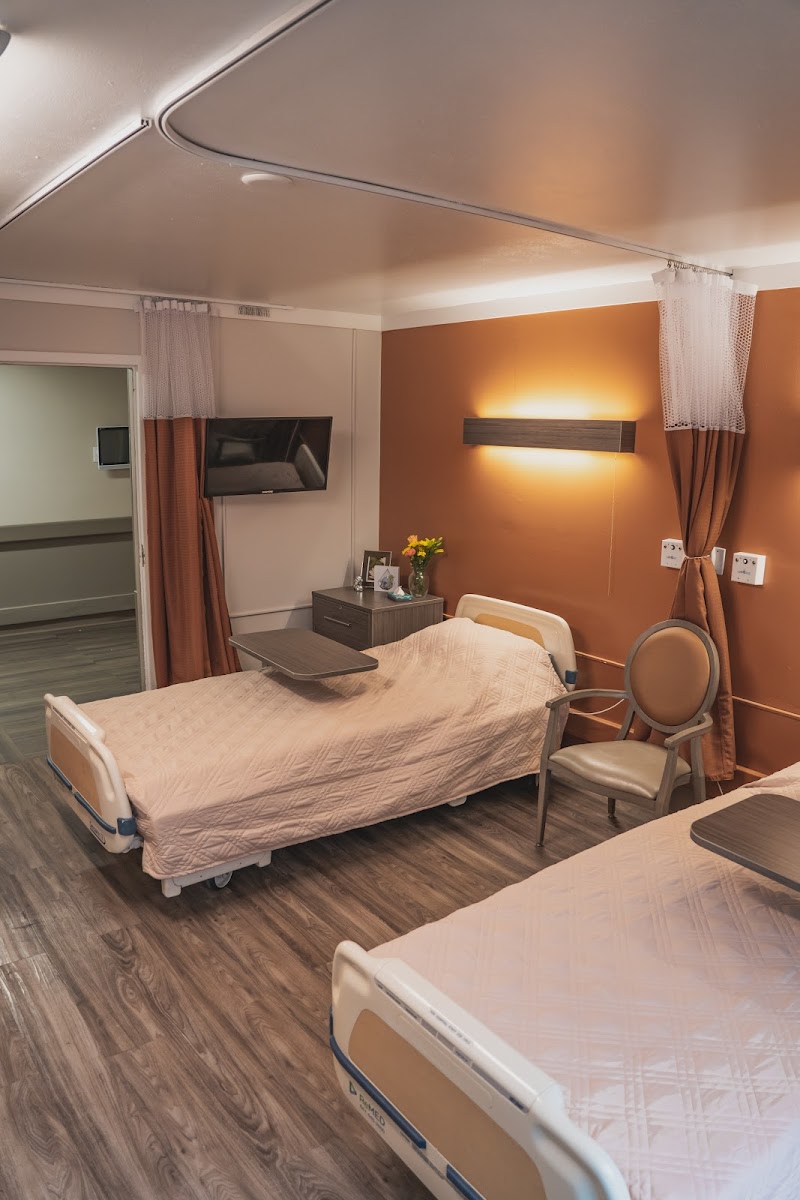
How is Eastbrook Healthcare Center Staffed?

CMS rates EASTBROOK HEALTHCARE CENTER's staffing level at 1 out of 5 stars, which is much below average compared to other nursing homes. Staff turnover is 79%, which is 33 percentage points above the Ohio average of 46%. High turnover can affect care consistency as new staff learn residents' individual needs. RN turnover specifically is 92%, which is notably high. RNs provide skilled clinical oversight, so turnover in this role can affect medical care quality.

What Have Inspectors Found at Eastbrook Healthcare Center?

State health inspectors documented 46 deficiencies at EASTBROOK HEALTHCARE CENTER during 2019 to 2025. These included: 1 Immediate Jeopardy (the most serious level, indicating potential for serious harm or death), 44 with potential for harm, and 1 minor or isolated issues. Immediate Jeopardy findings are rare and represent the most serious regulatory concerns. They require immediate corrective action.
Who Owns and Operates Eastbrook Healthcare Center?

EASTBROOK HEALTHCARE CENTER is owned by a for-profit company. For-profit facilities operate as businesses with obligations to shareholders or private owners. The facility is operated by GARDEN SPRINGS HEALTHCARE, a chain that manages multiple nursing homes. With 109 certified beds and approximately 97 residents (about 89% occupancy), it is a mid-sized facility located in CLEVELAND, Ohio.

How Does Eastbrook Healthcare Center Compare to Other Ohio Nursing Homes?

Compared to the 100 nursing homes in Ohio, EASTBROOK HEALTHCARE CENTER's overall rating (1 stars) is below the state average of 3.2, staff turnover (79%) is significantly higher than the state average of 46%, and health inspection rating (2 stars) is below the national benchmark.

What Should Families Ask When Visiting Eastbrook Healthcare Center?

Based on this facility's data, families visiting should ask: "What changes have been made since the serious inspection findings, and how are you preventing similar issues?" "How do you ensure continuity of care given staff turnover, and what is your staff retention strategy?" "Can you walk me through typical staffing levels on day, evening, and night shifts?" "Can I visit during a mealtime to observe dining assistance and food quality?" These questions are particularly relevant given the facility's Immediate Jeopardy citations, the facility's high staff turnover rate, and the below-average staffing rating.

Is Eastbrook Healthcare Center Safe?

Based on CMS inspection data, EASTBROOK HEALTHCARE CENTER has documented safety concerns. Inspectors have issued 1 Immediate Jeopardy citation (the most serious violation level indicating risk of serious injury or death). The facility has a 1-star overall rating and ranks #100 of 100 nursing homes in Ohio. Families considering this facility should ask detailed questions about what corrective actions have been taken since these incidents.

Do Nurses at Eastbrook Healthcare Center Stick Around?

Staff turnover at EASTBROOK HEALTHCARE CENTER is high. At 79%, the facility is 33 percentage points above the Ohio average of 46%. Registered Nurse turnover is particularly concerning at 92%. RNs handle complex medical decisions and coordinate care — frequent RN changes can directly impact care quality. High turnover means new staff may not know residents' individual needs, medications, or preferences. It can also be disorienting for residents, especially those with dementia who rely on familiar faces. Families should ask: What is causing the turnover? What retention programs are in place? How do you ensure care continuity during staff transitions?

Was Eastbrook Healthcare Center Ever Fined?

EASTBROOK HEALTHCARE CENTER has been fined $23,989 across 1 penalty action. This is below the Ohio average of $33,319. While any fine indicates a compliance issue, fines under $50,000 are relatively common and typically reflect isolated problems that were subsequently corrected. Families should ask what specific issues led to these fines and confirm they've been resolved.

Is Eastbrook Healthcare Center on Any Federal Watch List?

EASTBROOK HEALTHCARE CENTER is not on any federal watch list. The most significant is the Special Focus Facility (SFF) program, which identifies the bottom 1% of nursing homes nationally based on persistent, serious quality problems. Not being on this list means the facility has avoided the pattern of deficiencies that triggers enhanced federal oversight. This is a positive indicator, though families should still review the facility's inspection history directly.