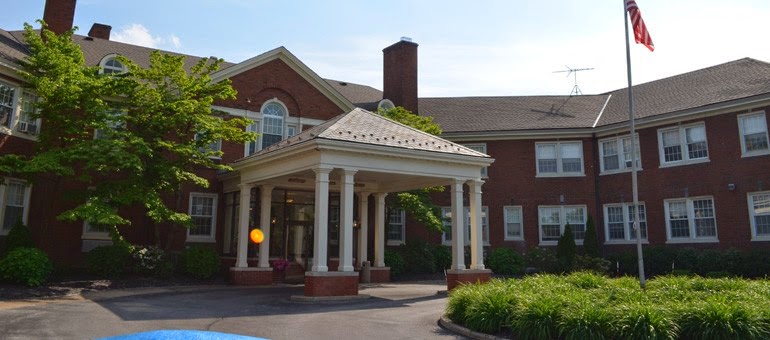
ELIZA JENNINGS HOME

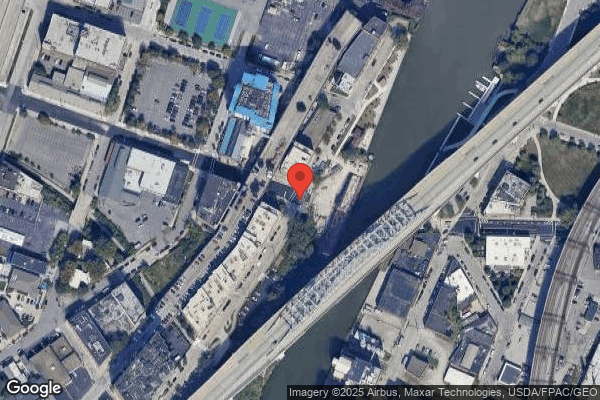
10603 DETROIT AVENUE, CLEVELAND, OH 44102 (216) 226-0282
Non profit - Corporation 126 Beds Independent Data: November 2025
Trust Grade
70/100
#252 of 913 in OH
Last Inspection: November 2023

Within standard 12-15 month inspection cycle. Federal law requires annual inspections.

Overview

Eliza Jennings Home has a Trust Grade of B, which means it is considered a good facility, indicating a solid choice for families. It ranks #252 out of 913 nursing homes in Ohio, placing it in the top half of facilities statewide, and #22 out of 92 in Cuyahoga County, meaning only one local option is rated better. The facility is improving, with a significant decrease in reported issues from 7 in 2023 to just 1 in 2024. However, staffing is a weakness, receiving only 2 out of 5 stars, and a high turnover rate of 61% is concerning compared to the state average. While there have been no fines reported, recent inspections revealed issues such as unclean carpets and common areas, as well as kitchen cleanliness problems, indicating a need for better maintenance and sanitation practices. On a positive note, there is high-quality RN coverage, which is crucial for resident care.

Trust Score
B
70/100
In Ohio
#252/913
Top 27%
Safety Record
Low Risk
No red flags
Inspections
Getting Better
7 → 1 violations
Staff Stability
⚠ Watch
61% turnover. Above average. Higher turnover means staff may not know residents' routines.
Penalties
✓ Good
No fines on record. Clean compliance history, better than most Ohio facilities.
Skilled Nurses
⚠ Watch
Each resident gets only 28 minutes of Registered Nurse (RN) attention daily — below average for Ohio. Fewer RN minutes means fewer trained eyes watching for problems.
Violations
⚠ Watch
19 deficiencies on record. Higher than average. Multiple issues found across inspections.
★★★★☆
4.0
Overall Rating
★★☆☆☆
2.0
Staff Levels
★★★★☆
4.0
Care Quality
★★★★☆
4.0
Inspection Score
Stable
2023: 7 issues
2024: 1 issues

The Good

  • 4-Star Quality Measures · Strong clinical quality outcomes
  • Full Sprinkler Coverage · Fire safety systems throughout facility
  • No fines on record

Facility shows strength in quality measures, fire safety.

The Bad

Staff Turnover: 61%

15pts above Ohio avg (46%)

Frequent staff changes - ask about care continuity

Staff turnover is elevated (61%)

13 points above Ohio average of 48%

The Ugly 19 deficiencies on record

Jul 2024 1 deficiency
CONCERN (E) 📢 Someone Reported This

A family member, employee, or ombudsman was alarmed enough to file a formal complaint

Potential for Harm - no one hurt, but risky conditions existed

Infection Control (Tag F0880)

Could have caused harm · This affected multiple residents

Based on medical record review, facility electronic mail communication with local health department, and interview the facility failed to timely report rashes of unknown origin which were suspicious o...

Read full inspector narrative →
Based on medical record review, facility electronic mail communication with local health department, and interview the facility failed to timely report rashes of unknown origin which were suspicious of scabies to the local health department. This affected five residents (Resident #207, #213, #245, #284 and #298) of 19 residents residing in the memory care unit (#201, #202, #207, #213, #220, #225, #228, #230, #232, #233, #245, #257, #274, #279, #284, #296, #297, #298, and #308). The facility census was 118. Findings include: Review of the medical record for Resident #207 revealed an admission date of 04/06/21. Diagnoses included but were not limited to allergic contact dermatitis (10/05/23), paranoid schizophrenia, vascular dementia, and anxiety disorder. Resident #207 was noted to have severe cognitive impairment and required supervision for activities of daily living. Review of the facility's infection control log for the past six months revealed concerns were logged and identified. Following a dermatologist appointment for Resident #207, on 06/25/24, for a rash of unknown origin, four additional residents (#213, #245, #284 and #298), who resided in memory care, were identified with rashes of unknown origin. Interview on 07/24/24 at 12:27 P.M. with the Director of Nursing (DON) revealed Resident #207 was identified as having a prickly rash and was sent to the dermatologist on 06/25/24 and returned with an order to treat scabies empirically. Resident #207 did not have a scraping completed while at the appointment to confirm scabies due to having previously been treated with oral and topical steroids. Following the dermatologist's order treatment for scabies for Resident #207, the facility completed skin sweeps 06/25/24 and identified four other residents that had a rash of unknown origin and began to treat the additional four residents first and then two days later the remaining 14 residents were treated. Review of the Fax correspondence from the facility to the local health department dated 07/24/24 timed at 5:16 P.M. revealed the facility reported the five residents (#207, #213, #245, #284 and #298) as suspected cases of scabies, 30 days after the suspected cases of scabies were identified. Phone interview on 07/25/24 at 10:02 A.M. with County Health Department Nurse #24 revealed the health department wanted suspected cases of scabies reported within 24 business hours to monitor and prevent further potential outbreak. Review of the guidance from the Centers for Disease Control (CDC) website Public Health Strategies for Scabies Outbreaks in Institutional Settings | Scabies | related to scabies revealed when the characteristic symptoms of itching and rash were absent, it was easy to misdiagnose scabies, which could lead to outbreaks. Maintain a high index of suspicion that scabies could be the cause of undiagnosed skin rash; evaluate and confirm suspected cases by obtaining skin scraping. If there were multiple cases, the guidance indicated to notify the local health department of the outbreak. Review of the Ohio Department of Health (ODH) guide titled; Know Your ABCs: A Quick Guide to Reportable Infection Diseases in Ohio from the Ohio Administrative Code Chapter 3701-3 effective August 1, 2019, revealed under Class C: Report an outbreak, unusual incident or epidemic of other diseases (e.g. histoplasmosis, pediculosis, scabies, staphylococcus infections) by the end of the next business day. This deficiency represents non-compliance investigated under Complaint Number OH00155236.
Dec 2023 1 deficiency
CONCERN (F) 📢 Someone Reported This

A family member, employee, or ombudsman was alarmed enough to file a formal complaint

Potential for Harm - no one hurt, but risky conditions existed

Safe Environment (Tag F0921)

Could have caused harm · This affected most or all residents

Based on observation and staff interview, the facility failed to maintain a clean, safe, sanitary and well-maintained environment in resident common areas and resident rooms. This had the potential to...

Read full inspector narrative →
Based on observation and staff interview, the facility failed to maintain a clean, safe, sanitary and well-maintained environment in resident common areas and resident rooms. This had the potential to affect all 115 residents living in the facility. Findings include: Interview was conducted on 12/04/23 at 12:30 P.M. with the Director of Environmental Services (DES) #422 who revealed the housekeeping staff were to make sure all floors in the resident common areas and resident rooms were kept clean. DES #422 explained the floor scrubber was broke so the staff were to use whatever equipment they had to keep the floors clean. Observations of the general facility environment and resident rooms were conducted on 12/05/23 from 12:00 P.M. and 12:25 P.M. with the Director of Maintenance (DM) #359 and revealed carpeted areas in resident rooms and common areas throughout the facility were covered in stains and/or various debris indicating the carpet was not being maintained in a clean manner. In addition, the following findings were observed: • Resident #52's bathroom door had a wire clothing hanger bent in half and stuck into the door in place of a functional door handle. The only way to open the door to the bathroom was to grab the bent, wire hanger. • Observation of the common area on the second floor revealed dried food and food crumbs on the table by the common area computer for resident use. The table lamp was unplugged and the electrical cord was laying on the open ground where the plug prongs were exposed to the environment and any traffic near the lamp. • Observation of the bottom of the door going into Resident #91's room and facing into the hallway revealed a moderate build up of brown, dried stains looking like dried on coffee stains. • Observation of Resident #108's room revealed broken, missing window blinds. • Observation of Resident #101's room revealed a beside dresser drawer had a metal staple plate affixed onto it and an old, hinged metal hasp (parts used with a pad lock) approximately three to four inches long was sticking straight out posing risk for injury by the metal hasp. There was no pad lock in use on the drawer so the metal hasp with just sticking out at a 90 degree angle from the drawer. DM#359 verified the above findings at the time of the observations on 12/05/23 from 12:00 P.M. to 12:25 P.M. Review of the facility policy titled Safe Environment, revised 11/28/16, revealed the facility would provide a safe, functional, sanitary, and comfortable environment for residents, staff and the public. This deficiency represents non-compliance investigated under Complaint Number OH00148425 and continued noncompliance from the survey dated 11/16/23.
Nov 2023 5 deficiencies
CONCERN (D)

Potential for Harm - no one hurt, but risky conditions existed

Resident Rights (Tag F0550)

Could have caused harm · This affected 1 resident

**NOTE- TERMS IN BRACKETS HAVE BEEN EDITED TO PROTECT CONFIDENTIALITY** Based on observation and interview the facility failed to provide dignified feeding assistance to Resident #15 and Resident #217...

Read full inspector narrative →
**NOTE- TERMS IN BRACKETS HAVE BEEN EDITED TO PROTECT CONFIDENTIALITY** Based on observation and interview the facility failed to provide dignified feeding assistance to Resident #15 and Resident #217. This affected two residents (#15 and #217) of four residents observed for feeding assistance. The facility identified eight residents (#15, #19, #32, #34, #64, #76, #87, and #217) who required feeding assistance. The facility census was 113. Findings include: 1. Review of Resident #15's medical records revealed an admission date of 08/24/22. Diagnoses included dementia, anorexia and malnutrition. Review of the Minimum Data Set (MDS) assessment dated [DATE] revealed no cognition score due to Resident #15 was rarely understood. Resident #15 required extensive assistance with eating. Review of the care plan dated 11/03/23 revealed Resident #15 was at risk for nutritional deficits. Interventions included provide assistance at meals. Observation was conducted on 11/14/23 at 8:43 A.M. of the breakfast meal for Resident #15. The observation revealed State Tested Nursing Assistant (STNA) #972 was providing feeding assistance to Resident #15 in a common dinning area. STNA #972 stood next to Resident #15 while feeding and did not engage Resident #15 with conversation or eye contact while providing feeding assistance. Interview with STNA #972 at the time of the observation confirmed she was standing up next to Resident #15 and had not tried to engage the resident. Resident #15 was not interviewable. 2. Review of Resident #217's medical records revealed an admission date of 10/24/23. Diagnoses included Alzheimer's and macular eye degeneration. Review of MDS assessment dated [DATE] revealed no recorded cognition score due to Resident #217 was rarely understood. Resident #217 required extensive assistance with eating. Review of the care plan dated 11/08/23 revealed Resident #217 was at risk for nutritional deficits. Interventions included provide assistance at meals. Observation was conducted on 11/14/23 at 8:47 A.M. of the breakfast meal for Resident #217. The observation revealed STNA #973 was providing feeding assistance to Resident #217 in the residents room. STNA #973 was observed to have been standing up next to Resident #217 and did not engage Resident #217 with conversation or eye contact while providing feeding assistance. Interview with STNA #973 at time of observation confirmed she standing up next to Resident #217 and had not tried to engage the resident. Resident #217 was not interviewable. Review of facility policy titled Feeding of Residents revised 07/28/21 revealed staff should engage with resident and maintain eye contact and conversation to create a pleasant dining experience.
CONCERN (D)

Potential for Harm - no one hurt, but risky conditions existed

Deficiency F0578 (Tag F0578)

Could have caused harm · This affected 1 resident

**NOTE- TERMS IN BRACKETS HAVE BEEN EDITED TO PROTECT CONFIDENTIALITY** Based on medical record review, interview, and facility policy review the facility failed to ensure resident's wishes regarding ...

Read full inspector narrative →
**NOTE- TERMS IN BRACKETS HAVE BEEN EDITED TO PROTECT CONFIDENTIALITY** Based on medical record review, interview, and facility policy review the facility failed to ensure resident's wishes regarding advanced directives were accurate and clearly identified in a resident's medical record. This affected one resident (Resident #76) of five residents reviewed for advanced directives. The facility census was 113. Findings include: Review of Resident #76's medical record revealed an admission date of [DATE] and a facility re-entry date of [DATE] with diagnoses including myositis ossificans traumatica, adult failure to thrive, severe protein calorie malnutrition, anorexia, dementia, stage three chronic kidney disease, and longstanding persistent atrial fibrillation. Review of physician orders for Resident #76 dated [DATE] revealed a Do Not Resuscitate Comfort Care Arrest (DNR CC-Arrest) order which instructed Do Not intubate Protocol is activated when the patient experiences cardiac or respiratory arrest and further clarifies all other necessary treatments should be initiated prior to arrest. Review of Resident #76's electronic medical record on [DATE] revealed no code status and no advanced directive paperwork and review of the hard chart revealed no indication of code status or documentation of advanced directives. Interview on [DATE] at 10:25 A.M. with Licensed Practical Nurse (LPN) #970 and Central Supply/Medical Records staff (CSMR) #912 confirmed resident code status and any advanced directive documents could be found in the front of the hard chart but both LPN #970 and CSMR #912 were unable to find it. CSMR #912 further confirmed she would be printing and placing a copy of Resident #76's DNRCC-Arrest paperwork in the hard chart and presented the surveyor with what she referred to as a unit report which contained resident code statuses and pointed out the nurses can see from this printed report that Resident #76 was a DNRCC-A. LPN #970 acknowledged she was aware of this form and noted it gets updated whenever the unit census changes. Interview on [DATE] at 10:40 A.M. with LPN #971 confirmed she would look at the order summary report for code status orders and follow accordingly if resident code status was not readily found in the front of the hard chart or profile in the electronic medical record. Interview on [DATE] at 03:17 P.M. with State Tested Nurse Aide (STNA) #907 confirmed there was a printed nursing report on each nursing unit containing important resident information, including resident code statuses. Interview on [DATE] at 08:40 A.M. with Medication Technician #893 confirmed if she needed to know a resident code status, she could find it on the team report sheet, which she pulled out of a drawer on the unit to show the surveyor the report sheet contained code status orders for each unit resident. Interview on [DATE] at 09:57 A.M. with STNA #839 confirmed she did not know Resident #76's code status. When asked how she would find code status, she said to ask one of the nurses. Interview on [DATE] at 02:32 P.M. with the Administrator confirmed there was no advanced directive paperwork in Resident #76's electronic medical record. She further stated there was no DNR paperwork uploaded to the electronic medical record due to an issue from Resident #76's last hospital admission. The administrator proceeded to present an order in the medical record date [DATE] indicating Resident #76 was a full code and added Resident #76 was not a DNRCC-A. Interview on [DATE] at 02:50 P.M. with the Director of Nursing (DON) confirmed Resident #76 was a full code. The DON further confirmed the code status in Resident #76's profile was blank and the order for a full code was dated [DATE]. The DON also confirmed there was a code status order for a DNRCC-A effective from [DATE] to [DATE] and no signed advanced directive documentation, adding staff would have performed cardiopulmonary resuscitation (CPR) even if the order for a DNR was present if they did not have the signed DNR paperwork because that was the way we do it here. Review of admission paperwork from re-entry to the facility on [DATE] revealed hospital discharge orders indicated Resident #76 was a full code. Review of the undated Advanced Directive Procedure revealed the facility will determine whether the resident has any advanced directive upon admission, resident wishes will be communicated with facility staff, and all advanced directive document copies will be obtained and located with the resident's medical record.
CONCERN (D)

Potential for Harm - no one hurt, but risky conditions existed

Quality of Care (Tag F0684)

Could have caused harm · This affected 1 resident

**NOTE- TERMS IN BRACKETS HAVE BEEN EDITED TO PROTECT CONFIDENTIALITY** Based on observation, record review and interview the facility failed to ensure physician orders were followed for the use of Pr...

Read full inspector narrative →
**NOTE- TERMS IN BRACKETS HAVE BEEN EDITED TO PROTECT CONFIDENTIALITY** Based on observation, record review and interview the facility failed to ensure physician orders were followed for the use of Prevalon boots. This affected one resident (#7) of two residents observed for Prevalon boots. The facility census was 113. Findings include: Review of the medical record for Resident #7 revealed she was admitted to the facility on [DATE] with diagnoses including Alzheimer's disease, dementia, and hypertension. Review of the quarterly Minimum Data Set (MDS) assessment dated [DATE] revealed Resident #7 had a memory problem, inattention, altered level of consciousness, and was a two-person total dependence for activities of daily living (ADLs). Review of the care plan dated 9/21/23 revealed Resident #7 medical conditions required monitoring and managed as ordered and interventions included to administer medications and treatments as ordered. Review of the physician orders dated 06/21/22 revealed an order for Prevalon boots every shift. Observation on 11/13/23 at 10:12 A.M. revealed Resident #7 was in bed with her Prevalon boots located on the floor near the bathroom entrance. Observation and interview on 11/16/23 at 8:44 A.M. with Registered Nurse (RN) #814, revealed Resident #7 was in bed without her Prevalon boots on. Resident #7 had multiple signs posted in her room that indicated her Prevalon boots were to be put on in the morning. RN #814 verified and confirmed Resident #7's Prevalon boots were not on and were located on the floor next to a reclining chair.
CONCERN (D)

Potential for Harm - no one hurt, but risky conditions existed

Accident Prevention (Tag F0689)

Could have caused harm · This affected 1 resident

**NOTE- TERMS IN BRACKETS HAVE BEEN EDITED TO PROTECT CONFIDENTIALITY** Based on record review, observation and interview the facility failed to ensure flammable materials were not left in resident ro...

Read full inspector narrative →
**NOTE- TERMS IN BRACKETS HAVE BEEN EDITED TO PROTECT CONFIDENTIALITY** Based on record review, observation and interview the facility failed to ensure flammable materials were not left in resident rooms. This affected one resident (#21) of four residents reviewed for accident hazards. The facility census was 113. Review of Resident #21's medical records revealed an admission date of 02/01/19. Diagnoses included schizoaffective disorder and anxiety. Review of Minimum Data Set (MDS) assessment dated [DATE] revealed Resident #21 had intact cognition. Resident #21 required supervision with transfers, ambulation and personal hygiene. Review of the care plan dated 09/20/23 revealed Resident #21 was an independent smoker. Review of smoking assessment dated [DATE] revealed Resident #21 was safe to smoke unsupervised. Observation on 11/15/23 at 7:53 A.M. revealed Resident #21 had a pack of cigarettes, lighter and a canister of lighter fluid on his dresser. Interview on 11/15/23 at 11:29 A.M. with State Tested Nursing Assistant (STNA) #949 confirmed Resident #21 was an independent smoker and was able to keep his smoking materials in his room. Observation of Resident #21's room with STNA #949 at time of interview confirmed the canister of light fluid and STNA #949 stated Resident #21 should not have that substance in his room. Interview on 11/15/23 at 2:11 P.M. with Administrator revealed Resident #21 should not have had light fluid in his room and she stated she had educated Resident #21 on not having hazardous material in his room.
CONCERN (F)

Potential for Harm - no one hurt, but risky conditions existed

Safe Environment (Tag F0921)

Could have caused harm · This affected most or all residents

Based on observation and staff interview the facility failed to maintain a clean, safe, sanitary and well-maintained environment. This had the potential to affect all residents. The facility census wa...

Read full inspector narrative →
Based on observation and staff interview the facility failed to maintain a clean, safe, sanitary and well-maintained environment. This had the potential to affect all residents. The facility census was 113. Findings include: An environmental tour was conducted on 11/16/23 between 10:45 A.M. and 11:20 A.M. with the Administrator. The following was observed and verified with the Administrator at the time of discovery. • Carpeted areas throughout the facility in resident rooms and common areas were noted with stains and debris throughout. • The unit three air purifier had a thick coating of dust and debris covering every part of its filter. • The room occupied by Resident #43 was noted with a non-hospital grade power strip with four outlets in use plugged in to the wall. • The poles used to hang intravenous (IV) medication used by Residents #53 and #219 were not clean. • The bathroom in Resident #52's room and had noticeable cobwebs on the light fixture about the mirror. • The recliner chair in Resident #36's room was dirty and with numerous unknown debris on it. • The footboard on the bed used by Resident #220 was detached from one side. • The bathroom in Resident #224's room contained an open yellow biohazard bag. • The rooms occupied by Residents #1,#75 and #76 had noticeable water stains on the ceiling. • The room occupied by Resident #69 had a significant crack in the wall. • The tube feed poles utilized by Residents #25,#69 and #73 were stained with residual tube feed and other debris. 2. Observation of the laundry area on 11/16/23 at 11:30 A.M. revealed the area behind the washer and dryer was dirty and full of numerous debris, lint and other items. A pile of towels was noted to be behind the washer and was discolored brown and full of unknown dirt and debris. Observations of the back panels of dryers revealed significant lint build up. Laundry Aide (LA) #897 11/16/23 verified the above findings at the time of observations.
Sept 2023 1 deficiency
CONCERN (D) 📢 Someone Reported This

A family member, employee, or ombudsman was alarmed enough to file a formal complaint

Potential for Harm - no one hurt, but risky conditions existed

Notification of Changes (Tag F0580)

Could have caused harm · This affected 1 resident

**NOTE- TERMS IN BRACKETS HAVE BEEN EDITED TO PROTECT CONFIDENTIALITY** Based on record review and interview, the facility failed to notify Resident #8's family representative a change in resident's p...

Read full inspector narrative →
**NOTE- TERMS IN BRACKETS HAVE BEEN EDITED TO PROTECT CONFIDENTIALITY** Based on record review and interview, the facility failed to notify Resident #8's family representative a change in resident's pressure ulcer condition. This finding affected one (Resident #8) of three residents reviewed for notification of changes. Findings include: Review of Resident #8's medical record revealed the resident was admitted to the facility on [DATE] with diagnoses including adult failure to thrive, diabetes and anemia. Review of Resident #8's quarterly Minimum Data Set (MDS) 3.0 assessment dated [DATE] revealed the resident exhibited moderate cognitive impairment. Review of Resident #8's progress note dated 08/04/23 at 8:35 A.M. revealed the wound to the sacrum had a moderate amount of odorous serosanguinous drainage. Interview with Licensed Practical Nurse (LPN) #803 at 09/07/23 at 1:09 P.M. confirmed she left a message on Certified Nurse Practitioner (CNP) #830's notification board for him to address the odor in Resident #8's sacral wound. LPN #803 confirmed she did not notify Resident #8's family representative of the odor in the resident's sacral wound on 08/04/23 because the resident was her own person. Interviews on 09/07/23 at 1:33 P.M. with Resident #8's emergency contact number one and emergency contact number two confirmed they were not notified by the facility on 08/04/23 of odor in the resident's sacral wound during a dressing change. Review of the undated Notification of Changes Policy indicated it was the policy of the facility that changes in a resident's condition or treatment were immediately shared with the resident and/or the resident representative, according to their authority, and reported to the attending physician or delegate. This deficiency represents non-compliance investigated under Complaint Numbers OH00145703 and OH00145705.
Jul 2021 5 deficiencies
CONCERN (D)

Potential for Harm - no one hurt, but risky conditions existed

ADL Care (Tag F0677)

Could have caused harm · This affected 1 resident

**NOTE- TERMS IN BRACKETS HAVE BEEN EDITED TO PROTECT CONFIDENTIALITY** Based on observation, interview and record review, the facility failed to provide personal hygiene for Resident #95. This affect...

Read full inspector narrative →
**NOTE- TERMS IN BRACKETS HAVE BEEN EDITED TO PROTECT CONFIDENTIALITY** Based on observation, interview and record review, the facility failed to provide personal hygiene for Resident #95. This affected one of three Resident's (#67, #95 and #160) reviewed for activities of daily living. The facility census was 107. Findings include: Review of the medical record revealed Resident #95 was admitted to the facility on [DATE] with diagnoses including cirrhosis of the liver, hepatic failure, alcohol abuse, esophageal varices, portal hypertension, chronic obstructive pulmonary disease, rhabdomyolysis, polyneuropathy, urinary retention, viral hepatitis C, and dormant tuberculosis. Review of the significant change comprehensive assessment (MDS 3.0) dated 06/02/21 indicated he was alert, oriented and independent in daily decision making. No behaviors were identified. He required the extensive assistance of one staff for personal hygiene. Review of the activities of daily living plan of care dated 03/22/21 indicated he required extensive assistance of one staff for personal hygiene. Review of the electronic aide task section on bathing revealed he was provided one bath/shower in the last 30 days on 06/28/21. His preference was marked that he preferred a bath/shower once weekly. Interview and observation of Resident #95 on 06/28/21 at 3:25 P.M. revealed he had extremely long fingernails and some were jagged and had black substance underneath. Resident #95 verified his nails were too long and not of his preference. Resident #95 was observed with his fingernails in the same condition on 06/29/21 at 1:46 P.M. and at 3:40 P.M. Interview with State Tested Nurse Aide (STNA) #402 on 06/29/21 at 3:40 P.M. confirmed Resident #95's nails were long and dirty. STNA #402 reported the nurse was responsible for clipping fingernails and she would let the nurse know. On 06/29/21 at 3:51 P.M. STNA #402 informed Licensed Practical Nurse (LPN) #403 who requested STNA #402 soak his nails with denture tablets. Interview with LPN #403 on 06/29/21 at 3:55 P.M. reported the denture tables were very effective at cleaning under the nails and would not harm the resident. On 06/30/21 at 7:49 A.M. Resident #95's nails were observed in the same condition, and Resident #95 confirmed he was not provided nail care. On 06/30/21 at 9:34 A.M. Registered Nurse (RN) #404 verified Resident #95's nails were long, jagged with black substance underneath.
CONCERN (D)

Potential for Harm - no one hurt, but risky conditions existed

Deficiency F0697 (Tag F0697)

Could have caused harm · This affected 1 resident

**NOTE- TERMS IN BRACKETS HAVE BEEN EDITED TO PROTECT CONFIDENTIALITY** Based on observation, interview, record and policy review, the facility failed to identify, evaluate and monitor Resident #95's ...

Read full inspector narrative →
**NOTE- TERMS IN BRACKETS HAVE BEEN EDITED TO PROTECT CONFIDENTIALITY** Based on observation, interview, record and policy review, the facility failed to identify, evaluate and monitor Resident #95's new onset pain and notify the physician to manage his pain. This affected one of two Resident's (#75 and #95) reviewed for pain management. The facility census was 107. Findings include: Review of the medical record revealed Resident #95 was admitted to the facility on [DATE] with diagnoses including cirrhosis of the liver, hepatic failure, alcohol abuse, esophageal varices, portal hypertension, chronic obstructive pulmonary disease, rhabdomyolysis, polyneuropathy, urinary retention, viral hepatitis C, and dormant tuberculosis. He entered palliative care on 06/16/21. Review of the physician orders indicated he was ordered Morphine Sulfate (a narcotic analgesic) 10 milligrams every two hours as needed for pain and shortness of breath beginning on 05/27/21. He received the medication on 06/25/21 at 3:05 P.M. for pain level 5, 06/26/21 at 5:41 A.M. for pain level 10, 06/27/21 at 9:43 P.M. for pain level 5, 06/28/21 at 5:39 A.M. for pain level 5, 06/29/21 at 9:51 P.M. for pain level 8 and on 06/30/21 at 7:45 A.M. for pain level 8. The physician orders indicated to assess for pain every shift. Review of the June 2021 medication administration record indicated the resident expressed pain on the day shift on 06/28/21 at a level 5 and on the night shift level 2 on 06/4, 10, 11, 12, 19, 20, 22, 25, and level 8 on 06/29/21. Review of the order administration notes revealed he was provided Morphine Sulfate on 06/25/21 at 3:05 P.M. for complaints of pain. On 06/26/21 at 5:41 A.M. for shortness of breath or pain. On 06/27/21 at 9:43 P.M. for shortness of breath or pain. On 06/28/21 at 5:39 A.M. for complaints of leg and indwelling catheter pain. It was noted the catheter was draining tea colored urine. On 06/29/21 at 9:51 P.M. for general pain. On 06/30/21 at 7:45 A.M. for complaints of scrotum pain. The notes lacked specific identification of the type of pain, location and non-pharmacological interventions attempted. Review of the corresponding progress notes lacked consistent indication of where the pain was located, the type, level, and no notification to the physician of his increased level of pain that began on 06/25/21. Review of the significant change comprehensive assessment (MDS 3.0) dated 06/02/21 indicated he was alert, oriented and independent in daily decision making. No behaviors were identified. He required extensive assistance of one staff for toilet use and hygiene. He had an indwelling urinary catheter and was incontinent of bowel. He was identified to have frequent pain affecting his sleep and limiting his day to day activities. He rated his pain as an eight out of 10 being the worst pain imaginable. Review of the pain plan of care dated 03/22/21 indicated he had pain/discomfort related to peripheral neuropathy and liver failure. Review of the interventions indicated to monitor for verbal and nonverbal signs of pain/discomfort every shift and provide pain interventions as needed. Notify the physician if the pain was not being relieved with the current regimen and offer non-pharmacological interventions such as positioning, relaxation and breathing, diversional activities, heat or cold packs and/or warm shower/bath. Interview with Resident #95 on 06/28/21 at 3:48 P.M. reported he had unrelieved groin pain he thought from his catheter. Observation of Resident #95 on 06/29/21 at 3:53 P.M. revealed a full urinary catheter bag that contained 2000 cubic centimeters (cc's) of orange colored urine, further observation revealed the resident had a piece of tape securing his urinary catheter tubing to his leg. Interview with Licensed Practical Nurse (LPN) #403 at time of observation revealed the resident should have had a leg strap and confirmed the amount of urine, further observation with LPN #403 revealed Resident #95 had a very swollen scrotal area and resident moaned in pain when area was touched. LPN #403 reported his scrotum had been edematous for a few weeks and confirmed there was no documentation related to his swollen and painful scrotum. Interview with LPN #407 on 06/30/21 at 7:49 A.M. reported he had not worked in a couple of days and had no idea his scrotum was swollen. Interview with State Tested Nurse Aide (STNA) #405 on 06/30/21 at 7:55 A.M. reported she worked on Saturday and noticed his scrotum was swollen and tender, so she informed LPN #406. Interview with Registered Nurse (RN) #404 and observation of Resident #95 on 06/30/21 at 9:34 A.M. verified the scrotal area was very swollen and his urine was dark with sediment in the tubing. Resident #95 complained of pain from the catheter. RN #404 reported no awareness of the resident's swollen scrotum and he would be notifying the physician of the pain and inquired about getting a urinalysis. On 06/30/21 at 11:24 A.M. the nurse noted the resident had a new onset of hydrocele with reports of discomfort to the scrotum/lower back that he rated a nine out of 10. Morphine Sulfate was administered with minimal effect. The urinary catheter bag had amber colored urine with moderate amounts of sediment. The nurse called the physician who ordered the resident be sent out to the hospital. On 07/01/21 at 4:16 A.M. he returned from the hospital with a diagnosis of a bladder infection and on antibiotic therapy. On 07/02/21 at 11:30 A.M. the nurse practitioner was made aware he was requesting Morphine Sulfate for scrotal pain and gave a new order to discontinue Morphine Sulfate and utilize Ultram (an opioid analgesic) 50 milligrams every eight hours as needed for complaints of generalized pain/discomfort. Review of the pain management policy dated 02/01/21 indicated to evaluate the resident for pain by asking the resident to rate the intensity of his/her pain using a numerical scale or a visual descriptor, identify key characteristics of the pain (duration, frequency, location, onset, pattern and radiation), descriptors of pain (aching, burning, throbbing, tingling, stabbing), determine factors that make the pain better or worse, how does the pain impact the quality of life, use non pharmacological and/or pharmacological interventions, effectiveness of the medication or treatments, if not controlled the practitioner should be notified, reassess the resident regularly.
CONCERN (E)

Potential for Harm - no one hurt, but risky conditions existed

Infection Control (Tag F0880)

Could have caused harm · This affected multiple residents

Based on observation, interview and policy review, the facility failed to implement an ongoing infection prevention and control program related to COVID 19. This affected six Resident's (#76, #84, #15...

Read full inspector narrative →
Based on observation, interview and policy review, the facility failed to implement an ongoing infection prevention and control program related to COVID 19. This affected six Resident's (#76, #84, #158, #159, #160 and #161) who resided on the observation for COVID 19 unit out of 107 residents in the facility. Findings include: Interview with the Administrator on 06/28/21 at 9:00 A.M. reported the facility had no residents with COVID 19 but had one staff test positive so they were in outbreak testing. She reported the observation unit was located on the second floor and this was where new admissions spend their first 14 days. She indicated full personal protective equipment had to be worn in the resident rooms. On 06/28/21 at 10:00 A.M. during the initial tour of the facility, a small unit on the second floor had the double doors at both ends of the unit closed. Signs were posted for authorized employees only and had N95 masks at the entrance to the unit. There was no eye protection available and staff working the unit were not observed wearing eye protection. Resident's in the general population were observed congregating in the dining room or in areas where group activities were being held. No residents were observed wearing masks. On 06/28/21 at 3:25 P.M. Resident #160's sister was standing outside of his room calling out for help. The call light above his door was illuminated. The sister was wearing a surgical mask and no other personal protective equipment. The daughter was in the room with the resident explaining they had called for assistance but the staff did not come timely enough so she tried to assist him to the bathroom and he had an accident on the floor, his bed was wet with urine, there was medication residue on the carpet from where he spit out his medication. She found him wet and in need of toileting for the last two days and was very upset. The daughter reported she visited daily to help him eat and to explain things to him since he spoke little English. The daughter wore no personal protective equipment. On 06/29/21 at 3:21 P.M. the daughter was observed in his room not wearing any personal protective equipment. She was asked how she was educated when entering the building. She said she was told to wear a surgical mask. She pulled it out of her purse and said she removed it when in the room with her father. She acknowledged seeing the signs on the entry doors but did not think that was related to her father. Resident #76 also had a visitor at that time who wore no personal protective equipment. Interview on 06/29/21 at 3:25 P.M. with the infection preventionist Registered Nurse (RN) #408 reported the front desk didn't know where the visitors were going in the facility and told all to wear a surgical mask. She initially reported that was all that was necessary when visiting the observation unit. But was asked why the signage indicated to wear an N95, eye protection and gown when entering the resident rooms. She admitted then that the resident's families should be wearing the gown, gloves, eye protection when in the room. She was informed the direct care staff wore no eye protection for two days and today's State Tested Nurse Aide (STNA) also was not wearing a gown or gloves when going into resident rooms. She was informed Residents #76 and #160 had visitors wearing no personal protective equipment. On 06/29/21 at 4:06 P.M. Residents #76's and #160's visitors had N95 masks and gowns on. Interview with Resident #160's daughter said she was educated to wear mask and gown when in the room and was upset she was not told this earlier because she did not want to bring COVID 19 home to her family. Further interview with RN #408 and the Administrator on 07/01/21 at 10:03 A.M. reported all staff and visitors were to complete screening upon entering the facility. This was a computerized system that could print out the screening logs. They reported visitors going to the observation unit were provided a leaflet on how to don and doff personal protective equipment. Staff and visitors were to wear N95 masks, goggles, and gowns. They call families weekly with updates and have a website for information. They reported 83% of residents were vaccinated for COVID 19 but only 64% of the staff were vaccinated. They reported residents on the observation unit should wear personal protective equipment when they left the unit and residents in the general population should wear a surgical mask when out of their rooms, but they could not force them. Review of the facility's policies on COVID 19 were based on the Centers for Disease Control. This deficiency substantiates Complaint Number OH00111256.
CONCERN (F)

Potential for Harm - no one hurt, but risky conditions existed

Food Safety (Tag F0812)

Could have caused harm · This affected most or all residents

Based on observation and interview, the facility failed to ensure the kitchen was maintained in a clean and sanitary manner. This had the potential to affect 105 of the 107 residents. Two Resident's (...

Read full inspector narrative →
Based on observation and interview, the facility failed to ensure the kitchen was maintained in a clean and sanitary manner. This had the potential to affect 105 of the 107 residents. Two Resident's (#17 and #260) did not receive food from the facility. The facility census was 107. Findings include: Observations during the initial tour on 06/28/21 at 8:40 A.M. revealed the oven door had dried on spills down the front. The control knobs on the oven and stove top were dirty. The hood and overhead vents were greasy and dusty, the spigots for fire suppression system were greasy and dusty. These findings were verified by Dietary Manager #401 at the time of the observation.
MINOR (C)

Minor Issue - procedural, no safety impact

Garbage Disposal (Tag F0814)

Minor procedural issue · This affected most or all residents

Based on observation and staff interview, the facility failed to properly contain garbage in the outside dumpster. This had the potential to affect all 107 residents living in the facility. Finding in...

Read full inspector narrative →
Based on observation and staff interview, the facility failed to properly contain garbage in the outside dumpster. This had the potential to affect all 107 residents living in the facility. Finding include: Observations during the initial tour on 06/28/21 at 8:40 A.M. revealed the side doors of two dumpsters were open. The dumpsters had debris around them, including numerous plastic gloves, a brief, and disposable plastic cups. This was verified by Dietary Manager #401 at the time of the observation.
Mar 2019 6 deficiencies
CONCERN (D)

Potential for Harm - no one hurt, but risky conditions existed

Assessment Accuracy (Tag F0641)

Could have caused harm · This affected 1 resident

**NOTE- TERMS IN BRACKETS HAVE BEEN EDITED TO PROTECT CONFIDENTIALITY** Based upon interview and record review the facility failed to ensure the Minimum Data Set (MDS) 3.0 assessment accurately reflec...

Read full inspector narrative →
**NOTE- TERMS IN BRACKETS HAVE BEEN EDITED TO PROTECT CONFIDENTIALITY** Based upon interview and record review the facility failed to ensure the Minimum Data Set (MDS) 3.0 assessment accurately reflected the status of use of anticoagulant medication for Resident #43, status of falls and injuries for Resident #46, and the delivery of dialysis and hospice services for Resident #68. This affected three of 23 records reviewed. The facility census was 113. Findings include: 1. Review of the medical record for Resident #43 revealed an admission date of 10/09/18 with diagnoses including chest pain, dyslipidemia, history of a gastrointestinal bleed, hypothyroidism, and aspiration pneumonia. Review of the physicians orders for January 2019 revealed Resident #23 received medications related to cardiac and thyroid conditions. The resident was not ordered any anticoagulant medication. Review of the medication administration record (MAR) for January 2019 revealed the resident did not receive any anticoagulant medications from 01/05/19 through 01/11/19. Review of the Annual MDS 3.0 assessment, dated 01/11/19, revealed the assessment had been coded to indicate Resident #43 had received anticoagulant medication seven of seven days during the assessment reference period. Interview on 03/0519 at 2:39 P.M. with Registered Nurse (RN) #52 revealed the nurse who completed the MDS was new and didn't know she should not have coded the medication as an anticoagulant. Interview with Licensed Practical Nurse (LPN) #6 revealed she stated she had completed the MDS assessment and thought Clopidogrel (an antiplatelet medication) was an anticoagulant and was not aware that the Resident Assessment Instruction(RAI) Manual included specific direction that the medication was not be coded as an anticoagulant. Review of the RAI Manual revealed Clopidogrel (Plavix) was not to be coded on the MDS as an anticoagulant medication. 2. Review of the medical record for Resident #46 revealed an admission date of 09/20/18 with diagnoses including multiple sclerosis, chronic obstructive pulmonary disease, anxiety, and spondylosis. Review of the nurses notes revealed the resident had falls on 10/01/18, 10/13/18, 10/22/18, 11/11/18, and 11/16/18. After the fall on 10/13/18 the resident complained of right knee pain, rating it at 8/10. After the fall on 10/22/18 the resident complained of pain in the left hip and femur. X-rays were ordered to the left hip and femur and designated stat (urgent). Review of the MDS assessments revealed the staff had completed an admission MDS assessment on 09/30/18, a quarterly MDS assessment on 10/11/18, and another quarterly MDS assessment on 01/11/19. The MDS was coded as having had two falls with no injury and no falls with either minor or major injury. Interview on 03/05/18 at 2:37 A.M. with RN #146, who investigated the falls, revealed Resident #46 had x-rays performed after two of the falls because of pain. Interview on 03/06/19 at 4:33 P.M. with RN #52 revealed she stated she had missed falls and was not aware of the X-rays. She stated the MDS should have been coded to reflect the resident had two (or more) falls with no injury and two (or more) falls with injury except major since the previous assessment. Review of the RAI manual revealed the number of falls was to be coded in section J of the MDS and further classified as number of falls with no injury, falls with injury except major and falls with major injury. Minor injury was defined as bruises, sprains, skin tears and any fall related injury that causes pain. 3. Resident #68 was readmitted to the facility on [DATE] with diagnoses including chronic pulmonary disease, acute systolic heart failure, dementia with behavioral disturbances, and acquired absence of specific parts of the digestive system. Review of Resident #68's MDS 3.0 assessment, dated 12/14/18, indicated the resident exhibited severe cognitive impairment and received dialysis. Review of Resident #68's medical record, physician orders, medication administration records (MARS) and treatment administration records (TARS) for March 2018 revealed Resident #68 received hospice services and not dialysis. Interview on 03/07/19 at 10:47 A.M. with MDS Nurse #52 confirmed Resident #68's comprehensive assessment, dated 12/14/18, was inaccurate and the resident did receive hospice services.
CONCERN (D)

Potential for Harm - no one hurt, but risky conditions existed

Comprehensive Care Plan (Tag F0656)

Could have caused harm · This affected 1 resident

**NOTE- TERMS IN BRACKETS HAVE BEEN EDITED TO PROTECT CONFIDENTIALITY** Based on interview and record review, the facility did not ensure care plans were consistently implemented for monitoring behavi...

Read full inspector narrative →
**NOTE- TERMS IN BRACKETS HAVE BEEN EDITED TO PROTECT CONFIDENTIALITY** Based on interview and record review, the facility did not ensure care plans were consistently implemented for monitoring behavioral symptoms to justify the use of mood-altering medication. This affected two (Resident #3, Resident #20) of five residents reviewed for unnecessary medication. The facility census was 113. Findings include: 1. Review of Resident #20's medical record revealed the resident was admitted to the facility on [DATE] with diagnoses including dementia with behavioral disturbance, Parkinson's Disease, depression, anxiety, and anorexia. Review of resident #20's annual Minimum Data Set (MDS) 3.0 assessment, dated 01/25/19, revealed the resident required limited assist with set-up for all activities of daily living (ADL), except toilet use and personal hygiene which required a one person assist. Review of Resident #20's plan of care (no date) revealed the resident exhibited signs and symptoms of behaviors as demonstrated by delusions/hallucinations related to Lewy Body dementia, and Parkinson's Disease. Interventions included: resident will exhibit improvement in behavior - delusion/hallucinations; encourage participation in activities of choice, and provide opportunities to discuss interests and concerns; encourage performance of independent ADL and acceptance of assistance as needed; if appropriate, stop providing care and try again later after a brief break or ask another staff person to assist; intervene as needed to ensure safety and the safety of others; monitor behaviors and assist with interventions; assist in determining if her behavior is stimulated by certain activities, noise levels, persons or events; notify resident's Medical Doctor (MD) if his/her behavior interferes with functioning, interactions with others, and/or daily routine; refer to the psychiatrist and/or psychologist services as needed, and follow treatment recommendations. Review of Resident #20's plan of care (no date) revealed the resident was at increased risk for adverse side effects and injury related to falls do to the need of psychotropic medication to manage the symptoms of anxiety, depression delusions and hallucinations, Lewy body dementia, and Parkinson's. Interventions included: administer medication as ordered, and monitor for adverse reactions such as sedation, unsteady gait decreased appetite, weight loss, dry mouth, uncontrolled body movements, dizziness, and report to MD; attempt gradual dosage reductions (GDR) if recommended by the psychiatrist, pharmacist or MD; monitor for behavior listed on log, every shift, and document on behaviors log, if increase in negative behavior is noted report to MD or physiatrist; monitor for increased falls. Review of Resident #20's nurses notes from 12/06/18 to 03/04/19 revealed no documented evidence nurses documented the monitoring of the resident signs or symptoms of delusion or hallucinations. Review of monthly pharmacy reviews, dated 11/01/18 to 02/19, revealed no irregularities, except for 01/23/19 when the pharmacist documented the resident was being treated for Parkinson's, depression, and anxiety with the history of hallucinations. Please note medications treating Parkinson's can cause psychosis. Dose reductions could be attempted to reduce psychosis. The physician responded on 01/25/19, no change at this time. GDR contraindicated due to patient currently showing symptoms. GDR could result in negative outcomes at this time. Review of Resident #20's monthly Behavior Flow Sheets, dated 11/01/18 to 02/18/19, revealed the monthly flow sheets identified behaviors as depressed mood and increased anxiety. Further review of the monthly Behavior Flow Sheets revealed when behavior did occur, staff did not consistently document the type of behavior, such as what type of anxiety symptoms, if a behavior was marked with the number two, it was unclear if it was two separate behavioral incidents or one behavioral incident with two behaviors. Staff did not consistently document if interventions attempted were affective. Monthly Behavior Flow Sheets did not monitor for delusions or hallucinations as indicated in the plan of care. February Behavior Flow Sheet, dated from 02/19/19 to 02/28/19, was blank and contained no documented evidence staff monitored the resident's behavior. This was verified through interview with the Director of Nursing on 03/06/19 at 12:10 P.M. 2. Review of Resident #3's medical record revealed the resident was admitted to the facility on [DATE] with diagnoses including diabetes, congestive heart failure, atrial fibrillation, and hypertension. Review of Resident #3's quarterly MDS 3.0 assessment, dated 02/09/19, revealed the resident was independent with set-up only for bed mobility, transfers, dressing, eating, toilet use, and personal hygiene. Review of Resident #3's plan of care (no date) revealed the resident showed signs/symptoms of depression, crying, withdrawal, and anger. Interventions included: refer to psychiatrist and/or psychologist services when appropriate, and follow any treatment recommendations; administer medications as ordered; approach in a calm manner, and speak in a calm voice; Resident #3 will receive counseling once a week from counselor; encourage independence in choices of daily routine; notify MD if resident's signs/symptoms of depression increase or begin to interfere with the daily routine and or functioning; provide resident with opportunities to discuss issues and concerns. Review of Resident #3's nurses notes from 12/06/18 to 03/04/19 revealed no documented evidence nurses documented the monitoring of the resident signs or symptoms of crying, withdrawal or anger behaviors. Review of Resident #3's monthly Behavior Flow Sheets, dated 11/01/18 to 02/18/19, revealed the monthly flow sheets identified behaviors as depression and did not include monitoring for crying and anger behaviors. Further review of the monthly Behavior Flow Sheets revealed when behavior did occur, staff did not consistently document the type of behavior, such as what type of depressive symptoms the resident displayed, if a behavior was marked with the number 3, it was unclear if it was three separate behavioral incidents or one behavioral incident with three behaviors. Monthly Behavior Flow Sheets did not monitor for crying, withdrawal, or anger behaviors as indicated per the plan of care. February Behavior Flow Sheet, dated from 02/19/19 to 02/28/19, was blank and contained no documented evidence staff monitored the resident's behavior. This was verified through interview with the Director of Nursing on 03/06/19 at 2:30 P.M.
CONCERN (D)

Potential for Harm - no one hurt, but risky conditions existed

Incontinence Care (Tag F0690)

Could have caused harm · This affected 1 resident

**NOTE- TERMS IN BRACKETS HAVE BEEN EDITED TO PROTECT CONFIDENTIALITY** Based on observation, interview and record review, the facility failed to ensure incontinence check and changes were completed e...

Read full inspector narrative →
**NOTE- TERMS IN BRACKETS HAVE BEEN EDITED TO PROTECT CONFIDENTIALITY** Based on observation, interview and record review, the facility failed to ensure incontinence check and changes were completed every two hours for Resident #39. This affected one of two residents reviewed for bowel/bladder incontinence. The facility census was 113. Findings include: Resident #39 was admitted to the facility on [DATE]. Her admitting diagnoses included dementia, glaucoma, benign neoplasm of the colon, epilepsy, and anemia. Review of the Minimum Data Set (MDS) 3.0 assessment, dated 01/08/19, revealed Resident #39 had severe cognitive impairment. She was totally dependent on staff for bed mobility, dressing, toileting, and personal hygiene. She was always incontinent of bowel and bladder. Her plan of care, dated 12/19/18, included an intervention to check and change the resident every two hours. Observation of this resident on 03/06/19 from 9:53 A.M. to 2:30 P.M. revealed that the resident was not checked and changed every two hours for incontinence. Interview with State Tested Nurse Aide (STNA) #43 on 03/06/19 at 2:00 P.M., she indicated she did not remember the time she put the resident in the dining room. When she was informed it was 9:53 A.M., she agreed that the resident was not checked and changed since 9:53 A.M.
CONCERN (D)

Potential for Harm - no one hurt, but risky conditions existed

Deficiency F0810 (Tag F0810)

Could have caused harm · This affected 1 resident

Based on observation, interview and record review, the facility failed to ensure consistent use of adaptive equipment for one resident (Resident # 87) of 111 residents observed for dining. (Residents ...

Read full inspector narrative →
Based on observation, interview and record review, the facility failed to ensure consistent use of adaptive equipment for one resident (Resident # 87) of 111 residents observed for dining. (Residents #3 and #25 were identified by the facility as receiving nothing by mouth). The facility census was 113 residents. Findings include: Review of Resident #87's medical record revealed a readmission date of 6/27/18 and diagnoses including Huntington's disease, anxiety disorder, and dementia without behavioral disturbances. Review of the quarterly Minimum Data Set (MDS) 3.0 assessment, dated 02/13/19, revealed Resident #87 was cognitively impaired, had a mechanically altered diet, and was on regimen to gain weight. Review of the Nutritional Assessment, dated 12/13/19, revealed that Resident #87 received a pureed diet and fluids in sipper cup to reduce spillage. Review of a nutritional care plan, dated 02/14/19, revealed Resident #87 was to use sipper cup for fluids, no straws. Observation of the dinner meal on 03/04/19 at 5:28 P.M. revealed that Resident #87 was feeding herself with a glass of juice at her place setting instead of a sipper cup. Registered Dietitian #103 verified that Resident # 87 should have had a sipper cup and went to the kitchen for a sipper cup. .
CONCERN (E)

Potential for Harm - no one hurt, but risky conditions existed

Deficiency F0761 (Tag F0761)

Could have caused harm · This affected multiple residents

Based on observation and interview, the facility failed to ensure medications were properly stored in the medication cart, failed to ensure opened vials of medications were dated and timed, and failed...

Read full inspector narrative →
Based on observation and interview, the facility failed to ensure medications were properly stored in the medication cart, failed to ensure opened vials of medications were dated and timed, and failed to ensure expired medications were disposed of. This had the potential to affect 19 residents (Resident #150, Resident #305, Resident #248, Resident #151, Resident #303, Resident #307, Resident #302, Resident #54, Resident #69, Resident #148, Resident #89, Resident #300, Resident #301, Resident #299, Resident #249, Resident #306, Resident #298, Resident #5) out of 19 newly admitted resident who might have received the tuberculin skin test, one resident (Resident #299) out of one resident who was taking Regular Insulin, and seven residents (Resident #158, Resident #38, Resident #24, Resident #67, Resident #12, Resident #92, and Resident #29) out of seven residents who were ordered Dulcolax suppositories on an as needed bases. The facility census was 113. Findings Include: 1. During review of medication storage on 03/06/18 at 3:00 P.M. it was revealed on Team A of the facility that the medication refrigerator had a multi-dose tuberculin vial that was opened and not dated. Interview with Licensed Practical Nurse (LPN) # 50 on 03/06/18 at 3:30 P.M. verified the above finding. 2. Observation and inspection of Team 1's medication refrigerator revealed that a bag of 14 Docusate sodium suppositories (laxative)10 mg that expired on 12/18/18. Interview with Registered Nurse (RN) #88 on 03/06/19 at 4:10 P.M. verified that these suppositories were expired. 3. Observation of the medication refrigerator on the skilled unit revealed that a vial of Regular Insulin was opened and not dated or timed. Interview with RN #117 verified the above finding on 03/06/17 at 4:30 P.M.
CONCERN (F)

Potential for Harm - no one hurt, but risky conditions existed

Food Safety (Tag F0812)

Could have caused harm · This affected most or all residents

Based on observation, record review and interview, the facility failed to ensure four out of five pantries and one snack refrigerator were maintained in a clean and sanitary manner. This had the poten...

Read full inspector narrative →
Based on observation, record review and interview, the facility failed to ensure four out of five pantries and one snack refrigerator were maintained in a clean and sanitary manner. This had the potential to affect the 111 residents who ate meals from the facility's kitchen. Two residents (Resident #56 and Resident #98) received enteral nutrition. Findings include: 1. Observations during the tour of the pantries located on all units on 03/04/19 from 8:40 A.M. through 9:00 A.M. with Dietary Manager (DM) #84 revealed four out of five pantries were not maintained in a clean and sanitary manner. Pantry located on Team A unit on 03/04/19 at 8:40 A.M. revealed food splatter was located on the lower cabinet doors, food crumbs on the bottom of the reach-in refrigerator, and the gaskets on the reach-in refrigerator were dirty. This was verified by DM #84 at 8:40 A.M. Pantry located on Team B unit on 03/04/19 at 8:49 A.M. revealed food splatter on the hot plate and inside the microwave. This was verified by DM #84 at 8:49 A.M. Pantry located on the Skilled unit on 03/04/19 at 8:56 A.M. revealed food splatter located on the lower cabinet doors, food crumbs on the bottom of the reach-in refrigerator, and the gaskets on the reach-in refrigerator were dirty. This was verified by DM #84 at 8:56 A.M. Pantry located on Team 1 unit on 03/04/19 at 9:01 A.M. revealed food splatter was located on the lower cabinet doors, food crumbs on the bottom of the reach-in refrigerator, the gaskets on the reach-in refrigerator were dirty, and the microwave had dried food splatter in it. This was verified by DM #84 at 9:01 A.M. 2. Observation of the resident snack refrigerator behind the nurse's station on Team A revealed a salad in a plastic container and a foil covered sandwich that was not dated and/ or timed. This refrigerator also had staff food included with resident snack food. The bottom shelf of the refrigerator had a brown stain on it. This finding was verified by Licensed Practical Nurse (LPN) #50 on 03/06/19 at 4:00 P.M. When this nurse was asked about staff food being stored in a resident's snack refrigerator, she stated she did not know that they could not do it. 3. Observation of the resident's snack refrigerator on Team B revealed four peanut butter and jelly sandwiches that were not dated or timed. The finding was verified by LPN #111 on 03/06/19 at 4:10 P.M. Review of the Sanitation Policy on 03/04/19 revealed that all work surfaces would be cleaned and sanitized. This was verified by the DM #84.
Understanding Severity Codes (click to expand)
Life-Threatening (Immediate Jeopardy)
J - Isolated K - Pattern L - Widespread
Actual Harm
G - Isolated H - Pattern I - Widespread
Potential for Harm
D - Isolated E - Pattern F - Widespread
No Harm (Minor)
A - Isolated B - Pattern C - Widespread

Questions to Ask on Your Visit

  • "Why is there high staff turnover? How do you retain staff?"
  • "Can I speak with families of current residents?"
  • "What's your RN coverage like on weekends and overnight?"

Our Honest Assessment

Strengths
  • • No major safety red flags. No abuse findings, life-threatening violations, or SFF status.
  • • No fines on record. Clean compliance history, better than most Ohio facilities.
Concerns
  • • 19 deficiencies on record. Higher than average. Multiple issues found across inspections.
  • • 61% turnover. Above average. Higher turnover means staff may not know residents' routines.
Bottom line: Mixed indicators with Trust Score of 70/100. Visit in person and ask pointed questions.

About This Facility

What is Eliza Jennings Home's CMS Rating?

CMS assigns ELIZA JENNINGS HOME an overall rating of 4 out of 5 stars, which is considered above average nationally. Within Ohio, this rating places the facility higher than 99% of the state's 100 nursing homes. This rating reflects solid performance across the metrics CMS uses to evaluate nursing home quality.

How is Eliza Jennings Home Staffed?

CMS rates ELIZA JENNINGS HOME's staffing level at 2 out of 5 stars, which is below average compared to other nursing homes. Staff turnover is 61%, which is 15 percentage points above the Ohio average of 46%. High turnover can affect care consistency as new staff learn residents' individual needs.

What Have Inspectors Found at Eliza Jennings Home?

State health inspectors documented 19 deficiencies at ELIZA JENNINGS HOME during 2019 to 2024. These included: 18 with potential for harm and 1 minor or isolated issues.

Who Owns and Operates Eliza Jennings Home?

ELIZA JENNINGS HOME is owned by a non-profit organization. Non-profit facilities reinvest revenue into operations rather than distributing to shareholders. The facility operates independently rather than as part of a larger chain. With 126 certified beds and approximately 116 residents (about 92% occupancy), it is a mid-sized facility located in CLEVELAND, Ohio.

How Does Eliza Jennings Home Compare to Other Ohio Nursing Homes?

Compared to the 100 nursing homes in Ohio, ELIZA JENNINGS HOME's overall rating (4 stars) is above the state average of 3.2, staff turnover (61%) is significantly higher than the state average of 46%, and health inspection rating (4 stars) is above the national benchmark.

What Should Families Ask When Visiting Eliza Jennings Home?

Based on this facility's data, families visiting should ask: "How do you ensure continuity of care given staff turnover, and what is your staff retention strategy?" "Can you walk me through typical staffing levels on day, evening, and night shifts?" "Can I visit during a mealtime to observe dining assistance and food quality?" "How do you handle medical emergencies, and what is your hospital transfer rate?" These questions are particularly relevant given the facility's high staff turnover rate and the below-average staffing rating.

Is Eliza Jennings Home Safe?

Based on CMS inspection data, ELIZA JENNINGS HOME has a clean safety record: no substantiated abuse findings (meaning no confirmed cases of resident harm), no Immediate Jeopardy citations (the most serious violation level indicating risk of serious injury or death), and is not on the Special Focus Facility watch list (a federal program monitoring the lowest-performing 1% of nursing homes). The facility has a 4-star overall rating and ranks #1 of 100 nursing homes in Ohio. While no facility is perfect, families should still ask about staff-to-resident ratios and recent inspection results during their visit.

Do Nurses at Eliza Jennings Home Stick Around?

Staff turnover at ELIZA JENNINGS HOME is high. At 61%, the facility is 15 percentage points above the Ohio average of 46%. High turnover means new staff may not know residents' individual needs, medications, or preferences. It can also be disorienting for residents, especially those with dementia who rely on familiar faces. Families should ask: What is causing the turnover? What retention programs are in place? How do you ensure care continuity during staff transitions?

Was Eliza Jennings Home Ever Fined?

ELIZA JENNINGS HOME has no federal fines on record. CMS issues fines when nursing homes fail to meet care standards or don't correct problems found during inspections. The absence of fines suggests the facility has either maintained compliance or corrected any issues before penalties were assessed. This is a positive indicator, though families should still review recent inspection reports for the full picture.

Is Eliza Jennings Home on Any Federal Watch List?

ELIZA JENNINGS HOME is not on any federal watch list. The most significant is the Special Focus Facility (SFF) program, which identifies the bottom 1% of nursing homes nationally based on persistent, serious quality problems. Not being on this list means the facility has avoided the pattern of deficiencies that triggers enhanced federal oversight. This is a positive indicator, though families should still review the facility's inspection history directly.