FRANKLIN PLAZA EXTENDED CARE
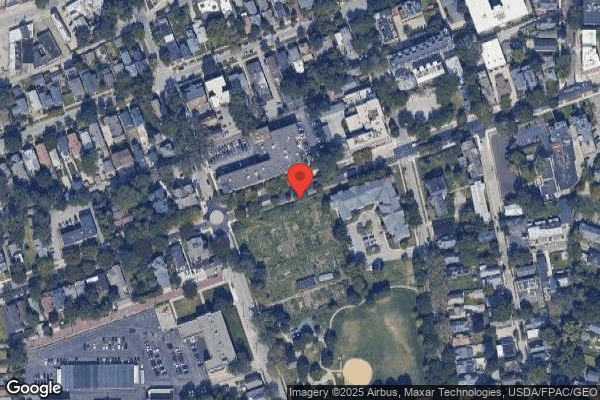
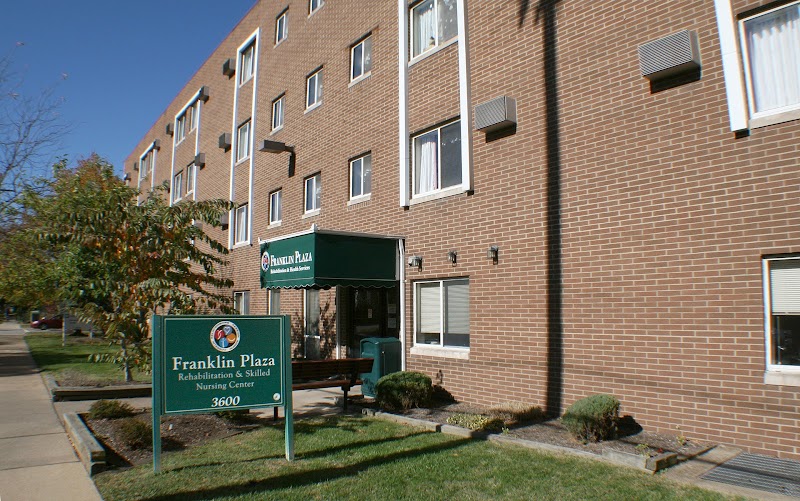
3600 FRANKLIN BOULEVARD, CLEVELAND, OH 44113 (216) 651-1600
For profit - Corporation 178 Beds LEGACY HEALTH SERVICES Data: November 2025
Trust Grade
60/100
#463 of 913 in OH
Last Inspection: August 2022

Over 2 years since last inspection. Current conditions may differ from available data.

Overview

Franklin Plaza Extended Care has a Trust Grade of C+, which indicates it is slightly above average but not exceptional. It ranks #463 out of 913 facilities in Ohio, placing it in the bottom half of nursing homes statewide, and #44 out of 92 in Cuyahoga County, meaning only a few local options perform better. The facility's trend is worsening, with the number of issues increasing from 6 in 2024 to 9 in 2025. Staffing is a concern, rated at 2 out of 5 stars, with a turnover rate of 49%, which aligns with the state average but indicates instability in care staff. While the facility has no fines, which is a positive aspect, there are several concerning incidents. For example, the kitchen was not maintained in a sanitary manner, revealing undated food items and a dirty oven. Additionally, garbage was not properly managed outside, creating an unsanitary environment. These weaknesses highlight the need for improvement in hygiene and cleanliness to ensure residents' safety and well-being.

Trust Score
C+
60/100
In Ohio
#463/913
Top 50%
Safety Record
Low Risk
No red flags
Inspections
Getting Worse
6 → 9 violations
Staff Stability
⚠ Watch
49% turnover. Above average. Higher turnover means staff may not know residents' routines.
Penalties
✓ Good
No fines on record. Clean compliance history, better than most Ohio facilities.
Skilled Nurses
○ Average
Each resident gets 35 minutes of Registered Nurse (RN) attention daily — about average for Ohio. RNs are the most trained staff who monitor for health changes.
Violations
⚠ Watch
31 deficiencies on record. Higher than average. Multiple issues found across inspections.
★★★☆☆
3.0
Overall Rating
★★☆☆☆
2.0
Staff Levels
★★★★★
5.0
Care Quality
★★☆☆☆
2.0
Inspection Score
Stable
2024: 6 issues
2025: 9 issues

The Good

  • 5-Star Quality Measures · Strong clinical quality outcomes
  • Full Sprinkler Coverage · Fire safety systems throughout facility
  • No fines on record

Facility shows strength in quality measures, fire safety.

The Bad

3-Star Overall Rating

Near Ohio average (3.2)

Meets federal standards, typical of most facilities

Staff Turnover: 49%

Near Ohio avg (46%)

Higher turnover may affect care consistency

Chain: LEGACY HEALTH SERVICES

Part of a multi-facility chain

Ask about local staffing decisions and management

The Ugly 31 deficiencies on record

Sept 2025 5 deficiencies
CONCERN (D) 📢 Someone Reported This

A family member, employee, or ombudsman was alarmed enough to file a formal complaint

Potential for Harm - no one hurt, but risky conditions existed

Incontinence Care (Tag F0690)

Could have caused harm · This affected 1 resident

**NOTE- TERMS IN BRACKETS HAVE BEEN EDITED TO PROTECT CONFIDENTIALITY** Based on observation, interview, record review, time punch review and review of the facility policy, the facility failed to ensu...

Read full inspector narrative →
**NOTE- TERMS IN BRACKETS HAVE BEEN EDITED TO PROTECT CONFIDENTIALITY** Based on observation, interview, record review, time punch review and review of the facility policy, the facility failed to ensure timely incontinence care was provided. This affected one (Resident #156) out of two residents reviewed for incontinence care. This had the potential to affect 63 (Residents #1, #2, #3, #6, #9, #13, #22, #26, #30, #31, #36, #37, #39, #44, #50, #53, #55, #57, #58, #59, #60, #67, #70, #73, #78, #81, #89, #91, #92, #97, #99, #100, #103, #105, #114, #117, #125, #126, #128, #131, #133, #134, #135, #138, #140, #143, #144, #145, #150, #154, #155, #156, #157, #158, #160, #161, #162, #165, #167, #168, #170, #171, and #174) identified by the facility as incontinent. The facility census was 163. Findings include: Review of the medical record for Resident #156 revealed an admission date of 09/09/22 with diagnoses including congestive heart failure, diabetes, dementia, and adult failure to thrive. Review of the care plan dated 09/26/22 revealed Resident #156 had an activities of daily living self-care mobility and performance deficit related to impaired physical mobility, weakness, and cognitive deficit. Interventions included staff was to provide total assistance with toileting hygiene, and she required assistance with bed mobility. Review of the care plan dated 09/26/22 revealed Resident #156 had bladder incontinence related to dementia, impaired mobility, and diabetes. Interventions included check for wetness before and after meals, at night and on rounds during the night, monitor for signs of urinary tract infection, and note any changes in urine including amount, frequency and odor. Review of the annual Minimum Data Set (MDS) 3.0 assessment dated [DATE] revealed Resident #156 had impaired cognition. She was dependent on staff for toileting hygiene, personal hygiene, rolling left and right and transfers. She was always incontinent with bowel and bladder. Review of the time punch report dated 08/25/25 revealed Certified Nursing Assistant (CNA) #746 had punched in on 08/25/25 at 7:00 A.M. Observation on 08/25/25 at 10:04 A.M. revealed upon entrance into Resident #156's room a strong foul urine smell was identified, and Resident #156 was lying in bed positioned on her side towards the wall partially uncovered. Resident #156's gown was noted to have yellow-brownish stains from her left hip region all the way up under her shoulder/back region. Attempts interview Resident #156 were unsuccessful due to cognitive impairment. Interview on 08/25/25 at 10:09 A.M. with Registered Nurse (RN) #674 verified the yellow-brownish stains on Resident #156 were from dried urine. She revealed Resident #156 had not been changed for a while to have dried urine stains from her buttocks to her shoulder region. Interview on 08/25/25 at 10:10 A.M. with CNA #746 revealed she was assigned to Resident #156 and was called into the facility to work as it was her day off. She revealed she thought she had punched-in around 8:00 A.M. but was unsure of exact time. She was unsure when the last time Resident #156 was changed, but she had not changed her since her arrival at the facility. She revealed she was unsure who was assigned to Resident #156 prior to her as she did not receive report of when the last time Resident #156 was changed. Observation on 08/25/25 at 10:14 A.M. of incontinence care for Resident #156 completed by CNA #746 revealed Resident #156 had dried yellow-brownish discolorations to her gown from her buttocks to her shoulder as well as a large yellow-brownish ring to her washable under pad that was laying underneath her, and her incontinence brief was moderately saturated in urine. CNA #746 verified the above findings and revealed Resident #156 appeared to have urinated several times since the last time she was changed. Interview on 08/25/25 at 2:32 P.M. with the Director of Nursing (DON) revealed CNA #746 was assigned to Resident #156 on 08/25/25 at 7:00 A.M. and that was what her time clock punch revealed. She revealed she was unsure why CNA #746 stated she had not started work until 8:00 A.M. She verified CNA #746 should have provided incontinence care prior to 10:14 A.M., and Resident #156 should not have had dried yellow-brown urine stains if timely incontinence care was provided. Review of the facility policy labeled, Incontinence Care, dated 01/06/25, revealed the purpose of the policy was to keep the resident's skin clean, dry, free of irritation, and odor, identify skin problems as soon as possible, prevent skin breakdown, and prevent infection. The policy did not identify frequency incontinence care was to be completed. This deficiency represents non-compliance investigated under Complaint Number 2588569.
CONCERN (D) 📢 Someone Reported This

A family member, employee, or ombudsman was alarmed enough to file a formal complaint

Potential for Harm - no one hurt, but risky conditions existed

Deficiency F0745 (Tag F0745)

Could have caused harm · This affected 1 resident

**NOTE- TERMS IN BRACKETS HAVE BEEN EDITED TO PROTECT CONFIDENTIALITY** Based on record review, interviews and job description review, the facility failed to provide medically related social services ...

Read full inspector narrative →
**NOTE- TERMS IN BRACKETS HAVE BEEN EDITED TO PROTECT CONFIDENTIALITY** Based on record review, interviews and job description review, the facility failed to provide medically related social services to attain or maintain the highest practicable physical, mental and psychosocial well-being for Resident #26. This affected one (Resident #26) of two residents investigated for medically related social services. The facility census was 163. Findings include:Review of the medical record for Resident #26 revealed he was admitted on [DATE] with diagnoses of schizoaffective disorder, alcohol dependence with alcohol-induced persisting dementia, alcohol dependence with alcohol-induced persisting amnestic disorder, bipolar disorder, delusional disorders, paranoid personality disorder, hearing loss, legal blindness. Pertinent orders for August 2025 in the medical record included Risperdal Oral Tablet 0.5 milligrams (mg) (Risperidone) give 0.5 mg (antipsychotic) by mouth two times a day for schizophrenia, Advanced Directives: Do Not Hospitalize, no percutaneous endoscopic gastrostomy (PEG) tube per legal guardian, Aricept tablet 10 mg (Donepezil HCl) ((medication to treat dementia) give one tablet by mouth one time a day for dementia. Review of the care plan for Resident #26 dated 01/24/17 revealed Resident #26 displayed impaired cognitive function/impaired thought processes due to dementia and impaired decision making. Review of the Minimum Data Set (MDS) 3.0 assessment for Resident #26 dated 07/17/25 revealed a Brief Interview for Mental Status (BIMS) score of 00, indicating severe cognitive impairment. The MDS also revealed Resident #26 was dependent on staff for all activities of daily living (ADL) and required substantial/maximum assistance with mobility. Observation of Resident #26 on 08/26/2025 at 10:53 A.M. revealed his pleasant confusion and inability to participate in meaningful conversation. He was an unreliable historian during an attempted interview at this time. He did not make eye contact and was unable to follow simple directions during the attempted interview. On 08/26/25 at 11:00 A.M., a phone call was placed in an attempt to contact the primary contact person listed on Resident #26's face sheet for representative interview, an employee at Adult Protective Services (APS). The unnamed person who answered the phone stated that the primary contact listed on Resident #26's face sheet no longer worked at APS. A call was then placed to the APS hotline to confirm; spoke with a representative who confirmed resident #26's primary contact no longer worked for APS, and they had no active case for Resident #26 since a legal guardian was appointed in March 2023. A call was then placed to the Cuyahoga County Probate Court for additional information and confirmed Resident #26's legal guardian resigned, and the Probate Judge confirmed the resignation in July 2024. These court documents were uploaded into Resident #26's medical record. Interview with Social Worker #788 on 08/26/2025 at 2:40 P.M. revealed multiple people were responsible for making sure the medical record was correct. Social Worker #788 went on to say when she received updated information, she updated the record. She further confirmed that no one was responsible for Resident #26. She stated several people dropped ball regarding Resident #26. She was unaware who staff called for changes in Resident #26's condition, who authorized his money to be spent, or who represented him at his annual Medicaid redetermination. She also confirmed incorrect and outdated emergency contact information on Resident #26's face sheet and confirmed Resident #26's medical record contained direction for staff to refer to the legal guardian for direction about hospitalization and other medical interventions. An additional interview with Social Worker #788 on 08/26/2025 at 4:09 P.M. revealed the former business office manager uploaded documents to the medical record when the guardian resigned. Review of Social Worker #788's job description revealed the Social Worker is required to ensure medically related social services are provided to maintain or improve each resident's ability to control everyday mental and psychosocial needs (e.g., sense of identity, coping abilities, and sense of meaningfulness or purpose). The job description also stated the Social Worker is responsible to address the residents' need for legal services and to refer residents/families to appropriate social service agencies when the facility does not provide the services or needs of the resident. This deficiency represents noncompliance investigated under Complaint Number 2588569.
CONCERN (E) 📢 Someone Reported This

A family member, employee, or ombudsman was alarmed enough to file a formal complaint

Potential for Harm - no one hurt, but risky conditions existed

Safe Environment (Tag F0584)

Could have caused harm · This affected multiple residents

**NOTE- TERMS IN BRACKETS HAVE BEEN EDITED TO PROTECT CONFIDENTIALITY** Based on record review, observation, interview and facility policy review, the facility failed to ensure a safe, clean, comforta...

Read full inspector narrative →
**NOTE- TERMS IN BRACKETS HAVE BEEN EDITED TO PROTECT CONFIDENTIALITY** Based on record review, observation, interview and facility policy review, the facility failed to ensure a safe, clean, comfortable and homelike environment for six (Residents #18, #146, #130, #65, #87 and #102) of 12 residents reviewed for environment. This had the potential to affect all residents residing in the facility. The facility census was 163. Findings include:1. 1. review of the medical record revealed Resident #130 was admitted to the facility on [DATE] with diagnoses including type II diabetes, injury of head, major depressive disorder, long term use of hypoglycemic, long-term use of inhaled steroids, hypertension, sciatica, adult failure to thrive, chronic pain, lack of coordination, history of falling, and reduced mobility. Review of the Minimum Data Set (MDS) 3.0 quarterly assessment dated [DATE] revealed Resident #130's cognition was intact with a Brief Interview for Mental Status (BIMS) score of 15 out of 15. Resident #130 did not reject care or hallucinate or display delusional behaviors. Resident #130 was independent for toileting hygiene, independent to transfer to the toilet and to walk ten feet. Resident #130 was occasionally incontinent of urine and always continent of bowel. Observation on 08/28/25 at 10:40 A.M. revealed the door of the shared bathroom with Resident #18 revealed a sign posted on the bathroom door indicating that the toilet was out of order and directed Resident #130 to use the shower room toilet. Inside Resident #130's bathroom the toilet was nonfunctional and covered with a plastic sheet. Behind the toilet the wall exhibited visible damage of ceramic tiles that were displaced and protruded from the wall and floor that created an uneven edge. Interview on 08/28/25 at 10:45 A.M. with the Administrator verified the toilet was backed up and unsafe to use. The Administrator stated Resident #130 was not to use the common area bathroom that was two doors down from her room because there was no call light in the bathroom; therefore, it was unsafe for Resident #130 to use. Resident #130 was provided with a bedside commode and was to use the shower room. Observation on 08/28/25 at 10:50 A.M. revealed the common area was located two doors away from Resident #130's room. The common area had a restroom located in the room, the door was locked and had a sign posted on the door that read Visitors Restroom Only. The word visitors was circled multiple times, emphasizing restricted access for non-visitors. Housekeeping Supervisor #642 retrieved a key from the nurse's station to unlock the door and provide access to the common area restroom. The restroom was observed to be clean and orderly. A functional call light was positioned adjacent to the toilet; the call light was intact and available for use. At the nurse's station, the Administrator and Maintenance Director #772 confirmed that the call light within the restroom successfully rang, indicating the system was operable and able to alert staff when assistance was needed. Interview on 08/28/25 at 10:53 A.M. with Resident #130 revealed she could not use the bathroom in her room for the past two months. She stated sometimes she was incontinent and could not make it to the shower room. Resident #130 stated she felt this was inhumane and stated she asked to use the common area bathroom but was told it was for visitors only. Resident #130 stated she liked her room location and did not want to move. Resident #130 also stated she could not use the toilet shower because she did not know the code for using the room. On 08/28/25 at 11:00 A.M. the Administrator verified residents did not know the code for the shower room, and only staff had access to the shower room code. Observation on 08/28/25 at 11:08 A.M. of the 400-unit shower room revealed the shower room was situated approximately 20 steps from Resident #130's room. Upon entering the shower room, the toilet was non-functional due to a blockage. Fecal matter was within the toilet preventing flushing. Maintenance Director #772 confirmed the toilet was plugged and was not working until repairs were completed. Interview with the Administrator on 08/28/25 at 3:40 P.M. revealed the facility was aware of the sinking toilet in Resident #130's room, but the plumber was on vacation. 2. Review of the medical record revealed Resident #18 was admitted to the facility on [DATE] with diagnoses including type II diabetes, pressure ulcer of right buttocks, hypertensive chronic kidney disease, atrial fibrillation, spinal stenosis, Cauda Equina, schizoaffective disorder, cerebral infarction, and anxiety disorder. Review of the MDS 3.0 admission assessment dated [DATE] revealed Resident #18's cognition was intact (BIMS 15/15). Resident #18 did not exhibit hallucinations or delusions and did not reject care. Resident #18 needed maximum assistance for toilet transfers and did not attempt to walk ten feet. Observation on 08/28/25 at 10:45 A.M. revealed a sign on Resident #18's bathroom door that stated, Out of Order use Shower Room. The Administrator verified Resident #18's toilet was shared with Resident #130 and was backed up, and the tiles behind the toilet were coming up that made the toilet unsafe to use. 3. Review of the medical record revealed Resident #146 was admitted to the facility on [DATE] with diagnoses including schizoaffective disorder, hypothyroidism, anemia, hypertension, gastro esophageal reflux, glaucoma, cataract, and hearing loss. Review of the MDS 3.0 annual assessment dated [DATE] revealed resident #146's cognition was intact (BIMS 13/15). Resident #146 did not display hallucinations or delusions and did not reject care. Resident #146 needed supervision for toilet transfers. Interview on 08/28/25 at 8:58 A.M. with Resident #146 revealed she was upset because the last two days her toilet was not working and did not flush. She stated she had to use the toilet in the shower room and had to wait for staff to let her in because she did not know the code for the shower room. Observation on 08/28/25 at 9:00 A.M. revealed Licensed Practical Nurse (LPN) #618 attempted to flush Resident #146's toilet, but it would not flush. LPN #618 stated she would let maintenance know. Interview on 08/28/25 at 10:31 A.M. with Resident #146 revealed she was concerned because her toilet did not flush in her room when she held the lever down. Observation on 08/28/25 at 10:32 A.M. with the Maintenance Director #772 verified the toilet did not flush. Maintenance Director #772 stated Resident #146's toilet was shut off, and she needed to use the toilet in the shower room. 4. Review of the medical record for Resident #87 revealed an admission date of 12/09/24 with diagnoses including diabetes, schizoaffective disorder, and diarrhea. Review of the quarterly MDS 3.0 assessment dated [DATE] revealed Resident #87 had cognitive impairment and required supervision with toileting hygiene and was independent with transfers. He was occasionally incontinent of urine and bowel. Review of the care plan dated 12/20/24 revealed Resident #87 had activities of daily living self-care performance deficit related to impaired mobility, anxiety, and major depression. Interventions included Resident #87 transferred independently including toilet transfers, and staff was to provide supervision or touching assistance with toileting hygiene. Interview on 08/25/25 at 9:58 A.M. with Resident #87 verified there was bowel movement in his toilet as he revealed his toilet was not working. He was unable to flush it, and this had been an issue since he was admitted . He revealed he was upset because he did not have a working toilet to use as he did not know what to do. Review of the medical record for Resident #102 revealed an admission date of 05/28/21 with diagnoses including congestive heart failure, anxiety, dementia, and schizoaffective disorder. Review of the care plan dated 06/08/21 revealed Resident #102 had an activity of daily living self-care deficit related to dementia and weakness. Interventions included supervision or touching assistance with toilet transfer and toileting hygiene. Review of the quarterly MDS assessment dated [DATE] revealed Resident #102 had impaired cognition. He required supervision with toileting hygiene and transfers. He was occasionally incontinent with urine but always continent of bowel. Attempted interview on 08/25/25 at 9:56 A.M. with Resident #102, but he was unable to participate due to cognitive ability. Review of the medical record for Resident #65 revealed an admission date of 10/21/13 with diagnoses including paranoid schizophrenia, Alzheimer's disease, and constipation. Review of the care plan dated 06/08/21 revealed Resident #65 had an activity of daily living self-care deficit related to dementia and weakness. Interventions included supervision or touching assistance with toilet transfer and toileting hygiene. Review of the quarterly MDS assessment dated [DATE] revealed Resident #65 had impaired cognition. He required supervision with toileting hygiene and transfers. He was always continent of urine and bowel. Attempted interview on 08/25/25 at 10:02 A.M. with Resident #65, but he was unable to participate due to cognitive ability. Observation on 08/25/25 at 9:58 A.M. in the bathroom shared by Residents #65, #87, and #102 revealed in the toilet was a moderate amount of bowel movement. Interview on 08/25/25 at 10:00 A.M. with Registered Nurse (RN) #674 verified the toilet was unable to flush, and she would notify maintenance. She verified Residents #65, #87, and #102 utilized the toilet. Interview and observation with the Administrator and Maintenance Director #772 on 08/28/25 at 10:09 A.M. verified there was bowel movement in the toilet in Residents #65, #87, and #102's bathroom. Maintenance Director #772 attempted to flush the toilet, and the toilet would not flush. Maintenance Director #772 revealed he was not aware the toilet was not working. He revealed he needed to schedule to shut off the water on non-dialysis days. Review of the facility policy labeled, Resident Rights and Facility Responsibilities, dated 01/06/25, revealed the rights of residents of a home shall include the right to safe and clean-living environment which included lightly, sound, closet space, clean bed and lines and general maintenance of sanitary interior. This deficiency represents non-compliance investigated under Master Complaint Number 2603375 and Complaint Numbers 2589394 and 2568834.
CONCERN (E) 📢 Someone Reported This

A family member, employee, or ombudsman was alarmed enough to file a formal complaint

Potential for Harm - no one hurt, but risky conditions existed

Safe Environment (Tag F0921)

Could have caused harm · This affected multiple residents

**NOTE- TERMS IN BRACKETS HAVE BEEN EDITED TO PROTECT CONFIDENTIALITY** Based on observation, interview, record review and review of the facility policy, the facility failed to ensure a safe, function...

Read full inspector narrative →
**NOTE- TERMS IN BRACKETS HAVE BEEN EDITED TO PROTECT CONFIDENTIALITY** Based on observation, interview, record review and review of the facility policy, the facility failed to ensure a safe, functional, sanitary and comfortable environment. This affected 10 (Residents #11, #37, #53, #94, #103, #143, #144 #155, #156, and #160) out of 12 residents reviewed for environment and had the potential to affect all residents residing in the facility. The facility census was 163. Findings include:1. Review of the medical record for Resident #53 revealed an admission date of 03/30/23 with diagnoses including diabetes, anxiety, and chronic obstructive pulmonary disease (COPD). Review of the Medicare five-day Minimum Data Set (MDS) assessment dated [DATE] revealed Resident #53 had impaired cognition. Observation on 08/25/25 at 9:41 A.M. revealed Resident #53 was lying in bed and above his bed was a large circular brown stain approximately one foot (ft) by one ft. Attempts to interview Resident #53 were unsuccessful due to his cognitive ability. Interview and observation with the Administrator and Maintenance Director #772 on 08/28/25 at 10:06 A.M. verified the large circular brown stain above Resident #53's bed. Maintenance Director #772 revealed the stain was from an old water leak but he started in July 2025, and he was not aware of the stained ceiling tile. Observation on 09/02/25 at 9:28 A.M. revealed Resident #53's ceiling tile above his bed remained with a large circular brown stain. 2. Review of the medical record for Resident #94 revealed an admission date of 08/06/21 with diagnoses including schizoaffective disorder, Parkinson's disease, and dementia. Review of the quarterly MDS dated [DATE] revealed Resident #94 had impaired cognition as he was rarely or never understood. Observation on 08/25/25 at 9:43 A.M. revealed Resident #94's bathroom was missing two ceiling tiles (approximately two ft by four ft each) in the bathroom exposing a large hole in the ceiling and plumbing pipes. The ceiling tile in the center of the bathroom had a large circular brown stain approximately one ft by one ft. Attempts to interview Resident #94 were unsuccessful due to his cognitive ability. Interview on 08/25/25 at 9:44 A.M. with Certified Nursing Assistant (CNA) #767 verified there were missing ceiling tiles exposing the plumping fixtures and a stained ceiling tile in the center in Resident #94's bathroom. He revealed Resident #94's tiles were missing and/or stained for about a month. Interview and observation with the Administrator and Maintenance Director #772 on 08/28/25 at 10:06 A.M. verified the missing and stained tiles in Resident #94's bathroom. Maintenance Director #772 revealed he was not aware. Observation on 09/02/25 at 9:29 A.M. revealed Resident #94's bathroom continued to have two missing tiles exposing plumbing fixtures, and the ceiling tile in the center was stained. 3. Review of the medical record for Resident #156 revealed an admission date of 09/09/22 with diagnoses including congestive heart failure, diabetes, dementia, and adult failure to thrive. Review of the annual MDS assessment dated [DATE] revealed Resident #156 had impaired cognition. She was dependent on staff for toileting hygiene, personal hygiene, rolling left and right and transfers. She was always incontinent with bowel and bladder. Attempts to interview Resident #156 on 08/25/25 at 10:04 A.M. were unsuccessful due to cognitive impairment. Review of the medical record for Resident #103 revealed an admission date of 05/22/23 with diagnoses including dementia and diabetes. Review of the quarterly MDS assessment dated [DATE] revealed Resident #103 had impaired cognition. Observation on 08/25/25 at 10:04 A.M. revealed Residents #103 and #156's sink faucet in their room was running and unable to be turned off. Resident #156's telephone outlet cover by her bed was off and hanging with exposed wires. Resident #103 register cover by her bed was off and lying on the floor. Interview on 08/25/25 at 10:09 A.M. with Registered Nurse (RN) #674 verified the sink in Residents #103 and #156's room was moderately running and was unable to be turned off. RN #674 revealed the faucet had been constantly running and stated it had been like that for a while. She also verified the telephone outlet cover by Resident #156's bed was off with exposed wires, and the register cover by Resident #103's bed was off and on the floor. Observation on 08/25/25 at 10:14 A.M. of incontinence care for Resident #156 completed by CNA #746 revealed during the incontinence care she removed Resident #156's gown that had yellow-brown urine stains and put it on the floor. She then washed Resident #156 with a towel and put the towel on the floor. She then proceeded to rinse and dry Resident #156 and put both towels on the floor. She then removed the washable under pad that also had a yellow-brown urine stain and placed on the floor. After CNA #746 placed the items on the floor she revealed I know not supposed to throw on the floor, but I do not have a bag. She then proceeded to dry Resident #156 with a towel and put the towel on the floor. After applying a new incontinence brief, new washable under pad, gown, and sheet, she took a plastic bag out of her pocket and picked up the dirty towels, gown, sheet, washable under pad that she had placed on the floor and placed them in the bag. Interview on 08/25/25 at 10:22 A.M. with CNA #746 verified she should not have put the dirty linens on the floor. Interview on 08/25/25 at 2:32 P.M. with the Director of Nursing (DON) verified dirty linen should not be placed on the floor as this was an infection control issue. Observation on 08/26/25 at 8:35 A.M., 08/26/25 at 1:31 P.M., 08/27/25 at 12:21 P.M., revealed the faucet in Resident #103 and #156's room was still running with a constant moderate flow and was unable to be shut off. Interview and observation with the Administrator and Maintenance Director #772 on 08/28/25 at 10:11 A.M. verified the faucet continued to run and was unable to be shut off. They also verified the telephone outlet cover by Resident #156's bed remained off with exposed wires. Maintenance Director #772 revealed he was not aware. 4. Review of the medical record for Resident #37 revealed an admission date of 04/14/14 with diagnoses including schizoaffective disorder, dementia, and chronic kidney disease. Review of the quarterly MDS assessment dated [DATE] revealed Resident #37 had impaired cognition. She required partial to moderate staff assistance with toileting hygiene and was frequently incontinent if urine. Attempted interview on 08/25/25 at 10:36 A.M. with Resident #37 was unsuccessful due to cognitive impairment. Observation on 08/25/25 at 10:36 A.M. revealed a strong pervasive urine odor in the hallway next to Residents #37 and #144's room. Observation revealed inside the bathroom of Residents #37 and #144's room was two disposable incontinent products lying on the floor next to the toilet. Observation and interview on 08/25/25 at 10:37 A.M. with CNA #746 revealed she walked into Resident #37 and #144's room and stated, wow and oh, that is strong as she took out of her pocket a spray scent deodorizer to cover up the pervasive smell. She verified there were two soiled incontinent briefs lying on the floor next to the toilet. She donned gloves to pick up the briefs and as she picked up the briefs she jumped back as several gnats flew out of the briefs. CNA #746 stated the incontinence briefs had to be lying on the floor a long time to have that many gnats on them. She revealed she believed the briefs belonged to Resident #37. 5. Review of medical record for Resident #143 revealed an admission date of 02/16/13 with diagnoses including dementia, schizoaffective disorder, and aphasia following cerebrovascular disease. Review of the quarterly MDS dated [DATE] revealed Resident #143 had impaired cognition as he was rarely or never understood. Observation on 08/25/25 at 11:20 A.M. revealed Resident #143 was missing two ceiling tiles (approximately two ft by four ft each) in the bathroom exposing a large hole in the ceiling and plumbing pipes. Attempted interview with Resident #143 was unsuccessful due to cognitive impairment. Interview and observation with the Administrator and Maintenance Director #772 on 08/28/25 at 10:17 A.M. verified Resident #143's bathroom was missing two ceiling tiles exposing a large hole in the ceiling and plumbing pipes. Maintenance Director #772 revealed he was not aware. Observation on 09/02/25 at 9:43 A.M. revealed Resident #143's bathroom continued to be missing two ceiling tiles. 6. Review of the medical record revealed Resident #11 was admitted to the facility on [DATE] with diagnoses including hypertension, chronic kidney disease, congestive heart failure, type two diabetes, chronic pulmonary disease, anemia, depression and lymphedema. Review of the quarterly MDS assessment dated [DATE] revealed Resident #11's cognition was intact. Resident #11 had no hallucinations or delusions, and rejection of care was not exhibited. Observation on 08/28/25 at 10:42 A.M. of Resident #11's room revealed a plastic baseboard that led towards Resident #11's bathroom had a section peeled away from the wall that protruded outward. Maintenance Director #772 verified the baseboard needed repaired at the time of the observation. 7. review of the medical record revealed Resident #155 was admitted to the facility on [DATE] with diagnoses including respiratory failure, type two diabetes, colostomy, chronic obstructive pulmonary disease, congestive heart failure, atherosclerotic heart disease, pulmonary hypertension, myocardial infarction, adjustment disorder, and dependence on oxygen. Review of the physician order dated 06/14/25 revealed Resident #155 was to have oxygen at three liters per minute via nasal cannula. Review of the quarterly MDS assessment dated [DATE] revealed Resident #155's cognition was intact. Resident #155 did not display hallucinations or delusions but had rejected care one to three days during the seven-day look back period. Observation on 08/28/25 at 10:35 A.M. of Resident #155's room revealed three empty oxygen tanks in the room. Housekeeping Supervisor #642 verified the three empty oxygen tanks in the room and stated nurse's aides were to take the oxygen tanks out of resident's rooms. 8. Review of the medical record revealed Resident #160 was admitted to the facility on [DATE] with diagnoses including fibromyalgia, multiple sclerosis, hyperlipidemia, neuromuscular dysfunction of bladder, hypothyroid, anxiety, borderline personality disorder, overactive bladder, difficulty walking, and lack of coordination. Review of the quarterly MDS assessment dated [DATE] revealed Resident #160's cognition was intact. Resident #160 did not exhibit hallucinations or delusions and did not reject care. Observation on 08/28/25 at 10:42 A.M. revealed Resident #160's door had a large circular area of chipped paint on its front surface. Maintenance Director #772 verified that the chipped region measured five by five (inches) and confirmed that the paint chip could be peeled off the door. 9. Observation on 08/28/25 at 10:20 A.M. revealed on floor tile block on the 200-hall by the receptionist desk had a loose tile that moved back and forth when stepped on. The Administrator verified the loose tile and stated the tile was loose due to the shifting of the building. 10. Observation on 08/08/25 at 10:25 P.M. of the Two [NAME] shower rooms revealed dark mildew on the shower's right wall and floor and four ceiling tiles exhibiting a blackish substance. The shower on the left side had rust like stains at the corners where the walls met. Maintenance Director #772 verified these findings and stated that the showers needed recaulking. Review of the undated facility document titled Room Inspection Checklist revealed housekeeping was to keep bathroom floors free of debris check all crevices, scrub and clean for mold and mildew, scrub and clean toilets and put in maintenance work-orders for wall patch paint any scuffs, chips, holes or damage. Review of the facility policy labeled, Resident Rights and Facility Responsibilities, dated 01/06/25, revealed the rights of residents of a home shall include the right to safe and clean-living environment which included lightly, sound, closet space, clean bed and lines and general maintenance of sanitary interior. Review of the facility policy labeled, Incontinence Care, dated 01/06/25, revealed to dispose of soiled linen appropriately but did not have anything in the policy not to place soiled linen on the floor. This deficiency represents non-compliance investigated under Master Complaint Number 2603375 and Complaint Numbers 2589394, 2568834 and 2560412.
CONCERN (F) 📢 Someone Reported This

A family member, employee, or ombudsman was alarmed enough to file a formal complaint

Potential for Harm - no one hurt, but risky conditions existed

Food Safety (Tag F0812)

Could have caused harm · This affected most or all residents

Based on observation, staff interview and facility policy review, the facility failed to maintain the kitchen area in a clean and sanitary manner and failed to ensure foods were labeled and dated prop...

Read full inspector narrative →
Based on observation, staff interview and facility policy review, the facility failed to maintain the kitchen area in a clean and sanitary manner and failed to ensure foods were labeled and dated properly. This had the potential to affect all but four (Residents #3, #158, #99 and #153) identified by the facility who received nothing by mouth and did not receive food from the kitchen. The facility census was 163. Findings include:Tour of the facility kitchen area on 08/25/25 between 8:28 A.M. and 9:00 A.M. with Dietary Manager (DM) #713 revealed the following undated containers of the following in the walk-in cooler including: Four cups of milk 12 bowls of chocolate pudding Nine cups of prune juice 28 bowls of Jell-O Two chocolate pies in original packaging with broken seals A brown, crusty substance stuck on the outside of nine cups and 12 bowls in the walk-in cooler. A large amount of greasy food residue on the left outside wall of an oven. DM #713 was unable to say when that oven was last cleaned. Black spotted substance on right inside wall of ice bin; DM #713 stated it appears to be mold. All of the above findings were confirmed by the Dietary Manager #713 upon discovery during the initial kitchen tour on 08/25/25. Review of the undated policy entitled Food Preparation and Storage revealed food items will be prepared to conserve maximum nutritive value, develop and enhance flavor and keep free of harmful organisms and substances. The policy also stated foods will be received, checked and stored properly as soon as they are delivered and food in broken packages or swollen or dented cans, cans with a compromised seal, or food with an abnormal appearance or odor will not be served. This deficiency represents noncompliance investigated under Complaint Number 2560412.
Jul 2025 4 deficiencies
CONCERN (D) 📢 Someone Reported This

A family member, employee, or ombudsman was alarmed enough to file a formal complaint

Potential for Harm - no one hurt, but risky conditions existed

Deficiency F0804 (Tag F0804)

Could have caused harm · This affected 1 resident

Based on observation, interview, and record review, the facility failed to ensure palatable meals were served to the residents. This affected two residents (#112 and #129) out of three residents revie...

Read full inspector narrative →
Based on observation, interview, and record review, the facility failed to ensure palatable meals were served to the residents. This affected two residents (#112 and #129) out of three residents reviewed for food/nutrition. The facility census was 162.Findings include: 1.Review of the medical record for Resident #112 revealed an admission date of 03/04/25. Diagnoses included type two diabetes mellitus, injury of head, hypertension (high blood pressure), and adult failure to thrive. Review of physician orders revealed an order dated 03/10/25 for CCD (carbohydrate controlled diet), regular Texture, thin liquids. Review of quarterly Minimum Data Set (MDS) 3.0 assessment, dated 06/11/25, revealed Resident #112 was cognitively intact, had no significant weight changes, and was prescribed a therapeutic diet. Review of Resident #112's care plan, dated 03/10/25, revealed the resident had altered nutritional status related to diabetes mellitus and hypertension. Interventions included diet per physician order.Further review of Resident #112's medical record revealed a progress note dated 04/04/25 where it was noted Resident #112 was complaining about the amount of salt in the food coming from the kitchen. An interview on 06/30/25 at 10:08 A.M. with Resident #112 revealed she stated the food was so salty and it lacked appeal due to how much salt was in the food. 2. Review of the medical record for Resident #129 revealed an admission date of 02/21/25. Diagnoses included end stage renal disease (ESRD), hypertensive heart and chronic kidney disease with heart failure, congestive heart failure, dependence on renal disease, localized edema, and personal history of sudden cardiac arrest. Review of Resident #129's physician orders revealed an order dated 03/11/25 for a renal diet, regular texture, thin liquids. Review of the quarterly MDS 3.0 assessment, dated 06/06/25, revealed Resident #129 was moderately impaired cognitively, required setup or clean up assistance for eating, had no significant weight changes, and was on a therapeutic diet. Review of the care plan, dated 02/27/25, revealed Resident #129 had altered nutrition as evidenced by ESRD and needing hemodialysis, heart disease, and fluctuating weights. Interventions included diet per dietitian recommendation and physician order; encourage adequate meal intakes; monitor and record resident's intake of foods/fluids after each meal; monitor post-dialysis weights monthly or as needed; report weight loss/gain or more to the physician and dietitian; and visit at meal rounds. In an interview with Resident #129's spouse on 06/30/25 at 11:54 A.M. revealed Resident #129 had expressed to him that the food was too salty and she was concerned about it being too salty. 3. Review of week three day 16 (07/07/25) of the facility's menu revealed for lunch herb roasted pork, candied sweet potatoes, and buttered cabbage was to be served. Review of the recipe for buttered cabbage for 161 servings, revealed after the cabbage was cooked in water until fork tender, the cabbage was to be drained and one pound and ten ounces of margarine and one tablespoon and one fourth teaspoon salt if iodized was to be added to the cooked cabbage. There was no indication seasoned salt should have been added in addition to the iodized salt. Review of recipe for herb roasted pork loin for 161 servings revealed in a bowl three fourths of a cup of mince garlic, three fourths of a cup of basil leaves, six tablespoons and one teaspoon of dried thyme, three fourths of a cup of crushed rosemary, six tablespoons and one teaspoon of salt, and six tablespoons and one teaspoon of black pepper was to be mixed into one quart and one cup of vegetable oil. The marinade was to be rubbed over the entire surface of the pork loins and then roasted until the internal temperature reached 145 degrees F for four minutes and then sliced into serving portion. There was no indication brown gravy should have been added to the herb pork loin. Observation on 07/07/25 between 11:22 A.M. and 12:58 A.M. revealed on the steam table there was a large container of pork loin with gravy on it, candied sweet potatoes, and buttered cabbage, and there were smaller containers of ground pork with gravy, pureed pork, pureed candied sweet potatoes, and pureed cabbage. There was one five pound container of seasoned salt sitting on the stainless counter to the side of the steam table. Interview on 07/07/25 with Dietary [NAME] #412 during tray line observation between 11:22 A.M. to 12:58 A.M. revealed she had made the items for the lunch meal. She stated she had added seasoned salt and brown gravy to the pork loin, had added brown sugar, cinnamon, butter, garlic powder, onion powder, seasoned salt, and black pepper to the sweet potatoes, and had added seasoned salt, garlic powder, onion powder, iodized salt, and butter to the cabbage. She stated she usually added either seasoned salt or iodized salt or both to the food items so the items would have a taste. She stated she hadn't followed any recipes for items for lunch that day since she knew how to make those items. Dietary [NAME] #412 stated recipes for meals items were located in the Cook's book. Observation on 07/07/25 at 12:56 P.M. of the binder labeled Cook's Book located on the window sill to the left of the steam table revealed there were no recipes in the binder. Interview at the time of observation with Dietary Manager (DM) #487 confirmed there were no recipes in the binder. She stated she usually put the recipes in the binder weekly, but she hadn't put any recipes in the binder for that week. Observation on 07/07/25 at 12:50 P.M. revealed the last food cart was being loaded with resident meal trays and a test tray was requested for that cart. At 12:57 P.M. a test tray was plated and left the kitchen at 12:58 P.M. At 1:00 P.M. the food cart was delivered to the two East unit and by 1:07 P.M. the last tray had been served. DM#487 at 1:08 P.M. took the test tray out of the covered food cart and took the test tray to the counter at the nurse's station. Using a facility thermometer DM #487 took the temperature of the food items. The pork loin was tender, tasted warm but tasted heavily salted to the point the salt flavor was the prominent flavor. The pork loin was served with brown gravy on it and was 121 degrees Fahrenheit (F). The candied sweet potatoes had a nice sweet flavor and tasted warm. The candied sweet potatoes were 161 degrees F. The cabbage tasted warm but also tasted heavily salted. The cabbage was 156 degrees F. After DM #487 had taken the temperature of all the test tray items, she then tasted the pork loin, cabbage, and candied sweet potatoes. DM487 # confirmed both the pork loin and cabbage were salty and gravy had been put on the pork loin and it should not have had gravy. An interview on 07/08/25 at 3:15 P.M. with Dietitian #457 confirmed recipes should have been followed as written and no extra seasonings should be added if it was not on the recipe. Review of the facility's undated policy Menu and Guidelines revealed there was nothing in the policy regarding following recipes as written. This deficiency represents non-compliance investigated under Complaint Number OH000165404.
CONCERN (D) 📢 Someone Reported This

A family member, employee, or ombudsman was alarmed enough to file a formal complaint

Potential for Harm - no one hurt, but risky conditions existed

Infection Control (Tag F0880)

Could have caused harm · This affected 1 resident

**NOTE- TERMS IN BRACKETS HAVE BEEN EDITED TO PROTECT CONFIDENTIALITY** Based on observation, interview and record review the facility failed to ensure appropriate infection control techniques were us...

Read full inspector narrative →
**NOTE- TERMS IN BRACKETS HAVE BEEN EDITED TO PROTECT CONFIDENTIALITY** Based on observation, interview and record review the facility failed to ensure appropriate infection control techniques were used for residents on enhanced barrier precautions. This affected two residents (#14 and #147) of two observed for infection control precautions. The facility census was 162.Findings include:1. Review of Resident #14's medical records revealed an admission date of 06/09/22. Diagnoses included cerebral palsy, tracheostomy and gastrostomy.Review of the Minimum Data Set (MDS) 3.0 assessment dated [DATE] revealed Resident #14 had no cognition score due to being rarely understood. Resident #14 was dependent for eating, toileting and personal hygiene. Review of the care plan dated 05/20/25 revealed Resident #14 required Enhanced Barrier Precautions (EBP) related to feeding tube and tracheostomy. Interventions included utilize gown and gloves during high contact care that included care of feeding tube and/or trach.Review of current physician orders for July 2025 revealed Resident #14 was on EBP and the use of gown and gloves were required for high contact care.2. Review of Resident #147's medical records revealed an admission date of 10/16/24. Diagnoses included tracheostomy and gastrostomy.Review of the MDS 3.0 assessment dated [DATE] revealed Resident #147 had no cognition score due to being rarely understood. Resident #147 was dependent for eating, toileting and personal hygiene. Review of the care plan dated 04/26/25 revealed Resident #147 required Enhanced Barrier Precautions (EBP) related to feeding tube and tracheostomy. Interventions included utilize gown and gloves during high contact care that included care of feeding tube and/or trach.Review of current physician orders for July 2025 revealed Resident #147 was on EBP and the use of gown and gloves were required for high contact care.Observation on 07/07/25 at 5:30 A.M. revealed Licensed Practical Nurse (LPN) #343 had entered Resident #14's room and had not donned Personal Protective Equipment (PPE). LPN #343 had proceeded to administer Resident #14's tube feeding, checked tube feeding residual in Resident #14's feeding tube and had checked Resident #14's feeding tube site.Observation on 07/07/25 at 6:15 A.M. revealed LPN #343 had entered Resident #147's room and had not donned PPE. LPN #343 had proceeded to administer Resident #147's tube feeding and had checked Resident #147's tube feeding site. Interview with LPN #343 after completion of care for Resident #14 and #147 confirmed Resident #14 and #147 had signs posted outside of their room that had indicated Resident #14 and #147 were on EBP and the use of gowns and gloves were required prior to providing care. LPN #343 confirmed she had not donned PPE prior to providing care for Residents #14 and #147 and stated there was no PPE available in Resident #14 and #147's room. LPN #343 confirmed PPE was to be donned prior to providing care for residents on EBP.Review of facility policy titled Enhanced Barrier Precautions revised 01/06/25 revealed residents were to be placed on EBP for residents who had indwelling medical devices that included feeding tubes and PPE was to be donned during care that included gowns and gloves.This deficiency represents non-compliance investigated under Complaint OH00165512
CONCERN (D) 📢 Someone Reported This

A family member, employee, or ombudsman was alarmed enough to file a formal complaint

Potential for Harm - no one hurt, but risky conditions existed

Smoking Policies (Tag F0926)

Could have caused harm · This affected 1 resident

Based on observations, interviews, record reviews, and facility policy, the facility failed to ensure their smoking policy was followed for the independent smokers. This affected three independent smo...

Read full inspector narrative →
Based on observations, interviews, record reviews, and facility policy, the facility failed to ensure their smoking policy was followed for the independent smokers. This affected three independent smoking residents (#42, #98, and #104) reviewed for smoking but had the potential to affect an additional 12 residents (#12,#17, #32, #36, #65, #93, #97, #99, #128, #146, #151, #153) the facility identified as being independent smokers. The facility identified 30 residents (#5, #11, #12 ,#17, #19, #25, #32, #36, #42, #49, #51, #64, #65, #66, #71, #81, #82, #89, #93, #97, #98, #99, #100, #104, #107, #109, #128, #146, #151, #153) as being smokers. The facility census was 162. Findings include: Based on observations, interviews, record reviews, and review of facility policy, the facility failed to ensure the smoking policy was being implemented in the facility. This affected three residents (#42, #98, and #104) of three residents reviewed for smoking. The facility identified a total of 30 residents (#5, #11, #12 ,#17, #19, #25, #32, #36, #42, #49, #51, #64, #65, #66, #71, #81, #82, #89, #93, #97, #98, #99, #100, #104, #107, #109, #128, #146, #151, #153) as being smokers. The facility census was 162. Findings include:1.Reveiw of the medical for Resident #104 revealed an admission date of 06/05/25 and a discharge date of 07/03/25. Diagnoses included hypertensive and kidney disease and nicotine dependence.Review of Resident #104 06/12/25 Admission/Medicare Five Day Minimum Data Set (MDS 3.0 assessment revealed the resident cognitively intact and was identified as being a current tobacco user.Review of Resident #104's facility smoking evaluation , dated 06/25/25, revealed Resident #104 demonstrated compliance with smoking rules, knew where smoking materials were to be properly stored/kept, exhibited knowledge of facility smoking rules and policies, and was assessed to be an independent smoker. Further review of Resident #104's progress notes in the medical record revealed a progress note dated 06/25/25 and authored by Licensed Practical Nurse (LPN) Wound Nurse #413,which indicated the resident was observed with what appeared to be burn areas on face and nose. The resident refused to go to the emergency room for further evaluation but did agree to go to the burn clinic when an appointment could be made. On 06/30/25 the nurse practitioner made a late entry note progress note with an effective date of 06/25/25 which indicated nursing reported to her Resident #104's facial wounds were related to when a lighter blew up in his face. Review of Resident #104's care plan, dated 06/12/25, revealed Resident #104 had a potential problem related to tobacco use related injuries related to being a smoker. Interventions included: dispose smoking items in a sanitary and safe manner; if resident is non-compliant with smoking facility policy, review smoking facility policy and documents education; make sure that family is aware that they are not to give cigarettes and/or lighters directly to the resident but rather at the nurse's station; monitor for cognitive or physical functioning changes that may impede resident's ability to smoke; provide resident with education regarding where and how to dispose of tobacco; resident will observe facility smoking policy and smoke in designated areas; smoking evaluation upon admission and quarterly and updated prn. An interview on 06/30/25 at 11:54 A.M. with Certified Nursing Assistant (CNA) #309 revealed Resident #104 had been caught with smoking materials in his room numerous times. He had been educated by nurses and aides about not having smoking materials. His wife had also been educated since she would bring in cigarettes and lighters for the resident. Observation on 06/30/25 at 12:35 P.M. revealed Resident #104 had red scabbed area to the tip of his nose and a scabbed area under his nostrils. Clothes appeared free of any burn holes. Interview at the time of observation with Resident #104 revealed when asked what caused the scabbed areas to his nose and face, he stated he was checking his lighter in his room and the lighter got too close to his face, which caused reddened areas around his nose and for some of his facial hair around his nose to be singed off. An interview on 06/30/25 at 3:02 P.M. with the wife of Resident #104 revealed the resident had been keeping his cigarettes and lighter in his room until he had the incident with the lighter and his cigarettes and lighter were no longer being kept in the room. A interview on 07/07/25 at 2:18 P.M. with Director of Nursing confirmed Resident #104 kept a lighter in his room.Interviews on 07/07/25 between 3:36 P.M. and 3:43 P.M. with CNA #478 and #477 revealed during residents who smoke should not keep smoking materials in their room.2. Review of the medical record for Resident #98 revealed an admission date of 04/01/23. Diagnoses included polyneuropathy (a condition where the peripheral nerves are damaged which can cause weakness and numbness to hands and feet), peripheral vascular disease (diseases of the blood vessels located outside heart and brain),anxiety disorder, and chronic respiratory failure, and chronic obstructive pulmonary disease (COPD). Review of Resident #98's annual MDS 3.0 assessment, 04/08/25, revealed the resident could make self-understood and understood others, was cognitively intact, exhibited no behaviors including rejection of care, was independent for all activity of daily living and could independently maneuver his manual wheelchair; and had no skin concerns including burns. Review of the Resident #98's facility smoking evaluation, dated 06/25/25, revealed Resident #104 demonstrated compliance with smoking rules; knew where smoking materials were to be properly stored/kept; exhibited knowledge of facility smoking rules and policies; and was assessed to be an independent smoke. Review of Resident #98's care plan dated 04/06/23 revealed the resident had potential for tobacco use related injuries related to the resident chose to smoke at the facility. Interventions included: if resident was non-compliant with smoking policy, review smoking policy and document education; make sure family was aware they were not to give cigarettes and/or lighters directly to the resident; monitor for cognitive or physical functioning changes that may impede resident's ability to smoke; smoking evaluation upon admission and quarterly and updated as needed; and supervise for safety during smoking and remind resident of smoking rules and policies as needed. Observations on 06/30/25 between 3:34 and 3:40 P.M. revealed Resident #98 was smoking in the parking lot. He had a blue folded mattress pad which appeared to have four cigarette burn holes in it. Interview at the time of observation revealed he had his own lighter in his pocket and refused to show the state surveyor and went on to state, I am not going to give it up. He stated he had dropped ashes while he smoked which was why he had the folded mattress pad on his lap. Observation on 07/02/25 at 11:32 A.M. revealed Resident #98 was outside smoking and had a folded mattress pad across his lap that with multiple burn holes. Interview at time of observation with Resident #98 revealed he kept his lighter on him and refused to give it up to anyone. 3. Review of the medical record for Resident #42 revealed an admission date of 11/09/23. Diagnoses included malignant neoplasm of prostate, secondary neoplasm of lymph nodes of head, face, and neck, chronic obstructive pulmonary disease, major depressive disorder, anxiety disorder, and personal history of nicotine dependence. Review of Resident #42's physician orders revealed an order dated 01/24/24 for oxygen at two liters via nasal cannula every shift. Review of Resident #42's quarterly MDS 3.0 assessment revealed the resident was severely impaired cognitively; exhibited fluctuating inattention and disorganized thinking; exhibited no behaviors during the assessment reference period; required staff supervision for transfers; didn't walk but was able to maneuver manual wheelchair independently; was on oxygen; and was receiving Hospice services.Review of Resident #42's smoking evaluation, dated 06/17/25, revealed Resident #42 demonstrated compliance with smoking rules; knew where smoking materials were to be properly stored/kept; exhibited knowledge of facility smoking rules and policies; and was assessed to be an independent smoke.Review of Resident #42's care plan, dated 06/13/24, revealed Resident #42 had the potential for tobacco related injuries related to smoking. Interventions included: if resident was non-compliant with smoking policy, review smoking policy and document education; make sure family was aware they were not to give cigarettes and/or lighters directly to the resident; monitor for cognitive or physical functioning changes that may impede resident's ability to smoke; smoking evaluation upon admission and quarterly and updated as needed; and supervise for safety during smoking and remind resident of smoking rules and policies as needed.Observation on 07/02/25 at 11:41 A.M. revealed Resident #42 was in his room being assisted by Hospice Aide #520. There was an oxygen concentrator in the room but Resident #42 wasn't using any oxygen at the time of observation. Further observation revealed two lighters were on Resident #42's bedside table in his room. Interview with Hospice Aide #520 at time of observation confirmed Resident #42 did wear oxygen at times and confirmed he had two lighters in his room.4. Review of the facility policy Resident Smoking, reviewed date of 01/06/25, revealed if the smoking evaluation determined a resident could safely smoke independently of observation and assistance, a resident would be permitted to smoke independently of supervision. Smoking materials including cigarettes, cigars, pipes, lighters, vapes, E-cigarettes needed to be locked up when not in use, and smoking materials would only be used by the resident personally during smoking times. Interviews conducted with various staff members throughout the survey revealed staff members were not well versed in the facility's smoking policy as evidences by:Interview on 06/30/25 at 3:12 P.M. with License Practical Nurse (LPN) #452 revealed residents who were independent smokers were allowed to have cigarettes but LPN #452 was not sure if residents who were independent smokers were allowed to keep their lighters with them. Interview on 06/30/25 at 3:26 P.M. with Activity Director #392 revealed she believed residents who were independent smokers were allowed to have cigarettes but were not allowed to have a lighter on them. Interview on 06/30/25 at 5:05 P.M. with Certified Nursing Assistant (CNA) #490 revealed residents who were independent smokers were allowed to keep their own cigarettes and lighters with them. Interview on 07/02/25 at 10:08 A.M. with CNA #328 revealed residents who were independent smokers were allowed to keep their own cigarettes and lighters with them. Interview on 07/02/25 at 11:58 A.M. with Receptionist #433 revealed the receptionists were responsible for stocking the container of cigarettes for the supervised smoking sessions. She stated the only cigarettes being stored behind the receptionist's desk were cigarettes for supervised smokers. She stated she didn't store any of the smoking materials for the independent smokers and didn't have a list of which residents were independent smokers. Observation of the room behind the receptionist's desk with Receptionist #433 revealed the only labeled cigarettes in the room were for residents who were supervised smokers. Interview on 07/02/25 at 1:37 P.M. with CNA #423 revealed residents who were independent smokers were allowed to keep their cigarettes with them in their room and some residents were also allowed to keep their lighters with them. Interview on 07/02/25 at 2:18 P.M. with Director of Nursing revealed residents who were independent smokers are allowed to have cigarettes with them since having cigarettes makes them feel better but were not allowed to have a lighter on them. Interview on 07/07/25 at 5:05 P.M. with Registered Nurse Supervisor #408 revealed residents who were independent smokers were allowed to keep their cigarettes and lighters with them.Interview on 07/09/25 at 4:24 P.M. with Administrator revealed for independent smokers cigarettes and lighters were to be kept at the front desk receptionist area where they are to ask for a lighter and cigarettes and were to then bring the lighter back to the receptionist. This deficiency represents non-compliance investigated under Master Complaint Number OH00166965
CONCERN (E) 📢 Someone Reported This

A family member, employee, or ombudsman was alarmed enough to file a formal complaint

Potential for Harm - no one hurt, but risky conditions existed

Menu Adequacy (Tag F0803)

Could have caused harm · This affected multiple residents

Based on observation, interviews, review of diet spreadsheets, and review of facility policy, the facility failed to ensure residents on a controlled carbohydrate diet (CCD) diet with regular or mecha...

Read full inspector narrative →
Based on observation, interviews, review of diet spreadsheets, and review of facility policy, the facility failed to ensure residents on a controlled carbohydrate diet (CCD) diet with regular or mechanically altered consistency, liberalized renal diet with a regular or mechanically altered consistency, or a renal diet with a regular or mechanically altered consistency received the appropriate food items at meals. This affected 44 residents (#5, #7, #8, #16, #23, #24, #26, #30, #49, #51, #54, #56, #59, #61, #66, #70, #71, #72, #78, #80, #83, #85, #88, #91, #92, #93, #99, #101, #105, #108, #110, #112, #121, #125, #127, #130, #132, #139, #142, #143, #149, #151, #153, #156) the facility identified as being on a CCD with regular or mech soft consistency, two residents (#24, #109) the facility identified as being on a liberal renal diet with regular or mechanically altered consistency, and four residents (#65, #70, #84, and #87) the facility identified as being on a renal diet with regular or mechanically altered consistency out of 158 residents receiving meals from the kitchen. The facility identified four residents (#41, #116, #147 and #161) who did not eat by mouth. The facility census was 162.Findings include:Review of the facility's week three diet spread sheet for Monday day 16 of the four-week cycle menu (07/07/25) revealed for lunch the regular diets were to receive three ounces of herb roasted pork loin, one four-ounce spoodle (a type serving utensil) of candied sweet potatoes, and one four-ounce spoodle of buttered cabbage. Residents on a CCD diet were to receive one four-ounce spoodle of sweet potatoes instead of the candied sweet potatoes. Residents on a renal diet were to receive one four-ounce spoodle of unsalted buttered noodles instead of the candied sweet potatoes, and residents on a liberal renal diet were to receive one four-ounce spoodle of buttered noodles instead of the candied sweet potatoes. Observations on 07/10/25 of the kitchen tray line from 11:22 A.M. until 12:58 P.M. revealed on the steam table there was a large pan of sliced pork loin, a large pan of candied sweet potatoes, and a large pan of buttered cabbage. There were smaller pans of mechanical soft pork loin, pureed pork loin, pureed cabbage, and pureed sweet potatoes. There was no observation of any buttered noodles or plain sweet potatoes on the steam table. Interview with Dietary [NAME] #412 during the tray line process revealed when she had made the sweet potatoes and had added brown sugar. She stated all diets with regular or mechanically consistency were receiving the same food items for the meal except the mechanical soft diet would receive ground pork loin. Observation of the tray line from start to finish revealed everyone on a regular or mechanically altered diet had received the 3 ounces pork loin, one four-ounce spoodle of candied sweet potatoes, and one four ounce spoodle of buttered cabbage except the mechanical soft diets received one #8 (four ounce) scoop of ground pork loin. There were several residents who were served grilled cheese, hamburgers, chicken breast or mashed potatoes due to a dislike. There was no observation of any spreadsheets in sight of the tray line. Interview with Dietary Manager (DM) #487 on 07/07/25 at 12:56 P.M. revealed spread sheets were kept in the back of the Cook's Book. Observation at the time of interview of binder labeled Cook's Book, which was sitting on the windowsill to the left of the steam table, revealed there were no spread sheets in the book. DM #487 confirmed at the time of observation there were no spread sheets in the book and went on to state I print them out daily and they were on my desk.Review of the week three's facility diet spread sheet for Mondays lunch on 07/07/25 at 1:07 P.M. and interview with DM #487 revealed the dietary manager confirmed the residents on a CCD regular or mechanical soft diet should have received regular sweet potatoes instead of candied sweet potatoes and the residents on either a liberal renal or renal regular or mechanical soft diet should have received buttered noodles instead of the candied sweet potatoes. When asked why the spread sheet hadn't been followed for the CCD, Liberal Renal or Renal diets, DM #487 replied that the facility usually had pretty liberal diets, and she hadn't double checked to ensure everyone was receiving the appropriate items for the diet. Interview on 07/08/25 at 3:15 P.M. with Dietitian #457 confirmed the dietary spread sheets should have been followed for lunch on 07/07/25.Review of the facility's undated policy Menu and Guidelines revealed there was nothing in the policy regarding following spreadsheets. This deficiency represents non-compliance investigated under Complaint Number OH00164551.
Nov 2024 5 deficiencies
CONCERN (D) 📢 Someone Reported This

A family member, employee, or ombudsman was alarmed enough to file a formal complaint

Potential for Harm - no one hurt, but risky conditions existed

Incontinence Care (Tag F0690)

Could have caused harm · This affected 1 resident

**NOTE- TERMS IN BRACKETS HAVE BEEN EDITED TO PROTECT CONFIDENTIALITY** Based on observation, interview and record review the facility failed to timely order Resident #62 ileostomy and catheter care t...

Read full inspector narrative →
**NOTE- TERMS IN BRACKETS HAVE BEEN EDITED TO PROTECT CONFIDENTIALITY** Based on observation, interview and record review the facility failed to timely order Resident #62 ileostomy and catheter care to ensure treatment was in place. This affected one resident (Resident's #62) out of three reviewed for catheter and ostomy care. The facility census was 167. Findings include: Review of Resident #62's medical record revealed an admission date of 10/19/24 and diagnoses included benign neoplasm of the cecum, schizoaffective disorder, depressive type, and obstructive and reflux uropathy. Review of Resident #62's progress notes dated 10/19/24 at 3:31 P.M. revealed Resident #62 was admitted to the facility with 28 staples to the abdomen and a JP drain to the left side of his abdomen. Resident #62 had a suprapubic catheter and ileostomy bag. Review of Resident #62's physician orders dated 10/19/24 through 11/04/24 did not reveal orders for the care of Resident #62's suprapubic catheter or ileostomy. Review of Resident #62's Medication Administration Record (MAR) and Treatment Administration Record (TAR) dated 10/19/24 through 11/04/24 did not reveal evidence treatments for the care of Resident #62's suprapubic catheter and ileostomy were completed. Review of Resident #62's care plan dated 10/24/24 included Resident #62 was at risk for infection and, or trauma related to use of a suprapubic catheter and obstructive uropathy. Resident #62 would be free from infection and, or injury related to foley (indwelling catheter) use. Interventions included to change suprapubic catheter per physician order and as needed; monitor ostomy site for redness, irritation, signs and symptoms of infection and report abnormalities to physician; indwelling suprapubic catheter per physician order, provide catheter care, catheter changes and CD (continuous drainage) bag changes per facility policy; irrigate suprapubic catheter as ordered. Resident #62 had an ileostomy. Resident #62 would maintain a patent colostomy (ileostomy) and have no evidence of peristomal breakdown or skin irritation. Interventions included change colostomy bag (ileostomy) one time weekly and as needed; apply skin barrier, center the pouch over the stoma and apply to skin, press area directly around stoma to maximize adherence, apply closure clip to bag; empty ostomy bag every shift and as needed; monitor stoma and surrounding skin for irritation; rinse pouch keep pouch tail free of stool. Review of Resident #62's admission Minimum Data Set (MDS) 3.0 assessment dated [DATE] revealed Resident #62 was cognitively intact. Resident #62 required substantial to maximal assistance for bathing and supervision or touching assistance for personal hygiene. Resident #62 had an indwelling catheter and an ostomy. Review of Resident #62's care plan dated 10/31/24 included Resident #62 had an ADL (activity of daily living) self-care performance deficit related to activity intolerance and had a catheter, ileostomy, and JP (Jackson Pratt) drain. Resident #62 would improve current functional status related to ADL's. Interventions included Resident #62 required extensive assistance with toilet use. Review of Resident #62's physician orders dated 11/04/24 revealed change ileostomy bag one time weekly and as needed, apply skin barrier, center the pouch over the stoma and apply to skin, press area directly around stoma to ensure adherence to skin, monitor stoma and surrounding skin for irritation, apply closure clip to bag, every night shift every seven days for routine skin care and as needed for routine skin care. Review of Resident #62's physician orders dated 11/04/24 revealed orders for ileostomy care every shift and as needed, empty pouch when one third to one half full with gas or stool, wipe tail opening clean, then clamp to prevent odor or spillage, every shift for ostomy care monitor surgical incision for signs and symptoms of infection, dehiscence and as needed for ostomy care. Review of Resident #62's physician orders dated 11/04/24 revealed orders for suprapubic catheter, cleanse with normal saline, apply drain sponge and secure with tape daily, every night shift for cath care. Review of Resident #62's physician orders dated 11/04/24 revealed for suprapubic catheter, change as needed. Observation on 11/06/24 at 8:50 A.M. of Resident #62 with Licensed Practical Nurse (LPN) #400 revealed he was sitting on the edge of his bed and a catheter bag was secured to his left leg and draining dark yellow urine. The bag was approximately half full and when asked how often Resident #62's catheter bag was emptied LPN #400 stated every shift and emptied the bag which had 200 cc of urine collected in it. Resident #62 had an ileostomy and the pouch covering the ileostomy was clean, intact and draining loose greenish colored stool. Interview on 11/06/24 at 3:15 P.M. of Unit Manager (UM) #401 revealed LPN #402 completed Resident #62's admission paperwork and she did not know why LPN #402 did not make sure Resident #62 had orders for his suprapubic catheter and ileostomy when his admission was done. UM #401 stated she was off for a few days and when she returned she was told Resident #62 did not have orders in place for the care of his ileostomy and suprapubic catheter, she obtained physician orders on 11/04/24 and placed them in Resident #62's electronic medical record. UM #401 stated the nurse who did the admission should have made sure Resident #62 had orders for his suprapubic catheter and ileostomy. UM #401 confirmed Resident #62 had a care plan completed on 10/24/24 for the care of his ileostomy and suprapubic catheter and stated the MDS nurse captured it on 10/24/24, and could not explain why orders were not obtained on 10/24/24. This deficiency represents non-compliance investigated under Complaint Number OH00159028.
CONCERN (D) 📢 Someone Reported This

A family member, employee, or ombudsman was alarmed enough to file a formal complaint

Potential for Harm - no one hurt, but risky conditions existed

Tube Feeding (Tag F0693)

Could have caused harm · This affected 1 resident

**NOTE- TERMS IN BRACKETS HAVE BEEN EDITED TO PROTECT CONFIDENTIALITY** Based on observation, interview, record review and review of the facility policy the facility failed to ensure appropriate care ...

Read full inspector narrative →
**NOTE- TERMS IN BRACKETS HAVE BEEN EDITED TO PROTECT CONFIDENTIALITY** Based on observation, interview, record review and review of the facility policy the facility failed to ensure appropriate care and services were followed for Resident #158's PEG (percutaneous endoscopic gastrostomy) tube per physician orders. This affected one resident (Resident #158) out of three reviewed for appropriate care for PEG tubes. The facility census was 167. Findings include: Review of Resident #158's medical record revealed an admission date of 09/12/23 and a re-entry date of 10/16/24. Resident #158's diagnoses included epilepsy, type two diabetes mellitus with hyperglycemia, and chronic respiratory failure with hypoxia. Review of Resident #158's physician orders dated 10/16/24 revealed enteral feed order, every night shift for routine care cleanse around stoma site with normal saline, apply DCD (dry clean dressing), four by four, monitor stoma and surrounding skin for irritation every shift. Review of Resident #158's Quarterly Minimum Data Set (MDS) 3.0 assessment dated [DATE] revealed a Brief Interview for Mental Status was not completed due to resident was rarely, never understood. Resident #158 was dependent for all activities of daily living (ADL's). Resident #158 received 51 percent or more of total calories through tube feeding. Review of Resident #158's Medication Administration Record (MAR) dated 11/05/24 revealed enteral feed order, every night shift for routine care cleanse around stoma site with normal saline, apply DCD (dry clean dressing) four by four, monitor stoma and surrounding skin for irritation every shift was signed off it was completed. Observation on 11/06/24 at 9:50 A.M. with Licensed Practical Nurse (LPN) #400 of Resident #158's PEG tube and dressing revealed the dressing was dated 11/04/24. LPN #400 confirmed the dressing was dated 11/04/24 and it should be changed daily and as needed. Further observation revealed there was a moderate amount of crusty brownish-red drainage on the PEG tube and PEG tube dressing, and the surrounding skin was reddened. The redness was also noted on Resident #158's upper left side, just below the PEG tube insertion site, and it looked like the redness could have been caused by fluid running down Resident #158's side. LPN #400 stated it looked like the redness could have been caused from the tube feeding running down Resident #158's side. Review of Resident #158's progress notes dated 10/26/24 through 11/06/24 did not reveal documentation Resident #158 had brownish-red drainage from around the PEG tube site or Resident #158's skin around the PEG tube was reddened. This deficiency represents non-compliance investigated under Complaint Number OH00159028.
CONCERN (D) 📢 Someone Reported This

A family member, employee, or ombudsman was alarmed enough to file a formal complaint

Potential for Harm - no one hurt, but risky conditions existed

Respiratory Care (Tag F0695)

Could have caused harm · This affected 1 resident

**NOTE- TERMS IN BRACKETS HAVE BEEN EDITED TO PROTECT CONFIDENTIALITY** Based on observation, interview, record review and review of the facility policy the facility failed to ensure Resident #158's t...

Read full inspector narrative →
**NOTE- TERMS IN BRACKETS HAVE BEEN EDITED TO PROTECT CONFIDENTIALITY** Based on observation, interview, record review and review of the facility policy the facility failed to ensure Resident #158's tracheostomy was properly cared for to keep the surrounding tissue clean. This affected one resident (Resident #158) out of three residents reviewed for respiratory care. The facility census was 167. Findings include: Review of Resident #158's medical record revealed an admission date of 09/12/23 and a re-entry date of 10/16/24. Resident #158's diagnoses included epilepsy, type two diabetes mellitus with hyperglycemia, and chronic respiratory failure with hypoxia. Review of Resident #158's Quarterly Minimum Data Set (MDS) 3.0 assessment dated [DATE] revealed a Brief Interview for Mental Status was not completed due to resident was rarely, never understood. Resident #158 was dependent for all ADL's. Resident #158 received oxygen therapy, suctioning and tracheostomy care. Review of Resident #158's physician orders dated 10/16/24 revealed orders for trach care every shift and as needed. Review of Resident #158's Treatment Administration Record (TAR) dated 11/05/24 revealed trach care every shift and as needed was signed off it was completed on the day, evening and night shift. Observation on 11/06/24 at 9:31 A.M. of Resident #158 with Licensed Practical Nurse (LPN) #400 revealed Resident #158's trach dressing was not dated, had a moderate amount of of greenish brown crusty drainage on the dressing and around Resident #158's tracheostomy, and the skin around the tracheostomy was purplish-red in color. Further observation of Resident #158's bedside table revealed his tracheostomy suction canister was half full and 600 cc of mucousy greenish-yellow fluid could be seen. LPN #400 confirmed Resident #158's trach dressing was not dated, there was a moderate amount of greenish-brown crusty drainage on the dressing and around the tracheostomy , the skin was purplish-red around the tracheostomy tube, and the suction canister should have been emptied. Review of Resident #158's progress notes dated 10/20/24 through 11/06/24 did not reveal documentation of Resident #158's skin integrity under his trach ties, or redness around the trach tube. Review of the facility policy titled, Tracheostomy Care, undated included an objective was to keep the surrounding tissue clean and free from infection. Trach care should be done daily and as needed. Clean and inspect the skin under the trach ties all around the neck using a gauze pad soaked in sterile water. Use cotton tipped applicators to clean under the flange of the trach tube itself. The skin should not be reddened or swollen at all. Place a four-by-four gauze pad under and around the trach tube. Documentation should include the date and time, integrity of skin under the trach ties, and change in the color, consistency, or odor of secretions. This deficiency represents non-compliance investigated under Complaint Number OH00159028.
CONCERN (D) 📢 Someone Reported This

A family member, employee, or ombudsman was alarmed enough to file a formal complaint

Potential for Harm - no one hurt, but risky conditions existed

Deficiency F0726 (Tag F0726)

Could have caused harm · This affected 1 resident

**NOTE- TERMS IN BRACKETS HAVE BEEN EDITED TO PROTECT CONFIDENTIALITY** Based on observation, interview, record review and review of the facility policy the facility failed to ensure medications were ...

Read full inspector narrative →
**NOTE- TERMS IN BRACKETS HAVE BEEN EDITED TO PROTECT CONFIDENTIALITY** Based on observation, interview, record review and review of the facility policy the facility failed to ensure medications were administered in accordance to current nursing standards of practice. This affected two residents (Resident #4 and Resident #158) out of four residents reviewed for medication administration. The facility census was 167. Findings include: 1. Review of Resident #4's medical record revealed an admission date of 10/19/24 and diagnoses included unspecified fracture of the shaft of the right fibula, subsequent encounter for closed fracture with routine healing, type two diabetes with diabetic neuropathy, and shortness of breath. Review of Resident #4's physician orders dated 10/19/24 revealed orders for Fluticasone Proprionate Diskus inhalation aerosol powder breath activated 100 mcg per ACT, one puff orally two times a day for SOB (shortness of breath). Review of Resident #4's Medication Administration Record (MAR) revealed on 11/06/24 at 9:00 A.M., Licensed Practical Nurse (LPN) #400 signed off she administered Cetirizine HCl oral tablet 10 mg for allergies, Cholecalciferol tablet 1000 units for supplement, Cyanocobalamin tablet 1000 mcg for supplement, Flomax capsule 0.4 mg for benign prostatic hyperplasia, Fluoxetine HCl oral capsule 20 mg for depression, Rexulti (antipsychotic) oral tablet 0.5 mg for MDD (Major Depressive Disorder), Vitamin D3 oral tablet 5000 units for vitamin D deficiency, Calcium Carbonate oral tablet 1250 mg for supplement, Docusate Sodium oral capsule 100 mg for constipation, Loperamide HCl oral capsule 2 mg for diarrhea, Magnesium Oxide oral tablet 400 mg for supplement, Metformin HCl oral tablet 1000 mg for diabetes mellitus, Tylenol (acetaminophen) oral tablet for pain, and Methocarbamol 750 mg oral tablet for spasms. Review of Resident #4's MAR dated 11/06/24 in the morning revealed Resident #4's Fluticasone Proprionate Diskus inhalation powder was not administered with his other morning medications. Observation on 11/06/24 at 9:31 A.M. of LPN #400 revealed she was standing at the medication cart preparing medications to be administered to Resident #4. LPN #400 prepared Resident #4's medications and placed the medications in a small plastic cup. UM #401 did not stand at the medication cart and watch LPN #400 prepare Resident #4's medication, but walked to the medication cart when LPN #400 finished preparing the medications, took Resident #4's medications, walked into his room and administered the medications to Resident #4. UM #401 did not administer Resident #4's Fluticasone Proprionate Diskus inhalation powder with the other medications. Interview on 11/06/24 at 10:25 A.M. of LPN #400 confirmed she prepared Resident #4's medications, UM #401 was not standing and watching her prepare Resident #4's medications, and when she was finished she gave Resident #4's medications to UM #401 to administer to him. LPN #400 confirmed she signed Resident #4's medications off that she administered them, but the medications were administered by UM #401. Interview on 11/06/24 at 10:42 A.M. of the Director of Nursing (DON) revealed it was not okay for LPN #400 to prepare Resident #4's medications and give to UM #401 to administer. The DON stated UM #401 should have prepared Resident #4's medications if she was planning to administer the medications. Interview on 11/06/24 at 11:34 A.M. of UM #401 revealed LPN #400 prepared Resident #4's medications, and she did not prepare the medications herself. UM #401 confirmed she administered Resident #4's medications which were prepared by LPN #400. UM #401 confirmed she did not administer Resident #4's Fluticasone Proprionate Diskus inhalation powder with the other medications. Review of the facility policy titled Preparation and General Guidelines, Medication Administration dated 11/2021 included medications were administered as prescribed in accordance with good nursing principles and practices and only by persons legally authorized to do so. The person who prepared the dose for administration was there person who administered the dose. 2. Review of Resident #158's medical record revealed an admission date of 09/12/23 and a re-entry date of 10/16/24. Resident #158's diagnoses included epilepsy, type two diabetes mellitus with hyperglycemia, and chronic respiratory failure with hypoxia. Review of Resident #158's Quarterly Minimum Data Set (MDS) 3.0 assessment dated [DATE] revealed a Brief Interview for Mental Status was not completed due to resident was rarely, never understood. Resident #158 was dependent for all ADL's. Resident #158 received oxygen therapy, suctioning and tracheostomy care. Review of Resident #158's MAR dated 11/06/24 at 9:00 A.M. revealed LPN #400 signed off she administered Ascorbic Acid tablet 500 mg for supplement, Aspirin oral tablet 81 mg chewable, Ferrous Sulfate liquid 5 ml, Glycolax powder 17 Gm for constipation, multiple vitamins, minerals tablet for supplement, Zinc Sulfate capsule 220 mg for zinc deficiency, Docusate Sodium liquid 50 mg per 5 ml, 10 ml for constipation, Levetiracetam oral solution 500 mg per 5 ml, give 2000 mg for seizures, Observation on 11/06/24 at 9:31 A.M. of LPN #400 revealed she was standing at the medication cart preparing medications for Resident #158. Review of Resident #158's MAR revealed LPN #400 signed off medications she had not yet administered to Resident #158. LPN #400 confirmed she signed off Resident #158's medications including levetiracetam for seizures, but had not administered the medications. LPN #400 stated she signed Resident #158's medications off she administered them because she had to stop preparing Resident #158's medications to prepare Resident #4's medications for administration by UM #401. LPN #400 confirmed she signed off Resident #158's medications before she gave them. Interview on 11/06/24 at 10:42 A.M. of the DON revealed it was not okay to sign resident medications off on the MAR before the medications were given. The DON stated LPN #400 should not have signed Resident #158's medications off before she administered them. Review of the facility policy titled Preparation and General Guidelines, Medication Administration dated 11/2021 included medications were administered as prescribed in accordance with good nursing principles and practices and only by persons legally authorized to do so. The individual who administered the medication dose recorded the administration on the residents MAR directly after the medication was given. Right resident, right drug, right dose, right route and right time are applied for each medication being administered. This deficiency represents non-compliance investigated under Complaint Number OH00158785.
CONCERN (D) 📢 Someone Reported This

A family member, employee, or ombudsman was alarmed enough to file a formal complaint

Potential for Harm - no one hurt, but risky conditions existed

Infection Control (Tag F0880)

Could have caused harm · This affected 1 resident

**NOTE- TERMS IN BRACKETS HAVE BEEN EDITED TO PROTECT CONFIDENTIALITY** Based on observation, interview, record review and review of the facility policy the facility failed to ensure staff donned appr...

Read full inspector narrative →
**NOTE- TERMS IN BRACKETS HAVE BEEN EDITED TO PROTECT CONFIDENTIALITY** Based on observation, interview, record review and review of the facility policy the facility failed to ensure staff donned appropriate PPE (Personal Protective Equipment) when providing care for Resident's 62 and #158 and failed to ensure enhanced barrier precautions were implemented for Resident #62 timely. This affected two residents (Resident's #62 and #158) of three residents reviewed for infection control. The facility census was 167. Findings include: 1. Review of Resident #62's medical record revealed an admission date of 10/19/24 and diagnoses included benign neoplasm of the cecum, schizoaffective disorder, depressive type, and obstructive and reflux uropathy. Review of Resident #62's progress notes dated 10/19/24 at 3:31 P.M. revealed Resident #62 was admitted to the facility with 28 staples to the abdomen and a JP drain to the left side of his abdomen. Resident #62 had a suprapubic catheter and ileostomy bag. Review of Resident #62's care plan dated 10/24/24 included Resident #62 was at risk for infection and, or trauma related to use of a suprapubic catheter and obstructive uropathy. Resident #62 would be free from infection and, or injury related to foley (indwelling catheter) use. Interventions included to change suprapubic catheter per physician order and as needed; monitor ostomy site for redness, irritation, signs and symptoms of infection and report abnormalities to physician; indwelling suprapubic catheter per physician order, provide catheter care, catheter changes and CD (continuous drainage) bag changes per facility policy; irrigate suprapubic catheter as ordered. Resident #62 had an ileostomy. Resident #62 would maintain a patent colostomy (ileostomy) and have no evidence of peristomal breakdown or skin irritation. Interventions included change colostomy bag (ileostomy) one time weekly and as needed; apply skin barrier, center the pouch over the stoma and apply to skin, press area directly around stoma to maximize adherence, apply closure clip to bag; empty ostomy bag every shift and as needed; monitor stoma and surrounding skin for irritation; rinse pouch keep pouch tail free of stool. Review of Resident #62's admission Minimum Data Set (MDS) 3.0 assessment dated [DATE] revealed Resident #62 was cognitively intact. Resident #62 required substantial to maximal assistance for bathing and supervision or touching assistance for personal hygiene. Resident #62 had an indwelling catheter and an ostomy. Review of Resident #62's physician orders dated 10/30/24 revealed orders for Enhanced Barrier Precautions (EBP), use gown and gloves for high-contact resident care including dressing, bathing, showering, transfers, hygiene care, changing linens, changing briefs, assisting with toileting, dressing changes and care of any device (trach, central line, tube feeding, catheter), every shift for reducing the chance of spreading infection. Review of Resident #62's care plan dated 10/31/24 included Resident #62 had an ADL (activity of daily living) self-care performance deficit related to activity intolerance and had a catheter, ileostomy, and JP (Jackson Pratt) drain. Resident #62 would improve current functional status related to ADL's. Interventions included Resident #62 required extensive assistance with toilet use; Enhanced Barrier Precautions with high-contact care, use gown and gloves for dressing, bathing, showering, transfers, toileting, hygiene, linen changes, dressing changes and device care. Observation on 11/06/24 at 8:50 A.M. of the door leading into Resident #62's room revealed a CDC (Centers for Disease Control and Prevention) Enhanced Barrier Precautions sign was posted at the entrance to the room. The sign indicated everyone must clean their hands, including before entering and when leaving the room. Providers and staff must also wear gloves and a gown for the following high-contact resident care activities: dressing, bathing, showering, transferring, changing linens, providing hygiene, changing briefs or assisting with toileting, device care or use (central line, urinary catheter, feeding tube, tracheostomy), wound care, any skin opening requiring a dressing. Observation on 11/06/24 at 8:50 A.M. of Resident #62 with Licensed Practical Nurse (LPN) #400 revealed he was sitting on the edge of his bed and a catheter bag was secured to his left leg and draining dark yellow urine. The bag was approximately half full and when asked how often Resident #62's catheter bag was emptied LPN #400 stated every shift and emptied the bag which had 200 cc of urine collected in it. LPN #400 did not don an isolation gown when she emptied Resident #400's catheter bag. Resident #62 had an ileostomy and the pouch covering the ileostomy was clean, intact and draining loose greenish colored stool. LPN #400 confirmed she did not don an isolation gown before emptying Resident #62's catheter bag. Interview on 11/06/24 at 3:15 P.M. of Unit Manager (UM) #401 confirmed Resident #62's physician orders for Enhanced Barrier Precautions were not written until 10/30/24 and did not know why it took so long to implement Resident #62's Enhanced Barrier Precautions when he was admitted with an ileostomy, suprapubic catheter, and JP drain. Review of the facility policy titled Enhanced Barrier Precautions reviewed 11/30/23 included Enhanced Barrier Precautions (EBP) was an infection control intervention designed to reduce transmission of multidrug resistant organisms (MDROs). EBP were to be used for residents with wounds, indwelling medical devices (for example, central line, urinary catheter, feeding tube, tracheostomy, ventilator), known infection or colonization with a novel or targeted MDRO when contact precautions did not apply. Gowns and gloves were to be used for high-contact resident care activities for residents known to be colonized or infected with a MDRO as well as those at increased risk of MDRO acquisition (for example residents with wounds or indwelling medical devices). Examples of high-contact resident care activities requiring gown and glove use for EBP included dressing, bathing, showering, transferring, providing hygiene, changing linens, changing briefs or assisting with toileting, device care or use: central line, urinary catheter, feeding tube, tracheostomy, ventilator, wound care, any skin opening requiring a dressing. 2. Review of Resident #158's medical record revealed an admission date of 09/12/23 and a re-entry date of 10/16/24. Resident #158's diagnoses included epilepsy, type two diabetes mellitus with hyperglycemia, and chronic respiratory failure with hypoxia. Review of Resident #158's physician orders dated 10/16/24 revealed orders for Enhanced Barrier Precautions (EBP), use gown and gloves for high-contact resident care including dressing, bathing, showering, transfers, hygiene care, changing linens, changing briefs, assisting with toileting, dressing changes and care of any device (trach, central line, tube feeding, catheter), every shift for reducing the chance of spreading infection. Review of Resident #158's Quarterly Minimum Data Set (MDS) 3.0 assessment dated [DATE] revealed a Brief Interview for Mental Status was not completed due to resident was rarely, never understood. Resident #158 was dependent for all ADL's. Resident #158 received 51 percent or more of total calories through tube feeding. Resident #158 received oxygen therapy, suctioning and tracheostomy care. Observation on 11/06/24 at 9:50 A.M. of the door leading into Resident #158's room revealed a CDC (Centers for Disease Control and Prevention) Enhanced Barrier Precautions sign was posted at the entrance to the room. The sign indicated everyone must clean their hands, including before entering and when leaving the room. Providers and staff must also wear gloves and a gown for the following high-contact resident care activities: dressing, bathing, showering, transferring, changing linens, providing hygiene, changing briefs or assisting with toileting, device care or use (central line, urinary catheter, feeding tube, tracheostomy), wound care, any skin opening requiring a dressing. Observation on 11/06/24 at 9:50 A.M. of Licensed Practical Nurse (LPN) #400 revealed she provided Resident #158's tracheostomy and PEG tube care. LPN #400 did not don an isolation gown before providing tracheostomy and PEG tube care for Resident #158. During the care LPN #400's clothing brushed against Resident #158's bed linens and Resident #158's gown. LPN #400 confirmed she did not don and isolation gown before providing Resident #158's tracheostomy and PEG tube care, stated she should have, and confirmed the presence of the EBP sign posted by the entrance to Resident #158's room. Review of the facility policy titled Enhanced Barrier Precautions reviewed 11/30/23 included Enhanced Barrier Precautions (EBP) was an infection control intervention designed to reduce transmission of multidrug resistant organisms (MDROs). EBP were to be used for residents with wounds, indwelling medical devices (for example, central line, urinary catheter, feeding tube, tracheostomy, ventilator), known infection or colonization with a novel or targeted MDRO when contact precautions did not apply. Gowns and gloves were to be used for high-contact resident care activities for residents known to be colonized or infected with a MDRO as well as those at increased risk of MDRO acquisition (for example residents with wounds or indwelling medical devices). Examples of high-contact resident care activities requiring gown and glove use for EBP included dressing, bathing, showering, transferring, providing hygiene, changing linens, changing briefs or assisting with toileting, device care or use: central line, urinary catheter, feeding tube, tracheostomy, ventilator, wound care, any skin opening requiring a dressing. This deficiency represents non-compliance investigated under Complaint Number OH00159028.
Jun 2024 1 deficiency
CONCERN (F) 📢 Someone Reported This

A family member, employee, or ombudsman was alarmed enough to file a formal complaint

Potential for Harm - no one hurt, but risky conditions existed

Garbage Disposal (Tag F0814)

Could have caused harm · This affected most or all residents

Based on observation and staff interview, the facility failed to ensure facility garbage and refuse was maintained in a sanitary condition. This had the potential to affect all 157 residents residing ...

Read full inspector narrative →
Based on observation and staff interview, the facility failed to ensure facility garbage and refuse was maintained in a sanitary condition. This had the potential to affect all 157 residents residing in the facility. The facility census was 157. Findings include: Observation of the facility's outside dumpster area with Dietary Manager (DM) #529 on 06/03/24 at 3:30 P.M. revealed multiple plastic trash bags full of refuse were on the sides of the dumpster, multiple used Styrofoam food containers were on the ground outside the dumpster area, and various other pieces of miscellaneous debris were noted on the ground outside the dumpster area including, plastic gloves, straws, disposable masks, and various food particles. Interview with DM #529 at the time of the observation on 06/03/24 verified the above findings. This deficiency represents an incidental finding discovered during the course of the complaint investigation.
Apr 2023 3 deficiencies
CONCERN (D) 📢 Someone Reported This

A family member, employee, or ombudsman was alarmed enough to file a formal complaint

Potential for Harm - no one hurt, but risky conditions existed

Deficiency F0688 (Tag F0688)

Could have caused harm · This affected 1 resident

Based on interview and record review, the facility failed to ensure restorative programs were provided as ordered. This affected one Resident (#122) of three reviewed for restorative programs. The fac...

Read full inspector narrative →
Based on interview and record review, the facility failed to ensure restorative programs were provided as ordered. This affected one Resident (#122) of three reviewed for restorative programs. The facility census was 156. Findings include: Review of the medical record for Resident #122 revealed an admission date of 09/28/22. Diagnoses included left sided hemiplegia, dysphagia, and speech and language deficits following non-traumatic subarachnoid hemorrhage. Review of the Medicare Quarterly Minimum Data Set assessment, dated 03/20/23, revealed Resident #122 had intact cognition. Resident #122 required extensive two staff assistance with bed mobility, dressing, personal hygiene, and toileting, locomotion on unit only occurred once or twice, and total two staff assistance with transfers. The assessment indicated Resident #122 was not on therapy services during the assessment period. Resident #122 was on restorative nursing programs for range of motion and transfers. Review of the plan of care dated 09/20/22 revealed Resident #122 was at risk for impaired function of range of motion and impaired physical mobility in transfers. Resident #122 required restorative programs. Interventions included cue and prompt resident to perform exercises, encourage to wear non-skid footwear, use gait belt for safety, praise resident efforts and success through entire restorative program, monitor for fatigue, reassess restorative program quarterly, and refer to therapy as needed. Review of physician's order dated 09/28/22 revealed Resident #122 was to have mobility per the plan of care. Review of plan of care response history for restorative active range of motion program revealed Resident #122 was to receive restorative exercises three to seven times per week for 15 minutes. Review of the look back period of 30 days revealed Resident #122 received restorative sessions on 03/09/23, 03/15/23, 03/27/23, and 03/28/23. Review of the plan of care response history for restorative sit to stand transfer program revealed Resident #122 was to receive restorative assistance three to seven times per week for 15 minutes. Review of the look back period of 30 days revealed Resident #122 received restorative sessions on 03/07/23 and 03/15/23. Interview on 04/04/23 at 11:41 A.M. with Restorative Aide #13 revealed recently there had been two Restorative Aides rather than three. Restorative Aide #13 indicated when there were two staff in the department it was challenging to get all tasks completed. Restorative Aide #13 confirmed Resident #122 was currently on restorative programs. Interview on 04/05/23 at 8:42 A.M. with Restorative Nurse #18 confirmed Resident #122 had not received restorative program sessions as ordered. This deficiency represents non-compliance investigated under Complaint Number OH00141208.
CONCERN (D) 📢 Someone Reported This

A family member, employee, or ombudsman was alarmed enough to file a formal complaint

Potential for Harm - no one hurt, but risky conditions existed

Deficiency F0713 (Tag F0713)

Could have caused harm · This affected 1 resident

**NOTE- TERMS IN BRACKETS HAVE BEEN EDITED TO PROTECT CONFIDENTIALITY** Based on interview and record review, the facility failed to ensure timely physician response to notification of a urinary tract...

Read full inspector narrative →
**NOTE- TERMS IN BRACKETS HAVE BEEN EDITED TO PROTECT CONFIDENTIALITY** Based on interview and record review, the facility failed to ensure timely physician response to notification of a urinary tract infection. The affected one Resident (#122) of three reviewed for change in condition. The facility census was 156. Findings include: Review of the medical record for Resident #122 revealed an admission date of 09/28/22. Diagnoses included chronic kidney disease, urinary tract infection, left sided hemiplegia, and neuromuscular dysfunction of bladder. Resident #122 was noted to be a patient of [NAME] Services (provides advanced practice nurses for day to day coverage for residents) and nurse practitioner was to be notified of any changes in resident condition. Review of the Medicare Quarterly Minimum Data Set assessment, dated 03/20/23, revealed Resident #122 had intact cognition. Resident #122 required extensive two staff assistance with toileting and total two staff assistance with transfers. The assessment indicated Resident #122 was occasionally incontinent of bladder and always incontinent of bowel. Review of Narrative Nurse's Note dated 03/14/23 revealed Resident #122 was not behaving normally and had increased confusion. Review of [NAME] Services Nurse Practitioner (NP) Note dated 03/14/23 revealed Resident #122 had change in mental status and was unable to recognize staff. Resident #122 was noted to be more quiet and tired than normal. NP ordered chest x-ray, lab draw, and urinalysis. Review of physician's order, dated 03/14/23, revealed Resident #122 was provided with intravenous fluids (IVF) for dehydration. Resident #122 received two liters of Sodium Chloride Solution at 75 milliliters per hour for two days. Resident #122 received order for urinalysis collected via straight catheter on 03/14/23. Resident #122 received order for 250 milligrams Ciprofloxacin by mouth three times per day for seven days for urinary tract infection (UTI) on 03/20/23. Review of [NAME] Services NP Note dated 03/15/23 revealed NP follow up for change in mental status. Stat (without delay) urinalysis and two liters IVF were ordered. Urinalysis was pending. Review of Narrative Nurse's Note dated 03/15/23 revealed urine was obtained via straight catheter. Resident was noted to be on menstrual cycle. Review of Nurse's Note dated 03/17/23 revealed Resident #122 continued to have increased confusion and drowsiness. Review of Urinalysis with Culture lab result dated 03/18/23 revealed the specimen was collected on 03/15/23 and was cloudy. Abnormalities included blood in urine, nitrites in urine, and bacteria noted. Culture resulted in Escherichia Coli (e. Coli) present and was susceptible to ciprofloxacin. The final report was provided to facility on 03/18/23. Review of the plan of care dated 03/20/23 revealed Resident #122 had a urinary tract infection. Interventions included educate staff and resident on importance of maintaining adequate hydration, give medications as ordered, monitor for signs and symptoms of infection, monitor urine, monitor vital signs, notify physician if lab work positive, and utilize personal protective equipment as indicated. Review of [NAME] Services NP Note dated 03/20/23 revealed urinalysis with culture showed e. Coli. Resident #122 was noted to be less interactive and less alert than usual with change in mental status. Noted to have urinary pain and urgency. NP gave order to start ciprofloxacin 250 milligrams for UTI and additional two liters of IVF at 75 milliliters per hour. Review of UTI Decision Flow Sheet dated 03/20/23 revealed urine was collected via straight catheter. Specimen showed greater than 100 colony forming units per milliliter (cfu/ml) of organisms. Resident #122 had gross hematuria and flank pain. UTI present according to McGreer's criteria. Interview on 04/04/23 at 2:14 P.M. with the Director of Nursing (DON) confirmed the results of the urinalysis were received on 03/18/23 and antibiotic was not ordered by NP until 03/20/23. Interview on 04/04/23 at 2:47 P.M. with Licensed Practical Nurse (LPN) #8 confirmed she received the results of the urinalysis. LPN #8 indicated she was the nurse supervisor and she had contacted Medical Director #19 (the physician for Resident #122) upon receiving. LPN #8 reported Medical Director #19 indicated he did not order the urinalysis and questioned LPN #8 why he was bothered on the weekend. LPN #19 indicated Medical Director #19 indicated to wait until Monday (03/20/23). LPN #8 indicated she then sent a secure message through electronic medical record (EMR) to NP #16. LPN #8 indicated NP #16 did not come to the facility on weekends and there was no on call service for NP or physicians. LPN #8 indicated NP #16 ordered the antibiotic for UTI on 03/20/23. Interview on 04/04/23 at 3:07 P.M. with NP #16 confirmed the antibiotic for Resident #122's UTI was not started until 03/20/23. NP #16 indicated she was not expected to take calls or come in on weekends and the results of the urinalysis should have defaulted to the physician. Review of facility policy Change in a Resident's Condition dated 11/13/19 revealed the nurse supervisor would notify the resident's attending physician when there was a change in status. Review of facility policy Physician Services dated 06/08/22 revealed the resident's attending physician was to monitor for changes in residents' medical status and provide consultation or treatment when called by the facility. This deficiency represents non-compliance investigated under Complaint Number OH00141208.
CONCERN (D) 📢 Someone Reported This

A family member, employee, or ombudsman was alarmed enough to file a formal complaint

Potential for Harm - no one hurt, but risky conditions existed

Deficiency F0919 (Tag F0919)

Could have caused harm · This affected 1 resident

Based on observation and interview, the facility failed to ensure a functional call light system for Resident #122. This affected one (Resident #122) of four resident reviewed for call lights. Finding...

Read full inspector narrative →
Based on observation and interview, the facility failed to ensure a functional call light system for Resident #122. This affected one (Resident #122) of four resident reviewed for call lights. Findings include: Observation on 04/04/23 at 7:49 A.M. revealed Resident #122 was lying in bed, sleeping, with a call light in reach, attached to the bed. Observation on 04/04/23 at 9:30 A.M. revealed Resident #122 was lying in bed with the head of the bed elevated, on her phone, with a call light in reach. Resident #122's call light was not lit outside her door. Resident #122 had no other device to alert staff for assistance within reach. Interview, during the observation, with Resident #122 revealed she had just pushed her call light because she urinated in her brief and need changed. Resident #122 spoke in a softspoken voice. Resident #122 then pushed her call light again. A yellow light was on where the call light cord entered the wall. The surveyor again observed the call light was not lit outside Resident #122's room. Interview, during the observation, with State Tested Nurse Aide (STNA) #11 verified Resident #122's call light was not lit outside her room nor at the nurses' station call light panel. Interview on 04/04/23 at 9:44 A.M. with STNA #5 verified Resident #122's call light was not working because the call light was not lit outside her door nor at the nursing station call light panel. Interview on 04/04/23 at 10:45 A.M. with the Administrator revealed Resident #122's brother notified him Resident #122's call light was not working. The Administrator revealed Resident #122's call light was not lighting up because the call light cord in Resident #122's bathroom (shared with three other residents) was halfway between activated and not activated which overrode Resident #122's call light. The Administrator stated the call light had been fixed when Resident #122's brother notified him. This deficiency represents non-compliance investigated under Complaint Number OH00141208.
Aug 2022 4 deficiencies
CONCERN (D)

Potential for Harm - no one hurt, but risky conditions existed

Deficiency F0558 (Tag F0558)

Could have caused harm · This affected 1 resident

**NOTE- TERMS IN BRACKETS HAVE BEEN EDITED TO PROTECT CONFIDENTIALITY** Based on observations, interviews, and record reviews the facility failed to provide reasonable accommodations during meals for ...

Read full inspector narrative →
**NOTE- TERMS IN BRACKETS HAVE BEEN EDITED TO PROTECT CONFIDENTIALITY** Based on observations, interviews, and record reviews the facility failed to provide reasonable accommodations during meals for Resident #128 with visual impairments and failed to provide appropriate length beds for Resident's #5 and #140. This affected three (Resident's #128, #5 and #140) of eight residents reviewed for reasonable accommodation of needs. The facility census was 169. Findings include: 1. Review of the medical record revealed Resident #128 was admitted to the facility on [DATE] with diagnoses including legal blindness, as defined in United States of America and primary open-angle glaucoma, bilateral, indeterminate stage. Review of the comprehensive Minimum Data Set (MDS) 3.0 assessment dated [DATE] revealed Resident #128 had intact cognition and required supervision for eating. Review of the plan of care dated 06/10/20 revealed Resident #128 had impaired visual function related to blindness in right and left eye. Interventions included to adapt environment to the residents individual needs to ensure the resident could recognize objects/own environment. Interview on 07/25/22 at 10:15 A.M., Resident #128 stated he had difficulty consuming foods that were placed on a flat plate like spaghetti and rice. Resident #128 stated items like that slid off the plate. Observations and interview on 07/25/22 at 12:51 P.M., Nurse Aide Trainee (NAT) #735 was observed placing Resident #128's tray down on the table in front of the resident. NAT #735 did not indicate what/where the items were on the tray. Resident #128 scanned the tray with both hands feeling for food and drinks. Interview immediately after observation, NAT #735 provided little input related to policy and procedures related to adaptive ware and/or informing the resident of items on the tray. Interview on 07/27/22 at 10:00 A.M., Occupational Therapist (OT) #755 stated Resident #128 was referred to occupational therapy and an evaluation was completed on 07/25/22. OT #755 indicated the goal for Resident #128 would be to safely perform self-feeding tasks with independence with use of divided plate/scoop bowl/adaptive equipment as needed. Review of the staff training dated 07/25/22 revealed staff received training including how to set-up trays, explaining where food items were located on the tray and assisting with removing lids and/or cutting up food. 2. Review of the medical record revealed Resident #5 was admitted to the facility on [DATE] with diagnosis including hemiplegia and hemiparesis following cerebral infarction affecting the left non-dominant side. Review of the quarterly MDS 3.0 assessment dated [DATE] revealed Resident #5 had impaired cognition and required extensive assistance for bed mobility, transfers, and toilet use. Review of the medical record revealed Resident #140 was admitted to the facility on [DATE] with diagnosis including vascular dementia with behavioral disturbances and history of falls. Review of the quarterly MDS 3.0 assessment dated [DATE] revealed Resident #140 had impaired cognition and required extensive assistance for bed mobility and was dependent for transfers. Observations on 07/25/22 at 11:30 A.M. and 11:45 A.M. of Resident's #5 and #140 revealed both residents lying on their backs in bed. Both residents' feet were flat against the foot board with bent knees. Interviews with Resident's #5 and #140 during the observation revealed the beds were too short and they were unable to extend their legs completely. Both residents stated the beds were uncomfortable due to not being able to extend their legs completely. Observations and interview on 07/25/22 at 12:17 P.M. Licensed Practical Nurse (LPN) #679 observed the beds of Resident's #5 and #140 and verified the residents were not able to extend their legs completely. Interview on 07/26/22 at 4:48 P.M., the Director of Nursing (DON) stated maintenance observed the beds and were adjusting the beds. Interview on 07/27/22 at 9:30 A.M., the DON stated Resident #5 was assessed by the occupational therapist for positioning. The DON stated maintenance staff pulled out the extension frame on Resident #140's bed providing more room. This deficiency substantiates Complaint Number OH00134457.
CONCERN (D)

Potential for Harm - no one hurt, but risky conditions existed

Respiratory Care (Tag F0695)

Could have caused harm · This affected 1 resident

**NOTE- TERMS IN BRACKETS HAVE BEEN EDITED TO PROTECT CONFIDENTIALITY** Based on record review, observations, and interview the facility failed to date and/or change supplemental oxygen tubing in a ti...

Read full inspector narrative →
**NOTE- TERMS IN BRACKETS HAVE BEEN EDITED TO PROTECT CONFIDENTIALITY** Based on record review, observations, and interview the facility failed to date and/or change supplemental oxygen tubing in a timely manner. This affected two (Resident's #27 and #38) of 12 residents reviewed for oxygen therapy. The facility census was 169. Findings Included: Review of the medical record revealed Resident #27 was admitted to the facility on [DATE] with diagnoses including unspecified dementia and chronic obstructive pulmonary disease. Review of the comprehensive Minimum Data Set (MDS) 3.0 assessment dated [DATE] revealed Resident #27 had intact cognition. Review of physician order dated 04/13/22 revealed Resident #27 was to receive supplemental oxygen via nasal cannula every shift for shortness of breath. Review of the medical record revealed Resident #38 was admitted to the facility on [DATE] with diagnoses including chronic obstructive pulmonary disease and encephalopathy, unspecified. Review of the quarterly MDS 3.0 assessment dated [DATE] revealed Resident #38 had intact cognition. Review of the physician order dated 04/13/22 revealed Resident #38 was to receive supplemental oxygen via nasal cannula every shift for shortness of breath. Observations on 07/25/22 from 10:20 A.M. to 10:36 A.M. revealed oxygen tubing for Resident's #27 and #38 were note dated. Both residents were unaware of when the tubing was last changed. Observations and interview on 07/25/22 at 10:41 A.M., Licensed Practical Nurse (LPN) #679 verified the oxygen tubing for Resident's #27 and #38 was not dated. LPN# 679 had little knowledge of policy and procedures for maintaining oxygen tubing. Interview on 07/25/22 at 3:22 P.M., the Director of Nursing (DON) stated all oxygen tubing should be changed and dated every Thursday. The DON stated she would immediately provide training for staff.
CONCERN (D)

Potential for Harm - no one hurt, but risky conditions existed

Deficiency F0761 (Tag F0761)

Could have caused harm · This affected 1 resident

Based on observations, interviews, and record reviews the facility failed to date opened insulin vials to ensure purity and potency. This affected four (Resident's #1, #41, #80 and #122) of 29 residen...

Read full inspector narrative →
Based on observations, interviews, and record reviews the facility failed to date opened insulin vials to ensure purity and potency. This affected four (Resident's #1, #41, #80 and #122) of 29 residents reviewed for insulins. The facility census was 169. Findings include: Review of the medical record for Resident #1 revealed an admission date of 02/12/22 with diagnosis including diabetes mellitus. Review of the physician's orders revealed an order dated 07/26/22 for Lantus Solostar solution pen. Review of the medical record for Resident #41 revealed an admission date of 05/02/22 with diagnosis including type two diabetes mellitus. Review of the physician's orders revealed an order dated 07/05/22 for a Basaglar KwikPen and an order dated 07/17/22 for NovoLog solution. Review of the medical record for Resident #80 revealed an admission date of 11/23/20 with diagnosis including type two diabetes mellitus. Review of physician's orders revealed an order dated 11/23/20 for a Lantus Solostar solution pen. Review of medical record for Resident #122 revealed an admission date of 06/22/22 with diagnosis including type two diabetes mellitus. Review of the physician's orders revealed an order dated for a Lantus Solostar solution pen. Observation of the medication cart on 07/28/22 at 9:15 A.M. revealed opened insulin vial and a KwikPen not dated for Resident #41. Further observations revealed an opened KwikPen for Resident #80. Interview during the observation, LPN #671 verified the opened vial and pens were not dated. Observation of the medication cart on 07/28/22 at 9:28 A.M. revealed an opened insulin vial not dated for Resident #122. Interview during the observation, LPN #675 verified that the opened vial was not dated. Observation of the medication cart on 07/28/22 at 9:33 A.M. revealed a KwikPen of Lantus for Resident #1 that was not dated. Interview during the observation, LPN #601 verified the pen was not dated.
CONCERN (D)

Potential for Harm - no one hurt, but risky conditions existed

Food Safety (Tag F0812)

Could have caused harm · This affected 1 resident

**NOTE- TERMS IN BRACKETS HAVE BEEN EDITED TO PROTECT CONFIDENTIALITY** Based on observations and interviews, the facility failed to maintain infection control standards when serving food. This affect...

Read full inspector narrative →
**NOTE- TERMS IN BRACKETS HAVE BEEN EDITED TO PROTECT CONFIDENTIALITY** Based on observations and interviews, the facility failed to maintain infection control standards when serving food. This affected one (Resident #20) of 20 residents observed for dining. The facility census was 169. Findings include: Review of the medical record revealed Resident #20 was admitted to the facility on [DATE] with diagnoses including chronic obstructive pulmonary disease, monoplegia of upper limb, and cerebrovascular disease affecting unspecified side. Observations on 07/25/22 at 12:46 P.M., Nurse Aide Trainee (NAT) #735 was observed handling Resident #20's ham sandwich with bare hands. Interview immediately after the observation, NAT #735 verified touching the sandwich with her bare hands. Interview on 07/26/22 at 5:00 P.M., the Director of Nursing (DON) stated staff should be wearing gloves when touching food. Interview on 07/27/22 at 11:20 A.M., the DON stated staff received training related to hand hygiene during tray pass. Review of training signature sheet verified the training was completed.
Jun 2019 7 deficiencies
CONCERN (D)

Potential for Harm - no one hurt, but risky conditions existed

Deficiency F0578 (Tag F0578)

Could have caused harm · This affected 1 resident

**NOTE- TERMS IN BRACKETS HAVE BEEN EDITED TO PROTECT CONFIDENTIALITY** Based on record review and interview the facility failed to ensure the advance directive orders were accurate and consistent in ...

Read full inspector narrative →
**NOTE- TERMS IN BRACKETS HAVE BEEN EDITED TO PROTECT CONFIDENTIALITY** Based on record review and interview the facility failed to ensure the advance directive orders were accurate and consistent in the electronic and non-electronic charting. This affected two residents (Resident # 138 and Resident # 324) of 37 residents reviewed for advanced directives. The facility census was 162 Findings Include: 1. Record review revealed Resident #138 was admitted on [DATE] with diagnoses including chronic kidney disease, heart disease, a pressure ulcer located on the base of the spine. Review of the admission Minimum Data Set (MDS) assessment dated [DATE] documented the resident was cognitively intact and required extensive physical assistance activities of daily living. Review of the hard chart medical record revealed a valid Ohio DNR (Do Not Resuscitate) Identification Form dated 05/20/19 was signed by a physician that confirms a DNR Comfort Care Protocol (DNRCC) was activated. Review of June 2019 signed physicians' order revealed an order dated 05/31/19 for a full code status. Review of Resident's #138 Electronic Medical Record (EMR) revealed a full code status under the resident header. 2. Record review revealed Resident #324 was admitted on [DATE] with diagnoses including a chronic respiratory failure, chronic kidney disease and a tracheostomy, a surgical hole in the front part of the neck, Review of the admission MDS assessment dated [DATE] documented the resident was cognitively intact and required extensive assist with bed mobility and toileting and was totally dependent on staff for transfers Review of Resident's #324 EMR revealed a Do Not Resuscitate Comfort Care Arrest (DNRCC-A) code status under the resident header. Review of June 2019 signed physicians' order revealed an order dated 05/22/19 for a DNRCC-A code status. Review of the hard chart medical record revealed no evidence of a valid Ohio DNR Identification Form signed by the physician. Interview on 06/04/19 at 10:56 A.M. with Licensed Practical Nurse #220 verified the finding and revealed the nurses are to check the EMR for code status.
CONCERN (D)

Potential for Harm - no one hurt, but risky conditions existed

Accident Prevention (Tag F0689)

Could have caused harm · This affected 1 resident

**NOTE- TERMS IN BRACKETS HAVE BEEN EDITED TO PROTECT CONFIDENTIALITY** Based on interview and observation, the facility failed to ensure smokers (#139 and #373) were supervised during smoke break on ...

Read full inspector narrative →
**NOTE- TERMS IN BRACKETS HAVE BEEN EDITED TO PROTECT CONFIDENTIALITY** Based on interview and observation, the facility failed to ensure smokers (#139 and #373) were supervised during smoke break on the secured unit. This affected two out of the four residents (#73, #131, #139 and #373) that smoked on the secure unit. The facility census was 162. Findings include: Review of Resident #139's medical record revealed an admission date of 04/25/19 with diagnoses including chronic obstructive pulmonary disease (COPD), anxiety disorder, Wernicke's Encephalopathy, malnutrition and nicotine dependence. Review of an admission comprehensive Minimum Data Set (MDS) 3.0 assessment dated [DATE] revealed the resident was assessed to be severely impaired with a Brief Interview of Mental Status (BIMS) of five. The assessment revealed that the resident was independent for most Activities of Daily Living (ADLs). Resident #139's medical record also indicated that a smoking assessment and comprehensive care plan were not completed Review of Resident # 373's medical record revealed an admission date of 10/21/13 with diagnoses including paranoid schizophrenia, Alzheimer's disease and nicotine dependence. Review of an annual comprehensive Minimum Data Set (MDS) 3.0 assessment dated [DATE] revealed the resident was assessed to be cognitively intact with a Brief Interview of Mental Status (BIMS) of 15. The assessment revealed that the resident needed supervision for most Activities of Daily Living (ADLs). Review of Resident #373's smoking evaluation dated 04/24/19 and care plan dated 06/13/18 revealed that Resident #373 should be supervised during smoke times. Observation on 06/04/19 at 4:13 P.M. of the secured unit's smoking lounge with Activities Director # 52 revealed that Residents #139 and #373 were smoking in the smoking lounge. The door was locked, and no supervision was being observed in the smoking lounge. Interview on 06/04/19 at 5:00 P.M. with Licensed Practical Nurse (LPN) #76 revealed that a State Tested Nurse Aides (STNA) is usually outside of the door looking in when the residents are smoking. Smoking assessments are done by the social worker. Interview on 06/04/19 at 5:09 P.M. with Social Services Designee (SSD) #27 revealed that she does smoking assessments upon admission and quarterly. She stated that a smoking assessment was not completed for Resident # 139. She stated that everyone on the secure unit should be supervised. Review of the facility's policy entitled Smoking Rules and Responsibilities revealed all residents must be supervised by staff during designated smoking times only. This was verified by the Director of Nursing on 06/04/19 at 4:23 P.M.
CONCERN (E)

Potential for Harm - no one hurt, but risky conditions existed

Safe Environment (Tag F0584)

Could have caused harm · This affected multiple residents

Based on observations and interviews, the facility failed to ensure medication carts were maintained in a safe manner and observed with multiple loose medications in pill form in the bottom of the med...

Read full inspector narrative →
Based on observations and interviews, the facility failed to ensure medication carts were maintained in a safe manner and observed with multiple loose medications in pill form in the bottom of the medication drawers. This had the potential to affect 10 cognitively impaired, independently mobile residents (Resident #2, #8, #13, #24, #60, #119, #125, #139, #145 and #169) on the units observed. The facility census was 162. Findings include: Observation of the medication chart was completed on 06/05/19 at 8:10 A.M. on the Two [NAME] unit with Licensed Practical Nurse #67. The medication cart contained medications for residents on the second-floor west unit. Each resident had separate bubble pack card with a 30-day supply of medication contained on each card. Each medication had its own card. The two large drawers in the middle of the cart were used to store the bubble packed pills and the cards were stored in an upright manner, pulled out as needed and placed back into the drawer after pushing the medication out of the bubble pack card. Both drawers containing the medications, had three holes in the bottom of the front of each drawer. These holes would allow for loose medications to fall to the floor if the medication was small enough to fit through the hole. Each hole was approximately one inch by on half inch and located on each end and at the center of the drawer. The bottom of the drawers was found to contain three whole pills and 12 various pieces of pills in the bottom of the drawer. LPN #67 stated this is embarrassing at the time of the discovery and verified they cart should be maintained clean and not have loose medications. The largest of the pills, (the size of an acetaminophen tablet) was able to fall thought the hole without difficulty. The other pills observed loose and in the bottom of the drawer where smaller in size. LPN #67 verified the loose pills could fall through the holes in the bottom of the cart at the time of the observation and disposed of the various medications found in the cart. Observation of the medication chart was completed on 06/05/19 at 8:20 A.M. on the Two East unit with Registered Nurse #108. The medication cart contained medications for residents on the Second-floor East unit (secured for memory care). This medication cart contained two larger drawers in the middle of the cart and both had been observed with the same holes in the bottom forefront of the drawers. At the time of the observation, 24 whole pills and three partial pills were observed loose in the bottom of the two medication drawers. RN #108 verified the 27 loose medications found in the bottom of the medication drawers. This RN also verified the medications found loose in the drawer could fall through the holes, onto the floor and ingested by a confused resident. The medication cart on the third-floor [NAME] unit was completed on 06/05/19 at 8:40 A.M. with LPN #49. This cart was found to have one whole pink pill observed loose in the medication drawer. The medication drawer contained the same holes as the previous medication carts described. LPN #49 verified the finding at the time of the discovery. It was stated the night shift was responsible to maintain the cleanliness of the medication cart. These findings were verified with the Director of Nursing (DON) on 06/05/19 at 1:45 P.M. It was stated the facility had no documentation to evidence the regular medication cart cleaning and no policy or procedure was provided to give instruction on safe maintenance of the mediation carts.
CONCERN (E)

Potential for Harm - no one hurt, but risky conditions existed

Deficiency F0761 (Tag F0761)

Could have caused harm · This affected multiple residents

Based on observations and interviews, the facility failed to ensure resident medications were stored properly in medication carts. This affected three of six medication carts in the facility. The faci...

Read full inspector narrative →
Based on observations and interviews, the facility failed to ensure resident medications were stored properly in medication carts. This affected three of six medication carts in the facility. The facility census was 162. Findings include: Observation of the medication chart was completed on 06/05/19 at 8:10 A.M. on the Two [NAME] unit with Licensed Practical Nurse #67. The medication cart contained medications for residents on the second-floor west unit. Each resident had separate bubble pack card with a 30-day supply of medication contained on each card. Each medication had its own card. The two large drawers in the middle of the cart were used to store the bubble packed pills and the cards were stored in an upright manner, pulled out as needed and placed back into the drawer after pushing the medication out of the bubble pack card. Both drawers containing the medications, had three holes in the bottom of the front of each drawer. These holes would allow for loose medications to fall to the floor if the medication was small enough to fit through the hole. Each hole was approximately one inch by on half inch and located on each end and at the center of the drawer. The bottom of the drawers was found to contain three whole pills and 12 various pieces of pills in the bottom of the drawer. LPN #67 stated this is embarrassing at the time of the discovery and verified they cart should be maintained clean and not have loose medications. The largest of the pills, (the size of an acetaminophen tablet) was able to fall thought the hole without difficulty. The other pills observed loose and in the bottom of the drawer where smaller in size. LPN #67 verified the loose pills could fall through the holes in the bottom of the cart at the time of the observation and disposed of the various medications found in the cart. Observation of the medication chart was completed on 06/05/19 at 8:20 A.M. on the Two East unit with Registered Nurse #108. The medication cart contained medications for residents on the Second-floor East unit (secured for memory care). This medication cart contained two larger drawers in the middle of the cart and both had been observed with the same holes in the bottom forefront of the drawers. At the time of the observation, 24 whole pills and three partial pills were observed loose in the bottom of the two medication drawers. RN #108 verified the 27 loose medications found in the bottom of the medication drawers. This RN also verified the medications found loose in the drawer could fall through the holes, onto the floor and ingested by a confused resident. The medication cart on the third-floor [NAME] unit was completed on 06/05/19 at 8:40 A.M. with LPN #49. This cart was found to have one whole pink pill observed loose in the medication drawer. The medication drawer contained the same holes as the previous medication carts described. LPN #49 verified the finding at the time of the discovery. It was stated the night shift was responsible to maintain the cleanliness of the medication cart. These findings were verified with the Director of Nursing (DON) on 06/05/19 at 1:45 P.M. It was stated the facility had no documentation to evidence the regular medication cart cleaning and no policy or procedure was provided to give instruction on safe maintenance of the mediation carts.
CONCERN (F)

Potential for Harm - no one hurt, but risky conditions existed

Food Safety (Tag F0812)

Could have caused harm · This affected most or all residents

Based on observation, policy review, interview, and review of manufacturer's recommendations, the facility failed to ensure dishes were maintained in a clean and sanitary manner. This had the potentia...

Read full inspector narrative →
Based on observation, policy review, interview, and review of manufacturer's recommendations, the facility failed to ensure dishes were maintained in a clean and sanitary manner. This had the potential to affect 162 who ate meals in the facility's kitchen. Four residents (#11, #50, #128, and #374) received enteral nutrition as their only source of nutrition. The facility census was 162. Findings include: Observations on 06/04/19 at 10:05 A.M. during the operation of the dish machine after the breakfast meal revealed two dish racks went through the dish machine's complete cycle on top of each other. The bottom dish rack had cereal bowls and directly placed on top another rack was filled with plate covers and bottoms. After the double rack went through the complete cycle, there was food on the base of the bowls which was flipped upside down on the dish rack. Interview with Corporate RD #219 at the time of the observation verified there were too many lids on the top rack and the dish machine shoots water from the top and the bottom and the staff is good with taking dirty dishes and sending them back. A second observation revealed a dish rack of plastic drinking glasses were on top of a dish rack full of soup bowls. Interview on 06/03/19 at 10:37 A.M. with Registered Dietitian #63 revealed that a full kitchen audit is done monthly and there is a seven-point checklist that is done every two weeks. Review of sanitation policy entitled Cleaning Dishes/Dish Machine dated 2013 revealed that the dishes will be washed, rinsed and sanitized after each use. Review of the sanitation policy entitled General Sanitation of Kitchen dated 05/18/17 revealed that food and nutrition staff will maintain the sanitation of the kitchen. Interview and review of dish machine manufacturer's policy on 06/05/19 at 5:36 P.M. with Corporate Dietitian #219 revealed the policy does not specify that dish racks should not be doubled when put through the dish machine, but the picture illustrates a single rack filled with plates.
CONCERN (F)

Potential for Harm - no one hurt, but risky conditions existed

Infection Control (Tag F0880)

Could have caused harm · This affected most or all residents

**NOTE- TERMS IN BRACKETS HAVE BEEN EDITED TO PROTECT CONFIDENTIALITY** Based on observation, interview and record review the facility failed to ensure isolation rooms were cleaned properly. This affe...

Read full inspector narrative →
**NOTE- TERMS IN BRACKETS HAVE BEEN EDITED TO PROTECT CONFIDENTIALITY** Based on observation, interview and record review the facility failed to ensure isolation rooms were cleaned properly. This affected one resident (Resident #144) of five residents reviewed for infections and these cleaning practices had the potential to affect all residents residing in the facility. The facility census was 162 residents. Findings include: Review of Resident #144's medical record revealed an admission date of 10/24/18 and diagnoses including severe protein-calorie malnutrition, depression, dependence on renal dialysis, spinal stenosis and mild cognitive impairment. A minimum data set (MDS) assessment dated [DATE] revealed Resident #144 was cognitively impaired and required extensive assistance from staff for activities of daily living. A physician's order dated 06/03/19 revealed Resident #144 was on contact precautions for clostridium dificile (c. diff). Observations on 06/04/19 at 2:19 P.M.; 06/05/19 from 9:28 A.M. to 9:37 AM., 12:36 P.M. and 06/06/19 at 9:10 A.M. and 12:10 P.M. revealed Resident #144's room with a yellow organizer placed over the outside of the door filled with disposable gowns, gloves and masks. A red sign was posted on the door marked contact precautions. Interview on 06/05/19 at 9:46 A.M. with Housekeeper #12 revealed facility staff used two cleaners to clean isolation rooms. During the interview, Housekeeper #12 showed the surveyor a green bottle of AF79 (a disinfectant) and an orange bottle (a degreaser). The green bottle's label did not contain any information on what bacteria or viruses the product was able to kill. Interview on 06/05/19 at 10:32 A.M. with Housekeeping Supervisor (HS) #84 verified the AF79 product was used to clean isolation rooms and revealed staff were to incorporate a bleach product when cleaning these rooms. HS #84 was unaware the AF79 product was not listed as being effective at disinfecting clostridium dificle. Interview on 06/05/19 at 11:34 A.M. with Housekeeper #213 revealed isolation rooms were cleaned using a disinfectant, toilet cleaner and a glass cleaner. Review of the facility policy, Daily Cleaning of Isolation Rooms revised 10/03/17 revealed the infection control cleaning kit included bleach wipes or solution, clean cleaning cloths, a red mop head and AF79 cleaner-sanitizer solution. Review of the AF79 cleaner-sanitizer solution label revealed the solution was a disinfectant, cleaner, fungicide, mildewstat, virucide and deodorizer. The solution was listed to kill bactericidal against pseudomona aeruginosa, staphylococcus aureus, salmonella enterica, herpes simplex type II, the human immunodeficiency virus (HIV-1), influenza A, trichophyton mentagrophytes and H1N1 (influenza) viruses. The label did not indicate the product was effective at cleaning and disinfecting the clostridium dificile (c. diff) virus.
MINOR (C)

Minor Issue - procedural, no safety impact

Garbage Disposal (Tag F0814)

Minor procedural issue · This affected most or all residents

Based on observation and staff interview, the facility failed to ensure the outside dumpster garbage disposal area was maintained in a clean manner. This had the potential to affect all facility resid...

Read full inspector narrative →
Based on observation and staff interview, the facility failed to ensure the outside dumpster garbage disposal area was maintained in a clean manner. This had the potential to affect all facility residents. The facility census was 162. Findings include: Observation of the facility outside dumpster area with Dietary Manager (DM) #15 on 06/03/19 at 8:16 A.M. revealed four lids had been left open and some plastic gloves, bag with dirty briefs and other garbage around the dumpster including a bag of food was observed around the dumpster. Interview with DM #15 at the time of the observation verified the condition of the outside dumpster area.
May 2018 2 deficiencies
CONCERN (E)

Potential for Harm - no one hurt, but risky conditions existed

Deficiency F0711 (Tag F0711)

Could have caused harm · This affected multiple residents

Based on record review and staff interview the facility failed to ensure monthly physician orders were signed and dated in a timely manner. This affected four of 34 resident charts reviewed (Residents...

Read full inspector narrative →
Based on record review and staff interview the facility failed to ensure monthly physician orders were signed and dated in a timely manner. This affected four of 34 resident charts reviewed (Residents #116, #135, #150 and #152). The facility census was 164 1. Review of the hard chart for Resident #116 revealed the monthly physicians orders sheet for May 2018, April 2018 and March 2018 were not signed and dated by the physician as required. 2. Review of the hard chart for Resident #135 revealed the monthly physicians orders sheet for May 2018, April 2018, March 2018 and February 2018 were not signed and dated by the physician as required. 3. Review of the hard chart for Resident #150 revealed the monthly physicians orders sheet for May 2018, April 2018, March 2018 were not signed and by the physician dated as required. 4. Review of the hard chart for Resident #152 revealed the monthly physicians orders sheet for May 2018, April 2018, March 2018 and February 2018 were not signed and dated as required. The facilities Director of Nursing verified the lack of signatures in an interview on 05/16/18 at 10:14 A.M.
MINOR (B)

Minor Issue - procedural, no safety impact

Assessment Accuracy (Tag F0641)

Minor procedural issue · This affected multiple residents

**NOTE- TERMS IN BRACKETS HAVE BEEN EDITED TO PROTECT CONFIDENTIALITY** Based on observation and staff interview the facility failed to ensure the pre admission screen and resident review status was c...

Read full inspector narrative →
**NOTE- TERMS IN BRACKETS HAVE BEEN EDITED TO PROTECT CONFIDENTIALITY** Based on observation and staff interview the facility failed to ensure the pre admission screen and resident review status was coded correctly on the minimum data set (MDS) assessment. This affected 29 of 41 (Residents #2, #4, #5, #8, #24, #30, #31, #37, #48, #60, #62, #63 #66, #68, #72, #78, #86, #90, #94, #104, #107, #111, #113, #114, #117, #134, #154, #319 and #321) residents whom had a level two mental illness and/or intellectual disability. The facility census was 164. Findings Include: 1. Resident #2 was admitted to the facility on [DATE] with diagnosis that included major depressive disorder, high blood pressure and schizophrenia. Review of the pre-admission screen and resident review (PASRR) level two evaluation from the state department of mental health dated 01/07/18 revealed Resident #2 had level two mental illness. Review of section A of the MDS 3.0 assessment dated [DATE] revealed the facility answered no to the question of Is the resident currently considered by the state level II PASRR process to have serious mental illness and/or intellectual disability (mental retardation in federal regulation) or a related condition? 2. Resident #4 was admitted to the facility on [DATE] with diagnosis that included schizoaffective, major depressive and anxiety disorder. Review of the pre-admission screen and resident review (PASRR) level two evaluation from the state department of mental health dated 01/26/18 revealed Resident #4 had level two mental illness. Review of section A of the MDS 3.0 assessment dated [DATE] revealed the facility answered no to the question of Is the resident currently considered by the state level II PASRR process to have serious mental illness and/or intellectual disability (mental retardation in federal regulation) or a related condition? 3. Resident #5 was admitted to the facility on [DATE] with diagnosis that included schizoaffective, major depressive and dementia. Review of the pre-admission screen and resident review (PASRR) level two evaluation from the state department of mental health dated 08/22/13 revealed Resident #5 had level two mental illness. Review of section A of the MDS 3.0 assessment dated [DATE] revealed the facility answered no to the question of Is the resident currently considered by the state level II PASRR process to have serious mental illness and/or intellectual disability (mental retardation in federal regulation) or a related condition? 4. Resident #8 was admitted to the facility on [DATE] with diagnosis that included Review of the pre-admission screen and resident review (PASRR) level two evaluation from the state department of mental health dated 06/20/13 revealed Resident #8 had level two mental illness. Review of section A of the MDS 3.0 assessment dated [DATE] revealed the facility answered yes to the question of Is the resident currently considered by the state level II PASRR process to have serious mental illness and/or intellectual disability (mental retardation in federal regulation) or a related condition? and then subsequently answered No to the question Level II PASRR conditions: Serious Mental Illness 5. Resident #24 was admitted to the facility on [DATE] with diagnosis that included schizophrenia, panic disorder and major depressive disorder. Review of the pre- admission screen and resident review (PASRR) level two evaluation from the state department of mental health dated 02/12/15 revealed Resident #24 had level two mental illness. Review of section A of the MDS 3.0 assessment dated [DATE] revealed the facility answered no to the question of Is the resident currently considered by the state level II PASRR process to have serious mental illness and/or intellectual disability (mental retardation in federal regulation) or a related condition? 6. Resident #30 was admitted to the facility on [DATE] with diagnosis that included paranoid personality disorder, schizoaffective disorder and alcohol dependence. Review of the pre-admission screen and resident review (PASRR) level two evaluation from the state department of mental health dated 07/16/16 revealed Resident #30 had a level two mental illness. Review of section A of the MDS 3.0 assessment dated [DATE] revealed the facility answered no to the question of Is the resident currently considered by the state level II PASRR process to have serious mental illness and/or intellectual disability (mental retardation in federal regulation) or a related condition? 7. Resident #31 was admitted to the facility on [DATE] with diagnosis that included schizophrenia, anxiety disorder and constipation. Review of the pre-admission screen and resident review (PASRR) level two evaluation from the state department of mental health dated 06/05/17 revealed Resident #30 had a level two mental illness. Review of section A of the MDS 3.0 assessment dated [DATE] revealed the facility answered no to the question of Is the resident currently considered by the state level II PASRR process to have serious mental illness and/or intellectual disability (mental retardation in federal regulation) or a related condition? 8. Resident #37 was admitted to the facility on [DATE] with diagnosis that included schizoaffective, major depressive disorder and dysphagia. Review of the pre-admission screen and resident review (PASRR) level two evaluation from the state department of mental health dated 06/22/17 revealed Resident #37 had level two mental illness. Review of section A of the MDS 3.0 assessment dated [DATE] revealed the facility answered no to the question of Is the resident currently considered by the state level II PASRR process to have serious mental illness and/or intellectual disability (mental retardation in federal regulation) or a related condition? 9. Resident #48 was admitted to the facility on [DATE] with diagnosis that included schizophrenia, mood disorder and dysphagia. Review of the pre-admission screen and resident review (PASRR) level two evaluation from the state department of mental health dated 03/05/18 revealed Resident #48 had level two mental illness. Review of section A of the MDS 3.0 assessment dated [DATE] revealed the facility answered no to the question of Is the resident currently considered by the state level II PASRR process to have serious mental illness and/or intellectual disability (mental retardation in federal regulation) or a related condition? 10. Resident #60 was admitted to the facility on [DATE] with diagnosis that included major depressive disorder, mood disorder and unspecified convulsions. Review of the pre-admission screen and resident review (PASRR) level two evaluation from the state department of mental health dated 04/13/15 revealed Resident #60 had level two mental illness. Review of section A of the MDS 3.0 assessment dated [DATE] revealed the facility answered no to the question of Is the resident currently considered by the state level II PASRR process to have serious mental illness and/or intellectual disability (mental retardation in federal regulation) or a related condition? 11. Resident #62 was admitted to the facility on [DATE] with diagnosis that included major depressive disorder, schizophrenia and anemia and blindness. Review of the pre-admission screen and resident review (PASRR) level two evaluation from the state department of mental health dated 01/08/18 revealed Resident #62 had level two mental illness. Review of section A of the MDS 3.0 assessment dated [DATE] revealed the facility answered no to the question of Is the resident currently considered by the state level II PASRR process to have serious mental illness and/or intellectual disability (mental retardation in federal regulation) or a related condition? 12. Resident #63 was admitted to the facility on [DATE] with diagnosis that included major depressive disorder, anti-social personality and anemia. Review of the pre-admission screen and resident review (PASRR) level two evaluation from the state department of mental health dated 08/09/17 revealed Resident #63 had level two mental illness. Review of section A of the MDS 3.0 assessment dated [DATE] revealed the facility answered no to the question of Is the resident currently considered by the state level II PASRR process to have serious mental illness and/or intellectual disability (mental retardation in federal regulation) or a related condition? 13. Resident #66 was admitted to the facility on [DATE] with diagnosis that included bi polar disease, major depressive disorder and schizophrenia. Review of the pre-admission screen and resident review (PASRR) level two evaluation from the state department of mental health dated 05/16/17 revealed Resident #66 had level two mental illness. Review of section A of the MDS 3.0 assessment dated [DATE] revealed the facility answered no to the question of Is the resident currently considered by the state level II PASRR process to have serious mental illness and/or intellectual disability (mental retardation in federal regulation) or a related condition? 14. Resident #68 was admitted to the facility on [DATE] with diagnosis that included paranoid schizophrenia, anemia and altered mental status. Review of the pre-admission screen and resident review (PASRR) level two evaluation from the state department of mental health dated 08/21/14 revealed Resident #68 had level two mental illness. Review of section A of the MDS 3.0 assessment dated [DATE] revealed the facility answered no to the question of Is the resident currently considered by the state level II PASRR process to have serious mental illness and/or intellectual disability (mental retardation in federal regulation) or a related condition? 15. Resident #72 was admitted to the facility on [DATE] with diagnosis that included bi polar, high blood pressure and insomnia. Review of the pre-admission screen and resident review (PASRR) level two evaluation from the state department of mental health dated 08/21/14 revealed Resident #72 had level two mental illness. Review of section A of the MDS 3.0 assessment dated [DATE] revealed the facility answered no to the question of Is the resident currently considered by the state level II PASRR process to have serious mental illness and/or intellectual disability (mental retardation in federal regulation) or a related condition? 16. Resident #78 was admitted to the facility on [DATE] with diagnosis that included hypertension, major depressive disorder and bi polar two disorder. Review of the pre-admission screen and resident review (PASRR) level two evaluation from the state department of mental health dated 10/13/16 revealed Resident #78 had level two mental illness. Review of section A of the MDS 3.0 assessment dated [DATE] revealed the facility answered no to the question of Is the resident currently considered by the state level II PASRR process to have serious mental illness and/or intellectual disability (mental retardation in federal regulation) or a related condition? 17. Resident #86 was admitted to the facility on [DATE] with diagnosis that included schizophrenia, diabetes and edema. Review of the pre-admission screen and resident review (PASRR) level two evaluation from the state department of mental health dated 03/30/18 revealed Resident #86 had level two mental illness. Review of section A of the MDS 3.0 assessment dated [DATE] revealed the facility answered no to the question of Is the resident currently considered by the state level II PASRR process to have serious mental illness and/or intellectual disability (mental retardation in federal regulation) or a related condition? 18. Resident #90 was admitted to the facility on [DATE] with diagnosis that included schizophrenia, bi polar disorder and lumbago. Review of the pre-admission screen and resident review (PASRR) level two evaluation from the state department of mental health dated 08/20/14 revealed Resident #90 had level two mental illness. Review of section A of the MDS 3.0 assessment dated [DATE] revealed the facility answered no to the question of Is the resident currently considered by the state level II PASRR process to have serious mental illness and/or intellectual disability (mental retardation in federal regulation) or a related condition?. 19. Resident #94 was admitted to the facility on [DATE] with diagnosis that included adjustment disorder, congenital hydrocephalus and dementia. Review of the pre-admission screen and resident review (PASRR) level two evaluation from the state department of developmental disabilities dated 07/21/17 revealed Resident #94 had level two mental illness. Review of section A of the MDS 3.0 assessment dated [DATE] revealed the facility answered no to the question of Is the resident currently considered by the state level II PASRR process to have serious mental illness and/or intellectual disability (mental retardation in federal regulation) or a related condition?. 20. Resident #104 was admitted to the facility on [DATE] with diagnosis that included Parkinson's, schizophrenia and anxiety disorder. Review of the pre-admission screen and resident review (PASRR) level two evaluation from the state department of mental health dated 12/02/14 revealed Resident #104 had level two mental illness. Review of section A of the MDS 3.0 assessment dated [DATE] revealed the facility answered no to the question of Is the resident currently considered by the state level II PASRR process to have serious mental illness and/or intellectual disability (mental retardation in federal regulation) or a related condition? 21. Resident #107 was admitted to the facility on [DATE] with diagnosis that included major depressive disorder, carpal tunnel and high blood pressure. Review of the pre-admission screen and resident review (PASRR) level two evaluation from the state department of mental health dated 12/23/17 revealed Resident #107 had level two mental illness. Review of section A of the MDS 3.0 assessment dated [DATE] revealed the facility answered no to the question of Is the resident currently considered by the state level II PASRR process to have serious mental illness and/or intellectual disability (mental retardation in federal regulation) or a related condition 22. Resident #111 was admitted to the facility on [DATE] with diagnosis that included chronic obstructive pulmonary disease (COPD), paranoid schizophrenia and heart failure. Review of the pre-admission screen and resident review (PASRR) level two evaluation from the state department of mental health dated 02/28/16 revealed Resident #111 had level two mental illness. Review of section A of the MDS 3.0 assessment dated [DATE] revealed the facility answered no to the question of Is the resident currently considered by the state level II PASRR process to have serious mental illness and/or intellectual disability (mental retardation in federal regulation) or a related condition? 23. Resident #113 was admitted to the facility on [DATE] with diagnosis that included schizoaffective disorder, epilepsy and mild intellectual disabilities. Review of the pre-admission screen and resident review (PASRR) level two evaluation from the state department of mental health dated 05/17/17 revealed Resident #113 had level two mental illness. Review of section A of the MDS 3.0 assessment dated [DATE] revealed the facility answered no to the question of Is the resident currently considered by the state level II PASRR process to have serious mental illness and/or intellectual disability (mental retardation in federal regulation) or a related condition? 24. Resident #114 was admitted to the facility on [DATE] with diagnosis that included anxiety disorder, bi polar disorder and major depressive disorder. Review of the pre-admission screen and resident review (PASRR) level two evaluation from the state department of mental health dated 05/01/17 revealed Resident #114 had level two mental illness. Review of section A of the MDS 3.0 assessment dated [DATE] revealed the facility answered no to the question of Is the resident currently considered by the state level II PASRR process to have serious mental illness and/or intellectual disability (mental retardation in federal regulation) or a related condition? 25. Resident #117 was admitted to the facility on [DATE] with diagnosis that included paranoid schizophrenia, bi polar disorder and insomnia. Review of the pre-admission screen and resident review (PASRR) level two evaluation from the state department of mental health dated 08/03/17 revealed Resident #117 had level two mental illness. Review of section A of the MDS 3.0 assessment dated [DATE] revealed the facility answered no to the question of Is the resident currently considered by the state level II PASRR process to have serious mental illness and/or intellectual disability (mental retardation in federal regulation) or a related condition? 26. Resident #134 was admitted to the facility on [DATE] with diagnosis that included schizoaffective disorder, bi polar disorder and dementia. Review of the pre-admission screen and resident review (PASRR) level two evaluation from the state department of mental health dated 01/22/16 revealed Resident #134 had level two mental illness. Review of section A of the MDS 3.0 assessment dated [DATE] revealed the facility answered no to the question of Is the resident currently considered by the state level II PASRR process to have serious mental illness and/or intellectual disability (mental retardation in federal regulation) or a related condition? 27. Resident #154 was admitted to the facility on [DATE] with diagnosis that included epilepsy, schizophrenia, major depressive disorder. Review of the pre-admission screen and resident review (PASRR) form dated 03/26/13 revealed Resident #154 had level two mental illness. Review of section A of the MDS 3.0 assessment dated [DATE] revealed the facility answered no to the question of Is the resident currently considered by the state level II PASRR process to have serious mental illness and/or intellectual disability (mental retardation in federal regulation) or a related condition? 28. Resident #319 was admitted to the facility on [DATE] with diagnosis that included schizophrenia, major depressive disorder and anemia. Review of the pre-admission screen and resident review (PASRR) level two evaluation from the state department of mental health dated 03/17/14 revealed Resident #319 had level two mental illness and intellectual disability. Review of section A of the MDS 3.0 assessment dated [DATE] revealed the facility answered no to the question of Is the resident currently considered by the state level II PASRR process to have serious mental illness and/or intellectual disability (mental retardation in federal regulation) or a related condition? 29. Resident #321 was admitted to the facility on [DATE] with diagnosis that included schizoaffective disorder, kidney failure and auditory hallucinations. Review of the pre-admission screen and resident review (PASRR) level two evaluation from the state department of mental health and developmental disabilities dated 05/03/18 revealed Resident #321 had level two mental illness and intellectual disability. Review of section A of the MDS 3.0 assessment dated [DATE] revealed the facility answered no to the question of Is the resident currently considered by the state level II PASRR process to have serious mental illness and/or intellectual disability (mental retardation in federal regulation) or a related condition? Social worker #203 verified all of thee above information in an interview on 05/16/18 at 2:55 P.M.
Understanding Severity Codes (click to expand)
Life-Threatening (Immediate Jeopardy)
J - Isolated K - Pattern L - Widespread
Actual Harm
G - Isolated H - Pattern I - Widespread
Potential for Harm
D - Isolated E - Pattern F - Widespread
No Harm (Minor)
A - Isolated B - Pattern C - Widespread

Questions to Ask on Your Visit

  • "Can I speak with families of current residents?"
  • "What's your RN coverage like on weekends and overnight?"

Our Honest Assessment

Strengths
  • • No major safety red flags. No abuse findings, life-threatening violations, or SFF status.
  • • No fines on record. Clean compliance history, better than most Ohio facilities.
Concerns
  • • 31 deficiencies on record. Higher than average. Multiple issues found across inspections.
Bottom line: Mixed indicators with Trust Score of 60/100. Visit in person and ask pointed questions.

About This Facility

What is Franklin Plaza Extended Care's CMS Rating?

CMS assigns FRANKLIN PLAZA EXTENDED CARE an overall rating of 3 out of 5 stars, which is considered average nationally. Within Ohio, this rating places the facility higher than 0% of the state's 100 nursing homes. This mid-range rating indicates the facility meets federal standards but may have areas for improvement.
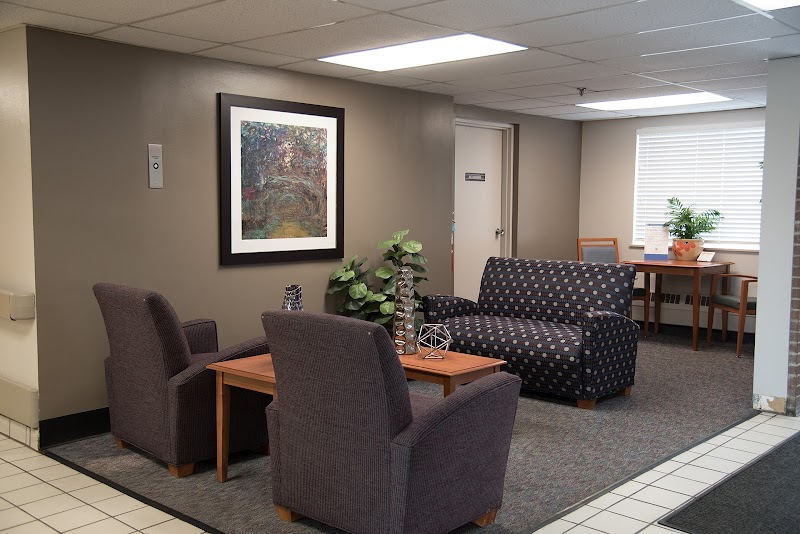
How is Franklin Plaza Extended Care Staffed?

CMS rates FRANKLIN PLAZA EXTENDED CARE's staffing level at 2 out of 5 stars, which is below average compared to other nursing homes. Staff turnover is 49%, compared to the Ohio average of 46%.

What Have Inspectors Found at Franklin Plaza Extended Care?

State health inspectors documented 31 deficiencies at FRANKLIN PLAZA EXTENDED CARE during 2018 to 2025. These included: 29 with potential for harm and 2 minor or isolated issues.
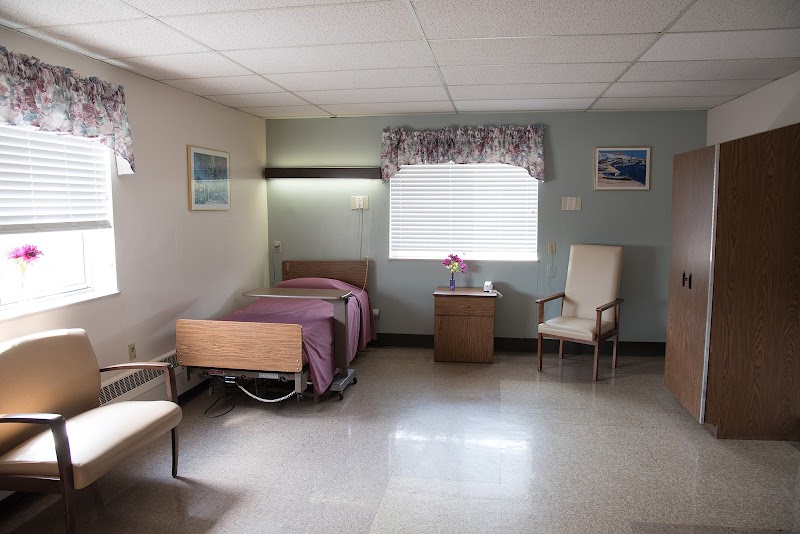
Who Owns and Operates Franklin Plaza Extended Care?

FRANKLIN PLAZA EXTENDED CARE is owned by a for-profit company. For-profit facilities operate as businesses with obligations to shareholders or private owners. The facility is operated by LEGACY HEALTH SERVICES, a chain that manages multiple nursing homes. With 178 certified beds and approximately 160 residents (about 90% occupancy), it is a mid-sized facility located in CLEVELAND, Ohio.
How Does Franklin Plaza Extended Care Compare to Other Ohio Nursing Homes?

Compared to the 100 nursing homes in Ohio, FRANKLIN PLAZA EXTENDED CARE's overall rating (3 stars) is below the state average of 3.2, staff turnover (49%) is near the state average of 46%, and health inspection rating (2 stars) is below the national benchmark.

What Should Families Ask When Visiting Franklin Plaza Extended Care?

Based on this facility's data, families visiting should ask: "Can you walk me through typical staffing levels on day, evening, and night shifts?" "Can I visit during a mealtime to observe dining assistance and food quality?" "How do you handle medical emergencies, and what is your hospital transfer rate?" "Can I speak with family members of current residents about their experience?" These questions are particularly relevant given the below-average staffing rating.

Is Franklin Plaza Extended Care Safe?

Based on CMS inspection data, FRANKLIN PLAZA EXTENDED CARE has a clean safety record: no substantiated abuse findings (meaning no confirmed cases of resident harm), no Immediate Jeopardy citations (the most serious violation level indicating risk of serious injury or death), and is not on the Special Focus Facility watch list (a federal program monitoring the lowest-performing 1% of nursing homes). The facility has a 3-star overall rating and ranks #100 of 100 nursing homes in Ohio. While no facility is perfect, families should still ask about staff-to-resident ratios and recent inspection results during their visit.

Do Nurses at Franklin Plaza Extended Care Stick Around?

FRANKLIN PLAZA EXTENDED CARE has a staff turnover rate of 49%, which is about average for Ohio nursing homes (state average: 46%). Moderate turnover is common in nursing homes, but families should still ask about staff tenure and how the facility maintains care continuity when employees leave.

Was Franklin Plaza Extended Care Ever Fined?

FRANKLIN PLAZA EXTENDED CARE has no federal fines on record. CMS issues fines when nursing homes fail to meet care standards or don't correct problems found during inspections. The absence of fines suggests the facility has either maintained compliance or corrected any issues before penalties were assessed. This is a positive indicator, though families should still review recent inspection reports for the full picture.

Is Franklin Plaza Extended Care on Any Federal Watch List?

FRANKLIN PLAZA EXTENDED CARE is not on any federal watch list. The most significant is the Special Focus Facility (SFF) program, which identifies the bottom 1% of nursing homes nationally based on persistent, serious quality problems. Not being on this list means the facility has avoided the pattern of deficiencies that triggers enhanced federal oversight. This is a positive indicator, though families should still review the facility's inspection history directly.