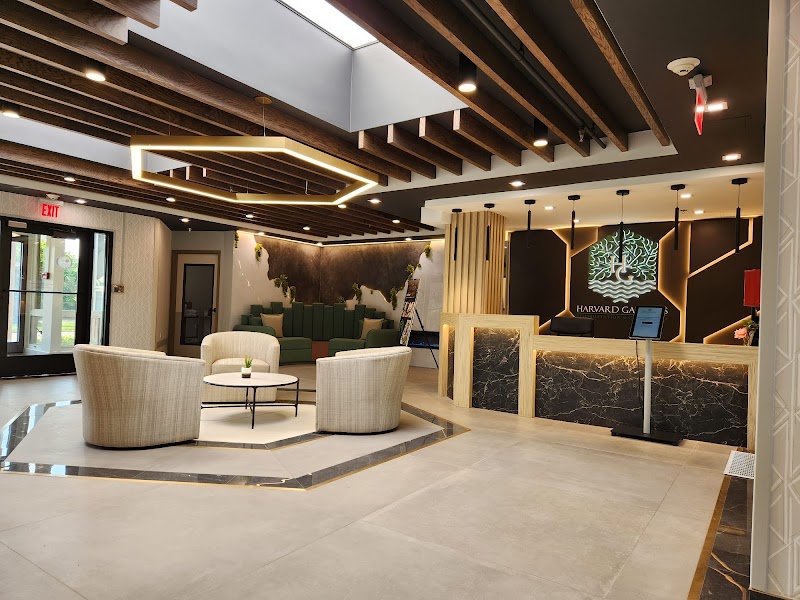
HARVARD GARDENS REHABILITATION & CARE CENTER
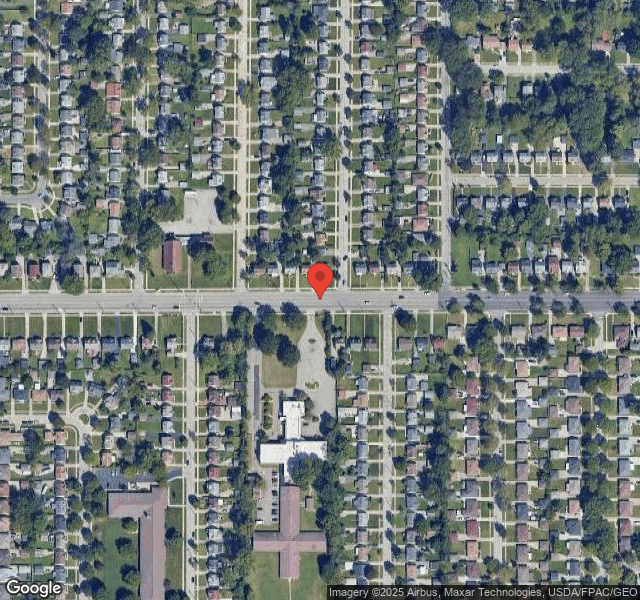
18810 HARVARD AVE, CLEVELAND, OH 44122 (216) 752-3600
For profit - Partnership 130 Beds Independent Data: November 2025 2 Immediate Jeopardy citations
Trust Grade
0/100
#866 of 913 in OH
Last Inspection: February 2025

Within standard 12-15 month inspection cycle. Federal law requires annual inspections.

Overview

Harvard Gardens Rehabilitation & Care Center received a Trust Grade of F, indicating significant concerns and poor quality of care. Its state rank is #866 out of 913 facilities in Ohio, placing it in the bottom half, and it ranks #87 out of 92 in Cuyahoga County, meaning there are very few local options that are worse. The facility is worsening, with reported issues increasing from 6 in 2024 to 19 in 2025. Staffing is a strength, showing a 0% turnover rate, which is well below the state average, but the facility has concerning RN coverage, less than 98% of other Ohio facilities, which may impact the quality of care. Additionally, the facility has accumulated $206,304 in fines, indicating compliance issues, and has experienced critical incidents, such as failing to prevent the spread of COVID-19 and not ensuring timely medical intervention for residents in distress, raising serious concerns about resident safety and care.

Trust Score
F
0/100
In Ohio
#866/913
Bottom 6%
Safety Record
High Risk
Review needed
Inspections
Getting Worse
6 → 19 violations
Staff Stability
○ Average
Turnover data not reported for this facility.
Penalties
✓ Good
$206,304 in fines. Lower than most Ohio facilities. Relatively clean record.
Skilled Nurses
⚠ Watch
Each resident gets only 16 minutes of Registered Nurse (RN) attention daily — below average for Ohio. Fewer RN minutes means fewer trained eyes watching for problems.
Violations
⚠ Watch
69 deficiencies on record. Higher than average. Multiple issues found across inspections.
★☆☆☆☆
1.0
Overall Rating
★☆☆☆☆
1.0
Staff Levels
★★★★☆
4.0
Care Quality
★☆☆☆☆
1.0
Inspection Score
Stable
2024: 6 issues
2025: 19 issues

The Good

  • 4-Star Quality Measures · Strong clinical quality outcomes
  • Full Sprinkler Coverage · Fire safety systems throughout facility
  • No fines on record

Facility shows strength in quality measures, fire safety.

The Bad

1-Star Overall Rating

Below Ohio average (3.2)

Significant quality concerns identified by CMS

Federal Fines: $206,304

Well above median ($33,413)

Significant penalties indicating serious issues

The Ugly 69 deficiencies on record

2 life-threatening 4 actual harm
Apr 2025 7 deficiencies 1 Harm
SERIOUS (G) 📢 Someone Reported This

A family member, employee, or ombudsman was alarmed enough to file a formal complaint

Actual Harm - a resident was hurt due to facility failures

Quality of Care (Tag F0684)

A resident was harmed · This affected 1 resident

**NOTE- TERMS IN BRACKETS HAVE BEEN EDITED TO PROTECT CONFIDENTIALITY** Based on observation, interview, record review and review of the facility policy the facility failed to ensure Resident #10 rece...

Read full inspector narrative →
**NOTE- TERMS IN BRACKETS HAVE BEEN EDITED TO PROTECT CONFIDENTIALITY** Based on observation, interview, record review and review of the facility policy the facility failed to ensure Resident #10 received timely medical intervention for an acute change in condition. Actual Harm occurred on 03/18/25 at 1:49 A.M. when Resident #10 complained of numbness of the right side of the body and requested to go to the hospital. However, the resident was not transferred to the hosptial until 03/18/25 at 4:08 A.M. Hospital documentation revealed the resident was admitted for a cerebrovascular accident due to intracerebral hemorrhage, ischemic stroke. The resident reported he had complaints of right-sided weakness approximately four days ago which he described as a heaviness to his upper and lower extremities. Resident #10 stated his weakness had not improved since the initial onset. The resident reported he suffered a fall yesterday because his leg gave out. The resident had obvious drift to the right upper and lower extremities and an unequal weak grip strength to the right hand in comparison to the contralateral side. Resident #10 had noticeable unilateral weakness to the right upper and lower extremities. Resident #10 stated his symptoms began on 03/15/25 and his symptoms had not improved. At the time the resident arrived to the hospital, Resident #10 was out of the window for significant intervention and a stroke alert was not called. Following the hospitalization, the resident's ability to ambulate had deteriorated and the resident required the use of a wheelchair for mobility. This affected one resident (Resident #10) of three residents reviewed for change of condition. The facility census was 87. Findings include: Review of Resident #10's medical record revealed an admission date of 11/03/23 and a re-entry date of 03/21/25. Resident #10's diagnoses included malignant neoplasm of the pancreas, drug-induced polyneuropathy, and hemiplegia (paralysis) and hemiparesis (weakness) following cerebral infarction affecting the right dominant side. Review of Resident #10's care plan revised 12/11/24 included Resident #10 needed assistance for ADL's related to cancer, bronchitis, asthma and other diagnoses. Resident #10 was able to ambulate on and off the unit, was alert and oriented times three (time, place, person), was able to voice needs and was able to perform ADL's independently and might require assistance during times of fatigue. Resident #10 would be well groomed and free of odors at all times and would participate as able in ADL self-care. Interventions included to observe for changes in ADL ability and adjust assistance as needed; an intervention initiated on 03/24/25 revealed utilized walker. Review of Resident #10's Quarterly Minimum Data Set (MDS) assessment dated [DATE] included Resident #10 was cognitively intact. Resident #10 had no impairment of the upper or lower extremities. Resident #10 did not use a cane, crutch, walker or wheelchair. Resident #10 was independent for toileting hygiene, bathing, upper and lower body dressing, personal hygiene and walking 50 feet. Review of Resident #10's medical record including progress notes dated 03/15/25 through 03/17/25 did not reveal evidence Resident #10 was experiencing numbness or weakness. Review of Resident #10's skilled nursing progress notes dated 03/16/25 at 11:26 A.M. included Resident #10's vital signs were within normal limits. Resident #10 was alert and oriented to time, place and situation. Resident #10 was weight bearing as tolerated, and had a steady gait. Weakness was not noted, able to move all extremities, and had full sensation. The note included Resident #10 did not have changes in ADL capability and did not require assistance with bed mobility. Review of Resident #10's skilled nursing progress notes dated 03/17/25 did not reveal a skilled nursing progress note was completed. Review of Resident #10's progress notes dated 03/18/25 at 1:49 A.M. revealed Resident #10 complained of numbness of the right side of the body, Resident #10 requested to go to the hospital, Resident #10 was alert and oriented times three. Vital signs were blood pressure 117/33, pulse 84, respirations 18 per minute, oxygen saturation was 98 percent on room air. The non-emergency transportation company was contacted and Resident #10 would be picked up on 03/18/25 at 8:00 A.M. Review of Resident #10's progress notes dated 03/18/25 at 1:53 A.M. revealed Resident #10 complained of numbness to the right side of his body. Review of Resident #10's medical record including progress notes dated 03/18/25 at 1:49 A.M. through 03/18/25 at 4:08 A.M. did not reveal evidence Resident #10's weakness and numbness were thoroughly evaluated. Review of Resident #10's progress notes dated 03/18/25 at 4:08 A.M. revealed Resident #10 left the facility via stretcher with two paramedics. Resident #10 was being transported to the local hospital Emergency Department. Review of Resident #10's late entry SBAR Summary for Providers dated 03/18/25 at 2:27 P.M. included on 03/18/25 at 1:49 A.M. Resident #10 had a change in condition and the CIC (change in condition) evaluation was functional decline (worsening function and, or mobility). Outcomes of a physical assessment included Resident #10 had weakness or hemiparesis, decreased mobility. Review of Resident #10's medical record including progress notes dated 03/18/25 through 03/21/25 did not reveal evidence Resident #10's physician was notified Resident #10 was having numbness and weakness and what his recommendations were. Review of Resident #10's physician orders dated 03/18/25 through 03/21/25 did not reveal a physician order to transport Resident #10 to the hospital. Review of Resident #10's medical record including progress notes did not reveal evidence Resident #10's responsible party was notified he was sent to the hospital. Review of Resident #10's hospital records dated 03/18/25 through 03/21/25 included his admission diagnosis was cerebrovascular accident due to intracerebral hemorrhage, ischemic stroke. Resident #10 presented to the ED on 03/18/25 with complaints of right-sided weakness. Resident #10 stated his weakness began approximately four days ago, and he described his right-sided weakness as a heaviness to his upper and lower extremities. Resident #10 stated his weakness had not improved since the initial onset. Resident #10 reported that he suffered a fall yesterday because his leg gave out and he had no injuries from the fall. Resident #10 was not anticoagulated. Resident #10 was chronically ill-appearing and in no obvious distress. Resident #10 had obvious drift to the right upper and lower extremities. Resident #10 had an unequal weak grip strength to the right hand in comparison to the contralateral side. Resident #10 had noticeable unilateral weakness to the right upper and lower extremities. Resident #10 stated his symptoms began on 03/15/25 and his symptoms have not improved. Resident #10 was out of the window for significant intervention and a stroke alert was not called. Review of Resident #10's After Hours Telehealth Consult progress notes dated 03/21/25 at 1:00 A.M. included Resident #10 was readmitted to the facility this evening after a hospitalization for acute CVA (cerebrovascular accident). Review of Resident #10's progress notes dated 03/21/25 at 6:48 P.M. revealed Resident #10 arrived to the facility via a stretcher accompanied by two EMT (Emergency Medical Technician)'s. Review of Resident #10's progress notes dated 03/21/25 at 5:59 P.M. included Resident #10 had right sided weakness due to CVA. Resident #10 was alert and oriented times three. Review of Resident #10's Significant Change in Status assessment dated [DATE] included Resident #10 used a cane, crutch and a wheelchair. Resident #10 did not use a walker. Resident #10 was independent for toileting hygiene, needed setup or clean-up assistance for bathing, and putting on and taking off footwear. Resident #10 required partial to moderate assistance for the ability to come to a standing position from sitting in a chair, wheelchair, or on the side of the bed, and bed mobility. Resident #10 required supervision or touching assistance for toilet transfers, to walk 10 feet and to walk 50 feet. Observation on 04/09/25 at 8:31 A.M. of Resident #10 revealed he was sitting in a wheelchair in his room. Resident #10 stated the facility needed improvement. Resident #10 indicated if he needed to go to the hospital the nurse had to call the physician and he had to wait for the physician to call back. Resident #10 stated he had a stroke, he told the nurse he needed to go to the hospital, and three hours later he finally went because he insisted. Resident #10 stated he was having a hard time walking, knew something was not right and told the nurse he had to go to the hospital, but he had to really insist because she did not want to send him. Resident #10 stated on 03/14/25 or 03/15/25 he was walking fine, the next day something did not feel right, then he had trouble walking. Resident #10 stated he told the nurse he needed to go to the hospital and she said your vitals are fine. Resident #10 revealed he experienced a fall and his roommate screamed for the nurse. Resident #17 nodded his head yes when Resident #10 stated this, but did not say anything. The nurses came to the room and the nurse told me she would call for transportation to the hospital, but the wait would be four hours and it was non-emergency transportation. Resident #10 could not remember the name of the nurse. Resident #10 stated the facility did not call the physician for three hours. Interview on 04/09/25 at 2:45 P.M. with Licensed Practical Nurse (LPN) #438 revealed she was assigned to care for Resident #10 the night he was transported to the hospital. LPN #438 stated what she knew was Resident #10 said he was not feeling well, and kept saying he did not feel well, and wanted sent out to the hospital. LPN #438 stated she took Resident #10's vital signs and they were fine. LPN #438 indicated she was new to the facility and in orientation and let the nurse manager know Resident #10 wanted sent to the hospital. LPN #438 indicated she asked Resident #10 questions to get more information about how he was feeling, he just came in from smoking and she thought he smoked more than one cigarette and the smoking was what made him not feel well. LPN #438 indicated she asked Resident #10 if he was having pain, and he said he felt numbness, and he was able to squeeze her hand. LPN #438 stated Resident #10 did not experience a fall, and when he came out of the bathroom he was kind of leaning and said his leg felt numb, he needed help (she could not remember which side) and he was assisted back to bed. LPN #438 indicated she called a physician, but she did not remember who she called or when and told the physician Resident #10 was having numbness and was told to send him out to the hospital. Resident #10 was sent to the hospital via non-emergency transportation. Interview on 04/09/25 at 4:06 P.M. wit LPN #417 revealed she was working when Resident #10 was sent to the hospital. LPN #417 stated she arrived to the facility on [DATE] around 1:00 A.M. and LPN #438 already had received orders to send Resident #10 to the hospital via non-emergency transportation. LPN #417 indicated she did not know when the transportation company was due to arrive. LPN #417 stated Resident #10 was fine when she saw him, and she told him transportation was on the way. LPN #417 stated Resident #10 did not experience a fall before he left the facility. Interview on 04/10/25 at 9:32 A.M. with Physician #600 revealed he remembered something about a call regarding Resident #10, but he took care of Resident #10 while he was in the hospital and he could not remember if the calls were before or after Resident #10 was admitted to the hospital. Physician #600 stated he did not always put a physician note in the resident record when he was called. Physician #600 stated if Resident #10 was experiencing weakness and numbness on one side of the body and it was sudden onset like within an hour or so he would definitely order him to be sent out via 911. Interview on 04/10/25 at 10:18 A.M. with Certified Nursing Assistant (CNA) #524 revealed Resident #10 could walk before he went to the hospital and now he was in a wheelchair. CNA #524 stated she thought Resident #10 had a stroke, and he told her he would be able to walk in time. CNA #524 stated Resident #10 told her he fell before he went to the hospital but he did not give details. Interview on 04/10/25 at 11:18 A.M. with the Director of Nursing (DON) revealed LPN #438 called Unit Manager (UM) #442 because Resident #10 said he was not feeling well, had numbness in his right arm, and never told her he had a fall. The DON stated UM #442 said Resident #10 did not know how to describe how he was feeling, said he wanted to smoke a cigarette and wanted to go to the hospital. UM #442 did not think it was serious. UM #442 instructed LPN #438 to call the physician and have Resident #10 sent to the hospital because it was Resident #10's right to go to the hospital if he wanted to. The DON confirmed Resident #10's medical record including progress notes did not have evidence Resident #10's numbness and weakness were evaluated thoroughly while he was at the facility, and confirmed there was no evidence Physician #600 was contacted and Physician #600 did not write a progress note regarding the call. The DON confirmed there was no evidence Resident #10's responsible party was contacted when he was transported to the hospital. Review of the facility policy titled Change in a Residents Condition or Status dated 08/2024 included the facility should promptly notify the resident, physician and representative of changes in a residents medical, mental condition or status. The nurse would notify the resident's physician when there was a significant change in the resident's physical, emotional, mental condition. Unless otherwise instructed by the resident the nurse would notify the residents representative when there was a significant change in a resident's physical, mental or psychosocial status. This deficiency represents non-compliance investigated under Complaint Number OH00163886.
CONCERN (D) 📢 Someone Reported This

A family member, employee, or ombudsman was alarmed enough to file a formal complaint

Potential for Harm - no one hurt, but risky conditions existed

Notification of Changes (Tag F0580)

Could have caused harm · This affected 1 resident

**NOTE- TERMS IN BRACKETS HAVE BEEN EDITED TO PROTECT CONFIDENTIALITY** Based on interview, record review, and policy review, the facility failed to ensure Resident #10's responsible party was notifie...

Read full inspector narrative →
**NOTE- TERMS IN BRACKETS HAVE BEEN EDITED TO PROTECT CONFIDENTIALITY** Based on interview, record review, and policy review, the facility failed to ensure Resident #10's responsible party was notified of a change in condition and transfer to hospital. This affected one resident (Resident #10) of three residents reveiwed for change in condition. Findings include: Review of Resident #10's medical record revealed an admission date of 11/03/23 and a re-entry date of 03/21/25. Resident #10's diagnoses included malignant neoplasm of the pancreas, drug-induced polyneuropathy, and hemiplegia (paralysis) and hemiparesis (weakness) following cerebral infarction affecting the right dominant side. Review of Resident #10's care plan revised 12/11/24 included Resident #10 needed assistance for ADL's related to cancer, bronchitis, asthma and other diagnoses. Resident #10 was able to ambulate on and off the unit, was alert and oriented times three (time, place, person), was able to voice needs and was able to perform ADL's independently and might require assistance during times of fatigue. Resident #10 would be well groomed and free of odors at all times and would participate as able in ADL self-care. Interventions included to observe for changes in ADL ability and adjust assistance as needed; an intervention initiated on 03/24/25 revealed utilized walker. Review of Resident #10's Quarterly Minimum Data Set (MDS) assessment dated [DATE] included Resident #10 was cognitively intact. Resident #10 had no impairment of the upper or lower extremities. Resident #10 did not use a cane, crutch, walker or wheelchair. Resident #10 was independent for toileting hygiene, bathing, upper and lower body dressing, personal hygiene and walking 50 feet. Review of Resident #10's progress notes dated 03/18/25 at 1:49 A.M. revealed Resident #10 complained of numbness of the right side of the body, Resident #10 requested to go to the hospital, Resident #10 was alert and oriented times three. Vital signs were blood pressure 117/33, pulse 84, respirations 18 per minute, oxygen saturation was 98 percent on room air. The non-emergency transportation company was contacted and Resident #10 would be picked up on 03/18/25 at 8:00 A.M. Review of Resident #10's progress notes dated 03/18/25 at 1:53 A.M. revealed Resident #10 complained of numbness to the right side of his body. Review of Resident #10's progress notes dated 03/18/25 at 4:08 A.M. revealed Resident #10 left the facility via stretcher with two paramedics. Resident #10 was being transported to the local hospital Emergency Department. Review of Resident #10's late entry SBAR Summary for Providers dated 03/18/25 at 2:27 P.M. included on 03/18/25 at 1:49 A.M. Resident #10 had a change in condition and the CIC (change in condition) evaluation was functional decline (worsening function and, or mobility). Outcomes of a physical assessment included Resident #10 had weakness or hemiparesis, decreased mobility. Review of Resident #10's medical record including progress notes did not reveal evidence Resident #10's responsible party was notified he was sent to the hospital with a change in condition. Review of Resident #10's hospital records dated 03/18/25 through 03/21/25 included his admission diagnosis was cerebrovascular accident due to intracerebral hemorrhage, ischemic stroke. Resident #10 presented to the ED on 03/18/25 with complaints of right-sided weakness. Resident #10 stated his weakness began approximately four days ago, and he described his right-sided weakness as a heaviness to his upper and lower extremities. Resident #10 stated his weakness had not improved since the initial onset. Resident #10 reported that he suffered a fall yesterday because his leg gave out and he had no injuries from the fall. Resident #10 was not anticoagulated. Resident #10 was chronically ill-appearing and in no obvious distress. Resident #10 had obvious drift to the right upper and lower extremities. Resident #10 had an unequal weak grip strength to the right hand in comparison to the contralateral side. Resident #10 had noticeable unilateral weakness to the right upper and lower extremities. Resident #10 stated his symptoms began on 03/15/25 and his symptoms have not improved. Resident #10 was out of the window for significant intervention and a stroke alert was not called. Observation on 04/09/25 at 8:31 A.M. of Resident #10 revealed he was sitting in a wheelchair in his room. Resident #10 stated the facility needed improvement. Resident #10 indicated if he needed to go to the hospital the nurse had to call the physician and he had to wait for the physician to call back. Resident #10 stated he had a stroke, he told the nurse he needed to go to the hospital, and three hours later he finally went because he insisted. Resident #10 stated he was having a hard time walking, knew something was not right and told the nurse he had to go to the hospital, but he had to really insist because she did not want to send him. Resident #10 stated on 03/14/25 or 03/15/25 he was walking fine, the next day something did not feel right, then he had trouble walking. Resident #10 stated he told the nurse he needed to go to the hospital and she said your vitals are fine. Resident #10 revealed he experienced a fall and his roommate screamed for the nurse. Resident #17 nodded his head yes when Resident #10 stated this, but did not say anything. The nurses came to the room and the nurse told me she would call for transportation to the hospital, but the wait would be four hours and it was non-emergency transportation. Resident #10 could not remember the name of the nurse. Resident #10 stated the facility did not call the physician for three hours. Interview on 04/09/25 at 2:45 P.M. with Licensed Practical Nurse (LPN) #438 revealed she was assigned to care for Resident #10 the night he was transported to the hospital. LPN #438 stated what she knew was Resident #10 said he was not feeling well, and kept saying he did not feel well, and wanted sent out to the hospital. LPN #438 stated she took Resident #10's vital signs and they were fine. LPN #438 indicated she was new to the facility and in orientation and let the nurse manager know Resident #10 wanted sent to the hospital. LPN #438 indicated she asked Resident #10 questions to get more information about how he was feeling, he just came in from smoking and she thought he smoked more than one cigarette and the smoking was what made him not feel well. LPN #438 indicated she asked Resident #10 if he was having pain, and he said he felt numbness, and he was able to squeeze her hand. LPN #438 stated Resident #10 did not experience a fall, and when he came out of the bathroom he was kind of leaning and said his leg felt numb, he needed help (she could not remember which side) and he was assisted back to bed. LPN #438 indicated she called a physician, but she did not remember who she called or when and told the physician Resident #10 was having numbness and was told to send him out to the hospital. Resident #10 was sent to the hospital via non-emergency transportation. Interview on 04/10/25 at 11:18 A.M. with the Director of Nursing (DON) revealed LPN #438 called Unit Manager (UM) #442 because Resident #10 said he was not feeling well, had numbness in his right arm, and never told her he had a fall. The DON stated UM #442 said Resident #10 did not know how to describe how he was feeling, said he wanted to smoke a cigarette and wanted to go to the hospital. UM #442 did not think it was serious. UM #442 instructed LPN #438 to call the physician and have Resident #10 sent to the hospital because it was Resident #10's right to go to the hospital if he wanted to. The DON confirmed Resident #10's medical record including progress notes did not have evidence Resident #10's numbness and weakness were evaluated thoroughly while he was at the facility, and confirmed there was no evidence Physician #600 was contacted and Physician #600 did not write a progress note regarding the call. The DON confirmed there was no evidence Resident #10's responsible party was contacted when he was transported to the hospital. Review of the facility policy titled Change in a Residents Condition or Status dated 08/2024 included the facility should promptly notify the resident, physician and representative of changes in a residents medical, mental condition or status. The nurse would notify the resident's physician when there was a significant change in the resident's physical, emotional, mental condition. Unless otherwise instructed by the resident the nurse would notify the residents representative when there was a significant change in a resident's physical, mental or psychosocial status. This deficiency represents non-compliance investigated under Complaint Number OH00163886.
CONCERN (D) 📢 Someone Reported This

A family member, employee, or ombudsman was alarmed enough to file a formal complaint

Potential for Harm - no one hurt, but risky conditions existed

Free from Abuse/Neglect (Tag F0600)

Could have caused harm · This affected 1 resident

Based on medical record review, review of personnel files, review of witness statements, interviews, and review of facility policy, the facility failed to prevent staff to resident verbal abuse. This ...

Read full inspector narrative →
Based on medical record review, review of personnel files, review of witness statements, interviews, and review of facility policy, the facility failed to prevent staff to resident verbal abuse. This affected one resident (#28) of three reviewed for respect and dignity. The facility census was 87. Findings include: Review of the medical record for Resident #28 revealed an admission date of 06/20/23 with diagnoses including hypertension, alcohol induced persisting dementia, dementia with agitation, violent behavior, anxiety disorder, anterograde amnesia, insomnia, and heartburn. Review of the behavior care plan, revised 08/29/24, indicated Resident #28 did not conform to the boundaries of socially acceptable behaviors because he would take bowel movements and place them in drawers and cabinets, go in and out of rooms and turn the water on and off, and have episodes of refusing personal and incontinence care. Interventions included discuss with resident in a straight-forward yet kind manner that his behavior was unacceptable, evaluate if behavior was a result of cognitive impairment, refer to psychiatric services for evaluation if behaviors continued, and remind the resident of the need to respect rights of other residents. Review of the care plan, revised 01/16/25, indicated Resident #28 was non-compliant with care or treatment as ordered by the physician, refused personal care, refused showers, refused medications, was noted to spit out medications, refused labs, and refused to allow staff to obtain weights. Interventions included attempting to refocus behavior, stop care as appropriate if resident is upset and try again later, administer medications as ordered, approach resident calmly and speak in a calm voice, educate resident on negative consequences of not following physician's orders, and observe and document mood and behavior changes in the nurses notes. Review of the quarterly Minimum Data Set (MDS) assessment, dated 02/18/25, indicated Resident #28 had moderately impaired cognitive skills for daily decision making. The assessment also indicated Resident #28 had physical and verbal behaviors directed toward others for one to three days within the previous seven day lookback period. Review of Resident #28's progress notes for February 2025 revealed there was no note documented for the alleged incident that occurred between Resident #28 and Certified Nursing Assistant (CNA) #549 on 02/26/25. Review of the list of Self Reported Incidents (SRIs) submitted by facility revealed there was no SRI related to the incident that took place on 02/26/25 between Resident #28 and CNA #549. Review of the personnel file for CNA #549 revealed a hire date of 09/12/24 and a disciplinary action form (dated 02/28/25) indicating CNA #549 was terminated for telling a resident that she would punch him in the face. Review of the accompanying written witness statements (all dated 02/26/25) revealed CNA #482 reported witnessing CNA #549 in Resident #28's room telling Resident #28 she was going to knock him the [expletive] out. In addition, Registered Nurse (RN) #502's witness statement indicated CNA #549 was asked if she told Resident #28 she would [expletive] him up and CNA #549 responded yes I did, he pulled my [expletive] hair. On 04/09/25 at 10:26 A.M., an interview with Resident #28 stated sometimes the aides had an attitude with him. He did not elaborate further. On 04/09/25 at 11:51 A.M., an interview with the Director of Nursing (DON) confirmed there was an alleged incident between CNA #549 and Resident #28, and she stated there were too many conflicting stories to determine if anything actually happened. The DON verified the content of the written statements from CNA #482 and RN #502. On 04/09/25 at 3:19 P.M., an interview with CNA #482 stated she heard CNA #549 yelling from down the hallway. CNA #482 said she witnessed CNA #549 standing outside Resident #28's room yelling [expletive] these residents and Resident #28 was definitely within earshot because she had heard CNA #549 from all the way down the hall. She denied witnessing CNA #549 say anything directly to Resident #28 despite her written statement regarding the incident. On 04/10/25 at 9:27 A.M., an interview with RN #502 stated she heard yelling and cussing from the nurses station and heard Resident #28 yelling that CNA #549 was going to hit him. On 04/10/25 at 3:08 P.M., an interview with CNA #549 confirmed she told Resident #28 that she was going to knock him the [expletive] out because he grabbed her by the hair and kicked her. On 04/10/25 at 3:39 P.M., an interview with CNA #534 stated she witnessed Resident #28 cussing and punching at CNA #549. She said CNA #549 was cussing as she left the room. Review of the facility's policy titled Abuse, Mistreatment, Neglect, Exploitation and Misappropriation of Resident Property, revised 03/2024, indicated residents had the right to be free from abuse, neglect, exploitation, and misappropriation of resident property. The definition of abuse included intimidation and verbal abuse. This deficiency represents non-compliance investigated under Complaint Number OH00162969.
CONCERN (D) 📢 Someone Reported This

A family member, employee, or ombudsman was alarmed enough to file a formal complaint

Potential for Harm - no one hurt, but risky conditions existed

Abuse Prevention Policies (Tag F0607)

Could have caused harm · This affected 1 resident

Based on medical record review, review of personnel files, review of witness statements, interviews, review of the facility's self-reported incidents (SRIs), and review of facility policy, the facilit...

Read full inspector narrative →
Based on medical record review, review of personnel files, review of witness statements, interviews, review of the facility's self-reported incidents (SRIs), and review of facility policy, the facility failed to effectively implement their policy on abuse in regard to the timely reporting of an allegation of abuse and conducting a thorough investigation of an allegation of abuse. This affected one resident (#28) of one reviewed for abuse. The facility census was 87. Findings include: Review of the medical record for Resident #28 revealed an admission date of 06/20/23 with diagnoses including hypertension, alcohol induced persisting dementia, dementia with agitation, violent behavior, anxiety disorder, anterograde amnesia, insomnia, and heartburn. Review of the behavior care plan, revised 08/29/24, indicated Resident #28 did not conform to the boundaries of socially acceptable behaviors because he would take bowel movements and place them in drawers and cabinets, go in and out of rooms and turn the water on and off, and have episodes of refusing personal and incontinence care. Interventions included discuss with resident in a straight-forward yet kind manner that his behavior was unacceptable, evaluate if behavior was a result of cognitive impairment, refer to psychiatric services for evaluation if behaviors continued, and remind the resident of the need to respect rights of other residents. Review of the behavior care plan, revised 01/16/25, indicated Resident #28 was non-compliant with care or treatment as ordered by the physician, refused personal care, refused showers, refused medications, was noted to spit out medications, refused labs, and refused to allow staff to obtain weights. Interventions included attempting to refocus behavior, stop care as appropriate if resident is upset and try again later, administer medications as ordered, approach resident calmly and speak in a calm voice, educate resident on negative consequences of not following physician's orders, and observe and document mood and behavior changes in the nurses notes. Review of the quarterly Minimum Data Set (MDS) assessment, dated 02/18/25, indicated Resident #28 had moderately impaired cognitive skills for daily decision making. The assessment also indicated Resident #28 had physical and verbal behaviors directed toward others for one to three days within the previous seven day lookback period. Review of the progress notes for February 2025 revealed there was no note documented for the alleged incident that occurred between Resident #28 and Certified Nursing Assistant (CNA) #549 on 02/26/25. Review of the list of Self Reported Incidents (SRIs) submitted by facility revealed there was no SRI related to the incident that took place on 02/26/25 between Resident #28 and CNA #549. Review of the personnel file for CNA #549 revealed a hire date of 09/12/24 and a disciplinary action form (dated 02/28/25) indicating CNA #549 was terminated for telling a resident that she would punch him in the face. Review of the accompanying written witness statements (all dated 02/26/25) revealed CNA #482 reported witnessing CNA #549 in Resident #28's room telling Resident #28 she was going to knock him the [expletive] out. In addition, Registered Nurse (RN) #502's witness statement indicated CNA #549 was asked if she told Resident #28 she would [expletive] him up and CNA #549 responded yes I did, he pulled my [expletive] hair. On 04/09/25 at 10:26 A.M., an interview with Resident #28 stated sometimes the aides had an attitude with him. He did not elaborate further. On 04/09/25 at 11:51 A.M., an interview with the Director of Nursing (DON) confirmed there was an alleged incident between CNA #549 and Resident #28, and she stated there were too many conflicting stories to determine if anything actually happened. The DON verified the content of the written statements from CNA #482 and RN #502 and continued to insist they could not determine if anything actually happened. The DON verified no SRI was submitted related to this alleged incident and the actions of CNA #549 were not reported to the nurse aide registry. On 04/09/25 at 3:19 P.M., an interview with CNA #482 stated she heard CNA #549 yelling from down the hallway. CNA #482 said she witnessed CNA #549 standing outside Resident #28's room yelling [expletive] these residents and Resident #28 was definitely within earshot because she had heard CNA #549 from all the way down the hall. She denied witnessing CNA #549 say anything directly to Resident #28 despite her written statement regarding the incident. On 04/10/25 at 9:27 A.M., an interview with RN #502 stated she heard yelling and cussing from the nurses station and heard Resident #28 yelling that CNA #549 was going to hit him. On 04/10/25 at 3:08 P.M., an interview with CNA #549 confirmed she told Resident #28 that she was going to knock him the [expletive] out because he grabbed her by the hair and kicked her. On 04/10/25 at 3:39 P.M., an interview with CNA #534 stated she witnessed Resident #28 cussing and punching at CNA #549. She said CNA #549 was cussing as she left the room. The facility did not provide any other information or documentation related to the incident between Resident #28 and CNA #549. Review of the facility's policy titled Abuse, Mistreatment, Neglect, Exploitation and Misappropriation of Resident Property, revised 03/2024, indicated facility staff should immediately report all allegations of abuse to the Administrator and the Administrator or designee should report the allegation to the Ohio Department of Health (ODH) immediately or not later than two hours after the allegation was made. If a staff member was accused or suspected of abusing a resident, the following should occur: the resident involved or suspected to be involved should be assessed for injury, the resident's physician should be notified of the incident, the resident should be sent to the hospital for evaluation if necessary, the alleged staff member should be immediately removed from the facility and taken off the schedule pending the results of the investigation, social services should be notified of the incident, the resident's representative should be notified of the incident, and the incident should be documented in the resident's medical record. The Enhanced Information Dissemination and Collection (EIDC) system should be used to submit a Self-Reported Incident (SRI) form to ODH unless there is an internet outage, in which case the notification could be made by phone and the online form submitted once internet service was restored. The investigation should be completed within five working days and should include the following: interview with the involved residents, interviews with witnesses, interviews with pertinent staff, review of all relevant medical records, review of employment record if staff member involved, and the facility's investigation should be documented according to quality assurance protocols. The results of the investigation should be submitted to ODH utilizing the EIDC system within five working days after the discovery of the incident. In addition, the facility would report the results of the investigation of staff to resident abuse to the licensing agencies and registries, as appropriate. This deficiency represents non-compliance investigated under Complaint Number OH00162969.
CONCERN (D) 📢 Someone Reported This

A family member, employee, or ombudsman was alarmed enough to file a formal complaint

Potential for Harm - no one hurt, but risky conditions existed

Report Alleged Abuse (Tag F0609)

Could have caused harm · This affected 1 resident

Based on medical record review, review of personnel files, review of witness statements, interviews, review of the facility's self-reported incidents (SRIs), and review of facility policy, the facilit...

Read full inspector narrative →
Based on medical record review, review of personnel files, review of witness statements, interviews, review of the facility's self-reported incidents (SRIs), and review of facility policy, the facility failed to report an allegation of staff to resident verbal abuse to the proper authorities. This affected one resident (#28) of one reviewed for abuse. The facility census was 87. Findings include: Review of the medical record for Resident #28 revealed an admission date of 06/20/23 with diagnoses including hypertension, alcohol induced persisting dementia, dementia with agitation, violent behavior, anxiety disorder, anterograde amnesia, insomnia, and heartburn. Review of the behavior care plan, revised 08/29/24, indicated Resident #28 did not conform to the boundaries of socially acceptable behaviors because he would take bowel movements and place them in drawers and cabinets, go in and out of rooms and turn the water on and off, and have episodes of refusing personal and incontinence care. Interventions included discuss with resident in a straight-forward yet kind manner that his behavior was unacceptable, evaluate if behavior was a result of cognitive impairment, refer to psychiatric services for evaluation if behaviors continued, and remind the resident of the need to respect rights of other residents. Review of the behavior care plan, revised 01/16/25, indicated Resident #28 was non-compliant with care or treatment as ordered by the physician, refused personal care, refused showers, refused medications, was noted to spit out medications, refused labs, and refused to allow staff to obtain weights. Interventions included attempting to refocus behavior, stop care as appropriate if resident is upset and try again later, administer medications as ordered, approach resident calmly and speak in a calm voice, educate resident on negative consequences of not following physician's orders, and observe and document mood and behavior changes in the nurses notes. Review of the quarterly Minimum Data Set (MDS) assessment, dated 02/18/25, indicated Resident #28 had moderately impaired cognitive skills for daily decision making. The assessment also indicated Resident #28 had physical and verbal behaviors directed toward others for one to three days within the previous seven day lookback period. Review of the progress notes for February 2025 revealed there was no note documented for the alleged incident that occurred between Resident #28 and Certified Nursing Assistant (CNA) #549 on 02/26/25. Review of the list of Self Reported Incidents (SRIs) submitted by facility revealed there was no SRI related to the incident that took place on 02/26/25 between Resident #28 and CNA #549. Review of the personnel file for CNA #549 revealed a hire date of 09/12/24 and a disciplinary action form (dated 02/28/25) indicating CNA #549 was terminated for telling a resident that she would punch him in the face. Review of the accompanying written witness statements (all dated 02/26/25) revealed CNA #482 reported witnessing CNA #549 in Resident #28's room telling Resident #28 she was going to knock him the [expletive] out. In addition, Registered Nurse (RN) #502's witness statement indicated CNA #549 was asked if she told Resident #28 she would [expletive] him up and CNA #549 responded yes I did, he pulled my [expletive] hair. On 04/09/25 at 10:26 A.M., an interview with Resident #28 stated sometimes the aides had an attitude with him. He did not elaborate further. On 04/09/25 at 11:51 A.M., an interview with the Director of Nursing (DON) confirmed there was an alleged incident between CNA #549 and Resident #28, and she stated there were too many conflicting stories to determine if anything actually happened. The DON verified the content of the written statements from CNA #482 and RN #502 and continued to insist they could not determine if anything actually happened. The DON verified no SRI was submitted related to this alleged incident and the actions of CNA #549 were not reported to the nurse aide registry. On 04/09/25 at 3:19 P.M., an interview with CNA #482 stated she heard CNA #549 yelling from down the hallway. CNA #482 said she witnessed CNA #549 standing outside Resident #28's room yelling [expletive] these residents and Resident #28 was definitely within earshot because she had heard CNA #549 from all the way down the hall. She denied witnessing CNA #549 say anything directly to Resident #28 despite her written statement regarding the incident. On 04/10/25 at 9:27 A.M., an interview with RN #502 stated she heard yelling and cussing from the nurses station and heard Resident #28 yelling that CNA #549 was going to hit him. On 04/10/25 at 3:08 P.M., an interview with CNA #549 confirmed she told Resident #28 that she was going to knock him the [expletive] out because he grabbed her by the hair and kicked her. On 04/10/25 at 3:39 P.M., an interview with CNA #534 stated she witnessed Resident #28 cussing and punching at CNA #549. She said CNA #549 was cussing as she left the room. The facility did not provide any other information or documentation related to the incident between Resident #28 and CNA #549. Review of the facility's policy titled Abuse, Mistreatment, Neglect, Exploitation and Misappropriation of Resident Property, revised 03/2024, indicated facility staff should immediately report all allegations of abuse to the Administrator and the Administrator or designee should report the allegation to the Ohio Department of Health (ODH) immediately or not later than two hours after the allegation was made. The Enhanced Information Dissemination and Collection (EIDC) system should be used to submit a Self-Reported Incident (SRI) form to ODH unless there is an internet outage, in which case the notification could be made by phone and the online form submitted once internet service was restored. The investigation should be completed within five working days and should include the following: interview with the involved residents, interviews with witnesses, interviews with pertinent staff, review of all relevant medical records, review of employment record if staff member involved, and the facility's investigation should be documented according to quality assurance protocols. The results of the investigation should be submitted to ODH utilizing the EIDC system within five working days after the discovery of the incident. In addition, the facility would report the results of the investigation of staff to resident abuse to the licensing agencies and registries, as appropriate. This deficiency represents non-compliance investigated under Complaint Number OH00162969.
CONCERN (D) 📢 Someone Reported This

A family member, employee, or ombudsman was alarmed enough to file a formal complaint

Potential for Harm - no one hurt, but risky conditions existed

Investigate Abuse (Tag F0610)

Could have caused harm · This affected 1 resident

Based on medical record review, review of personnel files, review of witness statements, interviews, review of the facility's self-reported incidents (SRIs), and review of facility policy, the facilit...

Read full inspector narrative →
Based on medical record review, review of personnel files, review of witness statements, interviews, review of the facility's self-reported incidents (SRIs), and review of facility policy, the facility failed to conduct a thorough investigation of an allegation of staff to resident verbal abuse. This affected one resident (#28) of one reviewed for abuse. The facility census was 87. Findings include: Review of the medical record for Resident #28 revealed an admission date of 06/20/23 with diagnoses including hypertension, alcohol induced persisting dementia, dementia with agitation, violent behavior, anxiety disorder, anterograde amnesia, insomnia, and heartburn. Review of the behavior care plan, revised 08/29/24, indicated Resident #28 did not conform to the boundaries of socially acceptable behaviors because he would take bowel movements and place them in drawers and cabinets, go in and out of rooms and turn the water on and off, and have episodes of refusing personal and incontinence care. Interventions included discuss with resident in a straight-forward yet kind manner that his behavior was unacceptable, evaluate if behavior was a result of cognitive impairment, refer to psychiatric services for evaluation if behaviors continued, and remind the resident of the need to respect rights of other residents. Review of the behavior care plan, revised 01/16/25, indicated Resident #28 was non-compliant with care or treatment as ordered by the physician, refused personal care, refused showers, refused medications, was noted to spit out medications, refused labs, and refused to allow staff to obtain weights. Interventions included attempting to refocus behavior, stop care as appropriate if resident is upset and try again later, administer medications as ordered, approach resident calmly and speak in a calm voice, educate resident on negative consequences of not following physician's orders, and observe and document mood and behavior changes in the nurses notes. Review of the quarterly Minimum Data Set (MDS) assessment, dated 02/18/25, indicated Resident #28 had moderately impaired cognitive skills for daily decision making. The assessment also indicated Resident #28 had physical and verbal behaviors directed toward others for one to three days within the previous seven day lookback period. Review of the progress notes for February 2025 revealed there was no note documented for the alleged incident that occurred between Resident #28 and Certified Nursing Assistant (CNA) #549 on 02/26/25. Review of the list of Self Reported Incidents (SRIs) submitted by facility revealed there was no SRI related to the incident that took place on 02/26/25 between Resident #28 and CNA #549. Review of the personnel file for CNA #549 revealed a hire date of 09/12/24 and a disciplinary action form (dated 02/28/25) indicating CNA #549 was terminated for telling a resident that she would punch him in the face. Review of the accompanying written witness statements (all dated 02/26/25) revealed CNA #482 reported witnessing CNA #549 in Resident #28's room telling Resident #28 she was going to knock him the [expletive] out. In addition, Registered Nurse (RN) #502's witness statement indicated CNA #549 was asked if she told Resident #28 she would [expletive] him up and CNA #549 responded yes I did, he pulled my [expletive] hair. Review of the facility's investigation into the incident revealed the facility was unable to provide any evidence of additional investigation activities. There was no evidence of an interview with or written statement from the alleged perpetrator (CNA #549), there was no evidence of an interview with or written statement from CNA #534 (who was also present in the resident's room at the time of the alleged incident), and the facility was unable to provide the additional statement that CNA #482 said she wrote after she wrote her initial statement. On 04/09/25 at 10:26 A.M., an interview with Resident #28 stated sometimes the aides had an attitude with him. He did not elaborate further. On 04/09/25 at 11:51 A.M., an interview with the Director of Nursing (DON) confirmed there was an alleged incident between CNA #549 and Resident #28, and she stated there were too many conflicting stories to determine if anything actually happened. The DON verified the content of the written statements from CNA #482 and RN #502 and continued to insist they could not determine if anything actually happened. On 04/09/25 at 3:19 P.M., an interview with CNA #482 stated she heard CNA #549 yelling from down the hallway. CNA #482 said she witnessed CNA #549 standing outside Resident #28's room yelling [expletive] these residents and Resident #28 was definitely within earshot because she had heard CNA #549 from all the way down the hall. She denied witnessing CNA #549 say anything directly to Resident #28 despite her written statement regarding the incident. On 04/10/25 at 9:27 A.M., an interview with RN #502 stated she heard yelling and cussing from the nurses station and heard Resident #28 yelling that CNA #549 was going to hit him. On 04/10/25 at 3:08 P.M., an interview with CNA #549 confirmed she told Resident #28 that she was going to knock him the [expletive] out because he grabbed her by the hair and kicked her. On 04/10/25 at 3:39 P.M., an interview with CNA #534 stated she witnessed Resident #28 cussing and punching at CNA #549. She said CNA #549 was cussing as she left the room. The facility did not provide any other information or documentation related to the incident between Resident #28 and CNA #549. Review of the facility's policy titled Abuse, Mistreatment, Neglect, Exploitation and Misappropriation of Resident Property, revised 03/2024, indicated facility staff should immediately report all allegations of abuse to the Administrator and the Administrator or designee should report the allegation to the Ohio Department of Health (ODH) immediately or not later than two hours after the allegation was made. If a staff member was accused or suspected of abusing a resident, the following should occur: the resident involved or suspected to be involved should be assessed for injury, the resident's physician should be notified of the incident, the resident should be sent to the hospital for evaluation if necessary, the alleged staff member should be immediately removed from the facility and taken off the schedule pending the results of the investigation, social services should be notified of the incident, the resident's representative should be notified of the incident, and the incident should be documented in the resident's medical record. This deficiency represents non-compliance investigated under Complaint Number OH00162969.
CONCERN (D) 📢 Someone Reported This

A family member, employee, or ombudsman was alarmed enough to file a formal complaint

Potential for Harm - no one hurt, but risky conditions existed

ADL Care (Tag F0677)

Could have caused harm · This affected 1 resident

**NOTE- TERMS IN BRACKETS HAVE BEEN EDITED TO PROTECT CONFIDENTIALITY** Based on observation, interview, record review and review of the facility policy the facility failed to ensure Resident #31's in...

Read full inspector narrative →
**NOTE- TERMS IN BRACKETS HAVE BEEN EDITED TO PROTECT CONFIDENTIALITY** Based on observation, interview, record review and review of the facility policy the facility failed to ensure Resident #31's incontinence care was provided timely. This affected one resident (Resident #31) out of three residents reviewed for incontinence care. The facility census was 87. Findings include: Review of Resident #31's medical record revealed an admission date of 08/01/14 and diagnoses included Alzheimer's Disease, anxiety disorder and type two diabetes mellitus. Review of Resident #31's care plan revised 02/11/25 included Resident #31 was incontinent of bowel and, or bladder. Resident #31 refused care at times and was not a candidate for a toileting program. Resident #31 would be free of skin breakdown related to incontinence. Interventions included to change Resident #31 every two hours and as needed; provide incontinence care and apply barrier cream after each incontinent episode. Review of Resident #31's Quarterly Minimum Data Set (MDS) assessment dated [DATE] revealed Resident #31 did not have a Brief Interview for Mental Status completed due to he was unable to complete the interview. Resident #31 required substantial to maximal assistance for toileting hygiene, bathing and upper and lower body dressing. Resident #31 was always incontinent of urine and frequently incontinent of bowel. Review of Resident #31's progress notes dated 04/09/25 from 7:00 A.M. through 2:26 P.M. did not reveal evidence Resident #31 refused to have his incontinence brief changed. Review of Resident #31's aide charting dated 04/09/25 from 7:00 A.M. through 2:26 P.M. did not reveal evidence Resident #31's incontinence brief was changed. Observation on 04/09/25 at 2:26 P.M. of Certified Nursing Assistant (CNA) #454 providing Resident #31's incontinence care revealed Resident #31's incontinence brief was saturated with urine and he had a moderate size, formed bowel movement. Resident #31's draw sheet was saturated with urine, and his sheet under the draw sheet had a large amount of urine observed on it with dried yellow urine observed around the outer aspect of the urine on the sheet. Resident #31's draw sheet was a folded blanket. CNA #454 stated blankets were not used for draw sheets, and someone probably could not find a reusable draw sheet and substituted a blanket. CNA #454 confirmed it did not look like Resident #31 was changed for quite a long time and stated, it sure doesn't. CNA #454 stated she just took over this assignment including Resident #31 and did not know the last time Resident #31 had his incontinence brief changed. CNA #454 removed Resident #31's bed linens including the sheet and draw sheet saturated with urine and threw them on the floor next to the plastic bag she had prepared to place them in. CNA #454 finished providing Resident #31's incontinence care, did not apply barrier cream before putting his new brief on, picked up the soiled bed linens from the floor, placed them in the plastic bag and left the room to take the soiled linens to the utility room. CNA #454 confirmed she threw the soiled bed linens on the floor and not in the plastic bag, and did not apply barrier cream. Interview on 04/09/25 at 4:00 P.M. of the Director of Nursing (DON) revealed it was not okay to throw soiled linens directly on the floor when providing Resident #31's incontinence care and Resident #31's incontinence brief should have been changed timely. Review of the facility policy titled Incontinence Care dated 01/2022 included the purpose of the procedure was to provide cleanliness and comfort to the resident, to prevent infections and skin irritation, and to observe the resident's skin condition. This deficiency represents non-compliance investigated under Complaint Number OH00162969.
Feb 2025 9 deficiencies
CONCERN (D)

Potential for Harm - no one hurt, but risky conditions existed

Deficiency F0582 (Tag F0582)

Could have caused harm · This affected 1 resident

Based on record review and staff interview, the facility failed to ensure all required notices of potential financial obligation were given to residents prior to the discontinuation of skilled service...

Read full inspector narrative →
Based on record review and staff interview, the facility failed to ensure all required notices of potential financial obligation were given to residents prior to the discontinuation of skilled services while using their Medicare Part A benefit. This affected two residents (62 and #107) of three residents (#62, #106, and #107) reviewed for appropriate beneficiary notices. The facility census was 96. Findings include: 1. Review of the beneficiary notice worksheet provided by the facility during the annual survey revealed Resident #62 was discharged from skilled therapy services while using his Medicare Part A benefit on 09/03/24 and remained in the facility. Review of the notices provided to Resident #62 upon discontinuation of skilled services revealed a Notice of Medicare Non-coverage (NOMNC) signed by the resident representative on 09/10/24. There was no Skilled Nursing Facility Advanced Beneficiary Notice of Non-coverage (SNFABN) provided as required. 2. Review of the beneficiary notice worksheet provided by the facility during the annual survey revealed Resident #107 was discharged from skilled therapy services while using his Medicare Part A benefit on 09/13/24 and remained in the facility. Review of the notices provided to Resident #107 upon discontinuation of skilled services revealed a Notice of Medicare Non-coverage (NOMNC) signed by the resident on 09/12/24. There was no Skilled Nursing Facility Advanced Beneficiary Notice of Non-coverage (SNFABN) provided as required. Interviews on 02/11/25 at 5:31 P.M. and 5:43 P.M. with Social Worker (SW) #328 revealed the facility initiated the end of skilled services for both Residents #62 and #107 and came up with the last covered dates. SW #328 stated the notices were to be given at least 48 hours prior to the end of services. SW #328 verified the SNFABN was not given to Resident #62 and #107 and that NOMNCs were not given 48 hours prior to the end of services as required.
CONCERN (D)

Potential for Harm - no one hurt, but risky conditions existed

Deficiency F0657 (Tag F0657)

Could have caused harm · This affected 1 resident

**NOTE- TERMS IN BRACKETS HAVE BEEN EDITED TO PROTECT CONFIDENTIALITY** Based on interview, record review, and review of the facility policy, the facility failed to conduct a quarterly care plan meeti...

Read full inspector narrative →
**NOTE- TERMS IN BRACKETS HAVE BEEN EDITED TO PROTECT CONFIDENTIALITY** Based on interview, record review, and review of the facility policy, the facility failed to conduct a quarterly care plan meeting for one resident, Resident #2, of three residents reviewed for care plan meetings. The facility census was 96. Findings include: Medical record review for Resident #2 revealed an admission date of 10/18/17. Diagnoses included hemiplegia affecting left nondominant side, type two diabetes mellitus, and muscle weakness. Review of the quarterly Minimum Data Set (MDS) assessment dated [DATE] revealed Resident #2 was cognitively intact. Resident #2 had no impairment of the upper extremities, impairment on both sides of the lower extremities, and used a wheelchair for mobility. Review of Resident #2's medical record from 01/01/24 through 02/10/25 revealed no documentation of care plan meetings scheduled or held. Interview on 02/11/25 at 9:33 A.M. with Resident #2 revealed she was only invited to care plan meetings once a year. Interview on 02/12/25 at 1:22 P.M. with Licensed Social Worker (LSW) #328 confirmed there was no evidence Resident #2 had a care plan meeting in 2024. LSW #328 revealed she had been at the facility as the LSW since August 2024 but was never notified when Resident #2's care plan meeting was due to be held, so none were completed since she had been there. Review of the facility policy titled, Care Plans, Comprehensive, Person Centered dated December 2022 revealed the Interdisciplinary Team (IDT), in conjunction with the resident and his/her family or legal representative, developed and implemented a comprehensive, person centered care plan for each resident. The care plan interventions were derived from a thorough analysis of the information gathered as part of the comprehensive assessment. Each resident's comprehensive person centered care plan would be consistent with the resident's right to participate in the development and implementation of his or her plan of care. The IDT was to review and update the care plan when there was a significant change in the resident's condition; when a desired outcome had not been met; and at least quarterly, in conjunction with the required quarterly MDS assessment.
CONCERN (D)

Potential for Harm - no one hurt, but risky conditions existed

Deficiency F0688 (Tag F0688)

Could have caused harm · This affected 1 resident

**NOTE- TERMS IN BRACKETS HAVE BEEN EDITED TO PROTECT CONFIDENTIALITY** Based on observation, interview, and record review, the facility failed to ensure Resident #2 received range of motion and a pal...

Read full inspector narrative →
**NOTE- TERMS IN BRACKETS HAVE BEEN EDITED TO PROTECT CONFIDENTIALITY** Based on observation, interview, and record review, the facility failed to ensure Resident #2 received range of motion and a palm guard or carrot after receiving therapy services for a left hand contracture. This affected one resident (Resident #2) of one resident reviewed for contractures. The facility census was 96. Findings include: Medical record review for Resident #2 revealed an admission date of 10/18/17. Diagnosis included hemiplegia affecting left nondominant side. Review of the care plan revised 07/25/24 revealed Resident #2 needed assistance for activities of daily living related to left hand contracture, and impaired mobility. Interventions included left hand carrot orthosis six to eight hours per day as tolerated. An additional care plan for Resident #2 updated 11/07/24 revealed Resident #2 had a contracture post cerebrovascular accident (CVA) to her left hand. Interventions included range of motion as tolerated to the site. Review of the quarterly Minimum Data Set (MDS) assessment dated [DATE] revealed Resident #2 was cognitively intact. Resident #2 had no impairment to the upper extremity and impairment on both sides of the lower extremity. Resident #2 used a wheelchair for mobility, required set up or clean up assistance with meals, was dependent for bathing and dressing, and required substantial/maximal assist for personal hygiene. Observation and interview between 02/11/25 at 9:39 A.M. and 02/13/25 at 10:02 A.M. with Resident #2 revealed Resident #2's left hand/fingers (all fingers) were contracted with the nails pressing on the palm. Resident #2 revealed she was unable to open the fingers without assistance and she use to wear a splint. The splint was lost about four months ago and since then she had not worn anything in her palm. Resident #2 revealed prior to receiving the splint, she wore a palm guard. The palm guard was taken away after receiving the splint and it was never brought back. Resident #2 revealed the nurses or nursing assistants never completed range of motion (ROM) to her left hand. The only time ROM was completed was when she received therapy services. Interview on 02/12/25 at 2:07 P.M. with Licensed Practical Nurse (LPN) #528 confirmed she was Resident #2's primary care nurse. LPN #528 confirmed Resident #2 use to wear a splint, but LPN #528 had not seen it in a long time and did not know what happened to the splint. LPN #528 confirmed Resident #2 did not have a palm guard and revealed she did not know if any staff did ROM to the left hand. Interview on 02/13/25 at 9:31 A.M. with Director of Therapy #501 revealed Resident #2 was on case load several times. Last year while on therapy from 01/26/24 through 05/22/24, therapy had a vendor come out and a left hand splint was made for Resident #2. The splint was trialed in therapy, Resident #2 had moments she did not want to wear the splint but she did wear it at times in therapy. When therapy discharged Resident #2 no orders were written for the splint use because she was not consistent with wearing the splint. No orders were written for ROM because, The staff automatically do that. They do not have a restorative program at the facility so we don't write the orders. Director of Therapy #501 confirmed a palm protector was recommended after therapy was completed but an order was not written for that because, She use to have a palm protector prior to therapy. Director of Therapy #501 revealed she was not sure what happened to the splint for Resident #2, she may have had it after therapy. Interview on 02/13/25 at 12:45 P.M. with the Director of Nursing confirmed the staff did not do routine ROM, if there was no order for Resident #2, they would not have known to do ROM. Interview on 02/13/25 at 1:11 P.M. with Certified Nursing Assistant (CNA) #643 confirmed she was Resident #2's assigned CNA. CNA #643 revealed she did not open Resident #2's fingers or exercise them.
CONCERN (D)

Potential for Harm - no one hurt, but risky conditions existed

Deficiency F0692 (Tag F0692)

Could have caused harm · This affected 1 resident

Based on observation, interview, and record review, the facility failed to ensure the hydration needs of Resident #156 were met when water flushes were not administered via a percutaneous endoscopic g...

Read full inspector narrative →
Based on observation, interview, and record review, the facility failed to ensure the hydration needs of Resident #156 were met when water flushes were not administered via a percutaneous endoscopic gastrostomy (PEG) tube per the physician orders. This affected one of one resident reviewed for tube feedings, Resident #156. The facility census was 96. Findings include: Medical record review for Resident #156 revealed an admission date of 02/03/25. Diagnosis included malignant neoplasm of oropharynx. Review of the progress notes dated 02/03/25 timed 10:25 P.M. authored by Licensed Practical Nurse (LPN) #640 revealed Resident #156 was alert and oriented to person, place, and month. Resident #156 received tube feeding via PEG tube. Resident #156 received nothing by mouth (NPO). Review of Resident #156's physician orders revealed an order dated 02/04/25 for enteral feed every four hours flush with 120 milliliters (ml) water every four hours. An order dated 02/05/25 indicated enteral feed every shift of Isosource HN 60 ml continuously. Observation of Resident #156's tube feeding pump on 02/12/25 at 2:44 P.M. revealed the tube feeding was set at 60 ml an hour continuous and the water flushes were set to infuse at 30 ml every four hours, not 120 ml every four hours as ordered. Observation on 02/12/25 at 2:47 P.M. with Licensed Practical Nurse Unit Manager (LPN UM) #426 verified Resident #156's tube feeding pump was set to deliver a water flush of 30 ml every four hours. LPN UM #426 reviewed the order and verified the flush should be set at 120 ml water every four hours. Interview on 02/12/25 at 2:51 P.M. with LPN #438 verified she was Resident #156's primary care nurse. LPN #438 revealed she did not see Resident #156's feeding pump was set to deliver 30 ml of water every four hours. LPN #438 said she had not looked at the pump all day, she did not need to. LPN #438 verified the water flushes Resident #156 received went by what was programmed into the feeding pump. LPN #438 revealed the pump was set at the same settings a week ago when she worked. At 2:57 P.M. the Director of Nursing (DON) approached and asked what the problem was. LPN #438 explained Resident #156's feeding pump was set wrong, it was set to flush water at 30 ml every four hours instead of 120 ml every four hours. LPN #438 confirmed she signed the Medication Administration Record (MAR) indicating Resident #156 received 120 ml every four hours without looking at the pump to verify that was what the resident received. The DON stated, It don't matter, she gets enough, they give water with meds so I will fix the machine. Review of the MAR for Resident #156 revealed routine medications were administered at 6:00 A.M., upon rising, at dinner and 7:00 P.M. (four times a day routinely). There was no documentation of water flushes given during medication administration. The MAR included the order for enteral feed every four hours, flush with 120 ml water every four hours. Further review of the MAR revealed medications were not administered every four hours. The MAR indicated LPN #438 worked day shift on 02/05/25.
CONCERN (D)

Potential for Harm - no one hurt, but risky conditions existed

Drug Regimen Review (Tag F0756)

Could have caused harm · This affected 1 resident

Based on record review and interview the facility failed to ensure pharmacy recommendations were addressed. This affected one resident (#86) of five residents (#53, #69, #84, #86, and #156) reviewed f...

Read full inspector narrative →
Based on record review and interview the facility failed to ensure pharmacy recommendations were addressed. This affected one resident (#86) of five residents (#53, #69, #84, #86, and #156) reviewed for unnecessary medications. The facility census was 96. Findings include: Review of the medical record for Resident #86 revealed and admission dated of 03/16/24. Diagnoses included vascular dementia, unspecified severity, without behavioral disturbance, psychotic disturbance, mood disturbance, and anxiety, depression, and major depressive disorder, recurrent and moderate. Review of the physician orders for February 2025 revealed active orders for quetiapine fumarate (antipsychotic) oral tablet 25 milligrams (mg). Give two tablets by mouth two times a day related to vascular dementia, unspecified severity, without behavioral disturbance, psychotic disturbance, mood disturbance, and anxiety. Review of the Pharmacist's Recommendation to Prescriber forms dated 04/04/24 and 01/15/25 revealed a request to clarify/document the approved diagnosis to justify use of quetiapine and update order in the electronic medical record (EMR) and listed 12 diagnoses. A circle was noted around number four to indicate: mood disorders (including mania, bipolar disorder, depression with psychotic features, and treatment refractory major depression) on both forms dated 04/04/24 and 01/15/25. Under prescriber's response was written agree and the forms were signed and dated on 04/09/24 and 01/10/25 respectively. Interview on 02/12/25 at 1:01 P.M. with the Director of Nursing (DON) verified the above. The DON stated when she saw the second pharmacy recommendation come in she thought the diagnosis was correct. The DON did not realize the diagnosis for the quetiapine 25 mg was for vascular dementia, unspecified severity, without behavioral disturbance, psychotic disturbance, mood disturbance, and anxiety. Upon request, the facility did not provide a policy related to addressing pharmacy recommendations.
CONCERN (D) 📢 Someone Reported This

A family member, employee, or ombudsman was alarmed enough to file a formal complaint

Potential for Harm - no one hurt, but risky conditions existed

Deficiency F0919 (Tag F0919)

Could have caused harm · This affected 1 resident

**NOTE- TERMS IN BRACKETS HAVE BEEN EDITED TO PROTECT CONFIDENTIALITY** Based on observation, record review, and interview, the facility failed to ensure call lights were easily accessible and consist...

Read full inspector narrative →
**NOTE- TERMS IN BRACKETS HAVE BEEN EDITED TO PROTECT CONFIDENTIALITY** Based on observation, record review, and interview, the facility failed to ensure call lights were easily accessible and consistently in good working order. This affected five residents (#6, #7, #154, #155, and #156) of five residents reviewed for call lights. Findings include: 1. Review of the medical record for Resident #6 revealed an admission date of 01/03/24. Diagnoses included osteoarthritis, paranoid schizophrenia, anxiety disorder, and presence of cardiac pacemaker. Review of the annual Minimum Data Set (MDS) assessment dated [DATE] revealed Resident #6 had intact cognition and required supervision or touching assistance with chair/bed to chair transfer, partial or moderate assistance with toilet transfer, and used a wheelchair. Interview on 02/11/25 at 11:37 A.M. with Resident #6 revealed he pressed his call light and was waiting for staff to assist him to bed. Resident #6 stated he had been waiting for 15 minutes and no one had responded. Resident #6 stated this happened a lot. Observation at the time of the interview revealed the light was not lit on the call light panel near his bed and observation of the light outside of his room above the door revealed it was not lit either. Resident #6 pressed the call light again and the lights did not illuminate. During observation on 02/11/25 at 11:40 A.M. with Certified Nurse Aide (CNA) #512 Resident #6 pressed his call light and again the lights above the panel and outside above the door did not illuminate. Interview at this time with CNA #512 verified the light on the panel and outside of the door were not illuminated. CNA #512 pressed the call light button again, and it did not come on. CNA #512 stated she would let maintenance know and that she was not aware of any prior concerns related to the functioning of Resident #6's call light. 2. Medical record review for Resident #7 revealed an admission date of 01/22/16. Diagnoses included left artificial knee joint, osteoarthritis right knee, and lack of coordination. Review of the Annual Minimum Data Set (MDS) assessment dated [DATE] revealed Resident #7 was cognitively intact. Resident #7 required set or or clean up assistance with toilet hygiene. Observation on 02/11/25 at 9:58 A.M. revealed Resident #7 was sitting up in her wheelchair. Resident #7's call light was lying on the floor behind the nightstand. Resident #7 verified she was unable to reach her call light. Observation and interview on 02/11/25 at 9:59 A.M. with MDS Coordinator #521 confirmed Resident #7's call light was lying on the floor behind the nightstand and confirmed Resident #7 would not be able to reach her call light. Interview on 02/13/25 at 11:13 A.M. during Resident Council Meeting Resident #7 (Resident Council President) revealed the staff would hang her call light on the wall or place it somewhere she could not reach it. 3. Record review for Resident #154 revealed an admission date of 01/28/25. Diagnoses included chronic kidney disease and osteomyelitis. Review of the progress note dated 01/28/25 timed 6:07 P.M. authored by Licensed Practical Nurse (LPN) #642 revealed Resident #154 was alert and oriented. Observation on 02/11/25 at 11:58 A.M. revealed Resident #154 was sitting up in her wheel chair. Resident #154's call light was observed lying on the floor behind her. Resident #154 confirmed she was unable to reach her call light. Observation and interview on 02/11/25 at 12:00 P.M. with LPN #426 confirmed Resident #154's call light was lying on the floor behind her. LPN #426 confirmed Resident #154 would not be able to reach the call light. 4. Medical record review for Resident #156 revealed an admission date of 02/03/25. Diagnoses included malignant neoplasm of oropharynx and type two diabetes mellitus. Review of the progress noted dated 02/03/25 timed 10:25 P.M. authored by Licensed Practical Nurse (LPN) #640 revealed Resident #156 was alert and oriented. Resident #156 was continent of urine and bowel but required assistance for transfers and activities of daily living. Interview on 02/11/25 at 10:31 A.M. with Resident #156 revealed her call light had not worked consistently since she was admitted to the facility. Resident #156 revealed the staff knew about it and she would have to wait until someone came in her room to get assistance because she had no way to call for assistance. At the time of the interview Resident #156 pushed her call button and the light did not come on. Resident #156 then pushed her call light two additional times and the light did not come on. The surveyor pushed the call button and the light did not come on. Observation with the Director of Nursing (DON) on 02/11/25 at 10:41 A.M. revealed when the DON pushed Resident #156's call button it came on. Interview with Resident #156 in the presence of the DON revealed staff did not answer her call light timely, at times she went to sleep and woke up and staff still had not responded. 5. Medical record review for Resident #155 revealed an admission date of 01/30/25. Diagnosis included osteoarthritis. Review of the progress note dated 01/31/25 timed 3:49 P.M. authored by LPN #640 revealed Resident #155 was alert and oriented. Resident #155 was admitted to the facility with a diagnosis of a left total knee replacement. Resident #155 was a fall risk and required assistance with activities of daily living. Observation and interview on 02/11/25 at 10:35 A.M. with Resident #155 revealed she was Resident #156's room mate. Resident #155 said the staff did not answer her call light timely. Observation revealed Resident #155 pushed her call light button two different times and the call light did not come on. This defiency represents non-compliance investigated under Complaint Number OH00161616.
CONCERN (E) 📢 Someone Reported This

A family member, employee, or ombudsman was alarmed enough to file a formal complaint

Potential for Harm - no one hurt, but risky conditions existed

Deficiency F0565 (Tag F0565)

Could have caused harm · This affected multiple residents

Based on interview and record review, the facility failed to ensure resident concerns documented in the Resident Council Meeting Minutes for November and December 2024 were not altered or removed and ...

Read full inspector narrative →
Based on interview and record review, the facility failed to ensure resident concerns documented in the Resident Council Meeting Minutes for November and December 2024 were not altered or removed and failed to ensure concerns from the group meetings were acted upon. This affected Resident #2, #7, #16, #17, #19, #24, #30, #34, #42, #47, #51, #58, #61, #71, #72, #74, #76, #78, #95, #152, #155 and #160 who attended resident council meetings and/or expressed concerns related to call light response. This affected 21 of 96 facility residents and had the potential to affect all residents. Findings include: 1. Review of Resident Council minutes provided by the Administrator from 01/05/24 through 12/20/24 revealed Resident Council meetings were held monthly. Resident #7 was the Resident Council President from 01/05/24 through 12/20/24. Review of the Resident Council minutes provided by Former Activity Director (FAD) #650 revealed three copies dated 11/29/24. The first copy under new concerns for nursing revealed the concerns were call light and under call light was an additional concern: staying off the phone. Dietary concerns indicated meals needed to be on time. Review of the second identical form provided, dated 11/29/24, revealed under nursing concern there was white out visible covering staying off the phone and meals needed to be on time. The third form was a copy that was made after the white had been applied which made the form appear as though the concerns staying off the phone and meals needed to be on time never existed. Residents who attended the meeting included Resident #2, #7, #16, #19, #34, #42, #51, #58, #61, #71, #72, #74, #78, #95, and #152. Additionally, there were three similar forms dated 12/20/24 for Resident Council meeting minutes. The first form under nursing concerns revealed need more staff, call lights not answered, and aids and nursing need to stay off phones. The second copy had visible white out covering the concerns under nursing. There were tiny lines of some letters that were missed when the white out was applied. Under the third copy after the white out, the form appeared as though the nursing concerns never existed; although, the lines of the some of the letters that were missed when the white out was applied remained visible. Residents who attended the meeting included Resident #2, #7, #16, #19, #34, #42, #51, #58, #61, #71, #72, #74, #78, #95, and #152. Review of Resident Council minutes dated 01/05/24 completed by Former Activity Director (FAD) #641 revealed under nursing concerns documentation included call lights need to be answered quicker. Review of Resident Council minutes dated 02/08/24 completed by FAD #641 revealed under the minutes for old business, call lights were not addressed. There were no new nursing concerns documented. Review of Resident Council minutes dated 03/22/24 completed by FAD #641 revealed no concerns related to call lights. Review of Resident Council minutes dated 04/30/24 completed by FAD #641 revealed nursing concerns were given to Director of Nursing (DON). Review of Resident Council minutes dated 05/15/24 completed by FAD # 641 revealed DON made known of issues resolved. Review of Resident Council minutes dated 06/26/24 completed by FAD #641 revealed none under new nursing concerns. Review of Resident Council minutes dated 07/23/24 completed by FAD #641 revealed nursing concerns were given to DON and clinical team. Review of Resident Council minutes dated 08/29/24 completed by FAD #641 revealed nursing concerns included slow answering call lights; resident had to holler while staff just sitting. Review of Resident Council minutes dated 09/12/24 completed by FAD #641 revealed no concerns related to call lights were documented. Review of Resident Council minutes dated 10/22/24 completed by FAD #641 revealed the page for new concerns was missing. Review of Resident Council minutes dated 11/29/24 completed by FAD #650 revealed under new nursing concerns call light. Review of Resident Council minutes dated 12/20/24 completed by FAD #650 revealed under new nursing concerns the area to document was blank except for very small black lines. Review of Resident Council minutes dated 01/31/25 completed by Activity Assistant #651 revealed no concerns related to call lights. Phone interview on 02/10/25 at 7:50 P.M. with FAD #650 revealed residents at the facility had been complaining for a long time about call lights not getting answered, they were just being ignored. The DON addressed the concern about call lights in November (2024) but she did not do anything about them for months prior. FAD #650 stated, In December (2024) the Ohio Board of Nursing (OBN) came into the facility. The DON called me and asked me to make a copy of the Resident Council Minutes for them. I made the copies then gave them to the DON, she got mad and said you can't have the same complaint for two months in a row, referring to the call light complaint from the month prior, she was yelling at me in front of the Human Resources (HR), she said I guess I will have to take care of it, she then took white out and whited out the whole note for December then told me to go make copies of it, I kept the originals and gave them a copy. FAD #650 revealed she took the originals home with her. Interview on 02/12/25 at 9:49 A.M. with Medical Records/HR #309 revealed FAD #650 resigned with the last day worked being 01/15/25 with no notice given. Review of the staff file for FAD #650 revealed a hire date of 08/01/24 as an activity assistant. On 11/04/24 FAD #650 was promoted to activities director. There were no concerns regarding FAD #650's performance and no documentation of the departure or the date of the departure. Medical Records/HR #309 revealed she just hadn't got to it yet but FAD #650 was sent home because she was turning in an expense receipt to be reimbursed for money she did not spend, FAD #650 texted the Administrator the next day and resigned. Medical Records/HR #309 revealed she never had a conversation/meeting with FAD #650 and the DON and never heard the DON yell at FAD #650. Interview on 02/12/25 at 10:08 A.M. with the DON revealed FAD #650 ran Resident Council meetings. The Resident Council meetings were reviewed in morning stand-up meetings. The DON revealed, The Activities Director would tell us if there were any concerns like if there were concerns with call lights or something. The DON revealed she never reviewed the Resident Council concerns with HR and she never discussed the minutes with FAD #650 other than during the morning meeting. Resident Council Minutes were never whited out, and she never discussed what should be put in the minutes. The DON said she never saw the forms for Resident Council minutes, they were only discussed in morning meetings. The three forms (the original, the whited out and the copied form after the white was applied) of Resident Council meeting minutes for December 2024 were reviewed with the DON. The DON said she never saw those forms; she never saw any resident council meeting minutes. The DON confirmed the OBN was at the facility in December 2024. The DON confirmed her cell phone number. Review of a phone text message provided by FAD #650 revealed on 01/02/25 at 8:12 A.M. the DON sent a phone text (the phone number matched the phone number the DON gave as her phone number) to FAD #650 which read, ODH is in the building, I need Resident Council now please, what time you get here. FAD #650 responded, On my way right now. Interview on 02/12/25 at 1:25 PM. with the Administrator revealed Resident Council minutes were reviewed as a group monthly. The three forms (the original, the whited out and the copied form after the white was applied) of Resident Council meeting minutes for December 2024 were reviewed with the Administrator. The Administrator revealed he had no knowledge of this, this was the first he heard of it. The Administrator revealed he remembered one time when the DON and FAD #650 were in the HR office, both yelling at each other. HR was present, it was a heated conversation. The Administrator verified yelling and revealed it was over the two departments not getting along. Interview during the Resident Council meeting held 02/13/25 at 11:13 A.M. with four residents (Resident Council President [Resident #7], Resident #30, Resident #47, and Resident #61) confirmed Resident Council meetings were held monthly. Residents #7, #47, and #61 revealed call light response times were still long and could take up to an hour or longer for staff to respond. An interview on 02/13/25 at 4:10 P.M. with the Administrator revealed the purpose of Resident Council Meetings was to hear the residents' concerns, address the concerns, and to review resident rights. 2. Interviews on 02/10/25 and 02/11/25 at various times with Residents #2, # 7, #17, #24, #58, #61, #76, #152, #155 and #160 revealed concerns with call light response times. Some residents indicated the wait could be from one hour up to a whole shift. One resident stated the staff were sitting around not answering call lights. During the Resident Council meeting held on 02/13/25 at 11:04 A.M. with the President of Resident Council (Resident #7), Resident #30, Resident #47 and Resident #61 the residents said call lights had been mentioned at resident council several months in a row without improvement. They stated there were times when the call light was purposely hung on the wall or out of reach of the resident. Review of the concern logs revealed issues with call lights were mentioned on 06/13/24, 08/29/24 and 12/20/24. Interview on 02/12/25 at 10:08 A.M. with the Director of Nursing revealed she was aware of issues with call lights being on the Resident Council Minutes and Concern Logs. Two different versions of resident council minutes were reviewed. One version of Resident Council minutes revealed concerns with call lights on 01/15/24, 08/29/24, 11/29/24 and 12/20/24. On 01/15/24 the Resident Council minutes indicated call lights need to be answered quicker. On 08/29/24 the minutes indicated slow answering call lights, and a resident indicated they had to holler while staff sat. Another version of Resident Council Minutes dated 11/29/24 indicated call lights and staying off phone, and another version of minutes dated 12/20/24 indicated call lights not answered and aides and nursing need to stay off phones. This deficiency represents non-compliance investigated under Complaint Number OH00161616.
CONCERN (F)

Potential for Harm - no one hurt, but risky conditions existed

Deficiency F0761 (Tag F0761)

Could have caused harm · This affected most or all residents

Based on observation, interview and review of the facility policy, the facility failed to assure expired medications were removed from the medications used for resident consumption. This had the poten...

Read full inspector narrative →
Based on observation, interview and review of the facility policy, the facility failed to assure expired medications were removed from the medications used for resident consumption. This had the potential to affect all 96 residents residing at the facility. Findings include: Observation on 02/10/25 at 6:30 P.M. with Licensed Practical Nurse (LPN) #416 of the South Medication Storage Room revealed a container of promethazone hydrochloride tablets 50 milligrams (mg) with an expiration date of 10/24/24, bisocodyl suppositories (six of 12 remaining) with an expiration date of January 2025, an additional box of bisocodyl suppositories (eight of 12 remaining) with an expiration date of January 2025, a Trulicity pen with the expiration date of 01/17/25, a humulog insulin pen with an expiration date of 12/20/24, deep sea nasal spray with an expiration date of January 2025, and two bottles of omeprazole 20 mg with an expiration date of January 2025. LPN #416 verified the expired medications and confirmed they were stored with medications used for residents. Observation on 02/13/25 at 12:23 P.M. with LPN #436 of the second floor Medication Storage Room revealed four bottles of omeprazole 20 mg tablets with an expiration date of January 2025, two bottles of aspirin 325 mg with an expiration date of September 2024, two bottles of vitamin D3 125 micrograms (mcg) with an expiration date of December 2024. LPN #436 verified the expired medications and confirmed they were stored with medications used for residents. Observation on 02/13/25 at 12:35 P.M. with LPN #436 of the C106 medication cart revealed a partially used bottle of vitamin B12 100 mcg with an expiration date of April 2024, a partially used vial of clear eyes eye drops expired January 2025. LPN #436 verified the expired medications and confirmed they were stored with medications used for residents. Observation on 02/13/25 at 12:40 P.M. with LPN #436 of the C104 medication cart revealed a partially used bottle of vitamin B12 100 mcg with an expiration date of January 2025. LPN #436 verified the expired medication and confirmed the medication was stored with medications used for residents. Review of the facility policy titled, Storage of Medications revised April 2019 revealed discontinued, outdated, or deteriorated drugs or biologicals were to be returned to the dispensing pharmacy or destroyed.
CONCERN (F)

Potential for Harm - no one hurt, but risky conditions existed

Infection Control (Tag F0880)

Could have caused harm · This affected most or all residents

**NOTE- TERMS IN BRACKETS HAVE BEEN EDITED TO PROTECT CONFIDENTIALITY** Based on observation, interview, record review, review of the manufacturer instructions, and review of the facility policy, the ...

Read full inspector narrative →
**NOTE- TERMS IN BRACKETS HAVE BEEN EDITED TO PROTECT CONFIDENTIALITY** Based on observation, interview, record review, review of the manufacturer instructions, and review of the facility policy, the facility failed to maintain appropriate infection control practices when obtaining blood glucose levels via a glucometer. This affected three (Residents #83, #156 and #52) of three residents observed for blood sugar assessments via glucometer and had the potential to affect an additional 19 residents, Resident #2, #4, #7, #8, #11, #19, #24, #27, #28, #34, #36, #41, #61, #66, #72, #73, #105, #153, and #154 who were identified by the facility as receiving blood sugar checks via glucometer. In addition the facility failed to have a complete water management plan in place. This had the potential to affect all residents. The facility census was 96. Findings include: 1. Medical record review for Resident #83 revealed an admission date of 01/06/25. Diagnosis included diabetes mellitus due to underlying condition with diabetic amyotrophy. Review of the care plan dated 01/07/25 revealed Resident #83 had an impaired metabolic status related to diabetes. Interventions included to monitor Resident #83's glucose levels per physician orders. Review of the physician orders for Resident #83 dated 01/07/25 revealed orders to notify physician if blood sugar less than 70 or greater than 400 and to document response four times a day related to diabetes mellitus. Review of the admission Minimum Data Set (MDS) assessment dated [DATE] revealed Resident #83 was moderately cognitively impaired and required assistance with activities of daily living. Observation on 02/11/25 at 11:35 A.M. revealed Licensed Practical Nurse (LPN) #416 assessing Resident #83's blood sugar. LPN #416 picked up the glucometer that was stored on top of the medication cart (LPN #416 did not clean the glucometer) and went to Resident #83's room and completed a fingerstick blood sugar with Resident #83. LPN #416 then returned the glucometer to the medication cart. LPN #416 did not wash her hands prior to leaving Resident #83's room. LPN #416 then wiped the front and back of the glucometer with an alcohol wipe for less than four seconds and placed the glucometer in the top drawer of the medication cart. LPN #416 verified she did not wash her hands prior to leaving Resident #83's room and confirmed she cleaned the glucometer with an alcohol wipe. LPN #416 indicated there was one glucometer per medication cart which was used for all residents who required a fingerstick blood sugar. 2. Medical record review for Resident #156 revealed an admission date of 02/03/25. Diagnosis included type two diabetes mellitus. Review of the progress note dated 02/03/25 timed 10:25 P.M. authored by LPN #640 revealed Resident #156 was alert and oriented and required assistance with activities of daily living. Review of the care plan dated 02/05/25 revealed Resident #156 had an impaired metabolic status related to diabetes. Interventions included to monitor Resident #156's glucose levels per physician orders. Review of the physician orders revealed Resident #156 did not have orders for a blood sugar assessment. Observation on 02/12/25 at 11:48 A.M. revealed LPN #438 removed the glucometer from the top drawer of the medication cart. LPN #438 did not clean the glucometer. LPN #438 entered Resident #156's room and assessed Resident #156's blood sugar via fingerstick using the glucometer. LPN #438 then left Resident #156's room and did not wash her hands prior to leaving the room. LPN #438 returned to the medication cart and washed her hands after being reminded by the Director of Nursing (DON). Unit Manager #426 then reminded LPN #438 to clean the glucometer with Sani wipes. LPN #438 then wiped the glucometer off with a Sani wipe and sat it on top of the medication cart. Unit Manager #426 instructed LPN #438 to clean the glucometer again and set it on a paper towel. Observation with Unit Manager #426 revealed LPN #438 wiped the front and back of the glucometer with a Sani wipe for less than three seconds. LPN #438 then laid the glucometer on a dry paper towel. 3. Medical record review for Resident #52 revealed an admission date of 12/12/24. Diagnosis included type two diabetes mellitus. Review of the care plan dated 12/12/24 revealed Resident #52 had an impaired metabolic status related to diabetes. Interventions included to monitor glucose levels per physician orders. Review of the physician orders for Resident #52 dated 12/13/24 revealed insulin lispro injection solution inject as per sliding scale subcutaneously three times a day for blood sugar related to diabetes mellitus. Review of the admission MDS assessment dated [DATE] revealed Resident #52 was cognitively intact and required assistance with activities of daily living. Observation on 02/12/25 at 11:59 A.M. revealed LPN #438 picked up the same glucometer used for Resident #156 from the medication cart. LPN #438 then entered Resident #52's room and assessed Resident #52's blood sugar via the glucometer. LPN #438 then returned to the medication cart, wiped the front only of the glucometer with a Sani wipe for less than three seconds and sat the glucometer on a dry paper towel. LPN #438 confirmed there was one glucometer per medication cart which was used for all residents requiring a blood sugar via glucometer. Review of the cleaning directions on the container of Sani wipes with LPN #438 and Unit Manager #426 on 02/12/25 at 12:11 P.M. revealed for nonporous surfaces, using a Sani wipe, wet the nonporous surface, allow to remain visibly wet for four minutes and air dry. Review of the facility policy titled, Glucometer/Point of Care Blood Testing and Disinfection Procedure revised 12/27/23 revealed whether shared or assigned to a singular resident, blood testing meters were to be disinfected between each use (before use the clinician should assume the meter was dirty and disinfect before use) according to the manufacturer instruction and infection prevention guidelines. Maintain visible wetness of meter for required kill time according to the germicidal disinfectant instructions. Review of the facility policy titled, Hand Hygiene dated October 2024 revealed the facility considered hand hygiene the primary means to prevent the spread of infections. Use an alcohol based hand rub or soap and water before and after direct contact with residents. 4. Review of the facility's water management plan provided by the Administrator revealed it was a 25-page guide for implementing the facility plan. It had no specific information about the facility. Review of test results dated 07/23/24 revealed the facility tested for Legionella and the results were negative. Review of test logs for the last 12 months including the construction area revealed maintenance was running water weekly from the water taps in the construction area. Interview on 02/12/25 at 10:00 A.M. with Regional Maintenance (RM) #621 revealed he was looking for the facility's water management plan. He stated the company was working with the Ohio Department of Health and a third party specialist on water management plans for each of their buildings. A water management plan was not provided after requesting one several times. During a subsequent interview with RM #621 on 02/12/25 at 1:15 P.M. logs for testing hot water and the logs for monitoring the rooms under construction were provided. RM #621 also provided a floor plan with red splotches marking up the floor plan. RM #621 verbally described the water flow but the water flow was not apparent by viewing the floor plan. Interview on 02/13/25 at 12:30 P.M. with the Administrator revealed they did not have a water management plan or a waterflow diagram. Review of the facility policy titled Legionella Water Management Program, dated as reviewed in 2024 revealed the facility would have a water management program overseen be the water management team, the water management program would include a detailed description and diagram of the water system in the facility.
Jan 2025 3 deficiencies
CONCERN (E) 📢 Someone Reported This

A family member, employee, or ombudsman was alarmed enough to file a formal complaint

Potential for Harm - no one hurt, but risky conditions existed

Safe Environment (Tag F0584)

Could have caused harm · This affected multiple residents

Based on record review, observation and interviews, the facility failed to ensure a well maintained and comfortable environment. This affected seven (Residents #4, #6, #31, #38, #40, #58, and #86) of ...

Read full inspector narrative →
Based on record review, observation and interviews, the facility failed to ensure a well maintained and comfortable environment. This affected seven (Residents #4, #6, #31, #38, #40, #58, and #86) of 29 residents residing on the second floor. Findings include: Review of the medical record for Resident #4 revealed an admission date of 05/30/24. Diagnoses included vascular dementia with behavioral disturbances. Review of the quarterly Minimum Data Set (MDS) assessment, dated 10/15/24, revealed Resident #4 had intact cognition and was independent with activities of daily living (ADL). Review of the medical record for Resident #6 revealed an admission date of 06/16/23. Diagnoses included bipolar disorder, psychotic disorder with delusions, and schizophrenia. Review of the quarterly MDS assessment, dated 11/03/24, revealed Resident #6 had intact cognition and required maximum assistance with ADLs. Review of the medical record for Resident #31 revealed an admission date of 11/15/24. Diagnoses included schizophrenia, unspecified and obesity. Review of the quarterly MDS assessment, dated 12/10/24, revealed Resident #31 had intact cognition and was independent with ADLs. Review of the medical record for Resident #38 revealed an admission date of 12/04/20. Diagnoses included adult failure to thrive and Alzheimer's disease. Review of the quarterly MDS assessment, dated 10/14/24, revealed Resident #38 had impaired cognition and was independent with ADLs. Review of the medical record for Resident #40 revealed an admission date of 10/28/21. Diagnoses included schizophrenia and anxiety disorder. Review of the quarterly MDS assessment, dated 10/04/24, revealed Resident #40 had impaired cognition and was independent with ADLs. Review of the medical record for Resident #58 revealed an admission date of 10/19/23. Diagnoses included anxiety disorder, dementia with behavioral disturbances. Review of the quarterly MDS assessment, dated 11/03/24, revealed Resident #58 had intact cognition and was independent with ADLs. Review of the medical record for Resident #86 revealed an admission date of 03/25/24. Diagnoses included alcohol dependence, uncomplicated, vascular dementia, moderate with agitation, and personality disorder. Review of the quarterly MDS assessment, dated 11/18/24, revealed Resident #86 had impaired cognition and required maximum assistance with ADLs. Observations and measurement of water temperatures on 01/06/25 from 11:29 A.M. to 12:09 P.M. revealed the water temperatures in Resident #4 and #38's room measured 91 degrees Fahrenheit (F). The bottom molding surrounding the air conditioner in Resident #86's room was missing, and there was gap between the air conditioner and the wall where you could see the outside. Resident #86's bed was positioned against that wall approximately a foot below the air conditioning unit. The water temperature in Resident #6's room measured 103 degrees F. The water temperature in Resident #40's room measured 96 degrees F, and the water in Resident #31's room measured 84 degrees F. These observations were verified with the Maintenance Director who stated the water should be at least 112 degrees F. Observation of Resident #58's room on 01/06/25 at 2:00 P.M. revealed there was no hand soap or paper towels next to the sink, the cold water was shut off, and the toilet was dirty and would not flush. Interview during the observation with Resident #58 revealed he had told all the staff about the sink and toilet a month ago. The observations were verified by the Administrator and the Director of Nursing. This deficiency represents non-compliance investigated under Complaint Number OH00161194, OH00161200, and OH00160614.
CONCERN (E) 📢 Someone Reported This

A family member, employee, or ombudsman was alarmed enough to file a formal complaint

Potential for Harm - no one hurt, but risky conditions existed

Deficiency F0804 (Tag F0804)

Could have caused harm · This affected multiple residents

Based on record review, observations, policy review and interview, the facility failed to serve palatable meals at an appropriate temperature. This affected 11 (Resident #7, #20, #47, #53, #62, #64, #...

Read full inspector narrative →
Based on record review, observations, policy review and interview, the facility failed to serve palatable meals at an appropriate temperature. This affected 11 (Resident #7, #20, #47, #53, #62, #64, #67, #69, #72, #76 and #82) of 96 residents residing in the facility. Findings include: Interviews on 01/02/25 at 8:30 A.M. with Residents #62, #64, #72, and #82 revealed the food was always cold. Resident #72 stated the food was horrible and cold. Observations of tray line on 10/02/24 at 4:20 P.M. noted staff preparing to plate the dinner meals which consisted of ravioli, mixed vegetables, hamburgers, mashed potatoes and bread sticks. Temperatures of the food obtained before plating revealed the regular ravioli was 138 degrees Fahrenheit (F), the mixed vegetables were 158 degrees F, hamburgers were 152 degrees F, puree ravioli was 123 degrees F, and the renal ravioli was 111 degrees F. A test tray was requested and left the kitchen at 4:40 P.M. The test tray arrived on the North one unit at 4:41 P.M. Certified Nursing Assistant (CNA) #202 and Unit Manager #212 immediately began passing the meal trays to the 11 residents residing on the unit. The kitchen had provided one picture of juice which quickly ran out. Unit Manager #212 went to the kitchen to get more juice at 4:46 P.M. and CNA #202 stopped passing trays until Unit Manager #212 returned which was at 4:53 P.M. The last meal tray was delivered at 5:00 P.M. The test tray was completed at 5:01 P.M. with Unit Manager #212. The test tray consisted of regular and pureed ravioli, and mixed vegetables which was what the residents on the unit were served. The regular ravioli measured 82 degrees F. The ravioli tasted luke warm and bland. Unit Manager #212 stated the food was bland and cold. Review of the facility food temperature log noted the minimum holding temperatures for hot food was 135 degrees F. Review of the census provided by the facility revealed Resident #7, #20, #47, #53, #62, #64, #67, #69, #72, #76 and #82 resided on the North one unit. This deficiency represents non-compliance investigated under Complaint Number OH00160614.
CONCERN (F) 📢 Someone Reported This

A family member, employee, or ombudsman was alarmed enough to file a formal complaint

Potential for Harm - no one hurt, but risky conditions existed

Food Safety (Tag F0812)

Could have caused harm · This affected most or all residents

Based on observation, interview, and policy review, the facility failed to serve food in a manner to protect it from contamination. This had the potential to affect all residents residing in the facil...

Read full inspector narrative →
Based on observation, interview, and policy review, the facility failed to serve food in a manner to protect it from contamination. This had the potential to affect all residents residing in the facility. The census was 96. Findings include: Observations of tray line on 01/06/25 at 4:33 P.M. revealed two fans running on high speed, one fan was facing the dishwasher, the other was facing the tray line. A layer of brownish/black dust was covering both fans. Interview during the observation with Dietary Manager #210 verified the build of dirt/dust on the fans. Further interview revealed all facility residents consumed food prepared in the kitchen. Review of the undated facility policy titled Nursing Home Kitchen Cleanliness revealed daily tasks included cleaning and sanitizing countertops, stovetops, and food preparation surfaces, washing dishes, utensils, and kitchen equipment, and sweeping and mopping kitchen floors. Weekly tasks involved deep cleaning refrigerators and freezers, cleaning and sanitizing kitchen storage areas, and checking and cleaning vents and exhaust systems. Monthly tasks included conducting a thorough inspection and deep cleaning of the entire kitchen, as well as ensuring pest control measures were in place and functioning.
Oct 2024 1 deficiency
CONCERN (D) 📢 Someone Reported This

A family member, employee, or ombudsman was alarmed enough to file a formal complaint

Potential for Harm - no one hurt, but risky conditions existed

Deficiency F0712 (Tag F0712)

Could have caused harm · This affected 1 resident

Based on record review, interview, and facility policy review, the facility failed to ensure Resident #51was seen my a physician least once every 30 days for the first 90 days after admission, and at ...

Read full inspector narrative →
Based on record review, interview, and facility policy review, the facility failed to ensure Resident #51was seen my a physician least once every 30 days for the first 90 days after admission, and at least once every 60 thereafter. This affected one resident (#51) of the three residents reviewed for physician visits. The facility census was 92. Findings include: Review of the medical record for Resident #51 revealed an admission date of 02/05/24 with diagnosis including vascular dementia, depression, epilepsy, atrial fibrillation, anxiety, hypertension, heart failure, and hemiplegia. Review of the practitioner's progress notes dated 02/07/24 revealed a New admission History and Physical was conducted by a virtual visit by Physician #348 for Resident #51. Review of medical record progress notes revealed no visits were made by a general practitioner after 02/07/24 until 05/08/24. Review of practitioner's progress note revealed the last general practitioner note was written on 05/08/24. The was no evidence of a general practitioner visit for Resident #51 after 05/08/24. Review of the quarterly Minimum Data Set (MDS) 3.0 assessment, dated 09/17/24, revealed Resident #51 was cognitively intact. On 10/28/24 at 3:05 P.M., an interview with Resident #51 stated he had only seen the physician once during his eight months stay in the facility. On 10/29/24 at 9:00 A.M., an interview with the Assistant Director of Nursing (ADON) #328, confirmed the facility or Physician #348 was unable to find any physician's notes for visits after May 2024 for Resident #51. Review of the facility policy titled Physician Visits Version 1.2, dated April 2013, revealed the attending physician must visit their patients at least once every thirty days for first ninety days following the resident's admission, and then at least every sixty days thereafter. This deficiency represents non-compliance investigated under Master Complaint Number OH00158474.
Feb 2024 4 deficiencies
CONCERN (D) 📢 Someone Reported This

A family member, employee, or ombudsman was alarmed enough to file a formal complaint

Potential for Harm - no one hurt, but risky conditions existed

Deficiency F0806 (Tag F0806)

Could have caused harm · This affected 1 resident

Based on observation and interview the facility failed to ensure Resident #54 received meals according to documented food preferences. This affected one resident (#54) of three residents investigated ...

Read full inspector narrative →
Based on observation and interview the facility failed to ensure Resident #54 received meals according to documented food preferences. This affected one resident (#54) of three residents investigated for food preferences. The facility census was 94. Findings Include: Record review for Resident #54 revealed an admission date of 02/05/24 with diagnoses including vascular dementia, depression, epilepsy, anxiety, diabetes mellitus type II, and hemiplegia following a cerebral vascular accident (CVA). Resident #54's diet orders included a regular diet with low concentrated sweets. Review of a dietary admission note dated 02/15/24 included Resident #54 disliked pork and ground meat. Review of the nurse practitioner notes dated 02/19/24 revealed Resident #54 does not eat pork or beef. The nurse practitioner instructed nursing to inform the kitchen. Interview with the Director of Nursing (DON) on 02/22/24 at 9:00 A.M. revealed resident food preferences were honored. On 02/22/24 at 9:30 A.M. an interview with Director of Dietary Services #118 revealed resident food preferences were honored, and that she interviews residents to know their likes and dislikes. Menu tickets were marked with dislikes and allergies. There was an at your request menu that residents can order from at any time. Director of Dietary Services #118 stated she was aware Resident #54 disliked pork. Observation on 02/22/24 at 12:45 P.M. revealed Resident #54 eating lunch that included a plate of roasted pork, mashed potatoes, and broccoli. The menu ticket on the food tray indicated no pork. There was not an alternative noted. An interview at the time of the observation revealed Resident#54 was upset. He stated he had told multiple staff he does not eat pork. This deficiency represents non-compliance investigated under Master Complaint Number OH00151321.
CONCERN (E) 📢 Someone Reported This

A family member, employee, or ombudsman was alarmed enough to file a formal complaint

Potential for Harm - no one hurt, but risky conditions existed

Safe Environment (Tag F0584)

Could have caused harm · This affected multiple residents

Based on observation, interview and review of cleaning schedules, the facility did not ensure residents were sitting in clean wheelchairs. This affected four residents (#14, #15, #29 and #47) out of 6...

Read full inspector narrative →
Based on observation, interview and review of cleaning schedules, the facility did not ensure residents were sitting in clean wheelchairs. This affected four residents (#14, #15, #29 and #47) out of 66 residents utilizing wheelchairs. The facility census was 94. Findings include: On 02/21/24 between 10:00 A.M. and 12:00 P.M. during the tour of the facility, Residents #14, #15, #29 and #47 were observed to be sitting in wheelchairs. Each chair had a buildup of dirt on the frame. Interview with the Director of Nursing (DON) verified the dirt buildup on each wheelchair at the time of the tour. Interview on 02/21/24 during the tour, the DON stated that wheelchairs were to be cleaned two times weekly. A review of the cleaning schedule revealed wheelchairs were to be cleaned two times weekly on Monday and Wednesday on night shift. This deficiency represents noncompliance investigated under Complaint Number OH00151189.
CONCERN (E) 📢 Someone Reported This

A family member, employee, or ombudsman was alarmed enough to file a formal complaint

Potential for Harm - no one hurt, but risky conditions existed

Deficiency F0725 (Tag F0725)

Could have caused harm · This affected multiple residents

**NOTE- TERMS IN BRACKETS HAVE BEEN EDITED TO PROTECT CONFIDENTIALITY** THE FOLLOWING DEFICIENCY REPRESENTS AN INCIDENT OF PAST NON-COMPLIANCE THAT WAS SUBSEQUENTLY CORRECTED PRIOR TO THIS SURVEY. Bas...

Read full inspector narrative →
**NOTE- TERMS IN BRACKETS HAVE BEEN EDITED TO PROTECT CONFIDENTIALITY** THE FOLLOWING DEFICIENCY REPRESENTS AN INCIDENT OF PAST NON-COMPLIANCE THAT WAS SUBSEQUENTLY CORRECTED PRIOR TO THIS SURVEY. Based on interview, schedule review, and policy review the facility did not ensure sufficient nursing staff to provide nursing and related services to assure resident safety when two of four nurses left the building for lunch at 12:00 A.M. on 02/05/24 and did not return until 4:30 A.M. (4.5 hours). This had the potential to affect 37 residents (#2, #3, #4, #7, #10, #12, #13, #11, #18, #19, #28, #30, #34, #38, #44, #47, #49, #50, #52, #54, #53, #56, #57, #60, #62, #66, #70, #71, #76, #80, #81, #86, #88, #89, #93, #91, and #97) residing on the units assigned to the two nurses. The facility census was 94. Findings Include: A review of the facility assessment dated [DATE] revealed the facility will be staffed with three to four nurses per shift. A review of staffing sheets dated 02/04/24 revealed Licensed Practical Nurse (LPN) #234 was scheduled from 7:00 P.M. until 7:00 A.M. the following day for unit 1 North. LPN #235 was scheduled from 7:00 P.M. until 7:00 A.M. on the 60/90 unit. LPN #214 was scheduled from 7:00 P.M until 7:00 A.M. on the 70/80 unit. LPN #164 was scheduled on the 2 North unit. On 02/21/24 at 9:24 A.M. an interview with the Director of Nursing (DON) revealed that on 02/05/24 at 7:00 A.M. she was notified that LPN #234 and LPN #235 left the building at approximately midnight and did not return to the facility until 4:30 A.M. The times were confirmed by camera. The staff is permitted to clock out and leave for 30 minutes for lunch. On 02/21/24 at 2:36 P.M an interview with the Administrator revealed he was notified of LPN #234 and LPN #235 leaving the building from midnight to 4:30 A.M. on 02/05/24. On 02/21/24 at 4:05 P.M. an interview with State Tested Nurse Aide (STNA) #171 revealed he was working on 02/04/24 from 11:00 P.M. until 7:00 A.M. At 3:30 A.M. on 02/05/24 he found Resident #91 on the floor and could not find LPN #234 assigned to the unit. STNA #171 stated he called for LPN #214 to assist. There were no injuries. STNA #171 revealed he did not see LPN #234 until 4:30 A.M. The deficient practice was corrected on 02/07/24 when the facility implemented the following corrective actions: • On 02/05/24, LPN #234 and LPN #235 were terminated. A review of the employee files verified the terminations. • On 02/05/07, the DON reported LPN #234 to the Ohio Board of Nursing. A confirmation email dated 02/07/24 revealed confirmation of the filing. • On 02/07/24, the DON in-serviced all staff on elder abuse. The in-service included abandonment, leaving the unit or assigned area without proper notification and hand off of keys and reporting to covering or oncoming nurse. This deficiency represents noncompliance investigated under Complaint Number OH00151189.
CONCERN (F) 📢 Someone Reported This

A family member, employee, or ombudsman was alarmed enough to file a formal complaint

Potential for Harm - no one hurt, but risky conditions existed

Food Safety (Tag F0812)

Could have caused harm · This affected most or all residents

Based on observation and staff interview, the facility failed to ensure its kitchen area was maintained in a clean and sanitary manner. In addition, the facility did not ensure that food was plated to...

Read full inspector narrative →
Based on observation and staff interview, the facility failed to ensure its kitchen area was maintained in a clean and sanitary manner. In addition, the facility did not ensure that food was plated to be served in a sanitary manner. This had the potential to affect all 94 residents receiving food from the kitchen. There were no residents residing in the facility not receiving food from the kitchen. Findings Include: Observation on 02/21/24 at 10:05 A.M. a tour of the kitchen was conducted with the Director of Nursing (DON). The floor had dirt and food buildup. There was also a buildup of dirt under the steam table where food was served from. The dirty floor was verified with the DON at the time of the tour. The inside of the drawer holding the serving and cooking utensils had dirt and grease buildup. The surface of the drawer had a greasy texture. The DON verified the dirty utensil drawer at the time of the kitchen tour. Dietary Manager (DM) #118 was observed packing brown bag lunches for dialysis residents. DM #118 did not have a hairnet on. The DON verified the absence of the hairnet. On 02/21/24 at 12:30 P.M., observation of the tray line during lunch service revealed Dietary Aide (DA) #185 walk into the kitchen and wash her hands. DA #185 did not don a hairnet. DA #185 then walked over to the tray line. The absence of the hairnet was verified by the DON. On 02/21/24 at 1:00 P.M. an interview with the Regional Director of Clinical Services revealed a company had been contacted to consult and clean kitchen. They were on site today. The Regional Director of Clinical Services also verified that hairnets are to be worn in the kitchen. This deficiency represents noncompliance investigated under Complaint Number OH00151189.
Jan 2024 1 deficiency
CONCERN (D) 📢 Someone Reported This

A family member, employee, or ombudsman was alarmed enough to file a formal complaint

Potential for Harm - no one hurt, but risky conditions existed

Accident Prevention (Tag F0689)

Could have caused harm · This affected 1 resident

**NOTE- TERMS IN BRACKETS HAVE BEEN EDITED TO PROTECT CONFIDENTIALITY** Based on record review and interviews, the facility failed to provide adequate supervision to prevent the elopement of a residen...

Read full inspector narrative →
**NOTE- TERMS IN BRACKETS HAVE BEEN EDITED TO PROTECT CONFIDENTIALITY** Based on record review and interviews, the facility failed to provide adequate supervision to prevent the elopement of a resident. This affected one (Resident #100) of one resident reviewed for elopement. The facility census was 99. Findings include: Review of the medical record for Resident #100 revealed an admission date of 11/30/23 with diagnosis including diabetes mellitus, depression and COVID-19. His medical record contained a photograph so that he was identifiable to staff. He was discharged to the hospital on [DATE]. Review of the admission Minimum Data Set 3.0 assessment dated [DATE] revealed Resident #100 had impaired cognition. Review of Resident #100's Skilled Nursing Summary dated 12/27/23 revealed the resident's gait was unsteady, had a balance problem, and required ambulatory assistance of one. Review of Resident #100's plan of care revealed the resident had impaired cognitive process for daily decision making and was at risk for further decline in cognitive status. Interventions included but were not limited to reorient and redirect as needed. Review of the elopement timeline for Resident #100 revealed on 01/06/24 at 9:30 P.M. the resident was last seen by Social Services Designee #203 at approximately 9:30 P.M. in the area of his room and nurse's station. At 9:45 P.M., Receptionist #209 let Resident #100 out of the building when other visitors exited. At 10:10 P.M. nursing staff were unable to locate Resident #100 and a search was initiated. At 10:15 P.M., staff found Resident #100 outside by the building and dumpster area with his coat and shoes on. Review of the incident report dated 01/06/24 at 10:07 P.M. revealed Resident #100 was not seen for his nighttime medication. Social services stated she had seen him on another unit visiting other residents. The nursing staff called an elopement code to look for the resident. The staff found the resident outside by the dumpster. Resident #100 had no complaints and stated he was fine. No injuries were noted. Review of the statement dated 01/06/24 by Receptionist #209 revealed she was sitting at the reception desk when she opened the door for a resident's family and a few other visitors. She stated she accidentally let Resident #100 out of the facility. She stated she had never seen him before and he was fully dressed. She stated she was not familiar with every resident in the building by face. Review of Resident #100's hospital History & Physical dated 01/07/24 revealed the resident was confused and had no injuries related to the elopement. Interview on 01/18/24 at 8:57 A.M. with the Administrator revealed Resident #100 eloped out of the building on 01/06/24 at 9:45 P.M. when the receptionist let him out of the building with other visitors. She stated Resident #100 was usually in a wheelchair but at the time of him leaving the building he was ambulating unassisted and had shoes and a coat on. Review of the facility policy titled, Elopement Risk, dated 03/20/23, revealed the facility would use interventions to prevent elopement including having photographs of each resident that were to be obtained on admission. This deficiency represents non-compliance investigated under Complaint Number OH00150083.
Sept 2023 23 deficiencies 1 Harm
SERIOUS (G) 📢 Someone Reported This

A family member, employee, or ombudsman was alarmed enough to file a formal complaint

Actual Harm - a resident was hurt due to facility failures

Pressure Ulcer Prevention (Tag F0686)

A resident was harmed · This affected 1 resident

**NOTE- TERMS IN BRACKETS HAVE BEEN EDITED TO PROTECT CONFIDENTIALITY** Based on observation, record review, facility policy and procedure review and interview the facility failed to prevent an in-hou...

Read full inspector narrative →
**NOTE- TERMS IN BRACKETS HAVE BEEN EDITED TO PROTECT CONFIDENTIALITY** Based on observation, record review, facility policy and procedure review and interview the facility failed to prevent an in-house acquired pressure ulcer for Resident #14. Actual Harm occurred on 05/23/23 when Resident #14, who was dependent on staff for bed mobility, was observed to have an unstageable/suspected deep tissue injury (SDTI) (a purple or maroon localized area of discolored intact skin or blood-filled blister due to damage of underlying soft tissue due to pressure and/or shear) pressure ulcer to the left heel. Following the development of the ulcer, the area declined to a Stage IV pressure ulcer with odor noted with recommendation for hospitalization and possible amputation. This affected one resident (#14) of three residents reviewed for pressure ulcers. The facility census was 98. Findings include: Review of the medical record revealed Resident #14 was admitted to the facility on [DATE] with diagnoses including peripheral vascular disease, type II diabetes mellitus, hypertension, altered mental status, neuromuscular dysfunction of the bladder, and paraplegia. A plan of care, dated 10/05/21 included an intervention to encourage resident to turn and reposition every two hours and as needed. However, there was no documented evidence on the administration records of turning and repositioning being provided for the resident. Review of the Braden Scale for predicting pressure sore risk dated 03/16/23 revealed Resident #14 was at a low risk for pressure ulcer development. Review of a skin observation document dated 05/22/23 revealed the resident had no new skin areas noted. Review of the quarterly Minimum Data Set (MDS) 3.0 assessment dated [DATE] revealed Resident #14 was cognitively intact. The assessment revealed the resident required extensive assistance from two staff for bed mobility, extensive assistance from one staff for hygiene and was dependent on two staff for transfers. The resident had an indwelling (Foley) catheter and an ostomy. The assessment also noted the resident was at risk for skin breakdown and had no behaviors, including refusal of care. Record review revealed no updates to the resident's plan of care until 08/09/23 related to risk for pressure ulcers. Review of a skin grid dated 05/23/23 revealed Resident #14 had a new area to the left heel first identified as an unstageable SDTI measuring 7.0 centimeters (cm) in length by 5.0 cm width with an undetermined depth. The ulcer was noted to have 100 percent (%) necrotic tissue. New orders were received to cleanse the left heel with wound cleanser/normal saline, pat dry, cover with abdominal pad (ABD) and wrap with Kerlix gauze, daily and as needed. Record review revealed no evidence the dietitian was notified of the development of the left heel wound to implement nutritional interventions to promote healing. Review of the skin grid dated 06/06/23 revealed the left heel was not assessed because Resident #14 was on a leave of absence (LOA) with activities. Review of the skin grid dated 06/13/23 revealed to the left heel wound measured 7.0 cm length by 6.0 cm width with an undetermined depth due to the presence of 100% necrotic tissue. The wound was now classified as an unstageable pressure ulcer (full thickness tissue loss in which the base of the ulcer is covered by slough (yellow, tan, gray, green or brown) and/or eschar (tan, brown or black) in the wound bed). There was no evidence the dietitian was notified of the presence of the ulcer at this time. Review of the skin grid dated 06/20/23 revealed the left heel wound measured 8.0 cm length by 6.0 cm width with an undetermined depth due to the presence of 100% necrotic tissue. There was no evidence the dietitian was notified of the presence of the ulcer at this time. Review of the skin grid dated 06/27/23 revealed the left heel wound measured 7.0 cm length by 4.0 cm width with an undetermined depth due to 50% necrotic tissue and 50% granular tissue. The wound was debrided sharply manually with curette at this time. There was no evidence the dietitian was notified of the presence of the ulcer at this time. Review of the skin grid dated 07/11/23 revealed the left heel wound measured 8.0 cm length by 5.5 cm width with an undetermined depth due to 50% necrotic tissue and 50% granular tissue. The wound was treated with enzymatic debridement (removal of necrotic/dead tissue), Santyl (ointment used to aid in the healing of skin ulcers), calcium alginate (dressing used to repair wounds), ABD (dressing used for wounds with heavy leakage) and Kerlix gauze. Review of the skin grid dated 07/18/23 revealed the left heel wound measured 8.5 cm length by 4.5 cm width with an undetermined depth due to 50% necrotic tissue and 50% granular tissue. The wound was debrided. There was no evidence the dietitian was notified of the presence of the left heel wound at this time. Review of the skin grid dated 07/25/23 revealed the left heel wound measured 7.5 cm length by 5.5 cm width with an undetermined depth due to 50% necrotic tissue and 50% granular tissue. There was no evidence the dietitian was notified of the presence of the left heel wound at this time. Review of the skin grid dated 08/01/23 revealed the left heel wound measured 9.0 cm in length by 7.0 cm width with an undetermined depth due to 75% necrotic tissue and 25% granular tissue. There was no evidence the dietitian was notified of the presence of the left heel wound at this time. The assessment of the wound at this time noted it was larger and had an increase in necrotic tissue. Review of a dietary progress note dated 08/09/23 revealed Registered Dietitian (RD) #1111 was notified of the left heel wound and made recommendations for a multivitamin, Vitamin C 500 milligrams (mg) twice per day (BID) for 30 days, Zinc Sulfate 220 mg every day (QD) for 14 days and liquid protein 30 milliliters (ml) QD for 30 days to promote wound healing. Review of the skin grid dated 08/15/23 revealed the left heel wound measured 6.0 cm length by 5.0 cm width with a measurable depth of 0.3 cm. The wound was assessed to continue to have 75% necrotic tissue and 25% granular tissue. The note revealed the physician was notified of a decline in the wound status. The wound was cleansed, flushed, and irrigated, and prepared for debridement/dressing. A dressing of calcium alginate, ABD pad, and kerlix gauze was applied. The wound was now classified as a Stage IV (full-thickness tissue loss with exposed bone, tendon, or muscle. Slough may be present on some parts of the wound bed) pressure ulcer. Record review revealed as of 08/15/23 there was no evidence RD #1111's recommendations (dated 08/09/23) had been implemented. Review of the skin grid dated 08/22/23 revealed the left heel wound measured 8.0 cm length by 5.0 cm width with 0.3 cm depth. The wound was noted to have 75% necrotic tissue and 25% granular tissue. The note indicated the physician was notified of a decline in wound status. Review of the wound progress note dated 08/22/23 and completed by Medical Doctor (MD) #1113 revealed the resident's left heel wound was declining and bone was exposed. MD #1113 recommended the resident be sent to the hospital for evaluation with the possible need for amputation; however, Resident #14 declined the recommendation at that time. Record review revealed as of 08/22/23 there was no evidence RD #1111's recommendations (dated 08/09/23) had been implemented. On 08/23/23 new physician orders were obtained for Vitamin C 500 mg BID for 30 days, Zinc Sulfate 220mg QD for 14 days and Pro Stat oral liquid 30 ml QD for 30 days. Review of the skin grid dated 09/05/23 revealed the left heel wound measured 9.0 cm length by 7.0 cm width with 0.3 cm depth. The wound was assessed to have 50% necrotic tissue and 50% granular tissue with bone exposed and an odor. MD #1113 was notified of the decline and recommended a hospital evaluation with the possible need for amputation; however, the resident continued to refuse to go to the hospital. The wound was treated with autolytic bone debridement (breakdown of damaged issue) and calcium alginate, ABD pad, and Kerlix gauze were applied. Review of the skin grid dated 09/12/23 revealed the left heel wound measured 9.0 cm length by 9.0 cm width with a depth of 0.3 cm. The wound was assessed to have 50% necrotic tissue and 50% granular tissue with bone exposed and odor. The wound was assessed to have declined. MD #1113 was notified of the decline and recommended a hospital evaluation with the possible need for amputation; however, the resident continued to refuse. The wound was treated with autolytic bone debridement and calcium alginate, ABD pad, and Kerlix gauze were applied. Review of the skin grid dated 09/19/23 revealed the left heel wound measured 9.0 cm length by 6.0 cm width with 0.3 cm depth and was assessed to show improvement. Interview on 09/26/23 at 8:09 A.M. with the Director of Nursing (DON) revealed when a recommendation from the RD comes in, the facility would implement the recommendation within seven days. She confirmed the orders for Resident #14 for Vitamin C 500 mg BID for 30 days, Zinc Sulfate 220 mg QD for 14 days and Pro Stat oral liquid 30 ml QD for 30 days were implemented 13 days after they were recommended, which was longer than it should have been. Interview on 09/26/23 at 11:09 A.M. with Registered Nurse (RN)/Assistant Director of Nursing (ADON)/Wound Nurse #1109 revealed she could not explain how Resident #14 developed an unstageable STDI on 05/23/23 when no new issues were reported to his skin on 05/22/23. RN #1109 revealed there was no way an injury like that could have developed in one day. Interview on 09/26/32 at 11:31 A.M. with RD #1112 (RD #1111 was not available to interview) revealed the dietician was first notified of the new heel wound for Resident #14 on 08/09/23. Observation on 09/26/23 at 1:33 P.M. of Resident #14's left heel revealed a wound was present with a moderate amount of reddish-brown drainage with no tunnelling. The wound measured 8.0 cm length by 6.0 cm width with no measurable depth. An interview with MD #1113 at the time of the observation revealed the wound was currently showing improvement. The MD did not provide any additional information as to how or why the pressure ulcer developed. Interview 09/28/23 at 9:47 A.M. with Resident #14 revealed the MD #1113 talked to him about needing to go to the hospital for his foot, but stated he never mentioned it might need to be amputated. Resident #14 said he did agree to go to the hospital, but never did because the wound started to get better. Interview with the Administrator on 09/28/23 at 10 45 A.M. revealed a wound culture and or/antibiotic was not ordered when the odor was first identified on 09/05/23 or anytime thereafter. Review of the facility policy titled Pressure Ulcers/Skin Breakdown - Clinical Protocol, dated December 2022, revealed the facility would implement nutritional supplements as needed to aid in wound healing. Review of the policy titled Prevention of Pressures/Injuries, dated September 2023, revealed the facility would evaluate, document, and report potential changes in skin conditions. This deficient practice represents non-compliance investigated under Complaint Numbers OH00146813 and OH00146472.
CONCERN (D)

Potential for Harm - no one hurt, but risky conditions existed

Notification of Changes (Tag F0580)

Could have caused harm · This affected 1 resident

Based on record review, interview, and facility policy review the facility failed to timely notify the physician and dietitian of Resident #294's continued refusal of daily weights. This affected one ...

Read full inspector narrative →
Based on record review, interview, and facility policy review the facility failed to timely notify the physician and dietitian of Resident #294's continued refusal of daily weights. This affected one resident (#294) of four residents reviewed for weights. The facility census was 98. Findings include: Review of Resident #294's medical record revealed an admission date of 08/31/23 with diagnoses including chronic systolic congestive heart failure, stage IV chronic kidney disease, and depression. Review of the physician's orders revealed Resident #294 had an order dated 09/05/23 for daily weights related to a diagnosis of congestive heart failure. Further review of the medical record and medication administration record (MAR) for September 2023 revealed Resident #294's weights were marked as refused on 09/05/23, 09/06/23, 09/08/23, 09/10/23, 09/11/23, 09/12/23, 09/13/23, 09/15/23, 09/17/23, 09/18/23, and 09/20/23. No response was indicated on 09/07/23, 09/14/23, and 09/19/23. Review of the electronic medical record under the weight monitoring tab for Resident #294 revealed a weight was obtained on 09/09/23 at 200 pounds and again on 09/16/23 at 197 pounds. No further weights were documented prior to surveyor intervention on 09/21/23. Review of Resident #294's weight on 09/21/23 revealed a weight of 240 pounds, with no reweight initiated by the facility. The physician was notified of the significant weight gain and ordered STAT labs since the weight gain was from 200 pounds on 09/09/23 to 240 pounds on 09/21/23. Weights obtained on 09/22/23 and 09/23/23 were also 240 pounds. Review of the lab results dated 09/25/23 revealed no critical findings and no new physician orders. Review of Resident #294's care plan initiated on 08/31/23 did not reflect any interventions for weight monitoring. Interview on 09/20/23 at 1:19 P.M. with Licensed Practical Nurse (LPN) #1133 confirmed daily weights were not recorded in the paper chart for Resident #294. Interview on 09/20/23 at 2:30 P.M. with the Director of Nursing (DON) revealed Resident #294's orders for daily weights were to be completed between 3:00 A.M. and 7:00 A.M., and Resident #294 refused to be weighed. When the DON was asked if it was a convenient agreed upon time for Resident #294, she stated it may have been towards 7:00 A.M. but agreed a later time may have been better accepted and had not discussed with Resident #294 his reason for continued refusals. Review of the physician orders for Resident #294 revealed a new order on 09/21/23 for daily weights to be obtained after 7:00 A.M. Interview on 09/20/23 at 2:33 P.M. with Resident #294 revealed staff have asked him several times about being weighed between 3:00 A.M. and 7:00 A.M. but he was sleeping and refused because he wanted to continue sleeping. Review of the nursing progress notes from 09/05/23 to 09/21/23 revealed no documented evidence of physician and dietitian notification of the refusals of daily weights and no documented evidence of education provided to Resident #294 of the importance of daily weights for monitoring his diagnosis of congestive heart failure. Interview on 09/25/23 at 12:19 P.M. with the DON confirmed she did not have further documented evidence of physician and/or dietitian notification or resident education for Resident #294's refusals of daily weights. Review of the facility policy titled Weight Policy, revised 11/2018, revealed weights will be obtained in a timely and accurate manner, documented, and responded to appropriately. Residents will be weighed per physician orders and the physician, registered dietitian, and resident or resident representative will be notified of significant changes in weight.
CONCERN (D)

Potential for Harm - no one hurt, but risky conditions existed

Free from Abuse/Neglect (Tag F0600)

Could have caused harm · This affected 1 resident

**NOTE- TERMS IN BRACKETS HAVE BEEN EDITED TO PROTECT CONFIDENTIALITY** Based on record review, staff interview, self-reported incident (SRI) review, and facility policy review, the facility failed to...

Read full inspector narrative →
**NOTE- TERMS IN BRACKETS HAVE BEEN EDITED TO PROTECT CONFIDENTIALITY** Based on record review, staff interview, self-reported incident (SRI) review, and facility policy review, the facility failed to prevent resident-to-resident abuse. This affected one resident (Resident #81) of four residents reviewed for abuse. The facility census was 98. Findings Include: 1. Resident #81 was admitted to the facility on [DATE] with diagnoses including depression, bipolar disorder, psychotic disorder with delusions, and schizophrenia. The resident resides on the facility's secured unit. Review of the comprehensive admission minimum data set (MDS) assessment dated [DATE] revealed Resident #81 was moderately cognitively impaired, exhibited no behaviors during the assessment period, and was non-ambulatory. Review of Resident #81's care plans revealed he was at risk for altered cognitive function related to schizophrenia and would have alterations in behavior leading to abusive attacks on staff and residents. Review of the nursing progress note dated 08/12/23 at 3:00 A.M. revealed Resident #81 returned from a local Emergency Department (ED) with no new orders. At 3:05 A.M. Registered Nurse (RN) #1113 notified the resident's physician had been sent to the ED for evaluation of facial injuries sustained during a resident-to-resident altercation. 2.Resident #73 was admitted to the facility on [DATE] with diagnoses including vascular dementia with behavioral disturbance, chronic obstructive pulmonary disease, bipolar disorder, depression, and anxiety. The resident resided on the facility's secured unit. Review of the comprehensive quarterly MDS assessment dated [DATE] revealed Resident #73 was moderately cognitively impaired, wandered several days during the assessment period, and was independently ambulatory. Review of the care plans revealed Resident #73 had newly implemented plans, dated 09/25/23, regarding impaired cognitive function, impaired thought processes, wandering, and behavior problems. Review of the nursing progress note dated 08/12/23 revealed Resident #73 assaulted Resident #81 at approximately 11:30 P.M. on 08/11/23. Resident #73 was very aggressive, and the agency nurse called 911 but they never arrived at the facility. The resident continued to walk into other resident's rooms and threatened to hit the staff. Continued review of the nursing progress notes revealed the resident's behaviors continued to increase including his wandering and aggressiveness. Resident #73 was transferred to the ED on 08/22/23 due to increased agitation and aggression. After being evaluated the resident returned to the facility with no new orders. On 09/26/23 Resident #73 had an initial evaluation by the facility psychiatrist for his increased aggression, combativeness, and wandering. Review of the facility's SRI #238031, dated 08/12/23, revealed Resident #73 hit Resident #81 in the face after Resident #81 told Resident #73 to stay out of his room. Resident #73 had been having increased behaviors in the previous several months, was wandering in and out of other resident's room, and was difficult to redirect. Resident #81 requested to be sent to the ED for evaluation and returned with no new orders. The police were notified while at the ED and interviewed Resident #81 who declined to file charges. When the facility attempted to talk to Resident #73 about the incident, the resident did not want to discuss the incident/did not remember the incident. The facility obtained witness statements, did skin checks on all the residents on the unit. Resident #73's room was changed to the opposite end of the unit as an intervention to prevent further abuse. All staff were educated on abuse. The facility unsubstantiated the allegation of abuse as as no abuse per definition has occurred with alleged incident. Interview with Social Services Director (SSD) #1164 on 09/25/23 at 10:50 A.M. revealed Resident #73 has not been seen by the facility psychiatrist. The resident's primary physician is the one who orders his psychotropic medication (a psychoactive drug taken to exert an effect on the chemical makeup of the brain and nervous system to treat mental health issues). SSD #1164 confirmed the resident's behaviors had been escalating over the last few months. He was referred to a contracted mental health services company approximately three months ago, but they never assessed him until a few days ago as there was a mix up with the referral. The company uses nonpharmacological interventions for treatment. Review of the facility's Abuse, Neglect, and Exploitation policy, last revised 10/01/22, revealed the definition of abuse means the willful infliction of injury, unreasonable confinement, intimidation, or punishment with resulting physical harm, pain, or mental anguish, which can include staff to resident abuse and certain resident to resident altercations. Willful means the individual must have acted deliberately, not that the individual must have intended to inflict injury or harm. The facility's policy revealed to prevent abuse, neglect, and exploitation requires ongoing assessment, care planning for appropriate interventions, and monitoring of residents with needs and behaviors which might lead to conflict or neglect.
CONCERN (D)

Potential for Harm - no one hurt, but risky conditions existed

Abuse Prevention Policies (Tag F0607)

Could have caused harm · This affected 1 resident

**NOTE- TERMS IN BRACKETS HAVE BEEN EDITED TO PROTECT CONFIDENTIALITY** Based on record review, interview, and facility policy review, the facility failed to implement their abuse policy regarding an ...

Read full inspector narrative →
**NOTE- TERMS IN BRACKETS HAVE BEEN EDITED TO PROTECT CONFIDENTIALITY** Based on record review, interview, and facility policy review, the facility failed to implement their abuse policy regarding an allegation of resident-to-resident abuse. This affected two residents (#68 and #55) of four residents reviewed for abuse. The facility census was 98. Findings include: 1.Resident #55 was admitted to the facility on [DATE] with diagnoses including chronic pancreatitis, anxiety, depression, Covid-19, psychoactive substance abuse, a right above the knee amputation, and schizophrenia. Review of the comprehensive annual Minimum Data Set (MDS) assessment dated [DATE] revealed Resident #55 was cognitively intact, exhibited no behaviors during the assessment period. Review of the nursing progress note dated 09/02/23 for Resident #55 revealed Licensed Practical Nurse (LPN) #1134 heard a loud commotion in the hallway. LPN #1134 observed Resident #55 arguing with another resident. Resident #55 said another resident had slapped and choked her. Resident #55's face was slightly red and swollen and there was a small skin alteration to the resident's left wrist and the back of her neck. Resident #55 said that during the smoke break she was passing through in her motorized wheelchair. The resident said she excused herself while passing another resident who became agitated and called Resident #55 an inappropriate name. The two residents then became involved in a verbal altercation in which they called each other inappropriate names. The second resident then started to walk away when Resident #55 called him another name. The second resident then turned around and walked back to Resident #55 and told her if she continued to call him names, he would slap her. Resident #55 called him another name and the second resident slapped her. Resident #55 then said she would report him and re-entered the building from the smoke area. The second resident also re-entered the building and began choking Resident #55. Staff immediately separated the residents. Resident #55 said she had called the local police department and filed a report. Resident #55's injuries were treated. The resident's emergency contact was notified and came to the facility. LPN #1134 notified the Administrator and Assistant Director of Nursing (ADON) #1109. Further review of the nursing progress notes revealed on 09/06/23 Social Service Director (SSD) #1164 interviewed Resident #55 who indicated she felt safe in the facility. Review of Resident #55's care plan revealed a care plan was initiated on 02/22/23 that the resident made abusive attacks on staff and/or other residents, including physically and verbally abusive behaviors. Resident #55 refused a request for an interview on 09/21/23 at 11:55 A.M. 2. Resident #68 was admitted to the facility on [DATE] with diagnoses including traumatic brain injury, psychoactive substance abuse, diabetes, mild cognitive impairment, Parkinson's disease, and epilepsy. Review of the comprehensive MDS admissions assessment dated [DATE] revealed Resident #68 was moderately cognitively impaired and exhibited no behaviors during the assessment period. Review of the nursing progress notes dated 09/02/23 revealed LPN #1134 heard a commotion in the hallway and went to investigate. Upon entering the hallway LPN #1134 observed Resident # 68 arguing with a female resident. The female resident stated Resident #68 had slapped her in the face and was choking her. Another resident who was present stated the female resident had hit him with her motorized wheelchair. LPN #1134 asked Resident #68 what happened, and he denied slapping or choking the female resident. The staff separated the residents and placed Resident #68 on 1:1 observation due to physical aggression. Resident #68 was assessed for injuries, and none were noted. Resident #68's physician was notified, and no new orders were received. The facility attempted to notify Resident #68's emergency contact without success. LPN #1134 notified the Administrator and ADON #1109 of the incident. Review of Resident #68's care plans revealed a care plan was initiated on 09/06/23 that he makes abusive attacks on staff and/or other residents, and that he was physically and verbally abusive. A new care plan was initiated on 09/22/23 that he demonstrates accusatory behavior by making false statements to gain what he wants, then retracts the statement and will state the truth. He was to be referred to psychiatric services as needed. Resident #68 refused an interview on 09/21/23 at 12:05 P.M. Interview with the Administrator on 09/20/23 at 3:40 P.M. revealed she was not aware of any resident-to-resident allegation of abuse for Residents #55 and #68 on 09/02/23. The Administrator stated no Self-Reported Incident (SRI) form was submitted as she was unaware of any abuse. The Administrator said she was on vacation when the incident was alleged to have occurred. The Administrator reviewed the nursing progress note for Resident #55 dated 09/02/23 and said the incident must not have occurred as the resident has her personal phone number and the resident would have called her immediately. The Administrator said she would go and speak with Resident #55 and then call LPN #1134 to determine what happened. A second interview with the Administrator on 09/20/23 at 4:40 P.M. revealed she had just spoken with Resident #55 who denied the incident ever happened. Resident #55 told the Administrator Resident #68 would never hurt her and she did not know why LPN #1134 would say that. The Administrator said the incident should have been on the facility's 24-hour report and does not know why the Director of Nursing (DON) would not have been made aware of the alleged altercation. The Administrator stated she would enter an investigation and close it out immediately as nothing had happened. Interview with the DON on 09/21/23 at 11:45 A.M. revealed she had seen the documentation by LPN #1134 on the 24-hour report and that she spoke with Resident #55 and Resident #68 who denied they had had an altercation. The DON confirmed she did not speak with LPN #1134 about the incident and felt LPN #1134 notified ADON #1109 as that was the first person who she thought of. The DON said she did not initiate an SRI at the time as she was not authorized to, only the Administrator was able to initiate one. A telephone call was made to LPN #1134 on 09/21/23 at 4:50 P.M. and a voice mail message was left requesting a return phone call. As of 09/26/23 at 12:10 P.M. no return call was received. Review of the facility's Abuse, Neglect, and Exploitation, last revised 10/01/22, revealed the definition of abuse means the willful infliction of injury, unreasonable confinement, intimidation, or punishment with resulting physical harm, pain, or mental anguish, which can include staff to resident abuse and certain resident to resident altercations. An alleged violation is a situation or occurrence that is observed or reported by staff, resident, relative, visitor, or others but has not yet been investigated, and, if verified, could be indication of noncompliance with the Federal requirements related to mistreatment, exploitation, neglect, or abuse, including injuries of unknown source, and misappropriation of resident property. The policy also revealed an immediate investigation is warranted when suspicion of abuse, neglect or exploitation, or reports of abuse, neglect, or exploitation occur. All allegations of abuse are to be reported immediately, but no later than two hours after the allegation is made if serious bodily harm occurs. If serious bodily injury did not occur, then the required agencies must be notified within 24 hours of the allegation being made.
CONCERN (D)

Potential for Harm - no one hurt, but risky conditions existed

Report Alleged Abuse (Tag F0609)

Could have caused harm · This affected 1 resident

**NOTE- TERMS IN BRACKETS HAVE BEEN EDITED TO PROTECT CONFIDENTIALITY** Based on record review, interview, and facility policy review the facility failed to report an allegation of resident-to-residen...

Read full inspector narrative →
**NOTE- TERMS IN BRACKETS HAVE BEEN EDITED TO PROTECT CONFIDENTIALITY** Based on record review, interview, and facility policy review the facility failed to report an allegation of resident-to-resident abuse to the state agency within the required time frames. This affected two residents (#68 and #55) of four residents reviewed for abuse. The facility census was 98. Findings include: 1.Resident #55 was admitted to the facility on [DATE] with diagnoses including chronic pancreatitis, anxiety, depression, Covid-19, psychoactive substance abuse, a right above the knee amputation, and schizophrenia. Review of the comprehensive annual Minimum Data Set (MDS) assessment dated [DATE] revealed Resident #55 was cognitively intact, exhibited no behaviors during the assessment period. Review of the nursing progress note dated 09/02/23 for Resident #55 revealed Licensed Practical Nurse (LPN) #1134 heard a loud commotion in the hallway. LPN #1134 observed Resident #55 arguing with another resident. Resident #55 said another resident had slapped and choked her. Resident #55's face was slightly red and swollen and there was a small skin alteration to the resident's left wrist and the back of her neck. Resident #55 said that during the smoke break she was passing through in her motorized wheelchair. The resident said she excused herself while passing another resident who became agitated and called Resident #55 an inappropriate name. The two residents then became involved in a verbal altercation in which they called each other inappropriate names. The second resident then started to walk away when Resident #55 called him another name. The second resident then turned around and walked back to Resident #55 and told her if she continued to call him names, he would slap her. Resident #55 called him another name and the second resident slapped her. Resident #55 then said she would report him and re-entered the building from the smoke area. The second resident also re-entered the building and began choking Resident #55. Staff immediately separated the residents. Resident #55 said she had called the local police department and filed a report. Resident #55's injuries were treated. The resident's emergency contact was notified and came to the facility. LPN #1134 notified the Administrator and Assistant Director of Nursing (ADON) #1109. Further review of the nursing progress notes revealed on 09/06/23 Social Service Director (SSD) #1164 interviewed Resident #55 who indicated she felt safe in the facility. Review of Resident #55's care plan revealed a care plan was initiated on 02/22/23 that the resident made abusive attacks on staff and/or other residents, including physically and verbally abusive behaviors. Resident #55 refused a request for an interview on 09/21/23 at 11:55 A.M. 2. Resident #68 was admitted to the facility on [DATE] with diagnoses including traumatic brain injury, psychoactive substance abuse, diabetes, mild cognitive impairment, Parkinson's disease, and epilepsy. Review of the comprehensive MDS admissions assessment, dated 08/13/23, revealed Resident #68 was moderately cognitively impaired and exhibited no behaviors during the assessment period. Review of the nursing progress notes dated 09/02/23 revealed LPN #1134 heard a commotion in the hallway and went to investigate. Upon entering the hallway LPN #1134 observed Resident # 68 arguing with a female resident. The female resident stated Resident #68 had slapped her in the face and was choking her. Another resident who was present stated the female resident had hit him with her motorized wheelchair. LPN #1134 asked Resident #68 what happened, and he denied slapping or choking the female resident. The staff separated the residents and place Resident #68 on 1:1 observation due to physical aggression. Resident #68 was assessed for injuries, and none were noted. Resident #68's physician was notified, and no new orders were received. The facility attempted to notify Resident #68's emergency contact without success. LPN #1134 notified the Administrator and ADON #1109 of the incident. Review of Resident #68's care plans revealed a care plan was initiated on 09/06/23 that he makes abusive attacks on staff and/or other residents, and that he was physically and verbally abusive. A new care plan was initiated on 09/22/23 that he demonstrates accusatory behavior by making false statements in order to gain what he wants, then retracts the statement and will state the truth. He was to be referred to psychiatric services as needed. Resident #68 refused an interview on 09/21/23 at 12:05 P.M. Interview with the Administrator on 09/20/23 at 3:40 P.M. revealed she was not aware of any resident-to-resident allegation of abuse for Residents #55 and #68 on 09/02/23. The Administrator stated no Self-Reported Incident (SRI) form was submitted as she was unaware of any abuse allegation. The Administrator said she was on vacation when the incident was alleged to have occurred. The Administrator reviewed the nursing progress note for Resident #55 dated 09/02/23 and said the incident must not have occurred as she knew Resident #55 from another facility and the resident had her personal phone number. Resident #55 would have called her immediately had anything happened to her. The Administrator said she would go and speak with Resident #55 and then call LPN #1134 to determine what happened. A second interview with the Administrator on 09/20/23 at 4:40 P.M. revealed she had just spoken with Resident #55 who denied the incident ever happened. Resident #55 told the Administrator Resident #68 would never hurt her and she did not know why LPN #1134 would say that. The Administrator said the incident should have been on the facility's 24-hour report and does not know why the Director of Nursing (DON) would not have been made aware of the alleged altercation. The Administrator stated she would submit an SRI and close it out immediately as nothing had happened. Interview with the DON on 09/21/23 at 11:45 A.M. revealed she had seen the documentation by LPN #1134 on the 24-hour report and that she spoke with Resident #55 and Resident #68 who denied they had had an altercation. The DON confirmed she did not speak with LPN #1134 about the incident and felt LPN #1134 notified ADON #1109 as that was the first person who she thought of. The DON said she did not initiate an SRI at the time as she was not authorized to, only the Administrator was able to initiate one. A telephone call was made to LPN #1134 on 09/21/23 at 4:50 P.M. and a voice mail message was left requesting a return phone call. As of 09/26/23 at 12:10 P.M. no return call was received. The facility submitted a Self-Reported Incident (SRI) on 09/20/23. An SRI is a report a facility is required to submit to the state agency regarding any allegation of abuse, neglect, exploitation, or injury of unknown origin. Review of the SRI revealed the date of discovery of the allegation of abuse was 09/20/23. Review of the nursing progress notes for Residents #55 and #68 revealed LPN #1134 notified the Administrator and ADON #1109 were notified of the incident on 09/02/23 when it occurred. The DON confirmed on 09/21/23 at 11:45 A.M. she was aware of the incident and did not file an SRI with the state agency. Review of the facility's Abuse, Neglect, and Exploitation, last revised 10/01/22, revealed the definition of abuse means the willful infliction of injury, unreasonable confinement, intimidation, or punishment with resulting physical harm, pain or mental anguish, which can include staff to resident abuse and certain resident to resident altercations. An alleged violation is a situation or occurrence that is observed or reported by staff, resident, relative, visitor, or others but has not yet been investigated, and, if verified, could be indication of noncompliance with the Federal requirements related to mistreatment, exploitation, neglect, or abuse, including injuries of unknown source, and misappropriation of resident property. All allegations of abuse are to be reported immediately, but no later than two hours after the allegation is made if serious bodily harm occurs. If serious bodily injury did not occur, then the required agencies must be notified within 24 hours of the allegation being made.
CONCERN (D)

Potential for Harm - no one hurt, but risky conditions existed

Investigate Abuse (Tag F0610)

Could have caused harm · This affected 1 resident

**NOTE- TERMS IN BRACKETS HAVE BEEN EDITED TO PROTECT CONFIDENTIALITY** Based on record review, interview, and facility policy review the facility failed to investigate an allegation of resident-to-re...

Read full inspector narrative →
**NOTE- TERMS IN BRACKETS HAVE BEEN EDITED TO PROTECT CONFIDENTIALITY** Based on record review, interview, and facility policy review the facility failed to investigate an allegation of resident-to-resident abuse. This affected two residents (#68 and #55) of four residents reviewed for abuse. The facility census was 98. Findings include: 1.Resident #55 was admitted to the facility on [DATE] with diagnoses including chronic pancreatitis, anxiety, depression, Covid-19, psychoactive substance abuse, a right above the knee amputation, and schizophrenia. Review of the comprehensive annual Minimum Data Set (MDS) assessment dated [DATE] revealed Resident #55 was cognitively intact, exhibited no behaviors during the assessment period. Review of the nursing progress note dated 09/02/23 for Resident #55 revealed Licensed Practical Nurse (LPN) #1134 heard a loud commotion in the hallway. LPN #1134 observed Resident #55 arguing with another resident. Resident #55 said another resident had slapped and choked her. Resident #55's face was slightly red and swollen and there was a small skin alteration to the resident's left wrist and the back of her neck. Resident #55 said that during the smoke break she was passing through in her motorized wheelchair. The resident said she excused herself while passing another resident who became agitated and called Resident #55 an inappropriate name. The two residents then became involved in a verbal altercation in which they called each other inappropriate names. The second resident then started to walk away when Resident #55 called him another name. The second resident then turned around and walked back to Resident #55 and told her if she continued to call him names, he would slap her. Resident #55 called him another name and the second resident slapped her. Resident #55 then said she would report him and re-entered the building from the smoke area. The second resident also re-entered the building and began choking Resident #55. Staff immediately separated the residents. Resident #55 said she had called the local police department and filed a report. Resident #55's injuries were treated. The resident's emergency contact was notified and came to the facility. LPN #1134 notified the Administrator and Assistant Director of Nursing (ADON) #1109. Further review of the nursing progress notes revealed on 09/06/23 Social Service Director (SSD) #1164 interviewed Resident #55 who indicated she felt safe in the facility. Review of Resident #55's care plan revealed a care plan was initiated on 02/22/23 that the resident made abusive attacks on staff and/or other residents, including physically and verbally abusive behaviors. Resident #55 refused a request for an interview on 09/21/23 at 11:55 A.M. 2. Resident #68 was admitted to the facility on [DATE] with diagnoses including traumatic brain injury, psychoactive substance abuse, diabetes, mild cognitive impairment, Parkinson's disease, and epilepsy. Review of the comprehensive MDS admissions assessment, dated 08/13/23, revealed Resident #68 was moderately cognitively impaired and exhibited no behaviors during the assessment period. Review of the nursing progress notes dated 09/02/23 revealed LPN #1134 heard a commotion in the hallway and went to investigate. Upon entering the hallway LPN #1134 observed Resident # 68 arguing with a female resident. The female resident stated Resident #68 had slapped her in the face and was choking her. Another resident who was present stated the female resident had hit him with her motorized wheelchair. LPN #1134 asked Resident #68 what happened, and he denied slapping or choking the female resident. The staff separated the residents and placed Resident #68 on 1:1 observation due to physical aggression. Resident #68 was assessed for injuries, and none were noted. Resident #68's physician was notified, and no new orders were received. The facility attempted to notify Resident #68's emergency contact without success. LPN #1134 notified the Administrator and ADON #1109 of the incident. Review of Resident #68's care plans revealed a care plan was initiated on 09/06/23 that he makes abusive attacks on staff and/or other residents, and that he was physically and verbally abusive. A new care plan was initiated on 09/22/23 that he demonstrates accusatory behavior by making false statements in order to gain what he wants, then retracts the statement and will state the truth. He was to be referred to psychiatric services as needed. Resident #68 refused an interview on 09/21/23 at 12:05 P.M. Interview with the Administrator on 09/20/23 at 3:40 P.M. revealed she was not aware of any resident-to-resident allegation of abuse for Residents #55 and #68 on 09/02/23. The Administrator stated no Self-Reported Incident (SRI) form was submitted as she was unaware of any abuse. The Administrator said she was on vacation when the incident was alleged to have occurred. The Administrator reviewed the nursing progress note for Resident #55 dated 09/02/23 and said the incident must not have occurred ass the resident has her personal phone number, and the resident would have called her immediately. The Administrator said she would go and speak with Resident #55 and then call LPN #1134 to determine what happened. A second interview with the Administrator on 09/20/23 at 4:40 P.M. revealed she had just spoken with Resident #55 who denied the incident ever happened. Resident #55 told the Administrator Resident #68 would never hurt her and she did not know why LPN #1134 would say that. The Administrator said the incident should have been on the facility's 24-hour report and does not know why the Director of Nursing (DON) would not have been made aware of the alleged altercation. The Administrator stated she would enter an investigation and close it out immediately as nothing had happened. Interview with the DON on 09/21/23 at 11:45 A.M. revealed she had seen the documentation by LPN #1134 on the 24-hour report and that she spoke with Resident #55 and Resident #68 who denied they had had an altercation. The DON confirmed she did not speak with LPN #1134 about the incident and felt LPN #1134 notified ADON #1109 as that was the first person who she thought of. The DON said she did not initiate an SRI at the time as she was not authorized to, only the Administrator was able to initiate one. A telephone call was made to LPN #1134 on 09/21/23 at 4:50 P.M. and a voice mail message was left requesting a return phone call. As of 09/26/23 at 12:10 P.M. no return call was received. Review of the facility's Abuse, Neglect, and Exploitation, last revised 10/01/22, revealed the definition of abuse means the willful infliction of injury, unreasonable confinement, intimidation, or punishment with resulting physical harm, pain, or mental anguish, which can include staff to resident abuse and certain resident to resident altercations. An alleged violation is a situation or occurrence that is observed or reported by staff, resident, relative, visitor, or others but has not yet been investigated, and, if verified, could be indication of noncompliance with the Federal requirements related to mistreatment, exploitation, neglect, or abuse, including injuries of unknown source, and misappropriation of resident property. The policy also revealed an immediate investigation is warranted when suspicion of abuse, neglect, or exploitation, or reports of abuse, neglect, or exploitation occur.
CONCERN (D)

Potential for Harm - no one hurt, but risky conditions existed

Comprehensive Care Plan (Tag F0656)

Could have caused harm · This affected 1 resident

**NOTE- TERMS IN BRACKETS HAVE BEEN EDITED TO PROTECT CONFIDENTIALITY** Based on record review, staff interview, and facility policy review the facility failed to develop care plans regarding behavior...

Read full inspector narrative →
**NOTE- TERMS IN BRACKETS HAVE BEEN EDITED TO PROTECT CONFIDENTIALITY** Based on record review, staff interview, and facility policy review the facility failed to develop care plans regarding behaviors and medications usage. This affected three residents (#55, #73, and #68) of four residents reviewed for behaviors and psychotropic medications. The facility census was 98. Findings include: 1. Resident #55 was admitted to the facility on [DATE] with diagnoses including chronic pancreatitis, anxiety, depression, Covid-19, psychoactive substance abuse, a right above the knee amputation, and schizophrenia. Review of the comprehensive annual Minimum Data Set (MDS) assessment dated [DATE] revealed Resident #55 was cognitively intact, exhibited no behaviors during the assessment period. Review of the physician's orders for Resident #55 revealed an order for: • Acyclovir (an antiviral medication) 400 milligrams (mg) by mouth twice a day for Herpes Viral Infection dated 03/28/23. • Amitriptyline (a psychotropic medication) 75 mg by mouth twice a day for Anxiety, Depression, and Schizophrenia, dated 06/19/23. • Eliquis (an anticoagulant) 5 mg by mouth twice a day for atrial fibrillation, dated 04/04/23. Review of the care plans for Resident #55 revealed no care plans addressing the use of the listed medication or the associated viral infection. Interview with Registered Nurse (RN) #1167 on 09/26/23 at 1:42 P.M. confirmed care plans should have been developed for the medications Resident #55 receives. 2. Resident #73 was admitted to the facility on [DATE] with diagnoses including vascular dementia with behavioral disturbance, chronic obstructive pulmonary disease, bipolar disorder, depression, and anxiety. The resident resided on the facility's secured unit. Review of the comprehensive quarterly MDS assessment dated [DATE] revealed Resident #73 was moderately cognitively impaired, wandered several days during the assessment period, and was independently ambulatory. Review of the physician's orders for Resident #73 revealed an order for: • Albuterol (an inhaled respiratory medication) 2 puffs orally every six hours as needed for shortness of breath due to Chronic Obstructive Pulmonary Disease (COPD), dated 11/16/22. • Incruse Ellipta (an inhaled respiratory medication) 62.5 micrograms (mcg)/ACT aerosol Powder 1 puff daily for COPD, dated 7/21/23. Review of the nursing progress notes for Resident #73 revealed increasing episodes of agitation, combativeness, aggressiveness, and wandering since July 2023. On 08/12/23 the resident struck Resident #80 in the face when told to get out of the resident's room. Review of the care plans revealed Resident #73 had newly implemented plans, dated 09/25/23, regarding impaired cognitive function, impaired thought processes, wandering, and behavior problems. No care plan was found regarding the medications used for treating COPD or the risks to the resident's health for a diagnosis of COPD. Review of the facility's Care Plans, Comprehensive Person-Centered policy, last revised December 2016, includes measurable objectives and timetables to meet the resident's physical, psychosocial and functional needs are to be developed and implemented for each resident. The care plan will also describe the services that are to be provided to meet those goals. Interview with RN #1167 on 09/26/23 at 1:42 P.M. confirmed Resident #73's care plans should have been developed for the resident's behaviors and for the resident's diagnosis of COPD and the associated medications. 3. Resident #68 was admitted to the facility on [DATE] with diagnoses including traumatic brain injury, psychoactive substance abuse, diabetes, mild cognitive impairment, Parkinson's disease, and epilepsy. Review of the comprehensive MDS admissions assessment, dated 08/13/23, revealed Resident #68 was moderately cognitively impaired and exhibited no behaviors during the assessment period. Review of the nursing progress notes dated 09/02/23 revealed Licensed Practical Nurse (LPN) #1134 heard a commotion in the hallway and went to investigate. Upon entering the hallway LPN #1134 observed Resident # 68 arguing with a female resident. The female resident stated Resident #68 had slapped her in the face and was choking her. Another resident who was present stated the female resident had hit him with her motorized wheelchair. LPN #1134 asked Resident #68 what happened, and he denied slapping or choking the female resident. The staff separated the residents and placed Resident #68 on 1:1 observation due to physical aggression. Resident #68 was assessed for injuries, and none were noted. Resident #68's physician was notified, and no new orders were received. The facility attempted to notify Resident #68's emergency contact without success. LPN #1134 notified the Administrator and Assistant Director of Nursing (ADON) #1109 of the incident. Review of Resident #68's care plans revealed a care plan was initiated on 09/06/23 that he makes abusive attacks on staff and/or other residents, and that he was physically and verbally abusive. A new care plan was initiated on 09/22/23 that he demonstrates accusatory behavior by making false statements in order to gain what he wants, then retracts the statement and will state the truth. He was to be referred to psychiatric services as needed. Resident #68 refused an interview on 09/21/23 at 12:05 P.M. Interview with RN #1167 on 09/26/23 at 1:42 P.M. confirmed Resident #68's care plans should have been developed for the resident's behaviors earlier than they were.
CONCERN (D) 📢 Someone Reported This

A family member, employee, or ombudsman was alarmed enough to file a formal complaint

Potential for Harm - no one hurt, but risky conditions existed

Quality of Care (Tag F0684)

Could have caused harm · This affected 1 resident

**NOTE- TERMS IN BRACKETS HAVE BEEN EDITED TO PROTECT CONFIDENTIALITY** Based on record reviews, interviews, and facility policy review the facility failed to adequately monitor Resident #90 after a s...

Read full inspector narrative →
**NOTE- TERMS IN BRACKETS HAVE BEEN EDITED TO PROTECT CONFIDENTIALITY** Based on record reviews, interviews, and facility policy review the facility failed to adequately monitor Resident #90 after a significant change in condition and failed to follow physician orders for daily weights for Resident #294. This affected one resident (#90) out of three residents reviewed for death and one resident (#294) of four residents reviewed for weights. The facility census was 98. Findings include: 1.Review of the closed medical record for Resident #90 revealed an admission date of 02/28/19 with diagnoses including diabetes, hypertension, altered mental status, and dementia. Review of the Minimum Data Set (MDS) assessment dated [DATE] revealed Resident #90 was severely cognitively impaired. She required total assistance of two people for bed mobility and transfers and extensive assistance of one person for dressing, toilet use, and hygiene. She had no issues with swallowing and had one fall since the previous assessment, with no injury. Review of the fall risk assessment dated [DATE] revealed Resident #90 was at moderate risk for falls. Review of the August 2023 physician's orders revealed orders dated 04/01/21 for a regular diet with nectar thick liquids, 08/19/23 to record vital signs every four hours for 24 hours, two liters of oxygen to keep oxygen saturation level (SpO2) above 92 percent (%), a STAT (immediate) chest x-ray, to call the nurse practitioner if the resident's heart rate was 110 or higher and/or her systolic blood pressure decreased to 100 or lower every shift and ten liters of oxygen via a non-rebreather mask until her oxygen levels reached 100% with a call to the nurse practitioner if her oxygen decreased to 92% or lower per shift. Review of the nursing note dated 08/17/23 at 11:30 A.M. revealed Resident #90 was sitting near the nurse's station when dietary staff member was transporting the breakfast cart and Resident #90 began to ambulate via wheelchair in the path of the cart and fell out of the chair. Resident #90 was assessed for injury, and an abrasion was observed to her right knee. Vital signs were assessed: temperature of 98 degrees Fahrenheit (F), pulse 91, respirations 18, blood pressure 147/82 and SpO2 100 % on room air. Review of the neurological assessment sheet initiated on 08/17/23 at 10:30 A.M. were as follows: • 08/17/23 at 10:30 A.M. blood pressure 147/92, pulse 91, respirations 18, range of motion and strength normal, pupils were equal and reactive to light. • 08/17/23 at 10:45 A.M. blood pressure 145/90, pulse 88, respirations 18, range of motion and strength normal, pupils were equal and reactive to light. • 08/17/23 at 11:00 A.M. blood pressure 146/88, pulse 82, respirations 18, range of motion and strength normal, pupils were equal and reactive to light. • 08/17/23 at 11:30 A.M. blood pressure 142/82, pulse 78, respirations 18, range of motion and strength normal, pupils were equal and reactive to light. • 08/17/23 at 12:00 P.M. blood pressure 149/66, pulse 75, respirations 18, range of motion and strength normal, pupils were equal and reactive to light. • 08/17/23 at 12:30 P.M. blood pressure 141/74, pulse 78, respirations 18, range of motion and strength normal, pupils were equal and reactive to light. • 08/17/23 at 1:30 P.M. blood pressure 144/78, pulse 76, respirations 18, range of motion and strength normal, pupils were equal and reactive to light. • 08/17/23 at 2:30 P.M. blood pressure 141/57, pulse 82, respirations 18, range of motion and strength normal, pupils were equal and reactive to light. • 08/17/23 at 7:00 P.M. blood pressure 148/60, pulse 77, respirations 18, range of motion and strength normal, pupils were equal and reactive to light. • 08/18/23 at 7:00 A.M. blood pressure 144/65, pulse 84, respirations 18, range of motion and strength normal, pupils were equal and reactive to light. • 08/18/23 at 7:00 P.M. blood pressure 153/73, respirations 19, range of motion and strength normal, pupils were equal and reactive to light. No pulse was assessed. • 08/19/23 at 7:00 A.M. blood pressure 134/74, respirations 18, range of motion and strength normal, pupils were equal and reactive to light. No pulse was assessed. Review of the nursing note dated 08/17/23 at 1:06 P.M. revealed the intervention for Resident #90's fall was to include transporting the resident from the dining room after meals to area of choice close to nurse's station out of the hallways. Review of the nursing note dated 08/18/23 at 8:24 P.M. revealed staff notified the nurse that Resident #90 had medium emesis and appeared to be in respiratory distress. Upon entering the resident's room, the nurse observed emesis on the bed and floor. The emesis was pink tinged and had chunks of food in it. Resident #90 was sitting on the side of the bed breathing rapidly but was not using accessory muscles. Her blood pressure was 153/79, pulse 109, temperature 97.9 degrees F, respirations 22, and SpO2 was 78% on room air. Staff immediately administered oxygen via nasal canula and her SpO2 increased to 82%. Assessment of abdomen completed without abnormal findings. No signs and symptoms of discomfort were observed. Call placed to the on call Optum Certified Nurse Practitioner (CNP). New orders were obtained to place resident on ten liters (10 L) of oxygen via a non-rebreather mask. Administer Zofran (antiemetic) 8 milligrams (mg) by mouth times one dose. Obtain full set of vital signs every four hours for twenty-four hours and notify Optum of a heart rate greater than 110 beats per minute, systolic blood pressure less than 100, and SpO2 less than 92%. All orders were implemented. SpO2 was noted at 96% on 10 L oxygen via mask. Resident #90's Power of Attorney (POA) was notified of the situation and plan of action. All concerns were addressed at this time. Resident #90's POA also gave verbal consent to send the resident to the emergency room (ER) if health status declined any further. Shortly after, Optum nurse called this nurse back to check health status and was informed Resident #90 was improving and SpO2 was noted at 100 %. New orders were obtained for STAT (immediate) two view chest x-ray to rule out pneumonia and STAT complete blood count (CBC) w/differential and complete metabolic panel (CMP). Staff currently awaiting arrival. CNP also ordered staff to remove the non-rebreather mask and place the resident on six liters of oxygen via nasal cannula. SpO2 at 97%. No further concerns to report at this time. Staff will continue to monitor for further decline. Review of the neurological assessment sheet revealed on 08/19/23 at 7:00 A.M. Resident #90's blood pressure was 134/74 and respirations at 19, range of motion and strength normal, pupils were equal and reactive to light. No pulse was assessed. Review of the medical record revealed no further documented evidence of assessment of Resident #90 until a nursing note dated 08/19/23 at 10:44 A.M. authored by Licensed Practical Nurse (LPN) #1109 revealed when the CNP #1108 called the facility and spoke to this nurse regarding the resident's overall status. This nurse stated that Resident #90 was in stable condition with a temperature of 97.6 degrees F, blood pressure of 119/64, pulse of 108, respirations 18, and SpO2 of 90% on room air. Lungs were clear to auscultation. Resident #90 consumed all her breakfast without incident. No nausea or vomiting, and the lab came to the facility for STAT orders, and the chest x-ray was complete now pending results. CNP #1108 then ordered Augmentin 875 mg (antibiotic) by mouth twice daily for seven days, oxygen on two liters to keep SpO2 above 92%, and consult speech therapy for Monday (08/21/23). Resident #90's daughter was updated. Review of the nursing note dated 08/19/23 at 12:37 P.M. stated this writer went in to continue re-assessments of Resident #90 and the resident was observed with no visible breathing. This nurse assessment revealed the resident to be absent of all vital signs. Resident #90 absent of blood pressure, pulse, temperature below 98.6 degrees F, no palpable carotid pulse, unable to auscultate apical pulse absence of breathing one full minute. Resident #90 was noted to have oxygen via nasal cannula in proper placement. Additional shift nurse in room to verify resident was absent of all vital signs. Resident #90 was noted to be clean and dry, appearing to be resting in bed with the head of the elevated upon entering the room. No change in resident's skin tone at this time of assessment. Emergency Medical Services (EMS) was contacted and noted Resident #90 to be asystole (no heartbeat) on EKG monitoring and absent of all other vital signs. EMS pronounced Resident #90 dead at 12:17 P.M. The CNP was contacted to inform of Resident #90's expiration. The family was contacted and informed of need to come immediately to the facility. Postmortem care provided by nursing staff for family viewing, the DON and Administrator were informed of Resident #90's expiration. Interview with CNP #1108 on 09/21/23 at 12:12 P.M. revealed she was in building when Resident #90 fell on [DATE], but the resident wouldn't allow an assessment as she was pushing her hand away. She did have a bump on her head. CNP #1108 could not describe how the bump looked, but it might have been a little raised. I offered to send her for a CT (computerized tomography) scan, but the resident refused, and Resident #90's daughter said she would come in. I looked at her chart over the weekend. I ordered neurological assessments and a fall protocol. I didn't think she needed to go to the ER but did offer. If a resident is a Do Not Resuscitate Comfort Care (DNRCC), I would never say no, not to send them, but I didn't think she needed to go, and would send if needed. Resident #90 was stable on Friday (08/18/23), the nurse and the daughter called me but there was another CNP on call, so I didn't answer (I was not supposed to). When I came in Monday, 08/21/23, she had died. There was an on call CNP from Friday, 08/18/23 from 5:00 P.M. until Monday, 08/21/23 at 8:00 A.M. When asked if she knew the cause of death, she stated she believed it was aspiration pneumonia. If I had been on call, I would have ordered oxygen as needed, labs, and chest x-ray. Maybe breathing treatments, albuterol and depending on chest x-ray results, steroid, vital signs every four hours or every shift. Interview with the Administrator and Director of Nursing (DON) on 09/21/23 1:35 P.M. revealed the DON did not know if Resident #90 had a head injury related to the fall, she did not see her. She stated when a chest x-ray is ordered STAT, we have to wait, it takes time for the x-ray company to get here. The Administrator stated a STAT order takes approximately six to eight hours. The Administrator stated Resident #90 had stabilized by the time they did the chest x-ray. The Administrator verified the nursing staff did not document the bump on Resident #90's head from the fall on 08/17/23 in the medical record. The DON stated she had no idea why the nurses did not assess Resident #90's vital signs every four hours as ordered by the CNP on 08/18/23. Interview with LPN #1109 on 09/21/23 at 2:39 P.M. stated she worked 08/19/23 from 7:00 A.M. to 7:00 P.M. She stated she spoke to Resident #90 on morning rounds because heard she might have aspirated. Resident #90 denied pain not in pain and shortness of breath, was wearing oxygen, and ate breakfast. She stated she spoke to the CNP who ordered antibiotics and a chest x-ray. I checked on Resident #90 after breakfast to notify her of the blood draw, and next time I went to see her (12:17 P.M.) she had expired. She stated Resident #90 had oxygen the whole time, they were trying to wean her, and she tugged at it periodically. When asked about assessments, LPN #1109 stated when she completed resident assessments, she documented them in the electronic health record. She stated she remembers doing assessments for Resident #90, but does not recall where she documented them as they were not documented in the electronic health record until her conversation with the CNP on 08/19/23 at 10:44 A.M. Review of the facility policy titled Notification of changes, dated 04/15/21, revealed the facility would promptly notify the physician of change in condition. 2. Review of Resident #294's medical record revealed an admission date of 08/31/23 with diagnoses including chronic systolic congestive heart failure, stage IV chronic kidney disease, and depression. Review of the admission MDS assessment dated [DATE] revealed Resident #294 had moderate cognitive impairment. Review of activities of daily living (ADL) revealed Resident #294 required supervision for transfer, dressing, eating, and toileting and was independent for personal hygiene. Review of the physician orders for Resident #294 revealed an order dated 09/05/23 for daily weights related to a diagnosis of congestive heart failure. Further review of the medical record and medication administration record (MAR) for September 2023 between 09/05/21 and 09/20/23 revealed Resident #294's weights were marked as a refused on 09/05/23, 09/06/23, 09/08/23, 09/10/23, 09/11/23, 09/12/23, 09/13/23, 09/15/23, 09/17/23, 09/18/23, 09/20/23. No response was indicated on 09/07/23, 09/14/23, and 09/19/23. Review of the electronic medical record under the weight monitoring tab for Resident #294 revealed a weight was obtained on 09/09/23 at 200 pounds and again on 09/16/23 at 197 pounds. No further weights were documented prior to surveyor intervention on 09/21/23. Interview on 09/20/23 at 1:19 P.M. with LPN #1133 confirmed daily weights were not recorded in the paper chart for Resident #294. Interview on 09/20/23 at 2:30 P.M. with the DON revealed Resident #294's orders for daily weights were to be completed between 3:00 A.M. and 7:00 A.M. and stated Resident #294 refused to be weighed. When the DON was asked if it was a convenient agreed upon time for Resident #294, she stated it may have been towards 7:00 A.M. but agreed a later time may have been better accepted. Interview on 09/20/23 at 2:33 P.M. with Resident #294 revealed staff have asked him several times about being weighed but he was sleeping and refused because he wanted to continue sleeping. Review of the nursing progress notes from 09/05/23 to 09/21/23 did not reveal any documented evidence of a re-weight being offered as ordered nor education provided to Resident #294 of the importance of daily weights for monitoring his medical diagnoses. Review of the 09/21/23 physician order for Resident #294 revealed daily weights to be obtained at 7:00 A.M. Review of Resident #294's weight on 09/21/23 revealed a weight of 240 pounds, with no reweight initiated by the facility. Additional weight on 09/22/23 and 09/23/23 also revealed weights of 240 pounds. There was no documented evidence that the physician and dietitian were notified of the increased weight. Review of the nursing progress notes dated 09/24/23 at 7:00 A.M. revealed Nurse Practitioner was notified of right upper extremity edema with 2-3+ pitting edema including the right hand which was 2+. There was no documented evidence that the physician and dietitian were notified of the increased weight. Review of nursing progress note dated 09/24/23 at 6:40 P.M. Nurse Practitioner was contacted related to Resident #294 complaining of right forearm pain and humerus pain. Nurse attempted to view but Resident #294 refused to allow her to look and declined pain medication. Nurse Practitioner was contacted, and an ultrasound was ordered. Review of the nursing progress note on 09/25/23 at 9:55 A.M. revealed Nurse Practitioner was notified of resident refusal of medications, care attempts, and daily weights. Nurse Practitioner was made aware of weight gain and new orders were received for two-liter fluid restriction and STAT (immediate) labs including a complete blood count and renal panel along with STAT chest x-ray, and ace wrap for right upper extremity edema. The physician was notified of the significant weight gain and ordered STAT labs since the weight gain went from 200 pounds on 09/09/23 to 240 pounds on 09/21/23. Weights obtained on 09/22/23 and 09/23/23 were also 240 pounds. Review of the lab results dated 09/25/23 revealed no critical findings and no new physician orders. Interview on 09/25/23 at 12:19 P.M. with the DON confirmed she did not have further documented evidence of reweights being offered related to refusals or resident education provided to Resident #294 related to importance of daily weights related to his medical diagnoses. Review of the facility policy titled Weight Policy, 11/2018, revealed weights will be obtained in a timely and accurate manner, documented, and responded to appropriately. Residents will be weighed per physician orders and notified of significant changes in weight. This deficiency represents non-compliance investigated under Complaint Numbers OH00146813 and OH00146571.
CONCERN (D) 📢 Someone Reported This

A family member, employee, or ombudsman was alarmed enough to file a formal complaint

Potential for Harm - no one hurt, but risky conditions existed

Accident Prevention (Tag F0689)

Could have caused harm · This affected 1 resident

**NOTE- TERMS IN BRACKETS HAVE BEEN EDITED TO PROTECT CONFIDENTIALITY** Based on interview, record review, and facility policy review the facility failed eliminate risk hazards when a staff member pus...

Read full inspector narrative →
**NOTE- TERMS IN BRACKETS HAVE BEEN EDITED TO PROTECT CONFIDENTIALITY** Based on interview, record review, and facility policy review the facility failed eliminate risk hazards when a staff member pushing a dietary cart ran into Resident #90 causing the resident to fall out of her wheelchair. This affected one resident (#90) of three residents reviewed for falls. The facility census was 98. Findings include: Review of the closed medical record for Resident #90 revealed an admission date of 02/28/19 with diagnoses including diabetes, hypertension, altered mental status, and dementia. Review of the Minimum Data Set (MDS) assessment dated [DATE] revealed Resident #90 was severely cognitively impaired. She required total assistance of two people for bed mobility and transfers and extensive assistance of one person for dressing, toilet use, and hygiene. Review of the care plan dated 08/17/23 revealed Resident #90 was at risk for falls due to unsteadiness on her feet and impaired cognition. Interventions included using assistive devices for ambulation and non-skin footwear when out of bed. Review of the fall risk assessment dated [DATE] revealed Resident #90 was at moderate risk for falls. Review of the nursing note dated 08/17/23 at 11:30 A.M. revealed Resident #90 was sitting in close proximity to the nurse's station when dietary staff member was transporting the breakfast cart and Resident #90 began to ambulate via wheelchair in the path of the cart and fell out of the chair. Resident #90 was assessed for injury, and an abrasion was observed to her right knee. Vital signs were assessed: temperature of 98 degrees Fahrenheit (F), pulse 91, respirations 18, blood pressure 147/82, and oxygen saturation (SpO2) 100 percent (%) on room air. Review of the nursing note dated 08/17/23 at 1:06 P.M. revealed the intervention for Resident #90's fall was to include transporting the resident from the dining room after meals to area of choice close to nurse's station out of the hallways. Review of the facility investigation dated 08/17/23 revealed [NAME] #1148 revealed he was retrieving the breakfast cart from the dining room when he ran into Resident #90 with the cart. She was assessed by the nurse, and he was educated by the Administrator to pull the cart from the front instead of pushing it from behind. Review of the pain evaluation dated 08/17/23 and timed 10:59 A.M. revealed Resident #90 complained of right knee pain, but no interventions were needed. Review of the facility policy titled Falls policy, dated October 2018, revealed the facility would determine risk factors for falls and implement interventions to reduce the risk of falls. This deficiency represents non-compliance investigated under Complaint Number OH00146571.
CONCERN (D) 📢 Someone Reported This

A family member, employee, or ombudsman was alarmed enough to file a formal complaint

Potential for Harm - no one hurt, but risky conditions existed

Deficiency F0691 (Tag F0691)

Could have caused harm · This affected 1 resident

**NOTE- TERMS IN BRACKETS HAVE BEEN EDITED TO PROTECT CONFIDENTIALITY** Based on observation, record review, resident and staff interviews, and facility policy review the facility failed to ensure tim...

Read full inspector narrative →
**NOTE- TERMS IN BRACKETS HAVE BEEN EDITED TO PROTECT CONFIDENTIALITY** Based on observation, record review, resident and staff interviews, and facility policy review the facility failed to ensure timely colostomy care was provided. This affected one resident (#14) of one resident observed for colostomy. The facility identified two residents (#10 and #14) with colostomies. The facility census was 98. Findings include: Review of Resident #14's medical record revealed an admission date of 11/05/22 with diagnoses including peripheral vascular disease, type two diabetes, and paraplegia. Review of the annual, Minimum Data Set (MDS) assessment dated [DATE] revealed Resident #14 had a Brief Interview for Mental Status (BIMS) score of 12 that indicated he was alert and oriented with intact cognition. Review of the MDS assessment revealed Resident #14 had a colostomy for bowel elimination and required one-person physical total dependence for managing the colostomy. Review of the care plan dated 09/07/23 revealed Resident #14 had potential for bowel and/or bladder elimination complications related to colostomy. Interventions included ostomy site would remain clean and patent, clean stoma site and change dressing per orders, and provide necessary supplies and equipment for self-care if desired. Review of the current physician orders dated 08/30/23 revealed an order to provide colostomy care every shift and as needed for stoma care and change colostomy bag as needed for colostomy care. Interview on 09/18/23 at 10:29 A.M. with Resident #14 revealed he had a colostomy, and it was not emptied and changed regularly. Resident #14 stated the facility would run out of colostomy supplies and it would take two to three days before they arrived. Resident #14 stated staff would put tape on old colostomy to keep it in place. Resident #14 stated the lack of supplies would keep him from getting out of bed due to not wanting it to burst on his clothes. Resident #14 stated his bag needed to be emptied and changed. Observation on 09/18/23 at 10:30 A.M. of Resident #14 colostomy revealed a full colostomy bag with old tape attached to skin. Observation revealed a foul odor, dried dark brown material and stains covering the tape and area around the stoma site. Interview and observation on 09/18/23 at 10:34 A.M. with Licensed Practical Nurse (LPN) #1120 revealed Resident #14 colostomy looked bad and was old. LPN #1120 revealed Resident #14 colostomy bag needed to be changed and she could not state when the last time it was changed. LPN #1120 verified the above findings during the observation. Interview on 09/20/23 at 8:03 A.M. with State Tested Nurse Assistant (STNA) #1193 revealed ostomy supplies were kept on the treatment carts or the medication carts and the facility sometimes ran out of supplies. STNA #1193 revealed, if supplies were available, staff would burp the bag if it was not damaged or replace it as needed. Interview on 09/20/23 at 8:21 A.M. with STNA #1174 revealed she helped with ostomy care; however, the facility ran out of supplies all the time. Interview on 09/20/23 at 9:26 A.M. with the Director of Nursing (DON) revealed all supplies were housed in the central supply room and put on appropriate units as needed. Tour of the central supply room and interview on 09/20/23 at 9:40 A.M. with Medical Supply Staff (MSS) #1166 revealed no colostomy supplies housed in the central supply room. MSS #1166 revealed she kept the colostomy supplies in her personal office. MSS #1166 revealed she had two boxes of 10-count colostomy pouches kept in her office. Observation on 09/20/23 at 9:45 A.M. of MSS #1166 personal office revealed two boxes of 10-count colostomy pouches. Interview on 09/21/23 at 11:02 A.M. with MSS #1166 revealed staff did not have access to her office after she left for the day, except for the Administrator. MSS #1166 revealed she typically left for the day between 4:00 P.M. and 5:00 P.M. and staff were expected to gather supplies needed prior to her leaving the building. Interview on 09/21/23 at 11:15 A.M. with the Administrator revealed she typically left the building at 5:00 P.M. Review of the facility document titled Ostomy Care- Colostomy, Urostomy, and Ileostomy, revised 10/01/22, revealed the facility had a policy in place to ensure that residents who required colostomy services received care consistent with professional standards of practice, the comprehensive person-centered care plan, and the resident goals and preferences. Review of the document revealed the facility did not implement the policy. This deficiency represents non-compliance investigated under Master Complaint Number OH00146903.
CONCERN (D)

Potential for Harm - no one hurt, but risky conditions existed

Deficiency F0698 (Tag F0698)

Could have caused harm · This affected 1 resident

**NOTE- TERMS IN BRACKETS HAVE BEEN EDITED TO PROTECT CONFIDENTIALITY** Based on interview, record review, and facility policy review the facility failed to ensure monitoring prior to and following di...

Read full inspector narrative →
**NOTE- TERMS IN BRACKETS HAVE BEEN EDITED TO PROTECT CONFIDENTIALITY** Based on interview, record review, and facility policy review the facility failed to ensure monitoring prior to and following dialysis treatments for Resident #50. This affected one resident (#50) of one resident reviewed for dialysis. The facility census was 98. Findings include: Review of the medical record for Resident #50 revealed an admission date of 10/19/22 with diagnoses including diabetes mellitus with kidney complication, adult failure to thrive, paranoid schizophrenia, dependence on renal dialysis, and end stage renal disease. Review of the physician's orders dated 08/08/23 revealed an order for dialysis communication tool under the assessment tab in the electronic medical record to be completed and printed to send to dialysis with Resident #50 every Tuesday, Thursday, and Saturday for dialysis assessment. Review of the Minimum Data Set (MDS) 3.0 quarterly assessment dated [DATE] for Resident #50 revealed she was on dialysis treatments. Review of Resident #50's care plan dated 10/19/22 revealed she is at risk for potential complications related to diagnosis of renal failure/end stage renal disease requiring renal dialysis treatment. Interventions included communicating with dialysis center staff regarding plan of care, lab values, diet, and fluid restrictions recommendations, etc. Nurse to utilize dialysis communication form for pre-dialysis assessment including obtaining vital signs. Review of dialysis communication tool forms for Resident #50 from 08/01/23 to 09/23/23 revealed dialysis communications forms for 08/01/23, 08/03/23, 08/05/23, 08/10/23, 08/12/,23, 09/02/23, 09/07/23, 09/12/23, 09/14/23, 09/16/23, and 09/21/23 were not found. Interview on 09/25/23 at 3:54 P.M. with the Administrator confirmed the facility did not have further evidence of dialysis communication forms for the identified missing dates to review. Review of the facility policy titled Dialysis, Pre and Post Care, revised 06/2021, revealed the facility will assist resident in maintaining homeostasis pre and post renal dialysis; assess and maintain patency of renal dialysis access and assess resident daily for function related to renal dialysis and coordinate resident care with dialysis staff. Staff will provide dialysis staff with the following information prior to dialysis; resident demographics, allergies, code status, admission history, medical history, dialysis access type any additional IV access, critical labs, most recent labs, isolation status and level of assist. Staff will assess care given and condition of renal dialysis access following dialysis and document receipt of dialysis run sheet and assessment findings in the medical record.
CONCERN (D)

Potential for Harm - no one hurt, but risky conditions existed

Deficiency F0740 (Tag F0740)

Could have caused harm · This affected 1 resident

**NOTE- TERMS IN BRACKETS HAVE BEEN EDITED TO PROTECT CONFIDENTIALITY** Based on record review, staff interview, self-reported incident (SRI) review, and facility policy review the facility failed to ...

Read full inspector narrative →
**NOTE- TERMS IN BRACKETS HAVE BEEN EDITED TO PROTECT CONFIDENTIALITY** Based on record review, staff interview, self-reported incident (SRI) review, and facility policy review the facility failed to implement interventions to attain or maintain a resident's highest practicable psychosocial well-being. This affected one resident (#73) of four residents reviewed for behaviors. The facility census was 98. Findings include: 1. Resident #81 was admitted to the facility on [DATE] with diagnoses including depression, bipolar disorder, psychotic disorder with delusions, and schizophrenia. The resident resides on the facility's secured unit. Review of the comprehensive admission minimum data set (MDS), dated [DATE], revealed Resident #81 was moderately cognitively impaired, exhibited no behaviors during the assessment period, and was non-ambulatory. Review of Resident #81's care plans revealed he was at risk for altered cognitive function related to schizophrenia and would have alterations in behavior leading to abusive attacks on staff and residents. Review of the nursing progress note dated 08/12/23 at 3:00 A.M. revealed Resident #81 returned from a local Emergency Department (ED) with no new orders. At 3:05 A.M. Registered Nurse (RN) #1113 notified the resident's physician had been sent to the ED for evaluation of facial injuries sustained during a resident-to-resident altercation. 2.Resident #73 was admitted to the facility on [DATE] with diagnoses including vascular dementia with behavioral disturbance, chronic obstructive pulmonary disease, bipolar disorder, depression, and anxiety. The resident resided on the facility's secured unit. Review of the comprehensive quarterly MDS assessment dated [DATE] revealed Resident #73 was moderately cognitively impaired, wandered several days during the assessment period, and was independently ambulatory. Review of the care plans revealed Resident #73 had newly implemented plans, dated 09/25/23, regarding impaired cognitive function, impaired thought processes, wandering, and behavior problems. Review of the nursing progress note dated 08/12/23 revealed Resident #73 assaulted Resident #81 at approximately 11:30 P.M. on 08/11/23. Resident #73 was very aggressive, and the agency nurse called 911 but they never arrived at the facility. The resident continued to walk into other resident's rooms and threatened to hit the staff. Continued review of the nursing progress notes revealed the resident's behaviors continued to increase including his wandering and aggressiveness. Resident #73 was transferred to the ED on 08/22/23 due to increased agitation and aggression. After being evaluated the resident returned to the facility with no new orders. On 09/26/23 Resident #73 had an initial evaluation by the facility psychiatrist for his increased aggression, combativeness, and wandering. Review of the facility's SRI #238031, dated 08/12/23, revealed Resident #73 hit Resident #81 in the face after Resident #81 told Resident #73 to stay out of his room. Resident #73 had been having increased behaviors in the previous several months, was wandering in and out of other resident's room, and was difficult to redirect. Resident #81 requested to be sent to the ED for evaluation and returned with no new orders. The police were notified while at the ED and interviewed Resident #81 who declined to file charges. When the facility attempted to talk to Resident #73 about the incident, the resident did not want to discuss the incident/did not remember the incident. The facility obtained witness statements, did skin checks on all the residents on the unit. Resident #73's room was changed to the opposite end of the unit as an intervention to prevent further abuse. All staff were educated on abuse. The facility unsubstantiated the allegation of abuse as as no abuse per definition has occurred with alleged incident. Interview with Social Services Director (SSD) #1164 on 09/25/23 at 10:50 A.M. confirmed Resident #73 has not been seen by the facility's psychiatrist. The resident's primary physician is the one who orders his psychotropic medication (a psychoactive drug taken to exert an effect on the chemical makeup of the brain and nervous system to treat mental health issues). SSD #1164 confirmed the resident's behaviors had been escalating over the last few months. He was referred to a contracted mental health services company approximately three months ago, but they never assessed him until a few days ago as there was a mix up with the referral. The company uses nonpharmacological interventions for treatment. SSD #1164 confirmed she did not follow up with the contracted mental health services company regarding the referral to determine if the assessment had been completed. Interview with the Administrator on 09/25/23 at 5:00 P.M. revealed not all residents need to be followed by a psychiatrist. Review of the facility's Abuse, Neglect, and Exploitation, last revised 10/01/22, revealed the definition of abuse means the willful infliction of injury, unreasonable confinement, intimidation, or punishment with resulting physical harm, pain, or mental anguish, which can include staff to resident abuse and certain resident to resident altercations. Willful means the individual must have acted deliberately, not that the individual must have intended to inflict injury or harm. The facility's policy revealed to prevent abuse, neglect, and exploitation requires ongoing assessment, care planning for appropriate interventions, and monitoring of residents with needs and behaviors which might lead to conflict or neglect.
CONCERN (D)

Potential for Harm - no one hurt, but risky conditions existed

Deficiency F0757 (Tag F0757)

Could have caused harm · This affected 1 resident

**NOTE- TERMS IN BRACKETS HAVE BEEN EDITED TO PROTECT CONFIDENTIALITY** Based on record review, interview, and facility policy review the facility failed to ensure non-pharmacological interventions we...

Read full inspector narrative →
**NOTE- TERMS IN BRACKETS HAVE BEEN EDITED TO PROTECT CONFIDENTIALITY** Based on record review, interview, and facility policy review the facility failed to ensure non-pharmacological interventions were attempted prior to the administration of pain medication for Resident #80. This affected one resident (#80) of five residents reviewed for unnecessary medication use. The facility census was 98. Findings include: Review of the medical record for Resident #80 revealed and admission date of 05/31/23. Diagnoses included diabetes, hypertension, depression, anxiety, and heart failure. Review of the comprehensive MDS assessment dated [DATE] revealed Resident #80 was moderately cognitively impaired. She required supervision and set up help for bed mobility, transfers, dressing, eating, toilet use, and hygiene. She had trouble falling and staying asleep, she felt down and depressed, had little interest in doing things, had trouble concentrating and displayed no behavior. Review of the physician's orders for September 2023 revealed Resident #80 was ordered Percocet (opioid pain medication) 5-325 milligram (mg) tablet every six hours as needed (prn) for pain and Acetaminophen (analgesic) 325 mg two tablets every six hours prn for pain. Review of the Medication Administration Record (MAR) for September 2023 revealed Resident #80 received Percocet 5-325 mg for a pain level of zero on a one to ten scale with ten being the worst, two times on 09/02/23, a pain level of seven once on 09/02/23, a pain level of three once on 09/03/23, a pain level of ten once on 09/05/23, a pain level of eight once on 09/08/23, a pain level of three once on 09/09/23 and a pain level of ten once on 09/09/23, a pain level of three two times on 09/10/23, a pain level of five on once on 09/11/23, a pain level of eight two times on 09/12/23, a pain level of four one time on 09/13/23, a pain level of ten two times on 09/15/23, a pain level of three once on 09/16/23 and a pain level of ten once on 09/16/23 and a pain level of two once on 09/17/23. The resident received Acetaminophen 325mg for a pain level of ten on 09/15/23 and 09/16/23. Review of the progress notes for September 2023 revealed non-pharmacological interventions were attempted prior to Percocet administration once on 09/02/23, 09/03/23, 09/08/23, 09/09/23, 09/10/23, once on 09/12/23 and once on 09/15/23. There was no evidence non-pharmacological interventions were attempted prior to Acetaminophen administration on 09/15/23 and 09/16/23. Interview on 09/20/23 at 1:31 P.M. with Licensed Practical Nurse (LPN) #1133 revealed if non-pharmacological interventions were attempted, they would be documented in progress notes. She revealed she would use her nursing judgment to determine whether to administer Acetaminophen or Percocet. If the resident reported a pain level from one to four, she would administer Acetaminophen, if a pain level of five through ten was reported she would administer Percocet. Interview on 09/20/23 at 2:53 P.M. with the Director of Nursing (DON) confirmed the physician's order did not specify when to administer Acetaminophen versus Percocet. She revealed if nonpharmacological interventions were attempted, they would be documented in the progress notes. She also revealed she would use her judgment to determine whether to administer Acetaminophen or Percocet. Generally, if a resident reported a pain level of five or higher, she would administer Percocet. Review of the facility policy titled Pain Management, dated 08/22/22, revealed non-pharmacological interventions would be attempted prior to administering pain medicine, and lower doses of medication would be attempted prior to administering stronger doses.
CONCERN (D) 📢 Someone Reported This

A family member, employee, or ombudsman was alarmed enough to file a formal complaint

Potential for Harm - no one hurt, but risky conditions existed

Deficiency F0925 (Tag F0925)

Could have caused harm · This affected 1 resident

Based on observation, staff interview, record review, and facility invoices, the facility failed to ensure the facility, including the kitchen and resident rooms, was free from pests (ants, flies, and...

Read full inspector narrative →
Based on observation, staff interview, record review, and facility invoices, the facility failed to ensure the facility, including the kitchen and resident rooms, was free from pests (ants, flies, and gnats/fruit flies). This affected the kitchen and three residents' rooms (#4, #23, and #46). The facility census was 98. Findings include: During the initial kitchen tour on 09/18/23 between 8:30 A.M. and 9:00 A.M. approximately two to three flies and seven to eight gnats/fruit flies were noted swirling around the trashcan, food serving and preparation areas. During the second tour of the kitchen between 9:15 A.M. and 9:45 A.M., Food Service Supervisor (FSS) #1145 confirmed and verified the existence of the flies and gnats/fruit flies. FSS #1145 revealed that the facility utilized extermination services but could not confirm the date of the last visit and treatment. Observation on 09/18/23 at 10:20 A.M. of Residents #4, #23, and #46 room, revealed approximately 23 small ants crawling on the floor near the entrance to the room. Interview on 09/18/23 at 10:23 A.M. with State Tested Nurse Assistant (STNA) #1176 verified the ants crawling on the floor near the entrance of the room. STNA #1176 revealed she had not seen any treatments for pests. Interview on 09/18/23 at 10:25 A.M. with Housekeeper (HKP) #1151 verified the ants. HKP #1151 revealed she attempted to clean resident rooms and common areas clean throughout the day but revealed she had not cleaned Residents #4, #23, and #46 room at the time of the observation. Review of the facility invoice documentation titled High Rock Pest Control, dated May, June, July, August, and September of 2023, revealed the facility utilized pest control services that provided general treatment to the facility including the kitchen, dining rooms, and common areas, however, was determined ineffective at the time of the observations. This deficiency represents non-compliance investigated under Complaint Number OH00146813.
CONCERN (E)

Potential for Harm - no one hurt, but risky conditions existed

Deficiency F0657 (Tag F0657)

Could have caused harm · This affected multiple residents

**NOTE- TERMS IN BRACKETS HAVE BEEN EDITED TO PROTECT CONFIDENTIALITY** Based on observation, record review, interview, and facility policy review the facility failed to ensure care plans were updated...

Read full inspector narrative →
**NOTE- TERMS IN BRACKETS HAVE BEEN EDITED TO PROTECT CONFIDENTIALITY** Based on observation, record review, interview, and facility policy review the facility failed to ensure care plans were updated and accurate for Residents #7, #14, #35, #73, #80, #244 and #294. This affected seven residents (#7, #14, #35, #73, #80, #244 and #294) of 23 residents reviewed for assessments. The facility census was 98. Findings include: 1. Review of the medical record for Resident #7 revealed an admission date of 05/21/22. Diagnoses included schizophrenia, diabetes, chronic obstructive pulmonary disease (COPD), and gastro esophageal reflux disease (GERD). Review of the quarterly Minimum Data Set (MDS) assessment dated [DATE] revealed Resident #7 was moderately cognitively impaired. She required supervision for transfers and was independent with no set up help for bed mobility, dressing, toileting, eating, and hygiene. She occasionally rejected care. Review of the elopement assessment dated [DATE] revealed Resident #7 resided on a secured unit. Review of a nurse's note dated 08/28/23 revealed Resident #7 room was changed to a room on the first floor which was not a secured unit. Review of the physician's orders for September 2023 revealed an order for a secured unit due to a diagnosis of schizophrenia. Review of the care plan dated 09/07/23 revealed Resident #7 had a psychiatric diagnosis which required supervision on a secured unit. Interventions included meeting criteria for placement on a secured unit and quarterly reviews for continued appropriateness of placement on a secured unit. Interview on 09/20/23 at 2:54 P.M. with the Director of Nursing (DON) confirmed the care plan for Resident #7 was not updated when the resident no longer required placement on a secured unit. 2. Review of the medical record for Resident #14 revealed an admission date of 10/05/21. Diagnoses included vascular disease, diabetes, hypertension, and paraplegia. Review of the comprehensive MDS assessment dated [DATE] revealed Resident #14 was moderately cognitively impaired. He required total assistance of two people for transfers, total assistance of one person for toilet use and extensive assistance of one person for bed mobility, dressing, and hygiene. The resident did not have any behaviors or rejection of care. Review of the care plan dated 09/07/23 revealed no evidence Resident #14 had refused care. Review of the progress notes dated 06/29/23 through 09/25/23 revealed Resident #14 often refused personal hygiene and general care services. Interview on 09/26/23 at 1:35 PM with Licensed Practical Nurse (LPN) #1116 reveal Resident #14 did refuse care at times. Interview on 09/26/23 at 1:37 PM with the Administrator confirmed Resident #14 had no evidence of refusals being addressed in his care plan. 3. Review of the medical record for Resident #35 revealed an admission date of 10/29/16. Diagnoses included diabetes, asthma, and epilepsy. Review of the quarterly MDS assessment dated [DATE] revealed Resident #35 was cognitively intact. She required total assistance of two people for transfers, total assistance of one person for toilet use, extensive assistance of two people for bed mobility, extensive assistance of one person for dressing and limited assistance of one person for hygiene. She was independent with eating and had no weight loss or dental issues. Review of the care plan dated 05/22/23 revealed Resident #35 was at risk for dental or chewing problems due to some missing natural teeth. Interventions included assisting with oral hygiene including denture care, monitoring wait for any changes, and notifying the doctor if there were problems with chewing or swallowing. Interview and observation of Resident #35 on 9/20/23 at 11:26 A.M. revealed she had all her own natural teeth. Interview on 09/20/23 at 2:50 P.M. with the DON Confirmed the care plan for Resident #35 was inaccurate. 4. Review of the medical record for resident #80 revealed and admission date of 05/31/23. Diagnoses included diabetes, hypertension, depression, anxiety, and heart failure. Review of the comprehensive MDS assessment dated [DATE] revealed Resident #80 was moderately cognitively impaired. She required supervision and set up help for bed mobility, transfers, dressing, eating, toilet use, and hygiene. She had trouble falling and staying asleep, she felt down and depressed, had little interest in doing things, had trouble concentrating and displayed no behaviors. Review of the care plan dated 06/01/23 revealed no evidence depression and anxiety were addressed. Interview on 09/21/23 at 9:48 A.M. with the DON confirmed there was no care plan for depression and anxiety for Resident #80. 5. Review of the medical record for Resident #244 revealed an admission date of 08/14/23. Diagnoses included diabetes, hypoxia (low oxygen levels), spinal stenosis (narrowing of the spine), and chronic obstructive pulmonary disease. Review of the comprehensive MDS assessment dated [DATE] revealed Resident #244 was moderately cognitively impaired. He required limited assistance from one person for bed mobility, transfers, toilet use, dressing, and personal hygiene, and was at risk for pressure ulcers. He was on oxygen. Review of the physician's orders for September 2023 revealed an order for Ace wraps to the lower extremities every morning. Review of the care plan dated 08/15/23 revealed no evidence Ace wraps were addressed. Interview on 09/21/23 at 9:47 A.M. with the DON revealed Resident #244 had an order for Ace wraps to his legs every morning for edema. She confirmed this was not addressed in the Resident's care plan. 6. Review of the medical record for Resident #294 revealed an admission date of 08/31/23 with diagnoses including chronic systolic congestive heart failure, stage IV chronic kidney disease, and depression. Review of the admission MDS assessment dated [DATE] revealed Resident #294 had moderate cognitive impairment. Review of activities of daily living (ADL) revealed Resident #294 required supervision for transfers, dressing, eating, and toileting and was independent for personal hygiene. Review of the physician's orders for Resident #294 revealed an order dated 09/05/23 for daily weights related to a diagnosis of congestive heart failure. Review of the care plan for Resident #294 initiated on 08/31/23 did not reveal interventions related to weight monitoring and no modifications following the 09/05/23 order for daily weights. Interview on 09/25/23 at 2:16 P.M. with the DON confirmed Resident #294's care plan did not have an intervention listed for weight monitoring and was not revised to reflect the 09/05/23 order for daily weights. Review of the facility policy titled Care Plans, Comprehensive, Person Centered, dated December 2016, revealed care plans would be revised as resident conditions and needs changed. 7. Resident #73 was admitted to the facility on [DATE] with diagnoses including vascular dementia with behavioral disturbance, chronic obstructive pulmonary disease, bipolar disorder, depression, and anxiety. The resident resided on the facility's secured unit. Review of the quarterly MDS assessment dated [DATE] revealed Resident #73 was moderately cognitively impaired, wandered several days during the assessment period, and was independently ambulatory. Review of the physician's orders for Resident #73 revealed an order for: • Depakote Sprinkles (a medication used to treat seizures and as a mood stabilizer) 125 mg by mouth twice a day for vascular dementia, dated 08/15/23. • Seroquel (an antipsychotic) 300 mg by mouth once a day for dementia with behaviors, dated 11/15/23. Review of the nursing progress notes for Resident #73 revealed increasing episodes of agitation, combativeness, aggressiveness, and wandering since July 2023. On 08/12/23 the resident struck Resident #80 in the face when told to get out of the resident's room. Review of the care plans revealed Resident #73's psychotropic medication care plan was not initiated until 07/25/23 despite being on Seroquel since his 11/15/23 admission. The care plan was also not revised to include the addition of Depakote Sprinkles on 08/15/23. Interview with Registered Nurse (RN) #1167 on 09/26/23 at 1:42 P.M. confirmed Resident #73's care plans should have been revised to accurately reflect the resident's current medications. Review of the facility's Care Plans, Comprehensive Person-Centered policy, last revised December 2016, includes measurable objectives and timetables are to be developed and implemented to meet the resident's physical, psychosocial and functional needs are to be developed and implemented for each resident. The care plan will also describe the services that are to be provided to meet those goals. The care plans are to be reviewed and updated whenever there has been a significant change in condition, when the desired outcome is not met, when the resident is readmitted to the facility after a hospital stay, and at least quarterly in conjunction with the required quarterly MDS assessment.
CONCERN (E) 📢 Someone Reported This

A family member, employee, or ombudsman was alarmed enough to file a formal complaint

Potential for Harm - no one hurt, but risky conditions existed

Deficiency F0883 (Tag F0883)

Could have caused harm · This affected multiple residents

Based on record review, interview, and facility policy review the facility failed to obtain signed consents or declinations and evidence of education for influenza vaccinations for Residents #40 and #...

Read full inspector narrative →
Based on record review, interview, and facility policy review the facility failed to obtain signed consents or declinations and evidence of education for influenza vaccinations for Residents #40 and #62. This affected two residents (#40 and #62) of six residents reviewed for immunizations. Findings include: 1.Review of the medical record or Resident #40 revealed an admission dated 12/04/18 with diagnoses including dementia, diabetes mellitus, morbid obesity, and schizophrenia. Review of Resident #40's medical record under the immunization tab revealed influenza consent was refused but no date was listed. Review from 09/01/22 to 03/31/22 of nursing progress notes or under the miscellaneous tab did not reveal any documented evidence of influenza immunization being offered or education being provided for the influenza vaccine. 2. Review of the medical record for Resident #62 revealed an admission date of 01/24/20 with diagnoses including unspecified protein-calorie malnutrition, atrial fibrillation, peripheral vascular disease, and acquired absence of right leg above knee. Review of Resident #62's medical record revealed a 12/28/22 progress note stating Resident #62 declined the influenza vaccine despite education, but no signed documentation was found. Interview on 09/21/23 at 9:54 A.M. with the Director of Nursing (DON) confirmed she was unable to provide written documentation for the influenza vaccination for Residents #40 and #62. Review of the facility policy titled Influenza Vaccination, revised 03/01/22, revealed influenza vaccinations will be routinely offered annually from October 1st through March 31st unless medically contraindicated, the individual has already been immunized or refuses to receive the vaccine. The resident's medical record will include documentation that the resident and/or the representative was provided education regarding the benefits and potential side effects of immunization and that the resident received or did not receive the immunization due to medical contraindication or refusal. Individuals receiving the influenza vaccination, or their legal representative will be required to sign a consent form prior to the administration of the vaccine. The completed, signed, and dated record will be filed in the individual's medical record. This deficiency represents non-complaince investigated under Master Complaint Number OH00146903.
CONCERN (F)

Potential for Harm - no one hurt, but risky conditions existed

Deficiency F0804 (Tag F0804)

Could have caused harm · This affected most or all residents

Based on observation, interviews, facility policy review, and facility invoices, the facility failed to serve hot and palatable foods. This had the potential to affect all residents. The facility iden...

Read full inspector narrative →
Based on observation, interviews, facility policy review, and facility invoices, the facility failed to serve hot and palatable foods. This had the potential to affect all residents. The facility identified 97 of 98 residents that received food from the kitchen. Resident #5 was identified as receiving no food by mouth. The facility census was 98. Findings include: Interview with Resident #14 on 09/18/23 at 10:29 A.M. revealed the facility's food was horrible. Interview with Resident #44 on 09/18/23 at 10:41 A.M. revealed the facility's food was nasty and cold. Interview with Resident #343 on 09/18/23 at 10:49 A.M. revealed the facility's food was poor and not much to it with taste. During tray line service on 09/18/23 beginning at 11:45 A.M., the kitchen was noted to be without an insulated base and covers for plates while plating the second-floor unit. Observation revealed State Tested Nurse (STNA) #1146 was measuring out cling wrap and placing it over each lunch meal plate. Interview on 09/18/23 at the time of the observation of the plating of the lunch meal, Food Service Supervisor (FSS) #1145, revealed there were multiple trays that did not have insulated tops and/or bottoms due to not having any available for use. FSS #1145 revealed the facility ordered insulated tops and bottoms a few weeks ago and were waiting for delivery. FSS #1145 revealed there were 28 plates that would be served without insulated tops and bottoms and effected whether the meals would stay warm. Demonstration of the test tray with FSS #1145 on 09/18/23 at 1:30 P.M. revealed the tray consisted of baked pasta with Italian sausage (noodles with sliced Italian sausage), salad, and a slice of bread. The baked pasta with Italian sausage was noted to be barely warm with little seasoning and measured a temperature of 109 degrees Fahrenheit, the salad was made fresh to order, and the slice of bread was room temperature. FSS #1145 verified the findings of the test tray at the time of observation. Review of the facility document titled WebstaurantStore Sales Invoice revealed the facility placed an order for 48 cranberry insulated meal delivery bases and 48 insulated dome plate covers. Further review of the document revealed the facility did not place an order for the insulated plate bases and covers until day of the annual survey, 09/18/23. Review of the facility document titled Monitoring Food Temperatures for Meal Service, dated 2020, revealed the facility had a policy in place to ensure foods were served at palatable temperatures. Further review of the policy revealed hot foods were to be at 120 degrees Fahrenheit or greater to promote palatability for the residents. Review of the document revealed the facility did not implement the policy.
CONCERN (F)

Potential for Harm - no one hurt, but risky conditions existed

Food Safety (Tag F0812)

Could have caused harm · This affected most or all residents

Based on observation and staff interview the facility failed to ensure foods were stored in a matter to prevent contamination. This had the potential to affect all residents. The facility identified 9...

Read full inspector narrative →
Based on observation and staff interview the facility failed to ensure foods were stored in a matter to prevent contamination. This had the potential to affect all residents. The facility identified 97 of 98 residents that received food from the kitchen. Resident #5 was identified as receiving no food by mouth. The facility census was 98. Findings include: During the initial kitchen tour on 09/18/23 between 8:30 A.M. and 9:00 A.M. the following was observed: • On 09/18/23 at 8:30 A.M. the ice machine was observed to be open with ice exposed to air and the door was broken and placed on top of the ice machine. • During the tour of the kitchen there were piles of oatmeal spilled at the entryway to the kitchen with other food, dirt, and various spills throughout the kitchen. The trashcan located near the handwashing station adjacent to the kitchen office space, was full and overflowing, the garbage dumpster was open and full of trash spilling out, and multiple small flying bugs were observed throughout the kitchen. • During the tour Dietary Aide (DA) #1137 was observed to be without hair covering. In the dry pantry area, the following was observed: • A container holding white flour with the scoop inside. • An open bag of macaroni noodles • An open package of tortillas • An open container of ground black pepper and Montreal chicken seasonings • An open bag of powdered sugar • An open can of thick and easy thickener In the walk-in cooler the following was observed: • A bag of salad undated and open to air • A container of orange liquid drink uncovered. • A container of yellow liquid drink uncovered. • A bag of Monterey jack cheese undated and open to air • A block of American cheese slices undated • A package of lunch meat undated Dietary Aide (DA) #1137 verified the above findings at the time of the observations. Observation and Interview on 09/18/23 between 9:15 A.M. and 9:45 A.M. during the second tour of the kitchen, State Tested Nurse Assistant (STNA) #1200 was observed entering the kitchen without hair covering. STNA #1200 revealed she did not know how to put a hairnet on. Food Service Supervisor (FSS) #1145, during second tour of the kitchen, confirmed and verified the ice machine door was broken, STNA #1200 was without her hair covering, and multiple small flying bugs and/or insects identified as gnats/fruit flies were observed.
CONCERN (F) 📢 Someone Reported This

A family member, employee, or ombudsman was alarmed enough to file a formal complaint

Potential for Harm - no one hurt, but risky conditions existed

Administration (Tag F0835)

Could have caused harm · This affected most or all residents

Based on observation, record review, personnel file review, job description review, interview, review of a facility Legionella water management plan documentation, review of Centers for Disease Contro...

Read full inspector narrative →
Based on observation, record review, personnel file review, job description review, interview, review of a facility Legionella water management plan documentation, review of Centers for Disease Control and Prevention (CDC) guidance, review of facility self-reported incidents (SRI), and review of the Occupational Safety and Health Standards (OSHA) standards for safe oxygen storage the facility failed to be administered in a manner that enabled it to use its resources effectively and efficiently to attain or maintain the highest practicable physical, mental, and psychosocial well-being of each resident. Tthe facility failed to prevent an in-house acquired pressure ulcer for Resident #14. Actual Harm occurred on 05/23/23 when Resident #14, who was dependent on staff for bed mobility, was observed to have an unstageable/suspected deep tissue injury (SDTI) (a purple or maroon localized area of discolored intact skin or blood-filled blister due to damage of underlying soft tissue due to pressure and/or shear) pressure ulcer to the left heel. Following the development of the ulcer, the area declined to a Stage IV pressure ulcer with odor noted with recommendation for hospitalization and possible amputation. In addition, the facility failed to fully implement a complete water management program to prevent the growth of Legionella bacteria. In addition, the facility failed to maintain standard infection control protocols regarding isolation precautions. This had the potential to affect all 98 residents residing in the facility. The facility failed to timely notify the physician and dietitian of Resident #294's continued refusal of daily weights, failed to ensure care plans were updated and accurate for seven residents (Residents #7, #14, #35, #73, #80, #244 and #294), failed to develop care plans for Residents # 68, #73, and #82 regarding psychotropic meds and behaviors, failed to adequately monitor Resident #90 after a significant change in condition, failed to serve hot and palatable foods and failed to ensure food was stored in a manner to prevent contamination for all residents except Resident #5 who received nothing by mouth, the facility failed to ensure their environment was maintained in a clean and sanitary manner affecting Resident #4, #14, #18, #23, #33, #46, #68, #76, and #77, the facility failed to ensure kitchen and resident rooms were free from pests potentially affecting all residents, the facility failed to prevent resident-to-resident abuse affecting Resident #81, the facility failed eliminate risk hazards when a staff member pushing a dietary cart ran into Resident #90 causing the resident to fall out of her wheelchair, the facility failed to ensure oxygen tanks were stored and secured in a safe manner. This had the potential to affect all 98 residents residing in the facility. Findings include: During the annual and complaint surveys, observations, record reviews and interviews resulted in concerns including but not limited to treatment of pressure ulcers resulting in harm, infection control, care planning, environmental concerns, water management, physician and dietitian notification, monitoring residents after a significant change in condition, palatable foods, food storage, pest control, resident-to-resident abuse, risk hazards, oxygen storage. 1. A situation resulting in Actual Harm occurred on 05/23/23 when Resident #14, who was dependent on staff for bed mobility, was observed to have an unstageable/suspected deep tissue injury (SDTI) (a purple or maroon localized area of discolored intact skin or blood-filled blister due to damage of underlying soft tissue due to pressure and/or shear) pressure ulcer to the left heel. Following the development of the ulcer, the area declined to a Stage IV pressure ulcer with odor noted with recommendation for hospitalization and possible amputation. Review of a dietary progress note dated 08/09/23 revealed Registered Dietitian (RD) #1111 was notified of the left heel wound and made recommendations for a multivitamin, Vitamin C 500 milligrams (mg) twice per day (BID) for 30 days, Zinc Sulfate 220 mg every day (QD) for 14 days and liquid protein 30 milliliters (ml) QD for 30 days to promote wound healing. Record review revealed as of 08/22/23 there was no evidence RD #1111's recommendations (dated 08/09/23) had been implemented. Interview with the Administrator on 09/28/23 at 10 45 A.M. revealed a wound culture and or/antibiotic was not ordered when the odor was first identified on 09/05/23 or anytime thereafter. 2. Upon entry to the facility, it was discovered nine residents had tested positive for COVID 19 in the last two to three days. Within an hour of our arrival to the facility, five more residents were reported as testing positive for COVID 19. During observations, it was determined staff did not practice appropriate infection control procedures while caring for COVID 19 positive residents as evidenced by staff entering and exiting both COVID 19 positive and negative rooms without the appropriate personal protective equipment (PPE), and not clearly identifying rooms with COVID part 19 positive residents. In addition, the facility did not provide influenza vaccine information and education to all residents. 3. Review of the physician's orders revealed Resident #294 had an order dated 09/05/23 for daily weights related to a diagnosis of congestive heart failure. Interview on 09/20/23 at 1:19 P.M. with Licensed Practical Nurse (LPN) #1133 confirmed daily weights were not recorded in the paper chart for Resident #294. Review of the nursing progress notes from 09/05/23 to 09/21/23 revealed no documented evidence of physician and dietitian notification of the refusals of daily weights and no documented evidence of education provided to Resident #294 of the importance of daily weights for monitoring his diagnosis of congestive heart failure. Interview on 09/25/23 at 12:19 P.M. with the DON confirmed she did not have further documented evidence of physician and/or dietitian notification or resident education for Resident #294's refusals of daily weights. 4. Care plans were not updated and inaccurate for seven residents (Residents #7, #14, #35, #73, #80, #244 and #294). Interview on 09/21/23 at 1:35 PM with the Administrator revealed she was aware there were issues with documentation in the facility, however the facility had taken no actions to correct the concern. 5. The facility failed to develop care plans for Residents # 68, #73, and #82 regarding psychotropic meds and behaviors. 6. The facility failed to adequately monitor Resident #90 after a significant change in condition. Review of the nursing note dated 08/18/23 at 8:24 P.M. revealed staff notified the nurse that Resident #90 had medium emesis and appeared to be in respiratory distress. Upon entering the resident's room, the nurse observed emesis on the bed and floor. The emesis was pink tinged and had chunks of food in it. Resident #90 was sitting on the side of the bed breathing rapidly but was not using accessory muscles. Her blood pressure was 153/79, pulse 109, temperature 97.9 degrees Fahrenheit (F), respirations 22, and oxygen saturation (SpO2) was 78 percent (%) on room air. Staff immediately administered oxygen via nasal canula and her SpO2 increased to 82%. Assessment of abdomen completed without abnormal findings. No signs and symptoms of discomfort were observed. Call placed to the on call Optum Certified Nurse Practitioner (CNP). New orders were obtained to place resident on ten liters (10 L) of oxygen via a non-rebreather mask. Administer Zofran (antiemetic) 8 milligrams (mg) by mouth times one dose. Obtain full set of vital signs every four hours for twenty-four hours and notify Optum of a heart rate greater than 110 beats per minute, systolic blood pressure less than 100, and SpO2 less than 92%. All orders implemented. SpO2 was noted at 96% on 10 L oxygen via mask. Resident #90's Power of Attorney (POA) was notified of the situation and plan of action. All concerns were addressed at this time. Resident #90's Power of Attorney (POA) also gave verbal consent to send the resident to the emergency room (ER) if health status declined any further. Shortly after, Optum nurse called this to nurse back check health status and was informed Resident #90 was improving and SpO2 was noted at 100%. New orders were obtained for STAT (immediate) two view chest x-ray to rule out pneumonia and STAT complete blood count (CBC) w/differential and complete metabolic panel (CMP). Staff currently awaiting arrival. CNP also ordered staff to remove masks and place the resident on six liters of oxygen via nasal cannula. SpO2 at 97%. No further concerns to report at this time. Staff will continue to monitor for further decline. Review of the medical record revealed no further documented evidence of assessment of Resident #90 until a nursing note dated 08/19/23 at 10:44 A.M. authored by Licensed Practical Nurse (LPN) #1109 revealed when the CNP #1108 called the facility and spoke to this nurse regarding the resident's overall status. This nurse stated that Resident #90 was in stable condition with a temperature of 97.6 degrees F, blood pressure of 119/64, pulse of 108, respirations 18, and SpO2 of 90% on room air. Lungs were clear to auscultation. Resident #90 consumed all her breakfast without incident. No nausea or vomiting, and the lab came to the facility for STAT orders, and the chest x-ray was complete now pending results. CNP #1108 then ordered Augmentin 875 mg (antibiotic) by mouth twice daily for seven days, oxygen on two liters to keep SpO2 above 92%, and consult speech therapy for Monday (08/21/23). Resident #90's daughter was updated. Review of the nursing note dated 08/19/23 at 12:37 P.M. stated this writer went in to continue re-assessments of Resident #90 and the resident was observed with no visible breathing. This nurse assessment revealed the resident to be absent of all vital signs. Resident #90 absent of blood pressure, pulse, temperature below 98.6 degrees F, no palpable carotid pulse, unable to auscultate apical pulse absence of breathing one full minute. Resident #90 was noted to have oxygen via nasal cannula in proper placement. Additional shift nurse in room to verify resident was absent of all vital signs. Resident #90 was noted to be clean and dry, appearing to be resting in bed with the head of the elevated upon entering the room. No change in resident's skin tone at this time of assessment. Emergency Medical Services (EMS) was contacted and noted Resident #90 to be asystole (no heartbeat) on EKG monitoring and absent of all other vital signs. EMS pronounced Resident #90 dead at 12:17 P.M. The CNP was contacted to inform of Resident #90's expiration. The family was contacted and informed of need to come immediately to the facility. Postmortem care provided by nursing staff for family viewing, the DON and Administrator were informed of Resident #90's expiration. Interview with the DON on 09/21/23 1:35 P.M. revealed she had no idea why the nurses did not assess Resident #90's vital signs every four hours as ordered by the CNP on 08/18/23. 7. The facility failed to serve hot and palatable foods and failed to ensure food was stored in a manner to prevent contamination for all residents except Resident #5. 8. The facility failed to ensure their environment was maintained in a clean and sanitary manner affecting Resident #4, #14, #18, #23, #33, #46, #68, #76, and #77 and the facility failed to ensure kitchen and resident rooms were free from pests potentially affecting all residents. 9. Review of the facility's SRI #238031, dated 08/12/23, revealed Resident #73 hit Resident #81 in the face after Resident #81 told Resident #73 to stay out of his room. Resident #73 had been having increased behaviors in the previous several months, was wandering in and out of other resident's room, and was difficult to redirect. Resident #81 requested to be sent to the ED for evaluation and returned with no new orders. The police were notified while at the ED and interviewed Resident #81 who declined to file charges. When the facility attempted to talk to Resident #73 about the incident, the resident did not want to discuss the incident/did not remember the incident. The facility obtained witness statements, did skin checks on all the residents on the unit. Resident #73's room was changed to the opposite end of the unit as an intervention to prevent further abuse. All staff were educated on abuse. The facility unsubstantiated the allegation of abuse as as no abuse per definition has occurred with alleged incident. 10. Review of the nursing note dated 08/17/23 at 11:30 A.M. revealed Resident #90 was sitting in close proximity to the nurse's station when dietary staff member was transporting the breakfast cart and Resident #90 began to ambulate via wheelchair in the path of the cart and fell out of the chair. Resident #90 was assessed for injury, and an abrasion was observed to her right knee. Vital signs were assessed: temperature of 98 degrees Fahrenheit (F), pulse 91, respirations 18, blood pressure 147/82, and oxygen saturation (SpO2) 100 percent (%) on room air. 11. Observation of the oxygen storage area on 09/19/23 at 9:40 A.M. revealed the facilities oxygen storage was located inside a fenced area on the back dock with a no smoking sign on the wall behind it. The area revealed large amounts of combustible leaves mixed with cigarette butts underneath and around the 22 oxygen tanks stored in the fenced area. Review of the Administrator's personnel file revealed a hire date of 08/22/22. Review of undated facility Job Description for the Administrator revealed she was responsible for the direct the day-to-day functions of the facility in accordance with federal, state, and local standards, guidelines. The description revealed the Administrator was delegated the administrative authority, responsibility, and accountability necessary for carrying out the assigned duties including clinical and administrative activities of the facility. This deficiency represents non-compliance investigated under Complaint Number OH00146813.
CONCERN (F)

Potential for Harm - no one hurt, but risky conditions existed

Staffing Data (Tag F0851)

Could have caused harm · This affected most or all residents

Based on interview and record review, the facility failed to submit complete and accurate staffing information for the Payroll-Based Journal (PBJ) report to Centers for Medicare and Medicaid Services ...

Read full inspector narrative →
Based on interview and record review, the facility failed to submit complete and accurate staffing information for the Payroll-Based Journal (PBJ) report to Centers for Medicare and Medicaid Services (CMS). This had the potential to affect all 98 residents in the facility. Findings include: Review of the PBJ report for Fiscal Year (FY) Quarter 2 (January 1, 2023 through March 31, 2023) revealed the facility triggered failing to submit data for the quarter and one-star staffing rating as identified areas of concerns. Interview on 09/20/23 at 12:04 P.M. with the Administrator and Facility Owner (FO) #5500 revealed FO #5500 was responsible for the submission of data to CMS regarding the PBJ. Interview revealed PBJ staffing information for FY Quarter 2 was never reported. Interview revealed FO #5500 submitted staffing information for the PBJ to CMS on 08/14/23 for FY Quarter 3. Review of the facility document titled CMS Submission Report PBJ Final File Validation Report dated 08/14/23 revealed the facility submitted PBJ staffing information for FY Quarter 3 and was unable to produce any other required documentation regarding the PBJ for FY Quarter 2.
CONCERN (F) 📢 Someone Reported This

A family member, employee, or ombudsman was alarmed enough to file a formal complaint

Potential for Harm - no one hurt, but risky conditions existed

Infection Control (Tag F0880)

Could have caused harm · This affected most or all residents

**NOTE- TERMS IN BRACKETS HAVE BEEN EDITED TO PROTECT CONFIDENTIALITY** Based on observation, record review, facility policy review, review of a facility Legionella water management plan documentation...

Read full inspector narrative →
**NOTE- TERMS IN BRACKETS HAVE BEEN EDITED TO PROTECT CONFIDENTIALITY** Based on observation, record review, facility policy review, review of a facility Legionella water management plan documentation, staff interview, and review of Centers for Disease Control and Prevention (CDC) guidance, the facility failed to fully implement a complete water management program to prevent the growth of Legionella bacteria. In addition, the facility failed to maintain standard infection control protocols regarding isolation precautions. This had the potential to affect all 98 residents residing in the facility. Findings include: 1. Interview on 09/25/23 at 9:29 A.M. with the Administrator confirmed she did not have documented evidence of facility Legionella testing for 2022. Review of the facility policy titled Legionella Surveillance and Detection, revised July 2017, revealed Legionnaire's disease will be included as part of our infection surveillance activities. Review of the facility policy titled Infection Control/Water Systems, revised 03/23, revealed the facility will conduct routine water temperatures checks, conduct additional temperatures with any water service interruptions, chemical testing when necessary, maintain open communications with the city officials in order to be aware of any water alerts from the city and if there a suspected case of Legionnaires' disease but lacked any specific information about how the facility would intervene when control measures were not met, failed to address ongoing monitoring of the plan's effectiveness, and revealed no documentation of preventative measures or testing of the water system besides temperature monitoring to maintain the water system free of Legionella bacteria. Review of the CDC webpage revealed guidance under the title of, Overview of Water Management Programs, and revealed water management programs identify hazardous conditions and take steps to minimize the growth and transmission of Legionella and other waterborne pathogens in building water systems. Developing and maintaining a water management program is a multi-step process that requires continuous review. Such programs are now an industry standard for many buildings in the United States. Further review of the webpage under the subsection titled, Key Elements, revealed there were seven key elements of a Legionella water management program which included to establish a water management program team, describe the building water systems using text and flow diagrams Burden of Waterborne Disease, identify areas where Legionella could grow and spread, decide where control measures should be applied and how to monitor them, establish ways to intervene when control limits are not met, make sure the program is running as designed (verification) and is effective (validation), and document and communicate all the activities. 2. Entrance to the facility on [DATE] at 8:00 A.M. revealed no signage indicating Covid-19 was present in the facility. Upon entrance to the facility on [DATE] at 8:00 A.M. the facility identified 14 residents (#296, #83, #4, #68, #64, #19, #39, #33, #40, #20, #29, #74, #62, and #80) who had tested positive for Covid-19 since 09/14/23. The first two residents who tested positive were Residents #296 and #83. The facility placed all residents who were positive on one wing except for two residents (Residents #68 and #64) who refused to change rooms. Observation of the Covid-19 unit on 09/18/23 beginning at 12:35 P.M. revealed no signage was located on the doors to the unit advising visitors there were Covid-19 residents residing on the unit. State Tested Nursing Assistant (STNA) #1176 was passing lunch trays to the residents residing on the Covid-19 unit. At 12:59 P.M. STNA #1176, wearing a surgical mask, entered Covid-19 positive Residents #19 and #29's room to deliver lunch trays. STNA #1176 was not wearing Personal Protective Equipment (PPE) of a protective disposable gown, an N95 mask, or goggles. STNA #1176 confirmed upon exiting the room, she did not wear the required PPE equipment for Covid-19 and since the whole unit was positive for Covid she did not need to wear PPE if she was just passing lunch trays. No cart with isolation supplies were located outside of the residents' room nor was there signage instructing visitors to contact the nurse before entering or what PPE were required to enter the room. STNA #1176 re-entered the residents' room after putting on PPE of a gown and gloves but did not don an N95 mask. After exiting the room, STNA #1176 was still wearing the soiled PPE gown and gloves then proceeded to enter Resident #20's room who was also Covid-19 positive. No hand sanitizer was used prior to entering the resident's room. Upon exiting Resident #20's room, STNA #1176 confirmed she was not wearing an N95 mask and that she had not removed the soiled PPE she was wearing upon entering the room. STNA #1176 then removed the soiled PPE and donned an N95 mask, re-entered Resident #20's to deliver the lunch tray, exited the room wearing the soiled PPE, picked up the lunch tray for Resident #62 and entered the resident's room without changing PPE. Assistant Director of Nursing (ADON) #1109 entered the Covid-19 unit and confirmed STNA #1176 should be wearing an N95 mask. At 1:11 P.M. STNA # 1176 exited the room of Residents #40, #83, and #296 who were also positive for Covid-19. STNA #1176 did not remove her PPE prior to exiting the room but removed it in the hallway and placed it in the soiled waste bin located outside of the room. No hand sanitization occurred. STNA #1176 then opened the top drawer of the isolation supply cart looking for hand sanitizer. After being unable to locate any, she went to another isolation cart on the hall and found hand sanitizer there and sanitized. At 1:22 P.M. STNA #1176 removed the food cart from the Covid-19 wing and pushed it out to the nurses' station located outside the Covid-19 wing. The cart contained used glasses, cups, silverware, and napkins. STNA #1176 left the doors to the Covid-19 unit propped open. STNA #1176 confirmed she did not realize the used trays were contaminated and returned the food cart to the Covid-19 wing then closed the doors to the unit. Interview with the Administrator on 09/18/23 at 3:16 P.M. revealed a letter was provided to all residents on 09/14/23 that residents had tested positive for Covid-19, and a letter was mailed out to all the responsible parties the same day as well. Interview with the Director of Nursing (DON) on 09/18/23 at 3:17 P.M. revealed Residents #84, #295, #56, #292, and #293 resided on the Covid-19 unit tested negative but refused to change rooms so were left on the Covid-19 wing. Resident #4, who also tested positive for Covid-19, left the facility against medical advice on 09/16/23. Interview with the Administrator on 09/19/23 at 4:10 P.M. revealed Resident #85 tested positive today for Covid-19. She was not tested when all the other residents were due to being on a leave of absence and just returned today. Observation of the Covid-19 unit on 09/20/23 at 9:50 A.M. revealed a sign was present on the doors to the wing instructing visitors to see the nurse before entering. No PPE was located for visitors to put on prior to entering the unit. Interview with the family of Resident #295 on 09/20/23 at 10:05 A.M. revealed their brother was admitted to the facility recently after being discharged from the hospital for rehabilitation. The family said he was admitted to the hospital with Covid-19, but isolation precautions had ended prior to his transfer to the facility. Their brother was also being treated for cancer. They did not find out his room was on the Covid-19 unit until an agency nurse informed them two days ago. The family stated they would never have approved of his being on the Covid-19 unit if they had known. The family confirmed none of them had received notification of the facility having Covid-19 positive residents. Interview with Assistant Director of Nursing (ADON) #1109 on 09/21/23 at 9:12 A.M. revealed the last in-service regarding infection control standards was completed on 09/18/23. The last in-service prior to that was held on 08/20/23. Review of the facility's Management of Coronavirus COVID-19 policy, last revised 05/31/23, revealed clear signage should limit entrance and provide directions to visitors of Covid-19 positive residents. Dedicated staff should be assigned to the Covid-19 unit. Documentation for Covid-19 residents is to include any change of condition, interventions implemented, type of precautions, and the date and time precautions were discontinued. This deficiency represents non-compliance investigated under Master Complaint Number OH00146903.
CONCERN (F) 📢 Someone Reported This

A family member, employee, or ombudsman was alarmed enough to file a formal complaint

Potential for Harm - no one hurt, but risky conditions existed

Safe Environment (Tag F0921)

Could have caused harm · This affected most or all residents

Based on observation, staff interview, and facility floor plan review the facility failed to ensure its environment was maintained in a clean and sanitary manner. This affected 9 residents (#4, #14, #...

Read full inspector narrative →
Based on observation, staff interview, and facility floor plan review the facility failed to ensure its environment was maintained in a clean and sanitary manner. This affected 9 residents (#4, #14, #18, #23, #33, #46, #68, #76, and #77) with the potential to affect all residents. The facility census was 98. Findings include: Observation during the initial kitchen tour on 09/18/23 between 8:30 A.M. and 9:00 A.M. with Dietary Aide (DA) #1137 of the designated outside area for the garbage dumpsters (loading dock) revealed two signs attached to the building reading No Smoking. Observation revealed a black square rug, adjacent to the on and off ramp, with approximately 13 cigarette ends and multiple new and old crumbled leaves on top of the rug. Interview during tour with DA #1137 revealed the area was not a designated smoking area; however, staff used the area to smoke often. DA #1137 verified the above findings at the time of the tour. Observation and verification on 09/18/23 at 1:13 P.M. with Maintenance Director (MD) #1159 of Residents #4, #23, and #46 room revealed a ceiling vent exposed and hanging from the ceiling. Observation and verification on 09/19/23 at 9:42 A.M. with MD #1159 of Residents #76 and #77 room, revealed blue wall paint bubbled up and peeling below and all around the air conditioning unit on the wall near the window. The wall adjacent to the air conditioning unit also had white paint bubbled up and peeling with various cracks and scrapes. Observations and verification on 09/19/23 at 10:15 A.M. with Facility Owner (FO) #5500 revealed the heating vents located outside of Residents #14, #18, #33, and #68 rooms and inside of Residents #4, #46 and #23 rooms were uncovered with the heat registers exposed with significant dust, grime, dirt buildup, and rust. Interview on 09/20/23 at 8:03 A.M. with State Tested Nurse Assistant (STNA) #1193 revealed residents had designated smoking areas and staff were to smoke in their cars. STNA #1193 revealed the outside areas near the garbage dumpsters and loading dock was not a designated smoking area. Review of the facility floor plans revealed the designated outside area for the garbage dumpsters (loading dock) was not a designated smoking area. This deficiency represents non-compliance investigated under Master Complaint Number OH00146903 and Complaint Number OH00146813.
CONCERN (F)

Potential for Harm - no one hurt, but risky conditions existed

Smoking Policies (Tag F0926)

Could have caused harm · This affected most or all residents

Based on observation, interview, facility policy review, and review of the Occupational Safety and Health Standards (OSHA) standards for safe oxygen storage the facility failed to ensure oxygen tanks ...

Read full inspector narrative →
Based on observation, interview, facility policy review, and review of the Occupational Safety and Health Standards (OSHA) standards for safe oxygen storage the facility failed to ensure oxygen tanks were stored and secured in a safe manner. This had the potential to affect all 98 residents in the facility. Findings include: Observation of the oxygen storage area on 09/19/23 at 9:40 A.M. revealed the facilities oxygen storage was located inside a fenced area on the back dock with a no smoking sign on the wall behind it. The area revealed large amounts of combustible leaves mixed with cigarette butts underneath and around the 22 oxygen tanks stored in the fenced area. Interview on 09/19/23 at 9:40 A.M. with Director of Maintenance #1150 confirmed the observation and revealed staff were not to smoke near the area. Review of the facility policy titled Resident Smoking Policy, dated June 2018, revealed oxygen tanks were prohibited in smoking areas. Review of the OSHA standards for safe oxygen storage, amended 03/07/1996, revealed the bulk oxygen storage location shall be permanently placarded to indicate: OXYGEN - NO SMOKING - NO OPEN FLAMES, or an equivalent warning. Long dry grass shall be cut back within 15 feet of any bulk oxygen storage container.
Jan 2023 1 deficiency
CONCERN (E) 📢 Someone Reported This

A family member, employee, or ombudsman was alarmed enough to file a formal complaint

Potential for Harm - no one hurt, but risky conditions existed

Safe Environment (Tag F0584)

Could have caused harm · This affected multiple residents

Based on observation, interview and record review the facility failed to ensure the second floor secured unit was clean and well maintained. This affected all 29 residents residing on the secured unit...

Read full inspector narrative →
Based on observation, interview and record review the facility failed to ensure the second floor secured unit was clean and well maintained. This affected all 29 residents residing on the secured unit. The facility census was 81. Findings include: Observation on 01/11/23 at 7:15 A.M. revealed a strong odor of stale urine once exiting the elevator on the second floor. Interview on 01/11/23 at 7:20 A.M. with State Tested Nursing Assistant (STNA) #320 confirmed the area near the elevator had a strong smell of urine. Interview on 01/11/23 at 7:26 A.M. with Housekeeper #325 revealed resident areas should be cleaned daily. Housekeeper #325 had not cleaned the common area outside of the elevator on the second floor which opened to large foyer as of yet. Housekeeper #325 had not been at the facility for a few days and could not say when the area had last been cleaned. Housekeeper #325 confirmed the strong odor of urine. Observation of the dining room located on second floor on 01/11/23 at 9:16 A.M. revealed a large section of the ceiling in the dining room had crumbling drywall that was peeling. Crumbling and peeling drywall was observed on the couch and on the floor underneath the area. Observation of Resident #1's and #2's room on 01/11/23 at 9:23 A.M. revealed a large area of peeling paint on the wall exposing the dry wall as well as various other areas of peeling paint underneath an air conditioning unit on a separate wall. Interview on 01/11/23 at 9:36 A.M. with the Director of Nursing (DON) confirmed the observation in the dining area as well as in Resident #1's and #2's room. The DON stated she was aware the facility had environmental concerns and had been working toward fixing them. Observation on 01/12/23 at 11:50 A.M. revealed a strong odor of stale urine outside of Resident #1's and #2's room. Interview with STNA #330 at time of interview confirmed the odor and stated that sometimes when residents were incontinent, the urine soaked into their mattresses causing the stale urine odor. STNA #330 stated she had smelled that same odor in other resident rooms as well. Observation at time of interview revealed STNA #330 performing incontinence care for Resident #1. Resident #1 was incontinent of a small amount of urine which would not account for the strong stale urine odor. Review of maintenance logs from November 2022 through January 2023 revealed no work orders had been placed for damaged walls or ceilings. The facility was asked for but did not provide a cleaning schedule for the second floor and did not provide information on when area was last cleaned prior to observation on 01/11/23 at 7:26 A.M. This deficiency represents non-compliance investigated under Complaint Number OH00139158.
Dec 2022 3 deficiencies 1 IJ (1 facility-wide)
CRITICAL (L) 📢 Someone Reported This

A family member, employee, or ombudsman was alarmed enough to file a formal complaint

Immediate Jeopardy (IJ) - the most serious Medicare violation

Infection Control (Tag F0880)

Someone could have died · This affected most or all residents

⚠️ Facility-wide issue

**NOTE- TERMS IN BRACKETS HAVE BEEN EDITED TO PROTECT CONFIDENTIALITY** Based on the unprecedented global pandemic that resulted in the Presidential declaration of a State of National Emergency dated ...

Read full inspector narrative →
**NOTE- TERMS IN BRACKETS HAVE BEEN EDITED TO PROTECT CONFIDENTIALITY** Based on the unprecedented global pandemic that resulted in the Presidential declaration of a State of National Emergency dated 03/13/20, review of Centers for Disease Control and Prevention (CDC) guidelines, review of the facility's COVID-19 positivity log, review of facility infection control policies, interviews with staff, observations, interview with the local health department (LHD) and medical record review, the facility failed to implement effective and recommended infection control practices to prevent the spread of COVID-19. This resulted in Immediate Jeopardy on 11/17/22 when Resident #47 tested positive for COVID-19 exposing Resident #33. The facility cohorted exposed COVID-19 negative Resident #33 with COVID-19 positive Resident #47. Resident #33 tested positive for COVID-19 on 11/21/22. On 11/19/22 Resident #44 tested positive for COVID-19 exposing Resident #43. The facility cohorted exposed COVID-19 negative Resident #43 with COVID-19 positive Resident #44. Resident #43 tested positive for COVID-19 on 11/21/22. On 11/21/22 three residents (Residents #16, #18, and #42) tested positive for COVID-19 exposing five residents (Residents #14, #23, #27, #37, and #46). The facility cohorted exposed COVID-19 negative Resident #27 with COVID-19 positive Resident #16; two exposed COVID-19 negative residents (Residents #14 and #23) with COVID-19 positive Resident #18, and two exposed COVID-19 negative residents (Residents #37 and #46) with COVID-19 positive Resident #42. Resident #27 tested positive for COVID-19 on 11/24/22, Resident #46 tested positive for COVID-19 on 11/25/22. Residents #14, #23, and #37 remained negative for COVID-19. On 11/22/22 State Tested Nurses Assistant (STNA) #119 was observed walking down hallway wearing a reusable gown and failed to change mask or sanitize eye protection after contact with COVID-19 positive resident; Housekeeper #156 was cleaning a COVID-19 positive room without appropriate personal protective equipment (PPE); Licensed Practical Nurse (LPN) #147 passed medications in a COVID-19 positive room without appropriate PPE, and LPN #148 wore PPE in hallway and did not change mask or sanitize eye protection after exiting COVID-19 positive room. Further observation on 11/22/22 revealed no signage or PPE supplies available for COVID-19 positive Residents #49 and #55 and no signage for COVID-19 positive Resident #18. Resident #33 who was COVID-19 positive was observed to be out of isolation in hallway and on smoking patio. The lack of effective infection control practice affected 16 residents (Resident's #14, #16, #18, #23, #27, #33, #37, #42, #43, #44, #46, #47, #49, #52, #55, #59) and placed all residents at risk for serious life-threatening harm, complications and/or death. The facility census was 82. On 11/22/22 at 5:23 P.M. the Administrator (LNHA) and Director of Nursing (DON) were notified Immediate Jeopardy began on 11/17/22 when the facility cohorted COVID-19 exposed negative residents with COVID-19 positive residents, the facility did not implement CDC guidance, and did not implement their COVID-19 policy and procedure for appropriate use of PPE and isolation of COVID-19 positive residents. The Immediate Jeopardy was removed on 11/23/22 when the facility implemented the following corrective actions. · On 11/22/22 beginning at identification at 12:15 P.M., the Assistant Director of Nursing (ADON) placed signage indicating type of transmission-based precautions and type of PPE required for COVID-19 positive residents. The ADON also placed isolation cart with supplies for COVID-19 positive Residents #49 and #55. · On 11/22/22 at 6:15 P.M. COVID-19 positive Resident #18 was moved to cohort with two other COVID-19 positive residents (Residents #52 and #59). Residents #14 and #23 were tested for COVID-19 with negative results. COVID-19 positive Resident #16 was moved to cohort with COVID-19 positive Resident #42. Residents #37 and #46 were tested for COVID-19 with negative results and moved to other rooms. · On 11/22/22 beginning at 6:15 P.M. all facility staff were educated by the LNHA, DON, and ADON on required PPE during outbreak, correct use of PPE, ensuring signage and supplies were available, and who to notify for restock of PPE. · On 11/22/22 at 6:30 P.M. the LNHA and DON were educated on cohorting residents and ensuring PPE and signage were available by Regional Director of Clinical Services #155. · On 11/22/22 at 7:00 P.M. the Medical Director was notified by LNHA of infection control concerns. · On 11/22/22 at 7:16 P.M. the ADON completed repeat observation and verification correct signage and PPE supplies were in place. · On 11/22/22 the facility began audits which would be completed by the DON or designee for appropriate use of transmission-based precautions (TBP) including cohorting, appropriate use of isolation signage, and readily available PPE supplies. Additionally, an audit would be completed by the DON or designee for appropriate use of PPE by facility staff on each shift. Audits would be completed daily for four weeks. Results would be reviewed by facility Quality Assurance and Performance Improvement (QAPI) committee for any further recommendations as needed. Although the Immediate Jeopardy was removed on 11/23/22, the facility remained out of compliance at Severity Level 2 (no actual harm with harm that is not Immediate Jeopardy) as the facility was still in the process of implementing their corrective actions and monitoring to ensure on-going compliance. Findings include: Review of facility documentation revealed a COVID-19 outbreak began on 11/16/22 when Residents #52 and #61 tested positive for COVID-19. On 11/22/22 there were 15 residents, who were positive for COVID-19. Six of 15 residents were residing on Magnolia Unit (Residents #33, #34, #42, #43, #44, and #47). Six of 15 residents were residing on Meadow [NAME] Unit (Residents #49, #51, #52, #55, #59, and #61). One of 15 residents was residing on Orchard Unit (Resident #67). Two of 15 residents were residing on Glenville Unit (Residents #16 and #18). Two residents had been hospitalized with diagnoses including COVID-19 since outbreak began (Residents #42 and #61) and one resident had tested positive for COVID-19 upon arrival to hospital (Resident #51). Review of CDC COVID Data Tracker for County Transmission Levels for Cuyahoga County as reported for 11/22/22 revealed the transmission level was high. 1. a.) Review of Resident #14 ' s medical record revealed admission to facility on 08/09/22 with diagnoses including diabetes mellitus, hypertension, bipolar disorder, and muscle weakness. Resident #14 was vaccinated for COVID-19 on 01/02/21 and 01/23/21 and had booster doses on 01/20/22 and 07/05/22. Review of the quarterly Minimum Data Set (MDS) 3.0 assessment dated [DATE] revealed Resident #14 had moderately impaired cognition with Brief Interview for Mental Status (BIMS) score of 09. Review of progress notes dated 11/17/22 and 11/21/22 revealed Resident #14 tested negative for COVID-19. Review of Resident #18 ' s medical record revealed admission to facility on 08/25/22 with diagnoses including hypertension, anxiety disorder, and alcohol dependence with alcohol induced persisting dementia and withdrawal delirium. Resident #18 was vaccinated for COVID-19 on 09/24/21 and 10/16/21. Review of the quarterly MDS 3.0 assessment dated [DATE] revealed Resident #18 had moderately impaired cognition with BIMS score of 10. Review of progress note dated 11/21/22 revealed Resident #18 tested positive for COVID-19 and was displaying no symptoms. The progress note indicated Resident #18 was placed on isolation. Review of physician ' s order dated 11/21/22 revealed Resident #18 required isolation and observation due to positive COVID-19 status. Review of Resident #23 ' s medical record revealed admission to facility on 02/02/07 with diagnoses including senile degeneration of brain, diabetes mellitus, chronic pancreatitis, acute respiratory failure with hypoxia, and alcohol dependence. Resident #23 was vaccinated for COVID-19 on 12/21/20 and 01/11/21 and had booster dose on 11/29/21. Review of the significant change MDS 3.0 assessment dated [DATE] revealed Resident #23 did not have cognitive patterns assessed and was on hospice services. Review of progress notes dated 11/17/22 and 11/21/22 revealed Resident #23 tested negative for COVID-19. Review of the facility daily census dated 11/22/22 revealed Resident #14, #18, and #23 remained in same room despite Resident #18 testing positive for COVID-19 and Residents #14 and #23 testing negative for COVID-19 for the time frame 11/17/22 through11/21/22. b.) Review of Resident #16 ' s medical record revealed Resident #16 was admitted to facility on 06/02/21 with diagnoses including diabetes mellitus, dysphagia, hypertension, and personal history of COVID-19. Resident #16 was vaccinated for COVID-19 on 05/04/21. Review of the quarterly MDS 3.0 assessment dated [DATE] revealed Resident #16 was unable to participate in BIMS assessment and had noted short- and long-term memory problems with severely impaired decision making. Review of progress note dated 11/21/22 revealed Resident #16 had tested positive for COVID-19 and was displaying symptoms of runny nose and sneezing. The progress note indicated Resident #16 was placed on isolation. Review of physician ' s order dated 11/21/22 revealed Resident #16 required isolation and observation due to positive COVID-19 status. Review of Resident #27 ' s medical record revealed admission to facility on 10/19/21 with diagnoses including hypertension, non-traumatic intracranial hemorrhage, cerebral aneurysm, and moderate protein calorie malnutrition. Resident #27 had no evidence of COVID-19 vaccination. Review of the quarterly MDS 3.0 assessment dated [DATE] revealed Resident #27 had severely impaired cognition with BIMS score of 06. Review of progress note dated 11/17/22 and 11/21/22 revealed Resident #27 tested negative for COVID-19. Review of the facility daily census dated 11/22/22 revealed Resident #16 and Resident #27 remained in same room despite Resident #16 testing positive for COVID-19 and Resident #27 testing negative for COVID-19. Further Review of Resident #27 ' s medical record revealed a positive COVID-19 test result on 11/24/22 with symptoms of cough with clear mucus, low grade fever, watery eyes, and fatigue. c.) Review of Resident #33 ' s medical record revealed admission date of 12/04/18 with diagnoses including dementia without behavioral disturbance, hypertension, diabetes mellitus, alcohol abuse, and schizophrenia. Resident #33 was vaccinated for COVID-19 on 01/11/21 and 02/01/21 with booster dose on 11/29/21. Review of the quarterly MDS 3.0 assessment dated [DATE] revealed Resident #33 had intact cognition with BIMS score of 13. Review of progress note dated 11/17/22 revealed Resident #33 tested negative for COVID-19. Review of Resident #47 ' s medical record revealed admission date of 03/15/21 with diagnoses including adult failure to thrive, kidney failure, altered mental status, depression, and anemia. Resident #47 was vaccinated for COVID-19 on 12/21/20 and 01/11/21 with booster dose on 11/29/21. Review of the quarterly MDS 3.0 assessment dated [DATE] revealed Resident #47 had moderately impaired cognition with BIMS score of 11. Review of progress note dated 11/17/22 revealed Resident #47 tested positive for COVID-19 and was displaying no symptoms. Review of physician ' s order dated 11/17/22 revealed Resident #47 required isolation and observation due to positive COVID-19 status. Review of the facility daily census dated 11/22/22 revealed Resident #33 and #47 remained in same room despite Resident #47 testing positive for COVID-19 and Resident #33 testing negative for COVID-19 for the time period of 11/17/22 through 11/21/22. Further Review of Resident #33 ' s medical record revealed a positive COVID-19 test result on 11/21/22 with symptom of dry cough. d.) Review of Resident #37 ' s medical record revealed admission date of 08/01/14 with diagnoses including paranoid schizophrenia, dementia with behavioral disturbance, hypertension, and depression. Resident #37 was vaccinated for COVID-19 on 12/21/20 and 01/11/21 and had booster dose on 11/29/21. Review of the quarterly MDS 3.0 assessment dated [DATE] revealed Resident #37 had moderately impaired cognition with BIMS score of 09. Review of progress notes dated 11/17/22 and 11/21/22 revealed Resident #37 tested negative for COVID-19. Review of Resident #42 ' s medical record revealed admission to facility on 04/28/22 with diagnoses including adult neglect or suspected abandonment, diabetes mellitus, and cerebral infarction. Resident #42 was vaccinated for COVID-19 on 03/20/21 and 04/10/21. Review of the quarterly MDS 3.0 assessment dated [DATE] revealed Resident #42 had moderately impaired cognition with BIMS score of 08. Review of progress note dated 11/21/22 revealed Resident #42 tested positive for COVID-19 and was displaying no symptoms. The progress note indicated Resident #42 was placed on isolation. Review of physician ' s order dated 11/21/22 revealed Resident #42 required isolation and observation due to positive COVID-19 status. Review of progress note dated 11/22/22 revealed Resident #42 began displaying abnormal lung sounds and a chest x-ray was ordered. Review of progress note dated 11/22/22 revealed Resident #42 ' s chest x-ray results showed bilateral infiltrates and congested lungs. Review of progress note dated 11/24/22 revealed Resident #42 was sent to hospital related to breathing heavily and unresponsiveness. Review of Resident #46 ' s medical record revealed admission date of 09/12/20 with diagnoses including hypertension, multiple sclerosis, aphasia, and mild protein calorie malnutrition. Resident #46 was vaccinated for COVID-19 on 07/01/21 and 07/29/21. Review of the quarterly MDS 3.0 assessment dated [DATE] revealed Resident #46 had severely impaired cognition with BIMS score of 06. Review of progress notes dated 11/17/22 and 11/21/22 revealed Resident #46 tested negative for COVID-19. Review of the facility daily census dated 11/22/22 revealed Resident #37, #42, and #46 remained in same room despite Resident #42 testing positive for COVID-19 and Residents #37 and #46 testing negative for COVID-19. Further Review of Resident #46 ' s medical record revealed positive COVID-19 test result on 11/25/22 with no symptoms displayed. e.) Review of Resident #43 ' s medical record revealed admission date of 11/03/21 with diagnoses including bipolar disorder, schizophrenia, epilepsy, and cerebral infarction. Resident #43 was vaccinated for COVID-19 on 12/21/20 and 01/11/21 with booster dose on 11/29/21. Review of the annual MDS 3.0 assessment dated [DATE] revealed Resident #43 had intact cognition with BIMS score of 15. Review of progress notes dated 11/17/22 and 11/19/22 revealed Resident #43 tested negative for COVID-19. Review of Resident #44 ' s medical record revealed admission date of 12/05/18 with diagnoses including morbid obesity, anxiety disorder, hypertension, schizophrenia, asthma, and bronchitis. Resident #44 was vaccinated for COVID-19 on 12/21/20 and 01/11/21 with booster dose on 11/29/21. Review of the annual MDS 3.0 assessment dated [DATE] revealed Resident #44 had intact cognition with BIMS score of 15. Review of progress note dated 11/19/22 revealed Resident #44 tested positive for COVID-19 and was placed on isolation. Review of physician ' s order dated 11/20/22 revealed Resident #44 was on respiratory and droplet precautions for COVID-19 positive status. Review of the facility daily census dated 11/22/22 revealed Resident #43 and #44 remained in same room despite Resident #44 testing positive for COVID-19 and Resident #43 testing negative for COVID-19 for the time frame of 11/19/22 through 11/21/22. Further Review of Resident #43 ' s medical record revealed positive COVID-19 test result on 11/21/22 with symptom of dry cough and sneezing. Interview on 11/22/22 at 11:19 A.M. with LPN #132 and LPN #160 revealed there were two COVID-19 positive residents on Glenville Unit. LPN #132 and LPN #160 confirmed both COVID-19 positive residents had roommates who were negative for COVID-19. LPN #132 indicated they would only wear PPE in room to complete care for the COVID-19 positive resident. LPN #132 indicated they would remove PPE and pull privacy curtain closed when caring for the COVID-19 negative resident. Interview on 11/22/22 at 11:41 A.M. with the LNHA and DON confirmed the list of COVID-19 positive residents was correct as of testing on 11/21/22. The LNHA and DON confirmed the resident room roster was correct. Interview on 11/22/22 at 11:52 A.M. with the DON revealed they were treating all COVID-19 exposed residents as positive. They had found when there was an exposed roommate, they would later test positive for COVID-19 about two days later. In an effort not to spread further they were isolating the COVID-19 positive residents and exposed COVID-19 residents in same room. The DON confirmed Resident #16 was positive for COVID-19 on 11/21/22 and remained in room with exposed roommate Resident #27 despite testing negative. The DON confirmed Resident #18 was positive for COVID-19 on 11/21/22 and remained in room with exposed roommates Residents #14 and #23 despite testing negative. The DON confirmed Resident #42 was positive for COVID-19 on 11/21/22 and remained in room with exposed roommates Residents #37 and #46 despite testing negative. Interview on 11/22/22 at 12:08 P.M. with the ADON revealed the ADON was the facility ' s Infection Preventionist. The ADON indicated they had many three and four person rooms, so their corporate office had advised not to start moving residents when outbreak started. They were to treat each exposed resident despite negative test as COVID-19 positive. They anticipated since the roommates were exposed they would become positive as well. Interview on 11/22/22 at 2:37 P.M. with Medical Director #150 revealed awareness of a few positive cases of COVID-19 at facility. Medical Director #150 indicated unawareness of the facility being in outbreak or having a significant number of positive COVID-19 cases. Medical Director #150 indicated in the past the facility set up an entire unit for outbreaks which was noted to be successful in limiting positive cases. Medical Director #150 indicated when a resident was positive, he would recommend isolating resident and separate from any roommates. Medical Director #150 would then expect the facility to do serial testing of residents and staff. Medical Director #150 confirmed 15 positive cases of COVID-19 was more than he was notified of. Medical Director #150 indicated cohorting positive COVID-19 residents with negative residents should never happen and he was unaware the facility was cohorting COVID-19 positive and COVID-19 negative residents in same room. Interview on 11/22/22 at 3:01 P.M. with Disease Surveillance Specialist (DSS) #151 for LHD revealed the facility had notified them of 15 positive COVID-19 cases in facility. DSS #151 indicated the LNHA had reported cohorting positive COVID-19 residents. DSS #151 indicated the facility had not asked for any guidance on cohorting or infection control. When asked if it was appropriate to cohort positive COVID-19 residents with COVID-19 negative residents, DSS #151 indicated absolutely not. DSS #151 confirmed COVID-19 negative residents should not be in same room as COVID-19 positive residents. DSS #151 indicated the facility should be isolating COVID-19 positive residents and minimizing staff assigned to them. Review of the facility policy Resident Exposure dated 09/28/22 revealed a resident with Confirmed COVID-19 infection should be placed in single-person room with door kept closed. The policy indicated cohorting may only be done with residents with the same respiratory pathogen. Review of the facility policy Transmission-Based (Isolation) Precautions dated 10/12/22 revealed the facility would apply TBP to residents who were known or suspected to be infected with certain infectious agents. Residents could be placed on TBP empirically while awaiting confirmation. TBP would be least restrictive as possible. Residents with empirically initiated TBP were to have the TBP discontinued when additional clinical information, such as confirmatory laboratory result, became available. Review of facility in-service sign-in forms from 05/01/22 to 05/23/22 revealed all departments were trained on COVID-19 transmission, hand washing, appropriate use of PPE, and whom to contact for PPE supplies. Review of CDC guidance: Interim Infection Prevention and Control Recommendations for Healthcare Personnel During the Coronavirus Disease 2019 (COVID-19) Pandemic dated 09/23/22 revealed patients who had met criteria for empiric TBP based on close contact with someone with COVID-19 infection should not be cohorted with patients with confirmed COVID-19 infection. Patients could only be cohorted with confirmed COVID-19 infection test. The CDC recommendations indicated empiric use of TBP was not required while being evaluated for COVID-19 following close contact with COVID-19 infection. The CDC recommendation was to place a resident with COVID-19 infection in single-person room and door should be kept shut. 2. Review of Resident #42 ' s medical record revealed admission to facility on 04/28/22 with diagnoses including adult neglect or suspected abandonment, diabetes mellitus, and cerebral infarction. Review of progress note dated 11/21/22 revealed Resident #42 tested positive for COVID-19 and was displaying no symptoms. Review of physician ' s order dated 11/21/22 revealed Resident #42 required isolation and observation due to positive COVID-19 status. Review of Resident #52 ' s medical record revealed admission date of 01/25/16 with diagnoses including altered mental status, vascular dementia, seizures, cerebral infarction, depression, and hypertension. Review of progress note dated 11/16/22 revealed Resident #52 tested positive for COVID-19 with no displayed symptoms. Review of physician ' s order dated 11/17/22 revealed Resident #52 required isolation and observation due to positive COVID-19 status. Review of Resident #59 ' s medical record revealed admission date of 11/05/22 with diagnoses including diabetes mellitus, altered mental status, encephalopathy, paraplegia, and pressure ulcer. Review of progress note dated 11/21/22 revealed Resident #59 tested positive for COVID-19 with symptoms of malaise. Review of physician ' s order dated 11/21/22 revealed Resident #59 required isolation and observation due to positive COVID-19 status. Observation on 11/22/22 from 7:30 A.M. to 8:00 A.M. revealed facility staff were wearing a variety of PPE. Some staff were wearing an N95 mask with eye protection, some were wearing only an N95 mask, and some were wearing surgical masks. Interview on 11/22/22 at 7:53 A.M. with LPN #148 revealed the rooms with signs and PPE bins were COVID-19 positive. Observation on 11/22/22 at 7:54 A.M. revealed STNA #119 walked down the hallway wearing a reusable gown. STNA #119 walked through the Magnolia Unit to the nursing station. STNA #119 stood at the nursing station wearing the reusable gown and eventually removed the gown and balled it up with her bare hands and discarded the reusable gown in the soiled linen room. Observation on 11/22/22 at 7:56 A.M. revealed Housekeeper #156 cleaning the room of Resident #42 who was COVID-19 positive. There was a stocked PPE isolation cart outside of door and a sign on door that indicated to see nurse before entrance. Housekeeper #156 was wearing a N95 mask that was upside down with the nose piece by her chin and one of two straps at the crown of her head. Housekeeper #156 was wearing gloves, however, was not wearing a gown or eye protection. Interview on 11/22/22 at 7:58 A.M. at the doorway to Resident #42 ' s room with Housekeeper #156 revealed she was unaware of any COVID-19 changes in the facility. Housekeeper #156 believed she should be wearing eye protection glasses; however, could not find any. Housekeeper #156 verified rooms with signs to see nurse before entrance were for COVID-19 and verified she was not utilizing appropriate PPE upon entering the COVID-19 positive room. Following the interview Housekeeper #156 continued to clean in Resident #42 ' s room without donning the additional PPE required. Housekeeper #156 then continued with assigned tasks without replacing the N95 mask or donning eye protection. Observations from 8:00 A.M. to 8:30 A.M. revealed facility staff members filing down to the first floor nursing station to gather N95 masks and eye protection. Continued observation revealed staff members from nursing department, dietary department, and housekeeping department changing into N95 masks and donning eye protection. Observation on 11/22/22 at 8:17 A.M. revealed STNA #119 appropriately donned PPE to enter the room shared by Residents #43 and #44 who were COVID-19 positive. STNA #119 was observed to deliver breakfast meals to Residents #43 and #44. STNA #119 exited room after doffing PPE. STNA #119 did not change N95 mask or sanitize eye protection prior to crossing hallway and again donning PPE to enter COVID-19 positive Resident #42 ' s room. Observation on 11/22/22 at 8:25 A.M. revealed LPN #147 donning PPE at doorway to Resident #34 ' s room who was COVID-19 positive. LPN #147 had on N95 mask, gown, and gloves. LPN #147 did not don eye protection prior to entering Resident #34 ' s room. LPN #147 had on glasses for vision which did not provide coverage for sides of face. Interview on 11/22/22 at 8:50 A.M. with the DON confirmed Residents #34, #42, #43, and #44 were COVID-19 positive. Findings of inappropriate PPE use were reviewed with the DON and confirmed. Interview on 11/22/22 at 10:51 A.M. with LPN #147 verified no eye protection was donned to enter the room of Resident #34 who was COVID-19 positive. LPN #147 indicated she had a pair of goggles, but the goggles were not the kind that fit over eyeglasses. LPN #147 held up a pair of goggles that were in a plastic sleeve. The goggles would not have fit over LPN #147 ' s glasses as indicated. Observation on 11/22/22 at 11:05 A.M. revealed LPN #148 entering the shared room of Residents #52 and #59 who were COVID-19 positive. LPN #148 was observed to don the correct PPE upon entrance to the COVID-19 positive room. Upon exit LPN #148 was observed removing gown and gloves, however, did not change mask or sanitize eye protection. LPN #148 was also wearing foot coverings which were not removed prior to leaving the COVID-19 positive room. LPN #148 walked down the hall towards a housekeeping cart where the foot coverings were removed and disposed of into the trash bag on the housekeeping cart. LPN #148 then sanitized hands and walked down hallway back to nurse ' s station. Interview on 11/22/22 at 11:09 A.M. with LPN #148 confirmed PPE worn in COVID-19 positive rooms should be taken off at doorway upon exiting room. LPN #148 indicated there were bins for disposal of used PPE and another for soiled linens. LPN #148 verified there were extra N95 masks available in PPE bins outside of COVID-19 positive rooms. Interview on 11/22/22 at 12:08 P.M. with the ADON revealed there were face shields available for staff who wore eyeglasses. The face shields were on isolation carts and extra were available in the medication storage room. The ADON confirmed the staff were not following appropriate masking protocol on the morning of 11/22/22. The ADON had instructed nursing staff to check front desk and nurses ' station on second floor for N95 masks and eye protection. The ADON had instructed nursing staff to distribute N95 mask and eye protection to ensure all staff were wearing the appropriate PPE. The ADON reported difficulties with entire boxes of N95 disappearing from nursing stations and indicated they had to limit the amount of N95 masks left out for use by the employee entrance. Review of the facility policy Care for the Patient with Suspected or Confirmed Coronavirus Disease 2019 (COVID-19) dated 08/01/22 revealed residents with known or suspected COVID-19 should be cared for in a single-person room with door closed. The policy indicated a sign would be placed on door and PPE equipment would be placed outside of resident room. The policy indicated staff who entered room should use a respirator mask, gown, gloves, and eye protection. The policy indicated reusable eye protection should be cleaned and disinfected prior to re-use. Review of the facility policy Mask and Eyewear dated 09/28/22 revealed when the facility was in high community transmission rates all staff members would be required to wear eye protection. Eye protection was to be disinfected between patient care areas for COVID-19. The policy indicated an N95 face mask was to be worn in the event of an outbreak of COVID-19. Review of facility in-service sign-in forms from 05/01/22 to 05/23/22 revealed all departments were trained on COVID-19 transmission, hand washing, appropriate use of PPE, and whom to contact for PPE supplies. Review of CDC guidance: Interim Infection Prevention and Control Recommendations for Healthcare Personnel During the Coronavirus Disease 2019 (COVID-19) Pandemic dated 09/23/22 revealed health care professionals entering room of resident with COVID-19 infection should wear NIOSH-approved N95 mask gown, gloves, and eye protection (that covers front and sides of face). 3. Review of Resident #18 ' s medical record revealed admission to facility on 08/25/22 with diagnoses including hypertension, anxiety disorder, and alcohol dependence with alcohol induced persisting dementia and withdrawal delirium. Review of progress note dated 11/21/22 revealed Resident #18 tested positive for COVID-19 and was displaying no symptoms. Review of physician ' s order dated 11/21/22 revealed Resident #18 required isolation and observation due to positive COVID-19 status. Review of Resident #49 ' s medical record revealed admission date of 12/31/21 with diagnoses including hypertension, viral hepatitis C, diabetes mellitus, dementia with behavioral disturbance, and degenerative disease of nervous system. Review of progress note dated 11/21/22 revealed Resident #49 tested positive for COVID-19 and was displaying no symptoms. Review of physician ' s order dated 11/21/22 revealed Resident #49 required isolation and observation due to positive COVID-19 status. Review of Resident #55 ' s medical record revealed admission date of 08/11/17 with diagnoses including epilepsy, hypertension, colon cancer, vascular dementia with behavioral disturbance, and paranoid schizophrenia. Review of progress note dated 11/21/22 revealed Resident #55 tested positive for COVID-19 with symptom of malaise. Review of physician ' s order dated 11/21/22 revealed Resident #55 required isolation and observation due to positive COVID-19 status. Observation on 11/22/22 at 11:06 A.M. revealed there was no access to PPE outside of Resident #49 and #55 ' s room and no signage to indicate use of isolation precautions. The door to Resident #49 ' s and #55 ' s room was open. Observation on 11/22/22 at 11:15 A.M. revealed there was access to PPE outside of Resident #16 ' s room, however there was no signage to indicate use of isolation precautions. The door to Resident #16 ' s room was open. Interview on 11/22/22 at 12:15 P.M. with the ADON confirmed Residents #49 and #55 were positive for COVID-19 and confirmed there should be access to PPE outside of room and signage. The ADON also confirmed Resident #16 was positive for COVID-19 and should have signage. Review of the facility policy Care for the Patient with Suspected or Confirmed Coronavirus Disease 2019 (COVID-19) dated 08/01/22 revealed residents with known or suspected COVID-19 should be cared for in a single-person room with door closed. The policy indicated a sign would b[TRUNCATED]
CONCERN (E) 📢 Someone Reported This

A family member, employee, or ombudsman was alarmed enough to file a formal complaint

Potential for Harm - no one hurt, but risky conditions existed

Food Safety (Tag F0812)

Could have caused harm · This affected multiple residents

Based on observation and staff interview, the facility to ensure food was stored in a manner to prevent food borne illness, the dishwashing area was maintained in a clean and sanitary manner, and the ...

Read full inspector narrative →
Based on observation and staff interview, the facility to ensure food was stored in a manner to prevent food borne illness, the dishwashing area was maintained in a clean and sanitary manner, and the sanitizer level of the dishmachine was maintained at the proper level. This had the potential to affect 80 out of 82 residents receiving food from the facility kitchen. Two residents (Residents #27 and #41) out of 82 residents received nothing by mouth. The facility census was 82. Findings include: During tour of the kitchen on 11/28/22 from 7:35 A.M. to 8:15 A.M. with Dietary Supervisor (DS) #128 revealed the following. 1. Observation of the walk-in freezer revealed a bag of breadsticks which was not closed properly and without a date as to when the bag was opened. 2. Observation in the walk-in refrigerator revealed applesauce, gravy, and spaghetti sauce that was not labeled or dated. 3. Observation of the dishwashing room revealed the side drainboard was dirty with dried food. 4. Observation of Dietary Aide (DA) #104 measuring the sanitizer level of the dishmachine revealed the sanitizer level was 25 parts per million (ppm). DA #104 did not know what the sanitizer level should be. DS #128 verified the test strip measured 25 ppm and indicated she was not sure what the proper ppm should be for the low temperature dish machine. Interview on 11/28/22 at 11:33 A.M. with Registered Dietitian #133 revealed she audited kitchen sanitation at least monthly and tray line weekly. Review of the undated facility policy titled, Sanitary Conditions revealed that all opened food items were to be stored properly in covered containers, labeled, and dated. Review of the undated facility policy titled; Sanitary Conditions revealed a cold-water sanitizing system would be used with a minimum of 50 ppm of hypochlorite. After it was determined the sanitization level of the dishmachine was not at the level required and before dishes went through the dishmachine, the dishmachine was serviced and the sanitizer level corrected by a contacted service company. This deficiency represents non-compliance investigated under Complaint Number OH00137853.
MINOR (C) 📢 Someone Reported This

A family member, employee, or ombudsman was alarmed enough to file a formal complaint

Minor Issue - procedural, no safety impact

Deficiency F0888 (Tag F0888)

Minor procedural issue · This affected most or all residents

Based on interview and record review the facility failed to implement processes for tracking and securely documenting COVID-19 vaccination status and COVID-19 vaccination exemptions. This affected fiv...

Read full inspector narrative →
Based on interview and record review the facility failed to implement processes for tracking and securely documenting COVID-19 vaccination status and COVID-19 vaccination exemptions. This affected five staff members (State Tested Nursing Assistant [STNA] #118, Licensed Practical Nurse [LPN] #165, Dietary Aide #166, Activities Aide #167, and STNA #168) of 10 reviewed for COVID-19 vaccination status. The facility identified 81 staff members and 12 regularly scheduled contracted housekeeping staff members. The facility census was 82. Findings include: 1. Review of COVID-19 Staff Vaccination Status for Providers prepared on 11/28/22 revealed STNA #118 was granted medical exemption, LPN #165 was partially vaccinated and was pending/granted medical exemption, Dietary Aide #166 had partial vaccination and was pending/granted medical exemption, Activities Aide #167 was pending/granted medical exemption, and STNA #168 was partially vaccinated and was granted non-medical exemption. Review of National Healthcare Safety Network (NHSN) data for week ending in 11/13/22 revealed 75 percent of facility staff had primary COVID-19 vaccination series. Review of facility documentation revealed a COVID-19 outbreak began on 11/16/22 and as of 11/21/22 there were 15 positive resident COVID-19 cases and three positive staff COVID-19 cases. Review of Impact Statewide Immunization Information System (SIIS) patient vaccination report for STNA #118 dated 11/28/22 revealed no evidence of COVID-19 vaccination. Review of Time Sheets from November 2022 revealed STNA #118 was a full time STNA and had worked on 11/11/22, 11/12/22, 11/13/22, 11/15/22, 11/16/22, 11/19/22, and 11/20/22. Review of Impact SIIS patient vaccination report for LPN #165 dated 11/28/22 revealed no evidence of COVID-19 vaccination. Review of Time Sheets from November 2022 revealed LPN #165 was a part time LPN and had worked on 11/07/22, 11/12/22, 11/18/22, and 11/21/22. Review of Impact SIIS patient vaccination report for Dietary Aide #166 dated 11/28/22 revealed he had one dose of two dose series on 11/20/21 with no additional COVID-19 vaccination evidence. Review of Time Sheets from November 2022 revealed Dietary Aide #166 was a part time dietary aide and had worked on 11/23/22, 11/26/22 and 11/27/22. Review of Impact SIIS patient vaccination report for Activities Aide #167 dated 11/28/22 revealed no evidence of COVID-19 vaccination. Review of Staff Request for Religious Accommodations from COVID-19 Vaccine form dated 09/28/22 revealed Activities Aide #167 made request for accommodation however there was no determination of approval or denial completed. Review of Time Sheets from November 2022 revealed Activities Aide #167 was a part time activities assistant and had worked on 11/02/22, 11/03/22, 11/05/22, 11/07/22, 11/09/22, 11/10/22, 11/11/22, 11/14/22, 11/15/22, 11/16/22, 11/17/22, 11/20/22, 11/22/22, 11/23/22, and 11/24/22. Review of Impact SIIS patient vaccination report for STNA #168 dated 11/28/22 revealed she had one dose of a two-dose series on 10/16/21 with no additional COVID-19 vaccination evidence. Review of Time Sheets from November 2022 revealed STNA #168 had not worked related to Family and Medical Leave Act (FMLA). Interview on 11/28/22 at 2:18 P.M. with the Licensed Nursing Home Administrator (LNHA) revealed approval for COVID-19 vaccination exemptions went through corporate office for approval or denial. LNHA indicated she had not completed any exemptions requests since she was hired. LNHA indicated she had been employed for about 90 days. LNHA reported she was unable to find any files in human resources office that stored COVID-19 vaccination exemptions. LNHA indicated the Human Resources (HR) Director would have been responsible for tracking and storage of exemptions. The previous HR Director was terminated on 11/11/22 because she was not completing tasks as assigned. The HR Director position had been filled however they had not worked on a system for tracking and securely storing staff COVID-19 vaccination status. Follow up interview on 11/28/22 at 4:06 P.M. with the LNHA revealed when a staff member was not up to date on vaccinations or had pending/granted exemption they were expected to wear N95 face mask in all patient care areas. Interview on 11/28/22 at 5:29 P.M. with [NAME] President of Human Resources (VP of HR) #162 revealed exemption approval should take no longer than 24 hours. VP of HR #162 indicated she had been completing all exemption approvals and denials until April 2022 then Regional Human Resources took over. VP of HR #162 indicated the facility was to scan copy of exemption request form and information to support request. VP of HR #162 indicated herself or Regional HR would review within 12-24 hours and send confirmation of approval or denial. VP of HR #162 reported the confirmation would be sent to the HR Director at facility. Review of email correspondence with LNHA dated 11/30/22 at 2:08 P.M. confirmed STNA #168 was hired on 01/22/12, STNA #168 had been out on FMLA since August 2022, and had no evidence of exemption available on file. LNHA confirmed STNA #118 was hired 11/18/19 and had no evidence of exemption available on file. LNHA indicated STNA #118 was terminated on 11/21/22. LNHA confirmed Dietary Aide #166 was hired on 11/21/22 and had filled out exemption form on 11/21/22 however the form had not been sent to or approved by corporate office until 11/29/22. LNHA confirmed Activities Aide #167 was hired on 09/28/22 and had filled out exemption form on 09/28/22 however the form had not been approved by corporate office. LNHA confirmed LPN #165 was hired on 11/04/22 however no evidence of COVID-19 vaccination status was on file. LNHA indicated LPN #165 was on vacation and was unable to send copy of COVID-19 card. Review of facility policy COVID-19 Staff Vaccination Mandate undated revealed the facility would allow for exemptions from vaccination mandate for medical and religious belief. The policy indicated for staff who believed they would be eligible to contact HR. Staff who were not fully vaccinated would be required to take additional precautions including COVID-19 testing and wearing mask within the facility. This would apply to staff who have pending/granted medical exemption, temporary delay or newly hired staff who had not completed vaccination series. The policy indicated the facility would track and securely maintain documentation of vaccination status for all staff. The policy indicated HR would be responsible for obtaining and tracking vaccination status for all staff.
Nov 2022 11 deficiencies 1 IJ
CRITICAL (J) 📢 Someone Reported This

A family member, employee, or ombudsman was alarmed enough to file a formal complaint

Immediate Jeopardy (IJ) - the most serious Medicare violation

Accident Prevention (Tag F0689)

Someone could have died · This affected 1 resident

**NOTE- TERMS IN BRACKETS HAVE BEEN EDITED TO PROTECT CONFIDENTIALITY** Based on observations, interviews, record review, facility self-reported incident (SRI), police report review, facility policy r...

Read full inspector narrative →
**NOTE- TERMS IN BRACKETS HAVE BEEN EDITED TO PROTECT CONFIDENTIALITY** Based on observations, interviews, record review, facility self-reported incident (SRI), police report review, facility policy review, and review of weather information from www.wunderground.com, the facility failed to provide accurate and timely assessment, care planning and supervision to prevent the elopement of one resident (Resident #21) who had diagnoses including anxiety and schizophrenia. This resulted in Actual Harm that was Immediate Jeopardy when Resident #21 was dropped off at a medical appointment in the community and subsequently left the appointment without facility staff knowledge on 10/11/22. Facility transportation staff had not received a phone call from Resident #21 or the medical office for 2.5 hours and became concerned, drove back to the medical office and discovered Resident #21 was not there. Medical office and building security staff indicated Resident #21 had gotten on a bus alone and left the premises. Facility transportation staff called the facility to report Resident #21 missing at 1:30 P.M. The resident's whereabouts and condition were unknown until he was discovered in the community four days later on 10/15/22 at 4:44 P.M. by nursing staff at a laundromat in a city approximately 7.2 miles away. This affected one resident (Resident #21) of three residents reviewed for elopement. The facility identified one resident (Resident #15) having a Wanderguard (a device that causes the door to alarm upon exit) and identified five additional residents at risk for elopement (Resident #7, Resident #10, Resident #15, Resident #17 and Resident #27). The facility census was 79 residents. Additionally, it was discovered during the complaint survey that Resident #82 had been allegedly selling illegal drugs to staff and residents in the facility during August 2022. The facility failed to further investigate this allegation of illegal drug sales and use, placing all 79 residents in the facility at risk. On 10/24/22 at 2:35 P.M. the Administrator and Director of Nursing (DON) were notified Immediate Jeopardy began on 10/11/22 at 9:30 A.M. when Resident #21, who had a legal guardian due to known flight risk and delusions about his ability to provide self-care, left the facility to go to a doctor's appointment in the community without a staff escort. At the time of departure from the facility, Transportation Staff (TS) #687 had asked Licensed Practical Nurse (LPN) #623 if Resident #21 needed a staff escort for the medical appointment and she replied, I don't think so. TS #687 took Resident #21 to the medical appointment and left Resident #21 at the medical office alone. TS #687 had written his phone number at the top of Resident #21's appointment paperwork for medical office staff to contact him when the appointment was over for pick up. TS #687 had not heard anything regarding Resident #21 after about 2.5 hours so returned to the medical office and Resident #21 was no longer there. Resident #21 had last been seen by medical building security staff getting on a bus to an undetermined location. Resident #21 ambulated alone and unsupervised throughout a busy [NAME] environment until he was found four days later by Assistant Director of Nursing (ADON)/Registered Nurse (RN) #683 in a city 7.2 miles away on 10/15/22 at 4:44 P.M. Resident #21 was returned to the facility by staff. The Immediate Jeopardy was removed on 10/24/22 when the facility implemented the following corrective actions: • On 10/11/22 at 1:45 P.M. TS #687 spoke with Social Service Designee (SSD) #650 who informed DON that Resident #21 had an unauthorized departure from medical appointment. • On 10/11/22 at 2:00 P.M. Administrator, RN/ADON #683, Admissions Director (AD) #648 and SSD #650 conducted a full facility headcount with all residents present and accounted for. • On 10/11/22 from 2:00 P.M. to 9:00 P.M. DON, RN/ADON #683, MDS/LPN #661, SSD #650 and TS #687 searched the area where Resident #21 was last seen. • On 10/11/22 at 5:00 P.M. Administrator completed a SRI with the State Agency (SA). • On 10/11/22 at 5:15 P.M. Administrator contacted Resident #21's family listed (Family Members (FM) #706 and FM #707) and left message for Legal Guardian (LG) #698 on voicemail. • On 10/11/22 at 5:20 P.M. DON notified Nurse Practitioner (NP) #709 of Resident #21's elopement. • On 10/11/22 at 5:30 P.M. DON filed a missing person's report with the police department. • On 10/11/22 at 5:45 P.M. Administrator contacted and left message for Guardian Supervisor #712. • On 10/11/22 at 6:00 P.M. Administrator spoke with LPN #623 to inquire why she felt Resident #21 did not need an escort. • On 10/11/22 Administrator pulled and reviewed Resident #21's Probate Court order from the probate court website. • On 10/11/22 Administrator educated SSD #650 and AD #648 regarding ensuring guardianship documents are received, reviewed with any individualized instructions being shared with the interdisciplinary team (IDT) to ensure instructions are implemented, care planned and uploaded within the medical record. • From 10/11/22 to 10/12/22 DON and RN/ADON #683 updated all active residents' wandering/elopement assessments. Care plans were also reviewed and updated if resident is identified as elopement risk. No new residents have been identified as high risk for elopement at this time. • From 10/11/22 to 10/12/22 DON and RN/ADON #683 updated all active residents' orders to include escort requirement for medical appointments. At this time all current residents have appropriate orders. • On 10/11/22 SSD #650 retrieved guardianship paperwork for residents with guardians from website, reviewed and uploaded documentation into electronic medical records. • From 10/11/22 to 10/15/22 the Administrator, DON and RN/ADON #683 as well as law enforcement continued to search communities in an effort to locate Resident #21. • On 10/12/22 RN/ADON #683 updated Resident #21's elopement/wandering assessment to include need for secured unit and risk for elopement. • On 10/12/22 the Administrator educated nursing staff via on-shift on regarding the need for all residents to have escorts for medical appointments. • On 10/12/22 at 10:00 A.M. the Administrator notified Medical Director #711 of Resident #21's elopement from medical appointment on 10/11/22. • On 10/15/22 at 4:30 P.M. RN/ADON #683 notified the Administrator and the DON that she had spotted Resident #21 at a laundromat and was currently awaiting law enforcement presence to help assist Resident #21 back to the facility. • On 10/15/22 at 6:00 P.M. the DON assessed Resident #21 with no negative findings and rehoused on secured unit as stated per probate court paperwork. The DON notified FM #706 and NP #709 that Resident #21 returned to the facility at this time. • On 10/17/22 the Administrator notified LG #698 of Resident #21's return. • On 10/21/22 RN/ADON #683 updated Resident #21's care plan to include secured unit/elopement risk. • On 10/24/22 SSD #650 completed another audit on resident guardianship documentation with no additional findings. SSD #650/designee to complete weekly audits for four weeks on residents identified with guardianship to ensure guardianship documents are received, reviewed updated and shared with IDT for individualized instructions. • On 10/24/22 the Regional Director of Clinical Services (RDCS) #702 completed an audit to ensure elopement risk assessments are scheduled on a quarterly basis; schedules activated as needed. Going forward, completion of assessments will be the charge nurses' responsibility and MDS/LPN #661 will be responsible for ensuring completion during MDS timeframes. • On 10/24/22 the Administrator educated TS #687 on ensuring residents have an escort for appointments. Activity Director (AD) #646 is back up transportation driver and has also been educated on need for escort according to new policy. Facility does not use outside transportation outside of Cleveland Emergency Medical Services (EMS) for transport in emergent situations. • On 10/24/22 RDCS #702 educated the DON, RN/ADON #683 and MDS/LPN #661 on ensuring elopement risk assessments are scheduled/completed on admission/quarterly and as needed. DON/designee to complete an audit on elopement risk assessment on five residents per week for four weeks to ensure elopement risk assessments are completed and scheduled on admission/quarterly and as needed. • On 10/24/22 RDCS #702 and [NAME] President of Clinical Services (VPCS) #710 implemented a new formal policy on resident escort requirements. At this time the facility has determined all residents will have an escort for outside medical appointments. Facility will continue current practice for 60 days and will reassess practice after 60-day timeframe. At time of reassessment, the IDT will identify residents who require an escort. • On 10/24/22 RDCS #702 educated the DON and Administrator on the new resident escort policy. DON/designee to complete an audit of five resident appointments weekly to ensure residents have appropriate supervision to and from appointments for four weeks. DON/designee will validate residents with upcoming appointments have escorts assigned for next day appointments. • On 10/24/22 the Administrator, the DON, RN/ADON #683 and RDCS #702 educated nurses, management staff, and TS #687 on the new escort policy. New nurse orientation will include policy on escort for medical appointments. At this time, as needed (PRN) nurses identified as active have also been educated. • On 10/25/22 at 6:00 A.M. Maintenance Director (MD) #639 conducted an elopement drill conducted on night shift and staff responded appropriately. • On 10/27/22 a quality assurance performance improvement (QAPI) meeting will review audits for further review as part of the facility's ongoing quality improvement initiative. Although the Immediate Jeopardy was removed on 10/24/22, the deficiency remained at a Severity Level 2 (no actual harm with the potential for minimal harm that is not Immediate Jeopardy) as the facility was in the process of implementing their corrective action plan and monitoring to ensure on-going compliance. Findings include: 1. Review of Resident #21's medical record revealed an admission date of 08/18/21 with diagnoses including anxiety, schizophrenia, heart failure and chronic obstructive pulmonary disease. Review of Resident #21's census data revealed he resided on the first floor until 10/11/22 where he was marked as hospital less than eight hours. Resident #21 was readmitted to the second floor (secured unit) on 10/15/22. Review of Resident #21's quarterly minimum data set (MDS) assessment dated [DATE] revealed Resident #21 was cognitively intact and did not display behaviors including wandering or rejection of care. Resident #21 was independent with bed mobility, required staff supervision for ambulation and transfers and required the limited assistance of one staff for personal hygiene and toileting. No restraints or alarms were coded on the assessment. Review of Resident #21's electronic medical record indicated he had a legal guardian and two sisters were listed as emergency contacts. Review of a statement of expert evaluation dated 08/18/21 revealed Resident #21 had schizophrenia and impairment of orientation, thought process, affect, memory, concentration, comprehension and judgement. The evaluation indicated that guardianship should be established due to Resident #21's disorientation and confusion. Review of a guardianship document from the probate court dated 02/22/22 revealed Resident #21 had schizophrenia and was delusional about his ability to provide self-care, was a flight risk and was maintained on a locked unit. Legal Guardian (LG) #698 was assigned to be Resident #21's guardian. Review of Resident #21's physician's orders revealed an order dated 11/16/21 for Zoloft (antidepressant) 50 milligrams (mg) daily for anxiety, an order dated 12/14/21 for Zyprexa (antipsychotic) 20 milligrams each evening for schizophrenia, an order dated 10/07/22 for dermatology appointment on 10/11/22 at 10:10 A.M. in the community and an order dated 10/13/22 for may go on leave of absence (LOA) with supervision, escort required for all appointments. Review of Resident #21's assessments indicated a wandering and elopement assessment dated [DATE] that classified the resident as not at risk for elopement and stated Resident #21 was cognitively impaired with poor decision-making skills (i.e., intermittent confusion, cognitive deficits or disoriented), pertinent diagnoses and ambulated independently. No elopement history was noted on the assessment. A box was checked at the bottom of the assessment indicating Resident #21 was at high risk for elopement with a listed goal of remaining safe within facility unless accompanied by staff or other authorized persons through next review. Listed interventions included apply Wanderguard to reduce risk of elopement; check device for proper functioning per facility protocol; develop an activity program to divert attention and meet individual needs; discuss with resident/ family risks of elopement/ wandering; if resident is missing from facility, follow elopement protocol, notify physician and family immediately and document; if resident is wandering in potentially unsafe area or situation, redirect to safer area; observe/ record/ report to physician or nurse practitioner risk factors for potential elopement; and take photograph of resident to maintain on file for identification purposes. No further elopement assessments were completed for Resident #21 until 10/12/22 when Resident #21 was still missing from the facility. Review of Resident #21's care plan dated 05/02/22 revealed Resident #21 demonstrated manipulative behavior as evidenced by panhandling; Resident #21 would ask staff, visitors and residents for money, can you stand a little change? being his most common request. Review of Resident #21's care plan dated 09/10/21 revealed Resident #21 was at high risk for elopement and included use of a Wanderguard as an intervention in place. Review of a care plan dated 10/20/22 revealed Resident #21 had a diagnosis of dementia and/or psychiatry diagnosis that required secured observation and exhibited one or more criteria for placement on the secured dementia/behavior unit: elopement risk. Review of a nurses' note dated 10/11/22 at 9:45 A.M. and written by LPN #623 revealed Resident #21 left for his medical appointment at 9:30 A.M. via the facility's transportation with face sheet and medication list, all parties aware. Review of the next available note in Resident #21's medical record revealed a late entry note dated 10/16/22 at 10:39 P.M. originally for 10/15/22 for 5:30 P.M. and written by the DON revealed Resident #21 returned to the facility on this date at 5:30 P.M. accompanied by this nurse and another staff member (not identified). Resident #21 ambulated with cane, placed in his wheelchair and taken to his room now on the second floor secured unit. Resident #21 was assessed and found to have no injuries. Review of an interdisciplinary team note dated 10/17/22 at 10:21 A.M. and written by the Administrator revealed Resident #21 returned to the facility from the community without injuries and verbalized he had been staying with his girlfriend in [city approximately 7.2 miles away from facility] and had contacted his sister, Family Member (FM) #707 and his brother to let them know his whereabouts. Family failed to let facility know Resident #21 had contacted them or of his location. Local law enforcement assisted the DON/ADON with Resident #21's return. Per LG #698, Resident #21 was to reside on the secured unit. Review of historical weather data from www.wunderground.com revealed on 10/11/22 the high temperature was 73 degrees Fahrenheit (F) and the low temperature was 53 degrees F; on 10/12/22 high 71 degrees F and the low temperature was 56 degrees F; on 10/13/22 the high temperature was 61 degrees F and the low temperature was 49 degrees F with 1.59 inches of precipitation noted; on 10/14/22 the high temperature was 61 degrees F and the low temperature was 41 degrees F; and on 10/15/22 the high temperature was 57 degrees F and the low temperature was 42 degrees F. Review of an incident log from April 2022 through October 2022 revealed no elopements or unauthorized absences from the facility were documented. Review of a self-reported incident with the facility's investigation dated 10/11/22 at 5:00 P.M. revealed an allegation of neglect regarding Resident #21's unauthorized departure from medical appointment. At the time of the initial report, Resident #21 was still out of the facility. Resident #21 left the facility in the company of the facility's transportation driver to a medical appointment for dermatology. Resident #21 left the medical appointment after getting a prescription from the dermatologist and left the clinic to go to [chain pharmacy] to fill the prescription. Per security guard at the medical building (not named) Resident #21 was seen getting on a city bus. Dermatology office contacted the facility driver to alert him that Resident #21 had departed the medical office and got onto public transit. Driver contacted facility administration and investigation and search for Resident #21 began. The police were contacted. The facility found the allegation of neglect to be unsubstantiated as at the time of the final submission (10/18/22 9:41 P.M.) Resident #21 was back in the facility and told staff he had told his sister (not identified) he was going to leave his appointment and go to his girlfriend's house. Resident #21 was moved to the secured unit as well. The investigation included an email dated 10/12/22 at 10:23 A.M. to LG #698. A quality assurance form dated 10/11/22 revealed Resident #21 had a dermatology appointment in the community. The transportation driver had asked the nurse if Resident #21 needed an escort and the nurse said an escort was not required for Resident #21. Resident #21 was taken to the appointment, was observed smoking by building staff and then was observed getting on a bus. The facility transportation driver went to get Resident #21 and was notified Resident #21 had left. Police were involved. LG #698 was concerned Resident #21 was sent to his appointment without the appropriate supervision. A text-message was sent to all facility staff on 10/12/22 at 10:48 A.M. indicating all residents leaving the facility for appointments must have an escort. Staff statements were included from TS #687 and LPN #623. Review of TS #687's written statement dated 10/12/22 revealed he had driven Resident #21 to his doctor's appointment in the community on 10/11/22 at 8:50 A.M. When he got to the nurses' station to pick up Resident #21 he asked the nurse (not identified) if the resident needed an escort and was told no. At the facility, Resident #21 was given TS #687's phone number and instructed to call him when his appointment ended. After two hours TS #687 had not heard from Resident #21 so he drove back to the dermatology office and was told by medical office staff (not identified) Resident #21 was taken downstairs to smoke. Building security staff (not identified) and the medical office staff indicated that Resident #21 left and went on a bus. TS #687 drove around looking for Resident #21. Review of LPN #623's written statement dated 10/11/22 revealed she cared for Resident #21 on 10/11/22. Resident #21 had a dermatology appointment at 10:10 A.M. Resident #21 and the driver (not identified) were already aware of the appointment and Resident #21 left the facility at 9:30 A.M. with the driver. Review of a separate incident summary dated 10/17/22 revealed on 10/11/22 at 1:30 P.M. TS #687 alerted the facility Resident #21 was no longer at the medical building he had dropped the resident off at earlier that day for a medical appointment. Resident #21 had not been sent to the appointment with a responsible party per LPN #623's direction. Building security took Resident #21 downstairs to smoke a cigarette when Resident #21 walked away and got on a bus. The DON, ADON/RN #683, MDS/LPN #661, TS #687 and Social Service Designee (SSD) #650 went to the medical center to search for Resident #21 until 4:45 P.M. A police report was filed and an SRI was initiated. Facility staff continued to follow up with local police departments and search the vicinity for Resident #21. Contact was made with Resident #21's sisters. On 10/15/22 at 4:44 P.M. ADON/RN #683 spotted Resident #21 at a laundromat in [city approximately 7.2 miles from the facility] and was waiting for police to arrive. Resident #21 stated with police, the DON and the Administrator present, that he had been at his girlfriend's house and since it was Sweetest Day, he would come back to the facility on Monday 10/17/22. Resident #21 contacted FM #707 for the local police and FM #707 stated she had known Resident #21's whereabouts as Resident #21 had called her to inform her of his location. FM #707 did not tell the facility of Resident #21's whereabouts as she did not believe he needed a guardian. It was noted on Resident #21's probate orders Resident #21 was to reside on the secured unit when originally admitted to the facility. The facility unsubstantiated the SRI for neglect as Resident #21 had a clear plan and had no adverse outcomes. The facility planned to re-evaluate Resident #21's need for a guardian and it would be completed within 90 days. Review of a police report dated 10/11/22 at 4:39 P.M. revealed the DON stated Resident #21 was missing after a dermatology appointment. Resident #21 was seen panhandling in the medical building and was escorted to the first floor by building security who saw Resident #21 get on the bus. Resident #21 was last seen wearing a gray sweater and blue sweatpants and had a blue grocery bag. Resident #21 was ambulatory using a 3-prong cane. Resident #21's appointment was at 10:10 A.M. and they do not know what time he left the medical building. Before leaving he stated to the security office that he needed to pick up his medication from the pharmacy in [city over 12 miles from the medical building]. Police spoke with the Administrator who stated Resident #21 was probated to the nursing home and not free to leave. Interview on 10/20/22 at 12:11 P.M. with TS #687 verified his written statement indicating he asked LPN #623 if Resident #21 needed an escort for his medical appointment and she had replied she didn't think so. TS #687 stated when the current Administrator began working at the facility, all residents that had an appointment required an escort. Prior to this, if staff thought people would be ok they did not need an escort for appointments. TS #687 indicated he wrote his phone number on Resident #21's paperwork and told him or the medical office to call him when the appointment was over. TS #687 took Resident #21 into the building and left the premises. After 2.5 hours TS #687 was concerned he had not heard anything so he drove back to the medical facility. Two receptionists (not identified) indicated Resident #21 went downstairs because he wanted to smoke. A building security guard (not identified) and receptionist (not identified) said Resident #21 acted strange and asked where the bus was. Resident #21 went to the road the medical center was on and got on a bus. Between 1:00 P.M. and 1:30 P.M. TS #687 called ADON/RN #683 or SSD #650 to report that Resident #21 was gone and he did not know where Resident #21 went. TS #687 stated Resident #21 used a wheelchair but could use a cane to walk short distances. TS #687 stated Resident #21 was packing his pockets prior to leaving for the appointment and had a bag but he did not know what was in Resident #21's pockets or bag. Interview on 10/20/22 at 12:47 P.M. with Resident #21 revealed he was seated in his wheelchair with a coat over t-shirt and sweatpants on. Resident #21 asked the surveyor if she was probate court. When asked about leaving the facility recently, Resident #21 stated he had left the facility for three days and was with his girlfriend in [city approximately 7.2 miles from the facility]. Resident #21 verified he had been at a doctor's appointment without a staff escort then abruptly ended the interview. Interview on 10/20/22 at 1:32 PM with the Administrator revealed she was made aware Resident #21 was gone on 10/11/22 at 1:30 P.M. as the front desk had spoken to SSD #650 and she told her and the DON. The Administrator stated the DON and RN/ADON #683 went to the medical facility to see if Resident #21 was there and they could not find him. The Administrator verified LPN #623 was asked how staff determined if an escort was required; LPN #623 could not tell her and she verified TS #687 had even asked LPN #623 regarding an escort but she did not indicate he needed one. Interview on 10/20/22 at 3:25 P.M. with LPN #623 revealed she cared for Resident #21 on 10/11/22, who left around 9:00 A.M. with the facility driver. LPN #623 indicated Resident #21 did not need an escort, there was no physician's order for him indicating that he needed one. LPN #623 stated usually the ADON/RN #683 and Scheduler/STNA #667 would decide if residents needed an escort based on a paper. LPN #623 indicated management notified Resident #21's physician and guardian of his elopement. Phone interview on 10/21/22 at 9:25 A.M. with LPN #697 revealed escorts were to go with residents for all appointments and if the facility could not provide an STNA then TS #687 would stay with the resident. Phone interview on 10/21/22 at 11:27 A.M. with LG #698 revealed he had been Resident #21's guardian since 02/22/22. LG #698 stated he was not aware until Resident #21's elopement that he had not been residing on the facility's locked unit and could not imagine why Resident #21 was not on that locked unit from the very beginning. LG #698 stated he felt Resident #21 should have a Wanderguard as he had eloped from other facilities and was very crafty as he was a known flight risk. LG #698 was first made aware of Resident #21's elopement on 10/13/22 when he spoke with the Administrator. LG #698 checked his phone records and indicated 10/13/22 was the first date he had heard from the facility regarding Resident #21's elopement and stated he was made aware Resident #21 did not have a staff escort for this medical appointment. LG #698 verified he did not feel Resident #21 would be safe in the community without an escort. Follow-up interview on 10/24/22 at 8:29 A.M. with the Administrator revealed on 10/11/22 when the facility pulled Resident #21's probate guardianship documents they learned he was to have been on the secured unit this whole time. The Administrator did not know when the physician was notified. Interview on 10/24/22 at 8:58 A.M. with RN/ADON #683 revealed Resident #21 was alert and oriented but had a guardian. RN/ADON #683 indicated she and the DON helped to search for Resident #21 on 10/11/22 and she also searched for him after work. On 10/15/22 after 3:30 P.M. she saw Resident #21 in [city approximately 7.2 miles from the facility] walking on the street towards the laundromat using a quad cane with a clear garbage bag with laundry detergent and clothes. RN/ADON #683 approached Resident #21 and told him he had to return to the facility; Resident #21 told her he had told his brother and sister where he was and he wanted to come back to the facility on Monday 10/17/22. The police were called and the Administrator and the DON arrived to the scene. Resident #21 returned to the facility in the DON's vehicle. RN/ADON #683 stated LPN #623 was disciplined for the failure to send an escort with Resident #21 to this appointment. RN/ADON #683 verified residents were to be assessed for elopement risk quarterly and after an incident and was made aware during the interview that Resident #21 lacked evidence of routine, quarterly elopement assessments. RN/ADON #683 verified Resident #21 did not have a Wanderguard even though his care plan stated one was in place. Review of LPN #623's personnel file indicated no disciplinary actions. Time punches for LPN #623 revealed no suspensions were noted for the period 10/09/22 to 10/20/22. Interview on 10/24/22 at 9:29 A.M. with SSD #650 revealed Resident #21 had a high BIMS score but he had periods of forgetfulness and did have a legal guardian. SSD #650 verified after reviewing some evaluations previously he was supposed to be on the secured unit and he had been in the facility for some time and had not been on the secured unit. SSD #650 verified Resident #21 was never placed on the secured unit at the time the guardianship was established. SSD #650 verified Resident #21 did not have a Wanderguard and verified his care plan for elopement risk was inaccurate. SSD #650 stated on 10/11/22, early afternoon, TS #687 called the facility and the front desk let her know Resident #21 could not be found. SSD #650 and the DON left the facility to search the area around the medical center. SSD #650 stated building security brought Resident #21 downstairs since he was panhandling in the waiting room and his appointment was over. Resident #21 came down to smoke, then came back inside the building to tell security he did not know where to go now and then ambulated with his cane to the bus stop. SSD #650 stated she had been concerned with him being on his feet for long periods of time since she usually saw Resident #21 in a wheelchair. SSD #650 verified Resident #21 should have had an escort for the appointment and verified due to his history of drug and alcohol use, Resident #21 would not be safe in the community by himself. Interview on 10/24/22 at 10:36 A.M. with the DON revealed she had been employed by the facility since 09/09/22. The DON stated on 10/11/22 in early afternoon SSD #650 came to tell her that TS #687 told them Resident #21 was no longer at his appointment and had been observed smoking then getting on a bus. She, RN/ADON #683, STNA/Scheduler #667 and SSD #650 went to try to locate Resident #21. The DON verified all residents were to have a Leave of Absence physician's order that would reference the need for an escort. The DON verified residents were to be assessed for elopement status quarterly. The DON also stated a progress note indicating doctor and guardian notification
SERIOUS (G) 📢 Someone Reported This

A family member, employee, or ombudsman was alarmed enough to file a formal complaint

Actual Harm - a resident was hurt due to facility failures

Pressure Ulcer Prevention (Tag F0686)

A resident was harmed · This affected 1 resident

**NOTE- TERMS IN BRACKETS HAVE BEEN EDITED TO PROTECT CONFIDENTIALITY** Based on interview, observation, record review, and policy review, the facility failed to ensure appropriate interventions were ...

Read full inspector narrative →
**NOTE- TERMS IN BRACKETS HAVE BEEN EDITED TO PROTECT CONFIDENTIALITY** Based on interview, observation, record review, and policy review, the facility failed to ensure appropriate interventions were implemented to prevent the development of a pressure ulcer for Resident #58. Actual Harm occurred on 10/11/22 at 2:15 P.M. when Resident #58, who was a paraplegic and required total dependence of two staff with transfers, extensive assist of one person with toileting and dressing and limited assistance of one staff with bed mobility, was found to have a Stage three (full thickness tissue loss that may include undermining, tunneling, and slough {dead skin tissue that may be white and/ or yellow in appearance} which does not obscure the depth of the tissue loss) pressure ulcer to his coccyx area during wound rounds that required debridement. No treatment to the pressure ulcer was initiated from the discovery date of 10/11/22 until 10/17/22 (six days). In addition, review of the medical record revealed the facility did not have any evidence Resident #58's coccyx pressure ulcer was re-assessed and measured after 10/11/22 once discoveed until 10/24/22. This affected one resident (Resident #58) of three residents (Resident #58, #61, and #78) reviewed for pressure ulcers. The facility census was 79. Findings included: Review of medical record for Resident #58 revealed an admission date of 10/05/21 with diagnoses including altered mental status, peripheral vascular disease, and diabetes. Review of care plan dated 10/05/21 revealed Resident #58 had actual skin impairment related to his pressure areas on admission to his left heel that resolved on 12/21/21, right dorsal foot that resolved on 10/19/21, sacrum area that resolved on 12/21/21 and his current right ischium pressure ulcer. The care plan contained no evidence of the regarding new facility acquired pressure ulcer to his coccyx area that was found on 10/11/22. Interventions included initiate wound treatment and continue treatment as ordered, limit time out of bed, and skin observation on bath and shower days. Review of Braden Score evaluation dated 08/09/22 and completed by Minimum Data Set 3.0(MDS)/ Registered Nurse (RN) #661 revealed Resident #58 was at moderate risk for skin breakdown due to his sensory perception was slightly limited, he was constantly moist, he was chairbound, his mobility was slightly limited, and he had a problem with friction and shear. Review of annual MDS dated [DATE] revealed Resident #58 had intact cognition and required limited assist with bed mobility and was totally dependent of two people with transfers. He required extensive assist of two people with toileting. Resident #58 was at risk for developing a pressure ulcer and had three unstageable (full thickness tissue loss and the actual depth of the ulcer was completely obscured by slough in the wound bed) pressure ulcers that were not present on admission. Review of October 2022 physician orders revealed Resident #58 had an order dated 10/16/22 to cleanse his coccyx area with normal saline, pat dry, apply calcium alginate to wound bed and cover with foam dressing daily and as needed. Review of Treatment Administration Record (TAR) for October 2022 revealed Resident #58's treatment was documented as first initiated on 10/17/22 7:00 P.M. to 7:00 A.M. to cleanse his coccyx area with normal saline, pat dry, apply calcium alginate to wound bed and cover with foam dressing daily and as needed. The TAR revealed there was no treatments for his coccyx area documented as being completed from 10/11/22 when his coccyx pressure ulcer was first found to 10/17/22 (six days). Review of physician progress note dated 10/11/22 at 2:15 P.M. and completed by Wound Physician #713 revealed on wound rounds it was identified Resident #58 had a new facility acquired Stage three pressure ulcer to his coccyx area that measured a length of 2.5 centimeters (cm), width of 1.5 cm and depth of .3 cm. The pressure ulcer contained 75 percent granular tissue, and 25 percent slough. The progress note revealed Wound Physician #713 cleaned the wound, flushed, irrigated, and prepared for debridement. The progress revealed the wound was sharply debrided manually with a curette (a surgical instrument used to remove material by a scraping action) to reduce infection and promote wound healing. The progress note revealed a treatment plan was given to the wound care nurse verbally and written. Review of facility form labeled, Skin Grid Pressure dated 10/11/22 and completed by the Director of Nursing revealed Resident #58 had an unstageable pressure ulcer that was identified on 10/11/22 to his coccyx area that measured a length of 2.5 cm, width of 1.5 cm and depth of .3 cm. The skin grid revealed the pressure ulcer had 75 percent granular tissue, and 25 percent soft yellow slough. The skin grid revealed Wound Physician #713 debrided the wound with a curette. Review of nursing note dated 10/18/22 at 5:44 P.M. and completed by the Director of Nursing revealed Resident #58 was not seen per the Wound Physician #713 because he was out of the facility at an appointment. Review of facility form labeled, Skin Grid Pressure dated 10/18/22 and completed by the Director of Nursing revealed the form was opened in the electric medical record but that there was no assessment documented regarding Resident #58's wound to his coccyx including measurements, and description of his wound. Interview on 10/24/22 at 9:00 A.M. and 10/26/22 at 10:58 A.M. with Assistant Director of Nursing (ADON/ Registered Nurse (RN) #683 revealed she completed wound rounds weekly with Wound Physician #713. She revealed on 10/11/22 during wound rounds they found Resident #58 to have a pressure ulcer to his coccyx area that was not previously reported and/ or documented. She verified Wound Physician #713 staged his coccyx pressure area as a Stage three wound and the wound had contained slough inside the wound bed that needed debrided by Wound Physician #713. She verified there was a discrepancy in documentation as the facility Skid Grid Pressure form dated 10/11/22 and completed by the Director of Nursing revealed the coccyx pressure ulcer was unstageable but Wound Physician #713's progress note revealed the wound to his coccyx area on 10/11/22 was a Stage three. She also verified Wound Physician #713 had given her a treatment order verbally for Resident #58's coccyx that included to cleanse his coccyx area with normal saline, pat dry, apply calcium alginate to wound bed and cover with foam dressing daily and as needed. She revealed there was a lot going on that week and she verified she did not initiate the physician order for Resident #58's coccyx pressure ulcer on 10/11/22 when she received the order and that she did not transcribe the order until 10/16/22. She verified the treatment was not documented on the TAR as being completed until 10/17/22 . ADON/ RN) #683 verified she had no documentation a treatment was completed to Resident #58's coccyx area from 10/11/22 to 10/17/22 (six days). She revealed wounds were to be assessed and measured weekly and that Wound Physician #713 came into the facility on [DATE] but Resident #58 was at an outside appointment. ADON/RN) #683 verified the documentation per the facility form, Skin Grid Pressure dated 10/18/22 was blank and that she did not have any documentation that the coccyx wound was measured and/ or documented on appearance of the wound from 10/11/22 to 10/24/22. ADON/RN) #683 verified Resident #58 was a paraplegic and required total dependence of two staff with transfers, extensive assist of one person with toileting and dressing and limited assist of one staff with bed mobility. She verified staff should have found and reported the pressure ulcer to his coccyx area prior to the wound being found as a stage three on wound rounds and stated, I really can not explain why it was not found earlier as it should have been. Observation and interview on 10/24/22 at 1:00 P.M. of wound care for Resident #58's coccyx area completed by Wound Physician #713 and ADON/ RN #683 revealed Wound Physician #713 measured the wound as a length of 3 cm, width 2.5 cm and depth of .2 cm. He revealed the wound continued to be a Stage three and had 85 percent granulation and minimal slough. He recommended the same order to continue. Wound Physician #713 verified the wound to Resident #58's coccyx area was found on 10/11/22 during wound rounds and was discovered as a Stage three wound. Wound Physician #713 verifed the wound was larger in length and width from 10/11/22. Review of facility policy labeled, Pressure Injury Prevention and Management dated 08/22/22 revealed the facility was committed to the prevention of avoidable pressure injuries and was to provide treatment and services to heal pressure ulcers. The unit manager and/ or designee would review relevant documentation regarding skin assessments, pressure injury risks, progression towards healing, and compliance at least weekly. The policy revealed nursing assistants would inspect skin during bath and would report any concerns to the resident's skin immediately after the task. This deficiency represents non-compliance investigated under Complaint Number OH00136176.
SERIOUS (G) 📢 Someone Reported This

A family member, employee, or ombudsman was alarmed enough to file a formal complaint

Actual Harm - a resident was hurt due to facility failures

Tube Feeding (Tag F0693)

A resident was harmed · This affected 1 resident

**NOTE- TERMS IN BRACKETS HAVE BEEN EDITED TO PROTECT CONFIDENTIALITY** Based on interview, observation, and open and closed record review, the facility failed to ensure tube feedings were ordered and...

Read full inspector narrative →
**NOTE- TERMS IN BRACKETS HAVE BEEN EDITED TO PROTECT CONFIDENTIALITY** Based on interview, observation, and open and closed record review, the facility failed to ensure tube feedings were ordered and implemented appropriately to prevent gastrointestinal symptoms including severe abdominal pain, nausea, and vomiting. Actual Harm occurred on [DATE] when Dietician #677 wrote an order for Resident #35 to receive Diabetisource (tube feeding) 40 milliliters (ml) per hour continuously but did not discontinue the previous tube feeding order of Diabetisource bolus 240 ml every six hours resulting in Resident #35 receiving both tube feeding orders. On [DATE] at 4:00 A.M. Resident #35 had a large emesis, and abdominal pain causing her to cry out in pain. On [DATE] Hospice RN #727/ Hospice Physician #729 ordered to discontinue the continuous tube feeding and only administer the bolus tube feeding order. The facility failed to transcribe the physician order and Resident #35 continued to receive both tube feeding orders (continuous and bolus) that resulted in continued abdominal pain, nausea and vomiting. Resident #35 expired on [DATE]. In addition, the facility failed to ensure Resident #35 and #39 had an annual comprehensive nutritional assessment completed monitoring their tube feeding status. This affected two residents (Resident #35 and #39) of three residents (Resident #23, #35, and #39) reviewed for tube feedings. The facility had a total of three residents with orders for tube feedings (Resident #23, #35, and #39) residing at the facility. Findings included: 1. Review of closed medical record for Resident #35 revealed an admission date of [DATE] and the resident expired on [DATE] under hospice services. Diagnoses included altered mental status, multiple myeloma not having achieved remission, chronic kidney disease, and diabetes. Review of medical record revealed Resident #35 had a guardian of person. Review of facility form labeled, Comprehensive Medical Nutrition Therapy Assessment- V1 dated [DATE] revealed Former Dietician #724 completed the admission comprehensive nutritional evaluation. There were no other Comprehensive Medical Nutrition Therapy Assessments in the resident's medical record until [DATE]. Review of the care plan dated [DATE] revealed Resident #35 was dependent on tube feeding for nutrition and hydration. She was at risk for aspiration and other complications related to the tube feeding. Interventions included administer tube feeding and flushes as ordered, check residuals as ordered, and notify physician of any complications. Review of care plan dated [DATE] revealed Resident #35 and Resident' #35's family elected hospice services as Resident #35 desired to be kept comfortable and not receive life sustaining measures. Interventions included communicate to hospice regarding changes in condition, and coordinate plan of care with resident, family, and hospice. Review of a physician order dated [DATE] and completed by Hospice Registered Nurse (RN) #727 revealed Resident #35 was re-admitted to hospice services with a terminal diagnosis of multiple myeloma. The order revealed to contact hospice prior to initiating any treatments, after a fall, or with any change in status. Review of Significant Change Minimum Data Set 3.0 (MDS) dated [DATE] revealed Resident #35 had impaired cognition. She was totally dependent on one person with eating, and she had a tube feeding. Review of Medication Administration Record (MAR) for [DATE] revealed Resident #35 had a physician order with a start date of [DATE] for Diabetisource 240 ml per peg tube every six hours (12:00 A.M., 6:00 A.M., 12:00 P.M., and 6:00 P.M) The MAR revealed the nurses documented they administered the bolus tube feeding as ordered from [DATE] to [DATE] except on [DATE] at 6:00 A.M. and 12:00 P.M. due to resident being nauseated, [DATE] at 12:00 P.M. and 6:00 P.M. with no indication provided, and on [DATE] the MAR was blank for 12:00 A.M., and 6:00 A.M. and the tube feeding was held at 6:00 P.M. Resident #35 had an order that started on [DATE] at 11:00 P.M. for Diabetisource continuous at 40 ml per hour through peg tube. The nurses documented every shift that Resident #35 received this as ordered beginning [DATE] through [DATE] except on [DATE] 7:00 A.M. to 3:00 P.M., [DATE] 3:00 P.M. to 11:00 P.M., [DATE] from 11:00 P.M. to 7:00 A.M., [DATE] 7:00 A.M. to 3:00 P.M., and [DATE] 3:00 P.M. to 11:00 P.M. as the tube feeding was held. Review of physician order dated [DATE] and written by Dietician #677 revealed an order for Resident #35 to receive Diabetisource continuous at 40 ml per hour. There was no order discontinuing the previous tube feeding order of Diabetisource 240 ml bolus per peg tube every six hours. Review of nursing note dated [DATE] at 7:25 P.M. and completed by Licensed Practical Nurse (LPN) #657 revealed the tube feeding was held for Resident #35 because it was not continuous but there was no further documentation. Review of facility form labeled, Comprehensive Medical Nutrition Therapy Assessment- V1 dated [DATE] and completed by Dietician #677 revealed the assessment was in progress and the only things completed on the assessment were name, room number, admission date, date of birth , age, physician, assessment type (significant change), diagnoses, and medications as all the other areas were left blank. There was no further documentation including meal intake, impairments, tube feeding order including calories, protein, and water flushes, body type, laboratory data, nutritional needs, nutritional risks, plan of care and how Resident #35 was tolerating the tube feeding. Review of nursing note dated [DATE] at 4:00 A.M. and completed by RN #679 revealed Resident #35 had a large emesis that appeared to be tube feeding material. The nursing note revealed Resident #35 was grimacing and crying in pain when moved or when her abdomen was palpated. Hospice was notified and was refusing to come see Resident #35. Primary Care Physician #725 was notified and stated he would contact hospice. Review of nursing note dated [DATE] at 4:23 A.M. and completed by RN #679 revealed Resident #35 was grimacing in pain and yelling out when abdominal area was touched. Review of Hospice Visit Note Report dated [DATE], untimed and completed by Hospice RN #727 revealed Resident #35 was seen earlier than scheduled due to Resident #35 was having emesis and stomach pain. The note revealed when Hospice RN #727 arrived LPN #657 had stated Resident #35 was having stomach pains, nausea, and vomiting over the last few days. Hospice RN #727 requested a printout of the current physician orders and reviewed the orders. Hospice RN #727 noted Resident #35 had a new order for Diabetisource 40 ml per hour continuous as well as she continued to have her previous tube feeding order to still receive Diabetisource 240 ml bolus every six hours. Hospice RN #727 questioned LPN #657 regarding the orders which she was not aware of the reasoning of, and LPN #657 had stated Resident #35 had a history of not being able to tolerate continuous tube feedings and that was why she was switched to bolus feedings in the past. Hospice RN #727 questioned LPN #657 further regarding who had ordered the continuous tube feeding and was told Dietician #677 had written the order. The Hospice RN #727 noted that there was no progress note or anything else in the medical record regarding why there was a change in order. Hospice RN #727 wrote a clarification order to discontinue the continuous tube feeding due to patients' current symptoms that had started on [DATE] after the continuous tube feeding order had been started and to continue only the bolus tube feedings as ordered. Hospice RN #727 spoke with LPN #657 regarding the new order. Review of Prescriber's telephone order dated [DATE] and completed by Hospice Physician #729/ Hospice RN #727 revealed the order stated to please clarify enteral feed order that was changed on [DATE] due to patient's history of not tolerating continuous tube feeding and with her being hospice recommended promoting comfort. The telephone order ordered to discontinue continuous tube feeding at 40 ml per hour and to continue Diabetisource bolus 240 ml every six hours. The order was in Resident #35's medical record but was never transcribed by the facility. Review of nursing note dated [DATE] at 12:35 P.M. and completed by Director of Nursing revealed Resident #35's tube feeding was held because she had a residual of 60 ml. Review of nursing note dated [DATE] at 3:39 P.M. and completed by the Director of Nursing revealed Primary Care Physician #725 was notified due to Resident #35 having a large emesis and residual. Primary Care Physician #725 ordered to place tube feeding and water flushes on hold for four hours and use as needed Zofran (medication for vomiting and nausea) to address issues with vomiting. Hospice and Resident #35's guardian were updated. Review of a nursing note dated [DATE] at 11:14 P.M. and completed by LPN #602 revealed Resident #35's tube feeding was held due to 60 ml of residual and severe stomach pain. Review of nursing note dated [DATE] at 7:09 P.M. and completed by Agency LPN #726 revealed the tube feeding was held due to Resident #35 had increased residual of 60 ml. Review of nursing note dated [DATE] at 3:01 P.M. and completed by LPN #631 revealed Resident #35 had absence of vital signs and Primary Care Physician #725 was at the facility and pronounced her death. Hospice and Resident #35's guardian were notified. Interview on [DATE] at 9:20 A.M. with Hospice Director of Clinical Service revealed on [DATE] they received a call from the facility that Resident #35 was having severe abdominal pain, vomiting, and was nauseated. She revealed Hospice RN #727 had come to the facility and verified Resident #35 had severe abdominal pain with vomiting. She revealed Hospice RN #727 had found after she completed a record review that Resident #35 was ordered on [DATE] Diabetisource continuous tube feeding at 40ml per hour and hospice had not been notified of the new order. She revealed it was in best practice to ensure the facility notified hospice of any order changes. She also revealed Hospice RN #727 had discovered not only was Resident #35 receiving the new continuous tube feeding order but that she was still receiving the old tube feeding order of Diabetisource 240 ml bolus every six hours and most likely the reason of the abdominal pain, emesis, and nausea. She revealed Hospice RN #727 had received an order on [DATE] from the Hospice Physician #729 to discontinue the continuous tube feeding order and just to continue the previous bolus tube feeding order. She revealed Hospice RN #727 had checked through the medical record and there was no documentation as to why the continuous tube feeding was ordered and that staff and Resident #35's guardian had stated that Resident #35 had a history of not being able to tolerate continuous tube feedings in the past. She verified she was not aware Resident #35 continued to receive both the continuous tube feeding and the bolus tube feeding after [DATE] when Hospice RN #727 had written the order to discontinue the continuous tube feeding order. Interview on [DATE] at 9:43 A.M. and 11:15 A.M. with the Administrator verified Dietician #677 had placed the order for Resident #35 into the electronic medical record to receive the continuous Diabetisource 40 ml per hour and had forgot to discontinue the previous tube feeding order of Diabetisource 240ml bolus every six hours. She verified on review of the MAR the nurses documented that Resident #35 continued then to receive both tube feedings orders. She verified on [DATE] Resident #35 had severe abdominal pain with nausea and vomiting requiring a call to hospice due to her symptoms. She verified Hospice RN #727 had left an order in Resident #35's medical record to discontinue the continuous Diabetisource 40 ml per hour and to continue only the Diabetisource bolus 240 ml every six hours. She verified this order was never transcribed and Resident #35 continued to receive both tube feeding orders including Diabetisource bolus 240 ml every six hours and Diabetisource 40 ml every hour continuously. She verified from [DATE] to [DATE] Resident #35 continued to have abdominal pain, nausea, vomiting and increased residuals of tube feeding when checked. She revealed she was unsure why the order was not transcribed. She also verified that there was a comprehensive admission nutritional assessment completed on [DATE] but that there were no further comprehensive nutritional assessments completed as the one dated [DATE] was almost completely blank. She verified a comprehensive nutritional assessment should be completed at least annually and on any significant change. She verified hospice and Resident #35's guardian were not notified regarding the Diabetisource 40ml per hours continuous tube feeding order change dated [DATE] and that they both should have been notified. Interview on [DATE] at 9:54 A.M. and 10:33 A.M. with Dietician #677 revealed she had felt Resident #35 would tolerate better from a continuous tube feeding rather than a bolus so she had changed the tube order to Diabetisource 40 ml per hour continuous on [DATE] but that she had forgot to discontinue the Diabetisource bolus 240 ml every six hours as both tube feeding orders should not have been administered at the same time. She verified Resident #35's last comprehensive nutritional assessment was completed on [DATE] and that an annual had not need completed in [DATE]. She verified she had only started the comprehensive significant change nutritional assessment on [DATE] with basic information but had not gotten a chance to complete the assessment before the resident passed away. She verified she had not contacted Resident #35's guardian or hospice regarding the change in tube feeding order on [DATE] and could not remember if she had passed it along to nursing. She verified she was not aware Resident #35 was having abdominal pain, vomiting, and nausea after she had added the continuous tube feeding order and she was not notified regarding hospice consulting and recommending discontinuing the continuous tube feeding and only maintaining the bolus tube feeding order. She revealed she was not aware the order from hospice on [DATE] was never transcribed. Interview on [DATE] at 12:17 P.M. with Resident #35's guardian revealed she was never contacted on [DATE] regarding Resident #35's tube feeding order change for continuous tube feeding. She revealed if she would have been contacted, she would have not approved the order change because Resident #35 in the past was not able to tolerate continuous tube feeding and only could tolerate bolus tube feedings. She revealed in the past on continuous tube feeding Resident #35 would have sever abdominal pain, vomiting and nausea that was why it was changed to bolus. She revealed she was not notified to ensure this did not happen until [DATE] and then was told by hospice that the continuous tube feeding would be stopped on [DATE] but then she had found out that it continued despite Resident #35 having severe abdominal pain. 2. Review of medical record for Resident #39 revealed an admission date of [DATE] and diagnoses included hypertension, dementia, peripheral vascular disease, and asthma. Review of facility form labeled. Comprehensive Medical Nutrition Therapy Assessment dated [DATE] and completed by Former Dietician #724 revealed Resident #39 was evaluated upon admission and continued on tube feedings per physician orders and was tolerating them without any issues. There was no other comprehensive nutritional assessments completed in her medical record. Review of care plan last revised [DATE] revealed Resident #39 had altercation in her nutrition and hydration status. She received enteral feedings and was on hospice. Interventions included collaborate with the hospice team, provide enteral nutrition per physician orders and weigh per policy. Review of quarterly MDS dated [DATE] revealed Resident #39 was cognitively impaired as she was rarely and/ or never understood. She was totally dependent of one person for eating as she received tube feedings. Observation and attempted interview on [DATE] at 9:06 A.M. revealed Resident #39 was receiving tube feeding per order and was unable to be interviewed due to impaired cognitive ability. Interview on [DATE] at 9:54 A.M. and 10:33 A.M. with Dietician #677 verified the last comprehensive nutritional assessment for Resident #39 was completed on [DATE]. She verified comprehensive nutritional assessment were to be completed at least annually and upon any significant change. She revealed Resident #39's comprehensive assessment must have been missed in [DATE]. Review of facility policy labeled, Enteral Nutrition dated [DATE] revealed the dietician with input from the physician, nurse, and resident representative would determine the calorie, protein, nutrient, fluid needs and evaluate whether the resident's current intake was adequate. The policy revealed the dietician was responsible for routinely assessing residents who received enteral feedings. Review of facility policy labeled, Nutritional Management dated [DATE] revealed a comprehensive nutritional assessment would be completed by the dietician on admission, annually, and upon significant change in condition. This deficiency represents non-compliance investigated under Complaint Number OH00136986.
CONCERN (D) 📢 Someone Reported This

A family member, employee, or ombudsman was alarmed enough to file a formal complaint

Potential for Harm - no one hurt, but risky conditions existed

Notification of Changes (Tag F0580)

Could have caused harm · This affected 1 resident

**NOTE- TERMS IN BRACKETS HAVE BEEN EDITED TO PROTECT CONFIDENTIALITY** Based on interview, observation, and record review, the facility failed to notify hospice and Resident #35's guardian regarding ...

Read full inspector narrative →
**NOTE- TERMS IN BRACKETS HAVE BEEN EDITED TO PROTECT CONFIDENTIALITY** Based on interview, observation, and record review, the facility failed to notify hospice and Resident #35's guardian regarding a change in her tube feeding orders. This affected one resident (Resident #35) out of three residents reviewed for notification of change in condition. The facility census was 79. Findings included: Review of closed medical record for Resident #35 revealed an admission date of 06/25/21 and that she had passed away at the facility on 10/22/22 under hospice services. Her diagnoses included altered mental status, multiple myeloma not having achieved remission, chronic kidney disease, and diabetes. Review of medical record revealed Resident #35 had a guardian of person. Review of care plan dated 01/07/22 revealed Resident #35 was dependent on tube feeding for nutrition and hydration. She was at risk for aspiration and other complications related to the tube feeding. Interventions included administer tube feeding and flushes as ordered, check residuals as ordered, and notify physician of any complications. Review of care plan dated 05/18/22 revealed Resident #35 and Resident' #35 family elected hospice services as Resident #35 desired to be kept comfortable and not receive life sustaining measures. Interventions included communicate to hospice regarding changes in condition, and coordinate plan of care with resident, family, and hospice. Review of physician order dated 09/22/22 and completed by Hospice Registered Nurse (RN) #727 revealed Resident #35 was re-admitted to hospice services with a terminal diagnosis of multiple myeloma. The order revealed to contact hospice prior to initiating any treatments, after a fall, or with any change in status. Review of Significant Change Minimum Data Set (MDS) dated [DATE] revealed Resident #35 had impaired cognition. She was totally dependent of one person with eating, and she had a tube feeding. Review of physician order dated 10/13/22 and wrote by Dietician #677 revealed an order for Resident #35 to receive Diabetisource continuous at 40 milliliter (ml) per hour. There was no order discontinuing the previous tube feeding order of Diabetisource 240 ml bolus per peg tube every six hours. Review of nursing note dated 10/18/22 at 4:00 A.M. and completed by RN #679 revealed Resident #35 had a large emesis (process of vomiting) that appeared to be tube feeding material. The nursing note revealed Resident #35 was grimacing and crying in pain when moved or when her abdomen was palpated. Hospice was notified. Primary Care Physician #725 was notified and stated he would contact hospice. Review of nursing note dated 10/18/22 at 4:23 A.M. and completed by RN #679 revealed Resident #35 was grimacing in pain and yelling out when abdominal area was touched. Review of Hospice Visit Note Report dated 10/18/22, untimed and completed by Hospice RN #727 revealed Resident #35 was seen earlier than scheduled due to Resident #35 was having emesis and stomach pain. The note revealed when Hospice RN #727 arrived LPN #657 had stated Resident #35 was having stomach pains, nausea, and vomiting over the last few days. Hospice RN #727 requested a printout of the current physician orders and reviewed the orders. Hospice RN #727 noted Resident #35 had a new order for Diabetisource 40 ml per hour continuous as well as she continued to have her previous tube feeding order to still receive Diabetisource 240 ml bolus every six hours. Hospice RN #727 questioned LPN #657 regarding the orders which she was not aware of the reasoning of, and that LPN #657 had stated Resident #35 had a history of not being able to tolerate continuous tube feedings and that was why she was switched to bolus feedings in the past. Hospice RN #727 questioned further LPN #657 regarding who had ordered the continuous tube feeding and was told Dietician #677 had written the order. Hospice RN #727 noted that there was no progress note or anything else in the medical record regarding why the change in order after review. Hospice RN #727 wrote a clarification order to discontinue the continuous tube feeding due to patients' current symptoms that had started on 10/16/22 after the continuous tube feeding order had been started and to continue only the bolus tube feedings as ordered. Hospice RN #727 spoke with LPN #657 regarding the new order. Review of Prescriber's telephone order dated 10/18/22 and completed by Hospice Physician #729/ Hospice RN #727 revealed the order stated to please clarify enteral feed order that was changed on 10/13/22 due to patient's history of not tolerating continuous tube feeding and with her being hospice recommended promoting comfort. The telephone order ordered to discontinue continuous tube feeding at 40 ml per hour and to continue Diabetisource bolus 240 ml every six hours. The order was in Resident #35's medical record but was never transcribed by the facility. Review of nursing note dated 10/19/22 at 3:39 P.M. and completed by the Director of Nursing revealed Primary Care Physician #725 was notified due to Resident #35 having a large emesis and residual. Primary Care Physician #725 ordered to place tube feeding and water flushes on hold for four hours and use as needed Zofran (medication for vomiting and nausea) to address issues with vomiting. Hospice and Resident #35's guardian was updated. Review of nursing note dated 10/19/22 at 11:14 P.M. and completed by LPN #602 revealed Resident #35's tube feeding was held due to 60 ml of residual and severe stomach pain. Review of nursing note dated 10/20/22 at 7:09 P.M. and completed by Agency LPN #726 revealed the tube feeding was held due to Resident #35 had increased residual of 60 ml. Review of nursing note dated 10/22/22 at 3:01 P.M. and completed by LPN #631 revealed Resident #35 had absent of vitals and Primary Care Physician #725 was at the facility and pronounced her death. Hospice and Resident #35's guardian was notified. Interview on 10/31/22 at 9:20 A.M. with Hospice Director of Clinical Service revealed on 10/18/22 they received a call from the facility that Resident #35 was having severe abdominal pain, vomiting, and was nauseated. She revealed Hospice RN #727 had come to the facility and verified Resident #35 had severe abdominal pain with vomiting. She revealed Hospice RN #727 had found after she completed a record review that Resident #35 was ordered on 10/13/22 Diabetisource continuous tube feeding at 40ml per hour which hospice had not been notified of the new order. She revealed it was in best practice to ensure the facility notified hospice of any order changes. She also revealed Hospice RN #727 had discovered not only was Resident #35 receiving the new continuous tube feeding order but that she was still receiving the old tube feeding order of Diabetisource 240 ml bolus every six hours and most likely the reason of the abdominal pain, emesis, and nausea. She revealed Hospice RN #727 had received an order on 10/18/22 from the Hospice Physician #729 to discontinue the continuous tube feeding order and just to continue the previous bolus tube feeding order. She revealed Hospice RN #727 had checked through the medical record and there was no documentation as to why the continuous tube feeding was ordered and that staff and Resident #35's guardian had stated that Resident #35 had a history of not being able to tolerate continuous tube feedings in the past. She verified she was not aware Resident #35 continued to receive both the continuous tube feeding and the bolus tube feeding after 10/18/22 when Hospice RN #727 had written the order to discontinue the continuous tube feeding order. Interview on 10/31/22 at 9:43 A.M. and 11:15 A.M. with the Administrator verified the Dietician #677 had placed the order for Resident #35 into the electronic medical record to receive the continuous Diabetisource 40 ml per hour and had forgot to discontinue the previous tube feeding order of Diabetisource 240ml bolus every six hours. She verified on review of the MAR the nurses documented that Resident #35 continued then to receive both tube feedings orders. She verified on 10/18/22 Resident #35 had severe abdominal pain with nausea and vomiting requiring a call to hospice due to her symptoms. She verified Hospice RN #727 had left an order in Resident #35's medical record to discontinue the continuous Diabetisource 40 ml per hour and to continue only the Diabetisource bolus 240 ml every six hours. She verified this order was never transcribed and Resident #35 continued to receive both tube feeding orders including Diabetisource bolus 240 ml every six hours and Diabetisource 40 ml every hour continuously. She verified from 10/18/22 to 10/22/22 Resident #35 continued to have abdominal pain, nausea, vomiting and increased residuals of tube feeding when checked. She revealed she was unsure why the order was not transcribed. She verified hospice and Resident #35's guardian was not notified regarding the Diabetisource 40ml per hours continuous tube feeding order change dated 10/13/22 and that they both should have been notified. Interview on 10/31/22 at 9:54 A.M. and 10:33 A.M. with Dietician #677 revealed she had felt Resident #35 would tolerate better from a continuous tube feeding rather than a bolus so she had changed the tube order to Diabetisource 40 ml per hour continuous on 10/13/22 but that she had forgot to discontinue the Diabetisource bolus 240 ml every six hours as both tube feeding orders should not have been administered at the same time. She verified she had not contacted Resident #35's guardian or hospice regarding the change in tube feeding order on 10/13/22 and could not remember if she had passed it along to nursing. Interview on 10/31/22 at 12:17 P.M. with Resident #35's guardian revealed she was never contacted on 10/13/22 regarding Resident #35's tube feeding order change for continuous tube feeding. She revealed if she would have been contacted, she would have not approved the order change because Resident #35 in the past was not able to tolerate continuous tube feeding and only could tolerate bolus tube feedings. She revealed in the past on continuous Resident #35 would have severe abdominal pain, vomiting and nausea when the tube feeding was continuous and that was why it was changed to bolus. She revealed she was not notified to ensure this did not happen until 10/18/22 and then was told by hospice that the continuous tube feeding would be stopped on 10/18/22 but then she had found out that it continued despite Resident #35 having severe abdominal pain. Review of facility policy labeled, Enteral Nutrition, dated 09/29/21, revealed the dietician with input from the physician, nurse, and resident representative would determine the calorie, protein, nutrient, fluid needs and evaluate whether the resident's current intake was adequate. The policy revealed the dietician was responsible for routinely assessing residents who received enteral feedings. Review of undated facility policy labeled, Change in Condition Notification Protocol, revealed the facility would inform the residents legal representative when there was a need to alter treatment. This deficiency represents non-compliance investigated under Complaint Number OH00136986.
CONCERN (D) 📢 Someone Reported This

A family member, employee, or ombudsman was alarmed enough to file a formal complaint

Potential for Harm - no one hurt, but risky conditions existed

Investigate Abuse (Tag F0610)

Could have caused harm · This affected 1 resident

**NOTE- TERMS IN BRACKETS HAVE BEEN EDITED TO PROTECT CONFIDENTIALITY** Based on record review, facility policy review, facility self-reported incident (SRI) review, and interview, the facility failed...

Read full inspector narrative →
**NOTE- TERMS IN BRACKETS HAVE BEEN EDITED TO PROTECT CONFIDENTIALITY** Based on record review, facility policy review, facility self-reported incident (SRI) review, and interview, the facility failed to thoroughly investigate allegations of neglect. This affected one resident (Resident #21) of six residents reviewed for neglect. The facility census was 79 residents. Findings include: Review of Resident #21's medical record revealed an original admission date of 08/18/21 and diagnoses including anxiety, schizophrenia, heart failure and chronic obstructive pulmonary disease. Review of Resident #21's quarterly minimum data set (MDS) assessment dated [DATE] revealed Resident #21 was cognitively intact and did not display behaviors including wandering or rejection of care. Resident #21 was independent with bed mobility, required staff supervision for ambulation and transfers and required the limited assistance of one staff for personal hygiene and toileting. No restraints or alarms were coded on the assessment. Review of profile information in Resident #21's electronic medical record revealed he had a guardian. Review of Resident #21's assessments indicated a wandering and elopement assessment dated [DATE] that classified the resident as not at risk for elopement and stated Resident #21 was cognitively impaired with poor decision-making skills (i.e., intermittent confusion, cognitive deficits or disoriented), pertinent diagnoses and ambulated independently. No elopement history was noted on the assessment. A box was checked at the bottom of the assessment indicating Resident #21 was at high risk for elopement with a listed goal of remaining safe within facility unless accompanied by staff or other authorized persons through next review. Review of Resident #21's care plan dated 09/10/21 revealed Resident #21 was at high risk for elopement and included use of a Wanderguard as an intervention in place. Review of a nurses' note dated 10/11/22 at 9:45 A.M. and written by Licensed Practical Nurse (LPN) #623 revealed Resident #21 left for his medical appointment at 9:30 A.M. via the facility's transportation with face sheet and medication list; all parties aware. Review of the next available nurses' note in Resident #21's medical record revealed a late entry note dated 10/16/22 at 10:39 P.M. originally for 10/15/22 for 5:30 P.M. and written by the Director of Nursing (DON) indicated Resident #21 returned to the facility on this date at 5:30 P.M. accompanied by this nurse and another staff member (not identified). Resident #21 ambulated with cane, was placed in his wheelchair and taken to his room now on the second floor's secured unit. Resident #21 was assessed and found to have no injuries. Review of the SRI dated 10/11/22 for alleged neglect involving Resident #21 revealed the initial allegation was submitted to the State Agency (SA) on 10/11/22 at 7:28 P.M. Resident #21 had an unauthorized departure from a medical appointment in the community. The facility's investigation contained no resident interviews and two staff statements from Transportation Staff (TS) #687 and LPN #623. A police report number but no actual report was included in the file. A separate incident summary dated 10/17/22 was available but not included with the SRI investigation. Interview on 10/24/22 at 8:58 A.M. with Registered Nurse (RN)/Assistant Director of Nursing (ADON) #683 revealed she and the DON helped to search for Resident #21 on 10/11/22 and she also searched for him after work. Interview on 10/24/22 at 9:29 A.M. with Social Service Designee (SSD) #650 revealed on 10/11/22 during the early afternoon TS #687 called the facility and the front desk staff (not named) let her know Resident #21 could not be found from the medical center where he had had his medical appointment. SSD #650 and the DON left the facility to search the area around the medical center. Interview on 10/24/22 at 10:36 A.M. with the DON revealed on 10/11/22 in early afternoon SSD #650 came to tell her that TS #687 told them Resident #21 was no longer at his appointment in the community and had been observed smoking then getting on a bus. She, RN/ADON #683, State Tested Nursing Assistant (STNA)/Scheduler #667 and SSD #650 went to try to locate Resident #21. Interview on 10/24/22 at 11:15 A.M. with the Administrator revealed she was the main staff responsible for the investigation and completion of the SRI regarding Resident #21's elopement. The Administrator was asked why additional staff statements were not completed as part of the facility's SRI investigation as Resident #21's elopement occurred in a medical center in the community with multiple witnesses present and the complaint investigation also indicated that RN/ADON #683, SSD #650 and the DON were involved. The Administrator stated she felt it was not necessary to have statements that facility staff looked for Resident #21 for four days in the community. Review of the facility policy, Abuse, Neglect, Exploitation and Misappropriation of Resident Property, dated October 2020 revealed an investigation protocol including interviewing the resident and all witnesses. Witnesses generally included anyone who witnessed or heard the incident, came in close contact the day of the incident (including other residents, family members) and employees who worked closely with the alleged victim the day of the incident. Obtain a statement from the resident and each witness.
CONCERN (D) 📢 Someone Reported This

A family member, employee, or ombudsman was alarmed enough to file a formal complaint

Potential for Harm - no one hurt, but risky conditions existed

Comprehensive Care Plan (Tag F0656)

Could have caused harm · This affected 1 resident

**NOTE- TERMS IN BRACKETS HAVE BEEN EDITED TO PROTECT CONFIDENTIALITY** Based on observation, interview and record review, the facility failed to develop an accurate comprehensive care plan. This affe...

Read full inspector narrative →
**NOTE- TERMS IN BRACKETS HAVE BEEN EDITED TO PROTECT CONFIDENTIALITY** Based on observation, interview and record review, the facility failed to develop an accurate comprehensive care plan. This affected one (Resident #21) of three residents reviewed for elopement risk. The facility census was 79 residents. Findings include: Review of Resident #21's medical record revealed an original admission date of 08/18/21 and a readmission date to the facility of 10/28/21 and diagnoses including anxiety, schizophrenia, heart failure and chronic obstructive pulmonary disease. Resident #21 discharged from the facility on 10/13/21 to the hospital directly from a medical appointment and readmitted to the facility on [DATE]. Review of Resident #21's quarterly minimum data set (MDS) assessment dated [DATE] revealed Resident #21 was cognitively intact and did not display behaviors including wandering or rejection of care. Resident #21 was independent with bed mobility, required staff supervision for ambulation and transfers and required the limited assistance of one staff for personal hygiene and toileting. No restraints or alarms were coded on the assessment. Review of Resident #21's physician's orders revealed no orders for a Wanderguard (device that would alarm when approaching a door to alert staff). Review of Resident #21's assessments indicated a wandering and elopement assessment dated [DATE] that classified the resident as not at risk for elopement and stated Resident #21 was cognitively impaired with poor decision-making skills (i.e., intermittent confusion, cognitive deficits or disoriented), pertinent diagnoses and ambulated independently. No elopement history was noted on the assessment. A box was checked at the bottom of the assessment indicating Resident #21 was at high risk for elopement with a listed goal of remaining safe within facility unless accompanied by staff or other authorized persons through next review. Listed interventions included BLANK intervention for editing; apply Wanderguard to reduce risk of elopement; check device for proper functioning per facility protocol; develop an activity program to divert attention and meet individual needs; discuss with resident/ Family risks of elopement/ wandering; if resident is missing from facility, follow elopement protocol, notify physician and family immediately and document; if resident is wandering in potentially unsafe area or situation, redirect to safer area; observe/ record/ report to physician or nurse practitioner risk factors for potential elopement; and take photograph of resident to maintain on file for identification purposes. No further elopement assessments were completed for Resident #21 until 10/12/22 when Resident #21 was still missing from the facility. Review of Resident #21's care plan dated 09/10/21 revealed Resident #21 was at high risk for elopement and included use of a Wanderguard as an intervention in place also as of 09/10/21. Observation on 10/20/22 at 12:47 P.M. of Resident #21 revealed he was seated in his wheelchair with a coat over a t-shirt and had sweatpants on with no Wanderguard noted. Interview on 10/24/22 at 9:29 A.M. with Social Services Designee (SSD) #650 revealed she and Licensed Practical Nurse (LPN)/MDS Coordinator #661 were responsible for resident care plans which were updated quarterly and as needed. SSD #650 verified Resident #21 did not have a Wanderguard. SSD #650 was made aware during the interview that Resident #21's care plan inaccurately stated he utilized a Wanderguard as an elopement intervention. Review of an undated document, Wanderguard List, revealed only Resident #15 was identified as having a Wanderguard in the facility.
CONCERN (D) 📢 Someone Reported This

A family member, employee, or ombudsman was alarmed enough to file a formal complaint

Potential for Harm - no one hurt, but risky conditions existed

Medical Records (Tag F0842)

Could have caused harm · This affected 1 resident

**NOTE- TERMS IN BRACKETS HAVE BEEN EDITED TO PROTECT CONFIDENTIALITY** Based on interview, record review and policy review, the facility failed to ensure resident records were complete and accurate. ...

Read full inspector narrative →
**NOTE- TERMS IN BRACKETS HAVE BEEN EDITED TO PROTECT CONFIDENTIALITY** Based on interview, record review and policy review, the facility failed to ensure resident records were complete and accurate. This affected one resident (Resident #21) of three residents reviewed for elopement. The facility census was 79 residents. Findings include: Review of Resident #21's medical record revealed an admission date of 08/18/21 and diagnoses including anxiety, schizophrenia, heart failure and chronic obstructive pulmonary disease. Review of Resident #21's quarterly minimum data set (MDS) assessment dated [DATE] revealed Resident #21 was cognitively intact and did not display behaviors including wandering or rejection of care. Resident #21 was independent with bed mobility, required staff supervision for ambulation and transfers and required the limited assistance of one staff for personal hygiene and toileting. Review of a nurses' note dated 10/11/22 at 9:45 A.M. and written by Licensed Practical Nurse (LPN) #623 revealed Resident #21 left for his medical appointment at 9:30 A.M. via the facility's transportation with face sheet and medication list. Review of the next available nurses' note in Resident #21's medical record revealed a late entry note dated 10/16/22 at 10:39 P.M. originally for 10/15/22 for 5:30 P.M. and written by the Director of Nursing (DON) which indicated Resident #21 returned to the facility on this date at 5:30 P.M. accompanied by this nurse and another staff member (not identified). Resident #21 ambulated with cane, was placed in his wheelchair and taken to his room which was now on the second floor's secured unit. Resident #21 was assessed and found to have no injuries. No nurses' notes were available indicating Resident #21 had eloped from his medical appointment in the community or that Resident #21's guardian or the physician had been notified of the elopement. Interview on 10/21/22 at 11:27 A.M. with Legal Guardian (LG) #698 revealed he was made of Resident #21's elopement on 10/13/22 when he spoke to the Administrator and denied any other earlier voicemail messages from the facility regarding the elopement. Interview on 10/24/22 at 10:36 A.M. with the DON verified staff were always supposed to write a progress note when the guardian/family member and physician were notified of an incident regarding a resident and verified Resident #21's nurses' notes lacked this documentation. Interview on 10/25/22 at 3:20 P.M. with Physician #708 revealed his nurse practitioner was in the facility and had been notified of Resident #21's elopement on 10/11/22. Review of facility policy, Documentation in the Medical Record, dated 09/01/22, revealed the medical record should contain an accurate representation of the actual experiences of the resident and include enough information to provide a picture of the resident's progress through complete, accurate and timely documentation. Documentation should be completed at the time of service but no later than the shift in which the assessment, observation or care service occurred.
CONCERN (F) 📢 Someone Reported This

A family member, employee, or ombudsman was alarmed enough to file a formal complaint

Potential for Harm - no one hurt, but risky conditions existed

Abuse Prevention Policies (Tag F0607)

Could have caused harm · This affected most or all residents

Based on interview, record review and review of facility abuse policy, the facility failed to implement their abuse policy to ensure all employees were checked against the Nurse Aide Registry (NAR) fo...

Read full inspector narrative →
Based on interview, record review and review of facility abuse policy, the facility failed to implement their abuse policy to ensure all employees were checked against the Nurse Aide Registry (NAR) for findings concerning abuse, neglect, exploitation, mistreatment of residents or misappropriation of resident property. This affected 27 employees: Director of Nursing #605, Assistant Director of Nursing (ADON)/ Registered Nurse (RN) #683, RN #611, RN #679, Licensed Practical Nurse (LPN) #602, LPN #603, LPN #604, LPN #657, LPN #658, LPN #665, LPN #689, LPN #674, LPN #676, LPN #678, LPN #680, LPN #685, LPN #722, [NAME] #600, [NAME] #692, Dietary Aide #609, Activities Assistant #618, Activities Assistant #640, Activities Assistant #688, Maintenance Director #639, Human Resources (HR) #645, admission Director #648, and Dietary Manager #664 that were hired between 05/04/21 to 10/24/22 and continued to be currently employed at the facility. This had the potential to affect all 79 residents residing at the facility. Findings included: Review of personnel file for Registered Nurse (RN) #695 revealed her date of hire was 01/19/22 and there was no evidence in her personnel file that she was checked against the NAR prior to being employed at the facility. Review of personnel file for Licensed Practical Nurse (LPN) #674 revealed a hire date of 04/10/22 and there was no evidence in her personnel file that she was checked against the NAR prior to being employed at the facility. Interview on 10/24/22 at 12:03 P.M. and 3:11 P.M. with Human Resources (HR) #645 revealed she was hired on 04/01/22 and that she was not aware staff that were not State Tested Nursing Assistants (STNA's) were to be checked against the NAR to ensure they did not have a finding entered on the registry concerning abuse, neglect, exploitation, mistreatment of residents or misappropriation of property as required as a screening process to prevent abuse. HR #645 revealed she received a one-day training that she did not feel was sufficient training and was never trained that staff that were not STNA's were to be checked against the NAR. She revealed she had to just kind of winged it as to what she was supposed to be doing regarding background checks. She verified on review of personnel files for RN #695, and LPN #674 they were not checked against the NAR prior to employment. She revealed the following employees that were hired from 05/04/21 to 10/24/22 and continued to be employed by the facility that she had no documentation in their personnel files that they were checked against the NAR prior to starting employment and that they still had not been checked against the NAR which included 27 employees: Director of Nursing #605, ADON/ RN #683, RN #611, RN #679, LPN #602, LPN #603, LPN #604, LPN #657, LPN #658, LPN #665, LPN #689, LPN #674, LPN #676, LPN #678, LPN #680, LPN #685, LPN #722, [NAME] #600, [NAME] #692, Dietary Aide #609, Activities Assistant #618, Activities Assistant #640, Activities Assistant #688, Maintenance Director #639, HR #645, admission Director #648, and Dietary Manager #664 Interview on 10/24/22 at 12:17 P.M. with Administrator revealed she was recently hired at the facility on 08/22/22 and revealed recently she was going through personnel files and did notice employees of the facility that were non-STNA's were not checked against the NAR which was part of their screening process on abuse. Review of facility policy titled, Abuse, Neglect, Exploitation, and Misappropriation of Resident Property, dated October 2020, revealed the facility would undertake background checks of all employees and retain on file applicable records of current employees regarding such checks. The policy revealed the facility would prior to hiring a new employee check the Ohio NAR. This deficiency represents non-compliance investigated under Complaint Numbers OH00136176 and OH00136272.
CONCERN (F) 📢 Someone Reported This

A family member, employee, or ombudsman was alarmed enough to file a formal complaint

Potential for Harm - no one hurt, but risky conditions existed

Deficiency F0730 (Tag F0730)

Could have caused harm · This affected most or all residents

Based on interview and record review, the facility failed to ensure state tested nursing assistants (STNA's) had at least 12 hours of in-service education per year. This affected two STNA's (STNA #655...

Read full inspector narrative →
Based on interview and record review, the facility failed to ensure state tested nursing assistants (STNA's) had at least 12 hours of in-service education per year. This affected two STNA's (STNA #655 and STNA #673) out of two STNA's (STNA #655 and STNA #673) personnel files that were reviewed as they were employed over a year at the facility. This had the potential to affect all 79 residents residing at the facility. Findings included: Review of personnel file for STNA #673 with a hire date of 10/16/89 revealed she had no in service training in her personnel file within the last year. Review of personnel file for STNA #655 with a date of hire of 11/14/19 revealed she had no in service training in her personnel file within the last year. Interview on 10/26/22 at 11:12 A.M. with Human Resource Director #645 verified she had no in service educations for STNA #655 and STNA #673 in their personnel file. She revealed the facility did not have a tracking form that they utilized to track the in-service educations of STNA's to ensure they met the 12-hour requirement. Interview on 10/26/22 at 2:29 P.M. with Administrator revealed when she started at the facility on 08/22/22 she knew that training of the STNA's was an issue as there was no specific tracking form to see what training an STNA had received and that they met their 12 hours in service requirement per year. She verified she had no evidence that STNA #655 and STNA #673 met the 12 hours in service education for the year. She also revealed the facility did not have a policy regarding in service education for STNA's.
CONCERN (F) 📢 Someone Reported This

A family member, employee, or ombudsman was alarmed enough to file a formal complaint

Potential for Harm - no one hurt, but risky conditions existed

Administration (Tag F0835)

Could have caused harm · This affected most or all residents

Based on interview and record review, the facility failed to be administered in a manner which enabled it to use its resources effectively and efficiently to ensure all residents attain or maintain th...

Read full inspector narrative →
Based on interview and record review, the facility failed to be administered in a manner which enabled it to use its resources effectively and efficiently to ensure all residents attain or maintain their highest practicable physical, mental and psychosocial well-being. This had the potential to affect all 79 residents residing in the facility. Findings include: During the complaint and partial extended survey the following concerns were identified: 1. Review of the medical record for Resident #21 along with review of a facility self-reported incident (SRI), police report and interviews revealed concerns were identified related to the facility's lack of routine and accurate assessment and care planning related to elopement risk, a lack of obtaining and implementing instructions contained on guardianship paperwork and a lack of staff supervision for medical appointments in the community to prevent Resident #21's elopement. This resulted in Immediate Jeopardy on 10/11/22 when Resident #21 was dropped off at a medical appointment in the community without staff supervision and subsequently left the appointment at a medical center and got on a bus. The facility was unaware of Resident #21's condition and whereabouts until staff located him in the community on 10/15/22, four days later. Interview on 10/24/22 at 8:58 A.M. with Registered Nurse (RN)/Assistant Director of Nursing (ADON) #683 verified residents were to be assessed for elopement risk quarterly and after an incident and was made aware during the interview that Resident #21 lacked evidence of routine/ quarterly elopement assessments. RN/ADON #683 also verified Resident #21 did not have a Wanderguard even though his care plan stated one was in place. Interview on 10/24/22 at 10:36 A.M. with the Director of Nursing (DON) verified all residents were to have a Leave of Absence physician's order that would reference the need for an escort for appointments in the community and Resident #21 did not have such an order at the time of his elopement. The DON verified residents were to be assessed for elopement status quarterly. The DON confirmed the facility did not know about Resident #21's guardianship papers indicating he was a flight risk and required placement on the secured unit until these documents were pulled during this incident. Interview on 10/24/22 at 11:15 A.M. with the Administrator revealed she was the main staff responsible for the investigation and completion of the SRI regarding Resident #21's elopement. The Administrator was asked why additional staff statements were not completed as part of the facility's SRI investigation as Resident #21's elopement occurred in a medical center in the community with multiple witnesses present and the complaint investigation also indicated that RN/ADON #683, Social Service Designee (SSD) #650 and the DON were involved. The Administrator stated she felt it was not necessary to have statements that facility staff looked for Resident #21 for four days in the community. Interview on 10/25/22 at 12:14 P.M. with Licensed Practical Nurse (LPN) #606 verified she made the original appointment and order for Resident #21's dermatology appointment on 10/11/22. LPN #606 indicated an order would be placed by the nurse into the electronic medical record and a paper slip that for the appointment that would also indicate if a resident needed an escort or not would be placed into the schedule book on the unit. Paper copies of the form would also go to administrative staff as well as the staff scheduler so that a staff member would be scheduled to escort the resident as indicated. LPN #606 verified she had indicated Resident #21 needed to have an escort for the dermatology appointment on 10/11/22 and text-messaged the surveyor a photo of the form which did indicate Resident #21 needed an escort for this appointment. See findings at F610, F656 and F689. 2. Review of personnel file for Registered Nurse (RN) #695 revealed her date of hire was 01/19/22 and there was no evidence in her personnel file that she was checked against the NAR prior to being employed at the facility. Review of personnel file for Licensed Practical Nurse (LPN) #674 revealed a hire date of 04/10/22 and there was no evidence in her personnel file that she was checked against the NAR prior to being employed at the facility. Interview on 10/24/22 at 12:03 P.M. and 3:11 P.M. with Human Resources (HR) #645 revealed she was hired on 04/01/22 and that she was not aware staff that were not STNA's were to be checked against the NAR to ensure they did not have a finding entered on the registry concerning abuse, neglect, exploitation, mistreatment of residents or misappropriation of property as required as a screening process to prevent abuse. HR #645 revealed she received a one-day training that she did not feel was sufficient training and was never trained that staff that were not STNA's were to be checked against the NAR. She revealed she had to just kind of winged it as to what she was supposed to be doing regarding background checks. She verified on review of personnel files for RN #695, and LPN #674 they were not checked against the NAR prior to employment. She revealed the following employees that were hired from 05/04/21 to 10/24/22 and continued to be employed by the facility that she had no documentation in their personnel files that they were checked against the NAR prior to starting employment and that they still had not been checked against the NAR which included 27 employees: Director of Nursing #605, Assistant Director of Nursing (ADON)/ Registered Nurse (RN) #683, RN #611, RN #679, Licensed Practical Nurse (LPN) #602, LPN #603, LPN #604, LPN #657, LPN #658, LPN #665, LPN #689, LPN #674, LPN #676, LPN #678, LPN #680, LPN #685, LPN #722, [NAME] #600, [NAME] #692, Dietary Aide #609, Activities Assistant #618, Activities Assistant #640, Activities Assistant #688, Maintenance Director #639, Human Resources (HR) #645, admission Director #648, and Dietary Manager #664. Interview on 10/24/22 at 12:17 P.M. with Administrator revealed she was recently hired at the facility on 08/22/22 and revealed recently she was going through personnel files and did notice employees of the facility that were non-STNA's were not checked against the NAR which was part of their screening process on abuse. Review of facility policy titled Abuse, Neglect, Exploitation, and Misappropriation of Resident Property dated October 2020 revealed the facility would undertake background checks of all employees and retain on file applicable records of current employees regarding such checks. The policy revealed the facility would prior to hiring a new employee check the Ohio NAR. See findings at F607. 3. Review of personnel file for STNA #673 with a hire date of 10/16/89 revealed she had no in service training in her personnel file within the last year. Review of personnel file for STNA #655 with a date of hire of 11/14/19 revealed she had no in service training in her personnel file within the last year. Interview on 10/26/22 at 11:12 A.M. with Human Resource Director #645 verified she had no in service educations for STNA #655 and STNA #673 in their personnel file. She revealed the facility did not have a tracking form that they utilized to track the in-service educations of STNA's to ensure they met the 12-hour requirement. Interview on 10/26/22 at 2:29 P.M. with the Administrator revealed when she started at the facility on 08/22/22 she knew that training of the STNA's was an issue as there was no specific tracking form to see what training an STNA had received and that they met their 12 hours in service requirement per year. She verified she had no evidence that STNA #655 and STNA #673 met the 12 hours in service education for the year. She also revealed the facility did not have a policy regarding in service education for STNA's. See findings at F730. 4. Review of QAA Committee meeting minutes revealed since 05/04/21 the facility only had one QAA meeting dated for 09/28/22. Interview on 10/26/22 at 2:29 P.M. with Administrator revealed she had started 08/22/22 and she discovered that the facility QAA Committee had not been meeting on a quarterly basis like they should have. She verified she had no documentation the facility QAA Committee met from 05/04/21 to 09/28/22. She revealed she had a meeting on 09/28/22 but that was the only meeting the facility had documentation for during this time frame. Review of facility policy labeled, Quality Assurance and Performance Improvement (QAPI), dated 10/01/22, revealed the facility would develop, implement, and maintain an effective, comprehensive, data driven QAPI program, that focused on indicators of the outcomes of care and quality of life and addressed all the care and unique services that the facility provided. The policy revealed the committee would meet at least quarterly and as needed to coordinate and evaluate activities under a QAPI program. See findings for F868.
CONCERN (F) 📢 Someone Reported This

A family member, employee, or ombudsman was alarmed enough to file a formal complaint

Potential for Harm - no one hurt, but risky conditions existed

Deficiency F0868 (Tag F0868)

Could have caused harm · This affected most or all residents

Based on interview and record review, the facility failed to ensure the Quality Assessment and Assurance (QAA) Committee met on a quarterly basis. This had the potential to affect all 79 residents res...

Read full inspector narrative →
Based on interview and record review, the facility failed to ensure the Quality Assessment and Assurance (QAA) Committee met on a quarterly basis. This had the potential to affect all 79 residents residing at the facility. Findings included: Review of QAA Committee meeting minutes revealed since 05/04/21 the facility only had one QAA meeting dated for 09/28/22. Interview on 10/26/22 at 2:29 P.M. with Administrator revealed she had started 08/22/22 and she discovered that the facility QAA Committee had not been meeting on a quarterly basis like they should have. She verified she had no documentation the facility QAA Committee met from 05/04/21 to 09/28/22. She revealed she had a meeting on 09/28/22 but that was the only meeting the facility had documentation for during this time frame. Review of facility policy labeled, Quality Assurance and Performance Improvement (QAPI), dated 10/01/22, revealed the facility would develop, implement, and maintain an effective, comprehensive, data driven QAPI program, that focused on indicators of the outcomes of care and quality of life and addressed all the care and unique services that the facility provided. The policy revealed the committee would meet at least quarterly and as needed to coordinate and evaluate activities under a QAPI program.
May 2021 6 deficiencies
CONCERN (D)

Potential for Harm - no one hurt, but risky conditions existed

Pressure Ulcer Prevention (Tag F0686)

Could have caused harm · This affected 1 resident

**NOTE- TERMS IN BRACKETS HAVE BEEN EDITED TO PROTECT CONFIDENTIALITY** Based on observation, interview, record review and policy review, the facility failed to ensure one resident (Resident #222) did...

Read full inspector narrative →
**NOTE- TERMS IN BRACKETS HAVE BEEN EDITED TO PROTECT CONFIDENTIALITY** Based on observation, interview, record review and policy review, the facility failed to ensure one resident (Resident #222) did not develop a right heel pressure injury while residing in the facility. This affected one (Resident #222) of three residents reviewed for pressure injury. The facility census was 75. Findings include: Review of Resident #222's medical record revealed an admission date of 04/22/21 with diagnoses including intracranial injury with loss of consciousness, paraplegia, retention of urine, and a colostomy. Review of Resident #222's Minimum Data Set (MDS) 3.0 assessment revealed it was incomplete due to resident admission on [DATE]. Review of Resident #222's admission assessment with baseline care plan dated 04/22/21 revealed the resident did not have impaired cognition and was oriented to time, place and person and situation. Further review of the admission assessment revealed Resident #222 required extensive assistance with activities of daily living. Observation on 04/27/21 at 9:30 A.M. and 1:30 P.M. of Resident #222 lying in bed and his right heel was placed on a pillow with a chux (disposable pad) under it. Resident #222's heels were lying directly on the chux and the pillow and not freely floating. The chux had a quarter sized area of yellow drainage on it. Observation and interview on 1:30 P.M. of Resident #222 with Licensed Practical Nurse (LPN) #300 confirmed Resident #222's heel was placed on a chux and laying directly on a pillow, and the heels were not floating. Observation of Resident #222's right heel revealed an approximately nickel sized open area, the wound was pink, and the edges surrounding the wound were white. The wound was draining clear yellow fluid and there was a quarter sized area of the drainage on the chux. LPN #300 stated she did Resident #222's initial admission assessment on 04/22/21, and the right heel did not have an open sore and did not have any drainage. LPN #300 stated his right foot had dry, flaky skin, with some cracks in the skin. Interview on 04/22/21 at 1:30 P.M. of Resident #222 stated his right foot was draining when he was admitted to the facility, and he told State Tested Nursing Assistant (STNA) #301 about it. Interview on 04/28/21 at 11:07 A.M. of STNA #301 revealed 04/26/21 was the first day she took care of Resident #222, and he asked her to put A&D ointment on his right heel from his personal jar. STNA #301 stated she put the ointment on Resident #222's right heel and observed the right heel was kind of open but was not draining. Interview on 04/28/21 at 12:02 P.M. of STNA #302 revealed the first day she cared for Resident #222 was 04/24/21 and he had a folded chux under his heels, and the heels were placed on a pillow. STNA #302 stated she she not notice a sore on Resident #222's right heel or see any drainage on the chux. Review of Resident #222's physician orders revealed an order on 04/22/21 for a Braden scale assessment to predict pressure ulcer risk to be done on admission, the next shift, and weekly for three weeks. Review of Resident #222's assessments revealed no documented evidence a Braden scale assessment was done the next shift after the resident's admission. Review of Resident #222's nursing progress notes dated 04/22/21 at 9:49 P.M. revealed a head to toe assessment was completed and included a note stating the right heel was dry and cracked. Review of Resident #222's care plan dated 04/22/21 revealed a potential for alteration in skin integrity and included interventions to float heels while in bed, and encourage to turn and reposition every two hours and as needed. Review of Resident #222's medical record revealed no documented evidence the resident was turned every two hours and as needed from 04/24/21 through 05/03/21. Review of Resident #222's Skin Observation assessment dated [DATE] revealed a no was marked next to skin intact, a new area was noted on the right heel, and no previous area had been identified. The size of the new area on Resident #222's right heel measured 0.8 centimeters (cm) by 0.8 cm. Review of Resident #222's physician orders dated 04/27/21 revealed an order to clean the right foot wound with normal saline, apply calcium alginate (a highly absorbant dressing) to the wound bed, cover with gauze, wrap foot in Kerlix gauze, and apply a Prevalon boot when available or create a floating heel every day shift for wound care. Review of the facility policy titled Wound Care, dated 11/2018, included it is the policy of this facility to provide therapeutic treatment to heal wounds. Treatments implemented by a nurse require a physician's order.
CONCERN (D)

Potential for Harm - no one hurt, but risky conditions existed

Deficiency F0804 (Tag F0804)

Could have caused harm · This affected 1 resident

Based on observation and interview, the facility failed to ensure food was served at a palatable temperatures. This affected two Residents (#28 and #61) of two reviewed for food. Findings include: I...

Read full inspector narrative →
Based on observation and interview, the facility failed to ensure food was served at a palatable temperatures. This affected two Residents (#28 and #61) of two reviewed for food. Findings include: Interviews on 04/26/21 at 11:35 A.M. and 3:10 P.M., Residents #28 and #61 stated the food was often served cold and did not taste good. Observation on 04/28/21 at 9:09 A.M. of a test tray of breakfast with Assistant Dietary Supervisor (ASD) #500 revealed the coffee was tempted at 147 degrees Fahrenheit, cream of wheat tempted 114 degrees Fahrenheit, mashed potatoes tempted at 111 degrees Fahrenheit, hash browns tempted at 99 degrees Fahrenheit, scrambled eggs tempted at 107 degrees Fahrenheit. The food tasted lukewarm but had good flavor. Interview on 04/28/21 at approximately 9:15 A.M., ASD #500 verified the above findings and stated that they were looking to purchase hot pellet system to keep the plates warm.
CONCERN (D)

Potential for Harm - no one hurt, but risky conditions existed

Deficiency F0808 (Tag F0808)

Could have caused harm · This affected 1 resident

**NOTE- TERMS IN BRACKETS HAVE BEEN EDITED TO PROTECT CONFIDENTIALITY** Based on observation, interview, and record review the facility failed to ensure fortified Jello was provided per physician's or...

Read full inspector narrative →
**NOTE- TERMS IN BRACKETS HAVE BEEN EDITED TO PROTECT CONFIDENTIALITY** Based on observation, interview, and record review the facility failed to ensure fortified Jello was provided per physician's order. This affected one Resident (#28) of one resident who received the order for fortified Jello. Findings include: Review of the medical record for Resident #28 revealed an admission date of 08/13/20 with diagnoses including adult failure to thrive, acute and chronic respiratory failure with hypoxia, abnormal weight loss, and dysphagia (difficulty swallowing). Review of the quarterly Minimum Data Set (MDS) 3.0 assessment dated [DATE] revealed Resident #28 had intact cognition and was independent but required set-up help only for eating. Review of the April 2021 physician orders dated 04/19/21 revealed an order for fortified foods two times a day for fortified Jello with lunch and dinner. Review of the weight change note dated 04/19/2021 at 11:11 A.M. revealed Resident #28's weight was 101.6 pounds and had a body mass index (BMI) of 16.4, indicating the resident was underweight. Quarterly assessment summary and nutrition update included, Resident #28 triggered for significant weight loss over one month, three months, and five months. Her diet was recently downgraded on 04/15/21 to puree from mechanical soft diet per Speech Therapy (ST) related to swallowing. She received Mighty shakes three times daily (provides 660 calories (kcal), 18 grams (g) protein (pro)) with meals, fortified mash potatoes twice daily and Boost plus twice daily (provides 720 kcal and 28 g pro). She accepted the supplements well. She is not satisfied with puree texture, so meal intakes remain poor after downgrade. Refer to 04/09/21 full assessment supplements meet needs. She has a history of achalasia (disorder that makes difficult for food and liquids to pass into the stomach) that could impact swallow and reported gastrointestinal (GI) issues, GI appointment scheduled for 04/21/21. Recommend increasing fortified potatoes to three times daily with meals (she is agreeable to eating them at breakfast) and fortified Jello twice daily with lunch and dinner. Will reassess after appointment if interventions remain appropriate. Interview on 04/29/21 at 11:09 A.M. with Registered Dietitian (RD) #501 revealed 10 days ago she had increased Resident #28's fortified mashed potatoes from twice daily to all three meals and added fortified Jello. Observation on 04/29/21 at 12:19 P.M. of Resident #28's lunch tray revealed, mashed potatoes, but the fortified Jello was not observed. Interview at this time with Resident #28 revealed she received the mashed potatoes and milkshakes daily but had never received the fortified Jello. Observation on 04/29/21 at 12:40 P.M. with Licensed Practical Nurse (LPN) #502 of Resident #28's lunch tray, confirmed there was not fortified Jello. Observation of Resident #28's tray ticket listed fortified Jello and LPN verified it was on the ticket but not on the tray. Interview on 04/29/21 at 1:23 P.M. with Certified Dietary Manager (CDM) #503 stated they had the recipe for the fortified Jello and it had to be made. CDM #503 stated they had not started providing the fortified Jello because it required the use of Prostat (a liquid nutritional supplement) that had not come in yet. CDM #503 stated she was unable to order it and it had to come from nursing. CDM #503 stated Resident #28 was the only resident who was to receive the fortified Jello. Follow up interview on 04/29/21 at 1:33 P.M., RD #501 stated they just started the fortified foods recently. RD #501 stated she wasn't aware of the fortified Jello not being provided due to the Prostat was available at the facility.
CONCERN (D)

Potential for Harm - no one hurt, but risky conditions existed

Medical Records (Tag F0842)

Could have caused harm · This affected 1 resident

**NOTE- TERMS IN BRACKETS HAVE BEEN EDITED TO PROTECT CONFIDENTIALITY** Based on interview and record review, the facility failed to maintain the complete closed medical records for seven years. This ...

Read full inspector narrative →
**NOTE- TERMS IN BRACKETS HAVE BEEN EDITED TO PROTECT CONFIDENTIALITY** Based on interview and record review, the facility failed to maintain the complete closed medical records for seven years. This affected one Resident (#225) of five Resident's (#72, #73, #74, #224 and #225) closed records reviewed. Findings include: Review of the closed medical record for Resident #225 revealed an admission date of 07/10/14 and a discharge date of 08/11/20 with diagnoses including cerebral infarction, hypertension, dementia without behavioral disturbance, and gastrostomy tube. Review of the quarterly Minimum Data Set (MDS) 3.0 assessment dated [DATE] revealed Resident #225 had impaired cognition and required total dependence of one staff for bed mobility, toilet use, and eating, and required total dependence of two staff for transfers. Review of the closed hard chart for Resident #225 revealed medical records dated 2018 through 2019 but no records dated January 2020 through discharge date of 07/28/20. Interview on 04/29/21 8:36 A.M., the Administrator stated they were unable to locate the closed chart for 2020 for Resident #225.
CONCERN (F)

Potential for Harm - no one hurt, but risky conditions existed

Deficiency F0761 (Tag F0761)

Could have caused harm · This affected most or all residents

Based on observation, record review and interview, the facility failed to ensure open insulin vials were labeled appropriately and that expired medications were discarded appropriately. This had the p...

Read full inspector narrative →
Based on observation, record review and interview, the facility failed to ensure open insulin vials were labeled appropriately and that expired medications were discarded appropriately. This had the potential to affect all 75 residents in the facility. Findings include: 1. Observation of the First Floor South medication cart on 04/29/21 at 12:49 P.M. revealed a Lantus insulin vial for Resident #51 with 2/28 written on it in marker, and a Humalog insulin vial for Resident #51 with 3/3 written in marker. The vials had no other recorded dates on them, and each had a sticker from pharmacy saying insulin open dates should be marked and insulin should be discarded 28 days after opening. The surveyor confirmed the above findings with Licensed Practical Nurse (LPN) #201 at the time of the observation. 2. Observation of the Second Floor Northwest medication cart on 04/29/21 at 1:36 P.M. revealed two Novolog insulin injection pens for Resident #46 to be out of their initial packaging and to have no recorded date of opening. The review also revealed a Lantus insulin vial for Resident #44 to be out of its initial packaging and undated. This vial had a sticker from pharmacy saying insulin open dates should be marked and insulin should be discarded 28 days after opening. The surveyor confirmed the above findings with LPN #202 at the time of the observation. 3. Observation of the Second Floor medication room on 04/29/21 at 1:00 P.M. revealed a medication cupboard which contained four expired medication bottles: two bottles of aspirin 81 milligram (mg) pills with an expiration date of 08/2020, a bottle of Vitamin B-1 100 mg pills with an expiration date of 08/2020, and a bottle of Ranitidine 75 mg pills with an expiration date of 02/2020. The surveyor confirmed the above findings with LPN #201 at the time of the observation. Review of the facility's medication storage policy dated 07/23/19 revealed medications or biologicals were to be stored following manufacturer's recommendations, and outdated medications were to be immediately removed from stock. This deficiency is an example of continued noncompliance from the surveys completed on 03/23/21 and 04/23/21.
CONCERN (F)

Potential for Harm - no one hurt, but risky conditions existed

Food Safety (Tag F0812)

Could have caused harm · This affected most or all residents

Based on observation, interview and policy review, the facility failed to maintain a clean and sanitary kitchen. This had the potential to affect all residents except three Residents (#34, #35, and #7...

Read full inspector narrative →
Based on observation, interview and policy review, the facility failed to maintain a clean and sanitary kitchen. This had the potential to affect all residents except three Residents (#34, #35, and #71) who received nothing by mouth. The facility census was 75. Findings include: Observations of the kitchen on 04/26/21 from 10:15 A.M. to 11:45 A.M. with Assistant Dietary Supervisor (ASD) #500 revealed inside of the walk-in freezer number one revealed two unopened boxes stored directly on the floor of the freezer. Observed in walk-in cooler number two was an opened bag of salad that was not labeled or dated; a medium pan of hard boiled eggs covered with saran wrap with no label or date; an opened bag of shredded cheese that was not sealed closed and opened to the air was also not labeled; and two saran wrapped, sliced, cheese not labeled or dated. Observed in walk-in freezer located in walk-in cooler number three had a moderate amount of food pieces and other debris on the floor and under the racks. In the dry storage area, there was a scoop found stored in the large clear bin of white rice; an unopened box of cinnamon strudel mix stored on floor under the rack of the back wall, two cans on the floor and one of the cans was behind the rack. There was one can on the rack that was not labeled or dated. There were various boxes of open paperware stored on the floor to the right of this rack where the unlabeled and undated can was sitting. The microwave on the prep table had a moderate amount of dried food debris on the door of the microwave and inside of it. Inside of a four-compartment bin that housed the salt and pepper packets had various crumbs and debris in the two empty compartments of the bin. The floor between the stove and the steamer had various food crumbs and debris and blackened possibly burnt grease. The steamer inside of the corners of the doors had a buildup of food debris crumbs. The prep table near the three-compartment sink had various food debris and crumbs on top near the spices and on the shelf underneath that housed various pans and clear bins. The silver flooring directly across from this prep table had various food crumbs and dirty scuff marks. Observed to the left of the prep table, moving away from the three-compartment sink was large white bin that housed the flour was dirty with various stains outside of the container and on the clear lid. Inside of the bin stored in the flour was a scoop and a small silver pan. The dish machine was dirty, with a moderate amount of lime buildup on top of the dish machine and on the sides. The steamtable at this time was observed to have lunch items on it but the steam table appeared to have had various food debris as if it had not been cleaned. The ceiling above the steam table had a moderate amount of dust particles hanging near the ceiling fan. Interview on 04/26/21 between 11:15 A.M. to 11:45 A.M., ASD #500 verified the above findings. ASD #500 stated the microwave was rarely used and the dish machine was cleaned weekly. Review of the undated facility policy titled Cleaning Rotation revealed equipment and utensils will be cleaned according to the following guidelines or manufacturer's instructions. Listed under items cleaned after each use included work tables and counters, pots, and pans, Items cleaned daily included stove top, microwaves, steam table, and exterior of large appliances. Items cleaned monthly included freezers, ingredient bins, and food containers. Items cleaned annually included ceilings.
Understanding Severity Codes (click to expand)
Life-Threatening (Immediate Jeopardy)
J - Isolated K - Pattern L - Widespread
Actual Harm
G - Isolated H - Pattern I - Widespread
Potential for Harm
D - Isolated E - Pattern F - Widespread
No Harm (Minor)
A - Isolated B - Pattern C - Widespread

Questions to Ask on Your Visit

  • "What changes have you made since the serious inspection findings?"
  • "What safeguards are in place to prevent abuse and neglect?"
  • "Can I speak with families of current residents?"
  • "What's your RN coverage like on weekends and overnight?"

Our Honest Assessment

Strengths
  • • Licensed and certified facility. Meets minimum state requirements.
Concerns
  • • Multiple safety concerns identified: Federal abuse finding, 2 life-threatening violation(s), Special Focus Facility, 4 harm violation(s), $206,304 in fines, Payment denial on record. Review inspection reports carefully.
  • • 69 deficiencies on record, including 2 critical (life-threatening) violations. These warrant careful review before choosing this facility.
  • • $206,304 in fines. Extremely high, among the most fined facilities in Ohio. Major compliance failures.
  • • Grade F (0/100). Below average facility with significant concerns.
Bottom line: This facility has a substantiated abuse finding. Extreme caution advised. Explore alternatives.

About This Facility

What is Harvard Gardens Rehabilitation &'s CMS Rating?

CMS assigns HARVARD GARDENS REHABILITATION & CARE CENTER an overall rating of 1 out of 5 stars, which is considered much below average nationally. Within Ohio, this rating places the facility higher than 0% of the state's 100 nursing homes. A rating at this level reflects concerns identified through health inspections, staffing assessments, or quality measures that families should carefully consider.
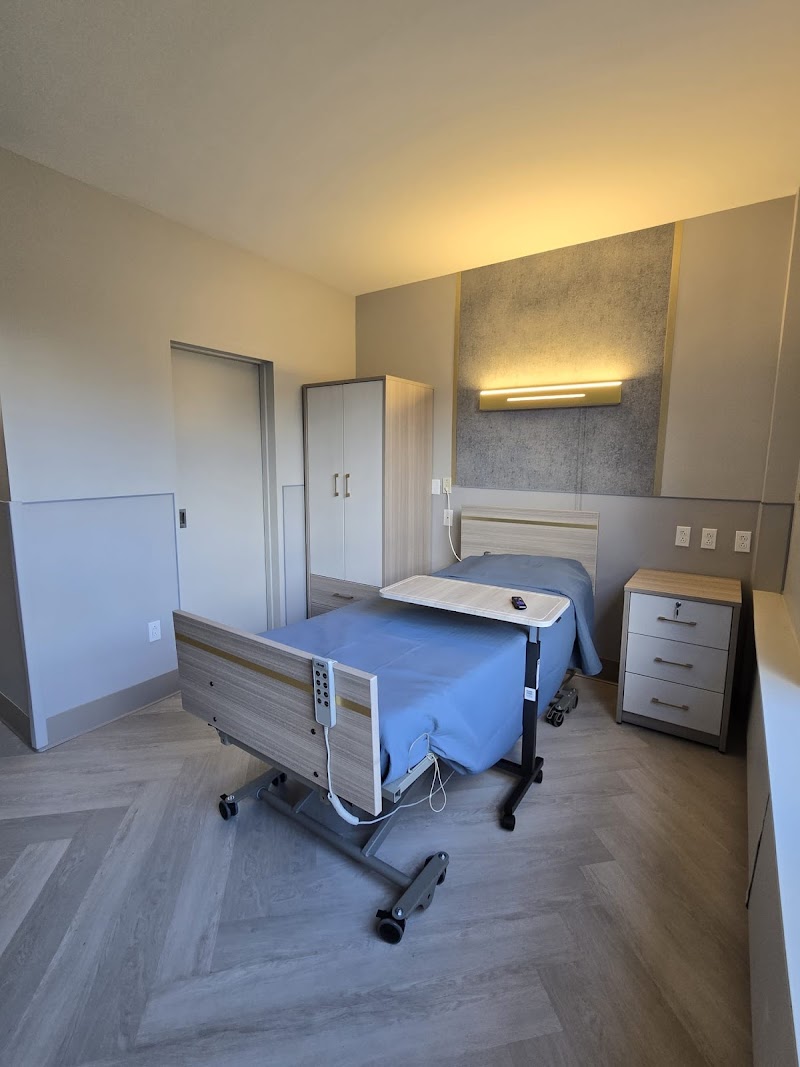
How is Harvard Gardens Rehabilitation & Staffed?

CMS rates HARVARD GARDENS REHABILITATION & CARE CENTER's staffing level at 1 out of 5 stars, which is much below average compared to other nursing homes.

What Have Inspectors Found at Harvard Gardens Rehabilitation &?

State health inspectors documented 69 deficiencies at HARVARD GARDENS REHABILITATION & CARE CENTER during 2021 to 2025. These included: 2 Immediate Jeopardy (the most serious level, indicating potential for serious harm or death), 4 that caused actual resident harm, 62 with potential for harm, and 1 minor or isolated issues. Immediate Jeopardy findings are rare and represent the most serious regulatory concerns. They require immediate corrective action.
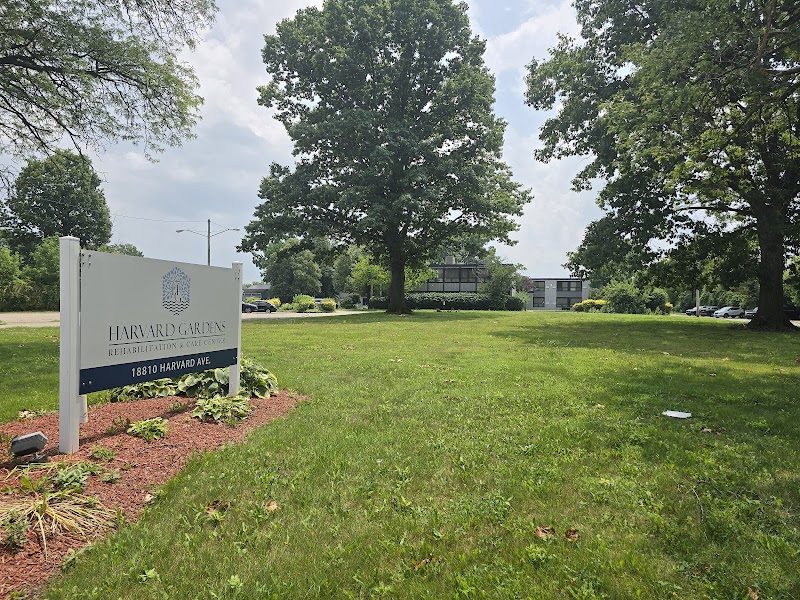
Who Owns and Operates Harvard Gardens Rehabilitation &?

HARVARD GARDENS REHABILITATION & CARE CENTER is owned by a for-profit company. For-profit facilities operate as businesses with obligations to shareholders or private owners. The facility operates independently rather than as part of a larger chain. With 130 certified beds and approximately 88 residents (about 68% occupancy), it is a mid-sized facility located in CLEVELAND, Ohio.
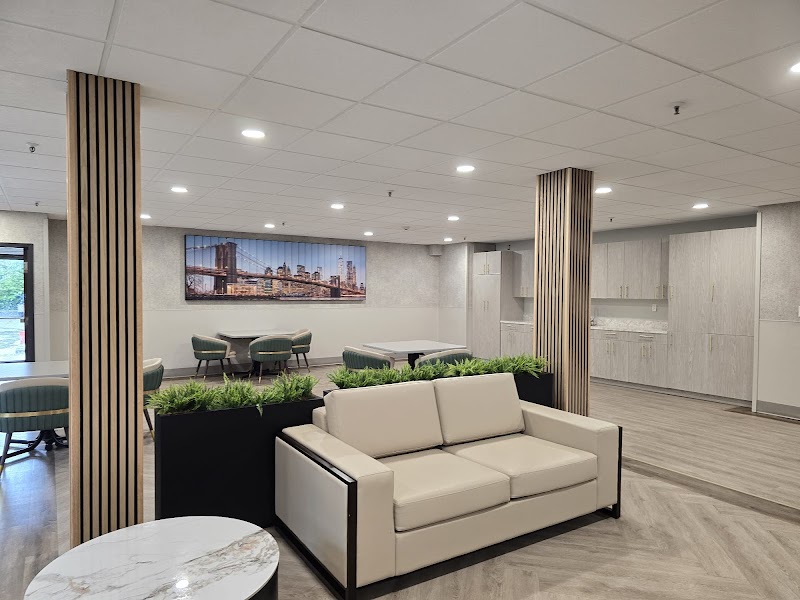
How Does Harvard Gardens Rehabilitation & Compare to Other Ohio Nursing Homes?

Compared to the 100 nursing homes in Ohio, HARVARD GARDENS REHABILITATION & CARE CENTER's overall rating (1 stars) is below the state average of 3.2 and health inspection rating (1 stars) is much below the national benchmark.

What Should Families Ask When Visiting Harvard Gardens Rehabilitation &?

Based on this facility's data, families visiting should ask: "What changes have been made since the serious inspection findings, and how are you preventing similar issues?" "What safeguards and monitoring systems are in place to protect residents from abuse or neglect?" "Can you walk me through typical staffing levels on day, evening, and night shifts?" "Can I visit during a mealtime to observe dining assistance and food quality?" These questions are particularly relevant given the facility's Immediate Jeopardy citations, the substantiated abuse finding on record, and the below-average staffing rating.

Is Harvard Gardens Rehabilitation & Safe?

Based on CMS inspection data, HARVARD GARDENS REHABILITATION & CARE CENTER has documented safety concerns. The facility has 1 substantiated abuse finding (meaning confirmed case of resident harm by staff or other residents). Inspectors have issued 2 Immediate Jeopardy citations (the most serious violation level indicating risk of serious injury or death). The facility is currently on the Special Focus Facility watch list (a federal program monitoring the lowest-performing 1% of nursing homes nationwide). The facility has a 1-star overall rating and ranks #100 of 100 nursing homes in Ohio. Families considering this facility should ask detailed questions about what corrective actions have been taken since these incidents.

Do Nurses at Harvard Gardens Rehabilitation & Stick Around?

HARVARD GARDENS REHABILITATION & CARE CENTER has not reported staff turnover data to CMS. Staff turnover matters because consistent caregivers learn residents' individual needs, medications, and preferences. When staff frequently change, this institutional knowledge is lost. Families should ask the facility directly about their staff retention rates and average employee tenure.

Was Harvard Gardens Rehabilitation & Ever Fined?

HARVARD GARDENS REHABILITATION & CARE CENTER has been fined $206,304 across 6 penalty actions. This is 5.9x the Ohio average of $35,142. Fines at this level are uncommon and typically indicate a pattern of serious deficiencies, repeated violations, or failure to correct problems promptly. CMS reserves penalties of this magnitude for facilities that pose significant, documented risk to resident health or safety. Families should request specific documentation of what issues led to these fines and what systemic changes have been implemented.

Is Harvard Gardens Rehabilitation & on Any Federal Watch List?

HARVARD GARDENS REHABILITATION & CARE CENTER is currently an SFF Candidate, meaning CMS has identified it as potentially qualifying for the Special Focus Facility watch list. SFF Candidates have a history of serious deficiencies but haven't yet reached the threshold for full SFF designation. The facility is being monitored more closely — if problems continue, it may be added to the official watch list. Families should ask what the facility is doing to address the issues that led to this status.