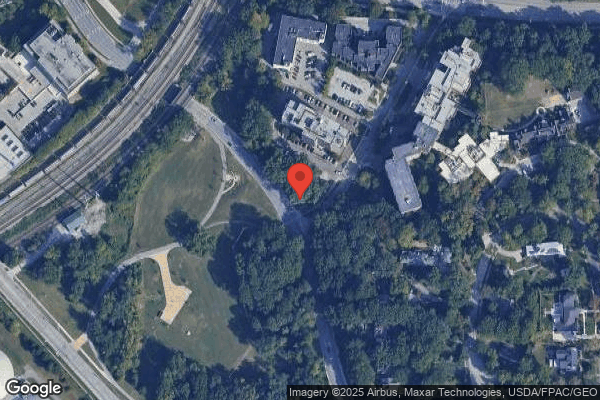
JUDSON PARK

2181 AMBLESIDE RD, CLEVELAND, OH 44106 (216) 721-1234
Non profit - Corporation 36 Beds Independent Data: November 2025
Trust Grade
75/100
#90 of 913 in OH
Last Inspection: January 2023

Over 2 years since last inspection. Current conditions may differ from available data.

Overview

Judson Park has a Trust Grade of B, indicating it is a good choice for families, placing it solidly in the middle range of nursing homes. It ranks #90 out of 913 facilities in Ohio, which means it is performing above average, and #10 out of 92 in Cuyahoga County, signifying only nine local options are better. However, the facility is experiencing a worsening trend, with issues increasing from three in 2023 to five in 2024. Staffing is a notable strength, with a turnover rate of 0%, well below the state average, ensuring consistency and familiarity for residents. Unfortunately, the facility has incurred $25,847 in fines, which is concerning as it is higher than 86% of other Ohio facilities, hinting at compliance issues. Specific incidents include a serious fall where a resident, deemed at high risk, fell and fractured a hip due to inadequate supervision and lack of fall prevention measures. Another incident involved a resident falling from a Hoyer lift during a transfer, leading to significant injuries, which indicates a failure in adhering to safe transfer protocols. While Judson Park has some strengths, particularly in staffing, these serious incidents raise concerns that families should carefully consider.

Trust Score
B
75/100
In Ohio
#90/913
Top 9%
Safety Record
Moderate
Needs review
Inspections
Getting Worse
3 → 5 violations
Staff Stability
○ Average
Turnover data not reported for this facility.
Penalties
✓ Good
$25,847 in fines. Lower than most Ohio facilities. Relatively clean record.
Skilled Nurses
✓ Good
Each resident gets 66 minutes of Registered Nurse (RN) attention daily — more than 97% of Ohio nursing homes. RNs are the most trained staff who catch health problems before they become serious.
Violations
○ Average
10 deficiencies on record. Average for a facility this size. Mostly minor or procedural issues.
★★★★★
5.0
Overall Rating
★★★★☆
4.0
Staff Levels
★★★★★
5.0
Care Quality
★★★★☆
4.0
Inspection Score
Stable
2023: 3 issues
2024: 5 issues

The Good

  • 4-Star Staffing Rating · Above-average nurse staffing levels
  • 5-Star Quality Measures · Strong clinical quality outcomes
  • Full Sprinkler Coverage · Fire safety systems throughout facility
  • No fines on record

Facility shows strength in staffing levels, quality measures, fire safety.

The Bad

Federal Fines: $25,847

Below median ($33,413)

Moderate penalties - review what triggered them

The Ugly 10 deficiencies on record

2 actual harm
Oct 2024 4 deficiencies 1 Harm
SERIOUS (G) 📢 Someone Reported This

A family member, employee, or ombudsman was alarmed enough to file a formal complaint

Actual Harm - a resident was hurt due to facility failures

Accident Prevention (Tag F0689)

A resident was harmed · This affected 1 resident

**NOTE- TERMS IN BRACKETS HAVE BEEN EDITED TO PROTECT CONFIDENTIALITY** Based on record review, interview, and policy review, the facility failed to ensure adequate supervision and individualized care...

Read full inspector narrative →
**NOTE- TERMS IN BRACKETS HAVE BEEN EDITED TO PROTECT CONFIDENTIALITY** Based on record review, interview, and policy review, the facility failed to ensure adequate supervision and individualized care planned interventions to prevent/reduce risk of falls and injury. This affected one resident (#27) of three residents reviewed who were at risk for falls. Actual harm occurred on 09/02/24 when Resident #27, who was identified as a high risk for falls, was found on the floor, unable to move her left leg and in severe pain. Resident #27 was sent to the hospital for evaluation and treatment where she was diagnosed with a fractured hip. Prior to the incident, Resident #27's scheduled sitter did not show up and the family nor the contacted company that provided the sitter were notified so arrangements for a replacement could be made. In addition, there was no evidence facility fall interventions were in place at the time of the resident's fall. While unsupervised in her room, Resident #27 got up from a wheelchair and walked out to the corridor where she fell. Findings include: Review of medical record for Resident #27 revealed an admission date of 08/26/24 and a discharge date of 09/02/24. Diagnoses included restlessness and agitation, chronic kidney disease, Alzheimer's disease, and delirium due to known physiological condition. Review of the facility Fall Risk assessment dated [DATE] revealed Resident #27 was disoriented to person, place, and time daily. Resident #27 was bed bound and required use of assistive devices including wheelchair, walker, furniture, and or cane. Resident #27 scored a 17 on the assessment indicating a high risk for falls. Review of the paper initial/interim plan of care dated 08/27/24 revealed Resident #27 was at risk for falls. Interventions included keep call light signal within reach, keep bed in lowest position and locked and ensure proper footwear, non-skid with proper soles. Review of the plan of care located in the electronic medical record dated 08/27/24 revealed Resident #27 was at risk for falls. The care plan did not include any interventions to prevent falls or to protect the resident from injury. Review of a nurse progress note dated 08/26/24 timed 10:40 P.M. revealed Resident #27 did not walk; a walking goal was not clinically indicated. Review of a nurse progress note dated 08/27/24 timed 12:07 A.M. revealed Resident #27 was always disoriented to person, place, and time. Review of a nurse progress note dated 08/28/24 timed 3:08 P.M. revealed Resident #27 had a fall on 08/27/24. The progress note indicated that a fall mat and alarm were in place. The progress note provided no information regarding the time, place or specifics of the fall. Further review of the medical record revealed no evidence of a post fall assessment, monitoring, or a fall investigation related to the 08/27/24 fall. Review of an activity participation progress note dated 08/29/24 timed 2:53 P.M. revealed Resident #27 indicated she was bed bound and could not walk. Review of the comprehensive Minimum Data Set (MDS) assessment, dated 09/02/24, revealed Resident #27 had impaired cognition. Behaviors identified on the MDS assessment included verbal and physical aggressiveness toward staff. Review of nurse progress note dated 09/02/24 timed 8:30 P.M. revealed Resident #27's son, who was at the facility after a fall requested that staff contact emergency services due to Resident #27's increased pain levels and long wait time for x-rays. Review of the nurse progress note dated 09/02/24 timed 8:45 P.M. revealed emergency services arrived at the facility. There was no information regarding the fall, injury, pain, or assessment of the resident. Review of nurse progress note dated 09/03/24 timed 1:57 A.M. revealed Resident #27 was admitted to the hospital with a left femur fracture. Review of the facility's undated and untimed fall incident report revealed on 09/02/24 Resident #27 was found on the floor in the hallway. Resident #27 complained of severe pain in left hip. Resident #27 was unable to straighten left leg due to severe pain. Predisposing physiological factors included gait imbalance and impaired memory. Resident #27 was ambulating without assistance. The family and physician were notified on 09/02/24 at 7:32 P.M. Interview on 09/29/24 at 8:35 A.M. with Registered Nurse (RN) #103 revealed she was not sure if Resident #27 had any alarms in place during her stay at the facility. RN #103 stated typically residents at risk for falls had bed and chair alarms, staff kept the bed at its lowest level and beds were placed with one side against the wall if possible. Interview on 09/30/24 at 10:52 A.M. with Resident #27's physician revealed she received a call from staff notifying her Resident #27 had a fall. The physician stated that Resident #27 had no rotation in her leg, could put weight on the leg and did not want to go the hospital. Follow up interview on 09/29/24 at 11:15 A.M. with RN #103 revealed she found Resident #27 on the floor in the hallway just outside the resident's room around 7:00 P.M. RN #103 assessed Resident #27 who indicated her left hip was hurting and she could not move the leg. RN #103 stated it took three staff members to transfer Resident #27 from the floor to her wheelchair and then to her bed. RN #103 contacted the physician who ordered x-rays. RN #103 said a sitter the family hired to stay with Resident #27 was not working at the time of the fall. RN #103 did not know why the sitter was not working or why staff did not contact the family to report the scheduled sitter did not show for the assigned shift. RN #103 did not recall an alarm sounding when she found Resident #27 on the floor. RN #103 did not send Resident #27 to the hospital immediately because the physician wanted x-rays prior to sending the resident to the hospital. Resident #27 could not bear weight on the left leg. Resident #27 was sent to the hospital upon the son's request. Interview on 09/30/24 at 12:12 P.M. with the Director of Nursing (DON) and Resident Care Coordinator (RCC) #106 confirmed there were no progress notes regarding Resident #27's falls on 08/27/24 and 09/02/24. They indicated the facility had not completed a fall investigation related to the 08/27/24 fall to determine the root cause which could have potentially prevent another fall. They verified the electronic plan of care dated 08/27/24 indicated Resident #27 was at risk for falls but did not include interventions to prevent falls or protect the resident from injury if a fall occurred. RCC #106 stated Resident #27 had an alarm on her wheelchair and bed and a fall mat next to the bed but verified there was no documentation to support they were implemented. RCC #106 indicated a sitter for Resident #27 had been at the facility (on 09/02/24) and then left. The DON and RCC #106 did not know why the sitter left the facility or why the family was not informed of the sitter leaving. Upon the sitter leaving Resident #27's supervision by facility staff was not increased. Interview on 09/30/14 at 2:25 P.M. with agency State Tested Nurse Assistant (STNA) #107 revealed she worked 2:30 P.M. to 11:00 P.M. on 09/02/24 the day Resident #27 fell. STNA #107 stated Resident #27 had no sitter while STNA #107 was working which was the 2:00 P.M. to 11:00 P.M. shift. STNA #107 stated when the family arrived after being notified of the fall they asked where the sitter was. STNA #107 stated Resident #27 had a bed alarm only, there was no alarm on the wheelchair. STNA #107 explained a sitter for another resident observed Resident #27 stand up from wheelchair and walk into the hallway by herself. Resident #27 was in excruciating pain and screamed out every time staff tried to move her. The physician wrote an order for x-rays which did not happen because of the long wait time. The family requested for staff to send Resident #27 to the hospital. Resident #27 left for the hospital at approximately 8:30 P.M. Interview on 09/30/24 at 3:54 P.M. with Unit Supervisor (US) #108 revealed she was informed of Resident #27's fall at 7:00 P.M. The x-ray technician did not arrive at the facility until after Resident #27 left the facility. Resident #27 left the facility around 8:30 P.M. Interview on 09/30/24 at 4:10 P.M. with the DON revealed Resident #27 should have had an alarm on her wheelchair. Interview on 10/01/24 at 11:23 A.M. with the director of the company responsible for providing sitters for residents at the facility revealed the sitter for Resident #27 flat out lied to the company indicating she/he was at the facility providing services for Resident #27 at the time of the fall. The director stated if the facility would have contacted the company when the sitter did not show the sitter would have been replaced. The director stated it was an unfortunate situation. Review of the facility's visitor/contractor sign in log revealed the sitter assigned to work with Resident #27 did not sign into the facility on [DATE]. Review of the facility Falls Policy, dated 2020 indicated all residents would be assessed for fall risk. Interventions would be incorporated into the plan of care utilizing the Fall Assessment Follow-up Tool as guidance for interventions. This deficiency represents non-compliance investigated under Complaint Number OH00157559.
CONCERN (D) 📢 Someone Reported This

A family member, employee, or ombudsman was alarmed enough to file a formal complaint

Potential for Harm - no one hurt, but risky conditions existed

Deficiency F0625 (Tag F0625)

Could have caused harm · This affected 1 resident

Based on record review and interview the facility failed to provide written information to the resident or resident representative regarding the facility bed hold policy upon discharge to hospital. Th...

Read full inspector narrative →
Based on record review and interview the facility failed to provide written information to the resident or resident representative regarding the facility bed hold policy upon discharge to hospital. This affected one (Resident #27) of three residents reviewed who required a bed hold notice. Findings include: Review of medical record for Resident #27 revealed an admission date of 08/26/24 and a discharge date of 09/02/24. Diagnoses included restlessness and agitation, chronic kidney disease, Alzheimer's disease, and delirium due to known physiological condition. Review of the comprehensive Minimum Data Set (MDS) assessment, dated 09/02/24, revealed Resident #27 had impaired cognition. Review of the nurse progress note dated 09/02/24 timed at 8:30 P.M. revealed Resident #27's son, who was at the facility after a fall, requested staff to contact emergency services because of Resident #27's increased pain levels and long wait time for x-rays. At 8:45 P.M. emergency services arrived at the facility to transport Resident #27 to the hospital. Review of the nurse progress note dated 09/03/24 timed at 1:57 A.M. revealed Resident #27 was admitted to the hospital with a left femur fracture. Interview on 09/30/24 at 11:20 A.M., with admission Director (AD) #105 revealed each resident who was discharged to the hospital from the facility received a packet which included information regarding bed holds Review of a packet which AD #105 indicated each resident received upon discharge confirmed the packet included the required bed hold notice information. AD #105 could not confirm that Resident #27 or the resident's representative received a packet which would have included the bed hold information. Interview with Resident #27's son on 10/07/24 at 9:46 A.M. revealed he did not receive a bed hold notice or discharge packet when his mother discharged emergently to the hospital after a fall on 09/02/24. However, on 09/03/24 he contacted the facility and requested a bed hold based on the information he read in admission agreement which was signed by himself and the facility representative. Resident #27's son said he wanted to ensure his mother had a place to go upon her discharge from the hospital. His mother's payer source was Medicare. This deficiency represents non-compliance investigated under Complaint Number OH00157559.
CONCERN (D) 📢 Someone Reported This

A family member, employee, or ombudsman was alarmed enough to file a formal complaint

Potential for Harm - no one hurt, but risky conditions existed

Safe Transfer (Tag F0626)

Could have caused harm · This affected 1 resident

**NOTE- TERMS IN BRACKETS HAVE BEEN EDITED TO PROTECT CONFIDENTIALITY** Based on record review, policy review, and interview the facility failed to allow a resident to return to the facility after dis...

Read full inspector narrative →
**NOTE- TERMS IN BRACKETS HAVE BEEN EDITED TO PROTECT CONFIDENTIALITY** Based on record review, policy review, and interview the facility failed to allow a resident to return to the facility after discharge to hospital for a change in condition. This affected one (Resident #27) of three residents reviewed who had been transferred to the hospital. Findings include: Review of medical record for Resident #27 revealed an admission date of 08/26/24 and a discharge date of 09/02/24. Diagnoses included restlessness and agitation, chronic kidney disease, Alzheimer's disease, and delirium due to known physiological condition. Review of the comprehensive Minimum Data Set (MDS) assessment, dated 09/02/24, revealed Resident #27 had impaired cognition. Review of the nurse progress note dated 09/02/24 timed at 8:30 P.M. revealed Resident #27's son, who was at the facility after a fall requested staff to contact emergency services because of Resident #27's increased pain levels and long wait time for x-rays. At 8:45 P.M. emergency services arrived at the facility to transport Resident #27 to the hospital. Review of the nurse progress note dated 09/03/24 timed at 1:57 A.M. revealed Resident #27 was admitted to the hospital with a left femur fracture. Interview on 09/30/24 at 11:20 A.M., with admission Director (AD) #105 revealed Resident #27 was not readmitted to the facility because the census was 30 (capacity 36) and the facility held/reserved beds for any potential admission from their sister facilities. AD #105 contacted her supervisor who directed her to refuse the readmission. AD #105 stated the facility policy did not reflect the procedure for reserving beds because the procedure/process was internal. AD #105 said the family of Resident #27 contacted the facility within 24 hours to request a bed-hold. Interview with Resident #27's son on 10/07/24 at 9:46 A.M. revealed he did not receive a bed hold notice when his mother discharged emergently to the hospital after a fall on 09/02/24. However, on 09/03/24 he contacted the facility and requested a bed hold based on the information regarding bed holds located in the signed admission agreement. The complainant wanted to ensure his mother had a place to go upon her discharge from the hospital. He was told they could not hold a bed for his mother. His mother's payer source was Medicare Advantage. Resident #27 was discharged from the hospital on [DATE] and admitted to another area nursing home. Review of the facility Bed Hold and Return to Facility Policy and Procedure, dated 2016 revealed the following. 1. Medicare as the primary payer source- unlimited days with payment of daily room rate. 2. Medicaid as primary payer source- 30 days. 3. Private pay as the primary payer source- unlimited days with payment of daily room rate. Facility will readmit or allow the opportunity for return to facility when: 1. Residents to return to facility after hospitalization or therapeutic leave if their needs were met by the facility. 2. The resident required the services provided by the facility. 3. If the resident was eligible for Medicare or Medicaid skilled nursing facility services. This deficiency represents non-compliance investigated under Complaint Number OH00157559.
CONCERN (D) 📢 Someone Reported This

A family member, employee, or ombudsman was alarmed enough to file a formal complaint

Potential for Harm - no one hurt, but risky conditions existed

Medical Records (Tag F0842)

Could have caused harm · This affected 1 resident

Based on record review and interview the facility failed to ensure the medical record contained an accurate representation of the resident's actual experience. This affected one (Resident #27) of thre...

Read full inspector narrative →
Based on record review and interview the facility failed to ensure the medical record contained an accurate representation of the resident's actual experience. This affected one (Resident #27) of three residents reviewed for falls. Findings include: Review of medical record for Resident #27 revealed an admission date of 08/26/24 and a discharge date of 09/02/24. Diagnoses included restlessness and agitation, chronic kidney disease, Alzheimer's disease, and delirium due to known physiological condition. Review of the comprehensive Minimum Data Set (MDS) assessment, dated 09/02/24, revealed Resident #27 had impaired cognition. Behaviors identified on the MDS included verbal and physical aggressiveness toward staff. Review of the plan of care dated 08/27/24 revealed Resident #27 was at risk for falls. Review of a nurse progress note dated 08/28/24 timed 3:08 P.M. revealed Resident #27 had a fall on 08/27/24. The progress note indicated that a fall mat and alarm were in place. The progress note provided no information regarding the time, place or specifics of the fall. Further review of the medical record revealed no evidence of a post fall assessment, monitoring, or a fall investigation related to the 08/27/24 fall. Review of nurse progress note dated 09/02/24 timed 8:30 P.M. revealed Resident #27's son, who was at the facility after a fall requested that staff contact emergency services due to Resident #27's increased pain levels and long wait time for x-rays. Review of the nurse progress note dated 09/02/24 timed 8:45 P.M. revealed emergency services arrived at the facility. There was no information regarding the fall, injury, pain, or assessment of the resident. Review of nurse progress note dated 09/03/24 timed 1:57 A.M. revealed Resident #27 was admitted to the hospital with a left femur fracture. Interview on 09/30/24 at 10:52 A.M. with Resident #27's physician revealed she received a call from staff notifying her Resident #27 had a fall. The physician stated that Resident #27 had no rotation in her leg, could put weight on the leg and did not want to go the hospital. Interview on 09/29/24 at 11:15 A.M. with Registered Nurse (RN) #103 revealed she found Resident #27 on the floor in the hallway just outside the resident's room around 7:00 P.M. RN #103 assessed Resident #27 who indicated her left hip was hurting and she could not move the leg. RN #103 stated it took three staff members to transfer Resident #27 from the floor to her wheelchair and then to her bed. RN #103 contacted the physician who ordered x-rays. Resident #27 could not bear weight on the left leg. Resident #27 was sent to the hospital upon the son's request. Interview on 09/30/24 at 12:12 P.M. with the Director of Nursing (DON) and Resident Care Coordinator (RCC) #106 confirmed there were no progress notes regarding Resident #27's falls on 08/27/24 and 09/02/24. This deficiency represents non-compliance investigated under Complaint Number OH00157559.
Mar 2024 1 deficiency 1 Harm
SERIOUS (G) 📢 Someone Reported This

A family member, employee, or ombudsman was alarmed enough to file a formal complaint

Actual Harm - a resident was hurt due to facility failures

Accident Prevention (Tag F0689)

A resident was harmed · This affected 1 resident

Based on closed medical record review, staff interview, review of emergency medical services report, review of hospital records, review of facility policy, and review of manufacturer's guidelines, the...

Read full inspector narrative →
Based on closed medical record review, staff interview, review of emergency medical services report, review of hospital records, review of facility policy, and review of manufacturer's guidelines, the facility failed to ensure resident safety during a Hoyer lift transfer. Actual harm occurred on 02/21/24 when Resident #30, who was cognitively impaired, at risk for falls and dependent on staff for transfers using a mechanical (Hoyer) lift, fell from the Hoyer lift during a staff assisted transfer resulting in hospitalization with injuries including a right frontal bone fracture extending into superior orbit, bilateral maxillary bone fractures, and bilateral inferior orbital wall fractures with involvement of right nasal lacrimal duct. This affected one resident (#30) of three reviewed for safe transfers. The facility census was 24. Findings include: Review of the closed medical record for Resident #30 revealed an admission date of 02/08/24 and a discharge date of 02/21/24. Diagnoses included vascular Parkinsonism, mild cognitive impairment, vascular dementia, congestive heart failure, and chronic peripheral venous insufficiency. Review of the admission nursing assessment for Resident #30 dated 02/08/24 revealed the resident arrived at the facility by stretcher and was disoriented, confused, and required verbal cues. Resident #30 was on hospice care, had contractures and impaired range of motion to the bilateral lower extremities. Review of the restorative nursing screener for Resident #30 dated 02/08/24 revealed the resident was dependent on staff for transfers to and from a bed to a chair or wheelchair and used a manual wheelchair for mobility. Review of fall risk evaluation for Resident #30 dated 02/09/24 revealed the resident was at risk for falls and was bed bound. Review of the Minimum Data Set (MDS) assessment for Resident #30 dated 02/21/24 revealed the resident was dependent on staff for transfers to and from a bed to a chair or wheelchair. Review of an incident note for Resident #30 dated 02/21/24 timed at 9:46 A.M. revealed the resident was being lifted in a Hoyer lift when he slipped out and landed on his right side. The staff called 911 and the resident was transported to the hospital per emergency medical services (EMS.) Review of a witnessed fall incident report for Resident #30 dated 02/21/24 timed at 9:58 A.M. revealed the resident had fallen out of Hoyer lift during transfer. Resident #30 had observed injuries including an abrasion to top of the scalp, unspecified injury to back of head, skin tear to right antecubital space, and an unspecified injury to right upper arm. Resident #30 was stuporous (responsive only to vigorous stimulation) following the incident. Review of an EMS report for Resident #30 dated 02/21/24 revealed EMS arrived at the facility at 9:14 A.M. and the resident arrived at hospital at 9:32 A.M. Resident #30 was found lying supine on floor of his room, and facility staff reported the resident had fallen out of Hoyer lift while being transferred. The resident had an abrasion with bleeding to the forehead and right forearm and deformity of right upper arm and right elbow. Resident #30 was confused and unable to answer questions or recall what had happened. Review of the health status note for Resident #30 dated 02/21/24 revealed the resident was admitted to hospital. Review of the hospital record for Resident #30 dated 02/21/24 revealed the resident was transported to the hospital after sustaining a fall from a Hoyer lift at the facility in which he was dropped by the facility nursing staff. Upon arrival at the hospital Resident #30 complained of right arm pain and right sided frontal head pain. Resident #30 sustained injuries including the following: right frontal bone fracture extending into superior orbit, bilateral maxillary bone fractures, bilateral inferior orbital wall fractures with involvement of right nasal lacrimal duct, superficial skin tears of right side of the forehead, a large superficial skin tear of the right forearm. Review of the incident statement for Resident #30 dated 02/22/24 per State Tested Nursing Assistant (STNA) #803 revealed she was not the assigned caregiver for Resident #30 on 02/21/24 but she did assist STNA #804 with a transfer. Review of the statement revealed Resident #30 went forward out of Hoyer pad during the transfer, and STNA #803 notified Licensed Practical Nurse (LPN) #802. Review of the incident statement for Resident #30 dated 02/22/24 per STNA #804 revealed she was the assigned caregiver for Resident #30 on 02/21/24. Review of the statement revealed Resident #30 was being lifted into his Broda chair per the Hoyer lift when he fell out. Further review of the statement revealed Resident #30 rolled out of the Hoyer lift and onto the floor because he was contracted, and Resident Care Manager (RCM) #800 and LPN #802 were notified. Interview on 03/06/24 at 10:00 A.M. with LPN #802 confirmed on 02/21/24 STNA #803 notified her Resident #30 had fallen out of the Hoyer lift, and she and RCM #800 found the resident in his room lying on his right side bleeding profusely. Initially, LPN #802 was unable to confirm where the blood was coming from, but after further assessment she determined he was bleeding from his nose. LPN #802 asked RCM #800 to call 911. The resident had bruising on his right arm from shoulder to elbow, bruising on right knee, a skin tear on his right arm, and his right eye was swollen shut. LPN #802 confirmed there were no mechanical issues with the Hoyer lift or the Hoyer pad nor were there any environmental hazards present in the room at the time of the fall. Interview on 03/06/24 at 10:44 A.M. with STNA #803 confirmed on 02/21/24 she had assisted STNA #804 with a Hoyer lift transfer of Resident #30 from his bed to a Broda chair. STNA #803 indicated she was controlling the Hoyer lift and STNA #804 was guiding. STNA #803 indicated when she began to lower Resident #30 down into the chair, he fell forward out of the Hoyer sling, and she was unsure how or why the resident fell forward. STNA #803 confirmed after resident fell, she ran for help while STNA #804 stayed with the resident. STNA #803 confirmed there were no mechanical issues with the Hoyer lift or Hoyer sling nor were there any environmental hazards present in the room at the time of fall. Interview on 03/06/24 at 11:06 A.M. with STNA #804 confirmed on 02/21/24 she requested assistance from STNA #803 to transfer Resident #30 out of bed. STNA #804 confirmed she prepared Resident #30 on the Hoyer pad and brought in the Hoyer lift. STNA #804 confirmed Resident #30 had contractures of his legs and he resembled a ball. STNA #804 confirmed STNA #803 helped her hook up the straps to the Hoyer lift, and she was guiding while STNA #803 was operating the lift. STNA #804 confirmed she was unsure why Resident #30 fell out of the Hoyer sling. STNA #804 confirmed as soon as STNA #803 turned the Hoyer from over the bed Resident #30 fell forward. STNA #804 reported she stayed with Resident #30 while STNA #803 went to get help. STNA #804 confirmed Resident #30 was bleeding after the fall and she supported his head. STNA #804 confirmed there were no mechanical issues with the Hoyer lift or Hoyer sling nor were there any environmental hazards present in the room at the time of fall. Interview on 03/06/24 at 12:22 P.M. with the [NAME] President (VP) of Health Services revealed the facility conducted an investigation regarding Resident #30's fall on 02/21/24. The VP of Health Services indicated the Hoyer lift used for the transfer for Resident #30 was checked (following the incident) with no equipment failure identified. The VP of Health Services revealed the facility was unsure if the size of the Hoyer lift sling was appropriate for the resident, and the facility had concluded the root cause of Resident #30's fall from Hoyer lift was user error. Interview on 03/06/24 at 12:42 P.M. with RCM #800 confirmed LPN #802 called her to Resident #30's room on 02/21/24 because STNA #803 and STNA #804 reported the resident had fallen during a Hoyer lift transfer. RCM #800 indicated she went to call 911 while LPN #802 assessed Resident #30. RCM #800 confirmed Resident #30 had a large bulge on right arm, a laceration to his elbow, and was bleeding from an unknown source. RCM #800 confirmed she waited on floor with Resident #30 until EMS arrived. Interview on 03/06/24 at 2:22 P.M. with the Director of Nursing (DON) confirmed the facility conducted an investigation regarding Resident #30's fall from the Hoyer lift on 02/21/24. The DON confirmed Resident #30 had contractures which caused him to be top heavy while being transported in a Hoyer sling. The DON confirmed she interviewed STNA #803 who confirmed Resident #30 was leaning forward in Hoyer sling during the transfer due to contractures. The DON questioned STNA #804 if she maintained hands on contact with Resident #30 while he was being transferred, and STNA #804 revealed she did not have hands on the resident but stated she was standing by while the resident was lifted in Hoyer lift. Interview with the DON confirmed the root cause of Resident #30's fall from the Hoyer lift was staff failed to recognize Resident #30 was top heavy due to contractures and failed to maintain hands on contact with the resident during the transfer. Review of facility policy titled Hoyer Lift Transfer dated 03/10/14 revealed one staff member should control the lift while the second staff member should oversee the positioning of the resident for safe transfer. When raising a resident, the staff member overseeing positioning must have their hands on the resident. Review of manufacturer's guidelines for the Hoyer lift dated 2011 revealed two assistants were recommended for all lifting, preparation, and transferring of residents. This deficiency represents non-compliance investigated under Complaint Number OH00151335.
Jan 2023 3 deficiencies
CONCERN (D)

Potential for Harm - no one hurt, but risky conditions existed

Deficiency F0578 (Tag F0578)

Could have caused harm · This affected 1 resident

**NOTE- TERMS IN BRACKETS HAVE BEEN EDITED TO PROTECT CONFIDENTIALITY** Based on observation, record review and interview, the facility failed to ensure Resident #181, #184 and #186 had accurate advan...

Read full inspector narrative →
**NOTE- TERMS IN BRACKETS HAVE BEEN EDITED TO PROTECT CONFIDENTIALITY** Based on observation, record review and interview, the facility failed to ensure Resident #181, #184 and #186 had accurate advance directive orders and documentation in place for staff to accurately identify code status. This affected three Residents (#181, #184 and #186) out of five residents reviewed for advanced directives. The facility census was 25. Findings include: 1 Review of Resident #181's medical record revealed the resident was admitted to the facility on [DATE] with diagnoses of aftercare following joint replacement surgery, spinal stenosis lumbar, sleep apnea, osteoarthritis, Parkinson's disease, malignant neoplasm of prostate, myocardial infarction, and atrial fibrillation. Review of the physician's orders for Resident #181 revealed there were no orders to identify code status in the electronic medical record (EMR) or in the hard medical chart. Review of the facility document titled DNR Order Form, dated [DATE] and having Resident #181's name on it, revealed a physician signature, a large line drawn across the form and through the date and the word full written in large letters next to the words DNR comfort care. There was no patient nor authorized representative's signature on the form. Interview on [DATE] at 2:05 P.M. with Director of Nursing (DON) #301 confirmed there was no code status in the orders and in the hard medical chart was a DNR CC form was not completed to accurately identified code status and was not signed by Resident #181 or their authorized representative. DON #301 revealed the code status was supposed to be in the orders and in the hard medical chart. Interview on [DATE] at 2:07 P.M. Registered Nurse (RN) #304 confirmed there was no code status in the orders and in the hard medical chart was a DNR CC form not properly completed. RN #304 revealed the code status was supposed to be in the orders and in the hard medical chart. Interview on [DATE] at 3:36 P.M. with [NAME] President of Health Services (VPHS) #300 confirmed there was no code status in the orders and in the hard medical chart was a DNR CC form not properly completed. VPHS #300 revealed the code status was supposed to be in the orders and in the hard medical chart. 2 Review of Resident #184's medical record revealed the resident was admitted to the facility on [DATE] with diagnoses of Cellulitis of right lower limb, edema, hypertension, acute kidney failure with tubular necrosis, and obstructive sleep apnea. Review of the physician's orders for Resident #184 revealed there was no order for code status in the electronic medical record (EMR) or in the hard medical chart. Review of the facility document titled DNR Order Form, dated [DATE] and having Resident #184's name on it, revealed a physician signature, a large line drawn across the form and through the date and the word full written in large letters next to the words DNR comfort care. There was no patient nor authorized representative's signature on the form. Interview on [DATE] at 2:05 P.M. with the DON confirmed there was no code status in the orders and in the hard medical chart was a DNR CC form not properly completed, crossed out, and on top written Full. The DON revealed the code status was supposed to be in the orders and in the hard medical chart. Interview on [DATE] at 2:07 P.M. RN #304 confirmed there was no code status in the orders and in the hard medical chart was a DNR CC for not completed correctly, crossed out, and on top written Full. RN #304 revealed the code status was supposed to be in the orders and in the hard medical chart. Interview on [DATE] at 3:36 P.M. with VPHS #300 confirmed there was no code status in the orders and in the hard medical chart was a DNR CC for not completed correctly, crossed out, and on top written Full. VPHS #300 revealed the code status was supposed to be in the orders and in the hard medical chart. 3 Review of Resident #186's medical record revealed the resident was admitted to the facility on [DATE] with diagnoses of chronic obstructive pulmonary disease, acute kidney failure with tubular necrosis, alcohol dependence, and epilepsy. Review of the physician's orders for Resident #186 revealed there was no order for code status in the electronic medical record (EMR) or in the hard medical chart. Review of the facility document titled DNR Order Form, dated [DATE] and having Resident #186's name on it, revealed a physician signature. There was no patient nor authorized representative's signature on the form. The form did not specify what the resident's code status was in the event of cardiac or respiratory arrest. Interview on [DATE] at 2:05 P.M. with the DON confirmed there was no code status in the orders and in the hard medical chart was a DNR CC for not completed. DON revealed the code status is supposed to be in the orders and in the hard medical chart correctly. Interview on [DATE] at 2:07 P.M. RN #304 confirmed there was no code status in the orders and in the hard medical chart was a DNR CC form not completed. RN #304 revealed the code status is supposed to be in the orders and in the hard medical chart correctly. Interview on [DATE] at 3:36 P.M. with VPHS #300 confirmed there was no code status in the orders and in the hard medical chart was a DNR CC form not completed. VPHS #300 revealed the code status was supposed to be in the orders and in the hard medical chart correctly. Review of facility policy, Advance Directives/CPR, revised 08/2016, revealed every resident had a right to make an informed decision about their advance directives, physicians would write orders for the advance directives and copies of the advanced directives would be kept in the resident's medical record.
CONCERN (D)

Potential for Harm - no one hurt, but risky conditions existed

Deficiency F0883 (Tag F0883)

Could have caused harm · This affected 1 resident

**NOTE- TERMS IN BRACKETS HAVE BEEN EDITED TO PROTECT CONFIDENTIALITY** Based on observation, record review, policy review and interview, the facility failed to ensure influenza vaccinations were offe...

Read full inspector narrative →
**NOTE- TERMS IN BRACKETS HAVE BEEN EDITED TO PROTECT CONFIDENTIALITY** Based on observation, record review, policy review and interview, the facility failed to ensure influenza vaccinations were offered to Resident #17, #185 and #186 at least annually. This affected three residents (Resident #17, #185, and #186) of five residents reviewed for vaccines. The faciliy census was 25. Findings include: 1 Review of Resident #17's medical record revealed the resident was admitted to the facility on [DATE] with diagnoses of normal pressure hydrocephalus, presence of cerebrospinal fluid drainage device, dementia, and benign prostatic hyperplasia with lower urinary tract symptoms. Review of Quarterly Minimum Data Set (MDS) 3.0 assessment revealed the resident was moderately impaired for decision making and required extensive assistance of two plus for bed mobility, transfers, toileting, and was extensive assistance of one for hygiene, and dressing. Review of Resident #17's immunization records revealed he had an influenza vaccine on 10/20/21 and there was no evidence the facility offered an influenza vaccine for 2022. 2. Review of Resident #185's medical record revealed the resident was admitted to the facility on [DATE] with diagnoses of Parkinson's disease, atrial fibrillation, depression, and mild cognitive impairment. Review of admission MDS 3.0 assessment dated [DATE] revealed the resident was moderately impaired for decision making and required extensive assistance of one for bed mobility, dressing, toileting, limited assistance of one for transfers, hygiene, and eating supervision with set up help. Review of Resident #185's immunization records revealed he had an influenza vaccine on 11/19/19 prior to his admission on [DATE] and there was no evidence the facility offered an influenza vaccine upon admission. 3 Review of Resident #186's medical record revealed the resident was admitted to the facility on [DATE] with diagnoses of chronic obstructive pulmonary disease, acute kidney failure with tubular necrosis, alcohol dependence, epilepsy, and unspecified dementia. Review of Resident #186's immunization records revealed she had an influenza vaccine on 09/20/17 prior to her admission on [DATE] and there was no evidence the facility offered an influenza vaccine upon her admission to the facility. Interview on 01/18/23 at 3:36 P.M. with VPHS #300 verified staff were not offering vaccinations screening accurately upon admission and yearly as required. VPHS #300 was unable to provide any documentation the influenza vaccine was offered to Resident #185 and #186 upon admission nor Resident #17 at least annually. VPHS #300 reported this was an issue at the facility. Review of facility policy, Influenza and Pneumococcal Immunization Program, revised 10/2018, revealed the nurse admitting the resident was responsible for completing Influenza/Pneumococcal Immunization Resident Assessment form to determine which residents needed vaccines and annual flu vaccination education would be provided to the resident or their representative. The flu vaccination would be offered to all residents able to get the vaccine.
CONCERN (D)

Potential for Harm - no one hurt, but risky conditions existed

Deficiency F0919 (Tag F0919)

Could have caused harm · This affected 1 resident

Based on observation, record review, and interview, the facility failed to ensure call lights were functioning and that needed repairs received timely intervention. This affected one of one residents ...

Read full inspector narrative →
Based on observation, record review, and interview, the facility failed to ensure call lights were functioning and that needed repairs received timely intervention. This affected one of one residents (Resident #2) reviewed for environmental concerns. The facility census was 25. Findings include: Record review of Resident #2 revealed she was admitted to the facility 08/09/06 and had diagnoses including multiple sclerosis, dysphagia, wheelchair dependence, neuromuscular bladder dysfunction, and unspecified dementia. Her last Minimum Data Set 3.0 assessment on 10/29/22 revealed she had moderate cognitive impairment, was incontinent of bowel and bladder, and required extensive or total staff assistance for bed mobility, transfers, locomotion, hygiene, and toileting. Interview with Resident #2 on 01/17/23 at 10:21 A.M. revealed her call light had been broken for weeks. She shouted for help when she needed assistance and denied any negative effects from this. Observation at the time of the above interview revealed Resident #2's call light cord connected to a plastic box which appeared to be hanging loose from the wall. Pushing the call light button revealed no light or sound went on above the door, in the hall, or at the nursing station to notify staff the call light was used. The resident had no handbell or other alternate means of ringing for assistance. On entry to the room, the door was closed and the television was turned up to a loud volume. Interview with Licensed Practical Nurse (LPN) #501 on 01/17/23 at 10:31 A.M. confirmed the above findings. She said she would call maintenance to address the concern. Observation of Resident #2's room on 01/17/23 at 11:24 A.M. and 1:39 P.M. revealed the call light attachment box was now firmly connected to the wall. However, testing it again revealed there was still no noise or light visible from the alarm lights above the doorway, in the hall, or at the nursing station, and she still did not have any substitute means of summoning assistance. Interview with LPN #501 on 01/17/23 at 1:39 P.M. confirmed the above findings. Observation of Resident #2's room on 01/18/23 at 9:48 A.M. revealed the call light to still not be functional, and she still had no alternate means of ringing for assistance. Interview with State Tested Nursing Aide (STNA) #502 on 01/18/23 at 9:50 A.M. confirmed the above findings. She said the call lights were silent, but were supposed to activate the lights above the doors and in central hallways positions so staff could see someone needed help. They were also supposed to activate STNA pagers. Observation at the time of the above interview revealed Resident #2's call light did not activate STNA #502's pager. Interview with Registered Nurse #503 on 01/18/23 at 9:55 A.M. revealed LPN #501 contacted maintenance regarding the broken call light, who said they would need to send out a service call. She confirmed the facility should have provided the resident a substitute means of calling for help until the problem was addressed. Following surveyor intervention, the facility provided Resident #2 with a handbell on 01/18/23 at 10:00 A.M.
Mar 2020 2 deficiencies
CONCERN (D)

Potential for Harm - no one hurt, but risky conditions existed

Medication Errors (Tag F0758)

Could have caused harm · This affected 1 resident

**NOTE- TERMS IN BRACKETS HAVE BEEN EDITED TO PROTECT CONFIDENTIALITY** Based on record review, interview and policy review, the facility did not ensure two residents (Residents #20 and #137) of five ...

Read full inspector narrative →
**NOTE- TERMS IN BRACKETS HAVE BEEN EDITED TO PROTECT CONFIDENTIALITY** Based on record review, interview and policy review, the facility did not ensure two residents (Residents #20 and #137) of five residents reviewed for unnecessary medications had as needed psychotropic medications addressed for necessity and a duration. The facility identified three additional residents who received as needed psychotropic medications, Residents #3, #4, and #8. Findings include: 1. Review of the medical record for Resident #20 revealed an admission on [DATE]. Diagnoses included pleural effusion, shortness of breath, irregular heartbeats, cancer, congestive heart failure and adjustment disorder with other symptoms. The medical record reflected on 02/05/20 the physician had placed an initial order for Lorazepam, an antianxiety medication, 0.5 milligram (mg) every two hours as needed for anxiety or restlessness. No stop date was indicated or stated on the order. An interview was completed on 03/03/20 at 4:50 P.M. with the Registered Nurse (RN) #502 and verified the lack of evidence of a 14-day re-evaluation for the use of the anti-anxiety medication. Upon entrance to the facility on [DATE] at 7:30 A.M. no information was provided to evidence the 14-day reevaluation requirement. A note was left at the surveyor's desk to indicate the medication was discontinued. No evidence of the 14-day requirement was presented. An interview on 03/04/20 at 3:05 P.M. was conducted with the Administrator and these findings were verified. Review of the document titled, Psychotropic Medications, last revision 01/2019, was completed, and this policy stated under bullet point #8, The physician or advanced practice nurse provides documentation in the clinical record to support the need for medications. If as needed medications are used, the documentation should be reviewed every 14 days and the rationale documented in the clinical record. 2. Resident #137 was admitted to the facility on [DATE] with diagnoses including multiple sclerosis, anxiety disorder, and major depressive disorder. Review of Resident #137's March 2020 physician orders revealed an order for Ativan (antianxiety medication) 0.5 mg every four hours as needed for pain ordered 02/05/20 without a stop date and Prochlorperazine Maleate (antipsychotic medication) 10 mg every eight hours as needed for nausea without a stop date. Review of Resident #137's medical record revealed Resident #137 had been seen by the physician on 02/06/20 who documented the order of the as needed antianxiety medication and on 02/05/20 and 02/19/20 by the nurse practitioner who documented in the 02/19/20 note to continue as needed medications, not currently using at this time. None of the three visit notes specifically documented Resident #137's receipt of the as needed antipsychotic medication or a duration for the as needed antianxiety medication. Resident #137's medical record did reveal the pharmacy had reviewed the physician orders on 02/14/20 and only identified a need for a diagnosis related to Resident #137's antidepressant medication. Review of Resident #137's Medication Administration Record (MAR) since admission revealed neither the antianxiety or antipsychotic medications had been used. Interview with RN #502 on 03/03/20 at 4:50 P.M. verified the presence of the antianxiety and antipsychotic medication orders without stop dates and physician justification. Review of the facility policy titled, Psychotropic Medications, revised January 2019, stated the physician or advanced practice nurse provides documentation in the clinical record to support the need for medications and if as needed medications are used, the documentation should be reviewed every 14 days and the rationale documented in the clinical record.
CONCERN (D)

Potential for Harm - no one hurt, but risky conditions existed

Deficiency F0761 (Tag F0761)

Could have caused harm · This affected 1 resident

**NOTE- TERMS IN BRACKETS HAVE BEEN EDITED TO PROTECT CONFIDENTIALITY** Based on observations, interview and record review, the facility failed to ensure medication was administered and secure for one...

Read full inspector narrative →
**NOTE- TERMS IN BRACKETS HAVE BEEN EDITED TO PROTECT CONFIDENTIALITY** Based on observations, interview and record review, the facility failed to ensure medication was administered and secure for one resident (Resident #131) of 33 residents observed during the annual survey. The facility identified nine residents (Residents #1, #11, #13, #14, #15, #127, #129, #135 and #139) who were independently mobile with or without an assistive device. Findings include: Resident #131 was admitted to the facility on [DATE] with diagnoses including lung cancer, breast cancer, ovarian cancer, and status post intestinal obstruction with surgical repair. Review of Resident #131's medical record revealed a Brief Interview for Mental Status (BIMS) was completed on 02/28/20 where Resident #131 scored a 14 which demonstrated no cognitive impairment. Observation of Resident #131's bedside table on 03/02/20 at 9:55 A.M. revealed a breakfast tray which the resident was still eating off of, numerous toiletry items including tissues, a mirror, and brush, and a small plastic cup with five pills. During Resident #131's interview on 03/02/20 at 9:55 A.M., Resident #131 stated the facility staff leave her medications for her to take after she finishes her breakfast. Staff interview with Registered Nurse (RN) #500 on 03/02/20 at 10:02 A.M. verified the cup of medications at Resident #131's bedside and stated the medications should not have been left, and RN #500 then took the medications from Resident #131's room. On 03/02/20 at 10:05 A.M., RN #501 verified she had left the medications and identified the medications as Losartan (used to treat high blood pressure), Loperamide (antidiarrheal), Norvasc (used to treat high blood pressure), Tylenol (pain medication), and Singulair (asthma medication).
Understanding Severity Codes (click to expand)
Life-Threatening (Immediate Jeopardy)
J - Isolated K - Pattern L - Widespread
Actual Harm
G - Isolated H - Pattern I - Widespread
Potential for Harm
D - Isolated E - Pattern F - Widespread
No Harm (Minor)
A - Isolated B - Pattern C - Widespread

Questions to Ask on Your Visit

  • "Can I speak with families of current residents?"
  • "What's your RN coverage like on weekends and overnight?"

Our Honest Assessment

Strengths
  • • Licensed and certified facility. Meets minimum state requirements.
Concerns
  • • 10 deficiencies on record, including 2 serious (caused harm) violations. Ask about corrective actions taken.
  • • $25,847 in fines. Higher than 94% of Ohio facilities, suggesting repeated compliance issues.
Bottom line: Generally positive indicators. Standard due diligence and a personal visit recommended.

About This Facility

What is Judson Park's CMS Rating?

CMS assigns JUDSON PARK an overall rating of 5 out of 5 stars, which is considered much above average nationally. Within Ohio, this rating places the facility higher than 99% of the state's 100 nursing homes. This rating reflects solid performance across the metrics CMS uses to evaluate nursing home quality.

How is Judson Park Staffed?

CMS rates JUDSON PARK's staffing level at 4 out of 5 stars, which is above average compared to other nursing homes.

What Have Inspectors Found at Judson Park?

State health inspectors documented 10 deficiencies at JUDSON PARK during 2020 to 2024. These included: 2 that caused actual resident harm and 8 with potential for harm. Deficiencies causing actual harm indicate documented cases where residents experienced negative health consequences.

Who Owns and Operates Judson Park?

JUDSON PARK is owned by a non-profit organization. Non-profit facilities reinvest revenue into operations rather than distributing to shareholders. The facility operates independently rather than as part of a larger chain. With 36 certified beds and approximately 27 residents (about 75% occupancy), it is a smaller facility located in CLEVELAND, Ohio.

How Does Judson Park Compare to Other Ohio Nursing Homes?

Compared to the 100 nursing homes in Ohio, JUDSON PARK's overall rating (5 stars) is above the state average of 3.2 and health inspection rating (4 stars) is above the national benchmark.

What Should Families Ask When Visiting Judson Park?

Based on this facility's data, families visiting should ask: "Can I visit during a mealtime to observe dining assistance and food quality?" "How do you handle medical emergencies, and what is your hospital transfer rate?" "Can I speak with family members of current residents about their experience?"

Is Judson Park Safe?

Based on CMS inspection data, JUDSON PARK has a clean safety record: no substantiated abuse findings (meaning no confirmed cases of resident harm), no Immediate Jeopardy citations (the most serious violation level indicating risk of serious injury or death), and is not on the Special Focus Facility watch list (a federal program monitoring the lowest-performing 1% of nursing homes). The facility has a 5-star overall rating and ranks #1 of 100 nursing homes in Ohio. While no facility is perfect, families should still ask about staff-to-resident ratios and recent inspection results during their visit.

Do Nurses at Judson Park Stick Around?

JUDSON PARK has not reported staff turnover data to CMS. Staff turnover matters because consistent caregivers learn residents' individual needs, medications, and preferences. When staff frequently change, this institutional knowledge is lost. Families should ask the facility directly about their staff retention rates and average employee tenure.

Was Judson Park Ever Fined?

JUDSON PARK has been fined $25,847 across 1 penalty action. This is below the Ohio average of $33,337. While any fine indicates a compliance issue, fines under $50,000 are relatively common and typically reflect isolated problems that were subsequently corrected. Families should ask what specific issues led to these fines and confirm they've been resolved.

Is Judson Park on Any Federal Watch List?

JUDSON PARK is not on any federal watch list. The most significant is the Special Focus Facility (SFF) program, which identifies the bottom 1% of nursing homes nationally based on persistent, serious quality problems. Not being on this list means the facility has avoided the pattern of deficiencies that triggers enhanced federal oversight. This is a positive indicator, though families should still review the facility's inspection history directly.