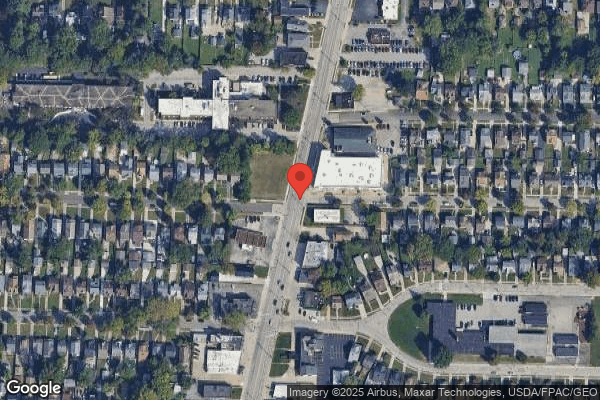
LARCHWOOD CARE

4110 ROCKY RIVER DRIVE, CLEVELAND, OH 44135 (216) 941-6100
For profit - Corporation 80 Beds Independent Data: November 2025
Trust Grade
80/100
#100 of 913 in OH
Last Inspection: November 2022

Over 2 years since last inspection. Current conditions may differ from available data.

Overview

Larchwood Care in Cleveland, Ohio, has a Trust Grade of B+, which means it is above average and recommended for families considering this nursing home. It ranks #100 out of 913 facilities in Ohio, placing it in the top half, and #11 out of 92 in Cuyahoga County, indicating that only ten local options are better. The facility is showing improvement, having reduced issues from 2 in 2024 to 1 in 2025, which is a positive trend. Staffing is average with a rating of 3 out of 5 stars and a turnover rate of 52%, which is close to the state average. Notably, there have been no fines recorded, which is a good sign, and the facility has more RN coverage than 87% of other Ohio facilities, ensuring better oversight of resident care. However, there are some concerns to be aware of. The facility failed to check all new hires against the State Nurse Aide Registry, which could potentially affect resident safety, as it means some staff may not have been screened for past issues related to abuse or neglect. Additionally, issues were noted regarding the cleanliness of the kitchen, with food not being properly labeled or dated and unclean conditions observed, which could pose a risk to residents' health. While Larchwood Care has strong points, families should weigh these concerns carefully when making their decision.

Trust Score
B+
80/100
In Ohio
#100/913
Top 10%
Safety Record
Low Risk
No red flags
Inspections
Getting Better
2 → 1 violations
Staff Stability
⚠ Watch
52% turnover. Above average. Higher turnover means staff may not know residents' routines.
Penalties
✓ Good
No fines on record. Clean compliance history, better than most Ohio facilities.
Skilled Nurses
✓ Good
Each resident gets 67 minutes of Registered Nurse (RN) attention daily — more than 97% of Ohio nursing homes. RNs are the most trained staff who catch health problems before they become serious.
Violations
⚠ Watch
23 deficiencies on record. Higher than average. Multiple issues found across inspections.
★★★★★
5.0
Overall Rating
★★★☆☆
3.0
Staff Levels
★★★★★
5.0
Care Quality
★★★★☆
4.0
Inspection Score
Stable
2024: 2 issues
2025: 1 issues

The Good

  • 5-Star Quality Measures · Strong clinical quality outcomes
  • Full Sprinkler Coverage · Fire safety systems throughout facility
  • No fines on record

Facility shows strength in quality measures, fire safety.

The Bad

Staff Turnover: 52%

Near Ohio avg (46%)

Higher turnover may affect care consistency

The Ugly 23 deficiencies on record

Sept 2025 1 deficiency
CONCERN (D) 📢 Someone Reported This

A family member, employee, or ombudsman was alarmed enough to file a formal complaint

Potential for Harm - no one hurt, but risky conditions existed

Deficiency F0558 (Tag F0558)

Could have caused harm · This affected 1 resident

**NOTE- TERMS IN BRACKETS HAVE BEEN EDITED TO PROTECT CONFIDENTIALITY** Based on observations, medical record review, resident interview, staff interviews, and facility policy review, the facility fai...

Read full inspector narrative →
**NOTE- TERMS IN BRACKETS HAVE BEEN EDITED TO PROTECT CONFIDENTIALITY** Based on observations, medical record review, resident interview, staff interviews, and facility policy review, the facility failed to ensure a resident's request for assistance was responded to in a timely manner. This affected one resident (#5) of one reviewed for timely care and assistance. The facility census was 67.Findings include: Review of the medical record for Resident #5 revealed she was admitted to the facility on [DATE] with diagnoses that included acute and chronic respiratory failure with hypoxia, chronic obstructive pulmonary disease, and attention to tracheostomy (a surgically-created artificial airway).Review of the care plan dated 06/27/25 revealed Resident #5 had an ADL self-care performance deficit related disease process and generalized weakness with interventions that included assistance with ADLs and dressing.Review of the Minimum Data Set (MDS) assessment dated [DATE] revealed Resident #5 had a Brief Interview for Mental Status (BIMS) score of 14 that indicated she was alert and oriented to person, place, and time. Resident #5 had impairments to both lower extremities and was dependent on staff for activities of daily living (ADLs). Observation and interview on 09/02/25 at 3:02 P.M. revealed Resident #5 was lying in bed with her call light activated. Resident #5 had a white washcloth covering her upper chest and cleavage area and a white sheet covering her stomach and lower extremities. Resident #5 appeared visibly upset and stated she had been waiting for 2 hours for someone to assist her with getting dressed. Resident #5 revealed she received a bed bath and was awaiting assistance with her dressing change so she could finish getting dressed. At the time of Resident #5's interview, Certified Nurse Assistant (CNA) #837 entered the room and informed Resident #5 that Licensed Practical Nurse (LPN) #883 told her to let Resident #5 know she would be in soon. CNA #837 revealed LPN #883 was passing medications to other residents and she did not know how much longer she would be waiting. CNA #837 apologized to Resident #5 for the long wait and stated, I know you're waiting to get dressed and don't want to put the shirt on due to the dressing change.Observation and interview on 09/02/25 at 3:14 P.M. revealed LPN #883 passing medications. LPN #883, upon seeing the state surveyor approaching, stated I'm already aware that Resident #5 is waiting for her tube feed tube to be replaced and dressing change. She doesn't like getting dressed until after her dressing change so that she doesn't have to keep getting dressed and undressed. Resident #5 will have to wait until I finish passing medications. She has only been waiting 40 minutes, and I still have 3 residents to go. I will get to her when I am done with the medication pass. Her tube came out during her bed bath, and she doesn't want to get dressed until the tube is replaced. LPN #883 confirmed and verified Resident #5 needed assistance and she had been waiting at least 40 minutes. Observation and interview on 09/03/25 at 7:45 A.M. revealed Resident #5's call light was activated. Registered Nurse (RN) #845 was observed near Resident #5 room with the medication cart. RN #845 began to push the medication cart in the opposite direction of Resident #5 room to continue medication pass and did not answer the call light. The state surveyor entered Resident #5's room and Resident #5 stated she wanted something to drink. Upon state surveyor exiting Resident #5 room, RN #845 asked state surveyor What does she want?! I'll go in there in a minute. RN #845 confirmed and verified she did not answer Resident #5 call light, and all staff were responsible to answer call lights once activated. Interview on 09/03/25 at 3:45 P.M. with the Director of Nursing (DON) revealed all facility staff were to answer call lights and assist residents as needed. DON revealed Resident #5's bed bath and dressing change should have been scheduled concurrently to ensure Resident #5's preference in wanting to be dressed and not waiting long period of times in between bed bath and dressing change were honored. The DON revealed there were 5 CNA's, 3 nurses, and a unit manager on the unit that could have assisted Resident #5 to ensure timely care and assistance was provided. Review of the facility document titled Call Lights: Accessibility and Timely Response undated, revealed the facility had a policy in place that indicated all staff members were responsible for responding to call lights if they see or hear an activated call light. Review of the document revealed the facility did not implement the policy. This deficiency represents noncompliance investigated under Complaint Number 2584278.
Mar 2024 2 deficiencies
CONCERN (D) 📢 Someone Reported This

A family member, employee, or ombudsman was alarmed enough to file a formal complaint

Potential for Harm - no one hurt, but risky conditions existed

Deficiency F0553 (Tag F0553)

Could have caused harm · This affected 1 resident

**NOTE- TERMS IN BRACKETS HAVE BEEN EDITED TO PROTECT CONFIDENTIALITY** Based on record review and interview the facility failed to ensure a plan of care meeting was provided quarterly for Resident #2...

Read full inspector narrative →
**NOTE- TERMS IN BRACKETS HAVE BEEN EDITED TO PROTECT CONFIDENTIALITY** Based on record review and interview the facility failed to ensure a plan of care meeting was provided quarterly for Resident #25 and Resident #16. This affected two out of three residents reviewed for participation in their plan of care. The facility census wa 58. Findings include: Clinical record review revealed Resident #25 was admitted on [DATE] with diagnoses including traumatic brain injury, chronic respiratory failure with hypoxia, tracheostomy, intracranial abscess, cerebral infarction, occlusion/stenosis of right middle cerebral artery, epilepsy, encephalopathy, disorder of autonomic nervous system, hearing loss, dementia with agitation, mood disorder, depression, contracture of the right knee and left hand, cognitive communication deficit, and gastronomy tube with tube feedings. Further review of Resident #25's clinical record revealed one plan of care meeting was provided on 04/23/23 during the last 12 months. There was no documentation a plan of care meeting was provided during the first, third and fourth quarter of 2023. Clinical record review revealed Resident #16 was admitted on [DATE] with diagnoses including Parkinson's disease, morbid obesity, left artificial knee joint, high blood pressure, hypothyroidism, anxiety, psychotic disorder with hallucinations, depression, blepharitis (inflammation of the eyelids), lymphedema, sleep disorder, vitamin D deficiency, gastroesophageal disorder, abnormal posture, and osteoporosis. Further review of Resident #16's clinical record revealed the facility had not provided a plan of care meeting during the first, third and fourth quarter of 2023. Resident #16's clinical record indicated a plan of care meeting was held on 04/18/23 and 02/06/24 during the last 12 months. An interview with Licensed Social Worker #73 on 03/05/24 at 11:24 A.M. verified the plan of care meetings were not provided as required.
CONCERN (D) 📢 Someone Reported This

A family member, employee, or ombudsman was alarmed enough to file a formal complaint

Potential for Harm - no one hurt, but risky conditions existed

Infection Control (Tag F0880)

Could have caused harm · This affected 1 resident

**NOTE- TERMS IN BRACKETS HAVE BEEN EDITED TO PROTECT CONFIDENTIALITY** Based on observation, interview and policy review the facility failed to ensure staff performed hand hygiene and followed infect...

Read full inspector narrative →
**NOTE- TERMS IN BRACKETS HAVE BEEN EDITED TO PROTECT CONFIDENTIALITY** Based on observation, interview and policy review the facility failed to ensure staff performed hand hygiene and followed infection control practices when handling soiled linen to prevent cross contamination of germs during Resident #23's tracheostomy care and suctioning procedure. This affected one out of three residents reviewed for tracheostomy care. The facility census was 58. Findings include: Clinical record review revealed Resident #23 was admitted on [DATE] with diagnoses including traumatic brain injury , stroke, high blood pressure, anemia, gastroesophageal reflux disease, kidney disease, hyperlipidemia, depression, and respiratory failure with a tracheostomy. An observation on 03/05/24 at 9:50 A.M. of Respiratory Therapist (RT) #70 perform Resident #23's tracheostomy care and suctioning revealed a concern with performing hand hygiene and following infection control practices. RT #70 gathered the supplies for suctioning the secretions from Resident #23's tracheostomy tube. RT #70 opened the suctioning kit and donned a pair of sterile gloves and proceeded to use the suction catheter to suction Resident #23's secretions via her tracheostomy tube. When RT #70 completed the suctioning task, he wrapped the soiled suction catheter inside his glove and discarded the glove with the catheter in the waste receptacle. RT #70 removed the glove from his other hand and discarded the glove in the waste receptacle. RT #70 did not perform hand hygiene and donned a pair of disposable gloves and then removed them. RT #70 did not perform hand hygiene. RT #70 then exited the room to obtain supplies needed to perform Resident #23's tracheostomy care from the supply cart located in the hallway. RT #70 entered Resident #23's room and donned another pair of gloves and proceeded to perform Resident #23's tracheotomy care. During the tracheostomy care RT #70 noted a wound was present under Resident #23's tracheostomy collar. RT #70 removed the wound dressing (calcium alginate) and obtained a pair of scissors from his shirt pocket and cut the calcium alginate dressing and then placed the scissors back in his shirt pocket without sanitizing/disinfecting the scissors before or after he used the scissors. RT #70 proceeded to apply the calcium alginate to the wound and covered the wound with a split gauze dressing. RT #70 removed the inner tracheostomy cannula and discarded the cannula. RT #70 removed an inner cannula from the packaging and placed the inner cannula inside Resident #23's tracheostomy tube. RT #70 reapplied Resident #23's oxygen mask covering the tracheostomy. RT #70 then removed a towel located under Resident #23's tracheostomy collar soiled with secretions and placed the soiled towel on the floor by the doorway to Resident #23's room. RT #70 used the same gloved hands and touched his cellular phone, pulse oxygenation probe, and television. RT #70 removed his soiled gloves and did not perform hand hygiene and exited Resident #23's room. RT #70 documented Resident #23's tracheostomy care and suctioning procedure in Resident #23's electronic record. RT #70 then gathered supplies to administer Resident #6's respiratory treatment via her tracheostomy tube. RT #70 entered Resident #6's room and donned a pair of disposable gloves. RT #70 was stopped and asked to perform hand hygiene before proceeding to administer Resident #6's respiratory treatment. An interview with RT #70 on 03/05/24 at 10:20 A.M. verified the above findings and confirmed he failed to maintain infection control practices during Resident #23's tracheostomy care and suctioning procedure. Review of the facility policy titled Hand Hygiene dated 2023 indicated staff would perform hand hygiene procedures to prevent the spread of infections to other personnel, residents and visitors. Hand hygiene was a general term for cleaning hands by handwashing using soap and water or the use of an antiseptic hand rub (alcohol-based hand rub). The facility policy titled Tracheostomy Care dated 2023 indicated the procedure with use of a disposable inner cannula. The procedure included: - Verify the inner cannula is disposable, Verify the correct size. - Explain the procedure to the resident and screen for privacy. - Perform hand hygiene and put on a clean gloves. - Slowly remove the inner cannula from the tracheostomy tube by squeezing the tabs on the connector until both snaps clear the ridged lock on the outer cannula. - Dispose the removed cannula. - Pick up the new inner cannula, touching only the outer locking portion. Insert the and lock the inner cannula into position. - Change the tracheostomy ties/tube holder when soiled or wet. Replace dressing using manufactured split dressing with flaps pointing upward. - Discard gloves and perform hand hygiene. - Make sue oxygen is administered as ordered. - Document the procedure and report any signs/symptoms of infection to the physician. This deficiency represents non-compliance investigated under Complaint Number OH00150890.
Aug 2023 2 deficiencies
CONCERN (D) 📢 Someone Reported This

A family member, employee, or ombudsman was alarmed enough to file a formal complaint

Potential for Harm - no one hurt, but risky conditions existed

Medical Records (Tag F0842)

Could have caused harm · This affected 1 resident

**NOTE- TERMS IN BRACKETS HAVE BEEN EDITED TO PROTECT CONFIDENTIALITY** Based on record review and interview the facility failed to accurately document an incident of maggots in Resident #42's tracheo...

Read full inspector narrative →
**NOTE- TERMS IN BRACKETS HAVE BEEN EDITED TO PROTECT CONFIDENTIALITY** Based on record review and interview the facility failed to accurately document an incident of maggots in Resident #42's tracheostomy in the medical record. This affected one resident (#42) out of three residents reviewed for tracheostomy care. The facility census was 58. Findings include: Review of the medical record for the Resident #42 revealed an admission date of 12/07/22 and a readmission date of 05/25/22. Diagnoses included end stage renal disease, dependence on respirator, epilepsy, major depressive disorder, glomerular disease in systemic lupus, dependence on renal dialysis, and cerebral infarction. Review of the annual Minimum Data Set (MDS) assessment dated [DATE] revealed Resident #42 had moderately impaired cognition. The resident required extensive assistance with two staff for mobility, total dependence of two staff for transfers, extensive assistance of one staff for personal hygiene, and supervision with set-up help only for eating. Review of the physician's order for August 2023 revealed Resident #42 had an order for tracheostomy care every shift. Interview on 08/21/23 at 9:34 A.M. with the Director of Nursing (DON) revealed that on 07/27/23 at 6:30 P.M. she received a call from Licensed Practical Nurse (LPN) #212 said there was a maggot on Resident #42's tracheostomy and one on the bedside table. LPN #212 got Respiratory Therapist (RT) #209 to provide tracheostomy care. Resident #42 would only let RT #209 change out her split sponge and briefly suction. LPN #212 contacted the Nurse Practitioner and Respiratory Pulmonary Nurse Practitioner (RPNP) #210. RPNP #210 stated that she would be in the next day and change out the tracheostomy. On the morning of 07/28/23, Wound Doctor #213 came in and stated that he saw no maggots. The DON stated that she did a soft file on the maggots; there was no documentation regarding the maggots in Resident #42's medical record. RPNP #210 came in the next day, changed the tracheostomy and there were no signs of maggots. RPNP #210 did education with Resident #42 and attempted to call the resident's mother and mother hung up on RPNP #210. The DON stated that there were no issues with maggots since. Phone interview on 08/21/23 at 3:07 P.M. with RT #209 revealed that she was an as needed (PRN) RT and earlier that day Resident #42 refused to be suctioned and would only let her change the split pad. If she remembers correctly, Resident #42 was combative, and there was a bug on the tray table, but she could not identify it. Phone interview on 08/21/23 at 3:25 P.M. with RPNP #210 revealed that she did not see maggots. She changed the tracheostomy and spoke to LPN #212 about the maggots. Review of the medical record revealed it was silent to the concerns of maggots in Resident #42's tracheostomy. This deficiency is an incidental finding discovered during the investigation of Complaint Number OH00145628.
CONCERN (D) 📢 Someone Reported This

A family member, employee, or ombudsman was alarmed enough to file a formal complaint

Potential for Harm - no one hurt, but risky conditions existed

Infection Control (Tag F0880)

Could have caused harm · This affected 1 resident

**NOTE- TERMS IN BRACKETS HAVE BEEN EDITED TO PROTECT CONFIDENTIALITY** Based on observation, interview, record review and review of facility policy, the facility failed to maintain appropriate hand h...

Read full inspector narrative →
**NOTE- TERMS IN BRACKETS HAVE BEEN EDITED TO PROTECT CONFIDENTIALITY** Based on observation, interview, record review and review of facility policy, the facility failed to maintain appropriate hand hygiene during the tracheostomy care for Resident #42. This affected one resident (#42) out of three residents reviewed for tracheostomy care. This had to potential to affect 18 additional residents (#2, #7, #9, #10, #12, #14, #15, #20, #23, #24, #25, #26, #29, #39, #40, #43, #59, and #60) who had tracheostomies residing in the facility. The facility census was 58. Findings include: Review of the medical record for the Resident #42 revealed an admission date of 12/07/22 and a readmission date of 05/25/22. Diagnoses included end stage renal disease, dependence on respirator, epilepsy, major depressive disorder, glomerular disease in systemic lupus, dependence on renal dialysis, and cerebral infarction. Review of the annual Minimum Data Set (MDS) assessment dated [DATE] revealed Resident #42 had moderately impaired cognition. The resident required extensive assistance with two staff for mobility, total dependence of two staff for transfers, extensive assistance of one staff for personal hygiene, and supervision with set-up help only for eating. Review of the physician's order for August 2023 revealed Resident #42 had an order for tracheostomy care every shift. Observation of tracheostomy care on 08/21/23 at 12:00 P.M. with Respiratory Therapist (RT) #201 revealed RT #201 had to get a bedside table from across the hall. RT #201 wiped it down and washed his hands and brought the bedside table to Resident #42's room. RT #201 pulled a set of gloves out of his pocket, donned the gloves, and proceeded to put on a barrier on the table. He took out the old disposable cannula from Resident #42's tracheostomy and washed the area with the items provided in the kit. RT #201 then put the gloves that were in the kit over the same soiled gloves that he took the old cannula out and proceeded to put the new cannula in and applying a new split sponge around the tracheostomy. RT #201 did not need to suction Resident #42. RT #201 verified that he did not take off the soiled gloves that he removed the old cannula with and did not perform hand hygiene or prior to donning new gloves. He stated it was practice to just put on the new gloves over the first pair of soiled gloves. Review of the undated facility policy titled Hand Hygiene revealed that if a task requires gloves, perform hand hygiene prior to donning gloves. This deficiency was an incidental finding discovered during the investigation of Complaint Number OH00145628.
Sept 2019 9 deficiencies
CONCERN (D)

Potential for Harm - no one hurt, but risky conditions existed

Room Equipment (Tag F0908)

Could have caused harm · This affected 1 resident

**NOTE- TERMS IN BRACKETS HAVE BEEN EDITED TO PROTECT CONFIDENTIALITY** Based on observation, record review, interview and policy review, the facility failed to ensure oxygen concentrators were mainta...

Read full inspector narrative →
**NOTE- TERMS IN BRACKETS HAVE BEEN EDITED TO PROTECT CONFIDENTIALITY** Based on observation, record review, interview and policy review, the facility failed to ensure oxygen concentrators were maintained in a clean and sanitary condition. This affected two residents (Residents #21 and #53) of four residents identified with oxygen concentrators in the facility. Findings include: Review of the medical record revealed Resident #21 was admitted to the facility on [DATE] with diagnoses including acute and chronic respiratory failure, pneumonia and congestive heart failure. Review of the comprehensive assessment (MDS 3.0) dated 06/08/19 indicated he used oxygen. Review of the plan of care indicated he had oxygen therapy related to respiratory failure and congestive heart failure. On 09/03/19 at 11:50 A.M. Resident #21 was observed seated in his wheelchair using oxygen via a concentrator and nasal cannula. The back of the oxygen concentrator had a black removable filter that was thick with white dust. On 09/04/19 at 11:55 A.M., during interview, State Tested Nurse Aide (STNA) #17 verified the condition of the filter as dirty. On 09/04/19 at 1:37 P.M. Licensed Practical Nurse (LPN) #74 verified Resident #21's filter was dirty. She was not aware of who was responsible for cleaning the vents or filters. 2. On 09/04/19 at 2:11 P.M., with the director of nursing observation and interview revealed the vent on Resident #53's oxygen concentrator was observed to have thick brown dust. Interview with the director of nursing on 09/04/19 at 2:11 P.M. said it was the responsibility of the Hospice company or the oxygen company to clean them. Review of oxygen administration policy dated 07/01/18 indicated staff should perform hand hygiene and don gloves when administering oxygen or when in contact with oxygen equipment. Follow manufacturer recommendations for the frequency and cleaning equipment filters. Cleaning and care of equipment shall be in accordance with the facility policies for such equipment.
CONCERN (E)

Potential for Harm - no one hurt, but risky conditions existed

Resident Rights (Tag F0550)

Could have caused harm · This affected multiple residents

Based on observation, record review and interview, the facility failed to ensure a dignified dining experience for residents that ate in the first and second floor dining rooms by serving dessert in a...

Read full inspector narrative →
Based on observation, record review and interview, the facility failed to ensure a dignified dining experience for residents that ate in the first and second floor dining rooms by serving dessert in a sandwich bag instead of on a plate. In addition State Tested Nursing Assistants (STNAs) served meals to the residents by trays switching from table to table with not all residents served by table. This affected 22 residents that ate in the dining rooms (Resident's #12, #14, #16, #19, #24, #27, #36, #39, #44, #52, #56 and #60 were in the first floor dining room; Resident's #1, #3, #5, #9, #10, #32, #37, #42, #50 and #65 were in the second floor dining room). Findings include: 1. Observations during meal service for lunch on 09/03/19 from 12:00 P.M. through 12:30 P.M. revealed that Resident's #12, #14, #16, #19, #24, #27, #36, #39, #44, #52, #56 and #60 were served cake portioned out into sandwich bags instead of a china plate. This was verified by the Director of Nursing #100 at 12:16 P.M. Interview on 09/03/19 at 12:35 P.M. with the Administrator #101 and Dining Manager #44 revealed the diet aide did plain cake instead of strawberry shortcake because the strawberries were bad. She should not have put the cake into a sandwich bag. Observations during the meal service for lunch on 09/03/19 beginning at 12:16 P.M. revealed Resident's #1, #3, #5, #9, #10, #32, #37, #42, #50 and #65 were served cake portioned out into sandwich bags instead of a china plate. Interview with State Tested Nurse Aide #14 on 09/03/19 at 12:29 P.M. verified the residents were served a plain piece of cake in a plastic sandwich bag instead of on a plate. 2. Observations during meal service for dinner in the first floor dining room on 09/03/19 from 5:37 P.M. through 6:00 P.M. revealed that residents were served by STNA #16 switching from table to table with not all residents served by table. This was verified by STNA #16 at 5:50 P.M. Interview on 09/03/19 at 5:50 P.M. with STNA #16 revealed that she did not know the residents that well and when she mistakenly gave Resident #12's tray to Resident #60, the rest of the dining room was not in order. Review of Resident #12 and Resident #60's tray tickets revealed that both were on regular consistency diets. Interview with Administrator on 09/03/19 at 6:20 P.M. revealed that STNA #16 did not know the residents well and verified that STNA should have asked the residents their name and served the residents table by table.
CONCERN (E)

Potential for Harm - no one hurt, but risky conditions existed

Respiratory Care (Tag F0695)

Could have caused harm · This affected multiple residents

**NOTE- TERMS IN BRACKETS HAVE BEEN EDITED TO PROTECT CONFIDENTIALITY** Based on observation, record review, interview and policy review, the facility failed to ensure oxygen concentrators were mainta...

Read full inspector narrative →
**NOTE- TERMS IN BRACKETS HAVE BEEN EDITED TO PROTECT CONFIDENTIALITY** Based on observation, record review, interview and policy review, the facility failed to ensure oxygen concentrators were maintained in a clean and sanitary condition. This affected two residents (Residents #21 and #53) of four residents identified with oxygen concentrators in the facility. Findings include: Review of the medical record revealed Resident #21 was admitted to the facility on [DATE] with diagnoses including acute and chronic respiratory failure, pneumonia and congestive heart failure. Review of the comprehensive assessment (MDS 3.0) dated 06/08/19 indicated he used oxygen. Review of the plan of care indicated he had oxygen therapy related to respiratory failure and congestive heart failure. On 09/03/19 at 11:50 A.M. Resident #21 was observed seated in his wheelchair using oxygen via a concentrator and nasal cannula. The back of the oxygen concentrator had a black removable filter that was thick with white dust. On 09/04/19 at 11:55 A.M., during interview, State Tested Nurse Aide (STNA) #17 verified the condition of the filter as dirty. On 09/04/19 at 1:37 P.M. Licensed Practical Nurse (LPN) #74 verified Resident #21's filter was dirty. She was not aware of who was responsible for cleaning the vents or filters. 2. On 09/04/19 at 2:11 P.M., with the director of nursing observation and interview revealed the vent on Resident #53's oxygen concentrator was observed to have thick brown dust. Interview with the director of nursing on 09/04/19 at 2:11 P.M. said it was the responsibility of the Hospice company or the oxygen company to clean them. Review of oxygen administration policy dated 07/01/18 indicated staff should perform hand hygiene and don gloves when administering oxygen or when in contact with oxygen equipment. Follow manufacturer recommendations for the frequency and cleaning equipment filters. Cleaning and care of equipment shall be in accordance with the facility policies for such equipment.
CONCERN (E)

Potential for Harm - no one hurt, but risky conditions existed

Deficiency F0800 (Tag F0800)

Could have caused harm · This affected multiple residents

Based on observation, interviews and review of menus, the facility failed to provide meals that met daily nutritional needs. This affected 10 (#1, #3, #5, #9, #10, #32, #37, #42, #50 and #65) of 12 re...

Read full inspector narrative →
Based on observation, interviews and review of menus, the facility failed to provide meals that met daily nutritional needs. This affected 10 (#1, #3, #5, #9, #10, #32, #37, #42, #50 and #65) of 12 residents observed during the lunch meal on 09/03/19 beginning at 12:05 P.M. on the second floor dining room and Resident's #11, #18, #20, #41 and #56 who voiced concerns at the resident group meeting. The facility census was 64. Findings include: The menu posted for the lunch meal on 09/03/19 included beefsteak, buttery seasoned rice, glazed carrots, strawberry shortcake and a beverage of choice. At 12:16 P.M. the steam table arrived in the second floor dining room. Residents #1, #3, #5, #9, #10, #32, #37, #42, #50 and #65 received regular or ground meals. None of the 10 residents received a vegetable. An unfrosted piece of cake in a plastic baggy was given to the 10 residents. Interview with State Tested Nurse Aide #14 on 09/03/19 at 12:29 P.M. verified the residents who received pureed meals received a green vegetable identified as zucchini, she verified the residents who were provided regular and ground diets did not receive a vegetable and verified the residents received a plain piece of cake. Interview with Dietary Aide #49 on 09/03/19 at 12:35 P.M. verified she forgot to bring up a pan of vegetables for the regular and ground diets. She said the pureed vegetable was zucchini. She verified residents just got plain cake and not strawberry shortcake as posted on the menu. Interview with the Dietary Manager #44 on 09/03/19 at 12:40 P.M. said the strawberries were spoiled and had to be thrown out. He did verify the facility did have canned strawberry that could have been substituted but was not. He said he also changed the menu to glazed carrots because he did not know they had zucchini in the walk-in refrigerator. During a group interview conducted on 09/04/19 at 10:13 A.M., with Resident's #11, #18, #20, #41 and #56 present, reported not receiving a vegetable at the lunch meal on 09/03/19. They reported the menu was not always followed.
CONCERN (E)

Potential for Harm - no one hurt, but risky conditions existed

Deficiency F0806 (Tag F0806)

Could have caused harm · This affected multiple residents

**NOTE- TERMS IN BRACKETS HAVE BEEN EDITED TO PROTECT CONFIDENTIALITY** Based on interview and record review, the facility failed to ensure that resident food preferences were honored. This affected f...

Read full inspector narrative →
**NOTE- TERMS IN BRACKETS HAVE BEEN EDITED TO PROTECT CONFIDENTIALITY** Based on interview and record review, the facility failed to ensure that resident food preferences were honored. This affected five residents (#7, #13, #15, #53, and #56) of 64 residents that take food by mouth. Findings include: 1. Review of resident's medical record revealed Resident #7 was admitted on [DATE] with diagnoses including but not limited to epilepsy, heart failure, chronic obstructive pulmonary disease, and cerebral infarction without residual deficits. Resident # 7's quarterly Minimum Data Set (MDS) 3.0 assessment dated [DATE] revealed the resident was moderately cognitively impaired and required extensive assistance with two people for most Activities of Daily Living (ADLs) except eating is supervision with set up only. Further review of Resident #7's medical record revealed that she had a weight loss and was receiving nutritional supplements to promote extra calories which resulted in a weight gain. Her body mass index (BMI) was 17.5 which indicates underweight for her height and weight. 2. Review of resident's medical record revealed Resident #15 was admitted on [DATE] with diagnoses including but not limited to anemia, Parkinson's disease, seizure disorder and schizophrenia. Resident # 15's quarterly Minimum Data Set (MDS) 3.0 assessment dated [DATE] revealed the resident was moderately cognitively impaired and required extensive assistance with one person for most Activities of Daily Living (ADLs) except eating is limited assistance with one person. Further review of Resident #15's medical record revealed that he had a weight loss and was receiving nutritional supplements to promote extra calories which resulted in a weight gain. 3. Review of resident's medical record revealed Resident #56 was admitted on [DATE] with diagnoses including but not limited to depression, hypokalemia, and schizophrenia. Resident # 56's comprehensive Minimum Data Set (MDS) 3.0 assessment dated [DATE] revealed the resident had intact cognition and required supervision without set up for most Activities of Daily Living (ADLs) except eating is supervision with set up. Further review of Resident #56's medical record revealed that he had a weight loss and was receiving nutritional supplements to promote extra calories which resulted in a weight gain. Interviews on 09/03/19 between 9:36 A.M. through 4:39 P.M. with Residents #7, #13, #15, #53 and #56 revealed the facility did not honor food preferences. Residents #7, #15 and #56 stated that they do not get enough food to eat. Phone interview with Registered Dietitian (RD) #99 with Dietary Manager (DM) #44 and Administrator #101 present on 09/05/19 at 9:32 A.M. revealed Dietary Manager (DM) #44 usually obtains food preferences and the RD #99 only speaks to residents upon admission. The software program got changed recently and lost all the residents food preferences but started obtaining preferences last week and still need to be put in the system. Review of the undated policy and procedure titled liberalized geriatric diet indicated personal food preferences would be addressed on an individualized basis and assessment however, there was no evidence resident food preferences were obtained on the quarterly or annual nutritional assessments.
CONCERN (E)

Potential for Harm - no one hurt, but risky conditions existed

Safe Environment (Tag F0921)

Could have caused harm · This affected multiple residents

Based on observation and interview the facility failed to maintain the environment in a clean and sanitary manner. This affected Residents #20, #7, #39, #23, #13, #22, #37, #64 and #4. The facility ce...

Read full inspector narrative →
Based on observation and interview the facility failed to maintain the environment in a clean and sanitary manner. This affected Residents #20, #7, #39, #23, #13, #22, #37, #64 and #4. The facility census was 64. Findings include: 1. Observations during the initial tour of the facility and screening of residents for the annual survey on 09/02/19 from 8:17 A.M. to 11:37 A.M. revealed the following: Resident #20's ceiling had mold on the bathroom ceiling and paint was peeling on the wall in his room. This was verified at the time of observation on 09/02/19 at 9:31 A.M. by Maintenance Assistant #85. Resident #7's carpet was stained and near the window, there was dried food stain on the carpet. This was verified at the time of observation by Housekeeper #54 on 09/02/19 at 9:35 A.M. Resident #39's ceiling had mold on the bathroom ceiling. This was verified at the time of observation on 09/02/19 at 9:36 A.M. by Director of Nursing #100. Resident #23's ceiling paint was peeling and holes in the wall in his room. This was verified at the time of observation on 09/02/19 at 11:04 A.M. by Director of Nursing #100. Interview on 09/03/19 at 2:30 P.M. with the Director of Maintenance and Housekeeping # 84 revealed the facility has plans to change the carpeting in residents' rooms. They started with assisted living and the dining room on the first floor. Resident rooms are cleaned daily Review of policy entitled, Routine Cleaning dated 2018 revealed that rooms should be cleaned routinely. 2. Observation on 09/03/19 between 9:00 A.M. and 11:30 A.M. revealed the second-floor hallway had large, black stains in the carpeting throughout the hall. Resident ' s #13, #22, #37 and #64 had light beige carpeting with large black stains throughout. Resident #4 had a hole that broke through the drywall approximately 5 long and 4 inches wide. Interview on 09/03/19 with Resident #4 and Resident's #4's family member at 11:37 A. M. revealed the hole in the wall had been there for several months. Interview on 09/04/19 with Licensed Practical Nurse (LPN) #78 at 4:15 P.M. verified the findings. 3. The second floor dining room was observed on 09/03/19 at 12:05 P.M. State Tested Nurse Aide #14 verified the windows were covered with a moderate amount of debris making it difficult to look outside. The two portable air-conditioning units vents and extending hose were heavily soiled with dust, lint and food debris. The Speech Therapist #103 was observed to move a chair out of service saying it was too wobbly and chose another chair to sit on. The steam table was observed to be soiled with dried food drips and food debris on the sides and heavier at the bottom. The castors were heavily soiled with dirt, debris and gunk. Dietary Aide #49 was observed pulling out a tray to set a plate on and the tray was soiled with loose dried food debris. Interview with State Tested Nurse Aide #14 on 09/03/19 at 12:29 P.M. verified the condition of the above items.
CONCERN (F)

Potential for Harm - no one hurt, but risky conditions existed

Employment Screening (Tag F0606)

Could have caused harm · This affected most or all residents

Based on record review and staff interview, the facility failed to check all potential new hires against the State Nurse Aide Registry (NAR) to ensure no employee had a finding entered into the State ...

Read full inspector narrative →
Based on record review and staff interview, the facility failed to check all potential new hires against the State Nurse Aide Registry (NAR) to ensure no employee had a finding entered into the State NAR concerning abuse, neglect, exploitation, mistreatment of residents or misappropriation of their property. This affected all non-STNA (state tested nursing aide) staff who were hired by the facility in the past year, including: seven registered nurses, 11 licensed practical nurses (LPN), 10 dietary workers, six housekeeping staff, two administration workers, one social services staff member and one activities professional. This had the potential to affect all 64 residents admitted to the facility at the time of the survey. Findings include: Interview with Human Resources Director #901 on 09/05/19 at 10:53 A.M. revealed the facility only checked newly hired nursing aides in the State NAR. Other staff members did not receive NAR checks. Review of a list of new hires in the past year (since 08/16/18) revealed the facility hired seven registered nurses, 11 licensed practical nurses, 10 dietary workers, six housekeeping staff, two administration workers, one social services staff member and one activities professional within the past year. Record review of seven employee files (State Tested Nurse Aides (STNA) #401, #402, #403, LPNs #404, #405, Administrator, and Social Service Director #407) revealed no evidence non-STNA staff were checked in the State NAR for concerns related to abuse or other mistreatment of residents.
CONCERN (F)

Potential for Harm - no one hurt, but risky conditions existed

Abuse Prevention Policies (Tag F0607)

Could have caused harm · This affected most or all residents

Based on record review and staff interview, the facility failed to check all potential new hires against the State Nurse Aide Registry (NAR) to ensure no employee had a finding entered into the State ...

Read full inspector narrative →
Based on record review and staff interview, the facility failed to check all potential new hires against the State Nurse Aide Registry (NAR) to ensure no employee had a finding entered into the State NAR concerning abuse, neglect, exploitation, mistreatment of residents or misappropriation of their property. This affected all non-STNA (state tested nursing aide) staff who were hired by the facility in the past year, including: seven registered nurses, 11 licensed practical nurses (LPN), 10 dietary workers, six housekeeping staff, two administration workers, one social services staff member and one activities professional. This had the potential to affect all 64 residents admitted to the facility at the time of the survey. Findings include: Interview with Human Resources Director #901 on 09/05/19 at 10:53 A.M. revealed the facility only checked newly hired nursing aides in the State NAR. Other staff members did not receive NAR checks. Review of a list of new hires in the past year (since 08/16/18) revealed the facility hired seven registered nurses, 11 licensed practical nurses, 10 dietary workers, six housekeeping staff, two administration workers, one social services staff member and one activities professional within the past year. Record review of seven employee files (State Tested Nurse Aides (STNA) #401, #402, #403, LPNs #404, #405, Administrator, and Social Service Director #407) revealed no evidence non-STNA staff were checked in the State NAR for concerns related to abuse or other mistreatment of residents.
CONCERN (F)

Potential for Harm - no one hurt, but risky conditions existed

Food Safety (Tag F0812)

Could have caused harm · This affected most or all residents

Based on observation, record review and interview, the facility failed to ensure the kitchen was maintained in a clean and sanitary manner, and food products were covered properly and dated when opene...

Read full inspector narrative →
Based on observation, record review and interview, the facility failed to ensure the kitchen was maintained in a clean and sanitary manner, and food products were covered properly and dated when opened. This had the potential to affect 64 out of 64 residents who ate meals prepared in the facility's kitchen. Findings include: Observations during the initial tour of the kitchen on 09/03/19 from 8:12 A.M. through 8:49 A.M. with Dietary Manager (DM) #44 revealed food residue and crumbs located on the bottom of the steamer and bottom shelf of the steamtable, crab cakes and hamburgers were not labeled and dated in the walk-in freezer, sliced salami and shredded cheese was not labeled or dated in the walk-in refrigerator and dried grease drippings were on the steamtable near the knobs. Interview with DM #10 on 09/04/19 at 9:003 A.M. verified the observations above and he said has been employed at the facility for two weeks, the kitchen could be cleaner, but he has been working on training the staff. Review of posted work cleaning schedules revealed that all work surfaces would be cleaned daily.
Aug 2018 9 deficiencies
CONCERN (D)

Potential for Harm - no one hurt, but risky conditions existed

Deficiency F0561 (Tag F0561)

Could have caused harm · This affected 1 resident

**NOTE- TERMS IN BRACKETS HAVE BEEN EDITED TO PROTECT CONFIDENTIALITY** Based on interview and record review the facility failed to ensure Resident's #37 was permitted to go on leaves of absence (LOA)...

Read full inspector narrative →
**NOTE- TERMS IN BRACKETS HAVE BEEN EDITED TO PROTECT CONFIDENTIALITY** Based on interview and record review the facility failed to ensure Resident's #37 was permitted to go on leaves of absence (LOA) as desired. This affected one resident of one resident reviewed for choices. Finding include: Review of Resident's #37 medical chart revealed an admit date of 05/18/18 with diagnoses of chronic kidney disease, diabetes, and bladder dysfunction. Review of the quarterly Minimum Data Set (MDS) 3.0 assessment dated [DATE] revealed he was cognitively intact with no behaviors exhibited. Review of the skilled nursing assessment dated [DATE] confirmed Resident #37 was alert to person, place and time and was calm and cooperative. Review of the monthly August 2018 physician orders revealed Resident #37 was permitted to go on LOAs. The nursing progress note on 08/12/18 at 10:56 A.M. revealed Resident #37 refused all care from the state tested nursing assistants (STNAs). Resident #37 was noted to be yelling at staff and waving his finger in the faces of staff after being told he did not have permission to leave the premises. Resident #37 was educated on safety and that a doctor's order was needed in order for him to leave the premises alone. However, Resident #37 already had a current physician order to go on LOAs. Later on 08/12/18 at 12:00 P.M., Resident #37 went over to the assisted living facility (AL), which was attached to the nursing facility. STNA #108 said she followed him and tried and redirect him back into the nursing home. Resident #37 was in the AL shouting and calling out profanities to staff about not being able to leave the building. Later the same evening, Resident #37 started to follow another resident out of the building. STNA #108 said he saw her watching him and he turned around and went back to his room. Interview with Resident #37 on 08/13/18 at 3:18 P.M. revealed on 08/12/18 he was not allowed to go to church or even sit on the porch outside. He was still upset and he could not understand why he couldn't leave the building. He said staff would not tell him why he wasn't allowed to leave. Interview on 08/15/18 with STNA #108 revealed on 08/12/18 she worked worked from 9:00 A.M. to 11:00 P.M. On 08/12/18 at 9:00 A.M., Resident #37 was on the bus going to church. STNA #108 said she got Resident #37 off the bus and redirected him back into the facility. STNA #108 said Resident #37 did not have an order for a leave of absence. Interview on 08/15/18 at 3:30 P.M. with the second shift nurse, Licensed Practical Nurse (LPN) #110 revealed Resident #37 was yelling at staff and refusing care. LPN #110 felt it was not safe for him to leave the building and notified Supervisor #111 to get an order from the physician. However, Resident #37 already had an order permitting him to go on LOAs. Interview on 08/16/18 at 9:16 A.M. with the Director of Nursing confirmed Resident #37 had a physician order in place to go on LOAs and staff should have permitted him to go to church, walk to the AL and sit on the porch as he wished.
CONCERN (D)

Potential for Harm - no one hurt, but risky conditions existed

Deficiency F0582 (Tag F0582)

Could have caused harm · This affected 1 resident

Based on record review and interview, the facility failed to provide Skilled Nursing Facility Advanced Beneficiary Notice Forms (SNF ABN) to two (Resident #47 and Resident #64) of three residents revi...

Read full inspector narrative →
Based on record review and interview, the facility failed to provide Skilled Nursing Facility Advanced Beneficiary Notice Forms (SNF ABN) to two (Resident #47 and Resident #64) of three residents reviewed for beneficiary protection notifications. Findings include: 1. Resident #47 was readmitted to the facility under traditional Medicare coverage on 03/19/18 with a last covered day of 04/02/18. A Notice of Medicare Non-Coverage (NOMNC) form, which informed the resident of his last covered day and opportunity to appeal, was issued and signed by Resident #47 on 03/30/18. Resident #47's record was silent as to a presence of a SNF ABN form being issued. Staff interview with Licensed Social Worker (LSW) #100 on 08/15/18 at 3:10 P.M. verified the SNF ABN form was not completed for Resident #47. 2. Resident #64 was readmitted to the facility under traditional Medicare coverage on 07/01/18 with a last covered day of 07/13/18. A NOMNC form was issued and signed by Resident #64 on 07/10/18. Resident #64's record was silent as to a presence of a SNF ABN form being issued. Staff interview with LSW #100 on 08/15/18 at 3:10 P.M. verified the SNF ABN form was not completed for Resident #64.
CONCERN (D)

Potential for Harm - no one hurt, but risky conditions existed

Deficiency F0642 (Tag F0642)

Could have caused harm · This affected 1 resident

**NOTE- TERMS IN BRACKETS HAVE BEEN EDITED TO PROTECT CONFIDENTIALITY** Based on record review and interview, the facility failed to complete and submit discharge, no return anticipated Minimum Data S...

Read full inspector narrative →
**NOTE- TERMS IN BRACKETS HAVE BEEN EDITED TO PROTECT CONFIDENTIALITY** Based on record review and interview, the facility failed to complete and submit discharge, no return anticipated Minimum Data Set (MDS) 3.0 assessments for Resident #1 and Resident #2. This affected two of 22 residents reviewed for resident assessments. Findings include: 1. Resident #1 was initially admitted to the facility on [DATE] with diagnoses including schizoaffective disorder, anxiety disorder, osteoarthritis, and Parkinson's disease. Resident #1's progress notes indicated Resident #1 was discharged to another facility on 03/18/18. Resident #1's medical record was silent as to a discharge, no return anticipated MDS assessment. Staff interview with MDS Registered Nurse (RN) #103 on 08/16/18 at 11:35 A.M. verified Resident #1 did not a have discharge, no return anticipated MDS assessment completed as required. 2. Resident #2 was initially admitted to the facility on [DATE] with diagnoses including bipolar disorder, schizophrenia, and major depressive disorder. Resident #2's progress notes indicated Resident #2 was discharged to an assisted living facility on 03/23/18. Resident #2's medical record was silent as to a discharge, no return anticipated MDS assessment. Staff interview with MDS RN #103 on 08/16/18 at 11:35 A.M. verified Resident #2 did not have a discharge, no return anticipated MDS assessment completed as required.
CONCERN (D)

Potential for Harm - no one hurt, but risky conditions existed

Menu Adequacy (Tag F0803)

Could have caused harm · This affected 1 resident

Based on observation, interview and record review the facility failed to serve the proper portion size of pureed vegetables. This affected four residents (Residents #12, #34, #77, and #329) who were p...

Read full inspector narrative →
Based on observation, interview and record review the facility failed to serve the proper portion size of pureed vegetables. This affected four residents (Residents #12, #34, #77, and #329) who were prescribed a pureed diet of 74 residents. Findings include: Observation of the kitchen on 08/15/18 at 11:34 A.M. during the tray line revealed the puree foods were not portioned correctly according to the menu spread sheet. Dietary Supervisor #105 was serving the pureed vegetables with a #16 scoop which is equal to a two ounce portion size. Review of the lunch meal's spread sheet revealed the portion size for pureed vegetables should be a #12, which is equal to a three ounce portion size. Dietary Manager #107 verified the portion size served was incorrect and not according to the menu spread sheet.
CONCERN (D)

Potential for Harm - no one hurt, but risky conditions existed

Deficiency F0805 (Tag F0805)

Could have caused harm · This affected 1 resident

Based on observation, taste test and recipe review the facility failed to serve pureed foods at a smooth consistency for safe swallowing. This affected four residents (Residents #12, #34, #77, and #32...

Read full inspector narrative →
Based on observation, taste test and recipe review the facility failed to serve pureed foods at a smooth consistency for safe swallowing. This affected four residents (Residents #12, #34, #77, and #329) who were prescribed a pureed diet of 74 residents who took food by mouth. Findings include: The process to alter food textures was observed on 08/14/18 at 9:38 A.M. Dietary Supervisor #105 was observed portioning breaded fish into the robot coupe (blender type machine) and added the broth. Dietary Supervisor #105 indicated the puree process was complete and said the food was ready to put into a steam table pan for serving. The mixture did not appear to be smooth. The mixture was taste tested. The mixture was not smooth and not the proper texture. This concern was verified by Dietary Supervisor #105 who then pureed the meat to the proper consistency at 9:43 A.M. During a revisit to the kitchen on 08/15/18 at 11:22 A.M., during the tray line meal service, the puree foods were observed to not be the proper consistency. At 11:55 A.M., the surveyor tasted the pureed turkey and it was not at the proper consistency. It was lumpy with pieces of turkey. This was verified at that time by Dietary Manager #107. Review of resident diet list revealed Residents #12, #34, #77, and #329 received pureed diets. This was verified by Director of Nursing on 08/15/18 at 2:00 P.M.
CONCERN (D)

Potential for Harm - no one hurt, but risky conditions existed

Deficiency F0810 (Tag F0810)

Could have caused harm · This affected 1 resident

**NOTE- TERMS IN BRACKETS HAVE BEEN EDITED TO PROTECT CONFIDENTIALITY** Based on observation, record review and staff interview the facility failed to ensure one resident (Resident #72) of one residen...

Read full inspector narrative →
**NOTE- TERMS IN BRACKETS HAVE BEEN EDITED TO PROTECT CONFIDENTIALITY** Based on observation, record review and staff interview the facility failed to ensure one resident (Resident #72) of one resident reviewed for use of adaptive utensils with meals received the ordered equipment. Findings Include: Record review revealed Resident #53 was admitted to the facility on [DATE] with diagnoses including dysphagia (difficulty swallowing), stroke, and dementia. Review of the current physician's orders revealed a plate guard (a wide ring which attaches to a plate to help prevent food from being pushed off) was to be used for all meals for Resident #53. Observation of the lunch meal on 08/13/18 from 12:15 P.M. through 1:00 P.M. revealed Dietary Aide (DA) #200 plated the meals in the second floor dining room. DA #200 plated Resident #53's meal and handed it to State Tested Nursing Assistant (STNA) #210. STNA #210 was asked where the plate guard was for Resident #53. DA #200 continued plating food and replied he knew nothing about a plate guard. STNA #210 confirmed Resident #53 was to have a plate guard with all meals. Interview with the Assistant Director of Nursing on 08/16/18 at 4:00 P.M. confirmed no other residents on the second floor required a plate guard for meals.
CONCERN (D)

Potential for Harm - no one hurt, but risky conditions existed

Medical Records (Tag F0842)

Could have caused harm · This affected 1 resident

**NOTE- TERMS IN BRACKETS HAVE BEEN EDITED TO PROTECT CONFIDENTIALITY** Based on staff interview and medical record review the facility failed to ensure physician orders were written appropriately. Th...

Read full inspector narrative →
**NOTE- TERMS IN BRACKETS HAVE BEEN EDITED TO PROTECT CONFIDENTIALITY** Based on staff interview and medical record review the facility failed to ensure physician orders were written appropriately. This affected one resident (Resident #44) of five residents reviewed for unnecessary medication use and one of 22 records reviewed. Findings include: Resident #44 was admitted to the facility on [DATE] with diagnoses including dementia, arthritis, high blood pressure, and diabetes. Review of the Minimum Data Set 3.0 (MDS) comprehensive annual assessment dated [DATE] revealed the resident was severely cognitively impaired and received antipsychotic and antianxiety medication. Review of the physician's orders for Resident #44 revealed orders written on 05/10/18 for Ativan (an antianxiety medication) 1 milligram (mg), Benadryl (an antihistamine medication) 25 mg, and Haldol (an antipsychotic medication) 1 mg. These medications were combined in a gel form and was applied to Resident #44's wrists three times a day for agitation. Review of the physician's orders for August 2018 revealed a line was drawn through the order and d/c was written above it. The d/c indicated the order was discontinued. A date and a signature indicating who discontinued the medication was not found. Review of the verbal physician orders for Resident #44 revealed no order had been written to stop the medication. An interview was conducted with the Assistant Director of Nursing (ADON) on 08/15/18 at 1:00 P.M. regarding the Ativan/Benadryl/Haldol (ABH) gel order. The ADON confirmed there was no physician order written to discontinue the medication. The ADON provided a copy of the psychiatrist's consult notes dated 07/26/18 which ordered the ABH gel to be discontinued. The ADON verified this concerns and said the nurse crossed the order off of the August 2018 physician's order sheet but never wrote an actual order to discontinue the medication.
CONCERN (F)

Potential for Harm - no one hurt, but risky conditions existed

Deficiency F0725 (Tag F0725)

Could have caused harm · This affected most or all residents

Based on record review and interview the facility failed to provide adequate staffing to meet the needs of all residents including answering call lights and passing evening snacks. This affected ten r...

Read full inspector narrative →
Based on record review and interview the facility failed to provide adequate staffing to meet the needs of all residents including answering call lights and passing evening snacks. This affected ten residents from the resident council meetings, Resident #53, Resident #75, Resident #56, Resident #20, Resident #31, Resident #76, Resident #74, Resident #68, Resident #45, and Resident #50 and had the potential to affect all 74 residents residing in the facility. The facility also failed to provide adequate staffing to assist residents to transfer with mechanical lifts. This affected Resident #64 and had the potential to affect the two other residents requiring a mechanical lift for transfers (Residents #56 and #378). Findings include: Review of Resident Council meeting minutes from 12/14/17 revealed residents complained of extended call light response times. Review of Resident Council meeting minutes from 02/12/18 revealed residents complained of extended call light response times. Review of Resident Council meeting minutes from 03/12/18 revealed residents complained of staff rushing care. Review of Resident Council meeting minutes from 04/09/18 revealed residents complained of staff turning off call lights and not returning to finish care. Review of Resident Council meeting minutes from 07/09/18 revealed residents complained of snacks being passed late or not at all. Interview with Resident #64 on 08/13/18 at 11:29 A.M. revealed he usually waited 30 minutes for assistance when requested. Resident #64 confirmed he had to wait to get out of bed since there was not enough staff to get him up with the mechanical lift. During the Resident Council meeting held on 08/13/18 at 3:00 P.M. the ten residents in attendance, Resident #53, Resident #75, Resident #56, Resident #20, Resident #31, Resident #76, Resident #74, Resident #68, Resident #45, and Resident #50, reported evening snacks were not being served since there were not enough staff. Resident #31 further stated evening snacks were delivered to the nursing units, however they were not served to the residents. Resident #31 explained she has diabetes and during a past hospitalization she was informed she was to have an evening snack. These residents also stated the call light response time often averaged 30 minutes for the nonemergency call lights and 15 minutes for the emergency or bathroom call light. Staff interview with State Tested Nursing Assistant (STNA) #101 on 08/14/18 at 5:45 A.M. revealed they often worked with one STNA for the entire ground floor. There were 20 residents on the ground floor. STNA #101 said showers would not get done and bed baths would be completed instead of showers due to staffing levels. Staff interview with STNA #102 on 08/14/18 at 6:15 A.M. revealed they often worked with one STNA for the entire floor of residents on the first floor. There were 29 residents on this floor. STNA #102 stated residents who required a mechanical lift for transfers would be left in bed because there wasn't anyone to assist with the transfers. Mechanical lift transfers require two staff. There were three resident (Residents #64, #56, and #378) who required a mechanical lift for transfers. Review of the facility staffing assessment, last reviewed by the facility in July 2018, stated the facility identified the need for one STNA per 14 residents during each shift. The STNAs were being assigned 20 to 29 residents each on the ground and first floors. Staff interview with STNA #106 on 08/14/18 at 4:07 P.M. revealed approximately one percent of nurses helped when they were short staffed. Interview with the Director of Nursing (DON), who currently did the staffing schedule, on 08/16/18 at 11:29 A.M. revealed she was unaware of these concerns. The DON said she had not been informed of the staffing concerns related to call lights, snacks not being passed and staff rushing during care provision which had been reported in the resident council meetings.
CONCERN (F)

Potential for Harm - no one hurt, but risky conditions existed

Food Safety (Tag F0812)

Could have caused harm · This affected most or all residents

Based on observation and interview, the facility failed to ensure proper sanitation procedures of food preparation areas. This affected all 74 residents residing in the facility who ate food from and ...

Read full inspector narrative →
Based on observation and interview, the facility failed to ensure proper sanitation procedures of food preparation areas. This affected all 74 residents residing in the facility who ate food from and meals prepared in the facility's kitchen. Findings include: 1. Observations during the initial tour of the kitchen on 08/13/18 from 8:30 A.M. through 8:50 A.M. were made with the Registered Dietitian (RD) #104. The following concerns were observed and verified. The plastic on the ice machine door was broken and the area around the ice bin and grill was dirty with dried food particles. The walk-in refrigerator revealed one box of raw chicken breast filets was stored on the wire rack above a six inch pan full of pork on the bottom shelf. There was blood on the foil covering the pan of pork from the pan of chicken breasts above. On the second shelf from the top on the left side was a case of raw chicken breast filets stored directly above a case of fully cooked diced chicken. The back wall of the refrigerator had a mold like substance on it and the wire rack in front of the wall had dried white food on the third shelf from the top. RD #104 removed the pan of pork. The milk cooler was observed with a mold like substance and dried food on the gasket of the door. The thermometer in the milk cooler was broken into four pieces. There was standing water was on the floor. During a revisit to the kitchen on 08/13/18 at 6:10 P.M., dried food and papers were observed in the corner under the dish machine and the clean drain board of the dish machine had dried food on it. 2. Observation of the lunch meal on 08/13/18 from 12:15 P.M. through 1:00 P.M. revealed 17 residents were eating lunch in the second floor dining room. Dietary Aide (DA) #200 was responsible for plating the meals. The Sister Facility Director of Nursing (SFDON) was present throughout the meal observing Dietary Aide (DA) #200's service. DA #200 brought the serving cart into the dining room and placed the serving utensils into the containers of food. DA #200 had gloves on but was not wearing a hair net and instead wore a skull cap which did not cover his hair. DA #200 attempted to plate spaghetti using a scoop but the noodles slid out of the scoop and back into the container. He then changed to using a set of tongs which had been in the garlic rolls container. DA #200 dropped the noodles onto the plate with several noodles hanging over the edge of the plate. He then placed the sauce over the noodles and added a scoop of sweet potatoes to the plate. He then picked up a roll using his hands and set the plate on the serving cart. DA #200 continued plating the meals in the same manner until a resident wanted the alternate meal of a hamburger. DA #200 picked up a bun with his hands then picked up a hamburger with his hands and proceeded to crumble it onto the bun. He then took a scoop from the sweet potatoes and placed it into the mashed potatoes, obtained a scoop of mashed potatoes and placed it on the plate, then set the plate down on the cart for it to be served. DA #200 then grabbed his shirt to wipe the sweat off of his face and continued plating food. At no time did DA #200 change his gloves. The SFDON observed the entire meal service and did not speak to DA #200 about his performance. Interview with the Assistant Director of Nursing (ADON) on 08/13/18 at 4:20 P.M. confirmed DA #200 contaminated the entire lunch service. The ADON said the SFDON told her she attempted to signal DA #200 to get his attention but he ignored her.
Understanding Severity Codes (click to expand)
Life-Threatening (Immediate Jeopardy)
J - Isolated K - Pattern L - Widespread
Actual Harm
G - Isolated H - Pattern I - Widespread
Potential for Harm
D - Isolated E - Pattern F - Widespread
No Harm (Minor)
A - Isolated B - Pattern C - Widespread

Questions to Ask on Your Visit

  • "Can I speak with families of current residents?"
  • "What's your RN coverage like on weekends and overnight?"

Our Honest Assessment

Strengths
  • • Grade B+ (80/100). Above average facility, better than most options in Ohio.
  • • No major safety red flags. No abuse findings, life-threatening violations, or SFF status.
  • • No fines on record. Clean compliance history, better than most Ohio facilities.
Concerns
  • • 23 deficiencies on record. Higher than average. Multiple issues found across inspections.
Bottom line: Generally positive indicators. Standard due diligence and a personal visit recommended.

About This Facility

What is Larchwood Care's CMS Rating?

CMS assigns LARCHWOOD CARE an overall rating of 5 out of 5 stars, which is considered much above average nationally. Within Ohio, this rating places the facility higher than 99% of the state's 100 nursing homes. This rating reflects solid performance across the metrics CMS uses to evaluate nursing home quality.

How is Larchwood Care Staffed?

CMS rates LARCHWOOD CARE's staffing level at 3 out of 5 stars, which is average compared to other nursing homes. Staff turnover is 52%, compared to the Ohio average of 46%.

What Have Inspectors Found at Larchwood Care?

State health inspectors documented 23 deficiencies at LARCHWOOD CARE during 2018 to 2025. These included: 23 with potential for harm.

Who Owns and Operates Larchwood Care?

LARCHWOOD CARE is owned by a for-profit company. For-profit facilities operate as businesses with obligations to shareholders or private owners. The facility operates independently rather than as part of a larger chain. With 80 certified beds and approximately 67 residents (about 84% occupancy), it is a smaller facility located in CLEVELAND, Ohio.

How Does Larchwood Care Compare to Other Ohio Nursing Homes?

Compared to the 100 nursing homes in Ohio, LARCHWOOD CARE's overall rating (5 stars) is above the state average of 3.2, staff turnover (52%) is near the state average of 46%, and health inspection rating (4 stars) is above the national benchmark.

What Should Families Ask When Visiting Larchwood Care?

Based on this facility's data, families visiting should ask: "Can I visit during a mealtime to observe dining assistance and food quality?" "How do you handle medical emergencies, and what is your hospital transfer rate?" "Can I speak with family members of current residents about their experience?"

Is Larchwood Care Safe?

Based on CMS inspection data, LARCHWOOD CARE has a clean safety record: no substantiated abuse findings (meaning no confirmed cases of resident harm), no Immediate Jeopardy citations (the most serious violation level indicating risk of serious injury or death), and is not on the Special Focus Facility watch list (a federal program monitoring the lowest-performing 1% of nursing homes). The facility has a 5-star overall rating and ranks #1 of 100 nursing homes in Ohio. While no facility is perfect, families should still ask about staff-to-resident ratios and recent inspection results during their visit.

Do Nurses at Larchwood Care Stick Around?

LARCHWOOD CARE has a staff turnover rate of 52%, which is 6 percentage points above the Ohio average of 46%. Moderate turnover is common in nursing homes, but families should still ask about staff tenure and how the facility maintains care continuity when employees leave.

Was Larchwood Care Ever Fined?

LARCHWOOD CARE has no federal fines on record. CMS issues fines when nursing homes fail to meet care standards or don't correct problems found during inspections. The absence of fines suggests the facility has either maintained compliance or corrected any issues before penalties were assessed. This is a positive indicator, though families should still review recent inspection reports for the full picture.

Is Larchwood Care on Any Federal Watch List?

LARCHWOOD CARE is not on any federal watch list. The most significant is the Special Focus Facility (SFF) program, which identifies the bottom 1% of nursing homes nationally based on persistent, serious quality problems. Not being on this list means the facility has avoided the pattern of deficiencies that triggers enhanced federal oversight. This is a positive indicator, though families should still review the facility's inspection history directly.