ROCKY RIVER GARDENS REHAB AND NURSING CTR
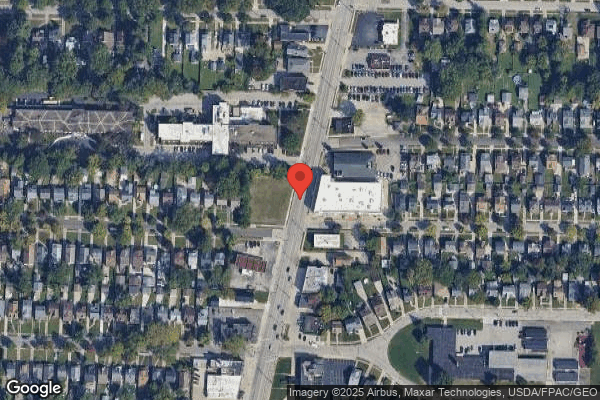
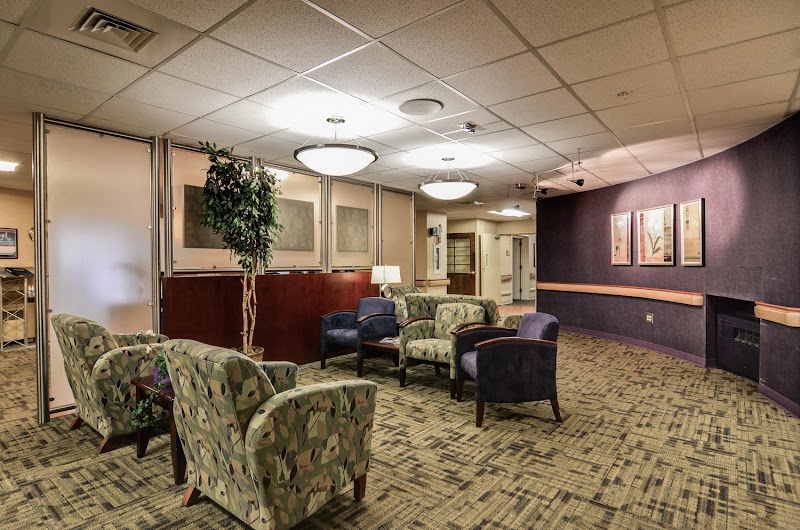
4102 ROCKY RIVER DR, CLEVELAND, OH 44135 (216) 251-3300
For profit - Limited Liability company 120 Beds GARDEN HEALTHCARE GROUP Data: November 2025 3 Immediate Jeopardy citations
Trust Grade
0/100
#767 of 913 in OH
Last Inspection: April 2024

Within standard 12-15 month inspection cycle. Federal law requires annual inspections.

Overview

Rocky River Gardens Rehab and Nursing Center has a Trust Grade of F, indicating significant concerns about the facility's quality of care. It ranks #767 out of 913 nursing homes in Ohio, placing it in the bottom half of state facilities, and #73 out of 92 in Cuyahoga County, meaning there are better options nearby. The facility's trend is stable, with 15 issues consistently reported in both 2023 and 2024. Staffing is a weakness, with a 2/5 star rating and a turnover rate of 51%, which is about average for Ohio, but suggests staff may not be as experienced. The facility has incurred $104,742 in fines, which is concerning and indicates compliance problems; additionally, RN coverage is lower than 81% of facilities in Ohio. Specific incidents include a resident being allowed to leave the facility without proper supervision, leading to their death, and another resident eloping from the facility without staff knowledge, which posed serious risks. These findings raise serious concerns about safety and oversight. While the facility does have excellent quality measures rated at 5/5, the high number of deficiencies, including critical incidents of neglect, highlights significant weaknesses that families should carefully consider.

Trust Score
F
0/100
In Ohio
#767/913
Bottom 16%
Safety Record
High Risk
Review needed
Inspections
Holding Steady
15 → 15 violations
Staff Stability
⚠ Watch
51% turnover. Above average. Higher turnover means staff may not know residents' routines.
Penalties
✓ Good
$104,742 in fines. Lower than most Ohio facilities. Relatively clean record.
Skilled Nurses
⚠ Watch
Each resident gets only 25 minutes of Registered Nurse (RN) attention daily — below average for Ohio. Fewer RN minutes means fewer trained eyes watching for problems.
Violations
⚠ Watch
39 deficiencies on record. Higher than average. Multiple issues found across inspections.
★★☆☆☆
2.0
Overall Rating
★★☆☆☆
2.0
Staff Levels
★★★★★
5.0
Care Quality
★☆☆☆☆
1.0
Inspection Score
Stable
2023: 15 issues
2024: 15 issues

The Good

  • 5-Star Quality Measures · Strong clinical quality outcomes
  • Full Sprinkler Coverage · Fire safety systems throughout facility
  • No fines on record

Facility shows strength in quality measures, fire safety.

The Bad

2-Star Overall Rating

Below Ohio average (3.2)

Below average - review inspection findings carefully

Staff Turnover: 51%

Near Ohio avg (46%)

Higher turnover may affect care consistency

Federal Fines: $104,742

Well above median ($33,413)

Significant penalties indicating serious issues

Chain: GARDEN HEALTHCARE GROUP

Part of a multi-facility chain

Ask about local staffing decisions and management

The Ugly 39 deficiencies on record

3 life-threatening 2 actual harm
Dec 2024 2 deficiencies 1 IJ
CRITICAL (J) 📢 Someone Reported This

A family member, employee, or ombudsman was alarmed enough to file a formal complaint

Immediate Jeopardy (IJ) - the most serious Medicare violation

Free from Abuse/Neglect (Tag F0600)

Someone could have died · This affected 1 resident

**NOTE- TERMS IN BRACKETS HAVE BEEN EDITED TO PROTECT CONFIDENTIALITY** THE FOLLOWING DEFICIENCY REPRESENTS AN INCIDENT OF PAST NONCOMPLIANCE THAT WAS SUBSEQUENTLY CORRECTED PRIOR TO THIS SURVEY. Base...

Read full inspector narrative →
**NOTE- TERMS IN BRACKETS HAVE BEEN EDITED TO PROTECT CONFIDENTIALITY** THE FOLLOWING DEFICIENCY REPRESENTS AN INCIDENT OF PAST NONCOMPLIANCE THAT WAS SUBSEQUENTLY CORRECTED PRIOR TO THIS SURVEY. Based on observation, closed record review, review of hospital records, review of a protective order, review of a police report, facility policy review and interview, the facility failed to provide adequate supervision and comprehensive individualized interventions to prevent an unauthorized leave of absence (LOA) for Resident #200, who was under adult protection services (APS) with a guardian and guardian directive which prohibited Resident #200's husband from taking the resident off facility premises or into his vehicle. This resulted in Immediate Jeopardy and actual harm/death beginning on [DATE] at approximately 6:00 P.M. when Resident #200's husband took the resident outside the facility and then left the facility grounds with the resident in his vehicle without staff knowledge. Resident #200 was found deceased by local police on [DATE] approximately 1.5 miles from the facility with a gunshot wound to the head. Resident #200's husband was also deceased with an apparent self-inflicted gunshot wound to the head. This affected one resident (#200) of one sampled resident with a protective order reviewed for safety/supervision. The facility identified that 24 residents (#1, #2, #4, #5, #11, #25, #26, #27, #29, #30, #31, #41, #45, #50, #63, #70, #72, #74, #77, #79, #82, #94, #98, and #100) who had guardians and no additional residents with protection orders in place. On [DATE] at 2:58 P.M. the Administrator, by [NAME] President of Operations (VPO) #303, [NAME] President of Clinicals (VPC) #304, and Director of Nursing (DON) were notified Immediate Jeopardy began on [DATE] at 6:00 P.M. when staff failed to prevent Resident #200's husband from taking the resident off facility premises (as per a guardian directive). On [DATE] Resident #200 was found deceased by local police approximately 1.5 miles from the facility with a gunshot wound to the head. The Immediate Jeopardy was removed and the deficiency corrected on [DATE] when the facility implemented the following correction actions: • On [DATE] at 10:29 P.M. Licensed Practical Nurse (LPN) #300 notified the DON Resident #200 was not in the facility. The DON instructed LPN #300 to notify Physician #302 and Adult Protective Services (APS) Guardian #320. • On [DATE] at 10:53 P.M. LPN #300 notified Physician #302 and left a voicemail to return call to facility. • On [DATE] at 10:54 P.M. the DON attempted to contact Resident #200's husband and left a voicemail asking him to return the call as soon as possible. On [DATE] at 10:55 P.M. the DON attempted to contact Resident #200's husband again but did not leave a voice mail. • On [DATE] at 10:55 P.M. LPN #300 notified APS Guardian #320 that Resident #200 was not in facility. • On [DATE] at 11:20 P.M. the DON notified the local police department of an unauthorized LOA for Resident #200. • On [DATE] at 11:45 P.M. the DON arrived at facility and spoke with Police Officer (PO) #322 regarding the situation and supplied him with Resident #200's face sheet and diagnosis list. Officer #322 assigned report #24-33-628. • On [DATE] between 9:45 A.M. and 10:00 A.M. a root cause analysis was conducted by VPO #303, VPC #304, Regional Director of Operations (RDO) #305, Regional Director of Clinical Services (RDCS) #306, Administrator, and DON related to the incident. System failure was identified as failure to ensure LOA sign-out was monitored and failure to adequately supervise Resident #200's LOA. • On [DATE] at 10:05 A.M. VPCS #304 and VPO #303 educated the DON and Administrator on the facility adequate supervision of residents, LOA procedure, and facility abuse/neglect policy. • On [DATE] at 10:10 A.M. the DON spoke with PO #322 from the local police department and received an update that Resident #200 had expired. • On [DATE] at 10:25 A.M. the DON and Administrator educated all department heads on adequate supervision of residents, abuse/neglect policy and LOA procedure. The LOA procedure included that LOA books must be in secured location behind each nurse's station and the front desk, employee must verify LOA status via bed board (list of all residents by room number, payer and LOA status) resident or responsible party must sign out on the book with estimated return time. If the resident is not back by the estimated time, the facility will make contact and ask for an updated return time. • On [DATE] at 10:49 A.M. RDCS #306 reviewed all residents' medical records for guardian status, to ensure appropriate LOA orders and any protective orders were in place and care planned. The facility identified 24 Residents (#1, #2, #4, #5, #11, #25, #26, #27, #29, #30, #31, #41, #45, #50, #63, #70, #72, #74, #77, #79, #82, #94, #98, and #100) with guardians. There were no additional residents currently residing in the facility who had protection orders. • On [DATE] from 11:00 A.M. through 4:00 P.M. the DON, Assistant Director of Nursing (ADON) #308, LPN #309, Human Resource Director (HR) #310, Dietary Manager (DM) #311, Director of Rehabilitation (DOR) #312, Housekeeping Supervisor #313, Activities Director (AD) #314 educated their departments so that all staff were in-serviced on the facility adequate supervision of residents, LOA procedure, and facility abuse/neglect policy. Staff who were not in the building received a phone call with the information. • On [DATE] at 11:15 A.M. Admissions Director #315, reviewed and updated the facility bed board per LOA orders. • On [DATE] at 11:30 A.M. the DON updated the LOA sign-out books with a new form to include anticipated return time at all nurse's stations and the front desk. • On [DATE] at 11:45 A.M. LPN #309 updated and implemented the nurse report sheets at all nurse's stations. The nurse report was updated to include the report of residents on LOA. • On [DATE] at 2:33 P.M. Physician #303 was informed of the situation surrounding Resident #200's death by the DON. • On [DATE] at 2:41 P.M. Medical Director #316 was notified of Resident #200's death and a Quality Assurance and Performance Improvement (QAPI) meeting was held with the interdisciplinary team (IDT) including Medical Director #316, Physician #302, Administrator, DON , AD #314, HR #310, LPN #309, Maintenance Director #317, Admissions #315, and Maintenance Assistant #318 to review root cause analysis, facility interventions, facility policies, and facility response. The Administrator educated attendees on the policy if an order was obtained that allowed outside visits on facility property or with contingencies such as: not allowed to sit in car, the outside visit must occur during supervised smoke times so staff were still able to supervise that the order restrictions were being followed, the adequate supervision of residents with orders, LOA procedure, and facility abuse/neglect policy. Orders must be complete and thorough with details that the facility would be able to follow. If any orders were received that were unable to followed or that could not be met and managed, the facility must call the prescriber/person back and explain why the order could not be followed and get a new or updated order. All communication for clarifying orders must be documented in Point Click Care (PCC) (electronic medical record). If any order comes that the facility is questioning the manageability, a call must be placed to regional staff for review. This included all orders for medications, LOA, protective orders, treatments, etc. • On [DATE] at 3:55 P.M. APS Guardian #320 was notified by the DON of the situation surrounding the death of Resident #200. • On [DATE] at 4:00 P.M. LPN #319 reviewed LOA orders, protective orders and LOA care plans for accuracy and updated as necessary. No other residents currently had protective orders. • Audits were initiated the week of [DATE] for bed board completion and accuracy. Audits would be conducted five times a week for four weeks then weekly for four weeks and randomly thereafter by the Administrator or designee. • Audits were initiated the week of [DATE] for completion and accuracy of LOA books. Audits would be conducted five times a week for four weeks then weekly for four weeks and randomly thereafter by the Administrator or designee. • Audits were initiated the week of [DATE] for accuracy and completion of nursing report sheets. Audits would be conducted five times a week for four weeks then weekly for four weeks and randomly thereafter by the DON or designee. • Audits were initiated the week of [DATE] for new admission or existing residents for new or revised protective orders, guardian status, and updated LOA orders to reflect in the residents' care plans. Audits would be conducted five times a week for four weeks then weekly for four weeks and randomly thereafter by the Social Worker or designee. • Audits were initiated the week of [DATE] for new admission or existing residents with a mental health diagnosis to ensure they were offered psychological services. Audits would be conducted five times a week for four weeks then weekly for four weeks and randomly thereafter by the DON or designee. • Observational audits were initiated on [DATE] of ten residents who required supervision of care to ensure monitoring was effective. Audits would be conducted five times a week for four weeks then weekly for four weeks and randomly thereafter by the DON or designee. • Interviews on [DATE] and [DATE] at various times from 6:45 A.M. through 4:00 P.M. with Registered Nurse (RN) #569, Housekeeper #524, LPN #595, RN #557, Certified Nursing Assistant (C.N.A.) #571, C.N.A. #611, C.N.A. #588 and Receptionist #618 revealed that they were in-serviced on elopement, abuse, and visitation. • Review of signed in-service sheets dated [DATE] verified employees were in-serviced on resident supervision with all tasks according to their plan of care, missing residents' best practice, LOA books, and LOAs with restrictions. Findings include: Review of the closed medical record for Resident #200 revealed an admission date of [DATE] and a re-admission date of [DATE] with diagnoses including unspecified psychosis not due a substance, Crohn's disease, generalized anxiety disorder, depression, and delusional disorder. Based on review of a police report, Resident #200 was pronounced deceased on [DATE] as a result of a gunshot wound to the head. The circumstances surrounding Resident #200's death was not included as part of the resident's medical record. Review of Resident #200's hospital admitting paperwork dated [DATE] revealed the resident had been hospitalized for treatment of acute psychosis. Resident #200 was brought to the hospital emergency department on [DATE] from home as she reportedly been increasingly confused and paranoid. She presented it to the hospital after a stress-induced seizure after a fight with her husband. Resident #200 presented to her primary care provider (PCP) on [DATE] with a right arm injury stating her husband slammed a metal door on her arm and held it closed causing multiple abrasions. She declined hospital and police at that time and was returned home. She and her husband continued to argue, the police were notified by neighbors, and Resident #200 was brought to hospital. Resident #200 was a poor historian. She had multiple visits to the hospital with psychosis and paranoia (mostly regarding her husband). Adult Protective Services (APS) had been involved with Resident #200 since 2013 related to the resident's accusations of abuse from her husband. The resident lived with her husband for over 60 years, and police visited the home multiple times due to domestic complaints. Upon examination, Resident #200 appeared drowsy but does engage. She voiced fear and paranoia of her husband. Review of the admission Minimum Data Set (MDS) 3.0 assessment dated [DATE] revealed Resident #200 was cognitively intact and required set up for activities of daily living. Resident #200 did use a wheelchair but could transfer herself. Review of a protective order dated [DATE] revealed Resident #200 needed protective services, was incapacitated and that there was no person authorized by law or court to give consent (for the resident). It was ordered that APS would be authorized by law or court to be able to give consent. It was further ordered that APS should have the authority to consent to medical treatment and nursing home admission. Review of a Social Service note dated [DATE] revealed Social Service Designee (SSD) #800 attempted to call APS Guardian #320 multiple times for discharge instructions for the resident. The note indicated this was an APS case, and the resident was not allowed to leave with her husband, but they were insisting on her leaving the facility and going home. A message was left with APS Guardian #320, and APS stated that he would reach out Friday or Monday. Review of the progress note dated [DATE] at 2:47 P.M. revealed the Administrator spoke to APS Guardian #320, (a temporary guardian), about Resident #200's husband being able to walk Resident #200 around the building. APS Guardian #320 stated that it was okay. They note indicated, per the APS Guardian, they were not allowed to leave the premises, but they could walk outside around the building. Review of a social services note dated [DATE] at 2:48 P.M. revealed Social Service Designee (SSD) #800 spoke with APS Guardian #320 regarding visitation by Resident #200's husband. The note revealed as of this date, Resident #200's husband was informed he was not allowed to sit in his car with his wife, and that they could just walk around the building. The note reflected third floor nursing (where the resident resided) and the front desk were notified. Review of Resident #200's medical record revealed no care plan was implemented for visitation, the resident's protection order and/or any restriction(s) on visitation with the resident's husband. In addition, there were no interventions initiated to ensure the resident was adequately supervised or her whereabouts monitored as it pertained to visitation with the resident's husband and per APS Guardian #320's directive. Review of the facility LOA logbook revealed on [DATE] Resident #200's husband signed in at 6:00 P.M. Record review revealed no nursing progress notes were written from [DATE] at 6:00 P.M. through [DATE] at 2:42 A.M. Review of a nursing progress note, created on [DATE] at 2:42 A.M. with an effective date of [DATE] at 9:28 P.M. (the police report below notes a time of 11:28 P.M.) authored by LPN #300 revealed she arrived to Resident #200's room and noticed Resident #200 wasn't in the room. The note indicated she looked in the bathroom and the resident was not there. Staff did a building search inside and outside. Resident #200's frequent visitor (identified to be her husband) was contacted with no answer. A voicemail was left. The nurse reached out to the DON, contacted the local police who arrived at the facility at 11:39 P.M., and a report was made. APS Guardian #320 was made aware of the situation. The note included will have dayshift follow up. Review of a police report (report #2024-00336281) dated [DATE] revealed the local police were called to the facility at 11:28 P.M. for a missing person [Resident #200]. Officer #322 spoke with LPN #300, who reported Resident #200 left the faciity on [DATE], between the approximate hours of 6:28 P.M. and 11:26 P.M. LPN #300 continued to state Resident #200 had a court ordered guardian [APS Guardian #320] and was not permitted to leave the property, without her guardian's permission. LPN #300 stated at approximately 11:26 P.M. she went to Resident 200's room to administer her night medications. It was at this time she realized Resident #200 was missing from her room. LPN #300 then stated that when she checked the visitor logbook, she observed that Resident #200's husband had signed the logbook as arrived for a visit. LPN #300 stated she then attempted to call the resident's husband by phone but received no response. She then proceeded outside and located Resident #200's wheelchair hidden behind bushes, in the rear parking lot of the facility. Officer #322 interviewed other staff members, and they believed the husband took Resident #200 in his car. Officer #322 drove by the husband's house and there was no activity. Officer #322 called the local medical examiner's office and was informed Resident #200 and her husband were found dead at a nearby golf course. The officer closed the report on [DATE] at 4:02 A.M. The report did not state the actual time Resident #200 and her husband her found deceased . Information provided by the facility during the investigation revealed on [DATE] between 9:45 A.M. and 10:00 A.M. a root cause analysis was conducted by VPO #303, VPC #304, Regional Director of Operations (RDO) #305, Regional Director of Clinical Services (RDCS) #306, the Administrator, and DON related to the incident. System failure was identified as failure to ensure LOA sign-out was monitored and failure to adequately supervise Resident #200's LOA. Interview on [DATE] at 8:15 A.M. with Receptionist #618 revealed the facility had a list of residents who could not go on LOAs. The list changed frequently. Receptionist #618 revealed Resident #200 was not allowed to go out on LOAs at first but then the resident's guardian allowed her to go outside the facility building with her husband if she did not get into the car or leave the premises. Receptionist #618 revealed the resident's husband would always park down on the right side (outside the facility), and she could not see the car. She stated she was not on duty on [DATE] at the time of the incident. During the interview, Receptionist #618 revealed she was responsible to ensure Resident #200 did not get in her husband's car when they were outside; however, she again reiterated she was not present in the facility at the time of the incident on [DATE]. Observation on [DATE] at 8:20 A.M. from front desk revealed no parked cars were visible from the front desk. Interview on [DATE] at 10:48 A.M., with the DON verified the content of the social service notes which directed (per the APS Guardian) that Resident #200 could not be in car with her husband. The DON stated the facility did not have a person assigned to supervise Resident #200 when she went outside. He stated the receptionist knew the husband should not have taken Resident #200 off the premises. Information from APS revealed Resident #200 had been an active client with APS as of [DATE]. An APS investigation validated physical abuse (with a history of domestic violence) and self-neglect involving Resident #200. This resulted in APS pursuing a Protective Service Order (PSO) which made APS the temporary decision maker for the client. The resident was subsequently placed at the facility while APS pursued getting the client a guardian. The resident's husband was not pleased with either the PSO or the decision to place the resident in the facility. Following admission and during the resident's stay in the facility, APS was in regular contact with the resident's husband and the facility concerning visitation issues. Resident #200's husband wanted to take the resident out and away from the facility, but he could not be trusted to return her, so eventually the facility was directed by APS that the husband could visit, but he was not allowed to take her away from the facility. Interview with APS Guardian #320 on [DATE] at 2:44 P.M. revealed APS the facility told him that they would watch Resident #200 on the grounds. He stated the facility told him that they try not to limit visitors. Interview on [DATE] at 3:42 P.M. with LPN #580 revealed Resident #200 did not say much but did go outside with her husband. LPN #580 stated Resident #200 was not supposed to leave the premises. The LPN provided no additional information as to how staff were to ensure the resident did not leave the premises with her husband or how staff monitored the resident's whereabouts when the husband was visiting with her, or they were outside. Interview on [DATE] at 3:18 P.M. with Certified Nursing Assistant (CAN) #571 revealed during the resident's admission, she had become more social and was starting to talk. CNA #571 was aware Resident #200's husband visited a lot, and that the resident did go outside with him. CNA #571 denied the resident having any other visitors besides her husband. The CNA stated she was aware Resident #200 was not supposed to leave the premises. The CNA provided no additional information as to how staff were to ensure the resident did not leave the premises with her husband or how staff monitored the resident's whereabouts when the husband was visiting with her, or they were outside Interview on [DATE] at 3:28 P.M. with CNA #611 revealed Resident #200 was very quiet and stayed in her room. CNA #611revealed the resident's husband did visit a lot and he took her off the floor. The CNA stated she was aware the resident was not supposed to leave the grounds with her husband. The CNA provided no additional information as to how staff were to ensure the resident did not leave the premises with her husband or how staff monitored the resident's whereabouts when the husband was visiting with her, or they were outside Interview on [DATE] at 3:33 P.M. with CNA #588 revealed Resident #200 was becoming more social and starting to talk. Resident #200's husband visited a lot, and she went outside with him. CNA #588 stated Resident #200 had no other visitors, and Resident #200 was not supposed to leave the premises. The CNA provided no additional information as to how staff were to ensure the resident did not leave the premises with her husband or how staff monitored the resident's whereabouts when the husband was visiting with her, or they were outside Review of the facility policy dated [DATE] titled, Abuse, Neglect, Exploitation and Misappropriation of Resident Property, revealed the facility would not tolerate neglect of any resident. The definition of neglect was the failure of the facility, its employees, or facility service providers to provide goods and services to a resident necessary to avoid harm, pain, mental anguish, or emotional distress. This deficiency represents non-compliance investigated under Master Complaint Number OH00160035 and Complaint Number OH00160019.
CONCERN (D) 📢 Someone Reported This

A family member, employee, or ombudsman was alarmed enough to file a formal complaint

Potential for Harm - no one hurt, but risky conditions existed

Incontinence Care (Tag F0690)

Could have caused harm · This affected 1 resident

**NOTE- TERMS IN BRACKETS HAVE BEEN EDITED TO PROTECT CONFIDENTIALITY** Based on interview, record review and review of the facility policy, the facility did not ensure appropriate monitoring of Resid...

Read full inspector narrative →
**NOTE- TERMS IN BRACKETS HAVE BEEN EDITED TO PROTECT CONFIDENTIALITY** Based on interview, record review and review of the facility policy, the facility did not ensure appropriate monitoring of Resident #201's ability to urinate and/or signs of urinary discomfort after the removal of an indwelling urinary catheter (a hollow flexible tube that collects urine from the bladder and leads to a drainage bag). This finding affected one (Resident #201) of three residents reviewed for urinary catheters. The facility census was 97. Findings include: Review of Resident #201's medical record revealed the resident was admitted on [DATE] and discharged on 10/26/24 with diagnoses including acute kidney failure, benign prostatic hyperplasia without lower urinary tract symptoms, and lymphedema. Review of Resident #201's October 2024 physician orders revealed an order dated 10/13/24 to provide urinary catheter care every shift; an order dated 10/13/24 for a 16 French Foley catheter with a 10 milliliters (ml) balloon; an order dated 10/13/24 for the catheter to be changed as needed if leaking or occluded; an order dated 10/13/24 to discontinue the Foley catheter and start the bowel and bladder program for three days. Review of Resident #201's October 2024 Documentation Survey Report of the Bowel and Bladder Tracking revealed the form had time slots to document Resident #201's bowel and bladder episodes including 12:00 A.M., 2:00 A.M., 4:00 A.M., 6:00 A.M., 8:00 A.M., 10:00 A.M., 12:00 P.M., 2:00 P.M., 4:00 P.M., 6:00 P.M., 8:00 P.M. and 10:00 P.M. Further review of Resident #201's Documentation Survey Report revealed on 10/12/24, the tracking for the 8:00 A.M., 10:00 A.M., 12:00 P.M. and 2:00 P.M. time slots (all documented at 12:54 P.M.) revealed the resident was continent of urine, continent of bowel, independent with toilet use (self-performance) and no setup or physical help was required from staff for toilet use (support provided). The documentation did not include the amount of urine that Resident #201 voided during these time slots. The 4:00 P.M., 6:00 P.M., 8:00 P.M. and 10:00 P.M. time slots were blank. The documentation on 10/13/24 for 12:00 A.M., 2:00 A.M., 4:00 A.M. and 6:00 A.M. (all entries documented at 6:08 A.M.) stated not applicable (n/a). The 8:00 A.M. time slot (documented at 7:15 A.M.) revealed the resident did not urinate, had no bowel movements, required total dependence with one person assist. The Documentation Survey Report revealed Resident #201 from 10/12/24 at 4:00 P.M. to 10/13/24 at 7:34 A.M. when the resident was discharged to the hospital (approximately 14.5 hours) there was no documented evidence that the resident urinated. Review of Resident #201's Minimum Data Set (MDS) 3.0 assessment dated [DATE] revealed the resident exhibited intact cognition and had an indwelling urinary catheter. He required partial to moderate assistance with toileting hygiene. Review of the nursing note dated 10/12/24 at 6:15 A.M. and authored by Registered Nurse (RN) #589 revealed Resident #201's urinary catheter was removed at this time, and education was provided to the resident on voiding and when to alert staff if he did not urinate. Resident #201 voiced understanding and the oncoming nurse was made aware. Review of nursing notes dated from 10/12/24 at 6:15 A.M. to 10/13/24 at 7:34 A.M. there was no further documentation regarding if Resident #201 was assessed after his indwelling urinary catheter was removed including if he urinated, if he had any discomfort, amount that he urinated, and/or any bladder/abdominal assessment. Review of Resident #201's Situation-Background-Assessment-Recommendation (SBAR) form at 10/13/24 at 7:34 A.M. authored by RN #585 indicated the resident complained of pain with the recommendation to send to the emergency room (ER). Review of the After Visit Summary dated 10/13/24 revealed Resident #201 was seen in the hospital emergency room by Physician Assistant (PA) #950 and diagnosed Resident #201 with urinary retention and urinary tract infection (UTI) with hematuria (blood in urine). PA #950 ordered an indwelling urinary catheter until follow up with the urologist and prescribed Macrobid (antibiotic) for urinary tract infection. Review of Resident #201's readmission progress note dated 10/13/24 at 12:22 P.M. authored by RN #585 indicated the resident was sent to the hospital at 7:00 A.M. and returned to the facility at 12:00 P.M. The resident had a diagnosis of urinary retention, and a 16 French Foley catheter was placed. A new order for Macrobid 100 milligrams (mg) twice daily for seven days due to a UTI was ordered. The physician and family were made aware. The Foley catheter was patent and draining yellow urine. Interview on 12/02/24 at 2:33 P.M. with [NAME] President of Operations #303 verified from the time the catheter was removed on 10/12/24 at 6:15 A.M. until 10/12/24 at 4:00 P.M. the staff documented that he was continent of urine but that there was no documented evidence of the amount that he had urinated and/or if he was having any difficulty with urination. She also verified Resident 201's October 2024 Documentation Survey Report of the Bowel and Bladder Tracking revealed he did not urinate per the documentation from 10/12/24 at 4:00 P.M. to 10/13/24 at 7:34 A.M. (approximately 14.5 hours) and that the documentation on 10/12/24 for 4:00 P.M., 6:00 P.M., 8:00 P.M. and 10:00 P.M. time slots were blank. She verified that there was no documentation after his urinary catheter was removed on 10/12/24 at 6:15 A.M. including if he was voiding without difficulty, amount he was voiding, any pain, and/or any bladder/abdominal assessment until on 10/13/24 at 7:34 A.M. when it was documented he was sent to the hospital for pain. Interview on 12/02/24 at 3:03 P.M. with Resident #201 revealed the facility removed his urinary catheter on 10/12/24 early in the morning, and he had not urinated. He revealed no staff including a nurse had ever checked on him including checking if he voided, if he had any discomfort, and/or completed any bladder/abdominal assessment. He revealed that after he had not voided for a prolonged period, he contacted the emergency rescue squad (EMS) to transport him to the hospital. He revealed he had not communicated with the nurse that he had contacted EMS until they arrived as he felt that if they did not care enough to check on him, then why should he let them know he had contacted EMS to take him to the hospital. Review of the facility policy labeled, Behavioral Programs and Toileting Plans for Urinary Incontinence last revised October 2010 indicated the purpose of the procedure was to provide guidelines for the initiation and monitoring of behavioral interventions and/or toileting plan for the resident with urinary incontinence. The policy revealed the staff would monitor, record, and evaluate information about the residents' bladder habits including voiding pattern (frequency, volume, time, quality of urine stream, and pain or discomfort. The policy revealed to notify the supervisor if the resident refused the procedure and to report other information in accordance with facility policy and professional standards of practice. There was nothing in the policy in regard to monitoring after a urinary catheter was discontinued. This deficiency represents non-compliance investigated under Complaint Number OH00159584.
Oct 2024 1 deficiency 1 IJ
CRITICAL (J) 📢 Someone Reported This

A family member, employee, or ombudsman was alarmed enough to file a formal complaint

Immediate Jeopardy (IJ) - the most serious Medicare violation

Accident Prevention (Tag F0689)

Someone could have died · This affected 1 resident

**NOTE- TERMS IN BRACKETS HAVE BEEN EDITED TO PROTECT CONFIDENTIALITY** Based on observation, medical record review, review of the facility investigation, hospital record review, review of the facilit...

Read full inspector narrative →
**NOTE- TERMS IN BRACKETS HAVE BEEN EDITED TO PROTECT CONFIDENTIALITY** Based on observation, medical record review, review of the facility investigation, hospital record review, review of the facility root cause analysis, review of facility policy and interviews, the facility failed to provide adequate supervision and monitor WanderGuard (wearable device to help keep residents at risk of wandering safe) functioning for Resident #69, a resident with a history of exit seeking behavior to prevent elopement. This resulted in Immediate Jeopardy and the potential for serious harm, injury and/or death on 10/08/24 at approximately 7:44 P.M. when Resident #69 eloped from the facility without staff knowledge, through a smoking patio exit door and traveled from Ohio (OH) to Wisconsin (WI), under unknown circumstances. Resident #69 was not seen by facility staff for nearly three hours before he was discovered missing at approximately 10:30 P.M. Resident #69 was missing from the facility for over two days when he was found on 10/11/24 by a university police department on a college campus in WI, approximately 425 miles away from the facility. Resident #69 was subsequently transported to a local hospital in WI for evaluation and treatment and then transferred back to the facility on [DATE]. During the time Resident #69 was missing, the resident missed hemodialysis (treatment that filters waste and excess fluid from the blood when the kidneys are unable to) treatment and several prescription medications including those to treat high blood pressure, angina (chest pain) and mental illness. This affected one resident (#69) of six residents reviewed for elopement. The facility census was 101. On 10/16/24 at 2:52 P.M. the Administrator, Regional Director of Operations (RDO) #800 and Regional Director of Clinical Services (RDCS) #801 were notified that Immediate Jeopardy began on 10/08/24 at approximately 7:44 P.M. when the facility failed to provide adequate supervision and ensure a functional WanderGuard for Resident #69. Resident #69 was able to exit the facility, without staff knowledge, through the smoking patio door and traveled out of state, approximately 425 miles away, under unknown circumstances. Resident #69 was placed at increased risk due to the unknown circumstances of his travel to WI and medical treatments, (including dialysis and medications) not being provided. Resident #69 was not located until 10/11/24, at which time he was transported to a local hospital in WI for evaluation, treatment and supervision until he was transported back to the facility on [DATE]. The Immediate Jeopardy was removed on 10/15/24 when the facility implemented the following corrective actions: · On 10/08/24 at 10:30 P.M., Registered Nurse (RN) #811 was unable to locate Resident #69 for medication administration and instructed State Tested Nursing Assistant (STNA) #823 and STNA #824 to search the unit. · On 10/08/24 at 10:45 P.M. RN #811 called a code and Licensed Practical Nurse (LPN) #825 and LPN #826 searched all facility floors and outside areas. · On 10/08/24 at 11:01 P.M., RN #827 notified the Director of Nursing (DON) that Resident #69 was missing. The DON instructed RN #811 to complete a resident head count of the entire facility and obtain witness statements from all staff present at that time. · On 10/09/24 at 12:00 A.M., Police Officer (PO) #834 arrived from the local police department and took a report from RN #811. RN #811 provided the officer with Resident #69's demographic information, the last time he was seen and a brief description of what he was wearing (blue jeans, a white and blue striped shirt and a navy-blue lightweight jacket) prior to the elopement. · On 10/09/24 at 6:00 A.M., a root cause analysis was conducted by RDO #800, RDCS #801, the Administrator and the DON. The root cause of Resident #69's elopement was determined to be a system failure to ensure the resident ' s WanderGuard was in place and/or functional and adequate supervision. · On 10/09/24 at 6:15 A.M., RDO #800 re-educated the DON and the Administrator on the facility's elopement policy and best practice, WanderGuard protocol, elopement risk assessments and interventions, door alarm response and adequate supervision of residents. · On 10/09/24 at 8:00 A. M., the DON initiated in-person education with all facility staff on the elopement policy and best practice, WanderGuard protocol, elopement risk assessments and interventions, door alarm response and adequate supervision of residents. Dietary Manager (DM) #828, Housekeeping Director (HD)#806, Activities Director (AD) #808 and Assistant Director of Nursing (ADON) #838 assisted with the education, after receiving the education from the DON and/or Administrator. By 4:30 P.M., 113 of 113 staff received the education. Education will be provided for all new employees during orientation. · On 10/09/24 from 10:30 A.M. to 1:30 P.M., ADON #838, Unit Manager (UM) #829 and Wound Nurse (WN) #830 re-assessed all residents for elopement and verified care plans were up to date. · On 10/09/24 at 10:15 A.M., Director of Maintenance (DOM) #804 checked all doors equipped with WanderGuard sensors to ensure functionality. · On 10/09/24 at 11:00 A.M., an Ad-Hoc Quality Assurance Performance Improvement (QAPI) meeting was held to review the root cause analysis, facility interventions, facility policies on wandering and elopement and facility response. In attendance were Medical Director (MD) #831, Primary Physician (PP) #802, the Administrator, the DON, AD #808, HD #806, Social Services Designee (SSD) #810, DM #828, Human Resources Director (HRD) #832, UM #829 and DOM #804. The Administrator re-educated attendees on the elopement policy, WanderGuard protocol, door alarm response and supervision of residents. · On 10/09/24 from 11:30 A.M. to 1:30 P.M., RDCS #801 reviewed residents with WanderGuard orders (Residents #20, #30, #31, #35, #39, #40, #44, #49 and #51) to ensure placement and functionality of the WanderGuards and the residents' care plans were accurate. All reviewed residents had functioning WanderGuards in place and care plans were updated. · On 10/09/24 from 1:00 P.M. to 4:00 P.M., Minimum Data Set Nurse (MDSN) #833 conducted a second review of all resident care plans and updated, as needed, to ensure all care plans accurately reflected elopement risk and WanderGuard use/interventions. · Beginning on 10/09/24, DOM #804, or designee, would conduct checks of doors equipped with WanderGuard sensors five times per week for two weeks then weekly until 11/06/24. · Beginning on 10/10/24, the DON, or designee, would audit nine WanderGuard placement and function three times weekly for four weeks then one time weekly for four weeks. · On 10/11/24 at 8:00 A.M., LPN #812 was notified by university police in Milwaukee, WI that Resident #69 was found on their campus. LPN #812 immediately notified ADON #838, who then immediately notified the DON and Administrator. · On 10/11/24 at 9:00 A.M., university police transported Resident #69 to an area hospital for further evaluation due to missed medications and hemodialysis treatments. · On 10/12/24 at 9:20 A.M., AD #839 and STNA #840 picked-up Resident #69 from the hospital in Milwaukee, WI and transported the resident back to the facility. · On 10/12/24 at 7:09 P.M., Resident #69 returned to the facility. LPN #814 assessed Resident #69 and the resident was placed on one-on-one supervision for safety. The resident's WanderGuard was replaced and tested to ensure it properly functioned. · On 10/12/24 at 8:00 P.M., RDCS #801 reviewed Resident #69's care plan for accuracy. · On 10/13/24 at 2:28 A.M., LPN #837 reassessed Resident #69 for elopement risk. Resident #69 was assessed to be at high risk for elopement. · On 10/14/24 at 6:00 P.M., DOM #804 conducted an elopement drill with no concerns identified with staff response. · On 10/15/24, MDSN #833 updated Resident #69's care plan to include updated elopement risk and interventions. Resident #69's physician orders were updated to check WanderGuard placement and function each shift. · On 10/15/24 at 4:00 P.M., DOM #804 placed an order for an additional WanderGuard testing device and WanderGuard bracelets to provide additional supplies. · Beginning on 10/14/24, DOM #804, or designee, would conduct elopement drills/resident supervision on each shift weekly for four weeks and then monthly indefinitely. · Beginning on 10/14/24, the DON or designee, would audit elopement assessments and interventions for accuracy and completeness weekly for four weeks. · Interviews on 10/15/24 from 8:51 A.M. to 3:56 P.M. and on 10/16/24 from 11:35 A.M. to 2:43 P.M. with LPN #813, LPN #814, STNA #815, STNA #816, STNA #817, STNA #818, STNA #819 and STNA #820 verified the facility provided education on the elopement policy and procedure, WanderGuard protocol, elopement risk assessments and interventions, door alarm response and adequate supervision of residents. · Review of the open medical records for five additional residents (#20. #35, #39, #40 and #49) revealed elopement assessments were completed, and care plans were reviewed and updated as needed. Although the Immediate Jeopardy was removed on 10/15/24, the deficiency remains at a Severity Level 2 (no actual harm with potential for more than minimal harm that is not Immediate Jeopardy) as the facility is in the process of implementing their corrective action plan and monitoring to ensure on-going compliance. Findings include: Review of the medical record for Resident #69 revealed an admission date of 09/13/23 with diagnoses including schizophrenia, bipolar disorder, anxiety disorder, end stage renal disease with dependence on renal dialysis, left below knee amputation, cirrhosis of the liver, type two diabetes mellitus and essential hypertension. Resident #69 had a legal guardian and resided on the facility third-floor, long-term care unit. Review of the Admit/Readmit Progress Note, dated 09/13/23, revealed Resident #69 admitted to the facility with episodes of delusions and hallucinations. Resident #69 had a WanderGuard applied to his wheelchair as the resident was known to exit seek and become combative. Resident #69 admitted to the facility under supervision of a legal guardian. Review of a physician's order, dated 09/14/23, revealed an order for WanderGuard check every shift for location of the device. There was no evidence of an order to check the WanderGuard functionality. Review of the Statement of Expert Evaluation for the local county probate court, dated 05/09/24, revealed Resident #69 had mental impairment related to mental illness of schizophrenia, major depressive disorder, anxiety disorder and bipolar disorder. Resident #69 lacked insight and judgement into mental health diagnoses and lacked proper decision-making skills. The physician noted Resident #69 was not mentally or physically capable of caring for himself and guardianship should be continued. Review of the Elopement Review assessment, dated 08/03/24, revealed Resident #69 was assessed to be low risk for elopement. The assessment indicated Resident #69 had no elopement attempts in the last three months, was cognitively intact and ambulatory with the use of a wheelchair. Review of Medicare Minimum Data Set (MDS) Annual assessment dated [DATE] revealed Resident #69 had a Brief Interview for Mental Status (BIMS) score of 14, indicating intact cognition. There were no noted wandering behaviors on the MDS assessment. Resident #69 was independent for dressing, bed mobility, wheelchair use, and transfers. Resident #69 used a wander or elopement alarm daily. The assessment revealed Resident #69 required dialysis. In addition, review of the active physician orders revealed Resident #69 received (hemo)dialysis three days a week. Resident #69 was ordered the following medications to treat high blood pressure and/or angina (chest pain): two 25 milligram (mg) tablets of Carvedilol two times per day, 100 mg tablet of Hydralazine three times per day, 30 mg tablet of Isosorbide Mononitrate in the evening, 60 mg tablet of Nifedipine two times per day, and 4 mg tablet of Doxazosin Mesylate one time per day. Additionally, Resident #69 was on 2.5 milliliters (ml) of 2 mg/ml Haldol by mouth three time per day and 25 mg intramuscular injection of Risperdal one time per day for control of symptoms associated with schizophrenia. Review of the treatment administration record (TAR) for September 2024 and October 2024 revealed Resident #69's WanderGuard was checked for placement, per the physician order at the time. Further review of the medical record revealed no evidence Resident #69 ' s WanderGuard was checked for functionality. Review of the psychiatric note, dated 09/20/24, revealed Resident #69 was guarded and evasive during the visit. Resident #69 denied having mental illness. Nursing reported Resident #69 had behaviors and refused medications at times. Resident #69's insight and judgement were poor as evidenced by self-defeating or endangering behaviors without regard to consequences. Review of nursing progress note dated 10/08/24 at 3:47 P.M. revealed Resident #69 had returned from dialysis treatment. It was noted Resident #69 was administered an injection of Risperdal. Review of the nursing progress note, dated 10/08/24, at 10:36 P.M., revealed the nurse (RN #811) witnessed Resident #69 get on the elevator and leave the third floor between 7:30 P.M. and 8:30 P.M. Resident #69 was not found in his room during medication pass. All staff began searching the facility and outside premises. Review of Elopement Incident Report, dated 10/08/24 at 11:01 P.M., revealed Resident #69 was missing from the facility. Search of the building and surrounding area did not locate Resident #69. The Administrator, DON and police were notified. Risk factors included end stage renal disease, impaired vision, taking psychoactive drugs, diabetes, non-compliance, amputation and active exit seeking. Resident #69's physician was notified on 10/08/24 at 11:10 P.M. and Resident #69's guardian notified on 10/08/24 at 11:20 P.M. Review of nursing progress note, dated 10/09/24 at 2:09 A.M., revealed Resident #69 was not located in the facility or outside premises. The DON was notified on 10/08/24 at 11:01 P.M. The nurse contacted the local hospital, local police and guardian. The local police arrived and took a report from the nurse. Review of the late entry admit/readmit progress note, dated 10/09/24 at 8:00 A.M., revealed the DON was notified Resident #69 was not located in the facility. A complete search of the facility and surrounding area was completed. The DON instructed nursing staff to notify the local police and fill out a missing person report. The local police arrived at the facility at approximately 12:00 A.M. on 10/09/24. The DON and Administrator came to the facility and another search of the facility and surrounding area was conducted. Review of the nursing progress note dated 10/09/24 at 10:39 A.M. revealed a follow up call was placed to Resident #69's guardian. The unit manager left a voicemail to contact facility for emergent notification. Review of the late entry social services progress note dated 10/09/24 at 11:32 A.M. revealed MD #831 was notified Resident #69 was not located in the facility. Review of the social services progress note dated 10/09/24 at 1:15 P.M. revealed Resident #69's guardian returned the phone call and was provided with an update on Resident #69. Review of the revised care plan, dated 10/09/24, revealed Resident #69 had history of cutting off the WanderGuard on 08/30/24. Further review of the medical record revealed no information related to events or occurrences of Resident #69 attempting to remove the WanderGuard. Review of the general progress note dated 10/11/24 at 8:02 A.M. revealed the nurse received a call from a police department in Milwaukee, Wisconsin. Resident #69 was at the police station. The nurse gave police officer information on Resident #69's medical history. Resident #69 was sent to a local hospital in Milwaukee. The nurse notified Resident #69's guardian, physician, and ADON. Review of hospital records revealed Resident #69 arrived at the emergency room (ER) on 10/11/24 at 8:01 A.M. via ambulance. The resident reported no symptoms and last had dialysis three days prior. Resident #69 had labs drawn, a chest x-ray and an electrocardiogram (EKG - measures electrical activity of the heart). The hospital nephrologist (kidney specialist) recommended 30 milligrams (mg) of Kayexalate (treats high levels of potassium in the blood) and no dialysis treatment. Social work was consulted related to legal guardianship in Ohio. The guardian reported to hospital staff Resident #69 was in a locked facility, managed to elope and used public transportation to get to WI. The social worker reached RDO #800 at the facility to arrange Resident #69 ' s return. Resident #69 was scheduled to be picked up in a facility van by two facility staff on 10/12/24 at 9:00 A.M. Review of Interdisciplinary Team (IDT) note dated 10/11/24 at 8:26 A.M. revealed the IDT reviewed the root cause of Resident #69 leaving the facility. Interventions upon Resident #69's return included one- on-one supervision and exit doors would be monitored for proper function of WanderGuard equipment. Review of the admit/readmit progress note dated 10/12/24 at 7:09 P.M. revealed Resident #69 readmitted to the facility in a wheelchair. Resident #69 was alert and oriented to person, place, and time. Resident #69 had no complaints of pain or discomfort. Resident #69 was placed on one-on-one supervision until further notice. Resident #69's guardian, ADON, unit manager, and nurse practitioner were notified of his return. Review of the late entry nursing progress note dated 10/12/24 at 7:47 P.M. revealed staff obtained Resident #69's weight, provided a shower, obtained vital signs and completed a skin assessment. Review of the revised care plan dated 10/15/24 revealed Resident #69 was at high risk for elopement related to diagnosis of schizophrenia, history of attempts to leave the facility unattended and impaired safety. Interventions included to distract resident from wandering with pleasant diversions, structured activities, food, conversation, television, or books; identify a pattern of wandering; divert wandering as needed; intervene as appropriate; monitor for fatigue or weight loss, and wander alert to resident's wheelchair. A telephone interview on 10/15/24 at 11:20 A.M. with Program Manager (PM) #822 with the volunteer guardian program revealed on 10/09/24, at approximately 2:00 A.M., they received a call indicating Resident #69 was missing from the facility. PM #822 stated the facility noticed Resident #69 was missing during the nighttime medication pass on 10/08/24. PM #822 reported they were informed Resident #69 left out of the smoking patio door and kept going. PM #822 indicated Resident #69 was in a wheelchair so she was unsure how Resident #69 could have gotten so far without anyone noticing. PM #822 stated on 10/11/24 they were notified Resident #69 was found in Milwaukee, WI, sitting on a bench on the university campus, by the university police. Resident #69 told the police he was waiting to meet with admissions about going to graduate school. PM #822 stated this was a common fixation for Resident #69. PM #822 explained Resident #69 was originally from New Jersey and traveled to Ohio under similar circumstances as his elopement to WI. While it was unknown how Resident #69 traveled to WI, it was believed he had been withdrawing money from his resident fund account and storing the funds prior to his elopement. PM #822 verified the facility Administrator reached out to her on 10/14/24 to discuss alternative placement for Resident #69. A telephone interview on 10/15/24 at 12:48 P.M. with Primary Physician (PP) #802 revealed he was notified immediately after Resident #69 was determined to be missing. PP #802 noted Resident #69 had schizophrenia and was always talking about going to a university. PP #802 was unaware if Resident #69 wore a WanderGuard but indicated he would suggest one. PP #802 noted Resident #69 would have missed dialysis and medications while in the community. Interview on 10/15/24 at 2:34 P.M. with LPN #812 revealed she worked from 7:00 A.M. until 7:00 P.M. on 10/08/24 and was assigned to Resident #69's unit. LPN #812 stated Resident #69 went to dialysis at approximately 8:00 A.M. that morning and returned at approximately 2:00 P.M. LPN #812 stated Resident #69 was agitated upon return from dialysis and had called 911, for unknown reasons, while he was at the dialysis clinic. LPN #812 stated Resident #69 was resting in bed when she completed rounds at the end of her shift. LPN #812 revealed she observed Resident #69's WanderGuard was in place. LPN #812 stated Resident #69's physician orders included checking placement of the WanderGuard; however, there was no order to ensure it was properly functioning. On 10/11/24, LPN #812 stated she received the phone call that Resident #69 was found in Milwaukee, WI. LPN #812 stated the police had picked the resident up when he was lingering around the police station and seemed off. LPN #812 stated she provided the police with the resident's medical and mental illness history and then she notified the unit manager of the phone call. A telephone interview on 10/15/24 at 2:53 P.M. with RN #811 revealed she was Resident #69's assigned nurse on 10/08/24 from 7:00 P.M. to 7:00 A.M. RN #811 stated she was told in report that Resident #69 had an incident at dialysis, received a Risperdal injection upon return to the facility and had been lying down for a few hours. At approximately 7:30 P.M., RN #811 stated she was standing at the medication cart when she saw Resident #69 in his wheelchair. RN #811 stated she asked the resident how he was doing and he indicated he was fine and proceeded down the hall to the elevator. RN #811 stated Resident #69 frequently utilized the elevator to go downstairs to the vending machines, so she was not concerned with his actions. At approximately 10:30 P.M., RN #811 stated she went to Resident #69's room to pass medications and he was not there. RN #811 indicated she asked other staff if they had seen him, without success. RN #811 was unable to locate Resident #69 and staff began searching the building, then searched outside the facility. At 11;01 P.M., when staff were unable to locate Resident #69, RN #811 called the DON. The DON instructed RN #811 to ensure a thorough search was completed and to call the police. The DON was going to call the guardian. RN #811 stated she gave report to the police, collected witness statements from staff and asked other residents if they had seen Resident #69. RN #811 confirmed Resident #69 wore a WanderGuard; however, she had not yet done her assessment to confirm placement. RN #811 stated she was unsure how the WanderGuard system worked as it did not alarm at the third-floor elevator. RN #811 indicated she did not check the functioning of Resident #69's WanderGuard, just the placement, and she did not know who was responsible for checking the functioning of his WanderGuard. RN #811 stated Resident #69's WanderGuard order was different than the other residents' because his asked about behaviors and not about functionality. Interview on 10/16/24 at 7:37 A.M. with the Administrator revealed he was notified Resident #69 was missing from the facility by the DON on 10/08/24. He was unable to recall the exact time of notification. The Administrator indicated he met the DON at the facility and drove around the community looking for Resident #69 until about 7:00 A.M. on 10/09/24. The Administrator indicated that he, and other facility management, continued to search the community for Resident #69 on 10/09/24 and 10/10/24. The Administrator stated there was camera footage on 10/08/24 at 7:44 P.M. of Resident #69 getting off the elevator and going in the direction of the smoking patio. The Administrator indicated the camera footage overwrites after a few days and the footage from the evening Resident #69 eloped had not been retained; however, it was unclear how Resident #69 exited the smoking patio door as there was no camera footage in that area. The Administrator confirmed the smoking patio door was equipped with a WanderGuard sensor and should have alarmed. Observation on 10/16/24 at 7:46 A.M. of the door leading to the outside smoking patio, with the Administrator, revealed a locked door with a keypad next to the door. The door was equipped with the WanderGuard system. The patio was not fully enclosed and led out to the back parking lot driveway. The smoking patio door was located in a room with several tables. The room was located on an administrative hallway, which included offices, laundry and the kitchen. Observation on 10/16/24 at 7:53 A.M. with DOM #804 and Maintenance Assistant (MA) #805 revealed the smoking patio door was locked. DOM #804 held a WanderGuard, and the keypad indicated the system was in working order. DOM #804 stated the smoking patio door was locked from 8:00 P.M. to 8:00 A.M. and demonstrated that pushing on the smoking patio door for 15 seconds, while locked, would set off an audible alarm prior to the door releasing and opening. From 8:00 A.M. to 8:00 P.M., DOM #804 stated the door was unlocked but a functional WanderGuard would set off an audible alarm. DOM #804 further explained a functional WanderGuard would trigger the door to lock and then alarm if the door was pushed on. Continued observation confirmed the audible alarm was loud enough for staff working in resident care areas on the first floor to hear the alarm in order to respond. Interview on 10/16/24 at 8:18 A.M. with RDO #800 revealed she was notified Resident #69 was missing by the Administrator on 10/08/24. RDO #800 indicated she arrived at the facility on the morning of 10/09/24 to assist with search efforts. RDO #800 reported interviews with staff revealed no evidence of Resident #69's WanderGuard system alarming. RDO #800 stated she assisted with trying to obtain information on where Resident #69 might have gone. RDO #800 reported she called Resident #69's guardian to find out if he had any local friends or family that could be contacted. RDO #800 found that Resident #69 had taken out 130 dollars from his funds account over the previous two weeks. RDO #800 stated Resident #69's room was searched, with no indication of where he may have gone, and it did not appear the resident had taken any of his personal belongings. RDO #800 stated medical documents were found from a previous facility indicating Resident #69 had taken a bus from New Jersey to Ohio and was found disoriented at a bus stop needing dialysis. RDO #800 noted Resident #69 had a history of paranoia and was fixated on not being in a facility and going back to college. When Resident #69 was found the morning of 10/11/24, she coordinated transportation for the resident to be returned to OH from WI. RDO #800 reported the resident's WanderGuard was still attached to his wheelchair upon his return. RDO #800 stated the facility determined Resident #69 was able to leave the facility undetected as his WanderGuard was not in working order and it was replaced upon his return. Additionally, RDO #800 stated Resident #69 was placed on one-on-one supervision. RDO #800 indicated there was no written policy for WanderGuard use but the protocol was to check placement and functioning every shift. Interview on 10/16/24 at 9:05 A.M. with Resident #69 revealed Resident #69 refused to answer questions about why he left the facility and how he traveled to Milwaukee, WI. Resident #69 indicated he felt safe while out of the facility and had his coat on. Resident #69 stated he did not like it at the facility and asked if surveyor was going to take him back to WI. Resident #69 ended the interview. Interview on 10/16/24 at 10:46 A.M. with the Administrator, RDO #800, and RDCS #801 revealed they believed the cause of Resident #69's elopement was failure of his WanderGuard functionality. Interview on 10/16/24 at 11:35 A.M. with STNA #816 revealed on 10/08/24 he supervised the nighttime smoke break, which occurred at approximately 8:00 P.M. that evening. STNA #816 reported there was no evidence of the smoking patio door alarming or having been tampered with. STNA #816 denied seeing Resident #69 during the smoke break. Interview on 10/16/24 at 2:43 P.M. with STNA #815 revealed on 10/08/24 she was assigned to Resident #69's unit from 3:00 P.M. to 11:00 P.M. STNA #815 stated, at the start of her shift, Resident #69 was agitated and combative with staff. STNA #815 stated Resident #69 received a shot and slept in his room until 5:30 P.M., when the resident exit his room and stated he was going to the dining room. STNA #815 indicated she remained busy with patient care and was notified by RN #811 that Resident #69 was missing. STNA #815 indicated she assumed Resident #69 was in the dining room and had not checked on him as he did not need care from her, adding the resident was independent with activities of daily living (ADLs). Review of the Resident Trust Funds Withdrawal Authorizations revealed Resident #69 withdrew 50 dollars on 09/20/24, 50 dollars on 09/27/24, and 30 dollars on 09/30/24. Review of the Root Cause Analysis dated 10/08/24 revealed staff failed to verify WanderGuard placement and function by root cause of inattention and knowledge deficit. Review of the facility policy titled Wandering, Unsafe Resident, revised August 2014, revealed residents would be evaluated for risk of unsafe wandering or elopement, at risk residents may wear a Secure Care or other such bracelet for additional security and prevention, and the care plan would identify a detailed monitoring plan to ensure safety. Review of facility policy, Elopements, dated December 2007, revealed if an employee observes a resident leaving the premises they should attempt to prevent departure in courteous manner, get help from other staff, and instruct other staff to inform Charge Nurse or DON. This deficiency represents non-compliance investigated under Complaint Number OH00158807.
Jul 2024 2 deficiencies 1 IJ
CRITICAL (J) 📢 Someone Reported This

A family member, employee, or ombudsman was alarmed enough to file a formal complaint

Immediate Jeopardy (IJ) - the most serious Medicare violation

Free from Abuse/Neglect (Tag F0600)

Someone could have died · This affected 1 resident

**NOTE- TERMS IN BRACKETS HAVE BEEN EDITED TO PROTECT CONFIDENTIALITY** Based on closed medical record review, video footage with audio review, emergency medical services (EMS) run sheet review, hospi...

Read full inspector narrative →
**NOTE- TERMS IN BRACKETS HAVE BEEN EDITED TO PROTECT CONFIDENTIALITY** Based on closed medical record review, video footage with audio review, emergency medical services (EMS) run sheet review, hospital record review, interviews, and review of the facility's Change in a Residents' Condition or Status policy and procedure and Abuse, Neglect, Exploitation and Misappropriation policy and procedure, the facility failed to provide adequate and necessary care and services to prevent neglect involving Resident #101. This resulted in Immediate Jeopardy, including actual harm and subsequent death beginning on [DATE] at 7:03 P.M. when an incident of neglect occurred when the facility failed to prevent a fall with injury (rib fracture), to ensure timely and appropriate treatment was provided immediately post fall, to timely identify an acute change in condition and obtain immediate medical care. Review of video footage with audio dated [DATE] timed 7:03 P.M. revealed Resident #101, who was dependent on staff for personal care including bed mobility, was lying naked on her right side at the edge of her bed which was in high position as one State Tested Nursing Assistant (STNA), STNA #400, who was standing behind Resident #101, was placing a fitted sheet on the bed. Resident #101 asked STNA #400 are you going to pull me back, and STNA #400 responded Honey, I'm trying to fix your bed today as she continued to place the fitted sheet on the bed. Resident #101 then stated, Well I'm about to fall on the floor and then yelled out I'm falling as she fell from the bed face down. As Resident #101 was lying face down on the floor with her left leg resting on the side of the bed, STNA #400 walked around the bed, pushed the bed away from the resident causing Resident #101's left leg to drop to the floor with a thud. STNA #400 exclaimed damn (name of resident) and exited the room without speaking to Resident #101. Resident #101 was heard crying and yelling out help me, help me . is anybody going to get me up? Resident #101 was subsequently transferred to the hospital. Resident #101 returned to the facility on [DATE] sometime between 11:00 P.M. and 12:00 A.M. with a diagnosis of a closed rib fracture. After her return to the facility on [DATE] the facility failed to complete neurological (neuro) checks and timely identify an acute change in condition and obtain immediate medical care resulting in an emergent transfer to the hospital on [DATE]. Emergency Medical Services (EMS) were called on [DATE] at 6:31 A.M. The resident was transported to the hospital where she subsequently expired at 7:49 A.M. This affected one resident (#101) of four sampled residents and one of seven residents (Residents #3, #33, #39, #50, #60, #71, and #78) identified as requiring two-person (staff) assistance with care. Facility census was 99. On [DATE] at 4:55 P.M. the Administrator and Regional Nursing Home Administrator were notified Immediate Jeopardy began on [DATE] at 7:03 P.M. when Resident #101 who had diagnoses of right leg amputation, diabetes, chronic kidney disease and congestive heart failure, and required two staff members for all care, was receiving care by one staff member (STNA #400) and fell out of bed landing on the floor face down requiring emergent transport to the hospital where she was diagnosed with a rib fracture. On [DATE] at 2:39 P.M. the Administrator and Regional Director of Clinical Services (RDCS) #401 were notified upon further review of hospital records, additional video footage and follow-up interviews the Immediate Jeopardy encompassed neglect related to failing to prevent the fall with injury, failing to provide timely and appropriate treatment immediately post fall, ensuring timely identification of an acute change in condition, and obtaining immediate medical care which resulted in the death of Resident #101 on [DATE]. The Immediate Jeopardy was removed on [DATE] when the facility implemented the following corrective action: · On [DATE] at 11:30 A.M., RDCS #401 met with the Interdisciplinary Team (IDT) team including the Director of Nursing (DON), Assistant Director of Nursing (ADON), Administrator, and Unit Manager (UM) #171 to complete a root cause analysis. The IDT identified a system failure because STNA #400 provided care alone for Resident #101 who required a two person assist and did not follow facility policy for rolling and supervision of resident. The facility also identified Resident #101 was not monitored per protocol, specifically the completion of neuro checks for 72 hours post-fall, upon readmission to facility. · On [DATE] from 11:40 A.M. to 12:00 P.M., RDCS #401 educated the Administrator, DON, ADON and UM #171 on post fall monitoring including skilled charting, vital signs every shift for 72 hours, neuro checks for all unwitnessed falls or witnessed falls with head injury per neuro check form for 72 hours, and two-person assist for care. · On [DATE] from 12:45 P.M. to 1:15 P.M. a Quality Assurance Performance Improvement (QAPI) meeting was held with the medical director, Administrator, RDCS #401, DON, ADON, UM #171, Human Resources (HR) #252, Business Office Manager (BOM) #110, Dietary Manager (DM) #180, Admissions Director (AD) #152, Housekeeping Supervisor (HS) #199, Medical Records (MR) #232, and Licensed Social Worker (LSW) #134 to review the root cause analysis. All agreed that the root cause was a system failure as STNA #400 provided care alone for Resident #101 who required a two person assist and did not follow facility policy for rolling and supervision of resident. The QAPI team also identified Resident #101 was not monitored per protocol, specifically the completion of neuro checks for 72 hours post-fall, upon readmission to facility. RDCS #401 provided education to team including post fall monitoring including skilled charting and vital signs every shift for 72 hours and neuro checks for all unwitnessed falls or witnessed falls with head injury per neuro check form for 72 hours, two person assist for care, and checking binder at nurse's station for number of persons required to assist with resident care at the start of nursing shift. · On [DATE] between 2:30 P.M. and 5:30 P.M. the Administrator, DON, ADON, UM #171, DM #180, HS #199, and BOM #110 educated all facility staff on post fall monitoring including skilled charting, vital signs every shift for 72 hour, neuro checks for all unwitnessed falls or witnessed falls with head injury per neuro check form for 72 hours, two person assist for care, and checking the binder at nurse's station for two person assist for resident care at the start of nursing shift. Staff hired after [DATE] would be educated on the above information during new hire orientation. · On [DATE] at 6:00 P.M., UM #171 reviewed fall investigations for past 30 days to ensure interventions, including but not limited to fall mats, enabler bars, proper positioning, visual reminders, therapy evaluations, and assistive devices were in place and appropriate care plans were in place for all residents. No additional issues were identified. · On [DATE] at 7:00 P.M. the DON and Minimum Data Set (MDS) Nurse #251 audited care plans, Kardex (brand name for system that staff use to quickly reference resident information and care plans) and physician orders for all residents to ensure all assistance orders were in place and care planned appropriately. · On [DATE] at 7:00 P.M. the ADON and UM #171 created a binder for each nurse's station that contained the number of persons required to provide resident care. · On [DATE] at 3:15 P.M. the Regional Director of Operations (RDO) met with the IDT including the DON, ADON, Administrator, and UM #171 to complete an additional root cause analysis. The IDT identified a system failure as Licensed Practical Nurse (LPN) #150 failed to identify Resident #101's change in condition and provide timely intervention. LPN #150 failed to assess Resident #101 and identify a change in condition of mental status and did not obtain any vital signs or blood sugar checks. · On [DATE] between 3:40 P.M. and 4:00 P.M. a QAPI meeting was held with the Medical Director, Administrator, DON, ADON, UM #171, BOM #110, DM #180, AD #152, HS #199, MR #232, Social Service Designee (SSD) #202, and Central Supply #107 to review the root cause analysis. All agreed that the root cause was a system failure as LPN #150 failed to identify resident change in condition and provide timely intervention. The RDO provided education to the team on abuse and neglect policy and acute change in condition policy to include changes in mental status, vital signs or blood sugar. · On [DATE] Between 4:00 P.M. and 4:45 P.M. Maintenance Director (MD)#104, HS #199, BOM #110, DM #180, MR #232 and SSD #202 interviewed residents with a Brief Interview of Mental Status (BIMS) score of 13 or greater (BIMS score of 13 and above indicates cognition is intact) to ensure no further instances of neglect or change in condition without identification/intervention with no negative findings. · On [DATE] between 4:00 P.M. and 7:00 P.M. the RDO provided education to the IDT team on abuse and neglect policy and acute change in condition policy to include changes in mental status, vital signs or blood sugar. The Administrator, DON, ADON, UM #171, DM #180, HS #199, and BOM #110 then educated all facility staff on the facility abuse and neglect policy and acute change in condition policy. Staff hired after [DATE] would be educated on the above information during new hire orientation. · On [DATE] at 4:30 P.M., UM #171 assessed residents with a BIMS score of 12 or lower (moderate to severe cognitive impairment) to ensure further instances of neglect or change in condition without identification/intervention. No negative findings. · On [DATE] at 4:30 P.M. the DON reviewed the 72- hour report to ensure there were no residents with identified change in condition without appropriate follow-up. No negative findings were noted. · On [DATE] at 4:45 P.M. the DON reviewed change of condition assessments from [DATE] to present to ensure appropriate interventions. No negative findings were noted. · On [DATE], LPN #150 was suspending pending an investigation for resident neglect. · On [DATE] at 8:44 P.M. the RDO submitted a Self-Reported Incident (SRI) for neglect related to Resident #101. · The facility implemented a plan for audits to be completed by the DON/designee for every fall occurrence to ensure appropriate post fall monitoring including skilled charting, vital signs, and neuro checks as indicated for eight weeks beginning [DATE] and ending [DATE]. · The facility implemented a plan for audits to be completed to ensure the appropriate number of staff were providing care per identified needs would be completed by DON/designee on five random residents throughout all units five times weekly for eight weeks beginning [DATE] and ending [DATE]. · The facility implemented a plan for audits to be completed to ensure the person assist binders were accurate and up to date would be completed by DON/designee five times weekly for eight weeks beginning [DATE] and ending [DATE]. · The DON/designee would complete random staff interviews on all shifts to ensure binders were reviewed at start of shift. Two staff members to be interviewed five times weekly for eight weeks beginning [DATE] and ending [DATE]. · All new physician orders related to transfer status would be audited by DON/designee five times a weekly for eight weeks beginning [DATE] and ending [DATE]. · The DON/designee would observe 10 random residents a day five times a week for four weeks, then 10 random residents a week for four weeks, and randomly thereafter to ensure no change in condition without assessment and intervention and no signs of abuse or neglect beginning [DATE] and ending [DATE]. · The DON/designee would interview five random residents a day five times a week four weeks, then five random residents a week for four weeks to ensure no allegations of abuse or neglect beginning [DATE] and ending [DATE]. · The DON/designee would randomly review charting five times a week for four weeks to ensure no change in condition without assessment and intervention beginning [DATE] and ending [DATE]. · All audits would be reviewed during monthly QAPI meetings, and any identified concerns addressed immediately by QAPI committee. · Review of in-service sign-in sheets confirmed most facility staff received the training/education. Staff who did not attend would receive the training/education at the start of their next shift. Although the Immediate Jeopardy was removed on [DATE] the deficiency remained at Severity Level II (no actual harm with the potential for more than minimal harm that is not Immediate Jeopardy) as staff in-servicing and auditing to ensure continued compliance was still in process. Findings include: Review of the closed medical records for Resident #101 revealed an admission date of [DATE] and a discharge and deceased date of [DATE]. Resident #101 had diagnoses including right leg amputation, diabetes, chronic kidney disease and congestive heart failure. Review of the care plan dated [DATE] revealed Resident #101 required one person assist with bed mobility, toileting, transfers and personal hygiene. Review of the Minimum Data Set (MDS) assessment dated [DATE] revealed Resident #101 had intact cognition, required substantial/maximal assistance from staff for toileting and was dependent with rolling, bathing and personal hygiene. Review of current physician orders for [DATE] revealed Resident #101 was ordered two persons with all care. Resident #101 was ordered Plavix (antiplatelet) 75 milligram once daily with a start date of [DATE]. Review of the progress note dated [DATE] timed 9:57 P.M. authored by LPN #205 revealed a STNA reported Resident #101 was on the floor. Upon entering Resident #101's room the resident was observed lying face down on the floor. Resident #101 was assisted back into bed via a Hoyer (mechanical) lift and assessed. Resident #101 stated she hit her head, and a small amount of emesis was observed on Resident #101's face and on the floor. Resident #101's vital signs were stable. EMS was called and transferred Resident #101 to the hospital. Resident #101's daughter was notified via a Bluetooth device in the resident's room. The DON was also notified. Review of the progress note dated [DATE] timed 11:45 P.M. authored by LPN #214 revealed Resident #101 was returned from the hospital. The note indicated the resident was negative for any abnormalities. The note also indicated Resident #101 was non-compliant with obtaining a head-to-toe assessment and vital signs. Review of the progress note dated [DATE] timed 12:09 P.M. authored by LPN #208 revealed Resident #101 was alert and oriented and able to make her needs known, vital signs and neuro checks were within normal limits. The progress note did not include the vital signs. Review of the progress note dated [DATE] timed 2:01 P.M. authored by Social Services (SS) #134 revealed Resident #101 had a camera in her room and the fall had been recorded on video. SS #134 placed a call to Resident #101's daughter requesting a copy of the video for review and was awaiting receipt of video. The progress note indicated Resident #101's daughter requested half rails be placed on Resident #101's bed. The progress note also indicated the DON would interview the staff member that had been present at the time of the fall and all STNAs would be educated on proper positioning and a new bed with rails had been provided. Review of the progress note dated [DATE] timed 4:49 P.M. authored by LPN #404 revealed Resident #101's vital signs were blood pressure 132/65, heart rate 82, and oxygen saturation was 94% (normal 95-100%). Review of a progress note dated [DATE] timed 9:43 P.M. and authored by LPN #150 documented Resident #101 was arousable to verbal stimuli, resident sleeping, and medications were held. There was no additional information as to why the resident's medications were held at this time. Review of a progress note dated [DATE] timed 12:10 A.M. and authored by LPN #150 documented Resident #101 remained asleep, no distress. Review of a progress note dated [DATE] timed 3:55 A.M. and authored by LPN #150 documented Resident #101 continued to rest with no distress noted. Review of the progress note dated [DATE] timed 5:30 A.M. authored by LPN #150 revealed Resident #101 was arousable to verbal stimuli and pain, dressing was changed without incidence with no distress noted. Review of the progress note dated [DATE] timed 7:35 A.M. authored by LPN #150 revealed Resident #101 had a change in condition with altered mental status. Blood pressure was 62/28, heart rate 76, and oxygen saturation was 97% on room air. Review of the progress note dated [DATE] time 8:03 A.M. authored by LPN #150 revealed Resident #101 was noted to have increased drowsiness throughout the evening with a change in mental status as Resident #101 was not at her baseline. Resident #101 responded to pain but was not answering questions appropriately. Resident #101's vital signs were fluctuating. Emergency Services were called, and Resident #101 was transported out of the facility. The ADON was notified. Review of the EMS run report dated [DATE] revealed a call was received at 6:31 A.M. and EMS were in route at 6:35 A.M., on scene at 6:38 A.M. and at Resident #101 at 6:39 A.M. The report indicated Resident #101 was unresponsive with altered mental status for two days. Blood pressure taken at 6:53 A.M. was 68/58, heart rate was 86 and weak, oxygen was 96% on room air and blood sugar was 40 (normal 60-100), skin was cool and pale. Upon arrival Resident #101 was in a reclining chair and was slow to respond only responding to painful stimuli. The EMS report indicated Resident #101 was last seen normal yesterday ([DATE]) and normal mental status was alert and oriented. Review of hospital documentation dated [DATE] revealed Resident #101 presented with altered mental status along with low blood pressure and low blood sugar. Resident #101 was last known well sometime yesterday ([DATE]). Resident #101 was declared deceased on [DATE] at 7:49 A.M. Review of Resident #101's recorded vital signs revealed on [DATE] at 9:18 P.M. staff documented her blood pressure was 104/64, on [DATE] at 10:45 A.M. her blood pressure was 120/68 and on [DATE] at 7:36 A.M. her blood pressure was 62/28. Review of Resident #101's closed medical record including the hard/paper chart revealed no documented evidence of any type of neurological checks were completed following the resident's fall. Review of the facility progress note dated [DATE] timed 10:20 A.M. and authored by SS #134 revealed Resident #101 expired on [DATE] at 8:24 A.M. Review of video footage with audio provided by Resident #101's daughter, dated [DATE] timed 7:03 P.M., revealed Resident #101 lying naked on her right side at the edge of her bed which was in high position without siderails as STNA #400, who was standing behind Resident #101, was placing a fitted sheet on the bed. Resident #101 asked STNA #400 are you going to pull me back, and STNA #400 responded Honey, I'm trying to fix your bed today as she continued to place the fitted sheet on the bed. Resident #101 then stated, Well I'm about to fall on the floor and then yelled out I'm falling as she fell from the bed face down. As Resident #101 was lying face down on the floor with her left leg resting on the side of the bed, STNA #400 walked around the bed, pushed the bed away from the resident causing Resident #101's left leg to drop to the floor with a thud. STNA #400 exclaimed damn (name of resident) and exited the room without speaking to Resident #101. Resident #101 was heard crying and yelling out help me, help me . is anybody going to get me up? Video footage timed 7:06 P.M. revealed STNA #400 re-entering Resident #101's room with three additional staff members. Resident #101 remained on the floor yelling out help me and she let me fall on the floor. The staff members were observed placing a Hoyer pad underneath Resident #101 and applying a gown. Resident #101's daughter could be heard asking staff what happened. STNA #400 responded I was putting the sheet on the bed and instead of her holding on to the bed, she was digging in her nose. Resident #101 stated I was holding on to the bed. STNA #400 began to argue stating No you weren't you were digging in your nose. Resident #101 said STNA #400 was lying and STNA #400 stated Girl bye. Video footage timed 7:10 P.M. revealed staff assisting Resident #101 back into bed via a Hoyer lift. An unidentified staff member asked Resident #101 if she was having pain and Resident #101 replied all over. Video footage timed 7:12 P.M. revealed staff placed an incontinence brief on Resident #101. No physical assessment was completed, and vital signs were not obtained. Video footage timed 7:14 P.M. revealed Resident #101 stating I can't believe she let me hit the floor. The staff members present in the room did not respond. Video footage timed 7:30 P.M. revealed EMS arrived. Resident #101 stated I don't believe that girl let me fall out of this bed. Review of the facility's fall investigation with an initiation date of [DATE] revealed a statement authored by STNA #400. The statement indicated STNA #400 placed Resident #101 in bed at approximately 7:00 P.M., while placing a fitted sheet on Resident #101's bed the resident was digging in her nose and tried to throw away a tissue in the trash and while reaching for the trash Resident #101's body went over the edge of the bed. Review of the facility investigation revealed no evidence a second staff person was in the room to assist with the resident's transfer to bed or to assist with personal care/bed mobility. Further review of the investigation revealed no documentation neuro checks were completed. The investigation indicated Resident #101 was transferred out of the facility. The investigation included hospital paperwork dated [DATE] that indicated Resident #101 had a CT scan and a chest x-ray. The hospital paperwork indicated Resident #101 had a closed left sided rib fracture. The results of the CT were not included with the paperwork. Telephone interview on [DATE] at 7:30 A.M. with Resident #101's daughter revealed on [DATE] she received a call from Resident #101 via an electronic device. Resident #101 told her she had fallen out of bed, and she was lying on the floor. Resident #101's daughter stated Resident #101 told her she was hurting all over. Resident #101 was transported to the hospital after the fall and was returned to the facility shortly after. Resident #101's daughter had concerns about Resident #101 being returned to the facility so quickly especially since she was on blood thinners. Resident #101's daughter stated she had spoken with the nurse (couldn't recall name) and asked that thestaff check on her mother more frequently. The daughter stated the nurse informed her Resident #101's CT scan was negative, and that Resident #101 had a rib fracture. Resident #101's daughter went to the facility on [DATE] and spoke with SS #134 and showed him the video footage of the fall; she also sent the link to view the video via text message to SS #134. Resident #101's daughter stated SS #134 did not say much about the video, but she was told the facility would begin an investigation. Resident #101's daughter further stated she reviewed additional camera footage and on the evening of [DATE] the camera, which was motion activated had not detected anyone entering Resident #101's room; the camera did not detect anyone from the evening of [DATE] until the morning of [DATE] at 5:30 A.M. At 5:30 A.M. a nurse entered to change Resident 101's wound dressing. The camera footage also showed staff placing Resident #101 into a dialysis chair and Resident #101 appeared to be unresponsive at that time. Resident #101's daughter was told Resident #101 was taken to the hospital and on the way to the hospital she crashed. The daughter was told by hospital staff Resident #101's blood pressure and blood sugar were low and she became unresponsive on the way to the hospital and passed away sometime after arriving to the hospital. Telephone interview on [DATE] at 11:48 A.M. with LPN #205 revealed on [DATE] shortly after 7:00 P.M. STNA #400 informed her Resident #101 was on the floor. STNA #400 did not provide any specific details of the fall. LPN #205 and three other staff members entered Resident #101's room and she observed Resident #101 was face down on the floor by her bed and was complaining of pain all over. LPN #205 stated she did not observe any obvious injuries. Resident #101 told her she had told STNA #400 she was falling out of bed. LPN #205 assisted with getting Resident #101 back into bed and then called EMS (911). LPN #205 stated Resident #101's daughter was notified of the fall via an electronic device located in the room at the time of the fall. LPN #205 stated Resident #101 required two person staff assistance for all care. LPN #205 had collected STNA #400's statement and STNA #400 told her as she was assisting Resident #101 with a bed change, Resident #101 was digging in her nose and had not been holding onto the bed. Resident #101 returned to the facility sometime between 11:00 P.M. and 12:00 A.M. and another nurse had taken over care of Resident #101 after her return. LPN #205 did not care for Resident #101 after her return from the hospital. Telephone interview on [DATE] at 12:12 P.M. with LPN #150 revealed she had cared for Resident #101 on the evening of [DATE] from 7:00 P.M. to [DATE] at 7:00 A.M. LPN #150 stated she entered Resident #101's room around 9:30 P.M. to administer Resident #101's evening medications and Resident #101 was sleepy but had spoken. Resident #101 appeared to be too sleepy to give her the medications and so she had not administered the medications. LPN #150 stated she entered Resident #101's to check on her a few times throughout the evening and she continued to sleep. When LPN #150 entered Resident #101's room on the morning of [DATE] at approximately 5:30 A.M. to complete her wound care, Resident #101 was sleepier than she had been earlier. Resident #101 was not easily arousable and was not responding appropriately. LPN #150 said she took Resident #101's blood pressure and it was low. LPN #150 called the physician and received orders to call 911. LPN #150 called 911 between 7:00 A.M. and 7:30 A.M. and Resident #101 was transported to the hospital. LPN #150 continued to get Resident #101 ready for dialysis and out of bed and took her from her room to the hall before calling 911 because she stated she felt the condition the resident was displaying was somewhat normal for her. The hospital called about an hour later and reported Resident #101 had passed away. Interview on [DATE] at 12:57 P.M. with Registered Nurse (RN) #185 revealed she had responded and assisted with Resident #101's fall on [DATE]. When RN #185 entered Resident #101's room she observed Resident #101 face down on the floor and Resident #101 was yelling out in pain. RN #185 was not aware how the fall occurred and stated Resident #101's assigned nurse (LPN #205) had called 911 and Resident #101 was transported to the hospital. RN #185 did not care for Resident #101 after her return from the hospital. Interview on [DATE] at 1:07 P.M. with STNA #103 revealed she was not present when Resident #101 fell out of bed, however she cared for her the next morning after her return from the hospital. STNA #103 stated Resident #101 usually used her call light early in the morning for assistance out of bed, but that morning Resident #101 did not use her call light or ask to get out of bed. When STNA #103 entered Resident #101's room that morning (could not recall time) Resident #101 appeared to be more tired than normal and did not want to get up. Interview on [DATE] 1:54 P.M. with RDCS #401 and the ADON revealed they completed an investigation into Resident #101's fall. RDSC #401 stated STNA #400 was terminated because she did not follow Resident #101's plan of care regarding the number of staff required when providing care. RDCS #401 stated Resident #101 was transported to the hospital after the fall and returned shortly after. RDSC #401 stated the hospital paperwork did not include results of the CT scan, but the hospital called and informed the nurse of the results being negative. RDCS #401 stated neurological (neuro) checks were not completed because the resident's CT scan was negative. Interview on [DATE] at 8:54 A.M. with the DON revealed she received a call on the evening of [DATE] from LPN #205 informing her Resident #101 had a fall and was being transported to the hospital. LPN #205 had not provided specific information regarding how the fall occurred. The DON stated Resident #101 was transported to the hospital and returned shortly after. The DON was surprised Resident #101 had returned so quickly. The hospital gave the discharge paperwork to Resident #101. The DON asked Resident #101 for the hospital paperwork the following morning. The hospital paperwork indicated Resident #101 had a rib fracture. The paperwork did not include the results of the CT scan. The DON confirmed neuro checks were not completed upon Resident #101's return and said they were not completed because the CT results were reported as being negative. Resident #101's daughter was present at the facility on [DATE] and she had video footage of Resident #101's fall. Resident #101's daughter played the video; however, the DON did not see the video she only heard the audio. The DON asked Resident #101's daughter to send the actual video because she was unable to open the link to view. The DON stated when she listened to the audio of the video, she heard Resident #101 ask to be pulled back and she heard the crash. The facility initiated an investigation on [DATE] which included Resident #101 was a two person assist with care and during the investigation she educated STNA #400 regarding following proper resident care and fall protocol that included not leaving a resident who was on the floor. The DON reviewed STNA #400's statement regarding the fall and stated STNA #400's statement was not truthful based on what she had heard on the video. The DON viewed the video footage the morning of [DATE] which was the morning she was notified Resident #101 had been lethargic and had low blood pressure and was being sent to the hospital. Upon review of the video footage STNA #400 was terminated. Interview on [DATE] at 12:54 P.M. with RDCS #401 revealed she was aware video footage existed regarding Resident #101's fall but she had not viewed the video until [DATE]. Telephone interview on [DATE] at 3:36 P.M. with STNA #400 revealed she cared for Resident #101 on multiple occasions, and she was aware Resident #101 required two-person assistance with care. STNA #400 stated she had often cared for Resident #101 by herself and on the evening of [DATE] Resident #101 requested to be put into bed and she had used the Hoyer lift by herself to place Resident #101 into bed. STNA #400 stated she gave Resident #101 a bed bath and began placing the fitted sheet on the resident's bed. Resident #101 was up on her side in bed and STNA #400 had a hand on Resident #101 the whole time and she told Resident #101 to hold on to the bed. STNA #400 stated Resident #101 had not held on to the bed, rolled out of the bed and fell to the floor. STNA #400 left the room to go get[TRUNCATED]
CONCERN (D) 📢 Someone Reported This

A family member, employee, or ombudsman was alarmed enough to file a formal complaint

Potential for Harm - no one hurt, but risky conditions existed

Resident Rights (Tag F0550)

Could have caused harm · This affected 1 resident

**NOTE- TERMS IN BRACKETS HAVE BEEN EDITED TO PROTECT CONFIDENTIALITY** Based on interview, review of video footage with audio and review of the facility's Resident Rights policy, the facility failed ...

Read full inspector narrative →
**NOTE- TERMS IN BRACKETS HAVE BEEN EDITED TO PROTECT CONFIDENTIALITY** Based on interview, review of video footage with audio and review of the facility's Resident Rights policy, the facility failed to ensure residents were treated with respect and dignity. This affected one of three residents observed for dignity during care, Resident #101. The facility census was 99. Findings include: Review of the closed medical records for Resident #101 revealed an admission date of [DATE] and a discharge and deceased date of [DATE]. Diagnoses included, right leg amputation, diabetes, chronic kidney disease and congestive heart failure. Review of the care plan dated [DATE] revealed Resident #101 required one person assist with bed mobility, toileting, transfers and personal hygiene. Review of Minimum Data Set (MDS) assessment dated [DATE] revealed Resident #101 had intact cognition and required substantial/maximal assistance with toileting and was dependent with rolling, bathing and personal hygiene. Review of current physician orders for [DATE] revealed Resident #101 was ordered two persons with all care. Review of video footage with audio provided by Resident #101's daughter, dated [DATE] timed 7:03 P.M., revealed Resident #101 lying naked on her right side at the edge of her bed as STNA #400, who was standing behind Resident #101, was placing a fitted sheet on the bed. Resident #101 asked STNA #400 are you going to pull me back, and STNA #400 responded Honey, I'm trying to fix your bed today as she continued to place the fitted sheet on the bed. Resident #101 then stated, Well I'm about to fall on the floor and then yelled out I'm falling as she fell from the bed face down. As Resident #101 was lying face down on the floor with her left leg resting on the side of the bed, STNA #400 walked around the bed, pushed the bed away from the resident causing Resident #101's left leg to drop to the floor with a thud. STNA #400 exclaimed damn (name of resident) and exited the room without speaking to Resident #101. Resident #101 was heard crying and yelling out help me, help me . is anybody going to get me up? Video footage timed 7:06 P.M. revealed STNA #400 re-entered Resident #101's room with three additional staff members and . Resident #101 yelled out help me and she let me fall on the floor. Resident #101's daughter was heard asking the staff how this occurred and STNA #400 stated I was putting the sheet on the bed and instead of her holding on to the bed, she was digging in her nose. Resident #101 stated I was holding on to the bed, and STNA #400 began to argue stating No you weren't . you were digging in your nose. Resident #101 stated STNA #400 was lying and STNA #400 stated Girl bye. Video footage timed 7:14 P.M. revealed Resident #101 stated I can't believe she let me hit the floor. Staff members present in the room did not respond to Resident #101's comment. Review of the facility policy Resident Rights revised [DATE], revealed resident had the right to be treated with respect, kindness and dignity. This deficiency represents non-compliance investigated under Complaint Number OH00155612, OH0055552 and OH00155548.
Apr 2024 10 deficiencies
CONCERN (D)

Potential for Harm - no one hurt, but risky conditions existed

Deficiency F0569 (Tag F0569)

Could have caused harm · This affected 1 resident

**NOTE- TERMS IN BRACKETS HAVE BEEN EDITED TO PROTECT CONFIDENTIALITY** Based on interview and record review the facility failed to ensure resident funds were disbursed as required and in a timely man...

Read full inspector narrative →
**NOTE- TERMS IN BRACKETS HAVE BEEN EDITED TO PROTECT CONFIDENTIALITY** Based on interview and record review the facility failed to ensure resident funds were disbursed as required and in a timely manner after death. This affected one resident (Resident #120) of five residents reviewed for resident funds. The facility census was 110. Findings include: Review of Resident #120's medical record revealed an admission date of [DATE] and diagnoses including paranoid schizophrenia, unspecified psychosis, major depressive disorder, schizophrenia unspecified, unspecified severe protein-calorie malnutrition, psychotic disorder with hallucinations due to known physiological condition and history of COVID-19. Review of a Minimum Data Set (MDS) 3.0 dated [DATE] revealed Resident #120 expired in the facility. Review of a nurses' note dated [DATE] revealed Resident #120 expired in the facility. Review of Resident #120's resident fund statement revealed as of [DATE], Resident #120 had an ending balance of $1069.28. There was no evidence of final disbursal for review. Interview on [DATE] at 4:25 P.M. with Business Office Manager (BOM) #405 revealed she contacted Resident #120's guardian a week after she died regarding the funds and he had said he would contact the family. BOM #405 stated she never heard anything back after that. BOM #405 verified Resident #120's resident funds were not disbursed within 30 days as required after her death.
CONCERN (D)

Potential for Harm - no one hurt, but risky conditions existed

Deficiency F0637 (Tag F0637)

Could have caused harm · This affected 1 resident

**NOTE- TERMS IN BRACKETS HAVE BEEN EDITED TO PROTECT CONFIDENTIALITY** Based on record review and interview the facility failed to ensure a significant change Minimum Data Set (MDS) 3.0 assessment wa...

Read full inspector narrative →
**NOTE- TERMS IN BRACKETS HAVE BEEN EDITED TO PROTECT CONFIDENTIALITY** Based on record review and interview the facility failed to ensure a significant change Minimum Data Set (MDS) 3.0 assessment was completed for Resident #14. This affected one resident (#14) of 25 residents reviewed for MDS assessments. The facility census was 110. Findings include: Review of the medical record revealed Resident #14 was admitted to the facility on [DATE] with diagnoses including dementia with behavioral disturbance, diabetes, high blood pressure, anxiety, and depression. Review of the physician orders for Resident #14 revealed the resident was admitted to hospice services on 02/20/24 for dementia with behavioral disturbance. Review of the comprehensive annual MDS 3.0 assessment, dated 03/11/24 for Resident #14 under Section J, Health Conditions, revealed the resident was severely cognitively impaired and did not have a life expectancy of less than six months but was receiving hospice services. Interview with MDS Registered Nurse (RN) #540 on 04/12/24 at 11:50 A.M. confirmed Resident #14 was receiving hospice services and Section J was coded incorrectly because a significant change assessment was not completed after the resident was admitted to hospice on 02/20/24. MDS RN #540 stated it was missed when she completed an MDS audit.
CONCERN (D)

Potential for Harm - no one hurt, but risky conditions existed

Assessment Accuracy (Tag F0641)

Could have caused harm · This affected 1 resident

**NOTE- TERMS IN BRACKETS HAVE BEEN EDITED TO PROTECT CONFIDENTIALITY** Based on observation, interview, and record review the facility failed to accurately complete [NAME] Data Set (MDS) assessments ...

Read full inspector narrative →
**NOTE- TERMS IN BRACKETS HAVE BEEN EDITED TO PROTECT CONFIDENTIALITY** Based on observation, interview, and record review the facility failed to accurately complete [NAME] Data Set (MDS) assessments for Resident #5, #14 and #90. This affected three residents (Residents #5, #14, and #90) out of 25 residents reviewed for accurate [NAME] Data Set (MDS) assessments. The facility census was 110. Findings Include: 1. A record review of Resident #5's medical record revealed Resident #5 was admitted to the facility on [DATE] with the diagnoses including high blood pressure, Chronic Obstructive Pulmonary Disease (COPD), history of falls with multiple fractures of the lumbar vertebrae, thoracic vertebrae, and skull. Resident #5 required assistance from staff, was cognitively intact and ambulated with a front wheeled walker and stand by assist of staff. Review of Resident #5's signed physician orders for the month of April 2024 revealed orders including fall floor mat to right side of the bed dated 01/21/24, bed in the lowest position dated 01/21/24, and bed against the wall dated 01/21/24. Review of Resident #5's assessments revealed admission fall risk assessment dated [DATE] Resident #5 was assessed as a high fall risk. Further fall risk assessments dated 01/10/24, 01/15/24, 01/16/24, 01/21/24, 04/07/24 continued to rate Resident #5 as a high fall risk. Review of Resident #5's progress note dated 01/10/24 at 8:09 P.M. authored by LPN #409 revealed Resident #5 was observed laying in bed with a large hematoma located to the back of her head. There was a laceration observed in the center of the hematoma with moderate amount of bleeding observed. Resident #5 was sent to the hospital emergency room for evaluation and treatment. Review of Resident #5's progress note dated 01/16/24 at 1:00 P.M. authored by LPN #442 revealed Resident #5 was observed face down on the floor of the bathroom. Resident #5 was attempting to use the bathroom independently. Resident #5 was observed with a laceration to the forehead and a skin tear located to the left hand. Resident #5 was sent to the hospital emergency room for evaluation and treatment. Review of Resident #5's admission Minimum Data Set (MDS) 3.0 assessment dated [DATE] revealed Section J Health Conditions - J1800 Any Falls Since Admission/Entry or Reentry or Prior Assessment (OBRA or Scheduled PPS) was marked as No. Section J1900 Number of Falls Since Admission/Entry or Reentry or Prior Assessment (OBRA or Scheduled PPS) B - Number of falls since admission or Prior assessment - Injury was marked as No. An observation on 04/11/24 at 9:51 A.M. revealed Resident #5 laying in a low bed against the wall with a blue fall mat located to the right side of the bed. Resident #5 was resting quietly watching television. An interview on 04/11/24 at 12:15 P.M. with MDS Registered Nurse (RN) #540 confirmed Resident #5 had two falls on 01/06/24 and 01/10/24 with injury since admission to the facility on [DATE] and the admission MDS dated [DATE] was not completed accurately to reflect the two falls and the injury incurred. 2. A record review of Resident #5's medical record revealed Resident #5 was admitted to the facility on [DATE] with the diagnoses including high blood pressure, Chronic Obstructive Pulmonary Disease (COPD), history of falls with multiple fractures of the lumbar vertebrae, thoracic vertebrae, and skull. Resident #5 required assistance from staff, was cognitively intact and ambulated with a front wheeled walker and stand by assist of staff. Review of Resident #5's admission assessment revealed there were no completed assessments for enabler or restraint used by Resident #5. Review of Resident #5's admission Minimum Data Set (MDS) 3.0 assessment dated [DATE] revealed Section P - Restraints and Alarms P0100 Physical Restraints E. Trunk Restraints was marked as used less than daily. An observation on 04/10/24 at 3:50 P.M. revealed Resident #5 was sitting independently on the edge of the bed eating a snack. There was a front wheeled walker located across the room from the bed. There was no wheelchair present in the room. Interview on 04/11/24 at 10:00 A.M. with State Tested Nursing Assistant (STNA) #471 revealed Resident #5 ambulated with a front wheeled walker and stand by assist from staff. Resident #5 does not use a wheelchair or had any type of restraint or enabler for positioning in bed. Interview on 04/11/24 at 12:15 P.M. with MDS RN #540 confirmed Resident #5 does not use a trunk restraint and the admission MDS dated [DATE] was marked as a trunk restraint being used less than daily by Resident #5. 3. Review of the medical record for Resident #90 revealed an admission date of 06/24/21. Diagnoses included Alzheimer's disease, dementia with behavioral disturbance, and post-traumatic stress disorder (PTSD). Review of the quarterly MDS 3.0 assessment dated [DATE] revealed Resident #90 had impaired cognition. The assessment also indicated physical restraints were used less than daily. Observation on 04/10/24 at 8:49 A.M. of Resident #90 revealed the resident was sitting in the dining room and no restraints were observed. Attempted interview at this time with Resident #90 revealed Resident #90 was noninterviewable. Interview on 04/11/24 at 11:57 A.M. with Licensed Practical Nurse (LPN) #478 revealed she had never Resident #90 with any restraints. Interview on 04/11/24 at 12:15 P.M. with MDS Registered Nurse (RN) #540 stated they did not have any residents on restraints in the facility. MDS RN #540 stated she accidentally marked that restraints were used on Resident #90's 01/01/24 quarterly MDS assessment. 4. Review of the medical record revealed Resident #14 was admitted to the facility on [DATE] with diagnoses including dementia with behavioral disturbance, diabetes, high blood pressure, anxiety, and depression. Review of the physician orders for Resident #14 revealed the resident was admitted to hospice services on 02/20/24 for dementia with behavioral disturbance. Review of the comprehensive annual Minimum Data Set (MDS) 3.0 assessment, dated 03/11/24, for Resident #14 under Section J, Health Conditions, revealed the resident was severely cognitively impaired and did not have a life expectancy of less than six months but was receiving hospice services. Section M, Skin conditions, revealed the resident had no pressure ulcers but also had one Stage two pressure ulcer to the left buttock. Interview with MDS Registered Nurse (RN) #540 on 04/12/24 at 11:50 A.M. confirmed Resident #14 was receiving hospice services and that the resident had a pressure ulcer to her left buttock MDS RN #540 confirmed Section J and Section M of the MDS assessment were coded incorrectly.
CONCERN (D)

Potential for Harm - no one hurt, but risky conditions existed

Pressure Ulcer Prevention (Tag F0686)

Could have caused harm · This affected 1 resident

**NOTE- TERMS IN BRACKETS HAVE BEEN EDITED TO PROTECT CONFIDENTIALITY** Based on record review, and interview the facility failed to ensure a skin assessment upon admission was timely obtained for the...

Read full inspector narrative →
**NOTE- TERMS IN BRACKETS HAVE BEEN EDITED TO PROTECT CONFIDENTIALITY** Based on record review, and interview the facility failed to ensure a skin assessment upon admission was timely obtained for the accurate initial assessment of skin impairment for Resident #11. This affected one resident (Resident #11) out of four residents reviewed for pressure ulcers. The facility census was 110. Findings Include: A record review for Resident #11 revealed Resident #11 was admitted to the facility on [DATE] with diagnoses including chronic kidney disease, heart failure, peripheral vascular disease (PVD), and Alzheimer's disease. Resident #11 had intact cognition and requires assistance from staff for personal hygiene cares, dressing, and transfers. Review of Resident #11's baseline care plan dated 02/02/24 revealed interventions including use of pressure reducing mattress, pressure reducing cushion in wheelchair, encourage use of appropriate footwear while out of bed, and assess/monitor skin for impairments. A review of Resident #11's admission assessment dated [DATE] revealed Resident #11 refused staff to perform a head-to-toe skin assessment to assess any skin impairments acquired prior to admission. Review of Resident #11's progress notes dated 02/2/24 to 02/11/24 revealed no further documentation of attempts by staff to complete the admission head to toe skin assessment for Resident #11. Review of Resident #11's weekly skin assessment dated [DATE] revealed abrasions located to bilateral lower legs. No further skin impairments were documented. A review of Resident #11's shower/skin observation sheets dated 02/02/24 to 04/02/24 revealed no new skin areas were observed or noted by staff during Resident #11's showers and or bed baths. An interview on 04/12/24 at 10:22 A.M. with facility wound nurse LPN #419 confirmed Resident #11 did not have an admission skin assessment completed by staff upon admission and there were no further attempts to complete a skin assessment due to Resident #11's initial refusal on admission to the facility. LPN #419 stated, The nurses should have attempted to complete the skin assessment within 8 hours of admission. If the resident refused, the nurse should have asked another nurse to attempt to complete the assessment. Review of the facility's policy titled, Prevention of Pressure Ulcers/Injuries dated 07/01/17 revealed, Assess the resident on admission (within eight hours) for exiting pressure ulcer/injury risk factors. Repeat the risk assessment weekly and upon any changes in condition.
CONCERN (D)

Potential for Harm - no one hurt, but risky conditions existed

Drug Regimen Review (Tag F0756)

Could have caused harm · This affected 1 resident

**NOTE- TERMS IN BRACKETS HAVE BEEN EDITED TO PROTECT CONFIDENTIALITY** Based on record review, interview, and review of policy and procedure, the facility failed to ensure pharmacy recommendations we...

Read full inspector narrative →
**NOTE- TERMS IN BRACKETS HAVE BEEN EDITED TO PROTECT CONFIDENTIALITY** Based on record review, interview, and review of policy and procedure, the facility failed to ensure pharmacy recommendations were timely addressed for Resident #90 and #109. This affected two residents (#90 and #109) of five residents reviewed for unnecessary medications. The facility census was 110. Findings include: 1. Review of the medical record for Resident #90 revealed an admission date of 06/24/21. Diagnoses included Alzheimer's disease, dementia with behavioral disturbance, and post-traumatic stress disorder (PTSD). Review of the quarterly Minimum Data Set (MDS) 3.0 assessment dated [DATE] revealed Resident #90 had impaired cognition. Review of the pharmacy recommendation for Resident #90 dated 10/31/23 was for Divalproex (anticonvulsant) 250 milligrams (mg) twice a day. The pharmacy recommendation documented questioning if a gradual dose reduction (GDR) could be attempted at this time to verify this resident was on the lowest possible dose? If no, please indicate response below. There was a list of five different response to select from, but no response was checked. On the bottom of the form, revealed the nurse practitioner checked the box that read disagree, no change indicated, current benefit outweighs potential risk. The Nurse Practitioner (NP) signed and dated the pharmacy recommendation on 12/06/23. Interview on 04/12/24 at 8:24 A.M. with Regional Director of Clinical Services (RDCS) #538 stated they would like to see the pharmacy recommendations addressed within 30 days and verified response was not selected and it was not addressed by the NP until 12/06/23. 2. Review of the medical record revealed Resident #109 was admitted to the facility on [DATE] with diagnoses including dementia with behavioral disturbance, prostate cancer, shared psychotic disorder, anxiety, and depression. Review of the physician orders for Resident #109 revealed an order for Zyprexa (an antipsychotic medication) 7.5 milligrams (mg) for mood at bedtime every day. Review of the pharmacist recommendations revealed on 12/21/23 the pharmacist requested an appropriate diagnosis for the use of the antipsychotic medication, Zyprexa, for Resident #109. The pharmacist provided appropriate diagnoses of Schizophrenia, Schizoaffective disorder, delusional disorder, mania, bipolar disorder, depression with psychotic features, refractory major depression, schizophreniform disorder, psychosis, atypical psychosis, or brief psychotic disorder, delirium with manic/psychotic symptoms. On 01/12/24 the psychiatric NP signed the pharmacist recommendation but did not provide an appropriate diagnosis for the use of Zyprexa for Resident #109. Interview with the Regional Director of Clinical Services on 04/11/24 at 1:30 P.M. confirmed the NP did not select an appropriate diagnosis provided by the pharmacist after signing the pharmacist's recommendation. Review of policy Medication Regimen Reviews, revised April 2007 did not indicate a time frame for responses to pharmacy recommendations by the physician.
CONCERN (D)

Potential for Harm - no one hurt, but risky conditions existed

Medication Errors (Tag F0758)

Could have caused harm · This affected 1 resident

**NOTE- TERMS IN BRACKETS HAVE BEEN EDITED TO PROTECT CONFIDENTIALITY** Based on observation, interview, and record review the facility failed to assess and monitor the use of a necessary antipsychoti...

Read full inspector narrative →
**NOTE- TERMS IN BRACKETS HAVE BEEN EDITED TO PROTECT CONFIDENTIALITY** Based on observation, interview, and record review the facility failed to assess and monitor the use of a necessary antipsychotic medication. This affected one resident (Resident #10) out of five residents reviewed for unnecessary medications. The facility census was 110. Findings Include: Observation on 04/10/24 at 10:15 A.M. revealed Resident #10 resting quietly in bed. Further observations on 04/11/24 at 2:25 P.M. and on 04/12/24 at 11:25 A.M. revealed Resident #10 resting quietly in bed with no behaviors observed. A review of Resident #10's medical record revealed Resident #10 was admitted to the facility on [DATE] with the following diagnoses including Chronic Obstructive Pulmonary Disease (COPD), heart failure, high blood pressure, and Alzheimer's Disease. Resident #10 had impaired cognition and was dependent on staff for all personal hygiene cares, transfers and dressing. Review of Resident #10's signed physician orders dated 04/01/24 revealed an order dated 12/25/23 for the use of antipsychotic medication Zyprexa 2.5 milligrams (MG) to be given daily for behaviors. Review of Resident #10's Pharmacy Recommendations dated 09/10/23 revealed recommendation for the physician to address the diagnoses for the use of Zyprexa for behaviors. Response was marked as other - please see Doctor's Orders/Progress Notes. Review of Resident #10's progress notes dated 09/10/24 to 10/01/24 revealed there was no documentation or entries to reflect the physician addressing or changing the diagnoses for the continued use of Zyprexa. Review of Resident #10's behavioral documentation dated 02/01/24 to 04/11/24 revealed Resident #10 did not exhibit any behaviors which were documented by staff. An interview on 04/12/24 at 12:01 P.M. with the Director of Nursing (DON) confirmed Resident #10's diagnosis for the use of Zyprexa was for behaviors, and Resident #10 was not exhibiting any behaviors in the last 90 days. The DON stated, The diagnosis of behaviors is not an appropriate diagnosis for the use of the antipsychotic medication Zyprexa. The resident has had no behaviors like she had on admission. Review of the facility's policy titled, Medication regimen Reviews dated 04/01/07 revealed, The primary purpose of this review is to help the facility maintain each resident's highest practicable level of functioning by helping them utilize medications appropriately and prevent or minimize adverse consequences related to medication therapy to the extent possible.
CONCERN (D)

Potential for Harm - no one hurt, but risky conditions existed

Unnecessary Medications (Tag F0759)

Could have caused harm · This affected 1 resident

Based on observation, interview, and record review the facility failed to maintain a medication administration error rate of less than 5%. The facility had 37 opportunities for medication error with t...

Read full inspector narrative →
Based on observation, interview, and record review the facility failed to maintain a medication administration error rate of less than 5%. The facility had 37 opportunities for medication error with two medication errors occurring resulting in a medication error rate of 5.41%. This affected one resident (Resident #46) out of four residents observed for medication administration. The facility census was 110. Findings Include: Medication administration observation on 04/11/24 at 7:25 A.M. revealed Licensed Practical Nurse (LPN) #476 preparing morning medication for Resident #46. LPN #476 placed the tablets into a medication pouch to be crushed and poured into a medication cup. LPN #476 took a soft gel capsule of Omega 3 Fish Oil and placed it in a separate pouch to crush and pour the liquid into the medication cup. The soft gel was crushed with a small amount of the liquid being poured into the medication cup. LPN #476 then took a soft gel capsule of B Vitamin Complex and placed it in a separate pouch to crush and pour the liquid into the medication cup. The soft gel was crushed with the liquid staying in the pouch. LPN #476 attempted to squeeze the liquid into the medication cup, this attempt was not successful, and the liquid medication remained in the pouch. LPN #476 mixed the crushed medications with applesauce and administered the medication to Resident #46. Review of Resident #46's physician signed medication orders dated 04/01/24 revealed Resident #46 received the following medications during morning medication administration, Calcium Acetate 667 milligrams (mg), Abilify 20 mg, Aspirin 81 mg, Duloxetine 80 mg, Isosorbide Mononitrate 30 mg, Levetiracetam 250 mg, B-Complex Vitamin, Carvedilol 3.125 mg, Eliquis 5 mg, Omega 3 Fish Oil 1,000 mg, Ranolazine 1000 mg, and Topiramate 200 mg. Resident #46 required medications to be crushed for ease in swallowing. Review of the manufacturing guidelines for Omega 3 Fish Oil revealed the soft gel capsules should not be crushed or split for the removal of the liquid may lead to incorrect dosage. Review of the manufacturing guidelines for the B Vitamin Complex revealed the soft gel capsule form of the medication should not be pierced, split, or crushed due to the removal of the medication may lead to incorrect dosage. Interview with LPN #476 confirmed the soft gel capsules of Omega 3 Fish Oil, and the B Vitamin Complex should not have been crushed, and a different form of the medication should have been used so that it could have been crushed and administered correctly. Review of the facility's policy titled, Administering Medications revised in December 2012 revealed, Medications shall be administered in a safe and timely manner, and as prescribed.
CONCERN (D)

Potential for Harm - no one hurt, but risky conditions existed

Medical Records (Tag F0842)

Could have caused harm · This affected 1 resident

**NOTE- TERMS IN BRACKETS HAVE BEEN EDITED TO PROTECT CONFIDENTIALITY** Based on record review, interview, and review of policy and procedure, the facility failed to ensure accurate documentation of a...

Read full inspector narrative →
**NOTE- TERMS IN BRACKETS HAVE BEEN EDITED TO PROTECT CONFIDENTIALITY** Based on record review, interview, and review of policy and procedure, the facility failed to ensure accurate documentation of a resident's weight in the medical record. This affected one resident (#107) of three residents (#41, #114, and #107) reviewed for nutrition. The facility census was 110. Findings include: Review of the medical record for Resident #107 revealed an admission date of 08/23/23. Diagnoses included chronic kidney disease, diabetes mellitus with diabetic nephropathy, protein-calorie malnutrition, and dementia with behavioral disturbance. Review of the quarterly minimum data set (MDS) assessment dated [DATE] revealed Resident #107 had impaired cognition, weighed 175 pounds (lbs.), had no significant weight changes, and did not receive a specialized diet. Review of the weights and vitals summary for Resident #107 revealed: • 08/23/23 174.4 lbs. on standup scale • 10/01/23 172.3 lbs. on standup scale • 12/15/23 176.2 lbs. while in wheelchair • 01/17/24 175.2 lbs. on standup scale • 02/08/24 174.7 lbs. while in wheelchair • 03/07/24 173.6 lbs. on standup scale • 03/09/24 173.6 lbs. while in wheelchair • 03/22/24 175.0 lbs. using a mechanical lift scale • 03/24/24 174.2 lbs. while in wheelchair • 03/26/24 127.7 lbs. using Hoyer (mechanical lift scale) • 04/05/24 126.4 lbs. while in wheelchair Interview on 04/11/24 at 5:12 P.M. with the Director of Nursing (DON) and Licensed Practical Nurse (LPN) #436 revealed Resident #107 had always been thin and never a huge guy. LPN #436 stated the weight of 170 lbs. were most likely inaccurate and that the resident ate 50-100 % of his meals. DON stated Resident #107's son was a physician who visited often and had no concerns. Interview on 04/12/24 at 11:11 A.M. with the DON and Registered Dietitian (RD) #541 stated Resident #107 had a large wheelchair that weighed 40.8 lbs. and that the documented weights dated 08/23/23 through 03/24/24 included the wheelchair weights. DON stated the resident was always weighed in his wheelchair and the documented methods of weighing Resident #107 standing or using the mechanical lift were also inaccurate. DON stated the resident did not require the use of the mechanical life. DON and RD #541 stated Resident #107 weight had been consistent with no significant weight changes and had not appeared with any significant weight changes. RD #541 stated the resident had a recent hospitalization and had some weight loss but had a gained. RD #541 stated Resident #107 was reweighed today at 131 lbs. Reviewed policy Charting and Documentation revised July 2017 revealed documentation in the medical record will be objective (not opinionated or speculative), complete, and accurate.
CONCERN (F)

Potential for Harm - no one hurt, but risky conditions existed

Deficiency F0761 (Tag F0761)

Could have caused harm · This affected most or all residents

**NOTE- TERMS IN BRACKETS HAVE BEEN EDITED TO PROTECT CONFIDENTIALITY** Based observation, interview, and facility policy review the facility failed to keep medication in a secured environment, and fa...

Read full inspector narrative →
**NOTE- TERMS IN BRACKETS HAVE BEEN EDITED TO PROTECT CONFIDENTIALITY** Based observation, interview, and facility policy review the facility failed to keep medication in a secured environment, and failed to discard expired tuberculin solution. This had the potential to affect all 110 residents in the facility. The facility census was 110. Findings Include: 1. Observation on [DATE] at 11:15 A.M. revealed the second-floor medication room door was ajar and not latched completely allowing the door to be pushed open without the use of the door handle. The door handle was part of a code locking system with the number 7 button stuck enabling the door to be unlocked. Observation on [DATE] at 11:20 A.M. revealed the third-floor medication room door was closed but not locked. By turning the door handle it opened the door without having to enter the code to unlock the door. Observation on [DATE] at 3:26 P.M. revealed State Tested Nursing Assistant (STNA) #418 opening the door of the third-floor medication room and entering without having a nurse as an escort into the medication room. STNA #418 then exited the medication with several boxes of gloves to be used in the resident's rooms. Interview on [DATE] at 3:24 P.M. with Licensed Practical Nurse (LPN) #534 revealed the second-floor medication room door has not been able to be locked in several days due to the number 7 on the code box being stuck. Interview on [DATE] at 3:30 P.M. with STNA #418 revealed the third-floor medication room was also where the resident supplies were stored, and the door had not been locked for several days. The STNAs could go into the medication room to get the supplies needed to take care of the residents. Interview on [DATE] at 4:00 P.M. with the Director of Nursing (DON) confirmed the medication rooms on the second and third floors were unlocked, and the staff were able to enter and exit without using a code to unlock the doors. Review of the facility policy titled, Storage of Medications dated 04/12 revealed, Only persons authorized to prepare and administer medications shall have access to the medication room, including any keys. 2. Observation on [DATE] at 10:48 A.M. in the first floor medication refrigerator revealed two partially used vials of Apisol Tuberculin (TB) solution with out opened dates on either the vials or the manufacturer boxes. Interview on [DATE] at 10:55 A.M. with Licensed Practical Nurse (LPN) #475 confirmed the two partially used TB solution vials without an opened date on the vials or the boxes. LPN #475 stated, Those vials and boxes should have an opened date on them. Observation on [DATE] at 11:05 AM in the third floor medication room refrigerator revealed one partially used vial of Aplisol TB solution without an opened date on the vial or the manufacturer's box. Interview on [DATE] at 11:10 A.M. with the Assistant Director of Nursing (ADON) confirmed the one partially used vial of Aplisol TB solution without an opened dated on the vial or the box. The ADON stated, The vials and the boxes should have an opened date and not be used passed 30 days from the opened date. Review of the Aplisol TB solution manufacturer guidelines revealed, Vials in use more than 30 days should be discarded due to possible oxidation and degradation which may affect potency.
CONCERN (F)

Potential for Harm - no one hurt, but risky conditions existed

Food Safety (Tag F0812)

Could have caused harm · This affected most or all residents

Based on observation, interview and policy review, the facility failed to ensure foods were labeled, dated and not retained when expired. This had the potential to affect 106 residents receiving food ...

Read full inspector narrative →
Based on observation, interview and policy review, the facility failed to ensure foods were labeled, dated and not retained when expired. This had the potential to affect 106 residents receiving food from the facility's kitchen as four residents (Residents #19, #41, #74 and #103) were ordered nothing-by-mouth (NPO). The facility census was 110. Findings include: Observation of the facility's nourishment refrigerators on 04/09/24 starting at 9:51 A.M. with Food Service Director (FSD) #440 revealed the following: • In the first floor resident refrigerator, there were two expired yogurts dated 03/23/24, two expired yogurts dated 03/26/24 and a half-gallon of milk dated 04/04/24. • In the second floor resident refrigerator, there was an unidentified pink substance on the inside base of the refrigerator and there was frozen popsicle material on the inside base of the freezer. • In the third floor resident refrigerator, there were two containers labeled with Resident #85's room number on it but no date. Interviews with FSD #440 verified the above findings at the time of observation. FSD #440 indicated she or another dietary staff would check the refrigerators every Friday for expired food. FSD #440 stated housekeeping staff helped with this process but ultimately nursing staff were supposed to take expired food out of the refrigerators. FSD #440 stated these refrigerators were also cleaned weekly. FSD #440 confirmed there was no documentation regarding staff going through these refrigerators for expired food. Review of the facility policy, Food Brought by Family/Visitors, revised February 2014 revealed perishable foods must be stored in re-sealable containers with tightly fitting lids in the refrigerator. Containers will be labeled with the residents' name, the item and the use by date. The nursing staff is responsible for discarding perishable foods on or before the use by date. The nursing and/or food service staff must discard any foods prepared for the resident that show obvious signs of potential foodborne danger.
Dec 2023 1 deficiency
CONCERN (F) 📢 Someone Reported This

A family member, employee, or ombudsman was alarmed enough to file a formal complaint

Potential for Harm - no one hurt, but risky conditions existed

Safe Environment (Tag F0921)

Could have caused harm · This affected most or all residents

Based on observation, staff interview, and review of a company price quote document, the facility failed to maintain the parking lot in a safe manner. This had the potential to affect all 110 resident...

Read full inspector narrative →
Based on observation, staff interview, and review of a company price quote document, the facility failed to maintain the parking lot in a safe manner. This had the potential to affect all 110 residents residing in the facility. The facility census was 110. Findings include: Observation of the front and back parking lots of the facility on 12/15/23 between approximately 8:30 A.M. and 9:30 A.M. revealed several potholes and significantly damaged pavement in both parking lots. Observation of the front side portion of the parking lot revealed an area measuring 27 feet and four (4) inches long by 13 feet and eight (8) inches wide near a storm drain that had multiple sunken areas with standing water and areas of cracked pavement. Additional observation of the front side parking lot revealed a pothole measuring approximately 26.5 inches long by 22.5 inches wide by approximately three (3) inches deep down to a pebble base, and an area of sunken and broken pavement measuring five (5) feet and 5 inches long by 34.5 inches wide. Observation of the back side parking lot revealed a pothole measuring approximately 3 feet and 5 inches long by 24 inches wide by 3 inches deep down to a pebble base, and a sunken area surrounding a storm drain with missing portions of pavement, and several areas of cracked and depressed pavement measuring approximately 13 feet and 8 inches by seven (7) feet wide. Interview with Maintenance Director (MD) #900 on 12/15/23 at 8:45 A.M. verified the appearance of the front and back parking lots, and verified the area of damage noted in the parking lot observations. MD #900 further explained price quotes and work bids to repair the parking lots were obtained by the facility some time ago, and stated the company's corporate office had yet to approve the repairs. Review of a company price quote document provided by a local asphalt company dated 03/16/22 revealed a comprehensive repair quote was provided to the facility for $56,800.00 to complete the repairs. There was no further follow-up to the parking lot repairs noted by the facility. This deficiency represents non-compliance investigated under Complaint Number OH00148014.
Jun 2023 12 deficiencies 2 Harm
SERIOUS (G) 📢 Someone Reported This

A family member, employee, or ombudsman was alarmed enough to file a formal complaint

Actual Harm - a resident was hurt due to facility failures

Deficiency F0603 (Tag F0603)

A resident was harmed · This affected 1 resident

**NOTE- TERMS IN BRACKETS HAVE BEEN EDITED TO PROTECT CONFIDENTIALITY** 5. Review of Resident #17's medical record revealed an admission date of 02/01/22, with diagnoses including major depressive dis...

Read full inspector narrative →
**NOTE- TERMS IN BRACKETS HAVE BEEN EDITED TO PROTECT CONFIDENTIALITY** 5. Review of Resident #17's medical record revealed an admission date of 02/01/22, with diagnoses including major depressive disorder, generalized anxiety disorder, and unspecified dementia. Resident #17 was her own responsible party. Resident #17 was admitted to the secured nursing unit on 02/01/22. Review of Resident #17's admission Wandering Risk assessment dated [DATE] revealed Resident #17 was at low risk for wandering. Review of Resident #17's admission Secured Unit Screener dated 02/01/22 revealed Resident #17 was not appropriate for the secured unit. Review of Resident #17's progress notes dated 02/26/22 revealed Resident #17's daughter was contacted because Resident #17 attempted to leave the facility. Resident #17's daughter was alright with a one-to-one care intervention, and Resident #17's Nurse Practitioner and the facility management staff were notified. One to one supervision by facility staff was terminated after a wanderguard was placed on Resident #17's right ankle. Review of Resident #17's Elopement Review dated 02/26/22 revealed Resident #17 was a high risk for elopement. Review of Resident #17's Secured Unit Screener dated 02/26/22 revealed Resident #17 was appropriate for admission to the secured unit. Review of Resident #17's Secured Unit Screener revealed from 02/27/22 through 06/07/23 Resident #17 did not have a Secured Unit Screener completed. On 06/08/23 Resident #17's Secured Unit Screener revealed a continued stay on the secured unit. Review of Resident #17's physician orders dated 02/28/22 revealed wanderguard in place to right ankle. Check for placement every shift, and check skin integrity around wanderguard every shift. Every shift for safety, secured unit. Review of Resident #17's Elopement Review dated 08/26/22, 11/22/22, 02/26/23 and 05/26/23 revealed Resident #17 was a low risk for elopement. Review of Resident #17's Quarterly MDS assessment dated [DATE] revealed Resident #17 was cognitively intact. Resident #17 required supervision of one staff member for bed mobility, transfers, locomotion on and off the unit, and for activities of daily living (ADL's). Resident #17 was not feeling down, depressed, or hopeless and had no thoughts of harming herself. Review of Resident #17's care plan revised 05/03/23 included Resident #17 was an elopement risk, wanderer related to disoriented to place. Resident #17 had impaired safety. Resident #17's safety would be maintained through the review date. Interventions included Resident #17 had a wander alert (wanderguard) to ankle, check placement and function every shift, Resident #17 resided on a secured unit. identify pattern of wandering, divert as needed and intervene as appropriate. Interview on 06/07/23 at 7:28 A.M., with LPN #550 revealed all residents who resided on the second floor wore a wanderguard. LPN #550 stated some of the residents were alert and oriented but if they were outside the facility, they were unable to find their way back in and back to the second floor. LPN #550 stated Resident #17's son did not want her to leave the facility unless he or another family member escorted her. LPN #550 stated the other alert and oriented residents who resided on the secured second floor nursing unit needed an escort to leave. Interview on 06/06/23 at 1:30 P.M., with the Administrator revealed residents residing on the secured second floor nursing unit could not leave the unit unescorted. The Administrator stated there was no policy for admission to the secured nursing unit, but the residents or the legal representative signed an agreement for placement on the secured nursing unit. Observation on 06/05/23 at 3:38 P.M., of Resident #17 revealed she was sitting in a chair in her room and had a wanderguard on her right ankle. Interview on 06/05/23 at 3:38 P.M., with Resident #17 revealed she usually stayed in her room, and a couple of the residents who resided on the second-floor nursing unit upset her. Resident #17 stated the lady who lived in the room next to her cursed loudly all the time, and she could hear the cursing through the walls. Resident #17 did not know the resident's name. Resident #17 stated Resident #96 was always walking around the nursing unit and would come in her room four to five times daily and it really upset her. Resident #17 stated last night he came in her room around 3:00 A.M. and she yelled at him to leave her room. Interview on 06/08/23 at 9:26 A.M., with Nurse Practitioner (NP) #612 revealed Resident #17 was on the secured unit when started working at the facility. NP #612 stated she was not sure why Resident #17 was on the secured unit. NP #612 stated if Resident #17 was not an elopement risk she did not need to be on the secured unit. NP #612 stated she had no reports from the nursing staff that would make her think she was at risk and did not see any reason for her to be on a secured unit. NP #612 stated Resident #17 should have a much more detailed exam per psychiatric services, but it had not been done. Interview on 06/08/23 at 10:18 A.M., with State Tested Nursing Assistant (STNA) #589 revealed the second-floor nursing unit was a secured unit. STNA #589 stated no residents were allowed to leave the unit unescorted. STNA #589 stated when a resident wearing a wanderguard was near the elevator the elevator sounded an alarm but would still work. STNA #589 stated sometimes the residents used the elevator to leave the unit. STNA #589 stated the staff often needed to go to other areas of the facility to find residents who had left the floor. STNA #589 indicated some of the residents knew how to lift the plastic cover for the elevator and push the call button. Observation on 06/08/23 at 10:20 A.M., of the of the secured second floor nursing unit revealed an elevator, and the elevator call button had a plastic cover that needed to be lifted to push the button to have the elevator come to the floor. An electronic control panel was noted near the elevator and STNA #589 stated it was for the wanderguard system. Observation of doors leading to stairways revealed electronic panels that needed a code before the door would open. Interview on 06/08/23 10:31 A.M., with Resident #17 revealed Resident #17 stated someone cut the wanderguard off her right ankle this morning. Observation revealed there was no wanderguard on the resident. Interview on 06/08/23 at 1:50 P.M., with Resident #17 revealed the situation with Resident #96 coming into her room uninvited was better because she would slide her dresser in front of her door to keep him from coming in. Resident #17 stated she liked to keep her door closed. Resident #17 stated when she first arrived at the facility she wanted to go to the store and did not know she was not allowed to leave. Resident #17 indicated the staff stopped her from leaving before she crossed the street on her way to the store. Resident #17 stated she wished she could leave this floor and it bothered her that she could not leave unless she was accompanied by her family. Resident #17 stated she really wanted to be able to go outside and had not been outside recently. Review of Resident #17's undated form titled Secured Unit Assessment revealed the form was not signed by Resident #17. Resident #17's daughter signed the form which included this resident had been assessed by his or her interdisciplinary care team, and such assessment revealed that he or she had specific medical symptoms and or needs that warrant placement on the facility's secured unit, which was a specialized secured unit that restricted resident freedom of movement throughout the facility. The secured unit included the possibility of reduced social contact and benefits. 6. Review of Resident #24's medical record revealed an admission date of 02/17/23, with diagnoses including unspecified dementia with other behavioral disturbance, post-traumatic stress disorder, and hemiplegia (weakness) affecting the left non-dominant side. Resident #24 was his own representative. Resident #24 was admitted to the secured nursing unit. Review of Resident #24's physician orders dated 02/17/23 revealed wanderguard to right ankle. Check placement and function every shift. Check skin integrity around wander guard every shift. Review of Resident #24's Elopement Review dated 02/17/23 revealed Resident #24 was at high risk for elopement. Review of Resident #24's progress notes dated 02/20/23 revealed Resident #24 did not need a wanderguard and could leave the unit without supervision. Wanderguard was removed from the right ankle. Review of Resident #24's progress notes dated 02/21/23 revealed he was alert and oriented to time, place, person and requested to utilize the campus for fresh air. Resident #24 was oriented to the residential sitting areas and mentioned how close the store was. Resident #24 was informed that he did not currently have a leave of absence order and was not permitted to leave the healthcare campus. Resident #24 was seen off campus in a motorized wheelchair. Facility staff proceeded to resident's current location and Resident #24 was transported back to the facility. Resident #24 was notified as self-representative and educated again regarding the leave of absence protocol. Certified Nurse Practitioner was notified of unauthorized leave of absence and a wanderguard was placed on Resident #24's left ankle. Review of Resident #24's Secured Unit assessment dated [DATE] revealed it was not signed by Resident #24. Resident #24's brother signed the form which included this resident had been assessed by his or her interdisciplinary care team, and such assessment revealed that he or she had specific medical symptoms and or needs that warrant placement on the facility's secured unit, which was a specialized secured unit that restricted resident freedom of movement throughout the facility. The secured unit included the possibility of reduced social contact and benefits. Review of Resident #24's Quarterly MDS assessment dated [DATE] revealed Resident #24 was cognitively intact. Resident #24 required extensive assistance of two staff members for bed mobility, transfers, and personal hygiene. Resident #24 required supervision of one staff member for locomotion on and off the unit, Resident #24 used a wheelchair. Resident #24 felt down, depressed, or hopeless, and did not have thoughts that he would be better off dead or hurting himself in some way. Interview on 06/12/23 at 9:23 A.M., with Resident #24 revealed he was placed on the secured nursing unit because he escaped, was by himself, got turned around and a civilian helped him find his way back to the facility. Resident #24 stated he was not alright with being on the secured nursing unit and not being allowed to leave the unit when he wanted to. Resident #24 stated he hated that he could not even go to the vending machine by himself. Resident #24 indicated that was why he got so upset a couple days ago and fought the staff when he was at the vending machine, and they tried to make him go back to the secured unit. Resident #24 stated he just wanted a drink out of the vending machine. Resident #24 stated he did not sign a paper saying he agreed to be on the secured unit. Interview on 06/12/23 at 9:43 A.M., with STNA #585 revealed the second floor was a secured unit and residents were not allowed to leave without escort. Interview on 06/13/23 at 11:18 A.M., with Regional Director of Operations #616 revealed Resident #24 represented himself, did not have a guardian and was getting moved off the secured nursing unit and would be residing on the third-floor nursing unit. This deficiency represents non-compliance investigated under Complaint number OHO0143495. Based on observations, resident interviews, staff interviews, medical record review, admission agreement review, smoking policy review, review of the Secured Unit Agreement, and resident rights policy review, the facility failed to ensure residents were free from involuntary seclusion when cognitively intact residents were not afforded the opportunity to go outside without an escort of staff or interference. This resulted in actual psychosocial harm for two Residents (#57 and #252) were not allowed to freely go outside at will. This resulted in cognitively intact Resident #57 expressing wanting to leave the facility and was told by staff he could not leave. The resident was so distraught and resorted to physically removing the screen from his window, taking his wheeled walker and oxygen tank through the window, and leaving the facility to go to the store. Resident #252, who is cognitively intact and was assessed in activities as being very important to him to go outside to get fresh air when the weather was good, was told he could no longer go outside alone. Resident #252 stated he felt like he was in prison and there was nothing he could do about it. In addition, the facility failed to ensure two cognitively intact Residents (#17 and #19) were not being confined to a secured second floor nursing unit. This also affected two Residents (#69 and #24) that were not at harm level of 37 residents reviewed for involuntary seclusion. The facility census was 103. Findings include: Observations from 06/05/23 at 8:00 A.M. through 06/13/23 at 3:00 P.M. revealed the entrance doors were always secured and could only be opened with the receptionist pushing the hand- held remote to open the door. Review of the facility admission agreement revealed no criteria of the facility being locked and residents requiring an escort to go outside of the facility. Interview on 06/06/23 at 1:30 P.M., with the Administrator, revealed people drive fast in the front parking lot. To keep the residents safe, all residents need to have supervision when they go outside, and they cannot go outside unassisted. Interview and observation on 06/07/23 at 10:54 A.M., with Administrator and [NAME] President of Operations #622 revealed two sitting areas outside the facility, one smoking area and one next to the smoking area, that was not in the pathway of the driveway and had an exit door of the facility leading directly to the area. [NAME] President of Operations #622 revealed she was unaware of residents not being allowed to sit outside unsupervised, staff would be updated on resident rights, and alert and oriented residents should be allowed to go outside unassisted. Interview on 06/07/23 between 4:32 P.M. and 4:36 P.M., with State Tested Nursing Assistant (STNA) #436, #570, and Licensed Practical Nurse (LPN) #575 revealed all residents must have an escort to go outside the facility. Interview on 06/12/23 at 3:36 P.M., with Social Worker (SW) #598 revealed he was gone from 05/18/23 to 05/24/23. When he returned, he was told no residents were able to leave the interior of the facility, even to just sit outside, without an escort or facility staff, and the escort had to show identification before going outside with the resident. SW #598 revealed he never received a written policy, but some residents were upset they could not go outside any longer unless someone was with them. Interview on 06/12/23 at 4:05 P.M., with Receptionist #593 and #607 revealed the doors to the facility were locked 24 hours a day, seven days a week. Residents were not allowed to go outside to even sit outside or leave the premises unless they had a staff member with them, or they had an escort that showed an identification (ID). The facility was in lockdown. Receptionist #593 and #607 revealed at no time did they, or were they asked to monitor residents sitting outside. Interview on 06/12/23 at 4:25 P.M., with the Director of Nursing (DON) revealed the building was secure and no residents were allowed outside unless they had an escort. DON revealed she and other staff members told residents verbally that residents were no longer allowed to go outside the facility without an escort. DON confirmed staff did not document in residents charts that residents were notified they were no longer allowed to go outside the facility without an escort. DON revealed she also educated all the staff residents were not allowed to go outside, even to sit unless they had an escort on 05/23/23. Interview on 06/13/23 at 9:16 A.M., with the Administrator confirmed all exit doors to the facility were secured, residents or visitors cannot exit the facility without a staff member assisting them with the code to open the door. Review of the policy titled, Residents Rights, dated December 2016, revealed residents have the right to be free from corporal punishment or involuntary seclusion, physical or chemical restraints not required to resident's symptoms. 1. Review of Resident #57's medical record revealed an admission date of 01/10/23, with diagnoses including: chronic obstructive pulmonary disease, muscle weakness, gait abnormalities, lack of coordination and need for personal care. Review of the quarterly Minimum Data Set (MDS) assessment, dated 04/01/23, revealed the resident had intact cognition and was independent with mobility. No behaviors were noted. The resident does not have a legal guardian. Review of Resident #57's nurse progress notes, dated 05/18/23, revealed at approximately 7:00 P.M., the receptionist called Resident #57's nurse telling her he was leaving the facility without a leave of absence (LOA). The nurse and two aides came to the lobby to assess the situation. Resident #57 was observed walking back from the store. He stopped to sit in a field next to the facility. The nurse went out to check on Resident #57 and he reassured her he did not fall, he just wanted to sit in the sunshine for a bit. The sister of Resident #57 was called to redirect him to come inside, which she did. The resident returned with no injuries. Review of Resident #57's nurse progress notes, dated 05/20/23, revealed around 2:00 P.M., the resident wanted to walk to the store. The nurse checked for an LOA order from his physician and did not find one. The nurse informed Resident #57 that he could not leave the facility and he got very upset, yelled, and went back to his room. The nurse called Resident #57's sister about his request and she was planning to come to the facility with some items for Resident #57. Approximately at 2:30 P.M., the nurse received a phone call from Resident #57's sister stating the resident had climbed out his window. The nurse immediately checked Resident #57's room and discovered the screen had been removed and the resident was gone. Resident #57 did take his wheeled walker and his oxygen with him. The resident returned on his own and was not injured. Review of the form titled Elopement Review dated 05/25/23 completed by Registered Nurse (RN) #596 revealed Resident #57 was low risk for elopement. Review of the plan of care revealed no behavior or elopement care plans. Interview on 06/12/23 at 2:59 P.M., with Resident #57 stated he was pissed off, that he was not allowed to go outside without an escort. Resident #57 stated that was why he climbed out his window the other day. 2. Review of Resident #252's medical record revealed an admission date of 10/12/21. Diagnoses included end stage renal disease and abnormalities of gait and mobility. This resident does not have a legal guardian. Review of the Annual MDS assessment dated [DATE] revealed Resident #252 required extensive assistants of two for bed mobility, transfers, extensive assistants of one for locomotion, and set up help only with eating. Resident #52 had no impairment of the upper or lower extremities and used a wheelchair for mobility. Resident #252's hearing was adequate, speech was clear, vision was adequate, made self-understood, and was able to understand. No behaviors were exhibited. Resident #252's favorite activities were very important to him. Review of Resident #252's nurse progress notes for the past six months, revealed no concern related to the resident going on LOA's or outside on smoke breaks. Record review the form titled Elopement Review dated 05/25/23 completed by RN #596 revealed Resident #252 was low risk for elopement. Review of the plans of care for Resident #69 revealed no evidence of elopement risk or behaviors. Review of the Brief Interview of Mental Status (BIMS) score dated 05/26/23 completed by Social Service Director (SS) #598 revealed Resident #252 was cognitively intact. Review of the Activity assessment dated [DATE] completed by Activities Director #503 revealed it was very important to Resident #252 to go outside to get fresh air when the weather was good. Interview on 06/05/23 at 10:42 A.M., with Resident #252, stated he liked to go sit outside, that was what he enjoyed, and he use to sit outside nearly all day because he loved it. Resident #252 stated, staff told him he couldn't go outside anymore without an escort, and they don't have one to go with him. Resident #252 stated he felt like he was in prison and there was nothing he could do about it. Interview 06/07/23 10:46 A.M., with Activities Director #503 revealed Resident #252 loved to go outside. Resident #252 would set out all day and he has never tried to leave the facility grounds. Activities Director #503 revealed all residents needed an escort to go outside, even to sit. Activities Director #503 revealed she did not know why; she was just told the policy changed and that was how it was. Activities Director #503 revealed there was a patio that was not near the driveway where residents could sit. Activities Director #503 confirmed there were times Resident #252 requested to go sit outside and there were no staff available to take him. 3. Review for Resident #69's medical record revealed an admission date of 03/31/20, with diagnoses including: paraplegia, muscle weakness, major depressive disorder, and generalized anxiety. This resident does not have a legal guardian. Record review of the quarterly MDS assessment dated [DATE] revealed Resident #69 was cognitively intact. Resident #69 was total dependent for transfers and extensive assistants of two with locomotion. Resident #69 used a wheelchair for mobility, had no impairment of upper extremities, and was impaired on both sides of lower extremities. Review of the care plan dated 04/12/23 revealed Resident #69 was a smoker. Interventions included Resident #69 would be educated on smoking policy and was aware of smoke times. Review of the plans of care for Resident #69 revealed no evidence of elopement risk or behaviors. Review of Resident #69's nurse progress notes, for the past six months, revealed no concern related to the resident going on LOA's or outside on smoke breaks. Review of the form titled Elopement Review dated 05/25/23 completed by Registered Nurse (RN) #596 revealed Resident #69 was low risk for elopement. Interview on 06/05/23 at 11:39 A.M., with Resident #69 revealed the facility cut the smoke breaks down to two smoke breaks a day on weekends because someone eloped. Resident #69 stated he felt that was not right and that was upsetting to him. Resident #69 continued to state, he thinks it was not right that we are not allowed to go outside to get fresh air when we want, and we must be supervised just to sit outside. I feel confined. It made me mad and upset they can do that to us. Interview on 06/07/23 at 9:17 A.M., with the DON and Administrator revealed there were designated smoking times and all residents who smoked must be supervised. The Administrator revealed the housekeepers monitor the smoke breaks; smoking times on the weekend were decreased from three a day to two a day last month due to consistency of staffing with agency on the weekend and safety. Administrator revealed the residents were notified of the change and signed the new policy. Administrator confirmed there were 18 residents residing in the facility who smoked cigarettes and some residents were upset resulting in one resident leaving the facility. The Administrator also confirmed the decrease in resident smoking breaks was due to available staffing for the weekends. Review of the form titled, I have been advised of the change in smoke break and understand the new time parameters. 05/13/23 revealed 18 residents signed the form dated 05/13/23. Interview on 06/13/23 at 1:38 P.M., with Environmental Service Director #502 revealed the same day residents signed the change in smoking times, Saturday, 05/13/23, was the same day the residents not being allowed outside independently was initiated. Review of the undated admission packet area titled, Rocky River Gardens Smoking Policy, revealed residents were permitted to smoke as per the below facility smoking policy. All smokers will be supervised by an employee of the facility. Smoke breaks will take place on the back patio only during the designated smoke break times. The policy revealed there were three smoking breaks per day that were scheduled between 9:00 A.M. and 7:50 P.M. for 20 minutes per smoking break. Review of an undated policy titled, Rocky River Gardens Smoking Policy revealed smoking times Monday through Friday occurred three times a day starting at 9:30 A.M. and ending at 7:50 P.M. Saturday and Sunday two smoke breaks per resident were scheduled per day starting at 9:30 A.M. and ending at 2:50 P.M. for 20 minutes per smoking break. 4. Review for Resident #19's medical record revealed an admission date of 08/14/20, with diagnoses including chronic obstructive pulmonary disease (COPD), diabetes mellitus, and muscle weakness. This resident does not have a legal guardian. Record review of the quarterly Minimum Data Set (MDS) dated [DATE] revealed Resident #19 was cognitively intact. Resident #19 required extensive assistants of one person for transfers, supervision with locomotion and eating. Resident #19 had no impairment of the upper or lower extremities and utilized a wheelchair for mobility. Review of the form titled Elopement Review dated 04/25/23 completed by RN #596 revealed Resident #19 was at low risk for elopement. Interview on 06/08/23 at 2:25 P.M., with Resident #19 revealed he wanted to go outside just to sit and to enjoy the fresh air whenever he wanted. Resident #19 revealed the residents including himself, used to be able to go and sit outside whenever they wanted, then a couple people ruined that by leaving and now everyone was being punished and had to suffer. Resident #19 revealed it made him feel sad and angry.
SERIOUS (G)

Actual Harm - a resident was hurt due to facility failures

Accident Prevention (Tag F0689)

A resident was harmed · This affected 1 resident

**NOTE- TERMS IN BRACKETS HAVE BEEN EDITED TO PROTECT CONFIDENTIALITY** Based on record review, facility policy and procedure review and interview, the facility failed to provide Resident #30 adequate...

Read full inspector narrative →
**NOTE- TERMS IN BRACKETS HAVE BEEN EDITED TO PROTECT CONFIDENTIALITY** Based on record review, facility policy and procedure review and interview, the facility failed to provide Resident #30 adequate supervision and ensure proper footwear while ambulating to prevent a fall with injury. The facility also failed to complete a thorough fall investigation following the fall with injury. Actual harm occurred on 02/23/23 when Resident #30, who was severely cognitively impaired, at risk for falls and required (staff) supervision with ambulation fell while ambulating independently and sustained a fractured right clavicle and right hip requiring surgical intervention. This affected one (#30) of three residents reviewed for falls. The facility census was 103. Findings include: Review of Resident #30's medical record revealed an admission date of 05/06/22 and re-admission [DATE], with diagnoses including asthma, dementia, and congenital kyphosis unspecified region. Review of Resident #30's care plan dated 12/20/22 included Resident #30 had a self-care deficit related to dementia. Resident #30 would be clean, well groomed, and would have no decline from admission. Interventions included Resident #30 required supervision for ambulation and assistance of one staff member for grooming and hygiene. Further review revealed Resident #30 was at risk for falls. The goal developed was for Resident #30 to be free of falls (through review date). Interventions included to ensure Resident #30 was wearing appropriate footwear and to specify and describe correct client footwear, for example brown leather shoes, tartan bedroom slippers, black non-skid socks when ambulating. Review of Resident #30's quarterly Minimum Data Set (MDS) 3.0 assessment dated [DATE] revealed Resident #30 had severe cognitive impairment. The assessment revealed Resident #30 required supervision of one staff member for bed mobility, transfers, toilet use and locomotion on the unit. Review of Resident #30's progress note, dated 02/23/23 at 3:37 P.M., documented the nurse heard a loud noise, a State Tested Nursing Assistant (STNA) yelled for help and Resident #30 was found on the floor in the doorway to her room. Resident #30 was bleeding from her head, 911 was called, pressure was applied to head wound. Vital signs were taken. Resident #30 stated she lost her balance and tripped over her shoe. Resident #30 complained of pain to her right leg, right shoulder, pelvis, and head. Resident #30 had a laceration to the right eyebrow and a hematoma to the right side of her forehead. Resident #30 was transported to the local hospital Emergency Department. The Director of Nursing (DON), the Nurse Practitioner, and Resident #30's guardian were notified. Review of Resident #30's progress notes dated 02/24/23 at 9:31 A.M., revealed Resident #30 was admitted to the hospital with a fractured right clavicle and had surgery, open reduction, and internal fixation right hip. Interview on 06/08/23 at 8:46 A.M., with Regional Nurse #617 revealed she read the investigation report of Resident #30's fall. The investigation report revealed the nurse heard a loud noise, the STNA called for help, Resident #30 was on floor and said she tripped over her shoe. Two nurses and an aide assisted Resident #30. Resident #30 was bleeding, pressure applied to her head wound, 911 was called, vital signs were stable and blood pressure was 166/97. Resident #30 was confused with impaired memory. The Nurse Practitioner, Director of Nursing (DON) and responsible party were notified. A head-to-toe assessment was completed and Resident #30 was unable to state if she had pain in the past five days. Interview on 06/08/23 at 8:46 A.M., with Assistant Director of Nursing/Licensed Practical Nurse (ADON/LPN) #529 revealed she watched the camera footage of Resident #30's fall. ADON/LPN #529 stated Resident #30's shoes were not all the way on her feet, and she was walking on the back of the shoes and tripped. ADON/LPN #529 stated she believed Resident #30 was high functioning for activities of daily living (ADL)'s and was able to put her own shoes on. ADON/LPN #529 stated Resident #30 was walking out of her room and tripped. ADON/LPN #529 indicated Resident #30 took naps throughout the day. ADON/LPN #529 stated the aide was charting three doors down from Resident #30 when she fell. Interview on 06/08/23 at 10:08 A.M., with State Tested Nursing Assistant (STNA) #597 revealed he knew Resident #30 well and took care of her most days when he worked. STNA #597 stated he was not working on the nursing unit Resident #30 resided on the day she fell. STNA #597 stated before her fall Resident #30 needed assistance getting dressed, putting her pants and undergarments on. STNA #597 stated he had to put Resident #30's shoes on, and she could not do it herself. Interview on 06/08/23 at 11:19 A.M., with Regional Nurse #617 revealed she read the witness statements from Licensed Practical Nurse (LPN) #565 and STNA #625 and the notes confirmed the progress note documentation. Regional Nurse #617 confirmed the investigation notes did not reveal the events leading up to the fall or if staff assisted Resident #30 with her shoes (prior to the incident/fall). Regional Nurse #617 confirmed the investigation did not state if Resident #30 was trying to use the bathroom, if she was alone or with other residents, or which shoes were on her feet. Interview on 06/08/23 at 11:29 A.M., with LPN #565 revealed on 02/23/23 she was sitting at the nurse's station and saw Resident #30 walking back to her room. LPN #565 stated she heard a loud bang, ran to Resident #30 to assist her, and stayed with Resident #30 because she thought she fractured her hip by the way it looked. LPN #565 stated the DON was notified of Resident #30's fall. LPN #565 indicated Resident #30 tripped over her shoe when she was turning to enter her room. LPN #565 stated she could not remember if it was the right or left shoe, but stated one of her shoes was off and laying in the doorway. LPN #565 stated Resident #30 could walk independently, and she could not remember if Resident #30's shoes had shoelaces. LPN #565 indicated the fall occurred between lunch and dinner, and Resident #30 told her she was going to use the bathroom. LPN #565 stated the aide who assisted Resident #30 after the fall no longer worked at the facility. Interview on 06/08/23 at 11:44 A.M., with ADON/LPN #529 revealed she only looked at the camera footage at the point of Resident #30's fall and could not tell if Resident #30 was walking in or out of her room. ADON/LPN #529 stated she just wanted to make sure no one pushed Resident #30 or if there was any obstruction in her path. ADON/LPN #529 did not know if Resident #30 was lying down before the fall, did not know what Resident #30 was doing before the fall, and if staff assisted her with her shoes or Resident #30 had tried to put her shoes on herself. Interview on 06/08/23 at 12:52 P.M., with Regional Nurse #617 revealed no staff were interviewed to determine who (if anyone) put Resident #30's shoes on and helped her dress that day. Regional Nurse #617 indicated the investigation did not reveal if staff were interviewed about Resident #30 ambulating by herself. Review of the policy titled Assessing Falls and Their Causes revised October 2010 included the purpose of the procedure was to provide guidelines for assessing a resident after a fall and to assist staff in identifying causes of the fall. After an observed or probable fall, the staff would clarify the details of the fall, such as when the fall occurred and what the individual was trying to do at the time the fall occurred. Within 24 hours of the fall the nursing staff would begin to try to identify possible or likely causes of the incident. Staff would evaluate chains of events or circumstances preceding a recent fall including what the resident was doing, whether the resident was among other persons or alone and whether the resident was trying to get to the toilet.
CONCERN (D)

Potential for Harm - no one hurt, but risky conditions existed

Deficiency F0578 (Tag F0578)

Could have caused harm · This affected 1 resident

**NOTE- TERMS IN BRACKETS HAVE BEEN EDITED TO PROTECT CONFIDENTIALITY** Based on medical record review, staff interview, and review of policy, the facility failed to ensure a resident's advanced direc...

Read full inspector narrative →
**NOTE- TERMS IN BRACKETS HAVE BEEN EDITED TO PROTECT CONFIDENTIALITY** Based on medical record review, staff interview, and review of policy, the facility failed to ensure a resident's advanced directives were accurately recorded throughout the medical record. This affected one (#35) of three residents reviewed for advance directives. The facility census was 103. Findings include: Record review for Resident #35 revealed an admission date of [DATE], with diagnoses including chronic obstructive pulmonary disease (COPD), and dementia, unspecified without behavioral disturbances. Record review of the quarterly Minimum Data Set (MDS) assessment dated [DATE] revealed Resident #35 was severely cognitively impaired. Resident #35 required supervision of one-person physical assistants for bed mobility, transfers, ambulation, and toileting. The MDS included bathing itself did not occur. Resident #35 received hospice care. Review of the care plan dated [DATE] revealed Resident #35 received hospice care need due to the diagnosis of end stage COPD. Interventions included to allow patient or surrogate to make advanced directive choices as needed. Hospice staff to visit and provide care, assistance, and/or evaluation in addition to facility staff. Review of the physician orders revealed Resident #35 had an active physician order dated [DATE] for full code status. Additional orders included Resident #35 was admitted to Hospice services dated [DATE]. Review of Resident #35's hard medical record revealed under the section of Advanced Directives was a form with large written words Full Code. Review of Resident #35's hard medical record revealed a form titled Hospice Comprehensive Assessment and Plan of Care dated [DATE] through [DATE] which was located in front of Resident #35's hard medical record. The first page of the Hospice Comprehensive Assessment and Plan of Care dated [DATE] had an Advanced Directives section which revealed Resident #35 had a directive for Do Not Resuscitate (DNR)-Arrest. Interview on [DATE] at 9:50 A.M., with Registered Nurse (RN) #611 revealed she was Resident #35's charge nurse. RN #611 revealed Resident #35 had orders to be a full code and confirmed she would look at the physician orders and the Advanced Directives in Resident #35's hard medical record to determine the advanced directives if Resident #35 went into cardiac arrest. RN #611 reviewed the physician orders and the Advanced directives in Resident #35's medical record and hard medical record and revealed she would treat Resident #35 as a full code and perform cardiopulmonary resuscitation (CPR) if Resident #35 went into cardiac arrest. Interview on record review on [DATE] at 10:04 A.M., with Director of Nursing (DON) confirmed Resident #35's physician orders dated [DATE] revealed his code status was a full code. The section under Advanced Directives in the hard medical record revealed Resident #35 was a full code. DON also confirmed Resident #35's hard medical record revealed the Hospice Comprehensive Assessments and Plan of Care located in front of the record, dated [DATE] through [DATE] revealed Resident #35 had a directive for Do Not Resuscitate (DNR)-Arrest. DON revealed Resident #35 was to have a DNR-Arrest code status and not a full code. DON confirmed Resident #35's physician orders and Advanced Directives in the hard medical record were not updated to reflect the accurate code status. Record review of the policy titled, Advance Directives revised [DATE] revealed information about whether the resident has executed an advanced directive shall be displayed prominently in the medical record. Changes or revocations of a directive must be submitted in writing to the Administrator. The Administrator may require new documents if changes are extensive. The care plan team will be informed of such changes and or revocations so that appropriate changes can be made in the resident assessment and care plan.
CONCERN (D)

Potential for Harm - no one hurt, but risky conditions existed

Comprehensive Care Plan (Tag F0656)

Could have caused harm · This affected 1 resident

**NOTE- TERMS IN BRACKETS HAVE BEEN EDITED TO PROTECT CONFIDENTIALITY** Based on record reviews, resident interviews and staff interviews, the facility failed to ensure care plans reflected resident n...

Read full inspector narrative →
**NOTE- TERMS IN BRACKETS HAVE BEEN EDITED TO PROTECT CONFIDENTIALITY** Based on record reviews, resident interviews and staff interviews, the facility failed to ensure care plans reflected resident needs. This affected three (#57, #14, and #252) of 32 resident records reviewed. The facility census was 103. Findings include: 1. Review of Resident #57 medical record revealed the resident was admitted to the facility on [DATE]. Diagnoses included chronic obstructive pulmonary disease (COPD), protein calorie malnutrition (PCM), muscle weakness, gait abnormalities, lack of coordination, and need for assistance for personal care. Review of Resident #57's physician orders revealed the resident was to have behaviors assessed every shift. Review of Resident #57's quarterly Minimum Data Set (MDS) assessment, dated 04/01/23, revealed the resident had intact cognition. Review of nurses notes for Resident #57 dated 05/18/23 at 9:27 P.M., revealed a temporary agreement was made with the Director of Nursing (DON) to move him to a first-floor room. This decision was made after the resident went to the store without having a leave of absence (LOA) order from a physician. Review of Resident #57's care plans revealed no evidence of plans for elopement risk and behaviors. 2. Review of Resident #14's medical record revealed the resident was admitted to the facility on [DATE]. Diagnoses included hemiplegia, hemiparesis, non-traumatic intracerebral hemorrhage affecting left dominant side, cerebral infarction, dysphagia following cerebral infarction, cognitive communication deficit, speech disturbance, major depressive disorder, chronic kidney disease (CKD), and gastrostomy. Review of Resident #14's physician orders, dated 01/20/22, revealed to check the resident for placement of hearing aids every shift. Review of Minimum Data Set (MDS) quarterly assessment dated [DATE] revealed Resident #14 has hearing aids for communication. Review of Resident #14's care plan dated 04/18/23 revealed no evidence of a plan for care and placement of hearing aids for communication. Interview with MDS Nurse #533 on 06/12/23 at 10:18 A.M., confirmed Resident #57 and Resident #14 did not have evidence of needed care plans. 3. Record review for Resident #252 revealed an admission date of 10/12/21. Resident #252 was discharged to the hospital on [DATE] and returned 05/25/23. Diagnoses included type two diabetes mellitus, end stage renal disease, and peripheral vascular disease. Review of the progress note dated 05/01/23 at 2:23 P.M., completed by Licensed Practical Nurse (LPN) #563 revealed Resident #252 was admitted to the hospital per the podiatry department. Review of the progress note dated 05/25/23 at 6:50 P.M., revealed Resident #252 was re-admitted to the facility from the hospital with a diagnosis of osteomyelitis of the second toe on the right foot. Resident #252 had the toe amputated, a stent placed through the right groin and a pacemaker. Resident #252 was reported to have complained of pain eight out of 10 to the surgical area. Review of the physician orders for Resident #252 for June 2023 revealed Dakin's 1/4 strength external solution apply to the right second toe amputation topically every day shift. Oxycodone -acetaminophen oral tablet 7.5-3.25 milligrams (mg) by mouth every six hours as needed for pain. Hydrocodone - acetaminophen oral tablet 5-325 mg give one tablet by mouth two times a day for pain, and oxycodone HCL 7.5 mg every six hours as needed for severe pain. Review of the care plan for Resident #252 revealed there was no care plan initiated for Resident #252 related to the newly amputated toe, dressing changes to the wound, or pain management related to the pain to the newly amputated toe. Interview on 06/05/23 at 10:59 A.M., with Resident #252 revealed he had pain to the right foot second toe amputation that hurt on and off. Resident #252 revealed the nurse medicated him for pain which was effective but at times it felt like his toes that were cut off hurt. Interview on 06/12/23 10:18 A.M., with the Minimum Data Set (MDS) Nurse #533 confirmed several care plans for residents were not completed. MDS Nurse #533 confirmed Resident #252 did not have a care plan related to the surgical procedure to the right foot second toe (amputation) which would have included dressing changes and pain management.
CONCERN (D)

Potential for Harm - no one hurt, but risky conditions existed

ADL Care (Tag F0677)

Could have caused harm · This affected 1 resident

**NOTE- TERMS IN BRACKETS HAVE BEEN EDITED TO PROTECT CONFIDENTIALITY** 2. Review of Resident #73's medical record revealed an admission date of 07/22/20 and a readmission date of 02/24/23. Resident #...

Read full inspector narrative →
**NOTE- TERMS IN BRACKETS HAVE BEEN EDITED TO PROTECT CONFIDENTIALITY** 2. Review of Resident #73's medical record revealed an admission date of 07/22/20 and a readmission date of 02/24/23. Resident #73's diagnoses included catatonic schizophrenia, psychotic disorder with delusions due to known physiological condition, and immune effector cell-associated neurotoxicity syndrome, grade unspecified (neuropsychiatric syndrome that can occur following administration of certain types of immunotherapies). Review of Resident #73's Activity Interview for Daily and Activity Preferences dated 07/23/20 included it was very important for Resident #73 to choose between a tub bath, shower, bed bath or sponge bath. Review of Resident #73's Quarterly Minimum Data Set (MDS) assessment dated [DATE] revealed Resident #73 did not have a Brief Interview for Mental Status conducted due to Resident #73 was rarely or never understood. Resident #73 required extensive assistance of two staff members for bed mobility, transfers, toilet use and personal hygiene. Resident #73 had total dependence of one staff member for bathing. Review of Resident #73's care plan revised 05/02/23 included Resident #73 had a self-care deficit related to past living arrangements, schizophrenia. Resident #73 would be clean, well-groomed and would have no decline from admission. Interventions included Resident #73 required one to two staff assist with bed mobility, encourage daily bathing and weekly shower, Resident #73 required extensive to dependent assist of one staff for bathing, and one assist for grooming and hygiene. Review of Resident #73's shower sheets from 05/01/23 through 06/05/23 revealed only one bed bath was given on 05/10/23. There was no documentation Resident #73's hair was washed. Review of Resident #73's electronic aide charting from 05/10/23 through 06/05/23 revealed Resident #73 received bed baths on 05/10/23, 05/12/23, and 05/15/23. No further showers or bed baths were documented in the medical record. Observation on 06/06/23 at 8:46 A.M., of Resident #73 revealed her hair was very greasy with many white flakes noted throughout. Interview on 06/06/23 at 2:24 P.M., with State Tested Nursing Assistant (STNA) #582 revealed Resident #73 was scheduled for showers on the night shift and was not on her schedule to give a shower today. STNA #582 confirmed Resident #73's hair was greasy with white flakes throughout. STNA #582 stated Resident #73 was due for a shower tonight and her hair would look better after it was washed. STNA #582 stated she did not put gel in Resident #73's hair today or any day. Interview on 06/06/23 at 2:27 P.M., with Assistant Director of Nursing/Licensed Practical Nurse (ADON/LPN) #529 confirmed Resident #73's hair looked greasy and had white flakes throughout. Interview on 06/06/23 at 4:19 P.M., with STNA #570 revealed she just gave Resident #73 a shower and washed her hair. STNA #570 stated Resident #73's hair was dirty and needed washed. Review of the second-floor shower schedule revealed Resident #73 was scheduled to have a bed bath or shower Tuesdays and Fridays on night shift. Review of the policy titled Shampooing Hair revised October 2010, included the purpose was to clean the resident's hair and scalp. Notify the supervisor if the resident refuses the care. Review of the policy titled Shower, Tub Bath revised October 2010, included the purpose of the procedure was to promote cleanliness, provide comfort to the resident and to observe the condition of the resident's skin. Based on observation, staff interviews, record review, and review of policy, the facility failed to provide bathing/showers for two dependent residents. This affected two (#35 and #73) of three residents reviewed for bathing/showers. The facility census was 103. Findings include: 1. Review of Resident #35's medical record revealed an admission date of 06/17/22. Diagnoses included chronic obstructive pulmonary disease (COPD), and dementia, unspecified without behavioral disturbances. Review of the care plan dated 07/15/22 revealed Resident #35 had an activity of daily living self-care performance deficit related to dementia. Interventions included assistants needed of one staff member for bathing/showering. The care plan dated 11/03/22 revealed Resident #35 received hospice care need due to the diagnosis of end stage COPD. Interventions included Hospice staff to visit and provide care, assistance, and/or evaluation in addition to facility staff. Review of the quarterly Minimum Data Set (MDS) assessment dated [DATE] revealed Resident #35 was severely cognitively impaired. Resident #35 required supervision of one-person physical assistants for bed mobility, transfers, ambulation, and toileting. The MDS included bathing itself did not occur. Resident #35 received hospice care. Review of the physician order dated 01/16/23 revealed Resident #35 was admitted to Hospice with a diagnosis of lung cancer. Review of the facility tasks sheets revealed Resident #35 received her showers/baths on Wednesdays and Saturdays, third shift, 11:00 P.M. to 7:00 A.M. The tasks revealed the last shower Resident #35 received was 05/25/23 at 12:16 A.M. Review of the posted shower schedule located at the nurse's station revealed Resident #35 was to receive showers every Tuesday and Friday on day shift. Observation on 06/05/23 at 9:00 A.M., revealed Resident #35 was ambulating in the hall. Resident #35's hair was very oily and unkept. Resident #35 revealed she did not know if she received baths or showers. Interview on 06/05/23 at 9:04 A.M., with State Tested Nursing Assistant (STNA) #589 confirmed Resident #35's hair was oily and unkept. Observation on 06/05/23 at 2:29 P.M., revealed Resident #35 was lying in bed. Resident #35's hair was very oily and unkept. Resident #35 requested no interview. Interview on 06/06/23 at 3:04 P.M., with Unit Manager Licensed Practical Nurse (LPN) #574 revealed residents admitted to the facility will automatically go with the schedule located at the nurse's station. LPN #574 confirmed Resident #35 should have received her showers every Tuesday and Friday. LPN #574 revealed when showers were offered, a shower sheet for the resident would be completed by the STNA which included the shower was either completed or refused. LPN #574 revealed every resident should have a shower sheet completed for every scheduled shower day. Interview on 06/06/23 at 3:14 P.M., with STNA #589 revealed she went by the shower schedule located at the nurse's station to determine if a resident was scheduled for a shower. If the shower or bath was given or offered, she would complete a shower sheet for that resident. STNA #589 revealed there were times there was not enough staff to complete showers and agency staff frequently did not complete their showers. STNA #589 revealed she tried but when she couldn't finish everything before the end of her shift, showers usually were the task not done. Review of the shower sheets for Resident #35 revealed from 03/01/23 through 06/06/23, Resident #35 received a shower or bath on 03/04/23, 03/07/23, 03/31/23, 04/29/23, 05/16/23, 05/30/23, and 06/06/23. Resident #35 did not receive the remaining 23 scheduled baths/showers from 03/01/23 through 06/06/23. Review on 06/07/23 at 3:30 P.M., of the facility tasks and shower sheets provided by the Director of Nursing (DON) revealed in the facility tasks, Resident #35 refused a shower on 03/19/23 and 03/26/23. DON confirmed the shower sheets provided for Resident #35 were all that were available and revealed there was no further documentation available to verify if Resident #35 received her baths/showers as scheduled by the facility. DON confirmed when a bath or shower was given to a resident, the confirmation would be placed on the shower sheet or in the facility tasks. DON confirmed there was no further documentation available to verify if Resident #35 received her baths/showers as scheduled by the facility. DON revealed if a resident was receiving hospice services, the facility staff were not expected to give showers. Interview on 06/07/23 between 4:32 P.M. and 4:36 P.M., with STNA #570, #621, LPN #575 revealed there were times staff didn't have time to complete showers. If a resident received hospice services, the facility staff did not have to provide the resident's showers. Interview on 06/13/23 at 3:00 P.M., with DON revealed there was no further documentation in Resident #35's medical record to verify when hospice services provided Resident #35 with a bath or shower.
CONCERN (D)

Potential for Harm - no one hurt, but risky conditions existed

Pressure Ulcer Prevention (Tag F0686)

Could have caused harm · This affected 1 resident

**NOTE- TERMS IN BRACKETS HAVE BEEN EDITED TO PROTECT CONFIDENTIALITY** Based on observations, medical record review, staff interviews, and policy review, the facility failed to timely assess newly id...

Read full inspector narrative →
**NOTE- TERMS IN BRACKETS HAVE BEEN EDITED TO PROTECT CONFIDENTIALITY** Based on observations, medical record review, staff interviews, and policy review, the facility failed to timely assess newly identified skin areas and seek new treatment. This affected one (#80) of two residents reviewed for pressure ulcers. The facility identified four residents with pressure ulcers. The facility census was 103. Findings include: Review of the medical record for Resident #80 revealed an initial admission date of 05/10/22 and a recent readmission on [DATE]. Diagnoses included but were not limited to unspecified hydro nephrosis, neuromuscular dysfunction of bladder, unspecified severe protein-calorie malnutrition, anoxic brain damage, dysphagia, need for assistance with personal care, and quadriplegia. Review of 04/15/23 quarterly Minimum Data Set (MDS) assessment for Resident #80 revealed severe cognitive impairment. Resident #80 was noted to need extensive assist of one for bed mobility, locomotion on and off the unit, dressing, eating, toileting, and personal hygiene. Resident #80 was noted to be totally dependent upon staff for transfer. A stage IV pressure ulcer was noted to be present upon admission. Review of Resident #80's care plan dated 06/01/23 revealed he had a pressure ulcer related to decreased mobility. Interventions included administering medications as ordered, administer treatments as ordered and monitor for effectiveness. Follow facility protocols for the prevention and treatment of skin breakdown. Monitor, document, and report as needed any changes in skin status, appearance, color, wound healing or signs and symptoms of infections, and wound size. Review of the 05/03/23 Braden scale (tool for predicting pressure ulcer risk) revealed Resident #80 was at high risk for pressure ulcers. Review of Resident #80's physician orders dated 03/20/23 revealed a treatment to the coccyx: cleanse with normal saline, pat dry, apply dermaseptin to peri-wound skin, calcium alginate to wound bed, ABD (wound dressing) to cover areas and tape to secure. Treatment to be completed every evening for wound care. Review of Resident #80's physician orders dated 03/21/23 revealed a treatment to the right buttock: cleanse with normal saline, pat dry, apply dermaseptin to peri-wound skin, calcium alginate to wound bed, ABD pad to cover area and tape to secure. Treatment to be completed every evening for wound care. Review of the 06/05/23 facility weekly skin assessment for Resident #80 revealed a stage four pressure wound on his coccyx with measures of 14 centimeters (cm) in length, 14 cm in width and 0.6 cm in depth and a stage three pressure wound on his right buttock which measured two and a half cm in length by 0.5 cm in width and 0.2 cm in depth. Review of the June 2023 Treatment Administration Record for Resident #80 revealed no treatment for the new identified area of the right lower buttock that presented with red cluster area prior to the 06/08/23 observation during wound care. Observation on 06/08/23 at 3:14 P.M., with Wound Care Nurse Licensed Practical Nurse (LPN) #563 and LPN #564 provide wound care to Resident #80's pressure wounds to the coccyx and right buttocks (located directly above the coccyx wound) revealed an additional wound was observed with no dressing by the surveyor to Resident #80's right hip area. The additional wound was open tissue, the wound bed was red, oval shaped, and the surrounding tissue was slightly reddened. After the wound care to the pressure wounds to the coccyx and right buttocks were completed, LPN #563 and #564 repositioned Resident #80 for comfort and confirmed the care for Resident #80's wounds were complete. Observation revealed no treatment was applied to the observed wound on Resident #80's right hip area that was visible during care. Surveyor interview and observation with Wound Care Nurse LPN #563 and #564 of the wounds to the right hip area confirmed this was a new wound and there were no treatment orders. Wound Care Nurse LPN #563 revealed she will report the new wound to hospice, and they will come out to assess, measure and provide a treatment order for the area. Wound Care Nurse LPN #563 confirmed that was hospices job. Interview on 06/08/23 at 3:59 P.M. with Regional Nurse #617, [NAME] President of Clinical Services #620, and DON revealed the nurse finding the new wound on Resident #80 should have immediately assessed the wound at the time it was found and notified the physician for care and treatment. The nurse would then notify hospice services of the new wound and treatment provided. Review of the 06/08/23 facility weekly skin assessment completed at 4:50 P.M. for Resident #80 revealed a new clustered red area on his right buttock which measured seven and a half cm in length by four cm in width. Review of 06/08/23 physicians ordered timed at 5:15 P.M. for Resident #80 revealed a new treatment to right lower buttock to cleanse with normal saline, pat dry then apply barrier cream. Review of the undated policy called; Wound and Skin Care revealed each resident will have a weekly skin assessment completed by a licensed nurse. Any alteration in skin integrity will be assessed, communicated to the physician, treatment order obtained, initiated and responsible party notified.
CONCERN (D)

Potential for Harm - no one hurt, but risky conditions existed

Deficiency F0692 (Tag F0692)

Could have caused harm · This affected 1 resident

**NOTE- TERMS IN BRACKETS HAVE BEEN EDITED TO PROTECT CONFIDENTIALITY** 2. Review of the medical record for Resident #3 revealed an admission date of 09/13/22. Diagnoses included congestive heart fail...

Read full inspector narrative →
**NOTE- TERMS IN BRACKETS HAVE BEEN EDITED TO PROTECT CONFIDENTIALITY** 2. Review of the medical record for Resident #3 revealed an admission date of 09/13/22. Diagnoses included congestive heart failure, type II diabetes, unspecified severe protein-calorie, hemiplegia, and hemiparesis following cerebral infarction affecting left non-dominant side, atrial fibrillation, adult failure to thrive, mental disorder not otherwise specified, major depressive disorder, and generalized anxiety disorder. The resident was admitted to hospice on 11/25/22. Review of physician's order dated 09/13/22 revealed weekly weights times four weeks and then monthly. There were no current physician orders for weekly weights. Review of Resident #3's weights revealed 111.8 pounds (#s) on 04/07/23 and 89.6 #s on 05/05/23 which indicated a 22.2 # weight loss over a 30-day interval. Resident #3 refused to be weighed for June 2023. Review of the nutrition notes dated 04/20/23 and 05/19/23 assessed the resident and implement nutritional interventions, including recommendations for medication changes, increasing supplements and protein intakes and weekly weights for four weeks for weight monitoring. Review of the May and June 2023, Medication Administration Record and Treatment Administration Record for Resident #3 did not reveal weekly weight monitoring was being completed. Review of the May 2023 State Tested Nurse Assistant (STNA) task assignment for monthly weight monitoring for Resident #3 revealed no weights were recorded. Interview on 06/13/23 at 2:20 P.M., with the Director of Nursing (DON) confirmed weekly weights were not ordered or completed for Resident #3 following the nutrition progress note recommendations on 05/19/23. Review of the policy titled Weight Assessment and Intervention updated 01/10/23 included the multidisciplinary team would strive to prevent, monitor, and intervene for undesirable weight loss for our residents. Monthly weights would be completed by the tenth of each month and weekly weights would be completed on a designated day each week at the facilities discretion. Weights will be recorded in the electronic medical record. Any weight change of five percent or more since the last weight assessment would be retaken the next day for confirmation. If the weight was verified, nursing would immediately notify the dietician in writing, Verbal notification must be confirmed in writing. Significant weight changes are identified as five percent weight loss in one month, seven and a half percent in three months and ten percent loss in six months. Based on observation, staff interview, record review, and review of policy, the facility failed to ensure monthly and weekly weights were completed and monitored for residents. This affected two (#73 and #3) of three residents reviewed for weight loss. The facility census was 103. Findings include: 1. Review of Resident #73's medical record revealed an admission date of 07/22/20 and a readmission date of 02/24/23. Resident #73's diagnoses included catatonic schizophrenia, psychotic disorder with delusions due to known physiological condition, severe protein-calorie malnutrition and immune effector cell-associated neurotoxicity syndrome, grade unspecified (neuropsychiatric syndrome that can occur following administration of certain types of immunotherapies). Review of Resident #73's care plan dated 07/27/20 and revised 06/01/23 included Resident #73 was at risk for impaired nutritional status related to mental status, medical diagnosis of hypertension, malnutrition and vitamin B deficiency, shellfish allergy and need for enteral nutrition. On 05/11/23, the resident had a significant weight loss for six months. Resident #73 would maintain adequate nutritional status as evidenced by maintaining weight without significant weight changes, and no signs and symptoms of malnutrition. Interventions included to monitor weights per protocol. Review of Resident #73's physician orders dated 12/04/22 revealed weight weekly for four weeks, one time a day every Thursday for post admit weight for four weeks. Review of Resident #73's progress notes dated 12/08/22 at 12:56 P.M., written by Registered Dietician (RD) #626 revealed per nursing Resident #73 was having poor oral intake related to difficulty chewing, swallowing food, Resident #73 was pocketing food in cheeks. Speech Therapy is currently seeing Resident #73. Current body weight was 166 pounds, appears weight stable and no significant weight loss observed. Possible discrepancy in current body weight taken. Would request additional weights to confirm. Diet order was regular diet, pureed texture, thin. Oral intake 50 to 100 percent. No nutritional supplements currently in place. Would follow up upon additional weights. Further review of Resident #73's progress notes did not reveal a follow up note from RD #626. Review of Resident #73's Quarterly Minimum Data Set (MDS) assessment dated [DATE], revealed Resident #73 did not have a Brief Interview for Mental Status conducted due to Resident #73 was rarely or never understood. Resident #73 required extensive assistance of two staff members for bed mobility, transfers, toilet use and personal hygiene. Resident #73 required supervision of one staff member for eating. Review of Resident #73's weight on 12/01/22 was 166.0 pounds, and Resident #73's weight on 12/22/22 was 147.2 pounds. This was a 11.33 percent weight loss. Weekly weights on 12/08/23, 12/15/23, and 12/29/23 were not documented per physician orders. There was no documentation Resident #73's weight was rechecked for accuracy on 12/23/23. Review of Resident #73's progress notes dated 12/28/22 at 4:37 A.M., revealed staff notified Resident #73's nurse that resident was pocketing all medications and food. Staff cleaned Resident #73's mouth. There was no documentation Resident #73's physician was notified. Review of Resident #73's progress notes from 12/22/22 through 01/19/23 did not reveal documentation Resident #73's physician was notified of weight loss of 11.33 percent. Review of Resident #73's progress notes dated 01/19/23 at 9:05 A.M., revealed the nurse spoke with Certified Nurse Practitioner (CNP) #612 about residents current state. Resident #73 did not swallow morning medication and did not have nutritional intake on 01/19/23. Resident #73 was pocketing food and sitting in a slumped over posture. Vital signs stable. CNP #612 ordered labs to be drawn immediately and would be in to evaluate Resident #73. Review of Resident #73's weight documentation did not reveal a weight was documented from 12/22/22 through 01/19/23 when Resident #73 was hospitalized . Review of Resident #73's progress notes dated 01/19/23 at 10:39 P.M. revealed Resident #73 was at the hospital. Review of Resident #73's progress notes dated 01/20/23 at 11:56 A.M. revealed Resident #73 was admitted to the local hospital with catatonia. Review of Resident #73's After Visit Summary for a hospital stay from 01/19/23 through 02/24/23 included the reason Resident #73 was admitted to the hospital was catatonia and malnutrition. Observation on 06/06/23 at 8:46 A.M., of Resident #73 revealed she was sitting in a wheelchair in the common area and her hair was very greasy with many white flakes noted throughout. Resident #73 was unable to be interviewed. Interview on 06/07/23 at 11:01 A.M., with RD #618 revealed he started working at the facility in February of 2023 and had been on a leave of absence for seven weeks. RD #618 stated RD #627 covered for him while he was away. RD #618 stated when he started working, he did not look back at previous weights because Resident #73 was receiving a tube feeding in February and the tube feeding was calculated as meeting Resident #73's current needs, her weight was stable, and no intervention was necessary. RD #618 stated RD #626 was the dietician in December of 2022 and no longer worked for the facility. When RD #618 was asked about the December weight loss he stated the facility could have rechecked the weight or received education on weighing in a consistent manner. Interview on 06/08/23 at 1:46 P.M., with the Director of Nursing (DON) revealed the facility had risk meetings daily and weight issues were addressed during the meetings. The DON stated she had worked at the facility a couple weeks and was not in facility in December 2022. When asked about Resident #73's weight loss and weights not checked as ordered the DON indicated she would try to find the notes from the December 2022 risk meetings. The DON was unable to find the documentation. Interview on 06/14/23 at 10:52 A.M., with Certified Nurse Practitioner (CNP) #612 revealed she remembered Resident #73 had a weight loss, but she did not remember the details. CNP #612 stated Resident #73 had an exacerbation of her schizophrenia. CNP #612 stated the Psychiatric Nurse Practitioner was supposed to be seeing her, but she did not know the frequency of the visits. CNP #612 stated she did not remember the facility staff reporting a weight loss to her for Resident #73.
CONCERN (D) 📢 Someone Reported This

A family member, employee, or ombudsman was alarmed enough to file a formal complaint

Potential for Harm - no one hurt, but risky conditions existed

Deficiency F0694 (Tag F0694)

Could have caused harm · This affected 1 resident

**NOTE- TERMS IN BRACKETS HAVE BEEN EDITED TO PROTECT CONFIDENTIALITY** Based on record review, staff interview, and review of policy, the facility failed to ensure physician orders included the time ...

Read full inspector narrative →
**NOTE- TERMS IN BRACKETS HAVE BEEN EDITED TO PROTECT CONFIDENTIALITY** Based on record review, staff interview, and review of policy, the facility failed to ensure physician orders included the time frame intravenous fluids were to be administered and the percentage of the solution to be administered. This affected one resident (#73) of three residents reviewed for physician orders. The census was 103. Findings include: Review of Resident #73's medical record revealed an admission date of 07/22/20 and a readmission date of 02/24/23. Resident #73's diagnoses included catatonic schizophrenia, psychotic disorder with delusions due to known physiological condition, and immune effector cell-associated neurotoxicity syndrome, grade unspecified (neuropsychiatric syndrome that can occur following administration of certain types of immunotherapies). Review of Resident #73's physician orders dated 10/06/22 at 2:00 P.M., revealed per a telephone order from the Nurse Practitioner to insert a peripheral intravenous (IV), insert midline, two liters normal saline bolus. The order did not specify the length of time to administer the two liters bolus and no clarification of the percentage of saline of the normal saline bolus. Review of Resident #73's physician orders in the electronic medical record dated 10/06/22, revealed normal saline flush solution (sodium chloride flush), use two- liter intravenously one time only for hydration for one day. There was no length of time specified to administer the two-liter bolus or clarification of the percentage of saline of the bolus. Review of Resident #73's Medication Administration Record (MAR) dated 10/06/22 at 6:20 P.M., revealed normal saline flush solution (sodium chloride flush), use two liters intravenously one time only for hydration for one day was administered. There was not length of time specified to administer the two liters bolus or clarification of the percentage of saline of the bolus. Review of Resident #73's laboratory results dated [DATE] revealed a sodium level of 162 milliequivalents per liter and the normal range was 136 to 145 milliequivalents per liter. Interview on 06/12/23 at 3:06 P.M., with Certified Nurse Practitioner (CNP) #628 revealed it was possible for the two liters saline bolus to cause Resident #73's sodium level to be elevated to 162 milliequivalents per liter depending on the solution administered. CNP #628 stated there were so many unknowns in the intravenous normal saline bolus orders. Interview on 06/12/23 at 4:30 P.M., with the Director of Nursing confirmed the intravenous orders did not state the time frame for administering the normal saline IV bolus, and there was no clarification of the normal saline solution used for the bolus. The Director of Nursing confirmed Resident #73's sodium level was 162 milliequivalents per liter and that was high. Review of the policy titled Administering Medications revised 12/2012 included medications should be administered in a safe and timely manner, and as prescribed. If a dosage was believed to be inappropriate or excessive for a resident, or a medication was identified as having potential adverse consequences for the resident or was suspected of being associated with adverse consequences, the person preparing or administering the medication should contact the resident's Attending Physician or the facility's Medical Director to discuss the concerns. This deficiency represents non-compliance investigated under Complaint number OHO0143495.
CONCERN (D)

Potential for Harm - no one hurt, but risky conditions existed

Drug Regimen Review (Tag F0756)

Could have caused harm · This affected 1 resident

Based on record review, staff interview, and policy review, the facility failed to ensure a licensed pharmacist completed monthly medication review (MMR). This affected two (#14 and #69) of the five r...

Read full inspector narrative →
Based on record review, staff interview, and policy review, the facility failed to ensure a licensed pharmacist completed monthly medication review (MMR). This affected two (#14 and #69) of the five residents reviewed for unnecessary medications. The facility census was 103. Findings include: 1. Review of Resident #14's medical record revealed an admission date of 07/01/19, with diagnoses including: hemiplegia, hemiparesis, non-traumatic intracerebral hemorrhage affecting left dominant side, cerebral infarction, dysphagia following cerebral infarction, cognitive communication deficit, speech disturbance, major depressive disorder, and chronic kidney disease. Review of Residents #14's medical record from June 2022 through May 2023 revealed no evidence of monthly pharmacy reviews being completed. 2. Review for Resident #69's medical record revealed an admission date of 03/31/20, with diagnoses including: paraplegia, muscle weakness, major depressive disorder, and generalized anxiety. Review of Residents #69's medical record from April 2023 through May 2023 revealed no evidence of monthly pharmacy reviews being completed. Interview on 06/13/23 at 10:00 A.M., with the Director of Nursing (DON) revealed the MMR's were not completed for Residents #14 and #69. Review of the policy titled Medication Regimen Review Policy, revised April 2007, revealed the Consultant Pharmacist will perform a monthly medication review (MRR) for every resident in the facility and routine reviews will be done monthly.
CONCERN (D)

Potential for Harm - no one hurt, but risky conditions existed

Deficiency F0849 (Tag F0849)

Could have caused harm · This affected 1 resident

**NOTE- TERMS IN BRACKETS HAVE BEEN EDITED TO PROTECT CONFIDENTIALITY** Based on record review, hospice staff interviews and staff interview, the facility failed to coordinate care with hospice servic...

Read full inspector narrative →
**NOTE- TERMS IN BRACKETS HAVE BEEN EDITED TO PROTECT CONFIDENTIALITY** Based on record review, hospice staff interviews and staff interview, the facility failed to coordinate care with hospice services in providing care for residents. This affected two (#35 and #80) of three residents reviewed who received hospice services. The facility census was 103. Findings include: 1.Record review for Resident #35 revealed an admission date of 06/17/22. Diagnosis included chronic obstructive pulmonary disease (COPD), and dementia, unspecified without behavioral disturbances. Record review of the quarterly Minimum Data Set (MDS) dated [DATE] revealed Resident #35 was severely cognitively impaired. Resident #35 received hospice care. Record review of the care plan dated 07/15/22 revealed Resident #35 had an activity of daily living self care performance deficit related to dementia. Interventions included assistants needed of one staff member for bathing/showering. The care plan dated 11/03/22 revealed Resident #35 received hospice care need due to the diagnosis of end stage COPD. Interventions included Hospice staff to visit and provide care, assistance, and/or evaluation in addition to facility staff. Record review of the physician order dated 01/16/23 revealed Resident #35 was admitted to Hospice (#625) with a diagnosis of lung cancer. Record review of the posted shower schedule located at the nurses station revealed Resident #35 was to receive showers every tuesday and friday on day shift. Observation on 06/05/23 at 9:00 A.M. revealed Resident #35 was ambulating in the hall. Resident #35's hair was very oily and unkept. Resident #35 revealed she did not know if she received baths or showers. Observation on 06/05/23 at 9:04 a.m. with State Tested Nursing Assistant (STNA) #589 confirmed Resident #35 's hair was oily and unkept. Record review of the shower sheets for Resident #35 revealed from 03/01/23 through 06/06/23 showers/baths were not consistently completed as scheduled. Interview on 06/07/23 at 3:30 P.M. with DON revealed if a resident was receiving hospice services, the facility staff were not expected to give showers. Interview on 06/07/23 between 4:32 P.M. and 4:36 P.M. with STNA #570, #621, LPN #575 revealed if a resident received hospice services, the facility staff did not have to provide the residents showers. Record review of the hospice Certification and Plan of Care dated 05/11/23 located in the front of Resident #35's chart revealed no documentation of when scheduled shower/bathing days occurred. Interview on 06/13/23 at 3:00 P.M. with DON revealed there was no documentation in Resident #35's medical record to verify when hospice services provided Resident #35 with a bath or shower. DON confirmed the facility did not meet with hospice as a team when residents were admitted to hospice to collaborate care for residents. Phone interview on 06/13/23 at 4:20 P.M. with Hospice Nurse RN #623 from Hospice Service #625 for Resident #35 revealed the hospice staff provided supplemental care for Resident #35, the facility staff was to continue to provide routine care including showers. Hospice Nurse RN #623 revealed she did not sit with facility staff to coordinate care, she placed the care plan in the residents chart for the facility staff to review. Hospice Nurse RN #623 revealed she was not aware when Resident #35 received showers provided by the facility but when the hospice staff provided bathing, that was to be considered extra bathing. 2. Record review for Resident #80 revealed and admission date of 05/10/22. Diagnosis included anoxic brain damage, cognitive communication deficit, need for assistants with personal care, and hemiplegia and hemiparesis. Record review of the quarterly Minimum Data Set, dated [DATE] revealed Resident #80 was severely cognitively impaired. Resident #80 was at risk for pressure ulcers and had two stage four pressure ulcers. Record review of the care plan for Resident #80 dated 06/01/23 revealed Resident #80 had a pressure ulcer or potential for a pressure ulcer developing related to decreased mobility. Interventions included to administer treatment as ordered. Record review of the physician order dated 06/07/23 revealed an order for Resident #80 admitted to Hospice 06/01/23 with diagnosis of anoxic brain damage. Observation on 06/08/23 at 3:14 P.M. with Wound Care Nurse Licensed Practical Nurse (LPN) #563 and LPN #564 provide wound care to Resident #80's pressure wounds to the coccyx and right buttocks (located directly above the coccyx wound) revealed an additional wound was observed with no dressing by the surveyor to Resident #80's right hip area. The additional wound was open tissue, the wound bed was red, oval shaped, and the surrounding tissue was slightly reddened. After the wound care to the pressure wounds to the coccyx and right buttocks were completed, LPN #563 and #564 repositioned Resident #80 for comfort and confirmed the care for Resident #80's wounds were complete. Observation revealed no treatment was applied to the observed wound on Resident #80's right hip area that was visible during care. Surveyor interview and observation with Wound Care Nurse LPN #563 and #564 of the wound to the right hip area confirmed this was a new wound and there were no treatment orders. Wound Care Nurse LPN #563 revealed she will report the new wound to hospice, and they will come out to assess, measure and provide a treatment order for the area. Wound Care Nurse LPN #563 confirmed that was hospices job. Interview on 06/08/23 at 3:59 P.M. with Regional Nurse #617, [NAME] President of Clinical Services #620, and DON revealed the nurse finding the new wound on Resident #80 should have immediately assessed the wound at the time it was found and notified the physician for care and treatment. The nurse would then notify hospice services of the new wound and treatment provided. Interview on 06/13/23 at 3:00 P.M. with DON confirmed the facility did not meet with hospice as a team when residents were admitted to hospice to collaborate care for residents. Phone interview on 06/13/23 at 4:40 P.M. with Hospice RN #624 from Hospice Service #626 for Resident #80 revealed hospice staff take over the residents care plan and would collaborated with the staff on the unit at the time of the visit. The nurses were expected to notify hospice first with any change in condition including finding a new wound. Hospice RN #624 revealed the nurse at the facility would not notify the physician first because the physician would not know the hospice formulary including for wound care. The nurse would be expected to just put a dressing over the wound until the hospice nurse could come and assess the wound and determine the treatment. Hospice RN #624 verified she was unsure how long it may take for a hospice nurse to arrive to assess the resident but that was how it should be done.
CONCERN (D)

Potential for Harm - no one hurt, but risky conditions existed

Infection Control (Tag F0880)

Could have caused harm · This affected 1 resident

**NOTE- TERMS IN BRACKETS HAVE BEEN EDITED TO PROTECT CONFIDENTIALITY** Based on observation, staff interview, record review, and review of policy, the facility failed to maintain infection control pr...

Read full inspector narrative →
**NOTE- TERMS IN BRACKETS HAVE BEEN EDITED TO PROTECT CONFIDENTIALITY** Based on observation, staff interview, record review, and review of policy, the facility failed to maintain infection control practiced during a wound dressing change. This affected one (#80) of two residents observed during wound dressing changes. The facility census was 103. Findings include: Record review for Resident #80 revealed and admission date of 05/10/22, with diagnoses including anoxic brain damage, cognitive communication deficit, need for assistants with personal care, and hemiplegia and hemiparesis. Review of the quarterly Minimum Data Set, dated [DATE] revealed Resident #80 was severely cognitively impaired. Resident #80 was at risk for pressure ulcers and had two stage four pressure ulcers. Review of the care plan for Resident #80 dated 06/01/23 revealed Resident #80 had a pressure ulcer or potential for a pressure ulcer developing related to decreased mobility. Interventions included to administer treatment as ordered. Record review of the physician order dated 06/07/23 revealed an order for Resident #80 admitted to Hospice 06/01/23 with diagnosis of anoxic brain damage. Review of the physician orders for June 2023 for Resident #80 revealed the treatment to the coccyx included cleans with normal saline pat dry, apply dermaseptine to peri wound skin, calcium alginate to wound bed, abdominal pad to cover areas and tape to secure. The treatment to the right buttocks included cleans with normal saline pat dry, apply dermaseptine to peri wound skin, calcium alginate to wound bed, abdominal pad to cover areas. Observation on 06/08/23 at 3:14 P.M., with Wound Care Nurse Licensed Practical Nurse (LPN) #563 and LPN #564 provide wound care to Resident #80's pressure wounds to the coccyx and right buttocks (located directly above the coccyx wound) revealed the old dressing (covering both wounds) dated 06/08/23 was saturated with yellow/brown drainage on the outside of the dressing and there was a large amount of thick, mucousy yellow/brown drainage covering the inside of the dressing. Wound Care Nurse LPN #563 verified the dressing removed was saturated. Wound Care Nurse LPN #563 removed the old dressings covering both wounds, cleansed both wounds, applied the new dressings completing the dressing changes. Observation revealed during the dressing changes, Wound Care Nurse LPN #563 did not remove her gloves and/or wash her hands after removing the soiled dressings and before applying the clean dressings. Interview on 06/08/23 at 3:41 P.M., with LPN #564 confirmed Wound Care Nurse LPN #563 did not change her gloves or wash her hands during the dressing change with Resident #80. Interview on 06/08/23 at 3:41 P.M. with Wound Care Nurse LPN #563 confirmed she did not wash her hands or change her gloves after removing the soiled dressing on Resident #80's wounds to the coccyx and right buttocks and before applying the clean dressings during the dressing change. Review of the policy titled, Wound Care dated October 2010, revealed the purpose of the procedure is to provide guidelines for the care of wounds to promote healing. The steps in the procedure included to put on exam glove. Loosen tape and remove dressing. Pull glove over dressing and discard into appropriate receptacle. Wash and dry hands thoroughly. Put on gloves.
CONCERN (E)

Potential for Harm - no one hurt, but risky conditions existed

Medication Errors (Tag F0758)

Could have caused harm · This affected multiple residents

**NOTE- TERMS IN BRACKETS HAVE BEEN EDITED TO PROTECT CONFIDENTIALITY** 4. Review of medical record for Resident #3 revealed an admission date of 09/13/22, with diagnoses including mental disorder not...

Read full inspector narrative →
**NOTE- TERMS IN BRACKETS HAVE BEEN EDITED TO PROTECT CONFIDENTIALITY** 4. Review of medical record for Resident #3 revealed an admission date of 09/13/22, with diagnoses including mental disorder not otherwise specified, major depressive disorder, and generalized anxiety disorder. Review of the quarterly MDS assessment dated [DATE] revealed Resident #3 was severely cognitively impaired. Review of Resident #3's care plan dated 11/17/22 revealed Resident #3 had impaired cognitive function/dementia or impaired thought process related to impaired decision making. Interventions included reviewing medications and record possible causes of cognitive deficit, new medications or dosage increases, anticholinergics, opioids, benzodiazepines, drug interaction, errors or adverse drug reaction, drug toxicity. Review of the facility Consultant Pharmacist Recommendation to Physician form for Resident #3 dated 03/25/23 revealed the resident (#3) had been taking hydroxyzine 50 mg at bedtime (HS) since 11/08/22 without a gradual dose reduction (GDR). Could we attempt a dose reduction at this time to verify this resident is on the lowest possible dose? If not, please indicate response below. Review of the GDR revealed the form had no response documented from the physician. Record review of the Medication Administration Record (MAR) for March 2023 to June 2023 revealed Resident #3 had no reduction of hydroxyzine during that time frame. Interview on 06/13/23 at 2:20 P.M., with the Director of Nursing (DON) confirmed the Consultant Pharmacist Recommendation for Resident #3 was not initiated or completed. Resident #3 did not receive the recommended dose reduction of hydroxyzine. 2. Review of Resident #24's medical record revealed an admission date of 02/17/23, with diagnoses including unspecified dementia with other behavioral disturbance, post-traumatic stress disorder, and hemiplegia (weakness) affecting the left non-dominant side. Review of Resident #24's physician orders dated 02/17/23 revealed risperidone 0.25 milligram (mg), one tablet by mouth twice daily. Review of Resident #24's care plan dated 03/02/23 included Resident #24 used psychotropic medications. Resident #24 would remain free of psychotropic drug related complications. Interventions included to administer psychotropic medications as ordered by the physician and monitor for side effects and effectiveness every shift. Review of Resident #24's Consultant Pharmacist Recommendation to Physician dated 03/25/23 included Resident #24 had a new order to receive the following antipsychotic medication risperidone 0.25 mg twice a day. To comply with the new CMS initiative regarding the use of antipsychotic agents please verify the diagnosis as being valid, current, and appropriate. Further review of the Pharmacist Recommendation to the Physician revealed the form was not completed and not signed by the physician. Review of Resident #24's Quarterly MDS assessment dated [DATE] revealed Resident #24 was cognitively intact. Resident #24 required extensive assistance of two staff members for bed mobility, transfers, and personal hygiene. Resident #24 required supervision of one staff member for locomotion on and off the unit, Resident #24 used a wheelchair. Resident #24 felt down, depressed, or hopeless, and did not have thoughts that he would be better off dead or hurting himself in some way. Interview on 06/13/23 at 8:15 A.M., with Regional Nurse #617 revealed Resident #24 did not have a diagnosis of schizophrenia or a schizoaffective disorder, as asked on the GDR (gradual dose reduction) form. Regional Nurse #617 stated Resident #24 was receiving an antipsychotic without an approved diagnosis. Regional Nurse #617 confirmed the Pharmacist Recommendation to the Physician dated 03/25/23 for Resident #24 was not addressed and completed or signed by the physician. 3. Review of Resident #30's medical record revealed an admission date of 05/06/22, with diagnoses including asthma, dementia, and congenital kyphosis unspecified region. Review of Resident #30's physician orders dated 08/26/22 revealed quetiapine fumarate (Seroquel) tablet 25 mg, give 0.5 mg tablet by mouth three times a day for antianxiety. Review of Resident #30's care plan dated 12/20/22 included Resident #30 used psychotropic medications. Resident #30 would remain free of psychotropic drug related complications. Interventions included to administer psychotropic medications as ordered by the physician and monitor for side effects and effectiveness every shift. Review of Resident #30's Quarterly MDS assessment dated [DATE] revealed Resident #30 had severe cognitive impairment. Resident #30 required supervision of one staff member for bed mobility, transfers, toilet use and locomotion on the unit. Interview on 06/13/23 at 11:30 A.M., with Regional Nurse #617 revealed a Gradual Dose Reduction (GDR) for Seroquel was not attempted for Resident #30. Based on record review and staff interview, the facility failed to ensure each resident's Gradual Dose reduction (GDR) recommendations from the pharmacist was followed up by their physician. This affected four (#3, #30, #24, and #69) of the five residents reviewed for unnecessary medications. The facility identified 31 residents on psychotropic medications. The facility census was 103. Findings include: 1. Record review for Resident #69 revealed an admission date of 03/31/20. Diagnosis included schizophrenia. Review of the quarterly Minimum Data Set (MDS) dated [DATE] revealed Resident #69 was cognitively intact. Resident #69 had a diagnosis of schizophrenia and received antipsychotic medication. Review of the care plan dated 04/12/23 revealed Resident #69 used psychotropic medication related to schizophrenia. Interventions included to consult with the pharmacy, physician to consider dosage reduction when clinically appropriate at least quarterly. Review of the Consultant Pharmacist Recommendation to Physician dated 03/25/23 completed by Registered Pharmacist #614 revealed the resident (#69) has been taking abilify 10 milligrams (mg) daily since 11/22/22 without a gradual dose reduction (GDR). Could we attempt a dose reduction at this time to verify this resident is on the lowest possible dose, if not please indicate response below. Review of the GDR revealed the form had no response documented from the physician. Review of the Medication Administration Record (MAR) for March 2023 through June 2023 revealed Resident #69 had no reduction of abiliy (aripiprazole) during that time frame. Interview on 06/13/23 at 8:05 A.M., with the Director of Nursing (DON) confirmed the Consultant Pharmacist Recommendation for Resident #69 was not initiated or completed. Resident #69 did not receive the recommended dose reduction of abilify.
Apr 2023 1 deficiency
CONCERN (D) 📢 Someone Reported This

A family member, employee, or ombudsman was alarmed enough to file a formal complaint

Potential for Harm - no one hurt, but risky conditions existed

Quality of Care (Tag F0684)

Could have caused harm · This affected 1 resident

**NOTE- TERMS IN BRACKETS HAVE BEEN EDITED TO PROTECT CONFIDENTIALITY** Based on record review, interview, and facility policy review the facility failed to administer rapid-acting insulin in a timely...

Read full inspector narrative →
**NOTE- TERMS IN BRACKETS HAVE BEEN EDITED TO PROTECT CONFIDENTIALITY** Based on record review, interview, and facility policy review the facility failed to administer rapid-acting insulin in a timely manner. This affected two Residents (#5 and #6) of 15 residents who required insulin daily. The facility census was 104. Findings include: 1. Review of the medical record for Resident #5 revealed an admission date of 09/11/21. Diagnoses included type two diabetes mellitus and need for assistance with personal care. Review of the quarterly Minimum Data Set (MDS) assessment dated [DATE] revealed the resident had intact cognition. Review of physician order for Resident #5 revealed an order for 18 units of Humalog solution (paid acting insulin) (dated 08/04/23) subcutaneously before meals for glucose control. The time of administration ordered by the physician was 6:30 A.M. Review of breakfast service revealed Resident #5 was not expected to receive breakfast until 8:20 A.M. Review of the medication administration records (MAR) for April 2023 revealed Resident #5 received18 units of Humalog insulin at 6:13 A.M. on 04/07/23, 5:50 A.M. on 04/08/23, 5:49 A.M. on 04/11/23, and 5:45 A.M. on 04/14/23. 2. Review of the medical record for Resident #6 revealed an admission date of 03/03/23. Diagnoses included type two diabetes mellitus with hypo/hyperglycemia. Review of the quarterly MDS assessment dated [DATE] revealed Resident #6 had intact cognition. Review of physician order for Resident #6 revealed an order for Humalog solution (dated 03/14/23) subcutaneously before meals (sliding scale) for glucose control. The time of administration ordered by the physician was 6:30 A.M. Review of the MAR for April 2023 revealed Resident #6 received eight units of Humalog at 6:19 A.M. on 04/01/23, six units at 6:36 A.M. on 04/03/23, two units at 6:00 A.M. on 04/07/23, and eight units at 6:22 A.M. on 04/14/23. Review of breakfast service revealed Resident #6 was not expected to receive breakfast unit 7:50 A.M. Interviews on 04/14 23 from 8:08 A.M. to 8:43 A.M., Licensed Practical Nurse (LPN) #204, Registered Nurse (RN) #205, LPN #206 and LPN #207 stated rapid-acting insulin should be administered 10 to 15 minutes before meals. Interviews on 04/14/23 from 10:57 A.M. to 11:03 A.M., Residents #5 and #6 stated they had no adverse effects from receiving insulin hours before a meal; however, both residents stated that staff had administered insulin a couple hours before breakfast was served. Interview on 04/14/23 at 10:40 A.M., LPN #208 verified the administration times for Residents #5 and #6, and stated the insulin should be given right before meals to prevent low blood sugars. Interview on 04/14/23 at 11:15 A.M., the Regional Director of Clinical Services (RDCS) #210, Assistant Director of Nursing (ADON) #211 and Administrator were informed of the concern related to the time of the insulin administration. RDCS # 210 stated rapid-acting insulins like Humalog should be administered 15-20 minutes before meals are consumed. Review of the facility policy titled Insulin Administration, dated 2015, revealed limited information indicating the appropriate time to administer rapid-acting insulin. This deficiency represents non-compliance investigated under Complaint Number OH00140218.
Feb 2023 1 deficiency
CONCERN (D) 📢 Someone Reported This

A family member, employee, or ombudsman was alarmed enough to file a formal complaint

Potential for Harm - no one hurt, but risky conditions existed

Deficiency F0761 (Tag F0761)

Could have caused harm · This affected 1 resident

**NOTE- TERMS IN BRACKETS HAVE BEEN EDITED TO PROTECT CONFIDENTIALITY** Based on observation, interview, record review, and facility policy review the facility failed to ensure medications were stored...

Read full inspector narrative →
**NOTE- TERMS IN BRACKETS HAVE BEEN EDITED TO PROTECT CONFIDENTIALITY** Based on observation, interview, record review, and facility policy review the facility failed to ensure medications were stored at the appropriate temperatures in the third-floor medication room. This affected two residents (#52 and #71) that had current medications stored in the medication refrigerator. This had the potential to affect an additional 31 residents (#1, #2, #5, #7, #8, #10, #12, #13, #16, #17, #19, #20, #24, #25, #26, #27, #31, #36, #37, #48, #49, #55, #57, #58, #61, #67, #68, #69, #72, #84 and #91) currently residing on the third floor of the facility. The facility census was 97. Findings include: 1. Review of the medical record for the Resident #52 revealed an admission date of 02/24/22. Diagnoses included metabolic encephalopathy, diabetes mellitus, candida stomatitis, and heart failure. Review of the comprehensive Minimum Data Set (MDS) 3.0 assessment dated [DATE] revealed Resident #52 had moderately impaired cognition. The resident required extensive assistance of one staff for activities of daily living except eating which the resident required supervision. Review of the physician's orders for January 2023 revealed Resident #52 was ordered Novolin N (Insulin NPH) 10 unit subcutaneously one time a day. 2. Review of the medical record for the Resident #71 revealed an admission date of 08/23/19 and a readmission date of 07/18/22. Diagnoses included chronic obstructive pulmonary disease, diabetes mellitus, dysphagia, and seizures. Review of the quarterly MDS 3.0 assessment dated [DATE] revealed the resident had severely impaired cognition. Resident #71 required extensive assistance of two staff for activities of daily living except eating which the resident required extensive assistance of one staff. Review of the physician's orders for January 2023 revealed Resident #71 was ordered Novolog (Insulin) inject subcutaneously per sliding scale. Observation on 01/30/23 at 8:47 A.M. revealed the third-floor medication storage room was secure. In the medication refrigerator revealed the refrigerator was opened and had a temperature of 52 degrees Fahrenheit (F). This was verified by Licensed Practical Nurse (LPN) #109 at 8:33 A.M. Inventory on 01/30/22 at 2:06 P.M. of third floor medication refrigeration revealed that there were four Novolin pens for Resident #52 and eight pens of Novolog for Resident #71. This was verified by LPN #109. Interview on 01/30/22 at 2:06 P.M. with Director of Nursing (DON) revealed Novolin N and Novolog should be stored between two and eight degrees Celsius (35.6 degrees F to 46.4 degrees F) according to the pharmacist. Review of the manufacturer's instructions for Novolin N and Novolog revealed the insulins should be stored between two and eight degrees Celsius (35.6 degrees F to 46.4 degrees F). Review of the medication refrigerator log for the third floor revealed that the last temperature of 40 degrees F was taken on 01/28/23. Review of the facility's policy dated April 2007 titled, Storage of Medications revealed the facility shall store all drugs and biologicals in a safe, secure, and orderly manner. This deficiency represents noncompliance investigated under Complaint Number OH00136761.
Dec 2019 9 deficiencies
CONCERN (D)

Potential for Harm - no one hurt, but risky conditions existed

Resident Rights (Tag F0550)

Could have caused harm · This affected 1 resident

Based on observation, interview and record review, the facility failed to ensure dignity was maintained during medication administration. This effected one (Resident #50) of three Residents (#50, #54 ...

Read full inspector narrative →
Based on observation, interview and record review, the facility failed to ensure dignity was maintained during medication administration. This effected one (Resident #50) of three Residents (#50, #54 and #60) residents observed for glucose testing and insulin administration. The facility census was 99. Findings include: During the lunch observation in the second floor dining room on 12/02/19 at 12:54 P.M. Resident #50 was approached by Licensed Practical Nurse (LPN) #255 for glucose testing. The resident was seated at the dining table with two other Residents (#54 and #60). The residents glucose level was tested. The nurse returned to the medication cart and returned to the resident at 1:03 P.M. with a filled syringe. The resident was instructed to lift her shirt for the injection. Resident #75 who had finished her meal and was wandering the dining room, stood behind Resident #50 with the front of her body almost touching the back of Resident #75's body. Resident #75 watched the administration of the insulin injection, making comments in Spanish of which surveyor did not understand. Resident #50 had a Brief Interview for Mental Status (BIMS) score of five, indicating she was severely cognitively impaired. The incident was verified with LPN #255 during the time of the observation.
CONCERN (D)

Potential for Harm - no one hurt, but risky conditions existed

Deficiency F0554 (Tag F0554)

Could have caused harm · This affected 1 resident

**NOTE- TERMS IN BRACKETS HAVE BEEN EDITED TO PROTECT CONFIDENTIALITY** Based on medical record review, policy review, resident and staff interviews, the facility failed to ensure one (Resident #96) o...

Read full inspector narrative →
**NOTE- TERMS IN BRACKETS HAVE BEEN EDITED TO PROTECT CONFIDENTIALITY** Based on medical record review, policy review, resident and staff interviews, the facility failed to ensure one (Resident #96) of 16 residents whom were interviewed, had the right to self-administer medications. The facility census was 99. Findings include: Review of Resident #96's medical record identified admission to the facility occurred on 07/04/19. The quarterly Minimum Data Set (MDS) 3.0 assessment dated [DATE] identified Resident #96 was cognitively intact and able to make her needs known. The record identified no completed assessments to evaluate Resident #96's ability to self-administer medications. The record identified no evidence Resident #96 was ever asked if she wished to self-administer medications. The record further identified Resident #96 was in the process of discharging from the facility and would be administering her own medications after discharge. Interview with Resident #96 occurred on 12/04/19 at 12:42 P.M. Resident #96 identified she was admitted from home and was self-administering her medications before admission. Resident #96 identified she was a nurse and also recently went on a five-day leave from the facility to Maryland, where she also administered her own medications; however, she had been told she was not allowed to do this at the facility. Interview with Licensed Social Worker (LSW) #211 on 12/03/19 at 9:59 A.M. confirmed the facility does not ask residents if they wish to self-administer their medications. The interview identified she had always been told the facility does not allow anyone to self-administer their medications. Interview with the facility Director of Nursing (DON) occurred on 12/03/19 at 3:04 P.M. The interview identified the facilities computerized records system does have an medication self-administration assessment, but that none had been completed for Resident #96. The interview did confirm Resident #96 self-administered her medications prior to admission and when she went on a five-day leave of absence. The interview confirmed the facility does not ask residents at any point in their stay if they wished to self-administer medications. Review of the facilities Self-Administration of Medication policy, dated 2001, was completed. The policy identified staff and practitioner will ask residents whom are identified as being able to self-administer medications, whether they wish to do so and document the choices of residents.
CONCERN (D)

Potential for Harm - no one hurt, but risky conditions existed

Deficiency F0657 (Tag F0657)

Could have caused harm · This affected 1 resident

Based on medical record review, resident and staff interviews, the facility failed to ensure two of three sampled residents (Resident #31 and #67) were provided interdisciplinary meetings (care confer...

Read full inspector narrative →
Based on medical record review, resident and staff interviews, the facility failed to ensure two of three sampled residents (Resident #31 and #67) were provided interdisciplinary meetings (care conferences) quarterly with each assessment. The facility census is 99. Findings include: 1. Review of Resident #31's medical record identified admission to the facility occurred on 07/19/18 with medical diagnoses including paraplegia, insomnia, spinal cord injury and anxiety. The record identified a quarterly Minimum Data Set (MDS) 3.0 assessment was completed on 10/07/19. The record identified the most recent care plan meeting occurred on 08/19/19, at which time the resident signed acknowledging attendance. 2. Review of Resident #67's medical record identified admission occurred on 01/16/19 following a stroke. The record identified MDS 3.0 assessments were completed on 10/24/19 and 07/10/19, which identified she was cognitively intact. The record identified the most recent care plan meeting was conducted on 02/04/19, at which time the resident attended. Interview with Resident #67 occurred on 12/02/19 at 8:52 A.M. The interview confirmed she has only been invited to one care plan meeting since her admission. Interview with MDS Registered Nurse (RN) #213 occurred on 12/04/19 at 2:54 P.M. The interview identified the facility had only been conducting care plan meeting with the residents upon admission and with significant changes. RN#213 confirmed the facility was not competing the care conference every quarter when the assessment was conducted and did not realize this was a requirement.
CONCERN (D)

Potential for Harm - no one hurt, but risky conditions existed

Drug Regimen Review (Tag F0756)

Could have caused harm · This affected 1 resident

Based on medical record review and staff interviews, the facility failed to ensure one (Resident #31) of five residents pharmacy recommendations were completed when approved by the physician. The faci...

Read full inspector narrative →
Based on medical record review and staff interviews, the facility failed to ensure one (Resident #31) of five residents pharmacy recommendations were completed when approved by the physician. The facility census was 99. Findings include: Review of Resident #31's medical record identified admission to the facility occurred on 07/19/18 with medical diagnoses including paralysis, spinal cord injury, pressure ulcers and anxiety. The record identified Resident #31 was receiving two different Vitamin D supplements. The record confirmed the pharmacy reviewed Resident #31's medications on a monthly basis. The record identified on 08/18/19 the pharmacist made a recommendation to obtain a Vitamin D blood level. The physician reviewed and agreed with the recommendation made by the pharmacist. The record revealed no evidence the laboratory blood test was completed and/or ordered by the nursing staff. Interview with Licensed Practical Nurse (LPN) #208 occurred on 12/05/19 at 8:34 A.M. The interview confirmed Resident #31's pharmacy recommendation, which was approved by the physician on 08/18/19, was completed and/or physician orders written. LPN #208 confirmed she would contact the physician and write the order today.
CONCERN (D)

Potential for Harm - no one hurt, but risky conditions existed

Laboratory Services (Tag F0770)

Could have caused harm · This affected 1 resident

Based on medical record review and staff interviews, the facility failed to ensure laboratory testing was completed when ordered by a physician. This affected one (Resident #67) of five residents revi...

Read full inspector narrative →
Based on medical record review and staff interviews, the facility failed to ensure laboratory testing was completed when ordered by a physician. This affected one (Resident #67) of five residents reviewed for unnecessary medications. The facility census was 99. Findings include: Review of Resident #67's medical record identified admission to the facility occurred on 01/16/19 following a stroke. Resident #67 had additional medical diagnoses including diabetes and anti-coagulant (blood thinning) medication use. The record identified a written paper physician order for dated 10/31/19 to complete guaiac of stool three times and a HgbA1c, which are laboratory tests to identify potential blood in the stool and long term blood glucose levels. The record revealed as of 12/04/19 only one stool guaiac had been completed and no HgbA1c as ordered. Interview with Unit Manager/Licensed Practical Nurse (LPN) #208 occurred on 12/04/19 at 1:19 P.M. The interview confirmed the staff had not completed the ordered HgbA1c and the stool guaiac's that were ordered on 10/31/19.
CONCERN (D)

Potential for Harm - no one hurt, but risky conditions existed

Deficiency F0776 (Tag F0776)

Could have caused harm · This affected 1 resident

Based on medical record review and staff interviews, the facility failed to ensure diagnostic testing was completed when ordered by a physician. This affected one (Resident #67) of five residents revi...

Read full inspector narrative →
Based on medical record review and staff interviews, the facility failed to ensure diagnostic testing was completed when ordered by a physician. This affected one (Resident #67) of five residents reviewed for unnecessary medications. The facility census was 99. Findings include: Review of Resident #67's medical record identified admission to the facility occurred on 01/16/19 following a stroke. Resident #67 had additional medical diagnoses including diabetes and history of breast cancer. The record identified a written paper physician order dated 10/31/19 to complete a mammogram. The medical record identified the mammogram had not been completed and/or set up as of 12/04/19. Interview with Unit Manager/Licensed Practical Nurse (LPN) #208 occurred on 12/04/19 at 1:19 P.M. The interview confirmed the staff had not completed or set-up Resident #67's mammogram following the 10/31/19 physician order.
CONCERN (D)

Potential for Harm - no one hurt, but risky conditions existed

Infection Control (Tag F0880)

Could have caused harm · This affected 1 resident

Based on observation, interview and policy review, the facility failed to ensure infection control practice was maintained during blood glucose testing for Resident #60. This effected one of two (Resi...

Read full inspector narrative →
Based on observation, interview and policy review, the facility failed to ensure infection control practice was maintained during blood glucose testing for Resident #60. This effected one of two (Residents #54 and #60) residents observed for glucose testing. The facility census was 99. Findings include: During the lunch observation in the second floor dining room on 12/02/19 at 1:05 P.M., Resident #54 was approached by Licensed Practical Nurse (LPN) #255 for glucose testing. The resident was seated at the dining table with two other Residents (#50 and #60). The residents glucose level was tested, and the lancet was disposed of in a plastic cup. LPN #255 then went around the table to Resident #60, prepped a lancet and without cleansing her hands and changing her gloves, grasped the residents finger in preparation of performing a glucose test. At this time the surveyor stopped the LPN informing her there was a break in infection control and she needed to cleanse her hands and re-glove before performing the glucose testing on Resident #60. The LPN responded oh yeah, verifying she failed to utilize proper infection control practices. Review of the Handwashing/Hand Hygiene Policy and Procedure dated August 2015, stated Use an alcohol based hand rub containing at least 62% alcohol; or, alternatively, soap (antimicrobial or non-antimicrobial) and water for the following situations: -Before and after direct contact with contact with residents. -Before performing any non-surgical invasive procedure. -Before and after handling an invasive device. -After contact with blood or bodily fluids. The use of gloves does not replace hand washing/hand hygiene. Integration of glove use along with routine hand hygiene is recognized as the best practice for preventing healthcare-associated infections. Single-use disposable gloves should be used: When anticipating contact with blood or bodily fluids.
CONCERN (E)

Potential for Harm - no one hurt, but risky conditions existed

Assessment Accuracy (Tag F0641)

Could have caused harm · This affected multiple residents

**NOTE- TERMS IN BRACKETS HAVE BEEN EDITED TO PROTECT CONFIDENTIALITY** Based on record review and interview, the facility failed to ensure comprehensive assessments were accurate. This finding affect...

Read full inspector narrative →
**NOTE- TERMS IN BRACKETS HAVE BEEN EDITED TO PROTECT CONFIDENTIALITY** Based on record review and interview, the facility failed to ensure comprehensive assessments were accurate. This finding affected four (Residents #7, Resident #21, Resident #40 and Resident #103) of seven resident records reviewed for Pre-admission Screen - Resident Review (PAS-RR). The facility census was 99. Findings include: 1. Review of Resident #7's medical record revealed the resident was admitted to the facility on [DATE] with diagnoses including major depressive disorder, schizophrenia, disease of pancreas and disease of biliary ducts. Review of Resident #7's medical record revealed the Minimum Data Set (MDS) 3.0 assessment, dated 07/15/19, revealed Section A did not indicate a mental illness as identified by Ohio Mental Health and Addiction Services. 2. Review of Resident #21's medical record revealed the resident was admitted to the facility on [DATE] with diagnoses including schizoaffective disorder, unspecified psychosis, major depressive disorder and anxiety. Review of Resident #21's medical record revealed the MDS 3.0 assessment, dated 10/02/19, revealed Section A did not indicate a mental illness as identified by Ohio Mental Health and Addiction Services. 3. Review of Resident #40's medical record revealed the resident was admitted to the facility on [DATE] with diagnoses including schizophrenia, anxiety and major depressive disorder. Review of Resident #40's medical record revealed the MDS 3.0 assessment, dated 01/16/19, revealed Section A did not indicate a mental illness as identified by Ohio Mental Health and Addiction Services. 4. Review of Resident #103's medical record revealed the resident was admitted to the facility on [DATE] with diagnoses including schizophrenia, diabetes, major depressive disorder and anxiety. Review of Resident #103's medical record revealed the MDS 3.0 assessment, dated 03/21/19, revealed Section A did not indicate a mental illness as identified by Ohio Mental Health and Addiction Services. On 12/04/19 at 11:52 A.M. an interview with MDS Nurse #213 verified the comprehensive assessments for Residents #7, #21, #40 and #103 did not accurately reflect their mental health status. On 12/04/19 at 3:35 P.M. an interview with Licensed Social Worker (LSW) #211 verified she did not complete the assessment portion regarding mental health services in the MDS.
CONCERN (E)

Potential for Harm - no one hurt, but risky conditions existed

Pharmacy Services (Tag F0755)

Could have caused harm · This affected multiple residents

Based on observation, facility policy review and staff interviews, the facility failed to ensure timely disposition of unused medications. This affected one of three medication storage rooms in the fa...

Read full inspector narrative →
Based on observation, facility policy review and staff interviews, the facility failed to ensure timely disposition of unused medications. This affected one of three medication storage rooms in the facility. The census was 99. Findings include: Observation of the medication storage room on the second floor was completed on 12/03/19 at 2:42 P.M. with Registered Nurse (RN) #207. The observation revealed there were two large boxes sitting on the floor with medication cards full of discontinued resident medications, none of which were identified as controlled substances. The observation revealed the medications were from a pharmacy the facility used to utilize. RN #207 confirmed discontinued medications should disposed of and documented. RN #207 confirmed the facility switched pharmacies on 09/03/19, and the medications should have been disposed of a long time ago. RN #207 was unable to identify who was responsible to ensure the destruction has occurred. Review of the facilities Discarding and Destroying Medications policy dated October 2014 was completed. The policy identified medications that are disposed of shall be documented including resident name, date of disposition, name/strength/amount of medications, method of disposition and signature of witnesses.
Understanding Severity Codes (click to expand)
Life-Threatening (Immediate Jeopardy)
J - Isolated K - Pattern L - Widespread
Actual Harm
G - Isolated H - Pattern I - Widespread
Potential for Harm
D - Isolated E - Pattern F - Widespread
No Harm (Minor)
A - Isolated B - Pattern C - Widespread

Questions to Ask on Your Visit

  • "What changes have you made since the serious inspection findings?"
  • "What safeguards are in place to prevent abuse and neglect?"
  • "Can I speak with families of current residents?"
  • "What's your RN coverage like on weekends and overnight?"

Our Honest Assessment

Strengths
  • • Licensed and certified facility. Meets minimum state requirements.
Concerns
  • • Multiple safety concerns identified: Federal abuse finding, 3 life-threatening violation(s), 2 harm violation(s), $104,742 in fines, Payment denial on record. Review inspection reports carefully.
  • • 39 deficiencies on record, including 3 critical (life-threatening) violations. These warrant careful review before choosing this facility.
  • • $104,742 in fines. Extremely high, among the most fined facilities in Ohio. Major compliance failures.
  • • Grade F (0/100). Below average facility with significant concerns.
Bottom line: This facility has a substantiated abuse finding. Extreme caution advised. Explore alternatives.

About This Facility

What is Rocky River Gardens Rehab And Nursing Ctr's CMS Rating?

CMS assigns ROCKY RIVER GARDENS REHAB AND NURSING CTR an overall rating of 2 out of 5 stars, which is considered below average nationally. Within Ohio, this rating places the facility higher than 0% of the state's 100 nursing homes. A rating at this level reflects concerns identified through health inspections, staffing assessments, or quality measures that families should carefully consider.
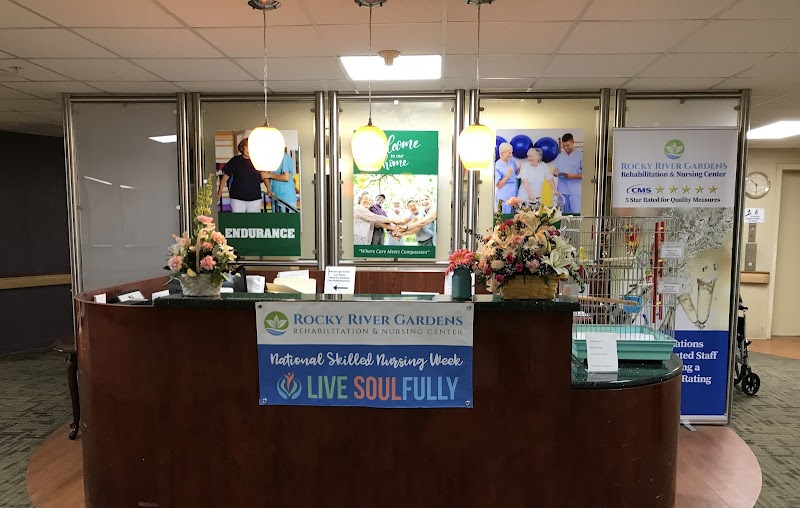
How is Rocky River Gardens Rehab And Nursing Ctr Staffed?

CMS rates ROCKY RIVER GARDENS REHAB AND NURSING CTR's staffing level at 2 out of 5 stars, which is below average compared to other nursing homes. Staff turnover is 51%, compared to the Ohio average of 46%.

What Have Inspectors Found at Rocky River Gardens Rehab And Nursing Ctr?

State health inspectors documented 39 deficiencies at ROCKY RIVER GARDENS REHAB AND NURSING CTR during 2019 to 2024. These included: 3 Immediate Jeopardy (the most serious level, indicating potential for serious harm or death), 2 that caused actual resident harm, and 34 with potential for harm. Immediate Jeopardy findings are rare and represent the most serious regulatory concerns. They require immediate corrective action.
Who Owns and Operates Rocky River Gardens Rehab And Nursing Ctr?

ROCKY RIVER GARDENS REHAB AND NURSING CTR is owned by a for-profit company. For-profit facilities operate as businesses with obligations to shareholders or private owners. The facility is operated by GARDEN HEALTHCARE GROUP, a chain that manages multiple nursing homes. With 120 certified beds and approximately 95 residents (about 79% occupancy), it is a mid-sized facility located in CLEVELAND, Ohio.
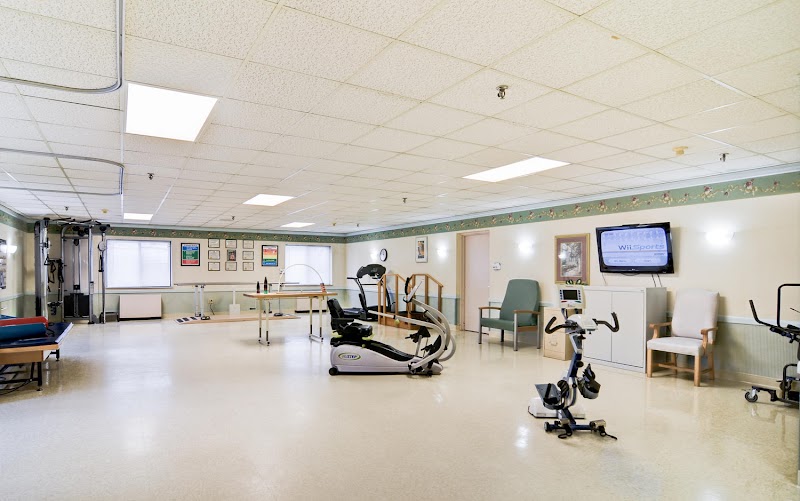
How Does Rocky River Gardens Rehab And Nursing Ctr Compare to Other Ohio Nursing Homes?

Compared to the 100 nursing homes in Ohio, ROCKY RIVER GARDENS REHAB AND NURSING CTR's overall rating (2 stars) is below the state average of 3.2, staff turnover (51%) is near the state average of 46%, and health inspection rating (1 stars) is much below the national benchmark.

What Should Families Ask When Visiting Rocky River Gardens Rehab And Nursing Ctr?

Based on this facility's data, families visiting should ask: "What changes have been made since the serious inspection findings, and how are you preventing similar issues?" "What safeguards and monitoring systems are in place to protect residents from abuse or neglect?" "Can you walk me through typical staffing levels on day, evening, and night shifts?" "Can I visit during a mealtime to observe dining assistance and food quality?" These questions are particularly relevant given the facility's Immediate Jeopardy citations, the substantiated abuse finding on record, and the below-average staffing rating.

Is Rocky River Gardens Rehab And Nursing Ctr Safe?

Based on CMS inspection data, ROCKY RIVER GARDENS REHAB AND NURSING CTR has documented safety concerns. The facility has 1 substantiated abuse finding (meaning confirmed case of resident harm by staff or other residents). Inspectors have issued 3 Immediate Jeopardy citations (the most serious violation level indicating risk of serious injury or death). The facility has a 2-star overall rating and ranks #100 of 100 nursing homes in Ohio. Families considering this facility should ask detailed questions about what corrective actions have been taken since these incidents.

Do Nurses at Rocky River Gardens Rehab And Nursing Ctr Stick Around?

ROCKY RIVER GARDENS REHAB AND NURSING CTR has a staff turnover rate of 51%, which is 5 percentage points above the Ohio average of 46%. Moderate turnover is common in nursing homes, but families should still ask about staff tenure and how the facility maintains care continuity when employees leave.

Was Rocky River Gardens Rehab And Nursing Ctr Ever Fined?

ROCKY RIVER GARDENS REHAB AND NURSING CTR has been fined $104,742 across 5 penalty actions. This is 3.1x the Ohio average of $34,126. Fines at this level are uncommon and typically indicate a pattern of serious deficiencies, repeated violations, or failure to correct problems promptly. CMS reserves penalties of this magnitude for facilities that pose significant, documented risk to resident health or safety. Families should request specific documentation of what issues led to these fines and what systemic changes have been implemented.

Is Rocky River Gardens Rehab And Nursing Ctr on Any Federal Watch List?

ROCKY RIVER GARDENS REHAB AND NURSING CTR is not on any federal watch list. The most significant is the Special Focus Facility (SFF) program, which identifies the bottom 1% of nursing homes nationally based on persistent, serious quality problems. Not being on this list means the facility has avoided the pattern of deficiencies that triggers enhanced federal oversight. This is a positive indicator, though families should still review the facility's inspection history directly.