SINGLETON HEALTH CARE CENTER
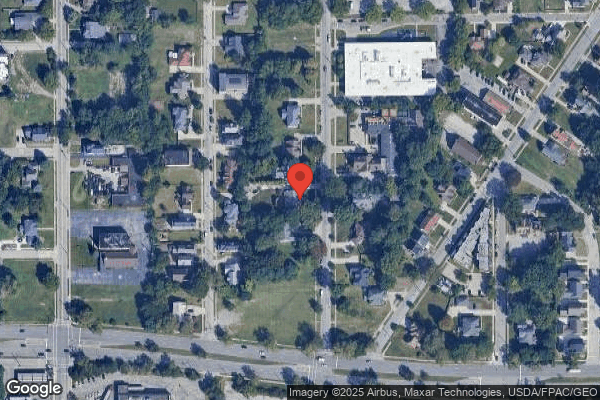
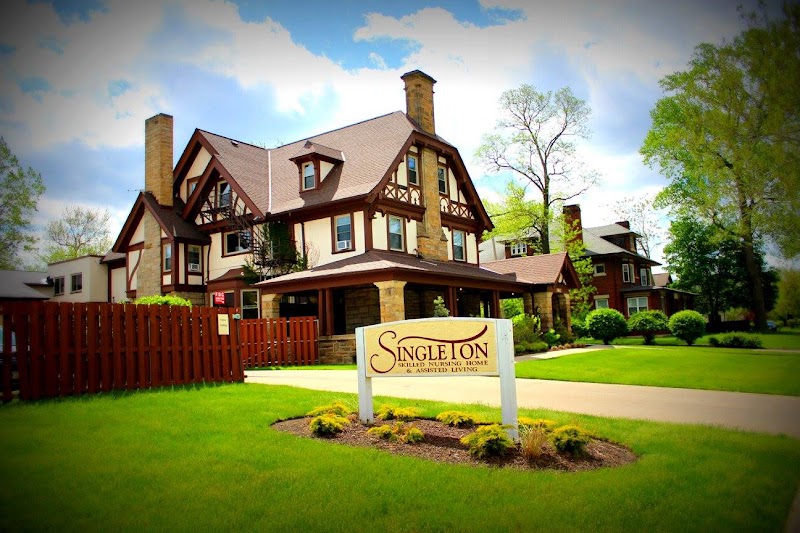
1867 EAST 82ND STREET, CLEVELAND, OH 44103 (216) 231-8467
For profit - Corporation 50 Beds Independent Data: November 2025
Trust Grade
80/100
#166 of 913 in OH
Last Inspection: November 2024

Within standard 12-15 month inspection cycle. Federal law requires annual inspections.

Overview

Singleton Health Care Center has a Trust Grade of B+, which means it is above average and recommended for families seeking care. It ranks #166 out of 913 nursing homes in Ohio, placing it in the top half of facilities statewide, and #17 out of 92 in Cuyahoga County, indicating that only 16 local options are better. The facility's performance is stable, with the same number of issues reported in both 2022 and 2024, showing no significant improvement or decline. Staffing is a strength, with a 4/5 star rating and a turnover rate of 38%, which is below the state average, meaning staff are likely to be familiar with the residents. However, there are some concerning points: the facility has been criticized for not properly checking staff against the Ohio Nurse Aide Registry, which could lead to safety risks. They also failed to report a physical altercation between residents and allowed soiled linens to be carried through the facility without proper hygiene practices. Overall, while there are strengths in staffing and overall ratings, there are significant areas that need attention for resident safety and care protocols.

Trust Score
B+
80/100
In Ohio
#166/913
Top 18%
Safety Record
Low Risk
No red flags
Inspections
Holding Steady
5 → 5 violations
Staff Stability
○ Average
38% turnover. Near Ohio's 48% average. Typical for the industry.
Penalties
✓ Good
No fines on record. Clean compliance history, better than most Ohio facilities.
Skilled Nurses
⚠ Watch
Each resident gets only 19 minutes of Registered Nurse (RN) attention daily — below average for Ohio. Fewer RN minutes means fewer trained eyes watching for problems.
Violations
⚠ Watch
22 deficiencies on record. Higher than average. Multiple issues found across inspections.
★★★★★
5.0
Overall Rating
★★★★☆
4.0
Staff Levels
★★★★★
5.0
Care Quality
★★★★☆
4.0
Inspection Score
Stable
2022: 5 issues
2024: 5 issues

The Good

  • 4-Star Staffing Rating · Above-average nurse staffing levels
  • 5-Star Quality Measures · Strong clinical quality outcomes
  • Full Sprinkler Coverage · Fire safety systems throughout facility
  • No fines on record
  • Staff turnover below average (38%)

    10 points below Ohio average of 48%

Facility shows strength in staffing levels, quality measures, fire safety.

The Bad

Staff Turnover: 38%

Near Ohio avg (46%)

Typical for the industry

The Ugly 22 deficiencies on record

Nov 2024 5 deficiencies
CONCERN (D)

Potential for Harm - no one hurt, but risky conditions existed

Resident Rights (Tag F0550)

Could have caused harm · This affected 1 resident

**NOTE- TERMS IN BRACKETS HAVE BEEN EDITED TO PROTECT CONFIDENTIALITY** Based on resident record review, resident interview, staff interview and facility policy review, the facility failed to ensure R...

Read full inspector narrative →
**NOTE- TERMS IN BRACKETS HAVE BEEN EDITED TO PROTECT CONFIDENTIALITY** Based on resident record review, resident interview, staff interview and facility policy review, the facility failed to ensure Resident #42 was treated with respect and dignity. This affected one resident (#42) of two residents reviewed for respect and dignity. The facility census was 48. Findings include: Review of the medical record for Resident #42 revealed she was admitted to the facility on [DATE] with diagnoses including Alzheimer's disease, dementia, schizophrenia, and schizoaffective disorder. Review of the care plan dated 02/14/22, revealed Resident #42 behaved in a problematic manner characterized by ineffective coping with paranoia and suspicious behaviors related to psychiatric illness. Interventions included reassuring safety and talking in a low pitch, calm voice to decrease and/or eliminate undesired behaviors and provide diversional activities. Review of the Minimum Data Set (MDS) assessment dated [DATE], revealed Resident #42 had a Brief Interview for Mental Status (BIMS) score of three, indicating she had severe cognitive impairment. She was independent with some setup assistance with activities of daily living (ADL). Review of the MDS assessment revealed Resident #42 had a history of delusional thoughts. Observation on 11/13/24 at 3:44 P.M. revealed Resident #42 approached the locked secured door adjacent to the receptionist's desk and began knocking. Medical Secretary (MS) #562 got up from the seated position, opened the door in a forceful manner, and approached Resident #42 stating in a rude, blunt tone What do you want? Why are you knocking on the door that hard? Resident #42 was observed taking a step back from the door and asked MS #562 a question that was unclear. MS #562 revealed she did not know the answer to Resident #42's question, and Resident #42 turned and walked away. Interview on 11/13/24 at 3:45 P.M. with MS #562, while turning her eyes upward, revealed she did not always speak to residents in that manner, but Resident #42 was knocking on the door really hard. MS #562 confirmed and verified the interaction with Resident #42. Interview on 11/13/24 at 3:46 P.M. was attempted with Resident #42, but she declined to speak. Interview on 11/14/24 at 8:55 A.M. with Resident #42 revealed she was sometimes treated with respect and dignity. Resident #42 revealed MS #562 was sometimes mean and rude when she approached her. Review of the facility document titled Resident Rights and Dignity Policy, revised 2024, revealed the facility had a policy in place that residents would always be treated with courtesy and respect.
CONCERN (D)

Potential for Harm - no one hurt, but risky conditions existed

Deficiency F0655 (Tag F0655)

Could have caused harm · This affected 1 resident

**NOTE- TERMS IN BRACKETS HAVE BEEN EDITED TO PROTECT CONFIDENTIALITY** Based on record review, interview and facility policy review, the facility failed to ensure Resident #200's baseline care plan w...

Read full inspector narrative →
**NOTE- TERMS IN BRACKETS HAVE BEEN EDITED TO PROTECT CONFIDENTIALITY** Based on record review, interview and facility policy review, the facility failed to ensure Resident #200's baseline care plan was completed timely. This affected one resident (#200) of two residents reviewed for baseline care plans. The facility census was 48. Findings include: Review of the medical record for Resident #200 revealed an admission date of 10/05/24 with diagnoses including diabetes mellitus and malignant neoplasm of pancreas (cancer). Resident #200 was discharged to the hospital on [DATE] and did not return to the facility. Review of the baseline care plan in the electronic health record dated 10/07/24 revealed it was blank and had not been completed. Interview on 11/14/24 at 9:48 A.M. with Licensed Practical Nurse (LPN) #569 revealed she assisted in completing the baseline care plans. She stated Resident #200 was admitted on [DATE] and was discharged on 10/10/24. She stated she had initiated the baseline care plan, printed it out, and then began filling in the information by hand on the form with information provided through staff interviews and observations. She verified she had not completed the baseline care plan within 48 hours or entered it into the computer so nursing staff had it available. LPN #569 verified the baseline care plan should have been in the computer completed by 48 hours and reviewed with the resident and family. Review of the facility policy titled, Baseline Care Plan, dated 11/28/17, revealed the baseline care plan should be started on admission and completed within 48 consecutive hours of admission.
CONCERN (D)

Potential for Harm - no one hurt, but risky conditions existed

Accident Prevention (Tag F0689)

Could have caused harm · This affected 1 resident

**NOTE- TERMS IN BRACKETS HAVE BEEN EDITED TO PROTECT CONFIDENTIALITY** Based on record review, interviews and facility policy review, the facility failed to ensure fall prevention interventions were ...

Read full inspector narrative →
**NOTE- TERMS IN BRACKETS HAVE BEEN EDITED TO PROTECT CONFIDENTIALITY** Based on record review, interviews and facility policy review, the facility failed to ensure fall prevention interventions were documented on the [NAME], failed to ensure an accurate falls risk assessment, and failed to do post fall assessments for 72 hours according to the facility policy for Resident #34. In addition, the facility failed to ensure safety of Resident #200 during care. This affected two residents (#34 and #200) of two residents reviewed for accidents. The facility census was 48. Findings include: 1. Review of the medical record revealed Resident #34 was admitted to the facility on [DATE] with diagnoses including epilepsy, hypertension, bradycardia, conversion disorder with seizures, cognitive communication deficit, dementia with behaviors, schizophrenia, cardiomyopathy, congestive heart failure, and vitamin B12 deficiency. Review of Resident #34's medication orders for July 2024 through September 2024 revealed orders for Norvasc, Losartan Potassium, Metoprolol Succinate ER (antihypertensives), Torsemide, hydralazine HCL, Furosemide, spironolactone (diuretics) and Depakote ER and Keppra (anti-seizure medications). Review of the fall incident description dated 09/29/24 at 6:07 P.M. revealed Resident #34 was in his room with a Certified Nurse Aide (CNA) present, and he tripped over a book bag that was kept underneath his bed. Resident #34 was observed on floor on all fours and was assessed by the nurse and had no injuries. He was educated to educated to keep the walkway free of clutter. Review of medical record dated 09/29/24 to 10/01/24 revealed the facility failed to assess Resident #34 every shift post fall for 72 hours according to their policy. Review of the Medication Administration Record (MAR) for September 2024 revealed Resident #34 had been receiving the antihypertensives, antiseizure and diuretic medications as ordered. Review of the fall risk assessment dated [DATE] for Resident #34 revealed under section G. Medications, the resident took only one to two of the following medications in the last seven days: anesthetics, antihistamines, antiseizure, antihypertensives, benzodiazepines, cathartics, diuretics, hypoglycemics, narcotics, psychoactives, sedatives/hypnotics. Further review revealed under section H. Predisposing diseases included CVA, Parkinson's disease, seizures, arthritis, loss of limb, arthritis, osteoporosis, fractures, multiple sclerosis, vertigo and hypotension, and the assessment indicated Resident #34 had none of the predisposing diseases. Review of the plan of care, dated 10/07/24, revealed Resident #34 had a risk for falls related to seizure disorder. An intervention included to ensure the floor was free of clutter. Review of Resident #34's current [NAME] revealed the intervention dated 10/07/24 to ensure the resident's floor remained free of clutter had not been added. Interview with the Director of Nursing (DON) on 11/13/24 at 1:35 P.M. confirmed the new fall intervention dated 10/07/24 ensure floor remain free of clutter was not on the [NAME]. Interview with CNA #524 on 11/14/24 at 9:28 A.M. revealed that she refers to the [NAME] or will ask the nurse regarding any changes or updates to a resident's care. Interview with Minimum Data Set 3.0 (MDS) Licensed Practical Nurse (LPN) #569 on 11/13/24 at 1:42 P.M. confirmed incorrect documentation was identified on the falls risk assessment dated [DATE] based on the record review pertaining to the medications and predisposing diseases. Interview with the Director of Nursing (DON) on 11/13/24 at 2:53 P.M. confirmed that nursing documentation was not completed on every shift for 72 hours per Singleton Health Care Post Fall Protocol, dated 12/01/2016. Review of the facility policy titled, Singleton Health Care Post Fall Protocol, dated 12/01/16, revealed the MDS Coordinator would complete a fall risk assessment after the fall and add new interventions to the resident's fall risk care plan. 2. Review of the medical record for Resident #200 revealed an admission date of 10/05/24 with diagnoses including diabetes mellitus and malignant neoplasm of pancreas (cancer). Resident #200 was discharged to the hospital on [DATE] and did not return to the facility. Review of the nursing admission observation dated 10/05/24 revealed Resident #200 needed a mechanical Hoyer lift for transfers. He was dependent on staff for personal hygiene, including bed baths. Review of the fall risk assessment dated [DATE] stated Resident #200 was at risk for falls as he was disoriented and had decreased muscle coordination with jerking movements. It was noted that Resident #200 did not have any falls in the past three months. Review of the baseline care plan in the electronic health record dated 10/07/24 revealed it was blank and had not been completed. Review of the nursing progress note dated 10/07/24 at 6:32 A.M. for Resident #200 revealed he fell at approximately 5:45 A.M. during care. Resident #200 was rolled on his side by the aide during bathing and the resident fell out of bed. The resident had no injuries from the fall. Review of the fall investigation dated 10/07/24 stated Resident #200 fell out of bed when Certified Nursing Assistant (CNA) #523 rolled him onto his side during care. Resident #200 rolled off the bed and onto the floor. The statement from CNA #523 verified he had rolled the resident onto his side, and the resident had rolled off the bed onto the floor. Review of the verbal warning by the DON to CNA #523 dated 10/09/24 revealed he was disciplined and educated for giving care to a bed bound resident and leaving him in an unsafe position resulting in a fall. Interview on 11/14/24 at 9:41 A.M. with the DON verified CNA #523 was providing care to Resident #200 on the morning of 10/07/24 and rolled him onto his side, and the resident rolled out of bed onto the floor in between the wall and the bed. She stated CNA #523 was educated and provided a verbal warning because he did not ensure the positioning of the bed against the wall and did not have two staff members while providing care. She verified she was unsure if Resident #200 needed the assistance of two staff members during bed mobility or bathing due to the baseline care plan not being completed timely. Interview on 11/14/24 at 9:48 A.M. with LPN #569 revealed she assisted in completing the baseline care plan for Resident #200. She stated Resident #200 was admitted on [DATE] and was discharged on 10/10/24. She stated she had initiated the baseline care plan, printed it out, and then began filling in the information through staff interviews and observations. She verified she had not completed the baseline care plan within 48 hours or placed it in the computer so that nursing staff had it available. LPN #569 verified the baseline care plan should have been completed and entered into the computer within 48 hours of admission and reviewed with the resident and family. She also verified there were no interventions to assist in preventing falls for Resident #200. Attempted interviews on 11/14/24 at 10:59 A.M. and 2:15 P.M. with CNA #523 were unsuccessful. Voicemail messages were left and were not returned. Review of the facility policy titled, Baseline Care Plan, dated 11/28/17, revealed the baseline care plan should be started on admission and completed within 48 consecutive hours of admission.
CONCERN (D)

Potential for Harm - no one hurt, but risky conditions existed

Drug Regimen Review (Tag F0756)

Could have caused harm · This affected 1 resident

**NOTE- TERMS IN BRACKETS HAVE BEEN EDITED TO PROTECT CONFIDENTIALITY** Based on record review and interview, the facility failed to ensure pharmacy recommendations were followed up on for Resident #1...

Read full inspector narrative →
**NOTE- TERMS IN BRACKETS HAVE BEEN EDITED TO PROTECT CONFIDENTIALITY** Based on record review and interview, the facility failed to ensure pharmacy recommendations were followed up on for Resident #1. This affected one resident (Residents #1) of five residents reviewed for unnecessary medications. The facility census was 48. Findings include: Review of the medical record for Resident #1 revealed an admission date of 09/18/19 with diagnoses including arthritis, schizophrenia and insomnia. Review of the quarterly Minimum Data Set (MDS) 3.0 assessment dated [DATE] revealed Resident #1 was cognitively intact. She required set up assistance for eating and oral hygiene and substantial or maximum assistance for dressing, toileting, showering and personal hygiene. Review of the Medication Administration Record (MAR) for July 2024 revealed an order for Haldol (an antipsychotic medication) 0.5 milligrams (mg) intramuscularly (IM) every six hours as needed (prn). The order began on 07/22/24 and was discontinued on 08/29/24. Review of the document titled Note to Attending Physician/Prescriber dated 07/18/24 revealed pharmacist #570 requested Medical Director (MD) #571 to consider adding an end date of 08/05/24 to Haldol IM 0.5 mg. There was no evidence MD #572 addressed the recommendation. Interview on 11/14/24 at 10:36 A.M. with the Director of Nursing confirmed the recommendation by Pharmacist #570 for Resident #1 dated 07/18/24 was not addressed by MD #572 regarding the end date of 08/05/24 for the Haldol. Review of the facility policy titled Medication Monitoring dated 06/21/17 revealed residents who received psychotropic medications would receive gradual dose reductions unless clinically contraindicated.
CONCERN (D)

Potential for Harm - no one hurt, but risky conditions existed

Medical Records (Tag F0842)

Could have caused harm · This affected 1 resident

**NOTE- TERMS IN BRACKETS HAVE BEEN EDITED TO PROTECT CONFIDENTIALITY** Based on interview and record review, the facility failed to ensure fall risk assessments were documented accurately for Residen...

Read full inspector narrative →
**NOTE- TERMS IN BRACKETS HAVE BEEN EDITED TO PROTECT CONFIDENTIALITY** Based on interview and record review, the facility failed to ensure fall risk assessments were documented accurately for Resident #34 who was at risk of falls. This affected one resident (Resident #34) of three residents reviewed for falls. The facility census was 48. Findings include: Review of the medical record revealed Resident #34 was admitted to the facility on [DATE] with diagnoses including epilepsy, hypertension, bradycardia, conversion disorder with seizures, cognitive communication deficit, dementia with behaviors, schizophrenia, cardiomyopathy, congestive heart failure, and vitamin B12 deficiency. Review of Resident #34's medication orders for July 2024 through September 2024 revealed orders for Norvasc, Losartan Potassium, Metoprolol Succinate ER (antihypertensives), Torsemide, hydralazine HCL, Furosemide, spironolactone (diuretics) and Depakote ER and Keppra (anti-seizure medications). Review of the fall risk assessments dated 07/05/24 and 10/02/24 for Resident #34 revealed under section G. Medications, the resident took only one to two of the following medications in the last seven days: anesthetics, antihistamines, antiseizure, antihypertensives, benzodiazepines, cathartics, diuretics, hypoglycemics, narcotics, psychoactives, sedatives/hypnotics. Review of the Medication Administration Record (MAR) for September 2024 revealed Resident #34 had been receiving the antihypertensives, antiseizure and diuretic medications as ordered. Further review of the fall risk assessments dated 07/05/24 and 10/02/24 revealed under section H. Predisposing diseases included CVA, Parkinson's disease, seizures, arthritis, loss of limb, arthritis, osteoporosis, fractures, multiple sclerosis, vertigo and hypotension, and the assessment indicated Resident #34 had none of the predisposing diseases. Interview with Minimum Data Set (MDS) Licensed Practical Nurse (LPN) #569 on 11/13/24 at 1:42 P.M. confirmed that incorrect documentation was identified on the falls risk assessments dated 10/2/24 and 07/05/24. LPN #569 confirmed that each of the assessments had identical documentation that was incorrect based on the record review pertaining to the medications and predisposing diseases.
May 2022 5 deficiencies
CONCERN (D)

Potential for Harm - no one hurt, but risky conditions existed

Report Alleged Abuse (Tag F0609)

Could have caused harm · This affected 1 resident

Based on record review, interview and facility policy review, the facility failed to report to the State agency an alleged violation involving physical abuse between Residents #24 and #31. This affect...

Read full inspector narrative →
Based on record review, interview and facility policy review, the facility failed to report to the State agency an alleged violation involving physical abuse between Residents #24 and #31. This affected two residents (#24 and #31) of five residents (#24, #26, #31, #48 and #148) reviewed for abuse, neglect, exploitation, and misappropriation. The facility census was 49. Findings include: Review of the medical record for Resident #24 revealed an admission date of 09/16/17. Diagnoses included schizoaffective disorder bipolar type, vascular dementia without behavioral disturbance, and bipolar disorder. Review of the nursing progress note dated 03/26/22 at 2:35 P.M. by Registered Nurse (RN) #212 revealed Resident #24 was going into the B side television room at 11:00 P.M. when he was witnessed hitting another resident. Resident #24 stated he was defending himself because another resident was the aggressor. Interview on 05/24/22 at 11:24 A.M. with the Administrator verified Resident #24 had a physical altercation with Resident #31 on 03/25/22. The Administrator confirmed there was no self-reported incident (SRI) filed to the State agency or an investigation completed through the abuse, neglect, exploitation, and misappropriation process. Review of a one page investigation form dated 03/28/22 provided by the Administrator revealed an incident occurred on 03/25/22 which was reported by a nurse (unnamed) as a physical altercation between Residents #24 and #31. The Administrator viewed camera footage and saw Resident #31 walk quickly toward Resident #24 and grab a wet floor sign on the ground next to Resident #24 then Resident #24 hit Resident #31. Review of the medical record for Resident #31 revealed an admission date of 01/15/16. Diagnoses included schizophrenia, dementia, intellectual disabilities, impulse disorder, and expressive language disorder. Review of the nursing progress note dated 03/26/22 at 2:29 P.M. created by RN #212 revealed Resident #31 was in the B side television room when he was hit by another resident. When questioned Resident #31 stated hit me and there were no bruises noted. Review of the nursing progress note dated 03/26/22 at 3:32 P.M. created by Licensed Practical Nurse (LPN) #266 revealed after the resident to resident altercation, Resident #31 was quiet during the shift with no behaviors. Interview on 05/25/22 at 11:53 A.M. with the Administrator verified the Director of Nursing (DON) reported the incident to the Administrator on 03/26/22 by phone who received the report from LPN #252 on 03/25/22. Interview on 05/25/22 at 3:02 P.M. with RN #212 confirmed on 03/25/22 at 11:00 P.M. Residents #24 and #31 had an altercation which RN #212 did not see but heard. RN #212 indicated LPN #252 witnessed the incident and saw the hitting between Residents #24 and #31. RN #212 verified contacting the DON and the nurse practitioner after the incident occurred. Interview on 05/25/22 at 3:16 P.M. with LPN #252 verified on 03/25/22 at 11:00 P.M. Resident #24 hit Resident #31, and stated they were both attempting to hit each other. LPN #252 confirmed RN #212 reported the incident to the DON at the time it occurred. Interview on 05/25/22 at 11:53 A.M. with the Administrator verified the one page investigation form dated 03/28/22 was the only documentation available regarding the incident between Residents #24 and #31. The Administrator stated the incident happened over the weekend so on the following Monday, 03/28/22, she looked at the camera footage of the incident. The Administrator indicated believing since there were no injuries it was okay to wait until Monday to look at the camera footage and stated since it was not a big event it was recorded in a soft file, not as an allegation of physical abuse or SRI to the State agency. The Administrator confirmed LPN #252 witnessed the incident and since there were no negative outcomes or an actual injury it was decided not to report it through the abuse process. The Administrator further stated there were two criteria used to decide whether to file a SRI to the State agency after receiving an allegation of abuse which was whether there was a negative outcome such as a bruise or an actual injury or how public it was such as if there was a family member upset or a witness from the outside; otherwise, I could report five or six things a day. The Administrator verified for all alleged abuse incidents she completed a brief investigation to determine if a physical or emotional outcome occurred, and if not then it was not reported but soft files were kept of her actions. The Administrator stated there were times an SRI was filed with bad outcomes such as incidents with a lot of drama. Interview on 05/25/22 at 1:59 P.M. with the DON verified LPN #252 contacted her by telephone on 03/25/22 after the incident occurred and reported Residents #26 and #31 were arguing and swinging at each other. LPN #252 believed Resident #26 may have hit Resident #31 and reported one or two other residents also saw it happen. Interview on 05/26/22 at 9:32 A.M. with the DON confirmed the alleged physical altercation between Residents #26 and #31 occurred on 03/25/22 in the evening, and RN #212 contacted her by telephone after the incident occurred. The DON verified reporting the incident to the Administrator by telephone on 03/26/22 the next morning. Review of facility policy, Abuse Prevention Policy, revised 05/15/19 revealed all allegations of abuse must be reported to the Administrator and DON immediately, and the Administrator will initiate an investigation and submit a report to the State agency online reporting system immediately and complete the investigation no later than five days after the event. Examples of abuse include either reacting inappropriately to a situation such as pushing, poking, or slapping a resident or intentionally doing bodily harm.
CONCERN (D)

Potential for Harm - no one hurt, but risky conditions existed

Investigate Abuse (Tag F0610)

Could have caused harm · This affected 1 resident

Based on record review, interview and facility policy review, the facility failed to complete a thorough investigation involving an alleged violation of physical abuse between Residents #24 and #31. T...

Read full inspector narrative →
Based on record review, interview and facility policy review, the facility failed to complete a thorough investigation involving an alleged violation of physical abuse between Residents #24 and #31. This affected two residents (#24 and #31) of five residents (#24, #26, #31, #48 and #148) reviewed for abuse, neglect, exploitation, and misappropriation. The facility census was 49. Findings include: Review of the medical record for Resident #24 revealed an admission date of 09/16/17. Diagnoses included schizoaffective disorder bipolar type, vascular dementia without behavioral disturbance, and bipolar disorder. Review of the nursing progress note dated 03/26/22 at 2:35 P.M. by Registered Nurse (RN) #212 revealed Resident #24 was going into the B side television room at 11:00 P.M. when he was witnessed hitting another resident. Resident #24 stated he was defending himself because another resident was the aggressor. Interview on 05/24/22 at 11:24 A.M. with the Administrator verified Resident #24 had a physical altercation with Resident #31 on 03/25/22. The Administrator confirmed there was no self-reported incident (SRI) filed to the State agency or an investigation completed through the abuse, neglect, exploitation, and misappropriation process. Review of a one page investigation form dated 03/28/22 provided by the Administrator revealed an incident occurred on 03/25/22 which was reported by a nurse (unnamed) as a physical altercation between Residents #24 and #31. The Administrator viewed camera footage and saw Resident #31 walk quickly toward Resident #24 and grab a wet floor sign on the ground next to Resident #24 then Resident #24 hit Resident #31. Review of the medical record for Resident #31 revealed an admission date of 01/15/16. Diagnoses included schizophrenia, dementia, intellectual disabilities, impulse disorder, and expressive language disorder. Review of the nursing progress note dated 03/26/22 at 2:29 P.M. created by RN #212 revealed Resident #31 was in the B side television room when he was hit by another resident. When questioned Resident #31 stated hit me and there were no bruises noted. Review of the nursing progress note dated 03/26/22 at 3:32 P.M. created by Licensed Practical Nurse (LPN) #266 revealed after the resident to resident altercation, Resident #31 was quiet during the shift with no behaviors. Interview on 05/25/22 at 11:53 A.M. with the Administrator verified the Director of Nursing (DON) reported the incident to the Administrator on 03/26/22 by phone who received the report from LPN #252 on 03/25/22. Interview on 05/25/22 at 3:02 P.M. with RN #212 confirmed on 03/25/22 at 11:00 P.M. Residents #24 and #31 had an altercation which RN #212 did not see but heard. RN #212 indicated LPN #252 witnessed the incident and saw the hitting between Residents #24 and #31. RN #212 verified contacting the DON and the nurse practitioner after the incident occurred. RN #212 stated a facility incident report was completed. Interview on 05/25/22 at 3:16 P.M. with LPN #252 verified on 03/25/22 at 11:00 P.M. Resident #24 hit Resident #31, and stated they were both attempting to hit each other. LPN #252 confirmed RN #212 reported the incident to the DON at the time it occurred and a facility incident report was completed. Interview on 05/25/22 at 11:53 A.M. with the Administrator verified the one page investigation form dated 03/28/22 was the only documentation available regarding the incident between Residents #24 and #31. The Administrator stated the incident happened over the weekend so on the following Monday, 03/28/22, she looked at the camera footage of the incident. The Administrator indicated believing since there were no injuries it was okay to wait until Monday to look at the camera footage and stated since it was not a big event it was recorded in a soft file, not as an allegation of physical abuse or SRI to the State agency. The Administrator confirmed LPN #252 witnessed the incident and since there were no negative outcomes or an actual injury it was decided not to report it or investigate through the abuse process. The Administrator confirmed there were no witness statements obtained from the perpetrator, victim, or witnesses from the reported physical altercation between Residents #26 and #31 on 03/25/22. Interview on 05/25/22 at 1:59 P.M. with the DON verified LPN #252 contacted her by telephone on 03/25/22 after the incident occurred and reported Residents #26 and #31 were arguing and swinging at each other. LPN #252 believed Resident #26 may have hit Resident #31 and reported one or two other residents also saw it happen. Interview on 05/26/22 at 9:32 A.M. with the DON confirmed the alleged physical altercation between Residents #26 and #31 occurred on 03/25/22 in the evening, and RN #212 contacted her by telephone after the incident occurred. The DON verified reporting the incident to the Administrator by telephone on 03/26/22 the next morning. Review of facility policy, Abuse Prevention Policy, revised 05/15/19 revealed all allegations of abuse must be reported to the Administrator and Director of Nursing immediately, and the Administrator will initiate an investigation and submit a report to the State agency online reporting system immediately and complete the investigation no later than five days after the event. Examples of abuse include either reacting inappropriately to a situation such as pushing, poking, or slapping a resident or intentionally doing bodily harm.
CONCERN (F)

Potential for Harm - no one hurt, but risky conditions existed

Abuse Prevention Policies (Tag F0607)

Could have caused harm · This affected most or all residents

Based on record review, facility policy and procedure review and interview the facility failed to ensure all employees were checked against the Ohio Nurse Aide Registry (NAR) prior to or on their firs...

Read full inspector narrative →
Based on record review, facility policy and procedure review and interview the facility failed to ensure all employees were checked against the Ohio Nurse Aide Registry (NAR) prior to or on their first day of work/hire to ensure the employee did not have a finding entered into the State nurse aide registry concerning abuse, neglect, exploitation, mistreatment of residents or misappropriation of their property as required. This had the potential to affect all 49 residents residing in the facility. Findings include: Review of the personnel file for Registered Nurse (RN) #260 revealed a hire date of 05/02/22. There was no printed evidence of RN #260 being checked against the NAR. Review of the personnel file for Housekeeper #262 revealed a hire date of 02/02/22. There was no evidence of Housekeeper #262 being checked against the NAR. Review of the personnel file for Licensed Practical Nurse (LPN) #218 revealed a hire date of 04/21/22. There was no printed evidence of LPN #218 being checked against the NAR. Review of the personnel file for State Tested Nursing Assistant (STNA) #202 revealed a hire date of 04/21/22. The printed evidence of STNA #202 being checked against the NAR was not completed until 04/27/22. Interview on 05/24/22 at 3:47 P.M. with Business Office #217 confirmed screening/checking employees through the Ohio Nurse Aide Registry for abuse, neglect, exploitation, and misappropriation was not completed for RN #260, Housekeeper #262, LPN #218 or STNA #202 prior to or on the first date of hire to ensure the employee did not have a finding entered into the State nurse aide registry concerning abuse, neglect, exploitation, mistreatment of residents or misappropriation of their property. Review of the facility policy, Abuse Prevention Policy, revised 05/15/19, revealed through the employee screening process, no individual who was convicted of abusing, neglecting, or mistreating individuals would be employed by the facility.
CONCERN (F)

Potential for Harm - no one hurt, but risky conditions existed

Administration (Tag F0835)

Could have caused harm · This affected most or all residents

Based on record review, observations, and interviews the facility administration failed to ensure its resources were effectively and efficiently managed to attain and maintain the highest practicable ...

Read full inspector narrative →
Based on record review, observations, and interviews the facility administration failed to ensure its resources were effectively and efficiently managed to attain and maintain the highest practicable physical, mental, and psychosocial well-being of all 48 residents residing in the facility. The facility census was 49. Findings include: The following concerns were identified during the annual survey: 1. Review of the medical records of Residents #26 and #31 revealed documentation Resident #24 was witnessed hitting Resident #31. Interview on 05/25/22 at 11:53 A.M. with the Administrator revealed the Director of Nursing (DON) reported the physical altercation to the Administrator on 03/26/22 by phone who received the report from Licensed Practical Nurse (LPN) #252 on 03/25/22 after the incident occurred. The Administrator confirmed not reporting the allegation of physical abuse to the State agency or conducting a thorough investigation as required. There were no witness statements obtained from the perpetrator, victim, or witnesses. 2. Review of facility personnel files revealed Registered Nurse (RN) #260, Housekeeper #262, Licensed Practical Nurse (LPN) #218, and State Tested Nursing Assistant (STNA) #202 were not checked against the Ohio Nurse Aide Registry (NAR) prior to or on their first day of work/hire to ensure the employee did not have a finding entered into the State nurse aide registry concerning abuse, neglect, exploitation, mistreatment of residents or misappropriation of their property as required. Interview on 05/26/22 at 2:57 P.M. with the Administrator revealed she was aware of the need to check the NAR for all employees but did not make sure it was being done. 3. Review of resident personal fund accounts revealed on 05/23/22 the total of all active resident funds was $60,518.11. The facility only secured a surety bond with a value of $20,000.00. Interview on 05/25/22 at 10:30 A.M. with the Administrator confirmed the surety bond was not the appropriate amount on 05/23/22 as required. The Administrator indicated when the survey process began on 05/23/22, she realized the surety bond was not the correct value and increased the surety bond value on 05/24/22 to $75,000.00.
CONCERN (F)

Potential for Harm - no one hurt, but risky conditions existed

Infection Control (Tag F0880)

Could have caused harm · This affected most or all residents

**NOTE- TERMS IN BRACKETS HAVE BEEN EDITED TO PROTECT CONFIDENTIALITY** 2. On 05/25/22 at 9:01 A.M. observation of urinary catheter care performed by State Tested Nursing Assistant (STNA) #229 for Res...

Read full inspector narrative →
**NOTE- TERMS IN BRACKETS HAVE BEEN EDITED TO PROTECT CONFIDENTIALITY** 2. On 05/25/22 at 9:01 A.M. observation of urinary catheter care performed by State Tested Nursing Assistant (STNA) #229 for Resident #43 revealed STNA #229 carrying soiled linens with dirty gloves approximately fifteen feet into the hallway to discard the soiled linen in the soiled linen cart and dirty gloves into the trash can; both located in the hallway outside of room [ROOM NUMBER]. On 05/25/22 at 9:14 A.M. interview with STNA #229 verified she walked into the hallway carrying soiled linen with dirty gloves. STNA #229 stated she normally would bag the soiled linens after use in the resident's room, discard her dirty gloves, perform hand hygiene, and discard of the bagged soiled linen in the appropriate soiled linen cart. Review of the facility's policy, Linen Management, dated 03/25/20, revealed soiled linen would be placed into designated bags or other appropriate containers at the point of use. Based on observation, interview, record review, facility policy review, and review of guidelines from the Centers for Disease Control and Prevention, the facility failed to maintain infection control practices to prevent the spread of infectious diseases by failing to ensure the appropriate storage of clean linen and handling of soiled linen. This had the potential to affect all 49 residents who resided in the facility. Findings include: 1. Observation on 05/23/22 at 12:23 P.M. revealed a clean linen cart with three shelves located next to room [ROOM NUMBER]. Each shelf was stocked with bed linens, incontinence pads, gowns, washcloths, and briefs. There was one sheet applied to the highest shelf which left the lower two shelves with clean linen exposed. Interview at the time of the observation with the Director of Nursing (DON) verified the clean linen cart located next to room [ROOM NUMBER] was not covered as required. Observation on 05/23/22 at 12:25 P.M. revealed a clean linen cart with three shelves located next to room [ROOM NUMBER]. Each shelf was stocked with bed linens, incontinence pads, towels, washcloths, and pillow cases. There was one sheet applied to the highest shelf which left the lower two shelves with clean linen exposed. Interview at the time of the observation with DON verified the clean linen cart located next to room [ROOM NUMBER] was not covered as required. Observation on 05/23/22 at 12:27 P.M. revealed a clean linen cart with three shelves located next to room [ROOM NUMBER]. Each shelf was stocked with bed linens, incontinence pads, briefs, and gowns. There was one sheet applied to the highest shelf which left the lower two shelves with clean linen exposed. Interview at the time of the observation with the DON verified the clean linen cart located next to room [ROOM NUMBER] was not covered as required. Observation on 05/23/22 at 12:29 P.M. revealed a clean linen cart with three shelves located between room [ROOM NUMBER] and room [ROOM NUMBER]. Each shelf was stocked with bed linens, incontinence pads, towels, and washcloths. There was one sheet applied to the highest shelf which left the lower two shelves with clean linen exposed. Interview at the time of the observation with the DON verified the clean linen cart located between Rom 120 and room [ROOM NUMBER] was not covered as required. Review of facility policy, Clean Linen Storage, effective 10/20/21, revealed State Tested Nursing Assistants were to keep clean linen cart covered at all times, and to ensure linen was handled and stored in a manner to keep it free from contamination. Review of Best Practices for Management of Clean Linen, last reviewed on 03/27/20, from the Centers for Disease Control and Prevention's Healthcare-Associated Infections (HAIs) Appendix D: Linen and Laundry Management, located at https://www.cdc.gov/hai/prevent/resource-limited/laundry.html#anchor_1585334108204 revealed to store clean linens in a manner that prevents risk of contamination by dust, debris, soiled linens, or other soiled items.
Jul 2019 12 deficiencies
CONCERN (D)

Potential for Harm - no one hurt, but risky conditions existed

Resident Rights (Tag F0550)

Could have caused harm · This affected 1 resident

Based on observation and interview, the facility failed to ensure residents were treated with respect and dignity. This affected one resident (Resident #14) of 48 residents living in the facility at t...

Read full inspector narrative →
Based on observation and interview, the facility failed to ensure residents were treated with respect and dignity. This affected one resident (Resident #14) of 48 residents living in the facility at the time of the survey. Findings include: Observation of the A-section dining room on 07/01/19 at 12:07 P.M. revealed Resident #14 wheeled up to State Tested Nursing Aide (STNA) #203 and announced I don't want nothing to eat. STNA #203 walked past the resident and called over her shoulder with her back to the resident, You don't want nothing to eat? as she delivered a meal tray to a different resident. STNA #203 then turned back to Resident #14 and began walking towards him and the resident said again, I don't want nothing to eat, as STNA #203 walked past him again. STNA #203 again called over her shoulder, You don't want nothing to eat? STNA #203 continued serving food to other residents, and did not return to Resident #14's side or further acknowledge him. Resident #14 then wheeled himself out of the dining room. The above observations were confirmed with STNA #203 on 07/01/19 at 12:14 P.M. Interview with Resident #14 at 2:55 P.M. on 07/01/19 revealed he felt some people at the facility were not nice, but he did not identify any specific concerns with the staff.
CONCERN (D)

Potential for Harm - no one hurt, but risky conditions existed

Deficiency F0558 (Tag F0558)

Could have caused harm · This affected 1 resident

**NOTE- TERMS IN BRACKETS HAVE BEEN EDITED TO PROTECT CONFIDENTIALITY** Based on observation, interview, and record review, the facility failed to ensure a table was provided in a timely manner for Re...

Read full inspector narrative →
**NOTE- TERMS IN BRACKETS HAVE BEEN EDITED TO PROTECT CONFIDENTIALITY** Based on observation, interview, and record review, the facility failed to ensure a table was provided in a timely manner for Resident #298's suction machine. This affected one of one resident reviewed for tracheostomy care. The facility census was 48. Findings include: Review of Resident #198's medical record revealed the resident was admitted to the facility 02/06/19 and readmitted on [DATE] with diagnoses of anxiety disorder, depressed disorder, tracheostomy, chronic obstructive pulmonary disease (COPD), schizophrenia and ataxia. Review of Resident #198's admission Minimum Data Set 3.0 assessment dated [DATE] revealed the resident was independent and required set up only for all areas of activities of daily living. Review of Resident #198's plan of care dated 06/22/19 revealed the resident had a tracheostomy related to impaired breathing mechanics. Interventions included: ensure that trach ties are always secured. Monitor/document for restlessness, agitation, confusion, increased heart rate (tachycardia), and slow heart rate (bradycardia). Suction as necessary. Use one humidification device each evening for tracheostomy. Observation of Resident #198's room on 07/01/19 at 1:56 P.M. revealed the resident's suction machine was located on the floor and not within reach if the resident required emergency suctioning. The observations were verified with Registered Nurse (RN) #303 on 07/01/19 at 1:56 P.M. Interview with Resident #198 on 07/01/19 at 2:20 P.M. revealed she independently suctioned herself and cleaned her tracheostomy stoma without supervision of staff. Resident #198 stated she had asked the facility for a table to place her suction machine. Resident #198 stated in case of an emergency she would have to pick up the suction machine off of the floor to use it if she had a mucous plug or trouble breathing. Observation of Resident #198's room on 07/02/19 at 12:22 P.M. revealed the resident's suction machine was located on the floor and not within reach if the resident required emergency suctioning. The observation was verified with RN #303 on 07/02/19 at 12:22 P.M. Interview with RN #303 on 0702/19 at 1:22 P.M. verified the resident needed a table to place the suction machine and aerosol nebulizer on. RN #303 verified the suction machine was not within reach if the resident required emergency suctioning through her tracheostomy. Observation of Resident #198's room on 07/03/19 at 8:10 A.M. revealed the resident's suction machine was in direct contact with the soiled floor and uncovered. A table for the suction machine was not provided until 07/03/19 at 12:00 P.M.
CONCERN (D)

Potential for Harm - no one hurt, but risky conditions existed

Deficiency F0583 (Tag F0583)

Could have caused harm · This affected 1 resident

**NOTE- TERMS IN BRACKETS HAVE BEEN EDITED TO PROTECT CONFIDENTIALITY** Based on observation, interview, and record review, the facility failed to ensure Resident #37 was provided privacy during incon...

Read full inspector narrative →
**NOTE- TERMS IN BRACKETS HAVE BEEN EDITED TO PROTECT CONFIDENTIALITY** Based on observation, interview, and record review, the facility failed to ensure Resident #37 was provided privacy during incontinence care. this affected one resident observed for incontinence care. The facility census was 48. Findings include: Review of Resident #37's medical record revealed the resident was admitted to the facility on [DATE] with diagnoses including schizoaffective disorder, dementia with behavioral disturbance, paranoid schizophrenia, lymphedema, and insomnia. Review of Resident #37's quarterly Minimum Data Set 3.0 assessment dated [DATE] revealed the resident required extensive assist of two persons for bed mobility and transfers. Resident #37 required and extensive assist of one person for dressing, toilet use and personal hygiene. Review of Resident #37's plan of care dated 07/02/19 revealed the resident had a behavior problem related to exposing self and urinating on the floor. Interventions included: administer medications as ordered. Monitor/document for side effects and effectiveness. Anticipate and meet needs. Intervene as necessary to protect the rights and safety of others. Approach/Speak in a calm manner. Divert attention. Remove from situation and take to alternate location as needed. Monitor behavior episodes and attempt to determine underlying cause. Consider location, time of day, persons involved, and situations. Document behavior and potential causes. Resident to keep urinal with him throughout the day. Observation of Resident #37's bowel incontinence care with State Tested Nursing Assistant (STNA) # 300 revealed the resident had been incontinent of bowel. STNA #300 removed his pants and instructed the resident to sit in the wheelchair until she could obtain wash cloths and towels to complete his incontinence care. STNA #300 left the room, left resident 337's door wide open with the resident genitals exposed to any resident of visitor passing the room. Interview with Registered Nurse (RN) # 303 on 07/01/19 t 1:20 P.M. verified all staff were to provide privacy when completing incontinence care.
CONCERN (D)

Potential for Harm - no one hurt, but risky conditions existed

Comprehensive Care Plan (Tag F0656)

Could have caused harm · This affected 1 resident

**NOTE- TERMS IN BRACKETS HAVE BEEN EDITED TO PROTECT CONFIDENTIALITY** Based on observation, interview and record review, the facility failed to implement Resident #37's plan of care to ensure his wh...

Read full inspector narrative →
**NOTE- TERMS IN BRACKETS HAVE BEEN EDITED TO PROTECT CONFIDENTIALITY** Based on observation, interview and record review, the facility failed to implement Resident #37's plan of care to ensure his wheelchair brakes could be locked to prevent the wheelchair from pushing backward when the resident stood up. This affected one of four residents observed for wheelchair brakes in good repair. The facility census was 48. Finding include: Review of Resident #37's medical record revealed the resident was admitted to the facility on [DATE] with diagnoses including schizoaffective disorder, dementia with behavioral disturbance, paranoid schizophrenia, lymphedema, and insomnia. Review of Resident #37's quarterly Minimum Data Set (MDS) 3.0 assessment dated [DATE] revealed the resident required an extensive assist of two persons for bed mobility and transfers. Resident #37 required extensive assist of one person for dressing, toilet use and personal hygiene. Resident #37's MDS 3.0 dated 05/14/19 also revealed the resident had unsteady balance when moving from a seated position to a standing position, was not steady when walking or turning around and facing the opposite side. Review of Resident #37's plan of care dated 09/06/18 revealed the resident was at risk for falls related to gait/balance problems. Interventions included: anticipate and meet needs. Be sure call light is within reach and encourage to use it for assistance as needed. Respond promptly to all requests for assistance. Bed Alarm. Chair Alarm. Educate resident to ensure he is sitting all the way in his wheelchair. Educate resident to lock wheelchair prior to attempting to transfer out of wheelchair. Educated resident to call for assistance when wanting to transfer out of bed. Fix wheelchair locks, and ensure wheelchair is working properly before use. Follow fall protocol. Observation of Resident #37 on 07/01/19 at 12:38 P.M. revealed State Tested Nurse Aide (STNA) #300 verbally prompt Resident #37 to self-propel himself to the sink. Resident #37 was incontinent of bowel movement and needed to be washed up. Resident #37 was able to self-propel the wheelchair with the brakes locked in place. STNA #300 had the resident stand at the sink and hold onto the sink while she cleaned him up. Resident #37 was unsteady as he stood holding on to the sink. Resident #37 stated he couldn't stand much longer and was told he had to stand while he was cleaned up. Resident #37 was unsteady as STNA #300 transferred the resident from the seated position in the wheelchair to a standing position. STNA #300 did not obtain a second person to provide assistance to ensure the resident did not fall while trying to hold onto the sink. Interview with Registered Nurse (RN) #303 on 07/02/19 at 11:10 A.M. verified STNA #300 should have obtained a second staff member to help with Resident #37. RN #303 further stated night shift was to check Resident #37's brakes on a nightly basis and let maintenance know if the brakes needed tightening. RN #303 stated she could not find documented evidence maintenance had been notified of the resident's wheelchair brakes not locking properly. Interview with Maintenance Director (MD) #304 on 07/02/19 at 10:55 A.M. revealed he was unaware Resident #37's wheelchair brakes needed tightened. MD #304 stated normally staff would send him a work order and he would tighten the brakes the same day. MD #304 verified at 11:50 A.M. he did not have a work order to tighten the resident's wheelchair brakes. MD #304 verified the brakes were loose and the brakes had to be tightened to work properly.
CONCERN (D)

Potential for Harm - no one hurt, but risky conditions existed

Deficiency F0661 (Tag F0661)

Could have caused harm · This affected 1 resident

Based on record review and interview, the facility failed to ensure residents received all required information upon their discharge. This affected one (Resident #49) of one resident reviewed for appr...

Read full inspector narrative →
Based on record review and interview, the facility failed to ensure residents received all required information upon their discharge. This affected one (Resident #49) of one resident reviewed for appropriate discharge. The total census was 48. Findings include: Record review of Resident #49 revealed the resident was admitted to the facility 10/17/18 and had diagnoses including hemiplegia, post-traumatic seizures, and other specified mental disorders. He was discharged from the facility on 05/06/19. His discharge instructions dated 05/06/19 revealed that he was discharged to a group home, was to follow up with his primary care provider, and had medications called in to a pharmacy. No evidence could be found in the instructions or elsewhere that the resident received discharge information including a summary of his stay or status, reconciliation of the discharge medications, a post-discharge plan or care, or instructions clarifying any specifics of his care needs. Interview with Assistant Administrator #202 on 07/03/19 at 8:56 A.M. confirmed the above findings.
CONCERN (D)

Potential for Harm - no one hurt, but risky conditions existed

Accident Prevention (Tag F0689)

Could have caused harm · This affected 1 resident

**NOTE- TERMS IN BRACKETS HAVE BEEN EDITED TO PROTECT CONFIDENTIALITY** Based on observation, interview and record review, the facility failed to provide supervision to prevent Resident #11 from obtai...

Read full inspector narrative →
**NOTE- TERMS IN BRACKETS HAVE BEEN EDITED TO PROTECT CONFIDENTIALITY** Based on observation, interview and record review, the facility failed to provide supervision to prevent Resident #11 from obtaining a lighter. This affected one of five residents identified as residents who smoked. The facility census was 48. Findings include: Review of Resident #11's medical record revealed the resident was admitted to the facility on [DATE] with diagnoses including Huntington's Disease, chorea, convulsions, aphasia, intracranial injury without loss of consciousness, atherosclerotic heart disease and nicotine dependence. Review of Resident #11's quarterly Minimum Data Set 3.0 assessment dated [DATE] revealed the resident was independent and required no set up for bed mobility, transfers, dressing, eating, toilet use and personal hygiene. Review of Resident #11's plan of care dated 04/03/19 revealed the resident was a smoker. Goals included the resident would always be kept safe while smoking. Interventions included resident was not to have any lighters or matches in his or her possession. Resident to remain compliant of the smoking policy always. Staff to keep cigarettes in a designated area, giving each resident one cigarette at a time. Staff to educate and encourage resident to start a smoking cessation program. Review of Resident #11's smoking assessment dated [DATE] revealed the resident was alert and oriented to person, place and time. Resident #11 was deemed independent for skills in making daily decisions. The resident's clothing was free of burns, vision was adequate for holding a cigarette and extinguishing it properly and the resident was physically able to smoke. Resident #11 was deemed safe to independently smoke. Observation of Resident #11 on 07/01/19 at 9:10 A.M. revealed the resident was lying on his right side facing the wall. Resident #11 had a cigarette lighter in his bed, in plain sight, on top of his bed, laying near his buttocks. The observation was verified with Registered Nurse (RN) #303 on 07/01/19 at 9:11 A.M. Interview with RN #303 on 07/01/19 at 9:11 A.M. verified Resident #11 was independent in smoking, and no resident was to have a cigarette lighter in their room. RN #303 stated she had no idea how the resident would have obtained the lighter because staff were the only ones to have access to the lighter. Review of the facility's Smoking Policy revised 07/03/18 revealed for the safety of the residents and staff smoking would only be permitted indoors in the smoking room located on the first floor next to the dining room. Outdoor smoking would be permitted on the front porch off the main dining room effective from October through April and in the back courtyard effective May through September. No person (staff, resident, or visitor) would be permitted to smoke in any other areas of the building. Smoking in resident rooms was strictly prohibited. No resident would be permitted to keep matches or a lighter. The facility provided a lighter in the smoke room that residents must use to light their cigarettes. In the event that the facility discovered or suspected that a resident was non compliant with the policy it was to be reported immediately to the supervisor. If the suspicion was confirmed by the supervisor, the supervisor would contact the Director of Nursing to inform her of the situation. The Director of Nursing would initiate a room sweep to ensure all smoking related materials were safely secured. The Director of Nursing would notify the administrator immediately and the administrator might initiate a 15-minute check depending on the seriousness of the offense. A 30-day discharge might be initiated depending on the seriousness of the offense. Failure by staff to report any noncompliance would result in disciplinary action.
CONCERN (D)

Potential for Harm - no one hurt, but risky conditions existed

Respiratory Care (Tag F0695)

Could have caused harm · This affected 1 resident

**NOTE- TERMS IN BRACKETS HAVE BEEN EDITED TO PROTECT CONFIDENTIALITY** Based on observation, interview and record review, the facility failed to ensure Resident #36's oxygen tank was handled appropri...

Read full inspector narrative →
**NOTE- TERMS IN BRACKETS HAVE BEEN EDITED TO PROTECT CONFIDENTIALITY** Based on observation, interview and record review, the facility failed to ensure Resident #36's oxygen tank was handled appropriately and was not empty while in use. This affected one of three residents observed in the dining room with a portable oxygen tank in use. The facility census was 48. Findings include: Review of Resident #36's medical record revealed the resident was admitted to the facility on [DATE] with diagnoses including heart failure, acute respiratory failure, chronic obstructive pulmonary disease COPD), dysphagia, multiple myeloma, and insomnia. Review of Resident #36's 14-day Minimum Data Set assessment dated [DATE] revealed the resident required limited assistance from one person for bed mobility, transfers, dressing, toilet use and personal hygiene. Review of Resident #36's plan of care dated 05/03/19 revealed the resident had COPD related to smoking. Interventions included check resident Pulse-oximetery every shift to ensure greater than 90%. Educate resident on the risk factors of continuing to smoke and encourage resident to quit. Give oxygen therapy as ordered by the physician. Monitor for difficulty breathing (dyspnea) on exertion. Remind resident not to push beyond endurance. Monitor for signs and symptoms of acute respiratory insufficiency: anxiety, confusion, restlessness, shortness of breath at rest, cyanosis, somnolence. Monitor/document/report to physician as needed any signs and symptoms of respiratory infection: fever, chills, increase in sputum (document the amount, color and consistency), chest pain, increased difficulty breathing, increased coughing and wheezing. Observation on 07/01/19 at 11:55 A.M. revealed Resident #36 seated at a table with a portable oxygen tank on back of the wheelchair with a nasal cannula hooked to it. The tank gauge was in red and on zero. The resident was not in respiratory distress. State Tested Nurse Aide (STNA) #300 was observed getting the dining room ready for lunch. At 12:10 P.M. the surveyor asked STNA #300 if the tank was empty. STNA #300 stated the tank was empty, unhooked the nasal cannula and removed the oxygen tank from the wheelchair. STNA #300 took the empty oxygen tank to the B unit and returned with a new oxygen tank. STNA #300 hooked up the nasal cannula connecter to the flow meter on the tank, adjusted the flow to three liter/minute. The surveyor asked STNA #300 to obtain a nurse to check the resident's pulse oxygenation. Registered Nurse (RN) #303 came to the dining room at 12:12 P.M. and checked the resident pulse oxygenation which was 92% on three liter of oxygen per minute via a nasal cannula. Interview with the Director of Nursing (DON) on 07/02/19 at 2:34 P.M. revealed nursing staff was to ensure the tank was full and if getting low STNA's were to inform the nurse and the nurse would provide a new tank to replace the empty tank. Review of the facility's Care of Oxygen Policy and Procedure (no date) revealed there must be a physician's order for oxygen use which included the route and liter flow or specific oxygen concentration, and how the oxygen was to be administered. Only licensed nurses were authorized to set up oxygen administration or make changes to oxygen administration. Staff members must be instructed to notify the Unit Nurse if the oxygen canister was low or empty, the resident removed the face mask or cannula or disconnected any of the tubing. The Unit Nurse must instruct staff members that they must not disconnect any of the oxygen tubing or change the flow rate of the oxygen.
CONCERN (D)

Potential for Harm - no one hurt, but risky conditions existed

Deficiency F0700 (Tag F0700)

Could have caused harm · This affected 1 resident

**NOTE- TERMS IN BRACKETS HAVE BEEN EDITED TO PROTECT CONFIDENTIALITY** Based on observation, record review, and interview, the facility failed to ensure bed rails were only applied for residents with...

Read full inspector narrative →
**NOTE- TERMS IN BRACKETS HAVE BEEN EDITED TO PROTECT CONFIDENTIALITY** Based on observation, record review, and interview, the facility failed to ensure bed rails were only applied for residents with appropriate consent, assessment, and documentation. This affected one (Resident #43) of one resident reviewed for restraints. The total census was 48. Findings include: Observation of Resident #43 on 07/01/19 at 2:47 revealed he had two quarter-length bedrails pulled up on each side of his bed. Record review of Resident #43 revealed he was admitted to the facility on [DATE], and was identified by the facility as having severe cognitive impairment, and required supervision for bed mobility and transfers. He had diagnoses including hallucinations and vascular dementia. The review revealed no evidence of any orders or care plan for bed rails, no signs of an assessment for risk of entrapment or restraint, no evidence of informed consent for bed rails, and no mention of their use in the progress notes. These findings were confirmed with the Director of Nursing on 07/02/19 at 11:37 A.M.
CONCERN (D)

Potential for Harm - no one hurt, but risky conditions existed

Unnecessary Medications (Tag F0759)

Could have caused harm · This affected 1 resident

Based on observation, record review, and interview, the facility failed to ensure medications were administered with an error rate of less than 5%. This affected one (Resident #35) of four residents o...

Read full inspector narrative →
Based on observation, record review, and interview, the facility failed to ensure medications were administered with an error rate of less than 5%. This affected one (Resident #35) of four residents observed during medication administration. Two errors occurred within 27 observed opportunities for error, creating a medication error rate of 7.4%. The total census was 48. Findings include: Observation of a medication pass for Resident #35 by Registered Nurse (RN) #201 on 07/02/19 at 8:14 A.M. revealed the nurse administered one tablet of hydrochlorothiazide (a diuretic) 25 milligrams (mg), and one tablet of vitamin D3 2000 international units (iu) to the resident. Record review of Resident #35 revealed no order for hydrochlorothiazide at a dose of 25 mg, but there was an active order dated 05/17/19 in place for it to be given at a dose of 50 mg once per day. There was also no active order for vitamin D3, however there was one in place dated 12/05/18 for vitamin D2 to be given at 2000 iu once per day. Neither order included mention of any allowance for substitutions. Interview with RN #201 on 07/02/19 at 11:04 A.M. confirmed the above findings.
CONCERN (D)

Potential for Harm - no one hurt, but risky conditions existed

Food Safety (Tag F0812)

Could have caused harm · This affected 1 resident

Based on observation and interview, the facility failed to ensure staff did not handle resident food with their bare hands. This affected one resident (Resident #32) of 48 residents who consumed food ...

Read full inspector narrative →
Based on observation and interview, the facility failed to ensure staff did not handle resident food with their bare hands. This affected one resident (Resident #32) of 48 residents who consumed food prepared and handled by facility staff. The total census was 48. Findings include: Observation of the A-section dining room on 07/01/19 at 12:31 P.M. revealed State Tested Nursing Aide (STNA) #204 to assist with the feeding of Resident #32. During the process, STNA #204 picked up a grilled cheese sandwich with her bare hands and held it up for Resident #32 to take bites. Interview with STNA #204 immediately following the above observation confirmed she had helped feed the resident by picking up food with bare hands. Record review of the facility's food safety policy dated 04/11/18 revealed no specific prohibition of staff touching food with bare hands.
CONCERN (D)

Potential for Harm - no one hurt, but risky conditions existed

Medical Records (Tag F0842)

Could have caused harm · This affected 1 resident

**NOTE- TERMS IN BRACKETS HAVE BEEN EDITED TO PROTECT CONFIDENTIALITY** Based on observation, interview and record review, the facility did not ensure Resident #4's medical record was accurate. This a...

Read full inspector narrative →
**NOTE- TERMS IN BRACKETS HAVE BEEN EDITED TO PROTECT CONFIDENTIALITY** Based on observation, interview and record review, the facility did not ensure Resident #4's medical record was accurate. This affected one of 16 residents reviewed. The facility census was 48. Findings include: Review of Resident #4's medical record revealed the resident was admitted to the facility on [DATE] with diagnoses including cognitive impairment, depression, retention of urine, diabetes type II, alcohol induced chronic pancreatitis and dementia. Review of Resident #4's quarterly minimum data Set 3.0 assessment dated [DATE] revealed the resident required limited assistance and set up for all activities of daily living skills. Review of Resident #4's plan of care (no date) revealed the resident had a problematic manner in which the resident acts are characterized by ineffective coping; verbal/ physical aggression related to: yelling at and threatening staff. Interventions included approach the resident slowly and from the front; be sure you have the resident's attention before speaking or touching; discuss resident's options for appropriate channeling of anger with resident; do not argue or condemn resident; do not make unrealistic demands on resident; do not physically restrain; allow resident to pace where he/she can be observed; document summary of each episode; note cause and successful interventions, include frequency and duration. On 07/01/19 between 9:15 A.M. to 9:55 A.M. Resident #4 was observed to become upset over a financial situation, scream, use profanity, make threatening gestures, threaten staff and other residents to the point authorities were called to the facility to deescalate the behavior. Resident #4 was escorted from the facility to a receiving hospital for a psychiatric evaluation. As of 07/03/19, Resident #4 had not returned to the facility. Further review of Resident #4's nurse's notes, physician progress notes, and telephone orders revealed no documentation regarding the incident or condition of the resident when the resident left the facility. After the surveyor discussed with facility, a late entry was entered into Resident 34's record indicating the resident had been transported to the hospital. The observation was verified with the Administrator on 07/02/19 at 1:58 P.M. Interview with the Administrator on 07/02/19 verified the medical record lacked documented evidence of Resident #4's behavior and ultimate transfer from the facility to the hospital with authorities for a psychiatric evaluation.
CONCERN (D)

Potential for Harm - no one hurt, but risky conditions existed

Infection Control (Tag F0880)

Could have caused harm · This affected 1 resident

**NOTE- TERMS IN BRACKETS HAVE BEEN EDITED TO PROTECT CONFIDENTIALITY** Based on observation, interview and record review, the facility did not ensure Resident #198's suction machine was kept in a san...

Read full inspector narrative →
**NOTE- TERMS IN BRACKETS HAVE BEEN EDITED TO PROTECT CONFIDENTIALITY** Based on observation, interview and record review, the facility did not ensure Resident #198's suction machine was kept in a sanitary manner. This affected one of one resident observed requiring a suction machine for emergency tracheostomy suctioning. The facility census was 48. Findings include: Review of Resident #198's medical record revealed the resident was admitted to the facility 02/06/19 and readmitted on [DATE] with diagnoses of anxiety disorder, depressed disorder, tracheostomy, chronic obstructive pulmonary disease (COPD), schizophrenia and ataxia. Review of Resident #198's admission Minimum Data Set 3.0 assessment dated [DATE] revealed the resident was independent and required set up only for all areas of activities of daily living. Review of Resident #198's plan of care dated 06/22/19 revealed the resident had a tracheostomy related to impaired breathing mechanics. Interventions included: ensure that trach ties always secured. Monitor/document for restlessness, agitation, confusion, increased heart rate (tachycardia), and slow heart rate (bradycardia). Suction as necessary. Use one humidification device each evening for tracheostomy. Observation of Resident #198's room on 07/01/19 at 1:56 P.M., 07/22/19 at 12:22 P.M. and 07/03/19 at 8:10 A.M. revealed the resident's suction machine was in direct contact with the soiled floor and uncovered. The observation was verified with Registered Nurse (RN) #303 on 07/01/19 at 1:56 P.M. and 07/02/19 at 12:22 P.M. Interview with RN #303 on 07/02/19 at 12:22 P.M. verified the resident needed a table to place the suction machine and aerosol nebulizer on. RN #303 verified the suction machine was not to be placed on the floor due to cross contamination.
Understanding Severity Codes (click to expand)
Life-Threatening (Immediate Jeopardy)
J - Isolated K - Pattern L - Widespread
Actual Harm
G - Isolated H - Pattern I - Widespread
Potential for Harm
D - Isolated E - Pattern F - Widespread
No Harm (Minor)
A - Isolated B - Pattern C - Widespread

Questions to Ask on Your Visit

  • "Can I speak with families of current residents?"
  • "What's your RN coverage like on weekends and overnight?"

Our Honest Assessment

Strengths
  • • Grade B+ (80/100). Above average facility, better than most options in Ohio.
  • • No major safety red flags. No abuse findings, life-threatening violations, or SFF status.
  • • No fines on record. Clean compliance history, better than most Ohio facilities.
  • • 38% turnover. Below Ohio's 48% average. Good staff retention means consistent care.
Concerns
  • • 22 deficiencies on record. Higher than average. Multiple issues found across inspections.
Bottom line: Generally positive indicators. Standard due diligence and a personal visit recommended.

About This Facility

What is Singleton Health's CMS Rating?

CMS assigns SINGLETON HEALTH CARE CENTER an overall rating of 5 out of 5 stars, which is considered much above average nationally. Within Ohio, this rating places the facility higher than 99% of the state's 100 nursing homes. This rating reflects solid performance across the metrics CMS uses to evaluate nursing home quality.
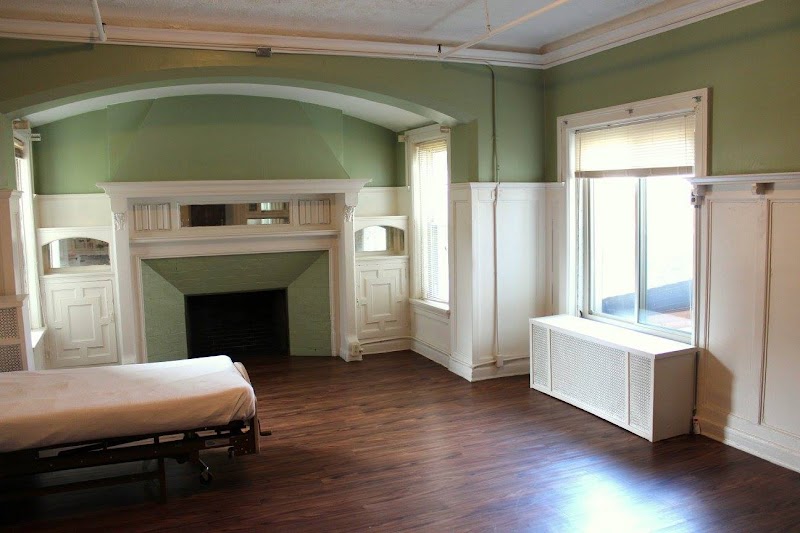
How is Singleton Health Staffed?

CMS rates SINGLETON HEALTH CARE CENTER's staffing level at 4 out of 5 stars, which is above average compared to other nursing homes. Staff turnover is 38%, compared to the Ohio average of 46%. This relatively stable workforce can support continuity of care.

What Have Inspectors Found at Singleton Health?

State health inspectors documented 22 deficiencies at SINGLETON HEALTH CARE CENTER during 2019 to 2024. These included: 22 with potential for harm.
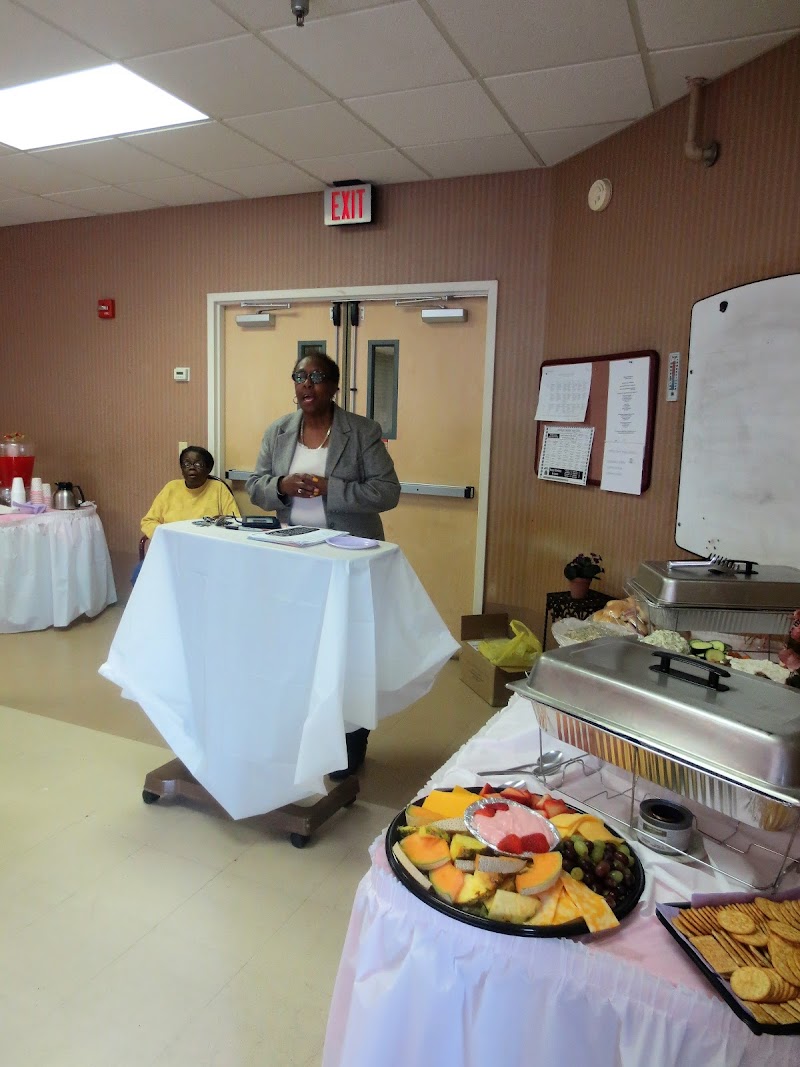
Who Owns and Operates Singleton Health?

SINGLETON HEALTH CARE CENTER is owned by a for-profit company. For-profit facilities operate as businesses with obligations to shareholders or private owners. The facility operates independently rather than as part of a larger chain. With 50 certified beds and approximately 46 residents (about 92% occupancy), it is a smaller facility located in CLEVELAND, Ohio.
How Does Singleton Health Compare to Other Ohio Nursing Homes?

Compared to the 100 nursing homes in Ohio, SINGLETON HEALTH CARE CENTER's overall rating (5 stars) is above the state average of 3.2, staff turnover (38%) is near the state average of 46%, and health inspection rating (4 stars) is above the national benchmark.

What Should Families Ask When Visiting Singleton Health?

Based on this facility's data, families visiting should ask: "Can I visit during a mealtime to observe dining assistance and food quality?" "How do you handle medical emergencies, and what is your hospital transfer rate?" "Can I speak with family members of current residents about their experience?"

Is Singleton Health Safe?

Based on CMS inspection data, SINGLETON HEALTH CARE CENTER has a clean safety record: no substantiated abuse findings (meaning no confirmed cases of resident harm), no Immediate Jeopardy citations (the most serious violation level indicating risk of serious injury or death), and is not on the Special Focus Facility watch list (a federal program monitoring the lowest-performing 1% of nursing homes). The facility has a 5-star overall rating and ranks #1 of 100 nursing homes in Ohio. While no facility is perfect, families should still ask about staff-to-resident ratios and recent inspection results during their visit.

Do Nurses at Singleton Health Stick Around?

SINGLETON HEALTH CARE CENTER has a staff turnover rate of 38%, which is about average for Ohio nursing homes (state average: 46%). Moderate turnover is common in nursing homes, but families should still ask about staff tenure and how the facility maintains care continuity when employees leave.

Was Singleton Health Ever Fined?

SINGLETON HEALTH CARE CENTER has no federal fines on record. CMS issues fines when nursing homes fail to meet care standards or don't correct problems found during inspections. The absence of fines suggests the facility has either maintained compliance or corrected any issues before penalties were assessed. This is a positive indicator, though families should still review recent inspection reports for the full picture.

Is Singleton Health on Any Federal Watch List?

SINGLETON HEALTH CARE CENTER is not on any federal watch list. The most significant is the Special Focus Facility (SFF) program, which identifies the bottom 1% of nursing homes nationally based on persistent, serious quality problems. Not being on this list means the facility has avoided the pattern of deficiencies that triggers enhanced federal oversight. This is a positive indicator, though families should still review the facility's inspection history directly.