SLOVENE HOME FOR THE AGED
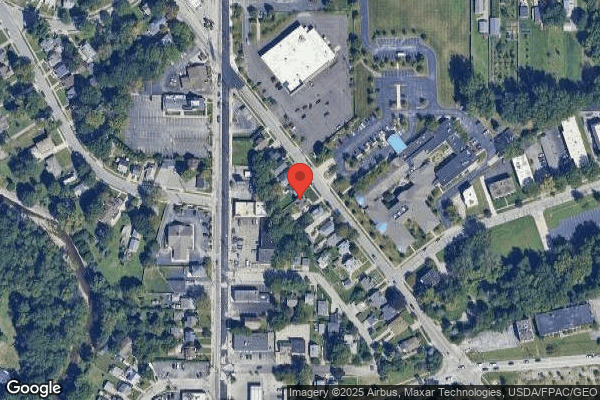
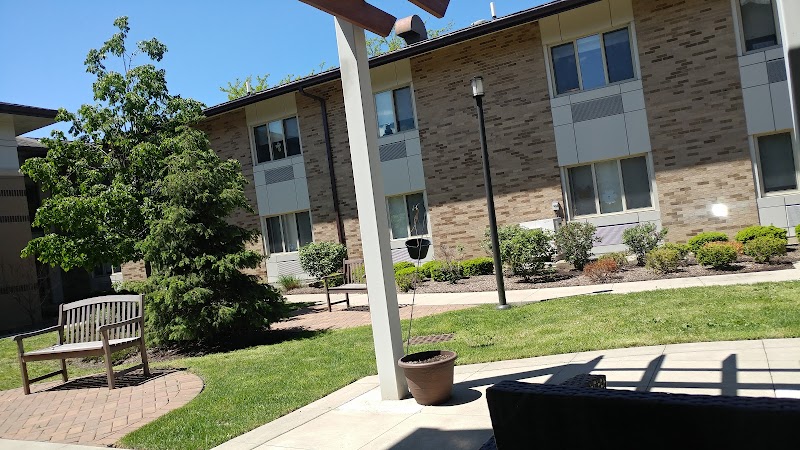
18621 NEFF RD, CLEVELAND, OH 44119 (216) 486-0268
Non profit - Corporation 104 Beds Independent Data: November 2025
Trust Grade
60/100
#547 of 913 in OH
Last Inspection: September 2024

Within standard 12-15 month inspection cycle. Federal law requires annual inspections.

Overview

Slovene Home for the Aged has a Trust Grade of C+, which means it is slightly above average but not exceptional. It ranks #547 out of 913 facilities in Ohio, placing it in the bottom half of the state, and #49 out of 92 in Cuyahoga County, indicating that there are better local options available. The facility is improving, having reduced its issues from 6 in 2024 to 2 in 2025. Staffing is a strong point, rated 4 out of 5 stars with a turnover rate of 34%, which is significantly lower than the state average. However, there have been concerns about food quality and sanitation, such as residents receiving cold and unappealing meals and staff not following proper hygiene practices during food preparation. Overall, while there are strengths in staffing and some improvement trends, families should be aware of the facility's food-related issues.

Trust Score
C+
60/100
In Ohio
#547/913
Bottom 41%
Safety Record
Low Risk
No red flags
Inspections
Getting Better
6 → 2 violations
Staff Stability
○ Average
34% turnover. Near Ohio's 48% average. Typical for the industry.
Penalties
✓ Good
No fines on record. Clean compliance history, better than most Ohio facilities.
Skilled Nurses
✓ Good
Each resident gets 50 minutes of Registered Nurse (RN) attention daily — more than average for Ohio. RNs are trained to catch health problems early.
Violations
⚠ Watch
31 deficiencies on record. Higher than average. Multiple issues found across inspections.
★★★☆☆
3.0
Overall Rating
★★★★☆
4.0
Staff Levels
★★★★★
5.0
Care Quality
★★☆☆☆
2.0
Inspection Score
Stable
2024: 6 issues
2025: 2 issues

The Good

  • 4-Star Staffing Rating · Above-average nurse staffing levels
  • 5-Star Quality Measures · Strong clinical quality outcomes
  • Full Sprinkler Coverage · Fire safety systems throughout facility
  • No fines on record
  • Staff turnover below average (34%)

    14 points below Ohio average of 48%

Facility shows strength in staffing levels, quality measures, fire safety.

The Bad

3-Star Overall Rating

Near Ohio average (3.2)

Meets federal standards, typical of most facilities

Staff Turnover: 34%

12pts below Ohio avg (46%)

Typical for the industry

The Ugly 31 deficiencies on record

Aug 2025 1 deficiency
CONCERN (F) 📢 Someone Reported This

A family member, employee, or ombudsman was alarmed enough to file a formal complaint

Potential for Harm - no one hurt, but risky conditions existed

Deficiency F0804 (Tag F0804)

Could have caused harm · This affected most or all residents

**NOTE- TERMS IN BRACKETS HAVE BEEN EDITED TO PROTECT CONFIDENTIALITY** Based on observation, interviews and record review the facility failed to provide food at appetizing temperatures. This had the ...

Read full inspector narrative →
**NOTE- TERMS IN BRACKETS HAVE BEEN EDITED TO PROTECT CONFIDENTIALITY** Based on observation, interviews and record review the facility failed to provide food at appetizing temperatures. This had the potential to affect 189 of 196 facility residents. The facility identified seven residents (Residents #119, #120, #126, #149, #155, #166, #186) as receiving nothing by mouth (NPO). The facility census was 196.Findings include:An observation on 08/18/25 at 08:20 A.M. of tray line revealed a test tray was prepared and placed on the food cart at 8:23 A.M. and transported by dietary staff to the [NAME] North unit where it arrived at 8:26 A.M. The test tray remained on the cart in view of the surveyor, until all other trays were distributed to residents. The test tray was removed from the cart at 8:42 A.M. by Kitchen Manager (KM) #354 who used a facility thermometer that revealed all foods were not at appetizing temperature. The waffle was 92.4 degrees Fahrenheit (F), the cream of wheat was 135.6 degrees F, and the ham was 92.4 degrees F KM #354 verified at the time of the observation that the ham and waffle were not hot and not served at appetizing and palatable temperatures.An interview on 08/18/25 at 11:11 A.M. with Resident #121 revealed her breakfast was delicious but staff had to reheat it on the floor because it was served cold to her. An interview on 08/18/25 at 12:59 P.M. with Certified Nursing Assistant (CNA) #316 revealed there were complaints about cold food all the time.An interview on 08/19/25 at 11:09 A.M. with Resident #127 revealed food was usually cold when delivered to the resident room. She said when she eats in the dining room the food was not cold.Review of the Resident Concern Log from January 2025 through August 2025 revealed cold food concern on 01/23/25 and 06/24/25.This deficiency represents non-compliance investigated under Complaint Number 1378227 (OH00166201).
May 2025 1 deficiency
CONCERN (D) 📢 Someone Reported This

A family member, employee, or ombudsman was alarmed enough to file a formal complaint

Potential for Harm - no one hurt, but risky conditions existed

Medical Records (Tag F0842)

Could have caused harm · This affected 1 resident

**NOTE- TERMS IN BRACKETS HAVE BEEN EDITED TO PROTECT CONFIDENTIALITY** THE FOLLOWING DEFICIENCY REPRESENTS AN INCIDENT OF PAST NON-COMPLIANCE THAT WAS SUBSEQUENTLY CORRECTED PRIOR TO THIS SURVEY. Bas...

Read full inspector narrative →
**NOTE- TERMS IN BRACKETS HAVE BEEN EDITED TO PROTECT CONFIDENTIALITY** THE FOLLOWING DEFICIENCY REPRESENTS AN INCIDENT OF PAST NON-COMPLIANCE THAT WAS SUBSEQUENTLY CORRECTED PRIOR TO THIS SURVEY. Based on record review and interview, the facility failed to ensure medical records were accurate and complete. This finding affected one (Resident #42) of nine resident records reviewed for accuracy. The facility census was 74. Findings include: Review of Resident #42's medical record revealed the resident was admitted on [DATE] with diagnoses including malignant neoplasm of the breast, neoplasm of the lung and primary osteoarthritis. Review of Resident #42's Minimum Data Set (MDS) 3.0 assessment dated [DATE] revealed the resident exhibited severe cognitive impairment. Review of Resident #42's physician orders revealed an order dated 02/25/25 for oxycodone instant release (IR) 5 mg (milligrams) narcotic pain medication administer one tablet every two hours as needed for shortness of breath. Review of Resident #42's medication administration records (MAR) and narcotic flow records (NFR) from 03/01/25 to 03/31/25 revealed Licensed Practical Nurse (LPN) #813 documented on the NFR that she administered oxycodone 5 mg tablet on 03/04/25 at 7:50 A.M. and 03/04/25 at 10:27 A.M. The oxycodone medications were not documented on Resident #42's MAR indicating the medication was administered to the resident. Review of Resident #42's MAR and NFR from 03/01/25 to 03/31/25 revealed LPN #813 documented on the resident's MAR that she administered the oxycodone 5 mg tablet on 03/03/25 at 8:04 A.M. The medication was not documented on Resident #42's NFR. Review of Resident #42's MAR from 03/01/25 to 03/31/25 revealed LPN #816 had documented on the NFR that she administered oxycodone 5 mg to the resident on 03/04/25 at 3:10 A.M. The oxycodone medication was not documented on Resident #42's MAR indicating the medication was administered to the resident. Attempted interview on 05/21/25 at 11:39 A.M. with Resident #42 and the resident was unable to be interviewed. Interview on 05/21/25 at 3:46 P.M. with the Director of Nursing (DON) confirmed Resident #42's medical record did not accurately reflect the oxycodone narcotic pain medications administered to the resident. The deficient practice was corrected on 03/10/25 when the facility implemented the following corrective actions: • On 03/03/25, the DON audited Residents #14, #18, #27, #42, #43, #44, #48, #58, #64 and #73's medical records for documentation discrepancies on the MARs and NFRs. No additional discrepancies were noted. • On 03/04/25, the DON interviewed Residents #14 and #75 who were alert and oriented and on pain control. No concerns were identified. • On 03/04/25, the DON interviewed hospice services for hospice residents who were not interviewable related to medication management and pain control to ensure Residents #18, #27, #42, #58 and #73's medication and pain were managed. No concerns were identified. • On 03/04/25, Registered Nurse (RN) #817, RN #818, RN #819, RN #820 educated LPN #813 on narcotic documentation and sign off in the NFR and in the MAR. LPN #816 had not returned to the facility. • From 03/04/25 to 03/10/25, RN #817, RN #818, RN #819 and RN #820 educated all other nurses on narcotic documentation sign off in the NFR and in the MAR. • On 03/05/25, RN #818 reviewed the Controlled Drugs policy revised 03/25 to ensure the policy was complete and accurate. • Beginning 03/10/25, the DON or designee monitored narcotic books for all units and identify missing signatures for both as needed and routine narcotic orders, weekly for four weeks to ensure that narcotics were signed out at the time of administration and that the Matrix timestamp matches the narcotic sheets. Monitoring will continue after the initial four weeks to include every two weeks times four then monthly thereafter. This deficiency represents non-compliance investigated under Complaint Number OH00163608.
Sept 2024 6 deficiencies
CONCERN (D)

Potential for Harm - no one hurt, but risky conditions existed

Resident Rights (Tag F0550)

Could have caused harm · This affected 1 resident

**NOTE- TERMS IN BRACKETS HAVE BEEN EDITED TO PROTECT CONFIDENTIALITY** Based on observation, record review, staff interview, and facility policy review, the facility failed to ensure urinary drainage...

Read full inspector narrative →
**NOTE- TERMS IN BRACKETS HAVE BEEN EDITED TO PROTECT CONFIDENTIALITY** Based on observation, record review, staff interview, and facility policy review, the facility failed to ensure urinary drainage bags were covered with privacy bags. This affected one resident (#68) of three reviewed for urinary catheters. The facility census was 83. Findings include: Review of the medical record for Resident #68 revealed an admission date of 02/03/24 with diagnoses that included chronic respiratory failure with hypoxia, type two diabetes mellitus, and chronic obstructive pulmonary disease. Review of the Minimum Data Set (MDS) 3.0 assessment dated [DATE] revealed Resident #68 was alert and oriented and was dependent on staff for Activities of Daily Living (ADLs). Review of the care plan dated 02/13/24 revealed Resident #68 required a suprapubic urinary catheter related to obstructive and reflux uropathy with interventions that included to store collection bag inside a protective dignity pouch. Review of the physician orders dated 05/01/24 revealed an order to maintain privacy bag and suprapubic catheter holder every shift. Observation on 09/23/24 at 9:41 A.M. revealed Resident #68's urinary cathetar bag was seen from the hallway outside of his room. Observation revealed a yellow liquid substance (urine) filled the bag. No privacy bag was covering the bag. Observation revealed multiple staff and residents walking and/or ambulating past his room. Observation and interview on 09/23/24 at 9:42 A.M. with Occupational Therapist (OT) #600 revealed Resident #68's urinary cathetar bag was seen from the hallway and was uncovered. OT #600 revealed urinary cathetar bags were to be covered with a privacy bag. OT #600 confirmed and verified the above findings. Interview on 09/23/24 at 9:57 A.M. with State Tested Nursing Assistant (STNA) #601 revealed Resident #68 had a urinary cathetar bag and was to be changed every two hours or as needed. STNA #601 revealed all urinary cathetar bags were to be covered with a privacy bag. Review of the facility document titled Urinary Catheter Care revised March 2019, revealed the facility had a policy in place that privacy bags were to be used to cover the drainage bag. Review of the document revealed the facility did not implement the policy.
CONCERN (D)

Potential for Harm - no one hurt, but risky conditions existed

Accident Prevention (Tag F0689)

Could have caused harm · This affected 1 resident

**NOTE- TERMS IN BRACKETS HAVE BEEN EDITED TO PROTECT CONFIDENTIALITY** Based on observation, interview, record review, and policy review, the facility failed to ensure all fall interventions were in ...

Read full inspector narrative →
**NOTE- TERMS IN BRACKETS HAVE BEEN EDITED TO PROTECT CONFIDENTIALITY** Based on observation, interview, record review, and policy review, the facility failed to ensure all fall interventions were in place for one resident (Resident #51) of five residents reviewed for accidents. The facility census was 83. Findings Include: Resident #51 was admitted to the facility on [DATE] with diagnoses including multiple fractures of the left sided ribs, diabetes, high blood pressure, hyperlipidemia, gastric reflux, insomnia, over active bladder, major depressive disorder, Alzheimer's, dementia without behavioral disturbance, osteoarthritis, urge incontinence and cataracts. Review of the quarterly comprehensive Minimum Data Set Assessment (MDS) 3.0 dated 06/30/24 revealed the resident was severely cognitively impaired, needed assistance for all personal care, and had fallen once since the previous assessment dated [DATE]. Review of the medical record revealed Resident #51 had fallen on 04/03/24 when she attempted to transfer herself from her bed to her wheelchair. The resident was dependent on staff for transfers. No injury occurred with the fall. The intervention put in place after the fall was instituting neurological checks. On 07/13/24 Resident #51 sustained a witnessed fall when she leaned forward in her wheelchair and slid out onto the floor. The aide pushing the resident's wheelchair and the resident's nurse were not able to reach the resident before she landed on the floor. The intervention put in place was to put dycem (a material used to prevent sliding from the resident's wheelchair) on the seat of the wheelchair. Review of the physician's orders for Resident #51 revealed she was to have a perimeter mattress to her bed, a low bed at all times, anti-rollbacks to the wheelchair, dycem to the top and bottom of the wheelchair cushion, a wedge cushion whenever the resident was in the wheelchair, a stand and pivot transfer with the assistance of one staff member, and to remain in her wheelchair behind the nurses' station until assisted into bed. Observation on 09/23/24 at 12:08 P.M. revealed Resident #51 was in bed and the bed was in a high position instead of her bed being in a low position per her physician's orders. Observation on 09/25/24 at 10:46 A.M. revealed Resident #51 was in bed and the bed was in a high position instead of the low position per physician's orders. Interview with Registered Nurse (RN) #864 on 09/25/24 at 11:10 A.M. revealed she went to the physician's orders and said her interventions were a perimeter mattress to her bed, anti-rollbacks to the wheelchair, dycem to the top and bottom of the wheelchair cushion, a wedge cushion whenever the resident was in the wheelchair, and to remain in her wheelchair behind the nurses' station until assisted into bed. When asked if there were any other interventions related to her bed RN #864 again reviewed Resident #51's orders and said the resident's bed was to be in a low position at all times. Observation of the resident's bed revealed it was in high position. RN #864 confirmed that the bed was not in the low position. RN #864 then left the bed in its high position and returned to what she was doing. Observation on 09/25/24 at 11:17 A.M. State Tested Nursing Assistant (STNA) #816 entered the resident's room and lowered the bed. Review of the facility's Fall Risk Reduction Protocol, dated March 2021, revealed beds were to be in a low position.
CONCERN (D)

Potential for Harm - no one hurt, but risky conditions existed

Deficiency F0692 (Tag F0692)

Could have caused harm · This affected 1 resident

**NOTE- TERMS IN BRACKETS HAVE BEEN EDITED TO PROTECT CONFIDENTIALITY** Based on observation, record review, staff interview, and facility policy review, the facility failed to ensure weekly weights w...

Read full inspector narrative →
**NOTE- TERMS IN BRACKETS HAVE BEEN EDITED TO PROTECT CONFIDENTIALITY** Based on observation, record review, staff interview, and facility policy review, the facility failed to ensure weekly weights were taken and documented per physician orders for a resident that was at risk for weight loss. This affected one resident (#68) of eight residents reviewed for nutrition. The facility census was 83. Findings include: Review of the medical record for Resident #68 revealed an admission date of 02/03/24 with diagnoses including chronic respiratory failure with hypoxia, type two diabetes mellitus, and chronic obstructive pulmonary disease. Review of the Minimum Data Set (MDS) assessment dated [DATE] revealed Resident #68 was alert and oriented and was dependent on staff for Activities of Daily Living (ADLs). Review of the care plan dated 02/16/24 revealed Resident #68 was at risk nutritionally and the care plan dated 07/25/24 revealed Resident #68 had a weight loss with interventions including to monitor weights weekly as ordered and monitor weights as ordered per policy. Review of the physician orders dated 06/13/24 revealed an order for weekly weights once a day on Wednesdays. Review of the physician orders dated 07/25/24 revealed an order for a change of condition of weight loss and to chart in progress notes every shift. Review of the progress note dated 08/11/24 at 10:42 A.M. revealed Resident #68 had poor appetite and did not eat his breakfast meal. Review of the late entry progress note dated 08/12/24 at 3:53 P.M. revealed Resident #68 had loss weight and was encouraged to eat during meals. Review of the progress note dated 09/23/24 at 2:58 P.M. revealed Resident #68 refused breakfast and ate half of his lunch meal. Review of the progress note dated 0923/24 at 10:42 P.M. revealed Resident #68 refused dinner. Review of the weekly weights dated 06/01/24 to 09/25/24 revealed Resident #68 weighed 146.5 pounds (lbs) on 07/17/24 then the next recorded weight was dated 08/27/24, 143.0 lbs and on 09/25/24, 142.5 lbs. Review of the weekly weights revealed no weights were taken or recorded from 08/01/24 through 08/20/24. Observation and interview on 09/23/24 at 9:41 A.M. with Resident #68 revealed his breakfast tray was sitting on the overbed table untouched. Resident #68 revealed he did not want to eat the breakfast meal and was not hungry. Interview on 09/23/24 at 9:57 A.M. with State Tested Nurse Assistant (STNA) #601 revealed Resident #68 refused to eat sometimes. Interview on 09/23/24 at 10:07 A.M. with Licensed Practical Nurse (LPN) #814 revealed Resident #68 was to be monitored for weight loss through weight tracking. LPN #814 verified and confirmed Resident #68 was missing weights for dates 08/01/24 through 08/20/24. Interview on 09/25/24 at 3:25 P.M. with Dietician (DT) #892 revealed Resident #68 was being monitored for weight loss and meal intakes. DT #892 revealed Resident #68 was to be weighed in order to implement necessary interventions to maintain weight and/or decrease weight loss. Review of the facility document titled Vital Signs and Weights dated April 2021, revealed the facility had a policy in place that weights were monitored regularly and documented in the electronic medical record to take the appropriate action when variances were noted.
CONCERN (E)

Potential for Harm - no one hurt, but risky conditions existed

Deficiency F0802 (Tag F0802)

Could have caused harm · This affected multiple residents

Based on record review, observation and interview, the facility failed to ensure meals were served in a timely manner. This had the potential to affect all residents residing on the Westpark Unit (#1,...

Read full inspector narrative →
Based on record review, observation and interview, the facility failed to ensure meals were served in a timely manner. This had the potential to affect all residents residing on the Westpark Unit (#1, #2, #5, #6, #7, #8, #9, #10, #12, #14, #15, #17, #18, #19, #20, #21, #22, #23, #24, #27, #28, #31, #32, #33, #34, #35, #36, #39, #40, #41, #42, #47, #48, #50, #51, #52, #55, #56, #58, #60, #61, #67, #68, #71, #73, #74, #179, #180, #181, #182, #229), except resident #54 and #56 who received no food by mouth (NPO). The facility census was 83. Findings include: Review of the facility document titled Meal Times undated, revealed the facility served breakfast between 7:30 A.M. and 8:30 A.M., lunch between 12:15 P.M. and 1:15 P.M., and dinner between 5:15 P.M. and 6:15 P.M. Observation and interview on 09/23/24 at 12:30 P.M. with Kitchen Aide (KA) #602 of the Westpark Unit dining room, revealed the lunch meal service had not started yet and she could not start until she received help. Observation and interview on 09/23/24 at 1:06 P.M. with Licensed Practical Nurse (LPN) #814 revealed the lunch meal had not been served and was late. LPN #814 revealed the Westpark Unit dining room was served first and the resident rooms last. Observation and interview on 09/23/24 at 1:12 P.M. with Dietary Manager (DM) #604 revealed the lunch meal was late, and the meal service could not begin without floor staff being available. Observation on 09/23/24 at 1:14 P.M. revealed the first dining room meal was plated and served. Observation on 09/23/24 at 1:30 P.M. revealed the first room tray was plated and placed on the holding cart. Interview on 09/23/24 at 1:33 P.M. with DM #604 confirmed and verified lunch meal room trays had still not been served. Observation on 09/23/24 at 1:38 P.M. revealed Resident #21 came out of her room and was verbally complaining about not getting her food for the lunch meal. Observation on 09/23/24 at 1:54 P.M. revealed the lunch meal room trays had still not been passed. Observation and interview on 09/23/24 at 2:00 P.M. with Stated Tested Nurse Assistant (STNA) #828 revealed room trays were delivered after the dining room and residents who required feeding assistance. STNA #828 revealed room trays were never in order on the holding cart, therefore slowing down the process due to searching for each room tray amongst others on the holding cart. Observation on 09/23/24 at 2:10 P.M. revealed the lunch meal room trays arrived to the Westpark until and were ready to be served. Observation on 09/24/24 at 12:15 P.M. revealed the Westpark Unit meal cart arrived to the servery and dining room meals were plated. Observation on 09/24/24 at 1:14 P.M. revealed the lunch meal room tray pass was initiated. Interview on 09/24/24 at 1:30 P.M. with DM #604 confirmed and verified the lunch meal was served late on 09/23/24 and 09/24/24.
CONCERN (F)

Potential for Harm - no one hurt, but risky conditions existed

Deficiency F0804 (Tag F0804)

Could have caused harm · This affected most or all residents

**NOTE- TERMS IN BRACKETS HAVE BEEN EDITED TO PROTECT CONFIDENTIALITY** Based on observation and interviews, and facility policy, the facility failed to serve hot and palatable foods. This had the pot...

Read full inspector narrative →
**NOTE- TERMS IN BRACKETS HAVE BEEN EDITED TO PROTECT CONFIDENTIALITY** Based on observation and interviews, and facility policy, the facility failed to serve hot and palatable foods. This had the potential to affect all residents, except resident #54 and #56 who received no food by mouth (NPO). The facility census was 83. Findings include: Interview on 09/23/24 at 9:46 A.M. with Resident #21 revealed food from the kitchen was not good and was always served late. Interview on 09/23/24 at 9:49 A.M. with Resident #179 revealed food from the kitchen was very cold and always had to be warmed up by staff. Interview on 09/23/24 at 10:45 A.M. with Resident #47 revealed food from the kitchen was bland and had no seasoning. Interview on 09/23/24 at 12:17 P.M. with Resident #44 revealed food from the kitchen was not good and had no taste and/or flavor. Interview on 09/23/24 at 3:47 P.M. with Resident #69 revealed the taste and appearance of food from the kitchen was unappetizing. Observation on 09/23/24 at 12:36 P.M. with Kitchen Aide (KA) #602 of the lunch meal tray line revealed the meal consisted of chicken pot pie, vegetables, soup and biscuits. Observation revealed the food items tested at or above 160 degrees fahrenheit, except the mechanical pot pie, which had a temperature of 76.8 degrees fahrenheit. KA #602 confirmed and verified the low temperature of the mechanical pot pie. Observation on 09/23/24 at 1:44 P.M. with Dietary Manager (DM) #604 of the lunch meal retake of the temperatures revealed all food items were now tested between at 140 and 148.8 degrees fahreneheit. Review of the weekly menu for the lunch meal dated 09/24/24 revealed mushroom barley soup, [NAME] stuffed cabbage, steamed carrots, dinner roll, and warm pear cobbler. Review of the menu revealed juice, white or chocolate milk, and coffee or tea will be served with all meals. Observation on 09/24/24 at 11:50 A.M. with DM #604 of the lunch meal tray line revealed the meal consisted of stuffed cabbage, soup, and steamed carrots. Observation revealed all items tested at or above 178 degrees fahrenheit. Observation of a test tray on 09/24/24 at 1:30 P.M. with DM #604 revealed DM #604 used a calibrated facility thermometer to take food temperaturs of the test tray items, and DM #604 revealed the stuffed cabbage tested at 117 degrees fahrenheit (F), steamed carrots at 101 degrees F, and the milk tested at 53.1 degrees F. DM #604 confirmed and verified the findings. Review of the facility document titled Meal Quality and Temperature revised January 2023, revealed the facility had a policy in place that food and drinks were palatable, and served at a safe and appetizing temperature to ensure resident satisfaction.
CONCERN (F)

Potential for Harm - no one hurt, but risky conditions existed

Food Safety (Tag F0812)

Could have caused harm · This affected most or all residents

**NOTE- TERMS IN BRACKETS HAVE BEEN EDITED TO PROTECT CONFIDENTIALITY** Based on observations, interviews, and facility policies, the facility failed to ensure food was prepared and served under sanit...

Read full inspector narrative →
**NOTE- TERMS IN BRACKETS HAVE BEEN EDITED TO PROTECT CONFIDENTIALITY** Based on observations, interviews, and facility policies, the facility failed to ensure food was prepared and served under sanitary conditions. This had the potential to affect all residents, except resident #54 and #56 who received no food by mouth (NPO). The facility census was 83. Findings include: Observation and interview on 09/23/24 at 8:30 A.M. during the tour of the kitchen revealed a box of hairnets available at the entrance of the kitchen. Observation revealed Kitchen Aide (KA) #603 was observed to be without a hairnet in place while preparing the breakfast meal. KA #603 confirmed and verified she was without a hairnet. Observation and interview on 09/23/24 at 12:30 P.M. with Licensed Practical Nurse (LPN) #814 during the Westpark Unit lunch meal, revealed Resident #28's uncovered breakfast tray was on top of the microwave, adjacent to the dining room. LPN #814 confirmed and verified the findings. Observation and interview on 09/24/24 at 8:12 A.M. with Dietary Manager (DM) #604 during tour of the three serveries located on the [NAME], Westpark, and [NAME] Units revealed the following: • The microwave located on the [NAME] Unit was observed to be full of old food, dried food splatter, unknown sticky substance and uncleaned. • The uncovered breakfast tray belonging to Resident #20 was left on top of the countertop located on the Westpark Unit. • Two breakfast trays with unfinished meals were left on the countertop located on the [NAME] Unit. DM #604 confirmed and verified the findings at the time of the observation. Observation and interview on 09/24/24 at 12:35 P.M. with KA #602 during the lunch meal tray line, located on the Westpark Unit, revealed KA #602 wearing a surgical mask. KA #602 was observed plating the lunch meal, when she reached up and pulled down the surgical mask with her gloved hand and proceeded to grab the serving utensils to continue to plate food. KA #602 confirmed and verified the findings. Review of the facility document titled Sanitation and Infection Prevention/Control revised January 2023 revealed the facility had a policy in place that any time contamination is suspected, utensils and surfaces should be washed, rinsed, and sanitized before and after use. Review of the documents revealed the facility did not implement the policy.
Jul 2023 1 deficiency
CONCERN (D) 📢 Someone Reported This

A family member, employee, or ombudsman was alarmed enough to file a formal complaint

Potential for Harm - no one hurt, but risky conditions existed

Accident Prevention (Tag F0689)

Could have caused harm · This affected 1 resident

**NOTE- TERMS IN BRACKETS HAVE BEEN EDITED TO PROTECT CONFIDENTIALITY** Based on observation, interview, and record review, the facility failed to ensure Resident #60 was transferred properly from bed...

Read full inspector narrative →
**NOTE- TERMS IN BRACKETS HAVE BEEN EDITED TO PROTECT CONFIDENTIALITY** Based on observation, interview, and record review, the facility failed to ensure Resident #60 was transferred properly from bed to wheelchair as ordered resulting in a fall. This affected one Resident (#60) of three reviewed for falls. The facility census was 69. Findings include: Review of the medical record for Resident #60 revealed admission date of 03/15/23 and diagnoses included hypertension, osteoarthritis, and personal history of cerebral infarction. Review of Medicare Minimum Data Set (MDS) assessment dated [DATE] revealed Resident #60 had impaired cognition. The assessment indicated Resident #60 required total two staff assistance for transfers and used a manual wheelchair. Review of physician order dated 03/16/23 revealed Resident #60 was to be transferred using stand up lift and assistance of two staff. Review of Fall Risk/Fall Prevention Intervention assessment dated [DATE] revealed Resident #60 was at risk for falls related to intermittent confusion, poor recall/judgement/safety awareness, required use of assistive devices, and bed/chair bound. Review of Witnessed Fall Event dated 07/07/23 revealed Resident #60 had fall in bedroom during transfer from bed to wheelchair with one staff assistance. Resident #60 reported moderate pain however there were no visible injuries. Review of progress note dated 07/07/23 at 11:55 A.M. revealed Licensed Practical Nurse (LPN) #803 was called to room by a state tested nursing assistant (STNA) and Resident #60 was found sitting upright on buttocks on floor near foot of bed with legs extended outwards. Resident #60 reported she did not hit her head but was complaining of pain to right knee. There was no injury noted on assessment. Resident #60 was made comfortable and vital signs were taken. Once assessment was complete Resident #60 was assisted off floor back to bed by two staff using stand up lift. Nursing Supervisor notified of fall. Review of progress note dated 07/07/23 at 12:25 P.M. revealed physician was notified of fall and informed of complaints of knee pain. Physician gave order for X-ray of bilateral knees/femurs. Physician gave order for as needed ibuprofen for pain. Review of Radiology Reports from 07/07/23 for bilateral knees and bilateral femurs revealed Resident #60 had no acute fractures or dislocation. Noted right knee replacement with no hardware complication. Review of Nursing Assignment Sheet dated 07/07/23 revealed Resident #60 required wheelchair with staff assistance for mobility and mechanical lift with two staff assistance. Review of facility Self-Reported Incident (SRI) #236856 dated 07/08/23 revealed on 07/07/23 Former STNA #806 transferred Resident #60 from bed to wheelchair without using stand up lift or two-person transfer resulting in fall for Resident #60. Former STNA #806 attempted pivot transfer without following physician orders or specific instructions on assignment sheet. Former STNA #806 did not request assistance from other staff for transfer. Review of statement dated 07/14/23 written by Former STNA #806 revealed on 07/07/23 at 11:45 A.M. she entered Resident #60's room to prepare her for day. Former STNA #806 indicated Resident #60 was still in bed, so she helped her get legs over edge of bed and come to edge of bed in seated position. Former STNA #806 indicated she positioned the wheelchair and helped Resident #60 to stand like normal and once on her feet instructed Resident #60 to turn. Former STNA #806 indicated Resident #60 flopped down onto the chair and caught the edge of chair and fell out onto floor landing on bottom. Former STNA #806 indicated she fell backwards with the wheelchair into roommate's bed. Review of statement dated 07/14/23 for STNA #805 revealed she was not asked by Former STNA #806 for assistance to transfer Resident #60 on 07/07/23. Review of statement dated 07/16/23 for LPN #803 revealed she was not asked by Former STNA #806 for assistance to transfer Resident #60 on 07/07/23. Review of STNA Competency Skills Review dated 12/19/22 for Former STNA #806 was signed off for demonstrating proper use of mechanical lift with two persons. Interview on 07/19/23 at 1:40 P.M. with LPN #803 revealed on 07/07/23 she was the nurse on duty assigned to Resident #60. LPN #803 indicated she was called to Resident #60's room by Former STNA #806 when Resident #60 had a fall. LPN #803 confirmed Former STNA #806 was not using stand up lift while transferring as ordered. LPN #803 indicated there was an assignment book for the STNAs with information on each resident and the type of services they require. LPN #803 indicated had Resident #60 been transferred correctly there would not have been a fall. Interview on 07/19/23 at 1:51 P.M. with Resident #60 revealed she used a stand up lift for transfers. Resident #60 indicated most times staff used the stand up lift. Resident #60 indicated about one week prior the aide did not use the stand up lift and she fell. Resident #60 indicated she did not get hurt. Resident #60 was unable to provide additional details when asked further questions about fall. Interview on 07/20/23 at 7:43 A.M. with Registered Nurse (RN) Clinical Coordinator revealed on 07/07/23 LPN #803 called to notify her of Resident #60's witnessed fall with no visible injuries. RN Clinical Coordinator notified family and physician. RN Clinical Coordinator indicated Resident #60's daughter called and reported she had video footage of the fall from camera family had placed in room. Daughter of Resident #60 was noted to be very upset by the footage and indicated RN Clinical Coordinator needed to review it with her. RN Clinical Coordinator indicated due to the daughter's concern Former STNA #806 was sent home pending investigation. RN Clinical Coordinator indicated herself and Administrator viewed the video with Daughter of Resident #60 and confirmed Former STNA #806 had failed to perform transfer for Resident #60 as ordered causing the fall. RN Clinical Coordinator indicated she had verified each STNA assignment sheet was up to date and found no discrepancies. Interview on 07/20/23 at 10:21 A.M. with STNA #805 revealed she was working on the other side of Newburgh unit on 07/07/23 and was not assigned to Resident #60. STNA #805 indicated Former STNA #806 was assigned to Resident #60. STNA #805 indicated she was sitting at nursing station completing charting when she heard Former STNA #806 shout down hallway for help. STNA #805 indicated herself and LPN #803 went down hall and found Resident #60 on floor in room. STNA #805 indicated Resident #60 required a stand up lift for transfers and the lift was not seen in room. STNA #805 indicated she was not asked for assistance to transfer Resident #60 by Former STNA #806. STNA #805 indicated two staff were required for use of stand up lift. STNA #805 indicated there was an nurse aide assignment book available to all staff. The book gave information on all residents and what care/services they required. Observation on 07/20/23 at 10:49 A.M. of a two minute and four second video dated 07/07/23 at 11:50 A.M. with Assistant Administrator present revealed Former STNA #806 standing to left side of wheelchair positioned by foot of Resident #60's bed. Resident #60 was observed to be sitting in the middle of her bed with legs partially dangling over edge. Former STNA #806 instructed Resident #60 to scoot further to edge of bed and Resident #60 attempted to scoot however was unsuccessful. Former STNA #806 moved bedside table out of way and grabbed onto Resident #60's left bicep and pulled her to edge of bed. Former STNA #806 stood back by wheelchair and instructed Resident #60 to get into chair. Resident #60 observed to struggle to get self to feet and stand slightly bent forward at waist. Resident #60 was observed with hands reached out and appeared to be attempting to stabilize herself. At no time did Former STNA #806 reach for Resident #60 to stabilize or assist. Resident #60 was observed to attempt to pivot and abruptly sat back into wheelchair. Resident #60 missed the chair and fell to ground between wheelchair and foot of bed. When Resident #60 fell it caused the wheelchair to push away and knock Former STNA #806 onto footboard of roommate's bed. Former STNA #806 was noted to be holding her back. Resident #60 remained on floor holding onto wheelchair and footboard of bed. Former STNA #806 walked to doorway of room and was seen calling down hallway for help when the video ended. At no time was it evident Former STNA #806 checked on Resident #60's condition or ensured safety/comfort. There was no evidence of use of stand up lift or two staff assistance for transfer as ordered. The lock did not appear to be engaged on wheelchair to prevent it from moving during transfer. Interview on 07/20/23 at 10:54 A.M. with Assistant Administrator confirmed video showed Former STNA #806 and Resident #60. Assistant Administrator confirmed Former STNA #806 had not used stand up lift or two staff assistance as ordered nor had she locked brakes of wheelchair. Review of facility policy, Fall Risk Reduction Protocol, dated March 2021, revealed residents would ambulate and transfer with appropriate devices to reduce risks for falls. Review of facility policy, Mechanical Lift, dated May 2020 revealed a mechanical lift would require at least two people were present during transfer. This deficiency represents non-compliance investigated under Complaint Number OH00144413 and is an example of continued non-compliance from survey ending 06/15/23.
Jun 2023 6 deficiencies
CONCERN (D) 📢 Someone Reported This

A family member, employee, or ombudsman was alarmed enough to file a formal complaint

Potential for Harm - no one hurt, but risky conditions existed

Accident Prevention (Tag F0689)

Could have caused harm · This affected 1 resident

**NOTE- TERMS IN BRACKETS HAVE BEEN EDITED TO PROTECT CONFIDENTIALITY** Based on staff interviews, review of the facility's elopement policy, and resident record review, the facility failed to ensure ...

Read full inspector narrative →
**NOTE- TERMS IN BRACKETS HAVE BEEN EDITED TO PROTECT CONFIDENTIALITY** Based on staff interviews, review of the facility's elopement policy, and resident record review, the facility failed to ensure Resident #66 did not exit the facility without staff knowledge. This affected one resident (#66) of three residents (#36, #66, and #75) reviewed for elopement. The facility census was 73. Findings include: Review of the medical record for Resident #66 revealed an admission date of 06/16/15 and a discharge date of 06/01/23. Diagnoses included dementia, major depressive disorder, vascular dementia, Alzheimer's disease, muscle weakness, and abnormalities of gait and mobility. Review of the elopement risk assessment dated [DATE] revealed Resident #66 was at risk for elopement. Review of the plan of care dated 04/01/22 revealed Resident #66 was at risk for elopement. Interventions included motion alarm to resident's door and WanderGuard anklet/elopement risk protocol (When a resident is wearing a WanderGuard bracelet/anklet an alarm sounds when the resident nears or breaches a sensor armed area or door). Review of the quarterly Minimum Data Set (MDS) assessment, dated 04/30/23, revealed Resident #66 had severely impaired cognition. The assessment identified Resident #66 to have behaviors of wandering. Resident #66 required extensive assistance of one staff walking in room and corridor and supervision of one staff for locomotion on and off the unit. Review of Resident #66's physician orders for June 2023 identified orders for WanderGuard anklet/elopement risk protocol and motion alarm to resident's door. Review of the nurses' notes dated 05/31/23 timed 8:00 P.M. revealed Resident #66 was found at the outside parking lot back gate by a staff member that was off shift from housekeeping. The staff member brought Resident #66 back inside the building. Resident #66 was last seen on the unit in the solarium with other residents 30 minutes prior. Assigned aide was on lunch break at the time. WanderGuard was in place to the right leg. Emergency exit door on St. [NAME] unit was going off. Licensed Practical Nurse (LPN) #515 did not hear the alarm. Resident #66 had no visible injury and was placed in bed. Vitals signs: blood pressure 121/69, pulse 85, respiration rate 18, temperature 97.4 degrees Fahrenheit. Resident #66's WanderGuard was tested at the front door and was not functional. Maintenance was notified. Review of the nurses' note dated 05/31/23 timed 9:00 P.M. revealed Resident #66 was observed outside the building on the premises by an off-shift staff member who lived in the neighborhood. The staff member brought Resident #66 back into the building. The Director of Nursing (DON), physician and resident representative were notified. Interview on 06/08/23 at 3:07 P.M. with State Tested Nurse Aide (STNA) #477 via phone revealed she was not assigned to Resident #66 on 05/31/23. STNA #477 had the back assignment on the unit. STNA #477 was not aware Resident #66 was not in the building until after Resident #66 was found. STNA #477 did not hear an alarm or know which door Resident #66 had exited. Observation and interview during a tour of the area where Resident #66 was found, on 06/12/23 from 9:45 A.M. to 10:01 A.M., with Laundry Aide (LA) #498 revealed she was not working when she found Resident #66 outside of the facility. LA #498 was walking home after visiting a relative's house around 7:00 P.M., it was still daylight and it was warm outside. LA #498 saw Resident #66 sitting in a wheelchair outside of the facility on a short walkway just beyond the St. [NAME] unit exit door. The short walkway lead to a larger sidewalk. LA #498 did not recall hearing an alarm at this time; she was focused on Resident #66. LA #498 stated the St. [NAME] unit door was shut and locked. LA #498 asked Resident #66 what she was doing outside, and Resident #66 responded she was just out there. LA #498 took Resident #66 back into the facility via the front doors and informed the nurse and nurse supervisor. LA #498 stated inside the facility, the alarm of the exit door on the St. [NAME] unit was going off but they couldn't hear it until they were on St. [NAME] unit. The St. [NAME] unit was unoccupied/closed. Observation of the emergency exit door on the St. [NAME] unit revealed it was located near room [ROOM NUMBER]. Further observation revealed upon exiting this door there was a choice of taking a stairwell or walking a short distance to another door which lead directly outside. Walking from the St. [NAME] unit to the unit where Resident #66 resided at the time she exited the building took approximately two minutes. Interview on 06/12/23 at 10:02 A.M. with Licensed Practical Nurse (LPN) #515 revealed it was around 7:30 P.M. to 8:00 P.M. when she observed LA #498 bringing Resident #66 into the building. LPN #515 stated she filled out an incident report and completed a body audit and found no injuries. LPN #515 stated Resident #66 was confused and would frequently exit seek. LPN #515 last saw Resident #66 in the solarium with her head down falling asleep. There were two other residents in the solarium with Resident #66. While LPN #515 was doing her medication pass the aide assigned to Resident #66 informed her, she was going on her lunch; this left two other STNAs on the floor, STNA 409 and STNA #477. STNA #477 was showering a resident. About 10 minutes into her medication pass LA #498 brought Resident #66 into the facility via the resident's wheelchair. LPN #515 had no idea Resident #66 had been outside of the facility. LPN #515 said Resident #66 used a wheelchair to get around and was pretty good about self-propelling. LPN #515 also said Resident #66 could be sneaky but was pleasant and delusional. LPN #515 explained when Resident #515 was exit seeking she was usually trying to find her parents; LPN #515 would call Resident #66's daughter and after Resident #66 talked to her daughter she would settle down. LPN #515 stated she did not hear the alarm on the emergency exit door on St. [NAME] unit until she went down that hall. LPN #515 stated Resident #66 was wearing a WanderGuard bracelet but did not think the emergency exit door which Resident #66 had exited had a WanderGuard sensor. LPN #515 stated if there was a WanderGuard alarm at that exit door, she would have heard the alarm on her unit. Interview on 06/12/23 at 10:18 A.M. with STNA #409 revealed she did not know Resident #66 had exited the facility until she was informed by the nurse. STNA #409 was providing resident care in room [ROOM NUMBER] at that time. STNA #409 was not aware Resident #66's aide had gone on lunch. STNA #409 stated it was not unusual for Resident #66 to exit seek and she required redirection. STNA #409 stated between 7:00 P.M. and 8:00 P.M. they were busy providing resident care and getting residents to bed. STNA #409 last saw Resident #66 at dinner. STNA #409 did not hear an alarm sounding. Review of facility policy titled Elopement Protocol, revised April 2020, revealed each resident would be kept safe and within the facility. The Elopement Protocol would be initiated by a physician's order immediately when a resident was found to be a risk for wandering or elopement. Wandering was defined as disoriented wandering about the facility grounds. Elopement was defined as leaving the building/grounds purposely. The policy indicated staff were to redirect those residents that wandered from exits. All staff were to be aware of all potential wanderers/elopers. Safe areas for residents to walk included hallways in the facility, supervised by nursing staff. If door or exit alarm sounded, the nearest personnel were to respond immediately. This deficiency represents non-compliance investigated under Control number OH00143474.
CONCERN (E) 📢 Someone Reported This

A family member, employee, or ombudsman was alarmed enough to file a formal complaint

Potential for Harm - no one hurt, but risky conditions existed

Deficiency F0725 (Tag F0725)

Could have caused harm · This affected multiple residents

Based on interview and record review, the facility failed to ensure timely staff response to resident calls for assistance. This affected three of three residents (#27, #52, #60) reviewed for staff re...

Read full inspector narrative →
Based on interview and record review, the facility failed to ensure timely staff response to resident calls for assistance. This affected three of three residents (#27, #52, #60) reviewed for staff response to call lights and four residents identified through random interviews (#13, #39, #51, #69) The facility census was 73. Findings include: 1. Review of the medical record for Resident #27 revealed an admission date of 10/16/17. Diagnoses included osteoporosis, anemia, intestinal obstruction, congestive heart failure, cognitive communication deficit, diverticulosis, Paget's disease, and chronic gastritis with bleeding. Review of the Medicare Annual Minimum Data Set (MDS) assessment, dated 04/16/23, revealed Resident #27 had moderately impaired cognition. Resident #27 required supervision of one staff assistance for bed mobility, dressing, toileting, and personal hygiene and was independent with no assistance for transfers, ambulation, and bathing. The assessment indicated Resident #27 was occasionally incontinent of bladder and always continent of bowel. Review of the Call Light Audit Report from 06/01/23 to 06/08/23 revealed Resident #27 utilized call light and was identified by room number. Resident #27 utilized call light six times from 06/01/23 to 06/08/23. Three of six occurrences of call light use were over 30-minute wait time. - Activated call light on 06/05/23 at 9:05 A.M. Call light turned off at 4:00 P.M. Total of six hours 55 minutes. - Activated call light on 06/07/23 at 11:11 A.M. Call light turned off at 12:05 P.M. Total of 54 minutes. - Activated call light on 06/07/23 at 1:12 P.M. Call light turned off at 2:20 P.M. Total of one hour and eight minutes. 2. Review of the medical record for Resident #52 revealed an admission date of 04/24/23. Diagnoses included adult failure to thrive, hypertension, rhabdomyolysis, history of falling, mild cognitive impairment, and localized bilateral edema. Review of the Medicare admission Minimum Data Set (MDS) assessment, dated 05/01/23, revealed Resident #52 had intact cognition. Resident #52 required extensive two staff assistance for bed mobility, extensive one staff assistance for dressing, toileting, and personal hygiene, total two staff assistance for transfers, and total one staff assistance for bathing. The assessment indicated Resident #52 was frequently incontinent of bowel and bladder. Review of the Call Light Audit Report from 06/01/23 to 06/08/23 revealed Resident #52 utilized call light and was identified by room number. Resident #52 utilized call light 12 times from 06/01/23 to 06/08/23. Seven of 12 occurrences of call light use were over 30-minute wait time. - Activated call light on 06/02/23 at 8:24 P.M. Call light turned off at 9:08 P.M. Total of 44 minutes. - Activated call light on 06/03/23 at 9:14 P.M. Call light turned off at 10:03 P.M. Total of 49 minutes. - Activated call light on 06/05/23 at 8:31 P.M. Call light turned off at 9:04 P.M. Total of 33 minutes. - Activated call light on 06/06/23 at 7:26 P.M. Call light turned off at 8:49 P.M. Total of one hour and 23 minutes. - Activated call light on 06/07/23 at 1:08 P.M. Call light turned off at 1:52 P.M. Total of 44 minutes. - Activated call light on 06/07/23 at 1:52 P.M. Call light turned off at 2:52 P.M. Total of one hour. - Activated call light on 06/07/23 at 5:27 P.M. Call light turned off at 7:15 P.M. Total of one hour and 48 minutes. 3. Review of the medical record for Resident #60 revealed an admission date of 05/30/23. Diagnoses included fracture of right hip, fracture of right pubis, osteopenia, repeated falls, prostate cancer, legal blindness, hearing loss, and essential tremor. Resident #60 was on hospice services. Review of Medicare admission Minimum Data Set (MDS) assessment, dated 06/05/23, revealed Resident #60 had moderately impaired cognition. Resident #60 required limited one staff assistance for bed mobility, transfers, and locomotion on unit, extensive one staff assistance for dressing, toileting, and personal hygiene, and physical help of one staff for bathing. The assessment indicated Resident #60 had indwelling urinary catheter and was always incontinent of bowel. Review of the Call Light Audit Report from 06/01/23 to 06/08/23 revealed Resident #60 utilized call light and was identified by room number. Resident #60 utilized call light 32 times from 06/01/23 to 06/08/23. Nine of 32 occurrences of call light use were over 30-minute wait time. - Activated call light on 06/01/23 at 6:38 P.M. Call light turned off at 7:14 P.M. Total of 36 minutes. - Activated call light on 06/01/23 at 7:15 P.M. Call light turned off at 9:34 P.M. Total of two hours and 19 minutes. - Activated call light on 06/02/23 at 7:02 P.M. Call light turned off at 7:51 P.M. Total of 49 minutes. - Activated call light on 06/03/23 at 8:07 A.M. Call light turned off at 11:36 A.M. Total of three hours and 29 minutes. - Activated call light on 06/05/23 at 4:54 A.M. Call light turned off at 5:49 A.M. Total of 55 minutes. - Activated call light on 06/05/23 at 7:11 P.M. Call light turned off at 8:33 P.M. Total of one hour and 22 minutes. - Activated call light on 06/05/23 at 8:34 P.M. Call light turned off at 9:58 P.M. Total of one hour and 24 minutes. - Activated call light on 06/07/23 at 8:04 A.M. Call light turned off at 9:09 A.M. Total of one hour and five minutes. - Activated call light on 06/07/23 at 9:18 A.M. Call light turned off at 10:11 A.M. Total of 53 minutes. Interview on 06/08/23 at 1:36 P.M. with Resident #13 revealed she had experienced long call light wait times of up to one hour. Interview on 06/08/23 at 1:53 P.M. with Resident #52 revealed call light wait times were long. Resident #52 noted one occurrence she waited for an aide to return for three hours. Resident #52 noted some staff rushed through care. Interview on 06/08/23 at 2:05 P.M. with Resident #39 revealed she sometimes had to wait a long time for staff to answer her call light. Resident #39 indicated the times varied to get staff assistance. Interview on 06/08/23 at 3:32 P.M. with Resident #51 revealed she had experienced long call light wait times. Observation on 06/12/23 at 9:15 A.M. revealed no visible call light indicators above resident doors or in hallways. Interview on 06/12/23 at 1:44 P.M. with Resident #69 and Responsible Party (RP) for Resident #60 revealed call light wait times would often be as high as one to two hours. The RP for Resident #60 reported Resident #60 was actively dying so the RP often sat with Resident #60. The RP indicated when they activated the call light the staff did not answer timely. The RP indicated they often had to look for a staff member to get assistance. Interview on 06/12/23 at 2:05 P.M. with State Tested Nursing Assistant (STNA) #437 revealed there were not lights above resident doors to alert staff a call light was activated, the call lights rang to pagers kept by staff. Interview on 06/13/23 at 10:39 A.M. with STNA #401 and STNA #502 revealed day shift did not have enough staff. STNA #401 and #502 indicated they felt rushed when providing care and often fell behind on assignment. STNA #401 and #502 indicated it was difficult to answer call lights timely due to others needing assistance and broken pagers. STNA #502 noted there were times when she was busy and would forget to answer call lights. Interview on 06/13/23 at 11:46 P.M. with Maintenance Director #413 indicated he was responsible for monitoring call light audit reports and would report patterns of long wait times to the Director of Nursing (DON). Maintenance Director #413 indicated he would look for times over 30 minutes to report. Interview on 06/13/23 at 11:57 P.M. with the DON revealed Maintenance Director #413 reviewed call light audit reports and notified her with any abnormalities. The DON indicated 15 to 20 minutes was acceptable call light wait times and anything over 30 minutes would be a concern. The DON indicated she was unaware of any complaints of long call light wait times. Interview on 06/13/23 at 12:52 P.M. with Clinical Coordinator #447 revealed she had confirmed each nurse had a pager on their medication cart. Clinical Coordinator #447 indicated nurses were responsible for monitoring the STNAs and call light wait times. Review of facility policy, Resident Call Light Response, dated 03/21/21 revealed all call lights were to be answered in a timely manner. The policy indicated each nursing staff member would carry a pager to alert them to resident calling for assistance. This deficiency represents non-compliance investigated under Complaint Numbers OH00143123 and OH00142939.
CONCERN (E) 📢 Someone Reported This

A family member, employee, or ombudsman was alarmed enough to file a formal complaint

Potential for Harm - no one hurt, but risky conditions existed

Menu Adequacy (Tag F0803)

Could have caused harm · This affected multiple residents

**NOTE- TERMS IN BRACKETS HAVE BEEN EDITED TO PROTECT CONFIDENTIALITY** Based on observation, interview, and record review the facility failed to ensure the correct serving size was used when serving ...

Read full inspector narrative →
**NOTE- TERMS IN BRACKETS HAVE BEEN EDITED TO PROTECT CONFIDENTIALITY** Based on observation, interview, and record review the facility failed to ensure the correct serving size was used when serving the main entrée and failed to follow the recipe when preparing green beans. This affected 27 residents (#21, #22, #23, #24, #25, #27, #28, #29, #30, #32, #33, #34, #35, #36, #37, #38, #39, #40, #41, #42, #43, #44, #45, #47, #48, #49, and #50) that resided on the [NAME] unit. The facility census was 73. Findings include: Review of the lunch menu for 06/13/23 revealed tomato soup, Kansas chicken casserole, cornbread, green beans, and peanut butter cookie. Observation on 06/13/23 at 12:45 P.M. revealed Dietary Staff (DS) #603 plating the meals trays for 10 residents in the [NAME] dining room and seven residents who were served meal trays in their rooms on the [NAME] unit (Residents #21, #22, #23, #24, #25, #27, #28, #29, #30, #32, #33, #34, #35, #36, #37, #38, #39, #40, #41, #42, #43, #44, #45, #47, #48, #49, and #50). DS #603 served the Kansas chicken casserole using a gray handled scoop, one scoop per plate and one scoop of green beans using a green handled ladle with four ounces imprinted on the ladle. DS #603 used her gloved hand to serve the corn bread. Interview with DS #603 at the time of the observation revealed the serving size for the gray handled scoop for the Kansas chicken casserole had no indicator on it as to what serving it provided. DS #603 did not know what the gray handled scoop serving size was but stated there was a color coded chart in the kitchen which indicated the color scoop and the serving size it provided. Interview on 06/13/23 at 1:00 P.M. with Regional Director of Dining Services (RDDS) #606 revealed typically the gray handled scoop provided four ounces but there was a color coded chart in the kitchen that provide that information. RDDS #607 provided the recipe for the green beans. Review of recipe indicated whole green beans, frozen. Cooking instructions included: preheat steamer, steam green beans until tender. There was no indication of any seasonings. There was nothing it the recipe which would indicate why the observed liquid in the green beans was red in color. Interview on 06/13/23 at 1:14 P.M. with RDDS #607 revealed he would check to see if there was another recipe that was used. Follow up interview on 06/13/23 at 1:17 P.M. with RDDS #606 revealed the seasoning of the green beans made the liquid the green beans were sitting in red in color. RDDS #606 tasted the green beans and stated it tasted like paprika. RDDS #606 said he would get the recipe the cook used. Another follow-up interview on 06/13/23 at 2:35 P.M. with RDDS #606 verified the gray handled scoop used to serve the Kansas chicken casserole at lunch provided four ounces and the menu spread sheet called for six ounce servings. RDDS #606 also stated they were unable to identify the recipe the cook used to prepare the green beans. RDDS #606 stated they removed all the spicy items from the kitchen except for back pepper when it was brought to their attention that residents complained the food was too spicy. This deficiency represents non-compliance investigated under Complaint numbers OH00139859, OH00143123, and OH00142939.
CONCERN (E) 📢 Someone Reported This

A family member, employee, or ombudsman was alarmed enough to file a formal complaint

Potential for Harm - no one hurt, but risky conditions existed

Deficiency F0804 (Tag F0804)

Could have caused harm · This affected multiple residents

**NOTE- TERMS IN BRACKETS HAVE BEEN EDITED TO PROTECT CONFIDENTIALITY** Based on observation, interview, and record review, the facility failed to ensure palatable meals were served. This had the pote...

Read full inspector narrative →
**NOTE- TERMS IN BRACKETS HAVE BEEN EDITED TO PROTECT CONFIDENTIALITY** Based on observation, interview, and record review, the facility failed to ensure palatable meals were served. This had the potential to affect 29 residents (#21, #22, #23, #24, #25, #26, #27, #28, #29, #30, #31, #32, #33, #34, #36, #37, #38, #39, #40, #41, #42, #43, #44, #45, #46, #47, #48, #49, and #50) that received food from the kitchen and resided on the [NAME] unit. The facility census was 73. Finding include: Observation on 06/13/23 at 12:31 P.M. of tray line temperatures being obtained in the kitchenette on the first floor by Dietary Staff (DS) #603 revealed the tomato soup measured 165 degrees Fahrenheit (F), Kansas chicken casserole measured 160 degrees F, and green beans measured 165 degrees F. There was also corn bread, as listed on the menu. Interview at this time with DS #603 revealed there were three residents on the unit that received a pureed diet. DS #603 stated the pureed meals were pre-plated, covered with foil and were sitting on a tray on top of a heated two-well unit filled with water. DS #603 stated she did not take the temperature of the pureed food. DS #603 then pulled the foil off one the three pureed plates to reveal runny globs of two tan colored items and one green colored item which all ran together. DS #603 was unable to identify which glob of food was the pureed Kansas chicken casserole and what glob was the pureed corn bread. DS #603 obtained the temperature of one of the tan colored globs which measured 117 degrees F. DS #603 then obtained the temperature of the food on another plate that appeared the same as the first, with runny tan and green colored globs which measured 119 degrees F then immediately dropped to 118 degrees F. DS #603 verified the temperatures were low and stated the food needed to be in containers to be kept warm. DS #603 also verified the pureed foods were runny. DS #603 and DS #604 stated they had heard complaints from residents that the soups were too spicy so they stopped using seasoning. DS #603 stated that had been a while ago and the facility recently hired a new cook who had been working for two weeks. Both staff stated they had not heard any recent food complaints. Observation on 06/13/23 at 1:23 P.M. revealed the last meal cart arriving on the [NAME] unit. At 1:27 P.M., Stated Tested Nurse Aide (STNA) #411 started passing the hall trays. At 1:37 P.M. the last tray was served, and a test tray was completed with RDDS #606. The Kansas chicken casserole measured 98.1 degrees F, green beans measured 92 degrees F, tomato soup measured 140 degrees F, coffee measured 143 degree F, and the milk measured 49 degrees F. The Kansas chicken casserole tasted very good but was cold and the green beans were spicy and cold. RDDS #606 verified the findings and stated he also thought the green were a little spicy. Interview on 06/13/23 at 1:45 P.M. with Resident #41 stated her meal was cold when it was served which was a consistent issue. Resident #41 stated she thought the green beans were okay; she indicated they did not taste spicy to her. Interview on 06/13/23 at 1:50 P.M. with Resident #36 revealed she had eaten most of the green beans and some of the soup. Resident #36 stated she thought the meal as a whole was okay but she did not like the chicken casserole and thought the green beans were spicy. Interview on 06/13/23 at 2:09 P.M. with STNA #411, who was observed picking up meal trays, revealed STNA #411 assisted Resident #27 with lunch. Resident #27 ate about 50% of the green beans and the chicken casserole and consumed all the soup. Resident #27 had complained the green beans were too spicy. Interview on 06/13/23 at 2:35 P.M. with Regional Director of Dining Services (RDDS) #606 revealed they were unable to identify the recipe the cook used to prepare the green beans. RDDS #606 stated they had removed all the spicy items such as cayenne pepper and everything considered spicy out of kitchen except for black pepper. RDDS #606 stated he was not sure when the spicy items were removed but it was after it was brought to their attention the residents were complaining the food was too spicy. Interview on 06/13/23 at 4:50 P.M. with the Director of Nursing (DON) revealed she had heard complaints about the food from residents. The DON stated they had a cook that over did it with the spiciness. Review of Resident Council meeting minutes for 03/16/23, 04/18/23, and 05/23/23 revealed on 03/16/23 food related comments included temperature of food and absence of small creamers and on 04/18/23 food related comments and concerns included resident wanted to see other options on the menu and have the spicier meals discontinued. Review of a policy titled Meal Quality and Temperature, revised January 2023, revealed food and drinks were palatable, attractive, and served at a safe and appetizing temperature to ensure resident satisfaction and to meet nutrition and hydration needs. This deficiency represents non-compliance investigated under Complaint numbers OH00143123, OH00142939, and OH00139859.
CONCERN (E) 📢 Someone Reported This

A family member, employee, or ombudsman was alarmed enough to file a formal complaint

Potential for Harm - no one hurt, but risky conditions existed

Deficiency F0805 (Tag F0805)

Could have caused harm · This affected multiple residents

Based on observation and interview, the facility failed to ensure the puree meals were the appropriate consistency. This affected four residents (#26, #31, #46, and #53) who received pureed diets and ...

Read full inspector narrative →
Based on observation and interview, the facility failed to ensure the puree meals were the appropriate consistency. This affected four residents (#26, #31, #46, and #53) who received pureed diets and two residents (#21 and #28) who received pureed vegetables. The facility census was 73. Findings include: Observation on the purred process on 06/13/23 at 11:19 A.M. with Dietary [NAME] (DC) #605 revealed DC #605 placing four scoops of cooked Kansas chicken casserole into a small pan then adding the casserole to the blender. Next DC #605 added water from a spout near the stove to the blender, enough water was added to cover the casserole. At 11:29 A.M. DC #605 started the blender to puree the Kansas chicken casserole. DC #605 added thickener multiple times and then indicated it was done. here was no recipe observed. Dietary Manager (DM) #601 stated they had a recipe book and would get the recipe for the puree Kansas chicken casserole. Observation of the finished puree casserole revealed it was soupy. Taste test at this time with DM #601 revealed the casserole tasted good and seasoned, but the texture was like a thick and creamy soup. DM #601 verified the findings. Interview on 06/13/23 at 12:21 P.M. with DM #601 revealed they did not have a recipe for the pureed entrée. Observation and interview with DS #603 during tray line on 06/13/23 at 12:31 P.M. revealed the pureed meals were pre-plated, covered with foil and sitting on a tray that was sitting on top of a heated two-well unit filled with water. DS #603 pulled the foil off one the three pureed plates revealing runny globs of two tan colored items and one green colored item which all ran together. DS #603 was unable to identify which glob was the pureed Kansas chicken casserole and which glob was the pureed corn bread. DS #603 verified the pureed meals were runny. This deficiency represents non-compliance investigated under Complaint numbers OH00143123, OH00142939 and OH00139859.
CONCERN (F) 📢 Someone Reported This

A family member, employee, or ombudsman was alarmed enough to file a formal complaint

Potential for Harm - no one hurt, but risky conditions existed

Food Safety (Tag F0812)

Could have caused harm · This affected most or all residents

Based on observations and interview, the facility failed to maintain the kitchen in a clean and sanitary manner, failed to ensure food was properly stored, and failed to serve ready to eat food in a s...

Read full inspector narrative →
Based on observations and interview, the facility failed to maintain the kitchen in a clean and sanitary manner, failed to ensure food was properly stored, and failed to serve ready to eat food in a sanitary manner. This affected all residents except one resident (#35) who received nothing by mouth. The facility census was 73. Findings include: Tour of the kitchen on 06/12/23 from 2:17 P.M. to 2:36 P.M. with Dietary Manager (DM) #601 revealed the ice cream and popsicles containers stored in the white deep freezer had various food stains and what appeared to be cookie or cookie dough was noted on the bottom of the freezer. The bulk bread crumb container had a small Styrofoam bowl stored in the breadcrumbs and the clear lid was in disrepair. In walk-in cooler there was a cart that had two large pans of cooked cut up potatoes that were not covered. DM #601 stated the potatoes were in the cooler to cool down and they should have been covered. Underneath the table with the coffee machine there was an area of large dark brownish/black spillage on the floor. The inside of the table next to the coffee machine which housed a tray of coffee cups had various food splatters. Observation of the deep fryer revealed various food splatters, the standing mixer next to the deep fryer had various food splatters and was coated with grease, and the wall behind the mixer and deep fryer had various food splatters. A brownish tinged puddle was observed on the floor behind the mixer and around the mixer feet were heavy rust stains. All the findings were verified with DM #601 during the tour. Observation on 06/13/23 at 11:19 A.M. with Dietary [NAME] (DC) #605 of the pureed process revealed the blender base had dried food splatter and the blender top was stained a brownish color. Interview on 06/13/23 at 11:25 A.M. with DM #601 verified the observation of the blender and stated she had tried to clean the brownish stain and it did not come out. Observation on 06/13/23 at 11:40 A.M. of the hot box where DC #605 was observed putting covered cooked food revealed the inside bottom of the hot box had stains that were dried and brownish in color. An empty pan that sat down into the bottom of the hot box also had dried, brownish stains. Observation of two silver carts with the cart doors opened revealed they were unclean. One cart was holding trays, scoop plates, a tray of cookies on plates that were uncovered; the grooves of the meal cart where the trays slid in were rusted and covered with whitish stains, possibly hard water as well as on the back and bottom of the inside of the cart. The second cart held a tray of coffee mugs, a tray of cookies on plates covered with plastic wrap, and thermal lids. The groves where the trays slid in on this cart also had rust and whitish debris on them on the inside back and on the bottom of the cart. Interview on 06/13/23 at 11:43 A.M. with DM #601 verified the observations of the two carts and the hot box. DM #601 stated the carts were cleaned after each meal and she thought the carts were just old. Observation on 06/13/23 at 12:45 P.M. revealed Dietary Staff (DS) #603 wash and glove hands and begin meal service. DS #603 was observed serving the Kansas chicken casserole using a gray handled scoop, green beans using a green handled ladle and corn bread using her gloved hands. DS #603 also used her gloved hands to pick up trays, plates, and meal tickets throughout the meal service without washing her hands or changing her gloves while continuing to use her gloved hand to put the corn bread on each plate. Interview on 06/13/23 at 1:19 P.M. with Regional Director of Dining Services #606 revealed during meal service tongs should be used to serve the corn bread not gloved hands. At this time DS #603 revealed she forgot to bring the tongs from the kitchen. This deficiency represents non-compliance investigated under Complaint numbers OH00143123, OH00142939 and OH00139859.
May 2022 10 deficiencies
CONCERN (D)

Potential for Harm - no one hurt, but risky conditions existed

Transfer Notice (Tag F0623)

Could have caused harm · This affected 1 resident

**NOTE- TERMS IN BRACKETS HAVE BEEN EDITED TO PROTECT CONFIDENTIALITY** Based on record review and interview the facility failed to ensure the Long-Term Care (LTC) Ombudsman was notified of residents ...

Read full inspector narrative →
**NOTE- TERMS IN BRACKETS HAVE BEEN EDITED TO PROTECT CONFIDENTIALITY** Based on record review and interview the facility failed to ensure the Long-Term Care (LTC) Ombudsman was notified of residents discharged to hospital. This affected two residents (#27 and #73) of two residents reviewed for hospitalization. The facility census was 71. Findings include: Review of the medical record for Resident #27 revealed an admission date of 09/12/18. Diagnoses included hypertension, delirium due to known physiological condition, asthma, and chronic obstructive pulmonary disease. Review of the quarterly Minimum Data Set (MDS) assessment dated [DATE] revealed Resident #27 had severely impaired cognition, required supervision of one staff for bed mobility and transfers, and limited assistance of one staff for toilet use. Review of the Notice of Transfer or Discharge forms dated 11/04/21 and 03/03/22 revealed Resident #27 was transferred to the hospital on [DATE] and 03/03/22. Review of the closed medical record for Resident #73 revealed an admission date of 03/30/18 and a discharge date of 04/20/22. Diagnoses included dementia without behavioral disturbance, open wound of scrotum and testes, urogenital implants, and urinary catheter. Review of the quarterly MDS assessment dated [DATE] revealed Resident #73 had severely impaired cognition and required extensive assistance of one staff for bed mobility, transfers, and toilet use and limited assistance of one staff for locomotion on and off the unit. Review of the Notice of Transfer or Discharge forms dated 04/13/22 revealed Resident #73 was transferred to the hospital on [DATE]. Interview on 05/18/22 at 4:52 P.M. with Social Services Director #323 revealed the facility had not notified the LTC Ombudsman of hospital discharges.
CONCERN (D)

Potential for Harm - no one hurt, but risky conditions existed

Deficiency F0625 (Tag F0625)

Could have caused harm · This affected 1 resident

**NOTE- TERMS IN BRACKETS HAVE BEEN EDITED TO PROTECT CONFIDENTIALITY** Based on record review and interview the facility failed to ensure written bed hold notices were provided to residents or the re...

Read full inspector narrative →
**NOTE- TERMS IN BRACKETS HAVE BEEN EDITED TO PROTECT CONFIDENTIALITY** Based on record review and interview the facility failed to ensure written bed hold notices were provided to residents or the resident representative when transferred to the hospital. This affected two residents (#27 and #73) of two residents reviewed for hospitalization. The facility census was 71. Findings include: Review of the medical record for Resident #27 revealed an admission date of 09/12/18. Diagnoses included hypertension, delirium due to known physiological condition, asthma, and chronic obstructive pulmonary disease. Review of the quarterly Minimum Data Set (MDS) assessment dated [DATE] revealed Resident #27 had severely impaired cognition, required supervision of one staff for bed mobility, transfers, and limited assistance of one staff for toilet use. Review of the Notice of Transfer or Discharge forms dated 11/04/21 and 03/03/22 revealed Resident #27 was transferred to the hospital on [DATE] and 03/03/22. Review of the closed medical record for Resident #73 revealed an admission date of 03/30/18 and a discharge date of 04/20/22. Diagnoses included dementia without behavioral disturbance, open wound of scrotum and testes, urogenital implants, and urinary catheter. Review of the quarterly MDS assessment dated [DATE] revealed Resident #73 had severely impaired cognition and required extensive assistance of one staff for bed mobility, transfers, and toilet use and limited assistance of one staff for locomotion on and off the unit. Review of the Notice of Transfer or Discharge forms dated 04/13/22 revealed Resident #73 was transferred to the hospital on [DATE]. Interview on 05/18/22 at 4:52 P.M. with Social Services Director (SSD) #323 revealed the business office manager called the resident or resident representative and verbally informed them of their bed hold days and asked if they wanted to hold the bed. SSD #323 stated no written notices were provided.
CONCERN (D)

Potential for Harm - no one hurt, but risky conditions existed

Incontinence Care (Tag F0690)

Could have caused harm · This affected 1 resident

**NOTE- TERMS IN BRACKETS HAVE BEEN EDITED TO PROTECT CONFIDENTIALITY** Based on observation, interview and record review the facility failed to ensure the proper use of incontinence briefs and liners...

Read full inspector narrative →
**NOTE- TERMS IN BRACKETS HAVE BEEN EDITED TO PROTECT CONFIDENTIALITY** Based on observation, interview and record review the facility failed to ensure the proper use of incontinence briefs and liners to prevent potential skin breakdown and infection. This affected three (#6, #31 and #68) of three residents observed for incontinence care. Findings include: 1. Review of Resident #6's medical records revealed an admission date of 10/15/19 with diagnoses that included Parkinson's disease, dementia and incontinence. Review of the care plan dated 04/20/22 revealed Resident #6 had self care deficits related to limited mobility. Review of the Minimum Data Set (MDS) assessment dated [DATE] revealed Resident #6 had intact cognition and required total dependence with toileting. Observation of incontinence care on 05/16/22 at 9:38 A.M. with State Tested Nursing Assistant (STNA) #344 revealed Resident #6 was wearing two incontinence briefs. Interview with STNA #344 at time of observation revealed she had not provided care to Resident #6 previously on this shift and was not aware the resident was wearing two incontinence briefs. 2. Review of Resident #31's medical records revealed an admission date of 03/09/19 with diagnoses that included muscle weakness and difficulty walking. Review of the care plan dated 02/25/22 revealed Resident #31 had self care deficits related to limited mobility and was dependent on staff for toileting needs. Review of the MDS assessment dated [DATE] revealed Resident #31 had impaired cognition and was incontinent of bowel and bladder. Observation of incontinence care on 05/16/22 at 10:07 A.M. with STNA #303 revealed Resident #31 was wearing two incontinence briefs. Interview with STNA #303 at time of observation revealed she had not cared for Resident #31 since she began her shift at 6:00 A.M. and had not been aware the resident was wearing more than one incontinence brief. 3. Review of Resident #68's medical records revealed an admission date of 03/01/19 with diagnoses that included Alzheimer's disease, dementia, and overactive bladder. Review of the care plan dated 04/13/22 revealed Resident #68 had self-care deficits related to limited mobility and diminished awareness of bowel and bladder urges. Review of the MDS assessment dated [DATE] revealed Resident #68 had impaired cognition and required total dependence with toileting and was incontinent of bowel and bladder. Observation of incontinence care on 05/16/22 at 10:18 A.M. with STNA #344 revealed Resident #68 had an incontinence liner inside of her incontinence brief that was saturated with urine. Interview with STNA #344 at time of observation revealed she had not been aware the resident had more than one incontinence product in place. Review of facility policy titled Incontinence Care dated 10/2019 revealed only one incontinence brief was to be worn by residents.
CONCERN (D)

Potential for Harm - no one hurt, but risky conditions existed

Pharmacy Services (Tag F0755)

Could have caused harm · This affected 1 resident

Based on observation and interview the facility failed to ensure expired medications were discarded timely. This affected two (Residents #35 and #65) of 32 residents whose medications were stored in t...

Read full inspector narrative →
Based on observation and interview the facility failed to ensure expired medications were discarded timely. This affected two (Residents #35 and #65) of 32 residents whose medications were stored in the first floor medication cart. The facility census was 71. Findings include: Observation on 05/16/22 at 10:52 A.M. with Licensed Practical Nurse (LPN) #305 revealed the medication cart located on the first floor contained a bottle of Timolol (eye drops used to treat glaucoma) belonging to Resident #35 that had an open date of 04/10/22, and a vial of Humalog (insulin) belonging to Resident #65 with an open date of 04/05/22. Interview with LPN #305 at time of observation revealed eye drops were to be discarded 30 days after opening, and insulin should be discarded after 28 days. Review of the manufacturer guidelines dated 01/2020 revealed You can use Timolol for 28 days after first opening the bottle. Discard the opened bottle with any remaining solution after that time. Review of www.humalog.com revealed once opened Humalog vials should be thrown away after 28 days.
CONCERN (D)

Potential for Harm - no one hurt, but risky conditions existed

Deficiency F0804 (Tag F0804)

Could have caused harm · This affected 1 resident

Based on observation, interview, and record review, the facility failed to serve food at a palatable temperature. This affected one (#55) of five residents reviewed for food concerns and had the poten...

Read full inspector narrative →
Based on observation, interview, and record review, the facility failed to serve food at a palatable temperature. This affected one (#55) of five residents reviewed for food concerns and had the potential to affect 70 of 71 residents (the facility identified Resident #53 as receiving no food from the kitchen). The facility census was 71. Findings include: Review of the Resident Council Meeting Notes dated 02/15/22 revealed the residents had questions and comments about the food. The residents indicated the food could be hotter. In response to the residents, it was suggested to ask a staff member to warm their meals in the microwave. Interview with Resident #67 on 05/16/22 at 10:41 A.M. revealed sometimes the items on her food tray were cold when received. Interview with Resident #37 on 05/16/22 at 1:14 P.M. revealed mashed potatoes were served cold. Interview with Resident #50 on 05/17/22 at 11:17 A.M. revealed her breakfast tray arrived late and the food was cold. Observation on 05/18/22 at 9:35 A.M. revealed Resident #55's hot super cereal was recorded at 100 degrees Fahrenheit (F). State Tested Nursing Assistant #314 verified the hot super cereal temperature measured 100 degrees F. Review of the Menu Works Daily Service Temperature Log dated 07/12/21, revealed hot entrees were to be served at a temperature greater than 140 degrees F.
CONCERN (D)

Potential for Harm - no one hurt, but risky conditions existed

Deficiency F0806 (Tag F0806)

Could have caused harm · This affected 1 resident

**NOTE- TERMS IN BRACKETS HAVE BEEN EDITED TO PROTECT CONFIDENTIALITY** Based on observation, record review, and interview the facility failed to ensure resident food preferences were honored. This af...

Read full inspector narrative →
**NOTE- TERMS IN BRACKETS HAVE BEEN EDITED TO PROTECT CONFIDENTIALITY** Based on observation, record review, and interview the facility failed to ensure resident food preferences were honored. This affected one resident (#67) of four residents (#37, #42, #50, and #67) reviewed for food concerns. The facility census was 71. Findings include: Review of the medical record for Resident #67 revealed an admission date of 03/28/16. Diagnoses included multiple sclerosis, Type two diabetes mellitus, and hypertension. Review of the quarterly Minimum Data Set (MDS) assessment dated [DATE] revealed Resident #67 had intact cognition and required supervision of one staff for eating. Review of the quarterly nutrition assessment dated [DATE] and timed 10:57 A.M. revealed Registered Dietitian (RD) #423 suggested liberalizing Resident #67's diet to make food more enjoyable for her and to promote better intakes of nutrient-dense foods and balanced meals the resident was willing to try. The resident would like yogurt, milk, and coffee at all meals and would update preferences. RD #423 indicated she would follow-up on diet changes and education on making healthful dietary choices. Review of the physician orders for May 2022 revealed an order for regular house diet dated 01/19/22. Interview on 05/16/22 at 10:41 A.M. with Resident #67 revealed there were inconsistencies with food. Resident #67 stated every breakfast she was supposed to get [NAME] Krispie cereal, yogurt, and cranberry juice and that did not always happen. Observation on 05/18/22 at 8:58 A.M. of Resident #67's breakfast tray revealed a plain bagel, container of cream cheese, eight-ounce container of fat free milk, four-ounce container of grape juice, and bowl of oatmeal. Interview with Resident #67 at time of observation revealed she did not eat hot cereal and only drank cranberry juice. Review of Resident #67's meal tray ticket revealed the ticket listed oatmeal, bacon low sodium, bagel with cream cheese, fresh banana, creamer, yogurt, skim milk, coffee, and sugar. Interview on 05/18/22 at 9:02 A.M. with State Tested Nurse Aide (STNA) #327 verified the food items on Resident #67's meal tray and what was listed on the meal tray ticket. STNA #327 stated Resident #67 did not eat hot cereal and she often received hot cereal. Interview on 05/18/22 at 4:09 P.M. with RD #423 revealed she had updated Resident #67's preferences in their system. Resident #67 should be receiving bacon in the mornings, and a banana, skim milk, and yogurt with all three meals. RD #423 stated Resident #67 had not mentioned to her that she wanted cold cereal.
CONCERN (E)

Potential for Harm - no one hurt, but risky conditions existed

Menu Adequacy (Tag F0803)

Could have caused harm · This affected multiple residents

**NOTE- TERMS IN BRACKETS HAVE BEEN EDITED TO PROTECT CONFIDENTIALITY** 3. Observation on 05/18/22 at 9:34 A.M. revealed Resident #55 had a breakfast ticket that specified super cereal, scrambled eggs...

Read full inspector narrative →
**NOTE- TERMS IN BRACKETS HAVE BEEN EDITED TO PROTECT CONFIDENTIALITY** 3. Observation on 05/18/22 at 9:34 A.M. revealed Resident #55 had a breakfast ticket that specified super cereal, scrambled eggs, cottage cheese, whole milk, coffee, creamer, and sugar. Resident #55 received a breakfast tray containing super cereal, bagel, fruit, whole milk, coffee, and orange juice. 4. Observation on 05/18/22 at 9:38 A.M. revealed Resident #18 had a breakfast ticket that specified oatmeal, scrambled eggs, toast, jelly, margarine, brown sugar, yogurt, skim milk, and coffee. Resident #18 received a breakfast tray containing oatmeal, bagel, fruit, cream cheese, 2% milk, and orange juice. 5. Observation on 05/18/22 at 9:43 A.M. revealed Resident #37 had a breakfast ticket that specified oatmeal, scrambled eggs, 2% milk, tea, creamer, and sugar. Resident #37 received a breakfast tray containing oatmeal, bagel, fruit, 2 % milk, orange juice, and cream cheese. Interview on 05/18/22 at 11:42 A.M. with Dietary Manager #424 revealed if a planned protein was unavailable for breakfast than another protein should be substituted. Interview on 05/18/22 at 11:50 A.M. with Dining Services [NAME] #421 revealed Dining Services [NAME] #421 was late to work and substituted the protein of scrambled eggs with a bagel and fruit. Based on observation, record review, and interview, the facility failed to ensure the menu was followed and appropriate food substitutions were provided. This affected five residents (#18, #42, #37, #55, and #67) of five residents observed during a breakfast meal and had the potential to affect all residents except Resident #53 who received nothing by mouth. The facility also failed to ensure therapeutic diets were followed as prescribed. This affected one resident (#42) of four residents (#37, #42, #50, and #67) reviewed for food concerns. The facility census was 71. Findings include: Review of the facility menu for breakfast on 05/18/22 revealed oatmeal, scrambled eggs, and cranberry muffin. 1. Observation on 05/18/22 at 8:58 A.M. of Resident #67's breakfast tray revealed a plain bagel with mandarin oranges on the same plate, a container of cream cheese, an eight-ounce container of fat free milk, a four-ounce container of grape juice, and a bowl of oatmeal. Interview with Resident #67 at the time of the observation revealed Resident #67 did not eat hot cereal and only drank cranberry juice. Interview on 05/18/22 at 9:02 A.M. with State Tested Nurse Aide (STNA) #327 verified the food items on Resident #67's tray. STNA #327 said although Resident #67 did not eat hot cereal it was often served to the resident. 2. Observation on 05/18/22 at 9:05 A.M. of Resident #42's breakfast tray revealed a plain bagel with mandarin oranges on the same plate, cream cheese, a four-ounce container of grape juice, an eight-ounce container of fat free milk, oatmeal, tea, and sugar. Interview at the time of observation with Resident #42 revealed I'll tell you what I didn't get and Resident #42 read off her meal tray ticket, no eggs, no bacon, no wheat toast, one sugar, no Health shake but got milk. Review of Resident #42's meal tray ticket revealed she was on a high calorie, high protein diet and was also supposed to receive eight ounces of whole milk. Interview on 05/18/22 at 9:06 A.M. with STNA #327 verified the food items on Resident #42's meal tray. STNA #327 stated since the new kitchen had taken over it had been like this, the kitchen sent whatever they wanted. Review of the medical record for Resident #42 revealed an admission date of 10/01/18. Diagnoses included hypertension, gastroesophageal reflux disease, and anxiety disorder. Review of the quarterly minimum data set (MDS) assessment dated [DATE] revealed Resident #42 had intact cognition and was independent with set up help only for eating. Review of the physician orders for May 2022 revealed orders for high calorie, high protein, regular diet with start date of 02/28/22 and four-ounce Health shake three times daily at meals with a start date of 02/23/22. Interview on 05/18/22 at 4:15 P.M. with Registered Dietitian (RD) #423 revealed Resident #42 had been on the high calorie, high protein diet when she started working at the facility in January 2022. RD #423 stated she believed Resident #42 was on the high calorie, high protein diet because her meal intakes varied but she liked and drank the Health shakes. RD #423 stated she heard about what Resident #42 was served at breakfast and indicated Resident #42's dietary needs would not have been met at that meal.
CONCERN (F)

Potential for Harm - no one hurt, but risky conditions existed

Food Safety (Tag F0812)

Could have caused harm · This affected most or all residents

Based on observation and staff interview, the facility failed to ensure the kitchen area was maintained in a clean and sanitary condition. This had the potential to affect 70 of 71 residents receiving...

Read full inspector narrative →
Based on observation and staff interview, the facility failed to ensure the kitchen area was maintained in a clean and sanitary condition. This had the potential to affect 70 of 71 residents receiving food from the kitchen (the facility identified Resident #53 as receiving no food from the facility kitchen). The facility census was 71. Findings include: Initial kitchen tour conducted on 05/16/22 between 8:35 A.M. and 8:55 A.M. revealed the following: 1. Observation of the hood suppression system above the stove area in the kitchen revealed a considerable amount of dust, dirt, and other unknown debris above the stove top area where food was prepared. 2. Observation of the walk-in freezer revealed one open box of bread left open to air. The bread was very hard and showed signs of freezer burn. 3. Observation of the walk-in cooler revealed dust, dirt, and various debris located on the floor and within the cooling fan. Fresh strawberries stored in the walk in cooler had a moderate amount of green mold. 4. Observation of the dry storage area revealed honey barbeque sauce had a label indicating opened on 02/10/22 and an expiration date of 03/10/22; hot barbeque sauce had a label dated opened on 02/04/22 and an expiration date of 03/04/2, and an opened bag of pudding mix with a blank label affixed without a date. Interview with Dining Services [NAME] #421 at 8:55 A.M. on 05/16/22 verified all of the above observations.
CONCERN (F)

Potential for Harm - no one hurt, but risky conditions existed

Garbage Disposal (Tag F0814)

Could have caused harm · This affected most or all residents

Based on observation and staff interview the facility failed to ensure the dumpster area was maintained in a clean and sanitary condition. This had the potential to affect all residents. The facility ...

Read full inspector narrative →
Based on observation and staff interview the facility failed to ensure the dumpster area was maintained in a clean and sanitary condition. This had the potential to affect all residents. The facility census was 71. Findings include: Observation of the dumpster area on 05/16/22 between 8:45 A.M. and 9:00 A.M. revealed the following: 1. Numerous bags of garbage outside and around the dumpster. 2. Numerous loose articles on the ground including food scraps, personal protective equipment (gloves and masks) and other debris. 3. A trash cart filled with approximately ten to twelve red bio-hazard bags was noted outside the dumpster in the area directly behind the dumpster. Cook #421 verified the condition of the dumpster area in an interview on 05/19/22 at 9:00 A.M.
CONCERN (F)

Potential for Harm - no one hurt, but risky conditions existed

Infection Control (Tag F0880)

Could have caused harm · This affected most or all residents

Based on observation, record review, and interview the facility failed to properly dispose of red biohazard bags. This had the potential to affect all residents. The facility census was 71. Findings ...

Read full inspector narrative →
Based on observation, record review, and interview the facility failed to properly dispose of red biohazard bags. This had the potential to affect all residents. The facility census was 71. Findings include: Observation 05/16/22 at 9:20 A.M. of the outside dumpster area revealed a gray colored trash cart overflowing with red biohazard bags and biohazard bags on the ground around it. Interview on 05/16/22 at 9:20 A.M. with Infection Control Preventionist (ICP) #385 verified the observation and stated there was a process for biohazard bag disposal. ICP #385 explained they had a contracted company that picked up the biohazard bags. The biohazard bags were normally boxed up and locked in a shed; ICP #385 pointed to the area the biohazard bags were to be stored. The area ICP #385 pointed to was a large garage with a garage door that was closed located next to the dumpster area. Review of the facility policy titled The Policy of Disposal of Hazardous Waste for Slovene Home dated January 2022 revealed waste would be collected daily by maintenance staff, placed in transport biohazard waste boxes, and placed in the locked shed until picked up by disposal company.
Apr 2019 6 deficiencies
CONCERN (D)

Potential for Harm - no one hurt, but risky conditions existed

Assessment Accuracy (Tag F0641)

Could have caused harm · This affected 1 resident

**NOTE- TERMS IN BRACKETS HAVE BEEN EDITED TO PROTECT CONFIDENTIALITY** Based on record review and staff interview the facility failed to ensure Minimum Data Set (MDS) 3.0 assessments were accurately ...

Read full inspector narrative →
**NOTE- TERMS IN BRACKETS HAVE BEEN EDITED TO PROTECT CONFIDENTIALITY** Based on record review and staff interview the facility failed to ensure Minimum Data Set (MDS) 3.0 assessments were accurately completed. This affected two residents (Resident #69 and #114) of 30 residents whose MDS assessments were reviewed. Findings Include: 1. Review of medical record for Resident #114 the resident was admitted to the facility on [DATE] with diagnoses including unspecified dementia with behavioral disturbances, retention of urine and benign prostatic hyperplasia with lower urinary tract symptoms. Record review revealed the resident had an indwelling urinary (Foley) catheter due to diagnoses of retention of urine. Resident #114 also had a care plan in place for the indwelling catheter related to a mass of bladder. A review of MDS 3.0 assessment, dated 03/17/19 revealed no indication of an indwelling catheter in Section H of the MDS 3.0 assessment. An interview with the MDS Nurse on 04/25/19 at 8:26 A.M. revealed there was an error in the documentation. The MDS Nurse verified that Resident #114 did have an indwelling catheter and it should have been coded on the MDS assessment in March 2019. 2. Review of medical record for Resident #69 revealed the resident was admitted to the facility on [DATE] with diagnoses including Hospice care and vascular dementia. Review of MDS 3.0 assessment dated [DATE] revealed the resident was coded to have pneumonia in Section I. However, review of medical record revealed the resident had pneumonia in March of 2018. Interview with the Medical Director of 04/24/19 at 3:00 P.M. verified Resident #69 had not had pneumonia since March 2018 which resulted in the MDS assessment completed in February 2019 being inaccurate.
CONCERN (D)

Potential for Harm - no one hurt, but risky conditions existed

Quality of Care (Tag F0684)

Could have caused harm · This affected 1 resident

**NOTE- TERMS IN BRACKETS HAVE BEEN EDITED TO PROTECT CONFIDENTIALITY** Based on observation, record review and interview the facility failed to ensure indwelling urinary catheter tubing was secured p...

Read full inspector narrative →
**NOTE- TERMS IN BRACKETS HAVE BEEN EDITED TO PROTECT CONFIDENTIALITY** Based on observation, record review and interview the facility failed to ensure indwelling urinary catheter tubing was secured per Resident #19 and Resident #114's plan of care to prevent the catheter from pulling and/or causing irritation or pain. This affected two residents (Resident #19 and #114) of three residents reviewed for urinary catheters. Findings Include: 1. Review of the medical record for Resident #114 revealed the resident was admitted to the facility on [DATE] with diagnoses including unspecified dementia with behavioral disturbances, retention of urine and benign prostatic hyperplasia with lower urinary tract symptoms. Record review revealed the resident had an indwelling catheter due to the diagnosis of retention of urine. Resident #114 had a care plan in place to have the catheter tubing secured to her leg every morning. Review of physician's order, dated 02/24/19 revealed to change Foley catheter holding (bag) to opposite leg every day at 6:00 A.M Observation and interview with Resident #114 on 04/22/19 at 2:35 P.M. revealed Resident #114 was observed to have an indwelling catheter which was not secured to his leg. Resident #114 was interviewed and stated that the catheter was not secured and hurt when he walked. The resident also stated that staff were notified about the catheter but did not do anything about it. Observation and interview with Licensed Practical Nurse (LPN) #169 on 04/23/19 at 12:21 P.M. revealed LPN#169 verified that Resident #114's catheter was not secured in any fashion and stated that all catheters should be secured to the resident's leg to prevent pulling and pain. 2. Review of the medical record for Resident #19 revealed the resident was admitted to the facility on [DATE] with diagnoses including central cord syndrome at unspecified level of cervical spinal cord, muscle weakness and chronic kidney disease, stage 4. Record review revealed Resident #19 had an indwelling catheter related to her diagnoses. Resident #19 had a care plan to have the catheter tubing secured to her leg every morning. Review of the physician's order, dated 06/13/18 revealed to change Foley catheter holding (bag) to opposite leg every day at 6:00 A.M Observation and interview with Resident #19 on 04/22/19 at 4:13 P.M. revealed Resident #19 was observed to have an indwelling catheter that was not secured to her leg. Resident #19 stated the catheter was not secured and hurt when staff turned her to the side. The resident stated the catheter was secured when she was first admitted but had not been secured for a while. Resident #19 stated staff were aware of it but did not secure it. Observation and interview with LPN #164 on 04/23/19 at 12:15 P.M. revealed LPN #164 observed Resident #19's catheter and verified the catheter was not secured in any fashion. Review of the undated urinary catheter insertion and removal policy revealed catheter tubing was to be secured to the inner thigh of the resident with a leg strap to prevent movement and urethral traction.
CONCERN (D)

Potential for Harm - no one hurt, but risky conditions existed

Deficiency F0807 (Tag F0807)

Could have caused harm · This affected 1 resident

**NOTE- TERMS IN BRACKETS HAVE BEEN EDITED TO PROTECT CONFIDENTIALITY** Based on observation, record review and interview the facility failed to ensure Resident #324's liquids were properly thickened ...

Read full inspector narrative →
**NOTE- TERMS IN BRACKETS HAVE BEEN EDITED TO PROTECT CONFIDENTIALITY** Based on observation, record review and interview the facility failed to ensure Resident #324's liquids were properly thickened as ordered by the physician. This affected one resident (Resident #324) of four residents reviewed for thickened liquids. Findings Include: Review of Resident #324's medical record revealed an admission date of 04/07/19 with diagnoses including Parkinson's disease, dementia with behavioral disturbance, heart failure, chronic pulmonary disease and major depressive disorder. Review of a physician's orders revealed Resident #324 was ordered a dysphagia II carbohydrate controlled no added salt diet with nectar thick liquids. Review of Resident #324's baseline care plan dated 04/07/19 revealed the resident was on dysphagia II no added salt diet with nectar thick liquids with a goal to maintain adequate nutrition. Review of Resident #324's Minimum Data Set (MDS) 3.0 assessment dated [DATE] indicated the resident exhibited severe cognitive impairment and required extensive assistance from staff for eating. Review of Resident #324's tray ticket under preferences revealed Resident #324 was to get ground meat, extra gray and sauces, pureed bread, nectar thick soup, nectar thick packet, nectar thick coffee, nectar thick milk and nectar thick juice. Observation on 04/22/19 at 12:54 P.M. revealed Resident #324's tray had regular Italian wedding soup, pureed spaghetti, pureed meatballs, mashed potatoes, and pureed vegetables. This was verified by State Tested Nursing Assistant (STNA) #121. STNA #121 thickened the coffee with the packet of thickener that was on the tray and started to walk away but did not thicken the Italian wedding soup. Review of facility's diet policy for Therapeutic Diets revealed that liquids are to be thickened to proper consistency. Interview with the Director of Dining Services on 4/22/19 at 3:40 P.M. revealed the resident's soup should have been thickened with the packet provided and that instant thickened coffee packets were provided for coffee.
CONCERN (D)

Potential for Harm - no one hurt, but risky conditions existed

Deficiency F0808 (Tag F0808)

Could have caused harm · This affected 1 resident

**NOTE- TERMS IN BRACKETS HAVE BEEN EDITED TO PROTECT CONFIDENTIALITY** Based on observation, record review and staff interview the facility failed to ensure a therapeutic diet was provided to Residen...

Read full inspector narrative →
**NOTE- TERMS IN BRACKETS HAVE BEEN EDITED TO PROTECT CONFIDENTIALITY** Based on observation, record review and staff interview the facility failed to ensure a therapeutic diet was provided to Resident #324 as ordered by the physician. This affected one resident (Resident #324) of five residents who received therapeutic a dysphagia II diet. Findings include: Review of Resident #324's medical record revealed an admission date of 04/07/19 with diagnoses including Parkinson's disease, dementia with behavioral disturbance, heart failure, chronic pulmonary disease and major depressive disorder. Review of the physician's orders revealed Resident #324 was ordered a dysphagia II carbohydrate controlled no added salt diet with nectar thick liquids. Review of Resident #324's Minimum Data Set (MDS) 3.0 assessment dated [DATE] indicated the resident exhibited severe cognitive impairment and required extensive assistance from staff for eating. Review of Resident #324's baseline care plan dated 04/07/19 revealed the resident was on dysphagia II no added salt diet with nectar thick liquids with a goal to maintain adequate nutrition. Review of Resident #324's tray ticket under preferences revealed Resident #324 was to get ground meat, extra gray and sauces, pureed bread, nectar thick soup, nectar thick packet, nectar thick coffee, nectar thick milk and nectar thick juice. Observation on 04/22/19 at 12:54 P.M. revealed that Resident #324's tray had regular Italian wedding soup, pureed spaghetti, pureed meatballs, mashed potatoes, and pureed vegetables. This was verified by State Tested Nursing Assistant #121. Interview with the Director of Dining Services on 04/22/19 at 3:40 P.M. revealed the meat served to the resident should not have been pureed and he put on the diet ticket for ground meat for the staff. Review of facility's diet policy for Dysphagia II diet revealed protein foods should be chopped, or ground as tolerated, vegetables should be chopped or shredded but may be pureed, and pasta well cooked. Review of facility's spread sheet revealed residents on Dysphagia II diet should be served minced Italian wedding soup, spaghetti with meatballs minced, mashed potatoes, minced mixed vegetables with no corn, fruit cup minced, milk and coffee.
CONCERN (F)

Potential for Harm - no one hurt, but risky conditions existed

Menu Adequacy (Tag F0803)

Could have caused harm · This affected most or all residents

**NOTE- TERMS IN BRACKETS HAVE BEEN EDITED TO PROTECT CONFIDENTIALITY** Based on observation, record review and staff interview the facility failed to provide the appropriate portion of the planned me...

Read full inspector narrative →
**NOTE- TERMS IN BRACKETS HAVE BEEN EDITED TO PROTECT CONFIDENTIALITY** Based on observation, record review and staff interview the facility failed to provide the appropriate portion of the planned menu items during the lunch meal on 04/22/19 according to the dietary spreadsheet. This had the potential to affect all 125 residents who received meal trays from the kitchen. The facility identified two residents (Resident #31 and #73) who received nothing by mouth. The facility census was 127. Findings include: Observations during the lunch meal service on 04/22/19 from 12:23 P.M. through 12:41 P.M. revealed residents were served either one or two meatballs with their spaghetti. Observations on the [NAME] Park dining room on 4/22/19 at 12:30 P.M. revealed residents were served one meatball with the spaghetti. Observations on the [NAME] dining room revealed residents were served two meatballs with their spaghetti Observations on the St [NAME] dining room revealed residents were served one meatball. Interview with Dietary Aide #279 on 04/22/19 at 12:41 P.M. revealed she had earlier how many meatballs to serve and [NAME] #271 had told her it did not matter. Interview with Director of Dietary #285 on 4/22/19 at 3:40 P.M. revealed he was not sure how many meatballs should have been served with the meal. Review of the spreadsheet for the meal revealed three ounces of protein were to be served. Interview on 4/22/19 at 4:28 P.M. with Director of Dietary #285 revealed the meatballs were pre-made and were one-ounce meatballs. The facility failed to serve the proper serving size for the lunch meal based on the spreadsheet.
CONCERN (F)

Potential for Harm - no one hurt, but risky conditions existed

Food Safety (Tag F0812)

Could have caused harm · This affected most or all residents

Based on observation, record review and interview the facility failed to ensure the kitchen was maintained in a clean and sanitary manner, food transportation carts were cleaned, food products were da...

Read full inspector narrative →
Based on observation, record review and interview the facility failed to ensure the kitchen was maintained in a clean and sanitary manner, food transportation carts were cleaned, food products were dated when opened and food/beverages were served in a manner to prevent contamination and/or food borne illness. This had the potential to affect all 125 residents who received meal trays from the kitchen. The facility identified two residents (Resident #31 and #73) who received nothing by mouth. The facility census was 127. Findings include: 1. Observations during the initial tour of the kitchen on 04/22/19 from 8:00 A.M. through 8:25 A.M. revealed the following: There were four of four garbage cans with trash in them were not covered with lids. The slicer had dried food on the blade and slicer guard, the floor mixer had food splatter on it and dried food was inside the mixing bowl, the table top mixer had food splatter on it, the wall behind the food processor had food splatter on it, the reach-in refrigerator had food splatter on the outside and inside of the door and there was a food residue on the clean side drain board of the dish machine. Observations of the walk-in refrigerator revealed there was salad mix, mozzarella cheese, shredded cheddar cheese, pureed desserts and tomato sauce that were not dated when opened. Interview with Director of Housekeeping #320 verified the findings on 04/23/19 at 8:25 A.M. 2. Observations during the tour of the pantries located in on all of the units on 04/22/19 from 8:40 A.M through 9:00 A.M. with Director of Dining Services #285 revealed four Cambro food transport containers that had food delivered to four serveries had food splatter on the outside and inside. Interview with Director of Dietary #285 on 04/23/19 at 10:31 A.M. revealed the dietary department had been short staffed lately and the kitchen could be cleaner. Review of the sanitation policies dated 2016 revealed that equipment and food contact surfaces would be sanitized. Cleaning instructions were provided for food carts, microwave oven, and slicer. 3. Observation of the lunch service on 04/22/19 at 12:20 P.M. revealed Dietary Staff (DS) #282 was wearing gloves as he served cups of juice and coffee. DS #282 was holding the cups around the top rim with his fingertips. DS #282 was observed pushing the beverage cart throughout the dining room as he continued to serve the beverages to Resident #2, #14, #18 #21, #32, #33, #37, #42, #56, #72 #76, #79, #81, #94, #99, #100, #110 and #422 without changing his gloves. DS #282 was observed at 12:25 P.M. entering the servery in the dining room to open the refrigerator and pour juice into cups, DS #282 continued to serve beverages without changing gloves. An interview with DS #282 at 12:30 P.M. revealed DS #282 stated his gloves were clean and that was why he did not change them. Observation of the lunch service on 04/22/19 at 12:35 P.M. revealed DS #273 was wearing gloves as the employee touched food scoops, trays and opened the refrigerator several times. DS #273 then began to plate food which included dinner rolls. DS #273 grabbed the dinner rolls for Resident #2, #14, #18 #21, #32, #33, #37, #42, #56, #72 #76, #79, #81, #94, #99, #100, #110 and #422 with the same gloves he had worn while touching the above items. An interview with DS #273 at 12:40 P.M. verified the employee failed to change gloves/complete hand hygiene after touching non-food items before using gloved hands to touch dinner rolls. Review of Staff Fundamentals for serving food policy, dated 2016 revealed staff were to change gloves when in contact of unclean surfaces, doors and/or equipment.
Understanding Severity Codes (click to expand)
Life-Threatening (Immediate Jeopardy)
J - Isolated K - Pattern L - Widespread
Actual Harm
G - Isolated H - Pattern I - Widespread
Potential for Harm
D - Isolated E - Pattern F - Widespread
No Harm (Minor)
A - Isolated B - Pattern C - Widespread

Questions to Ask on Your Visit

  • "Can I speak with families of current residents?"
  • "What's your RN coverage like on weekends and overnight?"

Our Honest Assessment

Strengths
  • • No major safety red flags. No abuse findings, life-threatening violations, or SFF status.
  • • No fines on record. Clean compliance history, better than most Ohio facilities.
  • • 34% turnover. Below Ohio's 48% average. Good staff retention means consistent care.
Concerns
  • • 31 deficiencies on record. Higher than average. Multiple issues found across inspections.
Bottom line: Mixed indicators with Trust Score of 60/100. Visit in person and ask pointed questions.

About This Facility

What is Slovene Home For The Aged's CMS Rating?

CMS assigns SLOVENE HOME FOR THE AGED an overall rating of 3 out of 5 stars, which is considered average nationally. Within Ohio, this rating places the facility higher than 0% of the state's 100 nursing homes. This mid-range rating indicates the facility meets federal standards but may have areas for improvement.
How is Slovene Home For The Aged Staffed?

CMS rates SLOVENE HOME FOR THE AGED's staffing level at 4 out of 5 stars, which is above average compared to other nursing homes. Staff turnover is 34%, compared to the Ohio average of 46%. This relatively stable workforce can support continuity of care.

What Have Inspectors Found at Slovene Home For The Aged?

State health inspectors documented 31 deficiencies at SLOVENE HOME FOR THE AGED during 2019 to 2025. These included: 31 with potential for harm.
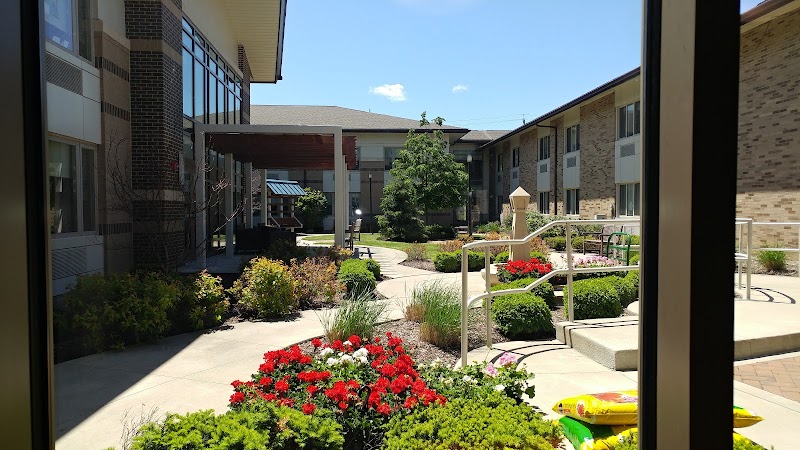
Who Owns and Operates Slovene Home For The Aged?

SLOVENE HOME FOR THE AGED is owned by a non-profit organization. Non-profit facilities reinvest revenue into operations rather than distributing to shareholders. The facility operates independently rather than as part of a larger chain. With 104 certified beds and approximately 76 residents (about 73% occupancy), it is a mid-sized facility located in CLEVELAND, Ohio.
How Does Slovene Home For The Aged Compare to Other Ohio Nursing Homes?

Compared to the 100 nursing homes in Ohio, SLOVENE HOME FOR THE AGED's overall rating (3 stars) is below the state average of 3.2, staff turnover (34%) is significantly lower than the state average of 46%, and health inspection rating (2 stars) is below the national benchmark.

What Should Families Ask When Visiting Slovene Home For The Aged?

Based on this facility's data, families visiting should ask: "Can I visit during a mealtime to observe dining assistance and food quality?" "How do you handle medical emergencies, and what is your hospital transfer rate?" "Can I speak with family members of current residents about their experience?"

Is Slovene Home For The Aged Safe?

Based on CMS inspection data, SLOVENE HOME FOR THE AGED has a clean safety record: no substantiated abuse findings (meaning no confirmed cases of resident harm), no Immediate Jeopardy citations (the most serious violation level indicating risk of serious injury or death), and is not on the Special Focus Facility watch list (a federal program monitoring the lowest-performing 1% of nursing homes). The facility has a 3-star overall rating and ranks #100 of 100 nursing homes in Ohio. While no facility is perfect, families should still ask about staff-to-resident ratios and recent inspection results during their visit.

Do Nurses at Slovene Home For The Aged Stick Around?

SLOVENE HOME FOR THE AGED has a staff turnover rate of 34%, which is about average for Ohio nursing homes (state average: 46%). Moderate turnover is common in nursing homes, but families should still ask about staff tenure and how the facility maintains care continuity when employees leave.

Was Slovene Home For The Aged Ever Fined?

SLOVENE HOME FOR THE AGED has no federal fines on record. CMS issues fines when nursing homes fail to meet care standards or don't correct problems found during inspections. The absence of fines suggests the facility has either maintained compliance or corrected any issues before penalties were assessed. This is a positive indicator, though families should still review recent inspection reports for the full picture.

Is Slovene Home For The Aged on Any Federal Watch List?

SLOVENE HOME FOR THE AGED is not on any federal watch list. The most significant is the Special Focus Facility (SFF) program, which identifies the bottom 1% of nursing homes nationally based on persistent, serious quality problems. Not being on this list means the facility has avoided the pattern of deficiencies that triggers enhanced federal oversight. This is a positive indicator, though families should still review the facility's inspection history directly.