
ST AUGUSTINE MANOR

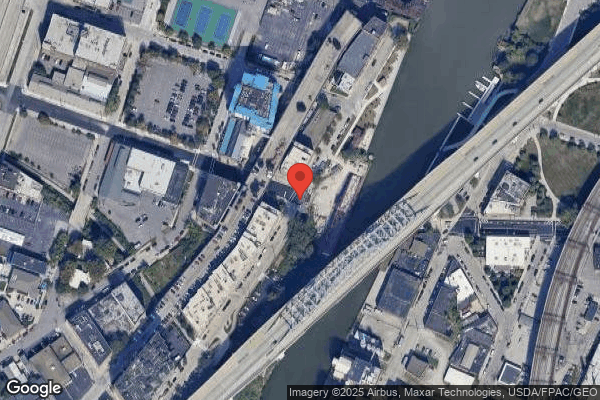
7801 DETROIT AVE, CLEVELAND, OH 44102 (216) 634-7400
Non profit - Corporation 234 Beds Independent Data: November 2025
Trust Grade
90/100
#169 of 913 in OH
Last Inspection: May 2024

Within standard 12-15 month inspection cycle. Federal law requires annual inspections.

Overview

St. Augustine Manor in Cleveland, Ohio, has received a Trust Grade of A, indicating it is excellent and highly recommended for families seeking care. Ranked #169 out of 913 facilities in Ohio, it is in the top half of the state, and #18 out of 92 in Cuyahoga County suggests it has a solid reputation locally. The facility is improving, with issues decreasing from 6 in 2023 to 3 in 2024, which is a positive sign. While staffing is average with a 3/5 rating and a turnover rate of 47%, it has better RN coverage than 79% of facilities in Ohio, ensuring more thorough medical oversight. However, there are some concerns, including failure to check vital signs for a resident returning from dialysis and lapses in infection control procedures, which could put residents at risk. Overall, while there are strengths, such as no fines and good RN coverage, families should be aware of the specific incidents that indicate areas needing improvement.

Trust Score
A
90/100
In Ohio
#169/913
Top 18%
Safety Record
Low Risk
No red flags
Inspections
Getting Better
6 → 3 violations
Staff Stability
⚠ Watch
47% turnover. Above average. Higher turnover means staff may not know residents' routines.
Penalties
✓ Good
No fines on record. Clean compliance history, better than most Ohio facilities.
Skilled Nurses
✓ Good
Each resident gets 58 minutes of Registered Nurse (RN) attention daily — more than average for Ohio. RNs are trained to catch health problems early.
Violations
⚠ Watch
12 deficiencies on record. Higher than average. Multiple issues found across inspections.
★★★★★
5.0
Overall Rating
★★★☆☆
3.0
Staff Levels
★★★★★
5.0
Care Quality
★★★★☆
4.0
Inspection Score
Stable
2023: 6 issues
2024: 3 issues

The Good

  • 5-Star Quality Measures · Strong clinical quality outcomes
  • Full Sprinkler Coverage · Fire safety systems throughout facility
  • No fines on record

Facility shows strength in quality measures, fire safety.

The Bad

Staff Turnover: 47%

Near Ohio avg (46%)

Higher turnover may affect care consistency

The Ugly 12 deficiencies on record

May 2024 3 deficiencies
CONCERN (D)

Potential for Harm - no one hurt, but risky conditions existed

Resident Rights (Tag F0550)

Could have caused harm · This affected 1 resident

**NOTE- TERMS IN BRACKETS HAVE BEEN EDITED TO PROTECT CONFIDENTIALITY** Based on observation, record review and interview, the facility failed to maintain dignity and respect at all times for Resident...

Read full inspector narrative →
**NOTE- TERMS IN BRACKETS HAVE BEEN EDITED TO PROTECT CONFIDENTIALITY** Based on observation, record review and interview, the facility failed to maintain dignity and respect at all times for Resident #62 and R448 by ensuring urinary drainage bags were covered. This affected two residents (#62 and R448) of two residents reviewed for dignity. The facility census was 188. Findings include: 1. Review of the medical record for Resident #62 revealed an admission date of 12/19/23 with diagnoses that included quadriplegia, dysphagia, and neuromuscular dysfunction of the bladder. Review of the Minimum Data Set (MDS) assessment dated [DATE] revealed Resident #62 was alert and oriented to person, place, time, and was dependent on staff for Activities of Daily Living (ADLs). Review of the care plan dated 11/17/16 revealed Resident #62 was at risk for skin breakdown related to quadriplegia with interventions that included providing incontinence care every 2 hours and as needed. Review of the physician orders dated 02/18/24 revealed an order to provide incontinence care every two hours and as needed every shift, change catheter drainage bag every 14 days and as needed every night shift and colostomy care every shift and as needed. Observation on 05/21/24 at 9:26 A.M. revealed Resident #62 foley bag was seen from the hallway outside of his room. Observation revealed a yellow liquid substance (urine) was filled to the 700 cubic centimeter line. No privacy bag was covering the foley bag. Observation revealed multiple staff and residents walking and/or ambulating past his room. Observation and Interview on 05/21/24 at 12:15 P.M. with Licensed Practical Nurse (LPN) #611 revealed Resident #62 foley bag was seen from the hallway, uncovered, exposing the resident's urine. LPN #611 revealed foley bags were only covered when being transported outside of rooms. LPN #611 confirmed and verified the above findings. Interview on 05/22/24 at 8:24 A.M. with LPN #433 revealed Resident #62 had a stoma that was connected to a urinary drainage bag and was to be changed every 2 hours or as needed. LPN #433 revealed all urinary drainage bags were to be covered with a privacy bag. Review of the facility document titled Toileting revised April 2023 revealed the facility and a policy in place that if a resident required assistance, staff were to follow the plan of care. Review of the document revealed the facility did not implement the policy. Review of the facility document titled Resident Rights dated June 2022 revealed the facility had a policy in place that residents had a right to a dignified existence. Review of the document revealed the facility did not implement the policy in regard to the allegation. 2. During screening on 5/21/24 at approximately 9:43am, R448 was observed in bed. R448's urinary drainage bag was observed halfway filled with yellowish urine output. R448's door was open, and the uncovered drainage bag was facing the doorway, exposing R448's urine. R448's drainage bag was not covered, attached to the lower bed frame, and could easily be viewed from R448's doorway. Another surveyor confirmed the observation. Review of R448's health record revealed an admission date of 5/18/24. Review of R448's baseline care plan dated 5/18/24 revealed a care plan was developed related to indwelling urinary catheter. However, there was no evidence that a cover or privacy bag was addressed in the baseline care plan. Review of R448's [NAME] (documentation system that gives a brief overview of individual resident care) revealed Bladder/Bowel. Catheter: the resident has 16Fr [French] 5 cc [cubic centimeter] indwelling urinary catheter. Position catheter bag and tubing below the level of the bladder and check for kinks at least q [every] shift. Empty foley catheter every eight hours and record output. Five-day bladder diary. However, there were no instructions on how to protect R448's dignity. During an interview with State Tested Nursing Assistant (STNA) STNA #421 on 5/22/24 at approximately 1:05PM, STNA #421 revealed she was familiar with R448. When asked about the care and resident needs, STNA #421 stated they used the [NAME]. When asked how she provided privacy for residents with catheter and urinary drainage bag, STNA#421 stated, We close the door. We have a bath blanket or sheet to put over them. We have a Foley [catheter] cover. In an interview with the Licensed Practical Nurse (LPN) #824 on 5/22/24 at approximately 1:12pm, when asked how staff including STNAs knew what kind of care they need to provide to residents, LPN #824 stated, When they [staff] come from another floor, they get a report from the aides [outgoing STNA] and they get a report from me. When asked how they would protect R448's privacy who had a catheter and was using a drainage bag, LPN #824 stated, You won't let it sit on the floor. Dignity, that's the whole purpose of that. When asked to check R448's [NAME] if provision of a cover or privacy bag had been included, LPN #824 stated, No. But they know. I don't know if that's a [NAME] thing. When asked how STNA would know to provide privacy bag for residents with catheters and urinary drainage bags, LPN #824 stated, They should know that. In an interview with the Director of Nursing (DON) on 5/22/24 at approximately 3:13pm, the DON confirmed that R448's [NAME] did not include the use of privacy bag. The surveyor informed the DON of the above-mentioned observation. When asked if staff should provide a cover or privacy bag for the urinary drainage bag, the DON stated, It depends if the resident requests for a privacy bag [for a resident who is inside his/her room]. The DON added, Maybe we need re-education too [for the nursing assistant that needed the re-education]. Review of the facility policy titled Maintenance of Urinary Catheters dated 10/14 revealed .When the resident is out of their [sic] room, a foley bag cover must be in place . However, the policy did not instruct how to protect the dignity of residents with urinary drainage bags while inside their rooms when visible by residents and visitors from the hallway when the door is open.
CONCERN (D)

Potential for Harm - no one hurt, but risky conditions existed

Deficiency F0604 (Tag F0604)

Could have caused harm · This affected 1 resident

**NOTE- TERMS IN BRACKETS HAVE BEEN EDITED TO PROTECT CONFIDENTIALITY** Based on observation, record review, and interview, the facility failed to ensure a comprehensive care plan, physician orders, a...

Read full inspector narrative →
**NOTE- TERMS IN BRACKETS HAVE BEEN EDITED TO PROTECT CONFIDENTIALITY** Based on observation, record review, and interview, the facility failed to ensure a comprehensive care plan, physician orders, and interventions of monitoring and evaluation was in place for Resident #144's hand restraint. This affected one resident (Resident #144) of two residents reviewed for restraint use. The total census was 188. Findings include: Record review of Resident #144 revealed he admitted to the facility 10/04/23 and had diagnoses including sepsis, dementia, and tracheostomy status. Review of Resident #144's comprehensive care plan revealed the resident had a tracheostomy due to respiratory failure with an intervention initiated on 10/17/23 for bilateral hand mitts at all times to prevent decannulation. Remove and provide care every two hours and as needed. The care plan had not been revised and did not include specific interventions as to how often to monitor and evaluate the use of the restraint. Review of Resident #144's restraint assessment dated [DATE] revealed he required PRN (as-needed) mitt restraints to minimize risk for pulling out tracheostomy tubing due to agitated behavior and risk for serious injury or death. Review of Resident #44's Minimum Data Set assessment dated [DATE] revealed he was rarely or never understood and did not use restraints. Review of Resident #144's nurse practitioner note dated 05/21/24 revealed the resident had an unwitnessed JP ('Jackson Pratt') drain dislodgement and was to receive a trial of mitt restraints for two hours and to remove them if there was no restlessness or agitation. Review of Resident #144's active and discontinued orders revealed no evidence the restraints were ordered. Record review of Resident #144's progress notes and assessments revealed no specific documentation of when the restraints were applied and removed, no documentation of notification made to family of restraint use, and no monitoring or evaluation of the resident while the restraint was in use. Observation of Resident #144 on 05/21/24 at 10:05 A.M. revealed he was not interviewable. He wore a mitt restraint (a restraint made to prevent the wearer from closing their fingers around an object) on his right hand. The restraint was no longer present during a follow-up observation at 4:32 P.M. Interview with Licensed Practical Nurse #937 on 05/21/24 at 4:39 P.M. revealed she recalled Resident #144 had a history of needing mitt restraints but he had not needed them recently until this morning. She did not apply the restraint this morning, but did take them off the resident at roughly 12:00 P.M. Interview with the Director of Nursing on 05/22/24 at 2:25 P.M. confirmed Resident #144 did not receive any documented orders, monitoring, or family notification for the restraint use on 05/21/24. Review of the facility's restraint use policy updated 04/2024 revealed it stated restraints required an order when used for a period in excess of six hours. The facility was to determine the direct monitoring and supervision used during the period of restraint. Following surveyor intervention, the facility acquired a paper order dated 05/21/24 for the resident to trial hand mitts for two hours to the right hand and remove if there was no restlessness or agitation.
CONCERN (E)

Potential for Harm - no one hurt, but risky conditions existed

Deficiency F0698 (Tag F0698)

Could have caused harm · This affected multiple residents

**NOTE- TERMS IN BRACKETS HAVE BEEN EDITED TO PROTECT CONFIDENTIALITY** 4.) During observation and interview with R154 on 5/21/24 at approximately 5:05pm, R154 stated he goes to dialysis (a treatment ...

Read full inspector narrative →
**NOTE- TERMS IN BRACKETS HAVE BEEN EDITED TO PROTECT CONFIDENTIALITY** 4.) During observation and interview with R154 on 5/21/24 at approximately 5:05pm, R154 stated he goes to dialysis (a treatment for people whose kidneys are failing). R154 stated, Yes, three times [a week] Monday, Wednesday, Friday. When asked about his dialysis access site, R154 showed the surveyor his right upper arm. The site was covered with a dressing and secured with a tape. R154 stated he would get weighed at the dialysis unit. When asked if staff had been checking his vital signs when he returned from dialysis, R154 stated, No. R154 explained that staff checked him in the morning before but not after his dialysis treatment. Review of R154's Medical Diagnosis in Point Click Care (PCC, healthcare software and electronic health record) included end stage renal disease (kidney failure) and dependence on renal dialysis. Review of R154's quarterly Minimum Data Set (MDS), a federally mandated assessment tool) dated 4/29/24 revealed a Brief Interview for Mental Status (BIMS) score of 15, indicating intact cognition. In the section related to Special Treatments and programs, revealed R154 had received dialysis. Review of R154's care plan with a Review Start Date of 3/19/24 revealed The resident needs hemodialysis r/t [related to] CKD [chronic kidney disease]. Hx [history of] left nephrectomy [surgery to remove a kidney or part of a kidney]. The interventions included check bruit [audible vascular sound associated with turbulent blood flow] and thrill [vibratory sensation felt on skin overlying an area of turbulence] every shift in right arm .Encourage resident to go for the scheduled dialysis appointments .Monitor vital signs per protocol and PRN [as needed], focusing on BP [blood pressure]. Notify MD of significant abnormalities .Monitor/document/report prn any s/sx [signs and symptoms] of infection to access site .No BP draws to right arm d/t [due to] fistula [a connection that is made between an artery and a vein for dialysis access .Resident has dialysis on M-W-F [Monday, Wednesday, Friday] [at] [name of dialysis center] . However, R154's care plan did not identify and include specific parameters for R154's blood pressure, weight and other vital signs. Review of R154's May 2024's Orders revealed the following: - Ensure dialysis communication folder is in resident's possession one time a day every Mon, Wed, Fri (start date 4/26/24) - Resident has dialysis on M-W-F at (name of dialysis center) 4:45 (am) (start date 3/27/24) - Epoetin Alfa-epbx solution [epogen, medication used to treat anemia caused by chronic kidney disease] 10000 units/ml. Use 0.75 ml intravenously one time a day every Mon, Wed, Fri for anemia to be given in dialysis (start date 5/22/23) - No BP draws to right arm d/t fistula placement (start date 5/19/23) - Check Bruit and thrill every shift in right arm (start date 5/19/23) - Monitor Dialysis catheter every shift and reinforce if needed. Right subclavian every shift (start date - 5/19/23). However, the orders did not indicate R154's individualized dialysis prescription including the length of dialysis treatment time and resident's target weight. It did not address the specific parameters for blood pressure, weight and other vital signs. Review of R154's May 2024 Medication and Treatment Administration Records (MAR/TAR) revealed the following: - R154 received dialysis on 5/1, 5/3, 5/6, 5/8, 5/10, 5/13, 5/15, 5/17 and 5/2024. - Bruit and thrill checked every shift - Epoetin Alfa-epbx solution 10000 units/ml. Use 0.75 ml intravenously one time a day every Mon, Wed, Fri for anemia to be given in dialysis was marked given on 5/3, 5/6, 5/8, 5/10, 5/13, 5/15, 5/17, 5/20 and 5/22/24. Further review of R154's May 2024 MAR and TAR revealed no indication that blood pressure was monitored after dialysis treatment. Review of R154's [name of dialysis] SNF [skilled nursing facility] Dialysis Services Communication Forms [form completed for residents receiving dialysis in the unit] revealed incomplete assessments and Epogen had not been documented as administered on 5/1, 5/3, 5/6, 5/8, 5/10, 5/13, 5/15 and 5/17/24 during dialysis. Further review of the dialysis services communication forms revealed the following: 5/1 - post (dialysis) treatment BP = 110/56 5/10 - no pre and post treatment vital signs. The section additional notes indicated patient did not bring this [form] on Monday. 5/15 - post treatment BP = 136/103 5/17 - pretreatment BP = 161/80 and post treatment BP = 167/90 Review of R154's progress notes revealed no monitoring of R154's BP after dialysis on 5/1, 5/15 and 5/17/24 and no documentation that the physician or nurse practitioner had been notified of R154's blood pressure readings. During an interview with the Licensed Practical Nurse (LPN) #922 on 5/22/24 at approximately 2:30pm, LPN #922 stated she was familiar with R154. When asked about the care for the dialysis access site and dressing changes, LPN #922 stated, No. That is strictly dialysis. When asked when she would monitor the vital signs and weight, LPN #922 stated, If it requires to or something is going on. LPN #922 stated, Night shift gets him [ready] for dialysis. When asked how care was coordinated and communicated when there are changes in condition, LPN#922 stated, I notify the NP [nurse practitioner] and a progress note. Absolutely. In an interview with the DON on 5/22/24 at approximately 2:47pm, the DON stated the dialysis staff [from the dialysis center] were different from the dialysis staff providing the treatment on the ventilator section of the nursing home. The DON stated that for the residents with ventilators or tracheostomy who received dialysis, [They are] coming from a different [name of dialysis center] location. Our staff will go back with them and they will complete [the dialysis communication form] together. They start early. When asked about the pre and post dialysis weight, the DON stated, For consistency they get weighed [pre and post dialysis] over there [by dialysis staff]. The DON stated that if there was no pre weight on the communication form, They [dialysis staff] didn't take it. When asked about orders for VS parameters, the DON stated that it would depend on the physician. 5.) During observation on 5/21/24 at approximately 5pm, revealed R98 eating in the dining room. On 5/22/24 at approximately 9:53am, R98 was observed seating in his wheelchair by the waiting area of the dialysis center and was dozing off. When he opened his eyes, the surveyor asked R98 how his treatment went. R98 stated it was okay. Review of R98's electronic health record in PCC revealed an admission date of 11/10/21. R98's diagnoses included end stage renal disease and dependence on renal dialysis. Review of R98's quarterly MDS dated [DATE] revealed a BIMS score of 15. In the section Special Treatment and Programs revealed R98 had received dialysis. Review of R98's care plan with a review start date of 3/19/24 revealed, The resident needs hemodialysis r/t renal failure. Right AVF. The interventions included Administer medications per order .Check RAVF [right arteriovenous fistula] for bruit and thrill per orders .Do not draw blood or take B/P in R arm: AVF .Encourage resident to go for the scheduled dialysis .Fluid restriction as ordered .Monitor labs and report to doctor as needed .Monitor vital signs per protocol/PRN. Notify MD of significant abnormalities .Monitor/document report PRN any s/sx of infection to access site: Redness, swelling, warmth or drainage .Monitor/document/report PRN for s/sx of the following: bleeding, hemorrhage, bacteremia, septic shock .Monitor/document/report PRN new/worsening peripheral edema . Review of R98's Orders revealed the following: - Vitals Q (every) month and PRN. Notify MD/NP for temp (greater than) 100, HR (heart rate) (greater than) 110 or (less than) 55, SBP (systolic blood pressure) (greater than) 160 or (less than) 90, SpO2 (oxygen saturation) (less than) 92% on currently ordered O2, or for any acute change in condition every day shift (start date 6/1/24) - Ensure dialysis communication folder is in resident's possession one time a day every Mon, Wed, Fri (start date 4/26/24) - Renal Carb (carbohydrates) controlled diet, minced and moist texture, moderately thick consistency (start date 2/26/24) - Resident had dialysis on M-W-F at 4:45am one time a day every Mon, Wed, Fri for ESRD (start date 2/26/24) - 1500 ml (milliliter) Fluid restriction 960 ml DTY (dietary) 360 ml B (breakfast) and L (lunch) 240 ml D (dinner), 540 ml NSG (nursing) 270 ml q shift (start date 2/23/24) - Check RAVF bruit and thrill every shift (start date 2/23/24) - Do not draw blood or take B/P in right arm: AVF (start date 2/23/24) Further review of R98's Orders revealed that the facility failed to indicate individualized dialysis prescription including R98's dialysis length of treatment time and resident's target weight. Review of R98's May 2024 MAR revealed that R98 received dialysis on 5/1, 5/3, 5/6, 5/8, 5/10, 5/13, 5/15, 5/17, 5/20 and on 5/22/24. However, there was no indication of R98's vital signs monitoring including blood pressure and heart rate after dialysis treatment. Review of R98's Dialysis Communication Tool in PCC revealed the following: - No completed communication tool on 5/1, 5/6 and 5/8/24. - 5/3/24: BP = 84/54. The section changes since last dialysis was left blank. - 5/13/24: PR = 54 - 5/17/24: BP = 171/72 - Dialysis information (to be filled out by dialysis) was left blank on 5/10, 5/13, 5/15 and 5/17/24. Review of R98's Dialysis Services Communication Form and Post Treatment Report revealed missing communication forms for 5/3, 5/10 and 5/13/24, and had incomplete assessments on 5/1 and 5/8/24. Review of R98's progress notes revealed no monitoring of R98's BP and heart rate after dialysis on 5/3, 5/13 and 5/17/24 and that physician or nurse practitioner was notified regarding his vital signs. In a joint interview with the Dialysis Facility Administrator (FA) #300 and the Manager of Clinical Services (MCS) #301 on 5/22/24 at approximately 9:57am, FA #300 stated that access site care is before initiation of treatment. When asked about her expectation from nursing home staff after a resident received dialysis, FA#300 stated, CVC [central venous catheter], do not touch. For fistula and graft, no blood draw. The dressing on the site [fistula and graft] can be removed the next day if they had a late treatment. But generally, [it can be removed] the same day. When asked about the vital signs monitoring, FA#300 stated, Pre [dialysis treatment], every half hour and as needed. FA#300 stated that they monitor the weight pre and post dialysis treatment. FA#300 added, That's how much fluid is removed from the patient. When asked about the communication form, FA#300 stated, We complete the same form that were sent with the residents. FA#300 stated, We have a dietician that communicates weekly, discuss lab [laboratory] works weekly ad as needed, weight gain and nutritional needs. When asked if they review the communication form the nursing home, the FA#300 stated, RNs and PCT [patient care technician] review it. They take into consideration the last set of vitals [vital signs]. We do our own set of vitals. When asked about the expectation from the nursing staff after dialysis related to the access sites, FA#300 stated, Verify that the dressing is intact. [For fistula and graft] they have a dressing over the site. We don't want the same dressing when the resident comes back [for dialysis]. FA#300 explained, The residents are bringing the [communication] form and the resident take it back. It is not our responsibility that the nurses get it. I see forms [from previous dialysis treatment] sitting in the residents' wheelchairs [when they come back for the next treatment]. If they did not receive [the communication forms], they can call us. During an interview with the DON on 5/22/24 at approximately 3:34pm, when asked about the process of dialysis communication, the DON stated, Basically when a resident comes back, they email and also call. There is a dialysis communication form down at [name of dialysis center] and that goes into detail. The DON stated that the [name of dialysis center] dialysis communication forms were scanned in the residents' medical record. The surveyor informed the DON of R98's missing communication forms. When asked about the importance of completing those communication forms including the post treatment assessment, the DON stated, You want to monitor after dialysis and assess. The DON stated that resident's weight would be checked by the dialysis nurse to determine how much weight was taken off during the procedure. The DON added that the dialysis nurse would complete another form [Fluid and BP Management Report] during dialysis days. Review of R98's May 2024 Fluid and BP Monitoring Report forms contained pre and post BP, pre and post weight, target weight (weight without the excess fluid that builds up between dialysis treatments), weight loss, IDWG (excessive interdialytic weight gain, usually related to an overload of sodium and water) and UFR (ultrafiltration rate, composite metric of IDWG, treatment time and postdialysis weight, calculated with each dialysis). Review of the same records revealed that R98's target weight was 85.5 kg (kilogram). Further review of 5/1 to 5/20/24 forms revealed that R98's post wt (post dialysis weight) had been out of range ranging from 86.1 to 89.4 kg. 6.) During screening on 5/21/24 at approximately 1:48pm, R114 was observed in bed. R114 stated she had a good lunch. Review of R114's EHR record in PCC revealed an admission date of 4/2/24. R114's diagnoses included end stage renal disease and anemia in chronic kidney disease and dependence on renal dialysis. Review of R114's MDS dated [DATE] revealed a BIMS score of 4, indicating severe cognitive impairment. In the section Special Treatment and Programs revealed R114 had received dialysis. Review of R114's care plan with a review start date of 1/30/24 revealed, The resident needs hemodialysis d/t ESRD. The Interventions included Check for bruit and thrill per orders .Do not draw blood or take B/P in arm with graft .Encourage resident to go for the scheduled dialysis appointments .Medications per order .Monitor labs and report to doctor as needed .monitor vital signs as ordered. Notify MD of significant abnormalities .monitor/document/report PRN and s/sx of infection to access site .Monitor/document/report PRN for s/sx of renal insufficiency .Monitor/document/report PRN for s/sx of the following: bleeding, hemorrhage, bacteremia, septic shock .Monitor/document/report PRN new/ worsening peripheral edema .offer meals prior to dialysis . Review of R114's Orders revealed the following: - 1500 ml F/R (fluid restriction) 960 ml DTY 360 ml B and L 240 ml D, 540 ml NSG 270 ml q shift (start date 4/2/24) - Epoetin Alfa Injection Solution 10000 unit/ml. Use 1 ml intravenously one time a day every Mon, Wed, Fri for anemia to be administered during dialysis (start date 4/3/24) - Monitor dialysis catheter every shift and reinforce if needed (start date 4/2/24) - Renal Carb controlled diet, regular texture, thin consistency (start date 4/2/24) - Resident has dialysis at 4:45 (am) on M-W-F at (name of dialysis center) (start date 4/3/24) - Vital signs: Notify MD/NP for HR (greater than) 110 or (less than) 55, SBP (greater than) 160 or (less than) 90 .or for any acute change in condition (start date 4/3/24) Further review of R114's Orders revealed that the facility failed to indicate R114's dialysis prescription including the length of dialysis treatment time and resident's target weight. Review of R114's May 2024 MAR and TAR revealed the following: - R114 received dialysis on 5/1, 5/3, 5/6, 5/8, 5/10, 5/13, 5/15, 5/17 and 5/20/24. - VS were checked one time a day on Mon, Wed, Fri at 6am - dialysis catheter was monitored every shift except on 5/11 and 5/15/24 - Epoetin Alfa-epbx solution 10000 units/ml. Use 0.75 ml intravenously one time a day every Mon, Wed, Fri for anemia to be given in dialysis was marked given on 5/3, 5/6, 5/8, 5/10, 5/13, 5/15, 5/17, 5/20/and 5/22/24. Further review of R154's May 2024 MAR and TAR revealed no indication that VS were monitored after dialysis treatment. Review of R114's May 2024 Dialysis Communication Tool revealed R114's heart rates were as follows: 5/6/24 = 49 5/8/24 = 49 5/10/24 = 51 5/15/24 = 50 5/17/24 = 51 5/20/24 = 52 5/22/24 = 52 Review of R114's progress notes revealed no indication that the physician or nurse practitioner was notified of R114's heart rate on the above-mentioned dates. During an interview with the Registered Nurse (RN) #818 on 5/22/24 at approximately 1:32pm, RN#818 stated, [R114] gets hemo [hemodialysis]. When asked about the care for her access site, RN#818 stated, So for her, we just assess her access site. When she gets showers, we cover it. When asked when would nurses monitor R114's vital signs and weights, RN#818 stated that nurses would document in PCC and added, Before she leaves [for dialysis] and after [she comes back from dialysis. The weight for sure, we do pre [dialysis] weight before she goes down. We document pain. It would be the night shift nurse [who prepares the communication form]. They complete it because they send her down. Her [night shift] nurse, she medicates her, do her pre dialysis assessment and at that point the aide takes her to dialysis. They pack her food. When asked if nurses would complete an assessment including the VS and the dialysis access site upon return from dialysis treatment, RN#818 stated, [R114] returns on day shift. We would collect the communication tool. I like to look at it. I check the vitals [vital signs]. I asked how they feel, make sure they did not have pain at the [dialysis access] site. We don't have a particular piece [post dialysis note] in PCC. RN#818 added, That would be every shift vital signs. When asked to whom they would report complications or issues, RN#818 stated, Nephrologist and primary [physician]. We follow the primary [doctor]. When asked about R114's VS parameters and when nurses would notify the physician, RN#818 stated, [R114] is very hypotensive [low blood pressure]. [R114] gets Midodrine for low blood pressure [routine]. We don't have [VS] parameters for her. [R114] blood pressure is low. She runs like that. When asked if VS parameters would be important especially with R114 being hypotensive, RN#818 stated, For sure. Having parameters would be efficient. In an interview with RN#825 on 5/22/24 at approximately 2:05pm, RN#825 confirmed that night shift nurses prepared the dialysis communication tool. RN#825 stated, We get the vitals when they come back from [name of dialysis center]. [Name of main clinician at the dialysis center] she calls me. If there is something going on I tell the nurse and I make the changes for the nurse. [Name of main clinician] is good in letting us know. Sometimes, if there is bleeding, we monitor. When asked if nurses would complete an assessment when a resident returns from dialysis, RN#825 stated, No. The only time is when there is something acute going on. When asked when should nurses notify physician or NP related to VS, RN#825 stated, That is just nursing. We would call for anything below 100 for the systolic to make sure. When asked if nurses should notify physician about low heart rate, RN#825 stated, Yes, any below 60. When asked about the care provided to the dialysis access site, RN#825 stated, We are not allowed to take anything off. If the dressing comes off, we put it back, intact. Tape it up. No labs [and] no blood pressure [on the access site]. When asked if nurses would document assessment after a resident returned from dialysis, RN#825 stated, We document if there is something going on. Review of facility's policy titled Care of Dialysis Access Devices dated 7/21 revealed, 1. Upon return from dialysis, ensure fistula is assessed. Remove dressing if no active bleeding .2. Once dressing is removed, assess site for redness, swelling, bruising and pain. 3. Leave the fistula open to air. 4. Assess bruit and thrill every shift . Review of facility's policy titled Renal Residents with Dialysis dated 2/16 revealed, .7. Nursing staff to monitor for complications related to dialysis and ESRD, such as potential for bleeding, alteration in fluid volume, potential for infection, alteration in nutrition, alteration in skin integrity and the effect of dialysis r/t [related to] medications. 8. Nurse will assess hemodialysis site for s/sx [signs and symptoms] of infection, and to monitor for a bruit and thrill if indicated. 9. Resident will be monitored for s/sx of complications from dialysis upon their return to the facility. 10. The nurse will notify the MD [medical doctor] and the responsible party for any change in the resident's condition. 11. Nurse to communicate with dialysis via communication tool. Based on observation, interview and record review, the facility failed to provide hemodialysis care and services consistent with professional standards of practice related to the pre and post dialysis assessment and ongoing communication between the facility and the dialysis center for six (R154, R114, R98, R25, R106, R155) of six residents reviewed for dialysis. Findings include: 1.) Review of Resident #155 electronic Medical Diagnosis form indicated diagnoses of hypertensive chronic kidney disease with stage 5 chronic kidney disease or end stage renal disease (ESRD) dated 3/7/2023, dependence on renal dialysis dated 3/7/2023 and ESRD dated 8/10/2023. Quarterly Minimum Data Set (MDS) signed and locked on 12/15/23 at 3:00 p.m. indicated Resident #155 was admitted into the facility on 3/7/2023. The MDS also indicated that Resident #155's Brief Interview for Mental Status (BIMS) Summary Score was 15. According to online website https://www.ncbi.nlm.nih.gov/pmc/articles/PMC7984985/ assessed 5/29/2024 indicated, BIMS is a brief cognitive screening measure that focuses on orientation and short-term word recall. It also indicated if an individual had an overall summary score of 13-15, then the individual's mental status was cognitively intact. Physician order dated 3/8/2023 and timed 3:38 p.m. indicated an order for dialysis on Monday, Wednesday, and Fridays at 5:00 a.m. Dialysis Communication form dated 3/11/2024 and 4/5/2024, that were scanned into Resident #155's electronic chart indicated the Dialysis Information section of the form was to be filled out by dialysis. However, this section was not complete and the information regarding if the resident exhibited shortness of breath, nausea/vomiting, cramping, or complaints of pain, and what medications were administered, if treatment was completed without complications, and if resident was assessed by RN to be released back to the unit from dialysis was blank. May 2024 Treatment Administrative Record (TAR) indicated an order with a start date of 3/07/2023 to monitor dialysis catheters every shift and to reinforce if needed every shift. On 5/15/2024 for the day and evening shift the signature slots were blank and there was no documentation the dialysis catheter was monitored, checked, or assessed. During an interview on 5/22/24 at 9:20 a.m., RN #818 said there are times the dialysis department would give the post Dialysis Communication form to the resident and the resident would not always give it to the nurse to review. RN #818 also said this process was not good practice. RN #818 verified she was the nurse in charge of Resident #155 on 5/15/2024 during the day and evening shift and she did not document or sign that she monitored or checked the resident's dialysis catheter on that day. RN #818 said Resident #155 was alert and oriented and would know what the nurses did post dialysis. During an interview on 5/22/2024 at 9:33 a.m., Resident #155 said the facility nurses did not monitor or assess her dialysis catheter daily nor did they do it after she returned from dialysis. During an interview on 5/22/24 at 3:19 p.m., the Director of Nurses (DON) verified the Dialysis Communication Forms that were scanned into the electronic record for Resident #155 for 3/11/2024 and 4/5/2024 were not filled out completely and the post dialysis vital signs and the section that informed the nurse if the resident exhibited shortness of breath, nausea/vomiting, cramping, complaints of pain, medications administered, if treatment was completed without complications, and if resident was assessed by RN to be released from dialysis back to the unit was blank. The DON said those sections were to be completed by the dialysis department after completion of dialysis treatment to ensure the facility nurses have that information to monitor and assess the resident. She also said that her expectation for the nurse was to initial the TAR once the task was completed. During an interview on 5/22/2024 at 9:59 a.m., dialysis Facility Administrator (FA) #300 said it was not their practice to send their dialysis records to the facility. FA #300 said the facility had their own Dialysis Communication Form for them to fill out and send with the resident, and they would complete the dialysis section of the form after dialysis is complete and they would give the form to the resident to give to the nurse once they returned to the unit. FA #300 further said she witnessed Dialysis Communication forms in resident wheelchairs from several days after treatment, therefore she knew that the facility did not get the information. She also said the dialysis center did not call report to the unit or the nurse after treatment of residents because they are not affiliated with the facility, and they were a separate entity. FA #300 further said she has not talked to the facility about their nurses not receiving the post dialysis documentation from the residents because it was not the dialysis centers responsibility to ensure the facility complied. Review of the facility's policy and procedure titled, Maintenance of Clinical Records with an initial date of 12/2022 indicated In accordance with acceptable professional standards of practice, the facility must maintain medical records on each resident that are: complete, accurately documented, and readily accessible. Review of the facility's policy and procedure titled, Care of Dialysis Access Devices with a last initial date of 07/2021 indicated upon return from dialysis, the resident was to have their dialysis site assessed to ensure the dressing was in place and the area surrounding the dialysis site was to be checked for redness, swelling, warmth, bruising, pain, or drainage. 2.) Review of Resident #25 electronic Medical Diagnosis form indicated diagnoses of ESRD and dependence on renal dialysis both dated 3/21/23. Physician order dated 2/26/24 and timed 7:47 a.m., indicated an order for dialysis every Monday, Wednesday, and Friday at 5:15 a.m. An annual MDS that was signed and locked on 2/19/2024 at 1:54 p.m., indicated Resident #25 was admitted into the facility on [DATE]. May 2024 TAR indicated an order with a start date of 10/11/2023 to check bruit and thrill every day on the 7:00 a.m. - 7:00 p.m. and 7:00 p.m. - 7:00 a.m. shift. There were blank slots and no signature documentation on 5/11/2024 and 5/15/2024 for the 7:00 a.m. - 7:00 p.m. to indicate the bruit and thrill was checked. Care Plan with target completion date of 3/8/2024 indicated the resident needed hemodialysis related to ESRD. The intervention was to check bruit and thrill per orders. Dialysis Communication Forms dated 5/3/24, 5/6/2024, 5/8/2024, 5/10/2024, 5/13/2024, and 5/5/2024 indicated the Dialysis Information section of the form was not complete and the information regarding if the resident exhibited shortness of breath, nausea/vomiting, cramping, or complaints of pain, and what medications were administered, if treatment was completed without complications, and if resident was assessed by RN to be released back to the unit from dialysis was blank During an interview on 5/22/24 at 3:55 p.m., the DON verified the Dialysis Communication Forms that were scanned into the electronic record dated 5/3/24, 5/6/2024, 5/8/2024, 5/10/2024, 5/13/2024, and 5/15/2024 did not have the Dialysis Information section completed. She said the dialysis department was supposed to complete that section once the resident completed his or her dialysis treatment. She said the Dialysis Communication forms not being filled out completely, did not show a good continuity of care between the facility and the dialysis department for the residents. During an interview on 5/22/2024 at 12:55 p.m., Licensed Practical Nurse (LPN) #908 said when a resident returned from dialysis she would take the residents vital signs, and make sure the dressing on the graft or fistula was intact. She stated that she does not take the dressing to the fistula off at all, and that the dressing should stay on until the resident went back to dialysis. LPN #908 said that she has worked at the facility for about one year and she does not know how to assess or check dialysis fistulas or graft bruit and thrills. She said that the facility had not trained her on how to assess or monitor bruit or thrills since she started working there. LPN #908 also said that when the residents returned from dialysis the Dialysis Information section of the Dialysis Communication form was not always filled out completely. Review of the facility's policy and procedure titled, Maintenance of Clinical Records with an initial date of 12/2022 indicated In accordance with acceptable professional standards of practice, the facility must maintain medical records on each resident that are: complete, accurately documented, and readily accessible. Review of the facility's policy and procedure titled, Care of Dialysis Access Devices with a last initial date of 07/2021 indicated nursing was to assess bruit and thrill every shift. 3.) Review of Resident #106 electronic Medical Diagnosis form indicated diagnoses of chronic kidney disease, stage 5 dated 10/25/2022, dependence on renal dialysis dated 2/11/24 and ESRD dated 2/21/2024. Physician order dated 5/17/2024 and timed 8:13 a.m. revealed an order for dialysis on Monday, Wednesday, and Fridays at 8:30a.m. Dialysis Communication Forms dated 5/1/24, 5/3/24, 5/15/24, 5/17/24, and 5/20/24, that were scanned into Resident #106's electronic chart indicated the Dialysis Information section of the form was to be filled out by dialysis. However, this section was not complete and the information regarding if the resident exhibited shortness of breath, nausea/vomiting, cramping, or complaints of pain, and what medications were administered, if treatment was completed without complications, and if resident was assessed by RN to be released back to the unit from dialysis was blank. During an interview on 5/22/24 at 3:51 p.m., the DON verified the Dialysis Communication Forms that were scanned into the electronic record for Resident #106 and dated 5/1/2024, 5/3/2024, 5/15/2024, 5/17/2024, and 5/20-2024 did not have the Dialysis Information section filled out completely and the doc[TRUNCATED]
May 2023 6 deficiencies
CONCERN (D)

Potential for Harm - no one hurt, but risky conditions existed

Deficiency F0558 (Tag F0558)

Could have caused harm · This affected 1 resident

**NOTE- TERMS IN BRACKETS HAVE BEEN EDITED TO PROTECT CONFIDENTIALITY** Based on observation, record review and interview the facility failed to ensure call lights were within reach and accessible for...

Read full inspector narrative →
**NOTE- TERMS IN BRACKETS HAVE BEEN EDITED TO PROTECT CONFIDENTIALITY** Based on observation, record review and interview the facility failed to ensure call lights were within reach and accessible for Residents #14, and #72. This affected two residents (#14 and #72) of 197 residents reviewed for call light placement. The facility census was 197. Findings include: 1. Record review revealed Resident #14 was admitted on [DATE] to the facility with diagnoses that included but not limited to seizures, hemiplegia, epilepsy, and multiple fractures of the pelvis. Review of the most recent Minimum Data Set (MDS) 3.0 assessment dated [DATE] revealed Resident #14 was moderately cognitively impaired and required extensive assistance of two staff for mobility, transfer, and toilet. Observation on 05/07/23 at 11:45 A.M. revealed Resident #14 was lying in bed. Resident #14's call light was observed lying on nightstand and not within reach of resident. Resident # 14 stated that she was getting over pneumonia. At the time of observation, Licensed Practical Nurse (LPN) #626 verified call light was out of reach and that Resident #14 can utilize call light. Review of care plans dated 09/28/20 with a revision date of 07/05/22 revealed Resident #14 had a potential risk for falls related to impaired mobility. Interventions include but are not limited to making sure the resident's call light is within reach and encouraging the resident to use it for assistance as needed. 2. Record review revealed Resident #72 was admitted on [DATE] to the facility with diagnoses that included but not limited to heart failure, paranoid schizophrenia, dementia, and repeated falls. Review of the quarterly Minimum Data Set (MDS) 3.0 assessment dated [DATE] revealed Resident #72 was cognitively intact and required extensive assistance of two staff for mobility, transfer, and toilet. Observation on 05/07/23 at 10:49 A.M. revealed Resident #72 was lying in bed. Resident #72's call light was observed lying on the floor and not within reach of the resident. At time of observation, State Tested Nurse Aide (STNA) #800 verified call light was out of reach and that Resident #72 can utilize call light. Review of care plans dated 01/31/19 with a revision date of 08/03/22 revealed Resident #14 had a potential risk for falls related to weakness and falls prior to admission. Interventions include but are not limited to a working and reachable call light.
CONCERN (D)

Potential for Harm - no one hurt, but risky conditions existed

Quality of Care (Tag F0684)

Could have caused harm · This affected 1 resident

**NOTE- TERMS IN BRACKETS HAVE BEEN EDITED TO PROTECT CONFIDENTIALITY** Based on observation, record review and interview, the facility failed to ensure wound care was completed as ordered. This findi...

Read full inspector narrative →
**NOTE- TERMS IN BRACKETS HAVE BEEN EDITED TO PROTECT CONFIDENTIALITY** Based on observation, record review and interview, the facility failed to ensure wound care was completed as ordered. This finding affected one (Resident #143) of three residents reviewed for wounds. Findings include: Review of Resident #143's medical record revealed she was readmitted on [DATE] with diagnoses including diabetes, difficulty in walking and chronic obstructive pulmonary disease. Review of Resident #143's Minimum Data Set (MDS) 3.0 assessment dated [DATE] revealed she exhibited intact cognition. Review of Resident #143's physician orders revealed an order dated 02/20/23 to cleanse the left lower extremity skin tear with normal saline, pat dry, apply an adaptic (non stick dressing) followed by a foam dressing three times a week and as needed. The wound care was due every day shift on Monday, Wednesday and Friday. Review of Resident #143' treatment administration records (TARS) from 05/01/23 to 05/08/23 revealed the skin tear wound treatment was documented as completed on 05/05/23 on the TAR. Observation on 05/07/23 at 10:24 A.M. revealed the dressing on Resident #143's left shin skin tear was dated 05/03/23. Interview on 05/05/23 at 10:25 A.M. with Licensed Practical Nurse (LPN) #756 verified the skin tear dressing was not completed on 05/05/23 as ordered but it was documented as completed on the TAR.
CONCERN (D)

Potential for Harm - no one hurt, but risky conditions existed

Pressure Ulcer Prevention (Tag F0686)

Could have caused harm · This affected 1 resident

**NOTE- TERMS IN BRACKETS HAVE BEEN EDITED TO PROTECT CONFIDENTIALITY** Based on observation, record review and interview, the facility failed to ensure Resident #165's pressure relieving foam boots w...

Read full inspector narrative →
**NOTE- TERMS IN BRACKETS HAVE BEEN EDITED TO PROTECT CONFIDENTIALITY** Based on observation, record review and interview, the facility failed to ensure Resident #165's pressure relieving foam boots were implemented as ordered. This finding affected one (Resident #165) of two residents reviewed for pressure wounds. The facility census was 197. Findings include: Review of Resident #165's medical record revealed he was admitted on [DATE] with diagnoses including muscle weakness, aphasia following a cerebral infarction and diabetes insipidus. Review of Resident #165's Minimum Data Set (MDS) 3.0 assessment dated [DATE] revealed he exhibited a memory problem. The medical record did not reveal current pressure ulcer wounds. Review of Resident #165's physician orders revealed an order dated 11/28/22 for pressure reduction boots to the bilateral feet as a preventative measure and check for placement. Review of Resident #165's Skin Care Plan indicated he was at risk for the development of skin breakdown and the intervention dated 11/29/22 indicated to apply pressure reduction boots to both feet as a preventative measure. Check placement every shift. Review of Resident #165's medication administration records (MARS) and treatment administration records (TARS) from 05/01/23 to 05/08/23 revealed the pressure reduction boots placement checks were scheduled twice daily from 7:00 A.M. to 7:00 P.M. and 7:00 P.M. to 7:00 A.M. Observation on 05/07/23 at 10:17 A.M. revealed Resident #165 was lying in bed. His right foot was observed outside of the sheet and his foot was lying on the bed with no pillow in place. He did not have a pressure reduction boot on his right foot during the observation. Interview on 05/07/23 at 10:22 A.M. with Licensed Practical Nurse (LPN) #636 confirmed Resident #165's pressure reduction boots were not on his bilateral feet and he was lying in bed with both heels on the bed. She denied he had skin breakdown or pressure ulcers. Observation on 05/09/23 at 8:20 A.M. revealed Resident #165 was lying in bed and his bilateral heels were observed on the bed. He did not have pressure reduction boots in place. Interview on 05/09/23 at 8:24 A.M. with Assistant Director of Nursing (ADON) #634 confirmed Resident #165's bilateral pressure reduction boots were not implemented per the order. Review of the Prevention of Skin Breakdown policy revised 08/18 indicated the charge nurse would communicate with the caregivers related to appropriate prevention measures including, but not limited to turn and reposition orders, incontinence care, pressure reduction devices and input from nutrition.
CONCERN (D)

Potential for Harm - no one hurt, but risky conditions existed

Accident Prevention (Tag F0689)

Could have caused harm · This affected 1 resident

**NOTE- TERMS IN BRACKETS HAVE BEEN EDITED TO PROTECT CONFIDENTIALITY** Based on record review and interview, the facility failed to ensure Resident #193 was provided adequate supervision during care ...

Read full inspector narrative →
**NOTE- TERMS IN BRACKETS HAVE BEEN EDITED TO PROTECT CONFIDENTIALITY** Based on record review and interview, the facility failed to ensure Resident #193 was provided adequate supervision during care to prevent a fall. This finding affected one (Resident #193) of two residents reviewed for falls. The facility census was 197 Findings include: Review of Resident #193's medical record revealed he was admitted [DATE] and readmitted on [DATE] with diagnoses including post traumatic seizures, muscle weakness and aphasia. Review of Resident #193's Minimum Data Set (MDS) 3.0 assessment dated [DATE] indicated he exhibited severe cognitive impairment and required extensive two person assist for bed mobility and toilet use. He required total dependence two person assist for transfers and total dependence one person assist for dressing and eating. Review of Resident #193's physician orders revealed an order dated 11/16/22 and discontinued 05/04/23 to transfer the resident with a Hoyer mechanical lift with the assistance of two staff members every shift. Review of Resident #193's Morse Fall Scale form dated 12/26/22 revealed the resident was high risk for falls. Review of Resident #193's Un-Witnessed Fall Investigation form dated 01/25/23 at 11:53 A.M. indicated the resident was observed sitting on the floor with his legs stretched out in front of him on the right side of the bed. The nurse observed the resident's bed in a raised position with a Hoyer pad on the bed. Review of Resident #193's progress note dated 01/25/23 at 3:32 P.M. authored by Registered Nurse (RN) Unit Manager #708 indicated at approximately 11:53 A.M., the nurse was informed the resident was on the floor. Upon entering the resident's room, the nurse observed the resident sitting on the floor, with his legs stretched out in front of him on the right side of the bed. Non-skid socks were on his bilateral feet. The nurse observed the resident's bed to be locked and in a raised position with a Hoyer pad on the bed. The State Tested Nurse Aide (STNA) indicated she provided the resident with personal care, placed a Hoyer pad underneath the resident and turned around to get assistance as well as the Hoyer mechanical lift when she heard a loud noise and observed the resident on the floor. Resident #193 was sent to the hospital and no apparent injuries were noted. Interview on 05/09/23 at 9:23 A.M. with RN Unit Manager #708 indicated the STNA told her that Resident #193 was on the floor. She assessed the resident with no apparent injuries. She confirmed his bed was in a high position. Interview on 05/09/23 at 9:41 A.M. with Rehab Director #797 indicated Resident #193 did not have an attention span and would try to jump out of the bed at any given moment. Telephone interview on 05/09/23 at 9:46 A.M. with STNA #900 stated she was providing personal care to Resident #193 with the bed in a high position and then left the room to get assistance with transferring the resident using a Hoyer mechanical lift. She indicated she was outside of the room when she heard a crash and observed Resident #193 on the floor. She denied Resident #193 had any injuries. Review of the Fall Management policy dated 11/16 indicated the facility would identify residents who were at risk for falls and would develop a Plan of Care and implement resident-specific interventions to manage falls and to try to keep the resident free from injury.
CONCERN (D)

Potential for Harm - no one hurt, but risky conditions existed

Unnecessary Medications (Tag F0759)

Could have caused harm · This affected 1 resident

**NOTE- TERMS IN BRACKETS HAVE BEEN EDITED TO PROTECT CONFIDENTIALITY** Based on observation, record review and interview, the facility failed to ensure a medication error rate of less than 5% (percen...

Read full inspector narrative →
**NOTE- TERMS IN BRACKETS HAVE BEEN EDITED TO PROTECT CONFIDENTIALITY** Based on observation, record review and interview, the facility failed to ensure a medication error rate of less than 5% (percent). This finding affected two (Residents #75 and #125) of six residents observed for medication administration. A total of 26 medications were administered with two errors for a medication error rate of 7.69%. Findings include: 1. Review of Resident #125's medical record revealed he was readmitted on [DATE] with diagnoses including type two diabetes, end stage renal disease and muscle weakness. Review of Resident #125's Minimum Data Set (MDS) 3.0 assessment dated [DATE] revealed he exhibited intact cognition. Review of Resident #125's physician orders revealed an order dated 10/09/22 to administer lispro insulin (fast acting) if the blood sugar was zero to 149 administer then administer no units; 150 to 199 administer one unit; 200 to 249 administer two units, 250 to 299 administer three units, 300 to 349 administer five units, 350 to 399 administer seven units and if greater than 400 call the provider. Administer the insulin before meals for diabetes mellitus. Observation on 05/07/23 at 8:12 A.M. with Registered Nurse (RN) #737 of Resident #125's medication administration revealed eight medications were administered with one error. She checked his blood sugar using a glucometer blood glucose testing (BGT) machine with a result of 164. She stated she had to go to the medication storage room for the lispro insulin. Upon entering the resident's room, the breakfast tray was sitting on the bedside table and the meal was 100% consumed. Interview on 05/07/23 at 8:26 A.M. with RN #737 indicated she was unaware Resident #125's breakfast tray had arrived. She also confirmed she obtained the BGT after the breakfast meal was consumed and administered the insulin after the breakfast meal. She also indicated she did not administer Resident #78 or #71's insulin prior to the breakfast meal because she had been busy and she had yet to administer the insulin. She confirmed all meal trays had been delivered. 2. Review of Resident #75's medical record revealed he was admitted on [DATE] with diagnoses including unspecified dementia, muscle weakness and difficulty in walking. Review of Resident #75's MDS 3.0 assessment dated [DATE] revealed he exhibited a memory problem. Review of Resident #75's physician orders revealed an order dated 07/24/21 for cholecalciferol tablet (vitamin D3) administer 75 mcg (micrograms) by mouth one time a day for a deficiency (3000 units). Observation on 05/07/23 at 8:20 A.M. revealed Licensed Practical Nurse (LPN) #672 administered six medications to Resident #75 with one error. LPN #672 administered vitamin D3 1000 units (one tablet) and the order was for vitamin D3 3000 units (three tablets). Interview on 05/07/23 at 8:25 A.M. with LPN #672 confirmed she did not administer Resident #75's correct dosage of vitamin D3. A total of 26 medications were administered with two errors for a medication error rate of 7.69%. Review of the Medication Administration Times policy revised 10/14 indicated medication administration would be scheduled according to the resident's preference, past history and manufacturer's recommendations and physician orders.
CONCERN (E) 📢 Someone Reported This

A family member, employee, or ombudsman was alarmed enough to file a formal complaint

Potential for Harm - no one hurt, but risky conditions existed

Infection Control (Tag F0880)

Could have caused harm · This affected multiple residents

**NOTE- TERMS IN BRACKETS HAVE BEEN EDITED TO PROTECT CONFIDENTIALITY** Based on observation, record review, interview, facility policy review, and review of the Centers for Disease Control (CDC) guid...

Read full inspector narrative →
**NOTE- TERMS IN BRACKETS HAVE BEEN EDITED TO PROTECT CONFIDENTIALITY** Based on observation, record review, interview, facility policy review, and review of the Centers for Disease Control (CDC) guidance, the facility failed to maintain proper infection control procedures for enhanced barrier precautions and failed to ensure the multi-use glucometer blood testing (BGT) machine was disinfected and sanitized effectively to prevent the potential for cross-contamination of blood borne pathogens. This affected Resident #162 who was in enhanced barrier precautions of 28 residents with physician orders for enhanced barrier precautions residing on the fourth floor including Resident #25, #31, #33, #63, #87, #91, #146, #149, #159, #162, #180, #196, #198, #200, #354, #358, #454, #455, #456, #457, #459, #460, #462, #463, #466, #468, #469 and had the potential to affect an additional eighteen residents residing on the 4th floor who were not in enhanced barrier precautions or isolation precautions and the finding affected Resident #166 who received a BGT on the 2 [NAME] Unit and had the potential to affect two additional residents (Residents #99 and #143) who receive BGT's on the 2 [NAME] unit. The census was 197. Findings include: 1. Review of the medical record for Resident #162 revealed an admission date of 08/20/20. Review of the Minimum Data Set (MDS) assessment dated [DATE] revealed resident had impaired cognition and required extensive assistance for bed mobility, transfer, dressing, toilet, and hygiene. Review of physician order dated 04/18/23 revealed the resident #162 was to be on enhanced barrier precautions due to wounds with no end date. Observation on 05/07/23 at 8:56 A.M. revealed an enhanced barrier precaution sign on Resident #162's door with yellow caddy hanging on door with (PPE) to include gowns, gloves, masks. Licensed Practical Nurse (LPN) #742 walked into the room and took the blood pressure, pulse, administered medications, and assisted resident with opening items on the breakfast tray. LPN #742 did not have on the required PPE of a gown and gloves while providing direct care. Interview on 05/07/23 at 8:58 A.M. with LPN #742 verified she did not don personal protective equipment (PPE) before entering room to take vital signs, administer medications and assisted with opening meal items. LPN #742 stated she thinks the resident is in isolation for open areas, but he doesn't have any open areas. LPN #742 confirmed there was a sign on the door stating resident was in enhanced barrier precautions. LPN #742 reported she did not know why he was in enhanced barrier precautions. The facility procedure is to wear a gown and gloves with patient contact when the sign is on their door. On 05/08/23 at 1:20 P.M. notified Administrator regarding observation concern of staff not doing (PPE) for enhanced barrier precaution while providing direct care to Resident #162. Interview on 05/09/23 at 2:01 P.M. ADON/Infection Control Preventionist verified enhanced barrier precautions staff are to wear the following (PPE) to include gown, gloves, and surgical mask when providing care to the resident. Before exiting the room to doff gown, gloves, and surgical mask and perform hand hygiene. After exiting the room to apply a new surgical mask from the yellow caddy handing on the door with PPE included. Interview on 05/10/23 at 7:16 A.M. with Administrator verified for enhanced barrier precautions staff are to wear the following PPE to include gown, gloves, and surgical mask when providing care to the resident. Before exiting the room to doff gown, gloves, and surgical mask and perform hand hygiene. After exiting the room to apply a new surgical mask from the yellow caddy handing on the door with PPE included. Review of facility policy, Enhanced Barrier Precautions, revised 08/2022, revealed implementation of enhanced barrier precautions to make gowns and gloves available immediately outside of the resident's room. Review of the CDC guidance updated 09/27/22 titled Interim Infection Prevention and Control Recommendations for Healthcare Personnel During the Coronavirus Disease 2019 (COVID-19) Pandemic revealed health care personnel who enter the room of a patient with suspected or confirmed SARS-CoV-2 infection should adhere to Standard Precautions and use a NIOSH-approved particulate respirator with N95 filters or higher , gown, gloves, and eye protection (i.e., goggles or a face shield that covers the front and sides of the face). 2. Review of Resident #143's medical record revealed she was readmitted on [DATE] with diagnoses including diabetes mellitus, endocarditis and muscle weakness. Review of Resident #143's physician orders revealed an order dated 02/14/23 to administer lispro (fast acting insulin) per sliding scale if the blood glucose test (BGT) was 150 to 200 inject two units; 201 to 250 inject four units; 251 to 300 inject six units; 301 to 350 inject eight units; 351 to 400 inject 10 units and if greater than 401 inject 12 units and call the physician subcutaneously before meals and at bedtime for diabetes. Review of Resident #166's medical record revealed he was initially admitted on [DATE] and readmitted on [DATE] with diagnoses including type one diabetes mellitus with hyperglycemia, chronic respiratory failure and major depressive disorder. Review of Resident #166's physician orders revealed an order dated 03/23/23 revealed to administer lispro per sliding scale and if the BGT was 150 to 200 inject two units; 201 to 250 inject six units, 251 to 300 inject eight units; 301 to 350 inject 10 units, 351 to 400 inject 14 units and call the physician for a BGT above 400 before meals and at bedtime related to type one diabetes mellitus with hyperglycemia. Observation on 05/07/23 at 11:03 A.M. with LPN #756 completed a BGT test for Resident #143 with a result of 116 and the resident did not require insulin. Observation on 05/07/23 at 11:07 A.M. revealed LPN #756 sanitized the BGT machine with an alcohol wipe (70% isopropyl alcohol). Observation on 05/07/23 at 11:08 A.M. revealed LPN #756 obtained Resident #166's blood sugar using the BGT machine with a result of 255. She then sanitized the glucometer with an alcohol wipe. Observation on 05/07/23 at 11:16 A.M. revealed LPN #756 adminsitered eight units of humalog to Resident #166 for a BGT of 255. Interview on 05/07/23 at 11:30 A.M. with LPN #756 confirmed she did not have the appropriate sanitizing wipes in the medication cart so she used an alcohol wipe to sanitize the glucometer following Resident #143's blood sugar and then she obtained Resident #166's blood sugar using the improperly sanitized BGT machine. She also confirmed she did not have the appropriate sanitizing wipes for the morning medication pass and she used the alcohol wipes to clean the glucometer after she completed BGT's for Residents #143, #166 and #99 during the morning medication pass. She acknowledged the alcohol wipe did not disinfect the BGT machine to prevent the potential for cross-contamination of blood borne pathogens per the facility policy. Review of the Blood Glucose Testing policy revised 10/14 indicated to clean the machine with a bleach wipe. This deficiency represents non-compliance investigated under Complaint Number OH00141614.
Dec 2019 3 deficiencies
CONCERN (D)

Potential for Harm - no one hurt, but risky conditions existed

Deficiency F0578 (Tag F0578)

Could have caused harm · This affected 1 resident

**NOTE- TERMS IN BRACKETS HAVE BEEN EDITED TO PROTECT CONFIDENTIALITY** Based on record review and interview the facility failed to ensure advance directives for Resident #64 were accurately and consi...

Read full inspector narrative →
**NOTE- TERMS IN BRACKETS HAVE BEEN EDITED TO PROTECT CONFIDENTIALITY** Based on record review and interview the facility failed to ensure advance directives for Resident #64 were accurately and consistently noted throughout the resident's medical record. This affected one resident (#64) of one resident reviewed for advance directives. Findings include: Review of the medical record for Resident #64 revealed the resident was admitted to the facility on [DATE] with diagnoses of chronic obstructive pulmonary disease (COPD), morbid obesity, acute respiratory failure with hypoxia, and obstructive sleep apnea. Review of Resident #64's electronic physician's orders, dated 09/25/19 revealed an advance directive for Do Not Resuscitate Comfort Care- Arrest (DNRCC-Arrest), resuscitative therapies before an arrest, but not during or after an arrest. Review of the hard copy of medical record for Resident #64 revealed a signed advance directive for Do Not Resuscitate Comfort Care (DNRCC), care that eases pain and suffering but no resuscitative therapies. Interview on 12/03/19 at 8:52 A.M. with Unit Manager (UM) #400 confirmed a DNRCC-Arrest order was noted in the electronic record and a DNRCC directive was noted in the hard copy of the medical record. Follow up interview on 12/03/19 at 11:24 A.M. with UM #400 revealed Resident #64's desired advance directive was DNRCC-Arrest, and the social worker marked the wrong box on the advance directive in the hard chart. Interview on 12/04/19 at 4:03 P.M. with Licensed Practical Nurse (LPN) #401 revealed if she was unaware of a residents code status she could look for advance directives/code status under the patients name in the electronic medical record, and also in a sleeve in the front of the hard copy of the chart.
CONCERN (D)

Potential for Harm - no one hurt, but risky conditions existed

Incontinence Care (Tag F0690)

Could have caused harm · This affected 1 resident

**NOTE- TERMS IN BRACKETS HAVE BEEN EDITED TO PROTECT CONFIDENTIALITY** Based on observation, record review and interview the facility failed to ensure Resident #72, who had a urinary (Foley) catheter...

Read full inspector narrative →
**NOTE- TERMS IN BRACKETS HAVE BEEN EDITED TO PROTECT CONFIDENTIALITY** Based on observation, record review and interview the facility failed to ensure Resident #72, who had a urinary (Foley) catheter had timely orders, assessments and documentation of care appropriate for the management of the catheter. This affected one resident (#72) of one resident reviewed for urinary catheter care. Findings include: Record review for Resident #72 revealed the resident was admitted to the facility on [DATE] with diagnoses including pressure ulcer of the hip, cognitive communication deficit, and major depressive disorder. Review of the diagnosis list revealed no diagnosis that was appropriate for long-term Foley use (such as neuromuscular bladder dysfunction, obstructive uropathy, or other diagnoses involving a blockage of the bladder or failure in its function). Review of the resident's progress notes revealed on 10/12/19 the resident experienced urinary retention and staff inserted a Foley. There were no physician orders received in regards to the Foley to remain in place or to receive regular hygienic care and/or bag changes until 12/04/19. The record included no specific documentation of Foley care, Foley bag changes, or assessment for potential to restore bladder functions or remove the Foley catheter. Observation of a Foley care procedure for Resident #72 by State Tested Nursing Assistant (STNA) #402 on 12/04/19 at 9:02 A.M. revealed the resident had a Foley catheter in place. There were no signs of infection noted. Interview with Registered Nurse #403 on 12/04/19 at 2:25 P.M. confirmed the above findings. Review of the facility urinary catheter maintenance policy, dated 10/2014 revealed Foley bags in the facility were to be changed every two weeks.
CONCERN (D)

Potential for Harm - no one hurt, but risky conditions existed

Safe Environment (Tag F0921)

Could have caused harm · This affected 1 resident

Based on observation, record review and interview the facility failed to provide Resident #171 with a comfortable home like environment. This affected one resident (#171) of 79 residents who resided o...

Read full inspector narrative →
Based on observation, record review and interview the facility failed to provide Resident #171 with a comfortable home like environment. This affected one resident (#171) of 79 residents who resided on the second floor unit. Findings include: A tour of the environment was conducted with the Outside Electrical Contractor, (OEC) #500 who was an employee of the facility's maintenance team was conducted on 12/05/19 from 12:05 P.M. to 12:20 P.M. During the tour, observation of Resident #171's room revealed wall damage under the face bowl in need of plastering, sanding and painting. While standing in front of the face bowl, the bottom portion of the wall to the right was damaged and the lath and plaster screen used for wall plastering was exposed. Review of the daily maintenance work request log from 10/2019 to 12/5/2019 revealed no request for maintenance work for the room belonging to Resident #171. Interview with (OEC) #500 on 12/05/19 at 12:21 P.M. revealed all staff were responsible for reporting any maintenance concerns regarding the residents' room. Moreover, the maintenance department does not have the man power to conduct routine room checks for a large facility like this one and was dependent upon aides, nurses, and housekeeping to report concerns in the maintenance log book. The findings were confirmed with (OEC) #500 during the interview and repair work for the damaged walls would be taken care of.
Understanding Severity Codes (click to expand)
Life-Threatening (Immediate Jeopardy)
J - Isolated K - Pattern L - Widespread
Actual Harm
G - Isolated H - Pattern I - Widespread
Potential for Harm
D - Isolated E - Pattern F - Widespread
No Harm (Minor)
A - Isolated B - Pattern C - Widespread

Questions to Ask on Your Visit

  • "Can I speak with families of current residents?"
  • "What's your RN coverage like on weekends and overnight?"

Our Honest Assessment

Strengths
  • • Grade A (90/100). Above average facility, better than most options in Ohio.
  • • No major safety red flags. No abuse findings, life-threatening violations, or SFF status.
  • • No fines on record. Clean compliance history, better than most Ohio facilities.
Concerns
  • • 12 deficiencies on record. Higher than average. Multiple issues found across inspections.
Bottom line: Generally positive indicators. Standard due diligence and a personal visit recommended.

About This Facility

What is St Augustine Manor's CMS Rating?

CMS assigns ST AUGUSTINE MANOR an overall rating of 5 out of 5 stars, which is considered much above average nationally. Within Ohio, this rating places the facility higher than 99% of the state's 100 nursing homes. This rating reflects solid performance across the metrics CMS uses to evaluate nursing home quality.

How is St Augustine Manor Staffed?

CMS rates ST AUGUSTINE MANOR's staffing level at 3 out of 5 stars, which is average compared to other nursing homes. Staff turnover is 47%, compared to the Ohio average of 46%.

What Have Inspectors Found at St Augustine Manor?

State health inspectors documented 12 deficiencies at ST AUGUSTINE MANOR during 2019 to 2024. These included: 12 with potential for harm.

Who Owns and Operates St Augustine Manor?

ST AUGUSTINE MANOR is owned by a non-profit organization. Non-profit facilities reinvest revenue into operations rather than distributing to shareholders. The facility operates independently rather than as part of a larger chain. With 234 certified beds and approximately 180 residents (about 77% occupancy), it is a large facility located in CLEVELAND, Ohio.

How Does St Augustine Manor Compare to Other Ohio Nursing Homes?

Compared to the 100 nursing homes in Ohio, ST AUGUSTINE MANOR's overall rating (5 stars) is above the state average of 3.2, staff turnover (47%) is near the state average of 46%, and health inspection rating (4 stars) is above the national benchmark.

What Should Families Ask When Visiting St Augustine Manor?

Based on this facility's data, families visiting should ask: "Can I visit during a mealtime to observe dining assistance and food quality?" "How do you handle medical emergencies, and what is your hospital transfer rate?" "Can I speak with family members of current residents about their experience?"

Is St Augustine Manor Safe?

Based on CMS inspection data, ST AUGUSTINE MANOR has a clean safety record: no substantiated abuse findings (meaning no confirmed cases of resident harm), no Immediate Jeopardy citations (the most serious violation level indicating risk of serious injury or death), and is not on the Special Focus Facility watch list (a federal program monitoring the lowest-performing 1% of nursing homes). The facility has a 5-star overall rating and ranks #1 of 100 nursing homes in Ohio. While no facility is perfect, families should still ask about staff-to-resident ratios and recent inspection results during their visit.

Do Nurses at St Augustine Manor Stick Around?

ST AUGUSTINE MANOR has a staff turnover rate of 47%, which is about average for Ohio nursing homes (state average: 46%). Moderate turnover is common in nursing homes, but families should still ask about staff tenure and how the facility maintains care continuity when employees leave.

Was St Augustine Manor Ever Fined?

ST AUGUSTINE MANOR has no federal fines on record. CMS issues fines when nursing homes fail to meet care standards or don't correct problems found during inspections. The absence of fines suggests the facility has either maintained compliance or corrected any issues before penalties were assessed. This is a positive indicator, though families should still review recent inspection reports for the full picture.

Is St Augustine Manor on Any Federal Watch List?

ST AUGUSTINE MANOR is not on any federal watch list. The most significant is the Special Focus Facility (SFF) program, which identifies the bottom 1% of nursing homes nationally based on persistent, serious quality problems. Not being on this list means the facility has avoided the pattern of deficiencies that triggers enhanced federal oversight. This is a positive indicator, though families should still review the facility's inspection history directly.