THE GARDENS OF FAIRFAX HEALTH CARE CENTER
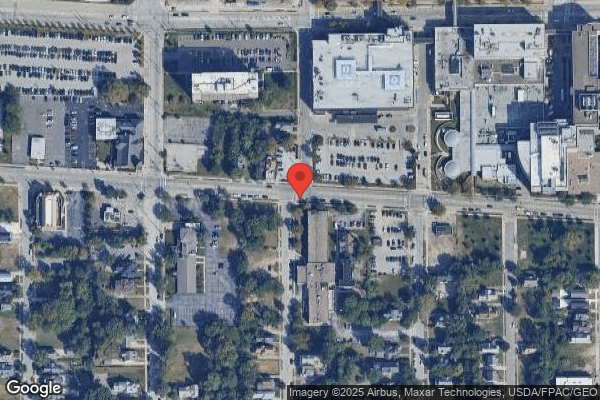
9014 CEDAR AVE, CLEVELAND, OH 44106 (216) 795-1363
For profit - Corporation 98 Beds FOUNDATIONS HEALTH SOLUTIONS Data: November 2025 1 Immediate Jeopardy citation
Trust Grade
23/100
#796 of 913 in OH
Last Inspection: May 2023

Over 2 years since last inspection. Current conditions may differ from available data.

Overview

The Gardens of Fairfax Health Care Center has received a Trust Grade of F, indicating significant concerns about its quality of care. Ranked #796 out of 913 facilities in Ohio, it is in the bottom half, and #77 out of 92 in Cuyahoga County, with only a few local options rated better. While the facility is showing some improvement in issues reported, decreasing from 22 in 2023 to 4 in 2024, it still has alarming problems, including $255,162 in fines, which is higher than 98% of Ohio facilities. Staffing is a concern, with only 1-star ratings and inconsistent RN coverage, even though there is a 0% turnover rate, meaning staff remain. Specific incidents include a resident who exited the facility unnoticed due to a failure in supervision and a lack of proper background checks for staff, raising serious safety and compliance issues. Overall, while there are some strengths, such as low staff turnover, the weaknesses, especially regarding safety and supervision, are significant for families considering this nursing home.

Trust Score
F
23/100
In Ohio
#796/913
Bottom 13%
Safety Record
High Risk
Review needed
Inspections
Getting Better
22 → 4 violations
Staff Stability
○ Average
Turnover data not reported for this facility.
Penalties
○ Average
$255,162 in fines. Higher than 66% of Ohio facilities. Some compliance issues.
Skilled Nurses
⚠ Watch
Each resident gets only 29 minutes of Registered Nurse (RN) attention daily — below average for Ohio. Fewer RN minutes means fewer trained eyes watching for problems.
Violations
⚠ Watch
43 deficiencies on record. Higher than average. Multiple issues found across inspections.
★★☆☆☆
2.0
Overall Rating
★☆☆☆☆
1.0
Staff Levels
★★★★★
5.0
Care Quality
★☆☆☆☆
1.0
Inspection Score
Stable
2023: 22 issues
2024: 4 issues

The Good

  • 5-Star Quality Measures · Strong clinical quality outcomes
  • Full Sprinkler Coverage · Fire safety systems throughout facility
  • No fines on record

Facility shows strength in quality measures, fire safety.

The Bad

2-Star Overall Rating

Below Ohio average (3.2)

Below average - review inspection findings carefully

Federal Fines: $255,162

Well above median ($33,413)

Significant penalties indicating serious issues

Chain: FOUNDATIONS HEALTH SOLUTIONS

Part of a multi-facility chain

Ask about local staffing decisions and management

The Ugly 43 deficiencies on record

1 life-threatening
Mar 2024 4 deficiencies 1 IJ
CRITICAL (J) 📢 Someone Reported This

A family member, employee, or ombudsman was alarmed enough to file a formal complaint

Immediate Jeopardy (IJ) - the most serious Medicare violation

Accident Prevention (Tag F0689)

Someone could have died · This affected 1 resident

**NOTE- TERMS IN BRACKETS HAVE BEEN EDITED TO PROTECT CONFIDENTIALITY** Based on observation, medical record review, review of a facility Self-Reported Incident (SRI), staff statements, local police i...

Read full inspector narrative →
**NOTE- TERMS IN BRACKETS HAVE BEEN EDITED TO PROTECT CONFIDENTIALITY** Based on observation, medical record review, review of a facility Self-Reported Incident (SRI), staff statements, local police incident report, National Centers for Environmental Information, the [NAME] Cleveland Ohio Neighborhood Guide, the facility's Elopement policy and procedure and interviews, the facility failed to provide adequate supervision to Resident #1, who was assessed to be cognitively impaired and at risk for elopement, to prevent the resident from exiting the facility without staff knowledge. This resulted in Immediate Jeopardy and the likelihood for serious harm, injury, or death on 03/16/24 between 3:30 P.M. and 4:10 P.M. when Resident #1 exited the facility without staff knowledge. Resident #1 was wearing a wanderguard bracelet (a device that activates an alarm and locks armed doors when the wearer approaches within a set parameter of the door) that failed to lock the doors or set off an alarm to alert facility staff. Resident #1's whereabouts were unknown until approximately 7:20 P.M. when a family member reported he had been found and was currently at a family member's home. This affected one resident (#1) of seven residents who were identified by the facility as being at risk for elopement. The facility census was 44. On 03/16/24 at 4:50 P.M., the Administrator was notified Immediate Jeopardy began on 03/16/24 at 4:10 P.M. when staff identified Resident #1, who was severely cognitively impaired and at high-risk for elopement, could not be located. Facility staff and the resident's son/power of attorney (POA) were unaware of how Resident #1 exited the facility. The resident traveled to an alleged location 10-15 minutes driving distance away from the facility. Resident #1's son reported the resident traveled on a bus to the alleged location where he was allegedly found by friends/family. At the time of the incident, Resident #1 had a care plan in place for being at high risk for falls, wandering behaviors, and at risk for elopement. The resident was wearing a wanderguard device at the time of the incident, however it was determined to be not functional. The Immediate Jeopardy was removed on 03/27/24 when the facility implemented the following corrective actions: • On 03/16/24 at approximately 9:00 P.M. Resident #1 was returned to the facility by his son. The resident was assessed by Registered Nurse (RN) #110 and was determined not to have any injuries. The resident was placed on hourly checks by staff based following a physician's order. These checks would continue indefinitely. The resident's wanderguard bracelet was changed for a new bracelet that was working properly. • On 03/16/24 by 10:30 P.M., all other residents at risk for elopement (Resident #7, #8, #9, # 10, #12 and #13) had their wanderguard bracelets checked by Social Worker (SW) #111. It was determined all bracelets were working properly. Although the bracelets were functioning properly each bracelet was changed because it was time to change them based on the manufacturer's 90-day recommendation. Moving forward, all wanderguard bracelets would be checked weekly for functionality by the SW #111. A spreadsheet was created to document the weekly monitoring of the wanderguard bracelets. The Administrator would audit the weekly check list once each month for four months and report findings during quality assurance Quality Assurance Performance Improvement (QAPI) meetings. • On 03/17/24, the Director of Nursing (DON) reviewed the care plans of all residents at risk for elopement, Resident #1, #7, #8, #9, # 10, #12 and #13 to ensure the care plans reflected the current behavior and needs of the residents. • On 03/17/24, the DON reviewed the elopement books posted at each nursing station to ensure that they were up-to-date and reflected those residents at risk for elopement. The DON also reviewed the elopement book and elopement policy with all nurses. • On 03/18/24 at 10:30 A.M., during a stand-up meeting the interdisciplinary team including the Administrator, DON, SW #111, the Minimum Data Set (MDS) Nurse, and Director of Environmental Services performed a root cause analysis. It was determined Resident #1's elopement was caused by a nonperforming wanderguard bracelet. On 03/16/24 Resident #1's wanderguard bracelet was changed upon return to facility, and it was determined the wanderguard bracelets the other residents at risk for elopement were wearing were working as designed. It was verified that all exit alarms were working properly, and they had been previously checked on 03/15/24. The Elopement policy was reviewed and determined to be appropriate with no changes required. • On 03/18/24, the receptionists who monitor the entrance doors received training by the administrator. The training was designed to make monitoring the main entrance doors the number one priority on the list of responsibilities for receptionist. The facility Scheduler/Administrative Assistant #104 was also included in the training to provide backup coverage. SW #111 and the DON would be responsible for monitoring the receptionists' performance and would provide a quarterly performance evaluation. The human resource coordinator would audit the receptionists' performance evaluations quarterly for one year. • On 03/25/24, the DON posted signs at the two entrance doors alerting residents, families, and friends of residents that staff must be notified, and residents must be signed-out before leaving the building. • On 03/27/24, the administrator began training sessions for all staff on all shifts. This training included the use of elopement books, the elopement policy, the wanderguard system, and wandering and exit seeking behaviors. Each training session included an elopement drill. Ongoing training regarding elopement will be completed weekly for four weeks. Review of sign-in sheets dated 03/27/24 revealed 25 staff members across all shifts had attended the training. On-going training would continue for staff as they arrived to work each shift. • On 03/28/24 at 2:00 P.M., a QAPI meeting was held to review the Elopement Abatement Plan. The QAPI members present included the Administrator, DON, Maintenance Director, Administrative Assistant (AA) #104 and SW#111. It was determined no changes were necessary and the QAPI committee would continue to monitor the implementation of the abatement plan to determine if any modification needed each month for four months. Although the Immediate Jeopardy was removed on 03/27/24, the deficiency remained at a Severity Level 2 (no actual harm with the potential for minimal harm that is not Immediate Jeopardy) as the facility was in the process of implementing their corrective action plan and monitoring to ensure on-going compliance. Findings include: Review of the medical record for Resident #1 revealed an admission date of 05/05/21 with diagnoses including bipolar disorder, current episode manic severe with psychotic features, unspecified dementia, without behavioral disturbance, and schizophrenia. Review of the resident's plan of care revealed the following plans, dated 05/05/21: Resident #1 was at risk for elopement and wandering aimlessly. Interventions included distracting Resident #1 from wandering by offering pleasant diversions, structured activities, food, conversation, and watching television. Resident #1 had impaired cognitive function/dementia or impaired thought processes related to impaired decision making, psychotropic drug use, short term memory loss. Interventions included cue, reorient, and supervise as needed. Resident #1 was at high risk for falls related to gait/balance problems. Interventions included anticipating and meeting the resident's needs and ensuring the resident wears non-skid socks/shoes when ambulating. On 03/18/24 an intervention was added to monitor Resident #1's location and activity every hour. On 03/25/24 an intervention was added to assess Resident #1 for activity of choice and enable him to engage in that activity when possible. On 03/26/24 an intervention was added to explain to Resident #1 that he must sign out with a staff member or person authorized to remove him from the facility, and to redirect resident from exits. Review of Wandering Risk Scale assessments dated 11/17/23 and 02/16/24 revealed Resident #1 was at risk for wandering. Review of the Minimum Data Set (MDS) 3.0 quarterly assessment, dated 02/17/24, revealed Resident #1 was severely-cognitively impaired with a Brief Interview of Mental Status score of three (out of 15). The assessment revealed the resident was independent with walking in his room and on the units. Resident #1 was alert to self only. Review of a nursing progress note dated 03/16/24 timed 10:43 P.M. revealed Resident #1 wandered out of the facility without staff or family knowledge. Resident #1 was oriented to self only. The resident's wanderguard bracelet was replaced, and the resident was moved to the second floor. Resident #1 was placed on one-hour checks per physician orders. Review of the facility SRI report dated 03/16/24 revealed Resident #1 was last observed in the facility on 03/16/24 at approximately 3:30 P.M. Staff noticed Resident#1 missing around 4:10 P.M. when delivering dinner trays. Staff began a search for Resident #1 throughout the facility. The staff notified the Administrator Resident #1 was missing on 03/16/24 at 4:50 P.M. The Administrator assigned staff to search the outside of the facility and surrounding neighborhood. The Administrator notified the police Resident #1 was missing on 03/16/24 at 6:15 P.M. and notified the son/POA at 6:30 P.M. The son/POA suggested some locations the resident might go. The son/POA contacted the facility at 6:45 P.M. stating Resident #1 was found and was with family. The facility offered to pick Resident #1 up to return him to the facility, but the son/POA declined to provide the resident's location. The son/POA returned Resident #1 on 03/16/24 at 9:00 P.M. The SRI report indicated the resident's wanderguard bracelet Resident #1 was wearing did not alarm when he returned to the facility and staff replaced the wanderguard bracelet immediately. Resident #1 returned to the facility without signs/symptoms of stress or injury. Registered Nurse (RN) #110 questioned Resident #1 about his whereabouts and Resident #1 stated his son picked him up and they drove around. The SRI report indicated following the investigation, it was surmised Resident #1 either eloped from the building between 3:30 P.M. and 4:00 P.M. or a family member escorted the resident out without staff knowledge. The facility believed Resident #1 had no money or cognitive ability to negotiate public transportation or make pick-up arrangements. The facility also believed the family entered the facility and escorted Resident #1 out when visitors attending an activity were leaving the facility. The facility receptionist was distracted by all the activity going on and assisting visitors to the door. Review of State Tested Nurse Assistant (STNA) #113's untimed statement dated 03/16/24 revealed STNA #113 last observed Resident #1 on the unit around 3:30 P.M. on 03/16/24. STNA #113 indicated she noticed Resident #1 was missing around 4:00 P.M. and reported it to the nurse. Review of RN #110's statement dated 03/16/24 timed 7:05 P.M. revealed RN #110 observed Resident #1 attending the church service on the second floor. RN #110 stated she was informed later that Resident #1 was missing and she notified the Administrator. Review of AA #104's untimed statement dated 03/16/24 revealed AA #104 asked Resident #1 how he got away from the facility and Resident #1 stated, my son picked me up. Review of a police report revealed an incident date and time of 03/16/24, 6:49 P.M. The incident type was missing person-handicapped. The notification was received via a 911 call. The search was completed at 6:49 P.M. The call comments indicated Resident #1 was last seen around 3:30 P.M. and located at 7:20 P.M. at a family member's home and states he was safe. The family called to notify the facility. Interview on 03/22/24 at 8:32 A.M. with AA #104 revealed Resident #1 told her his son came and got him and they went riding around. AA #104 stated the son told her Resident #1 had a bus pass and took the bus to where the resident was allegedly found. AA #104 further stated the facility did not give out bus passes, Resident #1 had no money, and the nearest bus stop was 15 blocks from the facility. AA #104 said Resident #1's wanderguard was not functioning properly when he returned to the facility. Interview on 03/22/24 at 8:56 A.M. with SW #111 revealed Resident #1's wanderguard was not functioning properly when he returned to the facility. Interview on 03/22/24 at 8:41 A.M. with RN #110 revealed Resident #1's son told RN #110 that Resident #1 walked to a bus stop and took the bus to a family member's house. However, RN #110 said Resident #1 had no money, and the facility did not provide bus passes. RN #1 stated Resident #1 required assistance with dressing and had an unsteady gait. RN #110 stated she felt there was no way Resident #1 could walk 15 blocks to catch a bus or request to exit at a specific destination. Interview on 03/22/24 at 9:29 A.M. with the Administrator revealed staff completed an internal and external search of the property and the surrounding neighborhood when looking for Resident #1. The Administrator said Resident #1's wanderguard bracelet had not functioned properly which allowed exit without alarms sounding. Interview on 03/22/24 at 10:29 A.M. with Receptionist #112 revealed the day Resident #1 eloped was a busy day with two church services and bingo. The last church service ended around 4:15 P.M. and there were many visitors and residents who needed assistance on and off the elevator. Receptionist #112 stated she was distracted and was not always seated at the front desk. Interview on 03/22/24 at 10:51 A.M. with Resident #1's son/POA revealed a family member observed Resident #1 walking on the sidewalk of a street which was approximately ten minutes from the facility. The son/POA also suggested Resident #1 took the bus using a bus pass. The son stated he called the facility to report Resident #1 was with family, but he did not tell the facility where Resident #1 was or who found him. Observations on 03/22/24 at 1:30 P.M. revealed Resident #1 was dressed in street clothes and lying in bed. A follow up interview on 03/22/24 at 2:11 P.M. with SW #111 revealed wanderguard bracelets needed to be replaced every 90 days according to the manufacture's guidelines. Prior to 03/16/24 when Resident #1's wanderguard was replaced upon his return to the facility, his wanderguard bracelet had been changed on 12/15/23 (92 days prior). Interview on 03/22/24 at 3:39 P.M. with STNA #113 revealed when Resident #1 returned to the facility he did not appear anxious or injured. STNA #113 stated Resident #1 was wearing a shirt, pants, shoes, and a jacket. During an interview with Resident #1 on 03/25/24 at 7:44 A.M. he stated he was picked up by his niece, they went to see a movie called Days of Our Lives, and then he went to see his son. After further conversation Resident #1 was asked again what movie they watched and he replied, Days of Our Lives. Interview on 03/25/24 at 8:47 A.M. with the Director of Nursing (DON) revealed Resident #1's family was not contacted on 03/16/24 until 2.5 hours after Resident #1 was identified as missing. The DON indicated the resident's family was not called earlier because staff were busy searching Resident #1. Observations on 03/25/24 at 10:00 A.M. revealed Resident #1 walking down the second-floor hall near the wall; he had a slow shuffling gait. Review of the National Centers for Environmental Information revealed on 03/16/24 the temperature in Cleveland Ohio was 60 degrees Fahrenheit (F). Review of the [NAME] Cleveland Ohio Neighborhood guide dated 2024 revealed the neighborhood in which the facility was located and where Resident #1 was found had a high-crime history. Review of the facility Elopement policy, dated 2022, revealed nursing staff would check placement of wanderguard daily and staff would check the functionality weekly. The policy also stated the administrator, DON and the resident's responsible party would be notified immediately if a resident was not found within 15-30 minutes. This deficiency represents non-compliance investigated under Self-Reported Incident Investigation Control Number OH00152178.
CONCERN (D) 📢 Someone Reported This

A family member, employee, or ombudsman was alarmed enough to file a formal complaint

Potential for Harm - no one hurt, but risky conditions existed

Abuse Prevention Policies (Tag F0607)

Could have caused harm · This affected 1 resident

Based on interview and review of medical record, Self-Reported Incident report/investigation, and the facility's abuse policy and procedure the facility failed to implement their abuse policy and proc...

Read full inspector narrative →
Based on interview and review of medical record, Self-Reported Incident report/investigation, and the facility's abuse policy and procedure the facility failed to implement their abuse policy and procedure related to an injury of unknown origin. This affected one (Resident #14) of seven residents reviewed for abuse and neglect. Findings include: Review of the medical record for Resident #14 revealed an admission date of 04/01/22. Diagnoses included end stage renal disease, hemiplegia and hemiparesis following a cerebral infarction affecting the right dominant side. Resident #14 was receiving hospice services. Review of the quarterly Minimum Data Set (MDS) assessment, dated 02/23/24, revealed Resident #14 had impaired cognition. Review of progress note dated 02/24/24 timed 8:00 A.M. authored by Licensed Practical Nurse (LPN) #106 revealed State Tested Nurse Assistant (STNA) #105 observed Resident #14 had a black eye. LPN #106 entered Resident #14's room and observed the eye. Resident #14 told LPN #14 that it happened at night. When LPN #106 asked if the injury occurred as a result of an accident or if it was purposeful, Resident #14 responded by shrugging his shoulders. Receptionist #112 told LPN #106 that Resident #14's eye did not look like that the day before. STNA #105 and Receptionist #112 asked Resident #14 again if someone had hit him, Resident #14 shook his head indicating yes. The Administrator was notified. Review of Self-Reported Incident number 244523 dated 02/24/24 timed 10:55 A.M. revealed an injury of unknown origin was reported by LPN #106 (an agency nurse). LPN #106 immediately contacted the Administrator. LPN #106 had interviewed Resident #14 and identified STNA #101 as a potential perpetrator and STNA #101 was immediately suspended. The Director of Nursing (DON) was notified on 02/25/24 at 10:30 A.M. Resident #14 was out of the building for a dialysis treatment when the DON arrived at the facility. Resident #14 was assessed and interviewed by the DON on 02/25/24. The facility conclusion indicated Resident #14 had a burst blood vessel in the right eye and the dark discoloration beneath the eye was not bruising but a common side effect from receiving an iron tablet daily for iron deficiency anemia which was present beneath both eyes. Review of the facility investigation revealed statements from STNA #101, Receptionist #112, Resident #14, and the administrator. Interview on 03/26/24 at 9:57 A.M. with the DON revealed she did not interview any residents who received care from STNA #101 on 02/24/24. The DON did not obtain statements from any other staff than those listed above and indicated the progress note LPN #106 authored dated 02/24/24 timed 8:00 A.M. served as her statement. Review of the facility policy Abuse, Neglect, and Misappropriation, dated 2023 revealed the actions the facility would take when abuse was alleged including the following. 1. Thoroughly investigate suspicious bruising of residents, and any other occurrences, injuries, patterns and/or trends that resemble abuse. 2. Thoroughly investigate any evidence of suspected abuse, neglect, or misappropriation of property. 3. Use video, photographs, witness statements, staffing patterns, interviews with residents, staff, and visitors to investigate allegations of abuse or neglect.
CONCERN (D) 📢 Someone Reported This

A family member, employee, or ombudsman was alarmed enough to file a formal complaint

Potential for Harm - no one hurt, but risky conditions existed

Investigate Abuse (Tag F0610)

Could have caused harm · This affected 1 resident

Based on observation, interview, medical record review, Self-Reported Incident report/investigation review and abuse policy and procedure review, the facility failed to thoroughly investigate an alleg...

Read full inspector narrative →
Based on observation, interview, medical record review, Self-Reported Incident report/investigation review and abuse policy and procedure review, the facility failed to thoroughly investigate an allegation of physical abuse. This affected one (Resident #14) of seven residents reviewed. Findings include: Review of the medical record for Resident #14 revealed an admission date of 04/01/22. Diagnoses included end stage renal disease, hemiplegia and hemiparesis following a cerebral infarction affecting the right dominant side. Resident #14 was receiving hospice services. Review of the quarterly Minimum Data Set (MDS) assessment, dated 02/23/24, revealed Resident #14 had impaired cognition. Review of progress note dated 02/24/24 timed 8:00 A.M. authored by Licensed Practical Nurse (LPN) #106 revealed State Tested Nurse Assistant (STNA) #105 observed Resident #14 had a black eye. LPN #106 entered Resident #14's room and observed the eye. Resident #14 told LPN #14 that it happened at night. When LPN #106 asked if the injury occurred as a result of an accident or if it was purposeful, Resident #14 responded by shrugging his shoulders. Receptionist #112 told LPN #106 that Resident #14's eye did not look like that the day before. STNA #105 and Receptionist #112 asked Resident #14 again if someone had hit him, Resident #14 shook his head indicating yes. The Administrator was notified. Review of Self-Reported Incident number 244523 dated 02/24/24 timed 10:55 A.M. revealed an injury of unknown origin was reported by LPN #106 (an agency nurse). LPN #106 immediately contacted the Administrator. LPN #106 had interviewed Resident #14 and identified STNA #101 as a potential perpetrator and STNA #101 was immediately suspended. The Director of Nursing (DON) was notified on 02/25/24 at 10:30 A.M. Resident #14 was out of the building for a dialysis treatment when the DON arrived at the facility. Resident #14 was assessed and interviewed by the DON on 02/25/24. The facility conclusion indicated Resident #14 had a burst blood vessel in the right eye and the dark discoloration beneath the eye was not bruising but a common side effect from receiving an iron tablet daily for iron deficiency anemia which was present beneath both eyes. Review of Receptionist #112's statement dated 02/24/24 timed 10:45 A.M. revealed the receptionist was assisting Resident #14 in his wheelchair to the door to leave for dialysis. Receptionist #112 indicated she observed Resident #14 had a black eye that was not there the night before. The receptionist asked if someone had hit him in the eye, Resident #14 nodded his head yes. The receptionist told Resident #14 she was going to report the incident, and Resident #14 started saying no no. Review of an STNA #101's untimed statement dated 02/24/24 revealed STNA #101 had worked the night before and repositioned Resident #14 several times while the resident was in bed. STNA #101 denied observing swelling or discoloration on his face. Review of Resident #14's statement dated 02/25/24 timed 12:56 P.M. revealed when the DON asked Resident #14 what happened. Resident #14 curled his hand into a fist and directed his fist toward his eye. The DON asked Resident #14 was someone helping you at the time, Resident #14 responded yeah. The DON asked Resident #14 if it was a staff member, Resident #14 responded yeah. The DON asked if it was a male or female, Resident #14 responded female. The DON asked if the female was short or tall, Resident #14 put his hand out to indicate the staff was short. The DON asked Resident #14 again about the staff being a male or female, Resident #14 responded a lady. The DON asked if it happened at night, Resident #14 responded yes. Resident #14 demonstrated poor eye contact during the interview and presented with a flat affect, no smiling nor grimacing were observed. Review of the Administrator's untimed statement dated 02/26/24 revealed STNA #101 stated Resident #14 was fidgety and placed himself upside down in bed three times. STNA #101 stated LPN #106 assisted each time the resident needed repositioned. STNA #101 stated Resident #14 threw himself on the floor and seemed very confused. STNA#101 mentioned that she had not noticed a problem with Resident #14's eye, but in her opinion, Resident #14 eyes were dark frequently and his face was swollen due to needing dialysis. STNA #101 denied having any accidents or confrontations with Resident #14. Interview on 03/26/24 at 9:57 A.M. with the DON revealed she did not interview any residents who received care from STNA #101 on 02/24/24. The DON did not obtain statements from any other staff than those listed above and indicated the progress LPN #106 authored served as her statement. Observation of Resident #14 on 03/26/24 at 11:00 A.M. revealed Resident #14 was lying in bed fully clothed. An attempt to interview Resident #14 was unsuccessful; he was unable/unwilling to answer questions. Observation revealed the skin beneath both eyes was darkened. Review of the timecard report dated 02/18/24 through 03/02/24 revealed STNA #101 did not work on 02/24/24, 02/25/24 due to scheduled time off. STNA #101 returned to work on 02/26/24 after meeting with the Administrator. Interview on 03/26/24 at 4:24 P.M. with Receptionist #112 revealed she thought Resident #14 had a black eye, but she was mistaken. Receptionist #112 stated the resident had a history of having a swollen face. Receptionist #112 stated when she told Resident #14 she was going to report the incident he began to back pedal stating no no. Receptionist #112 confirmed the statement she had written on 02/24/24. Review of the facility policy Abuse, Neglect, and Misappropriation, dated 2023 revealed the actions the facility would take when abuse was alleged included the following. 1. Will thoroughly investigate suspicious bruising of residents, and any other occurrences, injuries, patterns and/or trends that resemble abuse. 2. Will thoroughly investigate any evidence of suspected abuse, neglect, or misappropriation of property. 3. Will use video, photographs, witness statements, staffing patterns, interviews with residents, staff, and visitors to investigate allegations of abuse or neglect.
CONCERN (D) 📢 Someone Reported This

A family member, employee, or ombudsman was alarmed enough to file a formal complaint

Potential for Harm - no one hurt, but risky conditions existed

ADL Care (Tag F0677)

Could have caused harm · This affected 1 resident

**NOTE- TERMS IN BRACKETS HAVE BEEN EDITED TO PROTECT CONFIDENTIALITY** Based on medical record review, observation, and interview the facility failed to provide feeding assistance in a timely manner ...

Read full inspector narrative →
**NOTE- TERMS IN BRACKETS HAVE BEEN EDITED TO PROTECT CONFIDENTIALITY** Based on medical record review, observation, and interview the facility failed to provide feeding assistance in a timely manner for dependent residents. This affected one (Resident #14) of seven residents reviewed. The census was 44. Findings include: Review of the medical record for Resident #14 revealed an admission date of 04/01/22. Diagnoses included end stage renal disease, hemiplegia and hemiparesis following a cerebral infarction affecting the right dominant side. Resident #14 was receiving hospice services. Review of the quarterly Minimum Data Set (MDS) assessment, dated 02/23/24, revealed Resident #14 had impaired cognition and required supervision or hands on assistance for eating. Review of the plans of care revealed no plan related to nutrition or assistance needed for eating. Review of the nutritional assessment dated [DATE] revealed Resident #14 received a liberal renal pureed diet with nectar thickened liquid. Resident #14 required supervision, set-up, and assistance with eating. Resident #14 was at risk for altered laboratory results, fluid imbalance related to end stage renal disease, diabetes, and difficulty swallowing as evidenced by the need for a therapeutic mechanical altered foods and fluids. Observation on 03/26/24 at 8:32 A.M. revealed Resident #14 seated in wheelchair in his room eating independently. There was no staff present to provide assistance or verbal cueing. The bowls and cups holding Resident #14's food and beverages were scattered haphazardly on the tray and the bottom of the tray was filled with the beverages that had been spilled. Interview on 03/26/24 at 8:36 A.M. with Registered Nurse (RN) #110 revealed due to call offs administrative staff were assisting residents as needed on the unit but she did not know their current location or who they were assisting. RN #110 said when a resident required supervision and/or hands on assistance staff were to stay with the resident while eating to observe, prompt, guide, and assist with needs. RN #110 stated she was assisting Resident #14 but left to go to another resident's room. RN #110 verified the spilled beverages and haphazard set up the bowls on Resident #14's meal tray. Interview on 03/26/24 at 9:22 A.M. with the Director of Nursing (DON) revealed staff were to stay with Resident #14 during meals to assist and cue as needed.
Dec 2023 2 deficiencies
CONCERN (D) 📢 Someone Reported This

A family member, employee, or ombudsman was alarmed enough to file a formal complaint

Potential for Harm - no one hurt, but risky conditions existed

Deficiency F0655 (Tag F0655)

Could have caused harm · This affected 1 resident

Based on record review and interview the facility failed to develop a person-centered baseline care plan for one resident (#48) of two residents reviewed for baseline care plans. The facility census w...

Read full inspector narrative →
Based on record review and interview the facility failed to develop a person-centered baseline care plan for one resident (#48) of two residents reviewed for baseline care plans. The facility census was 47. Findings include: Review of the medical record for Resident #48 revealed an admission date of 10/28/23. Medical diagnoses included hypertension, chronic atrial fibrillation, dementia, encephalopathy, gastro-esophageal reflux disease, and pressure ulcer of sacral region. Review of the physician orders for Resident #48 revealed an order dated 11/01/23 that stated to cleanse right lateral calf wound with normal saline, pat dry, apply oil emulsion gauze and cover with abdominal pad and wrap with Kerlix gauze every night shift every Monday, Wednesday, and Friday and as needed. Further review of the physician orders revealed an order dated 11/01/23 that stated to cleanse sacral wound with normal saline, pat dry, pack wound with Vashe moistened gauze and cover with foam every night shift. Review of Resident #48's care plan dated 11/01/23 revealed no care plan for wound care or skin integrity. Interview on 12/05/23 at 3:02 P.M. with Licensed Practical Nurse (LPN) #335 confirmed Resident #48's baseline care plan did not include wound care or skin integrity.
CONCERN (D) 📢 Someone Reported This

A family member, employee, or ombudsman was alarmed enough to file a formal complaint

Potential for Harm - no one hurt, but risky conditions existed

Comprehensive Care Plan (Tag F0656)

Could have caused harm · This affected 1 resident

Based on record review and interview the facility failed to develop a person-centered care plan for one resident (#9) of two residents reviewed for comprehensive person-centered care plans. The facili...

Read full inspector narrative →
Based on record review and interview the facility failed to develop a person-centered care plan for one resident (#9) of two residents reviewed for comprehensive person-centered care plans. The facility census was 47. Findings include: Review of the medical record for Resident #9 revealed an admission date of 05/11/20. Medical diagnoses included Alzheimer's disease, pulmonary hypertension, moderate protein-calorie malnutrition, chronic kidney disease, and chronic diastolic congestive heart failure. Review of the physician orders for Resident #9 revealed an order dated 05/26/20 for Do Not Resuscitate Comfort Care (DNR-CC). Review of Resident #9's care plan dated 05/11/20 revealed the care plan did not include residents code status wish. Interview on 12/05/23 at 3:02 P.M. with Licensed Practical Nurse (LPN) #335 confirmed Resident #9's comprehensive person-centered care plan did not reflect that Resident #9 had a DNR-CC in effect.
May 2023 19 deficiencies
CONCERN (D)

Potential for Harm - no one hurt, but risky conditions existed

Deficiency F0558 (Tag F0558)

Could have caused harm · This affected 1 resident

Based on observation, record review, and interview the facility failed to ensure call lights were within reach and accessible for residents. This affected one resident (Resident #46) of two residents ...

Read full inspector narrative →
Based on observation, record review, and interview the facility failed to ensure call lights were within reach and accessible for residents. This affected one resident (Resident #46) of two residents (Resident #12 and #46) reviewed for call light placement. Findings Include: Review of the medical record for Resident #46 revealed an admission date of 12/17/22. Diagnoses included but were not limited to cerebral infarction due to unspecified occlusion or stenosis of right posterior cerebral artery, type II diabetes mellitus and adult failure to thrive. Review of the 04/08/23 quarterly Minimum Data Set (MDS) 3.0 assessment for Resident #46 revealed a Brief Interview of Mental Status (BIMS) score of 11 which indicated moderate cognitive impairment. Resident #46 required extensive assist of one for bed mobility, transfer, walk in room, locomotion off unit, dressing, toileting, personal hygiene, and supervision of one for locomotion on unit, and eating. Resident #46 was noted to frequently be incontinent of bladder. Review of the 04/20/23 revised care plan for Resident #46 revealed she was at high risk for falls related to decline in functional ability with impulsiveness. One of the goals listed for Resident #46 was to be free of falls through the review date. Interventions included staff to be sure Resident #46's call light was within reach and to encourage Resident #46 to use it for assistance as needed. Resident #46 was also noted to need prompt assistance with all requests for assistance. A phone interview on 05/07/23 at 10:03 A.M. with Resident #46's son revealed he was concerned about her call light not being within reach as he had previously observed the call light not being in reach on more than one occasion. Observation on 05/09/23 at 9:44 A.M. revealed Resident #46 sitting on the side of her bed with the call light on the floor on the opposite side of the bed. Interview at the time of the observation with Licensed Practical Nurse (LPN) #219 confirmed the call light was not within Resident #46's reach.
CONCERN (D)

Potential for Harm - no one hurt, but risky conditions existed

Report Alleged Abuse (Tag F0609)

Could have caused harm · This affected 1 resident

Based on record review, self-reported incident (SRI) review, policy review and interview, the facility failed to report an allegation of potential abuse related to an injury of unknown origin as requi...

Read full inspector narrative →
Based on record review, self-reported incident (SRI) review, policy review and interview, the facility failed to report an allegation of potential abuse related to an injury of unknown origin as required. This affected one resident (Resident #29) of four residents (Residents #26, #29, #35, and #147) reviewed for abuse. The facility census was 45. Findings Include: Review of the medical record for Resident #29 revealed an admission date of 09/02/22. Diagnoses included but were not limited to hemiplegia and hemiparesis following cerebral infarction affecting left non-dominant side, adult failure to thrive and osteoarthritis. Review of 02/22/23 quarterly Minimum Data Set (MDS) 3.0 assessment for Resident #29 revealed a Brief Interview of Mental Status (BIMS) score of 03 which indicated severe cognitive impairment. Resident #29 required supervision of one for bed mobility, transfer, walking in room, dressing, eating, toileting, and personal hygiene. Resident #29 was noted to use a cane and wheelchair for mobility. Review of Resident #29's care plan revealed she has limited physical mobility related to stroke and weakness. Interventions included provide supportive care and assistance with mobility as needed. Review of the 12/13/22 nursing progress note with time stamp of 3:40 P.M. revealed Resident #29 was noted to have four plus edema to her right hand. Resident #29's physician was called and an order for x-ray of her right hand was obtained. Review of the 12/14/23 radiology report for Resident #29 revealed acute metacarpal fractures of the fourth and fifth finger on her right hand. Review of 12/14/22 nursing progress note with time stamp of 10:15 A.M. revealed the nurse received the x-ray results for Resident #29 which listed findings of fracture to Resident #29's right fourth and fifth finger. At 9:20 A.M. Resident #29's physician was notified of the x-rays results and an order was received to splint both fingers and schedule an orthopedic appointment. Review of the 12/14/22 facility form titled Self-Reported Incident Form for SRI #230161 revealed staff became aware of the swelling on Resident #29's right hand on 12/13/22 at 12:30 P.M. The Administrator was noted to have been notified of the incident on 12/14/22 at 10:00 A.M. Under the area of, whether serious bodily injury occurred, if known, the response indicated was yes, fracture of two fingers. Review of the SRI form reported to the state agency revealed the injury of unknown origin involving Resident #29 was reported on 12/14/22 at 5:37 P.M. Review of the 09/29/22 revised facility policy called: Abuse, Neglect and Misappropriation revealed the policy indicated all staff members no matter their discipline or their department were required to immediately report no later than two hours after forming the suspicion if the events that cause suspicion result in serious bodily injury, or no later than 24 hours if the events that causes suspicion do not result in serious bodily injury. Interview on 5/9/23 at 4:27 P.M. with the Administrator confirmed the staff became aware of the injury of unknown origin on 12/13/22 on 12:30 P.M., he was not made of aware of the incident until 12/14/22 at 10:00 A.M., and the state agency reporting form was not filed until 12/14/23 at 5:37 P.M. This deficiency is an example of continued noncompliance from the complaint survey completed 04/20/23.
CONCERN (D)

Potential for Harm - no one hurt, but risky conditions existed

Investigate Abuse (Tag F0610)

Could have caused harm · This affected 1 resident

**NOTE- TERMS IN BRACKETS HAVE BEEN EDITED TO PROTECT CONFIDENTIALITY** Based on record review, self-reported incident (SRI) review, policy review and interview, the facility failed to conduct a thoro...

Read full inspector narrative →
**NOTE- TERMS IN BRACKETS HAVE BEEN EDITED TO PROTECT CONFIDENTIALITY** Based on record review, self-reported incident (SRI) review, policy review and interview, the facility failed to conduct a thorough investigation related to and injury of unknown origin for Resident #29 and an allegation of alleged sexual abuse for Resident #35. This affected two (Resident #29 and #35) of four residents (#26, #29, #35 and #147) reviewed for abuse. Findings Include: 1. Review of the medical record for Resident #29 revealed an admission date of [DATE]. Diagnoses included but were not limited to hemiplegia and hemiparesis following cerebral infarction affecting left non-dominant side, adult failure to thrive and osteoarthritis. Review of the [DATE] quarterly Minimum Data Set (MDS) 3.0 assessment for Resident #29 revealed a Brief Interview of Mental Status (BIMS) score of 03 which indicated severe cognitive impairment. Resident #29 required supervision of one for bed mobility, transfer, walking in room, dressing, eating, toileting, and personal hygiene. Resident #29 was noted to use a cane and wheelchair for mobility. Review of Resident #29's care plan revealed she has limited physical mobility related to stroke and weakness. Interventions included provide supportive care, assistance with mobility as needed. Review of the [DATE] nursing progress note with time stamp of 3:40 P.M. revealed Resident #29 was noted to have four plus edema to her right hand. Resident #29's physician was called and an order for x-ray of her right hand was obtained. Review of the [DATE] radiology report for Resident #29 revealed acute metacarpal fractures of the fourth and fifth finger on her right hand. Review of the [DATE] nursing progress note with time stamp of 10:15 A.M. revealed the nurse received the x-ray results for Resident #29 which listed findings of fracture to Resident #29's right fourth and fifth finger. At 9:20 A.M. Resident #29's physician was notified of the x-ray results and an order was received to splint both fingers and schedule an orthopedic appointment. Review of the facility investigation file regarding the Self-Reported Incident (SRI) #230161 revealed a facility form titled Self-Reported Incident Form and a printed copy of the self- reported incident report form filed with the state agency. No written resident or staff witness statements were found in the file. Interview on [DATE] at 4:27 P.M. with the Administrator confirmed he did not have further documentation of staff or resident interviews following the discovery of the injury of unknown origin for Resident #29 to add to the SRI #230161 investigation file. Review of the [DATE] revised facility policy called: Abuse, Neglect and Misappropriation revealed the facility would thoroughly investigate suspicious bruising of residents, injuries or patterns that resembled abuse. The facility would use video, photographs, witness statements, staffing patterns, interviews with residents, staff, and visitors to investigate allegations of abuse, neglect, or misappropriation. 2. Review of the medical record for Resident #35 revealed an admission date of [DATE] Diagnosis included dementia, chronic kidney disease, and heart failure. Review of the quarterly MDS assessment dated [DATE] revealed Resident #35 had impaired cognition and required extensive assistance of one staff for bed mobility, dressing, toilet use and hygiene. The assessment indicated Resident #35 had verbal behaviors directed at others. Review of the progress notes dated [DATE] at 2:25 P.M. revealed the housekeeping staff reported to the nurse that Resident #35 stated her privates hurt. The Housekeeping staff questioned Resident #35 and she stated she had sex last night with her husband. Her husband was deceased . Review of the self-reported incident (SRI) dated [DATE] and timed 2:45 P.M. revealed an alleged incident of sexual abuse occurred on [DATE]. The housekeeper reported it to the Director of Nursing (DON). The social worker interviewed the resident, a cognitive test was administered, staff that worked the night of the occurrence were interviewed. Review of the facility investigation dated [DATE] revealed one statement from the housekeeper that reported the incident. The investigation lacked evidence of the social worker's interview with Resident #35 and statements from staff that worked the night of the occurrence. There was no evidence that residents were interviewed. Interview on [DATE] at 4:30 P.M. with the Administrator revealed a full investigation was conducted. Staff and residents were interviewed. The Administrator was unaware of the missing statements and indicated he would try to locate them. As of [DATE] at 3:00 P.M., after several request throughout the survey, the Administrator did not provide staff and/or resident interviews. Review of the facility policy titled Abuse, Neglect, and Misappropriation, revised [DATE] revealed the facility would thoroughly investigate any evidence of suspected abuse, neglect, or misappropriation of property. The facility would use video, photographs, witness statements, staffing patterns, interviews with residents, staff, and visitors to investigate allegations of abuse, neglect, or misappropriation.
CONCERN (D)

Potential for Harm - no one hurt, but risky conditions existed

Deficiency F0655 (Tag F0655)

Could have caused harm · This affected 1 resident

Based on record review and interview the facility failed to develop a baseline care plan. This affected one resident (Resident #148) of three residents reviewed for new admissions. Findings Include: R...

Read full inspector narrative →
Based on record review and interview the facility failed to develop a baseline care plan. This affected one resident (Resident #148) of three residents reviewed for new admissions. Findings Include: Review of the medical record for Resident #148 revealed an admission date of 05/02/23. Diagnoses included heart disease, gout, osteoarthritis, repeated falls, and retention of urine. Review of the baseline assessment, dated 05/02/23 revealed Resident #148 experienced confusion, had a history of falls, an unsteady gait, poor balance, and was impulsive. Resident #148 used a walker. Review of the baseline care plan dated 05/03/23 revealed information regarding nutritional risk. The care plan did not include information regarding falls, unsteady gait, confusion, impulsiveness or urinary retention. Interview on 05/09/23 at 1:13 P.M. with Licensed Practical Nurse (LPN) #225 verified the baseline care only included Resident #148 had a nutrition risk and the care plan was not complete. LPN #225 stated she started the care plan but forgot to complete the care plan.
CONCERN (D)

Potential for Harm - no one hurt, but risky conditions existed

Deficiency F0688 (Tag F0688)

Could have caused harm · This affected 1 resident

**NOTE- TERMS IN BRACKETS HAVE BEEN EDITED TO PROTECT CONFIDENTIALITY** Based on record review and interview the facility failed to provide Resident #8's restorative nursing program for ambulation and...

Read full inspector narrative →
**NOTE- TERMS IN BRACKETS HAVE BEEN EDITED TO PROTECT CONFIDENTIALITY** Based on record review and interview the facility failed to provide Resident #8's restorative nursing program for ambulation and lower extremity exercises as ordered by the physician and as recommended upon discharge from physical therapy. This affected one (Resident #8) of two residents reviewed for physical therapy. Finding Include: Review of the medical record for Resident #8 revealed an admission date of 06/04/21. Diagnoses included type II diabetes, heart disease, chronic kidney disease, blindness of one eye, and glaucoma. Review of the quarterly Minimum Data Set 3.0 assessment, dated 03/31/22, revealed Resident #8 had impaired cognition and required extensive assistance from staff for bed mobility, transfers and ambulation. Review of the plan of care dated 05/03/23 revealed Resident #8 had a self-care performance deficit related to blindness. Intervention included one a person assist for personal hygiene, bathing, and dressing. Review of the physician orders dated 02/17/23 revealed an order to refer Resident #8 to a restorative nursing program for ambulation and lower extremity exercises. Review of Resident #8's physical therapy Discharge summary dated [DATE] revealed a recommendation to establish a restorative ambulation program that included walking 30 feet with a forward wheeled walker with the assist of one person. In addition, a restorative range of motion program that included bilateral lower extremity exercises was recommended. Interview on 05/09/23 at 11:10 A.M. with Licensed Practical Nurse (LPN) #225 revealed Resident #8 was not a restorative nursing program for ambulation or lower extremity exercises. LPN #225 stated she never received the paperwork from therapy services. Review of the facility's Restorative Nursing Policy, revised 12/19/20 revealed the purpose was to maintain a maximum functional level for all residents, prevent deterioration from the resident's current level of functioning, prevent deformities, immobility, and contractures or to reverse these conditions.
CONCERN (D)

Potential for Harm - no one hurt, but risky conditions existed

Incontinence Care (Tag F0690)

Could have caused harm · This affected 1 resident

**NOTE- TERMS IN BRACKETS HAVE BEEN EDITED TO PROTECT CONFIDENTIALITY** Based on interview, record review and policy review, the facility failed to provide appropriate catheter care and monitoring. Th...

Read full inspector narrative →
**NOTE- TERMS IN BRACKETS HAVE BEEN EDITED TO PROTECT CONFIDENTIALITY** Based on interview, record review and policy review, the facility failed to provide appropriate catheter care and monitoring. This affected one resident (Resident #44) of one resident reviewed for catheter care. The facility census was 45 residents. Findings Include: Review of Resident #44's medical record revealed an admission date of 08/02/22 and diagnoses including acute kidney failure, chronic obstructive pulmonary disease, osteoarthritis, adult failure to thrive and gout. Review of Resident #44's bowel and bladder program screener dated 08/02/22 revealed a score of 19 indicating Resident #44 was a good candidate for retraining. Review of Resident #44's hospital paperwork revealed a urinary catheter was placed prior to his readmission to the facility on [DATE]. Review of a readmission bowel and bladder program screener dated 03/19/23 indicated Resident #44 scored a nine and was a candidate for scheduled toileting. The readmission bowel and bladder program screener did not mention a urinary catheter was in place. Review of Resident #44's historical physician's orders revealed an order dated 03/20/23 to empty urinary catheter each shift; document color, clarity and odor of urine if less than 10 cubic centimeters (cc) of urine notify medical doctor (MD). No order for catheter care was noted. Review of a significant change minimum data set (MDS) 3.0 assessment dated [DATE] revealed Resident #44 was moderately cognitively intact, was totally dependent on one staff for toileting and had an indwelling urinary catheter. Resident #44 was always continent of bladder and frequently incontinent of bowel. Review of Resident #44's physician's orders as of 05/07/23 revealed an order dated 03/31/23 to document color, clarity and odor of urine if less than 10 cc of urine notify MD; an order dated 04/25/23 to check tubing for kinks with check and change each shift; an order dated 04/25/23 for check placement of urinary catheter measure every shift, red marker line or Foley, if past line and leaking check with [hospice company] for interventions. Review of Resident #44's medication administration records (MARs) and treatment administration records (TARs) revealed no evidence of catheter care being provided from 03/01/23 through 05/07/23. Review of Resident #44's [NAME] (care card) did not mention cleaning the urinary catheter. Review of Resident #44's care plan dated 04/11/23 revealed he had an indwelling urinary catheter due to benign prostatic hyperplasia. Listed interventions included position catheter bag and tubing below the level of the bladder and away from entrance room door; check placement of Foley measure every shift, red marker line on Foley, if past line and leaking check with hospice services for interventions; check tubing for kinks with check and change each shift; monitor and document output per facility policy; monitor for sign/symptom on urination and frequency; monitor/document for pain/discomfort due to catheter; monitor/record/report to MD for signs/symptoms of urinary tract infection (UTI): pain, burning, blood tinged urine, cloudliness, no output, deepening of urine color, increased pulse, increased temp, urinary frequency, foul smelling urine, fever, chills, altered mental status, change in behavior and change in eating patterns. The care plan lacked instruction regarding cleaning Resident #44's catheter or providing routine catheter care. Interview on 05/07/23 at 1:11 P.M. with Resident #44 revealed he did not know how long he had had his urinary catheter. Resident #44 stated staff cleaned the catheter some days but not every day. Interview on 05/08/23 at 7:52 A.M. with Licensed Practical Nurse (LPN) #219 verified Resident #44 did not have an order for catheter care to be completed. LPN #219 stated catheter care should be done per shift or two to three times daily and confirmed Resident #44's electronic medical record did not have evidence catheter care was being completed routinely. Interview on 05/09/23 at 7:12 A.M. with State Tested Nursing Assistant (STNA) #218 revealed catheter care was done on Resident #44 daily and charted in Point of Care (POC). STNA #218 was asked to show the POC documentation. STNA #218 showed POC interface for Resident #44 which prompted STNAs to document continence but did not prompt staff to complete catheter care three times daily. Review of the facility policy, Urinary Catheterization, dated 12/28/22 revealed the interval between catheter changes would be determined by the individual resident's needs. Cleansing the meatal surface during daily bathing was appropriate. The periurethral area should not be cleaned with antiseptics in residents with indwelling urinary catheters.
CONCERN (D)

Potential for Harm - no one hurt, but risky conditions existed

Deficiency F0698 (Tag F0698)

Could have caused harm · This affected 1 resident

Based on record review, interview and policy review, the facility failed to obtain dialysis orders and ensure the dialysis care plan included individualized interventions which accurately reflected th...

Read full inspector narrative →
Based on record review, interview and policy review, the facility failed to obtain dialysis orders and ensure the dialysis care plan included individualized interventions which accurately reflected the care needs of the resident. This affected one of one resident (Resident #12) reviewed for dialysis. The facility identified two residents (Residents #2 and #12) receiving dialysis. Findings Include: Review of the medical record for Resident #12 revealed an admission date of 07/13/19. Diagnoses included but were not limited to dementia, end stage renal disease and chronic combined systolic (congestive) and diastolic heart failure. Review of the 03/14/23 quarterly Minimum Data Set (MDS) 3.0 assessment for Resident #12 revealed a Brief Interview of Mental Status (BIMS) score of 09 which indicated Resident #12 was moderately cognitively impaired. Review of activities of daily living (ADLs) section of the MDS assessment revealed Resident #12 required extensive assist of one staff for bed mobility, total dependence of two staff for transfer, total dependence of one staff for locomotion on and off the unit, dressing, toileting, personal hygiene, and bathing. Resident #12 was noted to receive dialysis. Review of Resident 12's dialysis care plan initiated on 02/12/20 with a last reviewed date of 02/17/20 revealed Resident #12 needed dialysis due to renal failure. Interventions included check and change dressing daily at access site (chest). Document any changes, drainage, bleeding prior to leaving and upon return. Check for bruit and thrill prior to going and upon return and on non-dialysis days and every shift. Review of the current physician orders for Resident #12 did not reveal orders related to dialysis appointments, care, or monitoring. Review of the Medication Administration Records and Treatment Administration Records for April 2023 and May 2023 did not reveal directions or documentation of care provided to Resident #12's Perma catheter (special intravenous line in to the blood vessel in neck or upper chest just under the collar bone. This type of catheter is used for dialysis treatment). Interview on 05/08/23 at 9:00 A.M. with Licensed Practical Nurse (LPN) #219 confirmed Resident #12 did not have physician orders for dialysis. Observation on 05/10/23 at 9:56 A.M. revealed Resident #12 dressed and staff assisting her to be ready for transport to her dialysis appointment. Resident #12 was observed to have a Perma catheter covered with a bandage on the upper right side of her chest. The Perma catheter would not require staff to check for bruit and thrill prior to and upon return from dialysis as indicated in the care plan. Interview on 05/10/23 at 9:57 A.M. with LPN #232 revealed staff were to monitor Resident #12's dialysis port located on her upper right chest for bleeding or any signs of infection. LPN #232 confirmed there were no orders in place regarding care of the Perma catheter. Review of the 12/19/19 revised facility policy called; Policy for Provision of Dialysis Care revealed the facility would provide ongoing provision of assessment, care planning and provision of care. There must be a coordinated plan for dialysis treatment developed with input from both the nursing home and dialysis facility. This required more frequent and increased observations and monitoring for the resident before and after dialysis treatments.
CONCERN (D)

Potential for Harm - no one hurt, but risky conditions existed

Drug Regimen Review (Tag F0756)

Could have caused harm · This affected 1 resident

**NOTE- TERMS IN BRACKETS HAVE BEEN EDITED TO PROTECT CONFIDENTIALITY** Based on interview, record review and policy review, the facility failed to ensure pharmacy medication recommendations were time...

Read full inspector narrative →
**NOTE- TERMS IN BRACKETS HAVE BEEN EDITED TO PROTECT CONFIDENTIALITY** Based on interview, record review and policy review, the facility failed to ensure pharmacy medication recommendations were timely addressed and followed up upon. This affected one resident (Resident #41) of five residents reviewed for unnecessary medications. The facility census was 45 residents. Findings Include: Review of Resident #41's medical record revealed an admission date of 05/05/21 and diagnoses including bipolar disorder, current episode manic severe with psychotic features, unspecified dementia, unspecified severity without behavioral disturbance, major depressive disorder, insomnia, history of COVID-19 and other specified mental disorders due to known physiological condition. Review of Resident #41's quarterly minimum data set (MDS) 3.0 assessment dated [DATE] revealed Resident #41 was cognitively impaired and received antipsychotics and antidepressants. Review of a pharmacy medication recommendation for Resident #41 dated 07/22/22 revealed if not recently obtained and if indicated would you consider adding a comprehensive metabolic panel (CMP) and lipid panel to an upcoming set of lab draws to monitor his medication regimen. The document was blank, unsigned and no physician response was provided. Review of a pharmacy medication recommendation for Resident #41 dated 02/22/23 revealed if not recently obtained and if indicated would you consider adding a CMP and lipid panel to an upcoming set of lab draws to monitor his medication regimen. The document was blank, unsigned and no physician response was provided. Review of a pharmacy medication recommendation for Resident #41 dated 04/25/23 revealed if not recently obtained and if indicated would you consider adding a CMP and lipid panel to an upcoming set of lab draws to monitor his medication regimen. The document was blank, unsigned and no physician response was provided. Interview on 05/10/23 at 10:16 A.M. with the Director of Nursing (DON) revealed Licensed Practical Nurse (LPN) #225 would send pharmacy medication recommendations to the physician to be signed and they were placed in the chart after that. The DON indicated she did not think this process was being done. The DON confirmed pharmacy medication recommendations were to be addressed immediately and verified Resident #41's medication recommendations for 07/22/22, 02/22/23 and 04/25/23 had not been addressed as the same request was continuing to be made from the pharmacy. Review of the facility policy, Medication Monitoring, revised 12/28/22 revealed the policy lacked information on how the physician would address pharmacy medication recommendations and did not provide a time frame that medication recommendations would be addressed within.
CONCERN (E)

Potential for Harm - no one hurt, but risky conditions existed

ADL Care (Tag F0677)

Could have caused harm · This affected multiple residents

**NOTE- TERMS IN BRACKETS HAVE BEEN EDITED TO PROTECT CONFIDENTIALITY** 3. Review of Resident #26's medical record revealed an admission date of 03/20/21 and diagnoses including type two diabetes, cer...

Read full inspector narrative →
**NOTE- TERMS IN BRACKETS HAVE BEEN EDITED TO PROTECT CONFIDENTIALITY** 3. Review of Resident #26's medical record revealed an admission date of 03/20/21 and diagnoses including type two diabetes, cerebral infarction, chronic obstructive pulmonary disease, schizoaffective disorder bipolar type, major depressive disorder and anxiety. Review of Resident #26's physician's orders revealed an order dated 12/16/22 for nursing to cut fingernails monthly and as needed. Monitor for signs and symptoms of infection. Review of Resident #26's quarterly Minimum Data Set (MDS) 3.0 assessment dated [DATE] revealed he was cognitively intact, had delusions and did not reject care. Resident #26 was totally dependent on one staff member for personal hygiene. Review of Resident #26's Medication Administration Records (MARs) for April 2023 and May 2023 (through 05/08/23) revealed no evidence Resident #26's nail care had been completed. Review of nurses' notes from 12/09/22 to 05/07/22 revealed no documentation related to nail care. Observation on 05/07/23 at 12:34 P.M. of Resident #26 revealed his fingernails were long and dirty. Interview on 05/07/23 at 12:34 P.M. with Resident #26 revealed his nails were long, yellow and dirty. Resident #26 stated his nails were last cleaned and trimmed two weeks ago but staff used to provide nail care weekly. Resident #26 was not able to say when staff stopped providing weekly nail care. Observation on 05/08/23 at 9:51 A.M. with Licensed Practical Nurse (LPN) #225 and one other surveyor revealed Resident #26 was in bed and his nails remained long, yellow and dirty. Interview on 05/08/23 at 9:51 A.M. with LPN #225 verified Resident #26's nails were not acceptable and needed to be cut and cleaned. LPN #225 stated nail care was to be done with Resident #26's baths twice a week. Review of the undated policy, Resident Care Protocol: Nail Care, revealed nail care was to be performed during the bath and as needed. Record and report your actions and any unusual observations in the chart. Based on record review, observation and interview the facility failed to provide nail care for residents unable to carry out activities of daily living (ADLs) without assistance. This affected three (Residents #2, #8, and #26) of four residents reviewed for ADLs. Findings Include: 1. Review of the medical record for Resident #8 revealed an admission date of 06/04/21. Diagnoses included type II diabetes, heart disease, chronic kidney disease, blindness of one eye, and glaucoma. Review of the quarterly Minimum Data Set (MDS) 3.0 assessment, dated 03/31/23, revealed Resident #8 had impaired cognition and required extensive assistance with bed mobility, limited assistance with transfers, total dependence for dressing and personal hygiene. Review of the plan of care dated 05/03/23 revealed Resident #8 had a self-care performance deficit related to blindness. Intervention included one person assistance for personal hygiene, bathing, and dressing. Observation on 05/07/23 at 3:27 P.M. of Resident #8's fingernails revealed they were long. Observation and interview on 05/08/23 at 9:54 A.M. with Licensed Practical Nurse (LPN) #225 confirmed Resident #8's fingernails were long. It was also noted and confirmed with LPN #225 there was debris under Resident #8's fingernails. LPN #225 said Resident #8 ate with her fingers. LPN #225 verified Resident #8 required total dependence from staff for personal hygiene. 2. Review of the medical record for Resident #2 revealed an admission date of 02/12/21. Diagnoses included seizures, paranoid schizophrenia, and alcohol abuse. Review of the plan of care dated 01/30/23 revealed Resident #2 had a self-care performance deficit related to mood disorder. Interventions included supervision for bathing and dressing. Resident #2 was independent with toileting and bed mobility. Review of the quarterly MDS 3.0 assessment, dated 02/22/23 revealed Resident #2 had intact cognition and required supervision with bed mobility, transfers, dressing and personal hygiene. Observation on 05/07/23 at 10:50 A.M. of Resident #2 revealed his fingernails were long. Interview with Resident #2 at the time of the observations revealed he would cut his nails if staff provided clippers. Resident #2 stated he preferred his nails a short length. Observation and interview on 05/08/23 at 10:01 A.M. with Licensed Practical Nurse (LPN) #225 confirmed Resident #2's fingernails were long. LPN #225 stated nail care was provided twice weekly on shower days. Review of the facility's undated policy titled Resident Care Protocol: Nail Care, revealed nail care was to be provided during shower/baths and as needed.
CONCERN (E)

Potential for Harm - no one hurt, but risky conditions existed

Medication Errors (Tag F0758)

Could have caused harm · This affected multiple residents

**NOTE- TERMS IN BRACKETS HAVE BEEN EDITED TO PROTECT CONFIDENTIALITY** Based on record review, interview and policy review, the facility failed to ensure monitoring for medication effects and potenti...

Read full inspector narrative →
**NOTE- TERMS IN BRACKETS HAVE BEEN EDITED TO PROTECT CONFIDENTIALITY** Based on record review, interview and policy review, the facility failed to ensure monitoring for medication effects and potential adverse consequences was completed for residents who were receiving psychotropic medications. This affected four residents (#2, #8, #11 and #41) out of five residents reviewed for unnecessary medications. The facility census was 45 residents. Findings Include: 1. Review of Resident #11's medical record revealed an admission date of 11/25/20 and diagnoses including type two diabetes, schizophrenia, anemia, hypertension and hypertension. Review of Resident #11's plan of care dated 11/25/20 revealed she used lexapro and trazodone. Interventions listed included: administer antidepressant medications as ordered by physician. Monitor/document side effects and effectiveness each shift and monitor/document/report as needed (PRN) adverse reactions to antidepressant therapy: change in behavior/mood/cognition; hallucinations/delusions; social isolation, suicidal thoughts, withdrawal; decline in activities of daily living ability, continence, no voiding; constipation, fecal impaction, diarrhea; gait changes, rigid muscles, balance problems, movement problems, tremors, muscle cramps, falls; dizziness/vertigo; fatigue, insomnia; appetite loss, weight loss, nausea/vomiting, dry mouth and dry eyes. Review of Resident #11's quarterly Minimum Data Set (MDS) 3.0 assessment dated [DATE] revealed Resident #11 was cognitively intact and received antipsychotic and antidepressant medications. Review of Resident #11's May 2023 physician's orders revealed an order dated 10/14/21 for lexapro (antidepressant) tablet 10 milligram (mg) once a day and an order dated 03/29/23 for trazodone hydrochloride (antidepressant) 50 mg by mouth at bedtime. No order was noted regarding monitoring behaviors or side effects for Resident #11's antidepressants. Review of Resident #11's Medication Administration Records (MARs) and Treatment Administration Records (TARs) from March 2023 through 05/08/23 revealed no evidence of behavior or medication side effect monitoring relative to antidepressant use. Review of Resident #11's nurses' notes from 06/01/22 to 05/08/23 revealed no evidence of behavior or medication side effect monitoring relative to antidepressant use. Interview on 05/09/23 at 11:17 A.M. with the Director of Nursing (DON) revealed she expected nursing staff would monitor for side effects and signs/symptoms of depression but no formal order was put into the medical record for monitoring antidepressants. Interview on 05/09/23 at 1:39 P.M. with Licensed Practical Nurse (LPN) #225 revealed nursing staff documented monitoring for antidepressant medication side effects and resident behaviors on the TAR. LPN #225 verified no such monitoring had been in place for Resident #11 prior to 05/09/23. 2. Review of Resident #41's medical record revealed an admission date of 05/05/21 and diagnoses including bipolar disorder, current episode manic severe with psychotic features, unspecified dementia, unspecified severity without behavioral disturbance, major depressive disorder, insomnia, history of COVID-19 and other specified mental disorders due to known physiological condition. Review of Resident #41's plan of care dated 05/05/21 revealed he used trazodone related to depression and insomnia. Interventions listed included: administer trazodone as ordered by physician. Monitor/document side effects and effectiveness each shift and monitor/document/report as needed (PRN) adverse reactions to trazodone: change in behavior/mood/cognition; hallucinations/delusions; social isolation, suicidal thoughts, withdrawal; decline in activities of daily living ability, continence, no voiding; constipation, fecal impaction, diarrhea; gait changes, rigid muscles, balance problems, movement problems, tremors, muscle cramps, falls; dizziness/vertigo; fatigue, insomnia; appetite loss, weight loss, nausea/vomiting, dry mouth and dry eyes. No care plan was noted for use of venlafaxine. Review of Resident #41's quarterly MDS 3.0 assessment dated [DATE] revealed Resident #41 was cognitively impaired and received antipsychotics and antidepressants. Review of Resident #41's May 2023 physician's orders as of 05/08/23 revealed an order dated 10/15/21 for venlafaxine hydrochloride (antidepressant) extended release capsule 24 hour 75 mg one time a day for antidepressant; an order dated 10/15/21 for ziprasidone hydrochloride (antipsychotic) capsule 80 mg give by mouth one time a day for depression and an order dated 02/18/23 for trazodone hydrochloride (antidepressant) tablet 150 mg give 100 mg by mouth one time a day for depression and give 100 mg by mouth before bed. No order was noted regarding monitoring behaviors or side for Resident #41's antidepressants. Review of Resident #41's MARs and TARs from March 202 effects 3 through 05/08/23 revealed no evidence of monitoring for side effects or behaviors related to antidepressant use. Review of Resident #41's nurses notes from 03/11/22 to 05/08/23 revealed no evidence of monitoring for side effects or behaviors related to antidepressant use. Interview on 05/09/23 at 1:12 P.M. with the DON verified no behavior or side effect monitoring was in place for Resident #41's antidepressants. Interview on 05/09/23 at 1:39 P.M. with LPN #225 revealed nursing staff documented monitoring for antidepressant medication side effects and resident behaviors on the TAR. LPN #225 verified no such monitoring had been in place for Resident #41 prior to 05/09/23. Review of the facility policy, Medication Monitoring, revised 12/28/22 revealed residents who used psychotropic drugs received behavioral interventions unless clinically contraindicated. 3. Review of the medical record for Resident #8 revealed an admission date of 06/04/21. Diagnoses included type II diabetes, heart disease, chronic kidney disease, blindness of one eye, and glaucoma. Review of the quarterly Minimum Data Set (MDS) 3.0 assessment, dated 03/31/22 revealed Resident #8 had impaired cognition and mild depression. The assessment indicated Resident #8 received an antidepressant. Review of the plan of care dated 05/03/23 revealed Resident #8 received an antidepressant related to a diagnosis of depression. Interventions included administering antidepressant medication, monitoring and documenting side effects every shift. Review of physician orders for May 2023 revealed an order to administer Lexapro 15 milligram (mg), (an antidepressant) daily. Review of the medical record revealed no evidence of monitoring for signs and symptoms of depression or side effects. Interview on 05/09/23 at 11:10 A.M. with Licensed Practical Nurse (LPN) #225 confirmed Resident #8 received Lexapro daily. LPN #335 monitoring for signs and symptoms of depression was completed on an as needed basis. LPN #225 stated Resident #8 was stable on her depression medication. 4. Review of the medical record for Resident #2 revealed an admission date of 02/12/21. Diagnoses included seizures, paranoid schizophrenia, and alcohol abuse. Review of the plan of care dated 01/30/23 revealed Resident #2 used an antipsychotic medication related to mood disorder. Interventions included administering antipsychotic medication and monitoring for adverse reactions of medication. Review of the quarterly MDS 3.0 assessment, dated 02/22/23 revealed Resident #2 had intact cognition and no behaviors. The assessment identified Resident #2 received an antipsychotic medication. Review of physician orders for May 2023 revealed an order to administer Zyprexa (antipsychotic)10 milligram (mg) daily. Review of the Medication Administration Record (MAR) for May 2023 revealed an entry for monitoring antipsychotic medication twice daily. The entry read to monitor for dry mouth, constipation, blurred vision, confusion, difficulty urinating, hypotension, dark urine, yellow skin, lethargy, drooling, agitation, restlessness, and involuntary movement of the mouth and tongue. Instructions read to document N if monitored and none of the above symptoms were observed. Document Y if monitored and any of the above symptoms were observed. The data tracking revealed Resident #2 was monitored twice daily. The data did not indicate a N or Y for symptoms observed. Interview on 05/09/23 at 11:10 A.M. with Licensed Practical Nurse (LPN) #225 confirmed Resident #2 received Zyprexa daily. LPN #225 was unaware the data tracking did not indicate whether Resident #2 had an indicated symptom. Review of the polity titled Medication Monitoring, revised 12/28/22 revealed each resident receiving a psychotropic agent was monitored for episodes of behaviors, side effects, appropriateness of drug selection and dosage, and potential for gradual dose reduction.
CONCERN (E)

Potential for Harm - no one hurt, but risky conditions existed

Deficiency F0805 (Tag F0805)

Could have caused harm · This affected multiple residents

Based on observation, interview and policy review, the facility failed to ensure pureed foods were prepared in a manner that preserved nutritional value. This affected five residents (Residents #6, #1...

Read full inspector narrative →
Based on observation, interview and policy review, the facility failed to ensure pureed foods were prepared in a manner that preserved nutritional value. This affected five residents (Residents #6, #15, #16, #24 and #34) receiving a pureed diet. The facility census was 45. Findings Include: Review of the Fall/Winter Week Two menu for Monday corresponding to 05/08/23 revealed the meal to be served for lunch included Salisbury steak, garlic mashed potatoes, stewed tomatoes, wheat bread, margarine, coconut cream pie and beverage of choice. Observation on 05/08/23 starting at 10:56 A.M. with [NAME] #209 revealed she was making pureed stewed tomatoes for the lunch meal. [NAME] #209 indicated she needed six purees but would make seven portions. [NAME] #209 then stated she needed four purees so would make five portions. [NAME] #209 put five #8-scoops of stewed tomatoes into the food processor along with 2/3 cup of vegetable broth and 1/2 cup of thickener. [NAME] #209 blended the product then added another 1/2 cup of broth. Interview with [NAME] #209 during the observation revealed she followed the 'extremely thick' guidance on the Resource thicken-up sheet posted on the wall. [NAME] #209 was asked if there was a recipe she followed and she stated there was a book with it but confirmed it was not out during the observation. Interview on 05/08/23 at 11:06 A.M. with Dietary Manager (DM) #200 revealed there was no recipe book. Observation on 05/08/23 at 11:08 A.M. revealed [NAME] #209 placed five Salisbury steaks in the food processor with 1/2 cup broth and 3/4 cup thickener also for the lunch meal. [NAME] #209 blended the product then added another 4 ounces of broth; blended again then and added a little less than 1/2 cup of broth. [NAME] #209 and the surveyor tasted the food which was chunky and [NAME] #209 continued to blend the food and added 1/4 cup of broth. Interview on 05/08/23 at 11:26 A.M. with Assistant Dietary Manager (ADM) #205 revealed for pureed foods, staff were to look at the thickener guidance posted on the wall. ADM #205 stated the dietitian never gave them any further breakdown to follow. ADM #205 agreed the purees had a high amount of thickener and were not appropriate nor nutritionally adequate. Interview on 05/09/23 at 1:49 P.M. with Registered Dietitian (RD) #241 revealed she had not been asked by the facility to work on the menu and had no culinary responsibilities. Review of the document, Resource Thicken Up Instant Food and Drink Thickener dated 2019 revealed for eight servings, for mildly-thick consistency add a half-cup to 2/3 cup of thickener; for moderately-thick consistency add 2/3 cup to 3/4 cup of thickener and for extremely thick consistency, add 3/4 cup to one cup of thickener. Review of the facility policy, Puree Food Preparation Policy, no date, revealed the facility would prepare food products in a way that conserved nutrient value of the product. Products should be nutrient dense and in the appropriate size as specified by the recipe and menu spreadsheet. Add three ounces of cooked meat for every three tablespoons of added thickener. An equivalency table indicated per two ounces of cooked meat portion, two to four tablespoons hot liquid and one tablespoon of thickener was to be added. Review of the facility diet list as of 05/08/23 revealed five residents received a pureed diet, Residents #6, #15, #16, #24 and #34.
CONCERN (F)

Potential for Harm - no one hurt, but risky conditions existed

Abuse Prevention Policies (Tag F0607)

Could have caused harm · This affected most or all residents

Based on record review, facility policy review, personnel file review and interview, the facility failed to implement the screening component of their abuse policy and procedure to ensure all potentia...

Read full inspector narrative →
Based on record review, facility policy review, personnel file review and interview, the facility failed to implement the screening component of their abuse policy and procedure to ensure all potential new hires were checked against the state Nurse Aide Registry (NAR) to ensure no employee had findings concerning abuse, neglect, exploitation or misappropriation of residents' property. The facility also retained staff after 30 days when background check results were not received. This affected six out of 14 employees whose personnel files were reviewed and had the potential to affect all 45 residents in the facility. Findings Include: Review of 14 personnel records on 05/10/23 starting at 12:29 P.M. with Human Resource Coordinator (HRC) #202 revealed the following concerns: a. Review of State Tested Nursing Assistant (STNA) #218's personnel file revealed a re-hire date of 04/11/23. The file contained no evidence of STNA #218 being checked against the NAR and no evidence background checks had been completed upon re-hire. b. Review of Dietary Aide (DA) #204's personnel file revealed a hire date of 02/10/23. The file contained no evidence of DA #204 being checked against the NAR on hire. c. Review of Licensed Practical Nurse (LPN) #219's personnel file revealed a hire date of 05/31/22. LPN #219's NAR check was completed on 04/20/23. d. Review of STNA #211's personnel file revealed a re-hire date of 05/21/22. STNA #211's NAR check was completed on 06/18/22. e. Review of Unit Secretary (US) #206's personnel file revealed a hire date of 06/10/22. The file contained no evidence background checks had been received. f. Review of STNA #217's personnel file revealed a hire date of 04/07/23. The file contained no evidence background checks had been received. Interview on 05/10/23 at 12:29 P.M. with HRC #202 verified the above background and NAR checks were not completed on or before each employee's date of hire to ensure no employee had a finding concerning abuse, neglect, exploitation or misappropriation of residents' property. HRC #202 verified US #206 and STNA #217 continued to work at the facility even as 30 days had passed and their background check results had still not been received by the facility. Review of the facility policy, Abuse, Neglect and Misappropriation, revised 09/29/22 revealed as part of the employment screening process, Ohio's NAR portal was used to confirm a STNA's eligibility to work in a long-term care setting. As part of the employment screening process, the Ohio Board of Nursing was used to confirm as nurse's eligibility to work in a long-term care setting. Once a conditional offer of employment was given to a potential employee, he/she would be provided with information to attain a criminal background check at the individual's expense. Potential employees were encouraged to complete this process as soon as possible, preferably prior to the start of orientation. [Facility name] must receive results of this check prior to the completion of one month of employment. New hires must stop working after one month until [facility name] received the results from the background check.
CONCERN (F)

Potential for Harm - no one hurt, but risky conditions existed

Deficiency F0727 (Tag F0727)

Could have caused harm · This affected most or all residents

Based on interview and record review the facility failed to ensure a Registered Nurse (RN) was on-site eight hours a day, seven days a week as required. This had the potential to affect all 45 residen...

Read full inspector narrative →
Based on interview and record review the facility failed to ensure a Registered Nurse (RN) was on-site eight hours a day, seven days a week as required. This had the potential to affect all 45 residents in the facility. Findings Include: 1. Review of posted staffing sheets from 04/01/23 to 05/06/23 revealed a RN was not in the facility on 04/01/23, 04/02/23, 04/03/23, 04/06/23, 04/07/23, 04/08/23, 04/09/23, 04/10/23, 04/13/23, 04/14/23, 04/15/23, 04/16/23, 04/17/23, 04/20/23, 04/21/23, 04/22/23, 04/23/23, 04/27/23, 04/28/23, 04/29/23 and 05/06/23. Interview on 05/09/23 at 9:14 A.M. with Scheduler #220 verified the identified dates did not meet the required eight hours of RN coverage as required. 2. Review of the staffing schedules for 04/30/23 to 05/06/23 with Scheduler #220 on 05/09/23 at 12:05 P.M. revealed the facility did not have an RN onsite on any shift on 05/06/23. Interview on 05/09/23 at 4:31 P.M. with the Administrator revealed if RN #235 was not working the facility tried to obtain an RN through a staffing agency but at times, staffing was tight. The Administrator was made aware at the time of the interview the facility did not have an RN onsite in the facility as required on 05/06/23.
CONCERN (F)

Potential for Harm - no one hurt, but risky conditions existed

Deficiency F0804 (Tag F0804)

Could have caused harm · This affected most or all residents

Based on observation, interview and record review the facility failed to ensure food was served at safe and appetizing temperatures. This affected 44 residents receiving food from the kitchen. Residen...

Read full inspector narrative →
Based on observation, interview and record review the facility failed to ensure food was served at safe and appetizing temperatures. This affected 44 residents receiving food from the kitchen. Resident #25 was ordered nothing-by-mouth. The facility census was 45. Findings Include: Review of the Fall/Winter Week Two menu for Monday corresponding to 05/08/23 revealed the meal to be served for lunch included Salisbury steak, garlic mashed potatoes, stewed tomatoes, wheat bread, margarine, coconut cream pie and beverage of choice. Observation on 05/08/23 at 11:37 A.M. revealed [NAME] #209 was taking temperatures for lunch tray service with the facility's self-calibrating electronic thermometer. Food temperatures obtained were as follows: sour cream (on ice) 33.5 degrees Fahrenheit (F); Salisbury steak, 203 degrees F; baked potato, 191 degrees F; stewed tomatoes, 173 degrees F; and mashed potatoes 196 degrees F. Trayline started 11:46 A.M. At 12:03 P.M. staff started making trays for the two carts for the first floor and a test tray was requested. The test tray was made at 12:22 P.M., on the cart at 12:23 P.M. and left the kitchen at 12:24 P.M. The carts arrived on the floor at 12:24 P.M. and trays began to be passed at 12:25 P.M. The test tray was sampled at 12:49 P.M. with Dietary Manager (DM) #200 and Assistant Dietary Manager (ADM) #205. Temperatures were taken with the facility's self-calibrating electronic thermometer with temperatures as follows: Salisbury steak, 128.1 degrees F; potato, 124.5 degrees F; tomatoes, 109.5 degrees F and lemon curd dessert, 50 degrees F. DM #200 and ADM #205 stated the potatoes were cold to touch and the tomatoes were also cold. ADM #205 stated the tomatoes should have been served in a disher to better retain heat but the facility did not have enough dishers for service. DM #200 and ADM #205 verified the potato and tomatoes were not at a palatable temperature and indicated the ideal temperature for point of service was 135 to 140 degrees F which the test tray did not meet.
CONCERN (F)

Potential for Harm - no one hurt, but risky conditions existed

Food Safety (Tag F0812)

Could have caused harm · This affected most or all residents

Based on observation, interview and record review the facility failed to ensure a clean and sanitary kitchen. This affected 44 residents receiving food from the kitchen. Resident #25 was ordered nothi...

Read full inspector narrative →
Based on observation, interview and record review the facility failed to ensure a clean and sanitary kitchen. This affected 44 residents receiving food from the kitchen. Resident #25 was ordered nothing-by-mouth. The facility census was 45. Findings Include: Observation of the kitchen on 05/07/23 from 8:54 A.M. to 9:45 A.M. with [NAME] #209 revealed the following concerns: • The walk-in cooler lacked an internal thermometer. On the shelves, two bags of shredded mozzarella cheese, a lemon meringue pie and a strawberry cream pie did not have dates on them. • On the bread cart, four loaves of bread had a use by date of 04/24/23 and two loaves of bread had a use by date of 05/02/23. Buns and wraps were present but also undated. • On a pull cart, three packs of ham were undated. • In the freezer, a bag of unidentifiable meat was not dated and had a lot of ice buildup. On the shelf, 11 pans of macaroni and cheese lacked a date. There was also no internal thermometer inside the freezer. • In the dry stock room, cans did not have a date received to ensure appropriate rotating. A bottle of lemon juice was noted with an expiration date of 12/03/21. • In the second-floor refrigerator, a container of potato salad was noted dated 03/11/23. An internal thermometer was present but broken. A red-gray material covered the bottom of the refrigerator. On the shelf, three halves of peanut butter and jelly sandwiches were present but lacked dates. Interview with [NAME] #209 verified the above areas of concern at the time of observation. [NAME] #209 stated the pans of macaroni and cheese were made 05/04/23 and confirmed the pans should have had the date made written on them. [NAME] #209 indicated all foods should have a date on them when pulled such as the ham or when received such as the cans in the stock room. [NAME] #209 agreed the second floor refrigerator was not clean and reiterated all foods under refrigeration should have a date on them. Review of the facility policy, Food Receiving and Storage, dated December 2008 revealed refrigerators must have working thermometers and be monitored for temperature according to state-specific guidelines. Food services or other designated staff would maintain clean food storage areas at all times. All foods stored in the refrigerator or freezer would be covered, labeled and dated (use by date).
CONCERN (F)

Potential for Harm - no one hurt, but risky conditions existed

Infection Control (Tag F0880)

Could have caused harm · This affected most or all residents

Based on observation, record review and interview the facility failed to ensure a clean and sanitary laundry service, privacy curtains were changed when visibly dirty, a comprehensive legionella progr...

Read full inspector narrative →
Based on observation, record review and interview the facility failed to ensure a clean and sanitary laundry service, privacy curtains were changed when visibly dirty, a comprehensive legionella program, and yearly screening for tuberculosis. This affected all 45 residents residing at the facility. Findings Include: 1. Observation on 05/10/23 at 10:29 A.M. with Building Manager #226 revealed in the soiled area of the laundry processing area there were two large washing machines and one smaller washing machine. The smaller washing machine had clothing inside. An attempt to open the door of the smaller washing machine revealed it would not open. The tops of both large washers had sticky liquid spills, and dust. Interview at the time of the observation with Building Manager #226 revealed he was unsure how long the small washer had not been in service nor how long the clothes locked inside had been there. Further observation of the clean side of the laundry processing area revealed a bath robe and additional clothing items on hangers hanging from a metal pipe just below the ceiling. A wheeled cart that held additional clothing items on hangers, and unorganized, unfolded clothing items on the bottom of the cart. The cart also had folded blankets sitting on top. On the floor, in front and to the right of the cart were numerous clear plastic bags full of clothing items. Some of the bags were open and overflowing with the contents spilling onto the floor. An interview at the time of the observation with Maintenance Director #226 revealed the items on the cart were ready to be returned to the residents and the bags on the floor were clean resident clothing items and mismatched socks that needed to be sorted. An additional observation in the clean laundry area revealed a large table that had a laminate cover with uneven edges exposing the particle board beneath the top of the table and a brown, sticky dried liquid spill located just in front of the clean, folded blankets and washcloths. Observation in the entrance to the clean and dirty laundry rooms revealed the flooring was in disrepair with broken, uneven pieces of cement. Multiple areas of drywall in the clean laundry area were observed to have gouges and missing pieces. Interview at the time of the observation with Maintenance Director #226 confirmed the sticky spill, indicated the items on the table were overflow items, and confirmed the flooring was uneven and there were areas of disrepair in the drywall as it was an older building. Review of the undated facility policy titled Quality Assessment and Assurance Program revealed functions of the quality assessment and assurance program were to: evaluate care delivery to resident in accordance to established regulations and rules, quality indicators, quality measures, professional standards and facility based criteria, identify any quality deficiencies that deviate from the established regulations and rules, and assess the overall environment as it related to the comfort, safety and infection control of residents. It was the responsibility of all department heads to assure the quality assessment and assurance program was followed at all times. 2. Observation on 05/07/23 at 10:10 A.M. of Resident #26's privacy curtain revealed numerous unidentifiable dark spots on the bottom section of the curtain. Interview at the time of the observation with Resident #26 revealed the curtain had not been changed in at least the last six months. Observation on 05/09/23 at 9:52 A.M. in Resident #26's room revealed unidentified soiling in multiple spots on the privacy curtain on both sides. Interview at the time of the observation with Building Manager #226 confirmed the observation. Observation on 05/09/23 at 9:56 A.M. in Resident #6's room revealed numerous unidentified brown spots on the lower section of the privacy curtain. Interview at the time of the observation with Building Manager #226 confirmed the observation. Interview on 05/10/23 at 1:03 P.M. with Housekeeper #237 revealed there was not a specific frequency for washing the privacy curtains. Review of the 02/22/16 facility policy titled Fairfax Place Environmental Services Housekeeping Procedures revealed it provided no information for staff regarding cleaning frequency or changing of privacy curtains. 3. Review of the facility's legionella environmental assessment form dated 02/25/20 revealed the facility had municipal water and did not monitor incoming water parameters, such as disinfectant or temperature. Only hot water temperatures were measured at the point of use. Review of the facility's water management plan, no date, revealed cold water was distributed directly to the water fountain in the lobby area, ice machine in the kitchen and faucets in resident rooms and tub rooms. Cold water was heated to 120 degrees Fahrenheit (F) by a water heater. A diagram was noted on a sheet titled, How to Monitor Your Control Measures and indicated to check temperatures (marked by a red c in a pentagon) at the kitchen appliances, water heater (#1, #2), water heater (#3 kitchen), sinks/showers (floors one and two) at both the cold water distribution and the hot water distribution points and after receiving water from the municipality. The plan indicated the facility would complete yearly testing of their water supply and follow the water management program. Review of a water testing request form dated 03/04/20 revealed four water samples were taken to be tested for legionella. Results dated 03/12/20 indicated no legionella was detected. No further water testing results were available for review. Review of the facility water temperature log book revealed water temperatures were done quarterly for 18 resident rooms sampled in the morning and again in the afternoon. For 2023, temperatures were obtained on 03/14/23 and 05/10/23. Interview on 05/15/23 at 8:51 A.M. with Building Manager (BMA) #226 revealed hot water temperatures were collected quarterly. When asked about what the facility did for vacant rooms, such as the 2-south wing, BMA #226 stated he ran the hot water and flushed the toilets in those rooms monthly but did not document this practice. BMA #226 stated the 2-south wing had been closed since 12/31/22. Follow-up interviews on 05/15/23 at 9:11 A.M. and 9:55 A.M. with BMA #226 revealed he moved hot water temperatures from monthly to quarterly due to not having enough help. BMA #226 verified the water management plan and legionella policy were incomplete and did not match as hot water temperatures were being taken from resident rooms, not in shower rooms or other areas identified on the water management plan. BMA #226 confirmed the provided documentation did not address water in rooms not in use nor provide a timeframe for this monitoring and documentation. Review of the facility policy, Legionella, no date identified risks within the facility including: hot and cold-water storage tanks, water heaters, expansion tanks, water filters, electronic and manual faucets, showerheads and hoses, eyewash stations, ice machines, decorative fountains and cooling towers. The policy did not indicate what the facility would monitor or provide a frequency for monitoring to minimize the risk of legionella. 4. Review of 14 personnel records on 05/10/23 starting at 12:29 P.M. with Human Resource Coordinator (HRC) #202 revealed the following concerns: a. Review of State Tested Nursing Assistant (STNA) #231's personnel file revealed a date of hire of 02/15/80. The file did not contain evidence an annual tuberculosis (TB) questionnaire had been completed with the most recent questionnaire available dated 05/12/22. Interview on 05/10/23 at 12:29 P.M. with HRC #202 verified she did not have an annual TB questionnaire for STNA #231. b. Review of STNA #223's personnel file revealed a date of hire of 04/29/94. The file did not contain evidence an annual TB questionnaire had been completed with the most recent questionnaire available dated 03/10/22. Interview on 05/10/23 at 12:29 P.M. with HRC #202 verified she did not have an annual TB questionnaire for STNA #223. c. Review of STNA #201's personnel file revealed a date of hire of 06/02/14. The file did not contain evidence an annual TB questionnaire had been completed. Interview on 05/10/23 at 12:29 P.M. with HRC #202 verified she did not have an annual TB questionnaire for STNA #201. d. Review of Dietary Aide (DA) #204's personnel file revealed a date of hire of 02/10/23. The file did not contain evidence an initial TB test had been completed. Interview on 05/10/23 at 12:29 P.M. with HRC #202 verified she did not have evidence of an initial TB test completed for DA #204. e. Review of STNA #217's personnel file revealed a date of hire of 04/07/23. The file did not contain evidence an initial TB test had been completed. Interview on 05/10/23 at 12:29 P.M. with HRC #202 verified she did not have evidence of an initial TB test completed for STNA #217. Review of the facility policy, TB Testing for New Employees, dated 12/28/22 revealed all new employees not having documentation of a two-step TB skin test within the last year before start of employment shall receive a two-step TB skin test upon employment and must have one negative test result prior to resident contact. All employees shall answer the questionnaire annually thereafter.
CONCERN (F)

Potential for Harm - no one hurt, but risky conditions existed

Antibiotic Stewardship (Tag F0881)

Could have caused harm · This affected most or all residents

Based on record review and staff interview, the facility failed to implement a comprehensive antibiotic stewardship program. This had the potential to affect all 45 residents residing at the facility ...

Read full inspector narrative →
Based on record review and staff interview, the facility failed to implement a comprehensive antibiotic stewardship program. This had the potential to affect all 45 residents residing at the facility including Residents (#9, #15, #23, #27, #39 and #40) who received antibiotics between March 2023 and May 2023. Findings Include: Interview on 05/09/23 at 9:24 A.M. with the Director of Nursing (DON) revealed the facility kept a log of resident infections in a notebook which was tracked by type of organism, type of antibiotic used and mapped by room to identify potential patterns. If a physician ordered an antibiotic prior to obtaining culture and sensitivity results, the nurse wrote a progress note that McGreer's criteria (antibiotic surveillance definitions specific for benchmarking appropriate antibiotic usage) had not been met and the physician was notified. When an antibiotic was started prior to obtaining the culture and sensitivity results, and the lab results indicated the current antibiotic was an inappropriate antibiotic, the physician was notified. The DON stated the medical director had been made aware of concerns related to antibiotics being ordered prior to identification of the organism but had declined to address this with other physicians. Follow up interview on 05/10/23 at 12:14 P.M. with the DON revealed each physician had a notebook with information regarding their residents. Results of culture and sensitivity reports were placed in the physician notebooks. The DON indicated she did not speak directly with the physicians regarding the results including when the culture and sensitivity results indicated the antibiotic currently in use was not sensitive to the bacteria identified. The DON was unsure if the physicians reviewed the antibiotic information in the notebook for their residents. The DON stated the physicians did not meet to discuss antibiotic stewardship and indicated a team approach would be better at ensuring appropriate antibiotic stewardship was achieved. Review of the facility infection control log for the months of March 2023 through May 2023 revealed eight residents (Residents #9, #15, #19, #23, #27, #39, #40, and #46), received antibiotics. Review of the monthly medical director reports revealed the Medical Director checked off a box indicating he was reviewing the monthly infection control logs. Review of the 09/01/18 facility policy titled Antibiotic Stewardship Policy revealed since antibiotics were frequently over and inappropriately prescribed, an effort to decrease or eliminate inappropriate use could make a big impact on resident safety and the reduction of adverse events. Antibiotic stewardship consisted of coordinated interventions aimed at treating infections while promoting appropriate antibiotic use. Further review of the policy revealed the facility was to have physician, nursing, and pharmacy leads responsible for promoting and overseeing antibiotic stewardship activities. Regular feedback on antibiotic use and resistance to prescribing clinicians, nursing staff and other relevant staff. The Antibiotic Stewardship Team (AST) was to monitor antibiotic use and other data to ensure that the policies and procedures of the Antibiotic Stewardship Policy were followed and refined as needed and would include, at minimum, the Medical Director, the Director of Nursing, and the consultant pharmacist. The policy indicated providers were to use the McGreer criteria when considering initiation of antibiotics. Consistent with these criteria, the standardized suspected urinary tract infection (UTI) Situation Background Assessment and Recommendations (SBAR) form would be used for all residents suspected of having a UTI. The completed form should be provided to or information communicated with the provider. The medical director and medical staff were to perform quality of care functions including, but not limited to review of minutes of the facility's Quality Assessment and Assurance Committee meeting for minutes for items which needed medical consideration, further investigation or new policies and procedures.
MINOR (C)

Minor Issue - procedural, no safety impact

Staffing Data (Tag F0851)

Minor procedural issue · This affected most or all residents

Based on interview, record review and review of the Payroll Based Journal (PBJ) staffing data report, the facility failed to ensure consistent submission of information as required. This had the poten...

Read full inspector narrative →
Based on interview, record review and review of the Payroll Based Journal (PBJ) staffing data report, the facility failed to ensure consistent submission of information as required. This had the potential to affect all 45 residents in the facility. Findings Include: Review of the facility's Payroll Based Journal (PBJ) staffing data report for Quarter Three of 2022 (covering 04/01/22 to 06/30/22) revealed no staffing data was submitted by the facility for the quarter. Review of facility documentation for submission of PBJ data revealed the last data the facility submitted was on 05/12/22 for the dates 01/01/22 to 03/31/22. No more recent submission information was available for review. Interview on 05/08/23 at 4:26 P.M. with Human Resource Coordinator (HRC) #202 verified the facility last submitted PBJ data on 05/12/22. HRC #202 indicated she had been working in the facility on a part-time basis since October 2022 and had staffing data for November 2022 however did not have any evidence of submission.
MINOR (C)

Minor Issue - procedural, no safety impact

Deficiency F0944 (Tag F0944)

Minor procedural issue · This affected most or all residents

Based on interview and review of the facility's Quality Assurance and Performance Improvement (QAPI) Program, the facility failed to provide mandatory staff training on the facility's QAPI program. Th...

Read full inspector narrative →
Based on interview and review of the facility's Quality Assurance and Performance Improvement (QAPI) Program, the facility failed to provide mandatory staff training on the facility's QAPI program. This had the potential to affect all 45 residents residing in the facility. Findings Include: Review of the facility's QAPI program for 2022 and 2023 revealed initiatives that included: Resident tuberculosis base line testing and documentation, COVID vaccine documentation, and code status posting policy upon admission. There was no evidence of mandatory staff training on the facility's QAPI program initiatives that included the goals and various elements of the program, how the facility intended to implement the program, and how to communicate concerns or opportunities for improvement. Interview on 05/15/23 at 12:27 P.M. with the Director of Nursing (DON) verified the facility had not provided the mandatory training to staff on the QAPI program. Review of the facility policy titled Quality Assessment and Assurance Program, undated revealed it was the responsibility of the quality assurance committee to inform any department and services of specific quality assessments or assurance activities.
Apr 2023 1 deficiency
CONCERN (D) 📢 Someone Reported This

A family member, employee, or ombudsman was alarmed enough to file a formal complaint

Potential for Harm - no one hurt, but risky conditions existed

Report Alleged Abuse (Tag F0609)

Could have caused harm · This affected 1 resident

**NOTE- TERMS IN BRACKETS HAVE BEEN EDITED TO PROTECT CONFIDENTIALITY** Based on observation, record review, facility policy and procedure review and interview the facility failed to ensure all incide...

Read full inspector narrative →
**NOTE- TERMS IN BRACKETS HAVE BEEN EDITED TO PROTECT CONFIDENTIALITY** Based on observation, record review, facility policy and procedure review and interview the facility failed to ensure all incidents of potential abuse were reported timely to the State agency as required. This affected one resident (#50) of three reviewed. The facility census was 43. Findings include: Review of Resident #50's closed medical records revealed an initial admission date of 01/27/23 with a readmission date of 04/12/23 and a discharge date of 04/15/23. Diagnoses included stroke with left sided weakness and aphasia (difficulty speaking). Review of the Minimum Data Set (MDS) assessment dated [DATE] revealed Resident #50 had impaired cognition and required extensive assistance with bed mobility, transfers, toileting and personal hygiene. Resident #50 was incontinent of bowel and bladder. Review of the care plan dated 03/14/23 revealed Resident #50 had impaired cognition and interventions included to offer simple choices, maintain eye contact while speaking and repeat communications as needed. Resident #50 had self care deficits related to stroke and interventions included provide assistance as needed. Review of progress note dated 04/05/23 revealed Resident #50 had complaints of abdominal fullness with an elevated heart rate. The physician ordered Resident #50 be sent to the hospital for evaluation and treatment. Review of progress note dated 04/15/23 revealed Resident #50 was sent to the hospital for abdominal discomfort. Interview on 04/20/23 at 9:55 A.M. with the Administrator revealed on 04/19/22 the Ombudsman arrived at the facility and informed him and the Licensed Social Worker (LSW) of Resident #50 testing positive for a sexual transmitted disease (STD). The Administrator stated he had not been aware of the concern previously. The Administrator stated the facility had not reported Resident #50's STD as a possible sexual abuse occurring in the facility to the State Agency but an investigation would be initiated. Interview on 04/20/23 at 10:05 A.M. with LSW #205 revealed at approximately 12:30 P.M. on 04/19/23 the Ombudsman arrived at the facility and stated Resident #50 had tested positive for an STD. LSW #205 stated she was not aware of the concern previously and stated there had been no other concerns related to abuse. Review of the facility's abuse policy and procedure with a revision date of 09/29/22 revealed the policy did not indicate the time frame for reporting allegations of abuse. Interview on 04/20/23 at 2:55 P.M. with the Administrator confirmed the facility's policy did not contain information regarding a time frame on reporting abuse. The Administrator was unable to state the time frame for reporting abuse. This deficiency represents non-compliance investigated under Complaint Numbers OH00142167 and OH00142181.
Nov 2022 2 deficiencies
CONCERN (D) 📢 Someone Reported This

A family member, employee, or ombudsman was alarmed enough to file a formal complaint

Potential for Harm - no one hurt, but risky conditions existed

Report Alleged Abuse (Tag F0609)

Could have caused harm · This affected 1 resident

Based on observation, medical record review, policy review, Self-Reported Incident log review, and interview, the facility failed to ensure an allegation of staff to resident sexual abuse involving Re...

Read full inspector narrative →
Based on observation, medical record review, policy review, Self-Reported Incident log review, and interview, the facility failed to ensure an allegation of staff to resident sexual abuse involving Resident #1 was reported to the State agency. This affected one (Resident #1) of three residents reviewed for abuse. The facility census was 51. Findings include: Review of the medical record for Resident #1 revealed an initial admission date of 11/18/22, discharge date to the hospital of 11/23/22 and readmission of 11/26/22 with diagnosis of diabetes, hypertension, glaucoma, anxiety disorder, and urinary tract infection (UTI). Review of the physician note dated 11/23/22 revealed Resident #1 told the social worker that she was raped by two women and a white man last night. Her dementia screen she scored 12/15. An order was received to send the resident to the hospital as soon as possible for a psych and medical evaluation. The note stated myself and social worker doubt this but we want to get her evaluated nonetheless. Review of the incident note, dated 11/23/22, timed 12:30 P.M., authored by Licensed Practical Nurse (LPN) #3 revealed at approximately 12:30 P.M., this writer was informed by Licensed Social Worker (LSW) #4 that Resident #1 reported to her that she was raped by three people. This writer performed morning care, toileting, and assisted with the wound care physician with Resident #1 and it was not reported. Resident #1 could make needs/concerns known to staff. This writer informed the Director of Nursing of the statement and was advised to provide care with additional staff for the safety of the resident. Review of the psychosocial note dated 11/23/22 timed 3:00 P.M., authored by LSW #4, revealed this writer interviewed Resident #1 for Brief Interview for Mental Status (BIMS) and was scored a 10 which indicates she was moderately cognitively impaired. Resident #1 made a statement that she was only telling me, resident states, I was raped by a white foreign man, and two ladies held me down. This writer notified the physician who requested she be sent out to the hospital. The floor nurse informed the resident's family, and the resident was sent to the hospital. Review of the nursing progress note dated 11/23/22 timed 5:47 P.M., authored by LPN #2, revealed Resident #1 was sent to the hospital for psych evaluation. Resident #1 claimed she was raped by three people in the nursing home, two women and one [man]. Review of the State agency Self-Reported Incident (SRI) log from November 2022 revealed there was no notation in the log of Resident #1's sexual abuse allegation. Observation on 11/28/22 at 4:50 P.M. revealed Resident #1 was sitting a wheelchair in the dining room, wearing glasses and a hospital gown. Resident #1 was about to feed herself dinner. Interview, during the observation, revealed she stated she had been here for a couple weeks and had been admitted from the hospital for a fall. Resident #1 did not mention she had recently been at the hospital for an allegation of sexual assault. The surveyor asked her if the staff were nice to her; Resident #1 replied, I am going to keep my mouth S-H-U-T. The surveyor asked her if anyone had abused her; Resident #1 replied, I'm not going to talk about it. My daughters tell me I talk too much already. I just want to walk again and get out of here. Interview on 11/29/22 at 8:30 A.M. with LPN #2 revealed Resident #1 had alleged that she was molested by two ladies and a man to LSW #4, and LSW #4 informed LPN #2. LPN #3 was working as a nurse aide that day and had washed her up that morning. There was a male nurse and male nurse aide who worked night shift who LPN #2 relieved that morning. Interview on 11/29/22 at 9:15 A.M. with LPN #3 revealed she was working as a nurse aide on the unit where Resident #1 resided. LPN #3 had completed incontinence care on Resident #1 and was in with her and the wound physician all that morning, and Resident #1 hadn't said anything to her about the allegation. Around 10:30 A.M. to 11:00 A.M., LSW #4 notified LPN #3 that Resident #1 had made the allegation of rape. LPN #3 notified the Director or Nursing and stated to reinforce her brief with another staff member so LPN #3 and LPN #2 completed that duty before the resident was sent to the hospital. Interview on 11/29/22 at 10:00 A.M. with LSW #4 revealed LSW #4 was completing her initial interview with Resident #1 when the physician came in the room to complete his initial visit then he exited the room. Resident #1 proceeded to state, I'm going to tell you something and I'm just going to tell you. I was raped. Two ladies came in and held me down and a white man came in and raped me. He did it. He did it. Don't say nothing. I'm just telling you. LSW #4 notified Resident #1's physician. When Resident #1 found out she was going to the emergency department after she made the allegation, Resident #1 said, I shouldn't have said anything. LSW #4 interviewed Resident #1 last night (11/28/22) and the resident stated she had just come back from the hospital because of a fall. LSW #4 reminded the resident of the sexual abuse allegation. Resident #1 replied, oh my daughters said I was just dreaming. Interview on 11/29/22 at 11:10 A.M. with the Director of Nursing revealed the Administrator was responsible for SRIs to the State agency. The DON revealed that LPN #2 notified her of Resident #1's allegation of sexual abuse. The DON revealed she did not submit Resident #1's allegation of sexual abuse to the State agency. Interview on 11/29/22 at 11:20 A.M. with the Administrator verified he was aware of Resident #1's allegation of sexual abuse and verified a SRI was not submitted to the State agency regarding Resident #1's allegation of sexual abuse. Review of the facility's Abuse, Neglect and Misappropriation policy, revised on 09/29/22, revealed the facility will also make every effort to identify, investigate, report and resolve any allegations of abuse that we are aware of in a timely manner. This deficiency represents non-compliance investigated under Complaint Number OH00137870.
CONCERN (D) 📢 Someone Reported This

A family member, employee, or ombudsman was alarmed enough to file a formal complaint

Potential for Harm - no one hurt, but risky conditions existed

Investigate Abuse (Tag F0610)

Could have caused harm · This affected 1 resident

Based on observation, medical record review, policy review, Self-Reported Incident log review, and interview, the facility failed to ensure an allegation of staff to resident sexual abuse involving Re...

Read full inspector narrative →
Based on observation, medical record review, policy review, Self-Reported Incident log review, and interview, the facility failed to ensure an allegation of staff to resident sexual abuse involving Resident #1 was investigated. This affected one (Resident #1) of three residents reviewed for abuse. The facility census was 51. Findings include: Review of the medical record for Resident #1 revealed an initial admission date of 11/18/22, discharge date to the hospital of 11/23/22 and readmission of 11/26/22 with diagnosis of diabetes, hypertension, glaucoma, anxiety disorder, and urinary tract infection (UTI). Review of the physician note dated 11/23/22 revealed Resident #1 told the social worker that she was raped by two women and a white man last night. Her dementia screen she scored 12/15. An order was received to send the resident to the hospital as soon as possible for a psych and medical evaluation. The note stated myself and social worker doubt this but we want to get her evaluated nonetheless. Review of the incident note, dated 11/23/22, timed 12:30 P.M., authored by Licensed Practical Nurse (LPN) #3 revealed at approximately 12:30 P.M., this writer was informed by Licensed Social Worker (LSW) #4 that Resident #1 reported to her that she was raped by three people. This writer performed morning care, toileting, and assisted with the wound care physician with Resident #1 and it was not reported. Resident #1 could make needs/concerns known to staff. This writer informed the Director of Nursing of the statement and was advised to provide care with additional staff for the safety of the resident. Review of the psychosocial note dated 11/23/22 timed 3:00 P.M., authored by LSW #4, revealed this writer interviewed Resident #1 for Brief Interview for Mental Status (BIMS) and was scored a 10 which indicates she was moderately cognitively impaired. Resident #1 made a statement that she was only telling me, resident states, I was raped by a white foreign man, and two ladies held me down. This writer notified the physician who requested she be sent out to the hospital. The floor nurse informed the resident's family, and the resident was sent to the hospital. Review of the nursing progress note dated 11/23/22 timed 5:47 P.M., authored by LPN #2, revealed Resident #1 was sent to the hospital for psych evaluation. Resident #1 claimed she was raped by three people in the nursing home, two women and one [man]. Review of the State agency Self-Reported Incident (SRI) log from November 2022 revealed there was no notation in the log of Resident #1's sexual abuse allegation. Observation on 11/28/22 at 4:50 P.M. revealed Resident #1 was sitting a wheelchair in the dining room, wearing glasses and a hospital gown. Resident #1 was about to feed herself dinner. Interview, during the observation, revealed she stated she had been here for a couple weeks and had been admitted from the hospital for a fall. Resident #1 did not mention she had recently been at the hospital for an allegation of sexual assault. The surveyor asked her if the staff were nice to her; Resident #1 replied, I am going to keep my mouth S-H-U-T. The surveyor asked her if anyone had abused her; Resident #1 replied, I'm not going to talk about it. My daughters tell me I talk too much already. I just want to walk again and get out of here. Interview on 11/29/22 at 8:30 A.M. with LPN #2 revealed Resident #1 had alleged that she was molested by two ladies and a man to LSW #4, and LSW #4 informed LPN #2. LPN #3 was working as a nurse aide that day and had washed her up that morning. There was a male nurse and male nurse aide who worked night shift who LPN #2 relieved that morning. Interview on 11/29/22 at 9:15 A.M. with LPN #3 revealed she was working as a nurse aide on the unit where Resident #1 resided. LPN #3 had completed incontinence care on Resident #1 and was in with her and the wound physician all that morning, and Resident #1 hadn't said anything to her about the allegation. Around 10:30 A.M. to 11:00 A.M., LSW #4 notified LPN #3 that Resident #1 had made the allegation of rape. LPN #3 notified the Director or Nursing and stated to reinforce her brief with another staff member so LPN #3 and LPN #2 completed that duty before the resident was sent to the hospital. Interview on 11/29/22 at 10:00 A.M. with LSW #4 revealed LSW #4 was completing her initial interview with Resident #1 when the physician came in the room to complete his initial visit then he exited the room. Resident #1 proceeded to state, I'm going to tell you something and I'm just going to tell you. I was raped. Two ladies came in and held me down and a white man came in and raped me. He did it. He did it. Don't say nothing. I'm just telling you. LSW #4 notified Resident #1's physician. When Resident #1 found out she was going to the emergency department after she made the allegation, Resident #1 said, I shouldn't have said anything. LSW #4 interviewed Resident #1 last night (11/28/22) and the resident stated she had just come back from the hospital because of a fall. LSW #4 reminded the resident of the sexual abuse allegation. Resident #1 replied, oh my daughters said I was just dreaming. Interview on 11/29/22 at 11:10 A.M. with the Director of Nursing revealed the Administrator was responsible for SRIs to the State agency. The DON revealed that LPN #2 notified her of Resident #1's allegation of sexual abuse. The DON revealed she did not submit Resident #1's allegation of sexual abuse to the State agency. Interview on 11/29/22 at 11:20 A.M. with the Administrator verified he was aware of Resident #1's allegation of sexual abuse and verified an investigation into Resident #1's allegation of sexual abuse was not completed. Review of the facility's Abuse, Neglect and Misappropriation policy, revised on 09/29/22, revealed the facility will also make every effort to identify, investigate, report and resolve any allegations of abuse that we are aware of in a timely manner. The facility will thoroughly investigate any evidence of suspected abuse, neglect or misappropriation of property. The facility will use video, photographs, witness statements, staffing patterns, interviews with residents, staff and visitors to investigate allegations of abuse. This deficiency represents non-compliance investigated under Complaint Number OH00137870.
Oct 2019 14 deficiencies
CONCERN (D)

Potential for Harm - no one hurt, but risky conditions existed

Transfer Notice (Tag F0623)

Could have caused harm · This affected 1 resident

**NOTE- TERMS IN BRACKETS HAVE BEEN EDITED TO PROTECT CONFIDENTIALITY** 2. Review of the medical record revealed Resident #28 was admitted to the facility on [DATE] with diagnoses including end stage ...

Read full inspector narrative →
**NOTE- TERMS IN BRACKETS HAVE BEEN EDITED TO PROTECT CONFIDENTIALITY** 2. Review of the medical record revealed Resident #28 was admitted to the facility on [DATE] with diagnoses including end stage renal disease, cellulitis of right lower limb, arthritis and fibromyalgia. On 07/08/19 Resident #28 was transferred to the hospital. The resident returned to the facility on [DATE]. The record review revealed no evidence the Ombudsman or representative had received written notice of the transfer or the rights to an appeal or bed-hold. Interview with LSW #10 on 10/22/19 at 1:37 P.M. revealed when residents are hospitalized , their responsible parties were informed via telephone. The facility only notified the Ombudsman of hospital transfers if they were not anticipating the resident would return. Interview with LSW #10 on 10/22/19 at 4:21 P.M. confirmed the Ombudsman was not informed and no written notice of discharge justification and rights was given related to the transfer of Resident #28 to the hospital on [DATE]. Based on record review and interview, the facility failed to ensure the Ombudsman and resident representatives were notified in writing of hospital transfers and rights. This affected two (Resident #28 and #69) of three residents reviewed for hospitalization and discharge. The facility census was 64. Findings include: 1. Record review of Resident #69 revealed she was admitted to the facility on [DATE] and transferred to the hospital on [DATE]. She had not returned to the facility as of the time of the survey. The record review revealed no evidence the Ombudsman or representative had received written notice of the transfer or the rights to an appeal or bed-hold. Interview with Licensed Social Worker (LSW) #10 on 10/22/19 at 1:37 P.M. revealed when residents are hospitalized , their responsible parties were informed via telephone. The facility only notified the Ombudsman of hospital transfers if they were not anticipating the resident would return. Interview with LSW #10 on 10/22/19 at 4:17 P.M. confirmed the Ombudsman was not informed and no written notice of discharge justification and rights was given related to the transfer of Resident #69 to the hospital on [DATE].
CONCERN (D)

Potential for Harm - no one hurt, but risky conditions existed

Assessment Accuracy (Tag F0641)

Could have caused harm · This affected 1 resident

**NOTE- TERMS IN BRACKETS HAVE BEEN EDITED TO PROTECT CONFIDENTIALITY** Based on record review and interview, the facility failed to ensure the Minimum Data Set (MDS) 3.0 assessment was coded accurate...

Read full inspector narrative →
**NOTE- TERMS IN BRACKETS HAVE BEEN EDITED TO PROTECT CONFIDENTIALITY** Based on record review and interview, the facility failed to ensure the Minimum Data Set (MDS) 3.0 assessment was coded accurately for Residents #26, #28, and #48. This affected three of 22 resident's reviewed for MDS 3.0 assessment accuracy. The facility census was 64. Findings include: Review of the medical record revealed Resident #26 was admitted to the facility on [DATE] with diagnoses including dysphagia, diabetes mellitus, facial weakness and cerebral infarction. Review of the MDS 3.0 assessment dated [DATE] indicated the resident was rarely understood and eating was coded as the activity did not occur. Review of resident #26's medical record revealed physician's orders, medication administration records (MAR) and treatment administration records (TAR) for October 2019 revealed Resident #26 received nothing by mouth. The resident received enteral feeding (nutrition taken through a tube that goes directly into the stomach or small intestine) from 9:00 A.M. to 9:00 P.M. daily. Interview on 10/23/19 at 10:09 A.M. with MDS Nurse #54 confirmed Resident #26's received enteral feedings during the assessment period for the MDS dated [DATE], and documentation should have stated total dependence with one person assist for eating. 2. Review of the medical record revealed Resident #28 was admitted to the facility on [DATE] with diagnoses including end stage renal disease, cellulitis of right lower limb, arthritis and fibromyalgia. The quarterly MDS 3.0 assessment dated [DATE] revealed Resident #28 was coded as having received an antipsychotic medication, and on a separate question was coded antipsychotic medication was not received. Review of the physician orders revealed Resident #28 was receiving Risperdal, an antipsychotic, as of 07/13/19. Interview on 10/23/19 at 2:38 P.M. with MDS Nurse #54 confirmed Resident #28 received an antipsychotic medication during the assessment reference period for the MDS dated [DATE]. 3. Review of the medical record revealed Resident #48 was admitted to the facility on [DATE] with diagnoses including dementia with behavioral disturbance, cerebral infarction, dysphasia and aphasia. The quarterly MDS 3.0 assessment dated [DATE] revealed the resident required extensive assistance for bed mobility, transfers, walking in his room, dressing, toilet use and personal hygiene. Restraints were coded as not used. The staff assessed the resident as severely cognitively impaired. The quarterly MDS 3.0 assessment dated [DATE] indicated restraints were used daily. Interview on 10/22/19 at 2:55 P.M. with State Tested Nurse Aide (STNA) #12 revealed Resident #48 did not have a restraint, he had never had a restraint. Interview on 10/22/19 at 3:15 P.M. with MDS Nurse #54 confirmed there was an MDS error. Resident #48 never had a restraint. Interview on 10/23/19 10/23/19 at 9:19 A.M. with STNA #1 revealed Resident #48 had never had a restraint. She had not seen a restraint used in the three years she had worked at the facility.
CONCERN (D)

Potential for Harm - no one hurt, but risky conditions existed

Deficiency F0655 (Tag F0655)

Could have caused harm · This affected 1 resident

**NOTE- TERMS IN BRACKETS HAVE BEEN EDITED TO PROTECT CONFIDENTIALITY** Based on record review, review of facility policy and staff interview, the facility failed to ensure baseline care plans were co...

Read full inspector narrative →
**NOTE- TERMS IN BRACKETS HAVE BEEN EDITED TO PROTECT CONFIDENTIALITY** Based on record review, review of facility policy and staff interview, the facility failed to ensure baseline care plans were completed in 48 hours and a copy was provided to the resident. This affected one (Resident #19) of one resident reviewed for baseline care plans. The facility census was 64. Findings include: Review of the medical record revealed Resident #19 was readmitted to the facility on [DATE] with diagnoses including epilepsy, stage five kidney disease, protein malnutrition, diabetes mellitus, enterocolitis due to clostridium difficile (C-diff). Review of Resident #19's Minimum Data Set (MDS) 3.0 assessment dated [DATE] indicated the resident was cognitively intact. Interview on 10/23/19 at 10:09 A.M. with MDS Nurse #54 verified the baseline care plan was not completed and stated that baseline care plans are not completed. Review of the undated facility's policy entitled Advance Care Planning/Baseline Care Plan revealed that upon admission the resident and/or the responsible party shall be informed that the care plan discussions are available.
CONCERN (D)

Potential for Harm - no one hurt, but risky conditions existed

Comprehensive Care Plan (Tag F0656)

Could have caused harm · This affected 1 resident

**NOTE- TERMS IN BRACKETS HAVE BEEN EDITED TO PROTECT CONFIDENTIALITY** Based on record review, interview and policy review, the facility failed to ensure comprehensive care plans were reactivated for...

Read full inspector narrative →
**NOTE- TERMS IN BRACKETS HAVE BEEN EDITED TO PROTECT CONFIDENTIALITY** Based on record review, interview and policy review, the facility failed to ensure comprehensive care plans were reactivated for Resident #28 after readmission, were developed related to dialysis for Resident #33 and were developed for antipsychotic medications and behaviors for Resident #40. This affected three residents of 22 residents reviewed for care plans. The facility census was 64. Findings include: 1. Review of the medical record revealed Resident #28 was admitted to the facility on [DATE] with diagnoses including end stage renal disease, cellulitis of right lower limb, arthritis and fibromyalgia. The quarterly Minimum Data Set (MDS) 3.0 assessment dated [DATE] revealed the resident required limited assistance for bed mobility. Transfers, locomotion, eating and toilet use were coded as only occurred once or twice. Dressing and personal hygiene were coded as not assessed. The Brief Interview for Mental Status (BIMS) score of 15 indicated the resident was cognitively intact. Two care plans relative to nutrition were the only care plans in the electronic medical record. Interview on 10/23/19 at 9:55 A.M. with MDS Nurse #54 verified there were no active nursing care plans in the electronic medical record, there were only the two nutrition care plans. Interview on 10/23/19 at 2:53 P.M. with MDS Nurse #54 verified Residents #28's care plans were canceled as of 07/23/19 and had not been reactivated. They had now been reactivated. 2. Review of the medical record revealed Resident #33 was admitted to the facility on [DATE] with diagnoses including end stage renal disease, major depressive disorder, diabetes and vascular dementia with behavioral disturbances. The annual MDS 3.0 assessment dated [DATE] revealed the resident was totally dependent on staff for bed mobility, transfers and toileting. He required limited assistance for locomotion on the unit and supervision for locomotion off unit and eating. The resident was receiving off-site dialysis. There was no care plan developed or implemented relative to dialysis. Interview on 10/23/19 at 3:12 P.M. the Director of Nursing (DON) verified there was no dialysis care plan developed for Resident #33 3. Review of the medical record revealed Resident #40 was admitted to the facility on [DATE] with diagnoses including dementia with behavior disturbance, chronic obstructive pulmonary disease and diabetes mellitus. Review of Resident #40's MDS 3.0 assessment dated [DATE] indicated the resident was rarely understood and received antipsychotic medications. Review of the October 2019 physician's orders revealed an order for Zyprexa (an antipsychotic medication) for the diagnosis of dementia. Review of the care plan for Resident #40 revealed there were no interventions for behaviors or antipsychotic medications. Interview on 10/23/19 at 10:12 A.M. with Licensed Practical Nurse (LPN) #78 verified there were no care plans for Resident #40 in regard to behaviors or antipsychotic medications. Review of the policy dated 12/1/17 entitled, Psychoactive Medications revealed that nursing will monitor psychotropic drug use.
CONCERN (D)

Potential for Harm - no one hurt, but risky conditions existed

Tube Feeding (Tag F0693)

Could have caused harm · This affected 1 resident

**NOTE- TERMS IN BRACKETS HAVE BEEN EDITED TO PROTECT CONFIDENTIALITY** Based on observation, record review and interview, the facility failed to ensure tube feed was given according to physician's or...

Read full inspector narrative →
**NOTE- TERMS IN BRACKETS HAVE BEEN EDITED TO PROTECT CONFIDENTIALITY** Based on observation, record review and interview, the facility failed to ensure tube feed was given according to physician's orders and quality standards of care. This affected one (Resident #26) of two residents at the facility who receive tube feeds (Resident #10 and #26). The facility census was 64. Findings include: Observation of Resident #26 on 10/20/19 at 10:18 A.M. revealed he had tube feed running into a gastric tube at 75 milliliters (ml) per hour. The feed bag was unlabeled and contained no information about the formula being fed, the date and time hung, the rate it was to run, and the time it was to come down. The feed bag was almost empty. The resident was not interviewable. Observation of Resident #26 on 10/20/19 at 10:37 A.M. and 10:59 A.M. revealed his tube feed bag was empty. The tube feed administration pump read feed error and was stopped. Tube feed formula was still visible in the tubing entering the resident's gastric tube. Interview with Registered Nurse (RN) #49 on 10/20/19 at 11:11 A.M. confirmed the above observations regarding Resident #26, and she said his tube-feed should have come down at 9:00 A.M. Observation of Resident #26 on 10/20/19 at 11:32 A.M. and 12:30 P.M. revealed the status of his tube feed pump and tubing to be unchanged from the observation at 10:59 A.M. Observation on 10/20/19 at 12:32 P.M. revealed RN #22 entered with Resident #26 at this time, disconnected and flushed the resident's enteral tube, and administered the scheduled tube feed bolus. Record review of Resident #26 revealed he was admitted to the facility on [DATE] and had diagnoses including dysphagia, cerebral infarction, hemiplegia and diabetes mellitus type 2. He had an active physician's order dated 10/29/18 for a tube feed of Diabetisource (a tube-feed brand) to run at 75 ml per hour continuously every night from 9:00 P.M. to 9:00 A.M. Review of the facility's tube feed policy, dated 07/03/07, revealed feeding tubes were to be flushed after feeding to maintain patency and provide hydration.
CONCERN (D)

Potential for Harm - no one hurt, but risky conditions existed

Medication Errors (Tag F0758)

Could have caused harm · This affected 1 resident

**NOTE- TERMS IN BRACKETS HAVE BEEN EDITED TO PROTECT CONFIDENTIALITY** Based on medical record review and staff interview, the facility failed to indicate why the administration of an as needed antip...

Read full inspector narrative →
**NOTE- TERMS IN BRACKETS HAVE BEEN EDITED TO PROTECT CONFIDENTIALITY** Based on medical record review and staff interview, the facility failed to indicate why the administration of an as needed antipsychotic medication was necessary for one resident (Resident #61) of five residents reviewed for unnecessary medication use. The facility census was 64. Findings Include: Review of the medical record revealed Resident #61 was admitted to the facility on [DATE] with diagnoses including chronic kidney disease, diabetes mellitus, Alzheimer's disease and dependence on renal dialysis. Review of Resident #61's Minimum Data Set (MDS) 3.0 assessment dated [DATE] indicated the resident was rarely understood and received antipsychotic medications three days of the seven-day during the assessment reference period. Review of Resident #61's medical record, physician's orders, medication administration records (MAR) and treatment administration records (TAR) for September and October 2019 revealed Resident #61 received Haldol Solution (antipsychotic) intramuscularly one hour in the morning prior to dialysis on Tuesdays, Thursdays and Saturdays. Review of the nurses' notes revealed no documentation regarding what behaviors Resident #61 was exhibiting which required the administration of Haldol. Review of the physician's orders revealed the Haldol dose was originally ordered on 03/23/19 and decreased on 03/26/19. Interview with the Licensed Practical Nurse (LPN) #78 on 10/23/19 at 10:12 A.M. verified that Resident #61 was receiving Haldol, and there was no supporting diagnosis for an antipsychotic medication. Review of the policy dated 12/01/17 entitled, Psychoactive Medications, revealed that the facility supports the use of psychologic medications that are therapeutic and enabling for residents suffering from a mental illness.
CONCERN (D)

Potential for Harm - no one hurt, but risky conditions existed

Safe Environment (Tag F0921)

Could have caused harm · This affected 1 resident

Based on observation, interview and record review, the facility failed to ensure there was enough personal protective equipment (PPE) for staff to wear during care with residents on isolation precauti...

Read full inspector narrative →
Based on observation, interview and record review, the facility failed to ensure there was enough personal protective equipment (PPE) for staff to wear during care with residents on isolation precautions. This affected one resident (Resident #19) and had the potential to affect all 64 residents who resided in the facility. Findings include: Observation and interview on 10/21/19 at 07:59 A.M. with State Tested Nurse Aide (STNA) #27 revealed that she was observed coming out of Resident #19's room without wearing any PPE on of any kind. Resident #19 had a diagnosis of clostridium difficile (C-diff). Interview of STNA #27 on 10/21/19 at 8:00 A.M. revealed there were no disposable gowns or masks in the PPE container hanging on the door. STNA #27 stated that the linen was put in a separate container and was double bagged. The first bag was dissolvable, and the clear bag went around it. She went to get a gown to go back into the room, and there were no disposable gowns available in the building. Observation and interview with Director of Nursing (DON) on 10/21/19 at 8:05 A.M. revealed that the DON currently does the ordering for nursing and took this surveyor to the central supply room. There were no disposable gowns in the facility. The DON stated that she would get them in right away. Review of the facility's policy dated 01/11/16 entitled, Infection Control revealed that PPE should be worn when entering an isolation room and laundry should be separated.
CONCERN (E)

Potential for Harm - no one hurt, but risky conditions existed

Deficiency F0561 (Tag F0561)

Could have caused harm · This affected multiple residents

Based on observation and interview, the facility failed to provide residents with their choice of eating in the dining room for meals. This affected the twenty-one residents who usually eat in the sec...

Read full inspector narrative →
Based on observation and interview, the facility failed to provide residents with their choice of eating in the dining room for meals. This affected the twenty-one residents who usually eat in the second-floor dining room (Residents #1, #8, #9, #10, #15, #27, #31, #39, #47, #48, #50, #53, #56, #57, #59, #60, #63, #64, #65, #66 and #67). The census was 64. Finding include: Observation on 10/20/19 at 4:45 P.M. revealed no residents were in the second-floor dining room. On 10/20/19 at 4:48 P.M. Resident #9 was heard asking Nurse Manager #49 why the dining room wasn't open today. Nurse Manager #49 stated that residents were going to eat in their rooms that evening. Interview on 10/22/19 at 9:57 A.M. with Dietary Supervisor #3 and Dietary Manager #16 revealed the dietary department had a list of which residents had chosen to usually ate in the second-floor dining room. The list included 21 residents (Residents #1, #8, #9, #10, #15, #27, #31, #39, #47, #48, #50, #53, #56, #57, #59, #60, #63, #64, #65, #66 and #67). The food for the second-floor residents was brought up in a steam table (equipment used to keep bulk food hot), and residents were served in the dining room from the pantry. When nursing was short-staffed, they notified dietary to assemble all residents' meals on trays for delivery to resident rooms. Residents were not brought to the dining room. Then kitchen then ran a tray-line for all the resident trays and sent them upstairs on the food carts to be served in the rooms. Interview on 10/23/19 at 11:21 A.M. with Licensed Practical Nurse (LPN) #78 revealed when nursing was short-staffed, the residents ate in their rooms because it was hard to get them up and ready to go to the dining room on time.
CONCERN (E)

Potential for Harm - no one hurt, but risky conditions existed

ADL Care (Tag F0677)

Could have caused harm · This affected multiple residents

**NOTE- TERMS IN BRACKETS HAVE BEEN EDITED TO PROTECT CONFIDENTIALITY** Based on interview and record review the facility failed to ensure Resident #8 and Resident #28 received the assistance they nee...

Read full inspector narrative →
**NOTE- TERMS IN BRACKETS HAVE BEEN EDITED TO PROTECT CONFIDENTIALITY** Based on interview and record review the facility failed to ensure Resident #8 and Resident #28 received the assistance they needed to receive regular showers. This affected two residents of 22 residents assessed for activities of daily living (ADL). The facility census was 64. Findings include: 1. Review of the medical record revealed Resident #28 was admitted to the facility on [DATE] with diagnoses including end stage renal disease, cellulitis of right lower limb, arthritis and fibromyalgia. The quarterly Minimum Data Set (MDS) 3.0 assessment dated [DATE] revealed the resident required limited assistance for bed mobility. Transfers, locomotion, eating and toilet use were coded as only occurred once or twice. Dressing and personal hygiene were coded as not assessed. The Brief Interview for Mental Status (BIMS) score of 15 indicated the resident was cognitively intact. A review of the Task Sheet for Showers/Bathing for 09/24/19 through 10/22/19 revealed only two showers were completed, on 9/27/19 and on 10/1/19, in the thirty-day report period. A review of the Showers Sheets for 09/24/19 through 10/22/19 revealed one Shower Sheet completed for 10/22/19. Interview on 10/20/19 at 10:31 A.M. with Resident #28 revealed her showers were supposed to be on Tuesdays and Fridays, but she did not always receive them. Interview on 10/23/19 at 3:34 P.M. with Licensed Practical Nurse (LPN) #78 verified the shower/bathing information was the only documentation available. 2. Review of the medical record revealed Resident #8 was admitted to the facility on [DATE] with diagnoses including lymphedema, venous insufficiency, chronic kidney disease, peripheral vascular disease, vascular dementia and major depressive disorder. The annual MDS 3.0 assessment dated [DATE] revealed the resident required the extensive assistance of one person for bed mobility and toilet use. Supervision was required for walking, dressing and eating. Staff assessed the resident as severely cognitively impaired. A care plan relative to ADL revealed the resident required one-person assistance bathing/showering on shower days, Tuesday and Friday and as necessary. A review of the Task Sheet for Showers/Bathing for 09/24/19 through 10/22/19 revealed a shower was completed once, 10/04/19, in the thirty-day report period. A review of the Showers Sheets for 09/24/19 through 10/22/19 revealed one Shower Sheet completed for 09/24/19. Interview on 10/23/19 at 3:34 P.M. with LPN #78 verified the shower/bathing information was the only documentation available.
CONCERN (E)

Potential for Harm - no one hurt, but risky conditions existed

Quality of Care (Tag F0684)

Could have caused harm · This affected multiple residents

Based on observation and interview, the facility failed to ensure the first floor was staffed sufficiently to ensure timely fulfillment of physician's orders and management of resident care needs. Thi...

Read full inspector narrative →
Based on observation and interview, the facility failed to ensure the first floor was staffed sufficiently to ensure timely fulfillment of physician's orders and management of resident care needs. This affected the 25 residents residing on the first floor (Residents #37, #6, #22, #43, #12, #58, #61, #41, #65, #20, #16, #168, #54, #44, #45, #7, #23, #25, #46, #49, #36, #55, #26, #18, and #13). The facility census was 64. Findings include: Observation of the first floor of the facility, containing 25 residents, (Residents #37, #6, #22, #43, #12, #58, #61, #41, #65, #20, #16, #168, #54, #44, #45, #7, #23, #25, #46, #49, #36, #55, #26, #18, and #13) on 10/20/19 at 8:20 A.M. revealed no nurses engaged in any direct resident care. Interviews with State-Tested Nursing Aides (STNA) #53 and #71 on 10/20/19 at 8:23 A.M. revealed there was no nurse currently taking care of residents on the first floor. The night-shift nurse had departed, and the day-shift nurse had not yet arrived. Interview with STNA #53 on 10/20/19 at 10:16 A.M. revealed there was still no nurse assigned to provide care on the first floor. Observation on 10/20/19 at 11:03 A.M. revealed Registered Nurse (RN) #49 entered a first-floor resident's rooms with pain medications. Interview with RN #49 on 10/20/19 at 11:11 A.M. revealed she was a nurse manager, and had not assumed any care for residents on the first floor beyond administering one resident's pain medication. She confirmed that morning medications were generally passed between 8:00 A.M. and 10:00 A.M. and confirmed that all first-floor residents' medications scheduled for this timeframe were now late. Interview with the Director of Nursing (DON) on 10/20/19 at 11:45 A.M. confirmed no nurse was assigned to cover residents on the first floor. The facility had a call-off, and they had been trying all morning to call in staff to cover the first floor. Licensed Practical Nurse (LPN) #63 had been the night nurse on the first floor and had worked a double-shift. Interview with RN #22 on 10/20/19 at 12:56 P.M. revealed she arrived at the facility at roughly 12:00 P.M. and was assigned to care for the residents on the first floor. She was called at around 11:00 A.M. to come in to work. She received a report for the assignment from RN #205. Interview with RN #22 on 10/20/19 at 3:22 P.M. revealed the morning-scheduled medications for the first floor had still not been administered. Interview with the DON on 10/20/19 at 3:47 P.M. confirmed morning medications were not passed for the first floor. She said facility staff called the Medical Director and he said not to pass them. Interview with the Medical Director on 10/23/19 at 8:49 A.M. revealed that on 10/20/19, RN #22 called to inform him of the situation on the first floor of the facility. The Medical Director said he instructed RN #22 to administer the morning medications, monitor the residents, and create an incident report. He denied ever giving RN #22 instructions to hold the morning medications for her residents, and stated he did not speak to the DON that day. Interview with RN #22 on 10/23/19 at 9:21 A.M. revealed she called the Medical Director on 10/20/19, and he gave her instructions to ensure residents received their needed care. The Medical Director did not instruct her not to give morning medications, however she did not give any morning medication due to the need to assess the first-floor residents for urgent needs, monitor their vitals, and determine if any urgent action was needed to ensure resident safety. Interview with RN #49 on 10/23/19 at 9:55 A.M. revealed she did not receive any report from the night shift nurse on the morning of 10/20/19. She did not pass any medications except pain medications for one resident and did not give any other resident care. Review of the punch card times for LPN #63 on the night of 10/19/19 revealed he was assigned to staff the first floor, and clocked-out on 10/20/19 at 7:38 A.M. This deficiency substantiates Master Complaint Number OH00107633 and Complaint Number OH00107620.
CONCERN (F)

Potential for Harm - no one hurt, but risky conditions existed

Deficiency F0725 (Tag F0725)

Could have caused harm · This affected most or all residents

**NOTE- TERMS IN BRACKETS HAVE BEEN EDITED TO PROTECT CONFIDENTIALITY** 3. Observation on 10/20/19 at 4:45 P.M. revealed no residents were in the second-floor dining room. On 10/20/19 at 4:48 P.M. Re...

Read full inspector narrative →
**NOTE- TERMS IN BRACKETS HAVE BEEN EDITED TO PROTECT CONFIDENTIALITY** 3. Observation on 10/20/19 at 4:45 P.M. revealed no residents were in the second-floor dining room. On 10/20/19 at 4:48 P.M. Resident #9 was heard asking Nurse Manager #49 why the dining room wasn't open today. Nurse Manager #49 stated that residents were going to eat in their rooms that evening. Interview on 10/22/19 at 9:57 A.M. with Dietary Supervisor #3 and Dietary Manager #16 revealed the dietary department had a list of which residents had chosen to usually ate in the second-floor dining room. The list included 21 residents (Residents #1, #8, #9, #10, #15, #27, #31, #39, #47, #48, #50, #53, #56, #57, #59, #60, #63, #64, #65, #66 and #67). The food for the second-floor residents was brought up in a steam table (equipment used to keep bulk food hot), and residents were served in the dining room from the pantry. When nursing was short-staffed, they notified dietary to assemble all residents' meals on trays for delivery to resident rooms. Residents were not brought to the dining room. Then kitchen then ran a tray-line for all the resident trays and sent them upstairs on the food carts to be served in the rooms. Interview on 10/23/19 at 11:21 A.M. with Licensed Practical Nurse (LPN) #78 revealed when nursing was short-staffed, the residents ate in their rooms because it was hard to get them up and ready to go to the dining room on time. This deficiency substantiates Master Complaint Number OH00107633 and Complaint Number OH00107620. Based on observation, record review and interview, the facility failed to ensure the facility was staffed sufficiently to ensure all residents had assigned nursing coverage at all times. The facility was also not staffed sufficiently to ensure timely and appropriate fulfillment of physician's orders. This affected the 25 residents residing on the first floor (Resident #37, #6, #22, #43, #12, #58, #61, #41, #65, #20, #16, #168, #54, #44, #45, #7, #23, #25, #46, #49, #36, #55, #26, #18, and #13). The facility also did not staff sufficiently to meet minimum staffing needs required by the state of Ohio, affecting all residents in the facility. In addition, the facility did not staff sufficiently to ensure residents had the option of eating in the dining room, affecting the twenty-one residents who usually eat in the second-floor dining room [ROOM NUMBER] residents (Residents #1, #8, #9, #10, #15, #27, #31, #39, #47, #48, #50, #53, #56, #57, #59, #60, #63, #64, #65, #66 and #67). The facility census was 64. Findings include: 1. Observation of the first floor of the facility, containing 25 residents, (Resident #37, #6, #22, #43, #12, #58, #61, #41, #65, #20, #16, #168, #54, #44, #45, #7, #23, #25, #46, #49, #36, #55, #26, #18, and #13) on 10/20/19 at 8:20 A.M. revealed no nurses engaged in any direct resident care. Interviews with State-Tested Nursing Aides (STNA) #53 and #71 on 10/20/19 at 8:23 A.M. revealed there was no nurse currently taking care of residents on the first floor. The night-shift nurse had departed, and the day-shift nurse had not yet arrived. Interview with STNA #53 on 10/20/19 at 10:16 A.M. revealed there was still no nurse assigned to give care on the first floor. Observation on 10/20/19 at 11:03 A.M. revealed Registered Nurse (RN) #49 entered a first-floor resident's rooms with pain medications. Interview with RN #49 on 10/20/19 at 11:11 A.M. revealed she was a nurse manager and had not assumed any care for residents on the first floor beyond administering one resident's pain medication. She confirmed that morning medications were generally passed between 8:00 A.M. and 10:00 A.M. and confirmed that all first-floor residents' medications scheduled for this timeframe were now late. Interview with the Director of Nursing (DON) on 10/20/19 at 11:45 A.M. confirmed no nurse was assigned to cover residents on the first floor. The facility had a call-off, and they had been trying all morning to call in staff to cover the first floor. Licensed Practical Nurse (LPN) #63 had been the night nurse on the first floor and had worked a double-shift. Interview with RN #22 on 10/20/19 at 12:56 P.M. revealed she arrived at the facility at roughly 12:00 P.M. and was assigned to care for the residents on the first floor. She was called at around 11:00 A.M. to come in to work. She received a report for the assignment from RN #205. Interview with RN #22 on 10/20/19 at 3:22 P.M. revealed the morning-scheduled medications for the first floor had still not been administered. Interview with the DON on 10/20/19 at 3:47 P.M. confirmed morning medications were not passed for the first floor. She said facility staff called the Medical Director, and he said not to pass them. Interview with the Medical Director on 10/23/19 at 8:49 A.M. revealed that on 10/20/19, RN #22 called to inform him of the situation on the first floor of the facility. The Medical Director said he instructed RN #22 to administer the morning medications, monitor the residents, and create an incident report. He denied ever giving RN #22 instructions to hold the morning medications for her residents, and said he did not speak to the DON that day. Interview with RN #22 on 10/23/19 at 9:21 A.M. revealed she called the Medical Director on 10/20/19 and he gave her instructions to ensure residents received their needed care. The Medical Director did not instruct her not to give morning medications, however she did not give any morning medication due to the need to assess the first-floor residents for urgent needs, monitor their vitals, and determine if any urgent action was needed to ensure resident safety. Interview with RN #49 on 10/23/19 at 9:55 A.M. revealed she did not receive any report from the night shift nurse on the morning of 10/20/19. She did not pass any medications except pain medications for one resident and did not give any other resident care. Completion of the staffing grid (a tool used to determine compliance with minimum licensure staffing levels) from 10/14/19 to 10/20/19 revealed the facility was below the minimum staffing requirements on 10/14/19, 10/15/19, 10/16/19, and 10/20/19. Review of the punch card times for LPN #63 on the night of 10/19/19 revealed he was assigned to staff the first floor and clocked-out on 10/20/19 at 7:38 A.M. 2. Observation of Resident #26 (a resident on the first floor) on 10/20/19 at 10:18 A.M. revealed he had tube feed running into a gastric tube at 75 milliliters (ml) per hour. The feed bag was unlabeled and contained no information about the formula being fed, the date and time hung, the rate it was to run, and the time it was to come down. The feed bag was almost empty. The resident was not interviewable. Observation of Resident #26 on 10/20/19 at 10:37 A.M. and 10:59 A.M. revealed his tube feed bag was empty. The tube feed administration pump read feed error and was stopped. Tube feed formula was still visible in the tubing entering the resident's gastric tube. Interview with RN #49 on 10/20/19 at 11:11 A.M. confirmed the above observations regarding Resident #26, and she said his tube-feed should have come down at 9:00 A.M. Observation of Resident #26 on 10/20/19 at 11:32 A.M. and 12:30 P.M. revealed the status of his tube feed pump and tubing to be unchanged from the observation at 10:59 A.M. Observation on 10/20/19 at 12:32 P.M. revealed RN #22 entered with Resident #26 at this time, disconnected and flushed the resident's enteral tube, and administered the scheduled tube feed bolus. Record review of Resident #26 revealed he was admitted to the facility on [DATE] and had diagnoses including dysphagia, cerebral infarction, hemiplegia and diabetes mellitus type 2. He had an active physcian's order dated 10/29/18 for a tube feed of Diabetisource (a tube-feed brand) to run at 75 ml per hour continuously every night from 9:00 P.M. to 9:00 A.M. Review of the facility's tube feed policy dated 07/03/07 revealed feeding tubes were to be flushed after feeding to maintain patency and provide hydration.
CONCERN (F)

Potential for Harm - no one hurt, but risky conditions existed

Deficiency F0868 (Tag F0868)

Could have caused harm · This affected most or all residents

Based on interview and review of Quality Assessment and Assurance (QAA) process, the facility did ensure the medical director participated in the QAA committee. This had the potential to affect all 64...

Read full inspector narrative →
Based on interview and review of Quality Assessment and Assurance (QAA) process, the facility did ensure the medical director participated in the QAA committee. This had the potential to affect all 64 residents in the facility. Findings include: Review of the QAA committee process revealed the medical director was not included in the QAA meetings. Interview with the Medical Director on 10/23/19 at 8:49 A.M. revealed that he had been the medical director of the facility since 04/2019 and had never participated in or been invited to a QAA meeting at the facility.
CONCERN (F)

Potential for Harm - no one hurt, but risky conditions existed

Infection Control (Tag F0880)

Could have caused harm · This affected most or all residents

**NOTE- TERMS IN BRACKETS HAVE BEEN EDITED TO PROTECT CONFIDENTIALITY** Based on observation, staff interviews and record review, the facility failed to ensure infection control practices were followe...

Read full inspector narrative →
**NOTE- TERMS IN BRACKETS HAVE BEEN EDITED TO PROTECT CONFIDENTIALITY** Based on observation, staff interviews and record review, the facility failed to ensure infection control practices were followed for isolation precautions for one resident (Resident #19) with clostridium difficile (C-diff), cleaning of glucometers for two residents (Residents #20 and #5) and failed to have Legionella and Tuberculosis assessments. This had the potential to affect all 64 residents who resided in the facility. Findings include: 1. Review of the medical record revealed Resident #19 was readmitted to the facility on [DATE] with epilepsy, stage five kidney disease, protein malnutrition, diabetes mellitus, enterocolitis due to clostridium difficile (C-diff). Review of Resident #19's Minimum Data Set (MDS) 3.0 assessment dated [DATE] indicated the resident was cognitively intact and was always incontinent of bowel. On 10/21/19 at 7:40 A.M., tour of the laundry and interview with Laundry Aide #6 revealed that he did not know which linens were from isolation rooms because they were not separated, and he washed everything together at the same time. The Administrator was in the laundry room during the interview and told Laundry Aide #6 that linens from isolation rooms should be washed separately. Review of the facility's policy dated 01/11/16 entitled, Infection Control revealed that personal protective equipment (PPE) should be worn when entering an isolation room and laundry should be separated. 2. On 10/21/19 at 7:50 A.M. interview with Housekeeper #41 revealed that State Tested Nursing Assistants (STNA) collect the linens. When she cleaned the room, she wears PPE, and items used for cleaning of the rooms are discarded in the room i.e.: towels, mop heads. She stated that she used the same disinfectant and glass cleaner in isolation rooms that she used in all the rooms. Review of the manufacture's Neutra-Stat disinfectant cleaner instructions revealed that the chemical was not effective against C-diff bacteria. 3. Observation and interview on 10/21/19 at 07:59 A.M. with STNA #27 revealed that she was observed coming out of Resident #19's room without wearing any PPE on of any kind. Resident #19 had C-diff. Interview of STNA #27 on 10/21/19 at 8:00 A.M. revealed that there was no disposable gowns or masks in the PPE container hanging on the door. STNA #27 stated that the linen was put in a separate container and was double bagged. The first bag was dissolvable, and the clear bag went around it. She went to get a gown to go back into the room, and there were no disposable gowns available in the building. Review of the facility's policy dated 01/11/16 entitled, Infection Control revealed that PPE should be worn when entering an isolation room, and laundry should be separated. 4. Observation of a blood glucose check by Registered Nurse (RN) #22 for Resident #20 on 10/20/19 at 3:09 P.M. revealed that after the procedure, RN #22 cleaned the glucometer (brand-name [NAME] Smart Meter) off only with a Webcol-brand alcohol swab before putting it away. Interview with RN #22 at the time of the above observation revealed she used disinfectant wipes to clean the glucometer between residents when they were available and when not, she used alcohol swabs. Observation of a blood glucose check by Licensed Practical Nurse (LPN) #78 for Resident #5 at 8:14 A.M. on 10/21/19 revealed that after the procedure, LPN #78 cleaned the glucometer (brand-name [NAME] Smart Meter) off only with a Webcol-brand alcohol swab before putting it away. Interview with LPN #78 immediately following the above observation revealed she was allowed to use either alcohol swabs or sanitizing wipes to clean the glucometer between use. Interview with the Director of Nursing (DON) on 10/22/19 at 3:21 PM revealed staff members were allowed to use either sanitizing wipes or alcohol swabs when cleaning glucometers. Review of the [NAME] Smart Meter user manual revealed both its cleaning and disinfection procedure included the use of a germicidal wipe when cleaning or sanitizing the device. The instructions did not indicate an alcohol swab served as an acceptable substitute for a germicidal wipe. Interview with the DON on 10/23/19 at 9:58 A.M. confirmed the above findings. 5. Interview on 10/22/19 at 2:03 P.M. with Maintenance Director #19 revealed that he did not have a Legionella assessment and did no testing for Legionella. He stated that the former DON had all that paperwork, but he can't find any documentation. 6. Interview on 10/23/19 at 10:30 A.M. with the DON revealed that she didn't have a Tuberculosis assessment. She produced policies in regard to newly admitted residents and newly employed staff testing.
MINOR (C)

Minor Issue - procedural, no safety impact

Staffing Information (Tag F0732)

Minor procedural issue · This affected most or all residents

**NOTE- TERMS IN BRACKETS HAVE BEEN EDITED TO PROTECT CONFIDENTIALITY** Based on observation and interview, the facility failed to post up-to-date staffing information in public areas. This had the po...

Read full inspector narrative →
**NOTE- TERMS IN BRACKETS HAVE BEEN EDITED TO PROTECT CONFIDENTIALITY** Based on observation and interview, the facility failed to post up-to-date staffing information in public areas. This had the potential to affect all 64 residents living at the facility at the time of the survey. Findings include: Observation upon entry into the facility on [DATE] at 8:00 A.M. revealed the direct-care staffing information posted by the facility was dated 10/18/19. Interview with the Director of Nursing (DON) on 10/20/19 at 11:45 A.M. confirmed the posted staff schedule was from 10/18/19. This is an example of continued noncompliance from the survey completed on 10/08/19.
Sept 2018 1 deficiency
CONCERN (F)

Potential for Harm - no one hurt, but risky conditions existed

Deficiency F0576 (Tag F0576)

Could have caused harm · This affected most or all residents

Based on resident and staff interview the facility failed to ensure mail was delivered on Saturdays. This affected nine residents (Resident #4, #17, #26, #30, #32, #52, #60, #64 and #68) and had the p...

Read full inspector narrative →
Based on resident and staff interview the facility failed to ensure mail was delivered on Saturdays. This affected nine residents (Resident #4, #17, #26, #30, #32, #52, #60, #64 and #68) and had the potential to affect all 74 residents residing in the facility. Findings: During the resident group meeting conducted on 09/11/18 between 12:50 p.m. and 1:10 p.m. multiple residents present at the meeting, including Resident #4, #17, #26, #30, #32, #52, #60, #64 and #68 expressed concerns that residents were not receiving mail on Saturdays. During the resident group meeting interview with Activities Aide #100 revealed mail was not being delivered on Saturdays and had not been delivered on Saturdays since the current activities director went on medical leave approximately 9 to 10 months ago. Interview with Social Worker #200 on 09/12/18 at 3:45 P.M. verified there was no system currently in place for residents to receive mail on Saturdays.
Understanding Severity Codes (click to expand)
Life-Threatening (Immediate Jeopardy)
J - Isolated K - Pattern L - Widespread
Actual Harm
G - Isolated H - Pattern I - Widespread
Potential for Harm
D - Isolated E - Pattern F - Widespread
No Harm (Minor)
A - Isolated B - Pattern C - Widespread

Questions to Ask on Your Visit

  • "What changes have you made since the serious inspection findings?"
  • "Can I speak with families of current residents?"
  • "What's your RN coverage like on weekends and overnight?"

Our Honest Assessment

Strengths
  • • Licensed and certified facility. Meets minimum state requirements.
Concerns
  • • Multiple safety concerns identified: 1 life-threatening violation(s), $255,162 in fines, Payment denial on record. Review inspection reports carefully.
  • • 43 deficiencies on record, including 1 critical (life-threatening) violation. These warrant careful review before choosing this facility.
  • • $255,162 in fines. Extremely high, among the most fined facilities in Ohio. Major compliance failures.
  • • Grade F (23/100). Below average facility with significant concerns.
Bottom line: Trust Score of 23/100 indicates significant concerns. Thoroughly evaluate alternatives.

About This Facility

What is The Gardens Of Fairfax Health's CMS Rating?

CMS assigns THE GARDENS OF FAIRFAX HEALTH CARE CENTER an overall rating of 2 out of 5 stars, which is considered below average nationally. Within Ohio, this rating places the facility higher than 0% of the state's 100 nursing homes. A rating at this level reflects concerns identified through health inspections, staffing assessments, or quality measures that families should carefully consider.
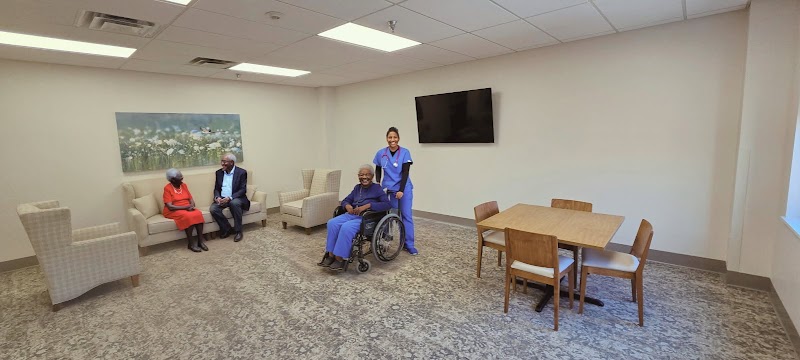
How is The Gardens Of Fairfax Health Staffed?

CMS rates THE GARDENS OF FAIRFAX HEALTH CARE CENTER's staffing level at 1 out of 5 stars, which is much below average compared to other nursing homes.

What Have Inspectors Found at The Gardens Of Fairfax Health?

State health inspectors documented 43 deficiencies at THE GARDENS OF FAIRFAX HEALTH CARE CENTER during 2018 to 2024. These included: 1 Immediate Jeopardy (the most serious level, indicating potential for serious harm or death), 39 with potential for harm, and 3 minor or isolated issues. Immediate Jeopardy findings are rare and represent the most serious regulatory concerns. They require immediate corrective action.
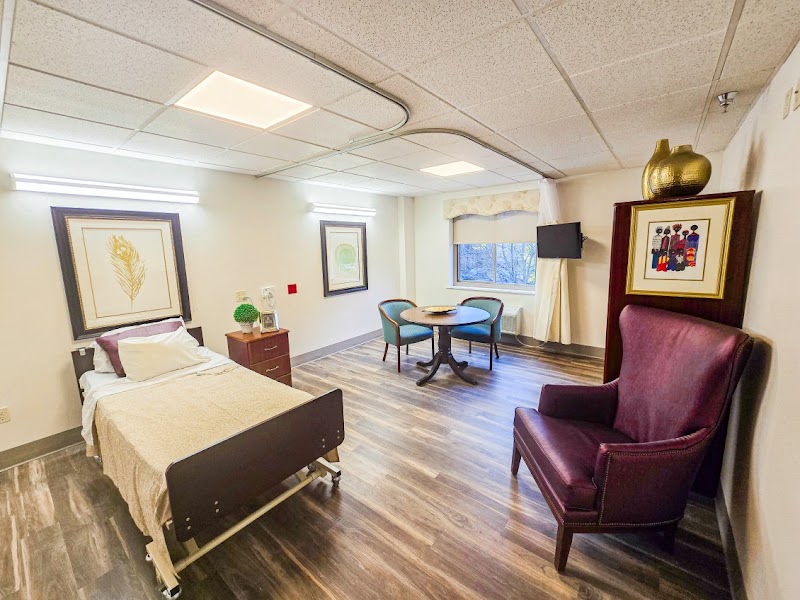
Who Owns and Operates The Gardens Of Fairfax Health?

THE GARDENS OF FAIRFAX HEALTH CARE CENTER is owned by a for-profit company. For-profit facilities operate as businesses with obligations to shareholders or private owners. The facility is operated by FOUNDATIONS HEALTH SOLUTIONS, a chain that manages multiple nursing homes. With 98 certified beds and approximately 35 residents (about 36% occupancy), it is a smaller facility located in CLEVELAND, Ohio.
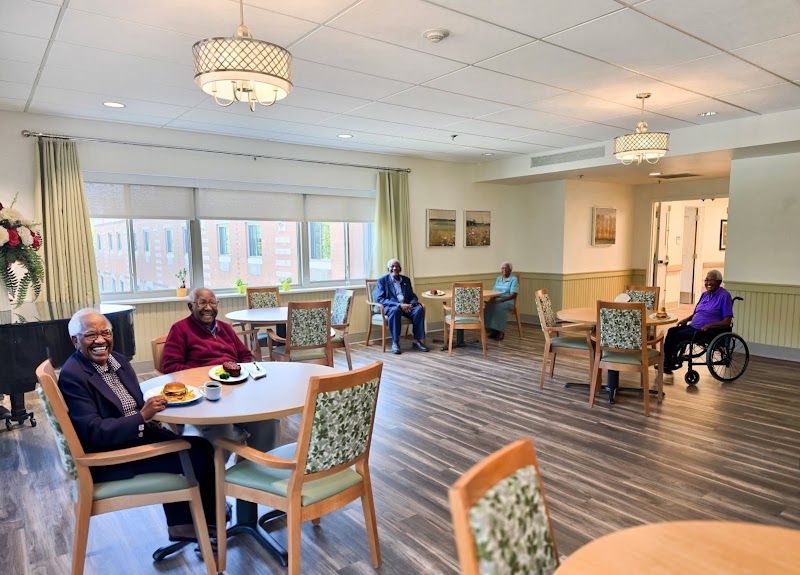
How Does The Gardens Of Fairfax Health Compare to Other Ohio Nursing Homes?

Compared to the 100 nursing homes in Ohio, THE GARDENS OF FAIRFAX HEALTH CARE CENTER's overall rating (2 stars) is below the state average of 3.2 and health inspection rating (1 stars) is much below the national benchmark.

What Should Families Ask When Visiting The Gardens Of Fairfax Health?

Based on this facility's data, families visiting should ask: "What changes have been made since the serious inspection findings, and how are you preventing similar issues?" "Can you walk me through typical staffing levels on day, evening, and night shifts?" "Can I visit during a mealtime to observe dining assistance and food quality?" "How do you handle medical emergencies, and what is your hospital transfer rate?" These questions are particularly relevant given the facility's Immediate Jeopardy citations and the below-average staffing rating.

Is The Gardens Of Fairfax Health Safe?

Based on CMS inspection data, THE GARDENS OF FAIRFAX HEALTH CARE CENTER has documented safety concerns. Inspectors have issued 1 Immediate Jeopardy citation (the most serious violation level indicating risk of serious injury or death). The facility has a 2-star overall rating and ranks #100 of 100 nursing homes in Ohio. Families considering this facility should ask detailed questions about what corrective actions have been taken since these incidents.

Do Nurses at The Gardens Of Fairfax Health Stick Around?

THE GARDENS OF FAIRFAX HEALTH CARE CENTER has not reported staff turnover data to CMS. Staff turnover matters because consistent caregivers learn residents' individual needs, medications, and preferences. When staff frequently change, this institutional knowledge is lost. Families should ask the facility directly about their staff retention rates and average employee tenure.

Was The Gardens Of Fairfax Health Ever Fined?

THE GARDENS OF FAIRFAX HEALTH CARE CENTER has been fined $255,162 across 40 penalty actions. This is 7.2x the Ohio average of $35,630. Fines at this level are uncommon and typically indicate a pattern of serious deficiencies, repeated violations, or failure to correct problems promptly. CMS reserves penalties of this magnitude for facilities that pose significant, documented risk to resident health or safety. Families should request specific documentation of what issues led to these fines and what systemic changes have been implemented.

Is The Gardens Of Fairfax Health on Any Federal Watch List?

THE GARDENS OF FAIRFAX HEALTH CARE CENTER is not on any federal watch list. The most significant is the Special Focus Facility (SFF) program, which identifies the bottom 1% of nursing homes nationally based on persistent, serious quality problems. Not being on this list means the facility has avoided the pattern of deficiencies that triggers enhanced federal oversight. This is a positive indicator, though families should still review the facility's inspection history directly.