UNIVERSITY MANOR HEALTH & REHA
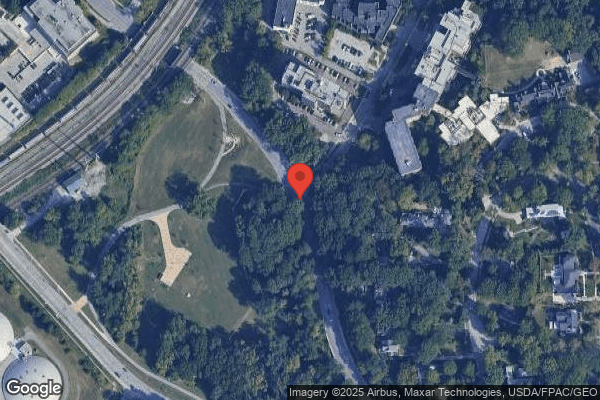
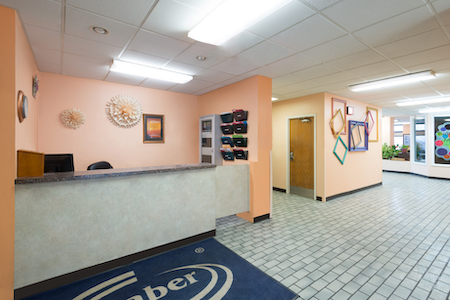
2186 AMBLESIDE RD, CLEVELAND, OH 44106 (216) 721-1400
Non profit - Corporation 149 Beds SABER HEALTHCARE GROUP Data: November 2025 2 Immediate Jeopardy citations
Trust Grade
0/100
#908 of 913 in OH
Last Inspection: December 2024

Within standard 12-15 month inspection cycle. Federal law requires annual inspections.

Overview

University Manor Health & Rehab in Cleveland, Ohio, has received a Trust Grade of F, indicating significant concerns about its quality of care. Ranking #908 out of 913 facilities in Ohio places it in the bottom half, and it is the lowest-ranked facility in Cuyahoga County at #92. While the facility has shown improvement in issues reported, dropping from 21 in 2024 to just 3 in 2025, it still faces serious challenges, including a high turnover rate of 46% among staff, which is slightly better than the state average. Specific incidents of concern include a critical failure to prevent physical abuse between residents, leading to serious injuries, and another incident where a cognitively impaired resident was able to leave the facility unsupervised, raising serious safety concerns. Additionally, the facility has been fined a total of $32,394, which is average for Ohio, but it is concerning given the lack of adequate registered nurse coverage compared to most other facilities in the state.

Trust Score
F
0/100
In Ohio
#908/913
Bottom 1%
Safety Record
High Risk
Review needed
Inspections
Getting Better
21 → 3 violations
Staff Stability
⚠ Watch
46% turnover. Above average. Higher turnover means staff may not know residents' routines.
Penalties
✓ Good
$32,394 in fines. Lower than most Ohio facilities. Relatively clean record.
Skilled Nurses
⚠ Watch
Each resident gets only 18 minutes of Registered Nurse (RN) attention daily — below average for Ohio. Fewer RN minutes means fewer trained eyes watching for problems.
Violations
⚠ Watch
53 deficiencies on record. Higher than average. Multiple issues found across inspections.
★☆☆☆☆
1.0
Overall Rating
★★☆☆☆
2.0
Staff Levels
★☆☆☆☆
1.0
Care Quality
★☆☆☆☆
1.0
Inspection Score
Stable
2024: 21 issues
2025: 3 issues

The Good

  • Full Sprinkler Coverage · Fire safety systems throughout facility
  • No fines on record

Facility shows strength in fire safety.

The Bad

1-Star Overall Rating

Below Ohio average (3.2)

Significant quality concerns identified by CMS

Staff Turnover: 46%

Near Ohio avg (46%)

Higher turnover may affect care consistency

Federal Fines: $32,394

Below median ($33,413)

Moderate penalties - review what triggered them

Chain: SABER HEALTHCARE GROUP

Part of a multi-facility chain

Ask about local staffing decisions and management

The Ugly 53 deficiencies on record

2 life-threatening 1 actual harm
Feb 2025 2 deficiencies
CONCERN (D) 📢 Someone Reported This

A family member, employee, or ombudsman was alarmed enough to file a formal complaint

Potential for Harm - no one hurt, but risky conditions existed

Free from Abuse/Neglect (Tag F0600)

Could have caused harm · This affected 1 resident

**NOTE- TERMS IN BRACKETS HAVE BEEN EDITED TO PROTECT CONFIDENTIALITY** THE FOLLOWING DEFICIENCY REPRESENTS AN INCIDENT OF PAST NON-COMPLIANCE THAT WAS SUBSEQUENTLY CORRECTED PRIOR TO THIS SURVEY. Bas...

Read full inspector narrative →
**NOTE- TERMS IN BRACKETS HAVE BEEN EDITED TO PROTECT CONFIDENTIALITY** THE FOLLOWING DEFICIENCY REPRESENTS AN INCIDENT OF PAST NON-COMPLIANCE THAT WAS SUBSEQUENTLY CORRECTED PRIOR TO THIS SURVEY. Based on record review and interview, the facility failed to ensure Resident #74 was free from physical abuse. This finding affected one (Resident #74) of four residents reviewed for abuse. Findings Include: Review of Resident #701's medical record revealed the resident was admitted on [DATE] and discharged on 01/06/25 with diagnoses including schizoaffective disorder, diabetes and vascular dementia. Review of Resident #701's Quarterly Minimum Data Set (MDS) 3.0 assessment dated [DATE] revealed the resident exhibited moderate cognitive impairment. Review of Resident #701's progress note dated 01/04/25 at 9:30 A.M. (recorded as a late entry on 01/05/25 at 2:45 A.M.) authored by Licensed Practical Nurse (LPN) #814 revealed the writer was informed of resident involvement in a physical altercation with Resident #74. The resident was removed from the room and placed in staff view. An assessment was completed with no injuries noted to Resident #701. Upon an interview of Resident #701, she stated she informed Resident #141 of Resident #74 taking her belongings. The two then went to Resident #74's room to confront him and started a physical altercation with the resident. No new orders were obtained, and the emergency contacts were notified. Review of Resident #701's progress note dated 01/04/25 at 9:30 P.M. (recorded as a late entry on 01/05/25 at 3:04 A.M.) authored by LPN #814 revealed the writer was informed of resident involvement in a physical altercation with Resident #74. The resident was removed from the room and placed in staff view. An assessment was completed with no injuries noted to Resident #701. Upon interview of Resident #701, she stated she informed Resident #141 of Resident #701 taking her belongings. The two then went to Resident #74's room to confront him and started a physical altercation with the resident. No new orders were obtained, and the emergency contacts were notified. Review of Resident #701's progress note dated 01/05/25 at 4:05 A.M. authored by LPN #815 indicated Resident #701 along with another resident (Resident #141) initiated a physical altercation with a third resident (Resident #74). Resident #701 did not sustain any injuries from the altercation and an attempt was made to contact the next of kin. Review of Resident #701's progress note dated 01/06/25 at 11:31 A.M. authored by Social Services (SS) #816 revealed the resident had a history of making false allegations. In particular, she targeted another male resident (Resident #74) and accused him of entering her room and taking some money. She was unsure how much. Staff monitors this resident and her room closely. No one was observed entering her room and staff also stated that she had no money. The resident was very delusional, paranoid and psychotic. Will continue to monitor. Review of Resident #701's progress note dated 01/06/25 at 5:40 P.M. authored by LPN #817 indicated staff had been observing the resident on the unit. Resident #701 went into Resident #74's room yelling and screaming at him. The unit manager and staff followed the resident. Resident #701 went into Resident #74's room with an ink pen and stabbed him in the left and right arm. Both residents were immediately separated, and the family were made aware of the event. The resident continued to use inappropriate words threatening to kill Resident #74. The resident was sent to the emergency room. Resident #701 did not return to the facility. Review of Resident #141's medical record revealed the resident was admitted on [DATE] and discharged on 01/30/25 to home with diagnoses including diabetes, essential hypertension and cellulitis of the lower right limb. Review of Resident #141's admission MDS 3.0 assessment dated [DATE] revealed the resident exhibited intact cognition. Review of Resident #74's medical record revealed the resident was admitted on [DATE] with diagnoses including schizophrenia, difficulty in walking and muscle weakness. Review of Resident #74's Quarterly MDS 3.0 assessment dated [DATE] revealed the resident exhibited intact cognition. Review of Resident #74's Physical Abuse Self-Reported Incident (SRI) Form Tracking #255777 dated 01/05/25 revealed on 01/04/25 at approximately 10:00 P.M., Resident #141 and Resident #701 entered Resident #74's room accusing him of stealing from Resident #701. The confrontation resulted in both Resident #141 and Resident #701 striking Resident #74. Staff immediately separated the residents. Resident #141 had been referred for further psychiatric evaluation and would remain on one to one until further notice while in the facility. The unit nurse completed skin and pain assessments on all residents. Resident #74 was noted to have sustained multiple scratches, red eyes, and a bloody mouth. Resident #74 was refusing further medication evaluation and treatment and would continue to be monitored for any change in condition. Resident #74 would be moved to another floor to ensure continued safety. The SRI conclusion revealed the allegation was unsubstantiated as the evidence was inconclusive. Abuse, neglect or misappropriation was suspected. Review of Resident #74's Observation Detail List Report form (skin assessment) dated 1/04/25 at 11:38 P.M. revealed two 15 cm (centimeter) scratches on the left side of the back with several small scratches on the face and blood shot red eyes. Review of Resident #74's Physical Abuse SRI Form Tracking Number #255828 dated 01/06/25 revealed a resident-to-resident altercation took place. On 01/06/25 at approximately 5:30 P.M., Resident #701 entered Resident #74's room without permission and accused him of taking her belongings. As Resident #701 approached Resident #74, she began poking him in both the right and left arm with a pen which resulted in a break of the resident's skin. Resident #701 was pink slipped to the hospital for a psychiatric evaluation and Resident #74 was sent to the hospital for further medical evaluation and treatment. The resident returned the same day after evaluation and a tetanus shot. The conclusion revealed the allegation was substantiated. Review of Resident #74's hospital After Visit Summary form dated 01/06/25 revealed the resident had a left penetrating forearm wound and a superficial injury of the right forearm. The medications administered included a tetanus booster vaccine. Review of Resident #74's Observation Detail List Report form (skin assessment) dated 01/07/25 at 3:17 P.M. revealed the resident had scratches on his back and bilateral arms. Interview on 01/30/25 at 11:51 A.M. with Security Director #810 indicated he was called up to the floor on 01/06/25 when Resident #701 had accused Resident #74 of stealing something and she stabbed him with a fork. Interview on 01/30/25 at 11:59 A.M. with Resident #74 revealed Resident #701 came in his room and hit him with a pen in his arms. He stated he had one drop of blood in his left arm, and he went to the hospital. He did not report any other concerns. Interview on 01/30/25 at 1:36 P.M. with Registered Nurse (RN) Unit Manager (UM) #818 indicated she was coming down the hall and heard a resident say no to Resident #701. She stated she walked into Resident #74's room and observed Resident #701 stab him with a pen. Telephone interview on 01/30/25 at 1:42 P.M. with LPN #814 with RN UM #818 in attendance revealed Resident #701 had jumped onto Resident #74's back while Resident #141 was in front of the resident during the altercation which occurred on 01/04/25. She stated the residents were separated. LPN #814 stated she did not know why she documented the same altercation between Residents #74, #141 and #701 on 01/04/25 at 9:30 A.M. and 9:30 P.M. but confirmed the actual events occurred on 01/04/25 at 9:30 P.M. Telephone interview on 01/31/25 at 1:51 P.M. with LPN #817 with RN UM #818 in attendance revealed on 01/06/25 at 5:11 P.M., Resident #74 walked down to his room and stayed there. LPN #817 stated she heard shouting and RN UM #818 as well as the CNA were in the resident's room. She confirmed that Resident #701 had stabbed Resident #74 in the right and left arm with a pen and Resident #701 was walked back to the common area to be monitored. Resident #74 was sent to the hospital. Interview on 01/30/25 at 2:03 P.M. with SS #816 indicated Resident #701 had a large psychiatric history and targeted males. He also stated on the 01/04/25 incident involving Residents #74, #141 and #701, Resident #74 was the aggressor when Residents #141 and #701 went into the resident's room. Interview on 01/30/25 at 2:09 P.M. with the Administrator and SS #816 indicated the facility investigated the allegation of abuse on 01/04/25 between Residents #701, #141 and #74 and Resident #701 definitely did not jump on Resident #74's back at any point. The Administrator stated they felt the allegation was unsubstantiated because Residents #701 and #141 went into Resident #74's room but Resident #74 was the person who started the altercation with the other two residents. The Administrator confirmed the second abuse allegation on 01/06/25 between Residents #74 and #701 was substantiated. A second telephone interview on 01/30/25 at 2:14 P.M. with LPN #814 with the Administrator and SS #816 in attendance revealed she had heard that Resident #701 jumped on Resident #74's back but she had not witnessed the event. Telephone interview on 01/30/25 at 2:15 P.M. with Certified Nursing Assistant (CNA) #819 revealed he was coming up the stairs and had observed Resident #74 fending off Resident #141 and Resident #701. He stated Resident #141 was in front of Resident #74 and Resident #701 was behind the resident scratching at the resident's back. CNA #819 indicated Resident #74 was bleeding from his face with blood on the wall and on the floor and blood appeared on his face near his mouth and right eye. CNA #819 revealed both Residents #141 and #701 were attacking Resident #74 when he entered the room. Review of the Ohio Resident Abuse Policy revised 07/11/24 revealed the facility would not tolerate abuse, neglect, mistreatment, exploitation of residents, and misappropriation of resident property by anyone. The deficient practice was corrected on 01/24/25 when the facility implemented the following corrective actions: • Resident #74 was sent to the hospital for evaluation on 01/06/25 and received a tetanus vaccine. The resident returned to the facility and was moved to a different floor. • Resident #701 was sent to the hospital for a psychiatric evaluation and did not return to the facility. • Resident #141 was put on a one-to-one supervision from 01/04/25 until discharge to home on [DATE]. • From 01/06/25 to current, SS #816 began behavior huddles with the nursing staff including the nurse and CNA for all residents with any type of report behaviors. The huddles discuss a plan of action to make sure resident behaviors do not escalate and de-escalation techniques to ensure the plan succeeds. • The Abuse, Neglect and Misappropriation policy was reviewed by the Administrator on 01/07/25. • On 01/07/25 through 01/09/25, Mobile Administrator #803 educated 11 staff members on abuse and behavior management with quizzes following the education including LPNs #806, #807, #814, #884, #964; CNAs #702, #863, #875; Security #846; Environmental Services #843, #848, #874, #970; and Maintenance #878, #919. • On 01/08/25, the Administrator conducted an inservice on Abuse Education and Resident to Resident Altercations. The Inservice Sign-Off Sheet revealed LPNs #708, #814, #820, #825, #891, #895, #917, #964, #968; CNAs #827, #833, #838, #839, #841, #844, #847, #853, #863, #864, #872, #875, #883, #902, #908, #931, #933, #940, #946, #956, ##962; Food #821, #876, #885, #958, #971, #974; Environmental Staff Members #843, #879, #924, #959, #970; Security Staff Members #845, #846, #871, #912; RN UM #813; SS #869; Maintenance #919; Administration Staff Members #920, #941; SS #816; RN Assistant Director of Nursing (ADON) #805; Clinical Support #942; Receptionist #954; and RN MDS #963 received the inservice. • On 01/08/25, the Administrator emailed education to all staff members regarding abuse, neglect and behavior management. The Administrator revealed this was for all staff members, including those who did not make it to the education sessions in person. • On 01/10/25, a Quality Assurance and Performance Improvement (QAPI) meeting was held with RN MDS #963; Administration #941 (admissions); Environmental Services Director #959; Clinical Support #942 (central supply and medial records); RN ADON #805; the Director of Nursing (DON); SS #816; and the Administrator on abuse, neglect and behavior management. • On 01/16/25, Mobile Administrator #803 educated 13 staff members on abuse and behavior management with quizzes following the education including RN MDS #965; CNAs #828, #832, #833, #840, #875, #904, #906, #933, #940; Food #957; Administration #920; Social Services Designee #869 (prior); and Environment #843, #959. • On 01/24/25, Mobile Administrator #803 and the DON educated 15 staff members on abuse and behavior management with quizzes following the education including Security #892; CNAs #706, #707, #808, #841, #857, #952; Life Enrichment #850; RN UMs #813, #818; Administration #941; RN MDS #963; Office Support #954; LPN #820; and Clinical Support #942. This deficiency represents non-compliance investigated under Complaint Number OH00161562.
CONCERN (E) 📢 Someone Reported This

A family member, employee, or ombudsman was alarmed enough to file a formal complaint

Potential for Harm - no one hurt, but risky conditions existed

Safe Environment (Tag F0584)

Could have caused harm · This affected multiple residents

Based on observation, record review and interview, the facility did not maintain an ambient temperature in resident rooms and common areas. This finding had the potential to affect all 42 residents re...

Read full inspector narrative →
Based on observation, record review and interview, the facility did not maintain an ambient temperature in resident rooms and common areas. This finding had the potential to affect all 42 residents residing on the second floor and all 25 residents residing on the third floor. The facility census was 143. Findings include: Interview on 01/22/25 at 4:11 P.M. with Security #801 stated he felt it was cold in the facility the last two days. Interview on 01/22/25 at 4:15 P.M. with the Administrator indicated the problems with the heat started with the boiler system in the basement. The Administrator indicated she was aware the temperatures were off. Interview on 01/22/25 at 4:16 P.M. with the Director of Nursing (DON) indicated it was cold in the facility on 01/21/25. The DON stated the facility put heaters at the end of the halls. Interview on 01/22/25 at 4:23 P.M. with Resident #38 indicated it was cold in the facility on 01/21/25 and 01/22/25. Interview on 01/22/25 at 4:25 P.M. with Resident #110 revealed the facility had been cold. Observation of the resident at the time of the interview revealed she was in the first-floor smoking lounge with a coat and hat on at the time of the observation. Staff were observed sitting in a chair outside of the smoking lounge. Telephone interview on 01/22/25 at 4:27 P.M. with Heating Services #802 indicated their company was in the facility on 01/08/25 because the basement flooded with sewage. Heating Services #802 stated their company cleaned the burners, repaired two circuit boards, four flame sensors, four pilot assemblies and two gas valves. He stated the compression tank was repaired and the pressure regular valve (auto fill valve) was repaired. He stated he was obtained temperatures on 01/21/25 the temperature on the second floor was 68 degrees Fahrenheit. Observation on 01/22/25 at 4:42 P.M. with Mobile Administrator #803 who used a temperature gun and obtained a temperature near the first-floor smoke room revealed the temperature was 61 degrees Fahrenheit (first floor). Observation on 01/22/25 at 4:45 P.M. with Mobile Administrator #803 who used a temperature gun and obtained a temperature of Residents #25 and #26's resident room revealed the temperature was 67 degrees Fahrenheit (second floor). Observation on 01/22/25 at 4:45 P.M. with Mobile Administrator #803 who used a temperature gun and obtained a temperature of Resident #38's resident room revealed the temperature was 64 degrees Fahrenheit (second floor). Observation on 01/22/25 at 4:47 P.M. with Mobile Administrator #803 who used a temperature gun and obtained a temperature of Residents #12 and #13's resident room revealed the temperature was 66 degrees Fahrenheit (second floor). Interview on 01/22/25 at 5:07 P.M. with Receptionist #804 indicated the first floor was administration offices except for the smoking room. Interview on 01/22/25 at 5:08 P.M. with Registered Nurse (RN) Assistant Director of Nursing (ADON) #805 indicated it had been cold in the facility for the last twenty-four to forty-eight hours. Observations on 01/22/25 at 5:10 P.M. revealed three mobile air and power rental units on the 2nd floor (one on the end of each hall plus one in the common lounge). Interview on 01/22/25 at 5:12 P.M. with LPN #807 indicated she had worked most days from 01/19/25 to 01/22/25 and the facility started getting cold 01/20/25 or 01/21/25. Observations on 01/22/25 at 5:15 P.M. revealed three mobile air and power rental units on the third floor (one on the end of each hall plus one in the common lounge). Interview on 01/22/25 at 5:26 P.M. with Mobile Administrator #803 confirmed the second floor did not meet the required ambient temperatures within the range of 71 to 81 degrees Fahrenheit. Mobile Administrator #803 indicated he would move one of the mobile heaters from the third floor to the second floor to increase the ambient temperature of the second floor. Review of the Floor Plan Master Audit Sheet dated 01/21/25 at 11:00 A.M. of the second and third floor temperatures revealed the facility Residents #3 and #4's room temperature was 65 degrees Fahrenheit; Residents #8 and #9's room was 69 degrees Fahrenheit; Resident #20's room temperature was 66 degrees Fahrenheit; Residents #27 and #28's room temperature was 68 degrees Fahrenheit; Resident #33's room temperature was 67 degrees Fahrenheit; Resident #43's room temperature was 67 degrees Fahrenheit; Resident #47's room temperature was 68 degrees Fahrenheit; Resident #57's room temperature was 69 degrees Fahrenheit; Resident #66's room temperature was 69 degrees Fahrenheit; and Resident #69's room was 68 degrees Fahrenheit. Review of the Floor Plan Master Audit Sheet dated 01/21/25 at 3:30 P.M. of the second and third floors revealed Residents #3 and #4's room temperature was 64 degrees Fahrenheit; Residents #8 and #9's room temperature was 64 degrees Fahrenheit; Resident #14's room temperature was 65 degrees Fahrenheit; Residents #18 and #19's room temperature was 64 degrees Fahrenheit; Residents #23 and #24's room temperature was 64 degrees Fahrenheit; Residents #31 and #32's room temperature was 67 degrees Fahrenheit; Resident #38's room temperature was 68 degrees Fahrenheit; Resident #43 and #44's room temperature was 65 degrees Fahrenheit; Resident #46's room temperature was 68 degrees Fahrenheit; Resident #50's room temperature was 69 degrees Fahrenheit; Resident #61's room temperature was 69 degrees Fahrenheit; Resident #65's room temperature was 68 degrees Fahrenheit; Resident #68's room was 69 degrees Fahrenheit; and Resident #70's room temperature was 66 degrees Fahrenheit. Review of the Floor Plan Master Audit Sheet dated 01/21/25 at 9:15 P.M. of the second and third floors revealed Residents #1 and #2's room temperature was 65 degrees Fahrenheit; Residents #6 and #7's room temperature was 66 degrees Fahrenheit; Residents #12 and #13's resident room was 64 degrees Fahrenheit; Residents #15 and #16's room temperature was 64 degrees Fahrenheit; Resident #17's room temperature was 65 degrees Fahrenheit; Resident #20's resident room temperature was 64 degrees Fahrenheit; Residents #23 and #24's room temperature was 63 degrees Fahrenheit; Residents #29 and #30's room temperature was 66 degrees Fahrenheit; Residents #34 and #35's room temperature was 67 degrees Fahrenheit; Resident #38's room temperature was 64 degrees Fahrenheit; Resident #43's room temperature was 64 degrees Fahrenheit; Residents #35's room temperature was 67 degrees Fahrenheit; Resident #47's room temperature was 68 degrees Fahrenheit; Resident #52's room temperature was 68 degrees Fahrenheit; Resident #53's room temperature was 67 degrees Fahrenheit; Resident #55's room temperature was 68 degrees Fahrenheit; Resident #59's room temperature was 65 degrees Fahrenheit; Resident #61's room temperature was 67 degrees Fahrenheit; Resident #63's room temperature was 65 degrees Fahrenheit; Resident #65's room temperature was 65 degrees Fahrenheit; Resident #68's room temperature was 66 degrees Fahrenheit; and Resident #69's room temperature was 63 degrees Fahrenheit. Review of the Floor Plan Master Audit Sheet dated 01/22/25 at 7:15 A.M. of the second and third floors revealed Residents #1 and #2's room temperature was 64 degrees Fahrenheit; Residents #3 and #4's room temperature was 66 degrees Fahrenheit; Residents #10 and #11's room temperature was 63 degrees Fahrenheit; Residents #12 and #13's room temperature was 67 degrees Fahrenheit; Residents #18 and #19's room temperature was 68 degrees Fahrenheit; Residents #23 and #24's room temperature was 64 degrees Fahrenheit; Residents #27 and #28's room temperature was 69 degrees Fahrenheit; Residents #31 and #32's room temperature was 67 degrees Fahrenheit; Residents #34 and #35's room temperature was 66 degrees Fahrenheit; Residents #39 and #40's room temperature was 68 degrees Fahrenheit; Residents #44 and #45's room temperature was 68 degrees Fahrenheit; Resident #47's room temperature was 66 degrees Fahrenheit; Resident #50's room temperature was 63 degrees Fahrenheit; Resident #55's room temperature was 62 degrees Fahrenheit; Resident #58's room temperature was 62 degrees Fahrenheit; Resident #62's room temperature was 62 degrees Fahrenheit; Resident #67's room temperature was 64 degrees Fahrenheit; and Resident #69's room temperature was 64 degrees Fahrenheit. Review of the Floor Plan Master Audit Sheet dated 01/22/25 at 2:15 P.M. of the second and third floors revealed Residents #1 and #2's room temperature was 68 degrees Fahrenheit; Resident #5's room temperature was 65 degrees Fahrenheit; Residents #6 and #7's room temperature was 68 degrees Fahrenheit; Residents #8 and #9's room temperature was 66 degrees Fahrenheit; Residents #10 and #11's room temperature was 68 degrees Fahrenheit; Residents #12 and #3's room temperature was 65 degrees Fahrenheit; Resident #14's room temperature was 67 degrees Fahrenheit; Residents #15 and #16's room temperature was 65 degrees Fahrenheit; Resident #17's room temperature was 67 degrees Fahrenheit; Residents #23 and #24's room temperature was 65 degrees Fahrenheit; Residents #25 and #26's room temperature was 65 degrees Fahrenheit; Residents #27 and #28's room temperature was 64 degrees Fahrenheit; Residents #31 and #32's room temperature was 65 degrees Fahrenheit; Resident #33's room temperature was 62 degrees Fahrenheit; Residents #34 and #35's room temperature was 62 degrees Fahrenheit; Residents #36 and #37's room temperature was 62 degrees Fahrenheit; Residents #38's room temperature was 62 degrees Fahrenheit; Residents #39 and #40's room temperature was 62 degrees Fahrenheit; Resident #43 and #44's room temperature was 60 degrees Fahrenheit; Resident #50's resident room temperature was 68 degrees Fahrenheit; Resident #51's room temperature was 68 degrees Fahrenheit; Resident #53's room temperature was 67 degrees Fahrenheit, Resident #54's room temperature was 68 degrees Fahrenheit; Resident #56's room temperature was 68 degrees Fahrenheit; Resident #57's room temperature was 68 degrees Fahrenheit; Resident #58's room temperature was 66 degrees Fahrenheit; Resident #62's resident room temperature was 67 degrees Fahrenheit; Resident #63's room temperature was 68 degrees Fahrenheit; Resident #65's room temperature was 66 degrees Fahrenheit; Resident #67's room temperature was 68 degrees Fahrenheit; Resident #69's room temperature was 67 degrees Fahrenheit; and Resident #70's room temperature was 64 degrees Fahrenheit. Review of the undated facility Extreme Weather Heat or Cold policy revealed to monitor and obtain updates on weather conditions; contact the utility company for restoration of power and/or vendors for needed equipment such as heaters and coolers; monitor the situation in coordination with local response authorities; communicate with local emergency management and state survey agency regarding nursing home situation status, critical issues and resource requests; inform staff, residents and families/representatives of the situation and provides updates as needed, assess residents frequently for changes in condition; identify residents who may require a transfer; ensure continuation of resident care and essential services; distribute appropriate comfort equipment throughout the nursing home such as fans or blankets as needed, complete repairs and restoration activities. This deficiency represents non-compliance investigated under Complaint Number OH00161830.
Jan 2025 1 deficiency
CONCERN (E) 📢 Someone Reported This

A family member, employee, or ombudsman was alarmed enough to file a formal complaint

Potential for Harm - no one hurt, but risky conditions existed

Pharmacy Services (Tag F0755)

Could have caused harm · This affected multiple residents

Based on observation, interview, and review of facility policy, the facility failed to ensure medications were prepared and administered for one resident at a time. This had the potential to affect th...

Read full inspector narrative →
Based on observation, interview, and review of facility policy, the facility failed to ensure medications were prepared and administered for one resident at a time. This had the potential to affect the 35 residents living on the fifth floor (Resident #8, #10, #13, #15, #20, #23, #25, #28, #31, #38, #40, #43, #50, #57, #59, #60, #64, #66, #71, #72, #74, #80, #82, #83, #84, #87, #90, #91, #97, #98, #107, #108, #114, #124, and #126). The total census was 144. Findings include: Observation on 01/02/25 at 9:06 A.M. of the fifth floor medication carts with Licensed Practical Nurse (LPN) #901 revealed LPN #901 had assembled 13 medication cups containing varying amounts of pills and wrote resident names on the cups with marker so she could later administer those pills to the respective residents. These cups were set on the high and low medication carts for the fifth floor, and LPN #901 was working at these medication carts removing the pills and placing them into the labeled cups. Interview with LPN #901 at the time of the above observation confirmed the above findings. LPN #901 said she did this to help keep track of the medications, as she recently switched to working day shift and it was much busier than during the night. LPN #901 said was the nurse for all residents on the fifth floor. Review of the facility's medication administration policy, revised 11/15/24, revealed medications were only to be prepared for one resident at a time.
Dec 2024 15 deficiencies
CONCERN (D)

Potential for Harm - no one hurt, but risky conditions existed

Deficiency F0569 (Tag F0569)

Could have caused harm · This affected 1 resident

**NOTE- TERMS IN BRACKETS HAVE BEEN EDITED TO PROTECT CONFIDENTIALITY** Based on record review, interview, and policy review the facility failed to ensure Resident #198's monies from the authorized re...

Read full inspector narrative →
**NOTE- TERMS IN BRACKETS HAVE BEEN EDITED TO PROTECT CONFIDENTIALITY** Based on record review, interview, and policy review the facility failed to ensure Resident #198's monies from the authorized resident fund account (RFA) were dispersed timely upon the resident's death. This affected one (Resident #198) of five residents reviewed for resident funds. Findings include: Review of Resident #198's medical record revealed an admission date of [DATE] and diagnoses including other specified schizophrenia and pulmonary heart disease. Resident #198 expired in the facility on [DATE] at 12:28 A.M. Review of Resident #198's medical record revealed the RFA dispersal check was dated [DATE]. Interview on [DATE] at 11:25 A.M. with Business Office Manager (BOM) #402 confirmed Resident #198's RFA monies were not dispersed timely upon the resident's death as required. Review of the Resident Personal Funds Management Policy revised [DATE] revealed if the resident expired, personal funds deposited, would be refunded within 30 days with an accounting of these funds to the individual, probate jurisdiction administering the resident's estate, or other entities or individuals as required by State law or regulation.
CONCERN (D)

Potential for Harm - no one hurt, but risky conditions existed

Deficiency F0578 (Tag F0578)

Could have caused harm · This affected 1 resident

**NOTE- TERMS IN BRACKETS HAVE BEEN EDITED TO PROTECT CONFIDENTIALITY** 2. Review of Resident #99's medical records revealed an admission date of 08/23/22. Diagnoses included adult failure to thrive a...

Read full inspector narrative →
**NOTE- TERMS IN BRACKETS HAVE BEEN EDITED TO PROTECT CONFIDENTIALITY** 2. Review of Resident #99's medical records revealed an admission date of 08/23/22. Diagnoses included adult failure to thrive and chronic kidney failure. Review of the care plan dated 09/11/24 revealed Resident #99's advanced directive was Do Not Resuscitate Comfort Care Arrest (DNR-CCA). A DNR-CCA allows for life saving treatments until the resident's heart or breathing stops after which only comfort care is provided. Review of the Minimum Data Set assessment dated [DATE] revealed Resident #99 had intact cognition. Review of Resident #99's physician orders for December 2024 revealed an order for DNR-CCA. Review of the signed DNR paperwork dated 10/24/24 revealed Resident #99's advanced directive indicated DNR-CC (comfort care only). Interview on 12/03/24 at 12:21 P.M. with Licensed Practical Nurse (LPN) #357 confirmed Resident #99's signed DNR-CC paperwork and confirmed the electronic medical records indicated Resident #99 as having a DNR-CCA advanced directive. Review of the facility policy titled Advanced Care Planning Protocol, revised 10/01/24 revealed in the event there were legal documents to be obtained, the patient, family, and facility staff would coordinate as a team to obtain such documents and place in the clinical record. 3. Review of Resident #143's medical records revealed an admission date of 10/09/24. Diagnoses included stroke with right sided weakness, drug abuse and dysphasia (difficulty swallowing). Review of the Minimum Data Set assessment dated [DATE] revealed Resident #143 had impaired cognition. Review of the care plan dated 10/31/24 revealed Resident #143 had a full code status (all life saving measures were to be performed). Review of Resident #143's physician orders for December 2024 revealed a full code order. Review of Resident #143's paper chart revealed hospital paperwork dated 10/07/24 indicating Resident #143 was a presumed full code, however staff were unable to contact next of kin for confirmation. Review of Resident #143's electronic medical records revealed there was not a code status indicated on the main screen. Interview on 12/03/24 at 12:21 P.M. with Licensed Practical Nurse (LPN) #357 revealed a resident's code status should be displayed on the main screen in the electronic medical record. LPN #357 also confirmed Resident #143's code status was blank on the main screen. Interview on 12/04/24 at 10:19 A.M. with Regional Registered Nurse #467 confirmed a resident's code status should be displayed on the main screen in the resident's electronic medical record. Review of the facility policy titled Advanced Care Planning Protocol, revised 10/01/24 revealed in the event there were legal documents to be obtained, the patient, family, and facility staff would coordinate as a team to obtain such documents and place in the clinical record. Based on record review, interview, and review of the facility policy and procedure the facility failed to ensure advanced directives were accurate and readily available. This affected three residents (#87, #99 and #143) of four residents reviewed for advanced directives. The facility census was 148. Findings include: 1. Review of the medical record for Resident #87 revealed an admission date of 03/24/23. Diagnoses included chronic respiratory failure, hypertension, chronic kidney disease stage three, edema, and obstructive sleep apnea. Review of Resident #87's physician orders for December 2024 revealed an active order for code status of Do Not Resuscitate Comfort Care Arrest (DNRCC-A) dated 07/17/24. Further review of Resident #87's medical record revealed there was not a completed and signed Do Not Resuscitate (DNR) form. Interviews on 12/03/24 at approximately 9:20 A.M. and 3:52 P.M. with Licensed Practical Nurse (LPN) #308 verified a completed and signed DNR form was not in Resident #87's medical record. LPN #308 stated she talked with Resident #87 and asked if he wanted any changes to his advance directive as per physician order and the resident said no. LPN #308 stated she then contacted the nurse practitioner to complete a DNR form reflecting the resident's advance directives as per physician order. Review of the facility policy titled Advanced Care Planning Protocol, revised 10/01/24 revealed in the event there were legal documents to be obtained, the patient, family, and facility staff would coordinate as a team to obtain such documents and place in the clinical record.
CONCERN (D)

Potential for Harm - no one hurt, but risky conditions existed

Deficiency F0625 (Tag F0625)

Could have caused harm · This affected 1 resident

**NOTE- TERMS IN BRACKETS HAVE BEEN EDITED TO PROTECT CONFIDENTIALITY** Based on record review and interview, the facility failed to provide Residents #29, #43 and #47 and/or their resident representa...

Read full inspector narrative →
**NOTE- TERMS IN BRACKETS HAVE BEEN EDITED TO PROTECT CONFIDENTIALITY** Based on record review and interview, the facility failed to provide Residents #29, #43 and #47 and/or their resident representatives, at the time of transfer or in cases of emergency transfer within 24 hours, written information which explained the duration of the bed-hold and the reserve bed payment policy including the resident's return to the next available bed. This affected three (Residents #29, #43 and #47) of four residents reviewed for hospitalization. Findings include: 1. Review of Resident #29's medical record revealed the resident was admitted on [DATE] with diagnoses including schizophrenia, anxiety disorder and violent behavior. Further review of Resident #29's medical record revealed the resident's insurance payor source was Medicaid. The medical record did not reveal evidence Resident #29 or the resident's representative were provided a bed hold notice upon the residents transfer to the hospital on [DATE]. Review of Resident #29's Minimum Data Set (MDS) 3.0 assessment dated [DATE] revealed the resident exhibited intact cognition. Review of Resident #29's progress note dated 10/14/24 timed 12:00 P.M. revealed the nurse observed the resident with difficulty breathing and Resident #29 was transferred to the hospital. Review of Resident #29's progress note dated 10/28/24 timed 4:37 A.M. revealed Resident #29 arrived from the hospital to the facility around 10:45 P.M. Interview on 12/03/24 at 1:15 P.M. with Regional Registered Nurse #467 confirmed Resident #29 was not provided a bed-hold notice which identified the bed-hold policy with bed-hold days and included the policy for returning to the facility with the reserve bed payment policy upon transfer. Review of the Bed Hold Letter Policy revised 09/26/20 revealed it was the policy of the facility to track Medicaid bed hold days and notify the appropriate parties via Medicaid Bed Hold Letter. 2. Review of Resident #43's medical record revealed the resident was admitted on [DATE] with diagnoses including bipolar disorder, epilepsy and anemia. Further review of the medical record revealed Resident #43's insurance payor source was Medicaid. The medical record did not reveal evidence Resident #43 or the resident's representative were provided a bed hold notice upon transfer to the hospital on [DATE]. Review of Resident #43's quarterly Minimum Data Set 3.0 assessment dated [DATE] revealed the resident exhibited moderate cognitive impairment. Review of Resident #43's progress note dated 10/05/24 timed 3:44 P.M. revealed Resident #43 approached the nurse and stated her right hand hurt. Upon assessment, the dorsal part of the right hand was edematous. Resident #43 was transferred to the hospital. Review of Resident #43's progress note dated 10/06/24 timed 1:26 A.M. revealed Resident #43 returned from the hospital around 10:52 P.M. Review of Resident #43's progress note dated 10/10/24 timed 2:36 P.M. revealed Resident #43 sustained a fall on 10/05/24 and was diagnosed with a right fifth metacarpal and right fifth proximal phalanx fracture. Interview on 12/03/24 at 1:15 P.M. with Regional Registered Nurse #467 confirmed Resident #43 was not provided a bed-hold notice upon transfer to the hospital which identified the bed-hold policy with bed-hold days and included the policy for returning to the facility with the reserve bed payment policy. Review of the Bed Hold Letter Policy revised 09/26/20 revealed it was the policy of the facility to track Medicaid bed hold days and notify the appropriate parties via Medicaid Bed Hold Letter. 3. Review of Resident #47's medical record revealed the resident was admitted on [DATE] with diagnoses including multiple sclerosis, vascular dementia and bipolar disorder. Further review of the medical record revealed Resident #47's insurance payor source was Medicaid. The medical record did not reveal evidence Resident #47 or the resident representative were provided a bed hold notice upon Resident #47's discharge to the emergency room on [DATE]. Review of Resident #47's Minimum Data Set 3.0 assessment dated [DATE] revealed the resident exhibited moderate cognitive impairment. Review of Resident #47's progress note dated 09/15/24 timed 4:08 P.M. revealed Resident #47 and another resident were fighting over an orange dehydration unit and Resident #47 fell to the floor with the dehydration unit. Review of Resident #47's progress note dated 09/15/24 timed 8:00 P.M. revealed Resident #47 had a bruise to the left shoulder which was tender to the touch. Resident #47 was discharged to the emergency room. Review of Resident #47's progress note dated 09/17/24 timed 2:58 P.M. revealed Resident #47 sustained a fall on 09/15/24 and was diagnosed with a dislocation of the left shoulder with no surgical intervention. Review of Resident #47's progress note dated 09/20/24 timed 7:33 A.M. revealed Resident #47 returned from the hospital. Interview on 12/03/24 at 1:15 P.M. with Regional Registered Nurse #467 confirmed Resident #47 was not provided a bed-hold notice upon transfer which identified the bed-hold policy with bed-hold days and included the policy for returning to the facility with the reserve bed payment policy. Review of the Bed Hold Letter Policy revised 09/26/20 revealed it was the policy of the facility to track Medicaid bed hold days and notify the appropriate parties via Medicaid Bed Hold Letter.
CONCERN (D)

Potential for Harm - no one hurt, but risky conditions existed

PASARR Coordination (Tag F0644)

Could have caused harm · This affected 1 resident

**NOTE- TERMS IN BRACKETS HAVE BEEN EDITED TO PROTECT CONFIDENTIALITY** Based on record review and staff interview the facility failed to notify the appropriate state agency (The Ohio Department of Me...

Read full inspector narrative →
**NOTE- TERMS IN BRACKETS HAVE BEEN EDITED TO PROTECT CONFIDENTIALITY** Based on record review and staff interview the facility failed to notify the appropriate state agency (The Ohio Department of Mental Health) of a significant change in a resident's mental health condition as required. This affected one resident (#106) of one resident reviewed for preadmission screening and resident review (PASARR). The facility census was 148. Findings include: Review of the medical record for Resident #106 revealed an admission date of 04/25/22 with a diagnosis of dementia. Further review of the resident's diagnosis list revealed diagnoses including bipolar disorder, current episode depressed, mild or moderate severity dated 05/21/23, bipolar disorder, current episode mixed, moderate dated 05/23/23, schizoaffective disorder dated 07/26/23, and paranoid schizophrenia dated 10/24/23. Further review of a Notice of PASARR level II outcome dated 04/21/22 revealed Resident #106 was ruled out from further PASARR review related to dementia, Alzheimer's or other neurocognitive disorder. There were no other PASARR reviews after this date. Interviews on 12/03/24 at 1:50 P.M. and at 2:26 P.M. with the Administrator revealed they checked the Healthcare Electronic Notification System ([NAME]) and there were no other PASARRs other than the one from 2022. The Administrator stated they submitted a PASARR today (12/03/24) to include the diagnoses from 2023.
CONCERN (D)

Potential for Harm - no one hurt, but risky conditions existed

Comprehensive Care Plan (Tag F0656)

Could have caused harm · This affected 1 resident

**NOTE- TERMS IN BRACKETS HAVE BEEN EDITED TO PROTECT CONFIDENTIALITY** 3. Review of the medical record for Resident #40 revealed an admission date of 01/11/18. Diagnoses included but were not limited...

Read full inspector narrative →
**NOTE- TERMS IN BRACKETS HAVE BEEN EDITED TO PROTECT CONFIDENTIALITY** 3. Review of the medical record for Resident #40 revealed an admission date of 01/11/18. Diagnoses included but were not limited to bipolar disorder, suicidal ideations, altered mental status, schizoaffective disorder, panic disorder and post-traumatic stress disorder (06/29/23). Review of Resident #40's annual Minimum Data Set (MDS) 3.0 assessment dated [DATE] revealed Resident #40 had mild cognitive impairment and required supervision for eating, oral hygiene, toileting hygiene and rolling 150 feet in her wheelchair. Resident #40 required moderate assistance for dressing and personal hygiene and maximum assistance from staff for bathing. Review of Resident #40's care plan revealed it was last reviewed on 11/04/24 and revealed no evidence of a care plan or interventions for post-traumatic stress disorder (PTSD). Interview on 12/04/24 at 9:28 A.M. with Social Services #317 confirmed there was no PTSD care plan for Resident #40. Interview on 12/04/24 at 9:46 A.M. with Regional Nurse #467 confirmed there was no care plan addressing PTSD despite Resident #40 having a diagnosis of PTSD since 06/29/23. Review of the facility's Comprehensive Care Planning Policy with a revision date of 03/02/21, revealed the facility must develop a comprehensive Person-Centered Care Plan for each resident that included measurable objectives and timetables to meet the resident's medical, nursing, and mental and psychosocial needs that were identified in the comprehensive assessments. Based on record review, interview, and review of the facility policy and procedure, the facility failed to ensure individualized care plans were developed and accurate for three residents (#40, #92, and #133) of 29 sampled residents whose care plans were reviewed. The facility census was 148. Findings include: 1. Review of the medical record for Resident #133 revealed an admission date of 02/02/24. Diagnoses included post-traumatic stress disorder (PTSD), end stage renal disease, dependence on renal dialysis, and schizophrenia. Further review of Resident #92's medical record on 12/03/24 at 8:56 A.M. revealed no care plan related to PTSD. On 12/04/24 the facility provided a copy of Resident #133's plan of care. Review of this plan of care revealed it was created on 12/04/24 and indicated Resident #92 had a diagnosis of PTSD. The care plan indicated Resident #40 (another resident) has or had potential for intrusive thought, flashbacks, avoidance behaviors, negative changes in mood and cognition. The care plan indicated Will follow up with psych/behavior management as needed. Interview on 12/04/24 at 1:57 P.M. with Minimum Data Set (MDS) Registered Nurse (MDSRN) #356 revealed it was brought to her attention that Resident #133 did not have a care for PTSD, so she ran a report and added a PTSD care plan to those residents who did not. MDSRN #356 verified she created the care plan for Resident #133 today (12/04/24) and that it included Resident #40. MDSRN #356 stated she had created a template from Resident #40's care plan and copied and pasted it to Resident #133's care plan and that was why Resident #40's name was in the PTSD care plan for Resident #133. 2. Review of the medical record for Resident #92 revealed an admission date of 03/08/24. Diagnoses included schizoaffective disorder, bipolar disorder, major depressive disorder, and personal history of other venous thrombosis and embolism. Review of the quarterly Minimum Data Set (MDS) assessment dated [DATE] revealed Resident #92 had intact cognition and received an antidepressant, antipsychotic, and anticoagulant. The assessment indicated Resident #92 received an antipsychotic on routine basis. Review of the physician orders for December 2024 revealed active orders for risperidone (antipsychotic) tablet two milligrams (mg) by mouth at bedtime; Seroquel (antipsychotic) tablet 50 mg by mouth at bedtime; trazodone (antidepressant) tablet 50 mg by mouth at bedtime; and Eliquis (anticoagulant) tablet five mg by mouth twice a day. Interview on 12/04/24 at 3:28 P.M. with Regional Nurse #467 verified there were no care plans for Resident #92's use of psychotropic or anticoagulant medication.
CONCERN (D)

Potential for Harm - no one hurt, but risky conditions existed

Deficiency F0657 (Tag F0657)

Could have caused harm · This affected 1 resident

**NOTE- TERMS IN BRACKETS HAVE BEEN EDITED TO PROTECT CONFIDENTIALITY** 3. Review of the medical record for Resident #13 revealed an admission date of 08/07/23. Diagnoses included but were not limited...

Read full inspector narrative →
**NOTE- TERMS IN BRACKETS HAVE BEEN EDITED TO PROTECT CONFIDENTIALITY** 3. Review of the medical record for Resident #13 revealed an admission date of 08/07/23. Diagnoses included but were not limited to epileptic seizures, dysphagia, flaccid hemiplegia affecting right dominant side, bipolar disorder, dementia and paranoid schizophrenia. Further review of the medical record did not reveal any documentation of a care conference being held within the past twelve months. Review of Resident #13's annual Minimum Data Set (MDS) 3.0 assessment dated [DATE] revealed Resident #13 had moderate cognitive impairment and was dependent upon staff for all activities of daily living (ADLs). Phone interview on 12/02/24 at 1:58 P.M. with Resident #13's guardian revealed she was unsure when the last care conference was held as she had not been contacted to attend. Interview on 12/04/24 at 9:46 A.M. with Regional Registered Nurse #467, the Director of Nursing and Assistant Director of Nursing revealed they were unable to provide evidence of a care conference being held for Resident #13 in the past 12 months. Regional Registered Nurse #467 stated the facility identified the concern in October 2024 but had not held a care conference since identifying the concern. Review of the facility's Comprehensive Care Planning Policy with a revision date of 03/02/21 revealed an interdisciplinary plan of care would be established for every resident and updated in accordance with state and federal regulatory requirements and on an as needed basis. The facility was to develop a comprehensive person-centered care plan for each resident that included measurable objectives and timetables to meet the resident's medical, nursing, and mental and psychosocial needs that were identified in the comprehensive assessments. A resident care plan conference was to be scheduled at least weekly. Residents scheduled for the resident care conference included new admissions whose MDS was completed within the previous seven days, residents who returned from the hospital in the past week, residents with a significant condition change and MDS was completed in the past week, and residents with 90-day review assessments or an annual full assessment completed within the previous seven days. Based on record review, interview, and policy review, the facility failed to ensure Resident #44's care plans were updated to reflect the resident's behaviors and interventions which required the resident to sleep on a flat yoga mat on the floor with no furniture in the room. The facility also failed to ensure Residents #13 and #29's care conferences were conducted at least quarterly. This affected three (Residents #13, #29 and #44) of four residents reviewed for care plans. Findings include: 1. Review of Resident #29's medical record revealed the resident was admitted on [DATE] with diagnoses including paranoid personality disorder and schizophrenia. Further review of the medical record revealed Resident #29 had a legal guardian who was the emergency contact and responsible for the resident's finances. Review of Resident #29's quarterly Minimum Data Set (MDS) 3.0 assessment dated [DATE] revealed Resident #29 exhibited severe cognitive impairment. Review of Resident #29's Care Conference Report form dated 05/06/24 revealed the interdisciplinary team (IDT) was present for the care conference at 11:00 A.M. and the legal guardian was not present after three notifications. Interview on 12/03/24 at 9:08 A.M. with Resident #29's legal guardian revealed she had not been invited to a care conference in greater than three months. Interview on 12/03/24 at 1:15 P.M. with Licensed Social Worker (LSW) #373 confirmed care conferences for Resident #29 were not conducted quarterly. 2. Review of Resident #44's medical record revealed the resident was admitted on [DATE] with diagnoses including schizoaffective disorder, bipolar disorder, antisocial disorder and generalized anxiety. Review of Resident #44's annual MDS 3.0 assessment dated [DATE] revealed the resident exhibited moderate impairment in cognitive skills for daily decision making. Review of Resident #44's Violent Behavior Care Plan dated 04/12/24 revealed interventions including follow up with psychiatric services, if agitation/aggression behaviors, leave in a safe situation and return in five to ten minutes, encourage to participate in care and activities of choice. Review of Resident #44's Behaviors Care Plan dated 10/23/24 revealed behaviors such as pacing, aggressiveness, hallucinations, and delusions. The care plan had interventions including refer to psychiatrist or psychologist, provide support and reassurance, offer choices to feel more independent, observe for and report to provider behavior issues, monitor/record mood, if resident disruptive, remove from situation and attempt to calm down; identify what helps calm resident; explain all care and procedures before assisting, ensure a safe environment, encourage activity and attempt to redirect. Interview on 12/03/24 at 1:15 P.M. with Regional Registered Nurse #467 confirmed Resident #44's care plans were not updated to reflect interventions for the resident's behaviors including removing the furniture in the resident's room to prevent the resident from throwing the furniture out of the windows and providing the resident a thin blue yoga mat to sleep on per the resident's preference.
CONCERN (D)

Potential for Harm - no one hurt, but risky conditions existed

ADL Care (Tag F0677)

Could have caused harm · This affected 1 resident

**NOTE- TERMS IN BRACKETS HAVE BEEN EDITED TO PROTECT CONFIDENTIALITY** Based on medical record review, bathing/showering documentation review, facility policy review and interview, the facility faile...

Read full inspector narrative →
**NOTE- TERMS IN BRACKETS HAVE BEEN EDITED TO PROTECT CONFIDENTIALITY** Based on medical record review, bathing/showering documentation review, facility policy review and interview, the facility failed to ensure bathing/showering was completed as required for one Resident #110 who required total assistance with activities of daily living. This affected one (#110) of one resident reviewed for bathing. The facility census was 148. Findings include: Review of the medical record for Resident #110 revealed an admission date of 07/22/24. Diagnoses included but were not limited to acute respiratory failure, chronic obstructive pulmonary disease, and atrial fibrillation. Review of Resident #110's quarterly Minimum Data Set (MDS) 3.0 assessment dated [DATE] revealed Resident #110 had intact cognition and was dependent for all activities of daily living (ADLs) including bathing. Review of Resident #110's care plan last reviewed on 11/18/24 revealed Resident #110 had a self-care deficit and required total assistance with ADLs. The care plan did not include specific information related to bathing type preference or frequency for bathing. Interview on 12/02/24 at 10:32 A.M. with Resident #110 revealed he had not been offered a shower in two months, he was sometimes offered a bed bath but not consistently. Review of the undated facility shower rotation sheet for the second floor (the floor Resident #110 resided) revealed Resident #110 was to receive a shower or bed bath on Wednesdays and Saturdays. Review of Resident #110's shower sheets for the past 90 days revealed four shower sheets dated 08/14/24, 08/21/24, 12/02/24 and one which was undated. Interview on 12/04/24 at 1:05 P.M. with the Director of Nursing revealed she was unable to provide any other shower sheets for Resident #110 for the past 90 days and he should have been bathed twice weekly. Review of the facility's Resident Bath Showering Scheduling Policy with a revision date of 09/09/22 revealed each resident would be scheduled to receive bathing a minimum of two times per week unless they preferred less frequent baths. When the bath or shower was complete, the nursing assistant was to document the activity on the shower sheet or the electronic medical record.
CONCERN (D)

Potential for Harm - no one hurt, but risky conditions existed

Quality of Care (Tag F0684)

Could have caused harm · This affected 1 resident

**NOTE- TERMS IN BRACKETS HAVE BEEN EDITED TO PROTECT CONFIDENTIALITY** Based on observation, record review and interview, the facility failed to ensure assessment and monitoring of a wound to Residen...

Read full inspector narrative →
**NOTE- TERMS IN BRACKETS HAVE BEEN EDITED TO PROTECT CONFIDENTIALITY** Based on observation, record review and interview, the facility failed to ensure assessment and monitoring of a wound to Resident #79's left great toe. This affected one (Resident #79) of four residents reviewed for wounds. Findings include: Review of Resident #79's medical record revealed the resident was admitted on [DATE] with diagnoses including Huntington's disease, acute respiratory failure with hypoxia and muscle weakness. Review of Resident #79's annual Minimum Data Set (MDS) 3.0 assessment dated [DATE] revealed the resident exhibited severe cognitive impairment. Review of Resident #79's physician orders revealed an order dated 10/22/24 to cleanse the great toe of the left foot with normal saline, pat dry, apply an abdominal dressing and wrap with a gauze roll until healed once daily on night shift. Further review of Resident #79's medical record revealed no evidence of monitoring or assessment of Resident 79's left great toe wound. Observation of Resident #79 on 12/02/24 at 11:50 A.M. with Licensed Practical Nurse (LPN) #364 revealed no evidence Resident #79 had a dressing on the inner aspect of the left great toe. Interview on 12/03/24 at 9:55 A.M. with Interim LPN Wound Nurse #308 revealed the staff did not tell her that Resident #79 had a wound on the inner aspect of the great toe and wound assessments and monitoring were not completed. Interview on 12/04/24 at 12:24 P.M. with Wound Nurse Practitioner (NP) #468 revealed Resident #79's left great toe wound was an abrasion and their first evaluation of the wound was on this date (12/04/24). Review of the Skin and Wound Care Best Practices policy revised 11/05/24 revealed the facility would provide evidence based preventative skin care and wound treatment to prevent unavoidable skin complications.
CONCERN (D)

Potential for Harm - no one hurt, but risky conditions existed

Deficiency F0698 (Tag F0698)

Could have caused harm · This affected 1 resident

**NOTE- TERMS IN BRACKETS HAVE BEEN EDITED TO PROTECT CONFIDENTIALITY** Based on interview and record review the facility failed to ensure pre and post dialysis communication was completed. This affec...

Read full inspector narrative →
**NOTE- TERMS IN BRACKETS HAVE BEEN EDITED TO PROTECT CONFIDENTIALITY** Based on interview and record review the facility failed to ensure pre and post dialysis communication was completed. This affected two residents (#100 and #133) of two residents reviewed for dialysis. The facility census was 148. Findings include: 1. Review of Resident #100's medical records revealed an admission date 04/07/23. Diagnoses included end stage renal disease and acute kidney failure. Review of Minimum Data Set (MDS) assessment dated [DATE] revealed Resident #100 had intact cognition. Review of the care plan dated 11/18/24 revealed Resident #100 required dialysis. Review of physician orders for December 2024 revealed an order to complete Resident #100's dialysis observation tool prior to dialysis and print and send with resident to dialysis. Interview on 12/04/24 at 8:05 A.M. with Licensed Practical Nurse (LPN) #425 revealed dialysis communication was to be completed prior to residents leaving for dialysis and was to be sent with the residents. Review of dialysis communication forms for Resident #100 on 12/04/24 at 2:37 P.M. with Regional Registered Nurse (RRN) #467 revealed communication forms had not been completed with each dialysis treatment as required. Review of the facility policy titled Hemodialysis revised 08/24/23 revealed the policy indicated to document pre-assessments on the dialysis communication tool including vital signs, pre-treatment weight, medications administered before treatment and any additional alerts or information. The policy further indicated to print the tool and send with the residents. The Post dialysis processes included received report from the dialysis provider and post dialysis information was to include vital signs, post treatment weights and any new orders. 2. Review of the medical record for Resident #133 revealed an admission date of 02/02/24. Diagnoses included post-traumatic stress disorder, end stage renal disease, dependence on renal dialysis, and schizophrenia. Review of the quarterly Minimum Data Set (MDS) assessment dated [DATE] revealed Resident #133 had intact cognition, behaviors that included delusions and hallucinations, physical behaviors, verbal behaviors, and rejection of care that occurred daily. The assessment also indicated the resident was dependent on staff for transfers and received dialysis. Review of the physician orders for December 2024 revealed and active order for dialysis on Mondays, Wednesdays, and Fridays at the dialysis center. Review of a 30 day look back of the dialysis communication tools revealed communication tools dated 11/06/24, 11/11/24, 11/18/24, and 12/02/24 sent to dialysis but nothing was documented under the section to be completed by dialysis staff. There was no dialysis communication tools for the days the resident attended dialysis on 11/15/24, 1/22/24, and 11/27/24. Resident #133 refused to go to dialysis on 11/04/24, 11/08/24, 11/13/24, 11/20/24, and 11/29/24. Interview on 12/05/24 at 10:04 A.M. with Regional Nurse #467 verified dialysis did not send back the communication completed with the dialysis center information and that there were days that the communication tool was not sent at all outside of the days Resident #133 refused to go. Review of the Hemodialysis Care Policy, revised 08/24/23 revealed licensed staff with demonstrated competence would care for residents who required hemodialysis (via onsite third party providers or who traveled to an outpatient setting). Communication between the dialysis provider and facility staff would occur before and after hemodialysis treatment and as needed.
CONCERN (D)

Potential for Harm - no one hurt, but risky conditions existed

Medication Errors (Tag F0758)

Could have caused harm · This affected 1 resident

**NOTE- TERMS IN BRACKETS HAVE BEEN EDITED TO PROTECT CONFIDENTIALITY** Based on record review and interview, the facility failed to ensure Resident #19's as-needed antipsychotic medications were limi...

Read full inspector narrative →
**NOTE- TERMS IN BRACKETS HAVE BEEN EDITED TO PROTECT CONFIDENTIALITY** Based on record review and interview, the facility failed to ensure Resident #19's as-needed antipsychotic medications were limited to fourteen days until the physician evaluated the resident, and non-pharmacological interventions were attempted prior to administering as-needed antipsychotic medications. This affected one (Resident #19) of five residents reviewed for medication administration. Findings include: 1. Review of Resident #19's medical record revealed the resident was admitted on [DATE] with diagnoses including schizoaffective disorder, bipolar disorder and generalized anxiety. Review of Resident #19's Minimum Data Set (MDS) 3.0 assessment dated [DATE] revealed the resident exhibited a memory problem and received antipsychotic medications. Review of Resident #19's physician orders revealed an order dated 11/11/24 for olanzapine (antipsychotic) 2.5 mg intramuscularly (IM) every six hours as needed for agitation. There was no stop date on the order. Review of Resident #19's Pharmacy Consultation Report dated 11/15/24 revealed the resident was ordered olanzapine antipsychotic medications without a stop date. The physician response dated 11/26/24 indicated to initiate the stop date to 14 days (stop date 11/26/24). Review of Resident #19's medication administration records from 11/04/24 to 12/04/24 revealed no evidence the resident received the olanzapine IM during this time frame. Interview on 12/04/24 at 9:44 A.M. with Regional Registered Nurse (RN) #467 confirmed Resident #19's IM olanzapine did not have an appropriate stop date. 2. Review of Resident #19's medical record revealed the resident was admitted on [DATE] with diagnoses including schizoaffective disorder, bipolar disorder and generalized anxiety. Review of Resident #19's Minimum Data Set (MDS) 3.0 assessment dated [DATE] revealed the resident exhibited a memory problem and received antipsychotics. Review of Resident #19's physician orders revealed an order dated 11/27/24 (discontinued 12/09/24) for olanzapine 2.5 mg give one tablet by mouth every six hours as needed. Review of Resident #19's medication administration records revealed the resident was administered the olanzapine antipsychotic on 11/27/24 at 1:26 P.M., 11/27/24 at 8:04 P.M. and 11/28/24 at 9:19 P.M. The medical record did not have evidence non-pharmacological interventions were implemented prior to administering the antipsychotic medication. Interview on 12/04/24 at 9:31 A.M. with Regional Registered Nurse #467 confirmed Resident #19's medical record did not have evidence non-pharmacological interventions were implemented prior to administering Resident #19's as needed antipsychotic medication. Review of the Psychoactive Medication Policy revised 05/10/24 revealed all residents receiving psychoactive medications would have their behaviors, effectiveness of interventions (pharmacological and non-pharmacological) and potential for a gradual dose reduction of psychoactive medications monitored and documented.
CONCERN (D)

Potential for Harm - no one hurt, but risky conditions existed

Deficiency F0800 (Tag F0800)

Could have caused harm · This affected 1 resident

Based on observation, record review, and interview the facility failed to ensure the coordination of services to make certain residents received the correct diets. This affected two residents (#19 and...

Read full inspector narrative →
Based on observation, record review, and interview the facility failed to ensure the coordination of services to make certain residents received the correct diets. This affected two residents (#19 and #29) of seven residents (#19, #29, #31, #100, #119, #134, and #143) reviewed for nutrition. The facility census was 148. Findings include: Observation of lunch on 12/02/24 at 12:50 P.M. revealed Resident #29's meal ticket indicated regular double protein diet and listed beef stew, mixed vegetables, biscuit, margarine, tropical fruit cup, whole milk, and beverage of choice. Observation of Resident #29's meal revealed no double protein. Medical record review revealed Resident #29 was to receive double protein with meals. Interview on 12/02/24 at 12:55 P.M. with Agency Certified Nurse Aide (CNA) #500 confirmed Resident #29 did not have double protein for his meal. Observation of lunch on 12/03/24 at 12:30 P.M. revealed Resident #19's meal ticket indicated regular, renal diet and listed cheese pizza, salad garden with dressing, fortified potatoes, chocolate chip cookie, two percent milk, hot chocolate, margarine, beverage of choice, salt, pepper, and sugar. Observation of Resident #19's meal revealed she received noodles, a plain hamburger, and milk. Medical record review revealed Resident #19 was to receive fortified potatoes and was not ordered a renal diet. Interview on 12/03/24 at 12:33 P.M. with CNA #347 verified the observation of Resident #29's lunch meal.
CONCERN (D)

Potential for Harm - no one hurt, but risky conditions existed

Deficiency F0883 (Tag F0883)

Could have caused harm · This affected 1 resident

**NOTE- TERMS IN BRACKETS HAVE BEEN EDITED TO PROTECT CONFIDENTIALITY** Based on record review, interview, and policy review the facility failed to ensure Resident #95 was provided education and offer...

Read full inspector narrative →
**NOTE- TERMS IN BRACKETS HAVE BEEN EDITED TO PROTECT CONFIDENTIALITY** Based on record review, interview, and policy review the facility failed to ensure Resident #95 was provided education and offered the influenza and pneumococcal vaccines. This affected one (Resident #95) of five residents reviewed for immunizations. Findings include: Review of Resident #95's medical record revealed the resident was admitted on [DATE] with diagnoses including essential hypertension, other chronic pain and history of falling. Review of Resident #95's Minimum Data Set (MDS) 3.0 assessment dated [DATE] revealed the resident exhibited intact cognition. Further review of Resident #95's medical record did not reveal evidence the resident was offered or educated on the influenza and pneumococcal vaccines. Interview on 12/05/24 at 11:03 A.M. with Registered Nurse Infection Preventionist #320 and Regional Registered Nurse #467 confirmed Resident #95 was not offered or educated on the influenza or pneumococcal vaccines. Review of the Influenza Vaccine Policy (Resident) revised 08/19/20 revealed all residents would be offered an influenza vaccine beginning in October of each year, unless medically contraindicated or the resident had already been vaccinated. The facility would provide the most recent vaccine information statement from the Centers for Disease Control and Prevention and an opportunity to ask any questions they may have before consenting to the vaccination. Review of the Pneumococcal Vaccine Policy (Resident) revised 08/19/20 revealed all residents would be offered the pneumococcal vaccine to aid in preventing pneumococcal infections. The facility would provide educational information regarding the significant risks and benefits of the vaccine to the resident and/or residents' representative on admission and prior to administration of the vaccine.
CONCERN (E)

Potential for Harm - no one hurt, but risky conditions existed

Deficiency F0679 (Tag F0679)

Could have caused harm · This affected multiple residents

Based on observation, record review and interview, the facility failed to ensure residents who resided on the fifth floor were provided activities as scheduled. This affected 34 residents (Residents #...

Read full inspector narrative →
Based on observation, record review and interview, the facility failed to ensure residents who resided on the fifth floor were provided activities as scheduled. This affected 34 residents (Residents #2, #4, #9, #14, #18, #19, #21, #22, #23, #24, #26, #27, #29, #31, #34, #38, #41, #43, #44, #46, #58, #61, #65, #68, #78, #79, #90, #91, #93, #97, #102, #107, #119 and #123) who resided on the fifth floor secured unit. The facility census was 148. Findings include: Observation on 12/02/24 at 2:01 P.M. revealed Activity Director (AD) #459 counting money for residents on the fifth floor. Residents were observed in their rooms and in the common area. The television was on and music was playing in the common area. No formal activities were observation the fifth floor in the afternoon. Interview on 12/03/24 at 11:45 A.M. with AD #459 revealed she was the only activity staff member working on 12/02/24 and the afternoon/evening activities were not completed as scheduled for the fifth floor residents including the 2:00 P.M. Hydration Hour, 3:00 P.M. Griddle Goodies and 6:00 P.M. Table Games. AD #459 stated she had recently terminated an activity staff. The current activity staff consisted of AD #459, one activity staff member who worked during the week and one activity staff who worked the weekend. Review of the Activity Calendar for 12/02/24 revealed activities including 10:00 A.M. coffee cafe, 11:00 A.M. What's in the news?, 11:30 A.M. Hidden Picture Puzzles; 1:00 P.M. room/virtual visits, 2:00 P.M. Hydration Hour, 3:00 P.M. Griddle Goodies and 6:00 P.M. Table Games. Review of the facility census revealed 34 residents resided on the fifth floor secured unit including Residents #2, #4, #9, #14, #18, #19, #21, #22, #23, #24, #26, #27, #29, #31, #34, #38, #41, #43, #44, #46, #58, #61, #65, #68, #78, #79, #90, #91, #93, #97, #102, #107, #119 and #123. Review of the Life Enrichment Programming Policy revised 05/04/23 revealed an ongoing resident-centered Life Enrichment Program, based on comprehensive assessments and care plans, would be provided. The program would be designed to meet the interests and abilities of each resident including their physical, mental, emotional, social, spiritual, psychosocial and leisure needs.
CONCERN (E)

Potential for Harm - no one hurt, but risky conditions existed

Drug Regimen Review (Tag F0756)

Could have caused harm · This affected multiple residents

**NOTE- TERMS IN BRACKETS HAVE BEEN EDITED TO PROTECT CONFIDENTIALITY** Based on record review, interview and review of monthly pharmacy recommendations, the facility failed to ensure pharmacy recomme...

Read full inspector narrative →
**NOTE- TERMS IN BRACKETS HAVE BEEN EDITED TO PROTECT CONFIDENTIALITY** Based on record review, interview and review of monthly pharmacy recommendations, the facility failed to ensure pharmacy recommendations were addressed by the physician timely. This affected four residents (Residents #10, #19, #75, and #92) of five residents reviewed for medication regimen reviews. The facility census was 148. Findings include: 1. Review of the medical record for Resident #10 revealed an admission date of 10/04/11. Diagnoses included but were not limited to diabetes mellitus, paranoid schizophrenia, gastroesophageal reflux disease, convulsions, restlessness and agitation, and post traumatic stress disorder. Review of the 10/30/24 significant change Minimum Data Set (MDS) 3.0 assessment for Resident #10 revealed he was cognitively intact, and was receiving insulin, antipsychotics, anticonvulsant, and antidepressants. Resident #10 was noted to have delusions and rejection of care. The last gradual dose reduction (GDR) for antipsychotics was attempted on 09/24/13 and the last time a GDR was indicated as contraindicated was 04/22/24. Review of the pharmacy consultation report for Resident #10 dated 12/18/23 revealed Resident #10 received Seroquel extended release 800 milligram (mg) per day, trazadone 50 mg at night and divalproex 1000 mg at night. The recommendation indicated to consider a GDR or provide documentation to support if a GDR was clinically contraindicated. The form did not have a physician response. Review of pharmacy consultation reports for Resident #10 dated 12/18/23 and 03/15/24 revealed the most recent hemoglobin A1c ( measures average blood sugar levels over the past three months) was nine percent. The recommendation indicated to consider increasing Metformin to 1000 mg twice daily. The form did not have a physician response. Review of pharmacy consultation report for Resident #10 dated 05/22/24 revealed the most recent hemoglobin A1c was 8.4 percent. The recommendation indicated to consider increasing Metformin to 1000 mg twice daily. The form did not have a physician response. Review of pharmacy consultation reports for Resident #10 dated 04/22/24 and 06/17/24 revealed the resident received divalproex sodium extended release (ER) but did not have a trough concentration documented in the medical record within the past six months. The recommendation indicated to monitor a valproic acid trough concentration on the next convenient lab day and every six months. Review of the medical record revealed no evidence of the valproic acid trough being completed as recommended. Review of pharmacy consultation report for Resident #10 dated 06/17/24 and 08/20/24 revealed the resident received omeprazole 40 mg once daily. The recommendation indicated to consider a trial reduction to 20 mg daily. The form did not have a physician response. Review of Resident #10's active physician orders revealed orders dated 09/11/24 for divalproex (anticonvulsant) 500 milligrams (mg) one tablet, Seroquel (antipsychotic) 400 mg two tablets at bedtime, trazadone (antidepressant) 50 mg one tablet at bedtime, Metformin (antiheperglycemic) 750 mg extended-release twice daily, and omeprazole (reduces amount of acid stomach makes) 40 mg delayed release once daily. Review of a physician order dated 09/22/24 revealed an order for benztropine (anti-tremor) 0.5 mg twice daily. Interview on 12/04/24 at 2:21 P.M. with Regional Registered Nurse #467 revealed the facility was unable to provide evidence that the above pharmacy recommendations were addressed within 30 days as required. Regional Registered Nurse #467 also confirmed the labs for valproic acid were not completed as recommended on 04/22/24 and 06/17/24. Follow up interview on 12/05/24 at 11:30 A.M. with Regional Registered Nurse #467 confirmed there were no diagnoses listed for benztropine, Metformin, omeprazole, Seroquel and trazadone for Resident #10. 2. Review of the medical record for Resident #75 revealed an admission date of 11/23/23. Diagnoses included but were not limited to morbid obesity, hepatic encephalopathy, cirrhosis of the liver, esophageal varices with bleeding and depression. Review of the 09/30/24 quarterly Minimum Data Set (MDS) 3.0 assessment for Resident #75 revealed the resident was cognitively intact. Resident #75 was noted to have received antipsychotics, antidepressants, anticoagulant and a diuretic. The Last gradual dose reduction was noted to be 02/05/24 and the last noted contraindicated gradual dose reduction was noted on 04/11/24. Review of physician orders dated 01/28/24 for Resident #75 revealed an order for Eliquis five milligram (mg) (blood thinner) one tablet by mouth two times daily for hypertension. Review of the pharmacy consultation reports for Resident #75 dated 02/25/24, 04/12/24, 06/16/24, and 08/15/24 revealed the following irregularities were noted on the electronic medication administration record /prescriber order sheets: Diagnosis inappropriate (Medication): Eliquis diagnosis listed in the electronic medication administration record as hypertension. Eliquis is an anticoagulant. The recommendations indicated to please clarify or correct these items. The form did not have a physician response. Interview on 12/04/24 at 2:21 P.M. with Regional Registered Nurse #467 revealed the facility was unable to provide evidence the above identified pharmacy recommendations were addressed within 30 days as required. 3. Review of the medical record for Resident #92 revealed an admission date of 03/08/24. Diagnoses included schizoaffective disorder, bipolar disorder, major depressive disorder, and personal history of other venous thrombosis and embolism. Review of the physician orders for December 2024 revealed active orders for Seroquel (antipsychotic) tablet 50 milligrams (mg) by mouth at bedtime. Review of the consultation report from the pharmacist dated 09/17/24 revealed a recommendation for an initial attempt at a gradual dose reduction (GDR). The recommendation indicated to consider reducing Seroquel to 25 milligram (mg) at bedtime or to provide a rationale as to why a GDR was contraindicated. The report was marked declined, signed by the physician, and dated 09/19/24. There was no documentation on the report regarding the rationale for declining the recommendation. Further review of Resident #92's medical record revealed there was no documentation as to the rationale for declining the GDR for the Seroquel. Interview on 12/05/24 at 8:56 A.M. with Regional Registered Nurse #467 verified there was no documented rationale from the physician for declining the GDR recommendation for the Seroquel. 4. Review of Resident #19's medical record revealed the resident was admitted on [DATE] with diagnoses including schizoaffective disorder, bipolar disorder and generalized anxiety. Review of Resident #19's Minimum Data Set (MDS) 3.0 assessment dated [DATE] revealed the resident exhibited a memory problem. Review of Resident #19's physician orders revealed an order dated 02/17/23 (discontinued 01/29/24) for Meloxicam 7.5 milligrams (mg) give one tablet one time a day for inflammation of the right leg. Review of Resident #19's Pharmacy Consultation Report form dated 12/16/23 indicated the resident was started on Meloxicam 7.5 mg daily on 02/17/23. The recommendation indicated to please discontinue the Meloxicam and consider initiating an alternative analgesic. The form did not have a physician response. Review of Resident #19's physician orders revealed an order dated 01/29/24 (discontinued 09/24/24) for Meloxicam 7.5 mg one tablet by mouth one time a day for inflammation of the right leg. Review of Resident #19's Pharmacy Consultation Report form dated 02/29/24 revealed the resident was started on Meloxicam 7.5 mg daily on 02/17/23. The recommendation indicated to please discontinue Meloxicam and consider initiating an alternative analgesic. The form did not have a physician response. Review of Resident #19's Pharmacy Consultation Report dated 06/17/24 indicated the resident was started on Meloxicam 7.5 mg daily on 02/17/23. The recommendation indicated to discontinue the Meloxicam and consider initiating an alternative analgesic. The physician response to the recommendation indicated to check a basic metabolic panel (BMP) blood level with the next lab draw. Interview on 12/04/24 at 9:31 A.M. with Regional Registered Nurse #467 confirmed Resident #19's pharmacy recommendations were not acted upon in a timely manner. Review of the Medication Regiment Review policy revised 06/01/24 revealed the consultant pharmacist would document medication record reviews (MRRs) and would make recommendations based on the information made available in the residents' health record. The consultant pharmacist would provide required recipients of residents' MRRs on the MRR report to the Director of Nursing and/or the attending physician, and to the Medical Director.
CONCERN (E)

Potential for Harm - no one hurt, but risky conditions existed

Safe Environment (Tag F0921)

Could have caused harm · This affected multiple residents

Based on observation and interview the facility failed to ensure the resident environment on the fourth floor was maintained in good repair. This had the potential to affect all 42 residents (#1, #3, ...

Read full inspector narrative →
Based on observation and interview the facility failed to ensure the resident environment on the fourth floor was maintained in good repair. This had the potential to affect all 42 residents (#1, #3, #6, #7, #11, #12, #16, #36, #37, #39, #45, #49, #51, #52, #56, #57, #60, #64, #72, #73, #77, #80, #83, #85, #87, #89, #92, #98, #106, #108, #109, #111, #112, #114, #120, #128, #133, #137, #140, #144, #145, and #148) who resided on the fourth floor. The facility census was 148. Findings include: Observation on 12/03/24 at 12:04 P.M. revealed Resident #72 was in bed. The wall the bed was against was caved in and in disrepair. Interview at the time of the observation with Certified Nurse Aide (CNA) #300 verified the observation and stated the damage to the wall was from the bed. CNA #300 asked Resident #72 how long the wall had been that way and the resident responded it was like that when he moved to this room about four months ago. Observation of the shower room on the fourth floor located to the right of the vending machine on 12/03/24 at 1:07 P.M. revealed the back of the sink was not affixed to the wall and slightly leaning forward. Interview on 12/03/24 at 1:13 P.M. with CNA #451 verified the observation and stated all the residents on the unit used the shower room. Observation of Residents #1 and #3's room on 12/03/24 at 1:20 P.M. revealed a missing ceiling tile above the toilet exposing the pipes. The ceiling tile was on the floor near the toilet. Several missing floor tiles were observed around the toilet. There was a large white patch on the wall above the soap dispenser that needed to be painted. Interview at this time with CNAs #300 and #451 verified the observations and they stated that the bathroom had been that way greater than five months During observation of the fourth floor on 12/05/24 from 11:03 A.M. to 11:20 A.M. with Director of Maintenance (DOM) #341 the DOM #341 verified the back side of sink in the shower room was not affixed to the wall and sightly leaning forward. During the observation of Residents #1 and #3's bathroom, DOM #341 stated he was not aware of the missing ceiling or floor tiles but stated he was aware of the patched wall and needed to get paint. DOM #341 stated he was not sure when the hole was patched because there were so many holes they had patched because of the resident population. During the observation of Resident #72's room, DOM #341 stated he was aware of wall next to bed and stated he was not sure when the damage occurred. Additional observation of Resident #72's room with DOM #341 revealed a baseball size hole in wall across from and facing the foot of the bed. DOM #341 stated he was not aware of that hole. Review of the facility census report dated 12/02/24 revealed 42 residents (#1, #3, #6, #7, #11, #12, #16, #36, #37, #39, #45, #49, #51, #52, #56, #57, #60, #64, #72, #73, #77, #80, #83, #85, #87, #89, #92, #98, #106, #108, #109, #111, #112, #114, #120, #128, #133, #137, #140, #144, #145, and #148) resided on the fourth floor.
Oct 2024 1 deficiency
CONCERN (D) 📢 Someone Reported This

A family member, employee, or ombudsman was alarmed enough to file a formal complaint

Potential for Harm - no one hurt, but risky conditions existed

Free from Abuse/Neglect (Tag F0600)

Could have caused harm · This affected 1 resident

**NOTE- TERMS IN BRACKETS HAVE BEEN EDITED TO PROTECT CONFIDENTIALITY** THE FOLLOWING DEFICIENCY REPRESENTS AN INCIDENT OF PAST NON-COMPLIANCE THAT WAS SUBSEQUENTLY CORRECTED PRIOR TO THIS SURVEY. Bas...

Read full inspector narrative →
**NOTE- TERMS IN BRACKETS HAVE BEEN EDITED TO PROTECT CONFIDENTIALITY** THE FOLLOWING DEFICIENCY REPRESENTS AN INCIDENT OF PAST NON-COMPLIANCE THAT WAS SUBSEQUENTLY CORRECTED PRIOR TO THIS SURVEY. Based on record review, interview, facility self-reported incident (SRI) review, and facility policy review the facility failed to prevent an incident of staff to resident emotional abuse, based on the reasonable person concept, when State Tested Nurse Aide (STNA) 314 posted a video showing Resident #5 on social media. This affected one resident (#5) of six residents reviewed for abuse. The facility census was 144. Findings include: Review of the medical record revealed Resident # was admitted to the facility on [DATE] with diagnoses including severe intellectual disabilities, seizures, schizophrenia, and dementia The resident was discharged on 10/04/24 to a group home. Review of the Quarterly Minimum Data Set (MDS) assessment dated [DATE] revealed the resident had severely impaired cognition. Resident #5 had behaviors including delusions, physical behavioral symptoms directed at others, verbal behavioral symptoms directed at others, other behavioral symptoms not directed at others, rejection of care, and wandering. Review of the SRI allegation background revealed on 09/12/24 at approximately 7:10 P.M., the Director of Nursing (DON) was notified of a video that was posted on social media by STNA #314. The video was captioned Everyday it is something new with my clients. STNA # was heard on the video making the statement what the [expletive], and then the camera view pans to a resident walking with their brief/pull up around their ankles. The resident's face was momentarily visible although unclear in the video. The video was posted without the consent of the resident. Review of SRI tracking number 251842 dated 09/12/24 revealed on 9/12/2024 at 7:30 P.M., the Administrator was made aware that STNA #314 posted a video on social media that had a blurred image of Resident #5. When STNA #314 was interviewed, she stated the image was of Resident #5. The post was deleted, and the staff member was suspended pending investigation. A message was left for Resident #5's guardian regarding this investigation. Staff were being educated on the facility's abuse and social [NAME] policies. Staff were being interviewed to determine if there was knowledge of any other videos that were posted on social media that have a resident's image. Residents were being interviewed to determine if they had knowledge of any additional posting that may have a resident's image. Resident #5 had no change in condition. The compliance division was notified of the potential breech and will initiate its own investigation. The investigation revealed the DON, Regional Director of Clinical Services (RDCS) #303, and Regional [NAME] President of Operations (RVPO) #302 were immediately made aware of the allegation. A referral was placed to the organization's compliance department to also investigate. Resident #5 was assessed and had no injuries. Due to the resident's cognitive ability, the resident had no awareness of what occurred and there were no signs of being negatively impacted. Two voicemail messages were left for the guardian to alert her of the allegation, as of 9/18/24, no return call had been received, another call was placed to the legal guardian on 9/18/24 and another voicemail message was left. When STNA #314 was interviewed, she stated she had no intention of causing any harm, distress, or pain to any resident and was simply posting a video of her work life. She stated that no other employee was part of the post, and no employee liked or commented on the post. She stated she had posted the video on 09/09/24 and only to the Tik Tok site. The post was deleted, and the staff member was suspended pending investigation. She stated the video was created on Tik Tok, was only posted to Tik Tok, and there were no copies of the video. All staff were interviewed on 09/12/24 and 09/13/24 regarding having any knowledge of this or any other breach of the social media policy, and no additional violations were committed. All residents that were able, were interviewed on 09/12/24 and 09/13/24, and no residents had any knowledge of any video of them or any other resident being taken and/or placed on social media. All staff were educated by the Administrator / Designee on the facility's Health Insurance portability and Accountability Act (HIPAA), Abuse, and Social Media policies on 09/12/24 and 09/13/24. Resident #5 has shown no change from baseline that would be indicative of any distress or harm. Social services will continue to monitor. STNA #314 was terminated. Interviews on 10/08/24 at 2:02 P.M. with the DON and Assistant Director of Nursing (ADON) #310 and on 10/09/24 at 8:21 A.M. with the Administrator verified the administrator had heard about the social media posting incident on 09/12/24, the video had been posted a couple days prior. STNA #314 was interviewed and immediately suspended. The facility worked with their corporate ethics to ensure they did everything needed to address the issue. Review of the personnel record for STNA #314 revealed the last day worked was 09/12/24. The STNA was terminated 09/19/24. Review of the Ohio Resident Abuse Policy, dated 07/11/24, revealed no concerns in relation to the allegation. The facility followed its policy. STNA #314 did not follow the policy and was terminated. Review of the undated facility [NAME] Media policy included that if an employee posted information on the Internet in any fashion, they were expected to do so responsibly and must adhere to the following guidelines: employees' communications concerning the facility must not violate any facility policies, employees may not post any material that is obscene, defamatory, libelous, threatening, harassing, abusive or hateful. Employees should expect the facility to monitor compliance with this policy, including accessing any information posted, created, or exchanged on social media, without prior notice to the employee, to the extent permitted by law. Failure to comply with these policies will lead to discipline up to and including termination. The deficient practice was corrected on 09/13/24 when the facility implemented the following corrective actions: • On 09/12/24 the DON notified the Administrator, ADON #310, and RDCS #303 of the video that was posted by staff. The Administrator notified RVPO #302. • On 09/12/24 the DON called the facility and spoke with STNA #314, asked about the video, and informed her she was suspended, and security escorted her from the facility. STNA #314 was terminated on 03/1/24. • 09/12/24 the Administrator called STNA #314 and instructed her to delete the video and remove the post from social media. It was determined during this conversation that the video was posted for approximately three days prior to the facility having knowledge. • On 09/12/24 the DON verified the video was removed from social media • 09/12/24 Resident #5 was assessed, as the resident was not able to participate in an interview. There were no negative findings. • 09/12/24 the Administrator called Resident #5's legal guardian, left a voicemail explaining the situation and requesting a call back. • On 09/12/24 the Administrator completed the initial SRI for alleged emotional abuse and submitted it to the state agency. • On 09/12/24 the Administrator notified the corporate compliance officer via email of the alleged HIPAA violation. • On 09/12/24 current residents who were able to participate were interviewed by the Administrator or designee related to any staff seen taking pictures or videos of them without consent, there were no negative findings. • On 09/12/24 all staff were interviewed by the Administrator or designee related to any staff seen taking pictures or videos of residents without consent. The staff interviews were completed on 09/13/24 at 1:00 P.M. There were no negative findings. • Beginning on 09/12/24, the Administrator initiated all staff education related to abuse and neglect prevention and reporting along with the social media policy and the HIPAA policy. Education for all staff was completed on 09/13/24 at 1:00 P.M. • On 09/13/24 the Administrator called to speak with Resident #5's legal guardian again and was informed by the office that she is off. He did leave another voicemail. • On 09/13/24 Resident #5 was seen by a clinical counselor, and there was no indication of any emotional impact related to the situation. • Beginning on 09/13/24, the Administrator or designee will interview five residents three times per week for four weeks and then monthly for two months to determine if they have seen any staff taking pictures or videos of residents, or if they have heard anything of pictures or videos containing residents being posted to social media platforms. Results of the interviews will be submitted to the Quality Assurance Performance Improvement (QAPI) committee for further review and recommendations. • Beginning on 09/13/24, the Administrator or designee will interview five staff three times per week for four weeks and then monthly for two months to determine if they have seen any staff taking pictures or videos of residents, or if they have heard anything of pictures or videos containing residents being posted to social media platforms. Results of the interviews will be submitted to the QAPI committee for further review and recommendations. • An Ad Hoc was held on 09/1324 with the Medical Director in attendance via phone to review the event and the QAPI plan implemented by the facility. This deficiency represents past non-compliance from Self-Reported Incident Control Number OH00158085.
Sept 2024 2 deficiencies
CONCERN (D) 📢 Someone Reported This

A family member, employee, or ombudsman was alarmed enough to file a formal complaint

Potential for Harm - no one hurt, but risky conditions existed

Deficiency F0773 (Tag F0773)

Could have caused harm · This affected 1 resident

**NOTE- TERMS IN BRACKETS HAVE BEEN EDITED TO PROTECT CONFIDENTIALITY** THE FOLLOWING DEFICIENCY REPRESENTS AN INCIDENT OF PAST NON-COMPLIANCE THAT WAS SUBSEQUENTLY CORRECTED PRIOR TO THIS SURVEY. Bas...

Read full inspector narrative →
**NOTE- TERMS IN BRACKETS HAVE BEEN EDITED TO PROTECT CONFIDENTIALITY** THE FOLLOWING DEFICIENCY REPRESENTS AN INCIDENT OF PAST NON-COMPLIANCE THAT WAS SUBSEQUENTLY CORRECTED PRIOR TO THIS SURVEY. Based on record review and interview, the facility did not ensure the physician and/or nurse practitioner was notified of abnormal laboratory results for Resident #113. This affected one resident (#113) of three residents reviewed for physician notification of laboratory results. The facility census was 144. Findings include : Review of the medical record for Resident #113 revealed an admission date of 02/22/24. Diagnoses included intracranial hemorrhage, hyperparathyroidism, cocaine abuse, hypertension, chronic kidney disease stage four, and hemiplegia. Review of the Minimum Data Set ( MDS) 3.0 assessment dated [DATE] revealed cognition was intact and the resident needed substantial assistance to walk ten feet, transfer from the toilet, and transfer from bed to chair. Review of physician orders dated 07/17/24 revealed an order for CBC ( complete blood count) with differential, Comprehensive Metabolic Panel ( CMP) and magnesium to be drawn on 07/18/24 with special instructions of monitoring for chronic kidney disease. Review of the progress note dated 07/18/24 at 1:24 P.M. written by Licensed Practical Nurse (LPN) #527 revealed Resident #113 was compliant with blood draw. Review of the progress note dated 07/18/24 at 1:09 P.M. revealed the Nurse Practitioner (NP) had a follow up assessment for Resident #113 regarding hypertension and chronic kidney failure stage four. The NP noted there were no recent labs to review and to monitor labs as needed. Review of CMP specimen collected 07/18/24 final report revealed the following lab results: potassium 5.3 milliequivalent (meq) was within normal range ( 3.5 to 5.3 meq/liter), Blood [NAME] Nitrogen ( BUN) was 71 and high ( normal reference range was 7 to 25 milligrams/deciliter (mg/dl) and Creatinine 3.2 mg/dl was high ( normal reference range was 0.6 to 1.2 mg/dl) . Review of a progress note dated 07/18/24 at 4:58 P.M. written by Nursing Supervisor (NS) #700 revealed Resident #113's family was notified regarding recent labs that had been ordered and CNP had been in to assess. There was nothing in the progress note to indicate the ordering physician or NP had been notified of the results. Review of a progress note dated 07/24/24 at 11:05 A.M. written by NA #700 revealed the NP was contacted regarding labs on 07/18/24 and the NP requested new labs to be done STAT (immediately) due to chronic kidney disease. Review of STAT CMP dated 07/24/24 final report revealed SR #113's potassium was 5.8 meq/dl and high, BUN was 81 and high, and Creatinine was high at 3.6 mg/dl. Review of a progress note dated 07/24/24 at 6:49 P.M. written by LPN #565 revealed the lab results were reported to the NP and new orders for Lokelma was ordered and a new BMP in the morning. Resident #113 was placed on Normal Saline intravenously (IV) 100 milliliters per hour for one liter. The residents daughter was notified by LPN # 565. Interview on 08/28/24 at 12:40 P.M. with LPN #527 revealed she faxed the labs drawn on 07/18/24 to the NP on 07/18/24 but the fax did not reach the NP's office to review the labs. LPN #527 confirmed she did not document she faxed these labs to the NP to review and there was no evidence to show the NP ever received and reviewed those labs. LPN #527 verified abnormal labs were considered a change of condition and the NP should have been notified and addressed the abnormal labs. Interview on 08/28/24 at 1:00 P.M. with the Director of Nursing ( DON) revealed she reviewed labs every morning and if a lab was to be done it was the responsibility of the nurse supervisor to ensure the practitioner was notified at the end of each shift. The floor nurse supervisor received a facility document called Homework to review daily to ensure labs were not missed. The DON stated on 07/22/24 the DON questioned why there was no interventions for Resident #113's high BUN lab level from the lab draw on 07/18/24. After an audit was conducted, NS #700 revealed they did not ensure the NP was notified regarding the high BUN level from 07/18/24 labs. Review of the facility policy titled Change in Condition dated 06/27/24 revealed the licensed nurse would recognize and intervene in the event of a change in condition. The Provider would be notified as soon as possible. The deficient practice was corrected on 07/25/24 when the facility implemented the following corrective actions: • On 07/23/24 the facility identified that the lab work completed for Resident #113 on 07/18/24 was not reported to the Nurse Practitioner ( NP) . • On 07/24/24 the NP evaluated Resident #113 and ordered a STAT lab to be obtained and a STAT dose of Lokelma was administered and IV fluid was ordered after review of STAT labs. • On 07/24/24 the Director of Nursing (DON) completed audits of all current resident's medical records for validation of laboratory testing and results reported to the practitioner from the past thirty days. All labs were found to have been reported to the practitioner. • On 07/24/24 the DON educated all nursing staff in person or by phone related to immediate reporting of resident change in condition pertaining to laboratory results and timely follow up for physician orders. All education was completed by 07/25/24. • On 07/25/24 the specified nurse was placed on a Performance Improvement Plan regarding follow through with reporting of labs. • On 07/25/24 the facility conducted an Ad-Hoc Quality Assurance and Performance Improvement (QAPI) Action Plan to review during the meeting. The Medical Director was in attendance by phone on 07/25/24. • Beginning 07/25/24 the facility implemented a plan for twice a week audits of laboratory testing documentation and reporting results to the physician. The audits will continue for four weeks then monthly times two months. Results of the audits would be submitted to the QAPI Committee for further review and recommendation. There were no further residents experiencing a change in condition related to laboratory results not reported to the physician or documented as such in the resident records from 07/25/24 to the date of this survey 09/04/24. This deficiency represents non-compliance investigated under Complaint Number OH00157080.
CONCERN (F) 📢 Someone Reported This

A family member, employee, or ombudsman was alarmed enough to file a formal complaint

Potential for Harm - no one hurt, but risky conditions existed

Garbage Disposal (Tag F0814)

Could have caused harm · This affected most or all residents

Based on observation, interview and review of facility policy, the facility did not ensure garbage was properly disposed of to prevent the harborage pests. This had the potential to affect all 144 res...

Read full inspector narrative →
Based on observation, interview and review of facility policy, the facility did not ensure garbage was properly disposed of to prevent the harborage pests. This had the potential to affect all 144 residents. The facility census was 144. Findings include: Observation on 08/28/24 at 9:30 A.M. with Maintenance Director #539 revealed the three outside dumpsters near the facility kitchen doors did not have lids covering trash, a sour smell permeated around the dumpsters with wet boxes and leaf and twig debris piled up around the dumpsters. Maintenance Director #539 verified the findings on 08/28/24 at 9:30 A.M. and stated it was difficult to get behind the dumpsters to pick up the boxes and clean the area, and there should be lids to cover the trash. Interview with Exterminator #646 on 08/28/24 at 12:31 P.M. revealed garbage containment and sanitation was important to prevent and control pests. Review of the facility policy titled Pest Control dated 8/12/18 revealed routine pest control would be placed to prevent pest infiltration. Maintenance of the garbage storage area to prevent harboring and feeding of pests. Outside dumpsters doors and lids would be kept shut and secure. This deficiency represents noncompliance as an incidental finding during the investigation of Complaint Number OH00157080.
Apr 2024 3 deficiencies 1 IJ (1 affecting multiple)
CRITICAL (K) 📢 Someone Reported This

A family member, employee, or ombudsman was alarmed enough to file a formal complaint

Immediate Jeopardy (IJ) - the most serious Medicare violation

Free from Abuse/Neglect (Tag F0600)

Someone could have died · This affected multiple residents

**NOTE- TERMS IN BRACKETS HAVE BEEN EDITED TO PROTECT CONFIDENTIALITY** THIS DEFICIENCY REPRESENTS AN INCIDENT OF PAST NON-COMPLIANCE THAT WAS SUBSEQUENTLY CORRECTED PRIOR TO THE ON-SITE INVESTIGATION...

Read full inspector narrative →
**NOTE- TERMS IN BRACKETS HAVE BEEN EDITED TO PROTECT CONFIDENTIALITY** THIS DEFICIENCY REPRESENTS AN INCIDENT OF PAST NON-COMPLIANCE THAT WAS SUBSEQUENTLY CORRECTED PRIOR TO THE ON-SITE INVESTIGATION Based on medical record review, staff interview, resident representative interview, law enforcement interview, review of facility self-reported incidents (SRIs), review of police reports, review of police body camera footage, review of emergency medical services (EMS) run reports, review of hospital records, review of the Facility Assessment, and review of facility policies, the facility failed to ensure Resident #1 was free from physical abuse from Resident #2. This resulted in Immediate Jeopardy and serious life-threatening harm on 03/12/24 at approximately 5:00 A.M. when Resident #1 was found on the floor in a prone position (face down on the stomach) in his room with blood coming out of the left side of his head and face. The resident was transported to the emergency room. Upon further investigation by hospital staff and law enforcement, it was determined Resident #1 was physically assaulted by Resident #2, who had a documented history of violent behaviors and was Resident #1's roommate. Resident #1 sustained numerous blows to the head and abdomen and injuries including scattered abrasions about the head, significant swelling to the left side of the face mostly over the left eyelid with a laceration present in the area, bleeding on the brain, and a fractured sacrum. This affected one resident (#1) reviewed for physical abuse and had the potential to affect 42 additional residents (#3, #4, #5, #6, #8, #9, #10, #11, #12, #13, #14, #15, #16, #17, #18, #19, #20, #21, #22, #23, #24, #25, #26, #27, #28, #29, #30, #31, #32, #33, #34, #35, #37, #38, #39, #40, #41, #42, #43, #44, #45 and #46) who resided on the secure dementia unit were Resident #2 resided. The facility census was 143. On 04/11/24 at 5:05 P.M., the Administrator and Corporate Registered Nurse (CRN) #116 were notified Immediate Jeopardy began on 03/12/24 at approximately 5:00 P.M. when Resident #1 was found on the floor in the prone position in his room with blood coming out of the left side of his head and face. The injuries were determined to be a result of an incident of physical abuse/assault by Resident #2. The facility did not begin corrective action until 03/18/24 when law enforcement arrived at the facility and informed facility staff Resident #1 alleged the assault by Resident #2, leaving the 43 additional residents residing on the unit at risk for physical abuse from Resident #2 between 03/12/24 and 03/18/24. The Immediate Jeopardy was removed and corrected on 03/21/24 when the facility implemented the following corrective actions: • On 03/12/24 Resident #1 was transferred to the hospital and did not return to the facility. On 03/18/24, Resident #2 was placed on one-to-one supervision until discharged to the hospital. • On 03/18/24, the Director of Nursing (DON) notified Resident #2's guardian and physician and orders were received to send the resident to a hospital for a psychological evaluation. Resident #2 was hospitalized from [DATE] to 03/21/24. • On 03/18/24, the Administrator initiated a facility Self-Reported Incident (SRI) and an investigation for resident-to-resident physical abuse involving Resident #1 and Resident #2 that occurred on 03/12/24. • On 03/18/24, the DON/Designee completed interviews with all interviewable residents who could potentially be affected regarding abuse and neglect. There were no negative findings from the resident interviews. • On 03/18/24, Assistant Director of Nursing (ADON) #249, Licensed Practical Nurse (LPN) Unit Manager #298, and Registered Nurse (RN) #288 completed skin assessments on all non-interviewable residents to identify any signs or symptoms of abuse. There were no negative findings from the skin assessments. • On 03/19/24, the interdisciplinary team (IDT) consisting of the Administrator, ADON #249, Social Service Designee (SSD) #220, RN #257, Regional Director of Clinical Services (RDCS) #350, and LPN Unit Manager #298 reviewed residents with like behaviors, including review of care plans and interventions, and review of all residents and their roommates for compatibility. As a result of the meeting, it was determined Resident #2 was moved to a private room upon readmission to the facility on [DATE]. There were no concerns found with the other residents during the review. • On 03/18/24, the Administrator/Designee began education with all staff on abuse, neglect, aggressive behaviors, and violent behaviors. The education was completed face-to-face for facility staff working in the facility and via telephone for staff members not present in the facility. Newly hired staff/agency staff were to be educated upon hire and upon assignment to the facility. All education of current staff members was completed on 03/19/24. • On 03/18/24, the DON/designee began audits to include interviews with five staff members three (3) times weekly for four (4) weeks and then monthly for two (2) months to monitor and assess residents for any signs and symptoms of abuse. The results of the audits will be forwarded to the facility Quality Assurance Performance Improvement (QAPI) committee for further review and recommendations. All audits through 04/01/24 revealed no concerns. • On 03/18/24, the DON/Designee began audits to include interview with 10 residents who were interviewable and skin assessments on non-interviewable residents 3 times weekly for 4 weeks and then monthly for two months to assess for signs and symptoms of abuse. The results of the audits will be forwarded to the facility QAPI committee for further review and recommendations. All audits through 04/01/24 revealed no concerns. • On 03/18/24, the DON/Designee began audits to review all residents with aggressive and violent behaviors to ensure appropriate interventions are implemented and/or updated to reflect current resident status. All residents will be audited weekly for 4 weeks and then monthly for 2 months to ensure compliance. All audits through 04/01/24 revealed no concerns. • On 03/19/24, the DON/Designee began audits of new admissions and readmissions to the facility to monitor for aggressive and violent behaviors to ensure appropriate interventions are implemented upon admissions. Review of the audits through 04/01/24 revealed no concerns. • On 03/21/24 Resident #2 was readmitted to the facility and placed in a private room as an intervention to decrease the risk for resident-to-resident abuse by Resident #2. • Review of SRIs on 04/09/24, revealed the facility had submitted no additional allegations of resident-to-resident physical abuse since 03/18/24. • Interview with State Tested Nurse Aide (STNA) #215, STNA #302, LPN #257, and LPN #298, on 04/15/24 between 8:35 A.M. and 8:55 A.M. revealed all staff members interviewed had been educated regarding abuse, neglect, aggressive behaviors, and violent behaviors. All staff members interviewed confirmed they retained knowledge regarding the content of the education provided. Findings Include: Review of Resident #1's medical record revealed the resident was admitted to the facility on [DATE] with diagnoses that included seizures, depression, and post-traumatic stress disorder. Resident #1 shared a room with Resident #2 on admission and remained roommates until Resident #1 was discharged to a local hospital on [DATE] and did not return to the facility. Review of the most recent Minimum Data Set (MDS) 3.0 assessment dated [DATE] revealed Resident #1 was assessed as cognitively intact and required limited assistance from one staff person for completing his activities of daily living. Review of Resident #2's medical record revealed the resident was admitted to the facility on [DATE] with diagnoses that included paranoid schizophrenia, paranoid personality disorder, anxiety disorder, and violent behavior. Review of the most recent MDS 3.0 assessment dated [DATE] revealed Resident #2 was assessed as cognitively intact, had active delusions, and required the assistance of one staff person for completing his activities of daily living. Review of Resident #2's admission paperwork prior to arriving at the facility on 02/18/20 revealed Resident #2 was placed in a psychiatric hospital for physically assaulting another resident and staff person at another nursing facility, causing broken arms in both the staff person and the other resident. Review of the care plan for Resident #2, initiated on 02/18/20 and revised on 05/24/23, revealed a care plan focus that indicated Resident #2 had a mood problem related to paranoid schizophrenia. Resident #2 had the potential to express himself using verbal or physical violence when he was experiencing elevated feelings. Goals for the care plan focus were for Resident #2 to have improved mood through the next review date. Interventions included administering medications as ordered, monitoring/documenting for side effects and effectiveness, assessing/monitoring/recording/reporting to the medical doctor (MD) as needed for risk for harming others, assessing/recording/reporting to the MD as needed acute episodes or significant changes in mood, assessing/record/reporting to the MD as needed mood patterns signs and symptoms of depression, anxiety, mood as per facility behavior monitoring protocols, behavioral health consults/psychiatric consult as needed or per orders, encouraging the resident to express feelings, allowing them time to talk as needed, allowing for Resident #2 to express himself using active listening, maintaining eye contact, speaking in a calm manner, not challenging him while he was in an elevated emotional state, acknowledging and rephrasing what was frustrating Resident #2 so he was aware that he has been heard, and observing for signs and symptoms of mania or hypomania racing thoughts or euphoria; increased irritability; frequent mood changes; pressured speech; flight of ideas; marked change in need for sleep; agitation or hyperactivity. The care plan included no other interventions to specifically address Resident #2's specific behaviors, triggers, or other concerns to prevent violent and aggressive behaviors. Review of the Ohio Department of Health's Enhanced Information Dissemination Collection (EIDC) system revealed Resident #2 was involved in 16 separate incidents resulting in facility SRIs across four different nursing facilities being reported to the State agency since 2014. Notable SRIs which occurred in Resident #2's current facility in the reported SRIs investigations included, on 10/23/23, Resident #2 placed Resident #15 in a choke hold during a physical altercation which resulted in Resident #15 biting Resident #2's finger. Review of an SRI on 12/13/23 revealed Resident #2 and Resident #17 were roommates and Resident #17 was noted with swelling and redness to the right cheek. When a nurse attempted to assess Resident #17, the resident indicated he wanted to be left alone. Resident #2 was interviewed about the incident and stated, I punched him (Resident #17) for no reason. Review of an additional SRI on 02/07/24 revealed Resident #2 struck Resident #449, who at the time were roommates, in the lip causing Resident #449 to have a swollen lip. Review of psychiatrist progress notes from the facility noted the facility's psychiatrist was unwilling to reduce Resident #2's psychiatric medications due to ongoing behaviors. Resident #2 had been most recently seen by facility's psychiatrist for a medication review on 01/17/24 at which time Resident #2 was noted with impaired judgement and incoherent thought process. Resident #2 was documented with medical history of schizophrenia, paranoid personality, violent behavior, anxiety, and schizoaffective disorder. Further review revealed adjustments made since the last visit included an increase in Resident #2's antipsychotic medication Haldol to 300 milligrams every three weeks. Resident #2 was noted to not be a candidate for a dose reduction because of continuing target symptoms and a high risk of relapse if medication was lowered. Review of a nursing progress note dated 03/12/24 at 8:09 A.M. revealed Resident #1 was discovered on the floor of his room at 5:00 A.M. Resident #1 was laying in the prone position with his head turned to the right and blood coming from the left side of his head. Further review of the progress note revealed staff documented prior to a fall Resident #1 was walking around looking for his wheelchair. The progress note indicated Resident #1 was alert and oriented and able to maintain a conversation with the nurse. Resident #1 was transferred to the hospital for evaluation. Review of an EMS run report dated 03/12/24 revealed EMS personnel arrived at the facility at 5:07 A.M. Resident #1 was found lying on the ground in his bedroom with a laceration to the back of the head and his left eye was swollen shut. Nursing staff reported to EMS personnel that they did not know what happened, but assumed Resident #1 fell, but confirmed it was unwitnessed incident. Further review of the EMS run report revealed multiple pools of blood were noted on the doorway of Resident #1's room. As EMS transported Resident #1 to the facility's elevator, Resident #1 told the EMS personnel he did not just fall but was kicked in the face (multiple times) by another resident (#2) who lived in the facility. Review of hospital documentation dated 03/12/24 revealed Resident #1 admitted to the emergency room (ER) with a primary diagnosis of trauma and a left eyelid laceration and intracranial hemorrhage. Resident #1 was brought to the ER as a limited trauma after nursing staff found the resident on the ground, but Resident #1 reported to EMS he was assaulted and kicked multiple times in the head and body. Resident #1 reported to EMS personnel while enroute to the ER that he was assaulted by his roommate and named Resident #2. Resident #1 was alert and oriented to person, place, and time and reported pain throughout his body. Resident #1 was assessed with dried blood on his scalp with scattered abrasions without lacerations identified on his head. Resident #1 had significant swelling to the left side of the face mostly over the left eyelid with an approximate five millimeters long laceration present in the area. The laceration was treated and repaired with sutures. Assessment of Resident #1's abdomen produced some guarding. Review of Resident #1's history revealed the resident had a previous subdural craniotomy (a temporary flap surgically created to the skull) and a flap on the right side of his head where there was no skull. Review of a computed tomography (CT) image of Resident #1's pelvis revealed a nondisplaced acute fracture involving the caudal sacrum. Review of the police body camera footage during an interview with Resident #1 on 03/12/24 at 8:56 A.M., from the ER that Resident #1 was transferred to after the incident, revealed Resident #1 was lying flat on his back with a cervical collar on. Resident #1's face was covered in scratches and bruises with a significant amount of dried blood noted across his face. Photos taken during the interview by the police officer on the body camera footage also noted numerous bruises on Resident #1's abdomen. Resident #1 was noted stating to the officer that he was beat up by his roommate (Resident #2). The body camera footage also noted Resident #1's hospital nurse explained to the officer that Resident #1 suffered bleeding on his brain, a broken sacrum, and was going to be transferred to the hospital trauma intensive care unit (ICU) for further medical care. Review of the police body camera footage dated 03/18/24 at 12:39 P.M. revealed Resident #2 was interviewed regarding the incident by Detective #300 at the nursing facility. Resident #2 stated Resident #1 was reaching for a religious picture that belonged to Resident #2, and he then stuck his foot out to block Resident #1 from touching the religious picture. Resident #2 stated Resident #1 bumped into his foot, Resident #2 took offense to Resident #1 bumping his foot and proceeded to strike Resident #1 with a closed fist. Review of the police body camera footage dated 03/18/24 at 1:23 P.M. in the ICU of the hospital revealed Resident #1 was interviewed by Detective #300. Resident #1 revealed he was thrown out of his wheelchair during the incident and was stomped multiple times on the ground by Resident #2. As a result of being thrown to the ground, Resident #1 suffered a broken tailbone. Resident #1 was informed that based on Detective #300's investigation, Resident #1 was the victim of felonious assault (defined as causing or attempting to cause serious physical harm to another person, or to their unborn child, with a deadly weapon or dangerous ordnance). Detective #300 further explained that after consultation with the county's prosecutor, the county would like to proceed with criminal charges. Resident #1 stated he would like to press charges for the incident with Resident #2. Detective #300 educated Resident #1 that the case would be brought to the county's grand jury to secure formal indictments against Resident #2. Review of a facility self-reported incident (SRI) dated 03/18/24 revealed Resident #1 was discovered on the floor in his room (on 03/12/24) at 5:00 A.M. Resident #1 was laying on the floor of his room in the prone position with his head turned to the right and bleeding from the left side of his head. The SRI included that while being assessed for injuries, Resident #1 informed his nurses that he fell looking for his wheelchair. After assessment, Resident #1 was transported to a local hospital for evaluation. While being evaluated in the hospital, Resident #1 informed hospital staff that he was assaulted by Resident #2. The facility was contacted related to the situation and then began an investigation into the incident. Interview on 04/09/24 at 2:47 P.M. with Resident #1's guardian revealed Resident #1 was nothing like he used to be before the incident on 03/12/24 and has periods of impaired cognition. Interview on 04/09/24 at 5:30 P.M. with the Administrator and DON verified Resident #2's history of physically aggressive behaviors toward other residents, and confirmed the facility did not develop individualized interventions to prevent Resident #2 from physically abusing other residents, including Resident #1. Interview with Detective #300 on 04/11/24 at 9:33 A.M. verified local law enforcement were moving ahead with charges of felonious assault against Resident #2 related to the incident with Resident #1 on 03/12/24. Detective #300 also commented the facility was visited often by law enforcement for incidents of resident-to-resident abuse and other similar incidents. Interview with STNA #215 on 04/15/24 at 8:44 A.M. revealed he was the staff person who found Resident #1 after the incident on 03/12/24. STNA #215 revealed Resident #1 was sitting on his knees on the floor with a large amount of blood coming from the left side of his head. STNA #215 noted Resident #2 was in the room lying awake in his bed and did not speak to STNA #215. Interview with STNA #302 on 04/15/24 at 8:50 A.M. revealed Resident #2 had numerous instances of violent behavior toward staff and others. STNA #302 further noted Resident #2's behaviors were often exacerbated when he had a roommate. Interview with LPN #257 on 04/15/24 at 8:55 A.M. revealed Resident #2's behaviors were often more extreme during the evening and late-night hours. Interview with Psychologist #900 on 04/15/24 at 2:35 P.M. revealed Resident #2 was very territorial in his behaviors, and if Resident #2's personal space and routine were changed/violated, he would very likely retaliate against others. Interview with Resident #2's guardian on 04/15/24 at 1:05 P.M. revealed Resident #2 had a long history of violent behaviors at numerous nursing homes and estimated Resident #2 was placed at over a half dozen nursing homes in the state over the last seven to ten years. Review of the Facility assessment dated [DATE], under the subsection of Mental health and behavior, revealed the facility would manage the medical conditions and medication-related issues causing psychiatric symptoms and behaviors, and identify and implement interventions to help support individuals with issues such as dealing with anxiety, care of someone with cognitive impairment, care of individuals with depression, trauma/post-traumatic stress disorder, and other psychiatric diagnoses. Review of the policy titled, Secured Resident Unit Policy, dated 05/12/22, revealed the facility's secured unit was meant to improve quality of life via enhanced safety and maintenance or improvements in the level of functioning. Review of the policy titled, Abuse, Neglect, and Exploitation, dated 08/30/23 revealed the facility will not tolerate abuse, neglect, mistreatment, exploitation of residents, and misappropriation of resident property by anyone. Further review of the police revealed, in order to prevent and identify abuse, the facility will assessment, care plan, and monitors residents with needs and behaviors which might lead to conflict or neglect. This deficiency is based on incidental findings discovered during the course of the complaint investigation.
CONCERN (D) 📢 Someone Reported This

A family member, employee, or ombudsman was alarmed enough to file a formal complaint

Potential for Harm - no one hurt, but risky conditions existed

Deficiency F0740 (Tag F0740)

Could have caused harm · This affected 1 resident

**NOTE- TERMS IN BRACKETS HAVE BEEN EDITED TO PROTECT CONFIDENTIALITY** Based on medical record review, staff interview, review of facility self-reported incidents (SRIs), review of the Facility Asses...

Read full inspector narrative →
**NOTE- TERMS IN BRACKETS HAVE BEEN EDITED TO PROTECT CONFIDENTIALITY** Based on medical record review, staff interview, review of facility self-reported incidents (SRIs), review of the Facility Assessment, and policy review, the facility failed to ensure adequate behavioral health services and person-centered care planning were in place to address the individualized needs of residents with history of mental disorders and history of violent behaviors against other residents. This affected one (#2) of three residents reviewed for behaviors. The facility census was 143. Findings Include: Review of Resident #2's medical record revealed the resident was admitted to the facility on [DATE] with diagnoses that included paranoid schizophrenia, paranoid personality disorder, anxiety disorder, and violent behavior. Review of Resident #2's admission paperwork prior to arriving at the facility on 02/18/20 revealed Resident #2 was placed in a psychiatric hospital for physically assaulting another resident and staff person at another nursing facility causing broken arms in both the staff person and the other resident. Review of the most recently completed Minimum Data Set (MDS) 3.0 assessment dated [DATE] revealed Resident #2 was assessed as cognitively intact, had active delusions, and required the assistance of one staff person for completing his activities of daily living. Review of the Ohio Department of Health's Enhanced Information Dissemination Collection (EIDC) system revealed Resident #2 was involved in 16 separate incidents resulting in facility SRIs across four different nursing facilities being reported to the State agency since 2014. Notable SRIs which occurred in Resident #2's current facility in the reported SRIs investigations included, on 10/23/23, Resident #2 placed Resident #15 in a choke hold during a physical altercation which resulted in Resident #15 biting Resident #2's finger. Review of an SRI on 12/13/23 revealed Resident #2 and Resident #17 were roommates and Resident #17 was noted with swelling and redness to the right cheek. When a nurse attempted to assess Resident #17, the resident indicated he wanted to be left alone. Resident #2 was interviewed about the incident and stated, I punched him (Resident #17) for no reason. Review of an additional SRI on 02/07/24 revealed Resident #2 struck Resident #449, who at the time were roommates, in the lip causing Resident #449 to have a swollen lip. Review of psychiatrist progress notes from the facility noted the facility's psychiatrist was unwilling to reduce Resident #2's psychiatric medications due to ongoing behaviors. Resident #2 had been most recently seen by facility's psychiatrist for a medication review on 01/17/24 at which time Resident #2 was noted with impaired judgement and incoherent thought process. Resident #2 was documented with medical history of schizophrenia, paranoid personality, violent behavior, anxiety, and schizoaffective disorder. Further review revealed adjustments made since the last visit included an increase in Resident #2's antipsychotic medication Haldol to 300 milligrams every three weeks. Resident #2 was noted to not be a candidate for a dose reduction because of continuing target symptoms and a high risk of relapse if medication was lowered. Review of an SRI dated 03/18/24 revealed another resident (#1) was discovered on the floor in his room (on 03/12/24) at 5:00 A.M. Resident #1 was laying on the floor of his room in the prone position with his head turned to the right and bleeding from the left side of his head. The SRI included that while being assessed for injuries, Resident #1 informed his nurses that he fell looking for his wheelchair. After assessment, Resident #1 was transported to a local hospital for evaluation. While being evaluated in the hospital, Resident #1 informed hospital staff that he was assaulted by Resident #2. The facility was contacted related to the situation and then began an investigation into the incident. Review of the care plan for Resident #2, initiated on 02/18/20 and revised on 05/24/23, revealed a care plan focus that indicated Resident #2 had a mood problem related to paranoid schizophrenia. Resident #2 had the potential to express himself using verbal or physical violence when he was experiencing elevated feelings. Goals for the care plan focus were for Resident #2 to have improved mood through the next review date. Interventions included administering medications as ordered, monitoring/documenting for side effects and effectiveness, assessing/monitoring/recording/reporting to the medical doctor (MD) as needed for risk for harming others, assessing/recording/reporting to the MD as needed acute episodes or significant changes in mood, assessing/record/reporting to the MD as needed mood patterns signs and symptoms of depression, anxiety, mood as per facility behavior monitoring protocols, behavioral health consults/psychiatric consult as needed or per orders, encouraging the resident to express feelings, allowing them time to talk as needed, allowing for Resident #2 to express himself using active listening, maintaining eye contact, speaking in a calm manner, not challenging him while he was in an elevated emotional state, acknowledging and rephrasing what was frustrating Resident #2 so he was aware that he has been heard, and observing for signs and symptoms of mania or hypomania racing thoughts or euphoria; increased irritability; frequent mood changes; pressured speech; flight of ideas; marked change in need for sleep; agitation or hyperactivity. The care plan included no other interventions to specifically address Resident #2's specific behaviors, triggers, or other concerns to prevent violent and aggressive behaviors. Interview with the Administrator and Director of Nursing (DON) on 04/09/24 at 5:30 P.M. verified there were no specific care plan or other behavioral health interventions put in place to address Resident #2's history of violent behaviors. Interviews on 04/15/24 between 8:00 A.M. and 9:00 A.M with State Tested Nurse Aide (STNA) #215 and STNA #302 and Licensed Practical Nurse (LPN) #257 verified they taken care of Resident #2 on numerous occasions and stated the resident had violent and aggressive behaviors most often towards other residents. All staff interviewed were not aware of any resident specific interventions to address Resident #2's behaviors. Review of the Facility assessment dated [DATE], under the subsection of Mental health and behavior, revealed the facility would manage the medical conditions and medication-related issues causing psychiatric symptoms and behaviors, and identify and implement interventions to help support individuals with issues such as dealing with anxiety, care of someone with cognitive impairment, care of individuals with depression, trauma/post-traumatic stress disorder, and other psychiatric diagnoses. Review of the facility policy titled, Behavior Management Program, dated 10/31/23, revealed the goal of the facility was to improve management of behaviors and move closer to the goal of ending any inappropriate or unnecessary use of antipsychotic medications. The facility will assess and track behaviors that negatively impacts each resident in regards to their quality of life. This deficiency represents non compliance investigated under Master Complaint Number OH00152988.
MINOR (C) 📢 Someone Reported This

A family member, employee, or ombudsman was alarmed enough to file a formal complaint

Minor Issue - procedural, no safety impact

Deficiency F0730 (Tag F0730)

Minor procedural issue · This affected most or all residents

Based on review of personnel files and staff interview, the facility failed to ensure state tested nurse aides (STNAs) were given yearly performance evaluations as required. This affected two (#291 an...

Read full inspector narrative →
Based on review of personnel files and staff interview, the facility failed to ensure state tested nurse aides (STNAs) were given yearly performance evaluations as required. This affected two (#291 and #296) of two STNA's personnel files reviewed who were employed for more than one year at the facility. This had the potential to affect all 143 residents residing in the facility. The facility census was 143. Findings Include: 1. Review of the personnel record for STNA #291 revealed a hire date of 12/23/22. There was no evidence of a yearly performance evaluation completed for STNA #291 for the last year. 2. Review of the personnel record for STNA #296 revealed a hire date of 01/13/22. There was no evidence of a yearly performance evaluation completed for STNA #296 for the last year. Interview with Human Resources Director (HRD) #350 on 04/16/24 at 11:30 A.M. verified no yearly performance reviews were completed as required for STNA #291 and STNA #296. This deficiency is based on incidental findings discovered during the course of the complaint investigation.
Oct 2023 2 deficiencies
CONCERN (D) 📢 Someone Reported This

A family member, employee, or ombudsman was alarmed enough to file a formal complaint

Potential for Harm - no one hurt, but risky conditions existed

Pressure Ulcer Prevention (Tag F0686)

Could have caused harm · This affected 1 resident

**NOTE- TERMS IN BRACKETS HAVE BEEN EDITED TO PROTECT CONFIDENTIALITY** Based on interview, record review and observation, the facility failed to provide pressure ulcer wound care as ordered. This aff...

Read full inspector narrative →
**NOTE- TERMS IN BRACKETS HAVE BEEN EDITED TO PROTECT CONFIDENTIALITY** Based on interview, record review and observation, the facility failed to provide pressure ulcer wound care as ordered. This affected two (#48 and #56) of three residents reviewed for wound care. The facility identified 13 residents (#26, #46, #48, #50, #56,#57, #60, #65, #69, #80, #95, #99, and #135) with wounds. The facility census was 142. Findings include: 1. Review of Resident #56's medical records revealed an admission date of 03/23/23. Diagnoses included wounds of the scrotum and testes and Fournier Gangrene (necrotic tissue of the genitalia). Review of Resident #56's Minimum Data Set (MDS) assessment dated [DATE] revealed Resident #56 had intact cognition. Resident #56 required supervision with bed mobility, toileting and personal hygiene. Resident #56 had a stage four pressure ulcer (deep wound that exposes muscle or other structures). Review of Resident #56's care plan dated 07/28/23 revealed Resident #56 had a potential for skin breakdown and pressure ulcers. Interventions included administer treatments and medications as ordered. Review of current physician orders for October 2023 revealed an order to cleanse wound with normal saline, apply collagen (protein wound dressing), calcium alginate (absorbent wound treatment) and cover with a foam dressing daily and as needed. Review of the progress note dated 09/28/23 revealed Resident #56 had a stage four pressure ulcer to the ischial (hip) crease that measured 2 centimeter (cm) in length, 7 cm in width and 0.1 cm in depth. The wound was present on admission. Interview on 10/10/23 at 9:55 A.M. with Resident #56 revealed he had a wound to his buttocks and he had to beg the nurses to change the dressing and when they did change it, it was not done adequately. At time of interview State Tested Nursing Assistant (STNA) #293 and STNA #308 entered Resident #56's room stating they were going to provide incontinence care and assist Resident #56 with getting out of bed. Observation during incontinence care revealed Resident #56 had a foam dressing to his left gluteal fold that was dated 10/08/23. The dressing was not fully intact and was not covering Resident #56's wound. STNA #308 stated she had observed other resident dressings that were several days old and had also seen residents whose wounds did not have any dressings on them. Licensed Practical Nurse (LPN) #349 entered the room stating she was going to complete Resident #56's wound care. LPN #349 confirmed the foam dressing date of 10/08/23 and stated she was unsure of how often the dressing was to be changed because she worked for an agency and had not cared for Resident #56 previously. Observation on 10/10/23 at 9:55 A.M. revealed Licensed Practical Nurse (LPN) #349 completing Resident #56's wound care. LPN #349 did not follow standards of practice related to infection control. 2. Review of Resident #48's medical records revealed an admission date of 09/21/23. Diagnoses included osteomyelitis (bone infection) and paraplegia. Review of Resident #48's care plan dated 09/28/23 revealed Resident #48 had stage four pressure ulcers to the right and left hip and coccyx (tailbone), stage three pressure ulcers (full thickness skin loss) to the right and left buttock and left gluteal fold, a stage two pressure ulcer (top layer of skin is broken through) to the right inner knee and an unstageable pressure ulcer (the wound is covered by a layer of dead tissue so the base of the wound cannot be seen to determine the stage) to the left heel. Review of Resident #48's Minimum Data Set (MDS) assessment dated [DATE] revealed Resident #48 had intact cognition. Resident #48 required total assistance with transfer and extensive assistance with bed mobility, toileting and personal hygiene. Review of Resident #48's current physician orders for October 2023 revealed orders to cleanse the left and right ischium and coccyx with normal saline, apply Dakins (antiseptic solution) moistened gauze and apply an absorbent dressing every shift and every twelve hours as needed; cleanse scrotum and penis with normal saline, apply Xeroform (petroleum based wound dressing) and an absorbent dressing every night shift and every twelve hours as needed, and cleanse soles of the feet with normal saline, apply Xeroform and apply an absorbent dressing and wrap with gauze every night shift. Interview on 10/10/23 at 10:30 A.M. with Resident #48 revealed his wounds had been severely infected at a previous facility and he had to be hospitalized due to the infection. Resident #48 stated due to the infection it was important that his wounds be cared for daily, and his wound care was not completed everyday. Resident #48 stated his wound care was last completed on 10/08/23. Resident #48 stated the dressings to his feet were rarely changed. Resident #48 had taken a picture of his dressings on 10/03/23 because it had been approximately a week since they had been changed and there was a large amount of black debris covering the gauze. Resident #48 showed the pictures to the nurses but felt they did not seem to care. On 10/10/23 at 1:23 P.M. Resident #48's wound care was observed with Licensed Practical Nurse (LPN) #349 and the Director of Nursing. Resident #48 had undated dressings to his left hip and upper buttocks that were not fully covering the wounds and were saturated with bloody drainage. Resident #48 had ACE wraps to both legs and the left leg ACE wrap was not fully covering the gauze dressing underneath. The exposed gauze dressing to the left leg had a large amount of yellow colored drainage to the heel and a large blackened area to the ankle. Follow up interview with Resident #48 after completion of wound care on 10/10/23 at 2:30 P.M. revealed the staff never cared for his wounds like what was observed today; he was lucky if his wound care was completed once a day. Observation on 10/11/23 at 10:15 A.M. revealed LPN #350 just completed wound care to Resident #48's hip and sacral wounds. Resident #48 stated his sacral wound dressing was not changed the previous shift; the nurse told him he needed to choose between his hip and sacral wounds or his feet wounds because she did not have time to complete both. The nurse wanted to do the dressings to his feet because they had not been done recently. Interview on 10/11/23 at 12:50 P.M. with Licensed Social Worker (LSW) #203 revealed LSW #203 had spoken with Resident #48 and Resident #48 informed him about concerns related to his wound care. Resident #48 told LSW #203 his wound care was not done daily. Resident #48 also told LSW #203 the night shift nurse on 10/10/23 told him he had to choose between the hip and sacral or feet wound care because she did not have time to do both. This deficiency represents non-compliance investigated under Complaint Number OH00146868.
CONCERN (D) 📢 Someone Reported This

A family member, employee, or ombudsman was alarmed enough to file a formal complaint

Potential for Harm - no one hurt, but risky conditions existed

Infection Control (Tag F0880)

Could have caused harm · This affected 1 resident

**NOTE- TERMS IN BRACKETS HAVE BEEN EDITED TO PROTECT CONFIDENTIALITY** Based on record review, observation and interview the facility failed to use appropriate infection control techniques when provi...

Read full inspector narrative →
**NOTE- TERMS IN BRACKETS HAVE BEEN EDITED TO PROTECT CONFIDENTIALITY** Based on record review, observation and interview the facility failed to use appropriate infection control techniques when providing wound care. This affected two (#48 and #56) of two residents observed for wound care. The facility identified 13 residents (#26, #46, #48, #50, #56,#57, #60, #65, #69, #80, #95, #99, and #135) with wounds. The facility census was 142. Findings include: Review of Resident #56's medical records revealed an admission date of 03/23/23. Diagnoses included wounds of the scrotum and testes and Fournier Gangrene (necrotic tissue of the genitalia). Review of Resident #56's Minimum Data Set (MDS) assessment dated [DATE] revealed Resident #56 had intact cognition. Resident #56 required supervision with bed mobility, toileting and personal hygiene. Resident #56 had a stage four pressure ulcer (deep wound that exposes muscle or other structures). Review of Resident #56's care plan dated 07/28/23 revealed Resident #56 had a potential for skin breakdown and pressure ulcers. Interventions included administer treatments and medications as ordered. Review of Resident #56's current physician orders for October 2023 revealed an order to cleanse wound with normal saline, apply collagen (protein wound dressing), calcium alginate (absorbent wound treatment) and cover with a foam dressing daily and as needed. Review of progress note dated 09/28/23 revealed Resident #56 had a stage four pressure ulcer to the ischial (hip) crease that measured 2 centimeter (cm) in length, 7 cm in width and 0.1 cm in depth. The wound was present on admission. Observation on 10/10/23 at 9:55 A.M. revealed Licensed Practical Nurse (LPN) #349 entering Resident #56's room stating she was going to complete Resident #56's wound care. LPN #349 placed the wound care supplies on Resident #56's bedside table without placing a barrier or cleaning/disinfecting the surface of the bedside table. LPN #349 removed the old foam dressing and cleansed the area with normal saline. LPN #349 removed a pair of office scissors from her pocket and without cleaning or disinfecting the scissors cut a piece of collagen and calcium alginate. LPN #349 placed the collagen and calcium alginate on the wound and covered the wound with a foam dressing. Review of Resident #48's medical records revealed an admission date of 09/21/23. Diagnoses included osteomyelitis (bone infection) and paraplegia. Review of Resident #48's care plan dated 09/28/23 revealed Resident #48 had stage four pressure ulcers to the right and left hip and coccyx (tailbone), stage three pressure ulcers (full thickness skin loss) to the right and left buttock and left gluteal fold, a stage two pressure ulcer (top layer of skin is broken through) to the right inner knee and an unstageable pressure ulcer (the wound is covered by a layer of dead tissue and the base of the wound cannot be observed to determine the stage) to left heel. Review of Resident #48's MDS assessment dated [DATE] revealed Resident #48 had intact cognition. Resident #48 required total assistance with transfer and extensive assistance with bed mobility, toileting and personal hygiene. Review of Resident #48's current physician orders for October 2023 revealed an order to cleanse the left and right ischium and coccyx with normal saline, apply Dakins (antiseptic solution) moistened gauze and apply an absorbent dressing every shift and every twelve hours as needed. An order to cleanse scrotum and penis with normal saline, apply Xeroform (petroleum based wound dressing) and an absorbent dressing every night shift and every twelve hours as needed and cleanse bilateral soles of feet with normal saline, apply Xeroform and apply an absorbent dressing and wrap with gauze every night shift. Observation of wound care for Resident #48 on 10/10/23 at 1:23 P.M. with LPN #349 and the Director of revealed LPN #349 clearing a small area on Resident #48's bedside table. LPN #349 did not place a barrier, clean, or disinfect the bedside table prior to opening the wound care supplies and placing them on the bedside table. LPN #349 removed the dressing to Resident #48's left hip and cleansed the area with normal saline. LPN #349 picked up gauze that had been previously placed in Dakins solution and used office scissors that were not cleaned or disinfected prior and cut a section of the gauze. LPN #349 packed the Dakins soaked gauze into Resident #48's left hip wound and placed an absorbent dressing over the wound. LPN #349 did not change her gloves or wash her hands after cleansing the wound and before applying the new dressing. LPN #349 proceeded to remove Resident #48's dressing to his sacral area wearing the same gloves. LPN #349 cleansed the sacral wound with normal saline, using the same office scissors that had still not been cleaned or disinfected LPN #349 cut a piece of Dakins soaked gauze which she used to pack Resident #48's sacral wound. Wearing the same gloves, LPN #349 rolled Resident #48 onto his back and removed a piece of Xeroform from the resident's penis. LPN #349 cleaned Resident #48's penis with normal saline and changed her gloves prior to applying a new piece of Xeroform. LPN #349 proceeded to apply normal saline to remove a dressing to the right side of Resident #48's groin area. LPN #349 cleansed Resident #48's groin with normal saline and placed a section of Dakins soaked gauze to the area and applied an absorbent dressing to the wound. LPN #349 then proceeded to roll Resident #48 to his left side and remove a dressing to the right hip. LPN #349 cleansed Resident #48's right hip with normal saline and obtained a new package of Dakins soaked gauze and using the office scissors cut a section of the dressing, placed the Dakins soaked gauze into the wound and applied an absorbent dressing to the right hip. Interview with LPN #349 immediately after completion of the wound care confirmed she did not clean or disinfect Resident #48's or Resident #56's bedside tables prior to placing the supplies on the tables. LPN #349 confirmed she did not clean or disinfect the scissors prior to using them during wound care and stated she had located the scissors at the nurses station. LPN #349 further confirmed she had not changed her gloves in between dirty and clean portions of the wound care/dressing change. This deficiency represents non-compliance investigated under Complaint Number OH00146868.
Sept 2023 5 deficiencies 1 IJ
CRITICAL (J) 📢 Someone Reported This

A family member, employee, or ombudsman was alarmed enough to file a formal complaint

Immediate Jeopardy (IJ) - the most serious Medicare violation

Accident Prevention (Tag F0689)

Someone could have died · This affected 1 resident

**NOTE- TERMS IN BRACKETS HAVE BEEN EDITED TO PROTECT CONFIDENTIALITY** Based on observation, record review, review of the facility Elopement/Unauthorized Absence policy and procedure and interviews, ...

Read full inspector narrative →
**NOTE- TERMS IN BRACKETS HAVE BEEN EDITED TO PROTECT CONFIDENTIALITY** Based on observation, record review, review of the facility Elopement/Unauthorized Absence policy and procedure and interviews, the facility failed to provide adequate supervision and individualized and comprehensive interventions to prevent Resident #101 from eloping from the facility. This resulted in Immediate Jeopardy and the likelihood of actual harm on 08/29/23 at approximately 9:48 A.M. when Resident #101, who was cognitively impaired and assessed to be at high risk for elopement, exited the facility grounds without staff knowledge, during a supervised smoke break. Staff failed to identify Resident #101 was missing until approximately 12:15 P.M. when the resident was not available for lunch. On 08/29/23 at 5:14 P.M. Resident #101 was found by police, approximately 2.8 miles away from the facility on a street corner. The resident was transported to the hospital for evaluation. This affected one resident (#101) of three sampled residents reviewed for accidents. This facility identified 14 residents (#3, #24, #27, #45, #46, #76, #86, #90, #98, #101, #124, #130, and #131) who were smokers and elopement risks. The facility census was 138. On 08/30/23 at 5:11 P.M. the Administrator, Regional Nurse Consultant, Director of Nursing and Administrator in Training were notified Immediate Jeopardy began on 08/29/23 when Resident #101, who was cognitively impaired, exited the facility grounds without staff knowledge during a supervised smoke break. Resident #101 was found on a street corner approximately 2.8 miles from the facility by police and was transferred to the local hospital for evaluation. The Immediate Jeopardy was removed on 08/31/23 when the facility implemented the following correction actions: • On 08/29/23 at 12:15 P.M. Resident #101 was identified as having eloped from the facility when he was not present in the dining room for lunch. Licensed Practical Nurse (LPN) #558 informed Licensed Social Worker (LSW) #403, immediately had the receptionist call Code [NAME] 512W. LSW #403 immediately notified the Administrator and Director of Nursing (DON). The administrator notified the Regional [NAME] President of Operations (RVPO) #559 and the Regional Director of Clinical Services #560. • Upon hearing the Code Green, facility staff conducted a head count on all floors and a facility sweep as well as the immediate area outside the facility. Several other staff members used their vehicles to begin searching for the residents in the surrounding neighborhoods, checking bars, convenient stores, and other areas of interest. All residents were accounted for by 12:30 P.M. except for Resident #101. • On 08/29/23 at 12:30 P.M. the DON notified the physician of Resident #101 leaving the facility. Attempts were made to notify the family of Resident #101; however, the attempts were not successful until 08/30/2023 at 2:00 P.M. • On 08/29/23 at approximately 12:30 P.M. all local hospitals and satellite emergency rooms were notified by clinical leadership. The receptionist contacted Cleveland Police Department (CPD) third district and Regional Transit Authority (RTA) police. LSW #403 called University Circle police and Case Western police. The Cleveland Police Department contacted all other local affiliate police departments and emergency medical services (EMS). • On 08/29/23 at 12:30 P.M. Administrator and Human Resource Director (HR) #495 reviewed camera footage. Resident #101 was last observed outside smoking in a supervised smoking group that was being conducted by State Tested Nursing Assistant (STNA) #526. Resident #101 was last seen on camera at 9:48 A.M. smoking with other residents. Resident #101 was not observed entering the facility when smoke break was over. • On 08/29/23 at 12:45 P.M. LSW #403 and the Administrator provided CPD a description of Resident #101, full body picture of Resident #101 and Resident #101's face sheet for pertinent contact information. • On 08/29/23 at 5:14 P.M. CPD located Resident #101 at 5:14 P.M. at Forty Fifth Street and Cedar Avenue, approximately 2.8 Miles from the facility, and took Resident #101 to the hospital for evaluation. LPN #515 and Assistant Director of Nursing (ADON) #492 met the resident at the emergency room (ER). ADON #492 stayed at the ER until 11:15 P.M. when informed by personnel at the ER that they would watch the resident until his transportation arrived back to the facility at approximately 3:00 A.M. or 4:00 A.M. on 8/30/2023. • On 08/29/23 at 1:00 P.M. until 2:00 P.M, RDCS #560 reviewed progress notes for the last 72 hours for any resident changes in condition with no negative findings. • On 08/29/23 from 2:00 P.M. to 10:00 P.M. the DON and/or Designee completed new elopement assessments for all current residents. Residents who were identified as high risk for elopement had their care plan and [NAME] information updated. The facility ensured appropriate interventions were put in place if needed. • On 8/29/2023 at 3:20 P.M. the Administrator and RDCS #560 updated the process of outdoor group activities for residents with supervised leave of absences (LOAs) to reflect two staff must accompany residents for outdoor activities, no more than 15 residents at a time, and residents must be signed out and signed in when returning inside. This process went into effect on 8/31/2023. There was no outdoor supervised smoking after the event on 8/29/2023 and 8/30/2023. All residents were assisted smoking inside. • On 08/29/23 and 08/30/23 education was provided to all staff on the facility's elopement policy, outdoor smoking policy for residents with supervised leave of absences (LOA), and the new process on expectations of signing residents in and out when they are participating in an outdoor supervised group as well as clarifying the expectations of staff members who are taking responsibility for the security and safety of an outside group. Training was completed in person, telephone, email, and via text message system. • On 08/29/23 at 11:45 P.M., Licensed Practical Nurse (LPN) Supervisor # 431 completed an elopement drill. LPN Supervisor #431 noted staff response was very good. Staff searched and followed the policy properly. • On 08/29/23 at 5:00 P.M. a Quality Assurance Performance Improvement (QAPI) was held via telephone with the Administrator, DON, Regional [NAME] President of Operations (RVPO) #559, Regional Director of Clinical Services (RDCS) #560 and Medical Director (MD) #556. The QAPI minutes and findings were reviewed with the facility interdisciplinary team (IDT) and Medical Director during clinical morning meeting on 8/30/2023 at 9:45 A.M. • Beginning 08/29/23 the administrator/or designee would conduct elopement drills, one on each shift weekly for four weeks and then monthly for two months. Elopement drills will be evaluated, and education would be completed as needed. • Beginning 08/29/23 the Director of Nursing (DON) /or designee would complete audits of five residents who were at high risk for elopement or have had a change of condition three times per week for four weeks then monthly for two months. The Director of Nursing (DON) /or designee would review assessments, care plans and [NAME] information to ensure that orders were accurate, and revisions made as needed. • Beginning 08/29/23 the Administrator/or Designee would conduct audits three times weekly for four weeks and then monthly for two months for new admissions and re-admissions to ensure elopement risks were completed appropriately. Residents who were identified at risk would have their face sheet and picture placed in the elopement binders located on each unit and reception desk. • On 08/30/23 at 5:45 A.M. Resident #101 returned to facility. Resident #101 was assessed with no signs of pain or discomfort. For safety the resident was kept on his secured unit and smoking opportunities were provided on the unit. The facility arranged for an interpreter to interview the resident regarding the incident and during the interview the resident voiced suicidal ideations. The nurse practitioner was notified, and an order was received to send the resident to the hospital for psychological evaluation. One to one (1:1) was provided for safety to resident until he was transferred at 2:00 P.M. on 8/30/2023. • Beginning 08/30/23 the Administrator/or designee would complete an audit five times per week for four weeks and then monthly for two months for all residents taken out to smoke are signed out/in by staff and are accounted for upon returning to the unit. The results of all audits would be forwarded to the facility QAPI committee for review and correction actions would be made. • On 08/30/23 at 10:00 A.M., Registered Nurse (RN) #501 completed an elopement drill and noted staff did an excellent job. A suggestion was made to add color code to the back of name tags. • On 08/30/23 at 12:00 P.M. the facility elopement binder was updated and placed on each floor and at the receptionist desk. • On 08/30/23 at 3:30 P.M., Registered Nurse (RN) #501 completed an elopement drill. RN #501 noted staff searched appropriately inside and outside. • On 08/30/23 at 11:45 P.M. Licensed Practical Nurse (LPN) Supervisor #431 completed an elopement drill. Licensed Practical Nurse (LPN) Supervisor #431 noted staff overall did a good job. A list of common codes was to be given to staff to place with name tags. • On 08/31/23 at 9:30 A.M. Registered Nurse (RN) #540 completed an elopement drill. Registered Nurse (RN) #540 noted staff were very responsive and went through all rooms and areas. Staff given copies of policy. • Interviews on 08/31/23 from 8:00 A.M. through 11:30 A.M. with State Tested Nursing Assistant (STNA) #507, Licensed Practical Nurse (LPN) #491, STNA #480, Housekeeper #443, STNA #550, LPN #517, Physical Therapist Aide (PTA) #561 and LPN #504 confirmed they were educated and knowledgeable of the elopement and smoking policies and procedures. Although the Immediate Jeopardy was removed on 08/31/23, the facility remained out of compliance at Severity Level 2 (no actual harm with potential for more than minimal harm that is not Immediate Jeopardy) as the facility was in the process of implementing their corrective action plan and monitoring to ensure on-going compliance. Findings include: Review of the medical record for Resident #101 revealed an admission date of 04/17/23 with diagnoses including dementia without behavioral disturbance, alcohol dependence, epilepsy, and human immunodeficiency virus (HIV) disease. Review of the elopement assessment dated [DATE] at 4:32 P.M. revealed Resident #101 was at high risk for elopement. Review of the quarterly Minimum Data Set (MDS) 3.0 assessment, dated 07/23/23 revealed Resident #101 had severely impaired cognition and was independent for mobility, transfers, and ambulation. Review of Resident #101's comprehensive care plan revealed no evidence goals and/or interventions were identified to address the resident's high risk of elopement or exit seeking behaviors. Review of the physician's orders for August 2023 revealed an order indicating Resident #101 may go on leave of absence (LOA) with supervision. Review of the smoking assessment dated [DATE] at 9:44 A.M. revealed Resident #101 required supervision by staff, volunteer, or family member always when smoking. Review of the nurse's note dated 05/06/23 at 4:03 P.M. revealed Resident #101 had previous exit seeking behavior after being moved from the facility fifth floor to the fourth floor. Resident #101 stated I want to leave and go home during the shift, and was standing near the elevator, got on the elevator as the doors opened and went to the main floor lobby. The resident was encouraged by staff to return to the assigned unit, he finally agreed, and was seen flicking a lighter. The resident agreed to hand it (the lighter) to this nurse. The family of the resident came in for a visit and voiced concerns about the resident's current room and requested he be transferred back to the fifth floor. The resident agreed to the move, and a supervisor and Director of Nursing (DON) were made aware. Resident #101 moved then moved back to the fifth floor. Review of the nurse's note dated 08/29/23 at 12:36 P.M. revealed Resident #101 was not in the dining area and not in his room. An overhead page was sent, and staff surveyed the facility. Resident #101 was noted to be out of the building. The physician was notified and attempted to notify the family but there wasn't a working number. Review of the nurse's note dated 08/29/23 at 7:32 P.M. revealed during lunch tray pass at/or around 12:45 P.M. Resident #101 was unable to be located on the unit. The DON and Administrator were made aware, and complete search of facility and surrounding grounds was completed by staff. Local police departments were notified and given description of resident, surrounding hospitals called, staff out in vehicles searching area. On 08/29/23 at approximately 5:15 P.M. CPD notified facility that Resident #101 was located and taken to hospital for medical evaluation. Review of the care plan dated 08/30/23 revealed Resident #101 was at risk of elopement because he believed he was in Philadelphia instead of Cleveland. Interventions included but were not limited to complete elopement assessments upon admission, quarterly and as needed, resident information in elopement binder, and staff to follow procedures for elopements, if applicable to ensure safe return. Review of the facility investigation dated 08/30/23 at 10:53 A.M. revealed Resident #101 exited the facility grounds while out on 08/29/23 during the 9:18 A.M. supervised smoke break without staff knowledge and was found by police, approximately 2.8 miles away, on the corner of Forty Fifth Street and Cedar Avenue on 08/29/23 at 5:14 P.M. Interview on 08/30/23 at 7:15 A.M. with State Tested Nursing Assistant (STNA) #526 revealed on 08/29/23 she took Resident #101 outside to smoke and get fresh air. She stated she did not realize Resident #101 was not with the group when they re-entered the building. STNA #526 revealed she regularly took Resident #101 outside for smoke breaks without difficulty. Observation on 08/30/23 at 7:20 A.M. confirmed Resident #101 returned to the facility. Resident #101 was observed walking the halls with a towel around his waist. Security Officer #545 observed Resident #101 and got an aide to assist him back to his room for a shower. Interview on 08/30/23 at 8:56 A.M. with LSW #403 confirmed Resident #101 eloped from the facility after not receiving adequate supervision during a smoke break. LSW #403 revealed he was notified at approximately 12:30 P.M. Resident #101 got away from the smoking group at approximately because he was not available for meal pass. LSW #403 called surrounding police departments, gave description of the resident, and reported Resident #101 missing. Human Resources (HR) #495 reviewed camera footage and Resident #101 was last seen at 9:48 A.M. on 08/29/23. The facility staff searched the facility and grounds as well as started driving around. Police came to the facility and were given Resident #101's medical record face sheet. The Police Department called the facility on 08/29/23 at 5:14 P.M. and stated Resident #101 was found approximately 2.8 miles away, on the corner of Forty Fifth Street and Cedar Avenue on 08/29/23 at 5:14 P.M. A nurse went to the hospital and brought the resident back. Interview on 08/30/23 at 11:21 A.M. with the Assistant Director of Nursing (ADON) revealed when he received notification Resident #101 was at the hospital the ADON retrieved fresh clothes and went to the hospital. The hospital wanted the ADON him to stay with Resident #101. The ADON stated he waited until 11:00 P.M. and that transportation would not be there for a couple more hours, but the hospital stated the ADON could leave. The ADON indicated Resident #101 had no bruises, and all tests completed came back negative. Interview on 08/31/23 at 8:54 A.M. with Receptionist #527 revealed smokers who required a supervised leave of absence (LOA) must be accompanied by staff. The list gets updated weekly and Resident #101 was on the list. Receptionist #527 stated she assisted in calling places looking for Resident #101 after the resident was noted to be missing. Review of Resident #101's progress notes revealed on 08/30/23 at 11:06 A.M. Resident #101 was interviewed by LSW #403, LPN #515 and a phone interpreter (OPI) to understand Resident #101's thoughts on why he left the facility unsupervised on 08/29/23. Resident #101 could state his basic needs but when dialogue was more complex, he understood better with his native language. According to LSW #403, Resident #101 stated he was unsatisfied with the facility, and they were not providing for him the amenities he felt that he should have (cigarettes). Resident #101 was unfamiliar with his diagnoses but did identify he was forgetful and that his memory fails him often. Resident #101 stated he left the facility because he wanted more cigarettes because he was not given any more by the facility. Resident #101 was not oriented to place or time during the conversation and insisted he was in Philadelphia. The resident insisted he was in a prison during the interview. Resident #101 did make homicidal and suicidal statements during the interview. LPN #515 notified the resident's physician, and the resident was sent for a psychological evaluation and admitted . Review of the sign out sheet dated 08/29/23 revealed STNA #526 signed out Resident #63, #75, #86, #88, #98, #124 and a resident that was not residing in the facility. The sign out sheet had no time out or time in documented. Resident #101 was not included on the sign out sheet. On 09/07/23 at 9:50 A.M. observation of the smoking area for residents revealed there were chairs and a bench located on the side of the building. Human Resources Director # 495 was outside and stated they believed Resident #101 went around the building and exited on the driveway that connected the facility and condominiums next door. Review of facility policy dated 09/2008 with a revision date of 03/18/22 titled, Elopement/Unauthorized Absence Policy, revealed the facility would identify residents with potential and/or actual risk factors for elopement and protect the resident through development and implementation of safety interventions. In the event of a resident elopement the facility would implement its policies and procedures promptly to locate the resident in a timely manner. This deficiency is an example of noncompliance investigated under Master Complaint Number OH00145983 and Complaint Number OH00145980.
CONCERN (D) 📢 Someone Reported This

A family member, employee, or ombudsman was alarmed enough to file a formal complaint

Potential for Harm - no one hurt, but risky conditions existed

Free from Abuse/Neglect (Tag F0600)

Could have caused harm · This affected 1 resident

**NOTE- TERMS IN BRACKETS HAVE BEEN EDITED TO PROTECT CONFIDENTIALITY** Based on record review, staff interview, review of facility Self-Reported Incidents (SRIs) and review of the facility policy, th...

Read full inspector narrative →
**NOTE- TERMS IN BRACKETS HAVE BEEN EDITED TO PROTECT CONFIDENTIALITY** Based on record review, staff interview, review of facility Self-Reported Incidents (SRIs) and review of the facility policy, the facility failed to ensure Resident #140 was free from abuse. This affected one resident (#140) of two residents two residents reviewed for physical abuse. The facility census was 138. Findings include: Resident #32's medical record revealed an admission date of 04/28/23 and a readmission date of 06/01/23 with diagnoses that included but not limited to altered mental status, diabetes mellitus, and depression. Review of Resident #32's care plan dated 04/28/23 revealed Resident #32 had a psychiatric disorder with a goal of no behaviors or maintain behavioral manifestation to a minimum. Review of the most recent quarterly Minimum Data Set (MDS) 3.0 assessment dated [DATE] revealed Resident #32 was severely cognitively impaired and had hallucinations. Review of Resident #32's nursing note dated 07/10/23 at 2:03 A.M. revealed Resident #32 had a history of physical aggression. Resident #32 was standing inside another resident's room near the doorway. Resident #32 was told by another resident to get out of his room and started walking towards Resident #32. Resident #32 stepped into the hallway and pushed the other resident back into his doorway, and both residents started to hit each other. Review of Resident #32's medical record revealed no evidence Resident #32's physical aggression was addressed or new interventions were implemented after being physically aggressive with another resident on 07/10/23. Review of Resident #32's nursing note dated 08/25/23 at 1:21 A.M. revealed Resident #32 was an aggressor in hitting and kicking the roommate (Resident #140) in the face. Review of the care plan dated 08/25/23 revealed Resident #32 had a diagnosis of altered mental status unspecified and has a history of behaviors that can be both verbal and physical. Interventions included attempt to reduce stressors, observe for and report to the nurse any behavior issues and remove any items that could be used during behaviors. Resident #140's medical record revealed the resident was admitted to the facility on [DATE] with diagnoses including but not limited to diabetes mellitus, atrial fibrillation, chronic kidney disease, depression, and psychoactive substance abuse. Review of Resident #140's progress note dated 08/25/23 at 2:57 A.M. revealed Resident #140 stated he sat up in bed ad Resident #32 told him to lay down and go to sleep. Resident #140 stated he told his roommate he does not have to lay down, then Resident #32 walked over and began assaulting him. The progress note indicated the residents were separated. Review of the facility incident report dated 08/25/23 at 12:30 A.M. revealed a resident to resident altercation occurred, and staff witnessed Resident #140 lying on the floor and Resident #32 kicking him in the face. The report noted an injury occurred to the face but the injury type was undeterminable. The incident report stated that the resident was alerted to person and place in the mental status category. Review of facility Self-Reported Incident (SRI) tracking number 238644 dated 08/29/23 (late submission) revealed Resident #32 punched Resident #140 in the face due to Resident #140 sitting up in bed because Resident #140 could not breathe. Resident #140 stated in the early morning hours of 8/25/23 his roommate punched and kicked him while he was in bed. The residents were separated, physician and families were notified. Head to toe assessments were completed and new rooms were assigned. Resident #140 had a minor injury. When interviewed by the social worker on the morning of 08/25/23, Resident #140 stated that he was okay, was happy with the room move, was a retired [NAME], felt okay and felt safe. Later in the day Resident #140 developed complications related to his heart condition and pacemaker, which was his admitting diagnosis, and was sent to the hospital for further evaluation. The resident had not returned to the facility. Interview on 09/05/23 at 2:10 P.M. with Licensed Practical Nurse (LPN) #568 revealed that Resident #140 was on the third floor before her shift on 08/25/23 and didn't get report anything happened from the outgoing nurse. LPN #568 remembered him having swollen lips. Interview on 09/05/23 at 2:23 P.M. with LPN #470 revealed that she was off the floor for supplies when Resident #32 assaulted Resident #140. LPN #470 moved Resident #140 to the third floor because he couldn't breathe when laying. LPN #470 was not able to contact Resident #140's physician, so she left a message. LPN #470 remembered Resident #140 red around the eye. The supervisor and security walked him up to the third floor. Interview on 09/06/23 at 5:25 A.M. with State Tested Nursing Assistant (STNA) #436 revealed the power went out and the generator went on. STNA #436 stated that she and the other aide were doing room checks, heard Resident #140 screaming with Resident #32 kicking him. She told the nurse and took Resident #32 to the dining room and security took Resident #140 to another floor. Review of the facility policy titled Ohio Abuse Policy, dated 05/2008 with a revision date of 10/03/22 revealed revealed the facility would not tolerate abuse, neglect, mistreatment, exploitation of residents, and misappropriation of resident property by anyone. The facility would ensure the immediate safety of the resident and means of providing protection included but were not limited to moving the resident to another room/unit, providing increased supervision and/or monitoring. This deficiency represents non-compliance investigated under Master Complaint Number OH00146166 and Complaint Number OH00145964.
CONCERN (D) 📢 Someone Reported This

A family member, employee, or ombudsman was alarmed enough to file a formal complaint

Potential for Harm - no one hurt, but risky conditions existed

Abuse Prevention Policies (Tag F0607)

Could have caused harm · This affected 1 resident

**NOTE- TERMS IN BRACKETS HAVE BEEN EDITED TO PROTECT CONFIDENTIALITY** Based on record review and staff interview the facility failed to ensure their abuse policy was implemented to prevent abuse tow...

Read full inspector narrative →
**NOTE- TERMS IN BRACKETS HAVE BEEN EDITED TO PROTECT CONFIDENTIALITY** Based on record review and staff interview the facility failed to ensure their abuse policy was implemented to prevent abuse toward Resident #140, to ensure Resident #140 was assessed properly after being abused, and to ensure the allegation of abuse was reported to the state agency. This affected one resident (#140) of two residents two residents reviewed for abuse. Findings include: Resident #32's medical record revealed an admission date of 04/28/23 and a readmission date of 06/01/23 with diagnoses that included but not limited to altered mental status, diabetes mellitus, and depression. Review of Resident #32's care plan dated 04/28/23 revealed Resident #32 had a psychiatric disorder with a goal of no behaviors or maintain behavioral manifestation to a minimum. Review of the most recent quarterly Minimum Data Set (MDS) 3.0 assessment dated [DATE] revealed Resident #32 was severely cognitively impaired and had hallucinations. Review of Resident #32's nursing note dated 07/10/23 at 2:03 A.M. revealed Resident #32 had a history of physical aggression. Resident #32 was standing inside another resident's room near the doorway. Resident #32 was told by another resident to get out of his room and started walking towards Resident #32. Resident #32 stepped into the hallway and pushed the other resident back into his doorway, and both residents started to hit each other. Review of Resident #32's medical record revealed no evidence Resident #32's physical aggression was addressed or new interventions were implemented after being physically aggressive with another resident on 07/10/23. Review of Resident #32's nursing note dated 08/25/23 at 1:21 A.M. revealed Resident #32 was an aggressor in hitting and kicking the roommate (Resident #140) in the face. Review of the care plan dated 08/25/23 revealed Resident #32 had a diagnosis of altered mental status unspecified and has a history of behaviors that can be both verbal and physical. Interventions included attempt to reduce stressors, observe for and report to the nurse any behavior issues and remove any items that could be used during behaviors. Resident #140's medical record revealed the resident was admitted to the facility on [DATE] with diagnoses including but not limited to diabetes mellitus, atrial fibrillation, chronic kidney disease, depression, and psychoactive substance abuse. Review of Resident #140's progress note dated 08/25/23 at 2:57 A.M. revealed Resident #140 stated he sat up in bed ad Resident #32 told him to lay down and go to sleep. Resident #140 stated he told his roommate he does not have to lay down, then Resident #32 walked over and began assaulting him. The progress note indicated the residents were separated. Review of the facility incident report dated 08/25/23 at 12:30 A.M. revealed a resident to resident altercation occurred, and staff witnessed Resident #140 lying on the floor and Resident #32 kicking him in the face. The report noted an injury occurred to the face but the injury type was undeterminable. The incident report stated that the resident was alerted to person and place in the mental status category. Review of facility Self-Reported Incident (SRI) tracking number 238644 dated 08/29/23 (late submission) revealed Resident #32 punched Resident #140 in the face due to Resident #140 sitting up in bed because Resident #140 could not breathe. Resident #140 stated in the early morning hours of 8/25/23 his roommate punched and kicked him while he was in bed. The residents were separated, physician and families were notified. Head to toe assessments were completed and new rooms were assigned. Resident #140 had a minor injury. When interviewed by the social worker on the morning of 08/25/23, Resident #140 stated that he was okay, was happy with the room move, was a retired [NAME], felt okay and felt safe. Later in the day Resident #140 developed complications related to his heart condition and pacemaker, which was his admitting diagnosis, and was sent to the hospital for further evaluation. The resident had not returned to the facility. Review of Resident #140's medical record revealed an admission assessment dated [DATE] at 6:20 A.M. for an admission on [DATE] at 6:10 A.M. Although the SRI indicated a head to to assessment was completed the medical record contained no evidence Resident #140 was thoroughly assessed following the physical altercation with Resident #32. The electronic medical record noted an admission assessment dated [DATE] at 6:20 A.M. for his admission on [DATE] at 6:10 A.M., but no further assessments were completed including periodic neurological checks after head trauma. Interview on 08/30/23 at 2:49 P.M. with Medical Director (MD) #556 revealed he remembered the altercation between Resident #32 and Resident #140 but he was not told that one resident was kicked in the face. MD #556 stated that any injury to head, neurological checks would have been ordered and the resident would most likely be sent to the hospital for observation. Interview on 08/30/23 at 4:34 P.M. with Administrator confirmed the facility did not implement their abuse policy as the SRI was not submitted until four days after the incident. Interview on 09/05/23 at 2:10 P.M. with Licensed Practical Nurse (LPN) #568 revealed that Resident #140 was on the third floor before her shift on 08/25/23 and didn't get report that anything happened from the outgoing nurse. LPN #568 remembered the resident having swollen lips. Interview on 09/05/23 at 2:23 P.M. with LPN #470 revealed that she was off the floor for supplies when Resident #32 assaulted Resident #140. LPN #470 moved Resident #140 to the third floor because he couldn't breathe when laying. LPN #470 was not able to contact Resident #140's physician, so she left a message. LPN #470 remembered Resident #140 red around the eye. The supervisor and security walked him up to the third floor. LPN #470 stated she would have done neuro checks if Resident #140 stayed on the second floor. Interview on 09/06/23 at 5:25 A.M. with State Tested Nursing Assistant (STNA) #436 revealed the power went out and the generator went on. STNA #436 stated that she and the other aide were doing room checks, heard Resident #140 screaming with Resident #32 kicking him. She told the nurse and took Resident #32 to the dining room and security took Resident #140 to another floor. Interview on 09/07/23 at 11:20 A.M. with Regional Director of Clinical #560 confirmed Resident #140 was assessed on 08/24/23 and neurological checks were done on 08/24/23 but the facility could not produce any other assessments completed after abuse occurred on 08/25/23. Review of the facility Neurological Checks Policy dated 05/2008, revised 03/21/23, revealed neurological checks are indicated to monitor for potential irregularities in neurological status in the event of known or unknown head trauma as the result of a resident event, change in resident condition, or physician's order. A initial neurological check will be performed by a licensed clinician for all resident who have sustained a witnessed, unwitnessed, alleged, reported, or suspected head trauma following and unusual occurrence of change in resident neurological condition. Any signficant change in vitals or neurological status in a previously stable resident will be reported to the provider promptly. Upon initiation of the schedule or as triggered by a qualifying event, the neurological event check assessment in the electronic health record or on paper will be imitated to conduct periodic checks and to document the results of the neurological checks or physicians' orders. Elements to be assessed include level of consciousness, mental status, ability to communicate, movement/coordination, reflexes, change in behavior, vital signs: blood pressure, pulse, and respirations. Review of the facility policy titled Ohio Abuse Policy, dated 05/2008 with a revision date of 10/03/22 revealed revealed the facility would not tolerate abuse, neglect, mistreatment, exploitation of residents, and misappropriation of resident property by anyone. The facility would ensure the immediate safety of the resident and means of providing protection included but were not limited to moving the resident to another room/unit, providing increased supervision and/or monitoring. To protect the resident if the resident is injured, the facility should take immediate action to treat the resident. A nurse should perform an initial assessment of the resident. The assessment should generally include the following: range of motion, full body assessment for signs of injury, and vital signs. All allegation of Abuse, Neglect, Involuntary Seclusion, Injuries of Unknown Source, and Misappropriation of resident property must be reported immediately to the Administrator, Director of Nursing and to the applicable State Agency. If the event that caused the allegation involved as allegation of Abuse or serious bodily injury, it should be reported to the DOH immediately, but not later than two hours after the allegation is made. This deficiency represents non-compliance investigated under Master Complaint Number OH00146166 and Complaint Number OH00145964.
CONCERN (D) 📢 Someone Reported This

A family member, employee, or ombudsman was alarmed enough to file a formal complaint

Potential for Harm - no one hurt, but risky conditions existed

Report Alleged Abuse (Tag F0609)

Could have caused harm · This affected 1 resident

**NOTE- TERMS IN BRACKETS HAVE BEEN EDITED TO PROTECT CONFIDENTIALITY** Based on record review and staff interview, the facility failed to ensure an allegation of physical abuse was reported to the St...

Read full inspector narrative →
**NOTE- TERMS IN BRACKETS HAVE BEEN EDITED TO PROTECT CONFIDENTIALITY** Based on record review and staff interview, the facility failed to ensure an allegation of physical abuse was reported to the State Agency timely. This affected one resident (Resident #140) of two residents reviewed for abuse. Findings include: Resident #32's medical record revealed an admission date of 04/28/23 and a readmission date of 06/01/23 with diagnoses that included but not limited to altered mental status, diabetes mellitus, and depression. Review of Resident #32's care plan dated 04/28/23 revealed Resident #32 had a psychiatric disorder with a goal of no behaviors or maintain behavioral manifestation to a minimum. Review of the most recent quarterly Minimum Data Set (MDS) 3.0 assessment dated [DATE] revealed Resident #32 was severely cognitively impaired and had hallucinations. Review of Resident #32's nursing note dated 07/10/23 at 2:03 A.M. revealed Resident #32 had a history of physical aggression. Resident #32 was standing inside another resident's room near the doorway. Resident #32 was told by another resident to get out of his room and started walking towards Resident #32. Resident #32 stepped into the hallway and pushed the other resident back into his doorway, and both residents started to hit each other. Review of Resident #32's medical record revealed no evidence Resident #32's physical aggression was addressed or new interventions were implemented after being physically aggressive with another resident on 07/10/23. Review of Resident #32's nursing note dated 08/25/23 at 1:21 A.M. revealed Resident #32 was an aggressor in hitting and kicking the roommate (Resident #140) in the face. Review of the care plan dated 08/25/23 revealed Resident #32 had a diagnosis of altered mental status unspecified and has a history of behaviors that can be both verbal and physical. Interventions included attempt to reduce stressors, observe for and report to the nurse any behavior issues and remove any items that could be used during behaviors. Resident #140's medical record revealed the resident was admitted to the facility on [DATE] with diagnoses including but not limited to diabetes mellitus, atrial fibrillation, chronic kidney disease, depression, and psychoactive substance abuse. Review of Resident #140's progress note dated 08/25/23 at 2:57 A.M. revealed Resident #140 stated he sat up in bed ad Resident #32 told him to lay down and go to sleep. Resident #140 stated he told his roommate he does not have to lay down, then Resident #32 walked over and began assaulting him. The progress note indicated the residents were separated. Review of the facility incident report dated 08/25/23 at 12:30 A.M. revealed a resident to resident altercation occurred, and staff witnessed Resident #140 lying on the floor and Resident #32 kicking him in the face. The report noted an injury occurred to the face but the injury type was undeterminable. The incident report stated that the resident was alerted to person and place in the mental status category. Review of facility Self-Reported Incident (SRI) tracking number 238644 dated 08/29/23 (four days after the incident) revealed Resident #32 punched Resident #140 in the face due to Resident #140 sitting up in bed because Resident #140 could not breathe. Resident #140 stated in the early morning hours of 8/25/23 his roommate punched and kicked him while he was in bed. The residents were separated, physician and families were notified. Head to toe assessments were completed and new rooms were assigned. Resident #140 had a minor injury. When interviewed by the social worker on the morning of 08/25/23, Resident #140 stated that he was okay, was happy with the room move, was a retired [NAME], felt okay and felt safe. Later in the day Resident #140 developed complications related to his heart condition and pacemaker, which was his admitting diagnosis, and was sent to the hospital for further evaluation. The resident had not returned to the facility. Interview on 08/30/23 at 4:34 P.M. with Administrator revealed the facility did not submit a SRI on the date of occurrence because it was resident to resident abuse and no real injury occurred. The administrator stated that an SRI was created after the Ombudsman came to the facility with a concern about the altercation. Review of the facility policy titled, Ohio Abuse Policy, dated 05/2008 with a revision date of 10/03/22 revealed all allegation of Abuse, Neglect, Involuntary Seclusion, Injuries of Unknown Source, and Misappropiration of resident property must be reported immediately to the Administrator, Director of Nursing and to the applicable State Agency. If the event that caused the alelgation involved as allegation of Absue or serious bodily injury, it should be reported to the DOH immediately, but not later than two hours after the allegation is made. This deficiency represents non-compliance investigated under Master Complaint Number OH00146166 and Complaint Number OH00145964.
CONCERN (F) 📢 Someone Reported This

A family member, employee, or ombudsman was alarmed enough to file a formal complaint

Potential for Harm - no one hurt, but risky conditions existed

Deficiency F0949 (Tag F0949)

Could have caused harm · This affected most or all residents

**NOTE- TERMS IN BRACKETS HAVE BEEN EDITED TO PROTECT CONFIDENTIALITY** Based on review of the Facility Assessment, personnel record review, and interview, the facility failed to provide behavioral he...

Read full inspector narrative →
**NOTE- TERMS IN BRACKETS HAVE BEEN EDITED TO PROTECT CONFIDENTIALITY** Based on review of the Facility Assessment, personnel record review, and interview, the facility failed to provide behavioral health training on hire. This had the potential to affect all 138 residents in the facility. Findings include: Review of the facility's Facility assessment dated [DATE] included under staff training, education and competencies training would be provided for caring for residents with mental and psychosocial disorders, as well as residents with a history of trauma and/or post-traumatic stress disorder and implementing non-pharmacological interventions. Review of personnel record for State Tested Nursing Assistant (STNA) #526 revealed a hire date of 12/21/22 with no documentation of behavioral training. Review of personnel record for State Tested Nursing Assistant (STNA) #439 revealed a hire date of 08/28/23 with no documentation of behavioral training. Review of personnel record for State Tested Nursing Assistant (STNA) #550 revealed a hire date of 02/06/23 with no documentation of behavioral training. Review of personnel record for Nursing Assistant (NA) #143 revealed a hire date of 08/08/23 with no documentation of behavioral training. Review of personnel record for Housekeeper #514 revealed a hire date of 010/12/22 with no documentation of behavioral training. Interview on 09/06/23 at 9:10 A.M. with Human Resource Director (HR) #495 revealed that behavioral training is done by [NAME] President of Social Services (VPSS) #567, who trained only nursing staff quarterly. HR #495 stated that training for staff is done through a facility on-line training program, which the program populates which training must be done at what time. HR #495 stated that there is no training just for orientation. Interview on 09/07/23 at 12:01 P.M. with VPSS #567 revealed that she does behavioral training for facilities, but the facility should be doing some kind of training at orientation. This deficiency represents non-compliance investigated under Master Complaint Number OH00146166.
Jul 2023 1 deficiency
CONCERN (D) 📢 Someone Reported This

A family member, employee, or ombudsman was alarmed enough to file a formal complaint

Potential for Harm - no one hurt, but risky conditions existed

Safe Environment (Tag F0921)

Could have caused harm · This affected 1 resident

Based on observation, record review, and staff interview, the facility failed to ensure residents window blinds were not broken and sinks and air conditioning units were in working order. This affecte...

Read full inspector narrative →
Based on observation, record review, and staff interview, the facility failed to ensure residents window blinds were not broken and sinks and air conditioning units were in working order. This affected two (Resident #106 and #150) of three residents reviewed for physical environment. The facility census was 141. Findings Include: 1. Review of medical record for Resident #150 revealed an admission date of 06/15/23. Review of the medical record revealed Resident #150 discharged to the hospital for behaviors on 06/18/23 and 06/28/23 but subsequently returned after a short stay. Diagnoses included mild neurocognitive disorder due to known physiological condition without behavioral disturbance, Huntington's disease, and post-traumatic stress disorder. Review of the medical record revealed Resident #150 had a legal guardian in place at the time of her admission. Review of the 5-Day, Minimum Data Set (MDS) assessment, dated 06/25/23 revealed Resident #150 had a Brief Interview for Mental Status (BIMS) score of 15 that indicated she was alert and oriented to person, place, and time. Review of the MDS assessment revealed Resident #150 was a one-person limited assist for Activities of Daily Living (ADLs). Review of the care plan dated 06/16/23, revealed Resident #150 had an ADL self-care deficit related to jerky and spastic uncoordinated movements and behaviors. Interventions included assisting ADLs including ADLs, dressing, grooming, toileting, oral care, feeding, medications as ordered, and observe, report to physician. Interview on 07/05/23 at 10:52 A.M. with Maintenance Supervisor (MS) #861 revealed any issues that he was aware of were fixed the same day unless parts had to be shipped or purchased. MS #861 revealed most items were stored in the facility and readily available to fix any issues that may arise such as with toilets, sinks, and window blinds. MS #861 revealed the facility was currently in the process of providing new blinds for all resident rooms. MS #861 revealed he was not aware of any issues with sinks or running water. MS #861 revealed if he was aware of any issues with blinds, he could fix them right away due to having extra sets in the basement of the facility. MS #861 revealed staff utilized a work order log that was checked daily and often. MS #861 revealed if staff did not utilize the log or inform him word of mouth, things needing repair could go unfixed. Tour of the facility on 07/05/23 at 10:59 A.M. with MS #861 revealed Resident #150 window blinds were visibly broken and the bathroom sink water was running but the pressure was low, and the flow was minimum. MS #861 revealed he was not made aware of the blinds or the sink. Tour revealed Resident #150 shared a semi-private room with Resident #46. Interview on 07/05/23 at 11:05 A.M. with Resident #150 revealed her blinds were broken and her sink did not work. Resident #150 revealed she could not brush her teeth or wash her hands. Resident #150 revealed she had told everyone, but no one fixed anything. Resident #150 revealed she could not say how long she had been without water. Interview on 07/05/23 at 2:15 P.M. with SW #825 revealed Resident #150 family member informed him of the broken blinds, but he did not put it on a concern form. SW #825 also revealed family member reported there was no hot water in the bathroom but was not sure if it was addressed or not. 2. Review of medical record for Resident #106 revealed an admission date of 06/01/23. Diagnoses included chronic obstructive pulmonary disease, protein-calorie malnutrition, and quadriplegia. Review of the quarterly, Minimum Data Set (MDS) assessment, dated 06/10/23 revealed Resident #106 had a Brief Interview for Mental Status (BIMS) score of 15 that indicated he was alert and oriented to person, place, and time. Review of the MDS assessment revealed Resident #106 was a two-person extensive physical assist to total dependence for Activities of Daily Living (ADLs). Review of the care plan dated 05/08/23 revealed Resident #106 had an ADL self-care deficit related to paraplegia and was at risk for falls. Interventions included assisting ADLs, promoting independence, medications as ordered, and observe, report to physician. Observation on 07/05/23 at 3:32 P.M. with MS #861 of Resident #106 room revealed an air conditioning unit that was torn apart that had a current temperature setting of 60 degrees Fahrenheit. MS #861 revealed he was not aware of Resident #106 air condition unit issues. MS #861 revealed the room was not cool although the temperature was set at 60 degrees Fahrenheit. Interview on 07/05/23 at 3:40 P.M. with the Administrator revealed he was made aware of Resident #106 issue with his air condition unit on 07/03/23. The Administrator revealed the air conditioning unit was functioning but not cold enough for Resident #106. The Administrator revealed Resident #106 was scheduled to have a room change to make him more comfortable. Review of the concern log dated 07/03/23 revealed a concern was voiced by Resident #106 in regard to his air condition unit not working. Review of the concern log revealed an air conditioner was ordered and Resident #106 would be moved to a new room. Resident #106, as of 07/05/23, room had not been changed. Observation on 07/06/23 at 10:50 A.M. revealed staff assisting with changing Resident #106 room, 3 days after initial concern was voiced. Observation also revealed a replacement air conditioner that was set at 69 degrees Fahrenheit and blowing cooler air. Interview on 07/06/23 at 10:50 A.M. with Resident #106 revealed his air conditioning unit was replaced on 07/06/23 and he was now in the process of a room change, after 3 days after initial concern was voiced. Review of the current work orders revealed no orders related to the identified concerns. Review of the facility document titled Provisions for Temperature and Humidity Extremes revised January 2016, revealed the facility had a policy in place to ensure a comfortable temperature would be maintained in all resident areas within the home between the range of 71- and 81-degrees Fahrenheit. Review of the policy revealed the facility, if necessary, would transfer the resident to another unit. Review of the document revealed the facility did not implement the policy in regard to the allegation. This deficiency represents noncompliance investigated under Master Complaint Number OH00144250 and Complaint Number OH00144132.
Apr 2023 4 deficiencies 1 Harm
SERIOUS (G) 📢 Someone Reported This

A family member, employee, or ombudsman was alarmed enough to file a formal complaint

Actual Harm - a resident was hurt due to facility failures

Incontinence Care (Tag F0690)

A resident was harmed · This affected 1 resident

**NOTE- TERMS IN BRACKETS HAVE BEEN EDITED TO PROTECT CONFIDENTIALITY** Based on medical record review, review of hospital documentation and interview the facility failed to ensure Resident #138 was p...

Read full inspector narrative →
**NOTE- TERMS IN BRACKETS HAVE BEEN EDITED TO PROTECT CONFIDENTIALITY** Based on medical record review, review of hospital documentation and interview the facility failed to ensure Resident #138 was provided timely and adequate urinary catheter care to prevent a urinary tract infection. The facility also failed to timely re-assess Resident #54's need for an indwelling urinary catheter following an evaluation in the emergency room. Actual harm occurred on 03/04/23 when Resident #138, who was dependent on staff for all activities of daily living was transferred to the hospital and admitted with a urinary tract infection (UTI) requiring intravenous antibiotic treatment. Hospital staff identified the catheter had aged sediment and crusting in the catheter line and on the resident's urethral meatus (the opening of the urethra) at tip of the penis reflective of a lack of proper care. This affected two residents (#54 and #138) of three residents reviewed for urinary catheters. Findings include: 1. Review of Resident #138's closed medical record revealed an admission date of 12/02/22 with a readmission date of 02/13/23 with diagnoses including chronic kidney disease, anoxic brain damage, and indwelling catheter. The resident was discharged on 03/04/23 (to the hospital and did not return to the facility). Review of the physician's orders revealed an order dated 01/31/23 for an indwelling urinary catheter for muscle spasticity. In addition, there was a physician order, (dated 01/31/23) to document catheter output every shift and an order to provide catheter care every shift and as needed. Record review revealed no assessment for the use of the indwelling urinary catheter. Review of the quarterly Minimum Data Set (MDS) 3.0 assessment dated [DATE], revealed the resident had intact cognition. The assessment indicated the resident had an indwelling urinary catheter and was dependent on staff for activities of daily living. Review of Resident #138's plan of care revealed no care plan had been developed related to the resident's urinary catheter. There were no orders or plan to monitor for signs/symptoms of urinary tract infection or care plan to direct staff in the necessary care/treatment of the catheter. Review of the February 2023 treatment administration record (TAR) revealed staff did not document urine output on 02/06/23 or 02/07/23, during the second shift on 02/10/23, or during the second shift on 02/26/23, 02/27/23, or 02/28/23. Review of the nursing progress notes from 02/01/23 to 03/04/23 revealed no information documented related to the resident's indwelling urinary catheter. Review of a nursing progress note, dated 03/04/23 at 4:48 P.M. revealed family members of Resident #138 visited and became upset stating they wanted the resident to be sent to the emergency room. The resident's family was upset regarding the condition of the resident's catheter and overall appearance. Review of hospital notes, dated 03/04/23 revealed Resident #138's indwelling catheter had aged sediment and crusting in the line and urethral meatus (the opening of the urethra) at tip of the penis. The catheter was draining purulent urine and needed to be replaced. Hospital staff collected laboratory work to check for a urinary tract infection (UTI). The resident vital signs included temperature 97.7 degrees Fahrenheit, heart rate 75 beats per minute, respirations 16 per minute and blood pressure was 121/81. The resident was admitted for a UTI and received intravenous antibiotics including Ciprofloxacin 500 milligrams (mg) every 12 hours and Ceftriaxone one gram with dextrose. On 04/11/23 at 1:37 P.M. interview with the Director of Nursing (DON) verified the facility had not implemented a comprehensive and individualized plan of care related to the resident's urinary catheter. On 04/11/23 at 4:19 P.M. interview with the social worker from the hospital revealed Resident #138 was admitted to the hospital with a urinary tract infection, the resident's indwelling catheter had crusting in the line and at the tip of penis. On 04/12/23 at 9:00 A.M., interview with Licensed Practical Nurse (LPN) #211 revealed (urinary) catheter lines get crusty when there is a lack of cleaning. The LPN indicated aged sediment and crusting don't happen overnight, it takes time to develop. On 04/12/23 at 8:26 A.M., interview with the Nurse Practitioner (NP) revealed she was not aware of concerns with the resident's catheter. The NP stated sediment and crusting take time to develop and staff should have observed it when providing care daily. Review of facility policy titled Indwelling Urinary Catheter Care Procedure, dated 2022 revealed staff were to start cleaning around the urethral meatus where the catheter enters the resident using warm soapy washcloth. Use a new cloth to cleanse the entire catheter from point of entry at the meatus to about four inched below. 2. Review of the medical record for Resident #54 revealed an admission date of 09/02/22 with diagnoses including other psychoactive substance abuse with intoxication, neuromuscular dysfunction of bladder, bipolar disorder, and chronic kidney disorder. Review of a plan of care, dated 09/28/22 revealed the resident had an indwelling catheter related to obstructive uropathy. Interventions included to assess and document output as per facility policy, provide catheter care per routine, and position catheter bag and tubing below the level of bladder. Review of the quarterly Minimum Data Set (MDS) 3.0 assessment dated [DATE] revealed the resident had intact cognition. The assessment indicated the resident had an indwelling urinary catheter. The resident was independent for activities of daily living except toileting. Review of a nursing progress note, dated 02/26/23 at 5:18 P.M. revealed Resident #54 pulled her (urinary) catheter out, staff tried to reinsert but were unable. The resident was sent to the hospital. A note dated 02/27/23 at 4:38 A.M. revealed the resident returned to the facility without a urinary catheter in place. There was no evidence the physician was notified or that the need for a urinary catheter was evaluated at that time. Review of a nursing progress note, dated 02/27/23 at 3:15 P.M. revealed the resident had been incontinent almost constantly throughout the day per the resident and staff. The resident had been dyspneic (difficulty breathing with minor exertion) with frequent changing of briefs. The nurse practitioner (NP) was contacted and provided an order to have an indwelling catheter reinserted at that time. Review of a skin assessment dated [DATE] revealed Resident #54 had new onset moisture associated skin damage (MASD) to right and left iliac crest (hip bone), groin, and labia folds. On 04/10/23 at 1:17 P.M., an interview with Resident #54 revealed the hospital staff did not reinsert the catheter on 02/26/23 and the facility staff had to provide care and change her all day. Resident #54 indicated staff had to look for a catheter because they didn't have any. Resident #54 could not identify the staff involved in looking for the catheter. On 04/12/23 at 11:00 A.M. interview with the Director of Nursing (DON) revealed Resident #54 had been transferred to the emergency room on [DATE] to have her urinary catheter re-inserted. However, the resident returned without a catheter because she stated the hospital indicated the resident didn't need one. The DON verified staff should have contacted the physician/NP upon the resident's return to the facility to discuss the need for a catheter and/or to obtain an order to have a new catheter inserted. This deficiency represents non-compliance investigated under Complaint Number OH00140892 and Complaint Number OH00140731.
CONCERN (F) 📢 Someone Reported This

A family member, employee, or ombudsman was alarmed enough to file a formal complaint

Potential for Harm - no one hurt, but risky conditions existed

Food Safety (Tag F0812)

Could have caused harm · This affected most or all residents

Based on observation and interview the facility failed ensure food items were properly stored and dated to prevent contamination and maintain a sanitary kitchen. This had the potential to affect all 1...

Read full inspector narrative →
Based on observation and interview the facility failed ensure food items were properly stored and dated to prevent contamination and maintain a sanitary kitchen. This had the potential to affect all 136 residents who received meal trays. The facility identified one resident (#10) who received nothing by mouth. The facility census was 137. Findings include: On 04/11/23 beginning at 9:17 A.M. observations in the kitchen revealed the following concerns: The kitchen ceiling was dusty. A tray of fruit cups were observed in the refrigerator. The cups were not covered. There was a container of cut up mushrooms in liquid that were not dated. There were three sandwiches wrapped in a lunch bag not dated. Clean pots and pans were observed uncovered on a shelf directly below a ceiling vent that was covered in dust. Interview with the dietitian, cook and dietary manager at the time of the observation verified the above findings. This deficiency is an incidental findings to Complaint Number OH00140731.
CONCERN (F) 📢 Someone Reported This

A family member, employee, or ombudsman was alarmed enough to file a formal complaint

Potential for Harm - no one hurt, but risky conditions existed

Infection Control (Tag F0880)

Could have caused harm · This affected most or all residents

Based on observation, record review and interview the facility failed to maintain acceptable infection control practices during medication administration to prevent the spread of infection. In additio...

Read full inspector narrative →
Based on observation, record review and interview the facility failed to maintain acceptable infection control practices during medication administration to prevent the spread of infection. In addition, the facility failed to ensure all employees were properly screened for tuberculosis upon hire. This affected two residents (#63 and #112) and had the potential to affect all 137 residents residing in the facility. Findings include: 1. Review of the medical record for Resident #63 revealed an admission date of 03/24/23 with diagnoses including sepsis, unspecified organism, and chronic obstructive pulmonary disease. Review of the quarterly Minimum Data Set (MDS) 3.0 assessment, dated 03/24/23 revealed the resident had intact cognition. Review of physician's orders for April 2023 revealed Resident #63 was ordered an antibiotic, Azithromycin 250 milligrams (mg) one time a day every Monday, Wednesday, and Friday (9:00 A.M.) and Tamsulosin 0.4 mg daily (9:00 A.M.). On 04/12/23 at 8:36 A.M. Licensed Practical Nurse (LPN) #227 was observed administering medications to Resident #63. During the medication administration observation, the LPN was observed to pop/place medications for Resident #63 directly into a gloved hand. Interview with LPN #227 at the time of the observation verified she had placed medications directly into her gloved hand instead of a medication cup. 2. Review of the medical record for Resident #112 revealed a quarterly Minimum Data Set (MDS) 3.0 assessment, dated 02/16/23 which indicated the resident had intact cognition. Review of 9:00 A.M. medications for April 2023 revealed Resident #112 was ordered Folic acid one milligram (mg) daily, Lisinopril five mg twice a day, the antibiotic Augmentin 875-125 mg twice a day, Divalproex 250 mg, twice a day, and Levetiracetam 500 mg, twice a day. On 04/12/23 at 8:44 A.M. LPN #226 was observed administering medications to Resident #112. During the medication administration observation, the LPN was observed to pop/place medications for Resident #112 directly into her bare hand. Interview with LPN #226 at the time of observation verified she had placed the resident's medications directly into her bare hand instead of a medication cup. 3. Review of eight employee personnel files revealed no evidence the employees were screened for tuberculosis (TB) upon hire: a. State Tested Nurse Assistant (STNA) #216 was hired on 01/13/23, b. STNA #217 was hired on 01/31/23. c. STNA #218 was hired on 02/09/23. d. STNA #220 was hired on 01/31/23. e. STNA #221 was hired on 04/03/23. f. STNA #222 was hired on 03/16/23. g. STNA #223 was hired on 02/23/23. h. Licensed Practical Nurse (LPN) #29 was hired on 01/31/23. On 04/11/23 at 1:20 P.M. interview with the Human Resources Director (HRD) revealed all employees were to be screened for TB infection before working on the floor. The HRD verified there was no evidence the above employees had been screened for TB at the time of employment and prior to providing direct resident care. Review of facility policy titled Tuberculosis Screening, dated 2023 revealed all new employees would be screened for TB infection once an employment offer had been made. This deficiency represents non-compliance investigated under Complaint Number OH00140731.
MINOR (C) 📢 Someone Reported This

A family member, employee, or ombudsman was alarmed enough to file a formal complaint

Minor Issue - procedural, no safety impact

Safe Environment (Tag F0584)

Minor procedural issue · This affected most or all residents

Based on observation, record review and interview the facility failed to maintain a clean, sanitary and homelike environment for all residents and failed to ensure an adequate supply of clean linens w...

Read full inspector narrative →
Based on observation, record review and interview the facility failed to maintain a clean, sanitary and homelike environment for all residents and failed to ensure an adequate supply of clean linens were available for resident use at all times. This affected four residents (#33, #54, #93 and #137) and had the potential to affect all 137 residents residing in the facility. Findings include: An initial tour conducted on 04/10/23 from 8:13 A.M. to 9:15 A.M. revealed residents were observed in their rooms and in communal areas. The following concerns were identified: a. On 04/10/23 at 8:40 A.M. the floor in Resident #33's room was observed covered with miscellaneous trash including empty bottles, cups, paper, napkins, and small packets of salt/pepper and food. The resident's bed linens were stained with food and drink. Interview during the observation with Housekeeper #230 verified the findings and stated she would get the room cleaned. b. Interviews on 04/10/23 beginning at 8:40 A.M. with Resident #54 and Resident #93 revealed linens were not changed routinely. On 04/11/23 beginning at 8:15 A.M. observation and interview with Laundry Staff (LS) #212 revealed the facility does not have enough linens. In addition, LS #212 revealed there were no staff working in laundry from 3:00 P.M. to 11:00 P.M. so it was difficult to get linens cleaned and back on the units. Observation of the laundry room at that time revealed no extra linens were available. LS #212 indicated there were approximately 10 fitted sheets in the dryer at that time. On 04/11/23 from 8:28 A.M. to 8:40 A.M. interviews with State Tested Nurse Assistant (STNAs) #213, #214 and #215 revealed concerns the facility did not have enough linens. Observations at the time of the interview revealed there were three clean fitted sheets, 10 long sheets and 15 pillowcases available for use in the facility. On 04/11/23 at 8:44 A.M. interview with the Director of Nursing (DON) and Housekeeping Supervisor (HS) #229 revealed the facility currently did not have enough linens for all residents residing in the facility. HS #229 stated she had placed an order for new linens on 04/10/23. HS #229 indicated she believed staff were throwing the linens out when soiled as opposed to having them laundered. HS #229 revealed the facility was working on a system to monitor and maintain an appropriate amount of linens. c. On 04/10/23 at 9:29 A.M. observation of the outside area of the facility with the Maintenance Director (MD) revealed an area (approximately 30 feet) along the fence surrounding the facility was covered with empty bottles, cups, paper, plastic, and cigarette butts. Interview with the MD at the time of the observation verified the findings and stated he would have his assistant pick up the trash. d. On 04/10/23 at 3:00 P.M. observation of Resident #137's door revealed the door was missing a door handle. The door was not able to remain closed. Interview with Social Worker #228 at the time of the observation verified the findings and stated he would notify maintenance. Review of Maintenance work order, dated 04/10/23 revealed MD placed an order for replacement parts for Resident #137's door. This deficiency represents non-compliance investigated under Complaint Number OH00140892 and Complaint Number OH00140731.
Feb 2023 2 deficiencies
CONCERN (D) 📢 Someone Reported This

A family member, employee, or ombudsman was alarmed enough to file a formal complaint

Potential for Harm - no one hurt, but risky conditions existed

Report Alleged Abuse (Tag F0609)

Could have caused harm · This affected 1 resident

**NOTE- TERMS IN BRACKETS HAVE BEEN EDITED TO PROTECT CONFIDENTIALITY** Based on medical record review, staff interview, and facility policy review, the facility failed to report an allegation of sexu...

Read full inspector narrative →
**NOTE- TERMS IN BRACKETS HAVE BEEN EDITED TO PROTECT CONFIDENTIALITY** Based on medical record review, staff interview, and facility policy review, the facility failed to report an allegation of sexual abuse in a timely manner. This affected one (Resident #131) of three residents reviewed for sexual abuse. The census was 145. Findings Include: Resident #131 was admitted to the facility on [DATE]. Her diagnoses were acute embolism and thrombosis of unspecified deep veins of lower extremities, acute candidiasis of vulva and vagina, and paranoid schizophrenia. Review of her Minimum Data Set (MDS) assessment, dated 12/17/22, revealed she was deemed to be cognitively intact at the time of the assessment. Review of Resident #131 medical records revealed no documentation to support an allegation of sexual abuse made since April 2022. Review of Resident #131 progress notes revealed a note written on 02/08/23 that Social Worker #102 spoke with Resident #131 about her fixed sexual delusions and how to differentiate what was real and what was not reality. But there were no progress notes to support an allegation of sexual abuse was made. Review of Resident #131 care plan revealed she had a concern area related to making false allegations related to being raped and being pregnant, which was created on 04/20/22. There were no interventions related to not reporting allegations of sexual abuse when Resident #131 makes them. Interview with Social Services #102 on 02/18/23 at 11:12 A.M. and 12:30 P.M. confirmed he was told about an allegation of sexual abuse within the last few weeks; he could not remember the exact date. He confirmed another social worker informed him, while the other social worker was doing an assessment with Resident #131, that Resident #131 made an allegation she was raped by a facility staff person, and she was pregnant. He confirmed that Resident #131 made allegations of being pregnant often, and she had a care plan for making false allegations about being sexually assaulted. He stated after this was reported to him, he reported it to the Director of Nursing (DON), who stated this was something that Resident #131 did quite often (make false allegations about being sexually assaulted and being pregnant). He was unsure if an investigation was completed, but because of this allegation, that is why he had the conversation with her on 02/08/23 about her fixation on being sexually assaulted and trying to determine what was reality and what was not. Interview with DON on 02/18/23 at approximately 11:45 A.M. revealed she was unaware of the most recent allegation of sexual abuse made by Resident #131. She denied that she was made aware of the most recent sexual abuse allegation by Social Worker #102. She confirmed the facility did not report the allegation as a self-reported incident (SRI). Interview with Licensed Practical Nurse (LPN) #101 and LPN #103 on 02/18/23 at 1:05 P.M. and 1:17 P.M. revealed if a resident makes an allegation of sexual abuse, they will make sure the resident is safe, and then report it to the DON and/or administrator. Review of facility Abuse, Neglect, and Exploitation policy, dated 10/03/22, revealed it is the facility's policy to investigate all allegations, suspicions, and incidents of abuse, neglect, involuntary seclusion, exploitation of residents, misappropriation of resident property and injuries of unknown source. Facility staff must immediately report all such allegations to the administrator/abuse coordinator. All allegations of abuse, neglect, involuntary seclusion, injuries of unknown source, and misappropriation of resident property must be reported immediately to the administrator, DON, and to the applicable state agency. If the event that caused the allegation involves an allegation of abuse or serious bodily injury, it should be reported to the state department of health immediately, but no later than two hours after the allegation is made. Review of facility SRI reports, dated April 2022 to February 2023, revealed there was no sexual abuse allegation reported since April 2022 for Resident #131. This is an incidental finding related to complaint number OH00139968.
CONCERN (D) 📢 Someone Reported This

A family member, employee, or ombudsman was alarmed enough to file a formal complaint

Potential for Harm - no one hurt, but risky conditions existed

Investigate Abuse (Tag F0610)

Could have caused harm · This affected 1 resident

**NOTE- TERMS IN BRACKETS HAVE BEEN EDITED TO PROTECT CONFIDENTIALITY** Based on medical record review, staff interview, and facility policy review, the facility failed to investigate an allegation of...

Read full inspector narrative →
**NOTE- TERMS IN BRACKETS HAVE BEEN EDITED TO PROTECT CONFIDENTIALITY** Based on medical record review, staff interview, and facility policy review, the facility failed to investigate an allegation of sexual abuse in a timely manner. This affected one (Resident #131) of three residents reviewed for sexual abuse. The census was 145. Findings Include: Resident #131 was admitted to the facility on [DATE]. Her diagnoses were acute embolism and thrombosis of unspecified deep veins of lower extremities, acute candidiasis of vulva and vagina, and paranoid schizophrenia. Review of her Minimum Data Set (MDS) assessment, dated 12/17/22, revealed she was deemed to be cognitively intact at the time of the assessment. Review of Resident #131 medical records revealed no documentation to support an allegation of sexual abuse made since April 2022. Review of Resident #131 progress notes revealed a note written on 02/08/23 that Social Worker #102 spoke with Resident #131 about her fixed sexual delusions and how to differentiate what was real and what was not reality. But there were no progress notes to support an allegation of sexual abuse was made. Review of Resident #131 care plan revealed she had a concern area related to making false allegations related to being raped and being pregnant, which was created on 04/20/22. There were no interventions related to not reporting investigating all of sexual abuse when Resident #131 makes them. There was no documentation to support an investigation was completed. Interview with Social Services #102 on 02/18/23 at 11:12 A.M. and 12:30 P.M. confirmed he was told about an allegation of sexual abuse within the last few weeks; he could not remember the exact date. He confirmed another social worker informed him, while the other social worker was doing an assessment with Resident #131, that Resident #131 made an allegation she was raped by a facility staff person, and she was pregnant. He confirmed that Resident #131 made allegations of being pregnant often, and she had a care plan for making false allegations about being sexually assaulted. He stated after this was reported to him, he reported it to the Director of Nursing (DON), who stated this was something that Resident #131 did quite often (make false allegations about being sexually assaulted and being pregnant). He was unsure if an investigation was completed, but because of this allegation, that is why he had the conversation with her on 02/08/23 about her fixation on being sexually assaulted and trying to determine what was reality and what was not. Interview with DON on 02/18/23 at approximately 11:45 A.M. revealed she was unaware of the most recent allegation of sexual abuse made by Resident #131. She denied that she was made aware of the most recent sexual abuse allegation by Social Worker #102. She confirmed they did not complete an investigation for this allegation or sexual abuse made by Resident #131. Review of facility Abuse, Neglect, and Exploitation policy, dated 10/03/22, revealed it is the facility's policy to investigate all allegations, suspicions, and incidents of abuse, neglect, involuntary seclusion, exploitation of residents, misappropriation of resident property and injuries of unknown source. Once the administrator and department of health are notified, an investigation of the allegation or suspicion will be conducted. Evidence of the investigation should be documented. This is an incidental finding related to complaint number OH00139968.
May 2022 6 deficiencies
CONCERN (D)

Potential for Harm - no one hurt, but risky conditions existed

Deficiency F0569 (Tag F0569)

Could have caused harm · This affected 1 resident

Based on record review and interview, the facility failed to initiate timely spend-down notifications and assistance for two of five residents reviewed for facility-managed funds (Resident #68 and #11...

Read full inspector narrative →
Based on record review and interview, the facility failed to initiate timely spend-down notifications and assistance for two of five residents reviewed for facility-managed funds (Resident #68 and #11). The total census was 119. Findings included: 1. Record review revealed Resident #68 had $3401.24 in their personal funds account as of 05/16/22. Review of his last quarterly statement revealed from January 2022 through March 2022 his balance maintained consistently between $2,600 and $4,000. No evidence could be found of any significant effort to spend the accumulated money. 2. Record review revealed Resident #11 had $10,598.00 in their personal funds account as of 05/16/22. Review of his last quarterly statement revealed from January 2022 through March 2022 his balance maintained consistently between $9,000 and $12,000. No evidence could be found of any significant effort to spend the accumulated money. Review of a facility e-mail dated 05/13/22 revealed a list of residents (including Resident #11 and #68) were in need of a spend-down to bring them below $2,000.00 in their accounts. Interview with Business Office Manager #543 on 05/17/22 at 10:23 A.M. revealed the social worker was responsible for assisting resident spend-downs. Interview with Social Service Designee #584 on 05/17/22 at 12:27 P.M. revealed she received notification the above residents were in need of spend-downs on 05/13/22. She recalled receiving notification residents needed a spend-down in April 2022 but did not recall which residents were involved or what action was taken. She did not recall receiving any spend-down needs notification in March 2022 or February 2022. She confirmed the above residents appeared to have been above the $2,000 limit since January 2022 with no apparent action taken to spend-down the money.
CONCERN (D)

Potential for Harm - no one hurt, but risky conditions existed

Deficiency F0657 (Tag F0657)

Could have caused harm · This affected 1 resident

Based on record review and interview, the facility failed to ensure residents received quarterly care-plan conferences. This affected one of one residents reviewed for care plan conferences (Resident ...

Read full inspector narrative →
Based on record review and interview, the facility failed to ensure residents received quarterly care-plan conferences. This affected one of one residents reviewed for care plan conferences (Resident #15). The total census was 119. Findings include: Record review of Resident #15 revealed he was admitted to the facility 04/05/2007. A social work progress note dated 12/09/21 saying a care plan conference was scheduled for 12/13/21. No documentation of a care conference on this or any later date could be found. Interview with Licensed Social Worker #588 on 05/18/22 at 2:47 P.M. confirmed the above findings. She verified she had no recollection of a care plan conference for Resident #15 and could not find any information indicating one was done in the last six months.
CONCERN (D)

Potential for Harm - no one hurt, but risky conditions existed

Deficiency F0692 (Tag F0692)

Could have caused harm · This affected 1 resident

**NOTE- TERMS IN BRACKETS HAVE BEEN EDITED TO PROTECT CONFIDENTIALITY** Based on interview and record review, the facility failed to draw recommended and ordered blood labs to monitor the nutrition st...

Read full inspector narrative →
**NOTE- TERMS IN BRACKETS HAVE BEEN EDITED TO PROTECT CONFIDENTIALITY** Based on interview and record review, the facility failed to draw recommended and ordered blood labs to monitor the nutrition status of Resident #105. This affected one of four residents reviewed for nutrition. The total census was 119. Findings include: Record review of Resident #105 revealed he was admitted to the facility 08/06/19 and had diagnoses including anemia, bipolar disorder, dependence on renal dialysis, type two diabetes mellitus, and hypothyroidism. His most recent dietary assessment dated [DATE] noted he had 'no new labs.' Record review of Resident #105's lab draw orders revealed the following: An order was in place for an HGBA1C (monitoring effectiveness of diabetes control) lab every six months, with a start date of 03/01/21. An order was in place for a CBC (complete blood count), CMP (comprehensive metabolic panel), and valproic acid lab every six months with a start date of 11/01/20. An order was in place for a CBC, CMP, valproic acid, and TSH (thyroid stimulating hormone) every six months, with a start date of 04/19/22. Record review of Resident #105's pharmacy communication forms revealed a recommendation dated 12/27/21 for Resident #105 to have a TSH lab drawn next convenient lab day and annually, signed as accepted by the physician on 02/08/22. Another pharmacy form dated 02/28/22 noted Resident #105 had no current lab values in the record for CBC, CMP, and valproic acid, and also noted that his TSH was not drawn 02/16/22 because he was at dialysis, and questioned if the lab draw had been rescheduled. This was signed as acknowledged by facility staff on 04/18/22. Record review of Resident #105's labs revealed no evidence of any laboratory draws in the last six months. His most recent lab draw noted in his file was dated 10/06/21 and did not appear to include a complete test of any of the above-noted labs. The last HGBA1C draw that could be found was dated 09/07/21. Interview with Registered Dietician (RD) #594 on 05/19/2022 at 8:26 A.M. revealed Resident #105 received dialysis and RD #594 felt it appropriate for dialysis residents to have labs drawn once per week. She said these labs should include phosphorus, potassium, sodium, and creatinine (all typically found in CMP lab draws). She had not requested lab draws for the residents and had not seen any recently. She had not been in contact with a dietician at Resident #105's dialysis center and had not requested or received any labs from it. She said she thought the physician was monitoring the lab values and would tell her if he had any concerns. The surveyor reviewed the above findings with Regional Nurse #592 on 05/19/2022 at 9:27 A.M.
CONCERN (D)

Potential for Harm - no one hurt, but risky conditions existed

Deficiency F0757 (Tag F0757)

Could have caused harm · This affected 1 resident

Based on record review and interview, the facility failed to monitor lab values for Resident #105, including those needed to track the effectiveness of medications. This affected one of five residents...

Read full inspector narrative →
Based on record review and interview, the facility failed to monitor lab values for Resident #105, including those needed to track the effectiveness of medications. This affected one of five residents reviewed for unnecessary medications. The total census was 119. Findings include: Record review of Resident #105 revealed he was admitted to the facility 08/06/19 and had diagnoses including anemia, bipolar disorder, dependence on renal dialysis, type 2 diabetes mellitus, and hypothyroidism. Record review of Resident #105's lab draw orders revealed the following: An order was in place for a HGBA1C (monitoring effectiveness of diabetes control) lab every six months, with a start date of 03/01/21. An order was in place for a CBC (complete blood count), CMP (comprehensive metabolic panel), and valproic acid lab every six months with a start date of 11/01/20. An order was in place for a CBC, CMP, valproic acid, and TSH (thyroid stimulating hormone, monitoring the dose of levothyroxine) every six months, with a start date of 04/19/22. Record review of Resident #105's medications revealed he received insulin Lispro and Lantus injections for management of diabetes and levothyroxine sodium tablets for management of hypothyroidism. He also received multiple medication for supplements including multivitamins, ferrous sulfate, vitamin C, and vitamin D3. He also received Torsemide, a diuretic which can cause dehydration and low potassium as potential side effects. Record review of Resident #105's pharmacy communication forms revealed a recommendation dated 12/27/21 for Resident #105 to have a TSH lab drawn next convenient lab day and annually, signed as accepted by the physician on 02/08/22. Another pharmacy form dated 02/28/22 noted Resident #105 had no current lab values in the record for CBC, CMP, and valproic acid, and also noted that his TSH was not drawn 02/16/22 because he was at dialysis, and questioned if the lab draw had been rescheduled. This was signed as acknowledged by facility staff on 04/18/22. Record review of Resident #105's labs revealed no evidence of any laboratory draws in the last six months. His most recent lab draw noted in his file was dated 10/06/21 and did not appear to include a complete test of any of the above-noted labs. The last HGBA1C draw that could be found was dated 09/07/21. The surveyor confirmed the above findings with Regional Nurse #592 on 05/18/22 at 4:30 P.M.
CONCERN (F)

Potential for Harm - no one hurt, but risky conditions existed

Infection Control (Tag F0880)

Could have caused harm · This affected most or all residents

Based on record review and staff interview the facility failed to ensure tuberculosis screening was completed for newly hired employees as required. This affected six facility employees of nine employ...

Read full inspector narrative →
Based on record review and staff interview the facility failed to ensure tuberculosis screening was completed for newly hired employees as required. This affected six facility employees of nine employees whose personnel files were reviewed and had the potential to affect all 119 residents residing in the facility. Findings include: Review of the personnel file for the Director of Nursing (DON) revealed a hire date of 07/06/21. Review of the personnel file for the Activity Director (AD) #590 revealed a hire date of 05/17/21. Review of the personnel file for Human Resources (HR) #506 revealed a hire date of 02/01/22. Review of the personnel file for Business Office Manager (BOM) #543 revealed a hire date of 02/14/22. Review of the personnel file for Licensed Practical Nurse (LPN) #531 revealed hire date of 05/17/21. Review of personnel files for State Tested Nursing Assistant (STNA) #557 revealed hire date of 03/23/22, STNA #559 revealed hire date of 09/15/21, and STNA #572 revealed hire date of 02/05/21. Review of the employees' personnel files revealed no tuberculosis screening had been completed. Interview on 05/19/22 at 12:51 P.M. with the DON verified no tuberculosis screenings had been completed for the DON, AD #590, HR #506, BOM #543, LPN #531, STNA #557, STNA #559, and STNA #572. Review of the facility Annual Tuberculosis Risk Assessment Worksheet dated 05/17/21 revealed the facility was at low community risk. Review of the facility policy Tuberculosis Screening Policy - Employee/Contractors/Volunteers revised 06/15/21 revealed all employees and those contractors or volunteers who may come into contact with residents, shall be screened for tuberculosis infection and disease prior to beginning employment/duties and annually thereafter. Tuberculosis screening included symptom screening and either a skin test or negative blood draw.
MINOR (B)

Minor Issue - procedural, no safety impact

MDS Data Transmission (Tag F0640)

Minor procedural issue · This affected multiple residents

**NOTE- TERMS IN BRACKETS HAVE BEEN EDITED TO PROTECT CONFIDENTIALITY** Based on record review and staff interview, the facility failed to complete and transmit resident discharge Minimum Data Set (MD...

Read full inspector narrative →
**NOTE- TERMS IN BRACKETS HAVE BEEN EDITED TO PROTECT CONFIDENTIALITY** Based on record review and staff interview, the facility failed to complete and transmit resident discharge Minimum Data Set (MDS) assessments. This affected four residents (#1, #2, #4 and #5) out of five reviewed for assessments. The facility census was 119. Findings include: 1. Review of Resident #1's medical record revealed Resident #1 admitted to the facility on [DATE] with diagnoses including diabetes mellitus, chronic obstructive pulmonary disease, morbid obesity, depression, anxiety disorder, and cellulitis of right orbit. Resident #1 discharged from the facility on 12/07/21. Review of Resident #1's admission Minimum Data Set (MDS) assessment dated [DATE] revealed Resident #1 was cognitively intact and was independent with bed mobility, transfers, locomotion on unit, dressing, eating, toileting, bathing, and personal hygiene. Review of Resident #1's discharge instruction assessment dated [DATE] revealed Resident #1 discharged from the facility on 12/07/21 to a residential living setting. Review of Resident #1's medical record revealed Resident #1 did not have a completed or transmitted discharge MDS assessment. Interview on 05/19/22 at 8:22 A.M. with MDS Registered Nurse (RN) #579 verified Resident #1's discharge MDS assessment was not completed. 2. Review of Resident #2's medical record revealed Resident #2 admitted to the facility on [DATE] with diagnoses including hypertension, seizures, muscle weakness, difficulty walking, glaucoma, and schizophrenia. Resident #2 discharged from the facility on 12/08/21. Review of Resident #2's admission Minimum Data Set (MDS) assessment dated [DATE] revealed Resident #2 was cognitively impaired and required supervision with bed mobility, transfers, locomotion on unit, dressing, eating, toileting, bathing, and personal hygiene. Review of Resident #2's transfer form dated 12/08/21 revealed Resident #2 discharged from the facility on 12/08/21 to hospital. Review of Resident #2's medical record revealed Resident #2 did not have a completed or transmitted discharge MDS assessment. Interview on 05/19/22 at 8:22 A.M. with MDS RN #579 verified Resident #2's discharge MDS assessment was not completed. 3. Review of Resident #4's medical record revealed Resident #4 admitted to the facility on [DATE] with diagnoses including cutaneous abscess, chronic pain syndrome, chronic hepatitis, hypothyroidism, and discitis. Resident #4 discharged from the facility on 12/20/21. Review of Resident #4's admission Minimum Data Set (MDS) assessment dated [DATE] revealed Resident #4 was cognitively intact and required supervision with bed mobility, locomotion on unit, dressing, eating, toileting, and personal hygiene. Resident #4 required limited assistance with transfers. Review of Resident #4's progress note dated 12/20/21 revealed Resident #4 discharged from the facility on 12/20/21 to hospital. Review of Resident #4's medical record revealed Resident #4 did not have a completed or transmitted discharge MDS assessment. Interview on 05/19/22 at 8:22 A.M. with MDS RN #579 verified Resident #4's discharge MDS assessment was not completed. 4. Review of Resident #5's medical record revealed Resident #5 admitted to the facility on [DATE] with diagnoses including inflammatory polyneuropathies, obesity, diabetes mellitus, Guillian-Barre syndrome, depression, schizophrenia, and hypertension. Resident #5 discharged from the facility on 02/21/22. Review of Resident #5's admission Minimum Data Set (MDS) assessment dated [DATE] revealed Resident #5 was cognitively intact and required limited assist with bed mobility, dressing, toileting, personal hygiene, and bathing. Resident #5 required extensive assist for transfers and was independent for eating and locomotion on unit. Review of Resident #5's progress note dated 02/21/22 revealed Resident #5 discharged from the facility on 02/21/22 against medical advice (AMA). Review of Resident #5's medical record revealed Resident #5 did not have a completed or transmitted discharge MDS assessment. Interview on 05/19/22 at 8:22 A.M. with MDS RN #579 verified Resident #5's discharge MDS assessment was not completed.
Apr 2019 9 deficiencies
CONCERN (D)

Potential for Harm - no one hurt, but risky conditions existed

ADL Care (Tag F0677)

Could have caused harm · This affected 1 resident

Based on observation, record review and interview the facility failed to ensure Resident #138, who was dependent on staff for personal care received appropriate and complete incontinence care. This af...

Read full inspector narrative →
Based on observation, record review and interview the facility failed to ensure Resident #138, who was dependent on staff for personal care received appropriate and complete incontinence care. This affected one resident (Resident #138) of one resident reviewed for incontinence care. Findings include: Record review of Resident #138 revealed he had diagnoses including chronic embolism, paraplegia, and bipolar disorder. Record review revealed the resident was assessed to be totally dependent on staff for toileting assistance. Interview with Resident #138 on 04/15/19 at 10:54 A.M. revealed he was dependent on staff for all activities of daily living, including incontinence care. The resident stated staff did not always provide adequate cleaning when he had bowel movements, resulting in fecal matter remaining after their care. Observation of an incontinence care procedure by State Tested Nursing Aide (STNA) #205, STNA #206, and Registered Nurse (RN) #202 for Resident #138 on 04/17/19 at 11:32 A.M. revealed that during the procedure, the staff brushed soiled towels used to clean fecal matter against the new brief being placed under the resident. This resulted in small droplets and brushings of brown fecal matter developing where the brief would press against the resident's buttocks. Facility staff continued to change the resident after this occurred. The surveyor confirmed with the staff that they intended to use the new (soiled) brief on the resident, then confirmed the soiling on the new brief with them. Following surveyor intervention, the facility changed Resident #138 into a new, unsoiled brief.
CONCERN (D)

Potential for Harm - no one hurt, but risky conditions existed

Deficiency F0744 (Tag F0744)

Could have caused harm · This affected 1 resident

Based on record review and interview the facility failed to develop a person-centered plan to address Resident #114's dementia. This affected one resident (Resident #114) of two residents reviewed for...

Read full inspector narrative →
Based on record review and interview the facility failed to develop a person-centered plan to address Resident #114's dementia. This affected one resident (Resident #114) of two residents reviewed for dementia care. Findings include: Review of Resident #114's medical record revealed an admission date of 08/01/16 with diagnoses including dementia without behavioral disturbance, heart disease, delusional disorders, dysphagia (difficulty swallowing), psychotic disorder with delusions and Parkinson's disease. Review of Resident #114's quarterly Minimum Data Set (MDS) 3.0 assessment, dated 03/12/19 revealed the resident was cognitively impaired and required extensive assistance from staff for dressing, hygiene and toilet use. Review of Resident #114's plan of care revised 02/27/19 revealed the resident had impaired cognitive function related to a diagnosis of dementia and noted cognitive impairment. Listed interventions included administering medications as ordered with monitoring side effects/effectiveness; assess, document and report to physician any changes in cognitive function; break tasks into one step at a time and do not rush or show annoyance/impatience; encourage resident to make routine daily decisions; give positive feedback when resident makes a decision; limit choices, use cueing, task segmentation, written lists, instructions as needed that will maximize involvement in daily decision making and activity; provide the resident with a homelike environment. The care plan did not address Resident #114's unique needs and did not contain personalized approaches for his care. Interview on 04/18/19 at 2:39 P.M. with MDS/Licensed Practical Nurse (LPN) #403 revealed she was responsible for resident care plans and verified person-centered care planning was an issue at the facility. MDS/LPN #403 stated she had worked on the floor and recalled Resident #114 required a calm, consistent approach or he was not cooperative with care. MDS/LPN #403 also noted when Resident #114 called out, offering music was effective and agreed these approaches would be appropriate guidance for staff in the resident's dementia care plan.
CONCERN (D)

Potential for Harm - no one hurt, but risky conditions existed

Unnecessary Medications (Tag F0759)

Could have caused harm · This affected 1 resident

Based on observation, record review and interview the facility failed to maintain a medication error rate of less than five percent. The medication error rate was calculated to be 32 percent and inclu...

Read full inspector narrative →
Based on observation, record review and interview the facility failed to maintain a medication error rate of less than five percent. The medication error rate was calculated to be 32 percent and included eight medication errors of 25 medication administration observations. This affected two residents (Resident #63 and #291) of three residents observed for medication administration. Findings include: 1. Observation of medication administration by Registered Nurse (RN) #202 for Resident #63 on 04/16/19 at 8:46 A.M. and subsequent record review revealed the nurse did not administer an ordered dose of one tablet, Potassium chloride 20 milliequivalents, due at 9:00 A.M. The surveyor reviewed the above finding with RN #202 on 04/16/19 at 9:03 A.M. RN #202 confirmed she should have given the Potassium and had accidentally missed it. Following surveyor intervention, RN #202 administered the potassium to Resident #63. 2. Observation of a medication pass by Licensed Practical Nurse (LPN) #203 for Resident #291 on 04/16/19 at 9:46 A.M. and subsequent record review revealed the nurse did not administer the following medications which were due at 8:00 A.M. or 9:00 A.M: Artificial tears with two drops per eye, Chlorhexidine mouthwash 15 milliliters (ml), one-half tablet of Metoprolol (a medication to treat high blood pressure) 25 milligrams (mg), 20 mg of Omeprazole (a gastric reflux medication) 2 mg/1 ml, one tablet of Risperidone (an antipsychotic) 0.5 mg, one tablet of Sertraline (an antidepressant) 50 mg, and one tablet of Topiramate (an anticonvulsant) 100 mg. Interview with LPN #203 on 04/16/19 at 10:15 A.M. confirmed she was finished administering medications for Resident #291. The surveyor then reviewed the active orders for Resident #291 with LPN #203 and confirmed she had not given the seven indicated ordered medications as noted above.
CONCERN (D)

Potential for Harm - no one hurt, but risky conditions existed

Medical Records (Tag F0842)

Could have caused harm · This affected 1 resident

Based on record review and interview the facility failed to ensure medical records were maintained in a complete and accurate manner for all residents. This affected one resident (Resident #138) of on...

Read full inspector narrative →
Based on record review and interview the facility failed to ensure medical records were maintained in a complete and accurate manner for all residents. This affected one resident (Resident #138) of one resident reviewed for incontinence care, one resident (Resident #39) of one resident reviewed for edema and one resident (Resident #240) of two residents reviewed for catheters. Findings include: 1. Record review for Resident #138 revealed the resident had diagnoses including chronic embolism, paraplegia, and bipolar disorder. He had active orders in his chart dated 12/04/18 for zinc oxide cream to be applied topically to his buttocks every shift and as needed. Review of his treatment administration record (TAR) for the month of 04/2019 revealed no documentation of any administration of this order. The above findings were confirmed with the administrator on 04/18/19 at 10:12 A.M. 2. Record review for Resident #39 revealed she had diagnoses including dementia, obesity, lymphedema, and hypothyroidism. She had active orders in her chart dated 09/05/18 for Tubigrips (a brand of compression stocking) to be applied to her legs twice per day, and had an order dated 11/06/18 for compression stockings to be worn 24 hours per day, and not left off for more than one hour at a time. Review of her TAR for the month of 04/2019 revealed no evidence of any tracking or administration of these orders. The above findings were confirmed with the administrator on 04/18/19 at 10:12 A.M. 3. Record review for Resident #240 revealed diagnoses including retention of urine, kidney failure and dementia. The chart revealed a physician order, dated 11/24/18 to provide daily catheter care. Review of TAR for the month of 02/2019 revealed no evidence of any documentation catheter care. Review of TAR for month of 03/2019 revealed catheter care was only documented it was provided on 03/07/19, 03/08/19, 03/16/19 and 03/19/19. The above findings were confirmed with Director of Nursing on 04/18/19 at 2:58 P.M.
CONCERN (E)

Potential for Harm - no one hurt, but risky conditions existed

Comprehensive Care Plan (Tag F0656)

Could have caused harm · This affected multiple residents

**NOTE- TERMS IN BRACKETS HAVE BEEN EDITED TO PROTECT CONFIDENTIALITY** 4. Review of the medical record revealed Resident #23 was admitted to the facility on [DATE] with diagnoses including chronic ki...

Read full inspector narrative →
**NOTE- TERMS IN BRACKETS HAVE BEEN EDITED TO PROTECT CONFIDENTIALITY** 4. Review of the medical record revealed Resident #23 was admitted to the facility on [DATE] with diagnoses including chronic kidney disease requiring dialysis and diabetes. The quarterly MDS 3.0 assessment, dated 01/09/19 revealed the resident required the extensive assistance from one person for dressing and personal hygiene. The resident was assessed to have mild cognitive impairment. Record review revealed no evidence of resistance to any personal hygiene care in the care plan. Observation on 04/16/19 at 9:17 A.M. revealed Resident #23 was in a wheelchair waiting to be picked up for an appointment. The resident had a large amount of long facial hair on her chin. Interview on 04/16/19 at 9:17 A.M. with Resident #23 revealed she did not want to have chin hair and had not realized it was that long. The resident stated her daughter would often take care of it when she had time. Interview on 04/17/19 at 8:40 A.M. with STNA #404 revealed the STNA stated she had offered to remove the resident's chin hair but the resident had stated her daughter did that. Interview on 04/17/19 at 2:48 P.M. with LPN #175 revealed Resident #23 refused care at times, even dialysis. A subsequent interview on 04/17/19 at 3:14 P.M. with Resident #23 revealed her daughter didn't do her chin very frequently. Resident #23 was very adamant that she did not want her face shaved by anyone, she felt that was wrong for a women. However, it would be okay if staff plucked her chin if it didn't hurt. Interview on 04/17/19 at 3:21 P.M. with LPN #175 verified there was no personalized care plan in place for Resident #23's personal hygiene/shaving needs. Based on observation, record review and interview the facility failed to develop and implement comprehensive and individualized care plans for all residents to meet the total care needs of the resident. This affected four residents (Resident #23, #108, #240 and #390) of 28 residents reviewed for care planning. Findings include: 1. Observations on 04/15/19 at 9:24 A.M. and on 04/17/19 at 9:19 A.M. revealed Resident #390 was observed to have a scraggly, unkempt beard with roughly two-centimeter long unshaven hairs coming from his middle to upper cheeks and jaw line. Attempts to interview the resident were unsuccessful as the resident exhibited cognitive impairment. Interview with State Tested Nursing Assistant (STNA) #204 on 04/17/19 at 9:27 A.M. revealed Resident #390 frequently refused care from the staff, including shaving. Record review for Resident #390 revealed no evidence of resistance to shaving or general hygiene care in his care plan, including identification of the problem, measurable objectives, and actions for staff to take when the resistance presents. Interview with the Director of Nursing on 04/18/19 at 2:58 P.M. verified there was no plan of care in place for Resident #390 related to resistance to care. 2. Observations on 04/15/19 at 1:04 P.M. and on 04/17/19 at 9:20 A.M. revealed Resident #108 was observed to be wearing a gray sweatshirt with numerous prominent brown stains with small holes, and black sweat pants with numerous prominent brown stains and substantial rips across the lower legs. Attempts to interview the resident were unsuccessful as the resident exhibited cognitive impairment. Interview with STNA #204 on 04/17/19 at 9:27 A.M. revealed Resident #108 frequently refused to have his clothes changed, sometimes staying in the same clothes for up to a week at time. Record review for Resident #108 revealed no evidence of resistance to changing clothes or wearing clothes for long periods of time in his care plan, including identification of the problem, measurable objectives, and actions for staff to take when the behavior presents. Interview with the Director of Nursing on 04/18/19 at 2:58 P.M. verified there was no plan of care in place for Resident #108 related to resistance to care. 3. Record review for Resident #240 revealed a diagnosis of urinary retention and dementia with behaviors. The progress notes had no evidence of any behaviors regarding the resident's urinary (Foley) catheter draining bag. Record review revealed a plan of care, dated 02/22/19 related to a urinary catheter due to urinary retention with interventions that included to position catheter bag and tubing below the level of the bladder, check tubing for kinks and to assess for signs and symptoms of urinary tact infection. The plan had no evidence of interventions regarding any type of behaviors related to the urinary (Foley) catheter drainage bag. The quarterly Minimum Data Set (MDS) 3.0 assessment dated [DATE] revealed resident had impaired cognition, needed supervision with transfers and had a urinary catheter. Observation on 04/15/19 at 2:50 P.M. revealed Resident #240 was lying in bed with his Foley bag laying on the floor with no privacy cover. Additional observations conducted on 04/16/19 at 3:40 P.M. and 04/17/19 at 10:37 A.M. revealed the same findings. Interview on 04/15/19 at 2:50 P.M. with Resident #240 revealed he puts the Foley bag on the floor. Interview on 04/15/19 at 2:52 P.M. with Licensed Practical Nurse (LPN) #175 verified the above observations and revealed Resident #240 transfers without assistance from staff in and out of bed. She stated he places/throws his Foley bag on the floor and will rip off the privacy cover to the bag. She stated this was a behavior of Resident #240. Additional findings were verified on 04/16/19 at 3:40 P.M. and 04/17/19 at 10:37 A.M. as noted above. Interview with the Director of Nursing on 04/18/19 at 2:58 P.M. verified there was no plan of are in place related to Resident #240's behavior with his Foley bag.
CONCERN (E)

Potential for Harm - no one hurt, but risky conditions existed

Menu Adequacy (Tag F0803)

Could have caused harm · This affected multiple residents

Based on observation, record review and interview the facility failed to ensure kitchen staff followed menu spreadsheets as written. This affected five residents receiving pureed meals (Resident #9, #...

Read full inspector narrative →
Based on observation, record review and interview the facility failed to ensure kitchen staff followed menu spreadsheets as written. This affected five residents receiving pureed meals (Resident #9, #41, #86, #106 and #295) and 10 residents receiving mechanical soft meals (Resident #6, #7, #16, #33, #60, #65, #90, #120, #126 and #292) who resided on the second floor during the dinner meal service on 04/16/19. The facility census was 143 residents. Findings include: Review of the menu spreadsheet titled, Week Four, Day Three which correlated to 04/16/19 revealed residents on pureed diets were to receive a #10 scoop of pureed chicken, a #8 scoop of pureed macaroni and cheese, a #10 scoop of pureed stewed tomatoes and a #20 scoop of pureed bread. The spreadsheet showed residents on a mechanical soft diet were to receive a #10 scoop of mechanically-altered chicken and a #20 scoop of pureed bread in addition to the regular consistency half cup of macaroni and cheese and half cup of stewed tomatoes. Observation of the dinner meal on the second floor with Kitchen Manager (KM) #400 and Registered Dietitian (RD) #401 on 04/16/19 starting at 5:00 P.M. revealed [NAME] #402 using a #6 scoop to serve the mechanically-altered chicken and a #8 scoop to serve the pureed stewed tomatoes. Interview with [NAME] #402 on 04/16/19 at the time of the above observation confirmed she was using a #6 scoop to serve the mechanically-altered chicken and stated she was serving four ounces of pureed vegetables. The surveyor intervened before meals on the third, fourth and fifth floors were served improperly. Interview with KM #400 on 04/16/19 at 5:25 P.M. verified [NAME] #402 did not follow the menu spreadsheet as written and stated instead of a #6 scoop, the mechanically-altered chicken should have been served with a #10 scoop; instead of a #8 scoop, the pureed stewed tomatoes should have been served with a #10 scoop. The facility identified five residents receiving pureed meals (Resident #9, #41, #86, #106 and #295) and 10 residents receiving mechanical soft meals (Resident #6, #7, #16, #33, #60, #65, #90, #120, #126 and #292) who resided on the second floor during the dinner meal service on 04/16/19.
CONCERN (F)

Potential for Harm - no one hurt, but risky conditions existed

Food Safety (Tag F0812)

Could have caused harm · This affected most or all residents

Based on observation, record review and interview the facility failed to ensure resident snacks were stored in a safe and sanitary manner to prevent contamination and/or potential food borne illness. ...

Read full inspector narrative →
Based on observation, record review and interview the facility failed to ensure resident snacks were stored in a safe and sanitary manner to prevent contamination and/or potential food borne illness. This had the potential to affect all 143 of 143 residents receiving meals from the kitchen. Findings include: Observation of the kitchen and snack areas on 04/15/19 from 9:07 A.M. to 10:00 A.M. with Kitchen Manager (KM) #400 and Registered Dietitian (RD) #401 revealed the following: The fifth floor snack refrigerator had a temperature of 49 degrees Fahrenheit (F) and no temperature log. Two sandwich halves, a cake and sausage links were not labeled or dated. The fourth floor snack refrigerator did not have a temperature log. A bottle of Pepsi (soda) had been placed in the freezer compartment of the refrigerator and had burst, covering the freezer and refrigerator in a sticky brown substance. Sauerkraut, fruit salad, pickles and hummus were not labeled or dated. A can of pineapple had been opened and the food had been stored inside the can and this was not labeled or dated. An expired carton of milk dated 04/09/19 was still in place in this refrigerator. The third floor snack refrigerator had a temperature of 55 degrees F. Half of a watermelon, a bottle of dressing, pierogies, a pitcher of grape aide (juice drink) and unidentifiable carry-out foods were all not labeled or dated. An expired carton of milk dated 04/04/19 was still in place in this refrigerator. Review of the third floor temperature log for April 2019 revealed five out of 15 missing temperature readings (04/03/19, 04/07/19, 04/08/19, 04/11/19 and 04/13/19). The second floor snack refrigerator had expired orange juice dated 04/03/19 and a carton of expired thickened apple juice dated 03/24/19. Grapes, salad, grapefruit and unidentifiable carry-out foods were all not labeled or dated. Review of the second floor temperature log for April 2019 revealed seven out of 15 missing temperature readings (04/01/19, 04/06/19, 04/07/19, 04/08/19, 04/12/19, 04/14/19 and 04/15/19). Interviews with KM #400 and RD #401 at the time of the above observations verified refrigerators were to be between 35 and 39 degrees F and any temperature reading over 41 degrees F was not acceptable and should be corrected immediately. KM #400 and RD #401 stated foods were to be labeled and dated and refrigerators were to be cleaned by night shift nursing staff weekly and as needed. KM #400 also stated refrigerator temperatures were to be recorded on a daily basis. Review of the facility policy titled Food Brought in From Outside the Facility-Guidance For Non-Dietary Personnel, revised November 2016 revealed if food brought in needed refrigeration, the container was to be labeled, dated and placed in an appropriate non-dietary refrigerator (floor/unit fridge). Food dated by facility staff was to be discarded within three days after the date mark with the exception of condiments. The refrigerator where food was stored was to have an internal thermometer and temperatures were to be monitored and recorded daily. The refrigerator where food was stored was to be cleaned routinely. Review of the facility policy titled, Storage of Refrigerated Foods, dated April 2011 revealed optimal temperatures for refrigerators were between 35 and 39 degrees F and temperatures were to be maintained below 41 degrees F. Unacceptable temperatures were to be reported to the dietary manager or designee and maintenance staff immediately. Foods not potentially hazardous could be stored for seven days whereas leftover food must be used within three days.
CONCERN (F)

Potential for Harm - no one hurt, but risky conditions existed

Safe Environment (Tag F0921)

Could have caused harm · This affected most or all residents

**NOTE- TERMS IN BRACKETS HAVE BEEN EDITED TO PROTECT CONFIDENTIALITY** Based on observation and interview the facility failed to maintain a safe, functional, sanitary and comfortable environment for ...

Read full inspector narrative →
**NOTE- TERMS IN BRACKETS HAVE BEEN EDITED TO PROTECT CONFIDENTIALITY** Based on observation and interview the facility failed to maintain a safe, functional, sanitary and comfortable environment for all residents. This had the potential to affect all 143 residents residing in the facility. Findings include: Observation on 4/15/19 at 11:54 A.M. of room [ROOM NUMBER] revealed a wooden chair with the arm broken off exposing a jagged wood post extending up from front end of the cushion. Interview on 4/15/19 at 11:55 A.M. with Licensed Practical Nurse (LPN) #175 verified above findings and revealed he did not know how long the chair was broken. Observation during an environmental tour of the facility on 04/18/19 from 2:28 P.M. through 3:05 P.M. with the Environmental Director revealed the following: The second floor had a tile that was cracked and partially missing in the hallway. The dinning room had large gouges in the wall that need patching and to be repainted. A window sill in the dining room had dust and dead insects. The brown paint on the hand rails had worn off in areas exposing a yellow color. There was layer of dirt and debris along the baseboards throughout the second floor. The forth floor was observed to have a smoking room, room [ROOM NUMBER] with ceiling tiles that were stained dark yellow. Multiple ceiling tiles had large water stains. Along the floor, under the window, was a metal heating vent that came loose and hanging off the wall. There were multiple metal chairs with leather cushion that were ripped and cracked. room [ROOM NUMBER] had a missing louver panel in the bottom of bathroom door exposing an open area 10 inches by 10 inches. room [ROOM NUMBER] had no running cold water and the ceiling tile was falling loose from the ceiling. The bottom drawer of the night stand was broken and would not close. The fourth-floor dining room wall, closest to the shower room, had yellow paint that peeled off the wall. There was layer of dirt and debris along the baseboards throughout the fourth-floor. The outside parking area had a small grassy area with bushes that had a large amount of scattered trash that included plastic trash bags, empty plastic water bottles and paper items/bags. Interview with the Environmental Director from 2:28 P.M. through 3:05 P.M. verified the above findings and revealed the facility had just hired a part time person, who had not started yet, to wax and strip floors. Interview with the Administrator on 04/18/19 at 3:40 P.M. 3:40 P.M. revealed the facility had one maintenance person since December 2018 and she had been given approval to hire an additional person who started this week.
MINOR (C)

Minor Issue - procedural, no safety impact

Deficiency F0576 (Tag F0576)

Minor procedural issue · This affected most or all residents

Based on resident council interview, staff interview and review of the local post office website, the facility failed to ensure mail was delivered on Saturday. This has the potential to affect all 143...

Read full inspector narrative →
Based on resident council interview, staff interview and review of the local post office website, the facility failed to ensure mail was delivered on Saturday. This has the potential to affect all 143 residents residing in the facility. Findings include: During the resident council meeting held on 04/15/19 from 1:00 P.M. until 1:35 P.M. the residents present at the meeting verbalized concerns that they do not receive mail on Saturday but would receive package delivery. Interview with Business Office Manager #176 on 04/17/19 at 4:30 P.M. revealed packages were delivered to residents on Saturday. However, most of the bulk mail delivered on Saturday was held and until Monday unless the residents specifically expressed they were expecting a letter/item, those items would then be given when delivered. Review of the Cleveland Heights, Ohio post office website revealed there was mail delivery on Saturday.
Understanding Severity Codes (click to expand)
Life-Threatening (Immediate Jeopardy)
J - Isolated K - Pattern L - Widespread
Actual Harm
G - Isolated H - Pattern I - Widespread
Potential for Harm
D - Isolated E - Pattern F - Widespread
No Harm (Minor)
A - Isolated B - Pattern C - Widespread

Questions to Ask on Your Visit

  • "What changes have you made since the serious inspection findings?"
  • "What safeguards are in place to prevent abuse and neglect?"
  • "Can I speak with families of current residents?"
  • "What's your RN coverage like on weekends and overnight?"

Our Honest Assessment

Strengths
  • • Licensed and certified facility. Meets minimum state requirements.
Concerns
  • • Multiple safety concerns identified: Federal abuse finding, 2 life-threatening violation(s), 1 harm violation(s), $32,394 in fines, Payment denial on record. Review inspection reports carefully.
  • • 53 deficiencies on record, including 2 critical (life-threatening) violations. These warrant careful review before choosing this facility.
  • • $32,394 in fines. Higher than 94% of Ohio facilities, suggesting repeated compliance issues.
  • • Grade F (0/100). Below average facility with significant concerns.
Bottom line: This facility has a substantiated abuse finding. Extreme caution advised. Explore alternatives.

About This Facility

What is University Manor Health & Reha's CMS Rating?

CMS assigns UNIVERSITY MANOR HEALTH & REHA an overall rating of 1 out of 5 stars, which is considered much below average nationally. Within Ohio, this rating places the facility higher than 0% of the state's 100 nursing homes. A rating at this level reflects concerns identified through health inspections, staffing assessments, or quality measures that families should carefully consider.
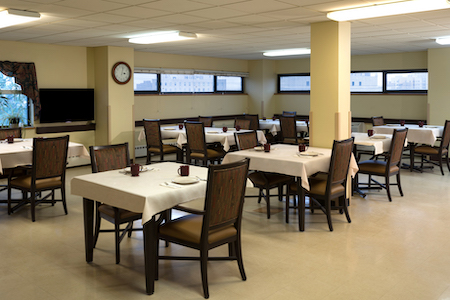
How is University Manor Health & Reha Staffed?

CMS rates UNIVERSITY MANOR HEALTH & REHA's staffing level at 2 out of 5 stars, which is below average compared to other nursing homes. Staff turnover is 46%, compared to the Ohio average of 46%. RN turnover specifically is 64%, which is notably high. RNs provide skilled clinical oversight, so turnover in this role can affect medical care quality.

What Have Inspectors Found at University Manor Health & Reha?

State health inspectors documented 53 deficiencies at UNIVERSITY MANOR HEALTH & REHA during 2019 to 2025. These included: 2 Immediate Jeopardy (the most serious level, indicating potential for serious harm or death), 1 that caused actual resident harm, 46 with potential for harm, and 4 minor or isolated issues. Immediate Jeopardy findings are rare and represent the most serious regulatory concerns. They require immediate corrective action.
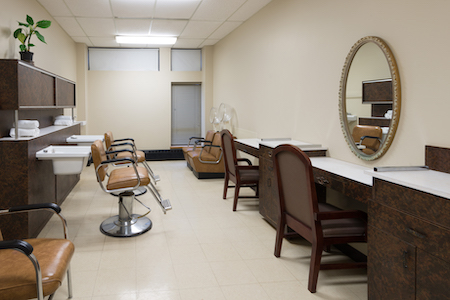
Who Owns and Operates University Manor Health & Reha?

UNIVERSITY MANOR HEALTH & REHA is owned by a non-profit organization. Non-profit facilities reinvest revenue into operations rather than distributing to shareholders. The facility is operated by SABER HEALTHCARE GROUP, a chain that manages multiple nursing homes. With 149 certified beds and approximately 141 residents (about 95% occupancy), it is a mid-sized facility located in CLEVELAND, Ohio.
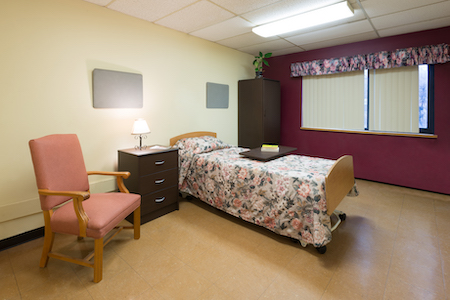
How Does University Manor Health & Reha Compare to Other Ohio Nursing Homes?

Compared to the 100 nursing homes in Ohio, UNIVERSITY MANOR HEALTH & REHA's overall rating (1 stars) is below the state average of 3.2, staff turnover (46%) is near the state average of 46%, and health inspection rating (1 stars) is much below the national benchmark.

What Should Families Ask When Visiting University Manor Health & Reha?

Based on this facility's data, families visiting should ask: "What changes have been made since the serious inspection findings, and how are you preventing similar issues?" "What safeguards and monitoring systems are in place to protect residents from abuse or neglect?" "Can you walk me through typical staffing levels on day, evening, and night shifts?" "Can I visit during a mealtime to observe dining assistance and food quality?" These questions are particularly relevant given the facility's Immediate Jeopardy citations, the substantiated abuse finding on record, and the below-average staffing rating.

Is University Manor Health & Reha Safe?

Based on CMS inspection data, UNIVERSITY MANOR HEALTH & REHA has documented safety concerns. The facility has 1 substantiated abuse finding (meaning confirmed case of resident harm by staff or other residents). Inspectors have issued 2 Immediate Jeopardy citations (the most serious violation level indicating risk of serious injury or death). The facility has a 1-star overall rating and ranks #100 of 100 nursing homes in Ohio. Families considering this facility should ask detailed questions about what corrective actions have been taken since these incidents.

Do Nurses at University Manor Health & Reha Stick Around?

UNIVERSITY MANOR HEALTH & REHA has a staff turnover rate of 46%, which is about average for Ohio nursing homes (state average: 46%). Moderate turnover is common in nursing homes, but families should still ask about staff tenure and how the facility maintains care continuity when employees leave.

Was University Manor Health & Reha Ever Fined?

UNIVERSITY MANOR HEALTH & REHA has been fined $32,394 across 2 penalty actions. This is below the Ohio average of $33,403. While any fine indicates a compliance issue, fines under $50,000 are relatively common and typically reflect isolated problems that were subsequently corrected. Families should ask what specific issues led to these fines and confirm they've been resolved.

Is University Manor Health & Reha on Any Federal Watch List?

UNIVERSITY MANOR HEALTH & REHA is not on any federal watch list. The most significant is the Special Focus Facility (SFF) program, which identifies the bottom 1% of nursing homes nationally based on persistent, serious quality problems. Not being on this list means the facility has avoided the pattern of deficiencies that triggers enhanced federal oversight. This is a positive indicator, though families should still review the facility's inspection history directly.