WESTPARK HEALTHCARE CAMPUS
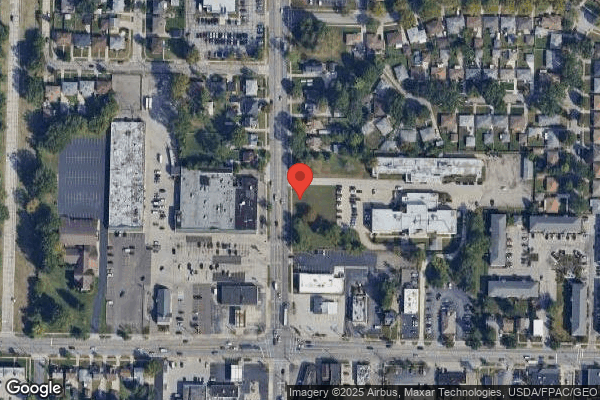
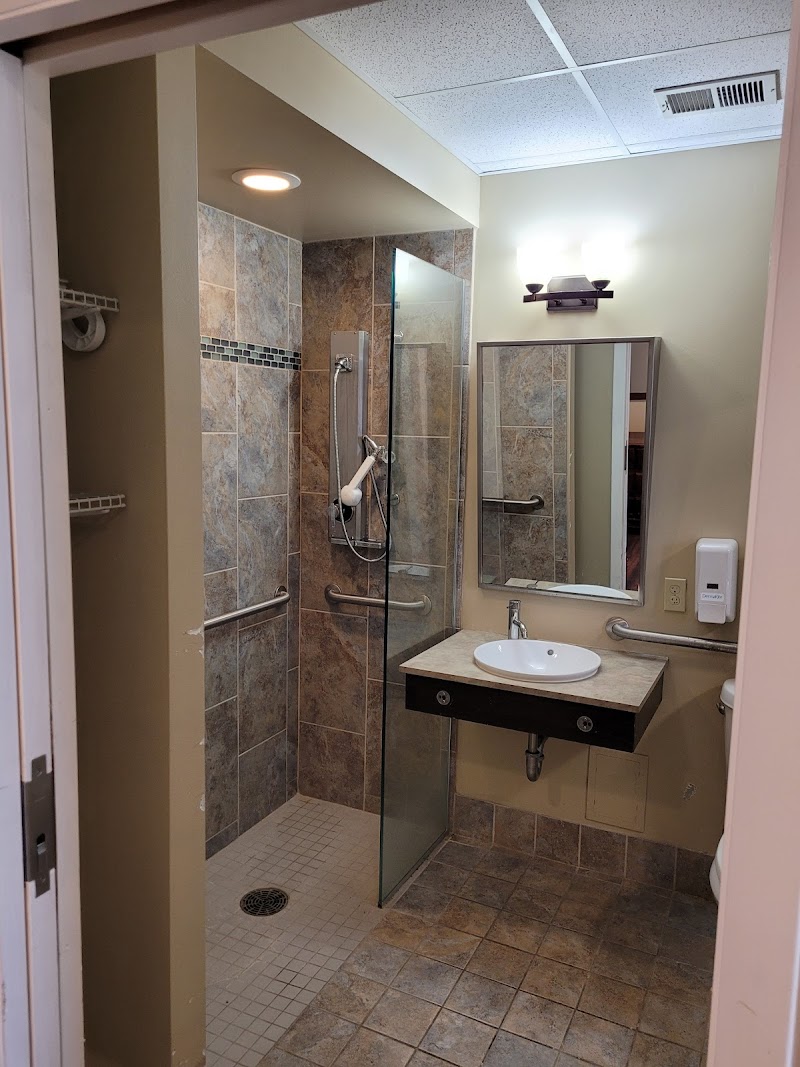
4401 W 150TH STREET, CLEVELAND, OH 44135 (216) 252-7555
For profit - Individual 100 Beds Independent Data: November 2025
Trust Grade
63/100
#377 of 913 in OH
Last Inspection: March 2023

Over 2 years since last inspection. Current conditions may differ from available data.

Overview

Westpark Healthcare Campus has a Trust Grade of C+, indicating it is slightly above average but not without its issues. It ranks #377 out of 913 nursing homes in Ohio, placing it in the top half of facilities in the state, and #34 out of 92 in Cuyahoga County, meaning only a few local options are better. Unfortunately, the facility is experiencing a worsening trend, with the number of issues increasing from 2 in 2024 to 3 in 2025. Staffing is a strength, with a rating of 4 out of 5 stars and a turnover rate of 37%, which is lower than the state average, suggesting a stable workforce that knows the residents well. However, there have been serious incidents, including one case of physical abuse where a resident was harmed by another resident, and concerns about cleanliness in the smoking area and food storage practices, indicating areas that need improvement.

Trust Score
C+
63/100
In Ohio
#377/913
Top 41%
Safety Record
Moderate
Needs review
Inspections
Getting Worse
2 → 3 violations
Staff Stability
○ Average
37% turnover. Near Ohio's 48% average. Typical for the industry.
Penalties
✓ Good
$16,155 in fines. Lower than most Ohio facilities. Relatively clean record.
Skilled Nurses
○ Average
Each resident gets 36 minutes of Registered Nurse (RN) attention daily — about average for Ohio. RNs are the most trained staff who monitor for health changes.
Violations
⚠ Watch
27 deficiencies on record. Higher than average. Multiple issues found across inspections.
★★★★☆
4.0
Overall Rating
★★★★☆
4.0
Staff Levels
★★★★★
5.0
Care Quality
★★★☆☆
3.0
Inspection Score
Stable
2024: 2 issues
2025: 3 issues

The Good

  • 4-Star Staffing Rating · Above-average nurse staffing levels
  • 5-Star Quality Measures · Strong clinical quality outcomes
  • Full Sprinkler Coverage · Fire safety systems throughout facility
  • No fines on record
  • Staff turnover below average (37%)

    11 points below Ohio average of 48%

Facility shows strength in staffing levels, quality measures, fire safety.

The Bad

Staff Turnover: 37%

Near Ohio avg (46%)

Typical for the industry

Federal Fines: $16,155

Below median ($33,413)

Minor penalties assessed

The Ugly 27 deficiencies on record

1 actual harm
Aug 2025 3 deficiencies
CONCERN (D) 📢 Someone Reported This

A family member, employee, or ombudsman was alarmed enough to file a formal complaint

Potential for Harm - no one hurt, but risky conditions existed

Report Alleged Abuse (Tag F0609)

Could have caused harm · This affected 1 resident

**NOTE- TERMS IN BRACKETS HAVE BEEN EDITED TO PROTECT CONFIDENTIALITY** Based on observation, interview, record review, and facility policy review, the facility failed to ensure Resident #43's allegat...

Read full inspector narrative →
**NOTE- TERMS IN BRACKETS HAVE BEEN EDITED TO PROTECT CONFIDENTIALITY** Based on observation, interview, record review, and facility policy review, the facility failed to ensure Resident #43's allegation of staff-to-resident physical abuse was timely reported to the State Agency. This affected one resident (#43) out of three residents reviewed for abuse. The facility census was 89.Findings include: Review of Resident #43's medical record revealed an admission date of 06/04/24 and diagnoses included cardiac arrest, schizophrenia, and cognitive communication deficit.Review of Resident #43's care plan dated 12/05/24 included Resident #43 had the potential to demonstrate verbally abusive behaviors related to poor impulse control. Resident #43 would verbalize understanding of the need to control verbally abusive behavior. Interventions included to assess Resident #43's coping skills and support system; assess Resident #43's understanding of the situation and allow time for Resident #43 to express self and feelings towards the situation.Review of Resident #43's Minimum Data Set annual assessment dated [DATE] revealed Resident #43 had moderate cognitive impairment. Resident #43 had no impairment of her upper and lower extremities and did not use a cane or walker. Resident #43 required setup or clean-up assistance with toileting hygiene and oral hygiene, and supervision or touching assistance with bathing and dressing. Resident #43 had no physical or verbal behavioral symptoms over the seven day look back period. Resident #43 rejected evaluation or care four to six days over the seven day look back period.Review of Resident #43's medical record including progress notes and assessments dated 08/04/25 at 7:00 P.M. through 08/07/25 at 4:11 P.M. did not reveal evidence of Resident #43's statement that Certified Nursing Assistant (CNA) #203 grabbed her cheek and pinched it during the smoke break on 08/04/25 at 7:00 P.M. There was no evidence Resident #43's cheek was evaluated for pain, injury, bruising and swelling. There was no evidence Resident #43's physician, nurse practitioner, or family member was notified of the allegation. There was no evidence vital signs were checked or that Resident #43 was monitored after the allegation was made. Review of Resident #43's progress notes dated 08/04/25 at 7:00 P.M. through 08/11/25 at 11:20 A.M. did not reveal evidence Resident #43 was evaluated by a physician or nurse practitioner.Review of the facility Self Reported Incident Form dated 08/05/25 at 11:36 A.M. revealed on 08/04/25 at 7:00 P.M., an incident occurred in the smoke room. On 08/05/25, in the morning, Resident #43 stated to Unit Manager (UM) #200 that CNA #203 grabbed and pinched her cheek last night. CNA #203 was not on duty when the allegation was made. UM #200 noted no injury to Resident #43's jaw or cheek. The Administrator was notified of the allegation. The Administrator notified NP #201 immediately and no new orders were given. A message was left on Family Member (FM) #202's phone and CNA #203 was interviewed. Residents #20 and #28 were in the smoke room with Resident #43 and CNA #203 at the time of the incident and were interviewed. Other staff were interviewed. One resident (Resident #20) stated CNA #203 put her hand near Resident #43's face and one resident (Resident #28) did not remember anything happened. Resident #43 was monitored by UM #200 and the nursing staff during the week. FM #202 called the facility on 08/06/25 and stated she was not notified of the allegation. The Administrator called FM #202 and informed her a call was placed the morning of 08/05/25 and UM #200 left a message as well. FM #202 stated she did not receive the messages. FM #202 was informed of Resident #43's allegation, informed CNA #203 was suspended pending an investigation, and that no injury was noted by UM #200 or the charge nurse. The Administrator visited with Resident #43 on 08/07/25, discussed the investigation and CNA #203 was off the schedule during the investigation. Resident #43 stated several times she apologized to CNA #203 for calling her an expletive, and stated CNA #203 pinched her cheek. There was no edema or bruising noted to Resident #43's cheek. Resident #43 stated she was okay with CNA #203 continuing to work her unit and was happy she was suspended for a few days. As a result of the investigation, the facility educated CNA #203 for how to better handle a situation when she was called a name by a resident. Education was previously scheduled for 08/11/25 by the facility psychiatry service and topics included resident behaviors, mental illness, and de-escalation techniques. On 08/08/25, the Administrator requested the in-service also included how to manage reactions when being yelled at by residents or being called names. CNA #203 attended the in-service. CNA #203 was given a break from the behavioral unit and was scheduled to work on other nursing units. Psychiatric NP was notified of the incident and was asked to evaluate Resident #43 on 08/11/25. Due to no evidence that CNA #203 touched Resident #43, no injury was noted, and there was no intention to harm Resident #43, the facility could not determine if abuse occurred. Abuse was not suspected.Review of Resident #43's Allegation of Abuse or Neglect Checklist dated 08/05/25 included on 08/05/25 at 9:30 A.M., the staff member accused was removed from direct resident contact immediately. On 08/05/25 in the morning (time was not identified), UM #200 took Resident #43's statement. On 08/05/25 at 9:30 A.M., Nurse Practitioner (NP) #201 was notified and at approximately 11:00 A.M., Family Member (FM) #202 was notified via message of the allegation. On 08/06/25, the Administrator spoke with FM #202 regarding the allegation. Review of a witness statement dated 08/05/25 (no time identified) included while passing breakfast trays UM #200 walked into Resident #43's room to set up her breakfast tray when Resident #43 stated there was a problem. Resident #43 stated CNA #203 grabbed her left cheek and pinched it the night before. Resident #43 stated she called CNA #203 an expletive and that was why she believed CNA #203 grabbed her cheek. Resident #43 stated she felt safe in the facility, and had no visible marks or bruises noted at the time. Resident #43 stated the pain went away after awhile.Review of a witness phone interview on 08/05/25 (no time identified) included the Administrator immediately interviewed CNA #203 after the Administrator was informed of the situation. CNA #203 stated after dinner she was in the smoke room, she lit Resident #43's cigarette, and when she lit her cigarette Resident #43 said You are a [expletive]. CNA #203 stated she pointed her finger at Resident #43 and asked her why would you call me that. CNA #203 stated Resident #43 did not say anything else but apologized to her for calling her an expletive and they shared a hug. When asked if she touched Resident #43, CNA #203 stated, I never touched her, I did not grab her cheek. Interview on 08/05/25 at 9:00 A.M. of Resident #43 by Social Services Designee (SSD) #204 included Resident #43 was sitting on a chair in UM #200's office and appeared calm and carefree. Resident #43 was swinging her legs and appeared happy. Resident #43 engaged in conversation and made eye contact. Resident #43 stated she call CNA #203 an expletive while in the smoking room. Resident #43 stated after she called CNA #203 an expletive, CNA #203 reached across and grabbed her cheek. Resident #43 stated it was brief, then she exited the smoking room. Resident #43 stated she felt safe in the facility and her cheek was no longer sore.Review of Resident #20's Witness Statement Form dated 08/05/25 included while they were in the smoke room Resident #43 called CNA #203 an expletive, and CNA #203 walked up to Resident #43, put her hand next to her cheek and CNA #203 asked Resident #43 what she called her. Resident #43 hollered out that her cheek hurt. Resident #43 confirmed she called CNA #203 an expletive.Review of Licensed Practical Nurse (LPN) #205's Witness Statement Form dated 08/05/25 (no time identified) included last night (08/04/25) she was administering medications to the residents and Resident #43 asked her for Tylenol. When asked about her pain, Resident #43 stated my mouth and face hurts me. Resident #43 stated CNA #203 grabbed at her mouth after she called her an expletive. Resident #43 stated she squeezed it really hard and asked if her face was swollen. Resident #43 stated give me lots of Tylenol, she was going to tell UM #200 about the incident, and she can't do that to me. On 08/04/25 at 9:30 P.M., Resident #43 repeated what she said multiple times while her medication was administered. LPN #205 wrote a note that Resident #43 had minimal swelling of the left lower cheek and mouth area with a question mark next to it. Review of LPN #205's Teachable Moment via phone dated 08/05/25 in the morning (no time was identified) included LPN #205 did not immediately report a concern reported to her by Resident #43 of a staff member (CNA #203) pinching her cheek. All staff must immediately report any allegation of abuse, neglect, misappropriation or exploitation to the Administrator or Supervisor. LPN #205 voiced understanding.Review of an email sent on 08/07/25 at 4:44 P.M. from the Administrator to the Administrator. There was a handwritten note next to a picture of a phone call to FM #202 stating a call was placed to Resident #43's daughter (FM #202) and a message was left for her to call the facility. The picture had FM #202's phone number showing and the call was placed Tuesday, but there was no date showing Tuesday was 08/05/25.Review of a witness statement dated 08/07/25 (time not identified) written by UM #200 included a message was left for FM #202 to update her on a recent altercation on 08/07/25 as a statement was made FM #202 was not notified. The Administrator placed a call on 08/05/25 to inform FM #202 with no response. Awaiting response for second attempt.Interview on 08/19/25 at 9:26 A.M. of Family Member (FM) #202 revealed she was not notified about Resident #43's allegation that CNA #203 pinched her cheek on 08/04/25. FM #202 stated her Aunt visited Resident #43 on 08/05/25 and Resident #43 told her that CNA #203 hit her in the face. FM #202 indicated Resident #202's face was red, swollen, and pictures were taken. FM #202 stated the Administrator called her after she reported the incident to the Stage Agency and told her they did not observe swelling, bruising, or redness on Resident #43's face. FM #202 indicated CNA #203 was suspended pending the outcome of the investigation, but she was still working at the facility. FM #202 stated she requested that CNA #203 not take care of Resident #43 going forward, and Resident #43 was not comfortable with CNA #203 providing her care. FM #202 stated she told a nurse to call Resident #43's physician or nurse practitioner to make sure they were aware the incident happened.Interview on 08/19/25 at 12:19 P.M. of the Administrator revealed on 08/05/25, UM #200 was passing breakfast trays and Resident #43 told her CNA #203 pinched her cheek. UM #200 reported the allegation to the Administrator at about 9:30 A.M. LPN #205 was in the facility, was interviewed by UM #200, wrote a witness statement then left the facility. The Administrator stated she did not read LPN #205's witness statement until later, and after reading it she called LPN #205 and asked her if she reported the allegation to anyone. LPN #205 stated she told UM #200 about it on 08/05/25. The Administrator stated she told LPN #205 she should have immediately notified the Administrator or a Supervisor when she found out about the incident. The Administrator stated she had a long phone conversation with CNA #203 about the incident, and CNA #203 stated she did not touch Resident #43. CNA #203 was suspended pending the outcome of the investigation. The Administrator stated on 08/05/25, she did not see Resident #43, but UM #200 and SSD #204 interviewed her and did not observe an injury. Resident #43 continued with the story that CNA #203 pinched her cheek. Resident #43 was evaluated on 08/11/25 by a psychiatric nurse practitioner. The Administrator stated she called FM #202 on 08/05/25, left a message, but forgot to call her back on 08/06/25. On 08/06/25, the Receptionist told the Administrator that FM #202 was upset about Resident #43's cheek getting pinched, and FM #202 stated she was not notified this happened. The Administrator stated when she observed Resident #43 on 08/07/25, she did not have an injury. The Administrator stated she could not prove if CNA #203 pinched or did not pinch Resident #43's cheek. The Administrator indicated LPN #205 was off sick from work and when she returned on 08/22/25 she was escalating the Teachable Moment to a Verbal Write Up because she did not report the incident immediately.Interview on 08/19/25 at 12:55 P.M. of Resident #20 revealed she was in the smoking room on 08/04/25 at 7:00 P.M. when the incident between Resident #43 and CNA #203 occurred. Resident #20 stated Resident #43 asked CNA #203 for another cigarette and CNA #203 told her she already gave her one. Resident #43 called CNA #203 an expletive, CNA #203 touched Resident #43's face, it was real quick, then Resident #43 said it hurt and questioned why did you do that? Resident #20 stated it was a touch and Resident #43 cried out and said it hurt. Resident #20 stated from the angle she was sitting she could not see exactly what CNA #203 did to Resident #43 to cause her to yell out. Resident #20 indicated after this happened they were arguing and Resident #43 said she was going to get CNA #203 for hurting her and at that point CNA #203 walked away. Resident #43 did not say anything after CNA #203 walked away.Observation on 08/19/25 at 1:05 P.M. of Resident #43 revealed she was sitting by a table in the common area. Resident #43's left cheek was not swollen, bruised, or reddened. Resident #43 stated she was arguing with CNA #203 and CNA #203 pinched her face and twisted her fingers while pinching it. Resident #43 stated CNA #203 should not have done that, but they had no further issues the rest of the evening. Resident #43 stated she was not afraid, but she did not like CNA #203 and did not want her around her. Resident #43 stated if CNA #203 did it again she was going to punch her and then I will have a problem for protecting myself.Telephone interview on 08/19/25 at 3:07 P.M. of CNA #203 revealed on 08/04/25 at 7:00 P.M. it was smoke time, she shared the cigarettes and Resident #43 was sitting by the door and called her an expletive. CNA #203 stated she did not touch Resident #43's face, but put her hand up and said why would you call me an expletive? CNA #203 indicated Resident #43 apologized for calling her an expletive and she took care of her the rest of the night without issues. CNA #203 stated when she returned to work she was not assigned to the secured third floor where Resident #43 resided and had not cared for her since.Interview on 08/20/25 at 8:47 A.M. of the Administrator revealed when there was an abuse allegation she expected nurses to first protect the resident and make sure the resident was safe. After assuring resident safety the Administrator expected nurses to notify her immediately, assess the resident, and notify the residents nurse practitioner or physician of the allegation of abuse. The Administrator stated statements should be taken from the staff before they left the facility and families and social services should be notified. The Administrator confirmed Resident #43's medical record dated 08/04/25 at 7:00 P.M. through 08/07/25 at 4:11 P.M. did not have documentation regarding the abuse allegation. The Administrator confirmed Resident #43's medical record did not have evidence Resident #43 was assessed for face or cheek pain after the allegation of abuse was made. The Administrator confirmed Resident #43's medical record did not contain evidence FM #202 or Resident #43's physician or nurse practitioner was notified of the allegation that CNA #203 pinched her cheek. The Administrator stated the facility SRI contained all the documentation regarding the allegation of abuse and an assessment of Resident #43 for injury.Interview on 08/20/25 at 9:19 A.M. of UM #200 revealed on 08/05/25 she walked into Resident #43's room with her breakfast tray and Resident #43 stated we have a problem. Resident #43 told her on 08/04/24 during the 7:00 P.M. smoke break she called CNA #203 an expletive and CNA #203 touched her cheek and pinched her. UM #200 confirmed she did not see swelling, bruising on Resident #43's cheek and she denied pain. UM #200 stated she asked LPN #205 if she was aware of Resident #43's allegation that CNA #203 pinched her cheek. LPN #205 stated she knew about the allegation, and Resident #43 told her CNA #203 grabbed her face, but she did not see an injury. After speaking with LPN #205, UM #200 told the Administrator about the allegation and interviewed Resident #43 with SSD #204. Resident #43's story stayed the same, and throughout the day it changed from she pinched my cheek to she tried to kill me. UM #200 stated an investigation was completed and education given to the nurses about reporting abuse allegations immediately. UM #200 confirmed she wrote a witness statement, but did not document it in Resident #43's electronic medical record. UM #200 stated CNA #203 had not worked on the third floor secured unit since the incident occurred on 08/04/25.Review of the facility policy titled Abuse, Neglect, Misappropriation of Resident Property, Exploitation, and Mistreatment Policy dated 11/28/16 included it was the facility policy to investigate all allegations, suspicions, and incidents of abuse, neglect, exploitation, mistreatment, and the misappropriation of resident property, and report the results of any such investigation as required by law. Documentation in the nurses' notes should include the results of the resident's ROM (range of motion), body assessment, vital signs, the notification of the physician (if necessary) and the responsible party and treatment provided. The facility would ensure that all alleged violations involving abuse, neglect, exploitation or mistreatment, including injuries of unknown source and misappropriation of resident property were reported immediately but not later than two hours after the allegation was made, if the events that cause the allegation involved abuse or resulted in serious bodily injury. This deficiency represents non-compliance investigated under Complaint Number 2585793.
CONCERN (D) 📢 Someone Reported This

A family member, employee, or ombudsman was alarmed enough to file a formal complaint

Potential for Harm - no one hurt, but risky conditions existed

Investigate Abuse (Tag F0610)

Could have caused harm · This affected 1 resident

**NOTE- TERMS IN BRACKETS HAVE BEEN EDITED TO PROTECT CONFIDENTIALITY** Based on observation, interview, record review, and facility policy review, the facility failed to ensure a comprehensive invest...

Read full inspector narrative →
**NOTE- TERMS IN BRACKETS HAVE BEEN EDITED TO PROTECT CONFIDENTIALITY** Based on observation, interview, record review, and facility policy review, the facility failed to ensure a comprehensive investigation for Resident #43's allegation of staff-to-resident physical abuse was completed. This affected one resident (#43) out of three residents reviewed for abuse. The facility census was 89.Findings include: Review of Resident #43's medical record revealed an admission date of 06/04/24 and diagnoses included cardiac arrest, schizophrenia, and cognitive communication deficit.Review of Resident #43's care plan dated 12/05/24 included Resident #43 had the potential to demonstrate verbally abusive behaviors related to poor impulse control. Resident #43 would verbalize understanding of the need to control verbally abusive behavior. Interventions included to assess Resident #43's coping skills and support system; assess Resident #43's understanding of the situation and allow time for Resident #43 to express self and feelings towards the situation.Review of Resident #43's Minimum Data Set annual assessment dated [DATE] revealed Resident #43 had moderate cognitive impairment. Resident #43 had no impairment of her upper and lower extremities and did not use a cane or walker. Resident #43 required setup or clean-up assistance with toileting hygiene and oral hygiene, and supervision or touching assistance with bathing and dressing. Resident #43 had no physical or verbal behavioral symptoms over the seven day look back period. Resident #43 rejected evaluation or care four to six days over the seven day look back period.Review of Resident #43's medical record including progress notes and assessments dated 08/04/25 at 7:00 P.M. through 08/07/25 at 4:11 P.M. did not reveal evidence of Resident #43's statement that Certified Nursing Assistant (CNA) #203 grabbed her cheek and pinched it during the smoke break on 08/04/25 at 7:00 P.M. There was no evidence Resident #43's cheek was evaluated for pain, injury, bruising and swelling. There was no evidence Resident #43's physician, nurse practitioner, or family member was notified of the allegation. There was no evidence vital signs were checked or that Resident #43 was monitored after the allegation was made. Review of Resident #43's progress notes dated 08/04/25 at 7:00 P.M. through 08/11/25 at 11:20 A.M. did not reveal evidence Resident #43 was evaluated by a physician or nurse practitioner.Review of the facility Self Reported Incident Form dated 08/05/25 at 11:36 A.M. revealed on 08/04/25 at 7:00 P.M., an incident occurred in the smoke room. On 08/05/25, in the morning, Resident #43 stated to Unit Manager (UM) #200 that CNA #203 grabbed and pinched her cheek last night. CNA #203 was not on duty when the allegation was made. UM #200 noted no injury to Resident #43's jaw or cheek. The Administrator was notified of the allegation. The Administrator notified NP #201 immediately and no new orders were given. A message was left on Family Member (FM) #202's phone and CNA #203 was interviewed. Residents #20 and #28 were in the smoke room with Resident #43 and CNA #203 at the time of the incident and were interviewed. Other staff were interviewed. One resident (Resident #20) stated CNA #203 put her hand near Resident #43's face and one resident (Resident #28) did not remember anything happened. Resident #43 was monitored by UM #200 and the nursing staff during the week. FM #202 called the facility on 08/06/25 and stated she was not notified of the allegation. The Administrator called FM #202 and informed her a call was placed the morning of 08/05/25 and UM #200 left a message as well. FM #202 stated she did not receive the messages. FM #202 was informed of Resident #43's allegation, informed CNA #203 was suspended pending an investigation, and that no injury was noted by UM #200 or the charge nurse. The Administrator visited with Resident #43 on 08/07/25, discussed the investigation and CNA #203 was off the schedule during the investigation. Resident #43 stated several times she apologized to CNA #203 for calling her an expletive, and stated CNA #203 pinched her cheek. There was no edema or bruising noted to Resident #43's cheek. Resident #43 stated she was okay with CNA #203 continuing to work her unit and was happy she was suspended for a few days. As a result of the investigation, the facility educated CNA #203 for how to better handle a situation when she was called a name by a resident. Education was previously scheduled for 08/11/25 by the facility psychiatry service and topics included resident behaviors, mental illness, and de-escalation techniques. On 08/08/25, the Administrator requested the in-service also included how to manage reactions when being yelled at by residents or being called names. CNA #203 attended the in-service. CNA #203 was given a break from the behavioral unit and was scheduled to work on other nursing units. Psychiatric NP was notified of the incident and was asked to evaluate Resident #43 on 08/11/25. Due to no evidence that CNA #203 touched Resident #43, no injury was noted, and there was no intention to harm Resident #43, the facility could not determine if abuse occurred. Abuse was not suspected.Review of Resident #43's Allegation of Abuse or Neglect Checklist dated 08/05/25 included on 08/05/25 at 9:30 A.M., the staff member accused was removed from direct resident contact immediately. On 08/05/25 in the morning (time was not identified), UM #200 took Resident #43's statement. On 08/05/25 at 9:30 A.M., Nurse Practitioner (NP) #201 was notified and at approximately 11:00 A.M., Family Member (FM) #202 was notified via message of the allegation. On 08/06/25, the Administrator spoke with FM #202 regarding the allegation. Review of a witness statement dated 08/05/25 (no time identified) included while passing breakfast trays UM #200 walked into Resident #43's room to set up her breakfast tray when Resident #43 stated there was a problem. Resident #43 stated CNA #203 grabbed her left cheek and pinched it the night before. Resident #43 stated she called CNA #203 an expletive and that was why she believed CNA #203 grabbed her cheek. Resident #43 stated she felt safe in the facility, and had no visible marks or bruises noted at the time. Resident #43 stated the pain went away after awhile.Review of a witness phone interview on 08/05/25 (no time identified) included the Administrator immediately interviewed CNA #203 after the Administrator was informed of the situation. CNA #203 stated after dinner she was in the smoke room, she lit Resident #43's cigarette, and when she lit her cigarette Resident #43 said You are a [expletive]. CNA #203 stated she pointed her finger at Resident #43 and asked her why would you call me that. CNA #203 stated Resident #43 did not say anything else but apologized to her for calling her an expletive and they shared a hug. When asked if she touched Resident #43, CNA #203 stated, I never touched her, I did not grab her cheek. Interview on 08/05/25 at 9:00 A.M. of Resident #43 by Social Services Designee (SSD) #204 included Resident #43 was sitting on a chair in UM #200's office and appeared calm and carefree. Resident #43 was swinging her legs and appeared happy. Resident #43 engaged in conversation and made eye contact. Resident #43 stated she call CNA #203 an expletive while in the smoking room. Resident #43 stated after she called CNA #203 an expletive, CNA #203 reached across and grabbed her cheek. Resident #43 stated it was brief, then she exited the smoking room. Resident #43 stated she felt safe in the facility and her cheek was no longer sore.Review of Resident #20's Witness Statement Form dated 08/05/25 included while they were in the smoke room Resident #43 called CNA #203 an expletive, and CNA #203 walked up to Resident #43, put her hand next to her cheek and CNA #203 asked Resident #43 what she called her. Resident #43 hollered out that her cheek hurt. Resident #43 confirmed she called CNA #203 an expletive.Review of Licensed Practical Nurse (LPN) #205's Witness Statement Form dated 08/05/25 (no time identified) included last night (08/04/25) she was administering medications to the residents and Resident #43 asked her for Tylenol. When asked about her pain, Resident #43 stated my mouth and face hurts me. Resident #43 stated CNA #203 grabbed at her mouth after she called her an expletive. Resident #43 stated she squeezed it really hard and asked if her face was swollen. Resident #43 stated give me lots of Tylenol, she was going to tell UM #200 about the incident, and she can't do that to me. On 08/04/25 at 9:30 P.M., Resident #43 repeated what she said multiple times while her medication was administered. LPN #205 wrote a note that Resident #43 had minimal swelling of the left lower cheek and mouth area with a question mark next to it. Review of LPN #205's Teachable Moment via phone dated 08/05/25 in the morning (no time was identified) included LPN #205 did not immediately report a concern reported to her by Resident #43 of a staff member (CNA #203) pinching her cheek. All staff must immediately report any allegation of abuse, neglect, misappropriation or exploitation to the Administrator or Supervisor. LPN #205 voiced understanding.Review of an email sent on 08/07/25 at 4:44 P.M. from the Administrator to the Administrator. There was a handwritten note next to a picture of a phone call to FM #202 stating a call was placed to Resident #43's daughter (FM #202) and a message was left for her to call the facility. The picture had FM #202's phone number showing and the call was placed Tuesday, but there was no date showing Tuesday was 08/05/25.Review of a witness statement dated 08/07/25 (time not identified) written by UM #200 included a message was left for FM #202 to update her on a recent altercation on 08/07/25 as a statement was made FM #202 was not notified. The Administrator placed a call on 08/05/25 to inform FM #202 with no response. Awaiting response for second attempt.Interview on 08/19/25 at 9:26 A.M. of Family Member (FM) #202 revealed she was not notified about Resident #43's allegation that CNA #203 pinched her cheek on 08/04/25. FM #202 stated her Aunt visited Resident #43 on 08/05/25 and Resident #43 told her that CNA #203 hit her in the face. FM #202 indicated Resident #202's face was red, swollen, and pictures were taken. FM #202 stated the Administrator called her after she reported the incident to the Stage Agency and told her they did not observe swelling, bruising, or redness on Resident #43's face. FM #202 indicated CNA #203 was suspended pending the outcome of the investigation, but she was still working at the facility. FM #202 stated she requested that CNA #203 not take care of Resident #43 going forward, and Resident #43 was not comfortable with CNA #203 providing her care. FM #202 stated she told a nurse to call Resident #43's physician or nurse practitioner to make sure they were aware the incident happened.Interview on 08/19/25 at 12:19 P.M. of the Administrator revealed on 08/05/25, UM #200 was passing breakfast trays and Resident #43 told her CNA #203 pinched her cheek. UM #200 reported the allegation to the Administrator at about 9:30 A.M. LPN #205 was in the facility, was interviewed by UM #200, wrote a witness statement then left the facility. The Administrator stated she did not read LPN #205's witness statement until later, and after reading it she called LPN #205 and asked her if she reported the allegation to anyone. LPN #205 stated she told UM #200 about it on 08/05/25. The Administrator stated she told LPN #205 she should have immediately notified the Administrator or a Supervisor when she found out about the incident. The Administrator stated she had a long phone conversation with CNA #203 about the incident, and CNA #203 stated she did not touch Resident #43. CNA #203 was suspended pending the outcome of the investigation. The Administrator stated on 08/05/25, she did not see Resident #43, but UM #200 and SSD #204 interviewed her and did not observe an injury. Resident #43 continued with the story that CNA #203 pinched her cheek. Resident #43 was evaluated on 08/11/25 by a psychiatric nurse practitioner. The Administrator stated she called FM #202 on 08/05/25, left a message, but forgot to call her back on 08/06/25. On 08/06/25, the Receptionist told the Administrator that FM #202 was upset about Resident #43's cheek getting pinched, and FM #202 stated she was not notified this happened. The Administrator stated when she observed Resident #43 on 08/07/25, she did not have an injury. The Administrator stated she could not prove if CNA #203 pinched or did not pinch Resident #43's cheek. The Administrator indicated LPN #205 was off sick from work and when she returned on 08/22/25 she was escalating the Teachable Moment to a Verbal Write Up because she did not report the incident immediately.Interview on 08/19/25 at 12:55 P.M. of Resident #20 revealed she was in the smoking room on 08/04/25 at 7:00 P.M. when the incident between Resident #43 and CNA #203 occurred. Resident #20 stated Resident #43 asked CNA #203 for another cigarette and CNA #203 told her she already gave her one. Resident #43 called CNA #203 an expletive, CNA #203 touched Resident #43's face, it was real quick, then Resident #43 said it hurt and questioned why did you do that? Resident #20 stated it was a touch and Resident #43 cried out and said it hurt. Resident #20 stated from the angle she was sitting she could not see exactly what CNA #203 did to Resident #43 to cause her to yell out. Resident #20 indicated after this happened they were arguing and Resident #43 said she was going to get CNA #203 for hurting her and at that point CNA #203 walked away. Resident #43 did not say anything after CNA #203 walked away.Observation on 08/19/25 at 1:05 P.M. of Resident #43 revealed she was sitting by a table in the common area. Resident #43's left cheek was not swollen, bruised, or reddened. Resident #43 stated she was arguing with CNA #203 and CNA #203 pinched her face and twisted her fingers while pinching it. Resident #43 stated CNA #203 should not have done that, but they had no further issues the rest of the evening. Resident #43 stated she was not afraid, but she did not like CNA #203 and did not want her around her. Resident #43 stated if CNA #203 did it again she was going to punch her and then I will have a problem for protecting myself.Telephone interview on 08/19/25 at 3:07 P.M. of CNA #203 revealed on 08/04/25 at 7:00 P.M. it was smoke time, she shared the cigarettes and Resident #43 was sitting by the door and called her an expletive. CNA #203 stated she did not touch Resident #43's face, but put her hand up and said why would you call me an expletive? CNA #203 indicated Resident #43 apologized for calling her an expletive and she took care of her the rest of the night without issues. CNA #203 stated when she returned to work she was not assigned to the secured third floor where Resident #43 resided and had not cared for her since.Interview on 08/20/25 at 8:47 A.M. of the Administrator revealed when there was an abuse allegation she expected nurses to first protect the resident and make sure the resident was safe. After assuring resident safety the Administrator expected nurses to notify her immediately, assess the resident, and notify the residents nurse practitioner or physician of the allegation of abuse. The Administrator stated statements should be taken from the staff before they left the facility and families and social services should be notified. The Administrator confirmed Resident #43's medical record dated 08/04/25 at 7:00 P.M. through 08/07/25 at 4:11 P.M. did not have documentation regarding the abuse allegation. The Administrator confirmed Resident #43's medical record did not have evidence Resident #43 was assessed for face or cheek pain after the allegation of abuse was made. The Administrator confirmed Resident #43's medical record did not contain evidence FM #202 or Resident #43's physician or nurse practitioner was notified of the allegation that CNA #203 pinched her cheek. The Administrator stated the facility SRI contained all the documentation regarding the allegation of abuse and an assessment of Resident #43 for injury.Interview on 08/20/25 at 9:19 A.M. of UM #200 revealed on 08/05/25 she walked into Resident #43's room with her breakfast tray and Resident #43 stated we have a problem. Resident #43 told her on 08/04/24 during the 7:00 P.M. smoke break she called CNA #203 an expletive and CNA #203 touched her cheek and pinched her. UM #200 confirmed she did not see swelling, bruising on Resident #43's cheek and she denied pain. UM #200 stated she asked LPN #205 if she was aware of Resident #43's allegation that CNA #203 pinched her cheek. LPN #205 stated she knew about the allegation, and Resident #43 told her CNA #203 grabbed her face, but she did not see an injury. After speaking with LPN #205, UM #200 told the Administrator about the allegation and interviewed Resident #43 with SSD #204. Resident #43's story stayed the same, and throughout the day it changed from she pinched my cheek to she tried to kill me. UM #200 stated an investigation was completed and education given to the nurses about reporting abuse allegations immediately. UM #200 confirmed she wrote a witness statement, but did not document it in Resident #43's electronic medical record. UM #200 stated CNA #203 had not worked on the third floor secured unit since the incident occurred on 08/04/25.Review of the facility policy titled Abuse, Neglect, Misappropriation of Resident Property, Exploitation, and Mistreatment Policy dated 11/28/16 included it was the facility policy to investigate all allegations, suspicions, and incidents of abuse, neglect, exploitation, mistreatment, and the misappropriation of resident property, and report the results of any such investigation as required by law. Documentation in the nurses' notes should include the results of the resident's ROM (range of motion), body assessment, vital signs, the notification of the physician (if necessary) and the responsible party and treatment provided. The facility would ensure that all alleged violations involving abuse, neglect, exploitation or mistreatment, including injuries of unknown source and misappropriation of resident property were reported immediately but not later than two hours after the allegation was made, if the events that cause the allegation involved abuse or resulted in serious bodily injury. This deficiency represents non-compliance investigated under Complaint Number 2585793.
CONCERN (D) 📢 Someone Reported This

A family member, employee, or ombudsman was alarmed enough to file a formal complaint

Potential for Harm - no one hurt, but risky conditions existed

Pharmacy Services (Tag F0755)

Could have caused harm · This affected 1 resident

**NOTE- TERMS IN BRACKETS HAVE BEEN EDITED TO PROTECT CONFIDENTIALITY** Based on observation, interview, and record review, the facility failed to ensure Resident #43 was administered medication per p...

Read full inspector narrative →
**NOTE- TERMS IN BRACKETS HAVE BEEN EDITED TO PROTECT CONFIDENTIALITY** Based on observation, interview, and record review, the facility failed to ensure Resident #43 was administered medication per physician order and that medication was accurately documented in the medical record. This affected one resident (#43) out of one resident reviewed for medication administration. The facility census was 89.Findings include: Review of Resident #43's medical record revealed an admission date of 06/04/24 and diagnoses included cardiac arrest, schizophrenia, and cognitive communication deficit.Review of Resident #43's care plan dated 08/21/24 included Resident #43 had the potential for pain related to falls. Resident #43 would voice adequate relief of pain or the ability to cope with incompletely-relieved pain through the review date. Interventions included to administer analgesia medications per orders, give one-half hour before treatments or care, anticipate the need for pain relief, and respond timely to any complaint of pain.Review of Resident #43's Minimum Data Set annual assessment dated [DATE] revealed Resident #43 had moderate cognitive impairment. Resident #43 had no impairment of her upper and lower extremities and did not use a cane or walker. Resident #43 required setup or clean-up assistance with toileting hygiene and oral hygiene, and supervision or touching assistance with bathing and dressing. Resident #43 had no physical or verbal behavioral symptoms over the seven day look back period. Resident #43 rejected evaluation or care four to six days over the seven day look back period.Review of Resident #43's physician orders dated 08/01/25 through 08/20/25 did not reveal orders for Tylenol (an over the counter mild pain reliever and fever reducer).Review of Resident #43's Medication Administration Record (MAR) dated 08/01/25 through 08/20/25 did not reveal Resident #43 was administered Tylenol for pain. Further review did not reveal non-pharmacological interventions were attempted for pain.Review of Resident #43's medical record including progress notes and assessments dated 08/04/25 at 7:00 P.M. through 08/07/25 at 4:11 P.M. did not reveal evidence of Resident #43's statement that CNA #203 grabbed her cheek and pinched it during the smoke break on 08/04/25 at 7:00 P.M. There was no evidence Resident #43's cheek was evaluated for pain, injury, bruising and swelling. There was no evidence Resident #43's physician, nurse practitioner, or family member was notified of the allegation. There was no evidence vital signs were checked or Resident #43 was monitored after the allegation was made. Review of the facility Self Reported Incident Form dated 08/05/25 at 11:36 A.M. revealed on 08/04/25 at 7:00 P.M., an incident occurred in the smoke room. On 08/05/25, in the morning, Resident #43 stated to Unit Manager (UM) #200 that CNA #203 grabbed and pinched her cheek last night. CNA #203 was not on duty when the allegation was made. UM #200 noted no injury to Resident #43's jaw or cheek. The Administrator was notified of the allegation. The Administrator notified NP #201 immediately and no new orders were given. A message was left on Family Member (FM) #202's phone and CNA #203 was interviewed. Residents #20 and #28 were in the smoke room with Resident #43 and CNA #203 at the time of the incident and were interviewed. Other staff were interviewed. One resident (Resident #20) stated CNA #203 put her hand near Resident #43's face and one resident (Resident #28) did not remember anything happened. Resident #43 was monitored by UM #200 and the nursing staff during the week. FM #202 called the facility on 08/06/25 and stated she was not notified of the allegation. The Administrator called FM #202 and informed her a call was placed the morning of 08/05/25 and UM #200 left a message as well. FM #202 stated she did not receive the messages. FM #202 was informed of Resident #43's allegation, informed CNA #203 was suspended pending an investigation, and that no injury was noted by UM #200 or the charge nurse. The Administrator visited with Resident #43 on 08/07/25, discussed the investigation and CNA #203 was off the schedule during the investigation. Resident #43 stated several times she apologized to CNA #203 for calling her an expletive, and stated CNA #203 pinched her cheek. There was no edema or bruising noted to Resident #43's cheek. Resident #43 stated she was okay with CNA #203 continuing to work her unit and was happy she was suspended for a few days. As a result of the investigation, the facility educated CNA #203 for how to better handle a situation when she was called a name by a resident. Education was previously scheduled for 08/11/25 by the facility psychiatry service and topics included resident behaviors, mental illness, and de-escalation techniques. On 08/08/25, the Administrator requested the in-service also included how to manage reactions when being yelled at by residents or being called names. CNA #203 attended the in-service. CNA #203 was given a break from the behavioral unit and was scheduled to work on other nursing units. Psychiatric NP was notified of the incident and was asked to evaluate Resident #43 on 08/11/25. Due to no evidence that CNA #203 touched Resident #43, no injury was noted, and there was no intention to harm Resident #43, the facility could not determine if abuse occurred. Abuse was not suspected.Review of a witness statement dated 08/05/25 (no time identified) included while passing breakfast trays UM #200 walked into Resident #43's room to set up her breakfast tray when Resident #43 stated there was a problem. Resident #43 stated CNA #203 grabbed her left cheek and pinched it the night before. Resident #43 stated she called CNA #203 an expletive and that was why she believed CNA #203 grabbed her cheek. Resident #43 stated she felt safe in the facility, and had no visible marks or bruises noted at the time. Resident #43 stated the pain went away after awhile.Review of a witness phone interview on 08/05/25 (no time identified) included the Administrator immediately interviewed CNA #203 after the Administrator was informed of the situation. CNA #203 stated after dinner she was in the smoke room, she lit Resident #43's cigarette, and when she lit her cigarette Resident #43 said You are a [expletive]. CNA #203 stated she pointed her finger at Resident #43 and asked her why would you call me that. CNA #203 stated Resident #43 did not say anything else but apologized to her for calling her an expletive and they shared a hug. When asked if she touched Resident #43, CNA #203 stated, I never touched her, I did not grab her cheek. Interview on 08/05/25 at 9:00 A.M. of Resident #43 by Social Services Designee (SSD) #204 included Resident #43 was sitting on a chair in UM #200's office and appeared calm and carefree. Resident #43 was swinging her legs and appeared happy. Resident #43 engaged in conversation and made eye contact. Resident #43 stated she call CNA #203 an expletive while in the smoking room. Resident #43 stated after she called CNA #203 an expletive, CNA #203 reached across and grabbed her cheek. Resident #43 stated it was brief, then she exited the smoking room. Resident #43 stated she felt safe in the facility and her cheek was no longer sore.Review of Resident #20's Witness Statement Form dated 08/05/25 included while they were in the smoke room Resident #43 called CNA #203 an expletive, and CNA #203 walked up to Resident #43, put her hand next to her cheek and CNA #203 asked Resident #43 what she called her. Resident #43 hollered out that her cheek hurt. Resident #43 confirmed she called CNA #203 an expletive.Review of Licensed Practical Nurse (LPN) #205's Witness Statement Form dated 08/05/25 (no time identified) included last night (08/04/25) she was administering medications to the residents and Resident #43 asked her for Tylenol. When asked about her pain, Resident #43 stated my mouth and face hurts me. Resident #43 stated CNA #203 grabbed at her mouth after she called her an expletive. Resident #43 stated she squeezed it really hard and asked if her face was swollen. Resident #43 stated give me lots of Tylenol, she was going to tell UM #200 about the incident, and she can't do that to me. On 08/04/25 at 9:30 P.M., Resident #43 repeated what she said multiple times while her medication was administered. LPN #205 wrote a note that Resident #43 had minimal swelling of the left lower cheek and mouth area with a question mark next to it. Interview on 08/19/25 at 11:29 A.M. of the Director of Nursing (DON) confirmed Resident #43's MAR dated 08/04/25 through 08/20/25 did not reveal evidence LPN #205 administered Tylenol for complaints of cheek and face pain. The DON confirmed LPN #205 did not document a pain level for Resident #43's complaints of face and cheek pain from being pinched.Interview on 08/19/25 at 12:55 P.M. of Resident #20 revealed she was in the smoking room on 08/04/25 at 7:00 P.M. when the incident between Resident #43 and CNA #203 occurred. Resident #20 stated Resident #43 asked CNA #203 for another cigarette and CNA #203 told her she already gave her one. Resident #43 called CNA #203 an expletive, CNA #203 touched Resident #43's face, it was real quick, then Resident #43 said it hurt and questioned why did you do that? Resident #20 stated it was a touch and Resident #43 cried out and said it hurt. Resident #20 stated from the angle she was sitting she could not see exactly what CNA #203 did to Resident #43 to cause her to yell out. Resident #20 indicated after this happened they were arguing and Resident #43 said she was going to get CNA #203 for hurting her and at that point CNA #203 walked away. Resident #43 did not say anything after CNA #203 walked away.Observation on 08/19/25 at 1:05 P.M. of Resident #43 revealed she was sitting by a table in the common area. Resident #43's left cheek was not swollen, bruised or reddened. Resident #43 stated she was arguing with CNA #203 and CNA #203 pinched her face and twisted her fingers while pinching it. Resident #43 stated CNA #203 should not have done that, but they had no further issues the rest of the evening. Resident #43 stated she was not afraid, but she did not like CNA #203 and did not want her around her. Resident #43 stated if CNA #203 did it again she was going to punch her and then I will have a problem for protecting myself.Interview on 08/20/25 at 8:47 A.M. of the Administrator revealed when there was an abuse allegation she expected nurses to first protect the resident and make sure the resident was safe. After assuring resident safety the Administrator expected nurses to notify her immediately, assess the resident, and notify the residents Nurse Practitioner or Physician of the allegation of abuse. The Administrator stated statements should be taken from the staff before they left the facility and families and social services should be notified. The Administrator confirmed Resident #43's medical record dated 08/04/25 at 7:00 P.M. through 08/07/25 at 4:11 P.M. did not have documentation regarding the abuse allegation. The Administrator confirmed Resident #43's medical record did not have evidence Resident #43 was assessed for pain, injury or was monitored after the allegation of abuse was made. The Administrator confirmed Resident #43's medical record did not contain evidence FM #202 or Resident #43's Physician or Nurse Practitioner was notified of the allegation that CNA #203 pinched her cheek. The Administrator stated the facility SRI contained all the documentation regarding the allegation of abuse and an assessment of Resident #43 for injury.Interview on 08/20/25 at 11:02 A.M. of the DON revealed Resident #43 did not have a physician order for Tylenol. The DON stated LPN #205 should have contacted Resident #43's physician when she complained of pain on 08/04/25. The DON confirmed there was no reconciliation that Resident #43 received Tylenol as stated in the witness statement.This deficiency represents non-compliance investigated under Complaint Number 2585793.
Oct 2024 2 deficiencies
CONCERN (D) 📢 Someone Reported This

A family member, employee, or ombudsman was alarmed enough to file a formal complaint

Potential for Harm - no one hurt, but risky conditions existed

Pressure Ulcer Prevention (Tag F0686)

Could have caused harm · This affected 1 resident

**NOTE- TERMS IN BRACKETS HAVE BEEN EDITED TO PROTECT CONFIDENTIALITY** Based on interview, record review and review of the facility policy the facility failed to ensure Resident #102's wound treatmen...

Read full inspector narrative →
**NOTE- TERMS IN BRACKETS HAVE BEEN EDITED TO PROTECT CONFIDENTIALITY** Based on interview, record review and review of the facility policy the facility failed to ensure Resident #102's wound treatment orders were updated after a physician appointment. This affected one resident (Resident #102) out of three resident reviewed for treatment orders. The facility census was 91. Findings include: Review of Resident #102's Referral Information Form for a long term acute care facility stay from 07/16/24 through 08/12/24 included Resident #102 had a Stage IV Pressure ulcer (a full-thickness tissue loss that exposes bone, tendon, or muscle). Review of Resident #102's medical record revealed an admission date of 08/12/24 and diagnoses included other injury of unspecified body region, human immunodeficiency virus, dementia, and neuromuscular dysfunction of the bladder. Resident #102 was transported to the hospital on [DATE] and discharged from the facility on 09/18/24. Review of Resident #102's Weekly Wound Data Collection dated 08/13/24 included Resident #102 had a Stage IV left buttock pressure wound and measurements were length was 11.5 cm, width 3.0 cm, depth 1.5 cm., undermining was present. Review of Resident #102's physician orders dated 08/13/24 revealed wet-to-dry dressing twice a day and as needed when the wound vac was malfunctioning, every twelve hours as needed. Review of Resident #102's admission Minimum Data Set (MDS) 3.0 assessment dated [DATE] revealed Resident #102 was cognitively intact. Resident #102 was dependent for toileting and personal hygiene, bathing, and chair, bed-to-chair transfer. Resident #102 required substantial to maximal assistance for rolling left and right, sit to lying and lying to sitting on the side of the bed. Resident #102 had an indwelling catheter and her bowel continence was not rated. Review of Resident #102's physician orders dated 08/19/24 revealed Resident #102's FMS (fecal management system) was discontinued. Review of Resident #102's physician orders dated 08/19/24 revealed left upper buttock abrasion, cleanse with normal saline, pat dry, cover with wound vac dressing Monday, Wednesday, Friday and as needed, every day shift. Review of Resident #102's physician orders dated 08/19/24 revealed right gluteal fold, cleanse with normal saline, pat dry, apply alginate, cover with bordered dressing daily and as needed, every day shift. Review of Resident #102's physician orders dated 08/19/24 revealed left buttock wound, apply wound vac at 125 mmHg (millimeters of mercury) Monday, Wednesday, Friday and as needed, every day shift. Review of Resident #102's Trauma Clinic Progress Note Assessment and Plan of Care dated 08/29/24 included wound care and to change order to medial wound. Please replace vacuum on the deepest most medial portion of the wound. As the wound moved out laterally it became superficial and areas of the sponge were covering healthy skin. For the lateral areas please use a wet to dry dressing to keep the new tissue moist. Take daily showers, sponge bath as needed but able to wash wounds in shower with gentle soap and water when the wound vac was off. Allow warm soapy water to wash over the wound, do not scrub at the wound, when out of the shower gently pat the surrounding areas. Do not apply lotions, ointments or creams, avoid soaking in bodies of water until wound was completely healed. Packing the wound, lateral wound, after the shower take Kerlix, moisten with sterile saline and insert it into the opening. Please do not cover healthy skin. The Kerlix should be moist, not soaking wet, please make sure to wring it out, cover the packed area with an abdominal pad and tape. Review of Resident #102's progress notes, physician orders and Treatment Administration Record did not reveal evidence Resident #102's wound treatment orders dated 08/29/24 were followed. Review of Resident #102's care plan dated 09/12/24 (Resident #102 was admitted [DATE]) included Resident #102 had bowel incontinence related to wounds and had a fecal management system. Resident #102 would be continent during daytime through the review date. Interventions included check Resident #102 and assist with toileting as needed. Resident #102 had the potential for skin breakdown, pressure ulcer development related to incontinence, immobility. Resident #102 had a left buttock, hip Stage IV pressure ulcer. Resident #102's pressure ulcer would show signs of healing and remain free from infection through the review date. Interventions included follow facility policies, protocols for the prevention, treatment of skin breakdown; obtain and monitor labs, diagnostic work as ordered. Report results to physician and follow up as indicated. Interview on 10/02/24 at 8:45 A.M. of Licensed Practical Nurse (LPN) #206 revealed when a resident returned from an appointment with new orders the nurse on the floor should review the orders. LPN #206 stated but most of the time the floor nurses were too busy to review the orders, and the orders should be reviewed by the Unit Managers, but that did not always happen. LPN #206 stated she did not know anything about Resident #102's new treatment orders from 08/29/24. Interview on 10/02/24 at 8:57 A.M. of the Director of Nursing (DON) revealed the nurse on the cart was responsible to review orders when a resident returned from an appointment, and if that nurse was too busy then the Unit Manager should review the orders. The DON stated he was ultimately responsible for everything. The DON confirmed Resident #102's new wound treatment orders from 08/29/24 were not updated in Resident #102's medical record. Review of the facility policy titled Wound Care revised 10/2010 included the purpose of the procedure was to provide guidelines for the care of wounds to promote healing. Verify there is a physician's order for the procedure. This deficiency represents non-compliance investigated under Complaint Number OH00157592.
CONCERN (D) 📢 Someone Reported This

A family member, employee, or ombudsman was alarmed enough to file a formal complaint

Potential for Harm - no one hurt, but risky conditions existed

Infection Control (Tag F0880)

Could have caused harm · This affected 1 resident

**NOTE- TERMS IN BRACKETS HAVE BEEN EDITED TO PROTECT CONFIDENTIALITY** Based on observation, interview, record review and review of the facility policy the facility failed to ensure Resident #29 and ...

Read full inspector narrative →
**NOTE- TERMS IN BRACKETS HAVE BEEN EDITED TO PROTECT CONFIDENTIALITY** Based on observation, interview, record review and review of the facility policy the facility failed to ensure Resident #29 and #102's specimens were collected and sent to the lab timely to timely treat infections. This affected two residents (Resident's #29 and #102) out of three residents reviewed for specimen collection. The facility census was 91. Findings include: 1. Review of Resident #102's Referral Information Form for a long term acute care facility stay from [DATE] through [DATE] included Resident #102 had a Stage IV Pressure ulcer. Review of Resident #102's medical record revealed an admission date of [DATE] and diagnoses included other injury of unspecified body region, human immunodeficiency virus, dementia, and neuromuscular dysfunction of the bladder. Resident #102 was transported to the hospital on [DATE] and discharged from the facility on [DATE]. Review of Resident #102's Weekly Wound Data Collection dated [DATE] included Resident #102 had a Stage IV left buttock pressure wound and measurements were length was 11.5 cm, width 3.0 cm, depth 1.5 cm., undermining was present. Review of Resident #102's admission Minimum Data Set (MDS) 3.0 assessment dated [DATE] revealed Resident #102 was cognitively intact. Resident #102 was dependent for toileting and personal hygiene, bathing, and chair, bed-to-chair transfer. Resident #102 required substantial to maximal assistance for rolling left and right, sit to lying and lying to sitting on the side of the bed. Resident #102 had an indwelling catheter and her bowel continence was not rated. Review of Resident #102's physician orders dated [DATE] revealed Resident #102's FMS (fecal management system) was discontinued. Review of Resident #102's physician orders dated [DATE] through [DATE] did not reveal orders for a sacrum wound culture. Review of Resident #102's physician orders dated [DATE] revealed send stool for culture, per CNP (Certified Nurse Practitioner) #200, rule out C-Diff (clostridium difficile), one time only for culture for one day. Review of Resident #102's lab orders dated [DATE] at 1:25 P.M. included Licensed Practical Nurse (LPN) #202 created the lab order and the specimen was for stool culture, comprehensive. There was no documentation the specimen was rule out C-Diff. Further review of Resident #102's lab orders dated [DATE] at 2:09 A.M. created by LPN #201 revealed sacrum wound culture. Review of Resident #102's physician progress dated [DATE] note written by Certified Nurse Practitioner (CNP) #200 included Resident #102 seen as follow up with large sacral wound, now developing fevers, will send for wound culture. Obtain x-ray to rule out osteomyelitis and start Vancomycin and Zosyn. Review of Resident #102's physician telephone orders dated [DATE] revealed CNP #200 gave a telephone order to re-obtain wound culture. Review of Resident #102's lab report for wound culture of the sacrum (there was no initial physician order in Resident #102's electronic record for a wound culture of the sacrum) stated the specimen was collected on [DATE], the time was unknown and the wound culture was reported on [DATE] at 12:03 P.M. the report included Resident #102's stool culture was not collected, an unidentified nurse was notified and to see requisition. Review of Resident #102's lab requisition dated [DATE] at 4:18 A.M. revealed Licensed Practical Nurse (LPN) #201's name was printed on the lab report in the lab use only area, but there were no details regarding Resident #102's stool specimen. Further review of the lab requisition revealed the specimens were a sacrum wound culture, and a comprehensive stool culture (there was no evidence the specimen was rule out C-Diff). The stool culture had CBM ([NAME] media) written next to it. Review of Resident #102's lab report for stool culture included the specimen was collected on [DATE], time unknown and reported on [DATE]. The specimen was in the wrong container for a stool culture, and to send the stool culture in a CBM container. Stool cultures required a CBM container. The report stated to see requisition for notified nurse's name. Resident #102 was in the hospital. Review of the lab requirement for a comprehensive stool culture included the specimen needed to be placed in a CBM container. Review of Resident #102's care plan dated [DATE] (Resident #102 was admitted [DATE]) included Resident #102 had bowel incontinence related to wounds and had a fecal management system. Resident #102 would be continent during daytime through the review date. Interventions included check Resident #102 and assist with toileting as needed. Resident #102 had the potential for skin breakdown, pressure ulcer development related to incontinence, immobility. Resident #102 had a left buttock, hip Stage IV pressure ulcer. Resident #102's pressure ulcer would show signs of healing and remain free from infection through the review date. Interventions included follow facility policies, protocols for the prevention, treatment of skin breakdown; obtain and monitor labs, diagnostic work as ordered. Report results to physician and follow up as indicated. Interview on [DATE] at 12:09 P.M. of Quality Administrator (QA) #203 revealed the lab was able to input results directly into the residents electronic record, and also faxed results to the facility. QA #203 stated she was not sure who was responsible to make sure all results were returned to the facility, but it was probably the Director of Nursing (DON) and the Unit Managers. Interview on [DATE] at 12:24 P.M. of Registered Nurse/Unit Manager (RN/UM) #204 revealed the lab faxed notifications regarding each resident and the specimen they had ordered, and the floor nurses or Unit Managers check for faxes several times a day. RN/UM #204 stated the Nurse Practitioners could also check the results and they mark it as reviewed and that was another way to check to make sure lab results were returned and reviewed by the physician. RN/UM #204 stated the facility had issues with the current lab company and were soon switching to another lab company. Interview on [DATE] at 2:37 P.M. of State Tested Nursing Assistant (STNA) #205 revealed Resident #102 had a lot of diarrhea at times, her wound got worse and she did not look good the last time she took care of her. Interview on [DATE] at 3:25 P.M. of CNP #200 revealed Resident #102 had an indwelling catheter and a rectal tube which a family member dislodged when they were transporting her outside. CNP #200 stated she discontinued the rectal tube because Resident #102 did not have the rectal tone to have keep the rectal tube in place. CNP #200 stated Resident #102 had diarrhea and a stool culture for C-Diff was ordered, and a sacrum wound culture was also ordered. CNP #200 stated a wound swab was sent out but it was expired and the facility had to find an unexpired swab and a second specimen was sent out. CNP #200 Resident #102 was started on [DATE] on broad spectrum antibiotics because it had already been a couple days, and the results from the second swab were not back yet and Resident #102 became very sick. CNP #200 stated Resident #102 was sent to the hospital on [DATE] because she had a critically low hemoglobin. CNP #200 stated she was upset about the culture taking so long because she wanted to know what I was treating. CNP #200 indicated the facility tried to get swabs from a second facility and their swabs were expired too, but a specimen was finally sent. CNP #200 stated she did not know when Resident #102's stool culture went out or what the results were. Interview on [DATE] at 3:51 P.M. of the Administrator, the Director of Nursing (DON) and QA #203 revealed the facility had ongoing issues with the current lab, culture swabs were outdated, and culture swabs from a second facility were outdated, the liason from the lab could not find unexpired culture swabs. The Administrator stated QA #203 drove to a sister facility and found unexpired swabs and the specimens were then able to be sent out to the lab via the DON who drove the culture swabs to the lab. The DON stated Resident #29 also had orders for a wound culture and an expired culture swab was used for the culture and sent to the lab, and the lab notified the facility the swab was expired and the culture could not be processed. The DON stated the culture swab should have been checked before it was used, but the lab was responsible to send out culture swabs which were not expired. Interview on [DATE] at 4:32 P.M. of RN/UM #204 revealed the lab did not call about having the wrong container for the stool specimen. Interview on [DATE] at 10:08 A.M. of RN/UM #204 and QA #203 revealed she wanted to clarify Resident #102's wound culture order. RN/UM #204 stated she reviewed her text messages from CNP #200 and found she took a verbal order on [DATE] at 1:00 P.M. to obtain a sacrum wound culture for Resident #102, and this was what prompted CNP #200 to order Vancomycin and Zosyn intravenous. RN/UM #204 stated she forgot to put the verbal order for a sacrum wound culture in the electronic physician orders. RN/UM #204 stated she did not know why there was an order on [DATE] to re-obtain Resident #102's wound culture because it had already been collected and went out on [DATE]. RN/UM #204 confirmed the lab had [DATE] as the date it was collected, but no time was noted. RN/UM #204 and QA #203 stated Resident #102's stool specimen was not placed in the lab system as a stool culture to rule out C-Diff, it was entered in the lab system as a comprehensive stool culture which needed a CBM container. QA #203 stated a specimen for C-Diff did not need a CBM container, but Resident #102's stool specimen was not correctly entered in the lab system by the nurse and the lab did not accept the specimen. 2. Review of Resident #29's medical record revealed an admission date of [DATE] and diagnoses included subacute osteomyelitis, left ankle and foot, infection following a procedure, type two diabetes mellitus with hyperglycemia and diabetic peripheral angiopathy without gangrene. Review of Resident #29's admission Minimum Data Set (MDS) 3.0 assessment dated [DATE] revealed Resident #29 was cognitively intact. Resident #29 required supervision or touching assistance for toileting, bathing and personal hygiene. Resident #29 required partial to moderate assistance for mobility. Review of Resident #29's physician orders dated [DATE] at 9:01 P.M. revealed obtain wound culture related to odor, one time only for monitoring for three days. Review of Resident #29's lab report dated [DATE] revealed an unknown collection time and Resident #29's specimen was received on [DATE] at 9:28 A.M. Resident #29's wound transport swab was expired on [DATE] and the sample was not viable. Review of Resident #29's lab report dated [DATE] revealed an unknown collection time and was received on [DATE] at 7:29 A.M. The report stated Resident #29's wound transport swab was expired on [DATE]. The lab was unable to accept the specimen due to sample integrity. Review of Resident #29's progress notes dated [DATE] at 2:21 P.M. included wound culture obtained and expiration date was 05/2025. Resident #29 was sleeping and when nurse explained and attempted to remove the dressing to expose area to be cultured Resident #29 stated her dressing was just completed by the floor nurse and I really don't want it touched until 4:00 P.M. when I can have my oxy again. Resident #29 indicated she understood the culture would be delayed. The DON and CNP #200 aware. Review of Resident #29's lab report dated [DATE] revealed the collection time was 2:30 P.M., it was received on [DATE] at 3:21 P.M. The report stated the specimen was missing the DOB (date of birth ) on the wound transport swab, given [DATE] on label. The specimen was received without two patient identifiers on the specimen container Received affidavit from the DON verifying Resident #29's birth date was [DATE]. Review of Resident #29's care plan dated [DATE] included Resident #29 had actual impairment to skin integrity related to surgical wound right stump amputation. Resident #29 would have no complications with skin through the review date. Interventions included to obtain bloodwork, blood cultures and C&S (culture and sensitivity) of open wounds as ordered by the physician. Observation on [DATE] at 8:55 A.M. revealed Resident #29 sitting in a wheelchair in the common area. Resident #29 expressed no concerns. Interview on [DATE] at 3:25 P.M. of CNP #200 stated a wound swab was sent out but it was expired and the facility had to find an unexpired swab and a second specimen was sent out. CNP #200 stated she was upset about the culture taking so long because she wanted to know what I was treating. CNP #200 indicated the facility tried to get swabs from a second facility and their swabs were expired too, but a specimen was finally sent. Interview on [DATE] at 1:27 P.M. of QA #203 and the DON revealed Resident #29's culture swab was expired, and CNP #200 brought a culture swab from another facility and it was expired. QA #203 stated she called the lab, but the lab could not find unexpired culture swabs. QA #203 stated she drove to a sister facility, picked up an unexpired swab, brought it back to the facility, and Resident #29's wound was cultured. The DON stated after the wound culture was completed he drove the specimen to the lab and dropped it off, but the specimen did not have Resident #29's birthday on it, he sent an affidavit to the lab and the lab was then able to process the specimen. The DON stated CNP #200 ordered antibiotics on [DATE] for Resident #29 because she said she wanted to get some broad spectrum antibiotics going. Review of the facility policy titled Lab and Diagnostic Test Results Clinical Protocol dated 09/2012 included physicians or nurses who had concerns about how test results have been handled or reported should communicate such concerns to the DON and, or the Medical Director. Such concerns or disagreements should not prevent timely, clinically appropriate management of a current result or clinical situation. This deficiency represents non-compliance investigated under Complaint Number OH00157592.
Mar 2023 5 deficiencies
CONCERN (D) 📢 Someone Reported This

A family member, employee, or ombudsman was alarmed enough to file a formal complaint

Potential for Harm - no one hurt, but risky conditions existed

Notification of Changes (Tag F0580)

Could have caused harm · This affected 1 resident

**NOTE- TERMS IN BRACKETS HAVE BEEN EDITED TO PROTECT CONFIDENTIALITY** Based on interview and record review the facility failed to notify the guardian of transfer to the emergency room. This affected...

Read full inspector narrative →
**NOTE- TERMS IN BRACKETS HAVE BEEN EDITED TO PROTECT CONFIDENTIALITY** Based on interview and record review the facility failed to notify the guardian of transfer to the emergency room. This affected one Resident (Resident #16) of one reviewed for change of condition. The facility census was 84. Findings include: Review of the medical record for the Resident #16 revealed an admission date of 08/17/21. Diagnoses include paranoid schizophrenia, major depressive disorder, anxiety, and chronic obstructive pulmonary disease (COPD). Review of the care plan dated 08/17/22 revealed a plan for alternation in mood and behavior related to diagnoses of paranoid schizophrenia, major depressive disorder, and anxiety. The Resident exhibits behavior of noncompliance with medication, care needs, verbal and physical aggression, explosive outburst over smoking, impulsive and accusatory behaviors, delusional beliefs, and distorted thought pattern. Interventions included to provide activities for increased socialization and participation. Allow resident to make choices and speak in a calm manor. Review of the quarterly Minimum Data Set (MDS) 3.0 assessment dated [DATE], revealed the Resident #16 had impaired cognition and wandering behaviors. Review of the progress notes dated 03/12/23 at 7:21 P.M. Resident #16 was refusing to leave the smoking room. Resident #16 struck the nurse causing her to fall and then struck her with a close fist in the back of the head. The resident remained in the room and all smoking materials were removed. The Certified Nurse Practitioner (CNP) was notified and gave an order to send to the emergency room for a psychological evaluation. There was no evidence of notification to Resident #16's Guardian. Interview on 03/22/23 at 1:59 P.M. with the Assistant Director of Nursing (ADON) #872 stated the was no evidence of Resident #16's guardian was notified of the behavior or transfer to the emergency room. Interview 03/23/23 2:04 P.M. with Licensed Practical Nurse #809, the nurse on duty at the time of the incident, stated she was not sure if Resident #16's Guardian was contacted for the behavior or transfer to the emergency room. Review of the facility's policy titled Change in Condition, revised December 2016 stated the nurse will notify the resident's representative when: a. The resident is involved in any accident or incident that results in an injury or unknown source. b. There is a significant change in the resident's physical, mental, or psychosocial status. c. There is a need to change the resident's room assignment. d. A decision has been made to discharge the resident from the facility. e. It is necessary to transfer the resident to a hospital/treatment center. This deficiency was an incidental finding to OH 00141314.
CONCERN (D)

Potential for Harm - no one hurt, but risky conditions existed

Deficiency F0646 (Tag F0646)

Could have caused harm · This affected 1 resident

**NOTE- TERMS IN BRACKETS HAVE BEEN EDITED TO PROTECT CONFIDENTIALITY** Based on medical record review and staff interview, the facility failed to notify the state mental health agency after Resident ...

Read full inspector narrative →
**NOTE- TERMS IN BRACKETS HAVE BEEN EDITED TO PROTECT CONFIDENTIALITY** Based on medical record review and staff interview, the facility failed to notify the state mental health agency after Resident #79's significant mental health change and admission to a psychiatric hospital. This affected one of one resident reviewed for Pre-admission Screening and Resident Review (PAS-RR.) The census was 84. Findings include: Resident #79 was admitted to the facility on [DATE]. Her diagnoses included major depressive disorder, bipolar disorder, and cognitive communication deficit. Her Brief Interview for Mental Status (BIMS) score was 13, which indicated she was cognitively intact. This assessment was completed on 03/02/23. Review of Resident #79's medical records revealed on 03/03/23 at 12:01 P.M. staff reported the resident was presenting with suicidal ideation. The Certified Nurse Practitioner (CNP) was notified, and Resident #79 was placed on 15 minute checks and an immediate appointment was made with facility psychiatric services via Telehealth. At 4:00 P.M., after three attempts to start the Telehealth appointment, Resident #79 stated I just want to cut my throat and watch myself bleed out. The CNP was made aware, and she ordered the 15 minute checks to continue and for Resident #79 be transported to the local psychiatric hospital. At 5:16 P.M. Resident #79 was transported via ambulance to the local psychiatric hospital. At 9:38 P.M. the hospital intake worker called with a few questions regarding Resident #79's baseline behavior. Review of Resident #79's medical record revealed on 03/04/23 at 2:18 P.M. the resident returned to the facility by ambulance. Resident #79 had new orders and a follow up appointment to be scheduled. Further review of Resident #79's medical records revealed no new PAS-RR was initiated after the residents readmission from the psychiatric hospital. Interview with Licensed Social Worker (LSW) #875 on 03/22/23 at 2:32 P.M. confirmed she had not initiated a new PAS-RR for Resident #79.
CONCERN (D)

Potential for Harm - no one hurt, but risky conditions existed

Deficiency F0698 (Tag F0698)

Could have caused harm · This affected 1 resident

**NOTE- TERMS IN BRACKETS HAVE BEEN EDITED TO PROTECT CONFIDENTIALITY** Based on interview and record review the facility failed to monitor and conduct on going assessments for dialysis Resident #55. ...

Read full inspector narrative →
**NOTE- TERMS IN BRACKETS HAVE BEEN EDITED TO PROTECT CONFIDENTIALITY** Based on interview and record review the facility failed to monitor and conduct on going assessments for dialysis Resident #55. This affected one Resident (Resident #55) of one reviewed for dialysis. The facility census was 84. Findings include: Review of the medical record for the Resident #55 revealed an admission date of 10/21/21. Diagnoses include end stage renal disease, chronic kidney disease, heart failure and colon cancer. Review of the care plan dated 10/21/22 revealed a plan for dialysis related to end stage renal disease. Intervention included to check and change dressing daily at the access site, to observe signs and symptoms of renal insufficiency, obtain vital signs and weight per protocol and report any significant changes. Review of the quarterly Minimum Data Set (MDS) 3.0 assessment dated [DATE], revealed Resident #55 had intact cognition, receives a therapeutic diet, and attends dialysis. Review of the March 2023 physicians' orders revealed an order for dialysis on Monday, Wednesday, and Friday. There were no additional dialysis orders. Review of the medical record revealed no evidence of pre or post dialysis assessments or communication forms that accompanied the resident. There was no evidence of monitoring of the arteriovenous (AV) fistula a port and ensuring the dressing site was intact. Interview on 03/22/23 at 1:59 P.M. with Assistant Director of Nursing (ADON) #872 at 1:59 P.M. verified there was no pre and post dialysis assessments conducted. She verified there were no orders monitoring the AV fistula site and dressing. Interview on 03/23/23 at 1:10 P.M. with Licensed Practical Nurse #903, the Unit Manager, revealed she was new to the position and had no knowledge that there was no formal process for assessments, communication and monitoring for dialysis. LPN #903 stated new orders were added to monitor the AV fistula and dressing site and the facility has started a new process for communication with the off-site dialysis facility. Review of the facility's policy titled Hemodialysis Access Care, revised October 2010 stated the nurse should document in the resident's medical record every shift. Documentation includes: 1. The location of the catheter. 2. Condition of the dressing. 3. If dialysis was done during the shift. 4. Any part of report from dialysis nurse post- assessment. 5. Observations of post-dialysis.
CONCERN (E)

Potential for Harm - no one hurt, but risky conditions existed

Food Safety (Tag F0812)

Could have caused harm · This affected multiple residents

Based on observation and staff interview, the facility failed to ensure food was stored properly. This had the potential to affect 80 residents who the facility identified ate food from the kitchen. R...

Read full inspector narrative →
Based on observation and staff interview, the facility failed to ensure food was stored properly. This had the potential to affect 80 residents who the facility identified ate food from the kitchen. Residents #2, #59, #61, and #67 were identified as receiving tube feed with Nothing-By-Mouth (NPO) and received no food prepared from the kitchen. The facility census was 84. Findings include: An initial kitchen tour was conducted on 03/20/23 between 8:47 A.M. and 9:22 A.M. with Dietary Manager (DM) #886. The following was observed and verified at the time of observation. Observation of both the the walk-in cooler and walk-in freezer, revealed a box of sausage patties, a box of sliced bacon, a bag of chicken breast filets, and a bag of fried eggs observed open to air and undated. Review of the facility document titled Refrigerated/Frozen Storage revised 10/06/13, revealed the facility had a policy in place that food stored under refrigeration/freezer storage would be maintained in a safe and sanitary manner to prevent damage, spoilage, and contamination of products. Review of the document revealed the facility did not implement the policy.
CONCERN (F)

Potential for Harm - no one hurt, but risky conditions existed

Safe Environment (Tag F0921)

Could have caused harm · This affected most or all residents

Based on observations and interviews the facility failed to ensure the smoking area was maintained in a clean and safe manner. This had the potential to affect all residents. The facility census was 8...

Read full inspector narrative →
Based on observations and interviews the facility failed to ensure the smoking area was maintained in a clean and safe manner. This had the potential to affect all residents. The facility census was 84. Findings include: Observation during the tour of the smoking area located outside of Building B with Staff Aide (SA) #880 on 03/21/23 between 2:40 P.M. and 2:50 P.M. revealed a smoking area was not maintained properly. There were numerous cigarette butts located on the ground and grass-covered area, and not in the designated cans. Interview with SA #880 on 03/21/23 at 2:48 P.M. verified the condition of the smoking area. Observation during tour of the facility with the Maintenance Staff (MS) #861 and #867 on 03/22/23 between 1:00 P.M. and 1:30 P.M. revealed two trash bins with numerous cigarette butts and different types of paper products. Interview with MS #861 and #867 on 03/22/23 verified the condition of the trash bins at the time of the facility tour. Review of the facility document titled Westpark Environmental Services- General Policy undated, revealed the facility had a policy in place to maintain a clean and safe environment to ensure the daily upkeep of the facility to promote a pleasant, clean, odor free and safe environment. Review of the facility document revealed the facility did not implement the policy.
Jan 2023 1 deficiency 1 Harm
SERIOUS (G) 📢 Someone Reported This

A family member, employee, or ombudsman was alarmed enough to file a formal complaint

Actual Harm - a resident was hurt due to facility failures

Free from Abuse/Neglect (Tag F0600)

A resident was harmed · This affected 1 resident

**NOTE- TERMS IN BRACKETS HAVE BEEN EDITED TO PROTECT CONFIDENTIALITY** Based on record review, facility Self Reported Incident review, facility policy and procedure review, and interview, the facilit...

Read full inspector narrative →
**NOTE- TERMS IN BRACKETS HAVE BEEN EDITED TO PROTECT CONFIDENTIALITY** Based on record review, facility Self Reported Incident review, facility policy and procedure review, and interview, the facility failed to ensure Resident #34 was free resident to resident physical abuse. Actual harm occurred on 12/18/22 when Resident #41, with a known history of aggression and hearing voices to harm others, willfully struck Resident #34 in the face and head multiple times causing facial trauma. This affected one resident (Resident #34) of three residents reviewed for abuse. Findings include: Review of a facility submitted Self Reported Incident (SRI) dated 12/18/22 for physical abuse revealed Resident #41 hit Resident #34 while in the smoke room. Both residents were immediately separated and assessed for injuries. Resident #34 was provided first aid to facial injuries and was sent to the local emergency room for evaluation and treatment. The nurse practitioner and families were notified of the incident. Resident #41 was assessed for physical injuries with none notes. Resident #41 was transported by police to the hospital for a psychiatric evaluation and returned to the facility a couple hours later and was moved to a different unit within the facility. The facility substantiated abuse. Review of facility smokers list revealed Residents #34 and #41 were identified as supervised smokers. a. Review of the medical record for Resident #34 revealed an admission date of 11/27/17. Resident #34's diagnoses included chronic obstructive pulmonary disease, acute respiratory failure, schizoaffective disorder, and schizophrenia. Review of physician's order dated 11/28/20 for Resident #34, revealed redirect and reposition from any situation as needed for impaired cognition, behaviors. It also stated to use nonpharmacological interventions prior to using medications. Review of physician's order for Resident #34 dated 11/29/20, revealed to monitor behaviors every shift. Behaviors to monitor for included itching and picking at skin, restlessness, hitting, increase in complaints, biting, kicking, spitting, cussing, racial slurs, elopement, stealing, delusions, hallucinations, psychosis, aggression, and refusing care. Review of nursing care plan dated 07/22/21 revealed Resident #34 had a potential for behaviors as evidenced by verbal aggression towards staff and others. Resident #34 used the n word (racial slur). Interventions included to analyze key times, place, circumstances, triggers and what de-escalated behavior, document and to divert attention, remove from the situation and take to an alternate location. The care plan also identified Resident #34 had a potential for injury when smoking. Interventions included to monitor her during smoking and her smoking utensils would be left at the nurse's station. Review of quarterly Minimum Data Set (MDS) assessment dated [DATE] revealed Resident #34 had mild cognitive impairment. Resident #34 required supervision with set-up help only for bed mobility and transfers. Review of nursing progress note dated 12/18/22 revealed Resident #34 was found in the smoking-room bleeding from her nose, and the bridge of her nose was bruised and swollen. Her left eye was bruised and swollen. Resident #34 reported to the nurse that, I told her to cover her mouth when she coughed, and she called me a (explicit) and punched me in the face and head several times. I think my nose is broken. The nurse practitioner and family were notified, and Resident #34 was sent to the emergency room for evaluation. Review of social work progress note dated 12/19/22 revealed she met with Resident #34 and Resident #34 reported she had no ill will to her attacker and agreed to her room change to stay separate from her attacker. Review of physician note dated 12/19/22 for Resident #34 revealed she was sent to the emergency room for evaluation after being hit in the face multiple times. Examination was negative for any fractures but Resident #34 did have bruising to the left side her face. Resident #34 denied any pain and was diagnosed with facial trauma. b. Review of the medical record for Resident #41 revealed an admission date of 08/23/22. Resident #41's diagnoses included atherosclerotic heart disease, psychotic disorder with hallucinations, chronic obstructive pulmonary disease, hypertension, and schizoaffective disorder. Review of nursing care plan for Resident #41 dated 08/23/22 revealed she had a risk for alteration in mood/behavior/psychosocial well-being having feelings regarding self and social relationships as evidenced by a diagnosis of schizophrenia, psychotic disorder with hallucinations, and risk for grief related to the death of her husband. Resident #41 has exhibited behaviors of hearing voices related to attempt to harm to others. Resident #41 has not acted on hallucinations but becomes upset when being told no and immediate gratification had not been met. Interventions included to encourage her to engage with staff and peers and always approach her to provide care in a calm manor. The care plan also identified Resident #41 had a potential for injury related to smoking. Interventions included to supervise resident while smoking and keep smoking utensils at the nursing station. Review of physician's orders dated 08/24/22 for Resident #41 revealed to redirect resident as needed for impaired cognition, behaviors, and pain. Also, to reposition for calming and comfort as needed for agitation, insomnia, anxiety, and pain. Finally, an order to provide diversional activity as needed for agitation, insomnia, anxiety, and pain. All orders instructed to provide nonpharmacological interventions prior to using medications. Review of quarterly MDS assessment dated [DATE] for Resident #41 revealed she had moderate cognitive impairment. Resident #41 required supervision with set-up help only for bed mobility and transfers; extensive one-person physical assistance for dressing, personal hygiene, and shower; and supervision with set-up help only for eating and toileting. Review of the nursing progress note dated 12/18/22 revealed Resident #41 came to the nurse's station and stated you better go check on that (explicit) in there (pointing to the smoking room) I just beat the (explicit) out of her She told me to cover my mouth because I was coughing. I got mad and beat the (explicit) out of her. Residents were separated and the police arrived to take statements. Resident #41 was sent to the emergency room for a psychiatric evaluation. The physician and family were notified. Review of nursing progress noted dated 12/18/22 revealed Resident #41 returned from the emergency room with no new orders. Review of social worker progress note dated 12/19/22 for Resident #41 revealed she informed the social worker she was sitting next to Resident #34 in the smoking room and Resident #34 called her a name and she went off. Resident #41 would not elaborate on what went off meant. Resident #41 reported she felt safe in the facility. Review of physician's note dated 12/19/22 revealed Resident #41 was seen and evaluated for behaviors. Resident #41 had become agitated and combative over the weekend and physically harmed another resident by punching her in the face multiple times. Resident #41 also became verbally aggressive calling her names. Resident #41 was transferred to another unit and was able to be verbally deescalated. A psychiatric evaluation was ordered. Review of the facility investigation for SRI #230285 revealed a witness statement from State Tested Nursing Assistant (STNA) #527 dated 12/18/22 which revealed she was supervising the smokers on 12/18/22 at 5:35 P.M. when she left the smoking room at 5:42 P.M. to wash her hands. At 5:44 P.M. she was standing in the hallway watching the smokers from the window at the door. A resident then approached her for a glass of water. She obtained the water for the resident then at 5:48 P.M. she had severe abdominal cramps. She then went to the restroom in the nurse's station and was in there longer than she anticipated. The incident happened around 5:57 P.M. while she was in the restroom and not supervising the smoke break. Interview on 01/12/23 at 11:36 A.M. with Resident #41 revealed she feels safe in the facility. Resident #41 denied ever having an issue with another resident or hitting them. Interview on 01/12/23 at 11:40 A.M. with Resident #34 revealed she feels safe at the facility. She reported she had no idea why her left eye had a blue mark. She denied having any issues with other residents and reported being happy with her care. Observation during the interview revealed a light blue, yellow bruise beneath her left eye. Interview on 01/12/23 at 2:53 P.M. with Director of Nursing (DON), Administrator, and Licensed Practical Nurse (LPN)/Assistant Director of Nursing (ADON) #500 revealed after investigating it was discovered STNA #527 did leave the smoking break unattended to get another resident some ice water. STNA #527 then had to use the restroom and did leave the doorway to go to the bathroom. They confirmed Residents #34 and #41 were left unsupervised while smoking and both had been identified as supervised smokers. Review of facility policy titled, Abuse, Neglect, Misappropriation of Resident Property, Exploitation, and Mistreatment policy, undated revealed under Federal law abuse means the willful infliction of injury, unreasonable confinement, intimidation, or punishment with resulting physical harm, pain, or mental anguish. If you witness verbal disagreements between residents or suspect that a situation may escalate between residents report it immediately to a charge nurse for immediate intervention so if needed appropriate measures may be taken to resolve the matter and or prevent any further escalation. This deficiency represents non-compliance investigated under Complaint Number OH00138598.
Dec 2022 2 deficiencies
CONCERN (D) 📢 Someone Reported This

A family member, employee, or ombudsman was alarmed enough to file a formal complaint

Potential for Harm - no one hurt, but risky conditions existed

Quality of Care (Tag F0684)

Could have caused harm · This affected 1 resident

**NOTE- TERMS IN BRACKETS HAVE BEEN EDITED TO PROTECT CONFIDENTIALITY** Based on interviews, medical record review, and review of a facility policy the facility failed to administer resident medicatio...

Read full inspector narrative →
**NOTE- TERMS IN BRACKETS HAVE BEEN EDITED TO PROTECT CONFIDENTIALITY** Based on interviews, medical record review, and review of a facility policy the facility failed to administer resident medications per physician order for Residents #72 and #77. This affected two residents (Residents #72 and #77) of three residents reviewed for medication administration. The facility census was 90. Findings include: 1. Review of the medical record revealed Resident #72 was admitted to the facility on [DATE] with diagnoses including nondisplaced fracture of the right femur, osteomyelitis, type 1 diabetes, hypertension, and hypertrophic cardiomyopathy. Review of the Minimum Data Set (MDS) 3.0 assessment dated [DATE] revealed Resident #72 had a Brief Interview for Mental Status (BIMS) score of 15, signifying the resident had no cognitive impairment. The assessment revealed Resident #72 required physical assistance from one staff for bathing and was independent for all other activities of daily living (ADL). Review of the care plan dated 11/21/21 revealed Resident #72 had the potential for hyper- or hypoglycemic reactions due to his diagnosis of diabetes mellitus type 1. Resident #72 was interviewed on 12/06/22 at 10:47 A.M. He reported staff Licensed Practical Nurse (LPN) #908, who he was unsure was regular staff or agency staff, had not on several occasions administered his medications, including insulin. Resident #72 reported none of the missed medications resulted in an abnormal blood glucose reading. He reported the incidents occurred one time in August 2022, one time in late September 2022, and again in late October 2022. He had not informed any staff members at the facility of missed medication administrations. Resident #72 was alert and oriented to person, place, time, and situation. Interviews with LPNs #802 and #804 on 12/06/22 from 11:05 A.M. and 11:23 A.M. revealed there was no knowledge of resident concerns or complaints regarding missed administration of medications. Review of Resident #72's Electronic Medication Administration Record (eMAR) for October 2022 revealed on 10/29/22 for the time of 6:00 P.M., a lack of staff data entry for administration of prescribed Humulin R Solution 100 unit/milliliters (mL) and blood sugar assessment. In an interview on 12/06/22 at 3:25 P.M. with the Assistant Director of Nursing (ADON) #806 an inquiry was made about blank entries on residents' eMAR. She responded stating any blank entry on an eMAR means the medication was not administered. 2. Review of the medical record revealed Resident #77 was admitted to the facility on [DATE], with diagnoses including human immunodeficiency Cirus (HIV), chronic obstructive pulmonary disease, chronic pancreatitis, chronic kidney disease stage 4, hypothyroidism, hypertension, and major depressive disorder. Review of the MDS 3.0 assessment dated [DATE] revealed Resident #77 had no cognitive impairment. This assessment revealed Resident #77 required supervision but independently performed ADL, requiring set-up only for bathing. Review of the care plan revealed Resident #77 would have nursing needs, including medication management, met by the nursing staff. In an interview with Resident #77 on 12/06/22 at 9:57 A.M., it was reported there had been several instances when he did not receive his prescribed medications. Resident #77 was not able to give dates of these incidents. Resident #77 did report he received all his medications on the morning of the survey. Interviews with LPNs #802 and #804 on 12/06/22 from 11:05 A.M. and 11:23 A.M. revealed there was no knowledge of resident concerns or complaints regarding missed administration of medications. Review of Resident #77's eMAR for September 2022 revealed on 09/22/22 for the prescribed medications Descovy Tablet (antiviral) 200-25 milligrams (mg) and Evotaz Tablet (medication to treat HIV) 300-150 mg, both scheduled for administration at 9:00 P.M., the nursing data entry showed a 9, which was defined on the eMAR as Other/ See Nurse Notes. Review of the progress notes was absent of nurse notation describing if medication was held or administered. In an interview with the Director of Nursing (DON) on 12/06/22 at 2:45 P.M. it was confirmed the Electronic Health Record (EHR) of Resident #77 had an entry on the September 2022 eMAR on 09/22/22 for the prescribed medications Descovy Tablet 200-25 mg, and Evotaz Tablet 300-150 mg, both scheduled to be administrated at 9:00 P.M., which showed a code of 9, defined as Other/ See Nurse Notes on the eMAR. The DON was asked to locate the nurse note which correlated with this entry. The DON confirmed he was unable to locate a nurse note to describe if the medications were administered to the resident. The DON reported the nurse who had signed off on this entry had left the facility without any notification, had not responded to the facility attempts to contact her, and had made no attempts to contact the facility. This deficiency represents non-compliance investigated under Complaint Number OH00137768.
CONCERN (E) 📢 Someone Reported This

A family member, employee, or ombudsman was alarmed enough to file a formal complaint

Potential for Harm - no one hurt, but risky conditions existed

Infection Control (Tag F0880)

Could have caused harm · This affected multiple residents

**NOTE- TERMS IN BRACKETS HAVE BEEN EDITED TO PROTECT CONFIDENTIALITY** Based on observation, interview, and review of facility policy titled Personal Protective Equipment - Using Gloves, revised Sept...

Read full inspector narrative →
**NOTE- TERMS IN BRACKETS HAVE BEEN EDITED TO PROTECT CONFIDENTIALITY** Based on observation, interview, and review of facility policy titled Personal Protective Equipment - Using Gloves, revised September 2012, the facility failed to ensure staff followed appropriate infection control measures while providing care to residents. This had the potential to affect all 48 residents, Residents #1, #3, #4, #5, #6, #7, #10, # 12, #17, #18, #19, #20, #22, #23, #26, #30, #34, #35, #37, #39, #40, #42, #43, #44, #47, #48, #49, #51, #52, #55, #59, #60, #61, #62, #64, #69, #71, #72, #73, #75, #77, #78, #80, #81, #83, #84, #86, and #88, residing on the first floor of the facility. The census was 90 residents. Findings include: On 12/06/22 at 10:05 A.M., during the facility tour, an observation was made of a staff member, later identified as State Tested Nurse Aide (STNA) #805, exiting a resident room with soiled linens. STNA #805 was observed appropriately wearing gloves and holding the soiled linens away from her body and clothing. After STNA #805 deposited the soiled linens into a covered plastic bag in the hallway, she immediately walked to the other side of the hallway and grabbed clean linens from a covered cart without removing the dirty gloves and without performing hand hygiene. STNA #805 was then observed re-entering resident room [ROOM NUMBER] and proceeded to change the bed linens on the bed nearest to the window in room [ROOM NUMBER]. STNA #805 was observed exiting the resident room without performing handwashing or any other hand hygiene. On 12/06/22 at 10:07 A.M. interview with STNA #805, it was reported dirty linens are placed in covered bags in the hallways; laundry of residents on Transmission Based Precautions (TBP) went into a blue plastic bag located outside of their room; and garbage from residents on TBP went into a red plastic bag outside of their room. She was asked about her observed practice of removing soiled laundry from a resident room, and then grabbing clean linens with the same gloved hand and continuing to place the clean linens onto a resident bed while the dirty gloves were still being worn. She confirmed she used dirty gloves to get clean linens, and responded she was busy and just did not think about it. She reported she was aware she should have removed the gloves and washed her hands before obtaining clean linen from the linen cart. Review of the facility policy on 12/06/22 titled Personal Protective Equipment, revised September 2010, revealed staff are to wash hands after the removal of gloves.
Nov 2019 3 deficiencies
CONCERN (D)

Potential for Harm - no one hurt, but risky conditions existed

Deficiency F0558 (Tag F0558)

Could have caused harm · This affected 1 resident

**NOTE- TERMS IN BRACKETS HAVE BEEN EDITED TO PROTECT CONFIDENTIALITY** Based on observation, record review, and interview the facility failed to ensure the call light was in reach and accessible for ...

Read full inspector narrative →
**NOTE- TERMS IN BRACKETS HAVE BEEN EDITED TO PROTECT CONFIDENTIALITY** Based on observation, record review, and interview the facility failed to ensure the call light was in reach and accessible for Resident #42. This affected one resident (Resident #42) of 115 residents reviewed for call light placement. Findings include: Record review revealed Resident #42 was admitted to the facility on [DATE] with diagnoses including muscle weakness, epilepsy, major depressive disorder, adult failure to thrive, anxiety disorder, and multiple sclerosis. Review of the most recent Minimum Data Set (MDS) 3.0 assessment dated [DATE] revealed Resident #42's cognition was intact, he was dependent on staff for activities of daily living, and he had impaired mobility in both arms/hands. Observation of Resident #42 on 11/05/19 at 4:23 P.M. revealed he was lying in bed looking at his computer placed at eye level on the bedside table. Resident #42's call light was noted to be a pressure activated call light pad which he activated by turning his head against it. The call light was observed out of reach of Resident #42 at that time. Licensed Practical Nurse (LPN) #312 was interviewed on 11/05/19 at 4:26 P.M. and verified Resident #42 could not reach the call light. She verified Resident #42 could activate the call light by using his head and she had him demonstrate the action. Observation of Resident #42 on 11/06/19 at 2:36 P.M. revealed he was lying in bed with his call light again out of reach on the pillow. LPN #313 was interviewed on 11/06/19 at 2:38 P.M. and verified Resident #42's call light was out of reach and she immediately adjusted it next to Resident #42's head. Review of facility policy, Answering the Call Light, revised October 2010, indicated when the resident is in bed or confined to a chair be sure the call light is within easy reach of the resident.
CONCERN (D)

Potential for Harm - no one hurt, but risky conditions existed

Medical Records (Tag F0842)

Could have caused harm · This affected 1 resident

**NOTE- TERMS IN BRACKETS HAVE BEEN EDITED TO PROTECT CONFIDENTIALITY** Based on observation, interview, and record review the facility failed to have accurate and updated medical records. This affect...

Read full inspector narrative →
**NOTE- TERMS IN BRACKETS HAVE BEEN EDITED TO PROTECT CONFIDENTIALITY** Based on observation, interview, and record review the facility failed to have accurate and updated medical records. This affected one resident, Resident #83, of 32 residents reviewed for accurate medical records. The facility census was 115. Findings include: Record review revealed Resident #83 was admitted to the facility on [DATE] with diagnoses including alcohol use with alcohol induced persisting dementia, schizophrenia, bipolar disorder, major depressive disorder with psychotic symptoms, and anxiety disorder. Licensed Practical Nurse (LPN) #310 was observed on 11/06/19 at 8:35 A.M. providing medications to Resident #83 by delivering the medications specified in the electronic medical record (EMR). LPN #310 placed memantine (for dementia) 5 milligrams (mg) one tablet, folic acid, 1 mg, one tablet, and vitamin B-1, 100 mg, one tablet into the medication cup along with seven other medications. Resident #83 was observed taking the medication immediately following LPN #310 placing all medications into the medication cup. Review of Resident #83's EMR revealed no physician order for memantine. The EMR also revealed the physician orders for folic acid and vitamin B-1 did not specify the dosage to be provided to Resident #83. The Director of Nursing (DON) and LPN #311 were interviewed on 11/06/19 at 10:25 A.M. and verified there was no order for memantine and no dosages for folic acid and vitamin B-1 in the EMR. LPN #310 was interviewed on 11/06/19 at 10:42 A.M. and stated she spoke with the pharmacy and the folic acid and vitamin B-1 dosages were clarified with the facility nurse on 04/04/18. LPN #311 was interviewed on 11/06/19 at 10:55 A.M. and provided clarification documentation for the dosages of folic acid and vitamin B-1. LPN #311 also provided the written order for the memantine as it should have been in the system. LPN #311 verified at that time of the medication pass, the order for the memantine and the dosage clarification for the folic acid and vitamin B-1 were not in the EMR.
CONCERN (E)

Potential for Harm - no one hurt, but risky conditions existed

Infection Control (Tag F0880)

Could have caused harm · This affected multiple residents

**NOTE- TERMS IN BRACKETS HAVE BEEN EDITED TO PROTECT CONFIDENTIALITY** 3. Observation of the 2 [NAME] Unit ice cooler on 11/06/19 at 8:15 A.M. revealed the ice scoop was inside the cooler with the ha...

Read full inspector narrative →
**NOTE- TERMS IN BRACKETS HAVE BEEN EDITED TO PROTECT CONFIDENTIALITY** 3. Observation of the 2 [NAME] Unit ice cooler on 11/06/19 at 8:15 A.M. revealed the ice scoop was inside the cooler with the handle touching the ice. Interview with LPN #311 at the time of the observation verified the findings. Observation of the 2 [NAME] Unit ice cooler on 11/07/19 at 7:32 A.M. revealed the ice scoop was again inside the cooler with the handle touching the ice. Interview with LPN #314 confirmed the findings at the time of the observation. The facility identified 23 residents (Residents #10, #12, #18, #23, #24, #44, #45, #46, #53, #64, #69, #73, #82, #83, #87, #91, #94, #99, #101, #103, #116, #117, and #119) of the 24 residents residing on 2 [NAME] Unit who would could have received ice from this bin. Based on observation, interview, record review, the facility failed to ensure infection control measures were maintained to prevent the potential spread of infection. This affected one (Resident #102) of two residents observed during dressing changes, one (Resident #110) of one resident observed during tracheostomy care, and 23 (Residents #10, #12, #18, #23, #24, #44, #45, #46, #53, #64, #69, #73, #82, #83, #87, #91, #94, #99, #101, #103, #116, #117, and #119) of 24 residents residing on 2 [NAME] Unit when an ice scoop was observed in the ice bin. The facility census was 115. Findings include: 1. Review of the record revealed Resident #102 was admitted on [DATE] with diagnoses including acute and chronic respiratory failure, encephalopathy, and pressure ulcer to sacral region. The resident was discharged to the hospital on [DATE] and returned on 10/11/19 with a diagnosis of sepsis (a life threatening inflammation throughout the body due to chemicals released in the bloodstream when the body is trying to fight infection). Review of the Nursing admission Data dated 10/11/19, indicated Resident #102 returned from the hospital with four pressure ulcers including on the right ischium, left ischium, coccyx/sacrum, and left buttock. Review of the admission Minimum Data Set (MDS) assessment indicated Resident #102 was alert and oriented and cognitively intact, was totally dependent on staff for bed mobility, and had three Stage IV pressure ulcers. A Stage IV pressure ulcer is a full thickness pressure ulcer extending into deep tissues of the body including muscle, tendon and even to the bone. Resident #102 had a physician order dated 10/21/19 for the coccyx pressure ulcer to be cleansed with normal saline, pat dry, apply calcium alginate, and an absorbent dressing daily and as needed. Resident #102 had physician orders dated 10/31/19 for the right and left ischium, for nursing staff to cleanse with normal saline, pat dry, apply zinc oxide to peri-wound skin, apply calcium alginate, and an absorbent dressing daily and as needed. Calcium alginate is a highly absorbent dressing used to promote the optimal environment for healing. On 11/06/19 at 11:30 A.M., Licensed Practical Nurse (LPN) #401 was observed setting up the clean field and preparing the dressing supplies to change Resident #102's dressings. Staff had informed her the resident's dressings were soiled. Upon observation, the dressings were found to be clean and intact. LPN #401 washed her hands then covered the clean field and prepared dressing supplies with a clean drape. Later on 11/06/19 at 1:53 P.M., LPN #401 was observed changing Resident #102's dressings to three areas, the coccyx, left ischium, and right ischium. The LPN washed her hands and donned gloves prior to removing the dressing to the resident's coccyx. She washed her hands and donned gloves after removing the dressing. LPN #401 cleansed the wound with saline moistened gauze pads then measured the wound. The coccyx wound was 1.0 centimeters (cm) long by 1.5 cm wide by 0.3 cm deep. She described the wound bed as 100% (percent) granulation tissue (pink healthy, healing tissue). LPN #401 then tore a piece of calcium alginate from a square 4 by 4 inch piece, fluffed it and placed the calcium alginate on the wound bed and covered it with a border foam dressing. The nurse did not wash or cleanse her hands after cleaning the pressure ulcer or prior to tearing the calcium alginate and placing it on the wound bed. LPN #401 washed her hands and donned gloves and removed the dressing to Resident #102's left ischium. She washed her hands/donned gloves, cleansed the wound, and measured the wound. LPN #401 measured the left ischium wound as being 6.5 cm long by 2 cm wide with undermining from 11 o'clock to 1 o'clock with a maximum depth of 2.5 cm. The wound bed was 80% granulation tissue, 10% slough (nonviable tissue), and 10% tendon visible. Using the same soiled gloves, the LPN tore a piece of calcium alginate from the same 4 by 4 inch piece, placed it in the wound bed, applied zinc oxide to skin surrounding wound, and covered it with a border dressing. LPN #401 did not wash or cleanse her hands after cleaning the ulcer or prior to tearing the calcium alginate and placing it on the wound bed. LPN #401 washed her hands and donned gloves and removed the dressing to Resident #102's right ischium. She washed her hands/donned gloves, cleansed the wound, and measured the wound. LPN #401 measured the right ischium as being 0.5 cm long by 1.0 cm wide by 1.3 cm deep and indicated the wound bed was pink granulation tissue. She measured a second open area next to the right ischium ulcer as being 1.0 cm long by 1.5 cm wide by 0.3 deep. LPN #401 indicated the second area was new. She described the wound bed as pink granulation tissue. Using the same soiled gloves, the LPN tore a piece of calcium alginate from the same 4 by 4 inch piece, placed it in the wound beds, applied zinc oxide to the skin surround the wounds, and covered them with a border dressing. LPN #401 did not wash or cleanse her hands after cleaning the ulcers or prior to tearing the calcium alginate and placing it on the wound beds. During an interview on 11/06/19 at 2:11 P.M., LPN #401 agreed she did not wash or cleanse her hands after cleaning the wound and/or prior to tearing the piece of calcium alginate and placing it on the wound bed. Review of the facility's Handwashing/Hand Hygiene Policy (undated) indicated hands should be cleansed with alcohol-based hand rub or soap and water before handling clean or soiled dressing, after contact with blood or bodily fluids, and after contact with a resident's intact skin. 2. Review of the record revealed Resident #110 was admitted on [DATE] with diagnoses including acute and chronic respiratory failure, hemiplegia with weakness affecting the dominant side of the body, vascular dementia, and dependence on a respirator/ventilator. The resident had physician orders dated 09/11/18 for tracheostomy (an opening in the neck to place a tube for breathing in the person's windpipe) care every day shift and as needed and suction as needed for secretions. Review of the annual MDS 3.0 assessment dated [DATE] indicated Resident #110 had short and long term memory deficits. She was dependent on staff for all activities of daily living and received special treatments including oxygen, suctioning, tracheostomy care, and use of the invasive mechanical ventilator. On 11/07/19 at 7:22 A.M., Respiratory Therapist (RT) #406 was observed providing suctioning and tracheostomy care to Resident #110. The resident was in bed with the head of the bed up at 45 degrees and on 3 liters oxygen via tracheostomy. RT #406 washed her hands and donned gloves, assessed Resident #110, and provided suctioning through a contained in-line (sterile) system. The respiratory therapist then suctioned secretions from the resident's mouth using a Yankauer and wiped secretions from the area around the resident's mouth. She removed her gloves, opened the tracheostomy kit, and prepared the tracheostomy care supplies. RT #406 then donned sterile gloves and provided tracheostomy care. The respiratory therapy did not wash or cleanse her hands between glove changes. During an interview on 11/07/19 at 7:48 A.M., RT #406 agreed she did not wash or cleanse her hands after taking off the soiled gloves and/or prior to putting on the clean, sterile gloves. She indicated she has never done this. Review of the facility's Handwashing/Hand Hygiene Policy (undated) indicated the facility considers hand hygiene the primary means to prevent the spread of infection. Hand hygiene should be done by using an alcohol-based hand rub or washing with soap and water before applying/after removing non-sterile gloves and before donning sterile gloves.
Oct 2018 11 deficiencies
CONCERN (D)

Potential for Harm - no one hurt, but risky conditions existed

Deficiency F0578 (Tag F0578)

Could have caused harm · This affected 1 resident

**NOTE- TERMS IN BRACKETS HAVE BEEN EDITED TO PROTECT CONFIDENTIALITY** Based on record review and interview the facility failed to ensure accurate code status was ordered and correctly documented for...

Read full inspector narrative →
**NOTE- TERMS IN BRACKETS HAVE BEEN EDITED TO PROTECT CONFIDENTIALITY** Based on record review and interview the facility failed to ensure accurate code status was ordered and correctly documented for two residents, Resident #107, Resident #57. This affected two of four residents reviewed for advanced directives. The facility census was 127. Findings include: 1. Record review revealed Resident #107 was admitted to the facility on [DATE] with the following diagnoses including Dementia with behavioral disturbances, Pick's disease (dementia), psychosis not due to a substance, obesity, and symbolic dysfunctions. This resident had a BIMS (Brief Interview for Mental Status) that could not be assessed on the most recent Minimum Data Set (MDS) assessment dated [DATE]. The resident was independent for most for ADLs (Activities of Daily Living) except for personal hygiene, toileting and dressing, which was extensive assist with one person. On [DATE] at 2:45 P.M. a review of Resident #107's electronic record revealed there were two code statuses. A hard copy in the resident's chart revealed that a do not resuscitate status (DNR) dated [DATE], which indicates that in case or respiratory or cardiac failure, the resident, legal guardian, health care proxy, or representative (sponsor) has directed that no cardiopulmonary resuscitation (CPR) or other life- saving methods are to be used. The electronic record revealed that a full code status was ordered on [DATE] and a DNR dated [DATE]. Interview on [DATE] at 4:10 P.M. with LPN #108 revealed that she wasn't sure what status Resident # 107 sine the electronic chart had both code statuses under the resident's name electronically. 2. Record review revealed Resident #57 was admitted to the facility on [DATE] with the following diagnoses including: Parkinson's disease, paranoid schizophrenia, human immunodeficiency virus (HIV) infection status and anxiety disorder. On [DATE] at 5:00 P.M. a review of Resident #57's electronic record revealed there was no indication of his code status. There was no physician order present to indicate if he was to be a full code or a do not resuscitate status (DNR), which indicates that in case or respiratory or cardiac failure, the resident, legal guardian, health care proxy, or representative (sponsor) has directed that no cardiopulmonary resuscitation (CPR) or other life- saving methods are to be used. On [DATE] at 5:05 P.M. a review of Resident #57's hard chart record revealed no indication of his code status in his record. There were no physician orders, no stickers on the bottom of the front of his chart and no colored pages located anywhere in the chart including under advanced directives tab. Review of the facility policy dated [DATE] titled: Advanced Directives revealed the following: Prior to or upon admission of a resident to our facility, the Social Services Director or designee will provide written information to the resident concerning his/her right to make decisions concerning medical care, including the right to accept or refuse medical or surgical treatment, and the right to formulate advanced directives. Prior to or upon admission of a resident, the Social Services Director or designee will inquire of the resident, and/or his/her family members, about the existence of any written advanced directives. Information about whether or not the resident has executed an advanced directive shall be displayed prominently in the medical record. The interdisciplinary team will review annually with the resident his or her advanced directives to ensure that such directives are still the wishes of the resident. Such reviews will be made during the annual assessment process and recorded on the resident assessment instrument (MDS). The director of nursing services or designee will notify the attending physician of advanced directives so that appropriate orders can be documented in the resident's medical record and plan of care. On [DATE] at 5:30 P.M. an interview along with review of Resident #57's electronic record as well as his hard chart was conducted with licensed practical nurse (LPN)#10 revealing no code status was documented in his record. She stated that there is usually a sticker on the outside of the hard chart on the bottom documenting the code status that a green sticker means full code and a red sticker means DNR status, verifying that neither were present. LPN#10 stated that in an emergency situation staff look in the hard chat under the advanced directive tab that should have a green sheet indicating a full code status or a red sheet indicating a DNR status verifying that neither were present. She stated that staff could then look in the computer electronic record at the physician orders to see what the code status was but when she pulled up his record there was no order. LPN#10 verified that there was no code status ordered for Resident #57 stating that she would not know what to do in the case of an emergency for this resident. She was unsure if she would treat Resident #57 as a full code and perform life saving measures or if she would treat him as a DNR and not perform any life saving measures. On [DATE] at 7:00 P.M. an interview was conducted with the director of nursing (DON) stating the following is the process to indicate code status: when a resident is first admitted to the facility the unit coordinator will go over the advanced directives with the resident and get the advanced directive form signed by the resident if applicable, put it in the orders and put a sticker on the outside of the hard chart indicating the code status, and under the advanced directives tab a green paper is placed indicating full code status or a red paper is placed indicating a DNR status. He stated that if there is no sticker at all the resident is to be treated as a full code, and that the staff should be aware of this. The DON stated that there is no policy for the use of the red and green stickers and papers placed in the resident's record, only that the practice has been going back for years.
CONCERN (D)

Potential for Harm - no one hurt, but risky conditions existed

Investigate Abuse (Tag F0610)

Could have caused harm · This affected 1 resident

**NOTE- TERMS IN BRACKETS HAVE BEEN EDITED TO PROTECT CONFIDENTIALITY** Based on interview and record review, the facility failed to ensure a thorough investigation was completed following a resident'...

Read full inspector narrative →
**NOTE- TERMS IN BRACKETS HAVE BEEN EDITED TO PROTECT CONFIDENTIALITY** Based on interview and record review, the facility failed to ensure a thorough investigation was completed following a resident's complaint of verbal abuse. This affected one resident (Resident #45) out of three residents reviewed for abuse. The facility census was 127. Findings include: Resident #45 was admitted to the facility on [DATE] with diagnoses of acute/chronic respiratory failure, bipolar disorder, anxiety disorder and viral hepatitis C. Her Minimum Data Set 3.0 (MDS) dated for 09/04/18 showed that this resident was cognitively intact. She needed supervision for most of activities of daily living. Interview with Resident #45 on 09/30/18 at 10:40 A.M. revealed that she felt she was verbally abused by a State Tested Nurse Aide (STNA) who worked in the facility. She stated the aide still sometimes takes care of her. The resident stated that this aide yells at her and bossed her around like she was a child. She further stated that she did inform the Director of Nursing (DON) and he had them both sign a piece of paper. Interview with the DON on 09/30/18 at 2:00 P.M. revealed that he had never heard about this resident being verbally abused but he would investigate it. The DON immediately filed a Self-Reported Incident report (SRI). Review of the SRI #161611 dated 09/30/18 revealed that the DON did talk to the resident on 09/30/18. In the report it stated the DON spoke to the resident regarding the allegation of verbal abuse. The DON then asked the resident if the incident was the complaint of the aide being bossy that happened a couple of months ago; she stated it was. She then told the DON that everything was fine now. The DON further stated in the documentation that he had the aide apologize to the resident back then and both parties stated the incident was resolved. Further review of the SRI file showed no other paperwork or documentation. The DON was asked on 10/03/18 at 10:57 A.M. if he had completed this investigation and he said yes it was complete. When asked about a thorough investigation and further resident and staff interviews regarding this STNA and he stated he did not do that because the incident occurred a couple of months ago.
CONCERN (D)

Potential for Harm - no one hurt, but risky conditions existed

Assessment Accuracy (Tag F0641)

Could have caused harm · This affected 1 resident

**NOTE- TERMS IN BRACKETS HAVE BEEN EDITED TO PROTECT CONFIDENTIALITY** Based on record review and interview, the facility failed to ensure the Minimum Data Set (MDS) was coded accurately for Resident...

Read full inspector narrative →
**NOTE- TERMS IN BRACKETS HAVE BEEN EDITED TO PROTECT CONFIDENTIALITY** Based on record review and interview, the facility failed to ensure the Minimum Data Set (MDS) was coded accurately for Residents #49 and #103 out of two records reviewed. The facility census was 127. Findings include: 1. Resident #49 was admitted to the facility on [DATE] with diagnosis that included major depressive disorder, psychotic disorder and bipolar disorder. Review of the pre-admission screen and resident review (PASRR) level two evaluation from the state department of mental health dated 07/21/14 revealed Resident #49 had a level two mental illness. Review of section A of the MDS 3.0 assessment dated [DATE] revealed the facility answered no to the question of Is the resident currently considered by the state level II PASRR process to have serious mental illness and/or intellectual disability (mental retardation in federal regulation) or a related condition?. Social Worker #950 verified the inaccuracies in an interview on 10/01/18 at 3:44 P.M. 2. Resident #103 was admitted to the facility on [DATE] with diagnosis that included paranoid schizophrenia, hypertension and bipolar disorder. Review of the pre-admission screen and resident review (PASRR) level two evaluation from the state department of mental health dated 07/28/16 revealed Resident #103 had a level two mental illness. Review of section A of the MDS 3.0 assessment dated [DATE] revealed the facility answered no to the question of Is the resident currently considered by the state level II PASRR process to have serious mental illness and/or intellectual disability (mental retardation in federal regulation) or a related condition?. Social Worker #950 verified the inaccuracies in an interview on 10/01/18 at 3:44 P.M.
CONCERN (D)

Potential for Harm - no one hurt, but risky conditions existed

Comprehensive Care Plan (Tag F0656)

Could have caused harm · This affected 1 resident

**NOTE- TERMS IN BRACKETS HAVE BEEN EDITED TO PROTECT CONFIDENTIALITY** Based on record review and interview, the facility failed to ensure a care plan was initiated for a resident with Methicillin Re...

Read full inspector narrative →
**NOTE- TERMS IN BRACKETS HAVE BEEN EDITED TO PROTECT CONFIDENTIALITY** Based on record review and interview, the facility failed to ensure a care plan was initiated for a resident with Methicillin Resistant Staff Aureus (MRSA) and failed to ensure an infection care plan was updated. This affected two residents (Resident #97 and Resident #223) out of 22 residents whose care plan was reviewed. The facility census was 127. Findings Included: 1. Resident #97 was admitted to the facility on [DATE]. His admitting diagnoses included poisoning by cocaine, necrotizing fasciitis, open wound right lower leg, and open wound left lower leg. The Minimum Data Set 3.0 (MDS) dated [DATE] revealed this resident was cognitively intact. He needed limited assistance of most of the activities of daily living. Review of Resident #97's medical record showed that on 09/06/18 this resident's right leg wound was cultured for bacteria. On 09/12/18 the results of the culture were positive for a bacterium called MRSA. The resident was then placed on isolation precautions. Review of this resident's physician orders there was not an order for isolation precaution due to the MRSA. Review of this resident's care plans revealed he did not have a care plan for the MRSA infection. Interview with the Director of Nursing (DON) on 10/02/18 at 1:40 P.M. verified that this resident did not have a care plan initiated for his MRSA infection. 2. Resident #223 was admitted to this facility on 09/18/18. Her admitting diagnoses included cutaneous abscess of left upper limb, methicillin resistant staphylococcus aureus (MRSA) bipolar disorder and chronic viral hepatitis C. The Minimum Data Set 3.0 (MDS) for this resident dated 09/26/18 revealed this resident was cognitively intact. She was independent of most activities of daily living except for personal hygiene. For personal hygiene she needed limited assistance. Review of this resident's physician orders dated 10/01/18 revealed she was ordered isolation precautions for MRSA in the wound. Reviewed the resident's care plan dated 09/26/18 for IV therapy for need for IV antibiotics for MRSA of left shoulder. Interventions for this care plan included: Assess for signs/symptoms of infection; dressing change as indicated; give IV antibiotics via PICC line and notify physician of any changes of condition. There was no intervention for isolation precautions. Interview with the Assistant Director of Nursing (ADON) on 10/03/18 at 9:30 A.M. verified there was no intervention in the care plan for isolation precautions.
CONCERN (D)

Potential for Harm - no one hurt, but risky conditions existed

Quality of Care (Tag F0684)

Could have caused harm · This affected 1 resident

Based on interview, and record review, the facility failed to ensure a resident's change of condition was assessed and the physician was informed. This affected one resident (Resident #227) out of one...

Read full inspector narrative →
Based on interview, and record review, the facility failed to ensure a resident's change of condition was assessed and the physician was informed. This affected one resident (Resident #227) out of one resident reviewed for assessments due to change of condition. The facility census was 127. Findings Include: Resident #227 was admitted to this facility on 0924/18. His admitting diagnoses included bacteremia, open wound of lower back, spinal stenosis, respiratory failure and methicillin susceptible staff. Interview with Resident #227 on 09/30/18 at 4:00 P.M. revealed that he has been having numbness and tingling down both legs that started three days ago. He further stated he did inform the nurse who stated that he should tell his physician when he goes for his appointment on 10/03/18. Resident stated that the nurse did not assess his legs or anything. Interview with the physical therapy aide (PTA) #103 on 10/02/18 at 10:30 A.M. revealed that she had seen the resident for physical therapy. She stated he did complain to her about feeling numbness and tingling in both of his legs. This PTA informed the resident that this was natural, and he stated the nurse told him to tell his doctor which she agreed to. Interview with Licensed Practical Nurse (LPN) #104 on 10/03/18 at 9:50 A.M. revealed that the PTA never did inform the resident's nurse about him having the numbness and tingling in his legs, so it was never assessed, and the physician was not contacted.
CONCERN (D)

Potential for Harm - no one hurt, but risky conditions existed

Accident Prevention (Tag F0689)

Could have caused harm · This affected 1 resident

**NOTE- TERMS IN BRACKETS HAVE BEEN EDITED TO PROTECT CONFIDENTIALITY** Based on observations, interview and record review, the facility failed to ensure appropriate procedures were followed to reduce...

Read full inspector narrative →
**NOTE- TERMS IN BRACKETS HAVE BEEN EDITED TO PROTECT CONFIDENTIALITY** Based on observations, interview and record review, the facility failed to ensure appropriate procedures were followed to reduce the risk of falls or injury during Hoyer (mechanical) transfers and smoking in a safe manner. This affected one of one (Resident #36) resident reviewed for Hoyer lift transfers and one of two residents (Resident # 91 and Resident #112) for smoking. The facility census was 127. Findings include: 1. On 10/02/18 at 2:30 P.M., review of Resident #36's medical record revealed the resident was admitted to the facility on [DATE] with diagnoses including multiple sclerosis, quadriplegia, trigeminal, dementia without behavior, dysphagia, and major depressive order. This resident had a BIMS (Brief Interview for Mental Status) of 7 on the most recent Minimum Data Set (MDS) assessment dated [DATE] indicating severe cognitive impairment. The resident was total dependence with two people assist for Activities of Daily Living (ADL)s except for eating. The resident was care planned to be transferred via Hoyer (mechanical) lift. The record review also indicated that on 10/01/17 at approximately 10:30 A.M. that Resident #36 was transferred via Hoyer Lift when the pad ripped, and the resident fell. An interview with family member of Resident #36 on 09/30/18 at 4:45 P.M. revealed the Resident was transferred via Hoyer lift with one person and the strap of the lift broke causing Resident #36 to fall and go to the hospital. An interview with Director of Nursing (DON) revealed on 10/03/18 at 10:55 A.M. revealed Hoyer lift transfers require two State Tested Nurse Aides (STNA)s and STNA #107 was terminated for not following company policy for the incident occurring on 10/01/17. Review of Hoyer lift policy dated 09/20/08 revealed that two staff are to be present at all times with the resident when using lift. 2. On 10/02/18 at 3:00 P.M. review of Resident #91's medical record revealed that the resident was admitted to the facility on [DATE] with diagnoses including cerebral infarction, convulsions, alcohol abuse, opioid abuse, dysphagia, major depressive disorder, and schizophrenia bipolar type. This resident had a BIMS of 15 on the admission MDS indicating intact cognition. The resident was extensive assistance with one person for ADLs except eating. The resident was care planned for supervised while smoking and that his cigarettes and lighter will be kept at the nursing station. Observation on 10/02/18 at 1:48 P.M. seen smoking in courtyard unsupervised. Resident stated that he has his cigarettes and lighter on him. This was verified by LPN #104. A review of the smoking policy dated April 2012 revealed that any smoking privileges, restrictions and concerns (for example close monitoring) shall be noted on the care plan, and all personnel caring for the resident shall be alerted to these issues.
CONCERN (D)

Potential for Harm - no one hurt, but risky conditions existed

Deficiency F0914 (Tag F0914)

Could have caused harm · This affected 1 resident

Based on observation and staff interview, the facility failed to ensure resident bed rooms maintained full visual privacy. This affected two (Residents #19 and #90) of two residents reviewed for priva...

Read full inspector narrative →
Based on observation and staff interview, the facility failed to ensure resident bed rooms maintained full visual privacy. This affected two (Residents #19 and #90) of two residents reviewed for privacy concerns. The facility census was 127. Findings include: Observation of the room belonging to Residents #19 and #60 on 10/02/18 at 01:46 P.M. revealed no bathroom door was present in the room. The facilities Director of Nursing verified the above findings in an interview on 10/02/18 at 01:49 P.M.
CONCERN (E)

Potential for Harm - no one hurt, but risky conditions existed

Resident Rights (Tag F0550)

Could have caused harm · This affected multiple residents

**NOTE- TERMS IN BRACKETS HAVE BEEN EDITED TO PROTECT CONFIDENTIALITY** Based on interview and record review the facility failed to treat residents with dignity and respect. This affected five residen...

Read full inspector narrative →
**NOTE- TERMS IN BRACKETS HAVE BEEN EDITED TO PROTECT CONFIDENTIALITY** Based on interview and record review the facility failed to treat residents with dignity and respect. This affected five residents, Resident #113, Resident #70, resident #74, Resident #99, and Resident #106 out of the 128 residents that resided in the facility. This had the potential to affect all 127 residents. Findings Include: 1. Resident #113 was admitted to the facility on [DATE]. His admitting diagnoses included traumatic compartment syndrome of lower extremity, rhabdomyolysis, opioid dependence and acute kidney failure. Upon admission to thus facility this resident had wounds on his left lower leg on the medial and lateral side of the calf. He also had a skin graft site in his left upper thigh. His Minimum Data Set 3.0 (MDS) dated for 09/23/18 revealed this resident was cognitively intact. He needed supervision for most activities of daily living. Interview with Resident #113 on 09/30/18 at 2:30 P.M. revealed this occurred about one to two weeks ago, he was outside smoking just before his doctor's appointment. He stated that his dressing on his leg was loose and coming off where part of his upper calf wounds could be seen. Resident #113 then said that a nurse came out and changed his dressing outside. This resident stated that there were three other residents outside who witnessed this. He did not know all the residents by name except for Resident #112. Interview with Resident #112 on 10/02/18 at 1:00 P.M. revealed he was outside at the time Resident #113 was. He verified that the nurse, he was unsure of who the nurse was, did change his dressing outside. He stated that was so wrong do have his wound shown to everyone. Interview with Resident #11 on 10/02/18 at 1:47 P.M. revealed that he was outside on the day this incident occurred. This resident stated that he was outside with his rollator walker having a cigarette. He stated this occurred about 7:00/7:30 in the morning. LPN #101 came outside to fix Resident #113's dressing because it was unraveled and was coming off. He stated he could see the top part of his wound on his calf. Resident #11 state that he asked the nurse if she wanted to wipe the top of his rollator walker shelf off and use that to lay the dressings on and she refused. He stated she proceeded to remove the dressing and apply a fresh dressing in front of me. Interview with LPN #101 on 10/02/18 at 6:10 P.M. with the Director of Nursing (DON) present revealed the resident (Resident #113) was outside smoking and she noticed that his dressing was just hanging on him; it was not intact. She stated she asked him to come inside so she could change his dressing before he was to go to an appointment which occurred about 5:30-6:00 A.M. He stated he wanted to smoke and would not come inside .She stated she educated him on the need to change the dressing to decrease the chance of infection; he became upset and moody saying he was sick of getting the dressing changes done; so I put a piece of tape over it to cover it up so that his tendons weren't showing and open to air, to reinforce the dressing he had on which was just hanging; I never got the opportunity to change the dressing, I just covered it up, he was ready to leave for his appointment. Interview with the Director of Nursing (DON) on 10/02/18 at 6:10 P.M. revealed that this incident came up in patient conversation and anytime some resident states something it is investigated. He stated three residents corroborated the story, Resident #113, Resident #11 and Resident #112. The conclusion was that she changed the dressing outside and she was disciplined based on what the residents said 2. The resident council group meeting portion of the annual survey was conducted on 10/02/18 from 3:00 P.M. and 3:27 P.M. Residents #70, #74, #99 and #106 expressed concerns related to staff treating them with respect and dignity. Residents #70, #74, #99 and #106 explained that staff often use vulgar language while in their rooms providing care and throughout the facility hallways. They also noted that both nurses and facility aides were often heard playing vulgar music on their personal electronic devices throughout their work day at the facility. This deficiency substantiates complaint number OH00100310.
CONCERN (E)

Potential for Harm - no one hurt, but risky conditions existed

Deficiency F0761 (Tag F0761)

Could have caused harm · This affected multiple residents

Based on observation and staff interview the facility failed to ensure medications were stored in a secure manner. This had the potential to affect all 47 residents residing on the 1st floor of buildi...

Read full inspector narrative →
Based on observation and staff interview the facility failed to ensure medications were stored in a secure manner. This had the potential to affect all 47 residents residing on the 1st floor of building B of the facility . The facility census was 127. Findings Include: Observation of the 1st floor nurses station in the facility's B building on 09/30/18 at 5:47 P.M. noted the door to be unlocked and readily accessible. Inside the nurses station was the facility's medication room which was also noted to be unlocked and the following medication was noted to be unsecured and readily accessible. -four 50 milligram (mg) metoprolol (blood pressure medication) pills. -one 25mg namenda (used to treat Alzheimer's disease) pill. -twenty eight 300mg gabapentin (used to treat seizure disorders) pills. -two 10mg potassium chloride pills. -twelve 50mg atenolol (blood pressure medication) pills. - fifteen 5mg eleoquis (anticoagulant medication) pills. -eighteen 10mg escitalopram (anti-depressant medication) pills. -two 5mg haldol (anti-psychotic medication) pills. -fourteen 0.5 mg haldol pills. -three 5mg trazadone (anti-depressant medication) pills. The facility's Director of Nursing verified the unsecured pills in an interview on 09/30/18 at 5:48 P.M. Review of the facilities undated Storage of Medications policy revealed it is the expectation that compartments containing medications are locked when not in use. The facility identified Residents #5, #9, #16, #17, #33, #41, #47, #57, #58, #60,#77, #80, #94, #96, #110, #111 as cognitively impaired, independently ambulatory and residing on the 1st floor of its B unit building.
CONCERN (F)

Potential for Harm - no one hurt, but risky conditions existed

Food Safety (Tag F0812)

Could have caused harm · This affected most or all residents

Based on observation and staff interview the facility failed to ensure food was labeled and dated properly. This had the potential to affect 124 of 127 residents whom receive food from the kitchen. Th...

Read full inspector narrative →
Based on observation and staff interview the facility failed to ensure food was labeled and dated properly. This had the potential to affect 124 of 127 residents whom receive food from the kitchen. The facility identified Residents #16, #38 and #50 as receiving no food by mouth. The facility census was 127. Findings Include: During the initial kitchen tour conducted on 09/30/18 between 8:45 A.M. and 9:07 A.M. with [NAME] #900 the following was noted: 1. An unlabeled and undated canister of chopped ham was noted in the walk-in fridge. 2. An unlabeled and undated canister of ground beef was noted in the walk-in fridge. 3. An unlabeled and undated canister of butter was noted in the walk-in fridge. 4. An undated box containing multiple plastic bags (approximately five) of bone in chicken pieces was noted in the walk-in fridge. 5. An undated bottle of jalapeno peppers was noted in the dry storage area. Cook #900 verified the above findings at the time of observation. Review of the Refrigerated/Frozen Storage policy dated 06/16/18 revealed All foods are labeled with name of the product and the date the product was opened. Review of the Dry Storage policy dated 06/16/18 revealed Food stock is dated on the day of receipt.
CONCERN (F)

Potential for Harm - no one hurt, but risky conditions existed

Deficiency F0925 (Tag F0925)

Could have caused harm · This affected most or all residents

Based on observation and staff interview the facility failed to ensure its kitchen area was free from pests (flies). This had the potential to affect all residents. The facility identified 124 of 127 ...

Read full inspector narrative →
Based on observation and staff interview the facility failed to ensure its kitchen area was free from pests (flies). This had the potential to affect all residents. The facility identified 124 of 127 residents that receive food from the kitchen. The facility census was 127 Findings Include: During observation of the dinner time tray pass on 09/30/18 between 4:45 P.M. and 5:17 P.M. approximately 10-12 flies were noted swirling around the food serving and preparation areas. Dietary Manager (DM) #910 verified the existence of the flies in an interview on 09/30/18 at 5:18 P.M. DM #910 also noted that he was unaware of the source of flies and stated it was his belief that flies were entering the building through the loading dock but he was unaware of any specific pest control treatment to address the flies in the kitchen. Review of the facilities pest control documentation from 09/20/18, 09/07/18, 08/31/18 and 08/16/18 revealed no evidence of addressing flies in the kitchen.
Understanding Severity Codes (click to expand)
Life-Threatening (Immediate Jeopardy)
J - Isolated K - Pattern L - Widespread
Actual Harm
G - Isolated H - Pattern I - Widespread
Potential for Harm
D - Isolated E - Pattern F - Widespread
No Harm (Minor)
A - Isolated B - Pattern C - Widespread

Questions to Ask on Your Visit

  • "Can I speak with families of current residents?"
  • "What's your RN coverage like on weekends and overnight?"

Our Honest Assessment

Strengths
  • • 37% turnover. Below Ohio's 48% average. Good staff retention means consistent care.
Concerns
  • • 27 deficiencies on record, including 1 serious (caused harm) violation. Ask about corrective actions taken.
  • • $16,155 in fines. Above average for Ohio. Some compliance problems on record.
Bottom line: Mixed indicators with Trust Score of 63/100. Visit in person and ask pointed questions.

About This Facility

What is Westpark Healthcare Campus's CMS Rating?

CMS assigns WESTPARK HEALTHCARE CAMPUS an overall rating of 4 out of 5 stars, which is considered above average nationally. Within Ohio, this rating places the facility higher than 99% of the state's 100 nursing homes. This rating reflects solid performance across the metrics CMS uses to evaluate nursing home quality.
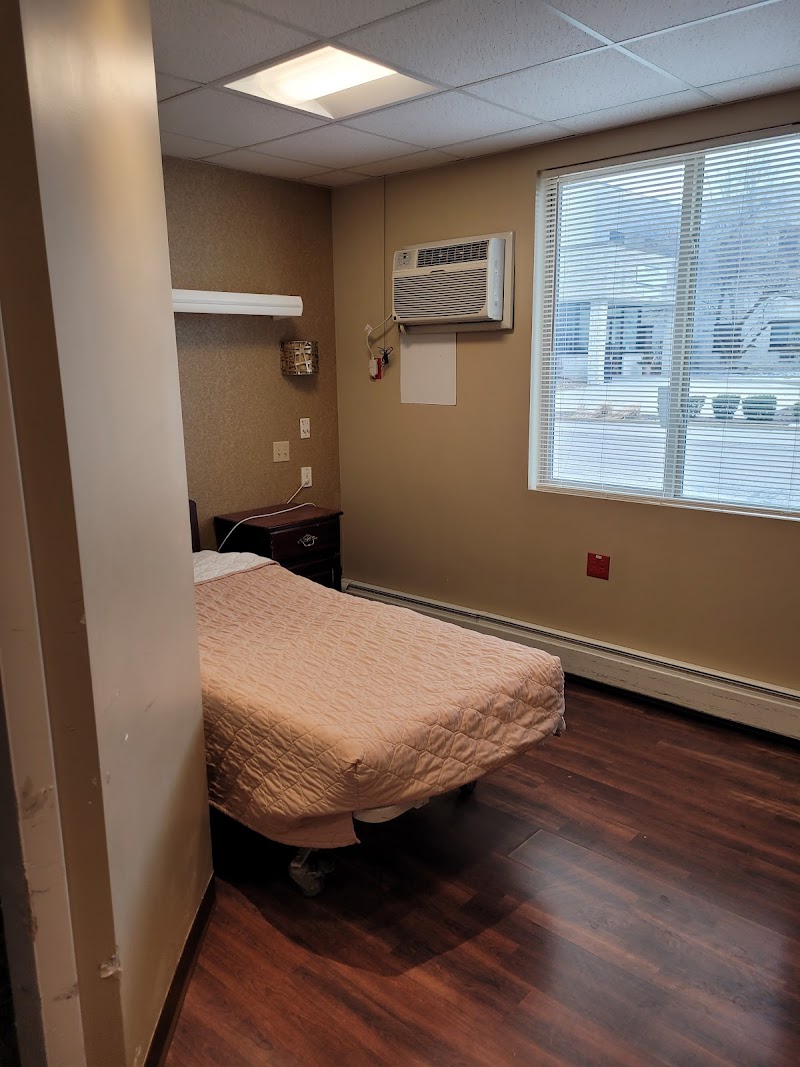
How is Westpark Healthcare Campus Staffed?

CMS rates WESTPARK HEALTHCARE CAMPUS's staffing level at 4 out of 5 stars, which is above average compared to other nursing homes. Staff turnover is 37%, compared to the Ohio average of 46%. This relatively stable workforce can support continuity of care.

What Have Inspectors Found at Westpark Healthcare Campus?

State health inspectors documented 27 deficiencies at WESTPARK HEALTHCARE CAMPUS during 2018 to 2025. These included: 1 that caused actual resident harm and 26 with potential for harm. Deficiencies causing actual harm indicate documented cases where residents experienced negative health consequences.
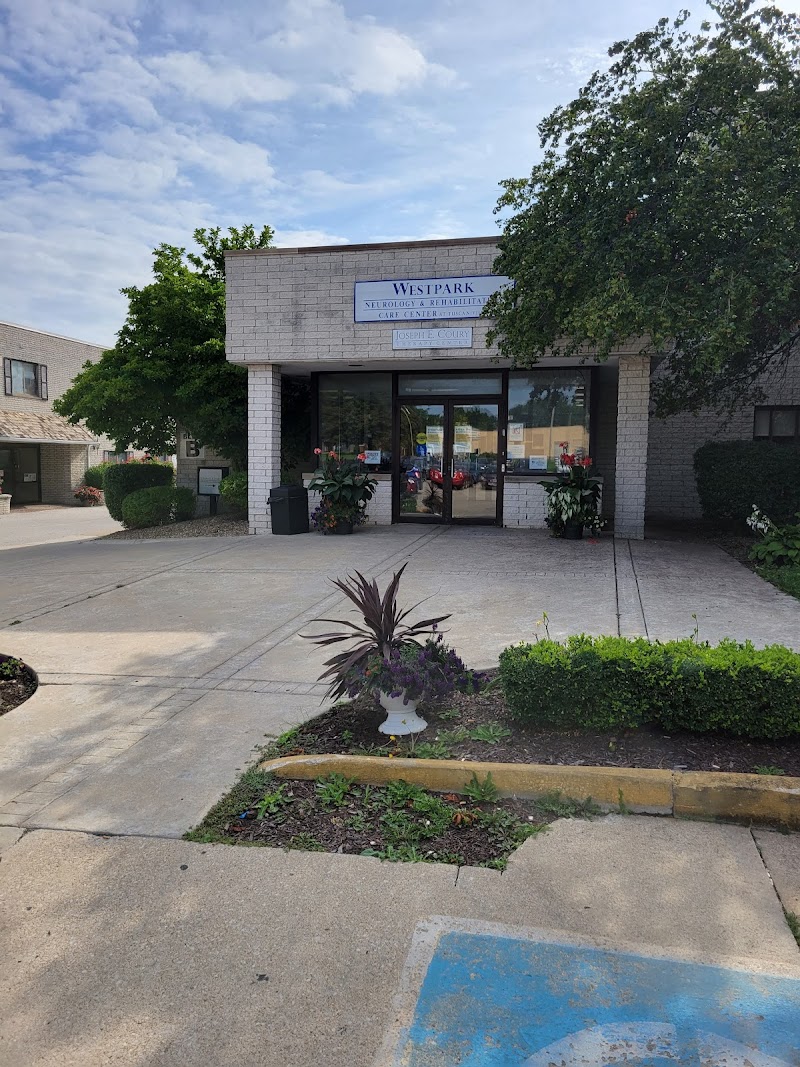
Who Owns and Operates Westpark Healthcare Campus?

WESTPARK HEALTHCARE CAMPUS is owned by a for-profit company. For-profit facilities operate as businesses with obligations to shareholders or private owners. The facility operates independently rather than as part of a larger chain. With 100 certified beds and approximately 80 residents (about 80% occupancy), it is a mid-sized facility located in CLEVELAND, Ohio.
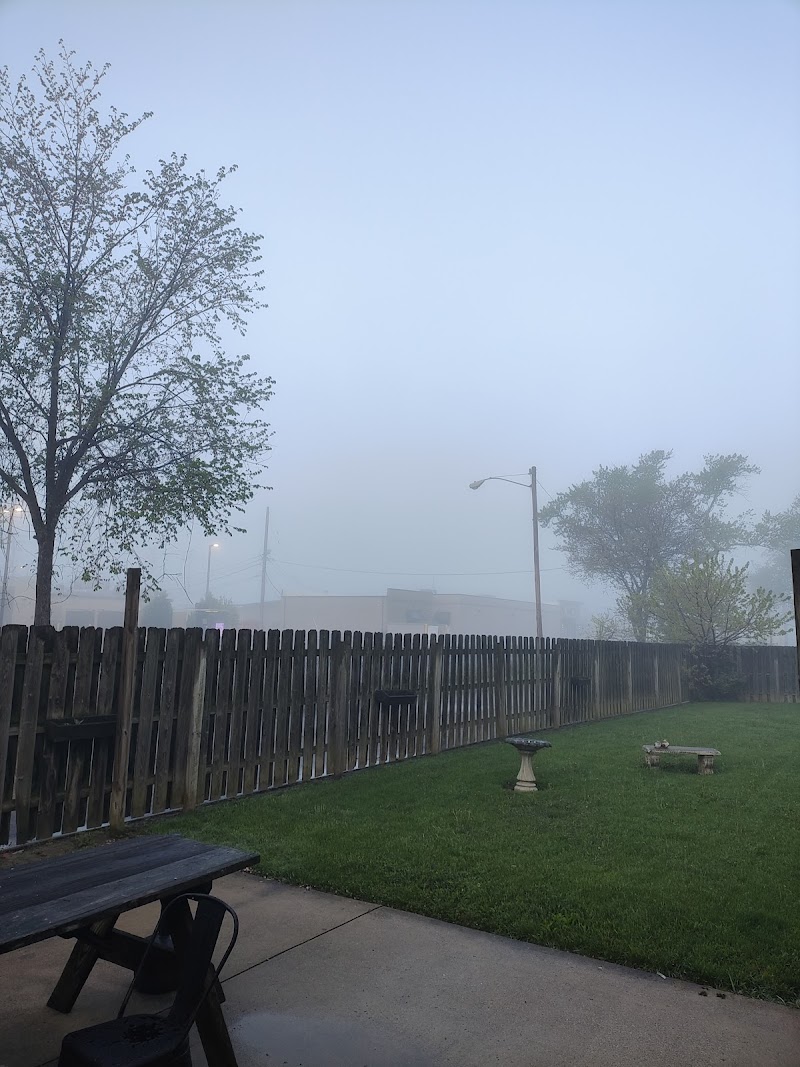
How Does Westpark Healthcare Campus Compare to Other Ohio Nursing Homes?

Compared to the 100 nursing homes in Ohio, WESTPARK HEALTHCARE CAMPUS's overall rating (4 stars) is above the state average of 3.2, staff turnover (37%) is near the state average of 46%, and health inspection rating (3 stars) is at the national benchmark.

What Should Families Ask When Visiting Westpark Healthcare Campus?

Based on this facility's data, families visiting should ask: "Can I visit during a mealtime to observe dining assistance and food quality?" "How do you handle medical emergencies, and what is your hospital transfer rate?" "Can I speak with family members of current residents about their experience?"

Is Westpark Healthcare Campus Safe?

Based on CMS inspection data, WESTPARK HEALTHCARE CAMPUS has a clean safety record: no substantiated abuse findings (meaning no confirmed cases of resident harm), no Immediate Jeopardy citations (the most serious violation level indicating risk of serious injury or death), and is not on the Special Focus Facility watch list (a federal program monitoring the lowest-performing 1% of nursing homes). The facility has a 4-star overall rating and ranks #1 of 100 nursing homes in Ohio. While no facility is perfect, families should still ask about staff-to-resident ratios and recent inspection results during their visit.

Do Nurses at Westpark Healthcare Campus Stick Around?

WESTPARK HEALTHCARE CAMPUS has a staff turnover rate of 37%, which is about average for Ohio nursing homes (state average: 46%). Moderate turnover is common in nursing homes, but families should still ask about staff tenure and how the facility maintains care continuity when employees leave.

Was Westpark Healthcare Campus Ever Fined?

WESTPARK HEALTHCARE CAMPUS has been fined $16,155 across 1 penalty action. This is below the Ohio average of $33,240. While any fine indicates a compliance issue, fines under $50,000 are relatively common and typically reflect isolated problems that were subsequently corrected. Families should ask what specific issues led to these fines and confirm they've been resolved.

Is Westpark Healthcare Campus on Any Federal Watch List?

WESTPARK HEALTHCARE CAMPUS is not on any federal watch list. The most significant is the Special Focus Facility (SFF) program, which identifies the bottom 1% of nursing homes nationally based on persistent, serious quality problems. Not being on this list means the facility has avoided the pattern of deficiencies that triggers enhanced federal oversight. This is a positive indicator, though families should still review the facility's inspection history directly.