ALLBRIDGE REHABILITATION AND NURSING CENTER
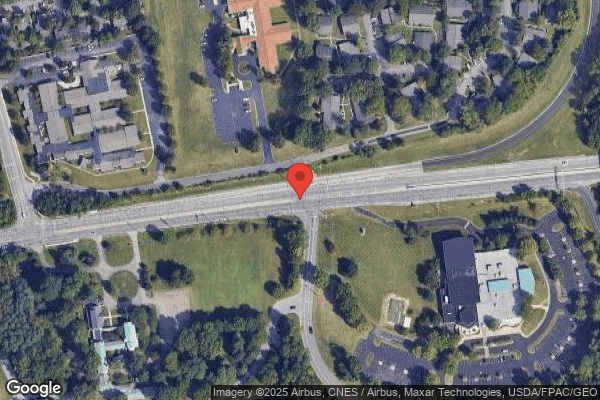
5500 EAST BROAD STREET, COLUMBUS, OH 43213 (380) 799-5500
For profit - Corporation 43 Beds MORDECHAI WEISZ Data: November 2025
Trust Grade
48/100
#583 of 913 in OH
Last Inspection: May 2025

Inspected within the last 6 months. Data reflects current conditions.

Overview

Allbridge Rehabilitation and Nursing Center has received a Trust Grade of D, indicating below-average performance with some concerns about care. It ranks #583 out of 913 facilities in Ohio, placing it in the bottom half, and #22 out of 56 in Franklin County, suggesting only a few local options are better. The facility's trend is worsening, with issues increasing from 4 in 2024 to 11 in 2025. Staffing is a relative strength, with a turnover rate of 0%, which is well below the Ohio average, but they received a low rating of 1 out of 5 stars for staffing overall. However, the facility has accumulated fines of $22,835, which is higher than 83% of Ohio facilities, indicating potential compliance issues. While RN coverage is average, it's noted that specific incidents have raised alarms, such as a resident sustaining second-degree burns after accessing a locked employee breakroom without supervision and the facility's failure to adequately complete tuberculosis risk assessments for staff, potentially affecting all residents. This combination of strengths and weaknesses should be carefully considered by families looking for care options.

Trust Score
D
48/100
In Ohio
#583/913
Bottom 37%
Safety Record
Moderate
Needs review
Inspections
Getting Worse
4 → 11 violations
Staff Stability
○ Average
Turnover data not reported for this facility.
Penalties
⚠ Watch
$22,835 in fines. Higher than 99% of Ohio facilities. Major compliance failures.
Skilled Nurses
⚠ Watch
Each resident gets only 29 minutes of Registered Nurse (RN) attention daily — below average for Ohio. Fewer RN minutes means fewer trained eyes watching for problems.
Violations
⚠ Watch
15 deficiencies on record. Higher than average. Multiple issues found across inspections.
★★☆☆☆
2.0
Overall Rating
★☆☆☆☆
1.0
Staff Levels
★★★★★
5.0
Care Quality
★★☆☆☆
2.0
Inspection Score
Stable
2024: 4 issues
2025: 11 issues

The Good

  • 5-Star Quality Measures · Strong clinical quality outcomes
  • Full Sprinkler Coverage · Fire safety systems throughout facility
  • No fines on record

Facility shows strength in quality measures, fire safety.

The Bad

2-Star Overall Rating

Below Ohio average (3.2)

Below average - review inspection findings carefully

Federal Fines: $22,835

Below median ($33,413)

Minor penalties assessed

Chain: MORDECHAI WEISZ

Part of a multi-facility chain

Ask about local staffing decisions and management

The Ugly 15 deficiencies on record

1 actual harm
May 2025 10 deficiencies
CONCERN (D)

Potential for Harm - no one hurt, but risky conditions existed

Deficiency F0567 (Tag F0567)

Could have caused harm · This affected 1 resident

Based on staff interview, records review and resident family interview, the facility failed to have written authorization to handle resident funds. This affected one (Resident #22) of five residents r...

Read full inspector narrative →
Based on staff interview, records review and resident family interview, the facility failed to have written authorization to handle resident funds. This affected one (Resident #22) of five residents reviewed for funds. The facility census was 39. Findings include: Record review of Resident #22 revealed an admission date of 06/22/24 with pertinent diagnoses of: metabolic encephalopathy, major depressive disorder, cognitive communication deficit, vascular dementia, and hypertension. Review of the 02/18/25 quarterly Minimum Data Set (MDS) assessment revealed the resident was moderately cognitively impaired. Review of the resident fund management service document dated 03/10/25 revealed Resident #22's power of attorney gave verbal consent for the facility to handle Resident #22 funds. Interview with Admissions #103 on 05/21/25 at 11:56 A.M. revealed she handles resident funds and she stated she did not have written authorization to handle Resident #22 funds only a verbal consent. Interview with Resident #22 power of attorney on 05/21/25 at 1:47 P.M. revealed she does not recall ever giving consent written or verbally for the facility to handle Resident #22 funds.
CONCERN (D)

Potential for Harm - no one hurt, but risky conditions existed

Report Alleged Abuse (Tag F0609)

Could have caused harm · This affected 1 resident

**NOTE- TERMS IN BRACKETS HAVE BEEN EDITED TO PROTECT CONFIDENTIALITY** Based on medical record review, review of the self reported incident, staff interview and review of the facility policy and proc...

Read full inspector narrative →
**NOTE- TERMS IN BRACKETS HAVE BEEN EDITED TO PROTECT CONFIDENTIALITY** Based on medical record review, review of the self reported incident, staff interview and review of the facility policy and procedure, the facility failed to report the alleged verbal abuse in a timely manner. This affected one (Resident #20) of one reviewed for self reported incidents. The census was 39. Findings include: Review of Resident #20's medical record revealed she was admitted to the facility on [DATE]. Diagnoses included encephalopathy, diabetes, Chronic kidney disease, alcohol abuse, restlessness and agitation, depression and mixed anxiety, delirium and psychotic disorder with hallucinations. Review of the quarterly minimum data set (MDS) assessment dated [DATE] revealed her cognition was moderately impaired. Review of the Self Reported Incident (SRI) dated 05/10/25 revealed on 05/07/25 at approximately 8:50 A.M. a day shift staff member approached the administrator and reported the resident had informed her a night shift aide had called her a Bitch. Both the staff member and resident were interviewed. According to the resident she stated Someone came into my room, and I said get out of here and she said We want to talk and I said what's there to talk about and she called me a bitch. She did not identify Certified Nurses Aide (CNA) #190 by name , but described her by height. No specific time of the alleged incident was noted. According to CNA #190, she checked on the resident several times during the night and each time she was sleeping. CNA #190 stated that between 6:30 A.M. and 6:45 A.M. she entered the residents room to pass ice, and at that time, she was still asleep. She reported she did not speak to the resident. Other residents were interviewed, and all denied any verbal abuse occurring in the facility. Staff members who worked during the shift were interviewed and all denied witnessing any interaction between the resident and staff. Upon discovery of the allegation, CNA #190 was immediately suspended pending investigation. 05/21/25 9:47 A.M. Interview with the Administrator revealed there was a delay in submitting the SRI due to an oversite. Review of the facility Abuse, Neglect, Exploitation and Misappropriation of resident Property policy and procedure last revision date 10/27/17 revealed the facility will submit and online Self-Reported-Incident form in accordance with the Ohio Department of Health (ODH) then current instructions.
CONCERN (D)

Potential for Harm - no one hurt, but risky conditions existed

Comprehensive Care Plan (Tag F0656)

Could have caused harm · This affected 1 resident

**NOTE- TERMS IN BRACKETS HAVE BEEN EDITED TO PROTECT CONFIDENTIALITY** Based on medical record review and staff interview, the facility failed to ensure the plan of care included services for checkin...

Read full inspector narrative →
**NOTE- TERMS IN BRACKETS HAVE BEEN EDITED TO PROTECT CONFIDENTIALITY** Based on medical record review and staff interview, the facility failed to ensure the plan of care included services for checking the dialysis port site. This affected one (Resident #9) of one resident reviewed for dialysis. The census was 39. Findings include: Review of Resident #9's medical record revealed she was admitted to the facility 05/18/23. Diagnoses included diabetes, renal dialysis with left AV (abnormal connection between an artery and a vein, often created surgically for dialysis access in patients with kidney disease) fistula, high blood pressure, major depression and morbid obesity. Review of the annual minimum data set (MDS) assessment dated [DATE] revealed her cognition was intact. Further review revealed physicians orders for 01/03/24 to check for bruit (Listen for a sound called a ' bruit ' near the fistula incision site. A ' bruit ' is a whooshing sound. You may need to use a stethoscope to hear the ' bruit ' )/thrill (A thrill or buzz is like a vibration caused by blood flowing through the fistula and can be felt by placing your fingers just above your incision line) every shift and document every shift. Review of the plan of care dated 11/18/24 failed to identify monitoring of the bruit and thrill every shift. On 05/21/25 at 12:11 P.M. interview with Regional Director of Clinical Services #119 verified the plan of care does not identify to check the thrill and bruit.
CONCERN (D)

Potential for Harm - no one hurt, but risky conditions existed

Deficiency F0919 (Tag F0919)

Could have caused harm · This affected 1 resident

Based on observation, resident interview, record review, and staff interview, the facility failed to have functioning call lights in two rooms. This affected two (Resident #14 and #21) of six resident...

Read full inspector narrative →
Based on observation, resident interview, record review, and staff interview, the facility failed to have functioning call lights in two rooms. This affected two (Resident #14 and #21) of six residents reviewed for environment. The facility census was 39. Findings include: 1. Record review of Resident # 14 revealed an admission date of 01/27/25 with pertinent diagnoses of schizophrenia, metabolic encephalopathy, congestive heart failure, and insomnia. Review of the 02/03/25 admission Minimum Data Set (MDS) assessment revealed the resident is cognitively intact. Observation on 05/19/25 at 8:27 A.M. revealed Resident #14 call light was not functioning. There was no light on over the the door or at the nurse station. Interview with Resident #14 on 05/19/25 at 8:27 A.M. revealed the call light has not been functioning for a while now. 2. Record review of Resident #21 revealed an admission date of 05/19/23 with pertinent diagnoses of: hemiplegia and hemiparesis, cerebral infarction, altered mental status, anemia, and epilepsy. Review of the 04/01/25 quarterly Minimum Data Set (MDS) assessment revealed the resident is rarely or never understood. Observation on 05/19/25 at 8:28 A.M. revealed Resident #21 call light was not functioning. There was no light on over the the door or at the nurse station. Interview with Certified Nurse Aide (CNA) #112 on 05/19/25 at 8:30 A.M. verified the call light for Resident #14 and #21 were not functioning. There was no lights on over the the doors or at the nurse station for either residents call light.
CONCERN (E)

Potential for Harm - no one hurt, but risky conditions existed

PASARR Coordination (Tag F0644)

Could have caused harm · This affected multiple residents

**NOTE- TERMS IN BRACKETS HAVE BEEN EDITED TO PROTECT CONFIDENTIALITY** 3. Review of medical record for Resident #11 revealed an admission date of 01/12/24. Medical diagnoses included cognitive commun...

Read full inspector narrative →
**NOTE- TERMS IN BRACKETS HAVE BEEN EDITED TO PROTECT CONFIDENTIALITY** 3. Review of medical record for Resident #11 revealed an admission date of 01/12/24. Medical diagnoses included cognitive communication deficit, traumatic subdue hemorrhage, hypertension, arteriosclerotic heart disease, unspecified psychosis, alcohol abuse, major depressive disorder, and anxiety disorder. Review of the quarterly Minimum Data Set (MDS) 3.0 assessment, dated 03/15/25 revealed the resident had a coded diagnoses of Anxiety, Depression, and Psychotic Disorder. Review of Resident #11 PASARR document dated 01/17/24, indicated no for mental health diagnoses and no diagnosis of substance use related disorder. Interview on 05/20/25 at 09:54 A.M. with Social Service staff #195 confirmed the PASARR documents for Resident #11 need to be updated to accurately reflect his diagnoses. 4. Record review of Resident #26 revealed an admission date of 11/07/23 with pertinent diagnoses of: anoxic brain damage, cerebral atherosclerosis, contracture right and left hand, muscle wasting, HIV, major depressive disorder, chronic embolism and thrombosis, cognitive communication deficit, anxiety disorder, sickle cell disease, insomnia, psychotic disorder with hallucinations, and acute kidney failure. Review of the 11/20/23 pre-admission screening and resident review (PASARR) on 05/19/25 at 9:23 A.M. revealed there was no anxiety or psychotic disorder with hallucinations diagnoses listed on the PASARR screening. Review of the medical record on 05/19/25 revealed Resident #26 had diagnoses of anxiety disorder on 11/07/23, and psychotic disorder with hallucinations dated 07/05/24. Interview with Social Services Designee #195 on 05/20/25 at 10:57 A.M. verified Resident #26 did not a diagnosis of psychotic disorder with hallucinations or anxiety listed on the 11/20/23 PASARR and it had not been updated with the correct diagnoses. Based on staff interview and record review, the facility failed to have accurate diagnoses on the pre-admission screening and resident review (PASARR) when submitted. This affected four of four (Resident #11, #20, #26 and #31) residents reviewed for PASARR. The facility census was 39. Findings include: 1. Review of Resident #20's medical record revealed she was admitted to the facility on [DATE]. Diagnoses included encephalopathy, diabetes, chronic kidney disease, alcohol abuse, dementia, restlessness and agitation, depression and mixed anxiety, delirium and psychotic disorder with hallucinations. Review of the PASARR dated 11/10/24 revealed no dementia or psychiatric diagnoses. On 05/20/25 at 10:00 A.M. interview with Social Service Designee #195 revealed the residents diagnoses were not indicated on PASARR dated 10/11/24. 2. Review of Resident #31's medical record revealed he was admitted to the facility on [DATE]. Diagnoses included diabetes, chronic obstructive pulmonary, alcohol abuse, pericardial effusion and spinal stenosis. Review of the PASARR dated 10/11/24 revealed alcohol abuse was not indicated on the PASSAR. On 05/20/25 at 10:00 A.M. interview with Social Service Designee #195 revealed the diagnosis was not indicated on PASARR dated 10/11/24.
CONCERN (E)

Potential for Harm - no one hurt, but risky conditions existed

Deficiency F0804 (Tag F0804)

Could have caused harm · This affected multiple residents

**NOTE- TERMS IN BRACKETS HAVE BEEN EDITED TO PROTECT CONFIDENTIALITY** Based on medical record review, resident interview, staff interview and test tray, the facility failed to maintain palatable and...

Read full inspector narrative →
**NOTE- TERMS IN BRACKETS HAVE BEEN EDITED TO PROTECT CONFIDENTIALITY** Based on medical record review, resident interview, staff interview and test tray, the facility failed to maintain palatable and appetizing food temperatures. This had the potential to affect all but three (Resident #12, #21 and #26) who do not receive a meal tray from the kitchen. The census was 39. Findings include: Review of Resident #7's medical record revealed he was admitted to the facility on [DATE]. Diagnoses included right and left above knee amputation, mild intellectual disability, diabetes, peripheral vascular disease, congestive heart failure, anxiety, chronic kidney disease Stage 3 and hypertensive heart disease. Review of the quarterly minimum data set assessment dated [DATE] revealed his cognition was intact. He required set up or clean up assistance with eating. Interview on 05/18/25 at 11:04 A.M. with Resident #7 revealed the food is hard, burnt and cold most of the time. 2. Record review of Resident #28 revealed an admission date of 09/09/24 with pertinent diagnoses of: chronic obstructive pulmonary disease, pancytopenia, cognitive communication deficit, nicotine dependence, anemia, alcohol abuse, hypertension, major depressive disorder, alcohol dependence with alcohol abuse induced sleep disorder, chronic fatigue, insomnia, myopia, insomnia, right foot burn, hypotension, third degree hemorrhoids, right shoulder injury, cocaine abuse, cannabis abuse, phylogenic arthritis, anxiety disorder. Interview with Resident #28 on 05/18/25 at 2:38 P.M. revealed the food is cold. On 05/21/25 at 8:52 A.M. a test tray was sent to the floor on the cart. At 8:59 A.M. all hall trays were passed. Temperatures were tested for the eggs and were at 100 degrees Fahrenheit , biscuits and sausage gravy was at 100 degrees Fahrenheit, and milk was at 50 degrees Fahrenheit. The food is cold to taste and milk is palatable. This was verified at the time of the observation with Regional Director of Dietary Services #124.
CONCERN (E)

Potential for Harm - no one hurt, but risky conditions existed

Food Safety (Tag F0812)

Could have caused harm · This affected multiple residents

**NOTE- TERMS IN BRACKETS HAVE BEEN EDITED TO PROTECT CONFIDENTIALITY** Based on observation and staff interview, the facility failed to store, prepare, distribute and serve food under sanitary condi...

Read full inspector narrative →
**NOTE- TERMS IN BRACKETS HAVE BEEN EDITED TO PROTECT CONFIDENTIALITY** Based on observation and staff interview, the facility failed to store, prepare, distribute and serve food under sanitary conditions. This had the potential to affect all but three (Resident #12, #21 and #26) who do not receive a meal tray from the kitchen. The census was 39. Findings include: 1. On 05/19/25 at 11:20 A.M. Observation of [NAME] #134 revealed she washed her hands and put on gloves and took the food out of the steamer and oven. Removed her gloves and put on new gloves without washing her hands. Then she temped the food, placed two pieces of Salisbury steak and gravy in robo [NAME] and pureed, washed it out and placed two serving of carrots and butter and pureed. [NAME] #134 then removed one glove and put on a new glove without washing hands. 11:35 A.M. this was verified during interview with [NAME] #134 during interview. 2. On 05/20/25 at 11:48 A.M. observations revealed Dietary Supervisor #101 washes his hands and puts on gloves and starts to prepare the resident plates, plates were observed stored wet and were being used for the meal. This verified with Regional Director of Dietary Services #124 on 05/20/25 at 11:52 A.M. 3. On 05/21/25 at 8:16 A.M. observed the following in the kitchen: 1. Walls with food splatter 2. Doors with food splatter 3. The steamer and stove with dried food splatter and food particles on top of the steamer. 4. The floor between between the stove and steamer with a dark build up 5. The trash can lid was on the floor. 6. Black build up between the wall and the ice machine. 7. Food splatter on the wall under the hand washing sink by the dishwasher area. On 05/21/25 at 8:25 A.M. this was verified with Regional Director of Dietary Services.
CONCERN (F)

Potential for Harm - no one hurt, but risky conditions existed

Staffing Data (Tag F0851)

Could have caused harm · This affected most or all residents

Based on staff interview and document review the facility failed to timely submit at least quarterly the Payroll Based Journal (PBJ) staffing information for quarter one of 2025 to Centers for Medicar...

Read full inspector narrative →
Based on staff interview and document review the facility failed to timely submit at least quarterly the Payroll Based Journal (PBJ) staffing information for quarter one of 2025 to Centers for Medicare and Medicaid Services (CMS). This affected all 39 residents in the building. Findings include: Review of the PBJ Staffing Data Report [NAME] Report 1705 run date 05/08/25 for quarter one of 2025 (10/01/24 to 12/31/24) revealed the facility failed to submit staffing data for the quarter. Interview with Regional Director of Clinical Operations #119 on 05/20/25 at 02:34 P.M. verified corporate did not report their PBJ staffing. The corporate was under the assumption they did not have to report until they had their first star rating after their first annual survey.
CONCERN (F)

Potential for Harm - no one hurt, but risky conditions existed

Infection Control (Tag F0880)

Could have caused harm · This affected most or all residents

Based on interview, review of personnel files, review of the tuberculosis (TB) risk assessment, and review of facility policies the facility failed to fully complete the TB risk assessment and failed ...

Read full inspector narrative →
Based on interview, review of personnel files, review of the tuberculosis (TB) risk assessment, and review of facility policies the facility failed to fully complete the TB risk assessment and failed to test staff according to their TB risk assessment. This had the potential to affect 39 of 39 residents residing in the facility. Findings include: Review of the facility's TB risk assessment worksheet, dated 04/01/25 revealed under risk classification the facility put 'not applicable' next to how many inpatient beds are in your inpatient setting? They did not indicate how many patients with TB they had encountered in the last year and did not indicate their risk level. The facility indicated healthcare workers would be tested for TB upon hire and annually. Review of the personnel file for Licensed Practical Nurse (LPN) #107 revealed a hire date of 03/02/24, she did not have an annual TB test. Review of the personnel file for State Tested Nursing Assistant (STNA) #126 revealed a hire date of 11/02/23, she did not have an annual TB test. Review of the personnel file for STNA #138 revealed a hire date of 03/03/25. STNA #138's initial TB test was not begun until 05/19/25 when the test was initiated, the results had not yet been read. Interview on 05/21/25 at 2:50 P.M. with the Administrator verified STNA #138's initial Mantoux test was not completed timely Interview on 05/21/25 at 2:58 P.M. with Regional Director of Clinical Operations #119 verified the TB risk assessment was not completed. She reported she thought the inpatient section only had to be completed if you had TB in house. Verified the risk assessment did not indicate what level of risk they were. She additionally verified they had not been doing annual TB tests as the risk assessment indicated. Review of the policy' Tuberculosis Infection Control Program' dated January 2012, revealed screening and surveillance of residents and employees for latent tuberculosis infection and active TB as appropriate for the current TB risk classification.
CONCERN (F)

Potential for Harm - no one hurt, but risky conditions existed

Safe Environment (Tag F0921)

Could have caused harm · This affected most or all residents

**NOTE- TERMS IN BRACKETS HAVE BEEN EDITED TO PROTECT CONFIDENTIALITY** Based on observation and staff interview, the facility failed to maintain and sanitary and homelike environment. This had the po...

Read full inspector narrative →
**NOTE- TERMS IN BRACKETS HAVE BEEN EDITED TO PROTECT CONFIDENTIALITY** Based on observation and staff interview, the facility failed to maintain and sanitary and homelike environment. This had the potential to affect the 39 of 39 residents residing in the facility. Findings include: 1. 05/21/25 from 1:46 P.M. to 1:52 P.M. tour of the facility with Regional Director of Dietary Services #124 revealed the following: a. The hallway tile has a dark build up around the wall and the floor. b. room [ROOM NUMBER] has a dark build up around the tile and the wall in the room and bathroom and a rusty colored build up around the commode. Patches of paint missing on the wall in the bathroom. The door into the room, bathroom and door jams with the paint scuffed. c. The hand rail scuffed in the hallway outside of the kitchen entrance. d. The hallway outside of the kitchen entrance with a rust colored build up at the tile and wall. e. A chair by the 100 nurses station with multiple stains on the upholstery. f. The two doors and door jam into the dining room scuffed. g. The carpet in the from area near the entranced stained. h. Four chairs at the end of the 200 hall with the upholstery peeling. This was verified at the time of the observations with the Regional Director of Dietary Services #124. 2. Observation during tour facility outside resident room [ROOM NUMBER] revealed tile cracks had a dark build up of dirt in between each tile outside the door extending into room [ROOM NUMBER]. Dirt build-up on floor noted on both sides of entry way to room [ROOM NUMBER]. Hallway ledge had scuff marks and dirt on the outside. The lower bumper rim of the hallway had brown dirt in cracks connecting to the wall. Wall outside room [ROOM NUMBER] under ledge had a yellow, dried substance that dripped down toward bumper. room [ROOM NUMBER]'s brown painted door had large, white streaks of missing paint. Findings confirmed with Regional Director of Dietary #124 and Director of Nursing.
Jan 2025 1 deficiency
CONCERN (D) 📢 Someone Reported This

A family member, employee, or ombudsman was alarmed enough to file a formal complaint

Potential for Harm - no one hurt, but risky conditions existed

Infection Control (Tag F0880)

Could have caused harm · This affected 1 resident

Based on observation, record review, and staff interview, the facility failed to ensure enhanced barrier precautions (EBP) were followed for one (Resident #1) of four residents reviewed for EBP. The f...

Read full inspector narrative →
Based on observation, record review, and staff interview, the facility failed to ensure enhanced barrier precautions (EBP) were followed for one (Resident #1) of four residents reviewed for EBP. The facility census was 39. Findings include: Review of Resident #1's medical record revealed an admission date of 11/23/24 with diagnoses of acute respiratory failure, tracheostomy, gastrostomy status, and pneumonia due to pseudomonas on 12/13/24 due to recent hospitalization. Review of the quarterly Minimum data set (MDS) 3.0 assessment completed 12/31/24 revealed Resident #1 had memory problem and was severely cognitively impaired. Resident #1 was dependent on staff for all activities of daily living and has a tracheostomy. Review of the physician orders dated 12/22/24 revealed Resident #1 had an order for enteral feed for nutrition, and a tracheostomy (surgical airway) and EBP during high contact resident care activities. Review of Resident #1's EBP care plan dated 11/23/24 revealed interventions included signage on door and gloves and gowns for high contact resident care. Observation on 01/09/25 at 6:12 A.M. with Certified Nursing Assistant (CNA) #62 and #80 showed they were preparing to administer perineal care to Resident #1. Upon entering the room, they knocked on the door, performed hand hygiene, and then entered. An EBP sign was posted on the door, indicating all direct care staff providing personal care should wear a gown before assisting the resident with direct care. CNA #62 and #80 proceeded by gathering the necessary supplies, including filling a bucket with water, collecting washcloths and soap, opening linen bags for disposal, and placing towels on a clean surface. However, upon initiating perineal care, CNA #62 and #80 did not put on gowns. The EBP signage posted outside of the door revealed everyone must clean their hands, including before entering and when leaving the room. providers and staff must also: wear gloves and a gown for the following high-contact resident care activities, dressing, bathing/showering, transferring, changing linens, providing hygiene, changing briefs or assisting with toileting and device care or use: central line, urinary catheter, feeding tube or tracheostomy. Interview on 01/09/25 at 6:52 A.M. with CNA #62 confirmed she did not wear a gown when providing perineal care on Resident #1. Interview on 01/09/25 at 6:55 A.M. with CNA #80 confirmed she did not wear a gown when providing perineal care on Resident #1. Interview on 01/09/25 at 7:43 A.M. with Regional Nurse #99 confirmed Resident #1 had EBP signage on her door, she confirmed staff members should be wearing gowns when performing perineal care since Resident #1 has a tracheostomy and a gastro-tube. This was an incidental finding during the course of the complaint investigation.
Sept 2024 2 deficiencies
CONCERN (D) 📢 Someone Reported This

A family member, employee, or ombudsman was alarmed enough to file a formal complaint

Potential for Harm - no one hurt, but risky conditions existed

Quality of Care (Tag F0684)

Could have caused harm · This affected 1 resident

**NOTE- TERMS IN BRACKETS HAVE BEEN EDITED TO PROTECT CONFIDENTIALITY** Based on staff interview, and record review the facility failed to ensure Residents received the treatment and care in accordanc...

Read full inspector narrative →
**NOTE- TERMS IN BRACKETS HAVE BEEN EDITED TO PROTECT CONFIDENTIALITY** Based on staff interview, and record review the facility failed to ensure Residents received the treatment and care in accordance with professional standards when Resident #27 did not have timely follow up on Erivedge (a cancer drug) from the dermatologist office. This affected one (Resident #27) of three reviewed for quality of care. The facility census was 34. Findings include: Record review of Resident #27 revealed an admission date of 10/10/23 and a discharge to the hospital on [DATE]. The resident had pertinent diagnoses of: non pressure chronic ulcer of skin, squamous cell carcinoma of face, protein calories malnutrition, cognitive communication deficit, difficulty in walking, history of pulmonary embolism, hypertension, hyperlipidemia, heart failure, malignant melanoma of face, and vascular dementia without behaviors. Review of the 07/15/24 quarterly five day Minimum Data Set (MDS) assessment revealed Resident #27 is moderately cognitively impaired and used a manual walker and wheelchair to aid in mobility. Review of the 02/08/24 surgical pathology report revealed Resident #27 left sided facial biopsy came back as Basal Celll Carcinoma nodular and infiltrative types. Review of the 03/04/24 Dermatology Visit Note revealed Resident has a large, neglected tumor on left temple/face. Surgery would be incredibly morbid and I don't think is a reasonable option in this case, and patient voices strong desire to avoid any cutting. Radiation is also not ideal here given size of tumor and proximity to the left orbital. Discussed the use of an oral hedgehog inhibitor in this case. Resident #27 has a difficult social family situation as her power of attorney recently had a serious stroke and is apparently incapacitated and currently going through the process of getting a court appointed power of attorney. I think we need to do something about this tumor as it is getting infected recurrently and is painful and will only get worse in the near future. Discussed the risks and benefits of Erivedge and I answered all questions to the best of my ability. I think the potential benefits here outweigh risks. Will look to start Erivedge and check labs. Review of the medical record revealed on 04/01/24 a patient consent form was filled out for assistance with acquiring the Erivedge drug from Genentech. Review of the Progress Notes dated 04/23/24 revealed nurse followed up with dermatologist and now awaiting on application to be filed for assistance for medication. Review of a hospital record dated 07/12/24 revealed the Resident #27 has a chronic left facial ulcer reportedly since 06/2022. Review of the medical record on 09/10/24 revealed no documented follow up about the medication status. Interview with Regional Nurse #100 on 09/10/24 at 1:50 P.M. revealed the Erivedge cancer medication costs about $14,000 a month and it needs to be used for five months and we have not heard back from them about the medication assistance. Interview with Genentech Worker #50 on 09/10/24 at 3:24 P.M. revealed if a patient is uninsured it usually takes 24 to 48 hours to get an answer about drug assistance and if they have insurance it will usually take 48 to 72 hours for have a response. We require paperwork from the doctors office and the patient. Interview with the Director of Nursing (DON) on 09/10/24 at 3:40 P.M. verified there was nothing in the record if there was a followup about Resident #27 Erivedge cancer medication assistance. The DON was unaware what the status of the medication is but that Resident #27 has not received the medication.
CONCERN (D) 📢 Someone Reported This

A family member, employee, or ombudsman was alarmed enough to file a formal complaint

Potential for Harm - no one hurt, but risky conditions existed

Unnecessary Medications (Tag F0759)

Could have caused harm · This affected 1 resident

Based on staff interview, record review ,observation, and facility policy review, the facility failed to ensure medication error rates were not greater than 5% when they tried to administer another Re...

Read full inspector narrative →
Based on staff interview, record review ,observation, and facility policy review, the facility failed to ensure medication error rates were not greater than 5% when they tried to administer another Residents Lantus (insulin medication) to Resident #7 and omitted a probiotic medication for Resident #29. There was 35 opportunities with two errors for a medication error rate of 5.7%. This affected two (Resident #7 and #29) of four Residents reviewed for medication administration. The facility census was 34. Findings include: 1. Record review of Resident #7 revealed an admission date of 08/25/23 with pertinent diagnoses of: type two diabetes mellitus, schizoaffective disorder, anxiety disorder, and hypertension. Review of the 08/12/24 annual Minimum Data Set (MDS) assessment revealed Resident #7 was cognitively intact and used a wheelchair to aid in mobility. Record review of a physician order dated 07/10/24 revealed Lantus 100 units/milliliter inject 40 units subcutaneously two times a day for diabetes mellitus. Observation of Registered Nurse #33 (RN) on 09/10/24 at 8:35 A.M. revealed she was administering medication to Resident #7 including Lantus. She drew up Resident #2 Lantus insulin instead of Resident #7 Lantus insulin. Interview with RN #33 on 09/10/24 at 9:43 A.M. revealed when she completed drawing up Resident #2 insulin The surveyor asked her whose insulin she drew up and she acknowledged she drew up Residents #2 insulin for Resident #7. RN #33 had to go pull Resident #7 Lantus insulin out of the stock. 2. Record review of Resident #29 revealed an admission date of 08/26/24 with pertinent diagnoses of: adult failure to thrive, anxiety disorder, chronic fatigue, enterocolitis due to clostridium difficile. Review of the 09/02/24 admission Minimum Data Set (MDS) assessment revealed Resident #29 was cognitively intact and did not use any devices to aid in mobility. Review of a Physicians Order dated 08/26/24 revealed an order for probiotic oral capsule (saccharomyces boulardii) give one capsule one time a day for supplements. Observation of Licensed Practical Nurse (LPN) #18 for medication administration on 09/10/24 at 9:20 A.M. revealed LPN #18 administered medications for Resident #29 including: magnesium oxide, oxybutyn, allopurinol, belbuca, eliquis, multivitamin, valacyclovir, and pregabalin. LPN #18 did not administer probiotic oral capsule (saccharomyces boulardii). LPN was asked when he completed pulling the medication if that was all morning medications and they stated yes. Interview with LPN #18 on 09/10/24 at 10:27 A.M. verified he did not administer the probiotic oral capsule (saccharomyces boulardii) for Resident #29. Review of the 12/01/12 facility administering medications policy revealed the individual administering the medication must check the label three times to verify the right resident, right medication, right dosage, right time, and right route before giving the medication. This defieciency represents non-compliance investigated under Complaint Number OH00157100.
Mar 2024 2 deficiencies 1 Harm
SERIOUS (G) 📢 Someone Reported This

A family member, employee, or ombudsman was alarmed enough to file a formal complaint

Actual Harm - a resident was hurt due to facility failures

Accident Prevention (Tag F0689)

A resident was harmed · This affected 1 resident

**NOTE- TERMS IN BRACKETS HAVE BEEN EDITED TO PROTECT CONFIDENTIALITY** Based on observation, record review, and resident and staff interview, the facility failed to ensure the safety of Resident #34,...

Read full inspector narrative →
**NOTE- TERMS IN BRACKETS HAVE BEEN EDITED TO PROTECT CONFIDENTIALITY** Based on observation, record review, and resident and staff interview, the facility failed to ensure the safety of Resident #34, who obtained access to a locked employee breakroom to utilize a facility microwave unsupervised. Actual harm occurred on 02/28/24 when Resident #34 sustained second degree burns to his left thigh after spilling hot water on his leg. The injury was a result of Resident #34 entering an employee breakroom with a Styrofoam cup of water where he proceeded to heat the water in the facility microwave without supervision. Upon exiting the breakroom the resident spilled the cup of hot water on his left thigh resulting in second-degree burns (a type of burn that affects the first and second layer of skin. The resident complained of subsequent pain to the area and required a wound care treatment. (Second-degree burns can cause pain, redness, blistering and sloughing of the top layers of skin.). At the time of the incident, the facility failed to ensure the resident did not have access to the area. This affected one (Resident #34) of three residents reviewed for accidents. The facility census was 36. Findings Include: Review of the medical record for the Resident #34 revealed an initial admission date of 12/14/23 with the latest readmission of 02/07/24 with diagnoses including osteoarthritis of left hip, chronic obstructive pulmonary disease (COPD), severe morbid obesity due to excessive calories, insomnia, pain in left leg, hypertension, heart failure, obstructive sleep apnea, benign prostatic hyperplasia with lower urinary tract symptoms, major depressive disorder, anxiety disorder and functional quadriplegia. Review of the resident's comprehensive Minimum Data Set (MDS) assessment dated [DATE] revealed the resident had no cognitive deficit. The resident was dependent on staff for transfers, dressing, toileting and required substantial/maximal assistance with personal hygiene. The resident was independent with eating. The assessment indicated the resident was at risk for skin breakdown and had moisture associated skin damage (MASD). The facility implemented the interventions pressure reducing device to bed/chair and application of ointments/medications other than to feet. Review of the incident report dated 02/28/24 at 8:48 A.M. and titled, self-injury, revealed the resident was found to have three fluid filled blisters to the left thigh during weekly skin check. The resident reported he was heating water in the employee lounge microwave in a Styrofoam cup and spilled the hot water on himself. When asked why he was in the employee break room the resident reported he went in on his own. The incident report indicated the resident knew the code to the employee break room door and entered without facility permission or staff knowledge using facility equipment. The facility implemented the interventions offered ice and resident declined, educated the resident on not using the employee break room, and changing the code to the lock. Review of the resident's pain assessment dated [DATE] at 9:14 A.M. revealed the resident had frequent pain rated at a level five out of 10 with 10 being the worst pain possible. Review of the late entry event note dated 02/28/24 at 10:11 A.M. revealed the resident was observed to have three clear fluid filled blisters to the medical aspect of the left upper leg proximal to the knee. The superior blister measured 4.0 centimeters (cm) by 2.5 cm, the second blister measured 2.5 cm by 3.5 cm and the inferior bladder measured 5.5 cm by 4.0 cm. The blisters remained intact, and the surrounding tissue was red. The areas were cleansed with normal saline (NS), pat dry, abdominal (ABD) pad applied and secured with Kerlix and tape. The resident was medicated with pain medication. Review of the resident's February 2024 Medication Administration Record (MAR) revealed on 02/28/24 at 2:45 P.M., Resident #34 was administered Tylenol 325 milligrams (mg) three tablets by mouth for complaints of pain rated a 10 out of 10 with 10 being the worst pain possible. Review of the physician progress note dated 02/29/24 revealed the resident was seen for burns to left lower thigh. The resident reported he spilled a hot beverage on himself and sustained a burn to the left thigh. The resident had complaints of pain and reported a blister. Upon examination the resident was found with a clearly demarcated area of erythema (abnormal redness of the skin) and a large blister noted within the circumscribe area of erythema. The physician had no concern for infection at that time. The physician provided a treatment order to cleanse the area with NS, pat dry and apply Mupirocin cream twice daily for seven days. The physician also ordered a narcotic analgesic, Oxycodone for pain control, laboratory testing for a complete blood count (CBC) and basic metabolic panel (BMP) and wound team to follow. Review of the interdisciplinary team (IDT) progress note dated 03/03/24 at 7:44 P.M. revealed the resident was observed to have skin impairment to the left thigh. The resident displayed no signs of distress or pain at that time. The resident was offered ice and refused. The physician was notified and the resident would be seen by the wound physician. The resident had a treatment in place and the resident was educated on not going into the break room and the note indicated to have lock code changed. Review of Resident #34's plan of care revealed no care plan addressing the burn to the resident's left upper thigh. Review of the monthly physician orders for March 2024 revealed an order, 02/07/24 for Tylenol 325 mg with the special instructions to administer three tablets every six hours for pain. Orders on 02/29/24 for CBC and BMP, on 03/04/24, dressing change to wound on left upper leg twice daily, wound team to follow up for burn to left leg, Mupirocin external ointment 2% with the special instructions to apply to left leg topically twice daily for wound healing for seven days to burn on upper left leg with dressing changes and Oxycodone 5 mg by mouth every six hours as needed for pain. On 03/05/24 at 11:03 A.M., interview with Resident #34 revealed he had asked an older lady to heat the Styrofoam cup of water and was told to do it himself. Resident #34 revealed the older lady gave him the code to the employee breakroom. On 03/05/24 at 12:00 P.M., observation of Licensed Practical Nurse (LPN) #112 provide the physician ordered treatment to the second-degree burns to Resident #34's left thigh. Observation revealed the LPN set-up the required supplies on a barrier on the resident's bedside table. The LPN washed her hands, donned disposable gloves and removed the soiled dressing. The resident had three open areas within the large erythema area. The open areas were ruptured, fluid filled blisters and the skin was pink in color. The LPN cleansed the open areas with NS and two by two. She then washed her hands, donned a pair of gloves, applied the Mupirocin external ointment 2% to the erythema area, including the ruptured blisters. She then covered the area with an ABD pad and secured the ABD pad with tape. On 03/05/24 at 12:08 P.M., during an interview with Resident #34, the resident provided the surveyor the code to the breakroom and indicated it would open because the facility had not changed the code. On 03/05/24 at 12:11 P.M., observation of the employee breakroom revealed the code given by Resident #34 was placed in the lock and the door opened. The Administrator verified the code to the employee breakroom lock had not been changed allowing Resident #34 continued access to the microwave. This deficiency represents non-compliance investigated under Complaint Number OH00151606.
CONCERN (D) 📢 Someone Reported This

A family member, employee, or ombudsman was alarmed enough to file a formal complaint

Potential for Harm - no one hurt, but risky conditions existed

Notification of Changes (Tag F0580)

Could have caused harm · This affected 1 resident

**NOTE- TERMS IN BRACKETS HAVE BEEN EDITED TO PROTECT CONFIDENTIALITY** Based on closed medical record review, facility policy review, and interview the facility failed to ensure Resident #37's power ...

Read full inspector narrative →
**NOTE- TERMS IN BRACKETS HAVE BEEN EDITED TO PROTECT CONFIDENTIALITY** Based on closed medical record review, facility policy review, and interview the facility failed to ensure Resident #37's power of attorney (POA) was notified of change in dialysis days and a Notice of Medicare Non-Coverage (NOMNC) letter being issued. This affected one (Resident #37) of three residents reviewed for notification. The facility census was 36. Findings Include: Review of the closed medical record for Resident #37 revealed an initial admission date of 01/21/24 with diagnoses including malignant neoplasm of anal canal, dysphagia, human immunodeficiency virus (HIV), end stage renal disease, dependence on renal dialysis, hypertension, hyperlipidemia, anemia, colostomy status and gastro-esophageal reflux disease. Review of the State of Ohio Health Care Power of Attorney dated 06/06/22 revealed the resident's niece was named as the resident's POA. Review of the resident's acute care hospital Discharge summary dated [DATE] revealed the resident was to resume hemodialysis every Tuesday, Thursday and Saturday. Review of the resident's comprehensive Minimum Data Set (MDS) assessment dated [DATE] revealed the resident had a moderate cognitive deficit. Review of the resident's NOMNC revealed the cut letter was issued on 02/01/24 and signed on 02/01/24 by the resident. Review of the resident's medical record revealed no documented evidence the resident's POA was notified of the NOMNC letter being issued and/or the right to appeal. Further review revealed no documented evidence the POA had been notified of the change in the resident's hemodialysis days from Tuesday, Thursday and Saturday to Monday, Wednesday and Friday. On 03/05/24 at 10:58 A.M., interview with Social Service Designee (SSD) #146 revealed the facility should be notifying the POA of changes for any resident with a cognitive deficit. SSD #146's POA should have been notified of the NOMNC letter being issued and of the change in hemodialysis days. On 03/06/24 at 10:48 A.M., interview with the Director of Nursing (DON) revealed when the resident was admitted to the facility his hemodialysis days were every Tuesday, Thursday and Saturday. The DON verified the resident's hemodialysis days had been changed to every Monday, Wednesday and Friday. However, there was no documented evidence the resident's POA was notified of the change to the hemodialysis days. Review of the facility policy titled, Change in a Resident's Condition or Status, dated 05/2017 revealed the facility shall promptly notify the resident, his or her attending physician and representative of changes in the resident's medical/mental condition and/or status (changes in level of care, billing/payments, resident rights, etc.). This deficiency represents non-compliance investigated under Complaint Number OH00151273 and Complaint Number OH00151045.
Understanding Severity Codes (click to expand)
Life-Threatening (Immediate Jeopardy)
J - Isolated K - Pattern L - Widespread
Actual Harm
G - Isolated H - Pattern I - Widespread
Potential for Harm
D - Isolated E - Pattern F - Widespread
No Harm (Minor)
A - Isolated B - Pattern C - Widespread

Questions to Ask on Your Visit

  • "Can I speak with families of current residents?"
  • "What's your RN coverage like on weekends and overnight?"

Our Honest Assessment

Strengths
  • • Licensed and certified facility. Meets minimum state requirements.
Concerns
  • • 15 deficiencies on record, including 1 serious (caused harm) violation. Ask about corrective actions taken.
  • • $22,835 in fines. Higher than 94% of Ohio facilities, suggesting repeated compliance issues.
  • • Grade D (48/100). Below average facility with significant concerns.
Bottom line: Trust Score of 48/100 indicates significant concerns. Thoroughly evaluate alternatives.

About This Facility

What is Allbridge Rehabilitation And Nursing Center's CMS Rating?

CMS assigns ALLBRIDGE REHABILITATION AND NURSING CENTER an overall rating of 2 out of 5 stars, which is considered below average nationally. Within Ohio, this rating places the facility higher than 0% of the state's 100 nursing homes. A rating at this level reflects concerns identified through health inspections, staffing assessments, or quality measures that families should carefully consider.

How is Allbridge Rehabilitation And Nursing Center Staffed?

CMS rates ALLBRIDGE REHABILITATION AND NURSING CENTER's staffing level at 1 out of 5 stars, which is much below average compared to other nursing homes.

What Have Inspectors Found at Allbridge Rehabilitation And Nursing Center?

State health inspectors documented 15 deficiencies at ALLBRIDGE REHABILITATION AND NURSING CENTER during 2024 to 2025. These included: 1 that caused actual resident harm and 14 with potential for harm. Deficiencies causing actual harm indicate documented cases where residents experienced negative health consequences.

Who Owns and Operates Allbridge Rehabilitation And Nursing Center?

ALLBRIDGE REHABILITATION AND NURSING CENTER is owned by a for-profit company. For-profit facilities operate as businesses with obligations to shareholders or private owners. The facility is operated by MORDECHAI WEISZ, a chain that manages multiple nursing homes. With 43 certified beds and approximately 36 residents (about 84% occupancy), it is a smaller facility located in COLUMBUS, Ohio.

How Does Allbridge Rehabilitation And Nursing Center Compare to Other Ohio Nursing Homes?

Compared to the 100 nursing homes in Ohio, ALLBRIDGE REHABILITATION AND NURSING CENTER's overall rating (2 stars) is below the state average of 3.2 and health inspection rating (2 stars) is below the national benchmark.

What Should Families Ask When Visiting Allbridge Rehabilitation And Nursing Center?

Based on this facility's data, families visiting should ask: "Can you walk me through typical staffing levels on day, evening, and night shifts?" "Can I visit during a mealtime to observe dining assistance and food quality?" "How do you handle medical emergencies, and what is your hospital transfer rate?" "Can I speak with family members of current residents about their experience?" These questions are particularly relevant given the below-average staffing rating.

Is Allbridge Rehabilitation And Nursing Center Safe?

Based on CMS inspection data, ALLBRIDGE REHABILITATION AND NURSING CENTER has a clean safety record: no substantiated abuse findings (meaning no confirmed cases of resident harm), no Immediate Jeopardy citations (the most serious violation level indicating risk of serious injury or death), and is not on the Special Focus Facility watch list (a federal program monitoring the lowest-performing 1% of nursing homes). The facility has a 2-star overall rating and ranks #100 of 100 nursing homes in Ohio. While no facility is perfect, families should still ask about staff-to-resident ratios and recent inspection results during their visit.

Do Nurses at Allbridge Rehabilitation And Nursing Center Stick Around?

ALLBRIDGE REHABILITATION AND NURSING CENTER has not reported staff turnover data to CMS. Staff turnover matters because consistent caregivers learn residents' individual needs, medications, and preferences. When staff frequently change, this institutional knowledge is lost. Families should ask the facility directly about their staff retention rates and average employee tenure.

Was Allbridge Rehabilitation And Nursing Center Ever Fined?

ALLBRIDGE REHABILITATION AND NURSING CENTER has been fined $22,835 across 6 penalty actions. This is below the Ohio average of $33,307. While any fine indicates a compliance issue, fines under $50,000 are relatively common and typically reflect isolated problems that were subsequently corrected. Families should ask what specific issues led to these fines and confirm they've been resolved.

Is Allbridge Rehabilitation And Nursing Center on Any Federal Watch List?

ALLBRIDGE REHABILITATION AND NURSING CENTER is not on any federal watch list. The most significant is the Special Focus Facility (SFF) program, which identifies the bottom 1% of nursing homes nationally based on persistent, serious quality problems. Not being on this list means the facility has avoided the pattern of deficiencies that triggers enhanced federal oversight. This is a positive indicator, though families should still review the facility's inspection history directly.