BELLA TERRACE REHABILITATION AND NURSING CENTER
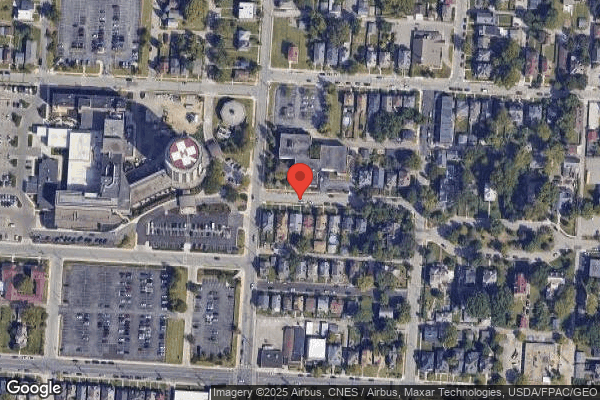
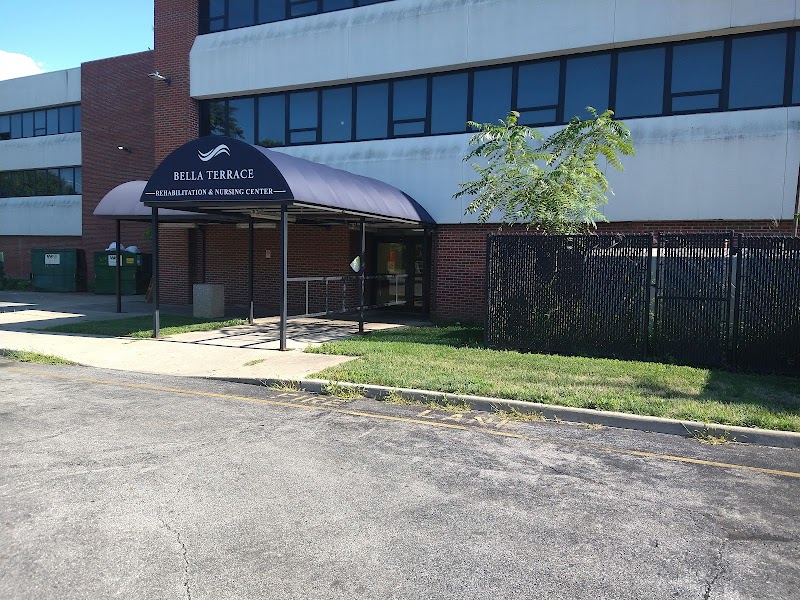
1520 HAWTHORNE AVENUE, COLUMBUS, OH 43203 (614) 252-4931
For profit - Corporation 96 Beds Independent Data: November 2025
Trust Grade
15/100
#620 of 913 in OH
Last Inspection: August 2023

Over 2 years since last inspection. Current conditions may differ from available data.

Overview

Bella Terrace Rehabilitation and Nursing Center has received a Trust Grade of F, indicating significant concerns about the care provided, which puts it in the bottom tier of nursing homes. It ranks #620 out of 913 facilities in Ohio, meaning it is in the bottom half, and #23 of 56 in Franklin County, signifying that only a few local options are worse. The facility is currently worsening, with issues increasing from 5 in 2024 to 8 in 2025. Staffing is a major concern here, with a low rating of 1 out of 5 stars and a troubling RN coverage level that is lower than 99% of other facilities in Ohio. In terms of fines, the $126,060 imposed is alarming, as it is higher than 93% of Ohio nursing homes, suggesting ongoing compliance problems. Specific incidents include a resident developing a worsening pressure ulcer due to a lack of timely treatment and another resident experiencing severe hyperglycemia because blood glucose monitoring was neglected. While the facility has an excellent rating of 5 out of 5 for quality measures, the significant weaknesses in staffing and care indicate serious risks for residents.

Trust Score
F
15/100
In Ohio
#620/913
Bottom 33%
Safety Record
High Risk
Review needed
Inspections
Getting Worse
5 → 8 violations
Staff Stability
⚠ Watch
48% turnover. Above average. Higher turnover means staff may not know residents' routines.
Penalties
○ Average
$126,060 in fines. Higher than 73% of Ohio facilities. Some compliance issues.
Skilled Nurses
⚠ Watch
Each resident gets only 14 minutes of Registered Nurse (RN) attention daily — below average for Ohio. Fewer RN minutes means fewer trained eyes watching for problems.
Violations
⚠ Watch
53 deficiencies on record. Higher than average. Multiple issues found across inspections.
★★☆☆☆
2.0
Overall Rating
★☆☆☆☆
1.0
Staff Levels
★★★★★
5.0
Care Quality
★☆☆☆☆
1.0
Inspection Score
Stable
2024: 5 issues
2025: 8 issues

The Good

  • 5-Star Quality Measures · Strong clinical quality outcomes
  • Full Sprinkler Coverage · Fire safety systems throughout facility
  • No fines on record

Facility shows strength in quality measures, fire safety.

The Bad

2-Star Overall Rating

Below Ohio average (3.2)

Below average - review inspection findings carefully

Staff Turnover: 48%

Near Ohio avg (46%)

Higher turnover may affect care consistency

Federal Fines: $126,060

Well above median ($33,413)

Significant penalties indicating serious issues

The Ugly 53 deficiencies on record

4 actual harm
Jul 2025 8 deficiencies
CONCERN (D) 📢 Someone Reported This

A family member, employee, or ombudsman was alarmed enough to file a formal complaint

Potential for Harm - no one hurt, but risky conditions existed

Deficiency F0558 (Tag F0558)

Could have caused harm · This affected 1 resident

**NOTE- TERMS IN BRACKETS HAVE BEEN EDITED TO PROTECT CONFIDENTIALITY** Based on observation, interview, and record review, the facility failed to provide barber services for Resident #38. This affect...

Read full inspector narrative →
**NOTE- TERMS IN BRACKETS HAVE BEEN EDITED TO PROTECT CONFIDENTIALITY** Based on observation, interview, and record review, the facility failed to provide barber services for Resident #38. This affected one resident (#38) of four residents reviewed for activities of daily living. Facility census was 90. Findings include: Review of the medical record revealed Resident #38 was admitted on [DATE] with diagnoses that included hemiplegia and hemiparesis, depression, and adjustment disorder with anxiety. The quarterly Minimum Data Set (MDS) dated [DATE] revealed Resident #38 was cognitively intact. An interview on 06/23/25 at 10:59 A.M. Resident #38 stated he had not had a haircut since he was admitted to the facility, and he wanted his hair cut. Observation of Resident #38 revealed his hair was below his shoulders. An interview on 06/26/25 at 9:11 A.M. Licensed Nursing Home Administrator (LNHA) verified the facility had not had a beauty shop license since 2021. LNHA verified residents could not receive haircuts or beauty salon services at the facility. The LNHA stated he was currently looking into possibly taking residents to a local barber school and/or cosmetology school to receive haircuts. This deficiency represents non-compliance investigated under Complaint Number OH00165933.
CONCERN (D) 📢 Someone Reported This

A family member, employee, or ombudsman was alarmed enough to file a formal complaint

Potential for Harm - no one hurt, but risky conditions existed

ADL Care (Tag F0677)

Could have caused harm · This affected 1 resident

Based on observation, record review, policy and interview, the facility failed to ensure nail care was provided to dependent residents. This affected two (Resident #61 and #78) of four residents revie...

Read full inspector narrative →
Based on observation, record review, policy and interview, the facility failed to ensure nail care was provided to dependent residents. This affected two (Resident #61 and #78) of four residents reviewed for activities of daily living. The census was 90. Findings include: 1. Review of Resident #78 revealed a 05/01/25 admission with diagnoses including fracture of T11-T12 vertebra, protein calorie malnutrition, fracture of first lumbar vertebra, valve endocarditis, lumbosacral radiculopathy, lumbar spondylosis, muscle wasting and atrophy, difficulty walking, cognitive communication deficit, low back pain, and mood disorder Review of the 05/06/25 admission Minimum Data Set (MDS) Assessment revealed the resident was independent for daily decision. The resident had no functional impairment and was in need of partial/moderate assistance with personal hygiene. Interview and observation on 06/24/25 at 12:20 P.M. with Resident #78 revealed he asked staff for fingernail clippers and did not get them. He said he had ripped off his fingernails and they were jagged. He showed that his thumb nails were long because they were too thick to tear off. Further observation of the resident's fingernails revealed the nails were jagged with sharp edges and dark debris under the nails. The resident also had long toenails. Interview 06/24/25 at 4:43 P.M. with Certified Nurse Aide #244 revealed she provided the resident a bed bath. She verified she has never cut or cleaned his nails. Observation of Resident #78 06/24/25 at 4:48 P.M. with Licensed Practical Nurse (LPN) #353 verified Resident #78's thumb nails and toe nails were long. He showed her where he has ripped them off and they were jagged and had debris under the nails. The resident said no one had cleaned his nails or cut them since he arrived. LPN #353 stated activities will do nails in the activity room but they do not go to individual rooms unless the residents are on the locked unit. Interview 06/24/25 at 4:55 P.M. with the Director of Nursing verified the facility has shower aides who are to do nail care with showers. Review of the facilities Care of Fingernails/Toenails policy revised October 2010 included the purpose of this procedure are to clean the nail bed to keep nails trimmed and to prevent infections. Nail care includes daily cleaning and regular trimming. Trimmed and smooth nails prevent the resident from accidentally scratching and injuring his or her skin. Notify the supervisor if the resident refuses the care. The following information should be recorded on the residents medical record. The date and time the nail care was given, the name and title of the individual who administered the nail care. The condition of the resident nails and nailbeds including redness or irritation of the skin of hands and feet, breaks or cracks in skin especially between toes, pale bluish or gray discoloration of feet, bluish or dark colored nail beds, corns or calluses, ingrown nails, bleeding and/or pain or any difficulties in cutting the residents' nails. If the resident refused the treatment the reason why should be documented an the intervention taken along with the signature and title of the person recording the data. Notify the supervisor if the resident refuses the care. 2. Review of Resident #61 revealed a 02/09/23 admission with diagnoses including dementia, alcohol induced amnesic disorder, hypertension, type 2 diabetes, conversion disorder with seizures or convulsions, psychosis not due to a substance or known physiological condition, restlessness and agitation, anxiety disorder, post traumatic stress disorder and major depressive disorder. Review of the 02/10/23 Activity of Daily Living (ADL) plan of care included the resident had an ADL self-care performance deficit. Interventions included a 05/16/24 intervention with bathing and showering to check nail length and trim and clean on bath day and as necessary. Review of the 06/01/25 Quarterly Minimum Data Set Assessment (MDS) revealed the resident was moderately impaired for daily decision making with no behaviors. She sometimes felt socially isolated. She has minimal difficulty hearing with no hearing aide. Has the ability to understand. Clear speech, and is understood. She had adequate vision without corrective lenses. She had trouble concentrating and falling asleep, feeling down, depressed or hopeless, with little pleasure in doing things. She had no functional impairment. The resident was supervision/ touch assistance for personal hygiene. Medications included antipsychotic, antidepressant, anticonvulsant. Receives antipsychotic on routine basis and no gradual dose reduction (GDR) had been attempted. The physician indicated a GDR was clinically contraindicated. Observation 06/24/25 at 10:35 A.M. revealed the resident had very long toe nails on her great toes bilaterally. Interview 06/24/25 at 10:35 A.M. with the resident revealed she had not been seen by a podiatrist to have her toenails cut since she was admitted . Review of the 04/23/25 podiatry list revealed the resident was not on the list to be seen. Interview 06/26/25 at 9:27 A.M. with Guardian #700 revealed Resident #61 is eligible for Veteran's benefits. She included she had asked in the past for the resident to take advantage of the veteran benefits for ancillary services. Interview 06/26/25 at 9:49 A.M. with the Director of Nursing verified the resident had not had ancillary services since admission. This deficiency represents non-compliance investigated under Complaint Number OH00166595 and OH00165933.
CONCERN (D) 📢 Someone Reported This

A family member, employee, or ombudsman was alarmed enough to file a formal complaint

Potential for Harm - no one hurt, but risky conditions existed

Quality of Care (Tag F0684)

Could have caused harm · This affected 1 resident

**NOTE- TERMS IN BRACKETS HAVE BEEN EDITED TO PROTECT CONFIDENTIALITY** Based on record review, policy and interview, the facility also failed to remove a resident's surgical staples and administer an...

Read full inspector narrative →
**NOTE- TERMS IN BRACKETS HAVE BEEN EDITED TO PROTECT CONFIDENTIALITY** Based on record review, policy and interview, the facility also failed to remove a resident's surgical staples and administer antibiotics to meet professional standards. This affected two residents (#134 and #234) out of 29 residents reviewed for appropriate care and services. Facility census was 90. Findings include: 1. Review of the medical record revealed Resident #234 was admitted on [DATE] with diagnoses that included staphylococcal arthritis right hip, osteomyelitis of vertebra, type 2 diabetes, protein-calorie malnutrition, asthma, hypertension, major depressive disorder, and anxiety disorder. The quarterly minimum data set (MDS) assessment dated [DATE] revealed Resident #234 was cognitively intact. Review of the after visit summary (AVS) from the hospital dated 06/16/25 revealed Resident #234's surgical staples would be removed at the skilled nursing facility two weeks post operative on 06/20/25. An interview on 06/23/25 at 11:58 A.M. Resident #234 stated he recently had surgery and needed staples removed. Resident #234 was unsure when the appointment for the staple removal was. An interview on 06/25/25 at 3:50 P.M. the director of nursing (DON) stated Resident #234 probably would not allow the skilled nursing facility staff to remove the staples. The DON was not aware the AVS revealed Resident #234's staples were to be removed by the facility staff on 06/20/25. An additional interview on 06/26/25 at 2:38 P.M. the DON verified there was an order on the AVS for the skilled nursing facility to remove Resident #234's staples. The DON stated Resident #234 permitted staff to remove the staples on 06/25/25. 2. A review of the medical record for Resident #134 revealed an admission date 05/21/25 with diagnoses including osteomyelitis of right foot, congestive heart failure (CHF), and type two diabetes. Resident #134 was discharged from the facility on 05/25/25. A review of Resident #134's physician orders revealed an order dated 05/21/25 for antibiotic Daptomycin Intravenous Solution Reconstituted use 14.5 milliliter (ml) per hour (hr) intravenously at bedtime for wound until 06/22/25, order was discontinued on 05/23/25. An order dated 05/23/25 for antibiotic Daptomycin Intravenous Solution Reconstituted use 700 milligram (mg) intravenously at bedtime for staph infection of right foot until 06/22/25, order was discontinued on 05/25/25, and an order dated 05/25/25 for antibiotic Daptomycin Intravenous Solution Reconstituted use 700 milligram (mg) intravenously at bedtime for staph infection of right foot until 06/25/25, order was discontinued on 05/27/25. A review of Resident #134's Medication Administration Record (MAR) dated 05/21/25 to 05/25/25 revealed the order for antibiotic Daptomycin Intravenous Solution Reconstituted use 14.5 milliliter (ml) per hour (hr) intravenously at bedtime for wound until 06/22/25 was marked on 05/21/25 as not administered with no reason documented and marked on 05/22/25 as not administered due to being in the care of the pharmacy. Further review revealed the order for antibiotic Daptomycin Intravenous Solution Reconstituted use 700 milligram (mg) intravenously at bedtime for staph infection of right foot until 06/22/25 was marked as being administered on 05/23/25 and 05/24/25. On 05/25/25 and 05/26/25 the order for Daptomycin Intravenous Solution Reconstituted use 700 milligram (mg) intravenously at bedtime for staph infection of right foot until 06/22/25 was marked as being not administered due to Resident #134 not being at the facility. A review of Resident #134's progress notes dated 05/21/25 to 05/25/25 revealed no notifications to the physician concerning the required clarification of the order dated 05/21/25 for antibiotic Daptomycin Intravenous Solution Reconstituted use 14.5 milliliter (ml) per hour (hr) intravenously at bedtime for wound until 06/22/25, and there were no entries in the progress notes to reflect the physician was notified of the two dose of antibiotic not being administered to Resident #134. An interview on 06/30/25 at 1:43 P.M. with the Director of Nursing (DON) confirmed Resident #134 was not administered the antibiotic Daptomycin on 05/21/25 and 05/22/25, and there were no notifications to the physician reflecting the need for the order clarification or the missed doses of the antibiotic. A review of the facility's policy titled Change in a Resident's Condition or Status dated 05/17 revealed the nurse will notify the resident's Attending Physician or Physician on call when there is a need to alter the resident's medical treatment. This deficiency represents non-compliance investigated under Complaint Number OH00166200.
CONCERN (D) 📢 Someone Reported This

A family member, employee, or ombudsman was alarmed enough to file a formal complaint

Potential for Harm - no one hurt, but risky conditions existed

Deficiency F0685 (Tag F0685)

Could have caused harm · This affected 1 resident

**NOTE- TERMS IN BRACKETS HAVE BEEN EDITED TO PROTECT CONFIDENTIALITY** 2. Review of Resident #61 revealed a 02/09/23 admission with diagnoses including dementia, alcohol induced amnesic disorder, hyp...

Read full inspector narrative →
**NOTE- TERMS IN BRACKETS HAVE BEEN EDITED TO PROTECT CONFIDENTIALITY** 2. Review of Resident #61 revealed a 02/09/23 admission with diagnoses including dementia, alcohol induced amnesic disorder, hypertension, type 2 diabetes, conversion disorder with seizures or convulsions, psychosis not due to a substance or known physiological condition, restlessness and agitation, anxiety disorder, post traumatic stress disorder and major depressive disorder. Review of the 06/01/25 Quarterly Minimum Data Set Assessment (MDS) revealed the resident was moderately impaired for daily decision making with no behaviors. She has minimal difficulty hearing with no hearing aide, had the ability to understand. Clear speech, and is understood. She had adequate vision without corrective lenses. Interview 06/24/25 at 10:34 A.M. with Resident #61 revealed she wore glasses for distance vision but had not seen an eye doctor since she was admitted to the facility. The resident indicated she wore glasses while driving and for distance vision before admission. The resident was unable to find her glasses in her room. Review of the record revealed no evidence of the resident having an optometry consult while a resident in the facility. Interview 06/26/25 at 9:27 A.M. with Guardian #700 revealed Resident #61 was eligible for Veteran's benefits. She included she had asked staff, in the past, for the resident to take advantage of the veteran benefits for ancillary services. Interview 06/26/25 at 9:49 A.M. with the Director of Nursing verified the resident had not had ancillary services including optometry care since admission. This deficiency represents non-compliance investigated under Complaint Number OH00166595 and OH00165933. Based on observation, record review, and interview, the facility failed to provide Resident #61 and #68 with adequate and timely vision care. This affected two (Resident #61 and #68) of three residents reviewed for vision care. Facility census was 90. Findings include: 1. Review of the medical record revealed Resident #68 was admitted on [DATE] with diagnoses that included encephalopathy, disseminated mycobacterium avium-intracellulare complex, human immunodeficiency viruses, severe protein-calorie malnutrition, dysphagia, congenital cytomegalovirus, pressure ulcer of sacral region, dementia, and sensorineural hearing loss. The admission/readmit form dated 03/12/25 revealed Resident #68 had impaired vision, wore glasses, and was deaf. The admission Minimum Data Set (MDS) date 03/15/25 revealed Resident #68 had cognitive impairment, had highly impaired hearing, impaired vision, and did not wear glasses. The quarterly MDS dated [DATE] revealed Resident #68 had impaired vision, and did not wear glasses. A list of residents with vision appointments at the facility on 06/04/25 revealed Resident #68 was not on the list of residents seen. An observation on 06/23/25 at 1:15 P.M. revealed Resident #68 had glasses with one lens on the right side, no lens on the left side and tape on the right side of the glasses and the nose area. An interview on 06/24/25 at 9:07 A.M. with Resident #68's family member revealed Resident #68 was deaf and read lips or read what was written on paper to communicate. An interview on 06/25/25 at 8:51 A.M. Licensed Practical Nurse (LPN) #353 verified Resident #68 was deaf and read lips or used a communication board. An interview on 06/26/25 at 8:10 A.M. Regional Nurse #601 verified Resident #68 was admitted to the facility with broken glasses. A follow-up interview on 06/26/25 at 9:35 A.M. with Regional Nurse #601 verified Resident #68 had not seen the eye doctor and was unaware Resident #68 had glasses that only had one lens and the frame and lens were taped together.
CONCERN (D) 📢 Someone Reported This

A family member, employee, or ombudsman was alarmed enough to file a formal complaint

Potential for Harm - no one hurt, but risky conditions existed

Pressure Ulcer Prevention (Tag F0686)

Could have caused harm · This affected 1 resident

**NOTE- TERMS IN BRACKETS HAVE BEEN EDITED TO PROTECT CONFIDENTIALITY** Based on observation, interview, record review, and policy review, the facility failed to provide a comprehensive, resident cent...

Read full inspector narrative →
**NOTE- TERMS IN BRACKETS HAVE BEEN EDITED TO PROTECT CONFIDENTIALITY** Based on observation, interview, record review, and policy review, the facility failed to provide a comprehensive, resident centered treatment plan for the prevention and/or management of pressure ulcers. This affected one (Resident #68) out of two residents reviewed for pressure ulcer care. Findings include: Review of the medical record revealed Resident #68 was admitted on [DATE] with diagnoses that included encephalopathy, disseminated mycobacterium avium-intracellulare complex, human immunodeficiency viruses, severe protein-calorie malnutrition, dysphagia, congenital cytomegalovirus, a stage III (Full thickness tissue loss. Subcutaneous fat may be visible but bone, tendon, or muscle are not exposed) pressure ulcer of sacral region, dementia, and sensorineural hearing loss. The nursing admit/readmit care plan dated 03/12/25 revealed Resident #68 had a pressure ulcer to the right buttock and sacrum. There was no documentation of the size or any description of the wounds. The comments revealed Resident #68 needed to be seen by the wound nurse. A plan of care dated 03/12/25 revealed Resident #68 was at risk for skin breakdown related to decreased mobility and pressure ulcers. Interventions included an air mattress to the bed, encourage to turn and reposition every two hours and as needed, weekly treatment documentation to include measurement of each area of skin breakdown with width, length, depth, type of tissue, exudate, and any other notable changes or observations. Review of admission orders revealed no treatment orders for the wounds to Resident #68's right buttock or sacrum. A wound care note by the wound doctor dated 03/18/25 revealed the initial evaluation was completed and Resident #68 had a stage III pressure ulcer that was present upon admission. There was a large area to the sacral region that measured 8.4 centimeters (cm) long, 4.1 cm wide, and 0.2 cm deep with 100 percent granulation and a moderate amount of serosanguinous (exudate that appears as a light pink, thin, and watery fluid) and bloody exudate. The area was discovered upon admission to the facility. Review of the treatment administration record (TAR) revealed a treatment to cleanse Resident #68's sacrum with normal saline, pat dry, apply collagen (biological dressings derived from natural collagen sources that promotes wound healing by stimulating new tissue growth), and covered with a dressing every Tuesday, Thursday, and Saturday was not documented until 03/20/25. Documentation of weights on 05/13/25 and 05/27/25 revealed Resident #68's highest weight of 160 pounds. A plan of care dated 06/17/25 revealed Resident #68 had a pressure ulcer to the sacrum. Interventions included to administer treatments as ordered and air mattress to bed. The quarterly Minimum Data Set (MDS) dated [DATE] revealed Resident #68 was cognitively impaired and admitted with a stage III pressure ulcer. The current physician orders on 06/23/25 included a low air loss mattress to be checked for placement and function every shift and the sacrum to be cleansed with normal saline, patted dry, silver alginate (a specialized wound care product that combines the absorbent properties of alginate with the antimicrobial effects of silver, making it effective for managing various types of wounds, especially those with moderate to heavy exudate) applied and covered with a dressing. On 06/24/25 Resident #68 weighed 158 pounds. An observation on 06/25/25 at 8:51 A.M. revealed Resident #68's air mattress was set to 180 pounds. On 06/25/25 at 9:02 A.M. Licensed Practical Nurse (LPN) #353 verified Resident #68's air mattress was set at 180 pounds. On 06/26/25 at 8:17 A.M. the Director of Nursing (DON) verified Resident #68's air mattress was set at 180 pounds and Resident #68's most recent weight was 158 pounds. On 06/26/25 at 2:36 P.M. interview with the DON verified an order for a treatment to Resident #68's right buttock and/or sacrum was not put in place upon admission. The DON verified there were no treatments documented on the TAR until 03/20/25. The DON also verified there was no description of the wounds until an outside wound doctor saw Resident #68 on 03/18/25. The DON verified there was not documentation of the pressure ulcer to the right buttock. The only pressure ulcer identified by the wound doctor was to Resident #68's sacrum. Review of the wound and skin care policy (no date) revealed if a pressure area/ulcer was present, the resident will be placed on a wound program and the area will be measured/tracked weekly and as needed until resolved. A treatment will be initiated as ordered by the physician. Documentation of pressure areas/ulcers include measurement of the width, length, depth, wound margins, undermining, clock hands for tunneling, drainage, amount of drainage including the type, color, and odor. The site of the pressure ulcer will be described. This deficiency identifies non-compliance under Complaint Number OH00166200.
CONCERN (D) 📢 Someone Reported This

A family member, employee, or ombudsman was alarmed enough to file a formal complaint

Potential for Harm - no one hurt, but risky conditions existed

Accident Prevention (Tag F0689)

Could have caused harm · This affected 1 resident

**NOTE- TERMS IN BRACKETS HAVE BEEN EDITED TO PROTECT CONFIDENTIALITY** Based on record review, interview, observation and policy review the facility failed to provide a comprehensive, resident center...

Read full inspector narrative →
**NOTE- TERMS IN BRACKETS HAVE BEEN EDITED TO PROTECT CONFIDENTIALITY** Based on record review, interview, observation and policy review the facility failed to provide a comprehensive, resident centered fall prevention plan and failed to adequately assess residents after a fall. This affected two (Resident #5 and #135) of three residents reviewed for appropriate care and services. Facility census was 90. Findings include: 1. Review of the medical record revealed Resident #5 was admitted on [DATE] and readmitted on [DATE] with diagnosis that included generalized idiopathic epilepsy and epileptic syndromes, schizophrenia, hypertension, anxiety disorder, disruptive mood dysregulation disorder, repeated falls, restlessness and agitation, senile degeneration of the brain and glaucoma. Review of the physicians orders dated 05/21/25 revealed a low bed with mat beside the bed was ordered. The plan of care dated 06/17/22 revealed Resident #5 was at risk for falls with an added intervention dated 05/08/25 for a low bed with a mat beside the bed (on the floor). Observations on 06/24/25 at 1:07 P.M., 06/25/25 at 9:26 A.M. and 11:51 A.M. revealed a mattress was on the floor, beside the bed. Interview on 06/30/25 at 3:04 P.M. with the Director of Nursing verified there was a mattress on the floor beside the resident's bed, but the order in the electronic medical record (EMR) reflected a mat to the floor. 2. Review of the medical record revealed Resident #135 was admitted on [DATE] and discharged to the hospital on [DATE] with diagnoses that included fracture of pubis, diabetes mellitus, chronic kidney disease stage 3, seizures, bipolar, and major depressive disorder. The Morse Fall scale dated 05/15/25 revealed Resident #135 was at high risk for falls. The plan of care dated 05/16/25 and created on 05/20/25 revealed Resident #135 was at high risk for falls. Interventions initiated on 05/16/25 but created on 05/20/25 included to change Resident #135's bed to low bed with a mat beside the bed and grab bars to allow the resident to change positions in bed, encourage to wear nonskid footwear, keep bed in the lowest position, and keep call light within reach. A Fall and Neuro form authored by Licensed Practical Nurse (LPN) #220 that was not part of the medical record revealed on 05/16/25 at 1:00 P.M. Resident #135 was observed on the floor and had rolled out of bed while sleeping. Resident #135 had a hematoma above the left eye. Under the section for injuries, LPN #220 documented there were no injuries. LPN #220 documented Resident #135's call light was within reach. There were no statements documented. A description of the size and color of the hematoma was not documented. A general progress note dated 05/16/25 at 1:00 P.M. entered on 05/20/25 at 11:24 A.M. and authored by the Director of Nursing (DON) revealed the nurse observed Resident #135 lying on the floor next to the bed. Resident #135 had a hematoma above the left eye. Resident #135 was assisted back into bed. Neurological checks were started and Resident #135 was provided an ice pack for face. A new intervention for grab bars was put in place. Resident #135's family, the DON, and physician were notified of the fall. An interdisciplinary note dated 05/16/25 at 5:43 P.M. entered on 05/20/25 at 11:44 A.M. and authored by DON revealed Resident #135 had a fall on 05/16/25 at 1:00 P.M. Resident #135 was observed lying on the floor next to the bed. Resident #135 had a hematoma above the left eye. Interventions included to change bed to low bed with a mat beside the bed, and grab bars to allow Resident #135 to change positions in bed. Resident #135 was at high risk for falls. A general progress note (struck out by LPN #220) dated 05/16/25 at 6:09 P.M. revealed Resident #135's daughter stated staff had been told upon admission that Resident #135 was a fall risk. Resident #135's daughter asked why Resident #135 did not have bed rails on the bed. The daughter stated she was not leaving until bed rails were put on Resident #135's bed. A bed with side rails was provided for Resident #135. The discharge/return anticipated Minimum Data Set (MDS) dated [DATE] revealed Resident #135 was independent with cognitive skills, required substantial/maximal assistance with rolling and sitting to lying, lying to sitting, and was dependent from sitting to standing, toileting, and showering. An interview on 06/26/25 at 4:49 P.M. DON stated when Resident #135 fell, the nurse working did the initial report and documented under risk assessments which was not part of the medical record. DON stated only the nurse that documented the note on 05/16/25 at 6:09 P.M. could strike out the note. DON could not say why the note was struck out but possibly due to the note said bed rails instead of grab bars. A general progress note entered on 06/28/25 but dated 05/16/25 at 1:00 P.M. authored by LPN #220 revealed Resident #135 was observed lying on the floor next to the bed. Resident #135 that a hematoma above the left eye that was approximately 1.6 centimeters (cm) in size. An intervention for grab bars was put in place. A general progress note entered on 06/28/25 but dated 05/16/25 at 6:09 P.M. authored by LPN #220 revealed Resident #135 had a hematoma that measured 1.6 cm long and 1.6 cm wide. Resident #135's daughter stated she had told staff on admission at Resident #135 was a fall risk and would not leave until Resident #135 had a bed with rails or grab bars An interview on 06/30/25 at 9:12 A.M. Resident #135's daughter stated she was present when Resident #135 was admitted . The daughter lowered Resident #135's bed and told the staff Resident #135 had fallen out of bed in the past and needed side rails to the bed. The staff stated a physician order would be needed to use side rails or put a mat on the floor next to the bed. Resident #135's daughter stated Resident #135 had a large hematoma and a black eye after fall from bed. When Resident #135 was transferred to the hospital on [DATE], the emergency medical technicians asked Resident #135 if anyone had assessed Resident #135 due to the facial injuries received from the fall. An interview on 06/30/25 at 11:58 A.M. DON stated fall interventions upon admission included Resident #135's bed to be in the low position and nonskid socks were to be worn when out of bed. DON verified the documentation did not reveal if Resident #135's bed was in a low position or if nonskid socks were in place. DON also verified LPN #220 entered documentation for 05/16/25 on 06/28/25 to include the size of the hematoma. DON verified there was no other documentation of the size or characterizes of the hematoma in the progress notes, fall investigation, or skin assessment documentation from 05/16/25 to 05/18/25. DON verified fall interventions of grab bars, low bed, and a mat to the floor were not put in place until after Resident #135 had a fall from bed. Review of the fall policy (no date) revealed staff, with physician's guidance will follow up on any fall with associated injury until the resident is stable and delayed complications such as late fracture or subdural hematoma have been ruled out or resolved. This deficiency represents non-compliance investigated under Complaint Number OH00166595 and OH00165933.
CONCERN (E) 📢 Someone Reported This

A family member, employee, or ombudsman was alarmed enough to file a formal complaint

Potential for Harm - no one hurt, but risky conditions existed

Safe Environment (Tag F0584)

Could have caused harm · This affected multiple residents

Based on observation, interviews, work orders, and policy review, the facility failed to ensure temperatures in the facility were at a comfortable level. This had the potential to affect all 90 reside...

Read full inspector narrative →
Based on observation, interviews, work orders, and policy review, the facility failed to ensure temperatures in the facility were at a comfortable level. This had the potential to affect all 90 residents. Facility census was 90. Finding include: Review of quote dated 04/22/25 from heating, ventilation, and air conditioning (HVAC) company revealed cooling tower repairs due to coil froze and burst due to being shut off over the winter. The coil would need replaced for a total of $79,990. A quote dated 04/24/25 was received from the same HVAC company for temporary cooling tower, temporary pump, piping, electric, and breakers as needed for a total of $48,659.00. The work was completed and paid for sometime in May. Review of temperature logs from 04/28/25 to 06/12/25 revealed temperatures from 74 degrees to 82 degrees. The temperatures for resident rooms at 80 degrees or above had notation of air conditioner unit being off and/or windows open. A work order dated 06/06/25 revealed the air unit on the second floor (Blue) was not working. On 06/11/25 a work order was placed for a problem with air conditioning in Resident #57's room. On 06/13/25 a work order was placed for air conditioning not working for Resident #60. A timeline of events revealed on 06/22/25 maintenance reported to the facility to assist with elevated temperatures. HVAC company was contacted when complaints were received on increased temperatures. Residents were offered extra fans and portable air conditioning units. Observations and interviews on 06/23/25 from 10:25 A.M. to 1:22 P.M. Residents #26, #28, #38, #60, #73, and #75 stated it was hot in the facility. Resident rooms and common areas were warm and multiple fans and portable air conditioners were noted. An observation on 06/23/25 at 1:11 P.M. of the thermostat at the nurses station on the third floor near the elevator showed 84 degrees. An observation on 06/23/25 at 1:12 P.M. of the nurses station on the back unit on the third floor had an electronic thermometer that showed 85 degrees. On 06/23/25 at 1:47 P.M. weather.com revealed the temperature in Columbus, Ohio, was 94 degrees. On 06/23/25 room temperatures were conducted with [NAME] President of Plant Operations #600 revealed the following temperatures: At 1:50 P.M. Resident #78's room was 81.8 degrees At 1:51 P.M. Resident #76's room was 82.9 degrees At 1:52 P.M. Resident #59's room was 82.2 degrees At 1:52 P.M. Resident #40's room was 82 degrees At 1:56 P.M. Resident #52's room was 81.1 degrees At 1:57 P.M. the common area on the locked unit was 81.8 degrees At 2:14 P.M. Resident #68's room was 83.3 degrees At 2:15 P.M. Resident #75's room was 84.2 degrees At 2:16 P.M. Resident #38's room was 84 degrees At 2:17 P.M. Resident #73's room was 81.1 degrees At 2:23 P.M. the nurses station on the third floor near the elevators was 85 degrees At 2:24 P.M. Resident #57's room was 85 degrees At 2:31 P.M. the therapy room was 84 degrees An interview on 06/23/25 at 3:50 P.M. [NAME] President of Plant Operations #600 revealed the cooling tower fan was running backwards and caused breakers to trip which resulted in the air conditioning not working properly. An interview on 06/24/24 at 10:19 A.M. Occupational Therapist #501 verified therapy was being completed in resident rooms because the therapy room was hot. An interview on 06/24/24 at 10:22 A.M. Therapy Director #505 verified therapy was only done in the therapy room if residents wanted therapy done there because the therapy room was hot. Therapy Director #505 stated a portable air conditioner and two fan were placed in the therapy room to help with the heat. An additional interview on 06/30/25 at 8:47 A.M. [NAME] President of Plant Operations #600 verified in April a temporary chiller was used until a part could be made. The end of May the part was available and the cooling tower was fixed. On 06/22/25 there were complaints of the air conditioning not working properly. The HVAC company was called and it was discovered the high voltage was wired wrong and caused the units to trip and an air bleeder was found. Excessive heat policy dated 11/30/14 revealed air conditioning will be utilized. If air conditioning was not appropriate or feasible, fans would be utilized to provide air circulation. Fluid hydration would be encouraged and cool fluids would be passed to residents on a regular basis. Window treatments would be closed to block out the sun where appropriate, residents would be encouraged to relocate and spend time in the cooler sections of the building, residents would be monitored closely for signs of dehydration, respiratory difficulties, and transferred to appropriate facilities if indicated. The facility must maintain temperature range of 71 to 81 degrees. This deficiency represents non-compliance investigated under Master Complaint Number OH00166971 and Complaint Number OH00165933
CONCERN (F) 📢 Someone Reported This

A family member, employee, or ombudsman was alarmed enough to file a formal complaint

Potential for Harm - no one hurt, but risky conditions existed

Safe Environment (Tag F0921)

Could have caused harm · This affected most or all residents

**NOTE- TERMS IN BRACKETS HAVE BEEN EDITED TO PROTECT CONFIDENTIALITY** Based on observation, work orders, policy and interview, the facility failed to ensure cool air temperatures, functional sinks, ...

Read full inspector narrative →
**NOTE- TERMS IN BRACKETS HAVE BEEN EDITED TO PROTECT CONFIDENTIALITY** Based on observation, work orders, policy and interview, the facility failed to ensure cool air temperatures, functional sinks, functional shower rooms, maintenance of ceilings, walls, floors, window seals and vanities, furniture, mattress, toilet paper holders, and functional hand sanitizer dispensers. This affected 24 (Resident's #24, #26, #27, #28, #32, #37, #38. #39, #40, #49, #52, #53, #56, #57, #58, #59, #60, #68, #73, #75, #76, #78, #185, and #285) of 90 residents in the facility. Findings include: 1. Review of quote dated 04/22/25 from heating, ventilation, and air conditioning (HVAC) company revealed cooling tower repairs due to coil froze and burst due to being shut off over the winter. The coil would need replaced for a total of $79,990. A quote dated 04/24/25 was received from the same HVAC company for temporary cooling tower, temporary pump, piping, electric, and breakers as needed for a total of $48,659.00. The work was completed and paid for sometime in May. Review of temperature logs from 04/28/25 to 06/12/25 revealed temperatures from 74 degrees to 82 degrees. The temperatures for resident rooms at 80 degrees or above had notation of air conditioner unit being off and/or windows open. A work order dated 06/06/25 revealed the air unit on the second floor (Blue) was not working. On 06/11/25 a work order was placed for a problem with air conditioning in Resident #57's room. On 06/13/25 a work order was placed for air conditioning not working for Resident #60. A timeline of events revealed on 06/22/25 maintenance reported to the facility to assist with elevated temperatures. HVAC company was contacted when complaints were received on increased temperatures. Residents were offered extra fans and portable air conditioning units. On 06/23/25 the facility implemented the Extreme Heat Policy. All residents were monitored for signs and symptoms of heat exhaustion every shift. Residents were offered to transfer to another facility, residents were offered an extra fan and/or portable air conditioner to use, and were educated on hydration, wearing light clothing, and turning off lights in their room. The facility attempted to obtain commercial portable air conditioner units but was unsuccessful due to multiple company's being out of stock. A email dated 06/23/25 at 3:46 P.M. from the HVAC company to [NAME] President of Plant Operations #600 revealed on 06/22/25 a technician arrived on site. An air bleeder on the building loop at the cooling tower was spraying out water. The bleeder was valved off and water was added. The power to the heat pumps on the second and third floor were cycled. A new air bleeder will need to be installed. Observations and interviews on 06/23/25 from 10:25 A.M. to 1:22 P.M. Residents #26, #28, #38, #60, #73, and #75 stated it was hot in the facility. Resident rooms and common areas were warm and multiple fans and portable air conditioners were noted. An observation on 06/23/25 at 1:11 P.M. of the thermostat at the nurses station on the third floor near the elevator showed 84 degrees. An observation on 06/23/25 at 1:12 P.M. of the nurses station on the back unit on the third floor had an electronic thermometer that showed 85 degrees. On 06/23/25 at 1:47 P.M. weather.com revealed the temperature in Columbus, Ohio, was 94 degrees. On 06/23/25 room temperatures were conducted with [NAME] President of Plant Operations #600 revealed the following temperatures: At 1:50 P.M. Resident #78's room was 81.8 degrees At 1:51 P.M. Resident #76's room was 82.9 degrees At 1:52 P.M. Resident #59's room was 82.2 degrees At 1:52 P.M. Resident #40's room was 82 degrees At 1:56 P.M. Resident #52's room was 81.1 degrees At 1:57 P.M. the common area on the locked unit was 81.8 degrees At 2:14 P.M. Resident #68's room was 83.3 degrees At 2:15 P.M. Resident #75's room was 84.2 degrees At 2:16 P.M. Resident #38's room was 84 degrees At 2:17 P.M. Resident #73's room was 81.1 degrees At 2:23 P.M. the nurses station on the third floor near the elevators was 85 degrees At 2:24 P.M. Resident #57's room was 85 degrees At 2:31 P.M. the therapy room was 84 degrees An interview on 06/23/25 at 3:50 P.M. [NAME] President of Plant Operations #600 revealed the cooling tower fan was running backwards and caused breakers to trip which resulted in the air conditioning not working properly. An interview on 06/24/24 at 10:19 A.M. Occupational Therapist #501 verified therapy was being completed in resident rooms because the therapy room was hot. An interview on 06/24/24 at 10:22 A.M. Therapy Director #505 verified therapy was only done in the therapy room if residents wanted therapy done there because the therapy room was hot. Therapy Director #505 stated a portable air conditioner and two fan were placed in the therapy room to help with the heat. An additional interview on 06/30/25 at 8:47 A.M. [NAME] President of Plant Operations #600 verified in April a temporary chiller was used until a part could be made. The end of May the part was available and the cooling tower was fixed. On 06/22/25 there were complaints of the air conditioning not working properly. The HVAC company was called and it was discovered the high voltage was wired wrong and caused the units to trip and an air bleeder was found. Excessive heat policy dated 11/30/14 revealed air conditioning will be utilized. If air conditioning was not appropriate or feasible, fans would be utilized to provide air circulation. Fluid hydration would be encouraged and cool fluids would be passed to residents on a regular basis. Window treatments would be closed to block out the sun where appropriate, residents would be encouraged to relocate and spend time in the cooler sections of the building, residents would be monitored closely for signs of dehydration, respiratory difficulties, and transferred to appropriate facilities if indicated. The facility must maintain temperature range of 71 to 81 degrees. 2. Observations 06/23/25 between 10:33 A.M. and 2:13 P.M. revealed the following: Resident's #53 and #58's bathroom did not have a roller to hold their toilet paper. Resident's Resident #37 and #49's bathroom did not have a roller to hold their toilet paper. One third of the vanity surrounding Resident #49's sink was missing. Resident #39's recliner was heavily worn with the fabric off on the headrest, arms and seat. Resident #24's sink had a note on it that it was out of order. The resident's had [NAME] and [NAME] bathrooms and a sink in their room. There was no evidence of hand sanitizer in the room in lieu of the sink being out of order. Three of four wall mounted hand sanitizers in the Behavior Unit did not dispense sanitizer when activated. Resident's #32 and #56's bathroom floor had 14 damaged, discolored floor tiles. Resident #27's overbed table and sink vanity were delaminating. The air conditioner was not working. Resident #52's sink and window seal were delaminating and chipped. The air conditioner was frozen and not cooling the room. The hall window outside room [ROOM NUMBER] had approximately two feet of the window seal missing. The Behavior Unit's shower room was patched and not painted near the corner of the sink over an approximately three feet in length and one foot in width area. Resident #185's overbed table was delaminating. Resident #78's room sink had laminate broken off leaving jagged edges. There were holes in the linoleum of the bathroom floor. The bedroom and bathroom doors were heavily scraped and damaged. The paint was scraped off the thresholds of the bedroom and bathroom doors. The air conditioner was not working. The knobs were off the air conditioner controls. The bedroom ceiling had an approximate four foot by two foot area damaged yellowish in color. The sink bowl was rusty colored. The temperature in the second floor lounge was 85 degrees at 11:40 A.M. The paint of the front of the second floor nurse station was scraped and dirty. There was a yellow stain in the ceiling tile of the between the elevator and second floor nurse station. The activity room had flooring missing in an approximate one and one half foot by one foot area and an approximate two inch by three inch corner. The activity room bathroom toilet had a black mold looking color around the water line. The floor was visibly dark, dirty. The walls were patched and not painted and the molding was off the wall. The bottom half of the elevator under the handrail was heavily scraped with the paint off. The back wall of the elevator above the handrail had large areas of plaster missing and was not painted. The hall wall from the dining room to the lobby below the handrails was heavily marred with dark scraped areas and damaged drywall. On 06/25/25 at 9:55 A.M. the Regional Director of Operations #602 and [NAME] President of Plant Operations #600 toured the above areas and verified the described areas had not been maintained. Observation 06/30/25 at 02:55 P.M. revealed there was a hole in the ceiling of Resident #78's room approximately eight inches by three inches. The ceiling had a liquid dripping into a fracture pan below. Interview 06/30/25 at 02:55 P.M. with Resident #78 revealed his ceiling started to leak on Saturday 06/28/25. He revealed there was also a leak in the middle of the room over the weekend. He put a Styrofoam cup on a table to catch the drips however, it was next to his bed which made it difficult to get out of bed. Interview 06/30/25 at 02:59 P.M. with Regional Director of Maintenance #702 verified the leak, He came in the room and started to pull the wet loose ceiling down. He opened an approximate one foot by one foot in the ceiling and stated the resident would need to be moved to another room. Interview 06/30/25 at 03:10 P.M. with Certified Nurse Assistant #244 revealed Resident #24 who's sink was out of order goes to the bathroom himself. She included he needs help wiping. She verified the resident did not have hand sanitizer or wipes in his room and verified his sink was not working. She did not know how he was washing his hands. 3) An observation on 06/25/25 at 4:30 P.M. of the large shower room located on the unit 3-Out revealed the toilet and sink were covered with plastic sheeting to prevent use. There was a hole in the tile surrounding the shower handle approximately three inches long by two inches wide to the left of the handle with wall material exposed. There was a dark substance noted to the bottom of the walls in the front corners of the shower and along the top part of the rubber kick plate behind the sink and the toilet. An interview on 06/26/25 at 2:05 P.M. with the [NAME] President of Maintenance (VPM) #600 revealed the facility had notified him on 06/16/25 concerning the large shower room on 3-Out was out of order related to ruptured water pipe. VPM #600 was unsure of how long the shower had been out of order before the facility had notified him. An interview on 06/26/25 at 4:25 P.M. with LPN #240 confirmed the plastic sheeting on the toilet and sink, the hole in the tile by the shower handle and the dark substance in the corners of the shower and behind the sink and toilet. LPN #240 stated this shower room had been out of use for several months due to a water pipe that had leaked and ruptured. 4) A review of Resident #285's medical record revealed admission date 06/18/25 with the following diagnoses including but not limited to aftercare following joint replacement of left hip, high blood pressure, and depression. Resident #285 was cognitively intact and required standby assist by staff to complete activities of daily living (ADL) tasks including transfers and bed mobility. An observation on 06/23/25 12:49 P.M. of Resident #285's bed revealed the bed frame was too long for the mattress. The mattress was touching the footboard which allowed for an approximately two-foot-wide gap between the headboard and the top of the mattress. Further observations on 06/24/25 at 10:00 A.M., 06/25/25 at 1:10 P.M., 06/26/25 at 9:15 A.M. and on 06/30/25 at 3:25 P.M revealed Resident #285's mattress continued to be too short for the bed frame. An interview on 07/01/25 at 8:15 A.M. with LPN #240 confirmed Resident #285's mattress was too short for the bedframe which resulted in a large gap between the headboard and the top of the mattress. LPN #240 stated either the housekeeping staff, or the clinical staff will notify central supply concerning mattresses that need replaced. These deficiencies represents non-compliance investigated under Master Complaint Number OH00166595, OH00166200, OH00165971, and OH00165933.
Nov 2024 1 deficiency
CONCERN (D) 📢 Someone Reported This

A family member, employee, or ombudsman was alarmed enough to file a formal complaint

Potential for Harm - no one hurt, but risky conditions existed

Infection Control (Tag F0880)

Could have caused harm · This affected 1 resident

Based on observation, staff interview, and facility policy review the facility failed to perform hand hygiene during medication administration. This deficient practice affected three residents (Reside...

Read full inspector narrative →
Based on observation, staff interview, and facility policy review the facility failed to perform hand hygiene during medication administration. This deficient practice affected three residents (Resident #7, #26, and #42) of three residents observed for medication administration. The facility census was 81. Findings Include: Observation on 11/25/24 from 8:10 A.M. to 8:35 A.M. revealed Licensed Practical Nurse (LPN) #381 completing morning medication administration for the third floor unit of the facility. LPN #381 prepared medications for Resident #7. LPN #381 did not wash or sanitize their hands prior to removal of the medications into the medication cup. LPN #381 then entered Resident #7's room and administered the medications, exited the room and returned to the medication cart without washing or sanitizing their hands. LPN #381 began preparing medications for administration for Resident #26 without washing or sanitizing their hands. LPN #381 then donned a gown and gloves following Enhanced Barrier Precautions (EBP) ordered for Resident #26, entered the room and administered medications to Resident #26. LPN #381 then removed the gown and gloves placing them in the trashcan and exited the room without washing or sanitizing their hands. LPN #381 returned to the medication cart, began preparing medications for administration for Resident #42 without sanitizing their hands. LPN #381 completed medication preparation for Resident #42, donned a gown and gloves due to EBP orders for Resident #42, entered the room and administered Resident #42's medications. LPN #381 removed the gown and gloves, placing them in the trashcan and sanitized their hands prior to exiting the room. Interview on 11/25/24 at 8:35 A.M. with LPN #381 confirmed her hands had not been washed or sanitized during the morning medication administration except after Resident #42's medications had been administered. LPN #381 stated hands are to be washed or sanitized prior to and following medication administration to each resident. Review of the facility's policy titled, Administering Medications dated 12/12 revealed, Staff shall follow established facility infection control procedures (e.g. handwashing, antiseptic technique, gloves, isolation precautions, etc) for the administration of medications, as applicable.
Aug 2024 1 deficiency
CONCERN (E) 📢 Someone Reported This

A family member, employee, or ombudsman was alarmed enough to file a formal complaint

Potential for Harm - no one hurt, but risky conditions existed

Transfer Notice (Tag F0623)

Could have caused harm · This affected multiple residents

Based on medical record review, family interview, staff interview, and facility policy review, the facility failed to timely notify all resident representatives/guardians of a temporary discharge. Thi...

Read full inspector narrative →
Based on medical record review, family interview, staff interview, and facility policy review, the facility failed to timely notify all resident representatives/guardians of a temporary discharge. This affected 61 residents (#83, #84, #85, #82, #87, #86, #62, #51, #55, #56, #6, #88, #29, #12, #63, #50, #73, #3, #28, #20, #75, #89, #61, #46, #90, #24, #32, #34, #35, #52, #15, #22, #23, #68, #91, #2, #76, #16, #36, #69, #39, #33, #7, #78, #60, #4, #5, #17, #13, #11, #79, #19, #14, #43, #41, #42, #8, #57, #92, #40, and #9) of 91 residents residing in the facility at the time of the emergency temporary discharge. Findings Include: Interview with Administrator on 07/30/24 at approximately 10:30 A.M. revealed the facility had an emergency which resulted in the temporary evacuation of all residents beginning on 07/22/24 around 12:30 P.M. due to the electricity to the facility being shut off. The Administrator revealed some of the resident family members/representatives were contact during that time, but the facility was not able to contact all family members/representatives until the next day (07/23/24) due to the facility not having electricity and their inability to charge cell phones and computers. The Administrator revealed staff finished contacting resident representatives and family members the next day after the staff went home and charged all their. The Administrator revealed all residents were transferred to safe places by 11:30 P.M. on 07/22/24. Review of facility medical and notification records revealed the following dates and times the facility first contacted residents/representatives regarding the immediate evacuation of the facility: Resident #83 representative was contacted on 07/23/24 at 9:00 A.M., a voicemail message was left. Resident #84 family was contacted on 07/23/24 at 9:15 A.M., was not able to leave a voicemail message. Resident #85 representative was contacted on 07/23/24 at 10:00 A.M., the phone was disconnected. Resident #82 representative was contacted on 07/23/24 at 10:00 A.M., spoke with the representative. Resident #87 representative was contacted on 07/23/24 at 10:30 A.M., phone was disconnected. Resident #86 emergency contact was contacted on 07/23/24 at 11:00 A.M., phone was disconnected, but her friend was called on 07/23/24 at 11:00 A.M. also and spoke with her. Resident #62 family was contacted on 07/23/24 at 11:30 A.M., a voicemail message was left. Resident #51 family was contacted on 07/23/24 at 2:00 P.M., spoke with the family member. Resident #55 family was contacted on 07/23/24 at 2:10 P.M., spoke with the family member. Resident #56 emergency contact was contacted on 07/23/24 at 2:20 P.M., spoke with the contact. Resident #6 family was contacted on 07/23/24 at 4:15 P.M., spoke with family member. Resident #88 family was contacted on 07/23/24 at 2:40 P.M., spoke with family member. Resident #29 family was contacted on 07/23/24 at 11:30 A.M., spoke with family member. Resident #12 representative was contacted on 07/23/24 at 2:00 P.M., spoke with representative. Resident #63 family was contacted on 07/23/24 at 2:20 P.M., spoke with family. Resident #50 family was contacted on 07/23/24 at 2:10 P.M., spoke with family. Resident #73 representative was contacted on 07/23/24 (unknown time), phone was disconnected. Resident #3 family was contacted on 07/23/24 at 2:30 P.M., spoke with family. Resident #28 family was contacted on 07/23/24 at 2:45 P.M., a voicemail message was left. Resident #20 family was contacted on 07/23/24 at 9:00 A.M., spoke with family member. Resident #75 emergency contact was contacted on 07/23/24 (unknown time), the person who answered said it was the wrong number. Resident #89 emergency contact was contacted on 07/23/24 at 12:30 P.M., could not leave a voicemail message. Resident #61 family was contacted on 07/23/24 at 12:00 P.M., spoke with family member. Resident #46 family was contacted on 07/23/24 at 1:45 P.M., spoke with family member. Resident #90 family was contacted on 07/23/24 at 11:345 A.M., a voicemail message was left. Resident #24 representative was contacted on 07/23/24 at 9:15 A.M., a voicemail message was left. Resident #32 family was contacted on 07/23/24 at 4:00 P.M., a voicemail message was left. Resident #34 family was contacted on 07/23/24 at 11:30 A.M., spoke with family member. Resident #35 representative was contacted on 07/23/24 at 11:45 A.M., a voicemail message was left. Resident #52 family was contacted on 07/23/24 at 1:00 P.M., spoke with family member. Resident #15 representative was contacted on 07/23/24 at 3:30 P.M., spoke with representative. Resident #22 representative was contacted on 07/23/24 at 3:45 P.M., spoke with representative. Resident #23 representative was contacted on 07/23/24 at 3:00 P.M., spoke with representative. Resident #68 guardian was contacted on 07/23/24 at 3:15 P.M., spoke with guardian. Resident #91 guardian was contacted on 07/23/24 at 1:00 P.M., spoke with guardian. Resident #2 representative was contacted on 07/23/24 at 1:15 P.M., spoke with representative. Resident #76 family was contacted on 07/23/24 at 1:30 P.M., spoke with family member. Resident #16 representative was contacted on 07/23/24 at 1:45 P.M., spoke with representative. Resident #36 family was contacted on 07/23/24 at 2:45 P.M., spoke with family member. Resident #69 family was contacted on 07/23/24 at 3:00 P.M., spoke with family member. Resident #39 representative was contacted on 07/23/24 at 3:15 P.M., spoke with representative. Resident #33 family was contacted on 07/23/24 at 3:30 P.M., spoke to family member. Resident #7 representative was contacted on 07/23/24 at 10:30 A.M., spoke with representative. Resident #78 representative was contacted on 07/23/24 at 10:50 A.M., spoke with representative. Resident #60 representative was contacted on 07/23/24 (unknown time), spoke with representative. Resident #4 family was contacted on 07/23/24 at 3:48 P.M., unknown if spoke to family member. Resident #5 representative was contacted on 07/23/24 at 3:49 P.M., unknown if spoke to representative. Resident #17 representative was contacted on 07/23/24 at 3:50 P.M., unknown if spoke to representative. Resident #13 family was contacted on 07/23/24 at 4:12 P.M., unknown if spoke to family member. Resident #11 family was contacted on 07/23/24 at 3:53 P.M., unknown if spoke to family member. Resident #79 family was contacted on 07/23/24 at 4:17 P.M., a voicemail message was left. Resident #19 representative was contacted on 07/23/24 at 4:29 P.M., a voicemail message was left. Resident #14 representative was contacted on 07/23/24 at 4:26 P.M., a voicemail message was left. Resident #43 family was contacted on 07/23/24 at 4:43 P.M., unknown if spoke to family member. Resident #41 family was contacted on 07/23/24 at 4:48 P.M., unknown if spoke to family member. Resident #42 family was contacted on 07/23/24 at 4:46 P.M., a voicemail message was left. Resident #8 representative was contacted on 07/23/24 at 4:25 P.M., unknown if spoke to representative. Resident #57 representative was contacted on 07/23/24 at 4:30 P.M., unknown if spoke to representative. Resident #92 representative was contacted on 07/23/24 at 4:20 P.M., unknown if spoke to representative. Resident #40 representative was contacted on 07/23/24 at 4:31 P.M., a voicemail message was left. Resident #9 family was contacted on 07/23/24 at 4:52 P.M., unknown if spoke to family member. Interview with Regional Director of Operations #107 on 08/19/24 at 3:45 P.M. revealed the facility had the capability of sending a message to all family members/representatives at one time, similar to what would be used if they had a positive COVID-19 case in the building when they were required to notify all parties about that case. Review of facility Emergency Procedure-Immediate Evacuation policy, dated January 2011, revealed no documentation regarding the processes of notifying family/representatives if the residents have to be evacuated. Review of facility Change in a Resident's Condition or Status policy, dated May 2017, revealed the facility shall promptly notify the resident, his or her attending physician, and representative (sponsor) of changes in the resident's medical/mental condition and/or status. Unless otherwise instructed by the resident, a nurse will notify the resident's representative when a decision has been made to discharge the resident from the facility. The nurse will record in the resident's medical record information relative to changes in the resident's medical/mental condition or status. This deficiency represents non-compliance investigated under Complaint Number OH00156156.
Jul 2024 2 deficiencies
CONCERN (F) 📢 Someone Reported This

A family member, employee, or ombudsman was alarmed enough to file a formal complaint

Potential for Harm - no one hurt, but risky conditions existed

Food Safety (Tag F0812)

Could have caused harm · This affected most or all residents

Based on observations, review of the facility policy, staff interviews, and review of the health departments' food inspection reports, the facility failed to ensure the kitchen was in a sanitary condi...

Read full inspector narrative →
Based on observations, review of the facility policy, staff interviews, and review of the health departments' food inspection reports, the facility failed to ensure the kitchen was in a sanitary condition. This had the potential to affect all 95 residents who received food from the kitchen. The facility identified one resident (#32) who received nothing by mouth. The facility census was 96. Findings include: Review of the City of Columbus Inspection Report dated 06/11/24 revealed the inspection was a standard visit. The facility received a violation for food contact services were dirty and noted there were observations of dust hanging from the vents in dish area, specifically above the clean dishes part of dishwasher. Review of the State of Ohio Food Inspection Report dated 06/26/24 revealed it was a follow up visit. The facility received a violation for the presence of insects, rodents, and other pest is not being adequately controlled or minimized. The sanitarian observed roughly 20 to 30 cockroaches of all life stages throughout the kitchen: -under three compartment/ware wash sink-under the prep sink-around and under the cooking equipment-inside of the stand mixer cover-in the ceiling of the dish washer. There were no paper towels at the hand washing sink in dish washing area, there was food debris, dirt, and grease throughout the facility: behind the steam table, ovens, and other cooking equipment, on pipes under all sinks, along walls of kitchen and dish washing area, ceiling of dish washing area, and floor throughout the kitchen and dish washing area. The plumbing system was not maintained in good repair and the concerns were ware wash sink faucet, prep sink pipes under sink, and leaking sanitizer dispenser in dish washing area. The physical facilities were not maintained in good repair and the following issues were observed: water damaged, broken ceiling tiles throughout the kitchen and dish washing room, cracked, damaged flooring under prep sink, cracked damaged flooring throughout kitchen, holes along the walls near door frames, paneling of door to dining room peeling off, and cracks between metal sheets on walls and corner guard near prep sink/dish area. Non-food contact surfaces were dirty and observed food debris, grease, and dirt on the following pieces of equipment: outside, inside, behind and under all cooking equipment (stove, ovens, and steam tables), stand up mixer, plate warmer, and under prep tables. The floor and wall junctures were not covered and closed to no larger than one-thirty second inch and the observations revealed the baseboards throughout the kitchen, dish washing room, and dining room were peeling off of the wall and not sealed. The recommendation was to ensure all baseboards throughout the facility are properly sealed to the wall to prevent food debris, pest, and moisture from getting in. The equipment and/or component were not maintained in good working order and the observations revealed the following pieces of equipment needed sealed/repaired: the opening from bent metal on sink near pass through window in dish washing room and opening of the stove near the ovens, that needs sealed to prevent pest entry. The facility was to comply by 07/02/24 for all the identified concerns. The Columbus Health Department ordered the facility to close the kitchen at time of the inspection, submit proof of treatment from a licensed pest control operator. Kitchen cannot be used until reinspection has taken place. Review of the State of Ohio Food Inspection Report dated 06/28/24 revealed it was a follow-up visit. The sanitarian noted the floors were damaged around the drain, outside the walk-in refrigerator and freezer, some gaps and cracks that have yet to be filled, including top of covered tiles in dish room, and loose fiberglass reinforced panels (FR) in the dish room by doorway. Cleaning and repairs were noted to be ongoing and the facility was allowed to reopen their kitchen. Observation of the kitchen area on 07/02/24 between 8:20 A.M. and 8:40 A.M. revealed there were crumbs of food debris present in the dishwashing area. In an interview, Dietary Supervisor (DS) #196 confirmed the last mopping was done on 06/26/24 when the entire kitchen was closed. Interview on 07/01/24 between 8:20 A.M. and 8:40 A.M. with DS #196 confirmed the kitchen was shut down due to the cockroaches and needing to conduct a deep cleaning of the kitchen on 06/26/24. Subsequent observations of the kitchen area on 07/01/24 at 11:03 A.M. with DS #196 and Regional Director of Culinary (RDC) #200 revealed there were three live cockroaches under the cup drying racks. RDC #200 noted food debris under the drying racks attracting roaches and instructed immediate cleaning by dietary staff. Observation of the kitchen on 07/01/24 between 2:45 P.M. and 3:30 P.M. with RDC #200 revealed the portable cup drying racks remained uncleaned. Interview on 07/01/24 at 11:55 A.M. with the Administrator revealed the facility had shut down the kitchen on 06/26/24 due to a desperate need for a deep cleaning. She confirmed upon removal and cleaning of items, they were finding more and more cockroaches. During this cleaning on 06/26/24, the State of Ohio conducted an inspection and observed a cockroach, prompting the temporary closure for thorough cleaning and treatment. A follow-up inspection on 06/28/24 allowed the kitchen to reopen for dinner service. Review of the facility's undated policy titled Sanitation and Infection Control revealed the facility should routinely clean the floors as required by the cleaning schedule. Light daily cleaning is required for floors and mats. Review of the facility's undated policy titled Procedure for Walls, Floors, and Ceilings revealed the floors with heavy traffic or food spills must be cleaned daily and more frequently as needed. This deficiency represents non-compliance investigated under Complaint Number OH00155252.
CONCERN (F) 📢 Someone Reported This

A family member, employee, or ombudsman was alarmed enough to file a formal complaint

Potential for Harm - no one hurt, but risky conditions existed

Deficiency F0925 (Tag F0925)

Could have caused harm · This affected most or all residents

**NOTE- TERMS IN BRACKETS HAVE BEEN EDITED TO PROTECT CONFIDENTIALITY** Based on observations, family and staff interviews, review of the facility's policy, review of the State of Ohio Food Inspection...

Read full inspector narrative →
**NOTE- TERMS IN BRACKETS HAVE BEEN EDITED TO PROTECT CONFIDENTIALITY** Based on observations, family and staff interviews, review of the facility's policy, review of the State of Ohio Food Inspection Report, and record review of work orders and pest control report, the facility failed to maintain an effective pest control program to ensure it was reasonably free from cockroaches. This had the potential to affect all 96 residents residing in the facility. Findings include: 1. Review of the State of Ohio Food Inspection Report dated 06/26/24 revealed it was a follow up visit. The facility received a violation for the presence of insects, rodents, and other pest is not being adequately controlled or minimized. The sanitarian observed roughly 20 to 30 cockroaches of all life stages throughout the kitchen: -under three compartment/ware wash sink-under the prep sink-around and under the cooking equipment-inside of the stand mixer cover-in the ceiling of the dish washer. Review of the City of Columbus Emergency Notice of Violation and Order to Correct dated 06/26/24 revealed the recent inspection conducted on 06/26/24 revealed an imminent danger to the public health. An emergency exists which requires immediate action to protect the public health, safety and welfare. Therefore, the facility was ordered to cease and desist the kitchen, and not to reopen said operation until compliance with the Emergency Notice of Violation and Order to Cease is achieved. The violation causing the emergency to exist were failure to adequately control pests. Review of the State of Ohio Food Inspection Report dated 06/28/24 revealed it was a follow-up visit. The sanitarian noted the floors were damaged around the drain, outside the walk-in refrigerator and freezer, some gaps and cracks that have yet to be filled, including top of cove tiles in dish room, and loose fiberglass reinforced panels (FRP) in the dish room by doorway. Cleaning and repairs were noted to be ongoing and the facility was allowed to reopen their kitchen. Observation of the kitchen area on 07/02/24 between 8:20 A.M. and 8:40 A.M. revealed there were signs of cockroaches. There were seven squished cockroaches near the mopping sink and under the dishwashing sinks, with crumbs of food debris present. In an interview, Dietary Supervisor (DS) #196 confirmed the last mopping was done on 06/26/24 when the entire kitchen was closed. During the same observation, four live cockroaches emerged from under portable cup drying racks when moved. DS #196 killed two of them. Shortly after, the Administrator joined the surveyor and DS #196 on a tour, there was a cockroach climbing a wall near the kitchen exit and it was squished by the Administrator. There was a small unidentified bug under the prep sink near the oven. Interview on 07/01/24 between 8:20 A.M. and 8:40 A.M. with DS #196 confirmed cockroaches were present in the kitchen, DS #196 confirmed the kitchen was shut down due to the cockroaches and needing to conduct a deep cleaning of the kitchen on 06/27/24. Subsequent observations of the kitchen area on 07/01/24 at 11:03 A.M. with DS #196 and Regional Director of Culinary (RDC) #200 revealed there were three live cockroaches under the cup drying racks. RDC #200 noted food debris under the racks attracting roaches and instructed immediate cleaning by dietary staff. Observation of the kitchen on 07/01/24 between 2:45 P.M. and 3:30 P.M. with RDC #200 found no cockroaches present, but the portable cup drying racks remained uncleaned. Interview on 07/01/24 at 11:55 A.M. with the Administrator revealed the facility had shut down the kitchen on 06/26/24 due to a desperate need for a deep cleaning. She confirmed upon removal and cleaning of items, they were finding more and more cockroaches. During this cleaning on 06/27/24, the State of Ohio conducted an inspection and observed a cockroach, prompting the temporary closure for thorough cleaning and treatment. A follow-up inspection on 06/28/24 allowed the kitchen to reopen for dinner service. Review of the work order summary from 06/26/24 revealed 60 live German cockroaches were found in the kitchen, with an additional 25 dead German cockroaches. Review of the facility's pest control work orders dated 06/25/24 revealed cockroaches were treated in areas including the dining area, dry goods storage, and kitchen. Review of the facility's undated policy titled Sanitation and Infection Control revealed the facility should routinely clean the floors as required by the cleaning schedule. Light daily cleaning is required for floors and mats. Review of the facility's undated policy titled Procedure for Walls, Floors, and Ceilings revealed the floors with heavy traffic or food spills must be cleaned daily and more frequently as needed. 2. Observation on 07/01/24 at 12:05 P.M. of Resident #63's bathroom revealed a hole approximately the size of a football under the toilet. The resident confirmed the hole had been there since their admission on [DATE]. During the observation with State Tested Nursing Assistant (STNA) #102, it was noted that stagnant water and two live cockroaches were present under the toilet. Interviews with STNA #102 and Licensed Practical Nurse (LPN) #137 confirmed their awareness of the hole, which had been previously reported by a family member upon the resident's admission. LPN #137 also stated that the maintenance department had been notified. Observation on 07/01/24 at 12:15 P.M. with the Administrator of Resident #63's restroom confirmed the presence of two cockroaches. During a telephone interview on 07/03/24 at 4:29 P.M., Resident #63's family member confirmed he had placed a complaint about the hole in Resident #63's bathroom had been reported to nursing staff and maintenance. He expressed not having received any updates on the maintenance request. Interview conducted on 07/01/24 between 2:45 P.M. and 3:30 P.M. with Maintenance Director (MD) #160 denied receiving a request for Resident #63's room. MD #160 confirmed the hole in the wall was patched and their was a transition strip present with stagnant water which cockroaches were attracted to. 3. Interviews on 07/02/24 at 11:12 A.M. with Housekeeper #100 and #107 confirmed seeing cockroaches along baseboards and on walls in the resident's rooms and the hallways. Housekeepers #100 and #107 stated they spray the pests with cleaner when identified and confirmed seeing the pests throughout the building. Interview on 07/02/24 at 11:30 A.M. with STNA #102 confirmed seeing cockroaches throughout resident care areas. STNA #102 stated she notified maintenance of the pests upon identification. Interview on 07/02/24 at 11:35 A.M. with LPN #137 confirms seeing cockroaches in the resident's rooms and in the hallways. LPN #137 stated she lets maintenance know about the pests. Interview on 07/02/24 at 1:40 P.M. with STNA #132 confirmed the presence of cockroaches in the building. Review of the facility's pest control work orders dated 06/25/24 cockroaches were treated in the following areas on 06/25/24: dining area, dry goods storage, employee break room, exit doors, kitchen, laundry room, interior baseboards, medication room, and the nurses' station. Review of facility policy titled Maintenance Service dated 12/2009 revealed the maintenance department was required to maintain the building in good repair and free from hazards. This deficiency represents non-compliance investigated under Complaint Number OH00155252.
Apr 2024 1 deficiency
CONCERN (D) 📢 Someone Reported This

A family member, employee, or ombudsman was alarmed enough to file a formal complaint

Potential for Harm - no one hurt, but risky conditions existed

ADL Care (Tag F0677)

Could have caused harm · This affected 1 resident

**NOTE- TERMS IN BRACKETS HAVE BEEN EDITED TO PROTECT CONFIDENTIALITY** Based on medical record review, staff interview, and resident interview, the facility failed to ensure residents who were depend...

Read full inspector narrative →
**NOTE- TERMS IN BRACKETS HAVE BEEN EDITED TO PROTECT CONFIDENTIALITY** Based on medical record review, staff interview, and resident interview, the facility failed to ensure residents who were dependent on staff assistance received baths/showers as scheduled/requested. This affected two (Residents #68 and #73) of three residents reviewed for bathing. The census was 89. Findings include: 1. Review of the medical record for Resident #68 revealed Resident #68 was admitted to the facility on [DATE]. Resident #68's diagnoses included but were not limited to cerebral infarction, hemiplegia, neurologic neglect syndrome, dysarthria and anarthria, aphasia, dysphagia, and cognitive communication deficit. Review of Resident #68's Minimum Data Set (MDS) assessment, dated 02/02/24, revealed he was cognitively intact and required substantial/maximal assistance with baths/showers. Review of Resident #68's active shower schedule revealed he was to receive a bath or shower on Mondays and Thursdays during the day shift. Review of Resident #68's shower logs and documentation, dated 01/01/24 to 04/07/24, revealed he was scheduled to have a total of 28 baths or showers. Review of the shower documentation provided by the facility revealed Resident #68 had a total of 10 baths/showers from 01/01/24 to 04/08/24 and the baths/showers occurred on 01/08/24, 02/01/24, 02/05/24, 02/12/24, 02/29/24, 03/16/24, 03/18/24, 03/25/24, 03/28/24, and 03/30/24. Interview with Administrator on 04/08/24 at 12:15 P.M. confirmed there was no additional documentation to indicate Residents #68 was offered or received baths/showers as scheduled/requested. 2. Review of the medical record for Resident #73 revealed Resident #73 was admitted to the facility on [DATE]. Resident #73's diagnoses included but were not limited to spinal stenosis, dysphagia, and major depressive disorder. Review of Resident #73's MDS assessment, dated 01/29/24, revealed she was cognitively intact and required partial/moderate assistance with baths/showers. Review of Resident #73's active shower schedule revealed she was to receive a bath or shower on Wednesday and Saturdays during the day shift. Review of Resident #73's shower logs and documentation, dated 01/22/24 to 04/07/24, revealed she was scheduled to have a total of 22 baths or showers. Review of the shower documentation provided by the facility revealed Resident #73 had a total of six baths/showers from 01/22/24 to 04/07/24 and the baths/showers occurred on 02/05/24, 02/12/24, 03/09/24, 03/28/24, 03/30/24, and 04/06/24 (refused). Interview with State Tested Nursing Aide (STNA) #103 and STNA #104 on 04/08/24 at 10:10: A.M. and 10:15 A.M. revealed they will document a resident bath/shower on a shower document form each time a resident is asked if they want to take a bath/shower. If the resident refuses, they will document that on the form. They will also document any skin issues on the form as well. They confirmed if there was not a shower form filled out, then more than likely the bath/shower was not offered or completed. Interview with Resident #73 on 04/08/24 at 10:15 A.M. revealed she did not receive showers as scheduled/requested. Interview with the Administrator on 04/08/24 at 12:15 P.M. confirmed there was no additional documentation to indicate Residents #73 was offered or received baths/showers as scheduled/requested. This deficiency represents non-compliance investigated under Complaint Number OH00151832.
Sept 2023 1 deficiency
CONCERN (D) 📢 Someone Reported This

A family member, employee, or ombudsman was alarmed enough to file a formal complaint

Potential for Harm - no one hurt, but risky conditions existed

Deficiency F0776 (Tag F0776)

Could have caused harm · This affected 1 resident

**NOTE- TERMS IN BRACKETS HAVE BEEN EDITED TO PROTECT CONFIDENTIALITY** Based on record review and interview, the facility failed to provide radiology services as ordered for Resident #5. This affecte...

Read full inspector narrative →
**NOTE- TERMS IN BRACKETS HAVE BEEN EDITED TO PROTECT CONFIDENTIALITY** Based on record review and interview, the facility failed to provide radiology services as ordered for Resident #5. This affected one resident (#5) of three residents reviewed for the provision of outside/diagnostic services. The census was 90. Findings include: Review of medical record revealed Resident #5 was admitted to the facility on [DATE] with diagnoses including diabetes and venous insufficiency. Further review of the medical record revealed the resident was transferred from the facility to the emergency room on [DATE]. Resident #5 returned to the facility with a physician order for a vascular duplex venous sonogram of the bilateral lower extremities. The order was dated 09/10/23 at 7:05 A.M. and revealed Resident #5 was scheduled to have the ultrasound at the hospital on [DATE] at 9:45 A.M. Interview on 09/12/23 at 9:33 A.M. with Resident #5 revealed the resident had gone to the emergency department over the weekend (09/09/23). Resident #5 stated an ultrasound had been scheduled to be done at the hospital on [DATE] but the resident was not transported to the hospital and had not heard anything more from the facility related to why it was not done or when it would be done. Interview on 09/12/23 at 4:37 P.M. with Regional Director of Operations #200 verified Resident #5 had not been transported for the scheduled ultrasound on 09/11/23. Regional Director of Operations #200 revealed she was not aware Resident #5 had missed the appointment until after the surveyor had inquired about it on this date. This deficiency represents non-compliance investigated under Complaint Number OH00145971.
Aug 2023 16 deficiencies 2 Harm
SERIOUS (G)

Actual Harm - a resident was hurt due to facility failures

Pressure Ulcer Prevention (Tag F0686)

A resident was harmed · This affected 1 resident

**NOTE- TERMS IN BRACKETS HAVE BEEN EDITED TO PROTECT CONFIDENTIALITY** Based on record review, resident and staff interviews, review of hospital records, and facility policy review, the facility fail...

Read full inspector narrative →
**NOTE- TERMS IN BRACKETS HAVE BEEN EDITED TO PROTECT CONFIDENTIALITY** Based on record review, resident and staff interviews, review of hospital records, and facility policy review, the facility failed to timely treat and assess a pressure ulcer and prevent the pressure ulcer from worsening for one resident (Resident #234). Actual Harm occurred on 08/01/23 when Resident #234 was admitted to the facility with a Stage II (partial thickness loss of dermis presenting as a shallow open ulcer with a red or pink wound bed, without slough or bruising) pressure wound to her left proximal (back) upper thigh that worsened to a Stage III (full-thickness tissue loss into subcutaneous tissue but does not go into the muscle or bone) pressure ulcer without evidence of routine skin assessments or timely treatments. This affected one resident (Resident #234) out of two residents reviewed for pressure ulcers. The facility census was 82. Findings Include: Review of the medical record for Resident #234 revealed an admission date on 08/01/23. Medical diagnoses included cardiomyopathy, morbid obesity, type II diabetes mellitus with diabetic neuropathy, unspecified mood (affective) disorder, hypertension, venous insufficiency (chronic) (peripheral), and hyperlipidemia. There was no evidence of a pressure ulcer being listed as a diagnosis for the resident. Review of the admission Minimum Data Set (MDS) 3.0 assessment dated [DATE] revealed Resident #234 had intact cognition and scored 15 out of 15 on the Brief Interview for Mental Status (BIMS) assessment. Resident #234 required limited assistance from one staff to complete bed mobility, transfers, and toileting. Resident #234 was ambulatory but was unsteady and required staff assistance to stabilize. The assessment did not note any skin impairments or wounds for Resident #234. Review of the hospital records dated 07/24/23 revealed Resident #234 was admitted on [DATE] and discharged on 08/01/23 to the facility. A wound to Resident #234's left proximal, posterior, upper leg was noted with a start date of 05/03/23 and had been present for 83 days. The wound was a Stage II decubitus ulcer and was present on admission. The hospital provided wound care and offloading. A picture of the wound dated 07/25/23 at 3:37 P.M. revealed Resident #234 had a Stage II pressure ulcer to the back of her left thigh. The wound measured four centimeters (cm) long by 1.5 cm wide by 0.1 cm deep. The primary dressing was a bordered foam dressing (Mepilex). Review of the Admit/Readmit Screener dated 08/01/23 and completed by Licensed Practical Nurse (LPN) #189 revealed there were no skin areas noted on the skin grid in the assessment. However, LPN #189 indicated pressure ulcer present under the oral/nutritional section of the assessment. Review of the Interim Care Plan dated 08/01/23 revealed Resident #234 had impaired skin integrity at admission. Review of Skilled Charting dated 08/04/23 at 4:05 A.M. revealed Resident #234 had treatable wounds. Review of Skilled Charting dated 08/05/23 at 4:20 A.M. revealed Resident #234 had treatable wounds to the buttock/sacrum area. Review of progress notes dated from 08/01/23 to 08/22/23 revealed no documentation of Resident #234's pressure ulcer wound until 08/20/23 at 11:17 A.M. Review of the physician's orders dated for August 2023 revealed no evidence the physician was notified of Resident #234's admission or of any wound treatments being implemented for Resident #234 until 08/20/23 (19 days after admission). Review of the Medication Administration Record (MAR) and Treatment Administration Record (TAR) dated August 2023 revealed Resident #234 did not receive any wound treatments until 08/20/23. Review of the Skin Observation task dated from 08/01/23 to 08/28/23 revealed an open area was noted for Resident #234 on 08/12/23 at 6:53 P.M. Review of the Skin Grid-Pressure assessment dated [DATE] at 4:56 P.M. revealed documentation of an initial assessment of a wound located on Resident #234's left posterior upper thigh. The assessment noted the wound as a Stage III pressure ulcer. The wound measured 4.2 cm long by 2.2 cm wide by 0.1 cm deep. The wound had a moderate amount of serous (clear to yellow fluid that leaks out of a wound) drainage. The physician, resident representative, and dietitian were notified of the presence of the wound on 08/21/23. A new wound treatment was ordered to cleanse with normal saline, pack wound with alginate, and cover with an absorbent dressing. The dressing was to be changed daily and as needed. Interview on 08/22/23 at 9:39 A.M. with Resident #234 revealed the resident had a pressure ulcer wound to the back of her left thigh when she was admitted to the facility. Resident #234 stated the facility staff did not assess or treat the wound until recently (about three times since admission). Resident #234 stated the wound bled sometimes and left soiled areas on the sheets. Resident #234 stated she experienced an increase in pain from that area since admission but is not able to see the area herself. Interviews on 08/23/23 at 10:31 A.M. and 10:55 A.M. with Unit Manager (UM) #175 and Regional Nurse (RGN) #210 revealed staff used the After Visit Summary (AVS) to determine medications and treatment orders and did not review the hospital records upon admission. Staff should contact the physician to reconcile the orders. It is up to the physician to review the hospital records and have knowledge of what the resident was in the hospital for and what treatment was provided. RGN #210 stated the facility initiated a new directive to complete two skin assessments and record reviews upon admission to ensure nothing was missed. Interview on 08/23/23 at 4:48 P.M. with Registered Nurse (RN) #121 revealed she worked on 08/20/23 and assessed Resident #234's pressure wound. RN #121 stated Licensed Practical Nurse (LPN) #192 asked her how a resident could be added to wound rounds. RN #121 and LPN #192 reviewed Resident #234's admission assessment and the skin grid in the assessment noted a wound to the resident's left gluteal area. RN #121 confirmed there was not a wound treatment in place, or any wound measurements completed at the time she assessed Resident #234 on 08/20/23. RN #121 stated Resident #234 reported she had pain in that area when she sat down and had asked LPN #192 to put something on it on 08/19/23 and 08/20/23. RN #121 pulled up the Admit/Readmit Screener assessment dated [DATE] and stated it was the assessment that she had reviewed prior to assessing the resident. RN #121 stated the Skin Integrity section of the assessment noted the area when she reviewed it, however, it was blank when reviewed today, 08/23/23. RN #121 stated, I promise you; it was there. Interview on 08/24/23 at 12:23 P.M. with LPN #192 via telephone revealed she worked during night shift on 08/19/23 and 08/20/23 and assessed Resident #234's wound area. LPN #192 confirmed Resident #234 was admitted with a wound to her left gluteal area on 08/01/23 and the area was noted on the skin grid in the Admit/Readmit Screener assessment dated [DATE]. LPN #192 stated she became aware of the wound when Resident #234 told her about it and that the area was draining and was uncomfortable. LPN #192 stated she checked for a treatment order and there was no order in place. LPN #192 placed a dry dressing on the wound on 08/19/23. Resident #234 requested to have the dressing changed again on 08/20/23 and at that time, LPN #192 decided she needed to confirm an appropriate treatment for the wound. LPN #192 notified RN #121 and they assessed the wound together and took measurements. The nurses placed a clean dry dressing on the wound and notified the physician. Resident #234 was also added to the list to be seen by the wound team. LPN #192 confirmed from 08/01/23 to 08/20/23, Resident #234 did not have a wound treatment in place and the pressure ulcer was not monitored appropriately. Interview on 08/25/23 at 5:20 P.M. with LPN #189 via telephone revealed he completed Resident #234's admission on [DATE]. LPN #189 confirmed he did see Resident #234's wound on her buttocks area and noted it in the skin grid of the Admit/Readmit Screener assessment. LPN #189 stated the Unit Manager was supposed to double check the assessment and pass the information on to the wound team to have Resident #234 seen but I guess that didn't happen. LPN #189 stated he also noted the presence of a wound in the dietary section of the admission assessment to ensure Resident #234 received enough protein in her diet. Follow-up interview on 08/28/23 at 2:25 P.M. with Resident #234 in her room confirmed again she had been admitted with an open wound on the back of her left upper thigh/buttock area. Resident #234 stated she informed the staff a couple of times about the wound but the staff wouldn't listen. Resident #234 confirmed she did not receive any treatment to the wound until recently. Review of the facility policy, Prevention of Pressure Ulcers/Injuries, revised 07/2017, revealed the policy instructed staff to assess the resident on admission for existing pressure ulcer/injury risk factors. Repeat as needed and upon any changes in condition. Conduct a comprehensive skin assessment upon admission, including skin integrity-any evidence of existing or developing pressure ulcers or injuries. Evaluate, report, and document potential changes in the skin. Review the interventions and strategies for effectiveness on an ongoing basis.
SERIOUS (G)

Actual Harm - a resident was hurt due to facility failures

Deficiency F0760 (Tag F0760)

A resident was harmed · This affected 1 resident

**NOTE- TERMS IN BRACKETS HAVE BEEN EDITED TO PROTECT CONFIDENTIALITY** Based on medical record review, staff interview, hospital record review, and facility policy review, the facility failed to comp...

Read full inspector narrative →
**NOTE- TERMS IN BRACKETS HAVE BEEN EDITED TO PROTECT CONFIDENTIALITY** Based on medical record review, staff interview, hospital record review, and facility policy review, the facility failed to complete comprehensive blood glucose monitoring for Resident #65 to ensure insulin was administered per physician order and to meet the resident's total care needs. Actual Harm occurred when the lack of blood glucose monitoring (beginning in June 2023 and continuing through August 2023) and evaluation and/or administration of insulin resulted in ongoing episodes of hyperglycemia. On 08/12/23 Resident #65 had a blood glucose reading above 500 milligrams per deciliter (mg/dL) and was admitted to the hospital with hyperglycemia and acute kidney injury. This affected one resident (#65) of four residents reviewed for quality of care. The facility census was 82. Findings include: Review of the medical record for Resident #65 revealed an initial admission date of 06/03/22 and latest re-entry date of 08/15/23. Resident #65 had diagnoses including mild protein-calorie malnutrition, muscle wasting and atrophy, and type two diabetes mellitus. Review of the plan of care for Resident #65 dated 06/13/22 and revised on 05/08/23 revealed Resident #65 had a diagnosis of diabetes mellitus. Interventions included administering medication as ordered, monitor and document for side effects and effectiveness of medications, complete dietary consult for nutritional regimen and ongoing monitoring, complete fasting serum blood sugar as ordered, monitor, document and report as needed any signs or symptoms of hyperglycemia including increased thirst and appetitive, frequent urination, weight loss, fatigue, and dry skin. Review of Resident #65's quarterly Minimum Data Set (MDS) 3.0 assessment dated [DATE] revealed a Brief Interview for Mental Status (BIMS) score of 08 out of 15 indicating the resident had moderately impaired cognition for daily decision-making. Record review revealed Resident #65 had a hospitalization from 06/05/23 to 06/13/23. Prior to the hospitalization the resident had a physician's order to check blood glucose level in the morning, record in the electronic medical record and notify the physician if the resident's blood glucose was greater than 400. The orders also included to monitor resident for signs or symptoms of hypo/hyperglycemia and notify the physician of blood glucose readings less than 60 or greater than 400 every shift. The resident had an order for insulin medication, Glargine (Lantus) 100 units/milliliter-solution 14 units subcutaneously at bedtime for diabetes mellitus. Review of Resident #65's after hospital visit summary dated 06/13/23 revealed to stop taking the prescribed Insulin Glargine (Lantus)100 units/ml and continue taking Insulin Lispro 100 units/ml solution per sliding scale. The sliding scale revealed for a blood glucose level of 100 to 150 give two units of Lispro, for a blood glucose of 151 to 200 give three units of Lispro, blood glucose of 210 to 300 give four units Lispro, blood glucose of 301 to 400 give six units of Lispro and for a blood glucose reading greater than 400 give 10 units of Lispro and then call the physician. The blood glucose monitoring and sliding scale coverage was ordered to be completed four times a day. Review of the physician's orders for Resident #65 revealed upon re-admission [DATE]) the order for the Lantus insulin had been discontinued. However, the new order for the Lispro sliding scale insulin with blood glucose monitoring four times a day had not been written/implemented. There was an order for the resident's blood glucose to be monitored daily in the morning and to notify the physician of any reading less than 60 or greater than 400 (which was the order that had been in place prior to the 06/05/23 hospitalization). Review of Resident #65's medication administration record (MAR) and treatment administration record (TAR) for June 2023 revealed an actual blood glucose reading was only obtained and recorded twice during the month for the resident. On 06/14/23 the resident's blood glucose was elevated at 325.0 mg/dL and on 06/22/23 it was elevated at 325.0 mg/dL. Based on the hospital visit summary, the resident should have received six units of insulin (Lispro) for the blood glucose readings of 325 of these dates. However, there was no evidence of any insulin being administered to the resident. Review of Resident #65's MAR and TAR for July 2023 revealed no evidence staff had checked or documented any blood glucose readings for the resident during the month of July 2023. Review of Resident #65's MAR and TAR for August 2023 revealed staff had only checked the resident's blood glucose levels twice; on 08/04/23 the resident's blood glucose level was 371.0 mg/dL (elevated) and on 08/12/23 the resident's blood glucose level was elevated at 549.0 mg/dL. There was no evidence the resident was administered any insulin on 08/04/23 related to the elevated blood glucose level of 371. Review of a physician note dated 08/10/23 at 1:38 P.M. created by Certified Nurse Practitioner (CNP) #500 revealed the CNP was asked to see the resident by staff due to increased confusion, type two diabetes mellitus, dementia, and chronic kidney disease. The CNP note reflected the resident was seen in the hospital from [DATE] through 06/13/23 for worsening shortness of breath, volume overload and elevated troponin. Hospital course included a left heart catheterization without intervention. The note revealed to monitor blood glucose and adjust regimen as needed, check HgbA1C and basic metabolic panel (BMP) periodically, order to check blood glucose daily in morning in place in electronic record. Accu check (blood glucose results) trends not available for review, will discuss with nursing. A1C ordered next lab day and every six months. Review of the nursing note dated 08/10/23 at 3:38 P.M. created by Licensed Practical Nurse (LPN) #114 revealed, laboratory orders obtained, stat complete blood count (CBC) and basic metabolic panel (BMP). Aspirin to be discontinued per CNP #500. Review of a nursing note dated 08/12/23 at 12:30 P.M. created by LPN #118 revealed received phone call from CNP #500. Resident's glucose level was 550 (critical). Called and spoke with physician concerning resident's lab work. New orders (1) Accu-check done and registers Hi. (2) Give Lispro 10 Units now. Re-check (blood) sugar in an hour. Call back if sugars were in the 400's. (3) collect urine and an A1C/ call lab. Resident says he's tired, did eat breakfast. Refusing lunch (just sleeping). There was no indication why the laboratory testing, ordered on 08/10/23 was not addressed until 08/12/23 (two days later). Review of the nursing note dated 08/12/23 at 2:00 P.M. created by LPN #118 revealed the nurse re-checked resident's blood glucose which was 549 (hyperglycemic). The resident still remained in bed sleeping, did not eat lunch. Called physician and explained the resident's condition and received new orders to send to emergency room due to status change. Review of Resident #65's hospital after visit summary for the hospitalization from 08/12/23 through 08/15/23 revealed the resident's primary diagnoses included hyperglycemia. The visit summary noted the resident was noted with a glucose reading in the 500's at the extended care facility. Hyperglycemia on admission likely secondary to lack of basal coverage. HgbA1C reading of 13% (elevated) which indicated the resident had an average blood sugar/glucose reading of 326 mg/dL in the last 90 days. Restarted Lantus insulin, titrated up to 24 units daily at bedtime with improvement in glucose in the 200's. Interview on 08/24/23 at 3:00 P.M. with Regional Nurse #210 confirmed Resident #65's blood glucose levels were not being monitored for the month of June 2023, July 2023, or August 2023 as per orders following the resident's re-admission in June 2023. Regional Nurse #210 also verified the hospital discharge instructions from the hospital stay dated 06/05/23 through 06/13/23 indicated for the resident to continue the insulin medication Lispro and if there any questions regarding this order, the admitting nurse should have called for clarification. Review of facility policy titled Obtaining a Fingerstick Glucose Level, dated 10/2011 revealed under Documentation, the person performing this procedure should record the following information in the resident's medical record: The blood sugar results. Follow facility policies and procedures for appropriate nursing interventions needed to adjust insulin or oral medication dosages. No additional policy/procedures were provided for review related to diabetic monitoring and/or diabetic care/treatment.
CONCERN (D)

Potential for Harm - no one hurt, but risky conditions existed

Notification of Changes (Tag F0580)

Could have caused harm · This affected 1 resident

**NOTE- TERMS IN BRACKETS HAVE BEEN EDITED TO PROTECT CONFIDENTIALITY** 2. Review of the medical record for Resident #284, revealed an admission date of 05/23/23. Diagnoses included: chronic obstructi...

Read full inspector narrative →
**NOTE- TERMS IN BRACKETS HAVE BEEN EDITED TO PROTECT CONFIDENTIALITY** 2. Review of the medical record for Resident #284, revealed an admission date of 05/23/23. Diagnoses included: chronic obstructive pulmonary disease with acute exacerbation, tracheostomy status, anxiety disorder and chronic pain syndrome with a code status of full code and no known drug allergies. Review of the most recent MDS 3.0 assessment dated [DATE] revealed a BIMS of 13 out of 15 indicating intact cognition. This resident was assessed to require extensive assistance with one person physician assist with bed mobility and transfers, and supervision with one person assist for eating and dressing. Review of Resident #284's progress note dated 07/30/23 at 8:13 P.M. revealed the resident was transferred to the Ohio State University East emergency room due to shortness of breath and the resident stated, that he cannot breathe. Interview with the Regional Nurse on 08/28/23 at 1:25 P.M. revealed there was not a change of condition interact Situation Background Assessment Recommendation (SBAR) communication form, notification to the physician and the resident's representative for the 07/30/23 transfer to Ohio State University East Emergency Room. Review of the policy titled Change in a Resident's Condition or Status dated May 2017 revealed prior to notifying the physician the nurse will make detailed observations and gather relevant information on the interact SBAR Communication Form. The nurse will notify the resident's attending physician of the significant change and the need of transfer to the hospital and will notify the resident's representative of the transfer to the hospital. Based on record review, resident and staff interviews, and facility policy review, the facility failed to notify the physician when one resident's (Resident #6) blood sugar levels were over 400 as ordered. The facility also failed to notify the physician and resident representative of a change in condition for one resident (Resident #284). This affected two residents (Residents #6 and #284) of two reviewed for notification of changes. The facility census was 82. Findings Include: 1. Review of the medical record for Resident #6 revealed an admission date on 12/06/22. Medical diagnoses included type II diabetes mellitus, obesity, hypertension (high blood pressure), anxiety disorder, and major depressive disorder-recurrent. Review of the physician orders dated August 2023 revealed Resident #6 had an order to notify the physician if blood sugar (BS) was under 60 or over 400. The order was dated 01/10/23. Review of the quarterly Minimum Data Set (MDS) 3.0 assessment dated [DATE] revealed Resident #6 had mildly impaired cognition and scored 11 out of 15 on the Brief Interview for Mental Status (BIMS) assessment. Resident #6 required supervision from one staff to complete Activities of Daily Living (ADLs). The resident received daily insulin injections. Review of the Medication Administration Record (MAR) dated July 2023 revealed Resident #6 had the following BS levels: 456 on 07/08/23, 439 on 07/10/23, 495 on 07/17/23, 429 on 07/18/23 and 07/19/23, 450 on 07/24/23, 447 and 459 on 07/25/23, 459 and 429 on 07/26/23, 568 on 07/27/23, 410 on 07/29/23, and 438 on 07/31/23. Review of the MAR dated August 2023 revealed Resident #6 had a BS level of 551 on 08/12/23. Review of the progress notes dated from 07/01/23 to 08/25/23 revealed there was no evidence Resident #6's physician was notified of BS levels over 400 as ordered. Review of the resident's care plan revised 07/31/23 revealed Resident #6 had a diagnosis of diabetes mellitus. Interventions included monitor/document/report as needed any signs or symptoms of hyperglycemia, administer diabetes medication as ordered by the doctor, and monitor/document side effects and effectiveness. Interview on 08/22/23 at 10:08 A.M. with Resident #6 revealed she has had high blood sugar levels. The resident stated her blood sugar was high at the time of the interview but was not sure the exact reading. Interview on 08/28/23 at 2:44 P.M. with Regional Nurse (RGN) #210 via email confirmed there was no evidence Resident #6's physician was notified when the resident's BS level was over 400.
CONCERN (D)

Potential for Harm - no one hurt, but risky conditions existed

Transfer Requirements (Tag F0622)

Could have caused harm · This affected 1 resident

**NOTE- TERMS IN BRACKETS HAVE BEEN EDITED TO PROTECT CONFIDENTIALITY** 2. Review of the medical record for Resident #284, revealed an admission date of 05/23/23. Diagnoses included: chronic obstructi...

Read full inspector narrative →
**NOTE- TERMS IN BRACKETS HAVE BEEN EDITED TO PROTECT CONFIDENTIALITY** 2. Review of the medical record for Resident #284, revealed an admission date of 05/23/23. Diagnoses included: chronic obstructive pulmonary disease with acute exacerbation, tracheostomy status, anxiety disorder and chronic pain syndrome with a code status of full code and no known drug allergies. Review of the most recent MDS 3.0 assessment dated [DATE] revealed a Brief Interview for Mental Status (BIMS) of 13 out of 15 indicating intact cognition. This resident was assessed to require extensive assistance with one person physician assist with bed mobility and transfers, and supervision with one person assist for eating and dressing. Review of Resident #284's progress note dated 07/30/23 at 8:13 P.M. revealed the resident was transferred to the Ohio State University East emergency room due to shortness of breath and the resident stated, that he cannot breathe. Interview with the Regional Nurse on 08/28/23 at 1:25 P.M. revealed there was not a written transfer notice for the 07/30/23 transfer to Ohio State University East Emergency Room. Based on interview and record review the facility failed to timely complete and provide written transfer notices for Resident #47 and Resident #284 who were hospitalized . This affected two (Resident #47 and #284) of three residents reviewed for transfers. The facility census was 82. Findings include: 1. Review of the medical record for Resident #47 revealed an admission date of 07/05/23 with diagnoses including Parkinson's disease, unspecified dementia, heart failure, depression, type two diabetes mellitus, and chronic kidney disease stage three. Review of the comprehensive Minimum Data Set (MDS) 3.0 assessment dated [DATE] revealed Resident #47 had severely impaired cognition. Review of the hospital documentation dated 07/29/23 revealed Resident #47 was admitted to the hospital on [DATE] and discharged on 07/30/23. Review of the transfer to the hospital form dated 08/02/23, revealed it was not completed until after Resident #47's return from the hospital. Interview on 08/23/23 at 4:30 P.M. with Regional Nurse #210 verified Resident #47's transfer assessment was not completed in a timely manner and should have been completed at the time of transfer.
CONCERN (D)

Potential for Harm - no one hurt, but risky conditions existed

Quality of Care (Tag F0684)

Could have caused harm · This affected 1 resident

**NOTE- TERMS IN BRACKETS HAVE BEEN EDITED TO PROTECT CONFIDENTIALITY** 2. Review of the medical record for Resident #47 revealed an admission date of 07/05/23 with diagnoses including Parkinson's dis...

Read full inspector narrative →
**NOTE- TERMS IN BRACKETS HAVE BEEN EDITED TO PROTECT CONFIDENTIALITY** 2. Review of the medical record for Resident #47 revealed an admission date of 07/05/23 with diagnoses including Parkinson's disease, unspecified dementia, heart failure, depression, type two diabetes mellitus, and chronic kidney disease stage three. Resident #47 was readmitted on [DATE]. Review of the comprehensive MDS 3.0 assessment dated [DATE] revealed Resident #47 had severely impaired cognition. Review of the hospital paperwork dated 07/29/23 revealed Resident #47 had a second degree burn to his left medial thigh while in hospital. Resident #47 was discharged from the hospital on [DATE]. Review of the plan of care dated 08/01/23 revealed Resident #47 had a burn to the left thigh. Interventions included a dietary consult as indicated, lids on cups with straws, monitor for signs of infection, supplement as ordered, treatment as ordered, and weekly monitoring for measurements and wound bed assessment. Review of the physician's order dated 08/01/23 to 08/10/23 revealed an order to apply A and D ointment every shift to the left upper anterior thigh. Review of Resident #47's assessments revealed the first assessment of his left leg wound was on 08/01/23. Interview on 08/23/23 at 4:30 P.M. with Regional Nurse #210 verified Resident #47's skin should have been reassessed upon his admission and had not been, causing a delay in measurements and treatment. Based on record review and interview the facility failed to provide timely follow up treatment for Hepatitis C for Resident #49 and failed to ensure timely wound monitoring and care for Resident #47's leg wound. This affected two residents (#47 and #49) of four residents reviewed for quality of care. The facility census was 82. Findings include: 1. Review of the medical record for Resident #49 revealed an initial admission date on 02/06/21 and a readmission date on 06/18/21. Medical diagnoses included end stage renal disease, dependence on renal dialysis, and other specified abnormal findings of blood chemistry. There was not a diagnosis of viral Hepatitis C included in the diagnosis list. Review of the quarterly Minimum Data Set (MDS) 3.0 assessment dated [DATE] revealed Resident #49 had intact cognition and scored 15 out of 15 on the Brief Interview for Mental Status (BIMS) assessment. Resident #49 required supervision from one staff to complete Activities of Daily Living (ADLs). Review of physician orders dated March 2022 revealed Resident #49 had an order for a referral to a local gastrointestinal (GI) clinic for Hepatitis C. The order was dated 03/22/22. Review of the Medication Administration Records (MARs) and Treatment Administration Records (TARs) dated from March 2022 through August 2023 revealed the ordered referral was not listed on any of the MARs or TARs for Resident #30. Review of the progress notes dated from 03/21/22 through 08/23/23 revealed the following: On 03/21/22, untimed, Certified Nurse Practitioner (CNP) #300 visited Resident #49 for a follow up on Hepatitis C. Resident #30 was seen by the GI clinic at the hospital and was supposed to have started on treatment for Hepatitis C but appeared to be lost for the follow up. Will contact the GI CNP. On 01/16/23 and 02/06/23, untimed, CNP #305 visited Resident #49 for a follow up visits and again noted Resident #49 was seen at the GI clinic and was supposed to have started on treatment for Hepatitis C but appeared to be lost for the follow up. Nursing to contact the GI CNP. On 03/09/23, untimed, Physician #213 visited Resident #49 for another follow up visit. Physician #213 also noted Resident #49 was seen at the GI clinic and was supposed to have started on treatment for Hepatitis C but appeared to be lost for the follow up. Will discuss with staff for a follow up GI appointment. There was no evidence of any follow up with the GI clinic or that a follow up appointment for Resident #49 had been scheduled. Review of the care plan for Resident #49, revised on 07/02/23, revealed treatment for Hepatitis C was not addressed in the care plan. Interview on 08/22/23 at 10:00 A.M. with Resident #49 revealed he was supposed to receive treatment for viral Hepatitis C but has not received any treatment yet. Resident #49 stated he was seen by a physician prior to the COVID-19 pandemic but there had not been any follow up since. Resident #49 stated he would still like to receive treatment. Interview on 08/22/23 at 4:41 P.M. with Unit Manager (UM) #175 confirmed Resident #49 was seen at the GI Clinic one time in 2021 but has not had any additional follow up appointments. UM #175 confirmed there was no evidence Resident #49 received any treatment for viral Hepatitis C. Interview on 08/24/23 at 10:58 A.M. with Physician #213 via telephone confirmed Resident #49 did have a current diagnosis of viral Hepatitis C. Physician #213 confirmed Resident #49 had been seen quite a while ago and there was a plan for the resident to start treatment but Resident #49 never went for a follow up appointment or started any treatment. Physician #213 stated he had notified the facility staff of the need to schedule a follow up appointment with the GI clinic and did not know why the facility had not completed any follow up yet.
CONCERN (D)

Potential for Harm - no one hurt, but risky conditions existed

Deficiency F0687 (Tag F0687)

Could have caused harm · This affected 1 resident

**NOTE- TERMS IN BRACKETS HAVE BEEN EDITED TO PROTECT CONFIDENTIALITY** Based on observation, interview, and medical record review revealed the facility failed to ensure Resident #47 saw podiatry in a...

Read full inspector narrative →
**NOTE- TERMS IN BRACKETS HAVE BEEN EDITED TO PROTECT CONFIDENTIALITY** Based on observation, interview, and medical record review revealed the facility failed to ensure Resident #47 saw podiatry in a timely manner. This affected one resident (#47) of two residents reviewed for activities of daily living. The facility census was 82. Findings include: Review of the medical record for Resident #47 revealed an admission date of 07/05/23 with diagnoses including Parkinson's disease, unspecified dementia, heart failure, depression, type two diabetes mellitus, and chronic kidney disease stage three. Review of the comprehensive Minimum Data Set (MDS) 3.0 assessment dated [DATE] revealed Resident #47 had severely impaired cognition. Review of the medical record for Resident #47 revealed no evidence he had been seen by a podiatrist. Review of the podiatry list revealed the last visit was on 07/17/23 and Resident #47 was not seen. Observation on 08/21/23 at 11:16 A.M., 12:33 P.M., 1:32 P.M., and 4:41 P.M. of Resident #47 revealed he his toenails were observed to be long, extending several centimeters past the end of his toes and were observed to be jagged and light brown. Interview on 08/21/23 at 12:31 P.M. with Social Worker #135 verified the observation, she reported she was unsure when he had last seen the podiatrist. Further interview on 08/22/23 at 5:03 P.M. with Social Worker #135 revealed Resident #47 was too new to have seen the podiatrist. However, she did verify they can fill out triage forms to get residents see in between schedule podiatry visits.
CONCERN (D)

Potential for Harm - no one hurt, but risky conditions existed

Deficiency F0698 (Tag F0698)

Could have caused harm · This affected 1 resident

**NOTE- TERMS IN BRACKETS HAVE BEEN EDITED TO PROTECT CONFIDENTIALITY** Based on medical record review, staff interview, review of dialysis communication forms, and review of facility policy, this fac...

Read full inspector narrative →
**NOTE- TERMS IN BRACKETS HAVE BEEN EDITED TO PROTECT CONFIDENTIALITY** Based on medical record review, staff interview, review of dialysis communication forms, and review of facility policy, this facility failed to ensure post dialysis weights were obtained as per order. This affected one (Resident #15) of one residents reviewed for dialysis services. Facility census was 82. Findings include: Review of the medical record for Resident #15 revealed an admission date of 08/25/22. Diagnoses included chronic kidney disease and neuropathy, chronic viral Hepatitis C, and end stage renal disease with dependence on renal dialysis. Review of Resident #15's quarterly Minimum Data Set (MDS) dated [DATE] revealed a Brief Interview for Mental Status (BIMS) score of 11 out of 15 indicating a moderately impaired cognition for daily decision making abilities. Resident #15 was noted to be receiving dialysis services. Review of Resident #15's physician orders revealed a order for staff to log post dialysis weights every day shift on Tuesdays, Thursdays, and Saturdays. Review of the medication administration record (MAR) and treatment administration record (TAR) for August 2023 revealed the only post dialysis weight obtained were on on 08/17/23 on 146.7 pounds, 08/19/23 on 152.5 pounds, and on 08/22/23 for 152.5 pounds. Review of Resident #15's dialysis communication forms from 07/2023 through 08/2023 revealed multiple communication forms did not have the residents pre-dialysis weight nor did they have the resident post-dialysis weight noted. Interview on 08/28/23 at 11:29 A.M. with Unit Manager #320 confirmed Resident #15 did have a order to log his post dialysis weight and confirmed this was not being completed. After looking at the dialysis communication form claimed the facility fills out a dialysis communication form that is sent with the patient to dialysis. While there, the center will completed their section including pre and post dialysis weight and send that form back with the patient. Unit manager confirmed there were multiple communication forms that had not been completed to include the pre and post weight. Interview 08/28/23 at 12:10 P.M. with Regional Nurse #210 confirmed Resident #15's dialysis communication form did not have the pre or post weights on some of them and she would expect the nurse to call the dialysis center to follow up on that missing weight. Review of facility policy titled Care of a Resident with End-Stage Renal Disease, dated 09/2010 revealed Agreements between this facility and the contracted ESRD facility include all aspects of how the resident's care will be managed including how the care plan will be developed and implemented.
CONCERN (D)

Potential for Harm - no one hurt, but risky conditions existed

Drug Regimen Review (Tag F0756)

Could have caused harm · This affected 1 resident

Based on interview, review of resident medical records and pharmacy recommendations revealed the facility failed to timely address pharmacy recommendations for Resident #19 and #71. This affected two ...

Read full inspector narrative →
Based on interview, review of resident medical records and pharmacy recommendations revealed the facility failed to timely address pharmacy recommendations for Resident #19 and #71. This affected two residents (#19 and #71) of seven residents reviewed for unnecessary medications. The facility census was 82. Findings include: 1. Review of the medical record for Resident #71 revealed an admission date of 12/1/22 with diagnoses including hemiplegia and hemiparesis affecting right dominant side, metabolic encephalopathy, dysphagia, aphasia, other psychoactive substance abuse, and anxiety. Review of the pharmacy recommendation dated 01/24/23 revealed the pharmacist recommended discontinuing the 'as needed' medication Quetiapine or reordering for a specific number of days. The physician indicated that this was something psych addressed, however, their comments were undated. Review of the pharmacy recommendation dated 02/17/23 revealed the pharmacist recommended discontinuing the 'as needed' medication Quetiapine or reordering for a specific number of days. The physician did not choose an option, wrote psych in the response section, and did not date when they addressed the recommendation. Review of the pharmacy recommendation dated 02/17/23 revealed the pharmacist recommended obtaining routine labs for valproic acid, ammonia, and liver function tests, due to routinely taking valproic acid. The physician indicated this should be done every six months, they did not date when they addressed the recommendation. Review of Resident #71's physicians orders revealed no orders for routine lab work. Review of the medical record from 02/17/23 to 08/23/23 revealed no evidence labs were obtained for valproic acid, ammonia, or liver function. Review of the Pharmacists medication regimen review list of residents with no recommendations for April 2023 revealed Resident #71 was not on the list. No recommendation was provided for April 2023. Interview on 08/23/23 at 11:14 A.M. with the Director of Nursing (DON) verified the pharmacy recommendations were not dated or were not completed as the physician agreed to. 2. Review of the medical record for Resident #19 revealed an admission date of 12/26/22 with diagnoses including Alzheimer's disease, dysphagia, anemia, depression, mood disorder, visual hallucinations, osteoarthritis, and muscle weakness. Review of the comprehensive Minimum Data Set (MDS) 3.0 dated 06/06/23 revealed Resident #19 had severely impaired cognition. Review of the pharmacist recommendation dated 01/24/23 revealed due to Resident #19's medications the pharmacist recommended monitoring serum valproic acid every six months and serum ammonia level once. The physician agreed with this recommendation on 07/25/23. Review of the pharmacist recommendation dated 02/17/23 revealed due to Resident #19's medications the pharmacist recommended monitoring serum valproic acid every six months and serum ammonia level once. The physician agreed with this recommendation on 07/25/23. Review of the pharmacist recommendation dated 04/20/23 revealed due to Resident #19's medications the pharmacist recommended monitoring serum valproic acid every six months and serum ammonia level once. The physician agreed with this recommendation on 05/07/23. Review of the physician's orders from 01/24/23 to 08/23/23 revealed no evidence the lab work was ever ordered. Review of the pharmacist recommendation dated 05/22/23 revealed Resident #19 had been on Sertaline 100 milligrams (mg) one time a day since December 2022, a gradual dose reduction was recommended. The physician agreed to the recommendation on 06/07/23 and recommended lowering Sertraline to 75 mg once a day. Review of the physician order dated 07/05/23 revealed an order to change Sertraline to 75 mg one time a day. Interview on 08/23/23 at 11:14 A.M. with the Director of Nursing (DON) verified the pharmacy recommendations were not dated or were not completed as the physician agreed to.
CONCERN (D)

Potential for Harm - no one hurt, but risky conditions existed

Deficiency F0757 (Tag F0757)

Could have caused harm · This affected 1 resident

**NOTE- TERMS IN BRACKETS HAVE BEEN EDITED TO PROTECT CONFIDENTIALITY** 3. Review of the medical record for Resident #289, revealed an admission date of 08/09/23. Diagnoses included: radiculopathy of ...

Read full inspector narrative →
**NOTE- TERMS IN BRACKETS HAVE BEEN EDITED TO PROTECT CONFIDENTIALITY** 3. Review of the medical record for Resident #289, revealed an admission date of 08/09/23. Diagnoses included: radiculopathy of the lumbar region, psychoactive substance abuse, chronic embolism and thrombosis of unspecified deep veins of right lower extremity with a code status of Full Code and amoxicillin allergies. Review of the most recent MDS 3.0 assessment dated [DATE] revealed a BIMS of 15 out of 15 indicating intact cognition. This resident was assessed to require supervision with set up only for bed mobility, transfers, locomotion off and on the unit, dressing and eating. Review of Resident #289's orders revealed the physician had prescribed: Gabapentin 100 mg one capsule by mouth three times a day for pain, Methadone HCL 5 mg five tablets by mouth every eight hours for opioid dependence, Methocarbamol 500 mg one tablet by mouth three times a day for muscle spasms and pain and Oxycodone HCL 10 mg one tablet by mouth every six hours as needed for pain. Review of Resident #289's physicians orders revealed no adequate monitoring and adverse consequences for the pain medications prescribed. Review of the care plan for this resident being on pain medication therapy dated 08/10/23 revealed an intervention for monitoring respiratory rate, depth, and effort after administration of pain medications but revealed no monitoring for specific side effects and behaviors for his multiple pain medications. Interview with the Director of Nursing (DON) on 08/28/23 at 12:04 P.M. verified no orders for adequate monitoring and adverse consequences for the pain medications. Review of the policy titled Pain Assessment and Management dated March 2015 revealed reporting adverse effects to the physician such as: confusion and lethargy. Review of Medscape drug interactions revealed the use of Methadone HCL and Oxycodone HCL together has a significant interaction and to monitor closely for increased sedation. Based on interview and record review the facility failed to monitor blood pressure consistently prior to administering medications for Resident #20 and #47 additionally they failed to monitor for side effects of medications for Resident #289. This affected three residents (#20, #47 and #289) of seven residents reviewed for unnecessary medications. The facility census was 82. Findings include: 1. Review of the medical record for Resident #20 revealed an admission date of 06/08/21 with diagnoses including senile degeneration of brain, type one diabetes mellitus, unspecified dementia, cognitive communication deficit, epilepsy, alcohol abuse, and hypertension. Review of the quarterly Minimum Data Set (MDS) 3.0 assessment dated [DATE] revealed severely impaired cognition. Review of the plan of care dated 10/26/20 revealed Resident #20 had hypertension. Interventions included avoiding taking blood pressure after physical activity, educating about compliance, giving antihypertensive's as ordered and monitoring for side effects, monitoring for edema, and monitoring for malignant hypertension. Review of the physician order dated 08/14/21 revealed Resident #20 had an order for Lisinopril 10 milligrams (mg) one tablet by mouth one time a day for hypertension. Hold for systolic blood pressure below 115 millimeters of mercury (mmHg). Review of the July 2023 Medication Administration Record (MAR) revealed Lisinopril was scheduled to be administered at 6:00 A.M. every day, the medication was not held. Lisinopril did not have blood pressure parameters attached to it. Review of the daily blood pressure measurements revealed systolic blood pressure was below 115 mmHg on 07/01/23, 07/02/23, 07/05/23, 07/12/23, 07/13/23, 07/16/23, 07/17/23, 07/19/23, 07/20/23, 07/23/23, 07/24/23, 07/26/23, 07/27/23, 07/28/23, 07/29/23, and 07/30/23. Review of the August 2023 MAR revealed Lisinopril was scheduled to be administered at 6:00 A.M. every day, the medication was held on 08/02/23. Lisinopril did not have blood pressure parameters attached to it. Review of the daily blood pressure measurements revealed systolic blood pressure was below 115 mmHg on 08/02/23, 08/06/23, 08/07/23, 08/10/23, 08/11/23, 08/12/23, 08/13/23, 08/16/23, 08/17/23, 08/18/23, 08/19/23, 08/20/23, and 08/21/23. In an email on 08/23/23 at 11:37 A.M. with Regional Nurse #210 she was unable to provide an explanation for why Lisinopril was not held more often. 2. Review of the medical record for Resident #47 revealed an admission date of 07/05/23 with diagnoses including Parkinson's disease, unspecified dementia, heart failure, depression, type two diabetes mellitus, and chronic kidney disease stage three. Review of the comprehensive MDS 3.0 assessment dated [DATE] revealed Resident #47 had severely impaired cognition. Review of the physician order dated 07/05/23 revealed Resident #47 had an order for Carvedilol tablet 25 mg 12.5 mg twice a day for hypertension. Review of the physician order dated 07/06/23 revealed Resident #47 had an order for Furosemide tablet 20 mg by mouth for edema. Review of the physician order dated 07/06/23 for Amlodipine Besylate oral tablet 10 mg by mouth daily for hypertension. Review of Resident #47's Medication Administration Record (MAR) for July 2023 revealed Amlodipine Besylate, Carvedilol, and Furosemide was held on 07/12/23 for a blood pressure of 96 over 45 millimeters of mercury (mmHg). Carvedilol was held on 07/17/23 for a blood pressure of 107 over 44 mmHg. Review of Resident #47's MAR for August 2023 revealed Amlodipine Besylate was held on 08/01/23 and 08/19/23 with no blood pressure indicated. It was held on 08/14/23 for a blood pressure of 99 over 67 mmHg. Review of the progress note dated 08/01/23 revealed Amlodipine and Carvedilol were held for a blood pressure of 96 over 58 mmHg with a heart rate of 61 beats per minute. Review of the progress note dated 08/19/23 revealed Amlodipine and Carvedilol were held for a blood pressure of 115 over 52 mmHg. Review of the medical record revealed no hold parameters for Amlodipine Besylate, Carvedilol, or Furosemide. In an email on 08/23/23 at 11:27 A.M. with Regional Nurse #210 revealed there were no hold parameters for medication unless otherwise indicated by the physician. She reported nurses should not be holding medication without a physician order or notifying the physician.
CONCERN (D)

Potential for Harm - no one hurt, but risky conditions existed

Deficiency F0849 (Tag F0849)

Could have caused harm · This affected 1 resident

**NOTE- TERMS IN BRACKETS HAVE BEEN EDITED TO PROTECT CONFIDENTIALITY** Based on interview and record review the facility failed to ensure current hospice plan of care and documentation was on site. T...

Read full inspector narrative →
**NOTE- TERMS IN BRACKETS HAVE BEEN EDITED TO PROTECT CONFIDENTIALITY** Based on interview and record review the facility failed to ensure current hospice plan of care and documentation was on site. This had the affected one resident (#20) of one resident reviewed for hospice. The facility census was 82. Findings include: Review of the medical record for Resident #20 revealed an admission date of 06/08/21 with diagnoses including senile degeneration of brain, type one diabetes mellitus, unspecified dementia, cognitive communication deficit, epilepsy, alcohol abuse, and hypertension. Review of the quarterly Minimum Data Set (MDS) 3.0 assessment dated [DATE] revealed severely impaired cognition. Review of the plan of care dated 12/02/21 revealed Resident #20 was enrolled in hospice services related to senile degeneration of the brain. Interventions included administering medications as ordered, allowing resident to discuss feelings, assisting with activity of daily living care per care plan, honoring advanced directives, and notifying hospice of changes. Interview on 08/22/23 at 3:05 P.M. with Licensed Practical Nurse (LPN) #126 revealed there was a hospice binder for residents on hospice that should have been at the nurse's station. A request was made for hospice documentation; however, she was unable to find it. LPN #126 reported Unit Manager #140 would look for the binder. Review of the hospice binder provided on 08/23/23 at 8:30 A.M. by Social Worker #135 revealed Resident #20's information was not current. The hospice binder contained a plan of care for the certification period of 03/08/23 to 05/06/23 and the last note was dated 06/26/23.
CONCERN (E)

Potential for Harm - no one hurt, but risky conditions existed

PASARR Coordination (Tag F0644)

Could have caused harm · This affected multiple residents

**NOTE- TERMS IN BRACKETS HAVE BEEN EDITED TO PROTECT CONFIDENTIALITY** 4. Review of medical record for Resident #50 revealed admission date of 05/15/21 with diagnoses including schizoaffective disord...

Read full inspector narrative →
**NOTE- TERMS IN BRACKETS HAVE BEEN EDITED TO PROTECT CONFIDENTIALITY** 4. Review of medical record for Resident #50 revealed admission date of 05/15/21 with diagnoses including schizoaffective disorder bipolar type, psychoactive substance abuse, chronic pain syndrome, major depressive disorder, and added 10/22/22 was post-traumatic stress disorder. Review of the quarterly MDS 3.0 assessment dated [DATE] revealed Resident #50 had intact cognition. Review of the PASARR completed 06/19/21 revealed Resident #50 was marked as having schizophrenia; however, no other diagnoses were listed. Interview on 08/23/23 at 3:00 P.M. with the Administrator verified Resident #50's PASARR did not address all of Resident #50's diagnoses or one's he had developed following admission. Review of the facility policy, admission Criteria, revised 12/2016, revealed the policy stated, nursing and medical needs of individuals with mental disorders or intellectual disabilities will be determined by coordination with the Medicaid Pre-admission Screening and Resident Review program (PASARR) to the extent practicable. Potential residents with mental disorders or intellectual disabilities will only be admitted if the State mental health agency has determined (through the pre-admission screening program) that the individual has a physical or mental condition that requires the level of services provided by the facility. Based on medical record review, staff interview, and review of facility policy, the facility failed to update Preadmission Screening and Resident Review (PASARR)'s for residents with new mental health diagnoses. This affected four (Residents #50, #52, #59, and #65) of the four residents reviewed for accurate PASARRs. The facility census was 82. Findings include: 1. Review of the medical record for Resident #52 revealed an admission date of 07/03/21. Diagnoses included delusional disorder, mood disorder, restlessness and agitation, and encephalopathy. Review of the PASARR for Resident #52 with the file date of 08/04/21 indicated under section D that resident did not have a mental health diagnosis. Review of the care plan dated revised 07/07/23 revealed Resident #52 has a behavior problem related to threatening self harm, picks things up from around the facility and puts them in own room, makes written signs on door saying No One to Enter. Interventions include to administer medication as ordered and monitor for side effects, anticipate and meet the residents needs, initiate every 15 minute checks when indicated, notify the physician of all threats of self harm, when threatens self harm, ensure room is secure and that there are no means for self harm. Review of Resident #52's annual Minimum Data Set (MDS) 3.0 assessment dated [DATE] revealed a Brief Interview for Mental Status (BIMS) score of 11 out of 15 indicating a moderately impaired cognition for daily decision making abilities. Resident #52 was noted to display disorganized thinking and delusions. Interview on 08/24/23 at 10:49 A.M. with the Administrator confirmed the reviewed PASARR was the most recent and up to date assessment the facility had and confirmed a new PASARR should have been completed with each new mental health diagnosis. 2. Review of the medical record for Resident #65 revealed an initial admission of 06/03/23 and a re-entry date of 11/22/22. Diagnoses included dementia, adult failure to thrive, and psychosis. Review of the PASARR dated 07/11/22 indicated Resident #65 did not have a mental health diagnosis nor was this resident receiving a antipsychotic medication. Review of Resident #65's quarterly MDS dated [DATE] revealed a BIMS score of 08 out of 15 indicating a moderately impaired cognition for daily decision making abilities. Resident #65 noted to experience inattention, disorganized thinking, and rejection of care or evaluation. Resident #65 was noted to receive antipsychotic medication daily. Review of the plan of care dated 03/06/23 and revised 05/08/23 revealed Resident #65 was provided psychotropic medication related to behavior management, and psychotic disorder. Interventions include to administer medication as ordered and monitor for side effects. Review of the plan of care dated 05/08/23 revealed Resident #65 had a mood problem related to dementia and psychosis. Interventions included to administer medication as ordered and monitor and document side effects, provide a behavioral health consults as needed, monitor and record mood to determine if problems seems to be related to external causes. Review of Resident #65's physician orders for August 2023 revealed a order for Olanzapine (antipsychotic) 5 milligram (mg) tablet, give one tablet at bedtime for psychosis and a order for Olanzapine 2.5 mg, give one tablet twice a day for psychosis. Interview on 08/23/23 10:35 A.M. with the Administrator confirmed the reviewed PASARR was the most up to date assessment they have and confirmed the resident's PASARR should have been updated with any new mental health diagnosis and updated to reflect the use of antipsychotic medication. 3. Review of the medical record for Resident #59 revealed an admission date on 02/02/22. Medical diagnoses included depression (01/14/23), post-traumatic stress disorder (PTSD) (01/14/23), borderline personality disorder (01/14/23), and anxiety disorder (02/02/22). Review of the quarterly MDS 3.0 assessment dated [DATE] revealed Resident #59 had intact cognition and scored 15 out of 15 on the BIMS assessment. Resident #59 required supervision to limited assistance from one staff to complete Activities of Daily Living (ADLs). Review of the PASARR dated 07/08/22 submitted for Resident #59 revealed there were no mental health diagnoses included on the screening. Interview on 08/22/23 at 3:54 P.M. with the Administrator confirmed an updated PASARR screening was not submitted when Resident #59 received additional mental health diagnoses.
CONCERN (E)

Potential for Harm - no one hurt, but risky conditions existed

Comprehensive Care Plan (Tag F0656)

Could have caused harm · This affected multiple residents

**NOTE- TERMS IN BRACKETS HAVE BEEN EDITED TO PROTECT CONFIDENTIALITY** Based on record reviews and interviews, the facility failed to develop and/or implement care plans for five (Residents #19, #47,...

Read full inspector narrative →
**NOTE- TERMS IN BRACKETS HAVE BEEN EDITED TO PROTECT CONFIDENTIALITY** Based on record reviews and interviews, the facility failed to develop and/or implement care plans for five (Residents #19, #47, #66, #67, and #284) of the seven residents reviewed. The facility census was 82. Findings include: 1. Review of the medical record for Resident #284, revealed an admission date of 05/23/23. Diagnoses included: chronic obstructive pulmonary disease with acute exacerbation, tracheostomy status, anxiety disorder and chronic pain syndrome with a code status of full code and no known drug allergies. Review of the most recent Minimum Data Set (MDS) 3.0 assessment dated [DATE] revealed a Brief Interview for Mental Status (BIMS) of 13 out of 15 indicating intact cognition. This resident was assessed to require extensive assistance with one person physician assist with bed mobility and transfers, and supervision with one person assist for eating and dressing. Review of physician orders dated for 08/10/23 revealed this resident was receiving the following medication: Haloperidol 5 milligram (mg) one tablet by mouth every eight hours for mental disorder. Review of the care plan dated for 07/24/23 revealed none for the monitoring of targeted behaviors due to being administered an antipsychotic medication. Review of the physician's orders dated 08/02/23 revealed Resident #284 had an order to monitor to monitor behaviors and document per behavioral chart but did not specify target behaviors for adverse reactions and side effects, that was discontinued on 08/02/23 with no new order. Interview with Licensed Practical Nurse (LPN) #114 on 08/24/23 at 11:41 A.M. revealed Resident #284 does not have a care plan and a physician order to monitor for specific targeted behaviors for being administered an antipsychotic medication and stated No, we do not have a care plan and an order, but we just know the residents and know what to look for. Interview with the Regional Nurse #210 on 08/28/23 at 2:39 P.M. confirmed Resident #284 did not have a care plan and physician order to monitor for specific targeted behaviors adverse reactions and side effects as well as the order on 08/02/23 being discontinued with no new order placed. 2. Review of the medical record for Resident #66, revealed an admission date of 06/07/22. Diagnoses included: fusion of the spine in the cervical region, cord compression, alcohol abuse with intoxication, nicotine dependence with cigarettes and unspecified mood affective disorder with a code status of full code with no known allergies. Review of the most recent Minimum Data Set (MDS) 3.0 assessment dated [DATE] revealed a Brief Interview for Mental Status (BIMS) of 15 out of 15 indicating intact cognition. This resident was assessed to require supervision with one-person physical assist with bed mobility, transfers, dressing and toileting with independent with set up help only for eating. Review of physician orders dated for 08/04/23 revealed this resident was receiving the following medication: Quetiapine Fumarate 25 mg one tablet by mouth every afternoon for major depressive disorder (MDD). Review of the care plan dated for 08/07/23 revealed none for the monitoring of targeted behaviors due to being administered an antipsychotic medication. Review of the physician's orders dated 06/08/22 revealed Resident #66 had an order to monitor behaviors and document per behavioral chart but did not specify target behaviors for antipsychotic medication adverse reactions and side effects. Interview with the Director of Nursing on 08/24/23 at 12:55 P.M. confirmed Resident #66 did not have a care plan and physician order to monitor for specific targeted behaviors adverse reactions and side effects for antipsychotic medication use. Interview with LPN #114 on 08/24/23 at 11:42 A.M. revealed Resident #66 does not have a care plan and a physician order to monitor for specific targeted behaviors for being administered an antipsychotic medication and stated No, we do not have a care plan and an order, but we just know the residents and know what to look for. 3. Review of the medical record for Resident #47 revealed an admission date of 07/05/23 with diagnoses including Parkinson's disease, unspecified dementia, heart failure, depression, type two diabetes mellitus, and chronic kidney disease stage three. Review of the comprehensive MDS 3.0 assessment dated [DATE] revealed Resident #47 had severely impaired cognition. Review of the plan of care revealed nothing addressing Resident #47's hydration needs. Additional review revealed no care plan related to activities. Observation on 08/21/23 at 11:16 A.M. and 2:57 P.M. revealed Resident #47 had no fluids in reach. In an email on 08/28/23 at 9:52 A.M. Regional Nurse #210 verified there was no mention of hydration in the care plan but she thought it probably should have been addressed in the nutrition section of the care plan. She additionally verified there was no activities plan of care for Resident #47. 4. Review of the medical record for Resident #19 revealed an admission date of 12/26/22 with diagnoses including Alzheimer's disease, dysphagia, hypertension, anemia, depression, mood disorder, visual hallucinations, osteoarthritis, and muscle weakness. Review of the comprehensive MDS 3.0 dated 06/06/23 revealed Resident #19 had severely impaired cognition. Review of Resident #19's current plan of care revealed nothing addressing Resident #19's activities preferences or needs. In an email on 08/28/23 at 9:52 A.M. Regional Nurse #210 verified there was no mention of activities in Resident #19's care plan. 5. Review of the medial record for Resident #67 revealed an admission date of 09/22/22. Diagnoses included anxiety disorder, chronic pain syndrome, and psychoactive substance abuse. Review of Resident #67's Psychiatric Diagnostic Eval with Medical assessment dated [DATE] revealed Resident #67 reports feeling anxious at times and states this stems from past trauma. Resident tells the provider about history of molestation. Resident #67 reports having often nightmares from this incident and has experienced some auditory hallucinations in the past month due to this past experience. Noted under medical and psychiatric history was post traumatic stress disorder (PTSD). Review of Resident #67's quarterly MDS 3.0 assessment dated [DATE] revealed a BIMS score of 14 out of 15 indicating an intact cognition for daily decision making abilities with no behaviors noted. Resident #67 was noted to require supervision only for mobility around the facility and was a unsupervised smoker and was noted to receive opioids daily. Review of Resident #67's care plans revealed no evidence of a care plan related to the diagnosis of PTSD or related triggers. Interview on 08/24/23 3:56 P.M. with Regional Nurse #210 confirmed the PTSD diagnosis should have been added to Resident #67's diagnosis list as well as a care plan related to PTSD should have been developed for this resident.
CONCERN (E)

Potential for Harm - no one hurt, but risky conditions existed

Deficiency F0657 (Tag F0657)

Could have caused harm · This affected multiple residents

**NOTE- TERMS IN BRACKETS HAVE BEEN EDITED TO PROTECT CONFIDENTIALITY** Based on medical record reviews and staff interviews, the facility failed to revise comprehensive care plans for four (Residents...

Read full inspector narrative →
**NOTE- TERMS IN BRACKETS HAVE BEEN EDITED TO PROTECT CONFIDENTIALITY** Based on medical record reviews and staff interviews, the facility failed to revise comprehensive care plans for four (Residents #20, #66, #284, and #289) out of the five residents reviewed. The facility census was 82. 1. Review of the medical record for Resident #66, revealed an admission date of 06/07/22. Diagnoses included: fusion of the spine in the cervical region, cord compression, alcohol abuse with intoxication, nicotine dependence with cigarettes and unspecified mood affective disorder with a code status of full code with no known allergies. Review of the most recent Minimum Data Set (MDS) 3.0 assessment dated [DATE] revealed a Brief Interview for Mental Status (BIMS) of 15 out of 15 indicating intact cognition. This resident was assessed to require supervision with one-person physical assist with bed mobility, transfers, dressing and toileting with independent with set up help only for eating. Review of the MDS also revealed this resident has a pain numeric rating score of a 07 out of a 00-10 scale over the last five days. Review of the care plan dated for 08/07/23 for Resident #66 revealed no updated interventions for pain. Review of the physician order dated 02/17/23 revealed this resident was receiving the following medication: Percocet 5-325 milligram (MG) one tablet by mouth every six hours as needed for pain. Review of the progress notes from 07/23/23 to 08/22/23 for this resident revealed no documentation of revision of care plans and no interventions for pain management except the administration of the Percocet 5-325 mg one tablet every 6 hours. Interview with the Director of Nursing (DON) on 08/28/23 at 12:05 P.M. confirmed Resident #66 has no revised care plan for pain management. 2. Review of the medical record for Resident #289, revealed an admission date of 08/09/23. Diagnoses included: radiculopathy of the lumbar region, psychoactive substance abuse, chronic embolism and thrombosis of unspecified deep veins of right lower extremity with a code status of Full Code and amoxicillin allergies. Review of the most recent MDS 3.0 assessment dated [DATE] revealed a BIMS of 15 out of 15 indicating intact cognition. This resident was assessed to require supervision with set up only for bed mobility, transfers, locomotion off and on the unit, dressing and eating. Review of Resident #289's orders revealed the physician had prescribed: Gabapentin 100 milligram (mg) one capsule by mouth three times a day for pain, Methadone HCL 5 mg five tablets by mouth every eight hours for opioid dependence, Methocarbamol 500 mg one tablet by mouth three times a day for muscle spasms and pain and Oxycodone HCL 10 mg one tablet by mouth every six hours as needed for pain. Review of the progress notes from 07/25/23 to 08/28/23 for this resident revealed no documentation of revision of care plans and no interventions for pain management except the administration of the Oxycodone HCL 10 mg one tablet by mouth every six hours as needed for pain. It also revealed this resident had two unwitnessed falls on 08/21/23 and 08/24/23. Review of the care plans dated for 08/10/23 on 08/28/23 for Resident #289 revealed no updated interventions for pain and no updated interventions due to recent falls. Interview with the Director of Nursing on 08/28/23 at 12:08 P.M. verified this resident did not have an updated care plan for his recent falls. Interview with the Regional Nurse on 08/28/23 at 12:56 P.M. confirmed the Resident #289 does not have any interventions for pain except for his Oxycodone HCL 10 mg one tablet by mouth every six hours as needed for pain documented and the care plan has not been updated even with his ongoing pain not being managed. 3. Review of the medical record for Resident #284, revealed an admission date of 05/23/23. Diagnoses included: chronic obstructive pulmonary disease with acute exacerbation, tracheostomy status, anxiety disorder and chronic pain syndrome with a code status of full code and no known drug allergies. Review of the most recent MDS 3.0 assessment dated [DATE] revealed a BIMS of 13 out of 15 indicating intact cognition. This resident was assessed to require extensive assistance with one person physician assist with bed mobility and transfers, and supervision with one person assist for eating and dressing. Review of the progress notes dated 07/19/23 for this resident revealed an unwitnessed fall and no updated interventions after the fall. Review of the care plan dated for 07/24/23 for Resident #284 revealed no updated interventions due to the fall on 07/19/23. Interview with the Regional Nurse on 08/28/23 at 1:25 P.M. verified no updated interventions to this resident's care plan since the fall. 4. Review of the medical record for Resident #20 revealed an admission date of 06/08/21 with diagnoses including senile degeneration of brain, type one diabetes mellitus, unspecified dementia, cognitive communication deficit, epilepsy, and alcohol abuse. Review of the quarterly MDS 3.0 assessment dated [DATE] revealed Resident #20 had severely impaired cognition. Review of the plan of care dated 01/14/23 revealed Resident #20 was at risk for skin impairment related to dementia, reduced independent mobility, incontinence, anemia, diabetes, and history of pemphigoid. Interventions included air mattress provided by hospice, drying skin after showers, floating heels as tolerated, pressure reducing cushion to wheelchair and bed, preventative treatments as ordered, incontinence care as needed, repositioning with rounds and as needed, and weekly skin check by nurse. Review of the treatment orders dated 07/10/23 to 08/16/23 revealed Resident #20 had wound treatments to the right medial malleolus, right knee, left hip, left medial midfoot, right hallux, right medial foot, and left buttocks. Review of the plan of care revealed nothing related to Resident #20's current wounds. In an email on 08/28/23 at 9:52 A.M. Regional Nurse #210 verified the care plan did not address current skin concerns prior to 08/23/23.
CONCERN (E)

Potential for Harm - no one hurt, but risky conditions existed

Accident Prevention (Tag F0689)

Could have caused harm · This affected multiple residents

**NOTE- TERMS IN BRACKETS HAVE BEEN EDITED TO PROTECT CONFIDENTIALITY** 3. Review of the medical record for Resident #284, revealed an admission date of 05/23/23. Diagnoses included: chronic obstructi...

Read full inspector narrative →
**NOTE- TERMS IN BRACKETS HAVE BEEN EDITED TO PROTECT CONFIDENTIALITY** 3. Review of the medical record for Resident #284, revealed an admission date of 05/23/23. Diagnoses included: chronic obstructive pulmonary disease with acute exacerbation, tracheostomy status, anxiety disorder and chronic pain syndrome with a code status of full code and no known drug allergies. Review of the most recent MDS 3.0 assessment dated [DATE] revealed resident was cognitively intact. This resident was assessed to require extensive assistance with one person physical assist with bed mobility and transfers, and supervision with one person assist for eating and dressing. Review of the progress note dated 07/19/23 revealed this resident had an unwitnessed fall due to bed height occurring during sleep. Review of the Fall Scene Investigation Report dated 07/20/23 revealed this resident fell out of bed on 07/19/23 at 12:45 A.M. while sleeping and the investigation did not occur until the next day. The report also revealed no documentation of appropriate fall interventions as well as assisted per care plan, residents' pain, frequency and falls since the last physician visit and all current medications. Interview with the RGN #210 on 08/28/23 at 1:25 P.M. verified no updated interventions to this resident's care plan since the fall and the fall report detailed the bed height as the reason for the fall and no interventions were added to Resident #284's care. 4. Review of the medical record for Resident #289, revealed an admission date of 08/09/23. Diagnoses included: radiculopathy of the lumbar region, psychoactive substance abuse, chronic embolism and thrombosis of unspecified deep veins of right lower extremity with a code status of Full Code and amoxicillin allergies. Review of the most recent MDS 3.0 assessment dated [DATE] revealed resident was cognitively intact. This resident was assessed to require supervision with set up only for bed mobility, transfers, locomotion off and on the unit, dressing and eating. Review of the progress notes revealed this resident had two unwitnessed falls on 08/21/23 at 8:00 A.M. and 08/24/23 at 7:20 A.M. It also revealed no documentation of reassessing the resident due to the two falls being the same description. Review of the Fall Scene Investigation Reports for both falls revealed unwitnessed falls, both with no documentation of appropriate fall interventions as well as assisted per care plan, residents' pain, frequency and falls since the last physician visit, all current medications and did not reassess for fall interventions due to the same fall occurring. Review of the care plans dated for 08/10/23 on 08/28/23 for Resident #289 revealed no updated interventions for the falls. Interview with the Director of Nursing on 08/28/23 at 12:08 P.M. verified this resident did not have an updated care plan for his recent falls and no reassessment occurred due to the two falls being the same description. 5. Review of the medical record for Resident #47 revealed an admission date of 07/05/23 with diagnoses including Parkinson's disease, unspecified dementia, heart failure, depression, type two diabetes mellitus, and chronic kidney disease stage three. Review of the comprehensive MDS 3.0 assessment dated [DATE] revealed Resident #47 had severely impaired cognition. The resident required extensive assistance of one person for dressing. Review of the plan of care dated 07/19/23 revealed Resident #47 was at high risk for falls related to weakness and debility. Interventions included anticipating and meeting resident needs, fall mat next to side of bed, following fall protocol, nonskid socks while in bed, and therapy to evaluate as needed. Review of the physician order dated 08/08/23 revealed Resident #47 was to wear nonskid socks while in bed at all times. Observation on 08/21/23 at 11:16 A.M., 12:33 P.M., 1:32 P.M., and 4:41 P.M. of Resident #47 revealed he was in bed with his feet exposed, nonskid socks were not in place. Interview on 08/21/23 at 12:33 P.M. with Social Worker #135 verified Resident #47's feet were exposed. 6. Review of the medical record for Resident #67 revealed an admission date of 09/22/22. Diagnoses included anxiety disorder, depression, and psychoactive substance abuse. Review of Resident #67's quarterly MDS 3.0 assessment dated [DATE] revealed a Brief Interview for Mental Status (BIMS) score of 14 indicating an intact cognition for daily decision making abilities. Resident #67 required supervision only for bed mobility, transfers, toilet use, and mobility. Resident #67 was noted to be free of impairment to the bilateral upper and lower extremities and required the use of a walker and/or wheelchair for mobility. Resident #67 was noted to receive opioid medication daily. Review of the plan of care dated 01/13/23 revealed Resident #67 had a substance abuse disorder. Interventions included resident will complete all homework, group and individual assignments, will attend all group activities and individual activities during stay and will follow stepping stones protocol. Review of the plan of care dated 05/08/23 revealed Resident #67 could be non-compliant with care and treatment related to resistance to care and medication. Interventions include for staff to document non-compliance and notify physician of noncompliance that occurs frequently. Review of physician orders for Resident #67 revealed the following orders: -Hold all medications for signs of impairment, every shift for illicit drug use. -Methadone Hydrochloride (hcl) (opioid pain medication) 10 milligram (mg) tablet, give 5 tablets by mouth in the morning for chronic pain. Administer a total of 50 mg daily. -Neloxone HCL (Narcan)- Use 2 mg as needed for overdose. -Gabapentin (nerve pain medication) 400 mg caps, give two capsules for a total of 800 mg every eight hours for nerve pain. -May not go out on leave of absence. Review of the nurses note dated 08/07/23 at 8:14 A.M. created by Licensed Practical Nurse (LPN) #188, Resident was found unresponsive in her room. Nurse tried to wake her up three times , resident didn't respond. Nurse administered Narcan and she came back after one try. Blood pressure assessment was refused, temperature was 98.1 degrees Fahrenheit and oxygen saturation at 95% on nasal cannula. Nurse notified physician, Director of Nursing (DON) and unit manager. No family contact info was in the system. Resident was sent out to the emergency room. Review of the nurses note dated 08/09/23 at 11:06 A.M. created by DON revealed, Interdisciplinary team (IDT) note, Resident was found nonresponsive sitting in her chair. Nurse Narcan resident times one and resident became alert but was very agitated. Resident would not allow staff to obtain vitals and begin to swing and hit at staff once aroused. Emergency Medical Technician (EMT) was called to have resident sent out. Resident has a BIMS of 14. Per hospital emergency department note, resident stated that she intentional overdosed. Review of the hospital notes for Resident #67 dated 08/11/23 at 10:40 A.M. revealed Impression and plan was Accidental Drug Overdose with concern for inciting event was possible drug overdose. She admitted to taking three doses of her prescribed Gabapentin for pain relief (had been saving several extra Gabapentin in case pain symptoms weren't controlled) and because she wanted to be brought to the hospital due to her legs, however felt that the staff at her skilled nursing facility (SNF) were not listening to her. Per history and physical, resident was given intramuscular (IM) Narcan x 2 and Zofran before arriving to emergency department alert and oriented. She denied any intention of harming herself, no current thoughts of harming herself or suicidal ideation, she just wanted to be brought to the hospital. Consulted psychiatry and they agree she is low suicide risk, would offer psychotherapy resources/referral at discharge and continue pain management. Interview on 08/24/23 at 2:20 P.M. with Regional Nurse #210 confirmed the facility did not have an official investigation report for the incident regarding Resident #67 being found unresponsive and requiring Narcan and being transported to the hospital. Regional Nurse #210 claimed the facility did complete a brief investigation regarding this incident and she would print this timeline up. Interview on 08/24/23 at 2:30 P.M. with the Director of Nursing revealed staff had meeting where education is provided including making sure all medications have been swallowed. Review of the provided timeline regarding Resident #67's in facility overdose requiring Narcan revealed on 08/07/23 at 8:14 A.M. resident was found unresponsive by nursing, attempted to wake, Narcan x 1 administration, Resident refused blood pressure monitoring. Physician notified, resident sent out to the hospital. Residents room and belongings were searched, no illicit material found. Stepping Stones (a outpatient substance abuse program) notified. Other Stepping Stone resident rooms searched, no illicit items found. Urine testing preformed on in house Stepping Stone resident's no positives for illicit. On 08/12/23, resident returned to facility from hospital. Stepping Stones updated on admission back to facility. Reviewed stepping stones policy and procedure visitation policy. Resident voiced no complaints on new room/floor change. Review of nursing statements provided by Regional Nurse #210 and completed by LPN #126, #114, #157, #189, and #129 indicated medication was not left at the bedside and residents are observed taking all of their medication. Review of the facility policy, Smoking Policy, revised 12/2016, revealed the facility policy stated, the resident will be evaluated on admission to determine if he/she is a smoker or nonsmoker, including ability to smoke safely with or without supervision (per a completed Safe Smoking Evaluation). Staff shall consult with the Attending Physician and the Director of Nursing (DON) to determine if safety restrictions need to be placed on a resident's smoking privileges based on the Safe Smoking Evaluation. The resident shall be reevaluated quarterly, with significant change, and as determined by staff. Any smoking-related restrictions shall be noted on the care plan and all personnel caring for the resident shall be alerted. Review of facility policy titled Abuse, Neglect, Exploitation & Misappropriation of Resident Property, dated 11/01/19 revealed under section titled Definitions C. Injury of Unknown Source includes a injury that was not observed by any person, or the source of the injury could not be explained by the resident, and the injury is suspicious because of the extent of the injury. Investigation 2. Interview the resident, and all witnesses. If no direct witnesses, then the interviews may be expanded. For injuries of unknown injuries, the investigation may generally involve talking with both the shift on duty when the injury was discovered and prior. Obtain all medical reports and statements from physician and/or hospitals, and review the resident's records. Finally for follow up, evaluate and make necessary changes in resident's care plan to protect against the occurrence of another similar injury. Conduct in-services training for staff as appropriate. Review of the facility policy titled Falls and Fall Risk dated September 2012 revealed the nurse shall assess: all current medications, especially those with dizziness and lethargy, pain, and frequency and falls since the last physician visit. Based on observation, record review, review of facility accident investigations, review of the facility incident/accident log, review of hospital records, resident and staff interviews, and facility policy review, the facility failed to ensure one resident (Resident #30) was supervised while smoking, the facility failed to complete neurological checks following an unwitnessed fall for one resident (Resident #56), the facility failed to complete a comprehensive investigation when one resident (Resident #67) required the administration of Narcan (a medication to reverse the effects from a drug overdose), the facility failed to ensure fall interventions were in place for one resident (Resident #47), the facility failed to reassess the effectiveness of fall interventions following multiple falls for one resident (Resident #289), and the facility failed to complete a through investigation following a fall for one resident (Resident #284). This affected six residents (Residents #30, 47, 56, 67, 284, and 289) of nine residents reviewed for accidents. The facility census was 82. Findings Include: 1. Review of the medical record for Resident #30 revealed an initial admission date on 07/22/21 and a readmission date on 11/21/22. Medical diagnoses included hemiplegia and hemiparesis affecting right dominant side, aphasia following cerebral infarction (stroke), vascular dementia with other behavioral disturbance, contracture of unspecified joint, asthma, chronic obstructive pulmonary disease (COPD), unspecified glaucoma, and schizoaffective disorder- Bipolar type. Review of the annual Minimum Data Set (MDS) 3.0 assessment dated [DATE] revealed Resident #30 had impaired cognition and scored a 99 (signifying inability to complete the assessment). According to the staff interview, Resident #30 had moderately impaired cognition. Resident #30 required supervision to limited assistance from one staff to complete Activities of Daily Living (ADLs). Review of the Smoking-Safety Screen assessments dated from 07/22/21 through 07/07/23 revealed Resident #30 was safe to smoke with supervision. Review of the Smoking-Safety Screen assessment dated [DATE] revealed Resident #30 had a dexterity problem and was not able to light his own cigarettes. Resident #30 needed supervision and was safe to smoke with supervision. Review of the care plan for Resident #30 revised 07/17/23 revealed Resident #30 was a smoker with the intervention: the resident requires supervision, initiated on 11/11/21. Observation on 08/23/23 at 3:42 P.M. revealed Resident #30 was outside on the smoking patio smoking a cigarette without any staff supervision. Interview and observation on 08/23/23 at 3:45 P.M. with Social Worker (SW) #135 confirmed Resident #30 was outside smoking without staff supervision. Interview on 08/23/23 at 3:50 P.M. with SW #135 confirmed Resident #30's safe smoking evaluations indicated the resident required supervision with smoking. SW #135 also confirmed Resident #30's care plan indicated Resident #30 required supervision with smoking. 2. Review of the medical record for Resident #56 revealed an admission date on 04/14/22. Resident #56 was hospitalized on [DATE] and discharged from the facility on 08/17/23. Medical diagnoses included chronic obstructive pulmonary disease (COPD), type II diabetes mellitus, congestive heart failure (CHF), hemiplegia/hemiparesis following cerebral infarction affecting right dominant side, difficulty in walking, muscle wasting and atrophy of multiple sites, and unsteadiness on feet. Review of the quarterly MDS 3.0 assessment dated [DATE] revealed Resident #56 had intact cognition and scored 15 out of 15 on the Brief Interview for Mental Status (BIMS) assessment. Resident #56 required limited assistance from one staff for bed mobility, transfers, and toileting. The resident required supervision from one person for walking in the room. There was no indication of any previous falls noted in the assessment. Review of the physician orders dated August 2023 revealed Resident #56 had an order for Apixaban (Eliquis) (an anticoagulant medication) 5 milligrams (mg) every 12 hours for blood thinner. The order was dated 05/13/23. Review of the Medication Administration Record (MAR) dated August 2023 revealed Resident #56 received a dose of Eliquis on 08/13/23 at 10:00 P.M. Review of the progress note dated 08/14/23 at 3:48 A.M. revealed Resident #56 was ambulating to the bathroom and slipped on bedside table. A head to toe assessment was completed. Resident #56 was transferred into bed. Vital signs were taken and Tylenol was administered for pain. The physician and Director of Nursing (DON) were notified of the accident. An X-ray of the left hip was ordered. Resident #14 was sent out to the hospital for evaluation due to pain. Review of the fall investigation dated 08/14/23 revealed Resident #56's fall was unwitnessed and the resident was found on the floor in her room. Initial intervention was to send the resident to the emergency room for an X-ray. Review of the hospital records dated 08/14/23 revealed Resident #56 arrived at the emergency department on 08/14/23 at 4:31 A.M. Review of the neurological assessment flow sheet dated 08/14/23 revealed neurological checks were started on 08/14/23 at 5:00 A.M. (after Resident #56 had already arrived at the emergency room). The neurological checks were completed by Licensed Practical Nurse (LPN) #108. An interview via phone with LPN #108 was attempted but was not successful and no return call was received. LPN #108 has been off work due to illness for several weeks per Regional Nurse (RGN) #210. Interview on 08/28/23 at 12:15 P.M. with RGN #210 confirmed neurological checks should have been started immediately after Resident #56 was found on the floor. RGN #210 confirmed the neurological checks were timed at 5:00 A.M., 5:15 A.M., and 5:30 A.M., after Resident #56 had already arrived at the emergency department.
CONCERN (E)

Potential for Harm - no one hurt, but risky conditions existed

Deficiency F0697 (Tag F0697)

Could have caused harm · This affected multiple residents

**NOTE- TERMS IN BRACKETS HAVE BEEN EDITED TO PROTECT CONFIDENTIALITY** Based on staff interviews, medical record reviews, and the facility policy, the facility failed to offer non-pharmacological int...

Read full inspector narrative →
**NOTE- TERMS IN BRACKETS HAVE BEEN EDITED TO PROTECT CONFIDENTIALITY** Based on staff interviews, medical record reviews, and the facility policy, the facility failed to offer non-pharmacological interventions and/or pain descriptions prior to administration of pain medications. This affected five residents (#50, #66, #67, #71, and #289) out of the five residents receiving pain medication reviewed. The facility census was 82. Findings include: 1. Review of the medical record for Resident #289, revealed an admission date of 08/09/23. Diagnoses included: radiculopathy of the lumbar region, psychoactive substance abuse, chronic embolism and thrombosis of unspecified deep veins of right lower extremity with a code status of Full Code and amoxicillin allergies. Review of the most recent Minimum Data Set (MDS) 3.0 assessment dated [DATE] revealed a Brief Interview for Mental Status (BIMS) of 15 out of 15 indicating intact cognition. This resident was assessed to require supervision with set up only for bed mobility, transfers, locomotion off and on the unit, dressing and eating. Review of the MDS also revealed resident did not receive non-medication intervention for pain. Review of the physician's orders for this resident revealed no orders for non-pharmacological interventions for pain. Review of the care plan for pain dated 08/10/23 for this resident revealed no interventions for non-pharmacological interventions. Interview with Licensed Practical Nurse (LPN) #14 on 08/24/23 at 11:38 A.M. revealed no nonpharmacological interventions for pain are in place for Resident #289. LPN#14 stated, He specifically asks for the Oxycodone HCL so we give it to him. Interview with Resident #289 on 08/24/23 at 12:11 P.M. revealed the resident does not get nonpharmacological interventions for pain and stated, My pain is fine, they don't try like pillows or anything. I get my pills when I need them and that works fine. Interview with the Director of Nursing (DON) on 08/28/23 at 12:02 P.M. confirmed Resident #289 has no order and care plan for non-pharmacological interventions for pain. 2. Review of the medical record for Resident #66, revealed an admission date of 06/07/22. Diagnoses included: fusion of the spine in the cervical region, cord compression, alcohol abuse with intoxication, nicotine dependence with cigarettes and unspecified mood affective disorder with a code status of full code with no known allergies. Review of the most recent MDS 3.0 assessment dated [DATE] revealed a BIMS of 15 out 15 indicating intact cognition. This resident was assessed to require supervision with one-person physical assist with bed mobility, transfers, dressing and toileting with independent with set up help only for eating. Review of the physician's orders for resident revealed no orders for non-pharmacological interventions for pain. Review of the care plan for pain dated 08/07/23 for resident revealed no interventions for non-pharmacological interventions. Interview with LPN #14 on 08/24/23 at 11:40 A.M. revealed no nonpharmacological interventions for pain are in place for Resident #66. Interview with the DON on 08/28/23 at 12:05 P.M. confirmed Resident #66 has no order and care plan for non-pharmacological interventions for pain. 3. Review of medical record for Resident #50 revealed admission date of 01/03/23 with diagnoses including schizoaffective disorder bipolar type, psychoactive substance abuse, chronic pain syndrome, major depressive disorder, and post-traumatic stress disorder. Review of the quarterly MDS 3.0 assessment dated [DATE] revealed Resident #50 had intact cognition. He received opioids during all seven days of the look back period. Review of the plan of care dated 01/06/23 revealed Resident #50 had the potential for pain related to history of left index finger amputation. Interventions included administering analgesics as ordered, monitoring for side effects of pain medication, monitoring signs of non-verbal pain, monitoring and recording complaints of pain or requests for pain treatment, and reporting any changes in activity patterns. Review of the plan of care dated 06/30/23 revealed Resident #50 was on pain medication therapy related to his disease process. Interventions included administering analgesic medications as ordered, monitoring for increased risk for falls, and monitoring for adverse reactions. Review of Resident #50's physician order dated 02/10/22 revealed an order for Acetaminophen 650 milligrams (mg) by mouth every six hours as needed for mild pain. Review of Resident #50's physician order dated 01/03/23 revealed an order for Ibuprofen 600 mg one tablet by mouth every six hours as needed for pain. Review of Resident #50's physician order dated 05/28/23 revealed an order for Percocet oral tablet 5-325 mg one tablet by mouth every six hours as needed for pain. Review of the Medication Administration Record (MAR) for August 2023 revealed Acetaminophen was not provided, Ibuprofen was administered on 08/10/23 for a pain of eight and on 08/18/23 for a pain of eight. Percocet was administered on 08/01/23 for a pain of seven, on 08/02/23 for a pain of eight, on 08/03/23 for a pain of eight, twice on 08/04/23 for pains of seven and eight, twice on 08/06/23 for pains of eight and seven, on 08/07/23 for pains of eight and eight, on 08/10/23 for pains of six and eight, on 08/11/23 for a pain of eight, on 08/16/23 for a pain of 10, on 08/17/23 for a pain of eight, twice on 08/18/23 for pains of eight and eight, on 08/19/23 for a pain of eight, on 08/20/23 for a pain of six, on 08/21/23 for a pain of eight, twice on 08/22/23 for pains of seven and eight, twice on 08/23/23 for pains of eight and eight, twice on 08/24/23 for pains of eight and eight, and on 08/25/23 for a pain of eight. No non-pharmacological interventions (NPI) were indicated in the MAR. Review of the progress notes revealed there was no description of pain or NPI's indicated for Percocet administered on 08/03/23, one of two doses on 08/06/23, 08/07/23, 08/11/23, 08/17/23, 08/18/23, 08/19/23, 08/21/23, one of two doses on 08/22/23, one of two doses on 08/23/23, and 08/24/23. No NPI's were indicated for Percocet administration on 08/04/23, both doses on 08/10/23, or on 08/20/23. In an email on 08/28/23 at 11:34 A.M., Regional Nurse #210 revealed NPI's should have been linked to medication administration in the MAR's. She verified this was not the case for Resident #50. 4. Review of the medical record for Resident #71 revealed an admission date of 12/1/22 with diagnoses including hemiplegia and hemiparesis affecting right dominant side, metabolic encephalopathy, dysphagia, aphasia, other psychoactive substance abuse, and anxiety. Review of the quarterly MDS 3.0 assessment dated [DATE] revealed Resident #71 had intact cognition. Resident #71 received opioids during four days of the lookback period. Review of the plan of care dated 12/02/22 revealed Resident #71 had the potential for pain related to a recent intracerebral hemorrhage and multiple medical problems. Interventions included administering analgesia as ordered, monitoring for side effects of pain medications, monitoring for signs of nonverbal pain medications, monitoring and reporting loss of appetite, monitoring and recording nurse resident complaints of pain and requests for pain treatment, and observing for changes in routine. Review of the physician order dated 06/01/23 revealed Resident #71 was to receive Percocet 5-325 milligrams (mg) one tablet every hour hours as needed for pain. Review of the August 2023 Medication Administration Record (MAR) revealed Percocet was administered three times on 08/02/23, twice on 08/03/23, four times on 08/04/23, three times on 08/05/23, four times on 08/06/23, twice on 08/07/23, once on 08/08/23, twice on 08/10/23, twice on 08/12/23, once on 08/13/23, once on 08/14/23, twice on 08/16/23, once on 08/17/23, three times on 08/18/23, twice on 08/19/23, three times on 08/20/23, once on 08/21/23, four times on 08/22/23, and three times on 08/23/23. Non-pharmacological interventions (NPI's) were not indicated as having been attempted once on 08/04/23, once on 08/04/23, twice on 08/07/23, on 08/08/23, twice on 08/12/23, on 08/13/23, on 08/14/23, three times on 08/18/23, once on 08/19/23, twice on 08/22/23, and once on 08/23/23. Review of the progress notes from 08/02/23 to 08/23/23 revealed there was no description of the pain or location of pain on two of three Percocet administrations on 08/02/23, 08/03/23, one of three Percocet administrations on 08/04/23, one of three Percocet administrations on 08/05/23, one of four Percocet administrations on 08/06/23, 08/07/23, 08/08/23, 08/12/23, 08/13/23, 08/14/23, one out of two Percocet administrations on 08/16/23, 08/17/23, 08/18/23, one out of two Percocet administrations on 08/19/23, 08/21/23, 08/22/23, and one of three Percocet administrations on 08/23/23. Interview on 08/23/23 at 3:42 P.M. with LPN #171 revealed when administering pain medications, the nurse should be assessing and documenting pain scale and location. She reported NPI's were to be coded in the MAR. LPN #171 reported there were residents who did not want to try NPI's, but it should be documented. 5. Review of the medical record for Resident #67 revealed an admission date of 09/22/22. Diagnosis included anxiety disorder, depression, and psychoactive substance abuse. Review of Resident #67's quarterly MDS 3.0 assessment dated [DATE] revealed a BIMS score of 14 out of 15 indicating an intact cognition for daily decision making abilities. Resident #67 required supervision only for bed mobility, transfers, toilet use, and mobility. Resident #67 was noted to be free of impairment to the bilateral upper and lower extremities and required the use of a walker and/or wheelchair for mobility. Resident #67 was noted to receive opioid medication daily. Review of the plan of care dated 09/23/22 revealed Resident #67 had limited physical mobility related to back pain. Interventions included for staff to monitor, document and report as needed any signs and symptoms of immobility, contracture forming or worsening, thrombus formation, skin breakdown, fall related injury, physician and occupational therapy referrals as ordered and needed. Review of the plan of care dated 09/23/22 and revised on 01/25/23 Resident #67 had pain related to depression, back pain, chronic pain, and neuropathy. Interventions include for staff to anticipate the residents needs for pain relief and respond immediately to any complaint of pain, monitor and document for probable cause of each pain episode, monitor effects for side effects, notify if interventions are unsuccessful or if current complaint is a significant change form past experience. Review of physician orders for Resident #67 revealed the following orders: -Hold all medications for signs of impairment, every shift for illicit drug use. -Methadone Hydrochloride (hcl) (opioid pain medication) 10 milligram (mg) tablet, give 5 tablets by mouth in the morning for chronic pain. Administer a total of 50 mg daily. -Neloxone HCL (Narcan)- Use 2 mg as needed for overdose. -Gabapentin (nerve pain medication) 400 mg caps, give two capsules for a total of 800 mg every eight hours for nerve pain. -Lidocaine 5% patch- apply to affected region topically as needed for pain. -Cyclobenzapine hcl 5 mg tablet bid for muscle spasms -Assess for pain every shift Interview on 08/24/23 at 3:00 P.M. with Regional Nurse #210 confirmed Resident #67's care plan did not include for staff to provide non-pharmacological interventions prior to the administration of pain medication nor did Resident #67's physician orders. Review of the facility policy titled Pain Assessment and Management, dated 03/2015 revealed Non-pharmacological interventions may be appropriate alone or in conjunction with medication. Review of the policy Administering Pain Medications revealed evaluate and document the effectiveness of non-pharmacological interventions. Documentation should include the results of the pain assessment, medication, dosage, route of administration, and results of the medication.
CONCERN (E)

Potential for Harm - no one hurt, but risky conditions existed

Medication Errors (Tag F0758)

Could have caused harm · This affected multiple residents

**NOTE- TERMS IN BRACKETS HAVE BEEN EDITED TO PROTECT CONFIDENTIALITY** 4. Review of the medical record for Resident #284, revealed an admission date of 05/23/23. Diagnoses included: chronic obstructi...

Read full inspector narrative →
**NOTE- TERMS IN BRACKETS HAVE BEEN EDITED TO PROTECT CONFIDENTIALITY** 4. Review of the medical record for Resident #284, revealed an admission date of 05/23/23. Diagnoses included: chronic obstructive pulmonary disease with acute exacerbation, tracheostomy status, anxiety disorder and chronic pain syndrome with a code status of full code and no known drug allergies. Review of the most recent MDS 3.0 assessment dated [DATE] revealed BIMS of 13 out of 15 indicating intact cognition. This resident was assessed to require extensive assistance with one person physician assist with bed mobility and transfers, and supervision with one person assist for eating and dressing. Review of physician orders dated for 08/10/23 revealed this resident was receiving the following medication: Haloperidol 5 mg one tablet by mouth every eight hours for mental disorder. Review of current resident diagnoses revealed this resident does not have an active diagnosis of psychosis in the medical chart. Interview with the Regional Nurse on 08/28/23 at 2:39 P.M. verified mental disorder is an unacceptable diagnosis use of Haloperidol. 5. Review of the medical record for Resident #66, revealed an admission date of 06/07/22. Diagnoses included: fusion of the spine in the cervical region, cord compression, alcohol abuse with intoxication, nicotine dependence with cigarettes and unspecified mood affective disorder with a code status of full code with no known allergies. Review of the most recent MDS 3.0 assessment dated [DATE] revealed a Brief Interview for Mental Status (BIMS) of 15 out of 15 indicating intact cognition. This resident was assessed to require supervision with one-person physical assist with bed mobility, transfers, dressing and toileting with independent with set up help only for eating. Review of physician orders revealed this resident was receiving the following medication: Duloxetine HCL 30 mg one capsule by mouth two times a day for pain. Review of current resident diagnoses revealed this resident does not have an active diagnosis of pain disorders in the medical chart. Review of this resident's chart revealed no indication for the use of Duloxetine HCL for pain. Interview with the Director of Nursing on 08/28/23 at 12:55 P.M. verified pain is an unacceptable diagnosis use of Duloxetine HCL. Based on interview and record review the facility failed to provide appropriate diagnoses or monitoring for the use of psychotropic medications for Resident #19, #47, #66, #71, and #284. This affected five residents (#19, #47, #66, #71, and #284) of seven residents reviewed for unnecessary medications. The facility census was 82. Findings include: 1. Review of the medical record for Resident #19 revealed an admission date of 12/26/22 with diagnoses including Alzheimer's disease, dysphagia, hypertension, anemia, depression, mood disorder, visual hallucinations, osteoarthritis, and muscle weakness. Review of the comprehensive Minimum Data Set (MDS) 3.0 dated 06/06/23 revealed Resident #19 had severely impaired cognition. She was noted to have delusions and no other behaviors. Review of the plan of care dated 01/12/23 revealed Resident #19 used antidepressant medication related to depression. Interventions included administering antidepressants as ordered and monitoring for adverse reactions. Review of the plan of care dated 03/21/23 revealed Resident #19 used psychotropic medications related to visual hallucinations. Interventions included administering psychotropic medications as ordered and monitoring for side effects and effectiveness every shift, consulting with pharmacy, monitoring for adverse reactions, and monitoring and recording occurrence of target behavior symptoms and document per facility protocol. Review of the plan of care dated 06/30/23 revealed Resident #19 had depression related to Alzheimer's disease. Interventions included administering med's as ordered, monitoring for any risk for harm to self, monitor for any signs of depression including hopelessness, anxiety, sadness, insomnia, anorexia, verbalizing, negative statements, repetitive anxious or health-related complaints, tearfulness, monitor for risk to harm others. Review of the physician order dated 08/03/23 revealed Resident #19 had an order for Lorazepam 0.5 milligram (mg) one tablet by mouth every two hours as needed for mild anxiety or agitation and two tablets by mouth every two hours as needed for severe anxiety and agitation. There was no end date for the order. Review of the physician order dated 08/03/23 revealed Resident #19 had an order for Sertraline 100 mg by mouth one time a day related to depression. Review of the physician order dated 08/07/23 revealed Resident #19 had an order for Seroquel 50 milligrams (mg) one time a day for hallucinations. Review of the August 2023 Medication Administration Record (MAR) revealed the mild dose of Lorazepam was not administered. The severe dose of Lorazepam was administered on 08/03/23 at 9:00 P.M. and 11:05 P.M., on 08/04/23 at 2:00 A.M., 8:00 P.M., and 10:40 P.M., on 08/05/23 at 3:40 P.M., on 08/08/23 at 9:00 A.M., on 08/18/23 at 4:13 P.M. and on 08/21/23 at 10:15 P.M. Review of the medical record revealed no indication to monitor for anxiety, agitation, depression, or hallucinations. Review of the progress notes revealed no description of behaviors prior to administering Lorazepam and no description of non-pharmacological interventions. In an email on 08/28/23 at 10:45 A.M. with Regional Nurse #210 revealed when it came to targeted behaviors, they used point of care charting for behaviors every shift unless otherwise indicated. She verified there were no progress notes associated with Resident #19's behaviors. 2. Review of the medical record for Resident #71 revealed an admission date of 12/1/22 with diagnoses including hemiplegia and hemiparesis affecting right dominant side, metabolic encephalopathy, dysphagia, aphasia, other psychoactive substance abuse, and anxiety. Review of the quarterly MDS 3.0 assessment dated [DATE] revealed Resident #71 had intact cognition. Review of the plan of care dated 12/02/22 revealed Resident #71 used anti-anxiety medications related to anxiety disorder. Interventions included administering antianxiety medications as ordered and monitoring for any adverse reactions as needed. Review of the plan of care dated 12/02/22 revealed Resident #71 used antidepressant medication related to insomnia. Interventions included administering antidepressants as ordered and monitoring for adverse reactions. Review of the plan of care dated 12/02/22 revealed Resident #71 used psychotropic medications related to psychomotor agitation and impulsiveness. Interventions included administering psychotropics as ordered, consulting with the pharmacy, and monitoring for adverse reactions. Review of the physician order dated 12/02/22 revealed Resident #71 received Seroquel 100 mg one time a day at bedtime for mood. Review of the physician order dated 12/02/22 revealed Resident #71 received Risperidone 0.5 mg three tablets at bedtime for agitated movements. Review of the physician order dated 12/02/22 revealed Resident #71 received Risperidone 1.0 mg one time a day for agitated movements. Review of the physician order dated 12/02/22 revealed Resident #71 received Valproic acid solution 10 milliliters (ml) three times a day for mood. Review of the physician order dated 04/23/23 revealed Resident #71 received Seroquel 50 mg twice a day for mood. Review of the medical record revealed no indication to monitor for agitated movements. In an email on 08/28/23 at 10:45 A.M. with Regional Nurse #210 revealed the 12/02/22 medications were started in the hospital for the reasons listed in the order. She did not provide a reason for the 04/23/23 Seroquel being used for 'mood'. She reported when it came to targeted behaviors, they used point of care charting for behaviors every shift unless otherwise indicated. 3. Review of the medical record for Resident #47 revealed an admission date of 07/05/23 with diagnoses including Parkinson's disease, unspecified dementia, heart failure, depression, type two diabetes mellitus, and chronic kidney disease stage three. Review of the comprehensive MDS 3.0 assessment dated [DATE] revealed Resident #47 had severely impaired cognition. Review of the plan of care dated 07/19/23 revealed Resident #47 used antidepressant medication related to depression. Interventions included administering medications as ordered and monitoring for adverse reactions related to antidepressants. Review of the physician's orders revealed Resident #47 was on four medications for depression including: Seroquel 75 mg at bed time for manic depression starting 07/05/23, Mirtazapine 7.5 mg by mouth at bedtime for depression starting 07/05/23, Seroquel 25 mg twice a day for manic depression starting 07/06/23, and Lexapro 5 mg one time a day for depression starting 07/06/23. Review of the medical record revealed no indication to monitor for signs of depression. In an email on 08/28/23 at 10:45 A.M. with Regional Nurse #210 revealed when it came to targeted behaviors, they used point of care charting for behaviors every shift unless otherwise indicated.
Jun 2023 3 deficiencies 1 Harm
SERIOUS (G) 📢 Someone Reported This

A family member, employee, or ombudsman was alarmed enough to file a formal complaint

Actual Harm - a resident was hurt due to facility failures

Deficiency F0760 (Tag F0760)

A resident was harmed · This affected 1 resident

**NOTE- TERMS IN BRACKETS HAVE BEEN EDITED TO PROTECT CONFIDENTIALITY** THE FOLLOWING DEFICIENCY REPRESENTS AN INCIDENT OF PAST NON-COMPLIANCE THAT WAS SUBSEQUENTLY CORRECTED PRIOR TO THIS SURVEY. Bas...

Read full inspector narrative →
**NOTE- TERMS IN BRACKETS HAVE BEEN EDITED TO PROTECT CONFIDENTIALITY** THE FOLLOWING DEFICIENCY REPRESENTS AN INCIDENT OF PAST NON-COMPLIANCE THAT WAS SUBSEQUENTLY CORRECTED PRIOR TO THIS SURVEY. Based on medical record review, staff interview, resident interview, review of hospital records, review of a medication error incident report, review of the facility medication administration policy, review of employee disciplinary records, and review of facility quality assurance documents, the facility failed to ensure Resident #16 was free from a significant medication error. Actual Harm occurred to Resident #16 on 05/24/23 when Registered Nurse #100 administered 500 milligrams (mg) of Methadone (a narcotic medication used for pain or to treat drug addiction) instead of the 100 mg that was ordered resulting in an opioid overdose requiring multiple doses of Narcan (medication used to treat narcotic overdose) with a nine day hospital stay. This affected one (Resident #16) of two residents reviewed for medication errors. The facility census was 83. Findings include: Review of the medical record for Resident #16 revealed an admission date of 03/24/23 with diagnoses including chronic obstructive pulmonary disease, long term opiate use, and spinal stenosis. Review of the Minimum Data Set (MDS) 3.0 assessment completed 03/30/23 documented a Brief Interview for Mental Status (BIMS) score of 13, indicating intact cognition. Review of physician's orders revealed an order, dated 03/25/23 for Methadone 10 mg/5 milliliters (ml)- give 100 mg once daily for pain at 9:00 A.M. The order/medication record did not specify how many milliliters to give; however, 50 milliliters would have equaled 100 mg when the ratio of the medication solution was 10 mg/5 ml. Review of the Medication Administration Record (MAR) revealed on 05/24/23 at 9:00 A.M. the Methadone was administered by Registered Nurse (RN) #100. Review of a physician progress note on 05/24/23 at 9:10 A.M. revealed the physician was called to Resident #16's room because he had an acute alteration in mental status. The note stated the physician had seen the resident approximately 15 minutes earlier in the room and he had been awake, alert, and talkative. On arrival to the room the resident was lethargic and only responding to sternal rub. He was noted to have oxygen saturations in the 60's. He was emergently placed on supplemental oxygen per nasal cannula but was not breathing appropriately so changed to face mask (for oxygen). The resident was then given Narcan (two doses). The resident originally did not respond well to the Narcan. However, approximately five minutes later he started to become more awake, alert, responsive, and talkative. Physical exam: temperature 98.1, pulse 131, respirations 25, blood pressure 134/81. Generally resident was lethargic but now responsive. In mild respiratory distress with oxygen saturation of 96 percent on 100 percent face mask. Impression: Acute encephalopathy etiology unknown. Suspected related to opioid use. The resident had been on Methadone for years and had been on the same dose full time since he had been here (in facility). Is unclear whether he actually got into something else that could have caused him to become more lethargic. He did, however, respond well to Narcan. Because of concerns about mental status and airway protection, the resident was emergently transported to an acute care hospital. A nurse's note by Registered Nurse (RN) #100 on 05/24/23 at 11:26 A.M. revealed Resident #16 was noted by staff sitting on the side of his bed leaning forward and when staff called his name, he was not responding. Staff tried to sit him up but he kept falling forward. He was not responding at all to staff but he did respond briefly to a sternal rub. When oxygen saturation was taken it was 65 percent. He was put on oxygen immediately. Physician was in facility and aware of situation. He also advised Narcan as resident was on daily Methadone. When Narcan given, he did start to come around but still not at baseline. Per physician, sent out to hospital for evaluation and treatment. Medics in at 9:40 A.M. to transport resident to hospital. Review of a medication error incident report dated 05/24/23 revealed Resident #16 was given 50 ml of Methadone per order. Per physician, he sent a prescription to pharmacy on 05/23/23 changing the dose of the medication and that he spoke with the nurse working with the resident about changing the order in the computer system. The order was not changed and the resident received the incorrect dosage. The physician advised Narcan be administered and the resident was sent to the hospital for evaluation and treatment. The report was written by Registered Nurse #100. Review of a concern form dated 05/24/23 revealed Resident #16's daughter reported a concern to the Administrator. The daughter stated the resident had to have received the wrong medication, hence his admission to the hospital. The form stated the Director of Nursing (DON) investigated the occurrence to determine what happened. The form stated Resident #16 received 50 ml of Methadone instead of 10 ml due to a communication error regarding pharmacy and physician verbal order. Interview with the Director of Nursing (DON) on 06/27/23 at 10:00 A.M. revealed that when the physician provided a new prescription to the pharmacy on 05/23/23 for Resident #16's Methadone, the concentration of the medication was changed. It had previously been 10 mg of medication to five ml of solution and was now 10 mg of medication to one ml of solution. However, this change was not made to the medication order or the medication administration record. The order to give 100 mg of Methadone remained the same. But due to the change in concentration of the medication, the resident would now receive 10 ml of the medication instead of 50 ml to equal 100 mg. During the interview, the DON revealed Licensed Practical Nurse (LPN) #101 did not change the concentration level of the Methadone on the physician's order or medication administration record and Registered Nurse (RN) #100 did not follow the physician's order for 100 milligrams of medication. She confirmed Resident #16 received 50 ml of medications (500 mg of Methadone) on 05/24/23 at 9:00 A.M. instead of 10 ml (100 mg of Methadone) as ordered. Interview with Physician #102 on 06/27/23 at 10:05 A.M. confirmed Resident #16 received 500 mg of Methadone instead of 100 mg as ordered on 05/24/23, due to a change in the concentration level of the medication provided by the pharmacy. Review of an employee disciplinary action report revealed Registered Nurse #100 received a written warning on 05/26/23 for failure to read and check order before administration of any medication resulting in medication error. Review of an employee disciplinary action report revealed Licensed Practical Nurse #101 received a written warning on 05/26/23 for not following through with medication order causing a medication error. Review of hospital records for Resident #16 revealed he was admitted to the hospital on [DATE] with a diagnosis of opioid overdose. Review of the emergency room report revealed a chief complaint of drug overdose. States resident normally takes 100 mg of Methadone liquid and the facility overdosed me. Patient was apneic (temporarily stops breathing) and had to be given Narcan. Unknown amount of Narcan and unknown dose of Methadone. Complaining of shortness of breath, diaphoretic. Presents with accidental and possibly iatrogenic opioid overdose. The resident does remember receiving his Methadone at around 9:15 A.M. this morning but was unsure what dose it was. IV fluids were initially administered for tachycardia (elevated heart rate). He required an additional dose of Narcan in the emergency department after recurrent respiratory insufficiency and increased oxygen requirement, 0.2 mg was administered with very appropriate increase in alertness and respiratory drive. Narcan drip ordered. The resident was admitted to the hospital for further treatment. Review of the hospital discharge summary for 06/02/23 revealed addiction medicine restarted his Methadone on 05/26/23 with similar somnolent results and a Narcan infusion was restarted. Overnight he became agitated, requiring the use of restraints. Was restarted on Methadone 20 mg twice daily on 05/31/23. Resident #16 returned to the facility on [DATE]. Review of the facility policy dated 2001 and revised December 2012 titled Administering Medications revealed medications must be administered in accordance with the orders. The individual administering the medication must check the label three times to verify the right resident, right medication, right dosage, right time, and right method (route) of administration before giving the medication. Interview with Pharmacist #103 on 06/28/23 at 9:30 A.M. revealed there is no maximum dose of Methadone. He stated he would definitely question a dose of 500 mg as that was an outrageous dose which would cause overdose symptoms, if not death. He stated Methadone dosages were titrated upward based on the person's tolerance. Interview with Resident #16 on 06/28/23 at 1:25 P.M. revealed on 05/24/23 he had received his medications (including Methadone) between 9:00-9:30 A.M. He was then found slumped over in his room. He stated he did not remember anything until after he was in the hospital. He stated he was there 11 days. He stated there had been no further issues with his medications. He stated that the vision in his right eye became blurry while in the hospital, after the overdose, and has remained blurry since. The deficient practice was corrected on 05/26/23 when the facility implemented the following corrective actions: • On 05/24/23 Resident #16 was sent to the hospital for evaluation and treatment. He returned to the facility on [DATE]. • On 05/24/23 the Administrator, Director of Nursing, and Physician had a quality assurance meeting to investigate and discuss medication error for Resident #16. A root cause analysis determined a verbal physician's order for change in concentration level was not carried out by LPN #101 and verification of medication prior to administration was not completed by RN #100. • A whole house audit was completed on 05/24/23 to ensure no other medication errors (none noted). • Both nurses (RN #100 and LPN #101) were disciplined and educated on 05/26/23. • All nursing staff were educated on Medication Administration on 05/26/23. • Weekly audits of medication administration by the Director of Nursing occurred following the incident through 06/26/23 with no errors noted. • Daily audits by Administrator for any medication errors or issues with medications occurred following the incident through 06/24/23 with no issues noted. This deficiency represents non-compliance investigated under Complaint Number OH00143386, and OH00143892.
CONCERN (D) 📢 Someone Reported This

A family member, employee, or ombudsman was alarmed enough to file a formal complaint

Potential for Harm - no one hurt, but risky conditions existed

Accident Prevention (Tag F0689)

Could have caused harm · This affected 1 resident

Based on observation, medical record review, staff interview, and resident interview, the facility failed to ensure the environment remained as free of accident hazards as possible to prevent falls. T...

Read full inspector narrative →
Based on observation, medical record review, staff interview, and resident interview, the facility failed to ensure the environment remained as free of accident hazards as possible to prevent falls. This affected two residents (#12 and #50) of two residents reviewed who were blind and had the potential for falls. The facility census was 83. Findings include: 1. Review of the medical record for Resident #12 revealed an admission date of 05/16/23 and a diagnosis of blindness. Review of a Minimum Data Set assessment completed 05/23/23 revealed a Brief Interview for Mental Status (BIMS) score of 15, indicating intact cognition. It stated the resident had highly impaired vision. It stated he required limited assistance of one staff for transfers and extensive assistance from one staff for locomotion. Review of the plan of care revealed it stated the resident was a smoker. It further stated he was at risk for falls due to gait/balance problems. Review of nurse's progress notes revealed on 06/02/23 a care conference was held with Resident #12, his case manager, the Ombudsman, and the interdisciplinary team. The note stated the resident's request was reviewed and plan of accommodations and follow up in place. Follow up care conference scheduled for 06/12/23. The note did not specify what the resident's requests were. The facility provided the surveyor hand written notes from the care conference on 06/02/23 which included the resident asking for a rail outside for the smoking area. The note stated this was put in as a maintenance request. Another care conference was held on 06/12/23 with the resident and Ombudsman. The resident requested a transfer to another facility. The notes did not include any discussion about a railing for the smoking area. Interview with Resident #12 on 06/22/23 between 1:50 P.M. and 2:30 P.M. revealed he was completely blind. He propelled around the facility in a wheelchair. He stated that he smokes 5-8 cigarettes per day. He stated when he goes outside to the smoking area, the sidewalk just outside of the exit door has an elevated edge that is not level with the ground. He stated that the wheels of his wheelchair had went over the edge before due to him not being able to see, but that he had not fallen. He stated he had asked the facility to add a railing to prevent wheelchairs from being able to go over the edge of the sidewalk but this was not done. He stated he had care conferences with the facility about his many concerns but they did not fix anything. He stated he was transferring to another facility the next day. Observations on 06/28/23 at 10:10 A.M. of the outside smoking area with the Director of Nursing (DON) revealed a concrete sidewalk leading from the exit door out into the smoking courtyard. There was a four inch drop from the top of the sidewalk to the ground on the left side of the sidewalk and a 3.5 inch drop from the top of the sidewalk to the ground on the right side of the sidewalk. The sidewalk was uneven with the ground for 12.5 feet from the front door creating a ledge that wheelchair wheels could go over, possibly causing a fall. There was also an area where two pieces of concrete came together further out into the courtyard where one piece of concrete was one inch higher than the other causing it to be difficult for wheelchairs to propel on the sidewalk. Resident #37 confirmed, at that time, that she had difficulty getting her wheelchair over the uneven area in the sidewalk. The observations were confirmed by the Director of Nursing. Interview with the DON on 06/28/23 at 7:45 A.M. revealed two care conferences had been held for Resident #12. She stated she had notes from the first one and all concerns brought up at the first care conference were the same concerns brought up at the second care conference. She stated all concerns had been fixed after the first care conference except the sidewalk for the smoking area. She stated she had notified maintenance of the concern with the the smoking area sidewalk, but confirmed it had not been fixed. Interview with Director of Rehab #104 on 06/28/23 at 11:00 A.M. revealed he had observed a resident's (not known who) wheels of wheelchair go off the edge of the sidewalk in the smoking area. The resident did not fall but needed help getting the wheelchair back onto the sidewalk. He confirmed there is a potential for wheelchair wheels to go off the edge of the sidewalk and result in an accident. He stated a railing would be beneficial to prevent wheelchairs from going off the edge of the sidewalk. Interview with the Administrator on 06/28/23 at 8:21 A.M. confirmed Resident #12 had asked at a care conference on 06/02/23 for railings on the sides of the sidewalk in the smoking area to use as a guide to assist getting into the courtyard. She stated a work order had been put in for maintenance to look into. She stated it could be done but would be a capital expense. She stated the facility was focusing on facility plumbing issues currently. She stated that although Resident #12 was supposed to be a supervised smoker, he was non- compliant and smoked unassisted. She stated he had been observed to use his feet to determine where the edge of the sidewalk was as he propelled himself outside. Resident #12 discharged from the facility on 06/22/23. 2. Review of the medical record for Resident #50 revealed an admission date of 02/13/20 with diagnoses including end stage renal disease, diabetes, and severely impaired vision. Review of a Minimum Data Set assessment completed 06/07/23 revealed a BIMS score of 11, indicating moderately impaired cognitive status. The resident required supervision with locomotion. Review of the plan of care revealed on 07/24/21 the resident is non -compliant with smoking (to smoke with supervision). It further stated he has blindness and 07/24/20 was assessed to be at risk for falls. Review of nurse's progress notes on 06/13/23 at 4:20 P.M. revealed Resident #50 was noted on the ground in the smoking courtyard. He stated one of his wheels on the wheelchair went off the edge of the sidewalk and he fell over. No injury noted. He was educated on waiting for staff to supervise smoking. Interview with Resident #50 on 06/27/23 at 8:55 A.M. revealed he is completely blind, uses a wheelchair for locomotion, and smokes regularly. He stated he has caught himself going over the edge of the sidewalk in the smoking area but denied falling. He stated a railing on the side walk would help. Interview with Licensed Practical Nurse #105 on 06/28/23 at 10:45 A.M. revealed Resident #50 had fallen outside in the smoking area. She stated his wheelchair had went over the edge where the sidewalk was elevated from the ground. She confirmed he was not injured. Interview with the Director of Nursing on 06/28/23 at 7:45 A.M. revealed a concern about the smoking area sidewalk had been brought up by another resident on 06/02/23. She stated she had notified maintenance of the concern with the the smoking area sidewalk, but confirmed it had not been fixed. Interview with the Administrator on 06/28/23 at 8:21 A.M. confirmed a resident had brought up concerns with the smoking sidewalk on 06/02/23 and had asked for railings on the sides of the sidewalk in the smoking area to use as a guide to assist getting into the courtyard. She stated a work order had been put in for maintenance to look into the issue. She stated it could be done but would be a capital expense. She stated the facility was focusing on facility plumbing issues currently. She confirmed Resident #50 had fallen in the smoking courtyard and stated he was a supervised smoker but was also non-compliant with this and smoked alone at times. She stated he was unsupervised at the time of the fall. Observations on 06/28/23 at 10:10 A.M. of the outside smoking area with the Director of Nursing revealed a concrete sidewalk leading from the exit door out into the smoking courtyard. There was a four inch drop from the top of the sidewalk to the ground on the left side of the sidewalk and a 3.5 inch drop from the top of the sidewalk to the ground on the right side of the sidewalk. The sidewalk was uneven with the ground for 12.5 feet from the front door creating a ledge that wheelchair wheels could go over, possibly causing a fall. There was also an area where two pieces of concrete came together further out into the courtyard where one piece of concrete was one inch higher that the other causing it to be difficult for wheelchairs to propel on the sidewalk. Resident #37 confirmed, at that time, that she had difficulty getting her wheelchair over the uneven area in the sidewalk. The observations were confirmed by the Director of Nursing. Interview with Director of Rehab #104 on 06/28/23 at 11:00 A.M. revealed he had observed a resident's (not known who) wheels of wheelchair go off the edge of the sidewalk in the smoking area. The resident did not fall but needed help getting the wheelchair back onto the sidewalk. He confirmed there is a potential for wheelchair wheels to go off the edge of the sidewalk and result in an accident. He stated a railing would be beneficial to prevent wheelchairs from going off the edge of the sidewalk. The facility identified 31 non-supervised residents who smoke and five supervised smokers (which included Residents #12 and #50). This deficiency represents non-compliance investigated under Complaint Number OH00143892. This deficiency is also an example of continued non-compliance from the survey dated 05/15/23.
CONCERN (F) 📢 Someone Reported This

A family member, employee, or ombudsman was alarmed enough to file a formal complaint

Potential for Harm - no one hurt, but risky conditions existed

Safe Environment (Tag F0921)

Could have caused harm · This affected most or all residents

**NOTE- TERMS IN BRACKETS HAVE BEEN EDITED TO PROTECT CONFIDENTIALITY** Based on observation, resident interview, and staff interview, the facility failed to provide a functional, sanitary, and comfor...

Read full inspector narrative →
**NOTE- TERMS IN BRACKETS HAVE BEEN EDITED TO PROTECT CONFIDENTIALITY** Based on observation, resident interview, and staff interview, the facility failed to provide a functional, sanitary, and comfortable environment for residents, staff, and the public. This affected one resident (#12) and had the potential to affect all 83 residents residing in the facility. Findings include: The following environmental concerns were observed during the onsite investigation: a. Observations on 06/22/23 between 1:50 P.M. and 2:30 P.M. of Resident #12's room revealed an approximate 2 foot by 1 foot hole cut out of the drywall under the sink in the resident room. Plumbing pipes in the wall were visible through the hole. In addition, there was a one foot by one foot scraped area on the wall behind the bed and the many areas of chipped paint on the door casings on each side of the bathroom door. Interview with Resident #12 at the time of the observation revealed the hole under the sink had been there for about two weeks. He stated bad odors come out of the hole in the dry wall. Interview with Maintenance Director #106 on 06/22/23 at 3:10 P.M. confirmed the hole in the dry wall under the sink in Resident #12's room. He stated the piping in the wall goes to the toilet. He stated he did not know who made the hole but it was brought to his attention last week. He stated he had not had a chance to fix it yet. He confirmed the scrapes on the wall and the chipped paint on the door casings. Observations on 06/27/23 at 2:55 P.M. revealed the hole under the sink and the door frame paint chipping remained. b. Observations on 06/22/23 at 3:30 P.M. of the shower room on 2 Red (across from room [ROOM NUMBER]) revealed an approximate three foot by three foot area of peeling paint above the bath tub. It appeared as if there was a water leak onto the ceiling. This was confirmed at the time of the observation by Nursing Assistant #107. Observations with Maintenance Director #108 on 06/27/23 at 3:08 P.M. confirmed the ceiling in the 2 Red shower room as above. c. Observations on 06/22/23 at 3:40 P.M. of the shower room on 2 Blue (across from room [ROOM NUMBER]) revealed orange staining covering the wall and shower floor. This was confirmed at the time of the observation by Unit Manager #108. Observations with Maintenance Director #108 on 06/27/23 at 3:11 P.M. confirmed the shower in the 2 Blue shower room as above. d. Observations on 06/22/23 between 8:35 A.M. and 9:35 A.M. and on 06/27/23 at 9:00 A.M. revealed the elevator doors by the front entrance were heavily soiled (inside and out) with spillage of liquids and fingerprints. The front of the nurses station on the third floor had multiple areas of chipped paint. The floor by the third floor nurses station had a heavy build up of dark material along the edges of the wall. Observations on 06/27/23 at 3:05 P.M. with Maintenance Director #106 confirmed the elevator doors near the front entrance of the facility were heavily soiled. On 06/27/23 at 3:15 P.M. Maintenance Director #106 confirmed the chipped paint on the nurses station on third floor and the dirt build up on the flooring around the third floor nurses station. e. Observations on 06/27/23 at 3:20 P.M. revealed an approximate one foot section of baseboard missing at the back of the 3 Blue Nurse's station. This was confirmed by Maintenance Director #106 at the time of the observation. This deficiency represents non-compliance investigated under Complaint Number OH00143386, and OH00143892. This deficiency is an example of continued non-compliance from the survey dated 05/23/23.
May 2023 1 deficiency
CONCERN (E) 📢 Someone Reported This

A family member, employee, or ombudsman was alarmed enough to file a formal complaint

Potential for Harm - no one hurt, but risky conditions existed

Safe Environment (Tag F0921)

Could have caused harm · This affected multiple residents

Based on observations, resident interview, staff interview, and facility policy review, the facility failed to provide a safe living environment due to hot water temperatures being outside of an accep...

Read full inspector narrative →
Based on observations, resident interview, staff interview, and facility policy review, the facility failed to provide a safe living environment due to hot water temperatures being outside of an acceptable range. This affected nine resident rooms ( Resident #44,#39, #73, #74, #76,#18, #11, #68, and #52) out of nine rooms assessed for water temperature. This had the potential to affect 81 of 81 residents in the facility. Findings Include: Observations on 05/23/23 from 9:15 A.M. to 12:15 P.M. revealed the following rooms and hot water temperatures: Resident #44 room was 133.3 degrees Fahrenheit (F), Resident #39 room was 128.6 degrees F, Resident #73 room was 130.9 degrees F, Resident #74 room was 133.2 degrees F, Resident #76 room was 131 degrees F, Resident #18 room was 128.5 degrees F, Resident #11 room was 131.9 degrees F, Resident #52 room was 132.1 degrees F, and Resident #68 room was 125.2 degrees F. These nine rooms were the only ones assessed during this time. Interview with Residents #52, Resident #76, Resident #47, Resident #68, and Resident #77 on 05/23/23 at 9:20 A.M., 11:00 A.M., 11:13 A.M., 11:30 A.M., and 2:15 P.M. confirmed the hot water was off for a short time, but when it came back, it was hot again. They have no issues with the water being hotter. Resident #77 confirmed he liked the water as hot as it was because he doesn't need to use the microwave to heat his water for his coffee; it was hot enough. Interview with Administrator on 05/23/23 at 10:45 A.M. and 1:25 P.M. confirmed they had an issue with the hot water tank/boiler last week. But the facility was not out of hot water for more than half of a day. Once maintenance was notified of the hot water being out, it was immediately fixed. She was not certain exactly what was wrong, but knows the maintenance staff fixed it. She confirmed they did not do any hot water temperature checks after 05/17/23, which was before the hot water stopped working for a short time. So they have no evidence to support what the hot water temperatures were after 05/17/23. She was not aware the hot water was as high as it was, until the complaint survey on 05/23/23. Interview with Assistant Regional Director of Maintenance #110 on 05/23/23 at 11:40 A.M. and 2:00 P.M. confirmed the hot water temperatures were outside the acceptable range; they were above 120 degrees. He confirmed the pilot light for the hot water boiler went out; they were first notified about this on 05/19/23. The maintenance staff went over there immediately and re-ignited it within an hour of being notified. He stated if the hot water holding taken did not have any water in it at the time they were notified of the pilot light being out, it could take between 10 to 12 hours for a full tank to fill and heat up. So while the water would have been lukewarm for that period of time until the hold tank had time to fully fill and heat. He is unaware of any other hot water issues. He was not aware of the water being too hot until this day. Review of facility Safety of Water Temperatures policy, undated, revealed tap water in the facility shall be kept within a temperature range to prevent scalding of residents. Water heaters that service resident rooms, bathrooms, common areas, and tub/shower areas shall be set to temperatures no more than 120 degrees Fahrenheit. Maintenance staff is responsible for checking thermostats and temperature controls in the facility and recording these checks in a maintenance log. Maintenance staff shall conduct periodic tap water checks and record the water temperatures in a safety log. If at any time water temperature feel excessive to touch, staff will report this finding to the immediate supervisor. Review of facility Water Temperature logs, dated 04/18/23 to 05/17/23, revealed there were no hot water temperatures taken after it was discovered there was an issue with the hot water boiler on 05/19/23. This was an incidental finding discovered during investigation for Master Complaint Numbers OH00143103, and Complaint Number OH00143024, and OH00142919.
May 2023 1 deficiency 1 Harm
SERIOUS (G) 📢 Someone Reported This

A family member, employee, or ombudsman was alarmed enough to file a formal complaint

Actual Harm - a resident was hurt due to facility failures

Accident Prevention (Tag F0689)

A resident was harmed · This affected 1 resident

**NOTE- TERMS IN BRACKETS HAVE BEEN EDITED TO PROTECT CONFIDENTIALITY** Based on medical record review, resident and staff interviews, review of hospital records, and review of facility policy, the fa...

Read full inspector narrative →
**NOTE- TERMS IN BRACKETS HAVE BEEN EDITED TO PROTECT CONFIDENTIALITY** Based on medical record review, resident and staff interviews, review of hospital records, and review of facility policy, the facility failed to ensure Resident #68 was properly secured in her wheelchair in the facility's transport van to prevent a fall and failed to contact Emergency Medical Services (EMS) timely upon request from the resident's representative following the incident. Actual Harm occurred on 05/03/23 when Resident #68's wheelchair tipped backwards during transport and the resident hit her head on the transport van's floor. Resident #68's husband (Resident #67) called 911 to have Resident #68 transported to the hospital for an evaluation where the resident was diagnosed with a three millimeter (mm) subdural hemorrhage (brain bleed between the brain and skull), a small right parietal subgaleal hematoma (bleeding between the skull and scalp), and remote right rib fractures. Resident #68 was admitted to the hospital for three days for treatment and monitoring before being discharged back to the facility. This affected one resident (#68) of three residents reviewed for accidents during transportation. Findings include: Review of the medical record for Resident #68 revealed an admission date of 04/14/22. Medical diagnoses included chronic obstructive pulmonary disease (COPD), Type II Diabetes Mellitus, cirrhosis of liver with ascites, congestive heart failure (CHF), hemiplegia and hemiparesis following cerebral infarction affecting right dominant side, and peripheral vascular disease (PVD). Review of the annual Minimum Data Set (MDS) 3.0 assessment dated [DATE] revealed Resident #68 had intact cognition and scored 15 out of 15 on the Brief Interview for Mental Status (BIMS) assessment. Resident #68 required limited assistance from one staff member to complete Activities of Daily Living (ADLs). Further review revealed the resident utilized a wheelchair. On 05/03/23 at 10:52 A.M., an Interdisciplinary Team (IDT) note revealed Resident #68 was being transferred from an appointment back to the facility. While being transported, as the van picked up speed, Resident #68's wheelchair tipped backwards. Resident #68 stated she hit her head and left shoulder when she fell. The driver and the resident's husband assisted Resident #68 back up and the driver brought the resident back to the facility to be examined by the nurse. Nuerochecks were started and Resident #68 complained of pain rated an eight on a scale of one to 10. The resident was offered medication for pain. X-rays were ordered but were not completed due to Resident #68 agreeing to be sent to the hospital. Interventions included Resident #68 was helped back into her wheelchair, the straps in the wheelchair were assessed, and the driver was educated. On 05/03/23 at 12:58 P.M., Resident #68 reported while being transported in the facility's van, her wheelchair tipped over and she hit her head and left shoulder. Vital signs were obtained and within normal limits. No injuries were noted. Pain was reported at an eight out of ten with ten being the worst pain level. Medications were administered to treat the resident's pain. The Certified Nurse Practitioner (CNP) was notified who stated to continue to monitor. On 05/03/23 at 1:57 P.M., a change of condition note revealed Resident #68's vitals documented were dated 04/24/23, except for the resident's weight and blood glucose levels. The resident's pain level was not indicated. The nursing observations, evaluation, and recommendations included: patient had a fall while being transported from an outside appointment. Resident #68 did not want to go to the hospital however, the resident's husband was adamant. There was no indication the facility called EMS to transport Resident #68 to the hospital when Resident #68 agreed to be transported to the hospital or when the resident's husband requested the resident be transported to the hospital. Review of Resident #68's physician orders for May 2023 revealed an order dated 05/03/23 at 2:15 P.M. to send the patient to the emergency room (ER) for treatment and evaluation one time only for fall. Review of the Pain assessment dated [DATE] revealed Resident #68 reported frequent pain at a level of eight out of ten on a scale where ten is the worst pain level. Resident #68 had vocal complaints of pain as well noted. The assessment did not clarify where the pain was located. Review of the hospital records dated 05/03/23 revealed Resident #68 was admitted to the hospital at 2:30 P.M. The resident presented to the emergency department after a fall backwards from wheelchair. Resident #68 complained of posterior head, neck, and mid back pain. A chest x-ray revealed remote right rib fractures, no acute displaced fracture was noted. A non-contrast Computed Tomography (CT) scan of the head revealed a small, three millimeter (mm) subdural hemorrhage (brain bleed between the brain and the skull) and a small right parietal subgaleal hematoma (bleeding between the skull and scalp). Resident #68 was transferred to another local hospital to be monitored and treated by neurosurgery. Resident #68 was admitted to the hospital from [DATE] to 05/06/23 (three days). Interview on 05/10/23 at 10:30 A.M. with Resident #68 and the resident's husband (Resident #67) confirmed Resident #68 was in the hospital for three days from 05/03/23 to 05/06/23 due to a brain bleed. Resident #68 stated she was on the facility's transport van returning from an outside appointment when her wheelchair tipped backwards, and she hit her head very hard on the van floor. Resident #68 reported she requested the driver call an ambulance to transport her to the hospital, but the driver did not comply. The driver moved Resident #68 back into her wheelchair (she reported she had slid up in the chair and her bottom was resting on the back rest after the chair tipped), proceeded to pick up another resident (Resident #31) from another appointment, and then returned to the facility. Resident #68 stated the facility staff did not examine the back of her head where she hit the floor for any injuries. Upon arriving to the facility, Resident #67 stated he requested x-rays be ordered and Resident #68 be transported to the hospital to be evaluated due to hitting her head. Resident #67 stated the facility staff would not call 911 to have Resident #68 transported so he called 911 himself from his cell phone while standing at the nurse's station. Resident #67 reported Licensed Practical Nurse (LPN) #205 and LPN #207 were both standing at the nurse's station when the call was made. Resident #67 pushed Resident #68 in her wheelchair to the elevator that took them to the first floor where they waited for the ambulance to arrive to take Resident #68 to the hospital. Interview on 05/10/23 at 1:35 P.M. with Licensed Practical Nurse (LPN) #205 revealed she was one of the nurses who cared for Resident #68 on 05/03/23. LPN #205 stated Resident #68 informed her upon arriving on the floor from the elevator that her wheelchair had tipped in the transport van, and she hit her head and left shoulder. LPN #205 stated she completed nuerochecks with no negative findings. The resident's husband (Resident #67) requested Resident #68 be transferred to the hospital and an order was obtained from the CNP, but the LPN stated Resident #68 refused to go to the hospital at that time. LPN #205 stated she assessed Resident #68, including her head, and did not find any injuries. LPN #205 stated Resident #68 complained of pain to her head, neck, and left shoulder. LPN #205 stated EMS did not come to the facility to transport Resident #68 to the hospital, the resident's husband (Resident #67) pushed her in her wheelchair across the street to the local hospital. LPN #205 confirmed she did not call 911 to have Resident #68 transported to the hospital. Interview on 05/10/23 at 2:18 P.M. with LPN #207 revealed she was the other nurse who cared for Resident #68 on 05/03/23. LPN #207 stated LPN #205 notified her Resident #68 had a fall in the facility's transport van and hit her head and shoulder. LPN #207 stated LPN #205 notified the CNP and offered to send Resident #68 to the hospital, but stated the resident had refused at that time. However, the resident's husband (Resident #67) was adamant Resident #68 needed to go to the hospital. X-rays were ordered but when the x-ray tech arrived, about an hour or two later, Resident #67 had called 911 to have Resident #68 transported to the hospital. Residents #67 and #68 went to the first floor but LPN #207 was not sure if EMS arrived to transport Resident #68 because she (LPN #207) remained on the second floor. LPN #207 confirmed she did not call 911 to have Resident #68 transported to the hospital. Interview on 05/10/23 at 3:47 P.M. with Transport Staff #200 revealed he was the driver who transported Resident #68 and her husband (Resident #67) on 05/03/23. Transport Staff #200 confirmed after picking the residents up from their appointment and enroute to pick up Resident #31, Resident #68's wheelchair tipped backwards, and Resident #68 hit her head. Transport Staff #200 revealed he did not properly strap Resident #68's wheelchair with four straps and only used three because he was rushing to pick up Resident #31. Transport Staff #200 stated, Had I properly done four straps, it would not have happened. Transport Staff #200 revealed Resident #68 requested he call an ambulance at the time of the incident to take her to the hospital but stated the resident's husband (Resident #67) said not to and to take Resident #68 back to the facility to be assessed. Transport Staff #200 confirmed he did not call EMS to have Resident #68 transported to the hospital as the resident had initially requested. Interview on 05/10/23 at 4:45 P.M. with the Administrator, LPN #205, and LPN #207 revealed per the Administrator (who spoke on behalf of the two nurses) the facility staff were not aware Resident #68's husband (Resident #67) had called 911 until after Resident #68 had been admitted to the hospital and Resident #67 returned to the facility to pick up some belongings and return to the hospital to stay with Resident #68. Review of the care plan, revised on 05/11/23, revealed Resident #68 had pain related to complaints of left shoulder pain and recent subdural hematoma. Interventions included administering medications as ordered, monitor for signs and symptoms of pain, and notify the physician of any significant changes or if interventions were unsuccessful. A facility policy related to transportation was requested during the entrance conference on 05/10/23 at 9:40 A.M. but a policy was not provided. Review of the facility policy, Falls-Clinical Protocol, revised 09/2012, revealed the policy indicated staff, with the physician's guidance, would follow up on any fall with associated injury until the resident was stable and delayed complications such as late fracture or subdural hematoma have been ruled out or resolved. Delayed complications such as late fractures and major bruising may occur hours or several days after a fall, while signs of subdural hematomas or other intracranial bleeding could occur up to several weeks after a fall. The deficiency represents non-compliance investigated under Complaint Number OH00142668.
Mar 2023 3 deficiencies
CONCERN (D) 📢 Someone Reported This

A family member, employee, or ombudsman was alarmed enough to file a formal complaint

Potential for Harm - no one hurt, but risky conditions existed

Deficiency F0558 (Tag F0558)

Could have caused harm · This affected 1 resident

**NOTE- TERMS IN BRACKETS HAVE BEEN EDITED TO PROTECT CONFIDENTIALITY** Based on observations, staff interviews, resident interviews, and record review, facility failed to honor resident preferences f...

Read full inspector narrative →
**NOTE- TERMS IN BRACKETS HAVE BEEN EDITED TO PROTECT CONFIDENTIALITY** Based on observations, staff interviews, resident interviews, and record review, facility failed to honor resident preferences for food choices and diet. This affected one Resident (#30). Facility censes was 82. Findings included Review of the medical record for the Resident #30 revealed an admission date of 02/24/23. Diagnoses included muscle wasting, diabetes, obesity, Chronic Obstructive Pulmonary Disease, Transient Ischemic Attack, colostomy status, and heart failure. Review of the Minimum Data Set (MDS) assessment dated [DATE] revealed Resident #30 was cognitively intact with a BIMS of 15 and required extensive assistance of one staff member for mobility and extensive assist of two staff for transfers. Resident was noted to have an ostomy for her bowels. Review of the plan of care dated 03/07/23 revealed Resident #30 had alteration in gastrointestinal status related to colostomy with interventions to avoid snacks, food and beverages that irritate or aggravate the condition, and encourage a bland diet. Review of Physician order dated 02/25/23 revealed an order for regular texture, low concentrated sweets diet. Review of the progress notes dated 03/07/23 by the dietician revealed residents food preferences were discussed as well as allergies and intolerances due to the new ileostomy. Interview on 03/22/23 at 9:55 A.M. and continued at 10:15 A.M. with Resident #30 revealed she was on a regular diet, but could not eat certain items due to having an ostomy including no foods with skins unless the skin gets peeled off, no onions or corn. Resident revealed the facility regularly gives her items on her do not eat list which are delivered on her tray and she has to request something different be sent. Resident revealed several of the alternative options always available are also things she cannot eat like cottage cheese and a vegetable salad. Resident revealed many times the facility also makes food with items she cannot eat like onions in the meat and potatoes. Observation on 03/22/23 at 11:50 A.M. during tray line revealed facility was serving a slice of roasted pork in a sauce with red bliss potatoes (they appeared to have the skin on them), bread and apple slices/apple sauce. Interview on 03/22/23 at 11:52 A.M. with Dietary Manager (DM) #102 revealed residents on a specialized diet, have food preferences, and allergies would be given an alternative side dish. Observation on 03/22/23 at 11:55 A.M. revealed the posted menu included pork roast with rosemary, red bliss potatoes with skins, mashed potatoes, corn, bread, and apple slices. Observation on 03/22/23 at 11:59 AM revealed a sign posted at the nurses station that stated room [ROOM NUMBER] ostomy foods. The sign states do not send onions, corn, spinach, cabbage, tomatoes (if has skin), raw fruits and veggies, strawberries, sweeteners, peanut butter (regular is okay but none mixed with honey), no pineapple, no foods that is stringy or shredded can cause blockage. The posting also stated resident can have iceberg lettuce, banana, plain pasta, white bread, hamburger, grilled cheese, oatmeal yogurt, white rice, applesauce, and regular sugar. Interview and observation on 03/22/23 at 12:08 P.M. with State Tested Nurse Aide (STNA) #120 and Resident #30 revealed STNA #120 brought the lunch meal tray to bedside. Resident #30 informed STNA #120 she could not eat the corn. Resident also asked if the potatoes had skins and if onions were included in the meat sauce or in the potatoes. STNA #120 revealed she did not know, but was aware Resident could not have corn and offered to get her something else from the kitchen. STNA reported it was almost a daily occurrence to have food on the resident's tray that did not match her preferences and diet restrictions. Interview on 03/22/23 at 2:35 P.M. with Dietician #125 revealed she meets with all residents shortly after admission. Dietician revealed she spoke with Resident #30 within a week of admission and after hearing concerns from resident and staff she met with Resident again the first week of March 2023 and discussed additional concerns related to food choices and dealing with nutrition with an ostomy. The Dietician reported she spoke with the kitchen staff about resident preferences and created a list to be posted of what the food preferences were. Dietician requested the kitchen put sauces on the side so Resident #30 can add them if she wanted. Dietician revealed her restrictions are not from a therapeutic diet, but the facility should be providing foods related to resident's preferences. Interview on 03/22/23 at 4:20 P.M. with Administrator and Director of Nursing (DON) revealed Resident #30 has brought up numerous concerns including her dietary preferences. Administrator revealed the kitchen staff had some confusion based on her preferences, but then will call down and specifically ask for something that was not allowed based on her preferences The Administrator also stated the resident will order fast food that strays from her preferences and food she reports to be unable to eat. Administrator and DON reviewed Residents, preference listing and meal ticket and confirmed she should not have received food outside of her preferences (corn, onions and potatoes with peels). Review of the Menu Recipe cards revealed lunch meal on 03/22/23 had onions included in the pork, skin and onions included in the potatoes, and corn. Review of Resident #30's meal ticket for lunch on 03/22/23 revealed resident had marked on the ticket for no corn or onions. Review of facility policy titled Resident Food Preferences, dated 11/2015, revealed the facility failed to implement the policy in regards to the allegation. The policy revealed individual food preferences should be assessed and communicated to the interdisciplinary team. The policy revealed food preferences should be discussed upon admission, during dietician assessments and ongoing. The dietary department would offer a variety of foods at each scheduled meal and as well as access to foods throughout the day. This deficiency represents non-compliance investigated under Complaint Number OH00140758.
CONCERN (E) 📢 Someone Reported This

A family member, employee, or ombudsman was alarmed enough to file a formal complaint

Potential for Harm - no one hurt, but risky conditions existed

Safe Environment (Tag F0584)

Could have caused harm · This affected multiple residents

**NOTE- TERMS IN BRACKETS HAVE BEEN EDITED TO PROTECT CONFIDENTIALITY** Based on observation, staff interviews and record review, facility failed to ensure resident bathrooms were maintained in a clea...

Read full inspector narrative →
**NOTE- TERMS IN BRACKETS HAVE BEEN EDITED TO PROTECT CONFIDENTIALITY** Based on observation, staff interviews and record review, facility failed to ensure resident bathrooms were maintained in a clean and homelike manner. This affected one Resident (#22) in relation to the cleanliness of the bathroom toilet. Facility also failed to ensure the facility was maintained in a safe and homelike environment with a leak into the hallway caused by Resident #22's bathroom sink. This had the potential to affect all 14 residents living on the memory care unit (Resident's #8, #9, #19, #20, #22, #25, #40, #49, #55, #57, #62, #67, #77, and #81. Facility census was 82. Findings include 1. Review of the medical record for the Resident #22 revealed an admission date of 12/17/22. Diagnoses included adjustment disorder, depression, Alzheimer's, vascular dementia, and anxiety. Review of the Minimum Data Set (MDS) assessment dated [DATE] revealed Resident #22 was cognitively impaired with a BIMS of 8 and supervision assist of one staff for nobilities and transfers. Observation on 03/21/23 at 2:32 P.M. with Resident #21 revealed Resident's toilet had a brown film inside the toilet bowl that appeared dark brown and gooey. Interview and observation on 03/21/23 at 2:36 P.M. with Licensed Practical Nurse (LPN) #105 verified the brown substance in the toilet and verified it did not look like rust and revealed, it looked like bowel movement. He placed a glove on his hand and reached into the toilet while flushing to wipe the material and reported it was not rust and had a sticky texture to it. Interview on 03/21/23 at 3:00 P.M. with Maintenance Director (MD) #108 revealed he did not know what the sticky brown substance was in the resident's toilet. 2. Observation on 03/21/23 at 2:30 P.M. revealed damage to the floor in the hallway outside of Resident #21 and #77's rooms. Observation revealed about 5 tiles appeared to be recently replaced and about five tiles remained missing. The tiles were uneven and poking up from the ground. The wall was missing the baseboard and had a brownish yellow discoloration and had a puddling of water coming up from the wall. Over a dozen gnats were observed flying around the standing water. Interview and observation on 03/21/23 at 2:36 P.M. with Licensed Practical Nurse (LPN) #105 revealed he was unaware of the damaged floor and puddle of water. He revealed the ice cart had been sitting their and would not acknowledge the amount of damage to the wall and flooring; he thought it could be from an ice cube falling on the floor and melting. LPN #105 went into Resident #21's room as her bathroom backed up against where the puddle was located. He checked the wall and the floor and reported no water. Their was a piece of drywall cut out and LPN #105 removed it and checked inside and reported no water coming from the pipes and minimal water was on the bottom of the floor. LPN #105 was observed to place a blanket on the puddle in the hallway with over a dozen gnats observed to start flying around. LPN #105 used his foot to push the blanket up against the wall; the wall appeared wet and squishy and moved slightly with pressure. Interview on 03/21/23 at 3:00 P.M. with Maintenance Director (MD) #108 revealed Resident #21's sink was leaking causing the issue in the hallway. He reported he had ordered a part and was waiting for it to come in. MD #108 revealed nothing can be done in the meantime as a temporary fix for the pipe. MD #108 revealed staff should have a caution or wet floor sign up and keep the area dry. MD revealed he has a pest control company that sprays the facility weekly and denied this area had been sprayed before, but reported he would request they spray this leak area the next time the pest control company was onsite. Review of Maintenance logs dated 01/2023 to 03/2023 revealed no mention of a leak outside of Resident #22's room. Review of facility policy titled Work orders Maintenance, dated 04/2010, revealed the facility failed to implement the policy in regards to the allegation. Work orders should be entered into TELS whenever a request was needed. Review of facility policy titled Maintenance Service, dated 12/2009, revealed the facility failed to implement the policy in regards to the allegation. The policy revealed the Maintenance department remains responsible in maintaining the building grounds and equipment in a safe and operable manner at all times. Functions include items in good repair and free from hazards, and maintain plumbing fixtures. This deficiency represents non-compliance investigated under Complaint Number OH00140975
CONCERN (F) 📢 Someone Reported This

A family member, employee, or ombudsman was alarmed enough to file a formal complaint

Potential for Harm - no one hurt, but risky conditions existed

Food Safety (Tag F0812)

Could have caused harm · This affected most or all residents

Based on observation, staff interview and record review, the facility failed to ensure safe storage of food in the kitchen. This affected all facility residents who eat food from the kitchen (82 resid...

Read full inspector narrative →
Based on observation, staff interview and record review, the facility failed to ensure safe storage of food in the kitchen. This affected all facility residents who eat food from the kitchen (82 residents). Facility census was 82. Findings include Interview and observation on 03/21/23 at 2:15 P.M. with Dietary Manager (DM) #102 confirmed several items in the freezer were left open to air and undated including a bag of breaded fish patties, a bag of sausage patties and two large metal bowls of red substance. The walk in refrigerator had four bags of shredded cheese, two packs of sliced cheese, a large bag of shredded lettuce, a large chunk and small chunk of ham, a pack of lunch meat and a container of beef and noodles, were not labeled or dated. DM #102 informed staff in the kitchen, during this observation, that all food being put in the refrigerator and freezer need to be sealed, labeled and dated with the date it was opened. Review of facility policy titled Food Storage, undated, revealed the facility failed to implement the policy in regards to the allegation. The policy revealed the facility would store food by methods to prevent contamination. This deficiency is an incidental finding.
Nov 2022 3 deficiencies
CONCERN (D) 📢 Someone Reported This

A family member, employee, or ombudsman was alarmed enough to file a formal complaint

Potential for Harm - no one hurt, but risky conditions existed

Abuse Prevention Policies (Tag F0607)

Could have caused harm · This affected 1 resident

**NOTE- TERMS IN BRACKETS HAVE BEEN EDITED TO PROTECT CONFIDENTIALITY** Based on medical record review, staff interview, Self Reported Incident (SRI) review, and facility policy review, the facility f...

Read full inspector narrative →
**NOTE- TERMS IN BRACKETS HAVE BEEN EDITED TO PROTECT CONFIDENTIALITY** Based on medical record review, staff interview, Self Reported Incident (SRI) review, and facility policy review, the facility failed to implement their abuse policy regarding allegations of sexual abuse. This affected two (Residents #100 and #101) of five residents reviewed for abuse allegations. The census was 80. Findings Include: Record review revealed Resident #100 was admitted to the facility on [DATE]. Her diagnoses were dementia, chronic obstructive pulmonary disease, chronic kidney disease (stage 4), type II diabetes, hypertension, personal history of transient ischemic attack, anemia, Alzheimer's disease, and muscle wasting. Review of her Minimum Data Set (MDS) assessment, dated 11/13/22, revealed Resident #100 had a severe cognitive impairment. Record review revealed Resident #101 was admitted to the facility on [DATE]. Her diagnoses were dementia, type II diabetes, chronic obstructive pulmonary disease, chronic kidney disease, congestive heart failure, muscle wasting and atrophy, difficulty walking, mixed hyper;lipidemia, lack of coordination, schizoaffective disorder, other seizures, and personal history of transient ischemic attack. Review of her MDS assessment, dated 06/16/22, revealed Resident #101 had a severe cognitive impairment. Review of Resident #100, and #101 medical records, dated January 2022 to November 2022, revealed no documented allegations of sexual abuse reported or investigated. Also, there was no documentation to support law enforcement was notified regarding any sexual abuse allegations made and/or reported. Review of facility SRI database and logging system, dated 01/01/22 to 11/28/22, revealed no sexual abuse allegations reported and/or investigated related to Residents #100, or #101. Interview with Social Services #105 and Regional Director #106 on 11/23/22 at 3:46 P.M. confirmed they were aware of a previous allegation made by Resident #37 regarding Resident #100 and a possible sexual abuse incident. Social Services #105 stated she was told during the stand down meeting in October 2022, when there was a discussion about Resident #37 making another allegation of sexual abuse between Resident #100 and a male staff person, that the previous allegation (unknown date) had been already investigated. This was a repetitive behavior of Resident #37 to make this type of allegation, but that they were going to complete an investigation regarding this most recent sexual abuse allegation. They both stated they were not aware if a SRI had been filed for either allegation or if law enforcement had been notified. Interview with Administrator on 11/23/22 at 4:25 P.M. and 11/28/22 at 11:30 A.M. confirmed she was told (by regional facility staff) that the facility had investigated the initial investigation of alleged sexual abuse regarding Resident #100 (from Resident #37). Also, the Administrator stated the sexual abuse allegation regarding Resident #101 was brought to her attention after she was hired. Resident #101 alleged incident was reported to them by local law enforcement, via an allegation made by Resident #101 family while she was in the facility (the report to law enforcement was made after Resident #101 was discharged from the facility). The Administrator confirmed she can not find any evidence to support either allegation/report was investigated by the facility, other than the law enforcement report that she was able to obtain online. The Administrator confirmed the facility should have done an SRI for both the prior sexual abuse allegations regarding Resident #100 and Resident #101, and since she could not get documentation to support any of those investigations, she should have reported the newest sexual abuse allegation as an SRI as well. The Administrator also confirmed the facility should have reported both allegations of sexual abuse regarding Resident #100 to local law enforcement as well. Interview with Director of Nursing (DON) on 11/28/22 at 11:30 A.M. confirmed she knew about the allegation of sexual abuse regarding Resident #101. She had just started her current position in the facility, and she received an email from a corporate nurse about a police report and follow up about the law enforcement investigation with Resident #101. At that same time (in September 2022), she received that email, she was having a discussion with a former unit manager about Resident #37 history of making allegations of sexual abuse. During that discussion, there was no new allegation made, but she confirmed she was aware of a previous (unknown date) allegation made by Resident #37 about Resident #100 being sexually assaulted while in the facility. She was told it had been investigated, but did not know the outcome of the investigation. Review of facility Abuse, Neglect, Exploitation, and Misappropriation of Resident Property policy, dated 10/27/17, revealed the facility will not tolerate abuse of it's residents. It is the facility's policy to investigate all alleged violations involving abuse of a resident. Facility staff should immediately report all such allegations to the Administrator/designee and to the state department of health in accordance with the procedures in this policy. If abuse, it should be reported to the state department of health immediately, but no later than two hours. In cases where a crime is suspected, staff should also report the same to local law enforcement in accordance to the facility's crime reporting policy. Once the administrator and state department of health are notified, an investigation of the allegation violation will be conducted. The investigation will be completed within five working days, unless special circumstances causing the investigation to continue beyond five working days. The person investigating the incident should generally take the following actions: interview the resident, the accused, and all witnesses. Witnesses generally include anyone who witnessed or heard the incident, came in close contact with the resident the day of the incident, and employees who work closely with the accused employee(s) and/or alleged victim the day of the incident. Also, they are to obtain a statement from the resident (if possible), the accused, and each witness, obtain all medical reports and statements from physicians and/or hospitals, if applicable, review the resident's records, and if the accused is an employee, review his/her employment records. Evidence of the investigation should be documented. This deficiency represents non-compliance investigated under Complaint Number OH00137746.
CONCERN (D) 📢 Someone Reported This

A family member, employee, or ombudsman was alarmed enough to file a formal complaint

Potential for Harm - no one hurt, but risky conditions existed

Report Alleged Abuse (Tag F0609)

Could have caused harm · This affected 1 resident

**NOTE- TERMS IN BRACKETS HAVE BEEN EDITED TO PROTECT CONFIDENTIALITY** Based on medical record review, staff interview, Self Reported Incident (SRI) review, and facility policy review, the facility f...

Read full inspector narrative →
**NOTE- TERMS IN BRACKETS HAVE BEEN EDITED TO PROTECT CONFIDENTIALITY** Based on medical record review, staff interview, Self Reported Incident (SRI) review, and facility policy review, the facility failed to report all allegations of sexual abuse to the State Survey Agency. This affected two (Residents #100 and #101) of five residents reviewed for abuse allegations. The census was 80. Findings Include: Record review revealed Resident #100 was admitted to the facility on [DATE]. Her diagnoses were dementia, chronic obstructive pulmonary disease, chronic kidney disease (stage 4), type II diabetes, hypertension, personal history of transient ischemic attack, anemia, Alzheimer's disease, and muscle wasting. Review of Resident #100's Minimum Data Set (MDS) assessment, dated 11/13/22, revealed she had a severe cognitive impairment. Record review revealed Resident #101 was admitted to the facility on [DATE]. Her diagnoses were dementia, type II diabetes, chronic obstructive pulmonary disease, chronic kidney disease, congestive heart failure, muscle wasting and atrophy, difficulty walking, mixed hyper;lipidemia, lack of coordination, schizoaffective disorder, other seizures, and personal history of transient ischemic attack. Review of Resident #101's MDS assessment, dated 06/16/22, revealed she had a severe cognitive impairment. Review of Resident #100, and #101 medical records, dated January 2022 to November 2022, revealed no documented allegations of sexual abuse reported or investigated. Review of facility SRI database and logging system, dated 01/01/22 to 11/28/22, revealed no sexual abuse allegations reported and/or investigated related to Residents #100, or #101. Interview with Social Services #105 and Regional Director #106 on 11/23/22 at 3:46 P.M. confirmed they were aware of a previous allegation made by Resident #37 regarding Resident #100 and a possible sexual abuse incident. Social Services #105 stated she was told during the stand down meeting in October 2022, when there was a discussion about Resident #37 making another allegation of sexual abuse between Resident #100 and a male staff person, that the previous allegation (unknown date) had been already investigated, this was a repetitive behavior of Resident #37 to make this type of allegation, but that they were going to complete an investigation regarding this most recent sexual abuse allegation. They both stated they were not aware if an SRI had been filed for either allegation or if law enforcement had been notified. Interview with Administrator on 11/23/22 at 4:25 P.M. and 11/28/22 at 11:30 A.M. confirmed she was told (by regional facility staff) that the facility had investigated the initial investigation of sexual abuse regarding Resident #100 (from Resident #37). Also, she stated the sexual abuse allegation regarding Resident #101 was brought to her attention after she was hired. Resident #101 alleged incident was reported to them by local law enforcement, via an allegation made by Resident #101 family while she was in the facility (the report to law enforcement was made after Resident #101 was discharged from the facility). She confirmed the facility should have done an SRI for both the prior sexual abuse allegations regarding Resident #100 and Resident #101, and since she could not get documentation to support any of those investigations, she should have reported the newest sexual abuse allegation as a SRI as well. Interview with Director of Nursing (DON) on 11/28/22 at 11:30 A.M. confirmed she knew about the allegation of sexual abuse regarding Resident #101. She had just started her current position in the facility, and she received an email from a corporate nurse about a police report and follow up about the law enforcement investigation with Resident #101. At that same time (in September 2022), she received that email, she was having a discussion with a former unit manager about Resident #37 history of making allegations of sexual abuse. During that discussion, there was no new allegation made, but she confirmed she was aware of a previous (unknown date) allegation made by Resident #37 about Resident #100 being sexually assaulted while in the facility. She was told it had been investigated, but did not know the outcome of the investigation. Review of facility Abuse, Neglect, Exploitation, and Misappropriation of Resident Property policy, dated 10/27/17, revealed the facility will not tolerate abuse of it's residents. It is the facility's policy to investigate all alleged violations involving abuse of a resident. Facility staff should immediately report all such allegations to the Administrator/designee and to the state department of health in accordance with the procedures in this policy. If abuse, it should be reported to the state department of health immediately, but no later than two hours. In cases where a crime is suspected, staff should also report the same to local law enforcement in accordance to the facility's crime reporting policy. This deficiency represents non-compliance investigated under Complaint Number OH00137746.
CONCERN (D) 📢 Someone Reported This

A family member, employee, or ombudsman was alarmed enough to file a formal complaint

Potential for Harm - no one hurt, but risky conditions existed

Investigate Abuse (Tag F0610)

Could have caused harm · This affected 1 resident

**NOTE- TERMS IN BRACKETS HAVE BEEN EDITED TO PROTECT CONFIDENTIALITY** Based on medical record review, staff interview, facility investigative document review, and facility policy review, the facilit...

Read full inspector narrative →
**NOTE- TERMS IN BRACKETS HAVE BEEN EDITED TO PROTECT CONFIDENTIALITY** Based on medical record review, staff interview, facility investigative document review, and facility policy review, the facility failed to report all allegations of sexual abuse. This affected two (Residents #100 and #101) of five residents reviewed for abuse allegations. The census was 80. Findings Include: Record review revealed Resident #100 was admitted to the facility on [DATE]. Her diagnoses were dementia, chronic obstructive pulmonary disease, chronic kidney disease (stage 4), type II diabetes, hypertension, personal history of transient ischemic attack, anemia, Alzheimer's disease, and muscle wasting. Review of Resident #100's Minimum Data Set (MDS) assessment, dated 11/13/22, revealed she had a severe cognitive impairment. Record review revealed Resident #101 was admitted to the facility on [DATE]. Her diagnoses were dementia, type II diabetes, chronic obstructive pulmonary disease, chronic kidney disease, congestive heart failure, muscle wasting and atrophy, difficulty walking, mixed hyper;lipidemia, lack of coordination, schizoaffective disorder, other seizures, and personal history of transient ischemic attack. Review of Resident #101's MDS assessment, dated 06/16/22, revealed she had a severe cognitive impairment. Review of Resident #100 and #101 medical records, dated January 2022 to November 2022, revealed no documented allegations of sexual abuse reported or investigated. Also, there was no documentation to support law enforcement was notified regarding any sexual abuse allegations made and/or reported. Review of facility SRI database and logging system, dated 01/01/22 to 11/28/22, revealed no sexual abuse allegations reported and/or investigated related to Residents #100 or #101. Interview with Social Services #105 and Regional Director #106 on 11/23/22 at 3:46 P.M. confirmed they were aware of a previous allegation made by Resident #37 regarding Resident #100 and a possible sexual abuse incident. Social Services #105 stated she was told during the stand down meeting in October 2022, when there was a discussion about Resident #37 making another allegation of sexual abuse between Resident #100 and a male staff person, that the previous allegation (unknown date) had been already investigated, this was a repetitive behavior of Resident #37 to make this type of allegation, but that they were going to complete an investigation regarding this most recent sexual abuse allegation. Interview with Administrator on 11/23/22 at 4:25 P.M. and 11/28/22 at 11:30 A.M. confirmed she was told (by regional facility staff) that the facility had investigated the initial investigation of sexual abuse regarding Resident #100 (from Resident #37). Also, she stated the sexual abuse allegation regarding Resident #101 was brought to her attention after she was hired. Resident #101 alleged incident was reported to them by local law enforcement, via an allegation made by Resident #101 family while she was in the facility (the report to law enforcement was made after Resident #101 was discharged from the facility). She confirmed she can not find any evidence to support either allegation/report was investigated by the facility, other than the law enforcement report that she was able to obtain online. She confirmed the facility should have done an investigation for both the prior sexual abuse allegations regarding Resident #100 and Resident #101. Interview with Director of Nursing (DON) on 11/28/22 at 11:30 A.M. confirmed she was told the initial allegation with Resident #100 (reported by Resident #37) had been investigated, but did not know the outcome of the investigation, nor had seen the investigative documents. Also, she confirmed she was not aware of any investigation completed by the facility about the sexual abuse allegation regarding Resident #101. Review of facility Abuse, Neglect, Exploitation, and Misappropriation of Resident Property policy, dated 10/27/17, revealed the facility will not tolerate abuse of it's residents. It is the facility's policy to investigate all alleged violations involving abuse of a resident. Once the administrator and state department of health are notified, an investigation of the allegation violation will be conducted. The investigation will be completed within five working days, unless special circumstances causing the investigation to continue beyond five working days. The person investigating the incident should generally take the following actions: interview the resident, the accused, and all witnesses. Witnesses generally include anyone who witnessed or heard the incident, came in close contact with the resident the day of the incident, and employees who work closely with the accused employee(s) and/or alleged victim the day of the incident. Also, they are to obtain a statement from the resident (if possible), the accused, and each witness, obtain all medical reports and statements from physicians and/or hospitals, if applicable, review the resident's records, and if the accused is an employee, review his/her employment records. Evidence of the investigation should be documented. This deficiency represents non-compliance investigated under Complaint Number OH00137746.
Dec 2019 7 deficiencies
CONCERN (D)

Potential for Harm - no one hurt, but risky conditions existed

Resident Rights (Tag F0550)

Could have caused harm · This affected 1 resident

Based on observation, record review and interview the facility failed to promote the dignity of Resident #20 by not removing a hospital identification bracelet upon readmission to the facility. This a...

Read full inspector narrative →
Based on observation, record review and interview the facility failed to promote the dignity of Resident #20 by not removing a hospital identification bracelet upon readmission to the facility. This affected one resident (#20) of one resident reviewed for dignity. Findings include: Review of the medical record for Resident #20 revealed an admission date of 12/12/18 with diagnoses including unspecified dementia without behavioral disturbance, insomnia, major depressive disorder, anxiety and pneumonia. Review of Resident #20's nursing progress note, dated 10/07/19 at 2:15 P.M. revealed the resident was very weak and unable to stand up. A new order from the physician was obtained to send the resident to the emergency room and the resident left via squad at that time. Review of Resident #20's hospital continuity of care paperwork with a print date of 10/11/19 confirmed an admission date of 10/07/19 to the emergency room and a diagnosis of right upper clavicle abrasion. Review of Resident #20's nursing progress note, dated 10/11/19 at 11:21 A.M. revealed the resident returned to the facility via stretcher at this time. Review of Resident #20's care plan, dated 10/11/19 revealed the resident had an activity of daily living (ADL) performance deficit and required hand over hand, reminding, prompting, cueing and assistance to eat. Review of Resident #20's care plan, dated 10/11/19 revealed the resident had chronic/progressive impaired thought process characterized by deficit in memory, judgement, and decision making with interventions to supervise resident with all decision making, and monitor/document report changes in cognitive functioning, memory, recall and general awareness changes. Review of Resident #20's Minimum Data Set (MDS) 3.0 assessment, dated 10/19/19 revealed the resident was moderately cognitively impaired with a Brief Interview of Mental Status (BIMS) score of eleven. Resident #20's MDS further noted the resident required extensive assistance of one person for bed mobility, transfers, dressing, toileting and hygiene needs and the supervision and set up assistance of one person for eating and bathing. Observation of Resident #20 on 12/02/19 at 11:16 A.M. revealed the resident was wearing a white hospital identification bracelet on his wrist that displayed his name and date of birth on the center of the bracelet in typed lettering. Interview with Resident #20 on 12/02/19 at 11:17 A.M. revealed the resident wanted the hospital bracelet removed as it interfered with his ability to eat and often got in his way. Resident #20 stated he did not like wearing the band and asked if it could be removed that day. Resident #20 was unable to state whether he had previously asked staff to remove the bracelet or whether he felt embarrassed or disrespected by wearing the hospital bracelet. The bracelet had been on for approximately two months after the resident's discharge from the hospital and the bracelet was not necessary to be worn in the nursing facility. Interview with Licensed Practical Nurse (LPN) #126 on 12/02/19 at 11:18 A.M. confirmed the resident was still wearing the hospital band from the October 2019 hospital admission but stated she thought the resident wanted to wear the band and was not aware of privacy or dignity concerns associated with the wearing of the bracelet or any complaints the band was interfering with his ability to perform ADL's. The LPN stated she would remove the band at this time. Interview with LPN #126 on 12/02/19 at 11: 23 A.M. confirmed the band was removed and verified the band contained the resident's name and date of birth . Review of Resident #20's progress note dated 12/02/19 at 11:33 A.M. revealed the nurse was informed the resident was complaining the hospital band was interfering with his ability to eat meals. Review of the facility undated policy titled Resident Rights revealed the right to be treated at all times with courtesy, respect, and full recognition of dignity and the right to confidential treatment of personal and medical records.
CONCERN (D)

Potential for Harm - no one hurt, but risky conditions existed

Deficiency F0583 (Tag F0583)

Could have caused harm · This affected 1 resident

Based on observation, record review and interview the facility failed to ensure Resident #11's privacy was maintained while receiving care and Resident #28's room had window curtains to provide privac...

Read full inspector narrative →
Based on observation, record review and interview the facility failed to ensure Resident #11's privacy was maintained while receiving care and Resident #28's room had window curtains to provide privacy. This affected two residents (#11 and #28) of two residents reviewed for privacy. Findings include: 1. Review of the medical record for Resident #11 revealed an admission date of 07/27/17 with diagnoses including dementia, congestive heart failure and hypertension. Observation on 12/02/19 at 11:50 A.M. revealed Resident #11 was in her bathroom on the toilet while State Tested Nurse Assistant (STNA) #112 was in the bathroom assisting her. Neither the bathroom door nor the hallway door were closed during the observation and Resident #11 could be seen; visible from the hallway. Interview with STNA #112 on 12/02/19 at 12:02 P.M. verified she was assisting Resident #11 in the bathroom and did not shut the bathroom door nor the hallway door to promote privacy for the resident. Review of the policy titled Resident Privacy, last revised September 2019 revealed it was the policy of the facility to provide privacy in all aspects of care. Staff would close doors to the residents rooms, shower rooms, and bathrooms prior to providing resident care. 2. Review of the medical record for Resident #28 revealed an admission date of 08/02/17 with diagnoses including heart failure, diabetes mellitus type two and depression. Observation of Resident #28's room on 12/02/19 at 11:12 A.M. revealed there were no curtains on the large window next to Resident #28's bed to the outside of the facility. Interview with Resident #28 on 12/02/19 at 11:12 A.M. revealed she had to change her clothes in the bathroom because she didn't have any curtains over the window to the outside in her room. Interview with the Director of Nursing on 12/02/19 at 12:06 P.M. verified Resident #28 did not have any type of curtain over the window to the outside in her room. Review of the policy titled Resident Privacy, last revised September 2019 revealed it was the policy of the facility to provide privacy in all aspects of care.
CONCERN (D)

Potential for Harm - no one hurt, but risky conditions existed

Comprehensive Care Plan (Tag F0656)

Could have caused harm · This affected 1 resident

**NOTE- TERMS IN BRACKETS HAVE BEEN EDITED TO PROTECT CONFIDENTIALITY** Based on record review and interview the facility failed to develop and implement a comprehensive and individualized dental care...

Read full inspector narrative →
**NOTE- TERMS IN BRACKETS HAVE BEEN EDITED TO PROTECT CONFIDENTIALITY** Based on record review and interview the facility failed to develop and implement a comprehensive and individualized dental care plan for Resident #7. This affected one resident (#7) of three residents reviewed for dental care. Findings include: Review of the medical record for Resident #7 revealed an admission date of 01/26/18 with diagnoses including dementia with behavioral disturbance, paranoid schizophrenia, major depression, pseudobulbar affect, anxiety and bipolar disorder. Review of annual Minimum Data Set (MDS) 3.0 assessment dated [DATE] revealed the resident had some cognitive deficits, was on regular diet, had no chewing or swallowing difficulties and no dental concerns. Review of quarterly MDS 3.0 assessment, dated 09/19/19 revealed Resident #7 had no cognitive issues and no dental concerns. Review of dental assessments dated 03/22/19 and 05/22/19 revealed Resident #7 was edentulous. Review of a dental exam note, dated 10/03/19 revealed the exam was limited due to discomfort from a bone spur to the lower gum and identified the resident was not currently taking anything for it. The course of treatment recommended indicated the bone spurs would work their way out on their own and an order was written for peridex mouthwash to rinse and expectorate until bottle was gone. Review of Resident #7's care plan revealed the resident had no care plan related to the exam note of 10/03/19 or related to her being edentulous. Interview on 12/02/19 at 11:10 A.M. with Resident #7 revealed she had seen the dentist once while at facility and the dentist had told her she could not get dentures because of her gums. During a follow up interview with Resident #7 on 12/04/19 at 11:40 A.M. the resident again verified she had no upper or lower teeth. The resident stated at times it was hard for her to chew certain things and she would ask for something else. Interview on 12/04/19 at 11:56 A.M. with the Director of Nursing verified no dental plan of care had been developed or implemented for Resident #7. Review of faciliy Care Plan Policy and Procedure, dated 12/01/18 revealed the facility would develop and implement a comprehensive person centered care plan within 14 days for each resident. The comprehensive care plan must be person centered and contain all necessary information to allow the resident to receive care while maintaining their highest practicable well being.
CONCERN (D)

Potential for Harm - no one hurt, but risky conditions existed

Quality of Care (Tag F0684)

Could have caused harm · This affected 1 resident

**NOTE- TERMS IN BRACKETS HAVE BEEN EDITED TO PROTECT CONFIDENTIALITY** Based on record review and interview the facility failed to ensure ordered dental treatment was provided to Resident #7. This af...

Read full inspector narrative →
**NOTE- TERMS IN BRACKETS HAVE BEEN EDITED TO PROTECT CONFIDENTIALITY** Based on record review and interview the facility failed to ensure ordered dental treatment was provided to Resident #7. This affected one resident (#7) of three residents reviewed for dental care. Findings include: Review of the medical record for Resident #7 revealed an admission date of 01/26/18 with diagnoses including dementia with behavioral disturbance, paranoid schizophrenia, major depression, pseudobulbar affect, anxiety and bipolar disorder. Review of annual Minimum Data Set (MDS) 3.0 assessment dated [DATE] revealed the resident had some cognitive deficits, was on regular diet, had no chewing or swallowing difficulties and no dental concerns. Review of quarterly MDS 3.0 assessment, dated 09/19/19 revealed Resident #7 had no cognitive issues and no dental concerns. Review of dental assessments dated 03/22/19 and 05/22/19 revealed Resident #7 was edentulous. Review of a dental exam note, dated 10/03/19 revealed the exam was limited due to discomfort from a bone spur to the lower gum and identified the resident was not currently taking anything for it. The course of treatment recommended indicated the bone spurs would work their way out on their own and an order was written for peridex mouthwash to rinse and expectorate until bottle was gone. Review of Resident #7's care plan revealed the resident had no care plan related to the exam note of 10/03/19 or related to her being edentulous. Review of medication and treatment administration records dated October 2019 revealed no peridex mouthwash was administered to the resident. Interview on 12/02/19 at 11:10 A.M. with Resident #7 revealed she had seen the dentist once while at facility and the dentist had told her she could not get dentures because of her gums. During the interview the resident reported she had been ordered a mouth rinse, but had never received it. During a follow up interview with Resident #7 on 12/04/19 at 11:40 A.M. the resident again verified she had no upper or lower teeth. The resident stated at times it was hard for her to chew certain things and she would ask for something else. Interview on 12/04/19 at 11:56 A.M. with the Director of Nursing (DON) verified no dental plan of care had been developed or implemented for Resident #7. The DON also verified the order for the peridex mouth rinse from the dentist on 10/03/19 had gotten missed and verified Resident #7 did not receive the ordered treatment.
CONCERN (D)

Potential for Harm - no one hurt, but risky conditions existed

Drug Regimen Review (Tag F0756)

Could have caused harm · This affected 1 resident

Based on record review and interview the facility failed to timely implement a pharmacy recommendation for Resident #23 that was approved by the physician related to a psychotropic medication. This af...

Read full inspector narrative →
Based on record review and interview the facility failed to timely implement a pharmacy recommendation for Resident #23 that was approved by the physician related to a psychotropic medication. This affected one resident of six residents reviewed for unnecessary medication use. Findings include: Review of Resident #23's medical record revealed an admission date of 07/28/17 with diagnoses including chronic combined systolic and diastolic congestive heart failure, pain, disorder of the skin and subcutaneous tissue, constipation, cough, headache, chronic obstructive pulmonary disease (COPD), history of malignant neoplasm of breast, major depressive disorder-recurrent, anxiety disorder, insomnia, chronic kidney disease, Type 2 diabetes mellitus and hypertension. Review of Resident #23's most current annual Minimum Data Set (MDS) 3.0 assessment revealed the resident had mild cognitive impairment and scored a nine of 15 on the Brief Interview of Mental Status (BIMS) assessment. The resident did not display any signs of depression or behaviors. The resident required extensive assistance with two persons assisting to total dependence on two staff persons to assist the resident with activities of daily living (ADLs) including bathing, dressing, toileting and transferring. The resident received daily antidepressant and opioid medications, oxygen therapy and hospice care. Review of a medication regimen review for Resident #23 revealed a pharmacy recommendation to change the physician order for Trazadone 25 mg (milligrams) from as needed to a routine medication or add the required duration for the medication's use on 08/09/19. The recommendation was marked as agree and signed by the physician on 08/21/19. The same recommendations were made again by the pharmacist on the medication regimen review dated from 09/01/19 through 09/26/19. Review of physician's orders for Resident #23 revealed an order for Trazadone 25 mg to be administered every 24 hours as needed for sleep on 08/05/19 with no duration indicated. The order was not discontinued until 09/24/19. Interview with the Director of Nursing (DON) on 12/04/19 at 12:05 P.M. confirmed the physician agreed to the pharmacy recommendation made on 08/09/19 to change Resident #23's Trazadone medication order to a routine medication or provide a duration for the medication's use. The DON confirmed the medication was not changed to a routine medication until 09/24/19, over a month after the physician signed the recommendation.
CONCERN (D)

Potential for Harm - no one hurt, but risky conditions existed

Medication Errors (Tag F0758)

Could have caused harm · This affected 1 resident

Based on closed record review and staff interview the facility failed to ensure a psychoactive medication, administered to Resident #24 was justified and ordered by the physician at the time of admini...

Read full inspector narrative →
Based on closed record review and staff interview the facility failed to ensure a psychoactive medication, administered to Resident #24 was justified and ordered by the physician at the time of administration. This affected one resident (#24) of six residents reviewed for unnecessary medication use. Findings include: Review of the closed medical record for Resident #24 revealed an admission date of 10/29/19 with diagnoses including dementia with behavioral disturbance, anxiety and chronic obstructive pulmonary disease. Resident #24 was discharged from the facility on 11/25/19. Review of the active physician's orders revealed an order to give Haloperidol one five milligram tablet by mouth every eight hours as needed. Review of the written physician order, dated 11/12/19 revealed the order for as needed Haloperidol was to be discontinued on this date. However, the order was not written to discontinue the medication. Review of Resident #24's Medication Administration Record, dated November 2019 revealed the as needed Haloperidol order was never discontinued and Resident #24 received a dose of the medication on 11/13/19. Interview with the Director of Nursing on 12/05/19 at 3:07 P.M. verified Resident #24's order for as needed Haloperidol was never discontinued as ordered by the physician on 11/12/19 and Resident #24 received one dose on 11/13/19. Review of the policy titled Medication Administration - General Guidelines, last revised January 2017 revealed medications were to be administered as prescribed in accordance with good nursing principles and practices and only by persons legally authorized to do so. This deficiency substantiates Complaint Number OH00108690.
CONCERN (E)

Potential for Harm - no one hurt, but risky conditions existed

Deficiency F0657 (Tag F0657)

Could have caused harm · This affected multiple residents

**NOTE- TERMS IN BRACKETS HAVE BEEN EDITED TO PROTECT CONFIDENTIALITY** 3. Review of the medical record for Resident #11 revealed an admission date of 07/27/19 with diagnoses including dementia, repea...

Read full inspector narrative →
**NOTE- TERMS IN BRACKETS HAVE BEEN EDITED TO PROTECT CONFIDENTIALITY** 3. Review of the medical record for Resident #11 revealed an admission date of 07/27/19 with diagnoses including dementia, repeated falls and congestive heart failure. Review of the fall investigation dated 08/01/19 revealed Resident #11 fell on [DATE] while pushing the bedside table in her room and received no injuries. Further review of the fall investigation revealed the new intervention for Resident #11 was to remove the bedside table from in front of the bed. Review of Resident #11's comprehensive care plan revealed no evidence the new fall intervention to remove the bedside table from in front of the bed was added to the care plan prior to 12/03/19. Interview with the Director of Nursing on 12/03/19 at 3:06 P.M. verified the resident's care plan had not been revised to include the new fall intervention of removing the bedside table from in front of the bed prior to 12/03/19. Based on record review and interview the facility failed to ensure care plans were revised for residents following a change in condition/status. This affected four residents (#10, #11, #23 and #32) of 14 residents reviewed for comprehensive care plans. Findings include: 1. Review of Resident #10's medical record revealed an admission date of 02/10/10 with diagnoses including other specified mental disorders due to a known physiological condition, nicotine dependence, alcohol abuse, myocardial infarction, chronic obstructive pulmonary disease (COPD), cognitive communication deficit, Type 1 diabetes mellitus, hypertension, epilepsy and coronary artery disease (CAD). Review of the quarterly Minimum Data Set (MDS) 3.0 assessment dated [DATE] revealed the resident had mildly impaired cognition and scored an 11 of 15 on the Brief Interview for Mental Status (BIMS) assessment. The resident required limited assistance with the help of one person for most activities of daily living (ADL's). The resident did not require the use of any mobility devices and was able to ambulate independently. Interview with Resident #10 on 12/02/19 at 10:00 A.M. revealed an allegation of sexual abuse between Resident #10 and other residents and staff members in the facility, none of which the resident could provide a name for. The resident alleged when he used the bathroom, someone would always enter the bathroom and request sexual favors from him. The resident could not recall which staff had been informed of the allegation but indicated he had told his daughter previously but she did not believe him. Interview with Administrator #148 on 12/02/19 at 3:00 P.M. revealed Resident #10 had made allegations of sexual abuse against staff before and a self-reported incident had been reported to the State agency in July 2019. Review of Resident #10's comprehensive care plan, dated 08/21/19 revealed the plan had not been revised to include the resident's history of making sexual comments or address the resident's previous allegations of sexual abuse. Interview with MDS Nurse #104 on 12/04/19 at 5:19 P.M. verified Resident #10's comprehensive care plan had not been revised to include the resident's history of sexual references and abuse allegations. MDS Nurse #104 states the resident had a long history of making sexual remarks and had been prescribed the medication, Tagamet, in the past to help control it but the medication was discontinued. MDS Nurse #104 confirmed Resident #10's care plan should include sexual behaviors. 2. Review of Resident #23's medical record revealed an admission date of 07/28/17 with diagnoses including chronic combined systolic and diastolic congestive heart failure, pain, disorder of the skin and subcutaneous tissue, cough, headache, chronic obstructive pulmonary disease, history of malignant neoplasm of breast, major depressive disorder-recurrent, anxiety disorder, insomnia, chronic kidney disease, Type 2 diabetes mellitus with unspecified complications, hypertension and allergic rhinitis. Review of the annual Minimum Data Set (MDS) 3.0 assessment for Resident #23 dated 08/04/19 revealed the resident had some cognitive impairment and with a nine of 15 on the Brief Interview for Mental Status (BIMS) assessment. The resident did not display any depression or behaviors. The resident required extensive assistance to total dependence with two person assistance for all activities of daily living (ADL's). The resident received oxygen therapy and hospice care. Review of Resident #23's physician orders revealed there were two oxygen orders in place for the resident. An order for oxygen at 2 liters/minute for shortness of breath, dated 11/30/17 and an order for oxygen at three liters/minute for shortness of breath dated 05/29/19. After surveyor review, on 12/04/19 the order for oxygen at two liters was discontinued. Review of Resident #23's comprehensive care plan, dated 08/23/19 revealed the care plan had not been revised to include the new oxygen order for settings at 3 liters/minute and only reflected oxygen at 2 liters/minute. Interview with Licensed Practical Nurse (LPN) #118 on 12/03/19 at 5:35 P.M. confirmed Resident #23 had two different orders for oxygen settings in place and indicated the correct order should be for oxygen at three liters. Review of the facility undated policy titled Oxygen Therapy revealed the facility staff should verify the physician order and adjust the oxygen flow rate to the prescribed liter flow. Interview with MDS Nurse #104 on 12/04/19 at 5:17 P.M. confirmed Resident #23's comprehensive care plan had not been revised to indicate the new oxygen settings of 3 liters/minute. MDS Nurse #104 verified the new order had been entered in May 2019. 4. Review of the medical record for Resident #32 revealed an admission date of 08/09/18 with diagnoses including diabetes mellitus, chronic kidney disease, insomnia and hypertension. Review of the annual MDS 3.0 assessment, dated 08/17/19 revealed Resident #32 had no cognitive deficits and received antidepressant medication. Review of the quarterly MDS 3.0 assessment, dated 11/17/19 revealed Resident #32 received no psychotropic medications including antidepressants. Review of pharmacy review dated September 2019 revealed Resident #32 was on an antidepressant medication, Trazadone for sleep and psychotropic medications limited to 14 days and the physician agreed to discontinue the medication on 09/20/19. Review of Resident #32's care plan revealed he uses antidepressant medication Trazadone related to insomnia with intervention to administer antidepressant medication as ordered. Resident #32 has impaired thought processes characterized by psychotropic medication use and intervention included to administer medication as ordered. Review of physician's orders dated December 2019 revealed Resident #32 received no psychotropic medications. Interview was conducted on 12/05/19 at 11:00 A.M. with Licensed Practical Nurse (LPN) #104 and she verified Resident #32 was no longer on antidepressant medication Trazadone. However, the resident's care plan had not been updated to reflect the changes in his medication. Review of faciliy Care Plan Policy and Procedure, dated 12/01/18 revealed the comprehensive care plan must be updated quarterly and as needed to ensure accuracy.
Jul 2019 5 deficiencies
CONCERN (D)

Potential for Harm - no one hurt, but risky conditions existed

Transfer Notice (Tag F0623)

Could have caused harm · This affected 1 resident

**NOTE- TERMS IN BRACKETS HAVE BEEN EDITED TO PROTECT CONFIDENTIALITY** Based on record review and staff interview the facility failed to provide a transfer/discharge notice when transferring a reside...

Read full inspector narrative →
**NOTE- TERMS IN BRACKETS HAVE BEEN EDITED TO PROTECT CONFIDENTIALITY** Based on record review and staff interview the facility failed to provide a transfer/discharge notice when transferring a resident to the hospital. This affected one resident (#87) of three residents reviewed for hospitalization. Findings include Review of medical record revealed Resident #87 was admitted to the facility on [DATE]. Diagnoses included hyponatremia (low sodium in the blood), severe sepsis, acute respiratory failure, unspecified psychosis, major depression, schizoaffective disorder, pressure ulcer unspecified site, hypertension, and chronic kidney disease. The resident was transferred to the hospital on [DATE], returned to the facility on [DATE], and was again transferred to the hospital on [DATE]. Review of comprehensive assessment dated [DATE] revealed the resident was cognitively intact. Resident #87's ability to complete activities of daily living (ADLs) fluctuated between extensive supervision and total dependence throughout the resident's stay. Interview on 07/10/19 at 3:41 P.M. with the Administrator revealed Resident #87 did not have a payor source to cover the facility's charges and was receiving charity care. The Administrator attempted to contact Resident # 87's son without success to start the application for Medicaid. The only family the Administrator was aware of were the son and a niece. When Resident #87 was transferred to the hospital on [DATE] the facility did not give the resident a transfer/discharge letter as the resident would have no place to go if the facility did not accept the resident back to the facility following hospitalization.
CONCERN (D)

Potential for Harm - no one hurt, but risky conditions existed

Deficiency F0661 (Tag F0661)

Could have caused harm · This affected 1 resident

**NOTE- TERMS IN BRACKETS HAVE BEEN EDITED TO PROTECT CONFIDENTIALITY** Based on interview, medical record review and policy and procedure review, the facility failed to provide a complete discharge p...

Read full inspector narrative →
**NOTE- TERMS IN BRACKETS HAVE BEEN EDITED TO PROTECT CONFIDENTIALITY** Based on interview, medical record review and policy and procedure review, the facility failed to provide a complete discharge plan for one resident (#37) out of one resident reviewed for discharge to home. The census was 35. Findings include: Review of medical record for Resident #37 revealed an admission date of 12/23/18. Resident #37 was alert and oriented to person, place and time. He was admitted with diagnoses including schizoid personality disorder, anemia, pneumonia and intestinal adhesions. The minimum data set (MDS) assessment dated [DATE] revealed Resident #37 required limited assistance with activities of daily living. The resident was discharged on 04/11/19 to home. Review of the psychiatrist's note dated 03/17/19 revealed Resident #37's Seroquel was increased to 50 milligrams two times a day. In addition, Resident #37 was prescribed Depakote 2500 milligrams two times a day and BuSpar 10 milligrams three times a day. Review of social services progress notes from 12/23/18 through 04/11/19 revealed Social Service Designee #18 documented Resident #37 was discharged on 04/11/19 at 10:00 A.M. with home care services. A review of the resident's nurses progress notes dated 12/23/18 through 04/11/19 revealed no documentation of Resident #37 being discharged or if the resident was provided with the appropriate discharge instructions to return home. On 07/11/19 at 4:15 P.M. interview with the Director of Nursing (DON) revealed Resident #37 was discharged home on [DATE] with a Discharge Summary Report that included an Order Summary Report. The DON confirmed the Discharge Summary Report was not signed by Resident #37, and it did not include instructions of when and what medications Resident #37 was to take upon return home and the last dose of medications the resident received prior to discharge. Review of the Resident Discharge Policy and Procedures dated 08/01/18 revealed it was the facility's responsibility to provide the residents with a thorough and seamless discharge. The facility was to provide all pertinent medical information to the resident when discharged .
CONCERN (D)

Potential for Harm - no one hurt, but risky conditions existed

Pharmacy Services (Tag F0755)

Could have caused harm · This affected 1 resident

**NOTE- TERMS IN BRACKETS HAVE BEEN EDITED TO PROTECT CONFIDENTIALITY** Based on record review and staff interview, the facility failed to ensure pharmacy services to meet the needs of Resident #28 wh...

Read full inspector narrative →
**NOTE- TERMS IN BRACKETS HAVE BEEN EDITED TO PROTECT CONFIDENTIALITY** Based on record review and staff interview, the facility failed to ensure pharmacy services to meet the needs of Resident #28 who was receiving hospice services. This affected one (Resident #28) of six hospice residents. The census was 31. Findings include: Review of Resident #28's medical record revealed the resident was admitted on [DATE]. Diagnoses included cerebral atherosclerosis, unspecified dementia without behavioral disturbance, mood disorder due to known physiological condition with major depressive-like episode, encephalopathy, and monoclonal gammopathy. Review of the significant change Minimum Data Set (MDS) assessment dated [DATE] revealed the resident was totally dependent on staff to provide activities of daily living and was receiving hospice care. Review of Physician's Orders for Resident #28 revealed an order for Ativan Solution 2.0 milligram/milliliter (mg/ml) with instructions to give 0.25 mL sublingually (under the tongue) at bedtime for anxiety/agitation with a start date on 06/17/19 at 10:00 P.M. Review of the Medication Administration Record (MAR) for Resident #28 revealed the medication, Ativan, was not administered on 06/18/19. Review of a Nurse's Note dated 06/19/19 (late entry for 06/18/19) for Resident #28 revealed Ativan 2.0 mg/ml was scheduled to be administered at 10:00 P.M. The order was written by a hospice nurse. The medication was not available. Facility staff were waiting for pharmacy delivery. The medication was not sent. The hospice office was called and promised to contact pharmacy as soon as possible. Observation of Resident #28 on 07/08/19 at 11:30 A.M. revealed the resident was non-verbal and not interviewable. Review of Hospice Communication Log on 07/11/19 at 9:02 A.M. revealed a plan of care was completed for Resident #28 on 06/18/19 which indicated Resident #28 experienced multiple instances of being found on the floor in the morning recently with most recent occurrence on 06/17/19. The resident was scheduled to receive Ativan daily at bedtime for anxiety. Interview with Licensed Practical Nurse (LPN) #33 on 07/11/19 at 2:35 P.M. confirmed Resident #28 did not receive Ativan medication as ordered on 06/17/19 or 06/18/19. LPN #33 indicated the documentation indicating the medication had been administered to the resident on 06/17/19 was an error as the facility had not yet received the medication from the pharmacy. LPN #33 confirmed the staff should have contacted a physician and the pharmacy immediately to obtain the ordered medication to avoid any missed doses.
CONCERN (D)

Potential for Harm - no one hurt, but risky conditions existed

Deficiency F0760 (Tag F0760)

Could have caused harm · This affected 1 resident

Based on record review, observation, interview with facility and agency staff and review of facility medication policies, the facility failed to ensure staff were knowledgeable regarding administratio...

Read full inspector narrative →
Based on record review, observation, interview with facility and agency staff and review of facility medication policies, the facility failed to ensure staff were knowledgeable regarding administration of insulin to prevent significant medication errors. This affected two Residents (#36 and #12) out of ten residents observed during medication administration. The facility census was 31. Findings include: 1. Review of the medical record for Resident #36 revealed an admission date of 08/09/18. Diagnoses included Diabetes Mellitus, hypertension, obstructive pulmonary disease, hyperlipidemia, muscle weakness, acute hepatitis C, chronic atrial fibrillation and chronic kidney disease. Review of the quarterly, Minimum Data Set (MDS) assessment, dated 06/19/19, revealed Resident #36 had intact cognition and required extensive assistance from the staff for all activities of daily living (ADL). Review of the physician orders dated 07/2019, for Resident #36 identified an order for Novolin R Solution (fact acting insulin), to be injected per a sliding scale, subcutaneously before meals and at bedtime for Diabetes Mellitus. The sliding scale indicated for blood sugar level from 150 to 200, give two units, from 201 to 250 give four units, from 251 to 300 give six units and from 301 to 400 give eight units. Observation on 07/10/19 at 4:59 P.M. revealed Resident #36's blood sugar, taken by Agency Registered Nurse (RN) #80, was 362. Observation on 07/10/19 at 5:05 P.M. revealed RN #80 retrieved a vial of Novolin R insulin from the medication drawer and withdrew 10 units of insulin into an insulin syringe. RN #80 handed the syringe to the surveyor to check the dosage, stating there was eight units in the syringe. Observation of the syringe revealed 10 units of insulin had been drawn up and this was relayed to RN #80. RN #80 rechecked the dosage in the syringe and dispersed two units leaving the correct dosage of eight units of Novolin R insulin, which was then administered to Resident #36. Interview on 07/10/19 at 5:05 P.M. with RN #80 confirmed she had originally withdrawn ten units of Novolin R insulin to be administered to Resident #36 and without surveyor intervention she would have administered the 10 units. Review of the medication administration record (MAR) for July 2019 revealed Resident #36 received eight units of Novolin R insulin at 4:30 P.M. on 07/10/19. 2. Medical record review for Resident #12 revealed an admission date of 03/12/19. Diagnoses included hypertension, acute glaucoma, osteoporosis, heart disease, dementia, chronic kidney disease, Type 2 Diabetes Mellitus and obesity. Review of the quarterly Minimum Data Set (MDS) assessment, dated 04/19/19, revealed Resident #12 had no cognitive deficits and required extensive assistance from the staff for all her ADLs. Review of the physician orders identified an order for Novolog Flexpen Solution Pen-injector 100 units/milliliter (ml) (Insulin Aspart), dated 04/24/19, to be injected per sliding scale. The sliding scale for blood sugar results indicated for blood sugar level from 150 to 200 give two units, from 201 to 250 give four units, from 251 to 300 give six units, from 301 to 350 give eight units, from 351 to 400 give ten units, and from 401 to 450 give 12 units. The insulin was to be administered subcutaneously before meals and at bedtime related to Type II Diabetes Mellitus. A second order for Novolog Flexpen Solution Pen-injector 100 unit/ml was also identified. The order indicated 14 units was to be administered subcutaneously three times per day, related to Type II Diabetes Mellitus, and given in addition to sliding scale. Observation on 07/10/19 at 4:00 P.M. revealed RN #80 obtained a blood sugar level on Resident #12 of 453. Physician notification by phone was attempted by staff RN #21 on 07/10/19 at 4:40 P.M. and at 4:50 P.M. without success. Interview on 07/10/19 at 4:55 P.M. with RN #80, revealed she was holding Resident #12's scheduled insulin until she heard back from the physician. On 07/10/19 at 4:58 P.M., RN #21 received a one-time verbal order for 15 units of Novolog Flexpen (a short acting insulin), to be administered in addition to Resident #12's standing order of 14 units of Novolog. Resident #12 was to receive a total dose of 29 units of Novolog Flexpen insulin. On 07/10/19 at 5:05 P.M., RN #80 was observed to retrieve an insulin Flexpen from the top drawer of the medication cart. RN #80 checked the resident's name on the Flexpen and verified it was for Resident #12. RN #80 was observed to remove the cap from the Flexpen and turn the dial to one, at which time she pushed the plunger. RN #80 was then observed to turn the dial of the Flexpen to four, push the plunger, turn the dial again to eight and push the plunger. She then placed the disposable needle onto the Flexpen, turned the dial to one, push the plunger and then turned the dial to 29 units. RN #80 handed the Flexpen to the surveyor for verification. Observation of the prepared pen revealed it was labeled as Tresiba Flexpen insulin (a long acting insulin). RN #80 was questioned regarding if this was the insulin she was going to administer to the resident. RN #80 then looked through the Flexpens in the top drawer of the medication cart and found Resident #12's Novolog Flexpen. RN #80 was observed to take the cap off the Novolog Flexpen, turn the dial to one several times pushing the plunger each time. She then placed the needle onto the Novolog Flexpen, turned the selector dial to one, pushed the plunger and turned the dial to 29 units. RN #80 placed the Tresiba Flexpen back into the medication cart. 0n 07/10/19 at 5:15 P.M., RN #80 was observed to administer 29 units of Novolog insulin Flexpen subcutaneously into Resident #12's right upper arm. On 07/10/19 at 5:22 P.M. an interview with RN #80 confirmed she had dialed up 29 units of Tresiba insulin which she was going to administer to Resident #12. She stated she prepared the Novolog Flexpen only after the surveyor had questioned her regarding if the first insulin she prepared was the insulin she was going to administer. RN #80 also confirmed she had primed both pens by dialing to one multiple times prior to placing the needle on the Flexpen. Then confirmed she dialed the Flexpen to one after the needle was on and pushed the plunger to prime the Flexpen. In an interview on 07/10/19 at 5:50 P.M. observations of the preparation of Tresiba insulin instead of Novolog insulin Flexpen by RN #80, for Resident #12, was related to the Administrator and the Director of Nursing (DON). During the interview the Administrator made a phone call requesting RN #80, an agency nurse, be removed from the floor immediately. The DON left the room to confirm RN #80 had been removed from the floor. Interview on 07/11/19 at 10:11 A.M. with the DON verified the correct procedure for priming insulin Flexpens included verifying the correct medication and resident name, removing the cap from the Flexpen, placing a disposable needle onto the Flexpen, turning the dial to two units, pushing the plunger and then turning the dial to the ordered amount of insulin to be administered. The DON stated RN #80 was not supposed to be administering medications to the residents on 07/10/19. Another interview with the DON on 07/11/19 at 2:12 P.M. revealed the nursing staff were educated on how to prime an insulin Flexpen using the manufacturer's instructions. The DON indicated agency RN #80, who worked in the facility on 7/10/19, had not been educated by the facility on how to prime flex pens. Review of the facility's nurse education check off list, undated, revealed insulin pen priming instructions was listed as a mandatory learning task. Review of Novolog manufacturer priming instructions dated 02/2015, obtained from Novolog.com, revealed the correct procedure to prime a Novolog Flexpen was to remove the cap, attach a new needle, turn the dose selector to two units, press and hold the dose button, make sure a drop appears at the tip of the needle and then turn the dose selector to the ordered number of units to be administered. Review of the facility's policy titled General Guidelines and Prep dated 11/2018, revealed medication orders should be checked on the MAR. The Resident's Five Rights should be checked against the physician's orders prior to and again during preparation of the medication to be administered. Review of the facility's policy titled Medication Administration - General Guidelines dated 11/2018, revealed the resident Five Rights (right resident, right drug, right dose, right route and right time) are applied during medication preparation and administration. Medications to be administered are selected and compared against the MAR by reviewing the five rights. The policy also stated prior to administration of any medication, the medication and dosage schedule on the MAR are compared with the medication label. If the label and the MAR are different and the container has not already been flagged indicating a change in directions, or if there is any other reason to question the dosage or directions, the physician's orders are then checked for the correct dosage.
CONCERN (D)

Potential for Harm - no one hurt, but risky conditions existed

Deficiency F0761 (Tag F0761)

Could have caused harm · This affected 1 resident

Based on observation of two medication storage carts, two medication storage rooms, staff interviews, and review of facility policies, the facility failed to ensure expired medications were removed fr...

Read full inspector narrative →
Based on observation of two medication storage carts, two medication storage rooms, staff interviews, and review of facility policies, the facility failed to ensure expired medications were removed from stock and failed to label eye drops with an open and expiration date. This affected two Residents (#13 and #32) out of 31 residents who received medications. The facility census was 31. Findings include: On 07/10/19 at 10:30 A.M. observation of Medication (med) Storage room, third-floor, revealed one bottle of Acid Reducer, with an expiration date of May, 2018 and one bottle of Vitamin C with an expiration date of October, 2018. Both bottles were unopened and for general resident use. On 07/10/19 at 10:31 A.M. an interview with Assistant Director of Nursing (ADON) Registered Nurse (RN) #33 confirmed both medications were expired. Observation of the Gold/Red med cart on 07/10/19 at 10:40 A.M., revealed one bottle of Nitroglycerine 0.4 milligram (mg) for Resident #32. June, 2019 was listed as the expiration date on the Nitroglycerin. Further observation of the cart revealed ten individual foil packets of famotidine (antacid and antihistamine) 10 milligram with no resident name which had an expiration date of May 2019. On 07/10/19 at 10:52 A.M. an interview with RN #80 confirmed the Nitroglycerine and the famotidine were expired. Observation of the Gold medication cart on 07/10/19 at 10:54 A.M. revealed an expired bottle of ear drops, Caramide Peroxide six-point five percent with an expiration date of March, 2019. No resident name was on the bottle. In addition, one bottle of Lantanoprost eye drops, 0.005 percent. The eye drops were labeled for Resident #13 and had been opened. A label had been affixed to the bottle indicating the medication expired 42 days after opening, but there was no open date or expiration date on the bottle. Interview with RN #21 on 07/10/19 at 11:04 A.M. confirmed no initials or open dated had been placed on the Lantanoprost eye drops and the Caramide Peroxide ear drops were expired. Review of the facility's policy titled Policy for Medications - General Guidelines and Preparation dated November 2018, revealed the expiration/beyond use date on the medication label must be checked prior to administering. When opening a multiple use medication, the date opened shall be recorded on the container. Review of the facility's policy titled Administering Oral Medications Policy & Procedure dated 01/01/16, revealed the expiration date on the medication should be checked prior to . Staff should return any expired medications to the pharmacy if found.
Understanding Severity Codes (click to expand)
Life-Threatening (Immediate Jeopardy)
J - Isolated K - Pattern L - Widespread
Actual Harm
G - Isolated H - Pattern I - Widespread
Potential for Harm
D - Isolated E - Pattern F - Widespread
No Harm (Minor)
A - Isolated B - Pattern C - Widespread

Questions to Ask on Your Visit

  • "Can I speak with families of current residents?"
  • "What's your RN coverage like on weekends and overnight?"

Our Honest Assessment

Strengths
  • • Licensed and certified facility. Meets minimum state requirements.
Concerns
  • • Multiple safety concerns identified: 4 harm violation(s), $126,060 in fines, Payment denial on record. Review inspection reports carefully.
  • • 53 deficiencies on record, including 4 serious (caused harm) violations. Ask about corrective actions taken.
  • • $126,060 in fines. Extremely high, among the most fined facilities in Ohio. Major compliance failures.
  • • Grade F (15/100). Below average facility with significant concerns.
Bottom line: Trust Score of 15/100 indicates significant concerns. Thoroughly evaluate alternatives.

About This Facility

What is Bella Terrace Rehabilitation And Nursing Center's CMS Rating?

CMS assigns BELLA TERRACE REHABILITATION AND NURSING CENTER an overall rating of 2 out of 5 stars, which is considered below average nationally. Within Ohio, this rating places the facility higher than 0% of the state's 100 nursing homes. A rating at this level reflects concerns identified through health inspections, staffing assessments, or quality measures that families should carefully consider.
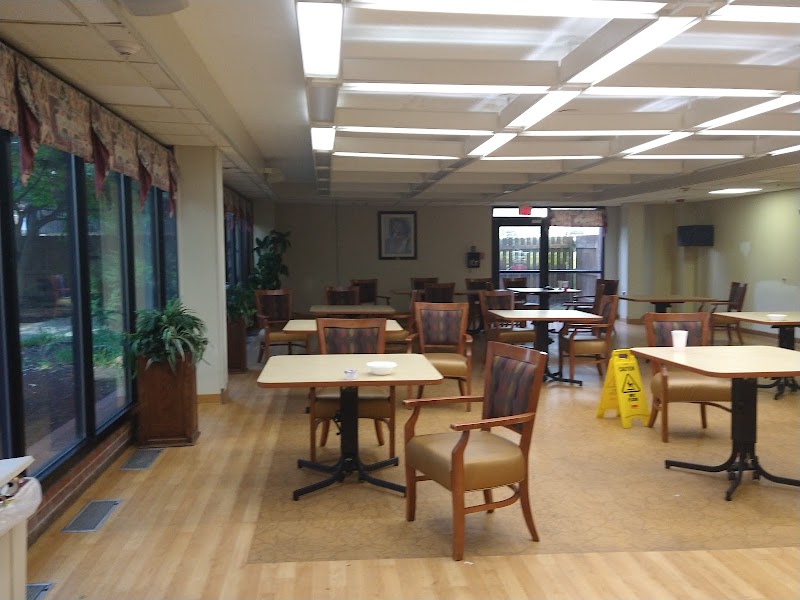
How is Bella Terrace Rehabilitation And Nursing Center Staffed?

CMS rates BELLA TERRACE REHABILITATION AND NURSING CENTER's staffing level at 1 out of 5 stars, which is much below average compared to other nursing homes. Staff turnover is 48%, compared to the Ohio average of 46%. RN turnover specifically is 75%, which is notably high. RNs provide skilled clinical oversight, so turnover in this role can affect medical care quality.

What Have Inspectors Found at Bella Terrace Rehabilitation And Nursing Center?

State health inspectors documented 53 deficiencies at BELLA TERRACE REHABILITATION AND NURSING CENTER during 2019 to 2025. These included: 4 that caused actual resident harm and 49 with potential for harm. Deficiencies causing actual harm indicate documented cases where residents experienced negative health consequences.
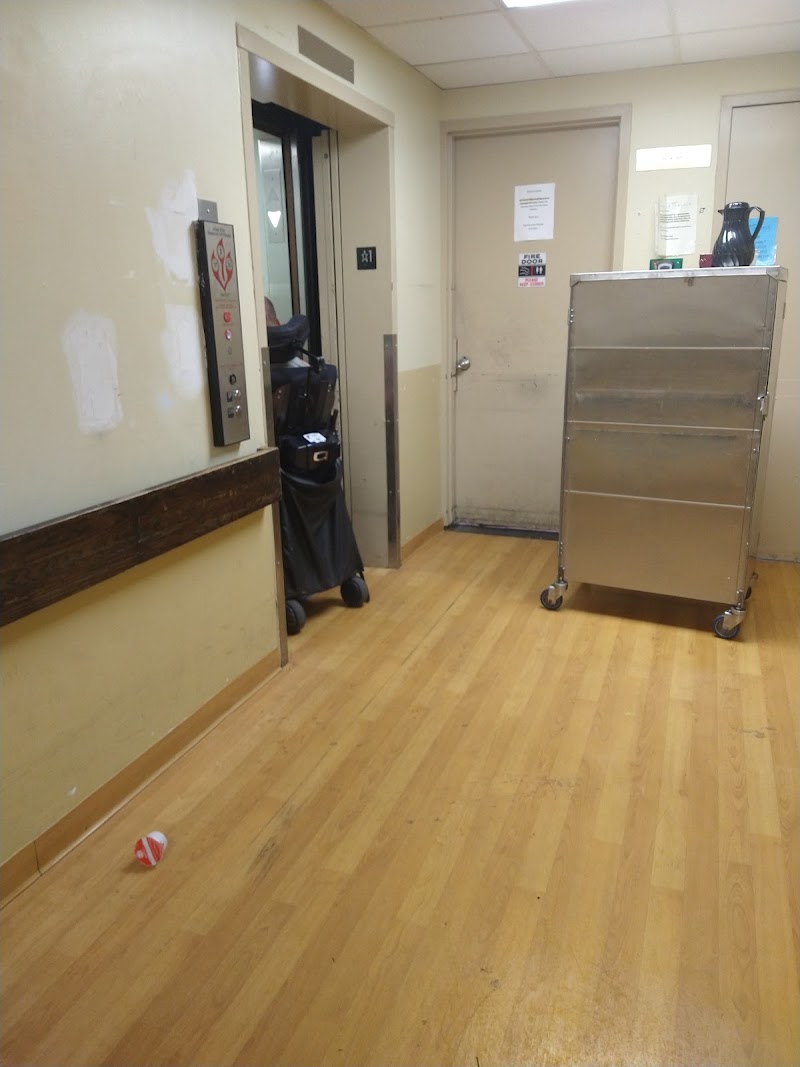
Who Owns and Operates Bella Terrace Rehabilitation And Nursing Center?

BELLA TERRACE REHABILITATION AND NURSING CENTER is owned by a for-profit company. For-profit facilities operate as businesses with obligations to shareholders or private owners. The facility operates independently rather than as part of a larger chain. With 96 certified beds and approximately 83 residents (about 86% occupancy), it is a smaller facility located in COLUMBUS, Ohio.
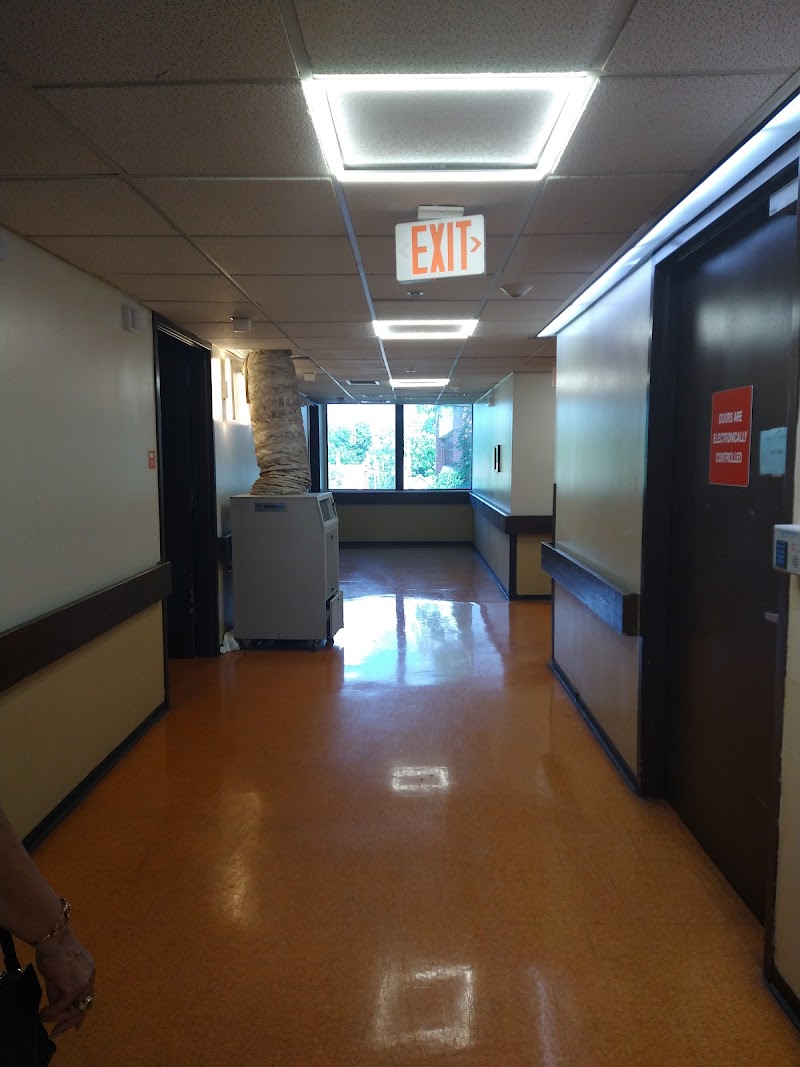
How Does Bella Terrace Rehabilitation And Nursing Center Compare to Other Ohio Nursing Homes?

Compared to the 100 nursing homes in Ohio, BELLA TERRACE REHABILITATION AND NURSING CENTER's overall rating (2 stars) is below the state average of 3.2, staff turnover (48%) is near the state average of 46%, and health inspection rating (1 stars) is much below the national benchmark.

What Should Families Ask When Visiting Bella Terrace Rehabilitation And Nursing Center?

Based on this facility's data, families visiting should ask: "Can you walk me through typical staffing levels on day, evening, and night shifts?" "Can I visit during a mealtime to observe dining assistance and food quality?" "How do you handle medical emergencies, and what is your hospital transfer rate?" "Can I speak with family members of current residents about their experience?" These questions are particularly relevant given the below-average staffing rating.

Is Bella Terrace Rehabilitation And Nursing Center Safe?

Based on CMS inspection data, BELLA TERRACE REHABILITATION AND NURSING CENTER has a clean safety record: no substantiated abuse findings (meaning no confirmed cases of resident harm), no Immediate Jeopardy citations (the most serious violation level indicating risk of serious injury or death), and is not on the Special Focus Facility watch list (a federal program monitoring the lowest-performing 1% of nursing homes). The facility has a 2-star overall rating and ranks #100 of 100 nursing homes in Ohio. While no facility is perfect, families should still ask about staff-to-resident ratios and recent inspection results during their visit.

Do Nurses at Bella Terrace Rehabilitation And Nursing Center Stick Around?

BELLA TERRACE REHABILITATION AND NURSING CENTER has a staff turnover rate of 48%, which is about average for Ohio nursing homes (state average: 46%). Moderate turnover is common in nursing homes, but families should still ask about staff tenure and how the facility maintains care continuity when employees leave.

Was Bella Terrace Rehabilitation And Nursing Center Ever Fined?

BELLA TERRACE REHABILITATION AND NURSING CENTER has been fined $126,060 across 3 penalty actions. This is 3.7x the Ohio average of $34,339. Fines at this level are uncommon and typically indicate a pattern of serious deficiencies, repeated violations, or failure to correct problems promptly. CMS reserves penalties of this magnitude for facilities that pose significant, documented risk to resident health or safety. Families should request specific documentation of what issues led to these fines and what systemic changes have been implemented.

Is Bella Terrace Rehabilitation And Nursing Center on Any Federal Watch List?

BELLA TERRACE REHABILITATION AND NURSING CENTER is not on any federal watch list. The most significant is the Special Focus Facility (SFF) program, which identifies the bottom 1% of nursing homes nationally based on persistent, serious quality problems. Not being on this list means the facility has avoided the pattern of deficiencies that triggers enhanced federal oversight. This is a positive indicator, though families should still review the facility's inspection history directly.