COLUMBUS ALZHEIMER'S CARE CTR
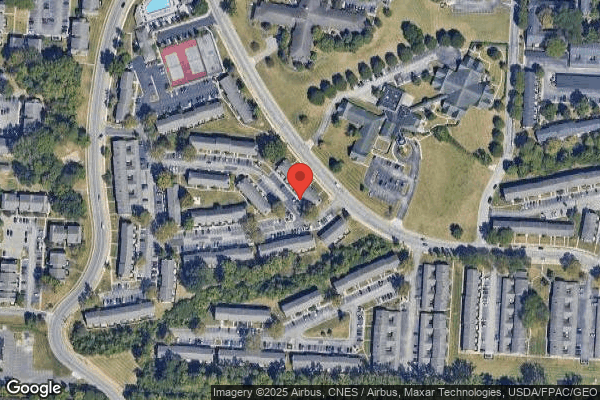
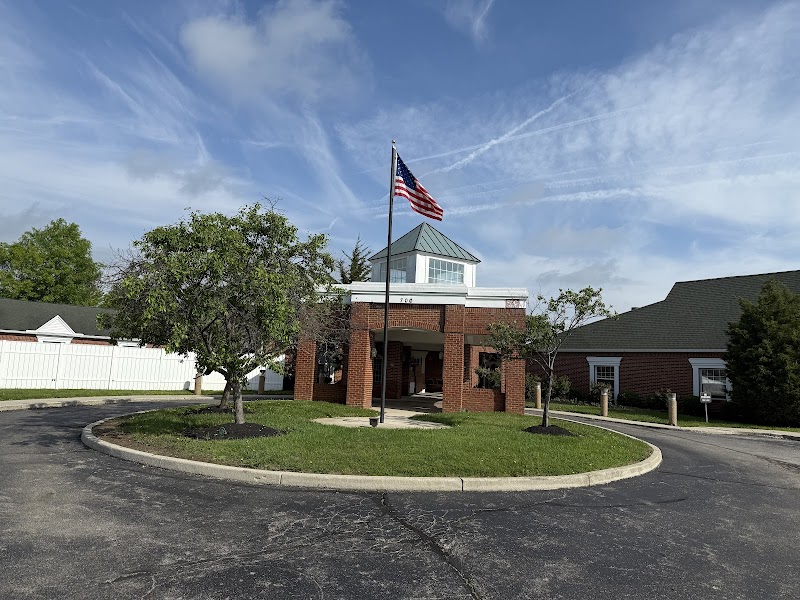
700 JASONWAY AVENUE, COLUMBUS, OH 43214 (614) 459-7050
For profit - Limited Liability company 99 Beds LIONSTONE CARE Data: November 2025
Trust Grade
20/100
#638 of 913 in OH
Last Inspection: August 2024

Within standard 12-15 month inspection cycle. Federal law requires annual inspections.

Overview

Columbus Alzheimer's Care Center has a Trust Grade of F, indicating significant concerns about the facility's overall care and management. It ranks #638 out of 913 nursing homes in Ohio, placing it in the bottom half of facilities in the state. The facility is reportedly improving, with the number of issues decreasing from 18 in 2024 to 5 in 2025. Staffing is a relative strength, with a turnover rate of 42% that is below the state average. However, the facility has received concerning fines totaling $26,685, higher than 76% of Ohio facilities, which suggests ongoing compliance problems. Specific incidents raise serious concerns. For example, a resident suffered a femur fracture after being pushed by another resident, indicating a failure to prevent resident-to-resident abuse. Additionally, another incident involved inadequate staffing, where a resident received care from a single aide instead of the required number of staff, resulting in a serious injury. While the facility has areas of strength, such as quality measures, these troubling incidents highlight significant weaknesses that families should consider.

Trust Score
F
20/100
In Ohio
#638/913
Bottom 31%
Safety Record
High Risk
Review needed
Inspections
Getting Better
18 → 5 violations
Staff Stability
○ Average
42% turnover. Near Ohio's 48% average. Typical for the industry.
Penalties
✓ Good
$26,685 in fines. Lower than most Ohio facilities. Relatively clean record.
Skilled Nurses
○ Average
Each resident gets 33 minutes of Registered Nurse (RN) attention daily — about average for Ohio. RNs are the most trained staff who monitor for health changes.
Violations
⚠ Watch
35 deficiencies on record. Higher than average. Multiple issues found across inspections.
★★☆☆☆
2.0
Overall Rating
★★☆☆☆
2.0
Staff Levels
★★★★★
5.0
Care Quality
★☆☆☆☆
1.0
Inspection Score
Stable
2024: 18 issues
2025: 5 issues

The Good

  • 5-Star Quality Measures · Strong clinical quality outcomes
  • Full Sprinkler Coverage · Fire safety systems throughout facility
  • No fines on record
  • Staff turnover below average (42%)

    6 points below Ohio average of 48%

Facility shows strength in quality measures, fire safety.

The Bad

2-Star Overall Rating

Below Ohio average (3.2)

Below average - review inspection findings carefully

Staff Turnover: 42%

Near Ohio avg (46%)

Typical for the industry

Federal Fines: $26,685

Below median ($33,413)

Moderate penalties - review what triggered them

Chain: LIONSTONE CARE

Part of a multi-facility chain

Ask about local staffing decisions and management

The Ugly 35 deficiencies on record

2 actual harm
Mar 2025 2 deficiencies 2 Harm
SERIOUS (G) 📢 Someone Reported This

A family member, employee, or ombudsman was alarmed enough to file a formal complaint

Actual Harm - a resident was hurt due to facility failures

Free from Abuse/Neglect (Tag F0600)

A resident was harmed · This affected 1 resident

**NOTE- TERMS IN BRACKETS HAVE BEEN EDITED TO PROTECT CONFIDENTIALITY** Based on record review, review of the facility Self-Reported Incidents (SRI), review of the facility investigation, review of fa...

Read full inspector narrative →
**NOTE- TERMS IN BRACKETS HAVE BEEN EDITED TO PROTECT CONFIDENTIALITY** Based on record review, review of the facility Self-Reported Incidents (SRI), review of the facility investigation, review of facility policy and procedure, resident interview, and staff interview, the facility failed to ensure Resident #100 was free from resident to resident physical abuse. Actual harm occurred on 02/03/25 when Resident #57, who had a history of resident altercations and impaired cognition, pushed Resident #100 causing a fall and a right femur fracture. This affected one (Resident #100) of six residents reviewed for abuse. The facility census was 98. Findings include: a. Review of a facility submitted SRI dated 02/03/25 for physical abuse revealed Resident #57 pushed Resident #100 to the ground when Resident #100 wandered into Resident #57's room. Both residents were assessed for injuries. Resident #100 was left immobilized on the floor due to an obvious range of motion deficit to the right hip. Nine-one-one (911) was called for Resident #100's pain and range of motion deficit. Neurological checks were initiated but did not continue due to the transfer to the hospital. The medical provider and families were notified of the incident. Resident #57 was assessed for physical injuries with none noted. Resident #57 was placed on 15-minute checks until he retired for sleep at 11:00 P.M. the same day. The facility unsubstantiated abuse and marked that the evidence indicated abuse, neglect, or misappropriation did not occur. Review of the medical record for Resident #100 revealed an admission date of 12/29/21. Resident #100's diagnoses included Alzheimer's disease with late onset, vascular dementia, osteoarthritis, and major depressive disorder. The resident was discharged to the hospital on [DATE] and did not return to the facility. Review of the physician's order initiated 04/28/24 for Resident #100, revealed the resident had orders for Zoloft and Trazodone, and an order to monitor for side effects for antidepressants and report to physician: sedation, drowsiness, dry mouth, blurred vision, urinary retention, tachycardia, muscle, tremor, agitation, headache, skin rash, photo sensitivity, and excess weight gain every shift. Review of quarterly Minimum Data Set (MDS) 3.0 assessment dated [DATE] revealed Resident #100 had severe cognitive impairment. Resident #100 was independent for all mobility such as transferring and walking 150 feet. Review of the care plan dated 12/20/24 revealed Resident #100 had the potential for mobility limitations with expected fluctuations with chronic medical conditions. Interventions included providing hands on assistance to steady him daily, as needed, when exhibiting weakness or resistance and to monitor his safety with the use of his assistive device. The care plan also identified Resident #100 had a tendency to misperceive information. Interventions included for the chair that he typically sits in, in the common area, to be labeled to reflect that the chair belonged to him and staff would also redirect him away from the [NAME] Pod if observed ambulating in that area, as this is where Resident #57's room was located. Review of a nursing progress note dated 02/03/25 at 11:21 P.M. revealed that Resident #100 stated that another resident [Resident #57] pushed him, and he had a fall. The note also revealed that Resident #100 was in a lot of pain and he received as needed Norco 5-325 milligrams (mg) for pain. The resident was taken to the hospital for further evaluation. Review of a nursing progress note dated 02/03/25 at 3:55 P.M. revealed Resident #100 received a fall risk assessment. The assessment indicated the resident had an unwitnessed fall that occurred in the common area and the resident was injured. The assessment note revealed another resident pushed Resident #100 and he fell. The assessment note also revealed Resident #100 had verbal complaints and facial expressions of pain. The pain was sharp and aching in the right hip and was worse with movement. Daily as needed pain medication, Norco, was administered. Review of the Incident Report dated 02/03/25 for Resident #100, revealed Resident #100 was found lying on his back on the [NAME] Pod near Resident #57's room. Resident #100 stated that a man pushed him, and he fell. Resident #100 was in a lot of pain and was given as needed Norco 5-325 mg for pain. The incident was unwitnessed. Resident #100's vital signs were taken, he was given as needed medication for pain, and neurologic checks were initiated. Resident #100 was immobilized due to an obvious range of motion deficit to his right hip. There were no obvious outward signs of skin impairment. The resident was taken to the hospital and the injury observed at the time of the incident was determined to be a fracture of the right hip. The report also stated Resident #100 was ambulating without assistance and was very territorial about particular chairs on the unit and he sought out the whereabouts of the male resident he was accusing of pushing him down, to tell him not to take his chair. Review of the Neurological Evaluation Flowsheet dated 02/03/25 for Resident #100 revealed neurologic (neuro) checks were completed at 3:30 P.M. and 3:45 P.M. Resident #100 was in the hospital for any further neuro checks. Review of the Fall Risk Evaluation dated 02/03/25 at 3:55 P.M. for Resident #100 revealed he had one to two falls in the past three months, had intermittent confusion, was ambulatory, had adequate vision, and did not have a change in condition in the last 14 days. Review of the Post Fall Evaluation dated 02/03/25 at 3:56 P.M. for Resident #100 revealed an unwitnessed fall with an injury occurred and the resident was sent to the hospital. The Certified Nurse Practitioner (CNP) #250 was notified on 02/03/25 that there was a resident to resident fall where another resident pushed Resident #100 and he fell. The evaluation noted that Resident #100 had severe right hip pain. Review of the Hospital Transfer Form dated 02/03/25 revealed Resident #100 ambulated independently, and he was alert and disoriented, but could follow simple instructions. Review of hospital records for Resident #100 revealed he had an X-ray on 02/03/25 that showed an acute obliquely oriented intertrochanteric fracture of the proximal right femur. Resident #100 received surgery on 02/04/25 for his right intertrochanteric hip fracture with osteopenia. b. Review of the medical record for Resident #57 revealed an admission date of 01/22/25. Resident #57's diagnoses included dementia, depression, cognitive communication deficit, and conversion disorder with seizures or convulsions. Review of the care plan for Resident #57 dated 01/22/25 revealed he was resistive to care related to dementia, he wandered about the facility, and he had the potential to become agitated if his routine or patterns of behavior were disrupted. The plan noted that Resident #57 liked to rearrange furniture in the common area, he had a history of aggression toward male residents that wandered into his room, and he was rigid with his room. Interventions included psychiatric services to evaluate and treat, provide consistency in care to promote comfort with activities of daily living (ADLs), and to maintain consistency in timing of ADLs, caregivers and routine as much as possible. Review of admission Minimum Data Set (MDS) 3.0 assessment dated [DATE] for Resident #57 revealed he had severe cognitive impairment. Resident #57 was independent for all mobility such as transferring and walking 150 feet. Review of the nursing progress note dated 02/03/25 at 12:00 A.M. for Resident #57 detailed his History and Physical which revealed Resident #57 transferred from another skilled nursing facility on 01/22/25. The note also revealed there were no previous facility records to review. Review of the nursing progress note dated 02/03/25 at 3:30 P.M. for Resident #57 revealed the resident stated he made contact with another resident. Resident #57 was assessed with no injury noted and his skin was intact. The Director of Nursing (DON), CNP #250, and the residents family member were notified. Fifteen-minute checks were initiated. Review of the incident report dated 02/03/25 at 3:30 P.M. for Resident #57 revealed Resident #57 stated I pushed that man who wandered in my room, out of the room, because I don't want anyone in my room. An assessment of Resident #57 was completed with his skin intact and no injury noted. Resident #57 received 15-minute checks through 11:00 P.M. to ensure he made no further reactive movements toward other residents. Predisposing physiological factors included Resident #57 was confused and had impaired memory. Predisposing situation factors included Resident #57 was a wanderer and he was ambulating without assistance. Resident #57 had a pattern of coming out of his room to straighten chairs and rearrange some of the chairs in the common area. Interventions included 15-minute checks through 11:00 P.M. on 02/03/25 and the activities director was to assist the resident to find activities to distract him from his patterned behavior of moving chairs around in the common area. Review of the 15-minute check log sheet dated 02/03/25 for Resident #57 revealed sign offs every 15 -minutes from 3:30 P.M. to 11:00 P.M. were completed. Review of the written staff statement dated 02/03/25 by Licensed Practical Nurse (LPN) #111 revealed she did not witness the incident, but walked into her shift and noticed Resident #100 was lying on the floor and in pain. LPN #111 gave the resident as needed pain medicine. Review of the written staff statement dated 02/03/25 by Certified Nursing Aide (CNA) #112 revealed she heard a noise and saw Resident #100 laying down and observed Resident #57 standing in front of his room looking angry. Review of the written staff statement dated 02/03/25 by Registered Nurse (RN) #14 revealed she was sitting at the nurses station and heard a scream from the common area. She saw Resident #100 on the floor on his left side. RN #14 and staff assessed Resident #100. They tried getting Resident #100 off the floor, but he was in too much pain to move around. RN #14 called 911. Review of the written interview statement dated 02/03/25 by Resident #57 revealed Resident #57 initially denied knowledge of any interaction with Resident #100. Resident #57 then stated he pushed Resident #100 out of his room because he walked in. Resident #57 stated he didn't want strangers in his room. Review of the nursing progress note dated 02/04/25 at 1:52 P.M. for Resident #57 revealed he had an altercation with another male resident who he indicated, wandered into his room. Resident #57 had some rigid behaviors involving repositioning chairs. The note indicated that activities staff would be working with him to find one on one activities to distract him. Resident #57 stated, I feel sorry the guy got a fracture. Review of physician's orders dated 02/11/25 for Resident #57 revealed the resident was to be seen by psychiatric services to evaluate and treat. An interview on 02/21/25 at 11:37 A.M. with Resident #57 revealed he had not been a part of or witnessed resident abuse. Resident #57 also revealed he had not been involved in a resident to resident altercation. An interview on 02/21/25 at 12:08 P.M. with LPN #6 confirmed Resident #100 fractured his hip during a resident to resident altercation. An interview on 02/21/25 at 12:25 P.M. with RN #23 revealed he was not at the facility for the altercation, but if two residents had an altercation it would be considered resident to resident abuse. An interview on 02/21/25 at 6:17 P.M. with the DON revealed Resident #57 had ridged behaviors of moving chairs around and Resident #100 had a chair that he [Resident #100] liked. Resident #57 moved the chair and Resident #100 went into Resident #57's room and Resident #57 pushed Resident #100 resulting in a fall. The DON stated she thought Resident #100 intimidated Resident #57, but that no one knew why Resident #100 went into #57's room. The DON confirmed that Resident #100 was injured from the shove, with a right hip fracture. The DON stated it wasn't resident to resident abuse, because the residents didn't know what they were doing based on their BIMS scores. The DON revealed they were both reacting on impulse, she didn't think they were plotting to hurt each other. An interview on 02/21/25 at 6:31 P.M. with the Administrator revealed Resident #100 liked to have his table and chair a certain way and Resident #57 liked to move chairs around the tables. Resident #100 entered Resident #57's room and Resident #57 didn't want Resident #100 in his room, so he pushed him. Resident #100 fell and was sent out [to the hospital] subsequently. The Administrator revealed she received an update after Resident #100 was sent out and he was going to have surgery. The Administrator confirmed Resident #100 had a right hip fracture when he was injured from the shove and fall. The Administrator did not claim the situation was abuse, because it was a resident to resident altercation with no intention to cause harm. The Administrator revealed the nature of the facility was dementia and they did not have an intent to harm. An interview on 02/24/25 at 12:11 P.M. with the Administrator revealed residents did not have intent and they were reacting. The Administrator also revealed nobody could be held liable for abuse of somebody else at the facility and law enforcement had told her this in the past. The Administrator explained that the residents had to have a dementia status to be at the facility and she couldn't think of a time she had ever substantiated two residents abusing each other. Review of the facility policy titled, Abuse, Mistreatment, Neglect, Exploitation, and Misappropriation of Resident Property, dated October 2023, revealed residents had the right to be free from abuse, neglect, exploitation, and misappropriation of resident property. The facility policy defined abuse as the willful infliction of injury, unreasonable confinement, intimidation, or punishment with resulting physical harm, pain, or mental anguish. If another resident was accused or suspected of abuse, the policy also stated the facility would ensure other residents were protected as determined by the circumstances, which may include but were not limited to, increased supervision of the alleged perpetrator and/or other residents, room or staffing changes, and immediate transfer or discharge, if indicated. This deficiency represents non-compliance investigated under Master Complaint Number OH00162994 and Complaint Number OH00162478.
SERIOUS (G) 📢 Someone Reported This

A family member, employee, or ombudsman was alarmed enough to file a formal complaint

Actual Harm - a resident was hurt due to facility failures

Accident Prevention (Tag F0689)

A resident was harmed · This affected 1 resident

**NOTE- TERMS IN BRACKETS HAVE BEEN EDITED TO PROTECT CONFIDENTIALITY** Based on medical record review, review of a facility submitted Self-Reported Incident (SRI), hospital record review, interviews ...

Read full inspector narrative →
**NOTE- TERMS IN BRACKETS HAVE BEEN EDITED TO PROTECT CONFIDENTIALITY** Based on medical record review, review of a facility submitted Self-Reported Incident (SRI), hospital record review, interviews with staff, review of incident reports, and facility policy review, the facility failed to ensure care was delivered, as assessed and care planned for, utilizing the appropriate number of staff assistance during the provision of care for Resident #10. This resulted in actual harm when Resident #10 was provided care by one facility Certified Nursing Assistant (CNA) #100, who repositioned and provided incontinence care on 03/27/25 at approximately 10:00 A.M. and when Resident #10 was provided a bed bath and hair care on 03/27/25 at approximately 2:45 P.M. by one Hospice Aide #115 resulting in a comminuted femur fracture, a fracture where the bone breaks into three of more pieces often the result of major impact injury. Resident #10 was noted to have bruising to the right leg by the hospice aide (#115) on 03/27/25 when the aide was providing care alone to the resident. Resident #10 had bruising and deformity of the leg noted and was sent to the hospital for further evaluation and diagnosed with a comminuted femur fracture that required surgical intervention. This affected one (#10) of three residents (#10, #18, and #34) reviewed for injury of unknown origin. Findings Include: Review of the medical record for Resident #10 revealed an admission date of 01/24/25. Diagnoses included dementia, atherosclerotic heart disease, Type II Diabetes Mellitus and anxiety. She was receiving hospice services. Review of the Minimum Data Set (MDS) assessment dated [DATE] revealed Resident #10 was severely cognitively impaired with a Brief Interview of Mental Status (BIMS) score of 99 and required extensive assistance of two staff members for activities of daily living (ADL). Review of Hospice Interdisciplinary Group (IDG) Comprehensive Assessment and Plan of Care for benefit period 01/17/25 to 03/27/25 revealed terminal diagnosis of frontotemporal neurocognitive disorder. Resident #10 can become very emotional, can be combative and aggressive verbally and physically. She refuses medications and personal care. She is prone to visual and auditory hallucinations. Review of the Resident #10's plan of care, dated 02/06/25, revealed she has an ADL Self-Care Performance Deficit and requires total dependence of two persons for peri care, bathing, bed mobility, personal hygiene, dressing, eating and transferring. Given Resident #10's needs and behaviors, care is to be given by two people (prefers hospice as the second caregiver). The need for two staff to provide care to Resident #10 was verified in an interview with the Director of Nursing (DON) on 04/09/25 at 10:30 A.M. Review of Resident #10's weekly wound assessments completed on 03/16/25, 03/19/25, 03/20/25, 03/23/25 and 03/26/25 revealed no concerns. Review of a Hospice Visit Note dated 03/25/25 revealed Hospice Registered Nurse (RN) #125 visited during lunch and helped her aid give her a bath, and she had no skin concerns. Review of the Weekly Skin Assessment completed on 03/27/25, after the bruising was identified by the hospice staff, revealed right knee (front) bruising light green in color, length 8.0 centimeters (cm), by 2.0 cm, no depth or stage. Review of Resident #10's nurses' progress notes from 03/25/25 to 04/09/25 revealed that on 03/27/25 Hospice Licensed Practical Nurse (LPN) #114 told facility LPN #105 that Hospice Aide #115 had notified her about a bruise on Resident #10's right knee area. Hospice LPN #114 and LPN #105 assessed Resident #10 and noted the bruise to right knee. The bruise was not previously noticed by LPN #105 on 03/24/25 when she assessed Resident #10's skin. Hospice LPN #114 notified family members and LPN #105 notified Certified Nurse Practitioner (CNP) #120. Review of the incident report dated 03/27/25, revealed Hospice Nurse/LPN #114 notified nurse that her Hospice Aide #115 noted resident with bruise near knee area. Facility Nurse LPN #105 went to assess the resident, and she had discoloration and swelling to her right knee area, also noted obvious V shaped deformity to her right femur shaft. This resident is often combative with care, but was not combative with the facility CNA #100 that did her peri care on 3/27/25 at 10:00 A.M. LPN #105 did not see bruising on knee the morning prior to Hospice Aide 115's visit. Resident #10 was interviewed and asked how the injury occurred. She kept repeating the name of Hospice Aide #115 that worked with her that day. She stated over and over She washed my hair. I did not want my hair washed. Review of the facility SRI dated 03/27/25 revealed statements were obtained from LPNs #105, #115, CNA #100 and CNA #115. Statement from facility CNA #100 revealed she changed Resident #10 in the morning and did not help the hospice aide in the afternoon with her care. Hospice Aide #115 confirmed she washed Resident #10's hair and was giving her a bed bath alone. She washed Resident #10's front of body then when she rolled the resident to her back side she saw yellow bruising on her right leg. She immediately reported it to Hospice LPN #114. Statement written by Hospice LPN #114 revealed Hospice Aide #115 reported Resident #10 had bruising, and she immediately assessed Resident #10's right leg at bedside. There was a yellow swollen area above the front right knee, and the yellow wrapped around to the back of the knee. Resident #10 requested for her to stop touching the area. She immediately reported her findings to LPN #105. Together LPN #114 and LPN #105 assessed Resident #10 and confirmed there was bruising. Review of the Hospice Visit Note dated 03/27/25 at 10:30 A.M. revealed LPN #128 was able to get Resident #10's vital signs, listen to her abdomen, and lungs and noted no concerns with visit. Review of the Hospice Client Coordination Note Report dated 03/27/25 revealed CNA #115 notified this nurse that Resident #10 had a large yellow area with swelling on leg. This nurse went to Resident #10's room. This nurse noted Resident #10 had yellow discoloration wrapping around right knee. Resident #10 had purple areas of discoloration at the back of knee. No pain noted, no warmth noted. This nurse informed facility LPN #105. This nurse and facility LPN #105 went to Resident #10's room and more area was exposed. This nurse and facility nurse noted swelling, deformity to lateral thigh and discoloration. Physician notified of findings, new order for two view x-rays of right thigh and knee. Attempted to contact Power of Attorney (POA). No answer, a message was left. The DON was notified of findings and orders. POA returned the call. POA indecisive if Resident #10 should be sent to emergency room (ER). After more conversation with the facility nurse, DON and this nurse, the POA decided to have Resident #10 sent to ER. This nurse worked in collaboration with facility nurse and the DON to transfer the resident to the hospital. Per review of Resident #10's nurses' progress notes dated 03/27/25, the medical provider for Hospice ordered a portable x-ray at the facility of the right knee/femur. Per family request Resident #10 was sent to the local emergency room for further evaluation of the right lower extremity rather than wait for the portable x-ray. At the emergency room Resident #10 was diagnosed with a right femur fracture and admitted . Surgery was performed on 03/28/25. Per review of Resident #10's Hospital Emergency Department Report dated 03/27/25 at 5:15 P.M., there is extensive subcutaneous edema throughout the right lower extremity. Clinical impression Femur Fracture. Review of the Radiographic CT Angiogram (03/27/25) of Resident #10 revealed Comminuted right distal femur fracture with 2 large fragments laterally and anterior to the distal fracture fragment. There are several additional smaller fragments. There is extensive subcutaneous edema throughout the right lower extremity. Review of the Operative Report dated 03/28/25 at 12:48 P.M. by the orthopedic surgeon revealed pre-operative diagnosis was closed right highly comminuted femoral shaft fracture. Procedure performed Retrograde Intramedullary nailing fixation of the right femur. Post-Review Operative Diagnoses Closed displaced comminuted fracture of shaft of right femur. Review of the Brief Post Operative Note by the orthopedic surgeon on 03/28/25 at 1:54 P.M. revealed operative findings: highly comminuted distal femoral shaft fracture. Severe osteopenia. Very limited hip and knee range of motion, unable to be externally rotated to access lateral hips. Review of the Trauma Service Progress Note dated 03/30/25 at 1:52 P.M. revealed injuries/active problems Right femur fracture non weight bearing (NWB) Right lower extremity (RLE) ice, pain management, frequent neurovascular checks, pathological fracture of right femur due to a combination of osteopenia and possible trauma that alone would not have caused the fracture. An interview on 04/07/25 at 10:30 A.M. with the DON confirmed facility CNA #100 performed per-care for Resident #10 alone and Hospice Aide #115 also performed ADL care alone on Resident #10 on 03/27/25. Interview on 04/07/25 at 11:55 A.M. with LPN #102 confirmed she was with LPN #105 to assess the bruising on Resident #10's right leg when it was reported by the hospice nurse. She confirmed Resident #10 was a two-person assist with ADLs. Interview on 04/07/25 at 12:03 P.M. and on 04/09/25 with facility CNA #100 confirmed Resident #10 is a two-person assist for ADLs. Because the resident was not combative on 03/27/25 she stated she provided Resident #10's peri-care in the A.M. by herself without help from another staff. She explained that on 03/27/25, she went into the room and explained to Resident #10 what she was going to do. Because she was not combative, she continued providing care alone. Resident #10 had a white bed pillow under her right knee. She moved the resident to the left, changed the under pads on the bed, then she moved her on to the right side and continued. She rolled the resident to lay on her back and applied a brief. She elevated the head of the bed and covered her and gave her a glass of water. She confirmed later in the day that the hospice aide asked her to assist with care for Resident #10's ADLs, and she stated she was unavailable to assist the hospice aide until she finished giving care to other residents on her assignment. Interviews on 04/10/25 from 7:25 A.M. to 7:40 A.M. with RN #108, CNAs #103 and #106 confirmed Resident #10 was a two-person assist before she had her knee surgery. Interview on 04/11/25 at 10:45 A.M. with Registered Nurse #300, the nurse of the Medical Physician of Orthopedic Surgery #200 clarified Resident #10's condition of osteopenia would be a contributing factor coupled with a trauma sustained by Resident #10 that resulted in a comminuted fracture requiring Resident #10 to have a retrograde intramedullary nailing fixation of the right femur procedure completed on 03/28/25. Hospice Aide #115 was unable to be reached for an interview during the survey. Review of the Facility's Incident Report from 02/07/25 to 04/07/25 revealed Resident #10 had a bruise on her finger on 03/04/25 at 07:28 A.M. and listed the new bruise discovered on 03/27/25. Review of the facility policy titled Activities of Daily Living (ADLs) Supporting, dated 08/2022 revealed appropriate care and services will be provided for residents who are unable to carry out ADLs independently, with the consent of the resident and in accordance with the plan of care, including appropriate support and assistance.
Jan 2025 3 deficiencies
CONCERN (D) 📢 Someone Reported This

A family member, employee, or ombudsman was alarmed enough to file a formal complaint

Potential for Harm - no one hurt, but risky conditions existed

Report Alleged Abuse (Tag F0609)

Could have caused harm · This affected 1 resident

**NOTE- TERMS IN BRACKETS HAVE BEEN EDITED TO PROTECT CONFIDENTIALITY** Based on staff interview, resident interview, family interview, review of the self-reported misappropriation incident investigat...

Read full inspector narrative →
**NOTE- TERMS IN BRACKETS HAVE BEEN EDITED TO PROTECT CONFIDENTIALITY** Based on staff interview, resident interview, family interview, review of the self-reported misappropriation incident investigation and review of the abuse policy, facility failed to ensure allegations of misappropriation were reported to the state agency in a timely manner. This affected one (Resident #89) of one reviewed for misappropriation. The facility census was 96. Findings include Review of the medical record for Resident #89 revealed an admission date of 09/06/24. Diagnoses included unspecified dementia, aphasia, vascular disease, diabetes, epilepsy, hemiplegia and hemiparesis, and cognitive communication deficit. Review of the Minimum Data Set (MDS) assessment dated [DATE] revealed Resident #89 was cognitively impaired with a Brief Interview of Mental Status (BIMS) of 03 and required extensive assistance for bed mobility and transfers, partial/moderate assist for bathing and dressing, and substantial maximum assistance for personal hygiene. Review of the plan of care dated 12/30/24 revealed the resident had a behavior problem and fidgets with most things including jewelry and remote. Interventions included to develop more appropriate methods for coping and interacting, monitor behaviors for delusions and paranoia. Review of the Self-reported Incident investigation (SRI) for Misappropriation dated 12/31/24 revealed Resident #89's family member had reported her wedding ring was missing. Facility staff searched for the ring, checked laundry and could not locate the ring. Staff statement from Unit Manager #67 dated 01/03/24 revealed on 12/24/24 Resident #89's sister contacted her to report the missing wedding ring. She revealed she informed family she would look for it and follow up with them on any outcome. She searched for the ring that day without success. On 12/31/24 Director of Nursing was informed by Resident's husband of the missing wedding band and an SRI was initiated. Review of disciplinary action dated 01/02/25 with meeting on 01/03/25 revealed Unit Manager #67 received a written warning related to not following the abuse policy. Facility management was not informed timely after a report of the missing wedding ring for Resident #89 and the SRI was therefore not reported in a timely manner. Interview on 01/14/25 at 10:40 A.M. with Unit Manager #67 revealed she was informed of the missing ring by residents family prior to Christmas and looked for it but did not tell anyone as the typical staff she would alert were off work. She revealed she then went on vacation and did not return until after the new year. When she returned she was informed family had brought up the ring again to the Director of Nursing and an investigation was started. Unit Manager reported she received a write up for not reporting the concern to management back on 12/24/24 when it was reported to her. Interview on 01/14/25 at 2:20 P.M. with Director of Nursing (DON) revealed Unit Manager should have reported the concern of the missing wedding ring to management on 12/24/24 when it was first reported to her. DON also confirmed this led to a delay in facility reporting the SRI to the Department of Health. Review of facility policy titled, Abuse, Mistreatment, Neglect, Exploitation and Misappropriation of Resident Property, dated 10/2023 revealed facility staff shall immediately report all such allegations to the Administrator and Ohio Department of Health in accordance with procedures in this policy. Facility shall ensure staff know how to identify Abuse, neglect and misappropriation of resident property. Events of misappropriation shall be reported to the Ohio Department of Heath (ODH) within 24 hours from the time the incident is known to a staff member. This deficiency represents non-compliance investigated under Complaint Number OH00161067.
CONCERN (D) 📢 Someone Reported This

A family member, employee, or ombudsman was alarmed enough to file a formal complaint

Potential for Harm - no one hurt, but risky conditions existed

Deficiency F0919 (Tag F0919)

Could have caused harm · This affected 1 resident

**NOTE- TERMS IN BRACKETS HAVE BEEN EDITED TO PROTECT CONFIDENTIALITY** Based on observations and staff interviews the facility failed to ensure call lights were in reach and accessible for resident u...

Read full inspector narrative →
**NOTE- TERMS IN BRACKETS HAVE BEEN EDITED TO PROTECT CONFIDENTIALITY** Based on observations and staff interviews the facility failed to ensure call lights were in reach and accessible for resident use. This affected two residents (#35 and #54) of two observed laying in their bed in their rooms. Facility census was 96. Findings include: 1. Review of the medical record for Resident #35 revealed an admission date of 11/21/24. Diagnoses included dementia, osteoarthritis, aphasia, and anxiety. Review of the Minimum Data Set (MDS) assessment dated [DATE] revealed Resident #35 was cognitively impaired with a BIMS of 99 (unable to determine due to lack of responses in answering) and required extensive assistance of two staff members for bed mobility and extensive assistance of one staff member for transfers. Observation and interview on 01/14/25 at 9:35 A.M. revealed Resident #35's call light was not within reach. It was hung back behind the headboard over the clock hanging on the wall about 6 feet from the ground. Registered Nurse (RN) #53 confirmed the call light was hung up over the wall clock and was out of reach for the resident. She revealed possibly the staff feeding her hung it up then forgot to give it back. RN #53 confirmed the call light should be left in resident reach at all times, while she was in bed. 2. Review of the medical record for Resident #54 revealed an admission date of 10/18/24. Diagnoses included multiple rib fractures, Alzheimer's disease, dementia, aphasia, diabetes, depression, osteoporosis and restlessness. Review of the Minimum Data Set (MDS) assessment dated [DATE] revealed Resident #54 was cognitively impaired with a BIMS of 05 and required substantial assistance for showering bathing and dressing Observation and interview on 01/14/25 at 12:20 P.M. revealed Resident #54's call light was not within reach. It hung from the plug against the wall and under the bed at the foot board end of the bed. RN #53 confirmed the call light was on the floor under the foot board side of the bed and had to climb around the bed to retrieve it. RN #53 confirmed the call light should always be left in resident reach, while the resident was in bed. Interview on 01/14/25 at 2:30 P.M. with Administrator and Director of Nursing revealed they did not believe the facility had a policy related to residents having access to their call light devices but would check. No policy was provided.
CONCERN (E) 📢 Someone Reported This

A family member, employee, or ombudsman was alarmed enough to file a formal complaint

Potential for Harm - no one hurt, but risky conditions existed

Investigate Abuse (Tag F0610)

Could have caused harm · This affected multiple residents

**NOTE- TERMS IN BRACKETS HAVE BEEN EDITED TO PROTECT CONFIDENTIALITY** Based on staff interviews, review of self-reported incident investigations (SRI) and policy review, the facility failed to ensur...

Read full inspector narrative →
**NOTE- TERMS IN BRACKETS HAVE BEEN EDITED TO PROTECT CONFIDENTIALITY** Based on staff interviews, review of self-reported incident investigations (SRI) and policy review, the facility failed to ensure allegations of abuse, neglect, misappropriation and injuries of unknown origin were thoroughly investigated and interventions put in place. This affected eight Residents (#20, #21, #33, #48, #52, #54, #89 and #100) of nine reviewed for abuse, neglect and misappropriation investigations. The facility census was 96. Findings include 1. Review of the medical record for Resident #54 revealed an admission date of 10/18/24. Diagnoses included multiple rib fractures, Alzheimer's disease, dementia, aphasia, diabetes, depression, osteoporosis and restlessness. Review of the Minimum Data Set (MDS) assessment dated [DATE] revealed Resident #54 was cognitively impaired with a Brief Interview of Mental Status (BIMS) of 05 and required substantial assistance for showering bathing and dressing Review of SRI 252935 regarding an injury of unknown origin for Resident #54 dated 10/12/24 revealed no resident interviews or statements were completed and an intervention of 15-minute checks was to be initiated. The facility had no evidence of any 15-minute checks being completed for Resident #54. Interview on 01/14/25 at 4:42 P.M. with Director of Nursing revealed the facility had no evidence of 15-minute checks being completed. She acknowledged the interventions were not typical for an injury of unknown origin but confirmed it was mentioned multiple times in the investigation. 2. Review of the medical record for Resident #89 revealed an admission date of 09/06/24. Diagnoses included unspecified dementia, aphasia, vascular disease, diabetes, epilepsy, hemiplegia and hemiparesis, and cognitive communication deficit. Review of the Minimum Data Set (MDS) assessment dated [DATE] revealed Resident #89 was cognitively impaired with a BIMS of 03 and required extensive assistance for bed mobility and transfers, partial/moderate assistance for bathing and dressing, and substantial maximum assistance for personal hygiene. Review of SRI 255726 and SRI 255654 for misappropriation involving Resident #89 dated 12/31/24 and 01/03/25 revealed no resident interviews or statements were completed. The investigation did not include the questions asked of staff and was not specific to a missing wedding ring and clothes but included information about a different ring sent home with family. Interview on 01/14/25 at 4:42 P.M. with Director of Nursing revealed facility investigation was a mix of information related to the previous ring that was reported missing and the new ring that Resident #89's family had provided. DON also revealed facility spoke with the abuse department at Ohio Department of Health and did not include any of those interactions in the investigation steps and when new information was found, facility provided no information indicating the abuse officer was updated. The facility also agreed they did not consider staff working prior to the allegation of the ring being missing but only considered and looked at staff working after the allegation was made on 12/24/24. DON revealed the staff would have also worked prior to the allegation. 3. Review of the medical record for Resident #52 revealed an admission date of 03/21/24. Diagnoses included dementia, catatonic disorder, aphasia, depression, and muscle weakness. Review of the Minimum Data Set (MDS) assessment dated [DATE] revealed Resident #52 was cognitively impaired with a BIMS of 00. Review of the medical record for Resident #100 revealed an admission date of 09/17/24 and discharge date [DATE]. Diagnoses included dementia, muscle weakness, bipolar disorder, and pulmonary disease. Review of the Minimum Data Set (MDS) assessment dated [DATE] revealed Resident #100 was cognitively impaired with a BIMS of 10. Review of SRI 253374 for physical abuse of a resident-to-resident altercation between Resident #52 and Resident #100 dated 10/27/24 revealed no resident interviews or statements were completed. An intervention of 15-minute checks was to be initiated for 24 hours. The facility provided evidence of 15-minute checks being completed for Resident #100 showed the incident occurred at 9:00 A.M. missing entries 10/27/24 from 9:00 A.M. to 9:30 A.M., at 3:15 P.M., 3:45 P.M. to 4:15 P.M., 6:30 P.M., 7:00 P.M., 8:15 P.M., and 9:00 P.M. Interview on 01/14/25 at 4:42 P.M. with Director of Nursing revealed the facility had no additional evidence of 15-minute checks being completed. She acknowledged the interventions were missing multiple entries and documentation was missing several sections. DON revealed each box should be completed and confirmed staff used lines and arrows for shorthand and confirmed several sections were left with no documentation to prove 15-minute checks were completed. 4. Review of the medical record for Resident #33 revealed an admission date of 08/05/22. Diagnoses included heart disease, depression, hypertension, aphasia, chronic pain, and muscle weakness. Review of the Minimum Data Set (MDS) assessment dated [DATE] revealed Resident #33 was cognitively impaired with a BIMS of 07. Review of the medical record for Resident #48 revealed an admission date of 05/19/22. Diagnoses included dislocation of left humerus, Alzheimer's disease, malnutrition, aphasia, heart disease and vascular dementia. Review of the Minimum Data Set (MDS) assessment dated [DATE] revealed Resident #48 was cognitively impaired with a BIMS of 08. Review of SRI 254391 for physical abuse of a resident-to-resident altercation between Resident #33 and Resident #48 dated 11/22/24 revealed no resident interviews or statements were completed. An intervention of 15-minute checks was to be initiated for 24 hours. The facility provided evidence of 15-minute checks being completed for Resident #48 which showed the incident occurred at 10:39 P.M. and was missing all entries on 11/23/24 from 2:00 A.M. to 9:30 A.M. Interview on 01/14/25 at 4:42 P.M. with Director of Nursing revealed the facility had no additional evidence of 15-minute checks being completed. She acknowledged the interventions were missing multiple entries. 5. Review of the medical record for Resident #20 revealed an admission date of 05/22/23. Diagnoses included vascular dementia, hemiplegia and hemiparesis, aphasia and diabetes. Review of the Minimum Data Set (MDS) assessment dated [DATE] revealed Resident #20 was cognitively impaired with a BIMS of 08. Review of the medical record for Resident #21 revealed an admission date of 06/27/23. Diagnoses included vascular parkinsonism, insomnia, aphasia, vascular dementia and cognitive communication deficit. Review of the Minimum Data Set (MDS) assessment dated [DATE] revealed Resident #21 was cognitively impaired with a BIMS of 01. Review of SRI 254574 for physical abuse of a resident-to-resident altercation between Resident #20 and Resident #21 dated 11/28/24 revealed no resident interviews or statements were completed. An intervention of 15-minute checks was to be initiated for 24 hours. The facility provided evidence of 15-minute checks being completed for Resident #20 showed the incident occurred at 9:00 P.M. and had two separate forms dated 11/29/24 completed by two different staff and stated resident was in two different locations for the entirety of this time period 3:00 P.M. through 3:45 P.M. Interview on 01/14/25 at 4:42 P.M. with Director of Nursing revealed facility had no additional evidence of 15-minute checks being completed. She acknowledged the intervention was completed on different forms for the same time period and provided no reasoning for two different staff completing the checks and different information being provided for the same residents at the same times. Review of facility policy titled, Abuse, Mistreatment, Neglect, Exploitation and Misappropriation of Resident Property, dated 10/2023 revealed facility staff shall immediately report all such allegations to the Administrator. Facility shall complete an investigation into the alleged violation within five working days. The actions to be taken include interview the resident, the accused, and all witnesses including anyone who come in contact with the resident(s) the day of the incident. If there were no direct witnesses, interviews should be expanded for example all staff on the shift in question. For injuries of unknown origin facility may generally interview staff working on the shift the injury was discovered as well as shifts prior to the incident. Facility shall review all applicable medical records and document all evidence of the investigation. At the end of the investigation, facility shall make a conclusion whether to substantiate the claim vs unsubstantiated the claim. Facility shall follow up by completing any necessary staff education and implementing any other measures deemed appropriate. This deficiency represents non-compliance investigated under Complaint Number OH00161067.
Aug 2024 17 deficiencies
CONCERN (D)

Potential for Harm - no one hurt, but risky conditions existed

Deficiency F0567 (Tag F0567)

Could have caused harm · This affected 1 resident

**NOTE- TERMS IN BRACKETS HAVE BEEN EDITED TO PROTECT CONFIDENTIALITY** Based on record review, family interview, staff interviews, and policy review the facility failed to make a life insurance polic...

Read full inspector narrative →
**NOTE- TERMS IN BRACKETS HAVE BEEN EDITED TO PROTECT CONFIDENTIALITY** Based on record review, family interview, staff interviews, and policy review the facility failed to make a life insurance policy payment from a facility managed account for one resident (Resident #9) out of five residents reviewed for personal funds. The facility census was 99. Findings include: Review of Resident #9's record revealed the resident was admitted on [DATE] with diagnoses that included dementia, age-related osteoporosis, psoriasis, dysphagia, aphasia, Alzheimer's disease, history of other mental and behavioral disorders. Review of the quarterly minimum data set (MDS) assessment dated [DATE] revealed Resident #9 was not interviewed for cognition because she was rarely or never understood. Resident #9 had poor short term and long-term memory and was unable to make daily care decisions on her own. Resident #9 displayed physical behaviors four to six days during the look back period. Resident #9 was unable to be interviewed for the resident screening process. Interview on 08/19/24 at 1:03 P.M. via telephone with Resident #9's daughter revealed Resident #9 had a life insurance policy established prior to admission to the facility. The policy premiums were recently set up to be paid out of the resident's account. The previous business office manager didn't make a payment, and the policy was canceled. The current business office manager staff #700 is working with Resident #9's daughter to get the policy reinstated, and a payment has been made however th policy has not been reinstated. Review of Resident #9's monthly funds account statements for 2023 and 2024 revealed insurance premium payments were made 05/12/23, 07/11/23, 10/16/23 and 01/19/24. There was not another payment made until 06/20/24 and this payment was twice the amount of the previous payments. Interview 08/22/24 at 11:55 A.M. with Staff #700 confirmed, Resident #9's family had been managing payments for Resident #9's life insurance since 2002. The facility's business office manager took over making the life insurance payments as of 05/12/23 and the payments were to be made quarterly starting 07/11/23. Quarterly payments were made on 07/11/23, 10/16/23 and 01/19/24. Staff #700 confirmed the facility did not make the April 2024 quarterly payment and the policy was canceled by the insurance company. Staff #700 stated they had worked with Resident #9's daughter and called the insurance company in an effort to reinstate the life insurance policy and a double payment was made on 06/20/24 as directed by the life insurance company, but the policy has not been reinstated. Review of policy Abuse, Mistreatment, Neglect, Exploitation and Misappropriation of Resident Property last reviewed 10/2023 revealed the facility's policy to educate all staff to prevent any abuse, neglect exploitation or misappropriation and for all staff to recognize and report any concerns.
CONCERN (D)

Potential for Harm - no one hurt, but risky conditions existed

Notification of Changes (Tag F0580)

Could have caused harm · This affected 1 resident

Based on medical record review, staff interview, and review of the facility policy, the failed to ensure staff notified resident physicians of abnormal lab results in a timely manner. This affected on...

Read full inspector narrative →
Based on medical record review, staff interview, and review of the facility policy, the failed to ensure staff notified resident physicians of abnormal lab results in a timely manner. This affected one (Resident #72) of 25 residents sampled. The facility census was 99 residents. Findings include: Review of the medical record for Resident #72 revealed an admission date of 09/02/21 with diagnoses including Alzheimer's disease, venous insufficiency, open wound of the left lower leg, generalized anxiety disorder and major depressive disorder. Review of the MDS assessment for Resident #72 dated 07/18/24 revealed the resident was cognitively intact. Review of the physician's orders for Resident #72 revealed an order dated 08/21/24 to obtain a culture to the wound on the resident's left lower extremity. Review of the wound culture results for Resident #72 revealed the wound culture was obtained on 08/21/24 and the results were received on 08/24/24 at 2:06 P.M. indicating the wound was infected with a heavy growth of streptococcus pyogenes (bacteria) which was susceptible to penicillin and first generation cephalosporins (antibiotic medications.) Review of the nurse progress notes for Resident #72 dated 08/24/24 to 08/26/24 revealed the notes did not include documentation of physician notification of the abnormal wound culture obtained on 08/21/24. Interview on 08/26/24 at 4:05 P.M. with Licensed Practical Nurse (LPN) #215 confirmed she notified the physician of Resident #72's the abnormal wound culture results on 08/26/24, but she had not heard back from the physician. LPN #215 further confirmed the results were available on 08/24/24 and the physician was not notified in a timely manner. Review of the facility policy titled Notification of Change undated revealed the facility must immediately inform the resident, consult with the resident's physician, and if known, notify the resident's legal representative or an interested family member when there was a need to alter treatment significantly or to commence a new form of treatment.
CONCERN (D)

Potential for Harm - no one hurt, but risky conditions existed

Deficiency F0676 (Tag F0676)

Could have caused harm · This affected 1 resident

**NOTE- TERMS IN BRACKETS HAVE BEEN EDITED TO PROTECT CONFIDENTIALITY** Based on observation, record review, staff interview, policy review, and review of the facility assessment, the facility failed ...

Read full inspector narrative →
**NOTE- TERMS IN BRACKETS HAVE BEEN EDITED TO PROTECT CONFIDENTIALITY** Based on observation, record review, staff interview, policy review, and review of the facility assessment, the facility failed to effectively communicate with Resident #34. This affected one (Resident #34) of two residents reviewed for communication. The facility identified four residents who spoke an alternate language. The facility also failed to provide necessary assistance to maintain personal hygiene for one (Resident #35) of 25 reviewed. The facility census was 99. Findings include: Review of Resident #34's medical record revealed an admission date of 08/04/17. Medical diagnoses included dementia, depression, aphasia (difficulty forming words or speaking) and cerebrovascular accident (stroke). Review of Resident #34's minimum data set (MDS) 3.0 annual assessment, dated 07/01/24 revealed the resident's preferred language was French Creole. The resident was identified to not want the use of an interpreter. Resident #34 was recorded as rarely/never understanding others, and rarely/never was able to make herself understood. Resident #34's breif interview of mental status (BIMS) was not assessed as she was rarely/never able to be understood. Review of Resident #34's care plan, revised on 07/03/24, revealed the resident had impaired communication due to expressive aphasia, dementia, and Alzheimer's disease. The resident was recorded as sometimes understands others and is sometimes able to make herself understood. Resident #34 spoke French Creole and spoke a few words in English. The listed goal was for Resident #34 to be able to communicate her basic care needs clearly through simple responses and gestures daily. Listed interventions included to provide an interpreter who speaks French, as needed, speak clearly and slowly during daily care opportunities, use a communication board when trying to have a conversation, and use questions that can be answered with non-verbal signals or simple cues. Review of Resident #34's progress notes from 01/01/22 to 08/26/24 revealed no evidence staff had attempted to use alternative means, (such as a communication board or an interpreter) to communicate with Resident #34. The progress notes contained no notation that the resident had misused any alternative means of communication. Review of Resident #34's physician progress note, dated 08/12/24, revealed the resident was seen for an expert evaluation by a physician. The note indicated Resident #34 had a language barrier that further complicated the assessment. Resident #34 was noted to have baseline confusion and was unable to state her name at this time. The patient was deemed to be disoriented to person, place, time and situation, and was recorded as dependent on staff for activities of daily living (ADLs) and for medication management. The note did not indicate that any alternative means to communicate were attempted. Review of Resident #34's psychiatric progress note, dated 08/13/24, revealed the Resident #34 was seen at the facility. The note indicated Resident #34 engaged with the provider, but it was difficult to understand her speech due to a language barrier. Resident #34 appeared tearful and it was unclear whether the tearfulness was related to internal stimuli or the resident attempting to tell the provider about something sad. Supplemental screenings, such as the mini mental status examination and the BIMS test was noted as unable to be completed due to a language barrier. Review of the facility assessment, dated as updated between 08/15/24 and 08/19/24, revealed the assessment was completed using a facility assessment tool which provided guidelines and prompts for completing a comprehensive assessment. The section prompting the facility to describe ethnic, cultural, or religious factors or personal resident preferences that could affect the care provided to the residents was blank. An attempted interview on 08/20/24 at 9:01 A.M. revealed Resident #34 speaking in another language. Resident #34 did not appear to understand any questions and the interview was unsuccessful. A communication board was not readily seen in Resident #34's room. An observation on 08/20/24 at 3:13 P.M. revealed Resident #34 seated in a lounge area in the pink hallway of the skilled unit. Resident #34 attempted to gesture at both the surveyor and staff while speaking in Creole and was unable to be understood. An interview on 08/20/24 at 3:17 P.M. with Registered Nurse (RN) #202 revealed she does not speak the same language that Resident #34 speaks. RN #202 stated she had never used an interpreter to communicate with Resident #34, rather she primarily guessed and estimated what Resident #34 needed. RN #202 additionally stated she had never used, nor seen any other staff member use, a communication board or picture board to communicate with Resident #34. RN #202 stated Resident #34 had lived at the facility for years and staff just knew her. An observation on 08/21/24 at 12:59 P.M. revealed Resident #34 seated in the lounge area eating lunch, with television on playing the news in English. Resident #34 was not observed to have any communication or interaction with any other staff or residents. An interview on 08/21/24 at 5:16 P.M. with Licensed Practical Nurse (LPN) #222 revealed Resident #34 speaks Creole, and she does not. When asked how she communicated with Resident #34, LPN #222 stated she knew the resident's baseline and recognize her change in behavior as indicative of what the resident needed. LPN #222 stated Resident #34 was unable to communicate her needs to staff verbally due to the language barrier. LPN #222 stated Resident #34 was incontinent, and they would know when she needs changed based on odor or if Resident #34 exhibited an increase in negative behaviors. LPN #222 stated there were a few staff members employed at the facility who speak Creole, but if not on shift, English-speaking staff members are unable to verbally assess the resident's needs. LPN #222 stated she had never used an interpreter or translator to communicate with Resident #34 and did not believe the facility had one. LPN #222 indicated approximately three years ago the resident's daughter had created a picture board that the resident previously used while her room was in another unit of the facility but believed it had been lost when Resident #34 moved rooms. An interview on 08/22/24 at 11:59 A.M. with State Tested Nurse Aide (STNA) #245 revealed Resident #34 did not utilize an interpreter, translator, picture board, or any alternative means of communication. STNA #245 stated Resident #34 used to have a picture board that worked well but she probably threw it away. STNA #245 stated she could not understand or communicate with Resident #34. An interview on 08/22/24 at 3:20 P.M. with Activity Director (AD) #608 revealed Resident #34 only received one-on-one visits. When asked how she communicated with residents with different language or cultural preferences or interests, AD #608 indicated those residents primarily only did 1:1 activities which consisted of music, swatches of textures, or hand rubs. AD #608 stated she had never used a picture or communication board and denied ever seeing staff use a translator or interpreter to communicate with residents. AD #608 stated she did not believe the facility had an interpreter or translation service. An interview on 08/26/24 at 11:46 A.M. with LPN Unit Manager (UM) #215 revealed some staff members speak Resident #34's language and are the primary ones who communicate with Resident #34. LPN UM #215 confirmed Resident #34 used to have a picture board that staff used to assist the resident in expressing her needs. She believed the picture board got lost or thrown away and had not been replaced or recreated. LPN UM #215 stated she had never attempted to use an interpreter or heard of staff who had with Resident #34, but the facility had a contracted phone interpreter service, with the contact information available near the front desk. LPN UM #215 confirmed it was difficult to accurately assess Resident #34 as she was unable to verbally respond to questions or instructions. An interview on 08/26/24 at 4:10 P.M. with the Director of Nursing (DON) revealed Resident #34 used to speak French Creole, but from what she heard from staff who do speak the language, Resident #34 just speaks aphasic. The DON clarified she heard from staff the resident's spoken language was not discernable and more so illogical sounds and/or phrases. The DON confirmed she did not speak French Creole. She indicated multiple staff members at the facility spoke French Creole, and she hired them based on their ability to communicate verbally and non-verbally. The DON stated Resident #34 previously had a communication board a few years ago that therapy staff had made her, but the resident no longer had one as she had thrown it at a staff member. The DON indicated there was not always a French Creole speaking staff person on-site, but the facility had an interpreter service's information posted at the front desk and staff members had translation applications on their phones to aid in communication with residents. The DON indicated the interpreter/translator and communication board, as listed on Resident #34's care plan, were not current interventions the facility utilized as part of Resident #34's care. The DON stated the facility did not have a policy regarding alternative means of communication. 2. Review of Resident #35's medical record revealed she was admitted to the facility on [DATE]. Diagnoses included dementia, chronic obstructive pulmonary disease (COPD), depression, Rheumatoid arthritis, PVD (peripheral vascular disease), osteoarthritis (OA) and Congestive Heart Failure (CHF). Review of the quarterly minimum data set (MDS) assessment dated [DATE] revealed her cognition was not intact. No impairment on either side for functional range of motion. Review of the plan of care dated 06/27/23 revealed she had the potential to have activity of daily living self care performance deficit due to dementia, chronic obstructive pulmonary disease (COPD), rheumatoid arthritis, PVD, osteoporosis, idiopathic progressive neuropathy, CHF. She is very independent with need of assistance at times. Observation on 08/22/24 8:13 A.M. revealed her hair appears unkept. At 10:35 A.M., 12:00 P.M., and 2:10 P.M. She still has not had her hair care completed. On 08/26/24 at 10:33 A.M. Remains up in common area with walker, her hair remains unkept and greasy. Interview with RN #276 at 10:39 A.M. verified Resident #35's hair was unkept and when staff asked her to go to her room so they could fix her hair, she complied and went with them. Review of the policy Supporting Activities of Daily Living (ADLs), reviewed 08/2021, revealed residents will be provided with appropriate care and services will be provided for residents who are unable to carry out ADLs independently in accordance with the plan of care, including appropriate support and assistance with communication. Interventions to improve or minimize a resident's functional abilities will be in accordance with the resident's assessed needs, preferences, stated goals, and recognized standards of practice.
CONCERN (D)

Potential for Harm - no one hurt, but risky conditions existed

Deficiency F0679 (Tag F0679)

Could have caused harm · This affected 1 resident

**NOTE- TERMS IN BRACKETS HAVE BEEN EDITED TO PROTECT CONFIDENTIALITY** 3. Record review for Resident #45 revealed an admission date of 07/29/21. Diagnoses included dementia, other specified disorders...

Read full inspector narrative →
**NOTE- TERMS IN BRACKETS HAVE BEEN EDITED TO PROTECT CONFIDENTIALITY** 3. Record review for Resident #45 revealed an admission date of 07/29/21. Diagnoses included dementia, other specified disorders of bone density and structure, hemiplegia and contracture of muscle right hand and left hand. Review of the annual Minimum Data Set (MDS) assessment dated [DATE] revealed Resident #45 was severely cognitively impaired and dependent for activities of daily living. Review of the care plan with the focus area of activity dated 04/08/24 revealed Resident #45 is dependent on staff for activities. Interventions included Resident #45's preferences for activities including: music, spiritual activities, and watching movies. Observation made on 08/20/24 at 04:52 P.M. revealed Resident #45 sitting in her wheelchair by the window in the room. Interview on 08/21/24 at 09:57 AM with Activity Supervisor #608 revealed she has worked with Resident #45. When asked what activities Activity Supervisor #608 had done with Resident #45 she said everything. Activity Supervisor #608 said Resident #45 does more sensory activities because she can't see well. Activity Supervisor #608 said she is given busy boards, has books read to her, specifically religious books. Activity Supervisor #608 also revealed Resident #45 likes to go outside and the loves the dog. Activity Supervisor #608 said Resident #45 is with the low functioning group. When asked if Resident #45 likes one on one or group activities, Activity Supervisor #608 said group activities. Record Review for Resident #45 monthly activity sheets shows there is a blank week in May, June, and July from the 20 to the 27. Interview on 08/21/24 at 10:45 A.M. with Activity Supervisor #608 revealed she was asked by the surveyor why are there blank weeks on Resident #45 activity sheets from May 20 to May 27, 2024, June 20 to June 27, 2024, and July 20 to July 27, 2024 each month. Activity Supervisor #608 responded that she does not have much staff at the end of the month like she does at the beginning of the month. Activity Supervisor #608 revealed that aides fill out the forms. Interview on 08/21/24 at 2:39 P.M. with STNA #180 revealed she has worked with Resident #45. STNA #180 said Resident #45 likes to sing and she really likes strawberry ice cream. STNA #180 said Resident #45 will kick you out of any activity but she likes when we play music. Interview on 08/21/24 at 02:51 P.M. with STNA #485 revealed sometimes physical activities are done with Resident #45 like exercises with arms, hands, and legs. Interview on 08/21/24 at 05:48 P.M. with RN #190 revealed she works with Resident #45 and she has not seen activities with Resident #45. Review of the August 2024 Activity Calendar for August 22 at 11:30 A.M. revealed a Nature walk is to take place. Interview on 08/22/24 at 11:29 A.M. with Activity Supervisor #608 revealed Activity Supervisor #608 was asked when your activity and what activity is it. Activity Supervisor #608 said they are going outside right now. When asked if everyone is going, Activity Supervisor said no, just a few at a time. Observation on 08/22/24 at 11:30 A.M. revealed Resident #45 was sitting in wheelchair in room towards window. Interview on 08/22/24 at 11:30 A.M. with Resident #45 revealed the surveyor asked if Resident #45 would like to go outside. Resident #45 responded if she had a jacket she would. Observation on 08/22/24 at 11:47 A.M. revealed Activity Supervisor #608 was passing out soup in the dining room. Interview on 08/22/24 at 11:47 A.M. with Activity Supervisor #608 revealed they only did a 15 minute walk. Activity Supervisor said they go to all rooms to see ask everyone, however since there are only two activity staff they have no more than 6 people for ratio purposes. When asked how did you get everyone in 15 minutes, Activity Supervisor #608 revealed that café ended at 11:00 A.M. and the next event started at 11:30 A.M. so she had buffer room. Activity Director #608 said Resident #45 would tell us if she wanted to go out, only 10 residents wouldn't. Activity Director #608 said they get separate activities. When asked if Resident #45 went out, Activity Supervisor #608 said STNA #245 would have asked her. Interview on 08/22/24 at 11:58 A.M. with Resident #45 revealed she was not asked to go outside. Interview on 08/22/24 at 3:24 P.M. with Activity Supervisor #608 revealed poetry and reading is not taking place because that event is for lower functioning residents and they are all sleeping. Observation on 08/22/24 at 3:31 P.M. revealed Resident #45 was in her room in her wheelchair singing to the radio. Observation on 08/26/24 at 8:32 A.M. revealed Resident #45 was listening to music in her room. Observation on 08/26/24 at 10:23 A.M. revealed Resident #45 was in her room listening to music with the door open. There was different music playing outside her room in the open area. Observation on 08/26/24 at 11:31 A.M. revealed Resident #45 was sitting in her wheelchair listening to music. Interview on 08/26/24 at 2:50 P.M. with STNA #245 revealed most of the time we don't have enough staff to have activities in all the areas. When asked if events are offered after three o ' clock in the afternoon, STNA #245 responded with I don't know what else they do. STNA #245 revealed that Resident #45 has not been at any event they held in the past week. Review of the undated Activities Guidelines policy stated This facility must provide for an ongoing program of activities designed to meet, in accordance with the comprehensive assessment, the interests and the physical, mental and psychosocial well being of each resident. Based on medical record review, observation, and staff interview, the facility failed to provide activities to meet the needs and preferences of the residents. This affected three (Resident #27, #45, and #72) of 32 residents observed for activities. The Census was 99 Findings Include: 1. Review of Resident #27's medical record revealed an admission date of 03/14/23. Medical diagnoses included dementia, depression, osteoarthritis, and hypertension. Review of Resident #27's MDS Medicare/5-day assessment, dated 07/02/24, revealed the resident had a BIMS score of 11, indicating moderately impaired cognition. Review of Resident #27's Activity Assessment, dated 02/06/2, revealed the resident's former occupation was a carpenter and he had current interests in reading, music, spiritual/religious activities, and watching television and movies. The assessment indicated it was somewhat important to Resident #27 to listen to music he liked, be around animals such as pets, to do his favorite activities, to go outside to get fresh air when the weather is good, and to participate in religious services or practices. Review of Resident #27's care plan, revised 05/22/24, revealed the resident was at risk for alteration in activity participation related to a cognitive impairment and a diagnosis of dementia. Resident #27 was recorded to enjoy watching television, reading, working with his hand, enjoyed the outdoors and walking, and was of Methodist faith. Interventions included to familiarize the resident with the nursing home environment and activity programs on a regular basis, provide 1 on 1 activities as needed, and to provide the resident with a calendar of scheduled activities. Review of Resident #27's activity participation log for June 2024, July 2024, and August 2024 revealed the resident received two pet visits in August 2024, but none in June 2024 or July 2024. The logs revealed no evidence of participation in any outdoor activities in June 2024, July 2024, or August 2024, and reflected Resident #27 received only one religious activity on 07/07/24. An interview on 08/20/24 at 9:16 A.M. revealed Resident #27 seated up in his chair. Resident #27 stated there was nothing to do here other than listen to his radio. Resident #27 explained he used to enjoy being outdoors and enjoyed rabbit hunting, sports such as football, and motorcycle. Resident #27 stated he enjoys watching television, but sometimes his remote comes up missing and he cannot change the channel or adjust the volume. Resident #27 denied being invited to any group activities. Observations made on 08/20/24 at 3:26 P.M., 08/21/24 at 9:40 A.M., 08/21/24 at 5:28 P.M., and 08/22/24 at 8:32 A.M. revealed the resident sitting upright in his chair listening to the radio or watching television. An interview on 08/22/24 at 8:36 A.M. with Licensed Practical Nurse (LPN) Unit Manager (UM) #215 revealed Resident #27 broke his hip a month or two ago and only comes out now for therapy. LPN UM #215 stated the resident used to be a lot happier and used to come out to group activities. LPN UM #215 stated she was unsure if activities staff routinely rounded to invite residents to activities. An interview on 08/22/24 at 3:20 P.M. with Activity Director (AD) #608 revealed the facility has a regular activity calendar and a special one for low-functioning residents. Most activities are held in the larger 300-hall program unit. AD #608 stated Resident #27 never comes to activities and prefers to stay in his room. AD #608 stated the facility rarely used their secured courtyard for outdoor activities and stated the only residents who go outside are the residents who smoke. For residents who do not come to activities, one on one visits are completed which include music and instruments, rubbing swatches of textures against hands and faces, and religious services. AD #608 denied providing Resident #27 with any religious material or services in the last three months. Activity Director #608 revealed Resident #27 never comes to activities and was unsure if any staff person had ever invited him to any activities. AD #608 was unaware of Resident #27's activity preferences or interests. An interview on 08/26/24 at 8:13 A.M. revealed Resident #27 seated upright in his chair eating breakfast. Resident #27 reported there was not a lot going on at the facility and that he had not been invited to activities. Resident #27 stated there was an activity calendar on the wall next to the door to the bathroom but the print was too small to read. Resident #27 stated he wished he could go outside while the weather was still nice. Resident #27 stated he was not happy at the facility and did not get to participate in his preferred activities. 2. Review of Resident #72's medical record revealed an admission date of 09/02/21. Medical diagnoses included Alzheimer's disease with early onset, depression, anxiety, and morbid obesity. Review of Resident #72's MDS 3.0 annual assessment, dated 07/17/24, revealed the resident had a BIMS score of 15, indicating intact cognition. Resident #72 had listed activity preferences which included listening to music he enjoyed, being around animals such as pets, and doing his favorite activities as being somewhat important. Review of Resident #72's care plan, revised on 09/15/21, revealed Resident #72 is dependent on staff for activities. Resident #72 is a younger gentleman who previously worked in maintenance. Resident #72 enjoys reading, music, exercise, shopping, television and movies. Listed interventions included for staff to converse with Resident #72 while providing care, assist and escort the resident to activity functions, and to invite the resident to scheduled activities. The care plan indicated Resident #72 was able to go off the unit unsupervised and preferred activities included reading, gardening, bingo, music, arts and crafts, cards, religious activities, shopping, and exercise. Review of Resident #72's activity participation log for June 2024, July 2024, and August 2024 revealed no evidence the resident participated in exercise or games, outdoor activities, arts and crafts, games or puzzles, or religious or church services during the three months. Resident #72 was primarily recorded as using the television or radio in his room and reminiscing. An interview on 08/19/24 at 11:41 A.M. with Resident #72 revealed the resident enjoyed activities, but there were not enough activities to do. Resident #72 stated he liked exercise, but if he even tried to exercise on his own, as soon as he walked into the hallway staff would tell him to get back to his room. An observation on 08/20/24 at 9:18 A.M. revealed Resident #72 stood in the doorway to his room. He was speaking to staff in a friendly manner who were in the hallway outside of his room. Subsequent observations on 08/20/24 at 4:30 P.M. 08/21/24 at 3:27 P.M., and 08/22/24 at 8:25 A.M., and 08/26/24 at 8:13 A.M. revealed the Resident #72 his room with his television on. An interview on 08/22/24 at 3:20 P.M. with Activity Director #608 revealed Resident #72 never comes to activities and was unsure if any staff person had ever invited him to any activities. AD #608 was unaware of Resident #72's activity preferences or interests. An interview on 08/26/24 at 11:39 A.M. with Resident #72 revealed he loved to be outside, but he is never able to go outside to do anything. He would enjoy going for a walk, but if he walked into the hall, staff would instruct him to get back to his room. Resident #72 stated he felt trapped and not able to leave the room. Resident #72 additionally discussed his interest in any kind of sports and enjoyed visiting with other residents and staff members. Resident #72 stated he chatted with the regular staff members and enjoyed when they would come into his room to visit. Resident #72 stated he tried to stay in his room to stay out of trouble. Resident #72 stated he at times felt lonely and confirmed there were not enough activities that met his interest at the facility that he had been invited to participate in. An interview on 08/26/24 at 2:51 P.M. with AA #275 revealed activity staff members are all scheduled to work daytime hours. In the last three months, the only evening activity scheduled was an evening dinner and a movie, scheduled for the first time for 08/26/24 at 5:00 P.M. AA #275 stated she does not routinely go around and invite residents or transport residents to the location where the activity is happening, and neither do direct care staff as they are too busy. AA #275 stated she was unaware of Resident #72's activity preferences or interests.
CONCERN (D)

Potential for Harm - no one hurt, but risky conditions existed

Quality of Care (Tag F0684)

Could have caused harm · This affected 1 resident

**NOTE- TERMS IN BRACKETS HAVE BEEN EDITED TO PROTECT CONFIDENTIALITY** Based on medical record review and staff interview, the facility failed to follow physicians orders in obtaining daily weights. ...

Read full inspector narrative →
**NOTE- TERMS IN BRACKETS HAVE BEEN EDITED TO PROTECT CONFIDENTIALITY** Based on medical record review and staff interview, the facility failed to follow physicians orders in obtaining daily weights. This affected one (Resident #4) of 25 residents records reviewed. The census was 99. Findings include: Review of Resident #4's medical record revealed she was admitted to the facility on [DATE]. Diagnoses included Alzheimer's disease with agitation, congestive heart failure (CHF), Psychotic disorder with delusions and paranoid schizophrenia. Review of the significant change minimum data set assessment dated [DATE] revealed her cognition was not intact. Review of the physicians orders revealed an order on 07/18/24 weigh daily at 6:00 A.M. notify if weight gain is three pounds in a day or five pounds in a week. This weight must be done every morning and charted at 6:00 A.M. by the night shift nurse. Review of the plan of care dated 07/17/24 revealed Resident #4 has need for cardiac assessment/potential for alteration in cardiac output Complete cardiac assessment, as clinically indicated, and notify the physician of findings which significantly vary from her baseline, as needed. Provide follow up, as indicated, per physician order. Monitor weights as ordered notify the doctor if weight gain is three pounds in a day or five pounds in one week. Review of Resident #4's medical record revealed there were no weights documented on 07/28/24, 08/09/24, and 08/12/24. On 08/22/24 at 2:58 P.M. interview with Unit Manager #227 verified the weights were not obtained and documented everyday as ordered.
CONCERN (D)

Potential for Harm - no one hurt, but risky conditions existed

Deficiency F0685 (Tag F0685)

Could have caused harm · This affected 1 resident

Based on observation, record review, resident and staff interview, the facility failed to assist Resident #78 with applying his corrective lenses. This affected one (Resident #78) of two residents rev...

Read full inspector narrative →
Based on observation, record review, resident and staff interview, the facility failed to assist Resident #78 with applying his corrective lenses. This affected one (Resident #78) of two residents reviewed for communication-sensory. The facility census was 99. Findings include: Review of Resident #78's medical record revealed an admission date of 05/14/22. Medical diagnoses included dementia, polyneuropathy, and hemiplegia and hemiparesis (weakness and paralysis) following a cerebrovascular accident (stroke). Review of Resident #78's Minimum Data Set 3.0 quarterly assessment, dated 07/01/24 revealed the resident had a Brief Interview for Mental Status (BIMS) score of 03, indicating severely impaired cognition. The assessment noted the resident's vision was adequate with no corrective lenses. Resident #78 was identified as usually able to make himself understood and usually able to understand others. Review of Resident #78's care plan, initiated on 05/24/22 and revised 06/27/24, revealed the resident had a visual acuity deficit due to the aging process, he wears glasses some of the time to correct this issue. A listed goal stated the resident will be free from signs and symptoms of a visual acuity deficit through wearing corrective eyewear daily, as recommended, over the course of the review period. Listed interventions included to adapt his environment to meet his individual needs, and to assist him in keeping his eyeglasses clean and stored appropriately. Review of Resident #78's optometry note, dated 07/02/24, revealed the resident was assessed to have myopic astigmatism (a refractive change that can result in blurry vision) and presbyopia (gradual loss of the eye's ability to focus on nearby objects). The plan noted the resident needed new bifocals. New glasses were recommended and noted to be delivered upon approval. The note indicated Resident #78 required glasses and encouraged full-time use for distance and reading. Review of Resident #78's interdisciplinary progress notes revealed a note dated 08/14/24 at 1:36 P.M. which stated the resident received his new glasses today, and stated they worked good. An observation on 08/19/24 at 11:25 A.M. revealed Resident #78 was seated up in his wheelchair in his room. He was not wearing glasses. Resident #78's glasses were observed on top of a wardrobe against the wall and next to his bed which was approximately five foot tall. An observation on 08/20/24 at 4:44 P.M. of Resident #78's room revealed the resident was not in his room, but his glasses were observed on top of the wardrobe next to his bed. An observation on 08/20/24 at 4:47 P.M. revealed Resident #78 was seated in the dining room table with his evening meal in front of him. He was not wearing his eyeglasses. Subsequent observations on 08/21/24 at 9:40 A.M., 10:29 A.M., and 12:55 P.M. revealed Resident #78 was observed seated in his wheelchair and was not wearing his eyeglasses. An interview on 08/21/24 at 12:55 P.M. with Resident #78 revealed him seated in his wheelchair in the 100 hallway near the nurse's station. The resident stated he had glasses and was supposed to wear them all the time. An observation at 12:57 P.M. of Resident #78's room revealed the glasses were again observed on top of the wardrobe next to the bed. An observation and interview on 08/21/24 at 12:58 P.M. with Stated Tested Nurse Aide (STNA) #345 revealed she was unsure if Resident #78 wore glasses or not. STNA #345 stated she would check the resident's room and proceeded to walk down to Resident #78's room where she retrieved his glasses off the top of his wardrobe. STNA #345 returned to where Resident #78 was seated and applied his glasses. Resident #78 thanked STNA #345 and stated now he can see great. An observation on 08/22/24 at 10:38 A.M. revealed Resident #78 seated in his wheelchair propelling himself down the long hallway towards the 300 hallway. The resident stated he was looking for his room but was having trouble finding it. When asked where his glasses were, he stated he did not know. An interview on 08/22/24 at 10:39 A.M. with Activity Director (AD) #608 revealed she had never seen Resident #78 wear glasses but would assist him back to his room on the other side of the building and would ask someone. An observation on 08/22/24 at 11:57 A.M. of Resident #78 revealed him seated up in the dining room awaiting lunch. The resident was not wearing his eyeglasses. An observation and interview on 08/22/24 at 11:57 A.M. with STNA #350 confirmed Resident #78 was not wearing his eyeglasses. STNA #350 asked Resident #78 if he wanted her to retrieve his eyeglasses, to which he responded yes while nodding his head. STNA #350 exited the dining room, walked towards the 100 hallway, and retrieved Resident #78's glasses from on top of the wardrobe in his room. STNA #350 confirmed the glasses were on top of the tall wardrobe in the resident's room, but she was able to find them. STNA #350 applied the glasses to Resident #78's face. Resident #78 thanked STNA #350 and stated he could see much better with his glasses on. An observation and interview on 08/26/24 at 4:01 P.M. revealed Resident #78 propelling himself down the 100 hallway towards his room. Resident #78 was not wearing his eyeglasses. Licensed Practical Nurse (LPN) Unit Manager (UM) #215 was present in the hall and verified the resident did not have on his glasses. LPN UM #215 confirmed staff should be providing and assisting the resident to apply his eyeglasses when he is up. Review of the policy Supporting Activities of Daily Living (ADLs), reviewed 08/2021, revealed residents will be provided with appropriate care and services will be provided for residents who are unable to carry out ADLs independently in accordance with the plan of care, including appropriate support and assistance with communication. Interventions to improve or minimize a resident's functional abilities will be in accordance with the resident's assessed needs, preferences, stated goals, and recognized standards of practice.
CONCERN (D)

Potential for Harm - no one hurt, but risky conditions existed

Pressure Ulcer Prevention (Tag F0686)

Could have caused harm · This affected 1 resident

**NOTE- TERMS IN BRACKETS HAVE BEEN EDITED TO PROTECT CONFIDENTIALITY** 3. Review of Resident #01's medical record revealed an admission date of 08/13/21. Medical diagnoses included Alzheimer's diseas...

Read full inspector narrative →
**NOTE- TERMS IN BRACKETS HAVE BEEN EDITED TO PROTECT CONFIDENTIALITY** 3. Review of Resident #01's medical record revealed an admission date of 08/13/21. Medical diagnoses included Alzheimer's disease, aphasia (difficulty speaking), hemiplegia (paralysis) affecting the left dominant side following cerebrovascular disease. Resident #01 received hospice services at the facility. Review of Resident #01's MDS 3.0 quarterly assessment, dated 07/23/24, revealed the resident had impairment on his bilateral upper and bilateral lower extremities. Resident #01 was recorded as dependent for all activities of daily living (ADLs) and mobility. Resident #01 was noted to have one unstageable pressure ulcer not present on admission. Review of Resident #01's care plan, revised on 06/20/24, revealed the resident had a wound to his right ischium caused by pressure. The resident's wound was noted to be unavoidable due to multiple risk factors including end stage disease processes for which he received hospice services, bilateral lower extremity contractures, incontinence, and a history of poor meal intakes. Listed interventions included to measure wounds weekly, provide treatment to the wounds daily per physician's orders, and utilize an alternating pressure mattress. Review of Resident #01's physician's orders included an order dated 02/11/24 for an alternating pressure mattress to bed with bolster overlay. The order specified to check the settings of the mattress every shift. Review of Resident #01's Treatment Administration Record (TAR) dated 08/01/24 through 08/26/24 revealed the alternating pressure mattress setting was signed off as checked twice daily, once on day shift and once on night shift, by the nursing staff. Review of Resident #01's interdisciplinary progress notes revealed a note dated 08/21/24 from the Wound Care Nurse Practitioner which indicated the resident was seen for his recurrent wounds. The note indicated Resident #01 had wounds to his right and left hips and coccyx (sacral) area. The note indicated the resident utilized interventions which included a low air loss alternating pressure bed. The wounds were evaluated on 08/21/24 and were identified to have stalled under the current treatment plan. An observation on 08/20/24 at 4:38 P.M. revealed Resident #01 in bed. He was positioned using multiple pillows and appeared in no pain or distress. His mattress setting was set on static. An observation and interview with Registered Nurse (RN) #190 confirmed Resident #01's air mattress was set on static. RN #190 stated Resident #01's mattress was not an alternating pressure type mattress. RN #190's attention was drawn to the option on the mattress control box which indicated two other options which included pulsate and alternate. RN #190 stated she was unaware of Resident #01's mattress settings and made no adjustments to the settings. An observation on 08/21/24 at 2:21 P.M. revealed Resident #01 in bed. The mattress control box setting was set on pulsate. A subsequent observation on 08/21/24 at 5:26 P.M. and 08/22/24 at 8:28 A.M. additionally revealed the resident's mattress remained on the pulsate setting. An interview on 08/22/24 at 8:39 A.M. with Licensed Practical Nurse (LPN) Unit Manager (UM) #215 revealed she was unsure of what type of mattress Resident #01 had or what the settings should be. An observation and interview on 08/22/24 at 12:24 P.M. revealed LPN UM #215 seated in Resident #01's room feeding him lunch. Resident #01 was in bed with the head of bed elevated. LPN UM #215 verified the air mattress setting remained on the pulsate setting. LPN UM #215 stated she had no idea what the mattress setting was supposed to be on, just thought it was a plain air mattress, and it was a mattress that Resident #01's hospice company provided. LPN UM #215 stated she had checked and Resident #01 order did specify for an alternating pressure mattress. LPN UM #215 did not adjust the settings and stated she was unsure how to operate Resident #01's mattress. A follow up interview on 08/26/24 at 8:16 A.M. with LPN UM #215 revealed she had talked to hospice, and Resident #01's air mattress should be set on the alternate setting. LPN UM #215 stated sometimes staff move the resident's bed out to provide care and must have bumped into the mattress control box and changed the settings. LPN UM #215 stated she just checked Resident #01's air mattress and it was appropriately set to alternate. Review of the Rhythm Multi Alternating and Low Air Loss Pressure Relief System User Manual, dated 09/30/22, revealed the mattress system utilized low air loss technology at a high flow rate that provided pressure management for the treatment of pressure ulcers. The advanced 3:1 alternating function also provided active prevention for pressure relief, especially for those in long term care settings. The cells in the mattress inflate and deflate in a 3:1 cycle, meaning 2/3rd's of the body is always supported at one time. The manual noted the pulsation function can be used for pressure redistribution, and the static function stops the alternation function and would provide only low air loss therapy. Review of the policy Pressure Injury Treatment, dated as reviewed 08/2022, revealed residents with pressure injuries will be treated with an individualized treatment program that provides the appropriate treatment to facilitate healing and that assesses and addresses comorbid conditions in a systematic manner Orders for treatment are obtained from or approved by the attending physician or nurse practitioner (NP). Based on medical record review, observation and staff interview, the facility failed to maintain interventions to promote healing of pressure ulcers. This had the potential to affect three (Resident #1, #18 and #90) of four residents reviewed for pressure ulcers. The Census was 99. Findings include: Review of Resident #18's medical record revealed she was admitted to the facility on [DATE]. Diagnoses included protein calorie malnutrition, pressure ulcer of the right ankle, open wound of the left lower leg, Alzheimer's disease, aphasia, anxiety and major depression. Review of the quarterly minimum data set (MDS) assessment dated [DATE] revealed her cognition was not intact. Resident #18 had no limitation in range of motion. Resident #18 had a Stage II pressure ulcer and an open lesion other than an ulcer coded on the assessment. Resident #18 was coded as having a pressure reducing device for her chair and the bed. Review of the physician's orders revealed an order for a pressure reducing cushion to her chair dated 03/13/24 . Review of the plan of care dated 03/13/24 revealed Resident #18 had the potential for skin breakdown and needs extensive assistance with care and mobility, can be resistive to care, and has a history of pressure ulcers. Observations on 08/20/24 at 8:15 A.M., 10:20 A.M., 11:19 A.M. and 12:08 P.M. revealed Resident #18 was up in her chair without the pressure reduction cushion in place. Interview on 08/20/24 at 2:20 P.M. with Unit Manager #227 verified Resident #18 did not have her pressure reducing cushion in place in her chair as ordered. 2. Review of Resident #90's medical record revealed he was admitted to the facility on [DATE]. Diagnoses included traumatic hemorrhage of cerebrum, aphasia, hemiplegia and hemiparesis, hypertension, convulsions, dysphagia, vascular dementia with agitation, anxiety, depression, and insomnia. Review of the quarterly MDS assessment dated [DATE] revealed his cognition was not intact. It identified no functional limitation in range of motion. No pressure ulcers were coded on the assessment. Review of the physicians orders dated 08/09/24 revealed heel elevators to bilateral heels, off for hygiene only. Review of the plan of care date 12/15/23 revealed the resident is at risk for impaired skin integrity due hemiparesis, hemiplegia, tube feeding, dementia, hemorrhage of cerebrum,and chronic kidney disease. Observations on 08/22/24 at 11:42 A.M. revealed no heel elevators were observed on while the resident was in bed. On 08/26/24 at 8:40 A.M. and 10:00 A.M. no heel elevators were observed on while he was in bed. On 08/26/24 at 10:17 A.M. interview with Unit Manager #227 verified during interview the resident did not have the heel elevators on.
CONCERN (D)

Potential for Harm - no one hurt, but risky conditions existed

Tube Feeding (Tag F0693)

Could have caused harm · This affected 1 resident

Based on medical record review, observation, and staff interview, the facility failed to ensure tube feedings were administered at the rate ordered by the physician. This affected one (Resident #26) o...

Read full inspector narrative →
Based on medical record review, observation, and staff interview, the facility failed to ensure tube feedings were administered at the rate ordered by the physician. This affected one (Resident #26) of two facility-identified residents with orders for tube feeding. The facility census was 99 residents. Findings include: Review of the medical record for Resident #26 revealed an admission date of 12/29/21 with diagnoses including dementia with agitation, dysphagia, contracture of muscles, severe protein calorie malnutrition, paranoid schizophrenia, and diabetes. Review of the Minimum Data Set assessment for Resident #26 dated 05/22/24 revealed the resident was cognitively impaired. Review of the physician's orders for Resident #26 revealed an order dated 05/09/24 to administer Isosource 1.5 per gastrostomy tube via pump at 55 cubic centimeters (cc) per hour continuously. Review of the plan of care for Resident #26 dated 03/31/24 revealed the required a tube feeding related to having severe protein calorie malnutrition and dysphagia with interventions which included staff should administer the tube feeding as ordered. Observation on 08/19/24 at 9:54 A.M. revealed Resident #26 was receiving Jevity 1.5 tube feeding via pump at 50 cc per hour. Observation on 08/20/24 at 4:18 P.M. revealed Resident #26 was receiving Jevity 1.5 tube feeding via pump at 50 cc per hour. Interview on 08/20/24 at 4:23 P.M. with Unit Manager (UM) #227 confirmed Resident #26 was receiving Jevity 1.5 tube feeding via pump at 50 cc per hour, but the physician's order was for Isosource 1.5 at 55 cc per hour.
CONCERN (D)

Potential for Harm - no one hurt, but risky conditions existed

Deficiency F0760 (Tag F0760)

Could have caused harm · This affected 1 resident

Based on medical record review, observation, staff interview, and policy review, the facility failed to ensure residents were free from significant medication errors related to insulin administration....

Read full inspector narrative →
Based on medical record review, observation, staff interview, and policy review, the facility failed to ensure residents were free from significant medication errors related to insulin administration. This affected one (Resident #49) of five residents reviewed for medication administration. The facility identified eight residents whose medication regimens required insulin injections. The facility census was 99 residents. Findings include: Review of the medical record for Resident #49 revealed an admission date of 05/22/23 with diagnoses including type two diabetes and hemiplegia and hemiparesis following a cerebrovascular accident. Review of the Minimum Data Set (MDS) assessment for Resident #49 dated 06/29/24 revealed the resident was cognitively impaired and received insulin injections. Review of the physician's orders for Resident #49 revealed an order dated 02/23/24 for Humalog insulin two units by subcutaneous injection three times daily before meals. The order specified to hold the medication if the blood glucose level was less than 140 milligram (mg)/deciliter (dl). Review of the Medication Administration Record (MAR) for Resident #49 dated August 2024 revealed the resident's morning dose of Humalog was administered on the following dates when the blood glucose level was less than 140 mg/dl which was outside of the parameters specified in the physician's order. Resident #49 received 2 units of insulin on the following dates when her blood glucose was too low for administration per the physician ordered parameter: 08/02/24-84, 08/03/24-67, 08/04/24-112, 08/06/24-126, 08/08/24- 77, 08/11/24-97, 08/15/24-105, 08/22/24-115. Interview on 08/26/24 at 9:36 A.M. with the DON confirmed Resident #49's morning dose of insulin had been given outside of the parameters on 08/02/24, 08/03/24, 08/04/24, 08/06/24, 08/08/24, 08/11/24, 08/15/24, and 08/22/24. Review of the facility policy titled Medication Dispensing System undated revealed prior to medication administration the nurse should verify each medication to ensure that the medication is the right drug, at the right dose, the right route, at the right rate, at the right time, for the right customer, and to verify that the MAR reflects the most recent medication order. Nurses should follow appropriate medication administration guidelines.
CONCERN (E)

Potential for Harm - no one hurt, but risky conditions existed

Safe Environment (Tag F0584)

Could have caused harm · This affected multiple residents

Based on observation, interviews, and record review, the facility failed to maintain a clean and homelike environment for seven (#18, #26, #35, #44, #78, #90, and #92) residents, all residents were sc...

Read full inspector narrative →
Based on observation, interviews, and record review, the facility failed to maintain a clean and homelike environment for seven (#18, #26, #35, #44, #78, #90, and #92) residents, all residents were screened during the annual survey. The facility census was 99. Findings include: 1. Review of Resident #44's medical record identified admission to the facility occurred on 07/18/17 with medical diagnosis including aphasia, Alzheimer's disease, and dementia. Observation on 08/19/24 at 3:47 P.M. of Resident #44's room revealed the room was filthy, the floor was sticky causing feet to stick to the floor. The bedspread was visibly soiled and the wall behind the bed was stained with residue. Observation on 08/22/24 at 10:31 A.M. with Maintenance Director #801 and Housekeeping Supervisor #615 of Resident #44's room revealed the floor was very sticky and there were brown and yellow stains on the wall next to Resident #44's bed. Interview on 08/22/24 at 10:31 A.M. with Maintenance Director #801 verified the floor was sticky. Interview on 08/22/24 at 10:31 A.M. with Housekeeping Supervisor #615 verified the stains on the wall next to the resident's bed. 2. Review of Resident #78's medical record identified admission to the facility occurred on 05/14/22 with medical diagnosis including depression, generalized anxiety disorder, and dementia. Observation on 08/19/24 11:19 at A.M. revealed Resident #78's room includes one pink wall with patches of white where it has been repaired. There was not one single picture or photo on any wall. The floor was very sticky. There was dried residue on the bathroom floor to left side of toilet and commode. Observation on 08/22/24 at 10:42 A.M. with Maintenance Director #801 and Housekeeping Supervisor #615 of Resident #78's room revealed the floor was very sticky and there were little black balls all over the floor. Interview on 08/22/24 at 10:42 A.M. with Housekeeping Supervisor #615 confirmed the room floor was sticky and the bathroom floor was soiled. Interview on 08/22/24 at 10:46 A.M. with Maintenance Director #801 confirmed there were shredded rubber pellets on the room floor. Review of the undated Routine Cleaning and Disinfection Policy stated This facility's policy is to ensure routine cleaning and disinfection to provide a safe, sanitary environment and to prevent the development and transmission of infections to the extent possible. 3. Review of Resident #26's medical record identified admission to the facility occurred on 12/29/21 with medical diagnosis including depression, epilepsy, and dementia. Observation on 08/20/24 at 8:51 A.M. of Resident #26's room revealed the walls were scuffed there were drywall patches by the bed. Observation on 08/22/24 at 10:56 A.M. with Maintenance Director #801 and Housekeeping Supervisor #615 of Resident #26's room revealed there was nothing on the walls in room and the room was not in a homelike condition. Interview on 08/22/24 at 10:57 A.M. with Housekeeping Supervisor #615, Maintenance Director #801, and Activity Supervisor #608 all confirmed there was nothing in the room. 4. Review of Resident #90's medical record identified admission to the facility occurred on 12/12/23 with medical diagnosis including traumatic hemorrhage of cerebrum, depression, and dementia. Observation on 08/19/24 at 10:10 A.M. revealed Resident #90's walls were scuffed and had dry wall patches showing throughout the room. Observation on 08/20/24 at 9:22 A.M. of Resident #90's room revealed the room was not homelike. There was nothing on the walls. Observation on 08/22/24 at 11:13 A.M. with Maintenance Director #801 and Housekeeping Supervisor #615 of Resident #90's room revealed there was nothing on walls of the room and it was not in a homelike condition. Interview on 08/22/24 at 11:13 A.M. with Housekeeping Supervisor #615 confirmed there was nothing on the walls. 5. Review of Resident #35's medical record identified admission to the facility occurred on 03/01/24 with medical diagnosis including depression, aphasia, and dementia. Observation on 08/20/24 at 9:15 A.M. revealed Resident #35's wall and ceiling are patched with drywall and scuffed. Observation on 08/22/24 at 10:59 A.M. with Maintenance Director #801 and Housekeeping Supervisor #615 of Resident #35's room revealed there is nothing on Resident #35's side of the room and it is not in a homelike condition. Also observed was a piece of coving missing which exposed valves and there was broken flooring in front of the room. Interview on 08/22/24 at 10:59 A.M. with Housekeeping Supervisor #615 confirmed there was nothing in Resident #35's room. Interview on 08/22/24 at 11:00 A.M. with Maintenance Director #801 confirmed there was missing coving with exposed valves and there is broken flooring in front of the room. 6. Review of Resident #92's medical record identified admission to the facility occurred on 03/14/24 with medical diagnosis including dementia, depression, and bipolar disorder. Observation on 08/20/24 at 9:00 A.M. of Resident #92's room revealed the room was not homelike. Observation on 08/22/24 at 10:33 A.M. with Maintenance Director #801 and Housekeeping Supervisor #615 of Resident #92's room revealed there was nothing in the room to look at. It was not in a homelike condition. Interview on 08/22/24 at 10:33 A.M. with Housekeeping Supervisor #615 confirmed nothing was in the room. Housekeeping Supervisor #615 said there are supposed to be clocks and dressers in the room. 7. Review of Resident #18's medical record identified admission to the facility occurred on 01/10/19 with medical diagnosis including insomnia, Alzheimer's disease, and dementia. Observation on 08/22/24 at 11:13 A.M. of Resident #18's room with Maintenance Director #801 and Housekeeping Supervisor #615 revealed there is nothing on the walls in the room and it was not in a homelike condition. Interview on 08/22/24 at 11:13 A.M. with Housekeeping Supervisor #615 confirmed there is nothing on the walls. Review of the Quality of Life-Homelike Environment policy dated May 2017 stated Residents are provided with a safe, clean, comfortable and homelike environment and encouraged to use their personal belongings to the extent possible.
CONCERN (E)

Potential for Harm - no one hurt, but risky conditions existed

Unnecessary Medications (Tag F0759)

Could have caused harm · This affected multiple residents

Based on medical record review, observation, staff interview, policy review, and review of manufacturer's guidelines, the facility failed to ensure the medication error rate did not exceed five percen...

Read full inspector narrative →
Based on medical record review, observation, staff interview, policy review, and review of manufacturer's guidelines, the facility failed to ensure the medication error rate did not exceed five percent (%). The facility had four medication errors of 31 opportunities for an error rate of 12.9 %. This affected four (Residents #64, #27, #08, and #49) of five residents reviewed for medication administration. The facility census was 99 residents. Findings include: 1. Review of the medical record for Resident #64 revealed an admission date of 05/08/23 with diagnoses including dementia, type two diabetes mellitus, paranoid schizophrenia, and hypertension. Review of the Minimum Data Set (MDS) assessment for Resident #64 dated 07/23/24 revealed the resident had intact cognition. Review of the physician's orders for Resident #64 revealed an order dated 09/01/23 for Namenda 10 milligram (mg) one tablet by mouth twice daily. Observation on 08/21/24 at 8:38 A.M. revealed Licensed Practical Nurse (LPN) #470 prepared Resident #64's morning medications for administration. Namenda was not available for administration. Interview on 08/21/24 at 8:38 A.M. with LPN #470 confirmed Namenda for Resident #64 was not available for administration. LPN #470 confirmed she would order the medication from the pharmacy, and it should arrive later in the day. Observation on 08/21/24 at 9:30 A.M. with LPN #120 revealed the skilled hallway medication room contained the facility's emergency supply of commonly ordered and/or used medication. The supply included six Namenda 5 mg tablets. Interview on 08/21/24 at 11:10 A.M. with the Director of Nursing (DON) confirmed she was not notified that Resident #64 did not receive his morning dose of Namenda 10 mg, and LPN #470 should have retrieved Namenda from the facility's emergency supply so he did not miss his dose of medication. 2. Review of the medical record for Resident #27 revealed an admission date of 03/14/23 with diagnoses including dementia, depression, osteoarthritis, and hypertension. Review of the MDS assessment for Resident #27 dated 07/02/24 revealed the resident had moderately impaired cognition. Review of the physician's orders for Resident #27 revealed an order dated 08/07/24 for Zoloft 150 mg every morning. Observation on 08/21/24 at 9:18 A.M. revealed Registered Nurse (RN) #120 prepared Resident #27's morning medications. RN #120 checked the cards of medications and stated she only had Zoloft 100 mg tablets present in the medication cart and was missing a 50 mg tablet of Zoloft to make up the total dose of 150 mg. Observation on 08/21/24 at 9:30 A.M. with RN #120 revealed the emergency supply of medications included six 125 mg Zoloft tablets. Interview on 08/21/24 at 9:30 A.M. with RN #120 confirmed the doses of Zoloft in the emergency supply were 125 mg per dose and would not work to make up Resident #27's dose of Zoloft 150 mg. RN #120 confirmed she would not be able to administer Resident #27's full dose of Zoloft and would give him a partial dose of 100 mg. Observation on 08/21/24 at 9:36 A.M. revealed RN #120 administered Zoloft 100 mg to Resident #27. Interview on 08/21/24 at 9:52 A.M. with Unit Manager (UM), LPN #215 confirmed Zoloft 50 mg for Resident #27 had been ordered from the pharmacy and would not arrive till later in the afternoon. 3. Review of the medical record for Resident #08 revealed an admission date of 01/20/22 with medical diagnoses included glaucoma, Alzheimer's disease, depression, and aphasia. Review of the MDS assessment for Resident #08 dated 03/14/23 revealed the resident was cognitively impaired. Review of the physician's orders for Resident #08 revealed an order dated 07/26/22 for Senna-S 8.6-50 mg 1 tablet by mouth twice daily. Review of the Medication Administration Record (MAR) for Resident #08 dated August 2024 revealed Senna S had been signed as given twice daily from 08/01/24 to 08/21/24's morning dose. Observation on 08/21/24 at 9:43 A.M. revealed RN #160 administered a Senna 8.6 mg tablet to Resident #08 with his morning medications. Interview on 08/21/24 at 10:09 A.M. with RN #160 confirmed she gave Resident #08 the wrong laxative. RN #160 confirmed she gave the resident a dose of senna 8.6 mg, because she did not have a bottle of Senna-S in the medication cart. RN #160 stated she could have checked the medication room or central supply as it was an over-the-counter medication, but the Senna 8.6 mg was close enough to the ordered Senna-S tablets. 4. Review of the medical record for Resident #49 revealed an admission date of 05/22/23 with diagnoses including type two diabetes and hemiplegia and hemiparesis following a cerebrovascular accident. Review of the MDS assessment for Resident #49 dated 06/29/24 revealed the resident was cognitively impaired and received insulin injections. Review of the physician's orders for Resident #49 revealed an order dated 02/23/24 for Humalog insulin two units by subcutaneous injection three times daily before meals. Observation on 08/21/24 at 11:55 A.M. revealed Registered Nurse (RN) #190 applied a clean needle to the Humalog insulin pen, dialed the pen to 2 units, cleansed a site on Resident #49's left upper arm, and administered the Humalog to the resident. RN #190 did not prime the needle prior to administering the resident's medication. Interview on 08/21/24 at 12:00 P.M. with RN #190 confirmed she did not prime the insulin pen for Resident #49 after applying the new clean needle. Interview on 08/21/24 at 12:22 P.M. with the Director of Nursing (DON) confirmed the expectation of the nurse was to prime the new needle applied to an insulin pen prior to each use. Review of the manufacturer's instructions for the Humalog insulin pen revised 07/2023 revealed the nurse should prime the insulin pen prior to each injection. Priming the pen meant removing air from the needle and cartridge that might collect during normal use and ensured that the pen was working correctly. If the nurse did not prime the pen before each injection there could be too much, or too little insulin administered. Review of the facility policy titled Medication Dispensing System undated revealed prior to medication administration the nurse should verify each medication to ensure that the medication is the right drug, at the right dose, the right route, at the right rate, at the right time, for the right customer, and to verify that the MAR reflects the most recent medication order. Nurses should follow appropriate medication administration guidelines. Review of the policy titled Medication Errors Reporting - Pharmacy Related undated revealed errors included medications not administered within the allowed time frame, failing to administer an ordered dose, and administration of medication which was greater/lesser than what was ordered. Medication errors should be documented on an occurrence report. All medication incident reports would be reviewed by appropriate pharmacy and long-term care facility management to ensure the appropriate action was being consistently implemented. Review of the facility policy titled Emergency Pharmacy Service and Emergency Kits dated 03/28/18 revealed medications were only administered with a valid provider's order. A list of all medications and supplies were posted on the kit and system and should include medication, quantity, expiration date and the pharmacy name and phone number. A method of recording use of items from the emergency kit should be in place. Medications used from the emergency kit/system or entire kit shall be replaced.
CONCERN (E)

Potential for Harm - no one hurt, but risky conditions existed

Infection Control (Tag F0880)

Could have caused harm · This affected multiple residents

4. Review of the medical record for Resident #49 revealed an admission date of 05/22/23 with diagnoses including type two diabetes. Review of the Minimum Data Set (MDS) assessment for Resident #49 da...

Read full inspector narrative →
4. Review of the medical record for Resident #49 revealed an admission date of 05/22/23 with diagnoses including type two diabetes. Review of the Minimum Data Set (MDS) assessment for Resident #49 dated 06/29/24 revealed the resident was cognitively impaired and received insulin injections. Review of the physician's orders for Resident #49 revealed an order dated 02/23/24 for resident to receive Humalog insulin 2 units by subcutaneous injection three times daily before meals. Observation on 08/21/24 at 11:55 A.M. revealed Registered Nurse (RN) #190 administered Resident #49's pre-lunch dose of insulin injection to the resident's left upper arm and was not wearing gloves during administration. Interview on 08/21/24 at 12:00 P.M. with RN #190 confirmed she did not wear gloves while administering Resident #49's insulin. RN #190 confirmed she should have applied clean gloves prior to insulin administration. Interview on 08/21/24 at 12:22 P.M. with the DON confirmed nurses should don clean gloves prior to administration of insulin injections. Review of the facility policy titled Standard Precautions revised August 2022 revealed gloves should be worn before and removed after contact with blood or body fluid, mucous membranes, or non-intact skin. Based on medical record review, observation, staff interview and review of the facility policy review, the facility failed ensure residents with physician's orders for enhanced barrier precautions (EBP) had appropriate signage outside the room indicating the precautions and failed to ensure containers of appropriate personal protective equipment (PPE) was available outside the residents' rooms. This affected three (Residents #1, #38, and #72) of 10 facility-identified residents with physician's orders for EBP. The facility also failed to ensure staff performed proper hand hygiene and followed appropriate infection control practices during wound care. This affected one (Resident #72) of six residents reviewed for wounds. The facility failed to ensure staff discarded gloves and performed hand hygiene after providing care. This affected two (Residents #1 and #34) of 25 residents sampled. The facility also failed to ensure staff donned gloves prior to insulin administration. This affected one (Resident #49) of eight facility-identified residents with orders for insulin. The facility census was 99 residents. Findings include: 1.Review of the medical record for Residents #1 revealed an admission date of 08/31/21 with diagnoses including included Alzheimer's Disease, hemiplegia affecting left dominant side, aphasia, dysarthria, dysphagia, and depression. Review of the August 2024 physician's orders for Resident #1 revealed an order for the resident be on enhanced barrier precautions for open wounds. Review of the Minimum Data Set (MDS) assessment for Resident #1 dated 07/23/24 revealed the resident was cognitively impaired and was dependent on staff for all activities of daily living (ADLs) and mobility and had an unstageable pressure ulcer that was not present on admission. Review of the medical record for Resident #38 revealed an admission date of 08/03/22 with diagnoses including Alzheimer's disease, history of malignant neoplasm of the large intestine, aphasia, dementia, and major depressive disorder. Review of the August 2024 physician's orders for Resident #38 revealed an order for the resident be on EBP for open an open wound to the left buttock. Review of the MDS assessment for Resident #38 dated 07/03/24 revealed the resident was cognitively impaired. Review of the medical record for Resident #72 revealed an admission date of 09/02/21 with diagnoses including Alzheimer's disease, venous insufficiency, open wound of the left lower leg, generalized anxiety disorder and major depressive disorder. Review of the MDS assessment for Resident #72 dated 07/18/24 revealed the resident was cognitively intact. Review of the August 2024 physician's orders for Resident #72 revealed an order for the resident be on EBP for venous and stasis ulcers. Observations on 08/22/24 from 4:55 P.M. to 5:10 P.M. revealed Residents #1, #38, and #72 did not have signage visible from the hallway on their doors to indicate they were in EBP nor were there containers of personal protective equipment (PPE) container outside the rooms. Interview on 08/22/24 at 5:10 P.M. with Registered Nurse (RN) #125 confirmed Residents #1, #38, and #72 had physician orders to be in EBP. RN #125 confirmed Residents #1, #38, and #72 did not have signs outside their doors indicating they were in PPE, nor did residents have PPE containers located outside the room. Interview on 08/26/24 at 10:00 AM with the Director of Nursing (DON) confirmed residents on EBP should have signs on the outside of the door to indicate the precautions and there should be a container of PPE outside the resident's room. Review of the facility policy titled Standard Precautions revised August 2022 revealed supplies necessary for adherence to proper PPE should be readily accessible in resident care areas and equipment supply carts should not be brought into the residents' room. 2. Observation on 08/26/24 at 3:30 P.M. of wound care for Resident #72 per Licensed Practical Nurse (LPN) #315 revealed the nurse cut off the soiled dressing on the resident's leg and then used the same scissors to cut the calcium alginate dressing for the open wound without cleaning the scissors. LPN #315 applied the Santyl cream to the open wound and touched the container to the open wound. LPN #315 also changed her gloves multiple times between stages of the dressing change but only washed her hands once. Interview on 08/26/24 at 4:00 PM with LPN #215 confirmed she used same scissors to cut off the old dressing and to cut the calcium alginate dressing Resident #72's open wound. LPN #215 further confirmed she touched the tip of the Santyl cream container directly to the resident's open wound and confirmed she did not wash her hands or perform hand hygiene between glove changes. Review of policy titled Standard Precautions revised August 2022 revealed staff must perform hand hygiene even if gloves are worn before and after contact with the resident, before performing an aseptic task, and after removing PPE (e.g. gloves, gown, facemask.) Review of the facility policy titled Wound Care reviewed August 2024 revealed the following steps for wound care: nurse should don gloves, remove the old dressing and discard, doff gloves and wash hands, don new gloves and cleanse wound, apply treatments as ordered and dress wound, discard disposable items in appropriate container, doff gloves and wash and dry hands thoroughly. Further review of the policy revealed staff should wash and dry hands each time gloves were changed. 3. Observation on 08/26/24 at 3:20 P.M. revealed State Tested Nursing Assistant (STNA) # 460 exited Resident #34's room wearing gloves. STNA #460 touched her hair, touched her face and then pulled her phone out of her pocket and typed into it. STNA #460 then entered Resident #1's room, exited the room, and entered the nurses' station wearing the same gloves. Interview on 08/26/24 at 3:22 P.M. confirmed with LPN #215 confirmed STNA #460 had exited Resident #34's room with gloves on and then entered and exited Resident #1's room wearing the same gloves. LPN #215 confirmed staff should remove gloves and perform hand hygiene after providing resident care. Review of policy titled Standard Precautions revised August 2022 revealed PPE should be appropriately discarded after resident care prior to leaving the room followed by hand hygiene.
CONCERN (F)

Potential for Harm - no one hurt, but risky conditions existed

Deficiency F0680 (Tag F0680)

Could have caused harm · This affected most or all residents

Based on personnel file review, staff interview and review of a job description, the facility failed to ensure a qualified Activity Director (AD) was in place to oversee the facility's overall activit...

Read full inspector narrative →
Based on personnel file review, staff interview and review of a job description, the facility failed to ensure a qualified Activity Director (AD) was in place to oversee the facility's overall activity services. This had the potential to affect all 99 resident residing in the facility. The census was 99. Findings include: Review of personnel files on 08/21/24 at 1:20 P.M. revealed Activities Director (AD) #608 was hired as activities aid 10/30/22 part-time. Staff #608 had a high school diploma and had attended some collage studying social work but did not graduate. Staff #608 resigned her part-time position 01/19/23 and became employed on an as needed or PRN basis. A new application to be activities aid full-time was submitted on 09/26/23 and human resources documents indicate this is when Staff #608 became a full-time activities assistant. Staff #608 was promoted to Activities Manager 04/05/2024. Interview on 08/20/24 at 03:26 P.M. with AD #608 confirmed she is not certified yet. AD #608 stated she has worked here for three years as activity assistant; 5 months as director. AD #608 confirmed she not certified as an activities director but believes facility is going to pay for her education but they had not done that yet. AD #608 confirmed there are 9-10 activity staff members here at the facility; AD #608 confirmed so staff at the facility are certified to be an Activities Director. AD #608 stated there is no regional or corporate activity person/oversight. When asked how she decides what activities are needed; AD #608 stated she uses online resources and online groups for ideas in planning activities. Interview on 08/21/24 at 1:35 P.M. with Human Resources Director (HRD) #775 confirmed AD #608 was hired as activities aid 10/30/22 part-time, and resigned her part-time position 01/19/23 and became employed on an as needed or PRN basis. A new application to be activities aid full-time was submitted on 09/26/23 and human resources documents indicate this is when AD #608 became a full-time activities assistant. HRD #775 stated AD #608 was promoted to Activities Manager 04/05/2024. HRD #775 confirmed AD #608 did not meet the criteria to be an activities director as she did not have an associates degree or certification and did not have two years full-time experience as an activities aid. HRD #775 stated AD #608 had just over six months experience full-time as an activities aid. Review of the Position Description for Activities Director (created on 06/01/05) signed by AD #608 on 04/05/24 revealed the facility requirements for an Activities Director state: 1. Associates degree in recreation is required. 2. Must have two years experience in long-term care as a supervisor 3. In lieu of college degree will consider an applicant with two years experience in recreation department plus the required two years supervisory experience. 4. Certification in accordance with regulatory agencies is required. Interview on 08/27/24 at 2:20 P.M. with HRD #775 confirmed AD #608 did not have two years experience in activities; she had one year six months experience and only six months of that was full-time. AD #608 had no supervisory experience and has no degree or certification.
CONCERN (F)

Potential for Harm - no one hurt, but risky conditions existed

Deficiency F0761 (Tag F0761)

Could have caused harm · This affected most or all residents

Based on observation, staff interview, medical record review, policy review, and review of manufacturer's guidelines, the facility failed to ensure medications were labeled and stored appropriately pe...

Read full inspector narrative →
Based on observation, staff interview, medical record review, policy review, and review of manufacturer's guidelines, the facility failed to ensure medications were labeled and stored appropriately per manufacturer's guidelines and failed to ensure medication carts were secured when not in use. This had the potential to affect all residents residing in the facility. The facility census was 99 residents. Findings include: 1.Observation on 08/21/24 at 8:52 A.M. revealed Registered Nurse (RN) #190 was at her medication cart preparing medications on the 300 unit. RN #190 had a cup of crushed medications mixed with applesauce in her hand. RN #190 turned her back to the medication cart and walked approximately 30 feet to the center of the dining room and did not lock her medication cart. RN #190 returned to the cart approximately one minute later. Interview on 08/21/23 at 8:54 A.M. with RN #190 confirmed she had left her medication unlocked and unattended. Observation on 08/21/24 at 2:19 P.M. revealed RN #120 at her medication cart in the Pink hall of the skilled unit. RN #120 had a cup of pills in her hand, turned her back to the medication cart and walked into a resident's room without locking her medication cart. Four residents were observed in the pink hallway of the skilled unit near the nurse's station/lounge area within 15 feet of RN #120's medication cart. RN #120 returned to her medication cart at 2:23 P.M. Interview on 08/21/24 at 2:24 P.M. with RN #120 confirmed she left her cart unlocked and unattended and should not have done so. Review of the policy titled Medication Dispensing System undated revealed medication carts were always to be locked when out of sight or unattended. 2. Review of the medical record for Resident #8 revealed an admission date of 01/20/22 with diagnoses including Alzheimer's disease, glaucoma, and osteoarthritis. Review of the Minimum Date Set (MDS) assessment for Resident #8 dated 03/14/23 revealed the resident was cognitively impaired. Review of the August 2024 physician's orders for Resident #8 revealed an order for Cosopt ophthalmic solution (eye drops used to treat glaucoma) one drop in each eye twice daily. Review of the Medication Administration Record (MAR) for Resident #8 dated August 2024 revealed the resident's eye drops had been recorded as administered twice daily from 08/01/24 through 08/21/24. Observation on 08/21/24 at 9:43 A.M. revealed RN #120 administered Resident #8's Cosopt ophthalmic solution. Neither the Cosopt eye drop box nor the vial contained a date the medication was opened. The vial did list 03/09/24 as the date the medication was delivered by the pharmacy. Interview on 08/21/24 at 10:09 A.M. with RN #120 confirmed there was no date opened listed on the Cosopt eye drop vial or box. RN #120 confirmed the printed fill date from the pharmacy listed on label of the vial and box read 03/09/24. RN #120 was unsure when eye drops should be discarded after opening. Interview on 08/21/24 at 10:18 A.M. with Licensed Practical Nurse (LPN) #215 confirmed she was unsure when eye drops should be discarded after opening. Review of the facility policy titled Medications with Shortened Expiration Dates undated revealed medications in multiple dose-containers should be discarded 28 days after opening unless otherwise specified by the manufacturer. Review of the manufacturer's information for Cosopt eye drops/solution dated 12/12/16 revealed Cosopt can be used for 28 days after first opening the container and then should be discarded. 3. Observation on 08/21/24 at 2:53 P.M. with LPN #227 revealed the medication room refrigerator on the 300 unit contained a box which contained an open undated vial of tuberculin testing solution and a vial of influenza vaccine which was being stored in a tuberculin testing solution box. Interview on 08/21/24 at 2:53 P.M. with LPN #227 confirmed the tuberculin testing solution should be dated when opened and should be discarded within 30 days. LPN #227 further confirmed the influenza vial should not be stored inside a tuberculin testing solution box as a staff member could easily grab the wrong vial. Review of the manufacturer's package insert for tuberculin testing solution dated November 2013 revealed vials in use more than 30 days should be discarded due to possible oxidation and degradation which might affect potency.
CONCERN (F)

Potential for Harm - no one hurt, but risky conditions existed

Food Safety (Tag F0812)

Could have caused harm · This affected most or all residents

Based on observation, staff interview, and review of the facility policy, the facility failed to prevent clean equipment and utensils from contamination, failed to maintain kitchen equipment in operat...

Read full inspector narrative →
Based on observation, staff interview, and review of the facility policy, the facility failed to prevent clean equipment and utensils from contamination, failed to maintain kitchen equipment in operating condition, and failed to follow proper datemarking procedures. This had the potential to affect all residents with the exception of Residents #26 and #90 who receive nothing by mouth. The facility census was 99 residents. Findings include: 1. Observation on 08/19/24 at 04:18 P.M. revealed there was a rectangular door on the ceiling above a storage rack for clean pots and pans with chipped paint on the door and all around the door frame. Interview on 08/19/24 at 04:18 P.M. with Dietary Director (DD) #570 confirmed the clean pots and pans were stored underneath the ceiling door to the attic access and the chipping paint could fall on the clean pots and pans. Review of the facility policy titled Cross Contamination Overview dated August 2008 revealed physical contaminants included foreign objects that might inadvertently enter the food. 2. Observation on 08/19/24 at 04:33 P.M. in the dish room with DD#570 revealed there was a pink pool of liquid near the drain. Interview on 08/19/24 04:34 P.M. with DD#570 confirmed that the garbage disposal had a leak for approximately two months prior to the survey and the leak allowed fluid to pool on the floor of the dish room. DD #570 further confirmed the facility had a new garbage disposal, but the facility staff had not installed it yet. Observation on 08/21/24 at 10:18 A.M. revealed the garbage disposal was leaking with water pooling on the floor underneath. There was red fluid dripping from the disposal. Interview on 08/21/24 at 10:18 A.M. with DD#570 confirmed the red fluid leaking from the garbage disposal was cranberry juice. Interview on 08/26/24 at 08:49 A.M. with DD #570 confirmed the kitchen staff performed general monitoring of the kitchen equipment every day. Review of the facility policy titled Floor Cleaning dated August 2008 revealed all kitchen floors should be cleaned as needed or at a minimum after each meal. Review of the work orders from the last six months revealed there were no work orders regarding the garbage disposal leaking on the floor. Review of the facility policy titled Maintenance Records dated August 2008 revealed a work order request should be completed for all equipment in need of repair. 3. Observation on 08/19/24 at 04:52 P.M. of the walk-in cooler revealed there was a bag of sliced yellow and white cheese that was dated 08/07/24 and a bag of shredded cheese dated 08/08/24. Interview on 08/19/24 at 04:54 P.M. with DD #570 confirmed the hold time for cheese was seven days and the bags of cheese should have been discarded. Observation on 08/19/24 at 04:56 P.M. with DD #570 revealed the walk-in cooler contained a large half sliced log of undated bologna. Interview on 08/19/24 at 04:56 P.M. with DD #570 confirmed there was no date on the open log of bologna, and it should be discarded. Observation on 08/21/24 at 12:54 P.M with DD #570 revealed the walk-in cooler contained a bin of mushrooms dated 08/12/24. Interview on 08/21/24 at 12:54 P.M. with DD#570 confirmed the mushrooms were out of date and should be discarded. Interview on 08/26/24 at 08:49 A.M. with DD #570 confirmed the facility datemarking policy was the date opened plus 6 days out. DD #570 further confirmed the date of disposal was to be marked on the product. Review of the facility policy titled Datemarking dated August 2008 revealed food maintained at a temperature of 41 degrees Fahrenheit (F) or less, should be marked to be used in seven calendar days. 4. Observation on 08/19/24 at 04:58 P.M. revealed the noncommercial microwave had peeling metal around the interior edge and on the inside of the microwave. Interview on 08/19/24 at 04:59 P.M. with DD#570 revealed the microwave was not commercial grade and there was peeling metal on the edge and inside the microwave. Interview on 08/20/24 at 03:00 P.M. with Maintenance Director (MD) #801 confirmed the microwave in the facility kitchen was not commercial grade. Interview on 08/21/24 at 12:48 P.M. with DD #570 confirmed the microwave was not commercial grade and had peeling metal on the edge and inside the microwave. DD #570 further confirmed the local health department told the facility to get a commercial grade microwave. Interview on 08/26/24 at 08:49 A.M. with Dietary Director #570 confirmed the kitchen staff performed general monitoring of kitchen equipment every day. Review of the facility policy titled Microwave Cleaning dated August 2008 revealed the microwave should be cleaned and sanitized as needed or at a minimum daily. Review of the work orders from the last six months revealed there were no work orders for the microwave. Review of the facility policy titled Maintenance Records dated August 2008 revealed a work order request should be completed for all equipment in need of repair. 5. Observation on 08/19/24 at 05:00 P.M. of the reach-in cooler revealed there was a large amount of water pooling in the bottom. Interview on 08/19/24 at 05:00 P.M. with DD #570 confirmed water was pooling at the bottom of the cooler. DD #570 confirmed the cooler did that every couple of weeks. Observation on 08/21/24 at 12:04 P.M. revealed water was pooling in the bottom of the reach-in cooler. Interview on 08/21/24 at 12:05 P.M. with the DD #570 confirmed water was pooling in the bottom of the unit again. Review of the policy titled Refrigerator, Reach-in Cleaning dated August 2008 revealed all refrigerators should be cleaned and sanitized as needed or at a minimum monthly. Review of the work orders from the last six months revealed there were no work orders for water pooling at the bottom of the reach in cooler.
CONCERN (F)

Potential for Harm - no one hurt, but risky conditions existed

Deficiency F0838 (Tag F0838)

Could have caused harm · This affected most or all residents

**NOTE- TERMS IN BRACKETS HAVE BEEN EDITED TO PROTECT CONFIDENTIALITY** Based on facility document review and staff interview, the facility failed to ensure the facility assessment contained all requi...

Read full inspector narrative →
**NOTE- TERMS IN BRACKETS HAVE BEEN EDITED TO PROTECT CONFIDENTIALITY** Based on facility document review and staff interview, the facility failed to ensure the facility assessment contained all required information. This had the potential to affect all residents residing in the facility. The facility census was 99. Findings include: Review of the facility assessment updated 08/19/24 revealed the assessment was completed using a facility assessment tool which provided guidelines and prompts for completing a comprehensive assessment. The section prompting the facility to describe ethnic, cultural, or religious factors or personal resident preferences that could affect the care provided to the residents was blank. The section prompting the facility to list contracts, memoranda of understanding, or other agreements with third parties to provide services or equipment to the facility during both normal operations and emergencies, such as transfer agreements, was blank. The section prompting the facility to list their health information technology resources for electronically managing patient records and electronically sharing information with other organizations, was blank. The section prompting the facility to provide the facility-based and community-based risk assessment, utilizing an all-hazards approach, was blank. There were no attachments or addendums. The assessment listed the updated facility assessment was to be reviewed at the Quality Assurance/Performance Improvement (QAPI) meeting scheduled for 08/26/24. Interview on 08/26/24 at 8:48 A.M. with the Administrator confirmed the facility assessment was updated 08/19/24. Interview on 08/26/24 at 4:10 P.M. with the Director of Nursing (DON) confirmed the facility had four residents whose primary language was not English. The DON confirmed two residents spoke French Creole, one resident spoke [NAME], and one resident spoke Vietnamese. The DON shared the facility held their scheduled QAPI meeting early in the day of 08/26/24, but none of the QAPI members in attendance had time to read the multiple pages of the facility assessment. The DON confirmed the facility assessment sections regarding ethnic, cultural, or religious factors, contracts and agreements with third parties, health information technology resources, and the facility-based and community-based risk assessments were blank.
MINOR (C)

Minor Issue - procedural, no safety impact

Deficiency F0843 (Tag F0843)

Minor procedural issue · This affected most or all residents

Based on review of facility documents and staff interview, the facility failed to ensure transfer agreements were in place. This had the potential to affect all residents who reside in the facility. T...

Read full inspector narrative →
Based on review of facility documents and staff interview, the facility failed to ensure transfer agreements were in place. This had the potential to affect all residents who reside in the facility. The facility census was 99 resident. Findings include: Review of the facility document titled 2024 Tabletop Disaster Drill dated 05/24/24 revealed the facility had two sister facilities within their geographical region. Review of the transfer agreement dated 08/26/24 revealed the facility made an agreement to transfer residents to the two sister facilities in the event of an emergency. Interview on 08/26/24 at 04:55 P.M. with the Director of Nursing (DON) confirmed the facility did not execute a written transfer agreement until 08/26/24. Interview on 08/27/24 at 2:38 P.M. with the Administrator confirmed the facility did not have a transfer agreement in place prior to 08/26/24.
Mar 2024 1 deficiency
CONCERN (F) 📢 Someone Reported This

A family member, employee, or ombudsman was alarmed enough to file a formal complaint

Potential for Harm - no one hurt, but risky conditions existed

Deficiency F0729 (Tag F0729)

Could have caused harm · This affected most or all residents

**NOTE- TERMS IN BRACKETS HAVE BEEN EDITED TO PROTECT CONFIDENTIALITY** THE FOLLOWING DEFICIENCY REPRESENTS AN INCIDENT OF PAST NON-COMPLIANCE THAT WAS SUBSEQUENTLY CORRECTED PRIOR TO THIS SURVEY. Bas...

Read full inspector narrative →
**NOTE- TERMS IN BRACKETS HAVE BEEN EDITED TO PROTECT CONFIDENTIALITY** THE FOLLOWING DEFICIENCY REPRESENTS AN INCIDENT OF PAST NON-COMPLIANCE THAT WAS SUBSEQUENTLY CORRECTED PRIOR TO THIS SURVEY. Based on review of personnel files, review of the Ohio Department of Health (ODH) Nurse Aide Registry, and staff interviews, the facility failed to ensure that three State Tested Nursing Aide's (STNA) registrations were not expired. This affected three (STNA #36, #123 and #131) out of three STNA's reviewed for active registrations and had the potential to affect all residents residing in the facility. The facility census was 97. Findings include: 1. Review of the personnel file for STNA #123 revealed a hire date of [DATE]. Review of the ODH Nurse Aide Registry revealed STNA #123's registration expired on [DATE] and had a registry status of expired. The registry stated expired: we have received no work verification in the past 24 months, therefore this individual is not eligible for employment in a long term care facility. Interview on [DATE] at 11:27 A.M. with STNA #123 revealed her STNA registration was expired. STNA #123 said she reported this to the Director of Nursing (DON) last month. STNA #123 said the facility had to send in paperwork. STNA #123 said human resources was supposed to renew her license. STNA #123 revealed she worked everywhere in the facility. 2. Review of the personnel file for STNA #36 revealed a hire date of [DATE]. Review of the ODH Nurse Aide Registry revealed STNA #36's registration expired on [DATE] and had a registry status of expired. The registry stated expired: we have received no work verification in the past 24 months, therefore this individual is not eligible for employment in a long term care facility. Interview on [DATE] at 11:36 A.M. with STNA #36 revealed her STNA registration was expired. STNA #36 said she was trained at the facility. STNA #36 stated after 24 years, she hadn't looked at it and indicated she talked to someone to update the registration for her but the person she talked to went to another building. 3. Review of the personnel file for STNA #131 revealed a hire date of [DATE]. Review of the ODH Nurse Aide Registry revealed STNA #131's registration expired on [DATE] and had a registry status of expired. The registry stated expired: we have received no work verification in the past 24 months, therefore this individual is not eligible for employment in a long term care facility. Interview on [DATE] at 12:37 P.M. with STNA #131 revealed he looked at the ODH Nurse Aide Registry and saw that his registration had expired. STNA #131 told the Director of Nursing (DON) that his registration had expired. STNA #131 also revealed that he had been working the whole time it was expired. Interview on [DATE] at 12:11 P.M. with the DON and Administrator revealed on [DATE], the DON was notified by an STNA that their STNA registration had expired. The DON stated she was not aware that the STNA registrations had lapsed. The interview revealed they sent The deficient practice was corrected on [DATE] when the facility implemented the following corrective actions: • On [DATE], the DON was made aware STNA registrations were expired. • On [DATE], a Quality Assurance and Performance Improvement (QAPI) meeting was held to discuss STNA registrations. The attendees included the Administrator, [NAME] President of Clinical Operations, Regional Director of Operations, and Regional Nursing Director. • On [DATE], the DON completed an initial audit of all STNA's to ensure their STNA registration was valid and active. All STNA's, including STNA #36, STNA #123, and STNA #131, with an expired license had all necessary documentation sent to the Ohio Department of Health Nurse Aide Registry to ensure the STNA's had a valid and active registration. • The new Human Resource Representative began employment on [DATE] and was oriented to the process of verifying STNA registration status by [DATE]. • Ongoing audits of all STNA's will be conducted once per month by the Human Resource Representative to ensure STNA registrations remain current and valid. This deficiency represents non-compliance investigated under Complaint Number OH00151091.
Feb 2022 4 deficiencies
CONCERN (D)

Potential for Harm - no one hurt, but risky conditions existed

Safe Environment (Tag F0584)

Could have caused harm · This affected 1 resident

**NOTE- TERMS IN BRACKETS HAVE BEEN EDITED TO PROTECT CONFIDENTIALITY** Based on record review, observations, and staff and resident interviews, the facility failed to ensure resident rooms and facili...

Read full inspector narrative →
**NOTE- TERMS IN BRACKETS HAVE BEEN EDITED TO PROTECT CONFIDENTIALITY** Based on record review, observations, and staff and resident interviews, the facility failed to ensure resident rooms and facility corridors, lobby and unit hallways temperatures were between 71 to 81 degrees Fahrenheit. This affected two (Resident #30 and #31) of 25 residents reviewed for physical environment. The facility census was 95. Findings include: 1. Medical record review for Resident #30 revealed an admission dated of 01/28/21. Diagnoses included dementia, chronic atrial fibrillation, and chronic systolic heart failure. On 02/14/22 at 7:50 A.M., an interview and observation with Resident #30 revealed his room to be very cold. Resident #30 explained, it was always cold. The maintenance man has come in numerous times, but it was not fixed. The heater was blowing cold air. The heater dials were set on heat and at the highest temperature. On 02/15/22 at 9:15 A.M., an observation of Resident #30 siting in dining area drinking coffee. He said, his room was too cold to enjoy drinking his coffee. Observation of his room revealed it to be cold and the heater was blowing cold air. The heater dials were set on heat and at the highest temperature. On 02/16/22 at 7:45 A.M., a tour of Resident #30's room with Unit Manager #60 verified the heater was not working. When touching the grill part of the unit, the pieces fell off the unit and it was blowing cold air. The heater dials were set on heat and at the highest temperature. On 02/17/22 at 1:00 P.M., an interview with the Maintenance Staff #28 revealed he was not aware of Resident #30's heater was not working until today. He stated, Resident #30 frequently messes with his heater, and it does work. You have to give the heater at least seven to eight minutes to heat up and then it will blow warm heat. 2. Medical record review for Resident #31 revealed an admission dated of 12/11/21. Diagnoses included unspecified dementia with behavioral disturbance. Review of his admission Minimum Data Set (MDS) assessment dated [DATE] revealed Resident #31 was severely cognitively impaired. Observation and interview with Resident #31 on 02/14/22 at 11:37 A.M. revealed he was lying in bed with a t-shirt, shirt over that and a jacket on with a sheet, and two blankets on him. He said he was cold and the heat wasn't working correctly and he stated I want to get warmer. The thermostat read 86 degrees F and there was cold air coming out the top of the heating and air conditioning unit. Observation and interview with Maintenance Assistant (MA) #23 on 02/14/22 at 11:43 A.M. confirmed the heating unit was set on 86 degrees F with cold air blowing out of the top. He asked the resident what he would like the temperature to be set at and the resident said 80 degrees F. The MA said he couldn't have it set at 80 degrees F because it was too high for the resident and said he would set it at 74 degrees F and when the surveyor asked what the regulation was for the temperature setting the MA replied he would set the thermostat at 75 degrees F. There was a request two times to check the temperature of the room, but the MA avoided the question and didn't check the temperature of the room. 3. Subsequent observations on 02/14/22 at 8:30 A.M. revealed the corridor going into the Program Unit revealed the hall thermostat was at 63 degrees Fahrenheit (F). Observation on 02/14/22 at 9:04 A.M. revealed the Rehabilitation Unit 100 hall thermostat read 67 degrees F. Observation on 02/15/22 at 9:20 A.M., the corridor going into the Program unit revealed the hall thermostat was at 62 degrees F. Observation on 02/16/22 in the skilled unit, the thermostat closest to room [ROOM NUMBER] read 68 degrees F. This was confirmed by Housekeeper #9.
CONCERN (D)

Potential for Harm - no one hurt, but risky conditions existed

Deficiency F0679 (Tag F0679)

Could have caused harm · This affected 1 resident

**NOTE- TERMS IN BRACKETS HAVE BEEN EDITED TO PROTECT CONFIDENTIALITY** Based on observation, medical record review, resident and staff interview, review of the resident council minutes, and policy re...

Read full inspector narrative →
**NOTE- TERMS IN BRACKETS HAVE BEEN EDITED TO PROTECT CONFIDENTIALITY** Based on observation, medical record review, resident and staff interview, review of the resident council minutes, and policy review, the facility failed to ensure activities were provided for cognitively impaired residents and provided according to the activity calendar. This affected two (#36 and #41) of four residents reviewed for activities. The facility census was 95. Findings include: 1. Medical record review for Resident #36 revealed an admission date of 08/29/16. Diagnoses included unspecified dementia with behavioral disturbances, diabetes mellitus, and major depressive disorder. Review of the quarterly Minimum Data Set (MDS) assessment, dated 01/03/22, revealed Resident #36 was severely cognitively impaired. Functional status was total dependence for bed mobility, extensive assistance for transfers and toilet use and she was supervision for eating. Review of the activities care plan, dated 01/14/22, revealed Resident #36 enjoyed music/entertainment, arts/crafts, movies, television, spirituals, children, dolls, and stuffed animals. She was available for group but her participation level was minimal. Interventions included to invite, encourage, and assist to groups of interest. Review of the activity participation from 12/01/31 through 02/15/22 revealed out of 78 opportunities, there were 45 activities provided to Resident #36. There wasn't any 1:1 activities provided to Resident #36. Review of the activity calendar revealed on 02/14/22 at 10:30 A.M. was Price is Right, and at 11:30 A.M. was Nostalgia. Further review of the calendar on 02/15/22 revealed Penny Ante was at 1:40 P.M. Observations were made on 02/14/22 at 10:25 A.M. to 10:33 A.M. revealed Activity Aide (AA) #19 did not ask anyone to come to the activity for the Price is Right which she turned on the television and rolled the four residents in their wheelchairs and didn't engage those four residents who were seated in the chairs and left them at the television. Observation on 02/14/22 at 11:30 A.M. for Nostalgia has a small group of residents and asking them questions about remembering things. There wasn't any observations of Resident #36 in these groups or that she was invited. Observation was conducted on 02/15/22 at 9:55 A.M. of Resident #36 revealed she was sitting in a wheelchair away from the exercise and was not invited to the exercise activity. Further observation on 02/15/22 at 10:55 A.M. revealed Resident #36 was sitting at a table away from the trivia activity and wasn't invited to join in the trivia. Observation at the same time of the AA #19 revealed she had four people participating in the arm exercises and the same four people participating in trivia, but wasn't reading the questions only asking the four resident's did you know that? AA #19 didn't invite anyone else to the trivia activity. Observations on 02/15/22 at 1:40 P.M. revealed AA #19 was feeding a resident and the Penny Ante activity wasn't provided. Interview with AA #16 on 02/15/22 at 1:58 P.M. confirmed mainly the residents she knew would participate in the activity she would invite. She said she had to assist with feeding a resident on 02/15/22 at 1:40 P.M. and wasn't able to have the Penny Ante activity. She confirmed the activity participation logs were blank on the above mentioned days for Resident #36. 2. Medical record review for Resident #41 revealed an admission date of 11/19/19. Diagnoses included non-traumatic brain dysfunction and unspecified dementia without behavior disturbances. Review of the quarterly MDS assessment dated [DATE] revealed Resident #41 was severely cognitively impaired. Her functional status was total dependence for bed mobility, transfers, and toilet use. Review of the care plan dated 01/17/22 revealed Resident #41 enjoyed music/entertainment, arts/crafts, movies, television, and especially spiritual music. She was available for group but her participation level was minimal. Interventions included to invite, encourage, and assist to groups of interest. Review of the activity participation from 12/01/31 through 02/15/22 revealed out of 78 opportunities, there were 28 activities provided to Resident #41. There wasn't any 1:1 activities provided for the resident. Review of the activity calendar revealed on 02/14/22 at 10:30 A.M. was Price is Right, and at 11:30 A.M. was Nostalgia. Further review of the calendar on 02/15/22 revealed Penny Ante was at 1:40 P.M. Observations were made on 02/14/22 at 10:25 A.M. to 10:33 A.M. revealed Activity Aide (AA) #19 did not ask anyone to come to the activity for the Price is Right which she turned on the television and rolled the four residents in their wheelchairs and didn't engage those four residents who were seated in the chairs and left them at the television. Observation on 02/14/22 at 11:30 A.M. for Nostalgia had a small group of residents and asking them questions about remembering things. There wasn't any observations of Resident #41 in these groups or that she was invited. Interview with Resident #41 on 02/14/22 at 11:50 A.M. revealed she enjoyed participating in activities, but the staff don't invite her to come to them. Observation was conducted on 02/15/22 at 9:55 A.M. of Resident #41 revealed she was sitting in a Broda chair away from the exercise and was not invited to the exercise activity. Further observation on 02/15/22 at 10:55 A.M. revealed Resident #41 was sitting at a table away from the trivia activity and wasn't invited to join in the trivia. Observation at the same time of AA #19 revealed she had four people participating in the arm exercises and the same four people participating in trivia, but wasn't reading the questions only asking the four resident's did you know that? AA #19 didn't invite anyone else to the trivia activity. Observations on 02/15/22 at 1:40 P.M. revealed AA #19 was feeding a resident and the Penny Ante activity wasn't provided. Interview with AA #16 on 02/15/22 at 1:58 P.M. confirmed mainly the residents she knew would participate in the activity she would invite. She said she had to assist with feeding a resident on 02/15/22 at 1:40 P.M. and wasn't able to have the Penny Ante activity. She confirmed the activity participation logs were blank on the above mentioned days for Resident #41. She confirmed she didn't engage the residents in the above mentioned activities. Review of the Resident Council Minutes dated 03/09/21 and 04/13/21 revealed there was a request for more activities. Review of the facility's policy titled Resident Activities, dated 10/01/18, revealed residents would be encouraged to attend and provided staff assistance as necessary.
CONCERN (D)

Potential for Harm - no one hurt, but risky conditions existed

Deficiency F0919 (Tag F0919)

Could have caused harm · This affected 1 resident

**NOTE- TERMS IN BRACKETS HAVE BEEN EDITED TO PROTECT CONFIDENTIALITY** Based on observation and staff interview, the facility failed to ensure call lights in the bathrooms were functioning properly f...

Read full inspector narrative →
**NOTE- TERMS IN BRACKETS HAVE BEEN EDITED TO PROTECT CONFIDENTIALITY** Based on observation and staff interview, the facility failed to ensure call lights in the bathrooms were functioning properly for two of 25 bathrooms reviewed during the annual survey. The facility census was 95. Findings include: Observation of the bathrooms for room [ROOM NUMBER] and room [ROOM NUMBER] on 02/14/22 from 9:51 A.M. to 9:53 A.M. revealed the cord for the call light was missing from the wall. Interview with Maintenance Supervisor (MS) #28 on 02/16/22 at 10:37 A.M. confirmed the cords for the call lights in the bathrooms of room [ROOM NUMBER] and room [ROOM NUMBER] were missing. He said he checked the cords for the call lights in the bathrooms, but didn't document it.
CONCERN (F)

Potential for Harm - no one hurt, but risky conditions existed

Infection Control (Tag F0880)

Could have caused harm · This affected most or all residents

Based on observation, staff interview, policy review, and review of the Centers for Disease Control (CDC) guidance and COVID-19 Data Tracker, the facility failed to ensure staff wore personal protecti...

Read full inspector narrative →
Based on observation, staff interview, policy review, and review of the Centers for Disease Control (CDC) guidance and COVID-19 Data Tracker, the facility failed to ensure staff wore personal protective equipment (PPE) in a manner to prevent the potential spread of Coronavirus Disease 2019 (COVID-19). This had the potential to affect all 95 residents residing in the facility. Findings included: As of 02/14/22, the facility was in outbreak for COVID-19 infection when one employee tested positive for the virus and had taken care of six residents. 1. Observation on 02/15/22 at 4:10 P.M. revealed Housekeeping Supervisor (HS) #25 and Receptionist #67 had on masks that had ear loop straps and the masks had gaps out of the sides of the cheeks. These masks had N-95 printed on them, but no number or National Institute for Occupational Safety and Health (NIOSH) approved. Interviews at the same time with HS #25 and Receptionist #67 verified they were not wearing the masks the facility had provided them which was an N-95 that had the straps that went on top of the head and around the neck. They confirmed there masks did not fit snuggly. 2. Observation and interview with State Tested Nursing Aide (STNA) #12 on 02/16/22 at 7:12 A.M. revealed he walked out from the break room through the corridor and to the main lobby to the receptionist desk with two employees standing at the receptionist desk and didn't have a mask or eye wear on his face. Interview with STNA #12 stated he had come into the facility through the front door and went down the corridor to the break room and punched in and left the break room and down the corridor to the reception area and got his mask. He said he wanted to punch in before he put his mask on his face. 3. Observation and interview with Dietary Aide (DA) #61 on 02/16/22 at 10:20 A.M. revealed he went over to the program unit and got a big cart of empty breakfast trays and took them from the program unit down a long hall way to the kitchen. He had a N-95 mask on but it was bunched up above his chin and his nose with gaps on the sides of the mask. He confirmed his mask wasn't the one provided by the facility and confirmed it was not fitting snuggly over his chin and nose. 4. Observation and interview with Neurologist Physician #500 on 02/16/21 at 12:31 P.M. revealed he was seeing residents on the program unit and had a mask labeled N-95 with ear loops. The straps were taken down below the ears along the sides of his face and connected to a green strap on both sides of the back of the neck. He confirmed he wasn't wearing a mask that had straps on the top of his head and around his neck. 5. Observation on 02/17/22 at 9:48 A.M. on the Program Unit of Hospice Representative #80 talking with a resident. The Hospice Representative was wearing surgical scrubs with a surgical mask with no eye coverage. The Hospice Representative stated she was not informed the facility was in outbreak status for COVID-19. She stated she was signed in and temperature was checked at the front desk and had not been informed. She stated she had finished up and was ready to leave the facility. Interview on 02/17/22 at 9:52 A.M. with the Administration Assistant #49 stated she had not informed visitors that the facility was in outbreak status. She stated the staff and resident families were notified by Robo-call. Interview on 02/17/22 at 9:56 A.M. with the Director of Nursing (DON) #16 stated signage to inform of COVID-19 outbreak status was posted on the front door on 02/17/22 at approximately 8:45 A.M. Review of the Centers for Disease Control and Prevention (CDC) titled Counterfeit Respirators/Misrepresentation of NIOSH-approval, undated, revealed signs that a respirator may be counterfeit: No markings at all on the filtering facepiece respirator, no approval number on filtering facepiece respirator or headband, no NIOSH markings, NIOSH spelled incorrectly, and/or filtering facepiece respirator has ear loops instead of headbands. Review of the CDC guidance titled Respirator On/Respirator Off, dated 06/09/20, found at www.cdc.gov/Coronavirus/2019-ncov/downloads/hcp/fs-respirator-on-off.pdf, revealed the top strap of an N-95 respirator should go over and rest at the top back of the head and the bottom strap is positioned around the neck and below the ears, nothing should come between the face and the respirator, and do not wear a respirator that does not have a proper seal. Review of an online resource from CDC titled COVID Data Tracker at https://covid.cdc.gov/covid-data-tracker/#county-view?list_select_state=all_states&list_select_county=all_counties&data-type=CMS revealed the county in which the facility was situated was experiencing a substantial spread (orange) of COVID-19 with a positivity rate of 5.74% for the week ending in 02/19/22. Review of an online resource from the CDC titled Infection Control Guidance for Healthcare Professionals about Coronavirus (COVID-19) at https://www.cdc.gov/coronavirus/2019-ncov/hcp/infection-control.html revealed the use of eye protection in healthcare facilities is recommended in areas with moderate to substantial community transmission and staff should don eye protection (i.e., goggles or a face shield that covers the front and sides of the face) upon entry to the patient room or care area. Review of the facility's policy titled Novel Coronavirus Prevention and Response, dated 11/19/21, revealed the facility will educate staff on proper use of PPE and the application of droplet precautions include eye protection. Staff will wear a well-fitted facemask such as NIOSH-approved N-95 or equivalent higher-level respirator, and eye protection.
Apr 2019 8 deficiencies
CONCERN (D)

Potential for Harm - no one hurt, but risky conditions existed

Deficiency F0578 (Tag F0578)

Could have caused harm · This affected 1 resident

Based on review of the medical record and staff interview, the facility failed to ensure the advanced directives were accurate according to the physician's orders and/or code status sheet signed by th...

Read full inspector narrative →
Based on review of the medical record and staff interview, the facility failed to ensure the advanced directives were accurate according to the physician's orders and/or code status sheet signed by the resident's responsible party. This affected two (#40 and #88) of 32 residents reviewed for advance directives. The facility census was 97. Findings include: 1. Review of the medical record for Resident #40 revealed an admission date of 09/05/19 with diagnoses including dementia with behavioral disturbance, diabetes mellitus and atrial fibrillation. Review of the advance directives, dated 09/05/19 revealed the resident's responsible party signed the resident wishes a DNRCC (do not resuscitate comfort care). Review of the current physician's orders for 04/2019 revealed a physician's order for DNR-CC-arrest - DNI (do not intubate). Interview on 04/25/19 at 9:12 A.M. with Licensed Practical Nurse (LPN) #3 confirmed the advance directives signed by the resident's wife did not match the physician's orders. She agreed this needed to be clarified. 2. Review of the medical record for Resident #88 revealed an admission date of 02/26/19 with diagnoses including Alzheimer's disease, aphasia and anxiety disorder. Review of the advance directives, dated 02/27/19, revealed the resident's Power of Attorney (POA) signed the form for a DNRCC. Review of the current 04/2019 physician's orders revealed an order for a full code. This was ordered on 02/26/19. Interview on 04/23/19 at 9:48 A.M. with LPN #3 confirmed the code status paper did not match the physician's orders.
CONCERN (D)

Potential for Harm - no one hurt, but risky conditions existed

Deficiency F0658 (Tag F0658)

Could have caused harm · This affected 1 resident

Based on observation, review of the Institute of Safe Medication Practices and staff interview, the facility nurse failed to meet professional standards during routine medication administration when t...

Read full inspector narrative →
Based on observation, review of the Institute of Safe Medication Practices and staff interview, the facility nurse failed to meet professional standards during routine medication administration when the nurse used another resident's medication when a medication was not immediately available. This affected one (#38) of five residents observed during medication pass. (Resident #38) Findings include: Observation on 04/24/19 at 8:14 A.M. revealed Licensed Practical Nurse (LPN) #116 prepared the medications for Resident #38. When he came to the Divalproex (anticonvulsant) 125 milligram (mg.) medication, he stated it was not available in the cart. He stated he would borrow the medication from Resident #51 and then after he was finished passing morning medications, he would get the medication from the emergency drug kit (EDK) box and return his dose. He proceeded to use Resident #51's medication to administer to Resident #38. Interview on 04/24/19 at 9:15 A.M. with Licensed Practical Nurse (LPN) #2 stated the nurses were not ever to borrow medications from another resident. She stated we have a EDK box to get medications from or if there was none available in there, the nurse should call the pharmacy to get it delivered and then call the physician if the time of administration would change. LPN #3 who was present at the time of the interview, agreed the nurse were not supposed to borrow medications from other residents. Review of the Institute for Safe Medication Practices, dated 11/19/09, revealed borrowing medications as a workaround to speed the process of administering medications due to inherent or excessive wait times associated with the pharmacy dispensing process, increases the risk of an error and are not accepted clinical standards of practice.
CONCERN (D)

Potential for Harm - no one hurt, but risky conditions existed

Accident Prevention (Tag F0689)

Could have caused harm · This affected 1 resident

**NOTE- TERMS IN BRACKETS HAVE BEEN EDITED TO PROTECT CONFIDENTIALITY** Based on medical record review, staff interview, and facility policy review, the facility failed to ensure resident falls were t...

Read full inspector narrative →
**NOTE- TERMS IN BRACKETS HAVE BEEN EDITED TO PROTECT CONFIDENTIALITY** Based on medical record review, staff interview, and facility policy review, the facility failed to ensure resident falls were thoroughly reviewed to implement relevant interventions and failed to implement fall interventions per the resident's care plan. This affected two (Resident #56 and Resident #76) of five resident reviewed for accidents. The census was 97. Findings Include: 1. Record review for Resident #56 revealed the resident was admitted to the facility on [DATE]. Diagnoses included unspecified dementia with behavioral disturbances, muscle weakness, difficulty walking, postpolio syndrome, anxiety disorder, and mid-cervical disc disorder. Review of the Brief Interview for Mental Status (BIMS) assessment, dated 02/19/19, revealed the resident was severely cognitively impaired. Review of Resident #56 medical records revealed she had an unwitnessed fall on 01/28/19. She was assessed and sent to the emergency room (ER) for evaluation, which determined she had a fractured arm. In review of the fall incident report and medical documentation, there was no evidence that the cause of the fall was attempted to be determined. In review of her plan of care, she had a focus area related to the risk of falling. But after her fall on 01/28/19, the only addition to the interventions of this care plan was, x-ray, sent out to ER for evaluation. There was no new intervention implemented after the resident returned from the ER. 2. Record review for Resident #76 was admitted to the facility on [DATE]. Diagnoses included unspecified dementia without behavioral disturbances, difficulty walking, lack of coordination, muscle weakness, other symbolic dysfunctions, cerebral infarction and insomnia. Review of her BIMS assessment score, dated 03/22/19, revealed she was severely cognitively impaired. Review of Resident #76 medical records revealed she had a fall on 03/05/19. She was assessed and an x-ray was ordered due to pain. It was determined she had a hip fracture, which then she was sent to the ER. In review of the fall incident report and medical documentation, there was no evidence that the cause of the fall was attempted to be determined. In review of her plan of care, she had a focus area related to the risk of falling. But after her fall on 03/05/19, the only addition to the interventions of this care plan was, send to ER, patient for evaluation and treatment when return. Also, she had a fall on 04/04/19 in which the fall incident report and medical documentation did not attempt to determine the cause of the fall other than saying she was observed on the floor near the bathroom in her room. After this fall, the plan of care interventions were not updated to assist with preventing future falls; the only intervention added was to get an x-ray completed and send her to the ER. Interviews with Director of Nursing (DON) and Licensed Practical Nurse (LPN) #3 on 04/24/19 at 12:38 P.M. and 2:33 P.M. revealed the facility documentation to determine a cause for the falls was lacking. They confirmed the only interventions added for both of these falls were immediate actions and not anything to prevent the falls from occurring again. They confirmed they do not know what caused the falls so they were not able to put those interventions in place. They both confirmed they need to gather that information in the future. Review of the facility policy titled Fall Evaluation, dated August 2016, revealed the staff will identify environmental factors that may contribute to falling, such as lighting and room layout; and the staff, in conjunction with the attending physician will collaborate to identify and address modifiable fall risk factors and interventions to try to minimize the consequences of risk factors that are not modifiable. Review of the facility policy on Falls/Fall Risk Management, dated August 2016 revealed based on previous evaluations and current data, the staff will identify interventions related to the resident's specific risks and causes to try to prevent the resident from falling and to try to minimize complications from falling. It also stated the staff, with the input from the attending physician, will identify appropriate interventions to reduce the risk of falls. If a systematic evaluation of a resident's fall risks identifies several possible interventions, the staff may choose to prioritize the interventions (i.e. to try one or a few at a time, rather than many at once.) If falling recurs despite initial interventions, staff will implement additional or different interventions, or or indicate why the current approach remains relevant.
CONCERN (D)

Potential for Harm - no one hurt, but risky conditions existed

Pharmacy Services (Tag F0755)

Could have caused harm · This affected 1 resident

Based on observation and staff interview, the facility failed to provide routine medications for resident when a medication was not available during medication administration. This affected one (#38) ...

Read full inspector narrative →
Based on observation and staff interview, the facility failed to provide routine medications for resident when a medication was not available during medication administration. This affected one (#38) of five residents observed during medication pass. The facility census was 97. Findings include: Observation on 04/24/19 at 8:14 A.M. revealed Licensed Practical Nurse (LPN) #116 prepared the medications for Resident #38. When he came to the Divalproex (anticonvulsant) 125 milligram (mg.) medication, he stated it was not available in the cart. He stated he would borrow the medication from Resident #51, and then after he was finished passing morning medications, he would get the medication from the emergency drug kit (EDK) box and return his dose. He proceeded to use Resident #51's medication to administer to Resident #38. Interview on 04/24/19 at 9:15 A.M. with Licensed Practical Nurse (LPN) #2 stated the nurses were not ever to borrow medications from another resident. She stated they have a EDK box to get medications from or if there was none available in there, the nurse should call the pharmacy to get it delivered and then call the physician if the time of administration would change. LPN #3 who was present at the time of the interview, agreed the nurses were not supposed to borrow medications from other residents.
CONCERN (D)

Potential for Harm - no one hurt, but risky conditions existed

Medication Errors (Tag F0758)

Could have caused harm · This affected 1 resident

Based on medical record review and staff interview, the facility failed to provide the appropriate diagnosis for the use of an antipsychotic medication. This affected one (Resident #51) of five reside...

Read full inspector narrative →
Based on medical record review and staff interview, the facility failed to provide the appropriate diagnosis for the use of an antipsychotic medication. This affected one (Resident #51) of five residents reviewed for unnecessary medications. The facility census was 97. Findings include: A medical record review for Resident #51 revealed an admission date of 01/30/18. Diagnoses included dementia with behavioral disturbance, aphasia, unspecified psychosis, conversion disorder with seizures, heart failure, major depressive disorder. Review of the quarterly Minimum Data Set (MDS) assessment, dated 02/07/19, revealed Resident #51 had severe cognitive impairment and required limited assistance for his daily care from the staff. Review of the current physician's order set for Resident #51, dated 04/2019, revealed an order Seroquel (an antipsychotic medication) 75 milligrams (mg.) by mouth every night for insomnia. In addition, Depakote (an antipsychotic) 500 mg. by mouth at 10:00 A.M. and 2:00 P.M. and 750 mg at 10:00 P.M. for the diagnosis of wanting to leave. On 04/25/19 at 1:48 P.M., an interview with the Director of Nursing (DON) confirmed Resident #51 did not have a diagnosis of insomnia. The DON also verified the physician had signed the 04/2019 order sheet verifying the diagnoses of insomnia list for Seroquel and wanting to leave as the diagnosis for Depakote.
CONCERN (D)

Potential for Harm - no one hurt, but risky conditions existed

Unnecessary Medications (Tag F0759)

Could have caused harm · This affected 1 resident

Based on observation, record review, staff interview and review of the policy and procedure for medication administration, the facility failed to ensure their medication error rate was less than 5% as...

Read full inspector narrative →
Based on observation, record review, staff interview and review of the policy and procedure for medication administration, the facility failed to ensure their medication error rate was less than 5% as three medication errors were noted out of 29 opportunities for a medication error rate of 10.34%. This affected three (Resident #22, #38 and #53) of five residents observed for medication administration. Findings include: 1. Observation on 04/24/19 at 8:14 A.M. of medication administration revealed Licensed Practical Nurse (LPN) #116 prepared medications for Resident #38. The medications were prepared and taken to the room of Resident #38. The resident was standing at the bathroom door at the time the nurse entered the room. He handed the resident his medications and the resident placed the medications in his mouth from the medication cup, dropping one on the floor. The nurse picked up the dropped pill and disposed of it. He then went on to pass medications to the next resident. The nurse was not observed identifying the pill prior to disposing of it. The nurse did not bring a replacement pill to the resident. 2. Continued observation of LPN #116 passing medications to Resident #53 at which time he prepared the medications on 04/24/19 at 8:27 A.M. He prepared Calcium 600 mg. with Vitamin D 400 I.U., Donepezil (can treat Alzheimer's disease) five mg., multivitamin tablet and Midodrine (blood pressure support) 2.5 mg. which he administered to Resident #53. The physician's orders were reviewed and revealed Famotidine (heartburn relief) 10 mg. was not observed to be given, even though it was ordered to be given with the morning medications. Interview with LPN #116 on 04/24/19 at 9:25 A.M. verified he didn't give Resident #53's Famotidine because it was not available and had circled it as not given on the medication administration record (MAR). He stated he was going to get it from the EDK (emergency drug kit) and give it now. The nurse later provided the bottle for the medication he gave. The bottle contained Ranitidine 75 mg. which he stated was a stock medication he got from another unit because the EDK didn't have the correct dose. He had signed this off on the Medication Administration Record that he gave the Famotidine. He confirmed the medication he gave (Ranitidine 75 mg.) was not the same medication and/or dose that was ordered. He also stated he took Resident #38's dropped pill to him later. He verified this was not documented and/or the pill was not identified prior to disposing of it. 3. Observation on 04/24/19 at 8:41 A.M. with Registered Nurse (RN) #102 revealed the nurse prepared medications for Resident #22. Oyster shell calcium 500 mg plus D3 200 was given. Reviewing the current physician's orders revealed the order was for Oyster shell calcium. The order did not include the Vitamin D. The resident takes vitamin D 2000 units as a separate medication. This was confirmed on 04/24/19 at 9:22 A.M. when the RN #102 stated the only oyster shell calcium she had available to her was the one that contained Vitamin D. Review of the policy and procedure for medication administration revealed the facility staff understands and observes the six rights, concepts of medication administration, right drug, right resident, right time, right dose, right form through the right route. Medication administration records are utilized during a medication pass to verify that the medication name and dose and directions on the medication label match the medication order transcribed to the MAR.
CONCERN (F)

Potential for Harm - no one hurt, but risky conditions existed

Food Safety (Tag F0812)

Could have caused harm · This affected most or all residents

Based on record review, observation, staff interviews and review of the facility's policies, the facility failed to ensure the storage of frozen and refrigerated foods in a manner to protect against s...

Read full inspector narrative →
Based on record review, observation, staff interviews and review of the facility's policies, the facility failed to ensure the storage of frozen and refrigerated foods in a manner to protect against spoilage. The facility also failed to ensure the staff washed their hands moving from dirty dishes to touching clean dishes. In addition, the facility failed to ensure the temperature of the hamburgers served at lunch, had been cooked to the appropriate temperature. This had the potential to affect all 97 residents who received food from the kitchen. The facility census was 97. Findings include: 1. On 04/22/19 between 8:25 A.M and 9:00 A.M., a tour of the kitchen was conducted with the Dietary Manager (DM) #1. Observation of the walk-in refrigerator revealed a large plastic container, covered with foil, containing an orange pureed substance. The container was dated but had no label. Observation of the walk-in freezer revealed one plastic bag with breaded meat patties with no label and open to air. Another bag containing several large pieces of light-colored meat, had no label. Observations also revealed one bag of diced meat, a box of chicken Cordon Blue, one bag of French bread pizza and a bag of French toast, all with no label or dates. On 04/22/19 at 9:00 A.M., DM #1 confirmed the above observations. 2. On 04/22/19 between 9:00 A.M. and 9:10 A.M., observation of [NAME] #29 wearing disposable gloves while rinsing off dirty pots and pans. [NAME] #29 was observed moving from the clean to the dirty side of the dish washer to remove a cleaned rack of water glasses. She then moved back to the dirty side of the dish washer and continued to rinse off dirty dishes and pans. She again was observed to move to the clean side of the dishwasher and removed a clean rack filled with pots and pan. [NAME] #29 was observed to take these items off the rack and put them away. [NAME] #29 was observed to move from the dirty to the clean side of the dish washer a total of six times. At no point was [NAME] #29 observed to change her gloves or wash her hands. On 04/22/19 at 9:12 A.M., in an interview with [NAME] #29, she confirmed she had not change her gloves or washed her hands throughout washing her pots and pans or taking them out of the dishwasher and putting them away. On 04/22/19 at 9:20 A.M., the above observations were shared with DM #1. 3. On 04/23/19 at 11:05 A.M,. Kitchen Staff #120 was observed rinsing off dirty dishes. He was then observed to move to the clean side of the dishwasher and removed a cleaned rack of dishes and put them away. He was observed not wearing disposable gloves nor had he washed his hands before touching the cleaned dishes. On 04/23/19 at 11:07 A.M., in an interview with Kitchen Staff #120, he denied moving from the dirty to the clean side of the dishwasher or touching the cleaned dishware with his bare hands. On 04/23/19 at 11:10 A.M. Kitchen Staff #120 was observed to wash his hands and put on disposable gloves. On 04/23/19 at 11:20 A.M. in an interview with DM #1, the surveyors' observations were shared with the DM. She stated she would do more education. 4. On 04/25/19 at 12:00 P.M., lunch service was observed to have started. Several resident plates had been prepared. The steam table food temperatures were then taken after surveyor intervention. On 04/25/19 at 12:35 P.M., in an interview with [NAME] #29, she was asked what the final cooking temperature of the meal's hamburgers, being served, had been. [NAME] #29 stated she had not taken the final cooked temperature of any item currently being served. [NAME] #29 confirmed she had not taken the cooked temperature of the hamburgers. On 04/25/19 at 12:45 P.M., in an interview with DM #1, she stated the burgers came frozen and uncooked. DM #1 and the surveyor then observed a hamburger taken from the steam table and the DM #1 verified it appeared to be cooked. The DM #1 also verified all 97 residents had been served the hamburgers. On 04/25/19 at 12:55 P.M., in an interview with Dietitian Technician #125, she confirmed she did not know the policy concerning food temperatures not taken or reaching the desired final cooking temperature. Review of the final cooking temperature logs, dated 04/21/19 through 04/24/19 revealed the final cooked temperature of hot had been taken and were appropriate. No documentation was available for 04/25/19. Review of the facility's undated policy titled Frozen Storage revealed all frozen products shall be labeled indicating the product name and date of delivery. Review of the facility's undated policy titled Refrigerated Storage revealed all refrigerated items shall bear a label indicating the product name and date the product was received, used or first opened. Review of the facility's undated policy titled Date Marking revealed all foods prepared and held in refrigeration for over 24 hours, shall be clearly marked to indicate the date by which the food shall be consumed or discarded. Review of the facility's undated policy titled Hand Washing revealed all employees shall wash their hands after handling soiled equipment or utensils, and between handling soiled and clean dishes. Review of the facility's undated policy titled Recording Final Cooking Food Temperature revealed the final cooking temperatures of selected foods shall be recorded at each meal. The cook or designee is responsible for documenting the final cooking temperature of hot food items at each meal.
CONCERN (F)

Potential for Harm - no one hurt, but risky conditions existed

Infection Control (Tag F0880)

Could have caused harm · This affected most or all residents

**NOTE- TERMS IN BRACKETS HAVE BEEN EDITED TO PROTECT CONFIDENTIALITY** Based on record review, staff interview, and facility policy review, the facility failed to follow infection control procedures ...

Read full inspector narrative →
**NOTE- TERMS IN BRACKETS HAVE BEEN EDITED TO PROTECT CONFIDENTIALITY** Based on record review, staff interview, and facility policy review, the facility failed to follow infection control procedures when treating and monitoring potentially infections skin conditions. This affected three (#41, #75 and #89) of four residents reviewed for scabies. This had the ability to affect all 97 residents residing in the facility. Findings Include: 1. Record review for Resident #41 revealed the resident was admitted to the facility on [DATE]. Diagnoses included unspecified dementia without behavioral disturbances, scabies, sepsis and pneumonia. Review of his Brief Interview for Mental Status (BIMS) assessment score, dated 01/18/19, revealed it was not completed due to his inability to answer the questions. This indicated he was severely cognitively impaired. Further review of Resident #41's medical records revealed when he was discharged from the hospital on [DATE]. In review of a physician's progress note, dated 01/16/19, revealed Resident #41 was in the hospital and was diagnosed with severe sepsis due to healthcare associated pneumonia. Along with the diagnosis, the progress note stated the course of treatment was complicated by scabies, which was managed by Permethrin cream, which was a typical treatment for actual or potential cases of scabies. There was no physician order or documentation to support this resident was placed on isolation precautions. 2. Record review for Resident #75 revealed the resident was admitted to the facility on [DATE]. Diagnoses included Alzheimer's disease. Review of her BIMS assessment score, dated 03/18/19, revealed it was not completed due to her inability to answer the questions. This indicated she was severely cognitively impaired. Review of Resident #75 medical records revealed a physician's progress note, dated 03/21/19, that stated she was being treated for an infestation by sarcoptes scabies var hominis (scabies). She was prescribed Permethrin cream on 03/15/19 and had the treatment applied on 03/15/19 and 03/22/19. The physician's note went on to state he spoke with nursing and resident and the resident treated with Permethrin cream for possible scabies. He noted two other residents with similar rash. There was no physician order or documentation to support this resident was placed on isolation precautions. 3. Record review for Resident #89 was admitted to the facility on [DATE]. Diagnoses included unspecified dementia without behavioral disturbances. Review of her BIMS assessment score, dated 03/25/19, revealed she was moderately cognitively impaired. Review of Resident #89 medical records revealed she had two separate dermatology appointments, dated 03/14/19 and 04/04/19). Both appointments were to address the possible diagnosis of scabies. The appointment on 03/14/19 gave a diagnosis of Scabies and Seborrheic keratosis and a prescribed treatment of or Permethrin cream. It stated the symptoms began about six months ago. The appointment on 04/04/19 revealed it was for a scabies follow up and that the symptoms began about seven months ago. There was no physician order or documentation to support this resident was placed on isolation precautions. Interviews with Minimum Data Set (MDS) Coordination #11, Unit Manager #2, Director of Nursing (DON), Environmental Services Director #5, and Administrator on 04/23/19 at 3:36 P.M., 04/24/19 at 4:26 P.M., and 04/25/19 at 11:12 A.M., 11:43 A.M., 12:18 P.M., and 12:21 P.M. revealed there were at least three residents who were identified as possibly having scabies and treatment was put in place for them. They all confirmed that no one was on contact and/or other isolation precautions. When asked to explain why, they stated with the nature of their population (residents with severe cognitive deficits and wandering tendencies), they would have to keep all staff and residents without possible scabies in gowns and gloves until they were not infectious anymore. They all stated they do not have specific protocol for keeping residents and staff safe from a scabies outbreak (if there were one). They stated the protocol they use was staff use gloves while providing direct care, they do not need to use gloves, use proper handwashing techniques, and follow physician orders for treatment. Environmental Services Director #5 stated if they would have a confirmed case of scabies (or an outbreak), they would deep clean the resident(s) rooms. He confirmed they have not deep cleaned resident rooms due to scabies for at least two years. When they deep cleaned those rooms (and subsequent deep cleanings), they use gloves, but no gowns or other protection to ensure the staff do not get scabies. DON confirmed they have not had any staff be treated for rashes, and no staff have reported any rash issues, but they do not have any other mechanism in place to ensure staff do or do not have rashes/scabies other than staff reporting. Review of facility Infection Control Logs and Documentation revealed the facility completed a Outbreak Investigation Form revealed there were five incidents of scabies documented. The form stated the dermatologist did not do a skin test to confirm scabies, but they were treating the rashes as scabies. It confirmed treatment was started for the residents, but there is no indication that any type of contact precautions were put into place. Review of the facility Infection Prevention Manual regarding Scabies, dated 2012, revealed scabies is an infestation of the skin by the human itch mite (Sarcoptes scabiei var hominus). It also lists the following as precautions if there is actual or suspected cases of scabies: contact precautions until 24 hours after initiation of effective treatment, wear gloves and gowns for all direct resident care, and avoid direct skin to skin contact with suspected or confirmed scabies cases. Treatment for this includes: topical treatment with Permethrin or oral treatment with ivermectin currently is not FDA-approved for treatment of scabies. Finally, the policy states that special considerations for the prevention and treatment of scabies includes, the facility should have an active program for early detection, treatment, and implementation of appropriate isolation and infection control practices. This deficiency substantiated Complaint Number OH00103713
Understanding Severity Codes (click to expand)
Life-Threatening (Immediate Jeopardy)
J - Isolated K - Pattern L - Widespread
Actual Harm
G - Isolated H - Pattern I - Widespread
Potential for Harm
D - Isolated E - Pattern F - Widespread
No Harm (Minor)
A - Isolated B - Pattern C - Widespread

Questions to Ask on Your Visit

  • "What safeguards are in place to prevent abuse and neglect?"
  • "Can I speak with families of current residents?"
  • "What's your RN coverage like on weekends and overnight?"

Our Honest Assessment

Strengths
  • • 42% turnover. Below Ohio's 48% average. Good staff retention means consistent care.
Concerns
  • • Multiple safety concerns identified: Federal abuse finding, 2 harm violation(s), $26,685 in fines, Payment denial on record. Review inspection reports carefully.
  • • 35 deficiencies on record, including 2 serious (caused harm) violations. Ask about corrective actions taken.
  • • $26,685 in fines. Higher than 94% of Ohio facilities, suggesting repeated compliance issues.
  • • Grade F (20/100). Below average facility with significant concerns.
Bottom line: This facility has a substantiated abuse finding. Extreme caution advised. Explore alternatives.

About This Facility

What is Columbus Alzheimer'S Care Ctr's CMS Rating?

CMS assigns COLUMBUS ALZHEIMER'S CARE CTR an overall rating of 2 out of 5 stars, which is considered below average nationally. Within Ohio, this rating places the facility higher than 0% of the state's 100 nursing homes. A rating at this level reflects concerns identified through health inspections, staffing assessments, or quality measures that families should carefully consider.
How is Columbus Alzheimer'S Care Ctr Staffed?

CMS rates COLUMBUS ALZHEIMER'S CARE CTR's staffing level at 2 out of 5 stars, which is below average compared to other nursing homes. Staff turnover is 42%, compared to the Ohio average of 46%. This relatively stable workforce can support continuity of care.

What Have Inspectors Found at Columbus Alzheimer'S Care Ctr?

State health inspectors documented 35 deficiencies at COLUMBUS ALZHEIMER'S CARE CTR during 2019 to 2025. These included: 2 that caused actual resident harm, 32 with potential for harm, and 1 minor or isolated issues. Deficiencies causing actual harm indicate documented cases where residents experienced negative health consequences.
Who Owns and Operates Columbus Alzheimer'S Care Ctr?

COLUMBUS ALZHEIMER'S CARE CTR is owned by a for-profit company. For-profit facilities operate as businesses with obligations to shareholders or private owners. The facility is operated by LIONSTONE CARE, a chain that manages multiple nursing homes. With 99 certified beds and approximately 98 residents (about 99% occupancy), it is a smaller facility located in COLUMBUS, Ohio.
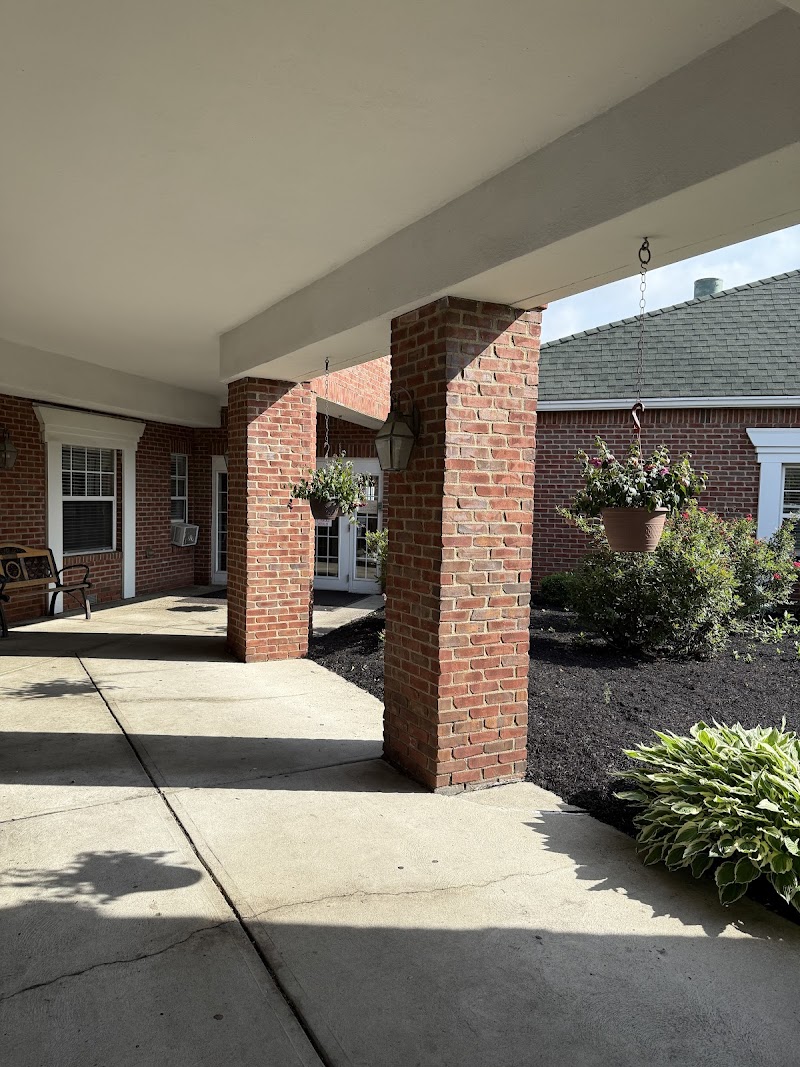
How Does Columbus Alzheimer'S Care Ctr Compare to Other Ohio Nursing Homes?

Compared to the 100 nursing homes in Ohio, COLUMBUS ALZHEIMER'S CARE CTR's overall rating (2 stars) is below the state average of 3.2, staff turnover (42%) is near the state average of 46%, and health inspection rating (1 stars) is much below the national benchmark.

What Should Families Ask When Visiting Columbus Alzheimer'S Care Ctr?

Based on this facility's data, families visiting should ask: "What safeguards and monitoring systems are in place to protect residents from abuse or neglect?" "Can you walk me through typical staffing levels on day, evening, and night shifts?" "Can I visit during a mealtime to observe dining assistance and food quality?" "How do you handle medical emergencies, and what is your hospital transfer rate?" These questions are particularly relevant given the substantiated abuse finding on record and the below-average staffing rating.

Is Columbus Alzheimer'S Care Ctr Safe?

Based on CMS inspection data, COLUMBUS ALZHEIMER'S CARE CTR has documented safety concerns. The facility has 1 substantiated abuse finding (meaning confirmed case of resident harm by staff or other residents). The facility has a 2-star overall rating and ranks #100 of 100 nursing homes in Ohio. Families considering this facility should ask detailed questions about what corrective actions have been taken since these incidents.

Do Nurses at Columbus Alzheimer'S Care Ctr Stick Around?

COLUMBUS ALZHEIMER'S CARE CTR has a staff turnover rate of 42%, which is about average for Ohio nursing homes (state average: 46%). Moderate turnover is common in nursing homes, but families should still ask about staff tenure and how the facility maintains care continuity when employees leave.

Was Columbus Alzheimer'S Care Ctr Ever Fined?

COLUMBUS ALZHEIMER'S CARE CTR has been fined $26,685 across 1 penalty action. This is below the Ohio average of $33,346. While any fine indicates a compliance issue, fines under $50,000 are relatively common and typically reflect isolated problems that were subsequently corrected. Families should ask what specific issues led to these fines and confirm they've been resolved.

Is Columbus Alzheimer'S Care Ctr on Any Federal Watch List?

COLUMBUS ALZHEIMER'S CARE CTR is not on any federal watch list. The most significant is the Special Focus Facility (SFF) program, which identifies the bottom 1% of nursing homes nationally based on persistent, serious quality problems. Not being on this list means the facility has avoided the pattern of deficiencies that triggers enhanced federal oversight. This is a positive indicator, though families should still review the facility's inspection history directly.