COLUMBUS HEALTHCARE CENTER
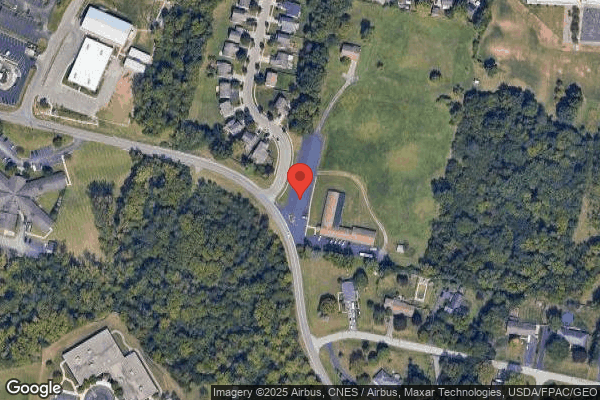

4301 CLIME ROAD NORTH, COLUMBUS, OH 43228 (614) 276-4400
For profit - Corporation 100 Beds COMMUNICARE HEALTH Data: November 2025
Trust Grade
10/100
#639 of 913 in OH
Last Inspection: June 2024

Within standard 12-15 month inspection cycle. Federal law requires annual inspections.

Overview

Columbus Healthcare Center has received a Trust Grade of F, indicating significant concerns and poor overall performance. Ranked #639 out of 913 facilities in Ohio, they fall in the bottom half, and at #27 out of 56 in Franklin County, only a few local options rank lower. Although the facility is trending towards improvement, with a reduction in issues from 29 to 2 in the past year, there are still serious problems including $121,205 in fines, which is higher than 92% of Ohio facilities. Staffing is a mixed bag, with a below-average rating of 2 stars and a turnover rate of 58%, but they do have better RN coverage than 88% of facilities, which can help catch issues. Specific incidents include a resident developing a new pressure ulcer due to inadequate care, another resident experiencing significant weight loss due to a failure to monitor meal intake, and a fall leading to a fracture because of insufficient supervision. Overall, while there are strengths in RN staffing, these serious deficiencies highlight the need for careful consideration.

Trust Score
F
10/100
In Ohio
#639/913
Bottom 31%
Safety Record
High Risk
Review needed
Inspections
Getting Better
29 → 2 violations
Staff Stability
⚠ Watch
58% turnover. Above average. Higher turnover means staff may not know residents' routines.
Penalties
✓ Good
$121,205 in fines. Lower than most Ohio facilities. Relatively clean record.
Skilled Nurses
✓ Good
Each resident gets 47 minutes of Registered Nurse (RN) attention daily — more than average for Ohio. RNs are trained to catch health problems early.
Violations
⚠ Watch
65 deficiencies on record. Higher than average. Multiple issues found across inspections.
★★☆☆☆
2.0
Overall Rating
★★☆☆☆
2.0
Staff Levels
★★★★★
5.0
Care Quality
★☆☆☆☆
1.0
Inspection Score
Stable
2024: 29 issues
2025: 2 issues

The Good

  • 5-Star Quality Measures · Strong clinical quality outcomes
  • Full Sprinkler Coverage · Fire safety systems throughout facility
  • No fines on record

Facility shows strength in quality measures, fire safety.

The Bad

2-Star Overall Rating

Below Ohio average (3.2)

Below average - review inspection findings carefully

Staff Turnover: 58%

12pts above Ohio avg (46%)

Frequent staff changes - ask about care continuity

Federal Fines: $121,205

Well above median ($33,413)

Significant penalties indicating serious issues

Chain: COMMUNICARE HEALTH

Part of a multi-facility chain

Ask about local staffing decisions and management

Staff turnover is elevated (58%)

10 points above Ohio average of 48%

The Ugly 65 deficiencies on record

4 actual harm
Mar 2025 2 deficiencies
CONCERN (D) 📢 Someone Reported This

A family member, employee, or ombudsman was alarmed enough to file a formal complaint

Potential for Harm - no one hurt, but risky conditions existed

Notification of Changes (Tag F0580)

Could have caused harm · This affected 1 resident

Based on record review, resident representative interview, staff interview, and review of facility policy, the facility failed to notify the resident's representative of a resident's change in care. T...

Read full inspector narrative →
Based on record review, resident representative interview, staff interview, and review of facility policy, the facility failed to notify the resident's representative of a resident's change in care. This affected one (Resident #21) of four residents review for notification of change. The facility census was 98. Findings include: Review of the probate court of guardianship record dated 05/22/19 revealed Resident #21 has a court appointed guardian pertaining to person only, due to incompetency. Review of the medical record for Resident #21 revealed an admission date of 11/01/21. Diagnoses included dementia, traumatic brain injury, and cognitive communication deficit. Review of the care plan dated 08/21/22 revealed Resident #21 has liver disease related to liver cirrhosis and interventions included to report abnormal findings to medical provider and resident/resident representative. Review of the Minimum Data Set (MDS) 3.0 assessment completed 01/01/25 revealed Resident #21 had no cognitive impairment. Review of the progress notes dated 01/08/25 revealed Resident #21 was found with a beer given by another resident. Staff discussed with the resident the risks of consuming alcohol with her medical condition including alcoholic cirrhosis, diabetes as well as prescription of narcotic. These concerns were discussed with the resident, social worker and bedside registered nurse. Pain medication was discontinued at this time and scheduled lidocaine patch ordered. The progress notes from 01/08/25 to 01/21/25 revealed no attempts made to contact the guardian regarding alcohol usage as well as discontinuation of her pain medication, resulting in a change in plan of care. Interview on 02/27/25 at 9:42 A.M. with Resident #21's Court Appointed Guardian #500 confirmed she was never made aware of Resident #21's medication change or alcohol consumption. Interview on 02/27/25 at 12:11 P.M. with the Director of Nursing (DON) confirmed the facility did not have documentation to support attempts were made to contact the Resident #21's guardian regarding Resident #21's medication change or alcohol consumption. Review of the facility's Notification of Change in Condition policy, undated, revealed the center must inform the resident, consult with the resident's medical practitioner and/or notify the residents representative or legal power of attorney/guardian where there is a change requiring such notification. This includes circumstances that require a need to alter treatment which may include a new treatment as well as discontinuation of current treatment. This deficiency represents non-compliance investigated under Complaint Number OH00162821.
CONCERN (D) 📢 Someone Reported This

A family member, employee, or ombudsman was alarmed enough to file a formal complaint

Potential for Harm - no one hurt, but risky conditions existed

Quality of Care (Tag F0684)

Could have caused harm · This affected 1 resident

**NOTE- TERMS IN BRACKETS HAVE BEEN EDITED TO PROTECT CONFIDENTIALITY** Based on interview with hematology oncology department, interview with pharmacist, staff interviews, record reviews, and review ...

Read full inspector narrative →
**NOTE- TERMS IN BRACKETS HAVE BEEN EDITED TO PROTECT CONFIDENTIALITY** Based on interview with hematology oncology department, interview with pharmacist, staff interviews, record reviews, and review of facility policy, the facility failed to ensure consistent continuity of care between outside providers including implementing physician orders from outside provider and timely communication and follow up with outside provider. This affected two (Residents #46 and #55) of three residents reviewed for quality of care. The facility census was 98. Findings include: 1. Review of the medical record for Resident #55 revealed an admission date of 04/22/23 with diagnoses including chronic myeloid leukemia and dementia. Review of the physician orders dated 04/23/23 revealed imatinib mesylate (chemotherapy) oral tablet 400 milligrams (mg) one tablet by mouth in the morning for leukemia. Review of the encounter summary from the hematology clinic dated 10/04/25 at 12:01 P.M. revealed no recommendations to change Resident #55's medications. Review of the progress note dated 01/09/25 revealed Resident #55 refused to go to hematology appointment. The nurse spoke with a nurse at the hematology clinic who informed her they may not be able to reschedule this visit, and no new orders were received at this time. Review of the missed visit encounter summary dated 01/09/25 revealed a new order for dasatinib (tyrosine kinase inhibitor) (a chemotherapy medication to treat leukemia) 100 milligrams (mg) tablet by mouth daily with a start date of 01/09/25. This new order was not signed by Hematology Oncology Physician (HOP) #350 until 01/23/25, and it was not sent to the facility until 01/23/25 at 5:12 P.M. The encounter summary did not state to discontinue or continue the use of imatinib mesylate. Review of the laboratory results dated [DATE] at 5:00 P.M. revealed Resident #55's platelet level was at a critical level of 1,442 k/cmm (thousands of cells per cubic millimeter) (a measurement of white blood cells in the blood), whereas the normal range is from 150-450 k/cmm. The progress note dated 01/23/25 at 6:24 A.M. revealed abnormal lab results were called in from the laboratory, and a new order from the facility physician for low-dose aspirin 81 mg was given, with instructions to follow up with the hematology oncology office in the morning. The supervisor was made aware. Review of the hematology telephone encounter note dated 01/23/25 at 9:01 A.M. revealed Licensed Practical Nurse (LPN) #300 called into the hematology oncology office for critical labs for Resident #55. The progress notes dated 01/23/25 at 9:07 A.M. revealed hematology was notified of critical labs. Per the hematology oncology nurse, she would notify the physician, and they will call back for updates. Review of additional progress notes dated 01/23/25 at 3:17 P.M. and 5:18 P.M. revealed the facility attempted to call the hematology oncology office with no response or answer obtained. Review of the hematology and transplant clinic fax order received 01/23/25 at 5:12 P.M. revealed a new prescription order for dasatinib 100 mg tablet by mouth daily. Hematology asked if the facility could follow up with facility pharmacy to provide this new medication. The fax communication did not state to discontinue or continue the use of imatinib mesylate. From 01/23/25 at 5:12 P.M. to 01/28/25, there was no follow up documentation related if the facility answered the hematology and transplant clinic faxed question or a follow-up related to the critical laboratory result from 01/22/25. The progress notes dated 01/28/25 revealed the pharmacy called to confirm if the physician wanted a new order for dasatinib to be administered with the current order of imatinib. The nurse contacted the unit manager and confirmed both orders were active and were to be followed up accordingly with pharmacy. There was no documentation the facility followed up with the physician or hematology oncology department regarding the pharmacies question whether both medications (dasatinib and imatinib) should be administered simultaneously or discontinue the use of imatinib. Dastanib was not administered to Resident #55 until 01/31/25. Review of the medication administration from 01/31/25 to 02/02/25 revealed Resident #55 received both dasatinib and imatinib for treatment of leukemia/cancer. The progress note dated 02/03/25 revealed Resident #55 went to hematology appointment with transfer to the hospital due to abnormal laboratory results received during the visit. Interview on 03/03/25 at 11:31 A.M. with Unit Manager (UM) #212 confirmed she was asked by LPN #115 when pharmacy called to confirm if imatinib mesylate oral tablet 400 mg was to be discontinued when treatment with dasatinib was started. UM #212 denied calling the hematology oncology clinic before and after the orders were sent in to confirm if the imatinib should be given concurrently with another drug in the same class. UM #212 confirmed no follow-up was made to clarify the concurrent use of these medications with the hematology oncology office. She acknowledged that additional communication with the hematology oncology office could have helped clarify the situation. Interview on 03/03/25 at 11:35 A.M. with LPN #115 confirmed she spoke with the hematology oncology office on 01/09/25 to notify them Resident #55 refused to go to the appointment. LPN #115 did not ask if there were any changes to the care, such as new medications or labs that needed to be drawn. She was only notified by the office that they may not continue to see the resident due to recurrent refusals. LPN #115 was unaware of new orders for dasatinib. Interview on 03/03/25 at 11:47 A.M. with Nurse Practitioner (NP) #310 stated the facility staff had difficulties contacting the hematology oncology office. NP #310 initiated low-dose aspirin 81 mg to help decrease Resident #55's elevated platelet levels. However, she was unaware of any additional guidance provided to the facility staff on 01/23/25 regarding the resident's leukemia medication. NP #310 stated she did not alter the special leukemia medications, as it is outside her specialty, and all further guidance regarding medication adjustments should be directed to the hematology oncology clinic. Interview on 03/03/25 at 12:13 P.M. with Contracted Pharmacist #301 revealed that pharmacy staff called the facility on 01/28/25 regarding a potential medication duplication for Resident #55. The concern involved a new order for dasatinib while the resident was concurrently receiving imatinib, both of which are tyrosine kinase inhibitors. The pharmacy staff spoke with LPN #115 to discuss this issue and sought confirmation on whether the continuation of imatinib was intended alongside the new dasatinib order. While the pharmacy could not make the final decision, they emphasized that it is typically the prescriber's responsibility to conduct a risk/benefit analysis to determine whether the duplicate medications were necessary. After being informed that imatinib was to be continued, the pharmacy proceeded with dispensing the new medication. Contracted Pharmacist #301 also confirmed that the pharmacy did not receive the new order for dasatinib until 01/27/25, four days after the hematology oncology clinic had faxed the facility regarding the medication. Interview on 03/03/25 at 12:36 P.M. with the Director of Nursing (DON) confirmed the new order for dasatinib was not transmitted to the pharmacy until 01/27/25, due to the fax being directed to the admissions department's fax machine. The DON further confirmed that no additional attempts were made or documented by herself, the UM, or the floor nursing staff to follow up with the hematology oncology office for orders or guidance on 01/24/25. Additionally, the DON denied receiving any orders for the initiation of dasatinib during her visit to the hematology oncology clinic on 10/03/24. Interview on 03/03/25 at 1:04 P.M. with HOP #350 confirmed that the office was notified of critical lab results and subsequently sent orders to the facility to initiate dasatinib for the treatment of elevated platelets. HOP #350 indicated the initial intention to start this medication was during their visit on 10/03/24, but the facility did not initiate the treatment as planned. HOP #350 was unable to provide clarity on how or if this change in medication was communicated to the facility. On 02/03/25, the resident was seen at the hematology clinic for a routine visit, where it was noted that the resident was receiving both dasatinib and imatinib. The medication was reviewed, with notes indicating that dasatinib had been ordered, and imatinib should continue until dasatinib was delivered and available. During this visit, Resident #55's labs were drawn, revealing elevated Blood Urea Nitrogen (BUN) at 28 mg/dL and elevated creatinine at 3.0 mg/dL. Due to these elevated lab results, the resident was admitted to the hospital with suspected acute kidney injury. The cause of the injury was attributed to several risk factors, including heart failure, dementia, and the use of multiple nephrotoxic medications such as metoprolol and Lasix. HOP #350 expressed concerns regarding inconsistencies and failures in treatment for Resident #55, attributing these issues to poor communication with the nursing staff at the facility. Interview on 03/03/25 at 1:42 P.M. with LPN #300 and Registered Nurse (RN) #141 confirmed that they spoke with the hematology office at the same time in the morning on 01/23/25 regarding the abnormal lab results. Both nurses denied receiving any new orders or guidance during this conversation, noting that the only information provided was that the hematology office would follow up with them. They confirmed they made two additional follow-up calls on 01/23/25 to the hematology office after notifying them of the critical lab results, but no new orders were issued until they received a fax later in the day with a new medication order for dastanib. 2. Review of the medical record for Resident #46 revealed an admission date of 01/03/25 with diagnoses including fractures of the left femur, right tibia, and left fibula, and fractures of the T11-T12 vertebra. Review of the care plan dated 01/03/25 revealed Resident #46 has impaired skin integrity at the left and right knee. Interventions included administering treatments as ordered by the medical provider. Review of the hospital after-visit summary dated 01/03/25 revealed Resident #46 was discharged with instructions for surgical wound care, which included cleansing the bilateral posterior knees with Vashe, applying Triad (zinc barrier cream) impregnated Adaptic (used to prevent dressing adherence to the wound bed), followed by padding with an absorbent pad, and wrapping with Kerlix and ACE wraps, to be changed daily. Review of the physician orders from 01/04/25 revealed instructions to cleanse the bilateral knees with wound cleanser, pat dry, and apply Triad cream. The wounds were then to be covered with ABD pads and wrapped with Kerlix and ACE wraps. Adaptic (used to prevent dressing adherence to the wound bed) was missing from the wound treatment order. This physician order continued through 02/19/25. The treatment administration record (TAR) for January 2025 confirmed these orders were followed on the following dates: 01/04/25, 01/06/25, 01/07/25, 01/08/25, 01/09/25, 01/10/25, 01/13/25, 01/14/25, 01/17/25, 01/18/25, 01/19/25, 01/20/25, 01/22/25, 01/24/25, 01/25/25, 01/26/25, 01/27/25, 01/28/25, 01/29/25, 01/30/25, and 01/31/25. Review of the wound assessment report dated 01/06/25 revealed Wound Nurse Practitioner #355 ordered for the surgical wounds dressings were to be changed daily, cleansed with normal saline with primary treatment of surgeon's request and completed with other dressing supplies including bordered gauze. Review of the Minimum Data Set (MDS) 3.0 assessment completed 01/10/25 revealed Resident #46 had intact cognition. Resident #46 had surgical wounds requiring ongoing care, including the use of a pressure-reducing bed device, surgical wound care, and the application of non-surgical dressings, ointments, and medications. The updated physician orders from 01/11/25 specified additional treatments for the left and right lower extremities. For the left leg, the instructions were to rinse the wound with normal saline and apply a wet-to-dry dressing until the resident was seen by the wound clinic. These treatments were documented as completed on the following dates: 01/11/25, 01/12/25, 01/14/25, 01/15/25, 01/16/25, 01/19/25, 01/21/25, 01/22/25, and 01/23/25. For the right leg, the updated orders included rinsing with normal saline, patting the wound dry, and leaving it open to air. These treatments were documented as completed on the following dates: 01/11/25, 01/12/25, 01/14/25, 01/15/25, 01/16/25, 01/19/25, 01/21/25, 01/22/25, 01/24/25, 01/26/25, 01/27/25, 01/28/25, 01/29/25, and 01/30/25. From 01/11/25 to 01/31/25, the physician orders started on 01/04/25 were intermittently substituted with the new order from 01/11/25. Review of an outpatient wound care visit summary dated 01/23/25 revealed orders for posterior left and right knees to be cleaned with soap and water, Vashe, or normal saline, and to be dressed with Xeroform, absorbent pads, Kerlix, and ACE wraps. This physician order was not started until 02/08/25. A subsequent outpatient visit summary on 01/30/25 indicated the wounds on the posterior aspect of both knees were healing, with some areas showing incomplete healing but healthy granulation tissue. The plan included continuing with wet-to-dry dressing changes to the bilateral lower extremities and following up with surgery for the next steps in healing. On 01/31/25, updated orders were issued to rinse both the left and right lower extremity posterior knee incisions with normal saline, pat them dry, and dress them with wet-to-dry dressings daily for ongoing wound care. Interview with the Director of Nursing (DON) on 03/03/25 at 11:01 A.M. confirmed Resident #46's treatment orders were not started according to the hospital's after-visit summary. The DON confirmed Adaptic was missing from the wound treatments and acknowledged there were two different types of treatment listed for both the left and right lower extremities without clarification on which treatments should be completed. The DON confirmed after the 01/23/25 wound clinic visit, the facility did not discontinue the two old physician orders. The DON confirmed the wound recommendations dated 01/23/25 which included Vashe, Xeroform, and covering with absorbent pads, Kerlix, and ACE Wraps were not implemented until 02/08/25. Interview on 03/03/25 at 2:24 P.M. with Licensed Practical Nurse (LPN) #115 confirmed she has provided care for Resident #46's wounds but did not notice the duplicate orders. She also confirmed seeing several instances of incorrectly documented wound care orders that needed to be corrected by the physician. Review of the facilities Skin Care and Wound Management Overview, undated, revealed the facility aims to prevent skin impairment and promote the healing of existing wounds. This includes applying treatment protocols based on clinical best practice standards to promote wound healing. This deficiency represents non-compliance investigated under Complaint Number OH00162795 and Complaint Number OH00162318.
Sept 2024 1 deficiency
CONCERN (D) 📢 Someone Reported This

A family member, employee, or ombudsman was alarmed enough to file a formal complaint

Potential for Harm - no one hurt, but risky conditions existed

Unnecessary Medications (Tag F0759)

Could have caused harm · This affected 1 resident

Based on observation, staff interview, medical record review, and policy review, the facility failed to ensure a medication error rate of less than five percent (5%). This affected two (#64 and #80) o...

Read full inspector narrative →
Based on observation, staff interview, medical record review, and policy review, the facility failed to ensure a medication error rate of less than five percent (5%). This affected two (#64 and #80) of four residents observed for medication administration. There were 29 opportunities with four medication errors for a medication error rate of 13.7%. The facility census was 98. Findings include: 1. Review of Resident #64's medical record revealed an admission date of 09/19/24, with diagnoses of: anoxic brain damage, muscle weakness, dysphagia, cognitive communication deficit, insomnia, chronic obstructive pulmonary disease, and encounter for attention for gastrostomy. Review of a physician order dated 09/19/24 revealed an order for aspirin low dose 81 milligram (mgs) tablet chewable, give one tablet via percutaneous endoscopic gastrostomy tube (PEG) (a feeding tube that is surgically inserted through the abdominal wall and into the stomach) one time a day and an order for Guaifenesin Extended Release (ER) tablet 12 hour, 600 mgs, give one tablet via PEG tube every 12 hours for cough. Review of a physician order dated 09/22/24 revealed an order for baclofen (muscle relaxer medication) oral tablet 10 mgs give one tablet via PEG tube three times a day for muscle contraction. Observation of a medication administration pass with Certified Medication Aide (CMA) #16 on 09/30/24 at 8:32 A.M., revealed she passed oral medications of baclofen 10 mgs, Guaifenesin 600 mg ER, and aspirin 81 mg enteric coated. CMA #16 crushed all three medications including and put them in pudding and gave them to Resident #64 by mouth. Interview on 09/20/24 at 10:03 A.M., with CMA #16 verified the order says all three medications should be given by PEG tube and she gave them by mouth. She also verified the Guaifenesin 600 mg ER, and aspirin 81 mg enteric coated should not have been crushed since they are extended release and enteric coated. 2. Review of Resident#80's medical record revealed an admission date of 06/21/19, with diagnoses of: vitamin D deficiency, hemiplegia and hemiparesis following cerebral infarction, type two diabetes mellitus, insomnia, edema, and major depressive disorder. Review of the 07/04/24 quarterly Minimum Data Set (MDS) assessment revealed the resident was cognitively intact and does not use any devices to aid in mobility. Review of a physicians order dated 02/21/24 revealed an order for Cholecalciferol Oral Capsule (Vitamin D) 125 micrograms (5000 units). Give 1 capsule by mouth in the morning. Observation on 09/30/24 at 9:24 A.M., of Licensed Practical Nurse (LPN) #11 revealed she was passing medications to Resident #80. LPN #11 pulled Cholecalciferol Oral Capsule (Vitamin D) 1250 micrograms (50,000 units). LPN #11 verified she was going to give 50,000 units of Vitamin D. The surveyor intervened and had LPN #11 recheck the order. Interview on 09/30/24 at 9:29 A.M., with Licensed Practical Nurse (LPN) #11 verified she was going to give 50,000 units of Vitamin D instead of the ordered 5,000 units. Review of the undated policy titled; Medication Administration Policy revealed to observe the five rights in giving each medication: the right route. Follow manufacturers recommendations for medications that note do not crush. This deficiency represents non-compliance investigated under Complaint Number OH00157909.
Aug 2024 4 deficiencies 1 Harm
SERIOUS (G) 📢 Someone Reported This

A family member, employee, or ombudsman was alarmed enough to file a formal complaint

Actual Harm - a resident was hurt due to facility failures

Pressure Ulcer Prevention (Tag F0686)

A resident was harmed · This affected 1 resident

Based on observations, record review, policy review, and staff interview the facility failed to implement a comprehensive and individualized pressure ulcer prevention program to ensure adequate interv...

Read full inspector narrative →
Based on observations, record review, policy review, and staff interview the facility failed to implement a comprehensive and individualized pressure ulcer prevention program to ensure adequate interventions were in place to promote healing and prevent new ulcers from developing. Actual Harm occurred on 08/13/24 when Resident #57, who exhibited severe cognitive impairment, had a current pressure ulcer present and required substantial/maximal assistance for bed mobility was assessed to have a new in-house developed pressure ulcer. The resident was assessed to have a deep tissue injury (Deep Tissue Pressure Injury (DTPI): Intact skin with localized area of persistent non-blanchable deep red, maroon, purple discoloration due to damage of underlying soft tissue) to the right ischium/hip that developed due to the lack of adequate interventions including turning and repositioning. This affected one (Resident #57) of three residents reviewed for pressure ulcers. The facility identified four residents with in-house acquired pressure ulcers, including Resident #57. The facility census was 96. Findings include: Review of the medical record for Resident #57 revealed an admission date of 06/11/21 and diagnoses including dementia and protein-calorie malnutrition. On 08/08/24 the resident weighed 97.1 pounds. Review of a Minimum Data Set assessment completed 06/09/24 revealed a brief interview for mental status score of 3, indicating severe cognitive impairment. The resident required substantial/maximal assistance with bed mobility, transfers, and personal hygiene. Review of a pressure ulcer risk assessment completed 12/17/23 revealed a high risk for pressure ulcers. Pressure ulcer risk assessments completed 03/17/24 and 08/13/24 only identified a moderate risk for the development of pressure ulcers (even though the resident had pressure ulcers on 08/13/24). Review of the plan of care for Resident #57 initiated 07/27/24 and revised 07/31/24 revealed the resident was at risk for altered skin integrity related to decreased mobility, kyphosis, contractures of bilateral lower extremities, incontinence, and history of pressure ulcers. The plan of care stated the resident had a deep tissue injury of the left medial foot. The goal was to have improved or maintain current skin status. Interventions included weekly skin checks and encourage resident to turn and reposition or assist as needed as resident allows. The resident had a hospital stay from 07/18/24 to 07/27/24 for a left hip fracture. A skin and wound note by the wound nurse practitioner on 07/31/24 stated the resident had a deep tissue injury pressure ulcer on the left medial foot which was present upon admission (readmission) measuring 2.5 centimeters (cm) by 2.0 cm. with 100 percent epithelial. No other pressure ulcers were identified. Recommendations for preventative measures included ongoing pressure reduction and turning/repositioning precautions per protocol. Review of nursing progress notes revealed a note from a physician on 08/13/24 indicating being notified that Resident #57 had ecchymosis of the right hip 3-5 cm in diameter. The note stated the resident had a recent left hip fracture and the area was likely due to pressure from offloading the resident off the left hip. The note stated to encourage frequent offloading. It further stated the resident should be up in a chair with meals. Physician's orders were obtained on 08/13/24 to encourage frequent offloading of right hip and should be up in chair with breakfast, lunch, and dinner. However, there was a nursing progress note on 08/14/24 that indicated the resident was unable to sit up in chair with meals due to pain. A skin and wound note by the wound nurse practitioner on 08/14/24 stated the resident had a new, deep tissue injury pressure ulcer of the right ischium measuring 6 cm by 7.5 cm. A new treatment order was given 08/14/24 to cleanse area with wound cleanser, apply Triad to base of wound, leave open to air when in bed and cover with border foam if up in chair. Recommendations for preventative measures included ongoing pressure reduction and turning/repositioning precautions per protocol. A skin and wound note by the wound nurse practitioner on 08/21/24 stated Resident #57 had a deep tissue injury pressure ulcer to the left medial foot measuring 2.5 cm by 2 cm which was improving. She also had a deep tissue injury pressure ulcer on the right ischium measuring 6 cm by 3 cm that was improving without complications. Recommendations for preventative measures included ongoing pressure reduction and turning/repositioning precautions per protocol. Observations on 08/21/24 at 10:43 A.M., 12:44 P.M., 1:20 P.M., 1:55 P.M., and 3:26 P.M. revealed Resident #57 to be in bed on her left side. At 1:55 P.M., Nurse Aide #100 was observed to feed the resident in bed on her left side. Nurse Aide #100 confirmed, at that time, that the resident was on her left side. She stated the resident did not have any pressure ulcers. Observations on 08/22/24 at 7:36 A.M., 9:37 A.M., 10:10 A.M., and 10:43 A.M. revealed Resident #57 to be in bed on her left side. Observation of the treatment for Resident #57 on 08/22/24 at 10:43 A.M. revealed an approximate quarter sized open area on the left medial foot. The open area was red with a white center. The area was cleansed with wound cleanser and the betadine was applied to the area. The right ischium was observed to have a deep reddish/purple area with a small scabbed area in the center. The area was cleansed with wound cleanser and Triad was applied. The skin on the left hip area was clear. The resident was placed back on her left side after the treatment was completed. Interview with Nurse Aide #208 on 08/22/24 at 11:03 A.M. revealed she and Nurse Aide #244 were providing care for Resident #57 on 08/22/24. She stated the resident was to be turned and repositioned every two hours by staff. She stated that she had come on duty at 6:00 A.M. She stated the resident was in bed on her right side from 6:00 A.M. until 9:00 A.M. when she was put on her back for breakfast. Then after eating (20-30 minutes) she was turned to her left side. However, when the surveyor stated she had observed the resident in bed on her left side at 7:36 A.M. (not right side as indicated by Nurse Aide #208) she stated she was not sure and Nurse Aide #244 should be asked about it. Interview with Nurse Aide #244 on 08/22/24 at 11:04 A.M. revealed Resident #57 should be turned and repositioned by staff every two hours. She first stated staff were able to do this. She stated she came on duty at 6:00 A.M. She then stated that the resident had been on her left side since she came on duty on 08/22/24. She stated the resident has pain when laying on her right side. She stated she had not reported this to the nurse. Interview with Licensed Practical Nurse #143 on 08/22/24 at 11:05 A.M. revealed he was the nurse for Resident #57 on 08/22/24. He stated the resident should be turned and repositioned every two hours. He stated staff were able to do that. He then stated he was not aware that the resident could not lay on her right side due to pain and was not aware the resident had been on her left side since 6:00 A.M. (five hours). Interview with the Director of Nursing on 08/22/24 at 11:30 A.M. revealed she was not aware Resident #57 could not lay on her right side. She confirmed the turning/repositioning program had not been revised to develop another plan to prevent pressure ulcers since the resident was having pain laying on her right side/getting up. Review of the facility undated policy titled Pressure Ulcer Prevention: High Risk revealed a care plan would be developed for pressure ulcer prevention. It stated to assist in position change as needed, position with pillows/support devices to assist in maintaining position and comfort, turn and reposition per plan of care. The policy further stated to monitor for consistent implementation of interventions, evaluate effectiveness of interventions, revise intervention and/or goals as indicated, and communicate changes in interventions to the caregiving staff. This deficiency represents non-compliance investigated under Complaint Number OH00156977.
CONCERN (D) 📢 Someone Reported This

A family member, employee, or ombudsman was alarmed enough to file a formal complaint

Potential for Harm - no one hurt, but risky conditions existed

ADL Care (Tag F0677)

Could have caused harm · This affected 1 resident

Based on observations, medical record review, and staff interview, the facility failed to ensure a resident who was unable to carry out activities of daily living was provided with the necessary servi...

Read full inspector narrative →
Based on observations, medical record review, and staff interview, the facility failed to ensure a resident who was unable to carry out activities of daily living was provided with the necessary services to maintain good personal hygiene. This affected one of five sampled residents (Resident #57). The facility census was 96. Findings include: Review of the medical record for Resident #57 revealed an admission date of 06/11/21 and diagnoses including dementia, protein-calorie malnutrition, and dysphagia (difficulty swallowing). Review of a Minimum Data Set assessment completed 06/09/24 revealed a brief interview for mental status score of three, indicating severe cognitive impairment. It also stated the resident required substantial/maximal assistance with personal hygiene. Review of the plan of care initiated 06/30/21 and revised on 07/27/24 revealed Resident #57 had an activity of daily living self care performance deficit as evidenced by requires assistance with activities of daily living related to dementia, decreased mobility, and contractures of bilateral lower extremities. Interventions included substantial/maximal assist with personal hygiene (helper does more than half the effort). Observations on 08/21/24 at 10:43 A.M., 12:44 P.M. and 1:20 P.M. revealed Resident #57 to be in bed. Her fingernails were long and had a dark brown substance under the nails. On 08/21/24 at 1:55 P.M. her lunch tray was provided and Nurse Aide #100 was observed to feed the resident. The resident continued with long, dirty fingernails with a dark brown substance under the nails. On 08/21/24 at 3:26 P.M. the resident continued to have long, dirty fingernails with a dark brown substance under the nails. Interview with the Director of Nursing on 08/21/24 at 3:26 P.M. confirmed the resident had long, dirty fingernails with a dark brown substance under the nails. She stated this was not acceptable and the resident needed a manicure. This deficiency represents incidental findings of non-compliance investigated under Complaint Number OH00156977.
CONCERN (D) 📢 Someone Reported This

A family member, employee, or ombudsman was alarmed enough to file a formal complaint

Potential for Harm - no one hurt, but risky conditions existed

Deficiency F0692 (Tag F0692)

Could have caused harm · This affected 1 resident

Based on observations, medical record review, and staff interview, the facility failed to follow up on dietician recommendations to ensure a resident maintained acceptable parameters of nutritional st...

Read full inspector narrative →
Based on observations, medical record review, and staff interview, the facility failed to follow up on dietician recommendations to ensure a resident maintained acceptable parameters of nutritional status, including body weight. This affected one of five sampled residents (Resident #93). The facility census was 96. Findings include: The facility identified two residents as having a significant weight loss in the past 30 days (Residents #93 and #65). Review of the medical record for Resident #93 revealed an admission date of 09/01/23 and diagnoses including malignant neoplasm of the floor of the mouth and protein-calorie malnutrition. The resident received a mechanically altered dysphagia (difficulty swallowing) diet. Review of a Minimum Data Set assessment completed 08/10/24 revealed the resident had a brief interview for mental status score of 15, indicating intact cognition. He was independent with eating and was 70 inches tall (five foot, 10 inches). Record review revealed he weighed 122.4 pounds on 06/13/24 and 07/02/24. On 08/02/24 and 08/07/24 he weighed 123.2 pounds. However, on 08/08/24 it was documented he weighed 112 pounds. This represented an 11.2 pound, 8.9 percent significant weight loss in one day. Review of the plan of care initiated 08/01/24 and revised 08/10/24 revealed Resident #93 was at potential nutritional risk due to cancer and severe protein calorie malnutrition. Interventions included to monitor and address significant weight changes. Review of a nutritional assessment completed by the dietician on 08/10/24 revealed the resident was underweight and had a body mass index of 16.1. It stated his most recent weight on 08/08/24 was 112 pounds with a usual body weight range of 119-123. The assessment stated the new weight appeared erroneous and will request reweight. As of 08/22/24, there was no evidence the resident had been reweighed. Observations on 08/21/24 at 10:40 A.M. revealed Resident #93 to be lying in bed with a thin appearance. On 08/21/24 at 1:45 P.M. his lunch tray was observed in his room but the resident was not in the room and had not eaten anything from the tray. On 08/21/24 at 3:25 P.M. the resident was observed outside smoking. He stated he did not want any of his lunch meal. Interview with Dietician #245 on 08/22/24 at 11:15 A.M. confirmed she recommended a reweight for Resident #93 on 08/10/24. She stated she had sent e-mail requests for the reweight. Interview with the Director of Nursing on 08/22/24 at 11:20 A.M. revealed she did not receive any e-mail requests for a reweight for Resident #93. She confirmed a reweight had not been completed for Resident #93. This deficiency represents non-compliance investigated under Complaint Number OH00156977.
CONCERN (D) 📢 Someone Reported This

A family member, employee, or ombudsman was alarmed enough to file a formal complaint

Potential for Harm - no one hurt, but risky conditions existed

Infection Control (Tag F0880)

Could have caused harm · This affected 1 resident

Based on observations, policy review, medical record review, and staff interview, the facility failed to develop/implement infection control policies to provide a sanitary environment to prevent the d...

Read full inspector narrative →
Based on observations, policy review, medical record review, and staff interview, the facility failed to develop/implement infection control policies to provide a sanitary environment to prevent the development and transmission of communicable diseases and infections. This affected two of five sampled residents (Residents #3 and #57). The facility census was 96. Findings include: 1. Review of the medical record for Resident #3 revealed an admission date of 02/08/23 and diagnoses including multiple sclerosis and quadriplegia. Review of wound and skin notes by the wound nurse practitioner on 08/21/24 revealed the resident had a Stage 4 pressure ulcer (full-thickness skin and tissue loss with exposed or directly palpable fascia, muscle, tendon, ligament, cartilage or bone in the ulcer. Slough and/or eschar may be visible on some parts of the wound bed. Epibole (rolled edges), undermining and/or tunneling often occur. Depth varies by anatomical location) on the left buttock and an Unstageable pressure ulcer (full-thickness skin and tissue loss in which the extent of tissue damage within the ulcer cannot be confirmed because the wound bed is obscured by slough or eschar) on the sacrum. Review of physician's orders revealed an order dated 05/19/24 to cleanse the left buttock ulcer with wound cleanser, apply medical grade honey to wound bed, and cover with bordered gauze. Apply Triad peri-wound. Change daily. An order on 08/15/24 stated to cleanse sacrum wound with wound cleanser, apply medical grade honey, and cover with bordered gauze daily. Observation of the wound treatments on 08/22/24 at 10:13 A.M. for Resident #3 by Registered Nurse/Assistant Director of Nursing (ADON) #215 revealed ADON #215 laid all of the wound care supplies (a box of gloves, a box of measuring devices, a bottle of wound cleanser, a bottle of hand sanitizer, a large package of 4x4 gauze, and a tube of Triad paste) in Resident #3's bed without any type of barrier. The items were laid directly on the bed linens. Resident #3 was in bed. ADON #215 applied gloves and removed the soiled dressing from the sacrum. She cleansed the sacrum using wound cleanser. She then removed her gloves, and without doing any hand hygiene (handwashing or hand sanitizer), applied a clean pair of gloves. She then used her gloved finger to apply the honey to the bed of the wound. She then applied a clean dressing to the sacrum. She then removed her gloves and used hand sanitizer. She then applied clean gloves and removed the dressing from the left buttock. She then cleansed the area with wound cleanser. She then removed her soiled gloves and, without doing any hand hygiene, applied a clean pair of gloves. She used her gloved finger to apply honey to the wound bed. She then removed one glove, and with no hand hygiene, applied a clean glove. She then applied a clean dressing to the left buttock. She then removed the gloves, used hand sanitizer, and applied clean gloves to cleanse the buttocks around the dressings. She then removed the gloves, and without hand hygiene, applied new gloves and applied Triad paste to the buttocks around the dressings. She then removed the gloves, and without hand hygiene, applied clean gloves and got in the resident's dresser to look for a clean disposable incontinent brief. The bottle of wound cleanser fell onto the floor. ADON #215 applied a clean incontinent brief. She then removed her gloves, and without hand hygiene, applied clean gloves. She then moved the wound care supplies from the bed to the resident's dresser (no barrier on dresser). She then removed her gloves and used hand sanitizer. She placed the hand sanitizer (which had been laying in the resident's bed) back into her pocket without cleansing the outside of the bottle. She then placed all of the wound care supplies back into the treatment cart without cleansing the outside of any of the items (all had been laying in the resident's bed and the bottle of wound cleanser had been dropped on the floor). The treatment cart contained supplies for other residents who require treatments. ADON #215 then proceeded directly to complete the wound treatments for Resident #57. 2. Review of the medical record for Resident #57 revealed an admission date of 06/11/21 and diagnoses of dementia and protein-calorie malnutrition. A skin and wound note by the wound nurse practitioner on 08/21/24 stated Resident #57 had a deep tissue injury pressure ulcer to the left medial foot measuring 2.5 cm by 2 cm. She also had a deep tissue injury pressure ulcer on the right ischium measuring 6 cm by 3 cm. ( (Deep Tissue Pressure Injury (DTPI): Intact skin with localized area of persistent non-blanchable deep red, maroon, purple discoloration due to damage of underlying soft tissue). Observation of the wound treatments on 08/22/24 at 10:43 A.M. for Resident #57 by ADON #215 revealed she got the supplies out of the treatment cart needed for the wound care. She put on a gown and gloves. The supplies were placed on the bedside table without any type of barrier on the table. The left medial foot was observed to have an open area. ADON #215 attempted to cleanse the area with wound cleanser but the bottle would not spray. She confirmed it was the bottle that had dropped on the floor in Resident #3's room. Another bottle of wound cleanser was obtained. ADON #215 laid the bottle of wound cleanser in Resident #57's bed near her rectal area. She then removed her gloves, and without hand hygiene, applied clean gloves. She used a 4x4 to apply betadine to the left foot. She then removed her gloves and used hand sanitizer from her pocket. She applied clean gloves. She then used the wound cleanser to cleanse the right ischium with a 4x4. Triad paste was then applied. She then removed her gloves and, without hand hygiene, applied clean gloves. The resident's incontinent brief was then changed. She then removed her gloves and used the hand sanitizer from her pocket. The supplies used were placed back into the treatment cart without sanitizing them. (treatment cart contained supplies for other residents who have treatments). Interview with ADON #215 on 08/22/24 at 11:00 A.M. confirmed she was to wash her hands or use hand sanitizer after removing gloves and she did not always do that. She confirmed she was to use some type of barrier under the treatment supplies in the resident rooms to keep the items from being contaminated and she did not do that. She confirmed she placed all of the wound care supplies back into the treatment cart after they had either been in resident's beds or on their bedside furniture with no barriers under them. Review of the facility policy (dated 10/21/14 and revised 04/01/17) and titled Standard Precautions revealed hand hygiene was the cleaning of hands by using either handwashing or antiseptic hand rub. It stated practicing hand hygiene is a simple but effective way to prevent the spread of infections by breaking the chain of infection. Proper cleaning of hands can prevent the spread of germs, including those that are resistant to antibiotics and are becoming resistant to antibiotics. When hands are not visibly soiled, alcohol-based hand sanitizers are the preferred method for cleaning hands in this healthcare setting. Use soap and water when hands are visibly dirty or soiled. It stated hand hygiene was to be performed after contact with blood, body fluids or excretions, mucous membranes, non-intact skin, or wound dressings and after glove removal. Interview with Regional Clinical Director of Operations #246 on 08/22/24 at 2:15 P.M. revealed the facility did not have a policy/procedure on the steps to follow to complete a dressing change, including the use of a barrier to prevent contamination of wound care supplies. This deficiency represents incidental findings of non-compliance investigated under Complaint Number OH00156977.
Jun 2024 22 deficiencies 1 Harm
SERIOUS (G)

Actual Harm - a resident was hurt due to facility failures

Deficiency F0692 (Tag F0692)

A resident was harmed · This affected 1 resident

4. Review of the medical record for Resident #56 revealed an admission date of 10/31/23 with diagnoses including absence of right and left leg above the knee, severe protein calorie malnutrition, depr...

Read full inspector narrative →
4. Review of the medical record for Resident #56 revealed an admission date of 10/31/23 with diagnoses including absence of right and left leg above the knee, severe protein calorie malnutrition, depression and muscle weakness. Review of the care plan for Resident #56 care plan dated 11/06/23 revealed the resident had the potential for altered nutrition status related to diagnoses with interventions including nutritional consult, obtaining weights as ordered and monitoring meal intakes. Review of the MDS assessment for Resident #56 dated 02/07/24 revealed the resident was cognitively intact and required staff assistance with feeding. Review of the nutritional assessment for Resident #56 dated 02/07/24 the resident had an average meal intake of 75%. Resident weights had not been obtained for 60 days. Review of the progress note for Resident #56 progress dated 02/08/24 revealed the resident had a weight change from 136.8 pounds on 12/04/23 to 94.6 pounds on 02/08/24 related to bilateral leg amputations. The resident's weight was to be obtained weekly following the amputations. Record of the physician orders for Resident #56 revealed an order dated 02/08/24 to obtain weekly weights. Record of the weight record for Resident #56 from 02/11/24 to 03/18/24 revealed there were no weights obtained for the resident. Interview on 06/06/24 at 8:13 A.M. with Central Supply Coordinator (CSC) #115 confirmed she was responsible for obtaining weekly weights. CSC #115 confirmed Resident #56 had a significant weight loss and was supposed to be weighed weekly, but she had not weighed the resident weekly. Interview on 06/06/24 at 4:00 P.M. with Dietician #143 confirmed Resident #56 was on the weekly weight list due bilateral leg amputations which resulted in a significant weight loss. Dietician #143 confirmed the facility did not obtain required weights. Interview on 06/06/24 at 8:13 A.M. with the Administrator confirmed Resident #56's weekly weights were not obtained per physician order between 02/08/24 to 03/18/24. Interview on 06/10/24 at 1:24 P.M. with Resident #56 confirmed she had weight loss due to surgery and not due to lack of appetite. Review of facility policy titled Resident Height and Weight undated revealed weights would be obtained monthly or as ordered by the physician. Based on medical record review, staff interview, family interview, and review of the facility policy, the facility failed to ensure staff monitored resident nutritional status to prevent unplanned weight loss during a tube feed discontinuation trial. This resulted in Actual Harm for one (Resident #88) who experienced an unplanned weight loss of 4.6 percent (%) in three weeks and had ongoing severe weight loss of 8.5% over less than three months. The facility also failed to monitor weights and nutritional supplements for three (Residents #14, #20, and #56) of seven residents reviewed for nutrition. The facility census was 96 residents. Findings include 1.Review of the medical record for Resident #88 revealed an admission date of 12/13/23 with diagnoses including hemiplegia and hemiparesis, dysphasia, aphasia, atrial fibrillation, muscle weakness and cognitive communication. Review of the nutrition assessment for Resident #88 dated 12/14/23 revealed the resident had received a percutaneous endoscopic gastrostomy tube (PEG) tube at the hospital and was on tube feeding. Review of the nutrition assessment for Resident #88 dated 03/11/24 revealed the resident relied on enteral nutrition to complement her oral intake and meet her needs. Resident #88 received 26 to 50% of her nutrition from her tube feed formula. Resident consumed an average of 77% at meals with ranges from 0% to 100%. Resident #88 had an order with for Isosource 1.5 at 80 milliliters per hour per PEG tube for ten hours daily. Further review of the assessment revealed the dietitian recommended Isosource to be discontinued for Resident #88 and to monitor the resident's weight weekly. Review of the weight records for Resident #88 revealed the following dates/weights: - 02/07/24 weight of 180.3 pounds (lbs.) - 03/07/24 weight of 181.0 lbs. - 04/02/24 weight of 172.6 lbs. - 05/07/24 weight of 168.2 lbs. - 05/14/24 weight of 168.0 lbs. - 05/20/24 weight of 165.6 lbs. - 06/01/24 weight of 166.0 lbs. Review of weights revealed from 03/07/24 to 04/02/24 Resident #88 had a 4.64% weight loss in about three weeks. Review of weights revealed from 03/07/24 to 05/20/24 Resident #88 had a severe weight loss of 8.51% in under three months. Review of progress note per nurse practitioner for Resident #88 dated 03/13/24 and 03/14/24 revealed the resident's tube feeding was on hold and the dietician would follow and monitor the resident. Review of nutrition progress note for Resident #88 per Dietitian #144 dated 04/03/24 revealed the resident had a weight loss of 4.6% during a trial discontinuation of nocturnal tube feeding. Resident #88 resumed nocturnal tube feeding as previously ordered on 04/03/24 after weight loss was identified. Resident's oral intake for 03/11/24 to 04/02/24 was an average of 53% of mechanical soft meals by mouth. Review of the Minimum Data Set (MDS) assessment for Resident #88 dated 05/03/24 revealed the resident was cognitively impaired and required supervision or touching assistance for eating. Resident received an enteral feeding. Review of care plan dated for Resident #88 dated 05/06/24 revealed the resident had a nutrition problem related to dysphasia from cerebrovascular accident (CVA) and was on a mechanically altered diet and enteral nutrition. Interventions included the following: notify the medical provider and resident representative of unplanned weight loss, nutritional consult, obtain labs, obtain weights as ordered. Review of the care plan for Resident #88 dated 05/06/24 revealed the resident received tube feeding related to dysphasia from CVA. Interventions included the following: monitor intake, notify medical provider and resident representative of unplanned weight changes, nutrition consult quarterly and as indicated, obtain weights as ordered. Interview on 06/04/24 at 9:13 A.M. with Resident #88's representative confirmed the facility stopped Resident #88's tube feed on 03/11/24 and because the resident lost weight the facility needed to restart the tube feeds. Interview on 06/06/24 at 3:02 P.M. with Dietician #143 confirmed residents should be weaned from tube feed intakes by cutting the dose over several days and monitoring intake and weights before stopping tube feeds completely. Dietitian #143 confirmed she would typically request weekly weights for residents receiving tube feeding and residents should be monitored closely during tube feed weaning trials. Dietician #143 confirmed Resident #88's record did not include monitoring of resident's weight and nutritional status following the discontinuation of resident's nocturnal tube feeding from 03/11/24 to 04/02/24 per the previous Dietitian #144. Dietician #143 confirmed there were no additional nutritional progress notes or documentation of additional nutritional interventions as Resident #88 continued to lose weight. Dietitian #143 confirmed Resident #88 had an 8.5% weight loss from 03/07/24 to 05/20/24. Interview on 06/10/24 at 1:10 P.M. with Corporate Dietician (CD) #147 confirmed facility had no documentation of Resident #88's weight being monitored from 03/11/24 to 04/02/24 during the tube feed discontinuation trial. CD #147 confirmed weights were not taken weekly as recommended and acknowledged resident was stopped from tube feeding nutrition without weaning and when resident was still obtaining 26 to 50% of her nutrition from her tube feed formula. Review of facility policy titled Diet and Nutrition Care Manual dated 2019 revealed weight changes were considered significant per the following parameters: 1-2% weight loss in one week, 5% weight loss in one month, 7.5% weight loss in three months and 10% weight loss in six months. 2. Review of the medical record for Resident #14 revealed an admission date of 02/01/11 with diagnoses including aneurysm, hemiplegia and hemiparesis, convulsions, diabetes, polyneuropathy, muscle wasting and atrophy. Review of progress note for Resident #14 dated 04/10/24 revealed the resident had a weight change due to possibly due to declining intakes. The dietitian recommended Resident #14's diet to be changed from carb controlled to regular to liberalize choices and to monitor weights weekly for four weeks. Review of weight records for Resident #14 revealed the following dates/weights: - 04/22/24 weight of 188.9 lbs. - 05/17/24 weight of 181.5 lbs. - 05/20/24 weight of 185.4 lbs. Review of nutritional assessment for Resident #14 dated 05/19/24 revealed staff should continue to weigh the resident weekly. Review of the MDS assessment for Resident #14 dated 05/22/24 revealed the resident was cognitively intact required set up assistance with eating. Review of the plan of care for Resident #14 dated 05/23/24 revealed the resident had a potential nutrition problem with interventions to monitor and address significant weight changes and weigh per facility order. Interview on 06/06/24 at 3:02 P.M. with Dietician #143 confirmed the facility had no evidence of weekly weights being obtained and monitored as recommended by the dietitian on 04/10/24. Dietitian #143 confirmed resident went three and a half weeks without updated weights. 3. Review of the medical record for Resident #20 revealed an admission date of 03/18/14 with diagnoses including type two diabetes mellitus without complications, hemiplegia and hemiparesis following cerebrovascular disease affecting left non-dominant side, contracture of muscle in left hand, contracture of left ankle, dementia, reduced mobility, and need for assistance with personal care. Review of the MDS assessment for Resident #20 dated 04/05/24 revealed the resident was cognitively impaired and depended on staff assistance with eating. Review of the physician's orders for Resident #20 revealed orders dated 02/12/24 for the resident to be weighed weekly on Mondays and offer fortified pudding with lunch and dinner and an order dated 04/01/24 for a pureed textured diet. Review of the weight record for Resident #20 revealed the following dates/weights: -11/08/23 weight of 177 lbs. -01/04/24 weight of 169 lbs. -02/07/24 weight of 156 lbs. -03/07/24 weight of 158 lbs. -03/31/24 weight of 151 lbs. -04/05/24 weight of 153 lbs. -05/07/24 weight of 157 lbs. Review of the progress note for Resident #20 dated from 01/08/24 revealed the resident had lost weight from 11/08/23 to 01/04/24 and a reweight was requested. Review of the progress note for Resident #20 dated 02/08/24 timed at 1:00 P.M. revealed the resident weighed 156 lbs. on 02/07/24 and there had been no reweight following the weight on 01/04/24. This reflected an unplanned weight loss of 7.7% or 13 lbs. in 30 days. The dietitian recommend the addition of fortified pudding with lunch and dinner. Review of progress note for Resident #20 dated 03/11/24 timed at 4:09 P.M. revealed the resident weighed 158 lbs. on 03/07/24 which indicated the resident's weight was stabilizing. No additional new interventions were recommended. Review of the progress note for Resident #20 dated 04/01/24 timed at 3:30 P.M. revealed the resident weighed 151 lbs. on 03/31/24 which reflected an unplanned significant weight loss of 10.7% or 18 lbs. over 90 days. The recommendation was to monitor with weekly weights for four weeks. Review of the progress note for Resident #20 dated 05/19/24 timed at 4:56 P.M. revealed the resident weighed157 lbs. on 05/07/24 which reflected a significant weight loss of 11.4% over 180 days. The resident's meal intakes varied from 26-100%. No additional interventions were recommended. Review of the medical record for Resident #20 revealed it did not include documentation regarding the resident's acceptance of the fortified pudding that was added as a nutritional intervention for significant weight loss which was noted separately from the rest of the resident's meal tray. Interview on 06/05/24 at 2:27 P.M. with Regional Clinical Manager (RCM) #137 confirmed Resident #20 had a physician's order for fortified pudding at lunch and dinner to help stabilize the resident's weight, but the facility had not documented the resident's acceptance of the pudding. RCM #137 further confirmed the facility had not obtained reweights or weekly weights as ordered/recommended for Resident #20. Review of the facility policy titled Resident Height and Weight undated weights would be obtained monthly or as ordered by the physician or practitioner. Staff should compare weight to previous weights obtained. If a variance of five pounds or more was noted staff should reweigh the resident to verify weight. Nutritionally unstable residents would be reviewed by interdisciplinary team (IDT) to determine frequency of obtaining weight. Review of the facility policy titled Fortified Food Program undated, revealed the goal of the fortified food program was to be able to provide a higher calorie and or higher protein food item to residents if the intake of regular foods or beverages were estimated to be unable to meet the resident's nutritional needs.
CONCERN (D)

Potential for Harm - no one hurt, but risky conditions existed

Resident Rights (Tag F0550)

Could have caused harm · This affected 1 resident

Based on medical record review, observation, resident interviews and the facility failed to ensure residents were dressed in an appropriate and dignified manner. This affected one (Resident #43) of tw...

Read full inspector narrative →
Based on medical record review, observation, resident interviews and the facility failed to ensure residents were dressed in an appropriate and dignified manner. This affected one (Resident #43) of two residents reviewed for dignity. The facility census was 96 residents. Findings include: Review of the medical record for Resident #43 revealed an initial admission date of 09/20/23 with the latest readmission of 01/25/24 with diagnoses including acute kidney failure, spina bifida, diseases of spinal cord, diabetes mellitus, asthma, severe morbid obesity, hypertensive heart disease with heart failure, congestive heart failure, cerebrospinal fluid drainage device, neuromuscular dysfunction of bladder, urinary incontinence, incontinence of feces, major depressive disorder, anxiety disorder, radiculopathy lumbar region, hydrocephalus and gastroesophageal reflux disease. Review of the plan of care dated 09/29/23 revealed the resident had a self-care deficit related to spina bifida, morbid obesity and refusal of showers. Interventions included the staff would assist the resident with upper and lower body dressing. Review of the Minimum Data Set (MDS) assessment for Resident #43 dated 04/18/24 revealed the resident had no cognitive deficit and was always incontinent of both bowel and bladder. Review of the resident's medical record revealed it did not include an inventory sheet of the resident's belongings. Interview 06/03/24 at 3:53 P.M. with Resident #43 confirmed the facility lost his clothing so he had to wear a hospital gown daily, but resident preferred to be dressed in clothing instead of the hospital gown. Observation on 06/04/24 at 3:06 P.M. revealed Resident #43 was attending the resident council meeting in the common area and was wearing a hospital gown instead of regular clothing. Interview on 06/04/24 at 3:09 P.M. with Licensed Practical Nurse (LPN) #91 confirmed Resident #43 did not have very many items of clothing and the State Tested Nursing Assistants (STNA) didn't go down and get clothes from laundry or look through the clothing that had been donated to see if there was any clothing the resident could wear. Observation on 06/04/24 at 3:10 P.M. of Resident #43's closet with LPN #91 revealed the only item of clothing available was one long sleeved gray sweatshirt. Interview on 06/06/24 at 3:25 P.M. with the Administrator confirmed the resident's clothing was missing and the facility had not ensured the resident was dressed in a dignified manner when he left his room. This deficiency represents noncompliance investigated under Complaint Number OH00153744.
CONCERN (D) 📢 Someone Reported This

A family member, employee, or ombudsman was alarmed enough to file a formal complaint

Potential for Harm - no one hurt, but risky conditions existed

Deficiency F0558 (Tag F0558)

Could have caused harm · This affected 1 resident

Based on observation, family and staff interview, facility failed to ensure call lights were within reach for one (Resident #88) of one resident reviewed for call lights. The facility also failed to e...

Read full inspector narrative →
Based on observation, family and staff interview, facility failed to ensure call lights were within reach for one (Resident #88) of one resident reviewed for call lights. The facility also failed to ensure resident choice to go outside when not medically contraindicated. This affected one (Resident #30) of two residents reviewed for dignity and respect. The facility census was 96 residents. Findings include: 1. Review of the medical record for Resident #88 revealed an admission date of 12/13/23 with diagnoses including hemiplegia and hemiparesis, dysphasia, aphasia, atrial fibrillation, muscle weakness and cognitive communication. Review of the Minimum Data Set (MDS) assessment for Resident #88 dated 05/03/24 revealed Resident #88 was cognitively impaired and required staff assistance with activities of daily living (ADLs.) Review of care plan for Resident #88 dated 05/06/24 revealed the resident required assistance with ADLs. Interventions include staff to ensure the resident's call light was within reach. Observation on 06/03/24 at 11:20 A.M. revealed Resident #88's call light was left on the floor. Interview on 06/04/24 at 9:13 A.M. with Resident #88's representative confirmed the resident's call light was frequently on the floor and out of reach of resident. Observation on 06/04/24 at 4:50 P.M. revealed Resident #88's call light was left on the floor. Observation on 06/06/24 at 8:50 A.M. revealed Resident #88's call light was left on the floor. Observation on 06/06/24 at 9:15 A.M. revealed Resident #88's call light was left on the floor. Interview on 06/06/24 at 9:16 A.M. with State Tested Nursing Aide (STNA) #49 confirmed Resident #88 was able to use the call light but the resident's call light was on the floor and out of reach of the resident. 2. Review of the medical record for Resident #30 revealed an admission date of 11/10/10 with diagnoses including rheumatoid arthritis, dysphasia, muscle weakness. Review of the MDS assessment for Resident #30 dated 05/22/24 revealed the resident was cognitively intact and required moderate to dependent assistance with ADLs and transfers. Review of the medical record for Resident #30 revealed it did not include any information regarding resident being assessed to be a wandering or elopement risk. Interview on 06/03/24 around 10:00 A.M. with the Ombudsman confirmed residents had complained about not being allowed to go outside and get fresh air by the front entrance. Interview on 06/03/24 at 3:36 P.M. with Resident #30 confirmed she was instructed by facility staff she was not allowed to leave the facility and sit outside with her boyfriend and the staff had not explained why she could not go outside. Interview on 06/04/24 at 3:13 P.M. with Administrator confirmed the facility had a rule that if a resident was cognitively impaired or was at risk for falls or needed any assistance from staff, they were not allowed to go outside in the front of the building except for smoke breaks. Interview on 06/04/24 at 11:00 with Regional Clinical Manager (RCM) #137 confirmed facility was having therapy assess residents for safety in going outside and confirmed if a resident wanted to go outside staff should assist them in doing so and monitor for safety. RCM #137 confirmed it was a careful balance to ensure residents were safe while honoring resident rights. RCM confirmed the facility had no clinical rationale regarding why Resident #30 was not allowed to go outside. Review of facility policy titled Resident Leave of Absence undated revealed residents who were cognitively intact and had a physician order could sign themselves out for a leave of absence. This deficiency represents noncompliance investigated under Complaint Number OH00153744.
CONCERN (D)

Potential for Harm - no one hurt, but risky conditions existed

Deficiency F0578 (Tag F0578)

Could have caused harm · This affected 1 resident

Based on record review, staff interview, and review of the facility policy, the facility failed to ensure accurate advanced directives and code status were reflected in the resident medical record. Th...

Read full inspector narrative →
Based on record review, staff interview, and review of the facility policy, the facility failed to ensure accurate advanced directives and code status were reflected in the resident medical record. This affected two (Residents #14 and #30) of two reviewed for advanced directives. The facility census was 96 residents. Findings include: 1. Review of the medical record for Resident #14 revealed an admission date of 11/10/10 with diagnoses including aneurysm, hemiplegia and hemiparesis, convulsions, diabetes, polyneuropathy, and muscle wasting and atrophy. Review of the signed advanced directive paperwork for Resident #14 dated 07/13/20 revealed the resident's code status was do not resuscitate comfort care arrest (DNRCC-A.) Review of physician's orders for Resident #14 revealed an order dated 05/02/23 to change resident's code status to do not resuscitate comfort care (DNRCC.) Review of the Minimum Data Set (MDS) assessment for Resident #14 dated 05/22/24 revealed the resident was cognitively intact. Review of the plan of care for Resident #14 dated 05/23/24 revealed resident's code status was a DNRCC with interventions to educate on advanced directives and living will and obtain a physician order. Interview on 06/04/24 at 10:06 A.M. with Human Resources (HR) #110 confirmed Resident #14 had a signed form from the physician dated 07/13/20 indicating a code status of DNRCC-A, but the physician order dated 05/02/23 was for DNRCC. HR #110 confirmed the signed form and the physician's order for Resident #14 did not match and two different code statuses were documented in the resident's record. 2. Review of the medical record for Resident #30 revealed an admission date of 03/03/23 with diagnoses including rheumatoid arthritis, dysphasia, muscle weakness. Review of the signed advanced directive paperwork for Resident #30 dated 03/10/23 revealed the resident's code status was DNRCC-A. Review of physician's orders for Resident #30 revealed an order dated 03/14/23 to change resident's code status to DNRCC. Review of the MDS assessment for Resident #30 dated 04/13/24 revealed the resident was cognitively intact. Interview on 06/04/24 at 10:06 A.M. with HR #110 confirmed Resident #30 had a signed form from the physician dated 03/10/23 indicating a code status of DNRCC-A, but the physician order dated 03/14/23 was for DNRCC. HR #110 confirmed the signed form and the physician's order for Resident #30 did not match and two different code statuses were documented in the resident's record. Review of facility policy titled Advanced Directive Resident Right to Choose undated, revealed if resident had an advanced directive, copies would be made available and placed on the hard chart medical record and communicated accurately to the staff.
CONCERN (D)

Potential for Harm - no one hurt, but risky conditions existed

Notification of Changes (Tag F0580)

Could have caused harm · This affected 1 resident

2. Review of the medical record for Resident #88 revealed an admission date of 12/13/23 with diagnoses including hemiplegia and hemiparesis, dysphasia, aphasia, atrial fibrillation, muscle weakness an...

Read full inspector narrative →
2. Review of the medical record for Resident #88 revealed an admission date of 12/13/23 with diagnoses including hemiplegia and hemiparesis, dysphasia, aphasia, atrial fibrillation, muscle weakness and cognitive communication. Review of the MDS assessment for Resident #88 dated 05/03/24 revealed the resident was cognitively impaired and required supervision or touching assistance with eating. Review of the nutrition assessment for Resident #88 dated 03/11/24 revealed the Resident #88 continued to be relied on enteral nutrition to complement her oral intake and meet her needs. Resident #88 had an average meal intake of 77 percent (%). Resident #88 had an order for Isosource 1.5 at 80ml/hour for 10 hours and the resident received 26-50% of her calories through tube feeding. The recommendation was made to discontinue the resident's nocturnal tube feeding and to monitor weekly weights. The assessment did not include notification to the resident or family related to removing the tube feed. Review of progress notes for Resident #88 dated 03/01/24 to 03/13/24 revealed they did not include notification to the resident's representative of the discontinuation of the resident's tube feeding. Interview on 06/04/24 at 9:13 A.M. with Resident #88's representative confirmed the facility did not speak with them prior to discontinuing the tube feeding and they found out when asking staff while visiting that the tube feeds had been discontinued. Interview on 06/06/24 at 3:02 P.M. with Dietician #143 confirmed the facility had no documentation of communication with Resident #27's family that the tube feeding was discontinued. Dietician #143 confirmed the facility should have discussed the discontinuation of the tube feeding with the resident's family. Interview on 06/06/24 at 5:40 P.M. with Registered Nurse (RN) #141 confirmed she was unable to find evidence of a discussion with Resident #27's family prior to the discontinuation of the resident's tube feeding. Interview on 06/10/24 at 1:10 P.M. with Corporate Dietician (CD) #147 confirmed facility had no documentation of communication with Resident #27's family until after the resident had been on the tube feed trial and lost weight. Review of the facility policy titled Notification of Change in Condition dated 2022 revealed resident representatives should be notified of significant changes to treatment. Based on medical record review, staff interview and facility policy review, the facility failed to notify the primary care physician of resident blood glucose level outside of the physician-ordered parameters. This affected one (Resident #27) of one residents reviewed for insulin. Additionally, the facility failed to notify resident representatives of discontinuation of enteral tube feeding. This affected one (Resident #88) of eight residents reviewed for nutrition. The facility census was 96 residents. Findings Include: 1. Review of the medical record for Resident #27 revealed an admission date of 05/15/24 with diagnoses including acute kidney failure, chronic obstructive pulmonary disease, obstructive sleep apnea, severe morbid obesity, diabetes mellitus, gastro-esophageal reflux disease, hypertension, hyperlipidemia, adult failure to thrive, history of malignant neoplasm of prostate and osteoarthritis. Review of the plan of care for Resident #27 dated 05/17/24 revealed the resident had diabetes. Interventions included the following: administer insulin injections as ordered, rotate injection sites, educate resident/resident representative on medication management and importance of adherence, observe for signs and symptoms of hyperglycemia and hypoglycemia, obtain and monitor lab/diagnostic studies as ordered, obtain blood sugars per physician orders, offer bedtime snacks, provide diet as ordered, offer substitutes per preference, weekly skin checks. Review of the Minimum Data Set (MDS) assessment for Resident #27 dated 05/22/24 revealed the resident had no cognitive impairment, and the resident received insulin on a daily basis. Review of the monthly physician's orders for Resident #27 dated June 2024 revealed an order dated 05/16/24 for blood sugar checks before meals and at bed time with the special instructions to notify the physician if the resident's blood sugar was less than 70 and greater than 250, an order dated 05/16/24 for Lantus solution 100 units/milliliters (ml) inject 10 units subcutaneously at bedtime, an order dated 05/16/24 for Insulin Aspart before meals, and an 05/24/24 for Trulicity solution 0.5 ml subcutaneously weekly on Monday. Review of the Medication Administration Record (MAR) for Resident #27 dated May 2024 revealed the resident's blood sugar was outside of the physician ordered parameters on the following dates and times: 05/17/24-P.M. blood sugar was 363, 05/18/24- P.M. blood sugar was 363, 05/19/24- A.M. blood sugar was 251 and P.M. blood sugar was 290, 05/28/24- A.M. blood sugar was 276 and P.M. blood sugar was 262, 05/29/24-A.M. blood sugar was 254 and P.M. blood sugar was 297, 05/30/24- P.M. blood sugar was 262, 05/31/24- A.M. blood sugar was 266 and P.M. blood sugar was 254. Review of the MAR for Resident #27 dated June 2024 MAR revealed the resident's A.M. blood sugar was 400 on 06/02/24. Review of the resident's medical record revealed it did not include documentation of physician notification of the elevated blood sugars for May and June 2024 per the physician-ordered parameters. Interview on 06/06/24 at 4:00 P.M. with Regional Clinical Nurse (RCN) #137 confirmed the facility had not notified Resident #27's primary care physician of the blood sugars outside of the physician-ordered parameters for May and June 2024 Review of the facility policy titled Notification of Change in Condition dated 2022 revealed the facility was required to have processes in place for physician notification of acute changes such as poor glycemic control. The attending practitioner must be promptly notified of significant changes in condition and the medical record must reflect the notification response and interventions implemented to address the resident's condition.
CONCERN (D) 📢 Someone Reported This

A family member, employee, or ombudsman was alarmed enough to file a formal complaint

Potential for Harm - no one hurt, but risky conditions existed

Safe Environment (Tag F0584)

Could have caused harm · This affected 1 resident

Based on medical record review, observation, resident representative interview, and staff interview, the facility to ensure privacy curtains were kept clean. This affected one (Resident #88) of 31 sam...

Read full inspector narrative →
Based on medical record review, observation, resident representative interview, and staff interview, the facility to ensure privacy curtains were kept clean. This affected one (Resident #88) of 31 sampled residents. The facility census was 96 residents. Findings Include: Review of the medical record for Resident #88 revealed an admission date of 12/13/23 with diagnoses including hemiplegia and hemiparesis, dysphasia, aphasia, atrial fibrillation, muscle weakness and cognitive communication. Review of the Minimum Data Set (MDS) assessment for Resident #88 dated 05/03/24 revealed the resident was cognitively impaired and required assistance with activities of daily living, (ADLs.) Observation on 06/03/24 at 11:20 A.M. revealed Resident #88's privacy curtain was dirty with brown splatter and food crumbs stuck to it. Interview on 06/04/24 at 9:13 A.M. with Resident #88's representative confirmed the resident's privacy curtain was dirty with splatter and food on it. Observation on 06/04/24 at 4:50 P.M. revealed Resident #88's privacy curtain was dirty with brown splatter and food crumbs stuck to it. Observation on 06/06/24 at 8:50 A.M. revealed Resident #88's privacy curtain was dirty with brown splatter and food crumbs stuck to it. Interview on 06/06/24 at 9:15 A.M. with State Tested Nursing Aide (STNA) #49 confirmed Resident #88's privacy curtain was dirty with brown splatter and food crumbs stick to it. STNA further confirmed it was not part of the aide's job to address the dirty privacy curtain and said the Surveyor should tell housekeeping about the dirty privacy curtain. This deficiency represents noncompliance investigated under Complaint Number OH00153744.
CONCERN (D)

Potential for Harm - no one hurt, but risky conditions existed

PASARR Coordination (Tag F0644)

Could have caused harm · This affected 1 resident

Based on medical record review, resident interview, staff interview, review of Pre-admission and Resident Review (PASARR) results letter, and facility policy review, the facility failed to educate, of...

Read full inspector narrative →
Based on medical record review, resident interview, staff interview, review of Pre-admission and Resident Review (PASARR) results letter, and facility policy review, the facility failed to educate, offer, or implement Level II services for residents. This affected one (Resident #39) of two residents reviewed for PASARR screenings. The facility census was 96 residents. Findings include: Review of the medical record for Resident #39 revealed an admission date of 11/06/23 with medical diagnoses including bipolar disorder, depression, dementia, alcohol abuse, anxiety disorder, and post-traumatic stress disorder (PTSD). Review of the PASARR screening for Resident #39 dated 10/24/23 completed prior to the resident's admission to the facility revealed the resident required ongoing case management from a mental health agency, emergency mental health services, and had an inpatient psychiatric hospitalization in the last two years. Review of the Notice of PASARR Level II Outcome letter for Resident #39 dated 10/25/23 revealed the resident was approved with specialized services for nursing home placement. The letter indicated Resident #39 would need to be provided with an initial psychiatric evaluation, ongoing medication review by a psychiatrist or similarly credentialed professional and recommended contacting the county regarding substance abuse treatment options. Review of the Minimum Data Set (MDS) assessment for Resident #39 dated 11/13/23 revealed the resident had intact cognition and required assistance with activities of daily living (ADLs.) Review of the plan of care for Resident #39 dated 11/13/23 revealed the resident had alcohol abuse disorder. Interventions included the following: administer medications as ordered, assist with attendance to acquired appointments and meetings outside of the center, coordination of care with substance abuse treatment program and encourage participation in the program, educate the resident on following the prescribed treatment plan, and encourage the resident to explore and identify triggers and feelings regarding addiction. The care plan did not include any specialized service recommendations for Resident #39. Interview on 06/04/24 at 9:11 A.M. with Resident #39 confirmed she had not been offered any specialized services such as substance abuse treatment options and had not received any services to her knowledge. Interview on 06/04/24 at 5:48 P.M. with Social Services Director (SSD) #82 confirmed she had only been in the position for approximately two months. SSD #82 was not aware Resident #39 qualified for specialized services. SSD #82 stated the resident had not been educated or offered any of the specialized services as recommended. Review of the facility policy titled PASARR dated 01/01/20, revealed the PASARR program required states to identify and evaluate all residents for evidence of severe mental illness (SMI) to ensure needs were met in the most appropriate setting and prohibited facilities from admitting or retaining an individual with SMI unless the individual required the level of services of a nursing facility and received adequate services to meet the needs in the least restrictive setting. Specialized services were services above and beyond what was provided.
CONCERN (D) 📢 Someone Reported This

A family member, employee, or ombudsman was alarmed enough to file a formal complaint

Potential for Harm - no one hurt, but risky conditions existed

Quality of Care (Tag F0684)

Could have caused harm · This affected 1 resident

**NOTE- TERMS IN BRACKETS HAVE BEEN EDITED TO PROTECT CONFIDENTIALITY** Based on medical record review, observation, staff interview, resident interview, and review of the facility policy, the facilit...

Read full inspector narrative →
**NOTE- TERMS IN BRACKETS HAVE BEEN EDITED TO PROTECT CONFIDENTIALITY** Based on medical record review, observation, staff interview, resident interview, and review of the facility policy, the facility failed to timely evaluate and treat a rectal fistula, failed to timely schedule an outside gastroenterology (GI) follow-up appointment, and failed to ensure precertification for hospice services was completed. This affected three (Residents #11, #64, and #73) of 31 residents sampled. The facility census was 96 residents. Findings include: 1. Review of the medical record for Resident #11 revealed an admission date on [DATE] with diagnoses including paraplegia, encounter for attention to other artificial openings of urinary tract, encounter for attention to ileostomy, irritable bowel syndrome, and anal fistula (added on [DATE]). Review of the care plan for Resident #11 revised [DATE] revealed the resident had impaired skin integrity. Interventions included complete at skin risk assessment upon admission, readmission, quarterly and as needed, complete weekly skin checks, and provide peri-care as needed to avoid skin breakdown due to incontinence. Review of the quarterly Minimum Data Set (MDS) assessment for Resident #11 dated [DATE] revealed the resident had intact cognition and was dependent on staff to complete toileting and required substantial assistance from staff to complete showering/bathing. Review of the Treatment Administration Records (TARs) for Resident #11 dated May and [DATE] revealed a weekly skin assessment was completed every Friday with a start dated of [DATE]. Review of the physician's orders for Resident #11 dated [DATE] revealed there were no wound treatment orders for the area to Resident #11's rectum. Observation [DATE] at 12:18 P.M. of incontinence care for Resident #11 per State Tested Nurse Aide (STNA) #115 revealed there was a small amount of light brown drainage noted on the resident's depends from a wound. The wound was approximately the size of a finger point and looked like it was tunneling. Interview on [DATE] at 12:18 P.M. with STNA #115, confirmed Resident #11 had this small wound to his rectum for a while. STNA #115 confirmed she had not reported the area to a nurse. Interview on [DATE] at 4:15 P.M. with Regional Clinical Manager (RCM) #137 confirmed Resident #11 had what appeared to be a rectal fistula (an open area on her rectum) that measured approximately two centimeters long by two centimeters wide. The area appeared to be where a previously healed pressure area had healed, and scar tissue had developed. RCM #137 confirmed there was a brown substance draining from the area. RCM #137 stated Resident #11 would be transferred to the hospital for further evaluation of the area, because the facility had just become aware of the area. Review of the facility policy titled Skin Care & Wound Management Overview undated, revealed staff would identify and document skin impairment and would notify the physician to determine appropriate treatment. 2. Review of the medical record for Resident #73 revealed an admission date of [DATE] with diagnoses including bipolar disorder, stroke, hypothyroidism and chronic obstructive pulmonary disease. Review of the nurses' progress note for Resident #73 dated [DATE] revealed the nurse called to set up a gastrointestinal (GI) appointment for the resident evaluate and treat blood stool and diarrhea and to have her annual endoscopy. Resident #73 was scheduled for a GI consult on [DATE]. Review of the nurse progress note for Resident #73 dated [DATE] revealed the facility scheduled a GI consult for the resident on [DATE]. Review of the nurse practitioner (NP) note for Resident #73 dated [DATE] revealed the NP wanted the facility to contact additional GI doctors to see if the resident could get an appointment earlier than [DATE]. Review of the progress notes for Resident #73 dated [DATE] to [DATE] revealed they did not include documentation of attempts to find an earlier GI appointment for the resident. Interview on [DATE] at 9:45 A.M. with Resident #73 confirmed the resident was supposed to have a colonoscopy on [DATE] because she had diarrhea with blood in it several times. Resident #73 went to the scheduled appointment on [DATE] but did not see a doctor, because the office did not take her insurance. The doctor's office called the facility and recommended they schedule a new colonoscopy appointment with a provider who took Resident #73's insurance. Resident #73 confirmed the staff had not rescheduled the appointment. Interview on [DATE] at 3:49 P.M. with the DON confirmed Resident #73 did not see a gastroenterologist on [DATE]. The DON confirmed on [DATE] the staff scheduled a GI appointment for Resident #73 on [DATE]. The DON confirmed the staff did not reach out to other practices to schedule an earlier GI appointment for Resident #73 per the instructions of the NP on [DATE]. 3. Review of the medical record for Resident #64 revealed an initial admission date of [DATE] with the latest readmission of [DATE] with the diagnoses including diffuse traumatic brain injury (TBI), convulsions, protein calorie malnutrition, hypertension, anxiety disorder, major depressive disorder, personal history of COVID-19, gastro-esophageal reflux disease post-traumatic stress disorder. Review of the plan of care for Resident #64 dated [DATE] revealed the resident was on hospice services related to diffuse TBI without loss of consciousness. Interventions included the following: adjust level of activities of daily living assistance to compensate for resident's changing abilities, encourage participation to the extent able and that they wish to participate, administer medications per medical provider's order, observe for side effects and effectiveness, report abnormal findings to medical provider, resident/resident representative, hospice company, assist in providing pastoral care as needed or request. Review of the MDS assessment for Resident #64 dated [DATE] revealed the resident had no cognitive deficit and received hospice services. Review of the monthly physician's orders for Resident #64 dated [DATE] revealed an order dated [DATE] for the resident to admit to hospice services with an admitting diagnosis of diffuse TBI. Review of the hospice binder kept at the nurses' station revealed the recertification, plan of care and assessment for Resident #64 expired on [DATE]. There was no current hospice recertification, plan of care or assessment on file for Resident #64 Interview on [DATE] at 11:25 A.M. with the DON confirmed the facility had not arranged for Resident #64 to have an updated hospice certification, plan of care and assessment. Review of the facility policy titled Coordination of Care for Hospice Services undated revealed the interdisciplinary team (IDT) facility member or designee would be responsible for obtaining the following information from the hospice provider: the most recent hospice plan of care specific to each resident, hospice election form, physician certification and recertification of the terminal illness specific to each resident, names and contact information for hospice personnel involved in hospice care for each resident receiving services, instructions on how to access the hospice's 24 hour on call system, hospice medication information specific to each resident, hospice physician and attending physician orders specific to each resident.
CONCERN (D) 📢 Someone Reported This

A family member, employee, or ombudsman was alarmed enough to file a formal complaint

Potential for Harm - no one hurt, but risky conditions existed

Deficiency F0685 (Tag F0685)

Could have caused harm · This affected 1 resident

Based on medical record review, resident representative interview, and staff interview, the facility failed to ensure timely follow up for ophthalmology (vision) services. This affected one (Resident ...

Read full inspector narrative →
Based on medical record review, resident representative interview, and staff interview, the facility failed to ensure timely follow up for ophthalmology (vision) services. This affected one (Resident #88) of one resident reviewed for ophthalmology services. The facility census was 96 residents. Findings include: Review of the medical record for Resident #88 revealed an admission date of 12/13/23 with diagnoses including hemiplegia and hemiparesis, dysphasia, aphasia, atrial fibrillation, muscle weakness and cognitive communication. Review of the Minimum Data Set (MDS) assessment for Resident #88 dated 05/03/24 revealed the resident was cognitively impaired. Review of the progress note for Resident #88 dated 04/25/24 revealed the resident returned from a doctor appointment with a referral for ophthalmology services. Review of the facility vision provider list dated July 2023 to June 204 revealed Resident #88 was not seen during any of the visits. Interview on 06/04/24 at 9:36 A.M. with Resident #88's representative revealed they wanted resident to see an ophthalmologist and were unsure if this had been arranged. Resident #88's representative confirmed the resident had swelling in her eyes sometimes when she woke up. Interview on 06/10/24 at 4:50 P.M. with Social Services Director (SSD) #82 confirmed it was her role to arrange for vision services for the residents but was not aware that the doctor had referred Resident #88 for ophthalmology/vision services on 04/25/24 and the resident had not been seen by an ophthalmologist/vision service provider.
CONCERN (D)

Potential for Harm - no one hurt, but risky conditions existed

Pressure Ulcer Prevention (Tag F0686)

Could have caused harm · This affected 1 resident

Based on medical record review, observation, staff interview and facility policy review, the facility failed to comprehensively assess resident pressure ulcers upon admission/readmission to the facili...

Read full inspector narrative →
Based on medical record review, observation, staff interview and facility policy review, the facility failed to comprehensively assess resident pressure ulcers upon admission/readmission to the facility. This affected three (Residents #24, #27, #43) of six residents reviewed for pressure ulcers. The facility census was 96 residents. Findings include: Review of the medical record for Resident #24 revealed an admission date of 02/18/24 with diagnoses including multiple sclerosis, functional quadriplegia, neuromuscular dysfunction of bladder, stage IV pressure ulcer to left buttocks, major depressive disorder, convulsions, contracture of right hand, contracture of right upper arm, contracture of right ankle and foot, voice and resonance disorder and status colostomy. Review of the nursing admission evaluation for Resident #24 dated 02/18/24 revealed the resident was readmitted to the facility with pressure ulcers to the coccyx, and right and left buttocks. The assessment contained no staging, measurements, description of the wound or exudate present. Review of the assessment contained within the admission evaluation revealed Resident #24 was at risk for skin breakdown. Review of the plan of care for Resident #24 dated 02/18/24 revealed the resident had impaired skin integrity, immobility related to MS. Interventions included staff should complete weekly skin checks and evaluate existing wounds daily for changes. Review of the wound Nurse Practitioner (NP) progress note for Resident #24 dated 02/21/24 revealed the resident had a stage IV pressure ulcer to the right buttocks measuring 1.0 centimeter (cm) in length by 1.0 cm. in width by 0.5 cm. in depth. The note described the wound bed to be 100 percent (%) granulation tissue with no exudate present. The stage IV pressure ulcer to the resident's left buttocks measured 6.0 cm in length by 2.2 cm. in width by 0.2 cm. in depth with100% granulation tissue with a scant amount of serosanguinous drainage. Observation on 06/05/24 at 11:52 A.M. of wound care for Resident #24 per Licensed Practical Nurse (LPN) #149 and State Tested Nursing Assistant (STNA) #56 revealed the resident had stable, healing pressure ulcers to the right and left buttocks. Interview on 06/06/24 at 4:30 P.M. with Regional Clinical Nurse (RCN) #137 confirmed the staff had not comprehensively assessed Resident #24's stage IV pressure ulcers to the right and left buttocks upon admission to the facility. 2. Review of the medical record for Resident #27 revealed an admission date of 05/15/24 with the diagnoses including acute kidney failure, chronic obstructive pulmonary disease, obstructive sleep apnea, severe morbid obesity, diabetes mellitus, gastro-esophageal reflux disease, hypertension, hyperlipidemia, adult failure to thrive, history of malignant neoplasm of prostate and osteoarthritis. Review of the acute care discharge summary for Resident #27 dated 05/15/24 revealed the resident had a pressure injury to the right heel, left heel, sacrum, moisture associated skin damage (MASD) to the left upper posterior leg, right upper posterior leg and a wound to the left anterior/posterior upper leg. The summary contained no assessments of the wounds. Review of the nursing admission evaluation for Resident #27 dated 05/15/24 revealed the resident was admitted to the facility with pressure ulcers to the right buttocks, left buttocks, right heel, left heel, right and left gluteal fold. The assessment did not include no staging, measurements, or a description of the wound or exudate present. Review of the pressure ulcer risk assessment contained within the admission evaluation revealed the resident was at risk for skin breakdown. Review of the plan of care for Resident #27 dated 05/15/24 revealed the resident had impaired skin integrity related to unstageable pressure ulcer to left heel, stage II pressure ulcer to left lateral thigh, stage II pressure ulcer to left ischium, left lateral foot, stage II pressure ulcer to sacrum. Interventions included staff to complete weekly skin checks and notify resident/family and medical provider of any decline in wound healing. Review of the wound NP progress note for Resident #27 dated 05/20/24 revealed the resident had an unstageable pressure ulcer to the left heel which measured 2.9 cm. in length by 2.5 cm in width by 0.3 cm. in depth with slough and eschar to the wound bed. The resident was also admitted with a stage II pressure ulcer to the left lateral thigh measuring 2.2 cm. in length by 2.0 cm. in width by 0.1 cm. in depth with 100% epithelial tissue and a scant amount of serosanguinous drainage. The resident was admitted to the facility with a stage II pressure ulcer to the left ischium measuring 3.5 cm. in length by 3.2 cm. in width by 0.2 cm. in depth with 100% epithelial tissue with a scant amount of serosanguinous drainage. The resident was admitted with a stage II pressure ulcer to the right ischium measuring 3.1 cm. in length by 2.0 cm. in width by 0.20 cm. in depth with 100% epithelial tissue and a scant amount of serosanguinous drainage. Interview on 06/06/24 at 4:30 P.M. with RCN #137 confirmed the facility had not comprehensively assessed Resident #27's pressure ulcers upon admission. 3. Review of the medical record for Resident #43 revealed an admission date of 01/25/24 with diagnoses including spina bifida, diabetes mellitus, asthma, severe morbid obesity, hypertensive heart disease with heart failure, congestive heart failure, and neuromuscular dysfunction of bladder. Review of the acute care hospital discharge summary for Resident #43 dated 01/25/24 revealed the resident had a pressure injury to the right heel. The document contained no measurements but was present on admission to the acute care hospital. The pressure injury was described as being maroon and non-bleachable. The resident was also found to have a pressure injury to the left heel. The wound had no measurements and was described as being red. Review of the nursing admission evaluation for Resident #43 dated 01/26/24 revealed the resident's skin was not reassessed on admission. Review of the pressure ulcer risk assessment contained within the admission evaluation revealed the resident was at risk for skin breakdown. Review of the progress note for Resident #43 dated 01/26/24 revealed a treatment was ordered for wounds to the left and right heels. Review of the wound NP progress note for Resident #43 dated 01/31/24 revealed the resident had a healed deep tissue injury (DTI) to the left heel was healed. Resident #43 had a DTI to the right heel which measured 3.5 cm. in length by 3.5 cm. in width and was 100% epithelial tissue with no exudate. Review of the MDS assessment for Resident #43 dated 04/18/24 revealed the resident had no cognitive deficit and was always incontinent of both bowel and bladder. Observation on 06/06/24 at 11:30 A.M. of wound care for Resident #43 per LPN #149 revealed the resident had a healing stable pressure ulcer to the right heel. Interview 06/06/24 at 4:30 P.M. with RCN #137 confirmed Resident #43's pressure ulcers were not comprehensively assessed upon readmission to the facility. Review of the facility policy titled Skin Care & Wound Management Overview undated revealed each resident was evaluated upon admission and weekly thereafter for changes in skin condition. Resident skin condition is reevaluated with change in clinical condition, prior to transfer to the hospital and upon return from the hospital. This deficiency represents noncompliance investigated under Complaint Number OH00154396.
CONCERN (D) 📢 Someone Reported This

A family member, employee, or ombudsman was alarmed enough to file a formal complaint

Potential for Harm - no one hurt, but risky conditions existed

Incontinence Care (Tag F0690)

Could have caused harm · This affected 1 resident

Based on medical record review, observation, resident interview, staff interview, and review of the facility policy, the facility failed to ensure incontinence care was provided timely and upon reques...

Read full inspector narrative →
Based on medical record review, observation, resident interview, staff interview, and review of the facility policy, the facility failed to ensure incontinence care was provided timely and upon request. This affected one (Resident #14) of one resident reviewed for incontinence care. The facility census was 96 residents. Findings include: Review of the medical record for Resident #14 revealed an admission date of 02/01/11 with diagnoses including aneurysm, hemiplegia and hemiparesis, convulsions, diabetes, polyneuropathy, muscle wasting and atrophy. Review of the Minimum Data Set (MDS) assessment for Resident #14 dated 05/22/24 revealed the resident was cognitively intact and required moderate to dependent assistance for personal hygiene and bathing. Review of the plan of care for Resident #14 dated 05/23/24 revealed the resident was incontinent of bowel and bladder with the intervention to check resident every care round for incontinence, toilet upon rising, before and after meals, prior to bedtime and as needed. Review of the progress notes for Resident #14 dated 04/01/24 to 06/05/24 revealed there were no notes documenting the resident refusing incontinence care. Observation on 06/06/24 at 8:45 A.M. of Resident #14 revealed the resident's room and the adjoining hall had a strong smell of urine and feces. Interview on 06/06/224 at 8:45 A.M. with Resident #14 confirmed she had been incontinent of bowel and bladder, and she needed staff to provide incontinence care. Resident #14 further confirmed the room smelled badly to her and she had used her call light to request assistance and staff had told her she would have to wait until after breakfast. Observation on 06/06/24 at 8:48 A.M. revealed State Tested Nursing Assistant (STNA) #49 was collecting trays and when she entered Resident #14's room, the resident asked to be cleaned up and for incontinence care to be provided. STNA #49 turned off the resident's call light and told the resident she would come back to provide care when she had time. Observation on 06/06/24 at 9:09 A.M. revealed STNA #49 was filling water pitchers on the resident hallway. Resident #14 remained soiled, and the room and the hall smelled of urine and feces. Observation on 06/06/24 at 9:20 A.M. revealed Resident #14 again put her call light on for incontinence care. STNA #74 responded to the call light and informed Resident #14 that STNA #49 had gone on break. STNA #74 turned off resident's call light and left the room. Interview on 06/06/24 at 9:23 A.M. with Licensed Practical Nurse (LPN) #47 confirmed if a resident asked for assistance with incontinence care it should be provided immediately or within five minutes. LPN #47 further confirmed Resident #14 was in need of incontinence care and that she was unaware the resident had been requesting assistance since during breakfast. Review of facility policy titled Routine Resident Care undated revealed facility should promote resident centered care and maintain skills in providing bowel and bladder management. Further review of the policy revealed the facility should provide routine daily care including toileting and incontinence care with dignity and to maintain skin integrity. This deficiency represents noncompliance investigated under Complaint Number OH00154396.
CONCERN (D)

Potential for Harm - no one hurt, but risky conditions existed

Respiratory Care (Tag F0695)

Could have caused harm · This affected 1 resident

Based on medical record review, observation, staff interview and review of the facility policy, the facility failed to ensure oxygen equipment was stored appropriately and oxygen nasal cannula tubing ...

Read full inspector narrative →
Based on medical record review, observation, staff interview and review of the facility policy, the facility failed to ensure oxygen equipment was stored appropriately and oxygen nasal cannula tubing was changed as ordered by the physician. This affected two (Residents #27 and #64) of two residents reviewed for respiratory services. The facility census was 96. Findings Include: 1. Review of the medical record for Resident #27 revealed an admission date of 05/15/24 with diagnoses including acute kidney failure, chronic obstructive pulmonary disease (COPD), obstructive sleep apnea (OSA), severe morbid obesity, diabetes mellitus, gastro-esophageal reflux disease, hypertension, hyperlipidemia, adult failure to thrive, history of malignant neoplasm of prostate and osteoarthritis. Review of the plan of care for Resident #27 dated 05/17/24 revealed the resident received bilevel positive airway pressure (BiPap) therapy for obstructive sleep apnea. Interventions included to educate resident/representative on the importance of BiPap therapy and encourage resident to use the BiPap. Review of the monthly physician orders for Resident #27 dated June 2024 revealed an order dated 05/15/24 to apply the BiPap at 9:00 P.M. and remove at 6:00 A.M. Observation on 06/03/24 at 3:32 P.M. of Resident #27's BiPap machine revealed the delivery mask was laying on the nightstand outside the plastic bag. Observation on 06/04/24 at 3:00 P.M. of Resident #27's BiPap machine revealed the delivery mask was laying on the nightstand outside the plastic bag. Interview on 06/04/24 at 3:01 P.M. with the Director of Nursing (DON) confirmed Resident #27's BiPap delivery mask was improperly stored outside the plastic bag. 2. Review of the medical record for Resident #152 revealed an initial admission date of 05/23/24 with diagnoses including COPD, chronic respiratory failure with hypoxia, congestive heart failure (CHF), and diabetes mellitus. Review of the Minimum Data Set (MDS) assessment for Resident #152 dated 05/30/24 revealed the resident had no cognitive deficit, and the resident utilized oxygen. Review of the plan of care for Resident #152 dated 05/31/24 revealed the resident had oxygen therapy related to CHF and COPD. Interventions included staff to administer oxygen at two liters per nasal cannula. Review of the monthly physician orders for Resident #152 dated June 2024 revealed an order dated 05/28/24 to change oxygen tubing and humidifier every seven days and as needed and an order dated 05/30/24 for oxygen at two liters continuously via nasal cannula as needed for shortness of breath or signs/symptoms of hypoxia and an order dated 06/03/24 to clean oxygen concentrator filter every seven days and as needed. Review of the Treatment Administration Record (TAR) for Resident #152 dated June 2024 revealed the oxygen delivery nasal cannula tubing was not initialed as being changed. Observation on 06/03/24 at 12:10 P.M. of Resident #152 revealed the resident's oxygen tubing was not dated. Interview on 06/04/24 at 3:01 P.M. with Licensed Practical Nurse (LPN) #56 confirmed Resident #152's oxygen tubing had no date indicating when the tubing had been changed. Observation on 06/10/14 at 10:19 A.M. of Resident #152 revealed the resident's oxygen tubing was dated 06/03/24 and the tubing was laying directly on the floor. Interview on 06/10/24 at 10:22 A.M. with the DON confirmed Resident #152's oxygen tubing was dated 06/03/24 and was due to be changed. The DON further confirmed the oxygen tubing was laying directly on the floor and should be stored in a sanitary manner when not in use. Review of the facility policy titled Supplemental Oxygen using Nasal Cannula undated revealed a nasal cannula would be used when the physician ordered supplemental oxygen to be administered by this route and at a specific rate of flow. Nasal cannula tubing should be labeled and dated when opened. Nasal cannulas and tubing should be changed weekly or when soiled and should be labeled with the date opened.
CONCERN (E)

Potential for Harm - no one hurt, but risky conditions existed

Deficiency F0565 (Tag F0565)

Could have caused harm · This affected multiple residents

Based on review of Resident Council meeting minutes, resident interviews, staff interviews, and facility policy review, the facility failed to timely respond to resident concerns. This affected 16 fac...

Read full inspector narrative →
Based on review of Resident Council meeting minutes, resident interviews, staff interviews, and facility policy review, the facility failed to timely respond to resident concerns. This affected 16 facility-identified (Residents #3, #8, #13, #17, #22, #26, #30, #38, #42, #43, #44, #46, #51, #52, #74, #79) who attended the Resident Council meetings. The facility census was 96 residents. Findings include: Review of the Resident Council meeting minutes dated 08/08/23 revealed residents voiced concerns related to not receiving clothing back from the laundry and aides not providing showers. There was no response to the concerns provided by the facility. Review of the Resident Council meeting minutes dated 09/12/23 revealed residents voiced concerns related to aides not helping with providing toileting/incontinence care, aides stating they would return and then not returning to provide requested care, call lights not being answered, and insufficient staff on the weekends. There was no response to the concerns provided by the facility. Review of the Resident Council meeting minutes dated 11/07/23 revealed residents voiced concerns related to receiving clothing that did not belong to them or not receiving clothing back from laundry (same concern voiced in August 2023) and night shift aides not doing their jobs (similar to concern voiced in September 2023). A concern form dated 11/07/23 was provided to address night shift aides not doing their jobs. The Director of Nursing (DON) agreed to in-service the staff and complete unannounced checks on the staff. A lost and found would be implemented for each hall. The Administrator and DON signed off on the interventions dated 11/07/23. There was no evidence provided by the facility that the night shift aides were in-serviced or unannounced checks were completed on the staff as indicated. Review of the Resident Council meeting minutes dated 12/05/23 revealed residents voiced concerns related to aides not responding to call lights in a timely manner (same concern voiced in September 2023). A concern form dated 12/06/23 was provided to address aides not responding to call lights. The DON agreed to educate the staff during scheduled in-services in December. The DON and Administrator signed and dated the Concern Form 12/11/23. There was no evidence provided by the facility that the staff were educated as indicated. Review of the Resident Council meeting minutes dated May 2024 revealed residents voiced concerns related to night shift staff not checking on them (similar to concerns voiced in September, November, and December 2023). A response to Resident Council form dated 05/07/24 was provided to address night shift staff not checking on the residents. The intervention was to provide education at the next staff meeting and complete checks with the residents. There was no evidence provided by the facility that the staff were educated or checks with residents were conducted as indicated. Interview on 06/04/24 at 2:56 P.M. with Residents #3, #22, #30, #42, and #43 confirmed they did not receive any follow up from the facility staff related to their concerns discussed during monthly meetings. Interview on 06/10/24 at 12:41 P.M. with the Administrator confirmed the facility had no evidence of follow-up to concerns brought up during the Resident Council meetings. The Administrator stated there had been a plan to complete education with staff in December 2023, but something came up and it just did not get done. Review of the facility policy Resident Rights undated revealed residents had the right to have grievances resolved and the facility must make prompt efforts to resolve any grievances the residents might have.
CONCERN (E)

Potential for Harm - no one hurt, but risky conditions existed

Deficiency F0657 (Tag F0657)

Could have caused harm · This affected multiple residents

3. Review of the medical record for Resident #14 revealed an admission date of 02/01/11 with diagnoses including aneurysm, hemiplegia and hemiparesis, convulsions, diabetes, polyneuropathy, and muscle...

Read full inspector narrative →
3. Review of the medical record for Resident #14 revealed an admission date of 02/01/11 with diagnoses including aneurysm, hemiplegia and hemiparesis, convulsions, diabetes, polyneuropathy, and muscle wasting and atrophy. Review of the MDS assessment for Resident #14 dated 05/22/24 revealed the resident was cognitively intact and required assistance with ADLs. Review of the care conference forms for Resident #14 dated July 2023 to June 2024 revealed the only care conference held for the resident occurred on 05/07/24. 4. Review of the medical record for Resident #30 revealed an admission date of 03/03/23 with diagnoses including rheumatoid arthritis, dysphasia, and muscle weakness. Review of the MDS assessment for Resident #30 dated 05/22/24 revealed the resident was cognitively intact with and required moderate to extensive assistance with ADLs. Review of the care conference forms for Resident #30 dated July 2023 to June 2024 revealed the only care conference held for the resident occurred on 05/17/24. 5. Review of the medical record for Resident #73 revealed an admission date of 05/26/23 with diagnoses including cystitis without hematuria, muscle wasting, and bipolar disorder. Review of the MDS assessment for Resident #73 dated 04/25/24 revealed the resident was cognitively intact. Review of the care conference forms for Resident #73 dated July 2023 to June 2024 revealed the only care conferences held for the resident occurred on 04/01/24 and 04/24/24. 6. Review of the medical record for Resident #88 revealed an admission date of 12/13/23 with diagnoses including hemiplegia and hemiparesis, dysphasia, aphasia, and atrial fibrillation. Review of the MDS assessment for Resident #88 dated 05/03/24 revealed the resident was cognitively impaired and required assistance with ADLs. Review of the care conference forms for Resident #88 dated July 2023 to June 2024 revealed the only care conference held for the resident occurred on 05/10/24. Interview on 06/04/24 at 5:35 P.M. with Director of Social Services #82 confirmed the facility had no record of care conferences being done upon admission or quarterly as required for Residents #14, #30, #73, and #88. Review of the facility policy titled Plan of Care Overview undated, revealed residents and their representatives would be offered opportunities to voice their views and would have the right to participate in the development and implementation of the plan of care. The facility would review care plans quarterly and/or with significant changes to care. The facility should support and encourage resident and representatives' participation and would work cooperatively to hold meetings at a time when the resident was functioning at his or her best and schedule meetings to accommodate the resident's representative. 2. Review of the medical record for Resident #78 revealed an admission date of 10/14/22 with diagnoses including malignant neoplasm of left choroid (vascular layer of the eye), type two diabetes mellitus, dementia, dysphagia-oropharyngeal phase, cognitive communication deficit, and depression. Review of the MDS assessment for Resident #78 revealed the resident had impaired cognition and was totally dependent on the staff to complete activities of daily living (ADLs). Review of the medical record for Resident #78 revealed the notes did not include documentation of any care conferences for the resident from July 2023 to June 2024. Interview on 06/03/24 at 3:25 P.M. via telephone with Resident #78's representative confirmed the facility had not invited him to attend quarterly care conferences to discuss the resident's care and goals and he would like to attend care conferences. Interview on 06/04/24 at 5:36 P.M. with Social Services Director (SSD) #82 confirmed she had started in her position approximately two months ago. SSD #82 documented care conference notes on a care conference sheet. SSD #82 stated the facility was out of compliance with completing care conferences and she was currently working on scheduling overdue care conferences. SSD #82 stated care conferences should be completed upon admission, readmission, quarterly, and upon request. Interview on 06/05/24 at 8:49 A.M. with SSD #82 confirmed Resident #78 had a care conference on 03/20/24, but there was no evidence the resident or resident's representative were invited. SSD #82 confirmed there was not any evidence the resident had received any additional care conferences in the last year. Based on medical record review, review of Self-Reported Incidents, staff interview, and review of the facility policy, facility failed to ensure resident care plans were updated regarding behavioral changes. This affected one (Resident #81) of two residents reviewed for behaviors. Based on medical record review, resident representative interview, staff interview, and review of the facility policy, the facility also failed to ensure care conferences were completed for residents. This affected five (Residents #14, #30, #73, #78, #88) of five residents reviewed for care conferences. The census was 96 residents. Findings include: 1. Review of medical record for Resident #81 revealed an admission date of 02/15/24 with diagnoses including altered mental status, cognitive communication deficit, type two diabetes mellitus, and transient ischemic attack (TIA) with cerebral infarction. Review of Minimum Data Set (MDS) assessment for Resident #81 dated 04/15/24 revealed the resident was cognitively impaired. Review of facility Self-Reported Incidents (SRIs) #246403 dated 04/15/24 and #247016 dated 05/01/24 revealed Resident #81 had physically slapped two different residents across the face on two different occasions. Review of the care plan for Resident #81 dated 4/15/24 revealed the resident had impaired cognitive functioning related to altered mental status and anti-depressant medication usage related to depression. Interventions included the following: administer medications as ordered, monitor for behavior changes, keep a consistent routine, monitor for medication side effects. The care plan did include Resident #81's behaviors of hitting and or slapping other residents with interventions to prevent the behavior. Interview on 06/06/24, at 11:11 A.M. with Clinical Regional Nurse (CRN) #137 confirmed Resident #81's care plan had not been updated to include the change in resident's behavior, physical aggression towards other residents. Review of the facility policy titled Plan of Care Overview undated revealed care plans should be resident specific and resident focused. The facility would review care plans quarterly or when there was a significant change in care.
CONCERN (E) 📢 Someone Reported This

A family member, employee, or ombudsman was alarmed enough to file a formal complaint

Potential for Harm - no one hurt, but risky conditions existed

ADL Care (Tag F0677)

Could have caused harm · This affected multiple residents

6. Review of medical record for Resident #92 revealed an admission date of 01/24/24 with diagnoses including multiple sclerosis, complete lesion at T2-T6 level of thoracic spine, encephalopathy, diabe...

Read full inspector narrative →
6. Review of medical record for Resident #92 revealed an admission date of 01/24/24 with diagnoses including multiple sclerosis, complete lesion at T2-T6 level of thoracic spine, encephalopathy, diabetes mellitus type two with neuropathy, fracture left femur, malignant neoplasm of left kidney, malignancy neoplasm of right kidney, malignant neoplasm of bone, and muscle weakness. Review of the MDS assessment for Resident #92 dated 05/27/24 revealed the resident was cognitively intact and was totally dependent on staff for ADLs including toileting, showering or bathing, and dressing. Review of shower schedule for 200 hallway confirmed Resident #92 was scheduled to receive showers on Tuesdays and Fridays. Review of shower record for Resident #92 dated 05/07/24 to 06/04/24 revealed Resident #92 did not receive a shower on 05/09/24, 5/16/24, and 05/28/24. Review of progress notes for Resident #92 dated 05/07/24 to 06/04/24 revealed they did not include documentation of refusal of showers for the resident. Interview on 06/03/24 at 2:51 P.M. with Resident #92 confirmed shower days were Fridays and Tuesdays but she did not always get her shower as scheduled. Interview on 06/05/24 at 06:45 AM with STNA #87 confirmed sometimes staff were unable to complete all showers scheduled within a shift. Interview on 06/05/24 at 11:18 AM with Regional Clinical Manager #137 confirmed Resident #92 did not receive showers on 05/09/24, 5/16/24, and 05/28/24, and the resident's record did not include documentation of refusal of the showers, nor did it include a rationale for the showers not being provided. Review of the facility policy titled Routine Resident Care undated, revealed staff should provide routine ADL to the residents for quality of life and to promote resident dignity. This deficiency represents noncompliance investigated under Complaint Number OH00154396 and Complaint Number OH00153872. 5. Review of the medical record for Resident #14 revealed an admission date of 02/01/11 with diagnoses including aneurysm, hemiplegia and hemiparesis, convulsions, diabetes, polyneuropathy, muscle wasting and atrophy. Review of the MDS assessment for Resident #14 dated 05/22/24 revealed the resident was cognitively intact and required moderate to dependent assistance for personal hygiene and bathing. Review of the plan of care for Resident #14 dated 05/23/24 revealed the resident had a self-care performance deficit and staff were to provide moderate assistance with personal hygiene. Review of the progress notes for Resident #14 dated 04/01/24 to 06/05/24 revealed they did not include documentation of resident refusal of nail care. Observation on 06/03/24 at 3:11 P.M. of Resident #14 revealed the resident's fingernails had black material under them and some of her nails were jagged and broken. Resident #14's toenails were also long and had black and brown material under the nails. Interview on 06/03/24 at 3:11 P.M. with Resident #14 confirmed she had last received nail care about three months ago and staff did not offer to clean her nails and/or trim them often. Observation on 06/05/24 at 7:54 A.M. of Resident #14 revealed the resident's fingernails and toenails did not appear to have been cleaned or trimmed by staff since the observation on 06/03/24. Interview on 06/05/24 at 7:54 A.M. with Resident #14 confirmed she was agreeable to receiving nail care assistance from the staff. Interview on 06/05/24 at 8:14 A.M. with STNA #74 confirmed Resident #14's fingernails and toenails were long and jagged, and dirt and she would provide nail care to the resident during the shift. Observation on 06/06/24 at 8:45 A.M. of Resident #14 revealed the resident's fingernails and toenails did not appear to have been cleaned or trimmed by staff since the observations on 06/03/24 and 06/05/24. Interview on 06/06/24 at 8:45 A.M. with Resident #14 confirmed staff did not clean or trim her nails on 06/05/24. 3. Review of the medical record for Resident #20 revealed an admission date on 03/18/14 with diagnoses including type two diabetes mellitus, hemiplegia and hemiparesis following cerebrovascular disease affecting left non-dominant side, contracture of muscle in left hand, contracture of left ankle, dementia, reduced mobility, and need for assistance with personal care. Review of the podiatry visit note for Resident #20 dated 01/25/24 revealed the podiatrist trimmed the resident's nails and recommended follow up care in nine to ten weeks. Review of the MDS assessment for Resident #20 dated 04/05/24 revealed the resident had impaired cognition and was totally dependent on staff to complete ADLs. Review of the podiatry list dated 04/08/24 revealed Resident #20 was on the list of residents to be seen by the podiatrist. Review of the progress notes for Resident #20 dated 04/08/24 revealed the notes did not include documentation of the resident being seen or refusing to be seen by the podiatrist. Review of the care plan for Resident #20 revised 04/11/24 revealed the resident had a self-care performance deficit and required assistance with ADLs. Interventions included consults with podiatry as needed and two staff to assist with completing ADLs. Observations on 06/03/24 at 4:53 P.M. and 06/05/24 at 8:26 A.M. revealed Resident #20's fingernails were long and discolored with dirt under them. The resident's toenails were long, jagged, yellowish color, and thick in appearance. Interview on 06/05/24 at 2:13 P.M. with State Tested Nurse Aide (STNA) #133 confirmed Resident #20's fingernails and toenails needed to be trimmed and cleaned. Interview on 06/06/24 at 3:54 P.M. with Regional Clinical Manager (RCM) #137 confirmed Resident #20's fingernails and toenails were long and needed to be trimmed and cleaned. RCM #137 stated the aides were able to complete nail care for simple trimming and cleaning and it should be offered and completed on scheduled shower or bath days. The nurse was able to trim toenails for residents who were diabetic or had a risk of bleeding and would not require a podiatrist to complete nail care unless the nurse did not feel comfortable. In that case the facility should schedule an emergency podiatry visit. RCM #137 confirmed Resident #20 was last seen by the podiatrist on 01/25/24 and was not seen by the podiatrist on 04/08/24 and had not refused podiatry on 04/08/24. 4. Review of the medical record for Resident #50 revealed an admission date of 09/15/22 with diagnoses including dementia with anxiety and type two diabetes mellitus. Review of the quarterly MDS assessment for Resident #50 dated 05/11/24 revealed the resident had impaired cognition. Review of the care plan for Resident #50 revised 03/25/24 revealed the resident had a self-care performance deficit and required assistance with completion of ADLs. Interventions included Resident #50 was dependent on staff to complete personal hygiene. Review of the podiatry visit note for Resident #50 dated 12/20/23 revealed the resident received treatment and requested continued care for discomfort from mycotic toenails. Further review of the note revealed without continued treatment there would be a marked limitation of ambulation and dystrophic/mycotic toenails which could lead to an infection and could result in an amputation. Follow-up care was recommended in nine to ten weeks. Review of the podiatry visit list dated 04/08/24 revealed Resident #50 was not on the list to be seen by the podiatrist. Observations on 06/03/24 at 12:37 P.M. and 06/05/24 at 3:58 P.M. revealed Resident #50 had long and dirty fingernails. Resident #50 also had long, jagged, discolored, and dirty toenails. The resident's toenails were so long that they had started to curve over the top of a few of his toes. Interview on 06/05/24 at 3:58 P.M. with State Tested Nurse Aide (STNA) #87 confirmed Resident #50's fingernails were long and dirty and needed to be trimmed. STNA #87 also confirmed the resident's toenails were long, jagged and had started to curl over the top of his toes and needed to be cleaned and trimmed. Interview on 06/06/24 at 3:54 P.M. with RCM #137 confirmed Resident #50's fingernails and toenails were long and needed to be trimmed and cleaned. RCM #137 confirmed Resident #50's last podiatry visit was on 12/20/23 and the facility had not scheduled the resident for a follow up visit. Based on medical record review, observation, staff interview, resident interview, and facility policy review, the facility failed to ensure residents who were dependent on staff assistance with personal hygiene received routine nail care. This affected five (Residents #14, #20, #24, #50, #92) of seven residents reviewed for activities of daily living (ADLs.) The facility also failed to ensure dependent residents received routine bathing assistance. This affected two (Residents #27 and #92) of seven residents reviewed for ADLs. The facility census was 96 residents. Findings include: 1. Review of the medical record for Resident #24 revealed an admission date of 02/18/24 with diagnoses including multiple sclerosis, functional quadriplegia, neuromuscular dysfunction of bladder, major depressive disorder, convulsions, contracture of right hand, contracture of right upper arm, contracture of right ankle and foot, voice and resonance disorder and status colostomy. Review of the Minimum Data Set (MDS) assessment for Resident #24 dated 03/28/24 revealed the resident had no cognitive deficit and required extensive assistance with ADLs. Observation on 06/03/24 at 12:25 P.M. of Resident #24 revealed the resident's fingernails were long and jagged with a brown substance under the nails. Interview on 06/03/24 at 12:25 P.M. with Resident #24 confirmed the long nails were digging into his palms and they needed to be trimmed. Observation on 06/04/24 at 3:00 P.M. of Resident #24 revealed the resident's fingernails were long and jagged with a brown substance under the nails Interview on 06/04/24 at 3:03 P.M. with Licensed Practical Nurse (LPN) #91 confirmed Resident #24's fingernails were long and jagged with a brown substance under them and needed to be trimmed. Review of the facility policy titled Nail and Hair Hygiene Services undated revealed residents would have routine nail hygiene as part of the bath or shower. Nails should be trimmed immediately after bathing or alternatively, soaking nails in warm soapy water prior to trimming or filing to reduce tearing and provide ease of trimming and filing. Daily hand washing would be completed with nail care to include cleaning and trimming or filing of sharp edges to prevent infection and damage to skin from scratching. 2. Review of the medical record for Resident #27 revealed an admission date of 05/15/24 with diagnoses including acute kidney failure, chronic obstructive pulmonary disease (COPD), obstructive sleep apnea, severe morbid obesity, diabetes mellitus, gastro-esophageal reflux disease, hypertension, hyperlipidemia, adult failure to thrive, history of malignant neoplasm of prostate and osteoarthritis. Review of the plan of care for Resident #27 dated 05/15/24 revealed the resident had a self-care deficit related to COPD, morbid obesity and osteoarthritis. Interventions included staff would provide assistance with bathing and personal hygiene. Review of the shower schedule for Resident #27 revealed the resident's showers were scheduled every Wednesday and Saturday on dayshift. Resident #27 had seven opportunities for bathing (05/15/24, 05/18/24, 05/22/24, 05/25/24, 05/29/24, 06/01/24 and 06/05/24) since being admitted to the facility. Review of the bathing documentation for Resident #27 revealed the resident had not received scheduled bathing on 05/15/24, 05/18/24, 05/25/24, 05/29/24 and 06/01/24. Interview on 06/03/24 at 3:32 P.M. with Resident #27 confirmed he did not consistently receive his showers as scheduled. Interview on 06/06/24 at 3:46 P.M. with Registered Nurse (RN) #141 confirmed Resident #27 had not received bathing consistently as scheduled.
CONCERN (E) 📢 Someone Reported This

A family member, employee, or ombudsman was alarmed enough to file a formal complaint

Potential for Harm - no one hurt, but risky conditions existed

Deficiency F0688 (Tag F0688)

Could have caused harm · This affected multiple residents

Based on medical record review, observation, resident interview, and staff interview the facility failed to ensure splints were placed appropriately and orders for fitting of diabetic shoes were compl...

Read full inspector narrative →
Based on medical record review, observation, resident interview, and staff interview the facility failed to ensure splints were placed appropriately and orders for fitting of diabetic shoes were completed timely. This affected four (Residents #20, #24, #14 and #47) of four residents reviewed for range of motion. The facility census was 96 residents. Findings include: 1. Review of the medical record for Resident #47 revealed an admission date of 07/14/23 with diagnoses including diabetes mellitus, muscle wasting, atrophy and difficulty in walking. Review of Minimum Data Set (MDS) assessment for Resident #47 dated 04/15/24 revealed the resident was cognitively intact, required supervision with ambulation, and was independent with dressing. Review of the physician visit note for Resident #47 dated 04/29/24 revealed the resident needed to be fitted for appropriate diabetic footwear. Review of the nurse practitioner (NP) progress note for Resident #47 dated 04/30/24 revealed patient had seen specialist at spine and joint regarding leg pain and knees buckling. The doctor ordered the resident to be evaluated by the podiatrist and be fitted for diabetic shoes. Review of the NP progress note for Resident #47 dated 05/15/24 revealed the resident the resident was not wearing shoes when ambulating, only non-skid socks. Further review of the note revealed the resident needed to be fitted for diabetic shoes. Review of the physician's orders for Resident #47 revealed an order dated 05/21/24 for the resident to be fitted for diabetic shoes. Observation on 06/04/24 at 9:57 A.M. of Resident #47 revealed the resident was wearing non-skid socks and did not have diabetic shoes in his room. Interview on 06/04/24 at 9:57 A.M. with Resident #47 confirmed he did not have any supportive or appropriate shoes and he was unstable when ambulating. Resident #47 further confirmed he had informed the nursing staff that he wanted diabetic shoes, but he had no update on when he would receive them. Interview on 06/05/24 at 5:20 P.M. with the Director of Nursing (DON) confirmed the facility NP had ordered Resident #47 to be fitted for diabetic shoes on 05/21/24 due to initial orthopedic recommendations on 04/29/24, but the facility had not yet had the resident fitted for diabetic shoes. Interview on 06/10/24 at 10:32 A.M. with the DON confirmed the facility had not yet arranged for Resident #47 to be fitted for diabetic shoes and the resident was scheduled to see the podiatrist on 06/17/24. Interview on 06/10/24 at 12:40 P.M. with Certified Nurse Aide (CNA) #56 confirmed Resident #47 did not have appropriate diabetic shoes and wore nonskid socks. 2.Review of the medical record for Resident #14 revealed an admission date of 02/01/11 with diagnoses including aneurysm, hemiplegia and hemiparesis, convulsions, diabetes, polyneuropathy, muscle wasting and atrophy. Review of the MDS assessment for Resident #14 dated 05/22/24 revealed the resident was cognitively intact and required moderate to dependent assistance for personal hygiene. Review of the plan of care for Resident #14 dated 05/23/24 revealed the resident had a contracture and limited range of motion of the left hand with interventions to wear a splint for four hours from 6:00 A.M. to 10:00 A.M. daily. Review of the progress notes for Resident #14 dated 04/01/24 to 06/05/24 revealed there no documented refusals of care for the resident. Observation on 06/03/24 at 3:11 P.M. of Resident #14 revealed the resident had paralysis to the left side with minimal use of her left hand. Resident #14 was not wearing a splint and there was not splint found in her room. Interview on 06/03/24 at 3:11 P.M. with Resident #14 confirmed she had minimal use of her left hand and she used to wear a splint, but she thought it had gotten lost in the laundry months ago. Resident #14 further confirmed she was agreeable to wear a splint if the medical team recommended it. Interview on 06/05/24 at 8:19 A.M. with Registered Nurse (RN) #77 confirmed Resident #14 did not have a splint on her left hand. RN #77 further confirmed she was unaware if Resident #14 should have a splint, but confirmed it was on the resident's care plan to wear a splint from 6:00 A.M. to 10:00 A.M. daily. Observation on 06/06/24 at 8:45 A.M. of Resident #14 revealed she was not wearing a splint. Interview on 06/06/24 at 8:45 A.M. Resident #14 confirmed she was not wearing a splint and confirmed staff had not talked with her about wearing a splint. Interview on 06/06/24 at 2:00 P.M. with Regional Clinical Manager (RCM) #137 confirmed therapy had assessed Resident #14 and a physician order was made for the resident to wear the hand splint daily. RCM #137 was unable to provide information on where hand splint was or why it had not been in use for Resident #14. 3. Review of the medical record for Resident #20 revealed an admission date on 03/18/14 with diagnoses including type two diabetes mellitus, hemiplegia and hemiparesis following cerebrovascular disease affecting left non-dominant side, contracture of muscle in left hand, contracture of left ankle, dementia, reduced mobility, and need for assistance with personal care. Review of the physical therapy evaluation for Resident #20 dated 01/03/24 revealed the resident had severe left hand and ankle contractures. Splints were provided for the left hand and bilateral feet during previous bouts of therapy with written instructions on the schedule for wear time and passive range of motion (PROM.) Further review of the evaluation revealed staff should comply with wear time for splints to prevent further impairments and debility. Review of the MDS assessment for Resident #20 dated 04/05/24 revealed the resident had impaired cognition and was totally dependent on staff to complete activities of daily living (ADLs). Review of the care plan for Resident #20 revised on 04/11/24 revealed the resident had contractures/impaired functional range of motion (ROM) of left and right feet and left hand. Interventions included to apply splints to left hand and left and right ankles as tolerated and to wear left palm protector on at 8:00 A.M. and off at 2:00 P.M. Review of the Treatment Administration Records (TARs) for Resident #20 dated May and June 2024 revealed the splint orders were not included on the TARs for Resident #11. Review of the June 2024 physician orders for Resident #20 revealed an order dated 01/03/24 to place a left palm protector to resident's left hand as tolerated, an order dated 11/25/22 to apply splints to left hand and left and right ankles on eight hours daily as tolerated. Review of the progress notes for Resident #20 for May and June 2024 revealed there were no documented refusals of splints or the palm protector for the resident. Observations on 06/04/24 at 9:53 A.M., 06/05/24 at 8:26 A.M., 06/05/24 at 11:45 A.M., 06/05/24 at 1:17 P.M., and 06/05/24 at 2:13 P.M. revealed Resident #20 did not have left palm protector, left hand splint, or bilateral splints on feet in place at the time of any of the observations. There were two hard-sided boots observed on Resident #20's nightstand next to her bed at each observation. The left-hand palm protector or hand splint were not observed in the resident's room. Interview on 06/05/24 at 4:03 P.M. LPN #131 confirmed Resident #20 was not wearing any of the ordered splints on her left hand or either foot. LPN #131 confirmed there were boot splints on the table next to the resident's bed. LPN #131 searched for Resident #20's left hand splint but could not locate it in the resident's room. Observation and interview on 06/06/24 at 2:35 P.M. with LPN #45 confirmed Resident #20 was not wearing any of the ordered splints on her left hand or either foot. LPN #45 confirmed she had never seen Resident #20 wearing any splints. LPN #45 stated she would follow up with therapy because she could not locate the left palm protector in the resident's room. LPN #45 confirmed Resident #20 had not been offered to have splints placed on her and had not worn any of the splints at all during her shift which started on 06/06/24 at 7:00 A.M. Interview on 06/06/24 at 2:40 P.M. with STNA #114 confirmed she was regularly assigned to care for Resident #20 and also confirmed she did not know the resident should have been wearing a palm protector or foot/ankle splints at all. STNA #114 confirmed she had never placed any of the splints on Resident #20. STNA #114 confirmed she had not offered or placed any of the splints on Resident #20 since her shift started on 06/06/24 at 6:00 A.M. 4. Review of the medical record for Resident #24 revealed an initial admission date of 06/15/21 with the latest readmission of 02/18/24 with diagnoses including multiple sclerosis, functional quadriplegia, neuromuscular dysfunction of bladder, stage IV pressure ulcer to left buttocks, major depressive disorder, convulsions, contracture of right hand, contracture of right upper arm, contracture of right ankle and foot, voice and resonance disorder and status colostomy. Review of the clinical admission evaluation for Resident #24 dated 06/16/21 revealed the resident was admitted to the facility had contractures to bilateral arms. Review of the plan of care for Resident #24 dated 06/28/21 revealed the resident had a self-care deficit and required assistance with activities of daily living (ADL) related to MS, functional quadriplegia, right arm and bilateral ankle/foot contractures, refused ankle braces at times. Interventions included the following: apply bilateral ankle brace for eight hours a day as ordered, monitor skin around ankle area, check skin for breakdown, redness or irritation before applying brace and after removal, place bilateral WHFO splints daily five days a week for two to three hours as tolerated, resident to wear right elbow and hand splint on at 9:00 A.M., and off at 1:00 P.M. for contracture management, wash cloth placed in both hands to prevent skin breakdown to be changed every shift and monitor nail length, clip if needed. Review of the MDS assessment for Resident #24 dated #03/28/24 revealed the resident had no cognitive deficit and required extensive assistance of two staff for bed mobility, transfers, eating and was dependent on staff for toilet use. Observation on 06/04/24 at 3:00 P.M. revealed Resident #24's splints to his bilateral hands/wrists were not in place. Interview on 06/04/24 at 3:00 P.M. with Resident #24 confirmed the staff had not put the splints on as care planned. Interview 06/04/24 at 3:03 P.M. with LPN #91 confirmed Resident #24 did not have his bilateral hand/wrist splints on as care planned. Observation on 06/05/24 at 11:52 A.M. observation of Resident #24 revealed the resident's splints to bilateral hands/wrists splints were not on as care planned. Interview on 06/05/24 at 12:05 P.M. with LPN #149 confirmed the bilateral hand splints for Resident #24 were not on as care planned. Observation on 06/06/24 at 11:40 A.M. of Resident #24 revealed the resident's splints to bilateral hands/wrists splints were not on as care planned. Interview on 06/06/24 at 11:43 A.M. with LPN #47 confirmed the bilateral hand splints for Resident #24 were not on as care planned. This deficiency represents noncompliance investigated under Complaint Number OH00153872.
CONCERN (E)

Potential for Harm - no one hurt, but risky conditions existed

Infection Control (Tag F0880)

Could have caused harm · This affected multiple residents

Based on medical record review, observation, resident interview, staff interview, and review of the facility policy, the facility failed to follow infection control practices for residents with dressi...

Read full inspector narrative →
Based on medical record review, observation, resident interview, staff interview, and review of the facility policy, the facility failed to follow infection control practices for residents with dressings to peripherally inserted central catheters (PICC) line site. This affected one (Resident #87) of one resident reviewed for intravenous (IV) therapy. The facility also failed to ensure medications were administered using proper infection control practices. This affected two (Residents #5 and #27) of five residents observed for medication administration. The facility also failed to ensure staff wore proper personal protective equipment (PPE) when providing hands-on care to residents on enhanced barrier precautions (EBP) This affected two (Residents #24 and #43) of 25 facility-identified residents who required EBP. The facility also failed to provide proper wound care in a sanitary manner to prevent cross-contamination. This affected three (Residents #24, #27, and #43) of six residents reviewed for pressure ulcers. The facility census was 96. Findings include: 1. Review of medical record for Resident #87 revealed an admission date of 02/29/24 with diagnoses including dorsalgia, muscle wasting and atrophy, abnormalities of gait and mobility, and hydronephrosis. Review of orders for Resident #87 revealed order dated 5/14/24 for linezolid intravenous (IV) solution every 12 hours for infection per peripherally inserted cardiac catheter (PICC) line to the right arm, an order dated 05/14/24 for EBP related to the PICC line, and an order dated 06/03/24 to change the PICC line dressing weekly and as needed. Observation on 06/03/24 at 11:42 AM of Resident #87 revealed the PICC line dressing to the resident's right arm was not intact. The insertion site was covered by gauze and not visible, part of the clear occlusive dressing was rolled up with some of the gauze sticking out from under it and the dressing was no longer sealed all the way around (intact). The dressing was not dated or initialed. Interview on 06/03/24 at 11:42 A.M. with Resident #87 confirmed the PICC line dressing was not sealed, and it was not dated or initialed. Observation on 06/04/24 at 03:21 P.M. revealed Resident #87's PICC line dressing was not intact, and it was not dated or initialed. Interview on 06/04/24 at 3:21 P.M. with Resident #87 confirmed the staff administered antibiotics via the PICC line on 06/03/24 but they had not changed the dressing. Interview on 06/04/24 at 4:22 P.M. with Regional Clinical Manager (RCM) #137 confirmed the PICC line dressing for Resident #87 was not intact and was not dated. Review of the facility policy titled Central Venous Catheter dated February 2009 revealed PICC line dressings should be initialed and dated at the time of treatment and dressings should be replaced when they became loose or soiled. 2. Review of the medical record for Resident #5 revealed an admission date of 10/19/17 with diagnoses including diabetes mellitus, hypertensive heart and chronic kidney disease, anxiety and vascular disease. Review of the MDS assessment for Resident #5 dated 05/08/24 revealed the resident #5 was cognitively intact and received antianxiety, antiplatelet and hypoglycemic medications. Observation of medication administration for Resident #5 on 06/05/24 at 7:32 A.M. per Registered Nurse (RN) #73 revealed the nurse did not perform hand hygiene prior the preparing the resident's medications. RN #73 removed Gabapentin from the medication card and popped the pill onto the nurse's ungloved unwashed hand and then deposited the pill into the medication cup. RN #73 continued to prepare Resident #5's medications including Sennosides, Jardiance, duloxetine, sertraline, and Tradjenta by popping each pill into the nurse's hand and then into the medication cup. RN #73 then administered the pills to Resident #5. 3. Review of the medical record for Resident #47 revealed an admission date of 07/14/23 with diagnoses including diabetes mellitus, muscle wasting, atrophy and difficulty in walking. Review of the MDS assessment for Resident #47 dated 04/15/24 revealed the resident was cognitively intact and received antidepressants, antiplatelets and hypoglycemics. Observation on 06/05/24 at 8:00 A.M. with RN #73 revealed after preparing and administering Resident #5's medications RN #73 did not conduct hand hygiene. RN #73 began preparing Resident #47's medications and popped each pill including omeprazole, atenolol, clopidogrel, sertraline, loratadine, and guaifenesin out of the medication card directly into the nurse's hand and then into the medication cup. RN #73 then administered the medications to Resident #47. Interview on 06/05/24 at 8:10 A.M. with RN #73 confirmed the nurse had not performed hand hygiene prior to or during medication administration. RN #47 further confirmed the nurse popped medications out of the medication cards and directly into the nurse's hand before placing the pills in the cup for administration to the residents. Interview on 06/05/24 at 11:30 A.M. with the Administrator confirmed nurses should perform hand hygiene prior to medication administration and in between residents. The Administrator confirmed nursing staff should not pop medications directly into the nurse's hands. Review of facility policy titled Medication Administration undated revealed staff were required to perform appropriate hand hygiene before beginning medication administration and after each resident's medication was administered. 4. Review of the medical record for Resident #24 revealed an initial admission date of 06/15/21 with a readmission date of 02/18/24 with diagnoses including multiple sclerosis (MS), functional quadriplegia, neuromuscular dysfunction of bladder, stage IV pressure ulcer to left buttocks, and major depressive disorder. Review of the plan of care for Resident #24 dated 02/18/24 revealed the resident had impaired skin integrity related to immobility, MS, and dependence on staff with positioning. Interventions included to administer wound treatments as ordered. Review of the MDS assessment for Resident #24 dated 03/28/24 revealed the resident was cognitively intact and was dependent on staff for activities of daily living (ADLs.) Review of the resident's monthly physician's orders for Resident #24 revealed an order dated 05/15/24 to cleanse right buttocks wound with wound cleanser, pat dry, apply medical grade honey to wound bed and cover with bordered gauze daily and as needed, an order dated 05/18/24 to cleanse left buttocks wound with wound cleanser, pat dry, apply medical grade honey to wound bed, cover with border gauze, apply triad to peri-wound daily and as needed, and an order dated 05/21/24 for resident to be on enhanced barrier precautions and an order dated Observation of wound care for Resident #24 on 06/05/24 at 11:52 A.M. per Licensed Practical Nurse (LPN) #149 and State Tested Nursing Assistant (STNA) #56 the staff did not don gowns prior to performing wound care. Further observation revealed LPN #149 removed the dressings to the right and left buttock wounds and cleansed both wounds with wound cleanser. LPN #149 then sanitized his hands and donned a pair of gloves and patted the wounds to the left and right buttocks dry with gauze. LPN #149 then used a sterile Q-Tip and placed Medi-honey on gauze and applied dressings to the wounds to the left and right buttocks. LPN #149 then sanitized his hands and donned gloves and covered each wound with a bordered gauze. Interview on 06/05/24 at 12:05 P.M. with LPN #149 confirmed he had performed the treatment to the pressure ulcers to the left and right buttocks together introducing the potential for the spread of infection. LPN #149 confirmed each wound treatment should have been done separately. LPN #149 further confirmed Resident #24 was on EBP and they should have worn gowns while performing wound care. 5. Review of the medical record for Resident #27 revealed an initial admission date of 05/15/24 with diagnoses including acute kidney failure, chronic obstructive pulmonary disease, obstructive sleep apnea, severe morbid obesity, diabetes mellitus, gastro-esophageal reflux disease, hypertension, hyperlipidemia, adult failure to thrive, history of malignant neoplasm of prostate and osteoarthritis. Review of the monthly physician's orders Resident #27 revealed an order dated 06/05/24 to cleanse the wound to left upper posterior leg with normal saline or soap and water, and apply Triad daily, an order dated 06/05/24 to cleanse the wound to the sacrum with wound cleanser, apply calcium alginate to wound bed, cover with bordered gauze daily and as needed, an order dated 06/05/24 to cleanse the wound to the left lateral foot with wound cleanser, pat dry, apply calcium alginate to wound bed and cover with ABD pad, wrap with kerlix daily and as needed, an order dated 06/05/24 to cleanse the wound to the back of left knee/leg with wound cleanser, pat dry, apply Medi-honey to wound bed and cover with bordered gauze daily and as needed. Observation on 06/05/24 at 1:28 P.M. of wound care for Resident #27 per LPN #125 and RN #77 the staff washed their hands, donned gloves and RN #77 removed the Prevalon boots to the left foot. LPN #125 placed a sheet under the resident's left foot and removed the soiled dressing. LPN cleansed the wound to the left heel and left lateral foot with wound cleanser using the same gloves. The LPN changed her gloves without washing or sanitizing her hands and the RN washed her hands and applied calcium alginate to the wound to left heel and left lateral foot, covered both wounds with an ABD pad, wrapped with Kerlix and secured with tape. The LPN then changed her gloves without washing or sanitizing her hands. The LPN removed the soiled dressing to the left lateral thigh and cleansed the wound with wound cleanser and a gauze while reaching in the multi-use package of gauze with soiled gloves. The LPN then applied Medi-honey to the resident using the same gloves. The LPN then changed her gloves without washing her sanitizing her hands and covered the left lateral wound with a bordered dressing. The LPN the changed her gloves without washing or sanitizing her hands and provided incontinence care with a towel. The LPN then applied Triad to the resident's groins and under the resident's abdominal folds. The LPN changed her gloves without washing or sanitizing her hands and cleanse the wound to the rectum and to the left and right buttocks with soap and water. Dried feces was observed on the incontinence brief. The wounds to the buttocks had no dressings. The LPN then cleansed the wound on the left and right buttocks with wound cleanser using the same gloves as providing incontinence care. The LPN then changed her gloves without washing or sanitizing her hands. The LPN then applied calcium alginate to the rectal wound and one wound to the left buttocks and one wound to the right buttocks then covered the three wounds with a bordered gauze dressing. The LPN then changed the glove to the right hand without washing or sanitizing her hand and applied Triad to her buttocks and upper thighs. The LPN then changed her gloves without washing or sanitizing her hands and placed a clean incontinence brief on the resident. Interview on 06/06/24 at 1:55 P.M. with LPN #125 confirmed the nurse did not perform appropriate hand hygiene during wound care and incontinence care for Resident #27 and also increased the potential for wound infection by completing multiple treatments at once. 6. Review of the medical record for Resident #43 revealed an initial admission date of 09/20/23 with the latest readmission date of 01/25/24 with diagnoses including but not limited to acute kidney failure, spina bifida, diseases of spinal cord, diabetes mellitus, asthma, severe morbid obesity, hypertensive heart disease with heart failure, congestive heart failure, cerebrospinal fluid drainage device, neuromuscular dysfunction of bladder, urinary incontinence, incontinence of feces, major depressive disorder, anxiety disorder, radiculopathy lumbar region, hydrocephalus and gastroesophageal reflux disease. Review of the MDS assessment for Resident #43 dated 04/18/24 revealed the resident had no cognitive deficit and was always incontinent of both bowel and bladder. Review of the June 2024 physician's orders for Resident #43 revealed the resident was to be on EBP due to draining wounds. Observation on 06/06/24 at 11:30 A.M. of wound care for Resident #43 per LPN #149 revealed the nurse did not don a gown while performing wound care. Interview on 6/05/24 at 12:05 P.M. with LPN #149 confirmed Resident #43 was on EBP and the nurse should have worn a gown when performing wound care for the resident. Review of the facility policy titled Enhanced Barrier Precautions undated revealed staff should wear gowns and gloves when performing high contact activities such as transferring, dressing, bathing, and providing wound care. This deficiency represents noncompliance investigated under Complaint Number OH00154396.
CONCERN (F) 📢 Someone Reported This

A family member, employee, or ombudsman was alarmed enough to file a formal complaint

Potential for Harm - no one hurt, but risky conditions existed

Deficiency F0727 (Tag F0727)

Could have caused harm · This affected most or all residents

Based on review of staff schedules, review of the facility assessment, staff interview, and review of the facility policy, the facility failed to ensure there was a Registered Nurse (RN) on duty for a...

Read full inspector narrative →
Based on review of staff schedules, review of the facility assessment, staff interview, and review of the facility policy, the facility failed to ensure there was a Registered Nurse (RN) on duty for at least eight consecutive hours a day. This had the potential to affect all residents residing in the facility. The facility census was 96 residents. Findings include: Review of the staff schedules for the weekends (Saturdays and Sundays) dated from 10/01/23 through 12/31/23 revealed the facility did not have an RN on duty for at least eight consecutive hours a day on 10/15/23, 11/12/23, 11/26/23, 12/09/23, 12/10/23, 12/23/23, and 12/24/23. Review of the facility assessment completed for the facility from 10/01/22 through 09/30/23 revealed the facility would be staffed with six to eight licensed nurses providing direct care per day for 12-hour shifts. Interview on 06/12/24 at 4:26 P.M. with the Administrator confirmed the facility did not have a RN on duty for at least eight consecutive hours a day on the following dates: 10/15/23, 11/12/23, 11/26/23, 12/09/23, 12/10/23, 12/23/23, 12/24/23. Review of the facility policy titled Nurse Staffing Information undated, revealed the facility would provide the sufficient number of staff to care for the residents.
CONCERN (F)

Potential for Harm - no one hurt, but risky conditions existed

Deficiency F0730 (Tag F0730)

Could have caused harm · This affected most or all residents

Based on employee file review and staff interview, the facility failed to ensure State Tested Nursing Assistants (STNAs) received annual performance reviews and 12 hours of continuing education annual...

Read full inspector narrative →
Based on employee file review and staff interview, the facility failed to ensure State Tested Nursing Assistants (STNAs) received annual performance reviews and 12 hours of continuing education annually. This had the potential to affect all residents residing in the facility. The facility census was 96 residents. Findings include: 1. Review of STNA #43's employee file revealed a date of hire of 10/25/22. STNA #43's file did not include an annual performance appraisal or documentation of completion of 12 hours of continuing education annually. Review of STNA #94's employee file revealed a date of hire of 01/30/23. STNA #94's file did not include an annual performance appraisal. Review of STNA #96's employee file revealed a date of hire of 01/11/23. STNA #96's file did not include an annual performance appraisal or documentation of completion of 12 hours of continuing education annually. Interview on 06/10/24 at 4:45 P.M. with Human Resources Director (HRD) #110 confirmed STNAs #43, #94, and #96 had not received annual performance reviews. HRD #110 confirmed STNAs #43 and #96 had not completed 12 hours of continuing education annually.
CONCERN (F)

Potential for Harm - no one hurt, but risky conditions existed

Deficiency F0761 (Tag F0761)

Could have caused harm · This affected most or all residents

Based on observation, staff interview and review the facility policy the facility failed to ensure loose improperly stored medications were discarded and failed to ensure multi use vials of tuberculin...

Read full inspector narrative →
Based on observation, staff interview and review the facility policy the facility failed to ensure loose improperly stored medications were discarded and failed to ensure multi use vials of tuberculin purified protein derivative (PPD) were dated when they were opened. This had the potential to affect all 96 residents residing in the facility. Findings include: 1 Observation on 06/05/24 at 10:50 A.M. of the medication cart in the 300-hallway revealed there were eight loose pills in the drawer of the cart below the prepackaged medication cards. Interview on 06/05/24 at 10:50 A.M. with Assistant Director of Nursing (ADON) #77 confirmed there eight loose pills in the medication cart and they should have been discarded. Observation on 06/05/24 at 10:55 A.M. of the medication cart in the 400-hallway revealed there were three loose pills in the drawer of the cart below the prepackaged medication cards. Interview on 06/04/24 at 10:50 A.M. with ADON #77 confirmed there three loose pills in the medication cart and they should have been discarded. Review of facility policy titled Storage of Medications dated August 2020 revealed medications without secure closures were immediately removed from inventory and disposed of according to procedures for medication disposal. 2. Observation on 06/05/24 at 11:10 A.M. of the medication room refrigerator located behind the main nurse's station revealed an opened box with an open vial of tuberculin PPD solution which had not been dated upon opening. Interview on 06/05/24 at 11:11 A.M. with ADON #77 confirmed the tuberculin PPD solution was opened but neither the box nor the vial had a date, so she was unsure when the solution needed to be discarded. ADON #77 further confirmed PPD solution was to be discarded 30 days after opening. Review of manufacturer's guidelines for tuberculin PPD solution dated October 2017 revealed vials in use for more than 30 days should be discarded. Review of facility policy titled Storage of Medications dated August 2020 revealed the nurse should place a date opened sticker on the medication and record the open date and the date of expiration.
CONCERN (F)

Potential for Harm - no one hurt, but risky conditions existed

Food Safety (Tag F0812)

Could have caused harm · This affected most or all residents

Based on observation, staff interview, and review of the facility policy, the facility failed to ensure safe and sanitary storage of food items in the kitchen. This affected all residents residing in ...

Read full inspector narrative →
Based on observation, staff interview, and review of the facility policy, the facility failed to ensure safe and sanitary storage of food items in the kitchen. This affected all residents residing in the facility. The facility census was 96 residents. Findings include: Observation on 06/03/24 at 9:13 A.M. of the refrigerator revealed it contained the following items: a bag of undated shredded cheese, a bag of lettuce undated and left open to air, three pitchers of undated and unlabeled juice. Interview on 06/03/24 at 9:15 A.M. with Kitchen Worker (KW) #25 confirmed the undated and unlabeled food and that the lettuce had been left open to air. KW #25 further confirmed all foods should be labeled and should be dated upon opening and food should be stored in airtight packaging. Observation on 06/03/24 at 9:18 A.M. of the dry storage revealed there were three large, dented cans of tomatoes and two large, dented cans of fruit salad. Interview on 06/03/24 at 9:19 A.M. with KW #40 confirmed the dented cans should not be used and should have been discarded. Review of facility policy titled Storage of Resident Foods undated revealed dietary staff should monitor the kitchen for food safety concerns and should dispose of expired or unsafe food, food exposed to incorrect temperatures or other environmental contaminants.
CONCERN (F)

Potential for Harm - no one hurt, but risky conditions existed

Deficiency F0925 (Tag F0925)

Could have caused harm · This affected most or all residents

Based on observation, staff interview, review of pest control logs, and review of the facility policy, the facility failed to ensure proper pest control interventions were in place in the kitchen. Thi...

Read full inspector narrative →
Based on observation, staff interview, review of pest control logs, and review of the facility policy, the facility failed to ensure proper pest control interventions were in place in the kitchen. This affected all residents residing in the facility. The facility census was 96 residents. Findings include Observation on 06/03/24 at 9:13 A.M. revealed there were dozens of gnats in the dry storage area of the kitchen. There was an uncovered bowl of vinegar placed on the shelf near the entrance to the dry storage area. Interview on 06/03/24 at 9:15 A.M. with Kitchen Worker (KW) #25 confirmed the kitchen had a gnat problem which the facility had not treated by a professional pest control company. KW #25 further confirmed the sink near the cooking area had a clog and was slow to drain and the slow drain had not been treated by pest control professionals. Observation on 06/05/24 at 11:55 A.M. revealed during lunch preparation there were gnats flying around the food preparation area. Interview on 06/05/24 at 2:54 P.M. with Maintenance Director (MD) #107 revealed he had not heard of any pest control issues with the kitchen including gnats and had not scheduled any pest control services to spray for gnats. MD #107 confirmed the kitchen sink frequently got clogged due to staff putting food down the drain. MD #107 confirmed the clogged drain and standing water in kitchen probably led to the gnat problem in the kitchen. . Review of the facility pest control logs date January to June 2024 revealed the facility had not treated the kitchen for gnats. Review of facility policy titled Pest Control dated 09/15/21 revealed if a pest control problem should develop, the facility should contact pest control services for an additional visit and staff should report any problems or changes to facility. This deficiency represents noncompliance investigated under Complaint Number OH00153744.
Mar 2024 1 deficiency
CONCERN (D) 📢 Someone Reported This

A family member, employee, or ombudsman was alarmed enough to file a formal complaint

Potential for Harm - no one hurt, but risky conditions existed

Transfer Notice (Tag F0623)

Could have caused harm · This affected 1 resident

**NOTE- TERMS IN BRACKETS HAVE BEEN EDITED TO PROTECT CONFIDENTIALITY** Based on medical record review, hospital staff interview, staff interview, and review of the facility policy, the facility faile...

Read full inspector narrative →
**NOTE- TERMS IN BRACKETS HAVE BEEN EDITED TO PROTECT CONFIDENTIALITY** Based on medical record review, hospital staff interview, staff interview, and review of the facility policy, the facility failed to ensure residents were notified in writing of proposed discharge from the facility. This affected one (Resident #10) of three residents reviewed for discharge to the hospital. The census was 97. Findings include: Review of the closed medical record for Resident #10 revealed an admission date of 12/14/23 with diagnoses including hemiplegia and hemiparesis following cerebral infarction, dysphagia, hypertensive heart, chronic kidney disease and depression. Review of the Minimum Data Set (MDS) assessment for Resident #10 dated 12/22/23 revealed the resident was cognitively intact and required extensive assistance of staff with activities of daily living (ADLs.) Review of the progress notes for Resident #10 dated 11/16/23 to 02/09/24 revealed the resident was transferred to and from the hospital multiple times and each time prior to the hospital transfer on 02/10/24 the resident was readmitted to the facility regardless of payor source or outstanding balance. Review of the progress note for Resident #10 dated 02/10/24 revealed the resident was sent to the hospital and admitted with a diagnosis of groin pain. Interview on 03/18/24 at 9:10 A. M. with Case Manager (CM) #100 from the hospital confirmed Resident #10 was admitted to the hospital on [DATE] for groin pain and on 02/11/24 the resident was ready to be discharged back to the facility on [DATE]. CM #100 confirmed when she notified the facility on 02/11/24 of Resident #10's return to the facility, the facility Administrator said the resident had been discharged from the facility and could not return because of an outstanding balance. Interview on 03/18/24 at 10:20 A. M. with the Administrator confirmed she received a phone call from CM #100 on 02/11/24 for Resident #10 to be readmitted to the facility. The Administrator confirmed the facility would not allow the resident to return because they had discharged her due to nonpayment of an outstanding bill for the resident's care. Interview on 03/18/24 at 12:22 P. M. with the Administrator confirmed the facility had been planning to issue a written 30-day discharge notice to Resident #10 for nonpayment, but they had not done so. Review of the facility policy titled Discharge Planning dated revealed the discharge planning process must be consistent with the discharge rights set forth by federal rules and regulations. This deficiency represents noncompliance investigated under Complaint Number OH000151576.
Feb 2024 1 deficiency 1 Harm
SERIOUS (G) 📢 Someone Reported This

A family member, employee, or ombudsman was alarmed enough to file a formal complaint

Actual Harm - a resident was hurt due to facility failures

Accident Prevention (Tag F0689)

A resident was harmed · This affected 1 resident

**NOTE- TERMS IN BRACKETS HAVE BEEN EDITED TO PROTECT CONFIDENTIALITY** Based on record review, interview, and policy review, the facility failed to provide adequate resident supervision and assistanc...

Read full inspector narrative →
**NOTE- TERMS IN BRACKETS HAVE BEEN EDITED TO PROTECT CONFIDENTIALITY** Based on record review, interview, and policy review, the facility failed to provide adequate resident supervision and assistance resulting in a fall with major injury. Actual Harm occurred on 01/19/24 when Resident #1, who was identified at risk for falls, assessed to have cognitive impairment, and required supervision while smoking, exited the facility through two sets of locked doors, to the facility's outdoor smoking area with a cigarette and the intention of helping Receptionist #100 shovel snow due to inclement weather. Once Receptionist #100 discovered the resident was outside, the resident was instructed to return to her room. The resident entered the facility while wearing wet footwear (from snow) and subsequently slipped on the tile floor. The resident sustained a right distal radius and ulnar fracture. The resident was transported to the emergency room for evaluation/splinting and later followed with orthopedic surgery for cast application. This affected one resident (Resident #1) of three residents reviewed for falls. The facility census was 72. Findings include: Review of the Resident #1's medical record revealed the resident was admitted to the facility on [DATE] with diagnoses including dementia, chronic obstructive pulmonary disease, heart disease, chronic kidney disease, chronic pain, and acquired absence of right leg, below the knee (Resident #1 used a right leg prosthesis). Review of the care plan, initiated on 10/31/22, revealed Resident #1 as at risk for falls related gait/balance problems, right lower leg prosthesis, and a history of falls. Interventions included to assess for falls on admission, quarterly, and as needed, to ensure the resident was wearing appropriate non-skid footwear, to ensure the resident's room was free of accidents/hazards, fall mat next to bed, ensure bed locks engaged, and to place the call bell within reach and to remind the resident to call for assistance. Review of the fall risk assessment, dated 12/01/23, revealed Resident #1 was identified as a potential risk for falls. Further review revealed the assessment was inaccurate as it indicated there were no predisposing conditions (the form specified loss of limbs as an example of a predisposing condition). The resident had a right leg below the knee amputation and required the use of a prosthetic leg. Review of the 5-Day Minimum Data Set (MDS) 3.0 assessment, dated 12/27/23, revealed the resident had a diagnosis of dementia and was not able to report the correct month or day of the year. The resident had a prosthetic, and had lower extremity impairment on one side. The resident received scheduled opioid pain medication. The assessment indicated there had been no falls since the last assessment. Review of a nursing progress note, dated 01/20/24 at 1:54 P.M., revealed Resident #1 said she had a fall yesterday on 01/19/24 in the smoking area but did not hurt herself. The resident said she didn't mention it because she wasn't hurt and did not hit her hand. The resident's right wrist is swollen. The Physician was notified. Review of a nursing progress note, dated 01/20/24 at 3:36 P.M., revealed an x-ray was ordered of the right wrist. A head-to-toe assessment was completed. The right wrist was swollen with minimal movement. The resident denied wrist pain. The resident was educated on the smoking policy and when she is allowed outside, supervised during smoking time. Review of Receptionist #100's written statement dated 01/20/24, revealed on 01/19/24, while he was in the smoke area shoveling snow and putting down salt, Resident #1 came outside and tried to help him. Receptionist #100 told the resident no and that she needed to go back inside. Upon turning around, he observed a cigarette in her hand trying to smoke. Receptionist #100 told Resident #1 that it wasn't smoke time and she needed to go back in. At this time, Resident #1 turned and started walking toward the door and she slipped and fell. Receptionist #100 asked the resident if she was okay, and she stated that she was fine and got up and walked away. On 01/20/24, the resident's risk for falls care plan was updated to include the following interventions: educate the resident on the smoking policy regarding supervision and smoking times was initiated. Further review of the care plan, initiated on 01/30/24, revealed the resident is a smoker and will be free from injury while smoking with interventions including to complete a smoking evaluation, to educate the resident on the smoking policy and designated smoking area, and to provide safe smoking devices, and to provide supervision during designated smoke times. Review of the x-ray report of the right wrist, date of service 01/21/24, revealed an acute fracture of the distal radius and ulna. Review of a telehealth notification, dated 01/21/24 at 10:58 A.M., revealed the resident had an acute fracture of the right distal radius and ulna. The fall was on Friday (01/19/24) and the resident continues to have pain. Non-emergent transport to the emergency department (ED) for splinting. Review of a nursing progress note, dated 01/21/24 at 1:04 P.M., revealed the nurse practitioner (NP) was notified of the x-ray results indicating a right wrist fracture. A new order was given to send the resident to the emergency room stat. Review of a post hospital encounter Nurse Practitioner (NP) progress note, dated 01/22/24, revealed the resident was seen post fall which occurred on 01/19/24. X-rays were obtained on 01/20/24 and indicated a right wrist fracture. The resident was sent to the ED on 01/21/24 and returned that evening with a right arm splint. According to the resident, she was walking in from the outside and slipped on tile. She caught herself with her hand and had ongoing wrist pain since. X-rays were obtained and showed a radius and ulnar fracture. In the ED, the arm was splinted and a follow-up with orthopedic surgery was recommended. The follow-up was scheduled for 01/24/24. Continue pain control and continue to monitor. Acute chronic pain with Tramadol prescribed and Percocet added and to be administered as needed. The Fall Investigation was unavailable at the time of the on-site survey. During interview on 02/23/24 at 2:17 P.M. the DON revealed Unit Manger/Registered Nurse (RN) #204 had completed the fall investigation and it was in RN #204's office. The DON shared she went into RN #204's office but was unable to locate the fall investigation and RN #204 was off work and unable to be contacted. \ Review of the physician orders revealed the resident had an order to follow-up with orthopedics on 01/24/24 (orthopedics applied a cast to the resident's right wrist/forearm) and a follow-up appointment is scheduled for 02/26/24. The facility continues with the circulation checks each shift as ordered with the initial injury and splint. Observation and interview on 02/23/24 at 11:22 A.M. revealed Resident #1 sitting on the side of her bed. A cast was observed to the right forearm/wrist area. Resident #1 stated a couple of weeks ago, after it snowed, she wanted to go out to the smoking area to help the receptionist shovel snow and apply salt. The resident stated that the receptionist agreed and knew she was going to help and she followed him through two doors, and out into the smoking area. The resident stated after she helped with the salt, she went back into the facility. The resident further stated that after she entered through the exterior door and back inside the facility, she slipped on the wet tile floor and then fell. The resident didn't think she was hurt or injured at the time of the fall and didn't report the fall to the nurse. The resident stated the next day her arm started hurting but she didn't ask for any pain medication because she already gets scheduled pain medicine for other pain. Interview and observation on 02/23/24 at 1:32 P.M. with the Assistant Director of Nursing (ADON) revealed to her knowledge, Resident #1 followed the receptionist out of the doors to the smoking area when he was shoveling snow. The ADON stated the receptionist re-directed the resident and told her it wasn't time to smoke. The resident went back in through the door and slipped on the tile. The resident denied injury at that time to the receptionist. Observation revealed a locked door located on the hallway that opened into a room with a tile floor. A second locked door exited into the designated, outside smoking area. Both door locks had to be unlocked with a key. The ADON confirmed the keys are kept at the nursing station. During interview on 02/23/24 at 1:45 P.M., Receptionist #100 stated he was shoveling snow and putting salt down in the smoking area when Resident #1 followed him out and wanted to help. Receptionist #100 stated that he told her no, and that he was ok. Receptionist #100 stated he saw that the resident had a cigarette and told her it wasn't smoke time and she needed to go back to her room. Receptionist #100 did not know how the resident obtained the cigarette. Receptionist #100 stated, I opened the door for her to go back into the facility and after she entered through the door, she slipped and fell on her knees. I asked her if she was ok, and she said she was ok. I don't know how she got out of the locked doors to the smoking area, she must have followed me out. She is really fast and can get around. Receptionist #100 confirmed that he did not report the fall to anyone because the resident said she was not hurt, however, he has since been educated to report any fall or accident to nursing staff. During a follow-up interview on 02/23/24 at 2:06 P.M., Resident #1 confirmed she did not ask any nursing staff if she could go outside to the smoking area the day she fell. The resident stated she does not recall if the two doors were locked that lead out to the smoking area and could not recall if she immediately followed the receptionist through the doors or if he was already outside in the smoking area. During interview on 02/23/24 at 2:17 P.M., the DON stated it was reported that Resident #1 had a fall in the smoke area after it had snowed. The DON stated she believed the resident came outside and tried to help the receptionist and was also trying to smoke when he told her she couldn't smoke and to go back inside. The DON stated the resident reported pain and swelling the next day. The DON stated, I'm honestly not sure if the door wasn't locked initially or if she just followed him out. The DON confirmed she was not sure how the resident obtained the cigarette because smoking supplies are secured by the nursing staff. The DON confirmed Resident #1 required smoking supervision and was not properly supervised as she should not have been able to exit through the two locked doors and should not have had a cigarette in her possession outside of supervised smoking times. The DON further stated she determined the root cause of the fall was because the resident wasn't properly supervised and should not have been able to get outside to the smoking area. The RN verified the resident should not have been outside, with her smoking item and she should have been assisted back into the facility due to the inclement weather. The DON also verified the receptionist should have reported the fall to the nursing staff. Review of the facility's policy titled, Fall Prevention and Management, revision date of 06/01/22, revealed it is the policy of this facility to provide resident centered care that meets the psychological, physical, and emotional needs and concerns of the residents. Fall prevention and management is the process of identifying risk factors that can minimize the potential for falls and also a process to manage a resident's care if a fall occurs. Process after a fall: Assessment, the resident should not be moved until assessed by a licensed nurse. Review of the facility's policy titled, Resident/Patient Smoking, revision date of 03/24/2016, revealed it is the policy of this facility to promote resident centered care by promoting a safe smoking area for resident/patients that request to smoke and are capable of safe smoking behaviors either independently or with supervision unless the facility is a designated non-smoking facility. A supervised smoker is a resident that is unable to demonstrate safe smoking habits including smoking materials management, lighting, controlling cigarette ash and extinguishing smoking materials and requires staff supervision when smoking. This deficiency represents non-compliance investigated under Complaint Number OH00150837.
Mar 2023 2 deficiencies
CONCERN (D) 📢 Someone Reported This

A family member, employee, or ombudsman was alarmed enough to file a formal complaint

Potential for Harm - no one hurt, but risky conditions existed

Report Alleged Abuse (Tag F0609)

Could have caused harm · This affected 1 resident

Based on medical record review, interview, observation, review of the concern logs, review of email correspondence, review of the self-reported incidents, and policy and procedure review, the facility...

Read full inspector narrative →
Based on medical record review, interview, observation, review of the concern logs, review of email correspondence, review of the self-reported incidents, and policy and procedure review, the facility failed to report an allegation of misappropriation of resident personal property. This effected one resident (#02) out of three residents reviewed who had custom equipment. The facility census was 92. Findings Include: Review of the medical record for Resident #02 revealed an admission date of 07/16/21. Diagnoses included protein-calorie malnutrition, adult failure to thrive, hypertension, depression, and a contracture right knee . The minimum data set (MDS) 09/12/22 revealed impaired cognition and she required one person assistance for activities of daily living (ADL). A care plan relative to her medical and psychological needs revealed individualized interventions with measurable goals. Review of the concern log from dated from 12/05/22 to 01/24/23 revealed on 01/03/23 Resident #02's representative reported to the previous Administrator #217 about Resident #02's 11 thousand dollar custom wheelchair was missing. The previous Administrator #217 logged the concern, notified the Director of Nursing (DON), the Unit Manager, the Rehabilitation Department and the Social Services. In the Notes/Concern column he noted care concerns discussed with the family, the wheelchair could not be located. Review of the email correspondence dated 01/31/23 and 02/02/23 between the wheelchair company and the previous Administrator #217 revealed documentation included the serial number of a custom molded tilt in space wheelchair, a picture of the chair, delivery ticket and price of each component of the wheelchair totaling $11,383.84 paid by Resident #02's insurance company. No other documentation was obtained to indicate a formal investigation was completed. Interview and observation on 03/02/23 at 1:15 P.M., with State Tested Nursing Assistant (STNA) #156 revealed she had not seen Resident #02's customized wheelchair since she went on a leave of absence with her family and the customized wheelchair was left at the facility. No customized wheelchair was seen for Resident #02 at this time. Interview on 03/02/23 at 1:45 P.M., with the complainant revealed Resident #02's family member reported to her the facility could not find the custom wheelchair. Recently the complainant called the new Administrator #300 and discussed the situation with her and has not received any additional information. Interview on 03/02/23 at 12:07 P.M., with the interim Administrator #300 revealed she was not at the facility when the concern about Resident #02's wheelchair was reported missing. She recently was notified by the family of Resident #02 of the missing wheelchair and her concerns. She denied reporting the possible misappropriation of the custom wheelchair to the state agency and had not started an investigation to locate the custom wheelchair. Review of the self-reported incidents revealed no report was filed around the time of the allegation of the missing custom wheelchair. Review of the policy titled Ohio Abuse, Neglect and Misappropriation, undated revealed: In the event a situation is identified as abuse, neglect or misappropriation , an investigation by the executive leadership will immediately follow up and an investigation will be initiated. Initial findings will be reported to the resident representative. The Executive Director , Director of Nursing or designee will report immediately the appropriate agencies and document the time and date the report of the investigation started. The results of the facility's investigation must be reported to the survey agency, the ED/designee, and other officials in accordance with state, Law, within five working days of the incident. This deficiency is an example of non-compliance discovered in Complaint Number OH00140281.
CONCERN (D) 📢 Someone Reported This

A family member, employee, or ombudsman was alarmed enough to file a formal complaint

Potential for Harm - no one hurt, but risky conditions existed

Investigate Abuse (Tag F0610)

Could have caused harm · This affected 1 resident

Based on medical record review, interview, observation, review of the concern logs, review of email correspondence, review of the self-reported incidents, and policy and procedure review, the facility...

Read full inspector narrative →
Based on medical record review, interview, observation, review of the concern logs, review of email correspondence, review of the self-reported incidents, and policy and procedure review, the facility failed to thoroughly investigate an allegation of misappropriation of resident personal property. This effected one resident (#02) out of three residents reviewed who had custom equipment. The facility census was 92. Findings Include: Review of the medical record for Resident #02 revealed an admission date of 07/16/21. Diagnoses included protein-calorie malnutrition, adult failure to thrive, hypertension, depression, and a contracture right knee . The minimum data set (MDS) 09/12/22 revealed impaired cognition and she required one person assistance for activities of daily living (ADL). A care plan relative to her medical and psychological needs revealed individualized interventions with measurable goals. Review of the concern log from dated from 12/05/22 to 01/24/23 revealed on 01/03/23 Resident #02's representative reported to the previous Administrator #217 about Resident #02's 11 thousand dollar custom wheelchair was missing. The previous Administrator #217 logged the concern, notified the Director of Nursing (DON), the Unit Manager, the Rehabilitation Department and the Social Services. In the Notes/Concern column he noted care concerns discussed with the family, the wheelchair could not be located. Review of the email correspondence dated 01/31/23 and 02/02/23 between the wheelchair company and the previous Administrator #217 revealed documentation included the serial number of a custom molded tilt in space wheelchair, a picture of the chair, delivery ticket and price of each component of the wheelchair totaling $11,383.84 paid by Resident #02's insurance company. No other documentation was obtained to indicate a formal investigation was completed or the whereabouts of the chair. Interview and observation on 03/02/23 at 1:15 P.M., with State Tested Nursing Assistant (STNA) #156 revealed she had not seen Resident #02's customized wheelchair since she went on a leave of absence with her family and the customized wheelchair was left at the facility. No customized wheelchair was seen for Resident #02 at this time. Interview on 03/02/23 at 1:45 P.M., with the complainant revealed Resident #02's family member reported to her the facility could not find the custom wheelchair. Recently the complainant called the new Administrator #300 and discussed the situation with her and has not received any additional information. Interview on 03/02/23 at 12:07 P.M., with the interim Administrator #300 revealed she was not at the facility when the concern about Resident #02's wheelchair was reported missing. She recently was notified by the family of Resident #02 of the missing wheelchair and her concerns. She denied reporting the possible misappropriation of the custom wheelchair to the state agency and had not started an investigation to locate the custom wheelchair. Review of the self-reported incidents revealed no report was filed around the time of the allegation of the missing custom wheelchair. Review of the policy titled Ohio Abuse, Neglect and Misappropriation, undated revealed: In the event a situation is identified as abuse, neglect or misappropriation , an investigation by the executive leadership will immediately follow up and an investigation will be initiated. he Executive Director , Director of Nursing or designee will report immediately the appropriate agencies and document the time and date the report of the investigation started. The results of the facility's investigation must be reported to the survey agency, the ED/designee, and other officials in accordance with state, Law, within five working days of the incident. This deficiency is an example of non-compliance discovered in Complaint Number OH00140281.
Dec 2022 10 deficiencies
CONCERN (D) 📢 Someone Reported This

A family member, employee, or ombudsman was alarmed enough to file a formal complaint

Potential for Harm - no one hurt, but risky conditions existed

Notification of Changes (Tag F0580)

Could have caused harm · This affected 1 resident

**NOTE- TERMS IN BRACKETS HAVE BEEN EDITED TO PROTECT CONFIDENTIALITY** Based on interview, record review, and facility policy review the facility failed to notify the responsible party for a resident...

Read full inspector narrative →
**NOTE- TERMS IN BRACKETS HAVE BEEN EDITED TO PROTECT CONFIDENTIALITY** Based on interview, record review, and facility policy review the facility failed to notify the responsible party for a resident's change of condition. This affected one Resident (#59) of three residents reviewed for change of condition. The facility census was 86. Findings included: Review of Resident #59's medical record revealed an admission date of 11/19/21 and diagnoses of unspecified protein-calorie malnutrition, unspecified atrial fibrillation, essential hypertension, anxiety disorder, and major depressive disorder. Review of Resident #59's quarterly Minimum Data Set (MDS) 3.0 assessment, dated 11/08/22, revealed the resident was cognitively independent. The significant change MDS dated [DATE] revealed he had a chronic condition that may result in a life expectancy of less than 6 months. Review of the nurses' notes dated 10/29/22 revealed Resident #59 had a negative COVID test. Review of the nursing progress notes for Resident #59 from 10/29/22 to 11/20/22 revealed no documentation of notifying the responsible part of Resident #59 testing positive for COVID. Resident #59's nurses' note dated 11/20/22 revealed he had completed his 10-day isolation for COVID-19 infection. Review of Resident #59's Covid Test Results task revealed notification of physician, resident, and representative all in one subject line but does not clarify who was contacted. An interview on 12/12 22 at 9:25 A.M. with Resident #59 revealed he did not believe the facility contacted his family when he had a change in condition. An interview on 12/12/22 at 11:45 A.M. with Registered Nurse (RN) #201 revealed with a change of condition the responsible party is notified via phone and there is to be documentation of the communication in the progress notes. An interview on 12/12/22 at 3:53 P.M. with RN #201 revealed there was documentation in Resident #59's COVID test result task that physician, resident, and resident representative were contacted but it is not clear who was contacted. She verified all three individuals were on the same subject line and there was no progress note to clarify who was actually contacted as there should be. Review of facility policy titled, Notification of Changes in Condition, undated, revealed the facility did not implement the policy. The policy revealed the nurse will record in the progress notes, the names of the person called, the time of each attempt to contact, and the telephone number(s) attempted. This deficiency represents non-compliance investigated under Master Complaint Number OH00137653 and Complaint Number OH00137481.
CONCERN (D) 📢 Someone Reported This

A family member, employee, or ombudsman was alarmed enough to file a formal complaint

Potential for Harm - no one hurt, but risky conditions existed

Transfer Requirements (Tag F0622)

Could have caused harm · This affected 1 resident

Based on interview, record review, and facility policy review the facility failed to ensure discharged residents had physician documentation for discharge. This affected three residents (#88, #89, and...

Read full inspector narrative →
Based on interview, record review, and facility policy review the facility failed to ensure discharged residents had physician documentation for discharge. This affected three residents (#88, #89, and #90) of three residents reviewed for discharge. The facility census was 86. Findings included: 1. Review of Resident #88's medical record revealed an admission date of 05/03/22 with the diagnoses of malignant neoplasm of unspecified part of the bronchus or lung, secondary malignant neoplasm of the brain , type two diabetes, muscle weakness, and hyperlipidemia. Resident #88 was discharged on 05/30/22. Review of Resident #88's discharge Minimum Data Set (MDS) 3.0 assessment, dated 05/30/22, revealed the resident was independent for cognitive skills for daily decision making and short-term memory was okay. The resident was independent for bed mobility, transfers, and ambulation. Review of Resident #88's discharge documentation revealed no physician documentation or order for discharge. 2. Review of Resident #89's medical record revealed an admission date of 03/26/22 with diagnoses including chronic obstructive pulmonary disease with acute exacerbation, acute respiratory failure with hypoxia, type two diabetes mellitus with diabetic neuropathy, essential hypertension, unspecified dementia, and need for assistance with personal care. Resident #89 was discharged on 06/21/22. Review of Resident #89's discharge Minimum Data Set (MDS) 3.0 assessment, dated 06/21/22, revealed the resident was cognitively independent and had active diagnoses of diabetes mellitus, anxiety disorder, chronic obstructive pulmonary disease with exacerbation, acute respiratory failure with hypoxia, and unspecified dementia. The resident was independent for bed mobility, transfers, and ambulation. Review of Resident #89's discharge documentation revealed no physician documentation or order for discharge. 3. Review of Resident #90's medical record revealed an admission date of 08/12/22 with the diagnoses of nonrheumatic intracerebral hemorrhage, essential hypertension, overactive bladder, and muscle weakness. Resident #90 was discharged from the facility on 08/30/22. Review of Resident #90's discharge Minimum Data Set (MDS) 3.0 assessment, dated 08/30/22, revealed the resident was independent for cognitive skills for daily decision making and short-term memory was okay. The resident needed extensive assistance with bed mobility and transfers and ambulation did not occur. Review of Resident #90's discharge documentation revealed no physician documentation or order for discharge. An interview on 12/13/22 at 9:30 A.M. with Registered Nurse (RN) #201 verified there were no discharge orders for Resident #89, Resident #88, or Resident #90 and there should be. Review of the facility policy titled, Discharge Planning, dated 07/17/22 revealed the facility did not implement the policy. The policy revealed the requirement intends to ensure that the facility has a discharge planning process in place which addresses each resident's discharge goals and needs, including caregiver support and referrals to local contact agencies, as appropriate and involves the resident and if applicable, the resident representative and the interdisciplinary team in the developing the discharge plan. This deficiency represents non-compliance investigated under Complaint Number OH00137541.
CONCERN (D) 📢 Someone Reported This

A family member, employee, or ombudsman was alarmed enough to file a formal complaint

Potential for Harm - no one hurt, but risky conditions existed

Transfer Notice (Tag F0623)

Could have caused harm · This affected 1 resident

Based on interview, record review, and facility policy review the facility failed to ensure discharged residents received a written notice prior to discharge. This affected three residents (#88, #89, ...

Read full inspector narrative →
Based on interview, record review, and facility policy review the facility failed to ensure discharged residents received a written notice prior to discharge. This affected three residents (#88, #89, and #90) of three residents reviewed for discharge. The facility census was 86. Findings included: 1. Review of Resident #88's medical record revealed an admission date of 05/03/22 with the diagnoses of malignant neoplasm of unspecified part of the bronchus or lung, secondary malignant neoplasm of the brain , type two diabetes, muscle weakness, and hyperlipidemia. Resident #88 was discharged on 05/30/22. Review of Resident #88's discharge Minimum Data Set (MDS) 3.0 assessment, dated 05/30/22, revealed the resident was independent for cognitive skills for daily decision making and short-term memory was okay. The resident was independent for bed mobility, transfers, and ambulation. Review of Resident #88's medical record revealed no discharge notice documentation. 2. Review of Resident #89's medical record revealed an admission date of 03/26/22 with diagnoses including chronic obstructive pulmonary disease with acute exacerbation, acute respiratory failure with hypoxia, type two diabetes mellitus with diabetic neuropathy, essential hypertension, unspecified dementia, and need for assistance with personal care. Resident #89 was discharged on 06/21/22. Review of Resident #89's discharge Minimum Data Set (MDS) 3.0 assessment, dated 06/21/22, revealed the resident was cognitively independent and had active diagnoses of diabetes mellitus, anxiety disorder, chronic obstructive pulmonary disease with exacerbation, acute respiratory failure with hypoxia, and unspecified dementia. The resident was independent for bed mobility, transfers, and ambulation. Review of Resident #89's medical record revealed no discharge notice documentation. 3. Review of Resident #90's medical record revealed an admission date of 08/12/22 with the diagnoses of nonrheumatic intracerebral hemorrhage, essential hypertension, overactive bladder, and muscle weakness. Resident #90 was discharged from the facility on 08/30/22. Review of Resident #90's discharge Minimum Data Set (MDS) 3.0 assessment, dated 08/30/22, revealed the resident was independent for cognitive skills for daily decision making and short-term memory was okay. The resident needed extensive assistance with bed mobility and transfers and ambulation did not occur. Review of Resident #90's medical record revealed no discharge notice documentation. An interview on 12/13/22 at 11:00 A.M. with the Administrator verified there was no notice of discharge for Resident #88, Resident #89, or Resident #90. Review of the facility policy titled, Discharge Planning, dated 07/17/22 revealed the facility did not implement the policy. The policy revealed the requirement intends to ensure that the facility has a discharge planning process in place which addresses each resident's discharge goals and needs, including caregiver support and referrals to local contact agencies, as appropriate and involves the resident and if applicable, the resident representative and the interdisciplinary team in the developing the discharge plan. This deficiency represents non-compliance investigated under Complaint Number OH00137541.
CONCERN (D) 📢 Someone Reported This

A family member, employee, or ombudsman was alarmed enough to file a formal complaint

Potential for Harm - no one hurt, but risky conditions existed

Deficiency F0624 (Tag F0624)

Could have caused harm · This affected 1 resident

**NOTE- TERMS IN BRACKETS HAVE BEEN EDITED TO PROTECT CONFIDENTIALITY** Based on interview, record review, and facility policy review the facility failed to ensure discharged residents received prepar...

Read full inspector narrative →
**NOTE- TERMS IN BRACKETS HAVE BEEN EDITED TO PROTECT CONFIDENTIALITY** Based on interview, record review, and facility policy review the facility failed to ensure discharged residents received preparation prior to discharge. This affected three residents (#88, #89, and #90) of three residents reviewed for discharge. The facility census was 86. Findings included: 1. Review of Resident #88's medical record revealed an admission date of 05/03/22 with the diagnoses of malignant neoplasm of unspecified part of the bronchus or lung, secondary malignant neoplasm of the brain , type two diabetes, muscle weakness, and hyperlipidemia. Resident #88 was discharged on 05/30/22. Review of Resident #88's discharge Minimum Data Set (MDS) 3.0 assessment, dated 05/30/22, revealed the resident was independent for cognitive skills for daily decision making and short-term memory was okay. The resident was independent for bed mobility, transfers, and ambulation. Review of Resident #88's plan of care dated, 05/04/22, revealed no care planning for discharge. Review of Resident #88's medical record revealed no medication self-administration assessment prior to discharge home. Review of Resident #88's Discharge summary, dated [DATE], revealed the nursing and social services sections were not completed. 2. Review of Resident #89's medical record revealed an admission date of 03/26/22 with diagnoses including chronic obstructive pulmonary disease with acute exacerbation, acute respiratory failure with hypoxia, type two diabetes mellitus with diabetic neuropathy, essential hypertension, unspecified dementia, and need for assistance with personal care. Resident #89 was discharged on 06/21/22. Review of Resident #89's discharge Minimum Data Set (MDS) 3.0 assessment, dated 06/21/22, revealed the resident was cognitively independent and had active diagnoses of diabetes mellitus, anxiety disorder, chronic obstructive pulmonary disease with exacerbation, acute respiratory failure with hypoxia, and unspecified dementia. The resident was independent for bed mobility, transfers, and ambulation. Review of Resident #89's Medication Administration Record (MAR), dated 06/22, revealed she was taking scheduled insulin twice a day and sliding scale insulin based on her finger stick blood sugar results. Review of Resident #89's plan of care, dated 03/29/22, revealed no care planning for discharge. Review of Resident #89's medical record revealed no medication self-administration assessment prior to discharge home. 3. Review of Resident #90's medical record revealed an admission date of 08/12/22 with the diagnoses of nonrheumatic intracerebral hemorrhage, essential hypertension, overactive bladder, and muscle weakness. Resident #90 was discharged from the facility on 08/30/22. Review of Resident #90's discharge Minimum Data Set (MDS) 3.0 assessment, dated 08/30/22, revealed the resident was independent for cognitive skills for daily decision making and short-term memory was okay. The Resident needed extensive assistance with bed mobility and transfers and ambulation did not occur. Review of Resident #90's plan of care, dated 08/12/22, revealed no care planning for discharge. Review of Resident #90's Discharge summary, dated [DATE], revealed the dietary manager section was not completed. An interview on 12/13/22 at 9:30 A.M. with Registered Nurse (RN) #201 verified there were no discharge care plans for Resident #88, Resident #89, or Resident #90 and there should be. She also verified that residents going home should have a self- medication assessment completed prior to discharge to confirm they have cognitive knowledge of how to properly take their medications. RN #201 verified this is specifically important if a resident is a diabetic and receiving insulin and sliding scale insulin coverage based on finger stick blood sugar results as Resident #89 was. She verified Resident #88 and Resident #89 did not have a self-medication assessment completed prior to discharge home. RN #201 reported Discharge Summaries should be completed in full and verified Resident #88 and Resident #90 did not have completed Discharge Summaries. Review of the facility policy titled, Discharge Planning, dated 07/17/22, revealed the facility did not implement the policy. The policy revealed the requirement intends to ensure that the facility has a discharge planning process in place which addresses each resident's discharge goals and needs, including caregiver support and referrals to local contact agencies, as appropriate and involves the resident and if applicable, the resident representative and the interdisciplinary team in the developing the discharge plan. This deficiency represents non-compliance investigated under Complaint Number OH00137541.
CONCERN (D) 📢 Someone Reported This

A family member, employee, or ombudsman was alarmed enough to file a formal complaint

Potential for Harm - no one hurt, but risky conditions existed

Deficiency F0679 (Tag F0679)

Could have caused harm · This affected 1 resident

**NOTE- TERMS IN BRACKETS HAVE BEEN EDITED TO PROTECT CONFIDENTIALITY** Based on record review, interview, and facility policy review the facility failed to ensure activities were offered in the early...

Read full inspector narrative →
**NOTE- TERMS IN BRACKETS HAVE BEEN EDITED TO PROTECT CONFIDENTIALITY** Based on record review, interview, and facility policy review the facility failed to ensure activities were offered in the early evening and on weekends. This affected one resident (#84) of three residents reviewed for activities. The facility census was 86. Findings included: Review of Resident #84s medical record revealed she was admitted to the facility on [DATE] with the diagnoses of essential hypertension, hyperlipidemia, gout and unspecified asthma. Review of Resident #84's quarterly Minimum Data Set (MDS) 3.0 dated 10/05/22 revealed she was cognitively independent. Her admission MDS 3.0 dated 08/03/22 revealed it was very important to her to do things in groups and her favorite activities. Review of documentation by State Tested Nursing Assistants (STNA) for Resident #84 dated 11/22 and 12/22 revealed she accepted participation in group, one to ones, and independent activities. An interview on 12/13/22 at 8:40 A.M. with Resident #84 revealed there could be more facility activities in the evenings and on the weekends. On 12/12/22 at 4:00 P.M. review of the facility activities calendar for 12/22 revealed no activities offered after 2:00 P.M. through the week and very limited activities offered on the weekends. On Saturday, 12/10/22, there were noted to be only two activities and one of the activities was Smoke and Chat. If a resident was not a smoker, they only had one activity for the day. An interview on 12/12/22 at 4:17 P.M. with Activities Leader (AL) #249, revealed she and the Activities Director (AD) #243 were the only two assigned to activities in the building and they both worked Monday through Friday day shift. She reported there used to be three employees in activities, but only two now. AL #249 reported AD #243 was attempting to get applications for the third position which would be evenings Monday through Friday. She reported there are packets left out for evening individual activities. She reported the weekend activities were done by two girls who alternated every other weekend. She wasn't sure if these girls were still working. She verified there should be more activities in the early evening and on the weekend. An interview on 12/13/22 10:58 A.M. with AD #243, verified there was no group activity in the early evening and there should be. He reported the facility is trying to fill the open employee position for evening activities. He reported there are two weekend activity employees and verified there should have been an afternoon activity on 12/10/22. Review of facility policy titled, Activities Program, undated, revealed the facility did not implement the policy. The policy revealed activities should reflect the schedules, choices and rights of the residents and were to be offered at hours convenient to the residents, including holidays and weekends. This deficiency represents an incidental finding under Complaint Number OH00137481.
CONCERN (D) 📢 Someone Reported This

A family member, employee, or ombudsman was alarmed enough to file a formal complaint

Potential for Harm - no one hurt, but risky conditions existed

Pressure Ulcer Prevention (Tag F0686)

Could have caused harm · This affected 1 resident

**NOTE- TERMS IN BRACKETS HAVE BEEN EDITED TO PROTECT CONFIDENTIALITY** Based on record review, interview and facility policy review the facility failed to ensure residents' skin was assessed and prop...

Read full inspector narrative →
**NOTE- TERMS IN BRACKETS HAVE BEEN EDITED TO PROTECT CONFIDENTIALITY** Based on record review, interview and facility policy review the facility failed to ensure residents' skin was assessed and proper treatment was provided for pressure ulcers. This affected two residents (#30 and #91) of three residents reviewed for skin concerns. The facility census was 86. Findings included: 1. Review of Resident #30's medical record revealed an initial admission date of 06/11/22 and a readmission on [DATE] with multiple discharges with return anticipated between 06/11/22 and 12/05/22. Diagnoses included hyperlipidemia, atherosclerotic heart disease, unspecified atrial fibrillation, type two diabetes and dependence on renal dialysis. Review of Resident #30's discharge return anticipated Minimum Data Set (MDS) 3.0 assessment, dated 11/26/22, revealed the resident's short-term memory was intact and he was independent in daily decision making. The MDS revealed he had a Stage 4 pressure ulcer of the coccyx (Stage 4 is defined as full-thickness skin and tissue loss with exposed or directly palpable fascia, muscle, tendon, ligament, cartilage or bone in the ulcer. Slough and/or eschar may be visible on some parts of the wound bed). Review of Resident #30's admissions and discharges revealed he left the faciity on [DATE] and returned to the facility on [DATE], he left the faciity on [DATE] and returned to the facility on [DATE], and he left the faciity on [DATE] and returned to the facility on [DATE] . Review of Resident #30's physician orders revealed he did not have any orders for pressure ulcer treatments from 11/02/22 to 12/13/22. Review of Resident #30's nursing progress notes dated 11/18/22 and 12/08/22 revealed he had a stage four pressure ulcer of the coccyx with continuous treatment needed. Review of Resident #30's admission initial evaluation dated 11/09/22 revealed his Stage 4 pressure ulcer was not acknowledged and review of Resident #30's admission initial evaluation dated 11/18/22 revealed the assessment was not completed. An interview on 12/14/22 at 11:40 A.M. with Registered Nurse (RN) #201 verified the admission initial evaluation on 11/09/22 was not accurate due to Resident #30 did have a pressure ulcer and the admission initial evaluation on 11/18/22 was not completed and the progress note dated 11/18/22 referred to Resident #30 having a pressure ulcer Stage 4 of the coccyx. RN #201 also verified no orders were obtained upon admissions for wound treatments and there should have been. RN #201 verified Resident #30 went multiple days in the facility without wound care. 2. Review of Resident #91's medical record revealed an admission date of 12/02/20 with diagnoses of bipolar disorder, alcohol dependence, in remission, major depressive disorder, and unspecified dementia added 10/01/22. Resident #91 was discharged from the facility on 11/09/22. Review of Resident #91's quarterly Minimum Data Set (MDS) 3.0 assessment, dated 09/15/22, revealed the resident was severely cognitively impaired, had no potential indicators of psychosis, physical or verbal behavioral symptoms were no exhibited towards others, and did not reject care. The MDS also revealed Resident #91 was independent in bed mobility, ambulation, eating, toilet use and personal hygiene. Review of Resident #91's physician orders revealed an order dated 03/04/21 until 08/20/21 for weekly vitals to be completed on the same shift as weekly skin assessments. Review of Resident #91's plan of care revealed impaired skin integrity or risk for altered skin integrity with interventions to complete weekly skin checks. He was also care planned for resistive to care with refusals of meals at times, medications at times, care with Activities of Daily Living (ADLs) and of healthcare assessments. Review of Resident #91's weekly skin checks revealed he had not had a weekly skin assessment by a licensed professional since 08/18/22. Review of Resident #91's nursing progress notes did not reveal documentation of refusal of weekly skin assessments. An interview on 12/13/22 at 3:12 P.M. Registered Nurse (RN) #201 verified there were no skin assessments for Resident #91 since 08/18/22 and the licensed nurses should have done them weekly. Review of facility policy titled, Skin Care & Wound Management Overview, undated, revealed the facility did not implement the policy regarding the allegation. The policy revealed each resident is evaluated upon admission and weekly thereafter for changes in skin condition. The policy also revealed regarding treatment of pressure ulcers the facility staff were to obtain a physician's order for treatment. This deficiency represents non-compliance investigated under Master Complaint Number OH00137653.
CONCERN (D) 📢 Someone Reported This

A family member, employee, or ombudsman was alarmed enough to file a formal complaint

Potential for Harm - no one hurt, but risky conditions existed

Deficiency F0808 (Tag F0808)

Could have caused harm · This affected 1 resident

**NOTE- TERMS IN BRACKETS HAVE BEEN EDITED TO PROTECT CONFIDENTIALITY** Based on observation, interview, record review and facility policy review the facility failed to provide Resident #14 with his o...

Read full inspector narrative →
**NOTE- TERMS IN BRACKETS HAVE BEEN EDITED TO PROTECT CONFIDENTIALITY** Based on observation, interview, record review and facility policy review the facility failed to provide Resident #14 with his ordered diet and failed to obtained a diet order for Resident #24. This affected two residents (#14 and #24) of four residents reviewed for food concerns. The facility census was 86. Findings included: 1. Record review revealed Resident #14 was admitted to the facility on [DATE] with the diagnoses of chronic obstructive pulmonary disease (COPD), essential hypertension, orthostatic hypotension, and cellulitis of the right upper limb. Review of Resident #14's quarterly Minimum Data Set (MDS) dated [DATE] revealed he was cognitively impaired. Review of Resident #14's physician order dated 08/24/22 revealed a regular diet, regular texture, thin consistency diet order. Observation on 12/12/22 at 1:20 P.M. revealed Resident #14 received a carbohydrate-controlled diet as documented on his diet ticket. 2. Record review revealed Resident #24 was admitted to the facility on [DATE] with the diagnoses of sepsis, unspecified organism, Chronic Obstructive Pulmonary Disease (COPD), acute respiratory failure, essential hypertension, and hyperlipidemia. Review of Resident #24's admission Minimum Data Set (MDS) dated [DATE] revealed it was not completed. Resident #24's admission Initial Evaluation dated 12/06/22 revealed Resident #24 was cognitively intact. Review of Resident #24's physician orders revealed he did not have a diet order. Observation on 12/12/22 at 1:20 P.M. revealed Resident #24 received a regular diet as documented on his diet ticket. An interview on 12/12/22 at 4:00 P.M. with Registered Nurse (RN) #201 verified Resident #14 had an order for a regular diet, regular texture, thin consistency diet but received a carbohydrate-controlled diet based on his meal ticket. RN #201 also verified Resident #24 did not have a diet order and should have one. This deficiency represents an incidental finding under Complaint Number OH00137539 and Complaint Number OH00137481.
CONCERN (F) 📢 Someone Reported This

A family member, employee, or ombudsman was alarmed enough to file a formal complaint

Potential for Harm - no one hurt, but risky conditions existed

Deficiency F0804 (Tag F0804)

Could have caused harm · This affected most or all residents

Based on observation, interview, review of resident council meeting minutes, and facility policy review the facility failed to serve palatable food. This had the potential to affect all 85 residents r...

Read full inspector narrative →
Based on observation, interview, review of resident council meeting minutes, and facility policy review the facility failed to serve palatable food. This had the potential to affect all 85 residents receiving food from the facility kitchen. One resident (#46) did not receive food from the facility kitchen. The facility census was 86. Findings included: An interview on 12/22/22 at 9:25 A.M. with Resident #59 revealed sometimes the food was cold. Observation on 12/12/22 from 12:30 P.M. to 12:45 P.M., revealed no concerns with food quality. Observation was made as dietary staff prepared the lunch meal that consisted of roast pork, rice, and vegetables, with alternative items being beef patties with onions, potatoes, mashed potatoes, and gravy. Cooking temperatures obtained at this time by [NAME] #202 using a facility thermometer, confirmed the food items reached temperatures that assured food safety. The surveyor requested a test tray be prepared and placed on the food cart which would be served last. Interviews on 12/12/22 at 1:30 P.M. with Residents #14 and #24 revealed sometimes the food is cold. On 12/12/22 at 2:09 P.M. after all residents had received their lunch, a temperature check of the test tray with Regional Dietary Manager #300 revealed the pork roast was 114.6 degrees Fahrenheit, the rice was 133.8 degrees Fahrenheit, and the vegetable medley was 133.2 degrees Fahrenheit. The surveyor tasted the food and determined the food was not at a satisfactory temperature, specifically the pork was cold. Interviews on 12/13/22 between 8:40 A.M. and 9:00 A.M. with Residents #30 and #84, revealed the food was cold at times. Review of Resident Council meeting minutes for 08/09/22, 09/23/22, and 10/11/22 revealed resident concerns. The documentation for the meeting held on 08/09/22 revealed the food times were still very off. The documentation for the meeting held on 10/11/22 revealed trays are late and cold due to sitting on the hall. Review of facility policy titled, Food: Quality and Palatability, revised 09/17 revealed the facility did not implement the policy. The policy revealed food should be at the appropriate temperature as determined by the type of food to ensure resident's satisfaction and minimizes the risk for scalding and burns. This deficiency represents non-compliance investigated under Complaint Number OH00137539 and Complaint Number OH00137481.
CONCERN (F) 📢 Someone Reported This

A family member, employee, or ombudsman was alarmed enough to file a formal complaint

Potential for Harm - no one hurt, but risky conditions existed

Deficiency F0809 (Tag F0809)

Could have caused harm · This affected most or all residents

**NOTE- TERMS IN BRACKETS HAVE BEEN EDITED TO PROTECT CONFIDENTIALITY** Based on observation, interviews, facility document review, and facility policy review the facility failed to serve meals timely...

Read full inspector narrative →
**NOTE- TERMS IN BRACKETS HAVE BEEN EDITED TO PROTECT CONFIDENTIALITY** Based on observation, interviews, facility document review, and facility policy review the facility failed to serve meals timely. This affected all 85 residents receiving food from the facility kitchen. One resident (#46) did not receive food from the facility kitchen. The facility census was 86. Findings included: Interviews on 12/12/22 at 1:07 P.M. with State Tested Nurse Assistant (STNA) #281 and STNA #285 revealed meals were late every day. Observation on 12/12/22 at 1:09 P.M. of meal service starting on the 100 hall with the first tray into room [ROOM NUMBER]. Observation on 12/12/22 at 1:20 P.M. of meal service to the 200 hall with the first tray into room [ROOM NUMBER]. Interviews on 12/12/22 at 1:30 P.M. with Residents #14 and #24 revealed meals were late daily. Observation on 12/12/22 at 1:37 P.M. of meal service to the 300 hall with the first tray into room [ROOM NUMBER]. Observation on 12/12/22 at 1:55 P.M. of meal service to the 400 hall with the first tray into room [ROOM NUMBER]. An interview on 12/12/22 at 2:11 P.M. with Regional Dietary Manager #300 verified the lunch meal was not served at the appropriate time, it was late. Interviews on 12/13/22 between 8:40 A.M. and 9:00 A.M. with Residents #30 and #84, revealed the meals were often late. Review of facility mealtimes revealed lunch was from 12:00 P.M. to 1:00 P.M. Review of Resident Council meeting minutes for 08/09/22, 09/23/22, and 10/11/22 revealed resident concerns. The documentation for the meeting held on 08/09/22 revealed the food times were still very off. The documentation for the meeting held on 10/11/22 revealed trays are late and cold due to sitting on the hall. Review of facility policy titled, Frequency of Meals, revised 09/17 revealed the facility did not implement the policy. The policy revealed the Dining Services Director will ensure that each meal is served within the designated time frame unless there is an emergency or a resident request. This deficiency represents non-compliance investigated under Complaint Number OH00137539 and Complaint Number OH00137481.
CONCERN (F) 📢 Someone Reported This

A family member, employee, or ombudsman was alarmed enough to file a formal complaint

Potential for Harm - no one hurt, but risky conditions existed

Food Safety (Tag F0812)

Could have caused harm · This affected most or all residents

Based on interview, facility record review and facility policy review the facility failed to ensure prepared food was temperature checked prior to service. This affected 85 residents receiving food fr...

Read full inspector narrative →
Based on interview, facility record review and facility policy review the facility failed to ensure prepared food was temperature checked prior to service. This affected 85 residents receiving food from the facility kitchen. One resident (#46) did not receive food from the facility kitchen. The facility census was 86. Findings included: An interview on 12/22/22 at 9:25 A.M. with Resident #59 revealed sometimes the food was cold. Interviews on 12/12/22 at 1:30 P.M. with Resident #14 and #24 revealed sometimes the food was cold. Interviews on 12/13/22 between 8:40 A.M. and 9:00 A.M. with Residents #30 and #84, revealed the food was cold at times. Review of the facility food temperature logs from 09/01/22 to 12/13/22 revealed the following dates had temperatures of food assessed prior to serving: 09/01/22 through 09/08/22, 09/10/22, 09/12/22, 10/04/22, 11/11/22, and 12/12/22. All other dates did not have documentation of food temperatures assessed prior to serving. An interview on 12/13/22 at 2:00 P.M. the Regional Dietary Manager #300 verified there was not appropriate documentation of the facility temperature checking food items prior to serving them. He verified if it was not documented there was no way to know it was done. Review of facility policy titled, Food Preparation, revised 09/17 revealed the facility did not implement the policy. The policy revealed Time/Temperature Control for Safety (TCS) hot food items will be cooked to a minimum internal temperature for 15 seconds, as follows: poultry and stuff foods (165 degrees Fahrenheit), ground meat (155 degrees Fahrenheit), fish, pork, and other meats (145 degrees Fahrenheit), and unpasteurized eggs (145 degrees Fahrenheit). This deficiency represents an incidental finding under Complaint Number OH00137539 and Complaint Number OH00137481.
Oct 2021 17 deficiencies 1 Harm
SERIOUS (G)

Actual Harm - a resident was hurt due to facility failures

Deficiency F0692 (Tag F0692)

A resident was harmed · This affected 1 resident

**NOTE- TERMS IN BRACKETS HAVE BEEN EDITED TO PROTECT CONFIDENTIALITY** Based on medical record review, staff interview, and observation, the facility failed to ensure nutritional interventions were i...

Read full inspector narrative →
**NOTE- TERMS IN BRACKETS HAVE BEEN EDITED TO PROTECT CONFIDENTIALITY** Based on medical record review, staff interview, and observation, the facility failed to ensure nutritional interventions were implemented timely, nutritional recommendations were addressed timely, and failed to ensure diet orders were followed as ordered. Actual harm occurred when Resident #52, who was assessed as a 12 percent weight loss in 30 days, did not have nutritional recommendations addressed timely and nutritional interventions were not implemented timely. Additionally, actual harm occurred when Resident #63, who was assessed as a 21% weight loss in 180 days, did not have nutritional interventions implemented timely and did not receive the appropriate diet. This affected two residents (#52 and #63) of seven reviewed for weight loss. The facility census 92. Findings include: 1. Review of the medical record for Resident #52 revealed an admission date of 07/16/21 with diagnoses including urinary tract infection, chronic obstructive pulmonary disease, and major depressive disorder. Review of the quarterly Minimum Data Set (MDS) 3.0 assessment dated [DATE] revealed Resident #52 had moderate cognitive impairment. Resident #52 had a height of 64 inches and weight of 78 pounds. Resident #52 was documented as having experienced a significant weight loss while not on a prescribed weight loss regimen. Resident #52 was documented as not receiving a therapeutic diet. Review of the plan of care dated 09/13/21 revealed Resident #52 had a nutritional problem or potential problem related to impaired dentition, recent hospitalization, and weakness. Further review of the plan of care revealed Resident #52 had a significant weight loss. Interventions included establish a baseline weight, identify food and beverage preferences, monitor meal intake, Ensure (a nutritional supplement) two times a day, and an appetite stimulant. On 09/28/21, the care plan was updated to include Ensure was increased to three times a day, and the appetite stimulant was discontinued due to intolerance. Review of Resident #52's physician orders revealed an order for eight ounces of Ensure twice a day beginning on 07/19/21. The physician orders further revealed an order for a therapeutic lifestyle changes (TLC) diet as well as an order for Remeron, an anti-depressant medication that can potentially stimulate appetite, from 09/07/21 to 09/14/21. Review of the physician orders revealed no evidence Medpass, a nutritional supplement, was ordered in August 2021 or September 2021. Review of the Medication Administration Record (MAR) for September 2021 revealed no evidence a Medpass nutritional supplement was ordered. Review of Resident #52's weight records revealed on 07/16/21 the resident weighed 93.7 pounds, on 07/20/21 she weighed 93.9 pounds, on 08/03/21 she weighed 77.6 pounds, on 08/17/21 she weighed 78.2 pounds, and on 09/07/21 she weighed 72.2 pounds. Resident #52 was weighed on 09/28/21 and was weighed 68.8 pounds. Resident #52's weight of 68.8 pounds on 09/28/21 indicates a clinically significant roughly 12% weight loss since 08/17/21 and clinically significant roughly 26.5% weight loss since 07/16/21. Review of the dietary nutritional assessment dated [DATE], revealed Resident #52 was on a regular diet but was a small eater and her meal intake ranged from 25 to 50% of meals. The resident required supervision at meals. Resident #52 was 64 inches tall and weighed 94 pounds with a Body Mass Index (BMI) of 16.1 indicating she was underweight. Resident #52 was identified as 87% of her ideal body weight and reported her usual weight to be around 90 pounds. The dietitian calculated her estimated nutritional needs to be 1495 calories per day, 51 grams of protein per day, and 1500 milliliters (ml) of fluid per day. Resident #52 requested Ensure twice a day as she wanted to gain weight. The dietitian recommended Ensure twice a day and food according to her preferences. The goal was for Resident #52 to gain one to two pounds a week while consuming more than 50% of her meals. Review of the dietary progress note dated 08/08/21 revealed Resident #52 experienced a weight loss since admission and her weight was 77 pounds. The dietitian recommended Medpass, a nutritional supplement, 120 ml three times a day for a slow positive weight gain for improved health state. The note did not indicate the Certified Nurse Practitioner (CNP) or physician was notified of weight loss. Review of the CNP note dated 08/16/21 revealed no documentation regarding Resident #52's intake or weight loss. Review of the CNP's progress note dated 09/07/21 revealed Remeron was recommended due to decreased oral intake and appetite changes. Review of the dietary progress note dated 09/13/21, revealed the resident experienced a weight loss of 7.7% in the past 30 days. Resident #52 had always been a small eater and was not interested in foods. Resident #52's interventions were reviewed and included a TLC diet, Ensure supplement twice a day, and Remeron for appetite. Review of the CNP notes dated 09/14/21 revealed Resident #52's Remeron was discontinued due to delusions. Interview on 09/28/21 at 1:40 P.M. with Dietitian #231, revealed she was aware of the resident's weight loss and was present in the building three days a week. Dietitian #231 stated the resident was not on weekly weights because I don't ask for something that's not going to get done. Dietitian #231 confirmed Ensure was in place prior to Resident #52's weight loss. Dietitian #231 was unaware Medpass had not been ordered as recommended and reported she usually heard about her recommendations in morning meetings. Dietitian #231 stated Resident #52's Remeron was discontinued due to hallucinations and confirmed there had been no new nutrition interventions since the Remeron was discontinued. When discussing further interventions, Dietitian #231 reported she could have considered other appetite stimulant's. Interview on 09/28/21 at 3:51 P.M. with Dietitian #231, revealed Dietitian #231 requested a new weight for Resident #52 and the new weight was 68.8 pounds, which was a loss from her previous weight. Interview on 09/29/21 at 1:28 P.M. with Dietitian #231, revealed resident nutritional needs were calculated during initial assessments, annual assessments, and significant change assessments. She confirmed she did not calculate updated nutritional needs after significant weight changes. Interview on 09/28/21 at 2:31 P.M. with Culinary Manager #211, revealed the dietitian usually kept her up to date on at risk residents. Culinary Manager #211 reported she had not discussed dietary preferences with Resident #52. Interview on 09/28/21 at 4:03 P.M. with the Director of Nursing (DON), revealed the Dietitian communicated recommendations by putting them in mailboxes for nursing staff. The Unit Managers would either complete her recommendations themselves or pass them on to floor nurses to be completed. The DON reported they were able to complete weekly weights as needed. The DON was unsure as to what was being done for Resident #52's weight loss. Interview on 09/29/21 at 5:29 P.M. with CNP #233, revealed she was unsure if she received all of the dietitian's recommendations, due to them being left in her mailbox. She stated she communicates with the dietitian if she doesn't agree with her recommendations but she did not know about the recommendation for Medpass. CNP #233 revealed she was unaware of the amount of weight the resident had lost and denied being notified of the 08/03/21 and 09/28/21 weight loss. The CNP revealed she was aware communication about weight change was a problem in the past, which is why she included weight changes in her notes when she was made aware. She revealed she was informed of Resident #52's weight loss around the time she started the Remeron on 09/07/21. CNP #233 stated she had to discontinue the Remeron due to hallucinations. 2. Review of the medical record for Resident #63 revealed an admission date of 04/04/19 with diagnoses including diabetes mellitus type two with diabetic neuropathy, dementia without behavioral disturbance, gastroparesis. Review of the quarterly MDS assessment for Resident #63 revealed the resident had moderate cognitive impairment. Resident #63 was 63 inches tall and weighed 95 pounds. Resident #63 was documented as having experienced a significant weight loss outside of a prescribed weight loss regimen. The quarterly MDS assessment indicated Resident #63 was not on an altered texture or therapeutic diet. Review of the plan of care dated 07/12/21, revealed Resident #63 had an inadequate intake of food and beverages related to appetite as evidenced by significant weight loss, diet restrictions, history of gastroparesis, and edema with diuretic use. Interventions included identifying the resident's food and beverage preferences, monitoring meal intake, notifying the medical provider and resident representative of unplanned weight changes, providing meals according to the diet order, providing no sugar added Medpass 120 milliliters twice a day, and vitamin supplements. Review of Resident #63's weights revealed on 03/03/21 she weighed 119 pounds, on 04/03/21 she weighed 123 pounds, on 05/03/21 she weighed 115.6 pounds, on 05/06/21 she weighed 117.2 pounds, on 06/03/21 she weighed 108.6 pounds, on 06/07/21 she weighed 98.4 pounds, on 07/02/21 she weighed 104.8 pounds, on 08/17/21 she weighed 94.8 pounds, and on 09/07/21 she weighed 93.6 pounds. Resident #63's weight of 93.6 pounds on 09/07/21 indicated a significant roughly 21% weight loss in 180 days. Review of Resident #63's physician orders for September 2021 revealed the resident had an order for sugar free Medpass twice a day and a TLC diet with regular texture. Review of the physician's orders revealed Resident #63 was on a regular diet with Dysphagia advanced texture from 03/05/20 to 06/15/21. Review of the Dietary Nutritional Review assessment dated [DATE] revealed Resident #63 was on a dysphagia diet with no sugar added Medpass 120 ml twice a day. Resident #63's weight was 104.8 pounds with a BMI of 18.6. Resident #63 was 123 pounds three months ago and her weight of 104.8 indicated a significant 15% weight loss in the past three months. The dietitian indicated the weight change was related to mental status. Resident #63's nutritional diagnosis was inadequate intake of food and beverages related to appetite and cognition as evidenced by a low BMI and weight loss. It was recommended Resident #63 continue the Medpass supplement for increased calories and promoting weight gain closer to her usual body weight range of greater than 120 pounds. Review of the CNP note dated 07/08/21 revealed the CNP was aware of the abnormal weight loss. The note further revealed Resident #63 reported poor oral intake, 25% of meals, due to dislike of the food and stated she would eat better if she liked the food. The note further revealed supplements were recommended twice a day. Review of the CNP's note dated 07/16/21 revealed Resident #63 had poor oral intake related to not liking the food. Review of the CNP notes dated 07/28/21 and 08/17/21 revealed Resident #63 had abnormal weight loss. Resident #63 continued to report the weight loss and poor meal intake was because she did not like the food. Review of the dietary progress note dated 08/17/21, revealed Resident #63's August weight of 94.8 pounds indicated a significant weight loss of 20% in six months and more than 15% in 30 days. The July weight was believed to be a mistake, however, the dietitian indicated there was weight loss prior to that. The nutritional interventions in place included a regular diet, Medpass 120 ml twice a day, vitamin supplements, and various psychotropic medications. The note revealed Resident #63 remained high risk. Review of the CNP's note dated 08/19/21 and 08/23/21 revealed Resident #63 had abnormal weight loss related to varied intake. The family continued to bring food from outside the facility in an attempt to improve meal intake. The CNP revealed she discussed tube feeding with the resident but Resident #63 declined. Resident #63 was eating 26 to 50% of the facilities food but was eating all the food her daughter brought in. Review of the dietary progress note dated 08/23/21, revealed Resident #63 was started on Medpass 120 ml twice a day. The note further revealed Resident #63's weight was 94.8 pounds and had fluctuated. The dietitian revealed the resident was at high nutritional risk. Resident #63 had little oral intake and her nutritional needs were not always met. Review of the Dietary Nutritional Review assessment dated [DATE] revealed Resident #63 was on a TLC diet with regular textures. Resident #63's weight was 95 pounds with an ideal body weight of 103 to 127 pounds. Resident #63's BMI was 16.8, indicating she was underweight. The assessment revealed the resident had a 10% weight loss in the last six months and her average meal intake was 50% while her supplement intake was 100%. The nutritional diagnosis was inadequate intake of food and beverages related to appetite as evidenced by significant weight loss and weakness. The dietitian indicated the resident was declining and her needs were not being met. Review of the dietary progress note dated 09/13/21, revealed Resident #63 weighed 93.6 pounds which was a one-pound loss from the previous month and a 10% weight loss over six months. The dietitian revealed the resident was eating poorly. Resident #63's nutritional interventions were reviewed, and her oral intake remained poor. Resident #63 was not meeting her nutritional needs to promote gradual positive weight gain. The dietitian recommended consideration of an appetite stimulant to improve Resident #63's oral intake. Interview on 09/28/21 at 1:40 P.M. with Dietitian #231, revealed she was aware of the resident's weight loss and was present in the building three days a week. Dietitian #231 stated the resident was not on weekly weights because I don't ask for something that's not going to get done. She stated the resident's weight increase on 07/02/21 may not have been accurate and revealed she does not request reweighs because the facility did not have the staff for it. Dietitian #231 was unable to speak to the resident's dietary preference as she stated that was something the dietary manager handled. She revealed Resident #63 was not on a therapeutic diet because the TLC diet was basically a regular diet. Dietitian #231 revealed her recommendations go in mailboxes for the CNP, Director of Nursing, and other necessary staff members. She stated she was not sure if the nutritional recommendation from 09/13/21 for an appetite stimulant was completed. Dietitian #231 stated snacks could be provided to residents upon request but she had not considered snacks for Resident #63. Dietitian #231 confirmed the resident drank her supplements as ordered but had not considered increasing supplements. Dietitian #231 believed the weight change was likely related to her mental status. Dietitian #231 confirmed she attended clinical meetings in the morning. Interview on 09/29/21 at 1:28 P.M. with Dietitian #231, revealed residents estimated needs were calculated for initial assessments, annual assessments, and significant change assessments. She confirmed she did not recalculate resident nutritional needs after significant weight changes. Interview on 09/28/21 at 2:31 P.M. with Culinary Manager #211, revealed she did not attend clinical meetings, but the dietitian kept her up to date on resident's status. She stated she had not spoke to Resident #63 about her preferences since starting her position in April 2021, and she was not made aware Resident #63 did not like the food. Culinary Manager #211 was not sure what the TLC diet was and did not think Resident #63 was on it as she believed Resident #63 was receiving ground meat. Interview on 09/28/21 at 3:15 P.M. with Regional District Manager of Healthcare Services Group #232, confirmed Resident #63 had been receiving the dysphagia advanced diet. She stated they received an order in June to discontinue the dysphagia advanced diet, however it was never discontinued. Observation of Resident #63 on 09/28/21 at 3:21 P.M. revealed Resident #63 had a had a large cup of coffee as well as chili and a burger from a fast food restaurant. Resident #63 was observed taking two large bites of the burger with less than 25% of the burger remaining. Resident #63 reported the burger was good and better than the ground meat she was used to. Interview on 09/28/21 at 4:03 P.M. with the DON, revealed the Dietitian communicated recommendations by putting them in mailboxes for nursing staff. The Unit Managers would either complete her recommendations themselves or pass them on to floor nurses to be completed. The DON reported they were able to complete weekly weights as needed and the dietitian determined when a resident needed to be reweighed. The DON was aware Resident #63 did not like the facility's food and stated the nursing staff offered her alternatives. The DON could not identify what measures the kitchen was taking to encourage intake. She stated Resident #63 was discussed in the morning meetings in which the dietitian was present. She believed the resident's poor intake was related to food preferences and confirmed she ate food that her family brought in. Interview on 09/29/21 at 5:29 P.M. with CNP #233, revealed she was unsure if she received all the dietitian's recommendations, due to them being left in her mailbox. She was unaware of the dietitian's most recent recommendation for an appetite stimulant for Resident #63. She stated she did communicate with the dietitian if she did not agree with her recommendations. CNP #233 confirmed Resident #63 did not like the food in the facility and she knew the previous dietitian was aware, but was unsure if the current dietitian was aware. She revealed the resident's family brought in food which the resident ate, however, the family told her they shouldn't have to supply her food. She stated they recently had a meeting with the family, which the dietitian was not present for, to discuss her care and she refused tube feeding. She knew nursing was aware of the resident's dislike of the food but did not know if the kitchen was addressing it. She stated she expected nursing staff to communicate with the kitchen staff. CNP #233 admitted there seemed to be a lack of communication involving Resident #63.
CONCERN (D)

Potential for Harm - no one hurt, but risky conditions existed

Transfer Notice (Tag F0623)

Could have caused harm · This affected 1 resident

**NOTE- TERMS IN BRACKETS HAVE BEEN EDITED TO PROTECT CONFIDENTIALITY** Based on medical record review, facility documents review, and staff interview, the facility failed to notify residents or their...

Read full inspector narrative →
**NOTE- TERMS IN BRACKETS HAVE BEEN EDITED TO PROTECT CONFIDENTIALITY** Based on medical record review, facility documents review, and staff interview, the facility failed to notify residents or their representatives in writing as to the reason they were being transferred to the hospital. This affected three (#32, #75 and #87) of three residents who were reviewed for hospitalization. The census was 92. Findings include: 1. Review of Resident #32's medial record revealed she was admitted on [DATE] and transferred to the hospital and admitted on [DATE] and released on 09/24/21. The ombudsman's office was notified; a bed hold letter was sent certified to her representative. However, a letter explaining why she was being transferred to the hospital was not issue to Resident #32 or her representative. 2. Review of Resident #75's medical record revealed he was admitted to the facility on [DATE] and transferred to the hospital on [DATE]. The ombudsman's office was notified he was discharged to the hospital, a bed hold letter was sent certified to his representative. However, a letter explaining why he was being transferred to the hospital was not issued to the resident or his family member. Resident #75 was readmitted to the facility on [DATE]. Review of a blank Bed hold Authorization Form revealed no area to document as to why a resident is being sent to the hospital. Interview on 09/29/21 at 5:00 P.M., with the Regional Nurse #235 and the Administrator confirmed a letter explaining why the resident is being transferred to the hospital is not given to the resident or their representative. They issue the bed hold notification letter only. 3. Review of Resident #87's medical record revealed an admission date of 01/29/20, with a diagnoses of chronic systolic (congestive) heart failure, chronic obstructive pulmonary disease, paroxysmal atrial fibrillation, hypertension, and difficulty walking. Review of the medical record revealed 08/09/21, Resident #87 was sent to local hospital for breathing difficulty. There was no evidence of the family being provided written notice of the transfer. Interview on 09/30/21 at 1:00 P.M., with the Director of Nursing revealed she was unaware of a transfer letter needing to be sent. She revealed she thought the bed hold notice was all they needed to do.
CONCERN (D)

Potential for Harm - no one hurt, but risky conditions existed

Comprehensive Care Plan (Tag F0656)

Could have caused harm · This affected 1 resident

**NOTE- TERMS IN BRACKETS HAVE BEEN EDITED TO PROTECT CONFIDENTIALITY** Based on medical record review, resident and staff interviews, the facility failed to develop a comprehensive care plan to addre...

Read full inspector narrative →
**NOTE- TERMS IN BRACKETS HAVE BEEN EDITED TO PROTECT CONFIDENTIALITY** Based on medical record review, resident and staff interviews, the facility failed to develop a comprehensive care plan to address a resident experiencing delusions. This affected one (#86) of two residents reviewed for mood and behavior. The facility census was 92. Findings include: Review of the medical record for Resident #86 revealed an admission date of 09/10/20, with diagnoses including unspecified protein-calorie malnutrition, legal blindness, dysphagia, rheumatoid arthritis and fixed delusions. Review of the quarterly Minimum Data Set (MDS) assessment dated [DATE] revealed the resident had a moderate cognitive impairment. No delusions or hallucinations were indicated. Review of the physician's note dated 09/16/20 revealed when Resident #86 had been in the hospital she had been evaluated by psychiatric services. They initially determined active psychosis; however, this was rescinded. It was determined she had fixed delusions. Review of the Certified Nurse Practitioner note dated 09/23/20 revealed it repeated the physician's note regarding Resident #86's hospitalization. Interview on 09/27/21 at 2:20 P.M., with Resident #86 revealed the resident stated hearing a voice in her head. She stated she kept the radio on to drown it out, however, she said could not keep the radio on indefinitely. She additionally reported the television was listening to her. Review of the progress note dated 09/29/21 revealed social services met with Resident #86 to offer psychiatric or counseling services. Resident #86 declined psychiatric services but stated she would think about counseling services. The resident stated she had declined services in the past because it did not line up with her faith. Review of the medical record including progress notes, physician and CNP notes, and the care plan revealed no further documentation related to Resident #86's delusions. Interviews on 09/27/21 at 2:20 P.M. and at 09/28/21 at 12:38 P.M., with Licensed Practical Nurse (LPN) #49 and State Tested Nursing Aide (STNA) #210 revealed talking about voices and demons in her head was baseline for Resident #86. STNA #210 reported the resident did not seem afraid of the voices but would ask staff if they heard them too. Interview on 09/28/21 at 4:03 P.M., with the Director of Nursing (DON) revealed Resident #86 had delusions. She reported the resident saw the psychiatrist and counseling services. Further interview on 09/30/21 at 8:55 A.M. revealed the DON believed Resident #86 refused therapy years ago, but she was unable to find relevant documentation. The DON reported the resident refused most medications and had refused therapy on 09/29/21. The DON confirmed her medical record, Minimum Data Set (MDS) Assessment, and care plan did not address her delusions.
CONCERN (D)

Potential for Harm - no one hurt, but risky conditions existed

Pressure Ulcer Prevention (Tag F0686)

Could have caused harm · This affected 1 resident

**NOTE- TERMS IN BRACKETS HAVE BEEN EDITED TO PROTECT CONFIDENTIALITY** Based on medical record review, observations, staff interviews, procedure manual review and policy review, the facility failed t...

Read full inspector narrative →
**NOTE- TERMS IN BRACKETS HAVE BEEN EDITED TO PROTECT CONFIDENTIALITY** Based on medical record review, observations, staff interviews, procedure manual review and policy review, the facility failed to provide care and services for pressure ulcer treatments as ordered to promote healing. This affected three (#7, #32 and #71) of five residents reviewed for pressure ulcers. The facility census was 92. Findings include: 1. Review of the medical record for Resident #7 revealed an admission date of 12/30/19 ,with diagnoses including Parkinson's disease, unspecified dementia without behavioral disturbance, major depressive disorder, gastroesophageal reflux disease and atherosclerotic heart disease. Review of the physician orders dated 08/30/21 revealed an order was written to cleanse the coccyx pressure ulcer with normal saline, pat dry, apply medihoney (honey based product for wound management) and foam dressing daily. Review of the pressure skin grid assessment dated [DATE] revealed the coccyx wound was a stage three and measured 3.0 centimeter (cm) in length, 1.0 cm in width and had a depth of 0.1 cm. The wound was identified as having distinct, outlined clearly visible with attached and even wound bases. Appearance of the wound bed was documented with epithelialization tissue present with a pink wound bed, serous exudate, without odor and a small amount of drainage. The peri-wound appearance was pink without tunneling present. Observation of wound care with Licensed Practical Nurse (LPN) #102 on 09/28/21 at 11:37 A.M., revealed the old dressing to be removed and discarded. LPN #102 cleansed the wound with soap and water, patted dry and applied the medihoney followed by a foam dressing. Interview on 09/28/21 with LPN #102 upon completion of the wound care confirmed utilizing soap and water for cleansing of the wound and not normal saline. Interview on 09/28/21 at 2:15 P.M., with the Director of Nursing revealed the facility contacted the wound nurse practitioner and the order was changed to use soap and water or normal saline for daily cleansing of the wound. The order was obtained and dated 09/28/21 at 1:05 P.M. after the wound care had been completed and observed. 2. Review of the medical record for Resident #71 revealed an admission date of 07/14/21. Diagnoses included type two diabetes mellitus, osteoarthritis, asthma, morbid obesity, hypertension, chronic pain syndrome, neuromuscular dysfunction of bladder, stage four pressure ulcer, pathological fracture, esophagitis without bleeding, history of COVID- 19, gastroesophageal reflux disease, hyperlipidemia, vitamin D deficiency, hypothyroidism and major depression. Review of the physician orders revealed the resident to have a pressure reducing mattress, weekly skin evaluations by a licensed nurse, Nepro (nutritional supplement) daily and orders to change the wound vacuum every Monday, Wednesday and Friday and as needed. The wound vacuum order was dated 07/14/21 and was silent for any specified settings. Review of the medical record for Resident #71 revealed it to be silent for weekly wound measurements for the weeks of 09/20/21, 08/09/21, 07/19/21 and 07/12/21. Review of the facility provided wound measurement dated 09/13/21 revealed a length of 2.5 cm by a width of 2.0 cm and a depth of 1.8 cm. The wound was identified as having distinct, outlined clearly visible with attached and even wound bases. Appearance of the wound bed was documented with the presence of granulation tissue, a pink wound bed, medium amount of serous exudate, without odor. The peri-wound appearance was pink without tunneling present. The wound was documented as improving and to continue with the current treatment. Review of the wound clinic visit notes dated 09/29/21 revealed the wound was cauterized, however, there were no wound measurements available. Interview on 09/29/21 at 10:30 A.M., with LPN #186 confirmed Resident #71 to have good bed mobility but lacked motivation for physical movements. LPN #186 confirmed Resident #71 is followed by outside wound services and that she has requested their wound measurements on multiple occasions to no avail. LPN #180 confirmed the medical record to be silent for the above dated measurements. Observation on 09/29/21 at 3:45 P.M., of wound vacuum placement with LPN #49 revealed her to cleanse the area surrounding the wound with saline and apply the wound vacuum with a setting of 125 millimeters of mercury (mmHg) continuous suction. Interview at this time, with LPN #49 confirmed the physician order to be silent for specified wound vacuum settings and confirmed the setting to be 125 mmHg as per the wound clinic instructions that returned with the resident on 09/29/21. Review of the physician orders revealed the facility obtained an order dated 09/29/21 at 7:05 P.M., to check the wound vacuum every shift for placement and function with a negative pressure of 125 mmHg. Interview on 09/30/21 at 10:15 A.M., with the Administrator and LPN #186 confirmed the facility to have identified concerns surrounding wound management through their Quality Assessment Plan Improvement (QAPI) processes in August 2021. Review of the facility provided policy titled, Skin Care and Wound Management Overview dated 05/30/19 revealed a pressure ulcer is defined as a localized injury to skin and/or underlying tissue usually over a bony prominence, as a result of pressure in combination with shear and/or friction. Each resident is evaluated upon admission and weekly thereafter for changes in skin condition. Resident skin condition is also re-evaluated with change in clinical condition, prior to transfer to the hospital and upon return from the hospital. Skin care and wound management program includes but is not limited to: Analysis of facility pressure ulcer data for quality improvement opportunities, application of treatment protocols based on clinical best practice standards for promoting wound healing, daily monitoring of existing wounds, identification of residents at risk for development of pressure ulcers, and implementation of prevention strategies to decrease the potential for developing pressure ulcers. 3. Review of Resident #32's medical record revealed she was readmitted to the facility on [DATE], with the diagnosis of seizures, depression, pressure ulcer of the right buttock stage 4, pressure ulcer of the left buttock stage 4, and a pressure ulcer of the right hip stage 4. Review of the physician's order summary for 09/01/21 to 09/30/21 revealed the following treatments:Wet to dry dressing on the coccyx every night shift and prn and wound vacuum (vac) dressing to be changed twice weekly and prn on the left ischium and proximal femur every night shift on Mondays and Thursdays. Observation on 09/28/21 at 1:17 P.M. revealed Resident #32's wound vac negative pressure alarm continually beeps with a yellow light flashing on the machine. Interview with the resident at the time of the observation revealed she goes to a outside wound clinic and a wound nurse sees her weekly in the facility. Observation on 09/29/21 at 7:33 A.M. , during observation of a medication pass, it was noted the wound vac machine was beeping and the yellow light was on. Interview with LPN #154 at that time stated, that means the machine is working properly. Resident #32 and her roommate appeared to be upset about the constant beeping. Observation on 09/29/21 at 11:30 A.M. , with the DON and LPN #154, revealed the staff was removing the wound vac machine because of the beeping. The DON explained the battery was low. She hooked up a new wound vac machine and showed LPN #154 how to reset the machine. Observation on 09/29/21 at 3:30 P.M., revealed Resident #32 in her room, the wound vac machine was beeping continuously and the yellow light was flashing. Review of the undated operation manual titled WHT, wound healing technologies extriCare 3600 Operating Manual revealed when the pump beeps 3 times every 20 seconds it indicates the pump is unable to reach 50% of the preset pressure after 2 minutes of the pump effort. The device will remain on, but the suction will shut down after 10 minutes of continuous error. It is recommended that the area be inspected for possible leaks between the wound and the dressing place Coloplast putty at possible areas causing leaks reinforce with transparent dressing. Power off and back on to restart the system after adjustment.
CONCERN (D)

Potential for Harm - no one hurt, but risky conditions existed

Deficiency F0688 (Tag F0688)

Could have caused harm · This affected 1 resident

Based on observations, medical record review and staff interview, the facility failed to ensure a resident was wearing a physician ordered hand splint. This had the potential to affect one (#76) of on...

Read full inspector narrative →
Based on observations, medical record review and staff interview, the facility failed to ensure a resident was wearing a physician ordered hand splint. This had the potential to affect one (#76) of one resident reviewed for assistive devices. The facility census was 92. Findings include: Review of medical record for Resident #76 revealed an admission date of 07/10/20, with diagnoses including cerebral infarction, pulmonary vascular disease, dysphasia, and a contracture to his left hand. Review of Resident #76's medical record revealed on 04/21/21, the physician ordered Resident #76 to wear Left hand splint 7 times per week, staff is to put it on at 8 A.M. and take it off at 2:00 P.M. and check skin prior to donning and after doffing it. Review of Resident #76's plan of care revealed Resident #76 is to wear his splint as the physician ordered. Interview on 09/29/21 at 8:11 A.M., with Resident #76 who is cognitively intact revealed he has had a wrist splint that he should be wearing daily but it has been lost for several months. He reported it to staff but has not received any information about it. He confirms he has not been wearing it. Observations on 09/29/21 at 8:12 A.M., revealed Resident #76 was not wearing a splint on his left hand. Interview on 09/29/21, at 9:30 A.M., with the Director of Nursing revealed she was not aware of Resident #76 having a splint for his left hand. Interview on 09/28/21 at 1:00 P.M., with Occupational Therapist (OT) #221 confirmed Resident #76 is to wear a splint to his left hand every day due to contracture. Per her evaluation and treatment in April of 2021, the physician ordered Resident #76 to wear the splint daily. OT #21 was not aware Resident #76 did not have his splint and will order him a new one.
CONCERN (D)

Potential for Harm - no one hurt, but risky conditions existed

Deficiency F0698 (Tag F0698)

Could have caused harm · This affected 1 resident

**NOTE- TERMS IN BRACKETS HAVE BEEN EDITED TO PROTECT CONFIDENTIALITY** Based on observations, medical record reviews, review of policy, resident and staff interviews, the facility failed to ensure re...

Read full inspector narrative →
**NOTE- TERMS IN BRACKETS HAVE BEEN EDITED TO PROTECT CONFIDENTIALITY** Based on observations, medical record reviews, review of policy, resident and staff interviews, the facility failed to ensure residents received a meal prior to leaving for their dialysis appointment and coordinated care with the dialysis center. This affected two (#48 and #75) of two residents reviewed for dialysis. The census was 92. Findings include: 1. Review of Resident #48's medical record revealed she was admitted on [DATE], with the diagnoses of end stage renal disease, hypertensive, long term insulin uses and acute chronic diastolic congestive heart failure. She is cognitively intact. A care plan relative to her medical and psychological needs revealed individualized intervention with measurable goals. She receives dialysis Tuesdays, Thursdays, and Saturdays. Review of Resident #48 physician's orders (09/2021) revealed the facility is to send a packed breakfast with resident to dialysis on Tuesdays, Thursdays, and Saturdays. It is the responsibility of the night shift to ensure resident receives her packed breakfast the night before she leaves for dialysis. Review of Resident #48's Medication Administration Record (MAR) for 09/2021 revealed she receives Admelog 100 unit/ml solution per sliding scale prior to each meal. Per the review of the 09/2021 MAR Resident #48 has been given her insulin prior to leaving for dialysis. Review of the hard chart medical record and the electronic record for Resident #48 revealed no completed Hemodialysis Communication Forms from the dialysis center. On 09/30/21, at 11:29 A.M., interview and observation with Resident #48 revealed she leaves for the dialysis center at 5:15 A.M., on Tuesdays, Thursdays, and Saturdays and her chair time is 6:00 A.M. She does not receive breakfast or a bagged lunch breakfast before getting picked up for dialysis. She confirmed on 09/28/21 (Tuesday) she received her insulin but did not receive anything to eat prior to leaving for dialysis nor did she receive a packed breakfast to take to dialysis. She was told there is nothing you can have that early in the morning as the kitchen is not open. The dialysis center does not allow anyone to eat in the waiting room or while in the dialysis chair due to COVID-19. Interview on 09/29/21 at 2:00 P.M., with Culinary Manager #211 revealed the kitchen is not open prior to Resident #48 going to dialysis. It is the responsibility of the night nurse to ensure the resident has something to eat prior to leaving for dialysis. Culinary Manager #211 was not aware dialysis residents could not eat at the dialysis center or that Resident #48 was not getting any breakfast before leaving the facility. 2. Review of Resident #75's medical record revealed an admission date of 02/19/21 with mild cognitive impairment and diagnosis of hypertensive heart, chronic kidney disease, chronic diastolic heart failure, malignant neoplasm of unspecified part of right bronchus or lung and type 2 diabetic mellitus. Review of the care plan revealed individualized interventions with measurable goals relative to Resident #75's medical and psychological needs. He receives dialysis Mondays, Wednesdays, and Fridays. Review of the hard chart medical record and the electronic record for Resident #75 revealed one completed Hemodialysis Communication Form (07/19/21) from the dialysis center. The form indicated weights pre and post dialysis treatment and a note to decrease the fluid intake because they are unable to take off all fluids the patient puts on between treatments. Review of Resident #75's MARs revealed he is to receive Lispro Solution 100 unit/ML inject per sliding scale at 6:30 A.M., 11:00 A.M. and at 4:00 P.M. Interview on 09/29/21 at 10:45 A.M., with Resident #75 revealed he is not getting his lunch before he leaves for dialysis. He wants his lunch before he leaves for dialysis at 11:15 A.M., each Monday, Wednesday, and Friday. With surveyor intervention Resident #75 received a hot lunch prior to going to the dialysis center on 09/29/21. Interview on 09/29/21 at 11:05 A.M., with Licensed Practical Nurse (LPN) #121 revealed Resident #75 is provided a packed lunch when he goes to dialysis. LPN #121 believes he needs his insulin before he leaves for dialysis. Resident #75's pick-up time is 11:15 A.M., LPN #121 reports she gets him hot food to eat before he goes to dialysis, so he does not bottom out. She reports when other people work, they just give him insulin and send him to dialysis with a packed lunch that he can't eat while he is at the dialysis center. Interview on 09/28/21 at 11:35 A.M., with the Director of Nursing revealed the nursing staff is to complete in their computer system a pre and post dialysis evaluation prior to the resident going to dialysis. The pre-evaluation which contains all the pertinent information for the dialysis center is copied and sent with the resident for each appointment. Any notes from the dialysis personnel will be written on the form provided and sent back to the facility with the resident. The DON denied knowing about the Hemodialysis Communication Form from the dialysis center. Interview on 09/29/21, at 3:33 P.M., with the Dialysis Center Registered Nurse (RN) #234 revealed she has completed a dialysis Hemodialysis Communication Form for every resident after their dialysis appointment. Residents #48 and #75 are sent back to the facility with a completed form from her. It is given to the transporter. The form serves as the communication between the two identities and as a progress note. She denies receiving any documentation from the facility when their residents arrive at the dialysis center. Dialysis Center RN #234 revealed Resident #75 has arrived at the center hungry and on 09/27/21, when at the center he complained about being hungry. Because he is a diabetic, they were able to place him in an area of the dialysis center where he could remove his mask and eat a pack of crackers from the center. They did this because they were afraid his sugar would bottom out. She confirmed this has happened before. Review of the Hemodialysis Care and Monitoring Policies and Standard Procedures dated 05/28/19, revealed the facility is to provide a meal or snack prior to the resident leaving the facility for dialysis unless otherwise ordered. The care of the resident receiving dialysis services will include ongoing communication, coordination and collaboration between the dialysis center and the facility that will include a pre and post documentation of resident assessment to evaluate the resident response to dialysis and update care plan in collaboration with dialysis recommendations. It should include medication administration timing, changes, and new orders. The facility will provide a copy of the current MAR and the pre-evaluation for dialysis from the electronic medical record to the dialysis center.
CONCERN (D)

Potential for Harm - no one hurt, but risky conditions existed

Unnecessary Medications (Tag F0759)

Could have caused harm · This affected 1 resident

**NOTE- TERMS IN BRACKETS HAVE BEEN EDITED TO PROTECT CONFIDENTIALITY** Based on observations, policy review, medical record review and staff interviews, the facility failed to ensure resident's medic...

Read full inspector narrative →
**NOTE- TERMS IN BRACKETS HAVE BEEN EDITED TO PROTECT CONFIDENTIALITY** Based on observations, policy review, medical record review and staff interviews, the facility failed to ensure resident's medication administration had a medication error rate of less than 5%. The facility was observed to have two medication errors in 35 opportunities for an error rate of 5.7%. This affected two (#32 and #246) of five residents observed for medication administration. The facility census was 92 Findings include: 1. Observation on [DATE] at 7:33 A.M.,of Licensed Practical Nurse (LPN) #154, revealed the nurse was gathering medications for Resident #32, which included scheduled insulin. LPN #154 removed a bottle of Novolog from the medication cart, dated as opened on [DATE] and drew up 14 units of insulin and administered to Resident #32. Review of the policy tilted Pharmacy Insulin Storage form, dated [DATE], identified Novolog can be used for 28 days from the date it was opened. Interview on [DATE] at 10:45 A.M., with LPN #154 confirmed the bottle of Novolog used for Resident #32, was opened longer than 28 days. The interview identified she believed the Novolog could be used for up to 30 days after its opened. The interview confirmed she should have thrown the Novolog away and obtained a new bottle to ensure proper potency. Review of the policy titled Insulin Policy dated 07/2015, identified when the original seal of the container is opened, it should be dated on the medication. If the vial is found without a stated dated opened, the date will automatically default to the date dispensed and the expiration date will be calculated accordingly. The policy identified no expired medication shall be administered to a resident. 2. Review of Resident #246's medical record identified admission to the facility occurred on [DATE] with medical diagnosis including; gastrointestinal hemorrhage, congestive heart failure, atrial fibrillation and prosthetic heart valve. Review of the most recent blood laboratory platelets level was on [DATE] and identified a level of 133 with a normal range (150-450). Observation on [DATE] at 7:57 A.M., revealed LPN #106 gathered a pre-filled syringe of Enoxaparin Sodium (Lovenox-anti-coagulant medication). The syringe was observed to contain 120 mg/0.8 ml. LPN #106 administered the entire syringe to Resident #246. Review of Resident #246's physician orders identified the Lovenox order was Inject 0.7 ml subcutaneous two times a day for blood thinner for 7 Days. Interview on [DATE] at 8:22 A.M., with LPN #106 confirmed he gave Resident #246 0.8 ml of the Lovenox and should have wasted 0.1 ml or 15 mg of the medication.
CONCERN (D)

Potential for Harm - no one hurt, but risky conditions existed

Deficiency F0760 (Tag F0760)

Could have caused harm · This affected 1 resident

Based on medical record review, policy review and staff interviews, the facility failed to ensure a resident received his cancer medicine as ordered. This affected one (#75) of five residents reviewed...

Read full inspector narrative →
Based on medical record review, policy review and staff interviews, the facility failed to ensure a resident received his cancer medicine as ordered. This affected one (#75) of five residents reviewed for medications. The census was 92. Findings include: Review of medical record for Resident #75 revealed an admission date of 02/19/2, with diagnoses of mild cognitive impairment and diagnosis of hypertensive heart, chronic kidney disease, chronic diastolic heart failure, malignant neoplasm of unspecified part of right bronchus or lung and type 2 diabetic mellitus. Review of Resident #75's Medication Administration Record (MAR) from 08/2021 to September 2021 revealed Resident #75 has not received the medicine Tagrisso (Osimertinib Mesylate) Tablet 40 milligrams (mg) once a day for cancer since 09/16/21. Review of Resident #75's nurses' progress notes revealed on 09/17/21, the resident's cancer medication (Tagrisso) was not available. The Director of Nursing was notified, and the on-call MD was notified. On 9/23/21, the Resident's oncology doctor was notified about the Tagrisso medication and told the nurse they should arrive in one to two days. Interview on 09/29/21 at 9:30 A.M., with the Director of Nursing verified the resident was not getting the medication. Interview on 09/29/21 at 5:01 P.M., with Licensed Practical Nurse (LPN) #106 confirmed Resident #75's last dose of his medicine Tagrisso Tablet 40 mg once a day was 09/16/21. Interview on 09/30/21 at 9:00 A.M., with LPN #106 verified at this time, Resident #75 has yet to receive his cancer medication. Review of the policy titled Physician Orders Policy and Procedures dated 05/30/19, revealed the facility is to provide resident centered care that meets the psychological, physical, and emotional needs and concerns of the resident. It is the responsibility of the nursing staff to execute the orders.
CONCERN (D)

Potential for Harm - no one hurt, but risky conditions existed

Deficiency F0773 (Tag F0773)

Could have caused harm · This affected 1 resident

**NOTE- TERMS IN BRACKETS HAVE BEEN EDITED TO PROTECT CONFIDENTIALITY** Based on medical record review, policy review and staff interviews, the facility failed to timely obtain physician ordered labor...

Read full inspector narrative →
**NOTE- TERMS IN BRACKETS HAVE BEEN EDITED TO PROTECT CONFIDENTIALITY** Based on medical record review, policy review and staff interviews, the facility failed to timely obtain physician ordered laboratory test and report the results of the laboratory test to the physician. This affected one (#52) of one resident reviewed for urinary tract infections. The facility census was 92. Findings include: Review of the medical record for Resident #52 revealed an admission date of 07/16/21, with diagnoses including urinary tract infection, repeated falls, chronic obstructive pulmonary disease, hypertension, and major depressive disorder. Review of the quarterly Minimum Data Set (MDS) assessment dated [DATE] revealed the resident had moderately impaired cognition, no delusions or hallucinations were indicated. Review of Resident #52's physician's orders for September 2021 revealed an order dated 09/12/21 to obtain urine for a urinary analysis until 09/12/21 at 11:59 P.M., it was indicated this was completed. An additional order dated 09/13/21 revealed an order for a urinary analysis, basic metabolic panel (BMP), and complete blood count (CBC) until 09/13/21 at 11:59 P.M., it was indicated this was completed. Additional review revealed an order for Ciprofloxacin 500 milligrams by mouth twice a day for seven days starting 09/28/21 Review of the laboratory results for September 2021 revealed on 09/13/21 a BMP and CBC were completed; a urinary specimen was not collected. Review of the urinary analysis collected on 09/15/21 and reported on 09/18/21 revealed the culture contained mixed path with probable contamination. Review of the urinary analysis collected on 09/21/21 and reported 09/25/21 revealed the culture contained Escherichia coli. Review of the progress notes for Resident #52 revealed on 09/13/21 the resident had pending labs, the note indicate urine was unable to be obtained during attempts in the afternoon with a hat and during the evening with a straight catheter, fluids were encouraged. On 09/14/21, the nurse was unable to obtain the resident's urine, it was reordered to be picked up on 09/15/21. On 09/15/21, the resident's urinary analysis was pending. On 09/17/21 at 2:01 P.M., the nurse documented the urinary analysis resulted with a mixed path, the Certified Nurse Practitioner (CNP) was notified and there were new orders to reorder a urinary analysis. Review of the progress note dated 09/20/21, revealed an order for a urinary analysis. On 09/22/21, the progress note revealed there was a urinary analysis pending and fluids were encouraged. The note indicated the resident was talking to the television and people that were not there. On 09/24/21, the urinary analysis results were received but the culture was still pending, the CNP was notified. Further review of the progress notes revealed no evidence attempts were made to collect urine on 09/12/21 or from 09/17/21 to 09/20/21, additionally there were no notes indicating the physician was notified on 09/25/21 of the results of the urine culture. Review of the CNP's note dated 09/14/21 revealed Resident #52 had altered mental status including increased confusion and hallucinations. The CNP discontinued the residents recently started Remeron, as it can cause increased confusion. Nursing had been unable to obtain urine for analysis but were to recollect. Review of the CNP's note dated 09/20/21 revealed the urinary analysis had been contaminated and the staff was to collect a sample via a straight catheter. Nursing reported continued confusion and hallucinations. The CNP spoke to the resident's son who stated his mother did not have a history of hallucinations. Interview on 09/28/21 at 3:10 P.M., with Licensed Practical Nurse (LPN) #49 confirmed the results of the 09/21/21 urine culture was received on 09/25/21 and there was no evidence the physician was notified. The resident began antibiotics on 09/28/21. Interviews on 09/28/21 at 3:57 P.M. and 09/29/21 at 8:46 A.M., with State Tested Nurse Aide (STNA) #210 and STNA #108, revealed Resident #52 was having continued delusions and hallucinations. Interviews on 09/28/21, 09/29/21, and 10/01/21, with the Director of Nursing (DON) revealed the laboratory picked up resident samples every day. The DON revealed the urinary analysis was first ordered on 09/12/21. The urine was unable to be obtained until 09/15/21. The DON confirmed there was a delay in obtaining a urine sample for analysis as ordered by the CNP on 09/17/21, which was not addressed until the progress note on 09/20/21 that revealed an additional order for a urinary analysis. She additionally confirmed the delay in notifying the CNP of the 09/25/21 results. The DON confirmed the CNP was notified on the evening of 09/27/21 and the order for antibiotics was put in on 09/28/21 because it would have been started with morning medications. The DON revealed nursing staff should call the CNP with lab results immediately after they are notified. She said it was likely it did not get done because it was the weekend, which she said was not an excuse. The physician's orders were not updated with urinary analysis orders after 09/13/21, the DON stated the laboratory would have been updated. Additional interview on 10/01/21 at 2:54 P.M. revealed the order on 09/17/21 was not completed because it was a Friday and the only labs completed on the weekend were stat labs, and it was not stat. She said the CNP reviewed the 09/15/21 labs on 09/20/21 and confirmed the urinary analysis needed redone. Interview on 09/29/21 at 5:29 P.M., with CNP #233 confirmed there was a delay in completing and getting the results for the urinary analysis. She stated she had received a call on the night of 09/27/21 regarding the results. The CNP confirmed the residents hallucinations were what prompted her to check for an urinary tract infection. Review of the policy titled Laboratory and Radiological Services and Results Reporting dated 03/22/19 the facility was to review results in a timely manner and notify the physician. The facility was to document the reporting and follow up care in the progress notes.
CONCERN (D)

Potential for Harm - no one hurt, but risky conditions existed

Deficiency F0810 (Tag F0810)

Could have caused harm · This affected 1 resident

**NOTE- TERMS IN BRACKETS HAVE BEEN EDITED TO PROTECT CONFIDENTIALITY** Based on medical record review, observation, and staff interview, the facility failed to provide appropriate adaptive feeding eq...

Read full inspector narrative →
**NOTE- TERMS IN BRACKETS HAVE BEEN EDITED TO PROTECT CONFIDENTIALITY** Based on medical record review, observation, and staff interview, the facility failed to provide appropriate adaptive feeding equipment to residents. This affected one resident (Resident #25) of twelve residents with adaptive feeding equipment. The census was 92. Findings include: Review of medical record for Resident #25 revealed an admission date 03/08/21. Diagnoses included sequelae of cerebral infarction, unspecified symptoms and signs involving cognitive functions following cerebral infarction, and dysphagia following cerebral infarction. Review of the Quarterly Minimum Data Set assessment dated [DATE] revealed Resident #25 had moderate cognitive impairment and required extensive assistance of one person for eating. Review of the Occupational Therapy (OT) Discharge summary dated [DATE] revealed Resident #25 required hand over hand assistance for drinking and self-feeding. Resident #25 required an adaptive cup ([NAME] Cup) in order to enable Resident #25 to grasp the cup more independently. Review of Resident #25's individualized tray card dated 09/29/21, revealed Kennedy cups for breakfast, lunch, and dinner. Observation on 09/29/21 at 12:36 P.M. revealed a lunch meal was delivered to Resident #25. Resident #25's tray ticket was observed and listed a [NAME] Cup (spill proof handled cup with a lid and straw) in large bold print. There was no Kennedy cup observed on Resident #25's lunch tray. Interview on 09/29/21 at 12:36 P.M. with Nurse Aide #210 verified there was no Kennedy cup on the Resident #25's lunch tray. Nurse Aide #210 stated she was going to help him drink his Ensure (nutritional supplement) and chocolate milk. Observation on 09/29/21 at 12:42 P.M. revealed Nurse Aide #210 put a straw in the Ensure and carton of chocolate milk and provided it to Resident #25. Interview on 09/29/21 at 12:42 P.M. with Nurse Aide #210 confirmed the resident was not drinking out of a Kennedy cup. Nurse Aide #210 stated that's why I put a straw in it, Resident #25 drinks more than he eats. Interview on 09/29/21 at 3:10 P.M. with Therapy Director #203 confirmed the OT Discharge summary dated [DATE] indicated Resident #25 required a Kennedy cup. The Kennedy cup was to assist Resident #25 with upper extremity gripping. Therapy Director #203 verified Resident #25 should have a Kennedy cup to prevent spills when he is feeding himself. Interview on 09/29/21 at 3:50 P.M. with Registered Dietitian (RD) #231 verified the tray ticket listed Kennedy cups for Resident #25 for breakfast, lunch and dinner.
CONCERN (E)

Potential for Harm - no one hurt, but risky conditions existed

Deficiency F0558 (Tag F0558)

Could have caused harm · This affected multiple residents

Based on observations, review of facility policy, interviews with residents and staff, the facility failed to ensure residents were permitted to eat in the dining room to promote well-being and homeli...

Read full inspector narrative →
Based on observations, review of facility policy, interviews with residents and staff, the facility failed to ensure residents were permitted to eat in the dining room to promote well-being and homelike environment. This affected 87 of 87 residents who received food from the kitchen. The facility identified five residents who do not receive food from the kitchen. The facility census was 92 Findings include: Tour of facility from 09/27/21 through 09/30/21 revealed all residents to be eating in their rooms. The dining room was not observed to be used for resident dining at breakfast, lunch and dinner. Interview on 09/27/21 at 8:36 A.M., with Dietary Aide #114 and [NAME] #160 revealed the dining room was not in use for resident dining. All residents were eating in rooms. Interview on 09/28/21 11:50 A.M., with Interview with Registered Dietitian (RD) #231 reported she has been here a couple of months. RD #231 confirmed residents were not eating in the dining room. RD #231 reported she doesn't like it, but that is how it is during this pandemic. RD #231 reported she does not have anything to with it. RD #231 reported she was not aware of a reason why they were still not eating in the dining room. Interviews on 09/29/21 at 1:42 P.M., during the resident council meeting with Residents #2, #10, #44 revealed they would like to eat in the dining room but were told it is closed due to COVID-19 (pandemic Coronavirus 2019), thus, residents are eating meals in their rooms. Interview on 09/30/21 at 12:30 P.M., with RD Director of Clinical Operations #241 confirmed residents were not eating in the dining room. RD Director of Clinical Operations #241 revealed she did not know why residents were not eating in the dining room. Interview on 09/30/21 at 12:35 P.M., with Administrator confirmed residents were not eating in the dining room and they were eating in their rooms. Administrator confirmed the last resident positive case of COVID-19 was 06/2021 and there have been no positive resident cases from 07/2021 through 09/2021. Administrator reported around 07/2021 they had a committee discussing resuming communal dining. Administrator reported the delta variant was emerging, and the facility was trying to be cautious. They were monitoring the progression of the delta variant and the county positivity rate. They watched as the county positivity rate rose above 5%. At the time of this survey, Administrator reported the county positivity rate was 10.3%. Review of facility policy titled, Criteria for COVID-19 Isolation, revision date 06/22/21, revealed communal dining cannot occur for residents that reside on the COVID-19 unit/area. Communal dining cannot occur for residents who reside on the observation area. For all other residents communal dining can occur based on the following criteria: six feet social distancing must be maintained. Proper hand hygiene must be used by residents. Residents must wear face covering, as tolerated, to and from the dining area. Staff members who are assisting more than one resident at the same time must perform hand hygiene with hand sanitizer each time when switching assistance between residents. Procedures further included unvaccinated residents six foot social distancing must be maintained and vaccinated residents who are fully vaccinated may dine with other residents who are fully vaccinated without social distancing and face mask if all participating residents are fully vaccinated .If unvaccinated residents are present during communal dining, then all residents should use a face mask when not eating and unvaccinated residents should physically distance from others.
CONCERN (E)

Potential for Harm - no one hurt, but risky conditions existed

Deficiency F0565 (Tag F0565)

Could have caused harm · This affected multiple residents

Based on review of resident council meeting minutes and review of facility policy, staff and resident interview, the facility failed to follow up on resident council requests surrounding smoke breaks....

Read full inspector narrative →
Based on review of resident council meeting minutes and review of facility policy, staff and resident interview, the facility failed to follow up on resident council requests surrounding smoke breaks. This had the potential to affect 25 of 25 residents the facility identified as being smokers. The facility census was 92. Findings include: Interview of Resident #44, during the resident council facility task, on 09/29/21 at 1:42 P.M., Resident #44 reported she was asked by her peers to inquire about the additional smoke break they had requested of the facility. Resident #44 reported the facility provides five smoke breaks throughout the day and indicated prior to COVID-19, the residents received seven smoke breaks throughout the day. Resident #44 reported the Administrator to be aware of the resident request for one additional smoke break to no avail. Review of the facility provided smoking times revealed scheduled smoking sessions are held at 6:30 A.M., 9:15 A.M., 12:45 P.M., 4:00 P.M. and 7:45 P.M. Review of the resident council meeting minutes revealed that on 06/08/21, the residents stated they would like an extra smoke break. Continued review of the meeting minutes for July, August and September revealed them to be silent for any further discussion or issues related to the designated smoking times. Review of the concern logs for July, August and September 2021 revealed no documented concerns from residents related to smoking times. Interview with the Administrator on 09/29/21 at 3:12 P.M., confirmed the residents receive five smoke breaks per day. The Administrator confirmed residents had reported there were extra smoke breaks prior to COVID-19 but could not verify if this had been in place as he had not been at the facility during that time. Interview on 09/30/21 at 9:50 A.M., with Activities Director (AD) #129 confirmed the smoking concern was raised at the June meeting and stated that copies of the meeting minutes were sent to each department head for review. AD #129 reported the issue had not been raised again in the meetings by any resident since the June meeting. Interview on 09/30/21 at 9:53 A.M., with the Administrator confirmed the request was raised at the June resident council meeting and the facility made the decision not to add an additional smoking break time at that point. States this was discussed with the identified residents requesting the additional smoke break. The Administrator reported the facility has not had any further requests expressed from residents since June. The Administrator reported having had conversation with the residents surrounding the request and that residents receive five scheduled smoking breaks throughout the day. Interview on 09/30/21 at 12:00 P.M., with Resident #44 revealed reporting the facility has not responded to the request surrounding the additional smoke break from the June resident council meeting and was told that it would be looked in to. Review of the facility provided policy titled, Resident/Patient Smoking dated 03/25/16 revealed it is the policy of the facility to promote resident centered care by providing a safe smoking area for residents/patients that request to smoke and are capable of safe smoking behaviors either independently or with supervision unless the facility is a designated Non-Smoking facility. Smokers will be permitted to smoke only in designated smoking areas and for supervised smokers, smoking times will be posted by the facility.
CONCERN (E)

Potential for Harm - no one hurt, but risky conditions existed

Notification of Changes (Tag F0580)

Could have caused harm · This affected multiple residents

**NOTE- TERMS IN BRACKETS HAVE BEEN EDITED TO PROTECT CONFIDENTIALITY** Based on record review and staff interview, the facility failed to notify the resident's physician of a significant weight chang...

Read full inspector narrative →
**NOTE- TERMS IN BRACKETS HAVE BEEN EDITED TO PROTECT CONFIDENTIALITY** Based on record review and staff interview, the facility failed to notify the resident's physician of a significant weight change and failed to notify a physician of a weight change related to edema. This affected three (#3, #41 and #52) of seven residents reviewed for nutrition and one (#59) of one resident reviewed for edema. The facility census was 92. Findings include: 1. Review of the medical record for Resident #52 revealed an admission date of 07/16/21, with diagnoses including urinary tract infection, repeated falls, chronic obstructive pulmonary disease, hypertension, and major depressive disorder. Review of the quarterly Minimum Data Set (MDS) assessment dated [DATE], revealed the resident had moderately impaired cognition. The resident had a height of 64 inches and weight of 78 pounds. The resident had a significant weight loss while not on prescribed weight loss regimen. Review of Resident #52's weights revealed on 08/03/21 a weight of 77.6 pounds was entered in the electronic medical record (EMR) by Nurse Aide #108. This was a 17.2% weight loss from the weight of 93.7 pounds on 07/16/21. On 09/28/21, the resident weighed 68.8 pounds; this was a 12% weight loss from weight of 78.2 pounds on 08/17/21. Review of the dietitian's progress note dated 08/08/21 revealed the resident was 77 pounds, which was a weight loss since she admitted , there was no indication she notified the Certified Nurse Practitioner (CNP) or physician. Review of the dietitian's progress note dated 09/28/21 revealed the resident was 68.8 pounds which was a continued weight loss over the month, there was no indication she notified the CNP or physician. Review of the CNP #233's note dated 08/16/21, revealed nothing indicating she was aware of Resident #52's weight loss on 08/03/21. Interview on 09/29/21 at 5:29 P.M., with CNP #233 revealed she was aware notification of weight change had been a problem in the facility previously. She stated due to this, she included weight changes in her notes when she was made aware of them. CNP #233 denied knowing about Resident #52's 08/03/21 or 09/28/21 weight loss. Interview on 09/30/21 at 8:11 A.M., the Director of Nursing revealed it was the floor nurse's responsibility to notify the physician or CNP of weight change. Interview on 09/30/21 at 9:03 A.M., with Licensed Practical Nurse (LPN) #49 revealed monthly weights were entered into the EMR by Clinical Manager LPN #186 and any other weights were entered by floor nurses. LPN #49 stated floor nurses did not notify physician's or CNP's of weight changes until nurse management or the dietitian told them to. She stated this was because their triggered weight change may to be accurate and a reweigh may be requested. Interview on 09/30/21 at 10:00 A.M., with Clinical Manager LPN #186 revealed unit managers were responsible for entering weights in the EMR. She stated when this was done they notified the CNP of any significant changes, she reported she documented these notifications. Clinical Manager LPN #186 additionally stated the floor nurses should do notifications for any other weights. Further interview at 11:15 A.M., confirmed she did not enter the monthly weight on 08/03/21, she stated the dietitian should have notified the CNP. 2. Review of Resident #3's medical record revealed she was admitted to the facility on [DATE], with a diagnoses of wedge compression fracture of fourth lumbar vertebra, subsequent encounter for fracture with routine healing, fracture of left side rib, dementia, depression, hypertension, and muscle weakness. Review of the Minimal Data Set (MDS) assessment dated [DATE] revealed Resident #3 has extensive cognitive impairment. Her functional status is listed as extensive one to two person assist for all activities of daily living. She is incontinent of bowel and bladder and is a total assist for incontinence care. She was admitted with no pressure ulcers. Review of the care plan dated 09/18/21 revealed a plan for Resident #3 has nutritional problem/potential nutrition problem related to disease process/weight loss, impaired dentition, recent hospitalization. Interventions included to obtain weekly weights if unplanned weight loss is identified. Review of Resident #3's weight chart dated from 07/01/21 revealed Resident #3 weighed 107 pounds on 06/21/21 her weight was 105 pounds. On 08/11/21, Resident #3 weighed 100.8 pounds and on 09/10/21 she weighed 95 pounds. This is a 10.7 percent weight loss in 90 days. Interview with Dietitian #231 on 09/28/21 at 2:30 P.M., revealed Resident #3 was placed on Remeron and she would suggest they place her on a high protein drink supplement twice daily. The Dietitian also revealed she was an interim dietitian, and the facility did not have a regular dietitian. Interview with the Clinical Nurse Practitioner (CNP) #233 on 09/30/21 at 11:35 A.M., revealed she was not notified of Resident #3's monthly weight loss. She revealed she would have recommended a percutaneous endoscopic gastrostomy (peg) tube to be place and enteral feedings for optimal weight. 3. Review of Resident #51's medical record revealed Resident 51 was admitted to the facility on [DATE], with a diagnoses of dementia with behavioral disturbance, Parkinson's disease, major depressive disorder, history of transient ischemic attack (TIA), and cerebral infarction without residual deficits and dysphagia. Review of the MDS assessment dated [DATE] revealed Resident #51 had extreme cognitive deficit. Her functional status is listed as a one-to-two-person extensive assist for all her activities of daily living. The MDS listed Resident #51 as not having any skin issues. Review of the care plan dated 07/16/21 revealed a plan in place for Resident #51 has nutritional problem/potential nutrition problem related to diagnosis of Parkinson's, hospice, weight loss, and underweight. Interventions included to notify medical provider and resident representative of unplanned weight changes. Review of Resident #51's weight record revealed on 02/23/21 a weight of 80.8 pounds (lbs), on 04/13/21 a weight of 65.5 lbs, on 05/05/21 a weight of 69.6 lbs, on 06/08/21 a weight of 69.2 lbs, on 07/05/21 a weight of 77 lbs, on 08/11/21 a weight of 71.4 lbs, and on 09/02/21 a weight of 74.2 lbs. Interview with Dietitian #231 on 09/28/21 at 2:30 P.M., stated Resident #51 is now patient of hospice. The Resident receives high protein drink supplement twice daily for a daily supplement. The Dietitian also revealed she had not consulted the physician concerning Resident #51's weight loss and weight fluctuations. Interview with the Clinical Nurse Practitioner (CNP) #233 on 09/30/21 at 11:35 A.M., revealed she was not notified of Resident #3's monthly weight loss. 4. Review of Resident #59's medical record revealed admission date of 10/30/18, with medical diagnoses including; congestive heart failure (CHF), chronic kidney disease and restless leg syndrome. The record identified Resident #59 was in the hospital for CHF from 08/02/21 through 08/11/21. Review of the physician orders identified a daily weight and to notify the Certified Nurse Practitioner (CNP) if Resident #59 gained more than 3 pounds in a day or 5 pounds in a week. Observations on 09/27/21 at 3:00 P.M., of Resident #59 revealed her sitting on her bed with her legs in front of her. Her bilateral feet and ankles were observed to be very swollen. Interview at that time, with Resident #59 said she was so swollen she was having difficulty walking. Observation of Resident #59 on 09/28/21 at 2:02 P.M., revealed her bilateral legs were observed with ace wraps and were quite swollen. Review of the Treatment Administration record (TAR) identified on 09/27/21 Resident #59's weight was 292.6 and on 09/28/21 weight was listed at 296.4 (3.8 pounds gained). Review of the nursing notes were completed and identified no evidence of notification to the CNP for 09/28/21 of the 3.8 pounds weight gain. Interview with Resident #59's CNP #233 occurred on 09/29/21 11:17 A.M. The interview confirmed the facility staff did not notify her Resident #59 had gained 3.8 pounds from 09/27/21 through 09/28/21. The interview confirmed the staff should have notified her of the weight increase.
CONCERN (E)

Potential for Harm - no one hurt, but risky conditions existed

Drug Regimen Review (Tag F0756)

Could have caused harm · This affected multiple residents

**NOTE- TERMS IN BRACKETS HAVE BEEN EDITED TO PROTECT CONFIDENTIALITY** 3. Review of the medical record for Resident #63 revealed an admission date of 04/04/19, with diagnoses including chronic kidney...

Read full inspector narrative →
**NOTE- TERMS IN BRACKETS HAVE BEEN EDITED TO PROTECT CONFIDENTIALITY** 3. Review of the medical record for Resident #63 revealed an admission date of 04/04/19, with diagnoses including chronic kidney disease stage three, chronic obstructive pulmonary disease, type two diabetes mellitus with diabetic neuropathy, dementia without behavioral disturbance, bipolar disorder, hyperlipidemia, gastroparesis, alcohol abuse, and major depressive disorder. Review of the quarterly Minimum Data Set (MDS) assessment for Resident #63 revealed the resident had moderately impaired cognition. Review of the Pharmacist Recommendation dated 08/23/21, revealed the pharmacist recommended monitoring a fasting lipid panel on the next convenient laboratory (lab)day and annually due to Resident #63 being on lipid lowering therapy. Review of the medical record revealed no evidence lipid panels were obtained in the last year or that the physician reviewed the pharmacy recommendation. Interview on 09/30/21 at 10:50 A.M., with the DON confirmed there was no evidence the pharmacy recommendation was addressed. The DON stated she had recently begun printing off the pharmacy recommendations for the Certified Nurse Practitioner (CNP). Review of the policy titled CommuniCare Pharmacy and Therapeutics committee Monthly Meeting dated August 2018, revealed in the monthly meeting they were to review and address Consultant Pharmacist Drug Regiment Review recommendations that had not been responded to in the previous 30 days. Review of the policy titled Medication Regiment Review dated 09/23/19, revealed the consultant pharmacist was to conduct a monthly medication regiment review. Any irregularities were to be documented separately and the DON or designees was responsible for addressing all medication irregularity reports with the attending physician. Non-urgent medication irregularities were to be addressed with the physician no later than their next routine visit or 60 days, whichever was sooner. Based on medical record review, policy reviews and staff interviews, the facility failed to ensure the pharmacy recommendations were acted on timely. This affected three (#35, #59 and #63) of five residents reviewed for unnecessary medications. The facility census was 92. Findings include: 1. Review of Resident #35's medical record identified admission to the facility occurred on 05/13/21, with diagnosis of Parkinson's disease, multiple sclerosis and dysphasia. Review of the Minimum Data Set (MDS) assessment dated [DATE] for admission identified in section H-300 Resident #35 was frequently incontinent of bladder. The following MDS dated [DATE] under section HO-300 identified she had a decline in urinary continence and was now identified as always incontinent of urine. Review of the pharmacy review and recommendation dated 08/23/21 identified no supporting diagnosis and indication for the use of the medication myrbetriq. The report identified if the medication is no longer needed, please discontinue to reduce poly-pharmacy. Further record review revealed the record continued no follow up to the pharmacy review and recommendations as of 09/29/21. Interview on 09/29/21 at 9:12 A.M., with the Director of Nursing (DON) identified when the pharmacy completes the medication reviews any recommendation goes to her email. The DON confirmed there is nothing in writing that identified Resident #35's 08/23/21 pharmacy recommendations were acted upon. 2. Review of Resident #59 medical record identified admission to the facility occurred on 10/30/18, with diagnosis including: chronic kidney disease, congestive heart failure, chronic obstructive pulmonary disease, history of COVID -19, anxiety and restless leg syndrome. Review of the pharmacy recommendations dated 05/24/21 documented Resident #59 was receiving a corticosteriods inhaler Breo Ellipta and identified to include please rinse mouth after use in directions of this physician order. Review of the physician's orders was completed 09/27/21 and identified there was no changes to the orders following the 05/24/21 recommendations from the pharmacy. Interview with the DON on 09/29/21 at 9:12 A.M., confirmed there was no written evidence the 05/24/21 pharmacy review and nursing recommendation was ever acted upon.
CONCERN (E)

Potential for Harm - no one hurt, but risky conditions existed

Deficiency F0761 (Tag F0761)

Could have caused harm · This affected multiple residents

**NOTE- TERMS IN BRACKETS HAVE BEEN EDITED TO PROTECT CONFIDENTIALITY** Based on observation, review of facility policies and staff interviews, the facility failed to store medications properly and in...

Read full inspector narrative →
**NOTE- TERMS IN BRACKETS HAVE BEEN EDITED TO PROTECT CONFIDENTIALITY** Based on observation, review of facility policies and staff interviews, the facility failed to store medications properly and in a manner that deters theft or inappropriate ingestion. This affected three residents (#32, #59, and #71) and had the potential to affect all 41 of 41 residents who reside on the 200 hall and 300 hall. The census was 92. Findings include: 1. Observation on [DATE] at 8:05 A.M. with Licensed Practical Nurse (LPN #49) revealed the following items in the 100 and 400 hallway medication carts. -Resident #71 had a bottle of Lantus, that was unopened and was delivered by the pharmacy on [DATE]. The bottle was not refrigerated and was in a baggie that stated Refrigerate. -Resident #32 had an insulin pen located in the 400 hall cart, however she resided on the 300 hallway. Resident #32's insulin pen was inside a discharged residents baggie. -There were additional bottles of opened insulin that had opened dates placed on the bag holding them instead of the actual bottle. Review of the facility policy for storage of Lantus insulin dated 07/2015 identified store unopened Lantus in the refrigerator between 36-46 degrees Fahrenheit. Review of the insulin policy dated 07/2015 identified when the original seal of the container is opened, it should be dated on the medication. If the vial is found without a stated date opened, the date will automatically default to the date dispensed and the expiration date will be calculated accordingly. The policy identified no expired medication shall be administered to a resident. 2. Observation of LPN #154 for medication administration occurred on [DATE] at 7:33 A.M. The observation identified LPN #154 was gathering medication for Resident #32, which included scheduled insulin. LPN #154 removed a bottle of Novolog from the medication cart with an open date of [DATE] and drew 14 units of insulin and administered it to Resident #32. Review of the facility pharmacy insulin storage form dated [DATE] was completed. The form identified Novolog can be used for 28 days from the date it was opened. Interview with LPN #154 on [DATE] at 10:45 A.M., confirmed the bottle of Novolog used for Resident #32, was opened longer than 28 days. The interview revealed she thought the Novolog could be used for up to 30 days after its opened. The interview confirmed she should have thrown the Novolog away and obtained a new bottle to ensure proper potency. 3. Observation of Resident #59 on [DATE] at 7:57 A.M. revealed Resident #59 had a full cup of medications sitting on her bedside stand without staff in the room. Resident #59 took the medications at that time. Interview with LPN #66 on [DATE] at 8:01 A.M. confirmed staff should not leave medications with residents unattended. LPN #66 confirmed she had no idea if Resident #59 actually took the medications or not. 4. Observation on [DATE] at 10:30 A.M. revealed an unlocked medication cart sitting in the middle of the 200 hallway. LPN #106 was located inside room [ROOM NUMBER] with the door shut. Interview with LPN #106 on [DATE] at 10:34 A.M. confirmed the medication cart was unlocked and could have been accessed by residents/staff. Review of the facility medication administration policy dated 09/2018 revealed All medication storage areas (carts, medication rooms) are locked at all times unless in use and under direct observation of the medication nurse.
CONCERN (E)

Potential for Harm - no one hurt, but risky conditions existed

Safe Environment (Tag F0921)

Could have caused harm · This affected multiple residents

**NOTE- TERMS IN BRACKETS HAVE BEEN EDITED TO PROTECT CONFIDENTIALITY** Based on observations and staff interviews, the facility failed to maintain a clean environment for residents. This affected fou...

Read full inspector narrative →
**NOTE- TERMS IN BRACKETS HAVE BEEN EDITED TO PROTECT CONFIDENTIALITY** Based on observations and staff interviews, the facility failed to maintain a clean environment for residents. This affected four (#25, #29, #32 and #80) of 22 resident's rooms observed. The facility census was 92. Findings include: 1. Observation on 09/28/21 at 9:55 A.M., of Resident #80's room, revealed the resident utilized a tube feeding for all nutrition and a computer screen that goes across the bed for communication. The observations identified there was dried food debris covering the computer screen. The tube feeding pole and base were observed to have dried substance that appeared to be dried tube feeding. Resident #80 was observed to use the retinal screen for all communication with the facility as she is non-verbal. Interview on 09/30/21 at 7:50 A.M., with the Licensed Practical Nurse (LPN #186) in Resident #80's room, confirmed the communication computer screen had a large amount of dried debris and needed cleaned. The interview further confirmed the tube feeding pole and bases were observed with dried substance that appeared to be tube feeding. 2. Observations on 09/27/21, at 9:50 A.M., revealed Resident #32's room floor, between the A and B beds was stained with a black, sticky substance. Under Resident #32's bed was white gauze, and an empty soda can. Both residents bed side tables appeared to be sticky from a food substance. Observation on 09/27/21 at 3:26 P.M., of Resident #29's room revealed the floor was sticky and napkins and grocery bags containing different stuff cluttered the floor. 3. Review of medical record for Resident #25 revealed an admission date 03/08/21. Diagnosis included sequelae of cerebral infarction, unspecified symptoms and signs involving cognitive functions following cerebral infarction, encephalopathy, dysphagia following cerebral infarction, encounter for attention to gastrostomy, chronic obstructive pulmonary disease, chronic respiratory failure, type two diabetes, anemia, cognitive communication deficit, muscle weakness, hypertension, atrial fibrilation and major depressive disorder. Review of Quarterly MDS dated [DATE] revealed a brief interview for mental status indicating moderately impaired cognition. Resident #25 required extensive assistance of one person for eating. Resident #25 had a significant, unplanned weight loss of five percent or more in the last month or ten percent or more in the last six months. Resident #25 received a mechanically altered diet with 51% or more of total calories and an average of 501 milliliters fluid intake by tube feeding daily. Observation on 09/29/21 at 9:11 A.M., of Resident #25 revealed a plate-sized puddle of an unidentified, opaque brown substance on the floor located under a bag of tube feeding formula at the base of the pole it was hanging on. The tube feeding formula was hanging on the pole to the left of Resident #25's bed and the tube feeding was running. Observation on 09/29/21 at 9:13 A.M., of Licensed Practical Nurse (LPN) #154 inspected the tubing and the bag of formula hanging on the pole for any leakage. Interview on 09/29/21 at 9:13 A.M., with LPN #154 confirmed the puddle on the floor below the tube feeding pole was not the currently running formula on the floor. The bag and tubing were clean, dry and intact. LPN #154 reported the night nurse changed it. LPN #154 reported the puddle looked like dried tube feeding formula, but she could not be certain. LPN #154 was not sure how long it had been there. LPN #154 checked and reported the last time the tube feeding bag was changed was at 6:30 A.M. Interview with Housekeeping Staff #240 reported she was going to clean it now. Housekeeping Staff #240 revealed she cleans Resident #25's room at least once a day and also checks it before she leaves for the day.
CONCERN (F)

Potential for Harm - no one hurt, but risky conditions existed

Infection Control (Tag F0880)

Could have caused harm · This affected most or all residents

Based on observations, staff interviews, resident interviews and policy and procedure review, the facility failed to ensure staff wore personal protection equipment appropriately. This had the potenti...

Read full inspector narrative →
Based on observations, staff interviews, resident interviews and policy and procedure review, the facility failed to ensure staff wore personal protection equipment appropriately. This had the potential to affect all 92 residents in the facility. The census was 92. Findings include: Interview on 09/27/21, at 10:45 A.M. with the Director of Nursing (DON) revealed there were eight residents who were newly admitted , unvaccinated, and under quarantine isolation precautions. The interview further revealed Personal Protective Equipment (PPE) is provided outside of the room on the room door or in a cart. Prior to entering the room, staff are to don a N-95 respirator, gloves, face shield, and isolation gown. Prior to exiting the room, staff should doff the PPE and place it in the receptible, then don a surgical mask and clean their face shield. Interview on 09/27/21, at 5:00 P.M. with the DON and the Administrator, revealed the facility received new admissions after they were tested in the hospital. Unvaccinated newly admitted residents were to be under quarantine precautions for 14 days. The staff are required to don full PPE prior to entering their rooms and doff the PPE prior to leaving the room. The resident's meals were served on Styrofoam and are to be disposed of in the resident's room. Observation on 09/28/21 at 10:58 A.M. revealed Licensed Practical Nurse (LPN) #102, walked out of Resident #143 and Resident #144's quarantined room wearing only a surgical mask and face shield and walked to the medication cart to retrieve a glass of water for the Resident. Interview with LPN #102 at the time of the observation verified he should have been wearing an N-95 respirator, isolation gown, and gloves when in the quarantine room. Observation on 09/28/21, at 12:15 P. M. revealed an State Tested Nurse Assistant (STNA) walk out of the newly admitted non-vaccinated Resident #247's room caring a meal tray and wearing only a surgical mask and face shield. The STNA placed the meal tray on the dietary rack to be sent back to the kitchen. The STNA was not wearing a isolation gown, gloves, or N-95 respirator when in Resident #247's room. Observation on 09/29/21, at 11:20 A. M. revealed Nursing Student #500 in Resident #247's room taking the resident's vitals. Resident #247 was unvaccinated and under COVID-19 quarantine precautions. Nursing Student #500 was only wearing a surgical mask and face shield. Nursing Student #500 was not wearing an isolation gown, gloves, or N-95 respirator. Interview with Nursing Student #500 at the time of the observation verified she should have been wearing an N-95 respirator, gloves, and isolation gown. Observation on 09/30/21, at 12:24 P. M. revealed STNA #228 and an ambulette driver walk into Resident #224's, who was not vaccinated for COVID-19 and was under COVID-19 quarantine precautions, with a wheelchair and wearing only a surgical mask and face shield. This was verified by LPN #106 when LPN #106 instructed STNA #228 and the ambulette driver to come out of the room and don the appropriate PPE. Review of the Criteria for COVID-19 Isolation Policies and Procedures, dated 06/22/21, revealed all new admissions who are not fully vaccinated will be identified as the yellow unit. Appropriate signage is placed on or around the door to the resident room. N-95 respirator and eye protection are required when working in the general area of the unit and full PPE is required when entering a resident room. Full PPE consisted of an N-95 respirator, face shield, isolation gown, and gloves.
Feb 2019 5 deficiencies
CONCERN (D)

Potential for Harm - no one hurt, but risky conditions existed

Deficiency F0582 (Tag F0582)

Could have caused harm · This affected 1 resident

**NOTE- TERMS IN BRACKETS HAVE BEEN EDITED TO PROTECT CONFIDENTIALITY** Based on record review and staff interview, the facility failed to provide a Skilled Nursing Facility Advance Beneficiary Notice...

Read full inspector narrative →
**NOTE- TERMS IN BRACKETS HAVE BEEN EDITED TO PROTECT CONFIDENTIALITY** Based on record review and staff interview, the facility failed to provide a Skilled Nursing Facility Advance Beneficiary Notice (SNFABN) when Medicare Part A benefits were cut and the residents remained in the facility. This affected two (Resident #94 and #96) of four residents reviewed for Beneficiary Protection Notices. The facility census was 92. Findings include: 1. Review of Resident #96's medical record revealed the resident was admitted to the facility on [DATE] and discharged on 10/22/18. Diagnoses included encephalopathy, heart disease, and dementia. Resident #96 was discharged to another nursing facility or swing bed on 10/22/19. Review of Beneficiary Notice - Resident discharged Within the Last Six Month list revealed the resident was remained in the facility after being given a notice Medicare Part A services were being terminated. The facility issued a Notice of Medicare Non-Coverage (NOMNC) on 09/28/18 and notified the resident's representative Part A services would end on 10/01/18. Review of documentation provided by the facility revealed the facility issued only the NOMNC for a resident who remained in the facility. A SNFABN notice was not issued. 2. Review of Resident #94's medical record revealed the resident was admitted to the facility on [DATE] and discharged on 12/03/18. Diagnoses included altered mental status, cerebral infarction, diabetes and hypertension. Review of Minimum Data Set (MDS) 3.0 discharge return not anticipated assessment, dated 12/03/18, revealed the resident was discharged to the community. Review of Beneficiary Notice - Resident discharged Within the Last Six Month list revealed the resident was remained in the facility after being given a notice Medicare Part A services were being terminated. The facility issued a NOMNC to Resident #94 indicating Medicare Part A services would be terminated on 11/21/18. Review of documentation provided by the facility revealed the facility issued only the NOMNC for a resident who remained in the facility. A SNFABN notice was not issued. Interview on 02/06/19 at 4:59 P.M. with the Administrator revealed residents were informed of costs of staying in the facility when Medicare Part A benefits were cut in care conferences or otherwise documented in the medical record. Administrator was not familiar with the SNFABN form and its use to notify residents of their liability when staying in the facility after part A benefits were cut. Interview on 02/07/19 at 8:30 A.M. with Administrator verified the facility did not give SNFABNs to Resident #96 nor to Resident #94 when Medicare Part A benefits were discontinued.
CONCERN (D)

Potential for Harm - no one hurt, but risky conditions existed

Deficiency F0625 (Tag F0625)

Could have caused harm · This affected 1 resident

**NOTE- TERMS IN BRACKETS HAVE BEEN EDITED TO PROTECT CONFIDENTIALITY** Based on record review and staff interview, the facility failed to provide written notification of the facility's bed hold polic...

Read full inspector narrative →
**NOTE- TERMS IN BRACKETS HAVE BEEN EDITED TO PROTECT CONFIDENTIALITY** Based on record review and staff interview, the facility failed to provide written notification of the facility's bed hold policy for one resident (Resident #92). This affected one (#92) of two residents reviewed for hospitalizations. The facility census was 92. Findings revealed: Closed record review for Resident #92 revealed the resident was admitted to the facility on [DATE]. Diagnoses included urinary tract infection, acute kidney failure, enterocolitis. Review of the five-day Minimum Data Set (MDS) assessment, dated 12/19/18, revealed the resident's cognition was intact. Further record review revealed the resident was sent to the hospital on [DATE] per patient and family request due to severe shortness of breath. The record was silent for any written notification of the facility's bed hold policy to the resident and the resident representative. On 02/07/19 at 1:54 P.M., an interview with the Administrator verified the resident or resident representative was not notified of the facility's bed hold policy and the facility was unable to provide verification the written notification of the facility's bed hold policy and procedure upon Resident #92's transfer to the hospital.
CONCERN (D)

Potential for Harm - no one hurt, but risky conditions existed

Accident Prevention (Tag F0689)

Could have caused harm · This affected 1 resident

**NOTE- TERMS IN BRACKETS HAVE BEEN EDITED TO PROTECT CONFIDENTIALITY** Based on record review, observation, resident interview, staff interview, and review of the resident smoking policy and procedur...

Read full inspector narrative →
**NOTE- TERMS IN BRACKETS HAVE BEEN EDITED TO PROTECT CONFIDENTIALITY** Based on record review, observation, resident interview, staff interview, and review of the resident smoking policy and procedure, the facility failed to ensure smoking materials were secured by staff. This affected one (Resident #37) of 23 residents who smoked. The facility census was 92. Findings include: Review of medical record revealed Resident #37 was admitted to the facility on [DATE]. Diagnoses included dysphagia and fracture of tibia. Review of the quarterly Minimum Data Set (MDS) assessment, dated 12/08/18, revealed Resident #37 was cognitively intact and independent with activities of daily living. Review of the plan of care for smoking revealed interventions which included Resident #37 to smoke in designated areas only, staff to assess for safety awareness, and staff to monitor the resident for compliance with the smoking policy. Interview on 02/04/19 at 9:55 A.M. with Resident #37 revealed he kept his cigarettes and lighter on his person and did not turn them to staff members. Observation on 02/06/19 at 12:32 P.M. revealed Resident #37 was waiting in the lounge area to go out and smoke. Resident #37 had an unlit cigarette in his hand. Resident #37 stated he was allowed to keep his cigarettes and lighter. Other residents spoke up and stated all cigarettes and lighters had to be turned in. Resident #37 stated the staff let him keep his cigarettes and lighter. Interview on on 02/06/19 at 12:40 P.M. with Activity Aide #95 verified Resident #37 had his cigarettes and lighter. Review of the facility's resident smoking policy and procedure, dated 03/25/16, revealed all smoking materials would be maintained by the facility staff. The facility staff would secure smoking materials in a locked area when not in use by the resident for both independent and supervised smokers.
CONCERN (D)

Potential for Harm - no one hurt, but risky conditions existed

Deficiency F0692 (Tag F0692)

Could have caused harm · This affected 1 resident

**NOTE- TERMS IN BRACKETS HAVE BEEN EDITED TO PROTECT CONFIDENTIALITY** Based on record review and staff interview, the facility failed to effectively communicate and timely implement a nutrition reco...

Read full inspector narrative →
**NOTE- TERMS IN BRACKETS HAVE BEEN EDITED TO PROTECT CONFIDENTIALITY** Based on record review and staff interview, the facility failed to effectively communicate and timely implement a nutrition recommendation to start a nutritional supplement for a resident with a significant weight loss and was significantly underweight. This affected one (Resident #63) of four residents reviewed for nutrition. The facility identified eight residents with unplanned significant weight loss or gain. The facility census was 92. Findings include Review of medical record revealed Resident #63 was admitted to the facility on [DATE]. Diagnoses included gastrointestinal hemorrhage, clostridium difficile (C-dif), heart failure, major depressive disorder, and hypertension. Review of the 14-day Minimum Data Set (MDS) assessment, dated 01/11/19, revealed the resident had moderate cognitive impairment and the resident received supervision with eating. Review of the 30-day MDS assessment, dated 01/25/19, revealed Resident #63 weight was 72 pounds. Review of the residents weights revealed the following weights: 01/04/19 95.4 pounds (lbs.), 01/23/19 75.8 lbs., 01/24/19 74.8 lbs. and 02/06/19 at 73.0 lbs. Review of the Dietary Nutritional Assessment, dated 01/10/19, revealed the resident was on a low fat, low cholesterol diet. The resident was not on a medical food supplement, did not have additional snacks, average food intake was 25 percent (%) to 100%. The resident ate independently. Most recent weight was 92 pounds. The resident's ideal body weight was 110 pounds and the resident was underweight. The dietitian's recommendation was to liberalize the diet to regular. Review of Weight Change note, dated 01/23/19 at 2:29 P.M., by dietitian revealed the resident had significant weight loss in less than one month. Resident #63 consumed 25% to 100% of meals on a regular diet. A reweigh was requested and a recommendation made to start Med Pass (a nutritional supplement) 120 milliliters (ml.) two times each day. The medical record revealed this nutrition recommendation to start a nutritional supplement was not started until six days later on 01/29/19. Review of Nutrition Therapy Recommendations form dated 01/23/19 revealed Dietitian #205 recommended Resident #63 be re-weighed and was silent to the recommendation to start Med Pass 120 ml. two times each day. The Nutrition Therapy Recommendation form, dated 01/28/19, contained the recommendation for Med Pass two times a day. Review of physician orders, dated 01/29/19, revealed Med Pass 120 ml. two times each day was ordered. Interview on 02/06/19 at 2:21 P.M. Dietitian #205 revealed the dietitian asked for the resident to be re-weighed with the initial weight loss to ensure the weight was correct. Further interview on 02/07/19 at 1:14 P.M. with Dietitian #205 revealed the process to implement a nutritional recommendation was for the dietitian to give the recommendation the nursing staff and to management using a dietary recommendation sheet. The nursing staff called the physician or certified nurse practitioner (CNP) for the order to implement the recommendation. It was up to the physician or CNP to initiate the order. The Dietitian would talk with management about implementation of the recommendations, follow up weekly in the Nutrition at Risk meeting and also follow up with the CNP. Dietitian #205 verified she recommended Med Pass 2.0 nutritional supplement on 01/23/19 and it was not implemented until 01/29/19. Dietitian #205 agreed this was a delay in implementing the supplement. Interview on 02/07/19 at 3:23 P.M. with Administrator verified Dietitian #205 did not make the recommendation for a nutritional supplement to be implemented in a timely manner.
CONCERN (D)

Potential for Harm - no one hurt, but risky conditions existed

Dental Services (Tag F0791)

Could have caused harm · This affected 1 resident

**NOTE- TERMS IN BRACKETS HAVE BEEN EDITED TO PROTECT CONFIDENTIALITY** Based on observation, record review, staff interview, and resident interview, the facility failed to provide dental services for...

Read full inspector narrative →
**NOTE- TERMS IN BRACKETS HAVE BEEN EDITED TO PROTECT CONFIDENTIALITY** Based on observation, record review, staff interview, and resident interview, the facility failed to provide dental services for Resident #37. This affected one (Resident #37) of three residents reviewed for dental concerns. The facility census was 92. Findings include: Review of medical record revealed Resident #37 was admitted on [DATE]. Diagnoses included dysphagia and fracture of tibia. Review of the admission Minimum Data Set (MDS) assessment, dated 07/09/18, revealed Resident #37 had obvious or likely cavity or broken natural teeth. Review of the Dental/Oral Observation Tool, dated 11/27/18, revealed Resident #37 had obvious or likely cavity or broken natural teeth. A Dental Referral dated 11/27/18 revealed Resident #37 needed a dental referral. A referral was made on 12/03/18 at 12:00 P.M. for the next visit by a traveling dental care group. Observation on 02/04/18 at 9:52 A.M. revealed Resident #37 had multiple broken and black teeth. Resident #37 stated he needed to have his teeth pulled but had not seen a dentist since he had been at the facility. Interview on 02/06/19 at 10:09 A.M. with Licensed Social Worker (LSW) #44 verified Resident #37 was not seen by the dental care group that came to the facility in January 2019. LSW #44 also verified Resident #37 had not seen a dentist since he was admitted . LSW #44 stated she would send Resident #37 out for emergency dental services.
Understanding Severity Codes (click to expand)
Life-Threatening (Immediate Jeopardy)
J - Isolated K - Pattern L - Widespread
Actual Harm
G - Isolated H - Pattern I - Widespread
Potential for Harm
D - Isolated E - Pattern F - Widespread
No Harm (Minor)
A - Isolated B - Pattern C - Widespread

Questions to Ask on Your Visit

  • "Why is there high staff turnover? How do you retain staff?"
  • "Can I speak with families of current residents?"
  • "What's your RN coverage like on weekends and overnight?"

Our Honest Assessment

Strengths
  • • Licensed and certified facility. Meets minimum state requirements.
Concerns
  • • Multiple safety concerns identified: 4 harm violation(s), $121,205 in fines, Payment denial on record. Review inspection reports carefully.
  • • 65 deficiencies on record, including 4 serious (caused harm) violations. Ask about corrective actions taken.
  • • $121,205 in fines. Extremely high, among the most fined facilities in Ohio. Major compliance failures.
  • • Grade F (10/100). Below average facility with significant concerns.
Bottom line: Trust Score of 10/100 indicates significant concerns. Thoroughly evaluate alternatives.

About This Facility

What is Columbus Healthcare Center's CMS Rating?

CMS assigns COLUMBUS HEALTHCARE CENTER an overall rating of 2 out of 5 stars, which is considered below average nationally. Within Ohio, this rating places the facility higher than 0% of the state's 100 nursing homes. A rating at this level reflects concerns identified through health inspections, staffing assessments, or quality measures that families should carefully consider.
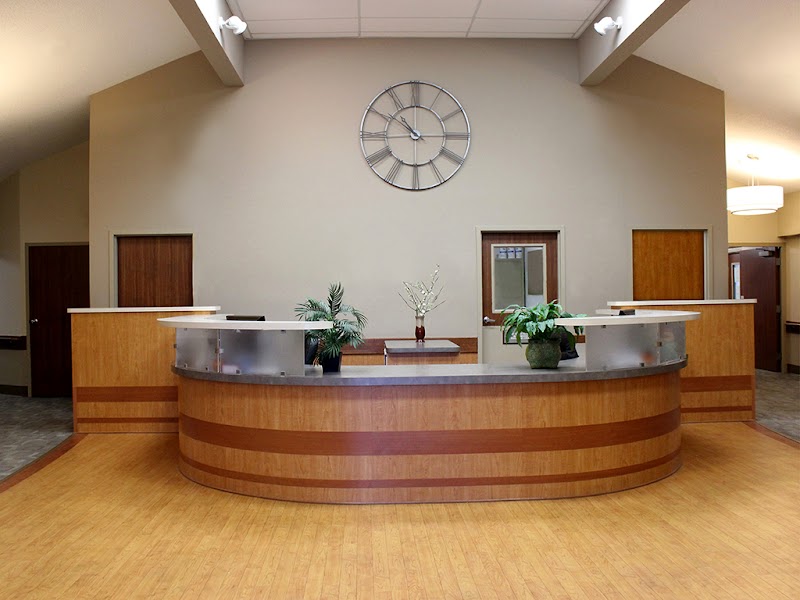
How is Columbus Healthcare Center Staffed?

CMS rates COLUMBUS HEALTHCARE CENTER's staffing level at 2 out of 5 stars, which is below average compared to other nursing homes. Staff turnover is 58%, which is 12 percentage points above the Ohio average of 46%. High turnover can affect care consistency as new staff learn residents' individual needs. RN turnover specifically is 70%, which is notably high. RNs provide skilled clinical oversight, so turnover in this role can affect medical care quality.

What Have Inspectors Found at Columbus Healthcare Center?

State health inspectors documented 65 deficiencies at COLUMBUS HEALTHCARE CENTER during 2019 to 2025. These included: 4 that caused actual resident harm and 61 with potential for harm. Deficiencies causing actual harm indicate documented cases where residents experienced negative health consequences.
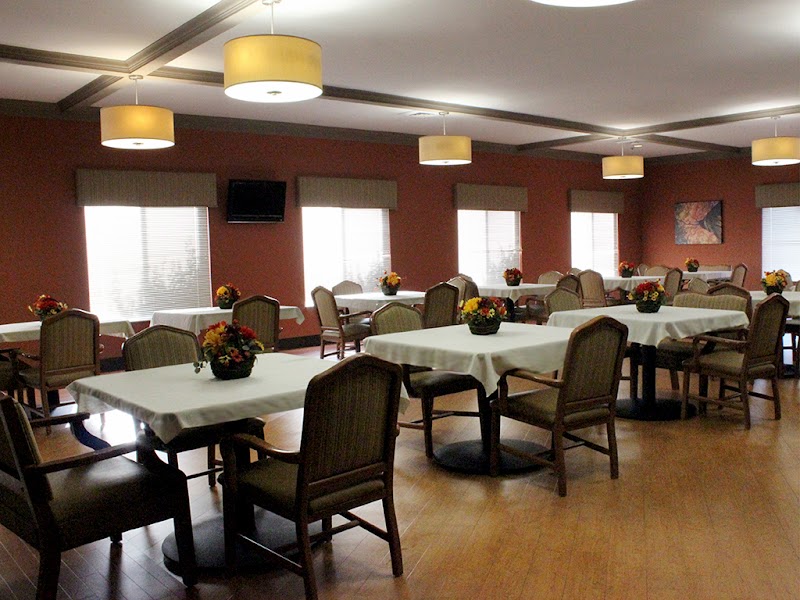
Who Owns and Operates Columbus Healthcare Center?

COLUMBUS HEALTHCARE CENTER is owned by a for-profit company. For-profit facilities operate as businesses with obligations to shareholders or private owners. The facility is operated by COMMUNICARE HEALTH, a chain that manages multiple nursing homes. With 100 certified beds and approximately 94 residents (about 94% occupancy), it is a mid-sized facility located in COLUMBUS, Ohio.
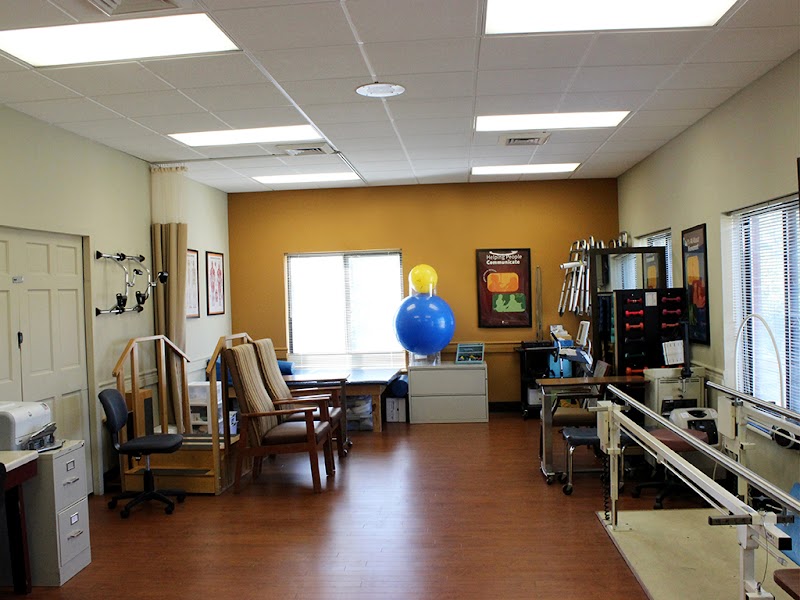
How Does Columbus Healthcare Center Compare to Other Ohio Nursing Homes?

Compared to the 100 nursing homes in Ohio, COLUMBUS HEALTHCARE CENTER's overall rating (2 stars) is below the state average of 3.2, staff turnover (58%) is significantly higher than the state average of 46%, and health inspection rating (1 stars) is much below the national benchmark.

What Should Families Ask When Visiting Columbus Healthcare Center?

Based on this facility's data, families visiting should ask: "How do you ensure continuity of care given staff turnover, and what is your staff retention strategy?" "Can you walk me through typical staffing levels on day, evening, and night shifts?" "Can I visit during a mealtime to observe dining assistance and food quality?" "How do you handle medical emergencies, and what is your hospital transfer rate?" These questions are particularly relevant given the facility's high staff turnover rate and the below-average staffing rating.

Is Columbus Healthcare Center Safe?

Based on CMS inspection data, COLUMBUS HEALTHCARE CENTER has a clean safety record: no substantiated abuse findings (meaning no confirmed cases of resident harm), no Immediate Jeopardy citations (the most serious violation level indicating risk of serious injury or death), and is not on the Special Focus Facility watch list (a federal program monitoring the lowest-performing 1% of nursing homes). The facility has a 2-star overall rating and ranks #100 of 100 nursing homes in Ohio. While no facility is perfect, families should still ask about staff-to-resident ratios and recent inspection results during their visit.

Do Nurses at Columbus Healthcare Center Stick Around?

Staff turnover at COLUMBUS HEALTHCARE CENTER is high. At 58%, the facility is 12 percentage points above the Ohio average of 46%. Registered Nurse turnover is particularly concerning at 70%. RNs handle complex medical decisions and coordinate care — frequent RN changes can directly impact care quality. High turnover means new staff may not know residents' individual needs, medications, or preferences. It can also be disorienting for residents, especially those with dementia who rely on familiar faces. Families should ask: What is causing the turnover? What retention programs are in place? How do you ensure care continuity during staff transitions?

Was Columbus Healthcare Center Ever Fined?

COLUMBUS HEALTHCARE CENTER has been fined $121,205 across 3 penalty actions. This is 3.5x the Ohio average of $34,291. Fines at this level are uncommon and typically indicate a pattern of serious deficiencies, repeated violations, or failure to correct problems promptly. CMS reserves penalties of this magnitude for facilities that pose significant, documented risk to resident health or safety. Families should request specific documentation of what issues led to these fines and what systemic changes have been implemented.

Is Columbus Healthcare Center on Any Federal Watch List?

COLUMBUS HEALTHCARE CENTER is not on any federal watch list. The most significant is the Special Focus Facility (SFF) program, which identifies the bottom 1% of nursing homes nationally based on persistent, serious quality problems. Not being on this list means the facility has avoided the pattern of deficiencies that triggers enhanced federal oversight. This is a positive indicator, though families should still review the facility's inspection history directly.