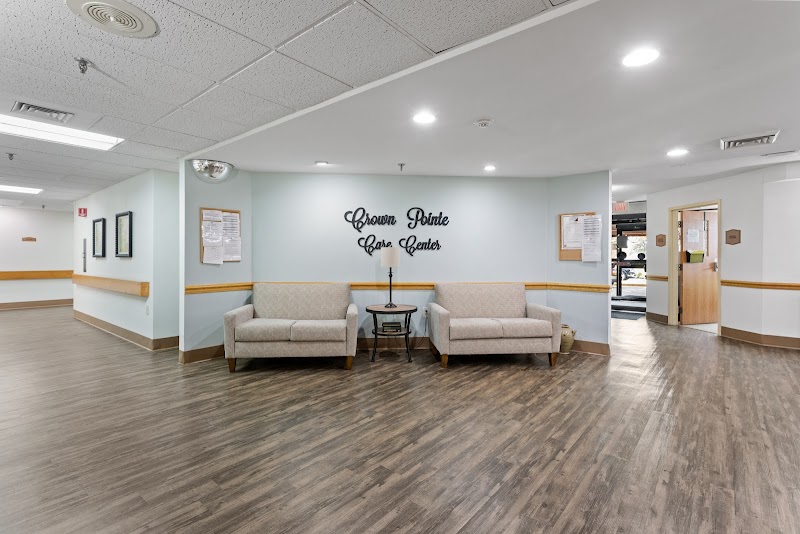
CROWN POINTE CARE CENTER
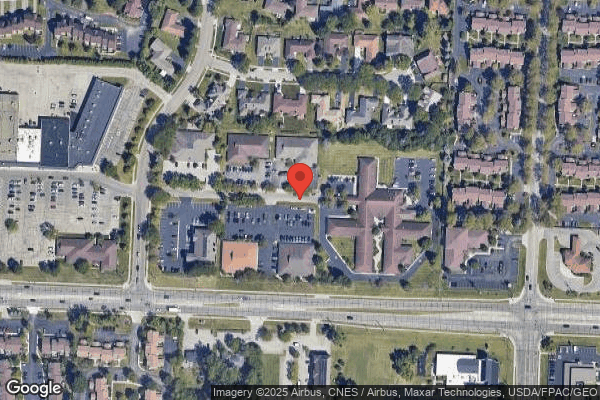
1850 CROWN PARK COURT, COLUMBUS, OH 43235 (614) 459-7293
For profit - Corporation 90 Beds FOUNDATIONS HEALTH SOLUTIONS Data: November 2025
Trust Grade
40/100
#653 of 913 in OH
Last Inspection: March 2024

Within standard 12-15 month inspection cycle. Federal law requires annual inspections.

Overview

Crown Pointe Care Center has a Trust Grade of D, which means it is below average and has some concerning issues. It ranks #653 out of 913 nursing homes in Ohio, placing it in the bottom half of facilities in the state, and #28 out of 56 in Franklin County, indicating that there are better options nearby. The facility is improving, with a reduction in issues from 16 in 2024 to just 3 in 2025, but it still struggles with staffing, receiving a poor rating of 1 out of 5 stars. While there have been no fines, which is a positive sign, there have been serious incidents, such as a resident who fell and broke a hip due to inadequate supervision, and failures in infection tracking that could affect all residents. Overall, while there are some strengths, like no fines and an improving trend, the facility has significant weaknesses that families should carefully consider.

Trust Score
D
40/100
In Ohio
#653/913
Bottom 29%
Safety Record
Moderate
Needs review
Inspections
Getting Better
16 → 3 violations
Staff Stability
⚠ Watch
58% turnover. Above average. Higher turnover means staff may not know residents' routines.
Penalties
✓ Good
No fines on record. Clean compliance history, better than most Ohio facilities.
Skilled Nurses
○ Average
Each resident gets 32 minutes of Registered Nurse (RN) attention daily — about average for Ohio. RNs are the most trained staff who monitor for health changes.
Violations
⚠ Watch
35 deficiencies on record. Higher than average. Multiple issues found across inspections.
★★☆☆☆
2.0
Overall Rating
★☆☆☆☆
1.0
Staff Levels
★★★★★
5.0
Care Quality
★★☆☆☆
2.0
Inspection Score
Stable
2024: 16 issues
2025: 3 issues

The Good

  • 5-Star Quality Measures · Strong clinical quality outcomes
  • Full Sprinkler Coverage · Fire safety systems throughout facility
  • No fines on record

Facility shows strength in quality measures, fire safety.

The Bad

2-Star Overall Rating

Below Ohio average (3.2)

Below average - review inspection findings carefully

Staff Turnover: 58%

12pts above Ohio avg (46%)

Frequent staff changes - ask about care continuity

Chain: FOUNDATIONS HEALTH SOLUTIONS

Part of a multi-facility chain

Ask about local staffing decisions and management

Staff turnover is elevated (58%)

10 points above Ohio average of 48%

The Ugly 35 deficiencies on record

1 actual harm
Jul 2025 3 deficiencies
CONCERN (D) 📢 Someone Reported This

A family member, employee, or ombudsman was alarmed enough to file a formal complaint

Potential for Harm - no one hurt, but risky conditions existed

Notification of Changes (Tag F0580)

Could have caused harm · This affected 1 resident

**NOTE- TERMS IN BRACKETS HAVE BEEN EDITED TO PROTECT CONFIDENTIALITY** Based on medical record review, staff interview, and facility policy review, the facility failed to ensure a resident's responsi...

Read full inspector narrative →
**NOTE- TERMS IN BRACKETS HAVE BEEN EDITED TO PROTECT CONFIDENTIALITY** Based on medical record review, staff interview, and facility policy review, the facility failed to ensure a resident's responsible party was notified of a new order for a therapy evaluation. This affected one (#97) of one residents reviewed for a change in condition. The facility census was 89. Review of the medical record of Resident #97 revealed an admission date of 10/15/21. The resident discharged from the facility on 07/15/25. Diagnoses included chronic obstructive pulmonary disease, morbid obesity, hemiplegia and hemiparesis following cerebral infarction affecting left-non-dominant side, hyperlipidemia, atrial fibrillation, depression, dementia, anxiety, legal blindness, mood disorder, insomnia, and dysphagia. Review of the quarterly minimum data set (MDS) assessment dated [DATE] revealed the resident had moderately impaired cognition. Review of the medical record revealed an order dated 04/15/25 for the resident to have a physical therapy and occupational therapy evaluation and treatment. The order was signed by Licensed Practical Nurse (LPN) #177. The area on the order for family notification was blank. Further review of the medical record revealed no evidence of Resident #97's responsible party being notified of the new order for therapy evaluation and treatment. Interview on 07/24/25 at 1:17 P.M., LPN #177 verified she was the nurse who signed the order for Resident #97 to receive evaluation and treatments from therapy. LPN #177 stated she assumed she notified Resident #97's responsible party of the new order, however verified there was no documented evidence in the medical record of the responsible party being notified of the new order. Review of the facility policy, dated 04/2013, revealed the unit supervisor or charge nurse will notify the guardian/interested family member of any significant changes in a resident's clinical condition or status, including ADL [activities of daily living] physical functioning and document said notification. This deficiency represents non-compliance investigated under Complaint Number 1327655.
CONCERN (D) 📢 Someone Reported This

A family member, employee, or ombudsman was alarmed enough to file a formal complaint

Potential for Harm - no one hurt, but risky conditions existed

Infection Control (Tag F0880)

Could have caused harm · This affected 1 resident

**NOTE- TERMS IN BRACKETS HAVE BEEN EDITED TO PROTECT CONFIDENTIALITY** Based on observation , interview and facility policy review the facility failed to follow proper infection control policies when...

Read full inspector narrative →
**NOTE- TERMS IN BRACKETS HAVE BEEN EDITED TO PROTECT CONFIDENTIALITY** Based on observation , interview and facility policy review the facility failed to follow proper infection control policies when an outbreak of a contagious skin infection occurred in the facility. This affected two residents (#46 and #87) out of 13 residents who resided in the three hundred unit. The facility also failed to follow appropriate infection control practices by not performing proper hand hygiene after performing catheter care for one resident (#6) . The census was 89. 1.Review of the medical record for Resident #87 revealed an admission date of 04/23/24 with a brief interview of mental status (BIMS) score of 99 indicating severe cognitive deficits. Diagnoses included cerebral infarction, malignant neoplasm, paroxysmal atrial fibrillation, anxiety, hyperlipidemia , dementia, gastro esophageal reflux disease (GERD) and hypertension. The resident was independent with ambulation and wanders throughout the facility. Review of Resident #87's physician orders revealed a rash appeared on his body around 12/27/24 on his upper chest, back, bilateral forearms, abdomen and left side. The rash was treated with multiple medications until it was diagnosed as scabies (an infestation of the human skin by an itch mite) on 01/23/25. The scabies treatment started on 01/24/25 . Resident #87 was placed in contact isolation from 01/27/25 to 02/08/25 . Review of the Dermatologist progress note on 1/23/25 revealed the resident was diagnosed with scabies. Assessment and Plan included scabies located on his trunk, extremities, umbilicus and genitals: Patient informed of etiology and contagious nature of condition. Treatment options discussed. Start Ivermectin 3 milligrams (mg) tablets take five tablets on day 0, repeat in one week. Risk/ benefit/Side Effect (R/B/SE) and proper use of medication disc. Start TAC 0.1% ointment two times a day to itchy areas. R/B/SE and proper use of medication disc. Return to office in four weeks for rash follow up. Family was present and verbalized understanding and agreed with plan. Review of Resident #87's nurses progress notes from 01/20/25 to 01/31/25 revealed on 01/23/25 he was observed walking throughout the facility with no pants on . After several minutes the resident allowed staff to put his pants on. There was no indication staff were notified to follow contact isolation when treating Resident #87 at this time.Review of the Infection Control Surveillance Log from 01/01/25 to 03/31/25 revealed Resident #87 was not listed on the log for the scabies diagnosis.On 07/24/25 at 9:49 A.M. an interview with the Assistant Director of Nursing (ADON) #177 confirmed only one resident in the facility was diagnosed and treated for scabies. She could not confirm the facility completed skin sweeps on residents in Unit 300 or in the facility when Resident #87 was diagnosed with scabies.On 07/24/25 at 3:30 P.M. an interview with a Former Employee #510 confirmed there were two residents diagnosed with scabies. The Former Employee stated there was no staff education regarding scabies or infectious skin conditions. Resident #87 was allowed to wander throughout the facility going into the dining room for meals, lounge area and congregate with fellow residents and staff, while being on contact isolation. On 07/28/25 at 8:38 A.M. an interview with Licensed Practical Nurse # 184 confirmed Resident #87 would not stay in his room when he had scabies. The nurse verified the resident continued to walk throughout the facility while being treated for scabies. 2. Review of the medical record of Resident #46 revealed an admission date of 01/28/22 with a BIMS score of 15 indicating the resident was cognitively intact. Diagnoses included chronic obstructive pulmonary disease, cerebral infarction, schizoaffective disorder, depression, and anxiety. Resident #46 used a walker for mobility and required one person to assist with activities of daily living. Review of Resident #46's nurses progress notes from 01/20/25 to 01/29/25 revealed the nurses reported to Nurse Practitioner (NP) #500 Resident #46 was complaining of itching all over her body. NP #500 visited Resident #46 on 01/24/25 and determined she had crusted scabies since she did not respond to prednisone taper through 01/23/25. Review of Resident #46's physician orders for 01/01/25 to 01/31/25 revealed she started treatment for scabies on 01/24/25 and was in contact isolation until 02/08/25. Review of the Infection Control Surveillance Log from 01/01/25 to 03/31/25 revealed Resident #46 was not listed on the log for the scabies diagnosis. The infection log had no indication of any residents in the facility being diagnosed and treated for scabies. With surveyor intervention , the Regional Clinical Director #400 submitted additional surveillance log for 01/01/25 to 01/31/25 indicating one resident was treated for scabies.On 07/24/25 at 9:49 A.M. an interview with the Assistant Director of Nursing (ADON) #177 confirmed only one resident in the facility was diagnosed and treated for scabies. She could not confirm the facility completed skin sweeps on the residents in Unit 300 or in the facility when scabies was identified in the facility. On 07/24/25 at 2:00 P.M. the interview with the Regional Clinical Director #400 confirmed the facility had one resident who was diagnosed and treated for scabies. Regional Clinical Director #400 confirmed the facility had no documentation indicating the local health department was notified of a scabies outbreak at the facility or documentation indicating if all residents in the facility or residents on Unit 300 had a skin sweeps completed to check for scabies after Resident #87 was diagnosed with scabies. On 07/24/25 at 2:25 P.M. interview with Laundry Representative #109 confirmed he recalls washing contaminated linen in January for two residents who were diagnosed with scabies. He denied being educated about scabies or being questioned if he had any rashes. On 07/28/25 at 8:33 A.M. an interview with Resident #47 revealed she was treated for scabies; it was awful and finally it went away. On 07/28/25 at 8:49 A.M. interview with the City of Columbus Health Department Representative #600 confirmed there was no documentation of the facility providing notification to their office of having two residents diagnosed with scabies. Representative #600 stated it is required to report to the local health department when two or more residents in a long-term care facility are diagnosed with scabies. Representative #600 stated then information is sent to the facility with instructions to treat and the health department follows the outbreak for six weeks.Review of the City of Columbus Health Department resource titled: Michigan Department of Community Health Scabies Prevention and Control Manual dated 2005 provided to the surveyor by Representative #600 as the information that would have been issued to the facility had the outbreak of scabies been reported to the local health department. The resource revealed the need for standard precautions stating gowns and gloves should be worn by all facility personnel who have direct contact with suspected or confirmed scabies patients, until completion of treatment, or until scabies has been ruled out. Restrict both patient and roommate(s) to their room for duration of therapy. Do not restrict patient to his/her room if the entire unit is undergoing treatment, but do restrict movement within the nursing unit. Post signs to alert health care workers, visitors, and volunteers of precautions being observed. Any specific isolation precautions beyond standard precautions should be discontinued after treatment has been completedReview of facility policy titled Scabies, dated 07/2018, revealed Staff will implement based on the CDC recommendations to prevent, eradicate, and contain Sarcoptes scabiei (Scabies). The facility should take a systemic approach, including detection and treatment of affected residents. Appropriate transmission-based precautions and infection control practices should be used. Measures to control scabies depend on factors such as how many cases are diagnosed or suspected, how long infested persons have been at the facility while undiagnosed and /or unsuccessfully treated. The local health department may be consulted for any outbreak that may have community implications, including possible spread by patients or staff to other institutions. Control measures for an outbreak involving one or more confirmed crusted scabies may include additional measures for detection , diagnosis, infection control, and treatment measures dependent on community factors . A facility information program may be implemented to instruct all management, medical, nursing, and support staff about scabies, the scabies mite, and how scabies is and is not spread.3. Review of the medical record for Resident #6 revealed a readmission date of 01/13/25. Diagnoses included Diabetes Mellitus type 2, neuromuscular dysfunction of the bladder, benign prostatic hyperplasia with lower urinary tract symptoms, history of urinary tract infections (UTI), extended spectrum beta lactamase (ESBL) resistance, dysphagia, and atherosclerotic heart disease. Review of the Minimum Data Set (MDS) assessment dated [DATE] revealed Resident #6 was cognitively intact with a Brief Interview for Mental Status (BIMS) of 13. Resident #6 had no impairment with functional limitation of range of motion, utilized a walker and wheelchair for mobility, and required moderate assistance with toileting and showering. Resident #6 was frequently incontinent of bowel.Review of the plan of care dated 06/11/25 revealed a risk for infection with a goal that resident will remain free of signs and symptoms of infection with interventions for foley catheter care and monitor for signs and symptoms of urinary tract infection (UTI): foul smelling urine, cloudy urine, sediment, and decreased output.Review of physician orders for 01/14/25 for Resident #6 revealed orders for enhanced barrier precautions due to foley catheter and to perform catheter care every shift.Observation of catheter care on 7/23/25 at 10:03 A.M. revealed certified nurse aide (CNA) #158 did not remove her soiled gloves and perform hand hygiene after she provided catheter care to Resident #6. CNA #158 assisted resident with dressing, straightened his linens, assisted him to his wheelchair, and placed his call light back on the bed with soiled gloves.Interview with Assistant Director of Nursing (ADON) #177 confirmed CNA #158 should have removed soiled gloves and performed hand hygiene before assisting Resident #6 with dressing, transferring, and handling linen and call light.Facility policy dated October 18, 2001, titled Catheter Care/Urinary stated Remove gloves and discard into designated container. Wash and dry your hands thoroughly. Reposition the bed covers. Make resident comfortable. Place call light within easy reach of resident.This deficiency represents non-compliance investigated under Complaint Number 1327647.
CONCERN (F) 📢 Someone Reported This

A family member, employee, or ombudsman was alarmed enough to file a formal complaint

Potential for Harm - no one hurt, but risky conditions existed

Food Safety (Tag F0812)

Could have caused harm · This affected most or all residents

Based on observation, staff interview, and facility policy review, the facility failed to ensure staff wore hair nets in the kitchen as required. This had the potential to affect 88 residents in the f...

Read full inspector narrative →
Based on observation, staff interview, and facility policy review, the facility failed to ensure staff wore hair nets in the kitchen as required. This had the potential to affect 88 residents in the facility. The facility identified one resident (#03) who did not receive food from the kitchen. The facility census was 89. 1. Observation on 07/23/25 at 7:20 A.M. revealed [NAME] #168 assisting [NAME] #119 with obtaining food temperatures on the steam table. [NAME] #168 was observed with braids which extended approximately 18 inches down her back and was not wearing a hair net. Observation on 07/23/25 at 7:36 A.M., [NAME] #168 was observed briefly leaving the kitchen and returned, wearing a hair net, however her braids still remained hanging outside of the hairnet. [NAME] #168 was then observed tending to food items on the facility stove.Interview on 07/23/25 at the time of the observation., [NAME] #168 verified she had not been wearing a hairnet until she left the kitchen and returned wearing the hair net, which still did not contain all of her hair. 2. Observation on 07/23/25 at 7:47 A.M., Maintenance Director (MD) #213 entered the kitchen without a hair net, walked past the stove and food preparation area, and checked the thermostat above the food preparation area. MD #213 was observed with short hair, approximately one inch in length, and no hair restraint. Interview at the time of the observation, MD #213 verified he was not wearing a hair net upon entering the kitchen and verified he should have applied a hair net prior to entering the kitchen. Review of the facility policy titled, Infection Control-Dietary/Food Handling, dated 02/2016, revealed hair nets or caps must be worn to effectively keep hair from contacting exposed food, clean equipment, utensils, and linens. This deficiency represents non-compliance investigated under Complaint Number 1327653.
Oct 2024 1 deficiency
CONCERN (D) 📢 Someone Reported This

A family member, employee, or ombudsman was alarmed enough to file a formal complaint

Potential for Harm - no one hurt, but risky conditions existed

Investigate Abuse (Tag F0610)

Could have caused harm · This affected 1 resident

**NOTE- TERMS IN BRACKETS HAVE BEEN EDITED TO PROTECT CONFIDENTIALITY** Based on staff interview, record review, review of the facility's Self-Reported Incidents and investigations, and policy review,...

Read full inspector narrative →
**NOTE- TERMS IN BRACKETS HAVE BEEN EDITED TO PROTECT CONFIDENTIALITY** Based on staff interview, record review, review of the facility's Self-Reported Incidents and investigations, and policy review, the facility failed to thoroughly investigate and obtain statements from staff for an injury of unknown origin for Resident #50 and Resident #101. This affected two (Resident #50 and #101) of three residents reviewed for abuse. The facility census was 85. Findings include: 1. Record review of Resident #50 revealed an admission date of 05/27/21 with diagnoses including aphasia, disorder of bone density and structure, generalized osteoarthritis, Alzheimer's disease, osteoarthritis, presence of right artificial hip, and age related osteoporosis. Review of the quarterly Minimum Data Set (MDS) assessment dated [DATE] revealed Resident #50 was rarely or never understood and does not use and mobility devices. Review of the progress note dated 09/27/24 at 8:32 A.M. revealed Resident #50 was experiencing pain in lower extremities. Nurse Practitioner notified and ordered bilateral x-rays of hips and pelvis. The progress note dated 09/27/24 at 4:00 P.M. revealed the x-ray results revealed a right femoral neck fracture. Resident #50 to be sent to the emergency room for evaluation. Review of a facility self-reported incident (SRI) control number 252375 dated 09/27/24 revealed Resident #50 was found to have a fracture of the femoral neck. All steps immediately taken to ensure the resident was protected which included additional staff interviews, resident interviews, and comprehensive investigation to follow. The facilities investigation revealed the facility did not have statements from the staff. There was no documented interviews with staff asking if they had seen anything out of the ordinary with Resident #50. The facility had a basic SRI Investigation form that was evidence of training. The form was signed by trained employees that asks have you witnessed any staff, resident, or visitor be abusive toward any resident. Have you ever committed abuse, neglect or mistreated a resident? Do you know who to report to? The bottom of the paper stated I acknowledge that my answers are accurate and I understand the inservice provided to me. There was no evidence of a statement from Licensed Practical Nurse (LPN) #12 or State Tested Nursing Assistant (STNA) #14, who were the staff working when they identified fracture, was obtained by the facility. A statement dated 10/01/24 and signed by the Director of Nursing (DON) stated she designated the Assistant Director of Nursing #11 to interview all nurses and STNA on duty the night of 09/26/24 to the morning of 09/27/24. Per all nursing staff and STNA, nothing unusual or out of the ordinary occurred during the shift. Interview with the Administrator on 10/10/24 at 10:40 A.M. verified the facility did not have any further information on the SRI investigation including staff interviews/statements. Interview with Assistant Director of Nursing #11 on 10/10/24 at 11:20 A.M. stated she just called the staff and interviewed the staff by telephone but she did not have any documented interviews. Interview with LPN #12 on 10/10/24 at 11:37 A.M. stated Resident #50 would not get out of bed on 09/27/24. LPN #12 stated normally she could walk by herself unassisted sometimes, but usually needed help. LPN #12 stated she was not asked to write a statement about the incident. Interview with STNA #14 on 10/10/24 at 11:49 A.M. stated the morning of 09/27/24, Resident #50 yelled in pain when she put her sock on. STNA #14 went and got the nurse on duty. She thought the nurse told her to write a statement but she was unsure if she wrote a statement or not. 2. Record review of Resident #101 revealed an admission date of 05/05/23 and he passed away in the facility on 09/03/24. Diagnoses included dementia without behaviors, traumatic subdural hemorrhage without loss of consciousness, and age related osteoporosis. Review of the quarterly Minimum Data Set (MDS) assessment dated [DATE] revealed Resident #101 was severely cognitively impaired and used a wheelchair to aid in mobility. Review of the progress note dated 08/15/24 at 5:40 P.M. revealed Resident #101 had pain in his right leg starting at right foot radiating up the leg. Slight warmth to the touch minimal swelling. The progress note dated 08/16/24 at 4:56 A.M. revealed right hip two view x-ray stat was ordered. The progress note dated 08/16/24 at 10:47 A.M. revealed Resident #101 was sent to the hospital due to a fracture of the right hip. Review of the facility's self-reported incident (SRI) control number 250845 dated 08/16/24 revealed an injury of unknown origin was reported to the State Survey Agency. On 08/16/24, Resident #101 was found to have a right hip fracture. The facility's investigation did not include staff statements or staff interviews asking if they had seen anything out of the ordinary for Resident #101 except for one. The Director of Nursing (DON)'s statement stated the Nurse Practitioner said it was possible the hip was just dislocated itself since it was replaced 10 years prior. The facility had a basic SRI Investigation form that was evidence of training. The DON stated she spoke with each STNA that worked the night of 08/15/24 into the morning of 08/16/24. Each STNA stated there was nothing out of the ordinary with this resident. There was no documented interview with any of the staff in the investigation. The form was signed by trained employees that asked have you witnessed any staff, resident, or visitor be abusive toward any resident. Have you ever committed abuse, neglect or mistreated a resident? Do you know who to report to? The bottom of the paper stated I acknowledge that my answers are accurate and I understand the inservice provided to me. The facility's SRI investigation revealed there was no evidence of a statement from Licensed Practical Nurse (LPN) #12 or State Tested Nursing Assistant (STNA) #14. Interview with the Administrator on 10/10/24 at 10:40 A.M. verified the facility did not have any further information on the SRI investigation including staff interviews/statements. Interview with LPN #12 on 10/10/24 at 11:37 A.M. revealed Resident #101 could not get up safely out of bed and she was not interviewed about his dislocated femur. LPN #12 stated she was not asked to write a statement about the incident. Interview with STNA #14 on 10/10/24 at 11:49 A.M. revealed she was not asked to write a statement about Resident #101's dislocated femur. Review of the facility's Abuse, Neglect, Exploitation and Misappropriation of Resident Property Policy dated 11/21/16 revealed in response to abuse, neglect, exploitation, or mistreatment, the facility must have evidence that alleged violations are thoroughly investigated. This deficiency represents non-compliance investigated under Complaint Number OH00158297.
Mar 2024 15 deficiencies
CONCERN (D)

Potential for Harm - no one hurt, but risky conditions existed

Report Alleged Abuse (Tag F0609)

Could have caused harm · This affected 1 resident

**NOTE- TERMS IN BRACKETS HAVE BEEN EDITED TO PROTECT CONFIDENTIALITY** Based on medical record review, review of investigations, review of self-reported incidents, staff interview, and review of a fa...

Read full inspector narrative →
**NOTE- TERMS IN BRACKETS HAVE BEEN EDITED TO PROTECT CONFIDENTIALITY** Based on medical record review, review of investigations, review of self-reported incidents, staff interview, and review of a facility policy, the facility failed to timely report an injury of unknown origin to the State Survey Agency. This affected one (#6) of one residents reviewed for skin conditions. The facility census was 86. Findings include: Review of the medical record for Resident #6 revealed an admission date of 01/16/23 with diagnoses including Alzheimer's disease, depression, gastroesophageal reflux disease, and senile degeneration of the brain. Review of Resident #6's quarterly Minimum Data Set (MDS) 3.0 assessment dated [DATE] revealed the resident was rarely or never understood. Review of Resident #6's progress notes dated 10/01/23 through 10/19/23 revealed no concerns related to a fall or injury. Review of Resident #6's progress note dated 10/21/23 at 12:16 P.M. revealed Resident #6 was noted to have edema to the left elbow. Hospice was updated and they advised the facility to monitor for changes. Review of Resident #6's incident investigation dated 10/21/23 and completed on 10/24/23 revealed Resident #6 had swelling to the left elbow. Licensed Practical Nurse (LPN) #105 and State Tested Nurse Aide (STNA) #145 were interviewed. No additional staff, residents, or family members were interviewed. The summary of the incident indicated the nurse noted edema to Resident #6's left elbow. The resident was noted to be combative with care that morning. The resident was frequently combative with care. She would swing her arms and attempt to hit the staff. Resident #6 frequently yelled out. Hospice, guardian, and physician were all noted. A head-to-toe assessment was completed and no other areas were noted. Resident #6 was swinging at the nurse during the assessment. An x-ray was ordered for a possible distal humeral fracture. An orthopedic referral was given, but the resident's guardian was not interested in the referral. No pain or discomfort noted. Review of Resident #6's progress note dated 10/22/23 at 12:00 P.M. revealed Resident #6's guardian was updated on the edema to the elbow. Review of Resident #6's physician order dated 10/24/23 revealed an order for an x-ray, two views, to the left swollen elbow and arm. Review of Resident #6's progress notes dated 10/24/23 revealed an order was placed for an x-ray to the left arm. The x-ray results were received and showed massive soft tissue swelling of the elbow was noted with a possible distal humeral fracture. A new order for an orthopedic appointment was created. Review of Resident #6's x-ray dated 10/24/23 revealed two radiographs of the left elbow were completed. Massive edema of the elbow, distal arm, and forearm were noted. There was a possible supracondylar fracture of the humerus but it was unclear. Additional imaging was recommended. Review of Resident #6's progress note dated 10/26/23 revealed the resident's guardian was not interested in an orthopedic referral. Review of Resident #6's physician progress note dated 10/30/23 revealed Resident #6 had edema to her left arm by an unknown source. An x-ray was completed with a possible distal humerus fracture. Hospice would not complete a full work up with orthopedics. Review of the facility's self-reported incidents (SRIs) from 10/21/23 to 03/10/24 revealed there were no SRIs reported to the State Survey Agency involving Resident #6. Interview on 03/11/24 at 1:20 P.M. with Regional Nurse #200 verified Resident #6's injury was not reported as an SRI. Interview on 03/12/24 at 1:55 P.M. with the Director of Nursing (DON) verified an SRI was not submitted to the State Survey Agency regarding Resident #6's injury of unknown origin and should have. Review of the policy titled, Abuse, Neglect, Exploitation, and Misappropriation of Resident Property, dated 11/21/16, revealed an injury was classified as an injury of unknown source when both of the following conditions are met including the source of the injury was not observed or could not be explained by the resident and the injury was suspicious because of the extent of the injury, the location of the injury, the number of injuries observed, or the incidence of injuries over time. In response to allegations the facility must ensure that all alleged violations of abuse, neglect, exploitation, or mistreatment, including injuries of unknown source and misappropriation of resident property are reported to the administrator or designee of the facility and to other officials including the State Survey Agency. This must be reported immediately, but not later than two hours after the allegation is made if the events involve abuse or result in serious bodily injury. It should be reported no later than 24 hours if the events do not involve abuse and do not result in serious bodily injury. The facility needs to provide evidence that all alleged violations are thoroughly investigated and report the results to the administrator and State Survey Agency within five working days of the incident.
CONCERN (D)

Potential for Harm - no one hurt, but risky conditions existed

Investigate Abuse (Tag F0610)

Could have caused harm · This affected 1 resident

**NOTE- TERMS IN BRACKETS HAVE BEEN EDITED TO PROTECT CONFIDENTIALITY** Based on medical record review, review of investigations, staff interview, and policy review, the facility failed to thoroughly ...

Read full inspector narrative →
**NOTE- TERMS IN BRACKETS HAVE BEEN EDITED TO PROTECT CONFIDENTIALITY** Based on medical record review, review of investigations, staff interview, and policy review, the facility failed to thoroughly investigate an injury of unknown origin. This affected one (#6) of one resident reviewed for skin conditions. The facility census was 86. Findings include: Review of the medical record for Resident #6 revealed an admission date of 01/16/23 with diagnoses including Alzheimer's disease, depression, gastro-esophageal reflux disease, and senile degeneration of the brain. Review of Resident #6's quarterly Minimum Data Set (MDS) 3.0 assessment dated [DATE] revealed the resident was rarely or never understood. Review of Resident #6's progress notes dated 10/01/23 through 10/19/23 revealed no concerns related to a fall or injury. Review of Resident #6's progress note dated 10/21/23 at 12:16 P.M. revealed Resident #6 was noted to have edema to the left elbow. Hospice was updated and they advised the facility to monitor for changes. Review of Resident #6's incident investigation dated 10/21/23 and completed on 10/24/23 revealed Resident #6 had swelling to the left elbow. Licensed Practical Nurse (LPN) #105 and State Tested Nurse Aide (STNA) #145 were interviewed regarding Resident #6's condition. No additional staff members, residents, or family members were interviewed. The summary of the incident indicated the nurse noted edema to Resident #6's left elbow. The resident was noted to be combative with care that morning. The resident was frequently combative with care. She would swing her arms and attempt to hit the staff. Resident #6 frequently yelled out. The hospice provider, Resident #6's guardian, and physician were notified. A head-to-toe assessment was completed, and no other areas were noted. Resident #6 was swinging at the nurse during the assessment. An x-radiation (x-ray) image was ordered and a possible distal humeral fracture was noted. An orthopedic referral was given, the guardian was not interested in the referral. There was no pain or discomfort noted. Review of Resident #6's progress note dated 10/22/23 at 12:00 P.M. revealed Resident #6's guardian was updated on the edema to the elbow. Review of Resident #6's physician order dated 10/24/23 revealed an order for an x-ray, two views, to the left swollen elbow and arm. Review of Resident #6's progress notes dated 10/24/23 revealed an order was placed for an x-ray to the left arm. The x-ray results were received with a finding of massive soft tissue swelling of the elbow noted with a possible distal humeral fracture. A new order for an orthopedic appointment was given. Review of Resident #6's x-ray results dated 10/24/23 revealed two radiographs of the left elbow were completed. Massive edema of the elbow, distal arm, and forearm were noted. There was a possible supracondylar fracture of the humerus, but it was unclear, and additional imaging was recommended. Review of Resident #6's progress note dated 10/26/23 revealed the resident's guardian was not interested in an orthopedic referral. Review of Resident #6's physician progress note dated 10/30/23 revealed Resident #6 had edema to her left arm by an unknown source. An x-ray was completed with a possible distal humerus fracture. Hospice would not complete a full work up with orthopedics. Interview on 03/11/24 at 3:10 P.M. with STNA #145 revealed Resident #6 required total care with most activities of daily living. STNA #145 verified Resident #6 could get combative, but reported if the resident was somewhat combative they would get a second staff member, and if she remained combative, they would leave her and come back later. STNA #145 could not recall the events that lead to Resident #6 injuring her arm. Interview on 03/12/24 at 1:55 P.M. with the Director of Nursing (DON) stated Resident #6's guardian and hospice did not want to follow up after the x-ray. The DON verified only two staff were interviewed and witness statements were not collected. The DON additionally verified the investigation was not thorough. Review of the policy titled, Abuse, Neglect, Exploitation, and Misappropriation of Resident Property, dated 11/21/16, revealed an injury was classified as an injury of unknown source when both of the following conditions are met including the source of the injury was not observed or could not be explained by the resident and the injury was suspicious because of the extent of the injury, the location of the injury, the number of injuries observed, or the incidence of injuries over time. In response to allegations the facility must ensure that all alleged violations of abuse, neglect, exploitation, or mistreatment, including injuries of unknown source and misappropriation of resident property are reported to the administrator or designee of the facility and to other officials including the State Survey Agency. This must be reported immediately, but not later than two hours after the allegation is made if the events involve abuse or result in serious bodily injury. It should be reported no later than 24 hours if the events do not involve abuse and do not result in serious bodily injury. The facility needs to provide evidence that all alleged violations are thoroughly investigated and report the results to the administrator and State Survey Agency within five working days of the incident.
CONCERN (D)

Potential for Harm - no one hurt, but risky conditions existed

ADL Care (Tag F0677)

Could have caused harm · This affected 1 resident

**NOTE- TERMS IN BRACKETS HAVE BEEN EDITED TO PROTECT CONFIDENTIALITY** Based on observation, medical record review, and staff interviews, the facility failed to ensure adequate nail care was provided...

Read full inspector narrative →
**NOTE- TERMS IN BRACKETS HAVE BEEN EDITED TO PROTECT CONFIDENTIALITY** Based on observation, medical record review, and staff interviews, the facility failed to ensure adequate nail care was provided for dependent residents. This affected two (#22 and #42) of seven residents reviewed for activities of daily living. The facility census was 86. Findings Include: 1. Review of the medical record for Resident #22 revealed an initial admission date of 06/01/19 with the latest readmission date of 12/02/22. Diagnoses included acute and chronic respiratory failure with hypoxia, cerebrovascular accident (CVA) with right sided hemiplegia, aphasia, hypothyroidism, hypertension, gastro-esophageal reflux disease, anemia, and anxiety disorder. Review of the plan of care dated 06/02/19 revealed Resident #22 required assistance with activities of daily living (ADLs) and may be at risk for developing complications associated with decreased ADL self-performance and indicated the resident used an electric wheelchair. Interventions included the resident wore incontinence briefs, required assistance with bathing, dressing, grooming (nails/shave/hair), supervision with bed mobility, preferred showers, had bilateral assist bars, wore glasses, and had lower partial dentures to be removed at bedtime. Review of Resident #22's comprehensive Minimum Data Set (MDS) assessment dated [DATE] revealed the resident had a moderate cognitive deficit. Review of the resident's quarterly clinical care assessment dated [DATE] revealed the resident required substantial/maximal assistance with personal hygiene. On 03/10/24 at 11:08 A.M., observation of Resident #22's finger nails revealed they were long, dirty, and jagged with a brown substance under the nails. On 03/11/24 at 10:46 A.M., observation of Resident #22' finger nails revealed they remained long, dirty, and jagged with a brown substance under the nails. On 03/12/24 at 11:41 A.M., interview with Registered Nurse (RN) #164 verified Resident #22's finger nails were long, jagged, and dirty with a brown substance under them. 2. Review of the medical record for Resident #42 revealed an initial admission date of 01/12/24 with diagnoses including senile degeneration of the brain, diabetes mellitus, obstructive sleep apnea, chronic kidney disease, anemia, hyperlipidemia, atrial fibrillation, hypertension, and altered mental status. Review of the plan of care dated 01/13/24 revealed Resident #42 may require assistance with ADLs and may be at risk of developing complications associated with decreased ADL self-performance. Interventions include Resident #42 was blind in both eyes and kept the right eye closed, the resident was dependent on staff for transfers, toileting, grooming, was incontinent of both bowel and bladder, was non-ambulatory, and required assistance with bathing. Review of the significant change MDS assessment dated [DATE] revealed Resident #42 had a severe cognitive deficit. On 03/10/24 at 10:50 A.M., observation of Resident #42's finger nails revealed they were long, jagged, and dirty with a brown substance under the nails. On 03/11/24 at 12:55 P.M., observation of the resident revealed his finger nails remained long, jagged, and dirty with a brown substance under the nail. On 03/11/24 at 1:15 P.M., interview with the Director of Nursing (DON) verified Resident #42's nails were long, jagged, and dirty with a brown substance under the nails.
CONCERN (D)

Potential for Harm - no one hurt, but risky conditions existed

Deficiency F0679 (Tag F0679)

Could have caused harm · This affected 1 resident

**NOTE- TERMS IN BRACKETS HAVE BEEN EDITED TO PROTECT CONFIDENTIALITY** Based on medical record review, staff interview, review of activity calendars, and policy review, the facility failed to ensure ...

Read full inspector narrative →
**NOTE- TERMS IN BRACKETS HAVE BEEN EDITED TO PROTECT CONFIDENTIALITY** Based on medical record review, staff interview, review of activity calendars, and policy review, the facility failed to ensure activities were offered to residents throughout the week based on assessment, care plan, and resident preference to promote resident well-being. This affected two (#6 and #55) of two residents reviewed for activities. The facility census was 86. Findings include: 1. Review of the medical record for Resident #6 revealed an admission date of 01/16/23 with diagnoses including Alzheimer's disease, depression, gastro-esophageal reflux disease, and senile degeneration of the brain. Review of Resident #6's activity assessment dated [DATE] revealed she preferred activities in a one-on-one setting. Resident #6's preferred activities included watching television and listening to music or the radio. The assessment did not indicate what type of music or television she preferred. Review of Resident #6's comprehensive Minimum Data Set (MDS) 3.0 dated 10/18/23 revealed the resident was rarely or never understood. According to her family, it was somewhat important to listen to music Resident #6 liked, to be around animals, go outside when the weather was good, participate in religious services, and do favorite activities. Review of Resident #6's quarterly MDS 3.0 assessment dated [DATE] revealed the resident was rarely or never understood. Review of Resident #6's plan of care dated 01/30/24 revealed she was withdrawn from large group activity settings. She was to be offered one-on-one engagement and sensory stimulating activities as tolerated. Interventions included offering small group or one-on-one engagement as the resident may become agitated in large groups. It was additionally noted that Resident #6 spent most of the day in bed but would request to be out of bed around dinner time. The resident was to be offered sensory stimulating activities in her room. Review of the activities calendar for February 2024 revealed activities were mostly scheduled from 9:30 A.M. to 3:00 P.M. One activity was scheduled at 7:30 P.M. on 02/11/24, and it was the only activity after 3:00 P.M. Review of Resident #6's activities documentation for February 2024 revealed for the weekend of 02/03/24 and 02/04/24 and the weekend of 02/10/24 and 02/11/24 only one activity was offered (a manicure) and it was refused. For the weekend of 02/17/24 and 02/18/24 one activity was offered (a manicure) and it was accepted. For the weekend of 02/24/24 and 02/25/24 there were no weekend activities offered. Review of the activities calendar for March 2024 revealed activities were scheduled from 9:00 A.M. to 3:00 P.M. There were no activities scheduled after 3:00 P.M. Review of Resident #6's activities documentation from 03/01/24 to 03/09/24 revealed for the weekend of 03/02/24 and 03/03/24 all activities were marked with an 'X'. On 03/09/24 no activities were offered. 2. Review of the medical record for Resident #55 revealed an admission date of 11/06/20 with diagnoses including type two diabetes mellitus, respiratory disorders, insomnia, hyperlipidemia, and generalized osteoarthritis. Review of Resident #55's plan of care dated 09/24/21 revealed the resident had been more withdrawn recently related to family not visiting her very often. The resident needed encouragement to attend activities so she could have interactions with others. Interventions included encouraging and assisting the resident to go outdoors, inviting and encouraging her to attend special events, offering assistance getting to activities, offering supplies for leisure activities, and respecting her choice for what she does and does not want to do. Review of Resident #55's activity assessment dated [DATE] revealed Resident #55 preferred small group activities and one-on-one activities. She preferred chair exercises, cooking and baking, family-oriented activities, television and movies, and music and radios. The assessment did not indicate what type of music or television the resident preferred. Resident #55 spent a lot of time in common areas listening to the television and enjoying occasional visitors. Review of Resident #55's comprehensive MDS 3.0 assessment dated [DATE] revealed Resident #55 was rarely or never understood. An interview for activities with the resident was conducted and revealed it was somewhat important to listen to music she liked and somewhat important to go outside when the weather was nice. Review of the activities calendar for February 2024 revealed activities were mostly scheduled from 9:30 A.M. to 3:00 P.M. One activity was scheduled at 7:30 P.M. on 02/11/24, it was the only activity after 3:00 P.M. Review of Resident #55's activities for February 2024 revealed there were no activities provided on four (02/03/24, 02/10/24, 02/17/24, and 02/24/24) of four Saturdays in the month. Review of the activities calendar for March 2024 revealed activities were scheduled from 9:00 A.M. to 3:00 P.M. There were no activities scheduled after 3:00 P.M. Review of Resident #55's activities from 03/01/24 to 03/09/24 revealed for the weekend of 03/02/24 and 03/03/24 all activities were marked as 'X.' Resident #55 had no activities listed on Saturday 03/09/24. Interview on 03/13/24 at 10:20 A.M. and 12:30 P.M. with Activities Director (AD) #122 revealed activities personnel included her and one assistant and they worked until 4:00 P.M. and 4:30 P.M. AD #122 reported the activities assistant came in every other weekend and she would come in at times to assist with getting residents to the in-facility church services. AD #122 verified Resident #6 and Resident #55 did not have many activities listed for the weekend. AD #122 revealed weekend activities for the cognitively impaired residents included church services. AD #122 verified the only activities assessment in Resident #6's medical record was from 01/28/23, which was over a year ago. She believed there were additional assessments, but she was unable to produce them. AD #122 verified 3:00 P.M. was the last scheduled activity and the activity usually went until 4:00 P.M. AD #122 reported sometimes in the evenings nursing staff would turn on the radio in common areas or put on a comedy show. AD #122 additionally reported the 'X' on the activity documentation for Resident #6 and Resident #55 meant the usually accepted or preferred activities were not offered or on the calendar that day. Review of the policy titled, Program Planning and Scheduling, dated March 2007, revealed the activities calendar was to include some evening and weekend activities and were to be geared to all groups residing in the facility.
CONCERN (D)

Potential for Harm - no one hurt, but risky conditions existed

Accident Prevention (Tag F0689)

Could have caused harm · This affected 1 resident

**NOTE- TERMS IN BRACKETS HAVE BEEN EDITED TO PROTECT CONFIDENTIALITY** Based on observation, staff interview, and policy review, the facility failed to ensure fall interventions were in place and res...

Read full inspector narrative →
**NOTE- TERMS IN BRACKETS HAVE BEEN EDITED TO PROTECT CONFIDENTIALITY** Based on observation, staff interview, and policy review, the facility failed to ensure fall interventions were in place and resident transfers were performed in a manner to prevent falls. This affected two (#12 and #50) of seven residents reviewed for falls. The census was 86. Findings include: 1. Review of the medical record for Resident #50 revealed an admission date of 05/02/23 with diagnoses including type two diabetes mellitus, Parkinsonism, anxiety disorder, major depressive disorder, and combined systolic and diastolic heart failure. Review of Resident #50's quarterly Minimum Data Set (MDS) 3.0 assessment dated [DATE] revealed Resident #50 had severely impaired cognition. Review of Resident #50's plan of care dated 05/11/23 revealed the resident was at risk for falls due to debilitation, weakness, disease process, and use of psychotropic medications. Interventions included encouraging and reminding the resident to ask for assistance, ensuring the call light was within reach, keeping commonly used articles within easy reach, providing a mat to the floor for safety when the resident was in bed, and added 11/29/23, state tested nurse aides (STNAs) were reeducated on proper use of the sit-to-stand lift. Review of Resident #50's progress note dated 11/26/23 revealed an assessment was completed and Resident #50 was transferred to bed with a two-person assistance. No injuries were noted; however, the resident complained of lower back pain and an x-ray was ordered. Review of Resident #50's progress note dated 11/27/23 revealed the x-ray was negative for fracture. Review of Resident #50's interdisciplinary team (IDT) fall review dated 11/30/23 revealed on 11/26/23 at 8:30 A.M. the STNA was transferring Resident #50 to the wheelchair via the sit-to-stand lift. The resident slid to the floor with assistance of the STNA. The STNA notified the nurse and an assessment was completed. There were no visible injuries noted and no complaints of pain. The resident was assisted to the wheelchair via two staff members. The STNA was reeducated on the use of the sit to stand lift, and the intervention was to make Resident #50 a two-person assistance with transfers. Interview on 03/11/24 at 1:20 P.M. with Regional Nurse #200 verified Resident #50's progress notes did not indicate what led to the fall on 11/26/23. Interview on 03/12/24 at 1:55 P.M. with the Director of Nursing (DON) revealed staff were reeducated on the sit-to-stand lift. The DON stated, based on what she saw from the STNA who assisted Resident #50, the STNA did not have the strap on the sit-to-stand lift appropriately for the lift. 2. Review of the medical record for Resident #12 revealed an initial admission date of 06/20/22 with the diagnoses including anemia, asthma, hypertension, gastro-esophageal reflux disease, traumatic brain injury and thrombocytopenia. Review of the plan of care dated 06/28/22 revealed Resident #12 was at risk for falls related to impaired balance, history of traumatic brain injury, and had been frequently putting self on the floor. Interventions included to provide two staff assist from the wheelchair to the bed at night for safety, encourage and remind to ask for assistance, ensure the call light was within reach, have commonly used items within easy reach, new sturdy rubber soled shoes were purchased for safety, no pillow to the back of wheelchair for safety, non-skid strips to the left side of bed, non-skid strips to the floor in front of the window for safety, alarm to the bathroom door to alert staff when resident was trying to toilet without assistance, wear proper non-slip footwear, therapy referral as needed, and Velcro to bedside table and bottom of basket to keep frequently used items within close reach and verbal reminders. Review of the fall risk evaluation dated 10/30/23 revealed a score of 9.5 indicating Resident #12 was at risk for falls. Review of Resident #12's quarterly Minimum Data Set (MDS) assessment dated [DATE] revealed the resident had a moderate cognitive deficit. The assessment indicated the resident had two or more falls since the prior assessment with no injuries. Review of Resident #12's physician orders identified no orders related to fall interventions. On 03/12/24 at 9:45 A.M., observation of Resident #12's fall interventions revealed no non-skid strips in front of the resident's bed, the tab alarm to the resident's bathroom door was not activated to sound to alert staff of the resident's self attempts with toileting, and the resident's basket with Velcro was not in place. On 03/12/24 at 9:49 A.M., interview with Registered Nurse (RN) #164 verified Resident #12 had no non-skid strips in place in front of his bed, tab alarm was not activated to alert staff, and the resident had no basket on his bedside table with Velcro on the bottom per the fall risk care plan. Review of the facility's policy titled, Fall Management, dated 10/17/16, revealed understanding the significance of mobility, movement and the ingrained nature of walking, it is our intention to promote programs geared to improving mobility, stamina and reduce the risk of falls through a comprehensive interdisciplinary process of assessment, care plan development and implementation with ongoing monitoring and review. An interdisciplinary plan of care will be developed, implemented, reviewed and updated as necessary to reflect each resident's current safety needs and fall reduction interventions.
CONCERN (D)

Potential for Harm - no one hurt, but risky conditions existed

Deficiency F0692 (Tag F0692)

Could have caused harm · This affected 1 resident

**NOTE- TERMS IN BRACKETS HAVE BEEN EDITED TO PROTECT CONFIDENTIALITY** Based on observation, medical record review, and staff interview, the facility failed to ensure adequate fluids were available a...

Read full inspector narrative →
**NOTE- TERMS IN BRACKETS HAVE BEEN EDITED TO PROTECT CONFIDENTIALITY** Based on observation, medical record review, and staff interview, the facility failed to ensure adequate fluids were available and provided throughout the day to promote hydration. This affected one (#6) of seven residents reviewed for nutrition. The facility census was 86. Findings Include: Review of the medical record for Resident #6 revealed an admission date of 01/16/23 with diagnoses including Alzheimer's disease, depression, gastro-esophageal reflux disease, and senile degeneration of the brain. Review of Resident #6's nutrition assessment dated [DATE] revealed the resident required 2190 milliliters (ml) of fluid a day. Review of Resident #6's quarterly Minimum Data Set (MDS) assessment dated [DATE] revealed the resident was rarely or never understood. The resident was on a mechanically altered and therapeutic diet. Review of Resident #6's fluid intake from 02/12/24 to 03/10/24 revealed fluid intake was only documented on six days. Fluid intake included 120 ml on 02/12/24, 360 ml on 02/13/24, 240 ml on 02/23/24, 240 ml on 02/24/24, 240 ml on 03/01/24, and 80 ml on 03/07/24. Review of Resident #6's plan of care dated 03/07/24 revealed the resident had the potential for alteration in nutrition and hydration related to diagnoses, overweight status, requiring a mechanically altered diet, pressure wounds, and hospice status. Interventions included adaptive equipment as ordered, hospice services, medications as ordered, monitoring the consistency of diet served, providing assistance with meals as necessary, providing supplement as ordered, weighing as ordered, and providing foods and fluids the resident could tolerate and enjoy. Review of Resident #6's physician order dated 03/10/24 revealed an order for regular diet, with a pureed texture, and fluids were to be regular consistency. Observation on 03/10/24 at 10:33 A.M., 11:40 A.M., and 1:49 P.M. revealed Resident #6 was in bed with a large cup of water on the nightstand; however, the nightstand was at the end of the bed next to the resident's feet. Observation on 03/11/24 at 7:58 A.M., 8:59 A.M., 9:30 A.M., 10:16 A.M., 10:49 A.M., 11:40 A.M., and 4:40 P.M., revealed Resident #6 was in bed with a large cup of water on the nightstand; however, the nightstand was at the end of the bed next to her feet. Observation on 03/12/24 at 7:53 A.M. revealed Resident #6 was in her chair in her room. There was water located several feet away from the resident. Observation on 03/12/24 at 9:47 A.M., 10:16 A.M., and 11:03 A.M. revealed Resident #6 was in her chair at a table in the common area and there was no water at the table. Observation on 03/12/24 at 3:09 P.M. revealed Resident #6 was in her bed, there was no water observed in her room. Interview on 03/12/24 at 3:09 P.M. with State Tested Nurse Aide (STNA) #156 verified there was no water available to Resident #6. STNA #156 reported Resident #6 had just been laid down for a nap, so she did not bring her water. STNA #156 verified water should not be placed on the nightstand as Resident #6 could not reach it there. STNA #156 reported she usually brought water for Resident #6 to drink on her own, and when she did this, she put the bedside table by the head of the bed. Observation on 03/12/24 at 4:40 P.M. revealed Resident #6 remained in bed and there was no water observed in her room. Observation on 03/13/24 at 9:11 A.M. revealed Resident #6 was in her chair at a table in the common area and there was no water at the table. Interview on 03/13/24 at 9:25 A.M. with Dietary Technician (DT) #201 revealed residents were to receive 1440 mls of fluids on meal trays and she expected them to have water pitchers at bedside in between meals. DT #201 verified Resident #6 required more fluids than what came from the kitchen. DT #201 additionally reported Resident #6 could eat and drink on her own, but her assistance needs could vary at times. Interview on 03/13/24 at 9:47 A.M. with the Administrator revealed they did not have a hydration policy. The Administrator stated he expected staff to replenish the residents' water in the morning. Alert and oriented residents could call for more water as needed and residents who were not physically able to drink on their own should be offered fluids every two hours.
CONCERN (D)

Potential for Harm - no one hurt, but risky conditions existed

Respiratory Care (Tag F0695)

Could have caused harm · This affected 1 resident

**NOTE- TERMS IN BRACKETS HAVE BEEN EDITED TO PROTECT CONFIDENTIALITY** Based on observation, medical record review, staff interview, and review of a facility policy, the facility failed to administer...

Read full inspector narrative →
**NOTE- TERMS IN BRACKETS HAVE BEEN EDITED TO PROTECT CONFIDENTIALITY** Based on observation, medical record review, staff interview, and review of a facility policy, the facility failed to administer supplemental oxygen as ordered. This affected one (#339) of one residents reviewed for oxygen administration. The facility census was 86. Findings include: Review of the medical record revealed Resident #339 was admitted to the facility on [DATE] with diagnoses including emphysema, chronic obstructive pulmonary disease, and fracture of lumbosacral spine and pelvis. Review of the care plan dated 03/08/24 revealed Resident #339 had a history of respiratory deficiencies and staff interventions include administering oxygen as ordered. Review of current physician orders for Resident #339 revealed an order for continuous oxygen at three liters per nasal cannula with a start date of 03/08/24. Observation on 03/11/24 at 1:34 P.M., on 03/12/24 at 9:36 A.M., and on 03/12/24 at 11:41 A.M. revealed Resident #339 was observed wearing supplemental oxygen set at 4.5 liters via nasal cannula. Interview on 03/12/24 at 11:41 A.M. with Licensed Practical Nurse (LPN) #110 confirmed Resident #336 had an order to receive three liters of oxygen, and confirmed the resident was receiving 4.5 liters of oxygen at the time of the interview. Interview on 03/12/24 at 3:45 P.M. with the Director of Nursing (DON) confirmed Resident #339 had an order for three liters of oxygen nasal cannula. Review of the oxygen administration policy dated 04/17/23 revealed oxygen is administered under orders of a physician and the physician will be notified as needed for changes.
CONCERN (D)

Potential for Harm - no one hurt, but risky conditions existed

Deficiency F0698 (Tag F0698)

Could have caused harm · This affected 1 resident

**NOTE- TERMS IN BRACKETS HAVE BEEN EDITED TO PROTECT CONFIDENTIALITY** Based on medical record review and staff interview, the facility failed to ensure dialysis services were completed thoroughly in...

Read full inspector narrative →
**NOTE- TERMS IN BRACKETS HAVE BEEN EDITED TO PROTECT CONFIDENTIALITY** Based on medical record review and staff interview, the facility failed to ensure dialysis services were completed thoroughly including obtaining resident weights before and after dialysis services. This affected one (#8) of one residents reviewed for dialysis. The census was 86. Findings Include: Review of the medical record revealed Resident #8 was admitted to the facility on [DATE]. Diagnoses included chronic obstructive pulmonary disease, chronic respiratory failure with hypoxia, type II diabetes, unspecified hemorrhoids, lack of coordination, weakness, dysphagia, end stage renal disease, atrial fibrillation, and dependence on renal dialysis. Review of Resident #8's Minimum Data Set (MDS) assessment, dated 01/11/24, revealed the resident was cognitively intact. Review of Resident #8's current physician orders revealed the resident had scheduled dialysis services three days a week, on Mondays, Wednesdays, and Fridays. Review of Resident #8 dialysis notes, dated 12/01/23 to 03/11/24, revealed there were no documented pre- or post- weights documented for Resident #8 on 12/22/23, 01/10/24, 01/12/24, 01/15/24, 01/17/24, 01/19/24, 01/22/24, 01/24/24, 01/26/24, 01/29/24, 01/31/24, 02/02/24, 02/05/24, 02/07/24, 02/09/24, 02/12/24, 02/19/24, 02/21/24, 02/23/24, 02/26/24, 02/28/24, 03/04/24, 03/08/24, and 03/11/24. Further review revealed no documentation of a pre-weight on 02/16/24, and no documentation of a post-weight on 12/01/23, 12/11/23, 12/15/23, 12/18/23, and 02/12/24. Review of Resident #8's weights obtained by the facility dated between 12/01/23 and 03/11/24 revealed no weights to support a pre- or post-weight completed on the days the resident had dialysis and the weights were not documented. Interview with the Director of Nursing (DON) on 03/13/24 at 9:12 A.M. confirmed the facility had difficulty getting completed dialysis documentation back from the dialysis center. The DON confirmed she would contact them to see what documentation they could provide. Interview with DON and Regional Nurse #200 on 03/13/24 at 9:36 A.M. confirmed there were no pre- and post-weights on Resident #8's dialysis communication forms from the date with missing weights. Interview with Dietary Technician (DT) #201 on 03/13/24 at 10:45 A.M. confirmed the dialysis center was not obtaining weights as they should be each day Resident #8 received dialysis. DT #201 confirmed the new process for weights with residents who go to dialysis would be the facility staff will take a pre- and post-weight to confirmed it was being completed, even if the dialysis center started documenting the weights on the medical records.
CONCERN (D)

Potential for Harm - no one hurt, but risky conditions existed

Deficiency F0757 (Tag F0757)

Could have caused harm · This affected 1 resident

**NOTE- TERMS IN BRACKETS HAVE BEEN EDITED TO PROTECT CONFIDENTIALITY** Based on medical record review and staff interview, the facility failed to ensure adequate monitoring was completed for a medica...

Read full inspector narrative →
**NOTE- TERMS IN BRACKETS HAVE BEEN EDITED TO PROTECT CONFIDENTIALITY** Based on medical record review and staff interview, the facility failed to ensure adequate monitoring was completed for a medication as ordered. This affected one (#35) of six residents reviewed for medications. The facility census was 86. Findings include: Review of the medical record for Resident #35 revealed an admission date of 09/14/22 with diagnoses including cerebral infarction, hemiplegia and hemiparesis affecting an unspecified side, atherosclerotic heart disease, and vascular dementia. Review of Resident #35's plan of care dated 09/26/22 revealed the resident had altered health maintenance related diagnoses including hypertension and coronary artery disease. Interventions included administering medications as ordered, monitoring for signs of cardiac distress, monitoring for signs of infection, and monitoring for signs of bleeding. Review of Resident #35's quarterly Minimum Data Set (MDS) 3.0 assessment dated [DATE] revealed Resident #35 had impaired cognition. Review of Resident #35's physician order dated 02/15/24 revealed an order for the blood pressure medication nifedipine extended release tablet 60 milligrams (mg), one tablet by mouth one time a day for hypertension. Further review of the order revealed the medication was to be held if the systolic blood pressure was less than 110 millimeters of mercury (mmHg). Review Resident #35's medication administration record (MAR) from 02/15/24 to 03/10/24 revealed Resident #35 received nifedipine 60 mg every day as ordered. Additionally, during this timeframe Resident #35's blood pressure was only documented once on 02/07/24 for the monthly vital signs. Review of Resident #35's vital signs from 02/15/24 to 03/10/24 revealed the resident's blood pressure was taken on 02/27/24 and was 112/73 mmHg and on 03/07/24 was 134/76 mmHg. Interview on 03/12/24 at 9:31 A.M. with the Director of Nursing (DON) verified Resident #35's blood pressure was not monitored as ordered.
CONCERN (D)

Potential for Harm - no one hurt, but risky conditions existed

Medication Errors (Tag F0758)

Could have caused harm · This affected 1 resident

**NOTE- TERMS IN BRACKETS HAVE BEEN EDITED TO PROTECT CONFIDENTIALITY** Based on medical record review, staff interview, and facility policy review, the facility failed to identify and monitor target ...

Read full inspector narrative →
**NOTE- TERMS IN BRACKETS HAVE BEEN EDITED TO PROTECT CONFIDENTIALITY** Based on medical record review, staff interview, and facility policy review, the facility failed to identify and monitor target behaviors for the use of psychotropic medications. This affected one (#73) of six residents reviewed for medications. The facility census was 86. Findings Include: Review of Resident #73's plan of care dated 11/07/22 revealed the resident had trauma related to unwanted sexual contact. Resident #73 had triggers of hearing other people screaming at each other/other people becoming physical with each other. Interventions included consistent staff members, consult with psychiatry/psychology, and include the resident in decision making process. Review of the plan of care dated 02/08/22 revealed Resident #73 was at risk for adverse effects related to psychoactive medication use, dementia with behaviors, depression, and mood disorder. Interventions included give medications as ordered, laboratory values per order, update the physician as indicated, monitor for medication side effects, monitor the pharmacy monthly drug review, reduction in medication doses when indicated, report changes in behavior or mood state, and report to the physician any negative outcomes associated with use of psychoactive drug. Review of Resident #73's comprehensive Minimum Data Set (MDS) assessment dated [DATE] revealed the resident had no cognitive deficit. Review of mood and behavior assessment revealed the resident displayed no behaviors. The assessment indicated the diagnosis of schizophrenia was an active diagnoses. The assessment indicated Resident #73 received antipsychotic medications on a regular basis, a gradual dose reduction (GDR) was not attempted, and the physician had not documented the GDR was clinically contraindicated. Review of Resident #73's monthly physician orders for March 2023 identified orders dated 07/20/23 the psychotropic medication Lexapro five (5) milligrams (mg) by mouth daily for depression and the antipsychotic Zyprexa 5 mg by mouth daily at bedtime for mood disorder. Review of Resident #73's medical record no revealed identified target behaviors for the use of Zyprexa 5 mg by mouth daily at bedtime and Lexapro 5 mg by mouth daily for depression. On 03/11/24 at 3:27 P.M., interview with the Director of Nursing (DON) verified the the facility had not identified or monitored target behaviors for Resident #73 for the use of the psychotropic medications. Review of the facility policy tilted, Unnecessary Drugs, dated 06/27/15 revealed each resident's drug regimen must be free from unnecessary drugs. Unnecessary drugs are any drugs when used in excessive dose (including duplicate drug therapy) for excessive duration, without adequate monitoring, without adequate indications for its use or in the presence of adverse consequences which indicated the dose should be reduced or discontinued.
CONCERN (D)

Potential for Harm - no one hurt, but risky conditions existed

Deficiency F0773 (Tag F0773)

Could have caused harm · This affected 1 resident

**NOTE- TERMS IN BRACKETS HAVE BEEN EDITED TO PROTECT CONFIDENTIALITY** Based on medical record review, review of an email correspondence document, staff interview, and policy review, the facility fai...

Read full inspector narrative →
**NOTE- TERMS IN BRACKETS HAVE BEEN EDITED TO PROTECT CONFIDENTIALITY** Based on medical record review, review of an email correspondence document, staff interview, and policy review, the facility failed to timely complete an order for laboratory values and failed to notify the physician of abnormal laboratory results. This affected one (#78) of two residents reviewed for infections. The facility census was 86. Findings include: Review of Resident #78's medical record revealed an admission date of 01/01/24. Diagnoses included type two diabetes mellitus, chronic heart failure, and stroke. Review of the Minimum Data Set assessment completed on 03/05/24 revealed Resident #78 was severely cognitively impaired and was dependent on personal care. Review of Resident #78's medication administration record for Resident #78 revealed an entry dated 01/14/24 at 6:00 A.M. for collection of a urine analysis with a refusal documented. Review of an order audit report for Resident #78 dated 01/17/24 at 4:25 P.M. revealed an order summary to obtain urine for analysis. Review of an order audit report for Resident #78 dated 01/19/24 at 8:27 A.M. revealed an order summary to obtain a urine for analysis. Review of an email to the Assistant Director of Nursing (ADON) #123 dated 01/17/24 confirmed a staff member from the laboratory was present at the facility on 01/17/24. Review of a laboratory results report for Resident #78 revealed a urine collection date of 01/19/24 at 12:03 P.M. Review of progress notes between 01/15/24 and 01/19/24 for Resident #78 revealed staff did not document an attempt to obtain a urine for analysis. Review of laboratory results for Resident #78 revealed the results were reported to the facility on [DATE] at 10:17 A.M. Further review of the report revealed indication Resident #78 had a urinary tract infection. The report found the urinary tract infection was susceptible to the antibiotic medication Macrobid. Record review of progress notes between 01/23/24 and 01/24/24 for Resident #78 revealed staff did not notify the doctor of Resident #73's abnormal laboratory results. Record review of orders for Resident #78 revealed an order for Macrobid with a start date 01/24/24 and an end date of 01/31/24. The order was to give one capsule by mouth every 12 hours for urinary tract infection. Record review of the medication administration record for Resident #78 revealed an order for Macrobid with a start date of 01/24/24 of 8:00 P.M. Interview on 03/13/24 at 8:04 A.M. with the Director of Nursing (DON) confirmed abnormal laboratory results were received from the laboratory on 01/23/24 at 10:17 A.M. for Resident #78. The DON confirmed the physician was not notified of the abnormal laboratory results on 01/23/24, and confirmed staff should inform the physician immediately of abnormal results. Interview on 03/13/24 at 12:37 P.M. with ADON #123 confirmed the collection of Resident #78's urine for the urinalysis five days and confirmed the urinalysis was not completed in a timely manner. Review of a change in condition policy, dated 10/18/01, revealed the unit supervisor or charge nurse will notify the physician of any change of conditions.
CONCERN (D)

Potential for Harm - no one hurt, but risky conditions existed

Deficiency F0808 (Tag F0808)

Could have caused harm · This affected 1 resident

**NOTE- TERMS IN BRACKETS HAVE BEEN EDITED TO PROTECT CONFIDENTIALITY** Based on observation, medical record review, and staff interview, the facility failed to serve residents therapeutic diets as or...

Read full inspector narrative →
**NOTE- TERMS IN BRACKETS HAVE BEEN EDITED TO PROTECT CONFIDENTIALITY** Based on observation, medical record review, and staff interview, the facility failed to serve residents therapeutic diets as ordered. This affected one (#42) of seven residents reviewed for nutrition. The facility census was 86. Findings Include: Review of the medical record for Resident #42 revealed an initial admission date of 01/12/24 with diagnoses including senile degeneration of the brain, diabetes mellitus, obstructive sleep apnea, chronic kidney disease, anemia, hyperlipidemia, atrial fibrillation, hypertension, benign prostatic hyperplasia, and altered mental status. Review of the admission assessment and baseline care plan dated 01/12/24 revealed Resident #42's admission weight was 193.4 pounds. The assessment indicated the resident was alert and confused. The assessment indicated the resident was edentulous and was dependent on staff for eating. Review of the significant change Minimum Data Set (MDS) assessment dated [DATE] revealed Resident #42 had a severe cognitive deficit. Review of the plan of care dated 01/16/24 revealed Resident #42 had a potential for nutrition and hydration risk related to overweight status, diagnoses of diabetes mellitus, chronic kidney disease, anemia, altered mental status, and at risk for skin breakdown. A care plan intervention was initiated to provide diet as ordered. On 03/11/24 at 12:14 P.M., observation of Resident #42's lunch tray revealed the resident was served a puree diet instead of the physician ordered regular diet with sandwiches for the entree. On 03/11/24 at 12:18 PM, interview with Dietary Supervisor #134 verified Resident #42 received a puree diet instead of the physician ordered regular diet with sandwiches for the entree.
CONCERN (D)

Potential for Harm - no one hurt, but risky conditions existed

Safe Environment (Tag F0921)

Could have caused harm · This affected 1 resident

Based on observation and staff interview, the facility failed to maintain a clean and sanitary environment. This affected two (#6 and #42) of five residents reviewed for environment. The facility cens...

Read full inspector narrative →
Based on observation and staff interview, the facility failed to maintain a clean and sanitary environment. This affected two (#6 and #42) of five residents reviewed for environment. The facility census was 86. Findings include: 1. Observation on 03/10/24 at 10:33 A.M., 11:40 A.M., and 12:33 P.M., and on 03/11/24 at 12:15 P.M. revealed Resident #6 was in her bed which was observed against the wall. Further observation revealed the wall surface from the middle to the head of the Resident #6's bed had brown and red splatters of an unidentifiable substance, and in some areas, the splatters appeared to be dripping down behind the bed. Interview on 03/11/24 at 12:15 P.M. with State Tested Nurse Aide (STNA) #145 verified the brown and red splatter on the wall in Resident #6's room. STNA #145 indicated the wall needed to be cleaned.2. On 03/11/24 at 8:53 A.M., observation of Resident #42's room revealed the room had a strong odor of urine. Further observation revealed there was urine under the fall mattress on the floor and under the resident's bed. Interview with Licensed Practical Nurse (LPN) #110 on 03/11/24, at approximately 8:53 A.M. at the time of the observation of Resident #42's room, verified the urine on the floor under the fall mattress and verified the strong smell of urine in the room.
CONCERN (D)

Potential for Harm - no one hurt, but risky conditions existed

Deficiency F0925 (Tag F0925)

Could have caused harm · This affected 1 resident

**NOTE- TERMS IN BRACKETS HAVE BEEN EDITED TO PROTECT CONFIDENTIALITY** Based on observation, medical record review, review of facility pest control records, resident family and staff interview, and r...

Read full inspector narrative →
**NOTE- TERMS IN BRACKETS HAVE BEEN EDITED TO PROTECT CONFIDENTIALITY** Based on observation, medical record review, review of facility pest control records, resident family and staff interview, and review of the facility pest control policy, the facility failed to maintain a pest free environment. This affected one (#13) of 24 resident's rooms observed. The census was 86. Findings Include: Review of Resident #13's medical record revealed the resident was admitted to the facility on [DATE]. Diagnoses included chronic respiratory failure, emphysema, type II diabetes, unspecified protein-calorie malnutrition, complete traumatic amputation of one lesser toe, muscle weakness, dysphagia, bipolar disorder, and congestive heart failure. Review of Resident #13's Minimum Data Set (MDS) assessment, dated 02/20/24, revealed the resident had a mild cognitive impairment. Interview with Resident #13's family member on 03/10/24 at 2:05 P.M. stated there were ants that crawled all over Resident #13's sink. Resident #13's family member stated the facility was aware of it, but she was not certain what they are doing about it. Observation on 03/12/24 at 8:11 A.M. confirmed ants were on Resident #13's sink. Further observation revealed the ants were cleaned by staff after the observation at 8:11 A.M. Interview with Maintenance Staff #112 and State Tested Nurse Aide (STNA) #250 on 03/12/24 at 8:11 A.M. confirmed there were ants on Resident #13's sink, and verified they would clean them. An additional observation on 03/12/24 at 9:15 A.M. revealed there were more ants present on Resident #13's sink. Review of facility pest control records, dated 02/20/24, revealed the facility had the pest control company treat for ants in their main kitchen with no indication of treatments provided to Resident #13's bedroom. Review of the facility pest control policy, dated 08/17/18, revealed the facility will maintain effective pest control that eradicates and contains common household pests and rodents (e.g. bed bugs, lice, roaches, ants, mosquitos, flies, mice, and rats. Comprehensive pest control treatments/services will be used as needed. Chemicals for controlling pests may be used inside the facility if they are safe and will not compromise resident health. A variety of methods for controlling certain season pests may be used as deemed appropriate. The exterior perimeter of the facility and any outlying buildings or structure.
CONCERN (F)

Potential for Harm - no one hurt, but risky conditions existed

Infection Control (Tag F0880)

Could have caused harm · This affected most or all residents

Based on review of monthly infection control surveillance logs, staff interview, and facility policy review, the facility failed to to maintain a complete and accurate tracking system for all infectio...

Read full inspector narrative →
Based on review of monthly infection control surveillance logs, staff interview, and facility policy review, the facility failed to to maintain a complete and accurate tracking system for all infections. This had the potential to affect all 86 residents residing in the facility. The census was 86. Findings Include: Review of the facility infection control monthly surveillance log on 03/13/24 revealed the facility failed to document the results of cultures for residents with suspected or actual infections from May 2023 through February 2024. On 03/13/24 at 10:20 A.M., interview with the Director of Nursing (DON) and the Regional Nurse #200 verified the infection control log was not tracking the bacteria being treated for community acquired and facility acquired infections. Review of the facility policy titled, Infection Surveillance, last revised 11/28/17, revealed data to be used in the surveillance activities may include but are not limited to 24-hour shift reports, laboratory (lab) reports, antibiograms obtained from lab, antibiotic use reports from pharmacy, and documentation of signs and symptoms in clinical record.
Oct 2023 1 deficiency
CONCERN (D) 📢 Someone Reported This

A family member, employee, or ombudsman was alarmed enough to file a formal complaint

Potential for Harm - no one hurt, but risky conditions existed

Free from Abuse/Neglect (Tag F0600)

Could have caused harm · This affected 1 resident

Based on interview, resident record review, video and audio footage review, and facility policy review the facility failed to ensure a resident was not verbally abused by staff. This affected one resi...

Read full inspector narrative →
Based on interview, resident record review, video and audio footage review, and facility policy review the facility failed to ensure a resident was not verbally abused by staff. This affected one resident (#65) of three residents reviewed for abuse. The facility census was 87. Findings included: Review of Resident #65's medical record revealed an admission date of 10/15/21 with diagnoses including chronic obstructive pulmonary disease, morbid obesity due to excess calories, essential hypertension, hyperlipidemia, and hemiplegia and hemiparesis following a cerebral infarction affecting the left non-dominant side. Review of Resident #65's annual Minimum Data Set (MDS) 3.0 assessment, dated 09/01/23, revealed the resident was cognitively impaired. The resident was totally dependent on two people for bed mobility, transfers, and toileting. The assessment revealed the resident did not exhibit physical behaviors, verbal behaviors, or other symptoms not directed towards others. Review of Resident #65's plan of care, dated 03/14/23, revealed she had a history or diagnosis of depression and or anxiety, crying and tearfulness. She had decreased socialization/withdrawal from activities and recurrent statements, repetitive physical movements, and a sad/anxious appearance. One of the goals was she would exhibit the ability to express anxiety in a calm manner and would not harm self or others. Further review of Resident #65's plan of care, dated 07/13/22, revealed she experienced an alteration in mood and/or behavior as evidenced by feeling down, depressed, and hopeless, feeling tired or having little energy, showing little interest/pleasure in doing things, yelling and screaming, and cursing at others. One of the goals was she would exhibit appropriate interpersonal communication. Review of the Daily Assignments Day Thursday 09/21/23 revealed State Tested Nursing Assistant (STNA) #104 was signed to rooms 504 to 512 from 6:00 P.M. to 6:00 A.M. Resident #65 did not reside in one of the rooms but did reside on the 500 hall. Interview on 10/13/23 at 3:20 P.M. with the director of nursing (DON) revealed STNA #111 was originally assigned to care for Resident #65, but he called off and STNA #104 was then assigned to care for the entire 500 hall which included Resident #65 on 09/21/23. Review of STNA #104's time punch card revealed she clocked in on 09/21/23 at 6:22 P.M. and clocked out on 09/22/23 at 6:04 A.M. Interview on 10/13/23 at 8:33 A.M. with Resident #65 revealed about a month ago, her daughter walked in when an STNA was not speaking kindly to her. Resident #65 revealed the STNA was saying bad things to her. Resident #65 felt what the STNA was saying was abusive and disrespectful. Resident #65 could not remember the STNAs name but knew she no longer worked in the facility. Resident #65 denied any negative long-term psychosocial effects from the incident. Telephone interview on 10/13/23 at 10:50 A.M. with STNA #104 revealed she was terminated from employment around the first of October (2023) due to an incident with the daughter of Resident #65. STNA #104 revealed she at no time was verbally abusive to any of the residents. She reported Resident #65 had put her light on for incontinence care, and she had already changed her three times. STNA #104 had asked Resident #65 to give her a minute and then she would be back. Resident #65's daughter overheard her telling Resident #65 to wait and became very upset. STNA #104 revealed she and Resident #65's daughter had words in the hallway, and they were each speaking inappropriately. STNA #104 revealed she never verbally abused Resident #65 but was verbally abusive to Resident #65's daughter. Interview on 10/13/23 at 11:31 A.M. with the Administrator revealed during the verbal abuse investigation with STNA #104, it was discovered that she did not treat a family member of a resident with dignity and respect. He reported due to this behavior, STNA #104 was terminated. He denied any findings regarding residents not being treated with dignity/respect or residents being verbally, mentally, or physically abused. Telephone interview on 10/13/23 at 11:40 A.M. with Registered Nurse (RN) #106 revealed she was the nurse on duty the night of the alleged verbal abuse of Resident #65. She revealed she did not witness/hear any verbal abuse. RN #106 reported she was in the hallway and did not hear the exchange between STNA #104, Resident #65 or Resident #65's daughter. RN #106 revealed STNA #104 did report to her she used the F word in a conversation she had with Resident #65's daughter. She reported Resident #65's daughter came out of the room to her and wanted STNA #104 off the floor and wanted to speak to the charge nurse. Telephone interview on 10/13/23 at 12:11 P.M. with Licensed Social Worker (LSW) #112, who was Resident #65's guardian and worked for the County Guardianship Service Board, revealed she had sent the facility Administrator video and audio footage which she had received from Resident #65's daughter regarding the alleged verbal abuse on 09/21/23. LSW #112 then forwarded the video and audio footage to this surveyor. Review of the video and audio footage on 10/13/23 at 12:18 P.M., which was provided by a LSW #112, revealed on 09/21/23 a 47 second recording of STNA #104 using the curse word f*ck while providing care and services to Resident #65. Resident #65's daughter was not in the room but outside the room when the curse work f*ck was verbalized. At the end of the recording, STNA #104 admitted and apologized to Resident #65's daughter for her verbal abuse toward Resident #65. Interview on 10/13/23 at 12:45 P.M. with Licensed Practical Nurse (LPN) #110 revealed she had spoken with Resident #65's daughter over the phone the evening of 09/21/23 when the alleged verbal abuse occurred. She revealed Resident #65's daughter was upset about how STNA #104 spoke to her mother and also that her mother was constipated. LPN #110 revealed the daughter did not want STNA #104 to care for her mother. LPN #110 watched the video and audio footage recorded by Resident #65's daughter and verified in the video and audio footage Resident #65's daughter told STNA #104 she was verbally abusing her mother and STNA #104 replied I know, and I apologize. LPN #110 reported she had seen only approximately the first 20 seconds of the video and audio footage and didn't realize STNA #104 had replied I know, and I apologize when confronted by Resident #65's daughter about verbal abuse. Interview on 10/13/23 at 12:56 P.M. with the Administrator revealed the investigation was found inconclusive for verbal abuse because watching the video and audio footage confirmed there was a verbal altercation, but he did not know the context of the video. The Administrator revealed part of the investigation was to discover what happened prior to the video and audio footage and he made multiple phone calls to Resident #65's daughter, LSW #112 and STNA #104 but no one would return his calls. The Administrator revealed that due to the lack of information about what occurred prior to the video and audio footage, the verbal abuse allegation was found inconclusive. Telephone interview on 10/13/23 at 2:29 P.M. with the Resident #65's daughter revealed she did record the incident of verbal abuse of her mother by STNA #104 on 09/21/23 and she had forwarded the video and audio footage to guardian, LSW #112. Review of facility policy titled, Abuse, Neglect, Exploitation, and Misappropriation of Resident Property, dated 11/21/16, revealed the definition of abuse was the willful infliction of injury, unreasonable confinement, intimidation, or punishment with resulting physical harm, pain or mental anguish. It includes verbal abuse, sexual abuse, physical abuse and mental abuse, including abuse facilitated or enabled through the use of technology, such as through the use of photographs and recording devised to demean or humiliate a resident. Further review under the subsection of prevention and identification include the supervision of staff to identify inappropriate behaviors, such as using derogatory language, rough handling, ignoring residents while giving care, and directing residents who need toileting assistance to urinate or defecate in their beds. This deficiency represents non-compliance investigated under Complaint Number OH00146683.
Jul 2023 3 deficiencies 1 Harm
SERIOUS (G) 📢 Someone Reported This

A family member, employee, or ombudsman was alarmed enough to file a formal complaint

Actual Harm - a resident was hurt due to facility failures

Accident Prevention (Tag F0689)

A resident was harmed · This affected 1 resident

**NOTE- TERMS IN BRACKETS HAVE BEEN EDITED TO PROTECT CONFIDENTIALITY** Based on medical record review, review of the facility's investigation, staff interview, review of the coroner's report, and rev...

Read full inspector narrative →
**NOTE- TERMS IN BRACKETS HAVE BEEN EDITED TO PROTECT CONFIDENTIALITY** Based on medical record review, review of the facility's investigation, staff interview, review of the coroner's report, and review of the facility's policies, the facility failed to provide a resident with adequate supervision to prevent an avoidable fall. This resulted in Actual Harm to Resident #86 when State Tested Nursing Aide (STNA) #130 stepped away from Resident #86 to obtain a blanket, leaving the resident alone in the shower chair when Resident #86 stoop up and subsequently fell, sustaining an acute intertrochanteric hip fracture requiring surgical repair. This affected one (Resident #86) of three residents reviewed for falls. The facility census was 81. Findings include: Review of Resident #86's medical record revealed the resident was admitted to the facility on [DATE]. Diagnoses included dementia, type II diabetes mellitus, anxiety, and a history of transient ischemic attack (TIA). Review of the Fall Risk assessment dated [DATE] revealed Resident #86 was not at risk for falls. The assessment stated Resident #86 did not have a fall in the last 90 days. Review of the physical therapy (PT) note dated [DATE] revealed Resident #86 was a standby assist (SBA) with transfer from sit to stand. The goal was for an elderly mobility scale (a score between 14 and 20 suggests that the older resident has good mobility overall and they should be able to handle most activities of daily living (ADL) on their own) to be 15/20 to demonstrate the decreased risk for falls. The current score was eight (The elderly resident will have to depend on someone for help with ADL.) on [DATE]. Resident #86's mobility on the unit was without an assistive device with SBA. Review of the Minimum Data Set (MDS) assessment dated [DATE] revealed Resident #86 was severely cognitively impaired. Resident #86 required limited assistance one-person physical assist for transfers and was one-persona physical assistance with bathing. FSR #86 had no durable medical equipment for mobility. Review of the care plan dated [DATE] revealed Resident #86 was at risk for falls related to dementia, osteoporosis, impaired cognition, debilitation, and weakness. The goal was to minimize potential risk factors to rule out falls. Interventions included to ensure the call light was within reach, ensure the environment was free of clutter, and have commonly used articles within easy reach. Review of the progress note dated [DATE] at 11:47 A.M. revealed Registered Nurse (RN) #220 was called to the bathroom and found Resident #86 on the floor, lying flat on his back. State Tested Nursing Aide (STNA) #130 stated she was giving Resident #86 a shower and left Resident #6 sitting on the shower chair to go get a blanket (located in the shower room). STNA #130 came back and found Resident #86 on the floor. Resident #86 was put in a sitting position on the floor, and neurological checks were initiated, and vital signs were checked. Resident #86 was unable to bare weight on his left leg and complained of pain when touched or moved. No visible signs of any bruising or swelling currently. The nurse practitioner was notified, and x-rays were ordered. Family member and nurse management was aware. On [DATE] at 8:46 P.M., the x-ray results showed an acute intertrochanteric (IT) hip fracture. The physician was notified, and the physician ordered Resident #86 to be sent to the hospital for evaluation. Review of the facility's fall investigation dated [DATE] revealed Resident #86 had a fall in the shower room. STNA #130 stated Resident #86 was given a shower in the shower chair. STNA took eight to 10 steps to the linen cart to obtain a blanket for Resident #86. STNA then took eight to 10 steps back to the resident. Resident #86 was lying on the floor. The new intervention was to place a blanket on the shower chair to ensure Resident #86 does not slide out of it. Review of STNA #130's witness statement dated revealed Resident #86 was not left alone in the shower room prior to his fall. STNA #130 took a few steps away from Resident #86 to obtain a blanket and by the time she turned around to get back to Resident #86, he was on the floor. STNA #130 then left the shower room to obtain a nurse for assistance with Resident #86's fall. STNA #130 stated Resident #86 was not talking at the time of the fall and not exhibiting any behaviors. Review of the hospital documentation dated [DATE] revealed Resident #86 was seen at emergency room for a left femur fracture. The hospital diagnosis was closed left IT hip fracture with left hip intramedullary nail. The history of present illness (HPI) said Resident #86 was ambulatory with a cane and the resident stated he fell while in shower being assisted by staff. Review of the progress note dated [DATE] revealed Resident #86 returned from the hospital status post-surgery for the left femur fracture. Resident #86 did not have any other falls at the facility from [DATE] to [DATE]. Review of the progress note dated [DATE] revealed Resident #86 was hypoxic and had shortness of breath and emergency 9-1-1 services were called. Resident #86 was sent to the emergency room (ER) and died in the ER on [DATE]. Review of the coroner's report revealed the immediate cause of Resident #86's death was complications of blunt impact to trunk and extremities with left femur fracture because of a fall. Other significant conditions were hypertension, diabetes mellitus, and dementia. The manner of death was accident. Observation of the shower room on [DATE] at 3:40 P.M. revealed there was a linen closet and linen cart in the shower room. Two call lights were in the shower room and were functioning. The shower chair was plastic and had a bar at the feet so a resident's feet could rest on the bar. All four wheels of the shower chair had working brakes. Interview on [DATE] at 4:04 P.M. with STNA #130 stated she gave Resident #86 a shower in a shower chair on [DATE]. STNA #130 stated she walked a few steps away from Resident #86 to obtain a blanket from the linen cart. Resident #86 stood up from his shower chair and fell onto the shower room floor. Interview on [DATE] at 7:57 A.M. with RN #220 stated STNA #130 came out of the shower room after Resident #86 had fallen. RN #220 stated Resident #86 was on his back on the floor. RN #220 stated Resident #86 did not complain of pain at that time, but his left leg would not move upon assessing. RN #220 stated she notified the physician right away, received an order for an x-ray, and sent Resident #86 to the hospital after the results were received. Interview on [DATE] at 9:45 A.M. with the Director of Nursing (DON) stated even if STNA #130 was standing next to Resident #86, he could have still fallen. The DON stated STNA #130 turned around to grab a bath blanket off the linen cart. The DON stated STNA #130 never left the shower room when Resident #86 was on the shower chair. The DON stated the STNAs at the facility were to grab supplies for the residents before a shower was performed. Subsequent interview on [DATE] at 10:30 A.M. with STNA #130 stated she did lock all four wheels to the shower chair before transferring him to and bathing him in the shower. STNA #130 stated Resident #86 had never fallen before and could understand small commands to assist in care. STNA #130 stated she grabbed the bath blanket to assist with water on the floor. STNA #130 stated she was so nervous that Resident #86 had fallen on the floor, she forgot to use the call light, and rushed to the nurse on the hall to get help. Review of the facility policy titled Fall Management, dated [DATE], revealed a fall risk evaluation was completed on admission, after a significant change, quarterly, and as necessary. After a fall resident was assessed, prompt medical attention provided, emergency services contacted, when necessary, notify responsible party and physician, nurse gathers and records much pertinent data of fall, care plan was updated, and new fall intervention are communicated. Review of the facility's bathing/shower policy, last revised 04/2002, revealed the purpose was to provide cleanliness and comfort, stimulate circulation, and observe condition of resident. The supplies to obtain included a bath blanket, if necessary. The procedure included to assemble supplies in shower room, except the chair and bath blanket. This deficiency represents non-compliance investigated under Complaint Number OH00144046.
CONCERN (D) 📢 Someone Reported This

A family member, employee, or ombudsman was alarmed enough to file a formal complaint

Potential for Harm - no one hurt, but risky conditions existed

ADL Care (Tag F0677)

Could have caused harm · This affected 1 resident

**NOTE- TERMS IN BRACKETS HAVE BEEN EDITED TO PROTECT CONFIDENTIALITY** Based on medical record, observations, and resident and staff interview, the facility failed to ensure a resident who required e...

Read full inspector narrative →
**NOTE- TERMS IN BRACKETS HAVE BEEN EDITED TO PROTECT CONFIDENTIALITY** Based on medical record, observations, and resident and staff interview, the facility failed to ensure a resident who required extensive assistance with shaving was provided adequate care and services. This affected one (Resident #15) of three residents reviewed for activities of daily living. The facility census was 81. Findings include: Review of Resident #15's medical record revealed an admission date 05/22/23. Diagnoses included end stage renal disease and cirrhosis of liver. Review of the Minimum Data Set (MDS) assessment dated [DATE] revealed Resident #15 was cognitively intact. Resident #15 required extensive one-person physical assistance for personal hygiene and bathing. Review of the plan of care dated 09/27/22 revealed Resident #15 may require assistance with activity of daily living and may be at risk for developing complications associated with decreased activity of daily living self-performance. Interventions included bathing assistance needed and assistance with grooming which stated it included shaving. Review of state tested nursing aide (STNA) carex dated 07/06/23 for Resident #15 revealed the activities of daily living included bathing with assistance needed, dressing assistance needed, and grooming included shaving with assistance needed. Observation of Resident #15 and interview on 07/06/23 at 1:50 P.M. with STNA #804 verified Resident #15 required assistance from staff with shaving. STNA #804 verified Resident #15 had not been shaven in a while. STNA #804 stated Resident #15 had his shaving supplies in the room. STNA #804 stated Resident #15 will refuse to have care at times. Interview on 07/06/23 at 2:05 P.M. with Director of Nursing (DON) who stated the facility did not have a policy on personal care or activity of daily living. Interview on 07/06/23 at 2:55 P.M. with Regional Nurse #300 verified Resident #15 did have facial hair and his facial hair was more than a week old. Interview on 07/06/23 at 2:55 P.M. with Resident #15 stated he just wanted a goatee beard (a small beard grown on the middle, but not the sides, of the lower part of the face) on his face. Resident #15 stated he did not want facial hair on the side cheek or on his neck. Resident #15 stated he preferred to have it shaved by staff. This deficiency represents non-compliance investigated under Complaint Number OH00143835, Complaint Number OH00132743, and Complaint Number OH00132578.
CONCERN (D) 📢 Someone Reported This

A family member, employee, or ombudsman was alarmed enough to file a formal complaint

Potential for Harm - no one hurt, but risky conditions existed

Incontinence Care (Tag F0690)

Could have caused harm · This affected 1 resident

**NOTE- TERMS IN BRACKETS HAVE BEEN EDITED TO PROTECT CONFIDENTIALITY** Based on medical record review, observations, staff interview, and facility policy review, the facility failed to provide timely...

Read full inspector narrative →
**NOTE- TERMS IN BRACKETS HAVE BEEN EDITED TO PROTECT CONFIDENTIALITY** Based on medical record review, observations, staff interview, and facility policy review, the facility failed to provide timely incontinence care to the residents. This affected two (Residents #23 and #24) of three residents reviewed for incontinence care. The facility census was 81. Findings include: 1. Review of Resident #23's medical record revealed admission date 05/19/23. Diagnoses included chronic pulmonary disease, spinal stenosis, dementia, and anxiety. Review of the Minimum Data Set (MDS) assessment dated [DATE] revealed Resident #23 was severely cognitively impaired. Resident #23 required total dependence with two-person assistance for toileting. Review of the plan of care dated 06/01/23 revealed Resident #23 had risk to alteration in elimination related to incontinent of bowel and bladder. Interventions included to monitor for signs and symptoms of urinary tract infection and provide incontinence care as needed. Observations and interviews on 07/03/23 starting at 3:15 P.M. with State Tested Nursing Aides (STNA) #804 and #777 revealed they took Resident #23 to her room to have incontinence care. At 3:17 P.M., STNA #804 verified that she did not check and change Resident #23 for incontinence since 7:30 A.M STNA #804 stated Resident #23 was changed last today at 7:30 A.M. STNA #777 stated she did not check and change Resident #23 until now. STNA #804 stated the floor was short an STNA that day (07/03/23). At 3:30 P.M., STNA #804 verified Resident #23's brief was heavily saturated with urine and had diarrhea that leaked over to front of perineum that covered her vagina. STNA #804 verified Resident #23 who had a pink bottom and no skin breakdown. 2. Review of Resident #24's medical record revealed an admission dated 08/19/20. Diagnoses included Alzheimer's disease, chronic kidney disease, peripheral vascular disease, and major depression disorder. Review of the Minimum Data Set (MDS) assessment dated [DATE] revealed Resident #24 was severely cognitively impaired. Resident required extensive two-person assistance for toilet use. Review of the plan of care dated 01/22/19 revealed Resident #24 had a self-care deficit related to Alzheimer's and dementia. Interventions included the resident was incontinent of bowel and bladder and toileting assistance was needed. Resident #24 was also at risk for elimination related to chronic kidney disease and history of urinary tract infections. Inventions included to provide incontinence care as needed and monitor for skin breakdown. Observations and interview on 07/03/23 starting at 3:05 P.M. with State Tested Nursing Aides (STNA) #804 revealed she asked Resident #24 if she was ready to be checked and changed for incontinence and proceeded to take Resident #24 to her room. At 3:17 P.M., STNA #804 verified she did not check and change Resident #24 for incontinence since 7:45 A.M STNA #804 stated Resident #24 was changed last today at 7:45 A.M. STNA #804 stated the floor was short an STNA that day (07/03/23). Interview on 07/06/23 at 3:00 P.M. with STNA #804 verified Resident #24 had moderate saturation of urine in incontinence brief on 07/03/23 at 3:17 P.M. Review of the facility policy titled Incontinence Care Protocol dated 06/14/2005, revealed the facility will provide incontinence care for the resident to assist in maintaining skin integrity, preventing skin breakdown, controlling odor and providing comfort and self-esteem for the resident. This deficiency represents non-compliance investigated under Complaint Number OH00143835, Complaint Number OH00132743, and Complaint Number OH00132578.
Aug 2021 8 deficiencies
CONCERN (D)

Potential for Harm - no one hurt, but risky conditions existed

Deficiency F0625 (Tag F0625)

Could have caused harm · This affected 1 resident

**NOTE- TERMS IN BRACKETS HAVE BEEN EDITED TO PROTECT CONFIDENTIALITY** Based on medical record review, staff interview, and facility policy review, the facility failed to provide a bed hold notificat...

Read full inspector narrative →
**NOTE- TERMS IN BRACKETS HAVE BEEN EDITED TO PROTECT CONFIDENTIALITY** Based on medical record review, staff interview, and facility policy review, the facility failed to provide a bed hold notification to a resident who was discharged to the hospital. This affected one (Resident #84) of two residents reviewed for hospitalization. The facility census was 80. Findings include: Review of Resident #84's medical record revealed the resident was admitted to the facility on [DATE]. Diagnoses included end stage renal disease. Review of the Minimum Data Set (MDS) assessment, dated 05/18/21, revealed the resident was cognitively intact. Review of the progress notes revealed Resident #84 was discharged from the facility on 06/02/21. The progress notes stated the wound on her left foot was not healing as the nurse practitioner wanted, so the order was made to send Resident #84 to the hospital for assessment/treatment after she was done with dialysis. There was no documentation in the resident's medical record the facility provided a bed hold notification to the resident or her family at the time of her hospital discharge. Interview with Social Services Designee (SSD) #154 on 08/26/21 at 9:35 A.M. and 9:57 A.M. confirmed they did not provide a bed hold notification to Resident #84 at the time of her discharge to the hospital. She stated they did not because she was at dialysis when she was taken to the hospital. Review of the facility's policy titled Bed Hold, dated 08/24/18, revealed before a nursing facility transfers a resident to a hospital or the resident goes on therapeutic leave, the nursing facility must provide written information to the resident or resident representative. Bed hold notices should be provided at the time of the transfer, or in the case of an emergency, within 24 hours. If sending the bed hold notice by mail to a resident representative, a progress noted should be written documenting verbal notification of the transfer and the bed hold notice should be sent via certified mail.
CONCERN (D)

Potential for Harm - no one hurt, but risky conditions existed

Deficiency F0688 (Tag F0688)

Could have caused harm · This affected 1 resident

**NOTE- TERMS IN BRACKETS HAVE BEEN EDITED TO PROTECT CONFIDENTIALITY** Based on observation, resident and staff interview, and record review, the facility failed to apply a physician ordered palm gua...

Read full inspector narrative →
**NOTE- TERMS IN BRACKETS HAVE BEEN EDITED TO PROTECT CONFIDENTIALITY** Based on observation, resident and staff interview, and record review, the facility failed to apply a physician ordered palm guard device for Resident #55. This affected one resident (#55) of one resident reviewed for range of motion. The facility identified 22 residents with contractures. The facility census was 80. Findings include: Review of the medical record for Resident #55 revealed he was admitted on [DATE]. Diagnoses included a history cerebral infarction (stroke) and hemiplegia and hemiparesis following cerebrovascular disease affecting right dominant side. Review of the quarterly Minimum Data Set (MDS) assessment, dated 08/06/21, revealed the resident had impaired cognition. The resident required supervision assistance for bed mobility, and limited assistance of one staff for dressing. Review of the physician orders, dated 10/14/19, revealed an order to apply a palm guard to the right hand in the afternoon as tolerated, remove for skin care and hygiene. The orders stated Resident #55 was to wear the palm guard for four to six hours daily. The palm guard was ordered to be cleaned in the laundry weekly, and as needed. The palm guard was to be applied from 2:00 P.M. through 8:00 P.M. each day. Review of the plan of care for Resident #55, dated 05/08/21, revealed the resident had altered health maintenance related to progressive physical and mental status: cardiovascular accident and right sided impairments. Interventions included to apply palm guard to the right hand daily for four to six hours. The plan of care, dated 04/30/21, revealed the resident may require assistance with activities of daily living and may be at risk for developing complications associated with decreased activities of daily living self-performance. Interventions include to apply the palm guard to the right hand for four to six hours daily, remove for skin care and hygiene. Review of Resident #55's Treatment Administration Record (TAR) from 08/01/21 to 08/23/21, revealed the nurse signatures signed off as having applied the right hand palm guard as ordered by the physician every day including 08/23/21. Observation and interview on 08/23/21 at 04:22 P.M. with Resident #55 revealed the resident sitting up in bed. The resident's right arm was hanging down his side with his right hand balled into a fist and resting near his right hip. The resident was not observed to be wearing the physician ordered palm guard on his right hand. Resident #55 shared that he has not been wearing the palm guard, the nurse does not put it on and he does not know where it was. Resident #55 shared that he could not remember the last time he wore the palm guard. Interview on 08/23/21 at 4:30 P.M. with Licensed Practical Nurse (LPN) #130 confirmed Resident #55 was not wearing the palm guard. The nurse confirmed she did sign off on the TAR as having put the palm guard on Resident #55 today (08/23/21) even though she did not actually apply the palm guard for Resident #55. LPN #130 further revealed she threw the old palm guard away because it was dirty and signed off by mistake. LPN #130 revealed the palm guard was ordered to keep resident's hand from contracting and prevent skin impairment.
CONCERN (D)

Potential for Harm - no one hurt, but risky conditions existed

Pharmacy Services (Tag F0755)

Could have caused harm · This affected 1 resident

Based on review of the facility's policy, staff interview and record review, the facility failed to administer a physician ordered medication for Resident #12. This affected one (Resident #12) of six ...

Read full inspector narrative →
Based on review of the facility's policy, staff interview and record review, the facility failed to administer a physician ordered medication for Resident #12. This affected one (Resident #12) of six residents reviewed for physician ordered medications. The facility census was 80. Findings include: Review of Resident #12's medical record revealed the resident had a readmission date on 01/06/21. Diagnoses included hypothyroidism. Review of the significant change Minimum Data Set (MDS) 3.0 assessment, dated 05/24/21, revealed Resident #12 had severely impaired cognition. Review of the physician's orders, dated 01/06/21, revealed Resident #12 had an order for Levothyroxine Sodium (Synthroid) Tablet 25 micrograms (mcg.) orally daily for hypothyroidism. The resident did not have a routine physician order for the thyroid stimulating hormone (TSH) lab draw. Review of the Medication Administration Record (MAR) for March 2021 revealed Levothyroxine Sodium Tablet 25 mcg was scheduled for administration at 5:00 A.M. Resident #12 did not receive the medication on 03/02/21, 03/04/21, 03/05/21, 03/08/21, 03/09/21, 03/14/21 through 03/20/21 (seven days), 03/22/21 through 03/25/21 (four days), 03/28/21, 03/29/21, or 03/31/21. The medication was not shown as administered on 19 total days out of the month. Review of the MAR for April 2021 revealed Resident #12 did not receive the Levothyroxine Sodium medication on 04/04/21 through 04/09/21 (six days), 04/14/21, 04/15/21, 04/18/21 through 04/21/21 (four days), 04/28/21, and 04/30/21. The medication was not shown as administered on 14 total days out of the month. Review of the MAR for May 2021 revealed Resident #12 did not receive the Levothyroxine Sodium medication on 05/01/21 through 05/03/21 (three days), 05/06/21, 05/08/21 through 05/10/21 (three days), 05/13/21 through 05/17/21 (five days), 05/20/21, 05/23/21, 05/24/21, 05/27/21, 05/29/21, and 05/31/21. The medication was not shown as administered on 18 total days out of the month. Review of the MAR for June 2021 revealed Resident #12 did not receive the Levothyroxine Sodium medication on 06/04/21, 06/06/21 through 06/08/21 (three days), 06/10/21 through 06/16/21 (seven days), 06/22/21, 06/23/21, 06/25/21, 06/26/21, and 06/30/21. The medication was not shown as administered on 16 total days out of the month. Review of the MAR for July 2021 revealed Resident #12 did not receive the Levothyroxine Sodium medication on 07/01/21, 07/02/21, 07/04/21 through 07/06/21 (three days), 07/08/21 through 07/10/21 (three days), 07/14/21 through 07/16/21 (three days), 07/18/21, 07/19/21, 07/21/21 through 07/24/21 (four days), and 07/28/21 through 07/30/21 (three days). The medication was not shown as administered on 20 total days out of the month. Review of the MAR for August 2021 revealed Resident #12 did not receive the Levothyroxine Sodium medication on 08/01/21, 08/02/21, 08/13/21, 08/17/21, 08/22/21, and 08/26/21. The medication was not shown as administered on five total days out of the month. Review of laboratory testing from August 2020 to current for Resident #12 revealed the resident received one lab test on 02/10/21 and the resident's TSH)= was within normal levels. Interview on 08/24/21 at 3:05 P.M. with the Director of Nursing (DON) and the Regional Director of Clinical Services (RDOCS) confirmed the MARs from March to August showed Resident #12's Levothyroxine was not administered daily as ordered by the physician every month. The RDOCS stated it was probably a technical error because the medication was scheduled for 5:00 A.M. and the shift changes at 6:00 A.M. The nurse may not have been able to mark the medication as administered. The DON confirmed nurses were allowed one hour before (4:00 A.M) and one hour after (6:00 A.M.) the scheduled administration time to administer the medication. The DON confirmed she was not aware of any nurses who were not able to sign off on the MAR when medications were administered. Review of the facility's policy titled Medication Administration, dated 06/21/17, stated to return to the medication cart and document medication administration with initials on the Medication Administration Record (MAR) immediately after administering medication to the resident.
CONCERN (D)

Potential for Harm - no one hurt, but risky conditions existed

Unnecessary Medications (Tag F0759)

Could have caused harm · This affected 1 resident

**NOTE- TERMS IN BRACKETS HAVE BEEN EDITED TO PROTECT CONFIDENTIALITY** Based on review of the facility's policy, observation, staff interview, and record review, the facility failed to ensure their m...

Read full inspector narrative →
**NOTE- TERMS IN BRACKETS HAVE BEEN EDITED TO PROTECT CONFIDENTIALITY** Based on review of the facility's policy, observation, staff interview, and record review, the facility failed to ensure their medication error rate was less than five percent. There were 26 medications administered with four errors made, resulting in a medication error rate of 14.8%. This affected three residents (Residents #22, #33, and #44) of four residents reviewed for medication administration. The facility census was 80. Findings include: Observation of medication administration on 08/25/21 and 08/26/21 for four residents (#19, #22, #33, and #44) by three nurses revealed 26 medications to be administered and four errors to be made, resulting in a medication error rate of 14.8%. 1. Review of the medical record for Resident #44 revealed the resident to be admitted to the facility on [DATE]. Diagnoses include diabetes, schizophrenia, bipolar and hypertension. Review of the physician orders, dated 11/11/20, revealed an order for insulin isophane and regular suspension pen injector (70-30) 100 unit per milliliter (ml) (long acting insulin), inject 14 units subcutaneously two times per day. The physician order, dated 06/09/21, revealed orders for Novolog solution 100 units per ml (short acting insulin), inject subcutaneously before meals for type two diabetes, per sliding scale: if 151-200 = two; 201-250 = four; 251-300 = six; 301-350 = eight; 351-400 = 10; and if blood sugar less than 60 or greater than 400 call the doctor. Observation of medication administration on 08/25/21 at 8:00 A.M. revealed Registered Nurse (RN) #141 assessed Resident #44's blood sugar to be 202. RN #141 prepared and administered 14 units of Novolog Solution 100 unit/ml. and four units of Isophane and regular suspension pen injector (70-30) to Resident #44. Interview on 08/25/21 at 9:48 A.M. with RN #141 confirmed she did reverse the short acting and long acting insulin medications and gave the wrong doses of insulin to Resident #44. LPN #141 then assessed Resident #44 and called the physician for orders. Review of the facility's policy titled Medication Administration; Insulin Administration, dated 06/21/17, revealed Insulin is a high risk drug and warrants additional precautions for the safe and effective administration and that is is important that the nurse is familiar with the type of insulin prescribed. Additionally, the nurse should verify insulin manufacturer's printed name of drug, pharmacy label, medication administration record and the chart order are the same drug name upon delivery and before administration. 2. Review of the medical record for Resident #33 revealed an admission date of 09/27/20. Diagnoses include congestive heart failure, chronic respiratory failure, and dementia. Review of the physician orders for Resident #33, dated 09/28/20, revealed an order for isosorbide (treats heart failure) 10 milligrams (mg.), aspirin (anti-inflammatory and blood thinner) 81 mg., Senna plus (laxative), Lasix (diuretic) 40 mg., and memantine (treats dementia) 10 mg. Observation on 08/25/21 at 8:40 A.M. of the medication administration for Resident #33 by RN #142 revealed the nurse pulled five pills out of the medication cart for Resident #33. The medications were isosorbide 10 mg., aspirin 81 mg., Senna plus, Lasix 40 mg., and memantine 10 mg. The nurse opened the single dose medication packs, put the pills into the medication cup, then threw the medication packs into the trash. The nurse verified there were four pills in the cup. The nurse poured a cup of water, entered Resident #33's room with the medicine cup and the water and explained to the resident she was going to administer medication. During an interview with RN #142 immediately following her entrance into Resident #33's room and prior to her administering the medications to Resident #33, the nurse was asked to count the pills in the cup again. The nurse, again, verified there were only four pills in the cup. The nurse then verified the orders from the Medication Administration Record (MAR) and confirmed there should have been five pills in the cup and one of the ordered medications was missing from the cup. The nurse checked the trash and found the unopened package of memantine 10 mg. in the trash. The nurse pulled a new package of memantine from the medication cart, added it to the medicine cup with the other four pills and administered the medication to Resident #33. Further interview with RN #142 confirmed she would not have given the physician prescribed memantine to Resident #33 because she inadvertently threw it in the trash. 3. Review of the medical record for Resident #22 revealed an admission date of 12/04/20. Diagnoses include dementia, seizures, hyperlipidemia, and osteoarthritis. Review of the physician orders dated 04/24/21 revealed orders to administer Ferrous Sulfate 325 mg. (containing 65 mg. of iron). Observation on 08/26/21 at 8:37 AM of the medication administration for Resident #22 by RN #151 revealed the nurse to administer ferrous gluconate 324 mg. (containing 38 mg. of iron) to Resident #22. Subsequent interview with RN #151 confirmed the medication and dose administered to Resident #22 was not the same medication and dose ordered by the physician. The nurse further confirmed ferrous gluconate 324 mg. is the only iron supplement available in the medication cart and this was what was used for residents who were ordered ferrous sulfate 325 mg, Review of the facility's policy titled Medication Administration, dated 06/21/17, revealed the facility nurse should read the medication label comparing to the medication administration record, prior to administering the medication.
CONCERN (D)

Potential for Harm - no one hurt, but risky conditions existed

Deficiency F0760 (Tag F0760)

Could have caused harm · This affected 1 resident

**NOTE- TERMS IN BRACKETS HAVE BEEN EDITED TO PROTECT CONFIDENTIALITY** Based on observation, staff interview, record review, and facility policy review, the facility failed to ensure residents were f...

Read full inspector narrative →
**NOTE- TERMS IN BRACKETS HAVE BEEN EDITED TO PROTECT CONFIDENTIALITY** Based on observation, staff interview, record review, and facility policy review, the facility failed to ensure residents were free from significant medication errors when one resident (#44) was administered the wrong doses of insulin. This affected one resident (#44) of four residents observed for medication administration. Findings include: Review of the medical record for Resident #44 revealed the resident to be admitted to the facility on [DATE]. Diagnoses include diabetes, schizophrenia, bipolar and hypertension. Review of the physician orders, dated 11/11/20, revealed an order for insulin isophane and regular suspension pen injector (70-30) 100 unit per milliliter (ml) (long acting insulin), inject 14 units subcutaneously two times per day. The physician order, dated 06/09/21, revealed orders for Novolog solution 100 units per ml (short acting insulin), inject subcutaneously before meals for type two diabetes, per sliding scale: if 151-200 = two; 201-250 = four; 251-300 = six; 301-350 = eight; 351-400 = 10; and if blood sugar less than 60 or greater than 400 call the doctor. Observation of medication administration on 08/25/21 at 8:00 A.M. revealed Registered Nurse (RN) #141 assessed Resident #44's blood sugar to be 202. RN #141 prepared and administered 14 units of Novolog Solution 100 unit/ml. and four units of Isophane and regular suspension pen injector (70-30) to Resident #44. Interview on 08/25/21 at 9:48 A.M. with RN #141 confirmed she did reverse the short acting and long acting insulin medications and gave the wrong doses of insulin to Resident #44. LPN #141 then assessed Resident #44 and called the physician for orders. Review of the facility's policy titled Medication Administration; Insulin Administration, dated 06/21/17, revealed Insulin is a high risk drug and warrants additional precautions for the safe and effective administration and that is is important that the nurse is familiar with the type of insulin prescribed. Additionally, the nurse should verify insulin manufacturer's printed name of drug, pharmacy label, medication administration record and the chart order are the same drug name upon delivery and before administration.
CONCERN (D)

Potential for Harm - no one hurt, but risky conditions existed

Menu Adequacy (Tag F0803)

Could have caused harm · This affected 1 resident

Based on review of resident diets, review of dietary spreadsheets, observation, and staff interview, the facility failed to follow the dietary spreadsheet for residents on a pureed diet. This affected...

Read full inspector narrative →
Based on review of resident diets, review of dietary spreadsheets, observation, and staff interview, the facility failed to follow the dietary spreadsheet for residents on a pureed diet. This affected four (Residents #1, #7, #40, and #47) of four residents who were prescribed a pureed diet. The facility census was 80. Findings Include: Review of the Diet Type Report, dated 08/23/21, revealed Residents #1, #7, #40, and #47 were prescribed a pureed diet. Review of the dietary spreadsheet for the lunch meal on 08/25/21 revealed residents on a pureed diet were to receive eight ounces of pureed tortilla casserole, one pureed corn shape, six ounces of tomato juice, two ounces of pureed cornmeal muffin, 2.67 ounce of pureed snickerdoodle cookie, four ounces of milk, eight ounces of water, one packet of margarine, and two tablespoons of sour cream. Observation on 08/25/21 from 12:00 P.M. to 12:45 P.M. of preparation for the lunch meal showed the kitchen staff provided two ounces of salsa in small plastic container cups with lids on every resident's lunch tray. None of the plastic cups contained tomato juice as indicated on the dietary spreadsheet for those residents who received a pureed diet. Interview with the Regional Dietitian (RD) #203 on 08/25/21 at 12:45 P.M. confirmed the kitchen staff had not provided tomato juice instead of salsa to the residents who were on a pureed diet. The RD verified the two ounces of salsa was not equivalent to the six ounces of tomato juice on the spreadsheet. RD #203 stated, we will get that corrected right away.
CONCERN (E)

Potential for Harm - no one hurt, but risky conditions existed

Infection Control (Tag F0880)

Could have caused harm · This affected multiple residents

**NOTE- TERMS IN BRACKETS HAVE BEEN EDITED TO PROTECT CONFIDENTIALITY** Based on observations, staff interviews, record review, review of the Center for Disease Control (CDC) guidelines and COVID-19 N...

Read full inspector narrative →
**NOTE- TERMS IN BRACKETS HAVE BEEN EDITED TO PROTECT CONFIDENTIALITY** Based on observations, staff interviews, record review, review of the Center for Disease Control (CDC) guidelines and COVID-19 Nursing Home data, and facility policy review, the facility failed to follow infection control protocols when they did not maintain transmission-based precautions (TBP) for two residents (Residents #334 and #337), failed to use appropriate signs to inform visitors and staff of isolation precautions for one resident (Resident #39), and failed to ensure staff were wearing appropriate eye protection while administering medications. This affected four residents (#12, #39, #334, and #337) reviewed for infection control. The facility census was 80. Findings include: 1. Review of the medical record for Resident #334 revealed an admission date of 08/21/21 with diagnoses including malignant neoplasm of stomach and major depressive disorder. Review of the admission assessment and baseline care plan, dated 08/21/21, revealed the resident was on droplet precautions. Review of the physician's orders, dated August 2021, revealed an order for contact and droplet precautions for COVID-19 beginning on 08/23/21 and ending on 09/05/21. On 08/23/21 at 12:07 P.M. and 12:24 P.M., observation of Resident #334's room revealed two signs indicating the resident was on droplet and contact precautions. An additional sign titled Sequence for putting on Personal Protective Equipment (PPE) was present identifying the proper method to don PPE. It indicated the appropriate PPE was a gown, mask or respirator, face shield or goggles, and gloves. Observation at that time revealed a visitor in Resident #334's room, and the only PPE he was wearing was a surgical mask. On 08/23/21 at 12:29 P.M., an interview with the Assistant Director of Nursing (ADON) #103 confirmed Resident #334's husband was visiting her and the only PPE he was wearing was a surgical mask. ADON #103 stated she was unsure of the visitor policy beyond screening them when they came in. She stated Resident #334 was only on transmission-based precautions because she was new and they had not been able to confirm she had received the COVID-19 vaccine. ADON #103 additionally stated the staff were wearing full PPE, like the sign indicated, when they entered the resident's room but she was unsure if this applied to visitors as well. On 08/25/21 at 9:20 A.M., an observation of Resident #334's room revealed her husband was once again visiting her, the only PPE he was wearing was a surgical mask. Observation at that time revealed the signs indicating TBP remained. At that time Social Services Designee #154 entered Resident #334's room wearing PPE as indicated on the sign. On 08/25/21 at 9:27 A.M., Social Services Designee #154 exited Resident #334's room. In an interview at that time, Social Services Designee #154 confirmed Resident #334's visitor had only been wearing a surgical mask. She stated she thought visitors in quarantine rooms needed to be wearing gowns as well and had asked him to put one on. On 08/25/21 at 2:47 P.M., an interview with the Director of Nursing (DON) revealed staff had attempted to educate Resident #334's husband on the PPE requirements but due to language barriers he did not seem to be understanding. 2. Review of the medical record for Resident #337 revealed an admission date of 08/24/21 with diagnoses including type two diabetes mellitus and chronic kidney disease stage four. Review of the admission assessment and baseline care plan, dated 08/24/21, revealed the resident was on droplet precautions and was alert and oriented. Review of the physician's orders, dated August 2021, revealed an order for contact and droplet precautions for COVID-19 admission precautions from 08/24/21 to 09/07/21. Review of the nurse's progress note, dated 08/24/21, revealed the resident was placed on isolation droplet precautions due to not having the COVID-19 vaccine. On 08/24/21 at 2:07 P.M., an observation of Resident #337's room revealed signs indicating he was on droplet and contact precautions. An additional sign divided into two portions was present. The top half titled Donning (Putting on the gear) listed the procedure to put on PPE and included an isolation gown, respirator or facemask, face shield or goggles, and gloves. The second half of the sign indicated the procedure to doff PPE. Further observation at that time revealed a visitor exiting Resident #337's room in a surgical mask, the visitor spoke to Agency Registered Nurse (RN) #201 and returned to the room. Observation of Resident #337's room revealed an additional visitor, and the only PPE both visitors were wearing was a surgical mask. On 08/24/21 at 2:10 P.M., an interview with Agency RN #201 confirmed Resident #337 was under transmission based precautions and the visitors in his room were only wearing surgical masks. He stated he was agency and unsure of the policy for visitors. On 08/24/21 at 2:35 P.M., an interview with the Human Resource (HR) Director #118 and Office Personnel #140 revealed visitors should be wearing surgical masks in the facility. HR Director #118 was uncertain but believed visitors for quarantined rooms needed to be wearing gowns as well as surgical masks. Both staff members stated the nurses updated them on residents in quarantine or isolation. Office Personnel #140 stated she did not think anyone was on quarantine or isolation at the time and HR Director #118 agreed with her. Observations on 08/23/21, 08/24/21, and 08/25/21 revealed a sign to the right of the entrance of the facility next to the thermometer titled Welcome Back! Resident Visitation Status UPDATE the policy indicated visitors for quarantined residents should wear full PPE in residents' room that would be removed when exiting the room. Interview on 08/25/21 at 2:47 P.M. and 3:56 P.M. with the DON confirmed the sign was the only related policy they had. She stated full PPE meant what was required based on the signs on residents' doors. Review of the policy titled Standard and Transmission-based Precautions, dated 11/28/17, revealed the facility should apply Transmission-based precautions to residents who develop signs and symptoms of a transmissible infection or have a laboratory confirmed infection and are at risk for transmitting the infection to other residents. The policy stated the precautions should be maintained as long as necessary to prevent the transmission of infection. 3. Record review of Resident #39 revealed an admission date of 09/30/16 with diagnoses including type two diabetes mellitus and hypertension. Review of a physician order, dated 08/19/21, revealed the resident was in contact isolation until 08/26/21. Observation on 08/23/21 at 10:15 A.M. revealed Resident #39 room had a plastic tub of personal protective equipment (PPE) outside the door. There was not a sign indicating to see nurse prior to entrance to the room or what kind of isolation precautions the Resident was on. Interview with Licensed Practical Nurse (LPN) #132 on 08/23/21 at 10:20 A.M. verified Resident #39 is on contact precautions for shingles and there was not a sign telling staff or visitors to see nurse or what kind of isolation precautions to use. Review of the facility's policy infection control policy procedure manual, revised 11/28/17, revealed isolation signs are used to alert staff, family members, and visitors to speak with the nurse regarding isolation precautions. 4. Review of the medical record for Resident #12 revealed the resident was admitted to the facility on [DATE]. Diagnoses included schizophrenia and hypertension. Observation on 08/26/21 at 8:00 A.M. revealed Registered Nurse (RN) #151 standing at the medication cart, in the common room on the 400 unit, with her face shield resting on the top of her head. RN #151's face shield was not covering her eyes, nose or mouth. At the time of the observation, RN #151 confirmed she was not wearing her face shield correctly. Observation on 08/26/21 at 8:37 A.M. revealed RN #151 to have her face shield on the top of her head, again not covering her eyes, nose or mouth, while she administered medication to Resident #12. At the time of the observation, RN #151 confirmed she was not wearing the face shield properly while passing medication to Resident #12. RN #151 further revealed that she was hot with the face shield covering her face. Observation on 08/26/21 at 9:45 A.M. revealed RN #151 standing at the medication cart in the common area of the 400 unit with her face shield worn on the top of her head. RN #151 confirmed she was not wearing her face shield appropriately. Review of the COVID-19 Nursing Home data website (https://data.cms.gov/stories/s/COVID-19-Nursing-Home-Data/bkwz-xpvg) of the most recent county positivity rates revealed the facility's county percent positivity in prior fourteen days was coded the color red indicating substantial community transmission. Review of the Center for Disease Control (CDC) guidelines at https://www.cdc.gov/coronavirus/2019-ncov/hcp/infection-control-recommendations.html., revealed Health Care Professionals (HCP) working in facilities located in areas with moderate to substantial community transmission are more likely to encounter asymptomatic or pre-symptomatic patients with SARS-CoV-2 infection. If SARS-CoV-2 infection is not suspected in a patient presenting for care (based on symptom and exposure history), HCP should follow Standard Precautions (and Transmission-Based Precautions if required based on the suspected diagnosis). They should also, wear eye protection in addition to their facemask to ensure the eyes, nose, and mouth are all protected from exposure to respiratory secretions during patient care encounters.
CONCERN (F)

Potential for Harm - no one hurt, but risky conditions existed

Food Safety (Tag F0812)

Could have caused harm · This affected most or all residents

Based on observations, staff interviews, and facility policy review, the facility failed to ensure food was prepared and served in a sanitary manner. This had the potential to affect all 80 residents ...

Read full inspector narrative →
Based on observations, staff interviews, and facility policy review, the facility failed to ensure food was prepared and served in a sanitary manner. This had the potential to affect all 80 residents who received food from the kitchen. Findings Include: 1. Observation of dining in the locked dementia unit on 08/23/21 at 12:27 P.M. during the lunch meal revealed Activities Aide (AA) #101 washed her hands at the sink and donned clean gloves. AA #101 was observed touching the handle of the serving cart with her gloved hands to wheel the resident's food around to the tables and serve the residents. AA #101 was observed serving ravioli to each resident and then reached into a plastic bag of dinner rolls and removed one roll for each resident and placed it on each resident's place without changing her gloves or washing her hands after touching the serving cart. There were 16 residents eating in the dining room and each was served a roll. After serving all the residents, AA #101 removed her gloves and washed her hands at the sink. Interview on 08/23/21 at 1:05 P.M. with AA #101 confirmed she had touched the handle of the serving cart with her gloved hands, then proceeded to touch each resident's dinner roll without changing her gloves or washing her hands. AA #101 stated the meal was a lunch bunch activity and was not the planned meal for the other units. AA #101 stated she did not usually serve meals to the residents except for once a month when the residents were prepared a special meal. 2. Observation of the kitchen staff during preparation, plating, and serving the lunch meal on 08/24/21 from 12:00 P.M. to 12:45 P.M. revealed [NAME] #105 making a hamburger as requested by a resident on the meal ticket. The cook had gloves on. [NAME] #105 touched the outside of the plastic bag of hamburger buns with his gloved hands, opened the bag and reached in and grabbed one hamburger bun from the bag and placed it on a clean plate. The cook used his gloved hands to separate the bun. Then, [NAME] #105 used a pair of tongs to remove a hamburger patty from the steam table and placed it on the hamburger bun. Next, [NAME] #105 grabbed a metal bin which held pre-cut lettuce, tomato slices, and onion slices. The cook removed the plastic wrap from the bin and, with the same gloves on, grabbed a lettuce leaf, a slice of tomato, and a slice of onion from the bin and placed them each on top of the hamburger patty on the hamburger bun. The Dietary Supervisor (DS) #500 intervened at this time and instructed [NAME] #105 to remove his gloves, wash his hands at the sink, and don new clean gloves. [NAME] #105 followed the instructions. At 12:25 P.M., [NAME] #105 was observed making a grilled cheese sandwich for a resident as requested on the meal ticket. With gloved hands, [NAME] #105 grabbed a plastic bag with pre-made cheese sandwiches in it and opened the bag to remove a sandwich. The cook touched the knob on the front of the stove to turn the burner on. The cook used clean tongs to remove the sandwich, place it in the pan to cook, and remove it from the pan. Then, [NAME] #105 turned off the burner using the same knob on the front of the stove, and placed it on a clean plate using the tongs. Next, without changing his gloves or washing his hands, the cook was observed touching a piece of tortilla casserole in order to place it on the plate from the serving spatula. Then, the cook returned to the stove, touched the knob again to turn the burner back on in order to make another grilled cheese sandwich. [NAME] #105 did not change his gloves or wash his hands at the sink. After touching the knob again with the same gloves on to turn the burner back off, the Regional Dietitian (RD) #203 intervened and instructed [NAME] #105 to remove his gloves and wash his hands at the sink again. [NAME] #105 followed the instructions and donned new, clean gloves at this time. Interview with the DS #500 and RD #203 on 08/24/21 at 12:45 P.M. confirmed observations of [NAME] #105 touching several different items in the kitchen, as described above, and did not complete any hand hygiene or change his gloves until the DS and RD intervened and instructed [NAME] #105 to remove his gloves and wash his hands. Review of the facility's policy titled Infection Control-Dietary/Food Handling, revised 02/2016, revealed food handlers much wash their hands: before handling any food or food contact surface; after handling soiled equipment or utensils; during food preparation, as often as necessary to remove soil and contamination and to prevent cross-contamination when changing tasks; and/or after engaging in other activities that contaminate the hands. Before putting on gloves, when beginning a new task when working with food and not needed during the same task of changing the gloves. Food handlers must change single-use gloves as follows: as soon as they become soiled or torn, before beginning a different task, at least every four hours during continual use without any break in task, after handling raw meat, seafood, or poultry, and before handling ready-to-eat-food.
Apr 2019 4 deficiencies
CONCERN (D)

Potential for Harm - no one hurt, but risky conditions existed

Accident Prevention (Tag F0689)

Could have caused harm · This affected 1 resident

**NOTE- TERMS IN BRACKETS HAVE BEEN EDITED TO PROTECT CONFIDENTIALITY** Based on record review, observation, staff interview, family interview, and interview of transportation staff, the facility fail...

Read full inspector narrative →
**NOTE- TERMS IN BRACKETS HAVE BEEN EDITED TO PROTECT CONFIDENTIALITY** Based on record review, observation, staff interview, family interview, and interview of transportation staff, the facility failed to ensure the resident had a safe wheelchair during transport to an outside appointment. This affected one (Resident #73) of 18 sampled residents. The facility census was 83. Findings include: Record review revealed Resident #73 was admitted to the facility on [DATE]. Diagnoses included dementia with behaviors, persistent mood disorder, major depression, chronic pain and cerebral infarct. Review of the quarterly comprehensive assessment dated [DATE] revealed the resident had impaired cognition and required extensive assistance of two staff for bed mobility and transfer. He used a wheelchair and was totally dependent on staff for locomotion. Review of the medical appointments revealed he had an outside medical appointment on 04/10/19 at a hospital. During observation on 04/10/19 at 12:07 P.M., Resident #73 was sitting in a Broda basic chair (for positioning), and he was eating his lunch. During observation on 04/10/19 at 4:15 P.M., Resident #73 was being pushed into the facility by Outside Transportation Driver #94 in his Broda basic chair, followed by his spouse, who was upset about him not being placed in a proper wheel chair for transport. During interview on 04/10/19 at 4:15 P.M., Outside Transportation Driver #94 stated she was not the transport company who had picked him up from the facility for his appointment, but was the transport company who was bringing him back. When she arrived to the hospital to get him he was in his Broda basic chair. She stated these chairs were not made for transportation in the vans. She stated she called the transport company who picked him up and she was informed when they arrived at the facility the driver questioned the staff about getting another chair for transport and they said he would be fine and could go in this chair. She further said there is just no way to completely secure this type of chair safely in the transport van. During interview on 04/10/19 at 4:17 P.M., Resident #73's spouse stated she was upset about the facility sending him in this chair. She said he never went in this chair, she could barely push it and the small wheels kept getting stuck and he almost fell out of the chair. During interview on 04/11/19 at 8:42 A.M., Physical Therapist (PT) #97 stated they switched him out to the Broda chair for positioning and his comfort, however they had plenty of regular wheel chairs for him to go in for transportation and they normally take him in a regular chair. During interview on 04/11/19 at 12:07 P.M., the Supervisor of Outside Transportation #93 stated he was coming to the facility to see what happened and how this resident was sent to his appointment in the wrong chair. He further stated it was not safe to transport in this kind of chair because they would not be able to secure it safely into the van. He said they secured it the best they could but it still was not correct. During interview on 04/11/19 at 12:51 P.M., the Administrator and the Director of Nursing (DON) stated they would normally get a wheelchair from therapy, however the nurse Licensed Practical Nurse (LPN) #92 said it was okay for him to go in his Broda chair. They said they did not have a formal policy about transporting residents to outside appointments.
CONCERN (D)

Potential for Harm - no one hurt, but risky conditions existed

Drug Regimen Review (Tag F0756)

Could have caused harm · This affected 1 resident

**NOTE- TERMS IN BRACKETS HAVE BEEN EDITED TO PROTECT CONFIDENTIALITY** Based on record review, staff interview and policy review, the facility failed to timely act on pharmacy recommendations. This a...

Read full inspector narrative →
**NOTE- TERMS IN BRACKETS HAVE BEEN EDITED TO PROTECT CONFIDENTIALITY** Based on record review, staff interview and policy review, the facility failed to timely act on pharmacy recommendations. This affected one (Resident #73) of five residents reviewed for unnecessary medications. The facility census was 83. Findings include: Record review revealed Resident #73 was admitted to the facility on [DATE]. Diagnoses included dementia with behaviors, persistent mood disorder, major depression, chronic pain and cerebral infarct. Review of the quarterly comprehensive assessment dated [DATE] revealed he had impaired cognition and required extensive assistance of two staff for bed mobility and transfer. He used a wheelchair and was totally dependent on staff for locomotion. Review of the physician orders dated 04/01/19 documented the resident was taking Seroquel, an antipsychotic medication, 100 milligrams (mg) one tablet every night. Further review of the orders revealed he had been on this dose since admission. Review of the pharmacy note to Attending Prescriber dated 09/10/18 documented a recommendation was made to consider a trial dosage reduction of Seroquel to 75 mg at night to ensure the lowest effective dosage was being used. Review of the physician response dated 09/14/18 agreed to decrease the Seroquel to 75 mg every night. Review of the medication administration record (MAR) dated from September 2018 to April 2019 revealed the Seroquel dose remained at 100 mg every night. During interview on 04/11/19 at 11:22 A.M., the Director of Nursing (DON) stated she contacted the resident's spouse about the change and she did not want any medications changed due to a physician outside the facility had ordered these medications. She stated she had not communicated with the outside physician about the medication recommendations. During interview on 04/11/19 at 1:40 P.M., Consultant Pharmacist #95 was speaking with the DON and stated she had made another request in November 2018 to follow up from the original request. Review of the policy titled Consulting Pharmacist Monthly Drug Review, revised 12/01/16, documented Medication Regimen Review (MRR) is a thorough evaluation of the medication regimen of a resident with the goal of promoting positive outcomes and minimizing adverse consequences associated with medication. The review includes identifying irregularities, and collaborating with other members of the interdisciplinary team (IDT). Medication irregularities noted by the Consultant Pharmacist during the monthly review shall be documented on a separate written report and provided to the residents attending physician, the DON and the medical director. The residents attending physician will document in the medical record the identified irregularity has been reviewed and what if any action has been taken to address it. If there is to be no change in the medication, the attending physician will document his or her rational in the residents medical record either on or before the physicians next visit.
CONCERN (D)

Potential for Harm - no one hurt, but risky conditions existed

Infection Control (Tag F0880)

Could have caused harm · This affected 1 resident

**NOTE- TERMS IN BRACKETS HAVE BEEN EDITED TO PROTECT CONFIDENTIALITY** Based on record review, observation, staff interview, policy review and employee education, the facility failed to maintain infe...

Read full inspector narrative →
**NOTE- TERMS IN BRACKETS HAVE BEEN EDITED TO PROTECT CONFIDENTIALITY** Based on record review, observation, staff interview, policy review and employee education, the facility failed to maintain infection control measures to prevent contamination while providing wound care. This affected one (Resident #42) of three residents reviewed for pressure ulcers. The facility census was 83. Findings included: Record review revealed Resident #42 was admitted to the facility on [DATE]. Diagnoses included chronic kidney disease, anxiety, major depression and pressure ulcer of the sacrum. Review of the quarterly comprehensive assessment dated [DATE] revealed the resident had impaired cognition, required extensive assistance of staff for bed mobility and transfer and had a stage IV pressure ulcer. Review of the physician orders dated 04/01/19 revealed wound treatments to the sacral wound every shift. Cleanse the wound with normal saline, apply skin prep to wound edges, place calcium alginate (an absorbent dressing to collect the drainage to promote healing), at the wound base and cover with a foam dressing. During observation on 04/11/19 at 10:05 A.M. of wound care,Registered Nurse (RN) #90 washed her hands and donned gloves. She removed the old dressing from the sacral wound of Resident #73 which had a dark drainage on the foam dressing. She then removed the calcium alginate and it had dark drainage on the dressing. At this point she picked up the clean gauze and normal saline and prepared to clean the wound. Corporate Nurse #96 stopped her and asked her to change her gloves. She then set the gauze and the normal saline down on the bedside table and removed her dirty gloves, washed her hands and donned clean gloves. She then picked up the same gauze and normal saline she had picked up with her dirty gloves and was about to cleanse the sacral wound, however through surveyor intervention she placed the dirty gauze in the trash. Interview on 04/11/19 at 10:15 A.M., RN #90 stated she was just nervous and could not believe she did that. Review of the facility policy titled Dressing Changes, dated 09/29/17, revealed use proper hand hygiene techniques and glove changes when performing dressing changes.
MINOR (B)

Minor Issue - procedural, no safety impact

Transfer Notice (Tag F0623)

Minor procedural issue · This affected multiple residents

**NOTE- TERMS IN BRACKETS HAVE BEEN EDITED TO PROTECT CONFIDENTIALITY** Based on record review and interview, the facility failed to provide a transfer/discharge letter with appeal rights when a resid...

Read full inspector narrative →
**NOTE- TERMS IN BRACKETS HAVE BEEN EDITED TO PROTECT CONFIDENTIALITY** Based on record review and interview, the facility failed to provide a transfer/discharge letter with appeal rights when a resident was discharged to the hospital. This affected two (Resident #45 and Resident #55) of three residents reviewed for hospitalization. The facility census was 83. Findings include: 1. Review of the medical record revealed Resident #45 was transferred to the hospital on [DATE] and readmitted on [DATE]. Review of Transfer out of Facility Form dated 01/31/19 revealed no transfer/discharge letter was sent to the resident or the resident's responsible party. 2. Review of medical record revealed Resident # 55 was admitted to the facility on [DATE] and transferred to the hospital on [DATE]. Review of Transfer out of Facility form dated 03/09/19 revealed no transfer/discharge letter was sent to the resident or the resident's responsible party. During interview on 04/11/19 at 10:22 A.M., the Director of Nursing (DON) verified the facility did not give the resident/resident's representative a discharge letter upon transfer to the hospital. Review of the facility policy titled Transfer Form, revised April 2002, revealed a copy of the Notice of Transferor Discharge form required by the State will be given/sent with all residents.
Understanding Severity Codes (click to expand)
Life-Threatening (Immediate Jeopardy)
J - Isolated K - Pattern L - Widespread
Actual Harm
G - Isolated H - Pattern I - Widespread
Potential for Harm
D - Isolated E - Pattern F - Widespread
No Harm (Minor)
A - Isolated B - Pattern C - Widespread

Questions to Ask on Your Visit

  • "Why is there high staff turnover? How do you retain staff?"
  • "Can I speak with families of current residents?"
  • "What's your RN coverage like on weekends and overnight?"

Our Honest Assessment

Strengths
  • • No fines on record. Clean compliance history, better than most Ohio facilities.
Concerns
  • • 35 deficiencies on record, including 1 serious (caused harm) violation. Ask about corrective actions taken.
  • • Grade D (40/100). Below average facility with significant concerns.
  • • 58% turnover. Above average. Higher turnover means staff may not know residents' routines.
Bottom line: Trust Score of 40/100 indicates significant concerns. Thoroughly evaluate alternatives.

About This Facility

What is Crown Pointe's CMS Rating?

CMS assigns CROWN POINTE CARE CENTER an overall rating of 2 out of 5 stars, which is considered below average nationally. Within Ohio, this rating places the facility higher than 0% of the state's 100 nursing homes. A rating at this level reflects concerns identified through health inspections, staffing assessments, or quality measures that families should carefully consider.
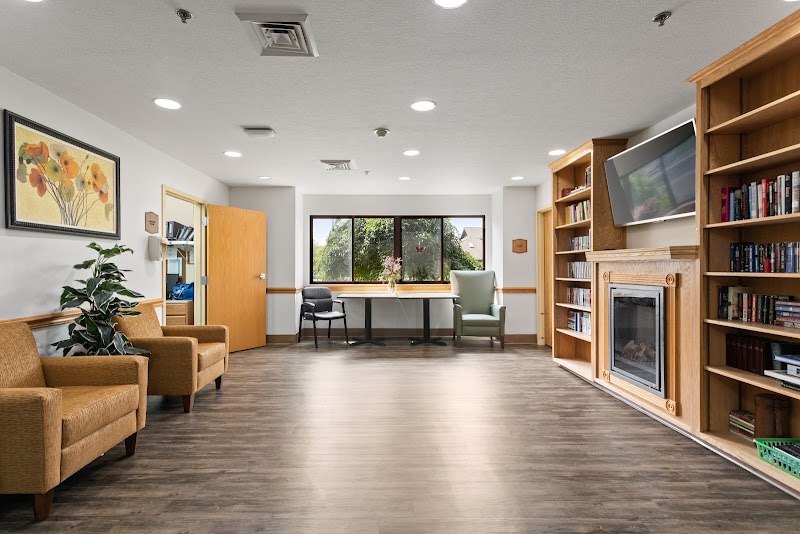
How is Crown Pointe Staffed?

CMS rates CROWN POINTE CARE CENTER's staffing level at 1 out of 5 stars, which is much below average compared to other nursing homes. Staff turnover is 58%, which is 12 percentage points above the Ohio average of 46%. High turnover can affect care consistency as new staff learn residents' individual needs. RN turnover specifically is 84%, which is notably high. RNs provide skilled clinical oversight, so turnover in this role can affect medical care quality.

What Have Inspectors Found at Crown Pointe?

State health inspectors documented 35 deficiencies at CROWN POINTE CARE CENTER during 2019 to 2025. These included: 1 that caused actual resident harm, 33 with potential for harm, and 1 minor or isolated issues. Deficiencies causing actual harm indicate documented cases where residents experienced negative health consequences.
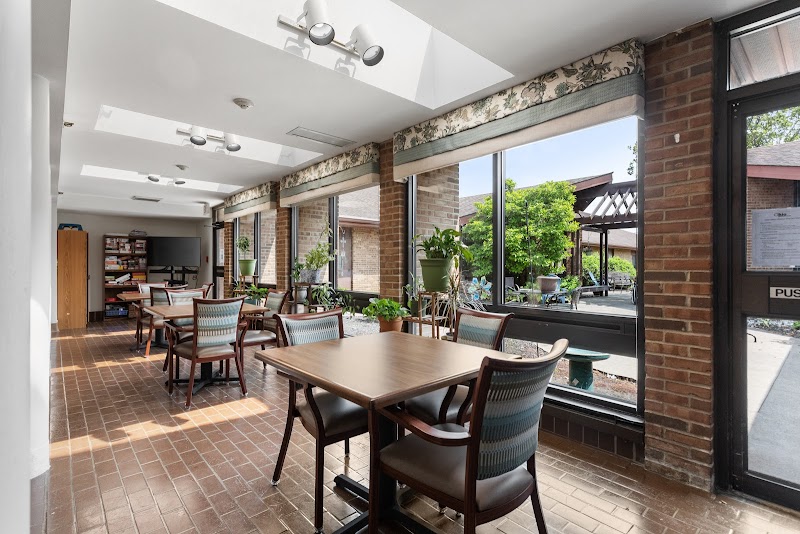
Who Owns and Operates Crown Pointe?

CROWN POINTE CARE CENTER is owned by a for-profit company. For-profit facilities operate as businesses with obligations to shareholders or private owners. The facility is operated by FOUNDATIONS HEALTH SOLUTIONS, a chain that manages multiple nursing homes. With 90 certified beds and approximately 83 residents (about 92% occupancy), it is a smaller facility located in COLUMBUS, Ohio.
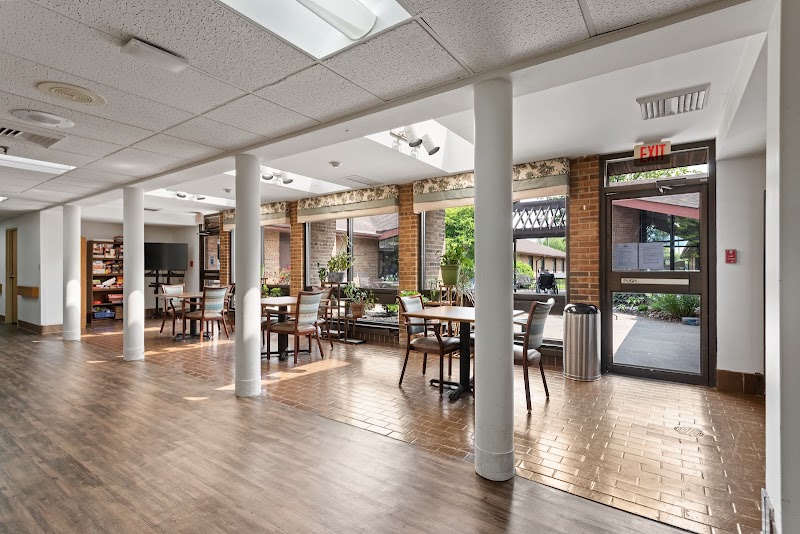
How Does Crown Pointe Compare to Other Ohio Nursing Homes?

Compared to the 100 nursing homes in Ohio, CROWN POINTE CARE CENTER's overall rating (2 stars) is below the state average of 3.2, staff turnover (58%) is significantly higher than the state average of 46%, and health inspection rating (2 stars) is below the national benchmark.

What Should Families Ask When Visiting Crown Pointe?

Based on this facility's data, families visiting should ask: "How do you ensure continuity of care given staff turnover, and what is your staff retention strategy?" "Can you walk me through typical staffing levels on day, evening, and night shifts?" "Can I visit during a mealtime to observe dining assistance and food quality?" "How do you handle medical emergencies, and what is your hospital transfer rate?" These questions are particularly relevant given the facility's high staff turnover rate and the below-average staffing rating.

Is Crown Pointe Safe?

Based on CMS inspection data, CROWN POINTE CARE CENTER has a clean safety record: no substantiated abuse findings (meaning no confirmed cases of resident harm), no Immediate Jeopardy citations (the most serious violation level indicating risk of serious injury or death), and is not on the Special Focus Facility watch list (a federal program monitoring the lowest-performing 1% of nursing homes). The facility has a 2-star overall rating and ranks #100 of 100 nursing homes in Ohio. While no facility is perfect, families should still ask about staff-to-resident ratios and recent inspection results during their visit.

Do Nurses at Crown Pointe Stick Around?

Staff turnover at CROWN POINTE CARE CENTER is high. At 58%, the facility is 12 percentage points above the Ohio average of 46%. Registered Nurse turnover is particularly concerning at 84%. RNs handle complex medical decisions and coordinate care — frequent RN changes can directly impact care quality. High turnover means new staff may not know residents' individual needs, medications, or preferences. It can also be disorienting for residents, especially those with dementia who rely on familiar faces. Families should ask: What is causing the turnover? What retention programs are in place? How do you ensure care continuity during staff transitions?

Was Crown Pointe Ever Fined?

CROWN POINTE CARE CENTER has no federal fines on record. CMS issues fines when nursing homes fail to meet care standards or don't correct problems found during inspections. The absence of fines suggests the facility has either maintained compliance or corrected any issues before penalties were assessed. This is a positive indicator, though families should still review recent inspection reports for the full picture.

Is Crown Pointe on Any Federal Watch List?

CROWN POINTE CARE CENTER is not on any federal watch list. The most significant is the Special Focus Facility (SFF) program, which identifies the bottom 1% of nursing homes nationally based on persistent, serious quality problems. Not being on this list means the facility has avoided the pattern of deficiencies that triggers enhanced federal oversight. This is a positive indicator, though families should still review the facility's inspection history directly.