EASTLAND REHABILITATION AND NURSING CENTER
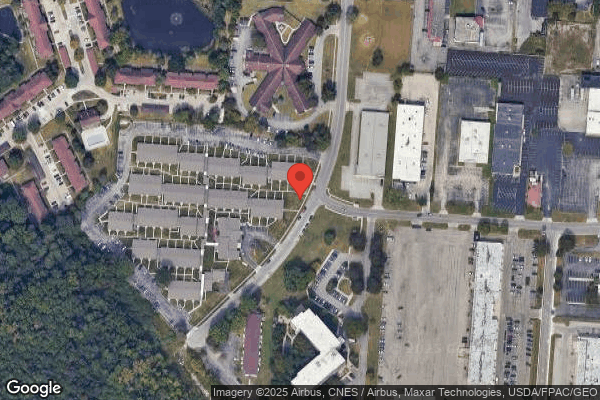

2425 KIMBERLY PARKWAY EAST, COLUMBUS, OH 43232 (614) 868-9306
For profit - Limited Liability company 93 Beds GARDEN HEALTHCARE GROUP Data: November 2025 2 Immediate Jeopardy citations
Trust Grade
1/100
#663 of 913 in OH
Last Inspection: May 2025

Inspected within the last 6 months. Data reflects current conditions.

Overview

Eastland Rehabilitation and Nursing Center has received a Trust Grade of F, indicating significant concerns and a poor reputation among nursing homes. It ranks #663 out of 913 facilities in Ohio, placing it in the bottom half of the state, and #29 out of 56 in Franklin County, suggesting only a few local options are worse. The facility is worsening, with issues increasing from 8 in 2024 to 9 in 2025. Staffing, rated at 1 out of 5 stars, is a weakness, with a turnover rate of 51%, which is slightly above the state average. Additionally, the facility has been fined $333,038, which is higher than 99% of Ohio facilities, pointing to serious compliance problems. There are positive aspects, such as excellent quality measures rated at 5 out of 5 stars, and the RN coverage is average, meaning there is sufficient oversight for residents. However, there have been critical incidents, including a failure to prevent the development of pressure ulcers, resulting in serious harm to residents. One resident developed a severe pressure ulcer despite being assessed as at risk, and another resident with complex health needs did not receive timely blood monitoring, which could lead to serious complications. Families should be aware of both the strengths and significant weaknesses when considering this facility.

Trust Score
F
1/100
In Ohio
#663/913
Bottom 28%
Safety Record
High Risk
Review needed
Inspections
Getting Worse
8 → 9 violations
Staff Stability
⚠ Watch
51% turnover. Above average. Higher turnover means staff may not know residents' routines.
Penalties
✓ Good
$333,038 in fines. Lower than most Ohio facilities. Relatively clean record.
Skilled Nurses
⚠ Watch
Each resident gets only 28 minutes of Registered Nurse (RN) attention daily — below average for Ohio. Fewer RN minutes means fewer trained eyes watching for problems.
Violations
⚠ Watch
49 deficiencies on record. Higher than average. Multiple issues found across inspections.
★★☆☆☆
2.0
Overall Rating
★☆☆☆☆
1.0
Staff Levels
★★★★★
5.0
Care Quality
★☆☆☆☆
1.0
Inspection Score
Stable
2024: 8 issues
2025: 9 issues

The Good

  • 5-Star Quality Measures · Strong clinical quality outcomes
  • Full Sprinkler Coverage · Fire safety systems throughout facility
  • No fines on record

Facility shows strength in quality measures, fire safety.

The Bad

2-Star Overall Rating

Below Ohio average (3.2)

Below average - review inspection findings carefully

Staff Turnover: 51%

Near Ohio avg (46%)

Higher turnover may affect care consistency

Federal Fines: $333,038

Well above median ($33,413)

Significant penalties indicating serious issues

Chain: GARDEN HEALTHCARE GROUP

Part of a multi-facility chain

Ask about local staffing decisions and management

The Ugly 49 deficiencies on record

2 life-threatening 2 actual harm
May 2025 8 deficiencies 1 Harm
SERIOUS (G)

Actual Harm - a resident was hurt due to facility failures

Pressure Ulcer Prevention (Tag F0686)

A resident was harmed · This affected 1 resident

**NOTE- TERMS IN BRACKETS HAVE BEEN EDITED TO PROTECT CONFIDENTIALITY** Based on observation, record review, facility policy review and interview, the facility failed to develop and implement a compre...

Read full inspector narrative →
**NOTE- TERMS IN BRACKETS HAVE BEEN EDITED TO PROTECT CONFIDENTIALITY** Based on observation, record review, facility policy review and interview, the facility failed to develop and implement a comprehensive and individualized pressure ulcer program to prevent the development and/or worsening of pressure ulcers and to ensure adequate and appropriate interventions/treatments were in place as ordered and to promote healing. This affected two residents (#40 and #49) of two residents reviewed for pressure ulcers. The facility census was 76. Actual harm occurred beginning on 04/10/25 when Resident #49, who was cognitively impaired, rarely/never understood and dependent on staff for activities of daily living was assessed by Wound Certified Nurse Practitioner (CNP) #1200 to have a Stage IV pressure ulcer (Full thickness tissue loss with exposed bone, tendon, or muscle. Slough or eschar may be present on some parts of the wound bed. Often includes undermining and tunneling.) to the sacrum. The resident had been admitted to the facility on [DATE] with a Stage III pressure ulcer (An ulcer with full thickness tissue loss. Subcutaneous fat may be visible, but bone, tendon, or muscle is not exposed. Slough may be present but does not obscure the depth of tissue loss. May include undermining and tunneling.) to the area with a lack of assessment, monitoring and/or intervention to prevent the decline. Following admission, the resident's sacral pressure ulcer continued to deteriorate and became infected with contributing factors including duplicate, inaccurate, and missed treatment applications as well as missed antibiotic medication doses and a lack of effective pressure ulcer reducing interventions. On 05/15/25 the resident was transferred to the hospital and admitted for treatment of a Stage IV pressure ulcer and osteomyelitis. Findings include: 1. Review of the medical record for Resident #49 revealed an admission date of 04/03/25 with diagnoses including adult failure to thrive, Alzheimer's disease, anxiety disorder, metabolic encephalopathy, and difficulty walking. Resident #49 was transferred to the hospital on [DATE]. The resident remained hospitalized at the time of the onsite survey. Review of Resident #49's orders from admission to the facility from a transferring skilled nursing facility dated 04/02/25 revealed an order for a left knee wound. The order indicated to apply calcium alginate, Santyl (ointment used to remove damaged tissue from chronic skin ulcers and severely burned areas) with additional gauze island daily for 30 days. (The treatment had been initiated on 03/18/25). Review of Resident #49's orders from admission to the facility from a transferring skilled nursing facility dated 04/02/25 revealed the resident had a Stage III pressure ulcer to the coccyx. Orders included apply alginate calcium, secondary gauze island with border gauze every shift, and/or when soiled until resolved at bedtime. Review of the admission skin assessment dated [DATE] revealed Resident #49 had a coccyx Stage III pressure ulcer with no descriptions or measurements of the wound included in the assessment. The assessment also included the resident had a Stage IV pressure ulcer to the left knee with no descriptions and no measurements. Review of a physician order dated 04/03/25 at 6:16 P.M. revealed an order to cleanse wound on left knee with normal saline, pat dry, use calcium alginate and cover with dry dressing every night shift for 16 days. Review of the April 2025 TAR revealed the treatment was discontinued on 04/17/25; a treatment was not documented as completed on 04/07/25 or 04/10/25. A new treatment order was obtained on 04/17/25 as the wound was not healed as of this time. Review of a physician's order dated 04/03/25 at 6:30 P.M. revealed an order to cleanse wound on sacrum (identified to be the same area previously noted as coccyx) with normal saline, pat dry, apply Santyl and cover with dry dressing every night shift for 30 days. Review of the Braden Scale for Predicting Pressure Sore Risk dated 04/03/25 revealed a score of 7.0 on a scale of, 6 (high risk) to 23 (no risk), which indicated Resident #49 was at high risk for skin breakdown. Review of the plan of care dated 04/03/25 revealed Resident #49 had impairment to skin integrity related to incontinence, moderate protein-calorie malnutrition and pressure ulcer to the coccyx with interventions including but not limited to monitor/document location, size and treatment of the skin injury and to follow facility protocols for treatment of injury. Review of an admission evaluation completed by Facility Certified Nurse Practitioner #1000 (CNP) dated 04/07/25 reflected Resident #49 had a wound to the sacrum and to follow with in house wound (care). Review of an admission evaluation by Facility Medical Director #2000 (MD) dated 04/08/25 revealed Resident #49 had a sacral pressure injury, wound team to follow. Further review of the medical record from 04/04/25 through 04/09/25 revealed no attempts to reassess and measure the sacral Stage III pressure ulcer or left medial knee Stage IV pressure ulcer during this time period. Review of the Minimum Data Set (MDS) 3.0 assessment dated [DATE] revealed Resident #49 was rarely/never understood. The resident was assessed to require total dependence on toilet hygiene, shower/bathe self, bed mobility, and transfers. The assessment also noted the resident was always incontinent of bowel and bladder and had a Stage III pressure ulcer injury present on admission. Review of Wound Certified Nurse Practitioner (CNP) #1200's initial assessment dated [DATE] revealed Resident #49 had a Stage IV sacral pressure ulcer that measured 5.9 centimeters (cm) in length by 6.2 cm width with an undetermined depth. The ulcer was assessed to be a cluster wound with moderate serosanguinous drainage with 60% granulation, 30% slough, and10% tendon. The assessment note revealed to initiate Dakin's moistened gauze to minimize odor and decrease slough. A new order was written for Dakin's solution 0.125% cleanser, apply 0.125% Dakin's moistened gauze, and apply a clean dry dressing daily and as needed. Review of the physician order dated 04/10/25 at 4:44 P.M. revealed to cleanse wound on sacrum with 0.125% Dakin's solution, apply 0.125% Dakin's moistened gauze and apply a clean dry dressing daily and as needed. Review of Wound CNP #1200's assessment dated [DATE] revealed Resident #49's sacrum Stage IV pressure ulcer measured at 6.3 cm by 6.1 cm with an undetermined depth; a cluster wound with moderate serosanguineous drainage and 70% granulation, 20% slough and 10% tendon. The wound had less odor. Continue to cleanse wound on sacrum with 0.125% Dakin's solution, apply 0.125% Dakin's moistened gauze and apply a clean dry dressing daily and as needed. Review of Wound CNP #1200's assessment dated [DATE] revealed Resident #49's sacrum Stage IV pressure ulcer measured at 6.1 cm by 5.7 cm with 3.4 cm depth; a cluster wound with moderate serosanguinous and 80% granulation and 20% tendon and to continue to cleanse wound on sacrum with 0.125% Dakin's solution, apply 0.125% Dakin's moistened gauze and apply a clean dry dressing daily and as needed. Review of the April 2025 Treatment Administration Record (TAR) revealed the order to cleanse the wound on sacrum with normal saline pat dry and apply Santyl and cover with dry dressing was an active order through the entire month and the resident did not have the wound care treatment documented as completed on 04/07/25 and 04/10/25. The resident also had an order for 0.125% Dakins solution, apply 0.125% Dakins moistened gauze and apply a dry dressing daily and as needed initiated on 04/10/25. However, the TAR revealed the treatment was not documented as completed on 04/10/25, 04/19/25, 04/20/25, or 04/21/25. Review of the TAR from 04/18/25 to 04/24/25 revealed the ordered treatment to the wound on Resident #49's left lateral knee was not completed as ordered on 04/19/25. In addition, Resident #49 had orders to apply barrier cream to peri area and or buttock after each episode of incontinence every shift prevent/personal hygiene, and to turn and reposition every two hours as tolerated every shift not documented as completed on the day shift on 04/10/25, 04/11/25, 04/18/25, 04/19/25, 04/20/25,04/21/25 or on the evening shift on 04/07/25 and 04/10/25. Review of Wound CNP 1200's assessment dated [DATE] revealed Resident #49's sacrum Stage IV pressure ulcer measured 5.9 cm by 5.7 cm with 3.2 cm depth; a cluster wound with moderate serosanguinous drainage with 90% granulation and 10% tendon. Continue the treatment to cleanse wound on sacrum with 0.125% Dakin's solution, apply 0.125% Dakin's moistened gauze and apply a clean dry dressing daily and as needed. Review of Wound CNP #1200's assessment dated [DATE] revealed Resident #49's sacrum Stage IV pressure ulcer measured 6.4 cm by 8.2 cm with an undetermined depth; a cluster wound with moderate tan, serosanguinous drainage with 30% slough, 10% tendon and 60% necrotic wound base with odor. The wound was noted to have declined. The assessment note also included Resident #49 had contributing factors of being poorly complaint with offloading, dementia/confusion, poor nutritional intake, declining medical condition, poor medical condition and incontinence which makes the presence of the wound unavoidable. Treatment order to increase the concentration of the Dakin's solution to 0.5% and change the dressing twice a day for treatment. The note revealed will start oral antibiotics as well. Review of the physician's order revealed on 05/08/25 the treatment order dated 04/21/25 at 2:11 P.M. to cleanse multiple clustered wounds on sacrum with 0.125% Dakin's solution, 0.125% Dakin's moistened gauze, apply clean dry dressing daily and as needed was discontinued. A new physician order was initiated on 05/08/25 at 5:01 P.M. to cleanse multiple clustered wounds on sacrum with 0.125% Dakin's solution, 0.125% Dakin's moistened gauze, apply clean dry dressing every morning and night shift and as needed. This order increased the frequency of the dressing change to twice a day but did not reflect the CNP's change of concentration of the Dakins solution for Resident #49. Additionally, an order was received on 05/08/25 at 4:51 P.M. for Doxycycline Hyclate (antibiotic) oral tablet 100 milligrams (mg); give one tablet every morning and at bedtime until 05/21/25. Review of the May 2025 Treatment Administration Record (TAR) revealed the order to cleanse wound on sacrum with normal saline pat dry and apply Santyl and cover with dry dressing was an active order through 05/02/25, and all treatments were documented as completed. The order for 0.125% Dakins solution, apply 0.125% Dakins moistened gauze and apply a dry dressing daily completed daily through 05/07/25 and the order was changed on 05/08/25 to cleanse multiple clustered wounds on sacrum with 0.125% Dakin's solution, 0.125% Dakin's moistened gauze, apply clean dry dressing every morning and night shift and as needed. The TAR revealed the treatment was not completed on the day shift on 05/08/25, 05/12/25, or on the day and evening shift on 05/13/25. Review of the May 2025 TAR revealed the ordered treatment to the left medial knee was not completed as ordered on 05/12/25 and 05/13/25. In addition, review of the May 2025 TAR revealed Resident #49 had orders to apply barrier cream to peri-area and/or buttock after each episode of incontinence every shift prevent/personal hygiene, and to turn and reposition every two hours as tolerated every shift not documented as completed on the day shift on 05/12/25 and not completed on the day and evening shift on 05/13/25. Review of the May Medication Administration Record revealed the resident did not receive the Doxycycline Hyclate (antibiotic) 100 mg at bedtime on 05/12/25 or 05/13/25 for the morning dose. Review of the medical record for Resident #49 revealed no monitoring of antibiotic effectiveness once antibiotic was initiated on 05/09/25. Further review of the medical record for Resident #49 revealed no daily skilled charting, which include vital signs, from 05/10/25 until 05/14/25. Review of the skilled nursing charting dated 05/14/25 at 2:29 A.M. revealed Resident #49 was hypotensive with a blood pressure of 84/46. No follow up blood pressure or assessment was documented in the resident's medical record. Review of Wound CNP 1200's assessment on 05/15/25 at 10:45 A.M. revealed the sacrum Stage IV pressure ulcer measured 11.6 cm by 8.4 cm with an undetermined depth; a cluster wound with moderate tan, serosanguinous drainage and 30% slough, 10% tendon, 10% bone, 20% and purple or maroon discoloration with odor. The wound presented worsening of infection with a recommendation to transfer the resident to the emergency department for rapid evaluation of wound. Review of the progress note dated 05/15/25 at 4:15 P.M. revealed Resident #49 was transferred to the hospital and all parties responsible were aware. Interview on 05/20/25 at 9:12 A.M. via telephone with Wound CNP #1200 revealed a facility nurse would perform wound rounds with her while she was seeing residents (including Resident #49) and the facility nurse placed the orders she recommended into the electronic medical record system based on the notes she dictated and verbally communicated to them. Wound CNP #1200 stated she did not know Resident #49 received the Santyl treatment that was ordered on admission from the hospital daily throughout her stay until 05/02/25. The CNP stated she ordered Dakin's solution when she assessed the sacrum wound on 04/10/25 because the wound had odor and Dakins was a good skin first line of treatment for what she observed. The CNP revealed she would recommend the Santyl treatment at a later stage of healing and not at that time based on her initial assessment or her subsequent assessments of the wound during Resident #49's stay. CNP #1200 stated she ordered the antibiotic on 05/08/25 due to odor, the presence of dead skin in the wound, and as it appeared the wound had increased drainage as the wound had worsened. She also stated she ordered 0.5% Dakins solution twice a day on 05/08/25 as well. The next week on assessment on 05/15/25, the wound declined again with the presence of purple tissue and the size was extending of the wound, so she felt a general surgeon needed to assess and recommended the resident be sent to the emergency room. CNP #1200 revealed Resident #49 had contractures to her extremities and the facility had issues positioning the resident, but to her knowledge the resident never refused any care because she was not able to communicate. CNP #1200 verified she was not aware the Dakin's solution treatment ordered on 05/08/25 was not ordered correctly, as she wanted it to be 0.5% solution, an increase due to the worsening of the wound and could not confirm if that contributed to the wound decline, but verified the order was not followed as she wanted it to be. Interview on 05/20/25 at 10:07 A.M. with Licensed Practical Nurse (LPN) #401 revealed he completed rounds with Wound CNP #1200 when she was in the facility and then he entered orders the CNP verbally tells him and dictates on her reports. LPN #401 revealed the CNP sends in the dictations the same day to him, so he is able to put the orders in for the residents for their wound treatments that day. LPN #401 stated when a resident was admitted the floor nurses were responsible for the initial skin assessment on admission and then he tried to come behind to recheck them stated he was not always able to do so. During the interview, LPN #401 revealed he had no training in wound care including staging of wounds and added he stepped in to help when the previous wound nurse left sometime last year. LPN #401 also shared the admitting floor nurse goes through the discharge paperwork for newly admitted residents and places orders for wounds if they had them included in the admission orders. Chart checks were sometimes done by him or the Director of Nursing (DON) to make sure orders were correctly transcribed from admitting orders. The LPN revealed the checks were not always completed but they complete them if they get time. The LPN also revealed Resident #49 was hard to turn and staff had to use a lot of pillows because the resident was very contracted; however, the resident never refused care. LPN #401 verified the Dakin's solution of 0.5% was not ordered correctly on 05/08/25 from Wound CNP #1200 and he entered that order and reviewed her notes. During the interview, LPN #401 also verified Resident #49 did not have an accurate order for the left medial pressure ulcer entered in the system on admission and verified the resident had duplicate treatment orders from 04/10/25 through 04/17/25. The LPN revealed the only treatment that should have been ordered was from Wound CNP #1200. Interview on 05/20/25 at 10:15 A.M. with the DON verified wound measurements were not completed on the admission wound assessment for Resident #49 for the Stage III pressure ulcer to the resident's sacrum or for the left medial knee Stage IV pressure ulcer. The DON also verified there were no further attempts to reassess or measure the pressure ulcers from 04/03/25 through 04/09/25. Interview on 05/20/25 at 10:35 A.M. with the Regional Operations and the DON revealed if an order was in the system for a wound treatment and the wound CNP (CNP #1200) ordered a different treatment, the staff should discontinue the current order and then place the new order for the treatment the CNP ordered. There shouldn't be multiple (different) orders in the resident's chart. The Regional Operations and DON subsequently reviewed and verified for Resident #49 all of the missing treatments on the TAR and MAR for wound treatments, lack of evidence of prevention of pressure ulcers including turning/repositioning and barrier cream to peri area, and the missing antibiotic doses. It was also verified the calcium alginate order from Resident #49's discharge paperwork from another facility where Resident #49 came from did not get ordered on admission for the sacrum Stage III pressure wound. The Regional Operations and DON revealed the previous facility wound nurse (who had wound training) left the facility last year. The DON revealed she had no specific wound training but would take responsibility for not overseeing the wound management as she should for the facility residents since LPN #401 was an LPN and had no wound training as well. Interview on 05/20/25 at 12:20 P.M. with MD #2000 revealed she was not aware Resident #49 was not receiving the calcium alginate and only Santyl to her sacrum pressure ulcer on admission. MD #2000 revealed she was only at the facility on Tuesdays and was not made aware of any concerns from Wound CNP #1200 or the facility staff throughout Resident #49's stay. MD #2000 denied concerns from the facility about issues with Resident 349 being noncompliant with care and had no identified concerns with the resident's nutritional status. MD #2000 revealed she referred to Wound CNP #1200 for all recommendations for wounds and follows the treatments and recommendations she advised and expected facility staff to follow her recommendations and enter them into the system to be followed. Interview on 05/20/25 at 3:40 P.M. with the Regional Operations (RO) verified Resident #49 did not have a recheck of her blood pressure from the check on 05/14/25 at 2:40 P.M. when it was 84/46. The Regional Operations revealed the facility documents by exception, and when residents were on antibiotics, they do not check their vitals daily. However, Regional Operations verified Resident #49 was a skilled resident and although it was not part of the facility policy, it was the expectation of the facility that skilled residents receive daily charting which included a full body assessment and vital signs. During the interview, the RO also verified Resident #49 did not leave for the hospital until 3:44 P.M. on 05/15/25 even though Wound CNP #1200's assessment was completed in the morning with a note for rapid evaluation because the RO believed there was no urgency in transferring the resident. Resident #49 was transported by the facility transportation and not emergency medical services (EMS). Review of hospital admission paperwork dated 05/15/25 revealed Resident #49's vital signs in the emergency room included a pulse 115 (tachycardic), blood pressure of 128/76 and elevated temperature of 99.7 degrees Fahrenheit. Laboratory results revealed an elevated white blood cell count of 12.3 (associated with infection). The hospital record revealed Resident #49 presented with an infected sacral decubitus ulcer with verification of a computed tomography (CAT) scan of abdomen pelvis with contrast revealing a deep sacral decubitus ulcer measuring 15 millimeters (mm) deep and measuring 60 mm mediolaterally. There was underlying exposed bone, with adjacent myositis. This resident was admitted to the hospital for a Stage IV decubitus ulcer infection with osteomyelitis. During the resident's stay, the general surgeon did not want to do surgery but did encourage enzymic debridement. The infectious disease physician continued intravenous (IV) Vancomycin (antibiotic) and Zosyn (antibiotic) started in the emergency room. A wound culture showed the wound with heavy pseudomonas, sensitivities pending. Bacteremia, two sets of blood cultures with coagulase-negative staphylococcus. The wound care team continuing dressing changes daily. Review of the facility undated policy titled Wound and Skin Care revealed if a pressure ulcer was present on admission, a skin care assessment would be completed. A pressure area/ulcer would be measured and monitored weekly. Documentation of the pressure ulcer/area would include measurements in centimeters (width, length, depth), wound margins, undermining, clock hands for tunneling, drainage, amount of drainage, type, color and odor. 2. Review of the medical record for Resident #40, revealed an admission date of 08/23/22 with diagnoses including major depressive disorder, muscle weakness, peripheral vascular disease, altered mental status, dementia, and anxiety. Review of the Braden Scale for Predicting Pressure Sore Risk dated 02/17/25 for Resident #40 revealed a score of 13.0 on a scale of 6 (high risk) to 23 (no risk) which indicated the resident was at moderate risk for skin breakdown. Review of the Minimum Data Set (MDS) 3.0 assessment dated [DATE] revealed the resident was cognitively impaired with a Brief Interview for Mental Status (BIMS) of 06. The resident was assessed to require total (staff) dependence for toilet hygiene, shower/bathe self, bed mobility and transfers. This resident was also assessed to be at risk for pressure ulcers. Review of the plan of care revised on 04/13/25 revealed Resident #40 had actual skin integrity issues with interventions including but not limited to float heels in bed, turn and reposition every two hours as tolerated and to monitor weekly. Review of a nurse assessment dated [DATE] revealed Resident #40 had a right lateral ankle open area that measured 1.2 cm by 0.9 cm with no depth with minimal drainage and no classification of the wound being a pressure, arterial or vascular ulcer. Further review of the resident's assessments revealed weekly skin assessments were not completed for the dates of: 04/23/25 through 05/06/25 or 05/08/25 through 05/19/25. On 05/21/25 at 9:29 A.M., 11:39 A.M., and 1:36 P.M. Resident #40 was observed in bed, on his back and his heels were not floated. Interview on 05/21/25 at 11:33 A.M. with the RO verified Resident #40 had missing weekly skin assessments for the dates of 04/23/25 through 05/06/25 and 05/08/25 through 05/19/25 and that assessments should be completed weekly. An Interview on 05/21/25 at 1:37 P.M. with LPN #534 verified Resident #40 had not been turned at all today and that his heels were not floated. Observation on 05/21/25 at 2:27 P.M. with the Director of Nursing of Resident #40's right lateral ankle wound revealed the resident had a Stage III pressure ulcer to the area and verified the resident should have his heels floated when in bed. Review of the facility undated policy titled Wound and Skin Care revealed a pressure area/ulcer would be measured and monitored weekly. Documentation of the pressure ulcer/area would include measurements in centimeters (width, length, depth), wound margins, undermining, clock hands for tunneling, drainage, amount of drainage, type, color and odor.
CONCERN (D)

Potential for Harm - no one hurt, but risky conditions existed

Resident Rights (Tag F0550)

Could have caused harm · This affected 1 resident

**NOTE- TERMS IN BRACKETS HAVE BEEN EDITED TO PROTECT CONFIDENTIALITY** Based on medical records review, observations and staff interviews, the facility failed to provide dignity with dining for two r...

Read full inspector narrative →
**NOTE- TERMS IN BRACKETS HAVE BEEN EDITED TO PROTECT CONFIDENTIALITY** Based on medical records review, observations and staff interviews, the facility failed to provide dignity with dining for two residents who needed assistance with their meals (Resident # 4 and #31) out of fourteen residents reviewed for dining observation. This had the potential to affect five residents (#4, #12, #21, #31, and #33) that needed assistance with dining. The facility census was 76 residents. Findings include: 1. Resident #4 was admitted to the facility on [DATE] with diagnoses that included muscle wasting, and glaucoma. Review of Resident #4's quarterly Minimum Data Set (MDS) assessment dated [DATE] revealed he had a Brief Interview for Mental Status (BIMS) score of 12, indicative of moderate cognitive impairment. Review of Resident #4's full nutrition assessment dated [DATE] revealed he requires assistance with his meals. Review of Resident #4's physician order dated 09/26/23 revealed he was to have assistance with all meals on every shift. Observation on 05/19/25 at 8:17 A.M. revealed Resident #4 was being fed by Certified Nursing Assistant (CNA) #434. CNA #434 was standing over Resident #4 while she fed the resident. Interview with Registered Nurse (RN) #429 on 05/19/25 at 8:19 A.M. confirmed CNA #434 was standing over Resident #4 while feeding him. She stated that it was not a dignified dining procedure. RN #429 stated there was not a reason for CNA #434 to stand while feeding Resident #4 his meal. 2. Resident #31 was admitted to the facility on [DATE] with diagnoses that included unspecified protein-calorie malnutrition, cerebral infarction, aphasia, muscle wasting, dysphagia, vascular dementia, glaucoma and need for assistance with personal care. Review of Resident #31's quarterly MDS assessment dated [DATE] revealed his BIMS score was 6, indicative of severe cognitive impairment. Review of Resident #31's physician orders dated 02/06/25 revealed he was to be assisted with all of his meals. Review of Resident #31's full nutrition assessment dated [DATE] revealed he required assistance with all of his meals. Review of Resident #31's care plan dated 12/26/22 revealed that he need assistance with all of his meals due to poor vision and weakness. Observation on 05/19/25 at 8:28 A.M. revealed CNA #421 was standing over Resident #31 while feeding him in bed. Interview with CNA #421 on 05/19/25 at 8:28 A.M. confirmed she was standing over Resident #31 while feeding him in bed. CNA #421 stated that she knew that she was supposed to sit while assisting residents with feeding; however, she preferred to stand. Observation on 05/20/25 at 8:23 A.M. revealed that CNA #487 was standing over Resident #31 while he was being fed in his room while seated in his bed. Interview with CNA #487 confirmed that she was standing over Resident #31 while assisting him with feeding him his meal. She stated that she could have sat while feeding Resident #31; however, she preferred to stand.
CONCERN (D)

Potential for Harm - no one hurt, but risky conditions existed

Accident Prevention (Tag F0689)

Could have caused harm · This affected 1 resident

**NOTE- TERMS IN BRACKETS HAVE BEEN EDITED TO PROTECT CONFIDENTIALITY** Based on resident record review, observations and staff interviews, the facility failed to provide supervision in the dining roo...

Read full inspector narrative →
**NOTE- TERMS IN BRACKETS HAVE BEEN EDITED TO PROTECT CONFIDENTIALITY** Based on resident record review, observations and staff interviews, the facility failed to provide supervision in the dining room for a resident who was at risk for choking. This affected one resident (Resident #33) and had the potential to affect 23 residents that the facility identified as having dysphagia, difficulty swallowing (Resident #2, #9, #12, #16, #22, #25, #28, #29, #33, #34, #38, #44, #46, #49, #59, #67, #71, #73, #74, #75, #78, #133, and #233.) The facility census was 76 residents. Findings include: Review of Resident #33's medical chart revealed that she was admitted to the facility on [DATE] with diagnoses that included abnormal posture, cognitive communication deficit, muscle wasting and atrophy, dysphagia, and vascular dementia. Review of Resident #33's quarterly Minimum Data Set (MDS) assessment dated [DATE] revealed that she had a Brief Interview for Mental Status score of 14, indicative of intact cognition. Review of the MDS assessment dated [DATE] revealed that she required supervision or touching assistance for eating. Further review revealed that she was on a mechanically altered diet. Review of Resident #33's Nutrition assessment dated [DATE] revealed that she was recommended to have one-on-one supervision and assistance with her meals. Observation on 05/18/25 from 11:51 A.M. to 11:53 A.M. revealed that there were two residents (Resident #33 and Resident #41) that were unsupervised in the dining room feeding themselves. Certified Nursing Aide (CNA) #469 entered the dining room at 11:53 A.M. Interview with CNA #469 on 05/18/25 at 11:53 A.M. confirmed that Resident #33, who was identified as a choking risk, was unsupervised in the dining room eating.
CONCERN (D)

Potential for Harm - no one hurt, but risky conditions existed

Deficiency F0698 (Tag F0698)

Could have caused harm · This affected 1 resident

**NOTE- TERMS IN BRACKETS HAVE BEEN EDITED TO PROTECT CONFIDENTIALITY** Based on interview, medical record review, and facility policy review, the facility failed to communicate with dialysis center a...

Read full inspector narrative →
**NOTE- TERMS IN BRACKETS HAVE BEEN EDITED TO PROTECT CONFIDENTIALITY** Based on interview, medical record review, and facility policy review, the facility failed to communicate with dialysis center and failed to perform pre and post dialysis assessments for one, Resident #29. This had the potential to affect four residents (Residents #6, #29, #31 and #36) who received dialysis. The facility census was 76. Findings include: Review of Resident #29's medical record revealed that he was admitted on [DATE] with diagnoses that included congestive heart failure, diabetes mellitus with neuropathy, morbid obesity, chronic obstructive pulmonary disease, dependent on renal dialysis and end stage renal disease. Review of Resident #29's most recent Minimum Data Set (MDS) 3.0 annual assessment dated [DATE] revealed a Brief Interview for Mental Status (BIMS) of 15 indicating the resident was cognitively intact. Review of Resident #29's Physician's orders dated 04/25/25 revealed an order for dialysis in center every Monday, Wednesday and Friday at 1:15 P.M. The orders did not indicate any before or after dialysis assessment. Review of Resident #29's progress notes dated 04/19/25 to 05/20/25 revealed no notes for pre- dialysis or post- dialysis assessment. Review of Resident #29's assessments, dated March 2025 to May 2025 revealed no assessments for pre-dialysis or post-dialysis. Review of Resident #29's Dialysis communication records revealed missing communication records for 04/23/25, 05/02/25, 05/14/25 and 05/19/25. Further review revealed the dialysis communication records contained no pre-dialysis assessments on 04/21/25, 04/23/25, 04/30/25, 05/02/25, 05/05/25, 05/12/25, 05/14/25 and 05/19/25 and no post-dialysis assessments on 04/21/25, 04/23/25, 04/25/25, 04/28/25, 04/30/25, 05/02/25, 05/05/25, 05/07/25, 05/09/25, 05/12/25, 05/14/25, 05/16/25 and 05/19/25. Interview on 05/20/25 with RN #429 revealed the process for dialysis patients on dialysis days is the day shift nurse takes the residents vitals, they send communication sheet with the resident to the dialysis center and the dialysis center returns the sheet with vitals, residents weight, and any new orders. There is an order prompt in electronic medication administration record (eMAR) to complete pre/post dialysis communication for the staff to document all the information into the electronic health record. They also do vitals and check for pain, bleeding or swelling at the shunt site and put in any new orders. She also stated that after reviewing the dialysis communication sheet the nurse files the sheets in the resident's chart or dialysis book. RN# 429 confirmed there was no order to complete pre/post communication forms for Resident #29 in the eMAR. Interview on 05/21/25 at 11:50 A.M. with the Director of Nursing (DON) revealed residents who receive dialysis have a communication sheet the nurse sends to the dialysis center on dialysis days, the sheet is completed by the nurse with residents' weight and vitals. When the resident returns, the nurse checks communication sheet for any new orders and puts them in the computer if needed, the nurse should also check the resident for pain, bleeding and shunt function. She also stated that all dialysis residents should have an order to add information. Review of communication sheets with DON on 05/21/25 at 11:55 A.M. confirmed there were multiple days of missing communication sheets and that multiple sheets were void of pre and post dialysis assessments on multiple days. Review of undated facility Hemodialysis policy states that the facility will assure each resident receives care and services for the provision of hemodialysis consistent with the professional standards of practice. It also stated that the ongoing assessment of the resident's condition and monitoring for complications before and after dialysis treatments received at a certified dialysis facility. Ongoing communication and collaboration with the dialysis facility regarding dialysis care and services. The nurse will monitor the status of the resident's access site(s) upon return from the dialysis treatment to observe for bleeding or other complications. The nurse will ensure that the dialysis access site (AV shunt or graft) is checked before and after dialysis treatments and every shift for patency by auscultating for bruit and palpating for thrill. If absent, the nurse will immediately notify the attending physician, dialysis facility and/or nephrologist.
CONCERN (D)

Potential for Harm - no one hurt, but risky conditions existed

Deficiency F0757 (Tag F0757)

Could have caused harm · This affected 1 resident

**NOTE- TERMS IN BRACKETS HAVE BEEN EDITED TO PROTECT CONFIDENTIALITY** Based on record review, staff interviews, and facility policy review, the facility failed to ensure proper parameters were ident...

Read full inspector narrative →
**NOTE- TERMS IN BRACKETS HAVE BEEN EDITED TO PROTECT CONFIDENTIALITY** Based on record review, staff interviews, and facility policy review, the facility failed to ensure proper parameters were identified for as needed (PRN) pain medications. The deficient practice affected one resident (#26) of five residents reviewed for unnecessary medications. The facility census was 76. Findings include: Review of the medical record for Resident #26 revealed an admission date of 08/23/24. Medical diagnoses included obesity, Type II Diabetes, anxiety, adjustment disorder, adult failure to thrive, lymphedema, hypertension, personal history of pulmonary embolism, and panniculitis. Review of the quarterly Minimum Data Set (MDS) 3.0 assessment dated [DATE] revealed Resident #26 had intact cognition and scored a 15 out of 15 on the Brief Interview for Mental Status (BIMS) assessment indicating intact cognition. Review of facility care plan for Resident #26 initiated 09/23/24 revealed Resident #26 had chronic pain due to his diagnoses and that medications should be administered as ordered. Review of the physician orders dated 04/17/25 revealed Resident #26 had an order for Oxycodone (opioid)/Acetaminophen (analgesic) 7.5-325 milligrams (mg) with instructions Give 1 tablet by mouth every 6 hours as needed (PRN) for severe pain. The order did not define the word severe. This order was discontinued 05/16/25. Review of the Medication Administration Record (MAR) dated May 2025 revealed Resident #26 received PRN administration of the Oxycodone/Acetaminophen 7.5-325 mg every day from 05/01/25 through 05/15/25. On the May MAR, the patient's pain levels recorded at the time PRN Oxycodone/Acetaminophen was administered ranged from zero (no pain) to nine (severe pain). Resident #26 also had an order dated 05/16/25 for Percocet Oral Tablet 7.5-325 MG (Oxycodone /Acetaminophen) which stated, give one tablet by mouth every six hours for moderate pain for three days and give one tablet by mouth every six hours as needed for moderate pain. This order did not define the word moderate. Interview on 05/20/25 at 2:14 P.M. with Registered Nurse (RN) #446 confirmed the Oxycodone/Acetaminophen orders did not define or provide a numeric rating for the words moderate or severe. She stated that resident wouldn't ask for pain medicine unless he was in pain. She said she thought of moderate pain as a rating of three through seven. She admitted she didn't have a reference point for that definition. Interview on 05/20/25 at 2:28 P.M. with Director of Nursing (DON) who confirmed the orders on the MAR did not have parameters and that severe and moderate should have been defined in the orders. She wondered whether it was left off when information was transferred to the MAR and noted they just recently changed their process. Review of facility policy titled Pain Assessment and Management revealed that pain management interventions shall reflect the sources, type and severity of pain.
CONCERN (E)

Potential for Harm - no one hurt, but risky conditions existed

Deficiency F0761 (Tag F0761)

Could have caused harm · This affected multiple residents

Based on observation, interview, and facility policy review. The facility failed to store Insulin in a safe manner on the 100 and 300 hall medication carts. This had the potential to affect six reside...

Read full inspector narrative →
Based on observation, interview, and facility policy review. The facility failed to store Insulin in a safe manner on the 100 and 300 hall medication carts. This had the potential to affect six residents (Residents #2, #14, #16, #36, #41 and #47) who received insulin on those halls. The facility census was 76. Findings include: Observation on 05/20/25 at 8:10 A.M. of 300 hall medication cart revealed the following medications in the top drawer: two Basaglar KwikPen Subcutaneous Solution Pen-injector 100 UNIT/ML (Insulin Glargine) with no resident identifier on the Insulin pen which was opened and undated ( date the pen was opened); Insulin Lispro Injection Solution 100 UNIT/ML (Insulin Lispro) vial, no resident identifier on the vial which was opened and undated; Tresiba FlexTouch Pen-injector 100 UNITS/ML, with no resident identifier on the pen which was also opened and undated. Interview on 05/20/25 at 8:15 A.M. with Licensed Practical Nurse (LPN) #506 verified insulin vial and pens on 300 hall medication cart that were undated and had no resident identifiers. Observation on 05/20/25 at 8:56 A.M. of 100 hall medication cart revealed the following medications in the top drawer: Basaglar KwikPen Subcutaneous Solution Pen-injector 100 UNIT/ML (Insulin Glargine) with no resident identifier on insulin pen which was opened and undated; Admelog Injection Solution 100 UNIT/ML (Insulin Lispro) vial, no resident identifier on insulin vial which was opened and undated; Lantus 100 UNITS/ML (Insulin Glargine) vial, no resident identifier on insulin vial which was opened and undated; Insulin Lispro Injection Solution 100 UNIT/ML (Insulin Lispro) vial, no resident identifier on the vial which was also opened and undated. Interview on 05/20/25 at 08:57 A.M. with Registered Nurse (RN) #429 verified Insulin vials and pens on 100 hall medication cart that were undated and had no resident identifiers. Review of the facility policy Storage of Medications dated, April 2007 revealed the facility shall store all drugs and biologics in a safe, secure and orderly manner. It also stated drugs and biologicals shall be stored in the packaging, containers or other dispensing systems in which they are received, and drug containers that have a missing, incomplete, improper, or incorrect labels shall be returned to the pharmacy for proper labeling before storing.
CONCERN (E)

Potential for Harm - no one hurt, but risky conditions existed

Food Safety (Tag F0812)

Could have caused harm · This affected multiple residents

Based on observation, staff interview, and review of facility policy, the facility failed to store food in a sanitary manner. This had the potential to affect 73 of 76 residents who ate food from the ...

Read full inspector narrative →
Based on observation, staff interview, and review of facility policy, the facility failed to store food in a sanitary manner. This had the potential to affect 73 of 76 residents who ate food from the kitchen (Residents # 20, #42, and #55 were identified by the facility as not eating or drinking from the kitchen.) The facility census was 76 residents. Findings include: Observation on 05/18/25 from 8:25 A.M. to 8:45 A.M. revealed the kitchen dry storage room had three cans of three bean salad, a case of hot dog buns, a case of sliced pineapple rings, and two cases of snack pack puddings that were stored directly on the floor. Interview with Dietary Aide #402 on 05/18/25 at 8:30 A.M. confirmed the above food items were stored directly on the floor in the kitchen's dry storage room. Further interview with Dietary Aide #402 revealed the food items were received at the facility on 05/16/25 and the food items had been stored on the floor since that date. Observation on 05/18/25 from 8:25 A.M. to 8:45 A.M. revealed there was a dusty light fixture over the steam wells in the food serving area, as well as an approximately two-foot-long crack in the painted ceiling, with visible paint chips in it. Interview with Dietary Aide #425 on 05/18/25 at 8:34 A.M. confirmed there was a dusty light fixture and an approximately two-foot-long crack in the painted ceiling. Observation on 05/19/25 from 10:32 A.M. to 10:51 A.M. revealed an approximately four foot crack with peeling paint that was hanging down two inches from the ceiling in the food preparation area. The crack and peeling paint was directly over a rack of stored clean food trays and over open drinking cups. There was also a dusty light fixture over the food serving Interview with Dietary Manager #431 on 05/19/25 at 10:51 A.M. confirmed there was a four-foot crack with peeling paint and a dusty ceiling fan over the steam wells in the food serving area. Review of the facility policy titled, Food Receiving and Storage dated July 2014 revealed food in designated dry storage areas shall be kept off of the floor at least 18 inches. Food services will maintain clean food storage areas at all times.
CONCERN (E)

Potential for Harm - no one hurt, but risky conditions existed

Infection Control (Tag F0880)

Could have caused harm · This affected multiple residents

Based on record review, interview, and facility policy review, the facility failed to ensure enhanced barrier precautions were in place for Resident #49 who had pressure ulcer wounds while at the faci...

Read full inspector narrative →
Based on record review, interview, and facility policy review, the facility failed to ensure enhanced barrier precautions were in place for Resident #49 who had pressure ulcer wounds while at the facility. This affected only Resident #49 who was reviewed for enhanced barrier precautions. This had the potential to affect 10 residents on the same hall. The total facility census was 76. Findings include: Review of the medical record for Resident #49, revealed an admission date of 04/03/25 and a transfer to the hospital date of 05/15/25. Diagnoses included but were not limited to adult failure to thrive, Alzheimer's disease, anxiety disorder, metabolic encephalopathy, and difficulty walking. Review of the active care plans dated 04/03/25 revealed Resident #49 to be on enhanced barrier precautions related to chronic wounds. Review of the physician orders dated 04/03/25 through 05/15/25 for Resident #49 revealed no order for enhanced barrier precautions due to having chronic pressure ulcer wounds. Interview on 05/21/25 at 2:35 P.M. with Regional Administrator #417 verified no order was present for enhanced barrier precautions during facility stay for Resident #49. No policy on enhanced barrier precautions was provided by the facility.
Jan 2025 1 deficiency
CONCERN (D) 📢 Someone Reported This

A family member, employee, or ombudsman was alarmed enough to file a formal complaint

Potential for Harm - no one hurt, but risky conditions existed

Infection Control (Tag F0880)

Could have caused harm · This affected 1 resident

**NOTE- TERMS IN BRACKETS HAVE BEEN EDITED TO PROTECT CONFIDENTIALITY** Based on medical review, observation, staff interview and review of facility policy and procedure, the facility failed to follow...

Read full inspector narrative →
**NOTE- TERMS IN BRACKETS HAVE BEEN EDITED TO PROTECT CONFIDENTIALITY** Based on medical review, observation, staff interview and review of facility policy and procedure, the facility failed to follow infection control practices when changing a dressing. This affected one resident (#78) of three sampled residents. The census was 89. Findings include: Review of Resident #78's record revealed he was admitted to the facility on [DATE]. Diagnoses included anterior cord syndrome at T7-T10 level of the thoracic spinal cord, atrial fib, chronic kidney disease (CKD), and peripheral vascular disease. Review of the annual MDS dated [DATE] revealed his cognition was moderately impaired. He requires setup/clean up assistance for meals and oral hygiene and is dependent for toileting, shower/bathing, upper body dressing, footwear, personal hygiene and turning and repositioning. He is frequently incontinent of urine and always incontinent of bowel. Review of the physicians orders for 12/06/24 revealed to cleanse wounds to the superior sternum with normal saline and pat dry. Then apply hydroconductive dressing (wound dressings utilize a hydroconductive material to aid the clinician in wound bed preparation. It is a highly absorbent wound dressing that facilitates the movement of wound exudates into and through the dressing to the outer secondary material) to wound bed then cover with a super absorbent dressing, change on Monday, Wednesday, Friday, and when needed. On 01/29/25 at 11:00 A.M. observation of a dressing change to Resident #78's superior sternum wound revealed Licensed Practical Nurse (LPN) #257 cleaned her hands and put on gloves. LPN #257 then removed the old dressing on his chest, and a moderate amount of bloody drainage was noted on the old dressing. LPN #257 then removed her gloves and put on new gloves without washing her hands, and cleansed the wounds to the chest with normal saline and gauze. LPN #257 then removed her gloves and put on new gloves without washing her hands and placed the hydroconductive dressing on the wound and covered it with a dressing. LPN #257 then removed her gloves and cleaned her hands with sanitizer. On 01/29/25 at 11:05 A.M. interview with LPN #257 verified she had not washed her hands in between glove changes. Review of the Hand Washing/Hand Hygiene policy and procedure (dated 08/2015) revealed use of an alcohol-based hand rub or alternatively soap and water after removing gloves. This deficiency represents an incidental finding of non-compliance investigated under Complaint Number OH00161811.
Dec 2024 2 deficiencies
CONCERN (D) 📢 Someone Reported This

A family member, employee, or ombudsman was alarmed enough to file a formal complaint

Potential for Harm - no one hurt, but risky conditions existed

Report Alleged Abuse (Tag F0609)

Could have caused harm · This affected 1 resident

Based on record review, staff interview, review of Self-Reported Incident (SRIs), and review of the facility policy, the facility failed to ensure allegations of physical abuse were reported immediate...

Read full inspector narrative →
Based on record review, staff interview, review of Self-Reported Incident (SRIs), and review of the facility policy, the facility failed to ensure allegations of physical abuse were reported immediately to the state agency as required. This affected one (Resident #3) of three residents reviewed for abuse. The facility census was 87 residents. Findings include: Review of the medical record for Resident #3 revealed an admission date of 08/08/20 with diagnoses including chronic systolic heart failure, type two diabetes mellitus, atrial fibrillation, hypertension, and anxiety disorder and a discharge date of 11/20/24. Review of the Minimum Data Set (MDS) assessment for Resident #3 dated 11/17/24 revealed the resident had intact cognition and required supervision or touching assistance with activities of daily living (ADLs.) Review of the hospital note for Resident #3 dated 11/20/24 timed at 9:47 P.M. revealed the resident was admitted with complaints of back pain and alleged he had been pushed by an employee at the facility during an altercation on 11/18/24 which caused the resident to fall backwards. Review of the physician progress note for Resident #3 dated 11/20/24 revealed during hospital transfer the resident reported a recent altercation with a staff member a couple of days prior and noted worsening back pain. Review of local hospital case management initial assessment for Resident #3 dated 11/22/24 timed at 4:12 P.M. revealed the resident alleged the social worker at the facility had pushed him down causing him to fall. Review of the facility Self-Reported Incident (SRI) involving Resident #3 initiated 11/26/24 at 10:42 A.M. revealed the Administrator became aware of the allegation of abuse per Resident #3 towards SSD #233 through the Surveyor. SSD #233 was suspended pending investigation on 11/26/24. The facility was unable to substantiate the allegation of abuse. Interview on 11/25/24 at 4:29 P.M. with the Director of Nursing (DON) confirmed hospital staff had informed her on 11/22/24 that Resident #3 had alleged Social Services Director (SSD) #233 had pushed him down to the ground on 11/18/24. Interview on 11/26/24 at 9:42 A.M. with the Administrator confirmed he was not aware of Resident #3's allegation of abuse per SSD #233 which allegedly occurred on 11/18/24. The Administrator confirmed staff should report concerns of abuse to the administrator immediately. Interview on 11/26/24 at 9:45 A.M. with the DON confirmed she had not informed the Administrator of Resident #3's allegation of abuse which she became aware of on 11/22/24 because there was no official documentation to support the claim. Interview on 11/26/24 at 11:31 A.M. with Nurse Practitioner (NP) #221 confirmed Resident #3 reported to her on 11/20/24 that he had been involved in an altercation with a staff member on 11/18/24 but the resident did not provide details of the altercation or allege abuse. The NP instructed the nursing staff to address the resident's concerns and document them accordingly. The NP confirmed an altercation with a staff member was documented in Resident #3's progress notes. Interview on 11/26/24 at 12:06 P.M. and 12:45 P.M. with Hospital Staff #1 confirmed Resident #3 had reported being pushed by facility staff, causing his fall. The admission notes included the statement the resident claimed he was pushed by an employee, leading to the fall. When preparing for the transfer back to the facility, the admissions coordinator received the case management initial assessment, which documented the resident stated the social worker pushed him twice before he fell. Hospital Staff #1 confirmed the facility DON, admissions personnel, and regional staff all had access to Resident #3's complete hospital record. Interview on 11/26/24 at 12:45 P.M. with Hospital Staff #2 confirmed Resident #3 made an allegation that facility staff, SSD # 233, had pushed him and caused a fall. Hospital Staff #2 confirmed they did not directly report this to facility staff, although it was included in Resident #3's emergency room documentation which the facility staff had access to. Review of facility policy titled Abuse, Neglect, Exploitation, and Misappropriation of Resident Property dated 10/27/17 revealed the facility was required to report all allegations of abuse, neglect, exploitation, mistreatment of a resident, or misappropriation of resident property immediately to the administrator. If an abuse allegation was reported, it should be reported to the Ohio Department of Health (ODH) immediately, but no later than two hours after the allegation was made. This deficiency represents noncompliance investigated under Complaint Number OH00160059.
CONCERN (D) 📢 Someone Reported This

A family member, employee, or ombudsman was alarmed enough to file a formal complaint

Potential for Harm - no one hurt, but risky conditions existed

Investigate Abuse (Tag F0610)

Could have caused harm · This affected 1 resident

Based on record review, staff interview, review of Self-Reported Incident (SRIs), and review of the facility policy, the facility failed to ensure residents were protected from further potential abuse...

Read full inspector narrative →
Based on record review, staff interview, review of Self-Reported Incident (SRIs), and review of the facility policy, the facility failed to ensure residents were protected from further potential abuse during abuse investigations. This affected one (Resident #3) of three residents reviewed for abuse. The facility census was 87 residents. Findings include: Review of the medical record for Resident #3 revealed an admission date of 08/08/20 with diagnoses including chronic systolic heart failure, type two diabetes mellitus, atrial fibrillation, hypertension, and anxiety disorder and a discharge date of 11/20/24. Review of the Minimum Data Set (MDS) assessment for Resident #3 dated 11/17/24 revealed the resident had intact cognition and required supervision or touching assistance with activities of daily living (ADLs.) Review of the hospital note for Resident #3 dated 11/20/24 timed at 9:47 P.M. revealed the resident was admitted with complaints of back pain and alleged he had been pushed by an employee at the facility during an altercation on 11/18/24 which caused the resident to fall backwards. Review of the physician progress note for Resident #3 dated 11/20/24 revealed during hospital transfer the resident reported a recent altercation with a staff member a couple of days prior and noted worsening back pain. Review of local hospital case management initial assessment for Resident #3 dated 11/22/24 timed at 4:12 P.M. revealed the resident alleged the social worker at the facility had pushed him down causing him to fall. Review of the facility Self-Reported Incident (SRI) involving Resident #3 initiated 11/26/24 at 10:42 A.M. revealed the Administrator became aware of the allegation of abuse per Resident #3 towards SSD #233 through the Surveyor. SSD #233 was suspended pending investigation on 11/26/24. The facility was unable to substantiate the allegation of abuse. Interview on 11/25/24 at 4:29 P.M. with the Director of Nursing (DON) confirmed hospital staff had informed her on 11/22/24 that Resident #3 had alleged Social Services Director (SSD) #233 had pushed him down to the ground on 11/18/24. Interview on 11/26/24 at 9:42 A.M. with the Administrator confirmed he was not aware of Resident #3's allegation of abuse per SSD #233 which allegedly occurred on 11/18/24. The Administrator confirmed staff should report concerns of abuse to the administrator immediately, and if a staff member was accused of abuse they should be suspended from work immediately pending the outcome of the investigation. Further interview with the Administrator confirmed SSD #233 was not suspended until 11/26/24. Interview on 11/26/24 at 9:45 A.M. with the DON confirmed she had not informed the Administrator of Resident #3's allegation of abuse which she became aware of on 11/22/24 because there was no official documentation to support the claim. Interview on 11/26/24 at 11:31 A.M. with Nurse Practitioner (NP) #221 confirmed Resident #3 reported to her on 11/20/24 that he had been involved in an altercation with a staff member on 11/18/24 but the resident did not provide details of the altercation or allege abuse. The NP instructed the nursing staff to address the resident's concerns and document them accordingly. The NP confirmed an altercation with a staff member was documented in Resident #3 's progress notes. Interview on 11/26/24 at 12:06 P.M. and 12:45 P.M. with Hospital Staff #1 confirmed Resident #3 had reported being pushed by facility staff, causing his fall. The admission notes included the statement the resident claimed he was pushed by an employee, leading to the fall. When preparing for the transfer back to the facility, the admissions coordinator received the case management initial assessment, which documented the resident stated the social worker pushed him twice before he fell. Hospital Staff #1 confirmed the facility DON, admissions personnel, and regional staff all had access to Resident #3's complete hospital record. Interview on 11/26/24 at 12:45 P.M. with Hospital Staff #2 confirmed Resident #3 made an allegation that facility staff, SSD # 233, had pushed him and caused a fall. Hospital Staff #2 confirmed they did not directly report this to facility staff, although it was included in Resident #3's emergency room documentation which the facility staff had access to. Review of facility policy titled Abuse, Neglect, Exploitation, and Misappropriation of Resident Property dated 10/27/17 revealed if a staff member was accused of abuse the facility should immediately remove that staff member from the facility and from the schedule pending the outcome of the abuse investigation. This deficiency represents noncompliance investigated under Complaint Number OH00160059.
Apr 2024 3 deficiencies
CONCERN (D) 📢 Someone Reported This

A family member, employee, or ombudsman was alarmed enough to file a formal complaint

Potential for Harm - no one hurt, but risky conditions existed

Comprehensive Assessments (Tag F0636)

Could have caused harm · This affected 1 resident

**NOTE- TERMS IN BRACKETS HAVE BEEN EDITED TO PROTECT CONFIDENTIALITY** Based on medical record review, staff interview, and policy review, the facility failed to complete a comprehensive assessment o...

Read full inspector narrative →
**NOTE- TERMS IN BRACKETS HAVE BEEN EDITED TO PROTECT CONFIDENTIALITY** Based on medical record review, staff interview, and policy review, the facility failed to complete a comprehensive assessment of continence for a resident. This affected one of three residents reviewed for incontinence (Resident #27). The facility census was 88. Findings include: Review of the medical record for Resident #27 revealed an admission date of 03/29/24 and diagnoses including diabetes, bipolar disorder, and septic arthritis of the left leg. Review of a nursing admission assessment dated [DATE] revealed a question: How long has the resident been incontinent or had a catheter? it was documented N/A Continent. It further stated the resident was wet during day and night time, small amounts. It stated the resident was continent of bowel. No further information was documented related to bowel or bladder incontinence. Review of a Minimum Data Set (MDS) assessment dated [DATE] revealed it stated Resident #27 had a brief interview for mental status score of 15, indicating intact cognition. It stated the resident required supervision with toileting, could walk 10 feet with supervision, and was frequently incontinent of bowel and bladder. Review of urinary incontinence tracking records revealed, between 03/29/24 and 04/22/24, the resident had two incidents of bladder continence and 44 incidents of bladder incontinence. Interview with Resident #27 on 04/22/24 at 10:35 A.M. revealed she indicated she only had a few bladder accidents and mostly went to the bathroom or used the bedside commode for toileting. However, interview with Nursing Assistant #137 on 04/23/24 at 11:50 A.M. revealed Resident #27 was incontinent of bowel and bladder all the time. She just goes in the bed. She stated she did not know why the resident did this when she is able to ask for assistance with toileting. Record review did not reveal any further assessment of the incontinence identified on the MDS on 04/05/24. There was no evidence of a comprehensive assessment to include any observations, communication with the resident or staff to assess the incontinence. There was no evidence of a comprehensive assessment to attempt to identify the cause of the incontinence, prior history of bladder function, voiding patterns, tests or studies to identify the type of incontinence, or any environmental factors to provide direction for the development of appropriate interventions to maintain as much normal bladder function as possible. Review of the facility policy (revised October 2010) titled Behavioral Programs and Toileting Plans for Urinary Incontinence stated to conduct a thorough assessment of the resident and his or her environment to determine factors that may have contributed to any recent decline in urinary incontinence and assess the resident for appropriateness of behavioral programs which promote urinary incontinence. Interview with Regional Director of Clinical Services #300 on 04/23/24 at 11:20 A.M. confirmed there was not a comprehensive assessment of Resident #27's bowel and bladder incontinence. She stated the only assessment available was the admission nursing assessment. This deficiency represents incidental findings of non-compliance investigated under Complaint Number OH00152613.
CONCERN (D) 📢 Someone Reported This

A family member, employee, or ombudsman was alarmed enough to file a formal complaint

Potential for Harm - no one hurt, but risky conditions existed

Quality of Care (Tag F0684)

Could have caused harm · This affected 1 resident

**NOTE- TERMS IN BRACKETS HAVE BEEN EDITED TO PROTECT CONFIDENTIALITY** Based on medical record review and staff interview, the facility failed to ensure laboratory testing was completed as ordered, t...

Read full inspector narrative →
**NOTE- TERMS IN BRACKETS HAVE BEEN EDITED TO PROTECT CONFIDENTIALITY** Based on medical record review and staff interview, the facility failed to ensure laboratory testing was completed as ordered, the physician was notified timely of the results after completed, and physician's orders were followed related to medication administration for one of five sampled residents (Resident #2). The facility census was 88. Findings include: Review of the medical record for Resident #2 revealed the resident was admitted [DATE] from the hospital where she had been treated for C-difficile colitis (inflammation of the colon caused by bacteria) with diarrhea, weakness, decreased appetite and malnutrition. The resident had additional diagnoses including adult failure to thrive, hypothyroidism, dysphagia, rheumatoid arthritis, cerebral vascular accident, and bipolar disorder. Review of a nursing progress note on 04/15/24 at 4:12 P.M. revealed the nurse was notified by physical therapy about a change in the resident's condition. The resident was assessed. Resident alert to self and denied pain. Resident stated she was ok and just tired. Vital signs were stable. The physician was notified and a new order was received for a Complete Blood Count (CBC) test and a urinalysis. Review of a physician's progress note on 04/16/24 revealed the resident had been in the hospital from [DATE] to 03/20/24 for diarrhea and weakness. Positive for C-difficile toxin which resulted in malnutrition. Hospital course included antibiotics and electrolyte replacement. Hospital course complicated by stroke alert for left sided weakness and ataxic gait. The note indicated the resident's thyroid supplement medication had been increased on admission to 75 micrograms due to hypothyroidism. A follow up TSH level was ordered. The note stated she was asked to see the resident by the nurse for altered mental status, suspected urinary tract infection and lab work was pending. A nursing progress note on 04/16/24 at 5:30 P.M. (late entry-not documented until after the surveyor requested the laboratory results on 04/22/24) revealed the resident refused a straight cath, was assisted to toilet and unsuccessful for urine collection. It was documented that the provider was made aware and an order was obtained to discontinue the urinalysis test. Review of laboratory results revealed on 04/17/24 blood was collected for a comprehensive metabolic panel (CMP), a Thyroid Stimulating Hormone (TSH), and Vitamin D level. The laboratory indicated that the quantity of blood collected was not sufficient to complete a CBC test as ordered. There was no evidence of additional attempts to obtain the CBC until 04/22/24 (5 days later). Review of the laboratory results for 04/17/24 revealed several abnormal levels including: Calcium 8.3 (normal 8.6-10.3), Albumin 2.9 (normal 3.5-5.5), TSH 15.4 (normal 0.3-5.5 and noted as very high), Vitamin D level less than 7 (normal 30-100 and noted as very low). The laboratory results had a notation stating the results were reviewed with provider which was noted by Director of Nursing (DON) #100 and a new order obtained to discontinue urinalysis (order received 04/16/24). Interview with the director of nursing (DON) #100 on 04/23/24 at 10:25 A.M. revealed the results were not reviewed with the provider 04/16/24, even though documented as such. She confirmed the medical provider was not made aware of the results of the laboratory testing done on 04/17/24 until 04/22/24. She stated the order to discontinue the urinalysis had been received from the psych provider, not the medical provider. She further confirmed that, even though the CBC was ordered due to a change in condition on 04/15/24, it was not obtained until 04/22/24. Interview with Certified Nurse Practitioner (CNP) #220 on 04/23/24 at 10:25 A.M. revealed she was not notified of the results of the laboratory tests from 04/17/24 until 04/22/24. She confirmed staff should not have waited to obtain the CBC until 04/22/24. Review of a nursing progress note on 04/22/24 at 3:02 P.M. revealed Resident #2's family member was concerned about resident not being able to perform activities of daily living. The physician was notified and laboratory testing was ordered including CBC, CMP, and Urinalysis. (These tests had already been ordered on 04/15/24 and completed on 04/17/24 (except urinalysis). However, the physician was not notified of the results until 04/22/24). A CBC, BMP, and urinalysis were completed on 04/22/24. The urinalysis did not indicate a urinary tract infection. The resident's red blood cell count was 2.55 (normal 4-5.2), hemoglobin 7.2 (normal 12-16), and hematocrit 23.7 (normal 36-46). Interview with CNP #220 on 04/23/24 at 10:25 A.M. revealed, as a result of the TSH and Vitamin D laboratory tests on 04/17/24, she had given orders on 04/22/24 to increase the resident's thyroid supplement medication from 75 micrograms daily to 100 micrograms daily. She also ordered a Vitamin D supplement. Review of the physician's orders and medication administration record (MAR) for April 2024 on 04/23/24 revealed no order for a Vitamin D supplement. Further review revealed that a thyroid supplement medication 100 micrograms had been added daily on 04/22/24. However, the 75 microgram supplement was not discontinued. Review of the MAR for 04/23/24 revealed the nurse documented at 6:00 A.M. the Resident #2 received both the 75 microgram and the 100 microgram Thyroid supplement medication. Interview with CNP #220 on 04/23/24 at 10:25 A.M. confirmed the resident should not receive both dosages. She was only to receive 100 micrograms. Interview with Assistant Director of Nursing (ADON) #106 on 04/23/24 at 10:45 A.M. revealed he had received the order from CNP #220 on 04/22/24 to increase the thyroid supplement. He confirmed he did not discontinue the 75 microgram supplement when he added the 100 microgram supplement and should have. He stated he was distracted. He stated he did not remember the CNP giving an order for a Vitamin D supplement. The facility then provided documentation to the surveyor that the nurse who documented she gave the 75 microgram thyroid supplement on 04/23/24 at 6:00 A.M. had documented on 04/23/24 at 12:28 P.M. (after surveyor questioned that both doses were documented as given) that the 75 microgram dose was not given. The facility provided no explanation as to why, if the nurse knew that she was not supposed to give the 75 microgram dose of thyroid supplement, she left the medication on the MAR where it would be given by the next nurse when it was due again the next day. This deficiency represents non-compliance investigated under Complaint Number OH00152613.
CONCERN (D) 📢 Someone Reported This

A family member, employee, or ombudsman was alarmed enough to file a formal complaint

Potential for Harm - no one hurt, but risky conditions existed

Deficiency F0692 (Tag F0692)

Could have caused harm · This affected 1 resident

**NOTE- TERMS IN BRACKETS HAVE BEEN EDITED TO PROTECT CONFIDENTIALITY** Based on observations, medical record review, staff interview, resident interview, and policy review, the facility failed to ens...

Read full inspector narrative →
**NOTE- TERMS IN BRACKETS HAVE BEEN EDITED TO PROTECT CONFIDENTIALITY** Based on observations, medical record review, staff interview, resident interview, and policy review, the facility failed to ensure a resident maintained acceptable parameters of nutritional status including body weight. This affected one of three residents reviewed for meal assistance (Resident #2). The facility census was 88. Findings include: Review of the medical record for Resident #2 revealed the resident was admitted [DATE] from the hospital where she had been treated for C-difficile colitis (inflammation of the colon caused by bacteria) with diarrhea, weakness, decreased appetite and malnutrition. The resident had additional diagnoses including adult failure to thrive, dysphagia, rheumatoid arthritis, cerebral vascular accident, and bipolar disorder. The resident was noted with a pressure ulcer on the right buttock on admission. The resident weighed 153.7 pounds on admission and had a physician's order dated 03/20/24 to weigh weekly for four weeks then monthly. Review of a nutritional assessment on 03/25/24 revealed the resident was 66 inches tall and was on a regular diet. Current intake noted to be 50-75% of meals. Has a pressure ulcer on right buttock. The goal was to tolerate diet, consume greater than 50%, and for her weight to remain stable. Recommendations included assistance with meals and house shake from kitchen on lunch tray to support calorie intake due to risk of malnutrition. There was no evidence of follow up on the recommendation for a house shake from kitchen on lunch tray until 04/15/24 when a physician's order was obtained (21 days after recommended). Interview with Dietary Director #201 on 04/23/24 at 12:55 P.M. revealed he had received an order for a house shake from the kitchen on lunch tray for Resident #2 on 04/17/24 and it was added to her tray card (for dietary staff to follow when preparing tray). Review of the plan of care dated 03/25/24 revealed it stated Resident #2 was at risk for impaired nutritional status related to enterocolitis with C-difficile, dysphagia, adult failure to thrive, and wound. The goal was for the resident to be free from significant weight change. There was an intervention for diet as ordered. The interventions did not include any nutritional supplements. Review of a Minimum Data Set (MDS) assessment dated [DATE] revealed a brief interview for mental status score of 14, indicating intact cognition. It stated the resident required set up help with eating. However, a MDS assessment on 03/31/24 stated the resident required partial to moderate assistance with eating. Review of a physician's progress note on 04/16/24 revealed the resident had been in the hospital from [DATE] to 03/20/24 for diarrhea and weakness. Positive for C-difficile toxin which resulted in malnutrition with a history of 15 pound weight loss in February. Hospital course included antibiotics and electrolyte replacement. Hospital course complicated by stroke alert for left sided weakness and ataxic gait. The note indicated lab work was pending. Review of laboratory results on 04/17/24 revealed the resident's albumin level was 2.9 (normal listed as 3.5-5.5). (Low albumin is a symptom of malnutrition). Interview with Certified Nurse Practitioner #220 on 04/23/24 at 10:25 A.M. revealed she was not made aware of the results of the lab tests until 04/22/24. Observation of the lunch meal on 04/22/24 at 12:18 P.M. revealed Resident #2 did not receive a house shake on the lunch tray. The resident received ham, sweet potato, green beans, roll, cake, and lemon aide. Nursing assistant #137 assisted the resident with eating. The resident ate only a few bites. Interview with Nursing Assistant #137 on 04/23/24 at 11:50 A.M. revealed the resident had never received a nutritional supplement with lunch. Interview with the Assistant Director of Nursing #106 on 04/23/24 at 10:45 A.M. revealed nutritional supplements were to be listed on the medication administration record so the nurse could sign off that they were given. He confirmed Resident #2 did not have a nutritional supplement listed on the medication administration record and there was no evidence a supplement had been provided daily as ordered on 04/15/24. Interview with Resident #2 on 04/23/24 at 1:35 P.M. revealed she did not remember if she had received any nutritional supplements prior to 04/23/24. She stated that she had received two already on 04/23/24. Review of the facility policy (revised September 2008) and titled weight assessment and intervention revealed the multidisciplinary team would strive to prevent, monitor, and intervene for undesirable weight loss for our residents. The nursing staff will measure resident weights on admission, the next day, and weekly for two weeks thereafter. If no weight concerns are noted at that point, weights will be measured monthly thereafter. Weights will be recorded in the medical record. Review of a nutritional progress note on 04/22/24 revealed the resident's intakes had been 25-75% of meals. Resident does require assistance with meals. Recommendations included to update weight and start a house supplement 240 milliliters daily from nursing to support oral intakes due to risk of malnutrition. As of 04/23/24, there was no evidence Resident #2 had been weighed since admission on [DATE]. There was no evidence of any additional nutritional supplement orders. Interview with Director of Nursing #100 on 04/23/24 at 10:25 A.M. confirmed there was no evidence Resident #2 had been weighed since 03/20/24. Interview with Certified Nurse Practitioner #220 on 04/23/24 at 1:00 P.M. confirmed weights should have been done weekly for Resident #2 and are helpful to monitor nutritional status. Resident #2 was weighed on 04/23/24 per surveyor request with a weight of 147.5. This indicated a 6.2 pound, 4% weight loss in one month. This deficiency represents non-compliance investigated under Complaint Number OH00152613.
Feb 2024 3 deficiencies
CONCERN (D) 📢 Someone Reported This

A family member, employee, or ombudsman was alarmed enough to file a formal complaint

Potential for Harm - no one hurt, but risky conditions existed

Report Alleged Abuse (Tag F0609)

Could have caused harm · This affected 1 resident

**NOTE- TERMS IN BRACKETS HAVE BEEN EDITED TO PROTECT CONFIDENTIALITY** Based on record review, interview, and facility policy review the facility failed to report allegations of misappropriation to t...

Read full inspector narrative →
**NOTE- TERMS IN BRACKETS HAVE BEEN EDITED TO PROTECT CONFIDENTIALITY** Based on record review, interview, and facility policy review the facility failed to report allegations of misappropriation to the state agency. This affected one resident (#86) of five residents reviewed for misappropriation. The facility census was 84. Findings Include: Review of the closed record for Resident #86 revealed an admission date of 10/09/22 and discharge date [DATE]. Diagnoses included paraplegia, chronic obstructive pulmonary disease (COPD), intermittent explosive disorder, cocaine abuse, opioid abuse, cannabis abuse, and depression. Review of a quarterly Minimum Data Set (MDS) 3.0 assessment dated [DATE] revealed Resident #86 had intact cognition with a Brief Interview of Mental Status (BIMS) score of 15 (no impairment). The assessment revealed Resident #86 had behaviors towards staff, was frequently incontinent of urine and bowel, used a wheelchair for self-propelling, nursing care for a diabetic skin impairment and required limited assist from staff for activities of daily living (ADL) including transfers and incontinence care, with care needs fluctuating daily. Review of a care plan dated 10/10/22 revealed Resident #86 had an activities of daily living (ADL) self-care performance deficit related to abnormalities of gait and mobility, and paraplegia requiring assistance from staff for transfers and toileting. Resident #86 used an electric wheelchair for mobility. Review of the progress notes/medical record from 01/20/24 through 01/31/24 revealed no documentation of the resident threatening to harm the staff with his electric wheelchair Review of the facility's self-reported incident history revealed there were no current incidents completed for misappropriation. Interview on 02/07/24 at 10:22 A.M. with Resident #86 revealed he had left the facility last week (01/31/24). Resident #86 stated, A couple days before I left the facility, that other administrator took my wheelchair charger and the power cord. I was not able to charge my wheelchair afterwards. I then asked a couple other people that had electric wheelchairs if I could borrow their chargers to use on my wheelchair. One of the power cords worked for my wheelchair, so I used it to charge up my chair. Once they found out I was using someone else's charger they had the maintenance man come in and cover my outlets. Later that night he came back and removed the covers. I was told I would not get my charger back until I left the facility for good. When I left, they gave me back the charger and the power cord. I have them right now here in my room. Interview on 02/07/24 at 10:40 A.M. with State Tested Nursing Assistant (STNA) #40 revealed Resident #86 was without the use of the charger for his electric wheelchair prior to him being discharged . STNA #40 stated, They took the charger to his electric wheelchair away from him and wouldn't give it back to him until he left the facility. I guess he had to borrow someone else's charger until he left the facility. Interview on 02/07/24 at 10:58 A.M. with the Administrator confirmed Resident #86 did use a manual wheelchair at one time prior to being discharged from the facility. The administrator stated, Resident #86 did have the charger to his wheelchair when we transported him to the hotel. Interview on 02/07/24 at 11:10 A.M. with the Director of Nursing (DON) revealed she was not aware of any time Resident #86 was without the charger to his electric wheelchair. The DON also shared the only time the outlets would be covered is on the memory unit for a resident's safety. Interview on 02/07/24 at 11:22 A.M, with the Environmental Director #166 revealed the only time the outlets would be covered would be on the memory unit for the safety of a resident. The electric wheelchairs are usually placed in the hallway to charge them when the resident isn't using the chair. Interview on 02/07/24 at 12:38 P.M. with Resident #26 revealed the use of an electric wheelchair for mobility. Resident #26 stated, I do use an electric wheelchair, it's the one over there (Resident #26 pointed out into the hallway to where an electric wheelchair was located). There's no room in here, so they charge it out there I the hallway. I did let a guy use my charger and power cord a couple times. I guess his wasn't working or something like that. Interview on 02/07/24 at 12:48 P.M. with Resident #44 revealed the use of an electric wheelchair for mobility. Resident #44 stated, I do use an electric wheelchair to get around here. It's the one parked out there in corner of the hallway. I did let a man use my charger just recently. I guessed it worked; I didn't get to talk with him after he used it. He kind of had a situation and now he's not here anymore. Interview on 02/07/24 at 12:50 P.M. with Licensed Practical Nurse (LPN) #126 stated, The other administrator took the charger to his electric wheelchair and put it her car. They tried to make him use a manual wheelchair. The wheelchair did not fit him, and his feet would drag on the ground. He borrowed another resident's charger to charge his chair. When they got wind of that, they covered the outlets in his room, but then I heard the maintenance man came back and uncovered one of the outlets because he didn't agree with what he did. They did give him the charger back when he was leaving the facility the day he discharged . The LPN shared the charger was missing a few days before the resident discharged . Interview on 02/07/24 at 12:19 P.M. with the Regional Director of Operations (RDO) #2 revealed she was the acting administrator from approximately 11/27/23 until 01/02/24. Resident #86 was given a manual wheelchair to use due to threats towards staff of harming them with the electric wheelchair. RDO #2 stated, at no point was his charger removed or the outlets covered in his room. Interview on 02/07/24 at 12:44 P.M. with the Administrator verified the allegation of Resident #86's wheelchair charger being removed met the facility's abuse policy definition of misappropriation. The Administrator also verified a self-reported incident was not submitted as required. Review of the January 2024 Missing Items Log revealed no report of the resident's wheelchair charger missing. Review of the facility's policy titled, Abuse, Neglect, Exploitation and Misappropriation of Resident Property dated 10/27/17 revealed it is the facility's policy to investigate all alleged violations involving Abuse, Neglect, Exploitation, Mistreatment of a resident, or misappropriation of a resident's property in accordance with this policy. Facility staff should immediately report all such allegations to the Administrator/designee and the the State Agency in accordance with the procedures in this policy. Misappropriation is defined as the deliberate misplacement, exploitation, or wrongful temporary or permanent use of a resident's belongings or money without the resident's consent. When possible, the State Agency will be notified using the online Enhanced Information Dissemination and Collection (EIDC) system. The facility will submit an online Self-Reported Incident in accordance with the State Agency's then-current instructions. This deficiency represents non-compliance investigated under Master Complaint Number OH00150746 and Complaint Number OH00150534.
CONCERN (D) 📢 Someone Reported This

A family member, employee, or ombudsman was alarmed enough to file a formal complaint

Potential for Harm - no one hurt, but risky conditions existed

Investigate Abuse (Tag F0610)

Could have caused harm · This affected 1 resident

**NOTE- TERMS IN BRACKETS HAVE BEEN EDITED TO PROTECT CONFIDENTIALITY** Based on record review, interview, and facility policy review the facility failed to investigate an allegation of misappropriati...

Read full inspector narrative →
**NOTE- TERMS IN BRACKETS HAVE BEEN EDITED TO PROTECT CONFIDENTIALITY** Based on record review, interview, and facility policy review the facility failed to investigate an allegation of misappropriation. This affected one resident (#86) of five residents reviewed for misappropriation. The facility census was 84. Findings Include: Review of the closed record for Resident #86 revealed an admission date of 10/09/22 and discharge date [DATE]. Diagnoses included paraplegia, chronic obstructive pulmonary disease (COPD), intermittent explosive disorder, cocaine abuse, opioid abuse, cannabis abuse, and depression. Review of a quarterly Minimum Data Set (MDS) 3.0 assessment dated [DATE] revealed Resident #86 had intact cognition with a Brief Interview of Mental Status (BIMS) score of 15 (no impairment). The assessment revealed Resident #86 had behaviors towards staff, was frequently incontinent of urine and bowel, used a wheelchair for self-propelling, nursing care for a diabetic skin impairment and required limited assist from staff for activities of daily living (ADL) including transfers and incontinence care, with care needs fluctuating daily. Review of a care plan dated 10/10/22 revealed Resident #86 had an activities of daily living (ADL) self-care performance deficit related to abnormalities of gait and mobility, and paraplegia requiring assistance from staff for transfers and toileting. Resident #86 used an electric wheelchair for mobility. Review of the progress notes/medical record from 01/20/24 through 01/31/24 revealed no documentation of the resident threatening to harm the staff with his electric wheelchair Review of the facility's self-reported incident history revealed there were no current incidents completed for misappropriation. Interview on 02/07/24 at 10:22 A.M. with Resident #86 revealed he had left the facility last week (01/31/24). Resident #86 stated, A couple days before I left the facility, that other administrator took my wheelchair charger and the power cord. I was not able to charge my wheelchair afterwards. I then asked a couple other people that had electric wheelchairs if I could borrow their chargers to use on my wheelchair. One of the power cords worked for my wheelchair, so I used it to charge up my chair. Once they found out I was using someone else's charger they had the maintenance man come in and cover my outlets. Later that night he came back and removed the covers. I was told I would not get my charger back until I left the facility for good. When I left, they gave me back the charger and the power cord. I have them right now here in my room. Interview on 02/07/24 at 10:40 A.M. with State Tested Nursing Assistant (STNA) #40 revealed Resident #86 was without the use of the charger for his electric wheelchair prior to him being discharged . STNA #40 stated, They took the charger to his electric wheelchair away from him and wouldn't give it back to him until he left the facility. I guess he had to borrow someone else's charger until he left the facility. Interview on 02/07/24 at 10:58 A.M. with the Administrator confirmed Resident #86 did use a manual wheelchair at one time prior to being discharged from the facility. The administrator stated, Resident #86 did have the charger to his wheelchair when we transported him to the hotel. Interview on 02/07/24 at 11:10 A.M. with the Director of Nursing (DON) revealed she was not aware of any time Resident #86 was without the charger to his electric wheelchair. The DON also shared the only time the outlets would be covered is on the memory unit for a resident's safety. Interview on 02/07/24 at 11:22 A.M., with the Environmental Director #166 revealed the only time the outlets would be covered would be on the memory unit for the safety of a resident. The electric wheelchairs are usually placed in the hallway to charge them when the resident isn't using the chair. Interview on 02/07/24 at 12:38 P.M. with Resident #26 revealed the use of an electric wheelchair for mobility. Resident #26 stated, I do use an electric wheelchair, it's the one over there (Resident #26 pointed out into the hallway to where an electric wheelchair was located). There's no room in here, so they charge it out there I the hallway. I did let a guy use my charger and power cord a couple times. I guess his wasn't working or something like that. Interview on 02/07/24 at 12:48 P.M. with Resident #44 revealed the use of an electric wheelchair for mobility. Resident #44 stated, I do use an electric wheelchair to get around here. It's the one parked out there in corner of the hallway. I did let a man use my charger just recently. I guessed it worked; I didn't get to talk with him after he used it. He kind of had a situation and now he's not here anymore. Interview on 02/07/24 at 12:50 P.M. with Licensed Practical Nurse (LPN) #126 stated, The other administrator took the charger to his electric wheelchair and put it her car. They tried to make him use a manual wheelchair. The wheelchair did not fit him, and his feet would drag on the ground. He borrowed another resident's charger to charge his chair. When they got wind of that, they covered the outlets in his room, but then I heard the maintenance man came back and uncovered one of the outlets because he didn't agree with what he did. They did give him the charger back when he was leaving the facility the day he discharged . The LPN shared the charger was missing a few days before the resident discharged . Interview on 02/07/24 at 12:19 P.M. with the Regional Director of Operations (RDO) #2 revealed she was the acting administrator from approximately 11/27/23 until 01/02/24. Resident #86 was given a manual wheelchair to use due to threats towards staff of harming them with the electric wheelchair. RDO #2 stated, at no point was his charger removed or the outlets covered in his room. Interview on 02/07/24 at 12:44 P.M. with the Administrator verified the allegation of Resident #86's wheelchair charger being removed met the facility's abuse policy definition of misappropriation. The Administrator confirmed there was no investigation completed regarding the resident's alleged missing motorized wheelchair charger despite the allegation meeting the facility definition of misappropriation. Review of the facility's policy titled, Abuse, Neglect, Exploitation and Misappropriation of Resident Property dated 10/27/17 revealed it is the facility's policy to investigate all alleged violations involving Abuse, Neglect, Exploitation, Mistreatment of a resident, or misappropriation of a resident's property in accordance with this policy. Facility staff should immediately report all such allegations to the Administrator/designee and the the State Agency in accordance with the procedures in this policy. Misappropriation is defined as the deliberate misplacement, exploitation, or wrongful temporary or permanent use of a resident's belongings or money without the resident's consent. When possible, the State Agency will be notified using the online Enhanced Information Dissemination and Collection (EIDC) system. The facility will submit an online Self-Reported Incident in accordance with the State Agency's then-current instructions. Once the Administrator and State Agency are notified, an investigation of the allegation violation will be conducted. The investigation must be completed within five working days, unless there are special circumstances causing the investigation to continue beyond five working days. This deficiency represents non-compliance investigated under Master Complaint Number OH00150746 and Complaint Number OH00150534.
CONCERN (D) 📢 Someone Reported This

A family member, employee, or ombudsman was alarmed enough to file a formal complaint

Potential for Harm - no one hurt, but risky conditions existed

Deficiency F0624 (Tag F0624)

Could have caused harm · This affected 1 resident

**NOTE- TERMS IN BRACKETS HAVE BEEN EDITED TO PROTECT CONFIDENTIALITY** Based on closed record review, policy review, and interview, the facility failed to provide and document sufficient preparation,...

Read full inspector narrative →
**NOTE- TERMS IN BRACKETS HAVE BEEN EDITED TO PROTECT CONFIDENTIALITY** Based on closed record review, policy review, and interview, the facility failed to provide and document sufficient preparation, coordination and orientation for Resident #86 to ensure the resident had a safe and orderly transfer/discharge from the facility to an appropriate location that could meet his total care needs. This affected one resident (#86) of three residents reviewed for discharge. The facility census was 84. Findings Include: Review of the closed medical record for Resident #86 revealed an admission date of 10/09/22 and a discharge date [DATE]. Resident #86 had diagnoses including paraplegia, chronic obstructive pulmonary disease (COPD), intermittent explosive disorder, cocaine abuse, opioid abuse, cannabis abuse, and depression. Review of a care plan dated 10/10/22 revealed Resident #86 was at risk for skin breakdown related to fragile skin, incontinence, and venous ulcer to lower legs and feet. A care plan dated 10/10/22 revealed Resident #86 had an activities of daily living (ADL) self-care performance deficit related to abnormalities of gait and mobility, and paraplegia requiring assistance from staff for transfers and toileting. Resident #86 used an electric wheelchair for mobility. A care plan dated 10/19/22 revealed Resident #86's discharge plan including a planned appropriate discharge and needs met. Resident #86 was dis-enrolled from the home choice program. A care plan dated 05/26/23 revealed Resident #86 displayed incontinence requiring management and assistance from staff. Review of physician orders dated 11/22/23 revealed treatment to left foot skin impairment. Cleanse with normal saline, pat dry, pack wound with Silver Alginate, cover with dry dressing. Change/apply treatment daily and as needed. Further review revealed a physician order dated 04/29/23 to apply house barrier cream with each episode of incontinence. Review of a progress note dated 11/21/23 at 6:56 P.M. revealed Resident #86 had been issued a 30-day discharge notice due to a substantial history of continual outbursts, lack of following facility recommendations, smoking in (his) room, bringing in marijuana to the facility, refusing to return smoking paraphernalia, refusal of care, refusal for continuing psychological services, and physical and verbal threats towards the facility staff. Resident #86 stated he wanted to discharge from the facility and preferred to stay in the Columbus area. Social services were notified of the need to send the referral to facilities in the area and to follow up with the Home Choice program to see the progress of Resident #86's application. Resident #86 refused to sign the 30-day notice. Resident #86 was notified of receiving a certified copy of the 30-day notice. A certified copy was also sent to the Long-Term Care Ombudsman. Review of Discharge Appeal Hearing verdict dated 12/27/23 revealed Resident #86 requested to appeal the 30-day discharge notice which the facility had issued on 11/21/23. The hearing officer ruled for Resident #86 to be discharged to the skilled nursing facility in the Cincinnati area forthwith. Review of a quarterly Minimum Data Set (MDS) 3.0 assessment dated [DATE] revealed Resident #86 had intact cognition with a Brief Interview of Mental Status (BIMS) score of 15 (no impairment). The assessment revealed Resident #86 had behaviors towards staff, was frequently incontinent of urine and bowel, used an electric wheelchair for self-propelling, nursing care for a diabetic skin impairment and required limited assist from staff for activities of daily living (ADL) including transfers and incontinence care, with care needs fluctuating daily. Review of the physician progress note dated 01/24/24 at 2:02 P.M. authored by Physician #322 revealed medical necessity for visit was for discharge discussion. Resident #86 refused the remainder of the physical examination. Physician recommendations included Resident #86 may discharge from the facility with the remainder of (his) medications. There was no indication the physician was aware of where Resident #86 was being discharged at the time the progress note was written. Review of a progress note dated 01/24/24 at 2:38 P.M. and authored by the Administrator, outlined several days and situations with interaction of Resident #86 and the Administrator. On 01/19/24 Resident #86 had been notified a skilled nursing facility in Cleveland had accepted resident for admission, with transportation to the new facility on Monday 01/22/24. Resident #86 became agitated and verbally aggressive towards the Administrator. Resident #86 refused to transfer to this new facility. Further review revealed Resident #86 was willing to leave the facility and wanted to be discharged to a local homeless shelter. The Administrator explained the shelter could not meet Resident #86's level of care and they would not accept Resident #86. Resident #86 requested the facility find an apartment to be discharged to. The Administrator explained there would be the same issue of Resident #86's level of care and the apartment groups would not accept Resident #86. When asked by the Administrator concerning discharging to a family member's home, Resident #86 stated, He would have a place to go on Monday (01/22/24). On Monday 01/22/24, Resident #86 met with the Administrator and stated he had no place to go. Resident #86 was informed by the Administrator the police would be notified. The police advised the Administrator to get an emergency eviction notice and they would assist in removing Resident #86 from the facility. Record review revealed on 01/30/24 a Resident Release Against Medical Advice (AMA) discharge form was signed by Resident #86, AD #176 and Witness #600. The AMA form did not identify the risks of leaving AMA or the reason the resident wanted to leave AMA. The form indicated the resident released the facility, administration and staff, and physician from responsibility for the consequences of this action. The only place the form contained the resident's name was a signature dated 01/30/24. Review of progress note dated 01/31/24 at 11:33 A.M. authored by Social Services #184 revealed Resident #86 was discharged from the facility against medical advice (AMA). The note indicated all additional resources were provided via discharge instruction form. No further progress notes were available concerning Resident #86's discharge from the facility on 01/31/24. An interview on 02/05/24 at 2:26 P.M. with the Administrator and the Director of Nursing (DON) revealed Resident #86 had been discharged AMA from the facility on 01/31/24. Upon Resident #86 request to leave, the facility financially secured a hotel room for 30 days for the resident. The facility provided Resident #86 with the remaining medications including Tylenol and the muscle relaxant Flexeril, wound care supplies, and incontinence supplies including a box of adult briefs. The facility transported Resident #86 to a nearby extended stay hotel via the facility bus. An interview on 02/06/24 at 9:24 A.M. with Admissions Director (AD) #176 revealed, following issuance of the 30-day discharge notice to Resident #86, the facility sent out referrals to 22 skilled nursing facilities (SNF) in the Columbus area and 11 skilled nursing facilities (SNF) outside of the Columbus area including one in Cincinnati and one in Cleveland which had accepted Resident #86. Admissions Director #176 stated, The facilities declined placement due to behaviors and one facility was not in network for his insurance. The AD confirmed there were no progress notes or other documents reflecting when the referrals were sent to the facilities or the reply from those facilities. On 02/06/24, the facility provided a list containing the facilities where Resident #86's referral packet had been sent by AD #176. - Facility #22 located in Columbus, OH - Facility #1 located in Columbus, OH - Facility #23 located in Columbus, OH - Facility #2 located in Columbus, OH - Facility #24 located in Columbus, OH - Facility #3 located in Columbus, OH - Facility #25 located in Columbus, OH - Facility #4 located in Columbus, OH - Facility #26 located in Columbus, OH - Facility #5 located in Columbus, OH - Facility #27 located in Columbus, OH - Facility #6 located in Columbus, OH - Facility #28 located in Columbus, OH - Facility #7 located in Columbus, OH - Facility #29 located in Columbus, OH - Facility #8 located in Columbus, OH - Facility #30 located in Columbus, OH - Facility #9 located in Columbus, OH - Facility #31 located in Columbus, OH - Facility #10 located in Columbus, OH - Facility #12 located in Xenia, OH - Facility #18 located in Xenia, OH - Facility #13 located in [NAME], OH - Facility #15 located in Cincinnati, OH - Facility #11 located in Portsmouth, OH - Facility #17 located in Cleveland, OH - Facility #19 located in [NAME], OH - Facility #21 located in Peninsula, OH - Facility #14 located in Cleveland, OH - Facility #22 located in Cleveland, OH - Facility #16 located in Cleveland, OH - Facility #33 located in Cincinnati, OH - Facility #34 located in Cleveland, OH Interview on 02/06/24 at 10:12 A.M. with Facility #22's admissions director (AD) #1 revealed no referral for Resident #86 was received from the facility. Interview on 02/06/24 at 10:15 A.M. with Facility #23's AD #3 revealed Resident #86's referral packet had been received. Resident #86 was declined admission due to Facility #23 did not have a contract with Resident #86's insurance. Interview on 02/06/24 at 10:30 A.M. with Facility #6's AD #9 revealed Facility #6 did not receive a referral packet for Resident #86 from the facility. Interview on 02/06/24 at 2:10 P.M. with Facility #10's AD #14 revealed Facility #10 did not receive a referral packet for Resident #86 from the facility. Interview on 02/06/24 at 3:00 P.M. with Facility #30's AD #11 revealed Resident #86's referral packet had been received. Resident #86 was declined for admission to Facility #30 due to behaviors reviewed in the referral packet. Interview on 02/06/24 at 3:05 P.M. with Facility #13's AD #17 revealed Facility #13 did not receive a referral packet for Resident #86 from the facility. Interview on 02/06/24 at 3:15 P.M. with Facility #14's AD #19 revealed Facility #14 did not receive a referral packet for Resident #86 from the facility. Interview on 02/06/24 at 3:25 P.M. with Facility #16's AD #20 revealed Facility #16 received a referral packet from the facility for Resident #86. Facility #16 declined admission for Resident #86. AD #16 did not give a reason for the declined admission. Interview on 02/07/24 at 1:00 P.M. with Facility #12's AD #15 revealed Facility #12 did not receive a referral packet for Resident #86 from the facility. Interview on 02/07/24 at 1:10 P.M. with Facility #18's AD #16 revealed Facility #18 did not receive a referral packet for Resident #86 from the facility. Interview on 02/07/24 at 2:00 P.M. with Facility #25's AD #5 revealed Facility #25 did not receive a referral packet for Resident #86 from the facility. AD #5 stated, If we did we would have accepted the admission. Interview on 02/07/24 at 2:10 P.M. with Facility #24's AD #4 revealed Facility #24 did not receive a referral packet for Resident #86 from the facility. Interview on 02/07/24 at 2:18 P.M. with Facility #4's AD #6 revealed Facility #4 did not receive a referral packet for Resident #86 from the facility. Interview on 02/07/24 at 2:50 P.M. with Facility #7's AD #10 revealed Facility #7 did not receive a referral packet for Resident #86 from the facility. Interview on 02/07/24 at 3:09 P.M. with Facility #9's AD # 12 revealed Facility #9 did not receive a referral packet for Resident #86 from the facility. Interview on 02/07/24 at 3:13 P.M. with Facility #31's AD #13 revealed Facility #31 did not receive a referral packet from the facility. Interview on 02/07/24 at 4:00 P.M. with Facility #19's AD #18 revealed Facility #19 did not receive a referral packet from the facility. Interviews were attempted on 02/06/24 from 10:28 A.M. to 10:41 A.M. with Facilities #1, #3, and #22 with no return phone calls received by 02/09/24 at 12:00 P.M. The facility was unable to provide evidence of Resident #86's referral packet being sent to these facilities. Interviews were attempted on 02/07/24 from 1:45 P.M. to 4:03 P.M. with Facilities #2, #26, #5, #27, #28, #29, #15, #11, #17, #21, and #22 with no return phone calls received by 02/09/24 at 12:00 P.M. The facility was unable to provide evidence of Resident #86's referral packet being sent to these facilities. Interview on 02/07/24 at 3:08 P.M. was attempted with Facility #8. The facility failed to provide which health campus and location the referral packet for Resident #86 was sent for review by Facility #8. Interview on 02/06/24 at 9:13 A.M. with AD #176 confirmed Resident #86 had been accepted for admission at Facility #33 and at Facility #34. However, Resident #86 had refused to transfer to either facility due to those facilities being outside of the Columbus area. Interview on 02/06/24 at 9:43 A.M. with Long-Term Care Ombudsman #500 revealed her interaction with Resident #86 began on 12/06/23 following the receipt of the certified 30-day notice dated 11/21/23. Ombudsman #500 met with Resident #86 and then requested an appeal hearing for the 30-day discharge notice. At the time of the meeting, the facility did not have an acting social service designee due to turn over of administration staff. During the discharge hearing, Resident #86 was in attendance, but became angry and left the hearing. After the results of the hearing were received, Ombudsman #500 requested a list of all the facilities Resident #86's referral packet had been sent to from the facility. During follow up phone calls to random facilities on the list, the ombudsman confirmed none of the facilities which she had contacted received Resident #86's referral packet form the facility. Ombudsman #500 attempted to contact the Director of Nursing (DON) and the Social Services Designee (SSD) at the facility for confirmation and proof of sending the referral packet, however, there was no communication from either facility staff member. On 01/31/24, Resident #86 contacted Ombudsman #500 to notify her of his discharge from the facility to In Town Suites (an extended stay hotel). Interview on 02/07/24 at 10:22 A.M. with Resident #86 revealed he had left the facility last week (01/31/24). Resident #86 stated, The Administrator and the Social Worker brought me to this hotel. They had given me some supplies and my medications. I do need help with my dressing changes on my foot and with getting cleaned up. There are a couple of friends I made there that come over to help me, and my brother is here. They had wanted me to go to Cleveland and some place in Cincinnati and I said No because I wanted to stay here near my people. They say I left against medical advice, but I didn't know what I was signing when I left there. The resident confimed he was still at the extended stay hotel. Review of the facility's policy titled, Transfer or Discharge Notice dated 12/2016 revealed, in determining the transfer location for a resident, the decision to transfer to a particular location would be determined by the needs, choices and best interests of that resident. This deficiency represents non-compliance investigated under Master Complaint Number OH00150746 and Complaint Number OH00150534.
Dec 2023 13 deficiencies 1 IJ
CRITICAL (J)

Immediate Jeopardy (IJ) - the most serious Medicare violation

Quality of Care (Tag F0684)

Someone could have died · This affected 1 resident

**NOTE- TERMS IN BRACKETS HAVE BEEN EDITED TO PROTECT CONFIDENTIALITY** 2. Record review revealed Resident #19 was admitted to the facility on [DATE] with diagnoses including human immunodeficiency vi...

Read full inspector narrative →
**NOTE- TERMS IN BRACKETS HAVE BEEN EDITED TO PROTECT CONFIDENTIALITY** 2. Record review revealed Resident #19 was admitted to the facility on [DATE] with diagnoses including human immunodeficiency virus (HIV) disease, atrial fibrillation, type two diabetes mellitus with neuropathy, cardiomyopathy, peripheral vascular disease, anxiety disorder, major depressive disorder, and pulmonary embolism without acute cor pulmonale. Review of Resident #19's quarterly MDS assessment dated [DATE] revealed Resident #19 was cognitively impaired with a BIMS score of an eight out of 15 and required extensive assistance for mobility and general personal care. Resident #19 was on medication to thin the blood that put Resident #19 at risk for bruising and bleeding. Resident #19 was listed on the facility's quality improvement monitoring log indicating Resident #19 had lab work drawn on 10/09/23 and the physician was notified of results on 10/09/23 at 7:30 P.M. Resident # 19's electronic medical record indicated Resident #19 had a PT (prothrombin time)/INR (international normalized ratio) test results called to the physician 10/12/23 at 4:25 P.M. and 10/19/23 at 11:37 A.M. Resident #19's paper chart has a PT/INR listed as drawn 10/13/23 at 11:11 A.M. and resulted 10/13/23 at 6:21 P.M., with results listed as high outside the normal range, and a hand written note stating the physician was notified with no documented evidence of the date or time the notification occurred. Interview on 11/20/23 at 1:00 P.M. with Regional Director of Operations #224 confirmed the lab audit contained inconsistent information and the paper chart for Resident #19 was missing information. Review of the facility document Guidelines for Reporting Abnormal Test Results to Physician, revision date of 02/2014, revealed any PT/INR outside the therapeutic range requires immediate notification. Any results in the normal range are non-emergent and should be reported on the next office day. 3. Record review revealed Resident #24 was admitted to the facility on [DATE] with diagnoses including atrial fibrillation, type two diabetes mellitus with neuropathy, peripheral vascular disease, vascular dementia, and a history of falls. Review of Resident #24's quarterly MDS dated [DATE] revealed Resident #24 mildly cognitively impaired with a BIMS score of 11 out of 15. Resident #24 was on medication to thin the blood that put Resident #24 at risk for bruising and bleeding. Resident #24 was listed on the facility's quality improvement monitoring log reflecting Resident #24 had lab work drawn on 10/13/23 and the physician was notified of results on 10/13/23 at 7:00 P.M. with results listed as highly outside the normal range. Resident #24's electronic medical record indicated Resident #19 had a PT/INR test results called to the physician 10/12/23 at 4:25 P.M. and 10/19/23 at 11:37 A.M. Resident #19's paper chart had a PT/INR listed as drawn 10/13/23 at 11:11 A.M. and resulted 10/13/23 at 6:21 P.M. with a handwritten note stating physician notified 10/13/23 with no documented evidence of the time the notification occurred. Interview on 11/20/23 at 1:00 P.M. with Regional Director of Operations #224 confirmed the lab audit contained inconsistent information and the paper chart for Resident #24 was missing information. Review of the facility document Guidelines for Reporting Abnormal Test Results to Physician, revision date of 02/2014, revealed any PT/INR outside the therapeutic range requires immediate notification. Any results in the normal range are non-emergent and should be reported on the next office day. 4. Record review revealed Resident #34 was admitted to the facility on [DATE] with diagnoses that included atrial fibrillation, type two diabetes mellitus with neuropathy, congestive heart failure, cardiomyopathy, and peripheral vascular disease. Review of the annual MDS dated [DATE] revealed Resident #34 was cognitively intact with a BIMS score of 12 out of 15 and required supervision for mobility, general activities of daily living, and personal care. Resident #34 was on medication to thin the blood that put Resident #34 at risk for bruising and bleeding. Resident #34 was listed on the facility's quality improvement monitoring log stating Resident #34 had lab work drawn on 09/27/23 and the physician was notified of results on 09/28/23 at 1:00 A.M. Resident # 34's electronic medical record indicates Resident #34 had a PT/INR test results called to the physician 09/28/23 at 12:23 P.M. Review of Resident #34's paper chart revealed a PT/INR listed as drawn 09/27/23 at 8:26 P.M. and resulted 09/27/23 at 9:50 P.M. with no documented evidence of the time the notification occurred. Interview on 11/20/23 at 1:00 P.M. with Regional Director of Operations #224 confirmed the lab audit contained inconsistent information, and the paper chart for Resident #34 was missing information. Interview on 11/29/23 at 3:30 P.M. with Regional Director of Nursing #103 revealed not all notification of lab work reported to the physician was in the electronic medical record. The nurses may also document notification in the paper chart. Review of the facility document Guidelines for Reporting Abnormal Test Results to Physician, revision date of 02/2014, revealed any PT/INR outside the therapeutic range requires immediate notification. Any results in the normal range are non-emergent and should be reported on the next office day. Based on medical record review, interviews with facility staff, review of laboratory test results, review of hospital records, and review of facility policies, the facility failed to provide timely, adequate, and necessary care and treatment to Resident #74 following laboratory notification of a critically low potassium level. This resulted in Immediate Jeopardy and Actual Harm on 09/08/23 when a Basic Metabolic Panel (BMP) laboratory blood test showed a critically low potassium level of 2.7 milliequivalents (meq)/hour (hr) (normal 3.5 to 5.3 meq/hr), and the facility failed to notify the physician or provide treatment until 09/15/23. On 09/15/23 Resident #74 was assessed to be dehydrated and had increased confusion which had worsened over the previous week. From 09/15/23 to 09/19/23 the facility failed to ensure physician orders related to a fluid bolus were clarified and failed to ensure nursing staff adequately monitored the resident. On 09/19/23 the resident was transferred to the hospital and treated for ventricular tachycardia (VT) requiring one electric shock treatment before a return of spontaneous circulation (ROSC) was received as well as treatment for hypokalemia (low potassium). The resident was hospitalized until 09/22/23 and then admitted to Hospice care services on 09/27/23. Additionally, a concern that did not rise to an Immediate Jeopardy occurred when facility staff failed to timely notify the physician or accurately address abnormal laboratory testing for Resident #19, #24 and #34. This affected four residents (#19, #24, #34, and #74) of four residents reviewed for laboratory services, physician notification, and quality of care. The facility census was 84. On 11/28/23 at 4:10 P.M., the Administrator, Regional Director of Operations #224, Corporate Director of Nursing (CDON) #102, Director of Nursing (DON), [NAME] President of Clinical Services #230, and [NAME] President of Operations #231 were notified Immediate Jeopardy began on 09/08/23 at 2:55 P.M. when a critically low potassium level of 2.7 for Resident #74 was received and the facility failed to notify Physician #191 of the critical lab results or provide treatment until 09/15/23 (one week later). Additionally, on 09/15/23 the facility failed to ensure a complete physician's order was obtained for a bolus of fluids to treat Resident #74's dehydration. The facility failed to monitor Resident #74 every two hours as their policy stated while the resident received the fluids. The facility failed to develop and implement a comprehensive care plan for Resident #74 that addressed the resident's risk for low potassium levels. The resident required hospital treatment/intervention after being transferred from the facility to the hospital on [DATE]. The Immediate Jeopardy was removed on 11/29/23 when the facility completed the following actions: • On 09/19/23 at 9:00 A.M., an order was received to send Resident #74 to the hospital after reassessment due to altered mental status (AMS), lethargy and elevated blood pressure of 174/94. The resident was re-admitted to the facility on [DATE] at 5:43 P.M. • On 11/27/23 at 11:00 A.M. the facility subcutaneous (SQ) infusion policy was reviewed by [NAME] President of Clinical Services #230, [NAME] President of Operations ##231, Regional Director of Operations #224, and CDON #103 with no changes made to policy. • On 11/28/23 at 5:00 P.M., a whole house audit for any resident with any change in condition in the last seven days was completed to ensure care plans were in place and address specific interventions by the Minimum Data Set (MDS) Nurse Director #212. MDS Nurse Director #212 also audited all current residents with chronic clinical condition history to ensure care plans reflected monitoring. • On 11/28/23 at 5:00 P.M., a whole house audit was completed to ensure labs drawn in the last seven days had physician notifications for any critical results by CDON #103. • On 11/28/23 at 5:00 P.M., a whole house audit was completed to ensure any changes in condition in the last seven days had physician notification by CDON #103. • On 11/28/23 at 5:10 P.M., nursing management was educated on Change of Condition, Lab Services, and Notification per facility policy by CDON #103. Nursing managers included: ADON #105, DON, and Unit Manager #109. • On 11/28/23 at 5:44 P.M., an Ad Hoc Quality Assessment Performance Improvement (QAPI) meeting was conducted with the Administrator, ADON #105, CDON #103, Human Resources Director #204, Dietary Director #207, and Physician #191 (Medical Director), Therapy Director #225, Business Office Manager (BOM) #209, Housekeeping Director #232, MDS Nurse Director #212, Unit Manager #109, and Activities Director #214. The Immediate Jeopardy Notification was reviewed, policies on Change of Condition, Lab Services, and Notification were reviewed. Also, audits were implemented, and a plan for weekly QAPI to take place. Policies were reviewed at this time with no changes made. The facility would also hold weekly QAPl meetings times four weeks. • On 11/28/23 at 6:22 P.M., a whole house education was completed to all nurses (20 LPNs and seven RNs) by the DON, ADON #105, and Unit Manager #109. Change of Condition, Lab Services, and Notification were reviewed. At the time of the training, the facility identified they used no agency staff, and no current employees were on leave. • On 11/28/23, audits began and would be conducted five times weekly by the DON/designee to ensure any critical lab values had physician notification promptly times four weeks then weekly thereafter for eight weeks. • On 11/28/23, audits began and would be conducted five times weekly by the DON/designee to ensure any change in condition is reassessed 24 hours after the initial change in condition with physician notification, the care plan is updated after the initial change in condition, and that physician notification is completed with any discrepancies from reassessment and orders obtained if appropriate times four weeks, then weekly thereafter for eight weeks. • On 11/29/23 at 5:50 P.M., whole house education was completed to nursing managers including the ADON, Unit Manager (UM) #109, MDS Nurse Director #212, and the DON by CDON #103 related to infusion orders that included the SQ infusion policy and chronic clinical history care planning. Infusion education was to cover all forms of possible infusions. • On 11/29/23 at 6:32 P.M., whole house education was completed for all nurses (20 LPNs and seven RNs) by ADON #105, the DON, and Unit Manager (UM) #109 over infusion orders, SQ infusion policy, and chronic clinical history care planning. The facility has no agency nurses or staff on leave at the time of the training. For all newly hired nurses, the facility would complete education during orientation. The infusion education covered all forms of possible infusions. • On 11/29/23, audits were started and would be conducted five times weekly by the DON/designee to ensure any infusion orders had the correct rate, dose, amount, and time along with assessments of sites while infusions run times four weeks, then weekly thereafter for eight weeks. • All audits would be discussed/reviewed through QAPI weekly times four weeks. Any discrepancies will be addressed at that time. Although the Immediate Jeopardy was removed on 11/29/23, the facility remained out of compliance at Severity Level 2 (no actual harm with potential for more than minimal harm that is not Immediate Jeopardy) as the facility was still in the process of implementing their corrective actions and monitoring to ensure on-going compliance. Findings include: 1.Review of the medical record for Resident #74 revealed an admission date of 06/07/23 with medical diagnoses including cerebral infarction (stroke), type II diabetes mellitus, generalized muscle weakness, difficulty in walking, vascular dementia with behavioral disturbance, other abnormalities of gait and mobility, essential primary hypertension (high blood pressure), hypokalemia (added on 09/22/23) (low potassium level), paroxysmal atrial fibrillation, syncope and collapse, cardiac arrhythmia (added on 09/22/23), and congestive heart failure (added on 09/22/23). Review of Resident #74's laboratory testing result history from 03/15/22 through 10/27/23 revealed Resident #74's potassium levels ranged from 3.1 to 5.2 milliequivalents (meq)/hour (hr). The normal range for potassium level is 3.5 to 5.3 meq/hr. Review of the plan of care, dated 06/07/23 revealed Resident #74's risk for hypokalemia (low potassium levels) was not addressed in the resident's care plan. A diagnosis of hypokalemia was added to the care plan for cardiovascular status on 09/22/23. However, there were no specific interventions related to the hypokalemia diagnosis added to the care plan. Review of Physician #191's progress note dated 09/07/23 revealed the physician visited Resident #74 for a scheduled surveillance visit. Physician #191 was notified Resident #74 had experienced two falls that week and diarrhea for four days. Resident #74's blood glucose levels, blood pressures, and neurological checks were within normal limits. Physician #191 ordered orthostatic blood pressures, a Clostridium difficile (C. Diff) test, complete blood count (CBC) and basic metabolic panel (BMP) laboratory tests. Review of the corresponding physician's orders for September 2023 revealed on 09/07/23 orders for a CBC, BMP, and urinalysis (UA) laboratory tests. Review of the laboratory test results dated 09/08/23 revealed Resident #74 had a renal critically low (RCL) potassium level of 2.7 milliequivalents (meq)/hour (hr). Test results also show hypoglycemia with a low glucose level of 58, and a high creatinine level of 1.6 (normal range was listed as 0.6 to 1.2). The results were reported (from the lab to the facility) on 09/08/23 at 2:55 P.M. Review of the progress notes revealed there was no documented evidence the physician was notified of the critical lab results for Resident #74. Review of the quarterly Minimum Data Set (MDS) 3.0 assessment dated [DATE] revealed Resident #74 had severely impaired cognition with a score of five out of 15 on the Brief Interview for Mental Status (BIMS) assessment. Resident #74 required supervision from one staff to complete bed mobility and limited assistance from one staff to complete transfers. Resident #74 required extensive assistance from one staff to complete dressing, toileting, and personal hygiene tasks. Resident #74 had not experienced any falls and did not receive any special services, including hospice services. Review of Physician #191's untimed progress note dated 09/15/23 (seven days after the laboratory results were obtained) revealed Resident #74 was seen for follow-up of abnormal lab results. Resident #74 was noted with dehydration, acute injury of the kidney most likely in setting of low perfusion (reduced peripheral blood flow) and dehydration, hypokalemia (low potassium level) with critically low potassium level of 2.7, worsened anemia without an obvious source of bleeding, and high creatinine level. Physician #191 ordered a STAT (immediate) CBC, BMP, and UA along with a potassium supplement (on 09/15/23). Physician #191 confirmed the facility did not notify her of Resident #74's critical lab results (on 09/08/23). Physician #191 was informed by the nurse at the time of the visit that Resident #74 had not had diarrhea during the shift but was unable to state when it had improved. Resident #74 had poor intakes for some time. Unit Manager (UM) #111 notified Physician #191 Resident #74 had been more confused than normal for over one week. The nurse notified Physician #191 later in the day (on 09/15/23) that the laboratory testing (ordered on this date) could not be completed as attempts to obtain blood from the resident were unsuccessful. Physician #191 ordered a subcutaneous (SQ) bolus of 500 milliliters (mL) of normal saline (NS) with labs to be repeated once fluids were administered. Physician #191 noted having a lengthy conversation with ADON #105, CDON #103, and UM #111 related to proper notification protocols of abnormal lab results. Review of additional physician's orders dated September 2023 revealed Resident #74 had an order for STAT CBC and BMP laboratory tests one time only for altered mental status dated 09/15/23 at 6:30 P.M. The tests were ordered by Physician #191 and had an end date on 09/16/23 at 6:29 P.M. Resident #74 had a physician's order for 500 mL of 0.9% NS bolus one time only for hydration dated 09/15/23. The order did not indicate a rate, end date, or end time. The order was made by Physician #191. Resident #74 had an order for Potassium Chloride Extended Release 20 meq with instructions to give two tablets one time only for hypokalemia (administer a total of 40 meq). The order was dated 09/15/23. Review of the progress note dated 09/15/23 at 6:23 P.M. by LPN #226 revealed a lab technician arrived to draw STAT CBC and BMP labs but was not able to obtain. Physician #191 was notified and gave orders to administer 500 mL bolus of 0.9% NS and 40 meq of potassium one time. Repeat STAT CBC and BMP after administration of fluids. The note did not specify a rate for the bolus or an end date or time. Review of the progress note dated 09/15/23 at 6:24 P.M. by LPN #226 revealed the nurse placed a SQ IV in Resident #74's lower left quadrant of her abdomen. Resident #74 tolerated the placement well. The IV line was patent and running. The note indicated LPN #226 would continue to monitor. Review of the Medication Administration Record (MAR) dated September 2023 revealed Resident #74 received potassium supplement and IV fluids as ordered. The bolus was signed off on the MAR on 09/15/23 at 09:16 P.M. by LPN #155. The STAT CBC and BMP lab order was signed off on 09/15/23 at 9:22 P.M. by LPN #155. Review of the lab results dated 09/16/23 revealed Resident #74 had a low potassium level of 3.0 millimoles per liter (mmol/L). The results were faxed to the facility on [DATE] at 7:45 P.M. There were no additional progress notes entered on Resident #74 until 09/17/23 at 11:32 A.M. (approximately 41 hours after the IV line was placed). Review of the progress note dated 09/17/23 at 11:32 A.M. (approximately 16 hours after the results were faxed to the facility) by LPN #176 revealed lab results were received and the on-call physician was notified. A new order for potassium 40 meq was received with instructions to administer twice daily for three days. LPN #176 would continue to monitor. Review of the physician orders dated September 2023 revealed Resident #74 had an order for potassium oral tablet with instructions to give 40 meq twice daily for supplement for three days until 09/20/23. The order was dated 09/17/23. Review of the MAR dated September 2023 revealed Resident #74 received the potassium supplement at 8:00 P.M. on 09/17/23 and on 09/18/23 at 8:00 A.M. and 8:00 P.M. Resident #74 was out of the facility on 09/19/23 at 8:00 A.M. The potassium was marked as administered on 09/19/23 at 8:00 P.M. but Resident #74 was out of the center on 09/20/23 at 8:00 A.M. according to the MAR. Review of the progress note dated 09/19/23 at 9:00 A.M. by RN #160 revealed Resident #74 was found lying down in bed very lethargic, unable to sit or stand. Resident #74 was not able to eat or drink breakfast. Resident #74's blood pressure was (elevated/hypertensive) 174/94, pulse was 71, respiratory rate was 20, and oxygen saturation was 95%. The nurse practitioner was notified and ordered Resident #74 to be sent to the emergency department. The DON and resident's family were notified. Resident #74 was hospitalized from [DATE] to 09/22/23. Resident #74's payer source was changed to a Hospice payer on 09/27/23. Review of the progress note dated 09/22/23 at 9:17 P.M. revealed Resident #74 returned to the facility from the hospital on [DATE] at 4:45 P.M. Review of hospital records dated 09/22/23 revealed Resident #74 was treated for an elevated troponin level (a protein released into the bloodstream during a heart attack and a sign of some damage to the heart), tachycardia (fast heart rate) with frequent premature ventricular contractions (PVCs), ventricular tachycardia (a condition caused by faulty heart signaling that triggers a fast heart rate in the lower heart chambers), hypertension, hypokalemia, and hypomagnesemia. Resident #74's blood pressure was 180/65 while lying down. Upon admission on [DATE], Resident #74 had a low potassium level of 3.3 and critically high troponin levels of 251 initially and 128 upon repeat. Review of the after-visit summary (AVS) dated 09/22/23 revealed Resident #74 was treated for ventricular tachycardia (VT) felt to be electrolyte related. Resident #74 experienced VT arrest with return of spontaneous circulation (ROSC) following a single defibrillation. Treatment for hypokalemia and hypomagnesemia (low magnesium level) included replacing electrolytes, maintaining potassium level above four, and maintaining a magnesium level over two. At discharge, Resident #74 would continue potassium and magnesium supplements. Review of the progress note dated 09/27/23 at 4:06 P.M. revealed Resident #74 was accepted to Hospice and palliative care. Interview on 11/22/23 at 5:15 P.M. with Regional Director of Operations #224 and Corporate Director of Nursing (CDON) #103 confirmed Resident #74's physician was not notified of the critical lab results that were received on 09/08/23 until 09/15/23 (one week later). CDON #103 stated Resident #74 received a potassium supplement and IV fluids on 09/15/23. Resident #74 was sent to the hospital on [DATE] for a change in condition. CDON #103 confirmed Resident #74 experienced VT in the hospital and confirmed the resident was treated for heart issues and low potassium. Interview via telephone on 11/27/23 at 10:02 A.M. with LPN #176 revealed she worked at the facility on the weekends and was familiar with Resident #74. LPN #176 stated if a resident had an order to receive SQ IV fluids, the order should include a rate and time frame for it to infuse over. If the order did not include these instructions, the nurse should clarify the order (with the physician). LPN #176 also stated the resident should be monitored while the fluids were administered to ensure the line was patent and flowing and that the resident was tolerating the treatment. The observations of the resident should be documented in the medical record. Interview via telephone on 11/27/23 at 11:44 A.M. with Physician #191 confirmed the facility failed to notify her of Resident #74's critical lab results on 09/08/23. Physician #191 stated she was at the facility for a regular visit on 09/15/23 and Resident #74 was not on her schedule to be seen that day. When she arrived on-site, she happened to find and reviewed Resident #74's lab results. At that time, Physician #191 decided to see Resident #74 on 09/15/23 to follow up. Physician #191 stated there were concerns Resident #74 was dehydrated based on the resident's appearance. The resident appeared dehydrated and had dry lips. Physician #191 stated she was told the DON would be available to monitor the bolus while the fluids were being administered. Physician #191 confirmed she could not confirm the rate at which the nurse was ordered to administer the fluids. Physician #191 stated the rate was determined based on the resident's weight and other factors. Physician #191 stated the bolus should have been administered at a rate less than 70 mL/hr. Physician #191 confirmed MedOne (the physician's group) received notification of the lab results completed on 09/16/23 on 09/17/23 at 11:41 A.M. Physician #191 stated she had considered sending Resident #74 to the hospital on [DATE] but the nursing staff reported the resident had been at baseline, looked okay, and vital signs were within normal limits. Physician #191 decided to treat Resident #74 at the facility. Physician #191 reported if a resident had low potassium levels, she would want to replace it as soon as possible because there would be concern for the resident's heart health. Interview on 11/27/23 at 2:13 P.M. with CDON #103 confirmed there was no documented evidence in the medical Resident #74 had been monitored every two hours. There was no documented evidence of any observations completed on Resident #74 except on 09/15/23 at 6:23 P.M. when the nurse placed the line for the SQ IV fluids and 09/15/23 at 9:16 P.M. when the night shift nurse signed off on the MAR. Interview via email on 11/27/23 at 5:40 P.M. with CDON #103 confirmed Resident #74's abnormal lab results were faxed to the facility on [DATE] at 7:45 P.M. and there was no documented evidence the physician was notified until 09/17/23 at approximately 11:30 A.M. Interview on 11/28/23 at 10:47 A.M. with LPN #226 confirmed she was the nurse who started the SQ IV fluids for Resident #74 on 09/15/23 ordered by Physician #191. LPN #226 confirmed Physician #191 did not provide a rate at which the fluids should have been administered. LPN #226 confirmed Resident #74 should have been observed/monitored at least every two hours to make sure the line was still in place, running without any issues, and the resident was tolerating the infusion without any adverse effects. LPN #226 stated she thought it was an open line. LPN #226 stated the nursing staff should notify the physician of any lab results regardless of whether the results were abnormal. Interview on 11/28/23 at 4:00 P.M. with CDON #103 confirmed Resident #74's care plan did not address the resident's risk for low potassium levels until Resident #74 returned from the hospital on [DATE] with that diagnosis. Interviews on 11/29/23 at 3:40 P.M. with RN #160 and Assistant Director of Nursing (ADON) #105 confirmed the physician should be notified immediately upon receipt of any lab results regardless of if the results were normal or abnormal. Both nurses confirmed this had always been the facility's process for the nursing staff. Both nurses confirmed all notifications should be documented in the electronic medical record. Review of the facility policy, Lab and Diagnostic Test Results-Clinical Protocol, revised 09/2012, revealed nursing staff would consider the following factors to help identify situations requiring prompt physician notification concerning lab or diagnostic test results: the result was something that should be conveyed to a physician regardless of other circumstances (the abnormal result is problematic regardless of any other factors), the resident's clinical status was unclear or worsening. Furthermore, if the resident had signs and symptoms of acute illness or condition change and he/she was not stable or improving, the nurse would notify the physician promptly to discuss the situation. Facility staff should document information about when, how, and to whom the information was provided and the response in the Progress Notes section of the medical record and not on the lab results report. Review of the facility policy, Guidelines for Reporting Abnormal Test Results to Physicians, revised 02/2014, revealed for a chemistry test, immediate notification should be completed if potassium level was less than 3.0. Review of the undated facility policy, Hypodermoclysis revealed hypodermoclysis was subcutaneous administration of fluid to correct dehydration. Infusion sites would be observed at least every two hours for redness, swelling, leaking, or discomfort. Document date and time of procedure, site assessment, patient response to procedure and/or medication, and patient teaching on appropriate nursing document. Review of the facility policy, Change in a Resident's condition or Status, revised 12/2016, revealed the nurse would notify the resident's Attending Physician or physician on call when there has been a significant change in the resident's physical/emotional/mental condition or need to alter the resident's medical treatment significantly. A significant change of condition was a major decline or improvement in the resident's status that would not normally resolve itself without intervention by staff or by implementing standard disease-related clinical interventions. Review of the facility policy, Care Plans, Comprehensive Person-Centered, revised 12/2016, revealed a comprehensive, person-centered care plan that includes measurable objectives and timetables to meet the resident's physical, psychosocial and functional needs was developed and implemented for each resident. The comprehensive, person-centered care plan would include measurable objectives and timeframes, describe the services that were to be furnished to attain or maintain the resident's highest physical, mental and psychosocial well-being, describe services that would otherwise be provided for the above, but were not provided due to the resident exercising his or her rights, including the right to refuse treatment, include the resident's stated goals upon admission and desired outcomes, incorporate identified problem areas, incorporate risk factors associated with identified problems, identify the professional services that are responsible for each element of care, and reflect currently recognized standards of practice for problem areas and conditions. Assessments of residents are ongoing and care plans are revised as information about the residents and the residents' conditions change. Review of the facility policy, Medication Orders, revised 11/2014, related to intravenous orders included when recording orders for IV solutions, specify the type of solution, rate of flow, and volume to be infused. Example: 1000 cc D5W I.V. at 50 cc/hr. Discontinue when infused.
CONCERN (D)

Potential for Harm - no one hurt, but risky conditions existed

Deficiency F0569 (Tag F0569)

Could have caused harm · This affected 1 resident

**NOTE- TERMS IN BRACKETS HAVE BEEN EDITED TO PROTECT CONFIDENTIALITY** Based on medical record review, financial record review, and staff interview, the facility failed to provide spend down notices ...

Read full inspector narrative →
**NOTE- TERMS IN BRACKETS HAVE BEEN EDITED TO PROTECT CONFIDENTIALITY** Based on medical record review, financial record review, and staff interview, the facility failed to provide spend down notices to all residents who received Medicaid benefits. This affected three residents (#2, #3, and #19) of four resident financial records reviewed. The facility census was 84. Findings include: 1. Resident #2 was admitted to the facility on [DATE]. His diagnoses were chronic respiratory failure, type II diabetes, morbid obesity. unspecified focal traumatic brain injury, cognitive communication deficit, chronic kidney disease, peripheral vascular disease, hypertension, hyperlipidemia, insomnia, thrombocytopenia, dementia, congestive heart failure, tachycardia, and anxiety disorder. Review of the Minimum Data Set (MDS) assessment, dated 09/30/23, revealed Resident #2 had a significant cognitive impairment. Review of Resident #2's financial statements, dated 10/01/22 to 09/30/23, revealed his total was above $2000 for the entire time. The totals varied between $2,096.49 and $3,552.39. The facility produces quarterly statements, but after each month, his totals were above $2,000. Spend down notifications were only provided to the resident/representative on 01/03/23, 04/24/23, 07/24/23, and 11/21/23, even though each month from 10/01/22 to 09/30/23 was above $2,000. 2. Resident #3 was admitted to the facility on [DATE]. Her diagnoses were hemiplegia and hemiparesis, type II diabetes, acute respiratory failure, aphasia, cerebral infarction, vascular dementia, metabolic encephalopathy, peripheral vascular disease, epilepsy, osteoporosis, hydronephrosis, hypertension, hyperlipidemia, and atrial fibrillation. Review of the MDS assessment, dated 10/15/23, revealed Resident #3 had a significant cognitive impairment. Review of Resident #3's financial statements, dated 10/01/22 to 09/30/23, revealed her total was above $2000 for the entire time. The totals varied between $2,310.53 and $4,518.75. The facility produces quarterly statements, but after each month, her totals were above $2,000. Spend down notifications were only provided to the resident/representative on 01/03/23, 04/24/23, and 07/24/23, even though each month from 10/01/22 to 09/30/23 was above $2,000. 3. Resident #19 was admitted to the facility on [DATE]. His diagnoses were human immunodeficiency virus, type II diabetes, hemiplegia and hemiparesis, chronic obstructive pulmonary disease, emphysema, chronic respiratory failure, dysphagia, cognitive communication deficit, polyneuropathy, peripheral vascular disease, heart failure, anxiety disorder, cardiomyopathy, hypertension, atrial fibrillation, congestive heart failure, atherosclerotic heart disease, schizoaffective disorder, vascular dementia, and occlusion and stenosis of unspecified cerebral artery. Review of the MDS assessment, dated 11/07/23, revealed Resident #19 had a significant cognitive impairment. Review of Resident #19's financial statements, dated 10/01/22 to 09/30/23, revealed his total was above $2000 for the entire time. The totals varied between $3,410.18 and $5,503.92. The facility produces quarterly statements, but after each month, his totals were above $2,000. Spend down notifications were only provided to the resident/representative on 01/03/23, 04/24/23, 07/24/23, and 11/21/23, even though each month from 10/01/22 to 09/30/23 was above $2,000. Interview with Regional Director of Operations #224 on 11/29/23 at 4:11 P.M. confirmed they contact the residents and/or responsible parties to resident finances when they find out they are within $200 of their resident account limit. She confirmed the facility does not have a formal policy regarding spend down notices, but they follow the standard of notifications as soon as the facility knows they are over their limit.
CONCERN (D)

Potential for Harm - no one hurt, but risky conditions existed

Deficiency F0578 (Tag F0578)

Could have caused harm · This affected 1 resident

**NOTE- TERMS IN BRACKETS HAVE BEEN EDITED TO PROTECT CONFIDENTIALITY** Based on medical record review, facility staff interviews, and facility policy review, the facility failed to ensure resident co...

Read full inspector narrative →
**NOTE- TERMS IN BRACKETS HAVE BEEN EDITED TO PROTECT CONFIDENTIALITY** Based on medical record review, facility staff interviews, and facility policy review, the facility failed to ensure resident code status was accurate and consistent throughout medical records for two residents (#8 and #74). The deficient practice affected two residents (#8 and #74) of two residents reviewed for advanced directives. The facility census was 84. Findings include: 1. Review of the medical record for Resident #8 revealed an initial admission date on 08/01/2014 and a readmission date on 03/02/21. Medical diagnoses included acute respiratory failure with hypoxia, chronic obstructive pulmonary disease (COPD), unspecified protein-calorie malnutrition, emphysema, type II diabetes mellitus, cognitive communication deficit, heart failure, Alzheimer's Disease, and other specified peripheral vascular diseases. Resident #8's code status was listed as Do Not Resuscitate Comfort Care (DNRCC) on the resident's face sheet in the electronic medical record. Review of the annual Minimum Data Set (MDS) 3.0 assessment dated [DATE] revealed Resident #8 was rarely or never understood. Per the facility staff assessment, Resident #8 had severely impaired cognition. Resident #8 required extensive assistance from one staff member to complete activities of daily living (ADL). Review of the care plan revised 08/26/22 revealed Resident #8 had an advanced directive of DNR-CC initiated on 08/26/22 and cancelled on 11/30/23 due to Resident #8 passing away. Interventions included maintaining communication with the hospice provider, measures will be taken to respect resident and family regarding advanced directives, and respect resident regarding code status decisions. Review of Resident #8's hard chart revealed Resident #8 had a signed order for a code status of Do Not Resuscitate Comfort Care-Arrest (DNRCC-A) dated 11/14 with illegible year. The order was signed by Physician #193. Interview on 11/21/23 at 1:04 P.M. with Registered Nurse (RN) #160 revealed a resident's code status could be confirmed by checking the resident's electronic medical record, the resident's hard chart, or the printed list of residents with their code status that was kept on the medication cart. Interviews on 11/21/23 at 1:17 P.M. with RN #160 and Unit Manager (UM) #109 confirmed Resident #8's electronic medical record showed a code status of DNR-CC, and the resident's hard chart indicated a code status of DNRCC-A. Both facility staff confirmed Resident #8's code statuses did not match in both places. 2. Review of the electronic medical record for Resident #74 revealed an admission date on 06/07/23. Resident #74's code status was listed as DNRCC-A in the electronic medical record. Medical diagnoses included stroke, type II diabetes mellitus, hypokalemia, congestive heart failure, anemia, vascular dementia, and anxiety disorder. Review of the quarterly MDS 3.0 assessment dated [DATE] revealed Resident #74 had severely impaired cognition and scored a five out of 15 on the Brief Interview for Mental Status (BIMS) assessment. Resident #74 required assistance ranging from supervision to extensive assistance from one staff to complete ADL. Review of the care plan for Resident #74 dated 06/07/23 and revised 09/28/23 revealed Resident #74's advanced directive was DNRCC-A. Interventions included measures will be taken to respect resident and family regarding advanced directives and respect resident regarding code status decisions. Review of the hard chart for Resident #74 revealed a full code status. Interview on 11/21/23 at 1:04 P.M. with RN #160 revealed a resident's code status could be confirmed by checking the resident's electronic medical record, the resident's hard chart, or the printed list of residents with their code status that was kept on the medication cart. Interviews on 11/21/23 at 1:17 P.M. with RN #160 and UM #109 confirmed Resident #74's electronic medical record showed a code status of DNRCC-A and the resident's hard chart indicated a full code status. Both facility staff confirmed Resident #74's code statuses did not match in both places. Review of the facility policy, Advance Directives, revised 12/2016, revealed the policy stated, information about whether or not the resident has executed an advanced directive shall be displayed prominently in the medical record. The plan of care for each resident will be consistent with his or her documented treatment preferences and/or advance directive.
CONCERN (D)

Potential for Harm - no one hurt, but risky conditions existed

Deficiency F0582 (Tag F0582)

Could have caused harm · This affected 1 resident

**NOTE- TERMS IN BRACKETS HAVE BEEN EDITED TO PROTECT CONFIDENTIALITY** Based on medical record review, financial record review, and staff interview, the facility failed to notify residents/representa...

Read full inspector narrative →
**NOTE- TERMS IN BRACKETS HAVE BEEN EDITED TO PROTECT CONFIDENTIALITY** Based on medical record review, financial record review, and staff interview, the facility failed to notify residents/representatives in a timely manner when there was a change in Medicaid benefits. This affected one resident (#3) of four residents reviewed for Medicaid benefits. The facility census was 84. Findings include: Resident #3 was admitted to the facility on [DATE]. Her diagnoses were hemiplegia and hemiparesis, type II diabetes, acute respiratory failure, aphasia, cerebral infarction, vascular dementia, metabolic encephalopathy, peripheral vascular disease, epilepsy, osteoporosis, hydronephrosis, hypertension, hyperlipidemia, and atrial fibrillation. Review of her Minimum Data Set (MDS) assessment, dated 10/15/23, revealed she had a significant cognitive impairment. Review of Resident #3's financial records revealed the facility received notification about her needing to send in documentation and verification for the need of Medicaid services, known as the redetermination. There was no documentation to support the facility took steps to collect the needed documentation and submit it for verification. On 10/31/23, Resident #3 Medicaid insurance benefits ended, and she was transitioned into private pay. There was no documentation to support Resident #3, nor her representatives were notified of these changes in a timely manner. Interview with Business Office Manager (BOM) #2089 on 11/30/23 at approximately 2:30 P.M. confirmed there was no documentation to support notification was made when there was a change to Resident #3's Medicaid benefits.
CONCERN (D)

Potential for Harm - no one hurt, but risky conditions existed

Accident Prevention (Tag F0689)

Could have caused harm · This affected 1 resident

**NOTE- TERMS IN BRACKETS HAVE BEEN EDITED TO PROTECT CONFIDENTIALITY** Based on observation, interview, record review, and facility policy review the facility failed to complete thorough neurological...

Read full inspector narrative →
**NOTE- TERMS IN BRACKETS HAVE BEEN EDITED TO PROTECT CONFIDENTIALITY** Based on observation, interview, record review, and facility policy review the facility failed to complete thorough neurological checks for Resident #8 after a fall. This affected one resident (#8) of two residents reviewed for accidents. The facility census was 84. Findings include: Review of the medical record for Resident #8 revealed an admission date of 08/01/14 with diagnoses including chronic obstructive pulmonary disease (COPD), peripheral vascular disorder (PVD), age related nuclear cataract bilateral, age-related macular degeneration, congestive heart failure, Alzheimer's disease, and cardiac arrhythmias. Review of the annual Minimum Data Set (MDS) assessment dated [DATE] revealed Resident #8 had severe cognitive impairment with hallucinations and delusions. Resident #8 required extensive assistance of one person for bed mobility, toileting, and personal hygiene and extensive assistance of two persons for transfers. Resident #8 had an unsteady balance and gait and was incontinent of bowel and bladder. Resident #8 was short of breath with exertion and had one fall with no injury. Review of the plan of care dated 06/17/18 at risk for falls related to Alzheimer's dementia, chronic obstructive pulmonary disorder, congestive heart failure, impaired gait and balance, impaired vision, poor trunk support, and respiratory failure. The goal stated Resident #8 would be free from injury from falls. Interventions included to anticipate and meet the resident's needs, keep call light in reach, encourage the resident to use the call light and ask for assistance as needed, reclining Broda chair, mat at bedside, hospital bed with bolsters, and therapy to evaluate and treat as needed. Review of the nursing progress note for 01/09/23 revealed Resident #8 was sitting up in a Broda chair in the dining/common area. Resident #8 used his trunk control and fell forward out of the chair. The immediate intervention was staff education on reclining the chair and positioning the resident in the Broda chair. After reviewing the Broda chair, the resident received a new Broda chair that was fitted for his size. Review of the neurological check flowsheet revealed on 01/09/23 from 11:45 A.M. through 01/10/23 at 6:30 A.M. there was no documentation of pupil response, motor functions, or pain response. An observation on 11/28/23 at 10:07 A.M. revealed Resident #8 was lying in bed with eyes closed. The following fall precautions were in place: hospital bed with bolsters, mat to the floor at bedside, call light in reach, and a Broda chair at bedside. An interview on 11/29/23 at 2:19 P.M. with Licensed Practical Nurse (LPN) #175 revealed neurological checks would be completed if a resident fell and hit their head or an unwitnessed fall. LPN #175vstated neurological checks included vital signs, pain, pupil reaction to light, level of consciousness, and strength in hands, arms, and legs. Interview on 11/30/23 at 9:30 A.M. with Regional Nurse #103 confirmed the neurological check assessments for Resident #8 on 01/09/23 were not completed. The assessments were missing pupil response, motor functions, and pain response. Review of the facility policy Neurological Assessment, dated 9/10, indicated when assessing neurological status always include frequent vital signs, with particular attention paid to widening pulse pressure. The nurse should determine residents' orientation to time, place, and person, patterns of speech, and speech clarity, check pupil reactions, determine motor ability, and document on the form.
CONCERN (D)

Potential for Harm - no one hurt, but risky conditions existed

Deficiency F0745 (Tag F0745)

Could have caused harm · This affected 1 resident

**NOTE- TERMS IN BRACKETS HAVE BEEN EDITED TO PROTECT CONFIDENTIALITY** Based on medical record review, financial record review, and staff interview, the facility failed to provide an adequate plan to...

Read full inspector narrative →
**NOTE- TERMS IN BRACKETS HAVE BEEN EDITED TO PROTECT CONFIDENTIALITY** Based on medical record review, financial record review, and staff interview, the facility failed to provide an adequate plan to spend down resident finances when it was above the Medicaid allowable limit. This affected three residents (#2, #3, and #19) of four resident's financial records reviewed. Also, the facility failed to provide adequate social services to ensure residents didn't lose their Medicaid benefits. This affected one resident (#3) of four resident's financial records reviewed. The facility census was 84. Findings Include: 1. Resident #2 was admitted to the facility on [DATE]. His diagnoses were chronic respiratory failure, type II diabetes, morbid obesity. unspecified focal traumatic brain injury, cognitive communication deficit, chronic kidney disease, peripheral vascular disease, hypertension, hyperlipidemia, insomnia, thrombocytopenia, dementia, congestive heart failure, tachycardia, and anxiety disorder. Review of his Minimum Data Set (MDS) assessment, dated 09/30/23, revealed he had a significant cognitive impairment. Review of Resident #2's financial statements, dated 10/01/22 to 09/30/23, revealed his total was above $2000 for the entire time. The totals varied between $2,096.49 and $3,552.39. The facility produces quarterly statements, but after each month, his totals were above $2,000. The facility provided a spend down notification to this resident/representative on 01/03/23, 04/24/23, 07/24/23, and 11/21/23. On each spend-down notice, it stated, this letter is to notify you that your current Resident Fund balance is within $200 or exceeding what is allowable under Medical Assistance. Please contact your social worker within the next seven days to discuss ways to assure continuance of Medicaid benefits. Review of her medical and financial records found no plan devised by the facility to assist with spending his money down, which placed Resident #2 at risk for losing his Medicaid benefits. 2. Resident #3 was admitted to the facility on [DATE]. Her diagnoses were hemiplegia and hemiparesis, type II diabetes, acute respiratory failure, aphasia, cerebral infarction, vascular dementia, metabolic encephalopathy, peripheral vascular disease, epilepsy, osteoporosis, hydronephrosis, hypertension, hyperlipidemia, and atrial fibrillation. Review of her MDS assessment, dated 10/15/23, revealed she had a significant cognitive impairment. Review of Resident #3's financial statements, dated 10/01/22 to 09/30/23, revealed her total was above $2000 for the entire time. The totals varied between $2,310.53 and $4,518.75. The facility produces quarterly statements, but after each month, her totals were above $2,000. The facility provided a spend-down notification to this resident/representative on 01/03/23, 04/24/23, and 07/24/23. On each spend-down notice, it stated, this letter is to notify you that your current Resident Fund balance is within $200 or exceeding what is allowable under Medical Assistance. Please contact your social worker within the next seven days to discuss ways to assure continuance of Medicaid benefits. Review of her medical and financial records found no plan devised by the facility to assist with spending his money down, which places Resident #3 at risk for losing his Medicaid benefits. 3. Resident #19 was admitted to the facility on [DATE]. His diagnoses were human immunodeficiency virus, type II diabetes, hemiplegia and hemiparesis, chronic obstructive pulmonary disease, emphysema, chronic respiratory failure, dysphagia, cognitive communication deficit, polyneuropathy, peripheral vascular disease, heart failure, anxiety disorder, cardiomyopathy, hypertension, atrial fibrillation, congestive heart failure, atherosclerotic heart disease, schizoaffective disorder, vascular dementia, and occlusion and stenosis of unspecified cerebral artery. Review of his MDS assessment, dated 11/07/23, revealed he had a significant cognitive impairment. Review of Resident #19 financial statements, dated 10/01/22 to 09/30/23, revealed his total was above $2000 for the entire time. The totals varied between $3,410.18 and $5,503.92. The facility produces quarterly statements, but after each month, his totals were above $2,000. On each spend-down notice, it stated, this letter is to notify you that your current Resident Fund balance is within $200 or exceeding what is allowable under Medical Assistance. Please contact your social worker within the next seven days to discuss ways to assure continuance of Medicaid benefits. Review of her medical and financial records found no plan devised by the facility to assist with spending his money down, which places Resident #19 at risk for losing his Medicaid benefits. Interview with Regional Director of Operations (RDO) #224 on 11/29/23 at 4:11 P.M. confirmed they contact the residents and/or responsible parties to resident finances when they find out they are within $200 of their resident account limit. She confirmed the facility does not have a formal policy regarding spend down notices, but they follow the standard of notifications as soon as the facility knows they are over their limit. She also confirmed there is no documented plan to assist the residents with spending down their money as the spend down notice indicates. 4. Review of Resident #3 financial records revealed the facility received notification about her needing to send in documentation and verification for the need of Medicaid services, known as the redetermination. There was no documentation to support the facility took steps to collect the needed documentation and submit it for verification. On 10/31/23, Resident #3's Medicaid insurance benefits ended, and she was transitioned into private pay. There was no documentation to support the facility collected the documentation and/or contacted the local Medicaid office to assist with keeping her Medicaid benefits. Documentation supported that the facility was Resident #3's representative payee. Interview with state Medicaid official on 11/28/29 at approximately 10:45 A.M. revealed they have not received any information from Resident #3's family/representatives, nor her nursing facility to maintain her Medicaid benefits. He stated on 09/11/23, they sent a letter to the nursing facility to indicate there were documents they needed to make the redetermination. They never received anything from any of the parties involved. By 09/28/23, they had not received any documentation, so on 09/29/23, they sent a letter to the same parties stating that Resident #3's Medicaid benefits would be discontinued on 10/31/23 pending an appeal. He confirmed even after this letter was sent about her benefits being discontinued, they have not received any communication to support restarting Resident #3's Medicaid benefits. Interview with local Medicaid official on 11/28/23 at approximately 1:45 P.M. confirmed there was no documentation to support communication from the facility or Resident #3's representatives about maintaining/restarting Resident #3's Medicaid benefits. Interview with Business Office Manager (BOM) #2089 on 11/30/23 at 1:00 P.M. confirmed there was no documentation to support communication with the local/state Medicaid office to maintain Resident #3 Medicaid benefits. She confirmed they received the letter about Medicaid needing documentation to continue her Medicaid benefits, but they did not provide them, which led to Resident #3's Medicaid benefits discontinuing. She confirmed Resident #3 is not private pay, and they have deducted $1,713 from her resident trust account to pay for her November cost of care. When her Medicaid benefits are started again, they will reimburse her this money, after Medicaid provides back payment.
CONCERN (D)

Potential for Harm - no one hurt, but risky conditions existed

Drug Regimen Review (Tag F0756)

Could have caused harm · This affected 1 resident

**NOTE- TERMS IN BRACKETS HAVE BEEN EDITED TO PROTECT CONFIDENTIALITY** Based on interview and record review the facility failed to adequately address the pharmacy recommendations and have proper diag...

Read full inspector narrative →
**NOTE- TERMS IN BRACKETS HAVE BEEN EDITED TO PROTECT CONFIDENTIALITY** Based on interview and record review the facility failed to adequately address the pharmacy recommendations and have proper diagnosis for medications for Resident #28 and did not write contraindication for recommendations to decrease a medication for Resident #20. This affected two residents (#28 and #20) of five residents reviewed for unnecessary medications. The facility census was 84. Findings include: 1. Review of the medical record for Resident #20 revealed an admission date of 01/06/18 with diagnoses including type II diabetes mellitus, epilepsy, congestive heart failure, anxiety disorder, bipolar disorder, and post-traumatic stress disorder. Review of the current physician orders dated 11/23 revealed Resident #20 received clonazepam (antianxiety) 0.5 milligrams (mg) by mouth daily for major depressive disorder, buspirone hydrochloride (antianxiety) 7.5 mg by mouth two times per day for anxiety, aripiprazole 5 mg by mouth daily for insomnia related to schizoaffective disorder, and duloxetine hydrochloride sprinkle 60 mg by mouth two times daily for major depressive disorder. Review of the quarterly modification Minimum Data Set (MDS) assessment dated [DATE] revealed Resident #20 was alert and oriented with no cognitive impairment. Resident #20 had verbal behaviors directed towards others. Resident #20 required extensive assistance with activities of daily living. Resident #20 had diagnoses of anxiety, depression, bipolar disorder, schizophrenia, and post-traumatic stress disorder. Resident #20 received antianxiety, antidepressant, and antipsychotic medications. The antipsychotic medications were reviewed on routine basis with no Gradual Dose Reduction (GDR) and no physician documentation. Review of the Medication Regime Review (MRR) for Resident #20 revealed the review was completed monthly. The pharmacy recommendation dated 07/26/23 revealed the antidepressant medication duloxetine 60 mg by mouth two times daily was ordered following an acute phase. The pharmacist recommended decreasing the dose as a trial dose. The physician noted to continue this antidepressant therapy dose and the reduction was contraindicated. However, the physician did not document reason why the recommendation was contraindicated. An interview on 11/29/23 at 2:15 P.M. with Regional Nurse #103 confirmed the physician did not document the reason a reduction of antidepressant medication was contraindicated. Regional Nurse #103 also confirmed the medication clonazepam was an antianxiety medication and Resident #20 received the medication for diagnosis of major depressive disorder. The facility did not provide a policy for Pharmacy Recommendations. 2. Review of the medical record for Resident #28 revealed an admission date of 10/05/22 with diagnoses including dementia with behavioral disturbance, chronic obstructive pulmonary disorder, mood disorder, alcohol abuse, opioid abuse, unspecified psychosis due to substance physiological condition, major depressive disorder, anxiety disorder, epilepsy, chronic pain syndrome, and developmental disorder of speech and language. Review of the current physician orders dated 11/23 revealed Resident #28 received Seroquel (antipsychotic) for psychosis, divalproex sodium for seizure disorder, and duloxetine hydrochloride for depression. Review of the annual MDS assessment dated [DATE] revealed Resident #28 had mild cognitive impairment with verbal and physical behaviors directed towards others. Resident #28 required limited assistance with activities of daily living. Resident #28 had diagnoses of dementia with behavioral disturbance, mood disorder, unspecified psychosis, major depressive disorder, anxiety disorder, epilepsy, and developmental disorder of speech and language. Resident #28 received antipsychotic, antianxiety, and antidepressant medications. The antipsychotic mediations were reviewed on a routine basis with no GDR and no physician documentation. Review of the monthly pharmacy MRR for Resident #28 revealed on 04/24/23, 05/23/23, 07/26/23, and 08/01/23 the pharmacist recommended a serum valproic acid level every six months and serum ammonia level one time. The pharmacy recommendation dated 07/26/23 was not signed by the physician. Review of the lab results provided by the facility revealed Resident #28 did not have a valproic acid level drawn as recommended until 10/12/23. The results were within normal limits. Resident #28 had an ammonia level drawn monthly per recommendations. An interview on 11/29/23 at 2:15 P.M. with the Regional Nurse #103 confirmed the physician did not sign pharmacy recommendations and did not order the recommended lab valproic acid level. The facility did not provide a policy for Pharmacy Recommendations.
CONCERN (D)

Potential for Harm - no one hurt, but risky conditions existed

Deficiency F0757 (Tag F0757)

Could have caused harm · This affected 1 resident

**NOTE- TERMS IN BRACKETS HAVE BEEN EDITED TO PROTECT CONFIDENTIALITY** Based on medical record review, staff interview, and facility policy review, the facility failed to obtain proper parameters for...

Read full inspector narrative →
**NOTE- TERMS IN BRACKETS HAVE BEEN EDITED TO PROTECT CONFIDENTIALITY** Based on medical record review, staff interview, and facility policy review, the facility failed to obtain proper parameters for as needed pain medications. This affected one Residents (#11) of five residents reviewed for unnecessary medications. The facility census was 84. Findings include: Resident #11 was admitted to the facility on [DATE]. Her diagnoses were type II diabetes, unspecified protein calorie malnutrition, cognitive communication deficit, muscle wasting and atrophy, muscle weakness, peripheral vascular disease, hyperlipidemia, hypothyroidism, anemia, nicotine dependence, paraplegia, depression, polyneuropathy, cachexia, hypertension, and chronic kidney disease (stage IV). Review of the Minimum Data Set (MDS) assessment, dated 10/23/23, revealed Resident #11 was cognitively intact. Review of Resident #11's medical records revealed her current physician orders included Percocet 10-325 milligrams (mg) every eight hours as needed for pain, Acetaminophen 325 mg every six hours as needed for mild pain, and Methadone five mg every six hours as needed for severe pain (which was changed from as needed for pain on 11/14/23). Review of her Medication Administration Record (MAR) revealed she was administered Acetaminophen on 11/21/23 for a pain level of three and Methadone for a pain level of three, zero, and two on dates 11/17/23, 11/18/23, and 11/22/23 respectively. Also, she was administered Percocet for pain level four on the following dates: 11/16/23, 11/17/23, 11/22/23, and 11/23/23, but she was also given Methadone for pain level four on the following dates: 11/15/23, 11/16/23, and 11/23/23. There were no progress notes or other medical documentation to support the justification for using different as needed pain medications for the same (or less) level of pain. Interview with Corporate Director of Nursing (DON) #103 on 11/28/23 at 10:10 A.M. confirmed there should be clear parameters for all as needed pain medications. She confirmed multiple as needed pain medications were given for the same pain level and there was no direction on which medication should be given. Interview with Assistant Director of Nursing (ADON) #105 on 11/28/23 at 10:27 A.M. confirmed Resident #11 was someone who they would take direction from, as to which pain medication she wanted to take. He confirmed there were times that Resident #11 had the same level of pain, but different pain medication was administered due to her desire for a certain pain medication at that time. Review of the facility Administering Pain Medication policy, dated October 2010, revealed pain management defined as the process of alleviating the resident's pain to a level that is acceptable to the resident and is based on his or her clinical condition and established treatment goals. Standardized pain assessment tools, as indicated per facility protocol, are to be used. Five-point (or 10 point) pain intensity scale with word modifiers, Wong-Baker FACES Pain Rating Scale and/or pain assessment form and pain flow sheet should be used. Pain medication is to be administered as ordered. Document the following in the resident's medical records: results of the pain assessment, medication, dose, route of administration, and results of the medication.
CONCERN (D)

Potential for Harm - no one hurt, but risky conditions existed

Deficiency F0805 (Tag F0805)

Could have caused harm · This affected 1 resident

Based on observation, resident medical records, staff interview, and facility policy review, the facility failed to ensure pureed food was maintained in a manner that met the resident's health and saf...

Read full inspector narrative →
Based on observation, resident medical records, staff interview, and facility policy review, the facility failed to ensure pureed food was maintained in a manner that met the resident's health and safety needs. This affected two residents (#8 and #235) of two residents who had orders for puree diets. The facility census was 84. Findings include: Observation on 11/27/23 from 11:25 A.M. to 11:35 A.M. revealed [NAME] #202 placed approximately five scoops of chicken and noodles in the blender to make it pureed texture. After blending for approximately 45 seconds, she obtained the proper texture. She started to pour the pureed texture chicken and noodles back into the pan that had regular textured chicken and noodles, which still had full pieces of chicken and noodles in the pan. As she lifted the blending pan to pour the pureed food back into the original pan, the surveyor stopped her so the two textured food items would not be mixed. Review of Resident #8 and Resident #235's medical records confirmed both were on a puree texture diet order. Interview with [NAME] #202 on 11/27/23 at approximately 11:35 A.M. confirmed she did not see the regular textured food items in the original pan, prior to attempting to pour the pureed food into it. She confirmed after looking in the pan, there were chunks of regular food in there, which would have made the pureed food not servable. She confirmed she did not ask for another clean pan prior to attempting to pour the pureed food in the original pain. Review of the undated facility Pureed Food Preparation policy and guidelines revealed the facility will prepare pureed foods in a manner that sustains nutritional value and taste. The foods will be pureed to assure the desired consistency. All kitchen staff working on 11/27/23 were educated on this policy. Review of the undated facility Dysphagia Diets policy revealed dysphagia pureed diet is consisted of pureed, homogenous, and cohesive foods. Foods should be pudding like. No coarse textures, raw fruits or vegetables, nuts, and so forth are allowed. Handwritten into this policy, it stated, when you puree a food item, place it in a new, clean pan so there are no chunks in it. All kitchen staff working on 11/27/23 were educated on this policy.
CONCERN (D) 📢 Someone Reported This

A family member, employee, or ombudsman was alarmed enough to file a formal complaint

Potential for Harm - no one hurt, but risky conditions existed

Medical Records (Tag F0842)

Could have caused harm · This affected 1 resident

**NOTE- TERMS IN BRACKETS HAVE BEEN EDITED TO PROTECT CONFIDENTIALITY** Based on medical record review and staff interview, the facility failed to maintain accurate medical records. This affected one ...

Read full inspector narrative →
**NOTE- TERMS IN BRACKETS HAVE BEEN EDITED TO PROTECT CONFIDENTIALITY** Based on medical record review and staff interview, the facility failed to maintain accurate medical records. This affected one resident (#37) of 27 residents medical records reviewed. The facility census was 84. Findings include: Resident #37 was admitted to the facility on [DATE]. His diagnoses were chronic obstructive pulmonary disease (COPD), chronic bronchitis, dysphagia, muscle wasting and atrophy, muscle weakness, nicotine dependence, hypomagnesemia, hypocalcemia, hypocalcemia, dementia, post-traumatic stress disorder (PTSD), age related physical debility, anxiety disorder, major depressive disorder, adult failure to thrive, hypokalemia, acute kidney failure, hypertension, pneumonia, hyperlipidemia, toxic encephalopathy, and hypo-osmolality and hyponatremia. Review of his Minimum Data Set (MDS) assessment, dated 10/13/23, revealed he was cognitively intact. Review of Resident #37 medical records revealed he had dental appointment records, dated 11/10/23, that were not actually his records. The dental vendor put Resident #37 name on the dental records, and the facility scanned them into his electronic medical records. But, upon further review, Resident #37 never went to the dentist; the records were meant for Resident #26, who has the same last name. The document was not fully reviewed prior to it being put into Resident #37's medical records to determine that it was not accurate. Interview with Corporate Director of Nursing (CDON) #103 on 11/29/23 at 2:57 P.M. and 3:10 P.M. confirmed the dental records were meant to be for Resident #26; not for Resident #37. She is unsure how the dental company put another resident's name on the dental records, and how the facility missed that the records were meant for Resident #26. She confirmed with Resident #37 that he has not had any dental appointments since being admitted to the facility. This deficiency represents non-compliance investigated under Complaint Number OH00148113.
CONCERN (D)

Potential for Harm - no one hurt, but risky conditions existed

Infection Control (Tag F0880)

Could have caused harm · This affected 1 resident

Based on observation, interview, review of the manufacturers guidelines, and facility policy review the facility failed to follow proper infection control procedures regarding cleaning a glucometer. T...

Read full inspector narrative →
Based on observation, interview, review of the manufacturers guidelines, and facility policy review the facility failed to follow proper infection control procedures regarding cleaning a glucometer. This had the potential to affect two residents (#2 and #235) on the 300-memory care hall that received fingerstick blood sugars using the glucometer. The facility census was 84. Findings include: During the medication administration observation on 11/27/23 at 11:45 A.M. Licensed Practical Nurse (LPN)#164 obtained fingerstick blood sugar for Resident #235. After the procedure, LPN #164 cleaned the glucometer with a Micro-Kill bleach wipe by wiping it off and placing on the medication cart. LPN #164 stated she kept the glucometer wet for a few seconds (did not monitor the time). LPN #164 reviewed the instructions on the container of Micro-Kill bleach wipes that stated to kill viruses or bacteria keep the glucometer wet with the Micro-Kill bleach wipe for 30 seconds and let air dry. LPN #164 confirmed she did not keep the glucometer wet for 30 seconds. LPN #164 stated she did not have another fingerstick at this time to complete. Review of the residents on the 300-hall revealed there was not any residents with a blood borne pathogen illness. Review of the facility policy titled Obtaining a Fingerstick Glucose level dated 10/11 indicated the nurse would clean and disinfect reusable equipment between uses according to the manufacturer's instructions and current infection control standard practices.
CONCERN (E)

Potential for Harm - no one hurt, but risky conditions existed

PASARR Coordination (Tag F0644)

Could have caused harm · This affected multiple residents

**NOTE- TERMS IN BRACKETS HAVE BEEN EDITED TO PROTECT CONFIDENTIALITY** 6. Resident #19 was admitted to the facility on [DATE]. Resident #19's diagnoses included Human Immunodeficiency Virus (HIV) dis...

Read full inspector narrative →
**NOTE- TERMS IN BRACKETS HAVE BEEN EDITED TO PROTECT CONFIDENTIALITY** 6. Resident #19 was admitted to the facility on [DATE]. Resident #19's diagnoses included Human Immunodeficiency Virus (HIV) disease, type II diabetes mellitus, anxiety, major depressive disorder, schizoaffective disorder, hemiplegia, and hemiparesis. Review of Resident #19's MDS assessment, dated 08/09/23, revealed Resident #19 was moderately cognitively impaired. Review of Resident #19's PASRR document, dated 08/08/23, revealed under Section D, questions one - is there a diagnosis of dementia was checked yes. Question two - list the current diagnoses, all that can be visualized is the Primary diagnoses of HIV. Under section E, schizophrenia, anxiety disorders and Other are checked. No other diagnoses were listed. Review of Resident #19's diagnoses list revealed Resident #19 had the following diagnoses that should have been indicated on the PASRR document: major depressive disorder, and vascular dementia. 11/22/23 11:17 A.M. Interview with RDO #224 confirmed above diagnoses were not included on resident's PASRR dated 08/09/23. 7. Resident #55 was admitted to the facility on [DATE] with diagnoses including encephalopathy, communication deficit, vascular dementia, schizophrenia, Bell's Palsy, epilepsy, major depressive disorder, mood disturbance and anxiety. Resident #55's MDS dated [DATE] revealed she was mildly cognitively impaired. Review of Resident #55's PASRR document, dated 07/27/23, revealed under Section D, questions one - is there a diagnosis of dementia was checked yes. Question two - list the current diagnoses, all that can be visualized is vascular dementia. Under section E, schizophrenia and Other are checked. No other diagnoses were listed. Review of Resident #55's diagnoses list revealed Resident #55 had the following diagnoses that should have been indicated on the PASRR document: major depressive disorder, mood disturbance, and anxiety. Interview on 11/22/23 at 11:17 A.M. with RDO #224 confirmed above diagnoses were not included on resident's PASRR dated 07/27/23. 8. Resident #56 was admitted to the facility on [DATE] with diagnoses that included type II diabetes mellitus with diabetic peripheral neuropathy, cognitive communication deficit, schizophrenia, bipolar disorder, and major depressive disorder. Resident #56's MDS dated [DATE] revealed she was cognitively impaired. Review of Resident #56's PASRR document, dated 07/23/23, revealed under Section D, questions one - is there a diagnosis of dementia was checked yes. Question two - list the current diagnoses, all that can be visualized is Type 2 diabetes mellitus. Under section E, schizophrenia and other are checked. No other diagnoses were listed. Review of Resident #56's diagnoses list revealed Resident #56 had the following diagnoses that should have been indicated on the PASRR document: major depressive disorder and bipolar disorder. Interview on 11/22/23 at 11:17 A.M. with RDO #224 confirmed above diagnoses were not included on resident's PASRR dated 07/23/23. 4. Review of the medical record for Resident #37 revealed an admission date on 10/06/23. Medical diagnoses included dementia in other diseases classified elsewhere (10/06/23), post-traumatic stress disorder (10/06/23), anxiety disorder (10/06/23), major depressive disorder recurrent (10/06/23), alcohol abuse (10/06/23), and personal history of traumatic brain injury (10/06/23). Review of the admission MDS 3.0 assessment dated [DATE] revealed Resident #37 had intact cognition and scored 14 out of 15 on the Brief Interview for Mental Status (BIMS) assessment. Review of the PASARR dated 10/09/23 revealed the PASRR did not include Resident #37's diagnoses of dementia, post-traumatic stress disorder, major depressive disorder recurrent, or personal history of traumatic brain injury. PASRR indicated Resident #37 had an other psychotic disorder. However, there was no evidence Resident #37 had a medical diagnosis of a psychotic disorder. Interview on 11/22/23 at 11:17 P.M. with the Regional Director of Operations (RDO) #224 confirmed the above medical diagnoses were not included on Resident #37's PASRR. RDO #224 also confirmed there was no evidence Resident #37 had a medical diagnosis of a psychotic disorder. 5. Review of the medical record for Resident #68 revealed an admission date on 11/17/22. Medical diagnoses included schizoaffective disorder (11/17/22), alcohol abuse (11/17/22), bipolar disorder recurrent (11/17/22), anxiety disorder (11/17/22), major depressive disorder recurrent (11/17/22), post-traumatic stress disorder chronic (11/17/22), cannabis abuse (11/17/22), and mood disorder due to known physiological condition (11/17/22). Review of the quarterly MDS 3.0 assessment dated [DATE] revealed Resident #68 had intact cognition and scored a 14 out of 15 on the BIMS assessment. Resident #68 required extensive assistance from one staff to complete Activities of Daily Living (ADL). Review of the PASRR dated 07/20/23 revealed Resident #68's medical diagnoses of anxiety disorder, bipolar disorder recurrent, alcohol abuse and cannabis abuse were not included on the PASRR. The PASRR indicated Resident #68 had a diagnosis of other psychotic disorder. However, there was no evidence the resident had a medical diagnosis of psychotic disorder. Interview on 11/22/23 at 11:17 P.M. with RDO #224 confirmed the above medical diagnoses were not included on Resident #37's PASRR. RDO #224 also confirmed there was no evidence Resident #37 had a medical diagnosis of a psychotic disorder. Review of the facility policy, admission Criteria, revised 12/2016, revealed the policy stated, nursing and medical needs of individuals with mental disorders or intellectual disabilities will be determined by coordination with the Medicaid Pre-admission Screening and Resident Review program to the extent practicable. Potential residents with mental disorders or intellectual disabilities will only be admitted if the State mental health agency has determined (through the preadmission screening program) that the individual has a physical or mental condition that requires the level of services provided by the facility. Based on medical record review, staff interview, and facility policy review the facility failed to ensure all resident Pre-admission Screening and Resident Review (PASRR) documents were accurate to resident current conditions and diagnoses. This affected ten residents (#59, #28, #68, #37, #14, #19, #56, #75, #42, and #55) of 13 residents reviewed for PASRR documents. The facility census was 84. Findings include: 1. Resident #14 was admitted to the facility on [DATE]. Her diagnoses were osteomyelitis of vertebra, type II diabetes, chronic obstructive pulmonary disease (COPD), acute respiratory failure, dysphagia, muscle wasting and atrophy, hypokalemia, acute kidney failure, dementia, alcohol abuse, retention of urine, acidosis, bipolar disorder, altered mental status, hypotension, chronic kidney disease (stage III), cognitive communication deficit, schizophrenia, major depressive disorder, insomnia, pressure ulcer left heel, hypertension, anxiety disorder, adjustment disorder, atrial fibrillation, anemia, and gout. Review of her Minimum Data Set (MDS) assessment, dated 10/26/23, revealed she had a significant cognitive impairment. Review of Resident #14 PASRR document, dated 08/25/23, revealed under Section D, the document indicated that she did not have dementia, when she has had that diagnosis since 09/08/23. Then, under section E, her diagnosis of major depressive disorder was not documented. 2. Resident #42 was admitted to the facility on [DATE]. Her diagnoses were metabolic encephalopathy, cellulitis, chronic respiratory failure with hypoxia, anxiety disorder, bipolar disorder, major depressive disorder, pure hypercholesterolemia, schizoaffective disorder, osteoarthritis of hip, hypertension, and dysphagia. Review of her MDS assessment, dated 09/26/23, revealed she was cognitively intact. Review of Resident #42 updated PASRR document, dated 08/04/23, revealed under Section E, the following diagnoses were missing from being indicated on the document: bipolar disorder, mood disorder, and, major depressive disorder, which were added on 05/03/23. Also, the PASRR document indicated she had other psychotic disorders, but there was no documentation to support her diagnosis. 3. Resident #75 was most recently admitted to the facility on [DATE]. His diagnoses were spinal stenosis, COPD, muscle weakness, Parkinsonism, osteoarthritis, cognitive communication deficit, anxiety disorder, hypertension, peripheral vascular disease, anemia, hyperlipidemia, major depressive disorder, hypothyroidism, bipolar disorder, post-traumatic stress disorder, quadriplegia, polyneuropathy, mood disorder, and cocaine abuse. Review of his MDS assessment, dated 09/24/23, revealed cognitively intact. Review of Resident #75 PASRR document, dated 07/17/23, revealed under Section D, it indicated he had dementia, which was not accurate. Also, under section E, it was documented that he had no mental health diagnoses. But looking at his medical documentation, he does have the following mental health diagnoses that should have been indicated on the PASRR document: anxiety disorder, major depressive disorder, bipolar disorder, post-traumatic stress disorder, and mood disorder. All these diagnoses were added on 06/20/23. Interview with Social Services Director #210 and Regional Director of Operation #224 on 11/22/23 at 11:07 A.M. and 11:17 A.M. confirmed the above PASRR documents were incorrect and should have been corrected. 9. Review of the medical record for Resident #28 revealed an admission date of 10/12/22 with diagnoses of dementia with behavioral disturbance, mood disorder, alcohol abuse, opioid abuse, unspecified psychosis due to substance physiological condition, major depressive disorder, anxiety disorder and developmental disorder of speech and language. Review of the physician orders dated 11/23 revealed Resident #28 received Seroquel (antipsychotic) and duloxetine (antidepressant) medications. Review of the annual MDS assessment, dated 09/05/23, revealed Resident #28 had mild cognitive impairment with physical behaviors towards others. Resident #28 required limited assistance with ADL. Resident #28 had diagnoses of anxiety, depression, psychosis, and dementia. Review of the PASRR dated 06/03/23 revealed Resident #28 had dementia and mood disorder. There were no indications of substance abuse, or serious mental illness as listed in medical record as current diagnoses. Interview on 11/22/23 at 10:00 A.M. with Social Services Director (SSD) #210 and RDO #224 revealed the SSD stated she inputted all non-mental health diagnoses in section D Medical Diagnosis and inputted all mental health diagnoses into section E Indications of Serious Mental Illness. SSD #210 indicated there was not a reason why she was not utilizing the check boxes but confirmed she did not check boxes correctly to indicate the diagnoses. An interview on 11/22/23 at 11:17 A.M. with RDO #224 confirmed the facility did not notify the appropriate state-designated mental health authority for review for resident's PASRR dated 06/03/23. 10. Review of the medical record for Resident #59 revealed an admission date of 01/12/22 with diagnoses including senile degeneration of brain, vascular dementia with behavioral disturbance, schizoaffective disorder, unspecified psychosis, generalized anxiety, and major depressive disorder. Review of the physician orders dated 11/23 revealed Resident #59 received abilify (antipsychotic), fluoxetine hydrochloride (antidepressant), and trazadone (antidepressant). Review of the annual MDS assessment dated [DATE] revealed Resident #59 had severe cognitive impairment, with feelings of depression, little interest, trouble sleeping, and trouble concentrating. Resident #59 required maximal assistance for ADL. Resident #59 had diagnoses of anxiety, depression, and psychotic disorder other than schizophrenia. Review of the PASRR dated 07/24/23 revealed Resident #59 had anxiety/panic disorder, unspecified psychosis and major depressive disorder. There was no indication of vascular dementia, and schizoaffective disorder as listed in the medical record as current diagnoses. Interview on 11/22/23 at 10:00 A.M. with SSD #210 and RDO #224 revealed the SSD stated she inputted all non-mental health diagnoses in section D Medical Diagnosis and inputted all mental health diagnoses into section E Indications of Serious Mental Illness. SSD #210 indicated there was not a reason why she was not utilizing the check boxes but confirmed she did not check boxes correctly to indicate the diagnoses. An interview on 11/22/23 at 11:17 A.M. with RDO #224 confirmed the facility did not notify the appropriate state-designated mental health authority for review for resident's PASRR dated 07/24/23. Review of the facility policy, admission Criteria, revised 12/2016, revealed the policy stated, nursing and medical needs of individuals with mental disorders or intellectual disabilities will be determined by coordination with the Medicaid Pre-admission Screening and Resident Review program to the extent practicable. Potential residents with mental disorders or intellectual disabilities will only be admitted if the State mental health agency has determined (through the preadmission screening program) that the individual has a physical or mental condition that requires the level of services provided by the facility.
CONCERN (E)

Potential for Harm - no one hurt, but risky conditions existed

Deficiency F0646 (Tag F0646)

Could have caused harm · This affected multiple residents

**NOTE- TERMS IN BRACKETS HAVE BEEN EDITED TO PROTECT CONFIDENTIALITY** 6. Resident #19 was admitted to the facility on 08/2720. Resident #19's diagnoses included human immunodeficiency virus (HIV) di...

Read full inspector narrative →
**NOTE- TERMS IN BRACKETS HAVE BEEN EDITED TO PROTECT CONFIDENTIALITY** 6. Resident #19 was admitted to the facility on 08/2720. Resident #19's diagnoses included human immunodeficiency virus (HIV) disease, type II diabetes mellitus, anxiety, major depressive disorder, schizoaffective disorder, hemiplegia and hemiparesis. Review of Resident #19's MDS assessment, dated 08/09/23, revealed Resident #19 was moderately cognitively impaired. Review of Resident #19's PASRR document, dated 08/08/23, revealed under Section D, questions one - is there a diagnosis of dementia was checked yes. Question two - list the current diagnoses, all that can be visualized is the primary diagnoses of HIV. Under section E, schizophrenia, anxiety disorders and other were checked. No other diagnoses were listed. Review of Resident #19's diagnoses list revealed Resident #19 had the following diagnoses that should have been indicated on the PASRR document: major depressive disorder and vascular dementia. Interview on 11/22/23 at 11:17 A.M. with RDO #224 confirmed above diagnoses were not included on resident's PASRR dated 08/09/23. 7. Resident #55 was admitted to the facility on [DATE] with diagnoses including encephalopathy, communication deficit, vascular dementia, schizophrenia, Bell's palsy, epilepsy, major depressive disorder, mood disturbance, and anxiety. Resident #55's MDS dated [DATE] revealed she was mildly cognitively impaired. Review of Resident #55's PASRR document, dated 07/27/23, revealed under Section D, questions one - is there a diagnosis of dementia was checked yes. Question two - list the current diagnoses, all that could be visualized was vascular dementia. Under section E, schizophrenia and other were checked. No other diagnoses were listed. Review of Resident #55's diagnoses list revealed Resident #55 had the following diagnoses that should have been indicated on the PASRR document: major depressive disorder, mood disturbance, and anxiety. Interview on 11/22/23 at 11:17 A.M. with RDO #224 confirmed above diagnoses were not included on resident's PASRR dated 07/27/23. 8. Resident #56 was admitted to the facility on [DATE] with diagnoses including type II diabetes mellitus with diabetic peripheral neuropathy, cognitive communication deficit, schizophrenia, bipolar disorder, and major depressive disorder. Resident #56's MDS dated [DATE] revealed she was cognitively impaired. Review of Resident #56's PASRR document, dated 07/23/23, revealed under Section D, questions one - is there a diagnosis of dementia was checked yes. Question two - list the current diagnoses, all that could be visualized was type II diabetes mellitus. Under section E, schizophrenia and other were checked. No other diagnoses were listed. Review of Resident #56's diagnoses list revealed Resident #56 had the following diagnoses that should have been indicated on the PASRR document: major depressive disorder and bipolar disorder. Interview on 11/22/23 at 11:17 A.M. with RDO #224 confirmed above diagnoses were not included on resident's PASRR dated 07/23/23. 4. Review of the medical record for Resident #37 revealed an admission date on 10/06/23. Medical diagnoses included dementia in other diseases classified elsewhere (10/06/23), post-traumatic stress disorder (10/06/23), anxiety disorder (10/06/23), major depressive disorder recurrent (10/06/23), alcohol abuse (10/06/23), and personal history of traumatic brain injury (10/06/23). Review of the admission MDS assessment dated [DATE] revealed Resident #37 had intact cognition and scored 14 out of 15 on the Brief Interview for Mental Status (BIMS) assessment. Review of the PASRR dated 10/09/23 revealed the PASRR did not include Resident #37's diagnoses of dementia, post-traumatic stress disorder, major depressive disorder recurrent or personal history of traumatic brain injury. The PASRR indicated Resident #37 had an other psychotic disorder. However, there was no documented evidence Resident #37 had a medical diagnosis of a psychotic disorder. There was no evidence the state mental health agency had been properly notified of all of Resident #37's mental health diagnoses. Interview on 11/22/23 at 11:17 P.M. with RDO #224 confirmed the above medical diagnoses were not included on Resident #37's PASRR. RDO #224 also confirmed there was no documented evidence Resident #37 had a medical diagnosis of a psychotic disorder. RDO #224 confirmed there was no documented evidence the state mental health agency was properly notified of all of Resident #37's mental health diagnoses. 5. Review of the medical record for Resident #68 revealed an admission date on 11/17/22. Medical diagnoses included schizoaffective disorder (11/17/22), alcohol abuse (11/17/22), bipolar disorder recurrent (11/17/22), anxiety disorder (11/17/22), major depressive disorder recurrent (11/17/22), post-traumatic stress disorder chronic (11/17/22), cannabis abuse (11/17/22), and mood disorder due to known physiological condition (11/17/22). Review of the quarterly MDS assessment dated [DATE] revealed Resident #68 had intact cognition and scored a 14 out of 15 on the BIMS assessment. Resident #68 required extensive assistance from one staff member to complete activities of daily living (ADL). Review of the PASRR dated 07/20/23 revealed Resident #68's medical diagnoses of anxiety disorder, bipolar disorder recurrent, alcohol abuse, and cannabis abuse were not included on the PASRR. The PASRR indicated Resident #68 had a diagnosis of other psychotic disorder. However, there was no evidence the resident had a medical diagnosis of psychotic disorder. There was no evidence the state mental health agency had been notified of all of Resident #68's mental health diagnoses. Interview on 11/22/23 at 11:17 P.M. with RDO #224 confirmed the above medical diagnoses were not included on Resident #37's PASRR. RDO #224 also confirmed there was no evidence Resident #37 had a medical diagnosis of a psychotic disorder. RDO #224 confirmed there was no documented evidence the state mental health agency had been properly notified of all of Resident #68's mental health diagnoses. Review of the facility policy, admission Criteria, revised 12/2016, revealed the policy stated, nursing and medical needs of individuals with mental disorders or intellectual disabilities will be determined by coordination with the Medicaid Pre-admission Screening and Resident Review program to the extent practicable. Potential residents with mental disorders or intellectual disabilities will only be admitted if the State mental health agency has determined (through the preadmission screening program) that the individual has a physical or mental condition that requires the level of services provided by the facility. Based on medical record review, staff interview, and facility policy review the facility failed to ensure all significant mental health changes were communicated to the state mental health agency. This affected ten residents (#59, #28, #68, #37, #14, #19, #56, #75, #42, and #55) of 13 residents reviewed for Pre-admission Screening and Resident Review (PASRR) documents. The facility census was 84. Findings include: 1. Resident #14 was admitted to the facility on [DATE]. Her diagnoses were osteomyelitis of vertebra, type II diabetes, chronic obstructive pulmonary disease (COPD), acute respiratory failure, dysphagia, muscle wasting and atrophy, hypokalemia, acute kidney failure, dementia, alcohol abuse, retention of urine, acidosis, bipolar disorder, altered mental status, hypotension, chronic kidney disease (stage III), cognitive communication deficit, schizophrenia, major depressive disorder, insomnia, pressure ulcer left heel, hypertension, anxiety disorder, adjustment disorder, atrial fibrillation, anemia, and gout. Review of her Minimum Data Set (MDS) assessment, dated 10/26/23, revealed she had a significant cognitive impairment. Review of Resident #14's PASRR document, dated 08/25/23, revealed under Section D, the document indicated that she did not have dementia, when she has had that diagnosis since 09/08/23. Then, under section E, her diagnosis of major depressive disorder was not documented. There was no documented evidence to support these significant mental health changes were communicated to the state mental health agency. 2. Resident #42 was admitted to the facility on [DATE]. Her diagnoses were metabolic encephalopathy, cellulitis, chronic respiratory failure with hypoxia, anxiety disorder, bipolar disorder, major depressive disorder, pure hypercholesterolemia, schizoaffective disorder, osteoarthritis of hip, hypertension, and dysphagia. Review of her MDS assessment, dated 09/26/23, revealed she was cognitively intact. Review of Resident #42's updated PASRR document, dated 08/04/23, revealed under Section E, the following diagnoses were missing from being indicated on the document: bipolar disorder, mood disorder, and, major depressive disorder, which were added on 05/03/23. Also, the PASRR document indicated she had other psychotic disorders, but there was no documentation to support she had this diagnosis. There was no documented evidence to support these significant mental health changes were communicated to the state mental health agency. 3. Resident #75 was most recently admitted to the facility on [DATE]. His diagnoses were spinal stenosis, COPD, muscle weakness, Parkinsonism, osteoarthritis, cognitive communication deficit, anxiety disorder, hypertension, peripheral vascular disease, anemia, hyperlipidemia, major depressive disorder, hypothyroidism, bipolar disorder, post-traumatic stress disorder, quadriplegia, polyneuropathy, mood disorder, and cocaine abuse. Review of his MDS assessment, dated 09/24/23, revealed he was cognitively intact. Review of Resident #75's PASRR document, dated 07/17/23, revealed under Section D, it indicated he had dementia, which was not accurate. Also, under section E, it was documented that he had no mental health diagnoses. But looking at his medical documentation, he does have the following mental health diagnoses that should have been indicated on the PASRR document: anxiety disorder, major depressive disorder, bipolar disorder, post-traumatic stress disorder, and mood disorder. All these diagnoses were added on 06/20/23. There was no documented evidence to support these significant mental health changes were communicated to the state mental health agency. Interview with Social Services Director (SSD) #210 and Regional Director of Operation (RDO) #224 on 11/22/23 at 11:07 A.M. and 11:17 A.M. confirmed the above PASRR documents were incorrect and should have been corrected. They also confirmed there was no documented evidence to support the significant changes to the resident's mental health diagnoses were communicated to the state mental health agency. 9. Review of the medical record for Resident #28 revealed an admission date of 10/12/22 with diagnoses of dementia with behavioral disturbance, mood disorder, alcohol abuse, opioid abuse, unspecified psychosis due to substance physiological condition, major depressive disorder, anxiety disorder, and developmental disorder of speech and language. Review of the physician orders dated 11/23 revealed Resident #28 received Seroquel (antipsychotic) and duloxetine (antidepressant) medications. Review of the annual MDS assessment dated [DATE] revealed Resident #28 had mild cognitive impairment with physical behaviors towards others. Resident #28 required limited assistance with ADL. Resident #28 had diagnoses of anxiety, depression, psychosis, and dementia. Review of the PASRR dated 06/03/23 revealed Resident #28 had dementia and mood disorder. There were no indications of substance abuse, or serious mental illness as listed in medical record as current diagnoses. Interview on 11/22/23 at 10:00 A.M. with SSD #210 and RDO #224 revealed SSD #210 stated she inputted all non-mental health diagnoses in section D Medical Diagnosis and inputted all mental health diagnoses into section E Indications of Serious Mental Illness. SSD #210 indicated there was not a reason why she was not utilizing the check boxes but confirmed she did not check boxes correctly to indicate the diagnoses. Interview on 11/22/23 at 11:17 A.M. with RDO #224 confirmed Resident #28's diagnoses of psychosis and substance abuse were not included on the resident's PASRR dated 06/03/23. 10. Review of the medical record for Resident #59 revealed an admission date of 01/12/22 with diagnoses including senile degeneration of brain, vascular dementia with behavioral disturbance, schizoaffective disorder, unspecified psychosis, generalized anxiety, and major depressive disorder. Review of the physician orders dated 11/23 revealed Resident #59 received abilify (antipsychotic), fluoxetine hydrochloride (antidepressant), and trazadone (antidepressant). Review of the annual MDS assessment dated [DATE] revealed Resident #59 had severe cognitive impairment, with feelings of depression, little interest, trouble sleeping, and trouble concentrating. Resident #59 required maximal assistance for ADL. Resident #59 had diagnoses of anxiety, depression, and psychotic disorder other than schizophrenia. Review of the PASRR dated 07/24/23 revealed Resident #59 had anxiety/panic disorder, unspecified psychosis, and major depressive disorder. There was no indication of vascular dementia and schizoaffective disorder as listed in the medical record as current diagnoses. Interview on 11/22/23 at 10:00 A.M. with SSD #210 and RDO #224 revealed SSD #210 stated she inputted all non-mental health diagnoses in section D Medical Diagnosis and inputted all mental health diagnoses into section E Indications of Serious Mental Illness. SSD #210 indicated there was no reason why she was not utilizing the check boxes but confirmed she did not check boxes correctly to indicate the diagnoses. Interview on 11/22/23 at 11:17 A.M. with RDO #224 confirmed Resident #59 diagnoses of schizoaffective disorder and vascular dementia were not included on the resident's PASRR dated 07/24/23.
Sept 2023 3 deficiencies 1 Harm
SERIOUS (G) 📢 Someone Reported This

A family member, employee, or ombudsman was alarmed enough to file a formal complaint

Actual Harm - a resident was hurt due to facility failures

Pressure Ulcer Prevention (Tag F0686)

A resident was harmed · This affected 1 resident

**NOTE- TERMS IN BRACKETS HAVE BEEN EDITED TO PROTECT CONFIDENTIALITY** Based on observation, record review, review of the facility Perineal Care policy and procedure and family and staff interview, t...

Read full inspector narrative →
**NOTE- TERMS IN BRACKETS HAVE BEEN EDITED TO PROTECT CONFIDENTIALITY** Based on observation, record review, review of the facility Perineal Care policy and procedure and family and staff interview, the facility failed to implement adequate skin risk interventions, including timely incontinence care and treatment for Resident #34, who was cognitively impaired, at risk for pressure ulcer development and dependent on staff for turning and repositioning, to prevent the development of a pressure ulcer to the resident's coccyx. Actual harm occurred on 08/13/23 at 7:04 A.M. when a reddened area was noted to Resident #34's coccyx area without evidence of effective preventative measures being in place or additional interventions implemented at that time. On 08/14/23 at 10:13 P.M. the Wound Certified Nurse Practitioner (CNP) assessed Resident #34 to have a Stage III (full-thickness loss of skin, in which adipose (fat) is visible in the ulcer. Slough and/or eschar may be visible) pressure ulcer to the coccyx. However, treatment orders were not implemented until 08/16/23 when an order was received for the application of Desitin 40-percent (provides a protective barrier with maximum-level of zinc oxide) to be applied every shift. This affected one resident (#34) of three residents reviewed for pressure ulcers. The facility census was 86. Findings include: Review of the medical record revealed Resident #34 was admitted to the facility on [DATE] and re-admitted on [DATE] with diagnoses that included encephalopathy, dysphagia, subarachnoid hemorrhage, history of transient ischemic attack, and dementia. Review of the plan of care dated 07/11/22 revealed Resident #34 was at risk for skin breakdown. Interventions included to encourage and assist Resident #34 to turn and reposition as tolerated, keep skin clean, dry, and odor free, and staff to apply barrier cream after each incontinent episode. An additional plan of care dated 07/11/22 revealed Resident #34 had activities of daily living self-care performance deficit. Interventions included to apply moisture barrier to buttocks, noted the resident required extensive assistance of two (staff) for bed mobility, and included an intervention for the resident to be checked for incontinence every two hours. A plan of care dated 07/27/22 revealed Resident #34 had incontinence of bowel and bladder. Interventions included to apply moisture barrier to buttocks, document when incontinent, and use pads/briefs to manage incontinence. A plan of care dated 11/17/22 revealed Resident #34 had the potential for changes in mood/behaviors and refused care, medications, and treatments at times. Interventions included to administer medications as ordered and behavioral health consult as needed. Review of the Braden Scale for Predicting Pressure Sore Risk assessment, dated 04/21/23 revealed Resident #34 was at risk for the development of pressure sores. A physician's order dated 07/13/23 revealed Resident #34 was to have house barrier cream applied with each incontinence episode. The resident also had orders to encourage to turn and reposition every two hours as tolerated, encourage to float heels as tolerated, and pressure reducing mattress to bed. Review of incontinence documentation from 08/02/23 to 08/30/23 revealed incontinence care was documented as only being provided once a day on 08/03/23, 08/06/23, 08/08/23, 08/10/23, 08/18/23, 08/25/23, 08/26/23, and 08/28/23. The other days in August 2023, staff documented the provision of incontinence care for the shift as opposed to with each episode of incontinence. In addition, review of the administration records revealed no evidence staff documented turning and repositioning every two hours for the resident. A weekly skin assessment dated [DATE] revealed Resident #34 had no reddened areas, rash, bruises, blisters, dry/flaky skin, or open lesions, cuts, lacerations, skin tears, wounds, or open ulcers at this time. A general progress note dated 08/13/23 at 7:04 A.M. revealed Resident #34 screamed all night and fights staff during patient care. The note documented it was hard to turn Resident #34 every two hours. A reddish area was noted to Resident #34's sacral area. The note documented the nurse cleansed the area with normal saline and notified the director of nursing, physician, and family. However, there was no other assessment/description of the area to Resident #34's coccyx noted in the medical record on 08/13/23 and no evidence any new interventions were considered/implemented in regard to staff having difficulty with turning the resident or fighting with staff during care. A wound care note by the Wound CNP dated 08/14/23 at 10:13 P.M. revealed Resident #34 had a Stage III pressure ulcer to coccyx that measured 1.3 centimeters (cm) long by 1.5 cm wide with a depth of 0.1 cm. There was a shallow open area with granulation tissue and a scant amount of serous (thin, watery, clear) drainage. The peri wound appeared to be macerated (resulting from when skin is in contact with moisture for too long). The note indiciated the area was to be cleansed with soap and water and Desitin 40-percent was to be applied with the wound left open to air. The note revealed the area was to be offloaded regularly and Resident #34's brief was to be left off at night. A physician order dated 08/14/23 at 2:46 P.M. revealed Resident #34 was ordered an air mattress (following the development of the pressure ulcer) and moisture barrier cream (already ordered prior to the development) to coccyx area with each incontinence episode. A physician order dated 08/16/23 at 6:33 A.M. (two days after the pressure ulcer was assessed by the wound CNP) revealed an order was received for Resident #34's coccyx area to be cleansed with soap and water and Desitin 40-percent to be applied every shift. Review of the treatment administration record (TAR) revealed the first new treatment following the identification of the ulcer on 08/13/23 was Desitin 40-percent, documented as being applied on 08/16/23 on day shift and night shift. Further review of the TAR revealed the treatment was not completed on day shift on 08/17/23. The TAR reflected on the evening shift on 08/17/23 a treatment of Zinc Oxide was applied, until Desitin 40-percent was received. A wound care note by Wound CNP dated 08/22/23 revealed Resident #34 was a long-term resident that was nonverbal with dementia lying in bed yelling. Resident #34 began yelling when the provider entered the room. After much encouragement, Resident #34 was able to be redirected so her bottom could be assessed. Resident #34 had a Stage III pressure ulcer to the coccyx that measured 1.4 cm length by 1.6 cm width with 0.1 cm depth. The wound base had 100-percent granulation tissue and the peri wound area appeared macerated. Zinc Oxide cream was to be applied every shift and as needed. A wound care note by Wound CNP dated 08/29/23 revealed Resident #34 was confused, obese, and incontinent. Resident #34 had a Stage III pressure wound to the coccyx that measured 1.2 cm length by 1.4 cm width with 0.1 cm depth. The wound base had 100-percent granulation tissue. The peri wound area appeared macerated and Zinc Oxide cream was to be applied every shift and as needed. Interview on 08/31/23 at 2:49 P.M. with Mobile Director of Nursing (DON) #500 revealed Resident #34 was found with a probable Stage I (no-blanchable redness of a localized area usually over a bony prominence) pressure ulcer on 08/13/23 that deteriorated to a Stage III pressure ulcer on 08/14/23. Interview on 08/31/23 at 3:47 P.M. with Assistant Director of Nursing (ADON) #248 revealed Resident #34 had a small open area that was staged as a Stage III pressure ulcer by the Wound CNP on 08/14/23. Interview on 08/31/23 at 4:10 P.M. with a family member of Resident #34 revealed concerns related to the resident's skin breakdown. The family member revealed the the facility had called her and said Resident #34 had an area to her bottom, but it was not open. The family member stated Resident #34 always had an incontinence brief on and she was unable to tell if Resident #34 was soiled. The family member stated there was a turn schedule hanging in Resident #34's room, so she did not understand how Resident #34 developed a pressure ulcer to her bottom. The family member stated she felt an air mattress should have been put in place prior to Resident #34 developing a pressure ulcer because Resident #34 did not want to get out of bed very often. Interview on 08/31/23 at 4:34 P.M. with Licensed Practical Nurse (LPN) #209 revealed Resident #34 would fight with staff at times and would yell out as soon as someone entered her room. At the time of the interview, observation wtih LPN #209 verified a turning schedule was posted on the wall next to Resident #34's bed with 4:00 PM showing Resident #34 should be on left side. LPN #209 verified Resident #34 was observed lying on her back at that time. LPN #209 also verified the turn schedule showed Resident #34 was to be turned every two hours from side to side and not onto her back. Interview on 08/31/23 at 4:40 P.M. with State Tested Nursing Assistant (STNA) #268 revealed it required two staff to turn Resident #34 because Resident #34 would fight the staff. STNA #268 stated Resident #34 did not get out of bed and staff were required to turn the resident every two hours. Interview on 08/31/23 at 4:46 P.M. with STNA #256 revealed the turning chart hanging in Resident #34's room was old and was for the previous resident. STNA #256 stated a clear cream was to be applied by STNA staff to Resident #34's buttocks and coccyx because Resident #34 had an area to her bottom before. On 09/05/23 at 11:30 A.M. interview with the Regional Director of Operations (RDO) revealed Desitin cream was purchased by central supply on 8/16/23 due to the facility not having any Desitin. The formulary (list of medications that may be prescribed) revealed Zinc Oxide would replace Desitin, so Desitin was discontinued and Zinc Oxide was ordered. The RDO revealed the Wound CNP's recommendation for Resident #34 not to wear a brief at night was placed inside Resident #34's closet and communicated to the STNA's during report. The Regional Director of Operations verified Resident #34 had been in the same room since admission on [DATE]. The Regional Director of Operations also verified STNA staff were responsible for charting incontinence care every shift. The RDO revealed if the STNA staff did not chart every shift, they were called to come back to work and complete the documentation or follow up with discipline process. There had been a turnover in staff and some of the staff did not follow instructions. The resident continued to be treated for the Stage III pressure ulcer at the time of the survey. On 09/05/23 at 2:30 P.M. the Regional Director of Operations revealed Desitin had been stopped after being applied twice, not because of formulary, but because there was not enough Desitin to cover the treatments for the upcoming days. The order to apply Desitin was discontinued and a new order was given to apply Zinc Oxide until Desitin became available. Review of Perineal Care Policy and Procedure revised October 2010 revealed the resident's care plan should be reviewed to assess for any special needs of resident. The following information should be recorded in the resident's medical record: the date and time the perineal care was provided and any discharge odor, bleeding, skin care problems or irritation, and complaints of pain or discomfort. This deficiency represents non-compliance investigated under Master Complaint Number OH00145680.
CONCERN (D) 📢 Someone Reported This

A family member, employee, or ombudsman was alarmed enough to file a formal complaint

Potential for Harm - no one hurt, but risky conditions existed

ADL Care (Tag F0677)

Could have caused harm · This affected 1 resident

**NOTE- TERMS IN BRACKETS HAVE BEEN EDITED TO PROTECT CONFIDENTIALITY** Based on record review and interviews, the facility failed to provide bathing as scheduled and per resident preference. This aff...

Read full inspector narrative →
**NOTE- TERMS IN BRACKETS HAVE BEEN EDITED TO PROTECT CONFIDENTIALITY** Based on record review and interviews, the facility failed to provide bathing as scheduled and per resident preference. This affected three residents (#5, #6, and #86) out of eight residents reviewed for bathing. The facility census was 86. Findings include: 1. Review of the medical record revealed Resident #5 was admitted on [DATE] with diagnoses including hemiplegia and hemiparesis, type two diabetes mellitus, and chronic respiratory failure. Review of the quarterly Minimum Data Set (MDS) assessment dated [DATE] revealed Resident #5 was cognitively intact and required extensive assistance of two staff for bed mobility and transfers and one staff assistance with bathing. Review of the bathing documentation for Resident #5 revealed the resident was scheduled to be bathed on Wednesdays and Saturdays. There was no documented evidence of Resident #5 being bathed on 08/02/23, 08/19/23, 08/23/23, and 08/26/23. Interview on 08/30/23 at 10:58 A.M. Resident #5 revealed she was scheduled to be bathed twice a week but was not getting bathed that often. Resident #5 also stated she would like to have more showers instead of bed baths. Interviews on 08/30/23 and 08/31/23 with Residents #3, #4, and the family of Resident #40 revealed bathing was not being done as scheduled, and residents were not provided showers very often. Interview on 08/31/23 at 3:38 P.M. the Regional Director of Operations verified shower documentation was not done in the electronic medical record and there were two different papers used for bathing documentation. The Regional Director of Operations verified most of the bathing documentation did not reveal if the resident received a bed bath or a shower. On 09/05/23 at 11:30 A.M. the Regional Director of Operations revealed Resident #5 could not sit on a seat to shower despite several attempts, bed baths were offered to Resident #5. On 09/05/23 at 2:59 P.M. the Regional Director of Operations verified there was no further documented evidence of showers or bed baths for Resident #5. 2. Review of the medical record revealed Resident #6 was admitted on [DATE] with diagnoses including type two diabetes mellitus, chronic obstructive pulmonary disease, vascular dementia, functional quadriplegia, bipolar, venous insufficiency, and depressive disorder. Review of the admission MDS assessment dated [DATE] revealed Resident #6 was cognitively intact and totally dependent on two staff for bed mobility, transfers, toilet use, and bathing. Review of bathing documentation for Resident #6 revealed he was scheduled to be bathed on Tuesdays and Fridays. There was no documented evidence of Resident #6 being bathed on 08/01/23 and 08/22/23. Review of Skin Sweep form revealed Resident #6 received a bed bath on 08/04/23, 08/08/23, 08/11/23, 08/15/23, refused on 08/18/23, and received a bed bath on 08/24/23 and 08/29/23. Interview on 08/30/23 at 11:02 A.M. Resident #6 revealed he was not getting bathed and had been given only three showers in seven weeks. Resident #6 stated he would like to have more showers. Interviews on 08/30/23 and 08/31/23 with Resident #3, #4, and the family of Resident #40 revealed bathing was not being done as scheduled and residents were not provided showers very often. On 09/05/23 at 11:30 A.M. the Regional Director of Operations revealed Resident #6 was not able to sit in a wheelchair for a shower, but therapy had worked with him, and he had resumed taking showers. On 09/05/23 at 2:59 P.M. the Regional Director of Operations verified there was no further documented evidence of showers or bed baths for Resident #6. 3. Review of the medical record revealed Resident #86 was admitted on [DATE] with diagnoses including hemiplegia and hemiparesis, aphasia, polyneuropathy, cerebral infarction, contracture, type two diabetes mellitus, and dementia. Review of the quarterly MDS assessment dated [DATE] revealed Resident #86 had severe cognitive impairment and required extensive assistance of two staff for bed mobility and total dependence of two staff for transfers and bathing. Review of the bathing documentation for Resident #86 revealed she was scheduled to be bathed on Wednesdays and Fridays. There was no documented evidence of Resident #86 being bathed on 08/02/23, 08/11/23, and 08/16/23. Interviews on 08/30/23 and 08/31/23 with Residents #3, #4, and the family of Resident #40 revealed bathing was not being done as scheduled and residents were not provided showers very often. On 09/05/23 at 2:59 P.M. the Regional Director of Operations verified there was no further documented evidence of showers or bed baths for Resident #86. This deficiency represents non-compliance investigated under Master Complaint Number OH00145680 and Complaint Number OH00145591.
CONCERN (D) 📢 Someone Reported This

A family member, employee, or ombudsman was alarmed enough to file a formal complaint

Potential for Harm - no one hurt, but risky conditions existed

Incontinence Care (Tag F0690)

Could have caused harm · This affected 1 resident

**NOTE- TERMS IN BRACKETS HAVE BEEN EDITED TO PROTECT CONFIDENTIALITY** Based on observation, record review, interviews, and policy review the facility failed to provide appropriate incontinence care ...

Read full inspector narrative →
**NOTE- TERMS IN BRACKETS HAVE BEEN EDITED TO PROTECT CONFIDENTIALITY** Based on observation, record review, interviews, and policy review the facility failed to provide appropriate incontinence care for Resident #50. This affected one resident (#50) out of three residents reviewed for incontinence. The facility census was 86. Findings include: Review of the medical record revealed Resident #50 was admitted on [DATE] with diagnoses including heart failure, type two diabetes mellitus, legal blindness, and polyneuropathy. Review of the care plan dated 05/26/23 revealed Resident #50 was incontinent of bowel and bladder. Interventions included to check for incontinence, clean and dry skin if wet or soiled, document when incontinent, and use pads/briefs to manage incontinence. The care plan dated 06/30/23 revealed Resident #50 had activities of daily living self-care performance deficit. Interventions included checking for incontinence every two hours and as needed, clean and dry skin if wet or soiled, and use pad/briefs to manage incontinence. Review of the quarterly Minimum Data Set (MDS) assessment dated [DATE] revealed Resident #50 was cognitively intact. Resident #50 required extensive assistance of two staff for bed mobility, total dependence of two staff for transfers, and extensive assistance of two staff for toilet use. Resident #50 was always incontinent of bowel and bladder. Review of the urinary continence documentation from 08/02/23 to 08/30/23 revealed incontinence care was provided to Resident #50 once on 08/03/12, 08/07/23, 08/09/23, 08/11/23, 08/18/23, 08/21/23, 08/22/23, 08/24/23, 08/28/23, and 08/29/23. Observation of incontinence care for Resident #50 on 08/30/23 at 2:57 P.M. with Mobile Director of Nursing (DON) #500 and State Tested Nursing Assistant (STNA)/ Social Service Director (SSD) #300 revealed Resident #50 had two (one blue and one white) incontinence briefs on and fastened. Resident #50 also had an incontinence pad lying over his penis inside of the two briefs. The incontinence pad was saturated. Resident #50 stated he had not had incontinence care since 5:00 A.M. but staff did check on him. STNA/SSD #300 stated they had been an STNA for many years but was not assigned to provide care for Resident #50 and did not know who had placed two incontinence briefs on Resident #50. STNA/SSD #300 stated Resident #50 had a penile implant that did not allow Resident #50's penis to lay down and Resident #50 requested an additional brief to be laid on top of the brief that was fastened to help with constant urinary leakage. Interview on 08/30/23 at 3:14 P.M. STNA #253 revealed they were assigned to provide care for Resident #50. STNA #253 stated they provided incontinence care for Resident #50 around lunchtime but did not put two briefs on Resident #50. STNA #253 stated someone from another unit may have provided incontinence care for Resident #50 and put two briefs on him without her knowledge. A general progress note dated 8/30/23 at 4:01 P.M. revealed Resident #50 was interviewed by facility staff. Resident #50 stated he would prefer to have eight incontinence briefs on at a time to make him feel more secure due to his penis implant. Resident #50 was told the facility staff were unable to provide eight briefs but could do two or three incontinence briefs at one time. Resident #50 stated the day shift STNA checked him multiple times, but he told the STNA he did not need changed. Interview on 08/31/23 at 4:05 P.M. the Regional Director of Operations verified Resident #50 had not been educated about the risks of wearing multiple briefs and not having incontinence care provided every two hours and as needed. The Regional Director of Operations verified the facility did not usually allow residents to have two briefs put on and verified there was no documented evidence of Resident #50 requesting multiple briefs or a care plan about penile implant and constant urinary leakage. The Regional Director of Operations also verified they interviewed STNA #253. STNA #253 stated they had lied about changing Resident #50 around lunchtime and had not provided any incontinence care to Resident #50 during day shift. On 09/05/23 at 11:30 A.M. the Regional Director of Operations also verified STNA's were responsible for charting incontinence care every shift. If the STNA's do not chart every shift, they were called to come back to work and complete the documentation or follow up with discipline process. There had been a turnover in staff and some of the staff did not follow instructions. Review of the Perineal Care Policy and Procedure, revised October 2010, revealed the resident's care plan should be reviewed to assess for any special needs of resident. The following information should be recorded in the resident's medical record: the date and time the perineal care was provided and any discharge odor, bleeding, skin care problems or irritation, and complaints of pain or discomfort. If a resident refused, the reason why and the intervention taken should be recorded in the resident's medical record. This deficiency represents non-compliance investigated under Master Complaint Number OH00145680 and Complaint Number OH00145591.
Aug 2023 2 deficiencies
CONCERN (D) 📢 Someone Reported This

A family member, employee, or ombudsman was alarmed enough to file a formal complaint

Potential for Harm - no one hurt, but risky conditions existed

Transfer Notice (Tag F0623)

Could have caused harm · This affected 1 resident

**NOTE- TERMS IN BRACKETS HAVE BEEN EDITED TO PROTECT CONFIDENTIALITY** Based on closed record review and interview, the facility failed to ensure complete and accurate documentation related to 30-day...

Read full inspector narrative →
**NOTE- TERMS IN BRACKETS HAVE BEEN EDITED TO PROTECT CONFIDENTIALITY** Based on closed record review and interview, the facility failed to ensure complete and accurate documentation related to 30-day discharge notices were contained in each resident's medical records. This affected two residents (#83 and #85) of three residents reviewed for discharge. The facility census was 81. Findings include 1. Review of the closed medical record for Resident #83 revealed an admission date of 05/31/23 and discharge date of 07/28/23. Diagnoses included fracture of lateral condyle of left tibia, diabetes and alcohol induced dementia. Review of a 30-day discharge notice revealed Resident #83 was given a 30-day discharge notice notice on 07/25/23 with a date to discharge on [DATE]. The notice was signed by Resident #83. There was no documentation in the resident's record reflecting she was given a notice to discharge or that the discharge notice had been rescinded. Interview on 08/02/23 at 10:58 A.M. with Regional Director of Operations (RDO) #101 revealed the staff on a corporate level did not approve the 30-day discharge notice given to Resident #83 so it was not valid. RDO #101 did confirm the discharge notice was signed by Resident #83. Interview on 08/02/23 at 11:30 A.M. with Social Service Designee (SSD) #62 revealed Resident #83 had been given a 30-day discharge notice on 07/25/23 with a date to discharge 08/23/23. She confirmed the resident transferred from the facility on 07/28/23, which was prior to the end of the 30-day notice requirements. SSD #62 revealed the resident was agreeable to the transfer earlier than the date specified in the discharge notice. Interview on 08/03/23 at 1:55 P.M. with Regional Nurse #103 and #105 and RDO #101 confirmed there was no documentation in Resident #83's medical record of the 30-day notice being given, changed, or rescinded. During the interview, RDO #101 revealed the facility had no policy related to facility-initiated 30-day discharges or immediate discharges. 2. Review of the closed medical record for the Resident #85 revealed an admission date of 08/31/22 and discharge date of 07/17/23. Diagnoses included chronic obstructive pulmonary disorder, diabetes, hypertension, schizophrenia, cocaine abuse, poisoning of multiple unspecified drugs (overdose), and a stage four pressure ulcer. Review of the Minimum Data Set (MDS) assessment dated [DATE] revealed Resident #85 was cognitively impaired with a Brief Interview of Mental Status (BIMS) of 10 (moderate impairment) and required extensive assistance for bed mobility and activities of daily living. Review of a progress note dated 07/17/23 revealed Landmark sent their own transportation to the facility and the resident discharged to Landmark. Review of a Discharge summary dated [DATE] revealed the resident requested to get help with her substance use disorder and requested assistance with set up of services. Review of the physician's orders revealed no order to discharge the resident. Review of a 30-day discharge notice revealed Resident #85 was given a 30-day discharge notice on 06/28/23 with a date to discharge 07/28/23. The notice was signed by Resident #85. There was no documentation in the resident's record reflecting she was given a notice to discharge or that the discharge notice had been rescinded. Interview on 08/02/23 at 10:58 A.M. with Regional Director of Operations (RDO) #101 revealed the staff on a corporate level did not approve the 30-day discharge notice given to Resident #85 so it was not valid. RDO #101 did confirm the discharge notice was signed by Resident #85. Interview on 08/02/23 at 11:30 A.M. with Social Service Designee (SSD) #62 revealed Resident #85 was given a 30-day discharge notice on 06/28/23 with a date to discharge 07/28/23. She confirmed the resident transferred to an accepting skilled nursing facility on 07/17/23, which was prior to the end of the 30-day notice requirements. Interview via telephone on 08/03/23 at 8:37 A.M. with Resident #85 revealed she was informed by staff she was being kicked out and was given a 30-day notice for her behavior and drug usage. Interview on 08/03/23 at 1:55 P.M. with Regional Nurse #103 and #105 and RDO #101 confirmed there was no documentation in Resident #83's medical record of the 30-day notice being given, changed, or rescinded. During the interview, RDO #101 revealed the facility had no policy related to facility-initiated 30-day discharges or immediate discharges. This deficiency represents non-compliance investigated under Complaint Number OH00145081.
CONCERN (D) 📢 Someone Reported This

A family member, employee, or ombudsman was alarmed enough to file a formal complaint

Potential for Harm - no one hurt, but risky conditions existed

Deficiency F0624 (Tag F0624)

Could have caused harm · This affected 1 resident

**NOTE- TERMS IN BRACKETS HAVE BEEN EDITED TO PROTECT CONFIDENTIALITY** Based on closed record review, policy review, and interview, the facility failed to provide and document sufficient preparation ...

Read full inspector narrative →
**NOTE- TERMS IN BRACKETS HAVE BEEN EDITED TO PROTECT CONFIDENTIALITY** Based on closed record review, policy review, and interview, the facility failed to provide and document sufficient preparation and orientation to residents to ensure safe and orderly transfer or discharge from the facility. This affected three residents (#83, #84, and #85) of three residents reviewed for discharge. Facility census was 81. Findings include 1. Review of the closed medical record for Resident #83 revealed an admission date of [DATE] and discharge date of [DATE]. Diagnoses included fracture of lateral condyle of left tibia, diabetes and alcohol induced dementia. Review of a progress notes dated [DATE] revealed the resident was observed drinking alcohol. The physician was updated on [DATE]. Review of skilled charting dated [DATE] revealed the resident required limited assistance and one personal physical assist with bed mobility and limited assist with toilet usage and used pads and briefs. The note revealed the resident was not receiving therapy services from physical, occupational or speech services. Review of a substance use behavior contract dated [DATE] revealed the resident signed the contract and was agreeable to follow the terms (of the contract) including not using substances while admitted at the facility. Review of physician orders dated [DATE] revealed therapy orders for physical and occupational therapy for right lower extremity strength. An order dated [DATE] revealed weight bearing as tolerated to right lower extremity. All orders were discontinued on [DATE] post discharge. A progress note dated [DATE] revealed the resident returned home from a physician appointment with a new order to begin physical therapy for her right lower extremity strength. A progress note from the physician dated [DATE] revealed he was asked to see the resident due to weakness and debility with findings of current notes of weakness at mild to moderate severity, complaints of pain to the right lower extremity at mild to moderate severity aggravated by activity. A progress note dated [DATE] revealed the resident had chosen to discharge to this location. The note included a phone number and address but no specific name of a facility and no details of planning of the discharge. Review of a discharge Minimum Data Set (MDS) 3.0 assessment dated [DATE] revealed Resident #83 was cognitively impaired with a Brief Interview of Mental Status (BIMS) score of 10 (moderate impairment). The assessment revealed the resident required limited assistance for bed mobility, transfers, dressing and toileting and required physical help in bathing. The MDS also revealed the resident was frequently incontinent of bowel and bladder. Review of a resident therapy discharge note dated [DATE] (from discharge on [DATE]) revealed the resident occasionally required verbal cues for bed mobility, was functioning at 80% with a prior level of function of 95% with ambulation, use of a two wheeled walker, and revealed the resident's balance was graded as fair. Interview on [DATE] at 11:30 A.M. with Social Service Designee (SSD) #62 revealed Resident #83 had been struggling with a long history of alcohol abuse. SSD #62 revealed Resident #83 had been given a 30-day discharge notice on [DATE] with a date to discharge [DATE]. She revealed the resident had transferred to a facility specializing in addiction recovery on [DATE], which was prior to the end of the 30-day notice requirements. SSD #62 revealed Resident #83 had requested to be transferred to a specific homeless shelter. SSD #62 contacted the shelter but they did not have any beds available, so the resident was being discharged to a second choice (the facility specializing in addiction recovery). SSD #62 revealed the resident was agreeable to the transfer earlier than the date specified in the discharge notice. SSD #62 revealed the resident discharged with a walker, discharge summary and medications. SSD #62 revealed she contacted the intake department at the facility and stated they indicated they would complete an intake for the resident. SSD #62 revealed she was not aware of the process after intake or what services or level of care the resident would qualify for (detoxification, residential, or outpatient). SSD #62 revealed she did not discuss level of care or what assistance needs the resident may have with the intake staff at the facility. SSD #62 verified the resident's medical record included one progress note that indicated the resident discharged which provided only a name and phone number for the facility but did not provide details of resident choice, options, referral process, and discharge planning. On [DATE] at 12:07 P.M. an attempted interview with intake staff from the facility revealed they could not confirm or deny if a resident was admitted or had come through the intake process. The staff member declined to give their name. Interview on [DATE] at 12:25 P.M. with Crisis Hotline Staff #110 and #112 revealed they could not provide any specific information related to Resident #83 but provided the contact information for the local fire department who they stated responded to emergency calls at the homeless shelter. Interview on [DATE] at 12:34 P.M. with Fire Department Staff (FDS) #108 revealed they received a call (on [DATE]) and responded to the homeless shelter related to an incident involving Resident #83. FDS #108 revealed the rapid response unit responded which included a police officer and social worker. Information from the rapid response team revealed on [DATE] at around 7:00 P.M., staff from this unit received a call from the homeless shelter with a unique situation and they said they needed some help. The caller went on to say a person (identified to be Resident #83) was dumped on the sidewalk in front of the homeless shelter and they were concerned because she was using a walker, was incontinent, had a large bag of medications and then determined she had come from a rehab center ([NAME] Rehabilitation and Nursing Center). There was no evidence the nursing home had called the Bed Board in advance of transporting her there and indicated there were about 100 people on the list before her. The homeless shelter could not let her in the lobby so the rapid response unit dispatched their mobile crisis unit to go and meet with the resident (who was outside of the homeless shelter) to see if she met criteria to go back to the hospital or find out what was going on. The staff from the rapid response team determined there had been no discharge planning on the part of the facility. After discussion with the rapid response team, the shelter did let the resident in the lobby and gave her a chair to sit on and water and said they would let her jump to the top of the line and figure something out for her because of the uniqueness of the situation. The staff member revealed Resident #83 was unclear of what was going on, scared, and not sure who dropped her off there. Interview on [DATE] at 1:15 P.M. with Scheduler #88 revealed she had been employed at the facility starting [DATE] and was new to the facility and company. Scheduler #88 revealed since beginning employment, she had transported a resident for orientation and then on [DATE] she transported Resident #83 to the addiction recovery facility. Scheduler #88 revealed Resident #83 was dropped off at the Central Intake Department location. Scheduler #88 revealed she did not know any details of the discharge plan or what services the facility would be providing the resident. Scheduler #88 revealed upon arriving to the location, she assisted Resident #83 in filling out the intake paperwork and then sat with the resident until a security guard took the resident inside the facility for her intake assessment. Scheduler #88 revealed she asked the resident if she was okay or needed to call anyone and the resident informed the scheduler she did not have a working phone. Scheduler #88 was informed the intake process could take over an hour so she returned to the facility around 4:15 P.M. Interview on [DATE] at 1:50 P.M. with Addiction Recovery Facility Staff #115 revealed intake services had walk in hours Monday through Friday and did not take appointments. If someone completed the intake assessment and was determined to need detoxification then they would stay at the facility to complete in-patient detoxification. If they had already completed detoxification or were not at that stage of their addiction, they would be given a day and time to return for residential treatment at the support/engagement center or outpatient appointments depending on what the individual needed and was looking for. Addiction Recovery Facility Staff #115 revealed they had a current wait of five to seven days and revealed that had been the same wait for the last several months. Addiction Recovery Facility Staff #115 stated they had not had the ability to accept any patient into their resident program immediately from their intake assessment in the last year. Interview on [DATE] at 3:09 P.M. with SSD #62 revealed she had called the homeless shelter for Resident #83 and was informed they did not have any beds so she provided the phone number for the resident to continue to follow up and check on bed availability. SSD #62 reported she then called the addiction recovery facility and spoke with intake staff on [DATE] and was told they could accept the resident for intake. SSD #62 revealed she went over the resident's medications and was informed they would dispose of her narcotic medications and asked about the last time the resident used alcohol. SSD #62 revealed she was told they could accept Resident #83 into the therapy drug and alcohol treatment program but revealed no knowledge of the types of treatment offered or how the intake process worked. SSD #62 revealed once the resident got into treatment, the addiction recovery facility would assist with housing and resources. Interview on [DATE] at 3:20 P.M. with Regional Director of Operations (RDO) #101 and Regional Nurse #105 revealed Resident #83 was drinking while at the facility and had a behavior contract because of this behavior. They revealed she had signs of alcohol withdrawal and was given medication for her detoxification symptoms. Interview on [DATE] at 3:45 P.M. with the Administrator and RDO #101 revealed the Administrator contacted the addiction recovery facility, since the social service staff was new, and along with Resident #83 spoke with the intake department and a clinical manager (she was unsure of staff names or who she spoke with) at the facility. The Administrator revealed Resident #83 had made the request to go to the engagement center at that facility which would assist her in finding housing and community resources. During the conversation, the Administrator and Resident #83 were informed the resident would need to complete intake and then would begin treatment at the detoxification center for three to seven days and then could transition to the engagement center where she could come and go but would get support and help with transitioning into the community. It was discussed during this meeting, the resident would need to qualify for the program and participate in group therapy and the detoxification program. The Administrator revealed the resident would qualify for detoxification and reported the resident had consumed alcohol about one day prior to her discharge from the nursing facility. The Administrator revealed she informed staff at the addiction recovery facility, that Resident #83 was independent with all mobility and could provide care for herself. The Administrator revealed her understanding was that scheduler/transport staff stayed with the resident in the lobby until the resident was taken into the program. During the interview, regional management staff indicated they were unaware Resident #83 had been found at a homeless shelter within hours of discharge from the facility. They revealed we can't stop her if she refused to go in or changed her mind after she was dropped off. Interview on [DATE] at 10:46 A.M. with RDO #101 and Regional Nurse #103 revealed RDO #101 was concerned about hearing the resident was found at a homeless shelter and not at the addiction recovery facility, which was the discharge plan. RDO #101 revealed she drove to the addiction recovery facility on [DATE] and spoke with a social worker who informed her of the process; that patients waited outside until they began the intake process and if they did not qualify for detoxification, they would be told to return at a later date. RDO #101 was informed that staff at this facility could provide no information related to whether Resident #83 stayed for the intake process and left by choice or was not accepted for residential care for any reason. Then RDO #101 revealed she went to the shelter and spoke with Shelter Supervisor #120 who informed them Resident #83 was provided a bed later that night on [DATE] and had been staying at the shelter ever since. Shelter Supervisor #120 and RDO #101 walked around the shelter looking for Resident #83 but was unable to find her. Per RDO #101's report, the shelter supervisor informed her Resident #83 was doing well and had been continent and had no issues with mobility. Interview on [DATE] at 1:55 P.M. with Regional Nurse #103 and #105 and RDO #101 confirmed there were significant issues with documentation in the medical record including assessments and discharge planning notes. They confirmed the notes did not show a clear plan or evidence of what was done for discharge planning for Resident #83. Regional staff revealed they did not believe the documentation in the MDS was accurate related to Resident #83's mobility and that the resident requiring assist of one staff was meant to say the resident required supervision or stand by assist. On [DATE] and [DATE] attempts to reach Resident #83 via telephone were unsuccessful. The location of Resident #83 could not be determined. In addition, the events of what occurred at the addiction recovery center or how/why Resident #83 ended up at the homeless shelter on [DATE] could not be determined as the facility was unable to provide any additional information regarding Resident #83 after Scheduler #88 left the resident on [DATE]. Interview on [DATE] at 3:40 P.M. with Medical Director (MD) #52 confirmed an outside provider had recommended therapy for Resident #83 at an appointment on [DATE], but stated this was not discussed with him prior to Resident #83's discharge from the facility on [DATE]. MD #52 revealed he was familiar with Resident #83 and revealed he saw the resident on [DATE] for weakness and pain and revealed the resident was at her baseline. MD #52 revealed he saw Resident #83 scooting herself around in a wheelchair. He did not witness her mobility first hand in regards to walking, toileting and bathing herself unassisted and revealed she likely could have benefited from additional therapy on her legs after having her weight bearing status changed after the [DATE] appointment. MD #52 revealed he did not discuss discharge with the resident on [DATE] and she did not bring up wanting to discharge. MD #52 revealed he was informed on [DATE] the resident wanted to discharge to a homeless shelter and indicated he was not aware the resident was being discharged to a drug and alcohol treatment center. MD #52 revealed the resident was not having active withdrawal symptoms and stated she would not quality for immediate admission into an inpatient detoxification program. Review of the facility policy titled, Transfer or Discharge, Preparing a Resident for, dated 12/2016, revealed residents would be prepared in advanced for discharge. A post discharge plan would be reviewed with the resident and/or representative prior to discharge. Nursing was responsible for obtaining orders for discharge, or transfer, as well as recommended services at discharge, preparing the discharge summary and post discharge plan, preparing medications, providing the resident with discharge documents, packing belongings, arranging transport and completing the discharge note in the medical record. 2. Review of the closed medical record for Resident #84 revealed an admission date of [DATE] and discharge on [DATE]. Diagnoses included epilepsy, malnutrition, right below the knee amputation, depression, psychoactive substance abuse disorder, cocaine abuse, cognitive communication deficit, vascular disease and muscle weakness. Review of the MDS 3.0 assessment dated [DATE] revealed Resident #84 was cognitively intact with a BIMS of 15 (intact cognitive response) and required supervision set up assistance for activities of daily living. Review of a progress note dated [DATE] revealed the Administrator was advised the resident was smoking crack cocaine. The resident provided permission to search his room and a pipe, inhaler object and two lighters were found and confiscated. The resident was informed he would be placed on a behavioral contract and if found in violation, he would receive an immediate discharge. On [DATE] the resident was found to be unresponsive, every effort was made to revive resident and emergency services were contacted and teh resident was taken to the hospital. On [DATE] the resident returned to the facility accompanied by family. On [DATE] the resident was informed he could not leave the facility without staff supervision on a leave of absence (LOA) and the resident voiced understanding. The physician changed the resident's LOA status and supervised smoking after the resident returned from the hospital. Social services sent referrals (unknown for what service) with a denial due to activities of daily living needs. Review of a physician order dated [DATE] revealed an order for no LOA every shift. Review of a behavior contract dated [DATE] revealed the resident signed a substance use disorder contract which included LOA rules based on a physician order and revealed the resident would require supervised visits. A progress note dated [DATE] revealed the resident violated his behavior contract by leaving the facility with an active no LOA order for several hours. The resident was discharged from the facility upon his return with acknowledgement of violating the behavior contract. The note then indicated an Against Medical Advice (AMA) paper was signed, medication list and medications provided. The physician was updated. The resident exited the facility ambulating stating he was going to his brother's house. A physician order dated [DATE] revealed Resident #84 was discharged to Maryhaven with prescribed medications. The resident was educated on his medication and plan of care and he stated understanding with no concern. (Staff reported this was written in error). Interview on [DATE] at 10:58 A.M. with RDO #101 revealed Resident #84 had returned from a leave of absence without staff approval or supervision and discharged against medical advice after he declined to follow the behavioral agreement he had signed. On [DATE] at 11:04 A.M. an attempted telephone interview with Resident #84 was unsuccessful. The phone number for the resident had a voicemail answering machine message you have reached the Crack House Ministries. The actual physical location of Resident #84 as of [DATE] could not be determined during this complaint investigation. Interview on [DATE] at 11:10 A.M. with Regional Nurse #105 revealed upon his return to the facility on [DATE], Resident #84 revealed he was not going to follow the order for supervision on LOA or the behavior contract. Regional Nurse #105 revealed Resident #84 was not given an immediate discharge notice, but signed himself out against medical advice and stated he would go stay at his brother's house. Interview on [DATE] at 11:30 A.M. with Social Service Designee (SSD) #62 revealed she had been working with Resident #84 on housing resources and was trying to get him into a group home or low-income housing with services through Home Choice. SSD #62 revealed she did not provide any planning for the resident on the day he was discharged AMA. Interview on [DATE] at 1:55 P.M. with Regional Nurse #103 and #105 and RDO #101 confirmed the documentation in the resident's record did not show a clear plan or evidence of what was done for discharge planning or information specific to an AMA discharge. Telephone interview on [DATE] at 3:26 P.M. with Resident #84's brother revealed he thought Resident #84 had been admitted into a residential program for drug rehab. The resident's brother revealed he had picked up the resident from the facility (for a LOA) and they were driving when he received a call that the resident was not allowed to leave so he brought the resident back. The next thing he heard was that the resident was discharged . He revealed he did not pick-up the resident after discharge and the resident did not stay with him. He reported concerns the staff told the resident to leave after not following the rules but stated he was not present at the time of discharge. Review of facility policy titled, Discharge Against Medical Advice (AMA), dated [DATE], revealed residents have the right to choose to leave AMA if they have capacity to make decisions. Clinical staff should provide education on why the resident should stay and why leaving against medical advice was not advised. The medical record should contain documentation of discharge planning efforts, regardless of whether the resident agrees to participate in discharge planning. Review of the facility policy titled, Transfer or Discharge, Preparing a Resident for, dated 12/2016, revealed residents would be prepared in advanced for discharge. A post discharge plan would be reviewed with the resident and/or representative prior to discharge. Nursing was responsible for obtaining orders for discharge, or transfer, as well as recommended services at discharge, preparing the discharge summary and post discharge plan, preparing medications, providing the resident with discharge documents, packing belongings, arranging transport and completing a discharge note in the medical record. 3. Review of the closed medical record for Resident #85 revealed an admission date of [DATE] and discharge date of [DATE]. Diagnoses included chronic obstructive pulmonary disorder, diabetes, hypertension, schizophrenia, cocaine abuse, poisoning of multiple unspecified drugs (overdose), and a stage four pressure ulcer. Review of the MDS 3.0 assessment dated [DATE] revealed Resident #85 was cognitively impaired with a BIMS of 10 (moderate impairment) and required extensive assistance for bed mobility and activities of daily living. Review of the progress note dated [DATE] revealed Landmark sent their own transportation to the facility and the resident was discharged to Landmark. Review of a Discharge summary dated [DATE] revealed the resident requested to get help with her substance use disorder and requested assistance with set up of services. Review of the physician orders revealed no order for discharge for the resident. Interview on [DATE] at 11:30 A.M. with SSD #62 revealed Resident #85 had been given a 30-day discharge notice on [DATE] with a date to discharge [DATE]. She confirmed the resident transferred to an accepting skilled nursing facility on [DATE], which was prior to the end of the 30-day notice requirements. SSD #62 revealed the resident was agreeable to the transfer earlier than the date specified in the discharge notice. SSD #62 revealed Resident #85 had been struggling with substance abuse and had an overdose by illicit substances brought into the facility along with another resident and was agreeable to a transfer to a facility that had a substance abuse treatment program stepping stones. SSD #62 confirmed the resident's medical record included one progress note that the resident discharged , but that the record did not provide details of resident choice, options, referral process, or discharge planning. A telephone interview on [DATE] at 8:37 A.M. with Resident #85 revealed she was informed by staff she was being kicked out and was given a 30-day notice for her behavior and drug usage. Resident #85 stated once she was told (by staff) they don't want me, I was agreeable to leave as I don't want to stay somewhere I am not wanted. Resident #85 revealed she did not recall talking with social service staff about discharge options but stated she thought she was told about another nursing facility with a drug treatment program and stated I was open to try it. Interview on [DATE] at 1:55 P.M. with Regional Nurse #103 and #105 and RDO #101 confirmed the resident's record did not show a clear plan or evidence of what was done for discharge planning for the resident. Review of the facility policy titled, Transfer or Discharge, Preparing a Resident for, dated 12/2016, revealed residents would be prepared in advanced for discharge. A post discharge plan would be reviewed with the resident and/or representative prior to discharge. Nursing was responsible for obtaining orders for discharge, or transfer, as well as recommended services at discharge, preparing the discharge summary and post discharge plan, preparing medications, providing the resident with discharge documents, packing belongings, arranging transport and completing a discharge note in the medical record. This deficiency represents non-compliance investigated under Complaint Number OH00145081.
Jul 2023 3 deficiencies
CONCERN (D) 📢 Someone Reported This

A family member, employee, or ombudsman was alarmed enough to file a formal complaint

Potential for Harm - no one hurt, but risky conditions existed

PASARR Coordination (Tag F0644)

Could have caused harm · This affected 1 resident

**NOTE- TERMS IN BRACKETS HAVE BEEN EDITED TO PROTECT CONFIDENTIALITY** Based on medical record review and staff interview, the facility failed to ensure appropriate preadmission screening and residen...

Read full inspector narrative →
**NOTE- TERMS IN BRACKETS HAVE BEEN EDITED TO PROTECT CONFIDENTIALITY** Based on medical record review and staff interview, the facility failed to ensure appropriate preadmission screening and resident review (PASARR) assessments were completed . This affected two residents (Resident #27 and #37) of three residents reviewed for behavioral services. The census was 87. Findings include: 1. Review of Resident #27 medical record revealed she was admitted to the facility on [DATE]. Diagnoses included schizophrenia, anxiety, cocaine abuse and diabetes. Review of the annual Minimum Data Set (MDS) Assessment 3.0 dated 07/03/23 revealed the resident had moderate cognitive impairment and required extensive assistance of one staff member for bed mobility, dressing and personal hygiene. The resident was dependent of two or more staff members with transfers. Review of the PASARR dated 02/22/23 revealed the resident's diagnosis of schizophrenia was not captured on the resident's review and a level II screen was not completed (determines whether the individual who has a serious mental illness requires the level of services provided by a nursing facility or another type of setting and whether they require specialized services). Interview with Social Service Director #142 on 07/18/23 at 12:40 P.M. verified she had not completed a Level II PASARR and the most current PASARR did not capture the resident's diagnoses of schizophrenia as a serious mental illness. 2. Review of Resident #37's medical record revealed he was admitted to the facility on [DATE]. Diagnoses included encephalopathy, diabetes, cirrhosis of the liver, viral hepatitis, traumatic brain injury, and schizoaffective disorder. Review of the quarterly MDS Assessment 3.0 dated 05/03/23 revealed his cognition was intact. He required limited assistance of one staff member for transfers, toilet use and supervision of one staff member for personal hygiene. Review of the PASARR dated 01/24/23 revealed the resident's diagnosis of schizophrenia was not captured on the resident's review and a level II screen was not completed. Interview with Social Service Director #142 on 07/18/23 at 12:40 P.M. verified she had not completed a Level II PASARR and the most current PASARR did not capture the resident's diagnoses of schizophrenia as a serious mental illness.
CONCERN (D) 📢 Someone Reported This

A family member, employee, or ombudsman was alarmed enough to file a formal complaint

Potential for Harm - no one hurt, but risky conditions existed

Deficiency F0740 (Tag F0740)

Could have caused harm · This affected 1 resident

**NOTE- TERMS IN BRACKETS HAVE BEEN EDITED TO PROTECT CONFIDENTIALITY** Based on record review and interview the facility failed to develop and implement comprehensive and individualized behavioral he...

Read full inspector narrative →
**NOTE- TERMS IN BRACKETS HAVE BEEN EDITED TO PROTECT CONFIDENTIALITY** Based on record review and interview the facility failed to develop and implement comprehensive and individualized behavioral health services for residents with known substance use disorders (SUD). This affected three residents (Resident #18, #27 and #37) of six residents reviewed for SUD. The census was 87. Findings included: 1. Review of Resident #18's medical record revealed he was admitted to the facility on [DATE] with diagnoses including epilepsy, right below knee amputation, major depression, peripheral vascular disease (PVD), alcohol and marijuana abuse. A plan of care, dated [DATE] revealed Resident #18 had a substance abuse disorder. Drug of choice: alcohol, marijuana, psychoactive substances. Review of a progress note revealed on [DATE] at 12:20 P.M. social services was informed of Resident #18 having alcoholic beverage. The Director of Nursing (DON) informed the resident of drug interactions with alcohol and discarded the alcoholic beverage; medical director (MD) was notified. Review of the annual Minimum Data Set (MDS) 3.0 assessment, dated [DATE] revealed the resident's cognition was intact and he required supervision with set up help only for bed mobility, transfers, dressing, toilet use and personal hygiene. Review of the progress notes dated [DATE] at 8:05 P.M. revealed Resident #18 was observed drinking alcohol, and it was discarded and the nurse was notified. Review of the progress notes dated [DATE] at 3:44 P.M. revealed the Administrator was advised that resident was reportedly smoking crack cocaine. Resident #18 provided permission to search his room. During observation, resident attempted to conceal items and was redirected by the administrator. The items were a smoke pipe and inhaler object and two lighters. All items were confiscated. Resident #18 was informed that he will be placed on a behavioral contract and if found in violation of the contract, he will receive an immediate discharge. Review of the progress notes dated [DATE] at 1:23 A.M. revealed the Resident #18 was noted by a kitchen staff member, outside, next to the facility and unresponsive. The nurse was notified and the resident was wheeled to his room. Vitals were obtained and every effort was made to revive (awaken) the resident and still no response. The (emergency) squad was called and Resident #18 was taken to the hospital for further evaluation. The resident returned from the hospital with no new orders after testing positive for Fentanyl. On [DATE] at 10:37 A.M. interview with Therapy Behavior Specialist #106, whose focus was coping skills and to alleviate symptoms, revealed she was not aware of the extent of the resident's drug use. The specialist revealed they didn't really deal with that but rather focused on resident depression, anxiety and bipolar disorder. The specialist revealed if she would have known the drug and alcohol abuse was this bad, she could have made some type of referral for help to assist the resident with rehabilitation or some sort of counseling service related to the resident's drug use that placed himself and others at risk. On [DATE] at 12:30 P.M. interview with Corporate Nurse #150 verified the facility had not provided any services for the resident's substance use disorder (SUD) despite having multiple incidents with drugs and alcohol use. 2. Review of Resident #27 medical record revealed she was admitted to the facility on [DATE] with diagnoses included schizophrenia, anxiety, cocaine abuse, chronic obstructive pulmonary disease (COPD), and diabetes Review of the plan of care dated [DATE] revealed the resident had a behavior problem and preferred to have drink/consume alcohol/substance at times. Review of a progress note, dated [DATE] at 12:23 P.M. revealed social service was informed of Resident #27 having elicit drugs on facility grounds. The resident was reminded of behavior contract and drugs where disposed of. The note indicated management team and MD notified. On [DATE] at 7:33 A.M. a progress note revealed Resident #27 together with another resident stayed out all through last drinking liquor, smoking and doing what else they felt like doing. Going in and out of the facility and setting off the alarm in the process waking up the entire facility. Several times, this nurse tried to caution them and they became too aggressive. The MD had been notified of the incident and also the administrator. Review of the annual MDS 3.0 assessment, dated [DATE] revealed the resident's cognition was moderately impaired. She required extensive assistance of one staff member for bed mobility,dressing and personal hygiene. She required total dependence of two or more staff members for transfers. Review of the progress notes dated [DATE] at 8:03 P.M. Resident #27 was observed drinking alcohol, the alcohol was discarded and the nurse was notified. Review of the progress notes dated [DATE] at 1:18 A.M. revealed Resident #27 was found outside by one of the kitchen staff at 9:35 P.M. unresponsive. The note indicated this staff brought the resident inside the building and reported to another nurse. Staff put the resident to bed but was still unable to get a response from stimulation and 911 was called. Upon arrival treatments where administer by 911 staff and the resident was taken to the hospital for further evaluation. Resident #27 refused a drug screen while at the hospital. On [DATE] at 10:37 A.M. interview with Therapy Behavior Specialist #106, whose focus was coping skills and to alleviate symptoms revealed she was not aware of the extent of the resident's drug use. The specialist revealed they didn't really deal with that but rather focused on resident depression, anxiety and bipolar disorder. The specialist revealed if she would have known she could have made some type of referral for help but that service was not provided. On [DATE] at 12:30 P.M. interview with Corporate Nurse #150 verified the facility had not provided any services for the resident's substance use disorder (SUD). 3. Review of Resident #37's medical record revealed he was admitted to the facility on [DATE] with diagnoses including encephalopathy, diabetes, protein calorie malnutrition, cirrhosis of the liver, viral hepatitis, traumatic brain injury (TBI), and schizoaffective disorder. Review of the quarterly MDS 3.0 assessment, dated [DATE] revealed the resident's cognition was intact and he required limited assistance of one staff member for transfers, toilet use and supervision of one staff member for personal hygiene Review of a progress note, dated [DATE] at 12:00 P.M. revealed Resident #37 was observed signing out for leave of absence (LOA) multiple times that day, upon returning he did smell of alcohol. On [DATE] at 7:25 P.M. a progress note revealed when trying to issue behavior contract to this resident, resident was observed drinking alcohol, the alcohol beverage was discarded and the nurse informed. On [DATE] at 12:30 P.M. the MD was updated on resident's continued use of alcohol intake while signed out from the facility. This nurse asked the physician if a medication would be beneficial to deter alcohol intake. The MD declined request. A progress note dated [DATE] at 12:09 A.M. revealed Resident #37 returned to the facility on [DATE] at 10:20 P.M. and was smelling of alcohol, started an argument with another resident on the hallway and the nurse stopped the argument. The medical record was silent for behavioral health services such as drug and alcohol counseling On [DATE] at 10:37 A.M. interview with Therapy Behavior Specialist #106, whose focus was coping skills and to alleviate symptoms revealed she was not aware of the extent of the resident's drug use. The specialist revealed they didn't really deal with that but rather focused on resident depression, anxiety and bipolar disorder. The specialist revealed if she would have known she could have made some type of referral for help. On [DATE] at 12:30 P.M. interview with Corporate Nurse #150 verified the facility had not provided any services for the resident's substance use disorder (SUD). This deficiency represents non-compliance investigated under Complaint Number OH 00144456.
CONCERN (D) 📢 Someone Reported This

A family member, employee, or ombudsman was alarmed enough to file a formal complaint

Potential for Harm - no one hurt, but risky conditions existed

Infection Control (Tag F0880)

Could have caused harm · This affected 1 resident

Based on observation, record review, interview and facility policy review the facility failed to ensure wound care was provided in a manner to prevent infection. This affected one resident (Resident #...

Read full inspector narrative →
Based on observation, record review, interview and facility policy review the facility failed to ensure wound care was provided in a manner to prevent infection. This affected one resident (Resident #43) of one resident observed for wound care. The census was 87. Findings include: Review of Resident #43's medical record revealed he was admitted to the facility 01/18/21 with diagnoses including multiple sclerosis, epilepsy, hemiplegia and hemiparesis, peripheral vascular disease (PVD), dementia, major depression and cerebral infarction. Review of the quarterly Minimum Data Set (MDS) 3.0 assessment, dated 06/21/23 revealed the resident's cognition was not intact. He required total dependence of two or more staff members for bed mobility, transfers, toilet use and personal hygiene. On 07/17/23 at 11:23 A.M. observation of pressure ulcer wound care for Resident #43 revealed Registered Nurse (RN) #134 placed the supplies on the over bed table without a barrier. He donned gloves and removed the old dressings, one to the left hip and one to the sacrum. The nurse opened his supplies and placed the open packages on the bed, then cleansed the left hip wound with normal saline and gauze and patted dry. RN #134 then removed his gloves, used hand sanitizer and donned new gloves. He cleansed the sacral wound with normal saline and a 4 x 4 gauze and obtained light pink drainage. RN #134 removed his gloves and donned new gloves without washing his hands or using hand sanitizer. He retrieved the scissors on the bedside table and, without cleaning them, cut the calcium alginate to place into the wounds. He then covered the wounds with a foam dressings. On 07/17/23 at 11:41 A.M. interview with RN #134 verified he did not wash his hand or use hand sanitizer between glove changes, did not clean the table or place a barrier under the supplies when placed on the over bed table. Lastly, he verified he did not clean the scissors before using them to cut wound dressing supplies. Review of the policy and procedure Wound Care revised 10/2010 revealed to use a disposable cloth to establish a clean field on the residents over bed table and place all items to be used during procedure on the clean field. Review of the policy and procedure Handwashing/Hand Hygiene revised 08/2015 revealed the facility considers hand hygiene the primary means to prevent the spread of infections. Use of an alcohol -based rub containing at least 62% alcohol or alternatively soap (antimicrobial or non-antimicrobial) and water for after removing gloves.
May 2023 1 deficiency
CONCERN (D) 📢 Someone Reported This

A family member, employee, or ombudsman was alarmed enough to file a formal complaint

Potential for Harm - no one hurt, but risky conditions existed

Quality of Care (Tag F0684)

Could have caused harm · This affected 1 resident

Based on staff interview, record review, and observation the facility failed to ensure residents received appropriate treatments and care when they did not have a physician's order for Thrombo-Embolic...

Read full inspector narrative →
Based on staff interview, record review, and observation the facility failed to ensure residents received appropriate treatments and care when they did not have a physician's order for Thrombo-Embolic Deterrent (TED) hose for Resident #6. This affected one (Resident #6) of three Residents reviewed for edema. The facility census was 89. Findings include: Record review of Resident #6 revealed an admission date of 12/09/22 with pertinent diagnosis of: muscle wasting and atrophy, type two diabetes mellitus, unsteadiness on feet, cognitive communication deficit, dementia with behavioral disturbance, hyperlipidemia, gastroesophagael reflux disease, urinary tract infections, depression, history of transient ischemic attack and cerebral infarction, vitamin D deficiency, traumatic rupture of left ear drum, iron deficiency anemia secondary to blood loss, aortic stenosis, hypertension, Alzheimer's disease, insomnia, carpal tunnel syndrome, Alzheimer's disease, and insomnia. Review of the 02/24/23 quarterly Minimum Data Set (MDS) assessment revealed Resident #6 was severely cognitively impaired and required extensive assistance for dressing, toilet use, and personal hygiene. The resident required physical help in part of bathing and limited assistance for bed mobility, eating and supervision for transfer and walk in room. The resident did not use any mobility devices and was frequently incontinent of bowel and bladder. Review of the medical record on 05/25/23 revealed Resident #6 had a care conference on 04/14/23. Review of the medical record on 05/25/23 at 12:00 P.M. revealed no order for TED hose in the medical record. There were no indications when to apply and remove the TED hose. Interview with Licensed Practical Nurse (LPN) #13 on 05/25/23 at 12:10 P.M. revealed Resident #6 has been wearing TED hose for a few weeks now. Interview with the Director of Nursing (DON) on 05/25/23 at 12:43 P.M. revealed in the last care conference on 04/14/23 the family wanted Thrombo-Embolic Deterrent (TED) hose on her due to what they though was swelling in her legs. The DON stated she put her ted hose on her this morning. Interview with Regional Director of Clinical Services #16 on 5/25/23 at 2:30 P.M. verified Resident #6 did not have a TED hose order until 05/25/23 at 1:11 P.M. and anything that should be done with skin should have an order. Interview with State Tested Nurse Aide (STNA) #14 on 05/25/23 at 2:54 P.M. revealed Resident #6 has TED hose on and she has been wearing the hose for weeks. This deficiency represents noncompliance for Complaint Number OH00142940.
Apr 2023 4 deficiencies 1 IJ
CRITICAL (J) 📢 Someone Reported This

A family member, employee, or ombudsman was alarmed enough to file a formal complaint

Immediate Jeopardy (IJ) - the most serious Medicare violation

Pressure Ulcer Prevention (Tag F0686)

Someone could have died · This affected 1 resident

**NOTE- TERMS IN BRACKETS HAVE BEEN EDITED TO PROTECT CONFIDENTIALITY** Based on closed medical record review, hospital record review, review of Centers for Disease Control (CDC), National Health Inst...

Read full inspector narrative →
**NOTE- TERMS IN BRACKETS HAVE BEEN EDITED TO PROTECT CONFIDENTIALITY** Based on closed medical record review, hospital record review, review of Centers for Disease Control (CDC), National Health Institutes of Health, and National Pressure Injury Advisory Panel (NPIAP) information, review of the facility policy and procedure titled Prevention of Pressure Ulcers/Injuries, review of the facility policy and procedure titled Perineal Care, facility and staff interviews, the facility failed to implement a comprehensive and effective pressure ulcer treatment program to prevent the development of an avoidable pressure ulcer for one newly admitted resident, Resident #14, who was admitted with intact skin, assessed to be at risk for pressure ulcer development, incontinent of bowel and bladder and dependent on staff for bed mobility and personal care. This resulted in Immediate Jeopardy and serious life-threatening harm to Resident #14 on [DATE], when the resident was assessed to have an unstageable (full-thickness skin and tissue loss in which the extent of tissue damage within the ulcer cannot be confirmed because the wound bed is obscured by slough or eschar) pressure ulcer to the coccyx with deterioration of previously identified moisture associated skin damage (MASD) without evidence adequate interventions (including but not limited to turning and repositioning) had been implemented to prevent the development. Following the development, the ulcer continued to deteriorate and on [DATE] due to a change in responsiveness and vital signs the resident was transferred to the emergency room. The resident was admitted and subsequently diagnosed at the hospital with sepsis and necrotizing fasciitis. This affected one resident (#14) of three residents reviewed for pressure ulcers. The facility identified four current residents with pressure ulcers in a facility census of 87. On [DATE] at 5:24 P.M., Regional Director of Operations #800, the Director of Nursing (DON), the [NAME] President of Operations #801, the Regional Director of Clinical Services #802, and the [NAME] President of Clinical Services #803 were notified Immediate Jeopardy began on [DATE] when the facility failed to provide necessary interventions to prevent the development of an unstageable pressure ulcer to Resident #14. On [DATE], Resident #14 was found to have an unstageable pressure ulcer to the coccyx and the pressure ulcer was assessed to be 9.2 centimeter (cm) long and 10.4 cm wide. The wound base had 40-percent granulation tissue (a type of connective tissue that forms on a wound during healing) and 15-percent slough (yellow/white necrotic tissue). There were scatter open granular areas with one small, sloughed area over sacrum. The peri wound area appeared to be macerated. On [DATE], Resident #14 exhibited a change in condition, was hospitalized and admitted with sepsis and necrotizing fasciitis. Resident #14 did not return to the facility and expired on [DATE]. The Immediate Jeopardy was removed on [DATE] when the facility implemented the following corrective actions: • On [DATE] at 2:00 P.M., the DON notified the Medical Director #950 that the facility created a new skin Quality Assurance Performance Improvement (QAPI). The skin QAPI plan is to address concerns with in-house pressure growth and the need for staff training due to turnover in management and nursing. • On [DATE], DON and ADON #603 completed a whole house skin audit with no unidentified areas observed. • On [DATE], all nurses, one registered nurse (RN) and 18 licensed practical nurses (LPNS), were in-serviced on preventative interventions to prevent skin breakdown by the DON. All 36 State Tested Nursing Assistants (STNA) in-serviced on turns and repositioning, and incontinence care by the DON. • On [DATE], all six residents with noted pressure areas were evaluated by the DON to ensure all preventative measures were appropriate and in place with no concerns noted. • On [DATE], Resident #14 was sent to the emergency room and did not return back to the facility. • On [DATE], the facility completed a QAPI meeting to discuss that the facility had a skin QAPI in place and the facility identified no further in house pressure ulcers developed. Medical Director #950, DON, Administrator, Medical Records and Central Supplies #615, Unit Manager #901, ADON #603, admission Coordinator #620, Activity Director #630, Housekeeping Supervisor #640, Maintenance Director #645, and Business Office Manager #650 were all in attendance at the QAPI meeting. • On [DATE] at 9:00 A.M., the DON completed a Braden risk assessment on all current residents to identify any high-risk residents. Changes were made in the resident's plan of cares who were identified at high risk and active pressure ulcers by the Minimum Data Set Nurse #900. The care plans were updated to reflect all preventative interventions. • On [DATE], Unit Manager #901 completed a skin assessment on all 88 current residents residing in the facility. No new skin areas or pressure ulcers were found. • On [DATE], the DON educated all 30 LPNs (no RN) on Prevention of Pressure Ulcers/Injuries Policy and 46 STNAs were educated on turning and repositioning and incontinence care. • Beginning on [DATE], the DON/designee will audit three random residents with high-risk Braden assessments weekly for four weeks. The DON/designee will audit all new admissions weekly for four weeks to ensure all preventative measures are all on the care plan. • On [DATE], interviews with LPN #401, STNA #402, STNA #403, LPN #404, LPN #405, and STNA #406 revealed the staff were knowledgeable on the education they had received on pressure ulcer in-regards to documentation, assessments, prevention and treatment of pressure ulcer, notification, and turning and repositioning. • Beginning on [DATE], weekly QAPI meetings will be completed so any discrepancies from the audits can be reviewed with the team. Although the Immediate Jeopardy was removed on [DATE], the facility remained out of compliance at Severity Level 2 (no actual harm with potential for more than minimal harm that is not Immediate Jeopardy) as the facility was still in the process of implementing their corrective action and monitoring to ensure on-going compliance. Findings include: Review of the closed medical record for Resident #14, revealed an admission date of [DATE] and a discharge date of [DATE]. Resident #14 had diagnoses including transient cerebral ischemia, cerebral infarction, anxiety, altered mental status, occlusion and stenosis, and peripheral vascular disease. Review of the hospital after visit/Discharge summary dated [DATE] revealed Resident #14 had a transient ischemic attack (stroke). Speech and language pathology discharge recommendations included dysphagia (difficulty swallowing) treatment, one assist with meals, upright position for oral intake, diet tolerance monitoring, swallow function, and cognitive communication functioning. Resident #14 was to follow up with neurologist and heart and vascular specialists. Review of the nursing assessment dated [DATE] revealed the resident was admitted with no pressure areas. The resident was noted to have bunions to her bilateral feet. Review of the Braden scale assessment (assessment for risk factors for developing pressure ulcers) dated [DATE] revealed Resident #14 was at high risk for the development of pressure ulcers. Review of the plan of care (POC) dated [DATE] revealed Resident #14 had a potential for impairment to skin integrity with skin risk related to artery occlusions, peripheral artery disease (PAD), cardiac disease, cardiomegaly, high-density lipoprotein, hypertension, left ventricular hypertrophy, abnormal labs and blood sugars, nicotine use, fragile skin, muscle wasting, incontinence of bowel and bladder, decreased mobility, and history of wound to lower leg. Interventions on the [DATE] POC included to avoid scratching and keep hands and body parts from excessive moisture, keep fingernails short, encourage good nutrition and hydration in order to promote healthier skin, follow facility protocols for treatment of injury, keep skin clean and dry and use lotion on dry skin, monitor for side effects of the antibiotics and over-the-counter pain medications: gastric distress, rash or allergic reactions which could exacerbate skin injury, obtain blood work and culture and sensitivity of any open wounds as ordered by physician, use caution during transfers and bed mobility to prevent striking arms, legs, and hands against any sharp or hard surface, wound and treatment documentation to include measurement of each area of skin breakdown's width, length, depth, type of tissue and exudate and any other notable changes or observations, medications, treatments, labs, tests and consultations as ordered or needed, and see medication and treatment administration record, wound reports and skin assessments as appropriate. Review of the POC dated [DATE] revealed Resident #14 had an activities of daily living (ADL) self-care performance deficit related to aphasia, cardiomegaly, hypertension, impaired gait/balance, impaired vision, left ventricular hypertrophy, nicotine dependence, PAD, history of altered mental status, anxiety, cerebrovascular accident, left facial droop, left-sided weakness, shortness of breath, and stroke. Interventions included repositioning and toileting with a two-person assist. The POC did not specify any interventions related to the frequency of turning or repositioning for the resident. In addition, record review revealed no documented evidence staff provided turning and repositioning between [DATE] and [DATE]. The resident did not have any type of air mattress during this time. Review of the admission Minimum Data Set (MDS) 3.0 assessment dated [DATE] revealed Resident #14 had impaired cognition. The assessment revealed the resident required extensive assistance from two staff for bed mobility and transfers, staff assistance for eating and was frequently incontinent of bowel and bladder. The assessment revealed Resident #14 had no skin concerns. A weekly skin assessment dated [DATE] revealed Resident #14 had no skin concerns. On [DATE] a physician order was obtained for zinc barrier cream to be applied to the resident's buttocks every shift for prevention and as needed. The treatment administration record (TAR) included documentation of the zinc barrier cream being applied as ordered beginning on [DATE]. Record review revealed no additional assessment of the resident's skin at this time or information to note why the zinc was ordered. A skin sweep/bathing sheet dated [DATE] revealed a red area was marked to Resident #14's right buttock. There was no evidence of new interventions initiated at that time. A weekly skin assessment dated [DATE] revealed Resident #14 had moisture associated skin damage (MASD) to her bilateral buttocks/sacrum area. The assessment indicated preventive measures (zinc barrier cream) were put in place. MASD is caused by prolonged exposure to various sources of moisture, including urine or stool, perspiration, wound exudate, mucus, saliva, and their contents. MASD is characterized by inflammation of the skin, occurring with or without erosion or secondary cutaneous infection. A progress note dated [DATE] at 9:00 A.M. revealed a State Tested Nursing Assistant (STNA) #400 summoned the DON and the DON noted the resident had an unstageable pressure area to her coccyx that measured one cm long and 1.9 cm wide to the right buttocks. The note indicated the DON realized once Resident #14 started getting into a specialized Broda chair, Resident #14 started getting pressure from the chair. Orders were received on [DATE] for a cushion to be placed in the Broda chair and the note documented every two-hour turns were to continue. A Broda chair is a specialized type of wheelchair that provides tilt-in-space positioning, recline and leg rest adjustments. However, there was no documented evidence to support every two-hour turns were being provided for the resident. Review of the wound nurse practitioner (CNP #400), note dated [DATE] revealed Resident #14 was seen for an unstageable pressure wound to sacrum that measured 9.2 cm long by 10.4 cm wide. The wound base had 40-percent granulation tissue and 15-percent slough. There was a scant amount of serous (thin, watery, clear) drainage and no signs of infection. The CNP noted a new treatment order for Triad (a sterile coating that can be used on broken skin, keeping the wound covered and protected from incontinence). On [DATE] Resident #14's POC was updated to include interventions of an air mattress to assist in redistribution, every two hour turns, and use of a pillow/cushion when sitting in Broda chair. A skin sweep/bathing sheet dated [DATE] revealed Resident #14 had a new area to buttocks. An arrow drawn on the sheet appeared to be pointed to the left buttock/sacrum area. Review of a weekly skin assessment dated [DATE] revealed Resident #14 had an unstageable pressure ulcer to sacrum that measured 9.2 cm long and 10.4 cm wide. Review of a weekly wound assessment dated [DATE] revealed Resident #14's coccyx/sacrum pressure ulcer had worsened/deteriorated, and a new treatment order was received for the area to be cleansed with normal saline, packed with Dakin's solution (moist to dry dressing), and covered with bordered foam dressing twice a day and as needed. The unstageable pressure ulcer to Resident #14's coccyx measured 9.2 cm long by 10.4 cm wide. The peri-wound tissue appeared macerated. A corresponding note, from CNP #400 also dated [DATE] revealed Resident #14 had an unstageable pressure ulcer to the sacrum that measured 9.2 cm long by 10.4 cm wide. There was undermining between 12 o'clock for a maximum of 4.8 cm. The wound base had 20-percent granulation and 60-percent slough. The note revealed there had been a rapid decline of the wound. The treatment was changed on this date with a new order to pack wound with Dakin's solution (wound cleanser to treat and prevent infections) wet to moist dressing twice daily to help clean out remaining slough. There was a large amount of serosanguinous (blood and serous fluid). CNP #400 revealed there were no signs of infection and the peri wound appeared to be macerated. The overall wound condition had declined. CNP #400 documented Resident #14 was immobile and unable to offload pressure areas independently, had poor nutritional intake, dementia/confusion, incontinence, overall poor medical condition, and declining medical condition which she believed made the deterioration or presence of the wound unavoidable. However, record review revealed Resident #14 was dependent on staff for off-loading interventions and the resident's medical record contained no additional evidence of non-compliance from the resident. Review of a weekly skin assessment dated [DATE] revealed Resident #14 had an overall wound decline to the sacrum. The area measured 9.2 cm long by 10.4 cm wide. Review of a note by CNP #400 dated [DATE] revealed Resident #14 had an unstageable pressure ulcer to the sacrum that measured 9.6 cm long by 10.9 cm wide. There was now undermining between 8 o'clock and 4 o'clock for a maximum of 4.6 cm. There was 80-percent slough to the wound. The wound bed was filled with black necrotic tissue and the area was debrided. A new order was received to stop Dakin's solution and start Anasept (antimicrobial wound cleanser) gel and pack with normal saline wet to moist gauze. A progress note dated [DATE] at 10:30 A.M. revealed Resident #14 was cool to touch and non-responsive. The resident's blood pressure was 136/54 millimeter of mercury (mmHg), pulse was 113 beats per minute, oxygen saturation was 97-percent, and temperature was 94.7 degrees Fahrenheit (F). Resident #14 was sent to the hospital for evaluation. Review of the hospital Orthopedic Surgery Consultation Note from Physician #940 dated [DATE] revealed Resident #14 presented to the emergency room revealed the general surgery team had a concern for a necrotizing soft tissue infection arising from her full-thickness sacral decubitus ulcer. Review of the hospital Orthopedic Surgery consult dated [DATE] from Physician #958 revealed general surgery did recommend to debride the sacral decubitus ulcer. Review of the hospital nephrology consultation note dated [DATE] revealed Resident #14 was brought into the hospital with a large decubitus infected wound. Resident #14 was found to have severe necrotizing soft tissue infection on cat (CT) scan. Resident #14 was admitted to the intensive care unit for sepsis. On presentation the resident had lactic acidosis and acute kidney injury. On [DATE] at 1:21 P.M. interview with Wound Care Nurse Practitioner (CNP) #400 revealed Resident #14 had an unstageable pressure ulcer when the resident was seen on [DATE]. There was slough and the area appeared to be superficial, so barrier paste was ordered. Wound Care Nurse Practitioner #400 stated she thought it was possibly a Kennedy ulcer due to how quickly it deteriorated. The CNP indicated the wound never appeared red or had a foul odor to indicate it was infected. A Kennedy ulcer, also known as a Kennedy terminal ulcer (KTU), is a dark sore that develops rapidly during the final stages of a person's life. Kennedy ulcers grow as skin breaks down as part of the dying process. Record review from [DATE] to [DATE] revealed no evidence Resident #14 was terminal or actively dying. On [DATE] at 1:26 P.M. interview with the Director of Nursing (DON) revealed Resident #14 had only been up in the Broda chair once prior to the pressure ulcer developing. The DON indicated she believed Resident #14 was provided incontinence care and repositioned every two hours. However, the DON verified there was no documented evidence to support this care was provided. The DON indicated she had observed the area to Resident #14's sacrum on [DATE] and indicated the area was consistent with MASD. The DON verified on [DATE] the area to Resident #14's sacrum was consistent with an unstageable pressure ulcer and the wound nurse practitioner was asked to look at the area on [DATE]. On [DATE] at 11:29 A.M. interview with Resident #14's family, Family #700 revealed they were not aware Resident #14 had a pressure ulcer or that the resident had sustained a health decline. Family #700 revealed after being sent to the hospital, they were told Resident #14 had a bad infection that had to be removed surgically. Resident #14 was at the hospital from [DATE] to either [DATE] or [DATE] (unable to recall exact date). Family #700 stated Resident #14 was discharged from the hospital to another long-term care facility with Hospice services. Resident #14 passed away on [DATE]. Family #700 stated a vascular surgeon reported to them Resident #14 would not survive another surgery because everything was too weak. Family #700 stated they did not know if the surgeon meant she was weak from the stroke, infection, or just in general. Family #700 stated they were disappointed in the care Resident #14 received at the facility. Family #700 indicated they sought nursing home placement for the resident as they were unable to provide the necessary care for her in the home setting. On [DATE] at 2:04 P.M. an interview with DON revealed the standard of care was for all residents to be turned and repositioned every two hours. The standard of care also included incontinence care to be provided every two hours. The DON verified zinc barrier cream was not added until [DATE] as a preventative measure. The DON also verified there was not a POC implemented for the resident related to incontinence care. On [DATE] at 2:29 P.M. interview with State Tested Nursing Assistant (STNA) #850 revealed she had provided care for Resident #14 and had alerted the nurse that a dry area was noted to Resident #14's bottom (date not provided) but there were no open areas. STNA #850 revealed when she returned to work a few days later, the areas to Resident #14's bottom were significantly bigger. STNA #850 stated Resident #14 was unable to turn or reposition herself and was incontinent. On [DATE] at 3:26 P.M. interview with Regional Director of Clinical Services (RDO) #802 revealed it was automatic for each resident to be turned and repositioned and that this intervention was not care planned. The RDO revealed the area to Resident #14's sacrum appeared to be MASD but was actually necrotizing fasciitis. During the interview, RDO #802 revealed different interventions were not implemented for residents assessed to be at different risk for development of pressure ulcers. She stated interventions were resident specific and case by case. Regional Director of Clinical Services #802 was unable to provide any additional information to support effective and individualized interventions were implemented for Resident #14, who was assessed on admission to be at high risk for the development of pressure ulcers. On [DATE] at 1:02 P.M. interview with Medical Physician (MD) #600, the physician assigned to care for Resident #14 during her stay revealed the resident was seen on [DATE]. The resident was at baseline and alert to self but aphasic (a symptom of damage to parts of the brain that control language and make it difficult to read, write and say what the person wants to say). The physician indicated her main concern during the visit was Resident #14's elevated blood pressures. The resident had recently had a stroke and continued with elevated blood pressures. The blood pressures were within acceptable parameters but were being monitored. MD #600 stated the nursing staff were asked if Resident #14 had any skin concerns on her back or bottom to which they denied. MD #600 stated she visited Resident #14 again on [DATE]. Resident #14 was asleep but was easily awakened. MD #600 revealed the resident continued at her baseline; alert to self and aphasic. MD #600 revealed she collaborated with the nurse and STNA and was told there was nothing new. The nursing staff did not report Resident #14 any skin concerns at that time. MD #600 stated the documentation she reviewed on [DATE] did not show any skin impairment. MD #600 revealed in general she looked at wounds if the wound nurse practitioner had not recently looked at them or if there was concern. MD #600 again verified there was nothing documented in the notes that were reviewed on [DATE]. Review of Policy for Perineal Care revised [DATE] revealed the purposes of the procedure was to provide cleanliness and comfort to the resident, to prevent infections and skin irritation, and to observe the resident's skin condition. The procedure revealed the following information should be recorded in the resident's medical record: the date and time that perineal care was given, the name and title of the individual giving the perineal care, how the resident tolerated the procedure, and the signature and title of the person recording the data. Review of Policy for Prevention of Pressure Ulcers/Injuries revised [DATE] revealed to review the resident's care plan and identify the risk factors as well as the interventions designed to reduce or eliminate those considered modifiable. Risk Assessment: Assess the resident on admission for existing pressure ulcer/injury risk factors. Conduct a comprehensive skin assessment upon admission. Inspect the skin on a daily basis when performing or assisting with personal care and ADLs. Reposition resident as indicated on the care plan. Prevention included keeping the skin clean and free of exposure to urine or fecal matter. Choose a frequency for repositioning based on the resident's mobility, the support surface in use, skin condition and tolerance, and the resident's stated preferences. At least every hour, reposition residents who are chair-bound or bed-bound with the head of the bed elevated at 30-degress or more. At least every two hours, reposition residents who are reclining and dependent on staff for repositioning. Reposition more frequently as needed, based on the condition of the skin and the resident's comfort. Select appropriate support surfaces based on the residents' mobility, continence, skin moisture and perfusion, body size, weight, and overall risk factors. Review of the Centers for Disease Control and Prevention (CDC) guidance titled Necrotizing Fasciitis: All You Need to Know, last reviewed [DATE], revealed necrotizing fasciitis is a rare bacterial infection that spreads quickly in the body and can cause death. Accurate diagnosis, rapid antibiotics, and prompt surgery are important to stopping this infection. To prevent necrotizing fasciitis, wash your hands often and clean and care for wounds. Review of pubmed.ncbi.nlm.nih.gov revealed necrotizing soft tissue infections (STI) are serious complications that may arise from pressure ulcers. Necrotizing STIs developed primarily from pressure ulcers over the sacrum. Necrotizing STI's arising from pressure ulcers are generally caused by mixed pathogens and exhibit symptoms that are milder than those of necrotizing fasciitis caused by group A Streptococcus. Review of the information from the NPIAP at https://npiap.com/ revealed facilities should develop and implement a risk-based prevention plan for individuals identified being at risk for developing pressure injuries. Reposition all individuals with or at risk of pressure injuries on a individualized schedule, unless contraindicated. Reposition the individual in such a way that optimal offloading of all bony prominences and maximum redistribution of pressure is achieved. Promote seating out of bed in an appropriate chair or wheelchair for limited periods of time. Use a pressure redistribution cushion for preventing pressure injuries in people at high risk who are seated in a chair/wheelchair for prolonged periods, particularly if the individual is unable to perform pressure relieving maneuvers. Further review revealed an Unstageable Pressure injury was defined as full-thickness skin and tissue loss in which the extent of tissue damage within the ulcer cannot be confirmed because it is obscured by slough or eschar. This deficiency represents non-compliance investigated under Complaint Number OH00141720.
CONCERN (F) 📢 Someone Reported This

A family member, employee, or ombudsman was alarmed enough to file a formal complaint

Potential for Harm - no one hurt, but risky conditions existed

Deficiency F0727 (Tag F0727)

Could have caused harm · This affected most or all residents

Based on review of nurse staffing, staff interview, and policy review, the facility failed to provide a Registered Nurse (RN) for at least eight consecutive hours a day, seven days a week. This occurr...

Read full inspector narrative →
Based on review of nurse staffing, staff interview, and policy review, the facility failed to provide a Registered Nurse (RN) for at least eight consecutive hours a day, seven days a week. This occurred one of four weekend days reviewed. This had the potential to affect all 87 residents residents residing in the facility. Findings include: Review the facility's actual hours worked for nursing staff on 04/01/23, 04/02/23, 04/08/23, and 04/09/23 revealed there was no Registered Nurse (RN) on duty working in the facility, Sunday 04/02/23. Interview with Scheduler #605 on 04/24/23 at 10:40 A.M. verified there was no RN working in the facility on 04/02/23. Review of the policy titled Staffing, revised in 2007, revealed the facility provided adequate staffing to meet the needs of the residents. Licensed RNs were available to provide and monitor resident care and services. This deficiency represents non-compliance investigated under Complaint Number OH00141720.
MINOR (C) 📢 Someone Reported This

A family member, employee, or ombudsman was alarmed enough to file a formal complaint

Minor Issue - procedural, no safety impact

Deficiency F0944 (Tag F0944)

Minor procedural issue · This affected most or all residents

Based on review of the personnel files and orientation and training program, staff interview, and policy review, the facility failed to provide evidence of training regarding the Quality Assurance and...

Read full inspector narrative →
Based on review of the personnel files and orientation and training program, staff interview, and policy review, the facility failed to provide evidence of training regarding the Quality Assurance and Performance Improvement (QAPI) program to their staff. This affected three of three newly hired staff. This had the potential to affect all 87 residents residents residing in the facility. Findings include: Review of the personnel files and orientation and training checklist for three newly hired staff revealed State Tested Nursing Assistants (STNA) #410 and #420 were both hired on 04/06/23 and STNA #415 was hired on 03/31/23. There was no evidence STNA #410, #420, and #415 received training regarding the facility's Quality Assurance and Performance Improvement (QAPI) program. Interviews on 04/24/23 at 3:12 P.M. with Human Resource Staff #407 and #408 verified there was no evidence STNAs #410, #415 and #420 received training regarding the facility's QAPI program and their role in the program. Review of the policy titled Quality Assurance and Performance Improvement (QAPI) program, revised 2014 revealed the facility developed, implemented, and maintained an ongoing QAPI program to pursue quality of care and quality of life goals for residents. All staff were trained in QAPI systems and culture and were encouraged to identify and report concerns and opportunities for improvement. This deficiency represents non-compliance investigated under OH00141720.
MINOR (C) 📢 Someone Reported This

A family member, employee, or ombudsman was alarmed enough to file a formal complaint

Minor Issue - procedural, no safety impact

Deficiency F0949 (Tag F0949)

Minor procedural issue · This affected most or all residents

Based on review of the personnel file and orientation and training program and staff interview, the facility failed to provide evidence of training regarding the facility's behavioral health program f...

Read full inspector narrative →
Based on review of the personnel file and orientation and training program and staff interview, the facility failed to provide evidence of training regarding the facility's behavioral health program for three of three newly hired staff. This had the potential to affect all 87 residents residing in the facility. Findings include: Review of the personnel files and orientation and training checklist for three newly hired staff revealed State Tested Nursing Assistants (STNA) #410 and #420 were both hired on 04/06/23 and STNA #415 was hired on 03/31/23. There was no evidence STNA #410, #4210, and #415 received training regarding the facility's behavioral health program. Interviews on 04/24/23 at 3:12 P.M. with Human Resource Staff #407 and #408 verified there was no evidence STNAs #410, #415 and #420 received training regarding the facility's behavioral health program that included appropriate and effective care and services for residents with behaviors. A facility policy related to the Behavioral Health program was requested from the Director of Nursing on 04/24/23 at 3:50 P.M. and no policy was provided. This deficiency represents non-compliance investigated under OH00141720.
Feb 2020 6 deficiencies
CONCERN (D)

Potential for Harm - no one hurt, but risky conditions existed

Deficiency F0625 (Tag F0625)

Could have caused harm · This affected 1 resident

**NOTE- TERMS IN BRACKETS HAVE BEEN EDITED TO PROTECT CONFIDENTIALITY** 2. Review of the medical record for Resident #63 revealed an admission date of 01/02/20 with diagnoses including sepsis, depress...

Read full inspector narrative →
**NOTE- TERMS IN BRACKETS HAVE BEEN EDITED TO PROTECT CONFIDENTIALITY** 2. Review of the medical record for Resident #63 revealed an admission date of 01/02/20 with diagnoses including sepsis, depression, and dementia. Review of the nurse's note for Resident #63 dated 01/12/20 at 2:43 P.M. revealed Resident #63 was admitted to the hospital with a diagnosis of sepsis, possible pneumonia, and hypotension. Review of the nurse's note dated Discharge Minimum Data Set assessment dated [DATE] revealed Resident #63 was expected to return to the facility from the hospital. Review of the bed hold notice provided to Resident #63 and his representative dated 01/12/20 revealed Resident #63 was private pay and there was no per diem bed hold rate included on the bed hold notice. Interview with the Regional Director on 02/05/20 at 2:46 P.M. verified the per diem bed hold rate was not included on Resident #63's bed hold notice dated 01/12/20. Review of facility, Bed Hold and Returns policy, dated March 2017, revealed prior to transfer and therapeutic leaves, residents or resident representatives will be informed in writing of the bed hold and return policy. Prior to a transfer written information will be given to the residents and the resident representatives that explains in detail: the rights and limitations of the resident regarding bed-holds, the reserve bed payment policy as indicated by the state plan (Medicaid residents), and the facility per diem rate required to hold a bed (non-Medicaid residents). Based on medical record review, staff interview, and facility policy review, the facility failed to include all necessary items on bed hold notifications. This affected two (Resident #2 and Resident #63) of six residents reviewed for hospitalizations. The census was 75. Findings Include: 1. Record review revealed Resident #2 was admitted on [DATE]. Her diagnoses were dementia, acute kidney failure, polyosteoarthritis, history of falling, pain in left knee, urinary tract infection, unspecified protein calorie malnutrition (01/29/20), peripheral vascular disease, pain in right knee, hypertension, and hyperlipidemia. Her Brief Interview for Mental Status (BIMS) score was five, which indicated she was severely cognitively impaired. The assessment was completed on 01/24/20. Review of Resident #2's medical records revealed she was discharged to the hospital on [DATE] for a urinary tract infection. The facility Bed-Hold Notification - Ohio form revealed hand written notes that Resident #2's guardian was contacted on 01/27/20 to discuss her discharge to the hospital and the bed hold policy. There was no documentation on the bed hold form that stated they spoke about specific bed hold per diem rates to the guardian, and the per diem bed hold rate was not listed on the document. Interview with Regional Director #300 on 02/05/20 at 2:46 P.M. confirmed they do not add the per diem bed hold rate to the bed hold notification form when it's given to the resident/representative. Their rate changes each year. They give the bed hold rate at the start of each year but not at the time of discharge to the hospital.
CONCERN (D)

Potential for Harm - no one hurt, but risky conditions existed

Deficiency F0657 (Tag F0657)

Could have caused harm · This affected 1 resident

**NOTE- TERMS IN BRACKETS HAVE BEEN EDITED TO PROTECT CONFIDENTIALITY** Based on record review and interview, the facility failed to ensure residents were invited to and included in care conference me...

Read full inspector narrative →
**NOTE- TERMS IN BRACKETS HAVE BEEN EDITED TO PROTECT CONFIDENTIALITY** Based on record review and interview, the facility failed to ensure residents were invited to and included in care conference meetings. This affected one (Resident #50) of one resident reviewed for care conferences. The census was 75. Findings Include: Review of the medical record for Resident #50 revealed an admission date of 03/24/17 with diagnoses including multiple sclerosis, bipolar disorder, and schizophrenia. Review of the annual Minimum Data Set assessment dated [DATE] revealed the resident was moderately cognitively impaired. Review of the care conference note dated 01/17/20 revealed a care conference was held on 01/17/20 and social services, nursing, and Resident #50's brother attended the care conference. The note did not include evidence Resident #50 was invited to or attended the care conference on 01/17/20 nor did it include any input from Resident #50. Interview with Interim Unit Manager (IUM) #168 on 02/05/20 at 4:31 P.M. revealed she attended the care conference and remembers Resident #50 was present at the care conference. The interview further revealed IUM #168 could not remember any specific input made by Resident #50 during the care conference held on 01/17/20. Interview with Social Services Director #118 on 02/06/20 at 8:34 A.M. revealed Resident #50 did not attend the care conference on 01/17/20. The interview further revealed Resident #50 did not attend the care conference because Resident #50's brother requested to have a care conference without Resident #50 present. The interview verified Resident #50 was not invited to the care conference on 01/17/20 nor was Resident #50 invited to another care conference around that time. Interview with Resident #50 on 02/06/20 at 9:07 A.M. revealed she did not attend any care conferences in January, 2020 and had not been invited to any care conferences in the past three months. The interview further revealed Resident #50 would like to have a care conference and would have attended the care conference on 01/17/20 had she been invited. Resident #50 was unaware as to why the facility stopped inviting her to care conferences. Review of the facility policy titled Care Planning-Interdisciplinary Team, last revised September 2013, revealed every effort will be made to schedule care plan meetings at the best time of the day for the resident and family.
CONCERN (D)

Potential for Harm - no one hurt, but risky conditions existed

Deficiency F0692 (Tag F0692)

Could have caused harm · This affected 1 resident

**NOTE- TERMS IN BRACKETS HAVE BEEN EDITED TO PROTECT CONFIDENTIALITY** Based on medical record review, staff interview, and facility policy review, the facility failed to monitor for significant weig...

Read full inspector narrative →
**NOTE- TERMS IN BRACKETS HAVE BEEN EDITED TO PROTECT CONFIDENTIALITY** Based on medical record review, staff interview, and facility policy review, the facility failed to monitor for significant weight change in an appropriate manner. This affected two (Resident #2 and #24) of five residents reviewed for nutrition. The census was 75. Findings Include: 1. Record review revealed Resident #2 was admitted on [DATE]. Her diagnoses were dementia, acute kidney failure, polyosteoarthritis, history of falling, pain in left knee, urinary tract infection, unspecified protein calorie malnutrition (01/29/20), peripheral vascular disease, pain in right knee, hypertension, and hyperlipidemia. Her Brief Interview for Mental Status (BIMS) score was five, which indicated she was severely cognitively impaired. The assessment was completed on 01/24/20. Review of Resident #2 medical records revealed significant changes in her weights. The following are documented weights from the facility: 09/03/19 (184.2 pounds), 10/07/19 (175.6 pounds), 11/07/19 (175.4 pounds), 12/09/19 (175.3 pounds), 01/22/20 (126.2 pounds), 01/29/20 (127 pounds), and 02/04/20 (127.8 pounds). In review of her meal intakes (dated October 2019 to January 2020), there was a steady decline in her meal intake percentage (from 51%-75% to 0-25%). They added Mirtazapine 7.5 milligrams (mg) in October 2019, and a nutritional supplement once daily in November 2019 due to a ten pound decrease (approximately 185 pounds to 175 pounds), but the intakes continued to decline. The facility continued to encourage her to eat, but there were no other nutritional supplements or appetite stimulants put into place until the documented 49.1 pound decrease from 12/09/19 to 01/22/20. Interview with Dietitian #301 on 02/05/20 at 10:11 AM revealed her primary answer for the way she managed and monitors resident weight loss was to say, I can only go on the weights that are given to her. She confirmed she is only in the facility one time per week, so she has to rely on the facility staff to provide correct weights and inform her of a resident's declining meal intakes. The aides will take the weights, write them on paper, and give to her to enter into the electronic medical record. She stated she is confident the resident had lost weight, but she would have to rely on the electronic records to verify how much (she would not answer if a 50 pound weight loss was observed). She stated the method for taking her weight changed from standing to wheelchair due to her decline in condition. Resident #2 has advanced stages of dementia, and her meal intakes have decreased in correlation to her disease progression. When they found the weight discrepancy, they immediately did a reweigh, and it was still the lower weight. She stated they completed a weight check today (02/05/20), and it is consistent with the lower weight. She did not hear that the scale was not working appropriately; she stated she has to go with the weights that are in the computer. Interview with Director of Nursing (DON) on 02/05/20 at 2:00 P.M. confirmed they had a specific aide that would take the weights for each resident on the memory care unit. She is not exactly certain when this person left the facility, but stated she would be comfortable stating it was somewhere near September or October 2019. She confirmed they had not confirmed that either 1.) the weights were being taken at all from October to December 2019 or 2.) the weights were not being taken appropriately to gather an accurate weight. She was very confident that Resident #2 did not lose 49.1 pounds between her weights in December 2019 and January 2020, and that it was a gradual loss that was not captured until a true/accurate weight was taken in January 2020. When they realized there was a problem with the weights, the immediately put a quality improvement plan in place. Interview with Licensed Practical Nurse (LPN) #167 on 02/06/20 at 9:51 A.M. revealed with Resident #2 eating, she is someone that has refused to eat quite often in the last few months. She will clench her mouth and outright refuse to put food in her mouth. They try to convince her to eat, but it doesn't always work. She will do the same for her daughter. Resident #2 likes her nutritional supplements, so they will give that to her just for her to receive calories. She stated she didn't know about a weight loss until recently. 2. Record review revealed Resident #24 was admitted to the facility on [DATE]. Her diagnoses were acute kidney failure, cognitive communication deficit, difficulty walking, muscle weakness, need for assistance with personal care, anemia, type II diabetes, hyperlipidemia, hypertension, vitamin D deficiency, abdominal pain, arthropathy, hypothyroidism, mitral valve insufficiency, end stage renal disease, dependence on renal dialysis, personal history of transient ischemic attacks, and thrombocytopenia. Her BIMS score was 15, which indicated she was cognitively intact. The assessment was completed on 12/12/19. Review of Resident #24 medical records revealed her documented weights for the facility were as follows: 12/11/19 (103.4 pounds), 12/16/19 (107.4 pounds), 12/22/19 (103 pounds), 12/24/19 (101.9 pounds), 12/29/19 (101.4 pounds), 01/06/20 (140.1 pounds), 01/13/20 (133.8 pounds), 01/20/20 (131.1 pounds), and 01/27/20 (132.4 pounds). In review of Resident #24 dialysis communications forms (dated December 2019 to January 2020), the post dialysis weight was consistent with the weight documented in the facility's electronic records for Resident #24, indicating that the facility was using the dialysis center weights instead of taking their own. Also, according to the nutritional notes (dated 12/11/19 and 12/26/19), it reflected the weights that were captured in the facility records, stating that she was underweight. The dietitian based her nutritional assessment and recommendations based on the low weights. On 01/06/20, the facility documented that they determined her weights in December 2019 were incorrect due to the dialysis center scale being incorrect. They set her weight of 140.1 pounds as her new baseline. Interview with Dietitian #301 on 02/05/20 at 9:19 A.M. confirmed the scale at the dialysis center for Resident #24 was not giving her correct weight. She confirmed when they found out her weight was actually much higher than what was documented in December 2019, they reset Resident #24 baseline weight to 140.1 pounds. She stated she communicated with the dialysis center that their weights were not accurate, but Dietitian #301 also confirmed there is no documentation to support the facility (or her) communicated with the dialysis center prior to January 2020; when the weights were discovered to be incorrect. She confirmed there should be a review of each dialysis communication form and immediately communication with the dialysis center if there is a mistake or discrepancy that could affect the resident's health. She confirmed she also documented her nutritional notes in December based on the documented weights in the facility's electronic records. Interview with Director of Nursing (DON) on 02/05/20 at 2:00 P.M. confirmed they identified the weights from the dialysis center, documented on the dialysis communication forms, were incorrect for approximately one month. She confirmed they didn't talk to the dialysis center about the weight discrepancies until January 2020. They found this was happening to another resident as well. She confirmed this should have been confirmed and reviewed much sooner than it was. When they realized there was a problem with the weights, they immediately put a quality improvement plan in place. Review of facility Unplanned Weight Loss policy (dated September 2012) revealed, the nursing staff will monitor and document the weight and dietary intake of residents in a format which permits readily available comparisons over time. The dietitian will estimate calorie, nutrient, and fluid needs and, with the physician, will identify whether the resident's current intake is adequate to meet his or her nutritional needs. The physician and staff will closely monitor residents who have been identified as having impaired nutritional or risk factors for developing impaired nutrition. Such monitoring may include: evaluating the care plan to determine if the interventions are being implemented and whether they are effective in attaining the established nutritional or weight goals. Evaluating the resident's response to interventions should be based on defined criteria for improvement/worsening or nutritional status; for example, stabilization of weight, laboratory values or food/fluid intake. The physician, with input from staff, will determine the most appropriate for weight assessments. Also, monitoring is also required, for residents whose current nutritional status is stable. Such monitor may include: recognizing deviations from the resident's usual habits and preferences, including meal time habits, snacking and food preferences; and observing and documenting any sustained decline in appetite and/or food intake.
CONCERN (D)

Potential for Harm - no one hurt, but risky conditions existed

Deficiency F0698 (Tag F0698)

Could have caused harm · This affected 1 resident

**NOTE- TERMS IN BRACKETS HAVE BEEN EDITED TO PROTECT CONFIDENTIALITY** Based on medical record review, staff interview, and facility contract review, the facility failed to complete on-going monitori...

Read full inspector narrative →
**NOTE- TERMS IN BRACKETS HAVE BEEN EDITED TO PROTECT CONFIDENTIALITY** Based on medical record review, staff interview, and facility contract review, the facility failed to complete on-going monitoring and assessments of residents who attend dialysis appointments. This affected one (Resident #24) of one resident reviewed for dialysis. The census was 75. Findings Include: Record review revealed Resident #24 was admitted to the facility on [DATE]. Her diagnoses were acute kidney failure, cognitive communication deficit, difficulty walking, muscle weakness, need for assistance with personal care, anemia, type II diabetes, hyperlipidemia, hypertension, vitamin D deficiency, abdominal pain, arthropathy, hypothyroidism, mitral valve insufficiency, end stage renal disease, dependence on renal dialysis, personal history of transient ischemic attacks, and thrombocytopenia. Her Brief Interview for Mental Status (BIMS) score was 15, which indicated she was cognitively intact. The assessment was completed on 12/12/19. Review of Resident #24 medical records revealed she attends dialysis three times per week (Monday, Wednesdays, and Fridays). In review of her dialysis communication forms, it revealed the following information regarding her weights: 11/22/19: 164.6 pounds pre-dialysis from the facility, no post dialysis weight due to being sent to the emergency room; 12/06/19: 145.6 pounds pre-dialysis weight from the facility, 52.8 kilograms (kg) or 116.4 pounds pre weight at the dialysis center, and 45.7 kg or 100.8 pounds post-weight at the dialysis center; 12/09/19: 145.8 pounds pre-weight at the facility, 48.7 kg or 107.4 pounds pre-weight at the dialysis center and 47 kg or 103.6 pounds post weight at the dialysis center; 12/11/19: no pre-weight by the facility, 47.6 kg or 104.9 pounds pre-weight at dialysis center, and 47 kg or 103.6 pounds post weight at the dialysis center; 12/13/19: 157.2 pounds pre-weight at the facility, 48.4 kg or 106.7 pounds pre-weight at the dialysis center, and 47.6 kg or 104.9 pounds post weight at the dialysis center; 12/16/19: no weight taken from the facility, 51.5 kg or 113.5 pounds pre-weight at the dialysis center, and 48.8 kg or 107.6 pounds post weight at the dialysis center; 12/18/19: no weight taken at the facility, 45.2 kg or 99.6 pounds pre-weight at the dialysis center, and 45.9 kg or 101.2 pounds post weight at the dialysis center; 12/20/19: no weight taken at the facility, 45 kg or 99.2 pounds pre-weight at the dialysis center, and 44.3 kg or 97.7 pounds post weight at the dialysis center; 12/22/19: no weight from the facility, 47 kg or 103.6 pounds pre-weight at the dialysis center, and 47.2 kg or 104.1 pounds post weight at the dialysis center; 12/24/19: no weight from the facility, 49.3 kg or 108.7 pounds pre-weight at the dialysis center, and 46.3 kg or 102.1 pounds post weight at the dialysis center; and 12/27/19: no pre weight from the facility, 67 kg or 147.7 pounds pre-weight at the dialysis center, and 65.8 kg or 145.1 pounds post weight at the dialysis center. Also, in review of Resident #24's electronic progress notes and facility documented weights (dated November 2019 to December 2019) revealed they both were using the dialysis center's post dialysis weight as the resident's body weight, which was later discovered to be inaccurate. According to this documentation, she maintained her weight between 101.4 pounds and 107.4 pounds, but on 01/06/20, the facility documented her weight to be 140.1 pounds, which was a documented 38.6 pound weight increase since 12/29/19. From 01/06/20 to present, her weight has been consistent between 133 pounds and 140 pounds, which is more accurate. There was no documentation on the dialysis communication forms or the other portions of Resident #24 medical records that indicated the facility realized the weight mistakes and communicated this with them to resolve the problem. There was also no documentation to support the facility reviewed the dialysis communication forms to realize there was a mistake of the recorded weights. There was nothing to support the two entities communicated to ensure Resident #24 weights were being communicated to either party accurately, which could directly affect the resident's dialysis care. Interview with Dietitian #301 on 02/05/20 at 9:19 A.M. confirmed the scale at the dialysis center for Resident #24 was not giving her correct weight and they were documenting this on her dialysis communication logs. She confirmed when they found out her weight was actually much higher than what was documented in December 2019, they reset Resident #24 baseline weight to 140.1 pounds. She stated she communicated with the dialysis center that their weights were not accurate, but Dietitian #301 also confirmed there is no documentation to support the facility (or her) communicated with the dialysis center prior to January 2020; when the weights were discovered to be incorrect. She confirmed there should be a review of each dialysis communication form and immediately communication with the dialysis center if there is a mistake or discrepancy that could affect the resident's health. Interview with Director of Nursing (DON) on 02/05/20 at 2:00 P.M. confirmed they identified the weights from the dialysis center, documented on the dialysis communication forms, were incorrect for approximately one month. She confirmed they didn ' t talk to the dialysis center about the weight discrepancies until January 2020. They found this was happening to another resident as well. She confirmed this should have been confirmed and reviewed much sooner than it was. Review of facility Dialysis Contract (dated 08/13/18) revealed an obligation of the long term care facility was to include, all appropriate medical and administrative information for each resident, each time they attend a dialysis appointment. Also, the long term care facility is to provide contact information so there can be the interchange of information when needed. Obligations of the dialysis center include: to establish, modify and implement policies and procedures concerning the administration of the dialysis unit including purchasing, personnel staffing, inventory control, equipment maintenance, accounting, legal, data processing, medical record keeping, laboratory, billing, collection, public relations, insurance, cash management, scheduling and hours of operation.
CONCERN (D)

Potential for Harm - no one hurt, but risky conditions existed

Deficiency F0805 (Tag F0805)

Could have caused harm · This affected 1 resident

Based on observation, record review, interview, review of dietary spread sheet, the facility failed to provide diet textures as ordered by a physician. This affected one (Resident #63) of five residen...

Read full inspector narrative →
Based on observation, record review, interview, review of dietary spread sheet, the facility failed to provide diet textures as ordered by a physician. This affected one (Resident #63) of five residents reviewed for nutrition. Findings Include: Review of the medical record for Resident #63 revealed an admission date of 01/02/20 with diagnoses including dysphagia, dementia, and protein-calorie malnutrition. Review of the active physician orders for Resident #63 revealed an order dated 01/30/20 for a regular diet with mechanical soft, ground textures and regular consistency liquids. Observation of Resident #63's lunch tray on 02/05/20 at 12:49 P.M. revealed he received a pulled pork sandwich, mixed vegetables, and baked beans. The pulled pork sandwich was not ground and was partially eaten. Interview with Registered Dietitian #301 on 02/05/20 at 12:52 P.M. verified Resident #63 received a pulled pork sandwich, mixed vegetables, and baked beans and the pulled pork sandwich was partially eaten. The interview further revealed Resident #63 had not choked as a result of eating the pulled pork sandwich. Interview with Dietary Manager #138 on 02/05/20 at 12:54 P.M. revealed residents on a mechanical soft diet were supposed to receive a regular pulled pork sandwich and the pulled pork was to be ground for those residents on a mechanical soft ground diet. Review of the lunch dietary spreadsheet for 02/05/20 revealed the pulled pork was to be texture modified for residents on a mechanical soft ground diet. Review of the pulled pork recipe revealed the pulled pork was to be chopped for mechanical soft diets and ground for mechanical soft ground diets.
CONCERN (D)

Potential for Harm - no one hurt, but risky conditions existed

Food Safety (Tag F0812)

Could have caused harm · This affected 1 resident

Based on observation, interview, and record review, the facility failed to ensure nutritional supplements and honey thickened water were dated as to when they were opened. This had the potential to af...

Read full inspector narrative →
Based on observation, interview, and record review, the facility failed to ensure nutritional supplements and honey thickened water were dated as to when they were opened. This had the potential to affect two (Resident #10 and #128) out of 17 Residents who have orders for Med Pass supplements and honey thickened liquids. The census was 75. Findings Include: 1. Observation of the 400 hall unit refrigerator on 02/05/20 at 12:03 P.M. revealed two opened containers of vanilla Med Pass supplements both undated as to when they were opened. Interview with Director of Nursing (DON) on 02/05/20 at 12:03 P.M. verified the two opened partially empty containers of vanilla Med Pass supplements were undated as to when they were opened. Interview with DON on 02/05/20 at 4:46 P.M. revealed there is a chance a nurse covering the 400 hall would administer the vanilla Med Pass supplement to residents with physician orders for Med Pass supplements on the 400 hall. The DON verified Residents #10 and #128 received Med Pass and/or honey thickened liquids. Review of the vanilla Med Pass supplement packaging revealed the product must be used within three days of opening. 2. Observation of the 300 hall unit refrigerator on 02/05/20 at 12:08 P.M. revealed an opened partially empty container of pomegranate flavored honey thickened water which was undated as to when it was opened. Interview with DON on 02/05/20 at 12:08 P.M. verified the opened container of pomegranate flavored honey thickened water was undated as to when it was opened. Review of the pomegranate flavored honey thickened water packaging revealed the product must be used within seven days of opening.
Understanding Severity Codes (click to expand)
Life-Threatening (Immediate Jeopardy)
J - Isolated K - Pattern L - Widespread
Actual Harm
G - Isolated H - Pattern I - Widespread
Potential for Harm
D - Isolated E - Pattern F - Widespread
No Harm (Minor)
A - Isolated B - Pattern C - Widespread

Questions to Ask on Your Visit

  • "What changes have you made since the serious inspection findings?"
  • "Can I speak with families of current residents?"
  • "What's your RN coverage like on weekends and overnight?"

Our Honest Assessment

Strengths
  • • Licensed and certified facility. Meets minimum state requirements.
Concerns
  • • Multiple safety concerns identified: 2 life-threatening violation(s), 2 harm violation(s), $333,038 in fines, Payment denial on record. Review inspection reports carefully.
  • • 49 deficiencies on record, including 2 critical (life-threatening) violations. These warrant careful review before choosing this facility.
  • • $333,038 in fines. Extremely high, among the most fined facilities in Ohio. Major compliance failures.
  • • Grade F (1/100). Below average facility with significant concerns.
Bottom line: Trust Score of 1/100 indicates significant concerns. Thoroughly evaluate alternatives.

About This Facility

What is Eastland Rehabilitation And Nursing Center's CMS Rating?

CMS assigns EASTLAND REHABILITATION AND NURSING CENTER an overall rating of 2 out of 5 stars, which is considered below average nationally. Within Ohio, this rating places the facility higher than 0% of the state's 100 nursing homes. A rating at this level reflects concerns identified through health inspections, staffing assessments, or quality measures that families should carefully consider.

How is Eastland Rehabilitation And Nursing Center Staffed?

CMS rates EASTLAND REHABILITATION AND NURSING CENTER's staffing level at 1 out of 5 stars, which is much below average compared to other nursing homes. Staff turnover is 51%, compared to the Ohio average of 46%. RN turnover specifically is 64%, which is notably high. RNs provide skilled clinical oversight, so turnover in this role can affect medical care quality.

What Have Inspectors Found at Eastland Rehabilitation And Nursing Center?

State health inspectors documented 49 deficiencies at EASTLAND REHABILITATION AND NURSING CENTER during 2020 to 2025. These included: 2 Immediate Jeopardy (the most serious level, indicating potential for serious harm or death), 2 that caused actual resident harm, 43 with potential for harm, and 2 minor or isolated issues. Immediate Jeopardy findings are rare and represent the most serious regulatory concerns. They require immediate corrective action.

Who Owns and Operates Eastland Rehabilitation And Nursing Center?

EASTLAND REHABILITATION AND NURSING CENTER is owned by a for-profit company. For-profit facilities operate as businesses with obligations to shareholders or private owners. The facility is operated by GARDEN HEALTHCARE GROUP, a chain that manages multiple nursing homes. With 93 certified beds and approximately 78 residents (about 84% occupancy), it is a smaller facility located in COLUMBUS, Ohio.

How Does Eastland Rehabilitation And Nursing Center Compare to Other Ohio Nursing Homes?

Compared to the 100 nursing homes in Ohio, EASTLAND REHABILITATION AND NURSING CENTER's overall rating (2 stars) is below the state average of 3.2, staff turnover (51%) is near the state average of 46%, and health inspection rating (1 stars) is much below the national benchmark.

What Should Families Ask When Visiting Eastland Rehabilitation And Nursing Center?

Based on this facility's data, families visiting should ask: "What changes have been made since the serious inspection findings, and how are you preventing similar issues?" "Can you walk me through typical staffing levels on day, evening, and night shifts?" "Can I visit during a mealtime to observe dining assistance and food quality?" "How do you handle medical emergencies, and what is your hospital transfer rate?" These questions are particularly relevant given the facility's Immediate Jeopardy citations and the below-average staffing rating.

Is Eastland Rehabilitation And Nursing Center Safe?

Based on CMS inspection data, EASTLAND REHABILITATION AND NURSING CENTER has documented safety concerns. Inspectors have issued 2 Immediate Jeopardy citations (the most serious violation level indicating risk of serious injury or death). The facility has a 2-star overall rating and ranks #100 of 100 nursing homes in Ohio. Families considering this facility should ask detailed questions about what corrective actions have been taken since these incidents.

Do Nurses at Eastland Rehabilitation And Nursing Center Stick Around?

EASTLAND REHABILITATION AND NURSING CENTER has a staff turnover rate of 51%, which is 5 percentage points above the Ohio average of 46%. Moderate turnover is common in nursing homes, but families should still ask about staff tenure and how the facility maintains care continuity when employees leave.

Was Eastland Rehabilitation And Nursing Center Ever Fined?

EASTLAND REHABILITATION AND NURSING CENTER has been fined $333,038 across 4 penalty actions. This is 9.1x the Ohio average of $36,409. Fines at this level are uncommon and typically indicate a pattern of serious deficiencies, repeated violations, or failure to correct problems promptly. CMS reserves penalties of this magnitude for facilities that pose significant, documented risk to resident health or safety. Families should request specific documentation of what issues led to these fines and what systemic changes have been implemented.

Is Eastland Rehabilitation And Nursing Center on Any Federal Watch List?

EASTLAND REHABILITATION AND NURSING CENTER is not on any federal watch list. The most significant is the Special Focus Facility (SFF) program, which identifies the bottom 1% of nursing homes nationally based on persistent, serious quality problems. Not being on this list means the facility has avoided the pattern of deficiencies that triggers enhanced federal oversight. This is a positive indicator, though families should still review the facility's inspection history directly.