FIRST COMMUNITY VILLAGE HEALTHCARE CTR
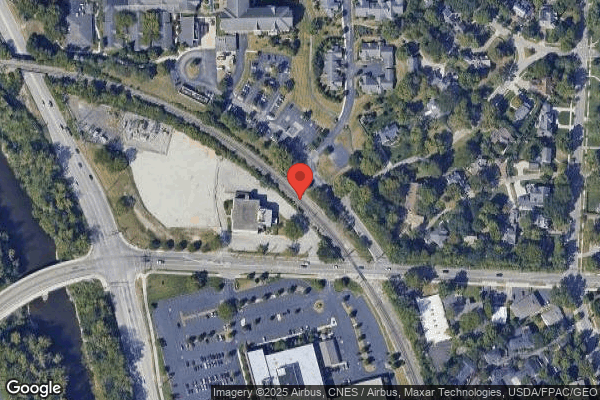
1800 RIVERSIDE DRIVE, COLUMBUS, OH 43212 (614) 486-9511
Non profit - Corporation 47 Beds Independent Data: November 2025
Trust Grade
28/100
#861 of 913 in OH
Last Inspection: July 2023

Over 2 years since last inspection. Current conditions may differ from available data.

Overview

First Community Village Healthcare Center has received a Trust Grade of F, indicating significant concerns about the quality of care provided. It ranks #861 out of 913 facilities in Ohio, placing it in the bottom half of all nursing homes in the state, and #49 out of 56 in Franklin County, suggesting that there are only a few local options that are better. The facility is on an improving trend, having reduced its issues from 20 in 2023 to just 1 in 2024. However, staffing is a weakness, with a rating of 2 out of 5 stars and a high turnover rate of 61%, which is above the state average of 49%. In terms of specific incidents, an important concern was a resident who was harmed when a mechanical lift malfunctioned during a transfer, causing them to fall and sustain a sacral fracture. Additionally, there were issues with food temperature, where several items were served at unsafe temperatures, and delays in meal service were noted, affecting all residents during mealtimes. While the facility has some strengths, such as improving trends in issues, families should weigh these serious concerns when considering First Community Village for their loved ones.

Trust Score
F
28/100
In Ohio
#861/913
Bottom 6%
Safety Record
Moderate
Needs review
Inspections
Getting Better
20 → 1 violations
Staff Stability
⚠ Watch
61% turnover. Above average. Higher turnover means staff may not know residents' routines.
Penalties
✓ Good
$5,000 in fines. Lower than most Ohio facilities. Relatively clean record.
Skilled Nurses
✓ Good
Each resident gets 45 minutes of Registered Nurse (RN) attention daily — more than average for Ohio. RNs are trained to catch health problems early.
Violations
⚠ Watch
34 deficiencies on record. Higher than average. Multiple issues found across inspections.
★☆☆☆☆
1.0
Overall Rating
★★☆☆☆
2.0
Staff Levels
★★★★☆
4.0
Care Quality
★☆☆☆☆
1.0
Inspection Score
Stable
2023: 20 issues
2024: 1 issues

The Good

  • 4-Star Quality Measures · Strong clinical quality outcomes
  • Full Sprinkler Coverage · Fire safety systems throughout facility
  • No fines on record

Facility shows strength in quality measures, fire safety.

The Bad

1-Star Overall Rating

Below Ohio average (3.2)

Significant quality concerns identified by CMS

Staff Turnover: 61%

15pts above Ohio avg (46%)

Frequent staff changes - ask about care continuity

Federal Fines: $5,000

Below median ($33,413)

Minor penalties assessed

Staff turnover is elevated (61%)

13 points above Ohio average of 48%

The Ugly 34 deficiencies on record

1 actual harm
Apr 2024 1 deficiency
CONCERN (D) 📢 Someone Reported This

A family member, employee, or ombudsman was alarmed enough to file a formal complaint

Potential for Harm - no one hurt, but risky conditions existed

Deficiency F0697 (Tag F0697)

Could have caused harm · This affected 1 resident

**NOTE- TERMS IN BRACKETS HAVE BEEN EDITED TO PROTECT CONFIDENTIALITY** Based on record review, review of the facility policy, and physician and staff interview, the facility failed to monitor the eff...

Read full inspector narrative →
**NOTE- TERMS IN BRACKETS HAVE BEEN EDITED TO PROTECT CONFIDENTIALITY** Based on record review, review of the facility policy, and physician and staff interview, the facility failed to monitor the effectiveness of the pain interventions for a resident per the resident's plan of care and professional standards of practice. This affected one (Resident #35) of three residents reviewed for pain management. The facility census was 33. Findings include: Review of the medical record for Resident #35 revealed an admission date of 11/07/23 and discharge date [DATE]. Diagnoses included spinal cerebrospinal fluid leak, spinal fusion, and spondylolisthesis lumbosacral region. Review of the Minimum Data Set (MDS) assessment dated [DATE] revealed Resident #35 was cognitively intact. Review of the hospital records prior to admission revealed the resident was admitted to the hospital on [DATE] and had spinal surgery 11/01/23. Review of the hospital after visit summary (AVS) dated 11/07/23 revealed the discharge recommendation was to start taking Oxycodone (narcotic pain medication) one tablet by mouth every six hours as needed (PRN) for pain for up to three days and take acetaminophen 325 milligram (mg) tablet to take two tablets by mouth every six hours for mild pain. The AVS instructed to use muscle relaxants to help with muscle spasms and pain. Review of the physician orders dated 11/07/23 revealed an order for acetaminophen tablet 325 mg with instructions to give two tablets by mouth every six hours PRN for mild pain (pain level of one to four on a pain scale from zero (no pain) to 10 (most severe pain). An order dated 11/07/23 to 11/08/23 for Oxycodone HCL oral tablet five mg with instructions to provide one tablet by mouth every six hours as needed for moderate pain (pain level from five to seven). An order dated 11/08/23 to 11/14/23 was for Oxycodone HCL oral tablet five mg with instructions to give one tablet by mouth every six hours for pain. The order dated 11/14/23 to 11/21/23 revealed an order for Oxycodone five mg with instructions to give one tablet by mouth every four hours for pain. Review of the plan of care dated 11/08/23 revealed Resident #35 had acute pain related to a postoperative discomfort with interventions to administer analgesia as per orders, anticipate residents need for pain relief and respond immediately to any complaint of pain, evaluate the effectiveness of the pain including dosing schedules and resident satisfaction with results, monitor and record side effects of pain medication and notify the physician if interventions were unsuccessful or if current complaint was significant change from past reports of pain, provide the resident and family with information about pain and options available for pain management. Review of the Nurse Practitioner (NP) note dated 11/08/23 revealed Resident #35 was on Oxycodone five mg every six hours as needed for pain but also stated Oxycodone five mg was scheduled every six hours. The note stated the resident's pain was unstable, but the resident was responding well to current regimen. The note was not clear if the Oxycodone was scheduled or PRN at the time of the assessment as both were listed. This date the Oxycodone medication changed from every six hours as needed to scheduled medication. The NP did mention in the note that the muscle relaxant dose was adjusted as well. Review of the progress notes dated 11/10/23 at 12:17 P.M. revealed Resident #35 had pain with protective body movements, facial expressions stabbing and burning that was worse with movement with interventions of changed position, cool compress applied, and PRN medications administered. The progress notes dated 11/11/23 at 6:06 P.M. revealed the resident had pain level of 10 with vocal complaints of pain, generalized pain, lumbar back pain, The resident was on scheduled Oxycodone and other interventions included a changed in position, cool compress applied, and scheduled PRN pain medication given. The progress notes dated 11/12/23 at 1:32 P.M. revealed the resident had pain level of 10 with sharp, burning numbing stabbing pain worse with movement with interventions of changed position, cool compress applied, and scheduled PRN pain medication given. The progress notes dated 11/13/23 at 12:54 P.M. revealed the resident had pain level of 10 with sharp, burning numbing stabbing pain worse with movement with interventions of changed position, cool compress applied, and scheduled PRN pain medication given. The progress notes dated 11/14/23 at 10:54 P.M. revealed the resident had pain level of 10 with sharp, burning numbing stabbing pain worse with movement with interventions of changed position, cool compress applied, and scheduled PRN pain medication given. The progress notes did not include a follow up pain assessment to indicate if the interventions aided in the resident's pain management and there was no indication if the physician was notified due to the resident's severe pain daily on three days from 11/10/23 to 11/12/23. Review of the Medication Administration Record (MAR) dated 11/2023 revealed Resident #35 was administered Oxycodone every six hours (scheduled) for pain from 11/08/23 at 6:00 P.M. to 11/14/23 at 2:27 P.M. The resident's pain was documented in the MAR and the pain tasks report as follows: • On 11/10/23 at 12:00 P.M., the resident's pain level was five, and her pain level was not rechecked until 5:11 P.M. and was at five. On 11/10/23 at 6:00 P.M., the resident's pain level was five, and her pain level was not rechecked the rest of the day. • On 11/11/23 at 12:00 P.M., the resident's pain level was nine, and her pain level was not rechecked until 3:23 P.M. and it was 10. • On 11/11/23 at 6:00 P.M., the resident's pain level was 10, and her pain level was not rechecked until 11:45 P.M. and it was eight. • On 11/12/23 at 12:00 A.M., the resident's pain level was eight, and her pain level was not rechecked until 5:14 A.M. and the pain level was at five. • On 11/12/23 at 6:00 A.M., the resident's pain level was five and her pain level was not rechecked. • On 11/12/23 at 12:00 P.M., the resident's pain level was five, and her pain level was documented again at 12:11 A.M. and was at pain level was five. It was not documented if this was a recheck or if it was when the resident was assessed, and medication was provided at 12:00 A.M. medication pass. • On 11/12/23 at 6:00 P.M., the resident's pain level was five, and her pain level was not rechecked until 11:28 P.M. and her pain level was four. • On 11/13/23 at 12:00 A.M., the resident's pain level was four, and her pain level was not rechecked until 5:06 A.M. and her pain level was six. • On 11/13/23 at 6:00 A.M., the resident's pain level was six, and her pain level was not rechecked until 5:06 A.M. and her pain level was six. • On 11/13/23 at 12:00 P.M., the resident's pain level was eight, and her pain level was documented again at 12:04 A.M. and her pain level was eight. It was not documented if this was a recheck or if it was when the resident was assessed, and the medication was provided at 12:00 P.M. medication pass. Review of the NP note dated 11/13/23 revealed Resident #35 was on Oxycodone five mg every six hours scheduled for pain but also stated Oxycodone five mg scheduled every six hours as needed was ordered (this was discontinued on 11/08/24). The note stated the pain was unstable but also stated the resident was responding well to current regimen. The NP mentioned in the note a discussion of using Oxycodone extended release or scheduling it every four hours. The resident was to let nursing know how it was working and staff shall reach out to provider. Review of the pain assessment dated [DATE] revealed Resident #35 occasionally had pain, and the pain occasionally affected therapy and day-to-day activities. The resident rated her worst pain in the last week was an eight out of ten. The pain assessment indicated the resident had scheduled and PRN pain medication ordered. Review of the physician note dated 11/14/23 revealed Resident #35 complained of pain and discussed with residents' spouse about pain. The Oxycodone was increased from every six hours PRN to every six hours scheduled and then to every four hours scheduled. The resident was also noted on Flexeril for muscle spasms which could be increased and Lyrica which could help with pain. Review of the NP note dated 11/14/23 revealed Resident #35's pain was not well managed. The resident was working with therapy at times but was limited due to pain. The NP discussed with family at bedside about pain control concerns. During the evaluation, the resident had muscle spasm attack causing pain all over and discussed Oxycodone medication effects last about four hours. The Oxycodone was changed to every four hours and muscle spasm medication was scheduled twice daily. If spasms continued, NP planned to increase Flexeril or switch to Robaxin. Interview on 02/05/24 at 11:28 A.M. with NP #200 revealed her expectations for staff would include giving pain medications or interventions and checking back with the resident in about 45 minutes to see the effectiveness of the interventions. If the interventions were not effective, NP revealed they could make changes to medications or would possibly request staff to reach out to the surgeon's office for recommendations or get a follow up appointment. NP revealed she would expect staff to complete rechecks and if pain control was not maintained, the staff should reach out to the medical team for next steps. The NP reviewed Resident #35's pain levels and confirmed the resident had several pain levels at eight, nine and 10 without documented timely rechecks. The NP stated the medical team did not just want to increase pain medications and were trying to make small adjustments at a time. NP #200 confirmed the facility had difficulty in managing residents' pain level which was confirmed in her notes. Interview on 02/05/24 at 12:49 P.M. with Physician #250 revealed Resident #35's pain was difficult to manage. The physician revealed he had spoken with the resident's family about concerns that staff were not offering pain medications timely and discussed options for pain control. The physician stated he wanted to slowly adjust medications due to side effects in the elderly population. The physician revealed his expectations that staff offer medication timely and check back to ensure the interventions were effective. Interviews on 04/08/24 from 1:30 P.M. to 2:30 P.M. with the Administrator and Director of Nursing stated the MAR included documentation of the pain medication effectiveness. The DON confirmed the scheduled medications dated 11/08/23 to 11/15/23 had no notation in the MAR if the medication was effective for Resident #35. The DON stated the facility identified an issue with order transcription and found orders were being put in without having the effectiveness notation. The DON and Administration acknowledged the importance for staff to check back in after giving pain medication. The DON stated I don't have the staffing to do that but at the same time acknowledged if the orders were transcribed incorrectly, the expectation was that staff should verify if pain levels had improved after interventions or medications were given. The DON and Administrator confirmed Resident #35 was hospitalized from complications with pain during a follow up visit with the surgery team on 11/15/23. Review of the facility policy titled Pain Management Program, dated 01/2016, revealed each resident's response to pain is different and resident should be monitored for pain. The facility shall use a pain scale to determine the effectiveness of intervention. The facility shall address goals and reduce pain through assessment, implementation of interventions and through monitoring the resident's response to interventions. This deficiency represents non-compliance investigated under Complaint Number OH00152034.
Jul 2023 18 deficiencies 1 Harm
SERIOUS (G)

Actual Harm - a resident was hurt due to facility failures

Accident Prevention (Tag F0689)

A resident was harmed · This affected 1 resident

**NOTE- TERMS IN BRACKETS HAVE BEEN EDITED TO PROTECT CONFIDENTIALITY** The following deficiency represents an incident of past non-compliance that was subsequently corrected prior to this survey. Bas...

Read full inspector narrative →
**NOTE- TERMS IN BRACKETS HAVE BEEN EDITED TO PROTECT CONFIDENTIALITY** The following deficiency represents an incident of past non-compliance that was subsequently corrected prior to this survey. Based on medical record review, staff interview, review of the fall investigation and witness statements, review of the hospital records, and review of the manufacturer recommendations for use, the facility failed to ensure a resident was safely transferred by a mechanical lift. This resulted in Actual Harm on 03/28/23 when Resident #07 was transferred from the bed to the wheelchair with the mechanical lift when the straps to the lift pad tore and Resident #07 dropped to the floor approximately two to three feet. Resident #07 complained of coccyx and buttock pain. Subsequently, Resident #07 was sent to the local hospital where he was diagnosed with a sacral fracture. This affected one resident (#07) of one resident reviewed for accident hazards. The facility census was 34. Findings include: Review of the medical record for Resident #07 revealed an admission date of 01/28/21. Diagnoses included osteomyelitis, chronic obstructive pulmonary disease, and a fracture of the sacrum 03/28/23. Review of the Minimum Data Set (MDS) 3.0 assessment dated [DATE] revealed Resident #07 had mild cognitive impairment, required extensive assistance of two persons for bed mobility, and total dependence of two persons for transfer. Review of the progress note dated 03/28/23 at 11:00 A.M., revealed Resident #07 was being transferred from the bed to the wheelchair by the mechanical lift when the straps of the lift pad tore and the resident dropped two to three feet to the floor. Resident #07 complained of coccyx and buttocks pain at a 10 out of 10 on the scale of one to 10 with 10 being the worst pain. Resident #07 was transferred to the local hospital for evaluation. Review of the care plan dated 03/28/23 revealed to check Resident #07's lift pad prior to each use. Review of the hospital notes dated 03/28/23 revealed Resident #07 had a closed fracture of the sacrum status post a fall from a mechanical lift. Review of the fall investigation revealed Resident #07 required the use of an EZ Way Smart lift to transfer from the bed to the wheelchair. The straps on the mesh lift pad tore due to the resident being a large sized man. Registered Nurse (RN) #83 was called to the resident's room and found Resident #07 on the bars of the mechanical lift while also still on the lift pad. State Tested Nurse Aides (STNA) #84 and #43 were witnesses and who also transferred Resident #07. Review of the witness statement of RN #83 dated 03/28/23 revealed when she entered the room two STNAs #84 and #43 were in the room. Resident #07 had fallen from the lift due to the straps of the mechanical lift tore. Review of the witness statement of STNA #84 dated 03/28/23 revealed STNAs #84 and #43 transferred Resident #07 with the mechanical lift and the lift pad broke in half and Resident #07 dropped to the floor. Review of the witness statement of STNA #43 dated 03/28/23 revealed STNAs #43 and #84 were transferring Resident #07 from the bed to the wheelchair when the mechanical lift pad broke in two different parts causing Resident #07 to drop to the floor. Interview on 07/20/23 at 1:34 P.M., with the Director of Nursing (DON) revealed she was not the DON at the time of the fall. The DON was able to produce the investigation for the fall where it documented the mechanical lift pad tore while using it and the corrective action taken. Interview on 07/20/23 at 1:54 P.M., with Medical Records Coordinator #49 revealed she now inspects the pads every week after the slings/lift pads were washed and completed the audit for the pads. Verified the facility used the regular basic sling and the deluxe sling at the facility from the EZ Way Inc. website. Medical Records Coordinator #49 said the audits were put in place after Resident #07 had the fall from the mechanical lift back in March 2023. Attempted interviews with RN #83 and State Tested Nursing Aide #84 during the survey period. Both staff no longer worked at the facility at the time of the survey. Attempted interview with STNA #43 during the survey period and no return call was received. Review of the manufacturer's washable slings and harnesses important notice revised date 05/18/20 revealedthe following: This product is designed and manufactured to the highest possible performance specifications. It is constructed of high quality, durable, 100 percent synthetic fabrics. It has been individually inspected before shipping to ensure the safety of the product. However, water washing temperature, detergents and disinfectants, patient incontinence, frequency of use, types, and weights of patients, etc., all have an impact on the life expectancy of each product. Because of these factors, the continued integrity of the product is not guaranteed. The institution or private user must therefore examine the product to ensure its integrity before each use. EZ Way offers a 6-month warranty on slings and harnesses and recommends replacement after one year or if the sling or harness shows any sign of damage or wear. All slings and harnesses can bear a 1,000-pound weight load but must only be used to hold the amount of weight dictated by the lift or stand capacity. Accordingly, the PURCHASER hereby accepts full responsibility for checking the condition of all slings and harnesses before each use on a patient or client. As a result of the incident, the facility took the following actions to correct the deficient practice as of 03/29/23: • On 03/28/23, Medical Records Coordinator #49 audited mechanical lift pads and removed five additional lift pads from use. • On 03/28/23, the Interdisciplinary Team (IDT) comprehensive review was completed by the Administrator, the former DON #100, and Occupational Therapist (OT) #74 to put a plan in place to inspect all lift pads prior to use and remove from service if they were worn or frayed. New canvass lift pads were purchased. • On 03/28/23 and 03/29/23, Staff Development Coordinator RN #29 provided all direct care staff education on the mechanical lift pads, the lifts, and inspection of the pad prior to each use. • On 03/28/23, the DON/designee updated the care plan of Resident #07 to include inspection of the lift pad prior to use. • On 03/28/23, the DON/designee audited all residents who required a mechanical lift and updated the care plan with interventions to inspect the lift pad prior to each use. • On 03/28/23, Medical Records Coordinator #49 began audits to ensure the lift pads were in good repair after washing, and prior to use. Five lift pads were removed from service. Audits continued weekly and on 04/04/23 one additional lift pad was removed. Audits were presented and completed weekly and continue as of the annual survey. On 04/18/23, 10 additional new mechanical lift pads were put in service. .
CONCERN (D)

Potential for Harm - no one hurt, but risky conditions existed

Deficiency F0582 (Tag F0582)

Could have caused harm · This affected 1 resident

**NOTE- TERMS IN BRACKETS HAVE BEEN EDITED TO PROTECT CONFIDENTIALITY** Based on medical record review, review of the beneficiary notices, staff interview, review of the State Operations Manual, and p...

Read full inspector narrative →
**NOTE- TERMS IN BRACKETS HAVE BEEN EDITED TO PROTECT CONFIDENTIALITY** Based on medical record review, review of the beneficiary notices, staff interview, review of the State Operations Manual, and policy review, the facility failed to ensure residents were provided appropriate beneficiary notices when Medicare part A services were reduced or discontinued and the residents remained in the facility. This affected two residents (#24 and #30) out of three residents reviewed for beneficiary notices. The facility census was 34. Findings Include: 1. Review of the medical record for Resident #24 revealed an admission date on 01/10/23. Diagnoses included type II diabetes, Parkinson's, dementia, muscle weakness, and a history of falling. Review of Resident #24's census revealed the resident had a Medicare part A payer source from 01/10/23 until 03/13/23. Effective 03/13/23, Resident #24 changed to a private pay payer source and remained in the facility. Review of the quarterly Minimum Data Set (MDS) 3.0 assessment dated [DATE] revealed Resident #24 had impaired cognition and scored a ten out of 15 on the Brief Interview for Mental Status (BIMS) assessment. Resident #24 required extensive assistance from one to two staff to complete Activities of Daily Living (ADLs). Review of the Notice of Medicare Non-Coverage for Resident #24 revealed the residents' skilled services would end on 03/12/23. The notice was signed and dated 03/08/23. Review of the Skilled Nursing Facility (SNF) Beneficiary Protection Notification Review for Resident #24 revealed the resident had a Medicare part A skilled services episode with a start date on 01/10/23 and the last covered day of part A services was 03/12/23. The facility initiated the discharge from Medicare part A services when benefit days were not exhausted. Resident #24 did not receive an Advanced Beneficiary Notice (ABN) and remained in the facility. Review of the discharge summaries for physical and occupational therapies dated 03/10/23 revealed Resident #24 was discharged from therapies due to reaching the highest practical level. Interview on 07/20/23 at 12:36 P.M., with the Rehabilitation Manager (RM) #74 confirmed Resident #24 was discharged from skilled services in March due to reaching maximum rehabilitation potential. Resident #24 had not exhausted all of his benefits when he was discharged from the services. RM #74 confirmed Resident #24 remained in the facility. 2. Review of the closed medical record for Resident #30 revealed an initial admission date on 04/12/23, a readmission date on 05/08/23, and a discharge date on 07/04/23. Diagnoses included osteomyelitis of the left shoulder, type II diabetes, arthritis in the left shoulder, fibromyalgia, difficulty in walking, muscle weakness, and chronic pain. Review of the Medicare Five Day Minimum Data Set (MDS) 3.0 assessment dated [DATE] revealed Resident #30 had intact cognition and scored a 14 out of 15 on the Brief Interview for Mental Status (BIMS) assessment. Resident #30 was independent to requiring supervision from staff to complete Activities of Daily Living (ADLs). Resident #30 received daily antibiotic medication. Resident #30 received intravenous (IV) medications. Resident #30 received occupational therapy and physical therapy with a start date on 05/09/23. Review of the census for Resident #30 revealed the resident had a Medicare part A payer source throughout her stay at the facility. Review of the physician orders dated June 2023 revealed Resident #30 had the following order: Cefazolin Sodium Injection Solution Reconstituted two grams (gm) with instructions to inject two gram via IV three times daily for infection until 06/29/23. Resident #30 had a peripherally inserted central catheter (PICC) line in place until 07/04/23 that was flushed once daily. Resident #30 had the following discharge order: may discharge to home with physical therapy, occupational therapy, home health aide, and nursing services on 07/04/23. Review of the discharge summaries for physical therapy and occupational therapy dated 06/30/23 revealed Resident #30 was discharged from physical therapy due to highest practical level being achieved on 06/30/23. Resident #30 was discharged from occupational therapy due to all goals were met on 06/30/23. Review of the Notice of Medicare Non-Coverage (NOMNC) for Resident #30 revealed the notice was signed and dated on 06/30/23 (the same day skilled therapies ended). Resident #30 was not provided with an Advanced Beneficiary Notice (ABN) notice and remained in the facility until 07/04/23. Interview on 07/20/23 at 12:55 P.M., with Rehabilitation Manager (RM) #74 confirmed Resident #30's IV antibiotics were discontinued effective 06/29/23 and the resident's physical and occupational therapies were discontinued on 06/30/23. RM #74 confirmed Resident #30 remained in the facility until 07/04/23. RM #74 stated Resident #30 remained a skilled resident until discharge on [DATE] due to having a PICC line in place that needed flushed once daily. RM #74 confirmed Resident #30 received a NOMNC on 06/30/23, the same day skilled therapies ended and did not receive a SNF ABN. Review of the State Operations Manual, Appendix PP, revised 02/03/23, revealed, the NOMNC is given by the facility to all Medicare beneficiaries at least two days before the end of a Medicare covered Part A stay or when all of Part B therapies are ending. Furthermore, the Skilled Nursing Facility Advanced Beneficiary Notice of Non-Coverage (SNF ABN) must be given to a beneficiary for the following triggering event: in the situation in which a SNF proposes to reduce a beneficiary's extended care items or services because it expects that Medicare will not pay for a subset of extended care items or services, or for any items or services at the current level and/or frequency of care that a physician has ordered, the SNF must provide a SNFABN to the beneficiary before it reduces items or services to the beneficiary. In the situation in which a SNF proposes to stop furnishing all extended care items or services to a beneficiary because it expects that Medicare will not continue to pay for the items or services that a physician has ordered and the beneficiary would like to continue receiving the care, the SNF must provide a SNF ABN to the beneficiary before it terminates such extended care items or services. Review of the policy titled Notice of Medicare Provider Non-Coverage Policy, updated 04/2018 revealed the policy stated, A Notice of Medicare Non-Coverage (NOMNC) and the Skilled Nursing Facility Advance Beneficiary Notice (SNF ABN) will be issued to beneficiaries no later than two days before the termination or reduction of Medicare covered services and prior to the initiation of non-covered Medicare service.
CONCERN (D)

Potential for Harm - no one hurt, but risky conditions existed

Transfer Notice (Tag F0623)

Could have caused harm · This affected 1 resident

**NOTE- TERMS IN BRACKETS HAVE BEEN EDITED TO PROTECT CONFIDENTIALITY** Based on record review, staff interview and facility document review, the facility failed to notify the ombudsmen of a resident'...

Read full inspector narrative →
**NOTE- TERMS IN BRACKETS HAVE BEEN EDITED TO PROTECT CONFIDENTIALITY** Based on record review, staff interview and facility document review, the facility failed to notify the ombudsmen of a resident's discharge from the facility. This affected two residents (#05 and #27) out of two residents reviewed for hospitalization. The facility census was 34. Findings include: 1. Review of the medical record for Resident #27, revealed an admission date of 04/18/2022. Diagnoses included: chronic kidney disease, stage four, metabolic encephalopathy, chronic respiratory failure with hypoxia, and dependence on renal dialysis. Review of the most recent Minimum Data Set (MDS) 3.0 assessment dated [DATE] revealed Resident #27 had impaired cognition. Review of the nurse progress note dated 07/10/23 at 4:05 P.M. revealed Resident #27 went for dialysis appointment this morning and has not returned this nurse called the dialysis center to ask for patient this nurse was told that patient was admitted to ohio state university teaching hospital. family notified. Review of Resident #27's paper and electronic medical records revealed no evidence of the ombudsmen being notified of the hospitalization on 07/10/23. Interview on 07/18/23 at 5:10 P.M. with Business Office Associate #52 and the Administrator revealed the facility did not have evidence of transfer or discharge notices being provided or bed hold notices being provided to resident or representative upon discharge. They revealed Resident #27 went to the hospital from the dialysis clinic and not from the facility and acknowledged therefore he was discharged from the facility for the time being and should have been given a transfer/discharge notice as well as bed hold notice. 2. Review of the medical record for the Resident #05 revealed an admission date of 06/07/23 and discharge on [DATE]. Diagnoses included encephalopathy, urinary tract infection, weakness, diabetes, and parkinson's. Review of the Annual Minimum Data Set (MDS) assessment dated [DATE] revealed Resident #05 was cognitively intact and required extensive assistance of one to two staff. Review of the progress notes dated 06/29/23 revealed, Resident #05 demanding to be sent out to hospital. States that he had a stroke. Upon assessment everything appears to be within normal limits. vital signs were stable. Resident able to move all extremities. Face and smile are equal. Resident began yelling out and trying to get out of bed. 911 called. Physician notified and family notified and was sent to a local hospital Interview on 07/18/23 at 5:10 P.M. with Business Office Associate (BOA) #52 and the Administrator revealed facility did not have bed hold notices for the Ombudsman available. A follow-up interview on 07/19/23 at 2:37 P.M. with Administrator revealed the previous Director of Nursing (DON) completed Ombudsman notifications until 03/2023. Administrator revealed no notification had been sent since then. Facility reported they did not have any evidence of Ombudsman notifications being provided for any of the discharges and requested previous staff (DON) to provide evidence of emails that were sent. The Administrator reported being unaware of discharges being sent to the Ombudsman on a routine basis. Review of facility policy titled, Bed holds, room changes, transfers and discharges, dated 03/2019 revealed Facility would provide a list of emergency discharges to the Ombudsman.
CONCERN (D)

Potential for Harm - no one hurt, but risky conditions existed

Deficiency F0625 (Tag F0625)

Could have caused harm · This affected 1 resident

**NOTE- TERMS IN BRACKETS HAVE BEEN EDITED TO PROTECT CONFIDENTIALITY** Based on medical record review, staff interview, and facility document review, the facility failed to provide a bed hold notice ...

Read full inspector narrative →
**NOTE- TERMS IN BRACKETS HAVE BEEN EDITED TO PROTECT CONFIDENTIALITY** Based on medical record review, staff interview, and facility document review, the facility failed to provide a bed hold notice to resident or resident representative. This affected one resident (#27) of three residents reviewed for hospitalizations. The facility census was 34. Findings include: Review of the medical record for Resident #27, revealed an admission date of 04/18/2022. Diagnoses included: chronic kidney disease, stage 4, metabolic encephalopathy, chronic respiratory failure with hypoxia, dependence on renal dialysis, hypertension chronic kidney disease with stage 1 through stage 4 chronic kidney disease, or unspecified chronic kidney disease and type 2 diabetes mellitus with hyperglycemia with a code status of FULL CODE and no known allergies. Review of the most recent Minimum Data Set (MDS) 3.0 assessment dated [DATE] revealed the resident had a BIMS score of 05, special treatments, procedures, and programs with dialysis triggered, bed mobility/toileting is extensive assistance with two+ persons physical assist, transfer is total dependence with two+ persons physical assist, eating is extensive assistance with one-person physical assist, and personal hygiene extensive assistance with one-person physical assist. Review of the nurse progress note dated 07/10/23 at 4:05 P.M. revealed Resident #27 went for dialysis appointment this morning and has not returned this nurse called the dialysis center to ask for patient this nurse was told that patient was admitted to ohio state university teaching hospital. family notified. Review of Resident #27's paper and electronic medical records revealed no evidence of documentation for a bed hold for the hospitalization on 07/10/23. Interview on 07/18/23 at 5:10 P.M. with Business Office Associate #52 and the Administrator #46 revealed the facility did not have evidence of transfer or discharge notices being provided or bed hold notices being provided to resident or representative upon discharge. They revealed Resident #27 went to the hospital from the dialysis clinic and not from the facility and acknowledged therefore he was discharged from the facility for the time being and should have been given a transfer/discharge notice as well as bed hold notice. Review of the facility policy titled, Bed Holds, Room Changes, Transfers and Discharges dated March 19 with no year, revealed admissions staff will provide the resident with a bed hold policy form as follows: a bed hold letter will be mailed by certified mail on the day of transfer from the facility to the appropriate responsible party.
CONCERN (D)

Potential for Harm - no one hurt, but risky conditions existed

Comprehensive Care Plan (Tag F0656)

Could have caused harm · This affected 1 resident

**NOTE- TERMS IN BRACKETS HAVE BEEN EDITED TO PROTECT CONFIDENTIALITY** Based on medical record review, staff interview, and policy review, the facility failed to develop comprehensive care plans for ...

Read full inspector narrative →
**NOTE- TERMS IN BRACKETS HAVE BEEN EDITED TO PROTECT CONFIDENTIALITY** Based on medical record review, staff interview, and policy review, the facility failed to develop comprehensive care plans for resident specific care needs. This affected three residents (#13, #08, and #20) out of thirteen residents reviewed for comprehensive care plans. The facility census was 34. Findings include: 1. Review of the medical record for Resident #13 revealed an admission date of 06/13/23. Diagnosis included fracture of the right acetabulum sequela, difficulty walking, moderate protein-calorie malnutrition, and adult failure to thrive. Review of Resident #13's admission Minimum Data Set (MDS) 3.0 assessment dated [DATE] revealed a Brief Interview for Mental Status (BIMS) score of 13 indicating an intact cognition for daily decision making abilities. Resident #13 required extensive assistance from one staff member for bed mobility and transfers. No impairments noted to residents bilateral upper or lower extremities. Resident #13 is noted to be frequently incontinent of bowel and bladder function. Resident #13 noted to have one stage one pressure ulcer which was present upon admission. Pressure wound interventions include turning and repositioning program, nutrition and hydration intervention and pressure ulcer injury care. Review of the plan of care dated 06/22/23 revealed Resident #13 had a stage one pressure ulcer to the coccyx. Interventions included applying barrier cream to the coccyx every shift and administer treatments as ordered along with weekly treatment documentation including measurement of each area of skin breakdown width, length, depth, type of tissue and exudate. Review of Resident #13's skin/pressure assessment dated [DATE] revealed resident had a stage three (a pressure wound with full thickness skin loss) pressure ulcer to the coccyx which was noted to be present upon admission. Measurements included 1.7 centimeter (cm) by 2.6 cm by 0.9 cm. Moderate amount of serous exudate noted and wound noted to be deteriorating. Review of Resident #13's physician orders revealed an order dated 06/27/23 for daily wound care for pressure to the coccyx. Order included to clean the wound with wound cleanser, apply Medihoney (a medical honey used to hasten the healing or wounds through its anti-inflammatory effects) and Calcium Alginate (used to keep the wound site moist enough for proper healing) to the wound bed, cover with a foam dressing daily and as needed. Interview on 07/20/23 at 1:20 P.M. with the Director of Nursing (DON) confirmed Resident #13's care plan related to pressure wounds and injures was not accurate and did not appropriately reflect the residents current pressure wound condition. 2. Record review revealed Resident #20 admitted to the facility on [DATE] with diagnoses including meningitis, acute diastolic congestive heart failure, hypertensive heart disease with heart failure, chronic respiratory failure, gastro-esophageal reflux disorder, obstructive sleep apnea, hypothyroidism, hyperlipidemia, unspecified dementia without behavioral disturbance, and osteoarthritis. Review of Resident #20's orders revealed an order for oxygen two liters via nasal cannula continuous and an order to apply continuous positive airway pressure (CPAP) machine every evening at bedtime. Review of Resident #20's respiratory care plan revealed the resident has oxygen therapy. Resident #20's care plan stated she receives oxygen via nasal cannula at two liters as needed. There were no indications Resident #20 wears a CPAP at bedtime. Interview on 07/17/23 at 11:46 A.M. with Resident #20 revealed staff have forgotten to apply her CPAP at bedtime which makes her weak. Interview on 07/20/23 with Director of Nursing (DON) #10 revealed 2:30 P.M. confirmed Resident #20 has an order for oxygen at two liters via nasal cannula continuously and the care plan states Resident #20 has oxygen at liters via nasal cannula as needed. DON #10 also confirmed Resident #20 has an order for her CPAP to be applied every evening at bedtime but there is no care plan to indicate she has a CPAP. 3. Review of the medical record for the Resident #08 revealed an admission date of 05/27/23. Diagnoses included wedge fracture of lumbar vertebra, heart failure, chronic kidney disease, and fibromyalgia. Review of physician orders for 05/27/23 revealed oxygen tubing to be changed weekly on Saturday. Resident also had orders dated 05/27/23 for oxygen at two liters via nasal cannula to be provided. Review of the plan of care dated 07/03/23 revealed Resident #08 did not have a care plan for oxygen. Review of the Minimum Data Set (MDS) assessment dated [DATE] revealed Resident #08 was cognitively intact with a BIMS of 13 and required extensive assistance of two staff members for mobility and transfers. Observation on 07/17/23 at 12:03 P.M. revealed Resident #08's door did not have a Oxygen in use no smoking sign. STNA #23 confirmed Resident #08 did not have a no smoking sign, oxygen in use on the door. Interview on 07/19/23 at 3:06 P.M., with the Director of Nursing (DON) revealed oxygen was not care planned for Resident #08. The facility was unable to find a policy for resident care plans.
CONCERN (D)

Potential for Harm - no one hurt, but risky conditions existed

Deficiency F0692 (Tag F0692)

Could have caused harm · This affected 1 resident

**NOTE- TERMS IN BRACKETS HAVE BEEN EDITED TO PROTECT CONFIDENTIALITY** Based on medical record review, staff interview, and policy review, the facility failed to ensure residents fluid intake was ade...

Read full inspector narrative →
**NOTE- TERMS IN BRACKETS HAVE BEEN EDITED TO PROTECT CONFIDENTIALITY** Based on medical record review, staff interview, and policy review, the facility failed to ensure residents fluid intake was adequate to meet their nutritional needs. This affected one resident (#13) out of two residents reviewed for nutritional support. The facility census was 34. Findings include: Review of the medical record for Resident #13 revealed an admission date of 06/13/23. Diagnosis included fracture of the right acetabulum sequela, difficulty walking, moderate protein-calorie malnutrition, and adult failure to thrive. Review of Resident #13's admission Minimum Data Set (MDS) 3.0 assessment dated [DATE] revealed a Brief Interview for Mental Status (BIMS) score of 13 indicating an intact cognition for daily decision making abilities. Resident #13 required extensive assistance from one staff member for bed mobility and transfers. No impairments noted to residents bilateral upper or lower extremities. Resident #13 was frequently incontinent of bowel and bladder function. Resident #13 had one stage one pressure ulcer which was present upon admission. Pressure wound interventions include turning and repositioning program, nutrition and hydration intervention and pressure ulcer injury care. Review of the care plan dated 06/16/23 and revised 06/29/23 revealed Resident #13 had a nutritional problem or potential nutritional problem related to advanced geriatric age, right hip fracture, heart disease, congestive heart failure (CHF), anxiety, history of transient ischemic attach (TIA), abdominal aortic aneurysm, needing a mechanically altered diet, poor appetite, significant weigh loss, and varied intake. Interventions included to administer medication as ordered, honor food preferences as able, monitor, record, and report to physician any symptoms or signs of malnutrition, obtain and monitor lab values, and monitor and document intakes. Review of Resident #13's admission Skilled Nursing Facility (SNF) Nutritional assessment dated [DATE] revealed the resident was ordered a regular diet, mechanical soft texture, with nectar thin liquids. The residents current weight was 127 pounds and was 73 inches tall. Estimated needs with ideal body weight of 172 pounds due to underweight status. Daily recommended fluid intake was between 1955 ml to 2346 ml daily. Review of Resident #13's physician diet order revealed a order for a regular diet with mechanical soft texture food and thin consistency fluids ordered 06/28/23. Also noted an order dated 06/22/23 for Enlive (a nutritional support drink), give eight ounces with each meal for nutritional support and to promote weight gain. Review of Resident #13's fluid intake and nutritional supplement intake dated from 06/21/23 through 07/19/23 revealed the total daily intake was less than the required 1955 to 2346 ml required for the resident to maintain adequate fluid intake. Review of Resident #13's progress notes from 06/21/23 through 07/19/23 revealed no evidence of communication to the physician regarding the residents poor fluid intake. Interview on 07/20/23 at 2:30 P.M., with the Director of Nursing (DON) confirmed Resident #13's fluid intake along with supplement intake was under the recommended amount and fluid intake was something the nursing staff should be monitoring to ensure each resident received and consumed their needed daily intake. If a resident was not getting the required fluids, then the physician would be contacted for recommendations and interventions. Review of the policy titled Evaluation of Hydration Needs, dated 01/2016 revealed 4) An interdisciplinary care plan shall be developed utilizing the clinical conditions and risk factors identified, taking into consideration the amount of fluid that the resident requires. The care plan shall be maintained to be a current reflection of status for each resident. 5) The interdisciplinary team shall work together to determine the resident's response to nutrition interventions. Revised nutrition interventions shall be implemented as needed to facilitate adequate hydration and health.
CONCERN (D)

Potential for Harm - no one hurt, but risky conditions existed

Respiratory Care (Tag F0695)

Could have caused harm · This affected 1 resident

**NOTE- TERMS IN BRACKETS HAVE BEEN EDITED TO PROTECT CONFIDENTIALITY** 3. Review of the medical record revealed Resident #20 admitted to the facility on [DATE]. Diagnoses included meningitis, acute d...

Read full inspector narrative →
**NOTE- TERMS IN BRACKETS HAVE BEEN EDITED TO PROTECT CONFIDENTIALITY** 3. Review of the medical record revealed Resident #20 admitted to the facility on [DATE]. Diagnoses included meningitis, acute diastolic congestive heart failure, chronic respiratory failure, obstructive sleep apnea, and osteoarthritis. Review of Resident #20's physician orders dated May 2023 revealed an order for continuous oxygen at two liters per minute via a nasal cannula and to change the tubing every Sunday on evening shift. Observation on 07/17/23 at 11:46 A.M. revealed Resident #20 sitting in a wheelchair in her room while visiting with her daughter. Resident #20 was wearing oxygen via nasal cannula. The oxygen tubing was undated. Observation on 07/18/23 at 9:35 A.M. revealed Resident #20's oxygen tubing was undated. Interview on 07/18/23 at 9:35 A.M., with State Tested Nursing Assistant (STNA) #23 confirmed Resident #20's oxygen tubing was undated. Interview with the Director of Nursing (DON) confirmed Resident #20 has an order for oxygen at two liters continuously via nasal cannula and the oxygen tubing should be changed every Sunday on evening shift. Review of a policy titled Oxygen Administration via Nasal Cannula-Nurse dated 06/2014 revealed oxygen orders must state the liter flow, duration of use, and specific wearing criteria such as parameters for use. The policy revealed once order is obtained and equipment is ready for use, explain the procedure the the resident, ensure the concentrator is administered as order, and label the oxygen tubing with the resident's name, date, and liter flow. Document the date and time services were rendered in the medical chart. Based on medical record review, observation, staff interview, and policy review, the facility failed to ensure residents oxygen tubing and humidifiers were labeled and dated. This affected three residents (#08, #20 and #148) out of three residents reviewed for respiratory services. The facility identified eight residents (#04, #06, #08, #11, #14, #20, #21, and #148) who were receiving oxygen. The facility census was 34. Findings include 1. Review of the medical record for the Resident #08 revealed an admission date of 05/27/23. Diagnoses included wedge fracture of lumbar vertebra, heart failure, chronic kidney disease, and fibromyalgia. Review of the physician orders dated 05/27/23 revealed Resident #08 had oxygen via nasal cannula at two liters per minute and to change oxygen tubing weekly on Saturday. Review of the plan of care dated 07/03/23 revealed Resident #08's oxygen was not care planned. Review of the Minimum Data Set (MDS) assessment dated [DATE] revealed Resident #08 was cognitively intact and required extensive assistance of two staff members for mobility and transfers. Observation on 07/17/23 at 12:03 P.M. revealed Resident #08's oxygen tubing and humidifier was undated. Observation and interview on 07/18/23 at 10:31 A.M., with the Unit Manager #24 verified the oxygen for Resident #08 had no date or labeling on the humidifier or oxygen tubing. 2. Review of the medical record for the Resident #148 revealed an admission date of 07/14/23. Diagnoses included Chronic Obstructive Pulmonary Disease, Pneumothorax, fib fracture, weakness and malnutrition. Review of the Annual Minimum Data Set (MDS) assessment dated [DATE] revealed Resident #148's assessment had not been finalized. Review of the physician orders dated 07/15/23 revealed Resident #148 had oxygen via nasal cannula at a rate of two to four liters per minute. On 07/16/23 an order to change oxygen tubing weekly on Sunday. Review of the plan of care dated 07/17/23 revealed Resident #148 had no evidence of oxygen being care planned with follow-up or interventions. Observation on 07/17/23 at 10:45 A.M. revealed Resident #148's oxygen tubing and humidifier was not dated or labeled. Observation and interview on 07/18/23 at 10:31 A.M., with the Unit Manager #24 revealed the oxygen for Resident #148 had her oxygen tubing and humidifier dated of 07/17/23 but not labeled.
CONCERN (D)

Potential for Harm - no one hurt, but risky conditions existed

Deficiency F0697 (Tag F0697)

Could have caused harm · This affected 1 resident

**NOTE- TERMS IN BRACKETS HAVE BEEN EDITED TO PROTECT CONFIDENTIALITY** Based on medical record review, resident and staff interview, and policy review, the facility failed to ensure the physician was...

Read full inspector narrative →
**NOTE- TERMS IN BRACKETS HAVE BEEN EDITED TO PROTECT CONFIDENTIALITY** Based on medical record review, resident and staff interview, and policy review, the facility failed to ensure the physician was updated on residents uncontrolled pain. This affected one resident (#13) out of three residents reviewed for pain management. The facility census was 34. Findings include: Review of the medical record for Resident #13 revealed an admission date of 06/13/23. Diagnosis included fracture of the right acetabulum sequela, difficulty walking, moderate protein-calorie malnutrition, chronic pain and adult failure to thrive. Review of Resident #13's admission Minimum Data Set (MDS) 3.0 assessment dated [DATE] revealed a Brief Interview for Mental Status (BIMS) score of 13 indicating an intact cognition for daily decision making abilities. Resident #13 required extensive assistance from one staff member for bed mobility and transfers. No impairments noted to residents bilateral upper or lower extremities. Resident #13 was frequently incontinent of bowel and bladder function. Review of the nursing note dated 06/13/23 at 1:32 P.M. created by a Licensed Practical Nurse (LPN) revealed Resident #13 complained of general pain at a score of 6 out of 10 on the numeric pain scale with 10 being the worse pain experienced. Resident #13 reported that the pain occurs multiple times a day. Review of the plan of care dated 06/14/23 revealed Resident #13 had the potential for acute pain or chronic pain due to a history of falls, acetabular fracture, rhabdomyolysis, anxiety and depression. Interventions included to administer pain medication as ordered, ensure non-medication interventions are ineffective, give medication before activities of therapy, educate resident on pain management treatment plan and on pain medication, and evaluate pain. Review of Resident #13's physician orders dated 06/16/23 revealed an order for oxycodone hydrochloride (hcl) (a narcotic pain medication) five milligrams (mg), half a tablet every four hours as needed for pain for seven days and then half a tablet every four hours as needed for pain. Also noted a order dated 06/21/23 for Tylenol eight hours for arthritis pain 650 mg, take one tablet three times a day for pain. Review of Resident #13's medication administration record (MAR) dated July 2023 revealed from 07/01/23 through 07/20/23 the resident had experienced pain almost daily with most days pain ranging from a five of 10 to a 10 of 10 on the numeric pain scale. Interview on 07/18/23 at 9:09 A.M., with Resident #13 revealed he was always in pain and no one was helping him. Interview on 07/20/23 at 2:30 P.M., with the Director of Nursing (DON) confirmed Resident #13's reported pain was noted as moderate to severe pain multiple times a day. The DON also confirmed there was a time when Resident #13's pain was not relieved after receiving pain medication. The DON verified the residents physician was not updated on his unrelieved pain and the need for additional or new pain management interventions. Review of the policy titled Pain Management Program, revised 01/2016 revealed, 2) Determine whether the resident's pain is acute, incidence, persistent, or a combination. Persistent pain may be defined as pain that last longer that 2-4 weeks, constant in nature, and multiple interventions or history of interventions have not been successful. Persistent pain is best treated with scheduled medication times. Avoid the use of as needed (PRN) medication whenever possible. 9) Evaluate and document the effectiveness of pain medication of pain medication on the Medication Administration Record (MAR) and pain progress notes in the electronic medical record. 10) Notify the physician if pain interventions are not effective.
CONCERN (D)

Potential for Harm - no one hurt, but risky conditions existed

Deficiency F0757 (Tag F0757)

Could have caused harm · This affected 1 resident

**NOTE- TERMS IN BRACKETS HAVE BEEN EDITED TO PROTECT CONFIDENTIALITY** Based on medical record review, review of the hospital continuity of care form, review of a pharmacy faxed correspondence, and i...

Read full inspector narrative →
**NOTE- TERMS IN BRACKETS HAVE BEEN EDITED TO PROTECT CONFIDENTIALITY** Based on medical record review, review of the hospital continuity of care form, review of a pharmacy faxed correspondence, and interview, the facility failed to properly monitor a resident on antibiotics and prescribe medications as ordered. This affected one resident (#20) of two residents reviewed for antibiotic use. This had the potential to affect five residents (#09, #10, #13, #20, and #244) who were receiving antibiotics in the facility. The facility census was 34. Findings included: Record review revealed Resident #20 admitted to the facility on [DATE] with diagnoses including meningitis, acute diastolic congestive heart failure, hypertensive heart disease with heart failure, chronic respiratory failure, gastro-esophageal reflux disorder, obstructive sleep apnea, hypothyroidism, hyperlipidemia, unspecified dementia without behavioral disturbance, and osteoarthritis. Review of the hospital paperwork revealed Resident #20 started vancomycin 1000 milligrams every 12 hours for 14 days intravenously on 05/01/23 for treatment of meningitis. Resident #20 received her last dose of vancomycin at the hospital on [DATE] at 11:53 A.M. Instructions from the infectious disease physician revealed the stop date for vancomycin would be 05/13/23. Review of admission orders revealed an order on 05/04/23 for CBC w diff (complete blood count with differential), CMP (comprehensive metabolic panel), vancomycin trough one time a day every Thursday for labs, an order from 05/04/23 for vancomycin HCI Intravenous solution 1000 MG/10 ML (milligrams per milliliters) Use 1000 mg intravenously two times a day for meningitis with a start date of 05/05/23 which was discontinued on 05/04/23, an order from 05/04/23 for vancomycin HCI Intravenous solution 1000 MG/10 ML Use 1000 mg intravenously two times a day for meningitis for 14 days with a start date of 05/05/23 which was discontinued on 05/08/23, and an order from 05/08/23 for vancomycin HCI Intravenous solution 1000 MG/10 ML Use 1000 mg intravenously two times a day for meningitis until 05/19/23 with a start date of 05/08/23 and was discontinued on 05/16/23. Review of a fax from PharMerica revealed vancomycin one gram intravenously every 12 hours had a stop date of 05/13/23. Review of medication administration record (MAR) from May 2023 revealed Resident #20 did not receive the first dose of vancomycin on 05/05/23 and did not receive the second dose of vancomycin on 05/15/23. MAR indicated to check nursing notes for information about missed doses. MAR revealed Resident #20's last dose was at midnight on 05/16/23. Review of labs revealed Resident #20 had bloodwork drawn on 05/08/23 to check the vancomycin trough. Results were received by the facility on 05/08/23 and revealed Resident #20 had a vancomycin trough of 15.6 milligrams per liter (mg/L) which was high. Lab results documented Patient drug level exceeds published reference range. Evaluate clinically for signs of potential toxicity. Reference range was listed as 10-15 mg/L. Review of the progress notes revealed no information on 05/05/23 regarding a missed dose of vancomycin. A provider progress note on 05/08/23 revealed Resident #20 missed a dose of vancomycin and after discussion with the Director of Nursing (DON) the vancomycin would be extended one dose. A provider progress note on 05/10/23 revealed the provider spoke with the clinical educator regarding labs needing faxed to the pharmacy for dosing of vancomycin. Provider continued note stating, labs were currently stable and states stop date for vancomycin is 05/13/23. A practitioner progress note dated 05/11/23 revealed facility was awaiting vancomycin trough labs and will adjust dose based on pharmacy recommendations. A nursing note on 05/15/23 stated, Resident was still on IV antibiotic. Interview on 05/20/23 at 8:58 A.M. with DON confirmed Resident #20 missed first dose of vancomycin at the facility as well as an additional dose on 05/15/23. The DON confirmed the original end date for vancomycin was 05/13/23 but was extended to 05/14/23 and the resident received four extra doses after receiving final dose the morning of 05/14/23. The DON confirmed there was no additional documentation from the physician, nurses, lab, or pharmacy to provide regarding vancomycin dosing. The DON confirmed Resident #20 only had one vancomycin trough drawn while receiving the antibiotic and her trough was high. The DON stated vancomycin should have been timed out until repeat labs were drawn to ensure Resident #20's labs returned to a safe level prior to restarting vancomycin. The DON #10 also confirmed the dose of vancomycin was not reduced after receiving high lab values. Review of the Antibiotic Time Out Policy dated 01/20/23 revealed review of treatment plans is recommended within a reasonable time after initiation of therapy to consider whether or not treatment is still indicated or to determine if de-escalation of therapy is viable. This also provides an opportunity for a provider to perform a retrospective audit of the initial prescribed regimen and rationale. The procedures portion of the policy stated the facility staff will review a patient's antibiotic treatment plan within blank hours of initiation of therapy or transfer to facility. Facility failed to determine a specific time period for the review.
CONCERN (D)

Potential for Harm - no one hurt, but risky conditions existed

Unnecessary Medications (Tag F0759)

Could have caused harm · This affected 1 resident

Based on medical record review, staff interview, observation, and policy review, the facility failed to ensure resident medications were administered with less than five percent error rate. There were...

Read full inspector narrative →
Based on medical record review, staff interview, observation, and policy review, the facility failed to ensure resident medications were administered with less than five percent error rate. There were two medication errors out of 25 opportunities for error with a calculated error rate of eight percent. This affected two residents (#11 and #17) out of four residents observed during medication administration. The facility census was 34. Findings include: 1. Review of the medical record for Resident #11 revealed an admission date of 06/05/23 with a re-entry date of 06/25/23. Diagnosis included joint replacement, atrial fibrillation, hypertension, hemarthrosis of the right hip, and muscle weakness. Review of Resident #11's medication administration record (MAR) for July 2023 revealed an order dated 07/20/23 for a slow-release iron oral tablet, extended release 160 milligrams (mg). Give one tablet by mouth once a day for iron deficiency. Review of Resident #11's MAR for July 2023 revealed Licensed Practical Nurse (LPN) #112 marked ON on the date 07/20/23 for the Slow Release Iron 160 mg tablet. Review of the nurses note dated 07/20/23 at 8:44 A.M. created by LPN #112 revealed, Slow-Release Iron Oral Tablet Extended Release 160 (50 Fe) mg. Give one tablet by mouth one time a day for iron deficiency. Not available. Observation on 07/20/23 at 8:45 A.M. of LPN #112 prepared medication for Resident #11 revealed the slow-release Iron tablet, 160 mg was not available for administration to the resident. Interview on 07/20/23 at 8:48 A.M., with LPN #112 revealed this was a newly ordered medication which had not arrived to the facility yet. LPN #112 claimed this certain medication was not available in the facility's emergency medication box and this medication could not be administered until it was delivered by the pharmacy. LPN #112 claimed the ON marked on Resident #11's MAR for 07/20/23 indicated to See Nurses Notes. 2. Review of the medical record for Resident #17 revealed an admission date of 10/04/23. Diagnosis included cerebral infarction, type two diabetes, acute embolism and thrombosis, and seasonal allergies rhinitis. Review of Resident #17's physician order for July 2023 revealed an order for Zyrtec allergy 10 mg tablet, give one tablet daily for allergies. Review of Resident #17's MAR for July 2023 revealed on 07/20/23 LPN #44 marked ON in the area for the medication Zyrtec 10 mg tablet. Observation on 07/20/23 at 9:08 A.M. of LPN #44 prepared and administered medication for Resident #17 revealed the Zyrtec 10 mg tablet for allergies was not available for administration. Interview on 07/20/23 at 9:10 A.M., with LPN #44 revealed this medication was not available for administration and she was going to mark it on the MAR not available. Interview on 07/20/23 at 2:30 P.M., with the Director of Nursing (DON) revealed Zyrtec is a medication that the facility supplies and it is always available as a over the counter medication. If the nurse ran out of this medication they could have went to the medication room to get a new bottle of this medication. Review of the facility policy titled Medication Administration, dated 06/2014 revealed, 11) Ensure newly ordered medications are available for administration for the next scheduled dose. 12) Give resident the correct medication, correct dosage, by correct route, and position resident properly.
CONCERN (E)

Potential for Harm - no one hurt, but risky conditions existed

Investigate Abuse (Tag F0610)

Could have caused harm · This affected multiple residents

**NOTE- TERMS IN BRACKETS HAVE BEEN EDITED TO PROTECT CONFIDENTIALITY** Based on medical record review, staff interview, review of the self reported incidents, and policy review, the facility failed t...

Read full inspector narrative →
**NOTE- TERMS IN BRACKETS HAVE BEEN EDITED TO PROTECT CONFIDENTIALITY** Based on medical record review, staff interview, review of the self reported incidents, and policy review, the facility failed to ensure resident abuse, neglect and misappropriation allegations were thoroughly investigated. This affected four residents (#138, #142, #141, and #143) of six residents reviewed for abuse. The facility census was 34. Findings include: 1. Record review revealed Resident #143 admitted to the facility on [DATE] with diagnoses including aftercare following joint replacement surgery, stress fracture right ankle, alcohol abuse with alcohol-induced anxiety disorder, depression, atrial fibrillation, type 1 diabetes, and conductive bilateral hearing loss. Review of a self-reported incident (SRI) for an allegation of misappropriation revealed Resident #143 reported she had an iPad charger when she admitted to the facility but was no longer able to locate it. Resident #143's room was searched, as were surrounding rooms and the laundry room. The facility interviewed staff which lead to no reports of the missing iPad charger being seen. The facility stated the allegation of misappropriation was unsubstantiated after also interviewing six other residents with no concerns of missing property. Review of General Incident Investigation Packet revealed Resident #143 was agitated at the time of the incident. Investigation report also stated Resident #143 was alert and oriented when the incident occurred. Due to the allegation of misappropriation the facility staff received re-education on missing personal property, abuse, and completing a personal inventory sheet. The policy for Care of Resident Personal Items stated staff should attempt to place the resident's name on all items if possible. Then, the resident's personal items should be logged on the Inventory of Personal Effects sheet. Review of Resident #143's chart revealed no Inventory of Personal Effects sheet. Interview on 07/18/23 at 3:14 P.M. with Director of Nursing (DON) #10 revealed the facility did not replace Resident #143's iPad charger because her son had replaced it before they had a chance to. Facility did not reimburse resident's son for the new iPad charger. DON #10 also confirmed the facility did not complete an Inventory of Personal Effects sheet upon Resident #143's admission or after the allegation of misappropriate occurred and she became aware of the missing inventory form. Interview on 07/18/23 at 4:23 P.M. with Resident #143 revealed since her iPad charger had gone missing there has been no effort from the facility to reimburse her for the new one her family purchased. Resident #143 stated since the incident occurred, she had lost a blouse and reported it to therapy and housekeeping. Resident #143 stated the home supervisor came into her room to search for the missing blouse but it was never found and was not replaced. 2. Review of the medical record for the Resident #138 revealed an admission date of 03/23/23 and discharge date of 04/02/23. Diagnoses included epileptic seizures, respiratory failure with hypoxia, embolism, hemiplegia, metabolic encephalopathy and vascular disease. Review of the Minimum Data Set (MDS) assessment dated [DATE] revealed Resident #138 was cognitively intact with a BIMS of 15 and required extensive assistance of two staff members for transfers and mobility. Review of the plan of care dated 06/22/23 revealed Resident #138 had an activity of daily living (adl) self-care deficit with interventions of provide assistance with bathing including a sponge bath when a full bath was not tolerated, resident requires oral inspection, and to allow sufficient time for dressing. Review of the progress notes dated 03/27/23 revealed a progress note stating residents daughter spoke with staff about concerns including lack of care her mom received over the weekend and since admission. Family stated Resident #138 had not received a bath, have linens changed, oral care and changed clothes since admission. Progress note also stated these concerns were investigated and determined resident had worked with therapy and received a bath for admission and had linens changed after concern was reported. Review of the self-reported incident investigation number 233422 dated 03/27/23 revealed Resident #138's family reported concerns related to bathing, changing clothes, oral hygiene, and changing linens (ie: crumbs found in bed). The investigation summary stated the facility completed a record review and reported adls were provided. The investigation report included no evidence of the chart review or the reported findings. The investigation contained no evidence of staff interviews and resident interviews, resident skin assessments. The report documented staff were educated, but no evidence of education sign in sheets were provided. Interview on 07/19/23 at 4:55 P.M., with DON and Administrator acknowledged facilities lack of self-reported incident investigations and confirmed missing elements included staff and resident interviews and signed statements, skin and body assessments, interviews of other witnesses, evidence of chart reviews, education and review of the supporting evidence and documentation. 3. Review of the medical record for the Resident #141 revealed an admission date of 05/16/23 and discharge date of 06/04/23. Diagnoses included fracture of left femur, kidney disease, and atrial fibrillation. Review of the Minimum Data Set (MDS) assessment dated 059/23 revealed Resident #141 was cognitively intact with a BIMS of 15 and required extensive assist of one to two staff for mobility and transfers. Review of the plan of care dated 05/17/23 revealed Resident #141 had a self care deficits. Review of the progress notes revealed no information related to neglect allegations. Review of the self-reported incident investigation number 235323 dated 05/22/23 revealed Resident #141's family reported concerns of resident being afraid at night and reported a long call light wait time of 50 minutes. The investigation summary stated the facility spoke with the resident and she did not like the dark but was not fearful of staff and facility provided a night light for resident use. The investigation summary also reported a call light audit was completed and found a 50 minute call light was confirmed to have occurred on 05/20/23. The investigation report included no evidence of staff interviews and resident interviews, and resident skin assessments. The report staff was educated, but no evidence of education sign in sheets was provided. The report documented call light were audited but provided no evidence of the audits or findings. Interview on 07/19/23 at 4:55 P.M. with DON and Administrator acknowledged facilities lack of self-reported incident investigation and confirmed missing elements included staff and resident interviews and signed statements, skin and body assessments, interviews of other witnesses, education and review of the supporting evidence and documentation. 4. Review of the medical record for the Resident #142 revealed an admission date of 03/17/23 and discharge 05/03/23. Diagnoses included osteomyelitis of right food and ankle, orthopedic joint implant, seizures, migraines, anxiety and weakness. Review of the Minimum Data Set (MDS) assessment dated 0419/23 revealed Resident #142 was cognitively intact with a BIMS of 15 and required limited one person assist. Review of the plan of care dated 06/19/23 revealed Resident #142 had an activity of living self care self deficit requiring assist of two staff for activities of daily living. Review of the progress notes revealed no information related to neglect allegations. Review of the self-reported incident investigation number 235407 dated 05/25/23 revealed Resident #142 reported concerns of neglect of care. Concerns included showers, hydration, medications and treatments as ordered, oral care and accurate meals. The investigation summary stated the facility completed a chart review that disproved the concerns but provided no evidence of this information. The shower schedule was not marked off as completed or refused but as not applicable. For hydration, the Dietitic reported resident was provided with 60-72 ounces of fluids and required a minimum of 75 ounces. The investigation summary reported a record review was completed but provided no evidence or documentation from the record review to show evidence of the resident's claims/concerns being reviewed and discounted. The investigation report included no evidence of staff interviews and resident interviews, and resident skin assessments. The report stated staff was educated, but provided evidence of less than half of the staff completing any education sign in sheets. Interview on 07/19/23 at 4:55 P.M. with DON and Administrator acknowledged facilities lack of self reported incident investigations and provided understanding of missing elements including staff and resident interviews and signed statements, skin and body assessments, interviews of other witnesses, chart reviews, education and assessment and review of the supporting evidence and documentation. Review of the facility policy titled Abuse, Mistreatment, Neglect, Injuries of Unknown Source, dated 10/2016. The policy revealed the investigation would be completed within five working days. This shall include interview with the involved resident, the accused, and all witness. Witnesses generally included anyone who was involved or who heard of the incident, came in close contact with the involved resident including other residents, family, and staff working. If no direct witnesses were indicated, interviews should be expanded to cover employees working on the unit for shifts around when the incident occurred. The interviews shall be documented and the interviewee shall review and sign the statement. Obtain medical records including hospital records if indicated. The investigation and all evidence should be reviewed and maintained for the investigation.
CONCERN (E)

Potential for Harm - no one hurt, but risky conditions existed

Deficiency F0800 (Tag F0800)

Could have caused harm · This affected multiple residents

Based on observation, staff interview and menu review, the facility failed to ensure diets met the needs of residents. This had the potential to affect four residents (#07, #10, #13, and #22) who rece...

Read full inspector narrative →
Based on observation, staff interview and menu review, the facility failed to ensure diets met the needs of residents. This had the potential to affect four residents (#07, #10, #13, and #22) who received a mechanically altered diet in the facility. The facility census was 34. Findings included: Review of the menu for lunch on 07/19/23 revealed the facility planned to serve grilled cheeseburgers, grilled hot dogs on a bun, Boston baked beans, soft potato salad, creamy coleslaw, and fresh fruit salad. Observation of the tray line on 07/19/23 at 12:00 P.M. revealed residents receiving a pureed diet were receiving pureed hamburger, with no cheese or bun, served with one 3.25-ounce scoop, two ounces of baked beans, and a container of apple sauce. Residents' with a mechanical soft diet were served a chopped cheeseburger with no bun. Interview on 07/19/23 at 12:15 P.M. with Director of Dietary Services (DDS) #87 confirmed residents with a pureed diet did not receive a bun, coleslaw, sweet potato salad, or fruit cocktail and that residents receiving mechanical soft texture did not receive a bun with their chopped cheeseburger. Review of the spreadsheet for 07/19/23 revealed a resident receiving a regular diet with pureed texture were to be served a pureed cheeseburger or pureed hot dog on bun at six ounces, pureed baked beans at four ounces, pureed sweet potato salad, pureed creamy coleslaw, and pureed fruit cocktail. Resident on a regular diet with mechanical soft texture were to receive a cheeseburger cut up or a hotdog on bun at six ounces, three ounces of baked beans, four ounces of creamy coleslaw, and four ounces of fresh fruit. Review of recipes revealed a pureed diet should receive an eight-ounce scoop of cheeseburger or a four-ounce scoop of hotdog, four ounces of baked beans, four ounces of potato salad, four ounces of creamy coleslaw, and four ounces of fruit cocktail. Review of a policy titled Portion Control Guidelines dated 01/16 revealed portion sizes shall be denoted on standardized recipes, therapeutic diet spreadsheets, and production sheets.
CONCERN (E)

Potential for Harm - no one hurt, but risky conditions existed

Menu Adequacy (Tag F0803)

Could have caused harm · This affected multiple residents

Based on observation, staff interview and menu review, the facility failed to follow the menu. This affected four residents (#07, #10, #13, and #22) out of four residents on a mechanical altered diet....

Read full inspector narrative →
Based on observation, staff interview and menu review, the facility failed to follow the menu. This affected four residents (#07, #10, #13, and #22) out of four residents on a mechanical altered diet. The facility census was 34. Findings included: Review of the menu for lunch on 07/19/23 revealed the facility planned to serve grilled cheeseburgers, grilled hot dog on a bun, Boston baked beans, soft potato salad, creamy coleslaw, and fresh fruit salad. Observation of the tray line on 07/19/23 at 12:00 P.M. revealed residents receiving a pureed diet were receiving pureed hamburger, with no cheese or bun, served with 3.25-ounce scoop, two ounces of baked beans, and a container of apple sauce. Resident with a mechanical soft diet were served a chopped cheeseburger with no bun. Interview on 07/19/23 at 12:15 P.M., with the Director of Dietary Services (DDS) #87 confirmed residents with a pureed diet did not receive a bun, coleslaw, sweet potato salad, or fruit cocktail and that residents receiving mechanical soft texture did not receive a bun with their chopped cheeseburger.
CONCERN (F)

Potential for Harm - no one hurt, but risky conditions existed

Deficiency F0804 (Tag F0804)

Could have caused harm · This affected most or all residents

Based on observation, interview, review of the tray line temperature log, and policy review, the facility failed to serve foods at the appropriate temperature. This had the potential to affect all res...

Read full inspector narrative →
Based on observation, interview, review of the tray line temperature log, and policy review, the facility failed to serve foods at the appropriate temperature. This had the potential to affect all residents who ate food in the facility. The census was 34. Findings included: Observation on 07/19/23 at 11:33 A.M. revealed Diet Tech (DT) #90 taking the temperature of foods prior to meal service. DT #90 pulled a hot dog that was ready to serve from the tray line and its temperature was 150 degrees Fahrenheit (F). DT #90 tested two other hot dogs with temperatures of 140 degrees F and 120 degrees F. After reheating the hot dogs for eight minutes, the temperature was 168 degrees F. DT #90 taking the temperature of a hamburger patty from the tray line that was ready to serve and the temperature was 158 degrees F. DT #90 took the temperature of the coleslaw which was 53 F degrees and the fruit cocktail was 57 degrees F. Interview on 07/19/23 at 11:33 A.M. with DT #90 confirmed the hotdog temperature were 120 to 160 degrees F, the hamburger was 158 degrees F, the coleslaw was 53 degrees F, and the fruit cocktail was 57 degrees F. Review of Trayline Taste and Temperature Log revealed hot entrees should be served at 165 degrees F and cold items should be served between 36 and 38 degrees F. Review of a policy titled Recording Final Cooking Food Temperatures, dated 01/2016 revealed if the food item tested does not meet acceptable temperatures, the item shall continue to be cooked to the proper cooking temperature. If the food item does not meet acceptable temperatures and cannot be corrected prior to meal service, an appropriate menu substitution shall be assigned and served.
CONCERN (F) 📢 Someone Reported This

A family member, employee, or ombudsman was alarmed enough to file a formal complaint

Potential for Harm - no one hurt, but risky conditions existed

Deficiency F0809 (Tag F0809)

Could have caused harm · This affected most or all residents

Based on observation, resident and staff interviews, review of the meal times, and policy review, the facility failed to ensure meals were provided timely. This affected all 34 residents who ate meals...

Read full inspector narrative →
Based on observation, resident and staff interviews, review of the meal times, and policy review, the facility failed to ensure meals were provided timely. This affected all 34 residents who ate meals in the facility. The facility census was 34. Findings include: Observation on 07/17/23 at 12:00 P.M. revealed a sign posted by dining room revealed lunch was to be served at 11:45 A.M. There were seven residents sitting in the dining room waiting for the meal service. Observation 07/17/23 at 12:20 P.M. no residents had received lunch meal trays in the dining room or room trays. Observation on 07/17/23 at 12:24 P.M. revealed the first of four meal carts was delivered to dining room. No drinks had been served prior to the meal tray arrival. Observation on 07/17/23 at 12:34 P.M. revealed staff started serving lunch trays to the residents. Observation on 07/17/23 at 12:34 P.M. revealed Residents #09 was sitting at the dining room table and had not received a lunch tray with all the other residents. Resident #27 was sitting at a separate table and also had not received his lunch tray. Interview on 07/17/23 at 12:36 P.M., with State Tested Nursing Aide (STNA) #32 reported the kitchen had not sent a tray for Resident #09. STNA contacted the kitchen and had a tray brought brought for Resident #09. Resident #27's tray was in the warming cart. STNA #32 reported Resident #27 required assistance with eating and she would get his tray out when she was done feeding another resident. Observation on 07/17/23 at 12:42 P.M. revealed Resident #09 was served his lunch tray. Observation and interview on 07/17/23 at 12:45 P.M. revealed STNA #23 was passing out meal trays to resident rooms in the skilled unit and revealed the second to last tray had been passed out and only one remained. STNA #23 reported the final resident required some set up assistance. STNA #23 was observed to check on several lights and pass coffee and water refills to residents. At 12:58 P.M. Resident #244 was provided the meal tray STNA #23 confirmed lunch trays frequently came out late. Observation on 07/17/23 at 12:46 P.M. with STNA #32 revealed the STNA brought Resident #27's tray to him. At 12:53 P.M. a staff member came on unit and took Resident #27 away from table. Resident had not eaten anything yet, and had not had anyone assisting with eating yet. Observation on 07/20/23 at 12:22 P.M. revealed the first lunch cart arrived to the unit on 12:22 P.M. Prior to the arrival five residents were in the dining room waiting on their meals. At 12:25 P.M. staff began passing trays on the skilled unit and finished with the trays at 12:40 P.M. Observation on 07/20/23 at 12:34 P.M. revealed the first tray arrived to the long term care (LTC) unit. Staff dropped off the cart and walked away without informing staff. The first tray was passed to a resident at 12:39 P.M. The second food cart was brought to the unit on 12:40 P.M. and was fully passed out at 12:49 P.M. Observation on 02/20/23 at 12:43 P.M. Resident #14 was brought out to the dining room in her geri chair. Resident #14 was reclined back around a 45 degree angle and was unable to reach her tray and and take the lids and covers off the food. Resident #14 was calling out for assistance with no staff in the near vicinity. At 12:50 P.M. Resident #14 received assistance from staff to get adjusted to a proper position and to have food uncovered. Resident #14 was able to feed herself once she received the set up assistance. Interview on 07/20/23 at 12:50 P.M. Resident #14 said she was hungry while waiting for the food to come and reported the food had a cold temperature. Review of the meal schedule revealed breakfast was scheduled for 7:45 A.M. lunch was scheduled for 11:45 A.M. and dinner was scheduled for 5:45 P.M. Review of facility policy titled Meal Tray Service,dated 01/2016 revealed once the cart arrives, the trays must be passed out timely. The policy does not include verbiage related to the timeliness of carts being delivered to the units. This deficiency represents non-compliance investigated under Complaint Number OH00144055.
CONCERN (F)

Potential for Harm - no one hurt, but risky conditions existed

Food Safety (Tag F0812)

Could have caused harm · This affected most or all residents

Based on observation, interview, and policy review, the facility failed to store and serve food in a sanitary manner to prevent potential contamination. This had the potential to affect all 34 residen...

Read full inspector narrative →
Based on observation, interview, and policy review, the facility failed to store and serve food in a sanitary manner to prevent potential contamination. This had the potential to affect all 34 residents who eat in the facility. Findings included: 1. Observation on 07/17/23 at 9:56 A.M. revealed an undated tub of coleslaw and an uncovered and undated container of fruit in the tray line refrigerator. Interview on 07/17/23 at 9:56 A.M. with Director of Dietary Services (DDS) #87 confirmed the coleslaw and fruit were not dated and the fruit was uncovered. 2. Observation on 07/17/23 at 9:58 A.M. revealed a large tub of flour which was undated. Interview on 07/17/23 at 9:58 A.M. with DDS #87 confirmed the tub of flour was undated. 3. Observation on 07/17/23 at 10:05 A.M. revealed a tray of bread and a box of freezer burnt chicken uncovered in the walk-in freezer. Interview on 07/17/23 at 10:05 A.M. with DDS #87 confirmed the tray of bread and box of freezer burnt chicken were uncovered. 4. Observation on 07/17/23 at 10:09 A.M. revealed one full half-gallon of buttermilk and one half-gallon of buttermilk with approximately 50 percent left had expired on 07/14/23, two five-pound containers of cottage cheese expired on 07/15/23, two two-pound blocks of goat cheese expired on 04/18/23, one box containing 20 32-ounce cartons of egg whites expired on 07/13/23, four four-pound bags of yogurt expired on 07/15/23, and two three-pound blocks of cream cheese expired in June of 2023. Interview on 07/17/23 at 10:15 A.M. with DDS #87 confirmed the buttermilk, cottage cheese, goat cheese, egg whites, yogurt, and cream cheese had expired. 5. Observation and interview on 07/17/23 at 10:25 A.M. revealed the ceiling in the dish area was leaking into clean dish water. DDS #87 confirmed the ceiling was leaking into clean dish water. 6. Observation on 07/19/23 at 11:40 A.M. revealed Dietary Aid (DA) #89 walking through tray line area without a hairnet. Interview on 07/19/23 at 11:40 A.M. with Dietetic #90 confirmed DA #89 did not have a hairnet on. 7. Observation on 07/19/23 at 11:46 A.M. revealed [NAME] #86 wearing gloves during tray line. [NAME] #86 used tongs to handle the hamburger patties, but used her gloved hands to handle the buns, lettuce, tomatoes, and pickles. [NAME] #86 walked to a refrigerator with her gloves still on, opened the refrigerator, came back to the tray line and proceeded to handle the food without changing gloves or washing hands. Interview on 07/19/23 at 12:15 P.M. with DDS #87 confirmed [NAME] #86 did not change her gloves or wash her hands after touching the refrigerator. 8. Observation on 07/19/23 at 11:52 A.M. revealed [NAME] #88 coughing into her left elbow while her left hand touched her right shoulder as she was standing in front of the stove cooking hamburger patties. [NAME] #88 continued to work without changing gloves or washing hands. [NAME] #88 was standing next to the stove with her left hand on her hip while still wearing gloves. At 11:53 A.M. [NAME] #88 used her left hand, still gloved, to push her glasses up on her nose and continued cooking. At 12:05 P.M. [NAME] #88 did get new gloves and proceeded to cook while her left hand rested on her hip. Interview on 07/19/23 at 12:15 P.M. with DDS #87 confirmed [NAME] #88 had coughed into her left elbow and touched her right shoulder, nose, and hip while cooking and did not change gloves or wash her hands. DDS #87 stated, we will have in-services immediately after this. Review of the policy titled Dry Storage and Supplied, dated 01/2016 revealed working containers holding food/ingredients that are removed from their original package for use shall be identified by the common name of the food and opened boxes or cans shall be stored in resealed containers/food bags that are labeled/dated. Review of the policy titled Storage of Potentially Hazardous Foods, dated 01/2016 revealed meats and other potentially hazardous foods shall be dated, labeled, and properly covered or wrapped tightly. Review of the policy titled Refrigerated Storage revealed refrigerated items shall bear a label indicating product name and date product was received or first opened. Review of the policy titled Hand Hygiene Procedures revealed staff should wash hands before and after handling contaminated items, eating, sneezing, coughing, blowing, or wiping nose. Instructions for hand hygiene include rub hands together vigorously with soap, apply friction to all surfaces of the hands for at least 20 seconds, use moderate amount of water for rinse, dry hands thoroughly with paper towels, use a dry paper towel to turn off the faucet.
CONCERN (F)

Potential for Harm - no one hurt, but risky conditions existed

Infection Control (Tag F0880)

Could have caused harm · This affected most or all residents

**NOTE- TERMS IN BRACKETS HAVE BEEN EDITED TO PROTECT CONFIDENTIALITY** Based on resident record review, observation, staff interviews, review of the infection control logs, and policy review, the fac...

Read full inspector narrative →
**NOTE- TERMS IN BRACKETS HAVE BEEN EDITED TO PROTECT CONFIDENTIALITY** Based on resident record review, observation, staff interviews, review of the infection control logs, and policy review, the facility failed to ensure infection control logs were completed for tracking trends and patterns. This had the potential to affect all 34 residents who reside in the facility. In addition, the facility failed to follow proper infection control policies and procedures during catheter care. This affected one resident (#24) of one resident reviewed for catheter care. The facility census was 34. Findings include: 1. Review of the Infection Control Logs dated April, May, and June 2023 revealed the logs lacked tracking of the disease organism, isolation type identification, and culture dates. For months May and June 2023, there was no mapping of the house-acquired infections (HAI) or mapping of the organism in the facility. For all three months, the logs did not indicate which infections were in-house acquired infections, did not include culture dates or isolation types, and were inconsistent with documenting signs and symptoms that appeared. Interview on 07/20/23 at 2:45 P.M. with the Director of Nursing (DON) confirmed the infection control logs were missing identification of HAI, tracking disease organisms, culture dates, and isolation types. The DON confirmed there was no mapping of infections or organisms for the months of May and June 2023. The DON had only been in the position for three weeks and had identified the infection control logs as an area of improvement and had already began revisions of the logs. Review of the facility policy, Infection Control-Monthly Infection Control Log-Guidelines, dated 10/2006, revealed the policy stated, the facility will ensure infections meet the approved criteria and gather the following information on all infections (community acquired and nosocomial (HAI): resident name, admission date, room number, unit or hall, type and/or site of infection, date of onset, date and results of culture, type of antibiotic therapy and date started, place a checkmark in the appropriate column indicating if the infection met the Centers for Disease Control (CDC) definition, state type of organism identified, and classification of infection (infectious, community acquired, nosocomial). 2 Review of the medical record for Resident #24 revealed an admission date of 01/10/23. Diagnosis included urinary tract infection, obstructive and reflux uropathy, retention of urine, and benign prostatic hyperplasia. Review of Resident #24's physician orders for July 2023 revealed a order to maintain a indwelling Foley catheter 16 French size 10 cubic centimeters (cc) balloon size to straight drain for diagnosis of urinary retention related to obstructive uropathy, and to provide catheter care daily and as needed. Review of Resident #24's quarterly Minimum Data Set (MDS) 3.0 assessment dated [DATE] revealed a Brief Interview for Mental Status (BIMS) score of 10 indicated a moderately impaired cognition for daily decision making abilities. Resident #24 required extensive assistance from two staff members for toilet use, and required an indwelling catheter for urine elimination. Review of the plan of care dated 01/11/23 and revised 01/23/23 revealed Resident #24 had an indwelling urinary Foley catheter, 16 french 10 cc balloon for the diagnosis of obstructive uropathy, and urinary retention Interventions include to provide catheter care and to monitor for signs and symptoms of discomfort and infection. Observation on 07/19/23 at 2:34 P.M. of State Tested Nursing Assistant (STNA) #32 completing catheter care for Resident #24 revealed infection control was not maintained during catheter care. STNA #32 was observed using the wet and soapy wash cloth to complete catheter care where after this was completed she placed the dirty wash cloth on the stand next to the residents bed. The STNA #32 then used the wet wash cloth to rinse off any soap followed by placing that dirty wash cloth on the stand beside the residents bed. The STNA #32 then used the dry hand towel to dry up any water and then used that hand towel to grab up the two wet and used wash cloths. Interview on 07/20/23 at 12:30 P.M. with the Director of Nursing (DON) revealed when catheter care or incontinence care is completed, the dirty or used wash cloth should have been placed in a bag and not on the bedside table. Review of the facility policy titled Catheter-Urinary-Care and Maintenance-Nurse Aide, dated 03/2019 revealed under Daily Indwelling Catheter Care, 6) Gently cleanse about three inches of the catheter from the urethra outward avoiding traction. 7) Rinse thoroughly and gently dry. 8) Check drainage bag and tubing for proper placement. 9) Remove gloves and place gloves and other used supplies in plastic bag. Wash hands.
CONCERN (F)

Potential for Harm - no one hurt, but risky conditions existed

Antibiotic Stewardship (Tag F0881)

Could have caused harm · This affected most or all residents

Based on record reviews, staff interview, and policy review, the facility failed to monitor antibiotic use appropriately as part of an antibiotic stewardship plan. This had the potential to affect all...

Read full inspector narrative →
Based on record reviews, staff interview, and policy review, the facility failed to monitor antibiotic use appropriately as part of an antibiotic stewardship plan. This had the potential to affect all 34 residents. The facility census was 34. Findings Include: Review of documents dated April, May, and June 2023, provided by the Director of Nursing (DON), revealed there was no documentation and analysis of appropriate indications for the use of antibiotics. Interview on 07/20/23 at 2:45 P.M. with the DON confirmed the facility used McGreer's criteria for the antibiotic stewardship program. The DON had no evidence how the facility was monitoring antibiotic medications using the McGreer criteria. The DON verified there was no documentation of an antibiotic stewardship program. The DON stated she had only been in the position for approximately three weeks and had identified antibiotic stewardship as an area of improvement for the facility. Review of the facility policy, Antibiotic Stewardship Program Policies and Procedures Annual Authorization, dated 01/20/23, revealed the policy stated, facility leadership commits to executing the Centers for Disease Control's (CDC) The Core Elements of Antibiotic Stewardship for Nursing Homes. Antibiotic Stewardship can be defined as any interdisciplinary activity that supports appropriate drug selection, dose, and duration of antibiotic use while reducing adverse events associated with antibiotic use. The DON duties included: oversee adherence to and enforcement of antibiotic prescribing practices and ensure proper communication templates are being used to document antibiotic use upon admission to the facility and during stay.
Feb 2023 2 deficiencies
CONCERN (D) 📢 Someone Reported This

A family member, employee, or ombudsman was alarmed enough to file a formal complaint

Potential for Harm - no one hurt, but risky conditions existed

Medical Records (Tag F0842)

Could have caused harm · This affected 1 resident

**NOTE- TERMS IN BRACKETS HAVE BEEN EDITED TO PROTECT CONFIDENTIALITY** Based on record review, staff interviews, and policy review, the facility failed to ensure accurate documentation was completed ...

Read full inspector narrative →
**NOTE- TERMS IN BRACKETS HAVE BEEN EDITED TO PROTECT CONFIDENTIALITY** Based on record review, staff interviews, and policy review, the facility failed to ensure accurate documentation was completed of skin impairments and the completion of interventions were documented. This affected three (#38, #20 and #37) of four residents reviewed for skin impairments. The facility census was 35. Findings include: 1. Review of the medical record for the Resident #38 revealed an admission date of 10/06/21 and with a discharge date of 10/11/21. Diagnoses for Resident #38 included paraplegia, major depressive disorder, anxiety disorder, and hypotension. Review of the Skin & Wound total body skin assessment dated [DATE] revealed Resident #38's skin color was normal for ethnic group, temperature was warm, normal moisture, and condition was normal with no wounds noted. Review of the Skin and Wound Evaluation dated 10/07/21 revealed Resident #38 had a rash noted from lower back down to the knee of the left leg with intact serum filled blisters and ruptured serum filled blisters with small amounts of bloody drainage noted with redness of the skin. The area was cleansed with generic wound cleanser and covered. Notification of physician or responsible party was not noted. Review of the physician order dated 10/07/21 revealed Resident #38 was ordered wound care every shift - cleanse rash/blister to left lower back to lower left leg with in-house wound cleanser and apply calmoseptine cream twice a day and as needed for soilage or dislodgment. Review of the progress note dated 10/09/21 at 10:26 P.M., revealed Resident #38 skin was assessed as noted to be warm, dry, and within normal limited. Mucous membranes moist, and skin turgor within normal limits. No assessment noted on rash. Review of the shower sheet dated 10/09/21 revealed Resident #38 had reddened areas, scabs, and dry skin noted to perineal area, buttocks, and back of the legs. This form was completed by State Tested Nurse Aide (STNA). Interview on 02/08/23 at 10:38 A.M., with the Director of Nursing (DON) verified skin assessments of Resident #38 were inconsistent. The DON explained nursing staff should be documenting on non-pressure skin breakdown at least daily to monitor the area. 2. Review of the medical record for Resident #20 revealed an admission dated of 07/11/22. Diagnoses included chronic obstructive pulmonary disease, peripheral vascular disease, heart failure, chronic kidney stage three, and major depressive disorder. Review of the skin and wound evaluation dated 02/06/23 revealed Resident #20 had a unstageable pressure to the right popliteal fossa, which was acquired in-house. Review of the skin observation task for Resident #20 dated January through February 2023 revealed Resident #20 had no areas of skin breakdown noted. This form is completed by the STNAs. Review of the shower sheet dated 01/20/23 revealed Resident #20 had no areas of skin breakdown. This form is completed by the STNAs. Interview on 02/08/23 at 10:38 A.M., with the Director of Nursing (DON) verified skin assessments of Resident #20 were inconsistent. 3. Review of the medical record for the Resident #37 revealed an admission date of 02/01/22 with a discharge date of 02/14/22. Diagnoses included congestive heart failure, atrioventricular block, second degree, type two diabetes mellitus, Parkinson's disease, and COVID-19. Review of the admission nursing assessment dated [DATE] revealed Resident #37 the following: bruise to groin, scrotum red, scab to right knee, scab to left foot, dry skin to bilateral lower extremities, bilateral heels were red, and skin was boggy, entire buttocks were reddened, stage one pressure to right buttock, and stage two pressure to coccyx with opening in skin. Review of the pressure ulcer risk assessment dated [DATE] revealed Resident #37 was at high risk for the development of pressure ulcers. Review of the admission Minimum Data Set (MDS) assessment dated [DATE] revealed Resident #37 had moderate cognitive impairment as evidenced by a Brief Interview for Mental Status (BIMS) score of 11. This resident was assessed to require two-person total dependence with transfers, one-person total dependence with dressing, toileting, and bathing, and one-person extensive assistance with eating. Per MDS, skin conditions revealed Resident #37 had a stage one pressure ulcer and an unstageable pressure injury. Review of the turning and repositioning task for Resident #37 dated 02/01/22 through 02/14/22 revealed missing documentation on 02/01/22, 02/04/22, 02/05/22, and 02/09/22. This form was completed by STNAs. Interview on 02/08/23 at 10:38 A.M., with the Director of Nursing (DON) verified missing documentation for Resident #37 for turning and repositioning. Review of the policy titled, Admission/General Skin and Wound Assessment, dated January 16, 2023 revealed the facility was to mark any areas of skin impairment on the anatomical figure in the electronic medical record. Document any pre-existing signs of current or previous skin impairment (i.e. scars, boggy heels, deep tissue injury). If the resident had skin breakdown present, complete a new skin assessment in the Skin and Wound tab in the resident's chart. Notify the physician and responsible part of any areas of skin impairment. This deficiency represents the noncompliance discovered during the investigation of Master Complaint Number OH00139488 and Complaint Number OH00136382.
CONCERN (D) 📢 Someone Reported This

A family member, employee, or ombudsman was alarmed enough to file a formal complaint

Potential for Harm - no one hurt, but risky conditions existed

Infection Control (Tag F0880)

Could have caused harm · This affected 1 resident

Based on observation, staff interview, and policy review, the facility failed to properly complete hand hygiene during a dressing change on a wound. This affected one (#20) of one residents observed f...

Read full inspector narrative →
Based on observation, staff interview, and policy review, the facility failed to properly complete hand hygiene during a dressing change on a wound. This affected one (#20) of one residents observed for a dressing change. The facility census was 35. Findings include: Review of the medical record for Resident #20 revealed an admission dated of 07/11/22. Diagnoses included chronic obstructive pulmonary disease, peripheral vascular disease, heart failure, chronic kidney stage three, and major depressive disorder. Review of the physician order dated 02/01/23 revealed Resident #20 was ordered santyl external ointment 250 unit/gram, apply to right stump topically every day shift for wound treatment. Cleanse with normal saline, pat dry, apply santyl, then calcium alginate and cover with foam dressing every day and as needed. Observation on 02/07/23 at 10:58 A.M. with Licensed Practical Nurse (LPN) #20 of the treatment to Resident #20's right stump. Hand hygiene was performed prior to treatment. Gloves were applied. LPN #20 removed dressing from right stump with a small amount of serosanguineous drainage noted. LPN #20 removed her gloves. Hand hygiene was not performed before applying new gloves. Right stump was cleansed with wound cleanser. LPN #20 removed gloves and reapplied new gloves without performing hand hygiene. Santyl was applied to the wound bed, and then calcium alginate was placed on wound bed. The dry dressing was applied. Dated and initialed by LPN #20. LPN #20 removed gloves and performed hand hygiene. Interview on 02/07/23 at 11:13 A.M., with LPN #20 confirmed she did not complete hand hygiene during the dressing change after she doffed and donned new gloves. Review of the policy titled, Hygiene - Hand Washing - Nurse and Nurse Aide, reviewed October 2020, revealed hand hygiene was required but not limited to the following procedures: when hands were visibly soiled, before and after direct resident contact, before and after changing a dressing, after removing gloves, and before and after personal care. This deficiency represents the noncompliance discovered during the investigation of Master Complaint Number OH00139488 and Complaint Number OH00136382.
Mar 2020 2 deficiencies
CONCERN (D)

Potential for Harm - no one hurt, but risky conditions existed

Resident Rights (Tag F0550)

Could have caused harm · This affected 1 resident

**NOTE- TERMS IN BRACKETS HAVE BEEN EDITED TO PROTECT CONFIDENTIALITY** 2. Medical record review revealed Resident #43 was admitted to the facility 09/07/16 with diagnoses including dementia without b...

Read full inspector narrative →
**NOTE- TERMS IN BRACKETS HAVE BEEN EDITED TO PROTECT CONFIDENTIALITY** 2. Medical record review revealed Resident #43 was admitted to the facility 09/07/16 with diagnoses including dementia without behavioral disturbance. Review of the MDS assessment dated [DATE] revealed the resident had severe cognitive impairment. Observations on 03/02/20 at 10:16 A.M., on 03/03/20 at 8:37 A.M., and on 03/04/20 at 8:38 A.M. revealed Resident #43 in her wheelchair in the dining room. Her wheelchair had two strips of pink tape and one strip of blue tape with her first initial of her first name, and full last name taped to the back of her chair. Interview on 03/04/20 at 11:35 A.M. with State Tested Nursing Assistant (STNA) #211 confirmed Resident #43 had two strips of pink duct tape and one strip of blue painter's tape with her first initial of her first name, and full last name on her wheelchair. The STNA confirmed it was not dignified to have tape on the back of Resident #43's wheelchair with her name on it. Based on medical record review, observation, resident interview, staff interview, and review of facility policy, the facility failed to promote dignity by not providing privacy during one Resident (#42) of one observed during wound care and incontinence care. The facility also failed to provide privacy for one Resident (#43) of one observed with their name taped to a wheelchair. The facility census was 45. Findings include: 1. Medical record review revealed Resident #42 was admitted to the facility on [DATE] with diagnoses including dementia without behavior disturbances, and Parkinson's disease. Review of Resident #42's Minimum Data Set (MDS) assessment dated [DATE] revealed the resident was significantly cognitively impaired. The resident required extensive assistance of two people Activities of Daily Living (ADLs). Observation of incontinence care and pressure ulcer wound care for Resident #42 with Licensed Practical Nurse (LPN) # 223 and assisted by LPN #312 on 03/04/20 at 11:24 A.M., revealed LPN #223 removed the resident's clothing. Resident #42's window had blinds, which were opened. There was a person observed walking around outside near the window. The wound was cleansed and care provided as ordered. LPN #223 then put a new brief and clothes on the resident. Interview with LPN #223 on 03/04/20 at 11:37 A.M. confirmed the window blind was up and the resident was exposed the whole time during incontinence and wound care. LPN #223 revealed the blind is normally always down, however she forgot to shut it. She confirmed there was a person walking around outside near the window of Resident #42's room. Review of the facility policy titled Privacy and Confidentiality, dated August 2013, revealed full visual privacy will be maintained during resident care and treatment to include pulling privacy curtains, closing doors and window coverings.
CONCERN (F)

Potential for Harm - no one hurt, but risky conditions existed

Infection Control (Tag F0880)

Could have caused harm · This affected most or all residents

Based on staff interview, review of facility policy and procedures, the facility failed to implement their Water Management Plan to reduce the risk, growth and spread of the Legionella Disease. This h...

Read full inspector narrative →
Based on staff interview, review of facility policy and procedures, the facility failed to implement their Water Management Plan to reduce the risk, growth and spread of the Legionella Disease. This had the potential to affect all 45 residents of the facility. Findings include: Interview on 03/03/20, at 11:12 A.M. with the Maintenance Supervisor (MS) #368 revealed he took resident rooms water temperatures daily, however, did not keep a record of the temperatures. Interview on 03/03/20, at 2:36 P.M. with MS #368 and Executive Director (ED) #376 revealed they did not flush systems that had standing water. The ED revealed they had a contracted company who tested their water systems two times a year for the Legionella infection. Interview on 03/04/20, at 11:30 A.M. with the Executive Director #376 confirmed they do not have documentation of performing the required maintenance measures listed in their Water Management Plan. Review of the Legionella Policy-Environmental Policy and Procedure (February 2018) revealed the mission of the facility is to maintain environmental and clinical policies and procedures to ensure that when a Legionella infection is identified, actions are taken to identify the source of the organism, if possible and to reduce the risk of Legionella infection by managing water systems in accordance with the policy. Review of the Water Management Plan (02/18) revealed the facility should be monitoring and recording distal temperatures, chlorine levels, flush low use points, flush eye wash stations, check storage tank temperatures to maintain a temperature of 140 F and drain expansion tanks monthly.
Jan 2019 11 deficiencies
CONCERN (D)

Potential for Harm - no one hurt, but risky conditions existed

Deficiency F0558 (Tag F0558)

Could have caused harm · This affected 1 resident

Based on medical record review, observation, staff interview, and policy review, the facility failed to ensure a call light was within reach for a resident. This affected one (#9) of 24 residents obse...

Read full inspector narrative →
Based on medical record review, observation, staff interview, and policy review, the facility failed to ensure a call light was within reach for a resident. This affected one (#9) of 24 residents observed during the initial part of the survey. The facility census was 62. Findings include: Review of Resident #9's medical record revealed an admission date of 10/11/18 with diagnoses including unspecified dementia without behavioral disturbances, major depressive disorder, generalized anxiety disorder, and legal blindness. Review of the quarterly Minimum Data Set (MDS) assessment, dated 10/27/18, identified the resident as having moderate cognitive impairment and being totally dependent on one person assistance with bed mobility, and totally dependent on two person assistance with transfers and toilet use. Review of Resident #9's care plan, initiated 10/12/18, identified the resident as having the potential for falls due to a history of frequent falls, confusion and legally blind. It revealed to ensure her call light was within reach when in her room. Observation on 01/28/19 at 2:17 P.M. and 3:15 P.M. revealed Resident #9 was lying in bed. Her call light was observed to be lying on the floor beside her bed. Further observations on 01/30/19 at 8:13 A.M. revealed Resident #9 was lying in bed. Her call light was observed to be lying on the floor beside her bed. Observation on 01/30/19 at 9:11 A.M. revealed Resident #9 was lying in bed, sleeping. Her call light was observed to be lying on the floor beside her bed. Interview with State Tested Nurse Aide (STNA) #122 on 01/30/19 at 9:12 A.M. confirmed Resident #9's call light was on the floor beside her bed. Interview with Licensed Practical Nurse (LPN) #149 on 01/30/19 at 2:14 P.M. voiced Resident #9 was capable of using her call light. Review of the facility policy titled Call Light, dated June 2014, indicated to assist the resident as needed to a comfortable position with the call light within reach.
CONCERN (D)

Potential for Harm - no one hurt, but risky conditions existed

Abuse Prevention Policies (Tag F0607)

Could have caused harm · This affected 1 resident

Based on record review, review of the self-reported incidents, review of the incident/accident form, review of the interdisciplinary team form, review of family statement, staff interviews, and policy...

Read full inspector narrative →
Based on record review, review of the self-reported incidents, review of the incident/accident form, review of the interdisciplinary team form, review of family statement, staff interviews, and policy review, the facility failed to implement their abuse policy and procedure for reporting and investigating an allegation of physical abuse. This affected one (#9) of two residents reviewed for abuse. The facility census was 62. Findings include: Review of Resident #9's medical record revealed an admission date of 10/11/18 with diagnoses including unspecified dementia without behavioral disturbances, chronic kidney disease, major depressive disorder, generalized anxiety disorder, and legal blindness. Review of the quarterly Minimum Data Set (MDS) assessment, dated 10/27/18, identified the resident as having moderate cognitive impairment. Review of the progress note, dated 12/28/18 at 12:00 P.M., revealed it was reported to the nurse, while a family member (Daughter #47) was visiting and observed Resident #9 became agitated and Daughter #1 hit the resident on the back of the left hand and grabbed the resident by the arm to attempt to calm the resident. It revealed the nurse did not see this incident. It revealed a dietary staff member was present at the time and was said to have seen the incident. When the nurse was informed and went to see the resident, Daughter #1 was leaving the facility and the nurse was unable to talk to her concerning the incident. It revealed the resident was taken to the room and assessed by three nurses, with no bruising or broken skin noticed to the resident's arm or hand. The resident denied any pain or discomfort. It revealed Daughter #2 was called and informed of the above, and both Daughter #1 and Daughter #2 were educated and informed of the residents behaviors at times. Staff should be approached when visiting and the resident becomes aggressive, agitated, combative, and restless. It revealed Daughter #2 stated understanding and stated she would talk with Daughter #1 further. Review of the facility self-reported (SRI) incidents from 12/28/18 to 01/29/19 revealed the facility did not report an allegation of physical abuse involving Resident #9. The surveyor had asked for an investigation regarding this resident to family altercation and was provided with an incident and accident investigation form, which included an interdisciplinary team review form and a phone conversation with Daughter #1. There was no thorough investigation completed including a resident statement, staff statements and a statement from DA #174 who witnessed the altercation. Review of the Incident and Accident Investigation Form revealed the event occurred on 12/28/18 at 12:30 P.M. It revealed the description of the incident was told that the resident was hit on the back of the hand several times by a family member. It indicated the resident was unable to explain what happened. It revealed the immediate actions taken were the family member (Daughter #1) had left the facility and Daughter #2 was called and unit manager and nurse talked to Daughter #2 to educate Daughter #2 and Daughter #1 on how to notify staff if the resident becomes restless or agitated during visits. Review of the Interdisciplinary Team Review Form with signatures dated 01/15/19, revealed the incident occurred on 12/28/18 and indicated that dietary saw visitor hit the patient on the back of the hand. When the unit manager spoke with Daughter #1, it was safe to assume that the daughter was trying to calm and comfort her mother and she was very agitated at that time. Review of the documented phone conversation with Daughter #1 dated 12/28/18 revealed Daughter #1 arrived around noon and Resident #9 was sleeping at the table with her glasses off. So Daughter #1 then put her glasses on and her shoe that was off. It revealed Resident #9 was trying to get out of her chair after that so she told her to sit down. Then Resident #9 said explicit words, stop or I am going to cold block you. Daughter #1 said she almost scratched her but she moved out of her way. Daughter #1 then put her hand very lightly on her arm and said mom you got to stop. Resident #9 then yanked off her glasses and said she didn't want them, why don't you guys just leave me alone. Then Daughter #1 said she told her she was leaving and then left. Interview with Licensed Practical Nurse (LPN) #149 on 01/30/19 at 11:22 A.M. voiced she was the nurse who was working on 12/28/18 when the incident between Resident #9 and Daughter #1 was reported to her. LPN #149 voiced she had reported this to the Director of Nursing (DON), her unit manager, and Resident #9's other daughter, Daughter #2. Interview with the DON on 01/30/19 at 11:43 A.M. revealed she was notified of the family to resident altercation that occurred on 12/28/18. She confirmed the Licensed Nurse Home Administer (LNHA) was notified as well. Interview with the LNHA on 01/30/19 at 11:51 P.M. confirmed he was aware of the family to resident altercation that occurred on 12/28/18. He confirmed he did not submit an SRI. He voiced they talked to the staff members involved and voiced this was just the resident's daughter trying to calm her down. The LNHA voiced the resident was fine and there was nothing of concern to report. The LNHA voiced the terminology in the nurses notes were a lot stronger than what actually occurred. The LNHA was unable to verbalize at this time who the dietary staff was who witnessed the altercation. Interview with Registered Nurse (RN) #173 on 01/30/19 at 12:04 P.M. revealed she had a phone conversation with Daughter #1, and she voiced her mother was upset and was trying to get up, and she tapped her moms hand and said mom you have to stop. RN #173 confirmed she did not walk to the dietary staff who had witnessed the altercation. Additionally, she confirmed she did not talk with any other staff to obtain statements. RN #173 was unable to verbalize at this time who the dietary staff was who witnessed the altercation. Interview with LPN #149 on 01/30/19 at 2:14 P.M. voiced she did not see the incident, however, she charted what was reported to her, which she would consider abuse. Interview with Dietary Aide (DA) #174 on 01/31/19 at 10:11 A.M. revealed she witnessed the altercation between Resident #9 and Daughter #1. DA #174 voiced Resident #9 and Daughter #1 were sitting up in the dining room, and the resident was sitting up in her wheelchair in front of the table. She voiced Resident #9 started to get combative saying, who are you, what is your name, leave me alone. She voiced the Daughter #1 responded I'm your daughter, and the resident voiced no your not leave me alone. DA #174 voiced the resident was trying to get up from wheelchair when the daughter grabbed her upper arm (was unable to recall whether it was the right or the left arm), and Resident #9 said, stop, leave me alone, your hurting me. DA #174 voiced she did not consider this as abuse, however, would have considered it as a restraint because if she wouldn't have grabbed her arm, she would have fallen. Review of the facility policy titled Abuse, Mistreatment, Neglect, Injuries of Unknown Source, Exploitation and Misappropriation of Resident Property dated October 2016 revealed the facility will not tolerated Mistreatment, Abuse, Neglect, and Exploitation of its residents or Misappropriation of residents property by anyone. It is the facility's policy to immediately report and investigate all allegations, suspicions and incidents of Abuse. The facility staff should report all such allegations to the Administrator and the Ohio Department of Health (ODH) in accordance with the procedures in this policy. It described abuse as the willful infliction of injury, unreasonable confinement, intimidation, or punishment with resulting physical harm, pain or mental anguish. Instances of abuse of all resident, irrespective of any mental or physical condition, cause physical harm, pain or mental anguish. Willful means the individual must have acted deliberately, not that the individual must have intended to inflict injury or harm. It described physical abuse as including hitting, slapping, pinching and kicking. This policy revealed for initial reporting all allegations of abuse must be reported immediately to the Administrator, DON, Corporate Regional Directors of Clinical Operations, and per state and federal guidelines to the Ohio Department of Health. It revealed the facility will complete the online submission of the self-reported incidents using the Enhanced Information Dissemination Collection (EIDC) account. It indicated that once the Administrator and ODH are notified, a quality assurance performance improvement investigation of the allegation or suspicious will be conducted. It revealed the time frame for investigation is that it must be completed within five working days. It revealed the person investigating the incident should generally take the following actions: interview the resident, the accused, and all witnesses. Witnesses generally include anyone who: witnessed or heard the incident; came in close contact with the resident the day of the incident (including other residents, family members); and employees who worked closely with the accused and/or alleged victim the day of the incident.
CONCERN (D)

Potential for Harm - no one hurt, but risky conditions existed

Report Alleged Abuse (Tag F0609)

Could have caused harm · This affected 1 resident

Based on medical record review, review of the self-reported incidents, review of the incident/accident form, review of the interdisciplinary team form, review of family statement, staff interviews, an...

Read full inspector narrative →
Based on medical record review, review of the self-reported incidents, review of the incident/accident form, review of the interdisciplinary team form, review of family statement, staff interviews, and policy review, the facility failed to report an allegation of physical abuse to the State Survey Agency. This affected one (#9) of two residents reviewed for abuse. The facility census was 62. Findings include: Review of Resident #9's medical record revealed an admission date of 10/11/18 with diagnoses including unspecified dementia without behavioral disturbances, chronic kidney disease, major depressive disorder, generalized anxiety disorder, and legal blindness. Review of the quarterly Minimum Data Set (MDS) assessment, dated 10/27/18, identified the resident as having moderate cognitive impairment. Review of the progress note, dated 12/28/18 at 12:00 P.M., revealed it was reported to the nurse, while a family member (Daughter #47) was visiting and observed Resident #9 became agitated and Daughter #1 hit the resident on the back of the left hand and grabbed the resident by the arm to attempt to calm the resident. It revealed the nurse did not see this incident. It revealed a dietary staff member was present at the time and was said to have seen the incident. When the nurse was informed and went to see the resident, Daughter #1 was leaving the facility and the nurse was unable to talk to her concerning the incident. It revealed the resident was taken to the room and assessed by three nurses, with no bruising or broken skin noticed to the resident's arm or hand. The resident denied any pain or discomfort. It revealed Daughter #2 was called and informed of the above, and both Daughter #1 and Daughter #2 were educated and informed of the residents behaviors at times. Staff should be approached when visiting and the resident becomes aggressive, agitated, combative, and restless. It revealed Daughter #2 stated understanding and stated she would talk with Daughter #1 further. Review of the facility self-reported (SRI) incidents from 12/28/18 to 01/29/19 revealed the facility did not report an allegation of physical abuse involving Resident #9. The surveyor had asked for an investigation regarding this resident to family altercation and was provided with an incident and accident investigation form, which included an interdisciplinary team review form and a phone conversation with Daughter #1. There was no thorough investigation completed including a resident statement, staff statements and a statement from DA #174 who witnessed the altercation. Review of the Incident and Accident Investigation Form revealed the event occurred on 12/28/18 at 12:30 P.M. It revealed the description of the incident was told that the resident was hit on the back of the hand several times by a family member. It indicated the resident was unable to explain what happened. It revealed the immediate actions taken were the family member (Daughter #1) had left the facility and Daughter #2 was called and unit manager and nurse talked to Daughter #2 to educate Daughter #2 and Daughter #1 on how to notify staff if the resident becomes restless or agitated during visits. Review of the Interdisciplinary Team Review Form with signatures dated 01/15/19, revealed the incident occurred on 12/28/18 and indicated that dietary saw visitor hit the patient on the back of the hand. When the unit manager spoke with Daughter #1, it was safe to assume that the daughter was trying to calm and comfort her mother and she was very agitated at that time. Review of the documented phone conversation with Daughter #1 dated 12/28/18 revealed Daughter #1 arrived around noon and Resident #9 was sleeping at the table with her glasses off. So Daughter #1 then put her glasses on and her shoe that was off. It revealed Resident #9 was trying to get out of her chair after that so she told her to sit down. Then Resident #9 said explicit words, stop or I am going to cold block you. Daughter #1 said she almost scratched her but she moved out of her way. Daughter #1 then put her hand very lightly on her arm and said mom you got to stop. Resident #9 then yanked off her glasses and said she didn't want them, why don't you guys just leave me alone. Then Daughter #1 said she told her she was leaving and then left. Interview with Licensed Practical Nurse (LPN) #149 on 01/30/19 at 11:22 A.M. voiced she was the nurse who was working on 12/28/18 when the incident between Resident #9 and Daughter #1 was reported to her. LPN #149 voiced she had reported this to the Director of Nursing (DON), her unit manager, and Resident #9's other daughter, Daughter #2. Interview with the DON on 01/30/19 at 11:43 A.M. revealed she was notified of the family to resident altercation that occurred on 12/28/18. She confirmed the Licensed Nurse Home Administer (LNHA) was notified as well. Interview with the LNHA on 01/30/19 at 11:51 P.M. confirmed he was aware of the family to resident altercation that occurred on 12/28/18. He confirmed he did not submit an SRI. He voiced they talked to the staff members involved and voiced this was just the resident's daughter trying to calm her down. The LNHA voiced the resident was fine and there was nothing of concern to report. The LNHA voiced the terminology in the nurses notes were a lot stronger than what actually occurred. The LNHA was unable to verbalize at this time who the dietary staff was who witnessed the altercation. Interview with Registered Nurse (RN) #173 on 01/30/19 at 12:04 P.M. revealed she had a phone conversation with Daughter #1, and she voiced her mother was upset and was trying to get up, and she tapped her moms hand and said mom you have to stop. RN #173 confirmed she did not walk to the dietary staff who had witnessed the altercation. Additionally, she confirmed she did not talk with any other staff to obtain statements. RN #173 was unable to verbalize at this time who the dietary staff was who witnessed the altercation. Interview with LPN #149 on 01/30/19 at 2:14 P.M. voiced she did not see the incident, however, she charted what was reported to her, which she would consider abuse. Interview with Dietary Aide (DA) #174 on 01/31/19 at 10:11 A.M. revealed she witnessed the altercation between Resident #9 and Daughter #1. DA #174 voiced Resident #9 and Daughter #1 were sitting up in the dining room, and the resident was sitting up in her wheelchair in front of the table. She voiced Resident #9 started to get combative saying, who are you, what is your name, leave me alone. She voiced the Daughter #1 responded I'm your daughter, and the resident voiced no your not leave me alone. DA #174 voiced the resident was trying to get up from wheelchair when the daughter grabbed her upper arm (was unable to recall whether it was the right or the left arm), and Resident #9 said, stop, leave me alone, your hurting me. DA #174 voiced she did not consider this as abuse, however, would have considered it as a restraint because if she wouldn't have grabbed her arm, she would have fallen. Review of the facility policy titled Abuse, Mistreatment, Neglect, Injuries of Unknown Source, Exploitation and Misappropriation of Resident Property dated October 2016 revealed it was the facility's policy to immediately report and investigate all allegations, suspicions and incidents of abuse. The facility staff should report all such allegations to the Administrator and the Ohio Department of Health (ODH) in accordance with the procedures in this policy. It revealed the facility will complete the online submission of the self-reported incidents using the Enhanced Information Dissemination Collection (EIDC) account.
CONCERN (D)

Potential for Harm - no one hurt, but risky conditions existed

Investigate Abuse (Tag F0610)

Could have caused harm · This affected 1 resident

Based on medical record review, review of the self-reported incidents, review of the incident/accident form, review of the interdisciplinary team form, review of family statement, staff interviews, an...

Read full inspector narrative →
Based on medical record review, review of the self-reported incidents, review of the incident/accident form, review of the interdisciplinary team form, review of family statement, staff interviews, and policy review, the facility failed thoroughly investigate an allegation of physical abuse. This affected one (#9) of two residents reviewed for abuse. The facility census was 62. Findings include: Review of Resident #9's medical record revealed an admission date of 10/11/18 with diagnoses including unspecified dementia without behavioral disturbances, chronic kidney disease, major depressive disorder, generalized anxiety disorder, and legal blindness. Review of the quarterly Minimum Data Set (MDS) assessment, dated 10/27/18, identified the resident as having moderate cognitive impairment. Review of the progress note, dated 12/28/18 at 12:00 P.M., revealed it was reported to the nurse, while a family member (Daughter #47) was visiting and observed Resident #9 became agitated and Daughter #1 hit the resident on the back of the left hand and grabbed the resident by the arm to attempt to calm the resident. It revealed the nurse did not see this incident. It revealed a dietary staff member was present at the time and was said to have seen the incident. When the nurse was informed and went to see the resident, Daughter #1 was leaving the facility and the nurse was unable to talk to her concerning the incident. It revealed the resident was taken to the room and assessed by three nurses, with no bruising or broken skin noticed to the resident's arm or hand. The resident denied any pain or discomfort. It revealed Daughter #2 was called and informed of the above, and both Daughter #1 and Daughter #2 were educated and informed of the residents behaviors at times. Staff should be approached when visiting and the resident becomes aggressive, agitated, combative, and restless. It revealed Daughter #2 stated understanding and stated she would talk with Daughter #1 further. Review of the facility self-reported (SRI) incidents from 12/28/18 to 01/29/19 revealed the facility did not report an allegation of physical abuse involving Resident #9. The surveyor had asked for an investigation regarding this resident to family altercation and was provided with an incident and accident investigation form, which included an interdisciplinary team review form and a phone conversation with Daughter #1. There was no thorough investigation completed including a resident statement, staff statements and a statement from DA #174 who witnessed the altercation. Review of the Incident and Accident Investigation Form revealed the event occurred on 12/28/18 at 12:30 P.M. It revealed the description of the incident was told that the resident was hit on the back of the hand several times by a family member. It indicated the resident was unable to explain what happened. It revealed the immediate actions taken were the family member (Daughter #1) had left the facility and Daughter #2 was called and unit manager and nurse talked to Daughter #2 to educate Daughter #2 and Daughter #1 on how to notify staff if the resident becomes restless or agitated during visits. Review of the Interdisciplinary Team Review Form with signatures dated 01/15/19, revealed the incident occurred on 12/28/18 and indicated that dietary saw visitor hit the patient on the back of the hand. When the unit manager spoke with Daughter #1, it was safe to assume that the daughter was trying to calm and comfort her mother and she was very agitated at that time. Review of the documented phone conversation with Daughter #1 dated 12/28/18 revealed Daughter #1 arrived around noon and Resident #9 was sleeping at the table with her glasses off. So Daughter #1 then put her glasses on and her shoe that was off. It revealed Resident #9 was trying to get out of her chair after that so she told her to sit down. Then Resident #9 said explicit words, stop or I am going to cold block you. Daughter #1 said she almost scratched her but she moved out of her way. Daughter #1 then put her hand very lightly on her arm and said mom you got to stop. Resident #9 then yanked off her glasses and said she didn't want them, why don't you guys just leave me alone. Then Daughter #1 said she told her she was leaving and then left. Interview with Licensed Practical Nurse (LPN) #149 on 01/30/19 at 11:22 A.M. voiced she was the nurse who was working on 12/28/18 when the incident between Resident #9 and Daughter #1 was reported to her. LPN #149 voiced she had reported this to the Director of Nursing (DON), her unit manager, and Resident #9's other daughter, Daughter #2. Interview with the DON on 01/30/19 at 11:43 A.M. revealed she was notified of the family to resident altercation that occurred on 12/28/18. She confirmed the Licensed Nurse Home Administer (LNHA) was notified as well. Interview with the LNHA on 01/30/19 at 11:51 P.M. confirmed he was aware of the family to resident altercation that occurred on 12/28/18. He confirmed he did not submit an SRI. He voiced they talked to the staff members involved and voiced this was just the resident's daughter trying to calm her down. The LNHA voiced the resident was fine and there was nothing of concern to report. The LNHA voiced the terminology in the nurses notes were a lot stronger than what actually occurred. The LNHA was unable to verbalize at this time who the dietary staff was who witnessed the altercation. Interview with Registered Nurse (RN) #173 on 01/30/19 at 12:04 P.M. revealed she had a phone conversation with Daughter #1, and she voiced her mother was upset and was trying to get up, and she tapped her moms hand and said mom you have to stop. RN #173 confirmed she did not walk to the dietary staff who had witnessed the altercation. Additionally, she confirmed she did not talk with any other staff to obtain statements. RN #173 was unable to verbalize at this time who the dietary staff was who witnessed the altercation. Interview with LPN #149 on 01/30/19 at 2:14 P.M. voiced she did not see the incident, however, she charted what was reported to her, which she would consider abuse. Interview with Dietary Aide (DA) #174 on 01/31/19 at 10:11 A.M. revealed she witnessed the altercation between Resident #9 and Daughter #1. DA #174 voiced Resident #9 and Daughter #1 were sitting up in the dining room, and the resident was sitting up in her wheelchair in front of the table. She voiced Resident #9 started to get combative saying, who are you, what is your name, leave me alone. She voiced the Daughter #1 responded I'm your daughter, and the resident voiced no your not leave me alone. DA #174 voiced the resident was trying to get up from wheelchair when the daughter grabbed her upper arm (was unable to recall whether it was the right or the left arm), and Resident #9 said, stop, leave me alone, your hurting me. DA #174 voiced she did not consider this as abuse, however, would have considered it as a restraint because if she wouldn't have grabbed her arm, she would have fallen. Review of the facility policy titled Abuse, Mistreatment, Neglect, Injuries of Unknown Source, Exploitation and Misappropriation of Resident Property dated October 2016 revealed the facility will not tolerated Mistreatment, Abuse, Neglect, and Exploitation of its residents or Misappropriation of residents property by anyone. It is the facility's policy to immediately report and investigate all allegations, suspicions and incidents of Abuse. It indicated that once the Administrator and ODH are notified, a quality assurance performance improvement investigation of the allegation or suspicious will be conducted. It revealed the time frame for investigation is that it must be completed within five working days. It revealed the person investigating the incident should generally take the following actions: interview the resident, the accused, and all witnesses. Witnesses generally include anyone who: witnessed or heard the incident; came in close contact with the resident the day of the incident (including other residents, family members); and employees who worked closely with the accused and/or alleged victim the day of the incident.
CONCERN (D)

Potential for Harm - no one hurt, but risky conditions existed

Transfer Notice (Tag F0623)

Could have caused harm · This affected 1 resident

**NOTE- TERMS IN BRACKETS HAVE BEEN EDITED TO PROTECT CONFIDENTIALITY** Based on staff interview and record review, the facility failed to provide a discharge notice to two residents (#37 and #61) or ...

Read full inspector narrative →
**NOTE- TERMS IN BRACKETS HAVE BEEN EDITED TO PROTECT CONFIDENTIALITY** Based on staff interview and record review, the facility failed to provide a discharge notice to two residents (#37 and #61) or their representatives when they were transferred to the hospital. This affected two (#37 and #61) of two residents reviewed for hospitalizations. The facility census was 62. Findings include: 1. Record review revealed Resident #61 was admitted to the facility on [DATE]. Diagnoses included vascular dementia, cardiac arrhythmia, dysphagia, and chronic kidney disease. Review of the Minimum Data Set (MDS) assessment dated [DATE] revealed Resident #61 was unable to be interviewed due to severe cognitive impairment. His functional status was listed as totally dependent on staff for all activities of daily living. Further review of the medical record revealed the resident was discharged on 11/22/18 to a local hospital for hypoxia and to rule out pneumonia. There was no evidence in the medical record the resident or his representative was provided a discharge notice. Interview with the Administrator on 01/30/19 at 10:15 A.M. confirmed the facility was not aware they were supposed to send a discharge notice to the resident or the representative upon being discharged to the hospital explaining the reason, date, location and appeal rights related to this transfer. 2. Clinical record review revealed Resident #37 was admitted on [DATE] with diagnoses including brain cancer, epilepsy and aphasia. Review of the Minimum Data Set (MDS) assessment dated [DATE] revealed the resident had severely impaired cognition and required the supervision of one staff member for most of her activities of daily living. On 12/29/18, the resident was transferred to a local hospital related to increase confusion and returned to the facility on [DATE] with skilled services. There was no evidence the resident or representative was provided a transfer notice related to the hospitalization. Interview with the Administrator on 01/30/19 at 10:20 A.M. revealed no written notice was provided to Resident #37 or representative regarding the reason, date, location and appeal rights related to this transfer to the hospitalization on 12/29/18. The Administrator stated the facility discharge policy did not require the written notice as specified in the new requirements; however, the staff had been updating the long term care Ombudsman of all discharges monthly.
CONCERN (D)

Potential for Harm - no one hurt, but risky conditions existed

Accident Prevention (Tag F0689)

Could have caused harm · This affected 1 resident

**NOTE- TERMS IN BRACKETS HAVE BEEN EDITED TO PROTECT CONFIDENTIALITY** Based on observation, medical record review, staff interviews, and policy review, the facility failed to ensure fall interventio...

Read full inspector narrative →
**NOTE- TERMS IN BRACKETS HAVE BEEN EDITED TO PROTECT CONFIDENTIALITY** Based on observation, medical record review, staff interviews, and policy review, the facility failed to ensure fall interventions were properly in place for a resident. This affected one (Resident #53) of four residents reviewed for falls. The facility census was 62. Findings include: Review of the medical record for Resident #53 revealed an admission date of 11/02/18. Diagnoses included history of falling, left femur fracture, adult failure to thrive, osteoporosis and spinal stenosis. Review of the admission Minimum Data Set assessment dated [DATE] revealed she had no cognitive deficits and no recent falls. Review of the physician orders, dated January 2019, revealed an order for wheelchair to be out of room when not in use. Review of nurses notes dated 01/02/19 revealed Resident #53 was trying to get to her sink and brush her teeth and was trying to use her walker and she slipped and fell, the walker was next to her bed and her wheelchair was in front of the sink and she was found sitting on the floor facing the door in between the recliner and wheelchair near the closet. Review of interdisciplinary team note dated 01/02/19 revealed it was determined that Resident #53's wheelchair was in the way and the new intervention will be to keep her wheelchair out of the room to make it easier to use her walker. Review of interdisciplinary team note dated 01/16/19 revealed Resident #53 had another fall on 01/17/19 and was determined to be from an acute change in condition and she continues to be at risk for falls and previous fall interventions included wheelchair to be out of the room when not in use. Review of Resident #53's care plan revealed she had a potential for falls related to history of falls with fracture, impaired mobility, and weakness. Interventions in place included to keep wheelchair out of room when not in use. Interview on 01/28/19 at 12:39 P.M. with Resident #53 and she stated she has fallen here at the facility and stated she just fell and did not want to talk about it. Observation on 01/29/19 at 1:58 P.M. of Resident #53's room and she was laying in bed and her wheelchair was pushed up next to the bottom side of her bed next to her lower legs facing her. Interview was conducted on 01/29/19 at 1:58 P.M. with the Director of Nursing and she observed the wheelchair in her room next to bed and verified it was not to be in her room due to fall risk. Interview was conducted on 01/29/19 at 1:58 P.M. with State Tested Nursing Assistant (STNA) #101 and she stated she usually keeps the resident's wheelchair in the bathroom and that she had just came back from therapy and they must have left it next to the bed. Observation was conducted on 01/31/19 at 11:30 A.M. and noted was wheelchair in Resident #53's room in front of the sink and she was laying in bed. Review of facilities Fall Risk Management Policy, dated November 2015, revealed the facility strives to create the safest possible environment for residents, and promotes a strong culture of safety by minimizing the resident's risks, hazards, and complications from falling. The charge nurse will inform the care giving staff of new interventions added to the care plan. The Director of Nursing will monitor staff follow through and resident response to interventions. This deficiency is an example of continued non-compliance from the survey completed 01/07/19.
CONCERN (D)

Potential for Harm - no one hurt, but risky conditions existed

Deficiency F0692 (Tag F0692)

Could have caused harm · This affected 1 resident

Based on medical record review, staff interview, and policy review, the facility failed to follow through and address a dietitian recommendation for a nutritional supplement. This affected one (#9) of...

Read full inspector narrative →
Based on medical record review, staff interview, and policy review, the facility failed to follow through and address a dietitian recommendation for a nutritional supplement. This affected one (#9) of three residents reviewed for nutrition. The facility identified four residents who had unplanned significant weight loss or gain. The facility census was 62. Findings include: Review of Resident #9's medical record revealed an admission date of 10/11/18. Diagnoses included dementia without behavioral disturbances, chronic kidney disease, major depressive disorder, generalized anxiety disorder, and legal blindness. Review of the quarterly Minimum Data Set (MDS) assessment, dated 10/27/18, identified the resident as having moderate cognitive impairment and required limited one person assistance with eating. Review of Resident #9's weights were as follows: 11/06/18: 109.2 pounds 11/12/18: 110.6 pounds 11/13/18: 107.8 pounds 12/04/18: 112.2 pounds 12/11/18: 112 pounds 12/17/18: 112.1 pounds 12/26/18: 109.6 pounds 01/07/19: 108.9 pounds Review of the physician's order dated 10/30/18 revealed an order for Ensure Plus (a high calorie nutritional supplement) eight ounces (oz.) by mouth daily. This order was discontinued on 01/28/19. Review of the dietary note dated 11/26/18 revealed the residents current body weight on 11/13/18 was 107.8 pounds with a noted significant weight loss of 9.6 pounds/8.2 percent in one month. It indicated meal intakes vary 25-75% for most meals. Resident also receives Ensure Plus eight oz. daily for additional nutrition support. It was noted good acceptance of supplementation and recommendations were to increase Ensure Plus to eight oz two times a day. Review of the November 2018, December 2018 and January 2019 medication administration record (MAR) revealed Resident #9 received Ensure Plus eight oz. daily until 01/28/19 when it was then changed to Ensure Plus eight oz. two times a day on 01/28/19. Review of Resident #9's medical record revealed no evidence that the dieticians recommendation was followed through with an addressed on 11/26/18 to increase the Ensure Plus to two times per day until two months later on 01/28/19. Interview with the Director of Nursing (DON) on 01/30/19 at 2:23 P.M. confirmed on 11/26/18 there was a recommendation to increase the Ensure Plus eight oz. to two times a day, however, this recommendation was not followed through with and Resident #9 was only receiving the supplement daily. Review of the facility policy titled Nutrition Recommendations Form, dated March 2016, indicated that the dietitian shall complete a nutrition recommendations form at each visit. It revealed that copies of the nutrition recommendations form shall be routed to, but is not limited to the Administrator, Director of Nursing, MDS nurse, Dietary Manager, and Exempt Practitioner. It indicated on their next visit, the Exempt Practitioner shall follow up on the status of the Dietitian's recommendations. It revealed the Dietitian is ultimately responsible to ascertain that recommendations have been addressed and corrective action shall be initiated by the Dietitian as needed.
CONCERN (D)

Potential for Harm - no one hurt, but risky conditions existed

Pharmacy Services (Tag F0755)

Could have caused harm · This affected 1 resident

**NOTE- TERMS IN BRACKETS HAVE BEEN EDITED TO PROTECT CONFIDENTIALITY** Based on medical record review and staff interview, the facility failed to ensure medication recommendations were followed throu...

Read full inspector narrative →
**NOTE- TERMS IN BRACKETS HAVE BEEN EDITED TO PROTECT CONFIDENTIALITY** Based on medical record review and staff interview, the facility failed to ensure medication recommendations were followed through with and addressed. This affected one (#15) of six residents reviewed for unnecessary medications. The facility census was 62. Findings include: Review of Resident #15's medical record revealed an admission date of 03/28/14 with the most recent readmission date of 07/03/17. Diagnoses included hemiplegia (paralysis of one side of the body), hypertension (high blood pressure), osteoarthritis and major depressive disorder. Review of the quarterly Minimum Data Set (MDS) assessment dated [DATE] identified the resident as being cognitively intact. Review of the orthopedic visit notes dated 12/20/18 revealed a recommendation for Vitamin D 1000 international unit (IU) daily and Calcium 600 milligrams (mg.) two times a day. Review of Resident #15's physician orders failed to indicate the resident was receiving Vitamin D nor Calcium. Review of Resident #15's medical record failed to indicate the recommendation for Vitamin D and Calcium was followed up with and addressed. Interview with Registered Nurse (RN) #173 on 01/30/19 at 4:27 P.M. confirmed there was no evidence the facility followed through with the recommendations for the Vitamin D and Calcium.
CONCERN (D)

Potential for Harm - no one hurt, but risky conditions existed

Deficiency F0757 (Tag F0757)

Could have caused harm · This affected 1 resident

Based on medical record review and staff interview, the facility failed to ensure a medication was discontinued and not administered per pharmacy recommendations and physicians acceptance of the recom...

Read full inspector narrative →
Based on medical record review and staff interview, the facility failed to ensure a medication was discontinued and not administered per pharmacy recommendations and physicians acceptance of the recommendations. This affected one (#9) of six residents reviewed for unnecessary medications. The facility census was 62. Findings include: Review of Resident #9's medical record revealed an admission date of 10/11/18 with diagnoses of unspecified dementia without behavioral disturbances, chronic kidney disease, major depressive disorder, generalized anxiety disorder, and legal blindness. Review of the quarterly Minimum Data Set (MDS) assessment, dated 10/27/18 identified the resident as having moderate cognitive impairment. Review of the physician orders revealed an order for Keflex (antibiotic) 250 milligrams (mg.) give one tablet by mouth one time per day at 9:00 A.M. for urinary tract infection prophylactic (intended to prevent). This had an order date of 10/11/18. Review of the pharmacy medication regimen review dated 12/04/18 indicated the resident had received chronic antibiotic prophylaxis for urinary tract infections; and to please consider discontinuation of the following antibiotic with documentation of the symptom monitoring of Keflex. The physician agreed with this recommendation to discontinue the Keflex and monitor. The physician signed this recommendation on 12/07/18. Review of the medication administration record (MAR) for December 2018 and January 2019 indicated the resident received the Keflex 250 mg. daily. Review of Resident #9's medical record revealed no evidence that prior to surveyor intervention that the resident's daughter was notified regarding the pharmacy recommendation, nor the physician's order to discontinue the Keflex. Review of the progress note dated 01/30/19 at 12:55 P.M. revealed this unit manager spoke with the residents power or attorney (POA) in regards to the physician wanting to discontinue the Keflex per a pharmacy recommendation. The residents daughter stated that she did not want the medication discontinued ever as it is for prophylactic for her recurrent urinary tract infections. The POA also stated that since her mother has been on Keflex that her recurrent urinary tract infections have been diminished. The physician was made aware. Interview with the Director of Nursing (DON) on 01/30/19 at 11:43 A.M. confirmed on 12/07/18 the physician agreed with the recommendation to discontinue the Keflex, however, confirmed it was never discontinued and Resident #9 received it daily the entire month of December 2018 and January 2019.
CONCERN (D)

Potential for Harm - no one hurt, but risky conditions existed

Deficiency F0883 (Tag F0883)

Could have caused harm · This affected 1 resident

Based on medical record review, staff interview, and policy review the facility failed to ensure residents were offered the pneumococcal vaccination annually. This affected three (#15, #28 and #33) of...

Read full inspector narrative →
Based on medical record review, staff interview, and policy review the facility failed to ensure residents were offered the pneumococcal vaccination annually. This affected three (#15, #28 and #33) of five residents reviewed for vaccinations. This had the potential to affect all 62 residents residing in the facility. Findings include: 1. Review of Resident #33's medical record revealed an admission date of 09/11/13. Review of Resident #33's pneumococcal vaccination assessment and consent form dated 09/22/16 revealed at that time the resident's power of attorney had declined the pneumococcal vaccination. There was no evidence after 09/22/16 that the resident was again offered the vaccination. 2. Review of Resident #28's medical record revealed an admission date of 08/17/17. Review of Resident #28's pneumococcal vaccination assessment and consent from dated 08/17/17 revealed at that time the residents responsible party had declined the pneumococcal vaccination. There was no evidence after 08/17/17 that the resident was again offered the vaccination. 3. Review of Resident #15's medical record revealed an admission date of 03/28/14 with the most recent readmission date of 07/03/17. Review of Resident #15's pneumococcal vaccination assessment and consent from dated 03/28/14 revealed the consent from was not completely filled out to indicate whether the resident consented or declined the pneumococcal vaccination. Additionally, there was no evidence from 03/28/14 to 01/30/19, that Resident #15 was again offered the pneumococcal vaccination. Interview with the Director of Nursing (DON) on 01/31/19 at 10:27 A.M. confirmed they were currently not offering the pneumococcal vaccination annually. She voiced it was offered upon admission. The DON confirmed their policy does indicate the vaccine would be offered annually. Additionally, the DON confirmed there was no evidence as to whether Resident #15 had accepted or declined the pneumococcal vaccination on 03/28/14. However, Resident #15 was offered again today, and he had declined. Review of the facility policy titled Pneumococcal Vaccination dated March 2016 revealed it is the policy of the facility to assess all residents on admission and annually to determine if the resident must be given the required pneumococcal vaccination.
CONCERN (F)

Potential for Harm - no one hurt, but risky conditions existed

Food Safety (Tag F0812)

Could have caused harm · This affected most or all residents

**NOTE- TERMS IN BRACKETS HAVE BEEN EDITED TO PROTECT CONFIDENTIALITY** Based on observations, staff interview, and policy review, the facility failed to provide clean scoops/containers used for two i...

Read full inspector narrative →
**NOTE- TERMS IN BRACKETS HAVE BEEN EDITED TO PROTECT CONFIDENTIALITY** Based on observations, staff interview, and policy review, the facility failed to provide clean scoops/containers used for two ice machines and failed to store food, beverages and pans used for food production in a sanitary manner. The finding potentially affected all residents except one (#41) who did not receive food/beverages prepared in the kitchen. The facility census was 62. Findings include: Observation on 01/28/19 at 9:15 A.M. with Food Services Director #134 revealed the ice machine in the health care kitchen had a blue container with a scoop that had a black substance on the inside of the container and did not appear clean. The sky view unit ice machine had a blue container and scoop that had a black substance in the bottom of the container and scoop that was not clean. The reach in refrigerator in the health care kitchen had sliced deli turkey with no label to reveal the contents that was dated 01/14/19. Food Services Director #134 verified the findings above and contents of the items in question at the time of the observations. She stated the deli meat should be discarded after four days and then she discarded the sliced deli turkey. Observations on 01/28/19 at 9:30 A.M. in the [NAME] Center kitchen revealed three containers of pears were not labeled that were stored in the walk-in refrigerator. In the dish storage area, there were 10 small pans stored wet and two small pans stored with dried food inside. Food Services Director #134 verified the pears that were not labeled, and the wet and soiled pans stacked together in the pot and pan storage. Review of the facility's list of residents who were nothing by mouth revealed Resident #41 was the only resident with a diet order of nothing by mouth. Review of the policy titled Ice Machine, revised 03/2016, revealed scoops for the ice were sanitized and placed in a container that allowed for drainage. Review of the policy titled Date Making revised 02/2016 revealed commercially processed foods once opened were used within seven days. Leftover foods were discharged within three days. Review of the policy titled Manual Ware Washing dated 03/2016 revealed pans were washed to ensure all items were adequately sanitized, rinsed thoroughly, allowed to air dry on a drain board or cart. Wet pans were not stacked.
Understanding Severity Codes (click to expand)
Life-Threatening (Immediate Jeopardy)
J - Isolated K - Pattern L - Widespread
Actual Harm
G - Isolated H - Pattern I - Widespread
Potential for Harm
D - Isolated E - Pattern F - Widespread
No Harm (Minor)
A - Isolated B - Pattern C - Widespread

Questions to Ask on Your Visit

  • "Why is there high staff turnover? How do you retain staff?"
  • "Can I speak with families of current residents?"
  • "What's your RN coverage like on weekends and overnight?"

Our Honest Assessment

Strengths
  • • $5,000 in fines. Lower than most Ohio facilities. Relatively clean record.
Concerns
  • • 34 deficiencies on record, including 1 serious (caused harm) violation. Ask about corrective actions taken.
  • • Grade F (28/100). Below average facility with significant concerns.
  • • 61% turnover. Above average. Higher turnover means staff may not know residents' routines.
Bottom line: Trust Score of 28/100 indicates significant concerns. Thoroughly evaluate alternatives.

About This Facility

What is First Community Village Healthcare Ctr's CMS Rating?

CMS assigns FIRST COMMUNITY VILLAGE HEALTHCARE CTR an overall rating of 1 out of 5 stars, which is considered much below average nationally. Within Ohio, this rating places the facility higher than 0% of the state's 100 nursing homes. A rating at this level reflects concerns identified through health inspections, staffing assessments, or quality measures that families should carefully consider.

How is First Community Village Healthcare Ctr Staffed?

CMS rates FIRST COMMUNITY VILLAGE HEALTHCARE CTR's staffing level at 2 out of 5 stars, which is below average compared to other nursing homes. Staff turnover is 61%, which is 15 percentage points above the Ohio average of 46%. High turnover can affect care consistency as new staff learn residents' individual needs.

What Have Inspectors Found at First Community Village Healthcare Ctr?

State health inspectors documented 34 deficiencies at FIRST COMMUNITY VILLAGE HEALTHCARE CTR during 2019 to 2024. These included: 1 that caused actual resident harm and 33 with potential for harm. Deficiencies causing actual harm indicate documented cases where residents experienced negative health consequences.

Who Owns and Operates First Community Village Healthcare Ctr?

FIRST COMMUNITY VILLAGE HEALTHCARE CTR is owned by a non-profit organization. Non-profit facilities reinvest revenue into operations rather than distributing to shareholders. The facility operates independently rather than as part of a larger chain. With 47 certified beds and approximately 33 residents (about 70% occupancy), it is a smaller facility located in COLUMBUS, Ohio.

How Does First Community Village Healthcare Ctr Compare to Other Ohio Nursing Homes?

Compared to the 100 nursing homes in Ohio, FIRST COMMUNITY VILLAGE HEALTHCARE CTR's overall rating (1 stars) is below the state average of 3.2, staff turnover (61%) is significantly higher than the state average of 46%, and health inspection rating (1 stars) is much below the national benchmark.

What Should Families Ask When Visiting First Community Village Healthcare Ctr?

Based on this facility's data, families visiting should ask: "How do you ensure continuity of care given staff turnover, and what is your staff retention strategy?" "Can you walk me through typical staffing levels on day, evening, and night shifts?" "Can I visit during a mealtime to observe dining assistance and food quality?" "How do you handle medical emergencies, and what is your hospital transfer rate?" These questions are particularly relevant given the facility's high staff turnover rate and the below-average staffing rating.

Is First Community Village Healthcare Ctr Safe?

Based on CMS inspection data, FIRST COMMUNITY VILLAGE HEALTHCARE CTR has a clean safety record: no substantiated abuse findings (meaning no confirmed cases of resident harm), no Immediate Jeopardy citations (the most serious violation level indicating risk of serious injury or death), and is not on the Special Focus Facility watch list (a federal program monitoring the lowest-performing 1% of nursing homes). The facility has a 1-star overall rating and ranks #100 of 100 nursing homes in Ohio. While no facility is perfect, families should still ask about staff-to-resident ratios and recent inspection results during their visit.

Do Nurses at First Community Village Healthcare Ctr Stick Around?

Staff turnover at FIRST COMMUNITY VILLAGE HEALTHCARE CTR is high. At 61%, the facility is 15 percentage points above the Ohio average of 46%. High turnover means new staff may not know residents' individual needs, medications, or preferences. It can also be disorienting for residents, especially those with dementia who rely on familiar faces. Families should ask: What is causing the turnover? What retention programs are in place? How do you ensure care continuity during staff transitions?

Was First Community Village Healthcare Ctr Ever Fined?

FIRST COMMUNITY VILLAGE HEALTHCARE CTR has been fined $5,000 across 1 penalty action. This is below the Ohio average of $33,129. While any fine indicates a compliance issue, fines under $50,000 are relatively common and typically reflect isolated problems that were subsequently corrected. Families should ask what specific issues led to these fines and confirm they've been resolved.

Is First Community Village Healthcare Ctr on Any Federal Watch List?

FIRST COMMUNITY VILLAGE HEALTHCARE CTR is not on any federal watch list. The most significant is the Special Focus Facility (SFF) program, which identifies the bottom 1% of nursing homes nationally based on persistent, serious quality problems. Not being on this list means the facility has avoided the pattern of deficiencies that triggers enhanced federal oversight. This is a positive indicator, though families should still review the facility's inspection history directly.