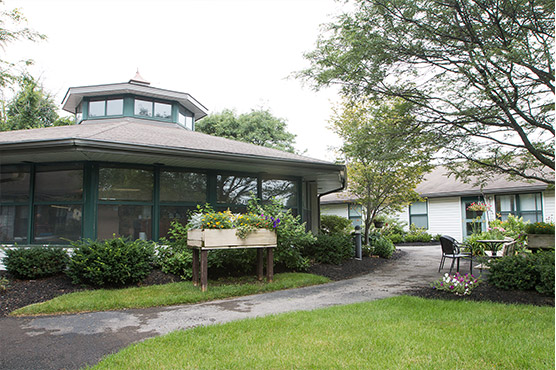
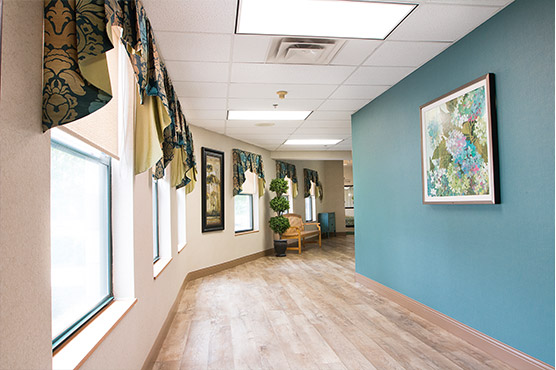
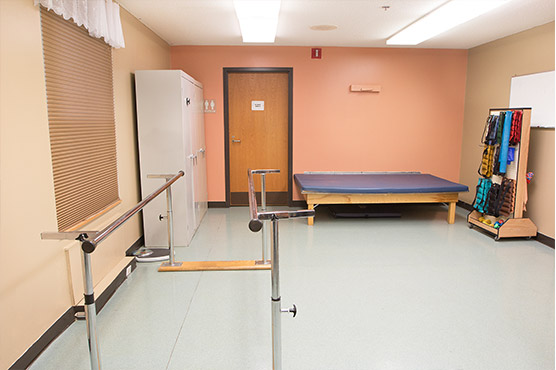
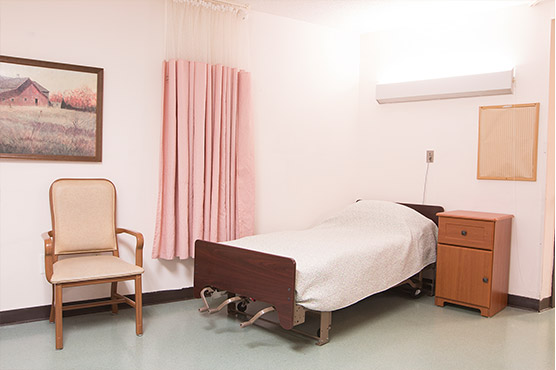
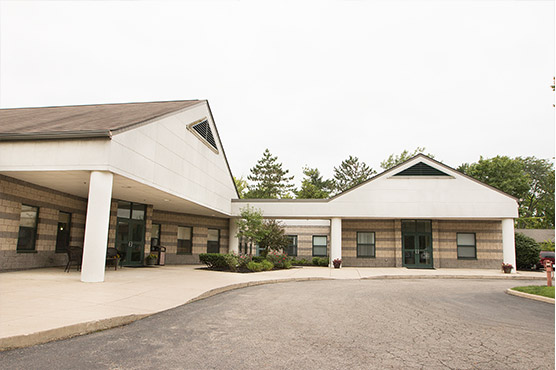
FOREST HILLS CENTER

2841 EAST DUBLIN-GRANVILLE ROAD, COLUMBUS, OH 43231 (614) 891-1111
For profit - Corporation 75 Beds EMBASSY HEALTHCARE Data: November 2025
Trust Grade
60/100
#462 of 913 in OH
Last Inspection: May 2025

Inspected within the last 6 months. Data reflects current conditions.

Overview

Forest Hills Center in Columbus, Ohio, has a Trust Grade of C+, indicating it is decent and slightly above average compared to other facilities. It ranks #462 out of 913 in Ohio, placing it in the bottom half, and #15 out of 56 in Franklin County, meaning there are only 14 local options that are better. The facility is experiencing a worsening trend, with issues increasing from 5 in 2024 to 11 in 2025. Staffing ratings are concerning, with only 2 out of 5 stars and RN coverage that is less than 76% of Ohio facilities, although staff turnover is relatively low at 39%, below the state average. Notably, there have been serious cleanliness issues, such as a dirty kitchen and laundry room, which could affect all residents, and the facility failed to provide proper RN coverage on multiple days, raising concerns about resident safety. Overall, while Forest Hills Center has some strengths, such as low turnover, it faces significant challenges that families should consider.

Trust Score
C+
60/100
In Ohio
#462/913
Top 50%
Safety Record
Low Risk
No red flags
Inspections
Getting Worse
5 → 11 violations
Staff Stability
○ Average
39% turnover. Near Ohio's 48% average. Typical for the industry.
Penalties
✓ Good
No fines on record. Clean compliance history, better than most Ohio facilities.
Skilled Nurses
⚠ Watch
Each resident gets only 23 minutes of Registered Nurse (RN) attention daily — below average for Ohio. Fewer RN minutes means fewer trained eyes watching for problems.
Violations
⚠ Watch
26 deficiencies on record. Higher than average. Multiple issues found across inspections.
★★★☆☆
3.0
Overall Rating
★★☆☆☆
2.0
Staff Levels
★★★★★
5.0
Care Quality
★★☆☆☆
2.0
Inspection Score
Stable
2024: 5 issues
2025: 11 issues

The Good

  • 5-Star Quality Measures · Strong clinical quality outcomes
  • Full Sprinkler Coverage · Fire safety systems throughout facility
  • No fines on record
  • Staff turnover below average (39%)

    9 points below Ohio average of 48%

Facility shows strength in quality measures, fire safety.

The Bad

3-Star Overall Rating

Near Ohio average (3.2)

Meets federal standards, typical of most facilities

Staff Turnover: 39%

Near Ohio avg (46%)

Typical for the industry

Chain: EMBASSY HEALTHCARE

Part of a multi-facility chain

Ask about local staffing decisions and management

The Ugly 26 deficiencies on record

May 2025 11 deficiencies
CONCERN (D)

Potential for Harm - no one hurt, but risky conditions existed

Deficiency F0578 (Tag F0578)

Could have caused harm · This affected 1 resident

**NOTE- TERMS IN BRACKETS HAVE BEEN EDITED TO PROTECT CONFIDENTIALITY** Based on record review, staff interview and facility policy review, the facility failed to ensure accurate advanced directive in...

Read full inspector narrative →
**NOTE- TERMS IN BRACKETS HAVE BEEN EDITED TO PROTECT CONFIDENTIALITY** Based on record review, staff interview and facility policy review, the facility failed to ensure accurate advanced directive information was present throughout the medical record for Resident #3. This affected one resident (#3) out of three residents reviewed for advanced directives. The facility census was 70. Findings include: Resident #3 was admitted on [DATE] with diagnoses that included neurocognitive disorder with Lewy bodies, encephalopathy, aphasia, dysphagia, atherosclerosis, gastrostomy, major depressive disorder and psychosis not due to a substance or known physiological condition. Review of the quarterly Minimum Data Set (MDS) 3.0 assessment dated [DATE] revealed Resident #3 was severely cognitively impaired with a Brief Interview for Mental Status score of zero out of 15. Review of the current active orders for Resident #3 revealed an order for Full Code dated [DATE]. The banner on the electronic medical record indicated Resident #3 was a Full Code. Review of the care plan for Resident #3 revealed the care plan stated Do Not Resuscitate Comfort Care Arrest (DNRCC Arrest) - Resident/Family has chosen a DNRCC-A status; cardio-pulmonary resuscitation (CPR) measures will not be attempted during a cardiac arrest. The plan of care was initiated [DATE] and revised on [DATE]. The plan of care elaborated that the Code Status will be posted in the chart, staff should administer oxygen as needed, contact appropriate individuals if cardiac arrest occurs, control any bleeding that occurs, position for easier respirations, position resident for comfort, and suction airway as needed. A physician signed DNRCC-A identification form that was placed in Resident #3's chart. The plan of care also identified with a physician's order and resident/family request the resident may be hospitalized for routine tests and treatment. Review of the forms in the electronic medical record confirmed there was a Do Not Resuscitate (DNR) form filed in the electronic medical record on [DATE] indicating Resident #3's code status is DNRCC-A. Interview on [DATE] at 10:40 A.M. with Registered Nurse (RN) #179 confirmed the electronic medical record indicated Resident #3 was a Full Code and the banner on the electronic medical record was where the staff would look to verify if the resident was a Full Code or DNR. Interview on [DATE] at 02:45 P.M. with the Director of Nursing (DON) confirmed the electronic medical record banner (and order) stated Full Code and there was a DNR form in the chart for DNRCC-A. Interview on [DATE] at 3:30 P.M. with the DON and Senior Administrator #206 confirmed Resident #3's electronic medical record does display and order for Full Code with care planning and documentation indicating Resident #3's code status was DNRCC-A. The electronic medical record platform changed [DATE] and there have been some issues with the transfer of historical data, so all records will be audited for accuracy. Review of the policy Resident Rights Regarding Treatment and Advanced Directives, dated [DATE], revealed during the care planning process, the facility will identify, clarify, and review with the resident or legal representative whether they desire to make any changes related to any advanced directives. Decisions are periodically reviewed and any services that would be otherwise required, but are refused, will be documented in the comprehensive care plan.
CONCERN (D)

Potential for Harm - no one hurt, but risky conditions existed

Deficiency F0604 (Tag F0604)

Could have caused harm · This affected 1 resident

**NOTE- TERMS IN BRACKETS HAVE BEEN EDITED TO PROTECT CONFIDENTIALITY** Based on medical record review, interview and facility policy review, the facility failed to assess Resident #53 prior to utiliz...

Read full inspector narrative →
**NOTE- TERMS IN BRACKETS HAVE BEEN EDITED TO PROTECT CONFIDENTIALITY** Based on medical record review, interview and facility policy review, the facility failed to assess Resident #53 prior to utilizing a physical restraint. This affected one resident (#53) out of one resident reviewed for physical restraints. The facility census was 70. Findings include: Review of Resident #53's medical record revealed that she was admitted on [DATE] with diagnoses that included dementia, pseudobulbar affect (PBA), anxiety, frontotemporal cognitive disorder, psychosis, major depressive disorder and mood disorder. Review of Resident #53's progress note, dated 01/12/25, revealed that Resident #53 started running and screaming in the hallway, and staff redirected her to her room. Review of physician's visit consult, dated 01/15/25, revealed that the physician dictated she has these very quick onset hyper episodes where she will run up and down the hallways, curse, push, shove, tear, pound on anything that comes in her way. These episodes usually last 30 minutes and then fade off. Sometimes just put in her room and hold the door to prevent her to escape for 30 minutes. Review of the quarterly Minimum Data Set (MDS) 3.0 assessment, dated 03/31/25, revealed that Resident #53 had severe cognitive impairment. She had verbally abusive behaviors, physically abusive behaviors, other behaviors directed towards others, and rejection of care one to three days of the seven-day assessment reference period. She wandered four to six days of the seven-day assessment reference period. She required supervision with transfers and ambulation. Review of Resident #53's facility assessments, dated December 2024 to March 2025, revealed no assessments for a physical restraint. Review of Resident #53's current physicians orders, dated April 2025, revealed no orders for a physical restraint or physical restraint monitoring. Review of Resident #53's care plan initiated 06/21/23 and last revised 04/09/25, revealed the resident had the potential for mood swings and behavior issues related to mood disorder, depression, anxiety, PBA, and agitation. As evidenced by the resident was tearful, had combative behaviors, paced, verbal aggression, would bang on doors, anxious, refused care, including meds, would run down the halls, throw items, tear things off walls, ball up fist and hit staff. Interventions included administering medications as ordered, attempting non-pharmacological interventions such as one-on-one, change in position or scenery, bargaining, offer food and/or fluids, redirect, activity of choice, toileting, and diversional activities, provide a calm environment and approach in a calm manner, encourage socialization and participation in activity events, follow up with psych, if resident is demonstrating socially inappropriate behaviors, attempt to redirect; if unable to redirect, remove from public areas, if resident is resistive to care, leave resident if safety is not a concern and reapproach at a later time, and may administer as needed (PRN) medications as ordered when the resident exhibits increased agitation, anxiety, pacing, hallucinations, mood changes, restlessness, wandering, physically or verbally abusive behaviors, and repetitive verbalizations. There were no interventions related to physical restraints. Interview on 05/01/25 at 10:00 AM with the Medical Director, regarding physician's visits consult note, dated 01/15/25, revealed that Resident #53 did have violent behaviors, and staff put her in her room to prevent her from coming out, because she was a danger to herself and other residents. Interview on 05/01/25 at 11:09 A.M with Director of Nursing (DON) confirmed that there were no incident reports, documentation or restraint assessments for Resident #53. Review of the facility Restraint Free Environment policy, dated 06/01/24, stated that medical symptoms warranting the use of restraints should be documented in the resident's medical record. The resident's record needs to include documentation that less restrictive alternatives were attempted to treat the medical symptom but were ineffective, on-going re-evaluation of the need for restraint, and effectiveness of the restraint in treating the medical symptom. The care plan should be updated accordingly to include the development and implementation of interventions to address any risks related to the use of the restraint.
CONCERN (D)

Potential for Harm - no one hurt, but risky conditions existed

Quality of Care (Tag F0684)

Could have caused harm · This affected 1 resident

**NOTE- TERMS IN BRACKETS HAVE BEEN EDITED TO PROTECT CONFIDENTIALITY** Based on medical record review, staff interview and facility policy review, the facility failed to properly monitor resident bru...

Read full inspector narrative →
**NOTE- TERMS IN BRACKETS HAVE BEEN EDITED TO PROTECT CONFIDENTIALITY** Based on medical record review, staff interview and facility policy review, the facility failed to properly monitor resident bruises. This affected one (Resident #37) of three residents reviewed for skin conditions. Also, the facility failed to implement wound orders in a timely manner. This affected one (Resident #70) of three residents reviewed for skin conditions. The facility census was 70. Findings include: 1. Resident #37 was admitted to the facility on [DATE]. Her diagnoses were malignant neoplasm of unspecified part of unspecified bronchus or lung, dementia, hemiplegia and hemiparesis, epilepsy, mood disorder, hyperlipidemia, hypothyroidism, aphasia, anxiety disorder, insomnia, major depressive disorder, vitamin D deficiency, lack of coordination, muscle weakness, cerebral infarction, low back pain, dysphagia, hypertension, psychosis, cognitive communication deficit, and urinary incontinence. Review of the Minimum Data Set (MDS) 3.0 assessment dated [DATE] revealed Resident #37 had a significant cognitive impairment. Review of the progress notes dated 12/31/24 revealed a bruise was noted to Resident #37 right eye, measuring 3.0 centimeters (cm) by 2.6 cm. It noted the bruise was consistent with the resident accidentally hitting her head on the nurse's right lower arm during treatment. A new order to monitor the area every shift until resolved was initiated. Review of Resident #37 progress notes dated 01/01/25 to 03/24/25 revealed no progress notes and/or other documentation to support how the resident obtained the bruise to her right eye. Review of Resident #37 progress notes dated 03/25/25 revealed the facility was to monitor a bruise to the right eye of Resident #37 every shift for skin integrity until resolved. It also stated that the bruise has healed on this date. Review of Resident #37 treatment administration record (TAR) dated 01/01/25 to 03/25/254 revealed the facility documented it monitored Resident #37's bruise to her right eye each shift, until it was documented as being resolved on 03/25/25. Review of Resident #37 skin assessments/documentation, dated 01/01/25 to 03/25/25, revealed there was no documentation to monitor the size, condition, color, or other descriptive factors of the bruise to her right eye other than the initial skin assessment/progress note written on 12/31/24. Review of Resident #37 care plans revealed a focus are of, The resident has an actual area of skin impairment related to redness and swelling under right eye. This care plan was implemented on 04/16/25. There were no other care plans implemented for a bruise to Resident #37 right eye from 12/31/24 to 03/25/25, and Resident #37 does not currently have any redness/swelling underneath her right eye that is being treated/monitored. Interview with the Director of Nursing (DON) on 05/01/25 at 10:39 A.M. confirmed Resident #37's bruise to her right eye healed on 03/25/25. When asked where the bruise came from, she stated it was from a care injury on 12/31/24. When asked if the bruise lasted three months, she couldn't confirm if/when the bruise was healed, but documentation supported that the bruise was from 12/31/24 and it continued to be monitored until 03/25/25. She confirmed there are no other skin assessments currently, for bruising/redness/swelling to her right eye; the care plan that was implemented on 04/16/25 should have been implemented for the bruise that occurred on 12/31/24. She confirmed when monitoring a bruise, there should be descriptors (size, color, etc.) each week that were documented on a skin assessment document. She confirmed she would have to look for those documents to determine if that occurred. The facility management was asked for Resident #37 skin assessment documentation to support her right eye bruise was being monitored/measured from 01/01/25 to 03/25/25 on the following dates and times: 04/30/25 at 1:30 P.M. and 05/01/25 at 10:39 A.M. and 11:50 A.M. The facility was unable to provide the requested documentation. 2. Review of Resident #70's medical record revealed an admission date of 04/03/25 with diagnoses including hemiplegia and hemiparesis affecting right dominant side, aphasia, type two diabetes mellitus, chronic obstructive pulmonary disease, burn of unspecified region of body, vascular dementia, malignant neoplasm, acquired absence of right breast and nipple, and anxiety. Review of Resident #70's comprehensive MDS 3.0 assessment dated [DATE] revealed the resident had severely impaired cognition. Review of Resident #70's physician order dated 04/04/25 to 04/15/25 revealed an order to cleanse the right chest with wound cleanser, pat dry, apply MediHoney and island boarder gauze dressing every day shift. Review of Resident #70's wound physician note dated 04/09/25 revealed the resident had a burn wound to her right chest. The physician's treatment plan included applying calcium alginate with silver with a gauze island with boarder every day. Review of Resident #70's plan of care dated 04/15/25 revealed the resident had an actual skin impairment related to burn injury to the right chest. Interventions included evaluating for pain and providing pain relieving interventions as ordered, initiating wound treatment, nursing to observe wound dressing daily, observing and documenting character of the wound weekly, and observing for clinical changes. Review of Resident #70's physician order dated 04/16/25 to 04/29/25 revealed an order to cleanse wound to the right chest with wound cleanser, pat dry, apply calcium silver alginate, and island boarder gauze dressing every day shift and as needed. Interview on 04/30/25 at 10:21 A.M. with Unit Manager #144 verified the physician order was not timely implemented. She reported their system had changed over and this had caused a delay in the order changing. She reported the nurses were aware of the correct order, but was unable to provide evidence the correct order had been used.
CONCERN (D)

Potential for Harm - no one hurt, but risky conditions existed

Accident Prevention (Tag F0689)

Could have caused harm · This affected 1 resident

**NOTE- TERMS IN BRACKETS HAVE BEEN EDITED TO PROTECT CONFIDENTIALITY** Based on record review, observation, interview, and review of the facility policy, the facility failed to ensure fall interventi...

Read full inspector narrative →
**NOTE- TERMS IN BRACKETS HAVE BEEN EDITED TO PROTECT CONFIDENTIALITY** Based on record review, observation, interview, and review of the facility policy, the facility failed to ensure fall interventions were in place for Resident #13. This affected one resident (#13) of six residents reviewed for falls. The facility census was 70. Findings include: Review of Resident #13's medical record revealed an admission date of 06/20/23 with diagnoses including Alzheimer's disease, peripheral vascular disease, aphasia, bipolar disorder, generalized anxiety, unspecified psychosis, cognitive communication deficit, and dysphagia. Review of Resident #13's quarterly Minimum Data Set (MDS) 3.0 assessment dated [DATE] revealed he had severely impaired cognition. He had one fall without injury during the lookback period. Review of Resident #13's plan of care dated 03/08/24 revealed he had the potential risk for falls related to cognitive function, decreased physical function, and medication use. Interventions included attempting to redirect with food and fluids, encourage frequent rest periods, referring to therapy, encouraging to be in a supervised area, monitoring due to recent medication changes, bed against wall, Dycem (non-slip material) to the seat of the wheelchair, call light in reach, bed to be in lowest position, nonskid footwear. Added on 02/10/25 was the intervention resident to sit up by nurse station when in chair and added on 03/25/25 staff education to keep resident in supervised area when up in wheelchair as tolerated. Review of Resident #13's progress note dated 02/10/25 revealed a new intervention was when the resident was in his chair to keep him by the nurse's station or in activities. Review of Resident #13's progress note dated 03/25/25 at 9:35 A.M. revealed the nurse was notified by the kitchen manager that the resident was on the floor. The nurse arrived to the lounge area seeing the resident on the floor close to the table. The resident was unable to explain what happened. He was assessed and found to have a skin tear on his right elbow. The resident was moved closer to the nurse's station for closer supervision. Review of Resident #13's progress note dated 03/26/25 revealed the interdisciplinary team met and reviewed the 03/25/25 fall. The intervention was to educate staff to keep the resident in the common area when up in his wheelchair. Observation on 04/30/25 at 9:10 A.M. and 9:20 A.M. revealed Resident #13 in the dining area without supervision. At 9:20 A.M. an aide walked out of a resident room and checked on another resident in the dining room. Interview on 04/30/25 at 9:20 A.M. with Certified Nursing Assistant (CNA) #114 verified Resident #13 had been in the dining room without supervision. Interview on 04/30/25 at 4:30 P.M. with the Director of Nursing (DON) verified for the 03/25/25 fall the intervention was not in place and she had to educate staff. She verified that Resident #13 should not be in the dining area by himself. Review of the policy Fall Prevention and Management Policy, dated 01/08/25, revealed individualized interventions were to be implemented based on the assessment and risk factors.
CONCERN (D)

Potential for Harm - no one hurt, but risky conditions existed

Deficiency F0697 (Tag F0697)

Could have caused harm · This affected 1 resident

**NOTE- TERMS IN BRACKETS HAVE BEEN EDITED TO PROTECT CONFIDENTIALITY** Based on interview and record review, the facility failed to provide pain medication as ordered for Resident #70 and notify the ...

Read full inspector narrative →
**NOTE- TERMS IN BRACKETS HAVE BEEN EDITED TO PROTECT CONFIDENTIALITY** Based on interview and record review, the facility failed to provide pain medication as ordered for Resident #70 and notify the physician when the medication was unavailable. This affected one resident (#70) of two residents reviewed for pain management. The facility census was 70. Findings include: Review of Resident #70's medical record revealed an admission date of 04/03/25 with diagnoses including hemiplegia and hemiparesis affecting right dominant side, aphasia, type two diabetes mellitus, chronic obstructive pulmonary disease, burn of unspecified region of body, vascular dementia, malignant neoplasm, acquired absence of right breast and nipple, and anxiety. Review of Resident #70's comprehensive Minimum Data Set (MDS) 3.0 assessment dated [DATE] revealed the resident had severely impaired cognition. Review of Resident #70's physician order dated 04/04/25 revealed an order for Butrans Transdermal Patch Weekly (Schedule III controlled substance for pain) one patch applied transdermally one time a day every seven days for pain. Review of Resident #70's Medication Administration Record (MAR) for April 2025 revealed the Butrans patch was not applied on 04/04/25 and 04/11/25. The patch was marked as being given on 04/18/25 and 04/24/25. Review of Resident #70's progress note dated 04/04/25 revealed the Butrans patch was not available. Review of Resident #70's physician note dated 04/07/25 revealed the resident had chronic pain syndrome, the physician recommended continuing the Butrans patch. Review of Resident #70's progress notes revealed no indication the physician was notified the Butrans patch was unavailable. Interview on 04/30/25 at 10:18 A.M. and 11:05 A.M. with the Director of Nursing (DON) revealed nobody had notified her or the physician that the Butrans patch was unavailable. She reported the pharmacy received the order on 04/03/25 but they did not get the prescription until 04/25/25 because the physician was unaware. She reported the resident's pain had been controlled by switching her as needed medication to scheduled.
CONCERN (D)

Potential for Harm - no one hurt, but risky conditions existed

Deficiency F0740 (Tag F0740)

Could have caused harm · This affected 1 resident

**NOTE- TERMS IN BRACKETS HAVE BEEN EDITED TO PROTECT CONFIDENTIALITY** Based on record review, observation and interview, the facility failed to monitor, thoroughly document, and prevent Resident #48...

Read full inspector narrative →
**NOTE- TERMS IN BRACKETS HAVE BEEN EDITED TO PROTECT CONFIDENTIALITY** Based on record review, observation and interview, the facility failed to monitor, thoroughly document, and prevent Resident #48's behaviors. This affected one resident (#48) of four residents reviewed for mood and behavior. The facility census was 70. Findings include: Review of Resident #48's medical record revealed an admission date of 05/31/23 with diagnoses including dementia with other behavioral disturbance, vascular dementia with agitation, atherosclerotic heart disease, generalized anxiety disorder, major depressive disorder, delirium due to known physiological condition, restlessness and agitation, history of traumatic brain injury, and alcohol abuse. Review of Resident #48's quarterly Minimum Data Set (MDS) 3.0 assessment dated [DATE] revealed the resident had moderately impaired cognition. He experienced behaviors of wandering and rejection of care during one to three days of the seven-day assessment reference period. Review of Resident #48's physicians order dated 05/10/24 revealed an order to monitor his behavior related to antipsychotic use. These behaviors included paranoid ideations, agitation, and not thinking clearly or logically. Review of Resident #48's physician order dated 05/10/24 revealed an order to monitor his behavior related to antidepressant use. These behaviors included refusing routine care, feeling of hopelessness, and lack of appetite. Review of Resident #48's physician orders revealed nothing related to monitoring sexual behaviors. Review of Resident #48's plan of care dated 11/05/24 revealed the resident demonstrated behaviors where the resident will add in verbal comments to escalate situation, and was verbally inappropriate and would grab at staff. Additionally, the resident rubbed backs and kissed the hands and lips of other residents. Resident #48 was intrusive, and would wear no shirt in the lounge area, he would become agitated, argumentative, and physical with staff. Interventions included a medication change on 10/05/23, medication as ordered, encouraging to pull his shirt down, notifying the physician as needed, offering distraction, stop sign to door, and when behaviors occur de-escalate and document. Review of Resident #48's Certified Nursing Assistant (CNA) documentation for February 2025 revealed sexually inappropriate behaviors occurred on 02/02/25, 02/03/25, 02/04/25, 02/09/25, and 02/10/25. Review of Resident #48's progress notes for February 2025 revealed no indication of what his behaviors were on 02/02/25, 02/03/25, 02/04/25, 02/09/25, and 02/10/25. Review of Resident #48's CNA documentation for March 2025 revealed sexually inappropriate behaviors occurred on 03/24/25, 03/30/25, and 03/31/25 Review of Resident #48's progress notes for March 2025 revealed no indication of what his behaviors were on 03/24/25, 03/30/25, and 03/31/25. Review of Resident #48's plan of care dated 03/31/25 revealed the resident had been observed displaying sexually inappropriate behavior including kissing, skin to skin rubbing, and verbal sexual conversations or content. Interventions included limiting any at risk situations, maintaining the resident's dignity, providing alternate activities, providing cues as needed that behavior is unacceptable, and redirecting from entering other resident rooms without permission. Review of Resident #48's CNA documentation for April 2025 revealed sexually inappropriate behaviors occurred on 04/01/25, 04/07/25, and 04/08/25. Review of Resident #48's progress notes revealed no indication of what his behaviors were on 04/01/25, 04/07/25, and 04/08/25. Observation on 04/30/25 at 9:12 A.M. revealed Resident #48 sitting on the couch in the common area next to Resident #35 holding and rubbing her hand. CNA #132 was sitting on a nearby chair and had not said anything. At 9:15 A.M. the surveyor glanced at Resident #48, and he became agitated, stating 'I'm not doing anything wrong'. CNA #132 then looked over to Resident #48 and told him he needed to move away from Resident #35. Resident #48 was agitated, but he complied. Interview on 04/30/25 at 9:17 A.M. with CNA #132 verified Resident #48 should not be holding hands with other residents. Interview on 04/30/25 at 9:23 A.M. with Licensed Practical Nurse (LPN) #196 verified Resident #48 had a behavior of trying to touch other residents inappropriately. She reported the intervention was to keep an eye on him while he was in the common area. Interview on 04/30/25 at 2:20 P.M. with the Director of Nursing (DON) revealed if the CNAs were observing sexual behaviors they should be reporting it to the nurse, and the nurses should be doing a detailed note. She verified the aides indicating sexual behaviors could mean anything for him from lifting up his shirt to kissing other residents. She verified there should be more detailed notes ensuring that any inappropriate behaviors were reported to the relevant responsible parties. She also verified that Resident #48 should not be sitting on a couch next to a female resident due to his behaviors.
CONCERN (E)

Potential for Harm - no one hurt, but risky conditions existed

Deficiency F0605 (Tag F0605)

Could have caused harm · This affected multiple residents

**NOTE- TERMS IN BRACKETS HAVE BEEN EDITED TO PROTECT CONFIDENTIALITY** Based on medical record review, interview and facility policy review, the facility failed to ensure residents had appropriate di...

Read full inspector narrative →
**NOTE- TERMS IN BRACKETS HAVE BEEN EDITED TO PROTECT CONFIDENTIALITY** Based on medical record review, interview and facility policy review, the facility failed to ensure residents had appropriate diagnoses for psychological medications. This affected five residents (#35, #48, #50, #53, and #63) of nine residents reviewed for unnecessary medications or behavioral-emotional health services. The facility census was 70. Findings include: 1. Review of Resident #63's medical record revealed an admission date of 03/05/25 with diagnoses including dementia, unspecified mood disorder, hypertension, unspecified fracture of first, second, third, and fourth lumbar vertebra, restlessness and agitation, and muscle weakness. Review of Resident #63's Minimum Data Set (MDS) 3.0 assessment dated [DATE] revealed severely impaired cognition. No behaviors were indicated. Review of Resident #63's physician order dated 03/06/25 revealed an order for escitalopram oxalate 10 milligrams (mg), selective serotonin re-uptake inhibitors (SSRIs) antidepressant, one tablet by mouth in the morning for depression. Review of Resident #63's plan of care revised 04/04/25 revealed the potential for adverse side effects of psychotropic medication, the resident had agitation and mood disorder. Interventions included Abnormal Involuntary Movement Scale (AIMS) per policy, documenting side effects of medication, notifying the physician of any mental status changes, observing and documenting any abnormal behavior or moods, observe, document and report to physician any signs of drug related complications. The care plan did not address any specific behaviors. Review of Resident #63's plan of care revealed it did not address her antidepressant use. Review of Resident #63's physician order dated 04/21/25 revealed an order for Depakote delayed release 125 mg (anti-epileptic medication used as a mood stabilizer) twice a day for behaviors. Interview on 04/30/25 at 2:20 P.M. and 4:30 P.M. with the Director of Nursing (DON) verified behaviors was not a diagnosis and was not an appropriate diagnosis for Depakote. She verified Resident #63 did not have a diagnosis of depression and was receiving escitalopram oxalate anyways. She also verified Resident #63's care plan did not address Resident #63's antidepressant. Review of the Depakote prescribing information at depakotehcp.com/prescribing-information revealed Depakote delayed release was an anti-epileptic drug indicated for the treatment of seizures, prophylaxis of migraine headaches, and treatment of manic episodes associated with bipolar disorder. 2. Review of Resident #35's medical record revealed an admission date of 12/12/22 with diagnoses including Alzheimer's disease, unspecified mood disorder, unspecified psychosis not due to a substance or known physiological condition, anxiety disorder, restlessness and agitation, and cognitive communication deficit. Review of Resident #35's comprehensive MDS 3.0 assessment dated [DATE] revealed the resident had severely impaired cognition. No behaviors were noted. Review of Resident #35's physician note dated 03/20/24 revealed an order for Depakote Sprinkles 125 milligrams (mg) two capsules by mouth two times a day for mood. Review of Resident #35's plan of care dated 04/04/25 revealed the potential for adverse side effects of psychotropic drug use. The resident had agitation and mood disorder. Interventions included AIMS per policy, documenting side effects of medication, notifying the physician of mental status changes, observing and documenting any abnormal behaviors, and observing and reporting to the physician any signs of drug related complications. Interview on 04/30/25 at 2:20 P.M. with the DON verified mood was not a was not an appropriate diagnosis for Depakote. Review of Depakote prescribing information at depakotehcp.com/prescribing-information revealed Depakote sprinkles were an anti-epileptic drug indicated for the treatment of seizures. This was the only indication of use. 3. Review of Resident #48's medical record revealed an admission date of 05/31/23 with diagnoses including dementia with other behavioral disturbance, vascular dementia with agitation, atherosclerotic heart disease, generalized anxiety disorder, major depressive disorder, delirium due to known physiological condition, restlessness and agitation, history of traumatic brain injury, and alcohol abuse. Review of Resident #48's plan of care dated 10/10/23 revealed the resident had the potential for adverse side effects of psychotropic drug use related to delirium. Interventions included AIMS per policy, documenting side effects, notifying physicians of any mental status changes, observing and documenting any abnormal behavior, and observing, documenting, and reporting to the physician drug related complications. Review of Resident #48's physician's order dated 12/20/23 revealed an order for Depakote Delayed Release 250 mg one tablet three times a day for agitation. Review of Resident #48's quarterly MDS 3.0 assessment dated [DATE] revealed the resident had moderately impaired cognition. He experienced behaviors of wandering and rejection of care during one to three days of the seven-day assessment reference period. Interview on 04/30/25 at 2:20 P.M. with the DON verified agitation was not an appropriate diagnosis for Depakote. Review of Depakote prescribing information at depakotehcp.com/prescribing-information revealed Depakote delayed release was an anti-epileptic drug indicated for the treatment of seizures, prophylaxis of migraine headaches, and treatment of manic episodes associated with bipolar disorder. 4. Review of Resident #50's medical record revealed an admission date of 01/22/23 with diagnoses including Alzheimer's disease, major depressive disorder, anxiety disorder, and psychotic disorder. Review of Resident #50's physician's orders dated April 2025 revealed an order for Depakote Sprinkles Oral 125 mg, give two capsules by mouth three times a day with a diagnosis of agitation. Review of Resident #50's physician's neurology consult dated 04/16/25 revealed under recommendations that Depakote should continue due to mood liability, restlessness, impulsivity, disinhibition, demanding and anger. Interview on 04/30/25 at 2:20 P.M. with the DON confirmed that the diagnosis of agitation on the April 2025 physician's orders, for Resident #50 was not an appropriate diagnosis for the use of Depakote Sprinkles. The DON also stated that the physician had been notified to provide an appropriate diagnosis. 5. Review of Resident #53's medical record revealed an admission date of 06/21/23 with diagnoses including dementia, pseudobulbar affect (PBA), anxiety, frontotemporal cognitive disorder, psychosis, major depressive disorder and mood disorder. Review of Resident #53's physician's neurology consult dated 01/15/25 revealed under recommendations to increase Depakote to 375 mg three times a day to help with the agitation, restlessness, and impulsivity. Review of Resident #53's physician's orders, dated April 2025, revealed an order for Depakote Sprinkles Oral, give 375 mg by mouth three times a day for a diagnosis of PBA. Interview on 04/30/25 at 2:25 P.M. with the DON confirmed that the diagnosis of PBA on the April 2025 physician's orders, for Resident #53, was not an appropriate diagnosis for the use of Depakote Sprinkles. The DON also stated the physician had been notified to provide an appropriate diagnosis. Review of Medscape prescribing information at Depakote (divalproex sodium) dosing, indications, interactions, adverse effects, and more for Depakote, revealed that the uses for Depakote, are the treatment of mania related to bipolar disease, epilepsy and migraines. Review of the facility Use of Psychotropic Medication policy, dated 10/01/22, revealed that other medications not classified as antipsychotic, antidepressant antianxiety or hypnotic medications but can affect brain activity should not be used as a substitution for another psychotropic medication unless prescribed with a documented clinical indication consistent with accepted clinical standards of practice. Categories of medications that can affect brain activity (e.g. antihistamines, anti-cholinergic medications and central nervous system agents for use in conditions such as seizures, mood disorders, PBA, and muscle spasms or stiffness) and their documented use appears to be a substitution for another psychotropic medication (rather than for the original or approved indication) are subject to the requirements pertaining to psychotropic medications.
CONCERN (F)

Potential for Harm - no one hurt, but risky conditions existed

Deficiency F0727 (Tag F0727)

Could have caused harm · This affected most or all residents

Based on facility staff schedule review and staff interviews, the facility failed to provide registered nurse (RN) coverage as required. This had the potential to affect all 70 residents residing in t...

Read full inspector narrative →
Based on facility staff schedule review and staff interviews, the facility failed to provide registered nurse (RN) coverage as required. This had the potential to affect all 70 residents residing in the facility. Findings Include: Review of facility staff schedule, dated 07/14/24 to 08/31/24, revealed the following days did not have the proper RN coverage: 07/14/24 (no RN), 07/16/24 (no RN), 07/17/24 (no RN), 07/20/24 (no RN), 07/21/24 (no RN), 07/22/24 (no RN), 07/23/24 (no RN), 07/24/24 (no RN), 07/27/24 (only seven hours of RN coverage), 07/28/24 (no RN), 07/30/24 (no RN), 07/31/24 (no RN), 08/05/24 (only 5.25 hours of RN coverage), 08/07/24 (no RN), 08/10/24 (no RN), 08/14/24 (no RN), 08/19/24 (no RN), 08/20/24 (no RN), 08/21/24 (no RN), 08/24/24 (no RN), 08/25/24 (no RN), 08/27/24 (no RN), and 08/28/24 (no RN). Interview with Director of Nursing (DON) on 05/01/25 at 11:00 A.M. confirmed the dates listed above did not have proper RN coverage.
CONCERN (F)

Potential for Harm - no one hurt, but risky conditions existed

Food Safety (Tag F0812)

Could have caused harm · This affected most or all residents

Based on observation and interview, the facility failed to maintain the kitchen in a clean and sanitary manner and failed to obtain food temperatures in a sanitary manner. This had the potential to af...

Read full inspector narrative →
Based on observation and interview, the facility failed to maintain the kitchen in a clean and sanitary manner and failed to obtain food temperatures in a sanitary manner. This had the potential to affect all 69 residents who consumed food from the kitchen. Resident #3 consumed nothing by mouth. The facility census was 70. Findings include: 1. Observation on 04/28/25 at 9:30 A.M. and on 04/30/25 at 11:45 A.M. revealed a large grate (about two feet by one foot) in front of the oven; the area under this grate was four to six inches deep. The area had a very thick layer of multiple black and brown substances, and the whole area appeared moist. All walls and surfaces underneath the grate were covered in this. Additionally, observation revealed the floor under equipment and around the edges of the kitchen had a buildup of dirt, food debris, and other items. A plastic cup was observed under the reach-in refrigerator on both occasions. Interview on 04/28/25 at 11:15 A.M. with [NAME] #175 revealed the area under the grate sometimes emitted a smell. Interview on 04/28/25 beginning at 11:45 A.M. with Dietary Manager #138 verified the floor under equipment and in the corners needed to be cleaned. He additionally verified the buildup in the area under the grate. He reported this area drained from the dishwasher. Interview on 05/01/25 at 9:10 A.M. with Maintenance Director #117 indicated that the grate not only received backflow from the dishwasher but was also subject to the kitchen staff's sweeping and mopping and he and the kitchen staff should be responsible for cleaning it. 2. Observation on 04/30/25 beginning at 11:45 A.M. revealed [NAME] #175 taking temperatures of the food on the hot holding unit prior to meal service. She obtained the temperature of the baked beans and then used an alcohol swab and obtained the temperature of the hot dogs, she used the same alcohol swab and moved on to the next food. [NAME] #175 obtained the temperature of the ground hot dog and used a new alcohol swab, she then obtained the temperature of the puree beans and used the same alcohol swab, she then moved on to the next food. [NAME] #175 obtained the temperature of the puree hot dog and used a new alcohol swab and then obtained the temperature of the string beans, she then moved on to the next food. Interview on 04/30/25 at the end of the observation with [NAME] #175 verified the observation.
CONCERN (F)

Potential for Harm - no one hurt, but risky conditions existed

Safe Environment (Tag F0921)

Could have caused harm · This affected most or all residents

Based on observation and interview, the facility failed to maintain the laundry room in a clean and sanitary manner. This had the potential to affect all 70 residents residing in the facility. Findin...

Read full inspector narrative →
Based on observation and interview, the facility failed to maintain the laundry room in a clean and sanitary manner. This had the potential to affect all 70 residents residing in the facility. Findings include: Observation on 05/01/25 at 10:05 A.M. of the laundry room with Maintenance Director #117 revealed the washers were about a foot and a half to two feet from the back wall. All along the back wall were polyvinyl chloride (PVC) pipes and water lines leading from the washer to a drain. Everything from the wall to the pipes were covered in lint. On the floor were multiple wet spots including two puddles that had turned green. The floor around this area was black. In the dirty side of the laundry room, there was a sink with a buildup of dust, lint, and other debris. There were multiple areas of this floor that were cracked and peeling. Along the wall where the flooring was peeling, there was a buildup of dirt and leaves. Interview on 05/01/25 at 10:05 A.M. with Maintenance Director #117 verified the observation, and stated the area needed cleaned. The facility provided policy did not address the concern.
MINOR (C)

Minor Issue - procedural, no safety impact

Deficiency F0575 (Tag F0575)

Minor procedural issue · This affected most or all residents

Based on observations, resident interview, and staff interview, the facility failed to have all required postings readily accessible to all residents in the facility. This had the potential to affect ...

Read full inspector narrative →
Based on observations, resident interview, and staff interview, the facility failed to have all required postings readily accessible to all residents in the facility. This had the potential to affect all 70 residents residing in the facility. Findings include: Observations during the annual survey, dated 04/28/25 to 05/01/25, revealed the required postings for resident/resident representatives were located in the hallway outside of the building's interior locked doors. The location of the required postings were in a location that none of the residents had access to. Observations during the same period found that the required postings were not within the three locked hallways of the facility in which the residents were confined to. Interview with Residents #48 and #65 during resident council meeting on 05/01/25 at 10:25 A.M. confirmed they have never seen documents or postings on the walls or anywhere in their living spaces to contact the ombudsman or the state department of health. They confirmed they would like to know this information. Interview with Activities Recreation Director #195 on 05/01/25 at 10:26 A.M. confirmed the required postings were not on the residents' living areas. She confirmed the postings were in the hallway, as people walk to the front doors, but confirmed the residents do not have access to that area on a routine basis (without staff supervision).
Aug 2024 2 deficiencies
CONCERN (D) 📢 Someone Reported This

A family member, employee, or ombudsman was alarmed enough to file a formal complaint

Potential for Harm - no one hurt, but risky conditions existed

Investigate Abuse (Tag F0610)

Could have caused harm · This affected 1 resident

**NOTE- TERMS IN BRACKETS HAVE BEEN EDITED TO PROTECT CONFIDENTIALITY** Based on record review, review of a facility-reported incident (FRI) investigation, staff interviews, and facility policy review...

Read full inspector narrative →
**NOTE- TERMS IN BRACKETS HAVE BEEN EDITED TO PROTECT CONFIDENTIALITY** Based on record review, review of a facility-reported incident (FRI) investigation, staff interviews, and facility policy review, the facility failed to follow abuse policies and procedures when Residents #10 and #15 were left alone after a potential observation of abuse. The deficient practice affected two (Residents #10 and #15) of three residents reviewed for abuse. The facility census was 74. Findings Include: Review of the medical record for Resident #10 revealed an original admission date of 11/15/21 and a readmission date on 12/12/22. Diagnoses included unspecified psychosis, restlessness and agitation, mood (affective) disorder, cognitive communication disorder, anxiety disorder, and Alzheimer's Disease. Review of the quarterly Minimum Data Set (MDS) 3.0 assessment dated [DATE] revealed Resident #10 was rarely or never understood. Per staff assessment, the resident had severely impaired cognition. Resident #10 was totally dependent on staff to complete Activities of Daily Living (ADLs). Review of Resident #10's care plan revealed resident will pull her clothing over her head exposing herself to others dated 12/12/22, updated 08/07/24. Review of the nurse's note dated 07/27/24 at 3:55 P.M. revealed the nurse (later identified as Licensed Practical Nurse (LPN) #104) was alerted by Stated Tested Nurse Assistant (STNA) (later identified as STNA #100) that a male resident (later identified as Resident #15) was kissing resident's chest. STNA #100 redirected the male resident from Resident #10's room. LPN #104 did a head to toe assessment on Resident #10 and no injuries were noted. Vital signs were blood pressure (BP) 118/76, heart rate (HR) 70, temperature 98.2, and oxygen saturation 94%. No complaints of pain or discomfort. The Assistant Director of Nursing (ADON) was notified. Review of the nurse's note dated 07/30/24 at 3:42 P.M. revealed the physician ordered stop sign to be added to Resident #10's door. The resident's Power of Attorney (POA) was notified. Review of the nurse's note dated 07/31/24 at 9:49 A.M. revealed on 07/29/24, while the Director of Social Services (DSS) completed an assessment on Resident #10, the resident pulled the social worker closer to her with a smile. When the SSD stepped back to create space between herself and Resident #10, the resident held the SSD's hand. During the assessment, Resident #10 pulled on the SSD's shirt, after three or four attempts to redirect Resident #10, the resident placed the SSD's hand on her own shirt for the SSD to hold onto. Resident #10 was smiling and wanted to be closer to her. Review of the medical record for Resident #15 revealed an admission date on 06/20/23. Medical diagnoses included depression, aphasia, Bipolar Disorder, need for assistance with personal care, anxiety disorder, unspecified psychosis, and Alzheimer's disease. Review of the annual MDS 3.0 assessment dated [DATE] revealed Resident #15 scored 0 out of 15 on the Brief Interview for Mental Status (BIMS) assessment. Resident #15 was totally dependent on staff to complete ADLs. Review of the nurse's note dated 07/27/24 at 3:55 P.M. revealed LPN #104 was alerted by STNA #100 that Resident #15's pants were down and his depends were off and the resident was observed kissing the chest of a female resident (Resident #10) in her room. Resident #15 stated, What do you want? Resident #15 was removed from Resident #10's room and immediately assisted with clothing. Resident #15 refused to be assessed. The ADON was notified and Resident #15 was placed on one on one supervision immediately. Review of the nurse's noted dated 07/27/24 at 4:00 P.M. revealed the on-call Certified Nurse Practitioner (CNP) was notified and no new orders were given. Resident #15's spouse and the Administrator were notified. One on one supervision of Resident #15 with staff continued through 07/31/24 (four days) with no additional incidents noted. Resident #15 was seen by the CNP on 07/31/24. Resident #15 was being followed by neuro psychiatrist and was notified of escalated behavior. Resident #15 continued on Seroquel (an antipsychotic medication, Sertraline (an antidepressant medication), and Depakote (a mood stabilizer medication). Review of a Facility Reported Incident (FRI) #250128 investigation dated 07/27/24 revealed Resident #15 was an alleged perpetrator of a sexual abuse allegation against another female resident (Resident #10). Review of the witness statement written by STNA #100 revealed the aide reported a male resident was in female resident's room when he walked in and saw the female resident on the bed with her shirt up. The male resident was sitting on the bed with his pants down kissing the female resident's chest. STNA #100 went and got nurse. The male resident was removed from the room and placed on one on one supervision. The female resident had socks and pants on and her shirt was lifted. The male resident had his pants down, kissing the chest of the female resident while touching himself. Interview on 08/07/24 at 1:27 P.M. with STNA #100 confirmed he found Resident #15 in Resident #10's room. Resident #10 was laying on the bed with her shirt lifted. Resident #15 was sitting on the side of the bed next to Resident #10 with his pants down and was observed kissing Resident #15's chest while touching himself. STNA #100 stated he called for the nurse and the residents were immediately separated. Resident #15 was placed on one on one supervision which he provided for the remainder of his shift. Resident #10 was assessed and did not have any injuries. Both residents had severely impaired cognition and neither recalled the incident. STNA #100 was shown his witness statement that was completed at the time of the incident on 07/27/24. STNA #100 confirmed it was his written statement which indicated he went and got the nurse. STNA #100 stated he thought he called for the nurse but that is not what he wrote down. Interview on 08/07/24 at 2:41 P.M. with LPN #104 confirmed she was the assigned floor nurse on 07/27/24 when the incident occurred between Resident #10 and Resident #15. LPN #104 stated STNA #100 walked over to her and asked her to follow him to Resident #10's room. LPN #104 confirmed STNA #100 did not call or yell for her from inside Resident #10's room. Interview on 08/07/24 at 6:16 P.M. with the Administrator confirmed it was the facility's policy to ensure residents were protected from any further abuse should they witness or receive an allegation of abuse. Resident #10 and Resident #15 should not have been left alone after STNA #100 made an observation of sexual contact between the residents. Review of the facility policy, Abuse, Neglect and Exploitation, dated 01/01/24, revealed the policy stated, the facility will implement policies and procedures to prevent and prohibit all types of abuse. The facility will make efforts to ensure all residents are protected from physical and psychosocial harm as well as additional abuse during and after the investigation. Examples include responding immediately to protect the alleged victim and increased supervision of the alleged victim and other residents. This deficiency reveals non-compliance during investigation of Complaint Number OH00156340.
CONCERN (E) 📢 Someone Reported This

A family member, employee, or ombudsman was alarmed enough to file a formal complaint

Potential for Harm - no one hurt, but risky conditions existed

Safe Environment (Tag F0584)

Could have caused harm · This affected multiple residents

**NOTE- TERMS IN BRACKETS HAVE BEEN EDITED TO PROTECT CONFIDENTIALITY** Based on observations, resident and staff interviews, review of temperature logs, review of a Packaged Terminal Air Conditioner ...

Read full inspector narrative →
**NOTE- TERMS IN BRACKETS HAVE BEEN EDITED TO PROTECT CONFIDENTIALITY** Based on observations, resident and staff interviews, review of temperature logs, review of a Packaged Terminal Air Conditioner (PTAC) facility audit, and facility policy review, the facility failed to ensure the Third Street Unit and one room on the First Street Unit (room [ROOM NUMBER]) were maintained at a comfortable temperature for the residents who resided in those areas. The deficient practice affected one resident (Resident #40) who resided in room [ROOM NUMBER] and had the potential to affect one additional resident (Resident #2) who also resided in room [ROOM NUMBER] and all 28 residents who resided on the Third Street Unit (Residents #10,#15, #35, #43, #44, #45, #46, #47, #48, #49, #51, #52, #54, #56, #58, #61, #62, #64, #66, #68, #71, #73, #75, #77, #79, #85, #87, and #89). The facility census was 74. Findings Include: Review of the facility PTAC unit audit completed on 07/22/24 and 07/25/24 revealed there were three PTAC units which needed to be replaced. The units in room [ROOM NUMBER] and 311 were not working at all and the unit in room [ROOM NUMBER] was only blowing faint air. Four units were ordered and would be installed immediately once received. A new PTAC unit was borrowed from the facility's beauty salon and installed in room [ROOM NUMBER] on 08/05/24. Review of the air temperature logs dated July and August 2024 revealed there were no temperatures of specific resident rooms indicated on the logs. Observation on 08/07/24 from 11:20 A.M. to 11:30 A.M. during the initial tour of the facility revealed Third Street Unit felt significantly warmer than the other two units of the facility. There was one portable air conditioning (A/C) unit in place on the Third Street unit. The A/C unit was located off the dining room area of the unit near the entrance doors to the unit. The portable A/C unit displayed an air temperature of 77 degrees Fahrenheit (F). Interview on 08/07/24 at 3:31 P.M. with Maintenance Director (MD) #125 confirmed a whole house facility audit of PTAC units in resident rooms was completed on 07/22/24 (half of the facility was audited) and 07/25/24 (the rest of the facility was audited). MD #125 confirmed there were three PTAC units identified that needed to be replaced in rooms [ROOM NUMBER]. MD #125 confirmed a new PTAC unit was installed in room [ROOM NUMBER] on 08/05/24, however, the other two rooms (101 and 301) still needed to be replaced. MD #125 stated both rooms should have box fans in place to help keep the rooms cool. MD #125 stated four new PTAC units had been ordered but still had not been received. MD #125 confirmed he had not been monitoring the air temperatures in rooms [ROOM NUMBERS] to ensure they remained at a comfortable temperature as both rooms remained occupied by residents. Observation and temperature reading completed on 08/07/24 from 3:52 P.M. with MD #125 revealed on First Street Unit, room [ROOM NUMBER], was 76.3 degrees F. There was a PTAC unit observed in the room that was not working optimally. The PTAC unit was set at 66 degrees F. There was not a box fan observed in the resident's room. Resident #40 was observed in the room, sitting in a recliner chair, next to the PTAC unit. The resident was using her t-shirt to fan herself by waving it back and forth while sitting in the recliner. An interview with Resident #40 revealed when she was asked if she was comfortable, the resident responded, I'm hot. Resident #40 confirmed there was not a box fan in her room to help keep her cool. Resident #40's roommate, Resident #2, was not in the room at the time of the observation. A fan was offered to Resident #40 and the resident accepted. The findings were confirmed by Maintenance Director (MD) #125. Observations and air temperature readings completed on 08/07/24 from 3:58 P.M. to 4:10 P.M. with MD #125 revealed upon entering the Third Street Unit, the entry hallway was 77 degrees F. There were two additional portable A/C units observed on the Third Street Unit that had been added on the day of the survey per MD #125. One A/C unit was placed on each end of the long hallway. At 3:59 P.M., room [ROOM NUMBER] was 78 degrees F. Resident #15 was observed in the room, laying in his bed. The air temperature above the resident's head over the bed was 78.4 degrees F. Resident #15 was not able to be interviewed due to cognitive impairment. There was not a box fan observed in room [ROOM NUMBER]. MD #125 confirmed the room temperature was too warm and not comfortable for a reasonable person. At 4:09 P.M., in the hallway outside of room [ROOM NUMBER], the air temperature was 83 degrees F. The portable A/C unit that was set up on the same end of the hallway registered an air temperature of 81 degrees F. The findings were confirmed by MD #125. Review of the facility policy, Quality of Life-Homelike Environment, revised 05/2017, revealed the policy stated, the facility staff and management shall maximize, to the extent possible, the characteristics of the facility that reflect a personalized, homelike setting. These characteristics include: comfortable and safe temperatures between 71 and 81 degrees F. This deficiency reveals non-compliance during the investigation of Complaint Number OH00156292.
Jun 2024 1 deficiency
CONCERN (D) 📢 Someone Reported This

A family member, employee, or ombudsman was alarmed enough to file a formal complaint

Potential for Harm - no one hurt, but risky conditions existed

Comprehensive Care Plan (Tag F0656)

Could have caused harm · This affected 1 resident

Based on record review, interview, and facility policy review the facility failed to implement comprehensive care plans to include activities and preferences. This affected two residents (Resident #17...

Read full inspector narrative →
Based on record review, interview, and facility policy review the facility failed to implement comprehensive care plans to include activities and preferences. This affected two residents (Resident #17 and #66) of four residents reviewed for comprehensive care plans. The facility census was 73. Findings Include: 1. Review of Resident #17's medical record revealed an admission date of 05/17/24 with diagnoses including diabetes mellitus type two, dementia, chronic kidney failure, and paranoid personality disorder. Resident #17 had severely impaired cognition with a Brief Interview of Mental Status (BIMS) score of zero out of 15 and required assistance from staff for activities of daily living (ADL) tasks, including transfers and mobility. Review of Resident #17's comprehensive care plan dated 05/17/24 revealed there was not an activity care plan or activity preferences completed for Resident #17. Interview on 06/25/24 at 11:53 A.M. with the Administrator confirmed Resident #17 did not have an activity care plan or activity preferences completed as part of the comprehensive care plan dated 05/17/24. 2. Review of Resident #66's medical record revealed an admission date of 05/30/24 with diagnoses including diabetes mellitus type two, senile degeneration of the brain, alcohol dependence, dementia, and delusional disorders. Resident #66 had moderately impaired cognition with a Brief Interview of Mental Status (BIMS) score of 11 out of 15. Resident #66 required limited assistance from staff for activities of daily living (ADL) tasks. Resident #66 was independent with ambulation and mobility. Review of Resident #66's comprehensive care plan with initiated date of 06/03/24 revealed Resident #66 did not have an activity care plan or activity preferences completed upon admission. Interview on 06/25/24 at 11:53 A.M. with the Administrator confirmed Resident #66 did not have an activity care plan or activity preferences completed for the comprehensive care plan dated 05/30/24. Review of the facility's policy titled, Activities dated 06/01/24 revealed Each resident's interest and needs will be assessed on a routine basis. The assessment shall include but is not limited to: Resident Assessment Instrument Process: MDS/Care Area Assessment/Care Plan, Activity assessment to include resident's interests, preferences and needed adaptations, social history, and discharge information, when applicable. This deficiency represents non-compliance investigated under Complaint Number OH00154476.
May 2024 1 deficiency
CONCERN (D) 📢 Someone Reported This

A family member, employee, or ombudsman was alarmed enough to file a formal complaint

Potential for Harm - no one hurt, but risky conditions existed

Accident Prevention (Tag F0689)

Could have caused harm · This affected 1 resident

**NOTE- TERMS IN BRACKETS HAVE BEEN EDITED TO PROTECT CONFIDENTIALITY** THE FOLLOWING DEFICIENCY REPRESENTS AN INCIDENT OF PAST NONCOMPLIANCE THAT WAS SUBSEQUENTLY CORRECTED PRIOR TO THIS SURVEY. Base...

Read full inspector narrative →
**NOTE- TERMS IN BRACKETS HAVE BEEN EDITED TO PROTECT CONFIDENTIALITY** THE FOLLOWING DEFICIENCY REPRESENTS AN INCIDENT OF PAST NONCOMPLIANCE THAT WAS SUBSEQUENTLY CORRECTED PRIOR TO THIS SURVEY. Based on medical record review, observations, staff and resident interviews, review the National Weather Forecast, and review of facility policies, the facility failed to prevent Resident #25 from eloping. This affected one (Resident #25) of three reviewed for elopement. The facility census was 74. Findings include: Record review revealed Resident #25 was admitted to the facility on [DATE] with diagnoses including encephalopathy, alzheimer's disease, type II diabetes mellitus, and anxiety disorder. Review of the admission Minimum Data Set (MDS) assessment dated [DATE] for Resident #25 revealed severe cognitive impairment. Resident #25 required supervision for Activities of Daily Living (ADLs) and did not not require any mobility devices. Review of the admission Assessment with Baseline Care Plan dated 04/26/24 revealed Resident #25 had impaired cognition and impaired cognition or decision making skills with an intervention to reorient and redirect as needed. The assessment also indicated Resident #25 was alert, oriented, and had clear verbal communication. Review of the care plan dated 04/27/24 revealed Resident #25 was at high risk for elopement. Resident #25 was alert and oriented to self but required reorientation to time and place. Resident #25 had impaired cognitive process for daily decision making and was at risk for further decline in cognitive status. Review of the nursing progress note by previous Director of Nursing (DON) #400 dated 04/27/24 at 07:09 A.M. revealed Resident #25 was up throughout the night socializing with others. Resident #25 kept a personal belonging bag with him reporting he wanted to leave. Resident #25 was noted to have a wallet but refused to allow nurse to check. Resident #25 was pleasant and cooperative. Review of the nursing progress note by Licensed Practical Nurse (LPN) #110 dated 4/27/24 at 1:00 P.M. revealed LPN #110 came out of the med room and noted that the doors linking to second street were open. LPN #110 immediately ran down to the floor, alerted the State Tested Nurse Aides (STNAs), did a quick census of residents in the unit, and noted that Resident #25 could not be found on the unit. LPN #110 went down to the front office to ask Receptionist #254 if Resident #25 was seen. Receptionist #254 noted that Resident #25 was out of the facility. LPN #110 alerted the other nurse on first street, called the DON and 911. LPN #110 and STNAs set out to search for Resident #225. Resident #25 was found by police and brought back to the facility. Head to toe assessment completed with no new skin impairment or pain noted. Resident #25 moved to room a different room and placed on one-on-one supervision. Guardian and Certified Nurse Practitioner (CNP) notified. Review of the Wander and Elopement Assessment on 04/27/24 at 01:03 P.M. revealed Resident #25 was at risk of elopement with interventions including moving to a secured unit, addition of personal items in room, photo in elopement risk book, and staff aware of resident's elopement risk. Review of the Wander and Elopement Assessment on 04/27/24 at 01:18 A.M. revealed Resident #25 was not at risk for elopement at this time. Review of the Elopement Incident Report dated 04/27/24 revealed the nursing description as LPN #110 came out of the med room and noted that the doors linking to second street were open. LPN #110 immediately ran down to the floor, alerted the STNAs, did a quick census of residents in the unit, and noted that Resident #25 could not be found on the unit. LPN #110 went down to the front office to ask Receptionist #254 if Resident #25 was seen. Receptionist #254 noted that Resident #25 was out of the facility. LPN #110 alerted the other nurse on first street, called the DON and 911. LPN #110 and STNAs set out to search for Resident #225. Resident #25 was found by police and brought back to the facility. Head to toe assessment completed with no new skin impairment or pain noted. Resident #25 was moved to a different room and placed on one-on-one supervision. Guardian and CNP notified. The resident description reported the resident was alert to self only. The report detailed the immediate action taken which was search for resident in the facility, inform DON, call 911, form search party, complete a head to toe assessment, place resident on one on one supervision, and notify guardian and CNP. No injuries were observed at time of incident. The resident was alert, ambulatory without assistance, oriented to person. No injuries were observed post incident. The predisposing environmental, physiological, and situation factors sections were not filled out in the report. The report states the resident is new to the facility, keeps going to exit doors and insisting on going home. No witnesses were found. Review of the police report revealed Police Officer #500 reported on 04/27/24 at 1:14 P.M. and entered on 4/27/24 at 2:02 P.M. The report specifies a missing person from the facility occurred on 4/27/24 at 1:00 P.M. The narrative stated On the listed date, time and location, Victim was reported to have walked away from his long-term facility after following a staff member out the door. Victim was located a short time later, where staff arrived and transported Victim back to the facility. Review of the Administrator's timeline revealed on 04/27/24 at 1:03 P.M., Receptionist #254 let Resident #25 out thinking he was part of a pack of visitors. On 04/27/24 at 1:03 P.M., LPN #110 noticed Resident #25 was gone and alerted staff. The DON was notified. On 04/27/24 at 1:04 P.M., the DON notified the Administrator of the elopement. On 04/27/24 at 1:24 P.M., police arrived at the facility. On 04/27/24 at 1:33 P.M., police notified the facility Resident #25's location. On 04/27/24 at 1:37 P.M., the DON and Administrator arrive arrived at the local mexican restaurant to meet Resident #25. On 04/27/24 at 1:50 P.M., Resident #25 returned to the facility, assessed and found to have no concerns. Review of the temperature data from the National Centers for Environmental Information, located at https://www.ncei.noaa.gov/, for 04/27/24 revealed the ambient air temperatures were a low of 64 degrees Fahrenheit (F) and a high temperature of 80 F. Review of the Forest Hills Center Accident Log for the last six months revealed that Resident #25 was listed as the only elopement incident. Review of the witness statement of the 04/27/24 elopement for LPN #110 revealed she came out of the med room and saw that the door linking to second street was open. She ran to the floor and searched for Resident #25 and alerted the STNAs that he was not on the floor. She ran immediately to the reception area, gave a description, and Receptionist #254 said the front door had been opened for him to leave the facility. The statement also revealed Resident #25 insisted he needed to go home to care for his parents. Review of the witness statement of the 04/27/24 elopement for Receptionist #254 revealed she observed a man at the front door who she thought was a family member and she let him out. She was usually made aware of a new admission but was not given this information. Review of the witness statement of the 04/27/24 elopement for STNA #256 revealed she was working first street and after lunch she saw a second street nurse running and shouting out a resident eloped. The first street and second street aide immediately ran out to look for the resident. She stood on the floor to check other residents. Review of the witness statement of the 04/27/24 elopement for STNA #284 revealed a third street nurse was called to come to second street because they could not find one resident. Review of the witness statement of the 04/27/24 elopement for STNA #335 revealed she was not assigned to the resident and did not bear witness to the incident. She was notified to call 911 and begin searching rooms. Review of the witness statement of the 04/27/24 elopement for LPN #102 revealed she was the nurse on third street and had no knowledge of the incident. She only found out when the DON called her to tell her to call 911. Review of the witness statement of the 04/27/24 elopement for STNA #250 revealed they were working with LPN #110. LPN #110 went in the Med room and when she came back, she asked STNA #250 for Resident #25 and she was looking for him in the building and did not find him, so STNA #250 got in their car to check in the area. Review of the witness statement of the 04/27/24 elopement for LPN #112 revealed another nurse alerted her that a resident was missing. She immediately went out and started surveying the environment. She asked how long he was gone and got into the car with other staff and started driving and looking around. Interview on 05/28/24 at 6:10 P.M. with Resident #25 revealed he said he has left the facility. Interview on 05/28/24 at 9:16 A.M. with the Administrator revealed a family propped a door open when they were leaving and Resident #25 walked out with the family. He was found at a mexican restaurant drinking water with two women. Interview on 05/28/24 at 10:30 A.M. with the Adminstrator revealed Resident #25 arrived on 04/26/24 and eloped on 04/27/24. The Administrator said immediately when staff noticed Resident #25 was missing they called the Administrator and DON. Staff called police as well. The Administrator said she had a conversation with the family member who left the door open. The family member confirmed she let Resident #25 out and wasn't sure if he was a visitor. Interview on 05/29/24 at 9:35 A.M. with STNA #267 revealed Resident #25 eloped last month and she searched for him outside and inside the building. Interview on 05/29/24 at 9:39 A.M. AM with STNA #250 revealed Resident #25 eloped from first street. STNA #250 said she was working first street and he was one of her residents. STNA #250 said he had breakfast that morning. STNA #250 said he was agitated and wanted to leave. STNA #250 said he was new and came the night before. STNA #250 said a nurse talked to him. When the nurse came from the med room after breakfast, she asked STNA #250 where was Resident #25. STNA #250 replied Resident #25 was just there. STNA #250 said he was all dressed up and had a green bag in his hand. STNA #250 said he walked out of two locked doors to get out. She said someone would have had to let him out the front door since it has a code. STNA #250 said the Admin and DON were called. STNA #250 said she got in her call and drove all around Cleveland Avenue to look for Resident #25. STNA #250 said she was gone for 20 minutes and then got a phone call that said to come back and they found him. STNA #250 said she couldn't remember when she noticed he was gone. She said it was after lunch and he walks around a lot. It was less than five minutes from when she saw him and he was gone. Interview on 05/30/24 11:14 A.M. with LPN #102 revealed Resident #25 eloped last month. She said she was looking around him. She said all staff looked everywhere and out in the complex too. She said she received instruction to call 911. Interview on 05/30/24 at 09:02 A.M. with Guardian #600 revealed she was notified when there are any changes in care to Resident #25. Guardian #600 said she was notified when the elopement happened to Resident #25 and she had no concerns with his care at the facility at this point. Interview on 05/30/24 at 9:29 A.M. with Receptionist #254 revealed Resident #25 got out on 04/27/24 when a family let him out of a set of doors. Receptionist #254 reported she saw the resident walk out of the facility, but he did not go with the family to their car. She saw him go up the driveway and then turn and realized something wasn't right. She saw him seperate from the family and then she realized a new resident was coming, but she didn't know who he was yet and didn't see a picture. Receptionist #254 notified the DON and Administrator of this. When Receptionist #254 was asked if she checked to see if a resident was in the group of people leaving, she said, No, because they all blended together. When asked how she would know a person leaving would be a resident, Receptinist #254 reported she would see a picture of the resident beforehand. Receptionist #254 reported she later found out Resident #25 came int he night before and the facility did not have a picture of him in the elopement binder. Receptionist #254 reported she knows most of the residents by face. Interview on 05/30/24 at 12:59 P.M. with LPN #110 revealed Resident #25 was assigned to her hall the day he eloped. LPN #110 said she met him that morning of 04/27/24. Resident #25 told her he wasn't supposed to be there and the doctor was supposed to discharge him. LPN #110 said she calmed him down. She then went into med room after lunch. LPN #110 saw double doors linked to the long hallway were open. One side of the door was open wide. LPN #110 went to her unit to see who is missing. She counted and noticed Resident #25 was missing. The seat where he sat and ate lunch was empty. LPN #110 came to the front desk and asked Receptionist #254 if she saw a man with a green plastic bag. Receptionist #254 said he went out. Resident #29's family was outside. LPN #110 talked to Resident #29's family. Resident #29's family didn't know it was a resident who left with them. Resident #29's family said their husband is in a wheelchair so they propped the door so he could wheel out and didn't put the door back. They thought Resident #25 who was behind them was visiting. LPN #110 called the DON and ran back to the unit. The DON told her to go out as Resident #25 could not have gone too far. LPN #110 told LPN #112 there was an elopement and asked her to join LPN #110 in the search. The third street nurse called 911 and gave a description of the residents. LPN #110 and an aide went in one direction and LPN #112 and another aide went in the other direction. The DON was at the facility at this time and gave the police a description of Resident #25. The police said more people searching doesn't cost anything so more people went out and searched more areas. The facility got called later and were told the resident was found. The total length of time was 40 to 50 minutes total from when LPN #110 noticed he was missing. Review of the policy titled, Elopements and Wandering Residents, dated 10/01/22 revealed adequate supervision will be provided to help prevent accidents or elopements. Review of the policy titled, Elopement Prevention, dated 05/01/17 revealed if an employee observes a resident leaving the premises, he/she should attempt to prevent the departure in a courteous manner. The deficient practice was corrected on 04/29/24 when the facility implemented the following corrective actions: • Immediately following the incident on 04/27/24 at 1:47 P.M., Residents #25 was assessed for injuries and pain and had no findings. • On 04/27/24, Resident was placed on one-to-one staff supervision until 05/01/24. • On 04/27/24, an elopement incident report with notifications to the physician and emergency contact was completed. • On 04/27/24, Resident #25's care plan was updated. • On 04/27/24 at 2:00 P.M., Receptionist #254 was re-educated on elopement policy and procedure, abuse policy and procedure, and not allowing individuals to enter/exit the facility without verifying their identity. • On 04/27/24 at 2:00 P.M., a headcount of all residents in the facility was taken. • On 04/27/24, witness statements were taken of all staff members. • On 04/27/24, all doors and windows were checked and were functioning properly. • On 04/27/24, all resident pictures were updated. • On 04/27/24, wandering and elopement assessments for all residents were completed. • On 04/27/24, the Administrator developed a timeline of the elopement incident. • On 04/27/24, elopement drills were planned daily for one week and two times a week for the next four weeks, starting on 04/29/24. • On 04/27/24, the elopement book was updated. • On 04/27/24 at 4:00 P.M., secure door education was sent out to all staff. • On 04/27/24 at 4:07 P.M., secure door education was sent out to all resident families. • On 04/27/24 at 4:15 P.M., elopement and abuse education was sent out to all staff. • On 04/28/24 at 3:12 P.M., family member of Resident #29 was given one on one in person education on the facility elopement/abuse/ensuring doors are secure policies and procedures. • On 04/29/24, a visitor badge policy was developed and implemented. • On 04/29/24 at 12:25 P.M., a message was sent to all families about the new facility check in/out policy and visitor badge policy. • On 04/29/24, all staff were educated on the new visitor badge policy. • On 04/29/24, the visitor badges are being audited daily. This deficiency substantiates Complaint Number OH00153535.
Jan 2024 1 deficiency
CONCERN (D) 📢 Someone Reported This

A family member, employee, or ombudsman was alarmed enough to file a formal complaint

Potential for Harm - no one hurt, but risky conditions existed

Safe Environment (Tag F0584)

Could have caused harm · This affected 1 resident

**NOTE- TERMS IN BRACKETS HAVE BEEN EDITED TO PROTECT CONFIDENTIALITY** Based on closed medical record review, resident representative interview, staff interviews, review of the grievance log, review ...

Read full inspector narrative →
**NOTE- TERMS IN BRACKETS HAVE BEEN EDITED TO PROTECT CONFIDENTIALITY** Based on closed medical record review, resident representative interview, staff interviews, review of the grievance log, review of a missing items concern form, and facility policy review, the facility failed to protect Resident #74's belongings from being lost. This affected one resident (#74) of three reviewed for missing items. The facility census was 72. Findings Include: Review of the former Resident #74's closed medical record revealed an admission date on 11/21/23 and a discharge date on 12/14/23. Medical diagnoses included anxiety disorder, unsteadiness on feet, chronic kidney disease Stage 3, dementia with behavioral disturbance, and metabolic encephalopathy. Review of the Five-Day Minimum Data Set (MDS) 3.0 assessment dated [DATE] revealed Resident #74 had impaired cognition and scored nine out of 15 on the Brief Interview for Mental Status (BIMS) assessment. Resident #74 required set-up or clean-up assistance with self-care activities of daily living (ADL), except bathing required partial to moderate assistance from staff. Resident #74 required supervision or touch assistance from staff for mobility, including bed mobility and transfers. Resident #74 was ambulatory without the use of any assistive devices. Review of the progress notes revealed on 11/21/23 at 7:34 P.M., Resident #74 arrived by stretcher with two Emergency Medical Services (EMS) staff. The resident was alert and oriented to self only. A head-to-toe assessment was completed. Medications were verified with the on-call physician/Certified Nurse Practitioner (CNP). There was no documented evidence Resident #74's inventory of the resident's belongings was completed. Review of the care plan dated 11/21/23 revealed Resident #74 had impaired cognitive process related to decision making. Resident #74 wandered in and out of rooms and removed others bedding and items. Interventions included encourage resident to make routine daily decisions, administer medications as ordered, communicate with staff, family, physician/CNP regarding resident's needs, and obtain input from family, friends regarding the resident's likes and dislikes. Review of the grievance log dated from September 2023 through January 2024 revealed Resident #74's sister filed a grievance on behalf of Resident #74 for missing items on 12/08/23. The log noted follow up was completed on 12/09/23 and final communication was made on 12/26/23. Review of the Missing Item Form dated 12/08/23 and completed by Social Worker (SW) #101 for Resident #74 revealed Sister #175 reported a bag from the hospital was missing that contained shirts, pants, underwear, socks, a coat, and a blanket. The concern was relayed to the Administrator and Director of Nursing (DON) on 12/08/23 via email. The Administrator spoke to Sister #175 via phone on 12/26/23 regarding the missing items and the facility's reimbursement policy. The facility would replace items that were not found once family provided proof of purchase/receipts. The final form was signed and dated by the Administrator and SW #101. Review of the Resident Inventory list, received on 12/11/23, listed the following items for Resident #74: four nightgowns, two pairs of flannel pajamas, one pair of shoes (found), ten pairs of underwear, four bras, four pairs of slacks, one winter down jacket, ten pairs of socks, 12 tops, two wool sweaters, one purse (found), one black and white blanket, and one pair of bifocal glasses. Interview via phone on 01/08/24 at 10:39 A.M. with Sister #175 revealed she visited Resident #74 at the facility from 12/08/23 to 12/13/23. Sister #175 stated Resident #74 was discharged from the hospital to the facility with personal belongings including clothes, shoes, and blankets. Sister #175 stated she noticed several of those items were missing when she visited Resident #74 at the facility and reported the concern to the facility staff. Sister #175 stated the DON found the staff had not completed an inventory of Resident #74's belongings upon admission and would educate the staff on taking an inventory of any resident's personal belongings. Sister #175 stated she last spoke with facility staff on 12/26/23 and Resident #74's shoes and purse had been found but the remaining items that had been reported missing had still not been found and the facility had not reimbursed the resident for the missing items. Interview on 01/08/24 at 1:44 P.M. with Licensed Practical Nurse (LPN) #95 revealed she had completed Resident #74's admission on [DATE]. LPN #95 stated Resident #74 arrived at the facility with a couple of bags of belongings. LPN #95 stated she did not complete an inventory of Resident #74's belongings because the resident was admitted close to the end of her shift. LPN #95 did not think she had told the oncoming nurse that an inventory needed to be completed in her report to the oncoming nurse. LPN #95 stated the nurses typically did complete an inventory of any personal belongings upon admission. Interview on 01/08/24 at 1:59 P.M. with LPN #93 revealed when a resident was admitted to the facility with any personal belongings an inventory of the items was supposed to be taken of the items. Then the belongings were taken to the front desk to be labeled and then returned to the resident. Interview on 01/08/24 at 2:13 P.M. with State Tested Nurse Aide (STNA) #91 revealed Sister #175 reported some of Resident #74's personal belongings were missing. STNA #91 did search the resident's room and went to the laundry room to search for items but was not able to find any of the items and notified the DON. Interview on 01/08/24 at 3:02 P.M. with the DON confirmed an inventory of Resident #74's personal belongings was not completed upon admission. The DON stated there appeared to be miscommunication among staff as to who was responsible for completing the inventory because Resident #74 was admitted at the end of day shift/start of night shift. The DON completed education with the nursing staff and front desk staff related to the admissions process, completing an inventory of personal items, and labeling personal belongings. The DON stated an inventory log was initiated due to the incident. The DON stated prior to the grievance surrounding Resident #74's items missing, the facility did not have a specific procedure for admitting residents with personal belongings. Interview on 01/08/24 at 3:37 P.M. with the Administrator revealed Sister #175 reported the concern of missing items for Resident #74 on 12/08/23. The Administrator stated the initial list of items that were missing provided by Sister #175 did not include specific descriptions, colors, sizes, or brands. The Administrator followed up with Sister #175 approximately one week later and reviewed the list of items again with Sister #175 in order to obtain some additional information about the items. The Administrator offered to reimburse Resident #74 for the missing items once proof of purchase or receipts were provided for the items. The Administrator followed up again with Sister #175 on 12/26/23 about the missing items. At the time of the interview, no receipts or proof of purchase had been received. Review of the facility policy, Resident admission Procedure, revised 08/2018, revealed the policy stated, document whether or not the resident had retained any valuables in his or her possession. Complete the admission packet, assessments, education, consents, personal inventory, and documentation per facility policies and procedures. The deficiency represents non-compliance investigated under Complaint Number OH00149291.
Jul 2023 6 deficiencies
CONCERN (D)

Potential for Harm - no one hurt, but risky conditions existed

Quality of Care (Tag F0684)

Could have caused harm · This affected 1 resident

**NOTE- TERMS IN BRACKETS HAVE BEEN EDITED TO PROTECT CONFIDENTIALITY** Based on observation, interview, and record review, the facility failed to ensure Resident #14's skin was monitored appropriatel...

Read full inspector narrative →
**NOTE- TERMS IN BRACKETS HAVE BEEN EDITED TO PROTECT CONFIDENTIALITY** Based on observation, interview, and record review, the facility failed to ensure Resident #14's skin was monitored appropriately for bruising or signs of abnormal bleeding related to anticoagulant use. This affected one resident (Resident #14) out of one resident reviewed for non-pressure skin conditions. Findings include: Record review revealed Resident #14 admitted to the facility on [DATE] with diagnoses including atrial fibrillation, anemia, congestive heart failure, coronary artery disease, dementia, hypertension, and diabetes. Review of Minimum Data Set (MDS) with an Assessment Reference Date (ARD) of 04/17/23 revealed Resident #14 had a brief interview for mental status (BIMS) score of six, indicating moderate cognitive impairment, and required limited assistance of one person physical assistance for transfers and bed mobility. Review of Resident #14's medication list revealed the resident received Eliquis (blood thinner) 5 milligrams twice a day for treatment of coronary artery disease. Observation on 07/24/23 at 4:10 P.M. revealed Resident #14 had a light purple and yellow faded bruise the size of a 50 cent piece to her left posterior forearm. Interview on 07/24/23 at 4:10 P.M. with Resident #14 revealed she did not recall how she got the bruise but it did not bother her. Review of Resident #14's medical record revealed no evidence Resident 14's bruise was identified or skin was assessed. Interview on 07/26/23 at 9:35 A.M. with Licensed Practical Nurse (LPN) #470 confirmed Resident #14 had a bruise to her left posterior forearm. Interview on 07/26/23 at 4:05 P.M. with Director of Nursing (DON) #467 confirmed facility had not identified Resident #14 had a bruise until interview with LPN #470 at 9:35 A.M. Review of a Skin Care policy dated 11/2018 revealed skin will be observed upon admission and routinely throughout the resident's stay.
CONCERN (D)

Potential for Harm - no one hurt, but risky conditions existed

Accident Prevention (Tag F0689)

Could have caused harm · This affected 1 resident

**NOTE- TERMS IN BRACKETS HAVE BEEN EDITED TO PROTECT CONFIDENTIALITY** Based on record review and interview, the facility failed to ensure Resident #14 and Resident #48 neurological checks were prope...

Read full inspector narrative →
**NOTE- TERMS IN BRACKETS HAVE BEEN EDITED TO PROTECT CONFIDENTIALITY** Based on record review and interview, the facility failed to ensure Resident #14 and Resident #48 neurological checks were properly completed to assess for injury after falls. This affected two (Resident #14 and #48) of two residents reviewed for head injuries. Findings included: 1. Record review revealed Resident #14 admitted to the facility on [DATE] with diagnoses including atrial fibrillation, anemia, congestive heart failure, coronary artery disease, dementia, hypertension, and diabetes. Review of Minimum Data Set (MDS) with an Assessment Reference Date (ARD) of 04/17/23 revealed Resident #14 had a brief interview for mental status (BIMS) score of six, indicating moderate cognitive impairment, and required limited assistance of one person physical assistance for transfers and bed mobility. Review of Fall Assessment from 04/07/23 revealed Resident #14 was at minimal risk for falls. Review of Resident #14's medication list revealed she took Eliquis (blood thinner) 5 milligrams twice a day for treatment of coronary artery disease. Review of nursing notes from 06/04/23 at 10:06 A.M. revealed Resident #14's spouse called for help. When nurse entered the room, Resident #14 was noted to be in supine position on the floor, was assessed with no injuries noted however Resident #14 was complaining of lower back and head pain. Neurological checks were initiated. Review of a fall investigation from 06/04/23 revealed neurological checks were initiated on 06/04/23 at 9:30 A.M. and stopped on 06/04/23 at 7:00 P.M. with no time frame specified by a physician. Interview on 07/26/23 at 4:04 P.M. with Director of Nursing (DON) #467 confirmed neurological checks were not completed for 72 hours per facility policy. 2. Record review revealed Resident #48 admitted to the facility on [DATE] with diagnosis of dementia. Review of an MDS with an ARD of 07/03/23 revealed Resident #48 has a BIMS of three, indicating moderate cognitive impairment, and required extensive assistance of one person assistance for transfers and bed mobility. Review of a nursing note dated 11/15/22 at 9:37 A.M. revealed nurse went to Resident #48's room to find her in supine position on the floor next to the bed holding her forehead. Assessment of forehead revealed a skin tear with minimal bleeding. Review of a fall investigation dated 11/15/22 revealed neurological checks were started on 11/15/23 at 7:15 A.M. and continued until 12 P.M. then one more check was completed at 7:00 P.M. with no time frame specified by a physician. Interview on 07/26/23 at 4:04 P.M. with DON #467 confirmed neurological checks were not completed for 72 hours per facility policy. Review of the facility's Head Injury policy dated 08/01/22 revealed neurological checks should continue for 72 hours following the incident or until the resident is asymptomatic for a period of time specified by the physician.
CONCERN (D)

Potential for Harm - no one hurt, but risky conditions existed

Deficiency F0697 (Tag F0697)

Could have caused harm · This affected 1 resident

**NOTE- TERMS IN BRACKETS HAVE BEEN EDITED TO PROTECT CONFIDENTIALITY** Based on record review and interview, the facility failed to ensure Resident #69 received medication timely to manage pain. This...

Read full inspector narrative →
**NOTE- TERMS IN BRACKETS HAVE BEEN EDITED TO PROTECT CONFIDENTIALITY** Based on record review and interview, the facility failed to ensure Resident #69 received medication timely to manage pain. This affected one resident (Resident #69) of one resident reviewed for pain. Findings include: Review of the closed medical record for Resident #69 revealed an original admission date on 10/23/20, a readmission date on 02/03/21, and a discharge date on 05/26/23. Medical diagnoses included pain in left hip, Alzheimer's Disease, dislocation of left hip, fracture of left femur (thigh bone), cognitive communication deficit, anxiety disorder, delusional disorder, and major depressive disorder. Review of the quarterly Minimum Data Set (MDS) 3.0 assessment dated [DATE] revealed Resident #69 had severely impaired cognition and scored a three out of 15 on the Brief Interview for Mental Status (BIMS) assessment. Resident #69 required extensive assistance from one staff to complete Activities of Daily Living (ADLs). Review of the physician orders for April 2023 revealed Resident #69 had the following order: Tramadol Hydrochloride (HCl) 50 milligrams (mg) three times daily at 6:00 A.M., 2:00 P.M., and 10:00 P.M. The pain medication was ordered on 04/18/23 at 4:01 P.M. Review of the Medication Administration Record (MAR) dated April 2023 revealed Resident #69 did not receive any Tramadol until 04/19/23 at 10:00 P.M. (over 24 hours later). Review of a progress note dated 04/18/23 at 4:03 P.M. revealed a certified nurse practitioner (CNP) was in the building and Resident #69 was noted to be moaning and had facial grimacing. The CNP asked Resident #69 if he was in pain and the resident replied, yes. A new order for Tramadol HCL oral tablet 50 mg by mouth three times daily for pain was received. Resident #69's Power Of Attorney (POA) was notified. Interview on 07/26/23 at 12:58 P.M. with the Director of Nursing (DON) confirmed Resident #69 had an order for scheduled pain medication (Tramadol HCl) dated 04/18/23 at 4:01 P.M. but did not receive the medication until 04/19/23 at 10:00 P.M. The DON stated the nurse should have pulled the medication from the emergency medication box if the facility did not receive the medication from the pharmacy the same evening. Review of the facility policy, Pain Management, dated 08/22/22, revealed the policy stated, the facility must ensure that pain management is provided to residents who require such services.
CONCERN (D)

Potential for Harm - no one hurt, but risky conditions existed

Deficiency F0847 (Tag F0847)

Could have caused harm · This affected 1 resident

**NOTE- TERMS IN BRACKETS HAVE BEEN EDITED TO PROTECT CONFIDENTIALITY** Based on record review and staff interview, the facility failed to explicitly grant the resident or resident representative the ...

Read full inspector narrative →
**NOTE- TERMS IN BRACKETS HAVE BEEN EDITED TO PROTECT CONFIDENTIALITY** Based on record review and staff interview, the facility failed to explicitly grant the resident or resident representative the right to rescind Binding Arbitration Agreements within 30 days of signing the agreement. This affected three residents (#17, #19, and #36) of three residents reviewed for Binding Arbitration Agreements. Findings include: 1. Review of medical record for Resident #17 revealed an admission date of 05/02/23. Diagnoses included Alzheimer's disease, depression, cerebral infarction, dysphagia, and dementia. Review of Resident #17's admission Minimum Data Set (MDS) dated [DATE] indicated Resident #17 was significantly cognitively impaired. Review of Resident #17's Voluntary Arbitration Agreement revealed the agreement was signed on 05/02/23 by Resident #17's legal representative. The agreement stated the agreement could be canceled by notifying the Facility in writing. Such notice must be sent via certified mail to the attention of the Administrator of the Facility, and the notice must be post-marked within fourteen (14) days (rather than the 30 days required) of the date upon which this Agreement was signed. The notice may also be hand delivered to the Administrator within the same fourteen (14) day period, so long as the Administrator of the Facility or designee signs for the receipt of such notice. On 07/26/23 at 10:46 A.M. interview with Admissions Director #468 confirmed the Binding Arbitration Agreement stated the resident or resident's legal representative can cancel the agreement as long as it is in writing and post marked or hand delivered within 14 days, rather than the required 30 days, of signing the agreement. 2. Review of medical record for Resident #19 revealed an admission date of 10/12/22. Diagnoses included Alzheimer's Disease, dysphagia, dementia, anxiety disorder, delusional disorder, major depressive disorder, and bipolar disorder. Resident #19's admission MDS dated [DATE] revealed Resident #19 was severely cognitively impaired. Review of Resident #19's Voluntary Arbitration Agreement revealed the agreement was signed on 10/25/23 by Resident #19's legal representative. The agreement stated the agreement could be canceled by notifying the Facility in writing. Such notice must be sent via certified mail to the attention of the Administrator of the Facility, and the notice must be post-marked within fourteen (14) days (rather than the 30 days required) of the date upon which this Agreement was signed. The notice may also be hand delivered to the Administrator within the same fourteen (14) day period, so long as the Administrator of the Facility or designee signs for the receipt of such notice. On 07/26/23 at 10:46 A.M. interview with Admissions Director #468 confirmed the Binding Arbitration Agreement stated the resident or resident's legal representative can cancel the agreement as long as it is in writing and post marked or hand delivered within 14 days, rather than the required 30 days, of signing the agreement. 3. Review of medical record for Resident #36 revealed an admission date of 05/03/23. Diagnoses included Alzheimer's Disease, dementia, mood disorder, anxiety disorder, and chronic kidney disease stage 3. Resident #36's admission MDS dated [DATE] revealed Resident #36 was significantly cognitively impaired. Review of Resident #36's Voluntary Arbitration Agreement revealed the agreement was signed on 05/03/23 by Resident #36's legal representative. The agreement stated the agreement could be canceled by notifying the Facility in writing. Such notice must be sent via certified mail to the attention of the Administrator of the Facility, and the notice must be post-marked within fourteen (14) days (rather than the 30 days required) of the date upon which this Agreement was signed. The notice may also be hand delivered to the Administrator within the same fourteen (14) day period, so long as the Administrator of the Facility or designee signs for the receipt of such notice. On 07/26/23 at 10:46 A.M. interview with Admissions Director #468 confirmed the Binding Arbitration Agreement stated the resident or resident's legal representative can cancel the agreement as long as it is in writing and post marked or hand delivered within 14 days, rather than the required 30 days, of signing the agreement.
CONCERN (D)

Potential for Harm - no one hurt, but risky conditions existed

Antibiotic Stewardship (Tag F0881)

Could have caused harm · This affected 1 resident

**NOTE- TERMS IN BRACKETS HAVE BEEN EDITED TO PROTECT CONFIDENTIALITY** Based on record review and interview, facility failed to ensure Resident #26 and #324 met the criteria for antibiotic use before...

Read full inspector narrative →
**NOTE- TERMS IN BRACKETS HAVE BEEN EDITED TO PROTECT CONFIDENTIALITY** Based on record review and interview, facility failed to ensure Resident #26 and #324 met the criteria for antibiotic use before antibiotics were administered. This affected two (Resident #26 and #324) of two residents reviewed for antibiotic stewardship. Findings included: 1. Record review revealed Resident #26 admitted to the facility on [DATE] with diagnoses including hypertension, aphasia, diabetes, dysphagia, anemia, anxiety disorder, and Alzheimer's disease. Review of a Minimum Data Set (MDS) with an assessment reference date (ARD) of 02/22/23 revealed Resident #26 had a brief interview for mental status (BIMS) staff assessment completed showing severe cognitive impairment, bladder assessment revealed Resident #26 is always incontinent of bladder, and requires total dependence of one person assist for toileting. Review of infection control log revealed Resident #26 was treated for a urinary tract infection (UTI) on 03/11/23 with one dose of Ceftriaxone injection 1 gram. Review of nursing notes from 03/11/23 revealed after Resident #26 had a seizure, a certified nurse practitioner gave an order for a urinary analysis with culture and an order to give one gram of Ceftriaxone via intramuscular injection one time. Review of urine analysis results from 03/11/23 revealed no growth after 48 hours. Review of Revised McGreer Criteria for Infection Surveillance Checklist completed on 03/11/23 revealed criteria one and two must be fulfilled for an antibiotic to be administered. Criteria one includes at least on symptom from the list of acute dysuria or pain, swelling, or tenderness of testes, epididymis, or prostate; fever or leukocytosis and one or more of acute costovertebral angle pain or tenderness, suprapubic pain, gross hematuria, new or marked increase in incontinence, new or marked increase in urgency, new or marked increase in frequency; or if no fever or leukocytosis, then at least two symptoms from the list of suprapubic pain, gross hematuria, new or marked increase in incontinence, new or marked in urgency, and new or marked increase in frequency. Criteria two includes growth of at least one microbiologic criteria. Resident #26 did not met neither criteria one nor criteria two with only new or marked increase in incontinence. Review of infection control log revealed Resident #26 was treated for an upper respiratory infection (URI) on 03/24/23 with five doses of Levaquin 750 milligrams. Review of nursing notes from 03/24/23 revealed Resident #26 received a new order for Levaquin 750 milligrams daily for five days. Resident #26 received a dose on 03/24/23, 03/25/23, 03/26/23, 03/27/23, 03/28/23. Nursing note on 03/27/23 stated chest X-ray results had been received and lungs were clear. Review of chest X-ray obtained on 03/21/23 revealed Resident #26 had no acute issues, but the view was limited so a follow exam was recommended. A second chest X-ray was completed on 03/23/23 revealed Resident #26's lungs are clear with no significant findings. Review of Revised McGreer Criteria for Infection Surveillance Checklist completed on 03/26/23 revealed criteria for a URI common cold syndrome or pharyngitis must include at least two criteria from the list of runny nose or sneezing; stuffy nose or nasal congestion; sore throat, hoarseness or difficulty in swallowing; dry cough; or swollen or tender glands in the neck. Resident #26 was marked for only one criteria, stuffy nose or nasal congestion. Interview on 07/27/23 at 10:53 A.M. with Assistant Director of Nursing (ADON) #460 confirmed Resident #26 received one dose of antibiotics for a UTI without meeting McGreer's criteria for infections and with negative urine analysis results. ADON #460 confirmed Resident #26 was treated for a URI with five doses of Levaquin without meeting McGreer's criteria for URI and with two chest X-rays with no findings. 2. Record review revealed Resident #324 admitted to the facility on [DATE] with diagnoses including major depression, hyperlipidemia, diabetes, hypertension, bipolar disorder, dementia, and atrial fibrillation. Review of an MDS from 01/10/23 revealed Resident #324 had a BIMS of 7, required extensive assistance of one person physical assist for toileting, and was frequently incontinent of bladder. Review of the infection control log revealed Resident #324 was treated for a UTI on 01/31/23 with one gram of Ceftriaxone intramuscular injection. Review of nursing notes from 01/31/23 at 2:41 P.M. revealed Resident #324 had blood in his urine and a new order was received for a urine analysis to be completed. An additional nursing note from 01/31/23 at 4:09 P.M. revealed a new order for Ceftriaxone injection one gram intramuscularly once a day for three days. Resident #324 received one dose on 01/31/23, one dose on 02/01/23, and one dose on 02/02/23. Review of urine analysis results from 01/31/23 revealed no indications of a UTI. Review of Revised McGreer Criteria for Infection Surveillance Checklist completed on 03/11/23 revealed criteria one and two must be fulfilled for an antibiotic to be administered. Criteria one includes at least on symptom from the list of acute dysuria or pain, swelling, or tenderness of testes, epididymis, or prostate; fever or leukocytosis and one or more of acute costovertebral angle pain or tenderness, suprapubic pain, gross hematuria, new or marked increase in incontinence, new or marked increase in urgency, new or marked increase in frequency; or if no fever or leukocytosis, then at least two symptoms from the list of suprapubic pain, gross hematuria, new or marked increase in incontinence, new or marked in urgency, and new or marked increase in frequency. Criteria two includes growth of at least one microbiologic criteria. Resident #324 was marked for gross hematuria and new or marked increase in incontinence for criteria one but did not meet criteria two. Interview on 07/27/23 at 10:53 A.M. with ADON #460 confirmed Resident #324 did not meet McGreer's criteria for infections and he did receive three doses of an antibiotic after having a negative urine analysis. Review of a policy titled Antibiotic Stewardship dated 02/19 revealed the facility should use McGreer criteria as a guide prior to administering an antibiotic.
CONCERN (F)

Potential for Harm - no one hurt, but risky conditions existed

Infection Control (Tag F0880)

Could have caused harm · This affected most or all residents

Based on record review and interview, the facility failed to properly track infections to identify infectious trends or patterns to prevent transmission. This had the potential to affect all 76 reside...

Read full inspector narrative →
Based on record review and interview, the facility failed to properly track infections to identify infectious trends or patterns to prevent transmission. This had the potential to affect all 76 residents in the facility. Findings included: Record review revealed facility's infection control log did not contain a category regarding the type of organism in infections or whether the infection was facility acquired or the resident had the infection upon admission. The facility map for infections for each month did specify type of infection, such as urinary tract infection, skin infection, or respiratory infection but it did not detail which organism was growing in the infection. Interview on 07/27/23 at 1:10 P.M. with Assistant Director of Nursing (ADON) #460 confirmed the facility did not keep information of whether an infection was in house acquired or present upon admission on the log or the facility map. ADON #460 also stated trends in infections were only reviewed once a month during a quality assurance meeting. ADON #460 confirmed the facility does not list which type of organism an infection is growing on the log or the facility map. Review of a policy titled Infection Control and Prevention dated 04/01/22 revealed the infection preventionist of the facility is responsible for knowledge of infectious disease, resident room placement, implementing precautions, staff and resident exposure and surveillance. The policy states a system of surveillance is utilized for prevention, identifying, reporting, investigating, and controlling infections and communicable diseases for all residents, staff, volunteers, visitors and other individuals providing services in the facility. The infection preventionist should maintain documentation, findings, and any corrective actions the facility should take.
Jun 2021 4 deficiencies
CONCERN (D)

Potential for Harm - no one hurt, but risky conditions existed

Safe Environment (Tag F0584)

Could have caused harm · This affected 1 resident

**NOTE- TERMS IN BRACKETS HAVE BEEN EDITED TO PROTECT CONFIDENTIALITY** Based on record review, observation, and staff interview, the facility failed to ensure resident room doors were not blocked. Th...

Read full inspector narrative →
**NOTE- TERMS IN BRACKETS HAVE BEEN EDITED TO PROTECT CONFIDENTIALITY** Based on record review, observation, and staff interview, the facility failed to ensure resident room doors were not blocked. This affected one resident (Resident #39) of one residents reviewed for homelike environment. The census was 70. Findings Include: Review of the medical record for Resident #39 revealed an admission date of 03/16/21 with diagnoses including dementia, psychosis, and depression. Review of the admission minimum data set assessment dated [DATE] revealed Resident #39 had moderate cognitive impairment and required supervision assistance with activities of daily living. Observation on 05/24/21 at 1:08 P.M. revealed a treatment cart and a cart with coffee and plastic utensils were in front of the door to Resident #39's room. No staff were observed actively using either the treatment cart or the cart with coffee and plastic utensils. Observation on 05/25/21 at 2:03 P.M. revealed a treatment cart was in front of the door to Resident #39's room. No staff were observed actively using the treatment cart. Observation on 05/26/21 at 10:10 A.M. revealed a walker was observed in front of the door to Resident #39's room. No residents or staff were observed actively using the walker. Observation on 05/26/21 at 4:27 P.M. revealed a treatment cart was in front of the door to Resident #39's room. No staff were observed actively using the treatment cart. Interview with State Tested Nurse Aide (STNA) #400 on 05/26/21 at 4:27 P.M. verified the treatment cart was in front of the door to Resident #39's room and was partially blocking the doorway to Resident #39's room. Review of the facility policy titled Quality of Life- Homelike Environment, last revised May 2017, revealed residents are provided with a safe, clean, comfortable and homelike environment and encouraged to use their personal belongings to the extent possible.
CONCERN (D)

Potential for Harm - no one hurt, but risky conditions existed

Transfer Notice (Tag F0623)

Could have caused harm · This affected 1 resident

**NOTE- TERMS IN BRACKETS HAVE BEEN EDITED TO PROTECT CONFIDENTIALITY** Based on record review and staff interview, the facility failed to notify the ombudsman of resident hospitalizations. This affec...

Read full inspector narrative →
**NOTE- TERMS IN BRACKETS HAVE BEEN EDITED TO PROTECT CONFIDENTIALITY** Based on record review and staff interview, the facility failed to notify the ombudsman of resident hospitalizations. This affected two (Resident #41 and #69) of three residents reviewed for hospitalizations. The census was 70. Findings Include: 1. Review of the medical record for Resident #41 revealed an admission date of 09/01/20 with diagnoses including dementia, chronic kidney disease stage three, and depression. Review of quarterly minimum data set assessment dated [DATE] revealed Resident #41 had sever cognitive impairment and required supervision/limited assistance with activities of daily living. Review of a nurses note dated 04/21/21 revealed Resident #41 x-ray results were obtained and showed a fracture of the left femoral neck. Further review of the note revealed the certified nurse practitioner gave a new order for Resident #41 to be sent to the emergency room. Review of second nurses note dated 04/21/21 revealed Resident #41 was transferred to the emergency room on [DATE]. Review of the nurses note dated 04/26/21 revealed Resident #41 arrived back to the facility from the hospital. Review of email correspondence between the facility and the Ombudsman dated 05/27/21 revealed the Ombudsman was notified of Resident #41's transfer to the hospital on [DATE] at 3:44 P.M. Interview with the Administrator on 05/27/21 at 4:00 P.M. verified the Ombudsman was notified of Resident #41's transfer to the hospital after the state surveyor asked whether the Ombudsman was notified of Resident #41's hospitalization on 04/21/21. The interview further revealed the social worker was previously off unexpectedly and her position was covered by a different social worker who was supposed to send the notification to the ombudsman but did not. 2. Review of Resident #69 admission Minimum Data Set (MDS) assessment, dated 03/15/21, revealed the resident had severely impaired cognition. The resident required extensive assistance two staff mobility and required assistance for eating. Review of the Progress notes on 04/06/21 written revealed Resident #69 was having abnormal breathing and Blood Pressure of 59/47, Pulse 54 and oxygen at 86 percent. CNP notified and ordered for Resident to be transferred to the hospital. Resident's family was notified of change in condition and the hospital transfer. Resident #69 was discharged to the hospital. The documentation did not include notification to the Ombudsman. Review of email correspondence between the facility and the Ombudsman dated 05/27/21 revealed the Ombudsman was notified of Resident #69's transfer to the hospital on [DATE] at 3:44 P.M. Interview with the Administrator on 05/27/21 at 4:00 P.M. verified the Ombudsman was notified of Resident #69's transfer to the hospital after the state surveyor asked whether the Ombudsman was notified of Resident #69's hospitalization on 04/21/21. The interview further revealed the social worker was previously off unexpectedly and her position was covered by a different social worker who was supposed to send the notification to the ombudsman but did not. Review of the facility policy titled Transfer or Discharge Notice, last revised December 2016, revealed the resident and/or representative (sponsor) will be notified in writing of the following information: the reason for transfer or discharge; the effective date of the transfer or discharge; the location to which the resident is being transferred or discharged ; a statement of the residents rights to appeal the transfer or discharge including the name, address, email and telephone number of the entity which receives such requests, information about how to obtain, complete and submit an appeal form, and how to get assistance completing the appeal process; the facility bed hold policy; the name, address, and telephone number for the Office of the State Long-Term Care Ombudsman; the name, address, email, and telephone number of the agency responsible for the protection and advocacy of residents with a mental disorder or related disabilities and; the name, address, and telephone number of the state health department agency that has been designated to handle appeals of transfer and discharge notices. A copy of the notice will be sent to the Office of the State Long-Term Care Ombudsman.
CONCERN (D)

Potential for Harm - no one hurt, but risky conditions existed

Infection Control (Tag F0880)

Could have caused harm · This affected 1 resident

**NOTE- TERMS IN BRACKETS HAVE BEEN EDITED TO PROTECT CONFIDENTIALITY** Based on observation, staff interview, review of the facility's Foley Catheter care policy, and review of the Hand Washing polic...

Read full inspector narrative →
**NOTE- TERMS IN BRACKETS HAVE BEEN EDITED TO PROTECT CONFIDENTIALITY** Based on observation, staff interview, review of the facility's Foley Catheter care policy, and review of the Hand Washing policy, the facility failed to ensure infection control was maintained while completing care. This affected one (Resident #27) of one residents observed for Foley catheter care. The facility census was 70. Findings include: Review of the medical record for Resident #27 revealed an admission date of 10/09/20. Diagnosis included Parkinson's disease, hypertension, and neuromuscular dysfunction of the bladder. Review of Resident #27's quarterly Minimum Data Set (MDS) 3.0 assessment dated [DATE] revealed a Brief Interview for Mental Status (BIMS) score of 11 indicating a moderately impaired cognition for daily decision making ability. Resident #27 required extensive assistance from two staff members for bed mobility, transfers and extensive assistance from one staff member for ambulation, dressing, toilet use, and personal hygiene. Resident #27 was noted to require the use of a indwelling catheter for urination elimination. Review of Resident #27's physician orders for May 2021 revealed: -Foley Catheter size 18 french -Foley Catheter care provided every shift and as needed. -Foley Catheter irrigation with 30 cubic centimeter (cc) of normal saline as needed for clogs -ensure the Foley catheter bag is covered and off the floor Review of Resident #27's treatment administration record (TAR) for May 2021 revealed all orders related to the residents Foley Catheter was documented as completed as per ordered. Observation on 05/27/21 at 10:45 A.M. of Stated Tested Nurse Aide (STNA) #300 providing catheter care to Resident #27 revealed STNA #27 failed to change her soiled gloves after washing the residents peri area and buttocks and apply moisture barrier cream to the resident's buttocks. STNA #300 then while wear the same gloves used to complete peri care and visibly soiled with barrier cream that was applied to the residents peri area and buttocks, proceeded to touch the Foley catheter bag cover, touch the residents bedside table, touch the residents privacy curtain, and touch the residents blankets while covering the resident back up. Interview on 05/27/21 at 10:50 A.M. with STNA #300 and the Minimun Data Set (MDS) Nurse #301, confirmed STNA #300 did not change her gloves after completing Foley catheter care for Resident #27 and after apply moisture barrier cream to Resident #27's peri area and buttocks. STNA #300 and MDS Nurse #301 stated glove change and hand hygiene should have been completed after providing this care and after STNA #300's gloves were visibly soiled. Review of the facility's policy titled, Hand Washing Guidelines revised on 07/2018, revealed under Procedure 2. Hands should be washed with soap and water or an antiseptic agent used: before and after providing routine care, after contact with body fluids or execrations, mucous membranes, non-intact skin, or wound dressings as long as hands are not visibly soiled, if moving from a contaminated body site to a clean body site during resident care, and when a procedure calls for changing gloves, hands should be washed after removing the dirty gloves and before putting on the clean gloves. Review of the facility's policy titled, Foley Catheter Care Procedure revised on 04/2016, revealed If your hands touch a dirty/soiled area, remove gloves, wash hands and put on clean gloves before touch a clean area. Wash your hands after providing care and taking off gloves.
CONCERN (F)

Potential for Harm - no one hurt, but risky conditions existed

Food Safety (Tag F0812)

Could have caused harm · This affected most or all residents

Based on observation, interview, and record review, the facility failed to ensure the kitchen, dishwasher, and nectar thick fluid dispenser were maintained in a clean and sanitary manner. This had the...

Read full inspector narrative →
Based on observation, interview, and record review, the facility failed to ensure the kitchen, dishwasher, and nectar thick fluid dispenser were maintained in a clean and sanitary manner. This had the potential to affect all 70 residents who receive meals from the kitchen. The census was 70. Findings Include: Observation on 05/24/21 at 10:15 A.M. revealed the a large amount of a yellowish brown solid substance all over the top of the dishwasher. Interview with Dietary Manager (DM) #505 on 05/24/21 at 10:15 A.M. verified there was a large amount of a yellowish brown solid substance all over the top of the dishwasher. The interview further revealed the dishwasher was supposed to be cleaned every day. Observation on 05/24/21 at 10:17 A.M. revealed there was a build up of a reddish substance along the inner part of the nozzle to the nectar thickened liquids dispenser. Interview with DM #505 on 05/24/21 at 10:15 A.M. verified there was a build up of a reddish substance along the inner part of the nozzle to the nectar thickened liquids dispenser. The interview further revealed the juice dispensers are supposed to be cleaned every day. Observation on 05/26/21 at 5:09 P.M. revealed an orangish brownish semi solid substance on the ceiling near the side of the tray line and above knives. The observation further revealed the same orangish brownish substance was along the wall above the bananas, cereal, and sink. Interview with DM #505 on 05/24/21 at 10:15 A.M. verified there was an orangish brownish semi solid substance on the ceiling and walls. The interview further revealed the ceiling and walls in those areas needed cleaned. Review of the undated facility policy titled Operation and Cleaning Procedures revealed the Director of Food and Nutrition Services or designee shall be responsible for developing operating and cleaning procedures for all equipment. Operating and cleaning procedures shall be maintained in an area accessible to all employees. The Director of Food and Nutrition Services or designee shall instruct their employees on use and cleaning of all equipment as applicable to their position and/or job duties as assigned. The Director of Food and Nutrition Services or designee shall be responsible for posting cleaning schedules. All employees shall be responsible to follow the operating/cleaning procedures.
Understanding Severity Codes (click to expand)
Life-Threatening (Immediate Jeopardy)
J - Isolated K - Pattern L - Widespread
Actual Harm
G - Isolated H - Pattern I - Widespread
Potential for Harm
D - Isolated E - Pattern F - Widespread
No Harm (Minor)
A - Isolated B - Pattern C - Widespread

Questions to Ask on Your Visit

  • "Can I speak with families of current residents?"
  • "What's your RN coverage like on weekends and overnight?"

Our Honest Assessment

Strengths
  • • No major safety red flags. No abuse findings, life-threatening violations, or SFF status.
  • • No fines on record. Clean compliance history, better than most Ohio facilities.
  • • 39% turnover. Below Ohio's 48% average. Good staff retention means consistent care.
Concerns
  • • 26 deficiencies on record. Higher than average. Multiple issues found across inspections.
Bottom line: Mixed indicators with Trust Score of 60/100. Visit in person and ask pointed questions.

About This Facility

What is Forest Hills Center's CMS Rating?

CMS assigns FOREST HILLS CENTER an overall rating of 3 out of 5 stars, which is considered average nationally. Within Ohio, this rating places the facility higher than 0% of the state's 100 nursing homes. This mid-range rating indicates the facility meets federal standards but may have areas for improvement.

How is Forest Hills Center Staffed?

CMS rates FOREST HILLS CENTER's staffing level at 2 out of 5 stars, which is below average compared to other nursing homes. Staff turnover is 39%, compared to the Ohio average of 46%. This relatively stable workforce can support continuity of care. RN turnover specifically is 67%, which is notably high. RNs provide skilled clinical oversight, so turnover in this role can affect medical care quality.

What Have Inspectors Found at Forest Hills Center?

State health inspectors documented 26 deficiencies at FOREST HILLS CENTER during 2021 to 2025. These included: 25 with potential for harm and 1 minor or isolated issues.

Who Owns and Operates Forest Hills Center?

FOREST HILLS CENTER is owned by a for-profit company. For-profit facilities operate as businesses with obligations to shareholders or private owners. The facility is operated by EMBASSY HEALTHCARE, a chain that manages multiple nursing homes. With 75 certified beds and approximately 72 residents (about 96% occupancy), it is a smaller facility located in COLUMBUS, Ohio.

How Does Forest Hills Center Compare to Other Ohio Nursing Homes?

Compared to the 100 nursing homes in Ohio, FOREST HILLS CENTER's overall rating (3 stars) is below the state average of 3.2, staff turnover (39%) is near the state average of 46%, and health inspection rating (2 stars) is below the national benchmark.

What Should Families Ask When Visiting Forest Hills Center?

Based on this facility's data, families visiting should ask: "Can you walk me through typical staffing levels on day, evening, and night shifts?" "Can I visit during a mealtime to observe dining assistance and food quality?" "How do you handle medical emergencies, and what is your hospital transfer rate?" "Can I speak with family members of current residents about their experience?" These questions are particularly relevant given the below-average staffing rating.

Is Forest Hills Center Safe?

Based on CMS inspection data, FOREST HILLS CENTER has a clean safety record: no substantiated abuse findings (meaning no confirmed cases of resident harm), no Immediate Jeopardy citations (the most serious violation level indicating risk of serious injury or death), and is not on the Special Focus Facility watch list (a federal program monitoring the lowest-performing 1% of nursing homes). The facility has a 3-star overall rating and ranks #100 of 100 nursing homes in Ohio. While no facility is perfect, families should still ask about staff-to-resident ratios and recent inspection results during their visit.

Do Nurses at Forest Hills Center Stick Around?

FOREST HILLS CENTER has a staff turnover rate of 39%, which is about average for Ohio nursing homes (state average: 46%). Moderate turnover is common in nursing homes, but families should still ask about staff tenure and how the facility maintains care continuity when employees leave.

Was Forest Hills Center Ever Fined?

FOREST HILLS CENTER has no federal fines on record. CMS issues fines when nursing homes fail to meet care standards or don't correct problems found during inspections. The absence of fines suggests the facility has either maintained compliance or corrected any issues before penalties were assessed. This is a positive indicator, though families should still review recent inspection reports for the full picture.

Is Forest Hills Center on Any Federal Watch List?

FOREST HILLS CENTER is not on any federal watch list. The most significant is the Special Focus Facility (SFF) program, which identifies the bottom 1% of nursing homes nationally based on persistent, serious quality problems. Not being on this list means the facility has avoided the pattern of deficiencies that triggers enhanced federal oversight. This is a positive indicator, though families should still review the facility's inspection history directly.