HIGHBANKS CARE CENTER
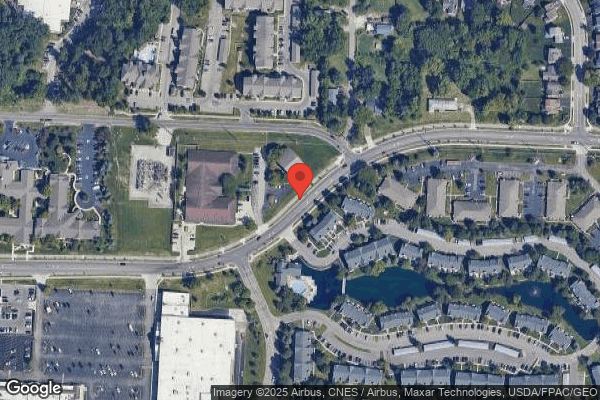
111 LAZELLE ROAD EAST, COLUMBUS, OH 43235 (614) 888-2021
For profit - Corporation 56 Beds FOUNDATIONS HEALTH SOLUTIONS Data: November 2025
Trust Grade
80/100
#80 of 913 in OH
Last Inspection: August 2024

Within standard 12-15 month inspection cycle. Federal law requires annual inspections.

Overview

Highbanks Care Center in Columbus, Ohio has a Trust Grade of B+, which means it is recommended and above average compared to other nursing homes. It ranks #80 out of 913 facilities in Ohio, placing it in the top half of the state, and is the top facility among 56 in Franklin County. The facility's performance has been stable, with five issues reported in both 2023 and 2024. Staffing is a concern, rated at 2 out of 5 stars, with a turnover rate of 57%, which is average for Ohio. However, they have no fines on record and provide more RN coverage than 90% of similar facilities, which is a positive aspect. On the downside, there have been specific incidents where residents did not receive adequate assistance in financial matters, potentially jeopardizing their eligibility for important benefits. Additionally, there was a failure to ensure that a resident requiring extensive mobility assistance had the necessary support from staff during transfers, which raises safety concerns. Overall, while Highbanks Care Center boasts strengths in RN coverage and no fines, families should be aware of staffing issues and specific care deficiencies when considering this facility.

Trust Score
B+
80/100
In Ohio
#80/913
Top 8%
Safety Record
Low Risk
No red flags
Inspections
Holding Steady
5 → 5 violations
Staff Stability
⚠ Watch
57% turnover. Above average. Higher turnover means staff may not know residents' routines.
Penalties
✓ Good
No fines on record. Clean compliance history, better than most Ohio facilities.
Skilled Nurses
✓ Good
Each resident gets 47 minutes of Registered Nurse (RN) attention daily — more than average for Ohio. RNs are trained to catch health problems early.
Violations
⚠ Watch
20 deficiencies on record. Higher than average. Multiple issues found across inspections.
★★★★★
5.0
Overall Rating
★★☆☆☆
2.0
Staff Levels
★★★★★
5.0
Care Quality
★★★★☆
4.0
Inspection Score
Stable
2023: 5 issues
2024: 5 issues

The Good

  • 5-Star Quality Measures · Strong clinical quality outcomes
  • Full Sprinkler Coverage · Fire safety systems throughout facility
  • No fines on record

Facility shows strength in quality measures, fire safety.

The Bad

Staff Turnover: 57%

10pts above Ohio avg (46%)

Frequent staff changes - ask about care continuity

Chain: FOUNDATIONS HEALTH SOLUTIONS

Part of a multi-facility chain

Ask about local staffing decisions and management

Staff turnover is elevated (57%)

9 points above Ohio average of 48%

The Ugly 20 deficiencies on record

Aug 2024 5 deficiencies
CONCERN (D)

Potential for Harm - no one hurt, but risky conditions existed

Deficiency F0688 (Tag F0688)

Could have caused harm · This affected 1 resident

**NOTE- TERMS IN BRACKETS HAVE BEEN EDITED TO PROTECT CONFIDENTIALITY** Based on observation, record review, family interview, and staff interview, the facility failed to apply a physcian ordered rest...

Read full inspector narrative →
**NOTE- TERMS IN BRACKETS HAVE BEEN EDITED TO PROTECT CONFIDENTIALITY** Based on observation, record review, family interview, and staff interview, the facility failed to apply a physcian ordered resting hand splint. This affected one (#31) of one resident reviewed for positioning. The facility census was 55. Findings include: Review of Resident #31's medical record revealed an admission date of 11/09/20, with diagnoses including: hemiplegia and hemiparesis, vascular dementia, and contracture of left hand. Review of a physician order dated 11/30/23 revealed Resident #31 was ordered a left resting hand splint per patient tolerance. Review of the plan of care dated 05/02/24 revealed Resident #31 had a left resting hand splint and was worn per Resident #31's tolerance level. Interventions included left resting hand splint as tolerated, with frequent skin checks for redness and monitoring pain or discomfort. A visual reminder was located in Resident #31's room. Review of the quarterly Minimum Data Set (MDS) dated [DATE] revealed Resident #31 had severe cognitive impairment. The MDS also revealed Resident #31 had functional impairment on one side to the upper and lower extremity. Observation on 08/25/24 at 8:07 A.M., revealed Resident #31 had a sign hanging next to the bed that read Nursing: Mrs. (Resident #31) splint schedule least 8 hours daily. Please wrap brace on patient after breakfast and remove after dinner. Observation on 08/25/24 at 8:23 A.M. and 2:01 P.M., and on 08/26/24 at 10:07 A.M., revealed Resident #31 was not wearing a splint to left hand. Interview on 08/26/24 at 3:34 P.M., with Resident #31's son revealed when they visited Resident #31, they have not observed Resident #31 wearing a splint to the left hand. Observation on 08/26/24 at 3:44 P.M. and on 08/27/24 at 9:13 A.M., revealed Resident #31 was not wearing a splint to the left hand. Interview on 08/27/24 at 11:01 A.M., State Tested Nursing Assistant (STNA) #244 verified Resident #31 was not wearing a splint to the left hand. STNA #244 stated they did not know Resident #31 was supposed to wear a splint to the left hand. STNA #244 did locate a splint in the second drawer of the nightstand next to Resident #31's bed.
CONCERN (D)

Potential for Harm - no one hurt, but risky conditions existed

Medication Errors (Tag F0758)

Could have caused harm · This affected 1 resident

**NOTE- TERMS IN BRACKETS HAVE BEEN EDITED TO PROTECT CONFIDENTIALITY** Based on record review and staff interview, the facility failed to ensure a resident was not receiving an unnecessary amount of ...

Read full inspector narrative →
**NOTE- TERMS IN BRACKETS HAVE BEEN EDITED TO PROTECT CONFIDENTIALITY** Based on record review and staff interview, the facility failed to ensure a resident was not receiving an unnecessary amount of an antipsychotic medication. This affected one (#6) of five residents reviewed for unnecessary medication. Facility census was 55. Findings include: Review of Resident #6's medical record revealed an admission date of 01/13/23, with diagnoses including: type 2 diabetes mellitus, pseudobulbar affect, insomnia, and schizoaffective disorder. Review of a progress note by psychiatric physician dated 11/08/23 revealed Resident #6's Invega (antipsychotic) was to be increased from 1.5 milligrams (mg) to three (3) mg at bedtime. Review of the medication administration record (MAR) from 11/08/23 through 12/07/23 revealed Resident #6 was administered Invega 1.5 mg and Invega three (3) mg for a total of 4.5 mg at bedtime. Review of a pharmacy recommendation dated 12/01/23 revealed it was difficult to assess the proper dose for Invega. Was the dose to be increased from 1.5 mg for a total of 4.5 mg daily on 11/08/23? Pharmacy requested the total dose be clarified. Review of the quarterly Minimum Data Set (MDS) assessment dated [DATE] revealed Resident #6 had a Brief Interview for Mental Status (BIMS) score of 05, which indicated severe cognitive impairment. The MDS also revealed Resident #6 received antipsychotic medication and antipsychotic's were received on a routine basis. Review of the plan of care dated 07/11/24 revealed Resident #6 was at risk for adverse effects related to psychoactive medication use. Interventions included to administer medications as ordered, report changes in behavior or mood state, and if continued drug use proves unavoidable use minimum effective dose. Interview on 08/27/24 at 8:59 A.M., with the Director of Nursing (DON) verified Invega was to be increased from 1.5 mg daily to three (3) mg daily instead of 4.5 mg daily. DON verified Resident #6 received the incorrect dose of Invega from 11/08/23 through 12/07/23.
CONCERN (D)

Potential for Harm - no one hurt, but risky conditions existed

Safe Environment (Tag F0921)

Could have caused harm · This affected 1 resident

**NOTE- TERMS IN BRACKETS HAVE BEEN EDITED TO PROTECT CONFIDENTIALITY** Based on observation and staff interview, the facility failed to provide a homelike environment. This affected two (#31 and #44)...

Read full inspector narrative →
**NOTE- TERMS IN BRACKETS HAVE BEEN EDITED TO PROTECT CONFIDENTIALITY** Based on observation and staff interview, the facility failed to provide a homelike environment. This affected two (#31 and #44) of four residents reviewed for a homelike environment. The facility census was 55. Findings include: 1. Review of Resident #31's medical record revealed an admission date of 11/09/20, with diagnoses including: hemiplegia and hemiparesis, vascular dementia, and contracture of left hand. Review of the quarterly Minimum Data Set (MDS) dated [DATE] revealed Resident #31 had severe cognitive impairment. Review of a behavior note dated 08/07/24 at 8:08 P.M. revealed Resident #31 was peeling the wall by the bed. Observation on 08/26/24 at 3:44 P.M., revealed Resident #31 was lying in bed. An area of peeling drywall/paint was observed on the wall next to Resident #31's head. Interview on 08/27/24 at 3:11 P.M., with Maintenance Director #245 verified the wall next to Resident #31's bed needed repaired. Maintenance Director #245 stated the area was going to be fixed the week of 08/25/24. Maintenance Director #245 verified the area had not been repaired at this time. Interview on 08/27/24 at 3:44 P.M., with Licensed Nursing Home Administrator (LNHA) revealed a State Tested Nursing Assistant reported on 08/23/24 the wall needed repaired next to Resident #31's bed. LNHA provided a receipt that supplies to fix the wall were purchased on 08/25/24. LNHA verified the wall had not been repaired at this time. 2. Review of Resident #44's medical record revealed an admission date of 06/15/23, with diagnoses including: psychological development disorder, type 2 diabetes mellitus, schizophrenia, and depression. Review of the annual MDS dated [DATE] revealed Resident #44 had a BIMS score of 15, which indicated Resident #44 was cognitively intact. Observation on 08/26/24 at 8:36 A.M., of Resident #44's room revealed multiple filled holes in the wall and the walls needed painted. Interview with Resident #44, at the time of the observation, revealed the holes had been filled a long time ago and Resident #44 had not been provided any updates on when the walls would be painted. Interview on 08/27/24 at 3:11 P.M., with Maintenance Director #245 revealed Resident #44's room was supposed to be painted the week of 08/25/24. Maintenance Director #245 verified the room was not painted to cover the patched areas. Maintenance Director #245 and LNHA were both asked on 08/27/24 and 08/28/24 for information on when the holes where patched in Resident #44's room. No information was provided to indicate how long Resident #44 had been waiting to have the room painted.
CONCERN (E)

Potential for Harm - no one hurt, but risky conditions existed

Deficiency F0679 (Tag F0679)

Could have caused harm · This affected multiple residents

**NOTE- TERMS IN BRACKETS HAVE BEEN EDITED TO PROTECT CONFIDENTIALITY** 7. Review of Resident #33's medical record revealed an admission date of 07/30/20. Resident #33's diagnoses included: major depr...

Read full inspector narrative →
**NOTE- TERMS IN BRACKETS HAVE BEEN EDITED TO PROTECT CONFIDENTIALITY** 7. Review of Resident #33's medical record revealed an admission date of 07/30/20. Resident #33's diagnoses included: major depressive disorder, type two diabetes mellitus, tobacco use, schizoaffective disorder, bipolar disorder, anxiety and insomnia. Review of MDS assessment completed 07/17/24, revealed he was cognitively intact, exhibited no behaviors, it was somewhat important to do things with groups of people and participate in his favorite activities. Resident #33 said it was very important to spend time outside. Review of activity assessment completed 07/28/24 revealed Resident #33 enjoys chess, Jenga, bingo, music, arts and crafts, outings, and socializing with residents and staff. Review of Resident #33's undated care plan revealed he is a sociable person who enjoys various activities. Key activities include arts and crafts, bingo, reading, spending time outside, and watching television and movies. Goals were set for him to express satisfaction with self-directed activities and offer suggestions for group activities if he feels dissatisfied. Review of activity log from August 2024 revealed Resident #33 participated in one social/party event for the month of August 2024. Interview on 08/27/24 at 11:15 A.M., with Resident #33 confirmed he participated in a smoke break activity; after smoking his cigarettes, he returned to his room due to lack of activities. Interview on 07/27/24 at 2:08 P.M., with Resident #33 confirmed that the only activities offered are bingo and coloring. He mentioned these activities seemed more suited for a younger age, and as they do not meet his interests and he spends most of his time in his room. Resident #33 suggested increasing outings and social events due to limited time spent in the surrounding areas around the facility. Interview on 08/28/24 at 8:41 A.M., with AD #223 and Activity Personnel #265 confirmed Resident #33 is very sociable, making it challenging to find suitable activities due to the patient population and restrictions. Review of facility activity calendars, dated June 2024 to August 2024, revealed the following activities were scheduled on a daily basis: smoke breaks (five times daily), outside (once daily), snack cart, lunch, and dinner. Other than these activities on a daily basis, there was no more than two other activities scheduled each day. Review of the facility website at https://www.highbanks-care.net revealed under the About Us tab the facility is a 56 bed secured, skilled nursing facility and specializes in mental health services. At Highbanks Care Center we believe in providing a supportive and nurturing environment for adults requiring skilled nursing services and mental health assistance. Our highly trained staff focuses activities related to each individual's life and interests along with a calming environment, which reduces behavioral disturbances. Review of the job description for Activities Director #223 revealed responsibilities and major duties included implementing programs of individual and group activities based on residents needs. Schedule and implement room visits and in room activities for residents not able to leave their rooms. Schedule and implement indoor and outdoor activity programs. Based on observation, medical record review, resident interview, staff interviews, activity calendar review, facility website review, policy review, and staff job description review, the facility failed to provide activities for residents that were meaningful and of their choice. This affected seven (#3, #6, #16, #31, #33, #41, and #48) of seven residents reviewed for activities. The census was 55. Findings include: Observations on 08/26/24 at 9:15 A.M. and 08/28/24 at 10:00 P.M., revealed residents on the 200 unit, were sitting around the dining tables or in the common area watching the television, with staff sitting and watching them do that as well. 1. Observations on 08/26/24 at 9:15 A.M. and 08/28/24 at 10:00 P.M., revealed Resident #3 sitting in her room, not doing any activities. Review of Resident #3's medical record revealed an admission date of 06/12/20. Resident #3's diagnoses included: dementia, COPD, nicotine dependence, paranoid schizophrenia, anxiety disorder, major depressive disorder, unspecified intellectual disabilities, and dysphagia. Review of her minimum data set (MDS) assessment, dated 08/08/24, revealed she was cognitively intact. Review of Resident #3's activity assessment, dated 03/12/24, revealed she liked the following activities: card games, playing basketball or football, watching western or love story shows, coloring and painting, reading magazines, going to church/praying, interacting with dogs and cats, and interacting with others/socializing. Review of Resident #3's activity logs, dated 02/03/24 to 02/14/24 and 05/01/24 to 05/31/24, revealed she completed a total of 42 activities during the documented times. The list of activities that she was offered and performed included: bingo, movies, painting, two parties, going outside, and pet visits. Of the 42 documented activities, 36 of them were going outside and pet visits. There was no other documentation of activities offered or performed from 02/01/24 to 08/28/24, other than the ones listed above. 2. Review of Resident #41's medical record revealed an admission date of 04/21/22. Resident #41's diagnoses included: encephalopathy, chronic obstructive pulmonary disease, type II diabetes, chronic pancreatitis, atherosclerotic heart disease, hypertension, hyperlipidemia, anemia, adult failure to thrive, anorexia, bipolar disorder, alcoholic dependence, dementia, and mood disorder. Review of her MDS assessment, dated 07/17/24, revealed he had a severe cognitive impairment. Review of Resident #41's activity assessment, dated 04/20/24, revealed the following: Resident prefers to participate in activities of his choice at his own leisure. Resident typically enjoys going outside for air and to smoke. Resident's favorite activity is making his own artwork. He draws them out in pencil, sometimes using a ruler, then he colors each area in. Creating really cool and neat designs. He usually works on them in his room, but he'll sometimes work on them in the TV room. Review of Resident #41's activity logs, dated 02/03/34 to 02/05/24 and 05/01/24 to 06/30/24, revealed he was offered and completed a total of 33 activities. The list of activities offered and performed included: bingo, pet visit, adult coloring, cupcakes, resident council, and father's day cookout. Of the 33 documented activities, nine of them were bingo and 20 of them were pet visits; only one was related to adult coloring. 3. Review of Resident #48's medical record revealed an admission date of 05/20/23. Resident #48's diagnoses included: alcohol dependence with alcohol induced persisting dementia, unspecified focal traumatic brain injury, major depressive disorder, restlessness and agitation, dementia, nicotine dependence, osteoarthritis, hypertension, insomnia, schizophrenia. Review of her MDS assessment, dated 06/12/24, revealed he had a severe cognitive impairment. Review of Resident #48's activity assessment, dated 03/11/24, revealed he prefers one on one activities. His activity preferences were documented as cards, games, watching television, exercise/sports, music/radio, trips/shopping/outings, hobbies, pets, outdoors, and socializing. Review of Resident #48's activity logs, dated 02/03/34 to 02/17/24 and 05/01/24 to 05/31/24, revealed he was offered and completed a total of 51 activities. The list of activities offered and performed included: bingo, popcorn/movie, party, painting, animal documentary (movie), going outside, pet visit, and cupcakes. Of the 51 documented activities, 43 of them were going outside and pet visits. Interview on 08/27/24 10:25 A.M., with State Tested Nursing Aide (STNA) #249 revealed there is not an activities calendar in the 200 unit of the facility at this time. STNA #249 stated she doesn't know what activities will be performed daily. STNA #249 stated the activities director will come out of her office and perform an activity with the residents. STNA #249 stated waits until the activities director come out to assist with performing activities. STNA stated most of the time, the residents are in their room, watching television, or going outside to sit. 4. Review of Resident #6's medical record revealed an admission date of 01/13/23. Resident #6's diagnoses included: type 2 diabetes mellitus, pseudobulbar affect, insomnia, and schizoaffective disorder. Review of Resident #6's Activities assessment dated [DATE] at 10:07 A.M., revealed Resident #6 loves music, especially classical music, and loves to sing. Resident #6 likes karaoke, Bingo, arts and crafts, and snacks. Resident #6 does better with one-on-one activities but does participate in group activities. Review of the plan of care dated 04/11/24 revealed Resident #6 did not engage in group activities. Resident #6 preferred activities in her room. Resident #6 enjoys spa day and getting hair/makeup done. Resident #6 voiced interest in getting nails done. Resident #6 really likes music. Interventions included to invite Resident #6 to music related activities and outside activities. Review of activity log from 02/04/24 through 08/19/24 revealed Resident #6 participated in valentine party, refused movie and popcorn on 02/04/24 and manicure on 08/05/24. Resident #6 had 17 pet visits and one attempt at bingo. Review of the quarterly MDS dated [DATE] revealed Resident #6 had a Brief Interview for Mental Status (BIMS) score of 05, which indicated severe cognitive impairment. Observations on 08/25/24, 08/26/24, and 08/27/24 over multiple time frames, revealed Resident #6 was in lying in bed with the door to the room closed. Resident #6 was not observed in any activities. Interview on 08/27/24 at 1:42 P.M., with Activities Director (AD) #223 revealed residents were asked if they wanted to color or do games. AD #223 stated activities were completed in the morning and included art projects. AD #223 stated the popcorn machine was being cleaned and then movies could be done as an activity. AD #223 stated it was difficult to do activities with most of the residents due to short attention span. AD #223 revealed Resident #6 received hospice services and slept a lot and one-on-one activities were completed with Resident #6. Activities Director #223 stated she had a dog name [NAME] that did pet visits. 5. Review of Resident #16's medical record revealed an admission date of 02/23/24, Resident #16's diagnoses included: Alzheimer's disease, palliative care, bipolar disorder, anxiety, and major depressive disorder. Review of Resident #16's Activity assessment dated [DATE] revealed Resident #16 preferred one-on-one, small groups, and large group activities. Resident #16's interest included cards, bingo, movies with [NAME], music, word searches, music, and sitting on the porch. Review of the plan of care dated 04/14/24 revealed Resident #16 did not engage in group activities. Resident #16 loves to walk. Resident #16 loves music and dancing. Resident #16's guardian revealed Resident #16 loved Christianity and may tolerate Bible studies. Interventions include to invite Resident #16 to music related activities, religious services, and offer/provide one-on-one visits twice a week. Resident #16 also enjoys sitting in the courtyard. Review of the significant change MDS dated [DATE] revealed Resident #16 had severe cognitive impairment. Review of activity log from 05/01/24 to 07/19/24 revealed Resident #16 observed bingo three times and the library once. Resident #16 had 18 pet visits. Observations on 08/25/24 at 2:04 P.M., 08/26/24 at 10:01 A.M., 08/26/24 at 3:47 P.M., 08/27/24 at 9:14 A.M., and 08/27/24 at 11:33 A.M., revealed Resident #16 was either in bed or sitting in wheelchair in the common area with the television on. Resident #16 was not observed in any structured activities. Interview on 08/27/24 at 1:42 P.M., with AD #223 stated Resident #16 had a recent decline and had anger issues before but Resident #16 did like to talk to people. 6. Review of Resident #31's medical record revealed an admission date of 11/09/20. Resident #31's diagnoses included: hemiplegia and hemiparesis, vascular dementia, and contracture of left hand. Review of the activity log from 02/03/24 to 08/19/24 revealed Resident #31 attended bingo three times, participated in watching a movie once, and painted once. Resident #31 refused a manicure that was offered one time and observed the library activity. Resident #31 had 17 pet visits. Review of the Activities assessment note dated 02/06/24 at 10:16 A.M., revealed Resident #31 comes to almost all of the activities. Resident #31 does a really good job, but needs extra help most of the time. Resident #31 particularly likes bingo, doing jigsaw puzzles, reading the paper and eating snacks. Review of the plan of care dated 04/14/24 revealed Resident #31 is a sociable person and comes to majority of the activities. Interventions included to invite Resident #31 to scheduled activities, offer books, newspapers and magazines to read, and provide with leisure supplies for self directed pursuits, Review of the quarterly MDS dated [DATE] revealed Resident #31 had severe cognitive impairment. The MDS also revealed Resident #31 had functional impairment on one side to the upper and lower extremity. Observations on 08/25/24 at 8:23 A.M., 08/25/24 at 2:01 P.M., 08/26/24 at 10:07 A.M., and 08/27/24 at 9:13 A.M., revealed Resident #31 was sitting in a wheelchair in the common area with the television on. Resident #31 was not observed in any structured activities. Interview on 08/27/24 at 1:42 P.M., with AD #223 stated Resident #31 used to like bingo but mainly doing one-on-one visits with Resident #31.
CONCERN (E)

Potential for Harm - no one hurt, but risky conditions existed

Deficiency F0745 (Tag F0745)

Could have caused harm · This affected multiple residents

**NOTE- TERMS IN BRACKETS HAVE BEEN EDITED TO PROTECT CONFIDENTIALITY** Based on medical record review, financial record review, family interview, and staff interview, the facility failed to ensure re...

Read full inspector narrative →
**NOTE- TERMS IN BRACKETS HAVE BEEN EDITED TO PROTECT CONFIDENTIALITY** Based on medical record review, financial record review, family interview, and staff interview, the facility failed to ensure residents and/or resident representative was provided assistance in financial matters ensuring resident does not lose eligibility of Supplemental Security Income (SSI) or Medicaid services. This affected four (#27, #30, #31, and #35) of eight resident financial records reviewed. The census was 55. Findings include: 1. Review of Resident #27's medical record revealed an admission on [DATE]. Resident #27's diagnoses included: Alzheimer's disease, hypertension, dementia, aphasia, mood disorder, anxiety disorder, and psychosis. Review of her minimum data set (MDS) assessment, dated 06/05/24, revealed she had a severe cognitive impairment. Review of Resident #27 's financial records, dated 08/15/23 to 08/06/24, revealed her resident funds account varied between $2,336.04 to $5,693.35. Review of Resident #27's notice for spend down revealed the notices were sent to her representative, dated 08/01/23 to 08/01/24, revealed one was sent each month, indicating that she was over the allowed Medicaid limit of $2,000. Part of the letter stated, due to the fact this balance is over $1,500, please take the necessary steps to spend down the money on anything that the resident may need. Should you have any questions, or concerns, please contact the business office or your Medicaid caseworkers. Further review of the medical record revealed no documented evidence of the facility following up on the notices of spend down to ensure the resident does not lose Medicaid or SSI eligibility. Interview on 08/28/24 at 2:25 P.M., with Resident #27's family/representative revealed he had received one spend down notice letter in the last 12 months. He stated he knew Resident #27 was over the spending limit by receiving that letter, but he didn't know what to do about that from this point forward. He stated he would call the facility to find out what he needed to do. 2. Review of Resident #30's medical record revealed an admission on [DATE]. Resident #30's diagnoses included: dementia, Parkinsonism, paranoid schizophrenia, adult failure to thrive, dysphagia, depression, and muscle weakness. Review of his minimum data set (MDS) assessment, dated 08/08/24, revealed he had a severe cognitive impairment. Review of Resident #30's financial records, dated 09/21/23 to 08/06/24, revealed his resident funds account varied between $2,591.85 to $15,864.99. Review of Resident #30's notice for spend down revealed the notices were sent to his representative, dated 10/25/23 to 08/01/24, revealed one was sent each month, indicating that he was over the allowed Medicaid limit of $2,000. Part of the letter stated, due to the fact this balance is over $1,500, please take the necessary steps to spend down the money on anything that the resident may need. Should you have any questions, or concerns, please contact the business office or your Medicaid caseworkers. Further review of the medical record revealed no documented evidence of the facility following up on the notices of spend down to ensure the resident does not lose Medicaid or SSI eligibility. 3. Review of Resident #31's medical record revealed an admission on [DATE]. Resident #31's diagnoses included: hemiplegia and hemiparesis, respiratory disorders, type II diabetes, vascular dementia, hyperlipidemia, anxiety disorder, major depressive disorder, dysphagia, . Review of her minimum data set (MDS) assessment, dated 06/19/24, revealed she had a severe cognitive impairment. Review of Resident #31's financial records, dated 08/02/23 to 08/06/24, revealed her resident funds account varied between $997.97 to $3,929.24. Review of her financial statements revealed she was under the spending limit from 11/17/23 to 01/02/24; but all the other entries were above the spending limit. Review of Resident #31's notice for spend down revealed the notices were sent to her representative, dated 08/01/23 to 08/01/24, revealed one was sent each month, indicating that she was over the allowed Medicaid limit of $2,000. Part of the letter stated, due to the fact this balance is over $1,500, please take the necessary steps to spend down the money on anything that the resident may need. Should you have any questions, or concerns, please contact the business office or your Medicaid caseworkers. Further review of the medical record revealed no documented evidence of the facility following up on the notices of spend down to ensure the resident does not lose Medicaid or SSI eligibility. 4. Review of Resident #35's medical record revealed an admission on [DATE]. Resident #35's diagnoses included: Huntington's disease, dementia, respiratory disorders, nicotine dependence, psychosis, hyperparathyroidism, vitamin D deficiency, major depressive disorder, anxiety disorder, insomnia, and adult failure to thrive. Review of her minimum data set (MDS) assessment, dated 08/15/24, revealed she had a severe cognitive impairment. Review of Resident #35's financial records, dated 11/08/23 to 08/06/24, revealed her resident funds account varied between $2,492.05 to $9,373.09. Review of Resident #35's notice for spend down revealed the notices were sent to her representative, dated 11/01/23 to 08/01/24, revealed one was sent each month, indicating that she was over the allowed Medicaid limit of $2,000. Part of the letter stated, due to the fact this balance is over $1,500, please take the necessary steps to spend down the money on anything that the resident may need. Should you have any questions, or concerns, please contact the business office or your Medicaid caseworkers. Further review of the medical record revealed no documented evidence of the facility following up on the notices of spend down to ensure the resident does not lose Medicaid or SSI eligibility. Interview on 08/28/24 at 2:15 P.M., with Business Office Manager (BOM), verified the resident has up to nine months to spend down any excessive monies in their account that was the result of money that was owed to them by social security. BOM verified all four residents had more money in their personal accounts than what was permitted for more than nine months. BOM verified the facility has provided spend down notices but has not assisted or followed up with the residents and/ or resident representative in the spending of the extra money so they do not lose benefit eligibility.
Feb 2023 5 deficiencies
CONCERN (D) 📢 Someone Reported This

A family member, employee, or ombudsman was alarmed enough to file a formal complaint

Potential for Harm - no one hurt, but risky conditions existed

Deficiency F0558 (Tag F0558)

Could have caused harm · This affected 1 resident

**NOTE- TERMS IN BRACKETS HAVE BEEN EDITED TO PROTECT CONFIDENTIALITY** Based on record review, observations, and staff interviews, the facility failed to ensure call lights remained in reach and were...

Read full inspector narrative →
**NOTE- TERMS IN BRACKETS HAVE BEEN EDITED TO PROTECT CONFIDENTIALITY** Based on record review, observations, and staff interviews, the facility failed to ensure call lights remained in reach and were easily accessible for the residents. This affected two (Residents #1 and #24) of 24 residents reviewed for call lights. The facility census was 50. Findings include: 1. Review of the medical record for Resident #1 revealed an admission date of 11/13/21. Diagnoses included Alzheimer's disease, dementia, osteoarthritis and muscle weakness. Review of the Minimum Data Set (MDS) assessment dated [DATE] revealed Resident #1 was cognitively impaired and was rarely understood and required extensive assistance of two staff members for mobility and transfers. Review of the care plan dated 02/13/23 revealed Resident #1 was at risk for falls with interventions to encourage and remind the resident to ask for assistance. Observation on 02/13/23 at 7:59 P.M. with Resident #1 revealed the resident was laying in bed. Resident #1's call light was observed to be under the bed and out of reach. Interview and observation on 02/13/23 at 7:59 P.M. with State Tested Nursing Aide (STNA) #151 revealed it was wrapped around Resident #1's bed wheels and physically moved the bed to free the call light. 2. Review of the medical record for the Resident #24 revealed an admission date of 10/01/20. Diagnoses included Parkinson's disease, dementia, schizophrenia and anxiety. Review of the care plan dated 06/16/22 revealed Resident #24 may require assistance with activities of daily living. Review of the Minimum Data Set (MDS) assessment dated [DATE] revealed Resident #24 was cognitively impaired and required extensive assistance of one staff members for mobility and activities of daily living. Observation on 02/13/23 at 8:08 P.M. with Resident #24 revealed the resident was laying in bed. Resident #24's call light was observed to be under the bed tucked next to the wall and out of reach. Interview and observation on 02/13/23 at 8:08 P.M. with Licensed Practical Nurse (LPN) #145 confirmed the call light was on the floor and out of reach of Resident #24. This deficiency represents non-compliance investigated under Complaint Numbers OH00140106 and OH00140308.
CONCERN (D)

Potential for Harm - no one hurt, but risky conditions existed

Assessment Accuracy (Tag F0641)

Could have caused harm · This affected 1 resident

**NOTE- TERMS IN BRACKETS HAVE BEEN EDITED TO PROTECT CONFIDENTIALITY** 2. Record review for Resident #39 revealed the resident was admitted to the facility on [DATE]. Diagnoses included Huntington's ...

Read full inspector narrative →
**NOTE- TERMS IN BRACKETS HAVE BEEN EDITED TO PROTECT CONFIDENTIALITY** 2. Record review for Resident #39 revealed the resident was admitted to the facility on [DATE]. Diagnoses included Huntington's disease and a history of transient ischemic attack. Review of Resident #39's medical record revealed Resident #39 was not receiving anticoagulation therapy since 09/17/22. Review of the quarterly MDS assessment dated [DATE] revealed Resident #39 was marked for receiving anticoagulation therapy for the look-back period Interview on 02/15/23 at 8:57 A.M. with Licensed Practical Nurse (LPN) #109 verified Resident #39 's MDS assessment dated [DATE] was marked incorrectly for anticoagulation. LPN #109 verified Resident #39 was not on anticoagulation therapy at the time of assessment and was last on anticoagulation therapy until 09/17/22. 3. Record review for Resident #50 revealed an admission date of 10/22/22. Diagnoses included history of transient ischemic attack (TIA) and cerebral infarction without residual deficits. Review of the physician orders from 12/01/23 to 01/01/23, revealed Resident #50 did not receive anticoagulation therapy. Review of the quarterly Minimum Data Set (MDS) assessment, dated 01/01/23, revealed Resident #50 was marked for receiving anticoagulation therapy for the look-back period Interview on 02/15/23 at 8:57 A.M. with Licensed Practical Nurse (LPN) #109 verified Resident #50's MDS assessment dated [DATE] was marked incorrectly for anticoagulation. LPN #109 verified Resident #50 was not on anticoagulation therapy at the time of assessment. Review of the MDS guidance revealed N0410E, Anticoagulant (e.g., warfarin, heparin, or low- molecular weight heparin): Record the number of days an anticoagulant medication was received by the resident at any time during the seven-day look-back period (or since admission/entry or reentry if less than seven days). Do not code antiplatelet medications such as aspirin/extended release, dipyridamole, or clopidogrel here. Based on record review and staff interview, the facility failed to accurately code Minimum Data Set (MDS) assessments for Resident #39 and #50 for anticoagulation drug use and Resident #52 for hospice services. This affected three (Resident #39, #50, and #52) of 16 residents reviewed for MDS assessments. The facility census was 50. Findings include: 1. Record review for Resident #52 revealed an admission date of 06/17/22. Diagnoses included dementia and adult failure to thrive. Resident #52 passed away at the facility under hospice services on 12/21/22. Review of the physician order dated 09/23/22 revealed Resident #52 was admitted to hospice for diagnosis of Alzheimer's disease with early onset. Review of the quarterly MDS assessments dated 09/23/22 and 12/06/22 revealed Resident #52 was coded as not receiving hospice services. Interview with Licensed Practical Nurse (LPN) #109 on 02/15/23 at 11:14 A.M. verified she did not code Resident #52 as receiving hospice services on the quarterly MDS assessments dated 09/23/22 and 12/06/22. LPN #109 stated she was new at completing MDS assessments.
CONCERN (E)

Potential for Harm - no one hurt, but risky conditions existed

Deficiency F0553 (Tag F0553)

Could have caused harm · This affected multiple residents

**NOTE- TERMS IN BRACKETS HAVE BEEN EDITED TO PROTECT CONFIDENTIALITY** 3. Medical record review for Resident #1 revealed an admission date of 11/13/21. Diagnoses included Alzheimer's disease, diabete...

Read full inspector narrative →
**NOTE- TERMS IN BRACKETS HAVE BEEN EDITED TO PROTECT CONFIDENTIALITY** 3. Medical record review for Resident #1 revealed an admission date of 11/13/21. Diagnoses included Alzheimer's disease, diabetes mellitus, dementia, osteoarthritis, and muscle weakness. Review of the Minimum Data Set (MDS) assessment dated [DATE] revealed Resident #1 was cognitively impaired and was rarely understood and required extensive assistance of two staff members for mobility and transfers. Review of the IDT Advance Care plan conference sheet dated 01/12/22 revealed a care conference took place on 01/12/22 and the meeting included the resident's emergency contact and social services. No clinical staff or other IDT team members were noted to have attended. Review of the Psychosocial Assessments dated 02/25/22 and 05/25/22 revealed these were not interdisciplinary team (IDT) care conferences. The documents revealed advanced care planning was reviewed but it did not specify which staff were included in the assessment. Review of the IDT Advance Care plan conference sheet dated 06/30/22 revealed a care conference took place on 06/30/22 and the meeting included the resident's emergency contact, social services, and the Assistant Director of Nursing (ADON). There were no other IDT members noted to attend the care conference. Further review of the medical record revealed there was no evidence an IDT care plan meeting was held for Resident #1 from 07/01/22 to 02/15/23. Interview on 02/14/23 at 9:13 A.M. with Resident #1's emergency contact revealed she has only been invited to one care conference meeting since Resident #1 was admitted and would like to participate. Interview on 02/15/23 at 10:20 A.M. with SS #136 confirmed interdisciplinary care conferences were not completed quarterly for Resident #1. 4. Review of the medical record for Resident #32 revealed an admission date of 01/17/22. Diagnoses included chronic ishemic heart disease, malnutrition, mood disorder, dementia, hypertension, and depression. Review of the Minimum Data Set (MDS) assessment dated [DATE] revealed Resident #32 was cognitively impaired and required limited assistance of one staff for activities of daily living. Review of the Psychosocial assessment dated [DATE], 05/16/22, 06/03/22 and 09/30/22 revealed these were not interdisciplinary team (IDT) care conferences. The documents revealed advanced care planning was reviewed, but family did not participate in the assessment. The form also does not specify which staff were included in the assessment. Review of the progress note dated 06/23/22 revealed a care conference was held with residents' emergency contact and the Administrator. No clinical or IDT staff were mentioned to have attended the meeting. Further review of the medical record revealed there was no evidence an IDT care plan meeting was held for Resident #32 from 01/17/22 to 02/15/23. Interview on 02/14/23 at 11:33 A.M. with Resident #32's family revealed she gets updates frequently, but denied being invited to care conferences. The family revealed they would like to attend care conferences if offered either in person or by phone. Interview on 02/15/23 at 10:20 A.M. with Social Services (SS) #136 revealed she was hired a few months ago and tried to get in a few care conferences in during the end of the last quarter of 2022. She verified many care conferences had been missed. SS #136 revealed family should be included in the care conference meetings and the IDT Care Conference forms should be completed. SS #136 confirmed IDT care conferences were not completed for Resident #32. SS #136 revealed IDT included several members of the team and should not just include the social service staff and resident or family. Review of the policy titled, Resident and Resident Representative Care Conferences, dated 08/08/16 revealed the resident and or resident representative would be offered and invited to attend an initial and quarterly care conferences. The policy did not include who from the facility was expected to attend the interdisciplinary care conferences. Based on medical record review, staff interview, and review of the facility policy, the facility failed to hold routine interdisciplinary team (IDT) care conferences for the residents. This affected four (Residents #1, #15, #16, and #32) of four residents reviewed for care conferences. The facility census was 50. Findings include: 1. Review of the medical record for Resident #16 revealed an admission date of 03/25/22. Diagnoses included metabolic encephalopathy, chronic obstructive pulmonary disease, diabetes mellitus type II, depressive disorder, anxiety disorder, insomnia, paranoid personality disorder, atherosclerotic heart disease, adult failure to thrive, convulsions, colostomy status, hemorrhagic condition, hypertension, mild cognitive impairment, and hallucinations. Review of the quarterly Minimum Data Set (MDS) assessment dated [DATE] revealed Resident #16 had intact cognition. Resident #16 required supervision setup help only for bed mobility, transfers, and toilet use. Review of the interdisciplinary team (IDT) Plan of Care Review Summaries from 01/01/22 to 02/15/23 revealed there was only one care conference held on 01/20/23 during the 13 months time period reviewed. There was no documentation if Resident #16 was invited to attend the care conference nor if the resident did or did not attend the care conference that was held on 01/20/23. Interview on 02/15/23 at 10:12 A.M. with Social Services (SS) #136 verified there was only one care conference held in 13 months for Resident #16. SS #136 verified there was no evidence if Resident #16 was invited to attend the care conference held on 01/20/23 and if the resident did or did not attend the care conference. SS #136 stated she had been working at the facility since December 2022 and trying to get everything caught up. She stated the residents were invited to the care conferences unless families requested the resident not be invited. She verified the facility was not able to provide documentation for additional quarterly care conferences for Resident #16. 2. Review of the medical record for Resident #15 revealed an admission date of 11/18/21. Diagnoses included atherosclerotic heart disease, heart failure, chronic kidney disease, schizoaffective disorder, bipolar type, borderline personality disorder, major depressive disorder, anxiety disorder, gastro-esophageal reflux disease, low back pain, low back pain, irritable bowel syndrome, conversion disorder, dysphagia, and constipation. Review of the annual Minimum Data Set (MDS) assessment dated [DATE] revealed Resident #15 had intact cognition. Resident #15 had minimal difficulty hearing. Resident #15 required limited one person bed mobility, transfer, and toileting. Resident #15 required extensive assistance of one person for dressing and personal hygiene. Review of the interdisciplinary team (IDT) Plan of Care Review Summaries from 01/01/22 to 02/15/23 revealed there was only one care conference held on 01/18/22 during the 13 months time period reviewed. Review of the IDT Advance and Care Plan Conference Sheet revealed it was conducted on 01/18/22. Interview on 02/15/23 at 10:12 A.M. with Social Services (SS) #136 verified there was only one care conference held in 13 months for Resident #15. Review of the facility policy titled Resident/Resident Representative Care Conference, revised 05/09/18, revealed the purpose of the care conference was to provide the resident and/or resident representative the opportunity to participate in the resident's plan of care. On admission, the resident and/or resident representative will be informed of the facility's care conference protocols. They will be offered an initial care conference meeting. They may also be informed of a projected schedule for quarterly care conferences for the year, and that they may request a care conference at any time.
CONCERN (E) 📢 Someone Reported This

A family member, employee, or ombudsman was alarmed enough to file a formal complaint

Potential for Harm - no one hurt, but risky conditions existed

Safe Environment (Tag F0921)

Could have caused harm · This affected multiple residents

Based on observation and staff interviews, the facility failed to ensure resident rooms were maintained in good repair. This affected four resident's (#1, #4, #7 and #24) of 24 residents reviewed for ...

Read full inspector narrative →
Based on observation and staff interviews, the facility failed to ensure resident rooms were maintained in good repair. This affected four resident's (#1, #4, #7 and #24) of 24 residents reviewed for environment concerns. The facility census was 50. Findings include: 1. Observation on 02/13/23 at 7:59 P.M. of Resident #1 and Resident #7's room revealed a salad plate size dent in the wall above Resident #7's bed and the window blinds were broken with several pieces sticking out in various directions and several pieces broken off. Interview and observation on 02/13/23 at 7:59 P.M. with State Tested Nursing Aide (STNA) #151 confirmed the window blinds were broken and in disrepair and also confirmed the dent in the wall. STNA revealed Resident #7 was aggressive at times and had likely hit the wall herself. Interview and observation on 02/16/23 at 9:31 A.M. with Maintenance Director (MD) #135 confirmed the dent in the drywall above Resident #7's bed. 2. Observation on 02/13/23 at 8:08 P.M. revealed the blinds in Resident #4 and Resident 24's room were broken. Several pieces had broken off and other pieces were bent in various directions. Interview and observation on 02/13/23 at 8:08 P.M. with Licensed Practical Nurse (LPN) #145 confirmed the blinds were not maintained in good repair. Interview and observation on 02/16/23 at 9:31 A.M. with Maintenance Director (MD) #135 confirmed several rooms on the 200 hall had broken blinds and they were working to replace the broken ones. He revealed one of the residents has been wandering into resident rooms and will break the blinds. This deficiency represents non-compliance investigated under Master Complaint Number OH00140325 and Complaint Numbers OH00140308 and OH00140106.
MINOR (B)

Minor Issue - procedural, no safety impact

Deficiency F0570 (Tag F0570)

Minor procedural issue · This affected multiple residents

Based on staff interview and record review, the facility failed to ensure the surety bond was sufficient to cover the balance of resident accounts. This had the potential to affect all 30 residents wh...

Read full inspector narrative →
Based on staff interview and record review, the facility failed to ensure the surety bond was sufficient to cover the balance of resident accounts. This had the potential to affect all 30 residents who had active fund accounts. The facility census was 50. Findings include Review of the Surety bond revealed a signature date of 05/26/21 and effective date of 06/01/21. The surety bond revealed a bond amount of $20,000. Review of the resident's fund account balances revealed a balance of $26,668.97 on 01/2022; a balance of $25,473.92 on 02/2022; a balance of $22,689.62 on 03/2022; a balance of $23,982.36 on 04/2022; a balance of $22,321.30 on 05/2022; a balance of $24,058.89 on 06/2022; a balance of $38,843.03 on 09/2022; a balance of $40,496.27 on 10/2022; a balance of $41,290.44 on 11/2022; a balance of $50,421.78 on 12/022; and a balance of $82,962.98 on 02/14/22. Review of the surety bond increase penalty rider with a signature date of 02/15/23 and effective date of 09/29/22. The surety bond revealed a bond increase to $100,000. Interview on 02/14/23 at 5:50 P.M. with Business Office Manager (BOM) #133 revealed she was not aware the surety bond was that low and the overall facility balance was that high. Interviews from 02/15/23 at 9:00 A.M. to 02/16/23 at 6:30 P.M. with the Administrator revealed the facility had requested a surety bond increase to $100,000. The Administrator revealed it was dated for coverage to start on 09/29/22. The Administrated acknowledged the form was not signed and dated until 02/15/23 after a copy was requested by the state survey agency. Review of the facility's undated policy titled Resident Trust Fund Deposit Procedure revealed the policy does not include any language related to the surety bond amount.
Dec 2022 1 deficiency
CONCERN (D) 📢 Someone Reported This

A family member, employee, or ombudsman was alarmed enough to file a formal complaint

Potential for Harm - no one hurt, but risky conditions existed

Accident Prevention (Tag F0689)

Could have caused harm · This affected 1 resident

**NOTE- TERMS IN BRACKETS HAVE BEEN EDITED TO PROTECT CONFIDENTIALITY** Based on medical record review, staff interview, law enforcement interview, and facility policy review, the facility failed to e...

Read full inspector narrative →
**NOTE- TERMS IN BRACKETS HAVE BEEN EDITED TO PROTECT CONFIDENTIALITY** Based on medical record review, staff interview, law enforcement interview, and facility policy review, the facility failed to ensure proper monitoring was in place to minimize the risk of potential sexual abuse. This affected one (Resident #36) of three residents reviewed for sexual abuse and monitoring. The census was 52. Findings Include: Record review revealed Resident #36 was admitted to the facility on [DATE]. Her diagnoses were Parkinson's disease, dementia, disorganized schizophrenia, schizophrenia, major depressive disorder, anxiety disorder, hyperlipidemia, and insomnia. Review of her Minimum Data Set (MDS) assessment, dated 12/03/22, revealed she had a significant cognitive impairment. Resident #36's progress notes, dated 12/11/22 to 12/12/22, revealed that a male resident (Resident #7) was found to be in her room on 12/11/22. After contacting Resident #36's guardian, it was decided that she would be sent to the emergency room for further evaluation. She returned from the hospital on [DATE]; no acute distress was noted. There was no documentation to support this alleged incident had any negative effect to her physical/mental health. Review of Resident #36's Minimum Data Set (MDS) assessment Section G, dated 12/03/22, revealed she needed extensive physical assistance with her activities of daily living. Review of Resident #36's care plan, undated, revealed she had an altered cognitive functioning. Record review revealed Resident #7 was admitted to the facility on [DATE]. His diagnoses were schizoaffective disorder, hemiplegia and hemiparesis, chronic obstructive pulmonary disease, type II diabetes, seizures, bipolar disorder, hypertension, traumatic compartment syndrome of unspecified upper extremity, anxiety disorder, major depressive disorder, hyperlipidemia, dysarthria and anarthria, and obesity. Review of his MDS assessment, dated 11/17/22, revealed he had a significant cognitive impairment. Review of Resident #7's progress notes, dated 12/11/22 to 12/13/22, revealed documentation to support he had been up all night from 12/10/22 to 12/11/22. On 12/11/22 at approximately 1:32 P.M., progress note stated Resident #7 was wandering into other resident rooms, exposed his genitalia while in the common areas of the facility, used profane and inappropriate language toward staff, and was exhibiting aggressive behaviors. He was documented as being on 1:1 staffing at that time. On 12/11/22 at 4:50 P.M., the facility received a call from the facility psychiatrist, and agreed to prescribe Haldol five milligrams (mg) every six hours as needed for Resident #7's agitation and stated the psychiatrist would be in the facility the next day (12/12/22) to evaluate Resident #7. Resident #7 was given one dose of Haldol five mg shortly after it was ordered. On 12/11/22 at approximately 8:29 P.M., a nurse heard yelling down the hall, walked into Resident #36's room and found Resident #7 beside Resident #36's bed with his hand on her knees; they were separated. Review of Resident #7 skin assessments revealed no evidence on his hands/fingers that he had any pieces of depends/incontinence brief (from Resident #36) on them. Review of Resident #7 care plans, undated, revealed he had an alteration in mood and behavior, which included manipulative behaviors. Also, his care plan revealed he required secured unit placement as the resident displays physically aggressive behaviors, resident is an elopement risk, resident wanders and has no safety awareness. Review of Resident #7's medical records revealed no documentation or assessment completed to support the reduction from 1:1 staff to 15-minute checks on 12/11/22 at approximately 5:00 P.M. There was no evidence to support Resident #7's behaviors had decreased or what was assessed to support the facility to decrease Resident #7's supervision levels when staff left at 5:00 P.M. and they began 15-minute checks instead of maintaining 1:1 staffing. Interview with the Director of Nursing (DON) on 12/15/22 at 10:45 A.M. confirmed Resident #7 was in 1:1 staffing protocol due to behaviors that were being exhibited earlier in the day (12/11/22). She stated they had an extra staff person who could provide 1:1 for him. That staff person left around 5:00 P.M. on 12/11/22, which then Resident #7 was switched to 15-minute checks. The DON stated she was contacted about Resident #7 behaviors earlier in the day (12/11/22), and told the facility staff to contact the physician. She was also contacted around 5:00 P.M. about staff having to leave her shift early, so they decided to do 15-minute checks with Resident #7. The DON was called around 7:30 P.M. to be informed about the sexual abuse allegation. All notifications were made, the facility sent Resident #36 to the hospital for evaluation, and kept her there until they could find a place to emergency discharge Resident #7. Resident #7 had not exhibited sexual behaviors like this before that day. The DON confirmed that since they did not have an extra staff member after 5:00 P.M. on 12/11/22, they felt his behaviors had subsided enough to keep him on 15-minute checks for everyone's safety. Interview with State Tested Nurse Aide (STNA) #103 on 12/15/22 at 11:10 A.M. revealed she was on the opposite side of the building as a float aide the morning of 12/11/22. A nurse came over and stated they needed her to be 1:1 with Resident #7 due to increased behaviors. She had to leave the facility shortly after 5:00 P.M., and she is not sure what happened after that. She had worked with Resident #7 before; no sexual behaviors were noticed. She had not seen him attempting to sexually abuse anyone. He would curse often and be aggressive with his communication, but never anything sexual. Interview with Licensed Practical Nurse (LPN) #101 on 12/15/22 at 11:17 A.M. stated she was working with Resident #7 and Resident #36 on 12/11/22. She confirmed he was acting different all day, which is why they called the psychiatrist and DON. The behaviors Resident #7 was exhibiting included showing his genitalia in common areas, cursing, going in/out of resident rooms, and overall agitation. They decided to use 1:1 staffing due to his behaviors. Unfortunately, the float staff had to leave for a family emergency, so she contacted DON and was told to start 15-minute checks. During shift change, at about 7:20 P.M., that is when Resident #7 took advantage of the situation and went in Resident #36 room. She heard the yell from Resident #36 room as she was getting ready to leave the facility. When she walked in, Resident #7 was in his wheelchair, his hand on Resident #36's knee. Her depends was shredded, she was incontinent, her nightgown was lifted to her waist, and her knees were lifted toward her chest. She removed Resident #7 from Resident #36's room to do an assessment on him. There was no allegation made to her at that time. She confirmed it would have been beneficial for 1:1 staffing to continue, but felt they had enough staff for 15-minute checks. She feels that Resident #7 took advantage of the time after the checked on him, and when the staff were completing shift change duties. Interview with LPN #102 on 12/15/22 at 12:58 P.M. revealed he came to work on 12/11/22 at about 7:00 P.M. He was told they were performing 15-minute checks on Resident #7 due to on-going behaviors. He confirmed he heard a noise from Resident #36 room, saw Resident #7 sitting in his wheelchair beside Resident #36, who was lying in her bed. Resident #7 hand was on her knee. Resident #36 depends was shredded and her nightgown was up to her waist. After Resident #7 was removed from her room, he asked Resident #36 what happened; she stated, he touched my vagina hairs. Shortly after making that allegation, he performed an initial/visual observation of Resident #36's body and could not find trauma but did not go in depth and waited for that evaluation to occur at the hospital. Interview with Law Enforcement #104 on 12/15/22 at 4:06 P.M. revealed he was contacted about the incident on 12/11/22. He stated he went to the hospital first to speak with Resident #36; she was not able to give much information. He confirmed the nurse that examined her, stated Resident #36 stated Resident #7 stuck his fingers inside her. He confirmed a rape kit was completed and the results could confirm if she was digitally penetrated. After going to the hospital, he went to the facility and spoke with Resident #7. He stated when he arrived, Resident #7 was lying in bed, dried spit in the corner of his mouth, and he was slightly out of it. When he interviewed him, he confirmed Resident #7 stated he had stuck his hand down Resident #36's pants earlier that day. Review of facility Self Reported Incident (SRI) number 230015, revealed Resident #7 was found in Resident #36 room with his hand on her knee, and her nightgown up to her waist. The facility had not fully completed their investigation, but it was not required to be completed until 12/19/22. The facility documented appropriate steps to keep all residents safe after the incident was discovered. The outcome of the investigation had not been determined yet. Review of facility Abuse, Neglect, Exploitation, and Misappropriation of Resident Property policy, dated 11/21/16, revealed it is the facility's policy to investigate all alleged violations involving abuse. Additionally, the facility should immediately report all such allegations to the administrator and state department of health. In cases where a crime is suspected, staff should also report the same to local law enforcement. Abuse was defined as the willful infliction of injury, unreasonable confinement, intimidation, or punishment with resulting physical harm, pain, or mental anguish. It includes verbal abuse, sexual abuse, physical abuse, and mental abuse. Sexual abuse was defined as non-consensual sexual contact of any type with a resident. If the resident is injured as a result of the alleged or suspected incident, immediate action should be taken to treat the resident. Staff should not leave a resident unattended, unless it is necessary to summon assistance. A nurse should perform an initial assessment of the resident. The resident's attending physician should be notified if an incident has occurred requiring physician involvement. If appropriation, the facility should send the resident to the hospital for an examination. If a person not on staff is accused of abuse, the facility will take action to protect the resident including, but not limited to, contacting the third party and addressing the issue directly with him/her, preventing access to resident during the investigation, and/or referring the matter to the appropriate authorities. In the case of resident to resident suspected abuse, the parties are separated from one another until the investigation has been completed. The resident representative, and the resident's attending physician, if appropriate, should be notified of the incident. All incident and allegations of abuse must be reported immediately to the administrator. Ensure that all alleged violations involving abuse are reported immediately, but no later that two hours after the allegation is made, if the events that cause the allegation involve abuse or result in serious bodily injury. Have evidence that all alleged violations are thoroughly investigated. Prevent further abuse while the investigation is in process. If the allegation is verified, appropriate corrective action must be taken. Review of facility monitoring form, dated 12/11/22, revealed Resident #7 was visually seen every 15 minutes from 5:00 P.M. to 7:15 P.M. This deficiency represents non-compliance investigated under Self Reported Incident Investigation Control Number 138348 and Complaint Number OH00138319.
May 2021 9 deficiencies
CONCERN (D)

Potential for Harm - no one hurt, but risky conditions existed

Deficiency F0578 (Tag F0578)

Could have caused harm · This affected 1 resident

Based on review of medical record, review of policy and staff interview, the facility failed to ensure an advanced directive was accurately reflected in the electronic medical record. This affected on...

Read full inspector narrative →
Based on review of medical record, review of policy and staff interview, the facility failed to ensure an advanced directive was accurately reflected in the electronic medical record. This affected one (#12) of one residents reviewed for advanced directives. The facility identified 22 residents who had advanced directives. The census was 49. Findings include: Review of Resident #12's medical record revealed she admitted to the facility 11/05/20. Diagnoses included schizophrenia and encephalopathy. Review of a form titled, Do-not-resuscitate-comfort-care-arrest (DNRCCA), dated 04/10/21 revealed Resident #12 elected to be a DNRCCA. The physician signed on the same date. Review of Resident #12's care plan dated 10/07/20, last revised 04/15/21 stated Resident #12 was a full code. Interview on 04/28/21 at 7:33 A.M., with Administrator and Director of Nursing (DON) revealed a resident's advanced directives should be accurately reflected in both the hard chart and electronic medical record. Interview on 04/28/21 at 11:15 A.M., with DON confirmed Resident #12 elected the DNRCCA on 04/10/21. DON confirmed Resident #12's care plan and electronic medical record were never updated to accurately reflect her advanced directives. Review of a facility policy titled, Residents' Rights: Treatment and Advance Directives, dated 11/22/16, revealed residents' advanced directives would be placed on the chart and communicated to the staff.
CONCERN (D)

Potential for Harm - no one hurt, but risky conditions existed

Notification of Changes (Tag F0580)

Could have caused harm · This affected 1 resident

Based on review of medical record, staff interviews and review of policy, the facility failed to ensure a resident representative was notified of a significant weight loss for a resident. This affecte...

Read full inspector narrative →
Based on review of medical record, staff interviews and review of policy, the facility failed to ensure a resident representative was notified of a significant weight loss for a resident. This affected one (#19) of one resident reviewed for notification of change. The census was 49. Findings include: Review of Resident #19's medical record revealed she admitted to the facility 09/15/20. Diagnoses included fracture of right humerus and dementia. A dietary note dated 03/24/21 revealed Resident #19 lost 16 pounds since February 2021. Her supplement was increased and the physician was notified. There was no evidence her resident representative being notified of her weight loss. Interview on 04/27/21 at 12:42 P.M., Dietician #307 stated nursing staff were responsible for notifying resident representatives of dietary/nutritional changes. Interview on 04/27/21 at 12:43 P.M., Director of Nursing stated Dietician #307 was responsible for notifying resident representatives of dietary and nutritional changes. He confirmed Resident #19's resident representative was not notified of her weight loss identified 03/24/21. Review of a facility policy titled, Change of Condition, dated 10/18/01, revealed the unit manager or charge nurse was responsible for notifying the resident representative of any change in condition, including weight loss.
CONCERN (D)

Potential for Harm - no one hurt, but risky conditions existed

Deficiency F0604 (Tag F0604)

Could have caused harm · This affected 1 resident

**NOTE- TERMS IN BRACKETS HAVE BEEN EDITED TO PROTECT CONFIDENTIALITY** Based on medical record review, observations, staff interviews, review of facility policy and facility checklist, the facility f...

Read full inspector narrative →
**NOTE- TERMS IN BRACKETS HAVE BEEN EDITED TO PROTECT CONFIDENTIALITY** Based on medical record review, observations, staff interviews, review of facility policy and facility checklist, the facility failed to ensure a resident was free from the use of a physical restraining device utilized by staff and preventing the resident freedom of mobility. This affected one (#20) of one resident reviewed for physical restraints. The facility identified no residents who used physical restraints. The census was 49. Findings include: Review of Resident #20's medical record revealed he admitted to the facility 10/15/20. Diagnoses included encephalopathy, muscle weakness, insomnia, Dementia with Lewy Bodies, and major depressive disorder with psychotic symptoms. Review of Resident #20's Minimum Data Set (MDS) assessment dated [DATE], revealed he had a severe cognitive impairment. He required a one person extensive assist with bed mobility and a two person physical assist with transfers. A bed alarm was used daily. There was no assessment of a restraint being used. Review of Resident #20's care plan initiated on 10/16/20 and revised on 11/03/20, revealed Resident #20's wife stated he had a history of visual hallucinations and would lay self on floor and frequently attempted to stand without assistance. Interventions did not include use of a wedge pillow. Review of Resident #20's insomnia care plan last revised 11/03/20, did not include the use of a wedge pillow. His activity of daily living care plan dated 10/20/20 revealed he required a two person assist with repositioning and bed mobility. Interventions did not include the use of a wedge pillow below his mattress. Review of Resident #20's skin integrity care plan dated 10/16/20 revealed an intervention of a pressure reducing mattress. The care plan did not include the use of a wedge pillow below the mattress. Further review of Resident #20's care plan created 10/16/20 and last revised 10/30/20 revealed he was at risk of falls secondary to Lewy Body Dementia and restless legs. He was observed crawling out of bed onto the floor mat. Interventions included non skid socks as tolerated (11/08/20); rest in recliner before lunch (12/18/20); encourage activities after breakfast (12/20/20); offer to lay down after dinner (12/21/20); medication review (12/26/20); stirrup over non-skid socks as tolerate (03/08/21) and sounding alarm on bed as tolerated (02/04/21). Interventions dated 10/16/20 also included floor mat next to bed at all times, geriatric hip protectors on as tolerated, and low bed. Observations on 04/28/21 at 7:30 A.M. and 8:26 A.M., revealed Resident #20 lying flat on his back in his bed. His bed was in the lowest position and Resident #20 faced the door to the hallway. The left side of Resident #20's bed was against the wall. A standard wedge pillow (measuring 32 inches by 20 inches, by 12 inches at a 20 degree angle) was placed under the center of Resident #20's mattress. Either side of the wedge pillow was raised 12 inches from the base of the bed at a twenty degree angle. Resident #20 was flat on his back, his right arm against the wall and his left arm secured him to the position due to the angle the mattress laid due to the wedge pillow beneath it. Observation and interview on 04/28/21 at 8:32 A.M., with Director of Nursing (DON) confirmed the above description of the position of Resident #20 in his bed. DON stated it was something the facility night-shift staff had done to help reposition Resident #20 to prevent skin breakdown. DON confirmed Resident #20 did not have any current skin conditions and the wedge limited his freedom of movement. Further interview on 04/28/21 at 10:43 A.M., with DON confirmed Resident #20 was on hospice but hospice staff did not place the wedge cushion. DON stated he interviewed night shift staff from the previous night and they placed the wedge to assist Resident #20 with positioning as he could not tolerate laying flat on his back. A restraint-enabler decision tree was completed. Staff were re-educated to utilize pillows for positioning above the mattress as opposed to a wedge pillow below the mattress. DON confirmed Resident #20 was observed lying on his back during the mutual observation, not positioned on his side as night shift stated. DON confirmed Resident #20 required two person physical extensive assist to get out of bed and one person extensive physical assist with bed mobility. DON stated during the Restraint-Enabler Decision Tree assessment, revealed the wedge pillow use did not prevent Resident #20 from exiting the bed. DON stated the intervention of the wedge pillow had never been discussed between himself and night shift staff. He stated there was no documentation of when the intervention was implemented or who was notified the intervention was implemented. DON stated Resident #20 was unable to remove the wedge pillow from underneath his mattress. DON stated staff were never educated to use a wedge pillow under the mattress for repositioning and it was not facility policy. He stated interventions were typically developed by nursing management, not State Tested Nurse Aides. He stated the facility night shift staff were educated to not use the wedge pillow under resident mattresses. Review of a facility policy titled, Restraint Use, dated 06/20/15, revealed a physical restraints were defined as any manual method of physical or mechanical device, material, or equipment attached or adjacent to the resident's body that the individual could not remove easily which restricted freedom of movement or normal access to one's body. Review of an undated checklist titled, Turing and Repositioning while in Bed, did not include placing a wedge pillow under the mattress.
CONCERN (D)

Potential for Harm - no one hurt, but risky conditions existed

Transfer Requirements (Tag F0622)

Could have caused harm · This affected 1 resident

**NOTE- TERMS IN BRACKETS HAVE BEEN EDITED TO PROTECT CONFIDENTIALITY** Based on medical record review, staff interview, review of Self-Reported Incident Report (SRI) and review of policy, the facilit...

Read full inspector narrative →
**NOTE- TERMS IN BRACKETS HAVE BEEN EDITED TO PROTECT CONFIDENTIALITY** Based on medical record review, staff interview, review of Self-Reported Incident Report (SRI) and review of policy, the facility failed to obtain the required documentation to discharge a resident form the facility. This affected one (#149) of two residents reviewed for discharge from the facility. The facility census was 49. Findings include: Review of Resident #149's closed medical record revealed an admission date of 11/12/20 and readmitted on [DATE]. The resident was discharged on 04/16/21. The resident's diagnoses included: chronic obstructive pulmonary disease, paranoid schizophrenia, Alzheimer's disease, anxiety, depression, and epilepsy. Review of the Minimum Data Set (MDS) assessment dated [DATE] revealed the resident had mild cognitive impairment. Resident #149 was mobile though out the facility and required supervision for activities of daily living. Review of the Self-Reported Incident Report Form (SRI) tracking #205019 revealed on 04/16/21, Resident #149 and another resident were involved in an altercation. The other resident was sitting in the dining room in a chair Resident #149 routinely occupied. Resident #149 saw the other resident in his chair and pushed the resident out of the chair onto the floor. The residents were immediately separated and monitored by individual staff providing 1:1 supervision. Both residents were calm. Their physicians were notified, and orders were received for precautionary measures to send both residents to the hospital for further evaluation. The other resident was sent to the hospital in an ambulance. Resident #149 waited quietly with the maintenance man until a local police officer arrived to escort Resident #149 to the hospital. The SRI was investigated by facility Administrator. The Administrator concluded based on the investigation the allegation of abuse or suspicion of abuse was unsubstantiated. The evidence did not indicate abuse occurred. Both residents had cognitive impairment and were easily redirected following the incident. Review of the physician's order dated 04/16/21 revealed an order to send the resident to emergency room Stat for further evaluation. There were no physician orders to indicate Resident #149 could not return to the facility or to support an Emergency Discharge from the facility. Interview on 04/29/21 at 9:00 A.M., with the Director of Nursing verified there were no orders from the physician to discharge Resident #149 from the facility. There was no documentation from the physician regarding the reason for the transfer or discharge. Review of the policy titled Discharge Process for Planned Discharges dated 04/30/18, revealed the facility will obtain a physician's order for the discharge. This deficiency substantiates Complaint Number OH00121908.
CONCERN (D)

Potential for Harm - no one hurt, but risky conditions existed

Safe Transfer (Tag F0626)

Could have caused harm · This affected 1 resident

**NOTE- TERMS IN BRACKETS HAVE BEEN EDITED TO PROTECT CONFIDENTIALITY** Based on medical record review, staff interviews, review of Self-Reported Incident report, and review of policy, the facility fa...

Read full inspector narrative →
**NOTE- TERMS IN BRACKETS HAVE BEEN EDITED TO PROTECT CONFIDENTIALITY** Based on medical record review, staff interviews, review of Self-Reported Incident report, and review of policy, the facility failed to allow a resident to return to the facility after seeking treatment at the emergency room. This affected one (#149) of two residents reviewed for discharges. The facility census was 49. Findings include: Review of Resident #149's closed medical record revealed an admission date of 11/12/20 and readmitted on [DATE]. The resident was discharged on 04/16/21. The resident's diagnoses included: chronic obstructive pulmonary disease, paranoid schizophrenia, Alzheimer's disease, anxiety, depression, and epilepsy. Review of the Minimum Data Set (MDS) assessment dated [DATE] revealed the resident had mild cognitive impairment. Resident #149 was mobile though out the facility and required supervision for activities of daily living. Review of the Self-Reported Incident Report Form (SRI) tracking #205019 revealed on 04/16/21, Resident #149 and another resident were involved in an altercation. The other resident was sitting in the dining room in a chair Resident #149 routinely occupied. Resident #149 saw the other resident in his chair and pushed the resident out of the chair onto the floor. The residents were immediately separated and monitored by individual staff providing 1:1 supervision. Both residents were calm. Their physicians were notified, and orders were received for precautionary measures to send both residents to the hospital for further evaluation. The other resident was sent to the hospital in an ambulance. Resident #149 waited quietly with the maintenance man until a local police officer arrived to escort Resident #149 to the hospital. The SRI was investigated by facility Administrator. The Administrator concluded based on the investigation the allegation of abuse or suspicion of abuse was unsubstantiated. The evidence did not indicate abuse occurred. Both residents had cognitive impairment and were easily redirected following the incident. Review of the physician's order dated 04/16/21 revealed an order to send the resident to emergency room Stat for further evaluation. There were no physician orders to indicate Resident #149 could not return to the facility or to support an Emergency Discharge from the facility. Review of the transfer notice dated 04/16/21 revealed the reason for the transfer was due to the safety of individuals in the home. Review of the Emergency Discharge Notice form, dated 04/16/21, indicated the resident was pinked slipped to the hospital because, the safety of individuals in the home would otherwise be endangered. A certified copy of the notice was sent to the resident's representative on 04/19/21 with no return of receipt record. Review of the Social Service Designee's Progress Notes, dated 04/16/21, revealed she informed a hospital nurse of the emergency discharge notice and confirmed the resident could not return to the facility. There was no other documentation in the residents chart about the discharge to the hospital. Interview on 04/28/21 at 11:30 A.M., with the Regional Director of Nursing (RDON) #312 revealed Resident #149 was pink slipped to the hospital. A transfer notice and an Emergency Discharge Notice were provided to the Emergency Medical Technician indicating Resident #149 was not allowed to return to the facility. The Ohio-State Long Term Care Ombudsman was notified, and a copy of the notice was sent to the Ohio Department of Health. The RDON #312 stated we did everything we could for this resident there was nothing else we could do to meet his needs. He denied knowing where Resident #149 went after he was discharged from the hospital. He confirmed there were no plans and no alternate placements discussed prior to sending Resident #149 to the hospital on [DATE]. Interview on 04/28/21 at 3:15 P.M., with the Administrator revealed they could not take Resident #149 back after being pink slipped because, enough was enough. The Administrator asserted they could not help Resident #149 any longer even though they pink slipped him in the past and got his medications stable. She stated, the facility is for behaviors not a psychiatric facility. She confirmed there were no efforts in the past to discharge Resident #149 to an appropriate facility when he displayed aggressive behaviors, refused medications, or voiced that he wanted to die. The Administrator could not provide any proof that Resident #149 family member received the certified letter notifying them of the Resident #149 Emergency Discharge. Interview on 04/29/21 at 9:00 A.M., with the Director of Nursing verified there were no orders from the physician to discharge Resident #149 from the facility. There was no documentation from the physician regarding the reason for the transfer or discharge. Review of the policy titled Discharge Process for Planned Discharges dated 04/30/18, revealed the facility will obtain a physician's order for the discharge. This deficiency substantiates Complaint Number OH00121908.
CONCERN (D)

Potential for Harm - no one hurt, but risky conditions existed

PASARR Coordination (Tag F0644)

Could have caused harm · This affected 1 resident

Review of resident medical records and staff interviews, revealed the facility failed to refer a resident with new mental disorder for a new pre-admission screening and resident review (PASRR). This a...

Read full inspector narrative →
Review of resident medical records and staff interviews, revealed the facility failed to refer a resident with new mental disorder for a new pre-admission screening and resident review (PASRR). This affected three (#15, #25, and #12) of five residents reviewed for appropriate PASRR completion. The census was 49. Findings include: 1. Review of Resident #15's medical record revealed an admission date of 09/09/20, with a diagnosis including a mood disorder. Review of Resident #15's pre-admission screening and resident review (PASRR) dated 08/29/20 revealed the screening did not have indicators of serious mental illness or developmental disability. Review of Resident #15's diagnoses list revealed she received a new diagnoses on 09/09/20 of bipolar disorder with psychotic features, unspecified psychosis, and anxiety. Further review of her medical record revealed no additional PASRR was completed after receiving new mental health diagnoses. 2. Review of Resident #25's medical record revealed an admission date of 09/19/20. Diagnoses included bipolar disorder and cystitis. Review of the PASRR dated 09/19/20 included his mood disorder. Further review of Resident #25's medical record revealed on 10/02/20, he was diagnosed with paranoid schizophrenia. There was no evidence a resident review was completed and referred to the appropriate agency. 3. Review of Resident #12's medical record revealed an admission date of 11/05/20. Diagnoses included encephalopathy upon admission. Review of the PASRR dated 03/21/18 revealed she had a mood disorder and was identified as a level one resident. Further review of Resident #12's medical record revealed she received a new diagnosis of schizophrenia 11/05/20. Further review of her medical record revealed no further PASRR was completed Interview on 04/29/21 at 8:45 A.M., with Social Service Director #306 confirmed Resident #15, Resident #25, and Resident #12 received new mental health diagnoses and were not referred to the Ohio Board of Mental Health for evaluation. She stated the facility did not have a PASRR policy. Interview on 05/03/21 at 12:40 P.M., with Director of Nursing (DON) revealed the facility did not have a policy to guide staff on the PASRR process.
CONCERN (D)

Potential for Harm - no one hurt, but risky conditions existed

Accident Prevention (Tag F0689)

Could have caused harm · This affected 1 resident

**NOTE- TERMS IN BRACKETS HAVE BEEN EDITED TO PROTECT CONFIDENTIALITY** Based on observation, record review, staff interviews and review of policy, the facility failed to implement fall preventions as...

Read full inspector narrative →
**NOTE- TERMS IN BRACKETS HAVE BEEN EDITED TO PROTECT CONFIDENTIALITY** Based on observation, record review, staff interviews and review of policy, the facility failed to implement fall preventions as care planned. This affected one (#37) of four residents reviewed for accidents. The facility identified seven residents at risk for falls. The facility census was 49. Findings include: Review of Resident #37's medical record revealed an admission date of 11/18/20. Diagnoses included cerebral palsy and mild intellectual disability. Review of his Minimum Data Set (MDS) assessment dated [DATE], revealed he had a moderate cognitive impairment and required extensive assistance from staff for activities of daily living. Review of a nursing progress note dated 04/16/21 revealed Resident #37 was found on the floor after he jumped out of bed per resident interview. The progress note revealed a new intervention of fall mat beside his bed. Review of Resident #37's care plan revealed he received a new fall intervention of fall mat next to bed. Observation on 04/28/21 at 8:42 A.M., revealed Resident #37 was sleeping in bed. His bed was in the lowest position and no fall mat was present. Interview on 04/28/21 at 8:51 A.M., with State Tested Nursing Assistant (STNA) #305 revealed she did not know where to find out the fall interventions each resident needed. She did not know the interventions Resident #37 was care planned for or how to find out. Interview and observation on 04/28/21 at 9:00 A.M., with Administrator confirmed Resident #37's fall mat was not in place per his care plan to prevent injury. Review of a facility policy titled, Fall Management, dated 10/17/16, revealed each residents' plan of care would be implemented to prevent a fall or injury related to a fall.
CONCERN (D)

Potential for Harm - no one hurt, but risky conditions existed

Deficiency F0757 (Tag F0757)

Could have caused harm · This affected 1 resident

Based on medical record review, staff interview, and policy review, the facility failed to ensure supporting evidence and diagnosis for the continual use of a medication for sexual behaviors. This aff...

Read full inspector narrative →
Based on medical record review, staff interview, and policy review, the facility failed to ensure supporting evidence and diagnosis for the continual use of a medication for sexual behaviors. This affected one (#44) of five residents reviewed for unnecessary medications. The facility census was 49. Findings include: Review of the Resident #44's medical record revealed an admission date of 10/29/20, with diagnoses of Huntington's disease, transient ischemic attack, psychosis, and major depressive disorder. Review of a physician order dated 11/11/20 at 10:29 P.M., revealed an order for Resident #44 to take Tagamet (Gastric Acid Secretion Reducers) 30 milligrams two times a day for sexual behaviors. Review of nurses' progress notes dated 11/11/20, revealed Resident #44 was in Resident #250's room attempting to kiss him. The nurse redirected her to her room where she remained for the rest of the evening. Review of the Resident #44's nurses' progress notes from 10/29/20 to 11/11/20 and from 11/12/20 to 04/27/21 revealed no concerns with Resident #44 displaying any type of sexual behavior. Review of the Medication Administration Records from 11/11/20 to 04/27/21 revealed Resident #44 continues to take Tagamet 30 milligrams two times a day for sexual behaviors. Review of the psychiatrist evaluation of Resident #44 dated 11/09/20 revealed no indications Resident #44 has a history of or displaying sexualized behaviors. Interview on 05/02/21 at 11:02 A.M., with the Director of Nursing (DON) confirmed there is no documentation to indicate Resident #44 displayed sexual behaviors since 11/11/20. He confirmed Resident #44 is still on Tagamet 30 milligrams two times a day for sexual behaviors. Review of the policy titled Unnecessary Drugs Policy and Procedures dated 06/27/15, revealed, any drugs when used without adequate monitoring and continued indicators for its use should be reduced or discontinued.
CONCERN (D)

Potential for Harm - no one hurt, but risky conditions existed

Deficiency F0826 (Tag F0826)

Could have caused harm · This affected 1 resident

Based on medical record review, staff interview, and review of facility policy, the facility failed to ensure a speech therapy order was implemented to evaluate a resident who was displaying difficult...

Read full inspector narrative →
Based on medical record review, staff interview, and review of facility policy, the facility failed to ensure a speech therapy order was implemented to evaluate a resident who was displaying difficulty chewing. This affected one (#6) of eight residents reviewed for nutrition services. The census was 49. Findings include: Review of the Resident #6's medical record revealed an admission date of 01/27/21, with the diagnoses of encephalopathy, dementia with behavioral disturbances, cerebral infarction, and anxiety disorder. Review of Resident #6's Physician Order Summary Report dated 01/27/21 to 05/03/21 revealed a standing order for Resident #6 to have speech or physical therapy as needed. Review of Resident #6's nurses' progress notes dated 04/06/21 at 1:24 P.M., revealed Resident #6 complained to the nurse of chewing difficulties. The nurse completed a speech therapy referral form for Resident #6 to be evaluated. Resident #6's guardian and physician were notified. Observations on 04/26/21 at 12:30 P.M., revealed Resident #6 did not eat his lunch. Interview with Resident #6 at the time of the observation, stated the meat was too big and tough. He tried to eat it, but it hurt his teeth. Interview on 04/28/21 at 11:10 A.M., with Physical Therapist #320 revealed they did not have a speech therapy referral for Resident #6. He shared Resident #6 has not been evaluated. Review of a facility policy titled, Medical Nutrition Therapy Best Practices for High risk Areas, last revised September 2016, suggested interventions including speech therapy.
Understanding Severity Codes (click to expand)
Life-Threatening (Immediate Jeopardy)
J - Isolated K - Pattern L - Widespread
Actual Harm
G - Isolated H - Pattern I - Widespread
Potential for Harm
D - Isolated E - Pattern F - Widespread
No Harm (Minor)
A - Isolated B - Pattern C - Widespread

Questions to Ask on Your Visit

  • "Why is there high staff turnover? How do you retain staff?"
  • "Can I speak with families of current residents?"
  • "What's your RN coverage like on weekends and overnight?"

Our Honest Assessment

Strengths
  • • Grade B+ (80/100). Above average facility, better than most options in Ohio.
  • • No major safety red flags. No abuse findings, life-threatening violations, or SFF status.
  • • No fines on record. Clean compliance history, better than most Ohio facilities.
Concerns
  • • 20 deficiencies on record. Higher than average. Multiple issues found across inspections.
  • • 57% turnover. Above average. Higher turnover means staff may not know residents' routines.
Bottom line: Generally positive indicators. Standard due diligence and a personal visit recommended.

About This Facility

What is Highbanks's CMS Rating?

CMS assigns HIGHBANKS CARE CENTER an overall rating of 5 out of 5 stars, which is considered much above average nationally. Within Ohio, this rating places the facility higher than 99% of the state's 100 nursing homes. This rating reflects solid performance across the metrics CMS uses to evaluate nursing home quality.

How is Highbanks Staffed?

CMS rates HIGHBANKS CARE CENTER's staffing level at 2 out of 5 stars, which is below average compared to other nursing homes. Staff turnover is 57%, which is 10 percentage points above the Ohio average of 46%. High turnover can affect care consistency as new staff learn residents' individual needs. RN turnover specifically is 69%, which is notably high. RNs provide skilled clinical oversight, so turnover in this role can affect medical care quality.

What Have Inspectors Found at Highbanks?

State health inspectors documented 20 deficiencies at HIGHBANKS CARE CENTER during 2021 to 2024. These included: 19 with potential for harm and 1 minor or isolated issues.

Who Owns and Operates Highbanks?

HIGHBANKS CARE CENTER is owned by a for-profit company. For-profit facilities operate as businesses with obligations to shareholders or private owners. The facility is operated by FOUNDATIONS HEALTH SOLUTIONS, a chain that manages multiple nursing homes. With 56 certified beds and approximately 53 residents (about 95% occupancy), it is a smaller facility located in COLUMBUS, Ohio.

How Does Highbanks Compare to Other Ohio Nursing Homes?

Compared to the 100 nursing homes in Ohio, HIGHBANKS CARE CENTER's overall rating (5 stars) is above the state average of 3.2, staff turnover (57%) is significantly higher than the state average of 46%, and health inspection rating (4 stars) is above the national benchmark.

What Should Families Ask When Visiting Highbanks?

Based on this facility's data, families visiting should ask: "How do you ensure continuity of care given staff turnover, and what is your staff retention strategy?" "Can you walk me through typical staffing levels on day, evening, and night shifts?" "Can I visit during a mealtime to observe dining assistance and food quality?" "How do you handle medical emergencies, and what is your hospital transfer rate?" These questions are particularly relevant given the facility's high staff turnover rate and the below-average staffing rating.

Is Highbanks Safe?

Based on CMS inspection data, HIGHBANKS CARE CENTER has a clean safety record: no substantiated abuse findings (meaning no confirmed cases of resident harm), no Immediate Jeopardy citations (the most serious violation level indicating risk of serious injury or death), and is not on the Special Focus Facility watch list (a federal program monitoring the lowest-performing 1% of nursing homes). The facility has a 5-star overall rating and ranks #1 of 100 nursing homes in Ohio. While no facility is perfect, families should still ask about staff-to-resident ratios and recent inspection results during their visit.

Do Nurses at Highbanks Stick Around?

Staff turnover at HIGHBANKS CARE CENTER is high. At 57%, the facility is 10 percentage points above the Ohio average of 46%. Registered Nurse turnover is particularly concerning at 69%. RNs handle complex medical decisions and coordinate care — frequent RN changes can directly impact care quality. High turnover means new staff may not know residents' individual needs, medications, or preferences. It can also be disorienting for residents, especially those with dementia who rely on familiar faces. Families should ask: What is causing the turnover? What retention programs are in place? How do you ensure care continuity during staff transitions?

Was Highbanks Ever Fined?

HIGHBANKS CARE CENTER has no federal fines on record. CMS issues fines when nursing homes fail to meet care standards or don't correct problems found during inspections. The absence of fines suggests the facility has either maintained compliance or corrected any issues before penalties were assessed. This is a positive indicator, though families should still review recent inspection reports for the full picture.

Is Highbanks on Any Federal Watch List?

HIGHBANKS CARE CENTER is not on any federal watch list. The most significant is the Special Focus Facility (SFF) program, which identifies the bottom 1% of nursing homes nationally based on persistent, serious quality problems. Not being on this list means the facility has avoided the pattern of deficiencies that triggers enhanced federal oversight. This is a positive indicator, though families should still review the facility's inspection history directly.