LAURELS OF WEST COLUMBUS, THE
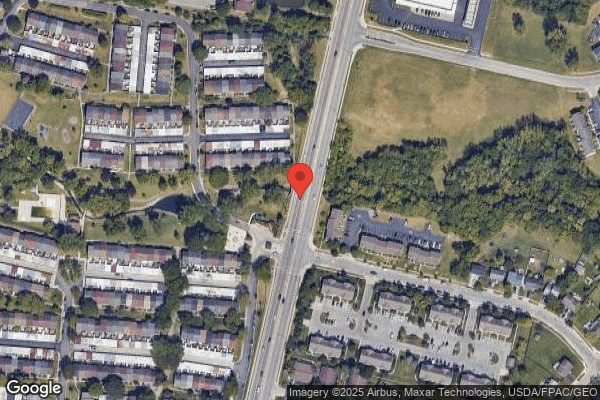

441 NORTON ROAD, COLUMBUS, OH 43228 (614) 812-1200
For profit - Individual 97 Beds CIENA HEALTHCARE/LAUREL HEALTH CARE Data: November 2025 1 Immediate Jeopardy citation
Trust Grade
0/100
#875 of 913 in OH
Last Inspection: June 2025

Inspected within the last 6 months. Data reflects current conditions.

Overview

Families considering Laurels of West Columbus should be aware that it holds a Trust Grade of F, indicating significant concerns and a poor overall standing. It ranks #875 out of 913 facilities in Ohio, placing it in the bottom half, and #50 out of 56 in Franklin County, meaning there are very few local options that are worse. The facility is worsening, with the number of reported issues increasing from 10 in 2024 to 25 in 2025. Staffing is a mixed bag; it has a below-average rating of 2/5 stars and a turnover rate of 59%, which is higher than the state average, signaling potential instability. Additionally, the facility has incurred $68,765 in fines, a concerning amount that exceeds those of 86% of Ohio facilities, suggesting ongoing compliance problems. However, it does provide average RN coverage, which is essential as RNs can catch issues that CNAs might miss. Specific incidents of concern include a resident with dementia who eloped due to staff negligence in monitoring alarms, and another resident who suffered a fractured femur after being left unattended during care. These incidents highlight both serious safety risks and a lack of adequate supervision, underscoring the need for caution when considering this facility for care.

Trust Score
F
0/100
In Ohio
#875/913
Bottom 5%
Safety Record
High Risk
Review needed
Inspections
Getting Worse
10 → 25 violations
Staff Stability
⚠ Watch
59% turnover. Above average. Higher turnover means staff may not know residents' routines.
Penalties
⚠ Watch
$68,765 in fines. Higher than 98% of Ohio facilities. Major compliance failures.
Skilled Nurses
○ Average
Each resident gets 40 minutes of Registered Nurse (RN) attention daily — about average for Ohio. RNs are the most trained staff who monitor for health changes.
Violations
⚠ Watch
50 deficiencies on record. Higher than average. Multiple issues found across inspections.
★☆☆☆☆
1.0
Overall Rating
★★☆☆☆
2.0
Staff Levels
★★★★☆
4.0
Care Quality
★☆☆☆☆
1.0
Inspection Score
Stable
2024: 10 issues
2025: 25 issues

The Good

  • 4-Star Quality Measures · Strong clinical quality outcomes
  • Full Sprinkler Coverage · Fire safety systems throughout facility
  • No fines on record

Facility shows strength in quality measures, fire safety.

The Bad

1-Star Overall Rating

Below Ohio average (3.2)

Significant quality concerns identified by CMS

Staff Turnover: 59%

13pts above Ohio avg (46%)

Frequent staff changes - ask about care continuity

Federal Fines: $68,765

Well above median ($33,413)

Moderate penalties - review what triggered them

Chain: CIENA HEALTHCARE/LAUREL HEALTH CARE

Part of a multi-facility chain

Ask about local staffing decisions and management

Staff turnover is elevated (59%)

11 points above Ohio average of 48%

The Ugly 50 deficiencies on record

1 life-threatening 3 actual harm
Sept 2025 5 deficiencies 1 IJ
CRITICAL (J) 📢 Someone Reported This

A family member, employee, or ombudsman was alarmed enough to file a formal complaint

Immediate Jeopardy (IJ) - the most serious Medicare violation

Accident Prevention (Tag F0689)

Someone could have died · This affected 1 resident

**NOTE- TERMS IN BRACKETS HAVE BEEN EDITED TO PROTECT CONFIDENTIALITY** THE FOLLOWING DEFICIENCY REPRESENTS AN INCIDENT OF PAST NONCOMPLIANCE THAT WAS SUBSEQUENTLY CORRECTED PRIOR TO THIS SURVEY. Base...

Read full inspector narrative →
**NOTE- TERMS IN BRACKETS HAVE BEEN EDITED TO PROTECT CONFIDENTIALITY** THE FOLLOWING DEFICIENCY REPRESENTS AN INCIDENT OF PAST NONCOMPLIANCE THAT WAS SUBSEQUENTLY CORRECTED PRIOR TO THIS SURVEY. Based on observation, staff interview, Power of Attorney (POA) interview, closed medical record review, review of a facility submitted Self-Reported Incident (SRI), review of hospital records and review of the facility policy, the facility failed to ensure Resident #83, who had a diagnosis of dementia, had a previous elopement attempt from the facility, and had a Wanderguard (wearable bracelet that triggers alarms at the doors to alert when a resident attempts to exit) applied to his left ankle, did not elope from the facility without staff knowledge. This resulted in Immediate Jeopardy and the potential for serious life-threatening harm, injury and/or death when on 08/03/25 Resident #83 was able to exit the facility through an unknown facility door and staff reported they did not hear the door alarms sound. Resident #83 was subsequently found lying in the local hospital parking lot, approximately one mile from the facility, by the hospital security staff. The resident was missing for an undetermined length of time and facility staff were unaware the resident was missing until the hospital staff called to notify them that the resident was in their emergency department (ED). This affected one (#83) of three residents reviewed for elopement. The facility identified three (#83, #52 and #84) residents at risk for elopement. The facility census was 79. On 08/21/25 at 2:46 P.M., the Administrator and Director of Nursing (DON) were notified Immediate Jeopardy began on 08/03/25 when Resident #83 was able to exit the facility at an unconfirmed time during the early morning hours, through locked doors, without the door alarms sounding, and without staff knowledge. The facility did not have camera surveillance to verify which door the resident exited through or how the resident was able to elope without the door alarms sounding. Licensed Practical Nurse (LPN) #326 stated she believed she last saw Resident #83 at approximately 4:00 A.M. Resident #83 traveled with his walker down a four to five lane road with posted speed limits of 40 miles per hour (MPH) that was under construction and had manhole covers protruding from the ground. The local hospital ED staff contacted the facility at approximately 5:30 A.M., after the resident was found lying in their parking lot by their security staff. Although the Immediate Jeopardy was removed on 08/04/25, the facility remained out of compliance at Severity Level 2 (no actual harm with potential for more than minimal harm that is not Immediate Jeopardy) until the deficient practice was corrected on 08/18/25 when the facility implemented the following corrective actions: On 08/03/25 at 8:00 A.M., Resident #83 returned to the facility. Licensed Practical Nurse (LPN) #303 assessed the resident and no new injuries were identified. On 08/03/25, Unit Manager (UM) #307 reassessed Resident #83's elopement risk and identified the resident at high risk for elopement. UM #307 reviewed Resident #83's care plan to ensure the accuracy of the resident's needs and interventions. On 08/03/25, UM #307 reassessed all residents for elopement risk and updated care plans as needed. Evidence was received verifying elopement risk assessments were completed and care plans were updated, as needed, on 08/03/25. On 08/03/25, Resident #83 was placed on one-to-one (1:1) staff supervision. The resident remained on 1:1 staff supervision until 08/13/25, when he discharged to another facility with a secured memory care unit. On 08/03/25 at 8:30 A.M., the Administrator performed a Root Cause Analysis and determined staff failed to provide adequate supervision to prevent Resident #83's elopement. Staff working at the time of the incident stated they did not hear the door alarm and did not see the resident exit the facility. On 08/03/25 at 9:00 A.M., Director of Maintenance (DOM) #331 checked all current residents (#52, #83, and #84) with Wanderguards for placement and functionality, with no negative findings. Evidence was received verifying this was completed on 08/03/25. On 08/03/25, DOM #331 checked all 11 of the facility's egress doors to ensure Wanderguard door alarms were operational, with no negative findings. Evidence was received verifying this was completed on 08/03/25. On 08/03/25, DOM #331 changed the access codes for all of the facility's egress doors. Evidence was received verifying this was completed on 08/03/25. On 08/03/25, the Administrator or designee conducted an elopement drill on each of the facility's two shifts, with no negative findings. DOM #331 or designee will continue to conduct elopement drills one-time weekly on each shift for four weeks. Any concerns will be addressed immediately. Evidence was received verifying elopement drills were completed on 08/03/25 on first and second shift, 08/09/25 on first and second shift, and 08/13/25 on first and second shift. Beginning on 08/03/25 and completed by 08/04/25, the Administrator or designee provided education to all staff on the facility's elopement policy, specifically the alarm activation procedure, code search investigation procedure (missing resident procedure), and control of the egress door codes to ensure non-employees do not have access to the door codes. Evidence was received verifying education was completed by 08/04/25. Beginning on 08/03/25, DOM #331 or designee will audit all egress doors daily, Monday through Friday, to ensure functionality of the Wanderguard alarms. This will be part of daily routine maintenance. Evidence was received verifying audits were completed daily on 08/03/25, 08/04/25, 08/05/25, 08/06/25, 08/07/25, 08/08/25, 08/09/25, 08/10/25, 08/11/25, 08/12/25, 08/13/25, 08/14/25, 08/15/25, 08/16/25, 08/17/25 and 08/18/25. Beginning on 08/03/25, the DON or designee will audit elopement risk assessments for all new admissions weekly for four weeks to ensure accuracy. Evidence was received verifying all new admissions and readmissions were audited for accuracy of elopement risk assessments from 08/03/25 through 08/18/25. On 08/04/25, an Ad Hoc Quality Assurance and Performance Improvement (QAPI) meeting was held to review Resident #83's elopement and the corrective action implemented. In attendance were the DON, the Administrator, Assistant Director of Nursing (ADON) #300, UM #324, Maintenance #325, Transportation #327, UM #307, Housekeeping Supervisor (HS) #380, Human Resources (HR) #349, DOM #331, Medical Director (MD) #800, Social Services (SS) #409, SS #388, Director of Admissions (DA) #378, Registered Nurse Minimum Data Set (RNMDS) #348, RNMDS #349, and Activities Director (AD) #355. Beginning on 08/04/25, the Interdisciplinary team (IDT) consisting of the Administrator, the DON, ADON #300, UM #324, UM #307, RNMDS #348, RNMDS #349, SS #409, SS #388, and Therapy Director (TD) #600, will audit all incidents for a significant change Monday through Friday, to ensure appropriate assessments are completed and accurate, and care plans are updated as needed. Evidence was received verifying monitoring was completed Monday through Friday on 8/04/25, 08/05/25, 08/06/25, 08/07/25, 08/08/25, 08/11/25, 08/12/25, 08/13/25, 08/14/25, 08/15/25, 08/18/25. Review of one (#84) additional closed resident medical record and one (#52) open resident medical record, reviewed for elopement, revealed no additional concerns. Findings include: Review of a facility submitted SRI, completed on 08/08/25, revealed on 08/03/25, a local hospital contacted the facility at approximately 5:30 A.M. stating that Resident #83 was found in their parking lot. The resident was evaluated in the ED, with no injury, and returned to the facility on [DATE]. Resident #83 had a Wanderguard in place prior to the event and upon return to the facility. Facility staff were interviewed and stated they heard no door alarms sound and did not see the resident exit the facility. Review of Resident #83's closed medical record revealed an admission date of 06/04/25. Diagnoses included acute respiratory failure, paroxysmal atrial fibrillation, anemia, dementia, major depression, osteitis deformans unspecified bone, glaucoma, and insomnia. Resident #83 discharged on 08/13/25 to a facility with a secured memory care unit. Review of the elopement risk assessment, dated 07/18/25, revealed Resident #83 had an elopement risk score of 10, indicating the resident was not at risk for elopement. Resident #83 was noted to be cognitively impaired and did not wander. Review of the significant change Minimum Data Set (MDS) assessment, dated 07/23/25, revealed Resident #83 had a Brief Interview of Mental Status (BIMS) score of 01, indicating the resident was severely cognitively impaired. The MDS indicated Resident #83 had behaviors of wandering. Resident #83 had functional limitations with range of motion on both lower extremities, one side upper extremity, and utilized a walker for ambulation. Review of the plan of care revealed a focus area was initiated on 07/24/25 that Resident #83 was at risk for exit seeking due to disorientation to place, impaired safety awareness, and wandered aimlessly. Interventions included to apply Wanderguard and check placement, function and expiration date per facility protocol; approach in a slow, calm manner and redirect away from exit doors; and distract the resident when wandering into inappropriate areas by offering pleasant diversions, structured activities, food, and conversations. On 08/03/25, Resident #83's care plan was revised to include 1:1 (staff supervision). Review of hospital documents, dated 08/03/25, revealed Resident #83 arrived at the ED at 5:24 A.M. to be evaluated after being found by security lying on the ground in the hospital parking lot from a fall. The resident stated that he walked very far today and was very tired and fatigued. Resident #83 stated he was discharged from a nursing home yesterday afternoon and did not want to be home alone because his wife was out of town. Nursing staff subsequently knew the resident's name and that he was a resident of a local nursing care facility. Nursing staff were able to reach the facility where the resident resided, and they stated that they were unaware the resident left the facility. Upon arrival, the resident had complaints of right-side rib and shoulder pain and denied head injury. A computed tomography (CT) scan was completed, showing acute/subacute fracture deformities of the lateral right sixth through ninth ribs. Resident #83 discharged with family back to the facility with no new orders. Review of facility document titled, Incident and Accident Investigation Form, dated 08/03/25 at 6:30 A.M., revealed that Resident #83 was at a local hospital ED. The hospital contacted the facility and reported that Resident #83 was found in the parking lot of the hospital. The facility staff were interviewed and reported providing care and assistance to the resident at approximately 4:30 A.M. Staff stated that the door alarm did not sound to alert them that the resident left out of an exit door of the facility. Resident #83's Wanderguard was in place and was checked for function, with no concerns. The hospital contacted the resident's family. Review of the facility elopement risk assessment, dated 08/03/25, revealed Resident #83 had elopement risk of 13, indicating the resident was at risk for elopement and exhibited wandering behavior. Review of a nursing progress note, dated 08/04/25 and authored by LPN #601, revealed she placed an identification (ID) band on Resident #83's left wrist. Resident #83 had a skin tear to the left elbow. The resident denied pain. Resident #83's right shoulder was seen with nonpitting edema (swelling that does not leave an indentation when pressure is applied to the area), only when moved. Resident #83 had nonpitting edema to the right elbow. Bruises were found from the right forearm to above the elbow and the resident stated he had pain when he extended his arm. Resident #83's right hip had a purple bruise over a previous surgical scar. The resident's wife was present in the room and aware. Observation on 08/20/25 at approximately 8:00 A.M. revealed the area surrounding the facility and the local hospital included four to five lane roads with posted speed limits of 40 MPH. The roads were under construction, with the pavement scraped and manhole covers protruding from the road. Interview on 08/20/25 at 2:00 P.M. with Certified Nursing Assistant (CNA) #320 revealed Resident #83 eloped during the night approximately two weeks ago. CNA #320 stated all of the staff had different stories about what happened, with one saying the door alarm was going off because of their food being delivered and another one said the resident had been checked on and there was no way he got out. CNA #320 stated Resident #83 got hurt while he was out of the facility and had a bruised rib. Interview on 08/20/25 at 2:47 P.M. with the Administrator revealed Resident #83 eloped from the facility on the morning of 08/03/25. At 5:30 A.M., the local hospital called and spoke with LPN #326 and notified her that the resident was in the ED after being found in their parking lot. The Administrator stated the resident was evaluated in the ED and returned to the facility by 8:00 A.M. The Administrator stated LPN #326 last saw the resident around 4:30 A.M. A follow-up interview on 08/20/25 at 3:30 P.M. with the Administrator revealed she interviewed all of the staff who worked the night/early morning hours of 08/03/25, when Resident #83 eloped, and each denied the door alarm sounded during the hours in which the resident could have possibly eloped. The Administrator stated she educated staff on not giving the door access code to residents who smoked. The Administrator was uncertain of the exact time that the resident left the facility or how he was able to exit through the door. The Administrator stated both LPN #326 and CNA #400 stated the resident was last seen in the facility around 4:30 A.M. The Administrator reported Resident #83 discharged to a facility with a secured memory care unit on 08/13/25. Interview on 08/21/25 at 6:37 A.M. with LPN #357 revealed some residents knew the access codes to exit the facility because staff gave it to them so they could go outside and smoke. Interview on 08/21/25 at 6:49 A.M. with CNA #343 revealed she provided 1:1 staff supervision for Resident #83 after he returned to the facility from the hospital on [DATE]. CNA #343 stated the resident kept repeating that someone had picked him up in a car and dropped him off at the hospital. CNA #343 stated that when she provided care for the resident, he complained that his ribs hurt from some accident he had, and he had bruises all over his abdomen. Interview on 08/21/25 at 6:53 A.M. with LPN #346 revealed she did not work on 08/03/25. LPN #346 stated that Resident #83 was confused, alert to self, and ambulated with a walker. LPN #346 stated Resident #83 did not sleep and moved around all night. LPN #346 stated Resident #83 started looking for coffee every day at 5:00 A.M. Interview on 08/21/25 at 7:02 A.M. with CNA #402 revealed she worked on 08/03/25. CNA #402 stated Resident #83 had very bad sundowners (increased confusion and restlessness beginning in the late afternoon/early evening) and would pace around the facility. CNA #402 stated she last saw Resident #83 around 4:00 A.M. on the morning that he eloped. Interview on 08/21/25 at 7:22 A.M. with CNA #329 revealed she worked on the skilled care unit on 08/03/25 and was not assigned to provide care for Resident #83. CNA #329 denied she heard the doors alarm during her shift. CNA #329 stated that sometimes residents who were alert were given the door code to enter and exit the facility, or the residents remembered the code from watching staff enter it. Interview on 08/21/25 at 8:09 A.M. with CNA #403 revealed she did not remember anything from 08/03/25. CNA #403 denied providing care for Resident #83 on the night of 08/02/25 into the morning of 08/03/25. Interview 08/21/25 at 8:45 A.M. with Resident #83's Power of Attorney (POA) revealed she received a phone call from the police on the morning of 08/03/25, who stated the resident was being evaluated because he was found in the hospital parking lot. The POA reported Resident #83 kept stating that he was picked up by someone in a car and dropped off at the hospital. Resident #83's POA stated the Administrator told her they needed better security (at the facility). Interview on 08/21/25 at 8:57 A.M. with CNA #401 revealed she worked on 08/03/25 and was assigned to the back hall and Resident #83 resided on the front hall. CNA #401 stated that the last time she saw Resident #83 was around 1:00 A.M., as he was walking past the nurses' station. CNA #401 stated the resident was worried about his wife, who he believed had an affair with another man. CNA #401 stated that if a door alarm was sounding and she was providing care in a resident's room, she would not have heard it behind closed doors. Interview on 08/21/25 at 11:15 A.M. with CNA #400 revealed on 08/03/25, she was not assigned to provide care for Resident #83 and CNA #403 was the resident's assigned aide. CNA #400 stated she did not hear any door alarms that night but did recall seeing Resident #83 in the halls, confused; however, she could not recall what time she had last seen him. CNA #400 denied telling the Administrator she last saw the resident at 4:30 A.M. and further denied being interviewed by the Administrator regarding the incident at all. Interview on 08/21/25 at 11:52 A.M. with LPN #326 revealed at the beginning of her shift on 08/02/25 and into the morning hours of 08/03/25, Resident #83 was pacing in the halls. LPN #326 stated the resident had a history of exit seeking behavior. LPN #326 stated she told the Administrator that she had last seen Resident #83 sometime between 4:00 A.M. and 5:30 A.M. Further interview revealed LPN #326 did not know how the resident left the facility and denied the door alarm sounded. LPN #326 confirmed the facility was unaware the resident was missing until the hospital called at 5:30 A.M. LPN #326 stated the Administrator interviewed her regarding the elopement and she told the Administrator the resident eloped around 4:00 A.M. Interview on 08/25/25 at 3:01 P.M. with the Administrator revealed Resident #83 had previously attempted to leave the facility, which was when the Wanderguard was implemented, and the facility began exploring alternative placement for the resident. The Administrator confirmed the facility was unable to determine exactly how Resident #83 was able to exit the facility on 08/03/25 or verify the time Resident #83 eloped, but CNA #403 documented care was provided to the resident at 3:30 A.M. The Administrator stated CNA #403 had a language barrier and may not have understood what the surveyor was asking her when she stated she did not provide care for Resident #83 on the morning of 08/03/25. Upon the resident's return to the facility, he was placed on 1:1 staff supervision until a secured memory care placement could be found for him. The resident discharged to a more appropriate placement on 08/13/25. Review of the facility policy titled, Elopement Policy, dated 09/01/10, revealed it was the policy of the facility to prevent, to the extent reasonably possible, the elopement of guests/residents from the facility. This deficiency represents noncompliance investigated under Complaint Number 2586350.
CONCERN (D) 📢 Someone Reported This

A family member, employee, or ombudsman was alarmed enough to file a formal complaint

Potential for Harm - no one hurt, but risky conditions existed

Quality of Care (Tag F0684)

Could have caused harm · This affected 1 resident

**NOTE- TERMS IN BRACKETS HAVE BEEN EDITED TO PROTECT CONFIDENTIALITY** Based on medical record review, staff and resident interviews, and policy review, the facility failed to ensure residents receiv...

Read full inspector narrative →
**NOTE- TERMS IN BRACKETS HAVE BEEN EDITED TO PROTECT CONFIDENTIALITY** Based on medical record review, staff and resident interviews, and policy review, the facility failed to ensure residents received necessary care and services so they could attend outside medical appointments. This affected two (#14, #81) of three residents reviewed for appointments. The census was 79. Findings include: Medical record review for Resident #14 revealed an admission date of 04/26/25. Medical diagnoses included malignant neoplasm of part of right bronchus lung, cancer, malnutrition, depression, and history of falling. Review of fax from the chemotherapy physician dated 07/31/25 revealed to draw these labs on 08/01/25 and every other Friday. The labs were B-12 Folate, Iron study with ferritin, Cortisol random, Thyroid Stimulating Hormone (TSH) with reflex, free T-4, Comprehensive Metabolic Panel (CMP), Complete Blood Count (CBC) with differential, and Adrenocorticotropic Hormone Blood Test (ATCH). Review of the quarterly Minimum Data Set (MDS) dated [DATE] revealed Resident #14 was cognitively intact. His functional status was partial/moderate assistance for eating, dependent for toileting, substantial/maximal assistance for bed mobility, and transfers were non-applicable. He was occasionally incontinent of bladder and frequently incontinent for bowel. He was coded for a feeding tube. Review of the chemotherapy appointments for Resident #14 revealed he had one scheduled for 08/21/25. Further review for this appointment revealed it had to be rescheduled due to labs done incorrectly. Interview with Resident #14 on 08/28/25 at 10:32 A.M. revealed he has missed a chemotherapy treatment due to the labs not being collected correctly but couldn't remember the dates. Interview with Licensed Practical Nurse (LPN) #250 on 08/28/25 at 10:45 A.M. revealed Resident #14's labs were messed up on 08/18/25 when they came out to draw blood, they got a PT and INR and that was wrong. Then she ordered them to come back on 08/19/25 and she put in a STAT lab so the facility could get the resident to chemotherapy, but the lab drew everything except the CMP. She reported his 08/21/125 appointment had to be cancelled and rescheduled for 08/26/25. She confirmed the resident missed his appointment due to the lab work not being collected properly. 2. Review of records for Resident #81 revealed admission date 09/13/22. discharge date [DATE]. Diagnoses included chronic diastolic heart failure, hypertension, chronic kidney disease stage two, irritable bowel syndrome, non-pressure chronic ulcer right calf with fat layer exposed, anxiety disorder, and overactive bladder. Review of quarterly MDS dated [DATE] revealed that Resident #81 was cognitively intact. She required setup or clean-up for meals, and dressing upper body. Resident #81 was substantial to maximum for dressing lower body and putting on and off shoes. Resident #81 was partial to moderate assistance for bathing, personal hygiene, toileting, and oral hygiene. Resident #81 used a wheelchair and ambulating with no assistance at the facility. Review of physician orders dated 08/26/25 revealed Calcitriol Capsule 0.5 microgram (mcg) to give one a day for low calcium at 9:00 A.M. Review of the medical appointments for Resident #81 revealed she had one dated 09/02/25 at 11:15 A.M. for a bone density testing. Interview with Resident #81 on 09/02/25 at 10:08 A.M. revealed she wasn't going to her appointment for a bone density at 11:15 A.M. because the staff gave her a calcium medication last night. Interview with LPN #200 on 09/02/25 at 10:15 A.M. confirmed Resident #81's appointment had to be rescheduled for 09/04/25 because there wasn't an order to hold the Calcitriol before the appointment and the resident was given medication on 09/01/25. Review of policy entitled Resident Rights dated 09/13/25 revealed the facility must protect and promote the rights of each resident. The resident has a right to a dignified existence, self-determination, and communication with and access to persons and services inside and outside the facility. This deficiency represents non-compliance investigated under Complaint Number 2599291.
CONCERN (D) 📢 Someone Reported This

A family member, employee, or ombudsman was alarmed enough to file a formal complaint

Potential for Harm - no one hurt, but risky conditions existed

Tube Feeding (Tag F0693)

Could have caused harm · This affected 1 resident

**NOTE- TERMS IN BRACKETS HAVE BEEN EDITED TO PROTECT CONFIDENTIALITY** Based on medical record review and staff interview, the facility failed to ensure tube feeding was provided as physician ordered...

Read full inspector narrative →
**NOTE- TERMS IN BRACKETS HAVE BEEN EDITED TO PROTECT CONFIDENTIALITY** Based on medical record review and staff interview, the facility failed to ensure tube feeding was provided as physician ordered. This affected one (#14) of two residents reviewed for tube feeding. The census was 79.Findings include: Medical record review for Resident #14 revealed an admission date of 04/26/25. Medical diagnoses included malignant neoplasm of part of right bronchus lung, cancer, malnutrition, depression, and history of falling. Review of the care plan dated 04/26/25 revealed Resident #14 was unable to nutritionally consume adequate food or fluids by mouth. He required a tube feeding related to malnutrition and weight loss. Intervention was to administer tube feeding as ordered. Review of the quarterly Minimum Data Set (MDS) dated [DATE] revealed Resident #14 was cognitively intact. His functional status was partial/moderate assistance for eating, dependent for toileting, substantial/maximal assistance for bed mobility, and transfers were non-applicable. He was occasionally incontinent of bladder and frequently incontinent for bowel. He was coded for a feeding tube. Review of the admission orders dated 07/29/25 revealed Resident #14 was to be on an Enteral Feed Order one time a day Jevity 1.5 at 70 milliliters per hour (mL/hrs), at night (nocturnally) from 8:00 P.M. to 6:00 A.M. via PEG, via pump. Further review of Resident #14's medical record revealed on 07/31/25 the Jevity 1.2 was initiated for the resident, rather than the ordered Jevity 1.5. Interview with Licensed Practical Nurse (LPN) #250 on 08/28/25 at 12:56 P.M. revealed Resident #14 was admitted on [DATE] at 2:30 P.M. with orders for enteral feed for nighttime. LPN #250 stated the facility was out of the Jevity 1.5, so she asked if he could get the Jevity 1.2 until the Jevity 1.5 came in. LPN #250 confirmed he went without the Jevity 1.5 for two nights and the Jevity 1.2 was started on 07/31/25. This deficiency represents non-compliance investigated under Complaint Number 2599291.
CONCERN (D) 📢 Someone Reported This

A family member, employee, or ombudsman was alarmed enough to file a formal complaint

Potential for Harm - no one hurt, but risky conditions existed

Pharmacy Services (Tag F0755)

Could have caused harm · This affected 1 resident

**NOTE- TERMS IN BRACKETS HAVE BEEN EDITED TO PROTECT CONFIDENTIALITY** Based on medical record review, observations and staff and resident interviews, the facility failed to ensure medications were a...

Read full inspector narrative →
**NOTE- TERMS IN BRACKETS HAVE BEEN EDITED TO PROTECT CONFIDENTIALITY** Based on medical record review, observations and staff and resident interviews, the facility failed to ensure medications were available from the pharmacy for administration. This affected one (#81) out of three residents reviewed for medication administration. The facility census was 79. Findings included: Review of the medical record for Resident #81 revealed the resident had a recent admission date 07/23/25. Diagnoses included chronic diastolic heart failure, hypertension, chronic kidney disease stage two, irritable bowel syndrome, non-pressure chronic ulcer right calf with fat layer exposed, anxiety disorder, and overactive bladder. Review of plan of care dated 09/22/22 revealed that Resident #81 was at risk for discomfort or adverse side effects related to receiving diuretics therapy related to congestive heart failure. Inventions included administering medication as ordered, encouraging residents to drink fluids, observe possible side effects every shift, and observing and reporting to physician dehydration or no urine. Review of plan of care dated 12/08/22 revealed that Resident #81 had risk for potential complications related to having ileostomy. Interventions included administer medication as ordered, use colostomy bag frequently, observe for diarrhea and report, and observe ostomy functioning every shift and amounts of stool passed. Review of quarterly Minimum Data Set (MDS) dated [DATE] revealed that Resident #81 had Brief Interview of Mental Status (BIMS) of 15 that indicated cognitively intact. Resident #81 required setup or clean-up for meals, and dressing upper body. Resident #81 was substantial to maximum for dressing lower body and putting on and off shoes. Resident #81 was partial to moderate assistance for bathing, personal hygiene, toileting, and oral hygiene. Resident #81 used a wheelchair and ambulating with no assistance at the facility. Review of the physician order dated 08/25/25 at 4:30 P.M. revealed Resident #81 had an order for Lomotil 2.5-0.025 mg to give one tablet by mouth every four hours as needed for diarrhea. Observation on 08/25/25 at 11:01 A.M. with Resident #81 who asked for Lomotil 2.5-0.025 mg tablet from Licensed Practical Nurse (LPN) #284 during medication pass. Resident #81 told LPN #284 she asked last night with the night nurse and still had diarrhea. Interview on 08/27/25 at 11:03 A.M. with LPN #284 who stated Resident #81's Lomotil 2.5-0.025 mg tablets were not in her medication cart. LPN #284 verified that there was a physician orders active dated 08/25/25 for Lomotil for Resident #81. Interview on 08/27/25 at 11:05 A.M. with Director of Nursing (DON) stated that she expected staff to drop ship order the medication from pharmacy when ordering medication that was necessary. DON stated that the drop ship usually took four hours to receive the medication. Interview on 08/27/25 at 11:10 A.M. with Resident #81 stated she requested the Lomotil 2.5-0.025 mg tablet last night from the nurse, who stated it was not in stock. Resident #81 stated she would like Lomotil medication right now, because she was still having diarrhea. Interview on 08/27/25 at 4:07 P.M. with DON who stated that she called pharmacy about Resident #81 Lomotil 2.5-0.025 mg tablet. DON stated that Resident #81 arrived to the facility returning from the hospital on [DATE] at 5:34 P.M. DON stated she called the pharmacy who stated they needed a new prescription for Lomotil 2.5-0.025 mg tablet. DON stated the Lomotil 2.5-0.025 mg had not arrived at the at the facility yet. DON stated that the nurses were instructed for any resident who had medication that needed dropped shipped. DON stated that when medication was delivered was what the pharmacy was expecting in time frame. DON stated she had no facility policy on when facility had pharmacy delivering medication. This deficiency represents non-compliance investigated under Complaint Numbers 2597140 and 2567001.
CONCERN (D) 📢 Someone Reported This

A family member, employee, or ombudsman was alarmed enough to file a formal complaint

Potential for Harm - no one hurt, but risky conditions existed

Laboratory Services (Tag F0770)

Could have caused harm · This affected 1 resident

**NOTE- TERMS IN BRACKETS HAVE BEEN EDITED TO PROTECT CONFIDENTIALITY** Based on medical record review and staff and resident interviews, the facility failed to ensure laboratory testing was completed...

Read full inspector narrative →
**NOTE- TERMS IN BRACKETS HAVE BEEN EDITED TO PROTECT CONFIDENTIALITY** Based on medical record review and staff and resident interviews, the facility failed to ensure laboratory testing was completed as physician ordered. This affected one (#14) of three residents reviewed for laboratory testing. This census was 79. Findings include: Medical record review for Resident #14 revealed an admission date of 04/26/25. Medical diagnoses included malignant neoplasm of part of right bronchus lung, cancer, malnutrition, depression, and history of falling. Review of fax from the chemotherapy physician dated 07/31/25 revealed to draw these labs on 08/01/25 and every other Friday. The labs were B-12 Folate, Iron study with ferritin, Cortisol random, Thyroid Stimulating Hormone (TSH) with reflex, free T-4, Comprehensive Metabolic Panel (CMP), Complete Blood Count (CBC) with differential, and Adrenocorticotropic Hormone Blood Test (ATCH). Review of the quarterly Minimum Data Set (MDS) dated [DATE] revealed Resident #14 was cognitively intact. His functional status was partial/moderate assistance for eating, dependent for toileting, substantial/maximal assistance for bed mobility, and transfers were non-applicable. He was occasionally incontinent of bladder and frequently incontinent for bowel. He was coded for a feeding tube. Review of lab results dated 08/18/25 revealed the above labs were supposed to be collected, but a Prothrombin Time (PT) and International Normalized Ratio (INR) was collected. On 08/19/25 the above lab orders were supposed to be collected but all were collected except for CMP. Further review of the lab orders revealed to collect a CMP on 08/21/25. Interview with Resident #14 on 08/28/25 at 10:32 A.M. revealed he has missed a chemotherapy treatment due to the labs not being collected correctly but couldn't remember the dates. Interview with Licensed Practical Nurse (LPN) #250 on 08/28/25 at 10:45 A.M. revealed the labs were messed up on 08/18/25 when they came out to draw blood, they got a PT and INR and that was wrong. Then she ordered them to come back on 08/19/25 and she put in a STAT lab so the facility could get the resident to chemotherapy, but the lab drew everything except the CMP. She reported she had to get the CMP ordered for 08/21/25. She confirmed the labs were not collected properly. This deficiency represents non-compliance investigated under Complaint Number 2599291.
Jun 2025 18 deficiencies
CONCERN (D)

Potential for Harm - no one hurt, but risky conditions existed

Deficiency F0561 (Tag F0561)

Could have caused harm · This affected 1 resident

**NOTE- TERMS IN BRACKETS HAVE BEEN EDITED TO PROTECT CONFIDENTIALITY** 2. Review of the medical record for Resident #12 revealed an admission date of 12/20/23. Diagnoses included type two diabetes me...

Read full inspector narrative →
**NOTE- TERMS IN BRACKETS HAVE BEEN EDITED TO PROTECT CONFIDENTIALITY** 2. Review of the medical record for Resident #12 revealed an admission date of 12/20/23. Diagnoses included type two diabetes mellitus, anxiety disorder, depression, osteoarthritis and chronic pain syndrome. Review of the quarterly Minimum Data Set (MDS) assessment dated [DATE] revealed Resident #12 had intact cognition. Resident #12 had limited functional range of motion noted on both sides for both upper and lower extremities and was staff dependent for personal hygiene needs. Review of Certified Nursing Assistant (CNA) documentation in the task section of the medical record from 05/01/25 to 05/31/25 revealed Resident #12 was documented to have shower/bath/bed baths on 05/06/25, 05/14/25. 05/17/25, 05/20/25, and 05/24/25. It was documented no shower/bath/ bed bath was provided on 05/10/25 and 05/28/25 and refused on 05/31/25. Interview on 06/03/25 at 10:56 A.M. with Resident #12 stated she has never refused her shower; the aides tell her there were no Hoyer lift pads available to get her up onto the shower bed so they will just give her a bed bath. Resident #12 stated the aides did not wash her hair and only washed her privates and armpits during a bed bath. Interview on 06/03/25 and 1:03 P.M. with Unit Manager (UM) #206 revealed UM #206 was unable to confirm whether Resident #12 had a shower or a bed bath, stating only the task documentation only indicated a shower/bath/bed bath was provided Resident #12 and did not differentiate what was actually provided to Resident #12. UM #206 was unable to provide any documentation or evidence confirming if Resident #12 received a shower or bed bath. When requested to see the Hoyer pad used for transferring the resident to the shower, LPN #206 was unable to locate the resident's specific bariatric Hoyer pad. When LPN #206 went to the laundry area to look for the Hoyer pads, she was unable to locate any and stated they must be somewhere, but could not identify their location. Interview on 06/03/25 at 2:25 P.M. with Certified Nursing Assistant (CNA) #200 confirmed an issue with the number of Hoyer Lift Pads were available. CNA #200 stated there seems to be a miscalculation of how many Hoyer pads they have vs how many they need. CNA #200 explained they have several residents who get up and down a couple of times a day, so the pad remains with them all day. Resident #12 liked to get up and shower but the facility does not have enough Hoyer pads to go around recently to get her up on the shower bed. Interview on 06/04/25 at 6:02 A.M. with CNA #133 stated the CNAs feel there was no trouble with showers at night, but there were issues not enough Hoyer pads and slings for the Hoyer lift with residents who were larger. CNA #133 stated the residents who were larger do receive with bed baths. Interview on 06/04/25 at 9:00 A.M. with Resident #12 confirmed she did not receive a shower last night on her scheduled shower day. Resident #12 stated she received a bed bath but her hair was not washed, Resident #12 emphasized she wants a shower not a bed bath to feel clean and have her hair washed. Based on record review, observations, and resident and staff interviews, the facility failed to ensure two residents (Residents #12 and #23) out of three residents reviewed for bathing received their preferred method of bathing or showering. The facility census was 88. Findings include: 1. Review of Resident #23's medical record revealed the resident was admitted to the facility on [DATE]. Diagnoses included multiple sclerosis, morbid obesity with alveolar hypoventilation, hemiplegia following cerebral infarction, contractures of the left upper extremity, depression, and bipolar disorder. The resident was non-ambulatory and was dependent on staff for all transfers and most activities of daily living. She used a specialty wheelchair and required two-person physical assistance with a mechanical lift for transfers. Review of the annual Minimum Data Set (MDS) assessment dated [DATE] revealed Resident #23 was cognitively intact, required total dependence for all transfers and hygiene tasks, had bilateral upper and lower extremity impairments, and was always incontinent of bowel and bladder. Review of the care plan, revised on 05/23/25, revealed Resident #23 preferred to receive showers on Wednesdays and Saturdays at 3:00 P.M. and identified shower as her preferred bathing method. Review of the physician's order dated 05/23/25 revealed a weekly skin assessment with shower every Saturday night shift. Review of the Activities of Daily Living (ADL) documentation from 05/01/25 to 06/01/25 revealed Resident #23 did not receive showers per her preference. There were no showers documented on 05/08/25 and 05/17/25, and there were no progress notes indicating refusals on those dates. Showers were documented only on 05/10/25, 05/14/25, 05/22/25, 05/25/25, 05/29/25, and 06/01/25. Review of the bathing task documentation from 04/01/25 to 06/01/25 revealed Resident #23 did not receive a bed bath on 04/17/25, 04/24/25, 05/01/25, 05/08/25, and 05/17/25, with no documentation of refusals in the progress notes. Additionally, the task entries did not specify whether the resident received a bed bath or a shower, and there was no evidence elsewhere in the medical record to confirm which method of bathing, if any, had been provided. Interview on 06/02/25 at 10:06 A.M. with Resident #23 stated she was not receiving showers and could not recall the last time she had one. She stated her hair had not been washed in a while and reported wanting to get up for lunch, but staff would not assist her out of bed. Interview on 06/03/25 at 11:14 A.M. with Licensed Practical Nurse (LPN) #143 stated Resident #23 was scheduled to receive two showers per week, but often refused one. LPN #143 stated the refusals were supposed to be documented in progress notes and the resident had received a shower earlier that week. Interview on 06/03/25 at 11:34 A.M. with Clinical Coordinator #305 stated only completed showers were documented in task records, and refusals were not consistently recorded. She acknowledged the absence of reliable documentation showing whether a shower had been offered or refused. Interview on 06/03/25 at 11:41 A.M. with Resident #23 stated she had not received an actual shower in months and reported the staff did not offer her the opportunity to shower. She stated she was typically only provided with bed baths and reiterated her preference for showers. Interview on 06/03/25 at 11:44 A.M. with Certified Nursing Assistant (CNA) #111 stated the last time he recalled Resident #23 receiving a shower was in January. He stated all documentation regarding showers or refusals should have been found in the progress notes but was unable to confirm any such entries. Interview on 06/03/25 at 11:47 A.M. with Unit Manager #206 stated Resident #23 was scheduled to receive showers on Wednesday and Saturday nights. She confirmed documentation of showers should have been included in progress notes, but she was unable to provide records confirming whether the resident had received a shower or a bed bath. Observation on 06/03/25 at 12:44 P.M. revealed Resident #23 was lying in bed. When she lifted her head, her hair appeared stiff and matted from oil buildup and did not move naturally, suggesting that it had not been washed recently. Interview on 06/03/25 at 1:03 P.M. with Resident #23 and Unit Manager #206 together revealed the resident again reported she had not received a shower and expressed that she preferred showers over bed baths. The Unit Manager stated the only documentation available was under a general task labeled Shower/Bath/Bed Bath, and she could not confirm what type of bathing had been provided. She was unable to produce documentation confirming a completed shower or bed bath. When asked to locate the bariatric Hoyer pad needed to transfer the resident to the shower, the Unit Manager was unable to find it. She searched the laundry area and stated the pads must be somewhere, but could not identify their location. Observation on 06/03/25 at 1:59 P.M. revealed Unit Manager #206 later produced two Hoyer pads with the resident's name written on them but stated they had been missing for about a week.
CONCERN (D) 📢 Someone Reported This

A family member, employee, or ombudsman was alarmed enough to file a formal complaint

Potential for Harm - no one hurt, but risky conditions existed

Deficiency F0602 (Tag F0602)

Could have caused harm · This affected 1 resident

**NOTE- TERMS IN BRACKETS HAVE BEEN EDITED TO PROTECT CONFIDENTIALITY** Based on interview, medical record review, review of Self-Reported Incident (SRI), and review of facility policy, the facility f...

Read full inspector narrative →
**NOTE- TERMS IN BRACKETS HAVE BEEN EDITED TO PROTECT CONFIDENTIALITY** Based on interview, medical record review, review of Self-Reported Incident (SRI), and review of facility policy, the facility failed to prevent Resident #76's controlled substances from being misappropriated. This affected one (#76) of two residents reviewed for misappropriation. The facility census was 88. Findings include: Review of the medical record for Resident #76 revealed an admission date of 04/28/25 and a discharge date of 05/16/25. Diagnoses included malignant neoplasm of anus, depression, neoplasm related pain, depression, insomnia, and osteoarthritis. Review of the comprehensive Minimum Data Set (MDS) 3.0 assessment dated [DATE] revealed Resident #76 had intact cognition. Review of the facilities SRI dated 04/24/25 revealed on 04/24/25, a nurse reported the narcotics were missing for Resident #76. The nurse went to dispense the medications, and they were unavailable. The nurse reported the concern to the Director of Nursing (DON). The pharmacy was asked to provide proof of delivery, and they sent the documentation, the medication delivery was signed for by an agency nurse working on the prior shift. The agency was contacted and was asked to drug screen and provide statement from agency nurse. The agency reported the drug screen was negative. Other nurses working on the unit were drug screened and the results were negative. Other nurses interviewed stated they were given other medications from the delivery but did not receive the narcotics. The resident's medication was pulled from Omnicell and given according to the order. The facility reordered the medication and paid for the replacement. Medication Administration Records (MAR) were reviewed for all residents on the med care unit and no missed doses were noted. Out of an abundance of caution, the facility filed a police report and reported agency nurse to the Ohio Board of Nursing and educated licensed nurses on the controlled substances policy. Review of the incident and accident form dated 04/23/25 revealed the resident involved was Resident #76, the alleged perpetrator was Agency Nurse #318, and employees involved were Registered Nurse (RN) #120 and Licensed Practical Nurse (LPN) #330. Agency Nurse #318 was assigned to the skilled unit, he accepted a pharmacy shipment at 3:05 P.M. and signed for narcotics. The narcotics in question were not available to dispense by the night nurse LPN #159. She called the pharmacy and stated they had been delivered. The pharmacy was asked to provide proof of delivery and they sent documentation signed by Agency Nurse #318. The DON examined the medication carts and medication room and reviewed the resident's file. RN #120 and LPN #330 were interviewed as well as Agency Nurse #318's agency. Employees were drug tested and were negative. The investigation was inconclusive. Agency Nurse #318 signed for medications and handed non-narcotic medications to RN #120 who gave them to LPN #300. The paperwork that accompanied the narcotics were not found either. Review of Omnicare's Proof of Delivery dated 04/24/25 revealed Oxycodone (narcotic pain medication) 10 milligrams (mg) six pills and Diazepam (controlled substance) five mg 30 pills were sent on 04/23/25. Agency Nurse #318's initials were written on the page. Review of the witness statement dated 04/24/25 revealed on 04/23/25, LPN #330 received from the agency nurse at 3:05 P.M. the non-controlled prescriptions for Resident #76. He indicated he did not receive any controlled prescriptions. Review of the witness statement dated 04/24/25 by RN #120 revealed Agency Nurse #318 handed her the medications to give to LPN #330. There were no opioids or narcotic sheets with the cards she received, just regular medications. Review of the drug tests for LPN #330, RN #120, and Agency Nurse #318 revealed they were negative. Interview on 06/05/25 at 10:00 A.M. with the DON and Administrator verified Resident #76's medications were missing and Agency Nurse #318 was suspected of taking the controlled substances. Review of the facilities Abuse Prohibition Policy dated 10/14/22 revealed each guest/resident shall be free from abuse, neglect, mistreatment, exploitation, and misappropriation of property. This deficiency represents non-compliance investigated under Complaint Number OH00165729.
CONCERN (D)

Potential for Harm - no one hurt, but risky conditions existed

Deficiency F0605 (Tag F0605)

Could have caused harm · This affected 1 resident

**NOTE- TERMS IN BRACKETS HAVE BEEN EDITED TO PROTECT CONFIDENTIALITY** Based on record review and staff interview, the facility failed to ensure the use of antipsychotic medication was based on a cli...

Read full inspector narrative →
**NOTE- TERMS IN BRACKETS HAVE BEEN EDITED TO PROTECT CONFIDENTIALITY** Based on record review and staff interview, the facility failed to ensure the use of antipsychotic medication was based on a clinically supported diagnosis. This affected one (Resident #81) of five residents reviewed for antipsychotics. The facility census was 88. Findings include: Record review for Resident #81 revealed an admission date of 04/25/25. Diagnoses included bipolar disorder, psychoactive substance abuse, and nicotine dependence. Review of the physician orders dated 04/26/25 revealed Venlafaxine HCL extended release 150 milligrams (mg) to be administered once daily for depression. The physician order dated 04/30/25 revealed Quetiapine Fumarate 200 mg at bedtime for depression. Review of the admission Minimum Data Set (MDS) 3.0 assessment dated [DATE] revealed Resident #18 was cognitively intact and had no symptoms of depression. Interview with the Director of Nursing on 06/05/25 at 1:40 P.M. confirmed Resident #81 does not have a current diagnosis of depression in the medical record and there was no care plan related to depression in place. Review of the facility's Psychoactive Medication Management policy dated 04/28/25 revealed staff must verify orders for psychoactive medications are supported by appropriate clinical diagnoses and/or behavioral symptoms. When pharmacological interventions are indicated, the licensed staff will verify the physician order includes the appropriate clinically supported diagnosis and/or behavior symptoms.
CONCERN (D)

Potential for Harm - no one hurt, but risky conditions existed

Investigate Abuse (Tag F0610)

Could have caused harm · This affected 1 resident

**NOTE- TERMS IN BRACKETS HAVE BEEN EDITED TO PROTECT CONFIDENTIALITY** Based on staff interview, medical record review, policy review, and review of Self-Reported Incident (SRI), the facility failed ...

Read full inspector narrative →
**NOTE- TERMS IN BRACKETS HAVE BEEN EDITED TO PROTECT CONFIDENTIALITY** Based on staff interview, medical record review, policy review, and review of Self-Reported Incident (SRI), the facility failed to thoroughly investigate Resident #76's missing controlled substances. This affected one (#76) of two residents reviewed for misappropriation. The facility census was 88. Findings include: Review of the medical record for Resident #76 revealed an admission date of 04/28/25 and a discharge date of 05/16/25. Diagnoses included malignant neoplasm of anus, depression, neoplasm related pain, depression, insomnia, and osteoarthritis. Review of the comprehensive Minimum Data Set (MDS) 3.0 assessment dated [DATE] revealed Resident #76 had intact cognition. Review of the facilities SRI dated 04/24/25 revealed on 04/24/25, a nurse reported the narcotics were missing for Resident #76. The nurse went to dispense the medications, and they were unavailable. The nurse reported the concern to the Director of Nursing (DON). The pharmacy was asked to provide proof of delivery, and they sent the documentation, the medication delivery was signed for by an agency nurse working on the prior shift. The agency was contacted and was asked to drug screen and provide statement from agency nurse. The agency reported the drug screen was negative. Other nurses working on the unit were drug screened and the results were negative. Other nurses interviewed stated they were given other medications from the delivery but did not receive the narcotics. The resident's medication was pulled from Omnicell and given according to the order. The facility reordered the medication and paid for the replacement. Medication Administration Records (MAR) were reviewed for all residents on the med care unit and no missed doses were noted. Out of an abundance of caution, the facility filed a police report and reported agency nurse to the Ohio Board of Nursing and educated licensed nurses on the controlled substances policy. Review of the incident and accident form dated 04/23/25 revealed the resident involved was Resident #76, the alleged perpetrator was Agency Nurse #318, and employees involved were Registered Nurse (RN) #120 and Licensed Practical Nurse (LPN) #330. Agency Nurse #318 was assigned to the skilled unit, he accepted a pharmacy shipment at 3:05 P.M. and signed for narcotics. The narcotics in question were not available to dispense by the night nurse LPN #159. She called the pharmacy and stated they had been delivered. The pharmacy was asked to provide proof of delivery and they sent documentation signed by Agency Nurse #318. The DON examined the medication carts and medication room and reviewed the resident's file. RN #120 and LPN #330 were interviewed as well as Agency Nurse #318's agency. Employees were drug tested and were negative. The investigation was inconclusive. Agency Nurse #318 signed for medications and handed non-narcotic medications to RN #120 who gave them to LPN #300. The paperwork that accompanied the narcotics were not found either. Review of Omnicare's Proof of Delivery dated 04/24/25 revealed Oxycodone (narcotic pain medication) 10 milligrams (mg) six pills and Diazepam (controlled substance) five mg 30 pills were sent on 04/23/25. Agency Nurse #318's initials were written on the page. Review of the witness statements reviewed only two staff were interviewed, LPN #330 and RN #120. Review of the drug tests revealed only LPN #330, RN #120, and Agency Nurse #318 were tested. Review of the schedule for 04/23/25 revealed there were seven aides and six nurses scheduled for day shift. Interview on 06/05/25 at 10:00 A.M., 11:11 A.M., and 11:30 A.M. with the DON verified she only interviewed the three involved nurses, she did not feel that the nurse aides would have been aware of any issues. She interviewed LPN #159 but did not obtain a witness statement. She reported she interviewed and assessed Resident #76 but verified there was no evidence of this. The DON additionally verified they only drug tested the two nurses. Review of the facilities Abuse Prohibition Policy dated 10/14/22 revealed allegations of abuse, which included misappropriation, shall be thoroughly investigated and documented by the Administrator, and reported to the appropriate state agencies, physician, families, and/or representative. Allegations by anyone who becomes aware of abuse, mistreatment, neglect, exploitation, involuntary seclusion or misappropriation of property must immediately report it to his/her Administrator. The DON or designee will complete an assessment of guest(s)/resident(s) and document the findings in the medical record.
CONCERN (D)

Potential for Harm - no one hurt, but risky conditions existed

Comprehensive Care Plan (Tag F0656)

Could have caused harm · This affected 1 resident

**NOTE- TERMS IN BRACKETS HAVE BEEN EDITED TO PROTECT CONFIDENTIALITY** Based on medical record review and staff interview, the facility failed to ensure Resident #28 had a care plan for a diuretic an...

Read full inspector narrative →
**NOTE- TERMS IN BRACKETS HAVE BEEN EDITED TO PROTECT CONFIDENTIALITY** Based on medical record review and staff interview, the facility failed to ensure Resident #28 had a care plan for a diuretic and Resident #81 had a care plan for smoking. This affected one resident (#28) of five residents reviewed for unnecessary medications and one resident (#81) of one resident reviewed for smoking. The facility census was 88. Findings include: 1. Review of the medical record for Resident #28 revealed an admission date of 12/14/21. Diagnoses included chronic obstructive pulmonary disease. Review of Resident #28's comprehensive Minimum Data Set (MDS) 3.0 assessment dated [DATE] revealed he had intact cognition. Review of Resident #28's physician order dated 04/23/25 revealed an order for Furosemide (a diuretic) 20 milligrams, one tablet by mouth twice a day. Review of Resident #28's plan of care revealed it did not address his diuretic use. Interview on 06/04/25 at 3:20 P.M. with the Director of Nursing (DON) verified the care plan did not address his diuretic use. 2. Review of the medical record for Resident #81 revealed an admission date of 04/25/25. Diagnoses including nicotine dependence and psychoactive substance abuse. Review of the admission Minimum Data Set (MDS) 3.0 assessment dated [DATE] revealed Resident #81 had intact cognition. Review of the progress note note dated 05/14/25 revealed Resident #81 was encouraged to quit smoking but expressed no interest and continued smoking approximately half a pack of cigarettes daily. The nursing staff had notified the physician that Resident #81 had been observed smoking in front of the building. Review of Resident #81's care plan revealed Resident #81's smoking was not addressed in his care plan. Interview on 06/02/25 at 2:30 P.M. with Licensed Practical Nurse (LPN) #113 confirmed Resident #81 was non-compliant with the facility's no-smoking rule but consistently exits the building to smoke outside. LPN #113 also stated this behavior had been discussed with facility management and was unsure if it was included in the plan of care. Interview on 06/05/25 at 1:37 P.M. with the Director of Nursing confirmed Resident #81's non-compliance with the facility smoking policy was not currently addressed in the resident's care plan and acknowledged the care plan should have been updated to reflect this behavior.
CONCERN (D) 📢 Someone Reported This

A family member, employee, or ombudsman was alarmed enough to file a formal complaint

Potential for Harm - no one hurt, but risky conditions existed

ADL Care (Tag F0677)

Could have caused harm · This affected 1 resident

**NOTE- TERMS IN BRACKETS HAVE BEEN EDITED TO PROTECT CONFIDENTIALITY** Based on observations, staff interviews, and record review, the facility failed to ensure residents who were dependent on staff ...

Read full inspector narrative →
**NOTE- TERMS IN BRACKETS HAVE BEEN EDITED TO PROTECT CONFIDENTIALITY** Based on observations, staff interviews, and record review, the facility failed to ensure residents who were dependent on staff for activities of daily living (ADLs) received timely and adequate staff assistance with showers and personal hygiene. This affected one (Resident #53) of four residents reviewed for ADL care. The facility identified 24 residents who were dependent on staff for bathing. Findings include: Review of the medical record for Resident #53 revealed an admission date of 04/24/25. Diagnoses included left knee effusion, depression, anxiety disorder, and chronic kidney disease. Review of the care plan dated 04/24/25 revealed Resident #53 has a functional ability deficit and required assistance with self-care and mobility related to altered mobility. Interventions revealed the resident prefers baths at 10:30 A.M., was dependent on staff for bathing, and required partial to moderate assistance with personal hygiene, including shaving. Review of the facility's hygiene guest preferences form dated 04/25/25 revealed Resident #53's scheduled bed baths were on Mondays and Thursdays during the day shift. Review of admission Minimum Data Set (MDS) 3.0 assessment dated [DATE] revealed Resident #53 was cognitively intact. Resident #53 was dependent on staff for bathing and required partial to moderate assistance with personal hygiene including shaving. Review of the shower/bath task from 05/06/25 through 06/05/25 revealed there was no documentation showing Resident #53 received a bath or shaving during this period. Observation on 06/02/25 at 10:47 A.M. revealed Resident #53 had mustache and chin hairs approximately half an inch in length. Subsequent observations on 06/04/25 at 11:57 A.M. and 06/05/25 at 8:09 A.M. revealed Resident #82's facial hair remained present. Interview on 06/05/25 at 11:06 A.M. with Certified Nursing Assistant (CNA) #177 revealed Monday and Thursday were the scheduled bathing days for Resident #53. CNA #177 stated if a resident refuses shaving during bathing, the refusal was documented and nursing staff were promptly notified. Interview on 06/05/25 at 11:11 A.M. with Licensed Practical Nurses (LPN) #113 and #18 revealed Resident #53's medical record contained no documentation of a shower or bath in the past 30 days. LPN #113 confirmed CNAs were expected to offer shaving services during scheduled bathing days. Observation on 06/05/25 at 11:23 A.M. with LPN #113 revealed Resident #82 had mustache and chin hair present. When asked about preference for removal, Resident #82 gave an inappropriate response. Interview on 06/05/25 at 1:52 P.M. with the Director of Nursing (DON) revealed residents requiring shaving were expected to receive this service on their scheduled bathing days. The DON also confirmed baths and showers were documented electronically only in the shower/bath task. This deficiency represents non-compliance investigated under Complaint Number OH00166265.
CONCERN (D) 📢 Someone Reported This

A family member, employee, or ombudsman was alarmed enough to file a formal complaint

Potential for Harm - no one hurt, but risky conditions existed

Quality of Care (Tag F0684)

Could have caused harm · This affected 1 resident

**NOTE- TERMS IN BRACKETS HAVE BEEN EDITED TO PROTECT CONFIDENTIALITY** 2. Record review for Resident #26 revealed the resident was admitted to the facility on [DATE]. Diagnoses included non-chronic p...

Read full inspector narrative →
**NOTE- TERMS IN BRACKETS HAVE BEEN EDITED TO PROTECT CONFIDENTIALITY** 2. Record review for Resident #26 revealed the resident was admitted to the facility on [DATE]. Diagnoses included non-chronic pressure ulcer of the left heel, encounter for surgical aftercare following surgery on the skin and subcutaneous tissue, and depressive disorder. Review of the admission Minimum Data Set (MDS) assessment dated [DATE] revealed Resident #26 had intact cognition. Review of the Wound Care Clinic visit note dated 04/28/25 revealed Resident #26 was to have a follow up appointment with the clinic in one week. There was no evidence in Resident #26's medical record that Resident #26 attended an appointment at the Wound Care Clinic one week after his appointment on 04/28/25. Interview with Resident #26 on 06/05/25 at 11:02 A.M. confirmed they attended appointments at the Wound Care Clinic on Mondays and had missed an appointment on 05/05/25 due to the facility not scheduling transportation to the appointment. Interview with the Director of Nursing (DON) on 06/05/25 at 2:41 P.M. confirmed Resident #29 missed a scheduled appointment at the Wound Care Clinic on 05/05/25. 3. Review of the medical record for Resident #12 revealed an admission date of 12/20/23. Diagnoses included peripheral vascular disease, anxiety disorder, a history of thrombus/embolism, and chronic pain syndrome. Review of the quarterly Minimum Data Set (MDS) assessment dated [DATE] revealed Resident #12 had intact cognition and received a antiplatelet medication. Review of Resident #12's physician orders revealed on 07/05/24, Clopidogrel Bisulfate (an antiplatelet medication) oral tablet 75 milligrams (mg) was ordered to be administered by mouth one time a day for blood thinner. On 07/05/24, there was an order to monitor for signs and symptoms of bleeding and notify the provider of any changes. Review of Resident #12's treatment administration record (TAR) for May and June 2025 revealed documentation of no bleeding or bruising was indicated for all of May and June 2025. Observation and interview with Resident #12 on 06/02/25 at 10:47 A.M. revealed bruises on the back of both hands. Bruises on the right hand took up most of the back of the hand while there were two quarter size bruises on the back of her left hand near the wrist. Resident #12 stated has had several bruises on her arms and hands. Resident #12 does not know how she got the bruises and stated she bruises easily. Resident #12 stated no one follows or monitors her bruising. Interview and observation on 06/03/25 at 2:11 P.M. with Licensed Practical Nurse (LPN) #208 confirmed bruises appeared to Resident #12's back of her hands LPN #208 confirmed they were not previously noted and she was unaware of where they came from. Interview and observation on 06/04/25 at 9:00 A.M. with Unit Manager (UM) #206 and the Director of Nursing (DON) confirmed Resident #12 had discolored areas on the back of her right hand and smaller area on left hand and confirmed they were bruises. The DON instructed UM #206 to be sure there was an order to monitor for signs and symptoms of bleeding or bruising and the order was being followed. Interview on 06/04/25 at 11:00 A.M. with the DON and the Administrator confirmed Resident #12 shared with them that Resident #12's family noted the bruising on her hands last Saturday (05/31/25). The Administrator and DON confirmed that every shift monitoring for bleeding and bruising in Resident #12's TAR reflected no signs or symptoms of bleeding or bruising noted as being present on the resident's hands. This deficiency represents non-compliance identified during the investigation of Complaint OH00165422. Based on resident and staff interviews, observations and record review, the facility failed to ensure timely coordination with the physician for the removal of staples and did not ensure the residents attended their scheduled appointments. Additionally, the facility failed to timely identify and monitor a resident's bruising. This affected three (Residents #12, #26 and #252) reviewed for care and coordination and bruising. The facility census was 88. Findings include: 1. Review of the medical record for Resident #252 revealed an admission date of 05/15/25. Diagnoses included surgical after following surgery on the digestive system. Review of the discharge hospital records revealed on 04/29/25, Resident #252 underwent a exploratory laparotomy with midline abdominal incision, including staples and island dressing. The after visit summary revealed there was guidance to schedule an appointment with primary care provider as soon as possible and establish patient visit with nephrology on 06/23/25. Review of the nursing comprehensive evaluation dated 05/15/25 revealed Resident #252 had current skin condition, with 18 staples located on the abdomen and gastrostomy tube. Review of the Minimum Data Set (MDS) 3.0 assessment dated [DATE] revealed Resident #252 had intact cognition. Skin conditions were present upon admission which included a surgical wound. Review of the skin assessment dated [DATE] revealed surgical wound present with 18 staples, incision approximated, present on admission measuring 7.1 centimeters (cm) in length by 11.9 cm wide by 0.9 cm depth. The wound was described as no drainage or odor with attached edges. Interview on 06/02/25 at 10:47 A.M. with Resident #252 stated they had concerns for staples located in his abdomen. The resident stated licensed nursing staff were aware of staples which have been present for over four weeks, however they have not heard when the staples will be removed. The skin assessment dated [DATE] revealed the surgical wound was present with 18 staples, incision approximated as 6.7 cm in length by 11.2 cm wide by 1.0 cm in depth. The wound was described as no drainage or odor with attached edges. Interview on 06/04/25 at 1:09 P.M. with the Director of Nursing (DON) confirmed Resident #252 has had midline staples present since admission, which were initially placed on 04/29/25 during an exploratory surgery. The DON confirmed the staples would be removed per physician order. Interview on 06/04/25 at 1:17 P.M. with Nurse Practitioner (NP) #342 confirmed Resident #252 currently has staples in which were from a surgery completed on 04/29/25. NP #342 confirmed staples were to be removed seven to 10 days after surgery. NP #342 confirmed the staples were in place longer than intended and she thought the resident was following up with gastrointestinal (GI) for removal. NP #342 was unsure if he has any appointments with GI scheduled in the future. There were no physician orders to remove Resident #252's staples until 06/04/25. The physician order dated 06/04/25 revealed the abdominal staples were to be removed.
CONCERN (D)

Potential for Harm - no one hurt, but risky conditions existed

Accident Prevention (Tag F0689)

Could have caused harm · This affected 1 resident

**NOTE- TERMS IN BRACKETS HAVE BEEN EDITED TO PROTECT CONFIDENTIALITY** Based on record review, observation, staff interviews, and facility policy review, the facility failed ensure fall interventions...

Read full inspector narrative →
**NOTE- TERMS IN BRACKETS HAVE BEEN EDITED TO PROTECT CONFIDENTIALITY** Based on record review, observation, staff interviews, and facility policy review, the facility failed ensure fall interventions were in place for Resident #28 who had a history of falls and failed to document, communicate and follow up on Resident #252's fall. This affected two (Residents #28 and #252) of three residents reviewed for falls. The facility census was 88. Findings include: 1. Review of the medical record for Resident #28 revealed an admission date of 12/14/21 with diagnoses including cerebral palsy and epilepsy. Review of the comprehensive Minimum Data Set (MDS) 3.0 assessment dated [DATE] revealed Resident #28 had intact cognition. Review of the plan of care dated 06/09/21 revealed Resident #28 was at risk for fall related injury and falls related to cerebral palsy, decreased mobility, opioid pain medication use, and psychotropic medication use. Interventions included perimeter mattress to bed, encourage resident to ask for assistance with transfers, visual cue to ask for help with transfers in bathroom and positioning when going to sleep. Review of Resident #28's physician order dated 09/07/23 revealed an order for bilateral enabler bars, placement to be checked every shift. The physician order dated 01/07/25 revealed an order for a perimeter mattress to the bed, placement to be checked every shift. Review of Resident #28's fall investigation dated 05/18/25 revealed the resident had a fall self-transferring from the bed to the wheelchair. The intervention was to get a smaller mattress to enhance space so he could use his walker for support. Review of Resident #28's Treatment Administration Record (TAR) from 05/19/25 to 05/23/25 revealed enabler bars were marked as being in place. From 05/19/25 to 06/04/25, Resident #28's perimeter mattress was marked as being in place. Review of Resident #28 progress note dated 05/23/25 revealed the resident was observed sliding from the bed to the floor. The resident reported he had been sleeping and did not have a side rail on the bed to lean on as usual. Interview on 06/04/25 at 8:35 A.M. with the Director of Nursing (DON) verified his intervention of perimeter mattress and enabler bars were not in his fall care plan. The DON reported that on 05/18/25, Resident #28's bed was switched out. Observation on 06/04/25 at 8:40 A.M. with the DON revealed Resident #28 was in his bed, and no perimeter mattress was in place. The DON verified this and reported it had likely not been in place since his mattress was changed on 05/18/25. Interview on 06/04/25 at 10:45 A.M. with the Administrator and DON verified enabler bars were not in place when Resident #28 fell on [DATE] and stated the enabler bars should have been on Resident #28's bed. They initially verified the nurses had been marking enabler bars and perimeter mattress were in place in the TAR when it was not in place. 2. Review of the medical record for Resident #252 revealed an admission date of 05/15/25. Diagnoses included acute respiratory failure with hypoxia, seizure disorder, and chronic diastolic heart failure. Review of the admission evaluation dated 05/15/25 revealed Resident #252 was identified as being at risk for falls. Review of the care plan dated 05/15/25 revealed Resident #252 was assessed as being at risk for falls related to the need for assistance with activities of daily living, a seizure disorder, and incontinence. Interventions included wearing appropriate footwear, keeping the environment clean, providing activities, and placing the call light within reach. Review of the Minimum Data Set (MDS) 3.0 assessment dated [DATE] revealed Resident #252 had intact cognition. Resident #252 did not exhibit wandering behaviors, had an impairment of one upper extremity and both lower extremities, and was dependent on staff for all activities of daily living and ambulation. Review of the physician progress note dated 05/28/25 revealed an unwitnessed fall occurred earlier that morning. The family declared this fall directly to the physician who reported finding the resident on the floor on their left side. Post-fall assessment was documented as normal, with no injuries noted. A new plan of care included frequent rounding every two hours and as needed, along with continuation of all current fall interventions. Review of the fall assessment dated [DATE] revealed a fall event form had been completed six days after the event; however, no comprehensive evaluation of the fall was documented. Interview on 06/04/25 at 1:09 P.M. with the Director of Nursing (DON) stated she had no prior knowledge of the fall involving Resident #252. The DON confirmed the physician was informed directly by the family and nursing staff had not been notified. The intervention to monitor the resident every two hours was not implemented, as staff were unaware of the fall. The DON stated progress notes were not routinely reviewed by nursing and this concern was not discussed during daily morning rounds with nursing and the physician. The DON confirmed nursing staff have full access to physician progress notes within the electronic medical record system. Interview on 06/04/25 at 1:17 P.M. with Nurse Practitioner (NP) #342 confirmed learning of the fall from the resident's family, who reported it occurred around 6:30 A.M. on 05/28/25. NP #342 stated residents with unwitnessed falls should receive neurological checks and that rounding should have been increased to every two hours. NP #342 was unsure whether the event was communicated to nursing staff but indicated it should have been addressed during the care team's morning meeting. Subsequent interview on 06/05/25 at 1:49 P.M. with the DON confirmed licensed nursing staff and the NP failed to communicate effectively to ensure falls were identified, addressed, and followed up appropriately. Review of the facilities Incident and Accidents for Residents policy dated 05/01/22 revealed for resident-related incidents, pertinent clinical information and observations must be documented in the medical record. All facts surrounding the event are to be collected, and incident reports must be submitted to the Director of Nursing and administration within 24 hours for review.
CONCERN (D)

Potential for Harm - no one hurt, but risky conditions existed

Deficiency F0692 (Tag F0692)

Could have caused harm · This affected 1 resident

Based on record review, staff interviews, and policy review, the facility failed to ensure weekly weights were obtained for new admissions and as ordered by the physician for residents identified as n...

Read full inspector narrative →
Based on record review, staff interviews, and policy review, the facility failed to ensure weekly weights were obtained for new admissions and as ordered by the physician for residents identified as nutritionally at risk. This affected one (Resident #81) of three residents reviewed for nutrition. The facility census was 88. Findings include: Review of the medical record for Resident #81 revealed an admission date of 04/25/25. Diagnoses included spinal fusion, malignant neoplasm of the cervix, lung, vertebrae, and bone, bacteremia, and acute kidney failure. Review of the initial nutritional evaluation dated 04/29/25 revealed a diet order for a regular diet with oral intake between 75-100%, and no reported chewing or swallowing concerns. No acute nutritional diagnoses were documented at that time. The evaluation recommended monitoring weights. Review of the care plan dated 04/29/25 revealed Resident #81 was at nutritional and/or dehydration risk due to cancer, corticosteriod use, and an obese body mass index. Interventions included encouraging choices within the ordered diet, offering substitutes, and referring to the dietitian as needed. Review of the weight summary revealed Resident #81 weighed the following: 186.9 pounds on 04/27/25 and 212 pounds on 05/26/25. This reflected a 25.1 pound weight gain and 13.4% severe weight gain in one month. There were no other weights record in the medical record. Interview on 06/05/25 at 1:34 P.M. with Registered Dietitian (RD) #341 stated Resident #81 should have received a minimum of four weeks of weekly weights upon admission per facility policy. RD #341 confirmed Resident #81 exhibited a significant weight gain on 05/26/25, after which the RD placed orders for weekly weights. Interview on 06/05/25 at 1:41 P.M. with the Director of Nursing (DON) confirmed Resident #81 was missing an order for weekly weights upon admission. The DON stated certified nursing assistants were responsible for obtaining weekly weights as ordered. Review of the facility's weight management policy dated 09/22/23 revealed residents will be weighed upon admission/readmission, weekly for four weeks, then monthly or as indicated by the physician.
CONCERN (D) 📢 Someone Reported This

A family member, employee, or ombudsman was alarmed enough to file a formal complaint

Potential for Harm - no one hurt, but risky conditions existed

Deficiency F0697 (Tag F0697)

Could have caused harm · This affected 1 resident

**NOTE- TERMS IN BRACKETS HAVE BEEN EDITED TO PROTECT CONFIDENTIALITY** Based on staff interview and record review, the facility failed to ensure the residents received the treatment in accordance wit...

Read full inspector narrative →
**NOTE- TERMS IN BRACKETS HAVE BEEN EDITED TO PROTECT CONFIDENTIALITY** Based on staff interview and record review, the facility failed to ensure the residents received the treatment in accordance with physician orders and professional standards for pain management. This affected three (Residents #23, #28, and #137) of five residents reviewed for unnecessary medications. The facility census was 88. Findings include: 1. Review of the medical record for Resident #28 revealed an admission date of 12/14/21. Diagnoses included cerebral palsy, chronic obstructive pulmonary disease, type two diabetes mellitus, and epilepsy. Review of the comprehensive Minimum Data Set (MDS) 3.0 assessment dated [DATE] revealed Resident #28 had intact cognition. Review of Resident #28's physician order dated 12/19/24 revealed an order for Acetaminophen 325 milligrams (mg) three tablets by mouth every six hours as needed for pain. Non-pharmacological interventions were listed. Review of the plan of care dated 04/03/25 revealed Resident #28 was at risk for pain and/or had acute/chronic pain related to chronic pain, decreased mobility, and depression. Interventions included anticipating residents need for pain relief as needed, notifying physician if interventions were unsuccessful, observing and reporting changes in resident, and observing for side effects of pain medication. The physician order dated 04/11/25 revealed Resident #28 had an order for Morphine Sulfate (opioid pain medication to treat moderate to severe pain) 15 mg one tablet by mouth every eight hours as needed for moderate to severe pain. Four non-pharmacological interventions were listed. Review of Resident #28's Medication Administration Record (MAR) for May 2025 and June 2025 revealed Acetaminophen was only given once on 05/04/25 for a pain of nine (pain scale ranging zero to no pain and 10 being the most severe pain). Morphine was given on 05/01/25 for a pain of five, on 05/03/25 for a pain of eight and one, on 05/05/25 for a pain of five, on 05/06/25 for a pain of one, on 05/09/25, for a pain of eight, on 05/11/25 for a pain of one and seven, on 05/12/25 for a pain of two and five, on 05/13/25 for a pain of five, on 05/14/25 for a pain of one, on 05/15/25 for a pain of five, on 05/16/25 for a pain of six and eight, on 05/17/25 for a pain of four and none, on 05/18/25 for a pain of eight, on 05/19/25 for a pain of eight and eight, on 05/20/25 for a pain of eight and one, on 05/21/25 for a pain of eight, on 05/22/25 for a pain of seven and two, on 05/23/25 for a pain of seven, on 05/24/25 for a pain of four and eight, on 05/25/25 for a pain of eight and one, on 05/26/25 for a pain of seven, on 05/27/25 for a pain of six, on 05/28/25 for a pain of eight, on 05/29/25 for a pain of seven and five, on 05/30/25 for a pain of six, on 05/31/25 for a pain of eight, and on 06/01/25 for a pain of three and eight. Review of Resident #28's progress note dated May 2025 and June 2025 revealed no description or location of pain was given for one morphine dose on 05/11/25, 05/16/25, 05/23/25, 05/30/25, and 06/01/25 and two morphine doses on 05/17/25 and 05/24/25. There was no description of pain or nonpharmacological interventions documented for one morphine dose on 05/11/25, 05/16/25, and 06/01/25 and two morphine doses on 05/01/25, 05/03/25, 05/05/25, 05/06/25, 05/12/25, 05/13/25, 05/14/25, 05/15/25, 05/18/25, 05/19/25, 05/20/25, 05/21/25, 05/22/25, 05/26/25, 05/27/25, 05/28/25 and 05/29/25. Interview on 06/04/25 at 3:20 P.M. with the Director of Nursing (DON) revealed moderate pain was five to eight, utilizing the pain scale of zero to 10. Staff should be documenting where the pain was at every time they were administering as needed medications. The DON verified Morphine was given for pain that was not considered moderate or severe. She additionally verified nursing had not documented sufficiently with Resident #28's pain medication administration. 2. Review of the medical record for Resident #82 revealed an admission date of 04/26/25. Diagnoses included pneumonia and generalized weakness. Review of the admission Minimum Data Set (MDS) 3.0 assessment dated [DATE] revealed Resident #82 had intact cognition. Review of the care plan dated 04/26/25 revealed Resident #82 was identified as being at risk for pain related to cancer. Interventions included anticipating the resident's need for pain relief, responding immediately, and notifying the physician if interventions were ineffective or if the pain level significantly differed from the resident's usual pain experience. Review of Resident #82's physician orders revealed on 04/26/25, an order for Tylenol 325 milligrams (mg) orally every eight hours as needed for mild pain. On 04/28/25, an order for Oxycodone HCL (opioid pain medication to treat moderate to severe pain) five mg orally every four hours as needed for moderate to severe pain. Review of Resident #82's medication administration record (MAR) from 05/01/25 through 05/31/25 revealed Oxycodone was administered for pain scores of three (a pain range of zero to ten, zero was no pain and 10 was the most severe pain) on 05/20/25 and two on 05/28/25 and Tylenol was administered on 05/08/25 for pain score of six and on 05/25/25 for pain score of seven. The MAR from 06/01/25 through 06/05/25 revealed Oxycodone was administered for reported pain scores of zero on 06/01/25 and 06/04/25. Tylenol 325 mg was not administered during this period. Interview on 06/05/25 at 1:43 P.M. with the Director of Nursing (DON) confirmed nursing staff were expected to follow physician orders as written. The DON acknowledged Oxycodone was administered outside the physician ordered pain parameters on multiple occasions, including for scores of zero, two, and three. The DON stated Oxycodone administered outside the prescribed pain scale range of four to 10 was considered inappropriate. 3. Review of Resident #23's medical record revealed an admission to the facility on [DATE]. Diagnoses included multiple sclerosis, contractures of the left upper extremity, and chronic pain syndrome. Review of the annual Minimum Data Set (MDS) assessment dated [DATE] revealed Resident #23 was cognitively intact. Review of the physician orders for Resident #23 revealed on 06/04/24, an order for Oxycodone HCL (opioid pain medication to treat moderate to severe pain) five milligrams (mg) two tablets by mouth every six hours as needed for pain. There were no parameters ordered for administration of Oxycodone HCL. On 10/06/23, an order for Acetaminophen tablet 500 mg every six hours as needed (PRN) for mild pain. Review of the Medication Administration Record (MAR) from 01/01/25 to 05/31/25 revealed Resident #23 received Oxycodone on 01/02/25 for a pain level of four (a pain range of zero to ten, zero was no pain and 10 was the most severe pain), on 01/05/25 for a pain level of two, on 01/06/25 and 01/09/25 for a level of four, on 01/12/25 for a pain level of two, on 01/18/25 for a pain level of zero, on 02/02/25 for a pain level of one, on 02/03/25, 02/04/25, 02/06/25, 02/12/25, 02/13/25, and 02/18/25 for pain levels of four, and on 02/21/25 for a level of one. Acetaminophen PRN was not administered in January and February 2025. An interview on 06/05/25 at 8:17 A.M. with the Director of Nursing (DON) confirmed Resident #23 received Oxycodone for lower levels of pain despite Acetaminophen being prescribed for mild pain levels. The DON confirmed there were no established parameters in place to guide pain levels for the administration of Resident #23's Oxycodone. This deficiency represents non-compliance investigated under Complaint Number OH00166265.
CONCERN (D)

Potential for Harm - no one hurt, but risky conditions existed

Drug Regimen Review (Tag F0756)

Could have caused harm · This affected 1 resident

**NOTE- TERMS IN BRACKETS HAVE BEEN EDITED TO PROTECT CONFIDENTIALITY** Based on staff interview and record review, the facility failed to timely respond to pharmacy recommendations, failed to provide...

Read full inspector narrative →
**NOTE- TERMS IN BRACKETS HAVE BEEN EDITED TO PROTECT CONFIDENTIALITY** Based on staff interview and record review, the facility failed to timely respond to pharmacy recommendations, failed to provide rationale for declining pharmacy recommendations, and failed to follow through with the pharmacy recommendations and the physician accepting the pharmacy recommendation. This affected three (Residents #14, #23, and #28) of five residents reviewed for unnecessary medications. The facility census was 88. Findings include: 1. Review of the medical record for Resident #28 revealed an admission date of 12/14/21 with diagnoses including cerebral palsy, type two diabetes mellitus, epilepsy, depression, and anxiety disorder. Review of Resident #28's comprehensive Minimum Data Set (MDS) 3.0 assessment dated [DATE] revealed he had intact cognition. Review of Resident #28's pharmacy recommendation dated 06/25/24 revealed the resident received two or more antipsychotics and the pharmacist recommended considering a gradual dose reduction (GDR). There was no evidence the physician addressed the pharmacy recommendation. Review of Resident #28's physician order dated 06/28/24 revealed an order for Metocloprimide five milligrams (mg) three times a day for gastrointestinal upset. Resident #28's pharmacy recommendation dated 07/30/24 revealed a recommendation to taper Metocloprimide to five mg twice daily with an end goal of discontinuation. The physician accepted the recommendation. However, there was no physician order to to taper Metocloprimide to five mg. Resident #28's pharmacy recommendation dated 09/27/24 revealed the pharmacist recommended discontinuing sliding scale Insulin and increasing his Lantus. The physician declined the recommendation but did not give a rationale in the medical record or on the pharmacy recommendation form. Resident #28's pharmacy recommendation dated 12/30/24 revealed the resident was receiving potentially duplicate therapy with Triamcinolone 0.1% cream and Desonide 0.05% cream. The pharmacist wanted these reevaluated. The physician declined the recommendation but did not give a rationale in the medical record or on the pharmacy recommendation form. Review of the pharmacy recommendation dated 01/30/25 revealed it was recommended to decrease Pantoprazole from 40 mg twice a day to once a day. The physician accepted the recommendation. However, there was no physician order to decrease Pantoprazole to 40 mg daily. From 01/30/25 to 06/03/25, Resident #28 remained on Pantoprazole 40 mg twice a day. Interview on 06/04/25 at 10:45 A.M. and 2:00 P.M. with the Director of Nursing (DON) verified the physician did not respond to the pharmacist recommendation dated 06/25/24 to considering a GDR, there was no taper of Metocloprimide after the physician accepted the the pharmacy recommendation dated 07/30/24. The DON verified the physician did not provide a rationale when he declined to the pharmacy recommendation dated 09/27/24 to discontinue sliding scale Insulin and increasing his Lantus and did not provide a rationale to the pharmacy recommendation dated 12/30/24 to reevaluate the use of duplicate treatments. The DON also verified the Pantoprazole was never decreased to 40 mg daily after the physician accepted the pharmacy recommendation dated 01/30/25. 2. Review of Resident #14's medical record revealed an admission date of 11/04/21 with diagnoses including dementia and depression. Review of Resident #14's quarterly Minimum Data Set (MDS) 3.0 assessment dated [DATE] revealed the resident had intact cognition. Review of Resident #14's physician recommendation dated 07/31/24 revealed a gradual dose reduction (GDR) of Abilify was recommended. The physician declined the recommendation but did not give a rationale in the medical record or on the pharmacy recommendation form. Review of Resident #14's physician recommendation dated 10/31/24 revealed a GDR of Bupropion was recommended. There was no evidence the physician addressed this. Interview on 06/04/25 at 10:45 A.M. and 2:00 P.M. with the Director of Nursing (DON) verified the physician did not provide a rationale when he declined to Resident #14's pharmacy recommendation dated 07/31/24 to complete a GDR of Abilify. The DON verified there was no evidence the physician responded to the pharmacy recommendation dated 10/31/24 for a GDR of Buproprion. 3. Review of Resident #23's medical record revealed the resident was admitted to the facility on [DATE]. Diagnoses included depression, bipolar disorder, and chronic constipation. Review of the annual Minimum Data Set (MDS) assessment dated [DATE] revealed Resident #23 was cognitively intact. Review of the monthly pharmacy recommendations for Resident #23 revealed in August 2024, the pharmacist recommended a gradual dose reduction (GDR) for Aripiprazole (antipsychotic) to five milligrams, but the physician declined due to a prior GDR attempt. In March 2025, the pharmacist recommended discontinuing famotidine, but the physician declined the recommendation due to a previously failed gradual dose reduction (GDR). Resident #23's record did not have any documented evidence that the GDRs for Aripiprazole and famotidine had been previously attempted. An interview on 06/05/25 at 8:17 A.M. with the Director of Nursing (DON) revealed there was no evidence a GDR was attempted for Aripiprazole and famotidine.
CONCERN (D)

Potential for Harm - no one hurt, but risky conditions existed

Unnecessary Medications (Tag F0759)

Could have caused harm · This affected 1 resident

**NOTE- TERMS IN BRACKETS HAVE BEEN EDITED TO PROTECT CONFIDENTIALITY** Based on medical record review, observations, staff interviews, facility policy review, Medscape guidance, and review of manufac...

Read full inspector narrative →
**NOTE- TERMS IN BRACKETS HAVE BEEN EDITED TO PROTECT CONFIDENTIALITY** Based on medical record review, observations, staff interviews, facility policy review, Medscape guidance, and review of manufacturer guidelines, the facility failed to ensure the medication error rate did not exceed five percent (%). The facility had two medication errors out of 36 opportunities for an error rate of 5.56%. This affected one (Resident #28) of four residents reviewed for medication administration. The facility census was 88. Findings include: Review of the medical record for Resident #28 revealed an admission date of 12/14/21. Diagnoses included type two diabetes mellitus. Review of the comprehensive Minimum Data Set (MDS) 3.0 assessment dated [DATE] revealed Resident #28 had intact cognition and received insulin medication. Review of the physician orders for Resident #28 revealed an order dated 12/29/24 for Insulin Lispro inject 30 units subcutaneously before meals and an order dated 12/17/24 for Admelog injection (Insulin Lispro) sliding scale coverage. Resident #28 had an additional order dated 02/07/25 for Basaglar Kwikpen to inject 35 units subcutaneously two times a day. Observation of medication administration on 06/04/25 at 6:28 A.M. revealed Licensed Practical Nurse (LPN) #155 prepared and administered Basaglar Kwikpen insulin 35 units subcutaneously and Admelog (Lispro) insulin 30 units plus 24 units for sliding scale coverage for a total of 54 units. LPN #155 did not the prime the insulin pens of Basaglar Kwikpen and Admelog prior to administering them to Resident #28. Interview on 06/04/25 at 6:30 A.M. with LPN #155 confirmed they did not prime the insulin pens Basaglar Kwikpen and Admelog prior to administering the insulin to Resident #28. LPN #155 confirmed she dialed the physician ordered doses of 35 units of Basaglar KwikPen and 30 units plus 24 units for sliding scale coverage for a total of 54 units and did not prime the pens prior to it. LPN #155 stated she did not prime them because none of the insulin pens need the needles to be primed. Interview on 06/04/25 at 10:00 A.M. with the Director of Nursing confirmed the expectation for nurses were to prime Insulin pens prior to administering the insulin dose. Review of the policy Medication Administration dated 10/17/23 revealed no specific instructions for priming the needle on insulin pens but did reference following manufacturers guidelines for medications in general. Review of the [NAME] Lilly and Company instructions for use of the Basaglar Kwikpen lists instructions to prime the pen before each injection. Instruction steps six, seven, and eight are the steps to prime the needle with two units of insulin. Sanofi-Aventis LLC instructions for the use of the Admelog SoloStar insulin pen lists instructions to prime the needle with two units of insulin and assure the needle in functioning properly in steps three A and three B. Review of Medscape guidance titled Intermittent Insulin Injections Insulin Overview dated 11/05/20 and located at https://emedicine.medscape.com/article/2049311-overview#a1 revealed to avoid air and to ensure proper dose, you will need to prime the syringe each time; to do this, dial two units; hold the pen with the needle pointing up and tap the cartridge gently a few times to get rid of any air bubble; press the push button all the way in until the dose selector returns to zero; a drop of insulin must appear at the needle tip; if not, change the needle and repeat the procedure.
CONCERN (D)

Potential for Harm - no one hurt, but risky conditions existed

Deficiency F0760 (Tag F0760)

Could have caused harm · This affected 1 resident

**NOTE- TERMS IN BRACKETS HAVE BEEN EDITED TO PROTECT CONFIDENTIALITY** 1b. Review of Resident #28's physician reorder dated 03/27/25 revealed an order for Glipizide extended release 20 milligrams (mg...

Read full inspector narrative →
**NOTE- TERMS IN BRACKETS HAVE BEEN EDITED TO PROTECT CONFIDENTIALITY** 1b. Review of Resident #28's physician reorder dated 03/27/25 revealed an order for Glipizide extended release 20 milligrams (mg) one time a day for diabetes mellitus. This was to be taken 30 minutes before meals. The physician order dated 05/13/25 revealed an order for Ziprasidone 80 mg one capsule by mouth twice a day for bipolar disorder. This was to be taken with meals. Review of Resident #28's Medication Administration Record (MAR) for May and June 2025 revealed the resident's Ziprasidone was scheduled for 6:00 A.M. and 8:00 P.M. and Glipizide was scheduled for 9:00 A.M. Additionally, Resident #28 was not given Ziprasidone on multiple occasions including the evening dose on 05/02/25, 05/13/25, and 05/27/25. He missed the morning dose of 05/03/25 and 05/14/25. Interview on 06/04/25 at 8:25 A.M. and 06/04/25 at 2:54 P.M. with the Director of Nursing (DON) verified Resident #28's Glipizide and Ziprasidone were not scheduled at appropriate times. She reported Ziprasidone was in the facility and she was unsure why it was not administered. Interview on 06/04/25 at 3:40 P.M. with Consultant Pharmacist #316 revealed Glipizide was to be taken prior to meals to ensure maximum reduction in blood glucose with meals. If it were taken after meals, the resident would not be experiencing the maximum reduction. Ziprasidone was taken with meals to ensure adequate absorption. Missing doses of Ziprasidone would mean it would not be working as well. Review of the facilities meal times revealed on Resident #28's unit he resided on, breakfast was served at 7:30 A.M. and dinner was served at 4:45 P.M. Based on staff and pharmacist interview, review of Medscape guidance, review of manufacturer instructions, policy review, and record review, the facility failed to ensure Resident #28 was free from significant medication errors. This affected one (Resident #28) of eight residents reviewed for unnecessary medications and medication administration. The facility census was 88. Findings include: Review of the medical record for Resident #28 revealed an admission date of 12/14/21. Diagnoses included type two diabetes mellitus, bipolar disorder and anxiety disorder. Review of the comprehensive Minimum Data Set (MDS) 3.0 assessment dated [DATE] revealed Resident #28 had intact cognition and received insulin medication. 1. Review of the physician orders for Resident #28 revealed an order dated 12/29/24 for Insulin Lispro inject 30 units subcutaneously before meals and an order dated 12/17/24 for Admelog injection (Insulin Lispro) sliding scale coverage. Resident #28 had an additional order dated 02/07/25 for Basaglar Kwikpen to inject 35 units subcutaneously two times a day. Observation of medication administration on 06/04/25 at 6:28 A.M. revealed Licensed Practical Nurse (LPN) #155 prepared and administered Basaglar Kwikpen insulin 35 units subcutaneously and Admelog (Lispro) insulin 30 units plus 24 units for sliding scale coverage for a total of 54 units. LPN #155 did not the prime the insulin pens of Basaglar Kwikpen and Admelog prior to administering them to Resident #28. Interview on 06/04/25 at 6:30 A.M. with LPN #155 confirmed they did not prime the insulin pens Basaglar Kwikpen and Admelog prior to administering the insulin to Resident #28. LPN #155 confirmed she dialed the physician ordered doses of 35 units of Basaglar KwikPen and 30 units plus 24 units for sliding scale coverage for a total of 54 units and did not prime the pens prior to it. LPN #155 stated she did not prime them because none of the insulin pens need the needles to be primed. Interview on 06/04/25 at 10:00 A.M. with the Director of Nursing confirmed the expectation for nurses were to prime Insulin pens prior to administering the insulin dose. Review of the policy Medication Administration dated 10/17/23 revealed no specific instructions for priming the needle on insulin pens but did reference following manufacturers guidelines for medications in general. Review of the [NAME] Lilly and Company instructions for use of the Basaglar Kwikpen lists instructions to prime the pen before each injection. Instruction steps six, seven, and eight are the steps to prime the needle with two units of insulin. Sanofi-Aventis LLC instructions for the use of the Admelog SoloStar insulin pen lists instructions to prime the needle with two units of insulin and assure the needle in functioning properly in steps three A and three B. Review of Medscape guidance titled Intermittent Insulin Injections Insulin Overview dated 11/05/20 and located at https://emedicine.medscape.com/article/2049311-overview#a1 revealed to avoid air and to ensure proper dose, you will need to prime the syringe each time; to do this, dial two units; hold the pen with the needle pointing up and tap the cartridge gently a few times to get rid of any air bubble; press the push button all the way in until the dose selector returns to zero; a drop of insulin must appear at the needle tip; if not, change the needle and repeat the procedure.
CONCERN (D)

Potential for Harm - no one hurt, but risky conditions existed

Laboratory Services (Tag F0770)

Could have caused harm · This affected 1 resident

**NOTE- TERMS IN BRACKETS HAVE BEEN EDITED TO PROTECT CONFIDENTIALITY** Based on staff interview and record review, the facility failed to ensure physician orders for laboratory work were completed in...

Read full inspector narrative →
**NOTE- TERMS IN BRACKETS HAVE BEEN EDITED TO PROTECT CONFIDENTIALITY** Based on staff interview and record review, the facility failed to ensure physician orders for laboratory work were completed in a timely manner. This affected one (Resident #252) of two residents reviewed for laboratory work. The facility census was 88. Findings include: Review of the medical record for Resident #252 revealed an admission date of 05/15/25. Diagnoses included cerebral infarction, moderate protein-calorie malnutrition, and encephalopathy. Review of the Minimum Data Set (MDS) 3.0 assessment dated [DATE] revealed Resident #252 had intact cognition. Review of the physician progress note dated 05/30/25 revealed the physician was notified that Resident #252 made an attempt to bite nursing. The physician planned to obtain a complete blood count (CBC), comprehensive metabolic panel (CMP), Vitamin D level, Vitamin B12, and B-type natriuretic peptide (BNP). Review of the physician orders dated 05/30/25 revealed orders for CBC, CMP, Vitamin D level, Vitamin B12, BNP, and urinalysis with culture and sensitivity. Interview on 06/04/25 at 1:09 P.M. with the Director of Nursing (DON) verified Resident #252 received physician orders on 05/30/25 for several laboratory tests and a urinalysis after staff reported an attempt to bite staff. The DON confirmed the laboratory tests and urinalysis remain uncollected after four days, and the medical record does not contain evidence nursing staff attempted to obtain them and/or Resident #252 refused for the tests to be completed. The DON stated the physician orders remain active and unfulfilled from 05/30/25 through 06/03/25. The DON stated the expectations pertaining to laboratory work was that nursing staff should attempt collection the day the order was received and notify the physician of any refusals. Interview on 06/04/25 at 1:17 P.M. with Nurse Practitioner (NP) #342 verified she ordered a CBC, CMP, Vitamin D level, Vitamin B12, BNP, and urinalysis with culture and sensitivity due to Resident #252's attempt to bite staff. NP #342 expects labs to be completed promptly. She has not received updates or reports of Resident #252's refusal of the laboratory work and urinalysis. NP #342 expects nursing staff to notify her of any refusals and would consider discontinuing laboratory work after repeated unsuccessful attempts.
CONCERN (D) 📢 Someone Reported This

A family member, employee, or ombudsman was alarmed enough to file a formal complaint

Potential for Harm - no one hurt, but risky conditions existed

Dental Services (Tag F0791)

Could have caused harm · This affected 1 resident

**NOTE- TERMS IN BRACKETS HAVE BEEN EDITED TO PROTECT CONFIDENTIALITY** Based on observation, record review, staff interview, resident interview, and review of facility policy, the facility failed to ...

Read full inspector narrative →
**NOTE- TERMS IN BRACKETS HAVE BEEN EDITED TO PROTECT CONFIDENTIALITY** Based on observation, record review, staff interview, resident interview, and review of facility policy, the facility failed to ensure the residents received timely follow-up for missing dentures. This affected two (Residents #30 and #51) of three residents reviewed for dental concerns. The facility census was 88. Findings include: 1. Review of the medical record for Resident #30 revealed an admission date of 05/02/22. Diagnoses included stroke, non-Alzheimer's dementia, malnutrition, anxiety, and depression. Review of the annual Minimum Data Set (MDS) 3.0 assessment dated [DATE] revealed Resident #30 was cognitively intact and did not exhibit behaviors during the review period. Resident #30 was able to feed self independently, required staff maximal assistance with oral hygiene. Resident #30 was on a mechanical soft diet and had no natural teeth or fragments. Review of Resident #30's plan of care revealed an intervention initiated on 08/16/24 to provide dental consults as needed and to provide diet as ordered. Review of the physician orders dated 08/14/24 revealed a mechanical soft diet with thin consistency and fortified foods at every meal. Review of a nursing progress note dated 10/01/24 revealed Resident #30's daughter requested the resident be seen by her own dentist. An appointment was scheduled for 10/09/24 at 11:00 A.M. regarding denture concerns. A social services note dated 11/26/24 documented Resident #30 was offered dental services that day, and follow-up would occur based on the dental report. A social services note dated 12/04/24 documented the dental office had been contacted, and a response was pending regarding the next steps to obtain dentures. A social services note dated 01/27/25 documented a dental appointment was made for 01/31/25 at 12:20 P.M. A nursing note dated 01/30/25 revealed a dental appointment was canceled due to uncertainty about payment. Transportation was also canceled. A social services note dated 02/19/25 revealed the dental provider had a cancellation and could see Resident #30 earlier. The Administrator signed authorization for private pay dentures for the bottom set only. A social services note dated 04/17/25 documented the bottom denture was completed and being mailed to the facility. A nursing note dated 05/02/25 (late entry) documented the dentures arrived on 04/24/25. The facility attempted to schedule an appointment but was unable to leave a message. A social services note dated 05/23/25 (late entry) stated Resident #30 was expected to receive the dentures at the 05/22/25 dental visit; however, no dentures were delivered. The Director of Nursing (DON) spoke with the dentist, who agreed to hand-deliver them. A nursing note dated 05/30/25 (late entry) confirmed the dentures arrived on 05/27/25. The facility again attempted to schedule an appointment, but no message could be left. Interview on 06/02/25 at 10:32 A.M. with Resident #30 stated she previously had bottom dentures that went missing but could not recall when. She stated the facility sent their contracted dentist after she requested her own. She confirmed she was currently on a mechanical soft diet due to her missing teeth, which she disliked. Interview on 06/04/25 at 11:25 A.M. with the Clinical Coordinator #305, DON, and Administrator revealed the facility was aware of Resident #30's missing dentures in August 2024, but the first outreach to the dental office did not occur until October 2024. The Administrator could not provide a reason for the delay. Interview on 06/04/25 at 1:45 P.M. with Unit Manager #206 confirmed Resident #30 was placed on a mechanical soft diet in August 2024 due to the loss of her bottom dentures. 2. Review of the medical record for Resident #51 revealed an admission date of 03/11/22. Diagnoses included hemiplegia following cerebral infarction, type II diabetes mellitus with diabetic chronic kidney disease, and vascular dementia. Review of the annual Minimum Data Set (MDS) 3.0 assessment dated [DATE] revealed Resident #51 was cognitively intact. The quarterly MDS assessment dated [DATE] revealed Resident #51 had no natural teeth or fragments and received a pureed diet. Resident #51's records showed prior authorization for denture adjustments was submitted on 12/02/24. A social services note dated 12/03/24 documented prior authorization for dental services was received and a signature would be obtained for submission. Resident #51's medical record did not have any follow up regarding Resident #51's dentures and did not indicate if/when Resident #51 received any denture adjustments from 12/03/24 to 06/01/25. Review of the physician orders revealed a new order on 12/31/24 for a pureed texture with thin consistency. Interview on 06/02/25 at 12:34 P.M. with Resident #51 stated he did not have his dentures, was eating mechanical soft food, and disliked the diet. He reported the dentures were stolen and stated he told administration, but he could not recall when. Observation and interview on 06/05/25 at 8:46 A.M. with Resident #51 stated the dentures went missing in January or February 2025. Interview at that time with the Administrator revealed she was not aware of the missing dentures. Interview on 06/05/25 at 8:56 A.M. with Licensed Practical Nurse #143 stated the resident had been without dentures for about a month. She had not reported the missing dentures and was unaware if they had been previously reported. Interview on 06/05/25 at 9:01 A.M. with Certified Nursing Assistant (CNA) #126 revealed she believed Resident #51 had dentures on the previous Sunday, but they were not located during a room search. Interview on 06/05/25 at 9:08 A.M. with Clinical Coordinator #215 revealed she was not aware of Resident #51's missing dentures and confirmed they could not be found in the room. Interview on 06/05/25 at 9:24 A.M. with Clinical Coordinator #305 revealed she presented a set of dentures found in the laundry. Staff attempted to verify ownership with the resident. Clinical Coordinator #215 confirmed the resident's dentures had previously been labeled with his name on the top plate. The found set lacked identification. Clinical Coordinator #305 stated she would contact the dental provider for assistance. Interview on 06/05/25 at 10:33 A.M. with Dental Health Services Employee (DHSE) #400 revealed the last dental note was dated 11/26/24. Resident #51 had stated his dentures were thrown out and that he wanted replacements. The last documented use of dentures was on 11/01/22. DHSE #400 reported the dentures were noted as missing on 06/06/23, and Medicaid would not cover replacements within eight years. The office required the facility to initiate requests for prior authorizations. The employee stated the facility would be responsible for the cost of new dentures in this case. Review of the facility policy titled Dental Services dated 11/04/24 revealed the facility was responsible for the provision of routine and emergency dental services, including securing prior authorizations, tracking denture loss, initiating investigations, and ensuring follow-up within three days when dentures are lost or damaged. The facility was responsible for loss or damage caused by staff or improper care and required timely documentation and referral. This deficiency represents non-compliance investigated under Complaint Number OH00165729.
CONCERN (D)

Potential for Harm - no one hurt, but risky conditions existed

Medical Records (Tag F0842)

Could have caused harm · This affected 1 resident

**NOTE- TERMS IN BRACKETS HAVE BEEN EDITED TO PROTECT CONFIDENTIALITY** Based on medical record review and resident and staff interview, the facility failed to ensure medications were documented in th...

Read full inspector narrative →
**NOTE- TERMS IN BRACKETS HAVE BEEN EDITED TO PROTECT CONFIDENTIALITY** Based on medical record review and resident and staff interview, the facility failed to ensure medications were documented in the medical record as administered to the resident and failed to ensure dressing changes and pressure-reducing interventions were documented in the medical record. This affected two (Residents #51 and #137) of 21 residents reviewed for medical record accuracy. The facility census was 88. Findings include: 1. Review of the medical record for Resident #137 revealed an admission date of 05/30/25. On 05/31/25, Resident #137 left the facility the against medical advice. Diagnoses including fifth metacarpal bone displaced fracture, chronic obstructive pulmonary disease, and acute respiratory failure. Review of the admission assessment dated [DATE] revealed Resident #137 had recently been admitted after an open heart surgery with a surgical incision to her sternum. Review of the physician orders dated 05/30/25 revealed an order for Acetaminophen extra strength oral tablet 500 milligrams (mg) every six hours as needed for pain. Review of the Medication Administration Record (MAR) revealed Acetaminophen was not administered to Resident #137 at the time she was at the facility on 05/30/25 and 05/31/25. Interview with Licensed Practical Nurse (LPN) #206 on 06/05/25 at 10:08 A.M. revealed she received a concern from Resident #137's daughter on the morning of 05/31/25 asking for Acetaminophen per physician orders. LPN #205 went to the medication cart and pulled the Acetaminophen and gave it to the nurse on the hall for administration. She verified she did not administer this medication to Resident #137 after she had obtained it from the medication cart. Subsequent interviews with LPN #206 on 06/05/25 at 11:04 A.M. verified Acetaminophen had not been signed off as administered to Resident #137 and no pain assessment was completed after it had been requested by the resident's daughter. On 06/05/25 at 11:25 A.M., LPN #205 verified she just spoke with the nurse that was working the floor and verified she did not document this administration on that day even though she remembered she had done so. LPN #205 stated the nurse will now document the administration as a late entry. 2. Review of the medical record for Resident #51 revealed an admission date of 03/11/22. Diagnoses included stage IV pressure ulcer (Full thickness tissue loss with exposed bone, tendon or muscle. Slough or eschar may be present on some of some parts of the wound bed) of the left heel, and vascular dementia without behavioral disturbance. Review of the annual Minimum Data Set (MDS) 3.0 assessment dated [DATE] revealed Resident #51 was cognitively intact had no behaviors and a stage IV pressure ulcer. Review of the Medication Administration Record (MAR) and Treatment Administration Record (TAR) for Resident #51 revealed there were multiple missed treatments and a lack of documentation explaining the omissions. Off-loading boots were not applied as ordered on 02/28/25, 03/26/25, 03/27/25, 04/07/25, and 04/08/25. Wound care orders for the left heel were also missed on several dates, including: 02/28/25 for calcium alginate treatment (ordered from 01/08/25 through 03/06/25); 03/14/25, 03/26/25, and 03/27/25 for calcium alginate treatment (ordered from 03/10/25 through 04/02/25); and 04/07/25, 04/08/25, and 04/11/25 for silver alginate treatment (ordered from 04/02/25 through 04/23/25). There were no corresponding progress notes were found in the record to explain the missed treatments in February, March, or April 2025. Interview on 06/02/25 at 12:36 P.M. with Resident #51 revealed he had concerns with facility staff not repositioning him every two hours while in bed. Resident #51 did not express any concerns related to treatments and/or off-loading boots. Interview on 06/04/25 at 10:00 A.M. with the Director of Nursing (DON) confirmed the off loading boots were not applied on 02/28/25, 03/26/25, 03/27/25, 04/07/25, and 04/08/25 and had missed treatment orders on 02/28/25 03/14/25, 03/26/25, 03/27/25, 04/07/25, 04/08/25, and 04/11/25. The DON stated she was looking into the progress notes to determine if any documentation existed explaining why the treatments were missed but did not provide any evidence as to why they were missed.
CONCERN (E)

Potential for Harm - no one hurt, but risky conditions existed

Infection Control (Tag F0880)

Could have caused harm · This affected multiple residents

Based on observation, staff interviews, review of Centers for Disease Control and Prevention (CDC) guidance, and review of the facility policy, the facility failed to appropriately clean and disinfect...

Read full inspector narrative →
Based on observation, staff interviews, review of Centers for Disease Control and Prevention (CDC) guidance, and review of the facility policy, the facility failed to appropriately clean and disinfect a glucometer between resident use. The affected one (Resident #28) of four residents observed for medication administration. The facility identified seven residents who received blood glucose monitoring utilizing the shared glucometer on A Hall. The facility census was 88. Findings include: Observation on 06/04/25 at 6:28 A.M. revealed Licensed Practical Nurse (LPN) #155 checked a blood sugar for Resident #33 and proceeded to prepare medications for Resident #28. Resident #28 also needed a blood sugar test prior to administering insulin. There was no observation of cleaning the glucometer and the same glucometer was used for both residents. Interview on 06/04/25 at 6:34 A.M. with LPN #155 confirmed the glucometer was not cleaned between Residents #33 and #29. LPN #155 stated the standard practice was to clean the medication cart, glucometer, and blood pressure cuff when done with the medication round. LPN #155 also confirmed there were usually Sani wipes on the cart to clean equipment but not that day (06/04/25). Interview on 06/04/25 at 10:00 A.M. with the Director of Nursing (DON) confirmed the expectation was to clean and disinfect multiple patients use items, including glucometers, between each use. Review of the facility policy titled Cleaning and Disinfecting Multi-Use Resident Equipment dated 02/28/25 confirmed reusable resident care items should undergo cleaning and disinfection when they are visibly soiled and on a regular schedule that includes after each use, daily, or weekly as needed. Review of the CDC's guidance titled Considerations for Blood Glucose Monitoring and Insulin Administration dated 08/07/24 and found at https://www.cdc.gov/injection-safety/hcp/infection-control/index.html revealed one of the key points was to assign blood glucose meters to a person unless the device is assigned for use in professional settings and is cleaned and disinfected after every use. The summary of recommendations included to clean and disinfect blood glucose meters after every use, per the manufacturer's instructions.
MINOR (B)

Minor Issue - procedural, no safety impact

Deficiency F0628 (Tag F0628)

Minor procedural issue · This affected multiple residents

**NOTE- TERMS IN BRACKETS HAVE BEEN EDITED TO PROTECT CONFIDENTIALITY** Based on staff interview, review of medical record reviews, and review of the facility policy, the facility failed to notify the...

Read full inspector narrative →
**NOTE- TERMS IN BRACKETS HAVE BEEN EDITED TO PROTECT CONFIDENTIALITY** Based on staff interview, review of medical record reviews, and review of the facility policy, the facility failed to notify the the Office of the State Long-Term Care Ombudsman of the resident's discharges from the facility. This affected two (#84 and #85) of two residents reviewed for discharge. The facility census was 88. Findings include: 1. Review of Resident #84's medical record revealed an admission date of 03/05/25 with discharge date of 03/14/25. Diagnoses included acute and chronic respiratory failure with hypercapnia and chronic obstructive pulmonary disease. Review of Resident #84's progress notes revealed she went to the hospital on [DATE] and did not return to the facility. There was no evidence in the medical record the Long-Term Care Ombudsman was notified for Resident #84's discharge to the hospital. Interview on 06/04/25 at 10:45 A.M. with the Administrator verified the Long-Term Care Ombudsman was not notified of Resident #84's discharge. 2. Review of Resident #85's medical record revealed an admission date of 04/04/25 and a discharge date of 04/14/25 her diagnoses including hepatic encephalopathy, low back pain, alcoholic cirrhosis, and chronic viral hepatitis C. Review of Resident #85's Minimum Data Set (MDS) 3.0 assessment dated [DATE] revealed she was independent for cognitive skills. Review of Resident #85's progress notes revealed on 04/14/25 the resident left against medical advice. There was no evidence in the medical record the Long-Term Care Ombudsman was notified for Resident #85's discharge to the hospital. Interview on 06/04/25 at 10:45 A.M. with the Administrator verified the Long-Term Care Ombudsman was not notified of Resident #85's discharge. Review of the policy titled Transfer and Discharge dated 04/28/25 revealed notice must be provided as soon as practicable to the ombudsman. A list of residents could be sent to the ombudsman monthly.
Apr 2025 1 deficiency
CONCERN (D) 📢 Someone Reported This

A family member, employee, or ombudsman was alarmed enough to file a formal complaint

Potential for Harm - no one hurt, but risky conditions existed

Investigate Abuse (Tag F0610)

Could have caused harm · This affected 1 resident

**NOTE- TERMS IN BRACKETS HAVE BEEN EDITED TO PROTECT CONFIDENTIALITY** Based on medical record review, facility investigation review, staff interview, and facility policy review, the facility failed ...

Read full inspector narrative →
**NOTE- TERMS IN BRACKETS HAVE BEEN EDITED TO PROTECT CONFIDENTIALITY** Based on medical record review, facility investigation review, staff interview, and facility policy review, the facility failed to complete a thorough investigation in regard to a resident's injury of unknown origin. This affected one (Resident #44) of three residents investigations reviewed. The census was 88. Findings Include: Resident #44 was admitted to the facility on [DATE]. Her diagnoses were displaced bicondylar fracture of left tibia, muscle weakness, need for assistance with personal care, Type II Diabetes, atrial fibrillation, ischemic cardiomyopathy, congestive heart failure, hypertensive heart disease, pulmonary hypertension, obstructive sleep apnea, anemia, insomnia, hypothyroidism, atherosclerotic heart disease, chronic kidney disease, and personal history of trans ischemic attack (TIA). Review of the Minimum Data Set (MDS) assessment, dated 02/11/25, revealed the resident was cognitively intact. Review of Resident #44's progress note, dated 03/15/25, revealed Resident #44 complained of pain in left leg. The nurse assessed her leg and found Resident #44's knee to be red and warm to touch. The nurse contacted the nurse practitioner who ordered ultrasound of leg, increased Tylenol (analgesic) every four hours as needed, and ordered Lidocaine (local anesthetic) 4% patch. Review of Resident #44's progress note, dated 03/16/25, revealed she had a Doppler procedure (a non-invasive test that uses sound waves to visualize and assess blood flow in arteries and veins) completed and found she did not have a deep vein thrombosis (DVT), so that was not causing her pain. Review of Resident #44's progress note, dated 03/17/25, revealed she had an orthopedic appointment scheduled for 03/24/25 to determine the cause of the pain in her left leg. Review of Resident #44's physical therapy note, dated 03/17/25, revealed Resident #44's daughter went to the gym and informed the therapists she was in increased pain. She also informed the therapists the facility had a Doppler completed to rule out a DVT, which the results were negative. Review of Resident #44's x-ray results, dated 03/18/25, revealed it appeared she had an acute appearing proximal tibia stress fracture. She was to follow up with her orthopedic physician. Review of Resident #44's progress notes, dated 03/20/25, revealed she went to an orthopedic physician appointment, and within this appointment, it confirmed she had a left patellar fracture. There was no evidence to support this fracture was related or an extension of her existing left tibia fracture that she was admitted to the facility with. Review of Resident #44's nurse practitioner progress note, dated 03/20/25, revealed a post orthopedic follow up found a new minimally displaced midpole patella fracture (occurs when a bone breaks, and the fractured ends are no longer properly aligned). There was nothing documented to determine whether this was an extension of her existing fracture or a new fracture. Review of facility Self Reported Incident (SRI) number 258407, dated 03/19/25, revealed an investigation for an injury of unknown origin was opened regarding Resident #44's new fracture that was identified on 03/18/25. The facility interviewed residents, certified nursing aides (CNA), and nurses regarding this newly identified fracture with no answers as to how it occurred; therapy staff was not interviewed. The investigation was officially closed on 03/24/25, with the findings stating that the fracture was identified as being part of the existing tibia fracture; which ultimately ended up being inaccurate. Review of Resident #44's physician progress note, dated 03/26/25 (late entry added on 04/16/25), confirmed the patellar fracture from 03/18/25 was not an extension of the existing tibia fracture, but was a new fracture. Interview with Admin on 04/14/25 at 1:55 P.M. confirmed she closed the SRI on 03/24/25 after it was determined that the fracture was an extension of the existing fracture she was admitted with. She confirmed she found out after she closed the investigation the physician's determination of the fracture being an extension of the admission injury was incorrect. She confirmed she probably should have opened the SRI back up and made the findings more accurate. She also confirmed they did not interview any therapy staff to determine if they knew when/how the injury occurred. Review of facility Abuse Prohibition policy, dated 10/14/22, revealed each resident shall be free from abuse, neglect, mistreatment, exploitation, and misappropriation of property. Injuries of unknown source was defined as an injury the source of the injury with all the following criteria met: the source of the injury was not observed by any person, the source of the injury could not be explained by the resident, the injury is suspicious because of the extent of the injury or the location of the injury, or the number of injuries observed at one particular point in time or the incidence of injuries over time. The investigation may consist (as appropriate) of: a review of the completed incident report, an interview with the person reporting the incident, interviews with any witnesses to the incident, an interview with the guest/resident (if possible), a review of the resident's medical records, and a review of all circumstances surrounding the incident.
Mar 2025 1 deficiency
CONCERN (D) 📢 Someone Reported This

A family member, employee, or ombudsman was alarmed enough to file a formal complaint

Potential for Harm - no one hurt, but risky conditions existed

Deficiency F0760 (Tag F0760)

Could have caused harm · This affected 1 resident

**NOTE- TERMS IN BRACKETS HAVE BEEN EDITED TO PROTECT CONFIDENTIALITY** Based on observations, staff and resident interviews, policy review, and record review, the facility failed to ensure medication...

Read full inspector narrative →
**NOTE- TERMS IN BRACKETS HAVE BEEN EDITED TO PROTECT CONFIDENTIALITY** Based on observations, staff and resident interviews, policy review, and record review, the facility failed to ensure medications were administered to the residents without significant medication errors. This affected one (Resident #15) of three residents reviewed for medication administration. The facility census was 89. Findings include: Review of Resident #15's medical record revealed the resident was admitted on [DATE]. Diagnoses included surgical aftercare following surgery of the skin and subcutaneous tissue, fournier gangrene, and type II diabetes mellitus. Review of Resident #15's medication administration record (MAR) for March 2025 revealed an order dated 03/12/25 for Cefepime (antibiotic) HCL solution, one gram/50 milliliters, use one gram IV every six hours for MDRO (multi-drug resistant organisms) for 14 days. The administration times were 12:00 A.M., 6:00 A.M., 12:00 P.M., and 6:00 P.M. On 03/26/25, the 12:00 P.M. dose was documented as administered by Licensed Practical Nurse (LPN) #22. Observations and interviews on 03/26/25 at 11:45 A.M., 12:32 P.M., 1:15 P.M., and 2:26 P.M. revealed no IV antibiotic infusing for Resident #15. Resident #15 stated the 12:00 P.M. dose of Cefepime had not been received. At 2:26 P.M., Resident #15's dose of IV Cefepime was seen laying on top of LPN #22's medication cart. Interview on 03/26/25 at 2:26 P.M. with LPN #22 confirmed Resident #15's 12:00 P.M. dose of IV Cefepime was laying on top of the medication cart and had not been administered yet, and LPN #22 had documented the Cefepime dose on the MAR as administered at 12:00 P.M. LPN #22 stated she knew the antibiotic was really late and the antibiotic shouldn't be documented as administered on the MAR until it was administered. Interviews on 03/26/25 at 2:48 P.M. with the Director of Nursing (DON) and Regional Clinical Coordinator (RCC) #500 confirmed the IV antibiotic for Resident #15 was not administered timely and was documented as administered on the MAR prior to being administered by LPN #22, which was not in accordance with professional standards of practice. RCC #500 stated the Nurse Practitioner (NP) would be notified, the antibiotic administration times would be adjusted per order, and licensed staff education on medication administration would be completed. Review of the facility's policy titled Medication Administration dated 10/17/23 revealed medications are administered in accordance with written orders of the attending physician. Record the dose, route, and time of medication on the medication/treatment administration record. Administer medications within 60 minutes of the scheduled time. Unless otherwise specified by the physician, routine medications are administered according to the established medication administration schedule for the facility. For example, if the medication is ordered for 8:00 A.M., it must be given between 7:00 A.M. and 9:00 A.M. in order to be considered timely. This deficiency represents non-compliance investigated under Complaint Number OH00162767.
Oct 2024 10 deficiencies
CONCERN (D) 📢 Someone Reported This

A family member, employee, or ombudsman was alarmed enough to file a formal complaint

Potential for Harm - no one hurt, but risky conditions existed

Deficiency F0602 (Tag F0602)

Could have caused harm · This affected 1 resident

Based on resident and staff interview, record review, review of facility self-reported incident and investigation, and policy review, the facility failed to prevent misappropriation of the resident's ...

Read full inspector narrative →
Based on resident and staff interview, record review, review of facility self-reported incident and investigation, and policy review, the facility failed to prevent misappropriation of the resident's controlled substances. This affected two (Residents #67 and #83) of 12 residents reviewed for misappropriation. The facility identified 45 residents who had orders for controlled substances. The facility census was 85. Findings include: 1. Review of Resident #83's medical record revealed an admission date of 08/23/24. Diagnoses included Huntington's disease, chorea (a type of dyskinesia characterized by rapid, jerky, and involuntary body movements) and anxiety. Resident #83 has received hospice care since admission to the facility. Review of Resident #83's admission Minimum Data Set (MDS) assessment, dated 08/30/24, revealed Resident #83 was cognitively intact. Resident #83 had no reported behaviors or rejection of care. Review of Resident #83's physician orders revealed an order dated 08/30/24 for Lorazepam (used to decrease anxiety and a controlled substance) oral solution two milligrams (mg) per milliliter (ml), give 0.75 ml (1.5 mg) by mouth four times daily for anxiety. Resident #80 also had an order dated 08/23/24 for Morphine Sulfate (treats severe pain and a controlled substance) oral solution 100 mg/5.0 ml, give 0.25 ml (5.0 mg) by mouth once daily at bedtime. Review of Resident #83's Medication Administration Record (MAR) dated September 2024 revealed she was not recorded as having received any of her scheduled medications on 09/23/24 at 9:00 P.M., which included Lorazepam 0.75 ml (1.5 mg) oral concentrate and Morphine Sulfate 0.25 ml (5.0 mg) oral concentrate. Review of Resident #83's Controlled Substance Records for Lorazepam administrations from 08/23/24 to 10/12/24 revealed one bottle was exhausted following the 09/22/24 at 9:00 P.M. dose. A new bottle and the next chronological entry was dated 09/24/24 at 7:00 A.M. There were no recorded Lorazepam removals on 09/23/24. Review of a handwritten Controlled Substance Record, with Resident #83's name at the top, listed one medication, Morphine Sulfate 100 mg/5.0 ml. There was no corresponding listed dose, nor was there a prescription number listed on the form. The first dose was recorded as administered on 09/19/24, at 1:29 A.M. at which time 0.25 ml of medication was administered. Seven subsequent doses of Morphine Sulfate were administered, with the last one recorded at 09/23/24 at 9:00 A.M. and leaving an amount of 14 ml of Morphine Sulfate remaining in the container. Following that entry, on 09/24/24 at 12:12 A.M. the Director of Nursing (DON) and Registered Nurse (RN) #322 logged a corrected count indicating 12 ml of Morphine Sulfate remained in the container, indicating 2.0 ml was unaccounted for. 2. Review of Resident #67's medical record revealed an admission date of 07/31/24. Diagnoses included insomnia, obstructive sleep apnea, and anxiety. Review of Resident #67's admission MDS assessment, dated 08/07/24, revealed Resident #67 was cognitively intact. Review of Resident #67's physician orders revealed an order dated 09/01/24 for Zolpidem Tartrate (also known as Ambien, a sedative/hypnotic medication used to treat insomnia and a controlled substance) 10 mg one tablet nightly at bedtime. Resident #67 also had an order for alprazolam (also known as Xanax and a controlled substance) 0.5 mg tablet, give one tablet by mouth every eight hours as needed (PRN) for anxiety. Review of Resident #67's MAR dated September 2024 revealed the resident's ordered nightly Zolpidem Tartrate tablet was recorded as administered. Resident #67 was recorded as receiving a PRN dose of alprazolam on 09/23/24 at 9:18 P.M. Review of a facility self-reported incident (SRI) tracking number 252230, initiated 09/24/24, revealed on 09/23/24, the Director of Nursing (DON) returned to the facility due to the behavior of a floor nurse, RN #399. A urine screen was completed on-site with the nurse's verbal consent and was positive for cocaine, benzodiazepines, and opioids. Following RN #399's removal from the building, a narcotic count was completed on the nurse's assigned medication cart and it was determined multiple controlled medications were missing for Resident #83 and #67. An investigation was initiated. The local police department was notified, the pharmacy was notified, and RN #399 was reported to the Ohio Board of Nursing. The report indicated interviews with interviewable residents were completed without incident. Audits were to be completed three times weekly for four weeks. The facility substantiated the SRI, indicating misappropriation had occurred. Review of the facility's investigation for SRI #252230 revealed on 09/23/24 at approximately 11:30 P.M., RN #399 was on duty working at the facility and was observed by another nurse to be acting erratic, very confused, fidgety, taking off shoes and socks, and had fallen several times, one of which included hitting her head with a visible quarter-sized raised dark area to her approximately 11:50 P.M., and observed RN #399's behavior and other staff reports, and completed a urine drug screen on RN #399. A review of DON's handwritten statement, dated 09/24/24, revealed the DON received a phone call from Licensed Practical Nurse (LPN) #458, stating RN #399 was acting very strange, she was talking to herself, having difficulty walking, and even had fallen several times, hitting her head at one point. LPN #458 communicated that she did not know what to do, she could not send RN #399 home because she was not safe to drive. The statement indicated DON arrived at the facility at 11:50 P.M. and observed RN #399 seated at the nurse's station with an aide holding her up. RN #399's shoes and socks were off, RN #399 was having abnormal movements and appeared confused. An unnamed aide helped her get her shoes on, and the DON helped guide and steady her into the DON's office. The DON asked how RN #399 was feeling and RN #399 stated she was feeling dizzy. The DON asked if she could have any medical conditions that would explain the feeling to which RN #399 stated no. The DON explained she needed RN #399 to do a urine drug test due to erratic behavior that had been observed to which RN #399 agreed. The DON helped RN #399 up, assisted her with sitting on the commode due to unsteadiness of gait and balance. After obtaining the urine the DON assisted RN #399 up off the commode and guided her to the desk to wash her hands, and back into the DON's office. The DON set the timer for the drug screen for five minutes and asked RN #399 if she had taken anything or had any medical conditions again. RN #399 stated no. The DON asked if she had anyone she could contact for her and RN #399 stated no. The DON informed RN #399 she would be calling 911 for her to be transported to a local emergency department for further evaluation to which RN #399 agreed. The drug screen result indicated a positive result for opiates, benzodiazepines, and cocaine. RN #399 was informed by the DON she was being suspended pending the outcome of the investigation. After RN #399 left the building, the DON and RN #322 counted the medication cart. RN #399 had been previously responsible for, and it was determined controlled medications were missing for Residents #83 and #67. The DON made copies of the controlled drug records and containers and noted a corrected count with a second nurse. Review of LPN #458's statement, dated 09/24/24, revealed around midnight, she observed RN #399 stumbling and leaning forward while at the nurse's station. When approached, she appeared disoriented and was unable to respond coherently. RN #399 began packing and moving down the hallway. Concerned about her condition, LPN #458 contacted the DON to report the situation. LPN #458 reported her and another unnamed staff member managed to get RN #399 to sit at the nurse's station where she removed her shoes and socks and continued to exhibit erratic movements, leaning forward and jerking to the side. At this point, the DON arrived and took RN #399 to a private area for further assessment. Subsequently, the DON requested 911 be called for further evaluation. The DON secured the keys to the medication cart and conducted an inventory with RN #322. RN #399 was escorted out of the facility by two paramedics. Review of LPN #456's statement, dated 09/24/24, revealed one of the staff nurses reported to him that a nurse was talking to herself and was unable to stand still. LPN #456 assisted her onto a chair but was still behaving abnormally until paramedics arrived. Review of Resident #83's statement, dated 09/24/24, revealed the resident stated she had received her nighttime medication, however, did not receive her morphine, nor had she requested any. Resident #83 denied any pain or anxiety at the time of the interview and denied feelings of being unsafe at the facility. Review of Resident #67's statement, dated 09/24/24, revealed the resident stated he received his night medication, but does not know if he had gotten his Ambien or not, nor his Xanax. Resident #67 stated he did not ask for Xanax. Resident #67 also stated he felt safe at the facility and denied any pain or anxiety at the time of the interview. The investigative file revealed undated education on the facility's controlled substances policy. The policy was attached to a sign-in sheet. Only 12 nurses were recorded as signing the in-service sheet out of 35 nurses listed as employed by the facility, excluding the DON. The ongoing audits performed by nursing leadership failed to identify additional concerns with the accounting for the controlled substances following the incident on 09/23/24 with RN #399. Review of RN #399's Employee Disciplinary Record dated 09/24/24 revealed RN #399 was terminated from the facility on 09/25/24. The listed rule violation was Rule #45 - Staff may not steal or attempt to steal or be in unauthorized possession of property and Rule #53 - Staff may not report to work in an unfit condition including under the influence of alcohol, over the counter, or controlled substances that would impact member to perform job duties. The listed supervisor remarks included on 09/23/24 there were two guests (residents) with missing narcotics. RN #399 was acting erratic and confused and were unable to walk without assistance. RN #399 failed a drug test on said day. RN #399 was terminated via telephone and informed she was not welcome on campus. The form was signed by the DON and Administrator. An interview on 10/15/24 at 12:23 P.M. with the DON revealed she was the one who responded to the building on 09/23/24 for RN #399's erratic and concerning behavior, and she identified the missing narcotics. The DON summarized the investigation she completed, which was consistent with the written information contained in the SRI facility investigative file. The DON stated prior to leaving the facility after addressing the situation with RN #399, she had completed a narcotic count with all the nurses in the facility and there were no other controlled substance discrepancies. When she came back into work on 09/24/24 at approximately 8:00 A.M., she spoke with a few other residents and identified them as Residents #76 and #78. The DON stated they had no concerns. When asked if she had identified like residents who had orders for controlled substances, the DON stated she had not. Following the incident, the two Unit Managers have been auditing their designated units three times weekly. When asked to see evidence of the audits that were completed, the DON retrieved multiple pages of resident census/bed boards dated 09/25/24, 09/26/24, 09/30/24, 10/01/24, 10/04/24, 10/07/24, 10/09/24 and 10/11/24 from the facility SRI investigative file and stated these were the audits. The census/bed board did not identify the form as an audit. The sheets did not identify which residents had received or had orders for controlled substances. There were no other markings or highlights on the form, and there was no mention of exactly what was being audited. When asked, the DON stated the facility's audits only consisted of making sure the physical number or amount of medication left in the controlled substance medication package matched the amount on the controlled drug record form. The DON confirmed she, nor the Unit Managers, had reviewed the controlled drug record forms to be sure the appropriate amount of medication was recorded as administered, nor had any of the auditors matched the controlled drug record forms up with each residents Medication Administration Record (MAR) to ensure the removed doses of controlled substances were recorded as administered to the appropriate resident. An interview on 10/17/24 at 4:20 P.M. with the Administrator, DON, and Regional Clinical Coordinator (RCC) #530 discussed the facility's investigation following the 09/23/24 incident of RN #399 misappropriating Resident #83 and Resident #67's controlled medications. The Administrator and DON confirmed the misappropriation occurred. Concerns were identified with the facility's audits post-incident, as it was unclear per the audits which residents and exactly what was being audited. The Administrator stated she was unaware of any additional controlled medication missing for any resident and was informed of Resident #83's missing medication (unsure whether Morphine or Lorazepam as she controlled drug record sheet is unclear). The DON confirmed the audits and education completed with the staff nurses following the 09/23/24 event were ineffective. Review of the policy titled Abuse Prohibition Policy, dated 10/14/24, revealed each guest/resident shall be free from abuse, neglect, mistreatment, exploitation and misappropriation of property. To assure guests/residents are free from abuse, neglect, exploitation, or mistreatment, the facility shall monitor guest/resident care and treatment on an ongoing basis. It is the responsibility of all staff to provide a safe environment for the guests/residents. This deficiency represents noncompliance investigated under Control Number OH00158415.
CONCERN (D) 📢 Someone Reported This

A family member, employee, or ombudsman was alarmed enough to file a formal complaint

Potential for Harm - no one hurt, but risky conditions existed

Investigate Abuse (Tag F0610)

Could have caused harm · This affected 1 resident

Based on observation, staff interview, resident interview, record review, review of facility self-reported incidents and investigation, and policy review, the facility failed to ensure a thorough inve...

Read full inspector narrative →
Based on observation, staff interview, resident interview, record review, review of facility self-reported incidents and investigation, and policy review, the facility failed to ensure a thorough investigation was completed following a substantiated instance of staff to resident misappropriation of controlled substances. This affected two (Residents #67 and #83) of 12 resident records reviewed for medication administration. The facility census was 85. Findings include: Review of a facility self-reported incident (SRI) tracking number 252230, initiated 09/24/24, revealed on 09/23/24 the Director of Nursing (DON) returned to the facility due to the behavior of a floor nurse, Registered Nurse (RN) #399. A urine screen was completed on-site with the nurse's verbal consent and was positive for cocaine, benzodiazepines, and opioids. Following RN #399's removal from the building, a narcotic count was completed on RN #399's assigned medication cart and it was determined multiple controlled medications were missing for Residents #83 and #67. An investigation was initiated. The local police department was notified, the pharmacy was notified, and RN #399 was reported to the Ohio Board of Nursing. The report indicated interviews with interviewable residents were completed without incident. Audits were to be completed three times weekly for four weeks. The facility substantiated the SRI, indicating misappropriation had occurred. Review of the facility's investigative file for SRI #252230 revealed on 09/23/24 at approximately 11:30 P.M., RN #399 was on duty working at the facility and was observed by another nurse (Licensed Practical Nurse (LPN) #458)to be acting erratic, very confused, fidgety, taking off shoes and socks, and had fallen several times, one of which included hitting her head with a visible quarter-sized raised dark area to her approximately 11:50 P.M., and observed RN #399's behavior and other staff reports, and completed a urine drug screen on RN #399. The drug screen result indicated a positive result for opiates, benzodiazepines, and cocaine. The facility obtained statements from the DON, LPN #458, and LPN #456. The facility obtained detailed statements from Residents #83 and #67. There were only two other residents listed as interviewed, Residents #76 and #78. The form listed a statement on the investigation form which stated, like guests on C-hall were interviewed to determine if they were affected as well, stated no. There were no listed questions that were asked. There was no evidence to suggest residents who were not interviewed had been assessed for any pain, distress, or injuries. The facility did not have RN #399's scheduled assignments prior to the incident on 09/23/24 and did not investigate if RN #399 may have misappropriated the resident's medications prior to 09/23/24 to identify it this was a single incident or not. There was no statement from RN #399. There were no statements from any of the State Tested Nursing Assistants (STNA) on duty at the time of the incident. The file contained no list of residents who had orders for controlled substances on RN #399's assignment. An interview on 10/15/24 at 12:23 P.M. with the DON stated prior to leaving the facility after addressing the situation with RN #399, she had completed a narcotic count with all the nurses in the facility and there were no other controlled substance discrepancies. When she came back into work on 09/24/24 at approximately 8:00 A.M., she spoke with a few other residents and identified them as Residents #76 and #78. The DON verified she had not identified like residents who had orders for controlled substances on RN #399's assignment. The DON verified there were no STNAs interviewed/statements obtained. The DON verified not all residents were assessed Following the incident, the two Unit Managers have been auditing their designated units three times weekly. When asked to see evidence of the audits that were completed, the DON retrieved multiple pages of resident census/bed boards dated 09/25/24, 09/26/24, 09/30/24, 10/01/24, 10/04/24, 10/07/24, 10/09/24 and 10/11/24 from the facility SRI investigative file and stated these were the audits. The census/bed board did not identify the form as an audit. The sheets did not identify which residents had received or had orders for controlled substances. There were no other markings or highlights on the form, and there was no mention of exactly what was being audited. When asked, the DON stated the facility's audits only consisted of making sure the physical number or amount of medication left in the controlled substance medication package matched the amount on the controlled drug record form. The DON confirmed she, nor the Unit Managers, had reviewed the controlled drug record forms to be sure the appropriate amount of medication was recorded as administered, nor had any of the auditors matched the controlled drug record forms up with each residents Medication Administration Record (MAR) to ensure the removed doses of controlled substances were recorded as administered to the appropriate resident. Review of the policy titled Abuse Prohibition Policy, dated 10/14/24, revealed each guest/resident shall be free from abuse, neglect, mistreatment, exploitation and misappropriation of property. To assure guests/residents are free from abuse, neglect, exploitation, or mistreatment, the facility shall monitor guest/resident care and treatment on an ongoing basis. It is the responsibility of all staff to provide a safe environment for the guests/residents. Allegations shall be thoroughly investigated and documented by the Administrator, and reported to the appropriate state agencies, physicians, families, and/or representatives. This deficiency represents noncompliance investigated under Complaint Number OH00158415.
CONCERN (D) 📢 Someone Reported This

A family member, employee, or ombudsman was alarmed enough to file a formal complaint

Potential for Harm - no one hurt, but risky conditions existed

Quality of Care (Tag F0684)

Could have caused harm · This affected 1 resident

**NOTE- TERMS IN BRACKETS HAVE BEEN EDITED TO PROTECT CONFIDENTIALITY** Based on staff interview and family interview, record review, and facility procedure review, the facility failed to implement po...

Read full inspector narrative →
**NOTE- TERMS IN BRACKETS HAVE BEEN EDITED TO PROTECT CONFIDENTIALITY** Based on staff interview and family interview, record review, and facility procedure review, the facility failed to implement post-operative drain care for one (Resident #89) of three residents reviewed for drain care. The facility identified two residents with post-operative drains. The facility census was 85. Findings include: Review of the closed medical record for Resident #89 revealed an admission date of 08/28/24. Medical diagnoses included cholangiocarcinoma (cancer of the bile ducts), surgical aftercare following surgery on the digestive system, intrahepatic bile duct carcinoma, and bacteremia. Resident #89 was hospitalized from [DATE] to 09/12/24. Resident #89 discharged from the facility on 09/26/24. Review of Resident #89's five-day Minimum Data Set (MDS) assessment, dated 09/19/24, revealed the resident had intact cognition. Resident #89 was recorded as receiving surgical wound care. Review of Resident #89's hospital After Visit Summary (AVS), dated 08/28/24, revealed the resident admitted to the facility with a midline abdominal incision requiring a wound vac, intravenous antibiotic therapy, and a post-operative surgical drain. The AVS listed detailed instructions on how to care for the drain. Instructions included a section titled How to clean the skin around your drain tubing and listed the skin around the drain tubing should be cleaned once daily. The skin should be cleansed with soap and water unless otherwise directed by the doctor. Clean the skin around the tubing, start at the center where the tube comes out of the skin. Use a circular motion to clean the skin around the tube, slowly move out and away from the tube three to four inches. Do not clean back towards the tube. A section titled How to change the dressing listed instructions to first cleanse the site and allow to dry. Open a four inch by four inch split gauze package, touch only the edges of the gauze pad, place the gauze around the tubing. Tape the dressing in place and secure with tape. The instructions noted to change the dressing once daily, or if the dressing became wet or dirty. Review of Resident #89's care plan, dated 08/28/24, revealed the resident had an actual impairment to skin integrity related to sutures to his right chest, incision to his abdomen, and a drain tube to his abdomen. Listed interventions included to apply an air mattress to the bed, encourage good nutrition and hydration, follow facility protocols for treatment, and observe for signs and symptoms of infection and report to the physician as needed. Review of Resident #89's physician's orders, from 08/28/24 to 09/26/24, revealed the resident had no order transcribed into the facility's electronic health record for any post-operative drain site care. Resident #89 had an order dated 08/28/24 to drain the JP drain every shift and record the drainage amount. Resident #89 also had an order dated 09/12/24 to monitor the JP drain site every shift for signs or symptoms of infection. Review of Resident #89's Treatment Administration Record (TAR) for August 2024 and September 2024 revealed no entries of any site care or dressing changes recorded as provided to Resident #89. Review of Resident #89's interdisciplinary progress notes from 08/28/24 to 09/26/24 revealed no evidence that any post-operative drain site care had been performed or that a dressing to the site had been applied. An interview by telephone on 10/17/24 at 12:27 P.M. with a family member of Resident #89 revealed the resident had admitted to the facility for rehabilitation and post-operative care after a lengthy hospitalization. The family member reported the resident had gone to a follow up provider for an appointment who was concerned the facility was not adequately monitoring and/or caring for the post-operative drain. The family member of Resident #89 stated he was unsure if or how often Resident #89's drain site care was being performed while a resident. An interview by telephone on 10/18/24 at 10:34 A.M. with Licensed Practical Nurse (LPN) Unit Manager (UM) #218 revealed she had been familiar with Resident #89's care. Resident #89 had one drain while a resident, it was a gravity drain with a collection bag, draining bile-like liquid. LPN UM #218 stated she believed the facility staff was cleansing the drain site with wound cleanser and applying a split gauze dry dressing once daily. LPN UM #218 stated this would be considered a treatment per nursing and recalled it being described in Resident #89's admission orders from the hospital. LPN UM #218 stated if this treatment was not listed as completed on the Treatment Administration Record (TAR), then technically it was not completed. LPN UM #218 confirmed orders such as post-operative drain site care orders should all be transcribed at the time of admission, listed on the TAR, as that is what prompts the nursing staff to complete the treatment. An interview on 10/18/24 at 11:40 A.M. with the Director of Nursing (DON) reviewed Resident #89's hospital AVS dated 08/28/24 and his August 2024 and September 2024 TARs. The DON confirmed there was no evidence Resident #89 received post-operative drain site care while a resident. The DON stated the facility did not have a policy for drain care or management, but there was a procedure the facility followed. Review of the procedure Surgical Wound with a Drain Dressing Application, dated 05/20/24, revealed adhering to certain procedures when caring for a patient with a surgical wound can help prevent infection by preventing pathogens from entering the wound. In addition to promoting patient comfort, performing such procedures protects the skin surface from maceration and excoriation caused by contact with irritating drainage and also enables measurement of wound drainage to monitor fluid balance. The procedure stated to verify and follow the practitioner's order for specific wound care instructions. This deficiency represents non-compliance investigated under Complaint Number OH00158542.
CONCERN (D) 📢 Someone Reported This

A family member, employee, or ombudsman was alarmed enough to file a formal complaint

Potential for Harm - no one hurt, but risky conditions existed

Accident Prevention (Tag F0689)

Could have caused harm · This affected 1 resident

**NOTE- TERMS IN BRACKETS HAVE BEEN EDITED TO PROTECT CONFIDENTIALITY** Based on resident and staff interviews, review of facility policy, and record review, the facility failed to ensure residents we...

Read full inspector narrative →
**NOTE- TERMS IN BRACKETS HAVE BEEN EDITED TO PROTECT CONFIDENTIALITY** Based on resident and staff interviews, review of facility policy, and record review, the facility failed to ensure residents were safely transferred, falls were documented in the facility's incident and accident log and resident medical record, and the facility completed thorough fall investigations to determine the root cause analysis. This affected two (Resident #47 and #72) of three residents reviewed for falls. The facility census was 85. Findings include: 1. Review of the medical record for Resident #47 revealed an admission date of 04/20/24. Diagnoses included hemiplegia and hemiparesis, respiratory failure with hypoxia, vascular disease, muscle weakness, and contracture of the left hand. Review of the progress note dated 08/12/24 revealed a stated tested nursing assistant (STNA) notified the nurse that Resident #47 was lowered to the floor by staff. The STNA stated the resident was being transferred from bed to wheelchair when the resident started to shuffle feet and was lowered to the floor. The progress note dated 08/14/24 revealed the nurse and STNA heard loud noises and went to the resident's room and found the resident lying on his side. Resident #47 stated he slipped out of bed during his meal while reaching for his silverware. The resident's left forearm was bleeding and stated his hip was sore from his previous fall. The new intervention was to be up in wheelchair for meals and use weighted silverware. Review of the Minimum Data Set (MDS) assessment dated [DATE] revealed Resident #47 was cognitively intact and had impaired mobility on bilateral lower extremities and one side upper extremities. Resident #47 was dependent on staff for transfers. The progress noted dated 08/23/24 revealed Resident #47 had a decline with transfers with new order for mechanical lift for all transfers. Review of the plan of care dated 09/03/24 revealed Resident #47 had a functional ability deficit and required assistance with self-care and mobility with interventions including mechanical lift for all transfers. Two staff for mechanical lift transfers. Resident #47 was at risk for falls and revealed interventions to anticipate needs, follow facility fall protocol and use mechanical lift for transfers. The fall investigation dated 09/15/24 revealed Resident #47 was in his room and an STNA was assisting the resident to get dressed for the day when Resident #47 slipped out of his wheelchair because the brake broke. The investigation revealed Resident #47 was assisted by staff (transfer) when the fall occurred, and a gait assist device was in use at the time of the fall. The new intervention was to have dycem and wheelchair repaired along with neurological checks being completed. The investigation did not include staff statements. The fall report in the resident's medical record was left blank with no description of the fall and only included new interventions for dycem to wheelchair and maintenance to evaluate and repair wheelchair. The physician note dated 09/16/24 revealed Resident #47 was seen for a fall yesterday morning (09/15/24). The physician discussed the fall that occurred with staff and was informed an STNA did not know how to secure the resident and (the wheelchair) brakes were not working. The note stated the wheelchair was being sent for repair this date (09/16/24). The progress notes dated 09/17/24 revealed Resident #47 was status post fall day two with delayed hematoma noted to distal left ankle. The nurse informed the physician of the new bruise on Resident #47's distal ankle. New order for two view x-rays of left ankle ordered. The progress note dated 09/18/24 at 6:33 A.M. revealed the x-ray came back stating no fracture, swelling noted, injury was likely strain or sprain. Review of the facilities incident accident log revealed Resident #47 had only one documented fall from 08/01/24 to 10/12/24. This fall documented occurred on 08/14/24. There was no mention of Resident #47's falls on 08/12/24, 08/14/24, or 09/15/24 on the incident accident log. Interview on 10/16/24 at 10:58 A.M. with Director of Nursing (DON) and Corporate Nurse #530 stated all falls should be documented on the fall incident/accident log. Interview on 1016/24 at 3:28 P.M. with the Administrator acknowledged Resident #47's fell from a wheelchair after it rolled away during a transfer. The Administrator acknowledged staff should have been responsible for locking the brakes prior to the transfer and if brakes were broken, or had any issues, the transfer should have been into a different chair or location. Interview on 10/17/24 at 8:21 A.M. with the DON confirmed Resident #47's fall on 09/15/24 did not have staff statements and the fall was not described in Resident #47's medical record. Interview on 10/18/24 at 8:30 A.M. with Resident #47 stated he had several falls where staff dropped me. 2. Review of the medical record for Resident #72 revealed an admission date of 05/13/24. Diagnoses included atrial fibrillation, hemiplegia and hemiparesis, epilepsy, heart disease, contracture of the left hand, and cognitive communication deficit. Review of the fall investigation dated 09/13/24 revealed Resident #72 fell during a staff assisted transfer from bed to chair. The investigation revealed the resident was lowered to the floor after resident slipped. Intervention of use of proper footwear, therapy follow up and use sit-to-stand lift. The investigation report revealed Resident #72 was being assisted by two state tested nursing aides (STNA) when the resident began to slip. She was assisted to the floor by staff and no injuries were noted. Review of the Minimum Data Set (MDS) assessment dated [DATE] revealed Resident #72 was cognitively intact and had an impairment on one side of upper extremities and impairment on both sides for lower extremities. Resident #72 required substantial to maximum assistance from staff for transfers and toileting. Review of the progress notes dated 10/05/24 revealed Resident #72 was being transferred from the commode to wheelchair and slid off the front of the wheelchair landing on her buttocks. Staff were present during the fall and confirmed Resident #72 had no injuries noted. Review of the nurse practitioner note dated 10/05/24 revealed Resident #72 was seen after a fall where the resident slid from the edge of her wheelchair after being assisted with a transfer. Resident #72 slipped because she was not positioned all the back in the wheelchair which was confirmed by staff. The fall investigation dated 10/05/24 revealed staff witnessed the fall from wheelchair to floor during transfer from commode. Resident #72 landed on her buttocks with no apparent injury. It was documented that the fall occurred during a staff assisted transfer with no gait assistance device in use at the time of the transfer. Intervention of the use of two staff for sit-to-stand transfers. The fall investigation did not identify that staff did not follow previous interventions (sit-to-stand lift) which led to another fall during a staff transfer. The investigation did not include a proper root cause analysis of the cause of the fall. Review of the plan of care dated 10/14/24 revealed Resident #72 had a risk for falls with interventions including anti-rollback to wheelchair, dycem to wheelchair, educate to use call light, use of sit-to-stand lift, and resident to use manual wheelchair until power chair use can be assessed. Resident #72 had a functional mobility deficit with interventions to allow time for tasks, use of sit-to-stand for transfers with two person assist. Provide substantial/maximum assistance for toileting, hygiene, upper body dressing and dependent care with showering, footwear, lower body dressing and personal hygiene Interview on 10/17/24 at 5:26 P.M. with STNA #222 verified Resident #72 had a fall during a transfer from the toilet to the wheelchair. STNA #222 verified Resident #72 was supposed to use the sit-to-stand lift but stated it was not working properly. STNA #222 just tried to complete the transfer with one staff hand on assist to place Resident #72 in the wheelchair. He revealed during the transfer, Resident #72 was placed on the edge of the wheelchair seat and then slipped off as she was not sitting back far enough. STNA #222 stated he was educated on proper use of the sit-to-stand lift and realized he did not have the lift straps properly hooked up which made the machine not work properly. Interview on 10/17/24 at 10:03 A.M. with the Director of Nursing (DON) and Corporate Nurse #530 confirmed the facility had falls from staff transfers due to lack of knowledge and improper use of equipment. They confirmed Resident #72 had a fall from staff transfer due to not following proper fall protocols in using equipment of unhooking resident from the sit-to-stand lift before being properly placed in the wheelchair. Review of the facility policy titled Fall Management, dated 09/22/23, revealed the facility shall identify resident risk factors and implement interventions to minimize falls and risk of injury related to falls. Each resident would be provided with adequate supervision, assistive devices and functional programs to minimize risk of falls. If a fall occurred, the interdisciplinary team would conduct an evaluation to ensure appropriate interventions measures were in place to minimize risk of future falls. The DON was responsible for coordination of an interdisciplinary approach for evaluation and monitoring. Review of practice guidelines dated 2024 revealed the resident shall have a fall care plan related to risk factors and incorporate resident choice to minimize the risk of fall. When a fall occurs, the licensed nurse would evaluate the resident for injury and huddle would be done to determine the root cause of the fall. The nurse shall complete the incident accident report in PCC (electronic medical record), review or revise the care plan, document in the medical record and on the 24-hour dashboard, initiate a post fall evaluation and document progress notes for 72 hours following the fall. If a potential head injury occurred, neurological checks shall be completed. This deficiency represents noncompliance investigated under Complaint Number OH00158243.
CONCERN (D) 📢 Someone Reported This

A family member, employee, or ombudsman was alarmed enough to file a formal complaint

Potential for Harm - no one hurt, but risky conditions existed

Incontinence Care (Tag F0690)

Could have caused harm · This affected 1 resident

**NOTE- TERMS IN BRACKETS HAVE BEEN EDITED TO PROTECT CONFIDENTIALITY** Based on observation, resident interview, staff interview, record review, and policy review, the facility failed to provide supr...

Read full inspector narrative →
**NOTE- TERMS IN BRACKETS HAVE BEEN EDITED TO PROTECT CONFIDENTIALITY** Based on observation, resident interview, staff interview, record review, and policy review, the facility failed to provide suprapubic catheter site care as ordered for Resident #46. This affected one (Resident #46) of three residents reviewed for indwelling urinary catheters. The facility identified 12 residents who had indwelling urinary catheters. The facility census was 85. Findings include: Review of Resident #46's medical record revealed an admission date of 11/29/23. Medical diagnoses included short bowel syndrome without colon, ileostomy status, and neuromuscular dysfunction of the bladder. Resident #46 was hospitalized from [DATE] to 10/10/24 at a local hospital for a urinary tract infection and diarrhea in the presence of an ileostomy. Resident #46 re-admitted to the facility on [DATE]. Review of Resident #46's care plan, dated 06/16/23, revealed the resident was at risk for urinary tract infections and catheter-related trauma, and had an indwelling suprapubic catheter. Listed interventions included to position catheter and tubing below the level of the bladder, check tubing for kinks each shift, and to provide catheter care per policy. Review of Resident #46's Minimum Data Set (MDS) annual assessment, dated 08/22/24, revealed Resident #46 had intact cognition. Resident #46 had no recorded behaviors or rejection of care. Resident #46 was recorded as having an indwelling urinary catheter. Review of Resident #46's physician's orders revealed an order dated 02/08/24 to provide suprapubic catheter care every shift and as needed. Listed instructions included to cleanse the resident's suprapubic site with normal saline, apply split sponge and change every night shift and as needed. Review of Resident #46's Treatment Administration Record (TAR) for August 2024 and September 2024 revealed the suprapubic catheter care and suprapubic dressing were recorded as administered daily while the resident was in the facility, except for the night shift entry on 10/16/24, which was blank. An observation and interview on 10/17/24 at 8:15 A.M. revealed Resident #46 she was in her lying in bed. The resident was awake and alert. Her urinary catheter drainage bag was lying on the floor. Resident #46 stated she had a rough night, she had been awake multiple times and had to change her colostomy drainage bag multiple times to get a good seal. Resident #46 lifted up her gown, gestured to her right abdominal ileostomy pouch and stated she finally got a good seal and the bag was no longer leaking. Upon lifting up her gown, Resident #46's left lower abdominal suprapubic site was visible with no dressing applied. The suprapubic insertion site appeared reddened, and had visible dried red/brown residue underneath and surrounding then indwelling catheter tubing. Resident #46 had a stat lock catheter securement device secured to her right leg, and the catheter tubing was folded and bent just below the securement device, kinking off the tubing. Resident #46 stated she occasionally has discomfort at her suprapubic site, she stated sometimes it hurt, but more so burned. When asked if she had received suprapubic catheter care last evening or night, Resident #46 stated yeah right that never happens. Resident #46 clarified she only received catheter care if she put her call light on and specifically asked. Resident #46 stated the nurses very rarely apply a gauze dressing around the suprapubic insertion site like they were supposed to. An observation and interview on 10/17/24 at 8:25 A.M. with Licensed Practical Nurse (LPN) Unit Manager (UM) #374 at Resident #46's bedside revealed the resident was still lying in bed. LPN UM #374 visualized Resident #46's suprapubic catheter site. LPN UM #374 confirmed it did not appear Resident #46 had received suprapubic catheter care last night and verified the presence of the red/brown dried drainage on the catheter tubing and around the suprapubic insertion site. LPN UM #374 confirmed Resident #46's skin appeared reddened around the insertion site and it did not appear comfortable. LPN UM #374 confirmed Resident #46 was supposed to have a dry split-gauze dressing applied to the suprapubic insertion site daily, night shift was to apply, and the dressing was not in place. A follow up interview on 10/17/24 at 8:33 A.M. with LPN UM #374 checked Resident #46's TAR for October 2024 and confirmed a blank (missing) entry for night shift on 10/16/24. LPN UM #374 stated the night shift nurse did not provide catheter care as ordered by the physician. LPN UM #374 stated treatments, including catheter care and corresponding site care, should be completed as ordered. Review of the procedure titled Indwelling Urinary Catheter Care and Management dated 12/19/23, revealed inappropriate or unnecessary use of an indwelling urinary catheter can result in catheter-associated urinary tract infection (CAUTI). The procedure listed to apply personal protective equipment and to provide routine hygiene using soap and water. Keep the catheter and drainage tubing free from kinks and avoid dependent loops to allow free flow of urine. Do not place the drainage bag on the floor to reduce the risk of contamination and subsequent CAUTI. This deficiency represents noncompliance investigated under Master Complaint Number OH00158907 and Complaint Numbers OH00158542, OH00158333, and OH00158251.
CONCERN (D) 📢 Someone Reported This

A family member, employee, or ombudsman was alarmed enough to file a formal complaint

Potential for Harm - no one hurt, but risky conditions existed

Deficiency F0694 (Tag F0694)

Could have caused harm · This affected 1 resident

**NOTE- TERMS IN BRACKETS HAVE BEEN EDITED TO PROTECT CONFIDENTIALITY** Based on observation, resident interview, staff interview, record review, and facility procedure review, the facility failed to ...

Read full inspector narrative →
**NOTE- TERMS IN BRACKETS HAVE BEEN EDITED TO PROTECT CONFIDENTIALITY** Based on observation, resident interview, staff interview, record review, and facility procedure review, the facility failed to transcribe physician's orders for and provide intravenous site care for Resident #46's central venous access upon her hospital return. This affected one (Resident #46) of three resident records reviewed for intravenous access devices. The facility only identified one resident with intravenous access. The facility census was 85. Findings include: Review of Resident #46's medical record revealed an admission date of 11/29/23. Medical diagnoses included short bowel syndrome without colon, ileostomy status, and neuromuscular dysfunction of the bladder. Resident #46 was hospitalized from [DATE] to 10/10/24 at a local hospital for a urinary tract infection and diarrhea in the presence of an ileostomy. Resident #46 re-admitted ot the facility on 10/10/24. Review of Resident #46's Minimum Data Set (MDS) annual assessment, dated 08/22/24, revealed Resident #46 had intact cognition. Resident #46 had no recorded behaviors or rejection of care. Review of Resident #46's hospital Discharge summary, dated [DATE], revealed Resident #46 was treated in the hospital for a urinary tract infection with an identified bacteria. Listed action items noted Resident #46 will complete ertapenem (an antibiotic medication) at the skilled nursing facility on 10/14/24, after which time her port could be de-accessed. Review of Resident #46's hospital after visit summary, dated 10/10/24, revealed Resident #46 had an accessed subcutaneous port, and provided vascular access catheter care instructions. Listed instructions included when the port is in use, the Huber needle (a special type of needle used to access ports to administer medications and is secured in place with an occlusive bandage while the port is accessed) was to be changed every seven days. The sterile transparent dressing covering the port access needed to be changed every seven days or whenever the dressing gets wet, soiled, loose, or is open to air. An observation and interview on 10/16/24 at 3:04 P.M. with Resident #46 revealed she was seated in her wheelchair in her room. Resident #46 stated she had recently been in the hospital, and she has frequent hospital visits due to various medical complexities. Resident #46 reported she had last been in the hospital for a UTI, and had returned less than one week ago. Resident #46 stated she had just finished antibiotic shots to clear her UTI. Resident #46 stated she was unsure why she had to get the shots as she still had intravenous access, as she tapped her left chest. Resident #46 pulled the neck of her sweater down to reveal an accessed, implanted port in her left chest, dated 10/07/24. Resident #46 stated the nurses were not using the port, and she had asked a few different times why she could not have her antibiotic administered through her port. A subsequent observation and interview on 10/17/24 at 8:15 A.M. revealed the resident lying in bed. Resident #46's left chest port remained access with the dressing in place dated 10/07/24, unchanged from the previous observation. Resident #46 stated no staff members had done anything with her intravenous chest port and questioned why she still had it. An observation and interview on 10/17/24 at 8:20 A.M. with Licensed Practical Nurse (LPN) Unit Manager (UM) #374 in Resident #46's room confirmed Resident #46 still had her left chest port accessed and confirmed the date was listed on the dressing as 10/07/24. LPN UM #374 stated the resident must have had her port accessed at the hospital but confirmed the resident had not received any medication by intravenous route since she returned from the hospital on [DATE]. LPN UM #374 stated the standard of care for the chest port is for the access and dressing to be changed every seven days. LPN UM #374 stated she would take care of it. An observation and interview on 10/17/24 at 11:45 A.M. with the Director of Nursing (DON) and MDS Coordinator #252 in Resident #46's revealed Resident #46's left chest port remained access. The date on the dressing remained 10/07/24, unchanged from prior observation. The DON and MDS Coordinator #252 agreed the resident's chest port was accessed and the DON stated dressings for central venous access should be changed on a weekly basis. A subsequent observation and interview on 10/18/24 at 10:45 A.M. revealed Resident #46 up in her wheelchair. Resident #46 stated she still had her port accessed and thought a nurse was going to take care of it. Resident #46 stated no one had offered to remove it or change the dressing. Resident #46 stated she was unsure why she had her chest port accessed if no one intended to use it. An interview on 10/18/24 at 11:43 A.M. with the Director of Nursing revealed she would ensure Resident #46's chest port was de-accessed later that day. The DON confirmed the chest port access and the dressings covering the accessed chest port should have been changed after a maximum of seven days. Review of the procedure IV Dressing Change, dated 2024, revealed transparent semipermeable dressings should be changed at least every seven days. Change it immediately if the dressing becomes visibly soiled, loosened, or dislodged. This deficiency represents noncompliance investigated under Master Complaint Number OH00158907, Complaint Number OH00158251, Complaint Number OH00158333, and Complaint Number OH00158542.
CONCERN (D) 📢 Someone Reported This

A family member, employee, or ombudsman was alarmed enough to file a formal complaint

Potential for Harm - no one hurt, but risky conditions existed

Pharmacy Services (Tag F0755)

Could have caused harm · This affected 1 resident

Based on staff interview, record review, and policy review, the facility failed to ensure records of controlled medications were properly maintained. This affected two (Resident #83 and #88) of 12 res...

Read full inspector narrative →
Based on staff interview, record review, and policy review, the facility failed to ensure records of controlled medications were properly maintained. This affected two (Resident #83 and #88) of 12 residents whose records were reviewed for medication administration. The facility identified 45 residents with orders for controlled medications. The facility census was 85. Findings include: 1. Review of Resident #83's medical record revealed an admission date of 08/23/24. Medical diagnoses included Huntington's Disease, chorea (a type of dyskinesia characterized by rapid, jerky, and involuntary body movements), epilepsy, and anxiety. Resident #83 has received hospice care since admission to the facility. Review of Resident #83's physician's orders revealed an order dated 08/30/24 for Lorazepam (a benzodiazepine used to decrease anxiety, controlled substance) oral solution 2 milligrams (mg) per milliliter (ml), give 0.75 ml (1.5 mg) by mouth four times daily for anxiety. Resident #80 also had an order dated 08/23/24 for Morphine Sulfate (opioid analgesic, controlled substance) oral solution 100 mg/5 ml, give 0.25 ml (5 mg) by mouth once daily at bedtime. Review of a handwritten Controlled Substance Record, with Resident #83's name at the top, listed one medication, Morphine Sulfate 100 mg/5 ml. There was no corresponding listed dose, nor was there a prescription number listed on the form. The first dose was recorded as administered on 09/19/24 at 1:29 A.M. at which time 0.25 ml of medication was administered. Seven subsequent doses of Morphine Sulfate were administered, with the last one recorded at 09/23/24 at 9:00 A.M. and leaving an amount of 14 ml of Morphine Sulfate remaining in the container. Following that entry, on 09/24/24 at 12:12 A.M., the Director of Nursing (DON) and Registered Nurse (RN) #322 logged a corrected count indicating 12 ml of Morphine Sulfate remained in the container, indicating two ml was unaccounted for. A subsequent review of Resident #83's handwritten controlled substance record, revealed this appeared to have been the same form which a copy was contained in Resident #83's record. Morphine Sulfate 100 mg/5 ml was written, with a single line drawn through the medication name and strength. Above the crossed-out Morphine Sulfate, a second medication, Ativan (brand name for Lorazepam) two mg/ml, take 0.5 ml sublingually four times daily was written. Licensed Practical Nurse (LPN) #454 signed her name below the crossed out Morphine entry. The form revealed entries on both the front and the back of the sheet, with columns including date, time, amount given, amount remaining, and signature (of person removing). Following the corrected count recorded by the DON and RN #322 on 09/24/24 at 12:12 A.M., eight subsequent doses of 0.25 ml of medication was recorded as being removed from the controlled medication supply. The back of the paper noted the following doses (listed in order): - 09/30/24 at 2:25 P.M. 0.75 ml was removed, leaving an amount remaining of 9.25 ml. - 09/30/24 at 7:20 P.M., 0.75 ml of medication was removed, with an amount remaining of 8.5 ml. - 09/30/24 at 9:00 P.M., 0.25 ml of medication was removed, 8.25 ml. - 10/03/24 at 9:00 A.M., 0.25 ml of medication was removed, but the total amount subtracted from the total reflected 0.75 ml removed, with the remaining amount listed at 7.5 ml. - 10/01/24 at 9:00 P.M., 0.25 ml was removed, with a remaining amount of 7.25 ml. - 10/01/24 at 8:30 A.M., 0.75 ml was removed, with a remaining amount of 6.5 ml. - 10/01/24 at 1:00 P.M., 076 ml was written down as removed, but the total amount remaining was crossed off. LPN #454 and LPN #464 co-signed the form and noted the actual count of the medication remaining was less than one cubic centimeter (equivalent to one ml). An interview on 10/17/24 at 1:01 P.M. with the DON and Regional Clinical Coordinator (RCC) #530 revealed a concern regarding Resident #83's handwritten controlled drug record form related to entries dated after 09/24/24. The DON stated the form looked suspicious and confirmed the medication name and strength being crossed out, entries out of chronological order, and amounts removed not aligning with the amount remaining in the vial were concerning. The DON stated she had no idea Resident #83's medication, unsure whether Morphine or Lorazepam as she controlled drug record sheet was unclear, contained evidence that at least 5.5 ml of medication was unaccounted for. The DON confirmed both LPN #454 and LPN #464 were both present in the facility and working that day (10/17/24). The DON and RCC #530 acknowledged issues with the controlled drug record sheet not being accurate with potentially missing amounts of liquid morphine and/or lorazepam. 2. Review of the medical record for Resident #88 revealed an admission date of 03/28/24 and discharge date of 09/13/24 (death). Diagnoses included heart failure. Review of the physician orders dated 06/06/24 to 09/13/24 revealed an order for Morphine Sulfate Solution (narcotic, controlled substance) 20 milligrams (mg) per one milliliter (ml) with instructions to give 0.25 ml by mouth every two hours as needed (PRN) for pain. Review of the narcotic sheet for Morphine PRN revealed on 09/10/24, it was documented a dose at 2218 (10:18 P.M.) of 0.25 ml given then a second dose at 3:00 P.M. of 0.25 ml given but 1.0 ml deducted from the medication cart. A third entry dated 09/13/24 was documented at 1:00 P.M. It revealed one dose of 0.25 ml was given but 0.5 ml was deducted from the count in the medication cart. Interview on 10/17/24 around 4:00 P.M. with the Administrator, Director of Nursing (DON) and Corporate Nurse #530 acknowledged discrepancies in Resident #88's medications. The narcotic sheet had discrepancies in the times of medication dosing and the counts completed after each dose was given. They acknowledged issues with the narcotic sheet not being accurate with potentially missing amounts of liquid morphine. Review of the pharmacy policy Inventory Control of Controlled Substances, revised 08/01/24, revealed the facility should maintain separate individual controlled substance records on all schedule II (controlled) medications and any medication with a potential for abuse or diversion in the form of a declining inventory using the Controlled Substances Declining Inventory Record. These records should include the resident name, prescription number, medication name, strength, dosage form, and dosage, the total quantity received by the facility, date and time of administration, quantity remaining, and name and signature of person administering the medication. Facility staff should not enter more than one prescription for a controlled substance medication on each page of a declining inventory. Facility should ensure that staff IMMEDIATELY report suspected theft or loss of controlled substances to their supervisor/manager for appropriate documentation, investigation, and timely follow-up in accordance with facility policy and applicable law. A facility representative should regularly check the inventory records to reconcile inventory. Facility should regularly reconcile: current and discontinued inventory of controlled substances to the log used in the facility's controlled medication inventory system, current inventory to the controlled medication declining inventory record and to the residents MAR, and unused controlled substances held in storage awaiting destruction with the declining inventory record. This deficiency represents noncompliance identified while investigating Complaint Number OH00158415.
CONCERN (D) 📢 Someone Reported This

A family member, employee, or ombudsman was alarmed enough to file a formal complaint

Potential for Harm - no one hurt, but risky conditions existed

Deficiency F0760 (Tag F0760)

Could have caused harm · This affected 1 resident

**NOTE- TERMS IN BRACKETS HAVE BEEN EDITED TO PROTECT CONFIDENTIALITY** Based on observation, staff and resident interview, record review, and policy review, the facility failed to ensure residents we...

Read full inspector narrative →
**NOTE- TERMS IN BRACKETS HAVE BEEN EDITED TO PROTECT CONFIDENTIALITY** Based on observation, staff and resident interview, record review, and policy review, the facility failed to ensure residents were free from significant medication errors. This affected one (Resident #46) of 12 residents' records reviewed for medication administration. The facility census was 85. Findings include: Review of Resident #46's medical record revealed an admission date of 11/29/23. Medical diagnoses included short bowel syndrome without colon, ileostomy status, and neuromuscular dysfunction of the bladder. Resident #46 was hospitalized from [DATE] to 10/10/24 at a local hospital for a urinary tract infection and diarrhea in the presence of an ileostomy. Resident #46 re-admitted to the facility on [DATE]. Review of the Minimum Data Set (MDS) annual assessment, dated 08/22/24, revealed Resident #46 had intact cognition. Resident #46 had no recorded behaviors or rejection of care. Review of Resident #46's hospital Discharge summary, dated [DATE], revealed Resident #46 was treated in the hospital for a urinary tract infection (UTI) with an identified bacteria. Listed action items noted Resident #46 will complete ertapenem (an antibiotic medication) at the skilled nursing facility on 10/14/24, after which time her implanted port (accessed intermittently to provide central intravenous access for intravenous medication administration) could be de-accessed. Review of Resident #46's continuity of care document, dated 10/10/24, revealed a notation from an infectious disease provider indicating Resident #46 required a total duration of seven days of her intravenous ertapenem, listing the stop date as 10/14/24. The document indicated that Resident #46's central access could be removed at the end of therapy. Review of Resident #46's hospital after visit summary, dated 10/10/24, revealed Resident #46 had orders for Ertapenem. There was two listed entries. One listed Ertapenem one gram intramuscularly to be injected every 24 hours for five days. This entry had an X drawn overtop of it. An additional entry listed Ertapenem one gm every 24 hours as an intermittent infusion (indicating by intravenous route), with the diluent and final concentration at the discretion of the receiving pharmacy. The first dose (post-hospital discharge) was listed to be administered on the evening of 10/10/24. Review of Resident #46's physician's orders revealed an order dated 10/11/24 for Ertapenem one gm, inject one gm by intramuscular route every 24 hours for UTI for five days. The listed start date was 10/11/24, and the stop date was listed as 10/15/24. Review of Resident #46's Medication Administration Record (MAR) revealed the resident's Ertapenem one gm was recorded as administered by intramuscular route once daily from 10/11/24 to 10/15/24. There was no recorded sites listed on the MAR to reflect in which muscle Resident #46 received her injection. An observation and interview on 10/16/24 at 3:04 P.M. with Resident #46 stated she had recently been in the hospital, and she has frequent hospital visits due to various medical complexities. Resident #46 reported she had last been in the hospital for a UTI, and had returned less than one week ago. Resident #46 stated she had just finished antibiotic shots to clear her UTI. Resident #46 stated she was unsure why she had to get the shots as she still had intravenous access, as she tapped her left chest. Resident #46 pulled the neck of her sweater down to reveal an accessed, implanted port in her left chest, dated 10/07/24. Resident #46 stated the nurses were not using the port, and she had asked a few different times why she could not have her antibiotic administered through her port. Resident #46 stated she hated the shots and confirmed the shots were given by the nurse, via syringe and a needle inserted into one of her arms and were painful during and for a short time following each injection. Resident #46 stated the shots made her arms sore and she was happy to be done with them. An interview on 10/17/24 at 7:20 A.M. with Unit Manager (UM) #374 revealed she completed chart checks on residents' records upon admission and re-admission. UM #374 stated during the chart checks, she ensured orders were transcribed accurately, and as part of the check she also assessed the residents. A subsequent interview with UM #374 at 8:44 A.M. reviewed Resident #46's hospital discharge orders compared with orders which were transcribed into the facility's electronic health record. UM #374 confirmed the resident's ertapenem order should have been entered to be administered by intravenous route, and she had erroneously entered intramuscular route which she confirmed was crossed out on the hospital after visit summary. UM # 374 confirmed there was no other documented evidence in the resident's progress notes or assessments indicating any physician or provider had ordered a change in route after returning to the facility. An interview on 10/18/24 at 11:43 A.M. with the Director of Nursing confirmed the facility does not have a specific policy for medication errors. Review of the policy Medication Administration, dated 10/17/24, revealed medications are administered in accordance with written orders of the attending physician. If a dose is inconsistent with the resident's age and condition or a medication order is inconsistent with the resident's current diagnosis or condition, contact the physician for clarification prior to administration of the medication. Document the interaction with the physician in the progress notes and elsewhere in the medical record as appropriate. This deficiency represents noncompliance investigated under Complaint Number OH00158542 and Complaint Number OH00158333.
CONCERN (D) 📢 Someone Reported This

A family member, employee, or ombudsman was alarmed enough to file a formal complaint

Potential for Harm - no one hurt, but risky conditions existed

Medical Records (Tag F0842)

Could have caused harm · This affected 1 resident

**NOTE- TERMS IN BRACKETS HAVE BEEN EDITED TO PROTECT CONFIDENTIALITY** Based on medical record review, staff interview, and policy review, the facility failed to ensure the medical record was maintai...

Read full inspector narrative →
**NOTE- TERMS IN BRACKETS HAVE BEEN EDITED TO PROTECT CONFIDENTIALITY** Based on medical record review, staff interview, and policy review, the facility failed to ensure the medical record was maintained as an accurate depiction of resident care. This affected one (Resident #88) of 12 residents reviewed for medical record accuracy. The facility census was 85. Findings include Review of the medical record for Resident #88 revealed an admission date of [DATE] and discharge date of [DATE] (death). Review of the physician orders dated [DATE] revealed an order for Morphine Sulfate Solution 10 milligram (mg) per 6.0 milliliter (ml) with instructions to give 0.25 ml by mouth every two hours as needed (PRN) for pain. Resident #88 was receiving hospice services. The Medication Administration Record (MAR) dated 09/2024 revealed on the day of his death ([DATE]), Resident #88 received Morphine PRN dose one time at 11:22 A.M. Review of the narcotic sheet for Morphine PRN revealed the only entry from the date of death ([DATE]) was documented at 1:00 P.M. Review of the progress notes dated [DATE] at 2:37 A.M. revealed a nursing note from Licensed Practical Nurse (LPN) #376 from [DATE] night shift. The note stated, Resident had low oxygen saturations 40% through four liters of oxygen during shift change, continue to monitor, ensure head of bed was elevated, guest pulse was thready and fainting saturations kept dropping. At 7:50 P.M., Resident #88 was deceased and hospice was notified. Interview on [DATE] at 4:10 P.M. with Licensed Practical Nurse (LPN) #376 stated she started work on [DATE] (day of death) at 7:00 P.M. and stated when she entered the room, Resident #88 was found deceased and had no vital signs or respirations identified and was cold to touch. She did not remember documentation of the event, but confirmed the note in the medical record was not accurate to the events that occurred. LPN #376 confirmed Resident #88 did not have any respirations or saturations and she did not sit up the bed or provide any care prior to his death. Interview on [DATE] at 7:15 A.M. with LPN #212 stated she had seen the resident around 3:00 P.M. to 4:00 P.M. and then changed the reported last seen time to 4:00 P.M. to 5:00 P.M. She stated she had passed a pain pill (morphine) during the last visit of her shift. Interview on [DATE] at 10:03 A.M. with Director of Nursing and Corporate Nurse #530 acknowledged Resident #88 died and LPN #376's note provided details of care being provided that was not actually provided. They verified the medical record should only contain accurate details of what occurred. Review of the facility policy titled Documentation Expectations, dated [DATE] revealed documentation of the medical record should be credible, complete and accurate. Knowingly documenting untrue statements, making false entries and omitting information shall be willful acts of falsification resulting in disciplinary action. This deficiency represents noncompliance investigated under Complaint Number OH00158542 and Complaint Number OH00158243.
CONCERN (D) 📢 Someone Reported This

A family member, employee, or ombudsman was alarmed enough to file a formal complaint

Potential for Harm - no one hurt, but risky conditions existed

Infection Control (Tag F0880)

Could have caused harm · This affected 1 resident

Based on observation, staff interview, record review, review of the Centers for Disease Control and Prevention (CDC) guidance, and policy review, the facility failed to ensure proper personal protecti...

Read full inspector narrative →
Based on observation, staff interview, record review, review of the Centers for Disease Control and Prevention (CDC) guidance, and policy review, the facility failed to ensure proper personal protective equipment (PPE) was utilized for residents who required enhanced-barrier precautions (EBP) for open wounds. This affected two (Residents #39 and #41) of three residents reviewed for wound care. The facility identified 23 residents with open wounds. The facility census was 85. Findings include: 1. Review of the medical record for Resident #39 revealed an admission date of 03/11/22. Medical diagnoses included chronic kidney disease and vascular dementia. Review of Resident #39's Minimum Data Set (MDS) quarterly assessment, dated 07/02/24, revealed the resident had moderately impaired cognition. Resident #39 was at risk for skin breakdown but was noted upon assessment to have no unhealed pressure ulcers. Review of Resident #39's care plan, dated 10/16/24, revealed the resident has an actual impairment to skin integrity related to pressure injury. Resident #39 was listed as having a stage II pressure injury (Partial thickness loss of dermis presenting as a shallow open ulcer with a red-pink wound bed, without slough) to his coccyx which was resolved on 10/16/24. Resident #39 also had a stage IV pressure ulcer (Full thickness tissue loss with exposed bone, tendon or muscle) to his left heel. Review of Resident #39's physician's orders revealed an order dated 10/09/24 to cleanse the left heel with normal saline and pat dry, apply calcium alginate, cover with border gauze and change daily on night shift. A second order dated 10/16/24 stated to cleanse a stage II coccyx wound with soap and water and pat dry, apply barrier cream every shift and as needed. Resident #39 had an order dated 04/15/24 for enhanced carrier precautions related to catheter/wound. An observation on 10/16/24 at 6:47 A.M. with Licensed Practical Nurse (LPN) Unit Manager (UM) #374, Certified Nursing Assistant (CNA) #314, and Wound Physician #475 revealed the three approaching Resident #39's room. A PPE cart was located directly outside of Resident #39's private room and contained gloves, gowns, and masks. A sign was hanging on the door to Resident #39's room indicating EBP were required for high-contact resident activities, including wound care. LPN UM #374 parked the treatment cart outside of Resident #39's room, obtained necessary supplies, and entered the room with CNA #314. Once in the room, LPN UM #374 and CNA #314 applied gloves, informed the resident they were there to perform wound care, and began repositioning the resident. LPN UM #374 and CNA #314 did not don a gown. CNA #314 assisted Resident #39 to reposition onto his left side, LPN UM #374 cleansed the resident's bilateral buttocks and coccyx area, allowed Wound Physician #475 to visualize and assess the resident's coccyx area, and identified the coccyx area as resolved. LPN UM #374 applied barrier cream as a preventative measure, positioned the resident onto his back, and then removed her gloves and washed her hands. LPN UM #374 applied a new pair of gloves, and removed the dressing to Resident #39's left heel. Neither LPN UM #374 nor CNA #314 were wearing a gown. CNA #314 elevated Resident #39's left leg to allow Wound Physician #475 to visualize and measure the resident's left heel wound. LPN UM #374 cleansed the left heel wound with normal saline, applied a new dressing of calcium alginate and a border gauze, and re-applied Resident #39's bilateral offloading heel boots. A follow up interview on 10/16/24 at 2:15 P.M. with LPN UM #374 revealed residents who have invasive things, such as wounds, catheters, colostomy, intravenous access, or any other abnormal openings would require EBP to be in place. When asked to describe what EBP consisted of, LPN UM #374 stated personal care type tasks would require at least glove and gown use. LPN UM #374 confirmed she did not wear a gown when performing wound rounds earlier this date for Resident #39 nor any other resident she saw that day. LPN UM #374 stated it was not her usual practice to wear a gown during wound rounds with each resident. LPN UM #374 confirmed EBP called for gown use during high contact activities, including wound care, and CNA #314 and herself should have been wearing gowns. 2. Review of the medical record for Resident #41 revealed an admission date of 02/08/21. Medical diagnoses included spina bifida, epilepsy, colostomy status, and paraplegia. Review of Resident #41's MDS quarterly assessment, dated 07/13/24, revealed the resident had intact cognition. Resident #41 was identified to have one unhealed pressure ulcer that was not present upon admission. Review of Resident #41's care plan, dated 09/11/24, revealed the resident had an actual impairment to skin integrity related to a stage IV pressure ulcer to the left ischium. Listed interventions included to observe for signs of infection and apply treatment as ordered. Review of Resident #41's physician's orders revealed an order dated 04/24/24 to cleanse the left ischium with normal saline, pat dry, apply calcium alginate and cover with border gauze and change daily on night shift. Resident #41 also had an order dated 04/15/24 for enhanced carrier precautions related to catheter/wound. An observation on 10/16/24 at 7:08 A.M. revealed LPN UM #374 and CNA #314 approach Resident #41's room with the treatment cart. LPN UM #374 stated they were going to evaluate Resident #41's left ischium wound. A PPE cart was available outside the resident's room in which were gown, gloves, and masks. A sign was hanging on the door to Resident #41's room indicating EBP were required for high-contact resident activities, including wound care. LPN UM #374 gathered necessary treatment supplies and her and CNA #314 entered the resident's room. Both applied gloves but neither applied a gown. Resident #41 assisted in repositioning herself onto her right side to expose her left ischium. LPN UM #374 removed the old dressing, Wound Physician #475 measured and assessed the area. LPN UM #374 cleansed and dressed the wound. At no time during the observation did LPN UM #374, CNA #314, or Wound Physician #475 apply or wear a gown. A follow up interview on 10/16/24 at 2:15 P.M. with LPN UM #374 revealed residents who have invasive things, such as wounds, catheters, colostomy, intravenous access, or any other abnormal openings would require EBP to be in place. When asked to describe what EBP consisted of, LPN UM #374 stated personal care type tasks would require at least glove and gown use. LPN UM #374 confirmed she did not wear a gown when performing wound rounds earlier this date for Resident #41, nor any other resident she saw that day. LPN UM #374 stated it was not her usual practice to wear a gown during wound rounds with each resident. LPN UM #374 confirmed EBP called for gown use during high contact activities, including wound care, and CNA #314 and herself should have been wearing gowns. Review of the policy Enhanced Barrier Precautions dated 04/01/24 revealed EBP are indicated for residents with an infection, colonization with a multi-drug resistant organism (MDRO), and a wound or an indwelling medical device. EBP should remain in place for the duration of a resident's stay or until resolution of the wound or discontinuation of the indwelling medical device that places them at higher risk. Health care personnel caring for residents on enhanced precautions should wear gloves and gowns during high-contact resident care. Examples of high contact resident care activities requiring gown and glove use included wound care. Review of the CDC guidance titled Implementation of Personal Protective Equipment (PPE) Use in Nursing Homes to Prevent Spread of Multi-drug resistant Organisms (MDROs) found at https://www.cdc.gov/long-term-care-facilities/hcp/prevent-mdro/PPE.html and dated 04/02/24, revealed key points included MDRO transmission in skilled nursing facilities,contributing to substantial resident morbidity and mortality and increased healthcare costs. EBP are an infection control intervention designed to reduce transmission of resistant organisms that employs targeted gown and glove use during high contact resident care activities. EBP may be indicated for residents with any of the following which included wounds. This deficiency represents noncompliance investigated under Master Complaint Number OH00158907 and Complaint Numbers OH00158542, OH00158333, and OH00158251.
Jun 2023 3 deficiencies 2 Harm
SERIOUS (G) 📢 Someone Reported This

A family member, employee, or ombudsman was alarmed enough to file a formal complaint

Actual Harm - a resident was hurt due to facility failures

Accident Prevention (Tag F0689)

A resident was harmed · This affected 1 resident

**NOTE- TERMS IN BRACKETS HAVE BEEN EDITED TO PROTECT CONFIDENTIALITY** Based on record review, staff interview, review of the facility's fall investigation and policy review, the facility failed to p...

Read full inspector narrative →
**NOTE- TERMS IN BRACKETS HAVE BEEN EDITED TO PROTECT CONFIDENTIALITY** Based on record review, staff interview, review of the facility's fall investigation and policy review, the facility failed to provide adequate supervision to prevent accidents and ensure staff followed facility procedure with fall management. This resulted in Actual Harm when a staff member was providing care to Resident #73 and left the room leaving Resident #73 in an unsafe position in bed resulting in the resident falling from the bed. Resident #73 subsequently fractured her right femur requiring hospitalization and surgical repair. Additionally, the facility failed to ensure Resident #89 was provided adequate supervision during care resulting in an avoidable fall which placed the resident at risk for more than minimal harm that did not result in actual harm to the resident. This affected two (#73 and #89) out of four residents reviewed for falls. The census was 88. Findings include: 1. Review of the medical record for Resident #73 revealed an admission date of 10/27/22. Diagnoses included fracture of neck of right femur, depression, Parkinson's disease, and dysphagia. Review of the five-day Medicare Minimum Data Set (MDS) assessment dated [DATE] revealed Resident #73 had intact cognition as evidenced by a Brief Interview for Mental Status (BIMS) score of 14. Resident #73 was assessed to require two-person extensive assistance with transfers, dressing, and toileting, independent with eating, and two-person total dependence with bathing. Review of the care plan dated 12/24/22 revealed Resident #73 was at risk for fall related injury and falls related to history of falls, weakness, and impaired mobility. Interventions included administer medications as ordered. Staff to anticipate and meet needs as needed. Staff to apply bilateral grab bars. Staff to assess the risk level for falls on admission and as needed. Staff to encourage to wear non-skid footwear when out of bed. Staff to ensure call light was within reach and encourage to use for assistance as needed. Review of the progress note dated 05/25/23 revealed nurse practitioner (NP) #70 assessed Resident #73 related to a fall. Resident #73 was seen and examined while resting in bed. Resident #73 was alert and oriented to person, place, and time on exam. Resident #73 stated she rolled out of bed overnight landing on her right hip and hitting her head. Resident #73 had a large bruise to right forehead. Upon exam, right hip had swelling and bruising noted. No notable deformities. Resident #73 reported pain to her right hip rating a six out of ten. NP #70 discussed with nursing staff and Resident #73's son to send to emergency room (ER) for further evaluation. Review of the progress note dated 05/25/23 at 10:26 A.M. revealed Resident #73 complained of pain to right hip with passive range of motion (PROM). NP #70 notified and ordered a stat x-ray. Review of the progress note dated 05/25/23 at 12:11 P.M. revealed Resident #73's son was in the facility requesting a computed tomography (CT) for Resident #73. NP #73 gave order for CT. Review of the progress note dated 05/25/23 at 12:58 P.M. revealed Resident #73 was picked up by Critical Care Transport and taken to Hospital #1 to be evaluated. Review of the progress note dated 05/30/23 at 4:12 P.M. revealed Resident #73 was readmitted to the facility. Resident #73 had a right hip intramedullary nailing on 05/26/23. Incision site to right hip had 15 staples. Area to right hip revealed staples were intact and well-approximated with no drainage. Review of Hospital #1's paperwork dated 05/25/23 revealed Resident #73 had a right femur fracture resulting in hospitalization and surgical repair. Review of the facility's timeline dated 05/25/23 revealed approximately between 5:00 A.M. and 5:30 A.M. State Tested Nurse's Aide (STNA) #15 entered Resident #73's room to provide incontinence care. STNA #15 turned Resident #73 on right side and then left the room to address a concern. Resident #73 was left on her side and reported she was slipping. Resident #73 fell onto floor and hit her right side of her face and body. STNA #15 returned to the room and found Resident #73 on the floor. STNA #15 left the room and returned with the Hoyer lift and put Resident #73 back into bed. At approximately 8:15 A.M. STNA #13 entered Resident #73's room and noticed swelling and bruising to the right side of Resident #73's face. STNA #13 asked what happened, and Resident #73 said she fell out of bed around 5:00 A.M. At approximately 8:20 A.M., STNA #13 notified Licensed Practical Nurse (LPN) #26 of what she was told. LPN #26 assessed Resident #73 and notified unit manager LPN #25. LPN #25 assessed Resident #73. During range of motion, Resident #73 complained of pain to right leg. Approximately between 8:30 A.M. and 12:00 P.M., staff were interviewed and Resident #73's son was notified. LPN #25 began calling night shift staff to understand what occurred and why the fall was not reported. LPN #25 notified Director of Nursing (DON). At approximately 12:11 P.M., Resident #73 was transported to Hospital #1 by ambulance for evaluation. At approximately 3:32 P.M., Resident #73's son reported Resident #73 was diagnosed with a hip fracture. At approximately 6:36 P.M., STNA #15 spoke with DON and denied Resident #73 had rolled out of bed the morning of 05/25/23. Review of the witness statement dated 05/25/23 from STNA #15 revealed she took care of Resident #73. STNA #15 denied Resident #73 rolled out of bed during her shift. STNA #15 denied using the Hoyer lift on Resident #73 during care on 05/24/23 and 05/25/23. Review of the witness statement dated 05/25/23 from STNA #13 revealed Resident #73 reported she fell on floor and hit head on wheel of bedside table. Resident #73 reported to be on the floor for a while and yelling. Review of the witness statement dated 05/25/23 from LPN #26 revealed STNA #13 came and got her to assess Resident #73. Resident #73 reported STNA #15 left to get supplies, and she rolled out of bed. STNA #15 came back, and Resident #73 was on the floor. LPN #25 attempted range of motion on right leg but Resident #73 yelled out in pain. Interview on 06/20/23 at 9:41 A.M. with STNA #13 revealed Resident #73 put her light on around 8:10 A.M. on 05/25/23. STNA #13 stated she went into Resident #73's room, and she was crying. STNA #13 reported Resident #73 had a purple bruise on the right side of her face. STNA #13 asked what happened, and Resident #73 said she fell. STNA #13 went to get LPN #26 to assess Resident #73. STNA #13 explained Resident #73 reported she fell out of bed when STNA #15 left the room. STNA #15 used the Hoyer lift to get Resident #73 back into bed by herself. STNA #13 revealed unit manager LPN #25 was notified and assessed Resident #73. Interview on 06/20/23 at 9:56 A.M. with unit manager LPN #25 revealed STNA #13 and LPN #26 came to her regarding the findings involving Resident #73. LPN #25 assessed Resident #73 and noted a bruise on the right side of her head into hairline. Resident #73 reported she fell out of bed when STNA #15 left the room, and she hit her head on the bedside table when she fell. LPN #25 voiced she completed range of motion on Resident #73 and reported pain to the right hip. LPN #25 notified son. LPN #25 stated Critical Care Transport transported Resident #73 to Hospital #1. Interview on 06/20/23 at 11:05 A.M. with the Administrator and DON revealed LPN #25 notified them regarding the incident with Resident #73. STNA #15 was providing care to Resident #73 and left the room. Resident #73 slipped out of bed and fell onto the floor. STNA #15 put Resident #73 back into bed via Hoyer lift without the help of other staff. Resident #73 had a fracture to the right hip. STNA #15 was suspended pending investigation. STNA #15 denied the fall occurring. STNA #15 refused to speak with the DON regarding the incident. About a week later, STNA #15 reached out to the DON. STNA #15 continued to deny the fall, and she was terminated. 2. Review of the medical record for Resident #89 revealed an admission date of 05/10/23, a readmission on [DATE] and a discharge date of 05/28/23. Diagnoses included malignant neoplasm of upper lobe, right bronchus, secondary malignant neoplasm of brain, emphysema, chronic obstructive pulmonary disease (COPD), and type two diabetes mellitus (DM II) with diabetic polyneuropathy. Review of the admission MDS assessment dated [DATE] revealed Resident #89 had moderate cognitive impairment as evidenced by a Brief Interview for Mental Status (BIMS) score of 11. Resident #89 was assessed to require two-person limited assistance with transfers, one-person extensive assistance with dressing and toileting, supervision with eating, and one-person total dependence with bathing. Review of the care plan dated 05/10/23 revealed Resident #89 was at risk for fall related injury and falls related to general weakness and psychotropic medication use. Interventions included encourage to wear appropriate footwear as needed. Staff to keep environment as safe as possible with floors free from spills and/or clutter, adequate lighting, call light within reach, and commonly used items within reach. Staff to put call light within reach and encourage to use it for assistance. Physical therapy and occupational therapy to evaluate and treat as ordered and as needed. Review of the progress note dated 05/28/23 at 7:38 A.M. revealed STNA #10 was changing Resident #89 when STNA #10 turned to get depends from the table. When STNA #10 turned she saw Resident #89 rolling to the floor before STNA #10 could stop her. Resident #89 had rolled to the floor. The bed was lowered but not in lowest position. STNA #10 reported Resident #89 hit her head on the trash can but not very hard. LPN #23 came into room and found Resident #89 lying on right side beside her bed. LPN #23 assessed Resident #89 for injuries. Vital signs and range of motion were within normal limits. No injuries or complaint of pain noted upon assessment. LPN #23 educated STNA #10 on the importance of keeping bed in lowest position when leaving bedside. On-call provider, Director of Nursing notified, and Resident #89's daughter were notified of the incident. Review of the progress note dated 05/28/23 at 1:05 P.M. revealed neurological checks were completed on Resident #89 after fall and within normal limits. Blood sugar was 108 before breakfast, dropped to 67 after breakfast, and then orange juice and med pass were given. Blood sugar increased to 99. Resident #89 was more confused and lethargic with a raised area on right side of forehead. Physician was notified and gave orders to send to be evaluated at the emergency room. Resident #89's daughter requested to send Resident #89 to Hospital #2. Resident #89 was sent to Hospital #2's emergency room. Review of the fall investigation report dated 05/28/23 revealed STNA #10 called LPN #23 into Resident #89's room. LPN #23 found Resident #89 lying on right side on floor next to bed. LPN #23 assessed Resident #89, which revealed no injuries, vital signs and range of motion were within normal limits, and no complaint of pain. Predisposing environmental factors revealed bed height was not appropriate. Physician and Resident #89's daughter were notified of the incident. Interview on 06/14/23 at 3:25 P.M. with DON revealed she attempted to reach STNA #10 to get a statement regarding the incident on 05/28/23 with Resident #89. The DON revealed STNA #10 would not return the DON's phone calls. The DON reported STNA #10 did not show up for her shifts after the incident on 05/28/23 with Resident #89. The DON explained due to STNA #10 never showing up to the facility again or returning any calls, STNA #10 was terminated. Attempted interview on 06/14/23 at 4:01 P.M. and 4:50 P.M. with STNA #10 was unsuccessful with no return call. Attempted interview on 06/14/23 at 4:03 P.M. and 4:55 P.M. with LPN #23 was unsuccessful with no return call. Review of the facility policy titled, Fall Management, dated 08/18/22 revealed the facility identified hazards and resident risk factors and implement interventions to minimize falls and risk of injury related to falls. When a fall occurred, the licensed nurse will evaluate the resident for injury. Do not move the individual until he/she had been examined by a nurse. The first responder will summon a nurse after ensuring the resident was safe. A fall huddle would be held to determine the root cause of the fall. The licensed nurse would notify the attending physician and the responsible party of the fall and document the notification in the medical record. This deficiency represents non-compliance investigated under Complaint Number OH00143261.
SERIOUS (G) 📢 Someone Reported This

A family member, employee, or ombudsman was alarmed enough to file a formal complaint

Actual Harm - a resident was hurt due to facility failures

Deficiency F0697 (Tag F0697)

A resident was harmed · This affected 1 resident

**NOTE- TERMS IN BRACKETS HAVE BEEN EDITED TO PROTECT CONFIDENTIALITY** Based on record review, resident and staff interview, and review of the facility policy, the facility failed to timely and adequ...

Read full inspector narrative →
**NOTE- TERMS IN BRACKETS HAVE BEEN EDITED TO PROTECT CONFIDENTIALITY** Based on record review, resident and staff interview, and review of the facility policy, the facility failed to timely and adequately address Resident #50 complaints of pain. This resulted in Actual Harm when Resident #50's pain become severe enough she expressed thoughts of self-harm. This affected one (#50) out of three residents reviewed for pain management. The facility census was 88. Findings Include Review of the medical record for Resident #50 revealed readmission date to the facility on [DATE] following a hospital stay for acute chronic pancreatitis, acute urinary tract infection (UTI) and community-acquired pneumonia. Other diagnoses included cellulitis of right lower limb, hypokalemia, chronic obstructive pulmonary disease, asthma, heart failure, hypertensive heart disease, chronic pancreatitis, depression, anemia, and hyperlipidemia. Review of the quarterly Minimum Data Set (MDS) assessment, dated 04/07/23, revealed Resident #50 was cognitively intact. Further review of the MDS assessment revealed Resident #50 required extensive assistance from staff with bed mobility, bed transfers, dressing, and personal hygiene. Resident #50 required supervision with eating. Review of Resident #50's nursing progress notes, dated 03/12/23, resident started complaining at the beginning of the shift that her spleen was hurting, and she (Resident #50) was in pain. Resident #50's vitals revealed her blood pressure was documented at 133/65 millimeters of mercury (mm/Hg), pulse was 89 beats per minute, and her temperature was 97.6 degrees Fahrenheit. Further review of the nursing progress notes revealed Resident #50, came back again at the nurse's station and asked for her pain medication and it was given. Resident #50 voiced concern regarding her pancreas hurting and the nurse documented she contacted the nurse practitioner; however, the nursing notes stated, Resident #50 was determined to go to the emergency room to be evaluated by a physician. Further review of the progress notes for Resident #50 stated, the nurse advised Resident #50 to let the medication kick in and she was going to give her nitroglycerin. Resident #50 called the paramedics and was discharged to the hospital and admitted for pancreatitis and a UTI. Review of Resident #50's progress notes revealed Resident #50 returned to the facility on [DATE] at 3:58 P.M. with a diagnosis of acute pancreatitis and UTI. On 03/16/23, at 11:25 P.M. the nurse documented Resident #50 was given a dose of pregabalin (Lyrica) and Resident #50 requested her hydromorphone (Dilaudid). Further review of the nursing progress notes for Resident #50 revealed the nurse stated to Resident #50 she is unable to administer both medications at one time and Resident #50 was told she would have to wait at least two hours to have a dose of the hydromorphone. Resident #50 started complaining and the nurse documented the nurse left Resident #50's room. Further review of the nursing progress notes revealed Resident #50 went to the nurse's station at 1:00 A.M. threatening to call the authorities, the on-call manager or Director of Nursing (DON), and Resident #50 threatened to kill herself in order to get her pain medication (hydromorphone). The nurse documented Resident #50 was crying and stated the nurse was being unfair to her. The nurse stated it was her nursing judgement to have Resident #50 wait for two-hour window, prior to administering the hydromorphone. The nurse told Resident #50 unless the nurse obtained an order from the physician to give the Lyrica and Hydromorphone together the nurse could not proceed with administering the medications. Review of the nursing progress note for Resident #50, dated 03/17/23, revealed a physician's order, Hydromorphone HCI Oral liquid ONE MG /ML-give three ml every four hours for pain, may be given with other medications including, Lyrica. Review of Resident #50's Medication Administrator Report (MAR) revealed an order for Pregabalin Oral Capsule 75 milligram (mg), give one capsule by mouth two times a day for neuropathy start date 03/16/23 at 9:00 P.M. was signed off as given by the nurse. Hydromorphone HCI oral liquid one mg per milliliter (ml), give three ml by mouth every four hours as needed for pain was not signed off on the MAR for 03/16/23. Review the controlled substance log for Resident #50 revealed Pregablin 75 mg was administered on 03/16/23 at 11:30 P.M. Further review of the controlled substance log for Resident # 50 revealed she Hydromorphone was administered on 03/16/23 at 4:00 P.M. Review of Resident #50's Medication Administration Record (MAR) revealed Resident #50 did not have any doses of Hydromorphone administered to her on 05/20/23. Review of the form titled, Controlled Substance Record, for the month of June 2023 for Resident #50 revealed she was administered Hydromorphone on 05/19/23 at 4:06 P.M. and her next dose was administered on 05/20/23 at 5:45 A.M. Review of the facility SRI, dated 05/22/23 revealed Resident #50 reported an allegation of neglect to the psychiatric nurse regarding the facility failing to provide her pain medication as ordered. Further review of the facility SRI revealed Resident #50 was interviewed by the Director of Nursing (DON) in regard to the concern reported by the psychiatric nurse about the alleged neglect regarding Resident #50's pain medication. The DON reported Resident #50 was informed by the floor nurse on 05/19/23 that Resident #50 was out of pain medication. Resident #50 stated she became tearful and stated Resident 50 stated the psychiatric nurse misrepresented what Resident #50 said. Further review of a Note regarding a Narrative Summary of Incident dated 05/22/23 revealed Resident #50 was interviewed by DON in regards to concerns reported by Pscyh services about alleged neglect with staff over the weekend in regards to pain medication and care. Resident #50 states she was informed Friday evening that her pain medication script ran out but that the nurse did contact on-call and that the e-script was sent to the pharmacy. Interview on 06/20/23 on 8:54 A.M. with the General Manager (GM) #601 of the pharmacy for the facility confirmed Resident #50's Hydromorphone was delivered to the facility and signed acceptance of delivery by License Practical Nurse (LPN) #31 on 05/20/23 at 5:47 A.M. Interview on 06/20/23 at 10:47 A.M. with the DON regarding Resident #50' nursing progress notes dated, 03/16/23, confirmed LPN #600 used her nursing judgement and decided not to administer pain medication with the pregabalin medication. The DON confirmed she would have contacted the physician and clarified the orders of administering the medications at the same time. The DON stated, that is why I called the physician the next day. The DON confirmed Resident #50 made statements of wanting to kill herself on 03/16/23 when she was unable to obtain her pain medication with the Lyrica. The DON stated Resident #50 stated she was suicidal because she did not get the pregabalin (Lyrica) and hydromorphone at the same time. Interview on 06/20/23 at 12:30 P.M. with Resident #50 revealed she had returned to the facility from the hospital on [DATE] and requested her pain medication at 11:30 P.M. when she was given her Pregablin. Resident #50 stated the nurse told her she could not receive the Pregablin and the hydromorphone together; however, this had not been an issue in the past. Resident #50 stated by 1:00 A.M. she just lost it and stated she would kill herself if she did not get her medication. Resident #50 stated she was depressed over the pain she was in. Resident #50 further revealed she was upset by the incident that occurred in May 2023 regarding the facility had ran out of her pain medication. Resident #50 stated she did not understand how a facility could let someone run out of pain medication, why not just order when it was low. Resident #50 stated she contacted the psychiatric nurse and expected the conversation to be confidential. Resident #50 stated she did say that she was suicidal from the pain caused from not receiving her pain medication. Interview on 06/20/23 at 5:48 P.M. with LPN #600 confirmed she did not contact the physician on 03/16/23 at 1:00 A.M. regarding administering both medications (pregabalin and hydromorphone) at the same time. LPN #600 stated she waited until the next morning and discussed it with the DON and then the physician was contacted. Interview on 06/21/23 at 9:56 A.M. with the Administrator revealed a message was left on the facility phone from the psychiatric nurse on the weekend prior to 05/22/23 and it stated Resident #50 was suicidal because the facility neglected to administer her pain medication over the weekend. The Administrator stated the facility opened the SRI because the psychiatric nurse stated Resident #50 used the word neglect. The Administrator stated the facility did not substantiate the SRI because Resident #50 told the DON the psychiatric nurse did not report the message correctly. However, the Administrator confirmed Resident #50 did indicate she was suicidal for not having her pain medication on 05/20/23. Review of the facility policy titled, Medication Administration, dated 09/09/23, revealed Physician's Orders - Medications are administered in accordance with written orders of the attending physician. If a dose is inconsistent with the guest's/resident's age and condition or a medication order is inconsistent with the guest's/resident's current diagnosis or condition, contact the physician for clarification prior to administration of the medication. Document the interaction with the physician in the progress notes and elsewhere in the medical record, as appropriate. This deficiency represents non-compliance investigated under Complaint Number OH00143730.
CONCERN (D) 📢 Someone Reported This

A family member, employee, or ombudsman was alarmed enough to file a formal complaint

Potential for Harm - no one hurt, but risky conditions existed

Deficiency F0582 (Tag F0582)

Could have caused harm · This affected 1 resident

**NOTE- TERMS IN BRACKETS HAVE BEEN EDITED TO PROTECT CONFIDENTIALITY** Based on record review and staff interviews, the facility failed to ensure Resident #90 was given proper notification of the las...

Read full inspector narrative →
**NOTE- TERMS IN BRACKETS HAVE BEEN EDITED TO PROTECT CONFIDENTIALITY** Based on record review and staff interviews, the facility failed to ensure Resident #90 was given proper notification of the last covered day of her Medicare stay. This affected one (#90) out of three residents reviewed for discharge planning. The facility census was 88. Findings include: Record review for Resident #90 revealed this resident was admitted to the facility on [DATE] and discharged to her home on [DATE]. Diagnoses include congestive heart failure (CHF), type two diabetes mellitus, fluid overload, and hypertensive heart disease with heart failure. Resident #90 was listed as her own responsible party. Review of the admission Minimum Data Set (MDS) assessment dated [DATE] revealed Resident #90 had moderate cognitive impairment as evidenced by a Brief Interview for Mental Status (BIMS) score of 12. Resident #90 was assessed to require two-person extensive assistance with transfers and toileting, one-person extensive assistance with dressing, and independent with eating. Review of the progress notes for Resident #90 revealed no indication of Resident #90's decision to end therapy services and discharge home. Further review of the progress notes revealed no indication of the Notice of Medicare Non-Coverage (NOMNC) being issued prior to Resident #90's discharge. Interview on 06/15/23 at 9:35 A.M. with the Social Service Designee (SSD) #51 revealed she did not provide Resident #90 with a NOMNC. SSD #51 stated she did not provide Resident #90 with a NOMNC notification because, Medicare does not require a cut letter. SSD #51 stated she does not have any documentation to verify she met with Resident #90 and plans her discharge. SSD #51 stated the facility has identified a concern with the lack of documentation regarding discharge planning at the facility. Interview on 06/15/23 at 11:54 A.M. with Physical Therapy Assistant (PTA) #53 revealed the rehabilitation team identified Resident #90 required twenty-four-hour care at the time of discharge for safety. PTA #53 stated Resident #90's family members insisted on taking Resident #90 home even without the twenty-four-hour care available. PTA # 53 stated the order for discharged was obtained because the family insisted on taking Resident #90 home. PTA #53 stated Resident #90 would have qualified from more therapy, however, due to family insistence they discharged Resident #90 from therapy services. Interview on 06/15/23 at 1:28 P.M. the Administrator revealed the process for discharge is the Inter Disciplinary Team (IDT) team will meet and discuss discharge planning. The Administrator stated the facility did not give a NOMNC to Resident #90 because she chose to leave. The Administrator confirmed he was unable to verify Resident #90's decision to go home because it was not documented in Resident #90's medical record. The Administrator confirmed the facility had identified an opportunity for the facility to improve their discharge planning documentation. Review of the form titled, Form Instructions for Notice of Medicare Non-Coverage (NOMNC) CMS-10123-When to Deliver the NOMNC, stated a Medicare provider or health plan must deliver a completed copy of Notice of Medicare Non-Coverage (NOMNC) to beneficiaries/enrollees receiving skilled nursing. The NOMNC must be delivered at least two calendar days before Medicare covered services end or the second to the last day of service. This deficiency represents non-compliance investigated under Complaint Number OH00143168.
May 2023 1 deficiency
CONCERN (D) 📢 Someone Reported This

A family member, employee, or ombudsman was alarmed enough to file a formal complaint

Potential for Harm - no one hurt, but risky conditions existed

Pharmacy Services (Tag F0755)

Could have caused harm · This affected 1 resident

**NOTE- TERMS IN BRACKETS HAVE BEEN EDITED TO PROTECT CONFIDENTIALITY** Based on medical record review, staff interview, and policy review, the facility failed to ensure medications were administered ...

Read full inspector narrative →
**NOTE- TERMS IN BRACKETS HAVE BEEN EDITED TO PROTECT CONFIDENTIALITY** Based on medical record review, staff interview, and policy review, the facility failed to ensure medications were administered timely and as ordered. This affected one (Resident #100) out of four residents reviewed for change of condition. The facility census was 91. Findings include: Review of Resident #100's medical record revealed Resident #100 was admitted to the facility on [DATE] with diagnoses including cerebral infarction, hemiplegia, hemiparesis (right side), obsessive-compulsive behavior, hypertension, osteoporosis, heart failure, and age-related cataracts. Resident #100 was sent to the hospital on [DATE] and did not return to the facility. Review of Resident #100's Medication Administration Record (MAR) for March 2023 revealed Resident #100 had an order, dated 03/09/22, for Depakote (anticonvulsant medication) tablet delayed release 250 mg, give three tablets by mouth at bedtime for seizures. The Depakote was to be given at 8:00 P.M. Further review of the MAR revealed Resident #100 had an order, dated 02/08/21, for Levetiracetam (anticonvulsant medication) tablet 750 mg, give two tablets by mouth two times a day for seizures. The Levetiracetam was to be given at 8:00 A.M. and 8:00 P.M. The 8:00 P.M. dose of Depakote and Levetiracetam were signed off as administered. Review of the Resident #100's nurses' notes revealed on 03/01/23 at 9:40 P.M. Resident #100 was found in the bathroom, sitting on the toilet, having a mild seizure. Resident #100 was placed in a wheelchair in order to move Resident #100 to bed. Licensed Practical Nurse (LPN) #400 called the on-call and was told to give Resident #100 his oral seizure medication and observe for 15 to 20 minutes. If seizure activity continued, then send Resident #100 to the hospital for evaluation and treatment. Interview on 05/16/23 at 12:40 P.M., with LPN #400 revealed LPN #400 was working on giving Resident #100 his medications when the STNA called her to Resident #100's room to assist with getting Resident #100 back to bed and dealing with his seizure activity. LPN #400 indicated Resident #100's evening dose of antiseizure medication (Levetiracetam and Depakote) was due at 8:00 P.M. on 03/01/23 but LPN #400 had not administered them yet. When LPN #400 called the on-call Certified Nurse Practitioner (CNP) #500 to report his change in condition, the on-call CNP #500 wanted LPN #400 to give Resident #100 his oral seizure medication and observe him for 15 to 20 minutes to see if the seizures stopped. LPN #400 indicated Resident #100 was having a mild seizure that she described as twitching and Resident #100 was alert and able to answer yes/no questions. LPN #400 proceeded to give Resident #100 his 8:00 P.M. dose of anti-seizure medication (Keppra and Depakote) at 9:40 P.M. Resident #100 took the medication with assistance and without difficulty. Review of the facility policy titled Medication Administration, last reviewed 09/09/22, revealed medications should be administered within 60 minutes of the scheduled administration time. This deficiency represents non-compliance investigated under Complaint Number OH00142816.
Feb 2023 10 deficiencies 1 Harm
SERIOUS (G) 📢 Someone Reported This

A family member, employee, or ombudsman was alarmed enough to file a formal complaint

Actual Harm - a resident was hurt due to facility failures

Pressure Ulcer Prevention (Tag F0686)

A resident was harmed · This affected 1 resident

**NOTE- TERMS IN BRACKETS HAVE BEEN EDITED TO PROTECT CONFIDENTIALITY** Based on medical record review, staff interview, and facility policy review, the facility failed to properly evaluate and monito...

Read full inspector narrative →
**NOTE- TERMS IN BRACKETS HAVE BEEN EDITED TO PROTECT CONFIDENTIALITY** Based on medical record review, staff interview, and facility policy review, the facility failed to properly evaluate and monitor a pressure ulcer. This resulted in actual harm when Resident #3's pressure ulcer to her coccyx, which was not open, was not monitored and/or assessed, was not assessed by the wound physician, and was found to have opened on 11/26/22. Additionally, the facility failed to properly monitor and evaluate a pressure ulcer and ensure pressure reducing interventions were implemented timely for Resident #84. This resulted in actual harm when Resident #84 was found to have coccyx redness on 12/10/22 which was not monitored or assessed until 01/04/23 when the coccyx wound was determined to be a stage three pressure ulcer. Furthermore, Resident #84 was not provided timely pressure relieving interventions. This affected two residents (#3 and #84) out of four residents reviewed for pressure ulcers. The facility census was 89. Findings include: 1. Review of Resident #3's medical record revealed Resident #3 was admitted on [DATE] and discharged on 12/05/22. Resident #3 had medical diagnoses including but not limited to malignant neoplasm of unspecified site of left female breast, seizures, and dysphagia. Review of Resident #3's plan of care, dated 10/29/22, revealed Resident #3 was at risk for impaired skin integrity and pressure injury related to a current deep tissue injury on the coccyx, decreased mobility, and incontinence. Interventions included conducting weekly skin assessments, turning to reposition self as needed, following facility policies for prevention and treatment of impaired skin integrity, diet as ordered, and turning and repositioning as needed. Review of Resident #3's hospital transfer form, dated 11/04/22, revealed Resident #3 was being sent to the hospital at 2:00 P.M. There was no documentation related to an area on Resident #3's coccyx. Review of Resident #3's hospital notes, dated 11/08/22, revealed during Resident #3's hospital stay on 11/05/22 at 9:40 A.M. Resident #3 was noted to have a purple pressure ulcer. Review of Resident #3's progress note, dated 11/08/22, revealed Resident #3 returned from the hospital. During a skin assessment, it was revealed Resident #3's coccyx was red with excoriation. Review of Resident #3's progress note, dated 11/09/22, revealed a second skin sweep was done on Resident #3 and a deep tissue injury (DTI) was noted to her coccyx. The area was to be monitored. Review of Resident #3's physician order, dated 11/09/22 to 11/26/22, revealed an order to cleanse Resident #3's DTI with soap and water and pat dry, then apply zinc barrier cream. Review of Resident #3's Minimum Data Set (MDS) assessment, dated 11/15/22, revealed Resident #3 had moderately impaired cognition. Resident #3 was coded as having one deep tissue injury and an open lesion. Review of Resident #3's progress note, dated 11/26/22, revealed Resident #3's area on her coccyx had started to open. It was documented that Resident #3's wound needed to be seen by the wound doctor. Review of Resident #3's physician order, dated 11/27/22, revealed an order to cleanse Resident #3's DTI with soap and water and to pat dry, then apply calcium alginate and conventional daily dressings (CDD). Review of the facilities skin and wound evaluations dated 11/02/22, 11/09/22, 11/16/22, 11/23/22, and 11/30/22, revealed no documentation related to an area on Resident #3's coccyx. Review of the wound doctor notes dated 11/02/22, 11/09/22, 11/16/22, 11/23/22, and 11/30/22, revealed no evidence the wound doctor was notified or was aware of any areas on Resident #3's coccyx. There were no notes related to Resident #3's coccyx. Review of the transfer to the hospital form, dated 12/05/22, revealed Resident #3 had a small open area on her coccyx. Interview on 02/01/23 at 12:42 P.M. and on 02/02/23 at 10:57 A.M. with the Director of Nursing (DON) revealed it had been a Licensed Practical Nurse (LPN) who called Resident #3's area a DTI, and she was not qualified to do so. She stated staff were inconsistent in stating what the coccyx area was, but the area did open at one point. The DON confirmed Resident #3's coccyx wound opened on 11/26/22. The DON confirmed the area went from closed to open with no monitoring of the area and the wound doctor never saw Resident #3 for the coccyx wound. The DON reported a 'resident at risk' meeting had not been held since March 2022. 2. Review of the medical record revealed Resident #84 was admitted to the facility on [DATE] with diagnoses including but not limited to severe protein-calorie malnutrition, cerebral infarction, and Alzheimer's disease. Review of Resident #84's nursing comprehensive evaluation, dated 12/05/22, revealed Resident #84 had redness to her coccyx that blanched. Review of Resident #84's progress note, dated 12/10/22, revealed an area was noted to Resident #84's coccyx and new orders were in place. Review of Resident #84's physician order, dated 12/10/22, revealed an order to cleanse Resident #84's coccyx with normal saline and pat dry, then apply with calcium alginate and cover with conventional daily dressing. Review of Resident #84's physician order, dated 12/10/22, revealed Resident #84 was to have a wound consult with the physician. Review of Resident #84's plan of care, dated 12/16/22, revealed Resident #84 was at risk for impaired skin integrity and pressure injury related to incontinence, history of anemia, fragile skin, decreased mobility, and being on an antipsychotic. Interventions included conducting weekly skin assessments, cuing to reposition self as needed, obtaining labs as ordered, obtaining a weight at least monthly, providing diet as ordered, and turning and repositioning the resident as needed. Review of Resident #84's plan of care, dated 12/16/22, revealed Resident #84 had an actual impairment to skin integrity related to having a wound on the coccyx. Interventions included conducting weekly skin assessments, encouraging good nutrition and hydration, following facility protocols for treatment of injury, observing for signs of infection, observing location, size, and treatment of skin injury, providing treatment as ordered, and turning and repositioning. Review of Resident #84's physician wound note, dated 01/04/23, revealed Resident #84 had a wound on her coccyx. The physician had been asked to do a wound care assessment and evaluation. The wound was a stage three pressure ulcer with moderate serous exudate and measured 0.9 centimeters (cm) by 0.5 cm by 0.1 cm with 100 percent (%) granulation tissue (new connective tissue that forms when a wound is healing). The treatment plan was alginate calcium to be applied once daily for 30 days with a gauze island with a border. Additional recommendations included to elevate Resident #84's legs, float her heels in bed, offload the wound, and reposition Resident #84 according to facility protocol. Review of Resident #84's quarterly MDS assessment, dated 01/06/23, revealed Resident #84 had severely impaired cognition. Resident #84 was coded as having one stage three pressure ulcer. Review of Resident #84's physician wound note, dated 01/11/23, revealed the stage three pressure ulcer to her coccyx remained and had improved. The wound measured 0.7 cm by 0.2 cm by 0.3 cm with 50% slough (dead tissue) and 50% granulation tissue. Resident #84's physician orders and recommendations for the wound remained the same. Review of Resident #84's physician wound note, dated 01/18/23, revealed the stage three pressure ulcer to the coccyx remained and had improved. The wound measured 1.0 cm by 0.2 cm by 0.1 cm. There was moderate serous exudate, with 50% slough and 50% granulation tissue. The wound was debrided (the surgical removal of dead tissue from a wound), and the orders and recommendations for the wound remained the same. Review of Resident #84's physician wound note, dated 01/23/23, revealed the stage three pressure ulcer to the coccyx had deteriorated. The wound measured 1.4 cm by 0.3 cm by 0.1 cm. The treatment and orders for the wound remained the same. Review of Resident #84's skin and wound evaluations revealed there were no wound evaluations until 01/04/22. Review of Resident #84's skin and wound evaluations dated 01/04/23, 01/11/23, 01/18/23, and 01/25/23 revealed they matched the physician's wound notes. Observation on 01/31/23 from 8:56 A.M. to 2:15 P.M. revealed Resident #84 was up in her wheelchair. Interview on 01/31/23 at 2:15 P.M. with LPN #127 confirmed Resident #84 had been up in her chair since the morning. She reported she was not sure what was being done to offload pressure to Resident #84's bottom while she was in her chair. Observation on 02/01/23 at 11:12 P.M. of Resident #84 revealed she was in bed and her bed was not a pressure reducing bed. Interview on 02/01/23 at 12:42 P.M. with the DON verified Resident #84 did not have a pressure reducing mattress in place and had not had one in place but should have. The DON was unsure what was being done to offload pressure to Resident #84's wound while she was up in her chair. The DON reported Resident #84's wound assessments were missing due to changes in nursing management. Review of the policy titled Skin Management, dated 12/15/22, revealed any residents who were admitted with skin impairments will have appropriate interventions to promote healing, a physician's order for treatment, and wound location, measurements and characteristics documented. The nurse was to document this in the electronic health record until the area was resolved. The nurse was to monitor, evaluate and document changes regarding skin condition in the medical record. A weekly total body skin evaluation was to be completed and documented. A Resident at Risk (RAR) meeting was to be held at least monthly, during the meeting the team was to evaluate skin changes. This deficiency represents noncompliance investigated under Complaint Number OH00138384.
CONCERN (D) 📢 Someone Reported This

A family member, employee, or ombudsman was alarmed enough to file a formal complaint

Potential for Harm - no one hurt, but risky conditions existed

Resident Rights (Tag F0550)

Could have caused harm · This affected 1 resident

Based on medical record review, observation, resident and staff interview, and facility policy review, the facility failed to ensure indwelling urinary catheter collection bags were contained in a pri...

Read full inspector narrative →
Based on medical record review, observation, resident and staff interview, and facility policy review, the facility failed to ensure indwelling urinary catheter collection bags were contained in a privacy bag to maintain dignity. This affected two (#5 and #75) of two residents reviewed for catheters. Additionally, the facility failed to ensure residents were dressed in a dignified manner. This affected one (#21) resident out of one resident reviewed for appropriate clothing. The census was 89. Findings include: 1. Review of the medical record for Resident #5 revealed an initial admission date of 05/19/21 with a latest readmission date of 01/28/23. Resident #5's diagnoses included severe morbid obesity, chronic kidney disease, depressive disorder, diabetes mellitus. Review of Resident #5's quarterly Minimum Data Set (MDS) assessment, dated 12/19/22, revealed the resident had clear speech, understood others, made herself understood and had no cognitive deficit. The assessment indicated Resident #5 required extensive assistance with toileting. Review of the nursing comprehensive evaluation, dated 01/07/23, revealed Resident #5 was readmitted to the facility with an indwelling urinary catheter. Observation on 01/30/23 at 3:35 P.M. revealed Resident #5's indwelling urinary catheter collection bag lacked a privacy cover and the yellow urine in the bag was visible from the hallway. Observation on 01/31/23 at 9:54 A.M. revealed Resident #5's indwelling urinary catheter collection bag lacked a privacy cover and the yellow urine in the bag was visible from the hallway. Licensed Practical Nurse (LPN) #110 verified Resident #5's indwelling urinary catheter collection bag lacked a privacy cover. Observation on 02/01/23 at 12:06 P.M. revealed Resident #5's indwelling urinary catheter collection bag continued to lack a privacy cover and was laying on the floor under the resident's bed. Observation and interview on 02/01/23 at 4:00 P.M., with Licensed Practical Nurse (LPN) #111 verified Resident #5's indwelling urinary catheter collection bag remained with no cover and was laying on the floor under the resident's bed. 2. Review of the medical record for Resident #75 revealed an initial admission date of 09/28/22 with diagnoses including diabetes mellitus, depression, anxiety, and retention of urine. Review of Resident #75's plan of care, dated 09/28/22, revealed the resident was at risk for urinary tract infection (UTI) and catheter related trauma related to having an indwelling suprapubic catheter. Interventions included observe/record/report to physician any signs/symptoms of UTI, position catheter bad and tubing below the level of the bladder, check tubing for kinks each shift, and provide catheter care per policy. Review of Resident #75's quarterly MDS assessment, dated 01/05/23, revealed the resident had clear speech, understood others, made himself understood and had no cognitive deficit. Resident #75 required required extensive assistance of one for toilet use. The assessment indicated the resident had an indwelling urinary catheter. Observation on 01/31/23 at 4:05 P.M., of Resident #75 revealed his indwelling urinary catheter collection bag was hanging on the side of the bed with a clear plastic trash bag tied around the collection bag. Further observation revealed the yellow urine contained in the collection bag remained visible from the hallway. Interview on 01/31/23 at 4:14 P.M., with LPN #111 verified Resident #75's indwelling urinary catheter collection bag lacked a privacy bag and the urine was visible from the hallway. Observation on 02/01/23 at 11:57 A.M. revealed Resident #75 was up in his custom wheelchair with the indwelling urinary catheter collection bag hanging on the side of the wheelchair. The urine collection bag was covered with a clear plastic trash bag and the urine contained in the collection bag was visible from the hallway. Interview on 02/01/23 at 4:00 P.M., with Licensed Practical Nurse (LPN) #111 verified Resident #75's indwelling urinary catheter collection bag was covered with a clear plastic trash bag and the urine contained in the collection bag was visible from the hallway. Review of the facility policy titled, Resident Dignity & Personal Privacy, last updated 04/19/22, revealed the facility provides care for residents in a manner that respects and enhances each resident's dignity, individuality and right to personal privacy. 3. Review of the medical record for Resident #21 revealed an initial admission date of 12/24/22 with diagnoses including Parkinson's disease, adult failure to thrive, depression, and gastro-esophagitis. Review of Resident #21's plan of care, dated 12/24/22, revealed the resident had a self-care performance deficit and required assistance with activities of daily living (ADL) and mobility related to impaired mobility, weakness and failure to thrive. Interventions included Resident #21 required extensive assistance with dressing. Review of Resident #21's comprehensive MDS assessment, dated 12/31/22, revealed the resident had no cognitive deficit. Resident #21 required extensive assistance of one staff with dressing and personal hygiene. Observation of Resident #21 on 01/30/23 at 3:48 P.M., revealed she was dressed in a hospital gown. Observation of Resident #21 on 01/31/23 at 10:02 A.M., revealed she remained in bed and was dressed in a hospital gown. Observation of Resident #21 on 01/31/23 at 12:45 P.M., revealed she was sitting up in her wheelchair at her bedside watching television while dressed in a hospital gown. Observation on 01/31/23 at 3:56 P.M. of Resident #21 revealed she was watching television and remained in hospital gown. Interview on 01/31/23 at 4:07 P.M., with LPN #111 verified the Resident #21 had not been dressed and remained in a hospital gown. Interview with Resident #21 on 02/01/23 in the morning, revealed Resident #21 stated it would be nice when asked if she wanted to be changed out of a hospital gown. Review of the facility policy titled, Resident Dignity & Personal Privacy, last updated 04/19/22, revealed the facility provides care for residents in a manner that respects and enhances each resident's dignity, individuality and right to personal privacy. Care for residents in a manner that maintains dignity and individuality. Dress in appropriate and desired clothing. This deficiency represents non-compliance investigated under Complaint Number OH00139236 and Complaint Number OH00137950.
CONCERN (D) 📢 Someone Reported This

A family member, employee, or ombudsman was alarmed enough to file a formal complaint

Potential for Harm - no one hurt, but risky conditions existed

Deficiency F0578 (Tag F0578)

Could have caused harm · This affected 1 resident

Based on medical record review, staff interview, and facility policy review, the facility failed to ensure a resident advanced directives form was signed by the physician. This affected one (#21) out ...

Read full inspector narrative →
Based on medical record review, staff interview, and facility policy review, the facility failed to ensure a resident advanced directives form was signed by the physician. This affected one (#21) out of two residents reviewed for advance directives. The census was 89. Findings include: Review of the medical record for Resident #21 revealed an initial admission date of 12/24/22 with diagnoses incuding but not limited to Parkinson's disease, adult failure to thrive, and depression. Review of Resident #21's comprehensive Minimum Data Set assessment, dated 12/31/22, revealed the resident had no cognitive deficit. Review of Resident #21's plan of care revealed no care plan addressing the resident's do not resuscitate comfort care (DNRCC) status. Review of Resident #21's physician orders revealed an order dated 01/03/23 for Resident #21 to be a DNRCC. Review of Resident #21's medical record revealed there was no evidence of a DNRCC form signed by the resident's physician. Interview with Licensed Practical Nurse (LPN) #111 on 01/31/23 at 4:07 P.M., verified Resident #21 did not have a DNRCC form signed by the physician in the medical record.
CONCERN (D) 📢 Someone Reported This

A family member, employee, or ombudsman was alarmed enough to file a formal complaint

Potential for Harm - no one hurt, but risky conditions existed

Incontinence Care (Tag F0690)

Could have caused harm · This affected 1 resident

Based on medical record review and staff interview, the facility failed to ensure a resident indwelling urinary catheter was discontinued/removed as ordered by the physician. This affected one (#5) ou...

Read full inspector narrative →
Based on medical record review and staff interview, the facility failed to ensure a resident indwelling urinary catheter was discontinued/removed as ordered by the physician. This affected one (#5) out of two residents reviewed for urinary catheters. The census was 89. Findings include: Review of the medical record for Resident #5 revealed an initial admission date of 05/19/21 with a latest readmission date of 01/28/23. Resident #5's diagnoses included but were not limited to fracture around internal prosthetic right knee joint, chronic obstructive pulmonary disease, and chronic kidney disease. Review of Resident #5's quarterly Minimum Data Set (MDS) assessment, dated 12/19/22, revealed Resident #5 had clear speech, understood others, made herself understood and had no cognitive deficit. The assessment indicated Resident #5 required extensive assistance with toileting. Review of Resident #5's nursing comprehensive evaluation, dated 01/07/23, revealed the resident was readmitted to the facility with an indwelling urinary catheter. Review of Resident #5's physician orders for February 2023 revealed an order dated 01/20/23 to remove Resident #5's indwelling urinary catheter and if no void in eight hours to notify the physician. Review of the medical record revealed no documented evidence the indwelling urinary catheter was removed on 01/20/23. Interview with the Director of Nursing on 02/02/23 at 11:30 A.M., verified Resident #5's indwelling urinary catheter was not removed as ordered by the physician.
CONCERN (D) 📢 Someone Reported This

A family member, employee, or ombudsman was alarmed enough to file a formal complaint

Potential for Harm - no one hurt, but risky conditions existed

Deficiency F0697 (Tag F0697)

Could have caused harm · This affected 1 resident

**NOTE- TERMS IN BRACKETS HAVE BEEN EDITED TO PROTECT CONFIDENTIALITY** Based on medical record review, staff interview, and facility policy review, the facility failed to monitor resident pain levels...

Read full inspector narrative →
**NOTE- TERMS IN BRACKETS HAVE BEEN EDITED TO PROTECT CONFIDENTIALITY** Based on medical record review, staff interview, and facility policy review, the facility failed to monitor resident pain levels and document the effectiveness of non-pharmacological interventions for pain. This affected one resident (#84) out of three residents reviewed for pain management. The facility census was 89. Findings include: Review of the medical record revealed Resident #84 admitted on [DATE] with diagnoses including but not limited to severe protein-calorie malnutrition, cerebral infarction, and Alzheimer's disease. Review of Resident #84's plan of care, dated 12/16/22, revealed Resident #84 was at risk for pain or had pain related to constipation and gastro esophageal reflux disease. Resident #84 reported zero out of ten was an acceptable pain level. Interventions included administering medications as ordered, anticipating residents need for pain relief as needed and respond immediately to any complaint of pain, evaluating characteristics of pain on a scale of zero to ten, and evaluate for effectiveness of pain interventions. Review of the quarterly Minimum Data Set (MDS) assessment, dated 01/06/23, revealed Resident #84 had severely impaired cognition. During the lookback period, Resident #84 received no pain medication, as needed pain medication, or non-medication interventions for pain. Review of Certified Nurse Practitioner (CNP) #350's note, dated 01/10/23, revealed Resident #84 reported generalized pain to her bilateral lower extremities. Review of CNP #350's note, dated 01/27/23, revealed Resident #84 was up in her wheelchair in the common area and reported pain to her coccyx. Review of Resident #84's physician orders for January 2022 revealed no pain medication was ordered. Review of Resident #84's January 2023 Medication Administration Record (MAR) revealed no documentation related to pain assessment and pain medication administration. Review of Resident #84's vitals revealed there was no documentation related to Resident #84's pain in January 2023. Interview on 01/31/23 at 2:15 P.M. with Licensed Practical Nurse (LPN) #127 revealed Resident #84 does yell out at times that her legs or bottom hurt. LPN #127 reported when this happens Resident #84 is repositioned with Certified Nursing Assistant (CNA) assistance. LPN #127 reported there was no pain medication ordered for Resident #84 so she was unsure what was done when non-pharmacological interventions were not effective for Resident #84. Interview on 02/01/23 at 12:42 P.M. with the Director of Nursing (DON) confirmed Resident #84 had no order for pain medications. The DON stated she was unsure why Resident #84 did not have any pain medication ordered. The interview revealed the facility had not done a resident at risk (RAR) meeting since March 2022. Interview on 02/01/23 at 1:14 P.M. with CNA #218 revealed Resident #84 would yell out that she was in pain at times. CNA #128 stated she reported the pain was in different locations and was sometimes generalized pain. CNA #218 revealed when Resident #84 reported pain to her she notified the nurse. Interview on 02/01/23 at 4:11 P.M. with Floating Administrator #374 revealed the staff believed Resident #84 calling out in pain was a behavior since Resident #84 could not identify the pain location when questioned. Floating Administrator #375 reported staff address Resident #84's pain with repositioning and redirecting. She confirmed this intervention and the effectiveness of the intervention was not documented in the medical record. She additionally confirmed Resident #84's pain was not monitored. Interview on 02/03/23 at 12:56 P.M. with CNP #350 revealed due to Resident #84's dementia diagnosis it was hard to get a clear idea of pain levels. CNP #350 revealed she had been under the impression that Resident #84 had an as needed Tylenol order for when non-pharmalogical interventions were ineffective. Review of the policy Pain Management dated 08/09/21, revealed residents were to be monitored for the presence of pain and evaluated whenever there is a change in condition or new reports of pain. The residents should be observed for indicators of pain including moaning, crying, and other vocalizations, wincing, frowning and other facial expressions, body posture, and decrease in usual activities. In guests who have dementia monitor for behaviors such as calling out for help, pained facial expressions, refusing to eat, striking out when moved or touched, and increased confusion. Each resident identified with pain will have a pain management care plan that would contain a consistent pain scale, acceptable level of pain, pain monitoring and who was to monitor it, nursing comfort measures to alleviate pain, potential adverse effects of treatment, and individualized interventions related to the residents individual control of pain management that should include pharmacological, non-pharmacological, and complementary and alternative medicine, pain management interventions. The staff was to implement the care plan, monitor the guest, and administer therapeutic interventions for pain. Residents on a pain management program were to be reviewed monthly during the RAR meeting.
CONCERN (D) 📢 Someone Reported This

A family member, employee, or ombudsman was alarmed enough to file a formal complaint

Potential for Harm - no one hurt, but risky conditions existed

Deficiency F0757 (Tag F0757)

Could have caused harm · This affected 1 resident

**NOTE- TERMS IN BRACKETS HAVE BEEN EDITED TO PROTECT CONFIDENTIALITY** Based on medical record review, staff interview, and review of Medscape, the facility failed to ensure resident medications had ...

Read full inspector narrative →
**NOTE- TERMS IN BRACKETS HAVE BEEN EDITED TO PROTECT CONFIDENTIALITY** Based on medical record review, staff interview, and review of Medscape, the facility failed to ensure resident medications had appopriate indications for use and were monitored appropriately. This affected two residents (#40 and #84) out of five residents reviewed for unnecessary medications. The facility census was 89. Findings include: 1. Review of the medical record for Resident #40 revealed an admission date of 02/08/21 with diagnoses which included but was not limited to unspecified dementia without disturbance, psychotic disturbance, mood disturbance, anxiety, and major depressive disorder. Review of Resident #40's most recent Minimum Data Set assessment, dated 11/11/22, revealed Resident #40 was cognitively impaired with poor memory recall. Review of Resident #40's physician orders revealed Resident #40 had an order dated 07/19/22 for Depakote (an anticonvulsant medication) twice a day for a documented diagnosis of dementia. Interview on 02/01/23 at 12:27 P.M. with the Director of Nursing (DON) verified Resident #40 was receiving Depakote for a documented diagnosis of dementia. Review of the Medscape prescribing information for Depakote, found at at https://reference.medscape.com/drug/depakote-divalproes-sodium-999832#0, revealed Depakote was utilized for the treatment of manic episodes associated with bipolar disorder and epilepsy. 2. Review of the medical record revealed Resident #84 was admitted on [DATE] with diagnoses including but not limited to cerebral infarction, Alzheimer's disease, hypertension, and hyperlipidemia. Review of the quarterly MDS assessment, dated 01/06/23, revealed Resident #84 had severely impaired cognition. Review of Resident #84's physician order, dated 12/02/22, revealed an order for Hydralazine HCL (medication used to treat high blood pressure) tablet 25 milligrams (mg). One tablet was to be given by mouth every eight hours for hypertension. The medication was to be held for a systolic blood pressure below 100 mmHg (millimeters of mercury), dystolic blood pressure below 50 mmHg, or a heart rate below 100 bpm (beats per minute). Review of Resident #84's physician order, dated 01/20/23, revealed an order for Carvedilol (medication used to treat heart failure and high blood pressure) tablet 6.25 mg, one tablet to be given by mouth two times a day for hypertension. This medication was to be held for a systolic blood pressure of less than 95 mmHg or heart rate less than 60 bpm. Review of Resident #84's Medication Administration Record (MAR) for January 2023 revealed hydralazine was administered three times a day. Review of Resident #84's vitals documentation revealed Resident #84's blood pressure and heart rate were only assessed three times in the month of January. Interview on 01/31/23 at 4:22 P.M. with the Director of Nursing (DON) verified Resident #84's blood pressure and heart rate were not being monitored according to the medication parameters.
CONCERN (D) 📢 Someone Reported This

A family member, employee, or ombudsman was alarmed enough to file a formal complaint

Potential for Harm - no one hurt, but risky conditions existed

Medication Errors (Tag F0758)

Could have caused harm · This affected 1 resident

**NOTE- TERMS IN BRACKETS HAVE BEEN EDITED TO PROTECT CONFIDENTIALITY** Based on medical record review, staff interview, and review of prescribing information from the Food and Drug Administration (FD...

Read full inspector narrative →
**NOTE- TERMS IN BRACKETS HAVE BEEN EDITED TO PROTECT CONFIDENTIALITY** Based on medical record review, staff interview, and review of prescribing information from the Food and Drug Administration (FDA), the facility failed to ensure an there was an appropriate diagnosis for the use of antipsychotic medications. This affected one (#84) out of five residents reviewed for unnecessary medications. The census was 89. Findings include: Review of the medical record revealed Resident #84 was admitted to the facility on [DATE] with diagnoses including severe protein-calorie malnutrition, metabolic encephalopathy, cerebral infarction, Alzheimer's disease, dysphagia, hypertension, and hyperlipidemia. Review of the quarterly Minimum Data Set assessment, dated 01/06/23, revealed Resident #84 had severely impaired cognition. Review of Resident #84's physician order, dated 01/20/23, revealed an order for Olanzapine (Zyprexa) tablet five milligrams (mg), give one tablet by mouth two times a day for dementia and behaviors. Review of Resident #84's physician order, dated 01/27/23, revealed an order for quetiapine Fumarate (Seroquel) tablet 25 mg one tablet to be given by mouth two times a day for dementia and behaviors. Interview on 02/01/23 at 12:42 P.M. with the Director of Nursing (DON) confirmed Resident #84 was an antipsychotics (Seroquel and Zyprexa) for dementia which was not an appropriate diagnosis for Seroquel and Zyprexa. Review of the prescribing information from the FDA for Zyprexa (antipsychotic medication) revealed a warning indicating increased risk of death and increased incidence of cerebrovascular adverse events in elderly patients with dementia-related psychosis. The indications of use for the drug were treatment of schizophrenia and bipolar disorder. Review of the prescribing information from the FDA for Seroquel (antipsychotic medication) revealed a warning indicating increased mortality in elderly patients with dementia-related psychosis. The indications of use for the drug were treatment of schizophrenia and bipolar disorder.
CONCERN (D) 📢 Someone Reported This

A family member, employee, or ombudsman was alarmed enough to file a formal complaint

Potential for Harm - no one hurt, but risky conditions existed

Medical Records (Tag F0842)

Could have caused harm · This affected 1 resident

**NOTE- TERMS IN BRACKETS HAVE BEEN EDITED TO PROTECT CONFIDENTIALITY** Based on medical record review and staff interview, the facility failed to ensure Resident #84's tube feeding and water flushes ...

Read full inspector narrative →
**NOTE- TERMS IN BRACKETS HAVE BEEN EDITED TO PROTECT CONFIDENTIALITY** Based on medical record review and staff interview, the facility failed to ensure Resident #84's tube feeding and water flushes were documented accurately. This affected one resident (#84) out of one resident reviewed for tube feeding. The facility census was 89. Findings include: Review of the medical record for Resident #84 revealed the resident admitted on [DATE] with diagnoses including but not limited to severe protein-calorie malnutrition, metabolic encephalopathy, cerebral infarction, Alzheimer's disease, and dysphagia. Review of the quarterly Minimum Data Set (MDS) assessment, dated 01/06/23, revealed Resident #84 had severely impaired cognition. Resident #84 was 65 inches tall and weighed 170 pounds. Resident #84 had gained weight and was not on a physician prescribed weight gain regimen. Review of the physician order, dated 12/06/22, revealed Resident #84 had an order for Osmolite 1.2 (a tube feeding formula) to be administered at 80 milliliters (ml) every hour for 20 hours or until 1600 ml had been infused. Review of Resident #84's Medication Administration Record (MAR) for January 2023 revealed on 01/01/23 the amount of tube feeding administered at night was not documented, on the day of 01/02/23 the amount administered was not documented, on 01/03/23 it was documented that she received 859 ml for the entire day, on 01/04/23 200 ml was documented, on 01/05/23 850 ml was documented, on 01/06/23 through 01/08/23 1520 ml was documented, on 01/10/23 1560 ml was documented, on 01/11/23 1450 ml was documented, on 01/12/23 1420 ml was documented, on 01/15/23 1260 ml was documented, on 01/17/23 1520 ml was documented, on 01/19/23 and 01/20/23 1400 ml was documented, on 01/21/23 1280 ml was documented, on 01/22/23 1520 ml was documented, on 01/23/23 1270 ml was documented, on 01/24/23 900 ml was documented, on 01/25/23 1400 ml was documented, on 01/26/23 1340 ml was documented, on 01/27/23 through 01/29/23 1400 ml was documented, and on 01/30/23 1400 ml was documented. Review of Resident #84's physician order, dated 01/06/23, revealed an order for auto water flushes at 50 ml per hour for 20 hours or until 1000 ml was infused. Review of the MAR for January 2023 revealed Resident #84 was not documented as having received 1000 ml of water. On 01/07/23 only 975 ml was documented, on 01/10/23 only 975 ml was documented, on 01/11/23 only 950 ml was documented, on 01/15/23 only 925 ml was documented, on 01/17/23 only 950 ml was documented, on 01/21/23 only 950 ml was documented, on 01/22/23 only 970 ml was documented, on 01/24/23 and 01/25/23 only 900 ml was documented, and on 01/30/23 only 950 ml was documented. Interview on 02/01/23 at 11:37 A.M. with Registered Dietitian (RD) #231 revealed Resident #84 had been gaining weight and had no hydration concerns. She confirmed the concerns with the tube feeding and water flush documentation, however, reported it was likely the nurses had been documenting the amount she had received at the end of their shift versus the total amount she received for the day and night. Interview on 02/01/23 at 12:42 P.M. with the Director of Nursing (DON) revealed she confirmed the tube feeding was not documented appropriately. She agreed with RD #231 that it was likely related to shift changes not documenting correctly.
CONCERN (E) 📢 Someone Reported This

A family member, employee, or ombudsman was alarmed enough to file a formal complaint

Potential for Harm - no one hurt, but risky conditions existed

Deficiency F0761 (Tag F0761)

Could have caused harm · This affected multiple residents

Based on observation, staff interview, and facility policy review, the facility failed to medications were not left unattended and unsecured. This had the ability to affect all 21 residents (#2, #10, ...

Read full inspector narrative →
Based on observation, staff interview, and facility policy review, the facility failed to medications were not left unattended and unsecured. This had the ability to affect all 21 residents (#2, #10, #12, #15, #16, #20, #22, #23, #24, #25, #36, #41, #42, #46, #49, #58, #62, #66, #70, #73, #192) who resided on the 200 to 212 hall. The facility census was 89. Findings include: Observation on 02/01/23 at 4:10 P.M. revealed a sleeve of medications left unsecured on the top of the medication cart while the nurse was in another room and the medication cart was not in view. The sleeve of medications contained 30 Tamsulosin (medication used to treat symptoms of an enlarged prostate) tablets and was laying unsecured on top of the medication cart. Interview with the Unit Manager License Practical Nurse #110 on 02/01/23 at 4:10 P.M. confirmed the medications were left unattended and unsecured on top of the medication cart. Review of the facility policy titled Medication/Treatment Cart Use, dated 09/07/22, revealed no medications are kept on top of the cart. The cart must be clearly visible to the person administering medications, and all outward sides must be inaccessible to persons passing by.
CONCERN (E) 📢 Someone Reported This

A family member, employee, or ombudsman was alarmed enough to file a formal complaint

Potential for Harm - no one hurt, but risky conditions existed

Safe Environment (Tag F0921)

Could have caused harm · This affected multiple residents

Based on observations and staff interviews the facility failed to ensure walls were in good repair in resident rooms. This had the potential to affect all eight (#7, #10, #22, #31, #41, #44, #45, and ...

Read full inspector narrative →
Based on observations and staff interviews the facility failed to ensure walls were in good repair in resident rooms. This had the potential to affect all eight (#7, #10, #22, #31, #41, #44, #45, and #50) residents who resided in rooms #201, #203, #211, #215, #216, #220, #222, and #224. The facility census was 89. Findings include: Observations on 01/30/23 at 11:00 A.M., on 01/31/23 at 10:00 A.M., on 02/01/23 at 3:30 P.M., revealed damaged walls with exposed dry wall behind resident beds and upon entering resident rooms #201, #203, #211, #215, #216, #220, #222, and #224. Interview with the Maintenance Director #123 on 02/02/23 at 10:30 A.M. confirmed the dry wall in rooms #201, #203, #211, #215, #216, #220, #222, and #224 were in need of repair. Review of the facility policy titled, Maintenance Department dated 08/17/21, revealed the department will do on-going monitoring of the facility for areas needing repair and, if needed, will report to the supervisor for approval of the repairs needed.
Nov 2022 1 deficiency
CONCERN (D) 📢 Someone Reported This

A family member, employee, or ombudsman was alarmed enough to file a formal complaint

Potential for Harm - no one hurt, but risky conditions existed

Accident Prevention (Tag F0689)

Could have caused harm · This affected 1 resident

**NOTE- TERMS IN BRACKETS HAVE BEEN EDITED TO PROTECT CONFIDENTIALITY** Based on observation, medical record review, resident interview, family interview, staff interview, and review of the facility's...

Read full inspector narrative →
**NOTE- TERMS IN BRACKETS HAVE BEEN EDITED TO PROTECT CONFIDENTIALITY** Based on observation, medical record review, resident interview, family interview, staff interview, and review of the facility's policy and procedure, the facility failed to ensure staff reported resident falls timely, thorough fall investigations were completed, and ensure the new fall interventions were implemented. This affected two (Residents #29 and #83) of three residents reviewed for falls. The facility census was 93. Findings include: 1. Review of the medical record for Resident #29 revealed an admission date of 10/04/22. Diagnoses included congestive heart failure, difficulty walking, muscle weakness, and peripheral vascular disease. Review of the admission Minimum Data Set (MDS) assessment dated [DATE] revealed Resident #29 had impaired cognition and he required limited two staff assistance for bed mobility and transfers and limited one staff assistance for toilet use and personal hygiene. Review of the fall evaluation dated 10/05/22 revealed Resident #29 was at risk for falls. Review of the care plan for Resident #29 revealed the resident was at risk for fall related injuries and falls related to decrease mobility, inability to walk, and he utilized a slide board. Interventions included to anticipate and meet the needs as needed, assess the risk for falls, lock wheels on wheelchair prior to transfers, keep environment safe as possible, and encourage appropriate footwear. The care plan was not updated to reflect Resident #29's fall on 10/19/22 and the new intervention to implement a Dycem (a non-skid pad) to Resident #29's wheelchair. Review of the fall investigation for Resident #29 for 10/19/22 at 7:18 P.M. revealed the resident advised the nurse that while being transported to and from an appointment, the driver stepped on the break and the resident slid out of his wheelchair. Resident #29 was assessed, and he had 'scruff' marks above his left eye and left knee but he stated he did not hit his head and he had no pain from the incident. The physician was notified, and a voicemail was left for Transport Company #500 (a contracted transport service). Neurological checks were initiated, and a new intervention was put in place for a Dycem to his wheelchair. Review of the Post Fall evaluation (a handwritten investigation) revealed while being transported to and from an appointment, the driver of Transport Company #500 stepped on the break and Resident #29 slid out of his wheelchair. Staff documented they were unable to complete portions of the investigation including a re-enactment of the fall, a fall huddle, or the root cause for the fall. Subsequent review of the care plan for Resident #29 revealed it was updated on 11/22/22 to reflect the Dycem to the resident's wheelchair. This was 34 days after Resident #29 fell and the new intervention being implemented. Interview and observation on 11/22/22 at 1:30 P.M. with Assistant Director of Nursing (ADON) #100, revealed an observation of Resident #29's wheelchair. Resident #29 was in his wheelchair, and he had two family members present. When the resident was asked if he had a Dycem placed under him, the resident's family member stated that staff just placed the Dycem four minutes prior to the ADON and state surveyor being there. Resident #29 stated he was unsure who the staff was that placed the Dycem. ADON #100 confirmed the fall intervention of the Dycem was not in his care plan until that day (11/22/22). Interview on 11/22/22 at 3:20 P.M. with ADON #100 and the Director of Nursing (DON) revealed the DON stated she had a conversation with Transport Company #500 regarding the fall. The facility had completed an investigation with the driver, and they determined that the resident was strapped in correctly. She stated that was why the Dycem was the intervention because they said the resident slid from the chair. The DON stated she also spoke with the resident's family about it after the incident and the family stated they had dealt with Transport Company #500 before and had issues, so they requested that they no longer use Transport Company #500 to transport their family member. The DON stated he had not used Transport Company #500 since the incident. Interview on 11/30/22 from 12:15 P.M. to 12:27 P.M. with the Administrator revealed the facility didn't have a contract with Transport Company #500. The Administrator verified the facility didn't have any statements from the driver from Transport Company #500 and the facility didn't evaluate the van that transported Resident #29. The Administrator verified the facility didn't have a copy of Transport Company #500's investigation and stated he would reach out to the company to obtain it. 2. Review of the medical record for Resident #83 revealed an initial admission date of 05/13/22. Diagnoses included hemiplegia, chronic kidney disease stage three, right foot drop, osteoarthritis, muscle weakness, difficulty walking, cognitive communication deficit, aphasia, unsteadiness on feet, and history of falling. Review of the quarterly Minimum Data Set (MDS) assessment, dated 10/21/22, revealed Resident #83 had intact cognition and she required extensive two staff assistance for bed mobility, extensive one staff assistance for transfers, walking, toilet use, and personal hygiene. Review of the fall evaluation dated 09/06/22 revealed Resident #83 was at risk for falls. Review of the care plan dated 09/06/22 revealed Resident #83 was at risk for fall related injuries and falls with interventions to ensure appropriate footwear, therapy evaluations as ordered and as needed, and ensure the call light was within reach and encourage her to use it for assistance. The care plan also revealed the resident had a self-care performance deficit and required assistance with activities of daily living and mobility with interventions for limited one staff assistance for transfers and to use the call light for assistance. The care plan was not updated to reflect Resident #83's fall on 09/28/22 and the new intervention for Resident #83 to be transferred with two person staff assistance. Review of the fall investigation for Resident #83 revealed on 09/28/22 at 7:20 A.M., the resident reported to the Unit Manager (UM)/Licensed Practical Nurse (LPN) #105 that she had fallen. UM/LPN #105 reported the fall to Registered Nurse (RN) #109. RN #109 was not aware of the fall, the nurse did not see the fall, and staff did not report the fall to the nurse. Resident #83 stated while the State Tested Nurse Assistant (STNA) (unidentified) was trying to put her to bed, the resident fell between the bed and the wheelchair onto her buttocks. The STNA then had to call another STNA (unidentified) to help her pick the resident up off the floor and put her to bed. There were no injuries and the immediate intervention was for the resident to be a two staff assist for transfers. The Post Fall Evaluation (handwritten investigation) revealed the resident self reported the fall (same description as above). It stated the resident had on gripper socks, she had taken seizure medication, and her routine was unchanged. The facility's fall investigation did not include the STNAs names who were working at the time of the reported fall, did not include STNA statements regarding Resident #83's reported fall, and it didn't address if the STNAs failed to report a resident's fall. Interview on 11/22/22 at 1:08 P.M. with UM/LPN #105 revealed the two staff assistance intervention was an immediate intervention and the resident only required one staff assistance for transfers. Interview on 11/22/22 at 4:04 P.M. with RN #109 revealed after Resident #83 stated she fell, the RN interviewed the staff present (one) and the staff person said they were not aware of any fall that night, but the RN also stated she did not interview any other staff present even though the investigation stated there were two STNAs present for the fall. RN #109 assessed Resident #83 and there were no injuries. RN #109 stated the new intervention put in place was to educate Resident #83 to use her call light when she needed help, and anytime her light was on for staff to respond quickly and she told the STNAs (unidentified) that too. RN #109 stated Resident #83 required one staff assistance for transfers at the time and the two staff assistance was the new intervention because she said one STNA was helping her at the time, so two STNAs would help her not fall. RN #109 stated she had seen Resident #83 receiving two staff assistance since then. Interview on 11/22/22 at 3:20 P.M. with Assistant Director of Nursing (ADON) #100, the Director of Nursing (DON) and the Administrator confirmed there was no documented evidence of physician or representative notification of the fall. The DON also stated the interventions for two staff assistance should have been the new intervention, but confirmed Resident #83 was currently not receiving two staff assistance for transfers. ADON #100 also confirmed LPN #105 stated Resident #83 was only receiving one staff assistance for transfers too. The Administrator stated they don't believe everything Resident #83 reports but confirmed the facility failed to treat the a self-reported fall as an actual fall. They confirmed the facility failed to obtain STNA statements, failed to implement the new fall intervention from 09/28/22, and confirmed they failed to identify if the STNAs failed to report a resident fall. Review of the facility's policy titled Fall Management, dated 08/18/22, revealed the facility will identify hazards and guest/resident risk factors and implement interventions to minimize falls and risk of injury related to falls. It also stated the interdisciplinary team (IDT) team would evaluate residents for their risk for falls and a plan of care would be developed and implemented based on this evaluations. The policy stated when a fall occurs, the resident should not be moved and they should be examined by a nurse, a fall huddle will be held to determine the root cause of the fall, the nurse will complete an incident report, the nurse will review and/or revise the care plan, the fall will be documented, the physician and responsible party will be notified of the fall and it will be documented in the resident record, the IDT team will review all resident falls within 24 to 72 hours at a clinical operations meeting to evaluate/investigate the circumstances and probable causes for the fall and the care plan would be reviewed/modified to minimize repeat falls. This deficiency represents non-compliance investigated under Complaint Number OH00137188.
Understanding Severity Codes (click to expand)
Life-Threatening (Immediate Jeopardy)
J - Isolated K - Pattern L - Widespread
Actual Harm
G - Isolated H - Pattern I - Widespread
Potential for Harm
D - Isolated E - Pattern F - Widespread
No Harm (Minor)
A - Isolated B - Pattern C - Widespread

Questions to Ask on Your Visit

  • "What changes have you made since the serious inspection findings?"
  • "What safeguards are in place to prevent abuse and neglect?"
  • "Why is there high staff turnover? How do you retain staff?"
  • "Can I speak with families of current residents?"
  • "What's your RN coverage like on weekends and overnight?"

Our Honest Assessment

Strengths
  • • Licensed and certified facility. Meets minimum state requirements.
Concerns
  • • Multiple safety concerns identified: Federal abuse finding, 1 life-threatening violation(s), 3 harm violation(s), $68,765 in fines. Review inspection reports carefully.
  • • 50 deficiencies on record, including 1 critical (life-threatening) violation. These warrant careful review before choosing this facility.
  • • $68,765 in fines. Extremely high, among the most fined facilities in Ohio. Major compliance failures.
  • • Grade F (0/100). Below average facility with significant concerns.
Bottom line: This facility has a substantiated abuse finding. Extreme caution advised. Explore alternatives.

About This Facility

What is Laurels Of West Columbus, The's CMS Rating?

CMS assigns LAURELS OF WEST COLUMBUS, THE an overall rating of 1 out of 5 stars, which is considered much below average nationally. Within Ohio, this rating places the facility higher than 0% of the state's 100 nursing homes. A rating at this level reflects concerns identified through health inspections, staffing assessments, or quality measures that families should carefully consider.

How is Laurels Of West Columbus, The Staffed?

CMS rates LAURELS OF WEST COLUMBUS, THE's staffing level at 2 out of 5 stars, which is below average compared to other nursing homes. Staff turnover is 59%, which is 13 percentage points above the Ohio average of 46%. High turnover can affect care consistency as new staff learn residents' individual needs. RN turnover specifically is 58%, which is notably high. RNs provide skilled clinical oversight, so turnover in this role can affect medical care quality.

What Have Inspectors Found at Laurels Of West Columbus, The?

State health inspectors documented 50 deficiencies at LAURELS OF WEST COLUMBUS, THE during 2022 to 2025. These included: 1 Immediate Jeopardy (the most serious level, indicating potential for serious harm or death), 3 that caused actual resident harm, 45 with potential for harm, and 1 minor or isolated issues. Immediate Jeopardy findings are rare and represent the most serious regulatory concerns. They require immediate corrective action.

Who Owns and Operates Laurels Of West Columbus, The?

LAURELS OF WEST COLUMBUS, THE is owned by a for-profit company. For-profit facilities operate as businesses with obligations to shareholders or private owners. The facility is operated by CIENA HEALTHCARE/LAUREL HEALTH CARE, a chain that manages multiple nursing homes. With 97 certified beds and approximately 87 residents (about 90% occupancy), it is a smaller facility located in COLUMBUS, Ohio.
How Does Laurels Of West Columbus, The Compare to Other Ohio Nursing Homes?

Compared to the 100 nursing homes in Ohio, LAURELS OF WEST COLUMBUS, THE's overall rating (1 stars) is below the state average of 3.2, staff turnover (59%) is significantly higher than the state average of 46%, and health inspection rating (1 stars) is much below the national benchmark.

What Should Families Ask When Visiting Laurels Of West Columbus, The?

Based on this facility's data, families visiting should ask: "What changes have been made since the serious inspection findings, and how are you preventing similar issues?" "What safeguards and monitoring systems are in place to protect residents from abuse or neglect?" "How do you ensure continuity of care given staff turnover, and what is your staff retention strategy?" "Can you walk me through typical staffing levels on day, evening, and night shifts?" These questions are particularly relevant given the facility's Immediate Jeopardy citations, the substantiated abuse finding on record, the facility's high staff turnover rate, and the below-average staffing rating.

Is Laurels Of West Columbus, The Safe?

Based on CMS inspection data, LAURELS OF WEST COLUMBUS, THE has documented safety concerns. The facility has 1 substantiated abuse finding (meaning confirmed case of resident harm by staff or other residents). Inspectors have issued 1 Immediate Jeopardy citation (the most serious violation level indicating risk of serious injury or death). The facility has a 1-star overall rating and ranks #100 of 100 nursing homes in Ohio. Families considering this facility should ask detailed questions about what corrective actions have been taken since these incidents.

Do Nurses at Laurels Of West Columbus, The Stick Around?

Staff turnover at LAURELS OF WEST COLUMBUS, THE is high. At 59%, the facility is 13 percentage points above the Ohio average of 46%. Registered Nurse turnover is particularly concerning at 58%. RNs handle complex medical decisions and coordinate care — frequent RN changes can directly impact care quality. High turnover means new staff may not know residents' individual needs, medications, or preferences. It can also be disorienting for residents, especially those with dementia who rely on familiar faces. Families should ask: What is causing the turnover? What retention programs are in place? How do you ensure care continuity during staff transitions?

Was Laurels Of West Columbus, The Ever Fined?

LAURELS OF WEST COLUMBUS, THE has been fined $68,765 across 2 penalty actions. This is above the Ohio average of $33,767. Fines in this range indicate compliance issues significant enough for CMS to impose meaningful financial consequences. Common causes include delayed correction of deficiencies, repeat violations, or care failures affecting resident safety. Families should ask facility leadership what changes have been made since these penalties.

Is Laurels Of West Columbus, The on Any Federal Watch List?

LAURELS OF WEST COLUMBUS, THE is not on any federal watch list. The most significant is the Special Focus Facility (SFF) program, which identifies the bottom 1% of nursing homes nationally based on persistent, serious quality problems. Not being on this list means the facility has avoided the pattern of deficiencies that triggers enhanced federal oversight. This is a positive indicator, though families should still review the facility's inspection history directly.