MAJESTIC CARE OF COLUMBUS LLC
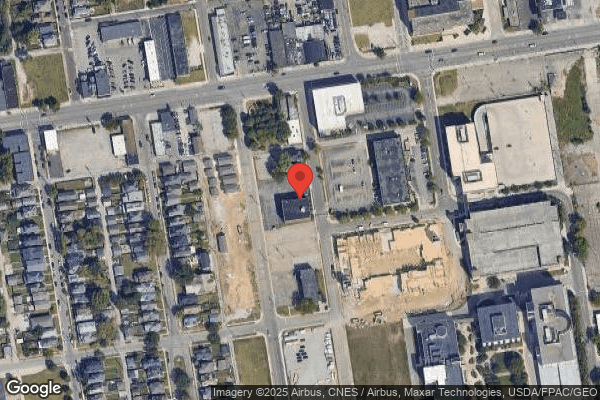
44 S SOUDER AVE, COLUMBUS, OH 43222 (614) 228-5900
For profit - Limited Liability company 120 Beds MAJESTIC CARE Data: November 2025 2 Immediate Jeopardy citations
Trust Grade
0/100
Last Inspection: June 2025

Inspected within the last 6 months. Data reflects current conditions.

Overview

Majestic Care of Columbus LLC has received a Trust Grade of F, indicating significant concerns and overall poor quality care. The facility ranks at the bottom in Ohio and Franklin County, meaning there are no other facilities rated lower. Unfortunately, the trend is worsening, with reported issues increasing from 11 in 2024 to 15 in 2025. Staffing appears to be a strength, with a turnover rate of 37%, which is lower than the state average, and they have good RN coverage compared to other facilities. However, the home has faced concerning fines totaling $295,331, which is higher than 98% of Ohio facilities, suggesting ongoing compliance problems. Specific incidents include failures in proper PPE usage during COVID-19 care, resulting in exposure risks, and cases of staff engaging in abusive behavior towards residents, which raises serious safety and ethical concerns. Overall, while the staffing situation is somewhat favorable, the numerous critical issues and poor ratings indicate this facility may not be a suitable choice for your loved one.

Trust Score
F
0/100
In Ohio
#112/223
Top 50%
Safety Record
High Risk
Review needed
Inspections
Getting Worse
11 → 15 violations
Staff Stability
○ Average
37% turnover. Near Ohio's 48% average. Typical for the industry.
Penalties
✓ Good
$295,331 in fines. Lower than most Ohio facilities. Relatively clean record.
Skilled Nurses
✓ Good
Each resident gets 55 minutes of Registered Nurse (RN) attention daily — more than average for Ohio. RNs are trained to catch health problems early.
Violations
⚠ Watch
59 deficiencies on record. Higher than average. Multiple issues found across inspections.
☆☆☆☆☆
0.0
Overall Rating
☆☆☆☆☆
0.0
Staff Levels
☆☆☆☆☆
0.0
Care Quality
☆☆☆☆☆
0.0
Inspection Score
Stable
2024: 11 issues
2025: 15 issues

The Good

  • Full Sprinkler Coverage · Fire safety systems throughout facility
  • No fines on record
  • Staff turnover below average (37%)

    11 points below Ohio average of 48%

Facility shows strength in fire safety.

The Bad

Staff Turnover: 37%

Near Ohio avg (46%)

Typical for the industry

Federal Fines: $295,331

Well above median ($33,413)

Significant penalties indicating serious issues

Chain: MAJESTIC CARE

Part of a multi-facility chain

Ask about local staffing decisions and management

The Ugly 59 deficiencies on record

2 life-threatening 2 actual harm
Jun 2025 5 deficiencies
CONCERN (D)

Potential for Harm - no one hurt, but risky conditions existed

Deficiency F0569 (Tag F0569)

Could have caused harm · This affected 1 resident

**NOTE- TERMS IN BRACKETS HAVE BEEN EDITED TO PROTECT CONFIDENTIALITY** Based on record review, review of resident funds, and interview, the facility failed to notify each resident, who received Medic...

Read full inspector narrative →
**NOTE- TERMS IN BRACKETS HAVE BEEN EDITED TO PROTECT CONFIDENTIALITY** Based on record review, review of resident funds, and interview, the facility failed to notify each resident, who received Medicaid benefits, when the amount in the resident's account reached $200 less than the Social Security Income resource limit for one person. This affected two residents (#6 and #48) out of four residents reviewed for personal funds. Findings include: 1. Review of the medical record for Resident #6 revealed an admission date of 12/09/18. Diagnoses include hemiplegia and hemiparesis following cerebral infarction affecting left non-dominant side, type two diabetes, chronic combined systolic and diastolic heart failure, vascular dementia, hypothyroidism, schizoaffective disorder bipolar type, bipolar disorder, hyperlipidemia, chronic pulmonary edema, spinal stenosis, anxiety disorder, chronic respiratory failure, blindness left eye category four, muscle weakness, major depressive disorder, and chronic pain syndrome. Review of the Minimum Data Set (MDS) assessment dated [DATE] revealed Resident #6 was cognitively impaired. Review of the plan of care dated 04/10/25 revealed Resident #6 had a communication problem related to cognitive deficit, cognitive deficits demonstrated by decreased safety awareness, impaired decision making, self-care deficit, and short and long term memory deficits. Review of Resident #6's Resident Statement Landscape revealed the residents funds were within $200 of the Social Security Income resource limit during the months of February 2025, March 2025, April 2025, May 2025, and June 2025. There was no documented evidence of a notification to the resident and/or their representative regarding the funds balance. Interview on 06/12/25 at 11:25 A.M. with Business Office Manager #192 confirmed that notifications of being within the $200 dollars of the Social Security Income resource limit were not sent to Resident #6 or their representative for the months of February 2025, March 2025, April 2025, May 2025, and June 2025. 2. Review of the medical record for Resident #48 revealed an admission date of 09/12/19. Diagnoses included anxiety disorder, bilateral primary osteoarthritis of knee, sleep disorder, irritable bowel syndrome, chronic obstructive pulmonary disease, hypertension, major depressive disorder, myopia, presbyopia, tobacco use, difficulty walking, and chronic or unspecified gastric ulcer with perforation. Review of the Minimum Data Set (MDS) assessment dated [DATE] revealed Resident #48 was cognitively intact. Review of Resident #48's Resident Statement Landscape revealed the residents funds were within $200 of the Social Security Income resource limit during the months of March 2025, April 2025, and May 2025. There was no documented evidence of a notification to the resident and/or their representative regarding the funds balance. Interview on 06/12/25 at 11:25 A.M. with Business Office Manager #192 confirmed that notifications of being within the $200 dollars of the Social Security Income resource limit were not sent to Resident #48 or their representative for the months of March 2025, April 2025, and May 2025.
CONCERN (D)

Potential for Harm - no one hurt, but risky conditions existed

Quality of Care (Tag F0684)

Could have caused harm · This affected 1 resident

**NOTE- TERMS IN BRACKETS HAVE BEEN EDITED TO PROTECT CONFIDENTIALITY** Based on observation, record review, and interview, the facility failed to ensure appropriate care and services were provided, i...

Read full inspector narrative →
**NOTE- TERMS IN BRACKETS HAVE BEEN EDITED TO PROTECT CONFIDENTIALITY** Based on observation, record review, and interview, the facility failed to ensure appropriate care and services were provided, including dignity and proper technique, during routine suprapubic catheter care. This affected one (Resident #29) out of one resident reviewed for catheter care. The facility identified six residents with indwelling catheters. The facility census was 75. Findings include: Review of the medical record for Resident #29 revealed an admission date of 01/29/25 with diagnoses of obstructive and reflux uropathy, major depressive disorder, insomnia, chronic pain syndrome and history of transient ischemic attack and cerebral infarction. Review of the care plan dated 01/30/25 revealed Resident #29 was at risk for infection/complications related to the use of a suprapubic catheter with the diagnosis of obstructive uropathy. Interventions included to document catheter output every shift, anchor the catheter to gravity drainage as ordered, catheter/peri-care at least every shift and as needed, and educate resident on risks of infection and safe practices. Review of Resident #29's physician orders dated 02/03/25 revealed orders to cleanse the supra-pubic site every shift with soap and water and cover with split gauze. Review of the quarterly Minimum Data Set (MDS) 3.0 assessment dated [DATE] revealed Resident #29 was cognitively intact, was dependent on staff for toileting, required an indwelling catheter for urinary needs and was incontinent of bowel. Observation on 06/12/25 at 7:50 A.M., Certified Nursing Assistant (CNA) #161 was observed performing catheter care for Resident #29, assisted by Assistant Director of Nursing (ADON) #135 and Registered Nurse (RN) #136. CNA #161 began by explaining the procedure to the resident. She prepared two containers, one with soapy water and one with rinse water, which were placed on the right side of the table with assistance from ADON #135. In addition, washcloths and bath towels were available for usage. The resident was positioned flat in a Trendelenburg position. CNA #161 asked to remove the resident's pants and rolled the resident from side to side, leaving the residents brief around the knees and fully exposing the resident throughout the procedure. CNA #161 cleansed the catheter insertion site using a washcloth dipped in soapy water. While cleaning, she held the catheter approximately three inches below the insertion point, causing tension on the catheter tubing. Approximately three cleansing passes were completed. The same cleaning process was repeated using rinse water. Interview on 06/11/25 at 11:55 A.M. with the Assistant Director of Nursing (ADON) #135 confirmed proper technique for securing the catheter during cleansing included securing the line at the insertion point and wiping from the insertion site outward. ADON #135 confirmed proper technique was not preformed during supra-pubic catheter care. She further confirmed that the resident should have been covered during catheter care to maintain dignity. Interview on 06/12/25 at 9:39 A.M. CNA #161 confirmed she was taught to secure the catheter at the top and to wipe downward during catheter care. Additionally, CNA #161 stated that Resident #29 should have been kept covered except during the actual peri-care, to maintain dignity. Interview 06/12/25 at 9:42 A.M. with Registered Nurse (RN) #136 confirmed the catheter was not properly secured during cleaning, resulting in tugging on the catheter tubing. Additionally, RN #136 observed the resident was not covered while catheter care was being completed.
CONCERN (D)

Potential for Harm - no one hurt, but risky conditions existed

Pressure Ulcer Prevention (Tag F0686)

Could have caused harm · This affected 1 resident

**NOTE- TERMS IN BRACKETS HAVE BEEN EDITED TO PROTECT CONFIDENTIALITY** Based on observations, medical record review, staff interview, and facility policy review, the facility failed to ensure pressur...

Read full inspector narrative →
**NOTE- TERMS IN BRACKETS HAVE BEEN EDITED TO PROTECT CONFIDENTIALITY** Based on observations, medical record review, staff interview, and facility policy review, the facility failed to ensure pressure reducing devices were in place as ordered. This affected one (Resident #61) of three residents reviewed for pressure ulcers. The census was 75. Findings Include: Review of the medical record revealed Resident #61 was admitted to the facility on [DATE]. His diagnoses were cerebral atherosclerosis, bipolar disorder, benign prostatic hyperplasia, dementia, moderate protein calorie malnutrition, hypertension, delusional disorder, anxiety disorder, insomnia, depression, violent behavior, psychosis, visual hallucinations, and Parkinsonism. The record revealed the resident did not have any active wounds. Review of Resident #61's Minimum Data Set (MDS) assessment, dated 03/05/25, revealed he was cognitively intact. Review of Resident #61's care plan dated 06/03/25 revealed a care area related to refusal of care and skin breakdown. The care plan stated he would refuse to allow preventative boots and float heels at times. Review of Resident #61 physician orders, dated 06/09/25, revealed he was to have bilateral heel protectors when in bed for wound prevention. Review of Resident #61's behavior logs, dated June 2025, revealed no documentation of refusal of care, especially no documented refusals of putting on his offloading boots. Review of Resident #61's Treatment Administration Record (TAR), dated June 2025, revealed documentation to support his offloading boots were in place twice daily from 06/09/25 to 06/11/25, and during the morning shift of 06/12/25. Observation on 06/09/25 at 1:57 P.M. revealed Resident #61 was awake, lying in bed, and only had his right offloading boot on. His left foot/heel did not have a boot on it and it was not offloaded in any manner. Observation on 06/11/25 at 2:45 P.M. revealed Resident #61 lying in bed asleep. He had a pillow underneath his calves, which offloaded his heels, but he did not have any offloading boots on either feet. Observation on 06/12/25 at 9:30 A.M. and 11:05 A.M. revealed he was transferred from his bed to his wheelchair. Then he was seen in the dining room, sitting in his wheelchair. At no point did he have his offloading boots on his feet. Interview with Certified Nursing Aide (CNA) #300 on 06/12/25 at 11:06 A.M. stated the aides did not document whether the resident refused care/treatments or not, they would report it to the nurse, and the nurse would document it. She confirmed Resident #61 did not wear his boots today (06/12/25), even while he was in bed. She confirmed she did not know why it would be documented in his medical record that his boots were on. Interview with Registered Nurse (RN) #138 on 06/12/25 at 11:13 A.M. stated they would document twice daily in the medical record as to whether a resident had completed their tasks/treatments or used a device as ordered. She confirmed they had documented Resident #61 was using his offloading boots, but confirmed he was in his wheelchair and in therapy during that morning, which he wouldn't use his boots during those times. She confirmed she documented the order was completed without verifying it was. She confirmed if the resident refused his offloading boots, they would document that in the behavior logs. Review of the facility Wound Management policy, dated 05/30/24, revealed it is the policy of the facility that those residents with impaired skin integrity are recognized by the care team, treated timely, and interventions to heal are not exhausted until the skin is healed. The facility will have a system in place to identify impaired skin integrity development early to prevent further damage and treat the condition as soon as it's identified.
CONCERN (D)

Potential for Harm - no one hurt, but risky conditions existed

Deficiency F0697 (Tag F0697)

Could have caused harm · This affected 1 resident

**NOTE- TERMS IN BRACKETS HAVE BEEN EDITED TO PROTECT CONFIDENTIALITY** 2. Review of Resident #59's medical record revealed an admission date of 01/17/25 with diagnoses including bipolar disorder, emp...

Read full inspector narrative →
**NOTE- TERMS IN BRACKETS HAVE BEEN EDITED TO PROTECT CONFIDENTIALITY** 2. Review of Resident #59's medical record revealed an admission date of 01/17/25 with diagnoses including bipolar disorder, emphysema, fusion of cervical spine, spinal stenosis, other chronic pain, lumbago with sciatica, and type two diabetes mellitus, Review of Resident #59's comprehensive Minimum Data Set (MDS) dated [DATE] revealed the resident had intact cognition and the resident received scheduled and as needed pain medications. Review of Resident #59's physician order dated 05/19/25 revealed an order for Percocet Oral tablet 325 milligrams (mg) one tablet by mouth every six hours as needed for pain. Review of Resident #59's plan of care revised 06/10/25 revealed the resident had pain related to sciatica pain radiating to legs and a chronic pain diagnosis. Interventions included administering medication as ordered, notifying the physician of unrelieved pain, observing for side effects of pain medications, observing for symptoms of non-verbal pain, offering nonpharmacological interventions, and reporting to the nurse any changes in usual activity. Review of Resident #59's Medication Administration Record (MAR) from 06/01/25 to 06/09/25 revealed Percocet was administered three times on 06/01/25 and 06/02/25, and administered twice on 06/03/25 through 06/09/25. On 06/05/25 Percocet was administered two times for a pain scale of zero out of ten, ten being the worst. Review of Resident #59's progress notes revealed nonpharmacological interventions were not attempted and descriptions of pain were not given for one administration on 06/01/25, one administration on 06/03/25, two administrations on 06/05/25, one administration on 06/07/25, and two administrations on 06/08/25. Nonpharmacological interventions were not documented for one administration on 06/02/25, one administration on 06/03/25, one administration on 06/04/25, two administrations on 06/06/25, and one administration on 06/07/25. Interview on 06/10/25 at 2:28 P.M. with the Director of Nursing (DON) revealed that 'as needed' pain medications should not be given for a pain level of zero. She stated with every administration they should be documenting nonpharmacological interventions and a description of the pain. Review of the policy titled 'Pain Management' revealed documentation of the administration of ordered 'as needed' pain medication were to be initialed in the electronic medication administration record. Additional information including, but not limited to, reasons for administration, and effectiveness of pain medication were to be documented in the medical record. Based on observation, interview, record review, and review of facility policy, the facility failed to establish a pain goal regimen and document effectiveness of pain medication administration for Resident #25. Additionally, the facility failed to administer and document nonpharmacological pain interventions for Resident #59's as-needed pain medication orders. This affected two residents (#25 and #59) of five residents reviewed for unnecessary medications. The facility census was 75. Findings include: Review of the medical record for Resident #26 revealed an initial admission date of 04/17/14. Medical diagnoses included schizoaffective disorder- bipolar type, diabetes mellitus (DM) type two with diabetic polyneuropathy, hypertensive heart disease with heart failure, irritable bowel syndrome, and chronic pain syndrome. Review of Resident #26's comprehensive Minimum Data Set (MDS) 3.0 assessment dated [DATE] revealed she had intact cognition, no impairment of range of motion, utilized a walker, and required set-up assistance or supervision for self-care and mobility. Review of Resident #26's physician order dated 02/22/24 revealed an order for Oxycodone oral capsule 5 milligrams (mg) with instructions to give one capsule by mouth two times a day for pain, Lidocaine External Patch 4 percent (%) with instructions to apply it to the lower back topically one time a day, Gabapentin 100 mg with instructions to administer one capsule by mouth two times a day for pain, and Acetaminophen 500 mg with instructions to administer one tablet by mouth every eight hours as needed for mild to moderate pain. Review of Resident #26's care plan dated 03/07/19 addressed chronic pain in bilateral lower extremities (BLE) with a goal that the resident would not have discomfort related to side effects of analgesia through the review date. Interventions included administer analgesic medications per orders, evaluate the effectiveness of pain interventions, review for compliance, alleviating of symptoms, dosing schedules, resident satisfaction with results, impact on functional ability and impact on cognition. The care plan dated 02/19/24 revealed the resident was at risk for pain due to depression and DM with the goal that resident will verbalize adequate pain relief. Interventions included notifying the medical doctor (MD) of unrelieved or worsening pain, and therapy to screen quarterly and as needed. Review of Resident #26's last quarterly pain evaluation dated 04/07/25 revealed Resident #26 had pain in the last five days and rated the frequency of the pain as occasionally. Review of Resident #26's Medication Administration Record (MAR) from 01/01/25 through 06/12/25 revealed Oxycodone was administered as ordered and a pain level rating for each administration was also documented; However, there was no evaluation of the effectiveness of the medication after administration. Interview with Resident #26 on 06/12/25 at 11:12 A.M. reported persistent back and hip pain, stating the 5 mg Oxycodone was ineffective. She stated she used therapy techniques such as riding a stationary bike and using her rollator helped with reduction of the pain and she utilized the occasional PRN (as needed) medications during the morning and evening, but she did not consistently notify nursing staff of the ineffective pain management or note a significant concern with her prescribed regimen. Interview with Unit Manager (UM) #197 on 06/12/25 at 11:36 A.M. stated that scheduled pain medication effectiveness was evaluated on the quarterly pain assessment reviews, and she confirmed the pain medication effectiveness was not evaluated after administration of the pain medication. UM #197 stated that staff relied on the residents to tell them if their scheduled pain medications were effective or not. UM #197 stated that if a resident reported continued pain with a scheduled pain medication regimen that staff would conduct a pain assessment and notify the provider. Interview with the Director of Nursing (DON) on 06/12/25 at 1:35 P.M. confirmed the facility did not have a pain rating goal for Resident #26 related to what an acceptable level of pain was. Review of the facility policy titled Pain Management dated January 2020 stated the reasons for administration and effectiveness of pain medication will be documented in the electronic medical record. The licensed nurse will monitor the efficacy of the medication and notify the physician as needed.
CONCERN (D)

Potential for Harm - no one hurt, but risky conditions existed

Infection Control (Tag F0880)

Could have caused harm · This affected 1 resident

**NOTE- TERMS IN BRACKETS HAVE BEEN EDITED TO PROTECT CONFIDENTIALITY** Based on observation, record review, and interview, the facility failed to ensure infection control practices were implemented d...

Read full inspector narrative →
**NOTE- TERMS IN BRACKETS HAVE BEEN EDITED TO PROTECT CONFIDENTIALITY** Based on observation, record review, and interview, the facility failed to ensure infection control practices were implemented during routine suprapubic catheter care. This affected one (Resident #29) out of one resident reviewed for catheter care. The facility identified six residents with indwelling catheters. The facility census was 75. Findings include: Review of the medical record for Resident #29 revealed an admission date of 01/29/25 with diagnoses of obstructive and reflux uropathy, major depressive disorder, insomnia, chronic pain syndrome and history of transient ischemic attack and cerebral infarction. Review of the care plan dated 01/30/25 revealed Resident #29 was at risk for infection/complications related to the use of a suprapubic catheter with the diagnosis of obstructive uropathy. Interventions included to document catheter output every shift, anchor the catheter to gravity drainage as ordered, catheter/peri-care at least every shift and as needed, and educate resident on risks of infection and safe practices. Review of Resident #29's physician orders dated 02/03/25 revealed orders to cleanse the supra-pubic site every shift with soap and water and cover with split gauze. Review of the quarterly Minimum Data Set (MDS) 3.0 assessment dated [DATE] revealed Resident #29 was cognitively intact, was dependent on staff for toileting, required an indwelling catheter for urinary needs and was incontinent of bowel. Observation on 06/12/25 at 7:50 A.M., Certified Nursing Assistant (CNA) #161 was observed performing catheter care for Resident #29, assisted by Assistant Director of Nursing (ADON) #135 and Registered Nurse (RN) #136. CNA #161 began by explaining the procedure to the resident and performing hand hygiene. She prepared two containers, one with soapy water and one with rinse water, which were placed on the right side of the table with assistance from ADON #135. In addition, washcloths and bath towels were available for usage. The resident was positioned flat in a Trendelenburg position. CNA #161 asked to remove the resident's pants and rolled the resident from side to side, leaving the residents brief around the knees and fully exposing the resident throughout the procedure. CNA #161 cleansed the catheter insertion site using a washcloth dipped in soapy water. While cleaning, she held the catheter approximately three inches below the insertion point, causing tension on the catheter tubing. Approximately three cleansing passes were completed. The soiled washcloth was then placed back into the container of clean soapy water. The same cleaning process was repeated using rinse water, and the used rinse cloth was disposed of in a trash bag located at the foot of the bed. CNA #161 then retrieved the previously used washcloth that had been left in the soapy water basin and disposed of it in the trash bag. However, she did not replace the soapy water. Instead, she continued catheter care using a clean washcloth dipped into the now-contaminated soapy water and proceeded to cleanse the area around the catheter site. After catheter care was completed, the resident was covered with his own bed blanket which was noted with numerous hairs on it. CNA #161 and ADON #135 obtained fresh water in preparation for perineal care. CNA #161 then uncovered the resident, cleansed the perineal area with a soapy washcloth, and placed the soiled cloth into the clean soapy water basin. She completed a final cleanse using a clean washcloth dipped in rinse water, disposing the cloth in the trash bag at the foot of the bed. CNA #161 then grabbed the washcloth from the soapy water bin and placed it into the trash bag and the resident was re-gowned. Interview on 06/11/25 at 11:55 A.M. with the Assistant Director of Nursing (ADON) #135 confirmed staff should not place soiled washcloths back into the clean wash basin, stating that once used, these cloths should have been placed into soiled laundry or waste containers. Interview on 06/12/25 at 9:39 A.M. CNA #161 acknowledged that she was not supposed to place a soiled washcloth back into the container of clean water, but could not recall whether she did so during this procedure. Interview 06/12/25 at 9:42 A.M. with Registered Nurse (RN) #136 confirmed she observed CNA #161 placed the soiled washcloth into the bucket containing clean soapy water, contaminating the water used for further cleansing of the catheter and insertion site.
Jan 2025 10 deficiencies 1 Harm
SERIOUS (G)

Actual Harm - a resident was hurt due to facility failures

Accident Prevention (Tag F0689)

A resident was harmed · This affected 1 resident

**NOTE- TERMS IN BRACKETS HAVE BEEN EDITED TO PROTECT CONFIDENTIALITY** Based on medical record review, hospital record review, review of the facility's incident/accident investigation, staff intervie...

Read full inspector narrative →
**NOTE- TERMS IN BRACKETS HAVE BEEN EDITED TO PROTECT CONFIDENTIALITY** Based on medical record review, hospital record review, review of the facility's incident/accident investigation, staff interview, and policy review the facility failed to develop and implement a comprehensive, individualized and effective fall management program to prevent a fall with injury for Resident #1. Actual harm occurred on 12/01/24 at approximately 12:55 P.M. when Resident #1, who had a diagnosis of dementia, fall risk with history of falls, increased lethargy and confusion sustained an avoidable unwitnessed fall out of bed resulting in head trauma/head hematoma which required hospital treatment. Prior to this fall, the resident sustained an unwitnessed fall out of bed on 12/01/24 at 1:30 A.M. with no evidence the facility implemented timely, adequate and effective interventions/measures to prevent the additional fall with injury on the same date. The resident was hospitalized until 12/09/24. Findings include: Record review revealed Resident #1 was admitted to the facility on [DATE] with diagnoses including multiple sclerosis, epilepsy, dementia, atherosclerotic heart disease, anxiety disorder, presence of a urostomy and colostomy, major depressive disorder, cardiac arrhythmia, sick sinus syndrome, bipolar disorder, and presence of cardiac pacemaker. Review of the Minimum Data Set (MDS) 3.0 assessment revealed Resident #1 had a Brief Interview of Mental Status (BIMS) score of 15 (out of 15). The MDS revealed Resident #1 had no impairment of range of motion to the upper extremities but had impairment of her lower extremities bilaterally and used a wheelchair. Review of the care plan dated 03/24/21 (and updated 12/04/24) revealed Resident #1 was at risk for falls with a history of falls. Falls interventions documented on the care plan included color tape applied to the call light to remind Resident #1 to call for help, declutter pathway in room, digital clock in room in line of site, use a self-releasing seatbelt when in the wheelchair, use of non-skid footwear, non-skid strips in front of the sink, bilateral falls mats, Dycem to wheelchair and encourage use of hipsters. Record review revealed the resident also had a plan of care related to non-compliance with an intervention to educate the resident to notify staff and ask for assistance when changing an ostomy bag. Review of a progress note revealed on 12/01/24 at 1:30 A.M. Resident #1 had an unwitnessed fall. Resident #1 was found lying beside her bed. Resident #1 stated she fell trying to change her colostomy bag. The root cause was determined to be resident the resident was known to be resistant to assistance with colostomy/urostomy bags. Current interventions in place included Dycem, skid strips, color tape to call light, signs as visual cues, and bilateral falls mats were all in place at the time of the fall. Interventions added after the fall included sign placed in room specifically reminding resident to call for assistance for cleaning area or providing direct care. Review of the Incident/Accident Investigation form dated 12/01/24 at 1:30 A.M. filled out by Registered Nurse (RN) #400 revealed Resident #1 had an unobserved fall. The resident's call bell was documented to be in reach and was not activated, personal items were in reach, the bed was locked in the lowest position, bilateral floor mats were documented as in place, the floor was not wet, there was proper lighting, and assistive devices were in reach of Resident #1. Resident #1 was described as following usual routine with the comment non-compliant with the process up to change the colostomy bag. Immediate intervention listed was to keep the door open and to do every 15-minute checks until Resident #1 gets up in the morning. However, the medical record (progress note) contained no evidence 15- minute checks were completed throughout the night until the resident awoke. Post fall neurological checks were completed on 12/01/24 at 1:30 A.M., 1:45 A.M., 2:00 A.M., 2:15 A.M., 2:45 A.M., 3:15 A.M., 3:45 A.M., 4:15 A.M., 5:15 A.M., and 6:15 A.M. that were documented as normal where Resident #1 was fully conscious, moves all four extremities, grasp were equal, pupil size was equal and reactive (brisk), and the resident was documented to have had slurred speech. Follow up neurological check done at 7:15 A.M. by LPN #407 revealed all elements were the same except level of consciousness had changed to lethargic. The next neurological check completed at 11:15 A.M. again reflected the same change in the level of consciousness to now reflect the resident was lethargic. There were no additional assessments or progress note follow up to address or explain Resident #1's documented change in level of consciousness. In addition, there was no evidence of changes to the resident's supervisory and/or fall interventions as a result of the identified lethargy on the neurological assessments. The resident's plan of care was updated following the fall on 12/01/24 at 1:30 A.M. with an intervention that signs were placed in Resident #1's room to remind her to call for assistance when getting up. A progress note dated 12/01/24 at 12:10 P.M. revealed Licensed Practical Nurse (LPN) #451 noted the resident was not acting like her normal self. Resident #1's speech was slurred. Resident #1 was very lethargic and seemed confused. LPN #451 contacted the nurse practitioner (CNP) and received new orders for laboratory test of complete blood count, comprehensive metabolic panel, hepatic panel, thyroid stimulating hormone, and a chest x-ray. Resident#1's representative was made aware. However, there were no new fall risk/safety interventions implemented at this time. A progress note dated 12/01/24 at 12:55 P.M. revealed Resident #1 had another unwitnessed fall. Resident #1 was found lying beside her bed. The resident stated she was trying to get up but was unable to answer why. Resident #1 stated she was not in pain but was noted to have a large knot on the back of her head that was bleeding. The CNP was notified, and an order was received to transfer Resident #1 to the hospital for evaluation. The resident representative was notified of fall and transfer to hospital. Review of the hospital after visit summary with a visit date from 12/01/24 to 12/09/24 documented Resident #1's had a hospitalization with diagnoses of hematoma and head trauma. On 01/09/25 at 3:21 P.M. interview with the Director of Nursing (DON) revealed Resident #1 was care planned to request for staff assistance and staff continued to encourage the resident to request help. The DON confirmed Resident #1 had signs in the room to remind the resident to ask for help as a visual cue, and the resident was receiving therapy services to improve strength in her lower extremities to aid in her goal of independence. The DON revealed neurological checks were documented on a form that was included as part of the fall investigation and not in the electronic medical record, and none of the post fall assessment of neurological checks were included in the resident progress notes. The DON verified Resident #1 had a change in her neurological check completed on 12/01/24 at 7:15 A.M. when the resident was documented to be lethargic and the there was no additional neurological checks completed, or assessment of Resident #1 completed until the next routine schedule post fall neurological check at 11:15 A.M. The DON confirmed Resident #1 had progress notes included as part of the medical record dated 12/01/24 at 1:30 A.M. when the resident fell, at 12/01/24 at 12:10 P.M. when the facility notified the practitioner of the change in condition and on 12/01/24 at 12:55 P.M. when the resident had an additional fall which resulted in a hematoma, and head trauma and the need for the resident to have further treatment at the hospital. No other progress notes were part of the medical record on 12/01/24. Review of facility policy titled Fall Prevention dated 01/02/24 revealed each resident's risk factors and environment hazards would be evaluated when developing the resident's comprehensive plan of care. Interventions would be monitored for effectiveness and the plan of care would be revised as needed. When a resident experienced a fall, the facility would assess the resident, complete a post-fall assessment, complete an incident report, notify the physician and family, review the resident's care plan and update as needed, and document all assessments.
CONCERN (D)

Potential for Harm - no one hurt, but risky conditions existed

ADL Care (Tag F0677)

Could have caused harm · This affected 1 resident

Based on observation, record review, policy review and interview, the facility failed to provide Resident #13 necessary supervision as per the resident's plan of care to ensure the resident maintained...

Read full inspector narrative →
Based on observation, record review, policy review and interview, the facility failed to provide Resident #13 necessary supervision as per the resident's plan of care to ensure the resident maintained good nutrition and decreased risk of choking during meals. This affected one resident (#13) of three residents reviewed for nutrition. The facility census was 74. Findings include: Review of the medical record for Resident #13 revealed an admission date of 04/22/21 with diagnoses including Type 2 diabetes mellitus with mild nonproliferation diabetic retinopathy and macular edema bilateral, epilepsy without status epilepticus, schizoaffective disorder bipolar type, major depressive disorder, chronic obstructive pulmonary disease, vascular dementia with agitation, anxiety disorder due to known physiological condition, gastro-esophageal reflux disease without esophagitis, hemiplegia and hemiparesis following cerebral infarction affecting left dominant side, Alzheimer's disease with early onset, hypothyroidism, age-related nuclear cataract, bilateral myopia, bilateral unspecified sequelae of cerebral infarction, other sleep disorders, hypo-osmolality and hyponatremia ataxia following cerebral infarction; iron deficiency anemia, hypotension, unspecified, hyperlipidemia, unspecified; tobacco use, other drug-induced secondary parkinsonism; history of falling; mental disorder not otherwise specified, tachycardia, and long-term (current) use of insulin. Review of the quarterly Minimum Data Set (MDS) 3.0 assessment created on 10/04/24 revealed Resident #13 had a brief interview for mental status (BIMS) score of 12 indicating the resident was cognitively impaired. Resident #13 had impaired mobility and required supervision for eating. Review of the progress notes revealed on 12/19/24 at 6:13 P.M. the resident was in the main dining room when staff noted she was coughing/choking on her food and the nurse was called. When the nurse arrived the Heimlich was preformed and Resident #13 became unresponsive and had no pulse. Cardiopulmonary Resuscitation (CPR) was initiated until the paramedics arrived and transported the resident to the hospital. Speech therapy was ordered to conduct an evaluation when returning to the facility. Review of the care plan for Resident #13 revealed a focus on the resident eating quickly initiated on 12/30/24 with an intervention the resident was to eat only with supervision. Review of the dietician evaluation dated 01/02/25 revealed the resident could eat independently, but needed extensive supervision. Interview on 01/07/25 at 11:46 A.M. with the resident revealed she was switched to a mechanical soft diet due to choking and stated she hates the food and does not eat it. Interview on 01/08/25 at 9:41 A.M. with the speech therapist revealed she evaluated Resident #13 after her hospitalization after she choked. The hospital stated it was a behavior eating too quickly leading to choking. She stated she knows Resident #13 does not like the mechanical soft diet and the goal was to upgrade the resident to a regular diet once they figure out alternative interventions. She stated for breakfast that morning she supervised Resident #13 for breakfast with a regular diet and the resident was still eating too fast. Interview on 01/08/25 at 9:45 A.M. with Resident #13 revealed the speech therapist was in the room that morning but stated they did not explain their plan with the mechanical soft diet. Resident #13 stated she always eats on her own unsupervised either in her room or in the dining room. Resident #13 revealed at times she does not eat at all due to the mechanical soft diet. Observation on 01/08/25 from 12:11 P.M. revealed the food tray being passed out to Resident #13 for lunch. Resident #13 was observed eating on her own in her room with no staff present or with no assistance from staff. Interview on 01/08/25 at 12:42 P.M. with Resident #13, Resident #7 (roommate), and Resident #25 (roommate) confirmed no staff had come into their shared room to supervise/assist Resident #13 while eating. Additionally, Licensed Practical Nurse (LPN) #406 confirmed Resident #13 ate 50% of her lunch meal with no staff present to provide the needed supervision. Interview on 01/08/25 at 1:50 P.M. with the Interim Director of Nursing (IDON) and Registered Nurse (RN) #410 confirmed Resident #13 should be supervised while eating during every meal. Review of the meal supervision and assistance policy revealed the facility will utilize a systemic approach to ensure safety throughout the residents environment and among staff. Additionally, the facility would develop and implement an individualized care plan based on the resident assessment instrument (RAI) to address the residents needs and goals, and to monitor the results of the planned interventions such as adequate supervision during meal time.
CONCERN (D)

Potential for Harm - no one hurt, but risky conditions existed

Incontinence Care (Tag F0690)

Could have caused harm · This affected 1 resident

**NOTE- TERMS IN BRACKETS HAVE BEEN EDITED TO PROTECT CONFIDENTIALITY** 2. Review of the medical record for Resident #59 revealed an initial admission date of 09/09/21 with the latest readmission of 1...

Read full inspector narrative →
**NOTE- TERMS IN BRACKETS HAVE BEEN EDITED TO PROTECT CONFIDENTIALITY** 2. Review of the medical record for Resident #59 revealed an initial admission date of 09/09/21 with the latest readmission of 10/01/24. Diagnosis included but were not limited to cerebral atherosclerosis, chronic obstructive pulmonary disease (COPD), major depressive disorder, anxiety disorder, psychotic disorder with hallucinations, sleep disorders, epilepsy, dysphagia, ataxia, vascular dementia with behavioral disturbances, bilateral ocular hypertension, glaucoma, bilateral cataract, constipation, functional urinary incontinence and seasonal allergic rhinitis. Review of the resident's progress note dated 10/01/24 at 7:30 P.M. revealed the resident was admitted from the acute care hospital with a prescription for Keflex (antibiotic) 250 milligrams (mg) by mouth twice daily for seven days for infection management. Review of the progress note dated 10/02/24 at 9:13 A.M., as a late entry revealed the resident returned to the facility on [DATE] with a new order for Keflex with no diagnoses. The Certified Nurse Practitioner (CNP) was made aware and advised to stop the antibiotic and obtain a urinalysis (UA). Review of the resident's hospital Discharge summary dated [DATE] revealed a culture and sensitivity (C&S) dated 10/01/24 revealed the resident was positive for greater than 100,000 proteus mirabilis bacteria and was ordered Keflex 250 mg by mouth twice daily for seven days. Review of the resident's urinalysis results dated 10/08/24 revealed the resident's urine was dark orange (normal yellow), clarity was extra turbid (normal clear), blood one plus (normal negative), protein one plus (normal negative), urobilinogen three plus (normal negative), leukocytes four plus (normal negative), red blood cells greater than 50 (normal less than 6), white blood cells 21-50 (normal less than six), epithelial cells few (normal negative) and bacteria to numerous to count (normal negative). The lab result indicated probable contamination. Review of the progress note dated 10/09/24 at 10:02 A.M. revealed the CNP was notified of the UA results with no new orders. Review of the quarterly Minimum Data Set (MDS) assessment dated [DATE] revealed the resident had a moderate cognitive deficit. The assessment indicated the resident was always incontinent of both bowel and bladder and had not been treated for an infection in the past 30 days. Review of the medical record revealed no evidence the resident's UTI was treated. On 01/08/25 at 9:52 A.M., interview with the Interim Director of Nursing (IDON) verified the lack of treatment for the UTI and lack of follow up with the 10/08/24 contaminated urinalysis. Based on record review and staff interview, the facility failed timely identify and treat urinary tract infections (UTIs) for Resident #72 and Resident #59. This affected two residents (#72 and #59) of two residents reviewed for UTIs. The facility census was 74. Findings include: 1. Review of the medical record for Resident #72 revealed an admission date of 01/23/24 with diagnoses including chronic obstructive pulmonary disease (COPD), acute embolism and thrombosis of unspecified deep veins of the lower extremities (bilateral), chronic pulmonary embolism, diverticulosis of the intestine without perforation or abscess, hydrocele, nutritional anemia, essential hypertension, obstructive and reflux uropathy, benign prostatic hyperplasia without lower urinary tract symptoms, unspecified anemia, urinary tract infection, disorders of the left external ear, age-related cataract in the left eye, enophthalmos due to trauma or surgery in the right eye, other diseases of the pharynx, dysuria, hypo-osmolality and hyponatremia, other pulmonary embolism with acute cor pulmonale, atrophy of the globe in the right eye, aspiration risk, kidney calculus, and a personal history of transient ischemic attack (TIA) without residual deficits. Review of the entry Minimum Data Set (MDS) 3.0 assessment revealed Resident #72 was cognitively intact. Review of the progress notes revealed on 11/07/24 at 6:07 A.M. Resident #72's foley catheter was leaking and the urine draining was cloudy and pale yellow. At 7:22 A.M. the primary care provider ordered a urine analysis (UA) and culture and sensitivity (C&S). At 7:12 P.M. Resident #72 had blood in his urine and the Certified Nurse Practitioner's (CNP) instructions were to send the resident to the hospital if the bleeding persists. On 11/08/24 at 8:34 A.M. the CNP was notified of the abnormal UA and was awaiting the C&S. This C&S was reported on 11/09/24 as contaminated and to contact the laboratory within 48 hours. No additional documentation was provided in the medical record related to practitioner notification, resident assessment or actions taken by the facility related to the test not being completed. Review of the progress notes revealed on 11/19/24 at 7:30 A.M. new orders for a UA and C&S were submitted. Two days later on 11/21/24 the UA, C&S sample was collected and was picked up by the laboratory. Review of the laboratory results report from revealed the specimen was collected on 11/21/24, received on 11/21/24 but not reported for 15 days, until 12/06/24. The medical record had no documented communication from the facility to the laboratory regarding the collected UA, C&S and test results. Review of the progress note dated 12/08/24 at 1:52 P.M. revealed the urine which was obtained on 12/06/24 was not picked up by the phlebotomist due to the urine being in the refrigerator since 12/06/24. New order provided by the CNP for another UA, C&S to be completed. On 12/09/24 at 6:24 A.M. a nurse obtained a urine sample for the new UA, C&S. The medical record had no laboratory results report for this sample. Progress note dated 12/13/24 at 12:32 P.M. revealed two UA samples were reported as contaminated, a new order for Pyridium (used to treat symptoms of UTI) was prescribed for two days with a start date of 12/13/24 and an end date of 12/15/24. On 12/16/24 at 6:59 P.M. Resident # 72 had another UA ordered. On 12/17/24 at 5:54 A.M. the urine sample was obtained for the UA, C&S. This UA was reported as contaminated on 12/20/24. Review of the progress notes revealed on 12/23/24 at 3:22 P.M. the laboratory was called by the Minimum Data Set nurse asking why the C&S was not completed. The laboratory informed the nurse there was a mistake on their behalf and the urine sample would have to be collected again due to the sample being too old to complete a C&S. The CNP ordered another UA and a sample was collected. On 12/27/24. A new order for Levofloxacin (antibiotic) was ordered for five days with a start date of 12/27/24 for a urinary tract infection (UTI). Review of the laboratory results report from revealed the sample was collected on 12/24/24, received on 12/24/24, and reported on 12/29/24 with the results of 70-99,000 Colony Forming Units per milliliter (CFU/mL) klebsiella pneumoniae, 70-99,000 CFU/mL proteus vulgaris and 70-99,000 CFU/mL enterococcus faecalis. The C&S revealed proteus vulgaris was resistant (R 4) to the ordered Levofloxacin. Review of the progress notes revealed on 12/29/24 at 10:39 P.M. Levofloxacin was discontinued and a new order for Bactrim (antibiotic) was ordered for UTI with a start date of 12/30/24 and an end date of 01/03/25. Additionally, Nitrofurantoin Macrocrystal (antibiotic) was ordered for UTI with a start date of 12/30/24 and an end date of 1/06/25. Interview on 01/09/25 at 10:42 A.M. with Interim Director of Nursing (IDON) revealed if the results of a specimen were contaminated the physician or the CNP would have the final say in ordering a new UA or ordering a treating medication. The IDON stated the reason for the delays with Resident #72's UA, C&S were due to the laboratory but confirmed the facility did not contact the laboratory during the delays and the final decision to change the laboratory companies would be up to the regional directors of the facility. She stated the time it takes for laboratory tests to return was dependent on what culture was ordered and stated it could take 24-72 hours for results but did not confirm which laboratory tests take longer. The IDON confirmed the physician did not order any medications for Resident #72 until 50 days had passed after the initial UA was collected for the suspected UTI. The IDON stated she recommended the facility start antibiotics sooner. Interview on 01/09/25 at 11:13 A.M. with the Medical Director revealed he initially ordered the UA due to Resident #72 having behaviors. He confirmed multiple UA laboratory tests came back contaminated and he did not order any other laboratory tests to confirm if there was an ongoing infection. He confirmed the resident had a UTI and medications were not ordered for 50 days after the initial UA was collected.
CONCERN (D)

Potential for Harm - no one hurt, but risky conditions existed

Drug Regimen Review (Tag F0756)

Could have caused harm · This affected 1 resident

**NOTE- TERMS IN BRACKETS HAVE BEEN EDITED TO PROTECT CONFIDENTIALITY** Based on medical record review, staff interview and facility policy review, the facility failed to ensure the physician provided...

Read full inspector narrative →
**NOTE- TERMS IN BRACKETS HAVE BEEN EDITED TO PROTECT CONFIDENTIALITY** Based on medical record review, staff interview and facility policy review, the facility failed to ensure the physician provided a rationale for the decline of a pharmacy recommended gradual dose reduction (GDR) for Resident #31 and Resident #59. This affected two residents (#31 and #59) of five residents reviewed for unnecessary medications. The facility census was 74. Findings Include: 1. Review of the medical record for Resident #31 revealed an initial admission date of 07/19/24 with the diagnoses including but not limited to Alzheimer's disease, diabetes mellitus, bipolar disorder, hypertension, anxiety disorder, hyperlipidemia, overactive bladder, sleep disorder, dementia with mood disturbance, adjustment disorder with mixed anxiety and depressed mood, and chronic pain syndrome. Review of the resident's quarterly Minimum Data Set (MDS) assessment dated [DATE] revealed the resident had a severe cognitive deficit. Resident was coded to rejected care and wander. The assessment coded diagnoses of Alzheimer's, anxiety and bipolar disorder. The assessment indicated the resident received antianxiety, antidepressant and opioid medications. Review of the resident's monthly physician orders for January 2025 identified orders dated 07/19/24 for Melatonin (medication used for sleep) 10 milligrams (mg) by mouth daily at bedtime for insomnia, 08/01/24 for Zoloft (antidepressant) 100 mg by mouth daily for depression, 12/23/24 for Hydroxyzine (antihistamine) 25 mg by mouth twice daily and Ativan (antianxiety) 0.5 mg by mouth twice daily. Review of the pharmacy recommendation dated 10/02/24 revealed the pharmacist recommended a GDR for the medication Hydroxyzine 25 mg by mouth twice daily. The physician checked the box indicating past reduction attempts have resulted in problematic behavior and/or staff inability to provide care. The physician gave no further rationale for the disagreement. On 01/08/25 at 9:52 A.M., interview with the Interview Director of Nursing (IDON) verified the physician provided no rationale for the decline in the pharmacy recommended GDR. 2. Review of the medical record for Resident #59 revealed an initial admission date of 09/09/21 with the latest readmission of 10/01/24 with the diagnoses including but not limited to cerebral atherosclerosis, chronic obstructive pulmonary disease (COPD), major depressive disorder, anxiety disorder, psychotic disorder with hallucinations, sleep disorders, epilepsy, dysphagia, ataxia, vascular dementia with behavioral disturbances, bilateral ocular hypertension, glaucoma, bilateral cataract, constipation, functional urinary incontinence and seasonal allergic rhinitis. Review of the quarterly Minimum Data Set (MDS) assessment dated [DATE] revealed the resident had a moderate cognitive deficit. Resident #59 was coded to display no behaviors. The assessment coded the diagnoses of dementia, anxiety disorder, depression, psychotic disorder and sleep disorder. The assessment indicated the resident received antidepressant, opioid, antiplatelet and anticonvulsant medications. Review of the resident's monthly physician orders for January 2025 identified orders dated 10/30/24 for Zoloft 100 mg by mouth daily for depression and 12/06/24 for Seroquel (antipsychotic) 25 mg by mouth twice daily for psychological disorder. Review of the pharmacy recommendation dated 11/04/24 revealed the pharmacist recommended a GDR on the medication Zoloft 100 mg daily. The physician addressed the recommendation on 11/15/24 and gave no rationale for the disagreement. On 01/08/25 at 9:52 A.M., interview with the Interview Director of Nursing (IDON) verified the physician provided no rationale for the decline in the pharmacy recommended GDR.
CONCERN (D)

Potential for Harm - no one hurt, but risky conditions existed

Deficiency F0761 (Tag F0761)

Could have caused harm · This affected 1 resident

Based on observation, staff interview, and policy review, the facility failed to ensure medications were properly stored to include labeling that identified the date multi-use vials were first accesse...

Read full inspector narrative →
Based on observation, staff interview, and policy review, the facility failed to ensure medications were properly stored to include labeling that identified the date multi-use vials were first accessed/used, and medications did not exceed the expiration date on stock medication supplies. This affected two residents (#46 and #130) of two residents admitted to the third floor after 11/14/24. The facility census was 74. Findings include: Observation with Licensed Practical Nurse (LPN) #462 on 01/08/25 at 8:22 A.M. of the medication refrigerator in the third floor medication storage room revealed an opened multi-dose vial of tuberculin skin testing solution 5TU/0.1 milliliter with a manufacturer's expiration date of January 2026. The vial was opened and undated. At the time of the observation, interview with LPN #462 confirmed the vial was opened and unlabeled with either date/time opened or date/time the vial was to expire. Interview on 01/08/25 at 10:30 A.M. with LPN #462 revealed the observed tuberculin skin testing solution vial was delivered to the facility from the pharmacy on 10/22/24 and the facility policy was opened stock medications expire 30 days after opening. Review of policy Storage of Medications last revision date April 2019 revealed medications requiring refrigeration were stored in a secured location. Discontinued or outdated medications were returned to the dispensing pharmacy or destroyed.
CONCERN (D)

Potential for Harm - no one hurt, but risky conditions existed

Antibiotic Stewardship (Tag F0881)

Could have caused harm · This affected 1 resident

**NOTE- TERMS IN BRACKETS HAVE BEEN EDITED TO PROTECT CONFIDENTIALITY** Based on medical record review, staff interview and facility policy review, the facility failed to provide adequate justificatio...

Read full inspector narrative →
**NOTE- TERMS IN BRACKETS HAVE BEEN EDITED TO PROTECT CONFIDENTIALITY** Based on medical record review, staff interview and facility policy review, the facility failed to provide adequate justification for the use of antibiotics for Resident #73 and Resident ##72. This affected two residents (#73 and #72) of five residents review for unnecessary medications. The facility census was 74. Findings Include: 1. Review of the closed medical record for Resident #73 revealed an initial admission date of 05/13/24 with the latest readmission of 06/27/24. Diagnoses included but were not limited to diabetes mellitus with diabetic retinopathy with macular edema, hypothyroidism, peripheral vascular disease, bipolar disorder, chronic kidney disease, sleep disorders, cirrhosis of liver, major depressive disorder, gastro-esophageal reflux disease, enterocolitis due to clostridium difficile (c-diff), anxiety disorder, hyperlipidemia, severe morbid obesity, hypertension, congestive heart failure, arthropathic psoriasis, lymphedema, anemia, factitious disorder imposed on self combined with psychological and physical signs and symptoms, post traumatic stress disorder, obstructive and reflux uropathy, constipation and cerebral ischemia. Review of the progress note dated 10/30/24 at 7:12 P.M. revealed the resident complained of dysuria. The Certified Nurse Practitioner (CNP) was notified and a new order for urinalysis (UA) was placed. Review of the progress note dated 10/31/24 at 4:44 P.M. revealed the urine specimen was collected and picked up by the facility's contracted laboratory company. Review of the UA results dated 11/04/24 revealed the resident's clarity was abnormal at extra turbid, glucose abnormal at three plus, blood (RBC) abnormal at 21 to 50, white blood cells (WBC) abnormal at greater than 50, epithelial cell abnormal at few, bacteria abnormal at few. Review of the progress note dated 11/05/23 at 6:48 A.M. revealed the laboratory result was received and was sent to the CNP with no new orders. Review of the progress note dated 11/06/24 at 11:55 A.M. awaiting culture and sensitivity (C&S) results. Review of the resident's quarterly Minimum Data Set (MDS) assessment dated [DATE] revealed the resident had no cognitive deficit. The assessment indicated the resident was not treated for an infection in the past 30 days. Review of the situational background assessment recommendation (SBAR) dated 11/07/24 revealed the resident was placed on Cipro (antibiotic) 500 milligrams (mg) by mouth twice daily for seven days for a urinary tract infection (UTI). Review of the resident's C&S results dated 11/08/24 revealed the urine was found to have 70,000 to 99,000 escherichia coli. Further review revealed the antibiotic Cipro was resistant to the identified bacteria and sensitive to the antibiotic to Keflex. Review of the progress note dated 11/08/24 at 8:40 A.M. revealed the physician reviewed the lab results. The antibiotic Cipro 500 mg was discontinued due to being resistant to the bacteria. A new order was given for Keflex 250 mg twice daily for seven days. On 01/09/25 at 4:30 P.M., interview with Registered Nurse (RN) #450 verified the antibiotic Cipro was ordered prior to the C&S result returned and the lack of follow up for the contaminated UA results. 2. Review of the medical record for Resident #72 revealed an initial admission date of 01/23/24 with the latest readmission of 02/01/24. Diagnoses included but were not limited to chronic obstructive pulmonary disease (COPD), chronic pulmonary embolism, diverticulosis of intestine, hydrocele, anemia, hypertension, obstructive and reflux uropathy, benign prostatic hyperplasia, UTI, dysuria and calculus of kidney. Review of the plan of care dated 02/02/24 revealed the resident had occasional hematuria, dysuria and pain in urethra related to Foley catheter and was at risk for infection related to diagnoses hydrocele, BPH and kidney calculus. Interventions included administer medication as ordered, observe for side effects, notify physician of any abnormal findings, encourage fluids, observe for continued symptoms of infection and assist with routine toileting and assist with incontinent and peri-care as needed. Review of the resident's significant change Minimum Data Set (MDS) assessment dated [DATE] revealed the resident had no cognitive deficit. The assessment indicated the resident had an indwelling urinary catheter and was not treated for an infection in the past 30 days. Review of the progress note dated 11/10/24 at 6:34 A.M. revealed the resident reported his indwelling urinary catheter was leaking and the nurse observed the resident urinate around the catheter. The urine was noted to be blood tinged with a foul odor and a large amount of mucous. The nurse changed the resident's indwelling urinary catheter and was draining hazy colored urine with some bleeding in the tubing. Review of the progress note dated 11/11/24 at 10:02 A.M. a new order was obtained for a UA. Review of the progress note dated 11/19/24 at 12:08 A.M. revealed the urine for the UA was obtained. Review of the progress note dated 11/21/24 at 5:27 P.M. revealed the urine for the UA/S&S STAT was collected and waiting to be picked up by the lab. Review of the progress note dated 11/29/24 at 6:38 P.M. revealed the UA/C&S results were received and the CNP was notified and gave no new orders. Review of the progress note dated 12/08/24 at 3:52 P.M. revealed the resident's urine was not picked up by the facility contracted lab due to urine being in the refrigerator since 12/06/24. Review of the progress note dated 12/09/24 at 6:24 A.M. revealed the resident had no urine output for the shift and the resident's indwelling urinary catheter was changed. The urine for the UA/C&S was obtained. Review of the progress note dated 12/13/24 at 12:32 P.M. revealed the resident's urine had been obtained twice and resulted as contaminated. The resident continued to complain of dysuria. New orders were obtained for Pyridium (medication to treat UTI symptoms) three times daily for two days. Review of the SBAR dated 12/16/24 at 9:31 A.M. revealed a new order was obtained for a UA/C&S. Review of the progress note dated 12/17/24 at 5:54 A.M. revealed the urine for the UA/C&S was obtained. Review of the progress note dated 12/19/24 at 6:23 A.M. revealed the UA results were faxed to the CNP with no new orders at that time. Review of the progress note dated 12/23/24 at 3:22 P.M. revealed the facility called the facility contracted laboratory and questioned why the C&S had not been completed. The laboratory revealed it was a mistake on their part and the laboratory specimen would have to be obtained again. The CNP was notified and ordered to obtain urine for C&S. Review of the progress note dated 12/27/24 at 5:43 P.M. revealed a new order was obtained for Levaquin (antibiotic) 500 mg by mouth daily for five days for UTI. Review of the progress note dated 12/29/24 at 10:39 P.M. revealed the C&S results returned and new orders were obtained to discontinue the Levaquin and start Macrobid 1(antibiotic) 00 mg by mouth twice daily for seven days for UTI. Review of the progress note dated 12/29/24 at 10:43 P.M. revealed the CNP returned call and also ordered Bactrim Double Strength (DS) (antibiotic) 800/160 mg by mouth twice daily for five days for UTI. On 01/09/25 at 4:30 P.M., interview with Registered Nurse (RN) #450 verified the antibiotic Levaquin was ordered prior to the C&S result return. Review of the facility policy titled, Antibiotic Stewardship, dated 2001 and last revised 2016 revealed antibiotics will be prescribed and administered to residents under the guidance of the facility's antibiotic stewardship program. When a resident was admitted from an emergency department, acute care facility, or other facility, the admitting nurse would review discharge and transfer paperwork for current antibiotic/anti-infective orders. When a C&S was ordered lab results and the current clinical situation would be communicated to the prescribe as soon as available to determine if antibiotic therapy should be started, continued, modified or discontinued.
CONCERN (E)

Potential for Harm - no one hurt, but risky conditions existed

Deficiency F0567 (Tag F0567)

Could have caused harm · This affected multiple residents

Based on observations, staff interviews, residents interviews, and record review, facility failed to ensure residents' personal funds were available in a timely manner. This affected one resident (#7)...

Read full inspector narrative →
Based on observations, staff interviews, residents interviews, and record review, facility failed to ensure residents' personal funds were available in a timely manner. This affected one resident (#7) and had the potential to affect 68 additional residents (#1, #2, #3, #5, #6, #8, #9, #10, #11, #12, #13, #14, #15, #16, #17, #18, #19, #20, #21, #22, #23, #24, #26, #27, #28, #30, #31, #32, #33, #34, #35, #36, #37, #38, #39, #40, #41, #42, #46, #47, #48, #49, #50, #51, #52, #55, #56, #57, #58, #59, #60, #61, #62, #63, #64, #65, #66, #67, #69, #70, #72, #73, #74, #76, #77, #130, #180, and #182) identified to have personal fund accounts with the facility. The facility census was 74. Findings include Interview on 01/06/25 at 3:12 P.M. with Resident #7 revealed a concern related to accessing money from his personal fund account maintained by the facility. The resident shared he had tried to get money ($30.00) from his account, was told he could only get $10.00 for now and that he would need to come back for the remaining $20.00. Observations from 01/06/25 at 3:15 P.M. to 4:00 P.M. revealed Licensed Practical Nurse (LPN) #425 and Certified Nursing Aide (CNA) #416 were informed by Resident #7 that he wanted more money from his fund account. Resident#7 informed the LPN and CNA he went to the front desk and was told he would need to come back later for the rest. Interview on 01/07/25 at 9:30 A.M. with Resident #7 revealed he still had not received the additional $20.00 he requested from his resident fund account. Interviews and observation on 01/08/25 at 4:13 P.M. with Receptionist #432 and Business Office Manager (BOM) #445 revealed they had $38.00 plus coins in the resident fund box at the front desk. The Receptionist and BOM revealed they try to keep $1,000.00 in the fund box at all times and acknowledged sometimes it would get lower after residents get their money at the beginning of the month but stated staff could go to the bank to re-supply the fund box. The BOM revealed the facility had a staff member at the bank during this interview who was getting money to resupply the fund box. The BOM and Receptionist revealed residents should be able to get $50.00 each day from their account balance and facility should maintain funds for residents to obtain their balances timely upon request. The BOM revealed Resident #7 was provided the additional $20.00 this date (01/08/25) and acknowledged it was over 48 hours after the request for $20.00 was made by the resident. Interview and observation on 01/09/25 at 10:00 A.M. with Receptionist #465 revealed the resident fund box at the front desk had $33.00 in it. Receptionist #465 revealed facility had $38.00 dollars at the start of her shift. She revealed at times she had to tell residents they do not have enough money available to honor their request and they would need to come back later or the next day. Review of the withdrawals from the facility fund box from 01/06/25 to 01/08/25 revealed on 01/06/25 $50.00 was withdrawn, on 01/07/25 $325.00 was withdrawn, and on 01/08/25 $175.00 was withdrawn. Review of facility policy titled, Resident/Patient Account Funds Withdrawal, dated 11/01/24 revealed request withdrawals $50.00 or less shall be dispersed in cash. The facility shall maintain a system of resident funds for withdrawal.
CONCERN (E)

Potential for Harm - no one hurt, but risky conditions existed

Deficiency F0847 (Tag F0847)

Could have caused harm · This affected multiple residents

Based on record review and interview, the facility failed to ensure arbitration agreements were thoroughly explained in a language the resident/representative could understand and also failed to ensur...

Read full inspector narrative →
Based on record review and interview, the facility failed to ensure arbitration agreements were thoroughly explained in a language the resident/representative could understand and also failed to ensure all required components and information was included in the context of the agreement. This affected three residents (#25, #27 and #55) and had the potential to affect 23 additional residents (#19, #30, #32, #46, #55, #60, #61, #66, #70, #74, #75, #76, #77, #78, #79, #130, #180, #181, #182, #183, #184, #185, and #186) who were admitted to the facility since 08/05/24. The facility census was 74. Findings include Interview on 01/06/25 at 11:33 A.M. with the Administrator during the biannual survey entrance conference revealed the facility did not have arbitration agreements and did not have any residents that had signed an arbitration agreement. Review of the admission agreement revealed an appendices Q for optional arbitration agreements without any appendix Q provided. Interview on 01/07/25 at 1:40 P.M. with Admissions #414 revealed the facility had no arbitration agreements and Admissions #414 reported the of the facility no longer did them. She confirmed it was in the table of contents of the admission agreement and stated the forms were no longer provided for resident review, but acknowledged agreements already made/signed shall be held in place and honored, and resident would be required to follow it. Review of the arbitration agreement revealed no language stating the agreement was not required and not a condition of admission. Interviews on 01/07/25 from 3:00 P.M. to 6:25 P.M. with the Administrator revealed Admissions #414 did not explain the arbitration agreements and just provided the document for the resident/family to review. The Administrator also revealed the facility had some misunderstandings on what was going on with documents as no staff could definitively state the arbitration process at the facility. The Administrator verified and acknowledged the arbitration agreement documents should be thoroughly explained. The Administrator confirmed specific language should be included in the agreement per the regulation including the agreement was not required and was not a condition of admission. Interview on 01/08/25 at 8:39 A.M. with the Administrator revealed facility was reviewing the arbitration agreements at a corporate level on this date. The Administrator revealed she had identified concerns with the agreement, but it had not been a priority from corporate and the corporate attorney to address any changes until the survey identified concerns. Interviews on 01/08/25 from 1:02 P.M. to 1:35 P.M. with Resident #25, #27, and #55 revealed none of the residents were familiar with the arbitration agreement and could not recall if they were provided or signed an arbitration agreement upon admission.
CONCERN (F)

Potential for Harm - no one hurt, but risky conditions existed

Food Safety (Tag F0812)

Could have caused harm · This affected most or all residents

Based on observations, staff interviews, and record review the facility failed to ensure safe and sanitary storage of food and drink items in the kitchen to prevent contamination and/or spoilage. This...

Read full inspector narrative →
Based on observations, staff interviews, and record review the facility failed to ensure safe and sanitary storage of food and drink items in the kitchen to prevent contamination and/or spoilage. This had the potential to affect all 74 of 74 residents residing in the facility. Findings include Observation on 01/06/25 at 10:06 A.M. of Resident #68 revealed he had consumed chocolate milk from his breakfast tray that had a dated use by 01/04/25. Observations on 01/06/25 beginning at 12:20 P.M. in the facility kitchen revealed the following: In the freezer there was a serving of what appeared to be fish that was unlabeled and undated, green beans were open and undated, chicken fingers were open and undated and chocolate chip cookie dough was open to air and undated. In the refrigerator there were jars of mustard and Worcestershire sauce which were undated as well as an unknown brown juice that was undated. A plastic container with cinnamon apples was undated. A large open bag of baby carrots was found to have a use by date of 12/16/24. There were 14 chocolate milk containers in the walk in refrigerator that were left from breakfast service (on 01/06/25) that were expired with a use by date of 01/04/25 and 01/05/25 and over 60 additional chocolate milk containers also expired with a use by date of 01/04/25 and 01/05/25. Interview on 01/06/25 at 12:30 P.M. with Kitchen Manager (KM) #500 confirmed all food should be dated when the items were opened and marked with a use by date. Food should be discarded after the used by date had past. KM #500 confirmed all findings related to food being uncovered, undated and expired. He also confirmed the milk which was past the use by date from the walk in refrigerator was put out for service at breakfast on this date. Interview on 01/06/25 at 5:06 P.M. with Regional Kitchen Manager (RKM) #505 revealed she reviewed and audited the milk and discarded all expired milk. RKM #505 confirmed food should be dated after opening and expired milk should not be served. Observation on 01/08/25 at 11:25 A.M. revealed eight Trix yogurts were on trays for tray line service for the lunch meal. All eight were found to have a use by expiration date of 01/04/25. Interview on 01/08/25 at 11:55 A.M. with Regional Kitchen Manager #505 confirmed the yogurt had a expiration use by date of 01/04/25. Regional Kitchen Manager #505 stated staff checked the order and the yogurt was delivered on 12/31/24 and stated staff should have more than four days to serve food items. Review of the facility provided resident diet list revealed all residents in the facility received meal trays from the kitchen. There were no residents identified with an allergy to dairy or milk, or who had a dietary preference to not receive milk, yogurt or carrots. Review of facility policy titled, Cold Foods, dated 02/2023 revealed food shall be stored in wrapped or covered containers, labeled and dated.
MINOR (C)

Minor Issue - procedural, no safety impact

Deficiency F0922 (Tag F0922)

Minor procedural issue · This affected most or all residents

Based on observations, record review and interview, the facility failed to ensure an adequate water supply was maintained in case of emergency. The facility emergency water supply policy did not inclu...

Read full inspector narrative →
Based on observations, record review and interview, the facility failed to ensure an adequate water supply was maintained in case of emergency. The facility emergency water supply policy did not include provisions for how emergency water would be stored including potable and non-potable water, method for distributing water and details for how the facility shall estimate the needed volume of water. This had potential to affect all facility residents. Facility census was 74. Findings include On 01/06/25 at 11:33 A.M. interview with the Administrator revealed the facility emergency water plan was in the survey readiness binder. Review the emergency water plan revealed it included steps to take in case of a short term water shut off including boiling water and flushing water systems. A contract was later provided for Water Company (WC) #1050, the emergency water supplier. Review of the policy from WC #1050 dated 01/01/25 revealed in the event of a water emergency, WC #1050 would provide gallons of drinking water within 24 to 48 hours. The contract included, if the emergency water company was also impacted in water outage, they could not be held responsible for not fulfilling the contract timeline. It also indicated they would fulfill this timeline as long as their personnel were not placed in harms way or violated Department of Transportation rules and regulations. On 01/07/25 at 4:25 P.M. observation with Kitchen Manager #500 revealed emergency water was not stored in the kitchen and staff had to go searching for the emergency water being stored by facility. After 10 minutes of searching including management staff, maintenance, and Administrator the water supply was found in a small supply closet in the human resources office behind several boxes of paper which had to be moved to visualize the boxes of water. A total of 31 boxes with three gallons per box for a total of 93 gallons of water was noted. The amount was confirmed via interview by Kitchen Manager #500 who stated typically there should be at least 150 gallons stored or enough for a week supply. He stated some must have been destroyed when they moved the water from the therapy gym to the human resource closet. Kitchen Manager #500 stated he last ordered emergency water a few months ago. However, the facility was unable to provide evidence of when this order occurred and revealed his emergency water supplier was Food Company #1060. At the time of the interview Kitchen Manager #500 revealed the supply was way less than it should be. Review of facility policy titled, Water Supply - Disruption Due to Repairs or Emergencies, dated 02/2018 revealed the facility shall respond to contamination of water supply and prevent the spread of waterborne microorganisms. Facility estimated the water needs for the entire facility for three days shall include one to three liters per resident per day plus 50 gallons per day per 100 residents. For a census of 74 residents for one liter per resident per day revealed 74 liters divided by 3.785 liters in a gallon equaled 19.55. Three liters per resident per day equaled 74 liters times three (222) divided by 3.785 liters in a gallon equaling 58.65. In addition, the facility reported needs of 50 gallons for every 100 residents (0.5 gallon per resident calculation) daily. With a census of 74 this would add 37 gallons to the totals. Therefore, the facility estimated needs ranged from 56.55 to 95.65 gallons needed for one day. For a three day supply as the policy suggested, the facility should maintain a supply of water of 169.65 to 286.95 gallon supply. For a week long supply as the Kitchen Manager suggested, the facility should maintain a supply of water of 395.85 to 669.55 gallon supply.
Oct 2024 1 deficiency
CONCERN (D) 📢 Someone Reported This

A family member, employee, or ombudsman was alarmed enough to file a formal complaint

Potential for Harm - no one hurt, but risky conditions existed

Deficiency F0624 (Tag F0624)

Could have caused harm · This affected 1 resident

**NOTE- TERMS IN BRACKETS HAVE BEEN EDITED TO PROTECT CONFIDENTIALITY** Based on closed record review, review of e-mail communication, facility policy review and interview the facility failed to ensur...

Read full inspector narrative →
**NOTE- TERMS IN BRACKETS HAVE BEEN EDITED TO PROTECT CONFIDENTIALITY** Based on closed record review, review of e-mail communication, facility policy review and interview the facility failed to ensure an orderly discharge for Resident #79, when the facility did not timely inform the resident of a planned discharge and packed the resident's belongings without her knowledge or involvement. This affected one resident (#79) of three residents reviewed for discharge. The facility census was 75. Findings include Review of the closed medical record for Resident #79 revealed an admission date of 01/26/23 with diagnoses including diabetes, anxiety, delusion disorder and paranoid schizophrenia. Record review revealed the resident was discharged from the facility on 09/26/24. Record review revealed the facility issued Resident #79 a 30-day discharge notice on 05/23/24 due to the safety of individuals in the home being endangered. The notice reflected the resident would be discharged on 06/23/24 and provided the resident her rights to appeal the notice. The resident refused to sign the notice. However, an appeal was generated, and a hearing was held on 06/18/24. As a result of the hearing, the facility retained the right to discharge the resident to an appropriate location. Review of the Minimum Data Set (MDS) 3.0 assessment dated [DATE] revealed Resident #79 was cognitively intact with a Brief Interview of Mental Status (BIMS) score of 15 (out of 15) indicating the resident was cognitively intact. The assessment revealed the resident required only supervision and set up with activities of daily living and was ambulatory. Review of the resident's medical record revealed the facility had made multiple referrals to other skilled nursing facilities for the resident to transfer to following the discharge hearing. However, the resident was not accepted by these facilities due to identified behaviors she had and/or income issues. Review of email communications from the facility previous Administrator (Administrator #100) and the Ombudsman dated 09/12/24 revealed Administrator #100 informed the Ombudsman Resident #79's behaviors had continued and the facility wanted to issue an immediate (discharge) notice and discharge the resident to a shelter. The Ombudsman responded and informed Administrator #100 a shelter was not appropriate as the resident met level of care for a long-term care facility and a homeless shelter would not be an appropriate discharge. The email noted the Ombudsman provided resources and education to Administrator. A progress note dated 09/24/24 revealed Facility #500 (a skilled nursing facility) came for an onsite visit (to see Resident #79) for possible admission and had discussion with the resident at that time. There was no evidence the resident was refusing transfer to this facility at the time of the onsite visit. A second note dated 09/26/24 revealed Facility #500 accepted Resident #79 for admission. Review of email communications from previous Administrator #100 on 09/26/24 at 8:50 A.M. to the Ombudsman revealed a facility had accepted Resident #79 and pick-up was scheduled for 1:00 P.M. this date. He also confirmed Resident #79 had not yet been informed and the facility wanted a police officer present when she was notified as we cannot physically make her get on the bus, but we are certainly within our right to let her know we have fulfilled our obligation to provide a safe discharge location, and she will have to leave the property. The email stated Administrator would inform the sister as well. Review of IDT discharge planning summary dated 09/26/24 revealed Resident #79 was to be transferred to the nursing home (Facility #500) and was independent with mobility. Review of email communications on 09/26/24 at 3:00 P.M. from Resident #79's sister to the Ombudsman revealed Resident #79 was outside without her wheelchair and personal items and the facility would not allow her back in. They packed all of her stuff while she was outside her room and then told her to get on the bus. The sister stated Resident #79 declined to get on the bus as the facility had refused to tell her where she was going and about the facility she was going to. A progress note documented on 09/26/24 at 8:51 P.M. revealed Resident #79 refused to get on the transport bus, refused to leave the property, and became aggressive. Police were contacted and subsequently escorted the resident off the property and facility staff informed the resident along with police that if she returned to the property, she would be trespassing. A note dated 09/27/24 at 1:44 P.M. revealed facility social services staff contacted [NAME] County Adult Protective Services (APS) and informed them of the situation as the resident had been discharged but her whereabouts were unknown by the facility. The note indicated APS was notified the resident was her own person and the note indicated there were no safety concerns at the time of discharge. A social services note revealed the facility contacted the accepting facility (Facility #500) on 09/27/24 at 1:45 P.M. and was informed Resident #79 had just arrived at their facility. Interview on 10/01/24 at 9:28 A.M. with Ombudsman #120 revealed Resident #79 had been given a discharge notice several months ago and the facility was informed by another Ombudsman they (the facility) was still responsible to ensure a safe discharge and that did not include a shelter or the streets. Ombudsman #120 revealed the accepting facility, Facility #500 had been contacted on 09/27/24 around 1:00 P.M. and they confirmed Resident #79 had arrived and been admitted . Interview on 10/01/24 at 9:36 A.M. with Ombudsman #110 revealed Resident #79 had been given a discharge notice in 05/2024 and had a hearing that upheld the facility's ability to discharge the resident in 06/2024. Ombudsman #110 revealed the facility had sent out several referrals and the resident had been denied (admission). She revealed the facility previous Administrator (#100) wanted to discharge the resident to the shelter and was informed that was not safe or appropriate and the facility needed to find a safe discharge plan. Ombudsman #100 also revealed numerous conversations by phone and email related to the discharge of Resident #79 on 09/26/24 and 09/27/24 where staff did not keep resident updated or provide a timely notice, packed her belongings without her knowledge and placed them on a transport bus and when the resident refused to get on the bus had the police remove her off the property. The Ombudsman voiced concerns the resident's whereabouts were then unknown from 09/26/24 at about 6:00 P.M. until about 1:00 P.M. on 09/27/24. Interview on 10/01/24 at 9:52 A.M. with Director of Nursing (DON) #130 from accepting Facility #500 and Unit Manager #140 revealed Resident #79 was scheduled to arrive to their facility on 09/26/24 in the afternoon but did not show up. They revealed Resident #79 called on 09/27/24 and asked about coming to the facility, and then arrived around 1:00 P.M. Unit Manager #140 revealed the resident was dropped off in a private car. The resident's personal belongings/equipment from the facility had arrived to the receiving facility the previous day. Interview on 10/01/24 at 11:10 A.M. with Scheduler #150 revealed on 09/26/24 facility staff packed Resident #79's belongings and placed them on the transport bus. She was not aware of the resident being involved in this process. Interview on 10/01/24 at 11:27 A.M. with previous Administrator #100 revealed he believed Resident #79 had been informed of her discharge, but when asked about the email communication from the Ombudsman, the Administrator verified the resident had not been told about the planned discharge until shortly before the resident was to get on the bus to transfer at which time the resident became combative and was refusing to get on the bus. Administrator #100 revealed the bus had stayed while they tried to convince the resident to get on it, but eventually the bus had to go to. The Administrator verified the resident's belongings were sent to the new facility at that time. Administrator #100 revealed due to the resident's aggression, the police were contacted. However, they were delayed in responding for about three to four hours. When police arrived, Resident #79 was informed by Administrator #100 and police that she had to leave and could not return to the facility property. Police escorted the resident to a back road behind the facility. The resident was told if she returned, she would be charged with trespassing. Administrator #100 revealed the facility chose to not press charges but just wanted the resident to leave. Interview on 10/01/24 at 12:00 P.M. with the facility current administrator, Administrator #175 revealed she was training the day (09/26/24) this situation occurred and could not confirm who or when Resident #79 was told about the transport and plan for discharge to the receiving facility which was about 45 minutes away. She also confirmed the facility packed up Resident #79's belongings without the resident's knowledge and placed them on the bus as an attempt to get her to leave and revealed even when the resident declined to get on the bus, her belongings were not returned to her in an attempt to get her to leave the property. Administrator #175 revealed the facility was unaware of the resident's whereabouts from 09/26/24 around 6:00 P.M. to 09/27/24 around 1:00 P.M. but stated that doesn't mean she was unsafe as she had street smarts. Interview on 10/01/24 at 3:34 P.M. with Social Services (SS) #180 and Corporate Social Services #185 revealed they were not sure who informed the resident of her discharge to Facility #500, transportation time, and overall plan for discharge prior to or on 09/26/24. SS #180 revealed she believed Resident #79 was aware of the possibility of the discharge because Facility #500's liaison had come to the facility to meet with Resident #79 on 09/24/24; however, she could not confirm any conversations after the meeting about being accepted or a plan for transfer at 1:00 P.M. on 09/26/24. SS #180 and Corporate Social Services #185 revealed it was possible the previous facility administrator may have kept it quiet as he wanted police presence when they told Resident #79; however, the police did not arrive to the facility on [DATE] until around 6:00 P.M. On 10/02/24 at 2:46 P.M. a telephone interview with Resident #79 verified she left the faciity on [DATE] after being walked to the sidewalk by police and told not to come on the (facility) property. The resident had her cell phone with her. Resident #79 stated she contacted a friend where she stayed the night on 09/26/24 and then the friend drove her to the new facility about 45 minutes away on 09/27/24. During the interview, Resident #79 revealed she did not get on the (facility) bus (on 09/26/24) when facility staff asked her to because she was only told of the discharge about an hour before and also stated facility staff would not tell her where she was going or what the facility would be like. Resident #79 stated she arrived at the new facility (on 09/27/24) without any new injuries. On 10/03/24 at 4:23 P.M. a telephone interview with responding police Officer #1 and Officer #2 revealed they were called to the facility (on 09/26/24) but were delayed in responding due to other activity in the community. When they arrived at the facility, the administration provided them a copy of the legal notice to discharge Resident #79 and the resident's discharge paperwork with the new facility name on the paperwork. Officer #1 stated the facility said Resident #79 had new housing set up, she refused to get on the bus, and the bus left. The administration stated Resident #79 then attempted to re-enter the facility, was denied and became belligerent yelling and screaming about the facility evicting her. Officer #1 stated he did not observe Resident #79 or facility staff acting inappropriately while on the property. Officer #1 stated he did provide the resident the discharge paperwork from the facility which included the name of the facility she was being transferred to. The Officer also stated he put the new facility's phone number in Resident #79's personal cell phone. Officer #1 stated Resident #79 told him she was going to call her sister, and she was escorted off the property by the officers. There was no indication the resident was unsafe or in danger. Officer #2 added to the interview that he had knowledge of Resident #79 from prior interactions the police had at the facility in the past, but he had no experience of Resident #79 being belligerent in her interactions with the facility and its staff. On 10/04/24 at 10:40 A.M. a follow-up interview with DON #130 revealed their facility staff believed Resident #79 was going to arrive on 09/26/24 in the afternoon with a second resident being admitted to their facility from this transferring facility and it was the transferring facility providing the resident's transportation. However, upon arrival Resident #79 was not present and there was no additional communication from the transferring facility related to the status of the resident. DON #130 revealed the facility had been provided a transfer level of care (LOC) dated 05/31/24 that allowed for the resident's transfer from one nursing facility to the other, however a subsequent LOC following admission revealed the resident did not meet LOC and the facility was working with Home Choice to assist the resident to discharge to the community after a 60 day stay (which was required due to a break in nursing home stays). DON #130 revealed upon the resident's arrival to their facility on 09/27/24 there were no concerns with her condition or evidence of immediate harm to the resident. The resident was alert and oriented and pleasant. Review of facility policy titled, Transfer and Discharge, dated 01/02/24 revealed the facility shall ensure a safe and orderly transfer or discharge from the facility and assist in arrangement as needed for a transfer. This deficiency represents non-compliance investigated under Complaint Number OH00158325.
Aug 2024 7 deficiencies
CONCERN (D)

Potential for Harm - no one hurt, but risky conditions existed

Deficiency F0645 (Tag F0645)

Could have caused harm · This affected 1 resident

**NOTE- TERMS IN BRACKETS HAVE BEEN EDITED TO PROTECT CONFIDENTIALITY** Based on record review and staff interview, the facility failed to ensure a Pre admission Screening and Resident Review (PASRR) ...

Read full inspector narrative →
**NOTE- TERMS IN BRACKETS HAVE BEEN EDITED TO PROTECT CONFIDENTIALITY** Based on record review and staff interview, the facility failed to ensure a Pre admission Screening and Resident Review (PASRR) was completed after resident remained in the facility over 30 days. This affected one Resident (#76) of one reviewed for initial PASRR's. Facility census was 75. Findings include Review of the medical record for Resident #76 revealed an admission date of [DATE]. Diagnoses included chronic obstructive pulmonary disease, pulmonary embolism, diverticulosis, hydrocele, nutritional anemia, and dysuria. Review of the hospital exemption dated [DATE] revealed resident had no diagnosis of mental disorders. Record review found no evidence of facility completing a PASRR for Resident #76 after he remained in the facility after 30 days. Interview on [DATE] at 6:00 P.M. with Regional Nurse #271 revealed the facility had a consulting company to complete PASRR audits and help in completing the PASRR assessments. Interview on [DATE] at 6:15 P.M. with Social Services Assistant (SSA) #228 revealed facility used a consulting service who would complete audits and inform staff which PASSR's needed updated. Interview on [DATE] at 6:17 P.M. with Social Services Director #214 confirmed Resident #76 did not have a PASRR completed after the hospital exemption expired. She confirmed facility had no documentation or evidence to provide related to the PASRR being completed. Review of facility policy titled, Preadmission screening and Resident Review (PASRR), dated [DATE] revealed facility shall coordinate assessments with preadmission screening and resident review. A record of screening shall be maintained in the residents medical record. Exceptions for the preadmission include residents admitted directly from the hospital but if they remain in the facility for over 30 days the facility shall complete the state level one screening process and refer residents accordingly to the appropriate state designated authority for further evaluation.
CONCERN (D)

Potential for Harm - no one hurt, but risky conditions existed

Quality of Care (Tag F0684)

Could have caused harm · This affected 1 resident

**NOTE- TERMS IN BRACKETS HAVE BEEN EDITED TO PROTECT CONFIDENTIALITY** Based on observation, medical record review, staff interview, Physician (MD) interview, Wound Care Certified Nurse Practitioner ...

Read full inspector narrative →
**NOTE- TERMS IN BRACKETS HAVE BEEN EDITED TO PROTECT CONFIDENTIALITY** Based on observation, medical record review, staff interview, Physician (MD) interview, Wound Care Certified Nurse Practitioner (WCCNP) interview and review of facility policy, the facility failed to accurately assess an area of skin impairment, failed to notify the physician, and failed to implement treatments timely and as ordered. This affected one resident (#62) of two residents reviewed for skin impairment/pressure ulcers. The facility census was 75. Findings include: Review of the medical record for Resident #62 revealed an admission date of 09/09/22. Medical diagnoses included quadriplegia, paralytic syndrome, neuromuscular dysfunction of bladder, neurogenic bowel, personal history of traumatic brain injury (TBI), and contractures of left and right knees and left and right upper arms. Review of the significant change Minimum Data Set (MDS) 3.0 assessment dated [DATE] revealed Resident #62 had intact cognition. The assessment revealed the resident was non-ambulatory with impairments on both sides of his upper and lower extremities. Resident #62 was totally dependent on one to two staff to complete all activities of daily living (ADLs) and was incontinent of both bowel and bladder. The resident had a suprapubic catheter in place. Review of a Change in Condition Evaluation dated 05/02/24 and completed by Former Licensed Practical Nurse (LPN) #320 revealed Resident #62 had a new pressure wound. There was no additional information included in the evaluation. Review of the incident report dated 05/02/24 at 6:50 A.M. and completed by LPN #320 revealed a State Tested Nurse Aide (STNA) reported to the nurse that wounds were found on Resident #62's left outer thigh while providing care. The resident denied being abused by any staff or residents. Resident #62 stated the wound may have been caused by his wheelchair, but he was not sure. LPN #320 assessed the wound, and a treatment was ordered. Measurements to left hip/upper thigh were documented as 7.0 centimeters (cm) long by 5.0 cm wide and 2.5 cm long by 4.0 cm wide and a small skin tear measured 2.0 cm long by 1.0 cm wide. The ordered treatment included to cleanse with normal saline (NS), apply calcium alginate and cover with border dressing. The incident report indicated MD #311, resident representative, the Director of Nursing Services (DNS), and the Executive Director (ED) were notified. Resident #62 was added to wound rounds and a new intervention was implemented to place pillows between Resident #62 and the chair while the resident was up in his wheelchair. The wound location was noted to be the left thigh (front). The incident report did not indicate how the resident obtained the wound other than it could have been caused by the resident's wheelchair. Review of a physician order dated 05/02/24, and electronically signed by MD #311, revealed Resident #62 had a left hip wound treatment to cleanse the area with NS, pat dry, apply calcium alginate with silver, and cover with bordered dressing twice daily. Review of a non-pressure ulcer note dated 05/06/24 at 8:42 A.M. revealed Resident #62's left hip wound measured 3.0 cm long by 2.0 cm wide. The wound was described as having scant amount of serosanguineous (a combination of serous fluid and blood) drainage. There was noted erythema (redness) with attached wound edges. Ordered wound treatment included to cleanse with wound cleanser, apply Hydrogel to the base of wound, secure with bordered foam, and change daily. Review of wound care documentation dated 05/06/24 at 4:57 P.M. revealed WCCNP #310 assessed a left hip wound on Resident #62. The wound and classified it as a skin tear/laceration. The note indicated Resident #62 had fragile skin. Recommendations included avoiding friction/shear, careful handling during ambulation/assistance/transfer, use of daily emollients, long sleeves and pants when possible and prevent the use of adherent tape directly on the skin. Additionally, Resident #62 was noted to be at risk for skin breakdown and additional recommendations to keep the resident's skin clean and dry, apply barrier cream as necessary to prevent skin breakdown and avoid pressure on any bony prominence by adhering to turning protocols were provided. Treatment orders included cleanse with wound cleanser, apply Hydrogel to the base of the wound, secure with bordered foam, and change daily. The treatment was selected to promote autolytic debridement and moist wound healing within the wound bed. Review of wound care documentation dated 05/13/24 at 9:26 A.M. revealed Regional Clinical Lead (RCL - wound care provider) #312 assessed Resident #62's left hip wound. The wound was described as a partial thickness skin tear/laceration with stable eschar (dead tissue). The area measured 2.5 cm long by 4.5 cm wide with no depth. The wound base was 100% eschar with epithelium (a thin layer of tissue that covers organs) exposed. The wound was crosshatched (a type of debridement used to promote vascularity and facilitate penetration of the ointment into subcutaneous tissue). The wound treatment recommendation remained unchanged and included to cleanse with wound cleanser, apply Hydrogel to base of wound, secure with bordered foam, and change daily. Review of the care plan, revised 05/13/24, revealed Resident #62 had a skin tear to his left hip. Interventions included assess and document skin condition weekly and as needed, encourage fluids, observe for increase in size of bruise or development of new bruising, observe for signs of pain and provide pain medication as needed, observe the resident's environment for potential causes for skin trauma, document abnormal findings and notify the physician, keep area clean and dry, lotion skin with daily care, observe for symptoms of infection, and treatments as ordered. Review of a progress note dated 05/17/24 revealed Resident #62's left thigh wound had dark eschar tissue over the wound bed. A treatment order was obtained to cleanse the wound with wound cleanser, pat dry, apply Hydrogel, and cover with bordered foam. Review of the Treatment Administration Record (TAR) for May 2024 revealed from 05/02/24 through 05/17/24, Resident #62 received the following left hip wound treatment: cleanse with NS, pat dry, apply calcium alginate with silver, cover with bordered dressing and complete dressing change twice daily. On 05/17/24, the treatment order was changed to cleanse wound with wound cleanser, pat dry, apply Hydrogel, cover with bordered foam and complete every shift (treatment was implemented 11 days after WCCNP #310 ordered it on 05/06/24). Review of wound care documentation dated 05/20/24 revealed WCCNP #310 assessed Resident #62's left hip wound. The wound measured 2.8 cm long by 4.5 cm wide with no depth. The calculated area was 12.6 square cm. The wound remained a partial thickness skin tear/laceration with 100% eschar. The wound was surgically debrided with pre and post debridement measurements remaining the same. Additionally, the note indicated 50% of the wound was debrided to remove necrotic tissue and biofilm (a microbial colony that can form in a wound and cause delayed healing). No treatment order changes were made. Review of wound care documentation dated 05/28/24 revealed WCCNP #310 assessed Resident #62's left hip wound. The wound measured 2.8 cm long by 4.0 cm wide with no depth. The calculated area was 11.2 square cm. There were no changes noted to the wound. The wound was surgically debrided and pre and post debridement measurements remained the same as above. Additionally, 50% of the wound was debrided to remove biofilm. There were no changes made to treatments. Review of wound care documentation dated 06/03/24 revealed WCCNP #310 assessed Resident #62's left hip wound. The wound was classified as a full-thickness skin tear/laceration. The wound status was stable and measured 4.0 cm long by 4.2 cm wide and had a depth of 0.3 cm, with a total calculated area of 16.8 cm. The wound was 100% epithelial with a moderate amount of serosanguineous drainage. The wound was surgically debrided to remove necrotic tissue and biofilm. No eschar was noted in the wound base assessment. WCCNP #310 ordered the following treatment: cleanse with wound cleanser, apply Dakins (mechanical debridement solution) moistened fluffed gauze to the base of the wound, secure with bordered foam and change twice daily. Review of the TAR for June 2024 revealed from 06/04/24 through 06/17/24, Resident #62 received the following left hip wound treatment: Dakins (full strength) external solution 0.5% (Sodium Hypochlorite) apply to left hip topically every shift, cleanse wound bed with Dakins solution, rinse with NS, apply Dakins soaked gauze, cover with a small abdominal (ABD) pad and bordered dressing. There was no documentation that the facility implemented WCCNP #310's treatment orders dated 06/03/24. Review of a wound rounds progress note dated 06/10/24 at 12:31 P.M. revealed Resident #62's left hip wound had a large amount of brownish slough (dead tissue within a wound) on the wound bed, lots of drainage on old dressing and a foul odor. The wound bed was cleansed and treated as ordered. Review of wound care documentation dated 06/10/24 at 4:52 P.M. revealed WCCNP #310 assessed Resident #62's left hip wound. The wound status was noted as stalled. The classification remained a full-thickness skin tear/laceration. There was no odor post cleansing. The wound was 4.0 cm long by 4.2 cm wide with a 1.0 cm depth. The calculated area was 16.8 square cm. The wound base was 1-24% granulation and 50-74% slough. There was a moderate amount of serosanguineous drainage. 50% of the wound was surgically debrided to remove biofilm. Pre and post debridement measurements remained the same as above. Further review revealed no evidence of treatment changes. Review of wound documentation dated 06/17/24 revealed WCCNP #310 assessed Resident #62's left hip wound and noted the wound to be stable. Wound measurements and the wound base remained unchanged. Additionally, 50% of the wound was surgically debrided to remove biofilm. The wound measured 4.0 cm long by 4.2 cm wide with a 1.0 cm depth. A new treatment was ordered to include cleanse with wound cleanser, apply Santyl (enzymatic debridement agent) apply Dakins moistened fluffed gauze to base of the wound, secure with bordered foam and change daily. Review of a physician order dated 06/17/24 revealed the following left hip wound treatment for Resident #62: Santyl Ointment 250 units/gram (gm) (Collagenase) with instructions to apply to left hip topically every shift. Cleanse wound with wound cleanser, pat dry, apply Santyl, cover with NS moistened gauze to activate Santyl, and cover with bordered gauze. Review of wound care documentation dated 06/24/24 revealed WCCNP #310 assessed Resident #62's left hip wound. The noted stated the wound was improving without complications. However, the wound measured 4.0 cm long by 4.2 cm wide and had a depth of 2.0 cm (deeper than previous assessment). The classification remained a full thickness skin tear/laceration. The total calculated area was 16.8 square cm. The wound base remained 1-24% granulation and 50-74% slough. 50% of the wound was surgically debrided to remove biofilm. The pre and post debridement measurements remained the same as above and there was no change to treatment orders. Review of the TAR for June 2024 revealed from 06/17/24 through 06/26/24, Resident #62 received the following left hip wound treatment: cleanse wound with wound cleanser, pat dry, apply Santyl, cover with NS moistened gauze to activate Santyl and cover with bordered gauze. The treatment was completed twice daily. On 06/27/24, the facility implemented WCCNP #310's treatment orders from 06/17/24, 10 days after the new treatment was ordered. Review of wound care documentation dated 07/01/24 revealed WCCNP #310 assessed Resident #62's wound. The classification remained a full thickness skin tear/laceration. The status was noted as improving with delayed wound closure. The wound measured 4.0 cm long by 4.0 cm wide with a 2.2 cm depth (deeper than the previous assessment). The wound base was 25-49% granulation and 25-49% slough. 50% of the wound was surgically debrided to remove biofilm. The pre and post debridement measurements remained the same as above and there were no changes to the treatment orders. Review of a wound rounds note dated 07/08/24 revealed WCCNP #310 ordered the following wound treatment for Resident #62: cleanse wound with wound cleanser, pat dry, apply Hydrogel, cover with bordered foam dressing and change twice daily. Review of the physician orders confirmed the order was electronically signed by MD #311. Further review of the medical record revealed no evidence WCCNP #310 visited the facility on 07/08/24. Review of wound care documentation dated 07/12/24 revealed WCCNP #310 assessed Resident #62's left hip wound. The classification remained a full thickness skin tear/laceration. The status remained improving with delayed wound closure. The wound measured 4.0 cm long by 3.9 cm wide with a 2.1 cm depth. The total calculated area was 15.6 square cm. The wound base was 50-74% granulation and 1-24% slough. The note indicated the wound had exposed tissues, including tendon/ligament and muscle/fascia (not noted in previous assessments). 50% of the wound was surgically debrided to remove biofilm. The pre and post debridement measurements remained the same as above. WCCNP #310 continued the previous wound treatment, which included cleanse with wound cleanser, apply Santyl, Dakins moistened fluffed gauze to base of wound, secure with bordered foam, and change daily. (There was no evidence the wound treatment recommendation included Hydrogel as indicated in the physician order dated 07/08/24). Review of a physician order dated 07/15/24 revealed a wound treatment for Dakins (1/2 strength) External Solution (Sodium Hypochlorite) with instructions to apply to Resident #62's left hip topically every shift. cleanse wound bed with Dakins, pack with Dakins soaked gauze, and cover with bordered foam. Review of wound care documentation dated 07/22/24 at 3:59 P.M. revealed WCCNP #310 assessed Resident #62's wound as unchanged and improving without complications. The wound measured 4.2 cm long by 4.5 cm wide with a 2.0 cm depth (larger than the previous assessment). The total calculated area was 18.9 square cm (approximately 3.0 cm larger than the previous assessment). The wound base was 50-74% granulation with no other description of the wound appearance. Exposed tissues included tendon/ligament and muscle/fascia. There was no evidence the wound was surgically debrided during the visit and the treatment remained unchanged. Review of wound care documentation dated 07/29/24 revealed WCCNP #310 assessed Resident #62's left hip wound as unchanged as a full thickness skin tear/laceration. The wound status was noted to be stable. The wound measurements remained unchanged from the previous assessment. The wound base was 50-74% granulation. Tendon/ligament and muscle/fascia remained exposed. 50% of the wound was surgically debrided to remove biofilm. The pre and post debridement measurements remained the same as above. However, a description of the procedure indicated a surgical excisional debridement of devitalized muscle was performed. The wound treatment remained unchanged. Review of the TAR for July 2024 revealed on 07/15/24, Resident #62's left hip wound treatment was changed to cleanse wound bed with Dakins, pack with Dakins soaked gauze, and cover with bordered foam. The treatment was completed twice daily. There was no evidence the physician order documented on 07/08/24 was implemented and review of WCCNP #310's notes confirmed there was no order to pack the wound with Dakins soaked gauze (order was for Dakins moistened fluffed gauze) as the facility implemented on 07/15/24. Observation and interview with Resident #62 on 07/31/24 at 12:26 P.M. revealed the resident was in his room sitting in his custom tilt wheelchair eating lunch meal. Resident #62 stated he did not know how he acquired the wound to his left hip but stated it was the worst. Resident #62 reported he had wounds to his right heel and hip that were improving but the wound on his left hip seemed to be getting worse. The resident did not have an explanation for why he thought the wound was worsening. Observation on 07/31/24 at approximately 3:30 P.M. of Resident #62's left hip wound revealed no concerns at the time of the observation and the wound treatment was completed as per the current treatment order. A telephone Interview on 07/30/24 at 4:33 P.M. with WCCNP #310 revealed he was familiar with Resident #62 and had been assessing and treating the resident's wounds weekly at the facility. WCCNP #310 stated the wound on Resident #62's left hip was initially a skin tear/laceration however, due to the resident laying on his left side, the wound got worse. WCCNP#310 stated he had kept the wound classification as a skin tear/laceration because that was the appropriate classification for the wound initially and it had just worsened. WCCNP #310 stated he started autolytic debridement wound treatments and then surgical debridement of the wound due to the wound continuing to worsen. WCCNP #310 confirmed the wound was a full thickness wound with exposed muscle and tendon as of his most recent assessment on 07/29/24. WCCNP #310 verified he was not made aware of Resident #62's wound until he completed rounds on 05/06/24 (four days after discovery). Additionally, WCCNP #310 confirmed he did not provide the initial treatment orders on 05/02/24 and stated he expected the facility to implement and treatment orders within 48 hours of his wound rounds. Interview on 08/01/24 at 11:29 A.M. with Regional Registered Nurse (RRN) #271 confirmed the facility delayed implementing WCCNP #310's treatment orders and the treatments did not match the orders provided by WCCNP #310 on 05/06/24, 06/03/24, 06/17/24, and 07/12/24. Additionally, RRN #271 confirmed Resident #62's treatment orders were electronically signed by MD #311, who was identified in the medical record as being the resident's primary care physician; however, RRN #271 stated MD #311 no longer managed Resident #62's care and the orders should accurately reflect the provider who gave the order and not default to the primary care physician's name. A telephone interview on 08/01/24 at 4:58 P.M. with MD #311 revealed he no longer completed rounds at the facility and other physicians in the physician group had taken over resident care at the facility. While Resident #62's medical record indicated MD #311 was notified of the resident's skin impairment, MD #311 denied he was notified of any skin impairment and had not provided an order for any treatments on 05/02/24. Additionally, MD #311 acknowledged the facility continued to use his name and electronic signature on physician orders, despite him no longer seeing residents at the facility. MD #311 confirmed he had no knowledge of Resident #62's current condition. Review of the facility policy titled Skin Management, dated October 2019, revealed residents identified at risk for skin breakdown will have appropriate prevention interventions put into place. Alterations in skin integrity will be reported to the physician or nurse practitioner and responsible party. Treatment order will be obtained. The facility assigned wound nurse will complete further evaluation of the wounds identified and complete the appropriate skin evaluation. A plan of care will be initiated to include resident specific risk factors with appropriate interventions.
CONCERN (D)

Potential for Harm - no one hurt, but risky conditions existed

Deficiency F0697 (Tag F0697)

Could have caused harm · This affected 1 resident

**NOTE- TERMS IN BRACKETS HAVE BEEN EDITED TO PROTECT CONFIDENTIALITY** Based on resident and staff interviews, medical record review, and facility policy review, the facility failed to adequately or ...

Read full inspector narrative →
**NOTE- TERMS IN BRACKETS HAVE BEEN EDITED TO PROTECT CONFIDENTIALITY** Based on resident and staff interviews, medical record review, and facility policy review, the facility failed to adequately or accurately monitor and treat one resident's (Resident #54) increased pain level. The deficient practice affected one (Resident #54) of three residents reviewed for pain management. The facility census was 75. Findings Include: Review of the medical record for Resident #54 revealed an admission date on [DATE]. Medical diagnoses included encounter for surgical aftercare following surgery on the digestive system ([DATE]), irritable bowel syndrome (IBS), pain in unspecified knee, right ankle and joints in right foot, opioid use, tobacco use, chronic embolism and thrombosis of unspecified vein ([DATE]), chronic or unspecified gastric ulcer with perforation ([DATE]), diaphragmatic hernia without obstruction or gangrene ([DATE]), gastrostomy status ([DATE]), and acute gastric ulcer with perforation. Review of the annual Minimum Data Set (MDS) 3.0 assessment dated [DATE] revealed Resident #54 had intact cognition and scored 15 out of 15 on the Brief Interview for Mental Status (BIMS) assessment. The resident required supervision or touch assistance from staff to complete Activities of Daily Living (ADLs). Resident #54 used a walker and/or a manual wheelchair for ambulation/mobility. Review of Resident #54's clinical census revealed the resident was hospitalized from [DATE] to [DATE]. Review of the Medication Administration Record (MAR) dated [DATE] revealed Resident #54 had the following orders to treat the resident's pain: Oxycodone Hydrochloride (HCl) capsule (opioid) five milligrams (mg) with instructions to give one tablet by mouth every six hours (four times a day) for pain dated [DATE]. The medication was administered four times daily as ordered. The order was discontinued [DATE]. Oxycodone HCl oral tablet 10 mg with instructions to give one tablet by mouth every six hours for chronic pain dated [DATE] at 12:00 A.M. and discontinued on [DATE] at 8:05 A.M. The medication was administered on [DATE] at 12:00 A.M. and 6:00 A.M. for a pain level of eight out of ten, where ten was the worst possible pain for both administrations. Oxycodone HCl oral tablet 10 mg with instructions to give one tablet by mouth every six hours for moderate to severe pain dated [DATE] at 12:00 P.M. and discontinued on [DATE] at 12:55 P.M. The medication was administered on the following dates and times: [DATE] at 12:00 P.M. and 6:00 P.M., [DATE] at 12:00 A.M., 6:00 A.M., 12:00 P.M., and 6:00 P.M., and [DATE] at 12:00 A.M., 6:00 A.M., and 12:00 P.M. Resident #54's pain levels on a scale from zero to ten where ten was the worst pain were noted as: zero, eight, eight, two, seven, eight, zero, zero, and seven respectively. Acetaminophen Tablet (analgesic) instructions to give 650 mg by mouth every eight hours as needed for mild to moderate pain for mild pain one to three on a scale from one to ten where ten was the worst pain dated [DATE]. The medication was not administered at all during the month of [DATE]. Ibuprofen tablet (non steroidal anti inflammatory) 600 mg with instructions to give one tablet by mouth every six hours as needed for mild to moderate pain with moderate pain being a level of four to seven on the pain scale dated [DATE]. The medication was administered on the following dates and times: [DATE] at 11:03 A.M. and 8:05 P.M. and [DATE] at 9:13 P.M. Resident #54's pain was noted to shoulder, back and not applicable respectively. The resident's pain levels were six, five, and three respectively. The medication was marked as effective for each administration. Lidocaine Pain Relief 4% Patch (local anesthetic) with instructions to apply to lower back topically as needed for lower back pain dated [DATE]. The order was on hold from [DATE] to [DATE] and discontinued on [DATE]. The medication was not administered to Resident #54 at all during the month of [DATE]. Monitor effectiveness of routine pain medication with a yes (Y) or no (N) every shift dated [DATE]. There was a Y placed twice daily from [DATE] through [DATE] when the order was placed on hold. Review of Resident #54's pain levels from [DATE] at 11:05 A.M. to [DATE] at 10:17 A.M. revealed the resident had a pain level of zero out of ten on the pain scale daily, except on [DATE] at 10:29 A.M., Resident #54 had a pain level of seven out of ten. Ibuprofen was not administered for the resident's moderate pain level. Review of Resident #54's pain levels from [DATE] at 11:03 A.M. through [DATE] at 12:20 P.M. revealed the resident's pain levels were: six, seven, five, two, eight, zero, eight, zero, zero, eight, eight, two, seven, seven, eight, three, zero, zero, zero, and seven respectively. In addition to the scheduled Oxycodone medication, Ibuprofen was not administered on [DATE] at 11:57 A.M. for a pain level of seven or [DATE] at 1:45 P.M. for a pain level of seven, or [DATE] at 12:20 P.M. for a pain level of seven. Acetaminophen was not administered on [DATE] at 10:59 P.M. for a pain level of two or [DATE] at 5:11 A.M. for a pain level of two. Ibuprofen was administered instead of Acetaminophen on [DATE] at 9:13 P.M. for a pain level of three. Review of the meal intakes for Resident #54 from [DATE] through [DATE] revealed Resident #54 ate 51-100% of meals on [DATE] and [DATE], 0-51% of meals on [DATE] and [DATE], 76-100% of meals on [DATE], and 26-50% on meals on [DATE] and [DATE]. The resident was noted as not available for breakfast on [DATE]. Review of the progress notes for Resident #54 dated from [DATE] through [DATE] revealed on [DATE] at 11:03 A.M., Ibuprofen was administered for moderate pain. At 11:57 A.M., the as needed (PRN) administration was noted as effective. However, the follow-up pain level was noted as seven out of ten when ten was the worst pain. On [DATE] at an unknown time, Certified Nurse Practitioner (CNP) #315 assessed Resident #54 for pain located in her shoulder, low back, and hip. The resident was prescribed an opioid analgesic (Oxycodone) that exceeded the limits in the opioid prescribing rules for acute pain. Treatment with non-opioid medications was not a suitable alternative given Resident #54's condition. Resident #54 met exception criteria for having a medical condition that could not be managed within the average limit. Resident #54 reported left shoulder, left hip, and low back pain was not well controlled and described the pain as moderate to severe in intensity. The resident was tearful and stated she was not able to get out of bed related to uncontrolled pain. Resident #54 requested Oxycodone medication be increased. Resident #54's Oxycodone pain medication was increased from 5 mg every six hours for pain to 10 mg every six hours for pain. A change in condition evaluation was completed on [DATE] at 7:24 P.M. for uncontrolled pain. Resident #54 complained of pain to her left shoulder blade and back. The resident was very teary and stated the pain was so bad that she was not able to walk. The staff offered to send Resident #54 to the hospital for an evaluation but the resident refused and requested her pain medication be increased instead. There were no additional progress notes related to monitoring Resident #54's pain until [DATE] when a prn dose of Ibuprofen was administered. On [DATE] at an unknown time, Resident #54 was seen again by CNP #315 for an altered mental status. CNP #315's assessment revealed the resident's altered mental status was likely due to an illicit opioid overdose as the resident was administered Narcan and was immediately revived. Resident #54 and another resident left the facility and both had been difficult to arouse per the staff. Following Narcan administration, Resident #54 was alert to person however her speech was slow, slurred and nonsensical. Resident #54 complained of severe abdominal pain and demanded to be sent to the emergency room for an evaluation. On [DATE] at 1:00 P.M., Resident #54 was seen for a psychological follow-up visit. The resident was seen lying in her bed watching television and complained of a lot of pain in her abdomen. The staff also reported Resident #54 had been complaining of increased pain. On [DATE] at 2:25 P.M., a change in condition evaluation was completed for a severe abdominal pain. Resident #54 was sent to the emergency room for further evaluation. On [DATE] at 4:38 P.M., Resident #54 was transferred to the hospital via emergency medical services (EMS) due to complaint of severe abdominal pain. Review of the hospital records dated [DATE] to [DATE] revealed Resident #54 was admitted on [DATE] with the following diagnoses: gastric perforation, septic shock, hiatal hernia, status post (s/p) gastroplasty (weight loss surgery), history of fundoplication (a procedure that treats stomach acid reflux), acute kidney injury, bacteruria with a urinalysis showing 2+ blood with 44 red blood cells, leukocytes esterase positive, white blood cells 3,000, and many bacteria), and acute hypoxic respiratory failure (on a non-rebreather). Resident #54's chief complaint upon arrival to the emergency room (ER) was abdominal and back pain for the past week. Resident #54 had cold extremities (hypothermic) and was blue in color (hypoxic) and responded well to resuscitation. Resident #54 received emergency surgery which revealed the following post-surgery diagnoses: type III hiatal hernia, approximate two centimeter (cm) perforation at the gastric cardia. The resident was intubated and admitted to the intensive care unit (ICU) and listed as critically ill. Interview on [DATE] at 11:04 A.M. with Resident #54 revealed she had been hospitalized the end of [DATE] due to a bowel blockage and perforated bowel. The resident reported she complained of increased pain for approximately five days prior to being sent to the hospital by the facility staff. Resident #54 stated she spent several days in the hospital and was near death. The resident returned to the facility with a gastrostomy tube (G-tube) following having emergency surgery in the hospital. Interview on [DATE] at 11:30 A.M. with the Director of Nursing Services (DNS) #217 confirmed Resident #54's as needed pain medications were not administered as ordered related to the resident's pain levels. DNS #217 confirmed Resident #54 was not monitored regularly when an increased pain level was reported by the resident. DNS #217 confirmed pain medications were not accurately assessed for effectiveness after being administered. Review of the facility policy, Pain Management, dated 10/2018, revealed the facility policy stated, physician orders for pain medication will be prescribed based upon the resident's intensity of pain. Residents receiving routine pain medication should be assessed each shift by the charge nurse during rounds and/or medication pass. Additional information including reasons for administration and effectiveness of pain medication will be documented on the MAR, or on the facility specific pain management flow sheet.
CONCERN (D)

Potential for Harm - no one hurt, but risky conditions existed

Antibiotic Stewardship (Tag F0881)

Could have caused harm · This affected 1 resident

**NOTE- TERMS IN BRACKETS HAVE BEEN EDITED TO PROTECT CONFIDENTIALITY** Based on record review, staff interviews, and facility policy review, the facility failed to follow guidance within their antibi...

Read full inspector narrative →
**NOTE- TERMS IN BRACKETS HAVE BEEN EDITED TO PROTECT CONFIDENTIALITY** Based on record review, staff interviews, and facility policy review, the facility failed to follow guidance within their antibiotic stewardship program to ensure antibiotics were ordered appropriately. This affected one (Resident #41) of three residents reviewed to proper antibiotic usage. The facility census was 75. Findings include: 1.Review of the medical record for Resident #41 revealed an admission date of 07/18/23 with diagnoses of toxic encephalopathy, history of transient ischemic attack, hypertensive heart disease with heart failure and nuclear cataracts. Review of Resident #41's Minimum Data Set (MDS) 3.0 assessment completed 04/25/24 revealed he was moderately cognitively impaired and required moderate assistance with toileting and was frequently incontinent. Review of Resident #41's care plan initiated on 07/26/23 revealed he has episodes of incontinence of bladder due to diagnosis of benign prostatic hyperplasia and dementia. Interventions included observe for signs of urinary tract infection such as foul smelling urine or discolored urine, painful urination, abdominal or flank pain, change in mental status or fever. Review of May 2024 infection log revealed Resident #41 had new or marked increase in incontinence, urgency and frequency. Resident #41 returned from hospital with diagnosis of urinary tract infection. Macrobid (antibiotic) 100 milligrams (mg) capsule was initiated on 04/29/24 with end date of 05/06/24. Review of Resident #41's physician orders dated 04/26/24 indicated the resident was to be sent to the emergency room for evaluation and treatment. An additional order starting on 04/29/24 included Macrobid oral capsules 100 mg for the treatment of a urinary tract infection. Review of the local hospital record, with an admission date of 04/26/24, showed that Resident #41 was found unresponsive by staff, potentially due to a seizure. Upon arriving at the hospital, the resident reported not feeling well but was back to his usual self shortly thereafter. The complete blood count (CBC) and electrolyte panel results were unremarkable, and hospital records revealed no diagnosis of a urinary tract infection. Review of prescription dated 04/28/24 revealed an order for cephalexin (Keflex) 500 mg capsule by mouth two times a day for 5 days. Review of infection screening evaluation completed 04/29/24 for Resident #41 revealed the tool is designed to identify if a resident has clinical findings needed to determine if they meet or have suspected infection based on McGeer's or Loeb's criteria. The tool stated the resident was above [AGE] years of age, had an active diagnosis of infection, and had a marked increase or urinary frequency/incontinence/urgency. Review of progress notes dated 04/28/24 revealed Macrobid oral capsule 100 mg was ordered for treatment of urinary tract infection. Note dated 04/29/24 revealed hospital workup identified episode of hypoglycemia and orthostatic hypotension was the cause of change in mental status. Review of vitals revealed his pain level from 04/25/24 and 04/29/24 was zero and his temperature was within normal limits. Review of the medical record revealed no diagnosis of urinary tract infection when Macrobid was started, and no evidence was found supporting an increase in incontinence, frequency, or urgency beyond the resident's current baseline of incontinence. Examination of the laboratory report showed unremarkable results throughout the hospital stay, indicating no infection. Additionally, while a decrease in consciousness was noted, no decline in orientation or mental state was observed. Interview on 08/01/24 at 11:31 A.M. with Director of Nursing Services (DNS) #217 confirmed that the medical record did not contain evidence supporting the order for Macrobid for Resident #41's urinary tract infection. DNS #217 confirmed that the resident was not diagnosed with a urinary tract infection during his hospital stay.
CONCERN (E)

Potential for Harm - no one hurt, but risky conditions existed

PASARR Coordination (Tag F0644)

Could have caused harm · This affected multiple residents

**NOTE- TERMS IN BRACKETS HAVE BEEN EDITED TO PROTECT CONFIDENTIALITY** 3. Review of Resident #74 medical record revealed the resident was admitted to the facility on [DATE] with diagnosis of unspecif...

Read full inspector narrative →
**NOTE- TERMS IN BRACKETS HAVE BEEN EDITED TO PROTECT CONFIDENTIALITY** 3. Review of Resident #74 medical record revealed the resident was admitted to the facility on [DATE] with diagnosis of unspecified mood disorder, an additional diagnosis of major depressive disorder was added on 07/08/24. Review of Minimum Data Set (MDS) 3.0 assessment dated [DATE] completed for Resident #74 revealed he was severely cognitively impaired. Section I of the MDS indicated an active diagnosis of mood disorder. Review of Resident #72 approval for level two services revealed diagnoses of mood disorder and cocaine abuse were listed. Interview on 07/20/24 at 4:51 P.M. conducted with SSD #214 confirmed Resident #74 had a current diagnosis of depression which was not included when the PASRR was submitted and SSD #214 confirmed an updated and accurate PASRR was not completed. 4. Review of Resident #11 medical record revealed he was admitted to the facility on [DATE] with diagnoses of type two diabetes mellitus and polyneuropathy. Resident had mental health diagnoses added on 07/01/24 and 07/08/24 which included sleep disorder, major depressive disorder, generalized anxiety disorder and bipolar disorder. Review of Minimum Data Set (MDS) 3.0 assessment dated [DATE] completed for Resident #11 revealed he was cognitively intact. Review of Resident #11's Preadmission Screening and Resident Review (PASRR) screen dated 06/03/24 revealed he had no mental health diagnoses. Interview on 07/20/24 at 4:51 P.M. with SSD #214 confirmed Resident #11 had current diagnoses of depression, bipolar disorder, and insomnia and an updated and accurate PASRR was not completed. Review of the facility policy, Resident Assessment-Coordination with PASARR Program, dated 09/18/23, revealed the policy stated, The Social Services Director shall be responsible for keeping track of each resident's PASARR screening status, and referring to the appropriate authority. Any resident who exhibits a newly evident or possible serious mental disorder, intellectual disability, or a related condition will be referred promptly to the state mental health or intellectual disability authority for a Level II resident review. Based on record review and staff interview, facility failed to ensure Pre admission Screening and Record Review's (PASRR) were completed accurately and timely upon change in condition and results were submitted to the state designated authority for review. This affected four Residents ( #31, #69, #74, and #11) of 12 reviewed for PASSR. Facility census was 75. Findings include 1. Review of the medical record for Resident #31 revealed an admission date of 03/05/14. Diagnoses included dementia, paranoid schizophrenia, Alzheimer's disease, depression, unspecified psychosis, psychotic disorder, and mood disorder. Review of the PASRR dated 02/15/19 revealed schizophrenia and mood disorder were documented. Unspecified psychosis was diagnosed 11/08/22, Alzheimer's was diagnosed 02/09/24, and dementia and psychotic disorder was documented 07/08/24 and were not updated on the PASRR. Interview on 07/30/24 at 6:17 P.M. with Social Services Director (SSD) #214 confirmed Resident #31's PASRR was not updated with all mental disorders. 2. Review of the medical record for Resident #69 revealed an admission date of 08/03/22. Diagnoses included paranoid schizophrenia, Alzheimer's disease, dementia, and anxiety. Review of the PASRR dated 07/15/23 revealed schizophrenia and anxiety were documented. Alzheimer's disease was diagnosed on [DATE] and dementia with mood disturbance was diagnosed on [DATE]. There was not a current PASRR document which reflected the resident's diagnosis of dementia with mood disturbance. Interview on 07/30/24 at 6:17 P.M. with SSD#214 confirmed Resident #69's PASRR was not updated with all mental disorders.
CONCERN (E) 📢 Someone Reported This

A family member, employee, or ombudsman was alarmed enough to file a formal complaint

Potential for Harm - no one hurt, but risky conditions existed

Safe Environment (Tag F0921)

Could have caused harm · This affected multiple residents

**NOTE- TERMS IN BRACKETS HAVE BEEN EDITED TO PROTECT CONFIDENTIALITY** Based on observations, record review and resident and staff interview, facility failed to ensure resident rooms were kept in a c...

Read full inspector narrative →
**NOTE- TERMS IN BRACKETS HAVE BEEN EDITED TO PROTECT CONFIDENTIALITY** Based on observations, record review and resident and staff interview, facility failed to ensure resident rooms were kept in a clean and sanitary manner for two (Residents #29 and #55) and the facility failed to ensure it maintained resident rooms in safe, homelike and well maintained condition for nine (Residents #5, #17, #20, #22, #29, #30, #41, #65, and #69) of 11 reviewed for environment. The total facility census was 75. Findings include 1. Review of the medical record for Resident #29 revealed an admission date of 07/16/20. Diagnoses included schizoaffective disorder bipolar type, anxiety, personality disorder, tremor, and anemia. Review of the Minimum Data Set (MDS) assessment dated [DATE] revealed Resident #29 was cognitively intact with a BIMS of 15 and required set up and clean up assistance with toileting. Care plan dated 07/16/23 revealed resident had exhibited behavior symptoms of refusals of care including refusing to have room cleaned and became verbally aggressive when staff entered his room with interventions to explain to resident what your doing, before doing it, and give resident choices, maintain a safe environment for resident. Observation on 07/29/24 at 10:53 A.M. of Resident #29's room revealed a heavy stench of urine was present, the toilet had urine and toilet paper that had not been flushed, and the bathroom floor was sticky. Resident light in the toilet room did not work. Observation on 07/30/24 8:34 A.M. revealed Resident's room continued to have a strong stench of urine. The toilet had been flushed, and the toilet room floor remained sticky. Resident's bathroom light still did not work. Observation and interview on 07/31/24 at 4:20 P.M. with Resident #29 revealed he had told staff previously about the light being out and they had not fixed it. Observation and interview on 07/31/24 at 5:00 P.M. with Housekeeping Manager #305 confirmed Resident #29's bathroom light was out and also confirmed the bathroom floor was sticky from resident urinating on the floor. She revealed at times resident refused housekeeping services and when that happened the housekeeping staff would document refusals and also have the nurse sign acknowledging the refusals. Housekeeping Manager revealed staff should be sweeping and mopping the floors each day and they also do deep cleaning where the floors get waxed weekly. She revealed they had been told not to wax the bathroom floors as they should have been replaced over six months ago. Review of housekeeping documentation revealed Resident #29 declined housekeeping on 07/02/24, 07/03/24, 07/18/24 and 07/25/24. The forms also mentioned the broken light on 07/05/24, 07/12/24 and 07/27/24 with no repairs being completed. 2. Review of the medical record for Resident #55 revealed an admission date of 12/21/19. Diagnoses included neoplasm, hemiplegia and hemiparesis, peripheral vascular disease, chronic obstructive pulmonary disease, psychotic disorder with delusions and polyneuropathy, aortic aneurysm, vascular dementia, and delusion disorder. Revealed of wound assessments dated 07/29/24 revealed resident had right lower extremity wound with macerated tissue and a second wound of a skin tear. Review of progress notes dated 07/08/24 to 07/31/24 revealed no mention of resident having bleeding, bloody sheets or bloody flooring. Observation on 07/29/24 at 8:50 A.M. of Resident #55's room revealed a quarter size dried blood stain was on residents linens in an easily seen area. Resident also had an accumulation of blood drips in the size of about a hockey puck on the floor with a nickel size blood smear about six inches away from the larger drip. Observation and interview on 07/30/24 at 8:37 A.M. revealed Resident's room continued to have dried blood on the linens and on the floor by resident bed. These spots were easily visible if staff were to enter Resident's room. Resident revealed he did not know where the blood had come from or when it started but stated it had been there for at least a week on the linens and the floor. Resident revealed he would like his linens changed and floor cleaned up. Observation and interview on 07/31/24 at 4:29 P.M. with State Tested Nursing Aide #224 revealed she was unaware of blood on residents linens and floor. She observed the blood in plain site and asked resident if he was okay with staff cleaning it up which resident agreed to. Observation and interview on 07/31/24 at 5:00 P.M. with Housekeeping Manager #305 confirmed Resident #55 bloody floor and linens were just cleaned up. She revealed staff had not informed her of the blood and facility used a special chemical on bloody fluids. She revealed at times resident refused housekeeping services and when that happened the housekeeping staff would document refusals and also have the nurse sign acknowledging the refusals. Review of housekeeping documentation revealed Resident #55 did not decline housekeeping from 07/01/24 to 07/31/24. Resident declined a deep clean but was okay with the standard clean which included sweeping and mopping. 3. Review of the medical record for Resident #5 revealed an admission date of 08/13/16. Diagnoses included Alzheimer's disease, diabetes, bipolar disease, hemiplegia and hemiparesis, malnutrition, unspecified convulsions and contractions of the left hand and knee. Review of the medical record for Resident #20 revealed an admission date of 11/15/21. Diagnoses included schizoaffective disorder, chronic obstructive pulmonary disorder, traumatic brain injury, vascular dementia, Parkinson's and edema. Review of the medical record for Resident #22 revealed an admission date of 05/26/21. Diagnoses included schizoaffective disorder, chronic obstructive pulmonary disorder, Alzheimer's disease, diabetes, dementia, anxiety, and unspecified psychosis. Review of the medical record for Resident #41 revealed an admission date of 07/18/23. Diagnoses included cerebrovascular disease, heart disease, hypertension, ataxia, vascular dementia, epilepsy and toxic encephalopathy. Observation on 07/30/24 at 10:40 A.M. revealed Resident #5, #20, #22 and #41 shared a room and shared a sink in the common area of the room. The sink had a vanity/cabinet that was missing the drawer under the sink leaving an empty space in the vanity from the drawer missing and the wall between the sink and the room door had areas of missing drywall. Observation on 07/31/24 at 12:30 P.M. revealed the vanity drawer remained off and the wall continued to have missing areas of drywall. Observation and interview on 07/31/24 at 5:00 P.M. with Housekeeping Manager #305 confirmed the drawer was missing from the sink vanity and several areas of drywall were missing from the wall between the sink and the resident room door. She took photographs and revealed she would inform the Maintenance Director for repairs to be completed. 4. Review of the medical record for Resident #17 revealed an admission date of 04/22/21. Diagnoses included diabetes, epilepsy, schizophrenia, chronic obstructive pulmonary disease, vascular dementia, anxiety, hemiplegia and hemiparesis, and Alzheimer's disease. Review of the medical record for Resident #30 revealed an admission date of 08/16/22. Diagnoses included epilepsy, malnutrition, cirrhosis, heart failure, anxiety, hemiplegia, depression, chronic obstructive pulmonary disease, dementia, psychotic disorder, cerebral infarct and mild cognitive impairment. Review of the medical record for Resident #65 revealed an admission date of 09/09/21. Diagnoses included cerebral infarct, chronic obstructive pulmonary disease, depression, anxiety, psychotic disorder, epilepsy, vascular dementia and dysphasia. Review of the medical record for Resident #69 revealed an admission date of 08/03/22. Diagnoses included paranoid schizophrenia, hepatitis, Alzheimer's disease, dementia, and chronic obstructive pulmonary disease. Observation on 07/30/24 at 10:40 A.M. revealed Resident #17, #30, #65 and #69 shared a room and shared a sink in the common area of the room. Around the left side of the sink, the drywall was damaged where the sink connected to the wall. The sink was bracketed to the wall and did not have a base and the sink would move slightly if it was pressed on. The drywall was noted to be discolored. Observation on 07/31/24 at 12:30 P.M. revealed the drywall remained missing/damaged. Observation and interview on 07/31/24 at 5:00 P.M. with Housekeeping Manager #305 revealed housekeeping manager confirmed the drywall was damaged on the left side of the sink and also confirmed the sink moved slightly when pressed on. She took photographs to show the Maintenance team the damage. Review of facility policy titled, Safe and Homelike Environment, dated 01/02/24 revealed the facility would provide a safe, clean, comfortable and homelike environment, which included resident receiving care and services safely. This included adequate lighting and Maintenance Director would complete periodic rounds checking lights. The policy revealed housekeeping and maintenance services would be provided as necessary to maintain sanitation and a comfortable environment. Facility shall maintain bed linens that were clean and in good condition. This deficiency represents non-compliance investigated under Complaint Number OH00155526.
CONCERN (F)

Potential for Harm - no one hurt, but risky conditions existed

Infection Control (Tag F0880)

Could have caused harm · This affected most or all residents

**NOTE- TERMS IN BRACKETS HAVE BEEN EDITED TO PROTECT CONFIDENTIALITY** Based on record review, observations and interviews the facility failed to follow legionella procedures outlined in facility pol...

Read full inspector narrative →
**NOTE- TERMS IN BRACKETS HAVE BEEN EDITED TO PROTECT CONFIDENTIALITY** Based on record review, observations and interviews the facility failed to follow legionella procedures outlined in facility policy to prevent the growth of legionella. This had the potential to affect all residents in the facility. The facility census was 75. Finding Include: Review of [NAME] care of Columbus legionella compliance log from 02/23/24 to 07/23/24 revealed water heater tank #1 and #2 were below required temperature ranges. Temperatures below ranges were noted for water heater tank #1 and #2 on 02/23/24 02/29/24, 03/06/24, 03/13/24, 03/19/24, 03/26/24, 04/10/24, 04/16/24, 04/23/24, 04/30/24, 05/07/24, 05/14/24, 05/21/24, 05/28/24, 06/04/24, 06/11/24, 06/18/24, 07/10/24, 07/16/24 and 07/24/24. Interview on 08/01/24 at 2:51 P.M. with Director of Maintenance (DOM) #277 and the Administrator confirmed hot water tank temperatures for heater #1 and heater #2 were recorded between 110-112 degrees F between 02/23/24 to 07/24/24. Interview on 08/01/24 at 2:55 P.M. with DOM #277 confirmed per legionella binder this surveyor was supplied temperatures should be set at 140 degrees Fahrenheit with a mixing valve present on all floors to reduce the temperature of water supply upon arrival to residents rooms. Observation on 08/01/24 at 3:11 P.M. of hot water temperatures with DOM #277 and Maintenance Assistant #206 confirmed water temperatures at tank #1 was identified at 113 degrees F and tank #2 was at 112 degrees F. Interview on 08/01/24 at 3:22 P.M. with the Administrator confirmed based off legionella binder this surveyor received with [NAME] of Columbus named in the policy the facility is required to maintain hot water boilers at or above 140 degrees F. Interview on 08/01/24 at 5:23 P.M. with DNS #217, Regional Nurse #271, the Administrator and Regional Administrator #300 confirmed per review with staff the facility was not following proper legionella procedures. Staff present confirmed temperatures should be above 140 degrees Fahrenheit and the facility has switch valves on all floors. Review of legionella education dated 05/01/23 received from the facility titled travel-associated infections and diseases representing population of travelers above the age of 50, current or former smoker, have chronic lung conditions, or are immunocompromised revealed legionella can amplify in water systems at temperatures of 77 degrees F to 108 degrees F. This document does not identify the temperature where legionella can survive, only identifies where they reproduce. Review of National Service Center for Environmental Publications (NSCEP) publication named control of legionella in plumbing published 03/31/87 revealed [NAME] et al. conducted a study examining the relationship between the presence of nosocomial legionnaires disease and hot water temperatures in six buildings. L. pneumonia/Nosocomial Legionnaires disease was found in all four buildings where the hot water was maintained at 110-120 degrees Fahrenheit (F), and nosocomial legionnaires disease was found in three of these buildings. No organisms and no disease was found in the two buildings where hot water was maintained at 135 to 140 degrees F. The authors concluded that colonization and nosocomial Legionnaires Disease can be prevented by maintaining the hot water at 135-140 degrees F. Review of water management program dated 12/12/23 revealed the water management program used by our facility is based on the Centers for Disease Control and Prevention and ASHRAE recommendations for developing a Legionella water management program. the water management program includes . the control limits or parameters that are acceptable and that are monitored. Review of the Water Management Plan for Legionella, dated 07/24, states, [NAME] of Columbus promotes and encourages member facilities to proactively establish and maintain a healthy, infection-free environment for their residents, staff, and visitors. The policy notes, Legionella species are naturally occurring, ubiquitous aquatic organisms that thrive in warm water temperatures, with optimal growth occurring between 77°F and 120°F. It further specifies, To continuously eradicate Legionella bacteria, water should be stored at temperatures above 140°F. Facilities must have mixing valves and/or anti-scald valves to ensure that water delivered to residents does not exceed 120°F. The policy confirms that the water management team includes the Director of Nursing (DON)/Infection Preventionist/DNS #217. The facility's control procedures state, Hot water boilers should be set to 140°F or higher. Facility staff must record the temperature of each hot water device weekly and adjust if the temperature falls below 140°F to ensure compliance with the policy. Review of Center for Disease Control and Prevention dated 03/15/24 titled monitoring building water revealed legionella grows best within a certain temperature range (77-113 F). There's potential for Legionella growth in the absence of other legionella controls when warm water temperatures fall below 120 degrees F. Hot water guidance indicates to store hot water at temperatures above 140 degrees F. Ensure hot water in circulation doesn't fall below 120°F (49°C) an recirculate hot water continuously. Maintain water heaters at appropriate temperatures while following local and state anti-scald regulations. Review of ASHRAE guidelines dated 12/23 states, Water temperature is a significant factor that influences the survival and growth of legionella. It notes that Legionella generally grow on artificial media at temperatures between 77 degrees F and 113 degrees F, with the optimal temperatures for legionella growth generally ranging between 85 degrees F and 108 degrees F. Legionella growth slows and begins to die off at water temperatures between 113 degrees F and 120 degrees F. Therefore, maintaining a hot-water temperature above 120 degrees F at all points throughout the entire building hot-water system is necessary to control the growth of legionella. The review of temperature effects on legionella's survival and growth reveals that 77 degrees F to 120 degrees F is the optimal growth range. As temperatures rise above this range, growth slows, and legionella begins to die.
Mar 2024 2 deficiencies
CONCERN (D) 📢 Someone Reported This

A family member, employee, or ombudsman was alarmed enough to file a formal complaint

Potential for Harm - no one hurt, but risky conditions existed

Pharmacy Services (Tag F0755)

Could have caused harm · This affected 1 resident

**NOTE- TERMS IN BRACKETS HAVE BEEN EDITED TO PROTECT CONFIDENTIALITY** Based on medical record review, staff interview, and policy review, the facility failed to ensure resident medications were held...

Read full inspector narrative →
**NOTE- TERMS IN BRACKETS HAVE BEEN EDITED TO PROTECT CONFIDENTIALITY** Based on medical record review, staff interview, and policy review, the facility failed to ensure resident medications were held appropriately and were not administered. This affected one (Resident #10) out of three residents reviewed for medication administration. The facility census was 79. Findings include: Review of Resident #10's medical record revealed Resident #10 was admitted to the facility on [DATE] with diagnoses which included absence epileptic syndrome not intractable without status epilepticus, mild cognitive impairment, heart failure, depression, hypertension, and long-term use of anticoagulants. Review of Resident #10's most recent Discharge Return Anticipated Minimum Data Set 3.0 assessment, dated 01/31/24, revealed Resident #10 received anticoagulant, antibiotic, antidepressant and diuretic medications. Review of Resident #10's Pre-Operative Instructions, dated 03/13/14, revealed the resident was having a urological procedure on 03/22/24 and should not eat or drink anything after midnight the night before surgery. Resident #10 should stop all aspirin products or anti inflammatory medications seven days prior to surgery and should not have Coumadin (anticoagulant medication) or Vitamin E seven days prior to surgery. Review of Resident #10's progress note, dated 03/19/24 at 6:05 P.M., revealed the surgery center provided pre-operative instructions to hold all medications and supplements for two days beginning on 03/20/24, with the exception of Lansoprazole (proton pump inhibitor), Sertraline (antidepressant), Melatonin (supplement) and Phenytoin (anticonvulsant). Additionally, Resident #10 was to bath with antibacterial soap on the morning of surgery. All pertinent parties were made aware. Review of Resident #10's Medication Administration Record for March 2024 revealed Resident #10 was administered the following medications which were supposed to be held prior to her urological procedure: Vitamin E (supplement) 800 milligram (mg) on 03/16/24, 03/17/24, 03/18/24 and 03/19/24 at 6:00 A.M., Amoxicillin (antibiotic) 500 mg on 03/21/24 at 9:00 A.M., Centrum (vitamin) adult tablet on 03/20/24 at 9:00 A.M., Lasix (diuretic) 40 mg on 03/20/24 at 9:00 A.M., Famotidine (H-2 blocker) 20 mg on 03/20/24 at 9:00 A.M., Miralax powder (laxative) 17 grams on 03/20/24 at 9:00 A.M., Saccharomycas Boulardil (probiotic) capsule 250 mg on 03/20/24 at 9:00 A.M., Senokot (laxative) extra strength 17.2 grams on 03/20/24 at 9:00 A.M., Zofran (anitiemetic) four mg on 03/21/22 at 10:00 A.M., Tylenol (analgesic) extra strength 500 mg, give 1000 mg on 03/20/24 at 9:00 A.M. and on 03/21/24 at 9:00 P.M., and Hydroxine Hcl (antihistamine) 10 mg on 03/21/22 at 9:00 A.M., 3:00 P.M. and 9:00 P.M. Interview with the Director of Nursing on 03/27/24 at 2:30 P.M. confirmed Resident #10's medications were not held according to the instructions provided to the facility prior to her bladder stimulator removal on 03/22/24. Review of the facility policy titled Administering Medications, last revised April 2019, revealed medications are administered in a safe and timely manner and as prescribed. Medications are administered in accordance with prescribers orders, including any required time frames. This deficiency represents non-compliance investigated under Complaint Number OH00152246.
CONCERN (E) 📢 Someone Reported This

A family member, employee, or ombudsman was alarmed enough to file a formal complaint

Potential for Harm - no one hurt, but risky conditions existed

Safe Environment (Tag F0584)

Could have caused harm · This affected multiple residents

Based on observations, resident and staff interviews, review of the facility census, review of a facility list and policy review, the facility failed to ensure air temperatures were maintained at a co...

Read full inspector narrative →
Based on observations, resident and staff interviews, review of the facility census, review of a facility list and policy review, the facility failed to ensure air temperatures were maintained at a comfortable and safe range in the first-floor common area and first-floor dining room. Additionally, the facility failed to ensure the third-floor shower room and shower chair were maintained in a clean manner. This affected six residents (#19, #44, #45, #64, #69, and #76) who were utilizing the first-floor common area and dining area and had the potential to affect 34 residents (#46, #47, #48, #49, #50, #51, #52, #53, #54, #55, #56, #57, #58, #59, #60, #61, #62, #63, #64, #65, #66, #67, #68, #69, #70, #71, #72, #73, #74, #75, #76, #77, #78 and #79) who used the third-floor shower room out of 79 residents who resided in the facility. The facility census was 79. Findings include: 1. Observation of the first-floor common area on 04/18/24 at 8:50 A.M. revealed Administrative Assistant (AA) #50 was sitting at the front desk wrapped in a blanket and the area felt cold. Residents #19, #44, #64, #69, and #76 were observed in the first-floor common area that was located across from the front desk. Observation of Resident #69 on 04/18/24 at 8:50 A.M. revealed Resident #69 was walking around the first-floor common area. Resident #69 was wearing a coat and pants. Interview with Resident #69 on 04/18/24 at 8:50 A.M. revealed Resident #69 felt the air temperature was cold in the first-floor common area and dining area. Observation of Resident #76 on 04/18/24 at 8:50 A.M. revealed Resident #76 was walking around the first-floor common area. Resident #76 was wearing a coat and pants. Interview with Resident #76 on 04/18/24 at 8:50 A.M. revealed Resident #76 felt the air temperature was cold in the first-floor common area and dining area. Observation of Resident #64 on 04/18/24 at 8:54 A.M. revealed Resident #64 was sitting in his wheelchair in the first-floor common area. Resident #64 was wearing an orange and white stripped t-shirt with short sleeves and pants. Attempted to interview Resident #64 on 04/18/24 at 8:54 A.M. but Resident #64 was not interviewable due to cognition. Observation of Resident #19 on 04/18/24 at 8:55 A.M. revealed Resident #19 was sitting in his wheelchair in the common area wearing a jacket and pants. Interview with Resident #19 on 04/18/24 at 8:55 A.M. revealed Resident #19 felt the air temperature was cold in the first-floor common area. Observation of Resident #44 on 04/18/24 at 8:56 A.M. revealed Resident #44 was sitting a chair in the first-floor common area with her walker in front of her. Resident #44 was covered with a fleece blanket and had on a jacket, pants and a black head band that covered her ears. Interview with Resident #44 on 04/18/24 at 8:56 A.M. revealed it was cold in the first-floor common area. Interview with AA #50 on 04/18/24 at 8:57 A.M. revealed the staff was wearing a blanket at the front desk because it was cold on the first-floor of the facility including the first-floor common area and dining area. AA #50 confirmed Residents #19, #44, #64, #69, and #76 were utilizing the first-floor common area and that residents enjoyed sitting in that area. AA #50 stated the temperature on the first-floor thermostat was 59 degrees Fahrenheit (F) and she had messaged maintenance about the temperature, but the temperature remained cold. AA #50 stated she was not sure when the temperature was changed to 59 degrees F. Observation of Resident #45 on 04/18/24 at 8:50 A.M. revealed Resident #45 was sitting in his wheelchair in the first-floor dining room and was talking to a staff member in the kitchen. Resident #45 was wearing a short sleeve dress shirt and pants. Interview with Resident #45 on 04/18/24 at 8:58 A.M. revealed Resident #45 felt it was cold in the dining room. Interview with the Director of Nursing (DON) on 04/18/24 at 9:03 A.M. revealed she did not have a thermometer to check the air temperature in the facility and maintenance was not in the facility. Observation of Maintenance Staff #800 taking the air temperature of the first-floor common area and first-floor dining area on 04/18/24 at 10:00 A.M. revealed the air temperature was 49.8 degrees F in the common area on the first-floor and 59.8 degrees F in the first-floor dining room. Interview with Maintenance Staff #800 on 04/18/24 at 10:00 A.M. verified the air temperature was 49.8 degrees F in the common area on the first floor and 59.8 degrees F in the first-floor dining room. Maintenance Staff #800 stated he did not work at the facility but was called to assist with the air temperature from a sister facility. Interview with Maintenance Staff #800 on 04/18/24 at 10:00 A.M. revealed someone had turned the thermostat down low causing the low temperatures in the first-floor common area and first floor dining room. Maintenance Staff #800 stated he was not sure when the air temperatures started to lower in those areas. Interview with the DON on 04/18/24 at 11:09 A.M. revealed the facility could not find the maintenance logs due to the maintenance staff that worked at the facility not being present at the facility. Review of the facility policy titled Safe and Homelike Environment, dated February 2023 revealed the facility will maintain comfortable and safe temperature levels. The facility should strive to keep the temperature in common resident areas between 71- and 81-degrees F. 2. Interview with Resident #50 on 04/18/24 at 9:09 A.M. revealed the third-floor shower room and white shower bench chair were dirty. Observation of the third-floor shower room on 04/18/24 at 9:36 A.M. with State Tested Nurse Aide (STNA) #44 revealed there was brown and black build up around the shower walls where the floor tile met the wall and there was an orange colored build up in the corners of the shower chair. Interview with STNA #44 on 04/18/24 at 9:36 A.M. verified there was brown and black build up around the shower walls where the floor tile met the wall and there was an orange colored build up in the corners of the shower chair. Review of the facility's census dated 04/18/24 revealed 34 (#46, #47, #48, #49, #50, #51, #52, #53, #54, #55, #56, #57, #58, #59, #60, #61, #62, #63, #64, #65, #66, #67, #68, #69, #70, #71, #72, #73, #74, #75, #76, #77, #78 and #79) residents resided on the third-floor and used the third-floor shower room. Review of the facility's undated list of residents that used the facility's third-floor shower chair revealed Resident #50, #72, #75 and #79 used the third-floor shower chair. Review of the facility policy titled Safe and Homelike Environment, dated February 2023 revealed the facility will provide a safe, clean, comfortable, and homelike environment in accordance with resident rights.
Feb 2024 1 deficiency
CONCERN (D) 📢 Someone Reported This

A family member, employee, or ombudsman was alarmed enough to file a formal complaint

Potential for Harm - no one hurt, but risky conditions existed

Medical Records (Tag F0842)

Could have caused harm · This affected 1 resident

Based on medical record review, review of Controlled Drug Administration Records, staff interview, and facility policy review, the facility failed to ensure the administration of controlled substances...

Read full inspector narrative →
Based on medical record review, review of Controlled Drug Administration Records, staff interview, and facility policy review, the facility failed to ensure the administration of controlled substances was accurately documented in the medical record. This affected two (Residents #36 and #80) out of six residents reviewed for unnecessary medications. The facility census was 81. Findings include: 1. Review of the medical record for Resident #36 revealed an admission date of 08/30/17 with diagnoses including schizoaffective disorder, diabetes mellitus, bipolar disease, Chronic Obstructive Pulmonary Disease (COPD), mild cognitive impairment, generalized anxiety disorder, and chronic systolic heart failure. Review of Resident #36's physician order, dated 06/01/23, for Oxycodone (narcotic pain medication used to treat moderate to severe pain) five milligrams (mg) one capsule by mouth every eight hours as needed for pain. The order had no parameters for administration. Review of Resident #36's quarterly Minimum Data Set (MDS) 3.0 assessment, dated 01/08/24, revealed Resident #36 had intact cognition. Review of Resident #36's plan of care, dated 02/19/24, revealed Resident #36 was at risk for pain due to diagnoses. Resident #36 had chronic pain to the left shoulder and back, and wore a daily pain patch. Interventions included administering medications as ordered, notifying the physician of unrelieved or worsening pain, observing and reporting changes in usual routine, observing for side effects of pain medication, offering non-pharmacological interventions, and reporting to the nurse any changes in usual activity. Review of Resident #36's Medication Administration Record (MAR) for February 2024 revealed Resident #36 received Oxycodone five mg one time on 02/02/24, 02/03/24, 02/04/24, 02/05/24, 02/08/24, 02/09/24, 02/12/24, 02/13/24, 02/16/24, 02/17/24, 02/18/24, and 02/19/24. Review of Resident #36's Controlled Drug Administration Record for February 2024 revealed the record did not match Resident #36's MAR. The record revealed one dose of Oxycodone was administered on 02/10/24, two doses on 02/13/24, and two doses on 02/17/24. Interview on 02/20/24 at 2:10 P.M. and 3:03 P.M. with Regional Nurse #260 verified Resident #36's narcotic sheets did not match the MAR and they should match. She indicated she believed it was a documentation error on Resident #36's MAR. 2. Review of the medical record for Resident #80 revealed an admission date of 07/11/23 with diagnoses including chronic heart failure, end stage renal disease, type two diabetes mellitus, severe protein-calorie malnutrition, depression, fibromyalgia, COPD, and Barrett's esophagus. Review of Resident #80's physician order, dated 07/14/23, revealed an order for Tramadol (narcotic pain medication used to treat moderate to severe pain) 50 mg one tablet by mouth every eight hours as needed for pain. Review of Resident #80's quarterly MDS assessment, dated 01/10/24, revealed Resident #80 had intact cognition. Review of Resident #80's care plan, dated 02/14/24, revealed Resident #80 had occasional acute pain in the left ribs, back, and left arm. Interventions included administering medications as ordered, notifying the physician of unrelieved or worsening pain, observing and reporting changes in usual routine, observing for side effects of pain medications, and offering non-pharmacological interventions. Review of Resident #80's MAR for February 2024 revealed Resident #80 received Tramadol once on 02/01/24, 02/02/24, 02/03/24, 02/04/24, 02/05/24, 02/06/24, 02/08/24, 02/09/24, 02/11/24, 02/12/24, 02/13/24, 02/14/24, 02/15/24, and 02/17/24. Resident #80 received Tramadol twice on 02/10/24, 02/18/24, and 02/19/24. Review of Resident #80's Controlled Drug Administration Record for February 2024 revealed the record did not match Resident #80's MAR. The record revealed two doses of Tramadol were administered on 02/09/24, 02/11/24, 02/12/24, 02/13/24, and 02/14/24. Interview on 02/20/24 at 2:10 P.M. and 3:03 P.M. with Regional Nurse #260 verified Resident #80's Controlled Drug Administration Record did not match Resident #80's MAR. She indicated she believed it was a documentation error on Resident #80's MAR. Review of the policy titled Pain Management, dated October 2018, revealed documentation of administration of ordered as needed pain medication was to be initialed on the MAR. This deficiency represents non-compliance investigated under Master Complaint Number OH00151047.
Jul 2023 6 deficiencies
CONCERN (D) 📢 Someone Reported This

A family member, employee, or ombudsman was alarmed enough to file a formal complaint

Potential for Harm - no one hurt, but risky conditions existed

Resident Rights (Tag F0550)

Could have caused harm · This affected 1 resident

**NOTE- TERMS IN BRACKETS HAVE BEEN EDITED TO PROTECT CONFIDENTIALITY** Based on observation, record review, facility policy review and interview the facility failed to provide a dining experience tha...

Read full inspector narrative →
**NOTE- TERMS IN BRACKETS HAVE BEEN EDITED TO PROTECT CONFIDENTIALITY** Based on observation, record review, facility policy review and interview the facility failed to provide a dining experience that promoted maintenance or enhancement of each residents' quality of life. This affected two residents (#67 and #76) of three residents interviewed related to meal service. The facility census was 97. Findings included: Review of the medical record for Resident #67 revealed an admission date of 07/25/17 with diagnoses including multiple sclerosis, generalized anxiety disorder, chronic obstructive pulmonary disease, essential hypertension and morbid (severe) obesity. Review of Resident #67's annual Minimum Data Set (MDS) 3.0 assessment, dated 04/05/23, revealed she was cognitively intact and did not resist care. Further review revealed she was totally dependent on one person to physically assist with eating. Review of Resident #76's medical record revealed she was originally admitted to the facility on 10/3019 and readmitted on [DATE] with diagnoses including schizoaffective disorder, generalized anxiety disorder, bipolar disorder, chronic obstructive pulmonary disease, and traumatic subdural hemorrhage with loss of consciousness status unknown. Review of Resident #76's quarterly Minimum Data Set (MDS) 3.0 assessment, dated 06/01/23, revealed she was cognitively intact and needed supervision of one person the assist with eating. On 07/18/23 at 7:50 A.M. observation of the breakfast meal revealed residents were being served breakfast in Styrofoam containers with disposable silverware. Interview on 07/18/23 at 7:59 A.M. with Resident #67 revealed she had been eating off of Styrofoam containers for a long time and she didn't like eating off of Styrofoam. On 07/18/23 at 8:23 A.M. interview with the Administrator revealed the residents had been eating from styrofoam containers since earlier in the year due to the hot water heater not working in the kitchen. The Administrator stated the heater was to be repaired on 07/19/23. Interview on 07/18/23 at 11:31 A.M. with Resident #76 revealed the facility had been serving the food on Styrofoam and she didn't like to eat off of Styrofoam and with plastic silverware. On 07/18/23 at 12:00 P.M. observation of the lunch meal revealed residents were again being served lunch in Styrofoam containers with disposable silverware. Interview on 07/18/23 at 12:47 P.M. with State Tested Nursing Assistant (STNA) #205 revealed the facility had been using Styrofoam plates since the beginning of the year. Review of the facility policy titled, Quality of Life - Dignity and Respect, revised 02/2020, revealed each resident shall be cared for in a manner that promotes and enhances his or her sense of well-being, level of satisfaction with life, feeling of self-worth and self-esteem. Further review revealed residents are to be treated with dignity and respect at all times and the facility culture is one that supports and encourages humanization and individualization of residents, and honors resident's choice, preferences, values, and beliefs and based on individual needs and preference, the facility will assist the resident in maintaining and/or achieving independent functioning, dignity, and well being to the extent possible.
CONCERN (D) 📢 Someone Reported This

A family member, employee, or ombudsman was alarmed enough to file a formal complaint

Potential for Harm - no one hurt, but risky conditions existed

ADL Care (Tag F0677)

Could have caused harm · This affected 1 resident

**NOTE- TERMS IN BRACKETS HAVE BEEN EDITED TO PROTECT CONFIDENTIALITY** Based on record review and interview the facility failed to ensure Resident #67, who was dependent on staff for activities of da...

Read full inspector narrative →
**NOTE- TERMS IN BRACKETS HAVE BEEN EDITED TO PROTECT CONFIDENTIALITY** Based on record review and interview the facility failed to ensure Resident #67, who was dependent on staff for activities of daily living, received timely and adequate morning and incontinence care. This affected one resident (Resident #67) of three residents reviewed for activities of daily living. The facility census was 97. Findings included: Review of the medical record for Resident #67 revealed an admission date of 07/25/17 with diagnoses including multiple sclerosis, generalized anxiety disorder, chronic obstructive pulmonary disease, essential hypertension and morbid (severe) obesity. Review of Resident #67's annual Minimum Data Set (MDS) 3.0 assessment, dated 04/05/23, revealed she was cognitively intact and did not resist care. Further review revealed she was totally dependent on two plus persons for physical assistance with bed mobility, transfer, dressing, toileting and personal hygiene and totally dependent on one person to physically assist with eating. Review of Resident #67's care plan dated, 01/23/23 and revised 04/11/23, revealed she had an activity of daily living self-care performance deficit related to multiple sclerosis, had impaired balance, and was non-ambulatory. Resident #67's sleep routine was very important to her. Resident #67 wanted staff to check on her only between 11:00 P.M. and 12:00 A.M., offer her a snack and then leave her alone for the rest of the evening. Interventions included assist with incontinence care, she preferred to go to bed late and sleep in after breakfast. Resident #67 would prefer night shift staff not wake her during late evening/early morning for peri care or hygiene care if she was asleep. Resident #67 may change her mind and request hygiene/peri care as she desired. Additional interventions revealed she needed two staff to assist with care needs, required total assistance by one to two staff with personal hygiene and oral care, and was dependant on two staff for toilet use, check routinely for incontinence and provide incontinence care as needed. a. Review of Resident #67's State Tested Nursing Assistant (STNA) documentation for personal hygiene revealed she received personal hygiene assistance for day shift by one staff member on 07/20/23 at 1:20 P.M. Interview on 07/26/23 at 8:20 A.M. with Registered Nurse (RN) #208 revealed on 07/20/23 an STNA had called off and she was working the floor to help out. RN #208 reported she was working the hall Resident #67 was on along with STNA #216 and Licensed Practical Nurse (LPN) #202. She reported the other two STNAs on the unit, STNA #214 and STNA #217, did not provide care for Resident #67 due to Resident #67 refusing to receive care and treatment from them. RN #208 reported she left the unit around 12:00 P.M. RN #208 verified there was no one available to provide A.M. care when Resident #67 was awake and requested it. RN #208 reported she was not sure what time Resident #67 requested A.M. care, but she and RN #203 (an RN from the other unit) provided A.M. care for Resident #67 around 1:00 P.M. Interview on 07/26/23 at 8:30 A.M. with Resident #67 revealed on 07/20/23 she requested her A.M. care between 9:30 A.M. and 10:00 A.M. and no one came to provide care. She reported she didn't receive any A.M. care until in the afternoon. Interview on 07/26/23 at 8:40 A.M. with LPN #202 revealed Resident #67 started asking for A.M. care on 07/20/23 around 12:00 P.M. when she put her light on. LPN #202 reported STNA #216 answered the light but needed someone to help her with the A.M. care due to Resident #67 needing the assistance of two staff. LPN #202 reported she and LPN #201 were doing their medication pass and could not assist, and STNAs #214 and #217 were not permitted by Resident #67 to provide care. Therefore, there was no one to assist STNA #216 with the A.M. care of Resident #67. Interview on 07/26/23 at 9:55 A.M. with Registered Nurse (RN) #218 verified it was not acceptable to provide A.M. care for the day after 1:00 P.M. unless that was what the resident wanted, and Resident #67 did not want that. She also verified it was not acceptable to not have enough staff on the unit to provide the care and services needed. She verified on 07/20/23 there were not enough staff on the unit to provide A.M. care for Resident #67 due to the the nurses doing pill pass and two of the three STNAs were not permitted (by the resident) to provide care for Resident #67. b. Review of Resident #67's State Tested Nursing Assistant (STNA) documentation for bladder elimination revealed she received incontinence care on 07/19/23 at 9:06 P.M. and the next documented incontinence care was on 07/20/23 at 1:20 P.M., a span of over 16 hours. Interview on 07/26/23 at 8:20 A.M. with Registered Nurse (RN) #208 revealed on 07/20/23 a STNA had called off and she was working the floor to help out. RN #208 reported she was working the hall Resident #67 was on along with STNA #216 and Licensed Practical Nurse (LPN) #202. She reported the other two STNAs on the unit, STNA #214 and STNA #217, did not provide care for Resident #67 due to Resident #67 refusing to receive care and treatment from them. RN #208 reported she left the unit around 12:00 P.M. RN #208 revealed there was no one available to provide incontinence care when Resident #67 was awake and requested it. RN #208 reported she was not sure what time Resident #67 requested incontinence care, but she and RN #203 provided incontinence care for Resident #67 around 1:00 P.M. Interview on 07/26/23 at 8:30 A.M. with Resident #67 revealed on 07/20/23 she requested her incontinence care between 9:30 A.M. and 10:00 A.M. and no one came to provide care. She reported she didn't receive any incontinence care until in the afternoon. Interview on 07/26/23 at 8:40 A.M. with LPN #202 revealed Resident #67 started asking for incontinence care on 07/20/23 around 12:00 P.M. when she put her light on. LPN #202 reported STNA #216 answered the light but needed someone to help her with the incontinence care due to Resident #67 needing the assistance of two staff. LPN #202 reported she and LPN #201 were doing their medication pass and could not [NAME], and STNAs #214 and #217 were not permitted by Resident #67 to provide care. Therefore, there was no one to assist STNA #216 with the incontinence care of Resident #67. Interview on 07/26/23 at 9:55 A.M. with Registered Nurse (RN) #218 verified it was not acceptable to provide the first incontinence care for the day after 1:00 P.M. unless that was what the resident wanted, and Resident #67 did not want that. She also verified it was not acceptable to not has enough staff on the unit to provide the care and services needed. She verified on 07/20/23 there were not enough staff on the unit to provide A.M. care and incontinent care for Resident #67 due to the nurses doing pill pass and two of the three STNAs were not permitted to provide care for Resident #67. This deficiency represents non-compliance investigated under Master Complaint Number OH00144733 and Complaint Number OH00144445.
CONCERN (D) 📢 Someone Reported This

A family member, employee, or ombudsman was alarmed enough to file a formal complaint

Potential for Harm - no one hurt, but risky conditions existed

Quality of Care (Tag F0684)

Could have caused harm · This affected 1 resident

**NOTE- TERMS IN BRACKETS HAVE BEEN EDITED TO PROTECT CONFIDENTIALITY** Based on observation, record review, facility policy review and interview the facility failed to ensure non-pressure related wou...

Read full inspector narrative →
**NOTE- TERMS IN BRACKETS HAVE BEEN EDITED TO PROTECT CONFIDENTIALITY** Based on observation, record review, facility policy review and interview the facility failed to ensure non-pressure related wound treatments were provided as ordered. This affected one resident (Resident #76) of three residents reviewed for wound care. The facility census was 97. Findings included: Review of Resident #76's medical record revealed she was originally admitted to the facility on [DATE] and readmitted on [DATE] with diagnoses including schizoaffective disorder, generalized anxiety disorder, bipolar disorder, chronic obstructive pulmonary disease, and traumatic subdural hemorrhage with loss of consciousness status unknown. Review of Resident #76's quarterly Minimum Data Set (MDS) 3.0 assessment, dated 06/01/23, revealed she was cognitively intact, and she did not have a pressure, venous or arterial ulcer. Review of Resident #76's, plan of care, dated 06/12/23, revealed she had impaired skin integrity, abscess to her left shin. Interventions included wound treatment as ordered. Review of Resident #76's physician order, dated 07/06/23 to 07/12/23, identified she was to have her left shin abscess cleaned with normal saline, patted dry, calcium alginate applied and covered with a board foam dressing. Review of Resident #76's physician order, dated 07/14/23, identified she was to have her left shin abscess cleaned with normal saline, patted dry, calcium alginate applied, covered with an abdominal (ABD) (A larger size drainage pad often used on the abdomen) pad and wrapped with Kerlix every day and as needed. Review of Resident #76's Treatment Administration Record (TAR), dated July 2023, revealed an entry for cleanse left shin abscess with normal saline, pat dry, apply calcium alginate, cover with an ABD dressing and wrap with Kerlix every day and as needed. Further review revealed she received the ordered treatment on 07/15/23, 07/16/23, 07/17/23, and 07/18/23 as ordered. Observation on 07/18/23 at 11:31 A.M. of Resident #76 with a border foam dressing to her left lower extremity dated 07/18/23. The border foam dressing does not cover the seeping skin irritation at the lower edge of the wound and the adhesive part of the dressing lies over the seeping, irritated skin area. Observation on 07/19/23 at 7:30 A.M. of Resident #76 with a border foam dressing to her left lower extremity dated 07/19/23. The border foam dressing continued to not cover the seeping skin irritation at the lower edge of the wound and the adhesive part of the dressing lies over the seeping, irritated skin area. Interview on 07/19/23 at 8:55 A.M. with Registered Nurse (RN) #208 revealed she did Resident #76's dressing this morning. She verified she cleaned the wound with normal saline, patted it dry, applied calcium alginate and covered it with a border dressing. Upon review of the resident's orders, RN #208 verified she covered the calcium alginate with a border dressing and not the ordered ABD and kerlix. The RN verified she did not follow the resident's wound care order. Review of the facility policy titled, Wound Care, revised 10/10, revealed the purpose of the procedure was to provide guidelines of the care of wounds to promote healing. Further review revealed verify that there is a physician's order for the procedure. This deficiency represents non-compliance investigated under Complaint Number OH00144445.
CONCERN (D) 📢 Someone Reported This

A family member, employee, or ombudsman was alarmed enough to file a formal complaint

Potential for Harm - no one hurt, but risky conditions existed

Medical Records (Tag F0842)

Could have caused harm · This affected 1 resident

**NOTE- TERMS IN BRACKETS HAVE BEEN EDITED TO PROTECT CONFIDENTIALITY** Based on observation, record review, facility policy review and interview the facility failed to ensure resident medical records...

Read full inspector narrative →
**NOTE- TERMS IN BRACKETS HAVE BEEN EDITED TO PROTECT CONFIDENTIALITY** Based on observation, record review, facility policy review and interview the facility failed to ensure resident medical records were accurate related to medication administration. This affected two residents (Resident #71 and #73) of three residents observed for medication administration. The facility census was 97. Findings included: 1. Review of Resident #71's medical record revealed she was admitted to the facility on [DATE] with diagnoses including cerebral atherosclerosis, type two diabetes, vascular dementia, and essential hypertension. Review of Resident #71's annual Minimum Data Set (MDS) 3.0 assessment, dated 07/01/23, revealed she was severely cognitively impaired. Review of Resident #71's active physician orders revealed she was to be administered escitalopram oxalate (antidepressant) 5 milligram (mg) tablet one time a day, multivitamin adult oral tablet one time a day, olanzapine (antipsychotic) 5 mg tablet one time a day, zinc sulfate oral tablet 220 mg one time a day, Nuedexta (used to treat pseudobulbar affect) oral capsule 20-10 mg two times a day, and Baclofen (muscle relaxer) 5 mg oral tablet one tablet three times a day. Observation on 07/18/23 at 8:50 A.M. of LPN #202 administering the following medications to Resident #71: escitalopram oxalate table 5 mg, Multivitamin Adult oral tablet, olanzapine 5 mg, zinc sulfate oral tablet 220 mg (50 Zn), Nuedexta oral capsule 20-10 mg, and Baclofen oral tablet 5 mg. Review of Resident #71's July 2023 Medication Administration Record (MAR) on 07/18/23 at 12:11 P.M. revealed the following medications had not been documented as given when they were due at 9:00 A.M. and administered at 8:50 A.M.: escitalopram oxalate table 5 mg give one tablet by mouth one time a day for schizoaffective disorder, Multivitamin Adult oral tablet - give one capsule by mouth one time a day for supplement; olanzapine 5 mg give one tablet by mouth one time a day for schizoaffective disorder, zinc sulfate oral tablet 220 mg (50 Zn) give one tablet by mouth one time a day for supplement, Nuedexta oral capsule 20-10 mg give one capsule by mouth two times a day for Pseudobulbar Affect (PBA), and Baclofen oral tablet 5 mg give one tablet by mouth three times a day for pain. Interview on 07/18/23 at 12:18 P.M. with LPN #203 verified the above medications were not documented on Resident #71's MAR as administered for the 9:00 A.M. medication pass. She also verified medications should be documented as administered immediately after they are administered Interview on 07/18/23 at 12:26 P.M. with LPN #202 verified she did not document Resident #71's medications when they were administered. LPN #202 stated she usually completed the medication pass on one half of the hall and then documented on everyone she had administered medication to, at one time. LPN #202 verified she did not know she should document medications as administered just after the resident takes the medication. Interview on 07/18/23 at 1:10 P.M. with the DON verified medications should be documented as administered as soon as they are administered to the resident. 2. Review of Resident #73's medical record revealed he was admitted to the facility on [DATE] with diagnoses including type two diabetes, chronic systolic heart failure, and acute embolism and thrombosis of an unspecified deep vein of the lower extremity. Review of Resident #73's annual MDS 3.0 assessment, dated 06/06/23, revealed he was cognitively intact. Review of Resident #73's physician order, dated 01/07/23, identified he was to receive Eliquis (an anticoagulant medication) 5 milligram (mg) tablet, give one tablet by mouth twice a day. Observation on 07/19/23 at 8:46 A.M. of Licensed Practical Nurse (LPN) #201 administering two Eliquis 2.5 mg tablets to Resident #73. The Eliquis 2.5 mg medication had been removed from the night stock system due to Resident #73 not having any Eliquis 5 mg as ordered. Review of Resident #73's July 2023 MAR on 07/19/23 at 1:30 P.M. revealed it had been documented Resident #73 had received both Eliquis 5 mg one tablet and Eliquis 2.5 mg two tablets. This documentation revealed he received a total of Eliquis 10 mg, and had an order for 5 mg. During medication administration, the surveyor observed the resident receive Eliquis 5 mg total, not 10 mg. Interview on 07/18/23 at 2:02 P.M. with the DON verified LPN #201 documented on Resident #73's July 2023 MAR administration of two Eliquis 2.5 mg tablets and one Eliquis 5 mg tablet for a total of 10 mg of Eliquis administered. She reported she would have caught the documentation error on the 24-hour report on 07/19/23 and would have had LPN #201 fix it at that time. The DON did verify it was a documentation error and the documentation was not accurate. Review of the facility policy titled, Administering Medications, revised 04/2019, revealed medications were to be administered in a safe and timely manner, and as prescribed. Further review revealed the individual administering the medication initials the resident's MAR on the appropriate line after giving each medication and before administering the next ones.
CONCERN (D) 📢 Someone Reported This

A family member, employee, or ombudsman was alarmed enough to file a formal complaint

Potential for Harm - no one hurt, but risky conditions existed

Infection Control (Tag F0880)

Could have caused harm · This affected 1 resident

**NOTE- TERMS IN BRACKETS HAVE BEEN EDITED TO PROTECT CONFIDENTIALITY** Based on observation, record review, facility policy review and interview the facility failed to ensure infection control practi...

Read full inspector narrative →
**NOTE- TERMS IN BRACKETS HAVE BEEN EDITED TO PROTECT CONFIDENTIALITY** Based on observation, record review, facility policy review and interview the facility failed to ensure infection control practices were implemented during medication administration to prevent the spread of infection. This affected one resident (Resident #73) of three residents observed for medication administration. The facility census was 97. Findings included: Review of Resident #73's medical record revealed he was admitted to the facility on [DATE] with diagnoses including type two diabetes, chronic systolic heart failure, and acute embolism and thrombosis of an unspecified deep vein of the lower extremity. Review of Resident #73's annual MDS 3.0 assessment, dated 06/06/23, revealed he was cognitively intact. Review of Resident #73's physician order, dated 01/07/23, identified he was to receive omeprazole 20 mg capsule delayed release twice a day. Observation on 07/18/23 at 8:46 A.M. of LPN #101 dropping Resident #73's omeprazole medication on top of the medication cart. He then proceeded to pick up the medication with his bare hand and put it in Resident #73's medication cup. He then administered the medication he had dropped and touched with his bare hands to Resident #73. Interview on 07/18/23 at 8:47 A.M. with LPN #101 verified he did drop the omeprazole on top of the medication cart, picked it up with his bare hand, placed it in Resident #73's medication cup and administered it to Resident #76. He verified he should not touch resident's medications with his bare hands. Interview on 07/18/23 at 1:10 P.M. with the DON verified nurses should not be touching resident's medications with their bare hands and it was an infection control issue. Review of the facility policy titled, Administering Medications, revised 04/2019, reveled staff are to follow established infection control procedures (e.g., handwashing, antiseptic technique, gloves, isolation precautions, etc.) for the administration of medications, as applicable.
CONCERN (E) 📢 Someone Reported This

A family member, employee, or ombudsman was alarmed enough to file a formal complaint

Potential for Harm - no one hurt, but risky conditions existed

Deficiency F0558 (Tag F0558)

Could have caused harm · This affected multiple residents

**NOTE- TERMS IN BRACKETS HAVE BEEN EDITED TO PROTECT CONFIDENTIALITY** Based on observation, record review, facility policy review and interview the facility failed to ensure residents, including Res...

Read full inspector narrative →
**NOTE- TERMS IN BRACKETS HAVE BEEN EDITED TO PROTECT CONFIDENTIALITY** Based on observation, record review, facility policy review and interview the facility failed to ensure residents, including Resident #19 and Resident #61, who utilized wheelchairs, were able to enter and exit the building easily. The facility also failed to ensure Resident #15 and Resident #85 had access to their call lights to obtain staff assistance. This affected four residents (#19, #61, #15 and #85) and had the potential to affect 61 additional residents (#2, #5, #7, #8, #9, #10, #13, #18, #20, #22, #23, #24, #26, #27, #31, #32, #33, #34, #35, #37, #38, #39, #41, #42, #43, #44, #45, #46, #49, #52, #53, #54, #55, #56, #57, #58, #62, #63, #64, #67, #68, #69, #71, #73, #74, #75, #77, #78, #79, #81, #82, #85, #86, #87, #88, #89, #90, #94, #95, #96) identified by the facility who require the use of a wheelchair for mobility who could want to access the main entrance doors of the facility. Findings included: 1. On 07/18/23 at 7:35 A.M. observation of the facility's main entrance doors revealed an option for automatic door opening. However, it was not working. Observation of the wall activator inside revealed the activator was missing to engage the automatic double entrance doors. The doors were a double set of twin doors and were very heavy to manually open. During the onsite investigation, the facility provided a list of 63 residents, Resident #2, #5, #7, #8, #9, #10, #13, #18, #19, #20, #22, #23, #24, #26, #27, #31, #32, #33, #34, #35, #37, #38, #39, #41, #42, #43, #44, #45, #46, #49, #52, #53, #54, #55, #56, #57, #58, #61, #62, #63, #64, #67, #68, #69, #71, #73, #74, #75, #77, #78, #79, #81, #82, #85, #86, #87, #88, #89, #90, #94, #95, #96 who relied on wheelchairs for mobility. Interview on 07/18/23 at 3:38 P.M. with the Executive Director revealed the doors were broken when he started working at the facility on 03/23/23. He verified a month wait for the third party billing company to cut a check to the door company after the bid was approved was too long. Review of documentation provided by the facility regarding the repair of the automatic double twin front entrance doors revealed the door company who was awarded the bid for the door repair waited for a month for the facility to provide the needed 50% down so the supplies could be ordered, and the project could be placed on their schedule. Further review of the documentation revealed the double twin front entrance doors were scheduled to be repaired on 08/15/23 and 08/19/23 since the supplies have arrived. By the time the doors are repaired, the residents in wheelchairs would have been struggling to open the heavy doors for almost five months. Review of the facility policy titled, Accommodation of Needs, dated 10/22, revealed the facility will treat each resident with respect and dignity and will evaluate and make reasonable accommodations for the individual needs and preferences of a resident, except when the health and safety of the individual or other residents would be endangered. Further review revealed the facility will ensure the common areas frequented by residents are accommodating of physical limitations and enhance their abilities to maintain independence. 2. Review of Resident #19's medical record revealed she was admitted to the facility on [DATE] with diagnoses including encounter for other specified surgical aftercare, chronic obstructive pulmonary disease, and difficulty in walking. Review of Resident #19's annual MDS 3.0 assessment, dated 05/08/23, revealed she was cognitively intact and needed supervision of one person for transfers. Review of Resident #19's plan of care, dated 09/12/19 revealed she needed assistance with activities of daily living due to generalized weakness and impaired mobility. Interventions included staff were to provide supervision to limited assistance with transfer each shift and as needed On 07/18/23 at 2:45 P.M. Resident #19 was observed in her wheelchair struggling to exit the facility. An interview at the time of the observation revealed the resident reported she struggles to get through the double entrance doors since the automatic door opener did not work. She reported at times other residents help her get in and out of the double doors, but if no one was there to help her she struggled with getting outside and inside. 3. Review of Resident #61's medical record revealed he was admitted to the facility on [DATE] with diagnoses including chronic obstructive pulmonary disease, acquired absence of left leg and right leg below the knee, and essential hypertension. Review of Resident #61's quarter Minimum Data Set (MDS) 3.0 assessment, dated 04/26/23, revealed he was cognitively intact and needed limited assistance of one person for transfer. Review of Resident #61's plan of care, dated 01/25/23, revealed he needed assistance with activities of daily living due to bilateral below the knee amputations. Interventions included staff were to provide limited to extensive assistance with transfers every shift and as needed. Review of Resident #61's physician order, dated 01/24/23, revealed he was to have a pressure reduction cushion to wheelchair. Interview on 07/18/23 at 12:35 with Resident #61, who uses a wheelchair, revealed he struggled to exit the main doors of the facility due to the automatic door not working and the doors being very heavy. He reported occasionally another resident may help him exit and enter the doors. He denied staff helping him to exit or enter the door. 4. Review of Resident #15's medical record revealed he was admitted to the facility on [DATE] with diagnoses including schizoaffective disorder, chronic obstructive pulmonary disease, essential hypertension and pre-diabetes. Review of Resident #15's admission MDS 3.0 assessment, dated 05/26/23, revealed he was cognitively impaired and needed supervision of one person to physically assist with eating. Observation on 07/18/23 at 7:50 A.M. of Resident #15 lying in bed with his call light not visible. The call light was noted to be attached to the unit on the wall, but the resident activation button was not visible. An interview at the time with Resident #15 revealed he didn't know where his call light was. Observation on 07/18/23 at 8:10 A.M. of Resident #15 lying in bed with his call light not visible. The call light remained attached to the unit on the wall, but the resident activation button was not visible. Observation on 07/18/23 at 8:53 A.M. of Resident #15 no longer in bed. Observation completed with Licensed Practical Nurse (LPN) #203 present. Resident #15's call light was noted to be on the floor under the nightstand at the bottom of the bed. LPN #203 verified it would not have been within reach of Resident #15 while he was in bed. 5. Review of Resident #85's medical record revealed he was originally admitted to the facility on [DATE] and readmitted on [DATE] with diagnoses including human immunodeficiency virus, chronic obstructive pulmonary disease, and generalized muscle weakness. Review of Resident #85's annual MDS 3.0 assessment, dated 05/19/23, revealed he was slightly cognitively impaired and needed supervision of one person to physically assist with eating. Observation on 07/18/23 at 7:12 A.M. of Resident #85 lying in bed with his call light activation button under his bed and the cord to call light not within reach. Observation on 07/18/23 at 7:54 A.M. of Resident #85 lying in bed with his call light activation button under his bed and the cord to call light not within reach. An interview at the time with Resident #15 revealed he didn't know where his call light was. Observation on 07/18/23 at 8:50 A.M. of Resident #85 lying in bed with his call light activation button under his bed and the cord to call light not within reach. Observation completed with State Tested Nursing Assistant (STNA) #204 present. She verified Resident #85's call light activation button was on the floor under his bed and not within reach. Review of the facility policy titled, Call Lights: Accessibility and Timely Response, undated, revealed the purpose of the policy is to assure the facility is adequately equipped with a call light at each residents'' bedside, toilet, and bathing facility to allow residents to call for assistance. Further review revealed staff will ensure the call light is within reach of the resident and secured, as needed and the call system will be accessible to residents while in their bed or other sleeping accommodations within the resident's room. This deficiency represents non-compliance investigated under Complaint Number OH00144552 and OH00144445.
Mar 2023 3 deficiencies
CONCERN (D) 📢 Someone Reported This

A family member, employee, or ombudsman was alarmed enough to file a formal complaint

Potential for Harm - no one hurt, but risky conditions existed

Deficiency F0558 (Tag F0558)

Could have caused harm · This affected 1 resident

Based on observation, record review, interview and policy review, the facility failed to ensure call lights were answered timely. This affected one (Resident #99) of three residents reviewed for call ...

Read full inspector narrative →
Based on observation, record review, interview and policy review, the facility failed to ensure call lights were answered timely. This affected one (Resident #99) of three residents reviewed for call lights. The census was 101. Findings include: Review of the medical record for the Resident #99 revealed an admission date of 07/25/17. Diagnoses included multiple sclerosis, covid-19, psychotic disorder with hallucinations, anxiety, dementia without behaviors, lack of coordination, polyneuropathy, major depression, muscle spasm, and muscle weakness. Review of the Annual Minimum Data Set (MDS) assessment, dated 01/03/23, revealed Resident #99 had mild cognitive impairment . She was totally dependent on staff for all activities of daily living. She was always incontinent of bladder and bowels. Review of the plan of care dated 02/01/23 revealed Resident #99 had a self-care deficit with behaviors including refusing to get up in her chair and the reporting staff did not get her up with interventions including use of two staff for bed mobility, dressing with assist of two staff, total assist for staff for eating, offer for resident to get up each day during day shift and document all refusals and encourage use of the call light. Resident had bowel and bladder incontinence with interventions to clean resident after each incontinence episode. Complete 2-hour checks and as required for incontinence. Wash rinse and dry perineum and change clothing after incontinence. During observation on 03/01/23 at 9:13 A.M., Resident #99's call light was on. During interview on 03/01/23 at 9:46 A.M., Resident #99 stated she put her call light on awhile ago to get cleaned up from the night. During observation on 03/01/23 at 9:48 A.M., Resident #99's call light was audibly working at the nurses station and lit up on the call light board at the nursing station. Continuous observation was made until 9:54 A.M., when STNA #55 entered Resident's room and turned off the call light without providing care, stating she would return. STNA #55 returned at 9:59 A.M. and a second STNA #61 entered room at 10:00 A.M. to assist. During interview on 03/01/23 at 10:04 A.M., Licensed Practical Nurse (LPN) #57 stated she was unaware Resident #99's call light was on for 40 minutes. LPN #57 stated sometimes Resident #99 accidentally hits her call light with her chin and the resident also does not like to be woken up at night. During interview on 03/01/23 at 10:28 A.M., STNA #61 stated she and another STNA were providing a shower for another resident while the call light had gone off for Resident #99. Review of Resident Council meeting minutes for 12/28/22, 01/27/23, 02/13/23, and 02/27/23 revealed resident concerns related to call light response times. Review of facility policy titled Call Light Policy, undated, revealed the facility should be adequately equipped to ensure call light response. Residents will be educated on using the call light to call for help. All staff members who see or hear an activated call light are responsible for responding to the call light. This is an example of continued non-compliance from the survey dated 01/30/23.
CONCERN (D) 📢 Someone Reported This

A family member, employee, or ombudsman was alarmed enough to file a formal complaint

Potential for Harm - no one hurt, but risky conditions existed

Deficiency F0761 (Tag F0761)

Could have caused harm · This affected 1 resident

**NOTE- TERMS IN BRACKETS HAVE BEEN EDITED TO PROTECT CONFIDENTIALITY** Based on observation, record review and interview, the facility failed to ensure medications were not left at a resident's bedsi...

Read full inspector narrative →
**NOTE- TERMS IN BRACKETS HAVE BEEN EDITED TO PROTECT CONFIDENTIALITY** Based on observation, record review and interview, the facility failed to ensure medications were not left at a resident's bedside. This affected one (Resident #78) of one reviewed for medication storage. Facility census was 101. Findings include Record review revealed Resident #78's was admitted to the facility on [DATE]. Diagnoses included epileptic syndrome not intractable without status epilepticus, mild cognitive impairment, psychotic disorders with delusions, anxiety, heart failure, and lymphedema. During observation on 03/01/23 at 10:20 A.M., there was a medication cup containing a round yellow pill sitting on Resident #78's bedside table. Resident #78 said she thought it was Dilantin. During interview on 03/01/23 at 10:41 A.M., Registered Nurse (RN) #59 confirmed the medication was left at the resident's bedside. RN #59 stated Resident #78 had not been assessed to self administer medications. RN#59 stated sometimes Resident #78 days she does not want her medications when offered, so they leave them at the bedside for her to take when she is ready. Review of facility policy titled Administration Medications, dated April 2019, revealed residents may self-administer their own medication only if the Attending physician and the interdisciplinary team had determined they have decision making capabilities. This is an example of continued non-compliance from the survey dated 01/30/23.
CONCERN (E) 📢 Someone Reported This

A family member, employee, or ombudsman was alarmed enough to file a formal complaint

Potential for Harm - no one hurt, but risky conditions existed

Safe Environment (Tag F0584)

Could have caused harm · This affected multiple residents

**NOTE- TERMS IN BRACKETS HAVE BEEN EDITED TO PROTECT CONFIDENTIALITY** Based on observation, interview and policy review, the facility failed to maintain a clean, homelike and sanitary environment. T...

Read full inspector narrative →
**NOTE- TERMS IN BRACKETS HAVE BEEN EDITED TO PROTECT CONFIDENTIALITY** Based on observation, interview and policy review, the facility failed to maintain a clean, homelike and sanitary environment. This had the potential to affect the 101 residents residing in the facility. Findings include On 03/02/23 between 7:40 A.M. to 8:10 A.M. observations revealed in room [ROOM NUMBER] there is a strong urine odor and broken window blinds. I n room [ROOM NUMBER], the privacy curtain had stains, the window blinds were broken and the walls were scuffed. In room [ROOM NUMBER], the floors were were dirty. The wall by the sink moved when bumped. The door frame to the bathroom was rusted and part of the frame was missing where the rust was. The wall was scuffed near the sink. The heater unit had an unknown substance splashed on it. The light cover above bed A is broken; bed B and D did not have a light cover. Floor tiles were missing by the heater unit. The baseboard by the elevator near room [ROOM NUMBER] was missing. In rooms [ROOM NUMBERS], the window blinds were broken and the walls were scuffed. In room [ROOM NUMBER], the window blinds were broken and the light cover was missing for the bed by the window. The paint was scuffed and wallpaper was missing and torn in multiple places through the third floor. The above findings were verified at the time of the observation by the Director of Nursing. Review of facility policy titled Quality of Life-Homelike Environment, revised May 2017, revealed the facility staff and management shall maximize, to the extent possible, the characteristics of the facility that reflect a personalized homelike setting. These include clean, sanitary and orderly environment. This represents non-compliance under Complaint Number OH00140323. This is an example of continued non-compliance from the surveys dated 12/20/22 and 01/30/23.
Jan 2023 19 deficiencies 2 IJ (1 affecting multiple)
CRITICAL (J) 📢 Someone Reported This

A family member, employee, or ombudsman was alarmed enough to file a formal complaint

Immediate Jeopardy (IJ) - the most serious Medicare violation

Free from Abuse/Neglect (Tag F0600)

Someone could have died · This affected 1 resident

**NOTE- TERMS IN BRACKETS HAVE BEEN EDITED TO PROTECT CONFIDENTIALITY** Based on review of medical records, review of facility Self-Reported Incidents (SRI), observation of cellular phone pictures, in...

Read full inspector narrative →
**NOTE- TERMS IN BRACKETS HAVE BEEN EDITED TO PROTECT CONFIDENTIALITY** Based on review of medical records, review of facility Self-Reported Incidents (SRI), observation of cellular phone pictures, interviews with facility staff, and review of the facility policy titled Abuse and Neglect Clinical Protocol, the facility failed to ensure residents were free from physical, verbal, and mental/emotional abuse by two facility staff members while in two resident rooms not for any apparent care or needed services. This resulted in Immediate Jeopardy and the potential for serious physical and/or psychosocial harm for two cognitively impaired residents (#95 and #98) when State Tested Nursing Aide (STNA) #112 and STNA #113 engaged in acts meant to humiliate and dehumanize the residents by recording inappropriate videos and pictures on a cellular phone of explicit actions/movements towards Resident #95 and #98 which was not in accordance with facility policy. This affected two (#95 and #98) of three residents reviewed for abuse. The facility census was 102. On 01/11/23 at 5:28 P.M., the Administrator, Regional Nurse Consultant (RNC) #100 and Regional [NAME] President of Operations (RVPO) #101 were notified Immediate Jeopardy began on 12/27/22 when management staff were texted edited picture screenshots of STNA #112 engaged in inappropriate acts with Resident #95 and Resident #98 in compromising positions when both Residents #95 and #98 were cognitively impaired, while no personal care services were being provided. Review of the screenshot pictures revealed three pictures. The first edited picture was of STNA #112 lying face up on top of Resident #95 who was also lying faceup in bed with her gown open, and breasts and incontinence brief exposed with no linens/bedding on the bed. Resident #95 appeared to be in pain and appeared to be yelling out in the picture. The second edited picture was of STNA #112 sitting on Resident #95's legs facing away from the resident who was lying in bed faceup with her gown open, and breasts and incontinence brief exposed with no linens/bedding on the bed. Resident #95 appeared to be in pain and appeared to be yelling out in the picture. The third picture featured no staff and included a picture of Resident #98 lying on her left side, curled up in the fetal position, and completely naked with no linens/bedding on the resident's bed. Resident #98's face appeared to show distress. The first two pictures were edited using an application (app) editing tool which blurred or whited out sections of the picture over the staff member's face and identifiable features. A video was taken of STNA #112 abusing Residents #95 and #98 by STNA #113 and was shared in a group chat message among STNA #110, STNA #111, STNA #112 and STNA #113. On the evening of 01/03/23, STNA #110 told Housekeeping Supervisor #85 of the videos and showed the full- length unedited videos. The next morning, (01/04/23) Housekeeping Supervisor #85 informed facility management of the full context of the video and photographs and provided them the perpetrators' names. The Immediate Jeopardy was removed on 01/12/23, after the facility implemented the following corrective actions: • On 12/27/22 early afternoon, Human Resources Director #56 received a picture texted to her phone of an edited-out staff member laying on Resident #95. The Administrator was immediately notified, and an investigation was initiated. • On 12/27/22 late afternoon, the Administrator received a picture texted to her phone of an edited-out staff member sitting on Resident #95. This picture was sent from the same anonymous phone number and included accusations of abuse and threats of sending the photos to the resident's family and a local news channel. Resident #95's family was also contacted by the anonymous sender and was sent the photos. • On 12/27/22, the text message stated the Assistant Director of Nursing (ADON) was involved in the abuse and therefore the ADON was suspended 12/27/22 to 01/03/22 pending investigation which found the ADON had no involvement in the incident. • On 12/27/22, an abuse investigation was initiated, and an SRI was submitted to the Ohio Department of Health. • On 12/27/22, the Director of Nursing (DON) and/or designee completed a head-to-toe skin check and pain assessment of Resident #95 with no new concerns identified, the physician and family were notified of the incident, and Physician #150 completed an assessment of the resident. • On 12/27/22, the local police were notified of the first two pictures that were sent to facility management. • On 12/27/22, RNC #100 notified the sister facility [NAME] Care of [NAME] they are not to hire or rehire any [NAME] Care of Columbus staff without prior approval of the RVPO #101 or RNC #100. • On 12/27/22, residents with a Brief Interview of Mental Status (BIMS) of eight or above were interviewed or assessed to ensure they feel safe and if they had experienced abuse while living at the facility. No concerns were identified. • On 12/27/22, the facility's abuse policy was reviewed, and no revisions were made. • On 12/27/22, staff were educated regarding the identification of abuse, the abuse policy, prevention, reporting and investigation of abuse. The training started on 12/27/22 and all staff were required to complete the training before their next shift. • On 12/28/22, a third picture was texted to the Administrator by a different anonymous phone number of Resident #98 lying naked and in a compromising position. • On 12/28/22, Resident #98 was added to the SRI and facility investigation related to abuse. • On 12/28/22 the local police department was notified of the incident involving the three text messages of resident photographs. The police came to the facility to begin an investigation. • On 12/28/22, the DON and/or designee completed a head-to-toe skin check assessment of Resident #98 with no new concerns identified, the resident's family/guardian was notified of the incident, and Social Worker #58 completed a psychosocial assessment check in with the resident. • On 12/28/22, nursing supervisors completed physical assessments/skin audits on residents with a BIMS of seven or below to identify any injuries of unknown origin or evidence of abuse or neglect. Residents with a BIMS of eight or above were interviewed by nursing supervisors to identify any issues or concerns. No concerns were identified through skin checks or interviews. • On 12/28/22 at 2:00 P.M., Activity Director #72 held a resident council meeting in which residents were provided education on the facility's abuse policy and procedures. • Resident #95 had psychosocial check ins by Social Worker #58 on 12/28/22, 12/29/22, 12/30/22, 01/03/23, and 01/11/23 and psychiatric services follow up on 01/04/23 and 01/09/23. • Resident #98 had psychosocial check ins by Social Worker #58 on 12/29/22, 12/30/22, 01/03/23, and 01/11/23. • On 01/03/22, the final SRI report was submitted to the Ohio Department of Health. • On 01/11/23, the Administrator, Social Worker #58 and Clinical Manager team of unit managers were educated by RNC #100 on timely and thorough abuse investigations. • On 01/11/23, Resident #98 had a pain assessment completed by Social Worker #58 with no new findings and Physician #155 was notified. The resident had a follow up with psychiatric services on 01/11/23. • On 01/12/23 from 9:00 A.M. to 12:05 P.M., interviews were conducted with Human Resources Director #56, admission Director #52, Social Service Director #58, Social Services Assistant #59, Maintenance Director #77, STNAs #55, #71, #61 and Licensed Practical Nurse (LPN) #80. All staff reported they had not observed any staff video recording residents on the units with their cellular phones. Additionally, they stated they had not observed any video recordings of residents on other staff members' cellular phones nor on any form of social media. They all stated they received training by reviewing the Abuse policy and procedures. Although the Immediate Jeopardy was removed on 01/12/23, the facility remained out of compliance at Severity Level 2 (no actual harm with the potential for more than minimal harm that is not Immediate Jeopardy) as the facility is in the process of implementing their corrective action plan and monitoring to ensure on-going compliance. Findings include: 1) Review of the medical record for Resident #95 revealed an admission date of 02/11/21. Diagnoses included Alzheimer's disease, psychotic disorder with hallucinations, depression and anxiety, and dementia. Review of the annual Minimum Data Set (MDS) assessment dated [DATE] revealed Resident #95 was cognitively intact with a BIMS of 15 and required supervision of one person assist for bed mobility and extensive assist of one staff for transfers. Review of the plan of care dated 04/07/21 revealed Resident #95 required assistance with activities of daily living due to weakness, psychosis and dementia. Review of the SRI dated 12/27/22 revealed on 12/27/22, Human Resources Director #56 was anonymously texted an edited picture of a video screenshot of STNA #112 laying on Resident #95. Resident #95 was lying face up in bed with her gown open with both breasts exposed and wearing an incontinence brief with no bed sheets on the bed. The resident appeared to be in pain during the interaction. The staff member was laying on the resident with the staff member's back against resident's exposed chest and legs. The picture had been altered and the staff member had been blurred out. On 12/27/22, a second photograph was texted from the same anonymous number to the Administrator showing Resident #95 lying in bed with her gown open and her breasts exposed and wearing a depends, with no linens on the bed. STNA #112 was observed to be sitting on the resident's legs facing away from the resident. Resident #95's mouth was open in a yelling motion and appeared to be in pain. The staff member was again blurred out in the picture. This text message also included threats to send pictures to the resident's family and to a local news station. The investigation included an interview with Resident #95, who had no recollection of the event. The facility's investigation was completed on 01/03/23 and substantiated the allegation of abuse for Resident #95. Interview on 01/10/23 at 5:00 P.M. with RNC #100 revealed Resident #95's daughter was texted a copy of the picture along with a text claiming abuse occurred at the facility. Review of the screenshot pictures on 01/11/23 revealed the first edited picture was of STNA #112 lying face up on top of Resident #95 who was also lying faceup in bed with her gown open, and breasts and incontinence brief exposed with no linens/bedding on the bed. Resident #95 appeared to be in pain and appeared to be yelling out in the picture. The second edited picture was of STNA #112 sitting on Resident #95's legs facing away from the resident who was lying in bed faceup with her gown open, and breasts and incontinence brief exposed with no linens/bedding on the bed. Resident #95 appeared to be in pain and appeared to be yelling out in the picture. The first two pictures were edited using an app editing tool which blurred or whited out sections of the picture over the staff member's face and identifiable features. 2) Review of the medical record for the Resident #98 revealed an admission date of 05/12/22. Diagnoses included schizoaffective disorder bipolar type, diabetes type two, cognitive impairment, glaucoma, anxiety, and intellectual disability. Review of the MDS assessment dated [DATE] revealed Resident #98 was cognitively impaired with a BIMS of five and required extensive assistance of two staff members for bed mobility and transfers. Review of the plan of care dated 05/13/22 revealed Resident #98 had difficulty with communication due to slurring words and cognitive deficit with interventions to ask yes or no questions, make eye contact when speaking with resident and use simple or brief words. Review of the SRI dated 12/27/22 revealed on 12/28/22, a third picture was sent to the Administrator's cell phone from a different anonymous phone number featuring Resident #98. This picture was of Resident #98 lying completely naked in bed on her left side in the fetal position with no linens/bedding on the bed. The resident appeared to look sad or distressed. The investigation included an interview with Resident #98, who had no recollection of the event. The facility's investigation was completed on 01/03/23 and substantiated the allegation of abuse for Resident #98. Review of the third screenshot picture revealed no staff in the picture, but instead was just Resident #98 lying on her left side, curled up in the fetal position, completely naked with no linens/bedding on the resident's bed. Resident #98's face appeared to show distress. Interview on 01/09/23 at 1:51 P.M. with Police Officer #200 revealed they had not closed the investigation but revealed all further information would be found by the Ohio Department of Health investigation and reviewed by the Ohio Attorney General. Police Officer #200 revealed no arrests had been made since the identities of the perpetrators were made known by the facility investigation. Interviews on 01/09/23 from 11:00 A.M. to 2:30 P.M. with Residents #95 and #98 revealed neither resident had any recollection of the videos being taken. From brief interview, neither resident was interviewable. Interview on 01/11/23 at 9:24 A.M. with Housekeeping Supervisor (HS) #85 revealed she observed the unedited images and videos on the phone of STNA #110 on 01/03/23 who was employed at the facility. HS #85 revealed she reported the identity of the staff involved in the pictures and videos to the Administrator the next day on 01/04/22. HS #85 revealed the videos were brought to her in a bragging manner and were part of a group chat involving four STNA's (#110, #111, #112 and #113). HS #85 revealed she saw the unedited videos and pictures and could tell who was laying and sitting on the residents and who was recording the video. She stated both residents could be heard screaming in the videos as staff were messing with them while taking the videos including laughing and dancing on the residents in a sexual manner. Interview on 01/11/23 with RNC #100 and the Administrator revealed all four staff members involved were no longer working at the facility. The two staff involved in the making of the videos (STNA #112 who was perpetrating the abuse by sitting and laying on Resident #95 and STNA #113 who was recording the abuse) both stopped working at the facility on 08/16/22 and transferred to a sister facility. STNA #111 was involved in the group text message and was terminated around 12/27/22 for falsifying timeclock hours and STNA #110 who was also involved in the group text of the abuse videos and pictures was terminated 01/04/23 for falsifying a COVID-19 test to get time off after being placed on probation for numerous other infractions. Due to the timeframes of when the residents were admitted to the facility and when the staff left the facility, it was estimated by RNC #100 and the Administrator that the videos were taken, and abuse occurred between 05/20/22 and 08/20/22 and were released to facility management in retaliation. Review of a written statement from HS #85 revealed she was shown the videos and photos of abuse of Residents #95 and #98 by STNA #110 in a bragging or gloating manner from his cell phone. HS #85 revealed she saw the unedited videos from a group message that contained STNAs #110, #111, #112 and #113. HS #85 was able to go into detail of the photographs and clearly describe the staff in front of and behind the camera based on viewing the picture and the audio of STNA #112 and #113 speaking in the video. HS #85 revealed STNA #112 was trying to be funny by dancing on Resident #95 in a sexual way while STNA #113 was laughing. HS #85 revealed during this interaction, Resident #95 was screaming and yelling out. HS #85 revealed Resident #95 was exposed with both breasts showing and her incontinence brief showing. HS #85 estimated the video was a few minutes long. HS #85's statement revealed Resident #98 was naked in the video and she was able to hear STNA #113 telling Resident #98 she's a pretty mermaid. HS #85 revealed in the video Resident #98 was moving in a flowing or rocking manner and was seen without any clothes on and no bedding on the bed. Review of the police report dated 12/27/22 revealed facility management received through an anonymous text message, pictures of Residents #95 and #98. The police report was able to provide a partial physical description of the perpetrator based on what was still visible. The description included an African American female about five-foot nine-inch height with a [NAME] waist and a large butt and black hair. Neither resident had a recollection of the incident. Review of the personnel file for STNA's #110, #111, #112, #113 revealed no mention in their employee file of a history of abuse and no mention of the incident. All staff had been terminated for reasons not related to the abuse of Residents #95 and #98. Review of the policy titled, Abuse and Neglect Clinical Protocol, effective 03/2018, revealed the policy stated abuse was defined as a willful infliction of pain or intimidation causing mental anguish and also includes deprivations causing mental anguish. It also includes verbal abuse, sexual abuse, physical and mental abuse including abuse facilitated or enabled through the use of technology. This deficiency represents non-compliance investigated under Complaint Number OH00139008, Complaint Number OH00139010, and Complaint Number OH00139012.
CRITICAL (K) 📢 Someone Reported This

A family member, employee, or ombudsman was alarmed enough to file a formal complaint

Immediate Jeopardy (IJ) - the most serious Medicare violation

Infection Control (Tag F0880)

Someone could have died · This affected multiple residents

**NOTE- TERMS IN BRACKETS HAVE BEEN EDITED TO PROTECT CONFIDENTIALITY** Based on the unprecedented global pandemic that resulted in the Presidential declaration of a State of National Emergency dated ...

Read full inspector narrative →
**NOTE- TERMS IN BRACKETS HAVE BEEN EDITED TO PROTECT CONFIDENTIALITY** Based on the unprecedented global pandemic that resulted in the Presidential declaration of a State of National Emergency dated 03/13/20, Nursing Home Guidance from the Centers for Disease Control (CDC), medical record review, observations, interview with facility staff, and review of facility policy, the facility failed to appropriately implement the use of Personal Protective Equipment (PPE) and isolation procedures to prevent the spread of the SARS-CoV-2 virus (COVID-19) among facility residents. This resulted in Immediate Jeopardy when the facility staff failed to utilize PPE properly when coming into contact with COVID-19 positive residents. Staff members were observed to provide care and services to one COVID-19 positive resident (#101) without donning the appropriate PPE and then proceeded to provide care and services to 17 COVID-19 negative residents (#82, #83, #84, #85, #87, #90, #91, #92, #93, #94, #95, #96, #97, #98, #99, #100, and #103) on the 300 hall without changing their N-95 masks or cleansing their eye protection. No isolation bins were placed outside resident rooms and isolation signage from resident room doors had been removed on the 300 hall. The facility also allowed five residents (#45, #70, #80, #87, and #98) who were COVID-19 negative to remain in a room with a COVID-19 positive roommate. Additionally, the facility failed to follow proper isolation precautions for seven residents (#46, #77, #86, #88, #89, #101, and #102) who tested positive for COVID-19 from 12/30/22 to 01/02/23 but were removed from isolation precautions prior to the recommended 10 days of isolation on 01/09/23. This placed 20 residents (#45, #70, #80, #82, #83, #84, #85, #87, #90, #91, #92, #93, #94, #95, #96, #97, #98, #99, #100, and #103) at risk for the likelihood of serious harm, negative health outcomes/complications and/or death. The facility census was 102. On 01/11/23 at 5:28 P.M., the Administrator and Regional Nurse Consultant (RNC) #100 were notified Immediate Jeopardy began on 12/28/22 when Resident #98 who was COVID-19 negative was allowed to cohort in the same room as Resident #97 who tested positive for COVID-19 on 12/28/22. The facility allowed an additional four residents (#80, #70, #87, and #45) who tested negative for COVID-19 to cohort in the same rooms as four residents (#81, #69, #86, and #46) who tested positive for COVID-19 between 12/29/22 to 01/04/23. On 01/09/23 staff members were observed to provide care and services to one COVID-19 positive resident (#101) without donning the appropriate PPE and then proceeded to provide care and services to 17 COVID-19 negative residents (#82, #83, #84, #85, #87, #90, #91, #92, #93, #94, #95, #96, #97, #98, #99, #100, and #103) on the 300 hall without changing their N-95 masks or cleansing their eye protection. No isolation bins were placed outside resident rooms and isolation signage from resident room doors had been removed on the 300 hall. The Immediate Jeopardy was removed on 01/12/22, when the facility implemented the following corrective actions: • On 01/09/23, Resident #87 was moved from room [ROOM NUMBER]B to room [ROOM NUMBER]B. • On 01/10/23, Resident #45 was moved from room [ROOM NUMBER]A to room [ROOM NUMBER]B. • On 01/10/23, Residents #45, #70, #80, #87, #98 tested negative for COVID-19. • On 01/11/23, The Director of Nursing (DON)/designee assessed Residents #45, #70, #80, #87, #98 for signs and symptoms of COVID-19. No concerns/issues were noted. • On 01/11/23, the DON/designee tested all residents that have not been COVID-19 positive in the last 30 days for COVID-19. All residents were negative. • On 01/11/23, the DON/designee, audited all COVID-19 positive residents to ensure isolation bins were placed outside of each COVID-19 positive room and stocked with appropriate personal protective equipment and ensured COVID-19 signage was on the door of each COVID-19 positive room. • On 01/11/23, the facility's policies and procedures for Infection Control related to COVID-19 were reviewed. No revisions were made. • On 01/11/23, The DON/designee started Infection Control Education related to COVID-19 including: Cohorting COVID-19 Residents, wearing appropriate PPE in COVID-19 positive rooms, what residents are COVID-19 positive, and how to identify what residents are in isolation for being COVID-19 positive. • Staff members are not permitted to work a shift until education had been completed (Leave of Absence LOA's, vacations, illness, etc.). The education will be completed by 01/13/23. • Starting 01/12/23, the DON/designee will audit daily for one week, two times/week for three weeks and then weekly for four weeks to ensure that staff are wearing appropriate PPE in COVID-19 positive rooms, isolation bins are outside of each COVID-19 positive room, correct COVID-19 signage is posted on the door or beside the door (as visual aid for staff), and to ensure that no COVID -19 negative resident is cohorting in a room with a COVID-19 positive resident. • Results of the Audits will be forwarded to the Quality Assurance and Performance Improvement (QAPI) committee for review. Although the Immediate Jeopardy was removed on 01/12/23, the facility remained out of compliance at Severity Level 2 (no actual harm with potential for more than minimal harm that is not Immediate Jeopardy) as the facility was still in the process of implementing their corrective actions and monitoring to ensure on-going compliance. Findings include: During interviews on 01/09/23 with State Tested Nursing Assistants (STNA's) #51 and #53 between 11:00 A.M. and 11:55 A.M. revealed the facility had no current residents in COVID-19 isolation. On 01/09/23 from 11:00 A.M. to 11:55 A.M., Licensed Practical Nurse (LPN) #75 was observed to remove isolation signage from resident room doors on the third floor. On 01/09/23 at 11:52 A.M., STNA #51 was observed to bring a food tray into Resident #101's room. STNA #51 was wearing an N-95 mask upon entering but did not put on eye protection, gown or gloves before entering the resident's room and did not change her mask after exiting the room. Interview with the Administrator on 01/09/23 at 6:00 P.M. revealed the facility was still in COVID-19 outbreak status as there were seven residents (#46, #77, #86, #88, #89, #101, and #102) who had not completed their COVID-19 isolation and should remain in isolation. Observation on 01/10/23 at approximately 9:30 A.M. revealed LPN #82 and STNA #104 responded to Resident #101's call light. The staff stopped at the isolation bin outside the door and put on gowns and gloves in addition to the N-95 mask and eye protection the staff were already wearing. The staff was observed to read the signage on the door that stated the resident was in droplet precautions. Staff entered the resident room and were observed to provide the resident with her morning medications. When staff left the room, they discarded their gowns and gloves in the trash can at the head of the resident's bed, walked across the room to the sink and washed their hands. The two staff exited the resident's room and shut the resident's door. The staff did not remove or change their N-95 mask and did not disinfect or replace their eye protection. In an interview on 01/10/23 at 9:35 A.M., LPN #82 verified the staff discarded their gowns and gloves in the trash can which was located at the head of Resident #101's bed and walked across the room to complete hand hygiene. LPN #82 also verified eye protection was not removed or disinfected when she exited Resident #101's room. LPN #82 stated she wore the same N-95 for her entire shift unless it was too soiled to continue to wear. LPN #82 verified she had COVID-19 positive residents on her assignment and COVID-19 negative residents on her assignment. LPN #82 was caring for five residents (#86, #88, #89, #101 and #102) who were COVID-19 positive and in isolation, in addition to 17 residents (#82, #83, #84, #85, #87, #90, #91, #92, #93, #94, #95, #96, #97, #98, #99, #100, and #103) who were COVID-19 negative. Review of the facility list of active COVID-19 positive residents as of 01/10/23 revealed seven residents (#46, #77, #86, #88, #89, #101, and #102) tested positive for COVID-19 from 12/30/22 to 01/02/23 and were removed from COVID-19 isolation on morning of 01/09/23. Review of the facility policy titled, COVID-19 Resident Policy, dated 03/20 and updated 10/22, revealed all current residents will have daily temperature monitoring. Residents will be monitored for potential symptoms of COVID-19. When residents are suspected or confirmed with COVID-19, the Charge Nurse will immediately move the resident to a private room, or a private location while waiting for a private room. Ideally the room should be as far away from other resident rooms and common areas (i.e., room at end of hall near emergency exit) and resident should have dedicated bathroom or bedside commode. If no private rooms are available, move resident as far away from others as possible, at a minimum of 6 feet, with privacy curtains pulled. Only residents with the same respiratory pathogen may be cohorted in the same room, a resident with COVID-19 should not be cohorted in the same room as a resident with an undiagnosed respiratory infection. Every shift monitoring of temperature and respiratory symptoms. The resident will be placed on Droplet Precautions. The door should remain closed at all times unless contraindicated for safety reasons. An isolation cart must remain outside of the room or in a donning and doffing area. Follow the proper procedure when removing personal protective equipment: • Remove gloves, face shield/goggles, and gown, prior to leaving the patient's room ensuring not to touch any part of equipment that may have been contaminated. • After leaving the room, and closing the door, remove mask carefully by using the straps and avoid touching the outside of the respirator or mask. Wash hands with soap and water after removing personal protective equipment; if hands are not visibly soiled an alcohol-based hand sanitizer may be used. Long term care facility residents with COVID-19 should remain on standard contact and droplet precaution for 10 days after symptoms first appeared or positive test results (unless severe illness and then 20 days must have passed). Must be 24 hours after resolution of fever, without use of fever reducing medication, and improvement in symptoms. Review of the online Centers for Disease Control (CDC) COVID-19 guidance titled, Interim Infection Prevention and Control Recommendations for Healthcare Personnel During the Coronavirus Disease 2019 (COVID-19) Pandemic, updated 09/23/22 revealed the recommended infection prevention and control (IPC) practices when caring for a patient with suspected or confirmed SARS-CoV-2 infection described below (e.g., patient placement, recommended PPE) also apply to patients with symptoms of COVID-19 (even before results of diagnostic testing) and asymptomatic patients who have met the criteria for empiric Transmission-Based Precautions based on close contact with someone with SARS-CoV-2 infection. However, these patients should NOT be cohorted with patients with confirmed SARS-CoV-2 infection unless they are confirmed to have SARS-CoV-2 infection through testing. Place a patient with suspected or confirmed SARS-CoV-2 infection in a single-person room. The door should be kept closed (if safe to do so). Ideally, the patient should have a dedicated bathroom. If cohorting, only patients with the same respiratory pathogen should be housed in the same room. Healthcare personnel (HCP) who enter the room of a patient with suspected or confirmed SARS-CoV-2 infection should adhere to Standard Precautions and use a National Institute for Occupational Safety & Health (NIOSH) approved particulate respirator with N95 filters or higher, gown, gloves, and eye protection (i.e., goggles or a face shield that covers the front and sides of the face). Five COVID-19 positive residents (#46, #69, #81, #86 and #97) were in dual occupancy rooms with roommates (#45, #70, #80, #87, and #98) who were tested and COVID-19 negative but continued to cohort with their COVID-19 positive roommate. Review of Resident #45's medical record revealed the resident was admitted to the facility on [DATE]. The resident's diagnoses included but were not limited to chronic obstructive pulmonary disease, diabetes type two, and vascular dementia. Resident #45's medical record lacked evidence that the resident was having his temperature taken daily and to him being observed daily for signs and symptoms of COVID-19. The medical record also did not have documented evidence of the resident or responsible party being notified of the facility COVID-19 outbreak and that the resident was cohorting with a COVID-19 positive roommate. Review of Resident #70's medical record revealed the resident was admitted to the facility on [DATE]. The resident's diagnoses included but were not limited to malignant prostate cancer with metastases to the bone. Resident #70 was admitted to hospice services on 08/26/22 for his terminal cancer diagnosis. Resident #70's medical record lacked evidence that the resident was having his temperature taken daily and to him being observed daily for signs and symptoms of COVID-19. The medical record also did not have documented evidence of the family being notified of the facility having a COVID-19 outbreak and that the resident was cohorting with a COVID-19 positive roommate. Review of Resident #80's medical record revealed the resident was admitted to the facility on [DATE]. The resident's diagnoses included but were not limited to heart failure, obstructive sleep apnea, and history of pulmonary embolism. Resident #80's medical record lacked evidence that the resident was having her temperature taken daily and to her being observed daily for signs and symptoms of COVID-19. Review of Resident #87's medical record revealed the resident was admitted to the facility on [DATE]. The resident's diagnoses included but were not limited to multiple sclerosis, generalized weakness, epilepsy, hypertension, and type two diabetes. Resident #87's medical record lacked evidence the resident was having her temperature taken daily and to her being observed daily for signs and symptoms of COVID-19. Resident #87 had a guardian over her care. The medical record also did not have documented evidence of the guardian being notified of the facility having a COVID-19 outbreak and that the resident was cohorting with a COVID-19 positive roommate. Review of Resident #98's medical record revealed the resident was admitted to the facility on [DATE]. The resident's diagnoses included but were not limited to Vitamin D deficiency, type two diabetes and intellectual disabilities. Resident #98's medical record lacked evidence that the resident was having her temperature taken daily and to her being observed daily for signs and symptoms of COVID-19. Resident #98 had a guardian over her care. The medical record also lacked documented evidence of the guardian being notified of the facility having a COVID-19 outbreak and that the resident was cohorting with a COVID-19 positive roommate. Interview with the Director of Nursing (DON) on 01/10/23 at 12:30 P.M. revealed Resident #80 remained in her room when the roommate, Resident #81 tested positive for COVID-19 on 12/29/22. The DON stated Resident #80 was educated but refused to move rooms. Review of Resident #80's care plan revealed on 01/05/23 the resident was at risk for COVID-19 and educated to move rooms and the resident declined, stating she did not care. The education was documented as being provided six days after the roommate tested positive for COVID-19. Interview with RNC #100 on 01/10/23 at 4:04 P.M. confirmed COVID-19 isolation was not implemented correctly at the facility and the family and guardians were not notified of the COVID-19 outbreak. RNC #100 verified residents in isolation should have isolation signage on their door, the resident room should have isolation trash bins near the resident room door, staff should be changing their N-95 mask when they exit a COVID-19 positive room, and staff should either replace their eye protection or disinfect the eye protection they wore into the COVID-19 positive room. This deficiency is based on incidental findings discovered during the course of this complaint investigation.
SERIOUS (G) 📢 Someone Reported This

A family member, employee, or ombudsman was alarmed enough to file a formal complaint

Actual Harm - a resident was hurt due to facility failures

Pressure Ulcer Prevention (Tag F0686)

A resident was harmed · This affected 1 resident

**NOTE- TERMS IN BRACKETS HAVE BEEN EDITED TO PROTECT CONFIDENTIALITY** Based on observation, record review, resident interview, staff interview and policy review, the facility failed to timely implem...

Read full inspector narrative →
**NOTE- TERMS IN BRACKETS HAVE BEEN EDITED TO PROTECT CONFIDENTIALITY** Based on observation, record review, resident interview, staff interview and policy review, the facility failed to timely implement procedures to minimize the risk for pressure ulcers for one (#59) of three residents reviewed for pressure ulcers. This resulted in actual harm when Resident #59 developed a new stage II pressure ulcer. The facility also failed to follow the wound treatment recommendations for three (#59, #55, and #58) of three residents reviewed for pressure ulcers. The facility census was 102. Findings include: 1. Review of the medical record for the Resident #59 revealed an admission date of 07/28/22. Diagnoses included sepsis, heart failure, respiratory failure, diverticulitis, depression, encephalopathy, and transient ischemic attack. Review of the Minimum Data Set (MDS) assessment dated [DATE] revealed Resident #59 was cognitively intact with a Brief Interview of Mental Status (BIMS) of 15 and required extensive assistance of two staff members for transfers and required extensive assist of one staff member for eating. The MDS revealed the resident had a greater than 5% weight loss that was unplanned and the resident had a therapeutic diet. Review of the progress notes dated 12/09/22 revealed the dietician reviewed the resident for a significant weight loss of 13 pounds and recommended the supplement Ensure twice daily. The resident had another small weight loss of 3 pounds on 12/14/22 and the dietician had continued to monitor the resident's weights. Review of the Medication Administration report (MAR) dated 12/2022 and 01/2023 revealed the resident had been getting the supplements once daily and twice daily as ordered and the percentage of intake had been documented in the MAR. Review of the plan of care dated 07/29/22 revealed Resident #59 was at risk for potential for nutritional risk related to weight loss with interventions to document food and fluid intakes, honor food preferences, serve diet as ordered provide supplements and dietician to evaluate for diet changes. Resident #59's care plans included a care plan which stated the resident had moisture associated dermatitis to the sacrum dated 10/07/22 and the care plan was updated stating the resident had an unstageable pressure ulcer (the base of the ulcer is covered by a thick layer of other tissue and pus that may be yellow, grey, green, brown, or black and therefore the stage could not be determined) to the sacrum on 12/18/22. Interventions listed on the care plan included to provide incontinence care as needed, wound treatment as ordered, pressure reducing bed, and turning the resident. All interventions were dated 10/07/22. Review of Resident #59's physician orders at the time of the survey revealed the resident had the following wound orders in place: float heels as tolerated dated 07/29/22; air mattress ordered 11/29/22; apply heel protector boots every shift for pressure reduction ordered 11/29/22; apply triad cream (barrier cream) to sacrum two times a day for wound care dated 10/07/22; cleanse buttock ischium with soap and water and apply triad cream twice daily and as needed dated 12/23/22; cleanse left heel with mild soap and water apply triad cream and cover with border foam dressing dated 12/23/22. Review of Certified Nurse Practitioner (CNP) #300's wound documentation revealed the resident was seen weekly and had his wounds measured. The documentation included the wound's size, surface area and condition of the wounds. The documentation also included the current treatment and interventions for each wound. The resident's sacral wound was acquired on 10/06/22 and documented etiology as moisture related to urine and stool incontinence. The wound was classified as moisture associated dermatitis (MASD). Sacral wound documentation was as follows: -MASD measurement on 10/06/22: 5.42 centimeters (cm) x 3.56 cm x 0.1 cm. -MASD measurement on 10/11/22: 1.29 cm x 1.05 cm x 0.10 cm. -MASD measurements on 10/18/22: 0.91 cm x 0.30 cm x 0.1 cm. -MASD measurement on 10/28/22: 1.93 cm x 2.09 cm x 0.1 cm. -MASD measurement on 11/01/22: 3.11 cm x 3.37 cm x 0.1 cm. -MASD measurement on 11/08/22: 5.75 cm x 5.02 cm x 0.1 cm. -MASD measurement on 11/15/22: 3.26 cm x 1.50 cm x 0.1 cm. Resident #59 was in the hospital from [DATE] through 11/29/22 and returned to the facility on [DATE]. Review of the nursing admission/readmission evaluation from 11/29/22 revealed the resident had redness to the coccyx, and a right thigh and a left heel pressure ulcer. No wound measurements or description of the areas were included in the nursing admission/readmission evaluation or in the medical record. A MASD measurement of the sacrum revealed on 12/06/22 the area was 3.84 cm x 4.60 cm x 0.1 cm. The recommended treatment for the 12/06/22 MASD documented in CNP #300's wound documentation was to cleanse the area with normal saline and apply triad paste twice daily and as needed. CNP #300's documentation on 12/13/22 revealed the sacral area was worsening and was now classified as an unstageable pressure ulcer measuring 6.79 cm x 3.83 cm. The treatment was documented as cleanse wound with normal saline, apply hydrogel (keeps the wound moist and helps to remove slough or necrotic tissue), and cover with a border foam dressing daily. Wound care interventions were updated to include a specialty bed. Review of Resident #59's physician orders revealed the facility failed to follow CNP #300's recommended treatment starting on 12/13/22 when the facility continued to use the triad paste twice daily to the wound and apply border foam. Resident #59 was hospitalized from [DATE] through 12/21/22. The medical record was silent to the disposition of the resident's skin condition on readmission to the facility from this hospitalization. There was no admission/readmission evaluation in the medical record and no documentation in the progress notes regarding the resident's skin condition. The resident's wounds were re-assessed on 12/27/22 by CNP #300, six days later. CNP #300's documentation of the unstageable area to the resident's sacrum was as follows: -12/27/22 improving wound measuring 3.51 cm x 2.65 cm, continue with normal saline, apply hydrogel and cover with a border foam dressing daily and ensure compliance with turning and specialty bed. -01/03/23 wound is stable measuring 3.67 cm x 2.60 cm, continue normal saline, apply hydrogel and cover with a border foam dressing daily and ensure compliance with turning and specialty bed. -01/10/23 wound is stable measuring 3.13 cm x 2.37 cm, continue normal saline, apply hydrogel and cover with a border foam dressing daily and ensure compliance with turning and specialty bed. Review of Resident #59's physician orders revealed the facility failed to follow CNP #300's wound treatment recommendations when the facility continued to treat the sacrum ulcer with triad paste twice daily. Resident #59's right posterior thigh skin alteration was documented in the medical record by CNP #300 as follows: -10/28/22 skin tear: 1.16 cm x 1.42 cm x 0.10 cm -11/01/22 skin tear: 1.99 cm x 2.68 cm x 0.1 cm -11/08/22 skin tear: 2.08 cm x 1.32 cm x 0.1 cm -11/15/22 skin tear: 1.35 cm 0.98 cm x 0.10 cm Wound care treatment recommendations for the above dates were documented in CNP #300's notes as cleanse with normal saline and apply triad paste twice daily and as needed. Resident #59 was in the hospital from [DATE] through 11/29/22 and returned to the facility on [DATE]. Review of the nursing admission/readmission evaluation documented the resident wounds as redness to the coccyx, a right thigh, and a left heel pressure ulcer. No wound measurements or description of the areas were included in nursing admission/readmission evaluation or in the medical record. The medical record had the ordered treatment for the right posterior thigh from 11/29/22 through 12/06/22 as cleanse the area with normal saline and apply triad paste twice daily and as needed. On 12/06/22 the right posterior thigh wound was assessed by CNP #300 and documented the wound to the right posterior thigh as 1.42 cm x 1.94 cm x 0.20 cm. The wound was classified as a stage III pressure ulcer (full thickness tissue loss. Subcutaneous fat may be visible but bone, tendon or muscle are not exposed) with the treatment documented as cleanse with normal saline, apply hydrogel and cover with a border foam dressing change daily. On 12/13/22 CNP #300 documented the right posterior thigh stage III pressure ulcer was 1.31 cm x 1.87 cm x 0.1 cm and the treatment recommendation by CNP #300 was cleanse with normal saline, apply hydrogel, and cover with a border foam dressing change daily. Resident #59 was hospitalized from [DATE] through 12/21/22. The medical record was silent to the disposition of the resident's skin condition on readmission to the facility from this hospitalization. There was no admission/readmission evaluation in the medical record and no documentation in the progress notes regarding the resident's skin condition. The wounds were re-assessed on 12/27/22 by CNP #300, six says later. CNP #300's documentation of the resident's right posterior thigh was as follows: -12/27/22 stage III pressure ulcer to right posterior thigh: 1.59 cm x 1.94 cm x 0.1 cm documented as stable, treatment continued as cleanse with normal saline, apply hydrogel, and cover with a border foam dressing. -01/03/23 right posterior wound classification changed to an unstageable area: 1.16 cm x 2.01 cm x 0.2 cm continue to cleanse with normal saline, apply hydrogel, and cover with a border foam dressing. -01/10/22 right posterior thigh unstageable pressure ulcer: 1.15 cm x 2.12 cm x 0.2 cm documented as stable and to continue to cleanse with normal saline, apply hydrogel, and cover with a border foam dressing. Review of Resident #59 's physician orders revealed the facility failed to follow the CNP #300's wound treatment recommendations when the facility continued to treat the right posterior thigh (buttock/ischium) ulcer with triad paste twice daily and cover with a border foam dressing. Resident #59's medical record revealed the resident acquired an unstageable pressure ulcer to the left heel on 11/14/22. CNP #300's wound documentation for the left heel was as follows: -11/15/22 unstageable: 3.14 cm x 3.99 cm cleanse with normal saline, apply hydrogel, cover with Army Battle Dressing (ABD) pad, and wrap with Kerlix/Kling. -12/06/22 unstageable: 2.79 cm x 2.64 cm, wound stable continue treatment of cleanse with normal saline, apply hydrogel, cover with ABD pad, and wrap with Kerlix/Kling. -12/13/22 unstageable: 3.50 cm x 3.81 cm, wound stable continue treatment of cleanse with normal saline, apply hydrogel, cover with ABD pad, and wrap with Kerlix/Kling. Resident #59 was hospitalized from [DATE] through 12/21/22. The medical record was silent to the disposition of the resident's skin condition on readmission to the facility from this hospitalization. There was no admission/readmission evaluation in the medical record and no documentation in the progress notes regarding the resident's skin condition. The wounds were re-assessed on 12/27/22 by CNP #300, six days later. CNP #300's documentation of the resident's left heel was as follows: -12/27/22 unstageable: 2.16 cm x 2.14 cm, wound stable, continue treatment of cleanse with normal saline, apply hydrogel, cover with ABD pad, and wrap with Kerlix/Kling. -01/03/23 unstageable: 2.13 cm x 2.39 cm, wound stable continue treatment of cleanse with normal saline, apply hydrogel, cover with ABD pad, and wrap with Kerlix/Kling. -01/10/23 left heel classification was changed to a stage IV pressure ulcer (full thickness tissue loss with exposed bone, tendon or muscle. Slough or eschar may be present. Often includes undermining and tunneling) :1.24 cm x 1.64 cm x 2.03 cm, documented as an improving wound and to continue treatment of cleanse with normal saline, apply hydrogel, cover with ABD pad, and wrap with Kerlix/Kling. Review of Resident #59's physician orders revealed the facility failed to follow CNP #300's wound treatment recommendations from 12/27/22 to 01/10/23 when the facility continued wound care to the left heel ulcer as cleanse left heel with mild soap and water apply triad paste and cover with border foam dressing. Interview on 01/09/23 at 12:13 P.M. with Resident #59 revealed he used the call light to get assistance and it typically took 30 to 60 minutes for staff to come to the room. He revealed he wears incontinence briefs and revealed he will be left to sit in his urine and feces for hours at times. Observation on 01/12/23 at 11:00 A.M. of Resident #59 with Unit Manager #75 revealed the resident was agreeable to have his incontinence brief checked. Upon observation of the resident's incontinence brief, it was noted to be saturated with urine and this was verified by Unit Manager #75. Resident #59 stated during the observation, he last received incontinence care on 01/12/23 at 5:00 A.M. Interview on 01/12/23 at 11:10 A.M. with STNA #55 revealed she was the staff assigned to care for Resident #59 on this day. The STNA was observed in another resident's room sitting in a resident's wheelchair and stated she was waiting to assist another staff member to get this resident ready for an appointment and then she would go to provide care to Resident #59. STNA #55 verified she had not provided any personal care to Resident #59 on this day and verified her shift started at 7:00 A.M. STNA #55 was asked how often incontinence care was to be provided and she stated twice. STNA #55 was asked to clarify what she meant by twice and she stated twice a shift. She then stated incontinence care should be provided every two hours or as needed. STNA #55 stated she checked on Resident #59 at the beginning of her shift at 7:00 A.M and he was dry and that the night shift had changed the resident prior to going off shift. STNA #55 then confirmed the present time was after 11:00 A.M. Interview on 01/12/23 at 11:11 A.M. with Unit Manager #75 confirmed STNA #55 was currently assisting get another resident ready. Unit Manager #75 was questioned if there was enough staff to complete the workload if STNA #55 had not yet provided care to a resident on her assignment and it was 11:00 A.M. and her shift had started at 7:00 A.M. Unit Manager #75 stated there should be four STNA's on the hall and revealed STNA #55 was new to the facility. Observation and interview with Resident #59 on 01/17/22 at 9:15 A.M. revealed the resident's call light was activated and the resident stated he needed to be changed. The resident stated he had last been provided incontinence care on 01/17/22 at approximately 3:00 A.M. The facility's Assistant Director of Nursing (ADON) #67 entered Resident #59's room on 01/17/22 at 9:35 A.M. The resident's incontinence care product was checked and ADON #67 verified the incontinence care product was saturated with urine. Interview with STNA #102 on 01/17/23 at 9:37 A.M. confirmed Resident #59 was on her assignment and she had not provided any care to the resident on this day. Resident #59 was provided incontinence and wound care on 01/17/23 at 9:40 A.M. When the incontinence brief was removed the resident's border foam dressing to the sacrum was only attached to the resident's skin at the top of the dressing; the other three sides of the dressing were no longer attached to the resident's skin and the border foam dressing was saturated. During the incontinence care the border foam dressing to the sacrum fell off the resident. Additionally, Resident #59's left buttock was observed to have an open area to the skin that was not documented in Resident #59's medical record. The area was red in appearance with the top layer of skin missing. Interview with Regional Nurse Consultant (RNC) #100 on 01/17/23 at 9:42 A.M. who was present during the incontinence and wound care verified Resident #59's incontinence brief was saturated with urine and the sacrum dressing to the sacral pressure ulcer was so saturated with urine the dressing fell off the resident during incontinence care. RNC #100 confirmed there was a new open area to the resident's left buttock which was observed during the incontinence and would care and the area was a stage II pressure ulcer. The new stage II pressure ulcer to the resident's left buttock was cleansed with normal saline and measured as 5.0 cm x 2.0 cm. The staff stated CNP #300 would be notified and the facility would obtain a dressing order for the area from CNP #300. The resident's right posterior thigh border foam dressing was removed, and an unidentified white cream was noted on the skin around the wound. It could not be determined if the cream was in the wound bed. The wound was observed to have an area on the top left side of the wound that was covered in slough. RNC #100 and Assistant Director of Nursing (ADON) #67, who was performing the dressing change, both verified the current dressing orders did not include the use of any cream to the resident's skin/wound as part of the ordered treatment. RNC #100 and ADON #67 verified the wound dressing which was removed from the right posterior thigh was not the correct dressing. RNC #100 verified neither the sacrum wound, nor the right thigh wound border foam dressing was dated indicating when the dressing was last changed. Observation of the left heel pressure area revealed when ADON #67 removed the Kerlix wrap from the wound the wound was covered with a border foam dressing and not the ordered ABD pad. ADON #67 and RNC #100 both verified this at that time. The border foam dressing was not the current ordered treatment and should not be in place over the resident's left heel pressure ulcer. The border foam dressing was dated of 01/16/23 on the 7:00 A.M. to 7:00 P.M. shift. ADON #67 stated she thought the dressing was to be completed once per day with hydrogel being placed in the wound bed and covered with an ABD pad and then wrapped in Kerlix. Interview with RNC #100 on 01/17/22 at 11:30 A.M. verified Resident #59 was not provided incontinence care timely and his incontinence brief was saturated with urine at the time of the incontinence and wound care on 01/17/23 at 9:40 A.M. RNC #100 verified the etiology of the sacrum wound was documented by CNP #300 as moisture related to urine and stool incontinence. RNC #100 also verified that during the observation of incontinence and wound care Resident #59 had a new stage II pressure ulcer identified to his left buttock. RNC #100 also verified the resident did not have his skin and wound assessments completed when the resident was re-admitted on [DATE] and the wounds had no documented assessment in the medical record until six days later when wound CNP #300 assessed the resident's wounds on 12/27/22. During multiple observations of Resident #59 during the days of the survey there were no observed heel boots on the resident or in the resident's room for the resident as ordered on 11/29/22. During an observation of Resident #59 with RNC #100 on 01/17/23 at 1:20 P.M. it was confirmed the resident did not have heel boots in use. RNC #100 verified the treatment orders for Resident #59 were not updated to the recommended wound treatments CNP #300 had in the wound notes for Resident #59. RNC #100 verified the treatments in place during the dressing change observation on 01/17/23 at 9:40 A.M. were not the ordered treatment for the right posterior thigh and the left heel pressure ulcer, and RNC #100 verified the resident did not have the ordered heel boots in place as ordered. Interview with ADON #67 on 01/17/22 at 1:25 P.M. confirmed the resident's orders did not match the treatments CNP #300 recommended. ADON #67 also verified she had not seen the resident use heel boots in the facility. 2. Review of Resident #58's medical record revealed the resident was admitted to the facility on [DATE] with diagnoses that included chronic obstructive pulmonary disease, bipolar disorder, suicidal ideations and history of traumatic brain injury. Review of the most recent quarterly MDS assessment dated [DATE] revealed the resident had mild cognitive impairment, required limited assist for bed mobility, transfers, and locomotion on and off the unit. Resident #58 was occasionally incontinent with bowel and bladder, had a current pressure ulcer coded as a stage III ulcer that was present on admission or re-entry to the facility. The resident was noted to have an area to his lower spine on admission/readmission evaluation dated 10/28/22. Resident #58's medical record revealed the resident's wound was followed by CNP #300 and was regularly assessed with the area being described as a stage III pressure that was stable or improving on the weekly documentation. CNP #300's recommended treatment for the stage III pressure ulcer was cleanse wound with normal saline, apply hydrogel and border foam dressing from 11/01/22 to 01/03/23. Resident #58's physician orders for the stage III pressure ulcer were documented as open area to right upper back cleanse with saline, pat dry and apply dry dressing from 10/30/22 to 01/04/23. Open area to right upper back cleanse with saline, pat dry, apply calcium alginate (dressing used for wounds with moderate to heavy drainage) and foam dressing daily dated 01/05/23 to 01/18/23. There were no other orders present for any wound or skin alteration on the resident's back during the listed time frames. Interview on 01/17/23 at 4:55 P.M. with RNC #100 verified the facility was not following CNP #300's recommended treatment of hydrogel and border foam dressing 11/01/22 to 01/03/23. 3. Review of Resident # 55's medical record revealed the resident was admitted to the facility on [DATE] with diagnoses that included cerebral atherosclerosis, contracture, dementia, pseudobulbar affect, and schizoaffective disorder. Resident #55's physician orders at the time of the survey included may use barrier cream as needed, may keep at bedside dated 04/11/17; Calmoseptine (barrier cream) to buttock after each incontinence episode dated 05/20/21; Remedy Calazime (barrier cream) skin protectant, apply to wound to left inner thigh three times daily and as needed dated 01/19/22; Cleanse inner left thigh with normal saline, apply silver alginate (moist dressing used for infected chronic wounds) and cover with ABD dated 10/07/22; Pillow between legs to help with contraction dated 10/06/22; Cleanse right posterior thigh with normal saline, pat dry, apply hydrogel and cover with border foam dressing dated 10/12/22. Review of 12/2022 treatment administration record (TAR) for Resident #55 revealed the treatment for the right posterior thigh was cleanse right posterior thigh with normal saline, pat dry, apply hydrogel and cover with a border foam dressing, and apply skin prep to right posterior thigh. Both treatments were on the same order and were to be completed daily with a start date of 10/12/22. Review of Resident #55's 01/2023 TAR revealed the treatment for the right posterior thigh was cleanse right posterior thigh with normal saline, pat dry, apply hydrogel cover with border foam dressing and apply skin prep to right posterior thigh. Both treatments were on the same order and were to be completed daily with a start date of 10/12/22. The treatments were signed off daily as completed except 01/01/23 and 01/17/23 when the resident refused the treatment. Review of CNP #300's wound documentation revealed Resident #55's right posterior thigh wound was assessed weekly and the wound was noted as either stable or improving on all notes. CNP #300's listed the treatment for the right posterior thigh wound on 10/06/22 was cleanse with normal saline and apply skin prep. CNP #300's note from 10/13/22 revealed the treatment recommendation changed to cleanse the area with normal saline, apply hydrogel and cover with border foam dressing and to place pillows between knees for offloading for stage III pressure ulcer. This dressing remained the recommended dressing for the right posterior thigh pressure ulcer until 12/13/22 when the recommended treatment was changed to triad cream to stage III pressure ulcer, complete twice daily, place pillows between knees for offloading for stage III pressure ulcer. CNP #300 documented the right posterior thigh pressure ulcer as healed on 12/20/22 and no treatment recommendation was included in the wound documentation. The facility failed to follow CNP #300's recommendations when the facility treated the right posterior thigh with normal saline, patted dry, applied hydrogel and covered with border foam dressing from 10/12/22 and continued through 01/03/23. Review of the 12/2022 treatment administration record (TAR) for Resident #55 revealed the treatment for the left inner thigh, dated 10/07/22, was cleanse left inner thigh with normal saline, apply silver alginate and cover with ABD, change daily. Review of Resident #55's 01/2023 TAR revealed the treatment for the left inner thigh was cleanse the left inner thigh, apply silver alginate cover with an ABD pad perform daily. The treatment was initialed as completed daily except on 01/01/23 and 01/17/23 where it was documented the resident refused the treatment. Review of CNP #300's wound documentation of the left inner thigh wound revealed on 10/06/22 the wound was a new pressure ulcer, called a suspected deep tissue injury with the recommended treatment of cleanse the wound with normal saline, apply silver alginate and cover with an ABD pad. CNP #300 documented the left inner thigh wound as a pressure ulcer, called a suspected deep tissue injury that was either improving or stable, with the recommended treatment of cleanse the wound with normal saline, apply silver alginate and cover with an ABD pad through 12/06/22. The wound note from 12/13/22 changed the recommended treatment to triad cream, place pillows between knees for offloading of contractions. This remained the recommended treatment through 01/03/23. Review of progress note dated 01/10/23 at 11:06 A.M. revealed the resident refused wound care from the nurse and CNP #300. No wound measurements were in the medical record for the wound from 01/03/22 through 01/10/23. Review of weekly nursing evaluation completed on 01/11/23 revealed the resident had no new skin conditions. There was no assessment of the resident's left posterior thigh in the evaluation. Review of the weekly nursing evaluation dated 01/17/23 revealed the form had the resident's vital signs but the rest of the evaluation was blank including the resident's skin evaluation and the additional comment field was also blank. Interview with RNC #100 on 01/18/22 at 9:00 A.M confirmed the facility did not follow the wound treatment recommendations from CNP #300 for Resident #55. Review of policy titled, Skin Management, dated 10/2019, revealed it is the policy of [NAME] Care to assess each resident to determine the risk of potential skin integrity impairment. Residents will have a skin assessment completed upon admission and no less than weekly by the licensed nurse in an effort to assess overall skin condition, skin integrity, and skin impairment. A head to toe assessment will be completed by a licensed nurse upon admission/re-admission and no less weekly. Residents identified at risk for skin breakdown will have appropriate preventative interventions put in place. All alterations in skin integrity will be documented in the medical record. Residents admitted or readmitted with alterations in skin integrity will be documented on admission evaluation. All newly identified areas after admission will be documented on the weekly pressure/non-pressure evaluation. The facility assigned wound nurse will complete further evaluation of the wounds identified and complete the appropriate skin evaluation on the next business day. A plan of care will be initiated to include resident specific risk factors with appropriate interventions. Review of policy titled, Wound Care, dated 2001 and revised on 10/2010, revealed staff were to verify that there is a physician's order for this procedure. Review the resident's care plan to assess for any special needs of the resident. The following information should be recorded in the resident's medical record: The type of wound care given; the date and time the wound care was given; the position in which the resident was placed; the name and title of the individual performing the wound care; any change in the resident's condition; all assessment data (i.e., wound bed color, size, drainage, etc.) obtained when inspecting the wound; how the resident tolerated the procedure; any problems or complaints made by the resident related to the procedure; if the resident refused the treatment and the reason(s) why; the signature and title of the person recording the data. This deficiency represents non-compliance investigated under Complaint Number OH00139013 and OH00138817.
CONCERN (D) 📢 Someone Reported This

A family member, employee, or ombudsman was alarmed enough to file a formal complaint

Potential for Harm - no one hurt, but risky conditions existed

Safe Environment (Tag F0584)

Could have caused harm · This affected 1 resident

**NOTE- TERMS IN BRACKETS HAVE BEEN EDITED TO PROTECT CONFIDENTIALITY** Based on observation, resident interview, staff interview, and record review, facility failed to ensure a safe, clean and homeli...

Read full inspector narrative →
**NOTE- TERMS IN BRACKETS HAVE BEEN EDITED TO PROTECT CONFIDENTIALITY** Based on observation, resident interview, staff interview, and record review, facility failed to ensure a safe, clean and homelike environment. This affected three residents (#52, #53, and #71) and could potentially affect all residents residing in the facility. The facility census was 102. Findings include: 1. Review of the medical record for Resident #71 revealed an admission date of 04/01/22. Diagnoses included encephalopathy unspecified psychosis, anxiety, osteoarthritis, Marfans's syndrome, delusional disorder, and lymphedema. Review of the Minimum Data Set (MDS) assessment dated [DATE] revealed Resident #71 was cognitively impaired with a Brief Interview of Mental Status (BIMS) of 7 and required extensive supervision assist for transfers and mobility. The MDS revealed the resident was occasionally incontinent of urine. Review of the care plan dated 04/22 revealed Resident #71 was at risk for urinary incontinence with interventions to assist with toileting, check for incontinence and provide care daily, and observe for a pattern of incontinence. The care plan did not include any behaviors of urinating on the floor. Observation on 01/09/23 at 10:50 A.M. revealed Resident #71, who resided on the third floor, had a large puddle of urine in the middle of his room floor. There were several dried stains on the floor that also appeared to be from urine. The resident was walking around his room with blue medical shoes with velcro straps on his feet and was walking through the puddle of urine in his room and then walking down the hall. Observation and interview on 01/09/23 from 11:00 A.M. to 11:25 A.M. revealed facility staff working on Resident #71's hallway on 01/09/22 day shift included two nurses and five aides. Observation on 01/09/23 at 11:38 A.M. revealed a staff person took food into Resident #71's room and walked around the puddle of urine on the floor. The staff member did not inform other staff of the urine puddle and did not return to clean it up. Interview on 01/09/23 at 12:22 P.M. with Licensed Practical Nurse (LPN) #75 verified there was a large urine puddle on the floor of Resident #71's room. LPN #75 revealed housekeeping staff typically cleaned the rooms on one floor and then went to the next floor to clean the rooms. Interview on 01/09/22 at 6:00 P.M. with the Administrator revealed the state tested nursing assistants should be cleaning bodily fluid and urine from the floors and after it is cleaned, housekeeping would come by and sanitize the area. The Administrator revealed her expectation would be for staff to notice the urine on the floor and clean it up when found and not walk around it. 2. Review of the medical record for the Resident #52 revealed an admission date of 06/22/22. Diagnoses included hemiplegia following cerebral infarction, hypertension, anxiety, depression, dissociative and conversion disorder, undifferentiated somatoform disorder. Review of the quarterly Minimum Data Set (MDS) assessment dated [DATE] revealed Resident #52 was cognitively intact with a BIMS of 14 and the resident had no coded behaviors during the review period. Resident #52 required extensive assistance of two staff members for bed mobility, limited assist of two for bed mobility, limited assist of one for dressing, supervision for eating, toileting, and personal hygiene. Resident was at risk for pressure ulcers but did not have any pressure ulcer had no wounds or skin conditions Review of the medical record for the Resident #53 revealed an admission date of 01/18/21. Diagnoses included chronic obstructive pulmonary disorder, diabetes type two, schizophrenia, mild intellectual disabilities, impaired cognition, generalized anxiety disorder, bipolar disorder, shortness of breath. Review of the Annual Minimum Data Set (MDS) assessment dated [DATE] revealed Resident #53 was cognitively intact with a BIMS of 15 and required supervision assist for mobility. Interview on 01/09/23 at 4:15 P.M. with Resident #52 and #53 revealed several environmental and safety concerns. Both residents resided in the same room on the second floor. Both residents revealed they have seen cockroaches in the hallways and in their room from time to time. They revealed the wall behind the sink in their room was crumbling and moved if any weight was applied to the sink itself. Both residents stated the sink drips on the floor and had been leaking for weeks and maintenance just put tape over the leak. Both residents revealed after a few minutes of running water it would begin to drip but it accumulated into a large puddle under the sink. Observation of the residents' room at the time of the interview revealed the sink was attached to the wall and did not have a base. The drywall where the sink was connected to the wall was crumbling with pieces of drywall on the sink and on the florr. The floor beneath the sink showed evidence of the flooring starting to [NAME] due to the leak. The pipe was not observed to be dripping during this or any subsequent observations. Interview on 01/10/23 at 2:15 P.M. with Director of Maintenance (DM) #77 and Assistant for Maintenance (AM) #76 revealed concerns of getting the resources and approval for some of the necessary fixes and repairs. DM #77 revealed he had been taping the sink for several weeks but acknowledged it was not a long-term fix. Both staff acknowledged the wall behind the sink was cracked and crumbling with crumbs of drywall falling out onto the sink ledge and floor. Review of the facility policy titled, Homelike Environment, dated 05/2017, revealed the facility would provide a safe, clean, comfortable and homelike environment. The facility staff shall maximize characteristics including clean and sanitary environments, pleasant and neutral scents. This deficiency represents non-compliance investigated under Complaint Number OH00139013, Complaint Number OH00138817, and Complaint Number OH00138760 and is an example of continued non-compliance from the survey dated 12/20/22.
CONCERN (D) 📢 Someone Reported This

A family member, employee, or ombudsman was alarmed enough to file a formal complaint

Potential for Harm - no one hurt, but risky conditions existed

Transfer Requirements (Tag F0622)

Could have caused harm · This affected 1 resident

**NOTE- TERMS IN BRACKETS HAVE BEEN EDITED TO PROTECT CONFIDENTIALITY** Based on resident interview, staff interview, ombudsman interview, and record review, the facility failed to ensure resident was...

Read full inspector narrative →
**NOTE- TERMS IN BRACKETS HAVE BEEN EDITED TO PROTECT CONFIDENTIALITY** Based on resident interview, staff interview, ombudsman interview, and record review, the facility failed to ensure resident was given a discharge notice for an appropriate reason. This affected one (#52) of three residents reviewed for discharge. The facility census was 102. Findings include: Review of the medical record for Resident #52 revealed an admission date of 06/22/22. Diagnoses included hemiplegia following cerebral infarction, hypertension, anxiety, depression, dissociative and conversion disorder, and undifferentiated somatoform disorder. Review of the quarterly Minimum Data Set (MDS) assessment dated [DATE] revealed Resident #52 was cognitively intact with a Brief Interview for Mental Status (BIMS) of 14. Resident #52 had no coded behaviors during the review period. Resident #52 required extensive assistance of two staff members for bed mobility. Review of the care plan dated 12/03/22 revealed Resident #52 had behaviors of making false allegations, would regularly voice complaints and could be verbally aggressive. A progress note dated 01/05/23 revealed a discharge hearing was scheduled for 01/13/23 at 10:00 A.M. However, there was no documentation in the progress notes prior to 01/05/23 that the resident was issued a 30-day discharge notification. A progress note dated 01/12/23 revealed the resident was informed her discharge hearing was cancelled and the 30-day discharge notice was rescinded, and she could remain in the facility. Review of the 30-day discharge notification dated 12/16/22 revealed Resident #52 would be discharged on 01/16/23. The reasoning provided stated the welfare and needs of the resident cannot be met in the facility because a government agency had made the determination the resident does not require the level of care provided in a nursing facility or was otherwise not appropriate for nursing facility placement. Review of the 30-day discharge notification dated 12/21/22 revealed Resident #52 would be discharged on 01/23/23. The reasoning provided stated the welfare and needs of the resident cannot be met in the facility because a government agency had made the determination the resident does not require the level of care provided in a nursing facility or was otherwise not appropriate for nursing facility placement. Further review of the resident's record revealed no evidence the Ombudsman was notified of either notification that the resident was being discharged . Interview on 01/09/23 at 12:00 P.M. with the Ombudsman revealed concerns related to Resident #52's discharge. The Ombudsman revealed she and Resident #52 were provided with a 30-day discharge letter dated 12/16/22, but when the Ombudsman arrived at the facility to discuss the notice, the Director of Nursing took the letter back. The Ombudsman stated she never received the letter dated 12/21/22. The resident had some confusion about the reasoning for getting the discharge letter. The Ombudsman reported being unsure why she was being discharged due to government agency decision or determination. Interview on 01/12/23 at 1:35 P.M. with the Administrator and the Assistant Director of Nursing (ADON) revealed Resident #52 was found to need an updated Level of Care due to a Quality Assurance Performance Improvement (QAPI) program review. The resident had a Level of Care submitted and it was marked as not applicable. Resident #52 was then given a discharge notice. The Administrator revealed Resident #52 had a hearing scheduled for 01/13/23 with the State Hearing Officer regarding the resident's appeal. Interview on 01/12/23 at 3:00 P.M. with Resident #52 revealed a hearing was scheduled to determine a final decision regarding the 30-day notice and discharge based on her discharge appeal. Interview on 01/12/23 at 3:25 P.M. with Corporate Social Worker (CSW) #140 revealed as part of the facility's QAPI plan the facility was performing a routine review of Levels of Care and Preadmission Screening and Resident Review (PASRR) and found Resident #52 was due for an updated Level of Care. Upon receiving the documents from the Area Agency on Aging reviewer, it was noted the Level of Care was marked as not applicable meaning the resident did not need psychiatric services. CSW #140 revealed the facility's social services designee had a lack of understanding of the document and thought not applicable meant the resident was not appropriate for skilled services and therefore not eligible for admission to the facility. CSW #140 revealed the discharge notice was being cancelled or rescinded and the resident would be allowed to remain in the facility. CSW #140 revealed she was planning to cancel the hearing as the resident would no longer be discharged and confirmed an error on the facility's part for providing a 30 day discharge notice. Review of the facility policy titled, Discharge Plan and Notice of Transfer, dated 07/2018, revealed a discharge plan shall be developed to help the resident adjust to his or her new living environment. The facility must notify the resident, resident representative and ombudsman in writing prior to a facility-initiated discharge to provide added protection for residents being inappropriately discharged . The medical record must contain evidence of the notice being provided to the ombudsman and must be provided at the same time of the notice being provided to the resident. This deficiency is based on incidental findings discovered during the course of this complaint investigation.
CONCERN (D) 📢 Someone Reported This

A family member, employee, or ombudsman was alarmed enough to file a formal complaint

Potential for Harm - no one hurt, but risky conditions existed

Transfer Notice (Tag F0623)

Could have caused harm · This affected 1 resident

**NOTE- TERMS IN BRACKETS HAVE BEEN EDITED TO PROTECT CONFIDENTIALITY** Based on resident interview, staff interview, ombudsman interview and record review, facility failed to ensure the resident's di...

Read full inspector narrative →
**NOTE- TERMS IN BRACKETS HAVE BEEN EDITED TO PROTECT CONFIDENTIALITY** Based on resident interview, staff interview, ombudsman interview and record review, facility failed to ensure the resident's discharge notice was provided to the Ombudsman timely. This affected one (#52) of three residents reviewed for discharge. The facility census was 102. Findings include: Review of the medical record for the Resident #52 revealed an admission date of 06/22/22. Diagnoses included hemiplegia following cerebral infarction, hypertension, anxiety, depression, dissociative and conversion disorder, and undifferentiated somatoform disorder. Review of the quarterly Minimum Data Set (MDS) assessment dated [DATE] revealed Resident #52 was cognitively intact with a Brief Interview for Mental Status (BIMS) of 14. Resident #52 had no coded behaviors during the review period. Resident #52 required extensive assistance of two staff members for bed mobility. Review of the care plan dated 12/03/22 revealed Resident #52 had behaviors of making false allegations, would regularly voice complaints and could be verbally aggressive. A progress note dated 01/05/23 revealed a discharge hearing was scheduled for 01/13/23 at 10:00 A.M. A progress note dated 01/12/23 revealed the resident was informed her discharge hearing was cancelled and the 30-day discharge notice was rescinded, and she could remain in the facility. No documentation related to the resident receiving either 30-day notice (on 12/16/22 and again on 12/21/22) and no evidence of the Ombudsman notification of the discharge letters was found in the resident's record. Review of the 30-day discharge notification dated 12/16/22 stated resident would be discharged on 01/16/23. The reasoning provided stated the welfare and needs of the resident cannot be met in the facility because a government agency had made the determination the resident does not require the level of care provided in a nursing facility or was otherwise not appropriate for nursing facility placement. Review of the 30-day discharge notification dated 12/21/22 stated resident would be discharged on 01/23/23. The reasoning provided stated the welfare and needs of the resident cannot be met in the facility because a government agency had made the determination the resident does not require the level of care provided in a nursing facility or was otherwise not appropriate for nursing facility placement. Interview on 01/09/23 at 12:00 P.M. with the Ombudsman revealed concerns related to Resident #52's discharge. The Ombudsman revealed she and Resident #52 were provided with a 30-day discharge letter dated 12/16/22, but when the Ombudsman arrived at the facility to discuss the notice, the Director of Nursing took the letter back. The Ombudsman stated she never received the letter dated 12/21/22. The resident had some confusion about the reasoning for getting the discharge letter. The Ombudsman reported being unsure why she was being discharged due to government agency decision or determination. Interview on 01/12/23 at 1:35 P.M. with the Administrator and the Assistant Director of Nursing (ADON) revealed Resident #52 was found to need an updated Level of Care after a Quality Assurance Performance Improvement (QAPI) program review. The resident had a Level of Care submitted and it was marked as not applicable. The resident was then given a discharge notice. The Administrator revealed Resident #52 had a hearing scheduled for 01/13/23 with the State Hearing Officer regarding the resident's appeal. The Administrator revealed the letter had been sent through certified mail as well as email to the Ombudsman for notification of the 30 discharge on [DATE]. Interview on 01/17/22 at 3:00 P.M. with Resident #52 revealed a hearing was scheduled to determine a final decision regarding the 30-day notice and discharge based on her discharge appeal. The Resident was worried she would not remember all of the details to provide to the Ombudsman herself as the Ombudsman had not received official notification of the second notice dated 12/21/22. Interview on 01/12/23 at 3:25 P.M. with Corporate Social Worker (CSW) #140 revealed the facility had no evidence of the second 30-day discharge notification being sent to the Ombudsman. She revealed staff informed her it was sent by regular mail but there were no time stamps or mail receipts as evidence this was done. CSW #140 revealed the facility should be sending the Ombudsman a copy of the 30-day discharge notice each time one was provided to the resident and evidence should be kept by email and certified mail receipts. Review of facility policy titled, Discharge Plan and Notice of Transfer, dated 07/2018, revealed the facility must notify the resident, resident representative and ombudsman in writing prior to a facility initiated discharge to provide added protection for residents being inappropriately discharged . The medical record must contain evidence of the notice being provided to the ombudsman and must be provided at the same time of the notice being provided to the resident. This deficiency is based on incidental findings discovered during the course of this complaint investigation.
CONCERN (D) 📢 Someone Reported This

A family member, employee, or ombudsman was alarmed enough to file a formal complaint

Potential for Harm - no one hurt, but risky conditions existed

ADL Care (Tag F0677)

Could have caused harm · This affected 1 resident

**NOTE- TERMS IN BRACKETS HAVE BEEN EDITED TO PROTECT CONFIDENTIALITY** Based on observation, resident interview, staff interview and record review, the facility failed to provide assistance to a resi...

Read full inspector narrative →
**NOTE- TERMS IN BRACKETS HAVE BEEN EDITED TO PROTECT CONFIDENTIALITY** Based on observation, resident interview, staff interview and record review, the facility failed to provide assistance to a resident that required assistance with feeding. This affected one (#59) of three reviewed for nutrition. The facility had identified 25 residents (#5, #6, #12, #13, #20, #25, #27, #35, #40, #42, #50, #51, #55, #59, #61, #62, #63, #67, #68, #72, #76, #87, #88, #98, and #101) that required assistance will meals. The facility census was 102. Findings include: Review of the medical record for the Resident #59 revealed an admission date of 07/28/22. Diagnoses included sepsis, heart failure, respiratory failure, diverticulitis, depression, encephalopathy, and transient ischemic attack. Review of the Minimum Data Set (MDS) assessment dated [DATE] revealed Resident #59 was cognitively intact with a Brief Interview for Mental Status (BIMS) of 15 and required extensive assistance of two staff members for transfers. Further review of the MDS assessment dated [DATE] revealed Resident #59 required extensive assist of one staff member for eating. The MDS revealed the resident had a significant weight loss of over 5% that was unplanned. Review of the plan of care dated 07/29/22 revealed Resident #59 exhibits behaviors of making false claims and calling 911 and the state about not getting food and not getting food trays with interventions to anticipate needs, assess resident's hunger or thirst. The resident was non-compliant with dietary recommendations and will have family bring in food in forms not recommended from speech with interventions to administer medications as ordered, listen to resident needs and adjust as appropriate. The resident had the potential for nutritional risk related to weight loss with interventions to document food and fluid intakes, honor food preferences, serve diet as ordered provide supplements and dietician to evaluate for diet changes. Review of the dietary progress notes dated 12/09/22 revealed Resident #59 weighed 144 pounds on 12/08/22 which represented a significant weight loss where the resident dropped 13 pounds for a significant weight loss percentage of 8.3% in one month (from 11/03/22 to 12/08/22). The dietician reviewed the resident for the significant weight loss of 13 pounds and recommended the supplement Ensure twice daily. The resident had another small weight loss of 3 pounds on 12/14/22 and the dietician had continued to monitor the resident's weights. Review of the [NAME] revealed the resident should be getting assistance with eating and nutrition including supervision and set up assist and assist from staff as needed. The facility was unable to provide evidence that food intakes were being monitored according to the care plan. Observation on 01/09/23 at 11:30 A.M. revealed Resident #59 received his food tray to his room. Food was left on the tray with the warming lid covering the plate. Set up assistance was not provided or offered. Observation and interview on 01/09/23 at 12:10 P.M. of Resident #59's tray being removed from the resident's room by State Tested Nursing Assistant (STNA) #55. STNA #55 revealed Resident #59 had not taken a single bite of food and confirmed she did not offer to assist the resident with eating. Resident #59's lunch tray was removed. STNA #55 revealed the resident did not require any assist from staff to eat. Interview on 01/09/23 at 12:13 P.M. with Resident #59 revealed he did not like the food at the facility and revealed he had recently lost weight. Interview on 01/09/23 at 5:35 P.M. with the Director of Nursing (DON) revealed Resident #59's assistance needs varied, but he should receive set up assist with staff offering hands on assistance as needed. The DON revealed the resident's family would bring in fast food and he had no trouble eating that food unassisted. The DON revealed her expectation would be for staff to bring his food and provide set up assistance and offer hands on assistance. If the resident declined hands on assist, allow him to try to eat on his own and then when picking up his tray if he did not eat a substantial amount of food, offer again to assist him, and then offer alternatives. Interview on 01/09/23 at 5:47 P.M. with Dietician #70 revealed she would expect staff to offer to assist or offer alternatives if they noticed a resident was not eating. Interview on 01/10/23 at 10:00 A.M. with the DON and Minimum Data Set (MDS) Coordinator #81 revealed the MDS was completed on 12/27/22 and listed Resident #59 as an extensive assist for feeds. The resident was marked as requiring hands on assist (guiding assistance, extensive assistance or total dependance) 11 of 13 times in the previous week. The updated MDS assessment dated [DATE] revealed the resident was marked as requiring hands on assist (guiding assistance, extensive assistance or total dependance) 10 of 14 times in the previous week. Review of facility policy titled Assistance with meals, dated 07/2017, revealed the facility staff will offer to assist residents who require assistance with meals. This deficiency represents non-compliance investigated under Complaint Number OH00139013 and OH00138817.
CONCERN (D) 📢 Someone Reported This

A family member, employee, or ombudsman was alarmed enough to file a formal complaint

Potential for Harm - no one hurt, but risky conditions existed

Quality of Care (Tag F0684)

Could have caused harm · This affected 1 resident

**NOTE- TERMS IN BRACKETS HAVE BEEN EDITED TO PROTECT CONFIDENTIALITY** Based on record review, observation, staff and resident interview, the facility failed to provide timely incontinence care to on...

Read full inspector narrative →
**NOTE- TERMS IN BRACKETS HAVE BEEN EDITED TO PROTECT CONFIDENTIALITY** Based on record review, observation, staff and resident interview, the facility failed to provide timely incontinence care to one (#59) of three residents reviewed for incontinence care and the facility failed to provide timely showers/bathing for two (#80, and #81) of four residents reviewed for showers/bathing. The facility census was 102. Findings include: 1. Review of the medical record for Resident #59 revealed an admission date of 07/28/22. Diagnoses included sepsis, heart failure, respiratory failure, diverticulitis, depression, encephalopathy, and transient ischemic attack. Review of the Minimum Data Set (MDS) assessment dated [DATE] revealed Resident #59 was cognitively intact, required extensive assistance for toileting, bed mobility and transfers. The resident was coded as always incontinent of bowel and bladder. The resident also had one stage III pressure ulcer (full thickness tissue loss. Subcutaneous fat may be visible but bone, tendon or muscle are not exposed) and two unstageable pressure ulcers (the base of the ulcer is covered by a thick layer of other tissue and pus that may be yellow, grey, green, brown, or black and therefore the stage of the ulcer cannot be determined). Review of Resident #59's medical record revealed he had pressure ulcers located on his sacrum, his right thigh and his left heel. Interview on 01/09/23 at 12:13 P.M. with Resident #59 revealed he wore incontinence briefs and revealed he would be left to sit in his urine and feces for hours at times. He revealed he was last changed at 6:00 A.M. and staff had not come in to check on him since. He reported being dry and not needing to be changed during the interview. Interview with Unit Manager #75 on 01/10/23 at 8:09 A.M. confirmed incontinence care should be provided every two hours by the State Tested Nursing Assistants (STNA). Observation on 01/12/23 at 11:00 A.M. of Resident #59 with Unit Manager #75 revealed the resident was agreeable to have his incontinence brief checked. Upon observation of the resident's incontinence brief, it was noted to be saturated with urine and this was verified by Unit Manager #75. Resident #59 stated during the observation, he last received incontinence care on 01/12/23 at 5:00 A.M. Interview on 01/12/23 at 11:10 A.M. with STNA #55 revealed she was the staff assigned to care for Resident #59 on this day. The STNA was observed in another resident's room sitting in a resident's wheelchair and stated she was waiting to assist another staff member to get this resident ready for an appointment and then she would go to provide care to Resident #59. STNA #55 verified she had not provided any personal care to Resident #59 on this day and verified her shift started at 7:00 A.M. STNA #55 was asked how often incontinence care was to be provided and she stated twice. STNA #55 was asked to clarify what she meant by twice and she stated twice a shift. She then stated incontinence care should be provided every two hours or as needed. STNA #55 stated she checked on Resident #59 at the beginning of her shift at 7:00 A.M and he was dry and that the night shift had changed the resident prior to going off shift. STNA #55 then confirmed the present time was after 11:00 A.M. Interview on 01/12/23 at 11:11 A.M. with Unit Manager #75 confirmed STNA #55 was currently assisting get another resident ready. Unit Manager #75 was questioned if there was enough staff to complete the workload if STNA #55 had not yet provided care to a resident on her assignment and it was 11:00 A.M. and her shift had started at 7:00 A.M. Unit Manager #75 stated there should be four STNA's on the hall and revealed STNA #55 was new to the facility. Observation and interview with Resident #59 on 01/17/22 at 9:15 A.M. revealed the resident's call light was activated and the resident stated he needed to be changed. The resident stated he had last been provided incontinence care on 01/17/22 at approximately 3:00 A.M. The facility's Assistant Director of Nursing (ADON) #67 entered Resident #59's room on 01/17/22 at 9:35 A.M. The resident's incontinence care product was checked and ADON #67 verified the incontinence care product was saturated with urine. Interview with STNA #102 on 01/17/23 at 9:37 A.M. confirmed Resident #59 was on her assignment and she had not provided any care to the resident on this day. Resident #59 was provided incontinence and wound care on 01/17/23 at 9:40 A.M. by Assistant Director of Nursing (ADON) #67. When the incontinence brief was removed the resident's border foam dressing to the sacrum was only attached to the resident's skin at the top of the dressing; the other three sides of the dressing were no longer attached to the resident's skin and the border foam dressing was saturated. During the incontinence care the border foam dressing to the sacrum fell off the resident. Interview with Regional Nurse Consultant (RNC) #100 on 01/17/23 at 9:42 A.M. who was present during the incontinence and wound care verified Resident #59's incontinence brief was saturated with urine and the sacrum dressing to the sacral pressure ulcer was so saturated with urine the dressing fell off the resident during incontinence care. Review of the last three months of resident council meeting minutes revealed during the 10/27/22 meeting resident's had requested to have more frequent checks and changes. 2. Review of Resident #80's medical record revealed the resident was admitted to the facility on [DATE] with diagnoses that included absence epileptic syndrome not intractable without status epilepticus, mild cognitive impairment, psychotic disorders with delusions and anxiety. Review of most recent quarterly MDS assessment dated [DATE] revealed the resident has a Brief Interview of Mental Status (BIMS) score of 14 indicating the resident is cognitively intact, the resident had no behaviors, delusions or hallucinations during the review period. The resident required extensive assist with personal activities of daily living with the exception of eating which was supervision. The resident is frequently incontinent of bowel and bladder. Review of shower documentation for Resident #80 for 12/2022 through 01/2023 revealed documentation that the resident received a bed bath on 12/03/22, refused a bath/shower on 12/07/22, received a bed bath on 12/10/22, received a shower on 12/14/22, and one that was undated, but did not indicate if the resident received a bath/shower or refused. The resident had a total of four documented shower opportunities for the months of 12/2022 and 01/2023. There was no other documentation that Resident #80 received any baths/showers in December or January. Interview on 01/12/22 at 11:30 A.M. with Regional Clinical Nurse (RNC) #100 revealed Resident #80's showers were not provided twice weekly as per facility standard. 3. Review of Resident #81's medical record revealed the resident was admitted to the facility on [DATE] with diagnoses that included to schizoaffective disorder, Alper's disease, bipolar disorder, and anxiety, Review of the quarterly MDS assessment dated [DATE] revealed Resident #81 was cognitively intact and had delusions, behaviors directed toward others, and wandering one to three days of the review period. Resident #81 requires supervision for all activities of daily living including bathing which is coded as set help only. The resident is always continent of bowel and bladder. The resident received seven days of antipsychotic medication during the review period. Review of Resident #81's shower sheets/documentation from 12/2022 to 01/2023 reviewed two shower sheets for the resident, one on 12/04/22 indicating the resident refused, and the other on 12/08/22 indicating the resident refused. There was no other documentation the resident received any baths/showers in December or January. Interview with the Administrator on 01/23/23 at 3:55 P.M. confirmed there were only two showers documented for the resident from 12/2022 through 01/2023. The Administrator verified the shower sheets showed Resident #81 refused both shower opportunities. This deficiency represents non-compliance investigated under Complaint Number OH00139596, OH00139013, and OH00138817.
CONCERN (D) 📢 Someone Reported This

A family member, employee, or ombudsman was alarmed enough to file a formal complaint

Potential for Harm - no one hurt, but risky conditions existed

Accident Prevention (Tag F0689)

Could have caused harm · This affected 1 resident

**NOTE- TERMS IN BRACKETS HAVE BEEN EDITED TO PROTECT CONFIDENTIALITY** Based on observation, record review, staff interview, and policy review, the facility failed to ensure two (#52 and #58) of thre...

Read full inspector narrative →
**NOTE- TERMS IN BRACKETS HAVE BEEN EDITED TO PROTECT CONFIDENTIALITY** Based on observation, record review, staff interview, and policy review, the facility failed to ensure two (#52 and #58) of three residents reviewed for falls had ordered fall prevention devices in place. The facility census was 102. Findings include: 1. Review of the medical record for Resident #52 revealed an admission date of 06/22/22. Diagnoses included hemiplegia following cerebral infarction, hypertension, anxiety, depression, dissociate and conversion disorder, undifferentiated somatoform disorder. Review of the quarterly Minimum Data Set (MDS) assessment dated [DATE] revealed Resident #52 was cognitively intact and had no coded behaviors during the review period. Resident #52 required assistance for bed mobility, dressing, supervision for eating, toileting, and personal hygiene. The resident's care plan had a risk for fall related to hemiplegia, seizure and neuropathy. Interventions included skid strips to floor next to closet dated 12/27/22 and bed dated 07/05/22, and to provide walker to assist with transfers. Review of the resident's record revealed on 12/14/22 at 5:38 P.M. the nurse was called to the resident's room by another resident. On arrival, Resident #52 was sitting on the floor and her head was leaning on her wheelchair seat next to the closet. Resident #52 stated she was putting her clothes in the closet and went to sit down, lost her balance, and fell. The nurse assessed the resident and vitals were taken, neurological checks initiated, and skin assessment completed with no skin issues identified. The resident complains of migraine but denies remembering hitting her head. Review of Situation Background Assessment Recommendation (SBAR) evaluation dated 12/15/22 revealed the resident had a neurological change and was different than herself. The resident was assessed and found that the left side of her face would not move which was a change. The resident was recommended to go to the hospital and resident refused three times. The resident had a focused evaluation on 12/16/22 which described her as having a fall without injury. Interview and observation on 01/12/23 at 11:45 A.M. with Regional Clinical Nurse (RNC) #100 verified Resident #52 had a fall care plan in place with an intervention that the resident would have nonskid strips in front of her closet and bed as fall interventions. Observation of Resident #52's room with RNC #100 revealed there were no nonskid strips in place to assist in preventing Resident #52 from falling. 2. Review of Resident #58's medical record revealed the resident was admitted to the facility on [DATE] with diagnoses that included chronic obstructive pulmonary disease, bipolar disorder, suicidal ideations and history of traumatic brain injury. Review of the most recent quarterly MDS assessment dated [DATE] revealed the resident had mild cognitive impairment, no hallucinations and no behaviors. The resident required limited assist for bed mobility, transfers, locomotion on and off the unit, dressing, toileting, and supervision with eating. A progress note dated 11/26/22 at 6:24 P.M. revealed the resident had fallen and the nurse was called to the hallway as the resident was sitting on the floor next to his room with his wheelchair beside him. The resident had bleeding from his left elbow. The resident stated he was trying to sit on his wheelchair and the footrest tripped him and he fell backwards and hit the wall. Resident #58 was assessed and the Certified Nurse Practitioner (CNP) #300 was notified. The staff documented they provided the resident a smaller wheelchair that he could maneuver, and the resident had an intervention to place colored tape on the foot pedals. Review of Resident #58's care plan revealed the resident was at risk for falls with the intervention of colored tape to the foot pedals as a visual cue to lift the pedals during transfers dated 11/28/22. Observation of Resident #58 on 01/17/22 at 5:15 P.M. revealed the wheelchair had no foot pedals attached to the wheelchair and there were no foot pedals found in the resident's room. Observation of Resident #58 on 01/18/23 at 9:05 A.M. with RNC #100 revealed there were no foot pedals in the resident's room or on the resident's wheelchair. RNC #100 verified the resident's care plan had colored tape to the resident's foot pedals as an intervention to assist the resident in not having falls, but that there were no foot pedals on the wheelchair or in the resident's room. Review of the policy titled, Fall Management, dated 10/2019, revealed a care plan will be developed at time of admission with specific care plan interventions to address each resident's fall risk factors. Post fall, all falls will be discussed by the interdisciplinary team (IDT) at the first IDT meeting after the fall to determine root cause and other possible interventions to prevent future falls. The fall will be reviewed by the team, an IDT note will be written, and the care plan will be reviewed and updated, as necessary. This deficiency represents non-compliance investigated under Complaint Number OH00138817.
CONCERN (D) 📢 Someone Reported This

A family member, employee, or ombudsman was alarmed enough to file a formal complaint

Potential for Harm - no one hurt, but risky conditions existed

Unnecessary Medications (Tag F0759)

Could have caused harm · This affected 1 resident

**NOTE- TERMS IN BRACKETS HAVE BEEN EDITED TO PROTECT CONFIDENTIALITY** Based on observation, record review, facility staff interview, and policy review, the facility failed to have a medication error...

Read full inspector narrative →
**NOTE- TERMS IN BRACKETS HAVE BEEN EDITED TO PROTECT CONFIDENTIALITY** Based on observation, record review, facility staff interview, and policy review, the facility failed to have a medication error rate below five percent. This affected two (#81 and #91) of three residents observed for medication pass. The facility census was 102. Findings include: Medication pass on 01/10/22 from 8:57 A.M. to 9:44 A.M. by Licensed Practical Nurse #75 and #82, who provided medications to Resident #81, #80 and #91, was observed. 1. Review of Resident #81's medical record revealed the resident was admitted to the facility on [DATE] with diagnoses that included schizoaffective disorder, Alper's disease, bipolar disorder, and anxiety, Review of the quarterly Minimum Data Set (MDS) assessment dated [DATE] revealed Resident #81 was cognitively intact, had delusions, behaviors directed toward others, and wandering one to three days of the review period. Resident #81 requires supervision for all activities of daily living including bathing which is coded as set up help only. The resident is always continent of bowel and bladder. The resident received seven days of antipsychotic medication during the review period. Observation of LPN #75 providing medications to Resident #81 revealed the LPN provided the resident Iron 325 milligrams (mg). Review of Resident #81's medical record revealed the resident had an order for Iron 324 mg to be administered. Interview with LPN #75 on 01/10/22 at approximately 11:00 A.M.verified she provided Resident #81 Iron 325 mg and not the ordered Iron 324 mg. 2. Review of Resident #91's medical record revealed the resident was admitted to the facility on [DATE] with diagnoses that included paraplegia, chronic respiratory failure, type two diabetes, vascular dementia, and hypertension. Review of the annual MDS assessment dated [DATE] revealed the resident Resident #91 was mildly cognitively impaired. Resident #91 had no delusions, hallucinations or behaviors. The resident requires extensive assist for hygiene, transfers, bed mobility, toileting, dressing and supervision with eating. Observation of LPN #82 providing medications to Resident #91 on 01/10/23 at 9:44 A.M. revealed the nurse did not have access to the Aspirin (non steroidal anti inflammatory) 81 mg the resident was ordered. LPN #82 looked for the medication in the medication room, but there was no Aspirin 81 mg available. LPN #82 requested for Assistant Director of Nursing (ADON) #67 to get her Aspirin 89 mg for Resident #91, ADON #67 said you mean Aspirin 81 mg and LPN #82 stated yes. At approximately 10:11 A.M. ADON #67 was observed to hand LPN #82 a medication cup containing orange, powdery-looking pills and stated the pills were Aspirin 81 mg. The medication cup was not labled and LPN #82 did not verify what medication was in the medication cup provided to her by ADON #67 other than to take ADON #67's word that the medication was Aspirin 81 mg. LPN #82 was observed to remove one of the orange, powdery-looking pills from the medication cup and place it in the medication cup with the other medications for Resident #91. LPN #82 provided the medications to Resident #91. Review of Resident # 91's medical record revealed the resident was ordered Aspirin 81 mg enteric coated daily on 05/11/17. In an interview with LPN #82 on 01/10/23 at approximately 10:15 A.M. she was asked how she knew what medication was in the medication cup provided to her by ADON #67. LPN #82 stated I know what Aspirin looks like and I trust ADON #67. LPN #82 verified the medication was not identified and the medication cup was placed in the top of the medication cart. LPN #82 stated ADON #67 must have gotten the medication off another cart instead of getting an entire bottle from central supply. Interview with ADON #67 on 01/10/23 at 1:39 P.M. verified she provided LPN #82 with Aspirin 81 mg chewable tablets for the nurse to provide to Resident #91, and not an enteric coated Aspirin 81 mg that was ordered for the resident. During medication pass observation resident medications were available for use for the residents. There were 32 opportunities observed with two errors for a medication error rate of 6.25% Review of policy titled, Administering Medications, dated 2021 with a revision on 04/19, revealed medications are administered in accordance with prescriber orders, including any required time frame. The individual administering the medication checks the label THREE (3) times to verify the right resident, right medication, right dosage, right time and right method (route) of administration before giving the medication. This deficiency is based on incidental findings discovered during the course of this complaint investigation.
CONCERN (D) 📢 Someone Reported This

A family member, employee, or ombudsman was alarmed enough to file a formal complaint

Potential for Harm - no one hurt, but risky conditions existed

Deficiency F0774 (Tag F0774)

Could have caused harm · This affected 1 resident

**NOTE- TERMS IN BRACKETS HAVE BEEN EDITED TO PROTECT CONFIDENTIALITY** Based on record review, observation, and facility staff interview, the faciity failed to provide transport for one (#59) of four...

Read full inspector narrative →
**NOTE- TERMS IN BRACKETS HAVE BEEN EDITED TO PROTECT CONFIDENTIALITY** Based on record review, observation, and facility staff interview, the faciity failed to provide transport for one (#59) of four residents reviewed for transportation. The facility census was 102. Findings include: Review of the medical record for the Resident #59 revealed an admission date of 07/28/22. Diagnoses included sepsis, heart failure, respiratory failure, diverticulitis, depression, encephalopathy, and transient ischemic attack. Review of the Minimum Data Set (MDS) assessment dated [DATE] revealed Resident #59 was cognitively intact and required extensive assistance for toileting, bed mobility and transfers. The resident was coded as always incontinent of bowel and bladder. The resident had one stage III pressure ulcer ((full thickness tissue loss. Subcutaneous fat may be visible but bone, tendon or muscle are not exposed) and two unstageable pressure ulcers (the base of the ulcer is covered by a thick layer of other tissue and pus that may be yellow, grey, green, brown, or black and therefore the stage could not be determined). Review of Resident #59's medical record revealed Resident #59 had appointment on 01/17/23 with an outside eye doctor and needed to arrive at 2:30 P.M. for a 2:45 P.M. appointment . A progress note dated 01/17/23 at 3:45 P.M. revealed Resident #59's eye appointment was rescheduled for 03/20/23. The note was silent as to why the appointment had to be rescheduled. During an interview with Resident #59 on 01/17/23 at 9:05 A.M. the resident revealed he did not go to the eye appointment on the prior day due to a facility transportation issue. During an interview with Transportation Aide (TA) #64 on 01/18/23 at approximately 9:30 A.M. he was asked if he knew why Resident #59 did not go to his appointment on 01/17/23. TA #64 responded that he did not know. Interview with Regional Nurse Consultant (RNC) #100 and Assistant Director of Nursing (ADON) #67 on 01/18/23 at 11:45 A.M. confirmed Resident #59 did not go to the appointment. ADON #67 thought it had to do with a transportation issue with the facility. Interview with the Administrator on 01/18/23 at 12:06 P.M. revealed there was confusion with TA #64. The Administrator stated he was new to his role and thought Resident #59 was a resident who drove himself to appointments. The Administrator verified the nursing staff had communicated to TA #64 that Resident #59 had an appointment, but the transport driver thought the resident drove himself to appointments so he did not plan to take the resident to the appointment. When TA #64 realized the resident did need transport he was not able to arrange the transport in the time frame needed. The Administrator stated the appointment was rescheduled, but it was pointed out that the appointment was now scheduled for 03/20/23, two months from now. The Administrator stated the facility was trying to find a sooner date for the resident to go to the appointment. Review of facility policy titled, Special Needs, dated 10/2022, revealed the facility would assist residents in making appointments and arranging transportation and would communicate relevant information with outside providers to ensure safe continuous care with the residents. This deficiency represents non-compliance investigated under Complaint Number OH00138760.
CONCERN (D) 📢 Someone Reported This

A family member, employee, or ombudsman was alarmed enough to file a formal complaint

Potential for Harm - no one hurt, but risky conditions existed

Deficiency F0805 (Tag F0805)

Could have caused harm · This affected 1 resident

**NOTE- TERMS IN BRACKETS HAVE BEEN EDITED TO PROTECT CONFIDENTIALITY** Based on observation, resident interview, staff interview and record review, the facility failed to provide an accurate therapeu...

Read full inspector narrative →
**NOTE- TERMS IN BRACKETS HAVE BEEN EDITED TO PROTECT CONFIDENTIALITY** Based on observation, resident interview, staff interview and record review, the facility failed to provide an accurate therapeutic diet as ordered by the physician. This affected one (#59) of three residents reviewed for nutrition. The facility identified 15 residents (#5, #6, #11, #15, #25, #35, #41, #45, #50, #51, #55, #59, #76, #83, #87) on mechanically altered diets. The facility census was 102. Finding include: Review of the medical record for the Resident #59 revealed an admission date of 07/28/22. Diagnoses included sepsis, heart failure, respiratory failure, diverticulitis, depression, encephalopathy, and transient ischemic attack. Review of the Minimum Data Set (MDS) assessment dated [DATE] revealed Resident #59 was cognitively intact with a Brief Interview for Mental Status (BIMS) of 15 and required extensive assistance of two staff members for transfers. The MDS revealed the resident had greater than a 5% weight loss that was unplanned and the resident had a therapeutic diet ordered. Review of the plan of care dated 07/29/22 revealed Resident #59 was non-compliant with dietary recommendations and will have family bring in food in forms not recommended by speech with interventions to administer medications as ordered, listen to resident needs and adjust as appropriate. The resident was at risk of oral or dental problems with interventions to provide diet as ordered and provide therapy for adaptive equipment. The resident had the potential for nutritional risk related to weight loss with interventions to document food and fluid intakes, honor food preferences, serve diet as ordered provide supplements and dietician to evaluate for diet changes. Review of physician orders dated 12/19/22 revealed a diet order of regular diet with dysphasia advanced texture with mechanical ground and minced diet with no added salt. Review of dietary notes dated 12/09/22 revealed the resident weighed 144 pounds on 12/08/22 which was a loss of 13 pounds for a significant weight loss percentage of 8.3% from 11/03/22 to 12/08/22. The facility was unable to provide evidence that food intakes were being monitored according to the care plan. Observation on 01/09/23 at 11:30 A.M. revealed Resident #59 received his food tray to his room. Observation and interview on 01/09/22 at 12:10 P.M. with State Tested Nursing Assistant (STNA) #55 who was removing Resident #59's tray from his room, revealed Resident #59 had not taken a single bite of food. Observation revealed Resident #59 received a pureed diet and did not appear to take a single bite of food. Interview on 01/09/23 at 12:13 P.M. with Resident #59 revealed he did not like the food at the facility and did not want to eat a pureed diet and did not understand why his food got all mashed up. Interview on 01/09/23 at 5:35 P.M. with the Director of Nursing confirmed Resident #59 had a diet order for dysphasia advanced with mechanical ground and minced texture and was unsure why the resident was receiving his food in pureed form. Interview on 01/09/23 at 5:47 P.M. with the Dietician #70 revealed Resident #59 should be on dysphasia soft or mechanical soft not pureed texture. Dietician #70 revealed the facility had diets types of regular, dysphasia mechanical and dysphasia pureed. Dietician #70 revealed no knowledge of the resident needing pureed food and revealed the nurses had spoken with her about getting a speech evaluation to give him a more liberalized diet back to regular texture. Review of the undated facility policy titled, Therapeutic Diet, revealed the facility should have a physician order for a resident's diet in accordance with the resident's preferences. Diets will be determined based on resident choice, preferences, treatment goals and wishes. The diet order should match the terminology from the kitchen. The dietician should document information related to a resident's response to their therapeutic diet. This deficiency is based on incidental findings discovered during the course of this complaint investigation.
CONCERN (E) 📢 Someone Reported This

A family member, employee, or ombudsman was alarmed enough to file a formal complaint

Potential for Harm - no one hurt, but risky conditions existed

Deficiency F0565 (Tag F0565)

Could have caused harm · This affected multiple residents

Based on observation, interview and record review, the facility failed to act promptly on the concerns brought forward during the resident council meetings for resolution including concerns of being s...

Read full inspector narrative →
Based on observation, interview and record review, the facility failed to act promptly on the concerns brought forward during the resident council meetings for resolution including concerns of being short staffed, staff rounding timeliness, cleanliness, call lights response times, and one of the two resident and visitor elevators being broken down. This affected 19 residents (#13, #16, #18, #24, #39, #42, #48, #52, #53, #60, #63, #68, #69, #72, #73, #74, #83, #95, and #97) who attended resident council meetings, but had the potential to affect all facility residents. The facility census was 102. Findings include: Review of Resident Council meeting minutes for 10/26/22, 11/23/22, and 12/28/22 revealed the following resident concerns: -In 10/2022 residents brought up concerns related to the facility being short-handed, staff not rounding for routine care, and requesting an increase in cleaning of rooms. -In 11/2022 residents brought up concerns related to call light delays, more frequent checks and changes for incontinence, facility being short staffed and residents waiting for care for so long that they contact 911, an increase in cleaning rooms, and one of the resident and visitor elevators being broken down. -In 12/2022 residents brought up concerns related to call lights not being answered timely and concerns related to one of the two resident elevators being broken down. Review of the concern form dated 10/27/22 revealed staff were educated on the importance of timely check and changes, housekeeping staff were educated on proper cleaning and laundry, and human resources was focusing on hiring and retention. Review of the concern form dated 11/30/22 revealed call lights audits would be done randomly to ensure timely response, staff were verbally educated to not sleep on shift, human resource will focus on hiring and retention. Interview on 01/09/23 at 4:15 P.M. with Resident #52 and #53 revealed concerns related to staff response to concerns or complaints. The residents revealed they went to resident council meetings and revealed their concerns, but management did not listen to the concerns and address them timely. They revealed that staffing, call lights, incontinence care, facility cleanliness, and the broken elevator have been brought up at numerous meetings with no improvements. They revealed the elevator had been broken for several months with no plan for it to be fixed. Interview on 01/10/23 at 2:15 P.M. with Director of Maintenance (DM) #77 and Assistant for Maintenance (AM) #76 revealed the resident elevator had been down since summer 2022. They were unable to provide a date of when the elevator would be getting fixed. Interview on 01/10/23 at 4:00 P.M. with the Administrator, Regional Nurse Consultant #100 and VP of Operations #101 revealed the facility had one working resident and visitor elevator. They revealed no call light audits were completed. The Administrator acknowledged long wait times to use the one working resident and visitor elevator. Interview on 01/17/22 at 4:05 P.M. with Director of Activities (DA) #72 revealed they held the resident council meeting each month and a concern form was made up for each concern and then it was provided to the manager in charge, Director of Nursing (DON), or Administrator. The manager in change was responsible for addressing the concern in order for improvements to be made and the concern did not need to be brought up again. DA #72 revealed she was supposed to receive the resident council concern forms back but did not always get them back. The facility was unable to provide any evidence that the facility had worked to get the elevator fixed timely including getting a timely quote and schedule for work to be completed. The facility also failed to provide evidence of the concerns being addressed including staffing concerns, check and changes, call light audits and housekeeping cleanliness monitoring. The facility had also not yet addressed any of the 12/2022 resident council concerns. Review of the facility policy titled, Resident Concerns and Grievances dated 09/2020, revealed the facility would provide care in a manner that promotes and respects the rights of the residents including the right to have a concern or complaint. The concern should be documented on a concern form, a designated member of the care team would notify the resident of the actions taken to resolve the concern. Follow up on a concern for resolution would be completed as soon as practicable not to exceed 30 days. This deficiency represents non-compliance investigated under Complaint Number OH00139596.
CONCERN (E) 📢 Someone Reported This

A family member, employee, or ombudsman was alarmed enough to file a formal complaint

Potential for Harm - no one hurt, but risky conditions existed

Deficiency F0761 (Tag F0761)

Could have caused harm · This affected multiple residents

Based on observation, and facility staff interview, the facility failed to store medication correctly. This had the potential to affect 22 residents (#82, #83, #84, #85, #86, #87, #88, #89, #90, #91, ...

Read full inspector narrative →
Based on observation, and facility staff interview, the facility failed to store medication correctly. This had the potential to affect 22 residents (#82, #83, #84, #85, #86, #87, #88, #89, #90, #91, #92, #93, #94, #95, #96, #97 #98, #99, #100, #101, and #102) who reside on the left side of the 300 hall. The facility census was 102. Findings include: Observation of medication pass on 01/10/22 revealed LPN #82 did not correctly store medication on her medication cart. The LPN was providing medications for the residents who lived on the left side of the 300 hall. Observation of LPN # 82 providing medications to Resident #91 on 01/10/23 at 9:44 A.M. revealed the nurse did not have access to the Aspirin (non steroidal anti inflammatory) 81 mg the resident was ordered. LPN #82 requested for Assistant Director of Nursing (ADON) #67 to get her Aspirin 89 mg for Resident #91 on 01/10/23 at approximately 9:55 A.M. ADON #67 said you mean Aspirin 81 mg and LPN #82 stated yes. At approximately 10:11 A.M on 01/10/23 ADON #67 was observed to hand LPN #82 a clear plastic 30 cubic centimeters (cc) medication cup with several orange, powdery-looking pills in the cup and stated the pills were Aspirin 81 mg. The cup was unlabeled and LPN #82 did not verify what medication was in the medication cup provided to her by ADON #67 other than to take ADON #67 word that the medication was Aspirin 81 mg. LPN #82 was observed to remove one of the orange, powdery-looking pills from the medication cup and place it in the medication cup with the other medications for Resident #91. LPN #82 provided the medications to Resident #91. On 01/10/23 at approximately 10:15 A.M. LPN #82 was interviewed and asked how she knew what medication was in the medication cup provided to her by ADON #67. LPN #82 stated I know what Aspirin looks like and I trust ADON #67. LPN #82 verified the medication was not identified and the medication cup was placed in the top of the medication cart. LPN #82 stated ADON #67 must have gotten the medication off another cart instead of getting an entire bottle from central supply. Interview with ADON #67 on 01/10/23 at 1:39 P.M. verified she provided LPN #82 multiple pills in a clear plastic cup and that ADON #67 stated they were Aspirin 81 mg chewable pills. This deficiency is based on incidental findings discovered during the course of this complaint investigation.
CONCERN (F) 📢 Someone Reported This

A family member, employee, or ombudsman was alarmed enough to file a formal complaint

Potential for Harm - no one hurt, but risky conditions existed

Deficiency F0725 (Tag F0725)

Could have caused harm · This affected most or all residents

**NOTE- TERMS IN BRACKETS HAVE BEEN EDITED TO PROTECT CONFIDENTIALITY** Based on observation, staff interviews, resident interviews, and record review, the facility failed to ensure adequate staffing ...

Read full inspector narrative →
**NOTE- TERMS IN BRACKETS HAVE BEEN EDITED TO PROTECT CONFIDENTIALITY** Based on observation, staff interviews, resident interviews, and record review, the facility failed to ensure adequate staffing and timeliness of call light responses. This affected three (#59, 80, and #101) of three residents reviewed for staffing. This had the potential to affect all facility residents. The facility census was 102. Findings include: 1. Review of the medical record for Resident #59 revealed an admission date of 07/28/22. Diagnoses included sepsis, heart failure, respiratory failure, diverticulitis, depression, encephalopathy, and transient ischemic attack. Review of the Minimum Data Set (MDS) assessment dated [DATE] revealed Resident #59 was cognitively intact with a Brief Interview for Mental Status (BIMS) of 15. He required extensive assistance of two staff members for transfers and he was incontinent of bowel and bladder. Review of the plan of care dated 07/29/22 revealed the resident was incontinent with bowel and bladder with interventions including check routinely for incontinence care. Interview on 01/09/23 at 12:13 P.M. with Resident #59 revealed he used the call light to get assistance and it typically took 30 to 60 minutes for staff to come to the room. He revealed he wore incontinence briefs and that he would be left to sit in his urine and feces for hours at times. He revealed he was last changed at 6:00 A.M. and staff had not come in to check on him since. He reported being dry and not needing to be changed during the interview. Observation on 01/12/23 at 11:00 A.M. of Resident #59 with Unit Manager #75 revealed the resident was agreeable to have his incontinence product checked. Upon observation of the resident's incontinence product, it was noted to be saturated with urine. Unit Manager #75 verified the incontinence product the resident was wearing was saturated with urine. Resident #59 stated he last received incontinence care on 01/12/23 at 5:00 A.M. Interview on 01/12/23 at 11:10 A.M. with State Testing Nursing Assistant (STNA) #55 revealed she was the staff assigned to care for Resident #59 on this shift. STNA #55 was observed in another resident's room sitting in a resident's wheelchair and stated she was waiting to assist anther staff member to get the resident ready for an appointment and then she would go to provide care to Resident #59. STNA #55 verified she had not provided any personal care to Resident #59 on this day and verified her shift started at 7:00 A.M. STNA #55 was asked how often incontinence care was provided and she stated twice. She was asked to clarify what she meant and was she saying twice a shift and then STNA #55 stated incontinence care should be provided every two hours or as needed. STNA #55 stated she checked on Resident #59 at the beginning of her shift at 7:00 A.M and he was dry stating the night shift had changed the resident prior to going off shift. STNA #55 then confirmed the present time was after 11:00 A.M. Interview on 01/12/23 at 11:11 A.M. with Unit Manager #75 confirmed STNA #55 was currently assisting to get another resident ready. Unit Manager #75 was questioned if there was enough staff to complete the workload if STNA #55 had not yet provided care to a resident on her assignment and it was 11:00 A.M. and her shift had started at 7:00 A.M. Unit Manager #75 stated there should be four STNA's on the hall and revealed STNA #55 was new to the facility. Observation and interview on 01/17/22 at 9:15 A.M. of Resident #59 revealed the resident's call light was activated and the resident stated he needed to be changed. The resident stated he had last been provided incontinence care on 01/17/22 at approximately 3:00 A.M. The facility Assistant director of Nursing (ADON) #67 entered Resident #59's room on 01/17/22 at 9:35 A.M. The resident's incontinence care product was checked and it was verified by ADON #67 that the incontinence brief was saturated with urine. Interview on 01/17/23 at 9:37 A.M. with STNA #102 confirmed Resident # 59 was on her assignment and she had not provided any care to him yet on this shift. 2. Review of the medical record for the Resident #80 revealed an admission date of 05/24/22. Diagnoses included epileptic syndrome, mild cognitive impairment, heart failure, lymphedema, anxiety, and suicidal ideations. Review of the MDS assessment dated [DATE] revealed Resident #80 was cognitively intact with a BIMS of 15 and required extensive assistance of two staff members for transfers and mobility and personal hygiene. Review of the care plan dated 11/10/22 revealed the resident needed assistance with activities of daily living due to impaired mobility and generalized weakness with interventions including total assist with showering. Interview on 01/12/23 around 9:00 A.M. with Resident #80 revealed she missed getting her showers and wanted to receive a shower prior to an appointment. Interview on 01/12/23 at 9:38 A.M. with Regional Nurse Consultant (RNC) #100 and [NAME] President (VP) of Operations #101 confirmed Resident #80 did not receive her shower before her appointment due to a staff member leaving and the shower aide was pulled to work the floor. Review of shower sheets for Resident #80 revealed documentation the resident had only received or been offered one shower in 10/2022, 11/2022 and 12/2022. 3. Review of the medical record for the Resident #101 revealed an admission date of 07/25/17. Diagnoses included multiple sclerosis, COVID-19, psychotic disorder with hallucinations, anxiety, dementia without behaviors, lack of coordination, polyneuropathy, major depression, muscle spasm, and muscle weakness. Review of the quarterly MDS assessment dated [DATE] revealed Resident #101 was cognitively intact with a BIMS of 13 and required total dependence of two staff members for mobility and transfers. The resident was incontinent of bowel and bladder. Review of the plan of care dated 01/13/23 revealed Resident #101 had a self-care deficit with interventions including use of one to two staff for bed mobility, dressing, bathing and eating, and staff were to encourage use of the call lights for assistance. Resident #101 had bowel and bladder incontinence with interventions to clean the resident after each incontinence episode and complete two-hour checks and as required for incontinence. Observation and interview on 01/09/23 at 11:24 A.M. with Resident #101 revealed the resident's call light had been activated. The resident revealed she was requesting staff to get her up and ready for the day and change her incontinence brief, which she preferred to occur around 11:00 A.M. The resident revealed it typically took a long time for call lights to be answered. Observation on 01/09/23 at 11:38 A.M. revealed the call light button for Resident #101 had an audible alert to the nurses' station that was actively alarming. Observation on 01/09/22 at 11:52 A.M. revealed STNA #51 brought in a food tray to Resident #101. The call light was not addressed or deactivated at that time. Observation on 01/09/23 at 12:16 P.M. revealed Resident #101's call light was addressed after over 50 minutes of being activated. Interview on 01/09/23 at 12:20 P.M. with STNA #51 revealed the call light was addressed, but STNA #51 was unable to explain reasoning for the delay. Observation on 01/10/23 at 1:12 P.M. revealed Resident #101's call light was activated. The call light remained active until 1:31 P.M. when Corporate staff tracked down and informed the assigned aide to respond and provide care. Interview on 01/12/23 at 11:15 A.M. with the Administrator revealed the previous scheduler had been removed from the position and she had been trying to complete the schedule in the meantime. The Administrator revealed recent issues with scheduling due to changing the software and some errors and management staff had to fill in due to errors with scheduling. The Administrator revealed the facility had adequate staffing for each shift and revealed they scheduled two nurses and four aides on each floor for day shift and night shift and revealed staff worked 12-hour shifts. Review of facility policy titled, Staffing, dated 10/2017, revealed staffing numbers and skills required for staff should be determined by the needs of the residents based on plan of care. Review of the undated facility policy titled, [NAME] Call Light Policy, revealed the facility should be adequately equipped to ensure call light response. Residents will be educated on using the call light to call for help. All staff members who see or hear an activated call light are responsible for responding to the call light. Resident Council meeting minutes for 10/26/22, 11/23/22, and 12/28/22 were reviewed. In 10/2022 residents brought up concerns related to the facility being short handed and staff not rounding for routine care. In 11/2022 residents brought up concerns related to call light delays, more frequent checks and changes for incontinence, facility being short staffed and residents waiting so long for care that they contact 911. In 12/2022 residents brought up concerns related to call lights not being answered timely. The concern forms only stated that staff were educated but the facility had no evidence of monitoring, audits or additional actions being taken to address resident concerns. This deficiency represents non-compliance investigated under Complaint Number OH00139596 and OH00138760.
CONCERN (F) 📢 Someone Reported This

A family member, employee, or ombudsman was alarmed enough to file a formal complaint

Potential for Harm - no one hurt, but risky conditions existed

Deficiency F0728 (Tag F0728)

Could have caused harm · This affected most or all residents

Based on staff interview and record review, facility failed ensure an individual working as a nurse aide did not work over four months without completing a competency evaluation program approved by th...

Read full inspector narrative →
Based on staff interview and record review, facility failed ensure an individual working as a nurse aide did not work over four months without completing a competency evaluation program approved by the State. This affected one (#71) four nurse aides reviewed for nurse aide training. This had potential to affect all residents. The facility census was 102. Findings include: Review of the Nurse Aide Training Competency Certificate for Non-Certified Aide #71 revealed the training was completed on 03/08/21. Interview on 01/17/22 at 1:39 P.M. with Non-Certified Aide #71 revealed she took the nurse aide training course almost two years ago and took the State Tested Nursing Assistant (STNA) test in the Spring of 2021 and did not pass the test. She revealed she started working at a sister facility in town and also was giving COVID-19 tests and working for a home health agency over the previous two years. She revealed she did not have the STNA test scheduled but needed to look into it as she is due soon. Interview on 01/17/22 at 5:30 P.M with Administrator and Regional Nurse Consultant (RNC) #100 revealed the facility's corporate human resources staff informed them the requirement allowed staff to work as nurse aides up to four months at each facility, so if she moved from one job to another she would qualify and be eligible for employment. The facility was unable to provide a policy related to the hiring of non-certified aides. This deficiency is based on incidental findings discovered during the course of this complaint investigation.
CONCERN (F) 📢 Someone Reported This

A family member, employee, or ombudsman was alarmed enough to file a formal complaint

Potential for Harm - no one hurt, but risky conditions existed

Deficiency F0865 (Tag F0865)

Could have caused harm · This affected most or all residents

Based on record review and staff interview, facility failed to identify deficiencies through the Quality Assurance Performance Improvement (QAPI) program and monitor for improvement. This had the pote...

Read full inspector narrative →
Based on record review and staff interview, facility failed to identify deficiencies through the Quality Assurance Performance Improvement (QAPI) program and monitor for improvement. This had the potential to affect all facility residents. The facility census was 102. Findings include: Review of the QAPI daily huddle book revealed it listed daily medical changes, hospitalizations, falls, resident concerns and complaints similar to resident council meeting minutes. This included notes taken during the daily huddle and interventions such as fall interventions, missed wound treatments or lab draw issues. Interview on 01/17/22 at 5:30 P.M. with the Administrator revealed the facility had no records of QAPI meetings being held since the 2nd quarter of 2022. The Administrator revealed the weekly meeting included issues with care and interventions or fixes for specific issues but did not go over systemic concerns or findings and did not monitor the effectiveness of the interventions. The facility was unable to provide any QAPI documentation related to current projects or quarterly meeting minutes. The facility was unable to provide a policy or procedure guide related to their QAPI/Quality Assessment and Assurance (QAA) program. This deficiency is based on incidental findings discovered during the course of this complaint investigation.
CONCERN (F) 📢 Someone Reported This

A family member, employee, or ombudsman was alarmed enough to file a formal complaint

Potential for Harm - no one hurt, but risky conditions existed

Deficiency F0868 (Tag F0868)

Could have caused harm · This affected most or all residents

Based on record review and staff interview, the facility failed to ensure Quality Assessment Performance Improvement (QAPI) meetings were scheduled quarterly and attended by at least the minimum staff...

Read full inspector narrative →
Based on record review and staff interview, the facility failed to ensure Quality Assessment Performance Improvement (QAPI) meetings were scheduled quarterly and attended by at least the minimum staff. This had the potential to affect all facility residents. The facility census was 102. Findings include: Review of the QAPI daily huddle book revealed it listed daily medical changes, hospitalizations, falls, resident concerns and complaints similar to resident council meeting minutes. This included notes taken during the daily huddle. Interview on 01/17/22 at 5:30 P.M. with the Administrator revealed the facility had no records of QAPI meeting minutes for the previous two quarters (third and fourth quarter of 2022). The Administrator revealed she had started since the last QAPI meeting and was unsure why no QAPI meetings had been held in the last six months. The Administrator revealed facility was doing daily QAPI huddles, but revealed the Medical Director was not present for these daily and weekly meetings. The facility was unable to provide any QAPI documentation related to quarterly meeting minutes, attendance logs or list of participants. The facility was unable to provide a policy or procedure guide related to their QAPI/Quality Assessment and Assurance (QAA) program. This deficiency is based on incidental findings discovered during the course of this complaint investigation.
CONCERN (F) 📢 Someone Reported This

A family member, employee, or ombudsman was alarmed enough to file a formal complaint

Potential for Harm - no one hurt, but risky conditions existed

Deficiency F0885 (Tag F0885)

Could have caused harm · This affected most or all residents

Based on observation, record review, and faciliy staff interview, the facility failed to ensure residents, their responsible parties, physicians and the health department were notified of COVID-19 pos...

Read full inspector narrative →
Based on observation, record review, and faciliy staff interview, the facility failed to ensure residents, their responsible parties, physicians and the health department were notified of COVID-19 positive cases in the facility. The facility census was 102. Findings include: Review of facility COVID-19 positive resident documentation revealed the facility had 21 residents (#28, #46, #58, #59, #69, #72, #73, #74, #75, #76, #77, #81, #86, #88, #89, #99, #100, and #101) who tested positive for COVID-19 on the following dates 12/28/22, 12/29/22, 12/30/22, 12/31/22, 01/02/23 and 01/04/23. The facility did not have documentation of responsible party notification of the COVID-19 positive cases in the facility and that the facility was in outbreak status. Interview with Regional Nurse Consultant (RNC) #100 on 01/11/23 at 11:30 A.M. verified the facility did not notify the health department, residents, their responsible parties, or physicians of the COVID-19 positive cases in the facility. Review of the facility policy titled, COVID-19 Resident Policy, dated 03/20 revised on 10/22, revealed the Department of Health should be notified (if required) of residents symptomatic with fever and respiratory illness and otherwise no known COVID-19 contact, a cluster (e.g., 3 residents or HCP with new-onset respiratory symptoms over 72 hours) of residents or HCP with symptoms of respiratory infections. This deficiency is based on incidental findings discovered during the course of this complaint investigation.
Dec 2022 5 deficiencies
CONCERN (D) 📢 Someone Reported This

A family member, employee, or ombudsman was alarmed enough to file a formal complaint

Potential for Harm - no one hurt, but risky conditions existed

Safe Environment (Tag F0584)

Could have caused harm · This affected 1 resident

**NOTE- TERMS IN BRACKETS HAVE BEEN EDITED TO PROTECT CONFIDENTIALITY** Based on medical record review, observation and staff and resident interview, the facility failed to ensure resident rooms and b...

Read full inspector narrative →
**NOTE- TERMS IN BRACKETS HAVE BEEN EDITED TO PROTECT CONFIDENTIALITY** Based on medical record review, observation and staff and resident interview, the facility failed to ensure resident rooms and bathrooms were clean and free of debris. This affected one resident (#25) out of three residents reviewed for environment. This had the potential to affect 53 residents who resided on the second floor in the facility. The facility census was 103. Findings include: Review of Resident #25's medical record revealed an admission date of 06/22/22. Diagnoses included hemiplegia and hemiparesis following cerebral infarction, chronic pulmonary disease, hypertension, unspecified convulsions, morbid obesity, depression, anxiety, dissociative and conversion disorder, and undifferentiated somatoform disorder. Review of Resident #25's Minimum Data Set (MDS) dated [DATE] revealed a Brief Interview Mental Status (BIMS) of fourteen which revealed the resident had intact cognition. Resident #25 required extensive two-person assistance for transfers, limited two-person assistance for bed mobility and dressing. The resident required supervision with set-up for eating, toilet use, and personal hygiene. Review of Resident #25's plan of care dated 06/24/22 revealed the resident exhibits behavior symptoms of medication refusal, making false allegations against staff and lying to staff. The plan of care revealed the resident becomes verbally aggressive and yelled and cursed at staff. Interview on 12/15/22 at 8:35 A.M., with Resident #25 revealed her concern with the cleanliness of her room and her bathroom. The resident voiced concerns of the condition in the main shower room on the second floor. The resident revealed there was an open drain on the floor and the grab bar in the shower was dangling. The resident revealed she almost caught her foot in the drain. Observation on 12/15/22 at 8:40 A.M. of Resident #25's room revealed the bathroom had large build-up of grime and debris along the entire perimeter of the bathroom. A broom was propped up in the corner of the bathroom with collected debris of dust and dirt. Observation of the room revealed dust and pieces of paper, cups, and wrappers noted under the bed and under the resident's dressers. Observation on 12/15/22 at 8:55 A.M. of the second-floor shower room revealed an uncovered four-to-five-inch drain in the center of the shower area. Observation revealed the grab bar in the shower area was not secure to the wall. The grab bar was attached at the top connection and dangling at the bottom or lower connection. Interview on 12/15/22 at 9:08 A.M., with the Director of Nursing (DON) verified Resident #25's room cleanliness concerns. The DON also confirmed the uncovered floor drain and the unsecured grab bar in the shower room on the second floor. This deficiency is an example of non-compliance discovered in allegations in Complaint Numbers OH00138458 and OH00138405.
CONCERN (D) 📢 Someone Reported This

A family member, employee, or ombudsman was alarmed enough to file a formal complaint

Potential for Harm - no one hurt, but risky conditions existed

Grievances (Tag F0585)

Could have caused harm · This affected 1 resident

**NOTE- TERMS IN BRACKETS HAVE BEEN EDITED TO PROTECT CONFIDENTIALITY** Based on medical record review, staff interview, review of the facility grievance report, and policy review, the facility failed...

Read full inspector narrative →
**NOTE- TERMS IN BRACKETS HAVE BEEN EDITED TO PROTECT CONFIDENTIALITY** Based on medical record review, staff interview, review of the facility grievance report, and policy review, the facility failed to ensure accurate and timely response to the resident's concerns. This affected one resident (#25) out of three residents reviewed for concerns. The facility census was 103. Findings include: Review of Resident #25's medical record revealed an admission date of 06/22/22. Diagnoses included hemiplegia and hemiparesis following cerebral infarction, chronic pulmonary disease, hypertension, unspecified convulsions, morbid obesity, depression, anxiety, dissociative and conversion disorder, and somatoform disorder. Review of Resident #25's Minimum Data Set (MDS) dated [DATE] revealed a Brief Interview Mental Status (BIMS) of fourteen which indicated the resident had intact cognition. Resident #25 required extensive two-person assistance for transfers, limited two-person assistance for bed mobility and dressing. The resident required supervision with set-up for eating, toilet use, and personal hygiene. Review of Resident #25's plan of care dated 06/24/22 revealed the resident exhibits behavior symptoms of medication refusal, making false allegations against staff and lying to staff. The plan of care revealed the resident becomes verbally aggressive and yelled and cursed at staff. Review of Resident #25's physician order dated 10/26/22 revealed Acetaminophen 650 milligram (mg) administer every six hours for generalized pain. Further review revealed the medication was ordered at 12:00 A.M., 6:00 A.M., 12:00 P.M. and 6:00 P.M. Review of Resident #25's November 2022 Medication Administration Record (MAR) revealed the resident's Acetaminophen 650 mg was not administered on 11/20/22 at 12:00 A.M. and at 6:00 A.M. Interview on 12/19/22 at 10:18 A.M., with the Director of Nursing (DON) confirmed the resident had not received her Acetaminophen as ordered on 11/20/22 at 12:00 A.M. and at 6:00 A.M. Review of the facility's Report of Concern (Grievance form), dated 11/28/22 submitted by Resident #25 regarding the missed medications and having only one nurse in the building on 11/20/22. The grievance report revealed the resident had not received her 12:00 A.M. and 6:00 A.M. medications as ordered on 11/20/22. Further review of the report of concern form revealed the Administrator's response to the grievance was the resident had no scheduled medications at 12:00 A.M. and at 6:00 A.M. The Administrator's response further revealed there were always two nurses in the facility throughout the night on 11/19/20 through 11/20/22. The Report of Concern revealed the resident was unsatisfied with the outcome. Interview on 12/15/22 at 3:14 P.M., with the Administrator verified the resident had missed scheduled medications at 12:00 A.M. and 6:00 A.M. on 11/20/22. The Administrator said the report of concern did not have the accurate information documented. Review of the facility policy titled Complaints/Grievances, dated 06/01/18 revealed the facility shall assist residents in filing and resolving complaints and grievances. This deficiency is an example of non-compliance discovered in Complaint Number OH00137834.
CONCERN (D) 📢 Someone Reported This

A family member, employee, or ombudsman was alarmed enough to file a formal complaint

Potential for Harm - no one hurt, but risky conditions existed

Pharmacy Services (Tag F0755)

Could have caused harm · This affected 1 resident

**NOTE- TERMS IN BRACKETS HAVE BEEN EDITED TO PROTECT CONFIDENTIALITY** Based on medical record review, staff interview, and policy review, the facility failed to administer medications as prescribed ...

Read full inspector narrative →
**NOTE- TERMS IN BRACKETS HAVE BEEN EDITED TO PROTECT CONFIDENTIALITY** Based on medical record review, staff interview, and policy review, the facility failed to administer medications as prescribed by the physician. This affected one resident (#25) out of three residents reviewed for medications. The facility census was 103. Findings included: Review of Resident #25's medical record revealed an admission date of 06/22/22. Diagnoses included hemiplegia and hemiparesis following cerebral infarction, chronic pulmonary disease, hypertension, unspecified convulsions, morbid obesity, depression, anxiety, dissociative and conversion disorder, and undifferentiated somatoform disorder. Review of Resident #25's Minimum Data Set (MDS) dated [DATE] revealed a Brief Interview Mental Status (BIMS) of fourteen which indicated intact cognition. Resident #25 required extensive two-person assistance for transfers, limited two-person assistance for bed mobility and dressing. The resident required supervision with set-up for eating, toilet use and personal hygiene. Review of Resident #25's plan of care dated 06/24/22 revealed the resident exhibits behavior symptoms of medication refusal, making false allegations against staff and lying to staff. The plan of care revealed the resident becomes verbally aggressive and yelled and cursed at staff. Review of Resident #25's physician order dated 10/26/22 revealed Acetaminophen 650 milligram (mg) administer every six hours for generalized pain. Medication times were identified at 12:00 A.M., 6:00 A.M., 12:00 P.M. and 6:00 P.M. Review of Resident #25's November 2022 Medication Administration Record (MAR) revealed the resident's Acetaminophen 650 mg was not administered on 11/20/22 at 12:00 A.M. and at 6:00 A.M. Interview on 12/19/22 at 10:18 A.M., with the Director of Nursing (DON) verified Resident #25 had not received her Acetaminophen as ordered on 11/20/22 at 12:00 A.M. and at 6:00 A.M. Review of the facility policy titled Administering Medications, date 04/2019 revealed medications are to be administered per the physician order. This deficiency is an example of non-compliance discovered in Complaint Number OH00137834.
CONCERN (D) 📢 Someone Reported This

A family member, employee, or ombudsman was alarmed enough to file a formal complaint

Potential for Harm - no one hurt, but risky conditions existed

Medical Records (Tag F0842)

Could have caused harm · This affected 1 resident

**NOTE- TERMS IN BRACKETS HAVE BEEN EDITED TO PROTECT CONFIDENTIALITY** Based on medical record review, staff interview, review of the facility incident log, and review of the Emergency Medical Servic...

Read full inspector narrative →
**NOTE- TERMS IN BRACKETS HAVE BEEN EDITED TO PROTECT CONFIDENTIALITY** Based on medical record review, staff interview, review of the facility incident log, and review of the Emergency Medical Service (EMS) run report, the facility failed to ensure falls and incidents were appropriately documented and reported in the resident's medical record. This affected one resident (#45) out of three residents reviewed for incidents. The facility census was 103. Findings included: Review of Resident #45's medical record revealed an admission date of 07/28/22. Diagnoses included sepsis, congestive heart failure, chronic respiratory failure, venous insufficiency, prostatic hyperplasia with lower urinary tract symptoms, spastic paraplegia, diverticulosis, mitral valve insufficiency, atrial fibrillation, history of transient ischemic attack, encephalopathy, and osteoarthritis. Review of Resident #45's Minimum Data Set (MDS) dated [DATE] revealed a Brief Interview Mental Status (BIMS) of fifteen which indicated intact cognition. Resident #45 required extensive two-person assistance for bed mobility, transfers, and toilet use. The resident required extensive one-person assistance for personal hygiene. The resident required limited one-person assistance for dressing and supervision with one-person physical assist for eating. Further review of section J revealed the resident had no falls since admission. Review of Resident #45's plan of care dated 07/29/22 revealed the resident required assistance with activities of daily living related to spastic paraplegia and congestive heart failure. Further review of the resident's plan of care revealed he was an elopement risk. The plan of care revealed the resident exhibited behaviors including making false allegations against staff, lying to staff and excessive calls to Emergency Medical Service (EMS). The resident threatened to call the state or the police and frequently called the Ombudsman. Resident #45 was a fall risk related to spastic paraplegia and impaired mobility. Interventions included encourage proper footwear, his wheelchair, and to have the call light within reach. Review of Resident #45's progress notes revealed no documentation of a fall or response by Emergency Medical Service (EMS) on 09/17/22. Review of the facility's Incident Log revealed no report of Resident #45 fall on 09/17/22. Review of the Emergency Medical Run (EMS) report number F22154127 dated 09/17/22 revealed at 1:29 A.M. Resident #45 called nine-one-one. The EMS arrived at the facility at 1:33 A.M. and was at Resident #45's bedside at 1:35 A.M. The run report revealed EMS arrived and found Resident #45 on the floor next to his bed. The report revealed the resident was wearing a hospital gown. The resident was alert and oriented and reported he slid out of the bed. The run report further revealed staff were sitting less than twenty feet away from the resident's room and the staff reported to EMS the resident did it on purpose. There was no explanation why the staff had not helped Resident #45 back into the bed. Resident #45 could not state how long he was on the floor and had his cellular phone on a lanyard around his neck. EMS documented no injuries and assisted the resident back into bed as Resident #45 had not wished to go to the hospital. EMS departed the facility at 1:39 A.M. Interview on 12/15/22 at 2:15 P.M., with the Administrator and the Director of Nursing (DON) revealed both were new to the facility and were not aware of Resident #45's fall or the call to nine-one-one on 09/17/22. The Administrator verified there was no documentation in the resident's record of either the call to EMS or the resident being found on the floor by EMS. The DON said an incident report should have been filed regarding the incident whether the resident deliberately put himself on the floor or whether the resident slid out of bed, the incident should have been documented as a fall.
CONCERN (E) 📢 Someone Reported This

A family member, employee, or ombudsman was alarmed enough to file a formal complaint

Potential for Harm - no one hurt, but risky conditions existed

Deficiency F0919 (Tag F0919)

Could have caused harm · This affected multiple residents

**NOTE- TERMS IN BRACKETS HAVE BEEN EDITED TO PROTECT CONFIDENTIALITY** Based on medical record review, observation, staff and resident interview, and policy review, the facility failed to ensure the ...

Read full inspector narrative →
**NOTE- TERMS IN BRACKETS HAVE BEEN EDITED TO PROTECT CONFIDENTIALITY** Based on medical record review, observation, staff and resident interview, and policy review, the facility failed to ensure the main shower room had accessible and working call lights in the shower area and in the toilet area. This directly affected one resident (#25) out of three residents reviewed. This had the potential to affect 53 residents who resided on the second floor. The facility census was 103. Findings included: Review of Resident #25's medical record revealed an admission date of 06/22/22. Diagnoses included hemiplegia and hemiparesis following cerebral infarction, chronic pulmonary disease, hypertension, unspecified convulsions, morbid obesity, depression, anxiety, dissociative and conversion disorder, and undifferentiated somatoform disorder. Review of Resident #25's Minimum Data Set (MDS) dated [DATE] revealed a Brief Interview Mental Status (BIMS) of fourteen which indicated the resident had intact cognition. Resident #25 required extensive two-person assistance for transfers, limited two-person assistance for bed mobility and dressing. The resident required supervision with set-up for eating, toilet use, and personal hygiene. Review of Resident #25's plan of care dated 06/24/22 revealed the resident exhibits behavior symptoms of medication refusal, making false allegations against staff and lying to staff. The plan of care revealed the resident becomes verbally aggressive and yelled and cursed at staff. Interview on 12/15/22 at 8:35 A.M., with Resident #25 revealed the call lights in the shower room on the second floor do not have cords and are not accessible to residents in wheelchairs and on shower chairs. Observation on 12/15/22 at 8:40 A.M. of the second-floor main shower room revealed the call lights had no cords and were not accessible to residents who would be in a wheelchair or on the toilet. Interview on 12/15/22 at 9:08 A.M., with the Director of Nursing (DON) confirmed the call lights in the main shower room on the second floor were not accessible to residents in wheelchairs, shower chairs and on the toilet. The DON tested the call lights at both the toilet and the shower area. Neither call light was operational upon testing. The Maintenance Supervisor (MS) #101 and the Maintenance Staff #100 were present during the testing. The MS #101 and the MS #100 corrected the failed call light system. Further observation revealed the system was working. The DON denied being aware of the call lights without cords and the call lights not functioning. The DON revealed there were no residents on the second floor who were independent. The DON revealed there were no residents using the shower area without staff supervision. Review of the facility policy titled Hazardous Area, Devices and Equipment, dated 07/2017 revealed a hazard was defined as equipment and devices that are left unattended or malfunctioning, or poorly maintained.
Understanding Severity Codes (click to expand)
Life-Threatening (Immediate Jeopardy)
J - Isolated K - Pattern L - Widespread
Actual Harm
G - Isolated H - Pattern I - Widespread
Potential for Harm
D - Isolated E - Pattern F - Widespread
No Harm (Minor)
A - Isolated B - Pattern C - Widespread

Questions to Ask on Your Visit

  • "What changes have you made since the serious inspection findings?"
  • "Can I speak with families of current residents?"
  • "What's your RN coverage like on weekends and overnight?"

Our Honest Assessment

Strengths
  • • 37% turnover. Below Ohio's 48% average. Good staff retention means consistent care.
Concerns
  • • Multiple safety concerns identified: 2 life-threatening violation(s), Special Focus Facility, 2 harm violation(s), $295,331 in fines, Payment denial on record. Review inspection reports carefully.
  • • 59 deficiencies on record, including 2 critical (life-threatening) violations. These warrant careful review before choosing this facility.
  • • $295,331 in fines. Extremely high, among the most fined facilities in Ohio. Major compliance failures.
  • • Grade F (0/100). Below average facility with significant concerns.
Bottom line: This facility is on CMS's Special Focus list for poor performance. Consider alternatives strongly.

About This Facility

What is Majestic Care Of Columbus Llc's CMS Rating?

MAJESTIC CARE OF COLUMBUS LLC does not currently have a CMS star rating on record.
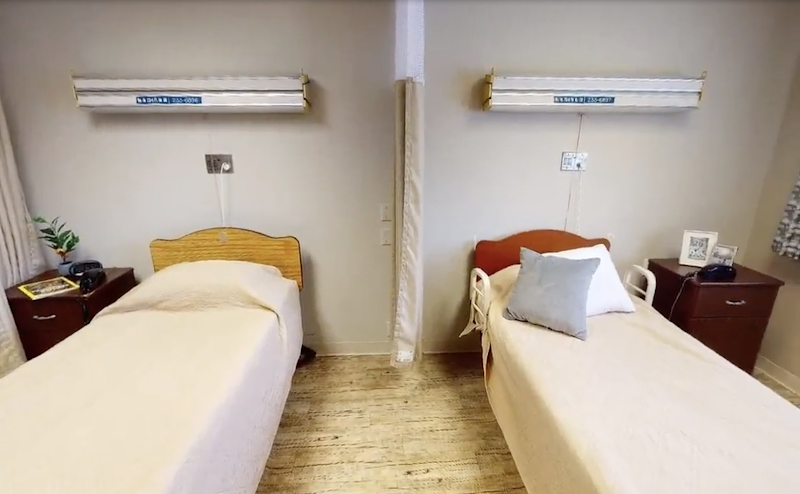
How is Majestic Care Of Columbus Llc Staffed?

Staff turnover is 37%, compared to the Ohio average of 46%. This relatively stable workforce can support continuity of care.

What Have Inspectors Found at Majestic Care Of Columbus Llc?

State health inspectors documented 59 deficiencies at MAJESTIC CARE OF COLUMBUS LLC during 2022 to 2025. These included: 2 Immediate Jeopardy (the most serious level, indicating potential for serious harm or death), 2 that caused actual resident harm, 54 with potential for harm, and 1 minor or isolated issues. Immediate Jeopardy findings are rare and represent the most serious regulatory concerns. They require immediate corrective action.
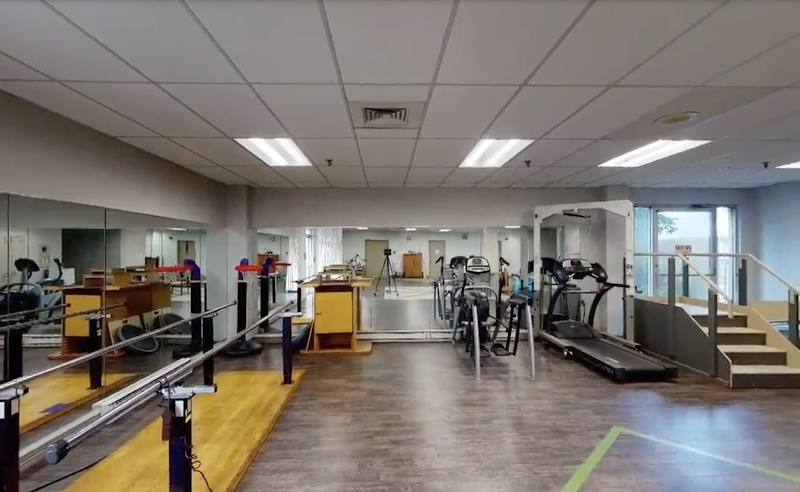
Who Owns and Operates Majestic Care Of Columbus Llc?

MAJESTIC CARE OF COLUMBUS LLC is owned by a for-profit company. For-profit facilities operate as businesses with obligations to shareholders or private owners. The facility is operated by MAJESTIC CARE, a chain that manages multiple nursing homes. With 120 certified beds and approximately 74 residents (about 62% occupancy), it is a mid-sized facility located in COLUMBUS, Ohio.
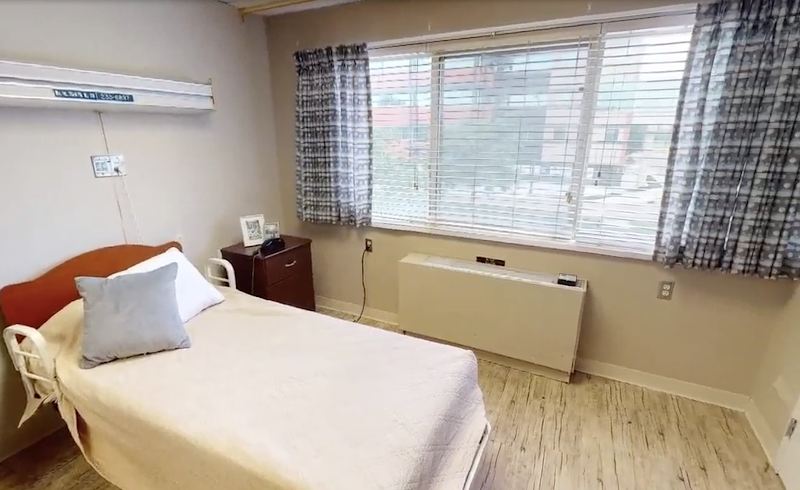
How Does Majestic Care Of Columbus Llc Compare to Other Ohio Nursing Homes?

Compared to the 100 nursing homes in Ohio, MAJESTIC CARE OF COLUMBUS LLC's staff turnover (37%) is near the state average of 46%.

What Should Families Ask When Visiting Majestic Care Of Columbus Llc?

Based on this facility's data, families visiting should ask: "What changes have been made since the serious inspection findings, and how are you preventing similar issues?" "Can I visit during a mealtime to observe dining assistance and food quality?" "How do you handle medical emergencies, and what is your hospital transfer rate?" "Can I speak with family members of current residents about their experience?" These questions are particularly relevant given the facility's Immediate Jeopardy citations.

Is Majestic Care Of Columbus Llc Safe?

Based on CMS inspection data, MAJESTIC CARE OF COLUMBUS LLC has documented safety concerns. Inspectors have issued 2 Immediate Jeopardy citations (the most serious violation level indicating risk of serious injury or death). The facility is currently on the Special Focus Facility watch list (a federal program monitoring the lowest-performing 1% of nursing homes nationwide). The facility has a 0-star overall rating and ranks #100 of 100 nursing homes in Ohio. Families considering this facility should ask detailed questions about what corrective actions have been taken since these incidents.

Do Nurses at Majestic Care Of Columbus Llc Stick Around?

MAJESTIC CARE OF COLUMBUS LLC has a staff turnover rate of 37%, which is about average for Ohio nursing homes (state average: 46%). Moderate turnover is common in nursing homes, but families should still ask about staff tenure and how the facility maintains care continuity when employees leave.

Was Majestic Care Of Columbus Llc Ever Fined?

MAJESTIC CARE OF COLUMBUS LLC has been fined $295,331 across 3 penalty actions. This is 8.2x the Ohio average of $36,032. Fines at this level are uncommon and typically indicate a pattern of serious deficiencies, repeated violations, or failure to correct problems promptly. CMS reserves penalties of this magnitude for facilities that pose significant, documented risk to resident health or safety. Families should request specific documentation of what issues led to these fines and what systemic changes have been implemented.

Is Majestic Care Of Columbus Llc on Any Federal Watch List?

MAJESTIC CARE OF COLUMBUS LLC is currently on the Special Focus Facility (SFF) watch list. This federal program identifies the roughly 1% of nursing homes nationally with the most serious and persistent quality problems. SFF facilities receive inspections roughly twice as often as typical nursing homes. Factors in this facility's record include 2 Immediate Jeopardy findings and $295,331 in federal fines. Facilities that fail to improve face escalating consequences, potentially including termination from Medicare and Medicaid. Families considering this facility should ask for documentation of recent improvements and what specific changes have been made since the designation.