MAYFAIR VILLAGE NURSING CARE C
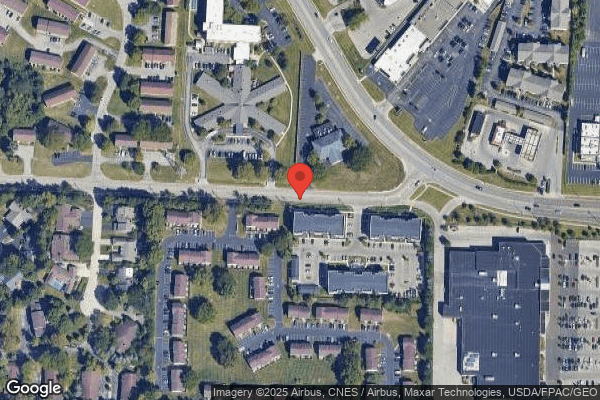
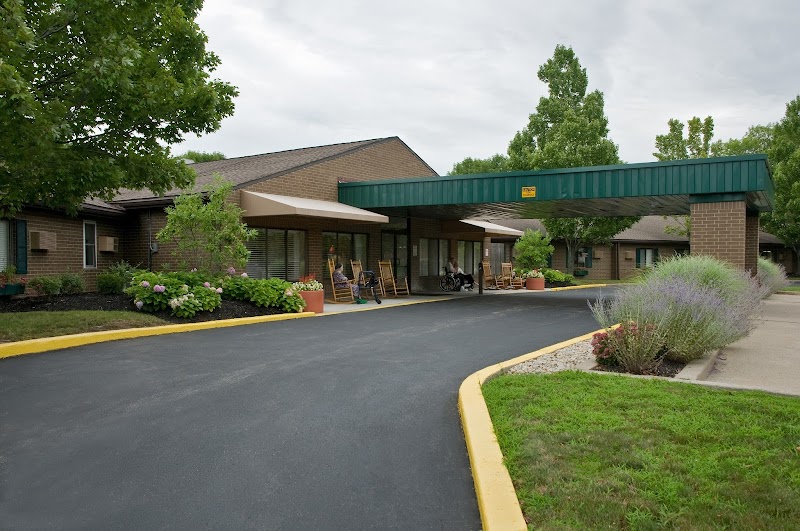
3000 BETHEL RD, COLUMBUS, OH 43230 (614) 889-6320
For profit - Corporation 99 Beds LIFE CARE CENTERS OF AMERICA Data: November 2025 2 Immediate Jeopardy citations
Trust Grade
0/100
#880 of 913 in OH
Last Inspection: August 2024

Within standard 12-15 month inspection cycle. Federal law requires annual inspections.

Overview

Mayfair Village Nursing Care in Columbus, Ohio has received a Trust Grade of F, indicating significant concerns about the facility’s care standards. It ranks #880 out of 913 in Ohio, placing it in the bottom half, and #51 out of 56 in Franklin County, showing limited local options for better care. While the facility is improving, having reduced issues from 14 in 2024 to 5 in 2025, it still faces serious challenges, with $224,985 in fines, which is higher than 97% of Ohio facilities, suggesting ongoing compliance problems. Staffing is a relative strength with a rating of 3 out of 5 stars and a turnover rate of 33%, which is below the state average. However, there have been critical incidents, including a failure to provide necessary medications for one resident after admission, leading to serious harm, and inadequate pressure ulcer treatment for another, resulting in life-threatening conditions.

Trust Score
F
0/100
In Ohio
#880/913
Bottom 4%
Safety Record
High Risk
Review needed
Inspections
Getting Better
14 → 5 violations
Staff Stability
○ Average
33% turnover. Near Ohio's 48% average. Typical for the industry.
Penalties
✓ Good
$224,985 in fines. Lower than most Ohio facilities. Relatively clean record.
Skilled Nurses
✓ Good
Each resident gets 51 minutes of Registered Nurse (RN) attention daily — more than average for Ohio. RNs are trained to catch health problems early.
Violations
⚠ Watch
62 deficiencies on record. Higher than average. Multiple issues found across inspections.
★☆☆☆☆
1.0
Overall Rating
★★★☆☆
3.0
Staff Levels
★★★★☆
4.0
Care Quality
★☆☆☆☆
1.0
Inspection Score
Stable
2024: 14 issues
2025: 5 issues

The Good

  • 4-Star Quality Measures · Strong clinical quality outcomes
  • Full Sprinkler Coverage · Fire safety systems throughout facility
  • No fines on record
  • Staff turnover below average (33%)

    15 points below Ohio average of 48%

Facility shows strength in quality measures, fire safety.

The Bad

1-Star Overall Rating

Below Ohio average (3.2)

Significant quality concerns identified by CMS

Staff Turnover: 33%

13pts below Ohio avg (46%)

Typical for the industry

Federal Fines: $224,985

Well above median ($33,413)

Significant penalties indicating serious issues

Chain: LIFE CARE CENTERS OF AMERICA

Part of a multi-facility chain

Ask about local staffing decisions and management

The Ugly 62 deficiencies on record

2 life-threatening
Mar 2025 5 deficiencies 1 IJ
CRITICAL (J) 📢 Someone Reported This

A family member, employee, or ombudsman was alarmed enough to file a formal complaint

Immediate Jeopardy (IJ) - the most serious Medicare violation

Free from Abuse/Neglect (Tag F0600)

Someone could have died · This affected 1 resident

**NOTE- TERMS IN BRACKETS HAVE BEEN EDITED TO PROTECT CONFIDENTIALITY** Based on closed medical record review, hospital record review, toxicology report review, review of the facility admission policy...

Read full inspector narrative →
**NOTE- TERMS IN BRACKETS HAVE BEEN EDITED TO PROTECT CONFIDENTIALITY** Based on closed medical record review, hospital record review, toxicology report review, review of the facility admission policy, review of the facility assessment and interviews, the facility failed to ensure Resident #82 received adequate, timely and appropriate treatment and continuity of care following admission to the facility resulting in a situation of neglect. This resulted in Immediate Jeopardy and serious life-threatening harm/subsequent death beginning on [DATE] at 8:30 P.M. when Resident #82, who had been hospitalized prior to admission, arrived at the facility for placement and staff failed to obtain physician orders for medications/treatments or contact the physician/medical director regarding the resident's admission. From [DATE] through [DATE] the resident was not ordered and did not receive medications including blood pressure medication, blood thinning medication, or insulin. In addition, Resident #82 presented to the facility with a history of illegal drug use; however, the facility failed to adequately identify this history or implement comprehensive and individualized interventions to maintain the resident's safety (as it pertained to his history of drug abuse). On [DATE] at 1:39 A.M., Resident #82 activated his call light for complaints of shortness of breath. The resident's condition continued to deteriorate, and emergency medical services was called via nine-one-one (911). On [DATE] at 1:54 A.M., CPR (cardiopulmonary resuscitation) was initiated. Resident #82 was subsequently pronounced deceased by emergency medical service (EMS) staff on [DATE] at 2:19 A.M. After being pronounced deceased , the facility failed to provide timely and appropriate post-mortem care by allowing the resident's body to remain in the facility from 2:19 A.M. until 1:56 P.M. when his body was eventually transported to the morgue, as facility staff did not know how to proceed with the resident's deceased body. This affected one (#82) resident of three residents reviewed for death. The facility census was 81. On [DATE] at 2:48 P.M., the Administrator, Regional Registered Nurse (RRN) #481 and the Director of Nursing (DON) were notified Immediate Jeopardy began on [DATE] at 8:30 P.M. when facility staff admitted Resident #82 to the facility, after he had left AMA from the hospital, and neglected to notify the physician of the resident's admission to the facility and lack of admission orders to provide continuity of care to the resident with known comorbidities. Despite a known history of drug abuse, the facility did not have appropriate supervision in place to provide a safe environment. The resident experienced a rapid condition change on [DATE], which required CPR; however, the resident expired at the facility. Following the resident's death, his body remained at the facility 11 hours and 37 minutes before being transported to the morgue for further assessment and determination of his final resting place. The Immediate Jeopardy was removed on [DATE] when the facility implemented the following corrective actions: • On [DATE] at 2:19 A.M., Resident #82 expired at the facility. • On [DATE] at 1:56 P.M., Resident #82's body was transferred to the morgue. • On [DATE], in-person and/or by phone education was provided to the facility's 32 nurses which included 12 Registered Nurses (RN) and 20 Licensed Practical Nurses (LPN) by the DON and Staff Development Coordinator (SDC) #81 on the facility's admission policies, notification of the physician on admission, and physician orders, including medications. One-on-one education was provided to RN #15 and RN #35 as they were responsible for Resident #82's care during admission. • On [DATE], the initial Self-Reported Incident (SRI) was submitted by the Administrator based on the allegation of neglect. The admitting nurse for Resident #82, RN #35, was suspended on [DATE] at 7:30 P.M. pending the outcome of the investigation. • On [DATE], a whole house audit of 23 residents admitted within the last 30 days was conducted by the DON, RRN #481 and the Administrator to ensure physician orders were consistent with hospital discharge orders and physicians were notified of admission. The 23 residents reviewed were Resident #6, #12, #24, #25, #28, #29, #33, #43, #66, #82, #86, #87, #88, #89, #90, #91, #92, #93, #94, #95, #96, #97 and #98 and no discrepancies were identified. Weekly, all new admissions and re-admissions will be audited by the DON or designee for four weeks to ensure physician notification and physician orders are included. • On [DATE], in person and/or by phone education was provided by the DON and/or SDC #81 to all 32 licensed nurses to communicate with facility leadership regarding changes that may occur to a resident's admission to the facility or with the hospital discharge plan, to seek further instruction and guidance; that residents with a history of drug abuse have a care plan with appropriate interventions in place; administration of an opioid reversal agent in suspected opioid overdose; the policy for postmortem care and pronouncement of death to include timely notification for release of a deceased resident and notification of the police and/or coroner as necessary. • On [DATE], a whole house audit for residents with a drug abuse history diagnosis was completed by RRN #418/designee to ensure interventions were in place and care plans reflected updated interventions as needed. Staff can access the care plan and [NAME] (information regarding the resident's care) through the electronic medical record. Three residents were identified (Residents #38, #44 and #74) and had appropriate care plans. Weekly audits of care plans will be completed by the DON/designee for four weeks to ensure care plans for all residents with a history of drug abuse are appropriate. • On [DATE], audits of residents who have expired in the facility from [DATE] through [DATE] were reviewed by the DON/designee to ensure they were provided with timely and appropriate postmortem care with notifications of the coroner and police as appropriate. Weekly audits for four weeks will be completed by the DON or designee to ensure compliance. • On [DATE] at 8:15 P.M., an Ad Hoc (not scheduled) Quality Assurance and Performance Improvement Plan meeting was held with the DON, Administrator and RRN #481 in person and Certified Nurse Practitioner #493 by phone to discuss the removal plan and root cause analysis (RCA). The RCA was identified as the admission process was not followed per protocol. • On [DATE] at 9:21 P.M., the Medical Director was notified of and approved the QAPI plan. • All audits will be conducted weekly for four weeks and results will be discussed at the monthly QAPI meeting. Although the Immediate Jeopardy was removed on [DATE], the facility remains out of compliance at a Severity Level 2 (no actual harm with potential for more than minimal harm that is not Immediate Jeopardy) as the facility is in the process of implementing their corrective action plan and monitoring to ensure on-going compliance. Findings include: Review of Resident #82's hospital documentation (state agency requested as part of the onsite investigation) revealed the resident was admitted to the hospital on [DATE] after he had arrived at the emergency room via ambulance transport due to shortness of breath. Further review of the medical record revealed a history and physical dated [DATE] that revealed the resident experienced acute hypoxic (decreased oxygen levels) and hypercapnia (the body can't remove excess carbon dioxide from the blood so there is a buildup and the body can't maintain proper ventilation) respiratory failure, crack lung (an acute lung injury related to smoking crack cocaine and can cause lung injury, cough, difficulty breathing and even death) versus aspiration pneumonia (a substance from the stomach or mouth enters the lung and causes pneumonia) versus pulmonary edema (a condition caused by too much fluid in the lungs) exacerbation of chronic obstructive pulmonary disease, elevated troponin (a cardiac enzyme that becomes elevated when there is damage to heart muscle), suspect myocardial infarction (heart attack), acute metabolic encephalopathy (a condition where the brain's function is impaired due to an underlying metabolic condition), hyperglycemia (blood glucose was 342 milligrams per deciliter of blood ((mg/dL)) on admission. A healthy adult blood glucose level ranges between 70-100 mg/dL), polysubstance abuse (positive for cocaine and fentanyl on admission), lung nodule in the left lower lobe (of the lung), and right renal cystic lesion. The patient required hospitalization due to acute respiratory failure in the setting of recent crack cocaine use requiring intubation and mechanical ventilation. Further review of the requested hospital record revealed a cardiology progress note dated [DATE] indicating the resident developed paroxysmal atrial fibrillation with a rapid ventricular response, multifocal atrial tachycardia and supraventricular tachycardia (all heart rhythms where the heart doesn't have a normal signaling process telling the heart when to beat and the signaling is disorganized and parts of your heart beat out of sync and may cause blood clots or compromised blood flow throughout the body). The resident also had newly diagnosed cardiomyopathy (disease that affects the heart muscle and may cause the heart muscle to become weakened, thickened, or rigid, making it difficult for the heart to pump blood effectively) with the heart ejecting only 30-35% of blood from the left ventricle. The resident was given Lasix intravenously and amiodarone (antiarrhythmic) intravenously (to treat heart failure and abnormal heart rate). Further review of the requested hospital records revealed Resident #82 was prescribed no medications prior to admission to the hospital. During Resident #82's stay at the hospital, he was prescribed medications including amiodarone 200 mg (milligrams) daily, Eliquis (blood thinner) 5 mg twice a day, Lipitor (cholesterol medication) 40 mg nightly, Plavix (antiplatelet medication that prevents platelets from clumping together into blood clots) 75 mg daily, folic acid (form of Vitamin B) 1 mg daily, Lasix (diuretic) 20 mg twice daily, insulin lispro (fast acting insulin) injection 1 to 6 units subcutaneous three times a day before meals, Lopressor (a beta-blocker that treats angina, high blood pressure and heart failure) 12.5 mg twice a day, NicoDerm CQ 21 mg/24 hours transdermal daily, MiraLAX (laxative) 17 grams twice daily, Seroquel (antipsychotic) 25 mg twice daily, and Xopenex (bronchodilator) 1.25 mg/0.5 ml nebulizer solution every 6 hours when needed. Review of the hospital Discharge summary dated [DATE] revealed Resident #82 was going to leave the hospital against medical advice (AMA) because his dog had a tumor on his face. The physician presented at the bedside and discussed this would be against medical advice, discussed the risks including worsening heart failure, cardiovascular accident (CVA), ACS (acute coronary syndrome), hypoxia, ischemia (restriction in blood flow) and death. Resident #82 expressed understanding. He signed out AMA on [DATE]. Review of Resident #82's facility closed medical record revealed he was admitted on [DATE]. Diagnoses included metabolic encephalopathy, respiratory failure with hypoxia, chronic obstructive pulmonary disease (COPD), congestive heart failure (CHF), pulmonary edema, substance abuse, prediabetes and cardiomyopathy. Further review revealed no documentation of any admission orders or communication with the medical director for Resident #82 during the resident's stay at the facility. The resident discharged from the facility on [DATE]. Review of the admission baseline care plan dated [DATE] revealed the resident was at risk for elopement and negative health outcomes related to continued substance use while at the facility. Interventions included encourage to participate in activities of interest and medications per orders. Review of the progress notes dated [DATE] at 10:04 P.M. revealed Resident #82 showed no signs and symptoms of distress, is able to make needs and wants known, no concerns noted. Resident is on continued monitoring. Review of the progress notes dated [DATE] at 10:49 P.M. revealed Resident #82 was resting in bed, respirations are even and unlabored, lung sounds are clear bilaterally, denies pain and is able to make his needs known. Resident #82 is on continued monitoring. Review of the admission Minimum Data Set (MDS) Assessment, dated [DATE], revealed the resident's cognition was not assessed. He was independent with eating, required setup or clean-up assistance for oral hygiene, toileting, shower/bathing and dressing. He was always continent of urine and always incontinent of bowel. cognition was not assessed. He was independent with eating, required setup or clean-up assistance for oral hygiene, toileting, shower/bathing and dressing. He was always continent of urine and always incontinent of bowel. Review of the progress notes, dated [DATE] at 1:39 A.M and authored by RN #15, revealed at 1:15 A.M. Resident #82 told this nurse that he was going to get snacks from the vending machine, and the nurse offered (to) help, but he refused. Resident #82 came back to his room; the nurse assisted him in bed. Further review of the progress notes revealed at 1:39 A.M., he turned on his call light, this nurse went to the patient's room, and he told the nurse that he was having shortness of breath but denied chest pain. Resident #82 was on oxygen with the head of the bed elevated, his vitals were Blood Pressure (BP) 119/68 millimeters of Mercury (mmHg) [normal 120/60 mmHg], pulse (rate) 85 (normal 60-90 beats per minute), respiration 18 (normal 12-20 breaths per minute), oxygen saturation (measures the oxygenation of the blood) was 95 % (92-100 % is normal) and temperature 97.8 Fahrenheit. A decline was noticed in his condition while in his room. Further review of the [DATE] progress notes revealed at 1:40 A.M., 911 was called while in the room with Resident #82, and he was put on a non-rebreather mask (provides more oxygen than a nasal cannula), at 1:47 A.M. the nurse recalled 911 because the resident's condition was declining. At 1:48 A.M., his vitals were BP 112/65, pulse 90, respiration 20, temperature 97.9 and oxygen saturation 90 %. At 1:50 A.M., 911 arrived BP 100/62, pulse 50, respiration 12, temperature 97.7 and oxygen saturation was 86%. Further review of the progress notes, dated [DATE], revealed at 1:54 A.M., 911 started chest compressions on patient. At 2:19 A.M., Resident #82 was pronounced deceased . The DON, Med One (the on-call medical provider service) and the patient's family/friend were notified about the incident. A crack pipe, (with) residue and a lighter were found in the patient's shoe. Further review of the progress notes dated [DATE] at 1:56 P.M. and authored by RN #71 revealed Resident #82's body transported from the facility at 1:36 P.M. by the coroner's office. Review of the Coroner's Report: Finding of Facts and Verdict, dated [DATE], revealed the immediate cause of death was cardiomyopathy as a consequence of recent and chronic cocaine use, the manner of death was accidental. Toxicology testing showed benzoylecgonine (cocaine metabolite that can be detected for several days after use of cocaine), nicotine and cotinine (nicotine metabolite). Drug paraphernalia at the scene was positive for cocaine. On [DATE] at 12:03 P.M., an interview with RRN #481 revealed Resident #82 had left the hospital AMA and just showed up here at the facility without any paperwork (A friend dropped him off) but the facility had scheduled to admit him. The facility had called the hospital and asked for discharge paperwork, but the hospital refused to give the facility any instructions due to him leaving AMA. Further interview revealed the facility received the hospital discharge summary on [DATE] and the directive given were to use his home medications (written on the AMA discharge summary). The nurses did not follow through with obtaining the orders, but they were disciplined (RN #15 and #35) and we put a plan in place, so it wouldn't happen again. On [DATE] at 2:35 P.M., an interview with Coroner #486 revealed an autopsy was not completed but an external examination, toxicology and the preliminary drug screen was positive. The coroner's office was treating the case as a drug overdose. He was pronounced dead at 2:19 A.M. and laid there (in the facility) almost 12 hours before they called me, and they collected all the evidence and moved it (referencing the crack pipe). The police were not called so Coroner #486 directed the facility to call the police. On [DATE] at 2:32 P.M., a follow-up interview with Coroner #486 revealed when she arrived at the facility for the assessment of Resident #82, rigor had set in, and his body was very stiff. She confirmed the resident's body was moved to the morgue from the facility. On [DATE] at 9:44 A.M., an interview with the DON revealed the reason Resident #82's body remained at the facility so long was because of a lack of knowledge from staff and they should have called the police. She stated the staff were waiting for the funeral home to open, as they shared with her, they had contacted the funeral home, but the message provided indicated the funeral home didn't open until 10:00 A.M. The DON verified she contacted the police and the coroner. The police had come but the coroner's office took all the drug paraphernalia, so there was nothing for them to take. The nurse on duty the night of the resident's admission said she called the hospital and was told he had left AMA, and the hospital wouldn't give the facility discharge instructions and none of the nurses followed up. The DON verified the staff should not have accepted the resident due to him leaving the hospital AMA. On [DATE] at 1:34 P.M. an interview with RRN #481 verified the facility had no documentation the medical director was contacted by the facility, and the facility did not have a policy for accepting residents with a drug abuse history. On [DATE] at 1:38 P.M. an interview with Social Service Director (SSD) #339 revealed admissions from the hospital are handled by Central Intake and the Admissions Department. SSD #339 revealed she was unaware Resident #82 was admitted until on [DATE]. On [DATE] at 1:41 P.M. an interview with Admissions Director (AD) #332 revealed she was not aware Resident #82 left the hospital AMA as he was a planned discharge at 6:00 P.M. on [DATE]. The AD stated she had left for the day at 5:30 P.M. ([DATE]) and found out about his admission and leaving the hospital AMA on [DATE]. The AD stated the hospital did not notify the facility the resident left AMA, but the facility was not to admit residents that leave the hospital AMA. The plan was either family or a taxi was to bring him to the facility. The hospital did not let the facility know he left AMA. The AD stated the facility did an onsite visit with the resident while he was in the hospital and the facility's expectations would be discussed with the resident by the hospital liaison. The AD verified the nurse should have contacted the medical director about the resident's admission, or the facility has central admission staff available 24 hours a day. On [DATE] at 1:53 P.M. an interview with the DON revealed she was not aware until Monday ([DATE]) that Resident #82 was admitted to the facility. There was no communication from the hospital he left AMA, but the nurse should have called the medical director. On [DATE] at 2:26 P.M. an interview with RN liaison #400 revealed she had gone to the hospital to see Resident #82 either [DATE] or [DATE] and discussed the facility no smoking, no drug, no alcohol policy and he said, don't worry I don't smoke. On [DATE] at 4:08 P.M. an interview with Risk Management RN #400 from the hospital where Resident #82 was a patient prior to admission to the facility, revealed the hospital did not contact the facility to let them know that the patient left AMA but it was on a Friday late ([DATE]), and it appeared that it was after the Case Manager or Social Worker left for the day or was not aware of the resident leaving AMA. The weekend team would not have known to follow up as he would have been out of the hospital (documentation) system. She verified the hospital was not planning on the resident discharging that day ([DATE]) since he was not medically cleared to discharge but was planning to discharge the next day ([DATE]) and the facility was aware of him coming the next day. The RN verified there was no record of the facility calling the hospital requesting the discharge paperwork or a report. The RN stated Resident #82 reported that he had an extensive substance abuse history to the hospital licensed social worker. On [DATE] at 11:01 A.M. an interview with RN #35 revealed when Resident #82 showed up at the facility, she was not aware he had left the hospital AMA. She had looked through his bag and found no discharge paperwork, so she called the hospital and spoke to the charge nurse on the floor he was on, but the hospital didn't have anything to provide. She verified she did not call the medical director but said she called and texted the Assistant Director of Nursing (ADON) #91 but never received any response. The RN stated she only worked on [DATE] but had no problems with Resident #82 (that night). On [DATE] at 11:04 A.M. an interview with the Medical Director revealed she was not aware, and no one contacted her team to notify anyone on her team that Resident #82 was admitted to the facility and did not find out until [DATE]. Her expectation would be for the facility to contact her (or her team) regarding admission. Further interview revealed when a resident who is admitted to a facility with a known history of drug abuse, generally they are already through the withdrawal window so usually all they (the facility) do is supportive care because this is their home. She also shared the facility was not a drug rehabilitation facility, so the facility didn't provide any type of supervision (related to drug use prevention). On [DATE] at 9:43 A.M. an interview with Records Manager #500 at the Columbus Police Department (CPD) revealed the facility called the CPD at 12:42 P.M. regarding drug paraphernalia. The CPD did not arrive at the facility until 3:40 P.M. and the call was cleared at 3:42 P.M. The records manager verified there was no report to review. Review of the Facility Assessment, revised [DATE], revealed the facility was able to provide care for residents with drug use or abuse (alcohol dependence/substance dependence). Review of the facility admission Policy, dated [DATE] and revised [DATE], revealed a physician must personally approve, in writing, a recommendation that an individual be admitted to the facility. Each resident must remain under the care of a physician. A physician, physician assistant, nurse practitioner, or clinical nurse specialist must provide orders for the resident's immediate care and needs. Review of the facility Abuse: Identification of Types policy and procedure, issued [DATE] and revised [DATE], revealed it is the policy of this facility to identify abuse, neglect, and exploitation of residents and misappropriation of resident property. This includes but is not limited to identifying and understanding the different types of abuse and possible indicators. The resident has the right to be free from abuse, neglect, misappropriation of resident property, and exploitation as defined in this subpart. Abuse is defined as the willful infliction of injury, unreasonable confinement, intimidation, or punishment with resulting physical harm, pain or mental anguish. Abuse also includes the deprivation by an individual, including a caretaker, of goods or services that are necessary to attain or maintain physical, mental, and psychosocial well-being. Instances of abuse of all residents, irrespective of any mental or physical condition, cause physical harm, pain or mental anguish. It includes verbal abuse, sexual abuse, physical abuse, and mental abuse including abuse facilitated or enabled through the use of technology. Neglect is defined as the failure of the facility, its employees or service providers to provide goods and services to a resident that are necessary to avoid physical harm, pain, mental anguish or emotional distress. Neglect includes cases where the facility's indifference or disregard for resident care, comfort or safety, resulted in or could have resulted in, physical harm, pain, mental anguish, or emotional distress. Neglect may be the result of a pattern of failures or may be the result of one or more failures involving one resident and one staff person. a. Neglect of goods or services may occur when staff are aware, or should be aware, of residents' care needs, based on assessment and care planning, but are unable to meet the identified needs due to other circumstances, such as lack of training to perform an intervention (e.g., suctioning, transfers, use of equipment), lack of sufficient staffing to be able to provide the services, lack of supplies, or staff lack of knowledge of the needs of the resident. This deficiency demonstrates non-compliance investigated under Complaint Number OH00163381.
CONCERN (D) 📢 Someone Reported This

A family member, employee, or ombudsman was alarmed enough to file a formal complaint

Potential for Harm - no one hurt, but risky conditions existed

Comprehensive Care Plan (Tag F0656)

Could have caused harm · This affected 1 resident

**NOTE- TERMS IN BRACKETS HAVE BEEN EDITED TO PROTECT CONFIDENTIALITY** Based on record review and staff interviews, the facility failed ensure care plans were comprehensive and addressed problems as ...

Read full inspector narrative →
**NOTE- TERMS IN BRACKETS HAVE BEEN EDITED TO PROTECT CONFIDENTIALITY** Based on record review and staff interviews, the facility failed ensure care plans were comprehensive and addressed problems as stated in a self-reported incident (SRI). This affected one resident (#43) of three residents reviewed for care plans. The facility census was 81. Findings include. Review of the medical record for Resident #43 revealed an admission date of 01/28/25. The resident was admitted with diagnoses including idiopathic aseptic necrosis of left femur, unsteadiness on feet, history of falling, type II diabetes mellitus, and memory deficit following a cerebral infarction. Review of the admission Minimum Data Set (MDS) assessment dated [DATE] revealed Resident #43 was moderately cognitively impaired with a Brief Interview of Mental Status (BIMS) of 11 out of a score of 15, indicating moderate cognitive impairment, and was dependent for showering/bathe self and lower body dressing. Resident #43 was independent for oral hygiene, toileting hygiene, putting on/taking off footwear, and personal hygiene. Review of SRI #257139 regarding physical abuse for Resident #43 dated 02/12/25 revealed the facility changed Resident #43's silverware to plastic and the resident had an updated care plan for aggressive behaviors and racial expletives. Review of the Care Plan dated 02/14/25 revealed plastic silverware, aggressive behaviors, and racial expletives were not reflected in the care plan. Interview on 03/06/2025 at 10:35 A.M. with the Director of Nursing (DON) revealed the aggressive behaviors should have been addressed in the care plan when the SRI indicated the information would be added to the resident's care plan. The DON also verified the plan was not updated for aggressive behaviors and racial expletives. Interview on 03/06/2025 at 3:59 P.M. with the DON revealed nursing staff were not aware of the intervention added in the SRI. She also revealed any intervention discussed should be on the care plan. Review of the Care Planning- Baseline, Comprehensive, and Routine Updates policy dated 11/25/24, stated Completion and implementation of the baseline care plan within 48 hours of a resident's admission is intended to promote continuity of care and communication among nursing home staff, increase resident safety, and safeguard against adverse events that are most likely to occur right after admission; and to ensure the resident and representative, if applicable, are informed of the initial plan for delivery of care and services by receiving a written summary of the baseline care plan. The policy also stated Identify any current consequences and complications of the individual's situation, underlying condition and illnesses, etc. and clearly state the individual's issues and physical, functional, and psychosocial strengths, problems, needs, deficits, and concerns. This is an incidental finding discovered during the complaint investigation.
CONCERN (D) 📢 Someone Reported This

A family member, employee, or ombudsman was alarmed enough to file a formal complaint

Potential for Harm - no one hurt, but risky conditions existed

Respiratory Care (Tag F0695)

Could have caused harm · This affected 1 resident

**NOTE- TERMS IN BRACKETS HAVE BEEN EDITED TO PROTECT CONFIDENTIALITY** Based on medical record review, observation, staff interview and facility policy review, the facility failed to ensure comprehen...

Read full inspector narrative →
**NOTE- TERMS IN BRACKETS HAVE BEEN EDITED TO PROTECT CONFIDENTIALITY** Based on medical record review, observation, staff interview and facility policy review, the facility failed to ensure comprehensive care related to tracheostomy care. This affected two (Resident #65 and #66) of three resident records reviewed for tracheostomy care. The census was 81. Findings include: 1. Review of Resident #65's medical record revealed she was admitted to the facility on [DATE]. Diagnoses included chronic respiratory failure, cerebral aneurysm, liver transplant, tracheostomy, dysphagia and Hepatitis C. Review of the quarterly MDS (minimum data set) assessment dated [DATE] revealed her cognition was rarely/never understood, she was dependent on staff for eating, oral hygiene, toileting, shower/bathing, dressing, personal hygiene and turning and repositioning. She was always incontinent of bowel and bladder. Review of the physician's orders dated 03/25 revealed no orders for tracheostomy care. There was no documented evidence of a plan of care for tracheostomy care or documentation on the treatment record tracheostomy care had been completed. 2. Review of Resident #66's medical record revealed she was admitted to the facility on [DATE]. Diagnoses included hemiplegia and hemiparesis. dysphagia, acute and chronic respiratory failure, chronic obstructive pulmonary disease (COPD), protein calorie malnutrition, tracheostomy and history of cancer to the head, face and neck. Review of the admission MDS assessment dated [DATE] revealed her cognition was intact. She required setup or clean up assistance with eating, oral hygiene, partial/moderate assistance with toileting, shower/bathing, dressing, and personal hygiene and the resident was occasionally incontinent of urine and always incontinent of bowel. Review of the physician's orders dated 03/25 revealed no orders for tracheostomy care. There was no documented evidence of a plan of care for tracheostomy care or documentation on the treatment record tracheostomy care had been completed. On 03/06/25 at 3:25 P.M. interview with the Director of Nursing (DON) verified they did not have documentation on the treatment records or physician orders of tracheostomy/stoma care. This deficiency demonstrates non-compliance investigated under Complaint Number OH00163322.
CONCERN (D) 📢 Someone Reported This

A family member, employee, or ombudsman was alarmed enough to file a formal complaint

Potential for Harm - no one hurt, but risky conditions existed

Deficiency F0761 (Tag F0761)

Could have caused harm · This affected 1 resident

Based on observation, staff interview and review of facility policy and procedure, the facility failed to ensure medications were secured to prevent unauthorized access. This had the potential to affe...

Read full inspector narrative →
Based on observation, staff interview and review of facility policy and procedure, the facility failed to ensure medications were secured to prevent unauthorized access. This had the potential to affect seven (Residents #35, #42, #43, #48, #50, #56 and #58) of 24 residents on 300 hallway identified as cognitively impaired and independently mobile. The census was 81. Findings include: Observation on 03/10/25 at 8:28 A.M. of medication administration by Licensed Practical Nurse (LPN) #25 revealed while preparing medication for Resident #38, she left the medication cart unattended leaving cards of hydroxide HCL(antihistamine) 25 milligrams (mg), Potassium Chloride ER (extended release) 20 meq (milliequivelants), Spironalactone (blood pressure medication) 25 mg, toresmide (diuretic) 20 mg, Venlafaxine (antidepressant) HCL 100 mg, Venlafaxine HCL 25 mg and a bottle of Miralax on top of the medication cart unattended and out of her sight. Interview with LPN #25 on 03/10/25 at 8:34 A.M. verified she had left the medications on top of the medication cart unattended and out of her sight. Review of the Administration of Medications policy and procedure dated 04/24/19 and revised 02/13/23 revealed no reference to leaving medications unlocked and unattended. This deficiency is an incidental finding discovered during the investigation.
CONCERN (D) 📢 Someone Reported This

A family member, employee, or ombudsman was alarmed enough to file a formal complaint

Potential for Harm - no one hurt, but risky conditions existed

Infection Control (Tag F0880)

Could have caused harm · This affected 1 resident

**NOTE- TERMS IN BRACKETS HAVE BEEN EDITED TO PROTECT CONFIDENTIALITY** Based on medical record review, observation, staff interview and facility policy and procedure review, the facility failed to en...

Read full inspector narrative →
**NOTE- TERMS IN BRACKETS HAVE BEEN EDITED TO PROTECT CONFIDENTIALITY** Based on medical record review, observation, staff interview and facility policy and procedure review, the facility failed to ensure proper infection control guidelines were maintained during tracheostomy care. This affected one (Resident #65) of two residents reviewed for tracheostomy care. The census was 81. Findings include: Review of Resident #65's medical record (SR #3) revealed she was admitted to the facility on [DATE]. Diagnoses included chronic respiratory failure, cerebral aneurysm, liver transplant, tracheostomy, dysphagia and Hepatitis C. Review of the quarterly MDS dated [DATE] revealed her cognition was rarely/never understood, she was dependent on staff for eating, oral hygiene, toileting, shower/bathing, dressing, personal hygiene and turning and repositioning. Review of the physician's orders dated 03/25 revealed no orders for tracheostomy care. There was no documented evidence of a plan of care for tracheostomy care or documentation on the treatment record tracheostomy care had been completed. On 03/06/25 at 11:16 A.M. observations of tracheostomy care revealed the Licensed Practical Nurse (LPN) #85 washed her hands and donnedf gloves. Then placed a pulse oximeter on the resident's finger and removed the resident's speaking valve and placed it in a container. The LPN then removed her gloves and washed her hands. LPN #85 then donned new gloves and removed the old dressing under the tracheostomy cuff and then moved the trash can closer to her. LPN #85 then removed her gloves and donned the sterile gloves from the tracheostomy kit, without washing her hands. She opened the normal saline and peroxide and placed them in the provided basin. Then she cleansed around the tracheostomy, under the cuff, with the provided Q-tips and dried the area with a 4 x 4 gauze provided. LPN #85 then removed her gloves and donned new gloves without washing her hands and placed a split 4 x 4 gauze under the cuff, around the tracheostomy. Next, the LPN was observed to remove her gloves and washed her hands and donned new gloves, removed the inner cannula and replaced it with a new clean inner cannula. The LPN removed her gloves and washed her hands. On 03/06/25 at 11:30 A.M. interview with LPN #85 verified she had not washed her hands in between all glove changes. Review of the Hand Hygiene policy and procedure dated 03/06/2019 and revised 06/03/2024 revealed associates are to perform hand hygiene even if gloves are used in the following situations: After removing personal protective equipment(e.g., gloves, gowns, eye protection, face mask). This deficiency demonstrates non-compliance investigated under Complaint Number OH00163322.
Oct 2024 1 deficiency
CONCERN (D) 📢 Someone Reported This

A family member, employee, or ombudsman was alarmed enough to file a formal complaint

Potential for Harm - no one hurt, but risky conditions existed

Deficiency F0583 (Tag F0583)

Could have caused harm · This affected 1 resident

**NOTE- TERMS IN BRACKETS HAVE BEEN EDITED TO PROTECT CONFIDENTIALITY** Based on observation and staff interview, the facility failed to protect the privacy of medical information for a resident. This...

Read full inspector narrative →
**NOTE- TERMS IN BRACKETS HAVE BEEN EDITED TO PROTECT CONFIDENTIALITY** Based on observation and staff interview, the facility failed to protect the privacy of medical information for a resident. This affected one (#3) of three residents reviewed for privacy. The current census is 83. Findings include: Review of Resident #3's medical record revealed an admission date of 01/19/24. Diagnoses for Resident #3 included: acute necrotizing hemorrhagic encephalopathy, hypertension, Diabetes type two, and dementia. Review of Resident #3's Minimum Data Set (MDS) assessment dated [DATE] revealed the resident had intact cognition. Observation on 10/21/24 at 8:30 A.M., during a medication administration on the 100-hall, revealed on the wall in the hallway, on the right side of the door for Resident 3's room, was a piece of paper with private medical information for Resident #3. The sign read, Resident #3, nothing by mouth after midnight, pick up for his surgery will be 10/21/24 at 8:00 A.M. Resident #3 was not in the room and had already left. At the same time of the observation of the sign, Resident # 4 was observed ambulating in her wheelchair down the hall. Resident #4 was observed stopping outside of Resident #3's room and looking up to read the sign on the wall. Resident #4 was observed asking out loud what Resident #3 was having surgery for. No staff replied to Resident #4 during the observation. Interview on 10/21/24 at 9:00 A.M., with Registered Nurse Unit Manager (UM RN) #1 and Licensed Practical Nurse (LPN) #100 verified the sign on the wall next to Resident #3's door, was visible to other residents and verified it was not protocol to have such signs revealing private medical information posted on the wall. LPN #100 verified the sign had been posted since she came on to her morning shift at 7:00 A.M.
Sept 2024 3 deficiencies
CONCERN (D) 📢 Someone Reported This

A family member, employee, or ombudsman was alarmed enough to file a formal complaint

Potential for Harm - no one hurt, but risky conditions existed

Resident Rights (Tag F0550)

Could have caused harm · This affected 1 resident

Based on observation, staff interview, and medical record review, the facility failed to provide resident dignity with use of an indwelling urinary catheter. This deficient practice affected two (#5 a...

Read full inspector narrative →
Based on observation, staff interview, and medical record review, the facility failed to provide resident dignity with use of an indwelling urinary catheter. This deficient practice affected two (#5 and #27) of four residents reviewed for indwelling urinary catheters. The facility census was 81. Findings Include: 1. Review of the medical record for Resident #5 revealed an admission date 05/14/19 with diagnoses including chronic obstructive pulmonary disease (COPD), muscle weakness, high blood pressure, and obstructive uropathy. Resident #5 required assistance from staff for activities of daily living (ADL) tasks, and was assessed as cognitively intact. Review of the physician orders for Resident #5 revealed an order dated 04/11/22 for a suprapubic catheter to straight drain due to chronic tubulointerstitial nephritis, and an order dated 01/28/23 for a dignity bag to cover the catheter drainage bag. Observation on 09/03/24 at 10:45 A.M. revealed Resident #5 was resting in bed with the urinary catheter drainage bag hung from the bed frame. The urinary catheter collection bag was facing the doorway with urine visible from the door and hallway. 2. Review of the medical record for Resident #27 revealed an admission date 08/30/24 with diagnoses including acute parametritis and pelvic cellulitis, muscle weakness, anxiety, and obstructive uropathy. Resident #27 required assistance from staff for ADL tasks including incontinence care and transfers. Review of the physician orders for Resident #27 revealed an order dated 08/31/24 for an indwelling urinary catheter, and an order dated 09/02/24 for a dignity bag to cover the drainage bag at all times. Observation on 09/03/24 at 10:55 A.M. revealed Resident #27 was resting in bed with the indwelling urinary catheter drainage bag hanging form the bed frame. The collection bag was facing the doorway with urine visible from the door and hallway. Interview on 09/03/24 at 11:30 A.M. with Licensed Practical Nurse (LPN) #148 confirmed the urinary catheter drainage collection bags for Resident #5 and Resident #27 were uncovered and in view of the hallway and doorway. This deficiency represents non-compliance investigated under Complaint Number OH00156817.
CONCERN (D) 📢 Someone Reported This

A family member, employee, or ombudsman was alarmed enough to file a formal complaint

Potential for Harm - no one hurt, but risky conditions existed

Deficiency F0658 (Tag F0658)

Could have caused harm · This affected 1 resident

Based on medical record review and staff interview, the facility failed to ensure professional standards were maintained when a medication ordered for one (#74) was administered to another (#33) resid...

Read full inspector narrative →
Based on medical record review and staff interview, the facility failed to ensure professional standards were maintained when a medication ordered for one (#74) was administered to another (#33) resident. This deficient practice affected two (#33 and #74) of two residents reviewed for staff borrowing medications. The facility census was 81. Findings Included: 1. Review of the medical record for Resident #74 revealed an admission date of 08/01/19 with diagnoses including dementia, type two diabetes mellitus, bipolar disorder, and schizoaffective disorder. Resident #74 had impaired cognition and required assistance with activities of daily living (ADL) tasks and medication administration. Review of the physician orders for Resident #74 revealed a one-time order dated 08/07/24 for the antipsychotic medication Zyprexa 10 milligrams (mg) to be given via intramuscular (IM) injection. Further review of Resident #74 medication administration record (MAR) dated 08/07/24 revealed the order for Zyprexa 10 mg was refused by Resident #74 for administration. 2. Review of the medical record for Resident #33 revealed an admission date of 09/09/22, with a readmission date of 08/31/24. Diagnoses included epilepsy, high blood pressure, schizoaffective disorder, and traumatic brain injury. Resident #33 was assessed with impaired cognition, impaired decision making, and physical behaviors towards others. Review of the physician orders for Resident #33 revealed a one-time order dated 08/12/24 for Zyprexa 10 mg to be given via IM injection for increased agitation. Further review of Resident #33's MAR dated 08/12/24 revealed the order for Zyprexa 10 mg was administered at 6:02 P.M. and was effective. Review of a pharmacy delivery document for the delivery of Zyprexa 10 mg for Resident #33 dated 08/12/24 was not available for review. Interview on 09/04/24 at 12:35 P.M. with Registered Nurse Unit Manager (RN UM) #101 revealed the Zyprexa which was ordered for Resident #74, and was refused by Resident #74 on 08/07/24, was placed in a box for return to the pharmacy. RN UM #101 stated on 08/12/24, Resident #33 was having escalated behaviors, and an order was received for Resident #33 to receive Zyprexa 10 mg via IM injection. RN UM #101 stated Resident #74's discontinued Zyprexa 10 mg IM medication was still in the medication storage room and had not been returned to the pharmacy. RN UM #101 confirmed Resident #33 was administered Resident #74's ordered Zyprexa 10 mg IM medication on 08/12/24. This deficiency represents non-compliance investigated under Master Complaint Number OH00156951 and Complaint Number OH00156817.
CONCERN (D) 📢 Someone Reported This

A family member, employee, or ombudsman was alarmed enough to file a formal complaint

Potential for Harm - no one hurt, but risky conditions existed

Medication Errors (Tag F0758)

Could have caused harm · This affected 1 resident

Based on medical record review, staff interview, and review of a facility policy, the facility failed to prevent the administration of an unnecessary antipsychotic medication. This deficient practice ...

Read full inspector narrative →
Based on medical record review, staff interview, and review of a facility policy, the facility failed to prevent the administration of an unnecessary antipsychotic medication. This deficient practice affected one (#33) out of two resident reviewed for antipsychotic medication use. The facility census was 81. Findings Include: Review of the medical record for Resident #33 revealed an admission date for 09/09/22 with a readmission date 08/31/24. Diagnoses included epilepsy, high blood pressure, schizoaffective disorder, and traumatic brain injury. Resident #33 was assessed with impaired cognition, impaired decision making, and physical behaviors towards others. Review of the physician orders for Resident #33 revealed a one-time order dated 08/12/24 for the antipsychotic medication Zyprexa 10 milligrams (mg) to be given via intramuscular (IM) injection for increased agitation. Further review of Resident #33's medication administration record (MAR) dated 08/12/24 revealed the order for Zyprexa 10 mg was administered at 6:02 P.M. and was effective. Further review of the MAR revealed Zyprexa was administered on 08/12/24 due to increased agitation and behaviors. Review of the progress notes for Resident #33 dated 08/11/24 to 08/13/24 revealed there were no entries or progress notes depicting Resident #33's increased behaviors which reportedly occurred on 8/12/24, and required an order for Zyprexa 10 mg via IM injection for behavior management. Review of the Point of Care (POC) tasks documentation in Resident #33's medical record dated 08/12/24 revealed there were no entries or documentation completed for Resident #33's increased behaviors as reported on 08/12/24. Interview on 09/05/24 at 12:45 P.M. with the Director of Nursing (DON) confirmed there was no documentation or progress notes related to Resident #33's reported escalating behaviors towards others dated 08/12/24 when Resident #33 was administered Zyprexa 10 mg via IM route. The DON stated the expectations for the nurses are to document resident behaviors and the interventions the staff attempted to implement prior to the order for as needed (PRN) medication was received and administered. Review of the facility's policy titled, Nursing Documentation, dated 08/10/23, revealed the facility will ensure nursing documentation is consistent with professional standards of practice, the state nurse practice act, and any state laws governing the scope of nursing practice. This deficiency represents non-compliance investigated under Master Complaint Number OH00156951 and Complaint Number OH00156817.
Aug 2024 8 deficiencies
CONCERN (D)

Potential for Harm - no one hurt, but risky conditions existed

Deficiency F0583 (Tag F0583)

Could have caused harm · This affected 1 resident

**NOTE- TERMS IN BRACKETS HAVE BEEN EDITED TO PROTECT CONFIDENTIALITY** Based on record review, observation, and interview, the facility failed to protect the privacy of Resident #18 and Resident #12'...

Read full inspector narrative →
**NOTE- TERMS IN BRACKETS HAVE BEEN EDITED TO PROTECT CONFIDENTIALITY** Based on record review, observation, and interview, the facility failed to protect the privacy of Resident #18 and Resident #12's medical records. This affected two of twenty-two medical records reviewed for the annual survey. The facility census was 90. Findings include: 1. Resident #18 was admitted on [DATE] with diagnoses that included senile degeneration of brain, muscle weakness, encephalopathy, bipolar disorder and schizophrenia. Observation on 08/05/24 from 4:04 P.M. through 4:14 P.M. revealed Resident #18's electronic medical record was open on the medication cart, which was unattended by the nurse on duty. The screen was visible to passersby's and revealed Resident #18's medication schedule. Interview with Registered Nurse (RN) Unit Care Coordinator #131 on 08/05/24 at 4:14 P.M. confirmed Resident #18's electronic health record was unattended, open and easily viewable to any person who passed by. Interview with Licensed Practical Nurse (LPN) Unit Nurse #154 on 08/05/24 at 4:15 P.M. confirmed LPN Unit Nurse #154 did not hide the electronic health record of Resident #18 for ten minutes when she left the electronic health record unattended, in view of anyone who passed by. 2. Resident #12 was admitted on [DATE] with diagnoses that included cerebrovascular disease, dysphagia, dysphasia, chronic obstructive pulmonary disease, adult failure to thrive and pressure ulcer. Observation on 08/07/24 from 1:25 P.M. until 1:29 P.M. revealed Resident #12's electronic medical treatment record was open to view on an unattended treatment cart. During that time period, four residents, Maintenance Director #188, Floor Tech #191, and two visitors passed by the open electronic health record, which was in plain view and unattended. On 08/07/24 at 1:29 P.M., the medical record, which was viewable on a computer monitor, defaulted to a screen saver. On 08/07/24 at 1:32 P.M., Executive Director #219 lowered the screen of the computer monitor so that it was no longer easily viewable. On 08/07/24 at 1:32 P.M., the RN Assistant Director of Nursing #100 locked the electronic medical record. Interview with LPN Unit Nurse #154 on 08/07/24 at 1:33 P.M. confirmed she had left the open, viewable electronic medical treatment record for Resident #12 unattended while she performed his treatments. Review of policy titled, Safeguarding Electronic Health Information, revised 05/06/22 revealed all users should be trained to log off their workstation every evening before leaving and when walking away from their workstation. Laptop computers and electronic devices containing protected health information (PHI) should not be left unattended.
CONCERN (D)

Potential for Harm - no one hurt, but risky conditions existed

Deficiency F0645 (Tag F0645)

Could have caused harm · This affected 1 resident

**NOTE- TERMS IN BRACKETS HAVE BEEN EDITED TO PROTECT CONFIDENTIALITY** Based on medical record review and staff interview, the facility failed to ensure all resident Pre-admission Screening and Resid...

Read full inspector narrative →
**NOTE- TERMS IN BRACKETS HAVE BEEN EDITED TO PROTECT CONFIDENTIALITY** Based on medical record review and staff interview, the facility failed to ensure all resident Pre-admission Screening and Resident Review (PASRR) documents were completed as required. This affected one (Resident #78) of three residents reviewed for PASRR documents. The census was 90. Findings Include: Resident #78 was admitted to the facility on [DATE]. His diagnoses were moderate protein-calorie malnutrition, hypotension, muscle weakness, mood disorder, dysphagia, catatonic disorder due to known physiological condition, cognitive communication deficit, major depressive disorder, hyperlipidemia, altered mental status, post traumatic stress disorder. anxiety disorder, hypertension, suicidal ideations, acute kidney failure, hypothyroidism, and encephalopathy. Review of his Minimum Data Set (MDS) assessment dated [DATE] revealed he was cognitively intact. Review of Resident #78's PASRR document dated 03/28/24, revealed this was the first PASRR document that was completed for him. He was admitted to the facility on [DATE], and he was not discharged from the facility at any point. Also, the PASRR document that was completed on 03/28/24 was documented as being for an expiring respite stay; which was not accurate. Interview with Director of Nursing (DON) on 08/08/24 at 8:55 A.M. and 9:16 A.M. confirmed the PASRR document provided was the only PASRR document for Resident #78. She confirmed Resident #78 had not discharged from the facility or was in the facility for respite services at any point since admission.
CONCERN (D)

Potential for Harm - no one hurt, but risky conditions existed

Comprehensive Care Plan (Tag F0656)

Could have caused harm · This affected 1 resident

**NOTE- TERMS IN BRACKETS HAVE BEEN EDITED TO PROTECT CONFIDENTIALITY** Based on resident interview, medical record review and facility policy review, the facility failed to create a care plan related...

Read full inspector narrative →
**NOTE- TERMS IN BRACKETS HAVE BEEN EDITED TO PROTECT CONFIDENTIALITY** Based on resident interview, medical record review and facility policy review, the facility failed to create a care plan related to Post Traumatic Stress Disorder (PTSD) for residents. This affected one (Resident #7) of two residents reviewed for care plans. The facility census was 90. Findings include: Resident #7 was admitted on [DATE] with diagnoses that included absence right below knee amputation, cerebral palsy, muscle weakness, bipolar disorder, post-traumatic stress disorder, and homelessness. Review of the Minimum Data Set (MDS) 3.0 assessment on 07/17/24 revealed the resident had a Brief Interview for Mental Status (BIMS) score of 15, indicating intact cognitive status. She was assessed as having a PTSD diagnosis. Review of the medical record for Resident #7 revealed that she was assessed for trauma informed care on 03/13/24 and no events were listed or checked as being experienced by the resident. The events included sexual assault, which was listed as not being experienced by Resident #7. Further review of the medical record revealed that a trauma informed care plan was absent for identifying PTSD triggers for Resident #7, and how to monitor for behaviors regarding Resident #7's past medical history of PTSD. Review of the medical record progress notes from the Certified Nurse Practitioner on 03/14/24 and 07/11/24 listed an additional diagnosis of sexual assault. Interview with Resident #7 on 08/08/24 at 11:19 A.M. revealed that she feels safe in the facility; however, people entering her room is a trigger for her, and this is upsetting to her. Interview with Licensed Practical Nurse (LPN) MDS Nurse #129 on 08/07/24 at 1:53 P.M. confirmed that the social services assessment for trauma informed care on 03/13/24 does not include Resident #7's history of sexual assault. Interview with LPN MDS Nurse #129 on 08/07/24 at 3:27 P.M. confirmed there is no PTSD care plan that identifies triggers, nor is there a trauma informed care plan for Resident #7. Review of the facility policy for trauma informed care reviewed 08/22/23 revealed the facility will use a multi-pronged approach to identifying a resident with PTSD or history of trauma. This approach would include assessing the residents for indicators of trauma upon admission and with change in condition. This assessment will include asking the resident about triggers that may be stressors or may prompt recall of a previous traumatic event. The facility should collaborate with resident trauma survivors and as appropriate the resident's family, friends, and any other health care professionals such as psychologists, mental health professionals to develop and implement an individualized plan of care with interventions. In situations where a trauma survivor is reluctant to share his or her history, the facility should still attempt to identify triggers which may retraumatize the resident and develop care plan interventions which minimize or eliminate the trigger on the resident.
CONCERN (D)

Potential for Harm - no one hurt, but risky conditions existed

Deficiency F0657 (Tag F0657)

Could have caused harm · This affected 1 resident

Based on staff interview, record review, policy review, and resident interview, the facility failed to conduct quarterly care conferences. This affected three (Residents #4, #40 and #65) of three resi...

Read full inspector narrative →
Based on staff interview, record review, policy review, and resident interview, the facility failed to conduct quarterly care conferences. This affected three (Residents #4, #40 and #65) of three residents reviewed for care conferences. The facility census was 90. Findings include: 1. Record review of Resident #4 revealed an admission date of 07/10/22 with pertinent diagnoses of: Parkinson's disease, cognitive communication deficit, and hypertension. Review of the 07/03/24 annual Minimum Data Set (MDS) assessment revealed the resident was cognitively intact and used a wheelchair to aid in mobility and was always incontinent of bladder and frequently incontinent of bowel. Interview with Resident #4 on 08/05/24 at 2:50 P.M. revealed she is not invited to attend quarterly care conferences to discuss her care in the facility. Review of the medical record on 08/08/24 revealed within the last year an interdisciplinary care conference was held on 03/05/24 where the resident and staff attended. There was no evidence that a care conference was attended by an interdisciplinary team any other time during the year. Interview with the Director of Nursing (DON) on 08/08/24 at 1:57 P.M. verified they only have evidence of one quarterly interdisciplinary care conference for Resident #4 within the last year. 2. Record review of Resident #65 revealed an admission date of 08/26/22 with pertinent diagnoses of: type one diabetes mellitus with ketoacidosis without coma, acquired absence of left leg below knee, difficulty in walking, acute kidney failure, type one diabetes mellitus, acute respiratory failure, and opioid abuse. Review of the 05/10/24 quarterly MDS revealed Resident #65 was cognitively intact. He used a limb prosthesis and a cane. The resident required set up or clean up assistance for shower/bathing and was independent for transfer and most ADLs. Interview with Resident #65 on 08/05/24 at 9:53 A.M. revealed he is not invited to attend quarterly care conferences to discuss his care in the facility. Review of the medical record on 08/08/24 revealed within the last year an interdisciplinary care conference was held on 05/07/24 where the resident and staff attended. There was no evidence that a care conference was attended by an interdisciplinary team any other time during the year. Interview with the Director of Nursing (DON) on 08/08/24 at 1:57 P.M. verified they only have evidence of one quarterly interdisciplinary care conferences for Resident #65 within the last year. 3. Record review of Resident #40 revealed an admission date of 02/24/23 with pertinent diagnoses of: acute and chronic respiratory failure, muscle weakness, dysphagia, history of falling, encephalopathy, moderate protein calorie malnutrition, chronic obstructive pulmonary disease, urinary tract infection, and hypertensive emergency. Review of the 05/03/24 quarterly MDS assessment revealed the resident is cognitively intact and uses a wheelchair to aid in mobility and requires partial or moderate assistance for personal hygiene, shower/bathe self, and putting on taking off footwear. The resident is always continent of bowel and bladder. Interview with Resident #40 on 08/05/24 at 10:24 A.M. revealed he is not invited to attend quarterly care conferences to discuss his care in the facility. Review of the medical record on 08/08/24 revealed within the last year an interdisciplinary care conference was held on 09/15/23 where the resident and staff attended. There was no evidence that a care conference was attended by an interdisciplinary team any other time during the year. Interview with the Director of Nursing (DON) on 08/08/24 at 1:57 P.M. verified they only have evidence of one quarterly interdisciplinary care conferences for Resident #40 within the last year. Review of the 08/22/23 facility policy titled, Comprehensive Care Plans and Conferences, revealed the facility will ensure the timeliness of each resident's person-centered, comprehensive care plan, and to ensure that the comprehensive care plan is reviewed and revised by an interdisciplinary team composed of individuals who have knowledge of the resident and his/her needs, and that each resident and resident representative, if applicable, is involved in developing the care plan and making decisions about his or her care. A comprehensive care plan must be developed within seven days after completion of the comprehensive assessment. Prepared by an interdisciplinary team, that includes but is not limited to: The attending physician, a registered nurse with responsibility for the resident, a nurse aide with responsibility for the resident, a member of food and nutrition services staff. To the extent practicable, the participation of the resident and the resident's representative. An explanation must be included in a resident's medical record if the participation of the resident and their resident representative is determined not practicable for the development of the resident's care plan. Other appropriate staff or professionals in disciplines as determined by the resident's needs or as requested by the resident. Reviewed and revised by the interdisciplinary team after each assessment, including both the comprehensive und quarterly review assessments.
CONCERN (D)

Potential for Harm - no one hurt, but risky conditions existed

Quality of Care (Tag F0684)

Could have caused harm · This affected 1 resident

**NOTE- TERMS IN BRACKETS HAVE BEEN EDITED TO PROTECT CONFIDENTIALITY** Based on medical record review, interviews, and observations, the facility failed to properly monitor and accurately document sk...

Read full inspector narrative →
**NOTE- TERMS IN BRACKETS HAVE BEEN EDITED TO PROTECT CONFIDENTIALITY** Based on medical record review, interviews, and observations, the facility failed to properly monitor and accurately document skin abnormalities. This affected one (Resident #56) out of the one reviewed for skin conditions. The facility census was 90. Findings include: Review of the medical record for Resident #56 revealed he was admitted on [DATE] with diagnoses including cirrhosis of the liver, chronic venous insufficiency, atrial fibrillation, and skin vasculitis. Review of the Minimum Data Set (MDS) 3.0 assessment for Resident #56, completed on 07/22/24, indicated that he was cognitively intact, at risk for developing pressure ulcers, and had been ordered a pressure-relieving bed. Review of the care plan for Resident #56 dated 06/22/24 revealed he is on anticoagulant therapy for atrial fibrillation and is at risk for abnormal bleeding. Interventions included monitoring for and reporting adverse reactions to anticoagulant therapy, such as blood-tinged urine, nausea, muscle or joint pain, and bruising. Review of physician orders for Resident #56 dated 07/20/24 revealed instructions to monitor for signs and symptoms of bleeding, including black tarry stools, bleeding gums, bruising, and nosebleeds related to anticoagulant use. Review of the Medication Administration Record (MAR) for Resident #56 between 08/01/24 and 08/07/24 showed that nursing staff had documented Resident #56 as having no signs or symptoms of adverse reactions due to anticoagulant use specifically bruising. The MAR indicated that Resident #56 receives Rivaroxaban Oral Tablet 20 milligrams once daily for atrial fibrillation. Review of the Bedside [NAME] Report for Resident #56 dated 08/08/24 revealed instructions to observe for and report PRN (as needed) adverse reactions to anticoagulant therapy, including blood-tinged or red urine, black tarry stools, dark or bright red blood in stools, sudden severe headaches, nausea, vomiting, diarrhea, muscle or joint pain, lethargy, bruising, blurred vision, shortness of breath, loss of appetite, sudden changes in mental status, and significant changes in vital signs. The [NAME] required direct nursing staff to observe for redness, open areas, scratches, cuts, and bruises and to report any changes to the nurse. Review of the admission collection tool dated 07/20/24 revealed Resident #56 had scattered bruising on his bilateral arms, left leg, and a skin tear on his right upper arm. Review of the Weekly Skin Integrity Data Collection dated 07/26/24 showed that the only skin concern for Resident #56 was a skin tear on his right arm. Review of the Weekly Skin Integrity Data Collection dated 08/02/24 revealed that Resident #56 had faded bruises on his left arm and no open areas. Review of daily skilled nursing notes from 08/04/24 to 08/07/24 revealed no concerns regarding bruising or open skin areas. Observation on 08/05/24 at 11:09 A.M., Resident #56 had dark, scattered bilateral bruising of various sizes on his anterior upper arms, and a large scratch approximately 5 inches long was found on his left elbow. The bruises observed were all dark purple and not in various stages of healing. Resident #56 denied any concerns about abuse and was unsure if he was on anticoagulant therapy. Observation on 08/07/24 at 11:36 A.M., bruising on Resident #56's upper arms and the scratch on his elbow remained. Observation and interview on 08/08/24 at 11:27 A.M., Licensed Practical Nurse (LPN) #135 confirmed the presence of dark, scattered bilateral upper arm bruising and scratch on his elbow remained. An interview on 08/08/24 at 11:32 A.M. with LPN #135 confirmed Resident #56 had bilateral bruising. LPN #135 stated the MAR indicated the resident did not have scattered bilateral bruising and denied seeing documentation or routine monitoring of the bruising in the medical record. Review of the Anticoagulant Management Policy dated 11/28/23 indicated that residents receiving anticoagulants are at increased risk of bleeding and require additional monitoring to ensure medication dosage and efficacy are managed for safe, resident-centered care. Staff are required to complete anticoagulation management daily and document it on the Anticoagulation Meeting Form. Review of the Basic Skin Management Policy dated 11/29/23 revealed that if any new skin alteration or wound is identified, it is the nurse's responsibility to perform and document an assessment/observation, obtain treatment orders, and notify the medical doctor and responsible party. Wound assessments are required to be completed weekly.
CONCERN (D)

Potential for Harm - no one hurt, but risky conditions existed

Deficiency F0699 (Tag F0699)

Could have caused harm · This affected 1 resident

**NOTE- TERMS IN BRACKETS HAVE BEEN EDITED TO PROTECT CONFIDENTIALITY** Based on resident interview, medical record review and facility policy review, the facility did not effectively assess residents...

Read full inspector narrative →
**NOTE- TERMS IN BRACKETS HAVE BEEN EDITED TO PROTECT CONFIDENTIALITY** Based on resident interview, medical record review and facility policy review, the facility did not effectively assess residents for Post Traumatic Stress Disorder (PTSD). This affected one (Resident #7) of five residents reviewed for trauma informed care. The facility census was 90. Findings include: Resident #7 was admitted on [DATE] with diagnoses that included absence right below knee amputation, cerebral palsy, muscle weakness, bipolar disorder, post-traumatic stress disorder, and homelessness. Review of the Minimum Data Set (MDS) 3.0 assessment on 07/17/24 revealed the resident had a Brief Interview for Mental Status (BIMS) score of 15, indicating intact cognitive status. She was assessed as having a PTSD diagnosis. Review of the medical record for Resident #7 revealed that she was assessed for trauma informed care on 03/13/24 and no events were listed or checked as being experienced by the resident. The events included sexual assault, which was listed as not being experienced by Resident #7. Further review of the medical record revealed that a trauma informed care plan was absent for identifying PTSD triggers for Resident #7, and how to monitor for behaviors regarding Resident #7's past medical history of PTSD. Review of the medical record progress notes from the Certified Nurse Practitioner on 03/14/24 and 07/11/24 listed an additional diagnosis of sexual assault. Interview with Resident #7 on 08/08/24 at 11:19 A.M. revealed that she feels safe in the facility; however, people entering her room is a trigger for her, and this is upsetting to her. Interview with Licensed Practical Nurse (LPN) MDS Nurse #129 on 08/07/24 at 1:53 P.M. confirmed the social services assessment for trauma informed care on 03/13/24 does not include Resident #7's history of sexual assault. Review of the facility policy for trauma informed care issued reviewed 08/22/23 revealed the facility will use a multi-pronged approach to identifying a resident with PTSD or history of trauma. This approach would include assessing the residents for indicators of trauma upon admission and with change in condition. This assessment will include asking the resident about triggers that may be stressors or may prompt recall of a previous traumatic event. The facility should collaborate with resident trauma survivors and as appropriate the resident's family, friends, and any other health care professionals such as psychologists, mental health professionals to develop and implement an individualized plan of care with interventions. In situations where a trauma survivor is reluctant to share his or her history, the facility should still attempt to identify triggers which may retraumatize the resident and develop care plan interventions which minimize or eliminate the trigger on the resident.
CONCERN (E)

Potential for Harm - no one hurt, but risky conditions existed

Accident Prevention (Tag F0689)

Could have caused harm · This affected multiple residents

**NOTE- TERMS IN BRACKETS HAVE BEEN EDITED TO PROTECT CONFIDENTIALITY** Based on observations, resident interview, staff interview, medical record review, and facility policy review, the facility fail...

Read full inspector narrative →
**NOTE- TERMS IN BRACKETS HAVE BEEN EDITED TO PROTECT CONFIDENTIALITY** Based on observations, resident interview, staff interview, medical record review, and facility policy review, the facility failed to maintain smoking products. This affected one (Resident #20) of one reviewed for smoking. The facility census was 90. Findings include: Resident #20 was admitted on [DATE] with diagnoses that included quadriplegia, chronic obstructive pulmonary disease, abnormal posture, neuromuscular dysfunction, panic disorder, chronic fatigue and chronic pain disorder. Review of the Minimum Data Set 3.0 (MDS 3.0) assessment on 05/24/24 revealed Resident #20 had a Brief Interview for Mental Status (BIMS) of 15, revealing intact cognition, and confirmed that Resident #20 received oxygen therapy. Review of current physician's orders revealed Resident #20 received oxygen at two liters per minute every night shift. Observation on 08/08/24 at 8:51 A.M. revealed Resident #20 had a lighter and a package of cigarettes containing three cigarettes at his bedside. His oxygen was running at two liters per minute. Interview with Registered Nurse (RN) Unit Nurse #119 on 08/08/24 at 8:51 A.M. confirmed Resident #20 had a lighter and a package of cigarettes containing three cigarettes at his bedside and that his oxygen was running. Observation on 08/08/24 at 8:55 A.M. revealed RN Unit Nurse #119 confiscated Resident #20's cigarettes and lighter and gave them to Executive Director #219. Interview with Executive Director #219 on 08/08/24 at 8:55 A.M. confirmed Resident #20 is not permitted to store his lighter and cigarettes at his bedside. Review of Oxygen Administration policy issued 12/03/18 and revised 02/27/24 revealed that oxygen must be kept away from combustible materials, soaps, greases and flammable liquids.
CONCERN (F)

Potential for Harm - no one hurt, but risky conditions existed

Safe Environment (Tag F0921)

Could have caused harm · This affected most or all residents

Based on observation and staff interview, the facility failed to have a carbon monoxide detector in the kitchen with a gas stove present. This had the potential to affect all 90 residents residing in ...

Read full inspector narrative →
Based on observation and staff interview, the facility failed to have a carbon monoxide detector in the kitchen with a gas stove present. This had the potential to affect all 90 residents residing in the facility. Findings Include: Observation on 08/05/24 at 9:30 A.M. revealed in the facility main kitchen, there was a gas stove within the kitchen area. There was no carbon monoxide detector in this area. Interview with Food Service Director #195 on 08/05/24 at 9:32 A.M. confirmed they did not have a carbon monoxide detector in the kitchen with a permanently installed fuel burning appliance (stove). She confirmed there is a designated spot in place to have a carbon monoxide detector, but it was not in place. She confirmed she did not know how long it had not been in place.
Jan 2024 2 deficiencies
CONCERN (D) 📢 Someone Reported This

A family member, employee, or ombudsman was alarmed enough to file a formal complaint

Potential for Harm - no one hurt, but risky conditions existed

Deficiency F0624 (Tag F0624)

Could have caused harm · This affected 1 resident

**NOTE- TERMS IN BRACKETS HAVE BEEN EDITED TO PROTECT CONFIDENTIALITY** Based on medical record review, resident interview, family interviews, staff interviews, and review of facility policies, the fa...

Read full inspector narrative →
**NOTE- TERMS IN BRACKETS HAVE BEEN EDITED TO PROTECT CONFIDENTIALITY** Based on medical record review, resident interview, family interviews, staff interviews, and review of facility policies, the facility failed to assist with discharge planning. This affected one (Resident #82) of three residents reviewed for discharge planning. Additionally, the facility failed to document discharge planning efforts and include the residents in discharge planning. This affected three (Residents #82, #31, and #50) of three residents reviewed for discharge planning. The facility census was 77. Findings include: 1. Review of the medical record for Resident #82 revealed an admission date of 10/20/23 and discharge date of 11/08/23. Diagnoses included metabolic encephalopathy, respiratory failure with hypoxia, muscle weakness, unsteadiness on feet, dependence on oxygen, diabetes, chronic obstructive pulmonary disease, pulmonary hypertension, and altered mental status. Review of the Minimum Data Set (MDS) assessment dated [DATE] revealed Resident #82 was cognitively intact and required substantial and maximum assistance for activities of daily living including toileting and bathing. Progress note dated 11/01/23 revealed Residents #82's insurance cut him from skilled services and offered an appeal process scheduled with medical team for 11/02/23. Progress note dated 11/02/23 revealed the appeal was denied and the resident's last covered day was 11/04/23 with financial liability beginning 11/05/23. On 11/02/23, the facility had a care conference that included Resident #82's guardian, who wanted to await the appeal and go from there. The resident's guardian was encouraged to have a plan. Progress note dated 11/03/23 revealed guardian was planning to discharge the resident on 11/05/23. No information was documented regarding location for discharge or any services at discharge. Progress note dated 11/03/23 revealed the resident's guardian had not set up any discharge placement for Resident #82. Progress note dated 11/08/23 from bedside nurse revealed the resident was discharged to an assisted living and was picked up by family. No progress notes were present related to planning and discussions about assisted livings, providing choices, sending referrals, being accepted and coordination efforts from facility staff to provide a safe discharge plan. Interview on 01/29/24 at 5:41 P.M. with Resident #82's guardian revealed she received no help in planning the discharge and finding a facility for Resident #82 once he was cut from therapy. The resident's guardian revealed the facility informed her of the resident being cut but did not provide information to look into options for discharge and she had to do all work and research herself. She revealed the resident was discharged on 11/08/2, several days after insurance had ended and revealed the delay was due to lack of assistance. Interview on 01/29/24 at 3:54 P.M. with Social Services Director (SSD) #250 revealed she spoke with Resident #82's guardian about discharge planning and revealed he was discharged to an assisted living. SSD confirmed she had no notes documented of any conversations of discharge planning or steps of the referral process related to the assisted living referral and confirmed she was unable to find in the resident record what assisted living facility the resident had discharged to. 2. Review of the medical record for Resident #31 revealed an admission date of 01/22/24 and discharge date of 01/29/24. Diagnoses included traumatic subdural hemorrhage, diabetes, respiratory failure, malnutrition, atrial fibrillation, and dysphasia. Review of the Minimum Data Set (MDS) assessment dated [DATE] revealed Resident #31 was cognitively intact and required substantial assistance for toilet and bathing. Review of progress note dated 01/29/24 at 9:36 A.M. revealed Resident #31's insurance appeal was denied with a last covered date of 01/29/24. The social services designee was working on a discharge plan. On 01/29/24 at 11:56 A.M. progress note stated the resident can discharge home with no oxygen per the Certified Nurse Practioner (CNP) and he could go home with the CPAP he brought to facility. Progress note dated 01/29/24 at 2:27 P.M. stated the resident was set up with home health care and durable medical equipment (walker) and follow up appointments were arranged. Further review of progress notes found no evidence of discharge planning that was started prior to 01/29/23 and no mention of discussion with resident related to needed services, choice, referrals and follow up. Interview on 01/29/24 at 11:32 A.M. with Resident #31 revealed he should be discharged later this day (01/29/24). Resident #31 revealed he had not spoken to anyone about discharge planning and denied any services were being set up at home. The resident revealed he did not think he needed any services or equipment. Interview on 01/29/24 at 3:54 P.M. with SSD #250 revealed she spoke with Resident #31's friend/family about discharge planning and revealed he was going home with home health services. SSD confirmed she had no notes documented of any conversations of discharge planning or steps of the referral process until the day of discharge and no conversations including the resident. 3. Review of the medical record for Resident #50 revealed an admission date of 12/11/23 and discharge date [DATE]. Diagnoses included COVD-19, respiratory failure, asthma, atrial fibrillation and dysphasia. Review of the Minimum Data Set (MDS) assessment dated [DATE] revealed Resident #50 was cognitively impaired and was dependent for bed mobility and activities of daily living. Review progress notes dated 01/10/24 revealed Resident #50's family wanted the resident to return home once therapy had ended. Progress note dated 01/29/24 revealed the resident would be discharged home with daughter using transportation. Further review of progress notes found no evidence of the resident being ready for discharge, being cut from therapy, discharge services needed for home, and discussions with resident and family. Interview on 01/29/24 at 11:25 A.M. with Resident #50's daughter verified the resident would be discharged this day (01/29/24) home with daughter. Resident #50's daugther revealed services were arranged at the home and several pieces of medical equipment had already been delivered. Interview on 01/29/24 at 3:54 P.M. with Social Services Director (SSD) #250 revealed she spoke with Resident #50's family about discharge planning and revealed she was going home with family. SSD confirmed she had no notes documented of any conversations of discharge planning or steps of the referral process. Interview on 01/29/24 at 3:54 P.M. with Unit Manager #260, the Director of Nursing (DON) and Assistant Director of Nursing (ADON) #275 while reviewing medical records for Residents #82, #31, and #50 confirmed the documentation was not thorough and revealed Resident #31 had some discharge planning documented in the record, but not until the day of discharge and Residents #82 and #50 had no documentation related to the coordination of discharge. Review of facility policy titled, Transfers and Discharges, dated 08/09/23, revealed the facility must ensure the transfer or discharge was documented in the residents medical record. Information that should be provided to receiving providers include contact information, resident representative, special precautions, comprehensive care plan, medications, labs ect. Review of facility policy titled, Discharge plan, dated 08/09/23, revealed the facility shall identify the needs and goals regarding discharge. Document that resident had been asked about interest and document any referrals to local agencies or entities made based on resident choice. For resident transferred to other facilities or agencies, staff should assist residents and representatives in selecting post-acute providers. Involve the resident and representative in any modification in the discharge plan and document the date and any updated information in the discharge plan. This deficiency represents non-compliance investigated under Complaint Number OH00149804.
CONCERN (D) 📢 Someone Reported This

A family member, employee, or ombudsman was alarmed enough to file a formal complaint

Potential for Harm - no one hurt, but risky conditions existed

Respiratory Care (Tag F0695)

Could have caused harm · This affected 1 resident

**NOTE- TERMS IN BRACKETS HAVE BEEN EDITED TO PROTECT CONFIDENTIALITY** Based on record review, family interview, and staff interviews, the facility failed to ensure a resident was provided with oxyge...

Read full inspector narrative →
**NOTE- TERMS IN BRACKETS HAVE BEEN EDITED TO PROTECT CONFIDENTIALITY** Based on record review, family interview, and staff interviews, the facility failed to ensure a resident was provided with oxygen as ordered at discharge. This affected one (Resident #82) of three reviewed for oxygen. Facility census was 77. Findings include: Review of the medical record for Resident #82 revealed an admission date of 10/20/23 and discharge date of 11/08/23. Diagnoses included metabolic encephalopathy, respiratory failure with hypoxia, muscle weakness, unsteadiness on feet, dependence on oxygen, diabetes, chronic obstructive pulmonary disease, pulmonary hypertension, and altered mental status. Review of the Minimum Data Set (MDS) assessment dated [DATE] revealed Resident #82 was cognitively intact and required substantial and maximum assistance for activities of daily living including toileting and bathing. Review of the plan of care dated 10/20/23 revealed Resident #82 was at risk for respiratory illness with interventions for oxygen settings via nasal cannula to be administered as ordered. Review of physician orders dated 10/20/23 revealed an order for oxygen at two liter nasal cannula as needed. Review of the progress notes dated 10/30/23 from the Certified Nurse Practitioner (CNP) revealed Resident #82 was on 2 liters of oxygen. CNP note dated 11/01/23, revealed recommendation for oxygen wean trial as able. CNP discussed weaning oxygen with resident as he was off of it prior to the hospitalizations. Progress note dated 11/08/23 from CNP revealed no wean trails had been documented/completed by this date. Progress note dated 11/08/23 from Licensed Practical Nurse (LPN) #240 revealed the resident was discharged to assisted living this date and was picked up and transported by family at 6:30 P.M. with personal belongings. Further review of progress notes revealed no discussions with Resident #82's guardian about discharge planning and equipment needed for discharge and transportation. Interview on 01/29/24 at 5:41 P.M. with Resident #82's guardian revealed the facility discharged the resident to the assisted living facility without any oxygen for transport. Resident #82's guardian revealed the resident had been on two liters of oxygen consistently when at the facility and then upon discharge, had oxygen delivered to the new facility. Resident's #82's guardian provided transport to the new facility and during transport resident was left with no oxygen and no portable tank was provided to ensure safe transport. Interview on 01/29/24 at 3:54 P.M. with Social Services Director (SSD) #250 revealed she was aware Resident #82 had oxygen, as she ordered it at discharge to be delivered to the new facility. SSD #250 revealed she was unaware whether the facility had successfully completed a trial to see if the resident could be off the oxygen at rest and during ambulation. SSD #250 revealed they typically just have the oxygen delivered to the location the resident would discharge to but was unable to explain the reasoning of taking resident off oxygen during transport. Interview on 01/29/24 at 3:54 P.M. with Unit Manager #260, the Director of Nursing (DON), and Assistant Director of Nursing (ADON) #275 confirmed Resident #82 was consistently on two liters of oxygen with a few entries on the medication administration report for 10/2023 and 11/2023 that resident was on room air. The DON confirmed if a resident was on oxygen in the facility, he should have been on oxygen at discharge including during transport. This deficiency represents non-compliance investigated under Complaint Number OH00149804.
Dec 2023 1 deficiency
CONCERN (D) 📢 Someone Reported This

A family member, employee, or ombudsman was alarmed enough to file a formal complaint

Potential for Harm - no one hurt, but risky conditions existed

Deficiency F0561 (Tag F0561)

Could have caused harm · This affected 1 resident

**NOTE- TERMS IN BRACKETS HAVE BEEN EDITED TO PROTECT CONFIDENTIALITY** Based on medical record review and resident and staff interviews, the facility failed to honor a resident's preference for bathi...

Read full inspector narrative →
**NOTE- TERMS IN BRACKETS HAVE BEEN EDITED TO PROTECT CONFIDENTIALITY** Based on medical record review and resident and staff interviews, the facility failed to honor a resident's preference for bathing time. This affected one (#74) of three residents reviewed for bathing. The facility census was 74. Findings include: Review of Resident #74's medical record identified admission to the facility on [DATE] with medical diagnoses including anemia, diabetes, chronic pain, and encephalopathy. Review of the comprehensive Minimum Data Set (MDS) assessment dated [DATE] revealed Resident #74 was assessed with moderate cognitive impairment, and was dependent on staff for bathing. Further review of the MDS assessment revealed Resident #74 indicated it was very important to choose his own bedtime. Review of Resident #74's plan of care for activities of daily living (ADLs) identified bathing would occur every Monday and Thursday night, and staff were to provide a sponge bath when a full bath or shower could not be tolerated. Interview with Resident #74 on 11/30/23 at 6:07 A.M. stated he received a bed bath around 3:00 A.M. that morning, and thought it was kind of ridiculous to be awoken that early for a bed bath. Interview with State Tested Nurse Aide (STNA) #22 on 11/30/23 at 6:36 A.M. confirmed she provided Resident #74 a bed bath around 3:00 A.M. that morning, and stated she was too busy to do it any other time. Interview with Resident #74, in the presence of the Director of Nursing (DON), on 11/30/23 at 11:50 A.M. confirmed Resident #74 was awoken that morning approximately between 3:00 A.M. to 4:00 A.M. to get a bed bath. Interview with the DON at that time confirmed Resident #74 being awoken that early in the morning for a bed bath was not appropriate. This deficiency represents an incidental finding discovered during investigation under Complaint Number OH00148068.
Oct 2023 2 deficiencies
CONCERN (D) 📢 Someone Reported This

A family member, employee, or ombudsman was alarmed enough to file a formal complaint

Potential for Harm - no one hurt, but risky conditions existed

Safe Environment (Tag F0584)

Could have caused harm · This affected 1 resident

**NOTE- TERMS IN BRACKETS HAVE BEEN EDITED TO PROTECT CONFIDENTIALITY** Based on medical record review, observation, staff interview, and resident interview, the facility failed to ensure resident roo...

Read full inspector narrative →
**NOTE- TERMS IN BRACKETS HAVE BEEN EDITED TO PROTECT CONFIDENTIALITY** Based on medical record review, observation, staff interview, and resident interview, the facility failed to ensure resident rooms were maintained in a safe, clean, and homelike manner. This affected three residents (#11, #47, and #48) out of five residents reviewed for the environment. The facility census was 76. Findings include: 1. Review of Resident #11's medical record revealed Resident #11 was admitted on [DATE] with diagnoses which included arthritis, type two diabetes mellitus, dysphagia, and major depressive disorder. Review of the quarterly Minimum Data Set (MDS) assessment, dated 09/05/23, revealed Resident #11 was cognitively intact. Observation on 10/25/23 at 9:40 A.M. revealed there was cracked and chipped paint along with chunks of plaster missing along the baseboard heating unit in Resident #11's room. Additionally, the privacy curtain in Resident #11's room had brown specks splashed on it. Interview with State Tested Nurse Aide (STNA) #400 on 10/25/23 at 9:45 A.M. verified there was cracked and chipped paint along with chunks of plaster missing along the baseboard heating unit in Resident #11's room. Additionally, STNA #400 verified there were brown spots on Resident #11's privacy curtain. STNA #400 stated the brown spots may be coffee stains and the privacy curtain needed washed. 2. Review of Resident #47's medical record revealed Resident #47 was admitted on [DATE] with diagnoses which included chronic obstructive pulmonary disease, alcoholic polyneuropathy, suicidal ideation, and schizoaffective disorder. Review of Resident #47's quarterly MDS assessment, dated 09/01/23, revealed Resident #47 was cognitively intact. 3. Review of Resident #48's medical record revealed Resident #48 was admitted on [DATE] with diagnoses which included type one diabetes mellitus, absence of right and left legs below the knee, acute kidney failure, and major depressive disorder. Review of Resident #48's quarterly MDS assessment, dated 08/31/23, revealed Resident #48 was cognitively intact. Observations on 10/25/23 at 10:20 A.M. revealed chunks of plaster and paint were missing from the exterior wall in Resident #47 and Resident #48's room. Additionally, cobwebs were observed in the corner of the windowsills in Resident #47 and Resident #48's room. Interview with Resident #48 at the time of the observation revealed the wall was like that when he moved in a year ago. Observation and interview on 10/25/23 at 5:00 P.M. with the Administrator confirmed Resident #11's room had missing plaster and paint along the window and base of the wall near the heating unit along the outside wall and the privacy curtain has dark brown spots on it. The Administrator indicated the privacy curtain needed washed. The Administrator further verified Resident #47 and Resident #48's room had spots on the outside wall where the paint and plaster were missing and had cobwebs in the corners of the windowsill. This deficiency represents non-compliance investigated under Complaint Number OH00146291.
CONCERN (D) 📢 Someone Reported This

A family member, employee, or ombudsman was alarmed enough to file a formal complaint

Potential for Harm - no one hurt, but risky conditions existed

Deficiency F0806 (Tag F0806)

Could have caused harm · This affected 1 resident

**NOTE- TERMS IN BRACKETS HAVE BEEN EDITED TO PROTECT CONFIDENTIALITY** Based on medical record review, resident interview, and staff interview, the facility failed to accommodate residents cultural p...

Read full inspector narrative →
**NOTE- TERMS IN BRACKETS HAVE BEEN EDITED TO PROTECT CONFIDENTIALITY** Based on medical record review, resident interview, and staff interview, the facility failed to accommodate residents cultural preferences for meals. This affected one (Resident #11) out of three residents reviewed for meals. The facility census was 76. Findings include: Review of the medical record for Resident #11 revealed Resident #11 was admitted on [DATE] with diagnoses which included arthritis, type two diabetes mellitus, dysphagia, and major depressive disorder. Review of the quarterly Minimum Data Set assessment, dated 09/05/23, revealed Resident #11 was cognitively intact and required supervision and set-up assistance with eating. Review of Resident #11's physician order, dated 03/29/21, revealed Resident #11 had a physician order for a consistent carbohydrate diet. Review of Resident #11's comprehensive care plan revealed it did not address Resident #11's cultural preferences and requests related to meals. Review of Resident #11's medical record revealed no evidence the facility had asked Resident #11 what spices/seasonings would assist with making the food provided by the facility more closely resemble the Ghanian flavors he preferred. Interview on 10/25/23 at 9:40 A.M. with Resident #11 revealed Resident #11 had concerns about the food. Resident #11 had talked to the dietitian and requested the facility provide him foods that more closely resembled foods/flavors from his Ghanian culture. Resident #11 stated the dietitian told him he had to eat what they gave him in order to follow his diet. Resident #11 stated he was diabetic and the foods the facility provided were very bland and gave him diarrhea. Resident #11 indicated a woman (unnamed) with a similar cultural background would occasionally bring in food for him and put the leftovers in the fridge for staff to heat up later however the facility often threw them away and told him there was nothing available to heat up. Interview on 10/25/23 at 10:45 A.M. with Dietitian #500 revealed the facility had a default planned meal and alternative selections available at each meal. The facility also had a list of always available items. When asked how cultural preferences were addressed, Dietitian #500 indicated the most common request was to have no pork. When Dietitian #500 was asked about how they accommodate African cultures, Dietitian #500 stated they sit down with the resident and try to find food items on the menu that will meet their needs. The interview revealed Dietitian #500 had not asked Resident #11 what spices/seasonings would assist with making the food provided by the facility more closely resemble the Ghanian flavors he preferred. Interview on 10/25/23 at 12:40 P.M. with Kitchen Manager #520 revealed the facility had a default planned meal and alternative selections were available at each meal. The facility also had a list of always available items. When asked about meeting resident's cultural needs, she stated Resident #11 had some cultural requests because he was used to spicier foods from [NAME], so she offered to get him hot sauce. The interview revealed Kitchen Manager #520 had not asked Resident #11 what spices/seasonings would assist with making the food more closely resemble the Ghanian flavors he preferred. Interview on 10/25/23 at 2:15 P.M. with Resident #11 revealed he preferred foods that resembled the unique spices and flavors associated with Ghanian culture. Interview on 10/25/23 at 4:30 P.M. with the Director of Nursing (DON) revealed Resident #11's dietary requests and cultural needs related to the food provided by the facility were missed and not addressed appropriately. The DON revealed Resident #11's request for spicier foods was not a request for hot sauce but rather was a request for food options that more closely resembled his native cuisine. This deficiency represents non-compliance investigated under Complaint Number OH00146291.
Jul 2023 8 deficiencies
CONCERN (D) 📢 Someone Reported This

A family member, employee, or ombudsman was alarmed enough to file a formal complaint

Potential for Harm - no one hurt, but risky conditions existed

Deficiency F0558 (Tag F0558)

Could have caused harm · This affected 1 resident

**NOTE- TERMS IN BRACKETS HAVE BEEN EDITED TO PROTECT CONFIDENTIALITY** Based on medical record review, observation, resident representative and staff interview and facility policy review, the facilit...

Read full inspector narrative →
**NOTE- TERMS IN BRACKETS HAVE BEEN EDITED TO PROTECT CONFIDENTIALITY** Based on medical record review, observation, resident representative and staff interview and facility policy review, the facility failed to honor resident representative rights when they did not permit a resident to possess an electronic monitoring device (camera of choice) in their room. This affected one residents (#9) of three residents reviewed for resident rights. The facility census was 91. Findings Include: Review of the medical record for Resident #9 revealed an initial admission date of 05/02/22 with the latest readmission of 06/19/22. Diagnoses included metabolic encephalopathy, diabetes mellitus, cerebrovascular disease, vascular disorder of intestine, dysphagia, vascular dementia, peripheral vascular disease, Alzheimer's disease, severe protein-calorie malnutrition, osteomyelitis, left above the knee amputation, central corneal opacity, dermatitis, general anxiety disorder, chronic kidney disease, constipation, major depressive disorder, gastro-esophageal reflux disease, hypertension and hyperlipidemia. Review of the resident's comprehensive Minimum Data Set (MDS) assessment dated [DATE] revealed the resident has a severe cognitive deficit. Review of the mood and behavior revealed the resident displayed no behaviors or rejected care. The MDS indicated the staff indicated the resident would prefer bed baths. The resident required two staff for transfers, dressing, eating, personal hygiene and was dependent on two staff for transfers, locomotion on/off the unit, bathing and toilet use. The assessment indicated the resident was always incontinent of both bowel and bladder. Review of the information provided by Resident #9's power of attorney (POA) revealed she had requested to place a camera in the resident's room and on 06/13/23 she signed the facility form for the placement. The information revealed the facility would notify the roommates POA and try to gain permission for the camera to be in the room. Observation on 06/26/23 at 11:50 A.M. revealed no electronic monitoring device in the resident's room. Interview on 06/28/23 at 3:45 P.M., with the Resident's POA revealed the camera was still not placed in the room. She revealed the facility told her the social worker working on the request was on vacation for the next two weeks and she would have to wait until she returns to work to check on the progress of the request for the camera in the resident's room. Interview on 06/29/23 at 2:40 P.M. with the Director of Nursing (DON) verified the facility had not given the resident's POA permission to place the camera in the resident's room. Review of the facility policy titled, Electronic Monitoring Devices, last reviewed on 10/07/22 revealed the facility will permit residents and legally authorized people to install and use electronic monitoring devices in accordance with applicable local, state and federal laws and regulations. This deficiency represents non-compliance investigated under Master Complaint OH00144317.
CONCERN (D) 📢 Someone Reported This

A family member, employee, or ombudsman was alarmed enough to file a formal complaint

Potential for Harm - no one hurt, but risky conditions existed

Deficiency F0576 (Tag F0576)

Could have caused harm · This affected 1 resident

**NOTE- TERMS IN BRACKETS HAVE BEEN EDITED TO PROTECT CONFIDENTIALITY** Based on medical record review, observation, resident representative and staff interview and facility policy review, the facilit...

Read full inspector narrative →
**NOTE- TERMS IN BRACKETS HAVE BEEN EDITED TO PROTECT CONFIDENTIALITY** Based on medical record review, observation, resident representative and staff interview and facility policy review, the facility failed to honor resident representative rights when they did not permit a resident to possess an electronic monitoring device (camera of choice) in their room. This affected one residents (#9) of three residents reviewed for resident rights. The facility census was 91. Findings Include: Review of the medical record for Resident #9 revealed an initial admission date of 05/02/22 with the latest readmission of 06/19/22. Diagnoses included metabolic encephalopathy, diabetes mellitus, cerebrovascular disease, vascular disorder of intestine, dysphagia, vascular dementia, peripheral vascular disease, Alzheimer's disease, severe protein-calorie malnutrition, osteomyelitis, left above the knee amputation, central corneal opacity, dermatitis, general anxiety disorder, chronic kidney disease, constipation, major depressive disorder, gastro-esophageal reflux disease, hypertension and hyperlipidemia. Review of the resident's comprehensive Minimum Data Set (MDS) assessment dated [DATE] revealed the resident has a severe cognitive deficit. Review of the mood and behavior revealed the resident displayed no behaviors or rejected care. The MDS indicated the staff indicated the resident would prefer bed baths. The resident required two staff for transfers, dressing, eating, personal hygiene and was dependent on two staff for transfers, locomotion on/off the unit, bathing and toilet use. The assessment indicated the resident was always incontinent of both bowel and bladder. Review of the information provided by Resident #9's power of attorney (POA) revealed she had requested to place a camera in the resident's room and on 06/13/23 she signed the facility form for the placement. The information revealed the facility would notify the roommates POA and try to gain permission for the camera to be in the room. Observation on 06/26/23 at 11:50 A.M. revealed no electronic monitoring device in the resident's room. Interview on 06/28/23 at 3:45 P.M., with the Resident's POA revealed the camera was still not placed in the room. She revealed the facility told her the social worker working on the request was on vacation for the next two weeks and she would have to wait until she returns to work to check on the progress of the request for the camera in the resident's room. Interview on 06/29/23 at 2:40 P.M. with the Director of Nursing (DON) verified the facility had not given the resident's POA permission to place the camera in the resident's room. Review of the facility policy titled, Electronic Monitoring Devices, last reviewed on 10/07/22 revealed the facility will permit residents and legally authorized people to install and use electronic monitoring devices in accordance with applicable local, state and federal laws and regulations. This deficiency represents non-compliance investigated under Master Complaint OH00144317.
CONCERN (D) 📢 Someone Reported This

A family member, employee, or ombudsman was alarmed enough to file a formal complaint

Potential for Harm - no one hurt, but risky conditions existed

ADL Care (Tag F0677)

Could have caused harm · This affected 1 resident

**NOTE- TERMS IN BRACKETS HAVE BEEN EDITED TO PROTECT CONFIDENTIALITY** Based on medical record review, staff interviews and occupational therapy (OT) evaluation, the facility failed to ensure one res...

Read full inspector narrative →
**NOTE- TERMS IN BRACKETS HAVE BEEN EDITED TO PROTECT CONFIDENTIALITY** Based on medical record review, staff interviews and occupational therapy (OT) evaluation, the facility failed to ensure one resident (#9), who was dependent on staff for bathing received showers. This affected one of three residents reviewed for showers. The facility census was 91. Findings Include: Review of the medical record for Resident #9 revealed an initial admission date of 05/02/22 with the latest readmission of 06/19/22 with diagnoses including metabolic encephalopathy, diabetes mellitus, cerebrovascular disease, vascular disorder of intestine, dysphagia, vascular dementia, peripheral vascular disease, Alzheimer's disease, severe protein-calorie malnutrition, osteomyelitis, left above the knee amputation, central corneal opacity, dermatitis, general anxiety disorder, chronic kidney disease, constipation, major depressive disorder, gastro-esophageal reflux disease, hypertension and hyperlipidemia. Review of the resident's comprehensive Minimum Data Set (MDS) assessment dated [DATE] revealed the resident has a severe cognitive deficit. Review of the mood and behavior revealed the resident displayed no behaviors or rejected care. The MDS indicated the staff indicated the resident would prefer bed baths. The resident required two staff for transfers, dressing, eating, personal hygiene and was dependent on two staff for transfers, locomotion on/off the unit, bathing and toilet use. Review of the plan of care dated 08/02/22 revealed the resident had a self-care performance deficit related to activity intolerance. Interventions included air mattress to promote skin integrity, check placement and function every shift, anticipate needs and provide care as needed, assist with activities of daily living as needed and keep call light within reach. Review of the resident's bathing scheduled revealed the resident was scheduled every Wednesday and Saturday on night shift for a shower. Review of the resident's shower documentation for the past 30 days revealed the resident had 10 scheduled showers and only received five bed baths and no showers. On 06/27/23 at 3:20 P.M., interview with State Tested Nursing Assistant (STNA) #203 revealed the resident was not showered due to staff felt it was unsafe. The STNA revealed with only one STNA on the hallway for 25 residents, showers were not always completed. On 06/27/23 at 3:35 P.M., interview with the Director of Nursing (DON) revealed the facility had not completed a therapy screen and/or evaluation for shower safety. On 06/28/23 at 3:45 A.M., interview with the resident's Power of Attorney (POA) revealed she preferred the resident to have showers and the resident was only receiving bed baths. On 06/28/23 at 3:55 P.M., interview with Occupational Therapy Assistant (OTA) #233 revealed the evaluation for shower safety had been completed and the resident was safe to shower. Review of the OT evaluation dated 06/28/23 revealed the resident have two person assist with shower for safety due to the resident's constant motion and level of assistance needed with rolling and leaning the resident forward. The evaluation revealed the resident had no sliding and exhibited no unsafe movements while in reclining shower chair. This deficiency represents non-compliance investigated under Complaint Number OH00144210 and Complaint Number OH00143486.
CONCERN (D) 📢 Someone Reported This

A family member, employee, or ombudsman was alarmed enough to file a formal complaint

Potential for Harm - no one hurt, but risky conditions existed

Pressure Ulcer Prevention (Tag F0686)

Could have caused harm · This affected 1 resident

Based on medical record review, staff interview and facility policy review, the facility failed to ensure one resident's (#23) Stage IV (Full thickness tissue loss with exposed bone, tendon or muscle....

Read full inspector narrative →
Based on medical record review, staff interview and facility policy review, the facility failed to ensure one resident's (#23) Stage IV (Full thickness tissue loss with exposed bone, tendon or muscle. Slough or eschar may be present on some parts of the wound bed. Often includes undermining and tunneling.) pressure ulcer was assessed on admission to the facility. This affected one (Resident #23)of three residents reviewed for wounds. The facility census was 91. Findings Included: Review of the medical record for Resident #23 revealed an initial admission of 06/16/23 with diagnoses including pressure ulcer of sacral region Stage IV, adjustment disorder with mixed anxiety and depressed mood, dysphagia, multiple sclerosis, diabetes mellitus, asthma, protein-calorie malnutrition, altered mental status, hypertension, anemia, neurogenic bladder, hypothyroidism, hyperlipidemia and speech disturbances. Review of the admission/readmission collection tool revealed the resident was admitted with a surgical wound to her right lower abdomen and a wound to the coccyx. The assessment had no description or staging of the wound to the coccyx. The assessment indicated the resident had no cognitive deficit. Review of the Braden scale dated 06/16/23 revealed a score of 18 indicating the resident was at risk for skin breakdown. Review of the medical record revealed the resident had no plan of care addressing the Stage IV pressure ulcer to the sacrum. Review of the weekly wound observation tool dated 06/22/23 revealed the resident had a Stage IV pressure ulcer to the sacrum measuring 8.0 centimeters (cm) by 9.0 cm by 2.0 cm with 75% slough. The wound had a large amount of serosanguineous drainage. The treatment was for a wet to dry dressing. The wound was determined to be unchanged. Review of the weekly wound observation tool dated 06/28/23 revealed the resident had a Stage IV pressure ulcer to the sacrum measuring 12.0 centimeters (cm) by 11.0 cm by 1.0 cm with 75% slough. The wound had a large amount of serosanguineous drainage. The treatment was for a wet to dry foam dressing with triad around wound bed. The wound was determined to be unchanged. Review of the monthly physician orders for June 2023 identified orders dated 06/18/23 apply Chamosyn (manuka honey) to buttocks to red/excoriated areas. two times a day for redness and excoriation and use also as needed, 06/28/23 wound to coccyx, clean with normal saline (NS), pack with wet dressing/NS, cover with dry dressing twice daily and monitor for signs of infection, triad to red areas around wound and peri area daily. Review of the medical record revealed no documented evidence an initial assessment of the Stage IV wound was completed on admission to the facility. On 06/29/23 at 2:50 P.M., interview with Licensed Practical Nurse (LPN) #155 revealed the admitting nurses are not permitted to stage a pressure ulcer/injury. She revealed the admitting nurse put the measurements in the physician orders. She revealed she first evaluated the wound on 06/19/23 but did not put the assessment in the electronic medical record until 06/22/23 due to working the floor. The LPN verified a comprehensive wound assessment was not completed for the resident's Stage IV pressure ulcer on admission. Review of the facility policy titled, Wound Assessment & Wound Report, last reviewed on 11/28/22 revealed wound management is a daily event not a weekly plan and occurs seven days a week. New admissions and new wounds need timely assessment/documentation and treatments implemented preferably at time of admission or within 24 hours. This deficiency represents non-compliance investigated under Master Complaint Number OH00144317 and Complaint Number OH00143486.
CONCERN (D) 📢 Someone Reported This

A family member, employee, or ombudsman was alarmed enough to file a formal complaint

Potential for Harm - no one hurt, but risky conditions existed

Deficiency F0691 (Tag F0691)

Could have caused harm · This affected 1 resident

Based on observation, medical record review, staff interview and facility policy review, the facility failed to provide care for one resident's (#23) ileostomy (An opening into the ileum, part of the ...

Read full inspector narrative →
Based on observation, medical record review, staff interview and facility policy review, the facility failed to provide care for one resident's (#23) ileostomy (An opening into the ileum, part of the small intestine, from the outside of the body.). This affected one (Resident #23) of three residents reviewed for ostomies. The facility census was 91. Findings Include: Review of the medical record for Resident #23 revealed an initial admission of 06/16/23 with diagnoses including pressure ulcer of sacral region Stage IV, adjustment disorder with mixed anxiety and depressed mood, dysphagia, multiple sclerosis, diabetes mellitus, asthma, protein-calorie malnutrition, altered mental status, hypertension, anemia, neurogenic bladder, hypothyroidism, hyperlipidemia and speech disturbances. Review of the admission/readmission collection tool revealed the resident was admitted with an ileostomy. Review of the plan of care dated 06/16/2023 revealed the resident had an ostomy. Interventions included educate resident and or family regarding ostomy and care, enhanced barrier precautions and ostomy care as needed. Review of the monthly physician orders for June 2023 identified no orders for the care of the resident's ileostomy. Review of the medical record revealed no documented evidence the resident received care for the ileostomy. Review of the facility policy titled, Colostomy and Ileostomy Care, last reviewed 08/22/22 revealed the facility will provide colostomy and ileostomy care in accordance with professional standards of practice. This deficiency represents non-compliance investigated under Complaint Number OH00143776.
CONCERN (D) 📢 Someone Reported This

A family member, employee, or ombudsman was alarmed enough to file a formal complaint

Potential for Harm - no one hurt, but risky conditions existed

Deficiency F0692 (Tag F0692)

Could have caused harm · This affected 1 resident

**NOTE- TERMS IN BRACKETS HAVE BEEN EDITED TO PROTECT CONFIDENTIALITY** Based on observation, medical record review and staff interview, the facility failed to ensure one resident (#9) received the br...

Read full inspector narrative →
**NOTE- TERMS IN BRACKETS HAVE BEEN EDITED TO PROTECT CONFIDENTIALITY** Based on observation, medical record review and staff interview, the facility failed to ensure one resident (#9) received the breakfast meal and nutritional supplement consumption was documented. This affected one (Resident #9) of 10 sampled residents. The facility census was 91. Findings Included: Review of the medical record for Resident #9 revealed an initial admission date of 05/02/22 with the latest readmission of 06/19/22 with diagnoses including metabolic encephalopathy, diabetes mellitus, cerebrovascular disease, vascular disorder of intestine, dysphagia, vascular dementia, peripheral vascular disease, Alzheimer's disease, severe protein-calorie malnutrition, osteomyelitis, left above the knee amputation, central corneal opacity, dermatitis, general anxiety disorder, chronic kidney disease, constipation, major depressive disorder, gastro-esophageal reflux disease, hypertension and hyperlipidemia. Review of the resident's comprehensive Minimum Data Set (MDS) assessment dated [DATE] revealed the resident has a severe cognitive deficit. Review of the mood and behavior revealed the resident displayed no behaviors or rejected care. The MDS indicated the staff indicated the resident would prefer bed baths. The resident required two staff for transfers, dressing, eating, personal hygiene and was dependent on two staff for transfers, locomotion on/off the unit, bathing and toilet use. Review of the plan of care dated 08/02/22 revealed the resident had a self-care performance deficit related to activity intolerance. Interventions included air mattress to promote skin integrity, check placement and function every shift, anticipate needs and provide care as needed, assist with activities of daily living as needed and keep call light within reach. Review of the monthly physician orders for June 2023 identified orders dated 04/12/23 frozen house supplement three times a day, 04/27/23 2 cal med pass 240 ml in the morning, 2 Cal med pass 120 ml at midday and bedtime and 05/17/23 regular diet, easy to chew texture. Review of the resident's Medication Administration Record (MAR) for May, June and July 2023 revealed no documented evidence the amount of the supplement the resident consumed of the house frozen supplement three times daily. On 06/29/23 at 11:07 A.M., observation of Resident #9 revealed she was sitting in Broda chair with her head down and eyes closed. Further observation revealed the resident's breakfast tray was sitting on the bedside table untouched. On 06/29/23 at 11:08 A.M., interview with Registered Nurse (RN) #130 verified the resident had not received her breakfast meal and there was only one State Tested Nursing Assistant (STNA) on the hallway. The RN then stated, She may have went to the dining room for breakfast. On 06/29/23 at 11:10 A.M., interview with Dietary Aide (DA) #134 revealed the resident was not served in the dining room and the resident's breakfast tray was sent to the hallway. On 07/18/23 at 11:28 A.M., the Director of Nursing (DON) verified the consumption of the house frozen supplement three times daily was not being documented. This deficiency represents non-compliance investigated under Master Complaint Number OH00144317.
CONCERN (E) 📢 Someone Reported This

A family member, employee, or ombudsman was alarmed enough to file a formal complaint

Potential for Harm - no one hurt, but risky conditions existed

Safe Environment (Tag F0921)

Could have caused harm · This affected multiple residents

Based on observation and interview, the facility failed to maintain a clean and sanitary environment. This affected two of the four hallways in the facility. The facility census was 91. Findings Inclu...

Read full inspector narrative →
Based on observation and interview, the facility failed to maintain a clean and sanitary environment. This affected two of the four hallways in the facility. The facility census was 91. Findings Included: 1. Observation on 06/26/23 at 9:26 A.M. revealed the 400 hallway had a strong odor of urine. Interview with Licensed Practical Nurse (LPN) #176 at the time of the observation verified the 400 hallway always had the strong odor of urine. 2. Observation on 06/26/23 at 9:37 A.M. revealed Resident #70 and #71's floor had a strong build up of a black substance on the floor. The 400 hallway had dried food and liquids on the floor. The hallway also had a buildup of the black substance on the floor. LPN #176 verified the observation at the time of the observation. 3. Observation on 06/26/23 at 9:49 A.M., revealed Resident #78 and #79's floor had a black substance on the floor. The surveyor's shoes were sticking to the floor. The wall beside Resident #79's bed had water damage with peeling paint and exposed dry wall. LPN #176 verified the observation at the time of the observation. 4. Observation on 06/26/23 at 11:35 A.M. of Resident #4 revealed dried food under the bed and on the fall mat bedside the bed. The resident's bedside table had dried food on the top. Interview on 06/26/23 at 11:45 A.M. with LPN #114 verified the dried food under the bed and the dirty fall mat. 5. Observation on 06/26/23 at 11:50 A.M. revealed Resident #9's Broda chair had a dried white substance on the foot rest and the side of the arm rest. On 06/26/23 at 12:01 P.M., interview with LPN #114 verified the Broda chair was dirty with the dried white substance. Observation on 06/29/23 at 11:07 A.M. revealed the dried white substance remained on the resident's Broda chair. Interview on 06/29/23 at 1:45 P.M. with the Director of Nursing (DON) verified the dried white substance remained on the Broda chair and she had someone cleaning the chair. 6. Review of the facility concerns revealed the following concerns: a. Review of the resident concern dated 03/30/23 revealed Resident #9's daughter notified the facility the wall behind the resident's bed needed cleaned. The wall was cleaned by housekeeping on 03/31/23. b. Review of the resident concern dated 05/10/23 revealed the daughter of Resident #4 was yelling at nursing about blood on the resident's footboard. This deficiency represents non-compliance investigated under Complaint Number OH00143776 and Complaint Number OH00143486.
CONCERN (F) 📢 Someone Reported This

A family member, employee, or ombudsman was alarmed enough to file a formal complaint

Potential for Harm - no one hurt, but risky conditions existed

Deficiency F0725 (Tag F0725)

Could have caused harm · This affected most or all residents

**NOTE- TERMS IN BRACKETS HAVE BEEN EDITED TO PROTECT CONFIDENTIALITY** Based on observation, medical record interview, interviews, resident/family concern review and facility policy review, the facil...

Read full inspector narrative →
**NOTE- TERMS IN BRACKETS HAVE BEEN EDITED TO PROTECT CONFIDENTIALITY** Based on observation, medical record interview, interviews, resident/family concern review and facility policy review, the facility failed to ensure adequate staffing to meet resident needs. This had the potential to affect all 91 residents residing in the facility. Findings Include: 1. On 06/26/23 at 9:37 A.M. observation of the 400 hallway revealed four call lights (rooms 403, 408, 411 and 412 were activated. Further observation revealed at 10:37 A.M. room [ROOM NUMBER] was answered. On 06/26/23 at 10:41 A.M., interview with Licensed Practical Nurse (LPN) #176 verified the call lights were not answered in a timely manner. The LPN revealed the hallway was only staffed with one State Tested Nursing Assistant (STNA). On 06/26/23 at 12:10 P.M., interview with Resident #10 revealed staff was an issue for the facility and each hallway was staffed with one STNA. The resident revealed showers were missed and long wait times for call lights to be answered were typical. On 06/27/23 at 10:00 A.M., interview with Resident #15 revealed the facility had a staffing crisis and one STNA cannot deliver care to 25 residents. The resident reported long call light wait times. 2. Review of the medical record for Resident #9 revealed an initial admission date of 05/02/22 with the latest readmission of 06/19/22 with diagnoses including metabolic encephalopathy, diabetes mellitus, cerebrovascular disease, vascular disorder of intestine, dysphagia, vascular dementia, peripheral vascular disease, Alzheimer's disease, severe protein-calorie malnutrition, osteomyelitis, left above the knee amputation, central corneal opacity, dermatitis, general anxiety disorder, chronic kidney disease, constipation, major depressive disorder, gastro-esophageal reflux disease, hypertension and hyperlipidemia. Review of the resident's comprehensive Minimum Data Set (MDS) assessment dated [DATE] revealed the resident has a severe cognitive deficit. Review of the mood and behavior revealed the resident displayed no behaviors or rejected care. The MDS indicated the staff indicated the resident would prefer bed baths. The resident required two staff for transfers, dressing, eating, personal hygiene and was dependent on two staff for transfers, locomotion on/off the unit, bathing and toilet use. The MDS indicated the staff indicated the resident would prefer bed baths. Review of the plan of care dated 08/02/22 revealed the resident had a self-care performance deficit related to activity intolerance. Interventions included air mattress to promote skin integrity, check placement and function every shift, anticipate needs and provide care as needed, assist with activities of daily living as needed and keep call light within reach. Review of the resident's bathing scheduled revealed the resident was scheduled every Wednesday and Saturday on night shift for a shower. Review of the resident's shower documentation for the past 30 days revealed the resident had 10 scheduled showers and only received five bed baths and no showers. Review of the monthly physician orders for June 2023 identified orders dated 04/12/23 frozen house supplement three times a day, 04/27/23 2 cal med pass 240 ml in the morning, 2 Cal med pass 120 ml at midday and bedtime and 05/17/23 regular diet, easy to chew texture. On 06/27/23 at 3:20 P.M., interview with STNA #203 revealed the resident was not showered due to staff felt it was unsafe. The STNA revealed with only one STNA on the hallway for 25 residents, showers were not always completed. On 06/29/23 at 11:07 A.M., observation of Resident #9 revealed she was sitting in Broda chair with her head down and eyes closed. Further observation revealed the resident's breakfast tray was sitting on the bedside table untouched. On 06/29/23 at 11:08 A.M., interview with Registered Nurse (RN) #130 verified the resident had not received her breakfast meal and there was only one STNA on the hallway. The RN then stated, She may have went to the dining room for breakfast. On 06/29/23 at 11:10 A.M., interview with Dietary Aide (DA) #134 revealed the resident was not served in the dining room and the resident's breakfast tray was sent to the hallway. 3. On 06/28/23 at 8:49 A.M., observation and interview with Registered Nurse (RN) #123 revealed the 100 hallway had one licensed nurse on the hallway at the time of the interview. The RN revealed the facility had an aide on the way to cover the hallway. 4. On 06/29/23 at 11:51 A.M., interview with Resident #6 revealed the facility lacked staff and in turn the residents were not receiving showers and call lights were not being answered. Review of the facility policy titled, Staffing, last reviewed 07/27/22 revealed the facility would maintain adequate staff on each shift to meet resident's needs, posts daily staffing and furnishes staffing information in the state as specified in the federal regulations. This deficiency represents non-compliance investigated under Complaint Number OH00144210, OH00143634, OH00143776, and Complaint Number OH000143486.
May 2023 3 deficiencies
CONCERN (D) 📢 Someone Reported This

A family member, employee, or ombudsman was alarmed enough to file a formal complaint

Potential for Harm - no one hurt, but risky conditions existed

Notification of Changes (Tag F0580)

Could have caused harm · This affected 1 resident

**NOTE- TERMS IN BRACKETS HAVE BEEN EDITED TO PROTECT CONFIDENTIALITY** Based on medical record review and staff and family interview, the facility failed to ensure a resident's guardian was notified ...

Read full inspector narrative →
**NOTE- TERMS IN BRACKETS HAVE BEEN EDITED TO PROTECT CONFIDENTIALITY** Based on medical record review and staff and family interview, the facility failed to ensure a resident's guardian was notified of medication refusals. This affected one resident (#62) of three residents reviewed for notification. The facility census was 87. Findings include: Review of the medical record revealed Resident #62 admitted on [DATE] with diagnoses including metabolic encephalopathy, picks disease, schizoaffective disorder, type two diabetes mellitus, unspecified protein-calorie malnutrition, and depression. Review of the quarterly Minimum Data Set (MDS) assessment dated [DATE] revealed Resident #62 had impaired cognition. Review of Resident #62's special instructions revealed on 05/07/19 her daughter asked to be contacted when the resident refused medications. Review of the Medication Administration Record (MAR) for April 2023 revealed Resident #62 refused medications 04/01/23, 04/05/23, 04/06/23, 04/13/23, 04/16/23, 04/17/23, 04/19/23, 04/25/23, and 04/27/23. Review of the progress notes from 04/01/23 to 04/27/23 revealed Resident #62's medication refusals were documented, however, there was no evidence Resident #62's daughter was notified. The progress note dated 04/06/23 was the only note the physician was notified within the month of patterned refusals. Interview on 05/03/23 at 11:11 A.M., with Resident #62's daughter revealed she asked to be notified of her mother's medication refusals as she was often able to talk her mother into taking them. Her mother had a variety of mental illnesses that were worsened by medication refusals. Resident #62's daughter revealed she had looked at Resident #62's MAR and knew the facility was not always notifying her of medication refusals. Interview on 05/03/23 at 2:40 P.M., with Registered Nurse (RN) Unit Care Coordinator #210 verified Resident #62's daughter was supposed to be notified of medication refusals. She additionally verified the medications were being documented as refusals without evidence of notifying Resident #62's daughter. This deficiency represents non-compliance investigated under complaint number OH00142205.
CONCERN (D) 📢 Someone Reported This

A family member, employee, or ombudsman was alarmed enough to file a formal complaint

Potential for Harm - no one hurt, but risky conditions existed

Comprehensive Care Plan (Tag F0656)

Could have caused harm · This affected 1 resident

**NOTE- TERMS IN BRACKETS HAVE BEEN EDITED TO PROTECT CONFIDENTIALITY** Based on medical record review and staff interview, the facility failed to ensure resident's diagnoses and any relevant interven...

Read full inspector narrative →
**NOTE- TERMS IN BRACKETS HAVE BEEN EDITED TO PROTECT CONFIDENTIALITY** Based on medical record review and staff interview, the facility failed to ensure resident's diagnoses and any relevant interventions were documented in the care plan. This affected one resident (#22) of one resident reviewed for care planning. The facility census was 87. Findings include: Review of the medical record revealed the Resident #22 admitted on [DATE]. Diagnoses included dementia, cognitive communication deficit, peripheral vascular disease, hammer toe right foot, panic disorder, and Tinea Unguium (toenail fungus). Review of the plan of care revealed there was no plan for peripheral vascular disease, or any relevant interventions. Review of the shower documentation dated 04/16/23 revealed Resident #22 was noted with discoloration on her feet. Interview on 05/03/23 at 11:29 A.M., and 1:48 P.M., with the Director of Nursing (DON) revealed Resident #22 had peripheral vascular disease and the discoloration on her feet was a chronic problem that would come and go. She reported she became aware of the discoloration on 04/28/23 and had the nurse practitioner follow up. The DON reported the Licensed Practical Nurse (LPN) Unit Care Coordinator (UCC) #212 reviewed the shower sheets and had not notified her of the 04/16/23 discoloration because it was an ongoing situation. Interview on 05/03/23 at 1:57 P.M., with LPN UCC #212 revealed Resident #22 had a diagnosis of peripheral vascular disease and the discoloration to her feet would come and go. She reported they attempted to elevate the resident's legs in bed. Interview on 05/04/23 at 11:01 A.M. with the Assistant Director of Nursing (ADON) #211 verified Resident #22's diagnosis of peripheral vascular disease and subsequent interventions were not addressed in the plan of care. This deficiency represents non-compliance investigated under complaint number OH00142205.
CONCERN (D) 📢 Someone Reported This

A family member, employee, or ombudsman was alarmed enough to file a formal complaint

Potential for Harm - no one hurt, but risky conditions existed

Deficiency F0806 (Tag F0806)

Could have caused harm · This affected 1 resident

**NOTE- TERMS IN BRACKETS HAVE BEEN EDITED TO PROTECT CONFIDENTIALITY** Based on medical record review and staff, family and Clinical Manager interview, the facility failed to timely address a request...

Read full inspector narrative →
**NOTE- TERMS IN BRACKETS HAVE BEEN EDITED TO PROTECT CONFIDENTIALITY** Based on medical record review and staff, family and Clinical Manager interview, the facility failed to timely address a request for a change in a resident's diet according to her preferences. This affected one resident (#80) of two residents reviewed for diet waivers. The facility census was 87. Findings include: Review of the medical record for Resident #80 admitted on [DATE] with diagnoses including metabolic encephalopathy, type two diabetes mellitus, cerebrovascular disease, dysphagia, vascular dementia, Alzheimer's disease, severe protein-calorie malnutrition, and acquired absence of left leg below the knee. Review of the quarterly Minimum Data Set (MDS) assessment dated [DATE] revealed Resident #80 had severely impaired cognition. She was on a mechanically altered and therapeutic diet. Review of the physician order dated 06/19/22 revealed Resident #80 had an order for a puree diet. Review of Resident #80's hospice plan of care dated 03/22/23 revealed there was a goal to educate on end-of-life nutrition starting 08/22/22, an intervention dated 08/22/22 was Resident 80's daughter requested mechanical soft diet for resident preference and increased pleasure with foods. Review of Resident #80's progress note dated 04/27/23 at 12:59 P.M. revealed a message was left with hospice regarding upgrading the diet per the daughter's request. The daughter believed the resident could eat regular foods and should not be on the puree diet. The daughter was told the facility would need an order from hospice to allow Resident #80 to have pleasure foods that were a regular texture. Review of Resident #80's progress note dated 04/27/23 at 3:22 P.M. revealed the Ohio Health Hospice nurse returned the call. The nurse reported hospice had a care conference with the daughter the previous day. During the care conference the daughter reported she may want to remove Resident #80 from hospice. The hospice nurse reported the recommendation was to leave the resident's diet as pureed until a decision had been made about removing hospice. Review of Resident #80's speech therapy notes revealed she was last evaluated on 07/18/22. Interview on 05/03/23 at 4:00 P.M., with Resident #80's daughter revealed she had been requesting to change the resident's diet almost since she admitted . She reported Resident #80 had been assessed early on in her stay, but she had been more confused and had stabilized since then. Resident #80's daughter reported she has been going back and forth with the facility for months about changing the diet. She revealed hospice had been willing to change it, but it never seems to happen. Resident #80's daughter reported she brings in hamburgers and other regular texture foods that the resident would eat and believed the resident would benefit from the diet change. Interview on 05/04/23 at 9:27 A.M., with the Registered Dietitian (RD) #253 revealed the facility did not have diet waivers, however, hospice could upgrade someone's diet. She reported changing Resident #80's diet from puree to regular had been a discussion 'pretty much since she came. The RD #253 reported they have just gone back and forth with hospice since then. Interview on 05/04/23 at 9:54 A.M., with the Director of Rehab #223 revealed Resident #80's daughter had requested to upgrade the resident's diet for a long time. However, speech therapy was not comfortable upgrading her. Director of Rehab #223 verified she was last assessed by speech therapy in July 2022. She was aware Resident #80's daughter reported she had fed Resident #80 regular food but nobody from therapy had witnessed it. Interview on 05/04/23 at 9:40 A.M., with the Director of Nursing (DON) revealed she was aware that the diet change had been a debate for some time and she had been going back and forth with hospice about it. Interview on 05/04/23 at 10:11 A.M., with the Ohio Health Clinical Manager #288 revealed the discussion of upgrading Resident #80's diet had been going on for a long time, but they had been unable to get consistent answers from the facility. She reported most recently they had a care conference on 04/12/23 and the DON said that she believed the facility did not accept or write orders for comfort foods and they had no diet waivers. The DON was supposed to check and get back to hospice. The DON called back and confirmed they could not accept an order. Ohio Health Clinical Manager #288 revealed on 05/03/23 the DON called to request the order and she told the nurse who accepted the call that they would not send the order until she spoke to the DON to straighten out the confusion. This deficiency represents non-compliance investigated under complaint number OH00142540.
Mar 2023 3 deficiencies
CONCERN (D) 📢 Someone Reported This

A family member, employee, or ombudsman was alarmed enough to file a formal complaint

Potential for Harm - no one hurt, but risky conditions existed

ADL Care (Tag F0677)

Could have caused harm · This affected 1 resident

**NOTE- TERMS IN BRACKETS HAVE BEEN EDITED TO PROTECT CONFIDENTIALITY** Based on observations, review of medical records, review of the facility policy, and staff interviews, the facility failed to en...

Read full inspector narrative →
**NOTE- TERMS IN BRACKETS HAVE BEEN EDITED TO PROTECT CONFIDENTIALITY** Based on observations, review of medical records, review of the facility policy, and staff interviews, the facility failed to ensure residents who were dependent on staff for activities of daily living (ADL), received assistance with nail care. This affected two (Residents #28 and #37) of four residents reviewed for ADL care. The facility identified 82 residents who were dependent on staff to receive assistance with bathing and hygiene. The facility census was 87. Findings include: 1. Review of Resident #28's medical record revealed an admission to the facility occurred on 03/23/22. Diagnoses included coronary artery disease, alcohol abuse, high blood pressure, and stroke. Review of the Minimum Data Set (MDS) assessment dated [DATE] revealed Resident #28 had moderate cognitive impairment and required extensive assistance of one person for personal hygiene and was dependent on staff for bathing. Observation of Resident #28 on 03/23/23 at 7:03 A.M. revealed Resident #28 was sitting in a wheelchair next to his bed inside his room. Resident #28's fingernails were observed to be extremely long and had unknown dark substances below the nails. Resident #28 was asked about his fingernails and held up his hand and stated they need cut really bad, don't they. Observation and interview of Resident #28's fingernails on 03/23/23 at 9:21 A.M. with the Director of Nursing (DON) confirmed Resident #28 was dependent on staff for ADL care and his fingernails needed cut and cleaned. 2. Review of Resident #37's medical record revealed an admission to the facility occurred on 11/14/20. Diagnoses included diabetes mellitus, anxiety and aphasia. Review of the MDS assessment dated [DATE] revealed Resident #37 was never understood and was dependent on staff for personal hygiene and bathing. Observation of Resident #37 on 03/23/23 at 9:53 A.M. revealed Resident #37 had hand contractures. Resident #37's fingernails were long, jagged and unclean. The left hand fingernails were observed pushing into the skin of the left palm. Observation and interview with the Director of Nursing (DON) on 03/23/23 at 9:53 A.M. confirmed Resident #37's fingernails needed cleaned and cut and she was dependent on staff for those ADLs. Review of the facilities ADL policy, dated 08/22/22, revealed a resident who in unable to carry out activities of daily living should receive the necessary services to maintain good nutrition, grooming and personal and oral hygiene. The policy identified fingernail care will include the following; ensure nails are clean and trimmed to avoid injury and infection. This was an incidental finding during the course of the complaint investigation.
CONCERN (D) 📢 Someone Reported This

A family member, employee, or ombudsman was alarmed enough to file a formal complaint

Potential for Harm - no one hurt, but risky conditions existed

Quality of Care (Tag F0684)

Could have caused harm · This affected 1 resident

**NOTE- TERMS IN BRACKETS HAVE BEEN EDITED TO PROTECT CONFIDENTIALITY** Based on observations, record review, review of facility policy, resident and staff interviews, the facility failed to ensure wo...

Read full inspector narrative →
**NOTE- TERMS IN BRACKETS HAVE BEEN EDITED TO PROTECT CONFIDENTIALITY** Based on observations, record review, review of facility policy, resident and staff interviews, the facility failed to ensure wounds treatments were completed as ordered by the physician. This affected one (Resident #28) of three residents reviewed for dressing changes. The facility census was 84. Findings include: Review of Resident #28's medical record revealed an admission to the facility occurred on 03/23/22. Diagnoses included coronary artery disease, alcohol abuse, high blood pressure and stroke. Review of the Minimum Data Set (MDS) assessment dated [DATE] revealed Resident #28's had moderate cognitive impairment. Resident #28 required extensive assistance of one person for personal hygiene and was dependent on staff for bathing. Review of the physician orders, dated 02/19/23 revealed Resident #28 had a order for the left great toe to be cleaned with normal saline, pat dry, apply non-adherent strips and padded with small ABD and wrap with Kerlix, change daily for a great toe injury. Review of Resident #28's medical record and treatment administration record (TAR) identified a nurse had signed off a dressing had been changed on 03/21/23 and 03/22/23. Observation and interview of Resident #28 on 03/23/23 at 7:03 A.M. revealed Resident #28 was sitting in a wheelchair next to his bed. Resident #28 stated he had a dressing on his left foot that has not been changed in several days. Resident #28 took off his sock and the dressing on his foot was dated 03/20/23. Observation and interview with the Director of Nursing on 03/23/23 at 9:21 A.M. revealed Resident #28 was in his room. Resident #28 stated the nursing staff had came down to the room earlier and removed the old dressing. The observation identified the dressing was located in the trash can. The DON removed the old dressing from the trash can and confirmed the dressing was dated 03/20/23. The DON also confirmed a nurse had documented the dressing had been changed on 03/21/23 and 03/22/23 and confirmed this had not been done. Review of the facilities policy titled Treatment Orders, dated 04/19/22, revealed physician orders should be followed for dressing changes. This deficiency represents non-compliance investigated under Complaint Number OH00141031.
CONCERN (E) 📢 Someone Reported This

A family member, employee, or ombudsman was alarmed enough to file a formal complaint

Potential for Harm - no one hurt, but risky conditions existed

Deficiency F0565 (Tag F0565)

Could have caused harm · This affected multiple residents

Based on review of the facilities resident council meeting minutes and staff interviews, the facility failed act promptly upon the complaints and concerns brought up by the residents during resident c...

Read full inspector narrative →
Based on review of the facilities resident council meeting minutes and staff interviews, the facility failed act promptly upon the complaints and concerns brought up by the residents during resident council meetings regarding staff sleeping on the night shift. This could potentially affect 10 residents (Resident #9, #11, #19, #25, #27, #33, #46, #47, #73, and #76) who attended the February 2023 and March 2023 council meeting. The facility census was 84. Findings include: An interview with the Director of Nursing (DON) and Administrator on 03/23/23 at 8:34 A.M. revealed they were unaware of any complaints and or reports of staff sleeping on the night shift. The DON stated the Administrator and herself were fairly new to the facility. Review of the resident council meeting minutes on 03/23/23 at 10:28 A.M. revealed the meeting in February 2023 included 10 residents (#9, #11, #19, #25, #27, #33, #46, #47, #73, and #76). The minutes revealed the night staff were sleeping and the staff get attitudes if you interrupt their sleep. The minutes revealed this was being addressed by the DON and Unit Managers. The minutes from March 2023 repeated the information regarding staff sleeping on the night shift. A meeting was held with the DON, Activities Director #4 and and Unit Managers #1, #2 and #3, on 03/23/23 at 10:29 A.M. The staff present confirmed they were not aware of any concerns regarding night shift staff sleeping on the job, which was recorded in the resident council meeting minutes. The staff stated no one had asked the residents who specifically was doing this or what days it was occurring to determine the corrective actions needed. The staff stated a form should be filled out regarding any resident concerns and an investigation done and corrective actions taken. This deficiency represents non-compliance investigated under Complaint Number OH00141031.
Feb 2023 1 deficiency
CONCERN (D) 📢 Someone Reported This

A family member, employee, or ombudsman was alarmed enough to file a formal complaint

Potential for Harm - no one hurt, but risky conditions existed

Report Alleged Abuse (Tag F0609)

Could have caused harm · This affected 1 resident

**NOTE- TERMS IN BRACKETS HAVE BEEN EDITED TO PROTECT CONFIDENTIALITY** Based on medical record review, hospital visit summary review, staff interview, review of facility Self-Reported Incidents (SRIs...

Read full inspector narrative →
**NOTE- TERMS IN BRACKETS HAVE BEEN EDITED TO PROTECT CONFIDENTIALITY** Based on medical record review, hospital visit summary review, staff interview, review of facility Self-Reported Incidents (SRIs), and review of facility policies, the facility failed to report an injury of unknown origin to the State Agency (SA). This affected one (Resident #122) of the four residents reviewed for injuries. The facility's census was 78. Findings include: Review of the medical record for Resident #122 revealed an initial admission date of 06/24/16 and a re-entry date of 04/30/21. Diagnoses included muscle weakness, monoplegia of upper limbs following a cerebral infarction affecting the left non-dominant side, anoxic brain damage, encephalopathy, and abnormal posture. Review of Resident #122's most recent quarterly Minimum Data Set (MDS) 3.0 assessment dated [DATE] revealed the resident had a long and short term memory problem and was noted to display severely impaired cognition for daily decision making abilities. The resident was noted to display verbal and physical behaviors towards others multiple times a week. Resident #122 required total dependence of one staff member for bed mobility, dressing, toilet use, personal hygiene, and bathing, total dependence of two staff members for transfers, and extensive assistance from one staff member for eating. The resident was noted to experience impairment to bilateral upper and lower extremities. Resident #122 was always incontinent of bowel and bladder function and was noted to be free of pressure wounds or skin injuries during this assessment review. Review of the plan of care dated 11/05/20 and revised 10/16/22 revealed Resident #122 had an activity of daily living (ADL) self-care performance deficit related to anoxic brain damage, encephalopathy, seizure disorder, impaired mobility, history of a CVA (stroke) with monoplegia, apraxia, weakness, and use of a wheelchair for locomotion. Interventions included to provide a sponge bath when a full bath or shower cannot be tolerated, the resident was totally dependent on staff to provide a bath/shower twice weekly and as necessary. The resident required extensive assistance to total care of two staff members to turn and reposition in bed every two hours and as necessary. The resident required skin inspection weekly, observe for redness, open areas, scratches, cuts, bruises, and report changes to the nurse. The resident required a Mechanical lift (Hoyer) with two staff assistance for transfers. Review of the plan of care dated 08/17/20 and revised on 10/16/22 revealed Resident #122 was resistive to care (including Sensodyne, lab draws) related to anoxic brain damage and Schizophrenia. Resident #122 refused personal hygiene, brushing teeth, and pulls out his peg tube at times. Interventions included to educate resident/family/caregiver of the possible outcomes of not complying with treatment or care, give a clear explanation of all care activities prior to, and as they occur during each contact. If the resident was resistive with ADL care, reassure resident, leave and return 5-10 minutes later and try again. Review of the Weekly Skin Integrity Data Collection assessment dated [DATE] revealed Resident #122 was noted to have an open area/wound noted to the back of the head. Under the description it was noted, Continue with issues, treatment in place. No other wounds or skin injuries were noted. Review of the progress note dated 01/13/23 at 3:34 P.M. created by Registered Nurse (RN) Unit Manager #3 revealed therapy staff notified the nurse of old bruises to Resident #122's left uppr arm and a scab to the resident's inner cheek, near the nose. Upon assessment, two faint, old-appearing bruises were noted to the left arm and there was a small scab to the left inner cheek, near the nose. The resident displayed no signs or symptoms of pain during the assessment. The small scab to the inner cheek fell off during assessment and there were no open areas noted. Resident #122 had a history of being combative with care and required a Hoyer lift for transers. The Certified Nurse Practitioner (CNP) was notified. Family was attempted to be notified, but did not answer. Review of the Weekly Skin Integrity Data Collection assessment dated [DATE] revealed Resident #122's skin was intact with no new findings. Upon skin inspection, it was noted there was a bruise on the right upper arm. Review of the Nursing Skin Integrity Data Collection assessment dated [DATE] revealed there were new findings to Resident #122's skin. It was noted there were two old-appearing bruises to the left upper arm and a small scab to the left innter cheek, near the nose. Review of the progress note dated 01/15/23 at 10:36 A.M. created by Licensed Practical Nurse (LPN) #37 revealed Resident #122's left arm was swollen with bruising with an unknown cause. The resident appeared to be in distress and it was recommended for the resident to be sent to the emergency room (ER). Review of the progress note dated 01/15/23 at 10:40 A.M. created by LPN #37 revealed the nurse called Resident #122's family to provide an update on the resident and inform the physician wanted the resident sent to the hospital due to the bruised, swollen arm. Review of the progress note dated 01/15/23 at 10:42 A.M. created by LPN #37 revealed Resident #122 was yelling and pain appeared to be unresolved with pain medication. Review of the progress note dated 01/15/23 at 11:25 A.M. created by LPN #49 revealed Resident #122's left hand was swollen. The physician was notified and transportation was called to transper the resident to the hospital for further evaluation. Review of the Change in Condition Evaluation dated 01/15/23 revealed the change in condition was noted as a swollen/bruised left arm that started on 01/13/23. Noted with a discoloration that was accompanied by significant pain. Negative vocalization noted as repeated troubled calling out. Loud moaning or groaning, or crying, facial grimacing, rigid, fist clenched, knees pulled up, pulling or pushing away, or striking out. Unable to console, distract or reassure. Review of the progress note dated 01/16/23 at 1:16 A.M. created by LPN #51 revealed the nurse called to check on Resident #122 and was told the resident was admitted to the hospital and awaiting surgery for the next morning. Review of the Hospital Encounter Detail dated 01/15/23 revealed Resident #122's admitting diagnosis was a non-displaced spiral fracture of the shaft of the humerus, left arm. X-ray of the left shoulder with two views revealed, diffused osteopenia was noted, with numerous very small ill-defined lucencies scattered throughout the left humeral diaphysis, which may be due to the osteopenia, though the possibility of underlying multiple myeloma or metastases cannot be excluded. Additionally, there was an acute fracture of the proximal diaphysis of the left humerus noted, with approximately 2.3 centimeters (cm) of lateral displacement and 1.5 cm of overlap of the distal humeral fracture fragment. The degree of displacement appears greater than on the prior radiographs of approximately three hours earlier. Interview on 01/20/23 at 2:36 P.M. with Registered Nurse (RN) Unit Care Manager #3 revealed she was notified on 01/13/23 by one of the therapists that Resident #122 had slight bruising noted to the left upper arm and some areas on his nose and under his eye. RN Unit Care Manager #3 reported she personally went to assess the resident and observed the areas, which appeared to be light, old, faded bruising a little smaller than a quarter. The area still had a slight purple color but the area appeared old. RN Unit Care Manager #3 claimed she palpated the area herself and Resident #122 displayed no evidence of pain or discomfort. After this, she informed the Director of Nursing (DON), the physician, and the resident's family. No additional interaction was made with the resident after this. Interview on 01/20/23 at 3:14 P.M. with the Director of Nursing (DON) revealed she had just started working at the facility a few weeks ago but did remember Resident #122. The DON claimed she was told Resident #122 was known to be combative with care and displayed a lot of behaviors including refusing care. Due to these behaviors, the DON claimed she completed a record review on this resident to see if there were any additional services they could provide. It was noted Resident #122 was receiving psychiatric services to monitor medication, and his most recent laboratory testing was completed on 12/14/22 with no concerns. The DON claimed Resident #122 was currently out of the facility at this time due to his left arm being swollen. The DON claimed she was alerted by one of the unit managers that one of the therapy staff members approached her and told her Resident #122 had a small old-appearing bruise on his upper left arm. The unit manager claimed she completed a skin assessment and reported it to the DON. The DON, along with the wound nurse, completed their own assessment right away on Resident #122, which noted he had a small (quarter sized) fading bruise on the upper back side of his shoulder. This bruise appeared to be yellowish in color and fading like it was old. No other bruising was noted nor was there any swelling. Resident #122 did not display any signs of pain or discomfort during the assessment. Resident #122 had a history of seizures along with being combative with staff during care. An internal investigation was completed which led the DON to question the reason for Resident #122's bed having side rails. The DON claimed she spoke with the therapy department, who indicated Resident #122 was not able to use side rails for mobility, so there was no real need for him to have them. After speaking with management team members, it was concluded the noted bruising to Resident #122's upper left arm was most likely caused by one of the side rails attached to his bed and the decision was made to remove the side rails. The DON claimed the bruising was not reported and a Self-Reported Incident to the State Agency was not completed due to the bruising not appearing suspicious, like fingerprints, and Resident #122 was not complaining of pain. The DON claimed Resident #122's family was notified of the bruising. Resident #122's daughter came into the facility on a Friday to have a meeting with the DON where they discussed concerns including the bruising. Interview on 01/20/23 at 3:35 P.M. with Director of Rehab Services #147 revealed she had worked with Resident #122 and had a pretty close working relationship with him. Director of Rehab Services #147 claimed she had recently been working with Resident #122 with eating, and starting around 01/08/23, she noticed he didn't really have an appetite, which happened on and off. As days went on, she noticed he was trying to eat non-finger foods with his fingers and not using utensils, along with appearing more fidgety, which was unusual for him and a change. Initially she spoke with the nurse to see if maybe he would benefit from an increase in his muscle relaxer, due to this recent change. Resident #122 was always noted to use his right arm to hold or guard his left arm close to his body and therapy or range of motion was not appropriate for his left arm due to his current contracture. While working with Resident #122 on 01/13/23, she noticed he still appeared still or rigid, so she attempted to touch his left arm to assess it. When she was touching his upper left arm by his armpit crease, he said loudly, Oh Shit! This was when she raised the sleeve to his shirt and noticed a small bruise to his upper left arm. This was reported to the unit manager right away. Director of Rehab Services #147 claimed she had not worked with Resident #122 since 01/13/23 but was told he was sent out to the hospital. Interview on 02/09/23 at 10:58 A.M. with the DON revealed that at the time the bruising was identified, she went though and completed an investigation including, witness statements, other resident interviews and assessments, skin sweeps of other residents in the facility, interview with other staff members in the facility, review of the patients MR to review his pain assessment and skin sheets. All the components of an official SRI were completed just not officially submitted. The investigation completed would be the same as when it was discovered he had a fractured arm. Interview on 02/09/23 at 12:15 P.M. with the Administrator revealed he spoke with his boss, and he claimed his boss was not sure why a Self Reported Incident (SRI) would be completed since the facility already completed an internal investigation into the cause of the bruise and came up with a intervention. The facility did not even know the resident's arm was fractured at the time of investigation and, What use would it be to complete one. Review of the facility's internal investigation to the injury of unknown origin for Resident #122 dated 01/13/23 revealed the facility was noted to interview all staff who provided care for Resident #122 the day the injury was noted as well as day prior to the discovery of the injury. Interviews and skin assessments were completed on other residents with no concerns noted. Education was provided to all staff regarding abuse and injuries of unknown origin and who to and how to properly report any incidents. Resident #122's medical record was reviewed including skin and pain assessments leading up to the date the bruising to the upper left arm was noticed with no concerns noted. After reviewing Resident #122's medical record it was determined the resident had bilaterally side rails to the bed which he was noted to not be able to use and due to his diagnoses of seizures and being combative with care, his noted bruising could have been caused by the side rails. It was decided the side rails would be removed from Resident #122's bed to prevent any further injury. Review of the facility's SRIs from 10/2022 through 02/2023 revealed the facility had not completed nor submitted a Self-Reported Incident regarding this incident to the proper state agencies. Review of the facility policy titled, Protection of Residents: Reducing the Threat of Abuse and Neglect, revised 08/10/21 revealed, The facility must develop and implement written policies and procedure that: prohibit and prevent abuse, neglect, and exploitation of residents and misappropriation of resident property. Establish policies and procedures to investigate any such allegations. Noted under section Reporting Allegations, Ensure that all alleged violations involving abuse, neglect, exploitation or mistreatment, including injuries of unknown source and misappropriations of resident property are reported immediately, but no later than 2 hours after the allegation is made to the Administration of the facility and to other officials (including to the State Survey Agency and adult protective services). Examples of injuries that could indicate abuse inlcuded, but are not limited to, a. Injuries that are non-accidental or unexplained; c. Fractures, sprains or dislocations; f. Bruises, including those found in unusual locations such as the head, neck, lateral locations on the arms, or posterior torso and trunk, or bruises in shapes. Review of the facility policy titled, Incident and Reportable Event Management, revised 08/16/22 revealed, External Notifications, Federal requirements mandate the facility to immediately report injuries of unknown origin to officials in accordance with stat law including state survey and certification agencies. This deficiency represents non-compliance investigated under Complaint Number OH00139462.
Nov 2022 2 deficiencies 1 IJ
CRITICAL (J) 📢 Someone Reported This

A family member, employee, or ombudsman was alarmed enough to file a formal complaint

Immediate Jeopardy (IJ) - the most serious Medicare violation

Pressure Ulcer Prevention (Tag F0686)

Someone could have died · This affected 1 resident

**NOTE- TERMS IN BRACKETS HAVE BEEN EDITED TO PROTECT CONFIDENTIALITY** Based on medical record review, hospital record review, policy review for Prevention of Pressure Injuries, review of the Nationa...

Read full inspector narrative →
**NOTE- TERMS IN BRACKETS HAVE BEEN EDITED TO PROTECT CONFIDENTIALITY** Based on medical record review, hospital record review, policy review for Prevention of Pressure Injuries, review of the National Pressure Injury Advisory Panel (NPIAP) guidelines, and staff interviews, the facility failed to implement a comprehensive and effective pressure ulcer treatment program for one newly admitted resident (Resident #84). This resulted in Immediate Jeopardy and serious life-threatening harm and/or injuries on 09/14/22, when the facility failed to ensure Resident #84 had admission physician orders for wound treatments transcribed to the medical record and implemented, and failed to ensure thorough skin assessments were performed timely and routinely, resulting in the development of new unstageable pressure ulcers and the declining condition of the existing pressure ulcers to an unstageable pressure ulcer which required hospitalization, with intravenous antibiotics and surgical debridement of the wounds. This affected one (#84) of three residents reviewed for pressure sores. The facility identified nine current residents with pressure ulcers in a facility census of 83. On 10/31/22 at 4:40 P.M., the Administrator was notified Immediate Jeopardy began on 09/14/22, when Resident #84 had an identified buttock shearing and the right and left calf, and right and left hip had open areas which appeared to be pressure and/or cellulitis, were not provided physician ordered treatments. There were no assessments or measurements of the wounds completed upon admission. When the wounds were first assessed, the right hip had declined to unstageable, with slough and eschar. There were discharge orders from the hospital for wound dressings of the lower extremities and right hip, that were not put into place for the treatment and care of the wounds. No treatment was provided until 09/21/22, resulting in the right hip declining in condition, developing drainage and an odor. Nurse Practitioner #400 ordered an antibiotic and stat (immediate) wound consult at the clinic. The facility failed to immediately initiate the antibiotic and made an appointment for a week later with the wound clinic, resulting in Resident #84 being sent to the hospital with the diagnosis of septic shock (a life-threatening condition caused by a severe localized or system-wide infection that requires immediate medical attention) due to necrotizing fasciitis (a rare bacterial infection that spreads quickly in the body and can cause death). The Immediate Jeopardy was removed on 11/01/22 when the facility implemented the following corrective actions: • On 09/26/22, Resident #84 was transferred and admitted to the hospital. • On 10/31/2022, Registered Nurse (RN) Staff Development Coordinator #600 and/or designee in-serviced the nursing staff and rehabilitation personnel, on the facility ' s Skin Integrity and Pressure Ulcer/Injury Prevention and Management and Area of Focus: Basic Skin Management Policy. • On 10/31/22, a house audit of all resident ' s skin will be completed by RN Staff Development Coordinator #600 and/or designee to ensure all wounds have been assessed and treatments obtained as needed. • On 10/31/22, an ad hoc Quality Assurance Performance Improvement (QAPI) meeting was held with the interdisciplinary team and the plan of removal was reviewed and approved by the QAPI team. • On 10/31/22, the Medical Director reviewed and approved the plan of removal. • Beginning on 11/01/22, weekly audits will be completed by the Director of Nursing (DON) or designee to assure the ordered treatments are being completed, wounds are assessed and monitored three times a week for 12 weeks. Any issues identified will be addressed immediately and will be reviewed at the monthly QAPI meeting. • On 11/01/22, the DON will educate all nursing and rehabilitation staff on the facility ' s Skin Integrity & Pressure Ulcer/Injury Prevention and Management and Area of Focus: Basic Skin Management Policy. • On 11/01/22, the agency Licensed Nurse that was assigned the admission for Resident #84 was reported to the nursing agency and has not return to the facility. • Beginning on 11/01/22, all agency staff and new hires will be in-serviced on the Skin Integrity & Pressure Ulcer/Injury Prevention and Management & Area of Focus: Basic Skin Management Policy prior to first working shift by RN Staff Development Coordinator #600 and/or designee. Although the Immediate Jeopardy was removed on 11/01/22, the deficiency remained at a Severity Level 2 (no actual harm with the potential for minimal harm that is not Immediate Jeopardy) as the facility was continuing to educate staff and was in the process of completing and reviewing audits to determine if further action is required and monitoring to ensure on-going compliance. Findings include: Review of the medical record for Resident #84 revealed an admission date of 09/14/22 and a discharged date to the hospital on [DATE]. Diagnoses for Resident #84 included: bilateral primary osteoarthritis of hip, end stage renal disease, difficulty in walking, cellulitis of left lower limb, morbid obesity, bipolar disorder, anxiety disorder and bullous disorder (a rare skin condition that causes large, fluid-filled blisters). Review of the admission skin assessment dated [DATE] for Resident #84 revealed the abdominal folds red, buttock shearing, right and left calf and right and left hip open; appears to be pressure or cellulitis. No measurements or staging of wounds were documented. Review of the admission pressure ulcer risk dated 09/14/22 revealed Resident #84 was a mild risk for pressure ulcer. Review of a pressure ulcer assessment dated [DATE] revealed Resident #84 was at moderate risk for pressure ulcer. Review of the Aftercare Visit Summary, dated 09/14/22 for Resident #84, revealed wound care instructions included the following: for lower extremity wounds, irrigate wound with ¼ strength of Dakin ' s (solution used to clean wound and regulate pH of wound); cover wounds with duoderm (hydrocolloid dressing for dry to lightly exuding wounds) or hydrogel if available; cover with abdominal (ABD) pad; wrap with kerlix and secure with Medi pore tape. For the right hip, cleanse wound with sterile saline; cover with large hydrofera ready blue border dressing (powerful antibacterial wound dressing); please keep in place five days or until you see white drainage on dressing. There was a new patient visit for Wound Care East Hospital for 09/16/22 at 2:45 P.M. Review of the skin assessment revealed bullae or blisters have expanded on medial left and right leg, with small tense bullae on arms but not in any particular distribution. Review of nurse ' s progress notes dated 09/17/22, for Resident #84, revealed the nurse performed a wound dressing change on the lateral right of resident ' s leg. Wound draining with foul smell. Also, wound team needs to evaluate resident wound and put treatment plan in place. As of now, there is no treatment plan in place for resident ' s wound. This nurse changed the dressing, cleansed with normal saline, and applied abdominal pad. Review of the Minimum Data Set (MDS) assessment dated [DATE] for Resident #84 revealed she was assessed as being cognitively intact. She had behaviors which include rejection of care which occurred one to three days a week. She required extensive assistance of two-person physical assist for toileting, bed mobility and transfer. She was occasionally incontinent of urine and always incontinent of bowel. The resident had one unstageable pressure ulcer which was present upon admission. She also received dialysis. Review of the Treatment Administration Record (TAR) for September 2022, for Resident #84, revealed no documentation of any wound treatments being completed from 09/14/22 through 09/21/22 for the hip, thigh, legs, or buttocks wounds. Review of the wound progress note dated 09/21/22, revealed the resident was seen for the side of the right thigh pressure area. The wound was an unstageable, slough and eschar. There was slough tissue present (yellow, tan, stringy) 100 percent (%) of wound bed, serosanguineous, measuring 20 centimeters (cm) by 10 cm by 0 cm and had a foul odor. Resident has pain of moaning with intervention of pain medications and repositioning. The current treatment plan is for the right hip cleanse wound with sterile saline cover with large hydrofera ready blue border dressing (please keep in place 5 days or until you see white drainage on dressing). For the right lower leg front pressure slough/eschar necrotic tissue 100% no drainage 3 cm by 3 cm by 0 cm. To the lower extremity wounds irrigate wound with 1/4 strength Dakin ' s. Cover wounds with duoderm or hydrogel if available. Cover with an ABD, wrap with Kerlix and secure with Medi pore tape. A wound of left lower leg with cellulitis slough 20% small amount of drainage serosanguineous measuring 2 cm by 2 cm by 0 cm. The treatment is for lower extremity wounds irrigate wound with 1/4 strength Dakin ' s. Cover wounds with duoderm or hydrogel if available. Cover with an ABD, wrap with Kerlix and secure with Medi pore tape. This is the first observation by the wound team, and the doctor and family were notified. Review of the physician ' s order dated 09/21/22, revealed for the right hip: to cleanse wound with sterile saline; cover with large hydrofera ready blue boarder dressing every shift and please keep in place five days or until you see white drainage on dressing. This order was discontinued on 09/23/22 and a new order was written. Review of the physician ' s order dated 09/23/22 (with an end date of 10/01/22), revealed for the right hip: to cleanse wound with sterile saline cover with large hydrofera ready blue boarder dressing twice per day. Review of the progress notes dated 09/22/22 at 3:39 P.M., revealed Nurse Practitioner (NP) #550 was notified the resident ' s wound has drainage and odor. An order was given to start doxycycline one tablet by mouth twice a day for wound infection for ten days. Also, there was a stat (immediately) order for a wound clinic visit at hospital. Review of the physician ' s orders dated 09/22/22, revealed for the lower extremity wounds to irrigate wound with 1/4 strength Dakin ' s; cover wounds with duoderm or hydrogel if available; cover with an ABD pad; wrap with Kerlix and secure with Medi pore tape every dayshift. Review of an order dated 09/22/22, revealed an order for Doxycycline Hyclate Tablet (antibiotic) 100 milligrams (mg) to give one tablet by mouth two times a day for wound infection for 10 Days. Review of the Medication Administration Record (MAR) for Resident #84 revealed she had an entry dated 09/22/22 for Doxycycline Hyclate Tablet 100 milligram (mg) to be given one tablet by mouth two times a day for wound infection for 10 days. There were no signatures indicating the medication was ever administered to the resident. Review of the physician order dated 09/23/22, revealed Resident #84 had an appointment scheduled with wound care at the hospital on [DATE] at 10:00 A.M. Review of the progress note dated 09/23/22 at 5:03 P.M., revealed the hip wound dressing was completed with foul malodor from wound, and 100 % tan slough to wound bed. Pocket of pus was noted draining from the wound. Patient currently on by mouth Doxycycline and is scheduled for an appointment at the wound clinic on Friday (09/30/22). Will continue scheduled wound care. Review of the progress note dated 09/26/22 at 7:15 A.M., revealed this nurse was completing resident ' s dressing change and the wound had a foul odor with green fluid coming out of it. The DON was called, and the resident was sent out to hospital. Review of the plan of care dated 09/26/22 (day of discharge to hospital) revealed Resident #84 was admitted with an unstageable pressure ulcer to her left outer thigh area, cellulitis, and blisters to her bilateral lower extremities (BLE). The plan of care noted risk for infection, pain and delayed healing with interventions which included her wounds will show signs and symptoms of healing through review date and medications per orders. Review of the progress note dated 09/28/22 at 1:54 P.M. with MDS Nurse #500, revealed orders written on 09/22/22 for the Doxycycline were entered into electronic medical record (EMR) but were not clarified so the medication was never started as prophylactic medication. Interview with MDS Nurse #500 at the time of the review, verified the Doxycycline orders were not clarified and never started for Resident #84. Review of the physician ' s orders dated 10/02/22, revealed for the right hip: to cleanse wound with sterile saline cover with large hydrofera ready blue boarder dressing twice per day; document on the wound bed (if not applicable: N/A; Wound Bed-G=granulation, S=slough, E=eschar, Ep epithelization; Odor-Y=yes, N=no; Drainage-S=serous, Se=serosanguineous, B=bloody, P=purulent; Surrounding skin-P=pink, R=red, I=indurated, W=Warm; Wound Outcome-U=unchanged, I=improved, D=deteriorated). This order was written after the resident was discharged on 09/26/22, by Regional Nurse #600. Interview on 10/31/22 at 2:00 P.M. with Regional Nurse #600, revealed she was on vacation until the week of 10/21/22. She came to the facility and had initiated all residents with wounds to be reviewed. Regional Nurse #600 stated therefore Resident #84 did not have any wound measurements until this date. Regional Nurse #600 stated this is why the resident (Resident #84) slipped through the cracks due to lack of oversight with the facility not having a DON at the time. Review of the Emergency Department (ED) Provider Note, visit date 09/26/22, revealed patient presents with wound infection. Patient is hypotensive of 86 systolic and 38 diastolic on ED arrival. The patient was made a sepsis alert related to wound and hypotension. Resident #84 was admitted to the Intensive Care Unit (ICU) for further medical treatment and evaluation of sepsis, wound infections and hypotension. Review of the Operative Report dated 09/26/22 at 2:49 P.M., revealed Resident #84 was diagnosed with necrotizing soft tissue infection of the right hip with the operative procedure being excision of large necrotizing soft tissue of right hip. The history of the wound was described as a wound on her right hip that has been present for an unknown length of time. She presents with increased pain. On examination, she had an area of soupy necrosis on the hip where the skin is obviously necrotic, and the area preoperatively measures probably 20 cm by 30 cm. Computerized tomography (CT) scan confirmed subcutaneous air, and she has obvious drainage and malodorous smell. Review of the Brief Post Operative Note dated 09/26/22, revealed the procedure was for incision and drainage right upper hip for necrotizing fasciitis. The debridement of right lateral thigh/hip necrotizing fasciitis measuring 35 cm by 35 cm debrided. Wound packed with four saline-dampened kerlix rolls, covered with total of six ABD pads and tape. The right thigh wound was not debrided but was just covered with kerlix roll wrap to protect skin. The description of the wounds included: a right pre-tibial and left pre-tibial unstageable deteriorating non-healing eschar covered wound with a small amount of foul purulent drainage; an acute deep tissue pressure injury (DTPI) to the mid sacral area which is non-healing and had a small amount of foul-smelling serosanguineous drainage; and an acute left and right buttock DTPI, which was non-healing with a moderate amount of serosanguineous drainage. The wound cultures grew proteus, pseudomonas, Providencia, Bacteroides, [NAME], Citrobacter, klebsiella and Escherichia coli. Review of the policy titled Prevention of Pressure Injuries, revised April 2020, revealed the resident should be assessed on admission for existing pressure injury risk factors, repeating the risk assessment weekly, and upon any changes in condition. Staff should conduct a comprehensive skin assessment upon (or soon after) admission, with each risk assessment as indicated according to the resident's risk factors, and prior to discharge. Staff should inspect the skin daily when performing or assisting with personal care or activities of daily living and inspect pressure points (sacrum, heels, buttocks, coccyx, elbows, ischium, trochanter, etc.). The staff should evaluate, report, and document potential changes in the skin, and review the interventions and strategies for effectiveness on an ongoing basis. The nurses are required to complete a skin assessment to be performed weekly. Review of the NPIAP guidelines dated 2014 pages 70-71 at https://npiap.com/general/custom.asp?page=2014Guidelines revealed facilities should educate health professionals on how to undertake a comprehensive skin assessment that includes the techniques for identifying blanching response, localized heat, edema, and induration. Further review of the guidelines revealed ongoing assessment of the skin was necessary in order to detect early signs of pressure damage. Visual assessment for erythema (redness of the skin) was the first component of every skin inspection. Skin redness and tissue edema resulting from capillary occlusion was a response to pressure. Further review revealed an unstageable pressure injury is obscured full-thickness skin and tissue loss. Full-thickness skin and tissue loss in which the extent of tissue damage within the ulcer cannot be confirmed because it is obscured by slough or eschar. If slough or eschar is removed, a Stage three or Stage four pressure injury will be revealed. Stable eschar (i.e., dry, adherent, intact without erythema or fluctuance) on the heel or ischemic limb should not be softened or removed. This deficiency represents noncompliance under Master Complaint Number OH00137161 and Complaint Numbers OH00136726 and OH00136249 and is an example of continued noncompliance from the survey dated 09/15/22.
CONCERN (D) 📢 Someone Reported This

A family member, employee, or ombudsman was alarmed enough to file a formal complaint

Potential for Harm - no one hurt, but risky conditions existed

Pharmacy Services (Tag F0755)

Could have caused harm · This affected 1 resident

**NOTE- TERMS IN BRACKETS HAVE BEEN EDITED TO PROTECT CONFIDENTIALITY** Based on medical record review and staff interview, the facility failed to ensure a resident received a physician ordered antibi...

Read full inspector narrative →
**NOTE- TERMS IN BRACKETS HAVE BEEN EDITED TO PROTECT CONFIDENTIALITY** Based on medical record review and staff interview, the facility failed to ensure a resident received a physician ordered antibiotic for a wound infection. This affected one (#84) of three residents reviewed for medications. The census was 83. Findings included: Review of the medical record for Resident #84 revealed an admission date of 09/14/22 and discharged to the hospital on [DATE]. Diagnoses for Resident #84 included bilateral primary osteoarthritis of hip, end stage renal disease, difficulty in walking, cellulitis of left lower limb, morbid obesity, bipolar disorder, anxiety disorder and bullous disorder. Review of the progress notes dated 09/22/22 at 3:39 P.M., revealed the Nurse Practitioner (NP) # 550 was notified of resident's wound has drainage and odor. Order given to start doxycycline one tablet by mouth twice a day for wound infection for ten days. Also ordered stat (immediately) wound clinic visit at hospital. Review of the physician's orders dated 09/22/22, revealed for the lower extremity wounds irrigate wound with 1/4 strength Dakin's; cover wounds with duoderm or hydrogel if available; cover with an ABD pad; wrap with Kerlix and secure with Medi pore tape every dayshift. Review of an order dated 09/22/22, revealed an order for Doxycycline Hyclate Tablet (antibiotic) 100 milligrams (mg) to give one tablet by mouth two times a day for wound infection for 10 Days. Review of the Medication Administration Record (MAR) for Resident #84 revealed she had an entry dated 09/22/22 for Doxycycline Hyclate Tablet 100 milligram (mg) to be given one tablet by mouth two times a day for wound infection for 10 days. There were no signatures indicating the medication was ever administered to the resident. Review of the progress note dated 09/28/22 at 1:54 P.M., with Minimum Data Set (MDS) Nurse #500, revealed orders written on 09/22/22 for the Doxycycline were entered into electronic medical record (EMR) but were not clarified so the medication was never started as prophylactic medication. Interview with MDS Nurse #500 at the time of the review, verified the Doxycycline orders were not clarified and never started for Resident #84. This deficiency represents noncompliance investigated under Complaint Number OH00136249.
Feb 2022 19 deficiencies
CONCERN (D)

Potential for Harm - no one hurt, but risky conditions existed

Deficiency F0578 (Tag F0578)

Could have caused harm · This affected 1 resident

**NOTE- TERMS IN BRACKETS HAVE BEEN EDITED TO PROTECT CONFIDENTIALITY** Based on record review, staff interviews, and policy review, the facility failed to ensure resident advanced directives were acc...

Read full inspector narrative →
**NOTE- TERMS IN BRACKETS HAVE BEEN EDITED TO PROTECT CONFIDENTIALITY** Based on record review, staff interviews, and policy review, the facility failed to ensure resident advanced directives were accurate. This affected one (Resident #53) out of one resident reviewed for advanced directives. The facility census was 77. Findings Include: Review of the medical record for Resident #53 revealed an admission date of 07/04/20. Diagnoses included hemiplegia and hemiparesis following cerebral infarction, Parkinson's disease, dementia without behaviors, bipolar disorder, and schizophrenia. Review of the Annual Minimum Data Set assessment dated [DATE] revealed Resident #53 was rarely or never understood. Review of Resident #53's physician orders dated 12/13/21 revealed an order to change Resident #53's code status to Do Not Rescuscitate Comfort Care (DNRCC). Review of Resident #53's physician orders dated 12/23/21 revealed an order to admit to hospice services with terminal diagnosis of protein calorie malnutrition. Review of documentation in the advanced directives tab in Resident #53's paper medical record revealed a physician signed copy for code status dated 08/14/17 and a second one dated 10/27/19, which listed Resident #53's code status as Do Not Rescuscitate Comfort Care Arrest (DNRCC-A). Review of the documentation in the advanced directives section of Resident #53's electronic medical record revealed Resident #53 was listed with a code status of DNRCC. Interview on 02/08/22 at 8:45 A.M. with the DON revealed Resident #53's code status changed to DNRCC when Resident #53 transitioned to hospice. The DON confirmed the electronic medical record contained the correct code status and she would get updated forms for Resident #53's paper medical record. Review of the facility policy titled Area of Focus: Advanced Directives, undated, revealed the facility should address a resident's advanced directives when a change in condition occurs and facility staff should assist as needed with updating the documents that need revision according to guidelines.
CONCERN (D)

Potential for Harm - no one hurt, but risky conditions existed

Abuse Prevention Policies (Tag F0607)

Could have caused harm · This affected 1 resident

**NOTE- TERMS IN BRACKETS HAVE BEEN EDITED TO PROTECT CONFIDENTIALITY** Based on medical record review, review of a facility self-reported incident, staff interview, and policy review, the facility fa...

Read full inspector narrative →
**NOTE- TERMS IN BRACKETS HAVE BEEN EDITED TO PROTECT CONFIDENTIALITY** Based on medical record review, review of a facility self-reported incident, staff interview, and policy review, the facility failed to implement their abuse policy and thoroughly investigate an allegation of physical abuse. This affected one (Resident #56) out of one resident reviewed for abuse. The facility census was 77. Findings include: Review of the medical record for the Resident #56 revealed an admission date of 01/03/18. Diagnoses included diabetes type two, unspecified mood disorder, and delusional disorder. Review of the Annual Minimum Data Set assessment dated [DATE] revealed Resident #56 was cognitively intact, required supervision set up assistance for transfers and bed mobility, and required one person assistance with personal hygiene. Review of the Resident #56's electronic medical record revealed no documentation of an altercation with his roomate on 01/24/22. Review of the self-reported incident (SRI) #217060, dated 01/25/22, revealed Resident #54 had a recent history of exhibiting sexual and aggressive behaviors toward staff and residents. Further review of the SRI revealed Resident #54 went to his room and began starting to attempt to hit his roommate (Resident #56). A nurse overheard yelling and was able to separate the two residents. The SRI further revealed Resident #56 stated he was struck by Resident #54 during the incident. Review of the SRI revealed the facility investigation did not include staff or resident interviews/statements. The investigation also did not include any skin assessments for Resident #56. Additionally, the investigation did not include evidence of Resident #56's guardian having been notified of the altercation and abuse investigation. Interview on 02/09/22 at 2:30 P.M. with the Administrator revealed he was not familiar with the details of the SRI investigation for the altercation between Resident #54 and Resident #56 on 01/25/22, and was not involved in the investigation. The Administrator stated the Director of Nursing (DON) completed the investigation. Interview on 02/09/22 at 3:50 P.M. with the DON revealed all information from the investigation was provided. The interview verified the facility did not implement their abuse policy in regards to SRI #217060, and there were no skin assessments for Resident #56 and/or staff/resident interviews included as part of the investigation into the SRI. Review of facility policy titled Protection of Resident: Reducing the Threat of Abuse and Neglect, dated 05/15/20, revealed the facility will promptly and thoroughly investigate reports of abuse. The policy revealed the administrator or designee would review for completeness and ensure the physician and resident representatives have been notified of the circumstance. The policy revealed the investigation should include an interview with the person reporting the incident, interviews with any witnesses to the incident, interview with residents involved, review of the medical record, interview with employees, interviews with staff members on all shifts who had contact with the resident. The policy stated if the accused is a resident, they must be separated during the investigation and interventions must be implemented to assure the safety of all residents. The policy revealed if the investigation is conducted by a designee, the administrator will be updated daily on the progress and the investigation. The policy revealed the administrator or designee will keep the resident and resident representative updated on the progress of the investigation. The policy revealed the facility will provide all investigation documents to be attached to the incident follow up and recommendation form.
CONCERN (D)

Potential for Harm - no one hurt, but risky conditions existed

Investigate Abuse (Tag F0610)

Could have caused harm · This affected 1 resident

**NOTE- TERMS IN BRACKETS HAVE BEEN EDITED TO PROTECT CONFIDENTIALITY** Based on medical record review, review of a facility self-reported incident, staff interview, and policy review, the facility fa...

Read full inspector narrative →
**NOTE- TERMS IN BRACKETS HAVE BEEN EDITED TO PROTECT CONFIDENTIALITY** Based on medical record review, review of a facility self-reported incident, staff interview, and policy review, the facility failed to thoroughly investigate an allegation of physical abuse. This affected one (Resident #56) out of one resident reviewed for abuse. The facility census was 77. Findings include: Review of the medical record for the Resident #56 revealed an admission date of 01/03/18. Diagnoses included diabetes type two, unspecified mood disorder, and delusional disorder. Review of the Annual Minimum Data Set assessment dated [DATE] revealed Resident #56 was cognitively intact, required supervision set up assistance for transfers and bed mobility, and required one person assistance with personal hygiene. Review of the Resident #56's electronic medical record revealed no documentation of an altercation with his roomate on 01/24/22. Review of the self-reported incident (SRI) #217060, dated 01/25/22, revealed Resident #54 had a recent history of exhibiting sexual and aggressive behaviors toward staff and residents. Further review of the SRI revealed Resident #54 went to his room and began starting to attempt to hit his roommate (Resident #56). A nurse overheard yelling and was able to separate the two residents. The SRI further revealed Resident #56 stated he was struck by Resident #54 during the incident. Review of the SRI revealed the facility investigation did not include staff or resident interviews/statements. The investigation also did not include any skin assessments for Resident #56. Interview on 02/09/22 at 2:30 P.M. with the Administrator revealed he was not familiar with the details of the SRI investigation for the altercation between Resident #54 and Resident #56 on 01/25/22, and was not involved in the investigation. The Administrator stated the Director of Nursing (DON) completed the investigation. Interview on 02/09/22 at 3:50 P.M. with the DON revealed all information from the investigation was provided. The interview verified the facility did not thoroughly investigate SRI #217060, and there were no skin assessment for Resident #56 and/or staff/resident interviews included as part of the investigation into the SRI. Review of facility policy titled Protection of Resident: Reducing the Threat of Abuse and Neglect, dated 05/15/20, revealed the facility will promptly and thoroughly investigate reports of abuse. The policy revealed the administrator or designee would review for completeness and ensure the physician and resident representatives have been notified of the circumstance. The policy revealed the investigation should include an interview with the person reporting the incident, interviews with any witnesses to the incident, interview with residents involved, review of the medical record, interview with employees, interviews with staff members on all shifts who had contact with the resident. The policy stated if the accused is a resident, they must be separated during the investigation and interventions must be implemented to assure the safety of all residents. The policy revealed if the investigation is conducted by a designee, the administrator will be updated daily on the progress and the investigation. The policy revealed the administrator or designee will keep the resident and resident representative updated on the progress of the investigation. The policy revealed the facility will provide all investigation documents to be attached to the incident follow up and recommendation form.
CONCERN (D)

Potential for Harm - no one hurt, but risky conditions existed

Deficiency F0625 (Tag F0625)

Could have caused harm · This affected 1 resident

**NOTE- TERMS IN BRACKETS HAVE BEEN EDITED TO PROTECT CONFIDENTIALITY** Based on record review, staff interview, and review of facility policy, the facility failed to ensure bed hold notices were prov...

Read full inspector narrative →
**NOTE- TERMS IN BRACKETS HAVE BEEN EDITED TO PROTECT CONFIDENTIALITY** Based on record review, staff interview, and review of facility policy, the facility failed to ensure bed hold notices were provided upon transfer to the hospital. This affected one (Resident #46) of four residents reviewed for bed hold notices. The census was 77. Findings include: Resident #46 was admitted to the facility on [DATE] with diagnoses including malignant neoplasm of unspecified site of right female breast, COVID-19, and secondary malignant neoplasm of liver and intrahepatic bile duct. Review of the medical record for Resident #46 revealed an order dated 01/16/22 to send Resident #46 to the emergency room for evaluation. Resident #46 was readmitted to the facility on [DATE]. Review of the Bed Hold Authorization dated 01/24/21, with the added date of 01/16/22 written above the 01/24/22 date, revealed the bed hold authorization for Resident #46's discharge to the hospital on [DATE] was signed on 01/24/21 by Resident #46's representative. Interview on 02/09/22 at 9:02 A.M. with Receptionist #86 revealed she provides residents and/or resident representatives with a bed hold notice once she is made aware of the hospitalization. Receptionist #86 stated she is not typically made aware of hospitalizations on the weekend but as soon as she finds out about the hospitalization, she provides the resident and/or resident representative with a bed hold notice. She confirmed Resident #46 and her representative did not receive the bed hold notice until 01/24/22. She stated Resident #46's bed hold was agreed to by her representative on 01/24/21. Review of the facility policy titled Bed-hold/Reservation of Room, dated 08/07/21, revealed the bed-hold notice should be given before transfer. Before a nursing facility transfers a resident to a hospital or the resident goes on therapeutic leave, the nursing facility must provide written information to the resident or resident representative that specifies the duration of the state bed-hold policy, if any, during which the resident is permitted to return and resume residence in the nursing facility. The reserve bed payment policy in the state plan if any. The nursing facility's policy regarding bed-hold policies, which must be consistent with the transfers and discharge policy, permitting a resident to discharge to return and the information specified in the transfers and discharge policy.
CONCERN (D)

Potential for Harm - no one hurt, but risky conditions existed

Deficiency F0645 (Tag F0645)

Could have caused harm · This affected 1 resident

Based on medical record review, staff interview, and review of facility policy, the facility failed to accurately complete Pre-admission Screening and Resident Review (PASRR) documents. This affected ...

Read full inspector narrative →
Based on medical record review, staff interview, and review of facility policy, the facility failed to accurately complete Pre-admission Screening and Resident Review (PASRR) documents. This affected two (Resident #53 and #56) of three residents reviewed for PASRR's. The facility census was 77. Findings include: 1. Review of the medical record for Resident #53 revealed an admission date of 07/04/20. Diagnoses included hemiplegia and hemiparesis following cerebral infarction, Parkinson's disease, dementia without behaviors, major depression, anxiety, bipolar disorder, and schizophrenia. Review of the plan of care dated 12/29/21 revealed Resident #53 had depression, anxiety, bipolar disorder and schizophrenia with interventions to provide medications as ordered, have a regular routine, and consult psychiatry services if indicated. Review of Resident #53's PASRR dated 12/04/14 revealed the resident's diagnosis of anxiety and schizophrenia were not included on the PASRR. Interview on 02/08/22 at 12:44 P.M. and 12:56 P.M. with Social Worker (SW) #71 revealed Resident #53's most recent PASRR only had documentation of a mood disorder in section D. SW #71 confirmed Resident #53 had other mental health diagnoses which were not included on the PASRR. 2. Review of the medical record for the Resident #56 revealed an admission date of 01/03/18. Diagnoses included unspecified mood disorder, delusional disorder, and pulmonary embolism. Review of Resident #56's PASRR dated 01/18/18 revealed Resident #56's diagnosis of mood disorder and delusional disorder were not included on the PASRR. Interview on 02/08/22 at 12:44 P.M. and 12:56 P.M. with Social Worker #71 revealed Resident #56's PASRR had no documentation of a mood disorder in section D. SW #71 confirmed Resident #56 had other mental health diagnoses which were not included on the PASRR. SW #71 verified the facility had a staff person working from home who was supposed to complete the PASRR's but was not aware of who was in charge of reviewing the PASRR's to make sure they were completed timely and accurately. SW #71 revealed PASRR's were part of her job description. Review of facility policy titled Pre-admission Screening (PASRR), dated 08/07/21, revealed the facility must notify the state mental health authority promptly after a change in mental health diagnosis. The facility should ensure the screening has been completed on all residents prior to admission.
CONCERN (D)

Potential for Harm - no one hurt, but risky conditions existed

Deficiency F0657 (Tag F0657)

Could have caused harm · This affected 1 resident

Based on medical record review, staff interview, observation, and review of facility policy, the facility failed to ensure plans of care were revised to include accurate fall interventions. This affec...

Read full inspector narrative →
Based on medical record review, staff interview, observation, and review of facility policy, the facility failed to ensure plans of care were revised to include accurate fall interventions. This affected two (Resident #32 and #72) of four residents reviewed for falls. The census was 77. Findings include: 1. Review of the medical record for Resident #72 revealed an admission date of 10/29/21 with diagnoses including cerebral infarction, hemiplegia and hemiparesis, and non-traumatic intracranial hemorrhage. Review of Resident #72's medical record revealed on 01/17/22, the resident was found on the floor in a supine position. There was no evidence of a new intervention until 02/08/22, when an intervention to encourage to be in common area when out of bed was added to the plan of care. Further review of Resident #72's medical record revealed on 01/25/22, the resident was found on the floor on his back. Interventions included for Resident #72's bed to be in the lowest position, a fall mat, and to use the call light. Review of Resident #72's falls plan of care dated 11/01/21 revealed Resident #72 was at risk for falls due to cerebral infarction, history of falls, type two diabetes, hypertension, muscle weakness, hyperlipidemia, incontinence, pain, and effects of medications. Interventions included assist with activities of daily living as needed, bed against the wall, and dycem to wheelchair cushion for fall prevention. On 02/08/22, a new fall intervention was added to the care plan and included to offer resident to be in common area when out of bed active. The intervention added on 02/08/22 indicated the intervention was to start on 01/17/22. The care plan did not include an intervention for a fall mat or bed in lowest position. Interview on 02/10/22 at 9:43 A.M. with the Director of Nursing (DON) verified Resident #72's plan of care was not revised to include the fall mat in place and bed in lowest position. Additionally, the DON verified the 01/17/22 intervention to to offer resident to be in common area when out of bed active was not added to the plan of care until 02/08/22 after the survey team entered and were investigating Resident #72's falls. The DON stated Resident #72 was supposed to have a mat to the floor and the bed in low position. The DON stated Resident #72 did not like his bed against the wall and it should of been discontinued from his plan of care. 2. Review of Resident #32's medical record revealed an admission date of 11/16/21. Resident #32's diagnoses included stroke, fractured nasal bones, and pain. Review of the Resident #32's progress notes and fall investigation forms dated 11/19/21 at 3:00 P.M. revealed Resident #32 was going to an activity in her wheelchair and fell forward onto the floor. The investigation identified Resident #32 hit her face on the floor, was sent to the emergency room, and was identified with a nasal fracture. Review of Resident #32's medical record revealed on 1/10/22 at 11:25 P.M., Resident #32 was reaching for an item while sitting in her wheelchair and fell on the floor. Resident #32 was observed with a laceration to her forehead and blood coming from her nose. Resident #32 was sent to the hospital and was found to have a nasal fracture. Review of Resident #32's fall plan of care revealed interventions to prevent Resident #32 from falling. The fall plan of care revealed an intervention added on 11/30/21 which included automatic brake locks, to wheelchair as well as an intervention added on 12/02/21 which included while resident up in wheelchair use foot peddles. Observation of Resident #32 on 02/08/22 at 11:21 A.M., and on 02/09/22 at 7:27 A.M. and 10:45 A.M., revealed no automatic brakes were in place on Resident #32's wheelchair. The observation further revealed Resident #32's wheelchair had foot peddles but they were folded up and not in use. Interview with Occupational Therapist (OT) #154 on 02/09/21 at 11:39 A.M. revealed Resident #32 never had the automatic brakes added to the wheelchair as Resident #32 moved herself around and would not be able to with the brakes. The interview further revealed the foot peddles were not to be used all the time and were only to be used when another person is moving the resident in her wheelchair. OT #154 verifed Resident #32's plan of care did not include accurate information for fall prevention interventions. Review of the Fall Management policy, dated 06/04/20, revealed the facility will assess the resident with any fall event, for any fall risk, and will identify appropriate interventions to minimize the risk of injury related to falls. The interdisciplinary team will review and revise the care plan, if indicated, upon a fall event and as needed thereafter.
CONCERN (D)

Potential for Harm - no one hurt, but risky conditions existed

Quality of Care (Tag F0684)

Could have caused harm · This affected 1 resident

**NOTE- TERMS IN BRACKETS HAVE BEEN EDITED TO PROTECT CONFIDENTIALITY** Based on medical record review, resident interview, and staff interview, the facility failed to ensure daily weights were comple...

Read full inspector narrative →
**NOTE- TERMS IN BRACKETS HAVE BEEN EDITED TO PROTECT CONFIDENTIALITY** Based on medical record review, resident interview, and staff interview, the facility failed to ensure daily weights were completed as ordered. This affected one (Resident #66) out of five residents reviewed for weight records. The facility census was 77. Findings include: Review of Resident #66's medical record revealed an admission date of 03/24/17 and re-admission date of 09/12/21. Resident #66 had medical diagnoses including congestive heart failure (CHF) and diastolic heart failure with a pacemaker. Review of Resident #66's medical record revealed on 01/22/22, Resident #66 went to a heart disease management appointment for a check up and returned with new physician orders. The new physician orders, dated 01/22/22, included monitor weight daily and notify heart disease management for weight gain of three pounds in two days or five pounds in one week. Review of the most recent comprehensive Minimum Data Set assessment dated [DATE] revealed Resident #66 was cognitively intact. Review of Resident #66's medical record revealed the only weights listed since 01/22/22 were completed on 02/05/22, which identified a weight of 190.5 pounds, and on 02/07/22, which identified a weight of 208 pounds. Interview with Resident #66 on 02/09/22 at 7:34 A.M. revealed the facility staff were not completing daily weights for Resident #66. Resident #66 was not observed having trouble breathing and/or answering questions during the interview. Interview with Registered Nurse (RN) #84 on 02/09/22 at 1:12 P.M. revealed RN #84 confirmed the only two weights for Resident #66 were completed on 02/05/22 and 02/07/22, and the weight on 02/07/22 reflected a significant weight gain. RN #84 confirmed the facility should be completing daily weights for Resident #66 and should have been since 01/22/22 when the heart disease physician ordered them. The interview revealed the 02/07/22 weight of 208 pounds was believed to be inaccurate.
CONCERN (D)

Potential for Harm - no one hurt, but risky conditions existed

Accident Prevention (Tag F0689)

Could have caused harm · This affected 1 resident

**NOTE- TERMS IN BRACKETS HAVE BEEN EDITED TO PROTECT CONFIDENTIALITY** Based on observation, record review, interview and policy review, the facility failed to ensure falls were documented and interv...

Read full inspector narrative →
**NOTE- TERMS IN BRACKETS HAVE BEEN EDITED TO PROTECT CONFIDENTIALITY** Based on observation, record review, interview and policy review, the facility failed to ensure falls were documented and interventions were in place. This affected one (Resident #72) of four residents reviewed for accidents. The facility census was 77. Findings include: 1. Review of the medical record for Resident #72 revealed the resident was admitted on [DATE] with diagnoses including cerebral infarction, hemiplegia and hemiparesis, and non traumatic intracranial hemorrhage. Review of Resident #72's Minimum Data Set assessment dated [DATE] revealed the resident was moderately impaired for daily decision making, required extensive assist of two for bed mobility and transfer, did not walk, required extensive assist of one for eating and personal hygiene, and had a fall with major injury. Review of Resident #72's care plan dated 11/01/21 revealed Resident #72 was at risk for falls related to cerebral infarction, history of falls, type two diabetes, hypertension, muscle weakness, hyperlipidemia, incontinence, pain, as well as effects of medications. Interventions included assist with activities of daily living as needed, bed against the wall, dycem to wheelchair cushion for fall prevention, and offer resident to be in common area when out of bed. Review of Resident #72's Fall Risk Evaluation dated 11/04/21 revealed the resident was at risk for falls with three or more falls in the last 30 days, was independent and incontinent, confined to chair, and had one to two health conditions. Review of the Resident #72's medical record revealed on 01/25/22, the resident was found on floor on his back next to his bed. The new interventions included to use call light, fall mat, and bed in lowest position. Observation at 02/07/22 at 12:04 P.M. revealed Resident #72 was in bed and his bed was not in lowest position. There was no fall mat observed on the floor or in the room. Observation on 02/08/22 at 8:43 A.M. revealed Resident #72 was in bed and his bed was not in low position. There was no fall mat in place. Observation on 02/08/22 at 11:21 A.M. revealed Resident #72 was in bed and his bed was not in the low position. There was no fall mat on the floor. Interview on 02/08/22 at 11:46 A.M. with Licensed Practical Nurse (LPN) #141, verified Resident #72's bed was not in the low position. LPN #141 lowered Resident #72's bed about a foot. LPN #141 verified there was not a fall mat in Resident #72's room. Observation on 02/10/22 at 10:13 A.M. revealed Resident #72 was in bed. There was no fall mat in Resident #72's room or on the floor. Interview on 02/10/22 at 9:43 A.M. with the Director of Nursing (DON) verified Resident #72 was to have a fall mat in place and his bed in the low position. Review of the Fall Management policy issued 06/04/20, revealed the facility will assess the resident with any fall event, for any fall risk, and will identify appropriate interventions to minimize the risk of injury related to falls. The interdisciplinary team will review and revise the care plan, if indicated, upon a fall event and as needed thereafter.
CONCERN (D)

Potential for Harm - no one hurt, but risky conditions existed

Tube Feeding (Tag F0693)

Could have caused harm · This affected 1 resident

**NOTE- TERMS IN BRACKETS HAVE BEEN EDITED TO PROTECT CONFIDENTIALITY** Based on medical record review, observation, staff interview, and review of facility policy, the facility failed to ensure gastr...

Read full inspector narrative →
**NOTE- TERMS IN BRACKETS HAVE BEEN EDITED TO PROTECT CONFIDENTIALITY** Based on medical record review, observation, staff interview, and review of facility policy, the facility failed to ensure gastrostomy syringes were rinsed after use and resident's had a dressing around their tube feeding site. This affected two (Resident #65 and #72) of two residents reviewed for tube feeding. The facility census was 77. Findings include: 1. Review of Resident #65's medical record revealed the resident was readmitted on [DATE] with diagnoses including muscle weakness, atherosclerotic heart disease, epilepsy, and gastro-esphageal reflux disease without esophagitis. Review of Resident #65's Annual Minimum Data Set (MDS) assessment dated [DATE] revealed the resident was rarely or never understood, was totally dependent on two staff for bed mobility, toilet use, personal hygiene, transfers, dressing, and required extensive assistance of one staff for eating, and had a tube feeding. Review of Resident #65's activities of daily living (ADL) care plan dated 08/28/20 revealed Resident #65 had an ADL self-care performance deficit related to dementia, cerebral vascular accident with right hemiplegia, metabolic encephalopathy, weakness, nonambulatory, dependent on staff for wheelchair locomotion, required total care, was nothing by mouth, and received a tube feeding via a gastrostomy tube. Resident #65 was totally dependent on staff for personal hygiene. Review of Resident #65's tube feed care plan dated 03/11/21 revealed the resident required tube feeding related to dysphagia, malnutrition, and receiving nothing by mouth. Interventions included to check for tube placement and gastric contents/residual volume per facility protocol and record. Hold feed as ordered per parameters. Review of Resident #65's physician orders dated 03/08/21 revealed an order to check residual at beginning of shift and record amount. Review of Resident #65's physician orders dated 03/09/21 revealed an order for every shift at least 15 ml free water flush before and after medication administration. Observation on 02/07/22 at 10:10 A.M. revealed there was an undated 60 milliliter (ml) syringe hanging in an undated bag on Resident #65's tube feed pump. The syringe had a light brown liquid residue in the syringe. Observation on 02/08/22 at 11:14 A.M. revealed Resident #65 had a 60 ml syringe hanging in a bag on the tube feed pump. The syringe had a light brown liquid residue in the syringe. Interview on 02/08/22 at 12:01 P.M. with Licensed Practical Nurse (LPN) #141 verified the 60 ml syringe was put away without being rinsed out. LPN #141 indicated the syringe was used to check for residual tube feeding in the resident stomach and to administer crushed medications. 2. Review of the medical record for Resident #72 revealed the resident was admitted on [DATE] with diagnoses including cerebral infarction, hemiplegia and hemiparesis, dysphagia, and gastrostomy, . Review of Resident #72's medical record revealed the resident had a percutaneous endoscopic gastromy (PEG) tube placed on 10/26/21. Review of Resident #72's tube feeding care plan dated 01/12/22 revealed an intervention for PEG tube site care every night shift and as needed. Review of Resident #72's MDS assessment dated [DATE] revealed the resident was moderately impaired for daily decision making, required extensive assist of two staff for bed mobility and transfer, required extensive assist of one staff for eating and personal hygiene, and received 51% or more of total calories received through tube feed. Observation on 02/07/22 at 12:04 P.M. revealed there was a 60 ml syringe on the Resident #72's overbed table. The syringe was not contained in bag. The syringe had a light brown, beige liquid residue in it. There was a plastic bag for the syringe on the table dated 02/06/22. The syringe was not put back in the plastic bag after use. Resident #72 did not have a dressing around his PEG tube site. Observation on 02/08/22 at 11:21 A.M. revealed Resident #72's 60 ml syringe was on the overbed table with the bulb out of the syringe and was not contained in a bag. Resident #72 did not have a dressing around his PEG tube site. Interview on 02/08/22 at 11:46 A.M. with LPN #141 verified Resident #72's syringe for his bolus tube feedings was not rinsed and placed back in the bag after use. LPN #141 verified there was no dressing around Resident #72's PEG tube site and Resident #72 should have a dressing around his PEG tube site. Review of the Gastric Enteral Tube Feeding policy, revised 11/19/21, revealed to flush the enteral tube with at least 30 ml of water, clean and dry the enteral syringe used for flush administration; store clean equipment away from potential sources of contamination.
CONCERN (D)

Potential for Harm - no one hurt, but risky conditions existed

Respiratory Care (Tag F0695)

Could have caused harm · This affected 1 resident

**NOTE- TERMS IN BRACKETS HAVE BEEN EDITED TO PROTECT CONFIDENTIALITY** Based on medical record review, observation, staff interview, and review of facility policy, the facility failed to ensure oxyge...

Read full inspector narrative →
**NOTE- TERMS IN BRACKETS HAVE BEEN EDITED TO PROTECT CONFIDENTIALITY** Based on medical record review, observation, staff interview, and review of facility policy, the facility failed to ensure oxygen supplies were dated and tracheostomy (trach) supplies were available at bedside as ordered. This affected one (Resident #65) of one resident reviewed for respiratory care. The facility identified 10 Residents who received respiratory treatments. The facility census was 77. Findings include: Review of the medical record for Resident #65 revealed the resident was readmitted on [DATE] with diagnoses including muscle weakness, atherosclerotic heart disease, epilepsy, and gastro-esophageal reflux disease without esophagitis. Review of Resident #65's Annual Minimum Data Set assessment dated [DATE] revealed the resident was rarely or never understood, was totally dependent of two staff for bed mobility, toilet use, personal hygiene, transfers, dressing, and had oxygen and a tracheostomy. Review of Resident #65's medical record revealed the resident was decannulized by respiratory therapy on 02/01/22. Review of Resident #65's nurses note dated 02/01/22 revealed Resident #65 had her trach removed and Resident #65 was put on two liters of oxygen. Review of Resident #65's physician orders dated 02/01/22 revealed to check pulse oximetry level every hours throughout the night. If pulse oximetry level drops below 90% then wrap finger in warm wash cloth for 2-5 minutes and recheck pulse oximetry. If pulse oximetry remains less than 90% titrate oxygen to keep saturation greater than 90%. Please call respiratory therapy if hypoxia persists despite the above measures. If staff are unable to get ahold of respiratory therapy and hypoxia persists or the resident becomes in distress, then it is ok to replace the trach. All of the trach supplies are at Resident #65's bedside. Review of Resident #65's plan of care revealed a tracheostomy was placed on 02/09/21 related to respiratory failure with hypoxia, chronic obstructive pulmonary disease with recent pneumonia and trach shiley size six cuffed placed. The plan of care was discontinued on 02/07/22, after the 02/01/22 decannulation. The resident had no oxygen plan of care in place. Observation on 02/07/22 at 10:10 A.M. revealed Resident #65 was receiving oxygen at one liter per minute via nasal cannula. The oxygen tubing was not dated. There was a trach mask with tubing, a humidification bottle, and a suction canister all of which were undated. There was no trach at the bedside as ordered. Observation on 02/08/22 at 8:29 A.M. revealed Resident #65 was receiving oxygen via nasal cannula at one liter per minute. The oxygen tubing was not dated. There was a trach mask with tubing, a humidification bottle, and a suction canister all of which were undated. There was no trach at the bedside as ordered. Interview on 02/08/22 at 12:01 P.M. with Licensed Practical Nurse (LPN) #141 verified Resident #65's oxygen tubing, trach mask and tubing, humidification bottle, and suction canister were all undated. Interview on 02/09/22 at 11:42 A.M. with LPN #141 verified Resident #65 did not have a shiley trach size six in the residents room in case of an emergency as ordered. LPN #141 stated there used to be a shiley trach size six taped to the wall. Interview 02/09/22 at 3:47 P.M. with the Director of Nursing (DON) revealed the trach was in the room on 02/01/22 because it was a big step to take Resident #65's trach out. The interview further revealed staff thought they were going to have to put the trach back in and it was on the overbed table. The DON did not know why the trach was no longer in Resident #65's room. Review of the facility policy for Oxygen Administration/Safety/Storage/Maintenance, revised 08/02/21, revealed to change supplies weekly and when visibly soiled. Equipment should be labeled with patient name and dated when setup or changed out. Humidifier/aerosol bottles should be dated and replaced every seven days regardless of water level.
CONCERN (D)

Potential for Harm - no one hurt, but risky conditions existed

Drug Regimen Review (Tag F0756)

Could have caused harm · This affected 1 resident

Based on medical record review, review of pharmacy monthly medication reviews, resident interview, and staff interview, the facility failed to ensure resident drug allergies were identified and addres...

Read full inspector narrative →
Based on medical record review, review of pharmacy monthly medication reviews, resident interview, and staff interview, the facility failed to ensure resident drug allergies were identified and addressed during monthly pharmacy medication regimen reviews. This affected two (Resident #32 and #66) out of five residents reviewed for unnecessary medications. The facility census was 77. Findings include: 1. Review of Resident #32's medical record revealed an admission date of 11/16/21. Resident #32 had medical diagnoses including dysphagia, stroke, and major depression. Review of Resident #32's electronic medical record and paper chart drug allergies revealed Neurontin was listed as a drug allergy. Review of Resident #32's medications orders for February 2022 revealed an order for Neurontin 300 mg every bedtime. Resident #32 had been receiving the Neurontin 300 mg medication since 11/30/21. Review of Resident #32's pharmacy medication regimen review dated 12/07/21, 01/10/22, and 02/08/22, revealed none of the pharmacy medication regimen reviews identified Resident #32 had a listing of allergy to Neurontin in the electronic medical record and paper chart. Interview with Resident #32 on 02/09/22 at 8:02 A.M. revealed Resident #32 had an allergy to Neurontin and stated it makes me sick. Interview with Certified Nurse Practitioner (CNP) #210 on 02/09/22 at 10:10 A.M. confirmed Resident #32 had a allergy listing in the electronic medical record and paper chart for Neurontin. CNP #210 revealed her company used another system and her history of drug allergies for Resident #32 did not match, and CNP #210 had not been aware of the discrepancy. CNP #210 revealed staff never reported Resident #32's drug allergy of Neurontin to her. 2. Review of Resident #66's medical record revealed an admission date of 03/24/17 and re-admission date of 09/12/21. Resident #66 had medical diagnoses including congestive heart failure, and diastolic heart failure with a pacemaker. Review of Resident #66's electronic medical record and paper chart drug allergies revealed Aspirin was listed as a drug allergy. Review of Resident #66's Medication Administration Record (MAR) for February 2022 revealed an order for aspirin 81 mg daily and Resident #66 had been receiving the medication since 09/12/21. The MAR listed aspirin as an allergy. Interview with Resident #66 on 02/09/22 at 7:34 A.M. revealed Resident #66 was allergic to Aspirin and stated it caused hives and a rash. Interview with CNP #210 on 02/09/22 at 10:10 A.M. confirmed Resident #66 had an allergy listing in the facility electronic medical record and paper chart for Aspirin. CNP #210 revealed her company used another system and her history of Resident #66 drug allergies did not match the facilities list of drug allergies, and she had not been aware of this discrepancy. CNP #210 revealed staff never reported Resident #66's drug allergy of Aspirin to her.
CONCERN (D)

Potential for Harm - no one hurt, but risky conditions existed

Laboratory Services (Tag F0770)

Could have caused harm · This affected 1 resident

Based on record review and staff interview, the facility failed to ensure laboratory tests were completed as ordered. This affected one (Resident #5) of five residents reviewed for unnecessary medicat...

Read full inspector narrative →
Based on record review and staff interview, the facility failed to ensure laboratory tests were completed as ordered. This affected one (Resident #5) of five residents reviewed for unnecessary medications. The facility census was 77. Findings include: Review of the medical record for Resident #5 revealed an admission date of 02/21/17 with diagnoses including anemia, hypernatremia, abnormal liver function, vitamin D deficiency, and vitamin B-12 deficiency. Review of the medical record for Resident #5 revealed the last magnesium level was completed on 09/24/20 and was 1.8 milligrams per deciliter (mg/dl) which was within the normal range of 1.3-2.1 mg/dl. Review of Resident #5's physician orders revealed an order with a start date of 11/16/20 for Magnesium Oxide Tablet 400 milligrams twice a day. Review of Resident #5's physician orders dated 06/10/21 revealed an order for a magnesium level on the first of the month and every six months. Review of Resident #5's medical record revealed there was no evidence of a magnesium level having been completed since 09/24/20. Interview on 02/10/22 at 11:59 A.M. with the Director of Nursing verified the facility did not obtain a magnesium level for Resident #5 as ordered.
CONCERN (D)

Potential for Harm - no one hurt, but risky conditions existed

Dental Services (Tag F0791)

Could have caused harm · This affected 1 resident

Based on medical record review, staff interview, resident interview, and review of a dental appointments log, the facility failed to ensure dental services were provided to residents in a timely manne...

Read full inspector narrative →
Based on medical record review, staff interview, resident interview, and review of a dental appointments log, the facility failed to ensure dental services were provided to residents in a timely manner. This affected one (Resident #53) of one resident reviewed for dental services. The facility census was 77. Findings include: Review of the medical record for Resident #53 revealed an admission date of 07/04/20. Diagnoses included hemiplegia and hemiparesis following cerebral infarction, Parkinson's disease, dementia without behaviors, and vascular disease. Review of Resident #53's plan of care dated 12/29/21 revealed Resident #53 had potential oral health problems with no natural teeth and wore upper dentures. Resident #53 was to be seen by the dentist to get lower dentures with interventions to consult the dietitian as needed, and provide oral and denture care daily. Review of Resident #53's progress notes dated 04/09/21 revealed Resident #53 was edentulous and wore upper dentures. Resident #53 revealed he did not have his lower denture and would like a new one. Social services was notified and placed Resident #53 on the dentist list for 05/2021. Review of Resident #53's progress note dated 06/11/21 by the social worker (SW), revealed Resident #53's sister requested lower dentures be ordered. The SW revealed a request would be made to the dentist. Review of Resident #53's progress note dated 08/16/21 by the SW, revealed a conversation took place with Resident #53's sister regarding Resident #53 needing new lower dentures. The SW revealed Resident #53 would be placed on a list to see the dentist at the next visit. Review of Resident #53's progress note dated 12/10/21 revealed Resident #53 was still waiting on lower dentures. Interview on 02/07/22 at 1:12 P.M. with Resident #53 revealed his lower dentures went missing and the facility was working to replace them. Observation on 02/07/22 at 1:12 P.M. of Resident #53 revealed he did not have any dentures in his mouth, no dentures were seen on the bedside table, and an empty denture cup was observed in the drawer. Interview on 02/08/22 at 12:44 P.M. and 12:56 P.M. with SW #71 revealed she had no records of a dentist coming to the facility from 06/01/21 until 12/02/21. SW #71 revealed the dentist came on three dates in December 2021 (12/02/21, 12/16/21, and 12/22/21), and was not onsite in January 2022. SW #71 confirmed Resident #53 was not listed to attend those appointments. SW #71 verified she was not familiar with Resident #53 needing dentures. SW #71 checked with the business office and confirmed there were no records of dentures having been ordered for Resident #53. SW #71 confirmed a progress note written by her dated 08/16/21 reported a discussion with Resident #53's family regarding Resident #53 needing dentures and SW #71 was unaware of the status of this order or if any steps were taken to address this request. Review of the dental appointments log revealed the dentist was at the facility three times since 06/2021, all of which were in 12/2021. Resident #53 was not listed as having been signed up for any of the three dental visits.
CONCERN (D)

Potential for Harm - no one hurt, but risky conditions existed

Deficiency F0849 (Tag F0849)

Could have caused harm · This affected 1 resident

Based on record review and staff interview, the facility failed to ensure hospice records including the hospice plan of care were accessible and maintained in the facility. This affected one (Resident...

Read full inspector narrative →
Based on record review and staff interview, the facility failed to ensure hospice records including the hospice plan of care were accessible and maintained in the facility. This affected one (Resident #53) of one resident reviewed for hospice. The facility census was 77. Findings include: Review of the medical record for Resident #53 revealed an admission date of 07/04/20. Diagnoses included hemiplegia and hemiparesis following cerebral infarction, Parkinson's disease, dementia without behaviors, and vascular disease. Review of Resident #53's physician orders dated 12/13/21 revealed an order to change Resident #53's code status to Do Not Rescuscitate Comfort Care (DNRCC). Review of Resident #53's physician orders dated 12/23/21 revealed an order to admit to hospice services with a terminal diagnosis of protein calorie malnutrition. Review of Resident #53's medical record revealed no hospice notes were found in either an electronic medical record or hard chart. Interview on 02/10/22 at 10:35 A.M. with Licensed Practical Nurse (LPN) #134 revealed the facility does not have hospice documents onsite for Resident #53. LPN #134 revealed staff use hospice binders for referencing care needs including code status, physician orders, and special notes regarding care needs specific to hospice. Interview on 02/10/22 at 10:45 A.M. with the Director of Nursing (DON) revealed the facility does not have documentation at the facility for Resident #53 from the hospice agency including the hospice care plan and/or code status letter. The DON revealed hospice document when they are onsite.
CONCERN (E)

Potential for Harm - no one hurt, but risky conditions existed

Deficiency F0570 (Tag F0570)

Could have caused harm · This affected multiple residents

Based on staff interview and record review, the facility failed to ensure the surety bond remained adequate to cover all resident account totals. This had the potential to affect all 30 Residents (#1,...

Read full inspector narrative →
Based on staff interview and record review, the facility failed to ensure the surety bond remained adequate to cover all resident account totals. This had the potential to affect all 30 Residents (#1, #7, #9, #11, #16, #17, #18, #21, #22, #23, #30, #34, #35, #36, #39, #42, #48, #53, #54, #55, #56, #57, #58, #59, #61, #66, #67, #68, #69, #74) who had an open resident fund account. The facility census was 77. Findings Include: Review of the surety bond dated 05/15/20 revealed the surety bond capacity was $30,000. Review of monthly balance information revealed the Resident account balances totaled over $30,000 each month since 05/2020. In 05/2020, the balance was $45,762.70. In 06/2020, the balance was $46,477.93. In 07/2020, the balance was $41,722.65. In 08/2020, the balance was $43,836.74. In 09/2020, the balance was $38,335.02. In 10/2020, the balance was $36,022.80. In 11/2020, the balance was $34,233.47. In 12/2020, the balance was $31,815.33. In 01/2021, the balance was $38,717.46. In 02/2021, the balance was $36,898.56. In 03/2021, the balance was $31,793.88. In 04/2021, the balance was $49,205.60. In 05/2021, the balance was $46,105.03. In 06/2021, the balance was $49,194.80. In 07/2021, the balance was $46,123.46. In 08/2021, the balance was $41,630.46. In 09/2021, the balance was $38,170.65. In 10/2021, the balance was $35,968.44. In 11/2021, the balance was $36,230.68. In 12/2021, the balance was $32,564.22. In 01/2022, the balance was $39,586.59. Review of email communication with BOM #156 and Insurance Legal Team Member (ILT) #162 dated 02/08/22 revealed after Resident fund information was requested, BOM #156 informed ILT #162 the surety bond was not enough to adequately cover the funds for all residents and requested the surety bond be increased from $30,000 to $50,000. Interview on 02/09/22 at 9:10 A.M. and 9:24 A.M. with Business Office Manager (BOM) #156 revealed the facility surety bond was at $30,000. BOM #156 confirmed this amount was not enough to cover all resident accounts in the facility. BOM #156 revealed she had reached out to corporate to get this amount increased and was waiting on approval. Interview on 02/09/22 at 9:50 A.M. with Business Office Manager (BOM) #156 revealed residents were able access their funds from the receptionist from 8:00 A.M. to 8:00 P.M. seven days per week. When the receptionist was not at the facility, the charge nurse had access to an envelope of money. Review of the facility policy titled Resident Trust Policy and Procedures, dated 03/10/16, revealed the surety bond should be purchased each year for each life care facility. The policy also stated the business office staff were responsible to review the bond each year to ensure it meets the state requirements for coverage and to notify the facility legal and risk services department when circumstances arise that may necessitate an increase in the bond.
CONCERN (E)

Potential for Harm - no one hurt, but risky conditions existed

Safe Environment (Tag F0584)

Could have caused harm · This affected multiple residents

Based on observation and staff interview, the facility failed to ensure residents had a clean, homelike environment, and the room, furniture, and privacy curtain were clean and in good repair. This af...

Read full inspector narrative →
Based on observation and staff interview, the facility failed to ensure residents had a clean, homelike environment, and the room, furniture, and privacy curtain were clean and in good repair. This affected eight (Resident #4, #5, #6, #11, #25, #38, #46 and #432) out of 77 residents residing in the facility. The census was 77. Findings include: 1. Observation on 02/07/22 between 9:55 A.M. and 3:58 P.M. revealed the following findings: • Resident #4 and Resident #38's shared privacy curtains were soiled with black marks along the bottom third of the curtains. Both curtains had three to four areas of dried brown liquid on them. • Resident #4's overbed table was in disrepair and was delaminating. • Resident #4's right wheelchair arm was loose, slanted, and the material was peeling off of the armrest. • Resident #4's side table was cracked and broken on the left front. The banding around the top of the side table was loose and detached. • Resident #11's overbed table was in disrepair and was delaminating. • Resident #11's room wall next to his bed had paint peeling along half the width of the outside wall approximately three feet up from the floor. • Resident #5's overbed table top was damaged and was delaminating around the edges. • Resident #432's overbed table top was damaged and was delaminating around the edges. • Resident #46's overbed table top was damaged and was delaminating around the edges. • Resident #6's overbed table top was damaged and was delaminating around the edges. • Resident #25's night stand was broken on one side. Interview on 02/08/22 between 12:29 P.M. and 12:41 P.M. with the Administrator verified there was peeling paint and the overbed tables, side tables, and privacy curtains were in disrepair and/or soiled. The Administrator stated he ordered some overbed tables and they had not come in yet. He stated he did an audit and knew he needed to get new overbed tables but due to the pandemic, it had been taking a long time. Interview 02/09/22 at 2:40 P.M. with Maintenance #112 revealed it was his third day at the facility. Maintenance #112 was unable to find any overbed tables or bedside tables to replace the damaged ones. Interview on 02/09/22 at 3:27 P.M. with the Administrator revealed he contacted the corporate office and filled out an online form to order overbed tables. The Administrator stated he looked and could not find the requisition. The Administrator stated he thought he ordered them in December but could not find a requisition, so he must have done something wrong. The Administrator stated he put in a requisition yesterday and it was approved for 12 overbed tables and 12 nightstands. The Administrator did not have an audit list of what he found damaged. The Administrator stated he only knew he looked and determined he needed new overbed tables.
CONCERN (E)

Potential for Harm - no one hurt, but risky conditions existed

Transfer Notice (Tag F0623)

Could have caused harm · This affected multiple residents

**NOTE- TERMS IN BRACKETS HAVE BEEN EDITED TO PROTECT CONFIDENTIALITY** Based on medical record review, staff interview, and facility policy review, the facility failed to ensure the Ombudsman was not...

Read full inspector narrative →
**NOTE- TERMS IN BRACKETS HAVE BEEN EDITED TO PROTECT CONFIDENTIALITY** Based on medical record review, staff interview, and facility policy review, the facility failed to ensure the Ombudsman was notified of resident transfers and discharges. This affected four (Resident #32, #40, #46, and #330) of five residents reviewed for transfer/discharge. The facility census was 77. Findings Include: 1. Review of the medical record for Resident #32 revealed an admission date of 11/16/21. Resident #32's diagnoses included diabetes type two, COVID-19, and fractured nasal bones. Review of the medical record for Resident #32 revealed Resident #32 was discharged to the hospital on [DATE]. There was no documented evidence to indicate the Ombudsman was notified of Resident #32's discharge to the hospital on [DATE]. 2. Review of the medical record for Resident #40 revealed an admission date of 02/05/21. Resident #40's diagnoses included type two diabetes, osteomyelitis or vertebra, and atherosclerotic heart disease. Review of the medical record for Resident #40 revealed Resident #40 was discharged to the hospital on [DATE]. There was no documented evidence to indicate the Ombudsman was notified of Resident #40's discharge to the hospital on [DATE]. 3. Review of the medical record for Resident #46 revealed an admission date of 12/24/21 with diagnoses including malignant neoplasm of unspecified site of right female breast, COVID-19, and secondary malignant neoplasm of liver and intrahepatic bile duct. Review of the medical record for Resident #46 revealed Resident #46 was discharged to the hospital on [DATE]. There was no documented evidence to indicate the Ombudsman was notified of Resident #46's discharge to the hospital on [DATE]. 4. Review of the medical record for Resident #330 revealed an admission date of 10/26/21. Resident #330's diagnoses included unspecified fracture of right wrist and hand, history of falling, and nondisplaced fracture of lateral condyle of right tibia. Review of the medical record for Resident #330 revealed Resident #330 was discharged to the hospital on [DATE]. There was no documented evidence to indicate the Ombudsman was notified of Resident #330's discharge to the hospital on [DATE]. Interview with Administrator on 02/10/22 at 9:25 A.M. confirmed the facility had not been sending notification of transfers or discharges to the state ombudsman. Review of the facility Transfers and Discharges policy, dated 05/11/21, revealed a copy of the notice of transfer/discharge will be sent to a representative of the office of the state long term care ombudsman for all facility-initiated transfers or discharges. Notice to the office of state long term care ombudsman must occur at the same time the notice of discharge is provided to the resident and the resident's representative.
CONCERN (E)

Potential for Harm - no one hurt, but risky conditions existed

ADL Care (Tag F0677)

Could have caused harm · This affected multiple residents

**NOTE- TERMS IN BRACKETS HAVE BEEN EDITED TO PROTECT CONFIDENTIALITY** 5. Review of the medical record for Resident #56 revealed an admission date of 01/03/18. Diagnoses included diabetes type two, m...

Read full inspector narrative →
**NOTE- TERMS IN BRACKETS HAVE BEEN EDITED TO PROTECT CONFIDENTIALITY** 5. Review of the medical record for Resident #56 revealed an admission date of 01/03/18. Diagnoses included diabetes type two, muscle weakness, and pulmonary embolism. Review of the Annual MDS assessment dated [DATE] revealed Resident #56 was cognitively intact and required one person assist for personal hygiene. Review of the plan of care dated 01/07/22 revealed Resident #56 had an ADL self-care deficit and required assistance with personal hygiene. Observation on 02/08/22 at 11:20 A.M. of Resident #56 revealed his feet had long and jagged toenails. Interview with Resident #56 revealed he had not seen the podiatrist lately. Interview on 02/09/22 at 12:03 P.M. with Resident #56 revealed he typically sees the podiatrist who cuts his toenails, but Resident #56 did not believe the podiatrist still came to the facility due to Coronavirus Disease 2019 (COVID-19). Resident #56 revealed the facility staff do not offer to cut his toenails. Interview on 02/09/22 at 12:26 P.M. with LPN #100 revealed if the Podiatrist does not cut a residents toe-nails for whatever reason, then the nurses are responsible for ensuring resident nails are trimmed in a hygienic manner. Observation on 02/09/22 at 12:35 P.M. of Resident #56 revealed his toenails were dark yellow, long, and jagged. Interview on 02/09/22 at 12:59 P.M. with LPN #40 confirmed Resident #56's toenails were long and maintained in a trimmed and hygienic manner. LPN #40 asked Resident #56 about his toes during observation and Resident #56 revealed his nails hurt sometimes due to being long. Resident #56 informed LPN #40 he typically gets his toenails trimmed when he sees the podiatrist but hasn't heard of him coming recently. LPN #40 revealed she also has not seen the podiatrist come to the facility recently. Based on medical record review, observation, staff and resident interview, and review of facilty policy, the facility failed to ensure nail care and oral care was provided for dependent residents. This affected five (Residents #5, #12, #56, #65 and #72) out of five residents reviewed for nail and oral care. The census was 77. Findings include: 1. Review of medical record for Resident #5 revealed an admission date of 02/21/17 with diagnoses including visual loss, mixed receptive language disorder, dementia with behavioral disturbance, and moderate protein-calorie malnutrition. Review of Resident #5's Quarterly Minimum Data Set (MDS) assessment dated [DATE] revealed the resident was severely impaired for daily decision making, required extensive assist of two for bed mobility and transfers, and was totally dependent of one for personal hygiene. Review of Resident #5's activity of daily living (ADL) self-care performance deficit plan of care dated 08/03/20 revealed Resident #5 had an ADL self-care performance deficit related to dementia, history of left hip fracture, and impaired mobility. The plan of care had interventions which included the resident required extensive assistance of one to two staff or total care by staff for personal hygiene and oral care. Observation on 02/07/22 at 10:21 A.M. and 3:59 P.M. revealed Resident #5 had long fingernails which were broken and jagged. Interview on 02/08/22 at 11:56 A.M. with Licensed Practical Nurse (LPN) #141 verified the residents' left hand fingernails were long except for the index finger. The interview further revealed Resident #5 kept the fingers of her left hand folded into her palm which resulted in the long fingernails rubbing the skin of her palm. 2. Review of the medical record for Resident #12 revealed an admission date of 09/03/21 with diagnoses including Down Syndrome, seizures, and displaced bimalleolar fracture of right lower leg. Review of Resident #12's Quarterly MDS dated [DATE] revealed the resident was severely impaired for daily decision making, required extensive assist of two for bed mobility, required total dependence of two for transfers, and required extensive assist of one for personal hygiene. Review of the State Tested Nurse Aide (STNA) Task documentation for February 2022 revealed Resident #12 was signed off once or twice a day as dependent of one for maintaining personal hygiene, including combing hair, brushing teeth, shaving, applying makeup, washing/drying face and hands (excludes baths and showers). Review of Resident #12's care plan dated 02/08/22 revealed Resident #12 had an ADL self-care performance deficit related to Down Syndrome, muscle weakness, seizures, and non-ambulatory. The care plan included oral care routine in the morning, after meals, and at bedtime. Resident #12 had natural teeth and required assistance with oral hygiene. Encourage Resident #12 to participate to the fullest extent possible with each interaction. Praise all efforts at self care. Observation on 02/07/22 at 10:23 A.M. revealed Resident #12's teeth had white debris around the gum line. Observation on 02/08/22 at 8:32 A.M. revealed there was food in Resident #12's teeth and the white debris remained around the gumline. Interview on 02/08/22 at 3:07 P.M. with STNA #59 revealed the resident receives her showers on evening shift 7:00 P.M. to 7:00 A.M. on Monday and Thursday and was a night shift get up. The interview further revealed night shift should brush Resident #12's teeth when they get her up. Resident #12 can brush her teeth a little bit by herself if you set it up for her on the overbed table. STNA #59 checked the residents' nightstand, sink, closet, and drawers. STNA #59 was unable to find a toothbrush that belonged to Resident #12. STNA #59 found a small tube of toothpaste, mouthwash, and an emesis basin. STNA #59 went and got Resident #12 a toothbrush and pulled her up in bed. STNA #59 put the toothbrush in her hand and had the resident brush. Resident #12 brushed a few weak strokes. STNA #59 said they were suppose to brush her teeth after meals but did not brush them that day after breakfast or lunch. STNA #59 put toothpaste on the toothbrush and brushed her teeth for her. Resident #12's gums started to bleed. STNA #59 had her swish and spit water with mouth wash. The first two times Resident #12 swallowed the mouthwash and the third time she spit. STNA #59 brushing Resident #12's teeth for her cleared some of the debris around the teeth and gum line. STNA #59 verified it looked like Resident #12 needed her teeth brushed. Interview on 02/09/22 at 9:28 A.M. with the Director of Nursing (DON) revealed Resident #12's plan of care included an intervention to brush her teeth in the morning, after meals, and at bedtime. Review of the facility's Oral Care policy reviewed 05/21/21 revealed to brush teeth, gums, and tongue with a soft, compact-head toothbrush and toothpaste at least twice a day but ideally four times a day (after each meal and at bedtime). Record the date and time of oral care, whether the resident assisted in performing oral care, the type of oral care administered and the patient response to the procedure. 3. Review of the medical record for Resident #65 revealed the resident was readmitted on [DATE] with diagnoses including muscle weakness, epilepsy, and gastro-esphageal reflux disease without esophagitis. Review of Resident #65's care plan dated 08/28/20 revealed Resident #65 had an ADL self-care performance deficit related to dementia, cerebral vascular accident with right hemiplegia, metabolic encephalopathy, weakness, nonambulatory, dependent on staff for wheelchair locomotion, required total care, was nothing by mouth and received a tube feeding via a gastrostomy tube. Resident #65 was totally dependent on staff for personal hygiene. Review of the Annual MDS assessment dated [DATE] revealed Resident #65 was rarely or never understood, had long and short term memory loss, was totally dependent of two staff for bed mobility, toilet use, personal hygiene, transfers, dressing, and required extensive assist of one for eating. Observation on 02/08/22 at 11:14 A.M. revealed Resident #65's fingernails were long. Resident #65's left hand fingers were curled into her palm which resulted in the fingernails rubbing the skin of her palm. Interview on 02/08/22 at 12:01 P.M. with LPN #141 verified Resident #65's fingernails were long on both hands. The interview further verified Resident #65's left hand was folded onto her palm resulting in the long nails resting on the palm. Review of the facility's ADL policy, last reviewed 05/05/20, revealed the resident will receive assistance as needed to complete activities of daily living (ADL's). Any change in the ability to perform ADL's will be documented and reported to the licensed nurse. A resident who is unable to carry out activities of daily living receives the necessary services to maintain good nutrition, grooming, personal and oral hygiene. For fingernail care, ensure fingernails are clean and trimmed to avoid injury and infection. 4. Review of the medical record for Resident #72 revealed the resident was admitted on [DATE] with diagnoses including cerebral infarction, hemiplegia and hemiparesis, dysphagia, gastrostomy, obesity, anxiety disorder, and non traumatic intracranial hemorrhage. Review of Resident #72's physician orders dated 10/30/21 revealed Resident #72 may have podiatry care as needed. Review of the Resident #72's Functional Goal Care Plan revealed the resident had limited physical mobility related to cerebral infraction, history of falls, type two diabetes, hypertension, muscle weakness, hyperlipidemia, incontinence, pain, as well as effects of medications. Interventions included may have dental, podiatry, audiology, and optometry care as needed. Review of the Resident #72's MDS assessment dated [DATE] revealed Resident #72 was moderately impaired for daily decision making, required extensive assist of two for bed mobility and transfer, and required extensive assist of one for eating and personal hygiene. Observation on 02/07/22 at 12:02 P.M. revealed Resident #72's toe nails on his left foot were long. Observation on 02/08/22 at 12:48 P.M. revealed Resident #72's toe nails on his left foot were long, especially the great toe. Resident #72's right foot toe nails were curling onto the skin on the top of his toes. Interview on 02/08/22 at 11:46 A.M. with LPN #141 verified the Resident #72's toe nails were long especially his left great toe nail. The interview further verified some of Resident #72's nails were curled into the skin on the top of his toes.
CONCERN (E)

Potential for Harm - no one hurt, but risky conditions existed

Deficiency F0761 (Tag F0761)

Could have caused harm · This affected multiple residents

**NOTE- TERMS IN BRACKETS HAVE BEEN EDITED TO PROTECT CONFIDENTIALITY** Based on observation, staff interview, review of manufactures instructions, and review of facility policy, the facility failed t...

Read full inspector narrative →
**NOTE- TERMS IN BRACKETS HAVE BEEN EDITED TO PROTECT CONFIDENTIALITY** Based on observation, staff interview, review of manufactures instructions, and review of facility policy, the facility failed to ensure medications were stored properly, not stored with food, and expired medication and laboratory vials were disposed of. This affected nine (Resident #2, #3, #27, #34, #39, #45, #48, #55, and #435) out of 77 residents in the facility. The census was 77. Findings include: 1. Observation on 02/09/22 at 12:23 P.M. of the 400 back hall medication cart revealed Resident #48's Dorzolamide HCL ophthalmic solution two percent (%), Resident #55's Combigan 0.2% ophthalmic solution, rhopressa topical eye drops, Dorzolamide HCL two percent eye drops, and two open boxes of latanoprost ophthalmic solution 0.005% (one undated when opened) were in the same compartment of the top drawer as Resident #48's calcitonin salmon nasal spray, Resident #34's Ventolin 90 microgram (mcg) inhaler, Resident #27's Albuteral Sulfate 90 mcg inhaler, and Debrox ear wax removal with no resident name on the box. 2. Observation on 02/09/22 at 12:34 P.M. of the 400 front hall medication cart revealed Resident #2 had Systane Balance Solution 0.6 % and Xalatan Solution 0.005 % eye drops stored in the same compartment as Resident #39's two symbicort inhaler's. One inhaler was opened 11/01/21 and expired 02/01/22 but had not been disposed. Resident #3 had a box of Riastigmine 4.5 mg patches in the compartment. Interview on 02/09/22 at 12:46 P.M. with Licensed Practical Nurse #40 verified the eye drops, ear drops, and nasal sprays were stored in the same compartment. LPN #40 also verified latanoprost ophthalmic solution 0.005% was opened and undated. LPN #40 verified one symbicort inhaler was outdated, and was opened 11/01/21 but had not been disposed. Review of the AstraZeneca Symbicort manufacturer instructions revised 12/2017 revealed throw away Symbicort when the counter reaches zero or three months after you take symbicort out of its foil pouch, whichever comes first. 3. Observation of the medication room on 02/09/22 at 12:51 P.M. revealed the medication refrigerator had Hershey chocolate syrup, Med Plus 2.0, and Baileys [NAME] Cream in the same refrigerator as three of Resident #435's intravenous vancomycin 1.75 Grams (GM) in 350 ml bags and four bags of Cephalazine three GM's in 250 ml 0.9 Normal Saline. Resident #45 had a bag of vancomycin 750 mg/150 ml five percent dextrose in the refrigerator. The refrigerator had spilled yellow and white liquids dried on the door, shelf, and refrigerator shelves. The refrigerator drawers had crumbs in them. The observation of the medication room further revealed 22 gold top lab vials with an expiration date of 05/07/20, five universal viral transport tubes for vireos, chlamydial, mycoplasmas, and ureaplasmas with an expiration date of 01/2019, and 26 purple top lab vials with an expiration date of 06/15/20. Interview on 02/09/22 at 01:11 P.M. with Registered Nurse #120 verified the medication refrigerator was dirty and contained food. Registered Nurse #120 further verified there were expired laboratory vials and swabs in the room. Review of the facility's Storage and Expiration Dating of Medications, Biologicals, Syringes, and Needles revised 10/28/19, revealed the facility should ensure that the infusion therapy product storage area is kept clean and free of clutter, medications and biologicals that have an expiration date on the label, have been retained longer than recommended by the manufacturer or supplier guidelines, or have been contaminated or deteriorated, are stored separate from other medications until destroy or returned to the pharmacy or supplier. The facility should ensure external use medications and biologicals are stored separately from internal use medications and biologicals, topical use medications or other medications stored separately from oral medications when infection control issues may be a consideration. If the facility is unable to store food items needed to administer medications in a separate refrigerator, the items may be stored in a separate section of the medication refrigerator according to the facility's food storage policies.
May 2019 4 deficiencies
CONCERN (D)

Potential for Harm - no one hurt, but risky conditions existed

Resident Rights (Tag F0550)

Could have caused harm · This affected 1 resident

Based on observation, medical record review, resident and staff interview, and review of the Resident Handbook, the facility failed to ensure dignity and respect for Resident #42 when the resident was...

Read full inspector narrative →
Based on observation, medical record review, resident and staff interview, and review of the Resident Handbook, the facility failed to ensure dignity and respect for Resident #42 when the resident was not changed or cleaned after an incontinent episode. This affected one (Resident #42) of three residents reviewed for dignity. The facility census was 85. Findings include: Review of the medical record for Resident #42 revealed an admission date of 09/21/17. Diagnoses included nondisplaced fracture of the left radial styloid process, repeated falls, major depressive disorder, hypertension and abdominal hernia. Review of the quarterly Minimum Data Set (MDS) assessment, dated 01/16/19, revealed the resident to have moderate cognitive impairment. Further review revealed Resident #42 to need extensive assistance with her activities of daily living (ADL) and was frequently incontinent of urine. Review of Resident #42's plan of care, dated 04/30/19, revealed the resident was occasionally incontinent of urine. Interventions included provision of prompt peri care for incontinent episodes. Observation on 04/29/19 at 10:18 A.M. revealed Resident #42 was observed in her wheelchair, located in her room. A large puddle of liquid was observed under her wheel chair. The cloth pad, observed under her foam wheel chair pad, was observed dripping with liquid. The right inner thigh of Resident #42's purple sweat pants were observed darker than the other part of her pants. A strong smell of urine was noted around Resident #42. Observation on 04/29/19 at 10:20 A.M. of State Tested Nurse's Aide (STNA) #69 and Licensed Practical Nurse (LPN) #30 revealed the STNA and LPN were observed at Resident #42's door. The STNA stated she was here to take Resident #42 to activities. RN #30 observed the puddle of wetness under the resident's wheelchair. STNA #69 stated she would go get a mop. Surveyor left the room at this time to staff perform resident care. On 04/29/19 at 10:30 A.M., Resident #42 was observed wheeling herself down the hallway. Resident #42 was observed in purple sweat pants. Upon closer observation, Resident #42's right inner thigh was observed with a large wet area. The cloth pad under the resident's large foam wheelchair pad, was observed soaked. A strong smell of urine was observed around the resident. On 04/29/19 at 10:31 A.M., LPN #23 accompanied Resident #42 back to the resident's room, where LPN #23 verified the resident had a large wet spot on the right side of her purple sweat pants, and the cloth padding in her wheelchair was soaked. On 04/29/19 at 10:35 A.M., in an interview with LPN #30, she stated she had observed STNA #69 taking Resident #42 into her bathroom, at which time she left the resident's room. LPN #30 stated STNA #69 had told her Resident #42's depends had been dry. On 04/29/19 at 10:36 A.M., interview with Resident #42 stated she had not been changed. On 04/29/19 at 10:57 A.M., Resident #42 was observed in her wheelchair by the main nursing station, dressed in different clean dry clothes. The resident stated she felt much better and stated, thank you. No odor of urine was observed. Review of the facility's Resident admission Agreement, dated 2018, revealed services provided by the facility included personal care, bathing dressing, grooming, toileting and eating. Further review of the Resident admission Agreement revealed under Section 11: Resident Rights, the resident has the right to be treated with respect and dignity.
CONCERN (D)

Potential for Harm - no one hurt, but risky conditions existed

Deficiency F0625 (Tag F0625)

Could have caused harm · This affected 1 resident

**NOTE- TERMS IN BRACKETS HAVE BEEN EDITED TO PROTECT CONFIDENTIALITY** Based on record review, review of facility policy and staff interview, the facility failed to provide a bed hold notice when re...

Read full inspector narrative →
**NOTE- TERMS IN BRACKETS HAVE BEEN EDITED TO PROTECT CONFIDENTIALITY** Based on record review, review of facility policy and staff interview, the facility failed to provide a bed hold notice when residents were transferred or discharged to the hospital. This affected two (Resident #33 and Resident #89) of two residents reviewed for hospitalization. This had the potential to affect all 85 residents residing in the facility. Findings include: 1. Review of medical record revealed Resident #33 was initially admitted to the facility on [DATE]. Diagnoses included respiratory failure, kidney disease requiring dialysis, hypertension, and diabetes. Review of comprehensive assessment dated [DATE] revealed the resident was cognitively intact. Resident #33 was transferred to the hospital on [DATE] for abnormal laboratory results and returned to the facility on [DATE]. Review of the facility Bed Hold Agreement (included in the admission agreement) dated 12/18/18 revealed Resident #33 declined to have a bed held if away from the facility for more than 24 hours. Interview on 05/01/19 at 10:15 A.M. with Licensed Social Worker (LSW) #113 revealed the facility gave the resident a bed hold agreement upon admission. The facility did not give additional bed hold notices when a resident was transferred or discharged . Interview on 05/01/19 at 11:09 AM with the Business Office Manager (BOM) #114, verified residents who declined a bed hold notice on admission did not receive a bed hold notification when transferred/discharged from the facility. 2. Review of medical record revealed Resident #89 was admitted to the facility on [DATE]. Diagnoses included seizures and failure to thrive. On 02/15/19, she was transferred to the hospital for evaluation of her peg tube placement. Resident #89 did not return to the facility. Review of Resident #89 medical record revealed a SBAR Communication Form, a Nursing Home to Hospital Transfer form, but did not include a Bed Hold notification letter. On 05/01/19 at 1:08 PM., an interview with the Business Office Manager (BOM) #114 confirmed the facility did not send a bed hold notification to Resident # 89's payer representative. Review of the facility's Bed Hold/Reservation of Room Policy, last revised on 11/28/16, revealed before a patient transferred to a hospital the facility would provide written information to the patient or patient representative regarding bed holds. Bed hold policies would be explained to the patient before each temporary absence.
CONCERN (D)

Potential for Harm - no one hurt, but risky conditions existed

Deficiency F0772 (Tag F0772)

Could have caused harm · This affected 1 resident

Based on medical record review, review of facility policy and staff and resident interview, the facility failed to ensure a physician's order to obtain a stool culture for Clostridium Difficile Coliti...

Read full inspector narrative →
Based on medical record review, review of facility policy and staff and resident interview, the facility failed to ensure a physician's order to obtain a stool culture for Clostridium Difficile Colitis (C-Diff) was completed. This affected one (Resident #66) of 18 residents reviewed in the final sample. The facility census was 85. Findings include: A review of the medical record for Resident #66 revealed an admission date of 05/26/18, with a readmission date of 04/16/19. Diagnoses included atherosclerotic heart disease and encephalopathy and atrial fibrillation. Review of the admission Minimum Data Set (MDS) assessment, dated 04/12/19, revealed the resident had moderate cognitive impairment. The resident was also moderately dependent upon staff for all his activities of daily living (ADL). In addition, the resident was identified to be continent of bowel. Review of the current physician's orders for Resident #66 revealed an order dated 04/17/19 to obtain a stool culture for C Diff. Review of the laboratory (lab) results in the hard chart revealed no documentation of lab resulted for a stool culture for Resident #66, dated after 04/17/19. Review of the electronic lab results for Resident #66 with Licensed Practical Nurse (LPN) #1 revealed no lab result for a stool culture. Review of the Resident #66's Treatment Administration Record (TAR) dated 04/2019, revealed an order to obtain a stool culture for c-diff. The order was not documented as being completed. Review of the nursing progress notes dated 04/17/19 through 05/01/19, revealed no documentation related to obtaining a stool culture for Resident #66. Interview with Resident #66 on 05/01/19 at 2:33 P.M. revealed he had been having diarrhea for the last several days. He stated he had been to the gastrointestinal physician that morning and they were going to test him for C Diff. On 05/01/19 at 2:48 P.M.,. in an interview with Registered Nurse (RN) #126, verified the order to obtain a stool culture on the TAR, dated 04/2019 for Resident #66, had not been documented as being completed. On 05/01/19 at 3:22 P.M., interview with the Director of Nursing verified a physician's order for Resident #66 dated 04/17/19, to obtain a stool culture for C Diff. She also confirmed the TAR to obtain a stool cultures for c diff had not been completed, as ordered. Review of the facility's policy titled Physician Order Processing Procedure - Manual Process, dated 04/10/19, revealed all new orders and order changes are entered into electronic system daily.
CONCERN (D)

Potential for Harm - no one hurt, but risky conditions existed

Food Safety (Tag F0812)

Could have caused harm · This affected 1 resident

Based on observation and staff interview, the facility failed follow sanitary food handling when assisting Resident #27, #31 and #54 with a meal. This affected three residents (#27, #31 and #54) of ni...

Read full inspector narrative →
Based on observation and staff interview, the facility failed follow sanitary food handling when assisting Resident #27, #31 and #54 with a meal. This affected three residents (#27, #31 and #54) of nine residents eating in the assisted dining area. The facility census was 85. Findings include: Observation on 04/29/19 at 11:50 A.M. revealed State Tested Nursing Assistant (STNA) #63 was opening a carton of milk for Resident #27. STNA #63 used her fingernail to puncture through the spout of a carton of milk. STNA #63 then put her finger into the spout of the carton of milk to pull the spout open before serving the milk to Resident #27. Further observation revealed STNA #63 picked up a potato chip with her bare hand and handed it to Resident #31. Interview on 04/29/19 at 11:53 A.M. with STNA #63 verified she had used her fingernail and finger to open Resident #27's carton of milk. STNA #63 also verified she had handed Resident #31 a potato chip with her bare hand. Observation on 04/29/19 at 12:01 P.M. revealed STNA #40 handed Resident #54 a potato chip with her bare hand. Interview on 04/29/19 at 12:03 P.M. with STNA #40 verified she had handed Resident #54 a potato chip with her bare hand.
Understanding Severity Codes (click to expand)
Life-Threatening (Immediate Jeopardy)
J - Isolated K - Pattern L - Widespread
Actual Harm
G - Isolated H - Pattern I - Widespread
Potential for Harm
D - Isolated E - Pattern F - Widespread
No Harm (Minor)
A - Isolated B - Pattern C - Widespread

Questions to Ask on Your Visit

  • "What changes have you made since the serious inspection findings?"
  • "What safeguards are in place to prevent abuse and neglect?"
  • "Can I speak with families of current residents?"
  • "What's your RN coverage like on weekends and overnight?"

Our Honest Assessment

Strengths
  • • 33% turnover. Below Ohio's 48% average. Good staff retention means consistent care.
Concerns
  • • Multiple safety concerns identified: Federal abuse finding, 2 life-threatening violation(s), $224,985 in fines. Review inspection reports carefully.
  • • 62 deficiencies on record, including 2 critical (life-threatening) violations. These warrant careful review before choosing this facility.
  • • $224,985 in fines. Extremely high, among the most fined facilities in Ohio. Major compliance failures.
  • • Grade F (0/100). Below average facility with significant concerns.
Bottom line: This facility has a substantiated abuse finding. Extreme caution advised. Explore alternatives.

About This Facility

What is Mayfair Village Nursing Care C's CMS Rating?

CMS assigns MAYFAIR VILLAGE NURSING CARE C an overall rating of 1 out of 5 stars, which is considered much below average nationally. Within Ohio, this rating places the facility higher than 0% of the state's 100 nursing homes. A rating at this level reflects concerns identified through health inspections, staffing assessments, or quality measures that families should carefully consider.
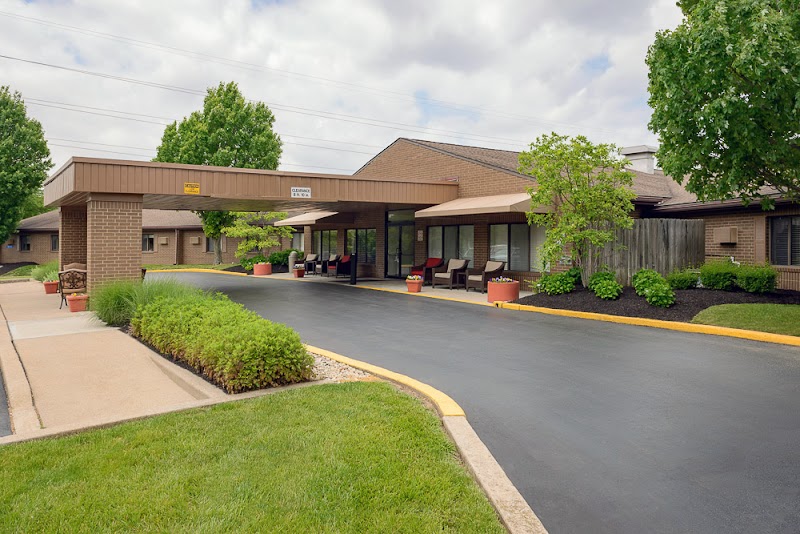
How is Mayfair Village Nursing Care C Staffed?

CMS rates MAYFAIR VILLAGE NURSING CARE C's staffing level at 3 out of 5 stars, which is average compared to other nursing homes. Staff turnover is 33%, compared to the Ohio average of 46%. This relatively stable workforce can support continuity of care. RN turnover specifically is 62%, which is notably high. RNs provide skilled clinical oversight, so turnover in this role can affect medical care quality.

What Have Inspectors Found at Mayfair Village Nursing Care C?

State health inspectors documented 62 deficiencies at MAYFAIR VILLAGE NURSING CARE C during 2019 to 2025. These included: 2 Immediate Jeopardy (the most serious level, indicating potential for serious harm or death) and 60 with potential for harm. Immediate Jeopardy findings are rare and represent the most serious regulatory concerns. They require immediate corrective action.
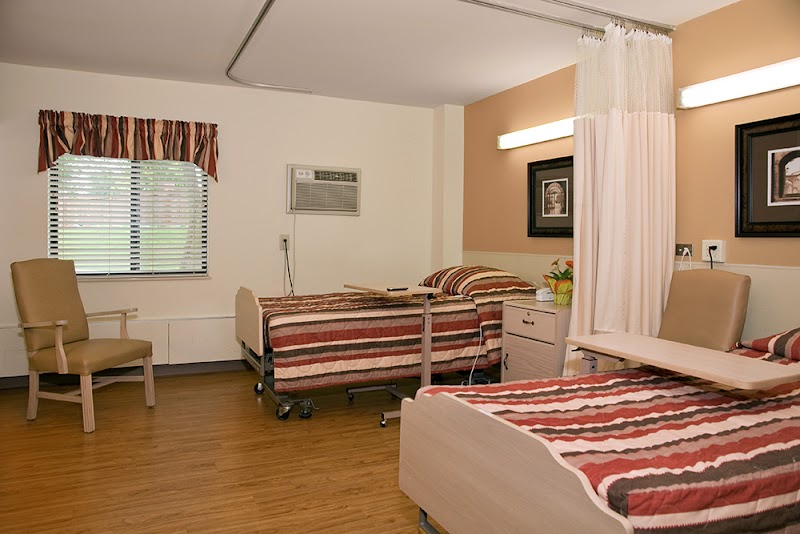
Who Owns and Operates Mayfair Village Nursing Care C?

MAYFAIR VILLAGE NURSING CARE C is owned by a for-profit company. For-profit facilities operate as businesses with obligations to shareholders or private owners. The facility is operated by LIFE CARE CENTERS OF AMERICA, a chain that manages multiple nursing homes. With 99 certified beds and approximately 82 residents (about 83% occupancy), it is a smaller facility located in COLUMBUS, Ohio.

How Does Mayfair Village Nursing Care C Compare to Other Ohio Nursing Homes?

Compared to the 100 nursing homes in Ohio, MAYFAIR VILLAGE NURSING CARE C's overall rating (1 stars) is below the state average of 3.2, staff turnover (33%) is significantly lower than the state average of 46%, and health inspection rating (1 stars) is much below the national benchmark.

What Should Families Ask When Visiting Mayfair Village Nursing Care C?

Based on this facility's data, families visiting should ask: "What changes have been made since the serious inspection findings, and how are you preventing similar issues?" "What safeguards and monitoring systems are in place to protect residents from abuse or neglect?" "Can I visit during a mealtime to observe dining assistance and food quality?" "How do you handle medical emergencies, and what is your hospital transfer rate?" These questions are particularly relevant given the facility's Immediate Jeopardy citations and the substantiated abuse finding on record.

Is Mayfair Village Nursing Care C Safe?

Based on CMS inspection data, MAYFAIR VILLAGE NURSING CARE C has documented safety concerns. The facility has 1 substantiated abuse finding (meaning confirmed case of resident harm by staff or other residents). Inspectors have issued 2 Immediate Jeopardy citations (the most serious violation level indicating risk of serious injury or death). The facility has a 1-star overall rating and ranks #100 of 100 nursing homes in Ohio. Families considering this facility should ask detailed questions about what corrective actions have been taken since these incidents.

Do Nurses at Mayfair Village Nursing Care C Stick Around?

MAYFAIR VILLAGE NURSING CARE C has a staff turnover rate of 33%, which is about average for Ohio nursing homes (state average: 46%). Moderate turnover is common in nursing homes, but families should still ask about staff tenure and how the facility maintains care continuity when employees leave.

Was Mayfair Village Nursing Care C Ever Fined?

MAYFAIR VILLAGE NURSING CARE C has been fined $224,985 across 1 penalty action. This is 6.4x the Ohio average of $35,329. Fines at this level are uncommon and typically indicate a pattern of serious deficiencies, repeated violations, or failure to correct problems promptly. CMS reserves penalties of this magnitude for facilities that pose significant, documented risk to resident health or safety. Families should request specific documentation of what issues led to these fines and what systemic changes have been implemented.

Is Mayfair Village Nursing Care C on Any Federal Watch List?

MAYFAIR VILLAGE NURSING CARE C is not on any federal watch list. The most significant is the Special Focus Facility (SFF) program, which identifies the bottom 1% of nursing homes nationally based on persistent, serious quality problems. Not being on this list means the facility has avoided the pattern of deficiencies that triggers enhanced federal oversight. This is a positive indicator, though families should still review the facility's inspection history directly.