MOTHER ANGELINE MCCRORY MANOR
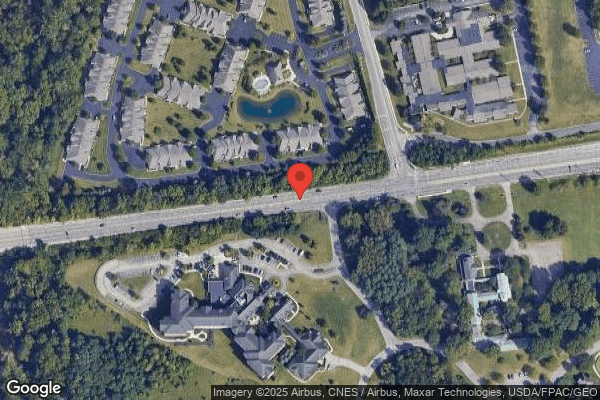

5199 EAST BROAD STREET, COLUMBUS, OH 43213 (614) 751-5700
Non profit - Church related 126 Beds CARMELITE SISTERS FOR THE AGED & INFIRM Data: November 2025
Trust Grade
35/100
#885 of 913 in OH
Last Inspection: July 2025

Inspected within the last 6 months. Data reflects current conditions.

Overview

Mother Angeline McCrory Manor has received a Trust Grade of F, which indicates significant concerns about the quality of care provided. Ranking #885 out of 913 facilities in Ohio places it in the bottom half, and it is #52 out of 56 in Franklin County, meaning there are only a few options that are better. The facility's trend appears stable, as it reported two issues in both 2024 and 2025, but these issues indicate ongoing problems. Staffing is a relative strength, with a 4/5 star rating and a turnover rate of 40%, which is below the state average, suggesting that staff tend to stay longer and build relationships with residents. However, inspection findings reveal serious concerns, including a failure to provide timely care for a resident with significant injuries and poor sanitation in the kitchen areas, which could affect the health of all residents. Overall, while there are some staffing strengths, the facility needs to address critical issues to improve care quality.

Trust Score
F
35/100
In Ohio
#885/913
Bottom 4%
Safety Record
Moderate
Needs review
Inspections
Holding Steady
2 → 2 violations
Staff Stability
○ Average
40% turnover. Near Ohio's 48% average. Typical for the industry.
Penalties
✓ Good
No fines on record. Clean compliance history, better than most Ohio facilities.
Skilled Nurses
✓ Good
Each resident gets 49 minutes of Registered Nurse (RN) attention daily — more than average for Ohio. RNs are trained to catch health problems early.
Violations
⚠ Watch
28 deficiencies on record. Higher than average. Multiple issues found across inspections.
★☆☆☆☆
1.0
Overall Rating
★★★★☆
4.0
Staff Levels
★★★☆☆
3.0
Care Quality
★☆☆☆☆
1.0
Inspection Score
Stable
2024: 2 issues
2025: 2 issues

The Good

  • 4-Star Staffing Rating · Above-average nurse staffing levels
  • Full Sprinkler Coverage · Fire safety systems throughout facility
  • No fines on record
  • Staff turnover below average (40%)

    8 points below Ohio average of 48%

Facility shows strength in staffing levels, fire safety.

The Bad

1-Star Overall Rating

Below Ohio average (3.2)

Significant quality concerns identified by CMS

Staff Turnover: 40%

Near Ohio avg (46%)

Typical for the industry

Chain: CARMELITE SISTERS FOR THE AGED & IN

Part of a multi-facility chain

Ask about local staffing decisions and management

The Ugly 28 deficiencies on record

1 actual harm
Jun 2025 1 deficiency
CONCERN (D) 📢 Someone Reported This

A family member, employee, or ombudsman was alarmed enough to file a formal complaint

Potential for Harm - no one hurt, but risky conditions existed

Free from Abuse/Neglect (Tag F0600)

Could have caused harm · This affected 1 resident

**NOTE- TERMS IN BRACKETS HAVE BEEN EDITED TO PROTECT CONFIDENTIALITY** THE FOLLOWING DEFICIENCY REPRESENTS AN INCIDENT OF PAST NON-COMPLIANCE THAT WAS SUBSEQUENTLY CORRECTED PRIOR TO THIS SURVEY. Bas...

Read full inspector narrative →
**NOTE- TERMS IN BRACKETS HAVE BEEN EDITED TO PROTECT CONFIDENTIALITY** THE FOLLOWING DEFICIENCY REPRESENTS AN INCIDENT OF PAST NON-COMPLIANCE THAT WAS SUBSEQUENTLY CORRECTED PRIOR TO THIS SURVEY. Based on record review, interview and policy review, the faciliy failed to ensure residents were free from abuse. This affected one (Resident #8) of seven residents reviewed for abuse. The facility census was 116. Findings include: Record review revealed former Resident #8 was admitted on [DATE]. Diagnoses included diabetes mellitus, dementia, hypertension, and end stage renal disease. The resident was discharged [DATE] to the hospital. Review of the quarterly Minimum Data Set (MDS) assessment, dated 02/28/25, revealed Resident #8 had impaired cognition. The resident required maximum staff assistance for bed mobility, transfers, bathing, and ambulation. Review of the facility's investigation file revealed on 05/15/25 former Certified Nursing Assistant (CNA) #22 admitted to having a picture of Resident #8 on his personal cell phone. During an interview on 06/03/24 at 1:40 P.M., the Administrator confirmed that a picture of Resident #8, fully clothed, in a hoyer lift, was received from former Certified Nursing Assistant (CNA) #22's cell phone by human resources on 05/09/25. An investigation was initiated by the Administrator and CNA #22 was suspended on this same date. CNA #22 admitted to having the pictures on his phone of residents, but he said he did not take them. CNA #22 was terminated following the completion of the investigation in which it was concluded CNA #22 did have a picture of Resident #8 on his personal cell phone and had not obtained consent from Resident #8 to take the photo. Review of the personnel file of CNA #22 revealed he was terminated on 05/21/25. Review of the facility's policy titled Prevention, Identification, Investigation and Reporting of Abuse, Neglect, Mistreatment and Exploitation of a Resident of Misappropriation of Resident Property, dated 02/28/23, revealed mental abuse includes staff taking, keeping, distributing or using photographs or recording of a resident that would demean of humiliate a resident. The deficient practice was corrected on 06/02/25 when the facility implemented the following corrective actions: • On 05/08/25 and 05/14/25, the Administrator provided mandatory in-service training for all of the employees about cell phone use not being allowed in patient care areas. • Beginning of 05/14/25, audits on staff working the floor to ensure no cell phones are being used in patient care areas. • Checking for staff cell phone use is now a mandatory part of morning daily management Angel Rounds and hourly throughout the day and night. • During an interview on 06/03/25 at 1:33 P.M., Scheduler #45 stated she started conducting audits on staff working on the floor to ensure no cell phones are being used in patient care areas. She confirmed the cell phone use policy is emphasized beginning with the interview process and again during orientation. It has been mentioned by management at all-staff monthly meetings. • Staff Members #10, #5, and #15 were interviewed on 06/03/25 and were knowledgeable about the facility's abuse policy pertaining to taking photos of residents. This deficiency represents non-compliance investigated under Complaint Number OH00165627.
May 2025 1 deficiency
CONCERN (D) 📢 Someone Reported This

A family member, employee, or ombudsman was alarmed enough to file a formal complaint

Potential for Harm - no one hurt, but risky conditions existed

Infection Control (Tag F0880)

Could have caused harm · This affected 1 resident

**NOTE- TERMS IN BRACKETS HAVE BEEN EDITED TO PROTECT CONFIDENTIALITY** Based on observation, staff interview, record review, document review, and policy review the facility failed to provide a safe a...

Read full inspector narrative →
**NOTE- TERMS IN BRACKETS HAVE BEEN EDITED TO PROTECT CONFIDENTIALITY** Based on observation, staff interview, record review, document review, and policy review the facility failed to provide a safe and sanitary environment to help prevent the development and transmission of disease and infections when they failed to follow droplet precautions for Resident #90 and failed to properly clean a blood glucose monitoring machine for Resident #3. This had the potential to affect four (Resident #3, #76, #78, and #79) Residents who received blood glucose monitoring on the two East hallway The facility census was 106. Findings include: 1. Record review of Resident #90 revealed an admission date of [DATE] with pertinent diagnoses of: congestive heart failure, hypothyroidism, atherosclerotic heart disease, atrail fibrillation, and hypertension. Review of the [DATE] admission Minimum Data Set (MDS) assessment revealed the resident is cognitively intact and uses a walker and wheelchair to aid in mobility. Review of a Physician Order dated [DATE] revealed Isolation Precautions: Droplet, for possible exposure to whooping cough every day and night shift droplet precautions. Observation on [DATE] at 8:38 A.M. revealed Licenses Practical Nurse #20 (LPN) went into Resident #90 room to take his blood pressure. There was a sign on the door stating droplet precautions and LPN #20 did not wear any eye, nose or mouth protection. Interview with LPN #20 on [DATE] at 8:40 A.M. revealed the surveyor asked why Resident #90 was on precautions and LPN #20 looked up the information in the computer and stated that Resident #90 was on droplet precautions due to possible exposure to whooping cough. Observation on [DATE] at 8:50 A.M. revealed LPN #20 walked back into Resident #90 room without eye, nose, or mouth protection to administer Resident #90 medications. Interview with LPN #20 on [DATE] at 8:56 A.M. verified he walked into the room and did not wear eye, nose, or mouth protection to administer Resident #90 medications. LPN #20 stated he forgot and he should have wore eye, nose, and mouth protection when going into the room. Interview with the Director of Nursing (DON) on [DATE] at 9:20 A.M. revealed Resident #90 had an exposure to whooping cough on [DATE] during a family gathering in the facility. The family notified the facility on [DATE] and they started Resident #90 on a prophylactic antibiotic, put him on droplet precautions out of an abundance of caution, and contacted the local health department for guidance. Resident #90 was not showing any signs or symptoms of whooping cough. Review of the facility Transmission based isolation precautions policy undated revealed droplet precautions are intend to prevent transmission of pathogens spread through close respiratory or mucous membrane contact with respiratory secretions (i.e. respiratory droplets that are generated by a resident who is coughing, sneezing, or talking). Healthcare personnel will wear a facemask for close contact with an infectious resident. Based upon the pathogen or clinical syndrome, if there is a risk of exposure to mucous membranes or substantial spraying of respiratory secretions is anticipated, gloves and gown as well as goggles or face shield should be worn. 2. Record review of Resident #3 revealed an admission date of [DATE] with pertinent diagnoses of: metabolic encephalopathy, type two diabetes mellitus with foot ulcer, chronic kidney disease stage three, and atherosclerotic heart disease. Review of the [DATE] admission Minimum Data Set (MDS) assessment revealed the resident was moderately cognitively impaired and did not use any devices for mobility Review of a Physicians Order dated [DATE] revealed Humalog Injection Solution 100 units/milliliter (Insulin Lispro) Inject as per sliding scale: if 60 - 149 = 0 Call physician if below 60; 150 - 200 = 2 u; 201 - 250 = 4 u; 251 - 300 = 6 u; 350 - 400 = 8 u If BS higher than 400 call physician, subcutaneously before meals and at bedtime for hyperglycemia. Observation on [DATE] at 8:21 A.M. revealed LPN #20 checking Resident #3 blood glucose with a True Metrix Pro blood glucose monitoring machine. After using the machine LPN #20 used a Bactive wipe with an expiration date of [DATE]. Interview with LPN #20 on [DATE] at 8:35 A.M. verified the wipes did not contain bleach and they were expired. Interview with the Director of Nursing on [DATE] at 1:55 P.M. revealed the Bactive wipes are not something the facility purchases to clean the glucometers and she is unaware of how they were on the unit and they were not appropriate for disinfecting the glucometer. Review of the [DATE] True Metrix Pro blood glucose monitoring machine insert revealed to disinfectant with only super sani cloth wipes (or any disinfectant product with the EPA registration number of 9480-4) rub the entire outside of the meter using three circular wiping motions with moderate pressure.
Jun 2024 1 deficiency
CONCERN (D) 📢 Someone Reported This

A family member, employee, or ombudsman was alarmed enough to file a formal complaint

Potential for Harm - no one hurt, but risky conditions existed

Accident Prevention (Tag F0689)

Could have caused harm · This affected 1 resident

**NOTE- TERMS IN BRACKETS HAVE BEEN EDITED TO PROTECT CONFIDENTIALITY** Based on record review, review of hospital reports, review of facility investigation, and interview, the facility failed to ensu...

Read full inspector narrative →
**NOTE- TERMS IN BRACKETS HAVE BEEN EDITED TO PROTECT CONFIDENTIALITY** Based on record review, review of hospital reports, review of facility investigation, and interview, the facility failed to ensure a safe and proper wheelchair transport resulting in a fall. This affected one resident (#7) of three residents reviewed for falls. The facility census was 113. Findings include: 1. Medical record review revealed Resident #7 was admitted to the facility on [DATE] with diagnoses including dementia, chronic kidney disease, protein-calorie malnutrition, weakness, failure to thrive, and atrial fibrillation. Review of the fall risk assessment, dated 05/03/24, revealed Resident #7 was determined to be at an increased risk for falls. Review of the quarterly Minimum Data Set (MDS) 3.0 assessment, dated 04/08/24, revealed the resident was severely cognitively impaired. The assessment further revealed the resident was dependent on staff for activities of daily living and mobility. The resident's mobility device was a wheelchair. Review of the Care Plan dated 12/22/17 revealed the resident had the potential for falls related to weakness, abnormal gait/mobility, dementia, history of falling, neuropathy, hypotension, and psychotropic medication use with interventions including to apply Dycem to wheelchair and recliner as tolerated. Further review of the Care Plan dated 03/13/18 revealed Resident #7 was at risk for decline in activities of daily living (ADLs) status and has an ADL self-care performance deficit related to weakness, abnormal gait/mobility, non-ambulatory status, and dementia with interventions including the resident uses a wheelchair when out of bed, usually dependent on staff to propel. Review of a nursing progress note, dated 05/03/24 at 8:50 P.M., revealed the resident was status post fall with observation revealing the left side of forehead was swollen and bleeding. The area was cleansed with normal saline and pressure was applied to the area to stop the bleeding. Hospice was notified, 911 was called and the resident was transferred to the hospital. Review of the Falls- Incident Accident Checklist and the Fall Investigation, dated 05/03/24, did not reveal that the fall intervention for a Dycem to be applied to the seat of the wheelchair was in place at the time of the fall. Review of State-Tested Nursing Assistant (STNA) #48's Witness Statement, dated 05/03/24, revealed staff was pushing the resident to her room when the resident slid off the wheelchair and down to the floor. The resident hit the left side of her head. Staff immediately notified the nurse who came and took the resident's vital signs and did everything else. Review of Licensed Practical Nurse (LPN) #46's Witness Statement, dated 05/03/24, revealed STNA #48 informed the nurse that Resident #7 had slid out of her wheelchair and had fallen while being transferred in her wheelchair. The nurse observed the resident lying face down with a swollen and bleeding area noted to the resident's left forehead. The resident was crying from pain with distress and the hospice nurse and 911 were called. The resident was taken to the emergency room (ER) for evaluation. Review of a nursing progress note, dated 05/08/24, revealed the interdisciplinary team (IDT) met to discuss the fall on 05/03/24 at 8:00 P.M. The STNA was escorting Resident #7 to her room when the resident slid forward out of her wheelchair. The STNA immediately notified the nurse. Bleeding was noted to the left forehead and a clean, dry dressing was applied. The STNA and nurse assisted the resident from the floor with a gait belt. Pain was noted to the resident's head. Resident was sent to the ER for evaluation and treatment. The intervention initiated was to make sure footrests are in place with resident transfers. Review of the Emergency Department (ED) Note, dated 05/03/24 at 11:14 P.M., revealed the resident was examined in the ED following a fall with a closed head injury and skin avulsion. Computed tomography (CT) scans of the head and spine revealed no acute abnormalities. Bacitracin was the treatment administered. The resident was discharged back to the skilled nursing facility. Review of a nursing progress noted dated 05/06/24 at 1:10 P.M., revealed there was a skin tear to Resident #7's left forehead resulting from the fall on 05/03/24. The area measured 1.5 centimeters (cm) by 2.0 cm by 0.1 cm with treatment in place. Review of a nursing progress note, dated 05/06/24 at 1:10 P.M., revealed a nurse, Administrator, and hospice social worker met with Resident #7's family members who had concern regarding the resident falling over the weekend and being sent to the emergency room (ER) as her code status was do not resuscitate-comfort care only. The family was told that the floor nurse used her nursing judgement due to the inability to stop the resident's abrasion from bleeding. All scans were negative for any subdural hematoma or brain bleed. The resident returned to the facility and neurological checks were resumed. The resident's family were informed that the new intervention following the fall was for the use of the leg rest on the wheelchair. Interview on 06/04/24 at 12:30 P.M. with the Assistant Director of Nursing (ADON) (the Director of Nursing was not present in the facility during the survey) revealed on 05/03/24 the resident was sitting in the common area and the STNA was transporting her back to her room. The wheelchair's footrest was not in use and the resident put her foot down and slid down the wheelchair onto the floor, sustaining a skin tear to her head. The ADON confirmed there was no evidence of any documentation that a Dycem was applied to the seat of Resident #7's wheelchair at the time of the fall. The ADON further confirmed this was a fall intervention listed on the resident's care plan. This deficiency represents non-compliance investigated under Master Complaint Number OH00153793 and Complaint Number OH00153715.
Mar 2024 1 deficiency
CONCERN (D) 📢 Someone Reported This

A family member, employee, or ombudsman was alarmed enough to file a formal complaint

Potential for Harm - no one hurt, but risky conditions existed

Unnecessary Medications (Tag F0759)

Could have caused harm · This affected 1 resident

**NOTE- TERMS IN BRACKETS HAVE BEEN EDITED TO PROTECT CONFIDENTIALITY** Based on observation, medical record review, policy review and interview, the facility failed to ensure a medication error rate ...

Read full inspector narrative →
**NOTE- TERMS IN BRACKETS HAVE BEEN EDITED TO PROTECT CONFIDENTIALITY** Based on observation, medical record review, policy review and interview, the facility failed to ensure a medication error rate of not 5 percent or greater. This affected four (Resident #67, #111, #113 and #131) of six residents observed for medication administration. Five errors were observed out of 35 opportunities resulting in a medication error rate of 14.2%. The census was 111. Findings include: 1. Medical record review revealed Resident #67 was admitted on [DATE] with diagnoses including depression, high blood pressure and pain. Review of the Order Summary dated March 2024 revealed medications to administer included Tylenol Extra Strength 500 milligrams (mg) twice a day for osteoarthritis and Sertraline HCL 50 mg give 1.5 tablet by mouth in the morning for depression. On 03/28/24 at 8:13 A.M., observation of Resident #67's medication administration revealed Licensed Practical Nurse (LPN) #2 administered medications including acetaminophen 500 mg with diphenhydramine 25 mg and Sertraline 50 mg. LPN #2 stated the pharmacy sends Sertraline 25 mg and a Sertraline 50 mg tablet but the resident only gets the 50 mg tablet so she send the Sertraline 25 mg tablet back. 2. Medical record review revealed Resident #111 was admitted on [DATE] with diagnoses including disorder of bone density and structure, hypertension and anxiety. Review of the Order Summary dated March 2024 revealed medications to administer included calcium 600 mg in the morning. On 03/28/24 at 8:31 A.M., observation of Resident #111's medication administration revealed LPN #4 administered Calcium Plus D 600 mg/10 micrograms. 3. Medical record review revealed Resident #113 was admitted on [DATE] with diagnoses including cerebral infarction and osteoarthritis. Review of the Order Summary dated March 2024 revealed medications to administer included a topical 4% lidocaine patch. On 03/28/24 at 8:50 A.M., observation of Resident #113's medication administration revealed LPN #6 entered the resident's room and placed the sealed 4% lidocaine patch on Resident #113's overbed table. LPN #6 handed Resident #113 the medication cup and took his oral medications. LPN #6 then exited the resident's room leaving the 4% lidocaine patch on the overbed table. LPN #6 verified he had forgot to apply the topical 4% lidocaine patch until the surveyor asked about it. 4. Medical record review revealed Resident #131 was admitted on [DATE] with diagnoses including anxiety, muscle spasms, spinal stenosis and incontinence. Review of the Order Summary dated March 2024 revealed medications to be administered included oxybutynin Chloride ER 10 mg. On 03/28/24 at 9:03 A.M., observation of Resident #131's medication administration revealed LPN #8 did not administer oxybutynin Chloride ER 10 mg as ordered. On 03/28/24 at 11:55 A.M., interview with the Director of Nursing verified medications were to be administered as ordered by the physician. Review of the policy: Medication Errors (dated 03/01/23) revealed it was the policy to provide protections for the health, welfare and rights of each resident by ensuring residents receive care and services safely in an environment free of significant medication errors. This deficiency represents non-compliance investigated under Complaint Number OH00151747.
Sept 2023 14 deficiencies
CONCERN (D)

Potential for Harm - no one hurt, but risky conditions existed

Deficiency F0582 (Tag F0582)

Could have caused harm · This affected 1 resident

**NOTE- TERMS IN BRACKETS HAVE BEEN EDITED TO PROTECT CONFIDENTIALITY** Based on medical record review and staff interview, the facility failed to provide skilled nursing facility advanced beneficiary...

Read full inspector narrative →
**NOTE- TERMS IN BRACKETS HAVE BEEN EDITED TO PROTECT CONFIDENTIALITY** Based on medical record review and staff interview, the facility failed to provide skilled nursing facility advanced beneficiary notices (SNFABN) with estimated costs upon discharge from Medicare Part A skilled services for two (#101 and #87) of three residents reviewed for beneficiary protection notification review. The facility census was 116. Findings included: 1. Review of Resident #101's medical record revealed the resident was admitted to the facility on [DATE] with diagnoses of atherosclerotic heart disease and transient cerebral ischemic attack. The resident was discharged from Medicare Part A skilled services on 06/30/23, and remained in the facility. The medical record did not contain an SNFABN with remaining estimated costs for Resident #101. 2. Review of Resident #87's medical record revealed the resident was admitted to the facility on [DATE] with diagnoses of attention and concentration deficit following cerebral infarction. The resident was discharged from Medicare Part A skilled services on 08/09/23, and remained in the facility. The medical record did not contain an SNFABN with remaining estimated costs for Resident #87. During an interview on 09/27/23 at 12:02 P.M., Social Services Director #596 confirmed SNFABN notices for Residents #101 and #87 did not contain estimated costs (if the residents chose to pay out of pocket for expenses no longer covered by Medicare Part A).
CONCERN (D)

Potential for Harm - no one hurt, but risky conditions existed

ADL Care (Tag F0677)

Could have caused harm · This affected 1 resident

**NOTE- TERMS IN BRACKETS HAVE BEEN EDITED TO PROTECT CONFIDENTIALITY** 2) Review of Resident #88's medical record revealed the resident was admitted to the facility on [DATE] with the admitting diagn...

Read full inspector narrative →
**NOTE- TERMS IN BRACKETS HAVE BEEN EDITED TO PROTECT CONFIDENTIALITY** 2) Review of Resident #88's medical record revealed the resident was admitted to the facility on [DATE] with the admitting diagnosis including dementia, type II diabetes mellitus, depression, anxiety, dysphagia, and weakness. Further review revealed Resident #88 had impaired cognition and impaired hearing. Review of Resident #88 quarterly [NAME] Data Set (MDS) dated [DATE] revealed in Section G Functional Status the resident required extensive assistance from staff for bed mobility, transfers, toileting, dressing, personal hygiene, and bathing. Review of Resident #88 care plan dated 09/23/22 revealed the resident required assistance from staff to complete Activities of Daily Living (ADL) tasks including personal hygiene and bathing. Review of Resident #88 shower documentation sheets dated 06/10/23 to 09/26/23 revealed documentation reflecting Resident #88 received a bed bath for each shower day and Resident #88 was assisted in removing facial hair two times out of the 26 times Resident #88 was bathed between 06/10/23 and 09/26/23. Observations on 09/25/23 at 10:15 A.M. and again at 2:50 P.M. revealed Resident #88 had a moderate amount of facial hair visible. Interview on 09/25/23 at 11:15 A.M. with Resident #88's brother revealed the expectation of Resident #88's family is for him to be clean shaved and free of facial hair. Resident #88's brother stated, I have brought in a very good electric razor for the staff to use, but they don't seem to use it. Observations on 09/26/23 at 8:15 A.M. and again at 3:30 P.M. revealed Resident #88 continued to have a moderate amount of facial hair visible. Interview on 09/27/23 at 8:30 A.M. with Resident #88 revealed he would like to be clean shaved and free of facial hair at least daily. Observation on 09/27/23 at 8:45 A.M. revealed Resident #88 continued with a moderate amount of facial hair visible. Interview on 09/27/23 at 8:50 A.M. with State Tested Nursing Assistance (STNA) #508 revealed, Resident #88 receives his showers on Monday and Thursdays, and we do shave him during the shower or bed bath. We put that on the shower sheets. STNA #508 confirmed Resident #88 had moderate facial hair visible. Review of the facility policy titled Activities of Daily Living (ADL), Supporting dated 03/2018 revealed, Residents who are unable to carry out activities of daily living independently will receive the services necessary to maintain good nutrition, grooming, and personal and oral hygiene. Based on observations, resident and staff interviews, medical record review, review of shower sheets, and facility policy review, the facility failed to ensure one resident's (Resident #85) hair was washed and one resident's (Resident #88) unwanted facial hair was removed. This affected two (Residents #85 and #88) of eight residents reviewed for activities of daily living (ADLs). The facility census was 116. Findings Include: 1. Review of the medical record for Resident #85 revealed an initial admission date on 03/22/21 and a readmission date on 04/09/21. Medical diagnoses included chronic obstructive pulmonary disease (COPD), Type II diabetes mellitus with polyneuropathy, stroke, essential hypertension (high blood pressure), colostomy status, fibromyalgia, other chronic pain, major depressive disorder, anxiety disorder, and drug induced subacute dyskinesia (abnormal movements). Review of the quarterly Minimum Data Set (MDS) 3.0 assessment dated [DATE] revealed Resident #85 had intact cognition and scored 15 out of 15 on the Brief Interview for Mental Status (BIMS) assessment. Resident #85 required extensive assistance to total dependence from one to two staff to complete Activities of Daily Living (ADLs). Resident #85 required total dependence on staff for bathing. Review of the progress notes dated from 07/01/23 to 09/27/23 revealed no evidence Resident #85 refused to have her hair washed. Review of the care plan revised 09/25/23 revealed Resident #85 had an ADL self-care performance deficit. Interventions included one to two staff assistance with bathing and to provide a sponge bath when a full bath or shower cannot be tolerated. There was no indication Resident #85 refused to have her hair washed in the care plan. Observations on 09/26/23 at 9:53 A.M. and 09/27/23 at 12:25 P.M. of Resident #85 in her room revealed the resident's hair appeared greasy with visible white flakes on her scalp near the resident's hair line. Interview on 09/26/23 at 9:53 A.M. with Resident #85 revealed she received bed baths. Resident #85 stated she would like to have her hair washed. The resident stated she had not had her hair washed in a couple of weeks. Interview on 09/27/23 at 5:42 P.M. with the Assistant Director of Nursing (ADON) #507 revealed if a resident received a full bed bath, the resident's hair should be washed unless the resident refuses. ADON #507 stated if the resident refused, it should be documented on a shower sheet. Review of shower sheets dated from July 2023 through September 2023 revealed the most recent shower sheet was dated 09/19/23 (approximately nine days ago). The shower sheet did not include whether or not the resident had her hair washed. The shower sheet did not indicate Resident #85 had refused any personal hygiene care. Review of the bathing task for the last 30 days revealed Resident #85 had showers scheduled two times a week. The task indicated the amount of assistance required to complete the task and stated, excludes washing hair or back. Interview on 09/28/23 at 1:27 P.M. with the Administrator confirmed there were no additional shower sheets after 09/19/23 found for Resident #85. The Administrator confirmed there was no evidence on the shower sheet or in the bathing task that showed evidence Resident #85 had her hair washed.
CONCERN (D)

Potential for Harm - no one hurt, but risky conditions existed

Deficiency F0679 (Tag F0679)

Could have caused harm · This affected 1 resident

**NOTE- TERMS IN BRACKETS HAVE BEEN EDITED TO PROTECT CONFIDENTIALITY** Based on observation, interview, and record review the facility failed to have weekend activities and daily independent activiti...

Read full inspector narrative →
**NOTE- TERMS IN BRACKETS HAVE BEEN EDITED TO PROTECT CONFIDENTIALITY** Based on observation, interview, and record review the facility failed to have weekend activities and daily independent activities available. This affected two residents (#41 and #62) of two residents reviewed for activities. The facility census was 116. Findings include: 1. Review of the medical record for Resident #41 revealed an admission date of 02/02/17 with diagnoses including dementia, type II diabetes, dysphagia, psychotic disorder with delusions, moderate protein-calorie malnutrition, and memory deficit following cerebral infarction. Review of the quarterly Minimum Data Set (MDS) 3.0 assessment dated [DATE] revealed Resident #41 was rarely or never understood. Review of the plan of care dated 07/27/23 revealed Resident #41 required structured activities due to diagnoses, need for verbal or tactile cueing, and need for assistance for mobility. Interventions included involving the resident in daily facility routine, reminding, and encouraging to attend activities of interest, providing leisure supplies needed to facilitate interests, providing assistance in wheelchair to activities, praising all efforts and encouraging family support. Review of the quarterly activities assessment dated [DATE] revealed Resident #41 was a passive to active observer depending on the day due to dementia. The resident was able to verbalize pleasant and unpleasant stimuli, tires easily through some activities. She enjoyed activities such as music, sing-along, and sensory. Review of her activities documentation for September 2023 revealed she had only done one weekend activity on 09/16/23 when she passively watched a movie. She had not participated in watching television or listening to the radio since 09/15/23. Review of the activities calendar revealed catholic mass was the only activity offered on Sundays. Observation on 09/25/23 at 10:35 A.M., 11:32 A.M. 2:50 P.M. and 4:21 P.M., on 09/26/23 at 9:16 A.M. and 2:30 P.M., and on 09/27/23 at 10:57 A.M. revealed Resident #41 in her chair the common area lounge, no television, music, or other entertainment was provided. Interview on 09/27/23 at 11:00 A.M. with Unit Manager #531 verified Resident #41 was in the common area with no source of entertainment. She reported she was unsure what was done to entertain the residents sitting in the common area. Interview on 09/27/23 at 11:00 A.M. with Activities Staff #535 revealed she did try to turn on music for the residents in the common area or move them to the area in front of the television, but she did not think she had done it in the last couple of days. She additionally verified it was something the nursing staff could do for residents as well. Interview on 09/27/23 at 11:15 A.M. and 09/28/23 at 9:40 A.M. with Activities Director #525 revealed activity staff worked every other weekend. On days the activity staff was not present they had mass and independent activities. She reported for cognitively impaired residents the nurse aides would facilitate activities including games, reading to them, and music. She reported the nurse aides did not document this and verified the activities documentation showed only one weekend activity for Resident #41. 2. Review of the medical record for Resident #62 revealed an admission date of 05/11/22 with diagnoses including dementia, chronic kidney disease stage three, adjustment disorder, type II diabetes mellitus, anxiety disorder, age-related nuclear cataract, and need for assistance with personal care. Review of the quarterly MDS 3.0 assessment dated [DATE] revealed Resident #62 had severely impaired cognition. She was totally dependent for locomotion. Review of the plan of care dated 01/03/23 revealed Resident #62 pursued independent leisure activities and group activities. She required reminders and wheelchair assistance when attending activities and required prompting and reminders due to dementia. Interventions included encouraging active participation, encouraging family support, encouraging and reminding of activities of interest, providing and reviewing activity calendar, providing leisure as needed to facilitate interests including music, television, and spiritual materials. Review of the quarterly activities assessment dated [DATE] revealed Resident #62 took part in group activities. She would join in for music, bingo, drumming and fitness, nails, and movies. She could be quiet and passive but would become involved with prompting. Review of Resident #62's activity participation for September 2023 revealed Resident #62 only completed activities on the weekend on one day, 09/02/23. Review of the activities calendar revealed catholic mass was the only activity offered on Sundays. Observation on 09/25/23 at 10:38 A.M., 11:30 A.M., and 4:21 P.M. and on 09/27/23 at 10:57 A.M. revealed Resident #62 was seated in her wheelchair in the common area lounge, no television, music, or other entertainment being provided. Resident #62 was not positioned near the table where independent activities were present. Interview on 09/27/23 at 11:00 A.M. with Unit Manager #531 verified Resident #62 was in the common area with no source of entertainment. She reported she was unsure what was done to entertain the residents sitting in the common area. Interview on 09/27/23 at 11:00 A.M. with Activities Staff #535 revealed she did try to turn on music for the residents in the common area or move them to the area in front of the television, but she did not think she had done it in the last couple of days. She additionally verified it was something the nursing staff could do for residents as well. Interview on 09/27/23 at 11:15 A.M. and 09/28/23 at 9:40 A.M. with Activities Director #525 revealed activity staff worked every other weekend. On days the activity staff was not present they had mass and independent activities. She reported for cognitively impaired residents the nurse aides would facilitate activities including games, reading to them, and music. She reported the nurse aides did not document this and verified the activities documentation showed only one weekend of activity for Resident #62. Activities Director #525 verified Resident #62 could look through activity booklets and complete puzzles independently but would need assistance to get to these activities. Review of the activities policy dated 03/01/23 revealed activities could occur at any time and were not limited to formal activities, they could include other staff members, volunteers, visitors, and families. Activities were to include indoor and outdoor activities, religious programs, exercise programs, social activities, in-room activities, individualized activities, and educational programs.
CONCERN (D)

Potential for Harm - no one hurt, but risky conditions existed

Quality of Care (Tag F0684)

Could have caused harm · This affected 1 resident

**NOTE- TERMS IN BRACKETS HAVE BEEN EDITED TO PROTECT CONFIDENTIALITY** Based on medical record review, staff interview, review of pharmacy delivery receipts, and facility policy review, the facility ...

Read full inspector narrative →
**NOTE- TERMS IN BRACKETS HAVE BEEN EDITED TO PROTECT CONFIDENTIALITY** Based on medical record review, staff interview, review of pharmacy delivery receipts, and facility policy review, the facility failed to ensure hospice notes were kept on-site and readily available to staff for one resident (Resident #89). The facility failed to administer as needed (PRN) blood pressure medication as ordered to one resident (Resident #67). The facility failed to timely treat tardive dyskinesia (involuntary, repetitive movements often caused by long-term use of some psychiatric medications) for one resident (Resident #85). This affected one (Resident #89) of two residents reviewed for hospice services and two (Residents #67 and #85) of five residents reviewed for medications. The facility census was 116. Findings Include: 1. Review of the medical record for Resident #89 revealed an original admission date on 06/17/22 and a readmission date on 07/13/23. Diagnoses included Parkinson's Disease, dementia, pneumonia (07/14/23), esophageal obstruction (07/14/23), type II diabetes mellitus without complications, heart disease, and encounter for palliative care. Review of the quarterly Minimum Data Set (MDS) 3.0 assessment dated [DATE] revealed Resident #89 has impaired cognition and scored six out of 15 on the Brief Interview for Mental Status (BIMS) assessment. Resident #89 required extensive assistance to total dependence on one to two staff to complete Activities of Daily Living (ADLs). Resident #89 received hospice services. Review of the care plan revised on 07/24/23 revealed Resident #89 had a terminal prognosis related to Parkinson's Disease and received hospice services. Interventions included work cooperatively with hospice team to ensure the resident's needs were met. There were no hospice notes for Resident #89 in the medical record. Interview on 09/27/23 at 7:20 A.M. with the Administrator confirmed no hospice notes for Resident #89 were found on-site at the facility. Interviews on 09/27/23 at 5:26 P.M. and 5:39 P.M. with Licensed Practical Nurse (LPN) #559 and the Assistant Director of Nursing (ADON) revealed no hospice notes for Resident #89 could be found on-site in the facility. LPN #559 and the ADON were not able to locate a binder at the nurse's station where additional hospice binders were found. The ADON stated she was not able to find any hospice notes for Resident #89 on any other unit either. The ADON confirmed the Social Services Director (SSD) #547 was contacting the provider to request the hospice notes be sent to the facility. Review of the facility policy, Coordination of Hospice Services, revised 03/01/23, revealed the policy stated, when a resident chooses to receive hospice care and services, the facility will coordinate and provide care in cooperation with hospice staff in order to promote the resident's highest practicable physical, mental, and psychosocial well-being. Furthermore, the facility will communicate with hospice and identify, communicate, follow and document all interventions put into place by hospice and the facility. 2. Review of the medical record for Resident #67 revealed an original admission on [DATE] and a readmission date on 12/14/19. Medical diagnoses included end stage renal disease, dependence on renal dialysis, essential hypertension (high blood pressure), hypotension (low blood pressure), major depressive disorder recurrent, and seizures. Review of the quarterly Minimum Data Set (MDS) 3.0 assessment dated [DATE] revealed Resident #67 had intact cognition and scored 14 out of 15 on the Brief Interview for Mental Status (BIMS) assessment. Resident #67 required extensive assistance to total dependence on one staff to complete Activities of Daily Living (ADLs). Review of the current physician orders dated September 2023 revealed Resident #67 had an order for Midodrine Hydrochloride (HCl) oral tablet 2.5 milligrams (mg) with instructions to give one tablet by mouth every eight hours as needed for low blood pressure under 100/80. The order was dated 06/17/23. Review of Resident #67's blood pressure readings from July 2023 through September 2023 revealed Resident #67 had a blood pressure under 100/80 on the following dates: 07/04/23, 07/11/23, 07/20/23, 07/25/23, 08/01/23, 08/15/23 twice, 08/29/23, and 09/23/23. Review of the Medication Administration Records (MARs) dated July 2023, August 2023, and September 2023 revealed Midodrine HCl medication was not administered at all in any of the three months reviewed. Review of the care plan revised 07/30/23 revealed Resident #67 had hypertension. Interventions included administer medications as ordered and monitor for side effects and effectiveness. Resident #67 has had a history of hypotension. Interventions included administer medications as ordered and monitor for side effects and effectiveness. Interview on 09/27/23 at 6:19 P.M. with Licensed Practical Nurse (LPN) #559 confirmed Resident #67 had an active order to administer Midodrine HCL as needed for a blood pressure reading under 100/80. LPN #559 reviewed the MARs for Resident #67 and confirmed the Midodrine medication has not been administered at all to the resident. LPN #559 reviewed Resident #67's blood pressure readings and confirmed the resident had blood pressure readings under 100/80. LPN #559 checked the medication cart and confirmed the medication was not in the medication cart for Resident #67. Review of the facility policy, Physician Services, dated 03/01/23, revealed the policy stated, a physician or non-physician practitioner must provide orders for the resident's intermediate care needs. 3. Review of the medical record for Resident #85 revealed an initial admission date on 03/22/21 and a readmission date on 04/09/21. Medical diagnoses included chronic obstructive pulmonary disease (COPD), Type II diabetes mellitus with polyneuropathy, stroke, essential hypertension (high blood pressure), colostomy status, fibromyalgia, other chronic pain, spondylosis without myelopathy or radiculopathy lumbosacral region, major depressive disorder, anxiety disorder, and drug induced subacute dyskinesia. Review of the quarterly Minimum Data Set (MDS) 3.0 assessment dated [DATE] revealed Resident #85 had intact cognition and scored 15 out of 15 on the Brief Interview for Mental Status (BIMS) assessment. Resident #85 required extensive assistance to total dependence from one to two staff to complete Activities of Daily Living (ADLs). Review of the Medication Administration Record (MAR) dated July 2023 revealed Resident #85 had an order for Austedo Extended Release (XR) 24 hour 12 milligrams (mg) with instructions to give one tablet by mouth one time daily for tardive dyskinesia. The order was dated to start on 07/27/23. The medication was not administered on 07/27/23, 07/29/23, or 07/31/23. The medication was marked as administered on 07/28/23 and 07/30/23. Review of the Pharmacy Non-Control Packing Slip dated 07/31/23 at 12:48 P.M. revealed Resident #85's Austedo medication was delivered. Review of the progress notes and electronic medication administration record (e-MAR) notes dated from 07/25/23 through 08/01/23 revealed on 07/26/23 at 2:49 P.M., a new order was received from the psychiatric physician to add Austedo medication for Resident #85. On 07/27/23 at 5:49 P.M., 07/29/23 at 10:16 A.M., and 07/31/23 at 10:13 A.M., the Austedo medication was noted to be on order and the facility was awaiting delivery. There was no evidence the physician was notified of the delayed delivery of the medication to the facility. Review of the psychiatrist note dated 07/26/23 revealed Resident #89 complained of having abnormal tongue movements that may be due to tardive dyskinesia. The psychiatrist noted to add Austedo medication for tardive dyskinesia. Interview on 09/28/23 at 1:27 P.M. with the Administrator confirmed Resident #85's Austedo medication was not delivered to the facility until 07/31/23. The Administrator confirmed Resident #85's MAR was inaccurate on 07/28/23 and 07/30/23 because the facility did not have the medication to administer to the resident. The Administrator stated the facility would be changing pharmacies next month due to ongoing issues with deliveries. The Administrator confirmed Resident #85 had a delay in treatment of tardive dyskinesia from 07/27/23 through 07/31/23 (five days). The Administrator also confirmed there was not any evidence that physician had been notified of the delayed delivery/delayed initiation of treatment. Review of the facility policy, Nursing Service: Notification of Changes, revised 11/13/19, revealed the policy stated, the facility shall promptly notify the resident, consult with the resident's physician, and notify, the resident representative when there are changes in the resident's condition or status. Review of the facility policy, Physician Services, dated 03/01/23, revealed the policy stated, a physician or non-physician practitioner must provide orders for the resident's intermediate care needs.
CONCERN (D)

Potential for Harm - no one hurt, but risky conditions existed

Pressure Ulcer Prevention (Tag F0686)

Could have caused harm · This affected 1 resident

**NOTE- TERMS IN BRACKETS HAVE BEEN EDITED TO PROTECT CONFIDENTIALITY** Based on observation, interview, and record review, the facility failed to ensure pressure reducing interventions were in place ...

Read full inspector narrative →
**NOTE- TERMS IN BRACKETS HAVE BEEN EDITED TO PROTECT CONFIDENTIALITY** Based on observation, interview, and record review, the facility failed to ensure pressure reducing interventions were in place for Resident #41. This affected one resident (#41) of two residents reviewed for pressure ulcers. The facility census was 116. Findings include: Review of the medical record for Resident #41 revealed an admission date of 02/02/17 with diagnoses including dementia, type two diabetes, dysphagia, psychotic disorder with delusions, moderate protein-calorie malnutrition, and memory deficit following cerebral infarction. Review of the physician order dated 05/10/23 revealed Resident #41 was to be encouraged to lay down after meals due to wounds on the sacrum. Review of the Medication Administration Record (MAR) for September 2023 revealed this was marked as completed on 09/25/23, 09/26/23, and 09/27/23. Review of the plan of care dated 05/12/23 revealed Resident #41 was at risk for development of pressure injuries and other skin impairments related to weakness, impaired mobility, diagnoses, and incontinence. Interventions included encouraging Resident #41 to lay down after meals, monitoring any skin impairments, and documenting the condition of the skin. Review of the physician order dated 07/12/23 revealed Resident #41 was to receive barrier cream for preventative staff was to continue to encourage the resident to lay down after meals. Review of the Review of the Medication Administration Record (MAR) for September 2023 revealed this was marked as completed on 09/25/23, 09/26/23, and 09/27/23. Review of the quarterly Minimum Data Set (MDS) 3.0 assessment dated [DATE] revealed Resident #41 was rarely or never understood. Resident #41 was at risk for pressure ulcers. Observation on 09/25/23 at 10:35 A.M., 11:32 A.M. 2:50 P.M. and 4:21 P.M., on 09/26/23 at 9:16 A.M. and 2:30 P.M., on 09/27/23 at 10:57 A.M. revealed Resident #41 up in her wheelchair in the common area. Interview on 09/27/23 at 11:01 A.M. with Unit Manager #531 verified Resident #41 was up in her chair while the orders stated she should be in her bed after meals for preventative measures. The resident did not have a current pressure ulcer. Interview on 09/27/23 at 11:05 A.M. with State Tested Nursing Aide (STNA) #650 revealed staff laid the resident down after lunch and usually she stayed in bed for the rest of the day.
CONCERN (D)

Potential for Harm - no one hurt, but risky conditions existed

Deficiency F0688 (Tag F0688)

Could have caused harm · This affected 1 resident

**NOTE- TERMS IN BRACKETS HAVE BEEN EDITED TO PROTECT CONFIDENTIALITY** 2. Review of Resident #43's medical record revealed an original admission date of 02/01/21. Diagnoses included dementia and hemi...

Read full inspector narrative →
**NOTE- TERMS IN BRACKETS HAVE BEEN EDITED TO PROTECT CONFIDENTIALITY** 2. Review of Resident #43's medical record revealed an original admission date of 02/01/21. Diagnoses included dementia and hemiplegia and hemiparesis following cerebral infarction affecting the right dominant side. Review of an occupational therapy evaluation and plan of treatment with a certification period between 01/19/23 and 02/17/23 revealed Resident #43 was discharged from therapy on 02/09/23. The treatment administration plan indicated a restorative plan for bilateral upper extremities exercise program was put in place on 06/09/22. The orders indicated the restorative program was discontinued on 04/10/23. A documented reason for discontinuing treatment was not given. Further review of Resident #43's medical record revealed no documentation indicating why the restorative program ended on 04/10/23. Interview on 09/28/23 at 12:58 P.M. with Administrator #563 verified the facility did not have a documented assessment that discontinued the restorative program. Review of the facility policy titled, Restorative Nursing Services dated 07/2017 revealed, Residents will receive restorative nursing care as needed to help promote optimal safety and independence. Based on record review, observation, interview and policy review the facility failed to complete assessments for continuation of an appropriate restorative program. This affected two residents (Resident #43 and Resident #74) of two residents reviewed for Restorative Therapy. The facility census was 116. Findings include: Review of Resident #74 medical record revealed the resident was admitted to the facility on [DATE] with the following diagnosis including Alzheimer's disease, hemiplegia to the right side, psychosis, seizures, and weakness. A further review revealed Resident #74 was cognitively impaired and required assistance from staff for Activities of Daily Living (ADL) tasks. Review of Resident #74 assessments revealed the last Restorative Therapy Assessments was completed on 08/05/19. Review of Resident #74 physician orders revealed an order dated 08/15/22 for a Restorative ambulation therapy program to ambulate up to 135 feet with Resident #74 pushing the wheelchair with assist of a staff member six to seven days per week. Review of Resident #74 quarterly [NAME] Data Set (MDS) dated [DATE] Section O Special Treatments, Procedures, and Programs revealed Resident #74 participated in a restorative ambulation program two days during the seven days look back period. Review of Resident #74 Point Click Care task documentation revealed during the past 30 days from 08/30/23 to 09/27/23 Resident #74 refused to participate in the Restorative ambulation program nine times, Resident #74 was not available two times, for 16 days the documentation reflected not applicable and on 09/14/23 and 09/23/23 Resident #74 participated in the Restorative ambulation program for 15 minutes. Observations on 09/25/23 at 10:30 A.M. and again at 2:45 P.M. revealed Resident #74 was not participating in the Restorative ambulation program. Observations on 09/26/23 at 9:10 A.M. and again at 1:30 P.M. revealed Resident #74 was not participating in the Restorative ambulation program. Interview on 09/27/23 at 8:15 A.M. with [NAME] Data Set (MDS) Registered Nurse (RN) #605 confirmed there were no further Restorative Therapy Assessments completed after the date of 08/05/19. MDS RN #605 stated the assessments should be completed every 90 days or three months to assess the effectiveness of the restorative programs for the residents that have written restorative programs. The floor staff should be doing the programs with the residents, and the facility did not have a specific Restorative aide.
CONCERN (D)

Potential for Harm - no one hurt, but risky conditions existed

Accident Prevention (Tag F0689)

Could have caused harm · This affected 1 resident

**NOTE- TERMS IN BRACKETS HAVE BEEN EDITED TO PROTECT CONFIDENTIALITY** Based on record review, staff interviews, and facility policy review, the facility failed to conduct a thorough investigation fo...

Read full inspector narrative →
**NOTE- TERMS IN BRACKETS HAVE BEEN EDITED TO PROTECT CONFIDENTIALITY** Based on record review, staff interviews, and facility policy review, the facility failed to conduct a thorough investigation following a choking episode for one resident (Resident #89). This affected one (Resident #89) of three residents reviewed for accidents. The facility census was 116. Findings Include: Review of the medical record for Resident #89 revealed an original admission date on 06/17/22 and a readmission date on 07/13/23. Diagnoses included Parkinson's Disease, dementia, pneumonia (07/14/23), esophageal obstruction (07/14/23), type II diabetes mellitus without complications, heart disease, and encounter for palliative care. Review of the quarterly Minimum Data Set (MDS) 3.0 assessment dated [DATE] revealed Resident #89 has impaired cognition and scored six out of 15 on the Brief Interview for Mental Status (BIMS) assessment. Resident #89 required extensive assistance to total dependence on one to two staff to complete Activities of Daily Living (ADLs). Resident #89 received hospice services. Resident #89 did not have any known chewing or swallowing concerns and was not on a special diet at the time of the assessment. Review of the progress note dated 05/27/23 at 12:41 P.M. (documented as a late entry note on 06/01/23) revealed Resident #89 was noted choking at lunch time. The Heimlich maneuver was performed and the resident was encouraged to cough. Resident #89 was able to cough out a piece of meat. The resident was encouraged to eat gently and not talk while eating. The responsible party was aware. On 06/01/23 at 8:10 A.M., Resident #89's diet was downgraded to mechanical soft with ground meats due to choking per the hospice Certified Nurse Practitioner (CNP). On 07/08/23 at 12:00 P.M., Resident #89 was assisted to the dining room for lunch. The resident started choking on a piece of finely chopped meat. The Heimlich maneuver was performed. Resident #89 was responsive with a lot of salivation and drooling noted. Resident #89 complained his throat was closing and the resident's daughter called 911. The resident was transported to the hospital where he received treatment for aspiration pneumonia. Review of the hospice note dated 06/02/23 revealed Resident #89's family and facility staff notified the hospice Registered Nurse (RN) that the resident had difficulty swallowing and had a choking incident times two. Resident #89 was provided the Heimlich maneuver during one of the episodes. After collaboration with the family, facility, and attending physician, new orders were received to downgrade Resident #89's diet to mechanical soft with ground meats. The orders were left with the Assistant Director of Nursing (ADON). Review of the hospital documents from the 07/08/23 admission revealed the resident returned from the hospital on a puree diet with honey thickened liquids. Review of the medical record revealed the resident remained on the hospital ordered diet and no additional concerns had been identified regarding swallowing or choking episodes. Review of the care plan, revised 09/23/23, revealed Resident #89 had potential for a nutritional problem related to need for a therapeutic diet. Interventions included to honor hospice plans of care, provide and serve diet as ordered, and provide and serve supplements as ordered. There was no mention of Resident #89's risk of choking or choking incident in the care plan. Interview on 09/27/23 at 5:48 P.M. with the Assistant Director of Nursing (ADON) revealed Resident #89 was sent to the hospital in July 2023. The ADON was unsure why Resident #89 was sent to the hospital. The ADON was not aware of any previous accidents or choking episodes for Resident #89. Interview on 09/27/23 at 6:40 P.M. with Licensed Practical Nurse (LPN) #559 revealed she was aware Resident #89 had a couple of choking episodes at the facility. LPN #559 stated she was not working when the incidents occurred so she did not know what happened. Interview on 09/28/23 at 3:09 P.M. with the Director of Nursing (DON) revealed she was off from work when the choking incident occurred with Resident #89. The DON stated she was notified of the incident on 06/01/23 by the floor nurse that Resident #89 had two choking episodes. The facility was not informed by the family until 06/01/23 and not when the incidents had happened. The DON stated she was not sure if the incident occurred in the resident's room or in the dining room. The DON was not sure if there were any staff present when the episodes occurred or if the resident's family were the only witnesses to the episodes. Interview via email on 09/28/23 at 3:15 P.M. with the Administrator confirmed she was not able to provide evidence of a thorough investigation of Resident #89's choking incidents. Review of the facility policy, Accidents and Supervision, dated 03/16/23, revealed the policy stated, the resident environment will remain as free of accident hazards as is possible. Each resident will receive adequate supervision and assistive devices to prevent accidents. This includes: identifying hazards and risks, evaluating and analyzing hazards and risks, implementing interventions to reduce hazards and risks, and monitoring effectiveness and modifying interventions when necessary.
CONCERN (D)

Potential for Harm - no one hurt, but risky conditions existed

Incontinence Care (Tag F0690)

Could have caused harm · This affected 1 resident

**NOTE- TERMS IN BRACKETS HAVE BEEN EDITED TO PROTECT CONFIDENTIALITY** Based on record review, observation, and interview, the facility failed to ensure physician orders were in place for an indwelli...

Read full inspector narrative →
**NOTE- TERMS IN BRACKETS HAVE BEEN EDITED TO PROTECT CONFIDENTIALITY** Based on record review, observation, and interview, the facility failed to ensure physician orders were in place for an indwelling urinary catheter. This affected one resident (Resident #361) of one residents reviewed for indwelling urinary catheter. The facility census was 116. Findings include: Review of Resident #361 medical record revealed the resident was admitted to the facility on [DATE] with the admitting diagnoses including rectal cancer, encephalopathy, weakness, hallucinations, urinary tract infection, and high blood pressure. Further review revealed Resident #361 had intact cognition and required assistance from staff for Activities of Daily Living (ADL) tasks. Review of Resident #361 admission and current physician orders revealed no indication for the use of the indwelling urinary catheter and no orders for the care and/or maintenance of the resident's indwelling urinary catheter. Review of Resident #361 care plan dated 09/08/23 revealed Resident #361 had an indwelling urinary catheter and staff were to perform care as required for the use of an indwelling urinary catheter. Review of Resident #361 admission [NAME] Data Set (MDS) dated [DATE] revealed Section H - Bladder and Bowel marked for the presence of an indwelling urinary catheter. Review of Resident #361 Point Click Care tasks revealed there were no tasks implemented to reflect the necessary care of an indwelling urinary catheter. Observation on 09/25/23 at 9:15 A.M. revealed Resident #361 had an indwelling catheter in place with the drainage bag covered for privacy. Interview on 09/25/23 at 2:28 P.M. with Licensed Practical Nurse (LPN) #587 confirmed there were no orders for the resident's indwelling urinary catheter. Review of the facility policy titled Physician Services dated 03/01/23 revealed, A physician shall write the order admitting the resident to the facility. In addition, a physician or non-physician practitioner (NPP), meaning a physician's assistant, nurse practitioner or clinical nurse specialist, must provide orders for the resident's intermediate care needs.
CONCERN (D)

Potential for Harm - no one hurt, but risky conditions existed

Deficiency F0757 (Tag F0757)

Could have caused harm · This affected 1 resident

**NOTE- TERMS IN BRACKETS HAVE BEEN EDITED TO PROTECT CONFIDENTIALITY** Based on medical record review, staff interview, review of medication administration records, and facility policy review, the fa...

Read full inspector narrative →
**NOTE- TERMS IN BRACKETS HAVE BEEN EDITED TO PROTECT CONFIDENTIALITY** Based on medical record review, staff interview, review of medication administration records, and facility policy review, the facility failed to attempt a variety of non-pharmacological interventions and did not include parameters for administering as needed (PRN) pain medications to one resident (Resident #85). The facility also failed to ensure appropriate monitoring for antipsychotic medication side effects was completed. This affected two residents (Resident #5 and #85) of five residents reviewed for unnecessary medications. The facility census was 116. Findings Include: 1. Review of the medical record for Resident #85 revealed an initial admission date on 03/22/21 and a readmission date on 04/09/21. Medical diagnoses included chronic obstructive pulmonary disease (COPD), Type II diabetes mellitus with polyneuropathy, stroke, essential hypertension (high blood pressure), colostomy status, fibromyalgia, other chronic pain, spondylosis without myelopathy or radiculopathy lumbosacral region, major depressive disorder, anxiety disorder, and drug induced subacute dyskinesia. Review of the quarterly Minimum Data Set (MDS) 3.0 assessment dated [DATE] revealed Resident #85 had intact cognition and scored 15 out of 15 on the Brief Interview for Mental Status (BIMS) assessment. Resident #85 required extensive assistance to total dependence from one to two staff to complete Activities of Daily Living (ADLs). Resident #85 received daily antianxiety, antidepressant, anticoagulant, antibiotic, and diuretic medications. Resident #85 received opioid medication six out of seven days during the review period. Review of the physician orders dated September 2023 revealed Resident #85 had an order for Acetaminophen Oral Tablet 325 milligrams (mg) with instructions to give two tablets by mouth every eight hours as needed for sore throat. The order was dated 07/17/23. Resident #85 also had an order for Oxycodone Hydrochloride (HCl) 5 mg tablet with instructions to give two tablets by mouth every four hours as needed for pain. The order was dated 12/28/21. Neither order included parameters. Review of the Medication Administration Record (MAR) dated August 2023 revealed PRN Acetaminophen was administered on 08/10/23, 08/26/23, and 08/28/23 for pain levels of six, two, and four respectively. PRN Oxycodone medication was administered daily, with administration twice a day on several occasions. Pain levels ranged from zero to nine. The only non-pharmacological intervention attempted with Resident #85 was repositioning. Review of the MAR dated September 2023 revealed PRN Acetaminophen was not administered at all this month. PRN Oxycodone medication was administered daily except on 09/21/23. Pain levels ranged from zero to nine. The only non-pharmacological intervention attempted with Resident #85 was repositioning. Interview on 09/28/23 at 7:29 A.M. with the Director of Nursing (DON) revealed the staff were expected to attempt as many as possible non-pharmacological interventions with a resident prior to administering pain medications. The DON confirmed the staff should attempt to complete more than just one or the same non-pharmacological intervention with the resident prior to administering pain medications. The DON was not sure where the staff would find what non-pharmacological interventions should be attempted with each resident. The DON stated Resident #85 was aware of what pain medications had been ordered for her and will ask for an Oxycodone tablet for pain so the staff would give it to her. The DON confirmed the staff should not administer PRN Oxycodone medication for a pain level of zero or two. The DON agreed to follow up with the physician regarding adding parameters to PRN pain medications. An interview via email on 09/28/23 at 10:45 A.M. with the Administrator revealed Resident #85's physician refused to add parameters to pain medications due to not having any concerns. Review of the facility policy, Medication Therapy, revised 04/2007, revealed the policy stated, medication use shall be consistent with an individual's condition, prognosis, values, wishes, and responses to such treatments. All medication orders will be supported by appropriate care processes and practices. 2. Review of Resident #5's medical record revealed the resident was admitted to the facility on [DATE] with the admitting diagnoses including dementia, spinal stenosis, dysphagia, weakness, psychosis, and high blood pressure. Further review revealed Resident #5 had impaired cognition and required extensive assistance from staff. Review of Resident #5 physician orders revealed the anti-psychotic medication olanzapine 5 milligrams (mg) daily for dementia and psychosis. Review of Resident #5 quarterly [NAME] Data Set (MDS) dated [DATE] Section I revealed Resident #5 active diagnosis included dementia and psychosis. Further review revealed Section N revealed Resident #5 received anti-psychotic medication during the seven days look back period. Review of Resident #5 care plan dated 08/11/23 revealed Resident #5 received anti-psychotic medication and had aggressive behaviors toward staff. Review of Resident #5's admission assessments dated 04/21/23 revealed no completed Abnormal Involuntary Movement Scale (AIMS) assessment, which is used to assess tardive dyskinesia, a condition affecting the nervous system often caused by the use of psychiatric medications. Interview on 09/27/23 at 1:44 P.M. with MDS Registered Nurse (RN) #605 confirmed the omission of a completed AIMS assessment on admission for Resident #5. MDS-RN #605 stated AIMS assessments should be completed upon admission and at least every six months after admissions. Resident #5 had not been assessed for involuntary movements since admission to the facility. Review of the facility policy titled Medication Therapy dated 04/2007 revealed, All decisions related to medications shall include appropriate elements of the care process, such as: adequately detailed assessment; review of causes of symptoms; consideration of the clinical relevance of symptoms and abnormal diagnostic test results.
CONCERN (D)

Potential for Harm - no one hurt, but risky conditions existed

Deficiency F0806 (Tag F0806)

Could have caused harm · This affected 1 resident

**NOTE- TERMS IN BRACKETS HAVE BEEN EDITED TO PROTECT CONFIDENTIALITY** Based on resident interview, observation, and staff interview the facility failed to ensure one resident (#71) with a documented...

Read full inspector narrative →
**NOTE- TERMS IN BRACKETS HAVE BEEN EDITED TO PROTECT CONFIDENTIALITY** Based on resident interview, observation, and staff interview the facility failed to ensure one resident (#71) with a documented lactose intolerance received food free from dairy products containing lactose. This affected one resident (#71) out of one resident reviewed for food allergies or food intolerances. The facility census was 116. Findings include: Review of the medical record for Resident #71 revealed the resident was admitted on [DATE] with diagnoses that included osteomyelitis of left foot and ankle, type 2 diabetes mellitus, acute kidney failure, acquired absence of right leg below knee, osteoarthritis, hypertension, and congestive heart failure. Review of the admission Minimum Data Set (MDS) dated [DATE] revealed Resident #71 was cognitively intact and independent for eating. On 09/26/23 at 9:12 A.M. interview with Resident #71 revealed she had some food allergies and was lactose intolerant. Resident #71 shared her menu had her allergies and lactose intolerance listed but she was often served foods she should not eat. On 09/27/23 at 8:35 A.M. observation and interview with Resident #71, revealed Resident #71 pointed out her menu clearly stated she was lactose intolerant, and she was sent a breakfast sandwich with cheese. On 09/27/23 at 8:40 A.M. interview with Licensed Practical Nurse (LPN) #590 confirmed the resident had a breakfast sandwich with cheese on her breakfast tray and the resident was lactose intolerant.
CONCERN (D)

Potential for Harm - no one hurt, but risky conditions existed

Deficiency F0883 (Tag F0883)

Could have caused harm · This affected 1 resident

**NOTE- TERMS IN BRACKETS HAVE BEEN EDITED TO PROTECT CONFIDENTIALITY** Based on record review and interview the facility failed to maintain accurate resident influenza and pneumonia immunization reco...

Read full inspector narrative →
**NOTE- TERMS IN BRACKETS HAVE BEEN EDITED TO PROTECT CONFIDENTIALITY** Based on record review and interview the facility failed to maintain accurate resident influenza and pneumonia immunization records. This affected two residents (Resident #88 and Resident #361) out of five residents reviewed for accurate immunization documentation. The census was 116. 1. Review of Resident #88 medical record revealed Resident #88 was admitted to the facility on [DATE] with the admitting diagnosis including dementia, type two diabetes mellitus, depression, anxiety, dysphagia, and weakness. Further review revealed Resident #88 had impaired cognition and impaired hearing. Review of Resident #88 immunization record revealed there was no current influenza vaccine received date or a signed refusal consent by Resident #88 or Power of Attorney (POA) for Resident #88. 2. Review of Resident #361 medical record revealed Resident #361 was admitted to the facility on [DATE] with the admitting diagnoses including rectal cancer, encephalopathy, weakness, hallucinations, urinary tract infection, and high blood pressure. Further review revealed Resident #361 had intact cognition and required assistance from staff for Activities of Daily Living (ADL) tasks. Review of Resident #361 immunization record revealed Resident #361 had received a Pneumococcal vaccine prior to admission to the facility, there was no date reflecting when Resident #361 received the vaccine. Further review revealed no current received dates for an influenza vaccine and there were no signed refusal consents by Resident #361 or POA for Resident #361. Interview on 09/28/23 at 2:46 P.M. with the Administrator confirmed the lack of accurate dates for Resident #88 and Resident #361's immunization records for influenza and pneumonia vaccines.
CONCERN (E)

Potential for Harm - no one hurt, but risky conditions existed

Drug Regimen Review (Tag F0756)

Could have caused harm · This affected multiple residents

**NOTE- TERMS IN BRACKETS HAVE BEEN EDITED TO PROTECT CONFIDENTIALITY** 2. Review of the medical record for Resident #43 revealed an admission date of 02/01/21. Diagnoses included dementia, major depr...

Read full inspector narrative →
**NOTE- TERMS IN BRACKETS HAVE BEEN EDITED TO PROTECT CONFIDENTIALITY** 2. Review of the medical record for Resident #43 revealed an admission date of 02/01/21. Diagnoses included dementia, major depressive disorder, cerebral infarction, anxiety disorder, insomnia, and hemiplegia and hemiparesis following cerebral infarction affecting the right dominant side. a. Review of the pharmacy recommendations dated 02/02/23 revealed Resident #43 was on Trazadone 50 milligrams (mg) and Lexapro 20mg. The pharmacist requested the physician consider a trial discontinuation of Trazodone and continue Lexapro 20mg. The physician declined, signed, and dated the recommendations on 02/07/23. However, the physician response was documented as Therapeutic. Interview on 09/27/23 at 4:11 P.M. with Administrator #563 verified the 02/02/23 physicians note for the Gradual Dose Reduction says therapeutic. Review of a facility provided policy titled Documentation in the medical record, dated 09/19/23, stated Principals of documentation include, but are not limited to: Avoid generalizations and vague phrases or expressions. b. Review of the pharmacy recommendations dated 08/01/23 revealed Resident #43 was on Lexapro 20 milligrams (mg), 1 pill by mouth each day and Trazadone 50 mg, 1 pill by mouth at bedtime. The pharmacist requested the physician consider a dosage reduction for Lexapro from 20 mg to 10 mg. The physician declined and did not provide rationale why the recommendation was declined and did not date the form. Interview on 09/27/23 at 4:11 P.M. with Administrator #563 revealed the 08/01/23 Pharmacy Recommendation is not dated and there is no rationale why the recommendation was declined on the form. Administrator #563 said they do not have documentation of any response or when it was reviewed and signed. She said all reviewed progress notes would be uploaded to the electronic medical record. She explained that if it's not in the system then it's not there. Review of a facility provided policy titled Medication Therapy, dated April 2007, stated The Medical Director and Consultant Pharmacist shall collaborate to address issues of medication prescribing and monitoring with the practitioners and staff. Based on record review, observation and interviews the facility failed to ensure pharmacy recommendations were dated and appropriate rationale was provided regarding gradual dose reductions. This affected three residents (Resident #43, #74 and #85) of five residents reviewed for unnecessary medications. The facility census was 116. Findings include: 1. Review of Resident #74 medical record revealed the resident was admitted to the facility on [DATE] with the following diagnoses including Alzheimer's disease, hemiplegia to the right side, psychosis, seizures, and weakness. A further review revealed Resident #74 was cognitively impaired and required assistance from staff for Activities of Daily Living (ADL) tasks. Review of Resident #74 physician orders revealed the resident received anti-anxiety medication lorazepam 0.5 milligrams (mg) daily for anxiety, anti-psychotic medication perphenazine 2 mg at bedtime for psychosis, and anti-seizure medication levetiracetam 100mg per milliliter (ml) give 5 ml every twelve hours for seizures. Review of Resident #74 quarterly [NAME] Data Set (MDS) dated [DATE] active diagnosis Section I revealed psychosis was marked. Further review revealed medication Section N revealed anti-psychotic medication was received during the seven days look back period. Review of Resident #74 assessments revealed Abnormal Involuntary Movements Scale (AIMS) assessments completed on 11/10/22 and 05/10/23. Review of the past year's pharmacy Medication Regimen Review (MRR) dated 09/01/23, 07/01/23, 06/01/23, 04/03/23, 03/02/23, 02/02/23, 12/02/22, 11/07/22 and 10/05/22 revealed no recommendations for the physician to address. Further review of MRR dated 01/05/23 with recommendations for a Gradual Dose Reduction (GDR) signed and dated by the physician on 02/03/23, MRR dated 05/02/23 with recommendations for GDR signed and dated by the physician on 05/24/23 and MRR dated 08/01/23 with recommendations for GDR signed the physician with no date to reflect when the physician reviewed and signed the recommendations. Interview on 09/26/23 at 3:15 P.M. with the Director of Nursing (DON) confirmed the omission of the date reflecting the physician's review of the MRR dated 08/01/23. The DON shared the physician should be dating those when they are reviewed and the nurse should be verifying the physician has signed and dated the MRR recommendations. 3. Review of the medical record for Resident #85 revealed an initial admission date on 03/22/21 and a readmission date on 04/09/21. Medical diagnoses included chronic obstructive pulmonary disease (COPD), Type II Diabetes Mellitus with polyneuropathy, stroke, essential hypertension (high blood pressure), colostomy status, fibromyalgia, other chronic pain, spondylosis without myelopathy or radiculopathy lumbosacral region, major depressive disorder, anxiety disorder, and drug induced subacute dyskinesia. Review of the quarterly Minimum Data Set (MDS) 3.0 assessment dated [DATE] revealed Resident #85 had intact cognition and scored 15 out of 15 on the Brief Interview for Mental Status (BIMS) assessment. Resident #85 required extensive assistance to total dependence from one to two staff to complete Activities of Daily Living (ADLs). Resident #85 received daily antianxiety, antidepressant, anticoagulant, antibiotic, and diuretic medications. Resident #85 received opioid medication six out of seven days during the review period. Review of the pharmacy recommendations dated 01/10/23, 02/07/23, and 03/09/23 revealed the physician disagreed with each recommendation but did not provide a detailed explanation why the medications should be continued. The physician listed therapeutic on three of the recommendations and continue all on the fourth recommendation reviewed. Interview on 09/28/23 at 1:27 P.M. with Administrator confirmed the physician did not provide a detailed explanation related to why pharmacy recommendations were declined for Resident #85. Review of the facility policy, Medication Therapy, revised 04/2007, revealed the policy stated, each resident's medication regimen shall include only those medications necessary to treat existing conditions and address significant risks. Medication use shall be consistent with an individual's condition, prognosis, values, wishes, and responses to such treatments. All medication orders will be supported by appropriate care processes and practices. All decisions related to medications shall include appropriate elements of the care process, such as: adequately detailed assessment, review of causes of symptoms, consideration of the clinical relevance of symptoms and abnormal diagnostic test results, and each resident's wishes, values, goals, condition, and prognosis. Upon or shortly after admission, and periodically thereafter, the staff and practitioner (assisted by the consultant pharmacist) will review an individual's current medication regimen, to identify whether: there is a clear indication for treating that individual with the medication, the dosage is appropriate, the frequency of administration and duration of use are appropriate, and potential or suspected side effects are present.
CONCERN (E)

Potential for Harm - no one hurt, but risky conditions existed

Medical Records (Tag F0842)

Could have caused harm · This affected multiple residents

**NOTE- TERMS IN BRACKETS HAVE BEEN EDITED TO PROTECT CONFIDENTIALITY** 3. Review of Resident #88 medical record revealed Resident #88 was admitted to the facility on [DATE] with the admitting diagnos...

Read full inspector narrative →
**NOTE- TERMS IN BRACKETS HAVE BEEN EDITED TO PROTECT CONFIDENTIALITY** 3. Review of Resident #88 medical record revealed Resident #88 was admitted to the facility on [DATE] with the admitting diagnosis including dementia, type II diabetes mellitus, depression, anxiety, dysphagia, and weakness. Further review revealed Resident #88 had impaired cognition and impaired hearing. Review of Resident #88 quarterly [NAME] Data Set (MDS) dated [DATE] revealed in Section G Functional Status revealed Resident #88 required extensive assistance from staff for bed mobility, transfers, toileting, dressing, personal hygiene, and bathing. Review of Resident #88 care plan dated 09/23/22 revealed Resident #88 required assistance from staff to complete Activities of Daily Living (ADL) tasks including personal hygiene and bathing. Review of Resident #88's shower documentation sheets dated 06/10/23 to 09/26/23 revealed documentation reflecting Resident #88 received a bed bath for each shower day and Resident #88 was assisted in removing facial hair two times out of the 26 times Resident #88 was bathed between 06/10/23 and 09/26/23. Further review of Resident #88 shower documentation sheets revealed out of 26 completed shower documentation sheets there were 14 shower documentation sheets that were signed by a licensed nurse but there was no evidence these 14 shower documentation sheets had been signed or initialed by a State Tested Nursing Assistance (STNA). Interview on 09/27/23 at 2:49 P.M. with STNA #508 revealed the STNAs are to sign the shower sheets when the shower is complete. Then the nurse will sign the shower sheets and they go in a binder for the unit manager to gather at the end of the week. Interview on 09/27/23 at 3:00 P.M. with the Unit Manager #552 confirmed the absence of STNA signatures or initials on 14 out 26 completed shower documentation sheets dated 06/10/23 to 09/26/23 for Resident #88. 4. Review of the medical record for Resident #71 revealed an admission date of 06/20/23 with diagnoses including osteomyelitis of left foot and ankle, type 2 diabetes mellitus, acquired absence of right leg below the knee, osteoarthritis, and congestive heart failure. Review of the admission minimum data set (MDS) dated [DATE] revealed that Resident #71 was cognitively intact, required extensive assistance for mobility, and was on regularly scheduled pain medication and as needed pain medication and continued to have occasional pain that prevented sleep. Review of Weekly Wound Documentation for August and September 2023 revealed the anatomical location of Resident #71's wounds were the right heel and the top of the left foot. The narrative description for Resident #71's wounds were diabetic pressure ulcers of the left heel and the top of the left foot. Review of the Weekly Skin Assessment for Resident #71 revealed that on 08/10/23 Resident #71 had a diabetic pressure ulcer on the right heel, on 08/24/23 Resident #71 had a right below the knee amputation and a diabetic pressure ulcer on the right heel, and on 08/31/23 Resident #71 had diabetic pressure ulcers on the top of the left foot and on the right heel. On 09/27/23 at 3:30 P.M. interview with the director of nursing confirmed the weekly skin assessments and weekly wounds assessment documentation contained conflicting and inaccurate statements. Based on interview and record review the facility failed to maintain complete and accurate medical records. This affected five residents (#23, #88, #71, #66, and #85) of 24 resident records reviewed. The facility census was 116. Findings include: 1. Review of the medical record for Resident #66 revealed an admission date of 05/27/22 with diagnoses including chronic obstructive pulmonary disease, cerebral infarction, bipolar disorder, anxiety disorder, dysphagia, dementia, and fibromyalgia. Review of the quarterly MDS dated [DATE] revealed Resident #66 had severely impaired cognition. She was totally dependent for bathing. Review of the plan of care dated 06/27/22 revealed Resident #66 had an activity of daily living self-care performance deficit related to weakness, abnormal gait, dementia. Resident #66 had noted fluctuations with level of assistance. Interventions included fluctuations with level of assistance, preferring to stay in bed most days, extensive to dependent with staff assistance for dressing, and one staff assistance for bathing. Review of the shower documentation provided on 09/27/23 at 12:25 PM by the Administrator revealed a shower sheet dated 09/30/23 indicating a shower had been completed. This form was signed by a nurse aide and a nurse. Interview on 09/27/23 at 3:23 P.M. with the Administrator verified the shower sheet was dated for the future and filled out as if it had been completed. 2. Review of the medical record for Resident #23 revealed an admission date of 12/13/21 with diagnoses including Parkinson's disease, chronic obstructive pulmonary disease, epilepsy, dysphagia, dementia, depression, schizoaffective disorder, delusional disorder, and aphasia. Review of the quarterly Minimum Data Set (MDS) 3.0 assessment dated [DATE] revealed Resident #23 had severely impaired cognition. She was totally dependent on two staff for bathing. Review of the plan of care dated 12/22/21 revealed Resident #23 had an activity of daily living self-care performance deficit and fluctuating levels of assistance needs related to weakness, right sided hemiplegia, dementia, and Parkinson's disease. Interventions included one to two staff assistance for bathing and dressing, and oral care offered and encouraged twice a day and as needed. Review of the shower documentation provided on 09/27/23 at 12:25 PM by the Administrator revealed a shower sheet dated 09/28/23 indicating a bed bath had been completed. This form was signed by a nurse aide and a nurse. Interview on 09/27/23 at 3:23 P.M. with the Administrator verified the shower sheet was dated for the future and filled out as if it had been completed. 5. Review of the medical record for Resident #85 revealed an initial admission date on 03/22/21 and a readmission date on 04/09/21. Medical diagnoses included chronic obstructive pulmonary disease (COPD), Type II diabetes mellitus with polyneuropathy, stroke, essential hypertension (high blood pressure), colostomy status, fibromyalgia, other chronic pain, spondylosis without myelopathy or radiculopathy lumbosacral region, major depressive disorder, anxiety disorder, and drug induced subacute dyskinesia. Review of the quarterly Minimum Data Set (MDS) 3.0 assessment dated [DATE] revealed Resident #85 had intact cognition and scored 15 out of 15 on the Brief Interview for Mental Status (BIMS) assessment. Resident #85 required extensive assistance to total dependence from one to two staff to complete Activities of Daily Living (ADLs). Review of the Medication Administration Record (MAR) dated July 2023 revealed Resident #85 had an order for Austedo Extended Release (XR) 24 hour 12 milligrams (mg) with instructions to give one tablet by mouth one time daily for tardive dyskinesia. The order was dated to start on 07/27/23. The medication was marked as administered on 07/28/23 and 07/30/23 according to the Medication Administration Record. Review of the Pharmacy Non-Control Packing Slip dated 07/31/23 at 12:48 P.M. revealed Resident #85's Austedo medication was delivered. Review of the progress notes and electronic medication administration record (e-MAR) notes dated from 07/25/23 through 08/01/23 revealed on 07/26/23 at 2:49 P.M., a new order was received from the psychiatric physician to add Austedo medication for Resident #85. On 07/27/23 at 5:49 P.M., 07/29/23 at 10:16 A.M., and 07/31/23 at 10:13 A.M., the Austedo medication was noted to be on order and the facility was awaiting delivery. Interview on 09/28/23 at 1:27 P.M. with the Administrator confirmed Resident #85's Austedo medication was not delivered to the facility until 07/31/23. The Administrator confirmed Resident #85's MAR was inaccurate on 07/28/23 and 07/30/23 because the facility did not have the medication to administer to the resident. Review of the facility policy, Documentation in the Medical Record, dated 09/19/23, revealed the policy stated, each resident's medical record shall contain an accurate representation of the actual experiences of the resident and include enough information to provide a picture of the resident's progress through accurate and timely documentation. Documentation should be completed at the time of service. Documentation was to be factual, objective and resident centered.
CONCERN (F)

Potential for Harm - no one hurt, but risky conditions existed

Food Safety (Tag F0812)

Could have caused harm · This affected most or all residents

Based on observation, interview, and review of facility policy, the facility failed to ensure the satellite kitchens were maintained in a sanitary manner. This had the potential to affect 113 of 113 r...

Read full inspector narrative →
Based on observation, interview, and review of facility policy, the facility failed to ensure the satellite kitchens were maintained in a sanitary manner. This had the potential to affect 113 of 113 residents who consumed food from the kitchen. Findings include: Observation on 09/27/23 from 2:05 P.M. to 2:20 P.M. of the satellite kitchens revealed the following concerns: a. Observation of the second-floor kitchen revealed three food carts that had a buildup of food debris and splatters. Additionally, in the refrigerator there was a stack of cheese wrapped in plastic wrap. The cheese was poorly wrapped, the plastic wrap was wet with an unidentifiable substance, and was not labeled or dated. b. Observation of the third-floor kitchen revealed two food carts with a buildup of food debris and splatter. Additionally, observation of the steam table revealed the wells had a build up of calcium and food debris. The water in the steam table was brown. c. Observation of the fourth-floor kitchen (which was additionally observed during meal service at 11:30 A.M.) revealed two food carts with a buildup of food debris and splatter. Additionally, observation of the steam table revealed the wells had a build up of calcium and food debris. Interview on 09/27/23 from 2:05 P.M. to 2:20 P.M. with Dietary Director #572 verified the observations. Review of the policy titled Sanitation Inspection dated 08/01/23 revealed all food service areas were to be kept clean and sanitary.
Jun 2023 1 deficiency
CONCERN (D) 📢 Someone Reported This

A family member, employee, or ombudsman was alarmed enough to file a formal complaint

Potential for Harm - no one hurt, but risky conditions existed

Pharmacy Services (Tag F0755)

Could have caused harm · This affected 1 resident

**NOTE- TERMS IN BRACKETS HAVE BEEN EDITED TO PROTECT CONFIDENTIALITY** Based on record review and interview, the facility failed to maintain accurate records for controlled medications for Resident #...

Read full inspector narrative →
**NOTE- TERMS IN BRACKETS HAVE BEEN EDITED TO PROTECT CONFIDENTIALITY** Based on record review and interview, the facility failed to maintain accurate records for controlled medications for Resident #2 and Resident #202. This affected two residents (#2 and #202) out of five residents reviewed for medication administration. The facility census was 121. Findings include: 1. Review of the medical record revealed Resident #2 was admitted on [DATE] with diagnoses that included but not limited to encephalopathy, acute pancreatitis, abscess of abdominal wall, and chronic pain. Review of the physician orders dated 05/25/23 revealed Resident #2 was ordered Oxycodone/Acetaminophen (opioid for moderate to severe pain) 5-325 milligram (mg) every six hours as needed for pain. Review of the admission Minimum Data Set (MDS) dated [DATE] revealed Resident #2 was cognitively intact. Review of the controlled drug record revealed Oxycodone/Acetaminophen 5-325 mg was signed out as being administered on 06/14/23 at 2:00 P.M., 06/15/23 at 9:48 A.M., and 06/20/23 at 4:39 P.M. and 11:00 P.M. but were not documented on the medication administration record (MAR) as being administered to Resident #2. Interview on 06/22/23 at 3:25 P.M., the Director of Nursing (DON) verified Resident #2's Oxycodone/Acetaminophen 5-325 mg was signed out to be administered on 06/14/23 at 2:00 P.M., 06/15/23 at 9:48 A.M., and 06/20/23 at 4:39 P.M. and 11:00 P.M. but was not documented on the MAR as being administered to Resident #2. 2. Review of the medical record revealed Resident #202 was admitted on [DATE] and discharged on 06/12/23 with diagnoses that included but not limited to malignant neoplasm of bronchus or lung, anxiety disorder, depression, angina pectoris, insomnia, and chronic pain. Review of the physician order dated 05/10/23 revealed Resident #202 was ordered Oxycodone (opioid for moderate to severe pain) five mg every eight hours as needed for pain. Review of the admission MDS dated [DATE] revealed Resident #202 was cognitively intact. Review of the controlled drug record revealed Oxycodone five mg was signed out as being administered on 05/17/23 (unknown time), 05/21/23 at 9:20 A.M., 05/23/23 at 6:00 P.M., 05/31/23 at 1:21 P.M. and 06/11/23 at 9:00 P.M. but was not documented on the MAR as administered to Resident #202. Interview on 06/22/23 at 3:25 P.M., the DON verified Resident #202's Oxycodone five mg was signed out 05/17/23 (unknown time), 05/21/23 at 9:20 A.M., 05/23/23 at 6:00 P.M., 05/31/23 at 1:21 P.M. and 06/11/23 at 9:00 P.M. but was not documented on the MAR as being administered to Resident #202. 3. Review of the medical record revealed Resident #202 was admitted on [DATE] and discharged on 06/12/23 with diagnoses that included but not limited to malignant neoplasm of bronchus or lung, anxiety disorder, depression, angina pectoris, insomnia, and chronic pain. Review of the admission MDS dated [DATE] revealed Resident #202 was cognitively intact. Review of the physician order dated 06/02/23 revealed Resident #202 was ordered Alprazolam (benzodiazepine to treat anxiety) 0.25 mg every eight hours. Review of the controlled drug record revealed Alprazolam 0.25 mg was signed out on 06/06/23 at 9:15 A.M. and 06/06/23 at 6:24 P.M. Review of the MAR revealed no documentation of medication being administered on 06/06/23 at 9:15 A.M. or 6:24 P.M. Alprazolam 0.25 mg was scheduled to be administered at 6:00 A.M., 2:00 P.M. and 10:00 P.M. Further review of the MAR revealed documentation of Alprazolam 0.25 mg being administered on 06/07/23 at 2:00 P.M. Review of the controlled drug record revealed Alprazolam 0.25 mg was not dispensed. The MAR and controlled drug record revealed no documentation of Resident #202 being administered Alprazolam 0.25 mg on 06/09/23 at 6:00 A.M. Interview on 06/22/23 at 3:25 P.M., the DON verified Resident #202's Alprazolam 0.25 mg was signed out on 06/06/23 at 9:15 A.M. and 06/06/23 at 6:24 P.M. but the MAR revealed no documentation of Alprazolam being administered on 06/06/23 at 9:15 A.M. or 6:24 P.M. to Resident #202. The DON verified there was documentation on the MAR of Alprazolam 0.25 mg being administered to Resident #202 on 06/07/23 at 2:00 P.M. but the controlled drug record revealed Alprazolam 0.25 mg was not dispensed. The DON also verified there was no documentation on the MAR and controlled drug record of Resident #202 being administered Alprazolam 0.25 mg on 06/09/23 at 6:00 A.M. This deficiency represents non-compliance investigated under Complaint Number OH00143433.
Apr 2023 1 deficiency 1 Harm
SERIOUS (G) 📢 Someone Reported This

A family member, employee, or ombudsman was alarmed enough to file a formal complaint

Actual Harm - a resident was hurt due to facility failures

Quality of Care (Tag F0684)

A resident was harmed · This affected 1 resident

**NOTE- TERMS IN BRACKETS HAVE BEEN EDITED TO PROTECT CONFIDENTIALITY** Based on clinical record review, hospital record review, interviews with staff and the Ombudsman, and policy review, the facilit...

Read full inspector narrative →
**NOTE- TERMS IN BRACKETS HAVE BEEN EDITED TO PROTECT CONFIDENTIALITY** Based on clinical record review, hospital record review, interviews with staff and the Ombudsman, and policy review, the facility failed to provide timely care and treatment for a change in Resident #2's condition. Actual Harm occurred when the facility failed to provide timely treatment for the significant injuries including a shoulder injury and a subdural hematoma requiring hospitalization in the Neurological Intensive Care Unit. This affected one resident (#2) of three residents reviewed for accidents. The facility census was 112. Findings include: Clinical record review revealed Resident #2 was admitted on [DATE] with diagnoses including end stage renal disease with hemodialysis, a left knee fracture prior to admission, and heart disease. Resident #2 received Aspirin at 81 milligrams once daily. Review of the Minimum Data Set (MDS) assessment dated [DATE] revealed Resident #2 required the extensive assistance of one staff for transfers and ambulation, and the limited assistance of one staff for toilet use. The most recent cognitive test dated 03/24/23 revealed the resident had moderately impaired cognition. Review of the most recent fall risk assessment dated [DATE] revealed Resident #2 scored 13, indicating he was a high fall risk. Review of Resident #2's fall prevention care plan developed on 01/13/23 with a target date of 07/18/23 revealed interventions included educating the resident to use the call light, keeping the call light within reach, wearing nonskid shoes, and providing a reacher for the resident. Review of the fall investigations revealed Resident #2 had an unwitnessed fall on 02/22/23 when he lost his balance looking for clothing in his closet and landed on his buttocks. He did not use his call light and had a skin tear on his left arm. Notifications and neurological checks were appropriate, and the new intervention was to educate the resident to use a walker to ambulate. The resident's next fall was unwitnessed on Saturday 04/08/23 at 11:15 A.M. where he was found on the floor in his bathroom when he did not call for assistance. The resident stated he was bending over to pick something up. Review of the change in condition note completed by Licensed Practical Nurse (LPN) #20 revealed there was no change in the resident's skin and no pain reported. There was evidence of notification to the resident's son and Certified Nurse Practitioner (CNP) #39 who was on call for the weekend. The resident's neurological assessments were completed for 24 hours following the fall and revealed the vital signs were normal with no evidence of pain. Review of the progress notes dated 04/08/23 revealed Resident #2 fell and had a skin tear on his left elbow and bump on the left side of his head. LPN #20 gave him ice to place on the head. The progress note completed 04/09/23 at 8:00 A.M. completed by night shift agency LPN #30 revealed the resident reported his head was hurting with no pain level noted and two as needed Acetaminophen 325 milligrams (analgesic) were administered. There was no evidence the CNP #39 was notified of the head pain. On 04/11/23 a nursing note revealed Resident #2 was alert and oriented with normal vital signs and denied any pain or discomfort. On the morning of 04/12/23 Resident #2 had a change in condition, physician and family notified and he was sent out with emergency services after reporting he did not feel well with increased confusion and weakness. There was no evidence in the notes after 04/08/23 of bruising or swelling to the resident's head or any mention of shoulder pain or bruising. Review of the hospital continuity notes dated 04/12/23 revealed Resident #2 reported he felt progressively worse with shoulder pain, headache, and fever since he fell on [DATE]. The physical exam revealed bruising on the left side of the head. Blood work and a brain scan revealed a right frontal subdural hematoma with intraventricular hemorrhage. X-rays of the shoulder and cervical spine revealed no evidence of acute fractures. The resident was started on intravenous fluids plus an antibiotic and transferred to the neurological intensive care unit. Interview with the Director of Nursing (DON) on 04/21/23 at 9:20 A.M. verified Resident #2 had not returned from the hospital. The DON stated a few days after the fall she spoke to Resident #2 who had a bruise on his head and was alert and oriented. The DON verified there was no note in the resident's record in the days following the fall on 04/08/23 regarding a bruise on the resident's head, shoulder pain, or notification to the physician. Interview with Unit Manager LPN #10 on 04/21/23 at 9:45 A.M. revealed she spoke to Resident #2 a few days after the fall who showed no change in his cognition, but he had a bruise on his forehead. LPN #10 verified she did not document the bruise on the resident's forehead or notify the physician in the days following the fall on 04/08/23. A phone interview with LPN #20 on 04/21/23 at 10:00 A.M. revealed she was the nurse who cared for Resident #2 after his fall on 04/08/23 when he was found on the bathroom floor and hit his head. LPN #20 reported she called the resident's son and CNP #39 who told her to put ice on the head bump, monitor and report any change in condition. A phone interview with CNP #35 on 04/21/23 at 12:15 P.M. revealed she was always contacted during the week for any resident concern and was not called regarding Resident #2's bruise on his head. CNP #35 stated nursing should have notified the on call CNP when Resident #2 reported a headache the morning of 04/09/23 within 24 hours of hitting his head on the floor so he could be sent to the hospital. CNP #35 stated this was especially important because Resident #2 took a daily Aspirin which could cause bleeding. A phone interview with agency LPN #30 on 04/21/23 at 12:45 P.M. revealed the morning of 04/09/23 at 7:30 A.M. at shift change she administered two Acetaminophen to Resident #2 after a state tested nurse aide (STNA) reported Resident #2 had a headache. LPN #30 verified she did not report the headache to the physician. Interview with Registered Nurse (RN) #11 on 04/21/23 at 2:30 P.M. revealed she did not notice or document a hematoma or bruising on Resident #2's head when she sent him out with emergency services on 04/12/23 after the resident reported he did not feel right. Phone interview with the Ombudsman on 04/21/23 at 3:15 P.M. revealed they recently received information from the hospital social worker that Resident #2 arrived at the hospital on [DATE] four days after a fall at the facility with significant injuries including swelling to his left lateral head that was baseball size, an abrasion on the left side of his face, and shoulder bruising. Review of the policy titled Neurological Assessment, dated 01/01/23, revealed Neurological Assessment Flow Sheet was initiated by a nurse following an unwitnessed fall or fall with a head injury every 15 minutes for four times, every 30 minutes for four times, and every one hour twice. The nurse should document any abnormal findings in the record and notify the physician for orders with each assessment. Review of the policy titled Nursing Services: Notification of Changes, dated 03/01/23, revealed the nurse immediately notified the resident, resident representative and physician of a significant change in the resident's physical, mental or psychosocial status which may require medical physician intervention or change in treatment including a decision to transfer the resident to the hospital. This deficiency represents non-compliance investigated under Complaint Number OH00142055.
Apr 2023 1 deficiency
CONCERN (D) 📢 Someone Reported This

A family member, employee, or ombudsman was alarmed enough to file a formal complaint

Potential for Harm - no one hurt, but risky conditions existed

Deficiency F0760 (Tag F0760)

Could have caused harm · This affected 1 resident

**NOTE- TERMS IN BRACKETS HAVE BEEN EDITED TO PROTECT CONFIDENTIALITY** Based on closed medical record review, policy and procedure review and interview the facility failed to ensure Resident #107 was...

Read full inspector narrative →
**NOTE- TERMS IN BRACKETS HAVE BEEN EDITED TO PROTECT CONFIDENTIALITY** Based on closed medical record review, policy and procedure review and interview the facility failed to ensure Resident #107 was free from a significant medication error when insulin medication was not properly transcribed at the time of the resident's admission resulting in the medication not being administered as ordered. This affected one resident (#107) of five residents reviewed for medication administration. Findings include: Review of Resident #107's closed medical record revealed the resident was admitted to the facility on [DATE] with diagnoses including diabetes mellitus, transient cerebral ischemic attack, hemiplegia and hemiparesis, protein calorie malnutrition, anxiety, meningitis, pneumonia, and depression. The resident was discharged on 04/01/23. Review of the hospital discharge medication list (03/29/23) revealed an order for insulin, Lantus 18 units at bedtime. The resident did not have an order for routine blood glucose monitoring. Review of the medication administration record for March 2023 revealed no evidence the Lantus 18 units had been transcribed to the record for administration. There was no evidence the resident received the insulin medication on 03/29/23, 03/30/23 or 03/31/23. Review of a nursing progress note, dated 04/01/2023 and timed 1:29 P.M. revealed the nurse was called to the bedside to assess the resident. On arrival the resident was observed in bed breathing but unresponsive to verbal or tactile stimulation. 911 was called immediately around 9:11 A.M. The resident's blood sugar was checked the read HI on the glucometer. On 04/03/23 at 11:25 A.M. interview with the Administrator revealed the Director of Nursing (DON) had transcribed the medication orders for Resident #107 upon admission but had missed the insulin order. The Administrator verified the resident did not receive any of the ordered Lantus insulin during her stay at the facility. Review of Medication Reconciliation on admission Process policy, effective 04/02/23 revealed all orders would be entered by the receiving nurse. The on-coming nurse or a second nurse would complete the next medication audit to confirm accuracy of medication orders. Once two nurses had confirmed and verified accuracy of the medications entered match to the orders written on the after visit summary (AVS), the medication reconciliation section in the admission assessment was to be completed. If there were any changes to the AVS orders, a structured progress note must be entered into point click care (PCC). After the medications had been confirmed by two nurses, the AVS must be faxed to the pharmacy for another reconsolidation and this must be completed within four hours of admission. By morning meeting the following day, the Unit Manager/ADON or designee would have conducted another medication review, checking for accuracy of orders transcribed into PCC and would also review all medication errors, if any with the transcribing nurse, as well, the second reviewing nurse. Notification to appropriate parties must be made, after a thorough assessment of the resident was complete. During clinical or stepdown, depending on the time of the resident's arrival, the clinical team would review the medications for accuracy. A weekly audit of admission orders would be conducted by the DON. The DON would audit for completion and accuracy of the medication reconciliation weekly. A review of the DON's weekly audits would be discussed with the clinical team, Tuesday's weekly during clinical . Results of weekly audits would be brought to monthly Quality Assurance Performance Improvement for review. This deficiency represents non-compliance investigated under Complaint Number OH00141652.
Jan 2023 1 deficiency
CONCERN (D) 📢 Someone Reported This

A family member, employee, or ombudsman was alarmed enough to file a formal complaint

Potential for Harm - no one hurt, but risky conditions existed

Notification of Changes (Tag F0580)

Could have caused harm · This affected 1 resident

**NOTE- TERMS IN BRACKETS HAVE BEEN EDITED TO PROTECT CONFIDENTIALITY** Based on medical record review, staff interview, and facility policy review, the facility failed to notify the resident's repres...

Read full inspector narrative →
**NOTE- TERMS IN BRACKETS HAVE BEEN EDITED TO PROTECT CONFIDENTIALITY** Based on medical record review, staff interview, and facility policy review, the facility failed to notify the resident's representative when there were changes in the resident's condition and course of treatment. This affected one (Resident #114) of three residents reviewed for notification of change. The census was 124. Findings Include: Record review revealed Resident #114 was admitted to the facility on [DATE]. Her diagnoses were other intervertebral disc degeneration, hypertension, edema, hyperlipidemia, weakness, venous insufficiency, cellulitis of left lower limb, difficulty walking, spinal stenosis, polyneuropathy, constipation, atelectasis, dorsalgia, macular degeneration, hypertension retinopathy, and retention of urine. Review of her Minimum Data Set (MDS) assessment, dated 11/02/22, revealed she was cognitively intact. Review of Resident #114's medical records revealed a physician order for Amlodipine Besy-Benazepril HCl Capsule 10-20 milligrams (mg) once daily. The order also stated that the medication was to be held if systolic blood pressure (SBP) was less than 110 or heart rate (HR) was less than 60. This order was in place from 09/24/22 to 12/12/22. Review of Resident #114's Medication Administration Record (MAR) and Progress Notes, dated 10/01/22 to 12/29/22, revealed the following dates in which Amlodipine Besy-Benazepril HCl Capsule 10-20 mg was held due to blood pressures below the physician ordered parameters: 10/31/22, 11/02/22, 11/12/22, 11/16/22, 11/23/22, 12/01/22, 12/03/22, 12/07/22, and 12/09/22. Review of Resident #114's physician orders revealed on 12/12/22, the Amlodipine Besy-Benazepril HCl Capsule was decreased from 10-20 mg to 5-10 mg. Review of Resident #114's progress notes from 12/06/22 to 12/13/22 revealed no documentation to support Resident #114's family was notified that her Amlodipine Besy-Benazepril HCl Capsule was decreased from 10-20 mg to 5-10 mg. Review of Resident #114's care plan revealed there was no documentation to support her family was not to be notified when there was a change in her condition or care. Interview with Licensed Practical Nurse (LPN) #106 on 12/29/22 at 9:25 A.M. and 1:15 P.M. confirmed there was no documentation to support Resident #114's family was notified of the blood pressure medication being held and a new physician order to decrease the medication. LPN #106 confirmed the resident's family should have been notified. Review of facility Notification of Changes policy, undated, revealed it is the policy of the facility that changes in a resident's condition or treatment are immediately shared with the resident and/or the resident representative, according to their authority, and reported to the attending physician or delegate. This deficiency represents non-compliance investigated under Master Complaint Number OH00138236 and Complaint Number OH00138087.
Jun 2021 6 deficiencies
CONCERN (D)

Potential for Harm - no one hurt, but risky conditions existed

Deficiency F0558 (Tag F0558)

Could have caused harm · This affected 1 resident

**NOTE- TERMS IN BRACKETS HAVE BEEN EDITED TO PROTECT CONFIDENTIALITY** Based on medical record review and staff interview, the facility failed to provide all necessary and reasonable accommodations f...

Read full inspector narrative →
**NOTE- TERMS IN BRACKETS HAVE BEEN EDITED TO PROTECT CONFIDENTIALITY** Based on medical record review and staff interview, the facility failed to provide all necessary and reasonable accommodations for a resident with mobility impairments. This affected one (Resident #63) of two residents reviewed for mobility. Findings Include: Record review revealed Resident #63 was admitted to the facility on [DATE]. Her diagnoses were unspecified fracture of left humerus, moderate protein calorie malnutrition, peripheral vascular disease, venous insufficiency, chronic kidney disease, unspecified dementia, tremor, anxiety disorder, anemia, osteoarthritis, hypertension, hypothyroidism, hypokalemia, and glaucoma. Her Brief Interview for Mental Status (BIMS) score was not calculated due to her inability to answer the questions, which indicated she had a severe cognitive impairment. The assessment was completed on 04/21/21. Review of Resident #63 medical records revealed she needed the use of a walker for ambulation. She had three falls from 04/18/21 to 05/30/21. After her fall on 05/30/21, the facility nursing staff placed a care plan fall intervention of monitor resident every two hours and keep walker out of reach when not supervised. In addition to this new fall intervention, she already had a fall intervention in her care plan (dated 04/18/21) that stated, encourage Resident #63 to turn lights on when going to bathroom at night as needed. The two interventions contradicting each other, but the new intervention regarding taking her walker away, does not allow for all reasonable accommodations to be available to her. Interview with Registered Nurse (RN) #160 on 06/03/21 at 1:30 P.M. confirmed that they will move Resident #63 walker away from her bed when she is laying down, or away from a chair when sitting to discourage her from getting up. She confirmed this was to assist with her not falling, but acknowledged that when she is up with her walker, she can ambulate fairly independent and safe. Interview with Administrator on 06/03/21 2:15 P.M. confirmed that until 06/03/21 (when the care plan was being audited), there was a fall intervention in place after Resident #63 fall on 05/30/21 regarding taking her walker away when not supervised. She confirmed it should not have been added or applied to Resident #63, but sometimes the floor nurses will add a care plan intervention immediately after a fall occurs without discussing it with the interdisciplinary team.
CONCERN (D)

Potential for Harm - no one hurt, but risky conditions existed

PASARR Coordination (Tag F0644)

Could have caused harm · This affected 1 resident

**NOTE- TERMS IN BRACKETS HAVE BEEN EDITED TO PROTECT CONFIDENTIALITY** Based on record review and staff interview, the facility failed to update and submit new Preadmission Screening and Resident Rev...

Read full inspector narrative →
**NOTE- TERMS IN BRACKETS HAVE BEEN EDITED TO PROTECT CONFIDENTIALITY** Based on record review and staff interview, the facility failed to update and submit new Preadmission Screening and Resident Review (PASRR) screenings when one resident (Resident #82) was diagnosed with additional mental health diagnoses. Additionally, the facility failed to ensure an accurate PASRR screening was completed for one resident (Resident #43). This affected two residents (Residents #43 and #82) out of four residents reviewed for PASRR screenings. Findings include: 1. Review of the medical record for Resident #82 revealed an original admission date on 02/02/15 and a readmission date on 04/24/19 with the following medical diagnoses: presence of cardiac pacemaker, gastro-esophageal reflux disease without esophagitis (GERD), and chronic systolic (congestive) heart failure upon admission on [DATE]. Additional medical diagnoses: chronic obstructive pulmonary disease (COPD), weakness, vitamin D deficiency, polyneuropathy, glaucoma, osteoarthritis, history of falling, and presence of automatic (implantable) cardiac defibrillator were added upon readmission on [DATE]. A mental health diagnosis of major depressive disorder was added on 12/23/20. Additional mental health diagnoses including anxiety disorder and psychosis were added on 01/27/21 and dementia without behavioral disturbance was added on 03/29/21. Review of the Preadmission Screening/Resident Review (PASRR) for Resident #82, dated 05/23/19, showed the resident did not have any mental health disorders. There were handwritten notes on the PAS/RR that showed the resident had medical diagnosis changes on 12/23/20 and 01/27/21 which included Mood Disorder and Panic or other severe Anxiety Disorder. However, there were no additional PAS/RR screenings submitted for review for Resident #82 when the additional mental health diagnoses were added, including dementia without behavioral disturbance, psychosis, anxiety disorder, and major depressive disorder. Interview with Admissions Director (AD) #295 on 06/02/21 at 3:25 P.M. confirmed the only PAS/RR submitted for Resident #82 indicated the resident did not have any mental health disorders. The additional mental health diagnoses of mood disorder and anxiety disorder were noted on the screening but a new screening was not actually submitted for review that included the updated medical diagnoses, nor was a PAS/RR screening submitted when the resident was diagnosed with dementia without behavioral disturbance or psychosis. AD #295 stated we did not need to submit another PAS/RR because we already had the Level of Care (LOC) determination that we needed for admission. AD #295 was not aware that a new PAS/RR should be submitted for review anytime a resident was diagnosed with a new mental health disorder. 2. Review of Resident #43's medical record revealed an admission date of 03/08/19. Diagnoses included dementia without behavioral disturbance, COPD, morbid obesity, major depressive disorder, anxiety disorder, unspecified psychosis not due to a substance or known physiological condition, schizoaffective disorder, and bipolar disorder. Review of Resident #43's Minimum Data Set (MDS) dated [DATE] revealed a Brief Interview Mental Status of three (3), which indicated severe cognitive decline. Review of the MDS revealed the resident required extensive one-person assistance for bed mobility, transfers, dressing, toileting, and personal hygiene. The resident required supervision with set-up for eating. Further review of the resident's MDS revealed the resident received antipsychotic, antianxiety, diuretic and antidepressant medications. Review of Resident #43's plan of care dated 04/02/21 revealed the resident had impaired cognitive function related to dementia, bipolar disorder, schizoaffective disorder and psychosis. Interventions included keeping the resident's routine consistent and administering the resident's medications as ordered. The plan of care revealed the resident uses antipsychotic medications related to bipolar and schizoaffective disorder and psychosis. Review of Resident #43's diagnosis revealed the resident received a diagnosis of Bipolar disorder dated 09/29/2017, prior to the admission to the facility. Review of Resident #43's Preadmission Screening/Resident Review (PAS/RR) identification screen dated 04/19/19 revealed Section D did not identify the resident had a mental health diagnosis. Interview on 06/02/21 at 11:30 A.M. with Social Service Director (SS) #111 confirmed Resident #43's Preadmission Screening/Resident Review (PAS/RR) identification screen dated 04/19/19 was inaccurate. The SS #111 confirmed Resident #43 had a mental health diagnosis of Bipolar Disorder dated 09/29/17 and should have been marked on the screening tool.
CONCERN (D)

Potential for Harm - no one hurt, but risky conditions existed

Accident Prevention (Tag F0689)

Could have caused harm · This affected 1 resident

**NOTE- TERMS IN BRACKETS HAVE BEEN EDITED TO PROTECT CONFIDENTIALITY** Based on medical record review and staff interview, the facility failed to thoroughly investigate a resident fall. This affected...

Read full inspector narrative →
**NOTE- TERMS IN BRACKETS HAVE BEEN EDITED TO PROTECT CONFIDENTIALITY** Based on medical record review and staff interview, the facility failed to thoroughly investigate a resident fall. This affected one (Resident #63) of two residents reviewed for falls. The census was 100. Findings Include: Medical record review revealed Resident #63 was admitted to the facility on [DATE]. Her diagnoses were unspecified fracture of left humerus, moderate protein calorie malnutrition, peripheral vascular disease, venous insufficiency, chronic kidney disease, unspecified dementia, tremor, anxiety disorder, anemia, osteoarthritis, hypertension, hypothyroidism, hypokalemia, and glaucoma. Her Brief Interview for Mental Status (BIMS) score was not calculated due to her inability to answer the questions, which indicated she had a severe cognitive impairment. The assessment was completed on 04/21/21. Review of Resident #63 medical records revealed she had falls on 04/18/21, 05/18/21 and 05/30/21. While reviewing the documentation for these falls, the investigations as to the surroundings of the falls was lacking. There was no documentation to support the fall interventions were in place at the time of the fall (which included proper footwear, call light within place or light on in room while ambulating). Specifically, the fall on 05/30/21 did not reveal if the call light was within reach or she had proper footwear on, the fall on 05/18/21 did not reveal if she had proper footwear on, and the fall on 04/18/21 did not reveal if she had proper footwear on (Resident #63 found away from call light so no need to determine if call light was within reach). Interview with Director of Nursing (DON) on 06/03/21 at approximately 9:30 A.M. confirmed that the information listed within the electronic records and progress notes was the completed information for the fall investigation. She stated they would review the falls up to seven days after each fall (they have weekly fall conferences for all falls within the last seven days), and they would review everything that occurred with the fall, but she confirmed there was no documentation to support that there was a determination made about the current fall interventions being in place. Review of facility Falls/Fall Risk Management policy (dated September 2017) revealed the facility will identify interventions related to the resident's specific risks and causes to try to prevent the resident from falling and to try to minimize the complications from falling. In conjunction with the attending physician, staff will identify and implement relevant interventions to try to minimize serious consequences from falling. Staff will monitor and document each resident's response to interventions intended to reduce falling. The staff and/or physician will document the basis for conclusions that specific irreversible factors exist that continue to present a risk for falling or injury due to falls.
CONCERN (D)

Potential for Harm - no one hurt, but risky conditions existed

Deficiency F0760 (Tag F0760)

Could have caused harm · This affected 1 resident

Based on medical record review, staff interview, and facility policy and procedure review, the facility failed to ensure medications were administered without significant medication errors when one re...

Read full inspector narrative →
Based on medical record review, staff interview, and facility policy and procedure review, the facility failed to ensure medications were administered without significant medication errors when one resident (Resident #20) was administered an improper dosage of Coumadin (a blood thinning medication) which resulted in a critically high international normalized ratio (INR). This affected one resident (Resident #20) out of five residents reviewed for unnecessary medications. Findings Include: Review of the medical record for Resident #20 revealed the resident had an original admission date on 08/18/19 and a readmission date on 01/04/20 with medical diagnoses including heart failure, essential hypertension, atrial fibrillation, polyneuropathy, weakness, insomnia, lymphedema, polyosteoarthritis, major depressive disorder, anxiety disorder, unspecified tremor, personal history of urinary tract infections, and presence of cardiac pacemaker. Review of the annual Minimum Data Set (MDS) 3.0 assessment for Resident #20 dated 01/07/21 revealed the resident had intact cognition. The resident required supervision from staff while completing tasks such as bed mobility, transfers, walking in her room or in the hallway, and eating. The resident required extensive assistance from staff to complete tasks such as personal hygiene and dressing and limited assistance from staff while toileting. The resident received a daily anticoagulant medication (blood thinner). Review of the care plan for Resident #20 dated 01/06/20, and revised on 03/20/21, revealed the resident was receiving anticoagulant (blood thinning) therapy due to medical diagnoses of atrial fibrillation and recurrent blood clots. Interventions included to administer medications as ordered and monitor for any side effects and effectiveness. The resident should be monitored for any signs and symptoms of bleeding such as: nose bleeds, bleeding from her gums, unexplained bruising, red or dark urine, red or black stools, blood in sputum, vomiting blood, severe headache, or dizziness. If any symptoms were present, the nursing supervisor was to be notified. The staff should obtain and monitor any bloodwork or diagnostic testing as ordered and report the results to the physician. Review of physician orders for Resident #20 from March 2021 revealed the resident had an order for Coumadin Tablet 3 milligrams (mg) with instructions to give one tablet orally at bedtime every Monday, Wednesday for atrial fibrillation. The order was dated to start on 03/02/21 at 9:00 P.M. with no end date provided. The resident also had an order for Coumadin Tablet 4 mg with instructions to give one tablet orally at bedtime every Tuesday, Thursday, Friday, Saturday, and Sunday for atrial fibrillation. The order was dated to start on 03/02/21 at 9:00 P.M. and did not have an end date. The resident had another order for Coumadin Tablet 4 mg with instructions to give one tablet orally at bedtime for atrial fibrillation. The order was dated to start on 01/11/21 at 9:00 P.M. and had a discontinued date on 03/04/21 at 9:03 P.M. Review of the nurse's notes for Resident #20 from 03/01/21 through 03/10/21 revealed on 03/01/21 at 4:37 P.M., the resident had an INR result of 3.2. The lab was reviewed by the physician and a new order was received to start 3 mg (of Coumadin) on Monday and Wednesday. The dose was to be held on 03/01/21. An order for 4 mg (of Coumadin) on Tuesday, Thursday, Friday, Saturday, and Sunday was also received. The resident's Prothrombin Time (PT) and INR (PT/INR test) was to be rechecked on 03/08/21. The floor nurse was notified. On 03/04/21 at 10:41 P.M., the resident was noted to be alert and oriented with clear speech. Her respirations were even and unlabored. The resident was able to verbalize her needs. There were not any signs or symptoms of internal or external bleeding and the resident's vital signs were within normal limits. The resident was aware of a Coumadin error and would continue to be monitored closely. On 03/04/21 at 11:44 P.M., the floor nurse called to verify a Coumadin order for Resident #20. The resident had new orders on 03/01/21 to start 3 mg on Monday and Wednesday, hold the dose for 03/01/21, and 4 mg on Tuesday, Thursday, Friday, Saturday, and Sunday. The resident was originally on Coumadin 4 mg every night before 03/01/21 and that order was still active. The physician was immediately notified and a new order was received for a PT/INR test to be completed on 03/05/21. The resident, family, and Director of Nursing (DON) were notified. An assessment was completed and no signs of bleeding were noted. On 03/05/21 at 11:24 A.M., a change in condition note revealed the resident had new onset bruising in the left antecubital (where the upper arm bone connects to the bones of the forearm) area and the right hand/wrist. The resident denied any pain and her circulation was checked and was within normal limits. The physician recommended the bruising be monitored. On 03/05/21 at 11:49 A.M., new scattered bruising, light purple in color, assessed to arms: right wrist and left antecubital. On 03/05/21 at 11:53 A.M., the physician was notified and no new orders were provided at 11:15 A.M. Nursing was to monitor every shift until the bruising resolved. The resident's Power of Attorney (POA) was notified at 11:20 A.M. The resident denied any pain and her circulation and range of motion (ROM) were within normal limits. On 03/05/21 at 4:01 P.M., an INR of 5.4 was reported and reviewed by the Nurse Practitioner (NP). A new order to hold Coumadin dose and recheck INR on 03/06/21 was given. On 03/06/21 at 4:52 P.M., an INR of 4.9 was reported and reviewed by the NP. New orders were received to continue to hold Coumadin on 03/05/21 and 03/06/21 and to recheck the resident's PT/INR on 03/08/21 were received. On 03/08/21 at 3:54 P.M., an INR of 2.4 was reported and reviewed by the physician. A new order to start Coumadin at 3 mg Monday, Wednesday, and Friday, and 4 mg Tuesday, Thursday, Saturday, and Sunday was provided. The resident's INR should be rechecked on 03/11/21. Review of the Medication Administration Record (MAR) for Resident #20 from 03/01/21 to 03/31/21 revealed on 03/03/21 the resident was administered a 3 mg tablet of Coumadin and a 4 mg tablet of Coumadin. A total of 7 mg of Coumadin was given to the resident. Per the physician's orders, the resident should have received only 3 mg. Review of a Protime-INR Lab Report for Resident #20 with a reported date on 03/05/21 at 1:09 P.M. revealed the resident had a high protime level of 54.3. The reference range was 9.6 to 12.2. The resident's INR was critically high at 5.4. The reference range was .9 to 1.1. Review of the Medication Incident Report for Resident #20 dated 03/04/21 revealed an order for Coumadin 4 mg was entered twice in the electronic health record. There was a medication error that resulted in the need for increased monitoring of the resident. The nurse administered the wrong dose and there was a duplicate order for the medication. The resident received 7 mg of the medication on 03/03/21. Written education was provided to the nurse involved in the incident. An initial audit was completed by 03/08/21 of all residents who received Coumadin to ensure all residents were administered proper dosages with no negative findings. Interview with the Director of Nursing (DON) on 06/03/21 at 10:03 A.M. confirmed the resident was administered the wrong dosage of Coumadin on 03/03/21 and the resident had a critically high INR on 03/05/21. The incident occurred prior to the current DON starting in the position. Review of the facility policy titled, Medication Administration, dated 06/21/17, stated the third step in the facility procedure was to open the electronic medication administration record (eMAR) to the appropriate resident and note the first medication to administer. The nurse was responsible for noting any changes on the eMAR.
CONCERN (D)

Potential for Harm - no one hurt, but risky conditions existed

Deficiency F0761 (Tag F0761)

Could have caused harm · This affected 1 resident

**NOTE- TERMS IN BRACKETS HAVE BEEN EDITED TO PROTECT CONFIDENTIALITY** Based on observation, policy review, and staff interview the facility failed to ensure insulin was discarded appropriately after...

Read full inspector narrative →
**NOTE- TERMS IN BRACKETS HAVE BEEN EDITED TO PROTECT CONFIDENTIALITY** Based on observation, policy review, and staff interview the facility failed to ensure insulin was discarded appropriately after being opened. This affected three residents (Residents #1, #6 and #79) and had the potential to affect fifteen residents (#1, #6, #13, #15, #20, #35, #42, #50, #52, #55, #59, #60, #79, #294, #347) who receive insulin in the facility. The facility census is 100. Findings include: Observation on [DATE] from 10:30 A.M. of the medication cart on the third floor revealed Resident #79's Novolog injection vial had an opened date of [DATE]. Observation on [DATE] at 10:32 A.M. of the medication cart on the third floor revealed Resident # 1's Novolog injection vial had an opened date of [DATE]. Resident #1's Lantus injection vial was observed with an opened date of [DATE]. Observation on [DATE] at 10:35 A.M. of the medication cart on the third floor revealed Resident #6's insulin Lispo Kwik pen with an opened date of [DATE]. Interview on [DATE] at 10:44 A.M. with Licensed Practical Nurse (LPN) #150 confirmed insulin should be discarded twenty-eight days after opening the vial or insulin pen. LPN #150 confirmed the vials and insulin pen were past twenty-eight days after opening and should have been expired. Interview on [DATE] at 10:50 A.M. with the Director of Nursing (DON) confirmed insulin should be disposed twenty-eight days after opening. The DON confirmed the facility did not have a policy related to expiration or disposing of insulin. Review of the facility policy titled, Medication Storage, dated [DATE] revealed outdated medications are immediately disposed of according to procedures for medication destruction.
CONCERN (D)

Potential for Harm - no one hurt, but risky conditions existed

Menu Adequacy (Tag F0803)

Could have caused harm · This affected 1 resident

Based on review of resident diets, review of dietary spreadsheets, observation, staff interview, and facility policy review, the facility failed to follow the dietary spreadsheet when plain chicken wi...

Read full inspector narrative →
Based on review of resident diets, review of dietary spreadsheets, observation, staff interview, and facility policy review, the facility failed to follow the dietary spreadsheet when plain chicken with brown gravy instead of barbeque chicken was served to residents who were prescribed a pureed or mechanical soft diet. This had the potential to affect 26 residents (Residents #2, #3, #4, #9, #10, #12, #13, #16, #26, #27, #31, #33, #34, #35, #43, #47, #50, #51, #54, #57, #62, #65, #75, #83, #86, #92) who received a pureed diet, a mechanical soft diet, or ground/pureed meats. The facility census was 100. Findings Include: Review of the Diet Order Tally Report-All Special Diets, dated 06/01/21, revealed there were 13 residents on a mechanical soft diet (Residents #2, #3, #9, #13, #16, #26, #33, #34, #43, #47, #50, #57, and #62). Two residents (Residents #75 and #83) were on a mechanical soft diet with pureed meat. Eight residents (Residents #4, #12, #27, #35, #51, #54, #86, and #92) were on a pureed diet. Two residents (Residents #10 and #31) were on a regular diet with ground meats. Review of the therapeutic spread report for the lunch meal on 06/02/21 revealed residents on a regular diet were to receive three ounces (oz) of barbeque (BBQ) chicken, a half cup of Au Gratin potatoes, a half cup of capri mixed vegetables, one cup of Caesar salad, one square of cornbread, and one frosted cupcake. Residents on a pureed diet should have received six oz of pureed BBQ chicken. Residents on a mechanical soft diet should have received three oz of ground BBQ chicken. Observation on 06/02/21 at 11:30 A.M. of preparation of the lunch meal in the kitchen area of the fourth floor revealed the pureed chicken and the ground chicken did not have any BBQ sauce. The plain chicken was served with brown gravy that was not included on the dietary spreadsheet. Interview on 06/02/21 at 3:00 P.M. with Dietary Director (DD) #325 confirmed the pureed and ground chicken did not have any BBQ sauce added to it. DD #325 stated, Yes. We did have an issue with that today. I was stopped by the dietitian and told plain chicken was served on another floor too so we had an issue across the board with that today. DD #325 confirmed the pureed and ground chicken should have been BBQ chicken. DD #325 also confirmed the gravy was not included on the spreadsheet for today's lunch and the appropriate serving size of the gravy could not be determined. Review of the facility policy, Resident Menu Development, Approval & Revision, revised on 06/27, stated the resident menu is developed in advance with consideration given to data received via resident surveys, mealtime visitation, Resident Council reports, food committee meetings, and meal evaluations. The menu is revised based on these same information sources. Main items on menus are analyzed by Webtrition Menu Collections, which compares the day's nutrient totals to the Dietary Reference Intakes (DRIs). Modified diet menus offer foods consistent with requirements as outlined in the Long Term Care Diet Manual. A dietitian approves all master menus (weekly and daily spreadsheets). The Food Service Director ensures that all recipes used in menu cycle are printed accessible to all associates. Recipes are printed based on census or portions. Completed Used recipes are maintained for one year.
Understanding Severity Codes (click to expand)
Life-Threatening (Immediate Jeopardy)
J - Isolated K - Pattern L - Widespread
Actual Harm
G - Isolated H - Pattern I - Widespread
Potential for Harm
D - Isolated E - Pattern F - Widespread
No Harm (Minor)
A - Isolated B - Pattern C - Widespread

Questions to Ask on Your Visit

  • "Can I speak with families of current residents?"
  • "What's your RN coverage like on weekends and overnight?"

Our Honest Assessment

Strengths
  • • No fines on record. Clean compliance history, better than most Ohio facilities.
  • • 40% turnover. Below Ohio's 48% average. Good staff retention means consistent care.
Concerns
  • • 28 deficiencies on record, including 1 serious (caused harm) violation. Ask about corrective actions taken.
  • • Grade F (35/100). Below average facility with significant concerns.
Bottom line: Trust Score of 35/100 indicates significant concerns. Thoroughly evaluate alternatives.

About This Facility

What is Mother Angeline Mccrory Manor's CMS Rating?

CMS assigns MOTHER ANGELINE MCCRORY MANOR an overall rating of 1 out of 5 stars, which is considered much below average nationally. Within Ohio, this rating places the facility higher than 0% of the state's 100 nursing homes. A rating at this level reflects concerns identified through health inspections, staffing assessments, or quality measures that families should carefully consider.

How is Mother Angeline Mccrory Manor Staffed?

CMS rates MOTHER ANGELINE MCCRORY MANOR's staffing level at 4 out of 5 stars, which is above average compared to other nursing homes. Staff turnover is 40%, compared to the Ohio average of 46%. This relatively stable workforce can support continuity of care.

What Have Inspectors Found at Mother Angeline Mccrory Manor?

State health inspectors documented 28 deficiencies at MOTHER ANGELINE MCCRORY MANOR during 2021 to 2025. These included: 1 that caused actual resident harm and 27 with potential for harm. Deficiencies causing actual harm indicate documented cases where residents experienced negative health consequences.

Who Owns and Operates Mother Angeline Mccrory Manor?

MOTHER ANGELINE MCCRORY MANOR is owned by a non-profit organization. Non-profit facilities reinvest revenue into operations rather than distributing to shareholders. The facility is operated by CARMELITE SISTERS FOR THE AGED & INFIRM, a chain that manages multiple nursing homes. With 126 certified beds and approximately 113 residents (about 90% occupancy), it is a mid-sized facility located in COLUMBUS, Ohio.

How Does Mother Angeline Mccrory Manor Compare to Other Ohio Nursing Homes?

Compared to the 100 nursing homes in Ohio, MOTHER ANGELINE MCCRORY MANOR's overall rating (1 stars) is below the state average of 3.2, staff turnover (40%) is near the state average of 46%, and health inspection rating (1 stars) is much below the national benchmark.

What Should Families Ask When Visiting Mother Angeline Mccrory Manor?

Based on this facility's data, families visiting should ask: "Can I visit during a mealtime to observe dining assistance and food quality?" "How do you handle medical emergencies, and what is your hospital transfer rate?" "Can I speak with family members of current residents about their experience?"

Is Mother Angeline Mccrory Manor Safe?

Based on CMS inspection data, MOTHER ANGELINE MCCRORY MANOR has a clean safety record: no substantiated abuse findings (meaning no confirmed cases of resident harm), no Immediate Jeopardy citations (the most serious violation level indicating risk of serious injury or death), and is not on the Special Focus Facility watch list (a federal program monitoring the lowest-performing 1% of nursing homes). The facility has a 1-star overall rating and ranks #100 of 100 nursing homes in Ohio. While no facility is perfect, families should still ask about staff-to-resident ratios and recent inspection results during their visit.

Do Nurses at Mother Angeline Mccrory Manor Stick Around?

MOTHER ANGELINE MCCRORY MANOR has a staff turnover rate of 40%, which is about average for Ohio nursing homes (state average: 46%). Moderate turnover is common in nursing homes, but families should still ask about staff tenure and how the facility maintains care continuity when employees leave.

Was Mother Angeline Mccrory Manor Ever Fined?

MOTHER ANGELINE MCCRORY MANOR has no federal fines on record. CMS issues fines when nursing homes fail to meet care standards or don't correct problems found during inspections. The absence of fines suggests the facility has either maintained compliance or corrected any issues before penalties were assessed. This is a positive indicator, though families should still review recent inspection reports for the full picture.

Is Mother Angeline Mccrory Manor on Any Federal Watch List?

MOTHER ANGELINE MCCRORY MANOR is not on any federal watch list. The most significant is the Special Focus Facility (SFF) program, which identifies the bottom 1% of nursing homes nationally based on persistent, serious quality problems. Not being on this list means the facility has avoided the pattern of deficiencies that triggers enhanced federal oversight. This is a positive indicator, though families should still review the facility's inspection history directly.