NEW ALBANY CARE CENTER
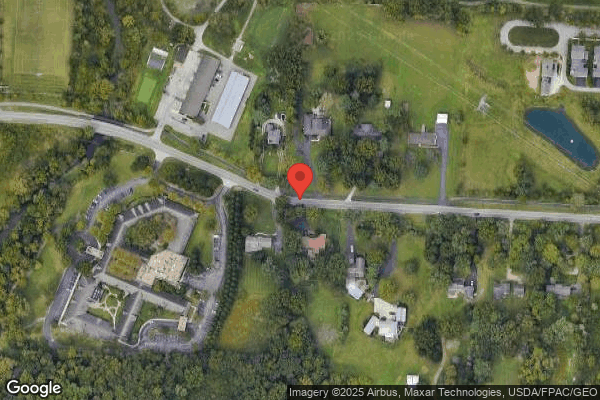
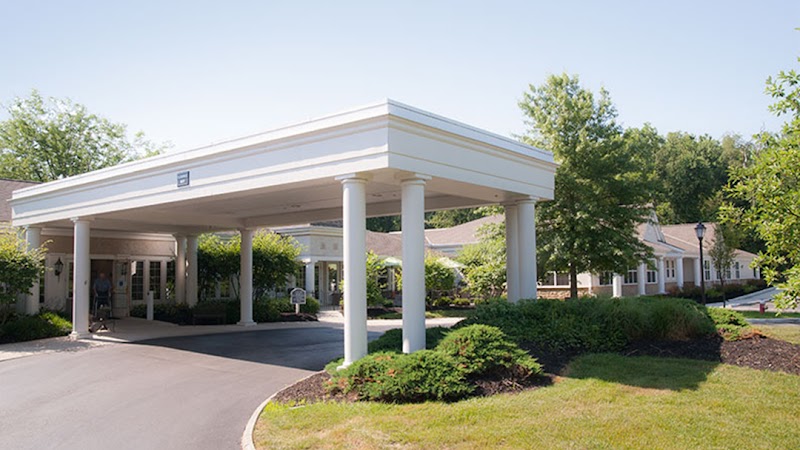
5691 THOMPSON ROAD, COLUMBUS, OH 43230 (614) 855-8866
For profit - Limited Liability company 67 Beds OPTALIS HEALTH & REHABILITATION Data: November 2025
Trust Grade
43/100
#514 of 913 in OH
Last Inspection: February 2025

Within standard 12-15 month inspection cycle. Federal law requires annual inspections.

Overview

New Albany Care Center in Columbus, Ohio has a Trust Grade of D, indicating it is below average with some significant concerns. It ranks #514 out of 913 facilities in Ohio, placing it in the bottom half, and #18 out of 56 in Franklin County, meaning there are only 17 local options considered better. The facility is worsening, with the number of issues increasing from 5 in 2024 to 12 in 2025. Staffing is average with a turnover rate of 56%, which is somewhat higher than the state average, but RN coverage is also average, suggesting that residents receive a standard level of nursing oversight. However, there are serious concerns, including incidents where a resident did not receive timely care for a drop in oxygen levels and another who fell while unattended, resulting in a head injury; these highlight critical gaps in care that families should consider.

Trust Score
D
43/100
In Ohio
#514/913
Bottom 44%
Safety Record
Moderate
Needs review
Inspections
Getting Worse
5 → 12 violations
Staff Stability
⚠ Watch
56% turnover. Above average. Higher turnover means staff may not know residents' routines.
Penalties
○ Average
$12,149 in fines. Higher than 69% of Ohio facilities. Some compliance issues.
Skilled Nurses
✓ Good
Each resident gets 51 minutes of Registered Nurse (RN) attention daily — more than average for Ohio. RNs are trained to catch health problems early.
Violations
⚠ Watch
41 deficiencies on record. Higher than average. Multiple issues found across inspections.
★★★☆☆
3.0
Overall Rating
★★★☆☆
3.0
Staff Levels
★★★★★
5.0
Care Quality
★★☆☆☆
2.0
Inspection Score
Stable
2024: 5 issues
2025: 12 issues

The Good

  • 5-Star Quality Measures · Strong clinical quality outcomes
  • Full Sprinkler Coverage · Fire safety systems throughout facility
  • No fines on record

Facility shows strength in quality measures, fire safety.

The Bad

3-Star Overall Rating

Near Ohio average (3.2)

Meets federal standards, typical of most facilities

Staff Turnover: 56%

Near Ohio avg (46%)

Frequent staff changes - ask about care continuity

Federal Fines: $12,149

Below median ($33,413)

Minor penalties assessed

Chain: OPTALIS HEALTH & REHABILITATION

Part of a multi-facility chain

Ask about local staffing decisions and management

Staff turnover is elevated (56%)

8 points above Ohio average of 48%

The Ugly 41 deficiencies on record

2 actual harm
Feb 2025 12 deficiencies
CONCERN (D)

Potential for Harm - no one hurt, but risky conditions existed

Deficiency F0558 (Tag F0558)

Could have caused harm · This affected 1 resident

Based on medical record review, resident interview, staff interview and review of the facility the facility failed to arrange transportation for scheduled medical appointments. This affected one (Resi...

Read full inspector narrative →
Based on medical record review, resident interview, staff interview and review of the facility the facility failed to arrange transportation for scheduled medical appointments. This affected one (Resident #112) of 25 sampled residents. The facility census was 61 residents. Findings include: Review of the medical record for Resident #112 revealed an admission date of 01/27/25 with diagnoses including cerebral infarction, atrial fibrillation, chronic kidney disease stage four, type two diabetes mellitus, morbid obesity, hypertension, and depression. Review of the after-visit summary for Resident #112 dated 01/27/25 revealed discharge instructions that included a scheduled appointment at the wound care center on 01/28/25 at 8:00 A.M. Interview on 02/06/25 at 9:42 A.M. with Resident #112 confirmed he was upset he missed his follow up appointment with the wound care center scheduled for 01/28/25 because the facility did not provide him with transportation to the appointment. Interview on 02/06/25 at 10:50 A.M. with the Administrator confirmed the facility had a transport van and a driver but the facility did not provide transportation to Resident #112 for his appointment at the wound care center on 01/28/25. Review of the facility policy titled Offsite Diagnostic Services Transportation dated 08/08/13 revealed the facility would assist residents in arranging transportation to and from diagnostic appointments, and that the facility's designee was responsible to arrange the transportation if necessary or requested by the resident and/or the resident representative.
CONCERN (D)

Potential for Harm - no one hurt, but risky conditions existed

Deficiency F0567 (Tag F0567)

Could have caused harm · This affected 1 resident

Based on review of resident funds accounts, staff interview, and review of the facility policy, the facility failed to obtain written authorizations to manage resident funds accounts. (Residents #123 ...

Read full inspector narrative →
Based on review of resident funds accounts, staff interview, and review of the facility policy, the facility failed to obtain written authorizations to manage resident funds accounts. (Residents #123 and #124). This affected two (Residents #123 and #124) of five residents reviewed for resident funds accounts. The facility census was 61 residents. Findings include: Review of the banking records dated 02/06/25 revealed Resident #123 had a balance of $50.04 and Resident #124 had a balance of $67.03 in the resident trust accounts. Further review of the banking records for Resident #123 and #124 revealed they did not include written authorizations for the facility to manage the residents' funds. Interview on 02/06/24 at 5:15 P.M. with the Administrator confirmed the facility had not obtained written authorizations to manage resident fund accounts for Resident #123 or Resident #124. Review of the facility policy titled Resident Trust Account-Personal Needs Allowance dated 06/28/21 revealed the facility staff would ensure all resident fund accounts would have a written authorization per the resident and/or the resident's representative allowing the facility to manage the residents' funds.
CONCERN (D)

Potential for Harm - no one hurt, but risky conditions existed

Deficiency F0569 (Tag F0569)

Could have caused harm · This affected 1 resident

Based on review of resident funds accounts, staff interview, and review of the facility policy, the facility failed to provide written notification for the need to spend down resident funds to residen...

Read full inspector narrative →
Based on review of resident funds accounts, staff interview, and review of the facility policy, the facility failed to provide written notification for the need to spend down resident funds to residents and/or resident representatives. This affected one (Resident #22) of five residents reviewed for resident fund accounts. The facility census was 61 residents. Findings include: Review of the banking records dated 02/06/25 revealed Resident #22 had a balance of $2,482.60 in the resident fund account. Further review of the account for Resident #22 revealed there was no notification to the resident and/or resident's representative the account balance had exceeded the asset limit set by Medicaid. Interview on 02/06/25 at 5:15 P.M. with the Administrator confirmed the asset limit for Medicaid recipients was $2000 and residents and/or resident representatives should be notified in writing when the balance in the resident fund account was within $200 of the asset limit. The Administrator further confirmed the facility had not notified Resident #22 of the need to spend down the resident fund account to remain eligible for Medicaid assistance. Review of the document titled Ohio Medicaid Long-Term Care Eligibility for Seniors dated 2025 revealed the asset limit was $2,000 for a single applicant. Review of the facility policy titled Resident Trust Account-Personal Needs Allowance dated 06/28/21 revealed the facility staff were responsible for notifying the resident and/or the resident's representative via certified mail if the resident fund account balance reached within $200.00 of the state limit. A written notice would be provided to any resident who received Medicaid benefits and whose funds reached within $200 of the state limit. A copy of the notice should be retained in the resident's banking records.
CONCERN (D)

Potential for Harm - no one hurt, but risky conditions existed

ADL Care (Tag F0677)

Could have caused harm · This affected 1 resident

Based on medical record review, observation, resident interview, staff interview, and review of the facility policy, the facility failed to provide assistance with bathing and shaving to dependent res...

Read full inspector narrative →
Based on medical record review, observation, resident interview, staff interview, and review of the facility policy, the facility failed to provide assistance with bathing and shaving to dependent residents. This affected one (Resident #2) of 41 facility-identified residents (#2, #4, #6, #11, #14, #20, #21, #22, #23, #24, #26, #27, #28, #29, #31, #32, #33, #34, #36, #41, #42, #43, #44, #45, #47, #48, #50, #53, #57, #61, #112, #114, #116, #119, #161, #165, #168, #170, #171, #174, #175) who required assistance with shaving. The facility census was 61 residents. Findings include: Review of the medical record for Resident #2 revealed an admission date of 11/25/15 with diagnoses including acute respiratory failure with hypoxia, acute kidney failure, chronic diastolic heart failure, hypertension, chronic obstructive pulmonary disease, chronic pain syndrome, insomnia, polyosteoarthritis and major depressive disorder. Review of Minimum Data Set (MDS) assessment for Resident #2 dated 11/11/24 revealed the resident had moderate cognitive impairment and required partial/moderate staff assistance with personal hygiene. Review of the care plan for Resident #2 dated 04/25/25 revealed the resident had an activities of daily living (ADL) self-care performance deficit related to activity intolerance, impaired balance, limited mobility, pain, and shortness of breath. Interventions included one-person assistance with personal hygiene/oral care. Observation on 02/03/25 at 1:24 P.M. revealed Resident #2 had long facial hair and dark shadowing to her upper lip. Observation on 02/05/25 at 3:02 P.M. revealed Resident #2 had long facial hair and dark shadowing to her upper lip. Interview on 02/05/24 at 3:02 P.M. with Resident #2 confirmed she would like her facial hair removed when it was visible. Interview on 02/05/25 at 3:09 P.M. with Certified Nurse Assistant (CNA) #197 confirmed Resident #2 had long facial hair. CNA #197 confirmed Resident #2 had a bath on 02/04/25, but they did not shave her face. CNA #197 confirmed staff should always ask residents if they would like their face shaved. Observation on 02/06/25 at 9:01 A.M. revealed Resident #2 had long facial hair and dark shadowing at her upper lip. Interview on 02/06/25 at 9:58 A.M. with the Director of Nursing (DON) and Administrator confirmed staff should ask all residents if they would like their face shaved when needed or residents could request to be shaved. The DON and the Administrator confirmed the facility had no records indicating that Resident #2 had been shaved recently. Review of the facility policy titled Activities of Daily Living (ADL) dated 12/07/23 revealed residents would be provided with care, treatment, and services as appropriate. Daily personal needs included bathing, dressing, grooming, toileting, and oral care.
CONCERN (D)

Potential for Harm - no one hurt, but risky conditions existed

Deficiency F0685 (Tag F0685)

Could have caused harm · This affected 1 resident

Based on medical record review, observation, resident interview, staff interview, and review of the facility policy, the facility staff failed to ensure residents received the proper treatment and ass...

Read full inspector narrative →
Based on medical record review, observation, resident interview, staff interview, and review of the facility policy, the facility staff failed to ensure residents received the proper treatment and assistive devices to maintain hearing. This affected two (Residents #15 and #48) of two residents reviewed for hearing. The facility census was 61 residents. Findings include: 1. Review of the medical record for Resident #15 revealed an admission date of 12/19/23 with diagnoses including depression, endometrial hyperplasia, anxiety disorder, dysphagia, anemia, pulmonary embolism, type two diabetes mellitus, disorders of the pituitary gland, and unspecified hearing loss. Observation on 02/03/25 at 12:57 P.M. revealed Resident #15 was unable to adequately hear conversations unless parties who were speaking spoke close to her ears. Interview on 02/03/25 at 12:57 P.M. with Resident #15 confirmed her hearing aids had been lost from her bedside table approximately two years ago. The facility staff was notified, but the hearing aids were never found. Observation on 02/03/25 at 1:26 P.M. revealed Registered Nurse (RN) #119 administered medication to Resident #15 at the bedside. RN #119 spoke loudly and had to repeat instructions during the medication pass and had to lean over the bed and speak the information directly into Resident #15's left ear. Interview on 02/03/25 at 1:26 P.M. with RN #119 confirmed Resident #15 was extremely hard of hearing and sometimes reads lips. RN #119 stated she had not seen Resident #15 with hearing aids for at least a year, and if the facility couldn't find the hearing aids, the facility should replace the hearing aids. Interview on 02/03/24 at 2:39 P.M. with the Administrator confirmed that the facility would attempt to locate the hearing aids for Resident #15, and if not found, the facility should replace the hearing aids. 2. Review of the medical record for Resident #48 revealed an admission date of 09/16/22 with diagnoses including profound hearing loss in both ears, schizophrenia, mood affective disorder, and personality disorder. Review of the MDS assessment for Resident #48 dated 07/28/23 revealed the resident's hearing was highly impaired. Review of the audiology report for Resident # 48 dated 09/20/23 revealed the resident was a candidate for a cochlear implant, an electronic medical device that could improve hearing and speech perception in individuals who did not benefit from traditional hearing aids. Review of the therapy progress note for Resident #48 dated 09/11/24 revealed the resident missed having conversations with people, had inquired about hearing aids, and was still awaiting a response from the facility. Interview on 02/05/25 at 10:05 A.M with Resident #48 confirmed she had requested information about obtaining hearing aids. Resident #48 confirmed staff had discussed the possibility of a cochlear implant. Interview on 02/06/25 at 12:29 P.M. with Licensed Social Worker (LSW) #120 confirmed Resident #48 was not a candidate for hearing aids due to congenital deafness. LSW #120 confirmed the facility had no documentation the facility had discussed cochlear implants with Resident #48. Review of the facility policy titled Ancillary-Additional Services and Fees dated 02/14/13 revealed the facility would provide appropriate hearing services to residents.
CONCERN (D)

Potential for Harm - no one hurt, but risky conditions existed

Pressure Ulcer Prevention (Tag F0686)

Could have caused harm · This affected 1 resident

**NOTE- TERMS IN BRACKETS HAVE BEEN EDITED TO PROTECT CONFIDENTIALITY** Based on medical record review, observation, resident representative interview, resident interview, staff interview, and review ...

Read full inspector narrative →
**NOTE- TERMS IN BRACKETS HAVE BEEN EDITED TO PROTECT CONFIDENTIALITY** Based on medical record review, observation, resident representative interview, resident interview, staff interview, and review of the facility policy, the facility failed to pressure ulcer interventions were implmented for residents with pressure ulcers. This affected one (Residents #25 ) of five residents reviewed for pressure ulcers. The facility census was 61 residents. Findings include: Review of the medical record for Resident #25 revealed an initial admission date on 01/03/25 and a readmission date on 02/02/25 with diagnoses including type two diabetes mellitus without complications, acute on chronic diastolic (congestive) heart failure, neuromuscular dysfunction of bladder, and morbid obesity. Resident #25 was hospitalized from [DATE] to 02/02/25. Review of the Minimum Data Set (MDS) assessment for Resident #25 dated 01/10/25 revealed the resident had intact cognition, required staff assistance with activities of daily living (ADLs), and had no pressure ulcers. Review of the care plan for Resident #25 dated 01/20/25 revealed the resident had an actual pressure injury to the coccyx noted 01/20/25. Interventions included adding a low air loss mattress to the resident's bed. Review of the physician's orders for Resident #25 revealed an order dated 01/24/25 for an air mattress to the resident's bed which was discontinued 01/30/25 the day after the resident was hospitalized . Review of the readmission physician's orders for Resident #25 dated 02/05/25 revealed an order to cleanse the coccyx wound with normal saline and pat dry and cover with calcium alginate and a foam dressing daily. There was no order for an air mattress upon readmission. Observations on 02/04/25 at 9:26 A.M. and 02/05/25 at 2:42 P.M. revealed Resident #25 did not have a low air loss mattress in place. Interview on 02/05/25 at 2:14 P.M. via telephone with Resident #25's representative confirmed Resident #25 had an open wound on his coccyx area. The resident's representative stated the resident had been laying on an air mattress prior to being hospitalized and did have an air mattress during his hospitalization. Resident #25's representative confirmed Resident #25 had not received an air mattress again since he returned to the facility. Interview on 02/05/25 at 2:42 P.M. with Resident #25 confirmed he had an air mattress at the facility prior to being hospitalized but he had not had an air mattress since he returned to the facility. Resident #25 stated he was on an air mattress during his hospitalization. Interview on 02/05/25 at 2:44 P.M. with Unit Manager (UM) #148 confirmed Resident #25 was not on an air mattress. UM #148 confirmed Resident #25 had an air mattress prior to going out to the hospital due to having an open wound on his coccyx area but the facility had not initiated an order for an air mattress since Resident #25 returned to the facility. Interview on 02/05/25 at 2:47 P.M. Licensed Practical Nurse (LPN) #192 confirmed Resident #25 had an order for an air mattress prior to being hospitalized and had an open pressure ulcer to his coccyx area with an active wound treatment in place. LPN #192 confirmed Resident #25 should have an air mattress to help prevent the pressure ulcer from worsening. Review of the facility policy titled Skin and Wound Guidelines revised 03/20/24 revealed the facility would implement individual interventions to reduce the resident's risk for new or worsening skin breakdown.
CONCERN (D)

Potential for Harm - no one hurt, but risky conditions existed

Respiratory Care (Tag F0695)

Could have caused harm · This affected 1 resident

Based on medical record review, observation, and staff interviews, the facility failed to ensure oxygen was administered according to physician orders. This affected one resident (Resident #45) of two...

Read full inspector narrative →
Based on medical record review, observation, and staff interviews, the facility failed to ensure oxygen was administered according to physician orders. This affected one resident (Resident #45) of two residents reviewed for oxygen administration. The facility identified 13 residents (#2, #28, #34, #41, #44, #45, #121, #122, #162, #165, #170, #173, #174) who were receiving oxygen. The facility census was 61 residents. Findings include: Review of the medical record for Resident #45 revealed an admission date of 2/6/24 with diagnoses including chronic idiopathic constipation, hypertension, type two diabetes mellitus, dementia, osteomyelitis, occlusion and stenosis of bilateral carotid arteries, and respiratory failure. Review of Minimum Data Set (MDS) assessment for Resident #45 dated 01/20/25 revealed the resident was severely cognitively impaired and received oxygen therapy. Review of physician's orders for Resident #45 revealed an order dated 01/31/24 for humidified oxygen via nasal cannula at three liters per minute (LPM). Review of the care plan for Resident #45 dated 09/13/24 revealed the resident had a diagnosis of respiratory failure. Interventions included the following: monitor for signs or symptoms of respiratory distress or abnormal breathing patterns and report to the physician, administer oxygen via nasal cannula at three LPM. Observation on 02/04/25 at 4:41 P.M. revealed Resident #45's oxygen was set at 3.5 LPM. Observation on 02/05/25 at 11:14 A.M. revealed Resident #45's oxygen was set at 5.0 LPM. Observation on 02/05/25 at 3:04 P.M. revealed Resident #45's oxygen was at 5.0 LPM. Interview on 02/05/25 at 3:07 P.M. with Licensed Practical Nurse (LPN) #180 confirmed Resident #45's oxygen was incorrectly set at 5.0 LPM and should be set at 3.0 LPM. LPN #180 confirmed the oxygen setting may have been accidentally adjusted by a visitor or knocked out of place. LPN #180 relocated the unit to prevent accidental increases in oxygen level. Review of facility policy titled Administration of Oxygen dated 09/25/13 revealed the facility would manage residents utilizing oxygen according to physician orders and clinical best practices.
CONCERN (D)

Potential for Harm - no one hurt, but risky conditions existed

Drug Regimen Review (Tag F0756)

Could have caused harm · This affected 1 resident

Based on medical records review staff interview the facility failed to respond in a timely manner to consultant pharmacist recommendations. This affected one (Resident #42) of five residents reviewed ...

Read full inspector narrative →
Based on medical records review staff interview the facility failed to respond in a timely manner to consultant pharmacist recommendations. This affected one (Resident #42) of five residents reviewed for unnecessary medications. The facility census was 61 residents. Findings include: Review of the medical record for Resident #42 revealed an admission date of 12/09/22 with diagnoses including paraplegia, congestive heart failure, type two diabetes mellitus, hypothyroidism, bipolar disorder, depression, and sleep apnea. Review of the drug regimen review per the consultant pharmacist for Resident #42 dated 12/19/24 revealed a recommendation to reduce the anticoagulant, Eliquis, for the resident from 5 milligrams (mg) two times a day to 2.5 mg two times a day. The recommendation was not addressed until 02/06/25. Interview on 02/06/25 at 1:22 P.M. with the Regional Clinical Services Director (RCSD) confirmed that the facility missed the recommendation in December 2024 and had not addressed the recommendation for Resident #42 with the nurse practitioner until 02/06/25.
CONCERN (D)

Potential for Harm - no one hurt, but risky conditions existed

Deficiency F0760 (Tag F0760)

Could have caused harm · This affected 1 resident

**NOTE- TERMS IN BRACKETS HAVE BEEN EDITED TO PROTECT CONFIDENTIALITY** Based on medical record review, staff interview, and review of the facility policy, the facility staff failed to ensure resident...

Read full inspector narrative →
**NOTE- TERMS IN BRACKETS HAVE BEEN EDITED TO PROTECT CONFIDENTIALITY** Based on medical record review, staff interview, and review of the facility policy, the facility staff failed to ensure residents were free from significant medication errors. This affected one (Residents #48) of five residents reviewed for unnecessary medications. The facility census was 61 residents. Findings include: Review of the medical record for Resident #10 revealed an admission date on 11/18/24 with diagnoses including type two diabetes mellitus, diastolic (congestive) heart failure, chronic kidney disease stage three, anxiety disorder, and essential primary hypertension. Resident #10 was discharged [DATE] and readmitted [DATE]. Review of the Minimum Data Set (MDS) assessment for Resident #10 dated 11/25/24 revealed the resident had intact cognition and required staff assistance with activities of daily living (ADLs). Review of the physician's orders for Resident #10 revealed an order dated 11/19/24 for clonidine 0.1 milligrams (mg) one tablet by mouth daily for a systolic blood pressure greater than 160. Review of the blood pressure record for Resident #10 revealed the resident had a systolic blood pressure greater than 160 on the following dates: 11/26/24, 11/28/24, 12/01/24, 12/02/24, 12/06/24, and 12/17/24. Review of the Medication Administration Records (MARs) for Resident #10 dated November and December 2024 revealed the resident did not receive clonidine on the following dates: 11/26/24, 11/28/24, 12/01/24, 12/02/24, 12/06/24, and 12/17/24. Interview on 02/06/25 at 2:20 P.M. with Regional Nurse (RGN) #500 confirmed Resident #10 had not received clonidine on 11/26/24, 11/28/24, 12/01/24, 12/02/24, 12/06/24, and 12/17/24 even though the resident's systolic blood pressure was over 160 and the resident should have received the medication. Review of the facility policy titled Medication Administration dated 08/07/23 revealed the facility staff should administer medication in accordance with frequency prescribed by physician and per acceptable standards of practice.
CONCERN (D)

Potential for Harm - no one hurt, but risky conditions existed

Deficiency F0805 (Tag F0805)

Could have caused harm · This affected 1 resident

Based on observation, staff interview, and review of the facility policy, the facility failed to ensure kitchen staff blended pureed food to an appropriate texture prior to serving to the residents. T...

Read full inspector narrative →
Based on observation, staff interview, and review of the facility policy, the facility failed to ensure kitchen staff blended pureed food to an appropriate texture prior to serving to the residents. This affected two residents (Residents #32 and #33) of two residents with orders for a pureed diet. The facility census was 61 residents. Findings include: Observation on 02/06/25 at 10:30 A.M. of pureed food preparation per [NAME] #188 revealed the cook confirmed she would be making two servings of pureed lasagna. [NAME] #188 added two scoops of lasagna, one-quarter cup of water, and two plastic spoonfuls of thickener to the blender and started blending. At 10:38 A.M. [NAME] #188 stopped the blender, used a clean spatula to scrape the sides down and confirmed she felt the lasagna was an appropriate texture to serve to the residents. [NAME] #188 plated the pureed lasagna onto two plates and did not taste the food prior to plating it for resident consumption. Interview on 02/06/25 at 10:38 A.M. with [NAME] #188 confirmed the lasagna was ready to serve to the residents. Observation on 02/06/25 at 10:40 A.M. revealed the Surveyor tasted the pureed lasagna with a clean spoon and noted there were lumps of ground meat in the lasagna. Observation on 02/06/25 at 10:41 A.M. revealed Chef #166 tasted the pureed lasagna with a clean spoon. Interview on 02/06/25 at 10:41 A.M. with Chef #166 confirmed the pureed lasagna was not an appropriate texture to serve to the residents and directed [NAME] #188 to place the lasagna back into the blender to blend further prior to serving to the residents. Review of the facility policy titled Step by Step Guide to Puree Foods undated revealed staff should blend the food until it was formed into a pudding like or mashed potato consistency. Staff should taste the finished product using clean plastic spoons to assure the food was smooth prior to serving to the residents.
CONCERN (D)

Potential for Harm - no one hurt, but risky conditions existed

Infection Control (Tag F0880)

Could have caused harm · This affected 1 resident

Based on observation, staff interview, and record review the facility failed to ensure that residents who were at risk for developing multidrug-resistant organisms (MDRO) were placed in enhanced barri...

Read full inspector narrative →
Based on observation, staff interview, and record review the facility failed to ensure that residents who were at risk for developing multidrug-resistant organisms (MDRO) were placed in enhanced barrier precautions (EBP) per facility policy. This affected one (Resident #57) of 23 residents reviewed for EBP. The facility census was 61 residents. Findings include: Review of the medical record for Resident #57 revealed an admission date of 01/02/25 with diagnoses including sepsis, protein-calorie malnutrition and gastroesophageal reflux disease. Observation on 02/05/25 at 11:18 A.M. of Resident #57's room revealed there was no signage indicating the resident was on EBP nor was there personal protective equipment (PPE) outside or in the vicinity of the resident's room. Review of the physician's orders for Resident #57 dated February 2025 revealed the resident had wound care orders for an unstageable pressure wound to the left buttock. Interview on 02/05/25 at 11:32 A.M. with Unit Manager (UM) #148 confirmed that Resident #57 had an unstageable pressure ulcer which required the resident to be placed on EBP per facility policy. UM #148 stated that the order was erroneously discontinued, and Resident #57 should have been on EBP and had appropriate signage on the door to alert staff and visitors and PPE should have been available outside the resident's room. Review of the facility's policy titled Enhanced Barrier Precautions dated 03/28/24 revealed that EBP was an infection control intervention designed to reduce the transmission of MDROs. EBP involved gown and glove use during high-contact resident activities for residents with colonized MDRO infections or residents at increased risk of developing MDRO infections such as those with open wounds.
CONCERN (F)

Potential for Harm - no one hurt, but risky conditions existed

Food Safety (Tag F0812)

Could have caused harm · This affected most or all residents

Based on observation, staff interview, and review of the facility policy, the facility failed to properly store and date food items in the kitchen. This had the potential to affect 60 of 61 residents ...

Read full inspector narrative →
Based on observation, staff interview, and review of the facility policy, the facility failed to properly store and date food items in the kitchen. This had the potential to affect 60 of 61 residents who resided in the facility who received foods prepared in the facility kitchen. The facility identified (Resident #45) who had an ordered was ordered a nothing by mouth diet. Findings include: Observation on 02/03/25 at 11:38 A.M. revealed there was an opened undated package of cherry gelatin powder wrapped in clear cellophane and placed in a plastic bag in the dry storage area. Observation on 02/03/25 at 11:44 A.M. revealed the following items were being stored in the refrigerator: a large metal tray of cooked roast beef uncovered and exposed to the air, a large metal tray of chicken with another metal tray that did not fully cover the kitchen and left it exposed to the air, a plastic bucket of scrambled eggs uncovered and exposed to the air. Observation on 02/03/25 at 11:52 A.M. revealed there was a large bag of opened undated onion rings in the freezer. Interview on 02/03/25 at 11:55 A.M. with Dining Services Manager (DSM) #157 confirmed the gelatin powder in the dry storage area and the onion rings in the freezer were opened and undated and food items should be dated upon opening. Further interview with DSM #157 confirmed the roast beef, chicken, and eggs in the refrigerator were not covered and foods should not be exposed to air during storage. Review of the facility policy titled Food Storage Guidelines dated 02/02/11 revealed cereal products, flour, sugar and broken lots of bulk foods were to be stored in plastic containers with tight fitting covers. All containers must be labeled and dated. All stock must be rotated and properly dated with each new order received. Old stock was always used first. All refrigerated and frozen foods should be covered, labeled and dated.
Dec 2024 3 deficiencies 1 Harm
SERIOUS (G) 📢 Someone Reported This

A family member, employee, or ombudsman was alarmed enough to file a formal complaint

Actual Harm - a resident was hurt due to facility failures

Quality of Care (Tag F0684)

A resident was harmed · This affected 1 resident

**NOTE- TERMS IN BRACKETS HAVE BEEN EDITED TO PROTECT CONFIDENTIALITY** Based on closed medical record review, staff interview, and facility policy review, the facility failed to provide timely, adequ...

Read full inspector narrative →
**NOTE- TERMS IN BRACKETS HAVE BEEN EDITED TO PROTECT CONFIDENTIALITY** Based on closed medical record review, staff interview, and facility policy review, the facility failed to provide timely, adequate and necessary care, monitoring and treatment for Resident #62 who exhibited an acute change in condition. Actual harm occurred on 12/10/24 when Resident #62, who had an order for continuous use of oxygen, was noted to have an acute change in condition (decreased oxygen saturation levels and increased confusion) throughout the night that was not timely monitored or treated. In addition, there was no evidence the change in condition was reported timely to the physician. Per a facility fall investigation, on 12/10/24 at 5:45 A.M. the resident sustained an unwitnessed fall out of bed with low documented oxygen saturation levels. The resident was subsequently transported to the emergency room with a critically low oxygen saturation level of 64%. This affected one resident (#62) of three residents reviewed for change in condition. The census was 57. Findings Include: Review of Resident #62's closed medical record revealed an admission date of 12/02/24. Medical diagnoses included congestive heart failure, constipation, disorder of muscle, cognitive communication deficit, dilated cardiomyopathy, pleural effusion, hyperkalemia, acute kidney failure, chronic kidney disease, atrial fibrillation, major depressive disorder, insomnia, hypo-osmolality and hyponatremia, atherosclerotic heart disease, hypertension, peripheral vascular disease, anemia, type II diabetes, and personal history of pulmonary embolism. Review of Resident #62's Minimum Data Set (MDS) assessment dated [DATE] revealed the resident had a mild cognitive impairment. Review of Resident #62's plan of care revealed she was at risk for respiratory complications related to her diagnosis of congestive heart failure, pleural effusion, and acute respiratory failure among other chronic health issues. Interventions for this care area included to administer oxygen as ordered by the physician, monitor and report to the physician any signs or symptoms of cardiovascular and/or respiratory complications such as shortness of breath, and obtain vital signs and notify physician as needed. Review of Resident #62's Fall Investigation form, dated 12/10/24, revealed the resident sustained a fall on 12/10/24 at 5:45 A.M. The resident was found on the floor, next to her bed, without her oxygen cannula. Her vital signs were taken, and her oxygen saturation levels were between 88% and 90%. The resident had no injuries and was placed back into her bed. Due to the fall being unwitnessed, the facility started neurological checks. An evaluation statement of the fall revealed the following: resident was noted to have decreased oxygen saturations throughout the night and increased confusion. Staff reported to spend majority of the night in the resident's room with the resident to ensure safety and to ensure the resident kept her oxygen nasal cannula on. Resident was documented as impulsive at times. Resident #62 was sent out to the hospital due to increased confusion and decreased oxygen saturations. Review of Resident #62's Neurological Evaluation Flowsheet, dated 12/10/24, revealed the following vital signs and checks were completed: level of consciousness, eye response, motor movement, communication/verbal responses, blood pressure, temperature, and respiration rate. Her oxygen saturation levels were not documented. Also, the documentation on the form confirmed the resident was confused at every monitoring time after the fall, until she was sent to the hospital. Review of Resident #62's progress note, dated 12/10/24, revealed the nurse entered her room at 7:00 A.M. Resident was noted to have labored breathing and pulse oxygen level was at 62%. Her lungs were moist in all fields. The physician was notified and the resident was transferred to the emergency room. Review of Resident #62's vital sign records, dated 12/09/24 to 12/10/24, revealed on 12/09/24 at 11:37 A.M. the resident's oxygen saturation was documented to be 94%, on 12/10/24 at 5:09 P.M. 94%, and 12/10/24 at 12:30 P.M. 64%. Further documentation provided by the facility revealed the oxygen saturation (pulse oximetry) level documented on 12/10/24 at 12:30 P.M. was actually obtained on 12/10/24 at 7:00 A.M. but documented as a late entry. Record review no evidence the resident's oxygen level was documented between 12/09/24 at 11:37 A.M. and 12/10/24 at 5:09 A.M. to show the resident was assessed/monitored and/or that her oxygen saturation levels were checked, even though there was documentation to indicate the resident had decreased oxygen saturation levels throughout the night of 12/10/24. Interviews with Certified Nursing Aide (CNA) #101 and Registered Nurse (RN) #102 on 12/17/24 at 12:45 P.M. and 1:00 P.M. revealed if a resident removed their oxygen cannula, and they appeared to be short of breath or their vital signs decrease, they would replace the oxygen cannula and then monitor the resident's oxygen saturation levels until they became appropriate and stable. Both staff during interview revealed they would check on the resident every 15 to 30 minutes until the resident's vital signs became stable. They also confirmed they would document the vital signs, including the oxygen saturation levels, in the resident's medical records to confirm they were monitoring the change in condition. Interview with the Director of Nursing (DON) on 12/17/24 at 1:15 P.M. revealed low oxygen saturation levels that would need to be addressed immediately would be any level below 90%. The DON confirmed Resident #62's oxygen saturation levels when she fell on [DATE] at 5:45 A.M. were between 88% and 90%, which she confirmed was deemed to be low. She confirmed there was no documentation during the overnight shift of 12/10/24 about Resident #62's oxygen saturation levels even though there was documentation within the fall investigation document from 12/10/24 that reflected Resident #62's oxygen saturation levels were decreased overnight, and her confusion was increased. The DON confirmed there was no documentation to support the physician was notified when the change in Resident #62's condition was first noted during the overnight shift of 12/10/24 (prior to the resident's fall). The DON also confirmed there was no documented evidence to indicate Resident #62 had a behavior of removing her oxygen cannula. Interview with Licensed Practical Nurse (LPN) #103 on 12/17/24 at 1:30 P.M. revealed Resident #62 had continued to take her oxygen cannula off during the night shift of 12/10/24. She confirmed she did not document these behaviors during that time. The LPN also indicated she reported Resident #62 was having decreased oxygen saturation levels and increased confusing during the night, which she thought was primarily because the resident was removing her oxygen cannula. The LPN confirmed she did not document or report what the resident's oxygen saturation levels were, only that she was short of breath and naturally confused because she took her oxygen cannula off. The LPN revealed she increased her observations of Resident #62 that night and checked on her about once an hour. However, she confirmed she did not contact the physician about the resident's change in condition/decreased oxygen saturation levels and increased confusion until her oxygen saturation levels reached 64% at approximately 7:00 A.M., with was an hour and 15 minutes after the resident sustained a from bed. Interview with the DON on 12/17/24 at approximately 2:00 P.M. revealed Resident #62 was admitted to the hospital with a diagnosis of SARS CoV-2 (COVID-19) pneumonia. Review of facility Change in Condition policy, dated 08/09/23, revealed the nurse would notify the resident, the resident's physician/practitioner, and the resident's designated representative of changes in the resident's medical/mental condition and/or status. The nurse would notify when the following occur: an accident or incident involving the resident which results in an injury and has the potential for requiring physician/practitioner intervention. The nurse will document in the resident's medical record information relative to the resident's change in medical/mental condition or status. This deficiency represents non-compliance investigated under Complaint Number OH00160665.
CONCERN (D) 📢 Someone Reported This

A family member, employee, or ombudsman was alarmed enough to file a formal complaint

Potential for Harm - no one hurt, but risky conditions existed

Notification of Changes (Tag F0580)

Could have caused harm · This affected 1 resident

**NOTE- TERMS IN BRACKETS HAVE BEEN EDITED TO PROTECT CONFIDENTIALITY** Based on medical record review, staff interview, and facility policy review, the facility failed to notify the physician and res...

Read full inspector narrative →
**NOTE- TERMS IN BRACKETS HAVE BEEN EDITED TO PROTECT CONFIDENTIALITY** Based on medical record review, staff interview, and facility policy review, the facility failed to notify the physician and resident representative of a change in resident condition, in a timely manner. This affected one (Resident #62) of three residents reviewed for change in condition. Findings Include: Record review revealed Resident #62 was admitted to the facility on [DATE] with diagnoses including congestive heart failure, constipation, disorder of muscle, cognitive communication deficit, dilated cardiomyopathy, pleural effusion, hyperkalemia, acute kidney failure, chronic kidney disease, atrial fibrillation, major depressive disorder, insomnia, hypo-osmolality and hyponatremia, atherosclerotic heart disease, hypertension, peripheral vascular disease, anemia, type II diabetes, and personal history of pulmonary embolism. Review of Resident #62's Minimum Data Set (MDS) assessment dated [DATE] revealed she had a mild cognitive impairment. Review of Resident #62's plan of care revealed she was at risk for respiratory complications related to her diagnoses of congestive heart failure, pleural effusion, and acute respiratory failure among other chronic health issues. Interventions for this care area included obtaining vital signs and notify physician as needed. Review of Resident #62's Fall Investigation form, dated 12/10/24, revealed she fell on [DATE] at 5:45 A.M. She was found on the floor, next to her bed, without her oxygen cannula. Her vital signs were taken and her oxygen saturation levels were between 88% and 90%. She had no injuries and was placed back into her bed. Because it was an unwitnessed fall, the facility started neurological checks. Evaluation statement of the fall revealed the following: resident was noted to have decreased oxygen saturation throughout the night and increased confusion. Staff reported to spend majority of the night in room with resident to ensure safety and keep oxygen on. Resident was impulsive at times. She was sent out to the hospital due to increased confusion and decreased oxygen saturation. There was no documentation to support the physician or resident representative were notified of the fall when it occurred, and were not notified of the decrease in oxygen saturation levels and increase confusion which were noted throughout the night of 12/10/24; prior to the fall. Review of Resident #62 progress notes, dated 12/09/24 to 12/10/24, revealed there was no documentation in the progress notes to support the physician and resident representative were notified of her decrease oxygen saturation levels and increased confusion during the night, and the fall that occurred on 12/10/24 at 5:45 A.M. Interview with the Director of Nursing (DON) on 12/17/24 at 1:15 P.M. confirmed there was no documentation to support the physician and resident representative were notified of the increased confusion and the decrease oxygen saturation levels, and there was no documentation the physician and resident representative were notified of the fall that occurred until she went to the hospital approximately 90 minutes after the fall and she had another change of condition. Interview with Licensed Practical Nurse (LPN) #103 on 12/17/24 at 1:30 P.M. confirmed she did not contact the physician about her decreased oxygen saturation levels and increased confusion until her oxygen saturation levels reached 64% at approximately 7:00 A.M., with was an hour and 15 minutes after her fall from bed. Review of facility Change in Condition policy, dated 08/09/23, revealed the nurse will notify the resident, the resident's physician/practitioner, and the resident's designated representative of changes in the resident's medical/mental condition and/or status. The nurse will notify when the following occur: an accident or incident involving the resident which results in an injury and has the potential for requiring physician/practitioner intervention. The nurse will document in the resident's medical record information relative to the resident's change in medical/mental condition or status. This deficiency represents non-compliance investigated under Complaint Number OH00160665.
CONCERN (D) 📢 Someone Reported This

A family member, employee, or ombudsman was alarmed enough to file a formal complaint

Potential for Harm - no one hurt, but risky conditions existed

Medical Records (Tag F0842)

Could have caused harm · This affected 1 resident

**NOTE- TERMS IN BRACKETS HAVE BEEN EDITED TO PROTECT CONFIDENTIALITY** Based on medical record review and staff interview, the facility failed to maintain a complete medical record regarding resident...

Read full inspector narrative →
**NOTE- TERMS IN BRACKETS HAVE BEEN EDITED TO PROTECT CONFIDENTIALITY** Based on medical record review and staff interview, the facility failed to maintain a complete medical record regarding resident changes of condition that occurred. This affected one (Resident #62) of three residents reviewed for change in condition. Findings Include: Record review revealed Resident #62 was admitted to the facility on [DATE] with diagnoses including congestive heart failure, constipation, disorder of muscle, cognitive communication deficit, dilated cardiomyopathy, pleural effusion, hyperkalemia, acute kidney failure, chronic kidney disease, atrial fibrillation, major depressive disorder, insomnia, hypo-osmolality and hyponatremia, atherosclerotic heart disease, hypertension, peripheral vascular disease, anemia, type II diabetes, and personal history of pulmonary embolism. Review of Resident #62's Minimum Data Set (MDS) assessment dated [DATE] revealed she had a mild cognitive impairment. Review of Resident #62's Fall Investigation form, dated 12/10/24, revealed she fell on [DATE] at 5:45 A.M. She was found on the floor, next to her bed, without her oxygen cannula. Her vital signs were taken and her oxygen saturation levels were between 88% and 90%. She had no injuries and was placed back into her bed. Because it was an unwitnessed fall, the facility started neurological checks. Evaluation statement of the fall revealed the following: resident was noted to have decreased oxygen saturation throughout the night and increased confusion. Staff reported to spend majority of the night in room with resident to ensure safety and keep oxygen on. Resident was impulsive at times. She was sent out to the hospital due to increased confusion and decreased oxygen saturation. There was no documentation to support the physician or resident representative were notified of the fall when it occurred, and no documentation the physician and resident representative were not notified of the decrease in oxygen saturation levels and increase confusion which were noted throughout the night of 12/10/24; prior to the fall. Review of Resident #62's progress notes, dated 12/09/24 to 12/10/24, revealed there was no documentation of Resident #62's fall in the medical records; the only documentation of the fall was listed in the facility's incident report record. Also, there was no documentation to support monitoring of Resident #62's decrease in oxygen saturation levels and increased confusion were completed. Review of Resident #62's vital signs documentation, dated 12/09/24 to 12/10/24, revealed there was no documentation of oxygen saturation levels between 12/09/24 at 11:37 A.M. and 12/10/24 at 5:09 A.M. There should have been documentation of those vital signs due to the nurse documenting in the fall incident report that Resident #62 was having decreased oxygen saturation levels and increased confusion throughout the night of 12/10/24. Interview with the Director of Nursing (DON) on 12/17/24 at 1:15 P.M. confirmed there was no documentation to support the physician and resident representative were notified of the increased confusion and the decrease oxygen saturation levels. She confirmed when there are changes in condition, there should be documentation in the resident's medical record to support that. Also, she confirmed there was no documentation to support the alleged on-going monitoring of Resident #62 decreased oxygen saturation levels and increase confusion. Finally, she confirmed there was nothing in Resident #62's medical records regarding her fall and post fall evaluations; the incident report was not readily available to anyone who wanted to review her medical records. Interview with Licensed Practical Nurse (LPN) #103 on 12/17/24 at 1:30 P.M. confirmed she did not document the oxygen saturation levels or monitoring of increased confusion for Resident #62. She also confirmed she did not complete a progress note for her fall, that occurred on 12/10/24 at 5:45 A.M. This deficiency represents non-compliance investigated under Complaint Number OH00160665.
Nov 2024 1 deficiency 1 Harm
SERIOUS (G) 📢 Someone Reported This

A family member, employee, or ombudsman was alarmed enough to file a formal complaint

Actual Harm - a resident was hurt due to facility failures

Accident Prevention (Tag F0689)

A resident was harmed · This affected 1 resident

**NOTE- TERMS IN BRACKETS HAVE BEEN EDITED TO PROTECT CONFIDENTIALITY** Based on medical record review, facility investigation review, staff interview, and review of the facility fall management guide...

Read full inspector narrative →
**NOTE- TERMS IN BRACKETS HAVE BEEN EDITED TO PROTECT CONFIDENTIALITY** Based on medical record review, facility investigation review, staff interview, and review of the facility fall management guide the facility failed to ensure Resident #25 was provided adequate assistance and supervision during the provision of personal care to prevent a fall with injury. Actual harm occurred on 10/23/24 when Resident #25, who had cognitive impairment and required staff assistance for personal care including toileting sustained a fall in the bathroom after being left on the toilet unattended. The resident was assessed to have a laceration to the head (as a result of the fall) and was transported to the hospital where she was admitted and received 15 sutures to the area. The resident was hospitalized from [DATE] until 10/28/24. This affected one resident (#25) of three residents reviewed for accidents. The census was 59. Findings Include: Record review revealed Resident #25 was admitted to the facility on [DATE] with diagnoses including laceration to scalp, muscle weakness, hyperlipidemia, anemia, dementia, atrial fibrillation, pain, vitamin B12 deficiency, vitamin D deficiency, hypertension, history of falling (02/21/19), and personal history of transient ischemic attack and cerebral infarction without residual deficits. Review of Resident #25's Minimum Data Set (MDS) assessment dated [DATE] revealed the resident exhibited cognitive impairment and required partial/moderate (staff) assistance for toilet use. Review of Resident #25's current care plan revealed the resident was at risk for falls and potential injuries. In addition, review of the plan of care revealed the resident had an activity of daily living (ADL) self-care deficit with an intervention to have one person assistance while using the bathroom/toilet. Review of Resident #25's progress note dated 10/23/24, revealed the nurse found Resident #25 lying on the bathroom floor with blood coming from her head. Emergency medical services (EMS) were called, and the resident was taken to the emergency room for evaluation. Review of Resident #25's progress note dated 10/28/24 revealed the resident returned from the hospital with 15 sutures to the right side of her head as a result of the fall on 10/23/24. Review of a facility self-reported incident (SRI), tracking number 253458 and facility investigation documents, dated 10/29/24, revealed Resident #25 was found in the bathroom (by herself) by Certified Nursing Assistant (CNA) #101 the evening of 10/23/24. The facility information included Resident #25 asked for privacy while she was going to the bathroom, so CNA #101 left the room to get incontinence care items to assist Resident #25 when she was finished toileting. After leaving the room, Resident #25's roommate yelled to state Resident #25 fell in the bathroom. Staff immediately went back in and found Resident #25 on the floor with blood coming from the right side of her head. EMS were called and the resident remained in the hospital for approximately five days. Review of the MDS assessment dated [DATE] revealed the resident had severe cognitive impairment. Interview with the Director of Nursing (DON) on 11/20/24 at 12:30 P.M. and 1:55 P.M. revealed any resident who was deemed to be confused and/or a fall risk, was not to be left alone while in the bathroom. She confirmed a resident is deemed to be confused when they have a Brief Interview for Mental Status (BIMS) score of 12 or less out of a potential total score of 15. She confirmed Resident #25's BIMS score was five, which identified the resident exhibited confusion. The DON also confirmed Resident #25 was assessed to be a fall risk, because she had a care plan for the possibility of falling. Interview with Corporate MDS Nurse #102 on 11/20/24 at 1:10 P.M. confirmed if a resident was assessed/deemed to require one person assistance for toilet use via their MDS assessment, staff should not leave the resident on the toilet alone. Interviews with CNA #103, Licensed Practical Nurse (LPN) #104, and CNA #105 on 11/20/24 at 1:25 P.M. and 1:31 P.M. confirmed if a resident was at risk for falls, staff were not to leave the room if a resident was using the bathroom. If the resident asked for privacy, they were to go outside of the bathroom door, remain in the resident's room, and leave the bathroom door cracked so they could respond immediately if there is an issue. Review of facility Fall Management Guidelines, dated 12/13/23, revealed a fall was defined as unintentionally coming to rest on the ground, floor, or other level with or without injury to the resident, but not as a result of an overwhelming force. A fall risk evaluation would be completed for residents upon admission, readmission, quarterly, and with a significant change in condition. The licensed nurse would review the resident's medical record, speak with the resident and/or their representative, and evaluate the resident to determine the resident's fall risk factor. The facility staff, with input of the attending physician, would implement a resident centered comprehensive care plan that addresses the fall management program, the goal for fall management, individualized interventions to address the resident's modifiable fall risk factors, interventions to try to minimize the consequences of risk factors that are not modifiable, and the plan for reduction of risk and or risk for injury related to falls. This deficiency represents non-compliance investigated under Complaint Number OH00159691.
Jul 2024 1 deficiency
CONCERN (D) 📢 Someone Reported This

A family member, employee, or ombudsman was alarmed enough to file a formal complaint

Potential for Harm - no one hurt, but risky conditions existed

Pharmacy Services (Tag F0755)

Could have caused harm · This affected 1 resident

**NOTE- TERMS IN BRACKETS HAVE BEEN EDITED TO PROTECT CONFIDENTIALITY** Based on medical record review, resident interview, staff interview, review of facility documents, and review of the facility po...

Read full inspector narrative →
**NOTE- TERMS IN BRACKETS HAVE BEEN EDITED TO PROTECT CONFIDENTIALITY** Based on medical record review, resident interview, staff interview, review of facility documents, and review of the facility policy review the facility failed to administer medications as ordered by the physician. This affected one (Resident #80) of three residents reviewed for medication administration. The facility census was 60 residents. Findings include: Review of the closed medical record for Resident #80 revealed an admission date of 06/19/24 with diagnoses including aftercare following joint replacement surgery, hypertension, heart failure, and depression with a discharge date of 06/20/24 at 11:20 P.M. Review of the Minimum Data Set (MDS) assessment for Resident #80 dated 06/20/24 revealed the resident was cognitively intact. Review of the admitting physician's orders for Resident #80 dated 06/20/24 revealed orders for the following medications: Eliquis at 9:00 A.M. and 9:00 P.M., Arthrotec at 9:00 A.M., aspirin at 9:00 A.M., Wellbutrin at 9:00 A.M., calcium carbonate-vitamin D at 9:00 A.M., carvedilol at 9:00 A.M. and 5:00 P.M., cetirizine at 9:00 A.M., docusate sodium at 9:00 A.M. duloxetine at 9:00 A.M., furosemide at 9:00 A.M., levothyroxine at 6:00 A.M., losartan at 9:00 A.M., methadone at 9:00 A.M. and 9:00 P.M., Myrbetriq at 9:00 A.M. oxybutynin at 9:00 A.M., topiramate at 9:00 A.M. and 9:00 P.M., Ursodiol at 9:00 A.M. and 9:00 P.M. Review of the interdisciplinary progress note for Resident #80 dated 06/20/24 revealed the resident was concerned regarding her medications and told staff she was leaving against medical advice (AMA.) Resident #80 contacted her husband and left the faciity on [DATE] at 11:30 P.M. Review of the Medication Administration Record (MAR) for Resident #80 dated June 2024 revealed the resident did not receive her routine morning or evening medications on 06/20/24. The chart code 07 was entered in the MAR which indicated the progress notes would include an explanation of why the medications were not administered. Review of the progress notes for Resident #80 dated 06/20/24 revealed they did not include documentation to indicate why the resident's medications were not administered. There was no notation of notification to the pharmacy or to the prescriber to indicate the resident had missed doses of routine medications. Review of the discharge AMA form for Resident #80 dated 06/21/24 timed at 12:06 A.M. revealed the resident voiced desire to leave the facility AMA on 06/20/24 and intended to go home with support. Further review of the form revealed Resident #80 declined to discuss reasons for leaving and declined assistance with discharge planning. Interview on 07/12/24 at 8:05 A.M. with Licensed Practical Nurse (LPN) #160 confirmed there was sometimes a delay in getting newly admitted resident's medications timely, and it depended on timely transcription of resident admission orders into the facility's electronic health record. LPN #160 confirmed the facility had an emergency supply of medications which contained many common medications which staff could retrieve while awaiting the routine pharmacy delivery. Interview on 07/12/24 at 10:06 A.M. with Resident #80 confirmed she was admitted to the facility in the evening of 06/19/24 at approximately 7:15 P.M. and discharged on 06/20/24 at approximately 11:30 P.M. Resident #80 confirmed she did not receive her routine medications in the evening of her admission to the facility on [DATE] nor did she receive routine medications on 06/20/24 in the morning or the evening. Resident #80 confirmed she received as needed pain medication but left the facility AMA because she did not receive her routine medications. Interview on 07/12/24 at 2:17 PM with the DON confirmed Resident #80's MAR reflected the resident's routine morning and evening medications for 06/20/24 were not administered. The DON confirmed the report for facility's the automated medication system emergency supply did not show any routine medications removed for Resident #80 on 06/20/24. The DON further confirmed the facility had many of Resident #80's medications on hand in the emergency supply and could have administered the medications to the resident. Interview on 07/12/24 at 2:55 with LPN #140 confirmed she did not administer Resident #80's routine medications because they had not been delivered by the pharmacy. LPN #140 further confirmed she should have removed the available routine medications from the emergency supply and administered them to the resident. LPN #140 confirmed she recorded the chart code in the MAR to indicate the medications were not administered and to see the progress notes, but the nurse confirmed she did not document a rationale in the notes for not administering the medications. Review of the availability list for the facility's automated medication dispensing machine undated revealed the facility had doses available of the following medications: oxybutynin, carvedilol, Eliquis, duloxetine, furosemide, levothyroxine, and losartan. Review of the policy titled Medication Administration dated 08/07/23 revealed medications should be safely and accurately prepared and administered according to physician order. If a pharmacy supplied medication was not available, the nurse should refer to the pharmacy policy and procedures related to emergency pharmacy delivery and emergency supply kit usage. This deficiency represents noncompliance investigated under OH00155221.
Jul 2023 4 deficiencies
CONCERN (D) 📢 Someone Reported This

A family member, employee, or ombudsman was alarmed enough to file a formal complaint

Potential for Harm - no one hurt, but risky conditions existed

Notification of Changes (Tag F0580)

Could have caused harm · This affected 1 resident

Based on medical record review, incident report review, staff interview, family interview, and policy review, the facility failed to notify a resident representative when there was a medication error ...

Read full inspector narrative →
Based on medical record review, incident report review, staff interview, family interview, and policy review, the facility failed to notify a resident representative when there was a medication error requiring a need to alter treatment. This affected one of six sampled residents (Resident #56). The facility census was 55. Findings include: Review of the medical record for Resident #56 revealed an admission date of 06/09/23 and diagnoses including hypertension, congestive heart failure, and lumbar fusion. Record review did not reveal a diagnosis of diabetes or any physician's orders for insulin. A Minimum Data Set assessment on 06/16/23 documented a brief interview for mental status score of 13, indicating intact cognition. Review of an incident report dated 06/15/23 revealed Licensed Practical Nurse (LPN) #91 documented she had checked the wrong resident's blood sugar at 10:00 A.M. (result of 139 milligrams per deciliter (mg/dL) and gave 18 units of lantus insulin (long acting insulin) to the wrong resident (Resident #56). The physician was notified on 06/15/23 at 10:20 A.M. The incident report further documented that a family member, son, was notified on 06/15/23 at 11:00 A.M. Review of nurses progress notes for Resident #56 revealed LPN #91 documented on 06/15/23 at 7:58 P.M. that the resident's blood sugar had been monitored every hour from 10:00 A.M. to 6:00 P.M. with the blood sugars ranging from 116 to 160. No reactions to receiving the insulin were noted. It was documented that LPN #91 spoke with the nurse practitioner again who gave orders to check Resident #56's blood sugar again at 10:00 P.M. on 06/15/23, and at 2:00 A.M. and 6:00 A.M. on 06/16/23. There was no evidence in the medical record that the resident did not want her family notified of the medication error. A history and physical documented by the physician on 06/16/23 at 6:07 A.M. stated Resident #56, who was non-diabetic, was apparently given 18 units of Lantus insulin in error yesterday. The error was caught immediately. Incident report done. Patient, medical team, director of nursing, and administrator notified. Patient was given orange juice and hourly blood glucose checks were commenced. Blood glucose readings remained over 110 for the next six hours and she ate her lunch and dinner well with mid afternoon and bedtime snacks. Had no symptoms throughout. Blood glucose checks changed to every four hours overnight which also remained above 110. Blood glucose checks stopped in the morning. Resident denies any blood glucose concerns on 06/16/23. Record review revealed the resident had two children listed as contacts: a son and a daughter. Interview with Resident #56's daughter on 07/11/23 at 1:20 P.M. revealed she had not been notified of the medication error on 06/15/23. Interview with Resident #56's son on 07/11/23 at 1:30 P.M. revealed he was the resident's only son. He stated he was not notified of the medication error on 06/15/23. He checked his phone and stated he had not received any calls from the facility on 06/15/23. Interview with the Director of Nursing on 07/11/23 at 1:50 P.M. revealed she was the one that documented on the incident report that Resident #56's son was notified of the medication error. She stated she did not actually talk to him but left a message for him. Interview with LPN #91 on 07/12/23 at 9:38 A.M. confirmed she gave insulin to Resident #56 in error. She stated she did not know how she gave the insulin to the wrong person. She stated she gave the insulin to Resident #56 then the resident stated she had never received that before so she knew it was an error. She stated she then notified the nurse practitioner and started hourly monitoring of the resident's blood glucose levels. Review of the facility policy titled Change in Residents Condition or Status dated 06/03/19 and reviewed 04/12/21 revealed the nurse will notify the resident; consult with the resident's attending physician or on-call physician, and/or notify the resident's authorized representative or an interested family member when there is a need to alter the resident's medical treatment significantly. This deficiency was cited as an incidental finding during Complaint OH00144206 and OH00143972.
CONCERN (D) 📢 Someone Reported This

A family member, employee, or ombudsman was alarmed enough to file a formal complaint

Potential for Harm - no one hurt, but risky conditions existed

Deficiency F0660 (Tag F0660)

Could have caused harm · This affected 1 resident

**NOTE- TERMS IN BRACKETS HAVE BEEN EDITED TO PROTECT CONFIDENTIALITY** Based on medical record review, staff interview, and family interview, the facility failed to implement an effective discharge p...

Read full inspector narrative →
**NOTE- TERMS IN BRACKETS HAVE BEEN EDITED TO PROTECT CONFIDENTIALITY** Based on medical record review, staff interview, and family interview, the facility failed to implement an effective discharge planning process by failing to confirm services needed post discharge were in place prior to discharge. This affected one of six sampled residents (Resident #56). The facility census was 55. Findings include: Review of the medical record for Resident #56 revealed an admission date of 06/09/23. A history and physical by the physician on 06/16/23 stated the resident was in the hospital from [DATE] to 06/09/23 with disc herniation. Hospital course included L1-2 spine decompression and fusion on 05/29/23. She was then transferred to the facility for care and therapy. A discharge summary by the nurse practitioner on 06/19/23 stated the resident was to discharge home with home health care services. The note stated the social worker was to follow with discharge to ensure a safe transfer. Review of a care conference note on 06/13/23 revealed Resident #56 resided alone in a first floor set up. It stated the daughter was working on changing home health care services at the resident's home. Resident needs to be independent prior to discharge and has 12-15 steps in her home. A nurse progress note dated 06/19/23 at 5:59 A.M. stated the resident said she was going home in the morning and her son was supposed to pick her up. On 06/19/23 at 11:29 A.M. Registered Nurse (RN) #166 documented the resident was discharged from the facility and was transported by her son. Home care to be provided by a specific Homecare company. Review of the discharge summary and instructions form revealed a discharge date of 06/19/23. It stated the resident was discharging to home alone and had requested home health services including nursing, physical therapy, and occupational therapy. The agency name was listed as a specific Home Care company. Interview with Resident #56's daughter on 07/11/23 at 1:20 P.M. revealed between discharge on [DATE] and 07/11/23 the resident had not received any home health services. She stated it had not been set up on discharge. She stated she lived a couple hours away from the resident and it had made it hard on her with the resident not having any home health services. Interview with Registered Nurse (RN) #166 on 07/11/23 at 1:30 P.M. revealed home health care is arranged by social services. She stated she documented home care to be provided by the specific Homecare company because it was listed on the discharge summary in the section completed by social services. Interview with Social Service Coordinator #73 on 07/11/23 at 1:40 P.M. revealed social services was the department that set up home health services for residents when they were ready to discharge home. She stated that for Resident #56 she had sent out a few referrals to different home health agencies, including the specific Homecare company listed in the discharge information, but did not have any evidence that any of the agencies replied or agreed to provide services for the resident. She was unaware of what agency had been providing services to the resident prior to admission. She stated she was not aware that the resident had not received any home health care services after discharge from the facility. This deficiency represents non-compliance investigated under Complaint Number OH00143972.
CONCERN (D) 📢 Someone Reported This

A family member, employee, or ombudsman was alarmed enough to file a formal complaint

Potential for Harm - no one hurt, but risky conditions existed

Deficiency F0760 (Tag F0760)

Could have caused harm · This affected 1 resident

Based on medical record review, incident report review, policy review, and staff interview, the facility failed to ensure a resident was free from a significant medication error when the resident was ...

Read full inspector narrative →
Based on medical record review, incident report review, policy review, and staff interview, the facility failed to ensure a resident was free from a significant medication error when the resident was given insulin but was not diabetic and did not have a physician's order for insulin. This affected one of six sampled residents (Resident #56). The facility census was 55. Findings include: Review of the medical record for Resident #56 revealed an admission date of 06/09/23 and diagnoses including hypertension, congestive heart failure, and lumbar fusion. Record review did not reveal a diagnosis of diabetes or any physician's orders for insulin. Review of an incident report dated 06/15/23 revealed Licensed Practical Nurse (LPN) #91 documented she had checked the wrong resident's blood sugar at 10:00 A.M. (result of 139 milligrams per deciliter (mg/dL) and gave 18 units of lantus insulin (long acting insulin) to the wrong resident (Resident #56). The physician was notified on 06/15/23 at 10:20 A.M. Review of nurses progress notes for Resident #56 revealed LPN #91 documented on 06/15/23 at 7:58 P.M. that the resident's blood sugar had been monitored every hour from 10:00 A.M. to 6:00 P.M. with the blood sugars ranging from 116 to 160. No reactions to receiving the insulin were noted. It was documented that LPN #91 spoke with the nurse practitioner again who gave orders to check Resident #56's blood sugar again at 10:00 P.M. on 06/15/23, and at 2:00 A.M. and 6:00 A.M. on 06/16/23. A history and physical documented by the physician on 06/16/23 at 6:07 A.M. stated Resident #56, who was non-diabetic, was apparently given 18 units of Lantus insulin in error yesterday. The error was caught immediately. Incident report done. Patient, medical team, director of nursing, and administrator notified. Patient was given orange juice and hourly blood glucose checks were commenced. Blood glucose readings remained over 110 for the next six hours and she ate her lunch and dinner well with mid afternoon and bedtime snacks. Had no symptoms throughout. Blood glucose checks changed to every four hours overnight which also remained above 110. Blood glucose checks stopped in the morning. Resident denies any blood glucose concerns on 06/16/23. Review of the facility policy titled Medication Administration: Administration Standards (undated) revealed facility staff understand and observe the six R's concept of medication administration: right drug to the right resident at the right time at the right dose in the right form through the right route. Interview with LPN #91 on 07/12/23 at 9:38 A.M. confirmed she gave insulin to Resident #56 in error. She stated she did not know how she gave the insulin to the wrong person. She stated she gave the insulin to Resident #56 then the resident stated she had never received that before so she knew it was an error. She stated she then notified the nurse practitioner and started hourly monitoring of the resident's blood glucose levels. This deficiency represents non-compliance investigated under Complaint Number OH00144206 and OH00143972.
CONCERN (D) 📢 Someone Reported This

A family member, employee, or ombudsman was alarmed enough to file a formal complaint

Potential for Harm - no one hurt, but risky conditions existed

Medical Records (Tag F0842)

Could have caused harm · This affected 1 resident

Based on medical record review, incident report review, and staff interview, the facility failed to ensure a resident's medical record contained complete documentation of blood glucose monitoring afte...

Read full inspector narrative →
Based on medical record review, incident report review, and staff interview, the facility failed to ensure a resident's medical record contained complete documentation of blood glucose monitoring after a medication error. This affected one of six sampled residents (Resident #56). The facility census was 55. Findings include: Review of the medical record for Resident #56 revealed an admission date of 06/09/23 and diagnoses including hypertension, congestive heart failure, and lumbar fusion. Record review did not reveal a diagnosis of diabetes or any physician's orders for insulin. Review of an incident report dated 06/15/23 revealed Licensed Practical Nurse (LPN) #91 documented she had checked the wrong resident's blood sugar at 10:00 A.M. (result of 139 milligrams per deciliter (mg/dL)) and gave 18 units of lantus insulin (long acting insulin) to the wrong resident (Resident #56). The physician was notified on 06/15/23 at 10:20 A.M. Review of nurses progress notes for Resident #56 revealed LPN #91 documented on 06/15/23 at 7:58 P.M. that the resident's blood sugar had been monitored every hour from 10:00 A.M. to 6:00 P.M. with the blood sugars documented and ranging from 116 to 160. No reactions to receiving the insulin were noted. It was documented that LPN #91 spoke with the nurse practitioner again who gave orders to check Resident #56's blood sugar again at 10:00 P.M. on 06/15/23, and at 2:00 A.M. and 6:00 A.M. on 06/16/23. Physician's orders were documented to check Resident #56's blood sugar level at 10:00 P.M. on 06/15/23 and at 2:00 A.M. and 6:00 A.M. on 06/16/23. However, the results of those blood sugar levels were not documented in the medical record. Interview with the Director of Nursing on 07/11/23 at 1:40 P.M. confirmed the results of the blood sugar levels ordered by the physician to be done at 10:00 P.M. on 06/15/23 and 2:00 A.M. and 6:00 A.M. on 06/16/23 were not documented in Resident #56's medical record. This deficiency was cited as an incidental finding during Complaint Numbers OH00144206 and OH00143972.
Apr 2023 2 deficiencies
CONCERN (D) 📢 Someone Reported This

A family member, employee, or ombudsman was alarmed enough to file a formal complaint

Potential for Harm - no one hurt, but risky conditions existed

Deficiency F0760 (Tag F0760)

Could have caused harm · This affected 1 resident

Based on record review, interview and facility policy review, the facility failed to ensure Resident #1 was free from a significant medication error in the area of antihypertensive (medications used t...

Read full inspector narrative →
Based on record review, interview and facility policy review, the facility failed to ensure Resident #1 was free from a significant medication error in the area of antihypertensive (medications used to lower blood pressure) medications. This affected one of three residents review for use of antihypertensive medication use. The facility census was 61. Findings include: Review of the medical record for Resident #1 revealed an initial admission date of 11/23/22 with a latest readmission date of 04/21/23. Diagnoses included but were not limited to congestive heart failure, myocarditis, and hyperlipidemia. Review of the plan of care, dated 11/25/22, revealed Resident #1 had an altered cardiovascular status related to congestive heart failure, hyperlipidemia, hypertension, history of myocarditis, and history of myocardial infarction. Interventions included administer medications as ordered, assess for chest pain every shift, and educate on the need to call for assistance if the pain starts, elevate head of bed as tolerated and as needed, monitor/document/report as needed any signs/symptoms of coronary artery disease, and oxygen as ordered. Review of the cardiology consult summary, dated 02/24/23, revealed Resident #1 was to stop taking Losartan (medication used to treat high blood pressure) 25 mg by mouth. Review of Resident #1's discontinued physician orders revealed an order dated 11/23/22 for Losartan 12.5 mg by mouth daily for hypertension. The order was discontinued on 04/21/23. Review of Resident #1's Medication Administration Record (MAR) for February 2023 revealed Resident #1's Losartan 25 milligrams (mg) with special instructions to give one half tablet (12.5 mg) by mouth daily for hypertension was not discontinued and was administered to Resident #1 on 02/25/23, 02/26/23, 02/27/23 and 02/28/23. Review of Resident #1's MAR for March 2023 revealed Resident #1's Losartan 25 milligrams (mg) with special instructions to give one half tablet (12.5 mg) by mouth daily for hypertension was not discontinued and Resident #1 was administered all scheduled doses except for 03/01/23, 03/04/23 and 03/08/23 due to Resident #1's blood pressure being too low to administer the medication. Review of Resident #1's MAR for April 2023 revealed Resident #1's Losartan 25 milligrams (mg) with special instructions to give one half tablet (12.5 mg) by mouth daily for hypertension was not discontinued and Resident #1 was administered all scheduled doses from 04/01/23 to 04/18/23. Interview with Registered Nurse #101 on 04/24/23 at 3:35 P.M., verified Resident #1's Losartan was not discontinued on 02/24/23 as physician ordered and Resident #1 continued to receive the medication. Review of the facility policy titled Medication Administration, undated, revealed all medications are administered in a safe manner that meets all regulatory guidelines and National Patient Safety Goals. This deficiency represents non-compliance investigated under Complaint Number OH00142197 and OH00140741.
CONCERN (D) 📢 Someone Reported This

A family member, employee, or ombudsman was alarmed enough to file a formal complaint

Potential for Harm - no one hurt, but risky conditions existed

Medical Records (Tag F0842)

Could have caused harm · This affected 1 resident

Based on medical record review and staff interview, the facility failed ensure resident medical records were accurate. This affected one (Resident #1) out of three residents reviewed for accurate medi...

Read full inspector narrative →
Based on medical record review and staff interview, the facility failed ensure resident medical records were accurate. This affected one (Resident #1) out of three residents reviewed for accurate medical records. The census was 61. Findings include: Review of the medical record for Resident #1 revealed an initial admission date of 11/23/22 with the latest readmission date of 04/21/23. Diagnoses included cervical disc disorder with myelopathy, muscle wasting and atrophy, generalized muscle weakness, contact dermatitis, arthritis, asthma, congestive heart failure, chronic obstructive pulmonary disease, major depressive disorder, glaucoma, myocarditis, gastro-esophageal reflux disease, hyperlipidemia, history of malignant neoplasm of bronchus and lung, obstructive sleep apnea, insomnia, neuromuscular dysfunction of bladder and retention of urine. Review of the plan of care, dated 11/25/22, revealed Resident #1 was at risk for outcomes from potential hypo/hyperglycemic episodes related to diagnosis of diabetes mellitus. Interventions included administer oral hyperglycemic agents as ordered, lab results as ordered with results to physician, monitor for signs/symptoms of infection due to increased risk and notify physician of abnormal blood glucose monitoring results as ordered. Review of Resident #1's quarterly Minimum Data Set (MDS) assessment, dated 04/12/23, revealed Resident #1 had clear speech, understood others, made himself understood, and his cognition was not assessed. The assessment did not indicate diabetes mellitus was a current diagnoses. Review of Resident #1's monthly physician orders for April 2023 revealed an order, dated 01/04/23, for Entresto (medication used for heart failure and diabetes mellitus) 24-26 mg tablet by mouth twice daily for congestive heart failure. Review of Resident #1's medical record revealed no documented evidence Resident #1's licensed physician documented diabetes mellitus as a current diagnoses for Resident #1. Interview with Certified Nurse Practitioner (CNP) #158 on 04/25/23 at 9:36 A.M., verified diabetes mellitus was not an accurate diagnoses for Resident #1. This deficiency represents non-compliance investigated under Complaint Number OH00141052.
Jan 2023 3 deficiencies
CONCERN (D) 📢 Someone Reported This

A family member, employee, or ombudsman was alarmed enough to file a formal complaint

Potential for Harm - no one hurt, but risky conditions existed

ADL Care (Tag F0677)

Could have caused harm · This affected 1 resident

**NOTE- TERMS IN BRACKETS HAVE BEEN EDITED TO PROTECT CONFIDENTIALITY** Based on medical record review, review of shower sheets, staff interview, and facility policy review, the facility failed to pro...

Read full inspector narrative →
**NOTE- TERMS IN BRACKETS HAVE BEEN EDITED TO PROTECT CONFIDENTIALITY** Based on medical record review, review of shower sheets, staff interview, and facility policy review, the facility failed to provide showers or bed baths as scheduled for two residents (Residents #8 and #67) of three residents reviewed for showers. The facility census was 57. Findings Include: 1. Review of the medical record for the Former Resident #67 revealed an admission date on 10/26/22 and a discharge date on 11/30/22. Medical diagnoses included congestive heart failure (CHF), chronic obstructive pulmonary disorder (COPD), peripheral vascular disease (PVD), atherosclerotic heart disease, abnormalities of gait and mobility, and muscle weakness. Review of the admission Minimum Data Set (MDS) assessment, dated 11/02/22, revealed Resident #67 had impaired cognition and scored an 11 out of 15 on the Brief Interview for Mental Status (BIMS) assessment. Resident #67 required extensive assistance from two staff for bed mobility, transfers, dressing, toileting, and personal hygiene. The resident required supervision with set up help only with eating and physical assistance from one staff for bathing. There were not any falls noted on the assessment. Review of the shower schedule reviewed Resident #67 should receive showers during dayshift on Tuesdays and Fridays. Review of shower sheets dated from 10/26/22 to 11/30/22 revealed there was not any documentation of any showers or bed baths from 10/26/22 to 11/01/22 (five days), 11/04/22 to 11/14/22 (ten days), or 11/21/22 to 11/28/22 (seven days). 2. Review of the medical record for Resident #8 revealed an admission date on 11/07/22. Medical diagnoses included unspecified fracture of the lower end of left radius, legal blindness, moderate persistent asthma, Peripheral vascular angioplasty, history of falling, emphysema, HTN, dysphagia following cerebral infarction, acute kidney failure, hemiplegia/hemiparesis following cerebral infarction affecting left non-dominant side, supraventricular tachycardia, hyperlipidemia, hallucinations, anisocoria, ataxia following cerebral infarction, muscle weakness, depression, Chronic Obstructive Pulmonary Disease (COPD), and chronic kidney disease stage 3. Review of the admission Minimum Data Set (MDS) 3.0 assessment dated [DATE] revealed Resident #8 had intact cognition and scored 13 out of 15 on the Brief Interview for Mental Status (BIMS) assessment. The resident required extensive assistance from one staff to complete Activities of Daily Living (ADLs). Review of the shower schedule revealed Resident #8 should receive showers during day shift on Tuesdays and Fridays. Review of shower sheets dated from 11/07/22 to 12/29/22 revealed there was no documentation of any showers being completed from 11/21/22 to 12/01/22 (ten days). Review on 01/03/23 at 4:52 P.M. with Interim Director of Nursing (IDON) #210 confirmed there was no additional shower documentation for Residents #8 and #67. IDON #210 confirmed both residents were missing evidence that showers/bed baths had been provided as scheduled. Review of the facility policy, Bathing Choice for Our Patients and Residents (Quality Incentive Points), revised 02/14/13, revealed the policy stated, patient/residents or authorized representative are interviewed during the admission process regarding the frequency that they would like to bath and the time of day they would like to bath. The IDT will review their choice quarterly as part of the Care Conference Process. It is the center's policy to comply with our patients and/or residents choices, as it relates to bathing. This deficiency represents noncompliance investigated under Complaint Number OH00138278.
CONCERN (D) 📢 Someone Reported This

A family member, employee, or ombudsman was alarmed enough to file a formal complaint

Potential for Harm - no one hurt, but risky conditions existed

Accident Prevention (Tag F0689)

Could have caused harm · This affected 1 resident

**NOTE- TERMS IN BRACKETS HAVE BEEN EDITED TO PROTECT CONFIDENTIALITY** Based on medical record review, staff interview, review of a fall incident report, and facility policy review, the facility fail...

Read full inspector narrative →
**NOTE- TERMS IN BRACKETS HAVE BEEN EDITED TO PROTECT CONFIDENTIALITY** Based on medical record review, staff interview, review of a fall incident report, and facility policy review, the facility failed to complete neurological checks for an unwitnessed fall for one resident (Resident #6) of three residents reviewed for falls. The facility census was 57. Findings Include: Review of the medical record for Former Resident #67 revealed an admission date on 10/26/22 and a discharge date on 11/30/22. Medical diagnoses included congestive heart failure (CHF), chronic obstructive pulmonary disorder (COPD), peripheral vascular disease (PVD), atherosclerotic heart disease, abnormalities of gait and mobility, and muscle weakness. Review of the admission Minimum Data Set (MDS) assessment, dated 11/02/22, revealed Resident #67 had impaired cognition and scored an 11 out of 15 on the Brief Interview for Mental Status (BIMS) assessment. Resident #67 required extensive assistance from two staff for bed mobility, transfers, dressing, toileting, and personal hygiene. There were not any falls noted on the assessment. Review of the Fall Risk assessment dated [DATE] revealed Resident #67 was at high risk for falls. The resident's mental status was noted to be alert and oriented times 0-1 only. The assessment indicated the resident had not had any falls in the last three months. Review of Incident Report for unwitnessed fall dated 11/27/22 at 5:45 A.M. revealed Resident #67 rolled out of bed. The bed was noted to be in a low position and a mat was in place next to the bed. The resident was assessed with no concerns for any injuries. Neurological checks were initiated. There were no neurological checks completed in the resident's chart. Review on 01/03/23 at 4:52 P.M. with Interim Director of Nursing (IDON) #210 confirmed she could not find the completed neurological checks for Resident #67's fall on 11/27/22. IDON #210 stated neurological checks should be completed for any unwitnessed falls. Review of the facility policy, Accident/Incident-Prevention/Fall Risk, revised 12/20/22, revealed the policy stated, the nursing staff is responsible for assessing the patient/resident's fall risk and implementing proactive interventions as well as new interventions should an incident or accident occur. Investigating protocol, forms completed to investigate falls/incidents and accidents. A plan of care will be developed upon admission and updated as indicated. Patients/residents identified as a fall risk will have proactive interventions implemented upon admission. Interventions will be reviewed and updated as needed per the individual needs of our patients/residents. This deficiency represents noncompliance investigated under Complaint Number OH00138278.
CONCERN (D) 📢 Someone Reported This

A family member, employee, or ombudsman was alarmed enough to file a formal complaint

Potential for Harm - no one hurt, but risky conditions existed

Deficiency F0777 (Tag F0777)

Could have caused harm · This affected 1 resident

**NOTE- TERMS IN BRACKETS HAVE BEEN EDITED TO PROTECT CONFIDENTIALITY** Based on record review, staff interview, review of diagnostic test results, and facility policy review, the facility failed to c...

Read full inspector narrative →
**NOTE- TERMS IN BRACKETS HAVE BEEN EDITED TO PROTECT CONFIDENTIALITY** Based on record review, staff interview, review of diagnostic test results, and facility policy review, the facility failed to complete STAT (immediate) venous Doppler test for one resident (Resident #65) timely. The deficient practice affected one (Resident #65) of three residents reviewed for labs/diagnostic tests. The facility census was 57. Findings Include: Review of the closed medical record for Former Resident #65 revealed an admission date on 10/29/22 and a discharge date on 11/17/22. Medical diagnoses included: fracture of the lower end of right femur, epilepsy (seizure disorder), depression, acute posthemorrhagic anemia, obesity, hyperglycemia, other abnormalities of gait and mobility, muscle wasting and atrophy, and periprosthetic fracture around other internal prosthetic joint. Review of the physician orders for November 2022 revealed Resident #65 had the following order: right lower extremity Doppler STAT (immediately) for right leg swelling post operation dated 11/04/22. Review of the Medicare five day Minimum Data Set (MDS) 3.0 assessment dated [DATE] revealed Resident #65 had intact cognition and scored a 13 out of 15 on the Brief Interview for Mental Status (BIMS) assessment. The resident required limited assistance from one staff for bed mobility, dressing, toileting, hygiene, and extensive assistance from one staff to complete transfers. The assessment noted the resident received daily anticoagulant medication. Review of the progress notes dated from 10/29/22 to 11/17/22 revealed Resident #65 arrived to the facility at approximately 5:00 P.M. on 10/29/22. The resident was treated for a right femur fracture and had surgery after a motorcycle accident. Medications were inputted and called into the physician for verification. On 11/04/22 at 00:00, Physician #210 was asked to see Resident #65 by the nursing staff for infected incision and leg swelling. Swelling of the lower right leg was noted with concern for deep vein thrombosis (DVT) (blood clot). [NAME] criteria for DVT with score of five. STAT lower extremity Doppler. Continue pain control, physical therapy(PT), occupational therapy (OT), Lovenox through 11/06/22 for DVT prophylactic, and follow up with ortho as scheduled was ordered. On 11/07/22 at 6:36 P.M., Doppler results were received and called into Certified Nurse Practitioner (CNP) #212. New orders were received for Lovenox 40 mg subcutaneously daily for 14 days and a message was left at the surgeon's office with the unit manager. On 11/08/22 at 00:00, Certified Nurse Practitioner (CNP) #212 saw Resident #65 to follow up on the Doppler results, pain control, swelling, and incision. No DVT was seen in the right lower extremity. Superficial thrombosis (blood clot that occurs in veins under the skin in superficial veins) in right calf noted. Discussed with the physician. No indication for treatment. Updated Resident #65 on study results and treatment. Compression and elevation was encouraged and reinforced with the resident today. Continue Lovenox through 11/21/22 for DVT prophylaxsis. Right leg swelling from right hip to foot, with mild pain in calf area. The resident did not have any prior history of DVT. Review of the Venous Doppler Report dated 11/07/22 revealed the examination was completed of Resident #65's lower right extremity. No DVT was seen in the right lower extremity. Superficial thrombosis in the right calf. Review of the care plan dated 11/01/22 revealed Resident #65 was at risk for bleeding internally or externally related to medication intake. Interventions included monitor for signs and symptoms of bleeding, obtain pertinent labs as ordered, monitor and report any abnormal results to physician promptly. Interview on 12/29/22 at 10:45 A.M. with the Director of Nursing (DON) #200 confirmed the STAT venous Doppler test was ordered on 11/04/22 and was not completed until 11/07/22 because the contracted provider did not complete tests on Fridays. Interview on 12/29/22 at 11:59 A.M. with DON #200 revealed Resident #65 was admitted from the hospital with an order for Lovenox medication for 14 days. CNP #212 changed the order to seven days with a stop date on 11/06/22. There was no documentation why the order was changed. Physician #210 restarted Lovenox on 11/07/22 after receiving results of Doppler test out of precaution but the resident was not in any immediate danger based on the results of a superficial vein thrombosis and not a DVT. Review of the facility policy, Lab Policy and Procedure, dated 10/10/13, revealed the policy stated it is the center's policy to communicate the results of lab tests to patient/residents physician in a timely manner. This deficiency represents noncompliance investigated under Complaint Number OH00138431.
Aug 2022 12 deficiencies
CONCERN (D)

Potential for Harm - no one hurt, but risky conditions existed

Resident Rights (Tag F0550)

Could have caused harm · This affected 1 resident

Based on observation, record review, facility policy review and interview the facility failed to maintain Resident #47 and Resident #165's dignity when urinary catheter bags were uncovered and visible...

Read full inspector narrative →
Based on observation, record review, facility policy review and interview the facility failed to maintain Resident #47 and Resident #165's dignity when urinary catheter bags were uncovered and visible to others. This affected two residents (#47 and #165) of six residents reviewed for dignity. The facility census was 61. Findings Include: 1. Review of the medical record for Resident #47 revealed an admission date of 06/27/22 with diagnoses including hemoperidoneium, localized edema, and obstructive and reflux uropathy. Review of the care plan, dated 06/29/22 revealed Resident #47 had a Foley catheter due to the diagnosis of obstructive uropathy. Interventions included encourage fluids, Foley catheter and peri care per order or facility policy, monitor for signs and symptoms of infection, monitor intake and output as indicated, notify physician and responsible party of concerns and document, and size 16 inch French Foley catheter as per order. Review of the Minimum Data Set (MDS) 3.0 assessment, dated 07/27/22 revealed Resident #47 had impaired cognition with a Brief Interview for Mental Status (BIMS) score of 11 out of 15. The assessment revealed Resident #47 had an indwelling (urinary) catheter in place. Review of the current physician orders, for 08/2022 revealed Resident #47 had an order (initiated 07/20/22) to change 16 french Foley catheter the 20th of every month. And an order (initiated 06/28/22) to complete catheter care every shift with instructions to provide peri care, then cleanse with soap and water and rinse everyday. On 08/16/22 at 9:40 A.M. observation from the hallway outside of the resident's room revealed Resident #47's catheter bag was hanging from the hospital bed, visible from the hallway and was uncovered. On 08/16/22 at 9:41 A.M. interview with Resident #47 revealed the resident preferred the catheter bag to be covered. On 08/17/22 at 10:27 A.M. observation from the hallway outside of the resident's room revealed Resident #47's catheter bag was hanging from the hospital bed, visible from the hallway, and uncovered. Resident #47 had visitors in her room at the time of the observation. On 08/17/22 at 2:48 P.M. observation from the hallway outside of the resident's room revealed Resident #47's catheter bag was hanging from the hospital bed, visible from the hallway, and uncovered. On 08/17/22 at 2:52 P.M. interview with State Tested Nursing Assistant (STNA) #180 confirmed Resident #47's catheter bag was uncovered and visible from the hallway. Review of the facility policy titled Resident Privacy: Education & Training, dated 02/18/22 revealed it was the center's policy that each staff member must be trained on and acknowledge the Resident's [NAME] of Rights with regards to privacy Review of the facility undated Resident's [NAME] of Rights revealed the residents had a right to be treated with courtesy and respect and full recognition of dignity and individuality. 2. Review of the medical record for Resident #165 revealed an admission date of 08/04/22 with medical diagnoses including acute cystitis without hematuria, retention of urine, urinary tract infection, hypokalemia, hypomagnesemia and edema. A current physician's order, dated 08/05/22 revealed Resident #165 had orders to empty Foley catheter bag every shift, complete Foley catheter care every shift with instructions to cleanse with soap and water and then rinse, change Foley catheter and bag as a closed system as needed, and change Foley catheter as needed with a size 16 inch French Foley catheter as a closed system. Review of the care plan, dated 08/05/22 revealed Resident #165 had a Foley catheter due to a diagnosis of retention of urine. Interventions included change catheter as a closed system as ordered, empty Foley bag every shift and as needed per treatment plan, encourage fluids, Foley catheter and peri care per order or facility policy, monitor for signs and symptoms of infection, monitor intake and output as indicated, notify physician and responsible party of concerns and document, and size 16 french Foley catheter as per order. Review of the MDS 3.0 assessment, dated 08/10/22 revealed Resident #165 had intact cognition with a Brief Interview for Mental Status (BIMS) score of 15 out of 15. The assessment revealed the resident required limited to extensive assistance from one to two staff to complete activities of daily living (ADL) care and had an indwelling catheter in place. On 08/16/22 at 9:39 A.M. observation from the hallway revealed Resident #165's catheter bag was hanging from the hospital bed, visible from the hallway, and was uncovered. On 08/17/22 at 10:27 A.M. observation from the hallway revealed Resident #165 was sitting in chair just inside the room door. Resident #165's catheter bag was observed hanging from the trash can, covered with a white pillowcase laid over top of it. On 08/17/22 at 2:50 P.M. Resident #165's catheter bag was observed hanging from the hospital bed, visible from the hallway, and uncovered. Interview with the resident at the time of the observation revealed therapy staff had covered the catheter bag today with a pillowcase and that was the first time it had ever been covered with anything. Resident #165 stated, it is a little embarrassing to walk around with it. Resident #165 stated she had gone to an outside appointment yesterday and carried the urinary drainage bag under her arm, trying to hide it. Resident #165 stated she would like for the catheter bag to be covered. On 08/17/22 at 2:52 P.M. interview with STNA #180 confirmed Resident #165's catheter bag was visible from the hallway and uncovered. Review of the facility policy titled Resident Privacy: Education & Training, dated 02/18/22 revealed it was the center's policy that each staff member must be trained on and acknowledge the Resident's [NAME] of Rights with regards to privacy Review of the facility undated Resident's [NAME] of Rights revealed the residents had a right to be treated with courtesy and respect and full recognition of dignity and individuality.
CONCERN (D)

Potential for Harm - no one hurt, but risky conditions existed

Deficiency F0582 (Tag F0582)

Could have caused harm · This affected 1 resident

Based on record review, beneficiary notice worksheet review and interview the facility failed to provide an Advanced Beneficiary Notice (ABN) to Resident #315, prior to the resident being cut from Med...

Read full inspector narrative →
Based on record review, beneficiary notice worksheet review and interview the facility failed to provide an Advanced Beneficiary Notice (ABN) to Resident #315, prior to the resident being cut from Medicare part A therapy services and remaining in the facility. This affected one resident (#315) of one resident reviewed for beneficiary notices who had remained in the facility after being cut from services. Findings Include: Review of the facility beneficiary notice worksheet revealed Resident #315 was the only resident who had been cut from Medicare part A therapy services and remained in the facility in the last six months. Review of the medical record for Resident #315 revealed an admission date of 07/30/22 with diagnoses including wedge compression fracture of T11-T12 vertebra, lower back pain, dyspnea, repeated falls, other spondylosis of the lumbar region, muscle wasting and atrophy and muscle weakness. Review of the Skilled Nursing Facility (SNF) Beneficiary Protection Notification Review for Resident #315 revealed Medicare Part A skilled services episode started on 07/30/22 (admission). The last covered day for Medicare Part A services was 08/17/22 due to managed care termination. The form noted Resident #315 was scheduled to be discharged to the facility's Assisted Living on 08/18/22 but the resident and family decided to have Resident #315 remain in the Skilled Nursing Facility (SNF) the day after the Notice of Medicare Non-Coverage (NOMNC) was issued, 08/16/22. An ABN was not provided to Resident #315. On 08/18/22 at 10:35 A.M. interview with the Administrator confirmed Resident #315 was not provided with an ABN notice and remained in the facility. A facility policy was requested at the time of the survey for review. No policy was provided.
CONCERN (D)

Potential for Harm - no one hurt, but risky conditions existed

Deficiency F0625 (Tag F0625)

Could have caused harm · This affected 1 resident

**NOTE- TERMS IN BRACKETS HAVE BEEN EDITED TO PROTECT CONFIDENTIALITY** Based on record review, facility policy and procedure review and interview the facility failed to ensure all required informatio...

Read full inspector narrative →
**NOTE- TERMS IN BRACKETS HAVE BEEN EDITED TO PROTECT CONFIDENTIALITY** Based on record review, facility policy and procedure review and interview the facility failed to ensure all required information was included on bed hold notices issued to Resident #31, Resident #33, and Resident #64 who experienced hospitalizations. This affected three residents (#31, #33 and #64) of three residents reviewed for hospitalization. Findings Include: 1. Review of the medical record for Resident #33 revealed an admission date of 04/07/22 and a re-admission date on 05/18/22. Resident #33 had diagnoses including encephalopathy, sepsis, other intestinal obstruction, bacteremia, type II diabetes mellitus, Alzheimer's Disease, altered mental status, and urinary tract infection. Resident #33's payor source was Medicaid. Review of the quarterly Minimum Data Set (MDS) 3.0 assessment, dated 07/11/22 revealed Resident #33 had impaired cognition with a Brief Interview for Mental Status (BIMS) score of five out of 15. The assessment revealed Resident #33 required extensive assistance from one staff to complete activities of daily living (ADL) care. Review of a progress note, dated 08/05/22 at 2:34 P.M. revealed the Certified Nurse Practitioner (CNP) had visited Resident #33 in the morning and noted abnormal lab results and an elevated white blood cell count. Resident #33 refused to eat and was more fatigued than usual. A new order was received to send the resident to the hospital for further evaluation. Resident #33's daughter was notified. Review of the Transfer Notice, dated 08/05/22 revealed Resident #33 was sent to the hospital due to an elevated white blood cell count and altered mental status. Review of the Notice of Bed Hold When Leaving the Facility dated 08/05/22 revealed the number of bed hold days Resident #33 had remaining was not included on the bed hold notice. On 08/18/22 at 10:30 A.M. interview with the Administrator confirmed the bed hold notice did not include the number of bed hold days Resident #33 had remaining. Review of the facility policy titled Bed Hold Agreement, revised 05/2020 revealed upon a discharge, the center would attempt to review the Notice of Bed Hold with the resident and/or his or her Legal Representative within 24 hours and/or the next business day to affirm the bed hold decisions made upon admission. If Medicaid, and if the used bed hold days exceed the maximum allowable, the resident and/or his or her Legal Representative may choose to pay privately to continue to hold the bed at their discretion. 2. Resident #31 was admitted to the facility on [DATE] with diagnoses including respiratory failure, acute kidney failure, hypertension, cerebral infarction, hemiplegia, dysphagia, visual deficit, cerebral atherosclerosis, bradycardia, hyperlipidemia, transient cerebral ischemic attack, dementia, peripheral vascular disease, chronic kidney disease, hydronephrosis, retention of urine, polyneuropathy, weakness and age related cataract. Review of Resident #31 medical record revealed the resident was discharged to the hospital on [DATE]. The facility provided a written copy of the bed hold notice to the resident's representative via certified mail. The bed hold notice was dated 03/21/22, but there was no date on the certified mail form as to when it was sent. Also, there was no documentation on the bed hold notice form as to how many bed hold days were remaining, since the resident received Medicaid benefits. Review of the MDS 3.0 assessment, dated 07/10/22 revealed the resident had cognitive impairment. On 08/18/22 at 10:30 A.M. interview with Administrator confirmed the number of bed hold days remaining was not provided on bed hold notice. 3. Resident #64 was admitted to the facility on [DATE] with diagnoses including transient cerebral ischemic attack, acute kidney injury, hypokalemia, traumatic hemorrhage cerebral, non-traumatic intracranial hemorrhage, unspecified falls, atrial fibrillation, type II diabetes, hyperlipidemia, hypertension, hemiplegia, unspecified injury of head, chronic kidney disease, restlessness and agitation, anxiety disorder, gout, and pain. Review of the MDS 3.0 assessment, dated 07/05/22 revealed the resident was cognitively intact. Review of Resident #64's medical record revealed the resident was discharged to the hospital on [DATE]. Within her medical records, there was no evidence to support a bed hold notice had been given. Resident #64 had Medicare benefits, and a bed hold notice should have been provided at the time of discharge to the hospital. Review of facility email communication regarding Resident #64's discharge to the hospital, dated 07/11/22, revealed Admissions Director #32 stated Resident #64 was in neuro intensive care unit (ICU) and most likely going on hospice, per her son. There was no documentation to support bed hold information had been discussed or that the resident representative had been given a written copy of the bed hold notice at the time of discharge. On 08/18/22 at 9:07 A.M. interview with the Administrator revealed the facility did not provide a bed hold notice to Resident #64 or family because she was on Medicare. Review of facility Bed Hold Agreement policy, dated March 2021 revealed it was the facility policy to provide guidance regarding the facility bed hold. Upon discharge, the facility would attempt to review the notice of bed hold with the resident and/or his/her Legal Representative within 24 hours and/or next business day to re-confirm/affirm the bed hold decisions made upon admission. If Medicaid, and if the used bed hold days exceeded the maximum allowable, the resident and/or Legal Representative may choose to pay privately to continue to hold the bed at their discretion. The facility would also attempt to provide/send written notice within 24 hours and/or the next business day via certified mail or email the decision made pertaining the bed hold agreement as outlined in the noticed of bed hold.
CONCERN (D)

Potential for Harm - no one hurt, but risky conditions existed

ADL Care (Tag F0677)

Could have caused harm · This affected 1 resident

**NOTE- TERMS IN BRACKETS HAVE BEEN EDITED TO PROTECT CONFIDENTIALITY** Based on observation, record review and interview the facility failed to ensure Resident #26, who required extensive assistance ...

Read full inspector narrative →
**NOTE- TERMS IN BRACKETS HAVE BEEN EDITED TO PROTECT CONFIDENTIALITY** Based on observation, record review and interview the facility failed to ensure Resident #26, who required extensive assistance from staff for personal hygiene received showers as scheduled. This affected one resident (#26) of one resident reviewed for activities of daily living. Findings Include: Review of Resident #26's medical record revealed the resident was admitted to the facility on [DATE] with diagnoses including bipolar disorder, severe morbid obesity, chronic obstructive pulmonary disease (COPD), diabetes, heart failure peripheral vascular disease, depression, pacemaker, atrial fibrillation and lymphedema. Review of the Minimum Data Set (MDS) 3.0 assessment, dated 07/07/22 revealed the resident was moderately cognitively impaired. The assessment revealed the resident was totally dependent on two or more staff members for bed mobility, transfers and toilet use, and required extensive assistance from two or more staff members for dressing and personal hygiene. Record review revealed a plan of care reflecting the resident would refuse incontinence care, ACE wraps, to get out of bed, diabetic shoes, medications, meals, linen changes and activities of daily living (ADL) care. Interventions included to notify physician for change in condition, snacks and alternatives to be offered, staff to assist with placement of proper shoes, assist with warming up trays when resident was ready to eat, provide education about importance of letting staff assist with incontinence care, staff to re-approach resident if resident refused care, and staff to encourage resident to toilet. Review of the facility shower schedule revealed the resident was to receive a shower every Tuesday, Thursday and Sunday. Review of the shower sheets from May to August 2022 revealed baths were provided to the resident on 05/12/22, 05/24/22, 05/25/22, 05/31/22, 06/02/22, 06/07/22, 07/04/22, 07/06/22, 07/28/22, 08/02/22, and 08/09/22. The resident was hospitalized from [DATE] to 06/28/22. In addition, the facility provided documentation the resident had refused showers on 05/17/22, 05/19/22, 07/26/22, 08/04/22, 08/11/22 and 08/16/22. Record review and review of the calendar revealed the resident should have received showers on 05/15/22, 05/22/22, 05/29/22 06/05/22. 06/09/22, 06/12/22, 06/30/22, 07/10/22, 07/12/22, 07/14/22, 07/17/22, 07/19/22, 07/21/22, 07/24/22, 07/31/22, 08/07/22 and 08/14/22. However, there was no evidence the shower was provided as scheduled on these dates or that the resident had refused. On 08/16/22 at 12:36 P.M. and 4:11 P.M. Resident #26 was observed to have hair that appeared greasy. On 08/18/22 at 1:30 P.M. interview with the Director of Nursing verified there was no evidence Resident #26 had received showers as scheduled on the date noted above.
CONCERN (D)

Potential for Harm - no one hurt, but risky conditions existed

Deficiency F0688 (Tag F0688)

Could have caused harm · This affected 1 resident

**NOTE- TERMS IN BRACKETS HAVE BEEN EDITED TO PROTECT CONFIDENTIALITY** Based on record review and interview the facility failed to develop and implement a comprehensive and individualized range of mo...

Read full inspector narrative →
**NOTE- TERMS IN BRACKETS HAVE BEEN EDITED TO PROTECT CONFIDENTIALITY** Based on record review and interview the facility failed to develop and implement a comprehensive and individualized range of motion program for Resident #50 who was assessed to have limitations in range of motion. This affected one resident (#50) of one resident reviewed for range of motion. Findings Include: Review of Resident #50's medical record revealed the resident was admitted to the facility on [DATE] with diagnoses including cerebral infarction, aphasia, hemiplegia, encephalopathy, diabetes, and anxiety. A physical therapy evaluation, dated 06/07/21 revealed the resident appeared to be at his baseline with all functional mobility and activities and daily living. Review of the quarterly Minimum Data Set (MDS) assessment,dated 08/02/22 revealed the resident had intact cognition, required extensive assistance fro two or more staff members for bed mobility, and was totally dependent on two or more staff members for dressing and personal hygiene. The assessment revealed the resident had functional limitation in range of motion in the upper and lower extremities on one side. Record review revealed no evidence the functional limitation in range of motion to the resident's upper and lower extremities on one side was care planned or evidence the resident was evaluated and provided any type of restorative nursing range of motion services to maintain, improve or prevent decline of functional mobility. On 08/18/22 at 2:03 P.M. interview with the Corporate Registered Nurse verified the facility had not developed or implemented any type of services to address the resident's range of motion limitations.
CONCERN (D)

Potential for Harm - no one hurt, but risky conditions existed

Accident Prevention (Tag F0689)

Could have caused harm · This affected 1 resident

Based on observation, record review, facility policy and procedure review and interview the facility failed to ensure fall interventions were in place to reduce the risk of falls for Resident #21 as c...

Read full inspector narrative →
Based on observation, record review, facility policy and procedure review and interview the facility failed to ensure fall interventions were in place to reduce the risk of falls for Resident #21 as care planned. This affected one resident (#21) of three residents reviewed for accidents. Findings Include: Review of the medical record for Resident #21 revealed an admission date on 12/21/18 with diagnoses including dementia with behavioral disturbance, cerebral infarction (stroke), chronic kidney disease, and unspecified protein-calorie malnutrition. Review of the care plan, dated 10/07/20 revealed Resident #21 was at risk for falls due to weakness, limited mobility, cognitive impairment, and impaired safety awareness. Interventions included anticipate needs, assess for fall risk on admission, call light within reach, bright color tape to call light as sensory reminder, pad style call light, night light to the left side of the bed, and body pillow to the right side of the bed, therapy evaluation for a new wheelchair, defined perimeter mattress (DPM) (point to point), drop seat and busy blanket, self-locking wheelchair, place resident to bed after dinner, bed against the wall to enhance living space, non-skid strips beside bed, Dycem (sticky tape-like substance) to wheelchair, pad wheelchair where foot rest attaches, leave door to room open, listen to what the resident was communicating verbally and nonverbally, orient to time, place, daily and as needed only if it calms the resident, provide a safe and structured environment by providing care and activities in the same way and at the same time, provide a clock in the room, and provide name on the door. Review of the quarterly Minimum Data Set (MDS) 3.0 assessment, dated 07/02/22 revealed Resident #21 had impaired cognition with a Brief Interview for Mental Status (BIMS) score of five out of 15. The assessment revealed the resident required extensive assistance from one to two staff to complete activities of daily living (ADLs), including locomotion. The assessment revealed Resident #21 used a wheelchair and no falls were reported since admission, readmission or the prior assessment on the assessment. Review of the Fall Risk Assessment, dated 07/13/22 revealed Resident #21 was high risk for falls. On 08/17/22 at 10:21 A.M. Resident #21 was observed in her room sitting up in her wheelchair next to her bed. The bed had been stripped of sheets and bedding. At the time of the observation, fall interventions (per the plan of care) not observed to be in place included a body pillow, bright colored tape on the call light, a night light to either side of the bed, and a pad style call light. On 08/17/22 at 6:35 P.M. Resident #21 was observed in her room laying in her hospital bed. Fall interventions not in place (per the plan of care) revealed a body pillow was not in place on the right side of the bed, a night light was not in place on either side of the bed, a pad style call light was not in place (a push call light had been placed within the resident's reach), no bright colored tape had been placed on the call light for a sensory reminder as per the resident's care plan. On 08/17/22 at 6:44 P.M. interview with Registered Nurse (RN) #172 confirmed the above fall interventions were not in place for Resident #21 and were indicated on the resident's current care plan. Review of the facility policy titled Accident/Incident-Prevention/Fall Risk, revised 07/31/14 revealed patients/residents identified as a fall risk would have proactive interventions implemented upon admission. Interventions would be reviewed and updated as needed per the individual needs of our patients/residents.
CONCERN (D)

Potential for Harm - no one hurt, but risky conditions existed

Incontinence Care (Tag F0690)

Could have caused harm · This affected 1 resident

**NOTE- TERMS IN BRACKETS HAVE BEEN EDITED TO PROTECT CONFIDENTIALITY** Based on observation, record review and interview the facility failed to ensure interventions were in place to decrease the risk...

Read full inspector narrative →
**NOTE- TERMS IN BRACKETS HAVE BEEN EDITED TO PROTECT CONFIDENTIALITY** Based on observation, record review and interview the facility failed to ensure interventions were in place to decrease the risk of urinary tract infections associated with the use of indwelling urinary catheters for Resident #31. This affected one resident (#31) of three residents review for urinary catheters. Findings Include: Record review revealed Resident #31 was admitted to the facility on [DATE] with diagnoses including respiratory failure, acute kidney failure, hypertension, cerebral infarction, hemiplegia, dysphagia, visual deficit, cerebral atherosclerosis, bradycardia, hyperlipidemia, transient cerebral ischemic attack, dementia, peripheral vascular disease, chronic kidney disease, hydronephrosis, retention of urine, polyneuropathy, weakness, and age related cataract. Review of the Minimum Data Set (MDS) 3.0 assessment, dated 07/10/22 revealed the resident was cognitively impaired. Record review revealed Resident #31 had an indwelling urinary catheter. A plan of care related to the catheter revealed an intervention to monitor for signs/symptoms of infection. On 08/16/22 at 9:20 A.M. and 08/17/22 at 9:55 A.M. Resident #31 was observed in bed with the bed in a low position. The resident's urinary catheter drainage bag was observed uncovered and lying directly on the ground. On 08/17/22 at 2:53 P.M. Resident #31 was observed in the common living area, sitting in his wheelchair. The resident's urinary catheter tubing was observed underneath the seat of the chair, directly touching the ground. On 08/17/22 at 2:54 P.M. interview with Registered Nurse (RN) #172 confirmed Resident #31's catheter tubing was touching the ground and indicated it shouldn't be. RN #172 revealed she would take Resident #31 to his room and shorten the tubing so it would not touch the ground as this had the potential to cause a urinary tract infection for the resident.
CONCERN (D)

Potential for Harm - no one hurt, but risky conditions existed

Deficiency F0692 (Tag F0692)

Could have caused harm · This affected 1 resident

**NOTE- TERMS IN BRACKETS HAVE BEEN EDITED TO PROTECT CONFIDENTIALITY** Based on record review, facility policy and procedure review and interview the facility failed to ensure weekly weights were obt...

Read full inspector narrative →
**NOTE- TERMS IN BRACKETS HAVE BEEN EDITED TO PROTECT CONFIDENTIALITY** Based on record review, facility policy and procedure review and interview the facility failed to ensure weekly weights were obtained as ordered to monitor the nutritional status of Resident #13. This affected one resident (#13) of three residents reviewed for nutrition. Findings Include: Record review revealed Resident #13 was admitted to the facility on [DATE] with diagnoses including anemia, high blood pressure, malnutrition, anxiety, depression and osteoarthritis. Review of the physician's orders, revealed an order dated 01/31/22 to obtain weekly weights. Review of the weight report from March to August 2022 revealed weights were not obtained weekly as ordered. Weights were only documented as being obtained on 03/07/22, 03/21/22, 04/03/22, 04/04/22, 04/18/22, 04/25/22, 05/02/22, 05/04/22, 05/16/22, 05/23/22, 05/30/22, 06/06/22, 06/13/22, 06/20/22, 06/27/22, 07/11/22 and 07/25/22. The resident was hospitalized from [DATE] to 08/07/22 and refused a weight on 08/08/22. Review of the quarterly Minimum Data Set (MDS) 3.0 assessment, dated 08/11/22 revealed the resident had moderately impaired cognition, required extensive assistance from one staff member for bed mobility, dressing, toilet use and personal hygiene. On 08/18/22 at 9:40 A.M. interview with the Director of Nursing verified weekly weights were not obtained as ordered for Resident #13. Review of the facility policy and procedure titled Weight Management Protocols, dated 04/16/21 revealed all residents were to be weighed upon admission and monthly thereafter, unless more frequent monitoring was ordered by the physician or requested by nursing judgement or clinical nutrition assessment.
CONCERN (D)

Potential for Harm - no one hurt, but risky conditions existed

Deficiency F0740 (Tag F0740)

Could have caused harm · This affected 1 resident

Based on record review, facility policy and procedure review and interview the facility failed to develop and implement a comprehensive and individualized behavioral health program to address Resident...

Read full inspector narrative →
Based on record review, facility policy and procedure review and interview the facility failed to develop and implement a comprehensive and individualized behavioral health program to address Resident #256's depression diagnosis and anti-depressant medication use. This affected one resident (#256) of five residents reviewed for unnecessary medication use. Findings include: Review of the medical record for Resident #256 revealed an admission date of 08/13/22 with diagnoses including encounter for orthopedic aftercare, alcohol dependence and depression. Review of the baseline plan of care, dated 08/13/22 revealed Resident #256 was to have mental health monitored and a depression screening completed as needed. Review of a progress note, dated 08/14/22 at 12:26 P.M. revealed the resident was admitted to skilled facility with family at bedside, status post back surgery due to narrowing on spinal cord. Past medical history included irregular heart beat, pre-operative cardiovascular exam, alcohol use and episodic confusion. The note revealed the resident was alert and oriented times three today and able to make needs known with some slight confusion. Review of Resident #256's physician's orders, dated August 2022 revealed an order for the anti-depressant medication, Bupropion XL (Buspar) 150 milligrams (mg) one tablet daily for depression. On 08/16/22 at 11:30 A.M. during an interview with Resident #256, the resident became very tearful and started to cry stating I am so depressed, I dont know what to do. On 08/18/22 at 2:00 P.M. interview with the Administrator revealed the facility had not offered or provided any type of psychosocial services or counseling for the resident following admission. On 08/18/22 at 2:30 P.M. interview with the Director of Nursing (DON) revealed nursing staff were to document behavior monitoring for the resident related to the use of medication for depression. The DON revealed there was an area to enter the documentation on the medication administration record (MAR). Review of the MAR from 08/13/22 through 08/18/22 revealed nursing staff were documenting there was no side effects experienced from the anti-depressant medication being administered. However, there was no evidence of target behaviors being monitored or the number of behavior episodes displayed by the resident during this time period. Review of the facility policy titled Medication Management, dated 07/27/21 revealed non-pharmalogical interventions such as behavior modification or social services and their effects were documented as part of the care planning process, and were utilized by the prescriber in assessing the continued need for medication. Psychopharmacological medication were any medication used for managing behavior, stabilizing mood, or treating psychiatric disorders other than antipsychotic and sedative/hypnotic.
CONCERN (D)

Potential for Harm - no one hurt, but risky conditions existed

Deficiency F0757 (Tag F0757)

Could have caused harm · This affected 1 resident

**NOTE- TERMS IN BRACKETS HAVE BEEN EDITED TO PROTECT CONFIDENTIALITY** Based on record review and interview the facility failed to ensure non-pharmacological interventions were attempted and document...

Read full inspector narrative →
**NOTE- TERMS IN BRACKETS HAVE BEEN EDITED TO PROTECT CONFIDENTIALITY** Based on record review and interview the facility failed to ensure non-pharmacological interventions were attempted and documented prior to the administration of as needed (PRN) pain medications . This affected three residents (#13, #56 and #60) of five residents reviewed for unnecessary medication use. Findings Include: 1. Review of Resident #13's medical record revealed the resident was admitted to the facility on [DATE] with diagnoses including anemia, high blood pressure, malnutrition, anxiety, depression, osteoarthritis. Review of the quarterly Minimum Data Set (MDS) 3.0 assessment, dated 08/11/22 revealed the resident had moderately impaired cognition and required extensive assistance from one staff member for bed mobility, dressing, toilet use and personal hygiene. Review of the 08/2022 physician's orders revealed the resident had an order for the narcotic analgesic, Oxycodone HCL five milligrams (mg) every two hours as needed for pain. Review of the plan of care revealed to administer medications as ordered, assess specific methods to calm and soothe, monitor labs, monitor and document behavior, monitor effectiveness and side effects, notify physician/responsible party of any changes in condition and document. Review of the PRN medication administration report revealed the resident received the Oxycodone on the following dates with no evidence of any attempt for non pharmacological interventions prior to the administration of the medication: 05/17/22, 05/18/22, 05/19/22, 05/20/22, 05/23/22, 05/25/22, 05/26/22, 05/27/22, 06/03/22, 06/05/22, 06/06/22, 06/09/22, 06/11/22, 06/13/22, 06/14/22, 06/15/22, 06/17/22, 06/20/22, 06/21/22, 06/23/22, 06/25/22, 06/27/22, 06/28/22, 07/01/22, 07/04/22, 07/05/22, 07/07/22, 07/08/22, 07/09/22, 07/11/22, 07/12/22, 07/14/22, 07/15/22, 07/18/22, 07/31/22, 08/01/22, 08/07/22, 08/08/22, 08/09/22, 08/12/22, 08/13/22, 08/14/22, 08/15/22, 08/16/22 and 08/17/22. On 08/18/22 at 1:10 P.M. interview with the Director of Nursing (DON) verified non pharmacological interventions were not attempted/documented prior to the administration of the Oxycodone as noted above. 2. Review of Resident #56's medical record revealed the resident was admitted to the facility on [DATE] with diagnoses including atrial fibrillation, heart failure, thyroid disorder, osteoporosis, dementia, Parkinson's disease, anxiety and depression. Review of the MDS 3.0 assessment, dated 08/11/22 revealed the resident had moderately impaired cognition, she required extensive assistance from two or more staff members for bed mobility and was totally dependent on two or more staff members for transfers, dressing and personal hygiene. Review of the plan of care revealed to administer medications as ordered and observe for side effects, monitor and document behaviors, monitor lab values and notify physician/responsible party of any in condition. Review of the physician's orders for 08/2022 revealed the resident had an order for the narcotic analgesic medication Hydrocodone-Acetaminophen 5-325 mg as needed (PRN). Review of the PRN medication administration report revealed the resident received the Hydrocodone-Acetaminophen on the following dates with no evidence of any attempt for non pharmacological interventions prior to the administration of the medication: 05/20/22, 06/11/22, 06/18/22, 06/28/22, 07/11/22, 07/15/22, 07/19/22,07/26/26/22, 07/28/22, 08/01/22. On 08/18/22 at 1:10 P.M. interview with the DON verified non pharmacological interventions were not attempted/documented prior to the administration of the Hydrocodone-Acetaminophen as noted above. 3. Review of Resident #60's medical record revealed the resident was admitted to the facility on [DATE] with diagnoses including deep vein thrombosis, neurogenic bladder, diabetes, dementia, quadriplegia, depression, anxiety and traumatic spinal cord dysfunction. Review of the MDS 3.0 assessment, dated 07/24//22 revealed the resident had intact cognition, he required extensive assistance from two or more staff members for bed mobility, extensive assistance from one staff member for dressing, toilet use and personal hygiene and was totally dependent on two or more staff members for transfers. Review of the plan of care revealed to administer medications as ordered and observe for side effects, monitor and document behaviors, monitor lab values and notify physician/responsible party of any in condition. Review of the physician's orders for 08/2022 revealed an order for the pain medication, Tramadol 50 mg every eight hours as needed for pain. Review of the PRN medication administration report revealed the resident received the Tramadol on the following dates with no evidence of any attempt for non pharmacological interventions prior to the administration of the medication: 07/19/22 at 1:42 P.M., 07/23/22 at 4:42 A.M., 07/27/22 at 8:24 P.M., 07/31/22 at 11:32 A.M., 08/14/22 at 9:02 A.M., and 5:23 P.M., 08/15/22 at 9:55 A.M. and 08/17/22 at 8:04 P.M. On 08/18/22 at 1:40 P.M. interview with the Corporate Registered Nurse verified non pharmacological interventions were not attempted/documented prior to the administration of the Tramadol as noted above.
CONCERN (D)

Potential for Harm - no one hurt, but risky conditions existed

Antibiotic Stewardship (Tag F0881)

Could have caused harm · This affected 1 resident

Based on record review, facility policy and procedure review and interview the facility failed to ensure an antibiotic for prophylactic treatment of urinary tract infections was justified and necessar...

Read full inspector narrative →
Based on record review, facility policy and procedure review and interview the facility failed to ensure an antibiotic for prophylactic treatment of urinary tract infections was justified and necessary for Resident #53. This affected one resident (#53) of five residents reviewed for unnecessary medication use. Findings include: Review of the medical record for Resident #53 revealed an admission date of 10/26/21 with diagnoses including COVID-19, dementia without behavioral disturbance, need for assistance with personal care and adult failure to thrive. Review of Resident #53's quarterly Minimum Data Set (MDS) 3.0 assessment, dated 07/14/22 revealed a Brief Interview for Mental Status (BIMS) score of 07 indicating the resident had moderately impaired cognition for daily decision making abilities. The assessment revealed Resident #53 required extensive assistance from two staff members for toilet use and personal hygiene and was frequently incontinent of bowel and bladder. Review of Resident #53's physician's orders revealed an order, dated 05/17/22 for the antibiotic Macrobid 100 milligrams (mg) one capsule daily for prophylaxis for urinary tract infections. On 08/18/22 at 2:00 P.M. interview with the Director of Nursing (DON) revealed Resident #53 was ordered the antibiotic, Macrobid prophylactic for recurring urinary tract infections. Since the order, the medication had been placed on hold multiple times due to Resident #53 developing urinary tract infections which required treatment with a different antibiotic. When asked for justification for the continued use of Macrobid prophylactic, the DON revealed the resident was to see a urologist. An original urology appointment had to be re-scheduled due to transportation issues. The resident currently had COVID-19 which resulted in the urology appointment being placed on hold. The facility was unable to provide evidence the continued use of the antibiotic Macrobid (ordered since May 2022) was justified and warranted for the resident. Review of the facility policy titled Antibiotic Stewardship, dated 10/21/17 revealed it was the centers policy to maintain an antibiotic stewardship program (ASP) with the mission of promoting the appropriate use of antibiotics to treat infections and reduce possible adverse events associated with antibiotic use.
MINOR (C)

Minor Issue - procedural, no safety impact

Abuse Prevention Policies (Tag F0607)

Minor procedural issue · This affected most or all residents

Based on personnel file review, facility policy and procedure review and interview the facility failed to implement their abuse policy and procedure to ensure new hire reference checks were completed ...

Read full inspector narrative →
Based on personnel file review, facility policy and procedure review and interview the facility failed to implement their abuse policy and procedure to ensure new hire reference checks were completed upon hire as part of the facility screening process. This had the potential to affect all 61 residents residing in the facility. Findings Include: Review of the following employee personnel files revealed reference checks were either not completed, not completed timely, or had no date to support when the reference check was completed: The Director of Nursing (DON) was hired on 12/29/21. Review of the employee's personnel file revealed no evidence reference checks were completed until 02/16/22. Admissions Director (AD) #32 was hired on 11/08/21. Review of the employee's personnel file revealed she only had one reference check completed and it was undated. In addition, the reference check only mentioned AD #32 was a referral from an existing employee and was asked to come work at the facility; there was no attempt to answer any of the questions on the reference check form. The Administrator was hired on 11/08/21. Review of the employee's personnel file revealed two undated reference checks. Housekeeping Staff #36 was hired on 10/28/21. Review of the employee's personnel file revealed one undated reference check that stated she was referred by another person, but there was no attempt to answer any of the questions on the reference check form. Social Services Coordinator #122 was hired on 02/21/22. Review of the employee's personnel file revealed one undated reference check that stated she was referred by another person, but there was no attempt to answer any of the questions on the reference check form. Licensed Practical Nurse #52 was hired on 10/24/21. There was no evidence any reference checks were completed for the employee. On 08/18/22 at 10:45 A.M. interview with Regional Human Resources Director (HR) #500 confirmed the above findings and lack of evidence of refernce checks being completed upon hire for all staff. HR #500 revealed there should be an attempt to have all reference checks completed prior to hiring anyone to the facility and confirmed there should be dates on the reference checks to identify when they were attempted/completed. Review of facility Abuse policy, dated November 2020 revealed the facility would attempt to obtain information from previous or current employers for all employees upon hire.
Dec 2019 3 deficiencies
CONCERN (D)

Potential for Harm - no one hurt, but risky conditions existed

Deficiency F0561 (Tag F0561)

Could have caused harm · This affected 1 resident

Based on medical record review, resident interview and staff interview, the facility failed to complete resident showers per resident preference. This affected one resident (Resident #33) out of three...

Read full inspector narrative →
Based on medical record review, resident interview and staff interview, the facility failed to complete resident showers per resident preference. This affected one resident (Resident #33) out of three residents reviewed for choices. The facility census was 64. Findings include: A review of Resident #33's medical record revealed an admission date of 03/05/19 and the diagnoses of multiple sclerosis (MS), depression and high blood pressure. A Minimum Data Set (MDS) assessment, dated 11/26/19, revealed the resident had a Brief Interview of Mental Status (BIMS) of 15, indicative of intact cognition, and required extensive assistance of one staff for bed mobility, transfers, dressing, toileting and personal hygiene. A care plan, dated 03/25/19 revealed the resident had a self care deficit related to MS, weakness and limited mobility. Interventions included extensive assistance as needed and showers per schedule and as needed. A review of Resident #33's undated shower preference form revealed she requested showers on Tuesdays and Fridays in the evenings before dinner. A review of the shower sheets revealed the resident didn't receive showers for the following weeks: 11/23/19 through 11/30/19, 12/07/19 through 12/14/19, and 12/17/19 through 12/25/19. An interview on 12/26/19 at 9:34 A.M. with Resident #33 revealed she had requested her showers be completed between noon and five in the evenings, before dinner. She stated that on 12/24/19 State Tested Nurse Aide (STNA) #47 came in at 8:45 P.M. to give her the shower, and she refused because it was too late. An interview on 12/18/19 at 3:35 P.M. with the Director of Nursing (DON) confirmed the resident didn't receive her showers per her preference.
CONCERN (D)

Potential for Harm - no one hurt, but risky conditions existed

Quality of Care (Tag F0684)

Could have caused harm · This affected 1 resident

Based on observation, record review and staff interview, the facility failed to provide physician ordered care for a resident with lymphedema. This affected one of one resident reviewed for edema. Fi...

Read full inspector narrative →
Based on observation, record review and staff interview, the facility failed to provide physician ordered care for a resident with lymphedema. This affected one of one resident reviewed for edema. Findings included: Review of the medical record for Resident #32 revealed an admission date of 12/08/17 with diagnoses to include lower extremity cellulitis, lymphedema and major depressive disorder. Review of the physician's orders for 12/2019 revealed orders for double ace wraps to bilateral legs during the day. Review of the treatment administration record for 12/2019 revealed there were several days that were not signed by the nurses indicating the ace wraps were applied. Days that were not signed off included, 12/02/19, 12/03/19, 12/05/19, 12/15/19, 12/17/19, 12/19/19, 12/23/19, 12/25/19, 12/27/19 and 12/28/19. On 12/26/19 the nurse had signed the ace wraps were applied but observations on that date revealed the resident did not have the ace wraps on as ordered. Observation on 12/26/19 at 10:35 A.M. revealed the resident was lying in bed with the head of the bed up. Interview with the resident at the time of the observation revealed she had lymphedema to bilateral lower extremities. Her legs and feet were observed to be extremely large and edematous. She stated the nurses don't wrap them like they should. She stated they used to do it, but those nurses quit and the new nurses don't seem to have the time. She stated she needed to have her legs wrapped because it helped her to stand which enhanced her ability to do her therapy. She stated her goal was to go home and she needed therapy to accomplish this. She'd had many setbacks to this goal and became tearful stating she missed her cats. Observations on 12/27/19 between 9:00 A.M. and 4:30 A.M. revealed the resident did not have ace wraps applied to her legs. On 12/28/19 observations from 8:00 A.M. until 2:30 P.M. revealed no ace wraps were applied to the resident's legs. Staff were questioned about the ace wraps and then she was observed with ace wraps on after this time. Interview with the Director of Nursing on 12/28/19 at 2:30 P.M. confirmed the ace wraps were not signed off on the treatment administration record. She attempted to provide progress notes stating the resident was wearing the ace wraps as ordered but on further questioning she agreed the progress notes did not specifically state she was wearing the ace wraps. Interview on 12/28/19 with Licensed Practical Nurse #101 at 2:45 P.M. confirmed the resident had not been wearing the ace wraps on this date.
CONCERN (E)

Potential for Harm - no one hurt, but risky conditions existed

Deficiency F0557 (Tag F0557)

Could have caused harm · This affected multiple residents

**NOTE- TERMS IN BRACKETS HAVE BEEN EDITED TO PROTECT CONFIDENTIALITY** Based on medical record review, resident interview, and staff interview, the facility failed to ensure residents were treated wi...

Read full inspector narrative →
**NOTE- TERMS IN BRACKETS HAVE BEEN EDITED TO PROTECT CONFIDENTIALITY** Based on medical record review, resident interview, and staff interview, the facility failed to ensure residents were treated with dignity and respect. This affected four residents (#6, #16, #32 and #33) out of 64 residents interviewed for dignity and respect. The facility census was 64. Findings include: 1. A review of Resident #33's medical record revealed an admission date of 03/05/19 and the diagnoses of multiple sclerosis (MS), depression and high blood pressure. A Minimum Data Set (MDS) assessment, dated 11/26/19, revealed the resident was cognitively intact, and required extensive assistance of one staff for bed mobility, transfers, dressing, toileting and personal hygiene. A care plan, dated 03/25/19 revealed the resident had a self care deficit related to MS, weakness and limited mobility. Interventions included extensive assistance as needed and showers per schedule and as needed. An interview on 12/26/19 at 9:34 A.M. with Resident #33 revealed she was unhappy with the attitude of State Tested Nurse Assistant (STNA) #47 during her care on 12/24/19. She stated she requested to receive showers on Tuesdays and Fridays before dinner, and on the afternoon of 12/24/19 at 4:00 P.M. she had asked STNA #47 when she would be getting her shower. STNA #47 stated to her that she would get a shower when she said she could get a shower. 2. A review of Resident #16's medical record revealed an admission date of 02/15/15 and the diagnoses of morbid obesity and congestive heart failure. An MDS assessment, dated 10/24/19, revealed the resident had intact cognition. 3. A review of Resident #6's medical record revealed an admission date of 10/30/17 and the diagnoses of major depression, rheumatoid arthritis and chronic pain. An MDS assessment, dated 12/12/19 revealed the resident had intact cognition. 4. A review of Resident #32's medical record revealed an admission date of 12/08/17 and the diagnoses of major depression. An MDS assessment dated [DATE] revealed the resident had intact cognition. A resident council meeting on 12/27/19 at 3:00 P.M. revealed Resident #6 and Resident #16 complained about the attitudes and demeanor of STNA #13 and STNA #47. They stated the two staff were short with the residents, they yelled at times and the residents feared retaliation if the facility punished the two STNAs. An interview on 12/28/19 at 12:29 P.M. with the Administrator verified she completed interviews with residents between 12/27/19 and 12/28/19, and Residents #16, #32 and #33 complained about STNA #13 and STNA #47 not treating them in a respectful manner.
Understanding Severity Codes (click to expand)
Life-Threatening (Immediate Jeopardy)
J - Isolated K - Pattern L - Widespread
Actual Harm
G - Isolated H - Pattern I - Widespread
Potential for Harm
D - Isolated E - Pattern F - Widespread
No Harm (Minor)
A - Isolated B - Pattern C - Widespread

Questions to Ask on Your Visit

  • "Why is there high staff turnover? How do you retain staff?"
  • "Can I speak with families of current residents?"
  • "What's your RN coverage like on weekends and overnight?"

Our Honest Assessment

Strengths
  • • Licensed and certified facility. Meets minimum state requirements.
Concerns
  • • 41 deficiencies on record, including 2 serious (caused harm) violations. Ask about corrective actions taken.
  • • $12,149 in fines. Above average for Ohio. Some compliance problems on record.
  • • Grade D (43/100). Below average facility with significant concerns.
  • • 56% turnover. Above average. Higher turnover means staff may not know residents' routines.
Bottom line: Trust Score of 43/100 indicates significant concerns. Thoroughly evaluate alternatives.

About This Facility

What is New Albany's CMS Rating?

CMS assigns NEW ALBANY CARE CENTER an overall rating of 3 out of 5 stars, which is considered average nationally. Within Ohio, this rating places the facility higher than 0% of the state's 100 nursing homes. This mid-range rating indicates the facility meets federal standards but may have areas for improvement.

How is New Albany Staffed?

CMS rates NEW ALBANY CARE CENTER's staffing level at 3 out of 5 stars, which is average compared to other nursing homes. Staff turnover is 56%, which is 10 percentage points above the Ohio average of 46%. High turnover can affect care consistency as new staff learn residents' individual needs. RN turnover specifically is 62%, which is notably high. RNs provide skilled clinical oversight, so turnover in this role can affect medical care quality.

What Have Inspectors Found at New Albany?

State health inspectors documented 41 deficiencies at NEW ALBANY CARE CENTER during 2019 to 2025. These included: 2 that caused actual resident harm, 38 with potential for harm, and 1 minor or isolated issues. Deficiencies causing actual harm indicate documented cases where residents experienced negative health consequences.

Who Owns and Operates New Albany?

NEW ALBANY CARE CENTER is owned by a for-profit company. For-profit facilities operate as businesses with obligations to shareholders or private owners. The facility is operated by OPTALIS HEALTH & REHABILITATION, a chain that manages multiple nursing homes. With 67 certified beds and approximately 60 residents (about 90% occupancy), it is a smaller facility located in COLUMBUS, Ohio.

How Does New Albany Compare to Other Ohio Nursing Homes?

Compared to the 100 nursing homes in Ohio, NEW ALBANY CARE CENTER's overall rating (3 stars) is below the state average of 3.2, staff turnover (56%) is near the state average of 46%, and health inspection rating (2 stars) is below the national benchmark.

What Should Families Ask When Visiting New Albany?

Based on this facility's data, families visiting should ask: "How do you ensure continuity of care given staff turnover, and what is your staff retention strategy?" "Can I visit during a mealtime to observe dining assistance and food quality?" "How do you handle medical emergencies, and what is your hospital transfer rate?" "Can I speak with family members of current residents about their experience?" These questions are particularly relevant given the facility's high staff turnover rate.

Is New Albany Safe?

Based on CMS inspection data, NEW ALBANY CARE CENTER has a clean safety record: no substantiated abuse findings (meaning no confirmed cases of resident harm), no Immediate Jeopardy citations (the most serious violation level indicating risk of serious injury or death), and is not on the Special Focus Facility watch list (a federal program monitoring the lowest-performing 1% of nursing homes). The facility has a 3-star overall rating and ranks #100 of 100 nursing homes in Ohio. While no facility is perfect, families should still ask about staff-to-resident ratios and recent inspection results during their visit.

Do Nurses at New Albany Stick Around?

Staff turnover at NEW ALBANY CARE CENTER is high. At 56%, the facility is 10 percentage points above the Ohio average of 46%. Registered Nurse turnover is particularly concerning at 62%. RNs handle complex medical decisions and coordinate care — frequent RN changes can directly impact care quality. High turnover means new staff may not know residents' individual needs, medications, or preferences. It can also be disorienting for residents, especially those with dementia who rely on familiar faces. Families should ask: What is causing the turnover? What retention programs are in place? How do you ensure care continuity during staff transitions?

Was New Albany Ever Fined?

NEW ALBANY CARE CENTER has been fined $12,149 across 1 penalty action. This is below the Ohio average of $33,200. While any fine indicates a compliance issue, fines under $50,000 are relatively common and typically reflect isolated problems that were subsequently corrected. Families should ask what specific issues led to these fines and confirm they've been resolved.

Is New Albany on Any Federal Watch List?

NEW ALBANY CARE CENTER is not on any federal watch list. The most significant is the Special Focus Facility (SFF) program, which identifies the bottom 1% of nursing homes nationally based on persistent, serious quality problems. Not being on this list means the facility has avoided the pattern of deficiencies that triggers enhanced federal oversight. This is a positive indicator, though families should still review the facility's inspection history directly.