OHIO LIVING WESTMINSTER-THURBER
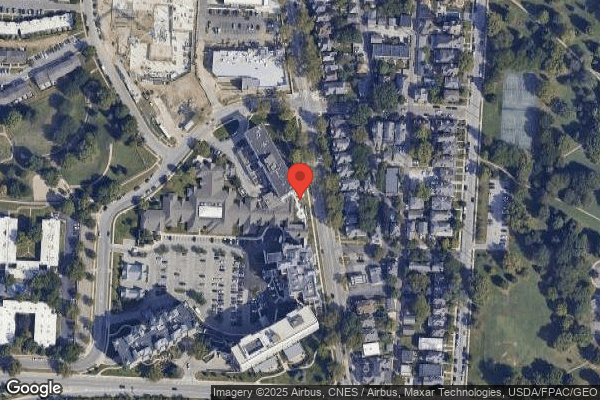
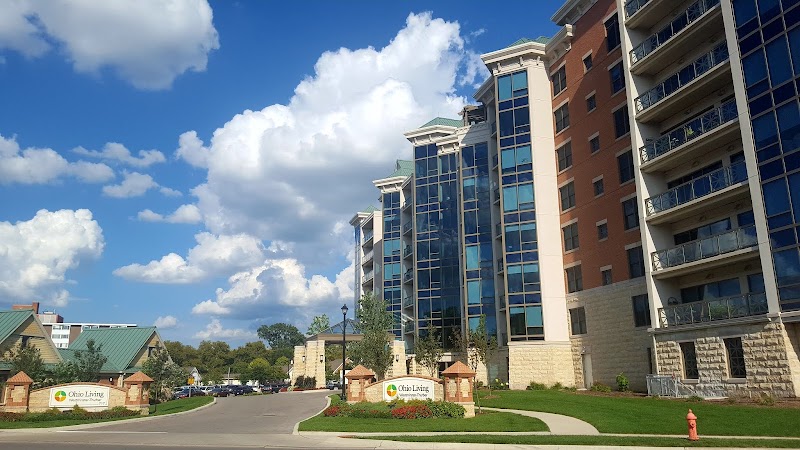
717 NEIL AVENUE, COLUMBUS, OH 43215 (614) 228-8888
Non profit - Corporation 35 Beds OHIO LIVING COMMUNITIES Data: November 2025
Trust Grade
68/100
#135 of 913 in OH
Last Inspection: May 2025

Inspected within the last 6 months. Data reflects current conditions.

Overview

Ohio Living Westminster-Thurber has a Trust Grade of C+, indicating it is slightly above average but not without concerns. It ranks #135 out of 913 facilities in Ohio, placing it in the top half, and #3 out of 56 in Franklin County, meaning there are only two facilities nearby that are better. Unfortunately, the facility is experiencing a worsening trend, with issues increasing from 2 in 2023 to 12 in 2025. Staffing is a strength, with a 5/5 star rating and good RN coverage that exceeds 98% of Ohio facilities, suggesting that residents receive attentive care. However, the facility has incurred fines totaling $14,680, which is concerning as it is higher than 82% of similar facilities in the state. Specific incidents raise serious concerns. One resident suffered significant harm after lying on the floor for five hours without medical attention, resulting in multiple fractures and hospitalization. Additionally, another resident who required assistance was left in a high bed position and fell, sustaining multiple injuries. There were also issues with food handling procedures, which could potentially impact all residents. Overall, while the facility has strong staffing and rankings, there are notable weaknesses in care and compliance that families should consider.

Trust Score
C+
68/100
In Ohio
#135/913
Top 14%
Safety Record
Moderate
Needs review
Inspections
Getting Worse
2 → 12 violations
Staff Stability
⚠ Watch
51% turnover. Above average. Higher turnover means staff may not know residents' routines.
Penalties
✓ Good
$14,680 in fines. Lower than most Ohio facilities. Relatively clean record.
Skilled Nurses
✓ Good
Each resident gets 101 minutes of Registered Nurse (RN) attention daily — more than 97% of Ohio nursing homes. RNs are the most trained staff who catch health problems before they become serious.
Violations
⚠ Watch
23 deficiencies on record. Higher than average. Multiple issues found across inspections.
★★★★★
5.0
Overall Rating
★★★★★
5.0
Staff Levels
★★★★★
5.0
Care Quality
★★★☆☆
3.0
Inspection Score
Stable
2023: 2 issues
2025: 12 issues

The Good

  • 5-Star Staffing Rating · Excellent nurse staffing levels
  • 5-Star Quality Measures · Strong clinical quality outcomes
  • Full Sprinkler Coverage · Fire safety systems throughout facility
  • No fines on record

Facility shows strength in staffing levels, quality measures, fire safety.

The Bad

Staff Turnover: 51%

Near Ohio avg (46%)

Higher turnover may affect care consistency

Federal Fines: $14,680

Below median ($33,413)

Minor penalties assessed

Chain: OHIO LIVING COMMUNITIES

Part of a multi-facility chain

Ask about local staffing decisions and management

The Ugly 23 deficiencies on record

2 actual harm
May 2025 10 deficiencies
CONCERN (D)

Potential for Harm - no one hurt, but risky conditions existed

Deficiency F0605 (Tag F0605)

Could have caused harm · This affected 1 resident

Based on review of the medical record, staff interviews, and review of Food and Drug Administration (FDA) guidelines, the facility failed to ensure adequate behavioral monitoring to evaluate effective...

Read full inspector narrative →
Based on review of the medical record, staff interviews, and review of Food and Drug Administration (FDA) guidelines, the facility failed to ensure adequate behavioral monitoring to evaluate effectiveness and psychotropic medication necessity for Resident #136. This affected one resident (#136) of five reviewed for unnecessary medications. The facility census was 29. Findings include: Review of Resident #136's medical record revealed an admission date of 05/20/25 with diagnoses including Parkinson's Disease without dyskinesia, cognitive communication deficit, muscle weakness, major depressive disorder, type two diabetes mellitus without complications, age-related osteoporosis without current pathological fracture, history of falling, neurocognitive disorder with Lewy bodies, and severe dementia with agitation. Review of Resident #136's Minimum Data Set (MDS) assessment completed on 05/28/25, revealed the resident was dependent on staff for upper and lower body dressing, toileting and showering. She required substantial assistance for changing positions and she was dependent on others for moving the wheelchair 50 feet. Review of Resident #136's physician orders revealed two orders dated 05/20/25 for Seroquel (an antipsychotic medication) for dementia in other diseases, classified elsewhere, severe with agitation. One order was for Seroquel 25 milligrams (mg) to be given twice a day and the other order was for Seroquel 50 mg to be given in the evening with the 25 mg Seroquel. Neither order specified instructions regarding monitoring Resident #136's behaviors. There were no orders for Resident #136 specifying behavioral monitoring. Review of progress notes for Resident #136 from 05/20/25 through 05/29/25 revealed no progress notes regarding any negative behaviors for Resident #136. Review of Resident #136's Medication Administration Record (MAR) dated 05/20/25 through 05/28/25 revealed no documentation the resident received monitoring for effectiveness and adverse consequences for the use of the medication Seroquel. Review of Pharmacy Progress Note dated 05/26/25 revealed an Medication Regimen Review (MRR) was completed for Resident #136 and there were no recommendations. Interview on 05/28/25 at 2:21 P.M. with Licensed Practical Nurse (LPN) #14 who stated she had worked with Resident #136 in her prior memory care assisted living setting revealed Resident #136 used to be a fall risk but wasn't a fall risk now. She spoke of resident's physical decline and said Resident #136 had no recent behavioral issues. Interview on 05/28/25 at 2:39 P.M. with the Director of Nursing (DON) revealed Resident #136's medications were not new as she was a transfer from the facility's memory care unit in assisted living. She said the resident's normal body posture was to lean forward and that they had a care conference with the family regarding the need for more care due to her significant decline. She said she didn't think the resident was a risk for elopement and that they charted behaviors by exception. Observation on 05/29/25 at 8:15 A.M. in the alcove of the dining room, revealed CNA #555 greeted Resident #136, asked her to pick up her feet and then wheeled her to dining room table and locked the wheelchair. Resident #136 was leaning forward with her head over the table. Observation on 05/29/25 from 8:22 A.M. to 8:41 A.M., Resident #136 touched her nose once with the clothing protector, but otherwise had no body movement; she did not attempt to move towards or away from the breakfast in front of her and was exhibiting no negative behaviors. Interview on 05/29/25 at 8:46 A.M. with CNA #555 revealed she worked with Resident #136 at her previous assisted living setting and acknowledged Resident #136 had declined since that time. Observation on 05/29/25 at 12:20 P.M., Resident #136 was seated in her wheelchair at a table in the dining room. The resident was exhibiting no negative behaviors. Interview on 05/29/25 at 12:41 P.M. with Physician #500 revealed he was aware of the black box warning that Seroquel should not be used in patients who had dementia. He said that Resident #136 used to have significant behavioral issues. He confirmed he wrote the prescription for the Seroquel to continue with her medication regimen and not because of recent behaviors. He confirmed he did not have orders for behavioral monitoring. He said that while she was in memory care she was followed by an outside psychiatric consulting group. He said the last known visit he had with resident in which behaviors were reported to be a concern was August of 2024. He reviewed his notes from appointments since that time and confirmed that he did not have any notes regarding behavioral issues since August 2024. He also had not received any reports of significant behavioral issues from staff since that time. He was uncertain regarding the last time a gradual dose reduction (GDR) had been attempted and stated it would be appropriate to try again. He said he did not think Resident #136 had been seen by the outside psychiatric consulting group in four or five months. Review of the Food and Drug Administration (FDA) manufacture's guideline for Seroquel revealed Seroquel is an atypical antipsychotic indicated for the treatment of Schizophrenia, Bipolar I disorder manic episodes and Bipolar disorder, depressive episodes. There is a black box warning that states elderly patients with dementia-related psychosis treated with antipsychotic drugs are at an increased risk of death. Seroquel is not approved for elderly patients with dementia related psychosis.
CONCERN (D)

Potential for Harm - no one hurt, but risky conditions existed

Report Alleged Abuse (Tag F0609)

Could have caused harm · This affected 1 resident

**NOTE- TERMS IN BRACKETS HAVE BEEN EDITED TO PROTECT CONFIDENTIALITY** Based on resident interview, staff interview, record review, and review of the facility policy and procedure, the facility faile...

Read full inspector narrative →
**NOTE- TERMS IN BRACKETS HAVE BEEN EDITED TO PROTECT CONFIDENTIALITY** Based on resident interview, staff interview, record review, and review of the facility policy and procedure, the facility failed to ensure an allegation of sexual and physical abuse were reported to the State agency within the required timeframe's. This affected one resident (#1) of two reviewed for abuse. The facility census was 29. Findings include: Review of the medical record for Resident #1 revealed an admission date of 05/06/21. Diagnoses included arthritis, weakness, obesity, depression, and colostomy status. Review of the Minimum Data Set (MDS) assessment dated [DATE] revealed Resident #1 was cognitively intact with a Brief Interview of Mental Status (BIMS) of 15 and required substantial/maximum assistance from staff members for toileting assistance. Interview on 05/27/25 at 10:11 A.M. with Resident #1 revealed a concern of staff giving rough care during incontinence care and also a report of sexual abuse. Resident #1 reported Certified Nursing Aide (CNA) #200 had, on one occasion, provided rough care and was asked to stop as she thought he was making her bleed. On a second occasion the same week, Resident #1 reported CNA #200 had used his finger to penetrate her in a sexual manner during incontinence care. Resident #1 reported she requested him to stop which he informed her he was cleaning her and did not stop right away upon her request. She reported these situations were physical abuse and sexual abuse. Resident reported this occurred around the March or April 2025 timeframe, but could not be certain. Review of the grievance form dated 03/03/25 revealed Resident #1's sister reported to staff that she had concerns related to rough care by a Certified Nursing Aide. The DON completed a grievance concern form. The investigation included an interview from Resident #1 and Resident #1's sister. Interview on 05/27/25 at 3:24 P.M. with Director of Nursing (DON) revealed she had received customer service concerns about staff being rough during incontinence care, but denied any concerns were brought to her attention related to penetration during care or sexual or physical abuse. The DON revealed she completed a grievance concern report and took statements from the resident and family, and they agreed for a long stick sponge to be provided for resident to be able to assist in some of her own incontinence care. The DON reported CNA #200 was terminated 03/03/25 after being found sleeping after a previous warning for sleeping while on duty. During the interview the DON was informed of Resident #1's statements and allegations of physical and sexual abuse. Review of the State reporting site on 05/28/25 at 11:50 A.M. and again at 4:45 P.M., an allegation of abuse was not reported to the State agency for Resident #1. Interview on 05/28/25 at 4:50 P.M. with DON confirmed facility had not reported the allegation of sexual/physical abuse to the state agency within the required 24 hours window after the surveyor report. The DON revealed she misunderstood and would complete the report and start investigating for the allegation. Review of the State reporting site revealed the Self Reported Incident was initiated on 05/28/25 at 5:07 P.M., for an allegation of sexual abuse related to Resident #1. Review of facility policy titled Abuse, Neglect and Misappropriation and Crime Reporting dated 01/18/23, revealed all allegations of abuse shall be reported immediately and will be investigated. The policy noted that annually, covered individuals (each individual who is an owner, operator, employee, manager, agent, or contractor of a long term care facility) will be notified of their obligation to report crime or suspicion of a crime occurring to residents and anyone receiving care in the facility, to the State agency and one or more law enforcement agencies. It noted that the covered individual shall report no later than two hours after forming the suspicion, if the events that cause the suspicion result in serious bodily injury, or not later than 24 hours if the events that cause the suspicion do not result in serious bodily injury.
CONCERN (D)

Potential for Harm - no one hurt, but risky conditions existed

Deficiency F0657 (Tag F0657)

Could have caused harm · This affected 1 resident

**NOTE- TERMS IN BRACKETS HAVE BEEN EDITED TO PROTECT CONFIDENTIALITY** Based on medical record review, resident interview, staff interview, and policy review, the facility failed to ensure care confe...

Read full inspector narrative →
**NOTE- TERMS IN BRACKETS HAVE BEEN EDITED TO PROTECT CONFIDENTIALITY** Based on medical record review, resident interview, staff interview, and policy review, the facility failed to ensure care conferences were completed as required. This affected two (#6 and #18) of two residents reviewed for care conferences. This had the potential to affect all 29 residents in the facility. Findings include: Review of the medical record of Resident #18 revealed an admission date of 04/11/24. Diagnoses included major depressive disorder with psychotic symptoms, myotonia congenita, and age-related physical debility. Review of Resident #18's care conferences revealed they were held for the resident on 04/12/24, 07/31/24, and 04/25/25. Review of Resident #18's comprehensive Minimum Data Set (MDS) assessment dated [DATE] revealed the resident had intact cognition. Interview on 05/27/25 at 9:35 A.M. with Resident #18 revealed she only recalled having a care conference about a year prior. Interview on 05/28/25 at 10:17 A.M., Director of Social Services (DSS) #38 stated care conferences were to be held quarterly and she verified Resident #18 did not have any evidence of any additional care conferences being conducted between 07/31/24 and 04/25/25. Review of the facility policy titled, Resident-Centered Care Advanced Care Planning, revealed care planning discussions were available for each resident as directed by federal and state guidelines and as requested by the resident, responsible party, and/or the interdisciplinary team. 2. Review of the medical record for Resident #6 revealed an admission date of 06/17/17. Diagnoses included psychotic disorder with delusions, muscle weakness, dementia, malnutrition, delusion disorder and Parkinson's disease. Review of the Minimum Data Set (MDS) assessment dated [DATE] revealed Resident #6 was cognitively impaired with a Brief Interview of Mental Status (BIMS) of 06, indicating impaired cognition. It noted the resident was dependent on staff assistance for bed mobility, and required total dependence of one staff for eating. Review of Resident #6's care conference dated 09/27/24 revealed a care conference was in process. Review of Resident #6's care conference dated 03/27/25 (entered on 05/28/25) revealed most sections were left blank including code status, physical enablers, nursing needs, therapy services, activities, and dietary service. The care conference included a narrative comment that discussed activities, medications, care plans, and hospice, but did not mention resident code status, dietary services, or other specific nursing needs. Interview on 05/28/25 at 10:27 A.M. with Social Services Director (DDS) #38 acknowledged the facility only had evidence of two quarterly care conferences (09/27/24 and 03/27/25) in the previous year. SSD #38 confirmed the care conference dated 09/27/24 was listed as being in progress but was not completed. SSD confirmed facility had no evidence of care conferences from the second and fourth quarters of 2024. SSD #38 also confirmed documentation was not completed thoroughly, with most sections not documented. Review of facility policy titled Resident-Centered Care Advanced Care Planning, dated 01/10/23 revealed facility shall give residents an opportunity to discuss care plans including goals and preferences. Care planning discussion be available as required by federal and state regulations. Problems, goals, interventions, advanced directives and care planning shall be documented in the medical record.
CONCERN (D)

Potential for Harm - no one hurt, but risky conditions existed

Deficiency F0688 (Tag F0688)

Could have caused harm · This affected 1 resident

Based on observation, medical record review, and staff interviews, the facility failed to follow podiatry recommendations. This affected one resident (Resident #16) out of one resident reviewed for li...

Read full inspector narrative →
Based on observation, medical record review, and staff interviews, the facility failed to follow podiatry recommendations. This affected one resident (Resident #16) out of one resident reviewed for limited range of motion. The facility census was 29. Findings include: Review of Resident #16's medical record revealed an admission date of 06/03/15. Medical diagnoses included right foot talipes equinovarus (a club-like deformity), hemiplegia, mild cognitive impairment, muscle weakness, and marked limited ambulation. Review of the Minimum Data Set (MDS) assessment completed on 04/29/25 revealed Resident #16 had intact cognition and was independent with eating, oral hygiene, showering, and dressing. He required partial to moderate staff assistance with toileting and was dependent on a manual wheelchair for mobility due to a severe foot deformity and the inability to walk. Review of Resident #16's care plan dated 02/05/24 included a goal that the resident would receive the appropriate staff support with all functional abilities and interventions to include mobility devices as ordered. The care plan also revealed the resident was at risk for pressure areas and frequent skin tears to extremities secondary to thin, fragile skin, and history of leukemia, anemia, reduced mobility, muscle weakness, contractures to the right hand, fingers, right ankle/foot, and right foot club deformity and he preferred not to wear the splint/brace. The skin care plan (updated on 06/08/24) stated the resident was seen by the podiatrist, he was diagnosed with onychomycosis (a fungal infection) and his shoes were worn out and he needed new shoes. Interventions included to administer medications/treatments as ordered and encourage the residents not to ambulate on his right foot. Review of Resident #16's podiatry notes dated 06/07/24 stated Shoes are worn out, needs new shoes, right foot severely deformed. Interview with Resident #16 on 05/27/25 at 1:23 P.M. confirmed he would like to have a new orthopedic boot to help with positioning of his right foot. He stated his boot went bad, and that he would wear it regularly if he had a newer boot. Observation on 05/27/25 at 12:36 P.M. of Resident #16's orthopedic boot revealed the bottom area was worn down with no tread, there was a medium sized hole out of the fabric of the heel, and it was unkempt with wear and dirt. Interview with Licensed Practical Nurse #14 on 05/28/25 at 2:42 P.M. confirmed she had not seen Resident #16 wear his orthopedic boot unless he went to an outside appointment, which did not happen often. Interview with the Director of Nursing (DON) on 05/29/25 at 9:57 A.M. confirmed the Podiatrist recommended a new boot for Resident #16 at his last appointment on 06/07/24, but the facility did not follow up on the recommendations.
CONCERN (D)

Potential for Harm - no one hurt, but risky conditions existed

Drug Regimen Review (Tag F0756)

Could have caused harm · This affected 1 resident

**NOTE- TERMS IN BRACKETS HAVE BEEN EDITED TO PROTECT CONFIDENTIALITY** Based on record review, interview, and review of facility policy, the facility failed to ensure timely follow-up of pharmacy rec...

Read full inspector narrative →
**NOTE- TERMS IN BRACKETS HAVE BEEN EDITED TO PROTECT CONFIDENTIALITY** Based on record review, interview, and review of facility policy, the facility failed to ensure timely follow-up of pharmacy recommendations. This affected one (Resident #24) out of five residents reviewed for pharmacy recommendations. The facility census was 29. Findings include: Review of the medical record for Resident #24 revealed the resident was admitted on [DATE] with diagnoses including Parkinson's disease, dementia, atherosclerotic heart disease, bradycardia, coronary artery disease (CAD), chronic diastolic heart failure, and hyperlipidemia. Review of the care plan dated 12/31/19 revealed the resident had cardiopulmonary/circulatory/coronary conditions with interventions that included to administer medications as ordered. Review of physician orders dated 03/01/24 revealed Resident #24 was prescribed Aspirin 81 milligrams (mg) daily for CAD. Review of Resident #24's progress note dated 07/16/24 documented a monthly medication regimen review was completed with recommendations made. Review of Resident #24's medication regimen review dated 07/16/24 revealed the pharmacist recommended evaluating the resident's Aspirin use in the context of current cardiovascular disease (CVD) primary prevention guidelines and suggested discontinuation. There were two options to mark, to discontinue the Aspirin or other. The Director of Nursing (DON) selected other with a notation to continue CVD prevention and indicated the medical director was notified, and no new order was provided. The prescriber response section was left blank, and the form contained only the Director of Nursing's signature. Review of Resident #24's progress note dated 08/14/24 revealed a subsequent monthly medication regimen review was completed with no new recommendations. Review of the email dated 08/15/24 from the facility's pharmacist to the Director of Nursing revealed there was a request for response from 07/16/24 regarding Resident #24 and another resident's medication regimen review. Review of Resident #24's medication regimen review recommendations follow-up form dated 08/15/24 noted the recommendation from 07/16/24 was still pending final response. The form documented a physician acknowledgment to discontinue Aspirin, signed by the provider, but lacked a date. Review of Resident #24's physician orders revealed on 08/20/24 the residents Aspirin was discontinued. Interview on 05/28/25 at 2:26 PM with the Director of Nursing confirmed the residents medical record did not provide a rationale or date on the recommendation from 07/16/24 from the physician. Additionally, although a response was requested again on 08/15/24, the discontinuation order was not finalized until 08/20/24. Review of the facility's policy titled Medication Regimen Review, dated 08/05/24, revealed all medication regimen review findings must be documented in the resident's medical record by the attending physician, including the action taken or rationale for no change.
CONCERN (D)

Potential for Harm - no one hurt, but risky conditions existed

Deficiency F0849 (Tag F0849)

Could have caused harm · This affected 1 resident

**NOTE- TERMS IN BRACKETS HAVE BEEN EDITED TO PROTECT CONFIDENTIALITY** Based on observations, medical record review, hospice record review, staff interviews, and review of facility policy and procedu...

Read full inspector narrative →
**NOTE- TERMS IN BRACKETS HAVE BEEN EDITED TO PROTECT CONFIDENTIALITY** Based on observations, medical record review, hospice record review, staff interviews, and review of facility policy and procedure, the facility failed to ensure hospice communication/documentation was maintained by the facility. This affected one (Resident #6) of one reviewed for hospice services. The facility census was 29. Findings include Review of the medical record for Resident #6 revealed an admission date of 06/17/17. Diagnoses included psychotic disorder with delusions, muscle weakness, dementia, malnutrition, delusion disorder and Parkinson's disease. Review of the Minimum Data Set (MDS) assessment dated [DATE] revealed Resident #6 was cognitively impaired. It noted he was dependent on staff assistance for bed mobility, and required total dependence of one staff for eating. Review of physician orders for Resident #6 revealed an order dated 09/14/23 for admission to hospice services. Review of Resident #6's hospice episode detail report dated 03/27/25 revealed a summary of hospice orders. Review of Resident #6's hospice notes revealed the facility had only maintained documentation through 03/25/25. Observation, record review, and interview on 05/28/25 at 8:49 A.M. with Licensed Practical Nurse (LPN) #14 revealed a hospice binder was found at the nursing station. Within the binder included documents of a calendar for 2023, 2024 and 2025 with visits written by N, SW, HC, and CH over the date. The calendar included no details about what was occurring on those visits, what staff treated the resident, or needs/concerns addressed and/or care provided. The binder included a comprehensive assessment from hospice dated 04/03/24 and 05/15/24, and a set of orders reviewed and signed by the physician dated 05/01/24. LPN #14 confirmed the binder contained no documentation from the previous year and confirmed the binder included no notes or details of the visits. LPN #14 revealed she would have to check with social services to see if he maintained updated records. Interview on 05/28/25 at 9:07 A.M. with Liaison #30 who reported the facility maintained the hospice records in the medical record. He revealed it was under the observations section in the electronic health record and after reviewing the electronic medical record with Liaison #30, he confirmed updated hospice documentation was not found in the electronic medical record. He revealed he was uncertain where to find documentation and revealed the Director of Nursing (DON) should have it. Interview on 05/28/25 at 9:20 A.M. to 10:15 A.M. with the DON confirmed the hospice documentation should be present in the facility and confirmed she did not have the records. The DON revealed the documentation was likely in the queue to be scanned into the medical record. The DON confirmed the facility found documents in the queue and the Director of Social Services was scanning them in now. She provided evidence of progress notes from past dates up to March 2025. Interview on 05/28/25 at 10:27 A.M. with the Director of Social Services #38 confirmed the remainder of hospice documents were provided for review and the most recent date was March 2025. The facility was unable to provide evidence of hospice notes and documentation from April 2025 or May 2025. Interview on 05/28/25 at 10:35 A.M. with Hospice Registered Nurse #255 confirmed hospice completed comprehensive assessments at least quarterly and hospice sent progress notes over to the facility from nursing, social services, pastoral services and bath aide on a weekly basis in a bundle. Hospice RN #255 confirmed the facility should maintain the records that were transmitted to them and confirmed hospice kept on track with sending weekly notes and confirmed hospice tracked the timeliness of and completeness of notes to verify the facility received timely information. She denied any concerns related to a delay. Review of facility policy titled, Hospice dated 07/22/24, revealed the facility shall ensure coordination of care for all skilled nursing facility hospice patients.
CONCERN (D)

Potential for Harm - no one hurt, but risky conditions existed

Infection Control (Tag F0880)

Could have caused harm · This affected 1 resident

**NOTE- TERMS IN BRACKETS HAVE BEEN EDITED TO PROTECT CONFIDENTIALITY** Based on observation, interviews, and record reviews, the facility failed to ensure sanitary practices were performed during med...

Read full inspector narrative →
**NOTE- TERMS IN BRACKETS HAVE BEEN EDITED TO PROTECT CONFIDENTIALITY** Based on observation, interviews, and record reviews, the facility failed to ensure sanitary practices were performed during medication administration. This affected three residents (#22, #29, and #136) out of twelve observed during medication administration. The facility census was 29. Findings include: 1. Review of the medical record for Resident #29 revealed an admission date of 12/23/24 with diagnoses including pulmonary hypertension, gastro-esophageal reflux disease with esophagitis, hypertension, cardiomegaly, and chronic systolic heart failure. Review of the care plans dated 01/02/25 and 03/10/25 revealed Resident #29 had chronic cardiopulmonary and gastrointestinal conditions, with an approach to administer medications as ordered by the physician. Review of physician orders dated 03/26/25 revealed an order for Carvedilol 6.25 milligrams (mg), one tablet, scheduled between 10:00 A.M. and 1:00 P.M. Review of the Minimum Data Set (MDS) 3.0 assessment dated [DATE] revealed Resident #29 had no cognitive impairment. Review of physician orders dated 04/04/25 revealed an order for Protonix delayed-release 40 mg, one tablet, scheduled between 10:00 A.M. and 1:00 P.M. Observation on 05/28/25 at 12:05 P.M. during medication administration with Licensed Practical Nurse (LPN) #14 revealed Protonix and Carvedilol, each in a single-dose blister pod, were prepared for administration. LPN #14 used the tip of a pen retrieved from a stack of papers on the medication cart to create a U-shaped opening in the blister pod. The tablets were then removed through the opening, and the pen was returned to the paper. 2. Review of the medical record for Resident #22 revealed an admission date of 04/23/20 with diagnoses including Parkinson's disease, mild cognitive impairment, mood disorder, and ataxic gait. Review of physician orders dated 12/17/24 revealed Resident #22 was ordered Sinemet (anti-Parkinson ' s medication) 1.5 tablets, 25-100 milligrams (mg) every three hours. Review of quarterly Minimum Data Set (MDS) 3.0 assessment dated [DATE] revealed Resident #22 had severe cognitive impairment. Review of the care plan dated 03/02/25 revealed Resident #22 had Parkinson's disease, with an approach to administer medications/treatments as ordered. Observation on 05/28/25 at 12:15 P.M. during medication administration with Licensed Practical Nurse (LPN) #14 revealed Sinemet located in a single-dose blister pod. To open the pod, LPN #14 used the tip of a pen retrieved from a stack of papers on the medication cart to create a U-shaped opening. The tablet was removed through the opening, and the pen was returned to the paper. 3. Review of the medical record for Resident #136 revealed an admission date of 05/20/25 with diagnoses including Parkinson's disease, lack of coordination, cognitive communication deficit, difficulty walking, and history of falls. Review of physician orders dated 05/20/25 revealed Resident #136 was ordered Sinemet 25-100 milligrams (mg) one tablet three times daily at 8:00 A.M., 1:00 P.M., and 8:00 P.M. Review of Resident #136's care plan dated 05/27/25 revealed a diagnosis of Parkinson's disease, with an approach to administer medications/treatments as ordered. Observation on 05/28/25 at 12:21 P.M. during medication administration with Licensed Practical Nurse (LPN) #14 revealed Sinemet located in a single-dose blister pod. To open the pod, LPN #14 used the tip of a pen retrieved from a stack of papers on the medication cart to create a U-shaped opening. The tablet was removed through the opening, and the pen was returned to the paper. Interview on 05/28/25 at 12:31 P.M. with LPN #14 confirmed that single-dose blister pods for Residents #22, #29, and #136 were opened with the tip of a pen that was located on the nurses cart during the entire medication administration. Additionally, the pen was left unattended and had never received sanitation. LPN #14 acknowledged the potential infection risk, confirming that the pills passed through the potentially contaminated opening before being placed into the medication cup. Interview on 05/29/25 at 10:00 A.M. with the Director of Nursing confirmed the potential infection risk associated with using a contaminated pen to open single-dose blister pods. Review of medication administration policy dated January 2025 revealed medications are administered as prescribed in accordance with manufacturers' specifications, good nursing principles, and practices. Additionally, during medication administration, staff should avoid touching any of the medication unless wearing gloves.
CONCERN (D)

Potential for Harm - no one hurt, but risky conditions existed

Antibiotic Stewardship (Tag F0881)

Could have caused harm · This affected 1 resident

**NOTE- TERMS IN BRACKETS HAVE BEEN EDITED TO PROTECT CONFIDENTIALITY** Based on record review, staff interview, review of the infection control log, and review of facility policy and procedure, the f...

Read full inspector narrative →
**NOTE- TERMS IN BRACKETS HAVE BEEN EDITED TO PROTECT CONFIDENTIALITY** Based on record review, staff interview, review of the infection control log, and review of facility policy and procedure, the facility failed to follow its antibiotic stewardship protocol by administering antibiotics without meeting established clinical criteria. This affected two (Resident #17 and Resident #32) of three residents reviewed for antibiotic use. The facility census was 29. Findings include: 1. Review of the medical record for Resident #17 revealed an admission date of 02/21/25 with diagnoses including vascular dementia, dysphagia, cystitis, and benign prostatic hyperplasia with lower urinary tract symptoms. Review of the admission Minimum Data Set (MDS) dated [DATE] for Resident #17 showed a Brief Interview for Mental Status (BIMS) score of 3, indicating severe cognitive impairment. Resident #17 required substantial to maximal assistance with toileting hygiene and was documented as always incontinent of bowel and bladder. Review of the care plan dated 02/26/25 for Resident #17 identified bowel and bladder incontinence. Interventions included to encourage fluids, provide routine incontinence care, obtain labs and tests as ordered, and monitor for signs of infection. Review of the hospital record dated 05/01/25 for Resident #17 revealed a urinalysis showed no bacteria present in the residents urine. A diagnosis of cystitis with hematuria was documented, and antibiotics were prescribed. Review of a physician order dated 05/01/25 for Resident #17 revealed an order for Cephalexin 500 mg, to be administered twice daily for seven days for a diagnosis of urinary tract infection (UTI). Review of the facility's infection tracking log event report dated 05/01/25 for Resident #17 indicated a diagnosis of a UTI made at the hospital. The infection log stated a urine culture was performed, but results were unknown. Resident #17 was noted to have bloody urine, but did not exhibit additional symptoms required to meet McGeers' Criteria. The evaluation noted the resident completed antibiotic therapy and the Medical Director was aware McGeers' criteria was not met, but wanted to treat from hospitalization. Review of the May 2025 Medication Administration Record (MAR) for Resident #17 revealed Cephalexin was administered from 05/01/25 through 05/07/25. Interview conducted on 05/29/25 at 2:11 P.M. with the Director of Nursing (DON) confirmed Resident #17 did not meet McGeers' Criteria for treatment of a urinary tract infection. The DON stated that the physician was notified, but antibiotic therapy was continued based on the hospital diagnosis and physician decision. 2. Review of the medical record for Resident #32 revealed an admission date of 03/27/25 with diagnoses including osteopathic, obesity, constipation, diarrhea, reduced mobility, and nondirective gastroenteritis and colitis. Review of the facility's infection tracking log event report dated 03/27/25 revealed a urine culture was completed for Resident #32. Culture results were noted as have not received results-completed in the hospital. Review of the McGeers' criteria indicated the questionnaire was incomplete, with the result noted as does not meet McGeers' criteria and a manual trigger marked yes for appropriate antibiotic usage. Review of physician orders dated 03/28/25 revealed sulfamethoxazole-trimethoprim (antibiotic medication) 800-160 milligrams was ordered to be administered twice daily, starting 03/29/25 through 04/02/25. Review of the Medication Administration Record (MAR) from 03/29/25 through 04/02/25 confirmed sulfamethoxazole-trimethoprim tablets were administered as ordered. Review of the admission Minimum Data Set (MDS) 3.0 assessment dated [DATE] revealed Resident #32 was cognitively intact, was dependent on staff assistance for toileting, and was always continent of bowel and bladder. Review of the care plan dated 04/07/25 revealed that Resident #32 was at risk for bowel and bladder incontinence, placing the resident at risk for infection. Interventions included to provide routine incontinence care, assess for needs as they arise, perform labs and tests as ordered, and monitor for signs and symptoms of infection. Interview conducted with the Director of Nursing (DON) on 05/29/25 at 2:11 P.M. confirmed Resident #32 continued on the prescribed antibiotic following their readmission, despite the absence of documentation indicating the presence or confirmed identification of an organism in the urine. Additionally, the DON acknowledged that comprehensive data supporting McGeers' criteria had not been documented in the facility's infection tracking log event report. Review of the Antibiotic Stewardship policy, revised 09/14/23, revealed antibiotic treatment will only be considered if the suspected infection meets McGeers' criteria and if pathology strongly suggests a bacterial origin. For urinary tract infections without a catheter, both Criteria One and Two must be met. Criteria One includes symptoms such as acute flank or supra pain, increased incontinence, urgency or frequency, and fever. In the absence of a fever, at least two of the other listed symptoms must be present. Criteria Two requires a urine culture showing at least 100,000 colony forming units per milliliter (CU/ml) of no more than two species, or 100 CU/ml of any number of organisms if collected via straight catheter.
CONCERN (F)

Potential for Harm - no one hurt, but risky conditions existed

Food Safety (Tag F0812)

Could have caused harm · This affected most or all residents

Based on observation, staff interview, and policy review, the facility failed to ensure proper food handling techniques when checking food temperatures. This had the potential to affect all 29 residen...

Read full inspector narrative →
Based on observation, staff interview, and policy review, the facility failed to ensure proper food handling techniques when checking food temperatures. This had the potential to affect all 29 residents in the facility. Findings include: Observation on 05/28/25 at 11:35 A.M. revealed [NAME] #36 checked the temperature of the lunch meal including the pork, beef, German potato salad, peas, ground meats, and soup, in that order. Between each food checked, [NAME] #36 wiped the thermometer on a dry rag, which was resting on the steam table counter. Interview on 05/28/25 at 11:39 A.M., [NAME] #36 verified she wiped the thermometer on a dry rag between each food. [NAME] #36 stated she normally used alcohol wipes, but could not locate them when she started checking the temperatures. Interview on 05/28/25 at 11:40 A.M., Chef #57 verified alcohol wipes should have been used to clean the thermometer in between obtaining the temperature of each food. Review of the facility policy titled, Hazard Analysis Critical Control Points and Food Safety, dated 2023, revealed staff would be aware of sources of food-borne organisms in food service including contaminated equipment, improper sanitation, and cross contamination.
CONCERN (F)

Potential for Harm - no one hurt, but risky conditions existed

Deficiency F0947 (Tag F0947)

Could have caused harm · This affected most or all residents

Based on review of personnel files and staff interview, the facility failed to ensure one staff completed at least 12-hours of education each year. This had the potential to affect all residents resid...

Read full inspector narrative →
Based on review of personnel files and staff interview, the facility failed to ensure one staff completed at least 12-hours of education each year. This had the potential to affect all residents residing in the facility. The facility census was 29. Findings include Review of the personnel file for Certified Nursing Assistant (CNA) #5 revealed they began employment on 04/06/20. Review of the training logs revealed CNA #5 had completed several training's in 10/29/23. Since 10/29/23, the CNA had only completed 6.25 hours of continuing education. The educations included a medicaid waiver education on 06/24/24 for 0.25 hours, understanding dementia on 02/02/25 for one hour, communication on 02/02/25 for one hour, challenging behavior on 02/02/25 for one hour, activity on 02/04/25 for one hour, dining on 02/04/25 for one hour, and personal care on 02/04/25 for one hour. Interview on 05/29/25 at 10:50 A.M. with Human Resources #19 confirmed CNA #5 had not completed 12 hours of education in the previous 19 months. She reported the facility completed education on a rolling calendar from July to June and acknowledged this could allow staff to complete training at the beginning of one year and the end of another leading to over 12 months without required training being completed. Review of the facility policy titled, Training and Staff Development dated July 2024 revealed the facility shall encourage all employees to attend and participate in applicable training. The policy revealed training shall be completed from July 1st to June 30th each year. The policy did not include details of completing 12 hours of continuing education.
Jan 2025 2 deficiencies
CONCERN (D) 📢 Someone Reported This

A family member, employee, or ombudsman was alarmed enough to file a formal complaint

Potential for Harm - no one hurt, but risky conditions existed

Incontinence Care (Tag F0690)

Could have caused harm · This affected 1 resident

**NOTE- TERMS IN BRACKETS HAVE BEEN EDITED TO PROTECT CONFIDENTIALITY** Based on staff interviews and medical record review, the facility failed to regularly assess a resident's catheter routinely per...

Read full inspector narrative →
**NOTE- TERMS IN BRACKETS HAVE BEEN EDITED TO PROTECT CONFIDENTIALITY** Based on staff interviews and medical record review, the facility failed to regularly assess a resident's catheter routinely per the resident's plan of care. This affected one (Resident #4) of three residents reviewed for catheter care. The facility census was 30. Findings include: Review of the medical record for Resident #4 revealed a readmission on [DATE]. Diagnoses included neurogenic bladder and retention of urine. Review of the care plan dated 06/11/24 for Resident #4 revealed the need for an indwelling urinary catheter due to urinary retention. Interventions included assessing the drainage every shift, recording the amount, type, color, and order, observing for leakage, encouraging fluid intake, and providing catheter care every shift as needed. The physician orders dated 07/31/24 revealed to change indwelling Foley catheter and keep in place. Review of the quarterly Minimum Data Set (MDS) 3.0 assessment, dated 09/07/24, revealed Resident #4 was severely cognitively impaired, and required partial/moderate assistance with toileting. The urinary appliance noted was an indwelling catheter, and a diagnosis of neurogenic bladder. Review of Resident #4's medical record found no evidence of routine and consistent assessment of the indwelling catheter, including monitoring drainage, amount, type, and color of the urine output. Interview on 01/02/24 at 10:22 A.M. with Charge Nurse - Licensed Practical Nurse (LPN) #64 confirmed nursing staff were required to document catheter assessments in the progress notes every shift. This assessment includes details such as the color, amount, consistency, and odor of the urine. Interview on 01/02/24 at 11:39 A.M. with LPN #77 confirmed the staff were required to document catheter output, consistency, and color in the progress notes every shift. Interview on 01/02/24 at 12:33 P.M. with the Director of Nursing (DON) confirmed Resident #4's medical record did not contain urinary assessments every shift, which should include drainage amount, type, color, and consistency. The DON confirmed the facility should adhere to the resident's care plan. This deficiency represents non-compliance investigated under Complaint Number OH00160633.
MINOR (B) 📢 Someone Reported This

A family member, employee, or ombudsman was alarmed enough to file a formal complaint

Minor Issue - procedural, no safety impact

Deficiency F0925 (Tag F0925)

Minor procedural issue · This affected multiple residents

Based on observations and interviews with staff, the facility failed to ensure that the kitchenette rodent traps were properly maintained and disposed of in a timely manner. This had the potential to ...

Read full inspector narrative →
Based on observations and interviews with staff, the facility failed to ensure that the kitchenette rodent traps were properly maintained and disposed of in a timely manner. This had the potential to affect all 16 residents (Resident #1, #2, #3, #4, #5, #6, #7, #8, #9, #19, #11, #12, #13, #14, #15 and #16) who received food from the third floor kitchenette. The facility census was 30. Findings include: Observation of third floor kitchenette on 12/31/24 at 9:43 A.M. revealed a deceased mouse in a sticky trap near the dishwasher. There was a large hole in the drywall beneath the sink, with a visible metal guard trim, which allowed easy access to the kitchen and the movement of rodents between floors. Subsequent observations of the third floor kitchen on 12/31/24 at 11:07 A.M., 12:58 P.M. and 5:02 P.M. the mice had not been identified by staff. The observation on 12/31/24 at 12:58 P.M. during lunch service revealed Certified Nursing Assistant (CNA) #53 and CNA #94 were serving lunches to resident. They also needed to collect ice from the kitchenette, which they frequented during meal service. The ice machine was located approximately six feet away from the deceased mouse. Interview on 12/31/24 at 5:04 P.M. with CNA #53 and CNA #67 confirmed they have been on this floor all day, they confirmed the mouse in the kitchen was easily visible in the trap. They confirmed they did not see it, however it should be removed immediately due to it being in the kitchen. They confirmed they frequently visited the kitchen for snacks and to gather ice for beverages. Interview on 12/31/24 at 5:08 P.M. with Licensed Practical Nurse (LPN) #127 confirmed the presence of the deceased mouse in the kitchen and stated she would contact maintenance for its removal. Interview on 12/31/24 at 5:32 A.M. with the Director of Environmental Services (DES) #90 confirmed the presence of the deceased mouse in the trap on the third-floor kitchenette. He was unaware of the situation until LPN #127 informed him. DES #90 stated the deceased mice should be promptly addressed, especially in areas like kitchens and kitchenettes where food was stored. He also stated he observed traps daily as required but had not encountered any mice that morning and did not have documentation regarding the daily rounds. Interview on 01/02/24 at 9:57 A.M. with Local Pest Control Technician #500 confirmed mice should be removed immediately once identified. The technician emphasized the staff should conduct daily checks in these areas and remain vigilant regarding the traps to identify catches. This deficiency represents non-compliance investigated under Complaint Number OH00160633.
Aug 2023 1 deficiency 1 Harm
SERIOUS (G) 📢 Someone Reported This

A family member, employee, or ombudsman was alarmed enough to file a formal complaint

Actual Harm - a resident was hurt due to facility failures

Free from Abuse/Neglect (Tag F0600)

A resident was harmed · This affected 1 resident

**NOTE- TERMS IN BRACKETS HAVE BEEN EDITED TO PROTECT CONFIDENTIALITY** THE FOLLOWING DEFICIENCY REPRESENTS AN INCIDENT OF PAST NONCOMPLIANCE THAT WAS SUBSEQUENTLY CORRECTED PRIOR TO THIS SURVEY. Base...

Read full inspector narrative →
**NOTE- TERMS IN BRACKETS HAVE BEEN EDITED TO PROTECT CONFIDENTIALITY** THE FOLLOWING DEFICIENCY REPRESENTS AN INCIDENT OF PAST NONCOMPLIANCE THAT WAS SUBSEQUENTLY CORRECTED PRIOR TO THIS SURVEY. Based on medical record review, observation, review of the hospital records, staff, family, and resident interviews, review of a Self- Reported Incident (SRI), review of the facility investigation, and review of the facility's abuse policy, the facility failed to ensure a resident was free from neglect. This resulted in Actual Harm when Resident #01 went five hours lying on the floor, crying for help, vomiting several times, suffered pain, and did not receive medical attention for approximately five hours. Subsequently, Resident #01 required an emergency transfer to the hospital, an inpatient hospital stay for seven days, and treatment for multiple fractures of the clavicle, medial and lateral left elbow, and left humerus. This affected one (Resident #01) of three residents reviewed for abuse. The facility census was 32. Findings include: Clinical record review revealed Resident #01 was admitted to the facility on [DATE] from the assisted living area of the facility due to a cognitive decline. Diagnoses included Alzheimer's dementia, osteoarthritis, and heart disease. Resident #01 used a walker and gait belt for ambulation with staff supervision when admitted . Review of a progress note dated 08/04/23 revealed at 5:30 A.M., Licensed Practical Nurse (LPN) #43 was rounding and found Resident #01 on her back on the floor by her bed. The resident stated she hurt really badly all over with no deformities. Range of motion to the right arm was good but the left arm was extremely painful. A small emesis was noted on the floor next to the resident. Vital signs were stable except for an elevated blood pressure. State Tested Nursing Assistant (STNA) #70 stayed with the resident while the nurse contacted the physician; she was sent out with emergency services. Resident #01 stated she did not know what happened. Review of the hospital documentation revealed Resident #01 was admitted to the hospital on [DATE] and discharged back to the facility on [DATE] with injuries including a fractured clavicle, fractured medial and lateral left elbow, and fractured left humerus. The resident's medications included Compazine injections and orally at five milligrams (mg) as needed every six hours for nausea, and pain medications included Acetaminophen 975 mg every eight hours and 650 mg every four hours, Oxycodone 2.5 mg every three hours as needed, and a one-time dose on 08/04/23 of Morphine two mg intravenously, and Dilaudid 0.2 mg as needed every three hours intravenously. The resident's power of attorney/daughter elected hospice services with no surgical intervention for the fractures. Review of the Self-Reported Incident (SRI) dated 08/04/23 revealed there was an allegation of neglect when LPN #43 and STNA #70 failed to complete the standard every two-hour visual check for Resident #01 following an unwitnessed fall. Interview with LPN #43 revealed he relied on STNA #70 who reported she completed every two-hour rounds. Interview with STNA #70 verified she did not do rounds every two hours because she thought Resident #01 would call for assistance if she needed help. The call light report revealed Resident #01 last pushed her call light on 08/03/23 at 5:12 P.M. The preventative maintenance report for the resident call system the past year was reviewed for completion with no negative findings. The facility substantiated the neglect. On 08/07/23, STNA #70 was terminated, and LPN #43 was provided with a final warning. Review of the facility's neglect investigation dated 08/04/23 revealed Resident #01 was found on the floor incontinent and on her back complaining of left arm pain. The resident had not used her call light or neck pendant to call for assistance which she typically did in the assisted living. Resident #01 was sent to the emergency room related to left arm pain. Resident's son reported Resident #01 laid on the floor for several hours during the night and was not checked on during the night. LPN #43 and STNA #70 were the staff working and were immediately suspended. Telephone interview with LPN #43 on 08/17/23 at 7:05 A.M. revealed he last observed Resident #1 on 08/03/23 at 8:30 P.M. when he administered medications until he found her on the floor on 08/04/23 at 5:30 A.M. He thought STNA #70 was visualizing Resident #01 at least every two hours. Interview with Resident #01 on 08/17/23 at 8:53 A.M. revealed she did not remember lying on the floor or falling in her room. Observations at that time revealed the resident was in bed with a splint on her left arm. Telephone interview with Resident #01's son on 08/17/23 at 9:45 A.M. revealed the family had a camera in the resident's room which showed staff did not enter to check on her from approximately 8:30 P.M. on 08/03/23 until 5:30 A.M. on 08/04/23 when they found her on the floor. The resident had vomited several times and was crawling on the floor calling for help after she fell approximately at 12:30 A.M. Interview with the Director of Nursing (DON) on 08/17/23 at 10:40 A.M. revealed Resident #01's son reported neglect to her when she notified him on 08/04/23 of Resident #01's fall and hospital transfer. At that time, the son reported he reviewed the camera in the resident's room showing she was not checked by the staff for hours when she was on the floor. The DON verified Resident #01 was neglected the night of 08/03/23 and the morning of 08/04/23 when LPN #43 and STNA #70 did not complete visual checks of Resident #01 from 8:30 P.M. to 5:30 A.M. Review of the policy titled Abuse, Neglect, Misappropriation, and Crime Reporting, last revised 01/18/23, revealed neglect was defined as the failure of the facility, its employees, or service providers to provide goods and services to a resident that are necessary to avoid physical harm, pain, mental anguish, or emotional distress. As a result of the incident, the facility took the following actions to correct the deficient practice by 08/07/23: • On 08/04/23 Resident #01's physician and responsible party were notified of the fall, and she was transferred to the hospital. • On 08/04/23, STNA #70 and LPN #43 were suspended pending the investigation. • On 08/04/23, a rounding/visual check sheet was created by the DON for the STNAs to document for their assigned residents each shift every two-hour visual check and the nurse signed each shift. • On 08/04/23, all nursing staff training was completed regarding the staff responsibilities rounding/visual check sheet documentation by the DON and training added to the orientation program for new hires. • On 08/04/23, the DON initiated audits completed five times a week for two weeks, once a week for four weeks and monthly for two months to ensure the check sheets were completed by the nursing staff appropriately. • On 08/07/23, STNA #70 was terminated. LPN #43 was provided with a final warning regarding rounding responsibilities by the DON. • On 08/17/23, review of the employee files for STNA #70 verified STNA #70 was terminated on 08/07/23 and LPN #43 received a final written warning on 08/07/23. • On 08/17/23, interviews and observations with Residents #02, #06, #15, #20, #27, and #29 revealed no concerns regarding neglect were identified. • On 08/17/23, review of the completed visual documentation sheets and audits since 08/04/23 submitted by the DON revealed there were no additional abuse concerns. • On 08/17/23, review of two additional resident records (#2 and #43) revealed no concerns regarding neglect were identified. • On 08/17/23, interviews with Registered Nurse (RN) #36 at 6:45 A.M., RN #52 at 8:30 A.M., STNA #40 at 6:50 A.M., STNA #41 at 7:00 A.M., and STNA #57 at 9:00 A.M. verified they were trained to visually check each resident at least every two hours and document. • On 08/17/23, review of the facilities SRIs revealed there were no further concerns identified regarding neglect. This deficiency represents non-compliance investigated under Master Complaint Number OH00145289.
May 2023 1 deficiency 1 Harm
SERIOUS (G) 📢 Someone Reported This

A family member, employee, or ombudsman was alarmed enough to file a formal complaint

Actual Harm - a resident was hurt due to facility failures

Accident Prevention (Tag F0689)

A resident was harmed · This affected 1 resident

**NOTE- TERMS IN BRACKETS HAVE BEEN EDITED TO PROTECT CONFIDENTIALITY** Based on medical record review, staff interview, review of a facility incident report, review of the facility investigation, pol...

Read full inspector narrative →
**NOTE- TERMS IN BRACKETS HAVE BEEN EDITED TO PROTECT CONFIDENTIALITY** Based on medical record review, staff interview, review of a facility incident report, review of the facility investigation, policy review, and review of hospital records, the facility failed to ensure fall preventions were implemented. This resulted in Actual Harm on 05/08/23 when Resident #50, who was cognitively impaired and required extensive assistance from two staff for bed mobility, was left by staff laying in bed in the high position after care was provided. Subsequently, Resident #50 fell from the high positioned bed sustained multiple injuries resulting in hospitalization. This affected one Resident (#50) of three residents reviewed for falls. The facility census was 31. Findings Include: Review of the medical record revealed Resident #50 was admitted on [DATE] with diagnoses including Parkinson's disease, Alzheimer's, disorders of bone density and structure, osteoarthritis, age-related osteoporosis without current pathological fracture, history of falling and anxiety. Review of Resident #50's plan of care, last updated 02/10/23 revealed the resident was at risk for falls due to weakness, difficulty in walking, lack of coordination, pain, and dementia. Fall interventions included putting pillows to the side of bed, to assist elder to not pull self to side of bed. Two people assist with incontinence care, enabler bars per family request, and Resident #50's bed should always be in the low position. Review of Resident #50's fall risk assessment dated [DATE] revealed the resident was high risk for falls. Review of Resident #50's quarterly Minimum Data Set (MDS) 3.0 assessment dated [DATE] revealed the resident had severe cognitive impairment. The resident required extensive assistance of two staff for bed mobility and used a mechanical lift for transfers. Review of Resident #50's physician's orders dated 04/24/23 to 05/24/23 revealed orders for enabler bars with padding per family request, a low bed, and the use of a mechanical lift for transfers. Review of Resident #50's nursing progress notes revealed on 05/08/23 at 6:50 A.M. State Tested Nursing Assistant (STNA) #130 called Licensed Practical Nurse (LPN) #120 to Resident #50's room. Upon arrival Resident #50 was on her back lying on the floor, with skin tears, abrasions and swelling to her head. STNA #130 reported he dressed Resident #50, left the room to get the mechanical lift, and when the STNA returned to the room Resident #50 was on the floor. At 7:00 A.M. the hospice nurse evaluated the resident obtained an order to send Resident #50 out to the hospital for sutures. Review of the incident report dated 05/08/23 at 5:50 A.M. revealed STNA #130 called LPN #120 to Resident #50's room after finding the resident on the floor. The family representative, the guardian and the hospice provider were notified. STNA #130 revealed he got the resident up and dressed, laid her back in the bed, left the room, helped two other residents, and came back to Resident #50's room with the mechanical lift and found the resident lying on the floor. The bed was in a high position. Review of the fall investigation initiated by the Director of Nursing (DON) revealed on 05/08/23 at 4:12 P.M. an interview with STNA #130 revealed he got Resident #50 dressed for the day; he placed the resident back in the bed in a laying position. He left the room and took care of two other residents on the unit. He came back to the room with the mechanical lift and found Resident #50 on the floor. He called for the nurse, LPN #120 who witnessed Resident #50 on the floor. Review of LPN #120's statement in the fall investigation report revealed on 05/08/23 at 6:50 A.M. STNA #130 called LPN #120 to Resident #50's room. Upon arrival the resident was laying on her back on the floor, with skin tears, abrasions and swelling on the back of her head. The area was red and moist with a small amount of sanguineous drainage noted. STNA #130 reported he dressed the resident, went to get the mechanical lift, came back to the room and Resident #50 was on the floor. Neurological checks were initiated due to the unwitnessed fall and notifications were made. Review of the hospital record dated 05/08/23 for Resident #50 revealed an [AGE] year-old female with history of dementia presented to the emergency department for evaluation status post fall with a small area of active bleeding several hours and clotting. Various bruising noted throughout the body. No midline tenderness appreciated on exam. Resident #50 was admitted to the hospital trauma unit with a closed non-displaced fracture of the seventh cervical vertebra, unspecified fracture morphology, traumatic cephalohematoma, fall, and multiple contusions. Interview on 05/24/23 at 9:30 A.M., with the DON revealed a fall investigation was implemented as soon as the fall was reported. She interviewed LPN #120 and STNA #130. The investigation determined Resident #50 was left lying in a bed (not in a low position) while STNA #130 left the room, which resulted in Resident #50 falling on the floor sustaining injuries. Telephone interview on 05/24/23 at 2:25 P.M., LPN #120 revealed on 05/08/23 he was called to the room by STNA #130 when he arrived at the room Resident #50 was on the floor. He could not recall if the pillows were placed beside the resident in the bed. He verified the bed was not in a low position. The bed was higher than a normal positioned bed. A follow-up interview on 05/24/23 at 3:00 P.M., with the DON verified per her investigation Resident #50's bed was not in a low position when she fell. Telephone interview on 05/24/23 at 4:12 P.M., with STNA #130 revealed he went into Resident #50's room and dressed her for the day. The STNA indicated it was too early to get her out of bed, so he went and helped two other residents. He came back with the mechanical lift and found Resident #50 on the floor. He noticed Resident #50 was bleeding and called for the nurse. He verified the bed was in a high position, but stated it was not the highest position. Review of the policy titled Fall Prevention and Management, dated 09/13/22 revealed fall risk screening will be completed on admission and quarterly thereafter, interventions will be put into place based on risk factors for example falls from bed require the resident to have a low bed, customized activities, etc. This deficiency represents noncompliance discovered in Complaint Number OH00142774.
Nov 2022 1 deficiency
CONCERN (E) 📢 Someone Reported This

A family member, employee, or ombudsman was alarmed enough to file a formal complaint

Potential for Harm - no one hurt, but risky conditions existed

Transfer Notice (Tag F0623)

Could have caused harm · This affected multiple residents

Based on record review, staff and Ombudsman interview, review of a 30 day discharge notice, review of a facility letter to family members, and policy review, the facility failed to notify the resident...

Read full inspector narrative →
Based on record review, staff and Ombudsman interview, review of a 30 day discharge notice, review of a facility letter to family members, and policy review, the facility failed to notify the resident and/or representative and the Ombudsman in writing of the need for a transfer or discharge for 43 residents (#201, #202, #203, #204, #205, #206, #207, #208, #209, #210, #211, #212, #213, #214, #215, #216, #217, #218, #219, #220, #221, #222, #223, #224, #224, #226, #227, #228, #229, #230, #231, #232, #233, #234, #235, #236, #237, #238, #239, #240, #241, #242, and #243). The facility also failed to provide a proper reason for transfer or discharge for one Resident (#200) resident issued a 30 day discharge notice. The facility census was 32. Findings include; 1. Interview on 11/18/22 at 9:09 A.M. with the Administrator revealed the facility had notified residents and families of the organization's decision to downsize the facility's number of skilled nursing facility beds to 35. Review of the letter provided to families dated 09/06/22 stated .our development advisors have identified a need to decrease skilled rehab and long-term care beds in the current Healthcare Center to prepare for the future. The services for rehabilitation and long-term care will be relocated to Westminster Terrace. The letter listed open forums were listed for September 7, 2022 and September 8, 2022. Residents #201, #202, #203, #204, #205, #206, #207, #208, #209, #210, #211, #212, #213, #214, #215, #216, #217, #218, #219, #220, #221, #222, #223, #224, #224, #226, #227, #228, #229, #230, #231, #232, #233, #234, #235, #236, #237, #238, #239, #240, #241, #242, and #243 were identified by the facility to have discharge to other skilled nursing facilities after notification by the facility of the need to transfer. There was no evidence an official written notice of transfer or discharge was provided to these 43 residents. Interview on 11/18/22 at 9:15 A.M. with Social Service Director (SSD) #70 stated the facility allowed the residents who have remained in the facility to remain because of commitment and because of end of life status. Interview on 11/18/22 at 12:25 P.M. with Ombudsman #02 confirmed he was not made of the facility downsizing the bed capacity and keeping 35 dually certified skilled beds (Medicare/Medicaid). Ombudsman #02 stated his understanding was the facility was closing the skilled nursing facility. He confirmed the facility did not provide the total of forty three residents with a thirty-day written notice of downsizing of beds in the skilled nursing facility. The facility did not provide him with an official notice. Ombudsman #02 stated the reason was because they explained they were not sure of the effective date this would happen and the facility was not going to pressure families to leave. They provided Ombudsman#02 a copy of the letter they had given to families on 09/06/22 and explained the meetings that would take place on 09/07/22 and 09/08/22 advising families to attend and learn how the facility was making changes. The facility provided him a list of names of residents that have or will be discharged to other facilities. Interview on 11/18/22 at 1:25 P.M. with the Administrator confirmed the facility did not issue any written discharge notices to the residents or families for Resident #201, #202, #203, #204, #205, #206, #207, #208, #209, #210, #211, #212, #213, #214, #215, #216, #217, #218, #219, #220, #221, #222, #223, #224, #224, #226, #227, #228, #229, #230, #231, #232, #233, #234, #235, #236, #237, #238, #239, #240, #241, #242, and #243 regarding the need to transfer from the facility. The Administrator stated they did not feel they had to because it was a Non-pressure situation. The Administrator stated residents who did not have a life care contract were asked to discharge from the facility and contracted residents were allowed to stay, along with some hospice residents. The facility allowed 32 residents to remain in the building. 2. Review of the medical record for the Resident #200 revealed an admission date of 08/27/20. Resident #200 discharged to another facility on 11/16/22. Diagnoses included primary hypertension, atrial fibrillation, adult failure to thrive, and generalized anxiety disorder. Review of the discharge Minimum Data Set (MDS) assessment, dated 11/16/22, revealed the resident had impaired cognition. The resident was dependent with staff assistance for dressing, toilet use, bed mobility, and personal hygiene. Review of the 30- day discharge notice dated 10/07/22 revealed a notice was provided to Resident #200 and/or guardian. The letter stated the reason for discharge was because the community will be reducing capacity. Interview on 11/18/22 at 1:25 P.M. with the Administrator confirmed issued a 30 day discharge notice to Resident #200 because she was not working with the facility to find placement when the facility wanted to decrease their census. The Administrator stated residents who did not have a live care contract were asked to discharge from the facility and contracted residents were allowed to stay, along with some hospice residents. The facility allowed 32 residents to remain in the building. Review of facility policy titled Discharge/ Transfer of Resident, dated 10/24/24, revealed the facility must permit each resident to remain in the facility, and not transfer or discharge from the facility unless the transfer or discharge is necessary because the resident's needs cannot be met, resident no longer needs services, safety of the facility is endangered, resident's urgent medical needs, or failure to pay. For any other types of facility-initiated discharges, the facility must provide notice of discharge to the resident and resident representative along with a copy of the notice to the Office of the State LTC Ombudsman at least 30 days prior to the discharge or as soon as possible. The copy of the notice to the ombudsman must be sent at the same time notice is provided to the resident and resident representative. This demonstrates noncompliance for Complaint Number OH001370091.
May 2022 5 deficiencies
CONCERN (D)

Potential for Harm - no one hurt, but risky conditions existed

Safe Environment (Tag F0584)

Could have caused harm · This affected 1 resident

**NOTE- TERMS IN BRACKETS HAVE BEEN EDITED TO PROTECT CONFIDENTIALITY** Based on observation and staff interview, the facility failed to ensure Resident #52 was provided a homelike environment. This a...

Read full inspector narrative →
**NOTE- TERMS IN BRACKETS HAVE BEEN EDITED TO PROTECT CONFIDENTIALITY** Based on observation and staff interview, the facility failed to ensure Resident #52 was provided a homelike environment. This affected one resident (#52) out of four residents reviewed for environment. Facility census was 100. Findings include: Review of the medical record revealed Resident #52 was admitted on [DATE] with diagnoses including encephalopathy, visual hallucinations, pseudobulbar affect, and Alzheimer's disease. Review of the quarterly Minimum Data Set (MDS) assessment dated [DATE] revealed Resident #52 had severe cognitive impairment. Observation on 05/23/22 at 11:30 A.M. revealed Resident #52's headboard and footboard was off the bed. The footboard was leaning against the built in drawers at the end of the bed. The headboard was leaning against the wall near the head of the bed. There were long, deep gouges in the wall at the head of the bed. Interview on 05/24/22 at 2:55 P.M. Housekeeper #100 verified Resident #52's headboard had been off the bed for at least a week. Interview on 05/24/22 at 3:05 P.M. Maintenance Associate (MA) #101 verified he saw the headboard was off over the weekend. MA #101 stated the brackets to the headboard were bent and new ones had to be ordered, and the braces had caused the gouges in the wall. MA #100 stated the facility used blinds on the windows. MA #100 verified a sheet had been hung on the blind brackets due to a blind not being in place. MA #100 attempted to put the footboard back on Resident #52's bed and then stated the mattress had slid down, and the footboard could not be put back on until the resident was out of the bed.
CONCERN (D)

Potential for Harm - no one hurt, but risky conditions existed

Pharmacy Services (Tag F0755)

Could have caused harm · This affected 1 resident

**NOTE- TERMS IN BRACKETS HAVE BEEN EDITED TO PROTECT CONFIDENTIALITY** Based on medical record review, facility staff interview, and review of facility policy, the facility failed to monitor a reside...

Read full inspector narrative →
**NOTE- TERMS IN BRACKETS HAVE BEEN EDITED TO PROTECT CONFIDENTIALITY** Based on medical record review, facility staff interview, and review of facility policy, the facility failed to monitor a resident's blood pressure and heart rate with the administration of blood pressure medication, as ordered. This affected one (#23) of five residents reviewed for medications with parameters. The facility census was 100. Findings include: Review of Resident #23's medical record revealed the resident was admitted to the facility on [DATE] with diagnoses including Parkinson's, heart failure, hypertension, diabetes, hyperlipidemia, and dementia. Review of the most recent quarterly Minimum Data Set (MDS) assessment revealed the resident had mild cognitive impairment and no behaviors. The resident required extensive assistance for activities of daily living. Review of physician orders revealed an order dated 12/21/21 for Carvedilol (anti-hypertensive) 6.25 milligrams (mg) by mouth, twice daily for congestive heart failure, hold for systolic blood pressure less than 110 and heart rate less than 55. Review of Resident #23's Medication Administration Record (MAR) for May 2022 revealed the resident was administered the Carvedilol twice daily. There was no documentation showing Resident #23's blood pressure or heart rate were taken prior to administration. Further review of the medical record revealed no evidence Resident #23's heart rate or blood pressure were monitored prior to administering the Carvedilol as ordered. Interview on 05/24/22 at 4:29 P.M. Licensed Practical Nurse (LPN) #109 verified Resident #23's Carvedilol order had parameters in place and the resident's blood pressure and heart rate should have been monitored prior to administering the medication. LPN #109 reported the pharmacy typically added a space on the MAR where staff could document vital signs at the time of medication administration. LPN #109 further verified Resident #23's MAR did not obtain the added space and there were no vital signs documented prior to administering the Carvedilol. Review of facility policy titled, Medication Administration General Guidelines, revised January 2021 revealed any vital signs would be obtained and recorded prior to medication administration as ordered.
CONCERN (D)

Potential for Harm - no one hurt, but risky conditions existed

Medication Errors (Tag F0758)

Could have caused harm · This affected 1 resident

**NOTE- TERMS IN BRACKETS HAVE BEEN EDITED TO PROTECT CONFIDENTIALITY** Based on medical record review and staff interview, the facility failed to monitor behavioral symptoms for a resident who reciev...

Read full inspector narrative →
**NOTE- TERMS IN BRACKETS HAVE BEEN EDITED TO PROTECT CONFIDENTIALITY** Based on medical record review and staff interview, the facility failed to monitor behavioral symptoms for a resident who recieved psychotropic medication. This affected one (#23) of five residents reviewed for unnecessary medications. The facility census was 100. Findings Include: Review of Resident #23's medical record revealed the resident was admitted to the facility on [DATE] with diagnoses including Parkinson's, heart failure, hypertension, diabetes, hyperlipidemia, and dementia. Review of the most recent quarterly Minimum Data Set (MDS) assessment revealed the resident had mild cognitive impairment. The resident had no behaviors, hallucinations, or delusions during the review period. Review of physician orders revealed an ordered dated 12/21/21 for Seroquel (anti-psychotic) 12.5 milligrams (mg) daily for hallucinations related to Parkinson's. Further review of Resident #23's medical record revealed no evidence the resident's behaviors/hallucinations were monitored. Interview on 05/24/22 at 4:29 P.M. Licensed Practical Nurse (LPN) #109 reported staff were to document resident behaviors in the progress notes. There were no other documents used to record behaviors. LPN #109 stated resident behaviors were documented at the time of behavior. If a resident was on a high risk medication, staff monitored the resident for behavirors and side effects of the medication. Interview on 05/25/22 at 8:35 A.M. the Director of Nursing (DON) verified staff documented resident behaviors in progress notes. Interview on 05/26/22 at 7:40 A.M. the DON verified Resident #23 did not have routine behavior monitoring documented. The DON stated the phyisican and pharmacy staff monitor the use of anti-psychotic medications. The facility did not have a policy regarding routine behavior monitoring.
CONCERN (D)

Potential for Harm - no one hurt, but risky conditions existed

Deficiency F0760 (Tag F0760)

Could have caused harm · This affected 1 resident

**NOTE- TERMS IN BRACKETS HAVE BEEN EDITED TO PROTECT CONFIDENTIALITY** Based on medical record review, staff interview, and review of facility policy, the facility failed to ensure a resident receive...

Read full inspector narrative →
**NOTE- TERMS IN BRACKETS HAVE BEEN EDITED TO PROTECT CONFIDENTIALITY** Based on medical record review, staff interview, and review of facility policy, the facility failed to ensure a resident received medications as ordered. This affected one (#46) of five residents reviewed for receiving medications as ordered. The facility census was 100. Findings Include: Medical record review for Resident # 46 revealed the resident admitted to the facility on [DATE], with diagnosis including end stage renal disease, hypertension, monoclonal gammopathy, dependent on dialysis and cirrhosis. Review of the Minimum Data Set (MDS) assessment dated [DATE] revealed the resident had mild cognitive impairment with no behaviors noted. The resident required limited assistance with activities of daily living (ADLs). Resident #56 had end stage renal disease and was dependent on dialysis. Review of Resident #46's physician orders revealed the resident had orders for Dialysis on Tuesdays, Thursdays, and Saturdays at 8:00 A.M. Review of physician order dated 04/07/22 revealed an order for Sevelamer carbonate (medication used to control high blood levels of phosphorus in people with chronic kidney disease who are on dialysis) 800 milligrams (mg) three times per day at 8:00 A.M., 12:00 P.M., and 4:00 P.M. Review of Medication Administration Record (MAR) for May 2022 revealed Resident #46 did not receive the Sevelamer carbonate at 12:00 P.M. on dates: 05/05/22, 05/07/22, 05/12/22, 05/13/22, 05/17/22, 05/19/22, 05/21/22, and 05/24/22 and did not receive the Sevelamer carbonate at 4:00 P.M. on 05/13/22. It was documented the resident was unavailable for administration. The resident missed nine doses total. Review of monthly calendar for May 2022, revealed missed doses of Sevelamer carbonate were on days Resident #46 was scheduled to be at dialysis, minus the missed dose on 05/13/22. Review of progress notes for May 2022 revealed no documentation stating why the medications were missed or the physician being notified of missed medication. Additionally, there was no evidence staff had a discussion with the physician about changing administration times to prevent the resident from missing medications while he was at dialysis. Interview on 05/25/22 at 12:18 P.M. Unit Manager Registered Nurse (RN) #106 verified Resident #46 returned to the facility from dialysis around 1:30 P.M. RN #106 verified the missed medications and reported she was unaware of the missed doses and would look into it. RN #106 further reported the physician should have been notified of the missing medication. No additional information was provided by RN #106. Review of facility policy titled, Medication Administration General Guidelines, revised January 2021, revealed if a dose of regularly scheduled medication is withheld, refused, or given at other than the scheduled time (for example, the resident is not in the nursing care center at scheduled dose time, or a starter dose of antibiotic is needed), the space provided on the front of the MAR for that dosage administration is initialed and circled. An explanatory note is entered on the reverse side of the record provided for as needed documentation.
CONCERN (E)

Potential for Harm - no one hurt, but risky conditions existed

Accident Prevention (Tag F0689)

Could have caused harm · This affected multiple residents

Based on observation, staff interview, and review of facility policy, the facility failed to properly store an oxygen E cylinder. This had the potential to affect 79 residents residing in the health c...

Read full inspector narrative →
Based on observation, staff interview, and review of facility policy, the facility failed to properly store an oxygen E cylinder. This had the potential to affect 79 residents residing in the health center. The facility census was 100. Findings Include: Observation of the main entrance during survey entry on 05/23/22 at 8:30 A.M. revealed there were six oxygen E cylinders in a holder, one oxygen E cylinder free standing and six small oxygen cylinders in a holder. The free standing oxygen E cylinder had a regulator on the tank, indicating the tank was 1/2 full. Interview on 05/23/22 at 10:46 A.M. Secretary #108 verified there was an E cylinder not in a holder in the main entry way. Secretary #108 stated she was not sure why the tanks were sitting in the entry, but verified the tanks in holders had been in the same spot since February 2022, when she started working for the facility. Secretary #108 stated she was not sure how long the free standing tank had been in the entry area. Secretary #108 verified the main entry, where the oxygen cylinder was free standing, was the entry where all staff entered and exited the facility. The secretary verified the E cylinder was 1/2 full. Review of facility policy titled, Oxygen Administration and Handling, revised 10/10/20 revealed dated 04/15/03 revised 10/10/2020 revealed if E cylinder tanks were in use, the tank must always be kept in the cylinder stand/cart.
Aug 2019 3 deficiencies
CONCERN (D)

Potential for Harm - no one hurt, but risky conditions existed

Medication Errors (Tag F0758)

Could have caused harm · This affected 1 resident

**NOTE- TERMS IN BRACKETS HAVE BEEN EDITED TO PROTECT CONFIDENTIALITY** Based on review of medical record, review of hospital records, staff interview, and review of facility policy, the facility fail...

Read full inspector narrative →
**NOTE- TERMS IN BRACKETS HAVE BEEN EDITED TO PROTECT CONFIDENTIALITY** Based on review of medical record, review of hospital records, staff interview, and review of facility policy, the facility failed to ensure a resident had a supporting diagnosis for use of an antipsychotic medication. This affected one resident (#102) of five residents reviewed for unnecessary medications. The facility census was 118. Findings include: Review of medical record revealed Resident #102 was admitted to the facility on [DATE]. Diagnoses included anoxic brain damage, other symbolic dysfunctions, type two diabetes with neuropathy, other specified anxiety disorders, major depressive disorder, and vascular dementia with behavioral disturbance. Review of Resident #102's hospital record dated 06/07/19 through 06/14/19 revealed no evidence the resident had a diagnosis of bipolar disorder. Review of comprehensive assessment dated [DATE] revealed the resident was rarely or never understood and the mental status interview was not conducted. The resident did not have indicators of potential psychosis and did not exhibit behavioral symptoms. Review of current physician orders on 07/31/19 revealed Resident #102 had an order for Zyprexa (an antipsychotic medication) 2.5 milligrams (mg) daily for bipolar disorder. There was no evidence the resident had a diagnosis of bipolar disorder. Review of physician progress notes for Resident #102, dated 06/21/19, 06/27/19, 07/08/19, and 07/12/19, revealed no evidence the resident had a diagnosis of bipolar disorder. Interview on 08/01/19 at 9:24 A.M., with the Director of Nursing (DON) verified Resident #102 did not have a diagnosis of bipolar disorders for the use of Zyprexa. Review of facility policy titled Psychotropic Medications, dated 04/09/19 revealed no medications were to be used for off label purposes; they must be used for their intent and purpose.
CONCERN (D)

Potential for Harm - no one hurt, but risky conditions existed

Unnecessary Medications (Tag F0759)

Could have caused harm · This affected 1 resident

Based on observation, staff interview and review of the medication safety alert for insulin pen use, the facility failed to ensure their medication error rate was less than 5%. Two medication errors w...

Read full inspector narrative →
Based on observation, staff interview and review of the medication safety alert for insulin pen use, the facility failed to ensure their medication error rate was less than 5%. Two medication errors were noted out of 28 opportunities for a medication error rate of 7.14%. This affected one resident (#64) of three residents observed for medication administration. The facility census was 118. Findings include: Observation of medication administration on 07/31/19 at 8:38 A.M., revealed Licensed Practical Nurse (LPN) #207 prepared medications for Resident #64 which included insulin injections. A Lantus and Novolog Flex pen were prepared by the nurse. The nurse first prepared the Lantus insulin syringe by placing a needle onto the syringe. She dialed one unit and pressed the button on the syringe to prime the needle holding the needle in a horizontal manner. She then dialed 18 units of insulin. She then prepared the Novolog Flex pen in the same manner by priming the needle with 1 unit holding the pen in a horizontal position. She then dialed 8 units on the pen. The nurse confirmed at the time of the injection that she primed the needle with one unit. Review of the literature from the pharmacy provided by the facility revealed step 1, turn the dose selector to 2 units. Step 2 Hold the insulin pen with the needle pointing up and tap the cartridge gently a few times to move the air bubbles to the top. Step 3 Press the push button all the way until the dose selector is back to 0 (zero). A drop of insulin should appear at the tip of the needle. A small air bubble may remain at the needle tip, but it will not be injected. If no drop appears, repeat Steps 1, 2, 3 two to six times, before changing the needle and repeating Steps 1, 2, and 3.
CONCERN (F)

Potential for Harm - no one hurt, but risky conditions existed

Food Safety (Tag F0812)

Could have caused harm · This affected most or all residents

Based on observation, staff interview, and review of facility policies, the facility failed to ensure infection control practices were followed in the kitchen. This had the potential to affect 116 of ...

Read full inspector narrative →
Based on observation, staff interview, and review of facility policies, the facility failed to ensure infection control practices were followed in the kitchen. This had the potential to affect 116 of 118 residents who receive food from the kitchen. The facility identified two residents (#102 and #104) who received nothing by mouth. The facility census was 118. Findings include: 1. Observation on 07/29/19 at 8:36 A.M., revealed dented cans of prunes, peaches, great northern beans, and jellied cranberry sauce stored on the shelf in the dry storage area. At 8:41 A.M., an observation of the cooler revealed a container of parmesan cheese with a use by date of 07/06/19. Interview with Chef/Production Manager (CPM) # 202 on 07/29/19 at 8:45 A.M., verified the above observations. 2. Observation on 07/29/19 at 12:30 P.M., revealed CPM #202 and [NAME] #206 were in the food preparation area without wearing facial hair protectors. They both at the time of the observation verified they should be wearing a facial hair protector while in the food preparation area but were not. 3. Observation on 07/30/19 at 3:33 P.M., revealed [NAME] #201 was not wearing a facial hair protector while preparing food. Interview with [NAME] #201 at the time of the observation verified he was not wearing a facial hair protector and should have been. 4. Observation of refrigerator by the health care center kitchenette on 07/30/19 at 3:37 P.M. revealed a half gallon carton of skim milk with a best by date of 07/24/19. Interview with Dietary Manager (DM) #207 at the time of the observation verified the skim milk was expired. Review of the undated policy titled Dry Storage Areas, revealed leaking or severely dented cans and spoiled foods should be disposed of promptly to prevent contamination of other foods. Review of the undated policy titled Personal Hygiene Training, revealed staff are to keep beards and mustaches closely cropped and neatly trimmed. When around foods, beards are to be kept restrained. Review of the undated policy titled General Food Preparation and Handling, revealed the kitchen is to be kept neat and orderly.
Understanding Severity Codes (click to expand)
Life-Threatening (Immediate Jeopardy)
J - Isolated K - Pattern L - Widespread
Actual Harm
G - Isolated H - Pattern I - Widespread
Potential for Harm
D - Isolated E - Pattern F - Widespread
No Harm (Minor)
A - Isolated B - Pattern C - Widespread

Questions to Ask on Your Visit

  • "Can I speak with families of current residents?"
  • "What's your RN coverage like on weekends and overnight?"

Our Honest Assessment

Strengths
  • • Licensed and certified facility. Meets minimum state requirements.
Concerns
  • • 23 deficiencies on record, including 2 serious (caused harm) violations. Ask about corrective actions taken.
  • • $14,680 in fines. Above average for Ohio. Some compliance problems on record.
Bottom line: Mixed indicators with Trust Score of 68/100. Visit in person and ask pointed questions.

About This Facility

What is Ohio Living Westminster-Thurber's CMS Rating?

CMS assigns OHIO LIVING WESTMINSTER-THURBER an overall rating of 5 out of 5 stars, which is considered much above average nationally. Within Ohio, this rating places the facility higher than 99% of the state's 100 nursing homes. This rating reflects solid performance across the metrics CMS uses to evaluate nursing home quality.
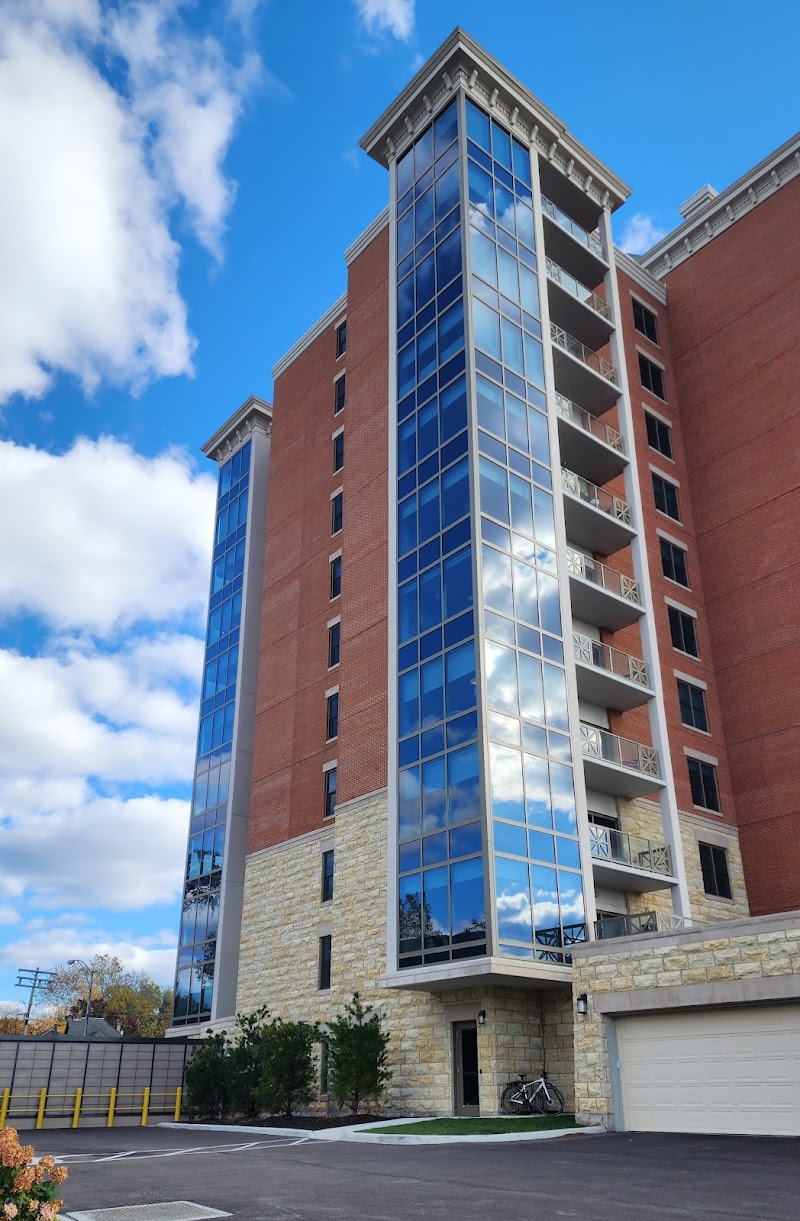
How is Ohio Living Westminster-Thurber Staffed?

CMS rates OHIO LIVING WESTMINSTER-THURBER's staffing level at 5 out of 5 stars, which is much above average compared to other nursing homes. Staff turnover is 51%, compared to the Ohio average of 46%.

What Have Inspectors Found at Ohio Living Westminster-Thurber?

State health inspectors documented 23 deficiencies at OHIO LIVING WESTMINSTER-THURBER during 2019 to 2025. These included: 2 that caused actual resident harm, 20 with potential for harm, and 1 minor or isolated issues. Deficiencies causing actual harm indicate documented cases where residents experienced negative health consequences.
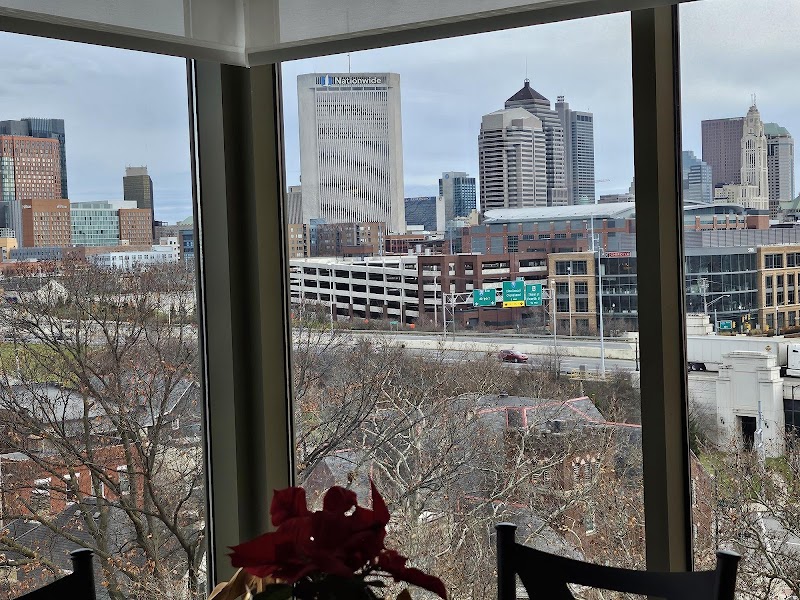
Who Owns and Operates Ohio Living Westminster-Thurber?

OHIO LIVING WESTMINSTER-THURBER is owned by a non-profit organization. Non-profit facilities reinvest revenue into operations rather than distributing to shareholders. The facility is operated by OHIO LIVING COMMUNITIES, a chain that manages multiple nursing homes. With 35 certified beds and approximately 30 residents (about 86% occupancy), it is a smaller facility located in COLUMBUS, Ohio.
How Does Ohio Living Westminster-Thurber Compare to Other Ohio Nursing Homes?

Compared to the 100 nursing homes in Ohio, OHIO LIVING WESTMINSTER-THURBER's overall rating (5 stars) is above the state average of 3.2, staff turnover (51%) is near the state average of 46%, and health inspection rating (3 stars) is at the national benchmark.

What Should Families Ask When Visiting Ohio Living Westminster-Thurber?

Based on this facility's data, families visiting should ask: "Can I visit during a mealtime to observe dining assistance and food quality?" "How do you handle medical emergencies, and what is your hospital transfer rate?" "Can I speak with family members of current residents about their experience?"

Is Ohio Living Westminster-Thurber Safe?

Based on CMS inspection data, OHIO LIVING WESTMINSTER-THURBER has a clean safety record: no substantiated abuse findings (meaning no confirmed cases of resident harm), no Immediate Jeopardy citations (the most serious violation level indicating risk of serious injury or death), and is not on the Special Focus Facility watch list (a federal program monitoring the lowest-performing 1% of nursing homes). The facility has a 5-star overall rating and ranks #1 of 100 nursing homes in Ohio. While no facility is perfect, families should still ask about staff-to-resident ratios and recent inspection results during their visit.

Do Nurses at Ohio Living Westminster-Thurber Stick Around?

OHIO LIVING WESTMINSTER-THURBER has a staff turnover rate of 51%, which is about average for Ohio nursing homes (state average: 46%). Moderate turnover is common in nursing homes, but families should still ask about staff tenure and how the facility maintains care continuity when employees leave.

Was Ohio Living Westminster-Thurber Ever Fined?

OHIO LIVING WESTMINSTER-THURBER has been fined $14,680 across 1 penalty action. This is below the Ohio average of $33,226. While any fine indicates a compliance issue, fines under $50,000 are relatively common and typically reflect isolated problems that were subsequently corrected. Families should ask what specific issues led to these fines and confirm they've been resolved.

Is Ohio Living Westminster-Thurber on Any Federal Watch List?

OHIO LIVING WESTMINSTER-THURBER is not on any federal watch list. The most significant is the Special Focus Facility (SFF) program, which identifies the bottom 1% of nursing homes nationally based on persistent, serious quality problems. Not being on this list means the facility has avoided the pattern of deficiencies that triggers enhanced federal oversight. This is a positive indicator, though families should still review the facility's inspection history directly.