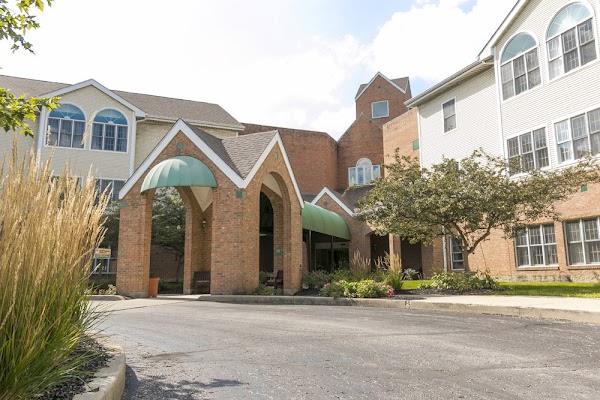

RIVERVIEW

3710 OLENTANGY RIVER ROAD, COLUMBUS, OH 43214 (614) 457-1100
For profit - Limited Liability company 145 Beds OPTALIS HEALTH & REHABILITATION Data: November 2025 1 Immediate Jeopardy citation
Trust Grade
18/100
#766 of 913 in OH
Last Inspection: May 2025

Inspected within the last 6 months. Data reflects current conditions.

Overview

Riverview nursing home in Columbus, Ohio, has a Trust Grade of F, indicating significant concerns about care quality. It ranks #766 out of 913 facilities in Ohio, placing it in the bottom half, and #39 out of 56 in Franklin County, meaning there are only a few better local options. The situation is worsening, with issues increasing from 8 in 2024 to 12 in 2025. Staffing is average with a 3/5 star rating and a turnover rate of 53%, which is close to the state average. However, the facility has concerning fines totaling $259,470, which is higher than 95% of Ohio facilities, indicating repeated compliance problems. Additionally, while the nursing home has good RN coverage compared to other facilities, there have been serious incidents, such as failing to manage water safety protocols leading to potential Legionella exposure, and not properly addressing pressure ulcers for residents, resulting in worsening conditions. On a positive note, quality measures received a 5/5 star rating, showing some aspects of care are being met with excellence. Families should weigh these strengths and weaknesses carefully when considering Riverview for their loved ones.

Trust Score
F
18/100
In Ohio
#766/913
Bottom 17%
Safety Record
High Risk
Review needed
Inspections
Getting Worse
8 → 12 violations
Staff Stability
⚠ Watch
53% turnover. Above average. Higher turnover means staff may not know residents' routines.
Penalties
✓ Good
$259,470 in fines. Lower than most Ohio facilities. Relatively clean record.
Skilled Nurses
✓ Good
Each resident gets 56 minutes of Registered Nurse (RN) attention daily — more than average for Ohio. RNs are trained to catch health problems early.
Violations
⚠ Watch
35 deficiencies on record. Higher than average. Multiple issues found across inspections.
★★☆☆☆
2.0
Overall Rating
★★★☆☆
3.0
Staff Levels
★★★★★
5.0
Care Quality
★☆☆☆☆
1.0
Inspection Score
Stable
2024: 8 issues
2025: 12 issues

The Good

  • 5-Star Quality Measures · Strong clinical quality outcomes
  • Full Sprinkler Coverage · Fire safety systems throughout facility
  • No fines on record

Facility shows strength in quality measures, fire safety.

The Bad

2-Star Overall Rating

Below Ohio average (3.2)

Below average - review inspection findings carefully

Staff Turnover: 53%

Near Ohio avg (46%)

Higher turnover may affect care consistency

Federal Fines: $259,470

Well above median ($33,413)

Significant penalties indicating serious issues

Chain: OPTALIS HEALTH & REHABILITATION

Part of a multi-facility chain

Ask about local staffing decisions and management

The Ugly 35 deficiencies on record

1 life-threatening 1 actual harm
May 2025 9 deficiencies
CONCERN (D)

Potential for Harm - no one hurt, but risky conditions existed

Report Alleged Abuse (Tag F0609)

Could have caused harm · This affected 1 resident

Based on medical record review, staff interview, review of the Electronic Information Dissemination and Collection (EIDC) system, and review of the facility policy, the facility failed to report an in...

Read full inspector narrative →
Based on medical record review, staff interview, review of the Electronic Information Dissemination and Collection (EIDC) system, and review of the facility policy, the facility failed to report an injury of unknown origin to the State Survey Agency (SSA). This affected one resident (Resident #7) of two residents reviewed for abuse. The facility census was 120. Findings include: Review of Resident #7's medical record revealed an admission date of 01/17/2011. Diagnoses included hemiplegia and hemiparesis following cerebral infarction (stroke) affecting the left non-dominant side, chronic kidney disease (CKD), epilepsy, chronic atrial fibrillation, mild cognitive impairment, and chronic pulmonary embolism. Review of the Minimum Data Set (MDS) 3.0 assessment, dated 04/12/25, revealed Resident #7's cognition was unable to be assessed due to the resident being rarely/never understood. Further review revealed Resident #7 had impaired range of motion (ROM) on one side, utilized a wheelchair for mobility, was dependent on staff for personal hygiene and lower body dressing, and required substantial/maximum staff assistance for upper body dressing. Review of the plan of care, revised 03/25/24, revealed Resident #7 had a potential for impairment to skin integrity related to fragile skin, history of malignant neoplasm of the skin, impaired mobility, left hemiplegia, and anticoagulant use. Interventions included encourage long sleeves, follow facility protocols for treatment of injury, identify/document potential causative factors and eliminate/resolve where possible, and monitor for signs of bleeding. Review of a nursing progress note, dated 03/01/25 at 8:47 P.M., revealed that during medication pass, a big hematoma with bruise, painful to touch, was identified on Resident #7's right forearm. The facility assessed the resident and Resident #7 was sent to the emergency department (ED) for evaluation at the physician's direction. Review of the physician orders dated 03/10/2025 revealed an order to observe bruising to the right arm for worsening/improvement until resolved, observe hematoma to the right forearm on every shift until resolved, and monitor for signs and symptoms of bleeding related to use of anticoagulant medication. Review of the EIDC system revealed no evidence of a facility submitted Self-Reported Incident (SRI) related to Resident #7's injury of unknown source, identified on 03/01/25, had been reported to the SSA. Interview on 04/30/35 at 2:50 P.M. with the Director of Nursing (DON) verified the hematoma discovered on Resident #7's forearm on 03/01/25 was not reported to the SSA as an injury of unknown origin. Review of the facility policy titled, Abuse, dated 04/13/23, revealed the facility would ensure that all allegations involving abuse, neglect, exploitation, mistreatment, injuries of unknown source, misappropriation of resident property, and crimes were reported immediately to the SSA, but no later than 24 hours if the allegation did not involve abuse and did not result in serious bodily injury.
CONCERN (D)

Potential for Harm - no one hurt, but risky conditions existed

Investigate Abuse (Tag F0610)

Could have caused harm · This affected 1 resident

Based on medical record review, resident interview, staff interview and review of the facility policy, the facility failed to thoroughly investigate an injury of unknown origin. This affected one (#7)...

Read full inspector narrative →
Based on medical record review, resident interview, staff interview and review of the facility policy, the facility failed to thoroughly investigate an injury of unknown origin. This affected one (#7) of two residents reviewed for abuse. The facility census was 120. Findings include: Review of Resident #7's medical record revealed an admission date of 01/17/2011. Diagnoses included hemiplegia and hemiparesis following cerebral infarction (stroke) affecting the left non-dominant side, chronic kidney disease (CKD), epilepsy, chronic atrial fibrillation, mild cognitive impairment, and chronic pulmonary embolism. Review of the Minimum Data Set (MDS) 3.0 assessment, dated 04/12/25, revealed Resident #7's cognition was unable to be assessed due to the resident being rarely/never understood. Further review revealed Resident #7 had impaired range of motion (ROM) on one side, utilized a wheelchair for mobility, was dependent on staff for personal hygiene and lower body dressing, and required substantial/maximum staff assistance for upper body dressing. Review of the plan of care, revised 03/25/24, revealed Resident #7 had a potential for impairment to skin integrity related to fragile skin, history of malignant neoplasm of the skin, impaired mobility, left hemiplegia, and anticoagulant use. Interventions included encourage long sleeves, follow facility protocols for treatment of injury, identify/document potential causative factors and eliminate/resolve where possible, and monitor for signs of bleeding. Review of a nursing progress note, dated 03/01/25 at 8:47 P.M., revealed that during medication pass, a big hematoma with bruise, painful to touch, was identified on Resident #7's right forearm. The facility assessed the resident and Resident #7 was sent to the emergency department (ED) for evaluation at the physician's direction. Interview on 04/30/25 at 11:41 A.M. with Nurse Manager (NM) #238 revealed that the ED after visit summary indicated Resident #7's hematoma was the result of a fall; however, NM #238 stated the resident's roommate verbalized Resident #7 got the hematoma from playing with her overbed table that evening. Interview on 05/01/25 at 10:18 A.M. with the Director of Nursing (DON) revealed the facility did not have evidence a facility investigation was conducted related to the injury of unknown source identified on Resident #7's right forearm, including staff interviews, witness statements, or assessments or interviews with like residents. The DON verified she did not conduct any staff or resident interviews and further confirmed no staff education was completed related to the incident. Interview on 05/01/25 at 11:26 A.M. with Resident #106, Resident #7's roommate, revealed on the night the injury was identified on Resident #7's forearm, staff did not ask her any questions related to the injury. Resident #106 revealed when staff came into the room to provide care for the resident, she informed staff that Resident #7 had been trying to get out of bed with the assistance of her bedside table. Resident #106 revealed that she did not see the injury occur. Review of the facility policy titled, Abuse, dated 04/13/23, revealed the facility conducted a timely, thorough, and objective investigation of any allegation of abuse. The facility's policy was to investigate all allegations involving abuse, neglect, misappropriation of resident property, exploitation or mistreatment, including injuries of unknown source. The investigation process included: identifying and interviewing all involved persons, including the alleged victim, alleged perpetrator, witnesses, and others who might have knowledge of the allegations (such as other residents, family members, staff who worked closely with the alleged perpetrator and/or alleged victim) and providing complete and thorough documentation of the investigation. The results of the investigation were reported to the Administrator and a final report would be submitted to the State Survey Agency (SSA) no later than five working days after the discovery of the incident.
CONCERN (D)

Potential for Harm - no one hurt, but risky conditions existed

Pressure Ulcer Prevention (Tag F0686)

Could have caused harm · This affected 1 resident

Based on record review, staff interview, and policy review the facility failed to ensure residents receive care consistent with professional standards of practice when they failed to timely transcribe...

Read full inspector narrative →
Based on record review, staff interview, and policy review the facility failed to ensure residents receive care consistent with professional standards of practice when they failed to timely transcribe a new physician order for a pressure ulcer dressing change for Resident #105. This affected one (Resident #105) of four Residents reviewed for pressure ulcers. The facility census was 120. Findings include: Record review of Resident #105 revealed an admission date of 11/08/24 with pertinent diagnoses of: sepsis, aphasia, type one diabetes mellitus, encephalopathy, cerebral infarction, chronic respiratory failure with hypoxia, hypertension, altered mental status, and personal history of other venous thrombosis and embolism. Review of the 02/17/25 quarterly Minimum Data Set (MDS) revealed Resident #105 is rarely or never understood and currently has a pressure ulcer. Review of the 04/23/25 wound assessment and care plan revealed the wound doctor came in and saw Resident #105 on the weekly wound rounds and wrote to change the order. The new order for left ischial tuberosity was to cleanse with normal saline, pat dry, apply collagen powder to wound bed, apply calcium alginate, and apply dry clean dressing every one day and as needed. Review of the physician order dated 04/23/25 revealed wound care order site left ischial tuberosity 1) cleanse with normal saline, 2) pat dry with gauze 3) apply collagen sheet to wound bed, then saline moistened gauze 4) cover with foam dressing every day shift for wound care. Review of the physician order dated 04/23/25 and timed at 10:15 A.M. revealed wound care order site: left ischial tuberosity: 1) cleanse wound with normal saline 2) pat dry with gauze 3) apply collagen sheet to wound bed, then calcium alginate to wound bed 4) cover with foam dressing every day shift for wound care and as needed for loosening or soilage. Interview with Licensed Practical Nurse (LPN) #335 on 04/30/25 at 11:25 A.M. verified she did not put the order in correctly on 04/23/25 to include applying the calcium alginate to the wound. LPN #335 verified the order was not corrected until 04/30/25. The wound area did not increase due to the order not being transcribed correctly. Review of the facility Medication, Treatment, and Physician Order Transcription policy dated 11/03/23 revealed orders are transcribed then noted by the licensed nurse. The licensed nurse noting the order is responsible for accurate transcription and initiation of orders.
CONCERN (D)

Potential for Harm - no one hurt, but risky conditions existed

Drug Regimen Review (Tag F0756)

Could have caused harm · This affected 1 resident

**NOTE- TERMS IN BRACKETS HAVE BEEN EDITED TO PROTECT CONFIDENTIALITY** Based on record review, interviews, and facility policy review, the facility failed to timely respond to monthly medication regi...

Read full inspector narrative →
**NOTE- TERMS IN BRACKETS HAVE BEEN EDITED TO PROTECT CONFIDENTIALITY** Based on record review, interviews, and facility policy review, the facility failed to timely respond to monthly medication regimen reviews (MRR) for two Residents (#51 and #76) out of five residents (#10, #51, #57, #76 and #89) reviewed for unnecessary medications. The facility census was 120. Findings include: 1. Review of the medical record revealed Resident #51 was admitted on [DATE] with diagnoses including chronic obstructive pulmonary disease, pneumonia, insomnia, bipolar and hypoxia. Review of the annual Minimum Data Set (MDS) assessment dated [DATE] revealed Resident #51 was severely cognitively impaired. Required one person assistance with activities of daily living and transport with a wheelchair. Review of the medication administration record (MAR) for November 2024 and December 2024 revealed Resident # 51 was receiving Trazadone 50 milligrams (mg) at bedtime. Review of the monthly medication regimen reviews revealed on 11/29/24 the pharmacist documented Resident #51 had been using Trazadone 50 mg at bedtime and a trial dose reduction was recommended and instructions were provided to document in the progress notes if the therapy is required to prevent future depressive episodes. The response, dated 01/06/25 from Certified Nurse Practitioner (CNP) #402 confirmed Resident #51 had good response to current treatment and remains at a functional baseline, therefore a dose reduction was not approved due to a reduction was likely to impair the resident's function or cause psychiatric instability. 2. Review of the medical record for Resident #76 revealed an admission date of 07/11/2023, diagnoses included chronic obstructive pulmonary disease, type II diabetes mellitus, sick sinus syndrome, bipolar disorder, major depressive disorder, emphysema, and anxiety. Review of the annual Minimum Data Set (MDS) assessment dated [DATE] revealed Resident #76 was receiving scheduled antidepressant medications. Resident #76 also received antipsychotic and antianxiety medications with indications present. Review of the medication administration record (MAR) from December 2024 through January 6, 2025 revealed Duloxetine 60 milligrams (mg) was administered daily as ordered. Side effects of the medications, and side effects of the antipsychotic and antianxiety medications were also monitored every shift. Review of the monthly pharmacy medication regimen review conducted on 11/29/2024 the pharmacist recommended a trial dose reduction of the Duloxetine as Resident #76 had been receiving the medication since 04/09/24 after an acute manic episode. The pharmacy recommendation was reviewed and signed by the Nurse Practitioner (NP) #402 on 01/06/2025. The trial dose reduction was not accepted due to the resident having a good response to the current treatment and the benefits of the current treatment outweigh the risks of a change in treatment. Interview on 04/30/25 with the Director of Nursing (DON) at 4:00 P.M. confirmed the pharmacy reviews are conducted monthly. When recommendations are made a copy of the consultant pharmacist recommendation is given to the physician who ordered the medication. The DON verified their contract psychiatric services CNP #402 did not respond to the November recommendations until 01/06/25. The DON confirmed the December 2024 recommendations were reviewed on 12/29/24. Review of facility policy titled Medication Regimen Review, revised 07/22/2024 stated the physician will document in the medical record that any irregularities or recommendations identified by the pharmacist have been reviewed and what action was taken to address it by their next mandatory visit.
CONCERN (D)

Potential for Harm - no one hurt, but risky conditions existed

Deficiency F0760 (Tag F0760)

Could have caused harm · This affected 1 resident

Based on record review, interview and policy review, the facility failed to ensure accurate physician order reconciliation was conducted following a hospital admission for one (Resident #82) of two re...

Read full inspector narrative →
Based on record review, interview and policy review, the facility failed to ensure accurate physician order reconciliation was conducted following a hospital admission for one (Resident #82) of two residents reviewed for hospitalizations. The facility census was 120. Findings include: Review of the medical record for Resident #82 revealed an admission date of 10/12/23 with diagnoses of end-stage renal disease, type II diabetes mellitus, occlusion and stenosis of an unspecified carotid artery, hypotension, and diastolic heart failure. Review of the Minimum Data Set (MDS) 3.0 assessment, dated 04/04/25, revealed Resident #82 was cognitively intact and received dialysis. Review of the care plan dated 11/13/23 revealed Resident #82 had altered cardiovascular status related to atrial fibrillation, cerebrovascular accident (stroke), chronic kidney disease (CKD), hypotension, chronic heart failure, and peripheral vascular disease. Review of physician orders dated 11/27/24 revealed Resident #82 had an order for midodrine five milligram (mg) oral tablet every 12 hours as needed for low blood pressure if the mean arterial pressure (MAP - average blood pressure throughout a cardiac cycle) is under 65. Review of a hospital after visit summary dated 03/24/25 revealed Resident #82 was admitted to the hospital for hypotension, end-stage renal disease, acute hypoxic on chronic respiratory failure, chronic congestive heart failure, and tachypnea (rapid breathing). The hospital discharge summary included a medication change: midodrine 5 mg tablet to be taken by mouth twice daily as needed for a MAP less than 65, and on Mondays, Wednesdays, and Fridays prior to each scheduled hemodialysis. Further review of the physician orders revealed no updated midodrine orders after 03/24/25, following Resident #82's hospitalization. Review of the Medication Administration Record (MAR) for March 2025 and April 2025 revealed no documentation that midodrine was administered to Resident #82 prior to dialysis on Mondays, Wednesdays, and Fridays. Review of dialysis communication form revealed that midodrine was not identified as administered to Resident #82 on the following dates: 03/24/25, 03/28/25, 03/31/25, 04/02/25, 04/04/25, 04/07/25, 04/09/25, 04/11/25, 04/14/25, and 04/16/25. On 04/18/25, midodrine was listed as administered. Further review of Resident #82's record revealed the dialysis communication form for 04/21/25 and 04/23/25 were not available in the record. Review of dialysis report revealed that on 04/25/25 and 04/30/25, Resident #82 received midodrine prior to dialysis. Interview on 05/01/25 at 10:49 A.M. with the Director of Nursing (DON) and Regional Clinical Manager (RCM) #400 revealed they could not confirm or deny whether midodrine had been administered to Resident #82 prior to hemodialysis at the off-site dialysis center. They stated they would follow up with the dialysis provider, as the facility did not have access to the full administration record at the dialysis clinic. The DON and RCM #400 confirmed midodrine was only listed on the facility's orders as an as-needed medication but not specifically ordered for administration before each dialysis session. The DON verified the hospital after-visit summary documented a change in the midodrine order, specifying that midodrine should be administered prior to each scheduled hemodialysis treatment on Monday, Wednesday, and Friday. She further acknowledged that the instruction to administer midodrine before each dialysis session, as indicated in the hospital summary, had been overlooked and was not entered into the facility ' s physician orders. Review of the facility's medication, treatment, and physician order transcription policy dated 11/03/23 revealed orders are transcribed then noted by the licensed nurse, the licensed nurse noting an order is responsible for accurate transcription and initiation of orders.
CONCERN (D)

Potential for Harm - no one hurt, but risky conditions existed

Infection Control (Tag F0880)

Could have caused harm · This affected 1 resident

Based on record review, observation, staff interview, and review of facility policy, the facility failed to ensure hand hygiene was performed prior to medication administration and failed to ensure pr...

Read full inspector narrative →
Based on record review, observation, staff interview, and review of facility policy, the facility failed to ensure hand hygiene was performed prior to medication administration and failed to ensure proper sanitary practices were followed when preparing medications for administration. This failure affected one resident (Resident #82) out of the six residents observed during medication administration. The facility census was 120. Findings include: Review of the medical record for Resident #82 revealed an admission date of 02/17/25, with diagnoses including dysphagia, squamous cell carcinoma, and malignant neoplasm of the head, face, and neck. Review of the current physician orders identified the following medications were prescribed on 02/18/25: folic acid, 1 milligram (mg) tablet by mouth once a day, one multivitamin tablet by mouth, once daily, thiamine mononitrate 100 mg by mouth once daily, and Fluticasone propionate nasal suspension, 50 micrograms per activation twice daily. Observation of medication administration on 04/30/25 at 9:22 A.M. with Registered Nurse (RN) #201 revealed while preparing Resident #82's medications, RN #201 opened the medication drawer, touched multiple potentially contaminated surfaces, including the drawer handles, numerous medication cards in the second drawer, and the computer mouse. RN #201 then grabbed a medication cup, removed a bottle of multivitamins, opened it, and dispensed a pill directly into her hand, then placed the pill into the medication cup, closed the bottle and placed it back into the drawer. RN #201 then identified the folic acid bottle, opened it, and transferred a pill into her hand before placing it into the medication cup, closed the folic acid bottle and returned the bottle to the medication cart. Next, RN #201 removed thiamine B-1 from package, directly into her hand, and then transferred it into the medication cup. RN #201 then identified and removed the Fluticasone propionate from its box, prepared a cup of water, locked the medication cart, and turned off the computer screen, and headed to Resident #82's room. Upon entering the room and finding the resident absent, RN #201 exited the room and went to search for Resident #82. After locating the resident in the hallway, RN #201 re-entered the resident's room with the resident. RN #201 then handed Resident #82 the cup of water and the medication cup of pills. Resident #82 was observed taking the medication without issue. RN #201 then removed the cap from the Fluticasone propionate and handed it directly to the resident, who took it without concern. Upon completion of medication administration, RN #201 exited the room, returned to the medication cart, signed off the medication administration using the computer, and proceeded to prepare the next resident's medication. Interview on 05/30/25 at 9:28 A.M. with RN #201 acknowledged that the medications were dispensed directly into her unwashed hands. RN #201 also confirmed hand hygiene was not conducted before or after administering the medication to Resident #82. Interview on 05/01/25 at 10:49 A.M. with the Director of Nursing and Regional Clinical Manager #400 confirmed is it unacceptable for the nurses to dispense medications directly into their hands when preparing medications, and further verfiied hand hygiene should be conducted before and after medication administration. Review of the facility policy titled Medication Administration, dated 08/07/23 revealed hand hygiene is to be preformed prior to medication administration. Nurses are not to touch the medication or the the inside of the medication cup when preparing or administering medications for a resident.
CONCERN (E)

Potential for Harm - no one hurt, but risky conditions existed

Deficiency F0761 (Tag F0761)

Could have caused harm · This affected multiple residents

Based on observation, staff interview, and review of facility policy, the facility failed to ensure that medications were stored securely. This had the potential to affect 74 residents, #1, #2, #3, #4...

Read full inspector narrative →
Based on observation, staff interview, and review of facility policy, the facility failed to ensure that medications were stored securely. This had the potential to affect 74 residents, #1, #2, #3, #4, #7, #8, #10, #12, #13, #14, #15, #17, #20, #25, #28, #29, #32, #33, #34, #36, #37, #40, #41, #42, #43, #44, #45, #50, #51, #52, #58, #61, #62, #76, #77, #78, #79, #84, #85, #86, #88, #89, #90, #92, #93, #94, #95, #102, #103, #104, #107, #110, #112, #116, #117, #120, #121, #122, #138, #175, #178, #179, #180, #226, #227, #229, #231, and #232 The facility also failed to ensure that medications, including three cups containing various types of pills, were stored appropriately. The facility census was 120. Findings include: 1. Continuous observation on 04/30/25 from 8:44 A.M. until 8:47 A.M. revealed an unattended and unlocked medication cart on Unit #4. Registered Nurse (RN) #201 exited a room across the hall and to the left of the unlocked medication cart at 8:47 A.M. and returned to the medication cart. Interview with RN #201 on 04/30/25 at 8:47 A.M. confirmed that she had left the medication cart unlocked and further verified the medication cart was out of her line of sight. 2. Observation on 04/30/25 at 9:28 A.M. during medication administration with RN #201, revealed three illegible labeled medication cups with an assortment of pills in the top drawer of the medication cart for unit #4. Interview at the time of the observation with RN #201 confirmed she had prepared the medications for the residents and when she went to administer them, the Residents were not their rooms so RN #201 placed the cups in the top drawer to be able to administer them later when she found the residents. RN #201 explained that she did not have time to re-prepare the medications as she was already behind. RN #201 was unable to identify what the medications were in the each of the medication cups and was unable to denitrify the resident for which the medications were prepared for and not administered. Interview on 05/01/25 at 10:49 A.M. with the Director of Nursing and Regional Clinical Manager #400 confirmed that medication cups should not be left in the nurse ' s cart. Residents should receive medications as they are prepared. Review of the facility policy titled Medication Administration, dated 08/07/23 stated medications are to be administered according to physician order and professional standards of practice. Medications are to prepared, and administered one resident at a time and the medication administrated is to be documented directly after administration. Additionally, the policy stated when when a nurse is administering medications the nurse is to lock the medication cart when not it is not in direct view. Review of the facility policy titled Medication and Treatment Storage, dated 08/07/23 stated medications, treatments, biologicals, and supplies should be maintained per manufacturer guidelines. Additionally, the facility is required to ensure accurate labeling and dating of medications and treatments for safe administration, as well as secure storage.
CONCERN (E)

Potential for Harm - no one hurt, but risky conditions existed

Deficiency F0804 (Tag F0804)

Could have caused harm · This affected multiple residents

2. Observation on 04/29/25 from 12:55 P.M. to 1:40 P.M. of food trays being delivered in an enclosed metal cart with doors to the 200 Unit residents revealed on top of the cart there were beverages of...

Read full inspector narrative →
2. Observation on 04/29/25 from 12:55 P.M. to 1:40 P.M. of food trays being delivered in an enclosed metal cart with doors to the 200 Unit residents revealed on top of the cart there were beverages of milk, juices and water in two plastic bins with ice. A coffee craft and beverage cups. The distribution of the trays when arrived to the unit took and took 55 minutes to pass. A test tray was included on the cart. The test tray temperature was checked by Dietary Manager (DM) #406 using a facility thermometer and revealed the barbecued chicken was 21 degrees Fahrenheit (F), the carrots were 100 degrees F, and the O'Brien potatoes were 100 degrees F. DM #406 verified the temperatures were not acceptable per guidelines and for residents to enjoy a warm and palatable meal . Review of facility policy titled Food Palatability, dated 04/04/2025, revealed cart delivery times should be followed and updated as needed. Designated staff should deliver all the trays in the cart within 20 minutes of arrival to the unit. Review of facility policy titled Tray line Food Temperatures, dated 08/01/2024 revealed the facility will hold and serve food at acceptable temperatures that deter bacterial growth. The internal temperature of potentially hazardous foods (Time/Temperature for Safety Food) must be 41 degrees Fahrenheit or below for cold foods and 135 degrees Fahrenheit or above for hot at all times. Based on observations, resident interview, staff interview, and review of facility policy, the facility failed to provide food and drink at a palatable, attractive, and at a safe and appetizing temperature. This affected one resident (Resident #75) and had the potential to affect all 65 of the residents on units #2 and #4 except for Resident #68 and Resident #114, who did not eat or drink food from the kitchen. The facility census was 120 residents. Findings include: 1. Review of the medical record for Resident #75 revealed an admission date of 12/24/20. Diagnoses included hemiplegia and hemiparesis following cerebral infarction, type 2 diabetes mellitus, and generalized anxiety disorder. Review of the quarterly Minimum Data Set (MDS) assessment for Resident #75, dated 04/11/25, revealed that her short term and long term memories were assessed as being okay. Review of physician orders for Resident #75 dated 08/23/24 revealed the resident was on a regular diet with regular textures. Review of the plan of care dated 04/11/24 for Resident #75 revealed that she was at risk for malnutrition with a goal to maintain adequate nutritional status by consuming at least 75% of at least two meals daily. Interventions included honoring her food preferences and providing her diet as ordered. Observation on 04/30/25 at 8:40 A.M. were delivered to Unit 4. Meal trays were delivered to residents from 8:40 A.M. to 9:17 A.M. Observation on 04/03/25 at 9:14 A.M. of Resident #75's meal plate revealed that it did not appear to be warm. The egg on the breakfast sandwich was visualized to be dry. Holding the surveyor's hand near the plate revealed that no warmth was felt from the proximity of the meal plate. Interviews on 04/28/25 at 10:53 A.M. and on 04/30/25 at 9:14 A.M. with Resident #75 confirmed that food and beverages were not served in a timely manner and at satisfactory temperatures on Unit 4. Resident #75 stated meals are not palatable or attractive.
CONCERN (E)

Potential for Harm - no one hurt, but risky conditions existed

Food Safety (Tag F0812)

Could have caused harm · This affected multiple residents

Based on observation, staff interview, and policy review the facility failed to distribute and serve food under sanitary conditions. This had the potential to affect all residents residing in the faci...

Read full inspector narrative →
Based on observation, staff interview, and policy review the facility failed to distribute and serve food under sanitary conditions. This had the potential to affect all residents residing in the facility who receive food from the kitchen except for residents #68 and #114 who did not eat or drink food from the kitchen. The census was 120. Findings include: Observation and tour on 04/28/25 from 9:30 A.M. to 10:00 A.M of the kitchen with Regional Dietary Manager #400 and Dietary Manager (DM) #216 revealed the following: -One large empty plate warmer unit sitting in the service line area revealed the spring loaded plate dispenser was covered with orange and black particles and dust like substance. When wiped with a white paper towel the brown orange colored substance could be wiped off and what appeared to be rusted areas remained, and unable to be removed. The observation was confirmed by DM #216. -One full dome cover dispenser, sitting in the service line area next to the plate warmer revealed multiple food crumbs, dried food and dried liquid marks on both the inside and outside of the unit and on the domes contained in the unit. The observation was confirmed by DM #216. -A plastic crate used in the dishwasher housed several eight ounce hard plastic cups. Six of the cups were covered in a hard white dried powder substance that could be removed with a fork. Regional Dietary Manager #400 verified the white dried powder substance on the plastic cups was lime stains. -The clean area of the kitchen where the utensils and silverware were stored revealed four tray line metal bin dividers sitting on a crate full of clean utensils, The metal dividers had black, white, brown specs of crumbs and dust on them. Hanging off the shelf above the utensils was one pair of large serving tongs with a dried white food substance. This observation was also confirmed by DM #216. Interview with DM #216 at 10:00 A.M. after the kitchen tour, DM #216 verfiied he was not wearing the proper hair restraints. DM #216 was wearing a baseball cap and had no beard cover. An additional observations on 04/29/25 at 10:45 A.M. revealed outside food Sales Representative #500 was observed entering the kitchen, walked through the kitchen and into the clean area of stored dishes and preparation station to meet with DM #216. Sales Representative #500 did not wear a hair cover in place. Regional Dietary Manager # 400 verified the observation. Review of the facility's policy titled Food Service Employee Hygiene/Uniform Policy, dated 12/31/24 revealed food and nutrition service employees will practice good personal hygiene and safe handling procedures. Food Service employees should wear hair restraints that cover the entirety of their hair, including beards grated than a quarter of an inch. Bald employees do not have to wear restraints.
Mar 2025 1 deficiency
CONCERN (D) 📢 Someone Reported This

A family member, employee, or ombudsman was alarmed enough to file a formal complaint

Potential for Harm - no one hurt, but risky conditions existed

Resident Rights (Tag F0550)

Could have caused harm · This affected 1 resident

Based on medical record review, observation, staff interview, and review of the facility policy, the facility failed to ensure resident dignity was maintained during medication administration. This af...

Read full inspector narrative →
Based on medical record review, observation, staff interview, and review of the facility policy, the facility failed to ensure resident dignity was maintained during medication administration. This affected one (Resident #93) of nine residents observed for dining. The facility census was 136 residents. Findings include: Review of the medical record for Resident #93 revealed an admission date of 11/27/24 with diagnoses including type two diabetes mellitus, dementia without behavioral disturbance, and anxiety. Review of the physician's orders for Resident #93 revealed an order dated 12/16/24 for Lispro insulin inject subcutaneously before meals for diabetes mellitus per sliding scale. Review of the Minimum Data Set (MDS) assessment for Resident #93 dated 01/16/25 revealed the resident was cognitively impaired. Observation of the lunch meal in the main dining room on 03/10/25 at 12:14 P.M. revealed Registered Nurse (RN) #164 checked Resident #93's blood sugar while the resident was eating lunch and without asking for the resident's consent. RN #93 then left the dining room and returned with an insulin syringe, lifted up Resident #93's shirt and administered the injection into the resident's abdomen without asking for the resident's consent. Interview on 03/10/25 at 12:35 P.M. with RN #164 confirmed the facility allowed medication administration in the dining room during lunch if the resident was okay with it. RN #164 confirmed since Resident #93 had dementia she did not ask for his consent to check his blood sugar and give him an injection in his abdomen during mealtime. RN #164 confirmed her actions towards Resident #93 were a violation of Resident #93's rights. Interview on 03/10/25 at 4:15 P.M. with the Director of Nursing (DON) confirmed RN #164's actions of conducting blood sugar checks, lifting a resident's shirt, and giving injections in a resident's abdomen in the dining room during lunch was a violation of Resident #93's rights, was against the facility's medication administration policy, and was prohibited. Review of the facility policy titled Medication Administration dated 08/07/23 revealed the nurses should administer medication according to professional standards of practice and resident needs. This deficiency represents noncompliance investigated under Complaint Number OH00162973.
Feb 2025 2 deficiencies 1 IJ (1 facility-wide)
CRITICAL (L) 📢 Someone Reported This

A family member, employee, or ombudsman was alarmed enough to file a formal complaint

Immediate Jeopardy (IJ) - the most serious Medicare violation

Infection Control (Tag F0880)

Someone could have died · This affected most or all residents

⚠️ Facility-wide issue

**NOTE- TERMS IN BRACKETS HAVE BEEN EDITED TO PROTECT CONFIDENTIALITY** Based on medical record review, review of hospital records, observation, staff interviews, interview with the Local County Healt...

Read full inspector narrative →
**NOTE- TERMS IN BRACKETS HAVE BEEN EDITED TO PROTECT CONFIDENTIALITY** Based on medical record review, review of hospital records, observation, staff interviews, interview with the Local County Health Department (LCHD), interview with the physician, review of a death certificate, review of the facility's Legionella bacteria prevention plan, review of email communications with the LCHD, review of facility policy and procedures, review of the Legionella risk assessment, and review of the Centers for Disease Control and Prevention (CDC) website, the facility failed to follow their water management plan to ensure all shower heads were descaled semi-annually and flushes were completed weekly which resulted in elevated risk levels of Legionella bacteria in the facility's water system and exposure to the residents. This resulted in Immediate Jeopardy and the potential for serious life-threatening harm, negative health outcomes, and/or death when on [DATE] one resident (#100) was found to have increased effort of breathing, fatigue and generalized weakness, was sent to the emergency room (ER) for evaluation, tested positive for Legionella pneumonia in the hospital, and subsequently died on [DATE]. In addition, Resident #118 tested positive for the Legionella urine antigen on [DATE]. The facility's failure to have an effective water management program in place to monitor control measures to prevent the growth of potential Legionella in the water system affected two (#100 and #118) of four residents reviewed for Legionella and placed an additional 131 current residents at potential risk for Legionella bacteria exposure. The facility census was 133. On [DATE] at 11:13 A.M., the Administrator, Director of Nursing (DON) and Regional Clinical Director #111 were notified that Immediate Jeopardy began on [DATE] when Resident #100 exhibited a change in condition and was hospitalized on [DATE] due to labored breathing, fatigue, and generalized weakness and subsequently passed away on [DATE]. Admitting hospital diagnoses included sepsis, anemia, Legionella infection, pneumonia, acute kidney injury and possible chronic heart failure exacerbation. Review of the death certificate dated [DATE] revealed Resident #100 died on [DATE] at 3:06 A.M. with an immediate cause of death as acute renal failure, septic shock, and bacteremia. Review of the facility's Legionella preventative measures and interview with Maintenance Supervisor #221 revealed the facility was not completing weekly dead-end flushes (a length of water pipework closed at one end through which no water passes) and semi-annually descaling per facility policy. On [DATE] at 4:44 P.M., the LCHD communicated to the facility, that a resident who previously resided in the facility had tested positive for the Legionella urine antigen and passed away. The facility failed to implement immediate action to protect further residents from Legionella infection when public health made recommendations, which included restricting water usage or installing point-of-use filters, and to follow the current CDC guidance or current water management plan if already developed. The Immediate Jeopardy was removed on [DATE] when the facility implemented the following corrective actions: • On [DATE], Resident #100 was transferred to the hospital. • On [DATE], upon notification of the positive urine antigen test regarding Resident #100, facility staff followed LCHD guidance in reviewing all resident's medical records who were diagnosed with pneumonia for the past three months. Residents #44, #48, #99, #118, #250, #251, #252, #253, #254, and #301 were identified to have been diagnosed with pneumonia in the past three months. • On [DATE], the DON was made aware an additional resident (Resident #118) tested positive for the Legionella urine antigen. The facility's Certified Nurse Practitioner (CNP) #900 reviewed the urine analysis results and determined no other treatment was warranted. • On [DATE], water filters on ice machines and water fountains were serviced and cleaned by Service Company #500 according to manufacturer guidelines and preventative maintenance agreement. • On [DATE], Maintenance Supervisor #221 and Maintenance Staff #166 descaled faucets and shower heads and completed dead leg flushes. • On [DATE] and [DATE], the LCHD collected data points for water temperatures, PH levels and chlorine levels. • On [DATE], the DON/designee reviewed all current residents with a respiratory assessment with no new respiratory concerns identified. • On [DATE], an additional seven water samples were obtained for Legionella testing by a third party (Water Treatment Company #600) initiated by the Administrator. Water Treatment Company #600 will provide the facility with their results of the seven water samples in eight to 11 days. • On [DATE], Maintenance Supervisor #221, Maintenance Staff #166 and Maintenance Staff #311 were provided education by the Administrator regarding descaling and flushing dead legs (a length of water pipework leading to a fitting through which water only passes infrequently where there is draw off from the fitting, providing the potential for stagnation) per the facilities water management policy. The Administrator will monitor the maintenance staff to ensure they are following the facility's Legionella prevention plan. • Beginning on [DATE], Maintenance Supervisor #221/designee will audit water temperatures, chlorine levels and flush all dead legs two times a week for two months. Any concerns will immediately be reported to the Administrator and follow up with the Quality Assurance and Performance Improvement (QAPI) committee as needed. • On [DATE], the Water Management Committee (WMC) met to review the proposed issues and concerns from the Ohio Department of Health Survey. The WMC (including the Administrator, DON, Maintenance Supervisor #221, and Medical Director #112) reviewed the facility's Legionella Risk Assessment and Control Measures, proposed Plan of Correction (POC) and root cause analysis (RCA). The WMC will meet twice a month for two months to review on-going Legionella testing, interim measures, audits completed, RCA corrective action items and POC status. Thereafter, the DON and Infection Control Preventionist (ICP) will report to the Quality Assurance Committee to assure that issues identified at the time of the survey are corrected. • On [DATE] and [DATE], the DON/designee provided in-services to all staff, residents, and residents responsible parties regarding the water management program, Legionella screening symptoms, facility remediation measures, and the plan for continued water management. • Beginning on [DATE], the DON/designee will complete daily respiratory monitoring assessments until the results of the water testing are received. The findings of the respiratory monitoring will be reviewed with the attending physicians and medical director as needed. • On [DATE], the facility began utilizing bottled water. Residents #2 and #119, who resided in the former Residents #100 and #118's rooms (who tested positive for the Legionella urine antigen) were moved out of their rooms and were relocated in the facility. All ice in the ice machine was disposed of and the facility utilized bagged ice. Showers and baths were put out of service until the installation of point of use filters. No-rinse wipes (a pre-moistened, disposable wipe designed to clean and sanitize a surface without the need to rinse it with water afterwards) were provided to the residents for hygiene needs at that time. • On [DATE], the facility engaged with Legionella Consultant #650 who reviewed the facility water management plan with the team and will provide 90-day point of use filters that will be installed facility wide by [DATE]. • Beginning on [DATE], the DON/designee will complete audits three times a week regarding employee call-offs for four weeks for signs and any symptoms related to Legionella illness. Any concerns will immediately be reported to the Administrator and followed up on with the QAPI committee as needed. • On [DATE], 20 additional water samples were obtained by Legionella Consultant #650. • On [DATE], maintenance staff installed point of use filters on all water outlets (showers, sinks) in the facility. These filters were rated for 90-day efficacy from the date of installment. All water filters were inspected and then all sinks and showers were put back into service. Although the Immediate Jeopardy was removed on [DATE], the deficiency remained at Severity Level 2 (no actual harm with potential for more than minimal harm that is not Immediate Jeopardy) as the facility is still in the process of implementing their corrective action plan and monitoring to ensure on-going compliance. Findings include: 1) Review of the closed medical record for Resident #100 revealed the resident was admitted to the facility on [DATE] and discharged on [DATE] to the local hospital. The resident had diagnoses including kidney and ureter disorder, paroxysmal atrial fibrillation, chronic kidney disease, and chronic diastolic (congestive) heart failure. Review of the admission Minimum Data Set (MDS) assessment dated [DATE] revealed Resident #100 was cognitively intact as evidence by a Brief Interview for Mental Status (BIMS) assessment score of 15. The resident was assessed to require supervision or touching assistance with bed mobility, transfers, toileting, and eating. Review of Resident #100's change in condition evaluation dated [DATE] revealed the resident was documented to have increased confusion, weakness, disorientation, and abnormal vital signs. The CNP #900 was notified with an order to send Resident #100 to the local hospital for evaluation. Review of Resident #100's hospital Discharge summary dated [DATE] at 6:29 A.M. revealed active hospital problems of rectal bleeding, Legionella infection, volume overload, acute kidney injury superimposed by chronic kidney disease, bacteremia, and electrolyte disorder. The hospital course included evaluation of the worsening shortness of breath, cough, and lower extremity edema. Laboratory results at that time were notable for leukocytosis, positive urine Legionella antigen, and x-ray with pulmonary edema with dense right upper lobe airspace opacity. Resident #100 started on oxygen to maintain adequate supply of oxygen, but in the morning of [DATE], he was seen to have recurrent hypoxia (inadequate supply of oxygen) requiring escalation to Bilevel Positive Airway Pressure (BIPAP) and transferred to the Intensive Care Unit (ICU). The residents' antibiotics were adjusted for Legionella coverage; however, overnight from [DATE] to [DATE], Resident #100 decompensated quickly resulting in passing on [DATE] at 3:06 A.M. Review of Resident #100's death certificate revealed the resident died on [DATE] at 3:06 A.M. with an immediate cause of death as acute renal failure, septic shock, and bacteremia. 2) Review of the medical record for Resident #118 revealed re-admission date of [DATE]. The resident had diagnoses including hemiplegia, muscle weakness, chronic kidney disease, chronic pulmonary embolism, mild cognitive impairment, altered mental status and essential hypertension. Review of the quarterly Minimum Data Set (MDS) 3.0 assessment dated [DATE] revealed Resident #118 was severely cognitively impairment. Resident #118 required setup or clean-up assistance with eating. Review of the progress notes revealed on [DATE] at 3:42 P.M., Resident #118 seemed congested with crackle sound and coughing, no fever, and oxygen low at 90 percent saturation. The progress note dated [DATE] at 7:12 P.M. revealed the nurse received a new order for chest x-ray for congestion. Review of physician orders dated [DATE] revealed chest x-ray: 2 views for chest congestion. The progress note dated [DATE] at 8:47 A.M. revealed the chest x-ray results were received with left perihilar atelectasis/infiltrates noted and CNP #900 was notified. New orders for Levaquin (antibiotic) 750 milligrams (mg), ipratropium-albuterol inhalation solution (used to help open airways and reduce inflammation in the lungs to help you breathe), and Mucinex (help symptom relief for cold, flu, sinuses and sore throat). Review of Resident #118's physician orders dated [DATE] revealed an order to obtain urine specimen for Legionella antigen. Review of Resident #118's strep pneumonia and Legionella pneumonia AG result dated [DATE] revealed Legionella antigen had a positive result. The progress note dated [DATE] revealed Resident #118's results of urine antigen discussed with provider, residents' treatment appropriate at this time, and no further treatment required. Review of the LCHD email dated [DATE] at 4:44 P.M. revealed a resident (#100) who previously resided in the facility had tested positive for Legionella urine antigen and passed away. The email communication included guidance as listed, perform a retrospective review of cases, develop a line list of possible and definite cases, work with health care facility staff to identify all new and recent patients with health care associated pneumonia and test them for Legionella, consider recommendations for restricting water exposures in the facility or other immediate control measures, and facilitate an environmental assessment and sampling. The email from Environmental County Health Division (ECHD) dated [DATE] at 3:38 P.M. revealed the typical steps in a full investigation are to protect current residents by restricting water usage or installing point-of-use filters and follow the current CDC guidance or current water management plan if already developed. The Administrator's email was incorrectly entered. The following email was resent to the correct Administrator's email address on [DATE] at 8:43 A.M., with an email response from the Administrator on [DATE] at 4:31 P.M. The email communication dated [DATE] at 12:34 P.M. from ECHD Supervisor #999 to the Administrator revealed guidance stating, we again advise you to protect current residents by restricting water usage or installing point-of-use filters. Review of Semi-Annual Faucet and Showerhead Scale Inspection documentation as part of the facility's Legionella bacteria prevention plan revealed the only record available for review was on [DATE]. There were no records available prior to [DATE]. Observations on [DATE] from 8:02 A.M. to 8:24 A.M. revealed the resident rooms' sinks did not have water filters in place and they were in working order. Shower rooms were in working order and no filters were in place on the shower heads. Interview on [DATE] at 2:00 P.M. with Maintenance Supervisor #221 denied issues with the water system in the facility, stating he regularly conducts temperature checks, flushes, and monitors chlorine levels in accordance with facility policy. He stated that most of the residents' showers in their rooms were shut off and were considered dead ends, as they do not receive water flow through them, often resulting in stagnant water sitting in the lines. Maintenance Supervisor #221 denied flushing all dead ends, specifically shower heads, on a weekly basis, which is the standard procedure according to the facility's policy. He confirmed descaling of faucets and shower heads should occur semi-annually. Additionally, he confirmed the most recent descaling was performed on [DATE]. However, the facility had no other available records regarding past descaling maintenance. Interview on [DATE] at 2:03 P.M. with Maintenance Supervisor #221 and the Administrator confirmed no additional records were available for Semi-Annual Faucet and Showerhead Scale Inspection. Interview via telephone on [DATE] at 9:27 A.M. with ECHD Program Coordinator #113 confirmed he visited the building on [DATE] and [DATE]. During his visits, he discussed potential causes of increased Legionella growth, including the need for routine flushing of dead legs, descaling of faucets, monitoring water temperatures and chlorine levels, and interventions to prevent further spread (filters and water restrictions) with Maintenance Supervisor #221. The goal of the [DATE] visit was to limit potential exposure to other residents in the facility. ECHD Program Coordinator #113 stated the Administrator was concerned about placing filters on the water outlets. The Administrator felt if he placed filters on the water outlets, then the Legionella testing may not show accurate results. However, ECHD Program Coordinator #113 told the Administrator the filters could be placed on the water outlets, and he could remove the filter to test the water and then put the filter back on. ECHD Program Coordinator #113 confirmed he had sent guidance to the Administrator on [DATE], was notified of the email error, and resent it on [DATE] at 8:43 A.M. without issues. Interview on [DATE] at 11:32 A.M. with the DON and Regional Clinical Director #111 confirmed Resident #118 had a diagnosis of pneumonia, and confirmed Legionella is caused by aspiration of contaminated water. The DON confirmed Resident #118 has a history of aspiration. Interview on [DATE] at 3:00 P.M. with Physician #114, who completed Resident #100's death certificate, confirmed the diagnoses listed on Resident #100's death certificate could have been caused by Legionella bacterium. He also verified the resident was admitted with pneumonia, which could have contributed to the development of sepsis. Review of the undated Potable Water Systems Operation and Maintenance document as part of the facility's Legionella bacteria prevention plan revealed the task was to flush to drain all outlets that are used less than once per week. Purging one to three minutes, based on pipe supply length. Review of the Legionella environmental policy dated [DATE] revealed a confirmed case is one where the patient/resident has had a continuous inpatient stay of 10 or more days prior to illness onset. The facility's mission is to maintain policies ensuring actions are taken to identify infected patients/residents and reduce Legionella risk. Control measures include routine chlorine level testing, water temperature monitoring, flushing unused pipes, and monitoring conditions like water main breaks or equipment failures. Interim measures may include supplying bottled water, installing point-of-use filters, and relocating residents. Review of the Legionella clinical policy/procedure dated [DATE] revealed the facility's mission is to maintain policies ensuring actions are taken to identify infected residents and reduce Legionella infection risk. The DON or designee will collaborate with the local board of health on further actions, which could include using bottled water, discontinuing the ice machine, and utilizing filters on sinks and showers, as recommended by an outside consultant. Review of the Legionella risk assessment dated [DATE] revealed potential low use points, such as dead legs will increase stagnation and risk of bacterial growth. Recommendations made were to flush low use points and vacant units weekly to remove the volume of stagnant water to the connection point and draw water containing disinfectants into the line. Also, a recommendation is made to institute a procedure for routine flushing in vacant units and other hot water outlets deemed low use. Additionally, it is recommended to clean the showerhead and aerators on a semi-annual basis. Review of the CDC website at, https://www.cdc.gov/legionella/wmp/healthcare-facilities/water-mgmt-validation.html, revealed according to the CDC/Healthcare Infection Control Practices Advisory Committee (HICPAC), healthcare facilities have two options for confirming that their water management program is working as intended including performing environmental sampling for Legionella and performing active clinical surveillance for infections due to Legionella. This deficiency represents non-compliance investigated under Complaint Number OH00161885.
CONCERN (E) 📢 Someone Reported This

A family member, employee, or ombudsman was alarmed enough to file a formal complaint

Potential for Harm - no one hurt, but risky conditions existed

Deficiency F0804 (Tag F0804)

Could have caused harm · This affected multiple residents

Based on observation, review of facility policy, and staff interview, the facility failed to ensure the milk served during meal service remained in a safe and palatable temperature for serving. This h...

Read full inspector narrative →
Based on observation, review of facility policy, and staff interview, the facility failed to ensure the milk served during meal service remained in a safe and palatable temperature for serving. This had the potential to affect 56 residents (Residents #1, #2, #3, #5, #6, #8, #9, #10, #12, #13, #14, #15, #18, #19, #20, #21, #22, #23, #25, #27, #28, #32, #34, #35, #36, #37, #40, #41, #42, #43, #47, #48, #49, #51, #52, #54, #59, #60, #63, #69, #74, #75, #76, #81, #82, #84, #89, #93, #101, #102, #103, #113, #116, #120, #130 and #238) who regularly consume milk. The facility census was 133. Findings include: Observation of breakfast meal service on 01/28/25 at 8:29 A.M. revealed multiple residents trays had various types of milk on them, those milks included low fat milk, 2% milk and whole milk. Direct care staff removed a 2% milk from the cart to complete a test tray. The milk temperature was 60 degrees Fahrenheit (F). Interview on 01/28/25 at 8:31 A.M. with Certified Nursing Assistant (CNA) #350 confirmed the 2% milk was at 60 degrees F. CNA #350 stated she was unsure of the safe serving temperature for milk. Interview on 01/28/25 at 12:12 P.M. with Regional Culinary Director #500 and Food Services Director #170 denied the kitchen staff placed milk on trays. Facility policy stated the milk cartons should be placed in a bucket of ice on top of the serving carts to ensure they remain cold. Observation of tray arriving on the unit on 01/28/25 at 12:19 P.M. revealed low-fat, 2%, and whole milk were again placed on residents' trays. This observation was conducted with Food Services Director #170, who confirmed that dietary staff did not follow facility policy. Upon removal of the final tray, Food Services Director #170 and surveyor began temperature checks. The milk was measured at 60 degrees F. Food Services Director #170 requested a temperature re-check. Upon returning at 12:36 P.M. with a digital thermometer, his probe read 57.6 degrees F, while the surveyor's probe read 62 degrees F. Food Services Director #170 confirmed the milk was not within safe serving temperatures. Review of trayline food temperatures dated 08/01/24 revealed the facility will hold and serve food at acceptable temperatures to deter bacterial growth. The internal temperatures of potentially hazardous foods must be 41 degrees F or below for cold food. Additionally, the policy states that cold food shall remain under refrigeration or on ice during meal service to ensure that cold foods are served at no greater than 41 degrees F. This deficiency represents non-compliance investigated under Complaint Number OH00161708.
Apr 2024 1 deficiency
CONCERN (D) 📢 Someone Reported This

A family member, employee, or ombudsman was alarmed enough to file a formal complaint

Potential for Harm - no one hurt, but risky conditions existed

Accident Prevention (Tag F0689)

Could have caused harm · This affected 1 resident

Based on medical record review, resident and staff interview, and review of a self-reported incident, the facility failed to ensure residents received proper assistance with transfers and toileting pe...

Read full inspector narrative →
Based on medical record review, resident and staff interview, and review of a self-reported incident, the facility failed to ensure residents received proper assistance with transfers and toileting per the plan of care. This affected one (#1) of three residents reviewed for accidents. The facility census was 132. Findings include: Review of Resident #1's medical record revealed an admission date of 03/08/24 with diagnoses included encounter for orthopedic aftercare (fractured right ankle), foot drop of the left foot, unsteadiness on feet, weakness, cerebral infarction, morbid obesity, chronic kidney disease, chronic pain syndrome, and chronic respiratory failure. The resident was discharged on 04/01/24. Review of Resident #1's admission Minimum Data Set (MDS) assessment, dated 03/12/24, revealed the resident had intact cognition. The assessment indicated the resident had no behaviors, including rejection of care. The resident required physical assistance and was dependent for sit-to-stand, chair/bed-to-chair transfers, and toilet transfers. The MDS assessment indicated the resident had impairment of both lower extremities and her mobility device was a wheelchair. Review of an activities of daily living (ADLs) self-care performance deficit care plan dated 03/09/24 revealed Resident #1 had an intervention for a two-person assist to the bedside commode for toileting and transfers using a wheeled walker and gait belt. Review of a self-reported incident (SRI) dated 04/01/24 at 7:22 A.M. revealed State Tested Nurse Aide (STNA) #202 assisted and transferred Resident #1 to the bedside commode without the assistance of another staff member. Interview on 04/01/24 at 1:20 P.M., with Regional Director of Nursing #205 confirmed Resident #1 was at risk for falls and required assistance of two staff for transfers and toileting per her care plan. Regional Director of Nursing #205 also confirmed the information in the SRI dated 04/01/24 indicating STNA #202 assisted Resident #1 to the bedside commode without proper assistance. Telephone interview on 04/04/24 at 2:43 P.M., with Resident #1 stated STNA #202 always transferred her to the bedside commode without the assistance of a second staff member. Interview on 04/05/24 at 2:20 P.M., the Director of Nursing confirmed Resident #1's care plan indicated she required assistance from two staff for transfers.
Mar 2024 5 deficiencies
CONCERN (D) 📢 Someone Reported This

A family member, employee, or ombudsman was alarmed enough to file a formal complaint

Potential for Harm - no one hurt, but risky conditions existed

Pressure Ulcer Prevention (Tag F0686)

Could have caused harm · This affected 1 resident

**NOTE- TERMS IN BRACKETS HAVE BEEN EDITED TO PROTECT CONFIDENTIALITY** Based on medical record review, staff interviews, and review of the facility policy, the facility failed to ensure a resident's ...

Read full inspector narrative →
**NOTE- TERMS IN BRACKETS HAVE BEEN EDITED TO PROTECT CONFIDENTIALITY** Based on medical record review, staff interviews, and review of the facility policy, the facility failed to ensure a resident's pressure ulcer was assessed and monitored and the treatment to the pressure ulcer was administered as physician ordered. This affected one (Resident #100) of three residents reviewed for pressure ulcer care. The facility census was 135 Findings include: Review of the closed medical record for Resident #100 revealed an admission date of 02/15/24. Diagnoses included encephalopathy, lack of coordination, muscle weakness, dementia, chronic kidney disease, and sacrococcygeal Deep Tissue Injury (DTI) (Purple or maroon area of discolored intact skin due to damage of underlying soft tissue. The area may be preceded by tissue that is painful, firm, mushy, boggy, warmer or cooler as compared to adjacent tissue). The resident was discharged on 02/24/24 to the hospital. Review of the admission Minimum Data Set (MDS) assessment dated [DATE] revealed Resident #100 had severe cognitive impairment. Resident #100 was dependent on staff for toileting, upper and lower body dressing, and personal hygiene. Review of resident's initial nursing assessment dated [DATE] revealed there was no assessment of Resident #100's DTI on the sacrococcygeal. There was no description or measurements of the wound during Resident #100's stay at the facility. Review of Resident #100's care plan dated 02/22/24 revealed support and interventions for self-care deficit and actual and potential for impaired skin integrity related to fragile skin and DTI. Interventions for potential and actual skin impairment included to follow facility protocols for treatment of injury, monitor, document location size, and treatment of skin injury. Review of Resident #100's physician orders dated 02/16/24 revealed an order for the sacrococcygeal DTI blister: paint with betadine-soaked gauze over blistered/open area then apply zinc-based barrier ointment to general area four times daily and as needed (PRN) and an order for lower thoracic- lumbar spine: hydrocolloid dressings to protect prominent spinal bones every shift for protection. Review of Resident #100's Treatment Administration Record (TAR) from 02/17/24 to 02/23/24, revealed the physician ordered treatment to the sacrococcygeal DTI blister was not documented as being completed (blank signatures) ten times out of 28 opportunities on 02/20/24 at 9:00 A.M., 1:00 P.M., 5:00 P.M., and 9:00 P.M.; on 02/21/24 at 9:00 A.M., 1:00 P.M., and 5:00 P.M. and 02/22/24 at 9:00 A.M., 1:00 P.M., and 5:00 P.M Further The physician ordered treatment to the lower thoracic-lumbar spine was not documented as being completed (blank signatures) three times out of seven opportunities on 02/20/24, 02/21/24, and 02/22/24. Interview on 03/06/24 at 2:16 P.M. with the Director of Nursing, (DON) verified that blank signatures in the treatment administration record indicated a physician order was not completed per order. Interview with Registered Nurse (RN) #3 on 03/07/24 at 3:10 P.M. verified Resident #100's medical record did not contain an admission skin assessment with measurements of skin areas and a weekly measurements of each skin issue. Review of the facility policy titled Skin Care Program, dated 01/24/23, revealed upon admission, resident will have their skin assessed from head to tie by a professional nurse. Each area will be documented by the professional nurse on the illustration of documentation and measurements of skin area form. Weekly, a professional nurse needs to measure each skin issue and enter into Point Click Care (electronic medical record). This deficiency represents non-compliance investigated under Master Complaint Number OH00151682 and Complaint Number OH00150932. This is an example of continued non-compliance from the survey dated 02/08/24.
CONCERN (D) 📢 Someone Reported This

A family member, employee, or ombudsman was alarmed enough to file a formal complaint

Potential for Harm - no one hurt, but risky conditions existed

Incontinence Care (Tag F0690)

Could have caused harm · This affected 1 resident

**NOTE- TERMS IN BRACKETS HAVE BEEN EDITED TO PROTECT CONFIDENTIALITY** Based on record review, resident and staff interview, and review of the facility policy, the facility failed to ensure a residen...

Read full inspector narrative →
**NOTE- TERMS IN BRACKETS HAVE BEEN EDITED TO PROTECT CONFIDENTIALITY** Based on record review, resident and staff interview, and review of the facility policy, the facility failed to ensure a resident received the physician ordered catheter care. This affected one (Resident #200) of two residents reviewed for urinary catheter care. The facility census was 135. Findings include: Review of the medical record for Resident #200 revealed an admission date of 02/15/24. Diagnoses included muscle weakness, urinary tract infection, neuromuscular dysfunction of bladder with urinary stoma, and ileostomy. Review of the admission Minimum Data Set (MDS) assessment dated [DATE] revealed Resident #200 had intact cognition. Review of Resident #200's physician orders revealed an order dated 02/16/24 for straight catheter kits for self-catheterization every shift. Review of Resident #200's Treatment Administration Record (TAR) from 02/16/24 to 02/29/24 revealed straight catheter kits for self-catheterization every shift was not documented as provided on the following five days: 02/20/24, 02/21/24, 02/22/24, 02/23/24 and 02/29/24 for the 12-hour shift. Interview with Resident #200 on 03/05/24 at 10:00 A.M. revealed she had not received straight catheter kits the previous week, resulting in Resident #200 calling family to obtain personal supplies from home after Resident #100 had to utilize a used catheter to urinate. Interview on 03/06/24 at 2:16 P.M. with the Director of Nursing (DON) verified Resident #200's physician ordered colostomy care was not documented as being provided on 02/20/24, 02/21/24, 02/22/24, 02/23/24 and 02/29/2024 for the 12-hour shift. Review of the facility policy titled Catheter- Intermittent Catheterization, dated 08/24/23, revealed a sterile field and sterile catheter is to be utilized for intermittent catheterization. This deficiency represents non-compliance investigated under Complaint Number OH00151619.
CONCERN (D) 📢 Someone Reported This

A family member, employee, or ombudsman was alarmed enough to file a formal complaint

Potential for Harm - no one hurt, but risky conditions existed

Deficiency F0691 (Tag F0691)

Could have caused harm · This affected 1 resident

**NOTE- TERMS IN BRACKETS HAVE BEEN EDITED TO PROTECT CONFIDENTIALITY** Based on record review, resident and staff interview, and review of the facility policy, the facility failed to ensure residents...

Read full inspector narrative →
**NOTE- TERMS IN BRACKETS HAVE BEEN EDITED TO PROTECT CONFIDENTIALITY** Based on record review, resident and staff interview, and review of the facility policy, the facility failed to ensure residents received the physician ordered care of their ostomy. This affected one (Resident #200) of two residents reviewed for ostomy care. The facility census was 135. Findings include: Review of the medical record for Resident #200 revealed an admission date of 02/15/24. Diagnoses included neuromuscular dysfunction of bladder with urinary stoma and ileostomy. Review of the admission Minimum Data Set (MDS) assessment dated [DATE] revealed Resident #200 had intact cognition. Review of Resident #200's physician orders revealed an order dated 02/16/24 to empty colostomy bag as needed every shift for colostomy care. Review of Resident #200's Treatment Administration Record (TAR) from 02/16/24 to 02/29/24 revealed empty colostomy bag as needed every shift for colostomy care was not documented as provided on the following four days: 02/20/24, 02/21/24, 02/22/24 and 02/23/24 for the 12-hour shift. Interview with Resident #200 on 03/05/24 at 10:00 A.M. revealed she had not received ostomy care including having supplies for the ostomy care the previous week, resulting in the stool overflowing out of the bag. Interview on 03/06/24 at 2:16 P.M. with the Director of Nursing (DON) verified Resident #200's physician ordered colostomy care was not documented as being provided on 02/20/24, 02/21/24, 02/22/24 and 02/23/24 for the 12-hour shift. Review of the facility policy titled Colostomy-Ileostomy Care, revision date 06/03/19 revealed the registered nurse or licensed practical nurse will manage the colostomy and ileostomy care appropriately. This deficiency represents non-compliance investigated under Complaint Number OH00151619.
CONCERN (D) 📢 Someone Reported This

A family member, employee, or ombudsman was alarmed enough to file a formal complaint

Potential for Harm - no one hurt, but risky conditions existed

Deficiency F0694 (Tag F0694)

Could have caused harm · This affected 1 resident

**NOTE- TERMS IN BRACKETS HAVE BEEN EDITED TO PROTECT CONFIDENTIALITY** Based on record review, resident and staff interview, observation, and review of the facility policy, the facility failed to ens...

Read full inspector narrative →
**NOTE- TERMS IN BRACKETS HAVE BEEN EDITED TO PROTECT CONFIDENTIALITY** Based on record review, resident and staff interview, observation, and review of the facility policy, the facility failed to ensure residents received care and services for their intravenous catheter (IV). This affected one (Resident #200) of two residents reviewed for IV care. The facility census was 135. Findings include: Review of the medical record for Resident #200 revealed an admission date of 02/15/24. Diagnoses included hypotension, urinary tract infection, severe protein calorie malnutrition, depression, nd acute kidney failure. Review of the admission Minimum Data Set (MDS) assessment dated [DATE] revealed Resident #200 had intact cognition. Review of Resident #200's physician orders revealed an order dated 02/23/24, ok to put in peripheral IV one time only for one day. Resident #200 physician orders was silent for care of the peripheral IV, including maintaining patience and function and dressing changes. Review of Resident #200's Medication Administration Record (MAR) for February 2024, revealed documentation of a peripheral IV had been placed on 02/23/24. Review of Resident #200 progress notes from 02/24/24 though 03/05/24 was silent for assessment, or care provided for peripheral IV place on 02/23/24. Interview and subsequent observation of Resident #200 on 03/05/24 at 10:00 A.M. revealed the appearance of an IV catheter tubing hanging down from left upper arm with a clear non-dated dressing over insertion cite. Resident #200 stated they put the IV in a week and a half ago, gave her some fluids for a day, and the nurses had not provided any care or even looked at it since. Resident #200 stated she had brought the IV to the nurse's attention several times with no avail. Interview with Director of Nursing (DON) on 03/06/24 at 2:16 P.M. revealed the facility had no policy for peripheral IV care. The DON stated the staff would refer to the center for disease infection control standards for the prevention of intravascular catheter related infections dated (2011), which stated to evaluate the catheter insertion site daily. The DON verified there was no documentation of daily evaluations of Resident #200's peripheral IV per standard of IV care, documented assessments including maintaining patency, site care and assessment were part of standard nursing care. This deficiency represents non-compliance investigated under Complaint Number OH00151280.
CONCERN (D) 📢 Someone Reported This

A family member, employee, or ombudsman was alarmed enough to file a formal complaint

Potential for Harm - no one hurt, but risky conditions existed

Deficiency F0760 (Tag F0760)

Could have caused harm · This affected 1 resident

**NOTE- TERMS IN BRACKETS HAVE BEEN EDITED TO PROTECT CONFIDENTIALITY** Based on record review, resident interview, staff interview, and review of the facility policy, the facility failed to ensure re...

Read full inspector narrative →
**NOTE- TERMS IN BRACKETS HAVE BEEN EDITED TO PROTECT CONFIDENTIALITY** Based on record review, resident interview, staff interview, and review of the facility policy, the facility failed to ensure residents were free from significant medication errors. This affected one (Resident #200) of one resident reviewed for significant medication errors. The facility census was 135. Findings include: Review of the medical record for Resident #200 revealed an admission date of 02/15/24. Diagnoses included urinary tract infection. Review of the admission Minimum Data Set (MDS) assessment dated [DATE] revealed Resident #200 had a Brief Interview Mental Status (BIMS) score of 15 indicating intact cognition. Review of Resident #200's physician orders revealed an order dated 02/26/24 for Ceftriaxone sodium (antibiotic) injection two gram intramuscularly one time only for pneumonia. A physician order dated 02/27/24 for Ceftriaxone sodium (antibiotic) injection one gram intramuscularly one time a day for pneumonia for six days. Review of Resident #200's Medication Administration Record (MAR) for February 2024 revealed the Ceftriaxone sodium injection one gram was not documented as administered on 02/26/24 and Ceftriaxone sodium injection one gram was not documented as administered on 02/27/24 and 02/28/24. Resident #200 had three missed doses of her antibiotic Ceftriaxone sodium injection. Interview with Resident #200 on 03/05/24 at 10:00 A.M. revealed she had not correctly received an antibiotic medication as ordered by her physician for her pneumonia. Interview on 03/06/24 at 2:16 P.M. with the Director of Nursing, (DON) verified Resident #200 did not receive her scheduled dose of Ceftriaxone sodium injection two gram on 02/26/24 as scheduled and ordered by the physician, nor did she receive her scheduled dose of Ceftriaxone sodium injection one gram on 02/27/24 and 02/28/24. Review of the facility policy titled Administering Medications, dated 08/07/23, revealed medications must be administered in accordance with frequency prescribed by physician and standards of practice. This deficiency represents non-compliance investigated under Complaint Number OH00151280 and Complaint Number OH00151026.
Feb 2024 2 deficiencies 1 Harm
SERIOUS (G) 📢 Someone Reported This

A family member, employee, or ombudsman was alarmed enough to file a formal complaint

Actual Harm - a resident was hurt due to facility failures

Pressure Ulcer Prevention (Tag F0686)

A resident was harmed · This affected 1 resident

**NOTE- TERMS IN BRACKETS HAVE BEEN EDITED TO PROTECT CONFIDENTIALITY** Based on observation, record review, staff interviews, review of wound notes, and facility policy review, the facility failed to...

Read full inspector narrative →
**NOTE- TERMS IN BRACKETS HAVE BEEN EDITED TO PROTECT CONFIDENTIALITY** Based on observation, record review, staff interviews, review of wound notes, and facility policy review, the facility failed to accurately assess, timely notify the physician of an identified pressure area, and implement interventions to prevent a middle lumbar pressure ulcer from worsening for Resident #16. Additionally, the facility failed to comprehensively assess, notify the physician, and implement a treatment plan timely for Resident #9 and Resident #67 who were admitted to the facility with pressure ulcers/injuries. Actual Harm occurred on 10/22/23 when Resident #16, who required extensive assistance from two staff and was incontinent, had a middle lumbar wound that was not accurately assessed as a Stage II (Partial thickness loss of dermis presenting as a shallow open ulcer with a red-pink wound bed, without slough or bruising. May also present as an intact or open/ ruptured blister.) pressure ulcer which worsened to an unstageable (dead or devitalized tissue that is hard or soft in texture; usually black, brown, or tan in color, and may appear scab-like. Necrotic tissue and eschar are usually firmly adherent to the base of the wound and often the sides/ edges of the wound.) pressure ulcer without evidence of timely physician notification, implementation of appropriate prevention interventions, and treatment or adequate assessments of the wound area. This affected three residents (#9, #16, and #67) of three residents reviewed for pressure ulcers. The facility identified 13 residents having pressure ulcers. The facility census was 130. Findings Include: 1. Review of the medical record for Resident #16 revealed an initial admission date of 01/30/18 with diagnoses including severe degeneration of the brain, protein calorie malnutrition, vitamin D deficiency, dementia, hypertension, anemia, cerebrovascular accident, osteoarthritis, and pressure ulcer of the back. Review of the plan of care dated 01/19/23 revealed the resident had the potential for impairment to skin integrity related to decreased mobility, use of assistive devices, assist of staff, cerebral vascular accident, osteoarthritis, impaired decision making and safety awareness, dementia, anemia and incontinence. Interventions included keep skin clean and dry, use lotion on dry skin, low air loss mattress, monitor the status of resident's toenails as needed, obtain blood work as physician ordered, pressure relieving cushion to wheelchair, reposition resident for comfort as needed, turn/reposition resident regularly to relieve pressure points, use a draw sheet or lifting device to move resident and use caution during transfers and bed mobility to prevent striking arms, legs and hands against any sharp or hard surface. Review of the progress note dated 10/22/23 at 8:15 P.M. revealed the resident was found to have a reddened area with two blisters on his back. The nurse documented moisturizing cream was applied to the reddened area. Review of the resident's medical record revealed no documented evidence that the resident's primary care physician (PCP) was notified of the reddened area with two blisters on the resident's back or a treatment was initiated. Review of the primary care physician (PCP) #238 progress note dated 10/25/23 revealed no documented evidence the physician was aware of the reddened area with two blisters to the resident's back. Review of the resident's physician's orders revealed an order dated 10/30/23 to cleanse wound to back with normal saline (NS), apply calcium alginate and cover with a foam dressing every Monday, Wednesday, and Friday with the special instructions to be changed by hospice nurse or staff nurse per order and as needed for wound care. Review of the resident's medical record revealed no documented evidence that the physician ordered treatment to the resident mid lumbar spine was provided. Review of the weekly skin & wound assessment dated [DATE] revealed Resident #16 was found to have an unstageable pressure ulcer to the mid lumbar spine measuring 3.9 centimeters (cm) by 0.8 cm. The wound was described as 40% epithelial, 10% granulation and 50% slough. The wound was noted to have a light amount of serous exudate. The facility implemented the intervention to cleanse with NS, apply calcium alginate and cover with foam dressing. Review of the weekly skin and wound assessment dated [DATE] revealed the unstageable pressure ulcer to the resident's mid lumbar spine measured 3.7 cm by 1.3 cm. The wound was described as 20% epithelial tissue, 10% granulation and 70% slough. The wound had a light amount of serous exudate with a faint odor. The surrounding tissue was macerated (wet, white, waterlogged tissue). The facility determined the wound had deteriorated. The facility changed the treatment to cleanse with NS, pat dry, apply Medi honey, apply calcium alginate to fit the wound bed and cover with a foam dressing. Review of the medical record revealed no documented evidence that the resident's power of attorney (POA) was notified of the deterioration of the unstageable pressure ulcer to the resident's mid lumbar spine. Review of the weekly skin and wound assessment dated [DATE] revealed the unstageable pressure ulcer to the resident's mid lumbar spine measured 4.8 cm by 2.0 cm. The wound was described as 30% epithelial tissue, 10% granulation and 60% slough. The wound had a moderate amount of serosanguineous exudate with a moderate odor. The facility determined the wound was stable and made no changes to the treatment. Review of the weekly skin and wound assessment dated [DATE] revealed the unstageable pressure ulcer to the resident's mid lumbar spine measured 4.2 cm by 1.5 cm. The wound was described as 20% epithelial tissue and 80% slough. The wound had a light amount of serous exudate with no odor. The facility determined the wound was stable and made no changes to the treatment. Review of the weekly skin and wound assessment dated [DATE] revealed the unstageable pressure ulcer to the resident's mid lumbar spine measured 1.7 cm by 0.8 cm. The wound was described as 60% granulation tissue and 40% slough. The wound had a light amount of serous exudate with no odor. The facility determined the wound was stable and made no changes to the treatment. Review of the resident's November 2023 Treatment Administration Record (TAR) revealed no documented evidence the physician ordered treatment to the resident's mid lumbar spine was provided on 11/10/23, 11/13/23, and 11/27/23. Review of the weekly skin and wound assessment dated [DATE] revealed the unstageable pressure ulcer to the resident's mid lumbar spine measured 1.8 cm by 1.4 cm. The wound was described as 30% granulation tissue and 70% slough. The wound had no exudate. The facility determined the wound was stable and made no changes to the treatment. Review of the weekly skin and wound assessment dated [DATE] revealed the unstageable pressure ulcer to the resident's mid lumbar spine measured 5.7 cm by 2.4 cm by 0.2 cm. The wound was described as 100% slough. The wound had a light amount of serosanguineous exudate with no odor. The facility determined the wound had had improved despite the increased size, depth and the wound being 100% slough. The facility made no changes to the treatment. Review of the medical record revealed no documented evidence that the resident's POA was notified of the deterioration of the wound. Review of the weekly skin and wound assessment dated [DATE] revealed the unstageable pressure ulcer to the resident's mid lumbar spine measured 3.6 cm by 2.0 cm. The wound was described as 90% granulation tissue and 10% slough. The wound had a light amount of serosanguineous exudate with no odor. The facility determined the wound was stable and made no changes to the treatment. Review of the weekly skin and wound assessment dated [DATE] revealed the unstageable pressure ulcer to the resident's mid lumbar spine measured 4.1 cm by 1.6 cm by 0.2 cm. The wound was described as 70% granulation tissue and 30% slough. The wound had a moderate amount of serosanguineous exudate with no odor. The facility determined the wound was stable and made no changes to the treatment. Review of the resident's December 2023 TAR revealed no documented evidence the physician ordered treatment to the resident's mid lumbar spine was provided on 12/10/23. Review of the weekly skin and wound assessment dated [DATE] revealed the unstageable pressure ulcer to the resident's mid lumbar spine measured 2.5 cm by 1.8 cm by 0.2 cm. The wound was described as 70% granulation tissue and 30% slough. The wound had a moderate amount of serosanguineous exudate with no odor. The facility determined the wound was stable and made no changes to the treatment. Review of the weekly skin and wound assessment dated [DATE] revealed the unstageable pressure ulcer to the resident's mid lumbar spine measured 2.6 cm by 2.1 cm by 0.2 cm. The wound was described as 70% granulation tissue and 30% slough. The wound had a moderate amount of serosanguineous exudate with no odor. The facility determined the wound was stable and made no changes to the treatment. Review of the weekly skin and wound assessment dated [DATE] revealed the unstageable pressure ulcer to the resident's mid lumbar spine measured 1.9 cm by 1.5 cm by 0.2 cm. The wound was described as 80% granulation tissue and 20% slough. The wound had a light amount of serosanguineous exudate with a faint odor. The facility determined the wound was stable and the treatment was changed to cleanse with Dakin's solution, apply calcium alginate and cover with a foam dressing. Review of the medical record revealed no documented evidence the resident's POA was notified of the change in treatment. Review of the plan of care dated 01/18/24 revealed the resident was at risk for pressure injury formation related to generalized debility and weakness as evidenced by decreased mobility in bed and wheelchair, incontinence of bowel and bladder, requires assistance from staff with incontinence care, turning and repositioning, Braden score less than 17 and pressure ulcer to lumbar and right lateral mid foot. Interventions included Braden scale to be completed per facility protocol, cushion to wheelchair daily, encourage and assist as needed to turn and reposition per policy, use assistive devices as needed, encourage intake of 75 to 100% of diet and fluids daily, Registered Dietician (RD) to assess dietary needs quarterly and with significant changes, encourage resident to float heels and/or wear heel boots, monitor skin daily during care and for redness, excoriation or breakdown, skin evaluation weekly, weekly nursing skin evaluations with shower, notify primary care physician and wound care nurse of any skin changes. Review of the weekly skin and wound assessment dated [DATE] revealed the unstageable pressure ulcer to the resident's mid lumbar spine measured 2.5 cm by 1.6 cm by 0.2 cm. The wound was described as 80% granulation tissue and 20% slough. The wound had a moderate amount of serosanguineous exudate with no odor. The facility determined the wound was stable and made no changes to the treatment. Review of the weekly skin and wound assessment dated [DATE] revealed the unstageable pressure ulcer to the resident's mid lumbar spine measured 2.7 cm by 2.0 cm by 0.2 cm. The wound was described as 80% granulation tissue and 20% slough. The wound had a moderate amount of serosanguineous exudate with no odor. The facility determined the wound was improving and made no changes to the treatment. Review of the resident's January 2024 TAR revealed no documented evidence the physician ordered treatment to the resident's mid lumbar spine was provided as ordered on 01/22/24 on the day shift and on 01/25/24 on the day shift. Review of the resident's February 2024 TAR revealed no documented evidence the physician ordered treatment to the resident's mid lumbar spine was provided as ordered on 02/02/24 on the night shift. Review of the monthly physician orders for February 2024 identified orders (initiated 03/16/23) for barrier cream to peri-area and buttocks every shift, cushion to wheelchair, check and change frequently, encourage lotion to all dry areas, encourage to clip and file nails every shift, ammonium lactate lotion 12% to bilateral lower extremities every shift; on 07/10/23 house med pass supplement 240 milliliters (ml) three times a day; on 10/20/23 house liquid protein 30 ml twice daily for wound healing, encourage resident to float bilateral heels while in bed, skin evaluation weekly; on 01/17/24 cleanse wound to mid lumbar spine with Dakin's solution, pat dry, apply calcium alginate (cut to fit wound bed), and cover with foam dressing twice daily and as needed; on 01/18/24 cleanse right lateral foot with Dakin's solution soaked gauze, pat dry, apply calcium alginate (cut to fit wound bed), then cover with foam dressing daily and as needed; on 01/24/24 apply betadine to right first digit and leave open to air and on 01/25/24 apply foam to left posterior knee for protection every two days. Observation on 02/05/24 at 11:40 A.M. of the physician ordered treatment to mid lumbar spine by the Director of Nursing (DON) and Licensed Practical Nurse (LPN) #268 revealed upon entry to the room the required supplies were set-up on a disposable barrier on the resident's bedside table. The staff washed their hands. The resident was then positioned on his left side and the LPN removed the soiled dressing to his back. The LPN then cleansed the wound with Dakin's soaked 4 X 4 and changed her gloves. The wound was quarter size with a pink wound bed. The wound also had slough present around the edges of the wound. The LPN then applied a 2 X 2 piece of calcium alginate without cutting to fit the wound bed and applied a foam dressing. Interview on 02/05/24 at 4:02 P.M. with the DON verified the wound to the mid lumbar spine was not accurately assessed, there was no timely notification to the physician of the identified pressure area or evidence comprehensive, effective and individualized interventions were implemented to prevent the ulcer from deteriorating to an unstageable pressure ulcer on 11/01/23. Review of the facility policy titled, Skin Care Program, last revised 01/14/23 revealed a Stage II pressure ulcer was defined a partial thickness skin loss involving epidermis, dermis, or both. The ulcer was superficial and presents clinically as an abrasion, blister, or shallow crater. Upon admission the residents would have their skin assessed from head to toe by a professional nurse. Each area would be documented by the professional nurse on the illustrations of documentation and measurements of skin area form. This information would be entered as appropriate into the electronic medical record (EMR). Notify the physician for orders and notify the authorized representative of the skin condition and orders accordingly. Weekly a professional nurse needs to measure each skin issue and enter the resident's EMR. Update the residents' plan of care as needed. When a new skin issue was noted, the nurse would measure the area initially and then every seven days until healed. All information would be entered into the EMR. Notify the physician for orders and notify the authorized representative of the new skin condition and orders accordingly. Weekly measurements need to be entered into the resident's EMR. Update the plan of care as needed. 2. Review of the medical record for Resident #67 revealed an initial admission date of 03/27/23 with the latest readmission of 01/20/24 with diagnoses including metabolic encephalopathy, pseudomonas, sepsis due to pseudomonas, acute and chronic respiratory failure, hydronephrosis, chronic obstructive pulmonary disease (COPD), paraplegia, neuromuscular dysfunction of bladder, paralytic syndromes, spinal stenosis of cervical region, hypertension, insomnia, benign prostatic hyperplasia, depression, chronic pain syndrome and neurogenic bowel. Review of the resident's quarterly Minimum Data Set (MDS) assessment dated [DATE] revealed the resident's cognition was not assessed. Review of the mood and behavior revealed the resident had not rejected any care. The assessment indicated the resident required substantial/maximal assistance for toileting, dressing, personal hygiene, and dependent for bathing. The resident required moderate assistance for bed mobility and was dependent with transfers. The assessment indicated the resident had an indwelling urinary catheter and was frequently incontinent of bowel. The assessment indicated the resident was at risk for pressure ulcers and had no unhealed pressure ulcers. However, the resident had moisture associated skin damage (MASD). The facility implemented the interventions pressure reducing device to bed/chair and applications of ointments/medications other than to feet. Review of the state optional MDS assessment dated [DATE] revealed the resident's cognition was not assessed. Review of the mood and behavior revealed the resident rejected no care. The resident required extensive assistance of two staff for bed mobility, transfers, eating and toilet use. The assessment indicated the resident had no unhealed pressure ulcers. Review of the readmission assessment dated [DATE] revealed the resident's bilateral buttocks/coccyx was reddened with dark red areas and superficial open areas. The resident also had a dark skin scab like area to the back of his heel. Review of the progress note dated 11/22/23 at 10:00 P.M., authored by Registered Nurse (RN) #338 revealed the resident was readmitted back to the facility with coccyx/buttocks reddened with dark red area scattered on buttocks and coccyx. Scabbed areas noted to bilateral shins and posterior left calf. Right heel with darkened red areas. The facility implemented the treatment of hydrogen peroxide and povidone iodine. The facility implemented the interventions of heel suspension/protection device, mattress with pump, moisture barrier, moisture control and turning and repositioning program. Review of the medical record revealed no documented evidence the described areas to the coccyx/bilateral buttocks were assessed, physician notified, or a treatment put in place to prevent a decline of the areas. Review of the skin and wound evaluation dated 11/24/23 revealed the resident had a Stage II pressure ulcer to his coccyx measuring 3.8 cm by 1.7 cm and was described as 100% epithelial tissue. The wound had no exudate. The facility implemented the following interventions, heel protectors, incontinence management, mattress with pump, moisture barrier, moisture control, repositioning devices and turning/repositioning program. The assessment indicated the resident was notified despite the resident having a severe cognitive impairment and a power of attorney (POA) on file. Review of the plan of care dated 11/29/23 revealed the resident was at risk for further alteration in skin integrity related to actual skin impairment, weakness, decreased mobility, multiple wounds present, COPD with head of bed elevated, use of Bi-pap and oxygen, overall decline in condition, anemia, functional quadriplegia, abnormal labs, variable by mouth intakes, bowel incontinence, use of indwelling urinary catheter, chronic sacral wound (suspected Kennedy ulcer) with status post debridement, pressure injuries to left heel times two, right heel, right lateral foot, right ankle, left lateral foot, arterial ulcers to right and left shin. Interventions included administer treatment per physician orders, air mattress to bed, barrier cream to peri area/buttocks as needed, coordinate wound care and treatments with wound care provider, diet and supplements per physician order, elevate heels as able, encourage and assist as needed to turn and reposition, use assistive devices as needed, encourage fluids, float heels while in bed, observe skin condition with activities of daily living (ADL) care daily and report abnormalities, obtain labs as ordered and report results to physician, podiatric care as needed, pressure redistributing device bed/chair, provide preventative skin care routinely and as needed and use pillows/position devices as needed. Review of the weekly skin and wound evaluation dated 12/01/23 revealed the Stage II pressure ulcer to the resident's coccyx had no measurements and the wound was described as 90% epithelial tissue and 10% granulation tissue. The wound had a light amount to serous exudate, the surrounding skin was dry and flaky. The treatment remained to cleanse with normal saline (NS), apply calcium alginate and cover with a foam dressing. The facility determined the wound was stable. Review of the weekly skin and wound evaluation dated 12/06/23 revealed the Stage II pressure ulcer to the resident's coccyx measured 5.0 cm by 1.0 cm and described as 80% epithelial tissue and 20% granulation tissue. The wound had no exudate. The facility determined the wound had improved. Review of the weekly skin and wound evaluation dated 12/13/23 revealed the Certified Nurse Practitioner (CNP) #345 classified the wound as moisture associated skin dermatitis (MASD) to the resident's coccyx measuring 11.6 cm by 7.6 cm and described as 20% epithelial tissue and 80% granulation tissue. The surrounding tissue was described as fragile and at risk for skin breakdown and macerated. The wound had no exudate. The facility determined the wound had improved. Review of the weekly skin and wound evaluation dated 12/20/23 revealed CNP #345 continued to classify the wound as MASD to the resident's coccyx measuring 8.4 cm by 4.1 cm and described as 20% epithelial tissue and 80% granulation tissue. The surrounding tissue was macerated. The wound had no exudate. The facility determined the wound was stable. Review of the weekly skin and wound evaluation dated 12/27/23 revealed the MASD was now unstageable measuring 8.4 cm by 4.1 cm. The wound was described as 80% granulation tissue and 20% slough. The wound had a light amount of serosanguineous exudate. The surrounding tissue was fragile and at risk of skin breakdown. The assessment documented CNP #345 resolved the MASD to an unstageable area with redden, darken areas. The area was not resolved and to see new assessment labeled pressure, [NAME]-sacrum. The assessment indicated the resident's POA was notified of the decline in the wound. Review of the weekly skin and wound evaluation dated 01/03/24 revealed CNP #345 classified the wound as a Kennedy terminal ulcer and measured 9.4 cm by 6.8 cm. The wound was described as 20% granulation tissue, 40% slough and 40% eschar. The wound had light serosanguineous exudate. The surrounding skin was fragile and at risk of breakdown. CNP #345 recommended hospice services at that time. Review of the weekly skin and wound evaluation dated 01/10/24 revealed the Kennedy terminal ulcer measured 12.4 cm by 11.6 cm. The wound was 90% eschar with serosanguineous odorous exudate. The facility determined the wound had deteriorated. Review of the medical record revealed the resident was discharged from the facility to an acute care hospital from [DATE] to 01/20/24 where he was treated for an infection to the ulcer which was assessed to be a Kennedy terminal ulcer. Review of the admission/re-admission evaluation dated 01/20/24 revealed the resident was readmitted to the facility with a pressure wound to the coccyx, pressure wounds to bilateral heels and left and right shin wounds. The assessment failed to indicate the staging of the pressure wounds, measurements, and description of the wounds. The wound was described as 40% granulation and 60% slough. The wound had bone exposed and had a moderate amount of serosanguineous odorous exudate. Review of the medical record revealed the first comprehensive assessment of the wound to the coccyx was on 01/24/24. The Kennedy terminal ulcer was classified as unstageable and measured 19.1 cm by 16.2 cm by 1.0 cm with undermining. The assessment failed to indicate where the undermining was located within the wound. The facility implemented the treatment to cleanse with Dakin's solution, pat dry, apply Santyl to wound bed and cover with Dakin's moisten gauze and foam dressing every shift and as needed. Review of the weekly skin & wound assessment dated [DATE] revealed the Kennedy terminal ulcer was now classified as a Stage IV (full thickness tissue loss with exposed bone,tendon,or muscle)pressure ulcer measuring 14.6 cm by 10.0 cm by 1.0 cm. The wound was described as 60% granulation tissue, 20% slough, and 20% eschar with serosanguineous exudate. The facility determined the wound had deteriorated. Review of the resident's monthly physician orders for February 2024 identified orders (initiated on 11/23/23) for a regular mechanical soft diet, resident is to be fed for meals, house liquid protein 30 ml by mouth twice daily, weekly skin evaluation; on 12/30/23 barrier cream to buttocks every shift and as needed; on 01/24/24 cleanse sacrum wound with Dakin's solution, pat dry, apply Santyl to wound bed and cover with Dakin's moistened gauze and cover with foam dressing every shift and as needed; and on 01/26/24 house nutritional juice drink twice daily for additional calories, Review of the resident's progress notes revealed the resident was admitted to the local acute care hospital on [DATE] for confusion. Interview on 02/05/24 at 1:26 P.M. with the DON revealed the resident had MASD that was resolved in October 2023. The DON revealed the MASD weekly skin and wound assessment was supposed to be closed as resolved in October 2023 but was not. She revealed CNP #345 documented the assessment on the MASD instead of the Stage II assessment. She revealed the MASD was closed, and the assessments were combined. The DON verified the lack of a comprehensive assessment of the wounds detailed on the 11/22/23 and 01/20/24 admission/re-admission evaluation. Review of the facility policy titled, Skin Care Program, last revised 01/14/23 revealed a Stage II pressure ulcer was defined a partial thickness skin loss involving epidermis, dermis, or both. The ulcer was superficial and presents clinically as an abrasion, blister, or shallow crater. Upon admission the residents would have their skin assessed from head to toe by a professional nurse. Each area would be documented by the professional nurse on the illustrations of documentation and measurements of skin area form. This information would be entered as appropriate into the electronic medical record (EMR). Notify the physician for orders and notify the authorized representative of the skin condition and orders accordingly. Weekly a professional nurse needs to measure each skin issue and enter the resident's EMR. Update the residents' plan of care as needed. When a new skin issue was noted, the nurse would measure the area initially and then every seven days until healed. All information would be entered into the EMR. Notify the physician for orders and notify the authorized representative of the new skin condition and orders accordingly. Weekly measurements need to be entered into the resident's EMR. Update the plan of care as needed. 3. Review of the medical record for Resident #9 revealed an initial admission date of 08/23/23 with diagnoses including pressure ulcer to the left heel, convulsions, asthma, chronic kidney disease, hypothyroidism, disorder of thyroid, dementia, obesity, diabetes mellitus, hypertension, and depression. Review of the baseline admission evaluation dated 08/23/23 revealed the resident was admitted with deep tissue injury (DTI) (purple or maroon localized area of discolored intact skin or blood filled blister) to right outer ankle and left heel. The assessment contained no description of the wound. The assessment also indicated the resident had a sore on the left and right buttocks. Review of the plan of care dated 08/24/23 revealed the resident had potential/actual impairment of skin integrity of the left leg and knee related to pressure of left heel, history of left femur fracture and incontinence of bowel and bladder. Interventions included pressure relieving/reducing mattress, complete Braden scale per facility protocol, encourage good nutrition and hydration in order to promote healthier skin, encourage resident to not scratch and keep hands and body parts from excessive moisture, keep fingernails short, encourage resident to turn and reposition regularly, encourage skin to be clean and dry, use lotion to dry skin, encourage to float heels from bed, encourage to use a draw sheet for lifting device to move resident, monitor/document location size and treatment of skin injury, report abnormalities, obtain blood work as ordered by physician, weekly treatment documentation to include measurement of each area of skin breakdown, width, length, depth, type of tissue, exudate and any other notable changes of observations. Review of the weekly skin & wound assessment dated [DATE] revealed the resident had a deep tissue injury to her left heel measuring 2.1 cm by 0.7 cm and was purple in color. The facility implemented the treatment of cleanse with normal saline and paint with betadine and cover with a foam dressing. Review of the resident's quarterly MDS assessment dated [DATE] revealed the resident had a moderate cognitive deficit. The assessment indicated the resident was always incontinent of both bowel and bladder. The assessment indicated the resident was at risk for skin breakdown and had an unhealed unstageable pressure ulcer present on admission. The facility implemented pressure reducing device for bed, nutrition, or hydration intervention to manage skin problems, pressure ulcer/injury care and application of dressing to feet. Review of the state optional MDS assessment dated [DATE] revealed the resident had a moderate cognitive impairment. The resident required extensive assistance of two staff for bed mobility, transfers, and toileting. The assessment indicated the resident was at risk for skin breakdown and had an unhealed unstageable pressure ulcer. The facility implemented pressure reducing device for bed, nutrition, or hydration intervention to manage skin problems, pressure ulcer/injury care and application of dressing to feet. Review of the most recent weekly skin and wound assessment dated [DATE] revealed the resident's wound was a Stage III (full thickness tissue loss, subcutaneous fat may be visible, but bone, tendon or muscle is not exposed, slough may be present) pressure ulcer measuring 1.5 cm by 1.1 cm by 0.2 cm. The wound was described as 70% granulation and 30% slough and had a light amount of serosanguineous drainage. The treatment implemented was cleanse with normal saline, apply calcium alginate, Medi honey and cover with a foam dressing. The facility determined the wound had improved. Review of the resident's monthly physician orders for February 2024 identified orders (initiated on 09/22/23) for house nutritional drink six ounces daily, house med pass supplement 237 milliliters (ml); on 10/05/23 skin evaluation weekly; on 01/03/24 cleanse left heel with NS, pat dry, apply Medi honey to wound bed, cover with calcium alginate, cut to fit wound bed and secure with bordered foam dressing daily and as needed; and on 01/17/24 apply barrier cream to left and right buttocks after each incontinence episodes. Interview on 02/05/24 at 4:02 P.M. with the DON verified Resident #9's left heel wounds were not comprehensively assessed on admission to the facility. Review of the facility policy titled, Skin Care Program, last revised 01/14/23 revealed a Stage II pressure ulcer was defined a partial thickness skin loss involving epidermis, dermis, or both. The ulcer was superficial and presents clinically as an abrasion, blister, or shallow crater. Upon admission the residents would have their skin assessed from head to toe by a professional nurse. Each area would be documented by the professional nurse on the illustrations of documentation and measurements of skin area form. T
CONCERN (D) 📢 Someone Reported This

A family member, employee, or ombudsman was alarmed enough to file a formal complaint

Potential for Harm - no one hurt, but risky conditions existed

ADL Care (Tag F0677)

Could have caused harm · This affected 1 resident

**NOTE- TERMS IN BRACKETS HAVE BEEN EDITED TO PROTECT CONFIDENTIALITY** Based on observation, record review, interview and facility policy review, the facility failed to ensure two residents (#9 and #...

Read full inspector narrative →
**NOTE- TERMS IN BRACKETS HAVE BEEN EDITED TO PROTECT CONFIDENTIALITY** Based on observation, record review, interview and facility policy review, the facility failed to ensure two residents (#9 and #67), who were dependent on staff for personal hygiene was shaved. This affected two (Resident #9 and #67) of three residents reviewed for personal hygiene. The facility census was 130. Findings Include: 1. Review of the medical record for Resident #67 revealed an initial admission date of 03/27/23 with the latest readmission of 01/20/24 with the diagnoses including metabolic encephalopathy, pseudomonas, sepsis due to pseudomonas, acute and chronic respiratory failure, hydronephrosis, chronic obstructive pulmonary disease (COPD), paraplegia, neuromuscular dysfunction of bladder, paralytic syndromes, spinal stenosis of cervical region, hypertension, insomnia, benign prostatic hyperplasia, depression, chronic pain syndrome and neurogenic bowel. Review of the plan of care dated 11/29/23 revealed the resident had a self-care deficit related to weakness, decreased mobility, paralytic syndrome, spinal stenosis, chronic pain and requires electric wheelchair for mobility. Interventions included assist to bathe/shower as needed, assist with daily hygiene, grooming, dressing, oral care and eating as needed, encourage and assist to reposition frequently, therapy evaluation and treatment per physician orders, splint wear and transfer with full mechanical lift with Hoyer and two staff assist. Review of the discharge minimum data set (MDS) assessment dated [DATE] revealed the resident's cognition was not assessed. Review of the mood and behavior revealed the resident displayed verbal behaviors directed towards others, however the resident rejected no care. The resident's functional abilities were not assessed. The assessment indicated the resident had an indwelling urinary catheter and was always incontinent of bowel. Review of monthly physician orders for February 2024 identified no orders related personal hygiene. Observation on 02/01/24 at 9:53 A.M. of Resident #67 revealed his shirt had crumbs on the front and had several days of facial hair growth. Interview on 02/01/24 at 11:47 A.M. with State Tested Nursing Assistant (STNA) #289 verified the resident had several days of facial hair growth. 2. Review of the medical record for Resident #9 revealed an initial admission date of 01/30/18 with the diagnoses including severe degeneration of the brain, protein calorie malnutrition, vitamin D deficiency, dementia, hypertension, anemia, cerebrovascular accident (CVA), osteoarthritis, and pressure ulcer of the back. Review of the plan of care dated 01/19/23 revealed the resident had a self-care deficit related to decreased mobility, use of assistive devices, assist of staff, history of CVA, osteoarthritis, impaired decision making and safety awareness, dementia, incontinence as well as effects of medications as ordered. Interventions included bed mobility with one assist, transfers with Hoyer lift and two assist, activity as tolerated, bathing/shower as ordered and as needed per one assist, ensure call light is available to the resident on the unaffected side and assist with activities of daily living (ADL): eating, toileting, personal hygiene, bathing, bed mobility and wheelchair mobility every shift and as needed, check nail length and trim and clean on bath day and as needed. Review of the state optional MDS assessment dated [DATE] revealed the resident's cognition was not assessed. Review of the mood and behavior revealed the resident rejected no care. The resident required extensive assistance of two staff for bed mobility, transfers, eating and toilet use. The assessment indicated the resident had no unhealed pressure ulcers. Review of the resident's monthly physician orders for February 2024 identified no physician's orders related to personal hygiene. Observation on 02/01/24 at 12: 36 P.M. of Resident #9 revealed he had several days of facial hair growth. Observation on 02/05/24 at 11:40 A.M. of Resident #9 revealed the resident continued to have several days of facial hair growth. Interview on 02/05/24 at 1:26 P.M. with the Director of Nursing (DON) verified the resident has several days of facial hair growth. Review of a policy titled, Hygiene and Grooming, last revised 01/10/23 revealed it is the facility's policy to make sure the resident's needs are met regarding hygiene and grooming while addressing the resident's personal hygiene preferences and daily routine. This deficiency represents non-compliance investigated under Complaint Number OH00150547.
Sept 2023 1 deficiency
CONCERN (D) 📢 Someone Reported This

A family member, employee, or ombudsman was alarmed enough to file a formal complaint

Potential for Harm - no one hurt, but risky conditions existed

Incontinence Care (Tag F0690)

Could have caused harm · This affected 1 resident

**NOTE- TERMS IN BRACKETS HAVE BEEN EDITED TO PROTECT CONFIDENTIALITY** Based on medical record review, observations, staff interview and policy review the facility failed to ensure bladder incontinen...

Read full inspector narrative →
**NOTE- TERMS IN BRACKETS HAVE BEEN EDITED TO PROTECT CONFIDENTIALITY** Based on medical record review, observations, staff interview and policy review the facility failed to ensure bladder incontinence care was provided correctly. This affected one (#101) of two residents observed for incontinence care. The facility identified there were 73 residents who were incontinent and required assistance. The facility census was 128. Findings included: Review of Resident #101's medical record revealed an admission date of 08/09/21, with diagnosis of multiple sclerosis. Review quarterly Minimum Data Set (MDS) assessment dated [DATE] revealed Resident #101 was cognitively intact. His functional status was limited assistance for bed mobility, transfers, and toilet use. He was extensive assistance for eating. He was occasionally incontinent for bladder and always incontinent for bowel. Observation on 09/06/23 at 9:30 A.M. revealed State Tested Nursing Aide (STNA) #237 and two unidentified aides placed Resident #101 in a sit to stand lift to perform bladder incontinence care. STNA #237 was observed to remove the resident's shorts and brief and proceeded to wipe the male resident in front with a backward and frontward motion. She took another wipe and took it to the anus and wiped up and washed the buttocks. At no time was the resident's penis or scrotum observed to be cleaned. Interview on 09/06/23 at 9:39 A.M., with STNA #237 revealed she couldn't wash the penis or scrotum while a resident was in a sit to stand, and that part of the care would be completed twice a week when he went for his showers. She confirmed she didn't follow the procedure for the providing incontinence care for a male resident. Review of the policy titled Peri-Care dated 04/16/13 revealed it is the facility's policy to provide cleanliness and comfort to the residents to prevent infection, skin irritation, and to observe the skin's condition. Further review of the procedure was for a male resident was to wet a washcloth and apply soap, wash the perineal area starting with the urethra, and working outward. Retract the foreskin of the uncircumcised resident to cleanse and replace after rinsing. Continue to wash the perineal area including the penis, scrotum, and inner thighs. This deficiency represents the noncompliance investigated under Complaint Numbers OH00145541, OH00145577, and OH00145583.
Jul 2023 2 deficiencies
CONCERN (D) 📢 Someone Reported This

A family member, employee, or ombudsman was alarmed enough to file a formal complaint

Potential for Harm - no one hurt, but risky conditions existed

Respiratory Care (Tag F0695)

Could have caused harm · This affected 1 resident

Based on record review, observation, interview, and policy review, the facility failed to ensure oxygen related equipment was ordered and maintained in sanitary condition. This affected two residents ...

Read full inspector narrative →
Based on record review, observation, interview, and policy review, the facility failed to ensure oxygen related equipment was ordered and maintained in sanitary condition. This affected two residents (#4 and #103) of three residents reviewed for respiratory issues. The facility identified 18 residents receiving respiratory treatments. Findings include: 1. Review of Resident #4's medical record revealed a 06/26/23 admission with diagnoses including chronic respiratory failure, atherosclerotic heart disease, congestive heart failure, obstructive sleep apnea, chronic respiratory failure, and cardiac pacemaker. Physician orders included a 06/27/23 order for Breztri Aerosphere 160-9-4.8 micrograms(mcg)/ACT Aerosol, Spironolactone 25 milligrams (MG) one time a day for congestive heart failure, change oxygen tubing (i.e. Nasal cannula's, oxygen masks), filters and humidification bottle every week and as needed, oxygen delivery via nasal cannula at 2.5 liters per minute continuous. Resident complains of shortness of breath while lying flat due to chronic obstructive pulmonary disease (COPD). Keep head of bed elevated to resident's preference. There was no order for a continuous positive airway pressure (CPAP) device. Review of the 07/02/23 admission Minimum Data Set Assessment (MDS) included the resident was independent for daily decision making, required extensive assist of one for bed mobility, transfer, walking in room, toilet and personal hygiene. The resident utilized oxygen. Observation on 07/14/23 at 4:32 P.M. revealed Resident #4's nasal cannula was on the floor. The floor was dirty with food and paper debris. There was a CPAP mask face down on the bedside table that was not contained in a bag. There was not a bag hanging on the oxygen condenser to hold the nasal cannula. Interview on 07/14/23 at 4:32 P.M. with the Administrator verified the nasal cannula was on a dirty floor and the CPAP mask on the bedside table, not contained in a bag to keep clean. Interview on 07/14/23 a 5:03 P.M. with Registered Nurse (RN) #215 verified the rooms did not contain bags to store oxygen equipment when not in use. RN #215 verified staff was going around with bags and oxygen tubing to change out cannula's and place bags for use for sanitation. Interview on 07/14/23 at 8:12 P.M. with Regional Registered Nurse #178 verified the resident did not have an order for the CPAP mask and machine at his bedside. Review of the facility's Administration of Oxygen policy (approved 09/25/23) revealed no mention of storage of oxygen equipment. 2. Review of Resident #103's medical record revealed a 06/18/23 admission with diagnoses including chronic obstructive lung disease, and chronic respiratory failure. Review of the resident's 04/14/23 significant change MDS revealed the resident was severely impaired for daily decision making and was utilizing oxygen. Physician orders included orders dated 06/12/23 for Ipratropium-Albuterol Inhalation Solution 0.5-2.5 (3) MG/3 ML (Ipratropium-Albuterol) by nebulization every six hours as needed for bronchi muscle spasms resulting from COPD. Resident complains of shortness of breath while lying flat due to chronic obstructive pulmonary disease (COPD). Keep head of bed elevated to resident's preference. Oxygen delivery via nasal cannula at 3 liters per minute. Check for placement and positioning of over the ear oxygen tubing. Monitor skin on ears for signs and symptoms of breakdown. Change Oxygen Tubing (i.e. Nasal cannula's, oxygen masks), filters and humidification bottle every week and as needed. Observation on 07/16/23 at 4:18 P.M. revealed the resident's nebulizer was on the bedside table not contained in a bag or holder to maintain sanitation. There was no evidence of storage bags in the room to contain the equipment he puts in his mouth to inhale. Interview on 07/16/23 at 4:18 P.M. with the Administrator verified the nebulizer was on the bedside table not contained in a sanitary manner. This deficiency was cited as an incidental finding to Complaint Number OH00144368.
MINOR (C) 📢 Someone Reported This

A family member, employee, or ombudsman was alarmed enough to file a formal complaint

Minor Issue - procedural, no safety impact

Safe Environment (Tag F0584)

Minor procedural issue · This affected most or all residents

Based on observation and interview, the facility failed to ensure housekeeping and maintenance services kept resident's air conditioning vents clean. This affected all 137 residents residing in the fa...

Read full inspector narrative →
Based on observation and interview, the facility failed to ensure housekeeping and maintenance services kept resident's air conditioning vents clean. This affected all 137 residents residing in the facility. Findings include: Observation of resident rooms on 07/14/23 between 3:45 P.M. and 5:11 P.M. revealed there were 117 resident rooms. Each room had metal air conditioning unit under the window. The metal air conditioning units were painted an almond color. The paint on the metal front and sides of the air conditioners was intact. The top of each air conditioner had a painted metal panel consisting of five to seven squares of vents all attached into one continuous panel. None of the panels were clean or had intact paint. Dust had collected ,blocking some of the vents with a fuzzy blackish debris. The large areas of the painted metal vents were peeling. The exposed metal on the vents appeared black and rust in color. The metal appeared to be deteriorating The areas of the vents with paint intact, the paint had discolored and was soiled brown/black. Interview on 07/14/23 at 4:22 P.M. with Resident #66 revealed the vents on her air conditioner had not been cleaned since she was admitted . Interview on 07/14/23 at 4:24 P.M. with Licensed Practical Nurse (LPN) #209 verified Resident #209's air conditioner vents had a large amount of fuzzy grayish dust occluding the vents on the right side of the panel. Further verified the vents were peeling paint and were blackish and rusty in color. Interview on 07/14/23 at 7:34 P.M. with the Administrator and Regional Registered Nurse #178 verified all 117 resident rooms were affected. The vents had peeling paint, dust, and were discolored. There were two to three rooms that were not as bad but still not acceptable. The Administrator indicated the facility was built in 1960. The moist air from the air conditioning and heat deteriorates the painted vents. The Administrator indicated the vents are cleaned when rooms are deep cleaned. It involves taking the vent panel off and cleaning the filter beneath the vents. The soiled air conditioning vents affected all 137 residents in the facility. The facility did not provide a cleaning schedule. This deficiency represents non-compliance investigated under Complaint Number OH00144368.
May 2022 2 deficiencies
CONCERN (D)

Potential for Harm - no one hurt, but risky conditions existed

ADL Care (Tag F0677)

Could have caused harm · This affected 1 resident

Based on observation, record review, facility policy and procedure review and interview the facility failed to ensure Resident #4 and Resident #60, who required staff assistance with activities of dai...

Read full inspector narrative →
Based on observation, record review, facility policy and procedure review and interview the facility failed to ensure Resident #4 and Resident #60, who required staff assistance with activities of daily living care received adequate and timely assistance with nail care to promote proper hygiene. This affected two residents (#4 and #60) of four residents reviewed for activities of daily living (ADL). Findings Include: 1. Review of Resident #4's medical record revealed an initial admission date of 06/22/21 with the latest readmission of 01/28/22 and diagnoses including cerebrovascular accident (CVA) with left sided weakness, dysphasia, chronic obstructive pulmonary disease (COPD), diabetes mellitus, bipolar disorder, borderline personality disorder, viral hepatitis B, gastrostomy, anemia, major depressive disorder, insomnia, liver disease, alcohol dependence, hypertension and emphysema. Review of the plan of care, dated 06/30/21 revealed the resident had a self-care deficit related to CVA with left sided weakness, impaired cognition, bipolar disorder and dysphasia. Interventions included encourage/allow resident to participate in activities of daily living (ADL), encourage range of motion to all extremities, encourage (resident) to get out of bed for all meals, explain all procedures, oral care twice a day and as needed, partial bath on non-shower days and provide extensive assistance as needed, refer to therapy services as needed. The care plan revealed the resident's ADL abilities vary over the course of the day, provide restorative as ordered, shower as scheduled and as needed and task segmentation as needed. Review of the resident's comprehensive Minimum Data Set (MDS) 3.0 assessment, dated 04/14/22 revealed the resident had clear speech, understood others, made herself understood and had no cognitive deficit as indicated by a Brief Interview for Mental Status (BIMS) score of 15 of 15. The assessment revealed the resident required extensive assistance from one staff for personal hygiene, including nail care. On 05/16/22 at 10:43 A.M. observation of the resident's nails revealed they were long and jagged with a brown substance under them. On 05/17/22 at 11:16 A.M. observation of the resident revealed his nails remained long and jagged with a brown substance under them. On 05/17/22 at 11:20 A.M. interview with Licensed Practical Nurse (LPN) #196 verified the resident's nails were long, jagged and dirty and the resident required staff assistance with nail care. Review of the facility policy titled Nail Care, dated 08/24/10 revealed it was the facility policy to clean the nail bed, to keep nails trimmed and to prevent infections. It was the responsibility of the Registered Nurse (RN), Licensed Practical Nurse (LPN) and/or State Tested Nursing Assistant (STNA) to provide appropriate nail care as needed. 2. Review of Resident #60's medical record revealed an admission dated of 06/23/20 with diagnoses including Parkinson's disease, low back pain, diabetes mellitus, conversion disorder, psychosis, vovulus, hallucinations and kyphosis. Review of the resident's comprehensive Minimum Data Set (MDS) 3.0 assessment, dated 04/02/22 revealed the resident had clear speech, usually understands others, usually makes himself understood and had no cognitive deficit as indicated by a Brief Interview for Mental Status (BIMS) score of 15 of 15. The assessment revealed the resident required extensive assistance from one staff for personal hygiene, including nail care. Review of the plan of care, dated 04/06/22 revealed the resident had a self care deficit related to decreased mobility, weakness, aging process, Parkinson's disease and psychotic disorder. Interventions included anticipate needs, assist with activities of daily living (ADL), clothing protectors at meals per resident request, encourage resident to ask staff for assistance when needed, shave as needed per resident preference, pull up garments, task segmentation and therapies as needed. The care plan revealed the resident required extensive assistance as needed, haircut as needed, make sure call light was within reach, oral care twice daily and praise all efforts. On 05/16/22 at 2:25 P.M. observation of the resident's nails revealed they were long, jagged and and dirty with a brown substance under them. On 05/17/22 at 11:36 A.M. observation of the resident's nails revealed they were long, jagged and and dirty with a brown substance under them. On 05/18/22 at 10:25 A.M. observation of the resident's nails revealed they were long, jagged and and dirty with a brown substance under them. On 05/18/22 at 11:00 A.M. interview with Corporate Nurse # 154 verified the resident's nails were long jagged and dirty and the resident required assistance from staff with nail care. Review of the facility policy titled Nail Care, dated 08/24/10 revealed it was the facility policy to clean the nail bed, to keep nails trimmed and to prevent infections. It was the responsibility of the Registered Nurse (RN), Licensed Practical Nurse (LPN) and/or State Tested Nursing Assistant (STNA) to provide appropriate nail care as needed.
CONCERN (D)

Potential for Harm - no one hurt, but risky conditions existed

Incontinence Care (Tag F0690)

Could have caused harm · This affected 1 resident

Based on observation, record review, facility policy and procedure review and interview the facility failed to ensure Resident #8's suprapubic urinary catheter collection bag was placed properly to pr...

Read full inspector narrative →
Based on observation, record review, facility policy and procedure review and interview the facility failed to ensure Resident #8's suprapubic urinary catheter collection bag was placed properly to prevent infection and promote proper flow/drainage of urine. This affected one resident (#8) of one resident reviewed for urinary catheters. The facility identified four residents with indwelling urinary catheters. Findings Include: Review of Resident #8's medical record revealed an initial admission date of 08/29/19 with the latest readmission of 07/26/21 and diagnoses including acquired absence of left leg above the knee, chronic kidney disease, hydronephrosis, diabetes mellitus, anemia, hyperlipidemia, disorders of the bladder, urogenital implants, hypertension, gastroesophageal reflux disease, insomnia, systemic lupus, obstructive and reflux uropathy and dysphasia. Review of the plan of care, dated 06/08/21 revealed the resident had the potential for infection related to suprapubic catheter related to hydronephrosis, obstructive uropathy, spasms and overactive bladder. Interventions included apply leg strap to secure tubing, assess urine for odor, color, clarity, amount and document, catheter care using soap and water, change catheter per order, encourage fluids of approximately 1500 to 2000 milliliters (ml) per day, flush suprapubic catheter per orders, instruct resident to notify staff of any burning or itching to peri-area, monitor intake and output as indicated, monitor pertinent labs, monitor vital signs as ordered, notify physician as needed, place Foley catheter bag in drain bag cover, position catheter tubing and bag to facilitate drainage and provide good personal and perineal care. Review of the resident's quarterly Minimum Data Set (MDS) 3.0 assessment, dated 04/20/22 revealed the resident had clear speech, usually understands others, usually makes herself understood and had a moderate cognitive deficit as indicated by a Brief Interview for Mental Status (BIMS) score of eight of 15. The resident assessment revealed the resident required extensive assistance of two staff for bed mobility, did not transfer and was non-ambulatory. The assessment indicated the resident had an indwelling urinary catheter. Review of the monthly physician's orders for May 2022 revealed an order (initiated 07/26/21) to cleanse catheter site with normal saline (NS), pat dry, cover with split gauze daily and as needed, an order (initiated 09/21/21) to empty suprapubic catheter collection bag every shift, change the suprapubic catheter monthly and suprapubic catheter to straight drain catheter. On 05/16/22 at 11:10 A.M. observation of the resident revealed the indwelling urinary catheter collection bag was attached to the bed frame at the head of the bed (above the resident's bladder). On 05/16/22 at 2:43 P.M. observation of the resident revealed the indwelling urinary catheter collection bag was attached to the bed frame at the head of the bed (above the resident's bladder). On 05/16/22 at 2:45 P.M. interview with Licensed Practical Nurse (LPN) #196 verified the resident's indwelling urinary catheter collection bag was not hanging below the resident's bladder to promote/facilitate urine drainage and prevent infection (from urine back flow). Review of the facility policy titled Catheter Care, dated 07/29/10 revealed it was the facility policy to manage the residents' with catheters per physician's orders. The policy indicated to check drainage tubing and bag to ensure the catheter was draining properly.
Jul 2019 10 deficiencies
CONCERN (D)

Potential for Harm - no one hurt, but risky conditions existed

Deficiency F0561 (Tag F0561)

Could have caused harm · This affected 1 resident

**NOTE- TERMS IN BRACKETS HAVE BEEN EDITED TO PROTECT CONFIDENTIALITY** Based on observation, staff and resident resident interview, and medical record review, the facility failed to honor resident's ...

Read full inspector narrative →
**NOTE- TERMS IN BRACKETS HAVE BEEN EDITED TO PROTECT CONFIDENTIALITY** Based on observation, staff and resident resident interview, and medical record review, the facility failed to honor resident's food choices. This affected two (#60 and #82) of six sampled residents reviewed for food concerns. Facility census was 116. Findings include: 1. Review of Resident #82's medical record revealed she was admitted on [DATE] with diagnoses that included; gastro-esophageal reflux disease, anxiety disorder, chronic pain syndrome, post-traumatic stress disorder, borderline personality disorder, and type two diabetes, Review of Resident #82's annual Minimum Data Set (MDS) dated [DATE] revealed her speech was clear, she understood, understand, and her cognition was intact. Review of Resident #82's July 2019 monthly physician orders revealed her diet was a consistent carbohydrate diet. Interview of Resident #82 on 07/15/19 at 11:12 A.M. revealed she did not get the food items, on her tray, that she requested. Resident #82 stated there was never an explanation of why her food requests were not honored. Observation on 07/15/19 at 12:15 P.M. of Resident #82's lunch meal tray revealed she received a chicken wing and leg. Resident #82 had requested a chicken breast as listed on her tray card. Observation of Resident #82's evening meal tray at 4:50 P.M. revealed she requested three servings of fresh fruit, she received three servings of canned fruit. Further observation of Resident #82's tray on 07/16/19 at 12:19 P.M. revealed she requested three servings of fresh fruit, she received a fruit desert. Interview of State Tested Nursing Assistant (STNA) #133 on 07/17/19 at 10:10 A.M. revealed Resident #82 does not always get the food she requested. Interview of Registered Dietitian (RD) #500 on 07/17/19 at 10:59 A.M. revealed at the evening meal on 07/15/19 the kitchen had run out of fresh fruit. RD #500 stated when a resident requested a food item that item is sent, or a card should be sent on the resident's tray explaining the kitchen was out of the item. She confirmed no card was sent to Resident #82 and she did not know why Resident #82 was not sent a chicken breast on 07/15/19. 2. Review of Resident #60's medical record revealed she was admitted on [DATE] with diagnoses that included: major depression recurrent with psychotic symptoms, type two diabetes, secondary Parkinson's disease, dysphagia, asthma, hypertension, and fibromyalgia. Review of Resident #60's annual MDS dated [DATE] revealed her speech was clear, she understands, was understood, and her cognition was intact. Review of Resident #60's July 2019 physician orders revealed a regular diet with a 2000 milliliter (ml) fluid restriction. Interview of Resident #60 on 07/15/19 at 4:35 P.M. revealed sometimes when she ordered a meal item the kitchen did not send it but sent something she did not requested. Interview of RD #500 on 07/17/19 at 10:59 A.M. revealed when a resident requested a food item and that item is sent or a card should be sent on the resident's tray explaining the kitchen was out of the item. Interview of Licensed Practical Nurse (LPN) #283 on 07/18/19 at 10:21 A.M. revealed Resident #60 occasionally did not get what she ordered on her tray.
CONCERN (D)

Potential for Harm - no one hurt, but risky conditions existed

Deficiency F0578 (Tag F0578)

Could have caused harm · This affected 1 resident

**NOTE- TERMS IN BRACKETS HAVE BEEN EDITED TO PROTECT CONFIDENTIALITY** Based on medical record review, resident and staff interview and facility policy, the facility failed to maintain signed physici...

Read full inspector narrative →
**NOTE- TERMS IN BRACKETS HAVE BEEN EDITED TO PROTECT CONFIDENTIALITY** Based on medical record review, resident and staff interview and facility policy, the facility failed to maintain signed physician orders for an advance directive. This affected one (#412) out of 24 residents reviewed for advanced directives. Facility census was 116. Findings include: Review of Resident #412's medical record revealed the resident was admitted to the facility on [DATE]. Diagnoses include hypertensive chronic kidney disease, congestive heart failure, low back pain, diabetes, endocarditis, hyperkalemia, weakness, fall, major depressive disorder, and hyperlipidemia. During an interview on 07/16/19 at 06:49 A.M., Resident #412 revealed that she would like to be a Do Not Resuscitate-Arrest (DNRCC-A) and did not want any life-saving measures to be taken. Review of Resident #412's medical record revealed a handwritten note on the front of the chart that stated DNRCC-A. Further review of the medical record lacked evidence of a signed physician order for DNRCC-A. Review of the electronic record lacked evidence of a signed physician order for DNRCC-A. During an interview on 07/16/19 at 07:00 A.M., Director of Nursing stated that she could not locate a signed physician order for Resident #412's advance directive, but would have Resident #412's physician fax one to the facility immediately to be able to effectively honor Resident #412's advance directive. Review of a facility policy titled Advanced Care Planning, dated 04/17/19, revealed the resident's physician would be notified of wishes for resident advanced directives. The physician would complete code status paperwork and physician orders. These documents would be filed in the medical record and updated as needed.
CONCERN (D)

Potential for Harm - no one hurt, but risky conditions existed

Safe Environment (Tag F0584)

Could have caused harm · This affected 1 resident

Based on observations, resident and staff interviews and review of facility policy, the facility failed to maintain resident rooms and equipment in a clean and homelike manner. This affected two (#412...

Read full inspector narrative →
Based on observations, resident and staff interviews and review of facility policy, the facility failed to maintain resident rooms and equipment in a clean and homelike manner. This affected two (#412 and #71) out of 24 residents reviewed for a clean and homelike environment. Facility census was 116. Findings include: During an interview and subsequent observation on 07/15/19 at 11:17 A.M., Resident #412 revealed concerns that her closet doors were off the tracks, there were soiled bed linens and a soiled hospital gown lying on a sitting chair and her bedside table respectively, and there was an unidentifiable black substance that had been splattered on her ceiling since her admission. She stated she had mentioned the above to staff. All of the above were observed at that time. During an interview on 07/15/19 11:47 A.M., Unit Manager #266 verified the closet door was off the tracks and there were soiled bed linens and a soiled hospital gown lying on a sitting chair and bedside table respectively. Unit Manager #266 immediately bagged and removed the soiled linens and stated she would submit a maintenance request for the closet door. Observations on 07/15/19 at 05:13 P.M. in Resident #71's room revealed the floor mats beside the bed were frayed on the seams with exposed stuffing. During an interview on 07/18/19 at 07:53 A.M., Maintenance Staff #238 verified that the seams and edges of the fall mat beside Resident #71's bed were extremely frayed with the stuffing exposed. During an interview on 07/18/19 09:43 A.M. Maintenance Staff #238 verified the presence of the splattered black substance on Resident #412's ceiling and identified it as a splattered drink. He immediately requested for housekeeping staff to clean the splattered drink from the ceiling. Review of a facility policy titled Soiled Laundry, dated 08/26/13 revealed it is the center's policy to handle soiled laundry/linen in a manner that prevents gross microbial contamination.
CONCERN (D)

Potential for Harm - no one hurt, but risky conditions existed

PASARR Coordination (Tag F0644)

Could have caused harm · This affected 1 resident

**NOTE- TERMS IN BRACKETS HAVE BEEN EDITED TO PROTECT CONFIDENTIALITY** Based on medical record review, staff interview and policy review, the facility failed to incorporate recommendations from the p...

Read full inspector narrative →
**NOTE- TERMS IN BRACKETS HAVE BEEN EDITED TO PROTECT CONFIDENTIALITY** Based on medical record review, staff interview and policy review, the facility failed to incorporate recommendations from the pre-admission screening and resident review (PASRR) II into the care plan and submit a re-determination once the initial level II PASRR expired. This affected one (#28) of 24 residents reviewed for PASRR's. The census was 116. Findings include: Review of Resident #28's medical record revealed the resident was admitted to the facility on [DATE]. Diagnoses include bipolar disorder, schizophrenia, anxiety, and major depressive disorder. Further review of Resident #28's record revealed he was determined to be a level II on his PASRR related to his psychiatric diagnoses. Review of the PASRR determination letter, dated [DATE], revealed Resident #28 was approved to remain in the facility for a specified period of 90 days. The determination stated that the approval was given to allow sufficient time to prepare a safe and orderly transition from the nursing facility to the community and the resident must return to the community when the determination expires. The determination expired on [DATE] and if an extension was necessitated, an additional PASRR needed to be requested by [DATE]. Review of Resident #28's care plan lacked any evidence the PASRR determination and report being addressed in the care plan. During an interview on [DATE] at 08:55 A.M., Social Services Coordinator (SSC) #108 verified Resident #28's PASRR II determination had expired [DATE] had expired and that a new assessment had not been submitted for an extension. She stated MDS (Minimum data set)/LSW (Licensed Social Worker) #800, is responsible for the care plan. During an interview on [DATE] at 9:00 A.M., MDS/LSW #800 verified Resident #28's care plan did not include his PASRR II status nor the recommendations. Review of a facility policy titled Pre-admission Screening (PASRR), dated [DATE], revealed if a resident triggers for serious mental illness and is a level II PASRR, a review results letter would be required to allow a resident to stay in the center. The policy stated the determination may put a time limit on the length of stay. If a time limit is placed on the stay, it is crucial that the center, 30 days prior to the last authorized day, submit a detailed discharge plan outlining the reasons needed to continue the stay with respect to services needed and barriers to community re-entry. This would need to be submitted to the appropriate board no later than the 30th day before the last approved day or a longer stay might be denied.
CONCERN (D)

Potential for Harm - no one hurt, but risky conditions existed

ADL Care (Tag F0677)

Could have caused harm · This affected 1 resident

**NOTE- TERMS IN BRACKETS HAVE BEEN EDITED TO PROTECT CONFIDENTIALITY** Based on medical record review, observations, staff and family interview, the facility failed to assist a resident who was depen...

Read full inspector narrative →
**NOTE- TERMS IN BRACKETS HAVE BEEN EDITED TO PROTECT CONFIDENTIALITY** Based on medical record review, observations, staff and family interview, the facility failed to assist a resident who was dependent on care with their personal hygiene needs. This affected one (#87) out of 24 residents reviewed for ADL care. Facility census was 116. Findings include: Review of Resident #87's medical record revealed the resident was admitted to the facility on [DATE]. Diagnoses include quadriplegia, contracture, anoxic brain damage, and acute respiratory failure with hypoxia. According to the the Minimum Data Set (MDS) assessment dated [DATE], Resident #87 was dependent on staff for all activities of daily living (ADL's). Further review of the record revealed Resident #87 had a legal guardian, her mother. Observations on 07/15/19 at 05:09 P.M., 07/16/19 at 12:54 P.M., 07/16/19 at 01:26 P.M., 07/16/19 at 03:20 P.M., 07/17/19 at 08:03 A.M., 07/17/19 09:27 A.M., 07/17/19 at 01:50 P.M., and 07/15/19 at 05:09 P.M. revealed long, dark facial hair to Resident #87's chin. During an interview on 07/16/19 at 01:53 P.M., Resident #87's family member stated she wished the resident's face would be shaved. During an interview on 07/17/19 at 04:39 P.M., State-tested Nursing Assistant (STNA) #141 verified Resident #87 is totally dependent on staff for all ADL's and that she is care planned for her chin to be shaved every Friday, but she is only shaved sometimes. Review of Resident #87's ADL care plan, staff should remove her facial hair every Friday and as-needed. Review of Resident #87's ADL Flowsheet (location where STNA's document the care provided), dated for Friday, 07/12/19, revealed Resident #87's facial hair had not been removed, nor had Resident #87 refused the care.
CONCERN (D)

Potential for Harm - no one hurt, but risky conditions existed

Incontinence Care (Tag F0690)

Could have caused harm · This affected 1 resident

**NOTE- TERMS IN BRACKETS HAVE BEEN EDITED TO PROTECT CONFIDENTIALITY** Based on medical record and resident and staff interview, the facility failed to ensure a resident who was incontinent received ...

Read full inspector narrative →
**NOTE- TERMS IN BRACKETS HAVE BEEN EDITED TO PROTECT CONFIDENTIALITY** Based on medical record and resident and staff interview, the facility failed to ensure a resident who was incontinent received care and treatment to restore as much continence as possible. This affected one (#84) out of three sampled residents reviewed for continence. Facility census was 116. Findings include: Review of Resident #84's medical record revealed she was admitted on [DATE] with diagnoses that included: unspecified of cerebral infarction, expressive language disorder, facial weakness, obstructive sleep apnea, type two diabetes, pulmonary embolism, hypotension, dysphagia, and functional intestinal disorders. Review of Resident #84's quarterly Minimum Data Set (MDS) dated [DATE] revealed the following. Resident #84 had clear speech, usually understood, usually understand, and her cognition was intact. Resident #84 did not reject care, she required extensive assistance of two staff for bed mobility, was dependent on two staff to transfer, and required extensive assistance of one staff to toilet. Resident #84 was frequently incontinent of urine. Review of Resident #84's plan of care dated 02/05/19 revealed the resident was incontinent of urine and the resident was supposed to use her call light to call for assistance. Review of Resident #84's bladder assessment dated [DATE] revealed she had minimal restorative potential. Review of Resident #84's toileting documentation revealed on 07/01/19, 07/02/19, 07/05/19, 07/06/19, 07/08/19, 07/09/19, 07/15/19, and 07/16/19 she was continent. Review of Resident #84's medical record revealed there was no plan to restore the resident continence. Interview of Resident #84 on 07/15/19 at 5:03 P.M. revealed sometimes she was incontinent as staff took too long to answer her light. She stated staff had to use a lift to transfer and that took time too. Interview of State Tested Nursing Assistant (STNA) #133 on 07/18/19 at 8:15 A.M. revealed sometimes Resident #84 will tell them she needed to use the bed pan and she uses it with being incontinent. Interview of Licensed Practical Nurse (LPN) #283 on 07/18/19 at 8:19 A.M. revealed sometimes Resident #84 will tell staff when she needs to toilet and sometimes, she gave cues by going to her room when she needed to toilet. Interview of Director of Nursing (DON) on 07/18/19 at 9:34 A.M. revealed Resident #84 was not on a plan to restore normal bladder function and the resident was supposed to put on her call light if she needed to toilet.
CONCERN (D)

Potential for Harm - no one hurt, but risky conditions existed

Respiratory Care (Tag F0695)

Could have caused harm · This affected 1 resident

Based on medical record review, observation, staff interview and policy review, the facility failed to ensure residents with respiratory care needs were given adequate care when they failed to change ...

Read full inspector narrative →
Based on medical record review, observation, staff interview and policy review, the facility failed to ensure residents with respiratory care needs were given adequate care when they failed to change oxygen tubing weekly. This affected one (#78) out of one resident reviewed for oxygen usage. The facility census was 116. Findings include: Record review of Resident #78 revealed an admission date of 05/24/19 and most recent admission date of 07/03/19 with pertinent diagnosis of: unspecified fall, shortness of breath, dyspnea, asthma, acute respiratory failure, heart disease, obstructive sleep apnea, and type 2 diabetes mellitus. Observation on 07/15/19 at 12:07 P.M. revealed Resident #78 in her room with oxygen is use. Further observation revealed the oxygen tubing was dated 06/29/19. Interview with Unit Manager #266 on 07/15/19 at 12:07 P.M. verified the date on the oxygen tubing and stated they were supposed to be changed weekly. Interview with the Director of Nursing (DON) on 07/18/19 at 11:41 A.M. revealed that the facility policy stated to change oxygen tubing routinely and that her expectations would be for the oxygen tubing to be changed every week. Review of a facility Oxygen Equipment Policy dated 09/25/13 revealed nasal cannula, tubing, or mask will be changed routinely and as needed.
CONCERN (D)

Potential for Harm - no one hurt, but risky conditions existed

Deficiency F0761 (Tag F0761)

Could have caused harm · This affected 1 resident

Based on observation, staff interview, and review of facility policy, the facility failed to keep a treatment cart on 100 hall locked. This affected one (#87) of 24 residents who were reviewed for ens...

Read full inspector narrative →
Based on observation, staff interview, and review of facility policy, the facility failed to keep a treatment cart on 100 hall locked. This affected one (#87) of 24 residents who were reviewed for ensuring all biologicals were kept in locked compartments. The census was 116. Findings include: Observation on 07/16/19 at 1:02 P.M. revealed a treatment cart that was unlocked on the 100 hall. The treatment cart contained biologicals including: 30 bacitracin zinc ointment tubes, which read, keep out of reach of children, one tube of pansement hydrophile which read, keep out of reach of children, eight tubes of diflonec sodium topical gel 1%, a topical anti-inflammatory prescribed to Resident #87 that read, keep out of reach of children. During an interview on 07/16/19 at 1:04 P.M., Registered Nurse (RN) #42 verified the treatment cart was unlocked and that 30 bacitracin zinc ointment tubes, one tube of pansement hydrophile, eight tubes of diflonec sodium topical gel 1%, a topical anti-inflammatory prescribed to Resident #87, were accessible to others who did not have authorized access to the biologicals. Review of a facility policy titled Storage of Medication, dated 09/18, revealed medications and biologicals are stored properly. The policy also stated only licensed nurses, pharmacy staff, and those lawfully authorized to administer medications are allowed access to medication carts. Medication rooms, cabinets, and medication supplies should remain locked when not in use or attended be persons with authorized access.
CONCERN (E)

Potential for Harm - no one hurt, but risky conditions existed

Menu Adequacy (Tag F0803)

Could have caused harm · This affected multiple residents

Based observation, staff interview, and menu review the facility failed to follow the menu for residents who received a consistent carbohydrate diet, and renal diet. This had the potential to affected...

Read full inspector narrative →
Based observation, staff interview, and menu review the facility failed to follow the menu for residents who received a consistent carbohydrate diet, and renal diet. This had the potential to affected 23 (#5, #16, #29, #34, #40, #43, #50, #53, #56, #57, #60, #76, #82, #85, #89, #91, #97, #100, #409, #412, #414, #419, and #425) out of 116 residents residing in the facility and who receive consistent carbohydrate diets and/or renal diets Facility census was 116. Findings include: Review of lunch menu for 07/17/19 revealed pineapple was on the menu for residents on a consistent carbohydrate diet and renal diet. Observation of the lunch tray line on 07/17/19 at 11:35 A.M. revealed Dietary Aide #202 placed cake on the tray for Resident #50. At 11:40 A.M. Dietary Aide #202 placed cake on Resident #76's tray. Dietary Aide #202 stated she did not have pineapple to put on the trays. There were bowls of cut up melon on tray line. Registered Dietitian (RD) #500 confirmed the menu was not followed and confirmed Resident #50 and #76 were on a consistent carbohydrate diet and/or renal diet. The facility further identified Resident #5, #16, #29, #34, #40, #43, #53, #57, #60, #76, #82, #85, #91, #97, #100, #409, #412, #414, #419, and #425 were on a consistent carbohydrate diet and Resident #50, #56, and #89 were on renal diets.
CONCERN (E)

Potential for Harm - no one hurt, but risky conditions existed

Food Safety (Tag F0812)

Could have caused harm · This affected multiple residents

Based on observation and staff interview, the facility failed to ensure pans were stored dry. This had the potential to affect 111 of the 116 residents residing in the facility, all except Resident #1...

Read full inspector narrative →
Based on observation and staff interview, the facility failed to ensure pans were stored dry. This had the potential to affect 111 of the 116 residents residing in the facility, all except Resident #18, #22, #87, #89, and #416 who were identified as not received meals from the facility kitchen. Facility census was 116. Findings include: Observation of the kitchen on 07/18/19 at 10:50 A.M. with Registered Dietitian (RD) #500 revealed 10 pans were being stored wet and/or soiled with food debris. At the time of the observation on 07/18/19 at 10:50 A.M., an interview with RD #500 confirmed there were in excess of pans 10 pans improperly stored. The facility confirmed this had the potential to affect 111 out of the 116 residents residing in the facility who receive their meals from the kitchen and that Resident #18, #22, #87, #89 and #416 do not receive their meals from the kitchen.
Understanding Severity Codes (click to expand)
Life-Threatening (Immediate Jeopardy)
J - Isolated K - Pattern L - Widespread
Actual Harm
G - Isolated H - Pattern I - Widespread
Potential for Harm
D - Isolated E - Pattern F - Widespread
No Harm (Minor)
A - Isolated B - Pattern C - Widespread

Questions to Ask on Your Visit

  • "What changes have you made since the serious inspection findings?"
  • "Can I speak with families of current residents?"
  • "What's your RN coverage like on weekends and overnight?"

Our Honest Assessment

Strengths
  • • Licensed and certified facility. Meets minimum state requirements.
Concerns
  • • Multiple safety concerns identified: 1 life-threatening violation(s), 1 harm violation(s), $259,470 in fines, Payment denial on record. Review inspection reports carefully.
  • • 35 deficiencies on record, including 1 critical (life-threatening) violation. These warrant careful review before choosing this facility.
  • • $259,470 in fines. Extremely high, among the most fined facilities in Ohio. Major compliance failures.
  • • Grade F (18/100). Below average facility with significant concerns.
Bottom line: Trust Score of 18/100 indicates significant concerns. Thoroughly evaluate alternatives.

About This Facility

What is Riverview's CMS Rating?

CMS assigns RIVERVIEW an overall rating of 2 out of 5 stars, which is considered below average nationally. Within Ohio, this rating places the facility higher than 0% of the state's 100 nursing homes. A rating at this level reflects concerns identified through health inspections, staffing assessments, or quality measures that families should carefully consider.

How is Riverview Staffed?

CMS rates RIVERVIEW's staffing level at 3 out of 5 stars, which is average compared to other nursing homes. Staff turnover is 53%, compared to the Ohio average of 46%. RN turnover specifically is 56%, which is notably high. RNs provide skilled clinical oversight, so turnover in this role can affect medical care quality.

What Have Inspectors Found at Riverview?

State health inspectors documented 35 deficiencies at RIVERVIEW during 2019 to 2025. These included: 1 Immediate Jeopardy (the most serious level, indicating potential for serious harm or death), 1 that caused actual resident harm, 32 with potential for harm, and 1 minor or isolated issues. Immediate Jeopardy findings are rare and represent the most serious regulatory concerns. They require immediate corrective action.

Who Owns and Operates Riverview?

RIVERVIEW is owned by a for-profit company. For-profit facilities operate as businesses with obligations to shareholders or private owners. The facility is operated by OPTALIS HEALTH & REHABILITATION, a chain that manages multiple nursing homes. With 145 certified beds and approximately 126 residents (about 87% occupancy), it is a mid-sized facility located in COLUMBUS, Ohio.

How Does Riverview Compare to Other Ohio Nursing Homes?

Compared to the 100 nursing homes in Ohio, RIVERVIEW's overall rating (2 stars) is below the state average of 3.2, staff turnover (53%) is near the state average of 46%, and health inspection rating (1 stars) is much below the national benchmark.

What Should Families Ask When Visiting Riverview?

Based on this facility's data, families visiting should ask: "What changes have been made since the serious inspection findings, and how are you preventing similar issues?" "Can I visit during a mealtime to observe dining assistance and food quality?" "How do you handle medical emergencies, and what is your hospital transfer rate?" "Can I speak with family members of current residents about their experience?" These questions are particularly relevant given the facility's Immediate Jeopardy citations.

Is Riverview Safe?

Based on CMS inspection data, RIVERVIEW has documented safety concerns. Inspectors have issued 1 Immediate Jeopardy citation (the most serious violation level indicating risk of serious injury or death). The facility has a 2-star overall rating and ranks #100 of 100 nursing homes in Ohio. Families considering this facility should ask detailed questions about what corrective actions have been taken since these incidents.

Do Nurses at Riverview Stick Around?

RIVERVIEW has a staff turnover rate of 53%, which is 7 percentage points above the Ohio average of 46%. Moderate turnover is common in nursing homes, but families should still ask about staff tenure and how the facility maintains care continuity when employees leave.

Was Riverview Ever Fined?

RIVERVIEW has been fined $259,470 across 1 penalty action. This is 7.3x the Ohio average of $35,674. Fines at this level are uncommon and typically indicate a pattern of serious deficiencies, repeated violations, or failure to correct problems promptly. CMS reserves penalties of this magnitude for facilities that pose significant, documented risk to resident health or safety. Families should request specific documentation of what issues led to these fines and what systemic changes have been implemented.

Is Riverview on Any Federal Watch List?

RIVERVIEW is not on any federal watch list. The most significant is the Special Focus Facility (SFF) program, which identifies the bottom 1% of nursing homes nationally based on persistent, serious quality problems. Not being on this list means the facility has avoided the pattern of deficiencies that triggers enhanced federal oversight. This is a positive indicator, though families should still review the facility's inspection history directly.