SAPPHIRE REHABILITATION AND CARE CENTER
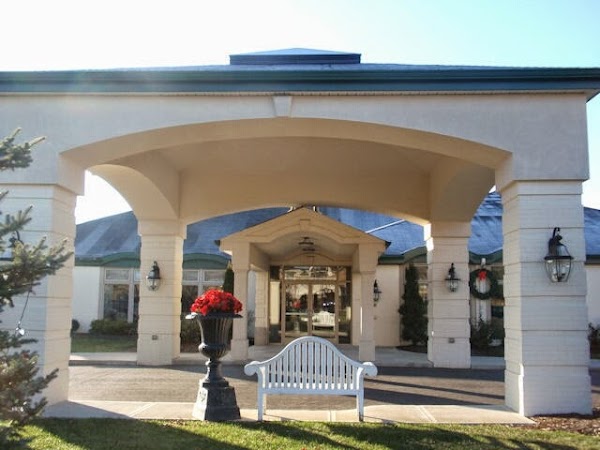
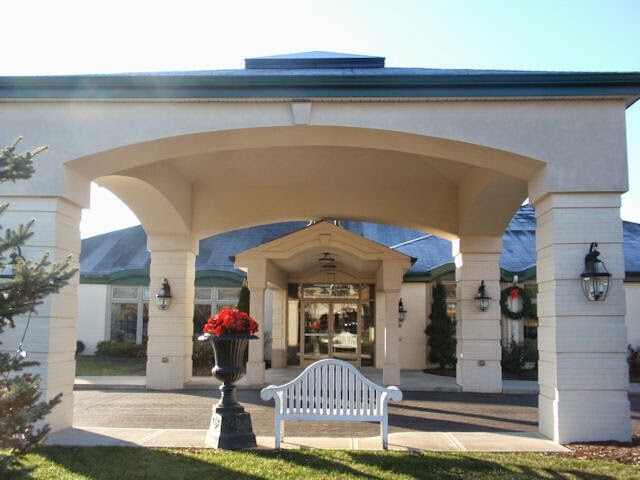
1605 NORTHWEST PROFESSIONAL PLAZA, COLUMBUS, OH 43220 (614) 451-5677
For profit - Corporation 113 Beds OPTALIS HEALTH & REHABILITATION Data: November 2025 4 Immediate Jeopardy citations
Trust Grade
0/100
#771 of 913 in OH
Last Inspection: June 2023

Over 2 years since last inspection. Current conditions may differ from available data.

Overview

Sapphire Rehabilitation and Care Center has received a Trust Grade of F, indicating poor quality and significant concerns about care. Ranking #771 out of 913 in Ohio places it in the bottom half of facilities in the state, and #40 out of 56 in Franklin County shows limited local options that are better. The facility is reportedly improving, having reduced the number of issues from 11 in 2024 to 8 in 2025, but it still faces serious problems. Staffing is a major concern with a low rating of 1 out of 5 stars and a high turnover rate of 67%, which is above the state average. Additionally, the center has been fined $132,028, which is higher than 92% of Ohio facilities, suggesting ongoing compliance issues. There are critical incidents that raise alarms, including a failure to ensure safe discharge for a resident with alcohol abuse issues, which could have led to serious harm. Another incident involved a resident with a tracheostomy not receiving necessary respiratory support during an emergency, which poses life-threatening risks. Lastly, a resident was not given prescribed diabetic medications, leading to a hospitalization for dangerously high blood sugar. While the center has some strengths, including excellent quality measures, these serious weaknesses must be taken into account when considering care options.

Trust Score
F
0/100
In Ohio
#771/913
Bottom 16%
Safety Record
High Risk
Review needed
Inspections
Getting Better
11 → 8 violations
Staff Stability
⚠ Watch
67% turnover. Above average. Higher turnover means staff may not know residents' routines.
Penalties
○ Average
$132,028 in fines. Higher than 55% of Ohio facilities. Some compliance issues.
Skilled Nurses
⚠ Watch
Each resident gets only 14 minutes of Registered Nurse (RN) attention daily — below average for Ohio. Fewer RN minutes means fewer trained eyes watching for problems.
Violations
⚠ Watch
50 deficiencies on record. Higher than average. Multiple issues found across inspections.
★★☆☆☆
2.0
Overall Rating
★☆☆☆☆
1.0
Staff Levels
★★★★★
5.0
Care Quality
★☆☆☆☆
1.0
Inspection Score
Stable
2024: 11 issues
2025: 8 issues

The Good

  • 5-Star Quality Measures · Strong clinical quality outcomes
  • Full Sprinkler Coverage · Fire safety systems throughout facility
  • No fines on record

Facility shows strength in quality measures, fire safety.

The Bad

2-Star Overall Rating

Below Ohio average (3.2)

Below average - review inspection findings carefully

Staff Turnover: 67%

21pts above Ohio avg (46%)

Frequent staff changes - ask about care continuity

Federal Fines: $132,028

Well above median ($33,413)

Significant penalties indicating serious issues

Chain: OPTALIS HEALTH & REHABILITATION

Part of a multi-facility chain

Ask about local staffing decisions and management

Staff turnover is elevated (67%)

19 points above Ohio average of 48%

The Ugly 50 deficiencies on record

4 life-threatening 1 actual harm
Sept 2025 2 deficiencies 1 IJ
CRITICAL (J) 📢 Someone Reported This

A family member, employee, or ombudsman was alarmed enough to file a formal complaint

Immediate Jeopardy (IJ) - the most serious Medicare violation

Deficiency F0627 (Tag F0627)

Someone could have died · This affected 1 resident

**NOTE- TERMS IN BRACKETS HAVE BEEN EDITED TO PROTECT CONFIDENTIALITY** Based on closed medical record review, hospital record review, review of a facility investigation, review of the facility assess...

Read full inspector narrative →
**NOTE- TERMS IN BRACKETS HAVE BEEN EDITED TO PROTECT CONFIDENTIALITY** Based on closed medical record review, hospital record review, review of a facility investigation, review of the facility assessment, policy review, and interview, the facility failed to develop and implement an effective discharge planning process focusing on the safety and total care needs of Resident #23 to ensure the resident was discharged to a safe location with continuity of care post-discharge. This resulted in Immediate Jeopardy and the potential for serious life-threatening harm, injury, and/or death beginning on 08/12/25 when Resident #23, who had been admitted to the facility with a known diagnosis of alcohol abuse, was discharged from the facility without evidence the resident had a safe location in which to go. Following the resident's discharge, on 08/13/25 the facility was notified by an unidentified bystander that Resident #23 wanted the facility contacted and Assistant Director of Nursing (ADON) #341 informed the unknown caller Resident #23 would have to go to the emergency room. The resident was subsequently admitted to the hospital with diagnoses of suicidal ideation and malnutrition. On 09/11/25 at 1:21 P.M., Regional Director of Operations (RDO) #261, Licensed Nursing Home Administrator (LNHA) #271, Regional Nurse #264, and the Director of Nursing (DON) were notified Immediate Jeopardy began on 08/12/25 when Resident #23 was discharged from the facility without proper assessment, without evidence he had a safe location in which to discharge to and without evidence of coordination of care to ensure the resident's medical and psychosocial needs were met resulting in the resident being hospitalized for malnutrition and suicidal ideation. The Immediate Jeopardy was removed on 09/11/25 when the facility implemented the following corrective actions: Resident #23 exited the facility on 08/12/25 at 6:45 A.M. He did not return to the facility. On 09/11/25 at 9:00 A.M., LNHA #271 and the DON were educated on the facility's discharge against medical advice (AMA) and leave of absence (LOA) policies. On 09/11/25 at 12:00 P.M., an audit was completed by LNHA #271 of current residents with plans to discharge to the community. The audit identified five residents (Residents #16, #42, #101, #114, and #122). All five resident's records were audited to ensure discharge planning was in progress and discharge plans were accurately recorded in each resident's record. On 09/11/25 at 3:30 P.M., Social Services Director (SSD) #312 and LNHA #271 were educated by Regional Director of Clinical Services (RDCS) #263 on ensuring support for residents' psychosocial well-being and providing assistance with discharge needs and requests. Additional education included SSD #312 will complete new admission care conferences within 72 hours of admission which will include screening assessments such as the PHQ-9 depression screening tool. On 09/11/25, the DON provided education to the facility's interdisciplinary team (IDT) and licensed nurses on the facility's policies on discharge AMA and LOA policies. The IDT included LNHA #271, ADON #341, Unit Manager (UM) #347, UM #345, SSD #312, Business Office Manager (BOM) #267, Dietary Manager #269, Activity Director #270, Therapy Director #315, Housekeeping Supervisor #280, Maintenance Director #219, Central Supply Coordinator #205, and Medical Records Coordinator #273. Additionally, 20 Licensed Practical Nurses (LPN) and 11 Registered Nurses (RN) were educated. All education was completed on 09/11/25 by 4:30 P.M. The facility held a Quality Assurance Performance Improvement (QAPI) meeting on 09/11/25 which included completion of a root cause analysis of the event and development of a plan of correction. Participants included Medical Director #450, LNHA #271, DON, RDO #261, RDCS #263, and Regional Nurse #264. The QAPI plan was approved by Medical Director #450 and the IDT on 09/11/25 at 4:30 P.M. On 09/11/25 at 4:45 P.M., Minimum Data Set (MDS) Nurse #343 completed an audit of in-house residents with the diagnosis or history of substance abuse or polysubstance abuse. The audit identified six in-house residents (Residents #3, #17, #58, #78, #89, and #120) with a substance abuse or polysubstance abuse history. On 09/11/25 at 5:00 P.M., the DON provided one-on-one education to Residents #3, #17, #58, #78, #89, and #120 on the facility's leave of absences policy. Ad hoc (not scheduled) education will be provided on an ongoing basis by RDCS #263 or Regional Nurse #264 for any staff member who is not correctly implementing the AMA and/or LOA policies on an as-needed basis. Beginning on 09/11/25, newly hired nurses will be trained on the facility's discharge AMA and LOA policies upon hire by the DON or designee. Beginning on 09/12/25, the DON or designee will provide education to agency staff nurses on the facility's discharge AMA and LOA procedures prior to the agency nurse being able to accept the assignment at the facility. Beginning the week of 09/15/25, LNHA #271 or designee will audit weekly discharges for a duration of four weeks to ensure documentation supports a safe discharge, including a discharge plan that meets the residents' behavioral and psychosocial needs. The results of ongoing audits will be reviewed by the facility's QAPI committee to determine if additional audits or education is needed. Beginning on 09/18/25 at regularly scheduled Utilization Review (UR) meetings, LNHA #271 or designee will discuss upcoming resident discharges and safe discharge planning. The weekly UR meetings will be attended by LNHA #271, DON, Therapy Director #315, BOM #770 (start date 09/15/25), and MDS Nurse #343. Although the Immediate Jeopardy was removed on 09/11/25, the deficiency remained at a Severity Level II (no actual harm with potential for more than minimal harm that is not Immediate Jeopardy) as the facility is still in the process of implementing their corrective action plan and monitoring to ensure on-going compliance. Findings include:Review of the closed medical record for Resident #23 revealed the resident was admitted to the facility on [DATE] with diagnoses including chronic obstructive pulmonary disease (COPD), moderate protein-calorie malnutrition, anemia, alcohol abuse, hypertensive heart disease, adult failure to thrive, chronic viral hepatitis C, osteoarthritis, cutaneous abscess of right lower limb, and multiple myeloma. Emergency contacts included a female friend and the resident's sister. The medical record revealed Resident #23 was discharged on 08/13/25.An admission note dated 05/22/25 at 6:19 P.M. authored by Licensed Practical Nurse (LPN) #221 revealed Resident #23 was admitted to the facility from the hospital via medical transport. Review of the physician orders revealed Resident #23's scheduled medications included amlodipine (antihypertensive) 10 milligram (mg) daily, Vitamin D3 (supplement) 125 micrograms daily, Folic Acid (supplement) one mg daily, magnesium oxide (supplement) 400 mg daily, multivitamin with minerals (supplement) one tablet daily, thiamine (supplement) 100 mg daily, Vitamin E (supplement) one tablet daily, zinc (supplement) 220 mg daily, Acyclovir (antiviral) 400 mg twice a day, ascorbic acid (supplement) 500 mg twice a day, Gabapentin (for nerve pain) 500 mg twice a day and 300 mg once a day, senna (laxative) 8.6 mg twice a day, and melatonin (for insomnia) three mg at bedtime.A plan of care dated 05/22/25 revealed Resident #23 was at risk for falls related to weakness, limited mobility, and COPD. Interventions included educating and encouraging Resident #23 to use the ramp when going off a curb, to call for assistance before transferring, and food/fluids and personal care items within reach.An order dated 05/22/25 at 8:47 A.M., given by Certified Nurse Practitioner (CNP) #425, revealed Resident #23 could go on leave of absence (LOA) without supervision. CNP #425 was aware the resident was not signing out when he went on LOA, but the resident was alert and oriented. No care plan was initiated at the time the order was received to ensure the residents' safety when leaving on LOA.The 5-day Medicare Minimum Data Set (MDS) assessment dated [DATE] revealed Resident #23 was cognitively intact, had no documented behavior and required supervision or touching assistance for ambulating. The MDS also revealed Resident #23 had a venous/arterial ulcer.A nursing note dated 06/06/25 at 7:42 A.M. authored by Nursing Supervisor #311 revealed Resident #23 was found outside in his wheelchair wheeling himself down the road in front of the facility. Resident #23 stated he was going to buy beer. Record review revealed no new interventions were initiated at this time to ensure the resident's safety when leaving on LOA.A nursing note dated 06/14/25 at 3:57 A.M. revealed around 3:30 A.M., Resident #23 called the facility and stated he was at a lady friend's house and would return in the morning. Resident #23 refused to give the address of where he was staying. The DON was notified of the phone call. Record review revealed no new interventions were initiated at this time to ensure the resident's safety when leaving on LOA.A nursing note dated 06/14/25 at 10:31 A.M. revealed the outgoing nurse gave report that Resident #23 went on a LOA the previous day and did not return. Resident #23 called on 06/14/25 around 10:15 A.M. and stated he was stalked on [NAME] Road (no clarification was provided regarding what the resident meant by stalked) at the bus stop and needed someone to pick him up. An activity person (unidentified) went to pick Resident #23 up. Record review revealed no new interventions were initiated at this time to ensure the resident's safety when leaving on LOA.A nursing note dated 06/22/25 at 10:30 A.M. revealed Resident #23 was not in his room during morning medication administration. The outgoing nurse did not give report on Resident #23 and stated she took over the shift at 4:00 A.M. The police arrived at the facility around 10:30 A.M. and stated Resident #23 was found sitting in his wheelchair in the street (location not identified). The Administrator sent someone to pick Resident #23 up. Record review revealed no new interventions were initiated at this time to ensure the resident's safety when leaving on LOA. A nursing note dated 07/02/25 at 11:57 P.M. revealed Resident #23 returned to the facility around 11:30 P.M. The note documented the nurse educated Resident #23 about signing out before leaving the facility. Resident #23 stated he would sign out next time. Record review revealed no new interventions were initiated at this time to ensure the resident's safety when leaving on LOA. A Preadmission Screening and Resident Review (PASRR) identification screen dated 07/07/25 revealed Resident #23 had no mental disorders or substance use related disorders. However, review of the resident's admission diagnoses revealed the resident had a diagnosis of alcohol abuse.A plan of care dated 07/19/25 revealed Resident #23 had the potential to be discharged . Resident #23 desired to be discharged to home. Interventions included discussing any special equipment needs and to facilitate obtaining the equipment needed prior to discharge, make referrals to other community agencies as needed, and to talk with Resident #23, allowing the resident to express feelings regarding discharge. A nursing note dated 07/22/25 at 6:42 P.M. authored by Agency LPN #900 revealed the DON notified the nurse Resident #23 had left the building without signing the LOA book. Agency LPN #900 had no knowledge of Resident #23 leaving the building without signing the LOA book. Record review revealed no new interventions were initiated at this time to ensure the resident's safety when leaving on LOA.A plan of care dated 07/23/25 revealed Resident #23 had a history of substance seeking behavior alcohol and had the potential for complications such as substance abuse, withdrawal symptoms, and mood and/or behavioral disturbances (not identified in the medical record). Resident #23 does sign himself out to go drink. Interventions include to discuss behavioral limits and expectations with Resident #23, if Resident #23 returned from leave of absence and appeared to be impaired, the doctor should be notified for directions regarding administration of regularly scheduled medications and observe for indications the resident may be storing drugs or alcohol in room or on person. The doctor should be notified if drugs or alcohol were found. A nursing note dated 08/09/25 at 6:41 A.M. authored by Agency LPN #901 revealed Resident #23 insisted on leaving the facility to go to the mall around 6:00 A.M. The nurse informed Resident #23 that the mall was usually closed at that time, but Resident #23 stated he was leaving anyway. Several staff attempted to redirect Resident #23 without success. The nursing supervisor on call was made aware of Resident #23 leaving the facility. Record review revealed no new interventions were initiated at this time to ensure the resident's safety when leaving on LOA.A social service note dated 08/11/25 at 2:50 P.M. authored by SSD #312 revealed the writer met with Resident #23 to discuss discharge planning. The note included Resident #23 wanted to discharge on ce his therapy goals were met and he was safe to reside on his own. Resident #23 was unclear if he would be able to return to his previous apartment because he had been late on his rent prior to going to the hospital and had made no attempt to pay the rent. Record review revealed no evidence of any social service follow-up or information related to the resident's progress with therapy goals or ability to safely reside on his own.A nursing note dated 08/12/25 at 7:12 A.M. authored by LPN #902 revealed Resident #23 refused a shower after multiple attempts by the Certified Nursing Assistant (CNA). The note included Resident #23 left the building around 6:45 A.M. and failed to comply with signing the LOA book. There was no additional information related to the circumstances surrounding why Resident #23 left and/or what his condition was at the time he left. Record review revealed no evidence the resident's physician, CNP #425 or responsible party were notified the resident had left at this time.Review of the resident's medical record revealed there was no evidence the resident was offered or provided any type of mental health services. There was no evidence of counseling or behavioral health services while the resident resided in the facility.Review of hospital records revealed on 08/12/25 at 6:45 P.M. Resident #23 entered the emergency department at Ohio State University and then left. On 08/13/25 at 11:43 A.M. a follow up note revealed Ohio State University Hospital did not have a bed available for the resident.A nursing note dated 08/13/25 at 8:48 A.M. and authored by LPN #903 revealed Resident #23 was at the hospital (no additional information was provided in the note).A nursing note dated 08/14/25 at 8:18 A.M. authored by RN #235 revealed Resident #23 was at the hospital.The last nursing note in the medical record dated 08/15/25 at 8:00 A.M. authored by RN #235 revealed Resident #23 was hospitalized . Review of hospital records from (Hospital #1) revealed Resident #23 arrived on 08/13/25 at the emergency department on 08/13/25 at 1:32 P.M. Resident #23 had complaints of a headache and lack of housing. Resident #23 stated he had pressure at the top of his head and rated the pain an eight out of ten (on a 0-10 pain scale with zero meaning no pain and 10 being the worst pain the resident has experienced) and described the pain as crushing. The pressure was slow in onset and progressed throughout the day. Resident #23 stated he got headaches infrequently but had headaches like this before. Resident #23 stated he had been outside most of the day and was homeless. Resident #23 denied any trauma and was not sure if he had been under a lot of stress. Resident #23 was discharged (from Hospital #1) on 08/13/25 at 7:35 P.M. (location not identified).Review of hospital records revealed on 08/15/25 at 9:36 P.M. Resident #23 entered Mount Carmel emergency department. An emergency department note dated 08/15/25 from [NAME] Health/Mount Carmel revealed Resident #23 was found in the middle of the road in his wheelchair. Resident #23 admitted to drinking alcohol. Review of hospital records revealed on 08/19/25 at 2:19 P.M. Resident #23 entered Riverside emergency department. An emergency department provider note dated 08/19/25 at 3:44 P.M. revealed Resident #23 had come to the emergency department with concerns for left foot pain and swelling. Resident #23 reported he was ambulatory and walked around a lot. Resident #23 reported he drank some alcohol today and reported suicidal ideation. Resident #23 stated he could not disclose his plan for harming himself. Resident #23 appeared somewhat disheveled and intoxicated and had bilateral lower extremity pitting edema that was 2+ (indentation is three to four millimeters deep and rebounds in less than 15 seconds) with pain overlying erythema (redness) and some venous stasis (where blood flow in the veins slows down or stops) changes. Resident #23's lower extremities would be treated for cellulitis, suspect cellulitis versus venous stasis dermatitis. The first dose of Keflex (antibiotic) would be given. Hospital notes dated 08/19/25 revealed Resident #23 reported he was suicidal and had been since he was at the skilled nursing facility (Sapphire). When asked if Resident #23 had a plan, he stated there was not a building tall enough in Columbus. Resident #23 stated the building would need to be as tall as the Empire State building. Resident #23 reported he had been having suicidal thoughts for months and wanted to stop the misery. Resident #23 was not able to say when he left the skilled facility but stated it was the second time he had left the same facility (he had a prior admission in April 2025). Resident #23 reported he had not really eaten much in the past two weeks. Resident #23 described his sleep as volatile and reported nightmares and used alcohol to mitigate these symptoms. Resident #23 struggled with homelessness and received an eviction notice prior to hospitalization in May 2025. Resident #23 reported sleeping wherever it was safe. Resident #23 had poor hygiene, and his hair was overly long and matted in the back. Further review of the hospital record revealed an emergency department social worker behavioral health initial assessment completed on 08/19/25 at 8:26 P.M. revealed Resident #23 was currently homeless and stayed wherever is safe. Resident #23 stated there was no one to call for a contact person. An emergency social worker behavioral health updated assessment dated [DATE] at 12:05 P.M. revealed Resident #23 had current severe episode of major depressive disorder with psychotic features. Resident #23 continued to endorse thoughts of suicide with a plan to jump from a building. Resident #23 felt he would be better off dead and knows he was not able to manage his medical needs and should have stayed at the skilled nursing facility where he was sent in May. When asked why he left, he admitted to leaving to get a beer. On 08/21/25 at 2:09 P.M., Resident #23 was discharged from Riverside (and transferred to another hospital).Review of hospital records from Hospital #3 revealed Resident #23 was admitted on [DATE] at 2:11 P.M. from another medical center. Resident #23's principal diagnosis included other specified depressive disorder (dysphoria in the context of alcohol use disorder, multiple medical co-morbidities, and psychosocial stressors). Resident #23 had other diagnoses listed that included alcohol use, tobacco use, cannabis use, recent failure to thrive, multiple myeloma, right groin lymphadenopathy, hypertension, coccyx wound, bilateral lower extremity edema (suspected cellulitis versus venous stasis dermatitis, hyponatremia, and limited mobility wheelchair bound). The note included Resident #23 presented to the emergency department at Hospital #3 on 08/19/25 via emergency medical services reporting foot pain/swelling, alcohol use, and suicidal ideation (SI) with thoughts to jump off a building but stated there was not a tall enough structure in Columbus. Resident #23 described SI for months and wanted to stop the misery. Resident #23 was medically stabilized and transferred to Hospital #2 on 08/21/25 for further care. Hospital records revealed Resident #23 was treated for failure to thrive in May of 2025 and then transferred to Sapphire Rehabilitation (Rehab) on 05/22/25. The note included Resident #23 left the facility in search of beer so the staff at Sapphire Rehab told him he could not return. Resident #23 reported he had not eaten in two weeks, had poor sleep and drank alcohol to cope with nightmares. Upon initial evaluation, Resident #23 shared he had been struggling with homelessness and physical health issues. Resident #23 stated he left Sapphire Rehab due to a desire for beer. Resident #23 was amendable to re-referral to skilled nursing facility and indicated he would remain until formally transferred or discharged . Resident #23 was agreeable with transfer to the medical surgical unit for ongoing physical health stabilization and referral to a skilled nursing facility. A nutrition care initial assessment dated [DATE] at 12:19 P.M. revealed Resident #23 had an unintentional weight loss of more than seven pounds in the last month. Resident #23 had a body mass index of less than 23 and was underweight. A behavioral medicine note dated 08/24/25 at 9:02 P.M. revealed Resident #23 stated his mood was not good. Resident #23 had a flat affect. When asked the reason for the resident's mood, Resident #23 stated I am a homeless man I have no idea what I'm going to do when I get out of here.Review of a facility investigation related to Resident #23's discharge, undated, revealed the investigation documented the resident had left the facility Against Medical Advice (AMA). The investigation included Resident #23's face sheet, care plan, progress notes, recent physician orders, and an AMA form signed by the DON and ADON #341 that was not included in the resident's medical record during the investigation. An AMA Informed Signature form that was privileged and confidential (not part of the medical record) dated 08/13/25 at 1:32 P.M. (this was the same time the resident was at Hospital #1) completed by ADON #341 under Nursing Description revealed Resident #23 returned to the facility after a LOA and refused to sign the LOA book. Resident #23 was asked to sign the LOA book. Resident #23 was educated again on signing the LOA book and Resident #23 stated he would not sign the book. Resident #23 was informed that if he refused to abide by facility policies he may not be permitted to return due to insurance authorization (insurance would not pay due to the resident going on LOA). Resident #23 stated he would just leave and refused to sign the LOA book or AMA form. Resident #23 stated Get the (expletive) out of my way. CNP #425 was notified. A note added at the end of the form revealed Resident #23 returned from LOA and stated he was leaving again. The DON and ADON #341 spoke with Resident #23 regarding the LOA and the need to sign out. Resident #23 refused. Resident #23 was educated on the need to sign out LOA for safety. Resident #23 became agitated and stated he would just leave. Resident #23 was alert and oriented. An attempt was made to educate Resident #23 on AMA. Resident #23 stated Get the (expletive) out of my way and refused to sign. Resident #23 left the facility in a wheelchair, and the AMA form was signed by two nurses (DON and ADON #341). ADON #341 was notified on 08/13/25 that Resident #23 had been found outside a hospital and he asked a bystander to call the facility (no clarification as to why the bystander called the facility). The nurse explained to the caller that Resident #23 had left the facility and would need to go to the emergency department for evaluation. Resident #23's girlfriend then came to the facility on [DATE] and stated she could not find Resident #23. The girlfriend was notified where Resident #23 had been taken (hospital information provided since that was near where the unidentified bystander called the facility) and Resident #23 had left. Resident #23's girlfriend/female friend declined to take Resident #23's belongings. The investigation revealed the facility was waiting for further information from the hospital regarding authorization for readmission. There were no staff or resident statements obtained as part of the investigation.During an interview on 08/25/25 at 12:36 P.M., Resident #23's female friend that was listed on the contact list revealed Resident #23 had mental health issues and the facility staff did not care. The friend stated she had located Resident #23, and he was currently at the hospital on a locked behavioral unit. Resident #23 had been living on the streets and was dirty. Resident #23's phone had been shut off and the friend stated she had filed a missing person report because no one knew where Resident #23 was after he left the facility. The friend stated Resident #23 left to get a beer. Resident #23 could not stop drinking and would leave the facility to get beer but always went back to the facility. Resident #23 could not walk very well and had a sore on his bottom when he went to the hospital. During an interview on 08/27/25 at 1:43 P.M., the DON stated Resident #23 liked to leave the facility and not sign the LOA book. The DON reported Resident #23 had left the facility and then come back on 08/13/25 and then wanted to leave again. The DON stated she assumed Resident #23 subsequently went to the hospital because someone called from the area near the hospital at the request of the resident. The DON stated central admissions for the facility was handled offsite, so the DON was not aware if Resident #23 had wanted to return to the facility or where Resident #23 had been discharged to (if discharged ) from the hospital. During an interview on 09/02/25 at 3:24 P.M., the DON verified there was no notification to the police, adult protective services or a home healthcare agency when Resident #23 left the faciity on [DATE]. The DON stated she considered Resident #23 an AMA discharge since he said he was leaving. The DON revealed Resident #23 made bad decisions but always knew to come back to the facility. When asked about the content and thoroughness of the facility investigation related to the incident, the DON revealed the facility did not complete much investigation into the incident because they didn't think it was an issue.During an interview on 09/03/25 at 9:25 A.M., the DON verified Resident #23 did not receive any type of services for substance abuse or mental health while residing at the facility. The DON stated she believed Resident #23 refused services but verified there was no documentation of Resident #23 being offered any services or refusing services. She also verified there was no discharge planning noted in the medical record such as contacting outside resources or looking into alternate places for the resident to live after the resident voiced, he had lost his apartment. The DON verified the resident did have a care plan for anticipated discharge to home but stated it was never followed.During an interview on 09/03/25 at 10:19 A.M., SSD #312 stated she was unsure what her responsibility was when Resident #23 left the faciity on [DATE] because the resident had left on an LOA and never returned. SSD #312 revealed she did contact the police about Resident #23 being missing after his female friend reported she was unable to locate Resident #23. SSD #312 stated she got report that following the resident leaving the facility he was at one hospital, discharged to the community and then was back at a different hospital. During an interview on 09/03/25 at 1:33 P.M., CNP #425 revealed she had not been notified immediately on 08/12/25 when Resident #23 left the facility. CNP #425 was later told Resident #23 had left the facility and would not be returning. During an interview on 09/08/25 at 12:39 P.M., the DON verified Resident #23 left the faciity on [DATE] at 6:45 A.M. and did not return. She verified the resident's medical record contained no documentation supporting the resident verbalized he wanted to leave the facility against medical advice and there was no evidence the resident had any behaviors to support him wanting to leave against medical advice. The DON verified the facility considered the resident leaving the facility an AMA discharge because the resident did not return when he left.During an interview on 09/11/25 at 10:20 A.M., Regional Nurse #264 stated Resident #23 had lost his housing and the facility did not know where the resident went when he left the faciity on [DATE].During an interview on 09/11/25 at 10:20 A.M., LNHA #271, the DON, and Regional Nurse #264 revealed they were unable to provide information as to why the police, APS, Ombudsman and/or the resident's female friend were not notified when Resident #23 left the faciity on [DATE]. Lastly, the DON and Regional Nurse #264 verified Resident #23 was alert and oriented but made unsafe decisions when he wanted alcohol.An attempt to reach the resident's physician (Physician #450) was made on 09/11/25 at 10:48 A.M. The attempt was unsuccessful. A message was left asking the physician to return the call; however, no return call was received.Further review of the medical record revealed no AMA form located within the medical record regarding the resident requesting to leave the facility AMA, no assessment of the resident's ability to safely leave the facility due to potential decision-making impairment related to alcohol use, no communication or attempts to contact the hospital regarding the resident's status and no behaviors documented. Facility staff continued to document through 08/15/25 the resident remained hospitalized (no hospital identified) with no mention the resident had refused to sign an AMA form and left the facility or make mention the resident had discharged from the facility. The facility policy titled Resident Leave of Absence, dated 12/2024, revealed that all residents leaving the facility must have orders for supervised or unsupervised leave of absence. Residents leaving the facility on leave of absence must sign out when leaving. Prior to opening the door to allow a resident to leave, the nurse would verify the leave of absence order and would communicate the leave of absence with the receptionist. Staff observing a resident leaving the premises and having doubts about the resident being properly signed out, should notify their supervisor at once. The nurse would document in a progress note the time the resident leaves the facility and if known, the purpose. Review of the Facility Assessment Tool dated 07/31/25 revealed the number/average or range of residents with behavioral health needs was four to five residents, and those with active or current substance use disorders were four to five residents. The assessment revealed the facility managed the medical conditions and medication-related issues causing psychiatric symptoms and behavior, identify and implement interventions to help support individuals with issues such as dealing with anxiety, care of someone with cognitive impairment, care of individuals with depression, trauma/post-traumatic stress disorder, and other psychiatric diagnoses, intellectual or developmental disability. Emotional support and mental well-being and support with helpful coping mechanisms would be provided. The facility would identify hazards and risks for residents. Behavioral and mental health providers were available to provide services to residents.This deficiency represents noncompliance investigated under Complaint Number 2596080.
MINOR (C) 📢 Someone Reported This

A family member, employee, or ombudsman was alarmed enough to file a formal complaint

Minor Issue - procedural, no safety impact

Deficiency F0628 (Tag F0628)

Minor procedural issue · This affected most or all residents

**NOTE- TERMS IN BRACKETS HAVE BEEN EDITED TO PROTECT CONFIDENTIALITY** Based on record review and interview the facility failed to provide bed hold notices, and transfer/discharge notices to resident...

Read full inspector narrative →
**NOTE- TERMS IN BRACKETS HAVE BEEN EDITED TO PROTECT CONFIDENTIALITY** Based on record review and interview the facility failed to provide bed hold notices, and transfer/discharge notices to residents being sent to the hospital and to notify the ombudsman monthly of facility discharges. This affected three residents (#3, #55, and #109) of three reviewed for hospitalization.Findings Include: 1.Review of Resident #109‘s medical record revealed an admission date of 06/18/25, a discharge date of 06/30/25 and diagnoses including, but not limited to, diabetes, chronic kidney disease stage three, Alzheimer's disease, anxiety, hypertension and metabolic encephalopathy. Review of the admission Minimum Data Set (MDS) assessment, dated 06/24/25 revealed a Brief Interview for Mental Status (BIMS) score of six indicating the resident had severely impaired cognition. The resident required set up assistance for eating and substantial/maximal assist for bathing, toileting hygiene, bed mobility and transfers. Further review revealed Resident #109 was frequently incontinent of bladder and bowel, was receiving antidepressant, diuretic and hypoglycemic medications and was working with speech, occupational, and physical therapy. Review of Resident #109's medical record revealed no documentation the resident or resident's representative had been given a bed hold notice or a transfer/discharge notice. Further review of Resident #109's medical record revealed no documentation the ombudsman had been notified of the resident's transfer to the hospital. In an interview on 08/27/2025 at 3:23 P.M. the Director of Nursing (DON) stated the facility was not able to provide documentation that Resident #109 or her representative had received a bed hold notice or transfer/discharge notice. The DON further stated the facility was unable to provide documentation of the ombudsman being notified of Resident #109's transfer. 2. Review of Resident #55‘s medical record revealed an admission date of 07/29/25, a discharge date of 08/24/25 and diagnoses including, but not limited to, peripheral vascular disease, diabetes, chronic obstructive pulmonary disease, hypertension, and other acute osteomyelitis of the left ankle and foot. Review of Resident #55's admission Minimum Data Set (MDS) assessment, dated 08/07/25 revealed a Brief Interview for Mental Status (BIMS) score of 14 indicating the resident was cognitively intact. The resident required set up assistance for eating, partial/moderate assist with bathing and dressing and substantial/maximal with transfers. Further review revealed Resident #109 was continent of bladder and bowel, was receiving insulin, antidepressant, antidepressant, antibiotic, opioid, antiplatelet, hypoglycemic and anticonvulsant medications and was working with occupational and physical therapy. Review of Resident #55's medical record revealed no documentation the resident or resident's representative had been given a bed hold notice or a transfer/discharge notice. In an interview on 09/04/2025 at 3:45 P.M. the Director of Nursing (DON) stated the facility was not able to provide documentation that Resident #55 or his representative had received a bed hold notice or transfer/discharge notice. 3. Review of the medical record revealed Resident #3 was admitted on [DATE] and readmitted on [DATE] with diagnoses that included osteomyelitis, asthma, type 2 diabetes, and methicillin resistant staphylococcus aureus. A nursing note dated 04/23/25 at 7:22 P.M. revealed Resident #3 went to an appointment and had not returned. A nursing note dated 05/14/25 at 4:38 P.M. revealed Resident #3 was readmitted to the facility from the hospital. Review of the census revealed Resident #3 was out to the hospital on [DATE] and returned to the facility on [DATE]. An interview on 08/28/25 at 2:13 P.M. Director of Nursing (DON) verified Resident #3 had not been provided with a bed hold notification when Resident #3 went to the hospital on [DATE] and 05/25/25. An interview on 09/02/25 at 10:49 A.M. Resident #3 stated she was told once that she had only nine days for her room to be held. Resident #3 verified she was not given a formal bed hold notification. Review of the policy titled Bed-Holds and Returns, revised March 2017, revealed that prior to transfers residents or resident representatives would be informed in writing of the bed-hold and return policy. Review of the policy titled Facility Initiated Transfers and Discharge Notice, dated December 2024, revealed that in emergencies the resident and their representative would be notified as soon as possible.
Jun 2025 1 deficiency 1 Harm
SERIOUS (G) 📢 Someone Reported This

A family member, employee, or ombudsman was alarmed enough to file a formal complaint

Actual Harm - a resident was hurt due to facility failures

Free from Abuse/Neglect (Tag F0600)

A resident was harmed · This affected 1 resident

Based on medical record review, review of hospital records, review of Self-Reported Incidents (SRIs), staff interview, and review of the facility policy, the facility failed to ensure residents were f...

Read full inspector narrative →
Based on medical record review, review of hospital records, review of Self-Reported Incidents (SRIs), staff interview, and review of the facility policy, the facility failed to ensure residents were free from physical abuse. This resulted in Actual Harm on 05/27/25 for Resident #12 who was admitted to the hospital and treated for facial bruising and a laceration above the left eye with sutures after being punched in the face by another resident. This affected one (Resident #12) of three residents reviewed for abuse. The facility census was 109 residents. Findings include: Review of the medical record for Resident #12 revealed an admission date of 08/03/24 with diagnoses including dementia, type two diabetes mellitus, anxiety disorder, and depression. Review of the care plan for Resident #12, initiated 08/04/24, revealed the resident had a behavior problem related to dementia, which included wandering into other residents' rooms. Interventions included the following: attempt to redirect the resident when showing wandering behaviors, anticipate and meet the resident's needs, staff to intervene as necessary to protect the rights and safety of others, remove from situation and take to an alternate location if needed. Review of the Minimum Data Set (MDS) assessment for Resident #12, dated 03/04/25, revealed the resident was severely cognitively impaired and required staff assistance with activities of daily living (ADLs.) Review of the nurse progress note for Resident #12, dated 05/24/25, revealed the resident continued to go into other residents' rooms taking belongings. Staff redirected Resident #12 several times during the shift, but the resident continued to wander and open doors to other residents' rooms. Review of the nurse progress note for Resident #12, dated 05/27/25, revealed LPN #112 was charting when Resident #20 approached the nurse and reported she witnessed one resident beating up another resident. The nurse responded to Resident # 28's room and found Resident #12 standing in the middle of the room bleeding profusely from his face. The resident, who attacked Resident #12, admitted he had beat the resident with his hands. The nurse applied direct pressure to the bleeding area on Resident #12's face and called 911 to transport the resident to the hospital. Review of the SRI regarding Resident #12, dated 05/27/25, revealed LPN #112 was charting when Resident #20 informed her Resident #28 was physically assaulting Resident #12. LPN #112 responded to Resident #28's room and found Resident #12 standing in the middle of the room with facial bleeding. The two residents were separated, and Resident #12 was sent to the hospital via ambulance for treatment of his injuries. Social Services Designee (#105) interviewed Resident #28, who told the SSD Resident #12 kept coming into his room and Resident #28 became frustrated after several failed attempts to stop the resident from coming into his room. Resident #28 said he reacted by punching Resident #12, because he just couldn't take it anymore. Review of a witness statement per SSD #105, dated 05/29/25, revealed the SSD interviewed Resident #28 who confirmed he had punched Resident #12 on 05/27/25, because Resident #12 kept coming into his room and he had asked him multiple times to stop coming into his room. Further review revealed Resident #28 confirmed he punched Resident #12 because he just couldn't take it anymore. Review of the hospital records for Resident #12, dated 05/27/25 to 05/31/25, revealed the resident was admitted to the hospital as an assault victim. Resident #12 had been hit in the face and had a hematoma and laceration on the left side of his face with admitting diagnoses of periorbital ecchymosis and swelling and facial laceration with stitches. Review of the nurse progress note for Resident #12, dated 05/31/25, revealed the resident was readmitted to the facility. Resident #12 had swelling to the left side of his face, a bruise to his left eye, and a laceration above the left eye with stitches. Review of the medical record for Resident#28 revealed a readmission date of 01/27/25, with diagnoses including stroke, hypertension, peripheral vascular disease (PVD), and dementia. Review of the care plan for Resident #28, initiated 03/03/23, revealed the resident had a behavior problem, which included hitting other residents. Interventions included the following: assist the resident to develop more appropriate measures for coping and interacting, encourage the resident to express feelings appropriately, and a stop sign across the door of the room (added 05/27/25). Review of the MDS assessment for Resident #28, dated 04/09/25, revealed the resident had mild cognitive impairment. Interview on 06/12/25 at 8:00 A.M. with the Director of Nursing (DON) and the Administrator confirmed the facility initiated an SRI when Resident #28 assaulted Resident #12 resulting in facial bruising and a laceration requiring sutures above Resident #12's left eye. The facility did not substantiate abuse because they believed Resident #28 had not intended to hurt Resident #12. Interview confirmed the facility implemented a new intervention after the incident had occurred. After Resident #12 returned from the hospital, the facility decided to place a stop sign across Resident #28's door to prevent unwanted visitors. Interview on 06/12/25 at 12:16 P.M. with LPN #112 confirmed when she walked into Resident #28's room on 05/27/25 she found Resident #12 standing in the middle of the room with his face in his hands because he was bleeding badly. LPN #112 confirmed she asked Resident #28 what happened, and Resident #28 told the nurse he had hit Resident #12 in the face which had caused the injuries. LPN #112 confirmed she separated the residents and sent Resident #12 to the hospital via ambulance for treatment of his injuries. LPN #112 confirmed Resident #12 was free of any bruises or cuts to his face prior to the incident. Observations on 06/11/24 and 06/12/25, between 8:00 A.M. to 4:30 P.M., revealed there was no stop sign to Resident #28's door blocking entry to the room. Interview on 06/12/25 at 12:30 P.M. with Certified Nursing Assistant (CNA) #106 confirmed there was no stop sign to Resident #28's door because Resident #28's roommate had ripped the sign off the wall. Review of facility policy, titled Abuse, Mistreatment, Neglect, Exploitation and Misappropriation of Resident Property undated, revealed residents had the right to be free from abuse including resident to resident abuse. Abuse was defined as the willful infliction of injury. Willful meant the individual must have acted deliberately, not that the individual intended to cause harm.
May 2025 1 deficiency 1 IJ
CRITICAL (J) 📢 Someone Reported This

A family member, employee, or ombudsman was alarmed enough to file a formal complaint

Immediate Jeopardy (IJ) - the most serious Medicare violation

Quality of Care (Tag F0684)

Someone could have died · This affected 1 resident

**NOTE- TERMS IN BRACKETS HAVE BEEN EDITED TO PROTECT CONFIDENTIALITY** Based on closed medical record review, staff interviews, Emergency Medical Technician (EMT) interview, review of Emergency Medic...

Read full inspector narrative →
**NOTE- TERMS IN BRACKETS HAVE BEEN EDITED TO PROTECT CONFIDENTIALITY** Based on closed medical record review, staff interviews, Emergency Medical Technician (EMT) interview, review of Emergency Medical Services (EMS) run report, review of the tracheostomy handbook, and review of the facilities policies and procedures, the facility failed to ensure the proper respiratory support was provided to a resident who was experiencing respiratory distress. This resulted in Immediate Jeopardy and serious life-threatening harm and/or negative health outcomes when Resident #199, who had a tracheostomy (a small surgical opening through the skin and into the windpipe), was not administered respiratory support including suctioning the tracheostomy, administering an as needed breathing treatment which was ordered for shortness of breath, changing the inner cannula of the tracheostomy to ensure its patency or attaching an Ambu (also known as a bag 0 valve-mask resuscitator) to the residents tracheostomy to provide breaths. The lack of providing respiratory support during this emergency resulted in Resident #199 experiencing shortness of breath, loss of consciousness, loss of respirations, loss of pulse and was subsequently pronounced deceased in the emergency room. This affected one (Resident #199) of two residents reviewed for tracheostomy care. The facility does not currently have any residents with tracheostomies. The facility census was 93. On [DATE] at 2:50 P.M., the Administrator, Director of Nursing (DON), and Regional Director of Clinical Operations (RDCO) #306 were notified of Immediate Jeopardy that began on [DATE] between 2:30 P.M. and 3:00 P.M., when Resident #199 had complaints of shortness of breath which led to unconsciousness, loss of respiration and pulse. On [DATE], Resident #199 complained of shortness of breath when Assistant Director of Nursing (ADON) #157 proceeded to check all oxygen tubing connections to ensure there was no leakage and increased Resident #199 ' s oxygen being delivered from 4 to 5 liters per minute. Resident #199 was noted to show no improvement, so ADON #157 left the residents ' room to call 911 (EMS) and prepare this resident ' s medical paperwork for transfer to the hospital. Licensed Practical Nurse (LPN) #303 was to remain in the room with Resident #199. EMS was noted to arrive at the facility at 3:08 P.M. where upon entering Resident #199 ' s room, the resident was found to be alone with no staff at bedside, face appeared pale, and hands and feet appeared cyanotic (bluish) in color. Resident #199 was noted to be laying in a semi-Fowler ' s position (when a person lies on their back with their head and upper body raised 30 - 45 degrees) with no supplemental oxygen in place. EMT ' s were noted to check Resident #199 ' s carotid arteries on both sides of her neck where no pulse was detected. Cardiopulmonary resuscitation (CPR) was immediately initiated with no detectable pulse ever noted. Resident #199 was transported to the local emergency room where she was pronounced deceased . The Immediate Jeopardy was removed on [DATE] when the facility implemented the following corrective actions: • On [DATE], Resident #199 was transferred to the hospital via EMS. • On [DATE], the DON audited charting over the last seven days to see if any other residents reported respiratory distress with no findings. The DON or designee will complete a weekly audit for the next 30 days regarding residents reporting respiratory concerns and ensure appropriate interventions are put in place. • On [DATE] at 4:30 P.M., the Administrator validated no residents currently reside in the facility with tracheostomies. • On [DATE] at 5:38 P.M., the facility completed a Quality Assurance and Performance Improvement (QAPI) meeting which included a root cause analysis of the event and developed a plan of correction. Participants included Medical Director #300, the Administrator, the DON, Unit Manager #117, Unit Manager #41 and RDCO #306. The QAPI plan was approved by Medical Director #300 and the Interdisciplinary Team (IDT) on [DATE]. • On [DATE], a new Emergency Tracheostomy Care Policy was put into effect. • On [DATE], a Code Blue Competency Drill was conducted by RDCO #306 and the DON. The drill also included education on responding to respiratory distress, suctioning, and monitoring of residents in respiratory distress and education on the Emergency Tracheostomy Care Policy. The Code Blue Competency and education was held on day and night shift on [DATE]. The DON completed the day shift Code Blue Competency Drill at 5:12 P.M. on [DATE] and ADON #157 completed the night shift Competency Drill at 7:18 P.M. on [DATE]. • At this time, the facility does not have a resident with a tracheostomy; however, if the facility admits a resident with a tracheostomy, the resident will be interviewed three times weekly regarding quality of respiratory care. Staff will also be interviewed three times a week for responding to respiratory distress, suctioning, and monitoring of residents in respiratory distress and education on the Emergency Tracheostomy Care Policy. These audits will continue for the next 30 days after admission. • On [DATE] at 6:00 P.M., the Administrator electronically delivered RN/LPN education to all licensed nurses regarding emergency tracheostomy care via the One Call delivery system. • On [DATE], all facility staff in Environmental Services, Dietary, Administration, Maintenance, Therapy, and Activities departments were educated on responding to respiratory distress by the Administrator. • The DON/designee will educate all agency staff prior to taking an assignment on the Emergency Tracheostomy Care Policy and will ensure they receive competency validation on tracheostomy care at the start of their shift. The DON or designee will ensure on going education with All Agency Nurses. Any nurse who did not complete the training above will not be permitted to take an assignment until completed. • The DON and/or designee will perform three staff interviews five times a week, across all shifts times 4 weeks to ensure all LPNs and RNs are knowledgeable in responding to situations of respiratory distress and steps to take to maintain oxygenation. • The QAPI committee will review the results of these audits and processes to determine if additional audits or education is needed. Although the Immediate Jeopardy was removed on [DATE], the deficiency remains at a Severity Level 2 (no actual harm with potential for more than minimal harm that is not Immediate Jeopardy) as the facility is in the process of implementing their corrective action plan and monitoring to ensure on-going compliance. Findings include: Review of the closed medical record for Resident #199 revealed an admission date of [DATE] and a discharge date of [DATE]. Diagnoses included acute respiratory failure with hypoxia (absence of enough oxygen in the tissue to sustain bodily function) and hypercapnia (occurs when there is too much carbon dioxide [CO2] in the bloodstream), bacterial pneumonia, morbid obesity, and tracheostomy status. Review of the admission Assessment for Resident #199 dated [DATE] at 2:41 P.M. revealed this resident admitted to this facility from a local hospital with an admission diagnosis including acute hypoxic/hypercapnic respiratory failure. Resident #199 was noted to have a full code status indicating if this patient ' s heart stops or they stop breathing, all possible medical interventions, including CPR, intubation, and defibrillation will be used to try and revive them. Resident #199 ' s respiratory assessment revealed clear bilateral lung sounds with no abnormal sounds noted and shortness of breath was experienced when Resident #199 was laying flay. Resident #199 was noted with a non-productive cough. Resident #199 was noted to be alert and orientated to person, place, time, and situation and able to make needs known and understood others. Resident #199 was noted to have a Brief Interview for Mental Status (BIMS) score of 15 out of 15 indicating an intact cognition for daily decision-making abilities. Review of the care plan for Resident #199 failed to identify a plan to provide respiratory or tracheostomy (trach) care. Review of physician orders for Resident #199 revealed the following: -Elevate the head of bed to prevent shortness of breath related to Asthma. -Trach care every shift and as needed. -Change oxygen tubing filters and humidification bottle every week and as needed on Sunday night. -Supplemental oxygen continuously via trach at 4 liters per minute every shift for Chronic Obstructive Pulmonary Disease (COPD) -Albuterol Sulfate Nebulization Solution (2.5 milligrams [mg]/3 milliliter [ml]) 0.083% Inhale 3 ml orally via nebulizer every 6 hours as needed for shortness of breath. -Clonazepam oral tablet, 0.5 mg. Give 1 tablet by mouth every 12 hours as needed for anxiety for 14 days. Review of the medication administration record revealed no administration of the ordered nebulizer treatment on [DATE] for shortness of breath. Review of the nursing progress note dated [DATE] at 3:30 P.M., created by LPN #303, revealed Resident #199 requested to be suctioned due to reported difficulty clearing secretions. This nurse obtained assistance from another nurse (ADON #157) to perform suctioning. Procedure was completed with a moderate amount of mucus suctioned. After suctioning resident requested to be changed, while this nurse and aids were assisting resident with repositioning, resident began complaining of shortness of breath, appearing in acute respiratory distress with labored breathing and cyanosis noted. Pulse oximeter (non-invasive equipment used to measure the percent of oxygen in a person ' s blood) applied and oxygen saturations were found critically low fluctuating between 50-20%, heart rate dropped rapidly. Resident #199 maintained a weak pulse initially. 911 was immediately called by an assisting nurse (ADON #157). The face sheet, medication list and necessary documentation were printed and prepared for EMS. Upon EMS arrival the resident lost pulse, and CPR was initiated by the EMT. The resident was transported to a local hospital for further evaluation and treatment. On call clinical staff were notified and provided full report. Power of Attorney (POA) contacted and informed of the incident and resident transfer to hospital. Review of the EMS run report dated [DATE] revealed the 911 call from the facility was received at 3:02 P.M. for Resident #199 who was unconscious, Medic Unit #72 was notified of the dispatch at 3:03 P.M., Medic Unit #72 was enroute to the facility at 3:04 P.M. and arrived at the facility at 3:08 P.M. Resident #199 was found lying in her bed unconscious and not breathing. Primary assessment of Resident #199 when medics arrived was cardiac arrest which was noted prior to any EMS arriving. No vitals were able to be obtained due to this patient ' s condition. Continued reviews indicated that no CPR was being performed by facility staff prior to EMS arriving at the facility. Medic Unit was noted to leave the facility at 3:26 P.M. and arrived at the local hospital at 3:32 P.M. Interview on [DATE] at 2:56 P.M. with ADON #157 revealed she has worked at this facility for about six years and over the years they have had multiple trach patients. ADON #157 stated that on [DATE] she came in just to grab some paperwork and that was when LPN #303 asked her if she could just help with suctioning Resident #199. LPN #303 stated she knew how to do it but was busy. ADON #157 stated that while she set up the sterile suctioning kit, she had placed the pulse oximeter on Resident #199 ' s finger to see what her oxygen saturations were, and they were in the high 90s and her pulse per what she remembered was fine. ADON #157 reported that she placed the suction catheter in once and there were not a lot of secretions noted. The resident requested to be suctioned again so she waited about 5 minutes and then did it again all while the pulse oximeter was in place and her sats were still at baseline and good. After the second time suctioning, Resident #199 requested to be pulled up in bed, which she assisted with. Then she said she needed to be changed. As the Certified Nursing Assistants (CNAs) were coming in to do this care, Resident #199 started to complain she could not breathe, ADON 157 noticed her pulse and oxygen level started to decline. Resident #199 was already receiving 4 liters of oxygen, so she bumped it up to 5 liters with no positive outcome. ADON #157 stated she called 911 and the EMS arrived quickly. All during this time, the primary nurse (LPN #303) remained at bedside and this resident was still alert and had a pulse during this time. EMS took this resident to the hospital. Interview on [DATE] at 6:38 P.M. with Agency LPN #303 reported Resident #199 requested to have her tracheostomy suctioned and ADON #157 was at the facility so she figured the resident would be more comfortable with a full-time staff member doing this care instead of her, so she asked ADON #157 to complete this care. After this care was completed twice, this resident requested to be changed. When Resident #199 ' s head of bed was lowered to provide care, she started to complain of shortness of breath. Her head was raised up and ADON #157 increased her oxygen level from 3 to 4.5 or 5, she could not remember the exact number. Resident #199 did not appear to be any better, so ADON #157 went to call 911 and get the residents ' paperwork ready. During this time, she remained with the resident until EMS arrived. The pulse oximeter remained in place and while she could not recall the patient ' s pulse, she remembered her oxygen saturations reading in the low 80%. Until EMS arrived at the facility, her oxygen saturation was in the low 80s and then it suddenly dropped to about 25% but again she could not recall the pulse because she was more focused on her respiration and oxygen saturations. LPN #303 claimed Resident #199 ' s head of bed was raised high, and she was receiving oxygen support via trach mask when EMS arrived. LPN #303 confirmed that no one attempted to suction the patient, did not administer as needed breathing treatment for shortness of breath, did not change the inner trach cannula nor did they attempt to attach an Ambu bag for breathing assistance. An interview was conducted on [DATE] at 2:45 P.M. with EMT #308 and Battalion Chief #310. EMT #308 revealed he has been a medic for two years now. He stated he was the lead of Medic Unit #72 who responded to this facility for Resident #199 who was reported in respiratory distress. The station received the call at 3:02 P.M., and they arrived at the facility at 3:08 P.M. When they walked through the facility ' s ambulance entrance her room was right there. EMT #308 reported they walked into her room and no staff members were in the room, and the patient was laying in a semi-Flowers position and had no supplemental oxygen on. Her face was pale, and her hands and feet were blue. He immediately checked both carotid arteries and felt no pulse. Chest compressions were immediately started, and he then instructed another Medic to obtain an airway. This was when they realized this patient had a trach but due to how she was laying and her size, they could not see it. They were able to obtain an airway with her trach and CPR continued. Epinephrine was administered, which is a medication used during CPR which acts as adrenaline to stimulate the body ' s sympathomimetic system or the Fight-or-Flight response. Medic #308 stated CPR was started within 60 seconds of arriving at the facility. He could not recall if there was a pulse oximeter on her finger or not, but she did not have a pulse per his assessment. Per Medic #308 and Battalion Chief #310, per the appearance of this patient, her pulse had not just stopped when they entered the facility. Each patient is different in the way they decline but the pale face and blue feet and hands do not happen immediately. Further interview revealed they cannot say for sure what the facility did or did not do but they strongly feel not all respiratory measures were taken to help this patient with respiratory distress. Interview on [DATE] at 4:25 P.M. with CNA #191 revealed she did work the day shift on [DATE] but was not Resident #199's primary caregiver. CNA #191 stated she assisted the other CNAs with changing her that morning. After this, Resident #199 requested to be suctioned so they told the nurse. CNA #191 reported Resident #199 pulled her call light multiple times during the day requesting to be suctioned and the nurse would say okay but would not do it. Around 2:00 P.M. on [DATE] when she came into Resident #199 ' s room she was upset and looking on the Internet for different facilities for her to transfer to, claiming she did not feel safe. CNA #191 stated she gave the patient the Administrators number for her to contact him and let him know what was going on. The patient was claiming that she had not been suctioned since she arrived at the facility. Review of the undated Smiths Adult trach handbook the facility provided revealed that during an emergency, a bag ventilation device is used when resident is not able to breathe with ease or has stopped breathing. Using the bag allows you to assist his/her breathing or to completely take over breathing for him/her. This is to be used with CPR if the resident is not breathing and you cannot find a pulse. It may also be used to help resident breathe whenever there is difficulty or shortness of breath. Review of the facility policy titled, Lower Airway (tracheostomy tube) Suctioning dated [DATE] revealed, the purpose was to remove secretions, maintain a patent airway, and prevent infection to the lower respiratory tract. Review of facility policy titled, Advanced Directives dated [DATE] revealed under the section titled Full Code, when a resident is identified as a full code the facility staff will provide emergent measures in an attempt to resuscitate the patient. This may involve chest compressions, electric shocks, and emergency medications that act to temporarily keep blood moving to essential organs such as the brain. The facility staff must continue any resuscitative efforts until EMS arrives and takes over. This deficiency represents noncompliance under Complaint Number OH00164689.
Mar 2025 4 deficiencies
CONCERN (D) 📢 Someone Reported This

A family member, employee, or ombudsman was alarmed enough to file a formal complaint

Potential for Harm - no one hurt, but risky conditions existed

Safe Environment (Tag F0584)

Could have caused harm · This affected 1 resident

Based on observation, resident, resident family member, and staff interview, and medical record review, the facility failed to maintain a homelike environment for one (#13) of three residents reviewed...

Read full inspector narrative →
Based on observation, resident, resident family member, and staff interview, and medical record review, the facility failed to maintain a homelike environment for one (#13) of three residents reviewed for environment. The facility census was 99. Findings include: Review of the medical record for Resident #13 revealed an admission date of 10/17/24. Diagnoses included dysphasia, muscle disorder, mobility abnormalities, diabetes with foot ulcer, respiratory failure, and dependence on renal dialysis. Interview and observation on 02/26/25 at 1:35 P.M. with Resident #13 and Resident #13's family member revealed the resident's furniture was typically covered in medical supplies, pillows, wound vacuum care supplies, gloves, incontinence briefs, and blankets. Observation of the resident's room during the interview revealed a pile of items was three feet high and taller than the back of the armchair. Resident #13's family stated the resident did not have current orders for a wound vacuum and the resident typically had pillows for off loading, but did not need the six that were piled up. Observation and interview on 02/27/25 at 9:15 A.M. with Resident #13 and Certified Nurse Aide (CNA) #55 confirmed Resident #13's chair had a large pile of supplies that should be stored in a supply closet or in a wardrobe. CNA #55 confirmed it did not appear homelike, and if guests visit they are unable to sit and make use of the furniture. Interview on 02/27/25 at approximately 10:30 A.M. with Regional Nurse #200 confirmed the facility shall ensure resident rooms appear homelike without clutter and items should not be left stacked on resident furniture by staff to the point where the furniture was not usable. Review of facility policy titled, Homelike Environment, dated 02/2021, revealed residents shall be provided with a safe clean comfortable and homelike environment. This deficiency represents non-compliance investigated under Complaint Number OH00162784.
CONCERN (D) 📢 Someone Reported This

A family member, employee, or ombudsman was alarmed enough to file a formal complaint

Potential for Harm - no one hurt, but risky conditions existed

ADL Care (Tag F0677)

Could have caused harm · This affected 1 resident

**NOTE- TERMS IN BRACKETS HAVE BEEN EDITED TO PROTECT CONFIDENTIALITY** Based on observation, resident, resident family, and staff interview, medical record review, and policy review, the facility fai...

Read full inspector narrative →
**NOTE- TERMS IN BRACKETS HAVE BEEN EDITED TO PROTECT CONFIDENTIALITY** Based on observation, resident, resident family, and staff interview, medical record review, and policy review, the facility failed to ensure residents received assistance with bathing and nail care. This affected three (#13, #21, and #102) of four residents reviewed for activities of daily living (ADLs) for dependent residents. The facility census was 99. Findings include: 1. Review of the medical record for Resident #102 revealed an admission date of 11/04/24 and discharge date of 01/19/25. Diagnoses included amputation of the right foot, diabetes, muscle disorder, end stage renal disease, epilepsy, and heart failure. Review of the plan of care dated 11/04/24 revealed Resident #102 had a self-care deficit with interventions to assist with bathing and shower as needed, and assist with hygiene, grooming, dressing as needed. Review of the Minimum Data Set (MDS) assessment dated [DATE] revealed Resident #102 was cognitively intact and required substantial maximum assistance for toileting, bathing, and personal hygiene. Resident #102 was dependent for transfers from a bed to a chair, required substantial maximum assistance for toilet transfers, and tub/shower transfers were not attempted during the MDS assessment review period. Review of Resident #102's medical record revealed no evidence of showers from November or December 2024. Review of shower documentation in January 2025 revealed the resident was bathed on 01/16/25 and 01/19/25. On 01/19/25, the resident was transferred out of the facility to the hospital and did not return. Interview on 02/27/25 at 10:30 A.M. with Regional Nurse #200 confirmed showers were only documented twice out of 19 days of Resident #102's stay in January 2025, and confirmed the facility had no documentation of the resident being bathed in November or December 2024. 2. Review of the medical record for Resident #13 revealed an admission date of 10/17/24. Diagnoses included dysphasia, muscle disorder, mobility abnormalities, diabetes with a foot ulcer, respiratory failure, and dependence on renal dialysis. Review of the plan of care dated 10/18/24 revealed Resident #13 had a self-care deficit with interventions to assist with baths and showers as needed, and assist with daily hygiene, grooming, dressing, and oral care as needed. Review of the MDS assessment dated [DATE] revealed Resident #13's cognition was not assessed and resident required substantial maximum assist for toileting and bathing, lower body dressing, partial moderate assistance for upper body dressing, and supervision touching assistance with personal hygiene. Resident #13 required substantial maximum assistance for transfers from a bed to a chair, toilet transfers, and tub/shower transfers. Review of cognitive assessment dated [DATE] revealed Resident #13 had intact cognition. Review of Resident #13's medical record revealed the facility provided showers on 02/01/25, 02/03/25, 02/05/25, 02/18/25, 02/22/25 with no refusals documented. Further review of the documentation revealed no indication nail care was completed on any bathing date. Interview and observation on 02/26/25 at 1:35 P.M. with Resident #13 and Resident #13's family member revealed Resident #13 would like her nails trimmed. Both Resident #13 and Resident #13's family member stated the resident had asked facility staff for assistance with trimming her finger nails, but staff have not assisted her. Resident #13's family member reported the facility had a nail activity each month, but it was during the resident's dialysis appointments, so the resident missed the activity every time. Observation during the interview revealed Resident #13's finger nails were untrimmed. Observation and interview on 02/27/25 at 9:15 A.M. with Resident #13 and Certified Nurse Aide (CNA) #55 confirmed Resident #13's finger nails were long and extended about one to two inches past the nail beds. Resident #13 was observed telling CNA #55 she wanted her nails trimmed and had trouble getting staff to assist her. Interview on 02/27/25 at approximately 10:30 A.M. with Regional Nurse #200 confirmed resident finger nail care should be offered to residents as needed and on shower days. 3. Review of the medical record for Resident #21 revealed an admission date of 01/16/25. Diagnoses included chronic respiratory failure, heart disease, anxiety, heart failure, anemia, and dependence on renal dialysis. Review of the plan of care dated 01/17/25 revealed Resident #21 had a self-care deficit with interventions to allow time for the resident to express feelings, and assist with activities of daily living. Review of the MDS assessment dated [DATE] revealed Resident #21 was cognitively intact, was dependent for toileting, bathing, upper and lower body dressing, and required partial moderate assistance with personal hygiene. Resident #21 was dependent for transfers from a bed to a chair, toilet transfers, and tub/shower transfers. Review of Resident #21's medical record revealed the facility provided showers on 01/29/25, 01/30/25, 02/13/25, and 02/24/25 with one refusal documented earlier in the day on 01/29/25. Interview on 02/26/25 at 1:12 P.M. with Resident #21 revealed she was not provided bathing assistance consistently. Interview on 02/26/25 at 4:40 P.M. with Regional Nurse #200 confirmed Resident #21's showers were only documented four times in the past two months. She confirmed staff should be documenting each shower or bath offered and good hygiene should be maintained. Review of facility policy titled, Activity of Daily Living, dated 08/2023, revealed residents shall be provided with care and services to maintain activities of daily living. Residents unable to carry out tasks independently shall receive assistance to maintain good grooming and hygiene including bathing care. This deficiency represents non-compliance investigated under Complaint Number OH00162784.
CONCERN (D) 📢 Someone Reported This

A family member, employee, or ombudsman was alarmed enough to file a formal complaint

Potential for Harm - no one hurt, but risky conditions existed

Deficiency F0825 (Tag F0825)

Could have caused harm · This affected 1 resident

**NOTE- TERMS IN BRACKETS HAVE BEEN EDITED TO PROTECT CONFIDENTIALITY** Based on medical record review, resident, resident family, and staff interview, policy review, the facility failed to ensure phy...

Read full inspector narrative →
**NOTE- TERMS IN BRACKETS HAVE BEEN EDITED TO PROTECT CONFIDENTIALITY** Based on medical record review, resident, resident family, and staff interview, policy review, the facility failed to ensure physical therapy was provided as ordered. This affected two (#13 and #102) of three residents reviewed for therapy services. The facility census was 99. Findings include: 1. Review of the medical record for Resident #13 revealed an admission date of 10/17/24. Diagnoses included dysphasia, muscle disorder, mobility abnormalities, diabetes with a foot ulcer, respiratory failure, and dependence on renal dialysis. Review of Resident #13's physician orders dated 11/07/24 to 02/10/25 revealed physical therapy was recommended for skilled treatment five times weekly until 12/11/24. Resident #13 had an order dated 12/06/24 to 02/10/25 for physical therapy recommended for skilled treatment five times weekly until 01/04/25. Further review reveled a third order for 02/19/25 with no end date for a physical therapy recommended for skilled treatment five times weekly. Review of Resident #13's therapy notes dated 12/06/24 to 01/04/25 revealed no evidence of treatment notes or therapy assessments. Review Resident #13's progress notes dated 01/27/25 revealed the resident's daughter requested the resident be screened by therapy to get back in services. Review of the Minimum Data Set (MDS) assessment dated [DATE] revealed Resident #13's cognition was not assessed. The resident required substantial maximum assistance for toileting, bathing, and lower body dressing, and partial moderate assistance for upper body dressing and supervision touching assistance with personal hygiene. Resident #13 also required substantial maximum assistance for transfers from a bed to a chair, toilet transfers, and tub/shower transfers. Review of a cognition assessment dated [DATE] revealed Resident #13 was cognitively intact. Review of the physical therapy assessment dated [DATE] revealed a recommendation for Resident #13 to receive therapy five times weekly. Review of therapy notes revealed Resident #13 was offered or seen by therapy on 02/18/25, 02/21/25, 02/22/25, 02/24/25, and 02/25/25, which equated to two to three times weekly. Interview on 02/26/25 at 1:35 P.M. with Resident #13 and Resident #13's family member stated the resident had not received much therapy until recently. Resident #13 had been admitted for rehabilitation, but the first few months therapy services were not consistent. Interview on 02/27/25 at 10:30 A.M. with Regional Nurse #200 confirmed all of Resident #13's therapy notes the facility had were provided for review and acknowledged Resident #13 had no physical therapy notes from November 2024, December 2024, and January 2025 when the resident was ordered therapy. Interview on 02/07/25 at 11:57 A.M. with Therapy Manager #250 confirmed the therapy department had no additional notes or evidence of therapy being provided as ordered for Resident #13. 2. Review of the medical record for Resident #102 revealed an admission date of 11/04/24. Diagnoses included amputation of the right foot, diabetes, muscle disorder, end stage renal disease, epilepsy, and heart failure. The resident was discharged on 01/19/25. Review of the MDS assessment dated [DATE] revealed Resident #102 was cognitively intact, and required substantial maximum assistance for toileting, bathing, lower body dressing, and personal hygiene, and partial moderate assistance for upper body dressing. Resident #102 was dependent for transfers from a bed to a chair, required substantial maximum assistance for toilet transfers, and tub/shower transfers were not attempted during the MDS assessment review period. Review of a physician order dated 11/05/24 to 02/10/25 revealed Resident #102 was ordered physical therapy recommended for skilled treatment five times weekly until 12/09/24. Review of an additional order dated 12/10/24 to 01/06/25 for physical therapy recommended for skilled treatment five times weekly was given. Review of a physical therapy evaluation dated 11/05/24 revealed Resident #102 was to be seen five times weekly by physical therapy. Review of therapy notes revealed Resident #102 was offered or seen by therapy on 11/05/24, 11/06/24, 11/07/24, 11/11/24, 11/12/24, 11/13/24, 11/15/24, 11/17/24, 11/18/24, 11/20/24, 11/21/24, 11/22/24, 11/26/24, 11/30/24, 12/02/24, 12/04/24, 12/06/24, 12/07/24, which equated to two to four times weekly. Review of a physical therapy evaluation dated 12/10/24 revealed Resident #102 was to be seen five times weekly by physical therapy. Review of therapy notes revealed Resident #102 was offered or seen by therapy on 12/09/24, 12/11/24, 12/13/24, 12/16/24, 12/17/24, 12/18/24, 12/20/24, 12/26/24, 12/28/24, and 12/30/24, which equated to two to four times weekly. Review of a physical therapy evaluation dated 12/31/24 revealed Resident #102 was to be seen three to five times weekly by physical therapy. Review of therapy notes revealed Resident #102 was offered/seen by therapy on 01/03/25, 01/04/25, 01/08/25, 01/09/25, 01/13/25, 01/16/25, 01/17/25, which equated to two to three times weekly. Interview on 02/26/25 at 11:50 A.M. with Resident #102's family member revealed concerns about the amount of therapy Resident #102 received in the facility. Resident #102's family member also reported concerns were confirmed when talking with therapy staff that the facility did not have enough employees in the therapy department and were unable to keep up with the work load. Interview on 02/27/25 at 11:57 A.M. with Therapy Manager #250 reported when the facility was bought out, all therapy staff left. She revealed facility was then having offsite staff copy and paste therapy assessments and tried to see residents as often as possible but acknowledged facility had one physical therapy assistant (PTA) and 100 residents admitted to the facility. Therapy Manager #250 acknowledged the facility continued to admit new residents for skilled services and verified Resident #102 did not receive therapy as ordered. Review of facility policy titled, Specialized Rehabilitative Services, from 2024, revealed facility shall provide rehabilitation services to residents upon the written order of the physician until a resident has met their goals. This deficiency represents non-compliance investigated under Complaint Number OH00162784.
CONCERN (D) 📢 Someone Reported This

A family member, employee, or ombudsman was alarmed enough to file a formal complaint

Potential for Harm - no one hurt, but risky conditions existed

Infection Control (Tag F0880)

Could have caused harm · This affected 1 resident

**NOTE- TERMS IN BRACKETS HAVE BEEN EDITED TO PROTECT CONFIDENTIALITY** Based on medical record review, staff interview, review of infection control logs, and policy review, the facility failed to ens...

Read full inspector narrative →
**NOTE- TERMS IN BRACKETS HAVE BEEN EDITED TO PROTECT CONFIDENTIALITY** Based on medical record review, staff interview, review of infection control logs, and policy review, the facility failed to ensure COVID-19 infections were adequately monitored. This affected one (#102) of three reviewed for COVID-19 infections. The facility census was 99. Findings include: Review of the medical record for Resident #102 revealed an admission date of 11/04/24. Diagnoses included amputation of the right foot, diabetes, muscle disorder, end stage renal disease, epilepsy, and heart failure. The resident was discharged on 01/19/25. Review of the Minimum Data Set (MDS) assessment dated [DATE] revealed Resident #102 was cognitively intact. Review progress notes dated 01/08/25 revealed Resident #102 was evaluated for a transfer to an assisted living facility, and a COVID-19 test was requested. Resident #102 tested negative and all parties were updated. Review of a subsequent progress note dated 01/10/25 revealed Resident #102's family was concerned about a change in condition and a COVID-19 test was ordered. Resident #102's test for COVID-19 was positive at that time. Review of Resident #102's physician orders for 01/10/25 revealed an order for a COVID-19 test to be completed. Review of infection logs revealed no evidence of Resident #102's positive COVID-19 test from 01/10/25 being included or reviewed as part of the facility's infection control surveillance program. Interview on 02/27/25 at 10:30 A.M. with Regional Nurse #200 confirmed the facility had no evidence related to monitoring or tracking Resident #102's COVID-19 infection. Review of a facility policy titled, Infection Control Prevention Program, dated 11/2022, revealed the facility shall monitor infections and reports of infections shall be maintained and discussed with infection preventionist and committee. This deficiency represents non-compliance investigated under Complaint Number OH00162784.
Aug 2024 1 deficiency
CONCERN (D) 📢 Someone Reported This

A family member, employee, or ombudsman was alarmed enough to file a formal complaint

Potential for Harm - no one hurt, but risky conditions existed

Notification of Changes (Tag F0580)

Could have caused harm · This affected 1 resident

**NOTE- TERMS IN BRACKETS HAVE BEEN EDITED TO PROTECT CONFIDENTIALITY** Based on record review, staff interview, resident interview, guardian interview, record review, policy review, and review of Sel...

Read full inspector narrative →
**NOTE- TERMS IN BRACKETS HAVE BEEN EDITED TO PROTECT CONFIDENTIALITY** Based on record review, staff interview, resident interview, guardian interview, record review, policy review, and review of Self-Reported Incident (SRI), the facility failed to timely notify the resident representative following a change in condition. This affected one (#69) of three residents reviewed for notification of change in condition. The facility census was 95. Findings include: Review of the medical record for Resident #69 revealed an admission date of 08/16/22. Medical diagnoses included hemiparesis and hemiplegia following cerebrovascular accident (stroke), lack of coordination, and anxiety. Review of Resident #69's Minimum Data Set (MDS) annual assessment, dated 06/05/24 revealed the resident had a Brief Interview for Mental Status (BIMS) score of 15, indicating intact cognition. Resident #69 had no recorded behaviors or rejection of care. Review of Resident #69's interdisciplinary progress notes revealed a note dated 07/24/24 at 2:00 P.M., which indicated the resident sustained a wound to her left foot after she jammed her toes into the door while mobilizing in her motorized wheelchair. The resident was assessed for injury, the wound was cleansed and a dressing applied. The note indicated over-the-counter pain medication was administered, the resident declined ice application, and an attempt was made to reach the resident's guardian and was unsuccessful, with a voicemail being left. A subsequent note dated 07/24/24 at 9:28 P.M., revealed Resident #69 stated she felt light headed and confused. The resident's guardian was present in the facility and requested the resident be sent to a local hospital for evaluation of the wound sustained earlier in the day. A note dated 07/25/24 at 2:01 A.M., revealed Resident #69 returned to the facility from the local hospital and had six stitches placed to her left foot. Review of facility SRI #250113, initiated on 07/26/24, revealed Resident #69's guardian had alleged neglect had occurred and that the facility had withheld treatment to the resident following the 07/24/24 incident. An investigation was completed by facility staff. Residents and staff were interviewed, and staff reports indicated treatments had been provided immediately following the incident. The facility concluded the SRI investigation and unsubstantiated neglect, but identified a concern regarding the nurse not timely notifying Resident #69's guardian after the incident. The file contained a written statement authored by Licensed Practical Nurse (LPN) #210 that she phoned the resident's guardian on 07/24/24 at approximately 6:00 P.M. with a voicemail left. The file contained evidence that LPN #210 received one-on-one education on 07/26/24 from Unit Manager (UM) #234 that responsible parties are to be notified within two hours following any incidents. Both UM #234 and LPN #210 signed the one-on-one education. Interview and observations on 08/05/24 at 8:39 A.M., with Resident #69 revealed her lying in bed with her feet elevated on a pillow. A motorized wheelchair was next to the foot of the resident's bed. Resident #69 reported she had an accident a week or two ago where she bumped her foot on the doorway to her room resulting in a deep cut. Resident #69 stated staff bandaged the area, but she later had to go to the hospital when the wound would not stop bleeding and she began to feel lightheaded. Resident #69 reported her guardian came into the facility later in the evening to visit and accompanied her to the hospital. Resident #69 stated she had to get six sutures in her foot, and the would was still in the process of healing. Interview on 08/05/24 at 10:14 A.M., with the Administrator discussed SRI #250113 and Resident #69's incident on 07/24/24 which resulted in an injury. The Administrator stated he was one of the first ones to encounter the resident after she had the accident, and noticed her bleeding. He summoned a nurse, who performed appropriate assessment, cleansing and application of a treatment. The Administrator stated the facility's Nurse Practitioner was in the building at the time and assessed the area and did not believe the area required additional intervention. The Administrator stated the facility timely and appropriately cared for Resident #69's injuries, but verified the facility staff did not timely report the change in condition to the resident's guardian. The Administrator stated the nurse on duty at the time made the notification, but there was an approximate 5.5 hour delay from the time of the incident to when a voicemail was left for the guardian. Interview, via phone, on 08/05/24 at 11:08 A.M., with Resident #69's guardian revealed the resident's injury occurred on 07/24/24 at approximately 1:00 P.M., and she was not notified until just before 7:00 P.M. The guardian got a vague voicemail requesting her call back to the facility to receive an update on a change in condition for Resident #69. The guardian reported she attempted to phone the facility approximately 5 times, all of which had no answer and went to voicemail. The guardian stated she was very concerned, and physically drove to the facility to see Resident #69. When she arrived, she saw multiple staff members at the nurse's station and was notified of the injury to the resident's left toes. The guardian reported a large bandage was in place, but the resident was feeling lightheaded and confused, and she requested the resident be transferred to a local emergency department for evaluation of the lacerated area. The guardian accompanied the resident to the hospital, and the resident required six sutures to her toes to close the lacerated area. The resident returned to the facility on [DATE] between 1:00 and 2:00 A.M. Interview on 08/05/24 at 2:44 P.M., with LPN #210 revealed she was the nurse caring for Resident #69 on 07/24/24. LPN #210 confirmed she documented that she notified Resident #69's guardian on 07/24/24 at 2:00 P.M. LPN #210 stated she could not recall from what phone she called from, or if she left a voicemail. LPN #210 was unable to recall details of the incident on 07/24/24, whether or not the facility Nurse Practitioner evaluated the resident, or what action was taken following. Interview on 08/05/24 at 2:51 P.M., with the Administrator verified LPN #210 did not phone Resident #69's guardian from a facility phone on 07/24/24, as he is able to pull reports showing what numbers had been called. The Administrator reported LPN #210 used her personal phone, and she was going to check to see if she had the call logs or records on her personal phone to prove she made that phone call. Interview on 08/05/24 at 3:02 P.M., with the Director of Nursing (DON), LPN #210, the Administrator, and Unit Manager (UM) #234 in the DON's office, revealed LPN #210 stated her call logs on her phone did not go back 12 days, and she was unable to show evidence that she did place a call to Resident #69's guardian on 07/24/24 at 2:00 P.M., as she had recorded in the resident's medical record. LPN #210 stated she was reaching out to the owner of her phone plan to retrieve the call logs but was so far unable to provide them. A follow up interview on 08/05/24 at 3:21 P.M., with the DON and Administrator verified the facility was unable to provide evidence Resident #69's guardian was notified at approximately 2:00 P.M. as was recorded in the medical record. The DON and Administrator verified the documentation in Resident #69's medical record, the written staff statements, and the verbal recollection of the events did not match. The DON and Administrator verified the facility had reached a conclusion in the facility's SRI investigation that Resident #69's guardian had not been notified timely, and they had provided necessary re-education to LPN #210 regarding timely notification following a change in condition. Review of the policy titled, Change in Condition Notification, dated 08/09/23, revealed the nurse will notify the resident, the resident's physician/practitioner, and the resident's designated representative when there is an accident or incident involving the resident which results in an injury and has the potential to require physician/practitioner intervention. This deficiency represents non-compliance investigated under Master Complaint Number OH00156281.
May 2024 3 deficiencies
CONCERN (D) 📢 Someone Reported This

A family member, employee, or ombudsman was alarmed enough to file a formal complaint

Potential for Harm - no one hurt, but risky conditions existed

Quality of Care (Tag F0684)

Could have caused harm · This affected 1 resident

**NOTE- TERMS IN BRACKETS HAVE BEEN EDITED TO PROTECT CONFIDENTIALITY** Based on medical record review, hospital record review, orthopedic follow-up note review, and staff interview, this facility fai...

Read full inspector narrative →
**NOTE- TERMS IN BRACKETS HAVE BEEN EDITED TO PROTECT CONFIDENTIALITY** Based on medical record review, hospital record review, orthopedic follow-up note review, and staff interview, this facility failed to ensure follow-up appointments were implemented as scheduled and/or ordered. This affected one (Resident #36) of the six residents reviewed for follow-up care. The facility census was 98. Findings include: Review of the medical record for Resident #36 revealed an initial admission date of 02/09/24 and a re-entry date of 05/08/24. Diagnoses included dehiscence of amputation stump, need for assistance with personal care, peripheral vascular disease, and acquired absence of the right leg below the knee. Review of the hospital after visit summary dated 02/09/24 revealed an order for the resident to follow-up with her orthopedic physician in two weeks. Review of Resident #36's scheduled appointments for February 2024 revealed a scheduled follow-up appointment with orthopedic office in two weeks or on February 20 th, 2024 at 12:00 P.M. Review of progress note dated 02/19/24 at 4:53 P.M. created by Registered Nurse (RN) #151 revealed Patient unable to attend in person appointment tomorrow due to her COVID positive status. Appointment was canceled and rescheduled for February 27 th, 2024 at 230 P.M. with ortho physician. All parties made aware. Review of the Triage Detail Listing for Resident #36 for the orthopedic office dated 02/27/24 resident was a No Show Review of progress note dated 02/28/24 at 1:20 P.M. created by RN #151 revealed Orthopedic office called stating that patient missed a scheduled appointment yesterday with the ortho physician and a new appointment will need to be made. No appointment was scheduled on our end. appointment was rescheduled for March 19 th, 2024 at 1:15 P.M. All parties made aware. Review of Resident #36 ' s quarterly Minimum Data Set (MDS) 3.0 assessment dated [DATE] revealed a Brief Interview for Mental Status (BIMS) score of 14 out of 15 indicating an intact cognition for daily decision making abilities. Resident #36 was noted to display disorganized thinking and inattention. Resident requires partial to moderate assistance for bath and/or showers and supervision or touching assistance for personal hygiene, bed mobility and transfers. Resident #36 is noted with venous and/or arterial ulcer and a surgical wound. Pressure interventions include a pressure reducing device for chair and bed, wound care, application of non-surgical dressings, medication, and application of ointments. Interview on 05/28/24 at 11:49 A.M. with RN #151 revealed she has worked at this facility since January 2024. When a resident is newly admitted or returns from an appointment, the floor nurse will receive the after visit summary or any paperwork from that resident and is then responsible for putting the information, such as new orders and follow up appointments in the chart. When a follow up appointment is made, the order is placed in the chart and then transportation department is updated with an appointment slip. RN #151 claimed that Resident #36 missed her first appointment due to being COVID positive and her second appointment was scheduled for 02/27/24. Resident #36 came out of isolation for COVID on 02/26/24 and she was going to complete assessments on this resident to ensure she was in fact free of any signs or symptoms related to COVID prior to going to her appointment on 02/27/24 but she failed to do that as well as failed to note the appointment in the medical orders orders, inform transport or call the orthopedic office to inform them Resident #36 would be missing her scheduled appointment for 02/27/2024. This deficiency represents non-compliance investigated under Complaint Number OH00153996.
CONCERN (D) 📢 Someone Reported This

A family member, employee, or ombudsman was alarmed enough to file a formal complaint

Potential for Harm - no one hurt, but risky conditions existed

Accident Prevention (Tag F0689)

Could have caused harm · This affected 1 resident

**NOTE- TERMS IN BRACKETS HAVE BEEN EDITED TO PROTECT CONFIDENTIALITY** THE FOLLOWING DEFICIENCY REPRESENTS AN INCIDENT OF PAST NONCOMPLIANCE THAT WAS SUBSEQUENTLY CORRECTED PRIOR TO THIS SURVEY. Bas...

Read full inspector narrative →
**NOTE- TERMS IN BRACKETS HAVE BEEN EDITED TO PROTECT CONFIDENTIALITY** THE FOLLOWING DEFICIENCY REPRESENTS AN INCIDENT OF PAST NONCOMPLIANCE THAT WAS SUBSEQUENTLY CORRECTED PRIOR TO THIS SURVEY. Based on medical record review, staff interview, and fall investigation report review, this facility failed to ensure safety measures were in place during mechanical lift transfers to prevent a fall. This affected one (Resident #108) of three residents reviewed for accidents while receiving staff assistance. Facility census was 98. Findings Include: Review of the medical record for Resident #108 revealed an initial admission date of 10/20/10 and a re-entry date of 03/06/23. Diagnoses included contracture of the left and right ankle, lack of coordination, muscle spasms, and dependence on enabling machines and devices. Review of Resident #108's Fall assessment dated [DATE] revealed a score of 10 indicating a low risk for falls. Review of Resident #108's quarterly Minimum Data Set (MDS) 3.0 assessment dated [DATE] revealed she had a Brief Interview for Mental Status (BIMS) score of 14 out of 15 indicating an intact cognition for daily decision making abilities. Resident #108 was noted to experience impairment to one upper and one lower extremity. Resident #108 was dependent on staff for all transfers. Review of the Fall Investigation for Resident #108 dated 05/13/24 at 6:26 P.M. revealed the nurse aid came and told the nurse there was a fall. Nurse walked into the room and saw that Resident #108 was on the floor sitting between the chair and bed. The Hoyer was knocked over onto the floor. Resident #108 had stated she felt fine and that she didn't hit her head. Resident #108 was still hooked up to oxygen. Two aides were transferring Resident #108 on the Hoyer and the Hoyer tipped over. Immediate action taken included nurse obtained Resident #108's vital signs and all were within normal limits. Resident #108 stated that her arm felt a little sore and was given Tylenol for her pain and the nurse checked the residents skin to see if there were any wounds. Resident #108 was helped back into bed and the Nurse Practitioner was notified. Staff education to ensure proper use of the Hoyer positioning and clear path to navigate from surface to surface was completed. Review of the witness statement provided by State Tested Nursing Assistant (STNA) #87 dated 05/13/24 revealed she was putting Resident #108 in the chair via Hoyer lift. STNA #87 started transferring Resident #108 from the bed to the chair with the assistance of another STNA. Hoyer wheels were unlocked, the other STNA was guiding the resident into the chair. Before the Hoyer legs were completely removed from under the bed, the Hoyer started to tip over. Review of the witness statement provided by STNA #956 revealed she was helping another STNA transfer Resident #108 from her bed to the chair. STNA stated that the Hoyer was still slightly under the bed and started tipping over. Review of the progress note dated 05/13/24 at 6:45 P.M. author not identified, revealed, Nurse aid came and told be there was a fall. I walked into the room and saw the patient was on the floor sitting between the chair and bed, the Hoyer was knocked over onto the floor. The patient said she felt fine and that she didn't hit her head. Resident #108 was still hooked up to oxygen. I took residents vitals include blood pressure at 156/91 millimeters of mercury (mmHg), respirations at 19 breaths per minute, temperature at 97.0 degree fahrenheit, pulse was 77 beats per minute and , oxygen saturations at 95% with 3 liters of oxygen nasal cannula. Patient stated that her arm felt a little sore so I gave her Tylenol for her pain and checked patients skin to see if there were any wounds. Patient was helped back into bed and the medical director was notified. Review of the progress note dated 05/14/24 at 3:07 P.M. author not identified revealed, X-Ray result No fracture to left hip or left shoulder. Nurse Practitioner and resident made aware. No new orders. Interview on 05/29/24 at 1:16 P.M. with STNA #87 revealed she was working with another staff member, STNA #956 who works with agency. They were in the process of getting Resident #108 up from her bed to the wheelchair using a Hoyer lift. STNA #87 was guiding the Hoyer itself and STNA #956 was waiting by the chair for the resident to be brought over to the chair so she could guide her into the wheelchair. STNA #87 claimed she saw that the Hoyer wheel was about to roll on top of the oxygen tubing, so she let go of the Hoyer lift handles and went to move the tubing. This was when the Hoyer tipped over. The resident landed on the floor but did not have any apparent injuries. STNA #87 claimed when the Hoyer was still over the bed and before she started to move it, she thought she opened the legs of the Hoyer to help with the machine's balance, but she didn't and the machines legs were closed. Verified that she had received education and re-training in the use of a Hoyer lift. The deficient practice was corrected on 05/22/24 when the facility implemented the following corrective actions: • Resident #108 was assessed for injuries on 05/13/24 per Director of Nursing (DON) with no negative findings. • Resident #108 was evaluated by Medical Director #832 and Resident #108 had an X-ray to check for fractures with no negative outcome. • Education for all staff on proper Hoyer/Mechanical Lift procedures was completed on 05/13/24 per the DON. • Hoyer was inspected by the rental company on 05/13/24 with no negative findings. • All staff completed a Hoyer/Mechanical lift skills check off per DON, Registered Nurse (RN) #151, Licensed Practical Nurse (LPN) #67, and LPN #73. This was started on 05/13/24 and completed on 05/22/24. • Clinical Leadership ( DON, RN #151, LPN #67, and LPN #73) to complete three audits of staff assisting with Hoyer transfers weekly for the next 30 days starting 05/13/24 to ensure Hoyer/Mechanical Lift safety measures are in place. • Quality Assurance Performance Improvement (QAPI) meeting was held on 05/13/24 with Administrator, DON, Medical Director #832, RN #151, LPN #67, LPN #73, and Corporate DON #500 to ensure plan in place to manage the facility's response to ensure safe handling practices when using a Hoyer. • Interview on 05/29/24 from 1:20 P.M. through 2:10 P.M. with STNA #31, #9, #185, and #45 revealed they had all received education by management staff on or around 05/13/23 regarding how to properly and safely transfer a resident using a Hoyer lift. All interviewed also confirmed they had to demonstrate this skill and be checked off prior to using this equipment on residents. This deficiency represents non-compliance investigated under Complaint Number OH00153828.
CONCERN (D) 📢 Someone Reported This

A family member, employee, or ombudsman was alarmed enough to file a formal complaint

Potential for Harm - no one hurt, but risky conditions existed

Infection Control (Tag F0880)

Could have caused harm · This affected 1 resident

**NOTE- TERMS IN BRACKETS HAVE BEEN EDITED TO PROTECT CONFIDENTIALITY** Based on medical record review, observations, staff interview, and facility policy review, this facility failed to ensure proper...

Read full inspector narrative →
**NOTE- TERMS IN BRACKETS HAVE BEEN EDITED TO PROTECT CONFIDENTIALITY** Based on medical record review, observations, staff interview, and facility policy review, this facility failed to ensure proper hand hygiene after glove removal and implement Enhanced Barrier Precautions during wound care and dressing change. This affected one (Resident #36) of the four residents reviewed for wound care. Facility census was 98. Findings include: Review of the medical record for Resident #36 revealed an admission date of 02/09/24 and a re-entry date of 05/08/24. Diagnoses included dehiscence of amputated stump, need for assistance with personal care, and absence of right leg below the knee. Review of the care plan dated 02/13/24 revealed Resident #36 has actual impairment to skin integrity of the right below the knee amputation (RBKA) related to a surgical wound. Interventions include to follow facility protocols for treatment of injury, weekly treatment documentation to include measurement of each area of skin breakdowns width, length, depth, type of tissue and exudate and any other notable changes or observations. Review of Resident #36's quarterly Minimum Data Set (MDS) 3.0 assessment dated [DATE] revealed a Brief Interview for Mental Status (BIMS) score of 14 out of 15 indicating an intact cognition for daily decision-making abilities. Resident #36 had a venous and/or arterial ulcer and a surgical wound. Review of physician orders for Resident #36 revealed a order dated 05/09/24 to cleanse the RBKA surgical site with mild soap and water, rinse and pat dry. Pay careful attention to remove all previous cream. Apply Triad cream to dime size thickness and cover with bordered foam or gauze, every 72 hours. Observation on 05/22/24 from 1:10 P.M. through 1:40 P.M. of Licensed Practical Nurse (LPN) #73 completing a dressing change for Resident #36 revealed infection control concerns. Resident #36 was noted to be in Enhanced Barrier Precautions due to having a wound. LPN #73 did not put on a gown which was part of the personal protective equipment required for this type of isolation. Also, during observed dressing change LPN #73 was noted to change gloves multiple times without completing hand hygiene as per facility policy and procedure. Interview on 05/22/24 at 1:45 P.M. with LPN #73 confirmed Resident #36 is in Enhanced Barrier Precautions and gown and gloves are required but only when assisting the resident to the bathroom and not when completing dressing/wound care. LPN #73 also confirmed she did not complete hand hygiene in between glove changes. Review of facility policy titled Hand Hygiene/Hand Washing, dated 12/26/2023, revealed 4.If hands are not visible soiled, an alcohol-based hand rub, can be utilized for no more than 3 to 4 times, or following manufactures guidelines. e. Before handling clean or soiled dressing, gauze pads, etc. h. After handling used dressings, contaminated equipment etc. j. After removing gloves. Review of facility policy titled Enhanced Barrier Precautions, dated 03/28/2024 revealed Enhanced barrier precautions are an infection control intervention designed to reduce transmission of multi-drug-resistant organisms (MDROs). Enhanced barrier precautions involve gown and glove use during high-contact resident activities for residents known to be colonized with a CDC targeted MDRO as well as residents at increased risk of MDRO acquisition such as chronic wound or indwelling medical devices. This deficiency represents non-compliance investigated under Complaint Number OH00153996.
Feb 2024 7 deficiencies
CONCERN (D) 📢 Someone Reported This

A family member, employee, or ombudsman was alarmed enough to file a formal complaint

Potential for Harm - no one hurt, but risky conditions existed

Resident Rights (Tag F0550)

Could have caused harm · This affected 1 resident

Based on medical record review, observation, resident interview, and staff interview, the facility failed to ensure staff treated residents with dignity and respect by knocking on the resident door an...

Read full inspector narrative →
Based on medical record review, observation, resident interview, and staff interview, the facility failed to ensure staff treated residents with dignity and respect by knocking on the resident door and waiting to be invited in before entering the room. This affected one (Resident #16) of four residents reviewed for dignity and respect. The facility census was 102. Findings include: Review of the medical record for Resident # 16 revealed an admission date of 03/28/22 with diagnoses including alcohol cirrhosis, kidney failure, heart failure, diabetes, and legal blindness. Review of the Minimum Data Set (MDS) assessment for Resident #16 dated 12/29/23 revealed the resident was cognitively impaired and required staff assistance with activities of daily living (ADLs). Observation on 01/30/24 at 2:45 P.M. revealed State Tested Nursing Assistant (STNA) #112 entered Resident #16's room without knocking on the door. The Surveyor was interviewing Resident #16 at the time and told STNA #112 they were having a private conversation. STNA #112 did not acknowledge Resident #16 or the Surveyor and pushed Resident #30 in a Broda chair (Resident #16's roommate) past the resident and the Surveyor and proceeded to transfer Resident #30 into bed. The Surveyor ended the interview and exited the room. Interview on 1/30/24 at 4:30 P.M. with Resident #16 confirmed he was upset STNA #112 did not knock prior to entering the room when the Surveyor was present earlier in the afternoon. Resident #16 further confirmed he reported this concern to the Administrator immediately after it happened. Interview on 1/30/24 at 5:00 P.M with the Administrator confirmed Resident #16 had reported to him that STNA #112 had entered his door without knocking while the resident was speaking with the Surveyor. The Administrator further confirmed staff were supposed to knock on the resident's door and wait to be invited in prior to entering a resident's room. This deficiency represents non-compliance investigated under Complaint Numbers OH00150356 and OH00150059.
CONCERN (D) 📢 Someone Reported This

A family member, employee, or ombudsman was alarmed enough to file a formal complaint

Potential for Harm - no one hurt, but risky conditions existed

Grievances (Tag F0585)

Could have caused harm · This affected 1 resident

Based on medical record review, resident interview, review of facility grievance log, staff interview, and review of the facility policy, the facility failed to ensure resident complaints and concerns...

Read full inspector narrative →
Based on medical record review, resident interview, review of facility grievance log, staff interview, and review of the facility policy, the facility failed to ensure resident complaints and concerns were documented and followed up on in a timely manner. This affected one (Resident #16) of three residents reviewed for follow up on resident concerns. Resident census was 101. Findings include: Review of the medical record for Resident #16 revealed an admission date of 03/28/22 with diagnoses including alcohol cirrhosis, kidney failure, heart failure, diabetes, and legal blindness. Review of the Minimum Data Set (MDS) assessment for Resident #16 dated 12/29/23 revealed the resident was cognitively impaired and required set up assistance for lower and upper body dressing and shower and bathing required partial or moderate assistance. Interview on 01/29/24 at 2:21 P.M. with Resident #16 confirmed he was legally blind and required assistance with certain activities of daily living (ADLs.) Resident #16 confirmed he had reported many concerns including issues with staff and dietary issues to the Administrator on numerous occasions but there had been no follow up to his grievances. Review of concern/grievance log dated January 2023 to January 2023 revealed a documented concern for Resident #16 dated 02/13/23 that the resident wanted a refund of his resident liability, additional help for the blind, and turkey sandwiches. Further review of the log revealed the only other concern documented for Resident #16 was dated 06/12/23 and involved an issue regarding the resident's eye drops. The grievance log did not indicate if these issues had been resolved. Interview on 01/30/24 at 4:17 P.M. with Administrator confirmed Resident #16 reported concerns regularly to the staff and to the management team. The Administrator confirmed the facility did not have any follow up resolution to the two concerns from Resident #16 listed on the concern/grievance log. The Administrator confirmed Resident #16 had frequent concerns and complaints, but he didn't write them all down. The Administrator confirmed Resident #16 had recently complained about staff not knocking on his door before entering and regarding not receiving hard-boiled eggs per his food preferences, but the Administrator had not documented or resolved these concerns. Interview on 01/31/24 at 10:30 A.M. with Regional Nurse (RN) #225 and the Director of Nursing (DON) confirmed all resident complaints and concerns should be documented on the complaint/grievance form and should be addressed promptly. They confirmed Resident #16 regularly brought up concerns and confirmed they were not documented on the concern and grievance log. Review of facility policy titled Concerns Form policy dated 04/14/22 revealed the facility should provide a form and process for documenting concerns for resident staff and family members. Staff should complete the form when a concern was expressed and required follow-up. The DON and the Administration were responsible for safekeeping of the form and for bringing to Quality Assurance Performance Improvement (QAPI) meetings. The procedure included completing the concern form of resident concerns and communication of that required follow up. The concern form should be turned into the manager or supervisor and coordinate with the department to address the concerns and complete resolution form. Staff should share the resolution with the resident if applicable. Concerns should be discussed at the QAPI meeting and should be added to the concern log.
CONCERN (D) 📢 Someone Reported This

A family member, employee, or ombudsman was alarmed enough to file a formal complaint

Potential for Harm - no one hurt, but risky conditions existed

Investigate Abuse (Tag F0610)

Could have caused harm · This affected 1 resident

Based on medical record review, staff interviews and review of the facility policy the facility failed to ensure a complete and thorough investigation was completed for allegations of abuse, neglect a...

Read full inspector narrative →
Based on medical record review, staff interviews and review of the facility policy the facility failed to ensure a complete and thorough investigation was completed for allegations of abuse, neglect and misappropriation. This affected one (Resident #16) of three residents reviewed for abuse and neglect. The facility census was 101. Findings include: Review of the medical record for Resident # 16 revealed an admission date of 03/28/22 with diagnoses including alcohol cirrhosis, kidney failure, heart failure, diabetes, and legal blindness. Review of the Minimum Data Set (MDS) assessment for Resident #16 dated 12/29/23 revealed the resident was cognitively impaired and required set up assistance for lower and upper body dressing and shower and bathing require partial or moderate assistance. Review of a progress note for Resident #16 dated 11/29/23 per the Administrator revealed staff reported Resident #16 was being aggressive and using foul language and impeding care of his roommate. Staff had reported resident spoke disrespectfully to them and called them profane names. Staff informed the Administrator and the Director of Nursing (DON). Review of Self-Reported Incident (SRI) dated 11/29/23 revealed Resident #16 reported a concern to Administrator on 11/29/23 at approximately 1:30 P.M. of Licensed Practical Nurse (LPN) #150 being verbally abusive to him. The facility reported the allegation of verbal abuse and began an investigation. The SRI investigation included a written statement from LPN #150 which the nurse had not signed or dated. The investigation included a written statement from Resident #16 which was not signed or dated. The SRI investigation also included additional interviews for residents and staff, but the interview questions were a generic list of three questions and did not include incident-specific questions and did not ask if staff or residents had seen or overheard the alleged verbal abuse between LPN #150 and Resident #16. The investigation revealed several staff were present at the time of the alleged verbal abuse but did not include interviews from all staff assigned at the time of the incident. Interview on 01/31/24 at 1:54 P.M. with the Administrator confirmed the investigation for verbal abuse was initiated after Resident #16 made the allegation against LPN #150. The Administrator acknowledged LPN #150's statement was in his writing and was a summary based on his discussion with her and also acknowledged that it had not been signed or dated by the staff member. The Administrator also verified the statement from Resident was not signed or dated. The Administrator also acknowledged the staff and resident questionnaires consisted of three short questions that did not ask for incident-specific information and if it was witnessed by the interviewee. Interview on 01/31/24 at 4:00 P.M. with Regional Nurse (RN) #225 confirmed the SRI completed on 11/29/23 for Resident #16 was not thorough. RN #225 confirmed Resident #16 and LPN #150s statements were not signed and dated and the questionnaires did not address the resident and staff witnesses' knowledge regarding the alleged abuse incident. Review of facility policy titled Abuse dated 04/13/23 revealed the facility should complete a thorough and objective investigation of any allegation of abuse. The investigation process should include identification of staff responsible and identification and interview of all involved persons including the alleged victim and perpetrator, and all witnesses and others who may have knowledge of the incident.
CONCERN (D) 📢 Someone Reported This

A family member, employee, or ombudsman was alarmed enough to file a formal complaint

Potential for Harm - no one hurt, but risky conditions existed

Deficiency F0806 (Tag F0806)

Could have caused harm · This affected 1 resident

Based on medical record review, observation, resident interview, staff interview, and review of the facility menu, the facility failed to ensure residents received foods that accommodated resident pre...

Read full inspector narrative →
Based on medical record review, observation, resident interview, staff interview, and review of the facility menu, the facility failed to ensure residents received foods that accommodated resident preferences. This affected two (Residents #16 and #22) of six residents reviewed for dietary services. The facility census was 102. Findings include: Review of the medical record for Resident # 16 revealed an admission date of 03/28/22 with diagnoses including alcohol cirrhosis, kidney failure, heart failure, diabetes, and legal blindness. Review of the Minimum Data Set (MDS) assessment for Resident #16 dated 12/29/23 revealed the resident was cognitively impaired and required staff supervision and set up help with eating. Review of the January 2024 physician orders for Resident #16 revealed the resident received a regular diet with regular textures and thin liquids. Review of the breakfast tray ticket for Resident #16 dated 01/30/24 revealed the resident requested toast, four pieces of bacon and two hard boiled eggs for breakfast. Interview on 01/29/24 at 2:21 P.M. with Resident #16 confirmed he preferred to have two pieces of toast, four pieces of bacon and two hard-boiled eggs for breakfast every day. Resident #16 further confirmed he had spoken to dietary staff and Dietary Manager (DM) #199 about his preferred breakfast, but he had received scrambled eggs for breakfast on 01/29/24. Interview on 01/30/24 at 10:00 A.M. with Resident #16 confirmed he had received pancakes and bacon for breakfast on 01/30/24 and no hard-boiled eggs. Interview on 01/31/24 at 11:00 A.M. with Resident #16 confirmed he had received a fried egg for breakfast on 01/31/24 instead of two hard-boiled eggs. Interviews on 01/31/24 from 12:30 P.M. to 12:45 P.M. with Residents #18, #24 and #26 confirmed they fill out their menu choices daily, but the kitchen frequently changed the menu. Interviews confirmed when residents asked the dietary staff regarding changes to the menu, the typical rationale for the menu change was the delivery did not come in or they were out of that product. Observation on 01/31/24 at 12:45 P.M. revealed Resident #22 was eating a barbeque chicken sandwich. Interview on 01/31/24 at 12:46 P.M. with Resident #22 confirmed he had requested ahead of time to receive a cheeseburger for lunch on 01/31/24 because chicken had been served for dinner on 01/30/24. Resident #22 confirmed he received a barbeque chicken sandwich for lunch on 01/31/24 when he had asked for a cheeseburger. Interview on 01/31/24, at 1:00 P.M. with Regional Dietary Dietician (RDD) #300 confirmed the kitchen had a substitute menu for residents who did not like what was being served and residents could fill out their menu choices the previous day for the next day's meals. Interview on 01/31/24 at 2:00 P.M. with DM #199 confirmed the facility had been out of hard-boiled eggs and Resident #16 did not receive hard-boiled eggs for breakfast per the resident's request on 01/29/24, 01/30/24, and 01/31/24. DM #199 confirmed the facility did have eggs on hand which they could have hard-boiled for Resident #116 but they did not have the pre-hard boiled eggs on hand. DM #199 further confirmed Resident #22 had requested a cheeseburger for lunch on 01/31/24 but the facility did not honor the resident's request. Review of the menu dated 01/30/24 revealed residents could request a chicken salad sandwich, chef salad, cheeseburger, fried egg sandwich, grilled cheese, or deli sandwich if they did not like the main course. This deficiency represents noncompliance investigated under Complaint Number OH00150059.
CONCERN (F) 📢 Someone Reported This

A family member, employee, or ombudsman was alarmed enough to file a formal complaint

Potential for Harm - no one hurt, but risky conditions existed

Deficiency F0809 (Tag F0809)

Could have caused harm · This affected most or all residents

Based on observation, staff interviews, resident interviews, and review of the facility meal schedule, the facility failed to ensure meals were served at the scheduled time. This affected all of the r...

Read full inspector narrative →
Based on observation, staff interviews, resident interviews, and review of the facility meal schedule, the facility failed to ensure meals were served at the scheduled time. This affected all of the residents residing in the facility. The facility census was 102. Findings include: Observation on 01/29/24 from 8:44 A.M. to 9:15 A.M. revealed the residents were waiting for breakfast to be served. Observation on 01/29/24 at 9:10 A.M. revealed Regional Dietary Manager (RDM) #305 and Dietary Aide (DA) #202 were preparing scrambled eggs and toast for breakfast. Interview on 01/29/24 at 9:30 A.M. with Dietary Manager (DM) #199 confirmed the cook had called off work on 01/29/24 and no one had notified him of the call off until he arrived at the facility. Observation on 01/29/24 at 9:31 A.M. revealed the dietary staff began delivering breakfast meal trays to the residents. Interviews on 01/29/24 from 10:30 A.M. to 11:00 A.M. with Residents #12, #14, #18 and #20 confirmed breakfast was not served on 01/29/24 until after 9:30 A.M. Residents further confirmed they preferred to receive breakfast no later than 8:30 A.M. Review of the posted mealtimes for the facility revealed the last unit should receive their breakfast trays no later than 8:30 A.M. This deficiency represents noncompliance investigated under Complaint Number OH00150356.
CONCERN (F) 📢 Someone Reported This

A family member, employee, or ombudsman was alarmed enough to file a formal complaint

Potential for Harm - no one hurt, but risky conditions existed

Food Safety (Tag F0812)

Could have caused harm · This affected most or all residents

Based on observations, staff interviews and review of the facility policy the facility failed to ensure food was stored, prepared and distributed in a sanitary manner to prevent food borne illnesses. ...

Read full inspector narrative →
Based on observations, staff interviews and review of the facility policy the facility failed to ensure food was stored, prepared and distributed in a sanitary manner to prevent food borne illnesses. This had the potential to affect all of the residents residing in the facility. The census was 102 residents. Findings include: 1.Observation of the kitchen 01/29/24 at 8:44 A.M. revealed the ice machine's shield had a residue of brown and black particles which were observable when staff wiped the shield with a paper towel. Interview on 01/29/24 at 8:44 A.M. with Dietary Aide (DA) #202 confirmed the ice machine shield located inside the ice machine had a residue of brown and black particles. 2. Observation on 01/29/24 at 8:46 A.M. revealed the shelf above the prep table contained an undated sealed bag of brown sugar. Interview on 01/29/24 at 8:46 A.M. with Administrator in Training (AIT) #102 confirmed the bag of brown sugar was not dated. 3. Observation on 01/29/24 at 8:48 A.M. revealed the door to the dry storage room was propped open with a plastic gallon container of mayonnaise on the floor and a five gallon can of bean salad which were sitting directly on the floor. Interview on 01/29/24 at 8:48 A.M. with AIT #102 confirmed the container of mayonnaise and the can of bean salad were being stored on the floor and used to prop open the door to the dry storage room of the kitchen. 4. Observation on 01/29/25 at 8:50 A.M. revealed the steamer had multiple finger marks and water stains on the outside of the steamer. Under the steamer there were dried cooked noodles and crumbs. There was water under the steamer doors and water on the floor below the steamer. Interview on 01/29/24 at 8:50 A.M. with Dietary Manager (DM) #199 confirmed the steamer and the area surrounding the steamer was dirty and needed to be cleaned. 5. Observation on 01/29/24 at 8:51 A.M. of the grill revealed it had approximately one fourth of an inch of dried food and grease on the grill surface. The grease trap to the grill contained layers of a yellow thick substance blocking the area where the grease would be deposited after cooking. Underneath the grill was a metal shelf that housed two metal bins sitting on top of each other on a dirty shelf of dried food and crumbs. The floor under the shelf were the grill was sitting was littered with dried food crumbs. Interview on 01/29/24 at 8:51 A.M. with DM #199 confirmed the grill, the grease trap, and the surrounding surfaces were dirty and needed to be cleaned. 6. Observation on 01/29/24 at 8:54 A.M. revealed the prep table in the kitchen had a nine-pound box of croissants which was open to air and was not sealed or dated. There was also an open bag of hamburger buns with no date. Interview on 01/29/24 at 8:54 A.M. with DM #199 confirmed the croissants and hamburger buns on the prep table were not properly sealed and were not dated. 7. Observation on 01/29/24 at 8:55 A.M. revealed there were eleven cases of individual cups of juice sitting on the floor outside of the cooler. Each case was marked with the words keep frozen. Interview on 01/29/24 at 8:55 A.M. with DM #199 confirmed the cases of juice had been delivered on 01/27/24 and felt warm to the touch and should be stored inside the cooler. 8. Observation on 01/29/24 at 8:56 A.M. revealed the following items were being stored in the walk-in cooler: a plate of cooked bacon which was not covered or dated, a block of cheese which had beenopened but not dated upon opening, a plastic bag of six shelled hard boiled eggs with no date, a plastic container of shredded lettuce with no date, a tray of 12 individual cups of pineapple chunks uncovered and not dated, a plate of mixed fruit which was covered with plastic wrap but not dated, an open container of ham lunch meat which had been opened but not dated upon opening. Interview on 01/29/24 at 8:56 A.M. with DM #199 confirmed the walk-in cooler contained food items which were not properly sealed and dated. 9. Observation on 01/29/24 at 9:00 A.M. revealed the walk-in freezer contained a box of frozen hamburger patties and a box of peas which were open to the air, unsealed, and undated. Interview on 01/29/24 at 9:00 A.M. with DM #199 confirmed the walk-in freezer contained a box of hamburger patties and a box of peas which were not properly sealed and dated. 10. Observation on 01/31/24 at 11:07 A.M. revealed DM #199 and [NAME] #208 were in the kitchen in the food preparation area and did not have beard nets covering their beards. Interview on 01/31/24 at 11:07 A.M. with DM #199 confirmed he and [NAME] #208 were not wearing beard nets to cover their beards while preparing food. Review of the facility policy titled Labeling and Dating Food dated 08/31/2010 revealed food removed from its original packaging should be put into a clean container and covered. The new container must be labeled with the name of the food and the original use-by date. Calendar dates, days of the week, color coded marks, or other effective marking methods should be used in the labeling process. The system was to help identify dates when the food was consumable or is to be discarded. Review of the facility policy titled Food Storage Guidelines dated 01/01/2012 revealed food should be stored a minimum of six inches above the floor and 18 inches from the ceiling on clean racks or shelves. Nothing was to be stored on the floors. Perishable food such as meat, poultry, fish, dairy products, fruits, vegetables, and frozen products must be refrigerated immediately and properly dated. This deficiency represents noncompliance investigated under Complaint Numbers OH00150263 and OH00150059.
CONCERN (F) 📢 Someone Reported This

A family member, employee, or ombudsman was alarmed enough to file a formal complaint

Potential for Harm - no one hurt, but risky conditions existed

Safe Environment (Tag F0921)

Could have caused harm · This affected most or all residents

Based on observation, staff interview, and resident interview, the facility failed to maintain a safe, functional, and homelike environment for residents and staff. This had the potential to affect al...

Read full inspector narrative →
Based on observation, staff interview, and resident interview, the facility failed to maintain a safe, functional, and homelike environment for residents and staff. This had the potential to affect all residents residing in the facility. The census was 102 residents. Findings include: 1.Observation on 01/29/24 at 8:02 A.M. of the parking lot revealed there were two garbage dumpsters with eight large clear bags of garbage sitting on the ground. Interview on 01/29/24 at 8:30 A.M. with the Director of Nursing (DON) confirmed the bags had been sitting there since 01/28/24 and should be placed inside the dumpster. 2. Observation on 01/29/24 at 8:31 A.M. revealed there was a low air mattress, a slender box approximately three feet long and several large boxes sitting out in the lobby of the facility, an area which was accessible to residents. Interview on 01/29/24 at 8:31 A.M. with the DON confirmed the low air loss mattress and boxes were being stored in the lobby and should be stored in an appropriate storage location. 3. Observation on 01/29/24 at 8:33 A.M. revealed there was a geri chair, three electric wheelchairs and two Hoyer lifts being stored in Unit B hallway. Interview on 01/29/24 at 8:33 A.M. with Minimum Data Set Nurse (MDSN) #103 confirmed the chairs and lifts were being stored in the Unit B hallway and should be stored in an appropriate storage location. 4. Observation on 01/29/24 at 8:35 A.M. revealed there was a Hoyer lift, a bariatric wheelchair, several coats and backpacks being stored in the Unit A nurses' station. Across from the Unit A nurses' station in the hallway there was an empty oxygen tank and a tube feeding pole. The Unit A crash cart next to nurses' station had Christmas decorations, battery operated lights, a box of insulin syringes, a canister of wipes, and two body fluid clean-up packets. Interview on 01/29/24 at 8:35 A.M. with Medical Records Coordinator (MRC) #165 confirmed the Unit A nurses station, hallway, and crash cart contained items which should be stored in an appropriate storage locations. 5. Observation on 1/29/24 at 3:40 P.M. of Residents #16 and #30's room revealed in the far-right corner above the B bed closet where the wall and ceiling met there was an area approximately 12 inches in diameter that appeared to be a black mold-like substance. There was another area approximately four inches in diameter close to the window that appeared to be a black mold-like substance. Interview on 01/29/24 at 3:40 P.M. with the Administrator confirmed Resident #16 and #30's room contained two areas on the wall that appeared to be a mold-like substance. Administrator confirmed the areas should be cleaned. Interview on 1/29/24 at 4:36 P.M. with Resident #10 confirmed he was concerned with the physical environment in the facility. Resident #10 confirmed the halls, and the common areas of the facility were cluttered and messy. This deficiency represents noncompliance investigated under Complaint Numbers OH00150263 and OH00150059.
Jun 2023 10 deficiencies 2 IJ
CRITICAL (J)

Immediate Jeopardy (IJ) - the most serious Medicare violation

Deficiency F0760 (Tag F0760)

Someone could have died · This affected 1 resident

**NOTE- TERMS IN BRACKETS HAVE BEEN EDITED TO PROTECT CONFIDENTIALITY** Based on medical record review, review of hospital discharge summaries, resident and staff interviews, and facility policy revie...

Read full inspector narrative →
**NOTE- TERMS IN BRACKETS HAVE BEEN EDITED TO PROTECT CONFIDENTIALITY** Based on medical record review, review of hospital discharge summaries, resident and staff interviews, and facility policy review, the facility failed to ensure Resident #58 was administered diabetic medication as ordered. This resulted in Immediate Jeopardy and the potential for serious life-threatening harm, injuries, and/or death on [DATE] when Resident #58 was readmitted to the facility from the hospital with orders for Lantus (a long-acting insulin) and Humalog (a fast-acting insulin) and Resident #58 was not administered any diabetic medications or insulin on [DATE] or [DATE]. On [DATE] at approximately 11:30 A.M., Resident #58 was sent back to the hospital when Resident #58's blood sugar was checked and showed high. Resident #58's blood sugar was 624 milligrams per deciliter (mg/dL) at the hospital and Resident #58 was treated for hyperglycemia and diabetic ketoacidosis (DKA). Resident #58 remained in the hospital until [DATE]. This affected one (Resident #58) of six residents reviewed for unnecessary medication and/or diabetic medications. The census was 87. On [DATE] at 4:50 P.M., the Administrator #149 and Director of Nursing (DON) #163 were notified that Immediate Jeopardy began on [DATE] when Resident #58 returned to the facility at approximately 1:00 P.M. with orders for the following medications: Lantus (a long-acting insulin) 14 units every morning and Humalog (a fast-acting insulin) per corrective scale three times a day before meals. Resident #58 was not administered any insulin or diabetic medications from [DATE] at approximately 1:00 P.M. through [DATE] at approximately 11:30 A.M., and there was no evidence Resident #58's blood sugar levels were checked from [DATE] at approximately 1:00 P.M. until [DATE] at approximately 11:30 A.M. when Resident #58's blood sugar level measured high, and Resident #58 was sent back to the hospital. Resident #58's blood sugar level at the hospital was 624 mg/dL (A normal blood glucose before a meal for someone with Diabetes is 80 to 130 mg/dL and a normal blood glucose one to two hours after beginning a meal is less than 180 mg/dL per the American Diabetes Association) and Resident #58 was treated for hyperglycemia and DKA (a serious diabetes complication where the body produces excess blood acids or ketones that occurs when there is not enough insulin in the body). Resident #58 remained in the hospital until [DATE]. The Immediate Jeopardy was removed on [DATE] when the facility completed the following corrective actions: • On [DATE], Resident #58 returned to the facility from the local hospital. • On [DATE], the facility began reviewing all new admissions for the last seven days to ensure orders were entered correctly and timely. Resident #58 was included in the audit. Any concerns identified in the admission audit were corrected at that time. This was completed by the Traveling Director of Nursing #242 on [DATE] at 11:00 A.M. • On [DATE], Administrator #149 sent a one call education to all nurses regarding the input of resident admission orders. This education was initiated and completed on [DATE]. • On [DATE], Medical Director (MD) #218 received the facility Quality Assurance and Performance Improvement (QAPI) plan which reviewed the facility plan to correct and determine the root cause of the incidents. The QAPI plan findings revealed the root cause was agency staff, nurse education, poor understanding of the admission process, timely completion of new admissions, and difficulty navigating hospital paperwork. The plan included education to nurses on the Facility admission checklist which includes reviewing the after-visit summary and discharge summary by the admitting nurse and follow up audits by the Unit Managers. These audits will be reviewed by the Director of Nursing or designee. MD #218 responded via email on [DATE] and indicated she approved of the plan with no additions. • On [DATE], the DON or designee-initiated education for all nurses present in the building. • On [DATE], the DON or designee completed medication administration audits for all nurses working and the audits will continue before any nurse starts a shift. The education was initiated on [DATE]. Medications must be entered into the system during the shift of admission and medications must be administered per doctor's orders. The education was completed by the Administrator via automated phone calls on [DATE]. • On [DATE], all residents were audited to ensure their medication orders were accurate and complete. This audit was completed on [DATE] by the DON or designee. • On [DATE], the medication order policy was reviewed by the Interdisciplinary Team (IDT) and no changes were recommended. • On [DATE], a one call education for the nurses was completed. The education included medication orders and follow up appointments for all new and current residents must be entered into the system timely after admission or the order is received. Medications must be administered per physician orders. Medications must be entered by the admitting nurse and then audited during the next nurse shift. • All new licensed nurses and licensed agency nurses have been included in all education and will continue to be educated on medication orders before working with residents. Education was also sent out to the four agencies in order to educate their staff prior to working at the facility by Staffing Coordinator #107 on [DATE]. The education was added to the facility's agency education binder. • The DON or designee will complete random audits daily for the next 30 days to ensure new admission orders are entered timely and accurately. These audits will continue for the next 30 days and will be reviewed by the QAPI committee to see if additional education or interventions are necessary. • Interviews on [DATE] from 3:48 P.M. through 3:55 P.M. revealed Assistant Director of Nursing #179, Licensed Practical Nurse (LPN) #113, and LPN #121, were knowledgeable regarding ensuring residents receive medications as ordered, ensuring medications are entered appropriately upon admission/readmission, and reviewing appropriate forms from the hospital when a resident is admitted or re-admitted . Although the Immediate Jeopardy was removed on [DATE], the facility remained out of compliance at a Severity Level 2 (no actual harm with potential for more than minimal harm that is not Immediate Jeopardy) as the facility is still in the process of implementing their corrective action plan and monitoring to ensure on-going compliance. Findings include: Review of the medical record for Resident #58 revealed an initial admission date on [DATE] and a readmission date on [DATE]. Resident #58's medical diagnoses included metabolic encephalopathy, Type one Diabetes Mellitus with ketoacidosis without coma, and long-term use of insulin. Review of the census report for Resident #58 revealed Resident #58 was hospitalized from [DATE] to [DATE] and from [DATE] to [DATE]. Review of the care plan, dated [DATE], revealed Resident #58 was at risk for adverse outcomes from potential hypoglycemic or hyperglycemic episodes due to a diagnosis of Type one Diabetes Mellitus. Interventions for Resident #58 included Accu-check blood sugar testing as ordered and administer insulin as ordered. Review of the Medicare Five Day Minimum Data Set (MDS) 3.0 assessment, dated [DATE], revealed Resident #58 had intact cognition and scored a 15 out of 15 on the Brief Interview for Mental Status (BIMS) assessment. Resident #58 required extensive assistance to total dependence from one to two staff to complete Activities of Daily Living (ADLs). Resident #58 received daily insulin injections and had insulin orders changed one time during the review period. Review of physician orders, dated [DATE], revealed Resident #58 did not have any insulin orders or diabetic medication orders entered on [DATE] and [DATE]. Resident #58 had an order to send to the emergency room (ER) for observation dated [DATE]. Review of the Medication Administration Record (MAR), dated [DATE], revealed Resident #58 was not administered any insulin on [DATE] or [DATE]. Review of the blood sugar results for Resident #58, dated from [DATE] through [DATE], revealed Resident #58 did not have any blood sugar levels entered on [DATE] and the only blood sugar level entered on [DATE] showed a reading of 1.0 (1.0 was entered due to being unable to enter high) at 4:55 P.M. Review of progress notes, dated from [DATE] to [DATE], revealed on [DATE] at 4:53 A.M., Resident #58 reported having chest pain and shortness of breath. Resident #58 was sent out to the hospital for an evaluation and was admitted to the hospital. On [DATE] at 1:11 P.M., an agency nurse (Agency Nurse #260) noted Resident #58 arrived at the facility from the hospital. On [DATE] at 2:00 P.M., LPN #137 noted Resident #58 arrived at the facility via transport. Resident #58 was provided lunch. Resident #58's medications were verified with the physician and entered into the electronic medical record for delivery via the pharmacy. Resident #58's representative was notified of Resident #58's arrival. On [DATE] at 11:25 A.M., LPN #135 noted she was notified by the aide and therapy that Resident #58 was not at baseline. Resident #58's vital signs were stable. Resident #58's blood sugar was high, with trembles and Resident #58 was disoriented. Certified Nurse Practitioner (CNP) #215 was notified and a verbal order was received to send Resident #58 to the emergency room for an evaluation. Resident #58's responsible party was notified. On [DATE] at 12:35 P.M., Resident #58 was readmitted to the facility from the hospital. Review of the Discharge summary, dated [DATE] and included in Resident #58's electronic medical record, revealed Resident #58 was admitted to the emergency room on [DATE] at 3:47 P.M. Resident #58 presented with shortness of breath. Resident #58's metformin (diabetic medication) was stopped. Resident #58's Lantus insulin (long-acting insulin) was reduced from 18 units to 14 units on [DATE] due to hypoglycemia. Resident #58's new medications at discharge included Lantus insulin with instructions to inject 14 units under the skin every morning and Resident #58's continued medications included Humalog insulin (short acting insulin) with instructions to inject three units under the skin three times a day before meals plus corrective scale insulin. Review of the Discharge summary, dated [DATE], revealed Resident #58 was admitted on [DATE] with hyperglycemia and found to have DKA. The discharge summary revealed Resident #58 reported the facility ran out of insulin and he was not administered any insulin for one day. Resident #58's blood glucose was 642 milligrams per deciliter (mg/dl), Anion Gap (AG) was 23 (a normal anion gap is typically 4 to 12 millimoles per liter (mmol/L)), and Beta-Hydroxybutyrate (BHB) was seven (normal BHB levels are less than or equal to 0.3 mmol/L and are typically greater than 2.0 mmol/L in patients with ketoacidosis). A continuous insulin infusion protocol was started for Resident #58. Resident #58 was transitioned to subcutaneous (under the skin) insulin on [DATE]. Resident #58 was discharged back to the facility on [DATE]. Interview on [DATE] at 6:07 P.M. with Resident #58 revealed there was a mix-up with obtaining his insulin at the facility and his blood sugar level increased to over 600. Resident #58 stated he was sent to the emergency room (ER) on [DATE] after he did not receive any insulin injections for one to one and a half days. Resident #58 stated he typically received insulin injections early in the morning and with meals as needed. Resident #58 stated he did not receive any insulin injections and had to stay in the hospital for a couple of days. Interview on [DATE] at 4:39 P.M. with Agency Licensed Practical Nurse (ALPN) #240 confirmed Resident #58 did not have any insulin orders entered in the medical record on [DATE] and [DATE]. Interview on [DATE] at 10:55 A.M. with Regional Nurse (RN) #235 confirmed there was a medication error that occurred when Resident #58 returned to the facility on [DATE]. RN #235 stated the floor nurse who was present when Resident #58 returned to the facility was an agency nurse (Agency Nurse #260) and failed to enter all of Resident #58's medication orders into the medical record. RN #235 confirmed Resident #58 did not receive any insulin from [DATE] at approximately 1:00 P.M. when Resident #58 returned to the facility through [DATE] at approximately 11:30 A.M. when Resident #58 was sent out to the hospital. RN #235 also confirmed Resident #58's blood sugar levels were not checked during the same timeframe. Interview on [DATE] at 11:06 A.M. with LPN #137 revealed when a resident was readmitted to the facility following a hospital stay, the floor nurse was responsible for gathering information and entering the resident's medication orders into the electronic medical record. LPN #137 stated the progress note she entered on [DATE] at 2:00 P.M., was incorrectly dated. LPN #137 stated she completed an admission audit of Resident #58's medical record on [DATE], not [DATE], and no medication orders were entered until [DATE]. LPN #137 stated an agency nurse (Agency Nurse #260) was the floor nurse who was present when Resident #58 arrived back at the facility from the hospital on [DATE]. Interview on [DATE] at 12:20 P.M. with CNP #215 revealed she was on-site at the facility on [DATE] when Resident #58 returned to the facility from the hospital. CNP #215 stated she verified Resident #58's medication orders. CNP #215 stated Resident #58 returned with orders to discontinue the sliding scale insulin, Humalog, and to reduce Resident #58's Lantus insulin to 14 units in the morning. CNP #215 stated she used a discharge summary from Resident #58's hospital chart that was dated [DATE] to verify Resident #58's medication orders. CNP #215 stated the staff called her on [DATE] at 4:55 P.M. (over 24 hours after Resident #58 was readmitted to the facility and after Resident #58 had already been sent back out to the hospital) to verify Resident #58's sliding scale insulin. CNP #215 confirmed she would expect Resident #58's blood sugar levels to be checked at least in the morning at a minimum and with a sliding scale insulin order, should be checked prior to administering any sliding scale insulin to confirm the correct amount of insulin was administered. Review of the Discharge summary, dated [DATE] and received from CNP #215 via email on [DATE] at 3:29 P.M., revealed Resident #58 had orders for Lantus insulin with instructions to inject 14 units under the skin every morning and Humalog insulin with instructions for corrective (sliding) scale three times a day before meals. The prandial (insulin taken at mealtime) insulin was discontinued. Review of the facility policy, Medication Orders Non-Controlled Medication Orders, dated 12/2012, revealed the policy stated Written transfer orders (sent with a resident from a hospital or other health care facility), implement a transfer order without further validation if it is signed and dated by the resident's current attending physician, unless the order is unclear or incomplete or the date signed is different from the date of admission. If the order is unsigned or signed by another prescriber or the date is other than the date of admission, the receiving nurse verifies the order with the current attending prescriber before medications are administered. The nurse documents verification on the admission order record by entering the time, date, and signature. The nurse who transcribes the orders to the physician order sheet and/or Medication Administration Record (MAR) documents on the admission form the date, the time, and by whom the orders were noted. Orders are transmitted to the pharmacy with any additional information required for new admission.
CRITICAL (J)

Immediate Jeopardy (IJ) - the most serious Medicare violation

Dental Services (Tag F0791)

Someone could have died · This affected 1 resident

**NOTE- TERMS IN BRACKETS HAVE BEEN EDITED TO PROTECT CONFIDENTIALITY** Based on medical record review, review of hospital records, review of dental records, staff interview, and facility policy revie...

Read full inspector narrative →
**NOTE- TERMS IN BRACKETS HAVE BEEN EDITED TO PROTECT CONFIDENTIALITY** Based on medical record review, review of hospital records, review of dental records, staff interview, and facility policy review, the facility failed to ensure one resident (Resident #72) was provided dental care in a timely manner. This resulted in Immediate Jeopardy and the potential for serious life-threatening harm and/or medical emergency on 03/30/23 when Resident #72 was re-admitted to the facility from the hospital where Resident #72 had been treated with three antibiotics for sepsis (the body's extreme response to an infection) caused by several abscessed teeth. Resident #72 was discharged from the hospital with an order to follow-up with a dentist as soon as possible (ASAP) for tooth extractions. Resident #72 did not receive any follow-up with a dentist and was re-admitted to the hospital on [DATE] due to septic shock (the most severe stage of sepsis) which was most likely due to Resident #72's abscessed teeth. Resident #72 received oral surgery in the hospital to extract the several abscessed teeth. This affected one (Resident #72) out of three residents reviewed for dental services. The facility census was 87. On 06/14/23 at 4:50 P.M., the Administrator #149 and Director of Nursing (DON) #163 were notified that Immediate Jeopardy began on 03/30/23 when Resident #72 was discharged from the hospital where he received treatment for sepsis due to several abscessed teeth. Resident #72 was discharged with an order to follow-up with a dentist ASAP for tooth extractions. Resident #72 did not receive any dental follow-up services for tooth extraction between 03/30/23 and 05/12/23. Resident #72 was re-admitted to the hospital on [DATE] and was treated for septic shock with symptoms of significant hypothermia (a significant and potentially dangerous drop in body temperature), leukopenia (low white blood cell count), hypotension (low blood pressure), and a short-term course of vasopressor support (a serious intervention that can only be done in the intensive care unit (ICU) and usually means someone has a critical medical condition). A Computerized Tomography (CT) scan of the maxillofacial area (face, head, neck, and jaw) on 05/13/23 showed several large dental caries (cavities), several periapical teeth lucencies (holes in bone formed as a result of inflammation under the root of the tooth), suspicious for odontogenic abscesses (infections that originate in the teeth and/or their supporting tissues), and soft tissue swelling at the base of the tongue. Resident #72 was moved to the Medical Intensive Care Unit (MICU) due to worsening confusional episodes, hypothermia, and hypotension. Resident #72 was treated with intravenous (IV) antibiotics for the infection and received oral surgery to extract the several abscessed teeth. The Immediate Jeopardy was removed on 06/15/23 when the facility completed the following corrective actions: • On 05/18/23, Resident #72 was readmitted to the facility from the hospital after having his teeth extracted in the hospital. • On 06/14/23, all residents had their oral health assessed by DON #163, Assistant Director of Nursing (ADON) #179, Clinical Manager #137, Clinical Manager #164, Wound Nurse #153, Infection Preventionist #135, and Traveling Director of Nursing (TDON) #242. Residents were interviewed regarding their oral health. Residents who expressed concern or were unable to answer due to impaired cognition had an oral assessment by a licensed nurse. All residents who were identified were communicated to the facility contracted dental provider on 06/15/23 by the Regional Director of Nursing (RDON) #235 via email. All new admissions and residents returning to the facility will be interviewed regarding their oral health and have an oral assessment completed by licensed nursing staff. The DON or designee will weekly randomly review these assessments for accuracy and completion. These audits will continue for the next 30 days and will be reviewed by the Quality Assurance and Performance Improvement (QAPI) committee where the facility will determine if additional audits or education are needed. • On 06/14/23, Social Services #146 completed an audit of all residents in order to see when they were last seen by dental services. Residents who were not signed up for dental services had that option reviewed with them or their representative. This was completed on 06/14/23 by Social Services #146. • On 06/14/23, education was initiated for all scheduled nurses to ensure dental services were provided. Nurses were educated that all new admissions and current residents that receive consultations for dental services must be scheduled by the facility for follow up. Residents with concerns regarding their oral health must be assessed for their oral health and have follow up documented. The education was initiated by the DON via in-person education on 06/14/23. The education was completed by Administrator #149 via automated phone calls on 06/15/23. • On 06/14/23, MD #218 received the facility QAPI plan which reviewed the facility plan to correct and determined the root cause of the incidents. The QAPI plan findings revealed the root cause was agency staff, nurse education, poor understanding of the admission process, timely completion of audits for new admissions, and difficulty navigating the hospital paperwork. MD #218 responded via email on 06/14/23 and indicated she approved of the plan with no additions. • On 06/15/23, the dental services policy was reviewed by the Interdisciplinary Team (IDT) with no revisions recommended. • On 06/15/23, education was initiated for State Tested Nurse Aides (STNAs) by TDON #242 and was sent out by the Administrator via automated phone call on 06/15/23 and all STNAs were verified to have completed the education on 06/15/23. • All new direct care staff and direct care agency staff will be educated on dental services prior to starting their shift. On 06/15/23, Facility Staffing Coordinator #107 sent out education to the four agencies utilized by the facility in order for them to educate their staff prior to coming to the facility. The education was added to the facility agency education binder. • All new admissions and residents returning to the facility will be interviewed regarding their oral health and will have an oral assessment completed by licensed nursing staff. The DON or designee will randomly review these assessments weekly for accuracy and completion. These audits will continue for the next 30 days and will be reviewed by the QAPI committee. The QAPI committee will determine if additional audits or education are needed. Although the Immediate Jeopardy was removed on 06/15/23, the facility remained out of compliance at a Severity Level 2 (no actual harm with potential for more than minimal harm that is not Immediate Jeopardy) as the facility is still in the process of implementing their corrective action plan and monitoring to ensure on-going compliance. Findings include: Review of the medical record for Resident #72 revealed an initial admission date on 02/15/21 with readmission dates on 03/30/23 and 05/18/23. Resident #72's medical diagnoses included encephalopathy, severe sepsis with septic shock, respiratory arrest, periapical abscess without sinus, cellulitis and abscess of mouth, encounter for surgical aftercare following surgery on the teeth or oral cavity, and periodontal disease. Review of the annual Minimum Data Set (MDS) 3.0 assessment, dated 01/03/23, revealed Resident #72 had severely impaired cognition and scored a three out of 15 on the Brief Interview for Mental Status (BIMS) assessment. There were no dental issues noted on the assessment. Review of the Summary Report for dental care, dated from 02/01/22 through 06/14/23, revealed Resident #72 was seen by a dentist on 02/01/22 and 02/09/23. Resident #72 had not been seen by a dentist since 02/09/23. On 02/09/23, Resident #72 was seen for a periodic examination, no x-rays were taken, and there were no complaints. Review of Resident #72's progress notes dated 03/21/23, revealed Resident #72 was seen by Certified Nurse Practitioner (CNP) #215 for altered mental status. Resident #72 had a change in mental status, would not leave his room, was not eating, and displayed garbled speech. CNP #215 ordered for Resident #72 to be sent to the hospital for an evaluation to rule out stroke. Review of the hospital records, dated 03/30/23, revealed Resident #72 was admitted to the hospital on [DATE]. On 03/24/23, Resident #72 was seen by Infectious Disease (ID) #223 who noted Resident #72 had one positive blood culture identified as Actinomyces (a type of bacteria commonly found in the mouth). Resident #72 was hypothermic with a white blood cell count of 4,000. Vancomycin, Cefepime, and Ampicillin (three different antibiotics) were initiated. ID #223 noted there was a relatively high suspicion for dental source as the cause of the infection based on the Computed Tomography (CT) scan showing periodontal disease and tooth infection. ID #223 ordered for Resident #72 to start penicillin (an antibiotic) for possible Actinomyces bacteremia. On 03/26/23, Resident #72 was seen by Physician #220 who was called by the nurse for worsening encephalopathy and recurrent hypothermia (sudden drop in body temperature). The nurse reported Resident #72's mentation had been worsening all day with increased lethargy (lack of energy) and Resident #72 was now unresponsive and required the [NAME] again (warming blankets that bring heat close to the patient's body to help increase blood flow). An oral and maxillofacial surgery consult note, dated 03/27/23, revealed Resident #72 had overall poor dentition due to neglect. A blood culture was done and showed actinomyces (a type of bacteria usually found in the mouth and/or around teeth) in the face of multiple carious (cavities) teeth. The current hospital medications included Penicillin G Potassium (an antibiotic) 12 million units in sodium chloride 0.9% (normal saline) 500 milliliters (mL) intravenous (IV) every 12 hours. A CT scan of the maxillofacial area with contrast showed dental caries (cavities) and scattered apical lucency/abscess and paranasal sinus disease. A CT scan of the head and neck showed scattered dental caries and periodontal disease/tooth infection. Review of the After Visit Summary (AVS), dated 03/30/23, stated Handoff to Primary Care Physician (PCP), PCP to address the following: dental visit as soon as possible (ASAP) to remove remaining teeth. Resident #72 was to receive oral Augmentin (an antibiotic) through 04/05/23. The AVS noted Resident #72 had a positive blood culture, was hypothermic with a temperature of 93 degrees Fahrenheit (F), leukopenia with white blood cells of 3,000 on admission, and acute encephalopathy. A urinalysis (UA) was done and was without signs of infection. Resident #72 was to see an outpatient dentist ASAP for removal of remaining teeth. Infectious Disease was following, and Resident #72 received intravenous (IV) Penicillin G while hospitalized then transitioned to Augmentin on discharge with a stop date of 04/05/23. Review of the physician orders dated March 2023 revealed Resident #72 had an order for Augmentin oral tablet 875-125 milligrams (mg), give one tablet by mouth two times a day for six days for urinary tract infection. The order had a start date of 03/30/23 and an end date of 04/05/23. Review of Resident #72's physician orders from 03/30/23 through 05/12/23 revealed there were no orders for Resident #72 to have a tooth extraction completed. Review of Resident #72's progress notes dated 03/30/23 at 3:53 P.M., revealed Resident #72 returned from the hospital by ambulance. Resident #72's vital signs were within normal limits. Resident #72 had no signs or symptoms of pain or distress. The physician and family were made aware of the resident's return. Review of Resident #72's progress notes dated 04/01/23 at 6:57 A.M, revealed Resident #72 was noted to be on antibiotics for a urinary tract infection (UTI). Review of Resident #72's progress notes dated 04/04/23, revealed Resident #72 was seen by CNP #215 as a follow up for Resident #72's muscle weakness and recent altered mental status. There was no indication that Resident #72 was on antibiotics or that Resident #72 was treated for sepsis due to abscessed teeth and had an order to follow-up with a dentist as soon as possible to have teeth extracted. Review of Resident #72's progress notes dated 04/05/23, revealed Resident #72 was seen by Physician #218 for a regular visit and follow-up on blood pressure. There was no indication that Resident #72 was on antibiotics or that Resident #72 was treated for sepsis due to abscessed teeth and had an order to follow-up with a dentist as soon as possible to have teeth extracted. Review of Resident #72's progress notes dated 04/05/23 at 1:22 P.M., revealed Resident #72 was reviewed for readmission by Registered Nurse (RN) #250 to the facility on [DATE]. Resident #72 was noted to have readmitted to the facility on [DATE] status post (s/p) sepsis and continued on antibiotics through 04/05/23 for a UTI. Review of the care plan for Resident #72, revised 05/03/23, revealed Resident #72 needed ancillary services such as dental. Interventions included to coordinate with Social Services for scheduling of Resident #72's need to see in-house specialty physicians, educate Resident #72 to communicate the need for an appointment with nursing and social services in order to be set-up as needed, notify the specialty physician and responsible party of any changes or concerns regarding appointments, obtain consent from Resident #72 and/or responsible party prior to consulting the in-house specialty physician, and review progress notes from specialist and communicate with Primary Care Physician (PCP) any recommendations/changes to medication or treatment plan. Review of the dental note, dated 05/08/23, revealed Resident #72 was seen by a dental hygienist only and was not seen by a dentist. The dental hygienist looked in Resident #72's mouth but Resident #72 was not cooperative outside of that. No prophylaxis was completed however oral hygiene instructions were provided. Review of Resident #72's progress notes dated 05/10/23 at 2:07 P.M., revealed Resident #72 was noted to have been seen by the dentist on 05/08/23. Review of Resident #72's progress notes dated 05/12/23, revealed Resident #72 was seen by CNP #215 due to Resident #72 having no urine output for 24 hours. Staff were unable to straight catheterize Resident #72 for urine. Resident #72's abdomen was firm and distended. Resident #72 was sent to the hospital for further evaluation and was admitted to the hospital. Review of the hospital records, dated 05/12/23, revealed Resident #72 was admitted to the Medical Intensive Care Unit (MICU) on 05/12/23 at 3:15 P.M. Physician #227 saw Resident #72 on 05/12/23 at 8:14 P.M. in the MICU due to confusional episodes, significant hypothermia, leukopenia, and subsequent hypotension. Resident #72 was treated with a low dose of norepinephrine (a medication to increase alertness, arousal, and attention). Physician #227 agreed to continue intravenous Vancomycin and Zosyn (antibiotics) to treat septic shock. Review of the hospital records dated 05/14/23 at 3:23 P.M., revealed Resident #72 was seen by Dentist (DDS) #225 in the hospital. Resident #72 had generalized poor dentition with multiple decayed and abscessed teeth. A CT scan revealed multiple decayed teeth with periapical abscesses present. The plan was to send Resident #72 to the operating room on 05/15/23 for extraction of the multiple decayed and abscessed teeth that were a potential source of the sepsis. Review of the hospital records dated 05/15/23 at 5:24 A.M., revealed Resident #72 was seen by Physician #231 in the MICU for septic shock, acute on chronic encephalopathy, and actinomyces bacteremia. Resident #72 was treated for septic shock presumptively from a dental source as Resident #72 previously grew actinomyces and had a very similar presentation. Resident #72 needed extensive dental extractions to minimize the source of infection. Physician #231 noted Resident #72 needed a minimum of six months of antibiotic therapy in Physician #231's opinion. Review of the hospital records dated 05/15/23 at 7:07 A.M., revealed Resident #72 was seen by CNP #234 in the hospital who noted Resident #72 was treated for septic shock which was suspected to be secondary to oral abscesses. A urine culture on 05/12/23 was negative. A CT scan completed on 05/13/23 showed several large dental caries (cavities), several periapical teeth lucencies which were suspicious for odontogenic abscesses, and soft tissue swelling at the base of the tongue. At prior hospitalization, Oral and Maxillofacial Surgery (OMFS) recommended follow up with an outpatient dentist ASAP for removal of remaining teeth. Resident #72 did not follow up for dental extractions. Review of the hospital records dated 05/15/23 at 7:36 P.M., revealed during Resident #72's hospitalization, Resident #72 underwent a surgical procedure to extract multiple abscessed teeth by DDS #225. Review of the hospital records dated 05/18/23, revealed Resident #72 was discharged from the hospital back to the facility. Review of Resident #72's progress notes dated 05/19/23 at 1:13 P.M., revealed Resident #72 was reviewed by LPN #137 for readmission to the facility on [DATE] following extraction of an infected tooth and encephalopathy. Resident #72 was prescribed Amoxicillin (an antibiotic) 500 mg every eight hours for ten days for s/p tooth extraction. Review of the quarterly MDS 3.0 assessment, dated 05/21/23, revealed Resident #72 had severely impaired cognition and scored a 99 on the BIMS assessment signifying the resident was unable to complete the assessment. Resident #72 required extensive assistance from one to two staff to complete ADLs. Resident #72 was noted to have mouth or facial pain, discomfort, or difficulty with chewing. Interview on 06/14/23 at 11:19 A.M. with RDON #235 confirmed Resident #72 had not been seen by a dentist since 02/09/23. RDON #235 stated the facility received two AVS's from Resident #72's hospitalization in March 2023 and only one of them indicated the need for Resident #72 to follow up with a dentist. RDON #235 confirmed Resident #72's discharge summary showed the need for Resident #72 to follow-up with a dentist ASAP for tooth extractions and had been received by the facility. RDON #235 stated they used the AVS and did not usually review the entire discharge summary. Interview on 06/20/23 at 3:55 P.M. with LPN #121 revealed as part of the admission process, nurses review the hospital after visit summary and discharge summary for follow up needs. The nurses are supposed to look at what appointments have been made or need to be made and enter that information into the electronic medical record as well as fill out a transportation request form for the transport to the appointments. Interview on 06/21/23 at 1:41 P.M. with Social Worker (SW) #146 and Corporate Director of Social Services (CDSS) #280 revealed the social worker is responsible for scheduling routine follow up visits with the contracted dental provider. SW #146 stated she was not aware Resident #72 needed any dental follow up after his hospitalization in March 2023. SW #146 stated the contracted dental provider rotates every three to six months between a hygienist visit and a dentist visit. Resident #72 was seen by a dentist in February 2023 and then by a hygienist in May 2023. SW #146 stated the nursing staff was responsible for scheduling outside dental appointments and if a tooth extraction was needed, Resident #72 would need to be sent out to an outside dentist for treatment. The contracted dentist had not been back to the facility since May 2023. If a resident needed treatment in between the regular routine visits, then the resident would need to be scheduled for an outside dentist appointment and nursing would be responsible for making those arrangements. Review of the facility policy titled Dental Services, dated 11/15/17, revealed the policy stated, the purpose of this policy is to ensure the Center assists patients/residents in obtaining routine and 24-hour emergency dental care. It is the responsibility of the clinical team to monitor, assess and recommend interventions to maintain the highest practicable dental care for all patients/residents. Upon admission or during a patient/resident's stay if it is determined a patient/resident is in need of routine and/or emergency dental care the Center will have available a means to provide routine and/or emergency dental care.
CONCERN (D) 📢 Someone Reported This

A family member, employee, or ombudsman was alarmed enough to file a formal complaint

Potential for Harm - no one hurt, but risky conditions existed

Deficiency F0558 (Tag F0558)

Could have caused harm · This affected 1 resident

Based on observations, staff interview, and facility policy review, the facility failed to ensure one resident's (Resident #74) call light was kept within reach. The deficient practice affected one (R...

Read full inspector narrative →
Based on observations, staff interview, and facility policy review, the facility failed to ensure one resident's (Resident #74) call light was kept within reach. The deficient practice affected one (Resident #74) of 21 residents observed for call lights. The facility census was 87. Findings include: Review of the medical record for Resident #74 revealed an initial admission date on 04/03/23 and a readmission date on 05/05/23. Medical diagnoses included senile degeneration of the brain, type two diabetes mellitus, chronic obstructive pulmonary disorder (COPD), dysphagia (difficulty swallowing), dementia, and history of falling. Review of the Medicare Five Day Minimum Data Set (MDS) 3.0 assessment, dated 05/12/23, revealed Resident #74 had impaired cognition and scored an 11 out of 15 on the Brief Interview for Mental Status (BIMS) assessment. Resident #74 required extensive assistance from one to two staff to complete Activities of Daily Living (ADL), except eating. Resident #74 required supervision with set up help only from staff with eating. Resident #74 was totally dependent on one staff for bathing. Resident #74 did not have any impairments in his upper or lower extremities and used a walker and a wheelchair for mobility. Review of the care plan, dated 04/04/23, revealed Resident #74 had an ADL self-care deficit related to compromised bed mobility, weakness, and debility. Interventions included staff may provide more assistance at times to maintain safety. Observation on 06/12/23 at 3:59 P.M. of Resident #74 in his room laying in bed, revealed the resident's call light was on the floor, underneath the head of the resident's bed and was not within reach. Resident #74 requested a cup of fresh ice water but stated he did not know where his call light was. The state surveyor notified an aide of Resident #74's request upon exiting the room. Observation on 06/12/23 at 4:05 P.M. revealed an aide entered Resident #74's room with a cup of ice water in her hand. The aide exited the resident's room at approximately 4:06 P.M. Observation on 06/12/23 at 4:07 P.M. of Resident #74 in his room, laying in bed, revealed the resident's call light remained on the floor, underneath the head of the resident's bed and was not within the resident's reach. Observation on 06/20/23 at 5:19 P.M. of Resident #74 in his room, laying in bed, revealed the resident's call light was placed inside the second drawer of a bedside nightstand and was not within the reach of the resident. Interview on 06/20/23 at 5:28 P.M. with Licensed Practical Nurse (LPN) #135 revealed Resident #74 was able to use his call light and would press the call light button when he needed assistance. Interview and observation on 06/20/23 at 5:30 P.M. with LPN #105 in Resident #74's room while the resident was laying in the bed, confirmed Resident #74's call light was placed in the second drawer of a bedside night stand and was not within the reach of the resident. Review of the facility policy titled Call Light Answering, dated 02/14/13, revealed the policy stated, when the resident/patient in in bed or confined to a chair be sure the call light is within easy reach of the resident/patient. This deficiency represents non-compliance investigated under Complaint Number OH00143425.
CONCERN (D)

Potential for Harm - no one hurt, but risky conditions existed

Deficiency F0565 (Tag F0565)

Could have caused harm · This affected 1 resident

**NOTE- TERMS IN BRACKETS HAVE BEEN EDITED TO PROTECT CONFIDENTIALITY** Based on medical record review, resident interviews, review of resident council meeting minutes, staff interview, and facility p...

Read full inspector narrative →
**NOTE- TERMS IN BRACKETS HAVE BEEN EDITED TO PROTECT CONFIDENTIALITY** Based on medical record review, resident interviews, review of resident council meeting minutes, staff interview, and facility policy review, the facility failed to ensure repeated concerns expressed during resident council were adequately addressed. This affected three (Residents #28, #61, and #68) of five residents reviewed for staffing concerns. The census was 87. Findings include: Review of the medical record for Resident #28 revealed Resident #28 was admitted to the facility on [DATE]. Resident #28's diagnoses included congestive heart failure, chronic respiratory failure, cerebral infarction, type two diabetes. Review of Resident #28's Minimum Data Set (MDS) assessment, dated 06/12/23, revealed Resident #28 was cognitively intact. Review of the medical record for Resident #61 revealed Resident #61 was admitted to the facility on [DATE]. Resident #61's diagnoses included paraplegia, congestive heart failure, cerebral infarction, insomnia, and chronic pain syndrome. Review of Resident #61's MDS assessment, dated 04/16/23, revealed Resident #61 was cognitively intact. Review of the medical record for Resident #68 revealed Resident #68 was admitted to the facility on [DATE]. Resident #68's diagnoses included end stage renal disease, encephalopathy, legal blindness, dependence on renal dialysis, and congestive heart failure. Review of Resident #68's MDS assessment, dated 05/31/23, revealed Resident #68 was cognitively intact. Interviews with Residents #28, #61, and #68 on 06/13/23 at 10:26 A.M., 06/12/23 at 3:35 P.M., and 06/12/23 at 4:12 P.M. revealed the facility had issues with staff answering call lights timely, especially during the night shift. They revealed this had been occurring for quite a while and they had seen no progress in fixing the problem. Review of facility Resident Council Minutes, dated June 2022 to May 2023, revealed the following resident concerns expressed during the Resident Council meetings and the follow up that was offered: June 2022 - Residents expressed concerns that call lights were taking too long to be answered and were not answered at all. The facility indicated education was provided to staff about answering call lights timely. There was no evidence the education was completed. July 2022 - Residents expressed concerns that call lights needed improvement, needed to be answered timely, and sometimes call lights were not answered at all. The facility indicated call light audits would be completed as well as staff education. There was no evidence the staff education or call light audits were completed. August 2022 - Residents expressed concerns that call lights were not being put within reach for residents to use, and night shift staff were not performing duties timely. The facility indicated education was completed about call lights being within reach and night time audits were to be completed by managers. There was no evidence of the educations or audits having been completed. October 2022 - Residents expressed concerns that staff were spending too much time off the floor and were not answering call lights in a timely manner. The facility indicated staff education was to be provided. There was no evidence the staff education was completed. November 2022 - Residents expressed concerns that late night aides need improvement. The facility indicated education was to be provided to the staff, but there was no evidence staff education was completed. December 2022 - Residents expressed concerns that staff on night shift were lounging and were not answering call lights. The facility indicated the nursing supervisor was going to increase rounding during night shift and staff were going to be provided education about answering call lights. There was no evidence the education was completed. January 2023 - Residents expressed concerns that call lights were taking too long to answer. The facility indicated State Tested Nurse Aide (STNA) education was going to occur at an all staff meeting on 02/07/23. February 2023 - Residents expressed concerns that nurse aides were turning call lights off prior to meeting the resident's needs or addressing any of their concerns. The facility indicated an all staff meeting occurred on 03/07/23, where call lights were to be addressed. Review of the meeting outline from the all staff meeting on 03/07/23 revealed no evidence this topic was discussed. March 2023 - Residents expressed concerns that nursing staff were turning call lights off and were not addressing their concerns, and call lights were not always being answered. The facility indicated staff education about call lights was recommended. There was no evidence the education was completed. May 2023 - Residents expressed concerns that call lights were taking longer to be answered. The facility recommendation was for nurse managers to do call light audits at night. Interview with the Administrator on 06/21/23 at 3:28 P.M. confirmed call lights had been an issue for many months. He stated when he arrived at the facility, they started to look at the root cause of the issue and it appeared to be related to the number of agency staff they had. He indicated they hired more staff and he felt the issue had been addressed. He confirmed they could not find evidence of call light audits and education from 2022. He indicated he was not in the facility in 2022 so he could not confirm if they were completed or not. He confirmed the number of times call lights were brought up as a concern in the resident council minutes, and verified the only documented interventions the facility attempted to complete were education and call light audits. Review of facility policy titled Grievance Policy and Procedure, dated 10/24/22, revealed the facility recognizes that the residents have the right to voice grievances to the facility. Upon receipt of an oral, written, or anonymous grievance submitted by a resident, the grievance official will take immediate action to prevent further potential violations of any resident right while the alleged violation is being investigated. The grievance committee shall complete an investigation of the resident's grievance. Upon completion of the review, the grievance official will complete a written grievance decision. The grievance official will meet with the resident and inform the resident of the results of the investigation and how the resident's grievance will be resolved or will be resolved, if applicable.
CONCERN (D)

Potential for Harm - no one hurt, but risky conditions existed

Deficiency F0692 (Tag F0692)

Could have caused harm · This affected 1 resident

**NOTE- TERMS IN BRACKETS HAVE BEEN EDITED TO PROTECT CONFIDENTIALITY** Based on medical record review, staff interview, and facility policy review, the facility failed to ensure meals intakes were co...

Read full inspector narrative →
**NOTE- TERMS IN BRACKETS HAVE BEEN EDITED TO PROTECT CONFIDENTIALITY** Based on medical record review, staff interview, and facility policy review, the facility failed to ensure meals intakes were consistently recorded and monitored as well ensure resident weights were routinely obtained upon admission. This affected one (Resident #87) of four residents reviewed for nutrition. The census was 87. Findings include: Review of the medical record for Resident #87 revealed Resident #87 was admitted to the facility on [DATE]. Her diagnoses included but were not limited to type two diabetes, hypertension, and edema. Review of Resident #87's Minimum Data Set (MDS) assessment, dated 05/19/23, revealed Resident #87 was cognitively intact. Review of Resident #87 weights since 05/12/23, revealed the following weights and dates they were taken: 05/13/23 (292 pounds), 05/31/23 (287 pounds), and 06/12/23 (286 pounds). There was no evidence additional weights were obtained for Resident #87. Review of Resident #87's nutritional notes and assessments since 05/12/23, revealed one nutritional note/assessment was completed on 05/22/23 which revealed there was no weight loss or nutritional concerns. The note on 05/22/23 indicated the facility was to monitor Resident #87's weight. Review of Resident #87 meal intake documentation, dated 05/21/23 to 06/19/23, revealed there was no meal intake documentation for 10 breakfast entries, 15 lunch entries, and 12 dinner entries. Interview with Regional Dietary Manager #282 on 06/20/23 at 2:10 P.M. and 3:20 P.M. confirmed the staff is supposed to obtain a weight once a week for four weeks on all new admissions, including Resident #87. She revealed all meal intakes should be documented, including new admissions, in order to get a baseline for their meal/eating habits. She revealed she was unable to find additional weights for Resident #87 in order to show Resident #87's weight was obtained once a week for four weeks upon admission. Review of the facility policy titled Weight Management Protocols, dated 04/16/21, revealed nursing staff/designee are responsible for obtaining weights according to acceptable standards of practice and recording them in the medical record. Clinical nutrition staff are responsible for assessing the causes and conditions of weight changes that place a resident at increased nutrition risk. Interdisciplinary team members are responsible for ensuring that interventions to correct weight change are followed through and meet the resident's needs. Admissions for skilled care will be weighed weekly for four weeks and then changed over to monthly weights unless otherwise indicated by physician, nursing, or clinical nutrition staff. If significant weight loss is noted, the interdisciplinary team should review for possible causes of changed intake, changed caloric need, change in medication, or change in fluid status.
CONCERN (D)

Potential for Harm - no one hurt, but risky conditions existed

Menu Adequacy (Tag F0803)

Could have caused harm · This affected 1 resident

Based on medical record review, review of the menu, review of the substituation log, review of the dietary spreadsheet, observation, staff interview, and facility policy review, the facility failed to...

Read full inspector narrative →
Based on medical record review, review of the menu, review of the substituation log, review of the dietary spreadsheet, observation, staff interview, and facility policy review, the facility failed to serve the appropriate dessert according to the menu. The deficient practice affected two (Residents #10 and #29) of three residents who were on a pureed diet in the facility. The facility census was 87. Findings include: 1. Review of the medical record for Resident #10 revealed an admission date of 11/04/21. Resident #10's medical diagnoses included dementia, generalized anxiety disorder, and rheumatoid arthritis. Review of the order summary report of active physician orders as of 06/22/23 revealed Resident #10 had a diet order for a regular diet, pureed texture, and nectar thick liquids. The order was dated 04/05/23. 2. Review of the medical record for Resident #29 revealed an initial admission date on 01/30/23 and a readmission date on 02/12/23. Medical diagnoses included acute and chronic respiratory failure with hypoxia, diffuse traumatic brain injury, protein-calorie malnutrition, and dysphagia (difficulty swallowing). Review of the order summary report of active physician orders as of 06/22/23 revealed Resident #29 had a diet order for a cardiac diet, pureed texture, and thin liquids. The order was dated 02/16/23. Review of the planned lunch menu for 06/20/23, revealed residents should have received barbeque chicken, a baked potato with a sour cream packet, garlic sauteed spinach, and assorted cookies. Review of the substitution log, dated 06/20/23, revealed residents would receive macaroni and cheese and green beans instead of a baked potato and spinach and a cherry crisp instead of cookies. Review of the dietary spreadsheet for lunch on 06/20/23 revealed residents on a pureed diet should have received a #10 scoop of pureed cherry crisp. Observation of the lunch tray line on 06/20/23 at 11:30 A.M. revealed there was not a pureed cherry crisp on the tray line. Observation on 06/20/23 at 12:13 P.M. of Resident #10's meal tray revealed the resident had been served pureed textured foods. Resident #10 did not receive pureed cherry crisp. Resident #10 was served an individual pre-packaged container of applesauce instead of pureed cherry crisp. Observation and completion of a pureed test tray on 06/20/23 at 12:26 P.M. with Regional Dietitian (RD) #282 revealed pureed cherry crisp was not served with the tray. An individual pre-packaged container of applesauce was served instead of pureed cherry crisp. Interview on 06/20/23 at 12:31 P.M. with RD #282 confirmed the kitchen staff did not puree any cherry crisp for the lunch meal as instructed and as indicated on the menu. RD #282 revealed Resident #10 and Resident #29 were served applesauce instead of pureed cherry crisp. Review of the facility policy, Menu Planning, revised 01/01/12, revealed the policy stated, the intent of the policy is to assure that there is a prepared menu by which nutritionally adequate meals have been planned and followed for the residents of the Center. Changes made should be minimal and all menu changes must be of equal nutritional value.
CONCERN (D)

Potential for Harm - no one hurt, but risky conditions existed

Deficiency F0804 (Tag F0804)

Could have caused harm · This affected 1 resident

Based on medical record review, observation, staff interview, review of the pureed green beans recipe, and review of facility policy, the facility failed to serve palatable pureed green beans. This af...

Read full inspector narrative →
Based on medical record review, observation, staff interview, review of the pureed green beans recipe, and review of facility policy, the facility failed to serve palatable pureed green beans. This affected three (Resident #10, #29, and #40) out of three residents who received a pureed diet. The facility census was 87. Findings include: 1. Review of the medical record for Resident #10 revealed an admission date of 11/04/21. Resident #10's medical diagnoses included dementia, generalized anxiety disorder, and rheumatoid arthritis. Review of the order summary report of active physician orders as of 06/22/23 revealed Resident #10 had a diet order for a regular diet, pureed texture, and nectar thick liquids. The order was dated 04/05/23. 2. Review of the medical record for Resident #29 revealed an initial admission date of 01/30/23 and a readmission date of 02/12/23. Resident #29's medical diagnoses included acute and chronic respiratory failure with hypoxia, diffuse traumatic brain injury, protein-calorie malnutrition, and dysphagia (difficulty swallowing). Review of the order summary report of active physician orders as of 06/22/23 revealed Resident #29 had a diet order for a cardiac diet, pureed texture, and thin liquids. The order was dated 02/16/23. 3. Review of the medical record for Resident #40 revealed an initial admission date of 04/19/18 and a readmission date of 05/22/18. Resident #40's medical diagnoses included Alzheimer's Disease, dysphagia, and protein-calorie malnutrition. Review of the order summary report of active physician orders as of 06/22/23 revealed Resident #40 had a diet order for a regular diet, pureed texture, and thin liquids. The order was dated 05/19/21. Observation of the preparation of the pureed green beans on 06/20/23 at 9:57 A.M. with the Dietary Assistant Director (DAD) #123 revealed there was a one gallon pitcher of water, filled up to the three liter mark on the pitcher, sitting on the counter next to the food processor. DAD #123 added a premeasured amount of green beans into the food processor and turned the processor on. At 9:59 A.M., DAD #123 poured an unmeasured amount of water from the pitcher into the food processor and continued blending. At 10:00 A.M., DAD #123 poured additional water into the processor. At 10:01 A.M., DAD #123 added a shovel scoop size of thickener powder into the food processor. At 10:02 A.M., DAD #123 added an unmeasured amount of additional water into the processor. At 10:03 A.M, DAD #123 added an additional half scoop of thickener into the processor. DAD #123 turned off the food processor, checked the green beans for the proper consistency and poured the pureed green beans into a metal container to be placed in the steamer. DAD #123 was not following a specific recipe for the pureed green beans. Interview on 06/20/23 at 10:04 A.M. with DAD #123 revealed she added approximately one liter of water and one and half shovel scoops of thickener into the food processor with the green beans. A taste test of the pureed green beans was conducted on 06/20/23 at 10:04 A.M. with DAD #123. The green beans had a pasty taste and no flavor. The green beans were not palatable. DAD #123 stated, they are not very green beany. Interview on 06/20/23 at 10:06 A.M. with DAD #123 confirmed the green beans were not palatable. DAD #123 stated, after tasting them, I probably would not want to eat them. DAD #123 confirmed there was a recipe for pureed green beans but she did not follow the recipe. Completion of a pureed test tray on 06/20/23 at 12:26 P.M. with Regional Dietitian (RD) #282 revealed the pureed green beans were not palatable. RD #282 confirmed the pureed green beans were served to all the residents (Residents #10, #29, and #40) on a pureed diet. RD #282 stated the green beans had a pasty taste and could use some flavor. RD #282 confirmed DAD #123 did not follow the recipe when pureeing the green beans. Review of the pureed green bean recipe revealed to add wheat bread, margarine, and vegetable liquid to reach the appropriate texture and consistency. The recipe did not indicate to add water or thickener to the green beans at any time. Review of the facility policy titled Pureed Meal Production Policy/Procedure, undated, revealed the policy and procedure stated, pureed foods are prepared with optimal flavor, appearance, and aroma. Recipe guidelines and techniques will be used in preparing pureed meals.
CONCERN (D)

Potential for Harm - no one hurt, but risky conditions existed

Deficiency F0805 (Tag F0805)

Could have caused harm · This affected 1 resident

Based on medical record review, observation, staff interview, and facility policy review, the facility failed to ensure residents received dessert that was the appropriate texture and consistency. The...

Read full inspector narrative →
Based on medical record review, observation, staff interview, and facility policy review, the facility failed to ensure residents received dessert that was the appropriate texture and consistency. The deficient practice affected one (Resident #40) out of three residents who received a pureed diet. The facility census was 87. Findings include: Review of the medical record for Resident #40 revealed an initial admission date of 04/19/18 and a readmission date of 05/22/18. Resident #40's medical diagnoses included Alzheimer's Disease, dysphagia, and protein-calorie malnutrition. Review of the order summary report of active physician orders as of 06/22/23 revealed Resident #40 had a diet order for a regular diet, pureed texture, and thin liquids. The order also stated to feed drinks to Resident #40 with a spoon, provide a divided plate for all meals, and provide one on one for all meals. The order was dated 05/19/21. Observation on 06/20/23 at 12:10 P.M. of Resident #40 during the lunch meal revealed the resident was sitting in a broda chair in the common area, in front of the nurse's station, facing the television with a meal tray in front of her. The tray included a divided plate filled with pureed textured foods. There was a covered cup to the left of the plate. Observation of the inside of the cup revealed Resident #40 had been served a regular texture cherry crisp dessert, not a pureed texture. Continued observation revealed Resident #40 taking bites of pureed foods without difficulty. Observation on 06/20/23 at 12:12 P.M. revealed two aides walked over to Resident #40 and adjusted the resident's broda chair. One of the aides removed the plastic wrap covering the cup of cherry crisp, moved the cup closer to the resident's reach, and walked away from Resident #40. The state surveyor intervened at that time. Interview and observation on 06/20/23 at 12:15 P.M. with Agency State Tested Nurse Aide (ASTNA) #275 and Licensed Practical Nurse (LPN) #198 confirmed Resident #40 had been served a regular textured cherry crisp dessert and should have received a pureed textured dessert. ASTNA #275 removed the dessert from Resident #40's meal tray and was going to replace it with an appropriate textured dessert from the kitchen. Review of the facility policy titled Accuracy of Tray Line, revised on 01/01/12, revealed the policy stated, the facility will provide meals that are accurate, follow physician orders and resident requests.
CONCERN (D)

Potential for Harm - no one hurt, but risky conditions existed

Safe Environment (Tag F0921)

Could have caused harm · This affected 1 resident

Based on observation and staff interview, the facility failed to ensure the environment was maintained in a safe, sanitary, and comfortable manner. This affected two (Residents #12 and #50) out of thr...

Read full inspector narrative →
Based on observation and staff interview, the facility failed to ensure the environment was maintained in a safe, sanitary, and comfortable manner. This affected two (Residents #12 and #50) out of three residents reviewed for environment. The facility census was 87. Findings include: Observation on 06/12/23 at 10:47 A.M. revealed drywall tape and plaster was hanging from the ceiling by the window over the wardrobe in the room shared by Resident #50 and Resident #12. Observation on 06/14/23 at 2:15 P.M. revealed drywall tape and plaster was still hanging from the ceiling by the window over the wardrobe in the room shared by Resident #50 and Resident #12. Observation on 06/20/23 at 3:00 P.M. revealed drywall tape and plaster was still hanging from the ceiling by the window over the wardrobe in the room shared by Resident #50 and Resident #12. Interview on 06/20/23 at 5:00 P.M. with the Administrator verified there was drywall tape and plaster hanging from the ceiling over the wardrobe in Resident #50 and Resident #12's room. The Administrator stated there needed to be a work order placed to have this fixed.
MINOR (C)

Minor Issue - procedural, no safety impact

Deficiency F0730 (Tag F0730)

Minor procedural issue · This affected most or all residents

Based on personnel record review and staff interview, the facility failed to ensure nurse aides received an annual performance evaluation. This affected two (State Tested Nurse Aides #103 and #112) ou...

Read full inspector narrative →
Based on personnel record review and staff interview, the facility failed to ensure nurse aides received an annual performance evaluation. This affected two (State Tested Nurse Aides #103 and #112) out of two nurse aides reviewed for annual performance evaluations. This had the potential to affect all 87 residents residing in the facility. The census was 87. Findings include: Review of State Tested Nursing Aide (STNA) #103's personnel record revealed she was hired on 11/09/21. Review of her performance evaluation documentation revealed she had not had an annual performance evaluation completed since being hired on 11/09/21. Review of STNA #112's personnel record revealed she was hired on 07/22/10. Review of her performance evaluation documentation revealed she had not had an annual performance evaluation in the prior 12 months. Interview with the Administrator on 06/21/23 at 2:40 P.M. confirmed both staff (STNA #103 and STNA #112) had not had an annual performance evaluation in the last 12 months. He confirmed the facility has had turnover in the human resource department, so some things were not completed.
Jan 2023 1 deficiency
CONCERN (D) 📢 Someone Reported This

A family member, employee, or ombudsman was alarmed enough to file a formal complaint

Potential for Harm - no one hurt, but risky conditions existed

Safe Environment (Tag F0921)

Could have caused harm · This affected 1 resident

Based on observation and staff interview, the facility failed to maintain a resident refrigerator in a clean manner. This affected one (#62) of three resident with refrigerators observed. The facility...

Read full inspector narrative →
Based on observation and staff interview, the facility failed to maintain a resident refrigerator in a clean manner. This affected one (#62) of three resident with refrigerators observed. The facility census was 86. Findings include: Observation on 01/10/23 at 10:20 A.M., revealed Resident #62's personal refrigerator was unplugged and there was no food observed inside. However, the inside of the refrigerator bottom was observed to be covered in a black substance. This black substance was also observed along the shelf inside the door of the refrigerator. Further observation on 01/10/23 at 2:17 P.M., revealed the refrigerator was plugged in but appeared the same condition with unidentified black substance. Interview on 01/10/23 at 2:17 P.M., with the Administrator confirmed Resident #62's refrigerator needed clean and would be cleaned immediately. Further interview on 01/10/23 at 4:06 P.M., with the Administrator revealed the facility's standard practice was to clean all resident's refrigerators on Friday. The Administrator reported there was no facility policy related to resident refrigerators. Interview on 01/10/23 at 1:46 P.M., with Housekeeper #208 revealed refrigerators were supposed to be cleaned on a as needed basis. Interview on 01/10/23 at 1:53 P.M., with Agency State Tested Nursing Aide (STNA) #210 revealed refrigerators were cleaned by night shift STNAs but could be cleaned during the day if a problem was noted. This deficiency represent the non compliance discovered in investigation of Complaint Number OH00138699.
Nov 2022 1 deficiency
CONCERN (D) 📢 Someone Reported This

A family member, employee, or ombudsman was alarmed enough to file a formal complaint

Potential for Harm - no one hurt, but risky conditions existed

Deficiency F0697 (Tag F0697)

Could have caused harm · This affected 1 resident

**NOTE- TERMS IN BRACKETS HAVE BEEN EDITED TO PROTECT CONFIDENTIALITY** Based on clinical record review and hospice staff and facility staff interviews, the facility failed to provide appropriate arra...

Read full inspector narrative →
**NOTE- TERMS IN BRACKETS HAVE BEEN EDITED TO PROTECT CONFIDENTIALITY** Based on clinical record review and hospice staff and facility staff interviews, the facility failed to provide appropriate arrangements for physician ordered care and treatment related to a pain pump for one resident (#01) out of three residents sampled. The census was 83. Findings include: Clinical record review revealed Resident #01 was admitted [DATE] with diagnoses including a total brain injury (TBI) with lower extremity contractures, muscle spasms, chronic respiratory failure and anxiety. Hospice care was initiated for the resident on 05/30/22. Review of the Minimum Data Set (MDS) assessment dated [DATE] revealed Resident #01 had severely impaired cognition, did not ambulate, was totally dependent on two staff for transfers, had frequent moderate pain, an indwelling catheter and was always incontinent of bowel. The resident was not interviewed due to his impaired cognition. Review of the physician orders revealed the resident received baclofen tablet 10 milligrams by mouth three times per day for muscle spasms. The narcotic Oxycodone HCl five milligrams was scheduled three times per day and as needed every three hours for pain. The resident last received services from an outside neurology clinic on 08/25/22 related to the care and treatment of an internal baclofen pump to reduce pain related to muscle spasms. The resident had physician orders to return for a follow up appointment on 10/13/22 which did not happen due to a transportation conflict per the progress notes. There were also physician orders for appointments on 11/03/22 and 11/17/22 Resident #10 had not attended with no reason provided in the progress notes. Review of the resident's progress notes and treatment administration record (TAR) for October and November 2022 revealed the pain levels were assessed by nursing twice per day that ranged from zero to eight. There was no trend of increased pain. Non-pharmacological interventions were provided and the as needed Oxycodone HCL was usually effective for pain management. Review of the resident's care plan related to pain management revealed to provide follow up appointments to have the baclofen pain pump refilled as ordered by the pain clinic. Interview with the Director of Nursing (DON) on 11/18/22 at 9:00 A.M., revealed she was aware of recent transportation issues for the resident's neurology clinic appointments arranged and financed by his hospice provider the past month. The resident's internal baclofen pump was assessed and refilled at the appointments. The clinic staff determined when the resident was scheduled for his next appointment with physician orders. Interview with Social Service staff #104 on 11/18/22 at 10:20 A.M., revealed she had communicated with the hospice Licensed Social Worker (LSW) #105 via E mail of the resident's scheduled appointments with the neurology clinic related to the baclofen pump; however, hospice LSW #105 failed to secure the transportation for these appointments. Telephone interview with hospice LSW #105 on 11/18/22 at 10:50 A.M., revealed her only explanation for the lack of transportation arranged for the resident to his neurology appointments was that she had COVID 19 in October 2022. Interview with the Administrator on 11/18/22 at 12:20 P.M., revealed there was no policy related to arranging transport. Social Service staff #104 arranged most of the resident's outside medical transportation. The Administrator stated there was no evidence of an appointment for the resident on 07/28/22, 10/06/22 and 10/27/22. The resident was in the hospital on [DATE] and 10/21/22 for unrelated concerns and therefore did not attend the appointments. He verified transportation was not arranged for the physician ordered 10/13/22 appointment and there was no reason provided for the missed 11/03/22 and 11/17/22 appointments. Interview on 11/18/22 at 12:40 P.M., with hospice Registered Nurse (RN) #125 case manager revealed she was not informed the resident was not attending his recent neurology baclofen pump appointments or informed of any transportation concerns with arranging the appointments.
Feb 2020 13 deficiencies
CONCERN (D)

Potential for Harm - no one hurt, but risky conditions existed

Resident Rights (Tag F0550)

Could have caused harm · This affected 1 resident

**NOTE- TERMS IN BRACKETS HAVE BEEN EDITED TO PROTECT CONFIDENTIALITY** Based on record review, observation, staff and resident interviews and review of the facility's policy, the facility failed to p...

Read full inspector narrative →
**NOTE- TERMS IN BRACKETS HAVE BEEN EDITED TO PROTECT CONFIDENTIALITY** Based on record review, observation, staff and resident interviews and review of the facility's policy, the facility failed to promote dignity by not removing a hospital band containing private information from Resident #68's wrist and failed to provide dignity to Resident #6, #28 and #51 by standing over the residents and feeding the residents. This affected four (#6, #28, #51 and #68) of six residents reviewed for dignity. The facility identified nine residents who require feeding assistance. The facility census was 87. Findings include: 1. Review of Resident #68's medical record revealed an admission date of 08/04/19. Diagnoses included cerebral palsy, anxiety disorder, acute respiratory failure, acute kidney failure and unspecified intellectual disabilities. Review of the Minimum Data Set (MDS) assessment, dated 01/22/20, revealed the resident was significantly cognitively impaired and required the extensive assistance of one person for dressing and hygiene care needs Review of the progress notes, dated 02/16/20, revealed the resident was readmitted to the facility on this date after going to the hospital for an upper gastrointestinal bleed. Observation of Resident #68 on 02/24/20 at 9:47 A.M. revealed the resident was wearing a yellow fall risk bracelet and a white hospital band that contained the resident's name, date of hospital admission on [DATE] and the date of birth . Interview with State Tested Nurses Aide (STNA) # 700 on 02/26/20 at 12:11 P.M. verified Resident #68 was wearing a yellow fall risk band and a white hospital band containing the resident's name, date of birth , and previous hospital admission date of 02/12/20. Interview with Resident #68 on 02/26/20 at 12:12 P.M. revealed the resident wanted the hospital band removed. Interview with Licensed Practical Nurse (LPN) # 537 on 02/26/20 at 12:20 P.M. revealed that the hospital band on Resident #68's right wrist should have been removed when she was readmitted . 2. Review of Resident #28's medical record revealed an admission date of 12/08/17. Diagnoses included Alzheimer's disease with late onset, cognitive communication deficit, age-related physical debility, aphasia, anxiety, and adult failure to thrive. Review of the MDS assessment, dated 09/29/19, revealed the resident was significantly cognitively impaired and required extensive assistance of one person for eating/feeding needs. Review of Resident #51's medical record revealed an admission date of 09/01/12. Diagnoses included Alzheimer's disease, major depressive disorder, contracture of the right hand, major depressive disorder and anxiety disorder. Review of the MDS assessment, dated 01/20/20, revealed the resident was significantly cognitively impaired with short and long term memory problems. The resident was totally dependent on the assistance of one person for eating needs. Review of Resident #6's medical record revealed an admission date of 11/12/19. Diagnoses included hypertension and hemiparesis. Review of the MDS assessment, dated 11/19/19, revealed the resident was significantly cognitively impaired and required limited assistance with one person for eating. Observation of Unit B's dining room on 02/24/20 at 11:57 A.M. revealed there were six residents sitting in the dining room. Resident #28 and Resident #51 were sitting at a round table together and State Tested Nurses Aide (STNA) #624 was feeding Resident #28 and #51. The STNA was standing up over Resident #28 feeding the resident and then stood over Resident #51 and fed the resident. Next STNA #624 approached Resident #6 and stood over the resident and gave him a bite before returning back to Resident #28 for another bite. STNA #624 did not engage in conversation with the residents and continued to feed the residents by standing up over them. Interview with STNA #624 on 02/24/20 at 12:17 P.M. verified she was standing up over Resident #6, Resident #28, and Resident #51 to feed them their lunch. STNA #624 stated she was waiting for others to come in and help her feed the residents. The STNA verified they were supposed to sit down and feed the residents. Review of the facility's policy titled Resident Rights, dated 08/2009, revealed the employees will treat all residents with kindness, respect and dignity and all residents have the rights to privacy and confidentiality. The policy further revealed the resident was to be always be treated with respect, kindness, and dignity.
CONCERN (D)

Potential for Harm - no one hurt, but risky conditions existed

Deficiency F0578 (Tag F0578)

Could have caused harm · This affected 1 resident

Based on record review, staff interview and review of the facility's policy, the facility failed to ensure the code status in the electronic medical record was accurate for Resident #36 and failed to ...

Read full inspector narrative →
Based on record review, staff interview and review of the facility's policy, the facility failed to ensure the code status in the electronic medical record was accurate for Resident #36 and failed to obtain a do not resuscitate (DNR) consent nt for Resident #68. This affected two (#36 and #68) of 25 residents reviewed for advanced directives. The facility census was 87. Findings include: 1. Review of Resident #36's medical record revealed an admission date of 12/16/17. Diagnoses included chronic obstructive pulmonary disease, vascular dementia with behavioral disturbance and chronic kidney disease stage three. Review of the Minimum Data Set (MDS) assessment, dated 12/31/19, revealed the resident was moderately cognitively impaired. Review of the physician order, dated 01/28/20, revealed a Do Not Resuscitate- Comfort Care (DNR-CC) code status order. (A DNR-CC requires that only comfort measures be provided when a resident's heart stop beating or they stop breathing). Review of the resident's code status consent form, undated, revealed the resident consented to a DNR-CC Arrest code status. (A DNR-CC Arrest code status is different from a DNR-CC as it permits the use of life-saving measures (powerful heart and blood pressure medications) before a person's heart or breathing stops, but only comfort measures can be provided after the heart or breathing stops.) Interview with Licensed Practical Nurse (LPN) #604 on 02/24/20 at 6:21 P.M. verified the consent form in the medical record was DNR-CC Arrest and the physician order on file showed the resident was a DNR-CC. Subsequent review of the physician orders, dated 02/24/20, revealed a new order for a code state of DNR-CC Arrest. Interview with the Director of Nursing (DON) on 02/26/20 at 10:00 A.M. confirmed the order for the DNR-CC Arrest was obtained after the interview with LPN #604 as a result of the investigation. 2. Review of Resident #68's medical record revealed an admission date of 08/04/19. Diagnoses included cerebral palsy, acute respiratory failure and acute kidney failure. Review of the MDS assessment, dated 01/22/20, revealed the resident was significantly cognitively impaired. Review of the physician orders, dated 01/28/20, revealed the resident's code status was DNR-CC-Arrest. Review of the medical record revealed a code status consent was not available. Review of Resident #68's advance directives consent, dated 02/26/20, revealed a consent for a DNR CC - Arrest was signed on 02/26/20. Interview with the Director of Nursing (DON) on 02/26/20 at 12:37 P.M. revealed the advance directives consent was unable to be located for Resident #68 prior to 02/26/20. Review of the facility's policy titled Advance Directives, dated 04/2013, revealed the information about a resident's advance directive shall be displayed prominently in the medical record and nursing staff will document in the medical record the resident's decisions. The DON or designee will notify the physician of an advance directives so appropriate orders are documented in the resident's medical record and plan of care.
CONCERN (D)

Potential for Harm - no one hurt, but risky conditions existed

Notification of Changes (Tag F0580)

Could have caused harm · This affected 1 resident

**NOTE- TERMS IN BRACKETS HAVE BEEN EDITED TO PROTECT CONFIDENTIALITY** Based on record review, staff interview and review of the facility's policy, the facility failed to notify the physician of Resi...

Read full inspector narrative →
**NOTE- TERMS IN BRACKETS HAVE BEEN EDITED TO PROTECT CONFIDENTIALITY** Based on record review, staff interview and review of the facility's policy, the facility failed to notify the physician of Resident #68's abnormal lab values. This affected one (#68) of two residents reviewed for notification of change. The facility census was 87. Findings include: Review of Resident #68's medical record revealed an initial admission date of 08/04/19 with diagnoses including cerebral palsy, anxiety disorder, acute respiratory failure, acute kidney failure, and unspecified intellectual disabilities. Review of the Minimum Data Set (MDS) assessment, dated 01/22/20, revealed the resident was significantly cognitively impaired. Review of the physician order, dated 01/16/20 revealed to have lab Complete Metabolic Panel (CMP) preformed each Friday. Review of the hospital Discharge summary, dated [DATE], revealed the resident was admitted to the hospital for abnormal lab values (Sodium 168) and was admitted to the Intensive Care Unit for free water replacement and the resident was diagnosed with hypotension from dehydration. Review of the care plan, dated 02/19/20, revealed the resident had a tube feeding due to dysphagia and interventions included to observe, document and notify the physician of abnormal lab values. The interventions further revealed to notify the physician of any signs or symptoms of dehydration. Review of the laboratory report, dated 02/21/20, revealed a blood urea nitrogen (BUN)/Creatinine Ratio of 36. The normal BUN/Creatinine ratio was between 6-25 and an increased ratio may be due to condition that causes a decrease in the flow of blood to the kidneys such as heart failure or dehydration. There was no evidence in the resident's medical record the physician or dietitian was made aware of the abnormal lab results. Interview with the Dietitian #646 on 02/26/20 at 3:30 P.M. revealed the resident had severe dehydration in January when she was hospitalized and they were providing the resident with more free water and a slower tube feeding over 22 hours a day. The Dietician #646 stated she was not aware of Resident #68's labs from 02/21/20 because she was on vacation and she feels that given the increased BUN/Creatinine Ratio and the resident's dried lips she would increase the frequency of free water being administered. The Dietician #646 was unsure if the physician had been notified of the abnormal lab values. Interview of the Director of Nursing (DON) on 02/26/20 at 5:30 P.M. confirmed there was no documentation the physician was notified of Resident #68's abnormal lab values. Review of the facility's policy titled Change in Condition, dated 12/2006, revealed a resident change is reported immediately to the nurse and the resident's physician will be notified immediately of any change in the resident's condition. Notification to the physician will be documented in the clinical record. A significant change in condition includes changes in lab values and must be completely documented in the resident's record.
CONCERN (D)

Potential for Harm - no one hurt, but risky conditions existed

PASARR Coordination (Tag F0644)

Could have caused harm · This affected 1 resident

Based on record review and staff interview, the facility failed to complete a pre-admission screening and resident review (PASARR) after a new mental health diagnosis for Resident #17. This affected o...

Read full inspector narrative →
Based on record review and staff interview, the facility failed to complete a pre-admission screening and resident review (PASARR) after a new mental health diagnosis for Resident #17. This affected one (Resident #17) of five reviewed for PASARR. The facility census was 87. Findings include: Record review of Resident #17 revealed an admission date of 07/23/19. Diagnoses included visual hallucinations and delusional disorder. Review of Resident #17's pre-admission screening and resident review (PASARR), dated 07/23/19, revealed diagnosis of mental disorders included mood disorder and delusional disorder only. Schizophrenia was not marked. Review of the resident's diagnosis sheet revealed a diagnosis of schizoaffective disorder was given to the resident on 08/14/19. There was not a new PASARR after the resident's new diagnosis of schizophrenia. Interview with Licensed Social Worker (LSW) #648 on 02/26/20 at 3:25 P.M. verified the new diagnosis of schizoaffective disorder on 08/14/19 and a new PASARR was not completed after the new diagnosis as required.
CONCERN (D)

Potential for Harm - no one hurt, but risky conditions existed

Comprehensive Care Plan (Tag F0656)

Could have caused harm · This affected 1 resident

**NOTE- TERMS IN BRACKETS HAVE BEEN EDITED TO PROTECT CONFIDENTIALITY** Based on record review, staff interview, review of the facility's policy and observation, the facility failed to develop and imp...

Read full inspector narrative →
**NOTE- TERMS IN BRACKETS HAVE BEEN EDITED TO PROTECT CONFIDENTIALITY** Based on record review, staff interview, review of the facility's policy and observation, the facility failed to develop and implement fall interventions for Resident #7, an oxygen administration care plan for Resident #24, and a wandering care plan for Resident #66. This affected three (#7, #24 and #66) of 23 resident's care plans reviewed during the annual survey. The facility census was 87. Findings include: 1. Review of the medical record for Resident #7 revealed the resident was admitted to the facility on [DATE]. Diagnoses included lack of coordination, repeated falls, heart failure, unspecified, arteriosclerotic heart disease of native coronary artery without angina pectoris, Parkinson's disease, bilateral primary osteopathic of knee and Alzheimer's disease. Review of the care plan, dated 06/13/19, revealed the resident was at risk for pressure related skin alteration injury to rule out decreased strength, decreased mobility, surgical incision to the right knee, decreased muscle mass and co-mobilities. An intervention included to float the resident's heels when in bed. The care plan also revealed Resident #7 was at risk or potential risk for falls to rule out osteoarthritis, status post right below knee amputation, decreased strength, decreased mobility, co-morbidities and possible medication side effects. An intervention included for the bed to be in the lowest position. The care plan also revealed Resident #7 was at risk for activities of daily living (ADL) self-care performance deficit and was at risk for decline in ADL self-performance and associated complications. An intervention included for bilateral grab bars to be up when the resident was in bed. Review of the physician orders, dated 11/12/19 revealed an order for bilateral grab bars to be up when the resident was in bed and check placement every shift. There also was an order on 11/12/19 to float the resident's heels when in bed and check placement every shift for preventative skin care On 12/20/19, an order was for the resident's bed to be in the lowest position when the resident was in bed and check placement every shift. Observation on 02/24/20 at 11:35 A.M. revealed Resident #7 was observed lying in bed with lights out resting. He was dressed in a hospital gown, and the bed was at knee level. Observation on 02/25/20 at 4:53 P.M. revealed Resident #7 was in bed at knee height, heels were flat on his bed and not elevated and no grab bars where located on the bed. Interview and observation on 02/25/20 at 5:00 P.M. with Licensed Practical Nurse (LPN) #575 verified Resident #7 had physician orders for his bed to be in the lowest position, float heels when in bed, and bilateral grab bars to be up when in bed. LPN #575 verified none of these orders were being followed for the resident at the time of the observation. Observation on 02/26/20 at 9:59 A.M. revealed Resident #7 was lying in his bed on his side, back against the door. There were no bed rails on his bed and his bed was at knee level. Interview on 02/26/20 at 1:15 P.M., with the Director of Nursing (DON) verified Resident #7's care plan stated to have bilateral grab bars used, float his heels when in bed, and for his bed in the lowest position when the resident was in his bed. 3. Review of Resident #24's medical record revealed an admission date of 12/10/19. Diagnoses included chronic respiratory failure with hypoxia, chronic obstructive pulmonary disease, asthma, shortness of breath, dematerialized anxiety disorder, and dependence on supplemental oxygen. Review of the Minimum Data Set (MDS) assessment, dated 12/17/20, revealed the resident was cognitively intact and used oxygen therapy. Review of the progress note, dated 02/04/20, revealed the resident was on three liters of oxygen continuously via nasal cannula. Review of the care plan revealed there was not a care plan in for the administration of continuous oxygen to the resident. Observation of Resident #24 on 02/26/20 at 11:30 A.M. revealed that the resident was wearing oxygen per nasal cannula and it was set to deliver 3.5 liters of oxygen. Interview with the Director of Nursing (DON) on 02/26/20 at 12:16 P.M. verified Resident #24 was on continuous oxygen and there was not a care plan for oxygen use and one should have been included for a resident on continuous oxygen. Review of the facility's policy titled Care Plan - Comprehensive, dated 09/2010, revealed an individualized comprehensive care plan includes measurable objectives and timeframe to meet the resident's medical, nursing, mental and psychological needs is developed for each resident and each care plan is designed to incorporate identified problem areas. The policy further revealed that a care plan is designed to develop interventions that are targeted and meaningful to the resident. 2. Review of Resident #66's medical record revealed an admission date on 01/13/20. Diagnoses included delirium due to a known physiological condition, Wernicke's encephalopathy and altered mental status. Review of the Minimum Data Set (MDS) assessment, dated 01/20/20, revealed the resident had mild cognitive impairment. Review of the elopement risk assessment, dated 02/05/20, revealed the resident eloped the night before. The resident was brought back into the facility without any further incident. Consent and a physician order was obtained for placement on a secure dementia unit. Review of the progress notes, dated 02/05/20 at 12:17 A.M., revealed a nurse was alerted after the alarm sounded on the Unit A 100 exit door. Resident #66 was found in the parking lot outside of the building with her belongings. The resident was escorted back inside the building by two staff members without further incident. The progress note, dated 02/05/20 at 1:00 P.M., revealed the interdisciplinary team met to review the resident's attempt to leave the facility. The physician's recommendation was to move the resident to the secured unit due to decreased safety awareness related to the resident's diagnosis of Wernicke's encephalopathy. The resident's son and Power of Attorney (POA) spoke with the facility via telephone and declined for the patient to be moved to the secured unit and requested the resident stay in her current room in the facility. The resident's son was educated regarding safety and potential for resident to attempt to leave the facility again. Resident #66 was placed on 15 minute checks. Review of the care plan, dated 01/14/20, revealed the resident was at risk for an altered mental status but did not address any risk for wandering or elopement. Interview with the Director of Nursing (DON) on 02/27/20 at 6:30 P.M. confirmed Resident #66's care plan did not address any risk for wandering or elopement. The DON stated the resident had not attempted to elope from the facility again since the incident that occurred on 02/05/20.
CONCERN (D)

Potential for Harm - no one hurt, but risky conditions existed

ADL Care (Tag F0677)

Could have caused harm · This affected 1 resident

**NOTE- TERMS IN BRACKETS HAVE BEEN EDITED TO PROTECT CONFIDENTIALITY** Based on record review, observation, staff and resident interviews and review of the facility's policy, the facility failed to p...

Read full inspector narrative →
**NOTE- TERMS IN BRACKETS HAVE BEEN EDITED TO PROTECT CONFIDENTIALITY** Based on record review, observation, staff and resident interviews and review of the facility's policy, the facility failed to provide timely personal hygiene care to a resident who required extensive assistance from staff for personal hygiene. This affected one (#68) of seven residents reviewed for activities of daily living (ADL). The facility census was 87. Findings included: Review of Resident #68's medical record revealed an admission date of 08/04/19. Diagnoses included cerebral palsy, anxiety disorder, acute respiratory failure, acute kidney failure, gastrostomy, and unspecified intellectual disabilities. The resident was noted to be hospitalized on [DATE] and returned to the facility on [DATE] for an upper gastrointestinal bleed. Review of the Minimum Data Set (MDS) assessment, dated 01/22/20, revealed the resident was significantly cognitively impaired and the resident required the extensive assistance of one person for hygiene care needs and was totally dependent on the assistance for bathing needs. Review of the care plan, dated 02/19/20, revealed the resident had impaired cognitive function/impaired thought processes and may exhibit signs of confusion, disorientation, and forgetfulness with an intervention for the facility to establish and environment of mutual trust and respect. The resident had an activity of daily living self care deficit and the facility staff would perform hands on assistance of personal hygiene care, bathing and dressing. Observation and interview of Resident #68 on 02/24/20 at 11:45 A.M. revealed she had a lot of chin hairs. The resident stated they were supposed to shave her chin hairs and she would like them shaved. Subsequent observation on 02/26/20 at 11:40 A.M. revealed the resident's chin hairs had not been shaved and were long. The resident stated again she would like to have them shaved. Interview with State Tested Nurses Aide (STNA) #700 on 02/26/20 at 11:59 A.M. confirmed the resident has chin hair and it has been long for awhile. STNA #700 stated they only shave it on shower days and confirmed the resident would like them shaved. Review of the facility's policy titled AM Care, dated 12/2006, revealed AM care will be offered each day to ensure resident's overall comfort, cleanliness, good grooming and general well being and to provide daily shaving to residents as needed.
CONCERN (D)

Potential for Harm - no one hurt, but risky conditions existed

Accident Prevention (Tag F0689)

Could have caused harm · This affected 1 resident

Based on observation, staff interviews and record review, the facility failed to implement fall interventions as indicated in a resident's care plan by not adding non-slip strips to the floor next to ...

Read full inspector narrative →
Based on observation, staff interviews and record review, the facility failed to implement fall interventions as indicated in a resident's care plan by not adding non-slip strips to the floor next to the resident's bed or in front of the resident's toilet. This affected one (Resident #61) of three residents reviewed for falls. The facility census was 87. Findings include: Review of Resident #61's medical chart revealed an admission date of 01/06/18. Diagnoses included osteoarthritis, dementia with behavioral disturbance, restlessness and agitation, generalized anxiety disorder, abnormalities of gait and mobility, lack of coordination, muscle wasting and atrophy, history of falling, and fracture of unspecified part of neck of left femur. Review of the quarterly Minimum Data Set (MDS) assessment, dated 01/22/20, revealed the resident had severely impaired cognition and required assistance from two staff persons with activities of daily living. Review of the Incident Report, dated 01/10/20, revealed Resident #61 had a fall in her room after the resident attempted to transfer herself without help from any staff which resulted in a gash to the resident's head. The resident was sent to the emergency room for treatment and received staples to close the wound. Review of the care plan, dated 11/06/19, revealed the resident was at risk for falls related to a history of falls. Interventions were updated for non skid strips in front of the resident's bathroom on 07/02/19. On 02/04/20, non skid strips in front of the resident's toilet were added to the resident's care plans. Observations of Resident #61 on 02/27/20 at 2:50 P.M. and 5:12 P.M. revealed the resident was sleeping in bed. The resident was fully clothed and had shoes on that were still tied. The resident's legs were hanging off the left side of the bed. No non-skid strips were observed by the resident's bed or in front of the resident's toilet. However, there did appear to be the outline of old non skid strips that had been removed by the resident's bed. Interview with State Tested Nurse Aide (STNA) #624 on 02/27/20 at 3:05 P.M. revealed the aide always worked on the secured unit and was very familiar with Resident #61. STNA #624 stated the resident had frequent falls, most of them occurred out in the common area but she also had falls in her room as well. The aide stated the Resident #61's sleep cycle was irregular and the resident would often stay awake for up to three days without sleeping and then would crash. The resident's fall often occurred when the resident was at the end of this cycle and was overly tired. The resident often forgot to use her walker and needed constant reminders to use it. Interview with Licensed Practical Nurse (LPN) #606 on 02/27/20 at 6:00 P.M. confirmed there were not any non skid strips in front of Resident #61's toilet or by the resident's bed. LPN #606 stated the resident was recently moved to her current room and remembered the non skid strips next to the resident's bed were in place but was not sure when they had been removed. The nurse confirmed the resident never had any non skid strips in place in front of the resident's toilet or bathroom. The nurse confirmed the resident's care plan indicated the non skid strips should have been in place as a fall intervention for Resident #61.
CONCERN (D)

Potential for Harm - no one hurt, but risky conditions existed

Tube Feeding (Tag F0693)

Could have caused harm · This affected 1 resident

Based on record review, observation, staff interview and review of the facility's policy, the facility failed to administer Resident #68's tube feeding per physicians order. This affected one (#68) of...

Read full inspector narrative →
Based on record review, observation, staff interview and review of the facility's policy, the facility failed to administer Resident #68's tube feeding per physicians order. This affected one (#68) of one residents reviewed with a tube feeding care need. The facility identified seven residents receiving tube feed. The facility census was 87. Findings include: Review of Resident #68's medical record revealed an admission date of 08/04/19. Diagnoses included cerebral palsy and acute respiratory failure. Review of the Minimum Data Set (MDS) assessment, dated 01/22/20, revealed the resident was significantly cognitively impaired and was totally dependent on the assistance of another person for eating. Review of the physician orders, dated 02/18/20, revealed an order to administer enteral feed order one time a day from 9:00 A.M. to 7:00 A.M. at 50 milliliters per hour for 22 hours. Review of the care plan, dated 02/19/20 revealed the resident required tube feeding due to dysphagia and an intervention to provide treatment as ordered to gastrostomy tube, provide medications as ordered, and to administer tube feed and flushes per physicians order. Observations of Resident #68 on 02/24/20 at 9:47 A.M., 02/24/20 at 10:45 A.M., and on 02/24/20 at 12:45 P.M. revealed the resident's tube feed was not being administered as ordered to begin at 9:00 A.M. and run until 7:00 A.M. for a total of 22 hours. Interview with Licensed Practical Nurse (LPN) #605 on 02/24/20 at 12:45 P.M. confirmed the tube feeding for Resident #68 was not being administered. LPN #605 stated she does not begin the tube feeding for the resident until at night. LPN #605 was unsure what the tube feeding order was for Resident #68 and stated that she was unaware there was a new order. Review of the facility's policy titled Enteral Nutrition, dated 01/2014, revealed the nurse will confirm that there are appropriate orders for oral (PO) intake or restrictions or nothing by mouth and enteral nutrition will be ordered by the physician based on recommendations of the dietician.
CONCERN (D)

Potential for Harm - no one hurt, but risky conditions existed

Respiratory Care (Tag F0695)

Could have caused harm · This affected 1 resident

**NOTE- TERMS IN BRACKETS HAVE BEEN EDITED TO PROTECT CONFIDENTIALITY** 2. Review of medical record for Resident #77 revealed the resident was admitted to the facility on [DATE]. Diagnoses included ac...

Read full inspector narrative →
**NOTE- TERMS IN BRACKETS HAVE BEEN EDITED TO PROTECT CONFIDENTIALITY** 2. Review of medical record for Resident #77 revealed the resident was admitted to the facility on [DATE]. Diagnoses included acute and chronic respiratory failure with hypoxia and acute on chronic diastolic (congestive) heart failure. Review of the physician orders, dated 01/26/20, revealed an order to change the humidifier bottle and oxygen tubing every week, on night shifts every Sunday for center protocol. Observation on 02/24/20 at 2:00 P.M. revealed Resident #77's oxygen concentrator was located by the chair, with his oxygen tank located on his wheelchair which all had oxygen tubes and were not dated. Interview on 02/24/20 at 2:10 P.M. with Licensed Practical Nurse (LPN) #599 verified Resident #77 did not have his tubing dated for his oxygen concentrator or his oxygen tank. Interview on 02/26/20 at 12:46 P.M. with the Director of Nursing (DON) verified the physician orders stated to change tubing once a week. The DON stated the facility's oxygen policy did not specifically stated the oxygen tubing needed to be dated but this was a standard practice that nurses know to date the oxygen tubing when it was changed. Based on record review, observation, staff interviews and facility policy, the facility failed to obtain an oxygen order and then follow the physician for Resident #24 and failed to properly date and label the oxygen tubing for Resident #24 and Resident #77. This affected two (#24 and #77) of five residents reviewed for respiratory care. The facility identified 14 residents who receive respiratory care. The facility census was 87. Findings include: 1. Review of Resident #24's medical record revealed an admission date of 12/10/19. Diagnoses included chronic respiratory failure with hypoxia, chronic obstructive pulmonary disease, asthma, shortness of breath and dependence on supplemental oxygen. Review of the Minimum Data Set (MDS) assessment, dated 12/17/20, revealed the resident was cognitively intact and the resident used oxygen therapy. Review of the progress notes, dated 02/04/20, revealed the resident was on three liters of oxygen continuously via nasal cannula. Review of Resident #24's physician orders revealed there was not a physician's order for oxygen administration. Observation of Resident #24 on 02/24/20 at 11:10 A.M. revealed the nasal cannula tubing was not dated and the oxygen concentrator was set to 3.5 liters per minute of oxygen. (Dating oxygen tubing helps with infection control as bacteria can attach to the inside of the tubing). Interview with Licensed Practical Nurse (LPN) #606 on 02/24/20 at 12:45 P.M. verified Resident #24 does not have an order for oxygen administration on file and there should be. Subsequent review of Resident #24's physician orders revealed an order dated 02/24/20 at 7:00 P.M. to administer oxygen at two liters per minute per nasal cannula on a continuous basis. Observation on 02/26/20 at 11:30 A.M. revealed the resident was wearing oxygen per nasal cannula and it was set to deliver 3.5 liters of oxygen. The oxygen tubing was undated. Interview with Licensed Practical Nurse (LPN) #537 on 02/26/20 at 11:36 A.M. confirmed the oxygen concentrator was administering oxygen at 3.5 liters per minute and the nasal cannula tubing remained undated, but confirmed it should be dated when it was changed each week on night shift. Interview with the Director of Nursing (DON) on 02/26/20 at 12:16 P.M. verified Resident #24 was on continuous oxygen and there was not an order for oxygen until 02/24/20. Review of the facility policy titled Oxygen Administration, dated 10/2010, revealed to verify there is a physician's order for the procedure and to review the order and protocol for oxygen administration. The policy further revealed to record the rate of oxygen flow, route, and rationale each time the oxygen setup was adjusted.
CONCERN (D)

Potential for Harm - no one hurt, but risky conditions existed

Drug Regimen Review (Tag F0756)

Could have caused harm · This affected 1 resident

Based on record review, review of the facility's policy and staff interview, the facility failed to address monthly pharmacy recommendations in a timely manner. This affected one (Resident #53) of fiv...

Read full inspector narrative →
Based on record review, review of the facility's policy and staff interview, the facility failed to address monthly pharmacy recommendations in a timely manner. This affected one (Resident #53) of five residents reviewed for unnecessary medications. The facility census was 87. Findings include: Review of the medical record for Resident #53 revealed an admission date of 05/10/19. Diagnoses included anxiety, and major depressive disorder. Review of the quarterly Minimum Data Set (MDS) assessment, dated 12/19/19, revealed the resident was cognitively intact. Review of the pharmacy recommendation, dated 11/18/19, revealed Resident #53 had an order for hydroxyzine, an antihistamine medication that can be used to treat anxiety, 25 milligrams (mg.) every eight hours as needed for anxiety, which was in place for greater than 14 days, and Resident #53 had not received a dose in the past 60 days. The pharmacist recommended the medication be discontinued due to non-use. The pharmacy recommendation was never addressed by the physician. Review of a second pharmacy recommendation, dated 11/18/19, revealed Resident #53 had an order for nortriptyline, an antidepressant medication, 40 mg. daily. The pharmacist recommended the physician to evaluate the resident/medication to see if a gradual dose reduction could be attempted at that time. The pharmacy recommendation was never addressed by the physician. Review of the pharmacy recommendation, dated 12/18/19, revealed Resident #53 had an order for buspirone, an anxiolytic medication, 30 mg. two times a day for anxiety. The pharmacist recommended the physician to evaluate the resident/medication to see if a gradual dose reduction could be attempted at that time. The pharmacy recommendation was never addressed by the physician. Interview with Director of Nursing on 02/27/20 at 1:50 P.M. verified the pharmacy recommendations dated 11/18/19 and 12/18/19 were never addressed by the physician. Review of the facility's policy titled Medication Regimen Review, dated 12/01/07, revealed the facility should ensure that facility physicians/prescriber are provided with copies of the Medication Regimen Reviews (MRR) and the facility should encourage the physician/prescriber or other responsible parties receiving the MRR and the Director of Nursing to act upon the recommendations contained in the MRR. For those issues that require physician/prescriber intervention, the facility should encourage physician/prescriber to either (a) accept and act upon the recommendations contained within the MRR, or (b) reject all or some of the recommendations contained in the MRR and provide an explanation as to why the recommendation was rejected.
CONCERN (D)

Potential for Harm - no one hurt, but risky conditions existed

Deficiency F0761 (Tag F0761)

Could have caused harm · This affected 1 resident

Based on observation, review of the facility's policy and staff interview, the facility failed to ensure drugs and biological were stored in locked compartments when they left a medication cart unlock...

Read full inspector narrative →
Based on observation, review of the facility's policy and staff interview, the facility failed to ensure drugs and biological were stored in locked compartments when they left a medication cart unlocked on unit A. This had the potential to affect four residents (Resident #6, #37, #81 and #238) who were cognitively impaired and self mobile. The facility census was 87. Findings include: Observation on 02/24/20 at 12:33 P.M. on unit A revealed an unlocked medication cart sitting by the nurse's station. No staff member was around the nurse station. Interview with Licensed Practical Nurse (LPN) #653 on 02/24/20 at 12:35 P.M. verified the medication cart was unlocked. LPN #653 stated she was not working on the floor today and LPN #577 was in charge of the unit A medication cart. Review of the facility's list of resident who were cognitively impaired, self mobile and resided on unit A revealed Resident #6, #37, #81 and #238 were cognitively impaired, self mobile and resided on unit A. Review of the facility's storage of medication policy, dated 04/01/07, revealed compartments including and not limited to drawers and carts shall be locked when not in use and shall not be left unattended if open or otherwise potentially available to others.
CONCERN (F)

Potential for Harm - no one hurt, but risky conditions existed

Food Safety (Tag F0812)

Could have caused harm · This affected most or all residents

Based on observation, staff interview and review of the facility's policy, the facility failed to maintain a sanitary kitchen and ensure food proper food storage. This affected 83 of 87 residents who ...

Read full inspector narrative →
Based on observation, staff interview and review of the facility's policy, the facility failed to maintain a sanitary kitchen and ensure food proper food storage. This affected 83 of 87 residents who receive food from the kitchen (Residents #4, #23, #68 and #245 receive nothing by mouth). The facility census was 87. Findings include: Observation of the kitchen's bread rack on 02/24/20 at 9:28 A.M. revealed all thawed facility bread was undated as to when it was thawed. Interview with Assistant Dietary Manager (ADM) #554 at the time of the observation revealed the dietary staff were supposed to date the bread when they pull it out of the freezer to thaw, and the bread was good for seven days. If is not used within seven days, then it was to be thrown away. The ADM verified the bread was not dated as to when it was thawed. Observation of the range hood over the stove on 02/24/20 at 9:30 A.M. revealed grayish fuzzy substance hanging off the range hood over the stove. Interview with ADM #554 at the time of the observation verified there was grayish fuzzy substance hanging off the range hood over the stove. ADM #554 stated the range hood needed to be cleaned. Observation of the walk in freezer on 02/24/20 at 9:41 A.M. revealed two boxes of chicken breasts, one box of spinach, and one box of breaded chicken were all stored on the ground of the walk in freezer. Interview with ADM #554 at the time of the observation verified the boxes were stored on the floor of walk in freezer and they should be stored on the shelving units in the walk in freezer. Observation of the kitchen near the reach in refrigerators on 02/24/20 at 9:42 A.M. revealed a trash can partially filled with trash without a lid and not in use. Interview with ADM #554 at the time of the observation verified the trash can was not in use, partially filled with trash, and not covered with a lid. Observation of the range hood over the stove on 02/26/20 at 11:39 A.M. revealed grayish fuzzy substance hanging off the range hood over the stove. Interview with ADM #554 at the time of the observation verified there was grayish fuzzy substance hanging off the range hood over the stove. Review of the facility's list of residents who were nothing by mouth (NPO) revealed Resident #4, #23, #68 and #245 were NPO. Review of the facility's undated policy titled Operation and Cleaning Procedures revealed the Director of Food and Nutrition Services or designee shall be responsible for developing operating and cleaning procedures for all equipment and all employees shall be responsible to follow the operating/cleaning procedures. Review of the facility's undated policy titled Receiving revealed all food items and supplies shall be received and handled in a manner that optimizes food safety and quality.
CONCERN (F)

Potential for Harm - no one hurt, but risky conditions existed

Infection Control (Tag F0880)

Could have caused harm · This affected most or all residents

**NOTE- TERMS IN BRACKETS HAVE BEEN EDITED TO PROTECT CONFIDENTIALITY** Based on facility record review, staff interview, interview with the county health department, review of the memorandum from the...

Read full inspector narrative →
**NOTE- TERMS IN BRACKETS HAVE BEEN EDITED TO PROTECT CONFIDENTIALITY** Based on facility record review, staff interview, interview with the county health department, review of the memorandum from the Center for Clinical Standards and Quality/Quality, Safety and Oversight Group and review of the American Society of Heating, Refrigerating and Air-Conditioning Engineers (ASHRAE) guidance, the facility failed to develop an adequate water management plan. In addition, the facility failed to ensure proper signage was located on the door of a resident on isolation precautions. This had the potential to affect all 87 residents residing in the facility. Findings include: 1. Review of the facility's undated water management plan revealed the facility failed to accurately describe its building water system and failed to follow the American Society of Heating, Refrigerating and Air-Conditioning Engineers (ASHRAE) guidance. The facility's water management plan did not establish control limits and failed to establish response protocols when the control limits were not met. Further review of the water management plan revealed the facility cooling tower was to be serviced semi-annually however it did not provide an accurate assessment of the cooling tower risk or treatment. Review of the facility's laboratory results from Professional Legionella Approved Laboratory Company #500, dated 02/24/20, revealed four resident room's water tested positive for the Legionella species. room [ROOM NUMBER]'s sink, room [ROOM NUMBER]'s sink, room [ROOM NUMBER]'s shower and room [ROOM NUMBER]'s sink were the locations of the positive test results. Interview with Corporate Director of Operations #900 on 02/27/20 at 11:50 A.M. verified the water management plan being reviewed was their current water management plan and there were no additional documents missing from the water management plan. Interview with Environmental Health Division Manager #999 on 03/02/20 at 9:22 A.M. revealed he was from the county's health department and he has been working with the facility regarding their water system and the facilities water management plan did not accurately describe its building water system, it failed to follow ASHRAE guidance, it failed to accurately establish control limits, it failed to establish response protocols when the control limits were not met, and it failed to provide an accurate assessment of the cooling tower risk and treatment. Review of the Center for Clinical Standards and Quality/Quality, Safety and Oversight Group memorandum reference QSO-17-30 titled Hospitals/Critical Access Hospitals/Nursing Homes, last revised 07/06/18, revealed the facilities must have water management plans and documentation that, at a minimum, ensure each facility: 1. Conducts a facility risk assessment to identify where Legionella and other opportunistic waterborne pathogens (e.g. Pseudomonas, Acinetobacter, Burkholderia, Stenotrophomonas, nontuberculous mycobacteria, and fungi) could grow and spread in the facility water system; 2. Develops and implements a water management program that considers the ASHRAE industry standard and the CDC toolkit; and 3. Specifies testing protocols and acceptable ranges for control measures, and document the results of testing and corrective actions taken when control limits are not maintained. Testing protocols are at the discretion of the provider. Review of a reference from www.ashrae.org revealed water in direct hot and cold water pipes can pose multiple hazardous conditions. First, the process of heating the water can reduce disinfectant levels. Second, if hot water is allowed to sit in the pipes (stagnation), it might reach a temperature where Legionella can grow and could encourage sediment to accumulate or biofilm to form. With recirculating hot water pipes, the greatest risk is that returning water with reduced or no disinfectant cools to a temperature where Legionella can grow. If this happens, Legionella in the return line can travel to central distribution points and contaminate the entire plumbing system of the building. Additionally, control measures and limits should be established for each control point. You will need to monitor to ensure your control measures are performing as designed. Control limits, in which a chemical or physical parameter must be maintained, should include a minimum and maximum value. Water quality should be measured throughout the system to ensure that changes that may lead to Legionella growth (such as a drop in chlorine level) are not occurring and water heaters should be maintained at appropriate temperatures. 2. Record review of Resident #77 revealed an admission date of 01/23/20. Diagnoses included acute and chronic respiratory failure. Review of a physician order, dated 02/14/20, revealed to put Resident #77 on contact isolation due to Methicillin-resistant staphylococcus aureus (MRSA) in the urine. Observation on 02/24/20 at 10:55 A.M. revealed a plastic cart outside of Resident #77's room but no sign warning visitors and staff to see the nurse before entering the room. Interview with Licensed Practical Nurse (LPN) #599 on 02/24/20 revealed Resident #77 was on isolation precautions due to MRSA in the urine and verified there was not a sign posted warning visitors and staff to see the nurse before entering the room.
Jan 2019 6 deficiencies
CONCERN (D)

Potential for Harm - no one hurt, but risky conditions existed

Safe Environment (Tag F0584)

Could have caused harm · This affected 1 resident

Based on medical record review, observations and staff and resident interviews the facility failed to provide a clean and comfortable living environment specifically regarding an odor free environment...

Read full inspector narrative →
Based on medical record review, observations and staff and resident interviews the facility failed to provide a clean and comfortable living environment specifically regarding an odor free environment and a room that was noted to have a dirty floor, equipment was dirty, gouges in the door and walls, ceiling was stained with past water damage and had a cable box balancing on a wall mounted television not properly affixed. This affected three (#22, #8 and #200) out of 28 residents reviewed for environment. Facility census was 103. Findings include: 1. Review of medical record for Resident #200 revealed a readmission date of 12/25/18 with a brief interview mental status (BIMS) score of 12 indicating impaired cognitive deficits. The resident was admitted with diagnoses including heart disease, acute kidney failure, cirrhosis of the liver and chronic obstructive pulmonary disease. The minimum data set (MDS) revealed Resident #36 requires two-person physical assist for activities of daily living. A care plan relative to his physical and psychological needs revealed individualized interventions with measurable goals. On 01/07/19 at 02:08 P.M. observation and interview with Resident #200 revealed a strong urine like odor in his room. Resident #200 revealed it is his mattress. On 01/08/19 04:03 P.M. interview with the Maintenance Supervisor #91 revealed he is aware of the odor in the resident's room. The floor was deep cleaned August 2018. It was cleaned with a special chemical to ensure the room was odor free. On 01/09/19 at 03:00 P.M. observation and interview with Resident #200 with Licensed Practical Nurse (LPN) #21 revealed there was a strong urine like odor. Resident #200 explained the smell was his bed mattress. On 01/09/19 at 3:10 P.M. interview with Resident #200 accompanied by Corporate Attorney #112 resulted in Resident #200 agreeing to have his mattress changed to eliminate the strong odor in his room. The mattress was changed on this date. On 01/10/19 12:28 P.M. interview and observation with resident #200 revealed the odor was still present in his room. On 01/10/19 at 12:35 P.M. tour of Resident #200's room with the Maintenance Supervisor #91 revealed the room was clean. The resident had a puddle of water by his scooter that was determined to be a melted ice cube. The Maintenance Supervisor confirmed there was still an odor in the room and the source of the odor remains unknown. Per the Maintenance Supervisor, I do not know what the odor is. 2. Observation on 01/07/19 at 9:39 A.M. and again on 01/10/19 at 12:51 P.M. of Resident #8's room revealed the floor was dirty with build up, especially around the edges, bathroom door was dirty with splattered gray substance on the the lower part of the door. The ceiling at the entrance was noted with bubbly appearing paint stained brown. The wall by the bathroom was gouged and damaged and had missing paint. There was a cable box balancing on top of a wall mounted television above head level with nothing to affix it to the wall or mounting device. The brass kick plate on the entrance door was dirty and rusty appearing. Observation on 01/07/18 at 10:11 A.M. and again on 01/10/19 at 12:51 P.M. revealed the same observations as this is a shared room. In addition to the above, the bedside table for Resident #22 was coated with a substance that was caked on the legs and was black and yellow in color. The top of the bedside table was dirty and sticky. Observation on 01/10/19 at 12:51 P.M. and interview with the housekeeping supervisor #82, confirmed kick plate on door was rusted, dirty appearing. She stated the bedside table legs for Resident #22 were rusted, not dirty. She stated they were replacing the bedside tables and were starting on the 100 hall. She confirmed the gouges in wall, overhead ceiling water spots, and cable box balancing on top of wall mounted television. She stated she didn't know what the staining on the ceiling was from and didn't know why the cable box was not affixed. Interview on 01/10/19 at 1:00 P.M. with maintenance director #91 revealed the staining on the ceiling was from a water pipe leak and hadn't been repaired yet and the gray substance on the bathroom door was wax splashing from the floors when they were done. He stated the facility had underwent a new cable system and all the cable boxes were installed but hadn't yet been affixed to the mounting devices. He also stated the gouging on the wall by the bathroom door was done by Resident #8 with his wheelchair and they have to do this repair often but confirmed this needed done.
CONCERN (D)

Potential for Harm - no one hurt, but risky conditions existed

Abuse Prevention Policies (Tag F0607)

Could have caused harm · This affected 1 resident

**NOTE- TERMS IN BRACKETS HAVE BEEN EDITED TO PROTECT CONFIDENTIALITY** Based on staff interview, medical record review, review of facility self-reported incidents (SRI's), review of statements and po...

Read full inspector narrative →
**NOTE- TERMS IN BRACKETS HAVE BEEN EDITED TO PROTECT CONFIDENTIALITY** Based on staff interview, medical record review, review of facility self-reported incidents (SRI's), review of statements and policy review, the facility failed to implement their abuse policy to ensure an injury of unknown origin for Resident #98 was reported to the state agency and thoroughly investigated. This affected one (#98) of one residents reviewed for injury of unknown origin. The facility identified 17 SRI's from November 2018 to present. The facility census was 103. Findings included: Medical record review for Resident #98 revealed an admission date of 07/11/03 and expiration date of 12/10/18. Medical diagnoses included heart failure, peripheral vascular disease, and Non-Alzheimer's Dementia. Review of quarterly Minimum Data Set (MDS) dated [DATE] revealed Resident #98 was cognitively impaired. Functional status was extensive assistance for bed mobility, transfers, toilet use and supervision for eating. Further review of MDS revealed bed rail was not used. Review of progress notes dated 11/26/18 at 8:14 P.M. by Licensed Practical Nurse (LPN) #24 there was a bruised area under Resident #98's left arm during her shower day. Resident was asked if she was hurt and she said no. She stated she did not remember what happened. Review of progress note, late entry dated 11/26/18 at 8:16 P.M. entered on 11/28/18 by LPN #24 revealed Resident #98 was out and about in her wheelchair. She propelled herself all over the facility, sometimes bumping into walls and other residents and her arms and legs while out in the facility. This may be the answer to her bruise under arm. The resident stated she did not know how she got the bruise. On 11/27/18, LPN #21 assessed the resident and bruising to right torso noted was 25 centimeters (cm) by 20 cm by zero cm. Review of progress note, late entry dated 11/26/18 at 9:45 P.M. entered on 11/28/18 for Resident #98 revealed skin was intact except bruise under her arm. Review of progress note dated 11/29/18 at 10:13 A.M. for Resident #98 revealed Interdisciplinary Team (IDT) met and reviewed the resident's recent change in skin condition: bruise. Resident has a bruise on the right side of torso that measured 25 cm by 20 cm by zero cm, dark purple and blue in color. Resident was observed using her enabler bars to sit up in bed and her hand slipping causing the resident's body to hit the enabler bars. Enabler bars were removed from the bed. Review of physician note dated 12/15/17 for Resident #98 revealed Aspirin 81 milligram (mg), give one tablet by mouth one time a day, for pain. Interview with State Tested Nursing Assistant (STNA) #96 on 01/10/19 at 12:07 P.M. revealed she observed Resident #98 using the grab bar on her bed and was trying to stand and she hit the enabler bar. She stated she went into the room to assist the resident and then went to get LPN #21. STNA #96 stated she fell into the right side of the grab bar, like a slide down and slid onto the floor and she didn't see any redness. A subsequent interview at 12:30 P.M. revealed she denied the resident slid onto the floor she said when the resident grabbed the bar her hand flipped, and she was hanging on the bed and she went to get LPN #21 to help her with getting the resident up. She denied anyone followed up with her concerning the event. Interview with LPN #21 on 01/10/19 at 12:19 P.M. revealed STNA #96 came to her and said Resident #98 hand slipped on the right side of the bed and she bumped on the enabler bar and caused a reddened area which blanched on her right torso and had no complaints of pain. She stated when she entered the room, Resident #98 was sitting on the edge of the right side of the bed. She denied she slid to the floor. She confirmed she did not record the event in the Resident #96 medical record nurses progress notes after she assessed the resident for injury on 11/26/18. She stated she wrote a time line after they found the bruising. When asked why she didn't document what she saw in the record, she stated when someone calls her to come and look at something or assist with something for a resident she wouldn't document in the record unless there was something visible or wrong with the resident. Interview with the Director of Nursing (DON) on 01/10/19 at 12:30 P.M. with LPN #21 present revealed she was called about the bruising. She stated she wouldn't expect the nurses to make a note because they are pulled in so many directions and things happen. She stated the IDT team met on and documented it in the chart and discussed what happened with the event and determined it was caused by the grab bar when the resident tried to get out of bed. She stated there was not an investigation because the facility believed it was not necessary. On 01/10/19, the DON provided a file that contained two statements. There was one from the STNA #96 dated 11/26/18 and one from LPN #21 dated 11/27/18. The file did not include any reports of an investigation with detailed findings that were indicated by the IDT team and documented in the Residents medical record nurses progress notes 11/26/18. The DON confirmed there were no other statements or interviews with other staff who cared for Resident #98's. The DON confirmed there was no SRI regarding the injury of unknown origin. Review of statement written by STNA #96 dated 11/26/18 revealed before lunch she observed Resident #98 using the right grab bar and attempting to sit on the side of the bed and her hand slipped and she bumped the enabler bar with the side of her body and the Licensed Practical Nurse/Clinical Supervisor #21 was notified. Review of the statement written by LPN #21 revealed on 11/26/18 at approximately 11:00 A.M. revealed STNA #96 informed her Resident #98 was attempting to get out the right side of the bed using her enabler bar and her hand slipped causing her to bump the right side of her torso on the enabler bar. She assessed the resident and slight redness was noted to the right torso area. Resident denied pain. Further review of the statement revealed it was documented a review of the progress note 11/26/18 at 8:14 P.M. noted the resident had bruising to right side of the torso. The family and physician were notified, and the resident denied pain . The statement further revealed on 11/27/18 LPN #21 assessed Resident #98 for bruising to the right torso noted to be 25 cm by 20 cm by zero cm. The residents enabler bars were removed to prevent further injury. Review of facility SRI's revealed there was no incident involving Resident #98's injury of unknown origin. Review of policy entitled Abuse, Mistreatment, neglect, Injuries of Unknown Source, & Misappropriation of Resident Property not dated revealed it was the facilities policy to investigate all allegation, suspicious and incidents of Abuse, Mistreatment, or Neglect, the Misappropriation of resident's property and injuries sustained by its residents. Under the heading of Injury of Unknown source revealed an injury is classified as an Injury of Unknown source when both the following conditions are met: a. The source of the injury was not observed by any person, or the source of the injury could not be explained by the resident; b. The injury is suspicious because of the extent of the injury, the location of the injury, the number of injuries observed at one particular point of time, or the incidence of injuries over time. Once the Administrator and the state agency had been notified, an investigation of the allegation or suspicion will be conducted. the time frame for the investigation must be completed within five working days. The person investigating the incident should generally take the following actions: a. Interview the resident, the accused, and all the witnesses; b. For injuries of unknown source, the investigation will generally involve talking with both the shift on duty when the injury was discovered and prior shifts as well; c. Obtain written statements from the resident, if possible, and each witness; d. Obtain medical reports and statements from physicians if applicable and e. Review the resident's records.
CONCERN (D)

Potential for Harm - no one hurt, but risky conditions existed

Report Alleged Abuse (Tag F0609)

Could have caused harm · This affected 1 resident

**NOTE- TERMS IN BRACKETS HAVE BEEN EDITED TO PROTECT CONFIDENTIALITY** Based on staff interview, medical record review, review of facility self-reported incidents (SRI's), review of statements and po...

Read full inspector narrative →
**NOTE- TERMS IN BRACKETS HAVE BEEN EDITED TO PROTECT CONFIDENTIALITY** Based on staff interview, medical record review, review of facility self-reported incidents (SRI's), review of statements and policy review, the facility failed to report to the state agency, an injury of unknown origin for Resident #98. This affected one (#98) of one residents reviewed for injury of unknown origin. The facility identified 17 SRI's from November 2018 to present. The facility census was 103. Findings included: Medical record review for Resident #98 revealed an admission date of 07/11/03 and expiration date of 12/10/18. Medical diagnoses included heart failure, peripheral vascular disease, and Non-Alzheimer's Dementia. Review of quarterly Minimum Data Set (MDS) dated [DATE] revealed Resident #98 was cognitively impaired. Functional status was extensive assistance for bed mobility, transfers, toilet use and supervision for eating. Further review of MDS revealed bed rail was not used. Review of progress notes dated 11/26/18 at 8:14 P.M. by Licensed Practical Nurse (LPN) #24 there was a bruised area under Resident #98's left arm during her shower day. Resident was asked if she was hurt and she said no. She stated she did not remember what happened. Review of progress note, late entry dated 11/26/18 at 8:16 P.M. entered on 11/28/18 by LPN #24 revealed Resident #98 was out and about in her wheelchair. She propelled herself all over the facility, sometimes bumping into walls and other residents and her arms and legs while out in the facility. This may be the answer to her bruise under arm. The resident stated she did not know how she got the bruise. On 11/27/18, LPN #21 assessed the resident and bruising to right torso noted was 25 centimeters (cm) by 20 cm by zero cm. Review of progress note, late entry dated 11/26/18 at 9:45 P.M. entered on 11/28/18 for Resident #98 revealed skin was intact except bruise under her arm. Review of progress note dated 11/29/18 at 10:13 A.M. for Resident #98 revealed Interdisciplinary Team (IDT) met and reviewed the resident's recent change in skin condition: bruise. Resident has a bruise on the right side of torso that measured 25 cm by 20 cm by zero cm, dark purple and blue in color. Resident was observed using her enabler bars to sit up in bed and her hand slipping causing the resident's body to hit the enabler bars. Enabler bars were removed from the bed. Review of physician note dated 12/15/17 for Resident #98 revealed Aspirin 81 milligram (mg), give one tablet by mouth one time a day, for pain. Interview with State Tested Nursing Assistant (STNA) #96 on 01/10/19 at 12:07 P.M. revealed she observed Resident #98 using the grab bar on her bed and was trying to stand and she hit the enabler bar. She stated she went into the room to assist the resident and then went to get LPN #21. STNA #96 stated she fell into the right side of the grab bar, like a slide down and slid onto the floor and she didn't see any redness. A subsequent interview at 12:30 P.M. revealed she denied the resident slid onto the floor she said when the resident grabbed the bar her hand flipped, and she was hanging on the bed and she went to get LPN #21 to help her with getting the resident up. She denied anyone followed up with her concerning the event. Interview with LPN #21 on 01/10/19 at 12:19 P.M. revealed STNA #96 came to her and said Resident #98 hand slipped on the right side of the bed and she bumped on the enabler bar and caused a reddened area which blanched on her right torso and had no complaints of pain. She stated when she entered the room, Resident #98 was sitting on the edge of the right side of the bed. She denied she slid to the floor. She confirmed she did not record the event in the Resident #96 medical record nurses progress notes after she assessed the resident for injury on 11/26/18. She stated she wrote a time line after they found the bruising. When asked why she didn't document what she saw in the record, she stated when someone calls her to come and look at something or assist with something for a resident she wouldn't document in the record unless there was something visible or wrong with the resident. Interview with the Director of Nursing (DON) on 01/10/19 at 12:30 P.M. with LPN #21 present revealed she was called about the bruising. She stated she wouldn't expect the nurses to make a note because they are pulled in so many directions and things happen. She stated the IDT team met on and documented it in the chart and discussed what happened with the event and determined it was caused by the grab bar when the resident tried to get out of bed. She stated there was not an investigation because the facility believed it was not necessary. On 01/10/19, the DON provided a file that contained two statements. There was one from the STNA #96 dated 11/26/18 and one from LPN #21 dated 11/27/18. The file did not include any reports of an investigation with detailed findings that were indicated by the IDT team and documented in the Residents medical record nurses progress notes 11/26/18. The DON confirmed there were no other statements or interviews with other staff who cared for Resident #98's. The DON confirmed there was no SRI regarding the injury of unknown origin. Review of statement written by STNA #96 dated 11/26/18 revealed before lunch she observed Resident #98 using the right grab bar and attempting to sit on the side of the bed and her hand slipped and she bumped the enabler bar with the side of her body and the Licensed Practical Nurse/Clinical Supervisor #21 was notified. Review of the statement written by LPN #21 revealed on 11/26/18 at approximately 11:00 A.M. revealed STNA #96 informed her Resident #98 was attempting to get out the right side of the bed using her enabler bar and her hand slipped causing her to bump the right side of her torso on the enabler bar. She assessed the resident and slight redness was noted to the right torso area. Resident denied pain. Further review of the statement revealed it was documented a review of the progress note 11/26/18 at 8:14 P.M. noted the resident had bruising to right side of the torso. The family and physician were notified, and the resident denied pain . The statement further revealed on 11/27/18 LPN #21 assessed Resident #98 for bruising to the right torso noted to be 25 cm by 20 cm by zero cm. The residents enabler bars were removed to prevent further injury. Review of facility SRI's revealed there was no incident involving Resident #98's injury of unknown origin. Review of policy entitled Abuse, Mistreatment, neglect, Injuries of Unknown Source, & Misappropriation of Resident Property not dated revealed it was the facilities policy to investigate all allegation, suspicious and incidents of Abuse, Mistreatment, or Neglect, the Misappropriation of resident's property and injuries sustained by its residents. Under the heading of Injury of Unknown source revealed an injury is classified as an Injury of Unknown source when both the following conditions are met: a. The source of the injury was not observed by any person, or the source of the injury could not be explained by the resident; b. The injury is suspicious because of the extent of the injury, the location of the injury, the number of injuries observed at one particular point of time, or the incidence of injuries over time. Once the Administrator and the state agency had been notified, an investigation of the allegation or suspicion will be conducted. the time frame for the investigation must be completed within five working days. The person investigating the incident should generally take the following actions: a. Interview the resident, the accused, and all the witnesses; b. For injuries of unknown source, the investigation will generally involve talking with both the shift on duty when the injury was discovered and prior shifts as well; c. Obtain written statements from the resident, if possible, and each witness; d. Obtain medical reports and statements from physicians if applicable and e. Review the resident's records.
CONCERN (D)

Potential for Harm - no one hurt, but risky conditions existed

Investigate Abuse (Tag F0610)

Could have caused harm · This affected 1 resident

**NOTE- TERMS IN BRACKETS HAVE BEEN EDITED TO PROTECT CONFIDENTIALITY** Based on staff interview, medical record review, review of facility self-reported incidents (SRI's), review of statements and po...

Read full inspector narrative →
**NOTE- TERMS IN BRACKETS HAVE BEEN EDITED TO PROTECT CONFIDENTIALITY** Based on staff interview, medical record review, review of facility self-reported incidents (SRI's), review of statements and policy review, the facility failed to ensure an injury of unknown origin for Resident #98 was thoroughly investigated. This affected one (#98) of one residents reviewed for injury of unknown origin. The facility identified 17 SRI's from November 2018 to present. The facility census was 103. Findings included: Medical record review for Resident #98 revealed an admission date of 07/11/03 and expiration date of 12/10/18. Medical diagnoses included heart failure, peripheral vascular disease, and Non-Alzheimer's Dementia. Review of quarterly Minimum Data Set (MDS) dated [DATE] revealed Resident #98 was cognitively impaired. Functional status was extensive assistance for bed mobility, transfers, toilet use and supervision for eating. Further review of MDS revealed bed rail was not used. Review of progress notes dated 11/26/18 at 8:14 P.M. by Licensed Practical Nurse (LPN) #24 there was a bruised area under Resident #98's left arm during her shower day. Resident was asked if she was hurt and she said no. She stated she did not remember what happened. Review of progress note, late entry dated 11/26/18 at 8:16 P.M. entered on 11/28/18 by LPN #24 revealed Resident #98 was out and about in her wheelchair. She propelled herself all over the facility, sometimes bumping into walls and other residents and her arms and legs while out in the facility. This may be the answer to her bruise under arm. The resident stated she did not know how she got the bruise. On 11/27/18, LPN #21 assessed the resident and bruising to right torso noted was 25 centimeters (cm) by 20 cm by zero cm. Review of progress note, late entry dated 11/26/18 at 9:45 P.M. entered on 11/28/18 for Resident #98 revealed skin was intact except bruise under her arm. Review of progress note dated 11/29/18 at 10:13 A.M. for Resident #98 revealed Interdisciplinary Team (IDT) met and reviewed the resident's recent change in skin condition: bruise. Resident has a bruise on the right side of torso that measured 25 cm by 20 cm by zero cm, dark purple and blue in color. Resident was observed using her enabler bars to sit up in bed and her hand slipping causing the resident's body to hit the enabler bars. Enabler bars were removed from the bed. Review of physician note dated 12/15/17 for Resident #98 revealed Aspirin 81 milligram (mg), give one tablet by mouth one time a day, for pain. Interview with State Tested Nursing Assistant (STNA) #96 on 01/10/19 at 12:07 P.M. revealed she observed Resident #98 using the grab bar on her bed and was trying to stand and she hit the enabler bar. She stated she went into the room to assist the resident and then went to get LPN #21. STNA #96 stated she fell into the right side of the grab bar, like a slide down and slid onto the floor and she didn't see any redness. A subsequent interview at 12:30 P.M. revealed she denied the resident slid onto the floor she said when the resident grabbed the bar her hand flipped, and she was hanging on the bed and she went to get LPN #21 to help her with getting the resident up. She denied anyone followed up with her concerning the event. Interview with LPN #21 on 01/10/19 at 12:19 P.M. revealed STNA #96 came to her and said Resident #98 hand slipped on the right side of the bed and she bumped on the enabler bar and caused a reddened area which blanched on her right torso and had no complaints of pain. She stated when she entered the room, Resident #98 was sitting on the edge of the right side of the bed. She denied she slid to the floor. She confirmed she did not record the event in the Resident #96 medical record nurses progress notes after she assessed the resident for injury on 11/26/18. She stated she wrote a time line after they found the bruising. When asked why she didn't document what she saw in the record, she stated when someone calls her to come and look at something or assist with something for a resident she wouldn't document in the record unless there was something visible or wrong with the resident. Interview with the Director of Nursing (DON) on 01/10/19 at 12:30 P.M. with LPN #21 present revealed she was called about the bruising. She stated she wouldn't expect the nurses to make a note because they are pulled in so many directions and things happen. She stated the IDT team met on and documented it in the chart and discussed what happened with the event and determined it was caused by the grab bar when the resident tried to get out of bed. She stated there was not an investigation because the facility believed it was not necessary. On 01/10/19, the DON provided a file that contained two statements. There was one from the STNA #96 dated 11/26/18 and one from LPN #21 dated 11/27/18. The file did not include any reports of an investigation with detailed findings that were indicated by the IDT team and documented in the Residents medical record nurses progress notes 11/26/18. The DON confirmed there were no other statements or interviews with other staff who cared for Resident #98's. The DON confirmed there was no SRI regarding the injury of unknown origin. Review of statement written by STNA #96 dated 11/26/18 revealed before lunch she observed Resident #98 using the right grab bar and attempting to sit on the side of the bed and her hand slipped and she bumped the enabler bar with the side of her body and the Licensed Practical Nurse/Clinical Supervisor #21 was notified. Review of the statement written by LPN #21 revealed on 11/26/18 at approximately 11:00 A.M. revealed STNA #96 informed her Resident #98 was attempting to get out the right side of the bed using her enabler bar and her hand slipped causing her to bump the right side of her torso on the enabler bar. She assessed the resident and slight redness was noted to the right torso area. Resident denied pain. Further review of the statement revealed it was documented a review of the progress note 11/26/18 at 8:14 P.M. noted the resident had bruising to right side of the torso. The family and physician were notified, and the resident denied pain . The statement further revealed on 11/27/18 LPN #21 assessed Resident #98 for bruising to the right torso noted to be 25 cm by 20 cm by zero cm. The residents enabler bars were removed to prevent further injury. Review of facility SRI's revealed there was no incident involving Resident #98's injury of unknown origin. Review of policy entitled Abuse, Mistreatment, neglect, Injuries of Unknown Source, & Misappropriation of Resident Property not dated revealed it was the facilities policy to investigate all allegation, suspicious and incidents of Abuse, Mistreatment, or Neglect, the Misappropriation of resident's property and injuries sustained by its residents. Under the heading of Injury of Unknown source revealed an injury is classified as an Injury of Unknown source when both the following conditions are met: a. The source of the injury was not observed by any person, or the source of the injury could not be explained by the resident; b. The injury is suspicious because of the extent of the injury, the location of the injury, the number of injuries observed at one particular point of time, or the incidence of injuries over time. Once the Administrator and the state agency had been notified, an investigation of the allegation or suspicion will be conducted. the time frame for the investigation must be completed within five working days. The person investigating the incident should generally take the following actions: a. Interview the resident, the accused, and all the witnesses; b. For injuries of unknown source, the investigation will generally involve talking with both the shift on duty when the injury was discovered and prior shifts as well; c. Obtain written statements from the resident, if possible, and each witness; d. Obtain medical reports and statements from physicians if applicable and e. Review the resident's records.
CONCERN (D)

Potential for Harm - no one hurt, but risky conditions existed

Deficiency F0657 (Tag F0657)

Could have caused harm · This affected 1 resident

Based on medical record review, review of a calendar and staff, resident and family interviews the facility failed to hold plan of care conferences to involve Resident #36 in the care planning process...

Read full inspector narrative →
Based on medical record review, review of a calendar and staff, resident and family interviews the facility failed to hold plan of care conferences to involve Resident #36 in the care planning process. This affected one (#36) out of three residents reviewed for Care Plans. Facility census was 103. Findings include: Review of medical record for Resident #36 revealed an admission date of 03/09/18 with a brief interview mental status (BIMS) score of 15 indicating no cognitive deficits. The resident was admitted with diagnoses including acute and chronic respiratory failure, muscle wasting and atrophy, anemia and chronic kidney disease. The minimum data set (MDS) revealed Resident #36 requires one person to two-person physical assist for activities of daily living. A care plan relative to her physical and psychological needs revealed individualized interventions with measurable goals. Review of the medical record progress notes from 07/03/2018 through 01/10/2019 revealed there was no evidence of any Plan of Care conference meetings being held to review the care of Resident #36. Review of the calendar to schedule the monthly Plan of Care Conference meetings revealed no meetings were scheduled for Resident #36 from 07/03/2018 through 01/10/2019. On 01/09/19 05:04 P.M. interview with Licensed Social Worker (LSW) #97 revealed care conferences for long term care residents should be held at least quarterly. On 01/10/19 at 1:30 P.M. interview with Resident #36 and a family member revealed the resident has not had a care conference since July 2018. On 01/10/19 at 3:20 P.M. interview with the LSW #97 revealed a calendar is sent to the Care Plan Team every month by the MDS coordinator and from the calendar; the Plan of Care Meetings are scheduled. LSW #97 confirmed Resident # 36 has not had a care conference since 07/02/18. On 01/10/19 at 3:30 P.M. interview with Licensed Practical Nurse #42 revealed she prints a calendar monthly and e-mails the calendar to the interdisciplinary team to inform the team when residents are to be scheduled for a plan of care meeting. LPN #42 confirmed the resident was not on the calendar from August 2018 to January 2019.
CONCERN (D)

Potential for Harm - no one hurt, but risky conditions existed

Medical Records (Tag F0842)

Could have caused harm · This affected 1 resident

**NOTE- TERMS IN BRACKETS HAVE BEEN EDITED TO PROTECT CONFIDENTIALITY** Based on medical record review, staff interview and policy review, the facility failed to ensure an a resident assessment was pr...

Read full inspector narrative →
**NOTE- TERMS IN BRACKETS HAVE BEEN EDITED TO PROTECT CONFIDENTIALITY** Based on medical record review, staff interview and policy review, the facility failed to ensure an a resident assessment was promptly documented in the medical record when Resident #98 experienced a change of condition. This affected one (#98) out of one reviewed for change of condition. The census was 103. Findings include: Medical record review for Resident #98 revealed an admission date of 07/11/03 and expiration date of 12/10/18. Medical diagnoses included heart failure, peripheral vascular disease, and Non-Alzheimer's Dementia. Review of quarterly Minimum Data Set (MDS) dated [DATE] revealed Resident #98 was cognitively impaired. Functional status was extensive assistance for bed mobility, transfers, toilet use and supervision for eating. Further review of MDS revealed bed rail was not used. Review of progress notes dated 12/06/18 revealed Resident #98 received a chest X-ray results with left lower lobe pneumonia and cardiomegaly. Results were called to the physician and new order for Levaquin 750 milligrams (mg) once daily for 10 days, resident and family were aware. Review of progress notes dated 12/06/18 at 10:06 P.M. to 12/10/18 at 6:53 P.M. revealed there was no documentation concerning the pneumonia and/or assessments regarding the residents status. Review of Interdisciplinary Team (IDT) met and reviewed progress note dated 12/10/18 revealed on 12/06/18 Resident #98 was observed lethargic while in the wheelchair, the nurse assessed resident and oxygen was noted at 58% on room air. The resident was immediately placed on two liters of oxygen via nasal cannula and oxygen level was reading 93%. Resident was alert and responsive. The nurse practitioner was notified and new orders for stat labs and chest x-ray and Duoneb. Chest X-ray results obtained and resulted in left lower lobe pneumonia with cardiomegaly and new order for antibiotic was received. Family was notified of resident's health condition. Review of progress note dated 01/10/19 from the Director of Nursing (DON) revealed on 12/06/18 she was notified by Licensed Practical Nurse (LPN) #21 that Resident #98 was noted to be lethargic in the main dining room. She went to the room and LPN #21 and LPN #31 were in the room and the resident was in her wheelchair and was transferred to the bed, obtained vital signs and oxygen level, which couldn't get a full read due to the fingernail polish on her fingers, so a reading was obtained from her right great toe. She called and spoke to the family and they wanted her treated at the facility. She then contacted Certified Nurse Practitioner (CNP) #112 and reported the assessment and obtained orders over the phone. She remembered charting a note on the nursing station desk top immediately with the assessment findings and all conversation. Review of note dated 01/10/19 from CNP #112 revealed approximately 3:30 P.M. on 12/06/18 the DON called due to a sudden change of condition for Resident #98 who was found hypoxic. CNP gave orders for stat chest X-ray, basic metabolic panel, complete blood count, and to start Duoneb's four times a day times two day. Review of neurological checks dated 12/06/18 through 12/09/18 revealed they were within normal limits except for 12/06/18 which were within normal limits except for oxygen saturation of 58%. An interview with the DON on 01/10/19 at 12:34 P.M. revealed she was the one who assessed Resident #98 on 12/06/18 when she was hypoxic. She stated she placed her assessment in the electronic charting. When asked why it wasn't there she stated it must have been lost. When asked why the vital signs weren't in the electronic record she said we were doing neurological checks due to stroke like symptoms and those could be found in the basement in overflow. She verified the assessment couldn't be retrieved from electronic charting. Review of policy entitled Change of Condition dated December 2006 revealed a resident's change in condition will be assessed promptly and follow up activity occur as appropriate and in a timely fashion.
Understanding Severity Codes (click to expand)
Life-Threatening (Immediate Jeopardy)
J - Isolated K - Pattern L - Widespread
Actual Harm
G - Isolated H - Pattern I - Widespread
Potential for Harm
D - Isolated E - Pattern F - Widespread
No Harm (Minor)
A - Isolated B - Pattern C - Widespread

Questions to Ask on Your Visit

  • "What changes have you made since the serious inspection findings?"
  • "What safeguards are in place to prevent abuse and neglect?"
  • "Why is there high staff turnover? How do you retain staff?"
  • "Can I speak with families of current residents?"
  • "What's your RN coverage like on weekends and overnight?"

Our Honest Assessment

Strengths
  • • Licensed and certified facility. Meets minimum state requirements.
Concerns
  • • Multiple safety concerns identified: Federal abuse finding, 4 life-threatening violation(s), Special Focus Facility, 1 harm violation(s), $132,028 in fines, Payment denial on record. Review inspection reports carefully.
  • • 50 deficiencies on record, including 4 critical (life-threatening) violations. These warrant careful review before choosing this facility.
  • • $132,028 in fines. Extremely high, among the most fined facilities in Ohio. Major compliance failures.
  • • Grade F (0/100). Below average facility with significant concerns.
Bottom line: This facility has a substantiated abuse finding. Extreme caution advised. Explore alternatives.

About This Facility

What is Sapphire Rehabilitation And's CMS Rating?

CMS assigns SAPPHIRE REHABILITATION AND CARE CENTER an overall rating of 2 out of 5 stars, which is considered below average nationally. Within Ohio, this rating places the facility higher than 0% of the state's 100 nursing homes. A rating at this level reflects concerns identified through health inspections, staffing assessments, or quality measures that families should carefully consider.
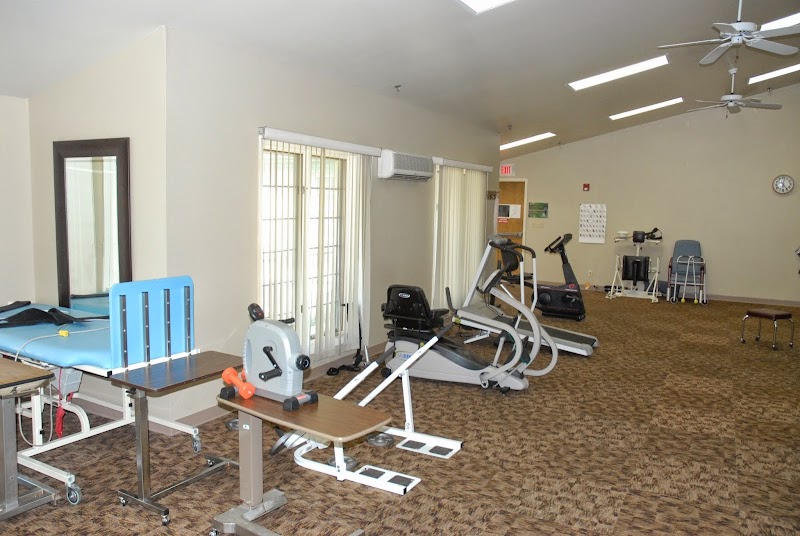
How is Sapphire Rehabilitation And Staffed?

CMS rates SAPPHIRE REHABILITATION AND CARE CENTER's staffing level at 1 out of 5 stars, which is much below average compared to other nursing homes. Staff turnover is 67%, which is 21 percentage points above the Ohio average of 46%. High turnover can affect care consistency as new staff learn residents' individual needs. RN turnover specifically is 94%, which is notably high. RNs provide skilled clinical oversight, so turnover in this role can affect medical care quality.

What Have Inspectors Found at Sapphire Rehabilitation And?

State health inspectors documented 50 deficiencies at SAPPHIRE REHABILITATION AND CARE CENTER during 2019 to 2025. These included: 4 Immediate Jeopardy (the most serious level, indicating potential for serious harm or death), 1 that caused actual resident harm, 43 with potential for harm, and 2 minor or isolated issues. Immediate Jeopardy findings are rare and represent the most serious regulatory concerns. They require immediate corrective action.
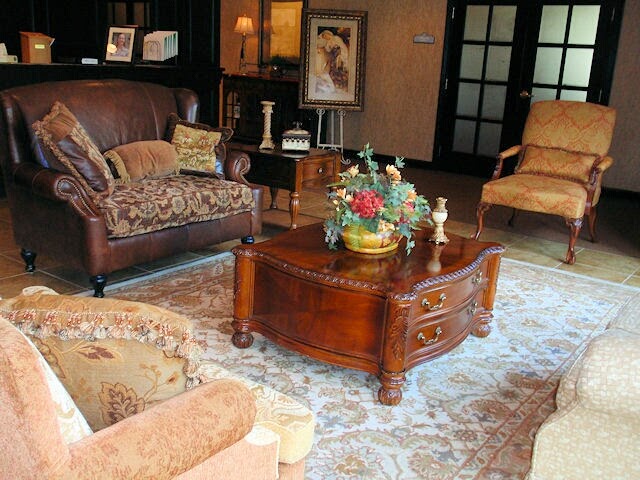
Who Owns and Operates Sapphire Rehabilitation And?

SAPPHIRE REHABILITATION AND CARE CENTER is owned by a for-profit company. For-profit facilities operate as businesses with obligations to shareholders or private owners. The facility is operated by OPTALIS HEALTH & REHABILITATION, a chain that manages multiple nursing homes. With 113 certified beds and approximately 100 residents (about 88% occupancy), it is a mid-sized facility located in COLUMBUS, Ohio.
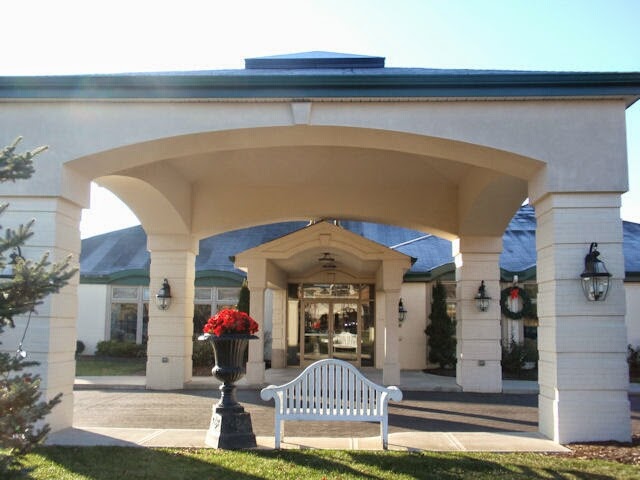
How Does Sapphire Rehabilitation And Compare to Other Ohio Nursing Homes?

Compared to the 100 nursing homes in Ohio, SAPPHIRE REHABILITATION AND CARE CENTER's overall rating (2 stars) is below the state average of 3.2, staff turnover (67%) is significantly higher than the state average of 46%, and health inspection rating (1 stars) is much below the national benchmark.

What Should Families Ask When Visiting Sapphire Rehabilitation And?

Based on this facility's data, families visiting should ask: "What changes have been made since the serious inspection findings, and how are you preventing similar issues?" "What safeguards and monitoring systems are in place to protect residents from abuse or neglect?" "How do you ensure continuity of care given staff turnover, and what is your staff retention strategy?" "Can you walk me through typical staffing levels on day, evening, and night shifts?" These questions are particularly relevant given the facility's Immediate Jeopardy citations, the substantiated abuse finding on record, the facility's high staff turnover rate, and the below-average staffing rating.

Is Sapphire Rehabilitation And Safe?

Based on CMS inspection data, SAPPHIRE REHABILITATION AND CARE CENTER has documented safety concerns. The facility has 1 substantiated abuse finding (meaning confirmed case of resident harm by staff or other residents). Inspectors have issued 4 Immediate Jeopardy citations (the most serious violation level indicating risk of serious injury or death). The facility is currently on the Special Focus Facility watch list (a federal program monitoring the lowest-performing 1% of nursing homes nationwide). The facility has a 2-star overall rating and ranks #100 of 100 nursing homes in Ohio. Families considering this facility should ask detailed questions about what corrective actions have been taken since these incidents.

Do Nurses at Sapphire Rehabilitation And Stick Around?

Staff turnover at SAPPHIRE REHABILITATION AND CARE CENTER is high. At 67%, the facility is 21 percentage points above the Ohio average of 46%. Registered Nurse turnover is particularly concerning at 94%. RNs handle complex medical decisions and coordinate care — frequent RN changes can directly impact care quality. High turnover means new staff may not know residents' individual needs, medications, or preferences. It can also be disorienting for residents, especially those with dementia who rely on familiar faces. Families should ask: What is causing the turnover? What retention programs are in place? How do you ensure care continuity during staff transitions?

Was Sapphire Rehabilitation And Ever Fined?

SAPPHIRE REHABILITATION AND CARE CENTER has been fined $132,028 across 2 penalty actions. This is 3.8x the Ohio average of $34,399. Fines at this level are uncommon and typically indicate a pattern of serious deficiencies, repeated violations, or failure to correct problems promptly. CMS reserves penalties of this magnitude for facilities that pose significant, documented risk to resident health or safety. Families should request specific documentation of what issues led to these fines and what systemic changes have been implemented.

Is Sapphire Rehabilitation And on Any Federal Watch List?

SAPPHIRE REHABILITATION AND CARE CENTER is currently an SFF Candidate, meaning CMS has identified it as potentially qualifying for the Special Focus Facility watch list. SFF Candidates have a history of serious deficiencies but haven't yet reached the threshold for full SFF designation. The facility is being monitored more closely — if problems continue, it may be added to the official watch list. Families should ask what the facility is doing to address the issues that led to this status.