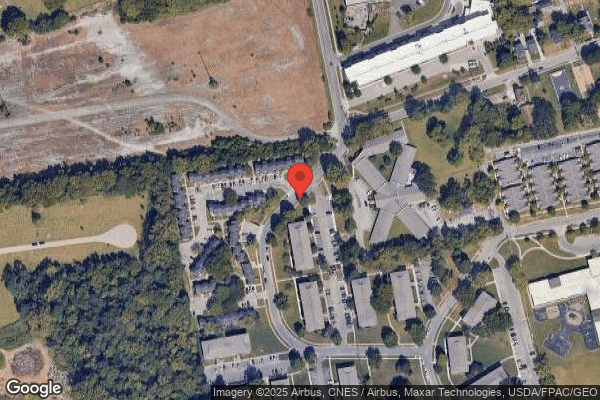
SCIOTO POINTE

740 CANONBY PLACE, COLUMBUS, OH 43223 (614) 224-5738
For profit - Corporation 99 Beds JAG HEALTHCARE Data: November 2025
Trust Grade
65/100
#542 of 913 in OH
Last Inspection: June 2024

Within standard 12-15 month inspection cycle. Federal law requires annual inspections.

Overview

Scioto Pointe in Columbus, Ohio has a Trust Grade of C+, indicating it is decent and slightly above average among nursing homes. Ranked #542 out of 913 in Ohio, this places it in the bottom half of facilities in the state, while it ranks #19 out of 56 in Franklin County, meaning there are only a few local options that are better. The facility is improving over time, with issues decreasing from 12 in 2024 to 7 in 2025. Staffing is a strength, earning a 4 out of 5 stars with only 18% turnover, significantly lower than the state average, suggesting staff familiarity with residents. However, there have been concerns, such as insufficient staffing for food services leading to the use of disposable containers, and repeated complaints from residents about maintenance issues in their rooms, including leaks and the need for deep cleaning.

Trust Score
C+
65/100
In Ohio
#542/913
Bottom 41%
Safety Record
Low Risk
No red flags
Inspections
Getting Better
12 → 7 violations
Staff Stability
✓ Good
18% annual turnover. Excellent stability, 30 points below Ohio's 48% average. Staff who stay learn residents' needs.
Penalties
✓ Good
No fines on record. Clean compliance history, better than most Ohio facilities.
Skilled Nurses
○ Average
Each resident gets 36 minutes of Registered Nurse (RN) attention daily — about average for Ohio. RNs are the most trained staff who monitor for health changes.
Violations
⚠ Watch
35 deficiencies on record. Higher than average. Multiple issues found across inspections.
★★★☆☆
3.0
Overall Rating
★★★★☆
4.0
Staff Levels
★★★★★
5.0
Care Quality
★★☆☆☆
2.0
Inspection Score
Stable
2024: 12 issues
2025: 7 issues

The Good

  • 4-Star Staffing Rating · Above-average nurse staffing levels
  • 5-Star Quality Measures · Strong clinical quality outcomes
  • Low Staff Turnover (18%) · Staff stability means consistent care
  • Full Sprinkler Coverage · Fire safety systems throughout facility
  • No fines on record
  • Staff turnover is low (18%)

    30 points below Ohio average of 48%

Facility shows strength in staffing levels, quality measures, staff retention, fire safety.

The Bad

3-Star Overall Rating

Near Ohio average (3.2)

Meets federal standards, typical of most facilities

Chain: JAG HEALTHCARE

Part of a multi-facility chain

Ask about local staffing decisions and management

The Ugly 35 deficiencies on record

Jul 2025 7 deficiencies
CONCERN (D) 📢 Someone Reported This

A family member, employee, or ombudsman was alarmed enough to file a formal complaint

Potential for Harm - no one hurt, but risky conditions existed

Resident Rights (Tag F0550)

Could have caused harm · This affected 1 resident

**NOTE- TERMS IN BRACKETS HAVE BEEN EDITED TO PROTECT CONFIDENTIALITY** Based on record review, observation, policy review, resident interview, and staff interview, the facility failed to ensure resid...

Read full inspector narrative →
**NOTE- TERMS IN BRACKETS HAVE BEEN EDITED TO PROTECT CONFIDENTIALITY** Based on record review, observation, policy review, resident interview, and staff interview, the facility failed to ensure residents were treated with dignity when indwelling urinary catheter collection bags were not covered when the residents were in bed and left visible from the hallway. Additionally, the facility also failed to ensure residents received non-disposable dishes during scheduled meals. This affected one resident (#31) of one resident reviewed for indwelling urinary catheters and one resident (#20) of five residents interviewed during the lunch meal. The facility census was 96. Findings Include: 1. Review of the medical record for Resident #31 revealed an initial admission date of 07/19/16 with the latest readmission of 05/10/25 with the diagnoses including but not limited to Parkinson's disease with dyskinesia, polyneuropathies, constipation, obstructive and reflux uropathy, hypertension, chronic kidney disease, chronic pain syndrome, hydrocele, psychotic disorder, restless leg syndrome, mood disorder, tachycardia, psychosis, developmental disability, gout, anemia, mood disorder, benign prostatic hyperplasia (BPH), intermittent explosive disorder, hallucinations, bladder neck obstruction, asthma, paranoid schizophrenia and borderline personality disorder. Review of the plan of care, not dated revealed the resident had a potential for alteration in urinary elimination related to obstructive uropathy, and potential inability to communicate needs, due to cognitive impairments with short term memory loss, impaired mobility, indwelling urinary catheter usage, history of BPH with obstruction, hydrocele, chronic kidney disease and recent urinary tract infection (UTI). Interventions included change indwelling urinary catheter as a whole unit every month as scheduled with prescribed size and balloon order on file and change as a unit routine or as needed, provide catheter care every shift and as needed, empty indwelling urinary catheter collection bag every shift and as needed, follow up with urology appointments as scheduled, indwelling urinary catheter irrigation of catheter as per most current physician order on file, 1500 milliliter (ml) fluid restriction non-compliance, monitor all labs as per current and routine physician orders on file, resident will allow indwelling urinary catheter collection bag cover to remain in place with the catheter itself and not remove the collection bag from the cover for it nor leave it in his room, staff to continue to monitor and remind him as appropriate, administer routine medications as per current physician order, keep call light within reach, remind resident to call for assistance. note any changes in amount, frequency, color or odor of urine, report any abnormalities to registered staff and treat UTI per physician order. Review of the resident's quarterly Minimum Data Set (MDS) assessment dated [DATE] revealed the resident had a moderate cognitive deficit. The assessment indicated the resident had an indwelling urinary catheter and was occasionally incontinent of bowel. Review of the resident's monthly physician orders for July 2025 identified orders dated 05/14/19 indwelling urinary catheter care every shift and as needed, 05/12/21 empty indwelling urinary catheter collection bag every shift and as needed, 03/19/24 change indwelling urinary catheter with a 14 FR, 16 FR or 18 FR [NAME] catheter with a 10 ml balloon on the fourth of each month as a whole unit, and as needed, 07/30/21 Acetic Acid Solution 0.25 % use 50 ml via irrigation every shift and 05/24/24 enhanced barrier precautions (EBP) contact precautions due to indwelling urinary catheter every shift. On 07/02/25 at 7:49 A.M., observation of the resident's indwelling urinary catheter collection bag revealed the collection bag was lying on the floor with light yellow urine visible from the hallway. Interview with Registered Nurse (RN) #165 at the time of the observation verified the resident's indwelling urinary catheter collection bag was lying on the floor and was not contained in a privacy covering leaving the urine being visible from the hallway. The facility Administrator provided the urinary catheter or urinary tract infection critical element pathway through the Department of Health and Human Resources center for Medicare and Medicaid Services. 2. Review of the medical record for Resident #20 revealed an initial admission date of 01/25/17 with the latest readmission of 04/03/17 with the diagnosis including but not limited to chronic obstructive pulmonary disease, vascular dementia with behavioral disturbances, sever morbid obesity, diabetes mellitus, obstructive sleep apnea, hypertension, insomnia, psychosis, paranoid schizophrenia, anxiety disorder, bipolar disorder, narcolepsy and schizoaffective disorder. Review of the resident's quarterly Minimum Data Set (MDS) assessment dated [DATE] revealed the resident had no cognitive deficit. On 06/30/25 observations during the breakfast meal on the 100 hallway revealed the resident's breakfast was served in disposable Styrofoam takeout containers and disposable Styrofoam cups. On 06/30/25 at 12:06 P.M., observation of the lunch meal in the dining room revealed the resident's drinks were served in Styrofoam cups. On 06/30/25 at 12:19 P.M., interview with the Dietary Manager (DM) #111 revealed when the dietary department was short staffed disposable containers and cups are used due to the cooks inability to assist with washing dishes. DM #111 verified the facility does not have enough dishes to serve the residents and Styrofoam disposable containers/cups are utilized. On 06/30/25 at 12:21 P.M., observation of the lunch meal on the 400 hallway revealed the residents were served fluids in Styrofoam cups. On 06/30/25 at 12:23 P.M., an interview with Resident #20 revealed the dietary department always serves on disposable products. She said she prefers to eat/drink from dishes. She stated once in a while they may get a plate. On 07/02/25 during the lunch meal revealed the facility served drinks in Styrofoam cups. Review of the facility policy titled, :Dignity, dated 02/21 revealed each resident shall be cared for in a manner that promotes and enhances his or her sense of well being level of satisfaction with life and feelings of self-worth and self-esteem. When assisting with care, residents are supported in exercising their rights, for example residents are provided with a dignified dining experience. This deficiency represents non-compliance investigated under Complaint Number OH00165161 and OH00167030.
CONCERN (D) 📢 Someone Reported This

A family member, employee, or ombudsman was alarmed enough to file a formal complaint

Potential for Harm - no one hurt, but risky conditions existed

Comprehensive Care Plan (Tag F0656)

Could have caused harm · This affected 1 resident

**NOTE- TERMS IN BRACKETS HAVE BEEN EDITED TO PROTECT CONFIDENTIALITY** Based on record review and interview, the facility failed to develop a comprehensive plan of care in the area of elopement risk ...

Read full inspector narrative →
**NOTE- TERMS IN BRACKETS HAVE BEEN EDITED TO PROTECT CONFIDENTIALITY** Based on record review and interview, the facility failed to develop a comprehensive plan of care in the area of elopement risk and activities of daily living (ADL). This affected two residents (#48 and #98) of 15 sampled residents. The facility census was 96. Findings Include: 1. Review of the closed medical record for Resident #98 revealed an initial admission date of 06/18/24 with the latest readmission of 04/25/25 with the diagnoses including but not limited to chronic obstructive pulmonary disease, heart failure, diabetes mellitus, asthma, senile degeneration of brain, acute respiratory failure with hypoxia, hypertensive heart disease with heart failure, chronic pain, bipolar disorder, chronic pain syndrome, pure hypercholesterolemia, disorganized schizophrenia, morbid obesity, osteoarthritis, psychosis, hypertension, mood disorder, gastro-esophageal reflux disease, other symbolic dysfunction, depressive episodes and epilepsy. Review of the resident's quarterly Minimum Data Set (MDS) assessment dated [DATE] revealed the resident's cognition was not assessed. The assessment indicated the resident was dependent on staff for toileting, bathing and dressing, personal hygiene. Review of the resident's plan of care revealed no comprehensive care plan addressing the resident's ADL needs. On 07/02/25 at 12:55 P.M., interview with DON and Registered Nurse (RN) #110 verified the resident had no plan of care addressing the resident ADL status. 2. Review of the medical record for Resident #48 revealed an initial admission date of 07/14/22 with the latest readmission date of 07/26/24 with the diagnoses including but not limited to diabetes mellitus, hypercholesterolemia, psychophysiological insomnia, urethral stricture, constipation, disorganized schizophrenia, benign neoplasm of rib, sternum and clavicle, major depressive disorder, neuromuscular dysfunction of bladder, psychosis, anemia, schizophrenia, retention of urine and blindness one eye. Review of the resident's quarterly MDS assessment dated [DATE] revealed the resident had no cognitive impairment. The assessment indicated the resident had no wandering. Review of the resident's elopement risk assessment dated [DATE] revealed the resident was at risk for elopement, however not at risk to elope at this time and placement on the elopement risk protocol was not indicated. The assessment indicated the elopement risk assessment was to be conducted on admission, within 30 days of admission, quarterly and any significant change affecting the assessment. Review of the plan of care revealed no care plan addressing the resident's elopement risk, despite the resident being identified as being at high risk for elopement by the facility. On 07/02/25 at 12:55 P.M., interview with DON and Registered Nurse (RN) #110 verified the resident had no plan of care addressing the resident elopement risk. This deficiency represents non-compliance investigated under Complaint Number OH00165161.
CONCERN (D) 📢 Someone Reported This

A family member, employee, or ombudsman was alarmed enough to file a formal complaint

Potential for Harm - no one hurt, but risky conditions existed

Accident Prevention (Tag F0689)

Could have caused harm · This affected 1 resident

**NOTE- TERMS IN BRACKETS HAVE BEEN EDITED TO PROTECT CONFIDENTIALITY** Based on observation, record review, and staff interview, the facility failed to ensure those residents who were at risk for elo...

Read full inspector narrative →
**NOTE- TERMS IN BRACKETS HAVE BEEN EDITED TO PROTECT CONFIDENTIALITY** Based on observation, record review, and staff interview, the facility failed to ensure those residents who were at risk for elopement were assessed and/or physician ordered interventions were implemented to prevent possible elopement from the facility. This affected three residents (#48, #53 and #68) of three residents reviewed for elopement. The facility census was 96. Findings Include: 1. Review of the medical record for Resident #53 revealed an initial admission date of 12/13/24 with the latest readmission of 05/28/25 with the diagnoses including but not limited to chronic obstructive pulmonary disease, hypertension, obstructive sleep apnea, chronic respiratory failure, congestive heart failure, diaphragmatic hernia, delusional disorder, sepsis, dependence on supplemental oxygen, schizoaffective disorder, bipolar type, psychosis, and urinary incontinence. Review of the plan of care, not dated revealed the resident was independently mobile, resident expresses a desire to leave facility unattended and at risk for elopement and injury. Interventions included resident will have her belongings and walker removed from her when she is using them as weapons towards staff or other residents momentarily, so no one gets hurt, resident carries all of her belongings with her all the time and is afraid someone will take her stuff, redirection may not be helpful when she is in this situation, resident needs to be kept safe along with staff and other residents, resident is re-directed back to her room until she calms down, if redirection is not helpful an as needed medication may need to be obtained if all non-pharmacological interventions have been looked at, deep breathing and relaxation techniques, distraction, redirection or comfort foods are a few interventions that could be offered, wander prevention device to ankle as per physician order; ensure placement and function every shift, respond promptly to alarm to ensure resident's safety/whereabouts, attempt to redirect resident, attempt to find causative factors preceding resident's attempts to leave, eliminate/reduce if possible, divert attention if possible when resident becomes insistent on leaving, do not agitate, find activities of interest to resident, schedule or provide equipment/supplies preventing prolonged periods of idle time and elopement assessment upon admission, quarterly and as needed. Review of the elopement risk assessment dated [DATE] following a successful elopement from the facility revealed a score of nine indicating the resident was at risk for elopement. Review of the resident's monthly physician orders for July 2025 identified orders dated 04/02/25 wanderguard to right ankle and check function and placement every shift and as needed. On 06/30/25 at 11:19 A.M., observation of Resident #53 revealed she was wandering throughout the front lobby with her belongings stacked on her rollator walker. The resident was observed going to the front door to leave with various staff intervening. The resident had no wanderguard in place due to the system not alerting while the resident was at the door. On 06/30/25 at 1:51 P.M., an interview with the Director of Nursing (DON) verified the resident had no wanderguard in place and stated the resident would take them off and throw them away. He stated the wanderguards are expensive. 2. Review of the medical record for Resident #48 revealed an initial admission date of 07/14/22 with the latest readmission date of 07/26/24 with the diagnoses including but not limited to diabetes mellitus, hypercholesterolemia, psychophysiological insomnia, urethral stricture, constipation, disorganized schizophrenia, benign neoplasm of rib, sternum and clavicle, major depressive disorder, neuromuscular dysfunction of bladder, psychosis, anemia, schizophrenia, retention of urine and blindness one eye. Review of the resident's quarterly Minimum Data Set (MDS) assessment dated [DATE] revealed the resident had no cognitive impairment. The assessment indicated the resident had no wandering. Review of the plan of care revealed no care plan addressing the resident's elopement risk, despite the resident being identified as being at high risk for elopement by the facility. Review of the resident's elopement risk assessment dated [DATE] revealed the resident was at risk for elopement, however not at risk to elope at this time and placement on the elopement risk protocol was not indicated. The assessment indicated the elopement risk assessment was to be conducted on admission, within 30 days of admission, quarterly and any significant change affecting the assessment. Review of the medical record revealed no elopement risk assessment had been completed since the 09/30/24 assessment was completed. On 07/02/25 at 12:55 P.M., interview with DON and Registered Nurse (RN) #110 revealed the resident had taken his entire window out to leave the facility. RN #110 stated the resident would not leave a wanderguard on so he was moved to a room the widow could not be removed and the room was closer to the nurses station. The RN verified the elopement risk assessment was to be completed quarterly and the resident had not been assessed quarterly as required. 3. Review of the medical record for Resident #68 revealed an initial admission date of 11/05/19 with the diagnoses including but not limited to chronic obstructive pulmonary disease, hypothyroidism, diabetes mellitus, traumatic brain injury, dementia with behavioral disturbances, major depressive disorder, epilepsy, anorexia, anxiety disorder, insomnia, bipolar disorder, attention and concentration deficit, schizoaffective disorder, bipolar type and asthma. Review of the plan of care, not dated revealed the resident had the potential for independently mobile resident to expresses a desire to leave facility unattended, at risk for elopement and injury related to dementia, poor safety awareness and judgment, and attention communication deficits. Interventions included all facility staff members received written e-mails ([NAME] and SNF clinic) to read and complete the mandatory door alarm in-service as soon as possible and sign for completion of the materials provided, respond promptly to alarm to ensure resident's safety/whereabouts, attempt to redirect resident when appropriate, wander guard to ankle, per physician orders, ensure placement and check function every shift, when resident is trying to elope strategically place them away from an accessible door, attempt to find causative factors preceding resident's attempts to leave, eliminate/reduce if possible, resident does like to walk around units and staff to monitor her whereabouts, divert attention if possible when resident becomes insistent on leaving, do not agitate, elopement assessment upon admission, quarterly and as needed and resident to be continued to be monitored for potential poor safety awareness. Review of the resident's latest elopement risk assessment dated [DATE] revealed the resident was at risk for elopement. Review of the resident's comprehensive Minimum Data Set (MDS) assessment dated [DATE] revealed the resident had no cognitive deficit. Review of the mood and behavior revealed the resident had no wandering, however displayed verbal and physical behaviors towards others. Review of the resident's monthly physician orders for July 2025 identified an order dated 06/23/25 wanderguard to right ankle, check placement and function every shift and as needed. On 07/02/25 at 12:55 P.M., interview with DON and RN #110 verified the elopement risk assessments were not being completed quarterly as required. The facility's elopement policy and elopement risk protocol had been requested from the Administrator, the DON and RN #110 however were not provided. This deficiency represents non-compliance investigated under Complaint Number OH00165161.
CONCERN (D) 📢 Someone Reported This

A family member, employee, or ombudsman was alarmed enough to file a formal complaint

Potential for Harm - no one hurt, but risky conditions existed

Infection Control (Tag F0880)

Could have caused harm · This affected 1 resident

**NOTE- TERMS IN BRACKETS HAVE BEEN EDITED TO PROTECT CONFIDENTIALITY** Based on observation, record review, interviews and facility policy review, the facility failed to maintain appropriate infectio...

Read full inspector narrative →
**NOTE- TERMS IN BRACKETS HAVE BEEN EDITED TO PROTECT CONFIDENTIALITY** Based on observation, record review, interviews and facility policy review, the facility failed to maintain appropriate infection control practices to prevent potential infection. Additionally, the facility also failed to implement Enhanced Barrier Precautions (EBP) during a dressing change. This affected one resident (#31) of one resident reviewed for indwelling urinary catheter care and one resident (#11) of two residents reviewed for wounds. The facility census was 96. Findings Include: 1. Review of the medical record for Resident #31 revealed an initial admission date of 07/19/16 with the latest readmission of 05/10/25 with the diagnoses including but not limited to Parkinson's disease with dyskinesia, polyneuropathies, constipation, obstructive and reflux uropathy, hypertension, chronic kidney disease, chronic pain syndrome, hydrocele, psychotic disorder, restless leg syndrome, mood disorder, tachycardia, psychosis, developmental disability, gout, anemia, mood disorder, benign prostatic hyperplasia (BPH), intermittent explosive disorder, hallucinations, bladder neck obstruction, asthma, paranoid schizophrenia and borderline personality disorder. Review of the plan of care, not dated revealed the resident had a potential for alteration in urinary elimination related to obstructive uropathy, and potential inability to communicate needs, due to cognitive impairments with short term memory loss, impaired mobility, indwelling urinary catheter usage, history of BPH with obstruction, hydrocele, chronic kidney disease and recent urinary tract infection (UTI). Interventions included change indwelling urinary catheter as a whole unit every month as scheduled with prescribed size and balloon order on file and change as a unit routine or as needed, provide catheter care every shift and as needed, empty indwelling urinary catheter collection bag every shift and as needed, follow up with urology appointments as scheduled, indwelling urinary catheter irrigation of catheter as per most current physician order on file, 1500 milliliter (ml) fluid restriction non-compliance, monitor all labs as per current and routine physician orders on file, resident will allow indwelling urinary catheter collection bag cover to remain in place with the catheter itself and not remove the collection bag from the cover for it nor leave it in his room, staff to continue to monitor and remind him as appropriate, administer routine medications as per current physician order, keep call light within reach, remind resident to call for assistance. note any changes in amount, frequency, color or odor of urine, report any abnormalities to registered staff and treat UTI per physician order. Review of the resident's quarterly Minimum Data Set (MDS) assessment dated [DATE] revealed the resident had a moderate cognitive deficit. The assessment indicated the resident had an indwelling urinary catheter and was occasionally incontinent of bowel. Review of the resident's monthly physician orders for July 2025 identified orders dated 05/14/19 indwelling urinary catheter care every shift and as needed, 05/12/21 empty indwelling urinary catheter collection bag every shift and as needed, 03/19/24 change indwelling urinary catheter with a 14 FR, 16 FR or 18 FR [NAME] catheter with a 10 ml balloon on the fourth of each month as a whole unit, and as needed, 07/30/21 Acetic Acid Solution 0.25 % use 50 ml via irrigation every shift and 05/24/24 enhanced barrier precautions (EBP) contact precautions due to indwelling urinary catheter every shift. On 07/02/25 at 7:49 A.M., observation of Registered Nurse (RN) #165 provide physician ordered indwelling urinary catheter care revealed the RN donned a gown, gloves and mask for EBP. The resident's indwelling urinary catheter collection bag was lying on the floor with light yellow urine visible from the hallway. RN #165 verified the indwelling urinary catheter collection bag as lying on the floor which could potentially cause an infection. The supplies required for catheter care was set-up on the resident's bedside table. The RN obtained a disposable wipe and cleansed the tip of the resident's penis, scrotum and groins. The resident was then assisted onto his left side where the RN obtained a disposable wipe and cleansed the resident's rectal area. The resident was then assisted back onto his back and using the same gloves the RN cleansed the indwelling urinary catheter from the tip outward in a circular motion with a disposable wipe using the same gloves she utilized to cleanse the resident's rectal area. On 07/02/25 at 8:03 A.M., an interview with RN #165 verified the lack of handwashing and glove changes following the cleansing cleansing of the resident's rectal area and the indwelling urinary catheter. Review of the facility policy titled, Handwashing/Hand Hygiene, not dated revealed the facility considers hand hygiene the primary means to prevent the spread of healthcare associated infections. All personal are expected to adhere to hand hygiene policies and practices to help prevent the spread of infections to other personnel, residents and visitors. Hand hygiene is indicated before moving from work on a soiled body site to a clean body site on the same resident and immediately after glove removal. 2. Review of the medical record for Resident #11 revealed an initial admission date of 03/07/22 with the diagnoses including but not limited to diabetes mellitus, hypertension, congestive heart failure, hyperlipidemia, unspecified disorder of adult personality and behavior, constipation, blindness right eye, psychophysiologic insomnia, excoriation (skin picking) disorder, open wound of scalp, glaucoma, traumatic brain injury, anxiety disorder, psychosis, personality disorder, osteoarthritis and anxiety disorder. Review of the plan of care, not dated revealed the resident had actual/potential for alteration in skin integrity related to admitted with chronic open wound of scalp, sequela, picks at his skin dry skin of his feet. Interventions included 07/01/25 Enhanced Barrier Precautions due to chronic wound, provide medications per physician order, provide routine and as needed skin treatments per most current physician order, diet and supplements per Registered Dietician recommendation and physician order, monitor meal intake, offer alternate if intake less than 50%, encourage meal and fluid intake, pressure reducing mattress to bed, monitor wound for signs/symptoms of infection, keep bed linen clean, dry and wrinkle free, encourage resident to be out of bed as tolerated, pain assessment quarterly and as needed, skin at risk score quarterly and as needed, monitor lab values per physician orders, therapy per order and refer to podiatry for routine and as needed foot care. Review of the resident's quarterly MDS assessment dated [DATE] revealed the resident had no cognitive deficit. Review of the most recent weekly skin/wound assessment dated [DATE] revealed the old chemical burn to the crown of the resident's head measured 3.0 centimeters (cm) by 1.9 cm by 0.1 cm and described as being 40% epithelia tissue and 60% granulation tissue. The wound had a scant amount of serous exudate. The wound color was red and the peri-wound was pink. Review of the resident's monthly physician orders for July 2025 identified an order dated 05/28/25 Cleanse open areas to top of head with quarter strength Dakins solution, pat dry, apply moist to dry with Dakins (cut to size) over top of areas to the front (squeeze out extra solution) cover with derma dressing, change daily and as needed and 07/01/25 Enhanced Barrier Precautions due to chronic wound. On 07/01/25 at 10:54 A.M., observation of Registered Nurse (RN) #142 provide the physician ordered treatment to Resident #11's wounds to his head revealed the RN placed a barrier on the resident's bedside table and placed the required supplies on the barrier. The RN then washed her hands and donned a pair of gloves and removed the soiled dressing to his head dated 06/30/25. The RN sanitized her hands, donned gloves and cleansed the wounds with quarter strength Dakin's solution using 4X4's. The RN then sanitized her hands and donned gloves, cut a Dakin's solution soaked 4X4 to fit the wound and placed on the wound. The RN then covered the wound with an island dressing. The RN had not implemented any EBP for the chronic wound to the resident's head. On 07/01/25 at 11:06 A.M., an interview with the Director of Nursing (DON), who was present during the treatment verified the resident had no orders for EBP and EBP were not utilized on the resident during dressing changes. Review of the facility policy titled, Enhanced Barrier Precautions, not dated revealed EBP are used as an infection prevention and control intervention to reduce the transmission of multi-drug resistant organisms (MDRO) to residents. Examples of high contact resident care activities requiring the use of gown and gloves for EBP include dressing, bathing/showering, transferring, providing hygiene, changing linens, changing briefs or assisting with toileting, device care or use and wound care (any skin opening requiring a dressing). This deficiency represents non-compliance investigated under Complaint Number OH00167030.
CONCERN (F) 📢 Someone Reported This

A family member, employee, or ombudsman was alarmed enough to file a formal complaint

Potential for Harm - no one hurt, but risky conditions existed

Deficiency F0802 (Tag F0802)

Could have caused harm · This affected most or all residents

Based on observation and interviews, the facility failed to ensure sufficient support personnel to carry out the functions of the food and nutrition services. This had the potential to affect all 96 r...

Read full inspector narrative →
Based on observation and interviews, the facility failed to ensure sufficient support personnel to carry out the functions of the food and nutrition services. This had the potential to affect all 96 residents residing in the facility. Findings Include: On 06/30/25 observations during the breakfast meal on the 100 hallway revealed the resident's breakfast was served in disposable Styrofoam takeout containers and disposable Styrofoam cups. On 06/30/25 at 12:06 P.M., observation of the lunch meal in the dining room revealed the resident's drinks were served in Styrofoam cups. On 06/30/25 at 12:19 P.M., interview with the Dietary Manager (DM) #111 revealed when the dietary department was short staffed disposable containers and cups are used due to the cooks inability to assist with washing dishes. DM #111 verified the facility did not have sufficient staff for the food and nutrition services. On 06/30/25 at 12:21 P.M., observation of the lunch meal on the 400 hallway revealed the residents were served fluids in Styrofoam cups. On 06/30/25 at 12:23 P.M., an interview with Resident #20 revealed the dietary department always serves on disposable products. She said she prefers to eat/drink from dishes. She stated once in a while they may get a plate. On 07/02/25 during the lunch meal revealed the facility served drinks in Styrofoam cups. This deficiency is based on incidental findings discovered during the course of this complaint investigation.
CONCERN (F) 📢 Someone Reported This

A family member, employee, or ombudsman was alarmed enough to file a formal complaint

Potential for Harm - no one hurt, but risky conditions existed

Deficiency F0810 (Tag F0810)

Could have caused harm · This affected most or all residents

Based on observation and interview, the facility failed to ensure an adequate supply of dishes to serve the residents of the facility. This had the potential to affect all 96 residents residing in the...

Read full inspector narrative →
Based on observation and interview, the facility failed to ensure an adequate supply of dishes to serve the residents of the facility. This had the potential to affect all 96 residents residing in the facility. Findings Include: On 06/30/25 observations during the breakfast meal on the 100 hallway revealed the resident's breakfast was served in disposable Styrofoam takeout containers and disposable Styrofoam cups. On 06/30/25 at 12:06 P.M., observation of the lunch meal in the dining room revealed the resident's drinks were served in Styrofoam cups. On 06/30/25 at 12:19 P.M., interview with the Dietary Manager (DM) #111 verified the facility does not have enough dishes to serve the residents and Styrofoam disposable containers/cups are utilized. On 06/30/25 at 12:21 P.M., observation of the lunch meal on the 400 hallway revealed the residents were served fluids in Styrofoam cups. On 06/30/25 at 12:23 P.M., an interview with Resident #20 revealed the dietary department always serves on disposable products. She said she prefers to eat/drink from dishes. She stated once in a while they may get a plate. On 07/02/25 during the lunch meal revealed the facility served drinks in Styrofoam cups. This deficiency is based on incidental findings discovered during the course of this complaint investigation.
CONCERN (F) 📢 Someone Reported This

A family member, employee, or ombudsman was alarmed enough to file a formal complaint

Potential for Harm - no one hurt, but risky conditions existed

Safe Environment (Tag F0921)

Could have caused harm · This affected most or all residents

Based on observation and staff interview the facility failed to provide a safe, sanitary and comfortable environment for resident in the resident rooms, hallways and bathrooms. This had the potential ...

Read full inspector narrative →
Based on observation and staff interview the facility failed to provide a safe, sanitary and comfortable environment for resident in the resident rooms, hallways and bathrooms. This had the potential to affect all 96 residents residing in the facility. Findings include: 1. Review of the Resident Council Minutes from 04/22/25 revealed the residents requested more deep cleaning in their rooms. Also, Resident #32 had requested repairs to bed, blinds and her sink and toilet leaked. 2. Review of the Resident Council Minutes from 05/27/25 revealed Resident #82 reported a hole under her sink in the bathroom and Resident #32 reported again her sink and toilet were leaking leaking as well as Resident #7's sink was leaking. 3. Review of the Resident Council Minutes form 06/24/25 revealed Resident #82 again reported a hole under her bathroom sink. 4. On 06/30/25 at 10:53 A.M., observation of Resident #89's room revealed multiple areas of dry wall patches on the bathroom door and the room door handle was loose making the door difficult to close. 5. On 06/30/25 at 11:30 A.M., observation of the drain covers located on the 200 and 400 hallways revealed the covers were not secured to the floor posing an accident hazard. 6. On 07/01/25 at 10:54 A.M., observation of Resident #23's room revealed the wall on the left side of the bed had a large section of the paint missing with dry wall mud in the corner of the wall. 7. On 07/02/25 at 8:30 A.M., observations of the four resident hallways revealed all the doors had a black substance on them, and resident floors as well as the hallways had a build up of a black substance. On 07/01/25 at 09:50 A.M., interview with Registered Nurse (RN) #110 she knew the building needed repairs and deep cleaned. She verified the resident's were voicing concerns during resident council for maintenance concerns and they were not being addressed. The RN verified the wall behind Resident #23's bed should be repaired with a material that cannot be picked and in fact the facility had a smooth board they would place behind the bed for those residents that pick. On 07/02/25 at 11:23 A.M. interview with the Maintenance Director #187 revealed he had been off the past 10 days with COVID but was back to work as of 07/02/25. The Maintenance Director revealed he had gone and fixed the leaking sinks. This deficiency represents non-compliance investigated under Master Complaint Number OH00167030, Complaint Number OH00166963 and OH00165161.
Sept 2024 2 deficiencies
CONCERN (D) 📢 Someone Reported This

A family member, employee, or ombudsman was alarmed enough to file a formal complaint

Potential for Harm - no one hurt, but risky conditions existed

Investigate Abuse (Tag F0610)

Could have caused harm · This affected 1 resident

Based on observation, staff, resident, and Guardian interviews, Sexual Assault Nurse Examiner (SANE) interview, record review, review of a facility Self-Reported Incident (SRI), review of facility inv...

Read full inspector narrative →
Based on observation, staff, resident, and Guardian interviews, Sexual Assault Nurse Examiner (SANE) interview, record review, review of a facility Self-Reported Incident (SRI), review of facility investigation, and policy review, the facility failed to initiate a timely investigation of alleged staff to resident sexual abuse. This affected one (Resident #80) of three residents reviewed for abuse. The facility census was 91. Findings include: Review of the medical record for Resident #80 revealed an admission date of 04/26/22. Medical diagnoses included paranoid schizophrenia, anxiety, depression, type II diabetes mellitus, chronic kidney disease, insomnia, chronic pain, and chronic obstructive pulmonary disease (COPD). Review of Resident #80's Quarterly Minimum Data Set (MDS) assessment, dated 06/26/24, revealed the resident had a Brief Interview for Mental Status (BIMS) score of 15, indicating intact cognition. Resident #80 had no signs or symptoms of depression, no hallucinations, and no delusions. Review of Resident #80's interdisciplinary progress notes, dated 08/01/24 to 09/03/24, revealed no mention or description of an alleged staff-to resident sexual abuse incident recorded on 08/25/24. The only related note was an entry dated 08/26/24 at 5:30 P.M., authored by the Administrator, indicating he received a call from Social Services Director (SSD) #276 informing him Resident #80 had phoned the police to report a sexual abuse allegation against a staff member. The Administrator spoke with the police officers and informed them a SRI had been filed with the State Agency, and the facility's investigation was underway. The officer stated he would open a case. There were no progress notes describing the alleged incident, no record of Resident #80 being assessed for any injury , nor was there any psychosocial follow up or monitoring recorded by nursing or social services. There was no entry detailing any discussion with Resident #80's Guardian or physician regarding the incident and a decision to transport the resident to the local hospital for evaluation. The only mention of a hospital transport was a note dated 08/27/24 at 6:11 P.M. indicating Resident #80 returned to the facility from a local hospital with no new orders, and a quote from Resident #80 indicating they swabbed my mouth and talked to me. Review of an SRI initiated on 08/25/24 at 8:59 P.M. by the Director of Nursing (DON) revealed an allegation of sexual abuse. The SRI revealed Resident #80 approached Activities Aide (AA) #336 on 08/25/24 around 3:00 P.M. and alleged that Licensed Practical Nurse (LPN) #200 pulled her into the shower room, placed blue gloves on his hands and put his penis in her mouth around 5:15 A.M. Resident #40 was standing near area and stated that LPN #200 had also placed his penis in her mouth on several occasions. Resident #40 never told anyone because she thought he was her ex-boyfriend. Resident #08 was also standing in the area and stated LPN #200 had done the same thing to her. AA #336 reported the allegations to the staff Registered Nurse (RN) #320 who notified the Director of Nursing (DON) and the Administrator via phone. The DON created an SRI immediately and informed LPN #200 of an immediate suspension. The police were notified on 08/26/24 at approximately 530 P.M. by Resident #20. The facility submitted their final report on 08/30/24 and unsubstantiated the sexual abuse allegation. Review of the facility's investigation file revealed an incident report dated 08/26/24 and completed by the DON, which noted Resident #80 reported an incident allegedly occurring on 08/25/24 at approximately 5:15 A.M. in the shower room on second avenue. Resident #80 reported to staff (AA #336) that a nurse (LPN #200) sexually abused her in the shower. The incident report notes Resident #80 as alert and oriented to person, place, time, and situation, and with no apparent injuries. The incident report contained a summary of the incident, which contained instructions to include names and positions of persons that witnessed the incident, timelines, and specifics of the incidents. The summary described in the early morning of 08/25/24, the resident somehow ended up in the second avenue shower room where a nurse orally sexually assaulted her. The resident reported she ended up back in bed but had no knowledge of how she got into the shower room, or back to bed. The incident report contained no additional details of the alleged perpetrator or alleged event. A form included in the incident report packet titled Skilled Nursing notes dated 08/26/24 at 9:15 A.M. revealed Resident #80 was assessed by the DON and was found to be alert and oriented, responsive, in a pleasant mood. The resident had no medication or treatment change, and no laboratory testing recorded. A review of the Emergency Department (ED) After Visit Summary, dated 08/27/24, indicating Resident #20 was seen for an examination, and the diagnosis was listed as sexual assault of adult. Follow up instructions and information were given which included following up with the primary care provider. The After Visit Summary form did not contain any additional results, information, or findings. An interview on 08/29/24 at 8:27 A.M. with the Administrator, revealed Resident #80, with paranoid schizophrenia, had reported being sexually assaulted by a nurse. The resident reported the alleged assault hours after the alleged incident occurred on Sunday 08/25/24. The nurse in question, LPN #200 was not on duty at the time of Resident #80's report but was contacted by the DON and placed on suspension pending the outcome of the investigation. The Administrator indicated Resident #80 phoned the police herself on Monday 08/26/24, stating she had been raped. Officers responded to the building, a detective responded, and on 08/27/24 Resident #80 went out to a local hospital for an examination. The Administrator stressed Resident #80 wanted to leave the facility and discharge to a lower level of care and believed this was the reason for the allegation of sexual abuse. An interview on 08/29/24 at 9:03 A.M. with SANE RN #464 revealed she worked at a local hospital system and evaluated Resident #80 on Tuesday evening, 08/27/24. SANE RN #464 interviewed Resident #80 in detail, and completed an oral swab, as the resident reported being orally sexually assaulted by a facility nurse. SANE RN #464 found Resident #80 to be credible, and described Resident #80 as being alert and oriented, able to answer questions and communicate effectively and noted the resident wanted to press charges against the facility nurse. Upon the conclusion of the exam, the complainant phoned the facility, spoke to a staff member and was told the nurse in question was suspended pending the outcome of the investigation. SANE RN #464 shared Resident #80 felt safe to and did return to the facility following the examination. The complainant provided the name and phone number of an assigned detective from the local police department who was assigned to follow up. An interview on 08/29/24 at 9:48 A.M. with the DON, revealed Resident #80 was seen at a local freestanding Emergency Department on 08/27/24. The DON was familiar with Resident #80's allegation and recounted the resident went to the hospital after the resident phoned the police herself and stated she was raped and wanted to press charges. The police shared with the facility and the resident that to press charges, they should do a test. Resident #80 went to the local freestanding Emergency Department and per the resident's report, had an oral swab and an interview. An interview on 08/29/24 at 10:26 A.M. with Resident #80 revealed on the night of Saturday 08/24/24, she had gone to bed around 10:00 P.M. She had no idea how she got there, but when she awoke, she was in the shower room where LPN #200 sat her down into the shower chair. LPN #200 untied the string of his maroon-colored scrub pants, applied blue gloves, removed his genitals out of his pants and underwear, grabbed her head and shoved his genitals into her mouth. Resident #80 recounted the alleged incident lasted approximately three minutes, but it felt longer. Resident #80 reported LPN #200 had big hands, and she tried to pull away from him, but he had a strong hold on the back of her head. She stated after a few minutes, she was finally able to pull away. Resident #80 estimated this happened on Sunday 08/25/24 at 5:15 A.M. Resident #80 was tearful, and her voice cracked as she recounted the alleged incident. Resident #80 shared she waited until a staff member she trusted, AA #336, arrived to work around 3:00 P.M. to report what had happened. Resident #80 reported everyone believed she was lying about the allegation. Resident #80 had spoken to the Administrator, DON, Assistant Director of Nursing (ADON) #368 and SSD #276 all together during a meeting held on the morning of 08/26/24. Resident #80 stated she felt ganged up on, as there were four staff members versus her, and felt she was not believed by staff, and they were attempting to get her to change her mind or state the event did not occur. Resident #80 reported during the meeting, the facility staff never offered to phone the police to report the alleged sexual assault, never offered an examination at a hospital, nor had a staff member even assessed her for any physical injuries following the event. Resident #80 stated she decided to phone the police herself in the late afternoon of 08/26/24 as no one had taken her seriously. Resident #80 stated the police arrived at the facility and took her statement and contacted a detective to further investigate the case. Resident #80 reiterated she wanted to press charges, and the detective recommended a sexual assault examination as part of the process. Resident #80 reported she went to a local hospital in the late afternoon hours of 08/27/24, approximately two and a half days after the alleged incident. At the hospital, the hospital nurses thoroughly swabbed her mouth, interviewed her at length, and took photographs. An interview on 08/29/24 at 1:47 P.M. with RN #320, revealed she was the nurse on day shift on Sunday 08/25/24, when Resident #80 reported the sexual abuse incident. RN #320 stated she was approached by AA #336 who reported Resident #80's allegation of a sexual assault. RN #320 phoned the Administrator and DON and found a statement form for AA #336. RN #320 reported she did not write a statement as she had no knowledge of the event. RN #320 confirmed she did not record the allegation in the resident's medical record, nor did she initiate an incident report or assess Resident #80. RN #320 described the alleged sexual assault as a false allegation and reported this was unusual for Resident #80 as she did not know the resident as having a history of making any type of false reports. RN #320 questioned if maybe the resident watched a scary or science fiction movie that could have caused her to have weird dreams. RN #320 stated she did not believe Resident #80's allegation as she had never heard any complaints against LPN #200. An interview on 08/29/24 at 1:56 P.M. with Resident #41, revealed she was Resident #80's at the time of the alleged incident on 08/25/24. Resident #41 reported in the middle of the night, approximately 3:00 A.M., she was awakened by a knock on the door and heard a male voice asking Resident #80 if she wanted a shower. Resident #41 reported the room was dark, she did not see faces, but stated aloud don't wake her up, referring to Resident #80. Resident #41 reported she felt uncomfortable as a male voice asking about a shower at 3:00 A.M. was unusual. That night, she only saw the one male nurse, LPN #200, who was the one who brought the medicine, but identified the aides as the ones who gave showers. A telephone interview on 08/29/24 at 2:36 P.M. with Resident #80's Guardian, revealed Resident #80 was always alert and oriented, she never knew the resident to have any hallucinations or delusions. Resident #80 had left the Guardian a few voicemails, but she calls her frequently, and many times does not leave what she needed on the voicemail, so she did not speak to the resident until Tuesday 08/27/24 where she recounted the event and stated she wanted to press charges. The Guardian also reported having a message from the facility on Monday 08/26/24 and spoke to the DON on Tuesday 08/27/24. The Guardian asked the facility if they filed a police report and was told they only open a report with state. A telephone interview on 09/03/24 at 9:26 A.M. via phone with LPN #200, revealed he was familiar with Resident #80 and had cared for her for years but had never heard her make allegations. LPN #200 vehemently denied all acts of sexual abuse against Resident #80, or any other resident. An interview on 09/03/24 at 11:11 A.M. with SSD #276 revealed she became aware of Resident #80's allegation on Monday 08/26/24 when she was called back to the Administrator's office for a meeting. Present at the meeting was the Administrator, DON, ADON #368, and herself. They asked Resident #80 to describe the incident and asked her questions. The resident was unable to recall how she got to the shower room. The resident denied previous problems with LPN #200. The resident denied the possibility this incident could have been a dream. SSD #276 stated during the meeting with Resident #80 on 08/26/24, it never came up to phone the police or to send the resident to the hospital for an examination. On Monday evening, 08/26/24, Resident #80 phoned the police herself, and she was still working when the police responded to the building. The police questioned her, asking why the police had not been called earlier when first aware of the allegation, and questioned at which point would the facility phone the police. SSD #276 recalled that was a good question, and one she asked the Administrator and was told if we really thought it happened. Officers took statements from Resident #80, called a supervisor, and informed her they would treat this as a potential rape. The detective ended up suggesting a sexual assault exam, and she went to the local freestanding Emergency Department on Tuesday. SSD #276 stated she still needed to write a note about the alleged event. She stated she was hesitant to document it sooner, she didn't want to just assume it was a behavior in the chance that it was not and could hinder an investigation. SSD #276 stated she would never want to document something that could lead someone to not believe Resident #80's account of the event. An interview on 09/03/24 at 12:00 P.M. with AA #336 via phone revealed she received the initial report of Resident #80 being sexually assaulted on 08/25/24 around 3:00 P.M. and immediately reported the incident to RN #320, who was Resident #80's nurse on Sunday 08/25/24. An interview on 09/03/24 at 1:34 P.M. with the DON revealed he was contacted on Sunday 08/25/24 in the afternoon and informed of Resident #80's allegations. The DON indicated he completed the initial SRI to the State Agency and notified LPN #200 he was suspended pending the investigation outcome. When asked if Resident #80 was assessed following the incident, the DON proceeded to check Resident #80's documentation in the electronic health record. The DON verified there was no progress note or assessment revealing she was assessed, and that was where it would be recorded. There was no record of an assessment for injuries in the resident's hard chart. The DON confirmed the only assessment recorded would be in the incident report he initiated and completed on 08/26/24, but nothing was recorded in the medical record to indicate the resident had been assessed on the day she reported the sexual assault allegation. The DON verified the only record of the incident was a note the Administrator put in after the police were notified and present in the building on 08/26/24, noting an investigation was in progress, but no mention of when the alleged incident occurred or was made, nor any actions or steps taken by the facility to assess and ensure Resident #80's safety. The DON confirmed the facility does not phone the police for sexual abuse allegations, as they only notify the State Agency. The DON stated the police notification was likely something they should be doing but had not done in the past. An interview on 09/03/24 at 2:07 P.M. with the Administrator, revealed he unsubstantiated the sexual abuse allegation against LPN #200 as he had nothing to go on but Resident #80's word. The Administrator indicated Resident #20 had no history of making false abuse claims against any staff members. The Administrator stated the resident's story did not seem realistic. The Administrator confirmed he did not offer to notify the Police Department or send Resident #80 to the hospital for a SANE exam, as it was not his practice to inform the local Police Department or send residents out to the hospital for examinations after allegations of sexual abuse. The Administrator stated, at the moment, he did not think to call the police as he did not think a crime had been committed. The Administrator confirmed the initial allegation of sexual abuse is listed as a reportable crime to law enforcement. Additionally, the Administrator confirmed that staff should be documenting the allegation and any assessment and actions taken in the resident's medical record, and documentation should include psychosocial follow up by both nursing and social services. Review of the facility policy titled Abuse Investigation and Reporting, revised July 2017, revealed all reports of resident abuse, neglect, exploitation, misappropriation of resident property, mistreatment, and/or injuries of unknown sources shall be promptly reported to local state and federal agencies (as defined by current regulations) and timely and thoroughly investigated by facility management. Findings of abuse investigations will also be reported. Review of the facility policy titled Abuse and Neglect - Clinical Protocol, undated, revealed the nurse will assess the individual and document related findings. Assessment data will include injury assessment, pain assessment, current behavior, vital signs, and behavior over the last 24 hours. The nurse will report findings to the physician. As indicated, the physician will evaluate the resident or refer him or her for evaluation; for example, to rule out sexual assault. The facility management and staff will institute measures to address the needs of residents and minimize the possibility of abuse and neglect. The management and staff, with physician support, will address situations of suspected or identified abuse and repot them in a timely manner to appropriate agencies, consistent with applicable laws and regulations.
CONCERN (D) 📢 Someone Reported This

A family member, employee, or ombudsman was alarmed enough to file a formal complaint

Potential for Harm - no one hurt, but risky conditions existed

Medical Records (Tag F0842)

Could have caused harm · This affected 1 resident

Based on observation, staff and resident interview, record review, and policy review, the facility failed to document an allegation of staff-to-resident sexual abuse and record follow-up action taken ...

Read full inspector narrative →
Based on observation, staff and resident interview, record review, and policy review, the facility failed to document an allegation of staff-to-resident sexual abuse and record follow-up action taken in Resident #80's medical record. This affected one (Resident #80) of three residents reviewed for abuse. The facility census was 91. Findings include: Review of the medical record for Resident #80 revealed an admission date of 04/26/22. Medical diagnoses included paranoid schizophrenia, anxiety, depression, type II diabetes mellitus, chronic kidney disease, insomnia, chronic pain, and chronic obstructive pulmonary disease (COPD). Review of Resident #80's Quarterly Minimum Data Set (MDS) assessment, dated 06/26/24, revealed the resident had a Brief Interview for Mental Status (BIMS) score of 15, indicating intact cognition. Resident #80 had no signs or symptoms of depression, no hallucinations, and no delusions. Review of Resident #80's interdisciplinary progress notes, dated 08/01/24 to 09/03/24, revealed no mention or description of an alleged staff-to resident sexual abuse incident recorded on 08/25/24. The only related note was an entry dated 08/26/24 at 5:30 P.M., authored by the Administrator, indicating he received a call from Social Services Director (SSD) #276 informing him Resident #80 had phoned the police to report a sexual abuse allegation against a staff member. The Administrator spoke with the police officers and informed them a Self-reported Incident (SRI) had been filed with the State Agency, and the facility's investigation was underway. There were no progress notes describing the alleged incident, no record of Resident #80 being assessed for any injury , nor was there any psychosocial follow up or monitoring recorded by nursing or social services. There was no entry detailing any discussion with Resident #80's Guardian or physician regarding the incident and a decision to transport the resident to the local hospital for evaluation. The only mention of a hospital transport was a note dated 08/27/24 at 6:11 P.M. indicating Resident #80 returned to the facility from a local hospital with no new orders, and a quote from Resident #80 indicating they swabbed my mouth and talked to me. Review of an SRI initiated on 08/25/24 at 8:59 P.M. by the Director of Nursing (DON) revealed an allegation of sexual abuse. The SRI revealed Resident #80 approached Activities Aide (AA) #336 on 08/25/24 around 3:00 P.M. and alleged that Licensed Practical Nurse (LPN) #200 pulled her into the shower room, placed blue gloves on his hands and put his penis in her mouth around 5:15 A.M. AA #336 reported the allegations to the staff Registered Nurse (RN) #320 who notified the Director of Nursing (DON) and the Administrator via phone. The DON created an SRI immediately and informed LPN #200 of an immediate suspension. The police were notified on 08/26/24 at approximately 530 P.M. by Resident #20. The facility submitted their final report on 08/30/24 and unsubstantiated the sexual abuse allegation. Review of the facility's investigation file revealed an incident report dated 08/26/24 and completed by the DON, which noted Resident #80 reported an incident allegedly occurring on 08/25/24 at approximately 5:15 A.M. in the shower room on second avenue. Resident #80 reported to staff (AA #336) that a nurse (LPN #200) sexually abused her in the shower. The incident report contained a summary of the incident, which contained instructions to include names and positions of persons that witnessed the incident, timelines, and specifics of the incidents. The incident report contained no additional details of the alleged perpetrator or alleged event. A review of the Emergency Department (ED( After Visit Summary, dated 08/27/24, indicating Resident #20 was seen for an examination, and the diagnosis was listed as sexual assault of adult. Follow up instructions and information were given which included following up with the primary care provider. An interview on 08/29/24 at 8:27 A.M. with the Administrator, revealed Resident #80, with paranoid schizophrenia, had reported being sexually assaulted by a nurse. The resident reported the alleged assault hours after the alleged incident occurred on Sunday 08/25/24. The nurse in question, LPN #200 was not on duty at the time of Resident #80's report but was contacted by the DON and placed on suspension pending the outcome of the investigation. The Administrator indicated Resident #80 phoned the police herself on Monday 08/26/24, stating she had been raped. Officers responded to the building, a detective responded, and on 08/27/24 Resident #80 went out to a local hospital for an examination. The Administrator stressed Resident #80 wanted to leave the facility and discharge to a lower level of care and believed this was the reason for the allegation of sexual abuse. An interview on 08/29/24 at 9:48 A.M. with the DON, revealed Resident #80 was seen at a local freestanding ED on 08/27/24. The DON was familiar with Resident #80's allegation and recounted the resident went to the hospital after the resident phoned the police herself and stated she was raped and wanted to press charges. The DON provided a generic report indicating the resident was seen at the freestanding ED. There was no notation on what the resident was seen for, any testing that was completed, nor any results of any testing. The DON stated that was the only record received from the local Emergency Department and the facility had not attempted to get any additional records. The DON verified there was no documentation regarding the sexual abuse allegations in the resident's record. An interview on 08/29/24 at 10:26 A.M. with Resident #80 revealed on the night of Saturday 08/24/24, she had gone to bed around 10:00 P.M. She had no idea how she got there, but when she awoke, she was in the shower room where LPN #200 sat her down into the shower chair. LPN #200 untied the string of his maroon-colored scrub pants, applied blue gloves, removed his genitals out of his pants and underwear, grabbed her head and shoved his genitals into her mouth. Resident #80 estimated this happened on Sunday 08/25/24 at 5:15 A.M. Resident #80 shared she waited until a staff member she trusted, Activity Aide (AA) #336, arrived to work around 3:00 P.M. to report what had happened. Resident #80 reported everyone believed she was lying about the allegation. Resident #80 had spoken to the Administrator, DON, Assistant Director of Nursing (ADON) #368 and SSD #276 all together during a meeting held on the morning of 08/26/24. Resident #80 reported during the meeting, facility staff never offered to phone the police to report the alleged sexual assault, never offered an examination at a hospital, nor had a staff member even assessed her for any physical injuries following the event. Resident #80 stated she decided to phone the police herself in the late afternoon of 08/26/24 as no one had taken her seriously. Resident #80 stated the police arrived at the facility and took her statement and contacted a detective to further investigate the case. Resident #80 reported she went to a local hospital in the late afternoon hours of 08/27/24, approximately two and a half days after the alleged incident. An interview on 08/29/24 at 1:47 P.M. with RN #320, revealed she was the nurse on day shift on Sunday 08/25/24, when Resident #80 reported the sexual abuse incident. RN #320 stated she was approached by AA #336 who reported Resident #80's allegation of a sexual assault. RN #320 phoned the Administrator and DON and found a statement form for AA #336. RN #320 reported she did not write a statement as she had no knowledge of the event. RN #320 confirmed she did not record the allegation in the resident's medical record, nor did she initiate an incident report or assess Resident #80. RN #320 described the alleged sexual assault as a false allegation and reported this was unusual for Resident #80 as she did not know the resident as having a history of making any type of false reports. RN #320 questioned if maybe the resident watched a scary or science fiction movie that could have caused her to have weird dreams. RN #320 stated she did not believe Resident #80's allegation as she had never heard any complaints against LPN #200. An interview on 09/03/24 at 11:11 A.M. with SSD #276 revealed she became aware of Resident #80's allegation on Monday 08/26/24 when she was called back to the Administrator's office for a meeting. Present at the meeting was the Administrator, DON, ADON #368, and herself. They asked Resident #80 to describe the incident and asked her questions. SSD #276 stated during the meeting with Resident #80 on 08/26/24, it never came up to phone the police or to send the resident to the hospital for an examination. On Monday evening, 08/26/24, Resident #80 phoned the police herself, and she was still working when the police responded to the building. The police questioned her, asking why the police had not been called earlier when first aware of the allegation, and questioned at which point would the facility phone the police. SSD #276 recalled that was a good question, and one she asked the Administrator and was told if we really thought it happened. Officers took statements from Resident #80, called a supervisor, and informed her they would treat this as a potential rape. The detective ended up suggesting a sexual assault exam, and she went to the local freestanding Emergency Department on Tuesday. SSD #276 stated she still needed to write a note about the alleged event. She stated she was hesitant to document it sooner, she didn't want to just assume it was a behavior in the chance that it was not and could hinder an investigation. SSD #276 stated she would never want to document something that could lead someone to not believe Resident #80's account of the event. An interview on 09/03/24 at 12:00 P.M. with AA #336 via phone revealed she received the initial report of Resident #80 being sexually assaulted on 08/25/24 around 3:00 P.M. and immediately reported the incident to RN #320, who was Resident #80's nurse on Sunday 08/25/24. An interview on 09/03/24 at 1:34 P.M. with the DON, revealed he was contacted on Sunday 08/25/24 in the afternoon and informed of Resident #80's allegations. The DON indicated he completed the initial SRI to the State Agency and notified LPN #200 he was suspended pending the investigation outcome. When asked if Resident #80 was assessed following the incident, the DON proceeded to check Resident #80's documentation in the electronic health record. The DON verified there was no progress note or assessment revealing she was assessed, and that was where it would be recorded. There was no record of an assessment for injuries in the resident's hard chart. The DON confirmed the only assessment recorded would be in the incident report he initiated and completed on 08/26/24, but nothing was recorded in the medical record to indicate the resident had been assessed on the day she reported the sexual assault allegation. The DON verified the only record of the incident was a note the Administrator put in after the police were notified and present in the building on 08/26/24, noting an investigation was in progress, but no mention of when the alleged incident occurred or was made, nor any actions or steps taken by the facility to assess and ensure Resident #80's safety. An interview on 09/03/24 at 2:07 P.M. with the Administrator, revealed the staff should be documenting allegations of abuse and any assessment and actions taken in the resident's medical record, and documentation should include psychosocial follow up by both nursing and social services. Review of the facility policy titled Abuse Investigation and Reporting, revised July 2017, revealed all reports of resident abuse, neglect, exploitation, misappropriation of resident property, mistreatment, and/or injuries of unknown sources shall be promptly reported to local state and federal agencies (as defined by current regulations) and thoroughly investigated by facility management. Findings of abuse investigations will also be reported. Review of the facility policy titled Abuse and Neglect - Clinical Protocol, undated, revealed the nurse will assess the individual and document related findings. Assessment data will include injury assessment, pain assessment, current behavior, vital signs, and behavior over the last 24 hours. The nurse will report findings to the physician. As indicated, the physician will evaluate the resident or refer him or her for evaluation; for example, to rule out sexual assault. The facility management and staff will institute measures to address the needs of residents and minimize the possibility of abuse and neglect. The management and staff, with physician support, will address situations of suspected or identified abuse and repot them in a timely manner to appropriate agencies, consistent with applicable laws and regulations.
Jun 2024 10 deficiencies
CONCERN (D)

Potential for Harm - no one hurt, but risky conditions existed

Notification of Changes (Tag F0580)

Could have caused harm · This affected 1 resident

Based on medical record review, resident interview, staff interview, and review of the facility policy, the facility failed to notify the attending physician of a change in condition. This affected on...

Read full inspector narrative →
Based on medical record review, resident interview, staff interview, and review of the facility policy, the facility failed to notify the attending physician of a change in condition. This affected one (Resident #76) of 26 sampled residents. The facility census was 94 residents. Findings include: Review of the medical record for Resident #76 revealed an admission date of 11/21/22 with diagnoses including peripheral vascular disease, neuralgia, schizoaffective disorder, and bipolar disorder. Review of the nurse progress note for Resident #76 dated 06/10/24 timed at 9:30 A.M. revealed the Director of Nursing (DON) spoke with the resident regarding frequent leaves of absence (LOA) from the facility in which he returned in a state of alcohol intoxication. Further review of the note revealed Resident #76 admitted that he did regularly consume alcohol while on LOA but had agreed not to come back to the facility intoxicated going forward. The DON also discussed concerns with Resident #76 regarding missing medications while on LOA which potentially led to recent seizure activity. Resident #76 agreed to return to the facility on LOAs in time to take medication. Review of nurse progress note for Resident #76 dated 06/20/24 timed at 6:59 A.M. revealed Resident #76 returned to the facility from a LOA and was drunk and confused but took his medications. Review of nurse progress note for Resident #76 dated 06/21/24 timed at 10:37 P.M. revealed Resident #76 returned to the facility from a LOA and was drunk and confused but took his medications. Review of the Medication Administration Record (MAR) for Resident #76 dated June 2023 revealed on 06/20/24 and 06/21/24 the resident received two medications at night: Seroquel (an antipsychotic medication) 100 milligrams (mg) and Keppra (an anti-seizure medication) two 750 mg tablets. Interview on 06/26/24 at 2:34 P.M. with Registered Nurse (RN) #178 confirmed Resident #76 often left the building around 11:00 A.M. and did not return until late in the evening and was often intoxicated upon his return to the facility. Interview on 06/26/24 at 2:40 P.M. with Resident #76 confirmed he was able to sign himself out of the facility when he wanted to and was able to return later in the day. Resident #76 did not recall returning to the facility intoxicated. Interview on 06/26/24 at 4:00 P.M. with Licensed Practical Nurse (LPN) #160 confirmed when a resident left for an LOA they should sign out and in when they returned. If a resident was intoxicated upon return from an LOA, the nurse should document the condition of the resident and give any medications due. LPN #160 confirmed Resident #76's attending physician was not notified the resident appeared to be intoxicated and confused on 06/20/24 and 06/21/24 to ensure it was safe to administer Seroquel and Keppra. Interview on 06/26/24 at 4:23 P.M. with the DON confirmed the nurse dispensed the Seroquel and Keppra to Resident #76 on 06/20/24 and 06/21/24 even though the resident appeared to be intoxicated. The DON further confirmed the nurse should have contacted the physician to ensure it was safe to dispense the medications to the intoxicated resident. Interview on 06/27/24 at 1:38 P.M. with LPN #127 confirmed a resident was required to sign in and out when they leave on LOA. If the resident's behavior was abnormal or they were intoxicated the nurse should notify the supervisor and call the physician prior to dispensing any medications. Review of the facility policy titled Change in Resident's Condition or Status dated February 2021 revealed the nurse will notify the physician on call when there has been a significant change in resident's physical, emotional, and mental condition.
CONCERN (D)

Potential for Harm - no one hurt, but risky conditions existed

Safe Environment (Tag F0584)

Could have caused harm · This affected 1 resident

Based on observation, resident interview, staff interview, and review of the facility policy, the facility failed to ensure that a resident footboards were repaired as needed and in a timely manner. T...

Read full inspector narrative →
Based on observation, resident interview, staff interview, and review of the facility policy, the facility failed to ensure that a resident footboards were repaired as needed and in a timely manner. This affected one resident (Resident #91) of three residents reviewed for their environment. The facility census was 94. Findings include: Observation on 06/24/24 at 9:39 A.M., on 06/25/24 at 8:48 A.M. and 06/26/24 at 3:37 P.M. revealed footboard to Resident #91's bed was broken at approximately two-thirds of its length. The sharp, jagged edge of the footboard was approximately three feet from the resident's window. Interview on 06/24/24 at 9:39 A.M. with Resident #91 confirmed the footboard to his bed had been broken for at least a week and a half. Resident #91 further confirmed he told the Director of Nursing (DON) he wanted his footboard to be replaced because he was worried about cutting himself on the jagged edge of the footboard as he passed by his bed. Interview on 06/26/24 at 3:39 P.M. with the DON confirmed Resident #91 had informed him of the broken footboard soon after Resident #91's room change on 05/30/24. The DON further confirmed he informed Maintenance Director (MD) #137 of the broken footboard soon after 05/30/24. Interview on 06/26/24 at 3:42 P.M. with MD #137 confirmed he was aware of the broken footboard on Resident #91's bed, and he had contacted a medical bed company on 06/12/24 for a replacement footboard. He received an email from the medical bed company on 06/13/24 requesting measurements for the footboard. MD #137 confirmed he had not responded to the medical bed company with the measurements. Review of a facility policy titled Homelike Environment undated revealed that residents should be provided with a safe, clean, comfortable and homelike environment. The facility staff and management maximized to the extent possible the characteristics of the facility that reflected a personalized, homelike setting. These characteristics included a clean bed and bath linens that are in good condition.
CONCERN (D)

Potential for Harm - no one hurt, but risky conditions existed

Comprehensive Care Plan (Tag F0656)

Could have caused harm · This affected 1 resident

Based on medical record review, resident interview, staff interview, and review of the facility policy, the facility failed to develop a care plan for residents regarding unsupervised leaves of absenc...

Read full inspector narrative →
Based on medical record review, resident interview, staff interview, and review of the facility policy, the facility failed to develop a care plan for residents regarding unsupervised leaves of absence (LOA) from the facility. This affected one (Resident #76) of 26 sampled residents. The facility census was 94 residents. Findings include: Review of the medical record for Resident #76 revealed an admission date of 11/21/22 with diagnoses including peripheral vascular disease, neuralgia, schizoaffective disorder, and bipolar disorder. Review of the care plan for Resident #76 updated 05/23/24 revealed it did not include documentation of the resident's frequent LOAs from the facility with guidelines to ensure the safety of the resident while out of the building. Review of the nurse progress note for Resident #76 dated 06/10/24 timed at 9:30 A.M. revealed the Director of Nursing (DON) spoke with the resident regarding frequent leaves of absence (LOA) from the facility in which he returned in a state of alcohol intoxication. Further review of the note revealed Resident #76 admitted that he did regularly consume alcohol while on LOA but had agreed not to come back to the facility intoxicated going forward. The DON also discussed concerns with Resident #76 regarding missing medications while on LOA which potentially led to recent seizure activity. Resident #76 agreed to return to the facility on LOAs in time to take medication. Review of nurse progress note for Resident #76 dated 06/20/24 timed at 6:59 A.M. revealed Resident #76 returned to the facility from a LOA and was drunk and confused. Review of nurse progress note for Resident #76 dated 06/21/24 timed at 10:37 P.M. revealed Resident #76 returned to the facility from a LOA and was drunk and confused. Interview on 06/26/24 at 2:34 P.M. with Registered Nurse (RN) #178 confirmed Resident #76 often left the building around 11:00 A.M. and did not return until late in the evening and was often intoxicated upon his return to the facility. Interview on 06/26/24 at 2:40 P.M. with Resident #76 confirmed he was able to sign himself out of the facility when he wanted to and was able to return later in the day. Resident #76 did not recall returning to the facility intoxicated. Interview on 06/26/24 at 3:30 P.M. with the DON confirmed Resident #76 plan of care did not include parameters for the resident regarding frequent LOAs from the facility. The DON confirmed Resident #76's care plan should reflect the resident's frequent LOAs. Interview on 06/26/27 at 4:30 P.M. with Minimum Data Set (MDS) Nurse #170 confirmed Resident #76 was alert and oriented and was able to leave the facility without supervision. MDS Nurse #170 further confirmed Resident #76's care plan last updated 05/23/24 did not include the resident's almost daily LOAs from the facility and occasional behavior of returning intoxicated. Review of the facility policy titled Care Planning undated revealed the facility interdisciplinary team would develop and implement person-centered care plans based on resident assessments.
CONCERN (D)

Potential for Harm - no one hurt, but risky conditions existed

ADL Care (Tag F0677)

Could have caused harm · This affected 1 resident

Based on medical record review, observation, resident interview, staff interview, and review of the facility policy, the facility failed to assist dependent residents with activities of daily living (...

Read full inspector narrative →
Based on medical record review, observation, resident interview, staff interview, and review of the facility policy, the facility failed to assist dependent residents with activities of daily living (ADL) care. This affected one (Resident #53) of two residents reviewed for ADL care. The facility census was 94 residents. Findings include: Review of the medical record for Resident #53 revealed an admission date of 07/28/22 with diagnoses including schizoaffective disorder bipolar type, polyosteoarthritis, and chronic pain syndrome. Review of the comprehensive care plan for Resident #53 revealed the resident had the potential for a self-care deficit in grooming related to impaired ability to groom self and a lack of fine motor skills. The goad on Resident #53's care plan was that the resident would be well groomed. The intervention listed was that Resident #53 would be cued and prompted to participate in grooming and that the resident would be assisted to complete the task. Observation on 06/24/24 at 7:59 A.M. and 06/25/24 at 7:50 A.M. revealed Resident #53's chin hairs were approximately one inch long and were unkempt. Interview on 06/25/24 at 3:54 P.M. with Resident #53 confirmed she did not like the whiskers on her chin and that she needed assistance from staff to remove them Interview on 06/25/24 at 4:36 P.M. with Registered Nurse (RN) # 160 confirmed Resident #53's chin hairs were long and unkempt and resident required staff assistance with removing them. Review of the facility policy titled Activities of Daily Living (ADL) Supporting revealed that appropriate care and services would be provided for residents who were unable to carry out ADLs independently, with the consent of the resident and in accordance with the plan of care, including appropriate support and assistance with hygiene.
CONCERN (D)

Potential for Harm - no one hurt, but risky conditions existed

Quality of Care (Tag F0684)

Could have caused harm · This affected 1 resident

Based on medical record review, staff interview and review of the facility policy, the facility failed to monitor residents who had fallen. This affected two (Residents #10 and #63) of four residents ...

Read full inspector narrative →
Based on medical record review, staff interview and review of the facility policy, the facility failed to monitor residents who had fallen. This affected two (Residents #10 and #63) of four residents reviewed for falls. The facility census was 94 residents. Findings include: 1.Review of the medical record for Resident #10 revealed an admission date of 10/15/18 with diagnoses including cerebrovascular disease, major depressive disorder, weakness, panic disorder, dementia, personality disorder, and disorganized schizophrenia. Review of the Minimum Data Set (MDS) assessment for Resident #10 dated 04/30/24 revealed the resident had moderate cognitive impairment and required substantial/maximal assistance with toilet hygiene, bathing, bed mobility and transfers. Review of the progress note for Resident #10 dated 05/11/24 revealed the resident had a fall without injuries. Further review of the progress notes revealed there was no post-fall monitoring documented for the resident on 05/12/24 and 05/13/24. Review of the progress note for Resident #10 dated 06/16/24 revealed the resident had a fall without injuries. Further review of the progress notes revealed there was no post-fall monitoring documented for the resident on 06/17/24 and 06/18/24. 2. Review of the medical record for Resident #63 revealed an admission date of 05/31/17 with diagnoses including abnormalities of gait and mobility, nontraumatic subarachnoid hemorrhage, vascular dementia and muscle weakness. Review of the MDS assessment for Resident #63 dated 04/10/24 revealed the resident was cognitively intact and required supervision or touching assistance with all aspects of care. Review of the progress note for Resident #63 dated 02/28/24 revealed the resident had a fall which resulted in a bruise to the left ankle. Further review of the progress notes revealed there was no post-fall monitoring documented for the resident on 02/29/24 and 03/01/24. Review of the progress note for Resident #63 dated 05/10/24 revealed the resident had a fall which resulted in a hematoma to the forehead. Further review of the progress notes revealed there was no post-fall monitoring documented for the resident on 05/11/24 and 05/12/24. Interview on 06/27/24 at 1:20 P.M. with the Director of Nursing (DON) confirmed staff should monitor and document on residents with falls and there should be documentation at least twice in the 24-hour period following the fall. The DON further confirmed the facility had not completed appropriate post-fall monitoring for Resident #10's falls on 05/11/24 and 06/16/24 and Resident #63's falls on 02/28/24 and 05/10/24. Review of the facility policy titled Guidelines for Fall Documentation undated revealed nurses should monitor and document on residents every shift 72 hours after a fall.
CONCERN (D)

Potential for Harm - no one hurt, but risky conditions existed

Deficiency F0692 (Tag F0692)

Could have caused harm · This affected 1 resident

Based on medical record review, observation, and staff interviews the facility failed to ensure residents received oral fluids between meals. This affected one (Resident #13) of 26 residents sampled. ...

Read full inspector narrative →
Based on medical record review, observation, and staff interviews the facility failed to ensure residents received oral fluids between meals. This affected one (Resident #13) of 26 residents sampled. The facility census was 94 residents. Findings include: Review of the medical record for Resident #13 revealed an admission date of 04/17/23 with diagnoses including multiple sclerosis, mood disorder, and Parkinson's disease. Review of the Minimum Data Set (MDS) assessment for Resident #13 dated 06/07/24 revealed the resident was cognitively intact and required partial/moderate assistance with eating and substantial/maximal assistance with bed mobility and was dependent on staff with oral and toilet hygiene. Review of the active care plan for Resident #13 revealed an intervention to encourage good fluid intake at meals and between meals due to at risk for decreased cardiac output and alternated nutritional status. Review of the nutritional assessments for Resident #13 dated 04/01/24 and 06/10/24 completed by the Dietician revealed the resident required 1600-1700 milliliters (ml) of fluids per day. Review of the Medication Administration Record (MAR) for Resident #13 dated June 2024 revealed the resident was not documented as having consumed 1600-1700 mls of fluid daily on most of the days. Review of the progress notes for Resident #13 dated 06/01/24 to 06/27/24 revealed the notes did not include any documented of refusals of fluids per the resident. Observation on 06/24/24 at 10:11 A.M. and 2:42 P.M. revealed Resident #13 did not have any oral fluids at the bedside table. Observation on 06/25/24 at 9:44 A.M. and 1:41 P.M. revealed Resident #13 did not have any oral fluids at the bedside table. Interview on 06/25/24 at 1:46 P.M. with State Tested Nursing Assistant (STNA) #196 confirmed Resident #13 did not have any fluids at the bedside, could not ask for fluids, and needed assistance with oral intake. Observation on 06/26/24 at 8:50 A.M. and 12:59 P.M. revealed Resident #13 did not have any oral fluids at the bedside table. Observation on 06/27/24 at 8:25 A.M. revealed Resident #13 did not have any oral fluids at the bedside table. Interview on 06/27/24 at 8:36 A.M. with Licensed Practical Nurse (LPN) #102 confirmed Resident #13 did not have any fluids at the bedside, could not ask for fluids, and needed assistance with oral intake. Interview on 06/27/24 at 8:50 A.M. with the Assistant Director of Nursing (ADON) confirmed the facility passed water in the morning and before lunch and before dinner and as needed. If a resident was unable to ask, the staff were still required to provide water to residents and assist them with drinking the water if that was needed. Interview on 06/27/24 at 9:36 A.M. with the Director of Nursing (DON) confirmed Resident #13's MAR dated June 2024 showed the resident had not received 1600-1700 ml's of fluids on the majority of days. The DON confirmed the staff were supposed to pass water to residents between meals and in the morning and at night and as needed. The DON confirmed the facility did not have a policy for hydration or water pass.
CONCERN (D) 📢 Someone Reported This

A family member, employee, or ombudsman was alarmed enough to file a formal complaint

Potential for Harm - no one hurt, but risky conditions existed

Deficiency F0697 (Tag F0697)

Could have caused harm · This affected 1 resident

Based on medical record review, staff interview, and review of facility policy the facility failed to adequately assess pain for residents who received pain medications. This affected one (Resident #5...

Read full inspector narrative →
Based on medical record review, staff interview, and review of facility policy the facility failed to adequately assess pain for residents who received pain medications. This affected one (Resident #52) of three residents reviewed for pain management. The facility census was 94. Findings: 1.Review of medical record for Resident #52 revealed admission date of 01/26/24 with diagnoses including peripheral vascular disease, major depression, chronic obstructive pulmonary disease (COPD), paroxysmal atrial fibrillation, type two diabetes, and acute kidney failure. Review of the care plan for Resident #52 dated 02/13/24 revealed the resident had pain or alteration in comfort related to immobility, non-pressure ulcers. Interventions included the following: administer pain medications as per medical doctor orders and note the effectiveness, assess for nonverbal signs of pain, offer non-pharmacological interventions to manage pain such as massage reposition, gentle exercise, breathing and relaxation techniques distraction redirection music therapies or comfort foods. Review of the Minimum Data Set (MDS) assessment for Resident #52 dated 03/22/24 revealed the resident had cognitive impairment, required assistance with activities of daily living (ADLs), received scheduled pain medications, received as needed pain medications and had pain almost constantly. Review of physician's orders for Resident #52 revealed an order dated 04/17/24 for oxycodone (a narcotic pain medication) 5 milligrams (mg) by mouth two times a day for moderate pain. Review of Medication Administration Records (MARs) dated April, May, and June 2024 for Resident #52 revealed the resident received oxycodone twice daily as ordered from 04/18/24 through 06/26/24. Further review of the MARs revealed they did not include a pain assessment prior to or after the administration of oxycodone. Review of the weekly pain assessments for Resident #52 dated 04/18/24 to 06/26/24 revealed no weekly pain assessments had been completed for the resident. Interview on 06/26/24 at 08:45 A.M. with the Director of Nursing (DON) confirmed the nurses had not weekly pain assessments for Resident #52 nor had the nurses documented completion of a pain assessment before or after administration of scheduled oxycodone to the resident. Review of facility policy titled Pain Clinical Protocol revised October 2022 revealed the staff would reassess the individual's pain and related consequences at regular intervals. The staff would assess resident for pain at least one time each shift for acute pain or significate change in level of chronic pain and at least weekly in stable chronic pain. Review of pain should include frequency, duration and intensity of pain, ability to perform activities of daily living, sleep patterns, mood, behavior and participation in activities. Further review revealed the nursing staff would assess each individual for pain upon admission to facility, at the quarterly review, whenever there was a significant change in condition and when there was onset of new pain or worsening of existing pain.
CONCERN (D)

Potential for Harm - no one hurt, but risky conditions existed

Deficiency F0757 (Tag F0757)

Could have caused harm · This affected 1 resident

Based on medical record review, staff interview, and review of the facility policy, the facility failed to monitor resident blood pressure prior as ordered by the physician in conjunction with adminis...

Read full inspector narrative →
Based on medical record review, staff interview, and review of the facility policy, the facility failed to monitor resident blood pressure prior as ordered by the physician in conjunction with administration of a diuretic medication. This affected one (Resident #55) of six residents reviewed for medications. The facility census was 94 residents. Findings Include: Review of the medical record for Resident #55 revealed an admission date of 03/28/22 with diagnoses including obsessive compulsive personality disorder, paranoid schizophrenia, polydipsia, and hypoosmolality and hyponatremia. Review of the quarterly Minimum Data Set (MDS) assessment for Resident #55 dated 04/05/24 revealed the resident had intact cognition. Review of the physician's orders for Resident #55 revealed an order dated 06/22/24 for Lasix 20 milligrams (mg), hold for systolic blood pressure less than 100. Review of the care plan for Resident #55's revealed the resident was at risk for decreased cardiac output and abnormal lab values related to polydipsia, sodium deficit hyponatremia, with a goal to take Lasix as prescribed by physician. Intervention included staff were to give the diuretic as ordered and follow parameters for medication to be held. Review of the Medication Administration Record (MAR) for Resident #55 dated June 2024 revealed staff administered Lasix on 06/22/23, 06/23/24, 06/25/24, and 06/26/24, but there was no blood pressure recorded prior to administration. Interview on 06/26/24 at 2:40 P.M. with Registered Nurse (RN) #160 confirmed staff had not taken Resident #55's blood pressure on 06/22/23, 06/23/24, 06/25/24, and 06/26/24prior to Lasix administration on as ordered by the physician. Interview on 06/26/24 at 2:53 P.M. with the Director of Nursing (DON) confirmed Resident #55 was ordered Lasix with parameters to hold for SBP less than 100 on 06/22/24. The DON further confirmed the staff did not obtain blood pressures prior to Lasix administration on 06/22/23, 06/23/24, 06/25/24, and 06/26/24as ordered by the physician. Review of the facility policy titled Administering Medications undated revealed the nurse should check to see if vital signs are ordered prior to medication administration.
CONCERN (E)

Potential for Harm - no one hurt, but risky conditions existed

Deficiency F0569 (Tag F0569)

Could have caused harm · This affected multiple residents

Based on medical record review, financial record review, staff interview, facility policy review, and review of online resources, the facility failed to implement a plan to spend down resident funds w...

Read full inspector narrative →
Based on medical record review, financial record review, staff interview, facility policy review, and review of online resources, the facility failed to implement a plan to spend down resident funds when they exceeded the Medicaid allowable limit. This affected 15 (Residents #7, #83, #15, #63, #67, #95, #20, #45, #66, #3, #41, #13, #21, #29, and #26) of 18 residents reviewed for finances. The facility also failed to convey resident personal funds to the resident's authorized representative within 30 days of the resident's discharge from the facility or death. This affected three (Residents #93, #94, and #95) of four discharge resident financial records reviewed. The facility census was 94 residents. Findings Include: 1. Review of the medical record for Resident #7 revealed an admission date of 09/25/15 with diagnoses including type two diabetes, major depressive disorder, and peripheral vascular disease. Review of the monthly financial statements for Resident #7 dated 10/06/23 to 03/31/24 revealed the balance ranged from $2,826.27 to $3,188.11. Review of the resident trust account record for Resident #7 revealed on 06/25/24 the balance was $2,592.05. Review of the resident trust account records for Resident #7 revealed there were no spend down notices sent by the facility to the resident and/or resident's representative. 2. Review of the medical record for Resident #83 revealed an admission date of 11/10/22 with diagnoses including type two diabetes, schizoaffective disorder, and chronic obstructive pulmonary disease. Review of the monthly financial statements for Resident #83 dated 04/01/23 to 03/31/24 revealed the balance ranged from $4,192.32 to $4,406.26. Review of the resident trust account record for Resident #83 revealed on 06/25/24 the balance was $3,632.65. Review of the resident trust account records for Resident #83 revealed there were no spend down notices sent by the facility to the resident and/or resident's representative. 3. Review of the medical record for Resident #15 revealed an admission date of 06/30/22 with diagnoses including COPD, schizophrenia, and atherosclerotic heart disease. Review of the monthly financial statements for Resident #15 dated 04/01/23 to 03/31/24 revealed the balance ranged from $2,805.23 to $4,172.43. Review of the resident trust account record for Resident #15 revealed on 06/25/24 the balance was $3,654.51. Review of the resident trust account records for Resident #15 revealed there were no spend down notices sent by the facility to the resident and/or resident's representative. 4. Review of the medical record for Resident #63 revealed an admission date of 05/22/17 with diagnoses including vascular dementia, COPD, and cerebral infarction. Review of the monthly financial statements for Resident #63 dated 10/26/23 to 03/31/24 revealed the balance ranged from $2,980.84 to $3,184.42. Review of the resident trust account record for Resident #63 revealed on 06/25/24 the balance was $2,804.94. Review of the resident trust account records for Resident #63 revealed there was only one spend down notice sent by the facility to the resident and/or resident's representative on 12/31/23. 5. Review of the medical record for Resident #67 revealed an admission date of 02/02/18 with diagnoses including diffuse traumatic brain injury, cerebral infarction, and schizoaffective disorder. Review of the monthly financial statements for Resident #67 dated 04/01/23 to 03/31/24 revealed the balance ranged from $2,691.24 to $3,051.60. Review of the resident trust account record for Resident #67 revealed on 06/25/24 the balance was $3,139.66. Review of the resident trust account records for Resident #67 revealed there were no spend down notices sent by the facility to the resident and/or resident's representative. 6. Review of the medical record for Resident #95 revealed an admission date of 05/01/19 with diagnoses including osteoarthritis, bipolar disorder, and acute kidney failure with a discharge date of 12/13/23. Review of the monthly financial statements for Resident #95 dated 04/01/23 to 12/13/23 revealed the balance ranged from $ $5,600.79 and $10,013.32. Review of the resident trust account record for Resident #95 revealed on 06/25/24 the balance was $5,600.79. Review of the resident trust account records for Resident #95 revealed there were no spend down notices sent by the facility to the resident and/or resident's representative. 8. Review of the medical record for Resident #20 revealed an admission date of 09/04/09 with diagnoses including metabolic encephalopathy, cerebral infarction, and schizoaffective disorder. Review of the resident trust account records for Resident #20 revealed the facility sent spend down notices on 03/31/23, 06/30/23, and 09/30/23. Review of the resident trust account record for Resident #20 revealed on 06/25/24 the balance was $3,609.74. 9. Review of the medical record for Resident #45 revealed an admission date of 06/02/19 with diagnoses including type two diabetes, mood disorder, and major depressive disorder. Review of the monthly financial statements for Resident #45 dated 04/01/23 to 03/31/24 revealed the balance ranged from $2,753.15 to $4,331.36. Review of the resident trust account record for Resident #45 revealed on 06/25/24 the balance was $2,691.70. Review of the resident trust account records for Resident #45 revealed there were no spend down notices sent by the facility to the resident and/or resident's representative. 10. Review of the medical record for Resident #66 revealed an admission date of 01/17/20 with diagnoses including type two diabetes, hyperlipidemia, and delusional disorder. Review of the monthly financial statements for Resident #66 dated 04/01/23 to 03/31/24 revealed the balance ranged from $12,914.62 to $15,554.54. Review of the resident trust account record for Resident #66 revealed on 06/25/24 the balance was $12,769.87. Review of the resident trust account records for Resident #66 revealed there were no spend down notices sent by the facility to the resident and/or resident's representative. 11. Review of the medical record for Resident #3 revealed an admission date of 05/14/08 with diagnoses including atrial fibrillation, adjustment disorder, dementia, and chronic kidney disease. Review of the monthly financial statements for Resident #3 dated 04/01/23 to 03/31/24 revealed the balance ranged from $3,971.40 to $5,907.49. Review of the resident trust account record for Resident #3 revealed on 06/25/24 the balance was $3,339.31. Review of the resident trust account records for Resident #3 revealed there were no spend down notices sent by the facility to the resident and/or resident's representative. 12. Review of the medical record for Resident #41 revealed an admission date of 08/05/19 with diagnoses including diffuse traumatic brain injury, ataxia, dementia, and anxiety disorder. Review of the monthly financial statements for Resident #41 dated 04/01/23 to 03/31/24 revealed the balance ranged from $9,737.83 to $17,250.13. Review of the resident trust account record for Resident #41 revealed on 06/25/24 the balance was $20,783.54. Review of the resident trust account records for Resident #41 revealed there were no spend down notices sent by the facility to the resident and/or resident's representative. 13. Review of the medical record for Resident #13 revealed an admission date of 04/17/13 with diagnoses including multiple sclerosis, Parkinson's disease, and hyperlipidemia. Review of the monthly financial statements for Resident #13 dated 11/06/23 to 03/31/24 revealed the balance ranged from $1,809.05 to $4,053.09. Review of the resident trust account record for Resident #13 revealed on 06/25/24 the balance was $3,921.39. Review of the resident trust account records for Resident #13 revealed there were no spend down notices sent by the facility to the resident and/or resident's representative. 14. Review of the medical record for Resident #21 revealed an admission date of 03/17/21with diagnoses including encephalopathy, edema, dementia, and muscle weakness. Review of the monthly financial statements for Resident #21 dated 04/01/23 to 03/31/24 revealed the balance ranged from $21,927.71 to $28,752.41. Review of the resident trust account record for Resident #21 revealed on 06/25/24 the balance was $30,922.85. Review of the resident trust account records for Resident #21 revealed there were no spend down notices sent by the facility to the resident and/or resident's representative. 15. Review of the medical record for Resident #29 revealed an admission date of 09/03/14 with diagnoses including type II diabetes, anxiety disorder, dementia, and epilepsy. Review of the monthly financial statements for Resident #29 dated 04/01/23 to 03/31/24 revealed the balance ranged from $2,646.45 to $2,885.26. Review of the resident trust account record for Resident #29 revealed on 06/25/24 the balance was $2,947.35. Review of the resident trust account records for Resident #29 revealed there were no spend down notices sent by the facility to the resident and/or resident's representative. Interview on 06/27/24 at 1:27 P.M with Business Office Manager (BOM) #106 confirmed the facility should send spend down notices to every resident and/or resident representative whose account balance was within $200 of the Medicaid allowance amount. BOM #106 further confirmed the following 15 residents were over the resource limit and had not been notified: #7, #83, #15, #63, #67, #95, #20, #45, #66, #3, #41, #13, #21, #29, #26. Review of facility policy titled Accounting and Records of Resident Funds dated April 2021 revealed a representative of the business office should inform the resident/representative if the balance in his/her personal funds account reached $200 less than the resident's supplemental security income (SSI) resource limit. Review of an online resource titled Supplemental Security Income (SSI) on 07/02/24 at https://www.ssa.gov/ssi/text-resources-ussi.htm revealed SSI was a needs-based program. The resource limit for one individual on SSI was $2,000. 16. Review of the medical record for Resident #93 revealed an admission date 05/06/13 with diagnoses including type two diabetes, sleep disorder, cognitive decline, and anorexia, and a discharge date of 12/23/20. Review of the resident trust account record for Resident #93 revealed on 06/25/24 the balance was of $13,710.32. 17. Review of the medical record for Resident #94 revealed an admission date of 07/18/13 with diagnoses including heart failure, hypotension, and mood disorder and a discharge date of 01/13/22. Review of the resident trust account record for Resident #94 revealed on 06/25/24 the balance was $2,627.40. 18. Review of the medical record for Resident #95 revealed an admission date of 05/01/19 with diagnoses including senile degeneration of brain, muscle weakness, and anemia and a discharge date of 12/13/23. Review of the resident trust account record for Resident #95 revealed on 06/25/24 the balance was $5,760.40 Interview on 06/27/24 at 2:10 P.M with BOM #106 confirmed Residents #93, #94, and #95 were discharged from the facility, and the facility had not disbursed the funds remaining in their resident trust accounts within 30 days as required.
CONCERN (E)

Potential for Harm - no one hurt, but risky conditions existed

Deficiency F0740 (Tag F0740)

Could have caused harm · This affected multiple residents

3. Review of the medical record for Resident #10 revealed an admission date of 10/15/18 with diagnoses including major depressive disorder, panic disorder, personality disorder, disorganized schizophr...

Read full inspector narrative →
3. Review of the medical record for Resident #10 revealed an admission date of 10/15/18 with diagnoses including major depressive disorder, panic disorder, personality disorder, disorganized schizophrenia. Review of the MDS assessment for Resident #10 dated 04/30/24 revealed the resident had moderate cognitive impairment and required assistance with activities of daily living (ADLs.) Review of the active care plan for Resident #10 active care plans revealed there were target behaviors for post-trauma syndrome that included the following: nightmares, flashbacks, depression, isolation, headaches, confusion, difficulty concentrating. The care plan did not include specific target behaviors associated with the resident's diagnoses of depression, schizophrenia, and personality disorder. Review of the medical record for Resident #10 revealed it did not include tracking for post-trauma syndrome behaviors or any behaviors associated with resident's mental health diagnoses. Interview on 06/27/24 at 8:40 A.M. with Licensed Practical Nurse (LPN) #102 confirmed they were unable to document on target behaviors for Resident #10's depression, schizophrenia and personality disorder because there care plan did not list specific target behaviors. Interview on 06/27/24 at 9:40 A.M. with the DON confirmed Resident #10 did not have a care plan for depression, schizophrenia and personality disorder which identified specific target behaviors. The DON confirmed the facility did not track behaviors for Resident #10. 4. Review of the medical record for Resident #16, revealed an admission date of 10/25/16 with diagnoses including anxiety disorder, major depressive disorder, schizoaffective disorder, mood disorder due to known physiological condition with major depressive like episode, and post-traumatic stress disorder (PTSD). Review of the MDS assessment for Resident #16 dated 06/05/24 revealed the resident was cognitively intact and had diagnoses including anxiety disorder, depression, schizophrenia and PTSD. The resident also had delusions and verbal behavioral symptoms directed towards others and received antipsychotic, antianxiety, and antidepressant medications. Review of the active care plan for Resident #16 revealed it did not include specific target behaviors associated with anxiety disorder, major depressive disorder, schizoaffective disorder, mood disorder, and PTSD. Review of the medical record for Resident #16 revealed it did not include tracking for PTSD or any behaviors associated with the resident's mental health diagnoses. Interview on 06/26/24 at 9:26 A.M. with Registered Nurse (RN) #170 confirmed she completed most of the care plans for the facility and further confirmed Resident #16 did not have a care plan for PTSD and her anxiety disorder, major depressive disorder, and schizoaffective disorder, with specific target behaviors. Interview on 06/27/24 at 9:42 A.M. with the DON confirmed Resident #16 did not have a care plan for anxiety disorder, major depressive disorder, schizoaffective disorder, mood disorder and PTSD identifying specific target behaviors. The DON confirmed the facility did not track behaviors for Resident #16. Based on medical record review, staff interview, and facility policy review, the facility failed to appropriately assess and monitor resident behaviors. This affected four (Residents #31, #69, #10, and #16) of five residents reviewed for behavior management. The census was 94. Findings Include: Review of the medical record for Resident #31 revealed an admission date of 01/30/24 with diagnoses including epilepsy, psychosis, major depressive disorder, schizoaffective disorder, suicidal ideations, borderline personality disorder, bipolar disorder, and anxiety disorder. Review of the Minimum Data Set (MDS) assessment for Resident #31 dated 05/10/24 revealed the resident was cognitively intact. Review of the care plan for Resident #31 revealed resident had the following behaviors: suicidal ideations, malingering, socially inappropriate/disruptive behaviors. Resident #31 also had a care plan related to cognitive impairments related to the resident's mental health diagnoses which included the following: psychotic disturbance, mood disturbance, anxiety, schizoaffective disorder bipolar type, borderline personality disorder, bipolar disorder, and psychosis. The care plan did not include specific behaviors to track and monitor nor did it include staff interventions in response to the behaviors. Review of the physician's orders for Resident #31 dated June 2024 revealed the resident was taking the following medications: Buspar for anxiety, hydroxyzine as needed for anxiety, Vraylar for schizoaffective disorder, Lamictal for bipolar disorder and major depressive disorder, Celexa for depression and schizoaffective disorder. 2. Review of the medical record for Resident #69 revealed an admission date of 01/30/24 with diagnoses including paranoid schizophrenia, insomnia, psychosis, bipolar disorder, and major depressive disorder. Review of the MDS assessment for Resident #69 dated 04/16/24 revealed the resident was cognitively intact. Review of the care plan for Resident #69 revealed the resident had the following behaviors: physically aggressive toward staff, manic behavior, grandiosity of actions, calling 911, cursing, pulling fire alarms, trying to kick in doors, homicidal thoughts (shooting others and bomb threats), socially inappropriate/disruptive behaviors. Review of the medical record for Resident #69 revealed there was documentation of tracking or monitoring of resident behaviors to determine the effectiveness of the care plan. Interview on 06/27/24 at 9:57 A.M. with the Director of Nursing (DON) confirmed the facility did not track behaviors for Residents #31 and #69
Oct 2021 12 deficiencies
CONCERN (D)

Potential for Harm - no one hurt, but risky conditions existed

ADL Care (Tag F0677)

Could have caused harm · This affected 1 resident

Based on record review, staff interview, and observations, the facility failed to provide a resident with adequate assistance with dressing. This affected one (#40) of three residents reviewed for act...

Read full inspector narrative →
Based on record review, staff interview, and observations, the facility failed to provide a resident with adequate assistance with dressing. This affected one (#40) of three residents reviewed for activities of daily living. The facility identified 42 residents who require assistance from staff or were dependent on staff for assistance with dressing. Findings include: Review of the medical record for Resident #40 revealed an admission date of 12/29/16. Diagnoses included schizoaffective disorder, anxiety disorder, obsessive-compulsive behavior, and bipolar disorder. Review of the quarterly Minimum Data Set (MDS) 3.0 assessment, dated 08/03/21, revealed the resident had moderately impaired cognition for daily decision making ability. Resident #40 required extensive assistance from one staff member for dressing. Review of the nursing progress notes for Resident #40 from 10/04/21 thorough 10/07/21 revealed no documentation related to the resident refusing to change her clothing or complete daily personal hygiene. Observation of Resident #40 from 10/04/21 through 10/07/21 revealed the resident wearing the same yellow shirt and pants on all four days. Interview on 10/07/21 at 3:47 P.M. with State Tested Nursing Assistant (STNA) #322 revealed Resident #40 was independent when it came to changing her own clothing. STNA #322 verified Resident #40 had been wearing the same clothing for the last four days. Interview on 10/07/21 at 3:00 P.M. with the Director of Nursing (DON) confirmed Resident #40 had been wearing the same yellow shirt and yellow pants for the last four days. The DON also confirmed Resident #40's quarterly MDS assessment, dated 08/03/21, indicated the resident required extensive assistance from one staff member for dressing.
CONCERN (D)

Potential for Harm - no one hurt, but risky conditions existed

Deficiency F0679 (Tag F0679)

Could have caused harm · This affected 1 resident

Based on observation, medical record review, resident and staff interview, and review of the facility's policy, the facility failed to provide meaningful activities to the residents. This affected two...

Read full inspector narrative →
Based on observation, medical record review, resident and staff interview, and review of the facility's policy, the facility failed to provide meaningful activities to the residents. This affected two (#38 and #44) of five residents reviewed for activities. The facility census was 81. Findings include: 1.) Review of the medical record for Resident #38 revealed an admission date of 10/27/15. Diagnoses included nicotine dependence, mood disorder, COVID-19, schizophrenia, mood disorder, epilepsy, major depressive disorder, restless leg syndrome, and bipolar disorder. Review of the quarterly Minimum Data Set (MDS) assessment, dated 07/20/21, revealed the resident had intact cognition. She was independent on bed mobility, transfers, eating, toileting, personal hygiene, and bathing. She required supervision for dressing. Review of the care plan, dated 11/24/19, revealed Resident #38 was at risk for decreased participation in activities related to resident refusal. Interventions included to perform activity assessment quarterly and as needed, promote the following activities for Resident #38 preferences, sports/footfall, music, watching movies, bingo, thirsty Thursday, arts and crafts, conversation with others, going outside, and visiting her grandson. Offer and encourage special events that included meals, decorations, celebrations and or music as needed. Monitor resident's satisfaction with individualized independent and group activities as needed. Review of the activities progress note, dated 07/30/21 for Resident #38, revealed current activity pursuits identifies leisure activities of interest; pursues activities when visitors were present; scheduled programs for Resident #38 to increased for social isolation during COVID-19 distancing precautions. She continued to pursue interest in bingo, movies, and popcorn. Resident #38 accepted snacks daily from snack cart three to four times a week. She attended group activities one to two times a week watching TV/movies, listening to music, social visits, indoor/outdoor walks, coffee time, social events. She was actively involved in these activities. Resident #38 enjoyed going outside to smoke and going on outings with her boyfriend. Review of the activities log, dated 09/2021, revealed the resident only participated in news television, talking and conversation and smoking every day. She attended thirsty Thursday one time. There was no indication of refusal of activities. For the activity log, dated 10/2021, revealed Resident #38 had only participated in news television, talking and conversation and smoking. There was no indication of refusal of activities. Interview with Resident #38 on 10/04/21 at 1:47 P.M. revealed the facility only played Bingo and Thirsty Thursday as activities to participate in. She stated she wished there was more of a variety of activities to participate in. Interview with the Director of Nursing on 10/07/21 at 9:15 A.M. verified the activity calendar did not tailor to Resident #38 preferences and further verified news television and smoking was not an activity. He further stated the activity form did not reveal if the resident was offered and refused to participate. 2.) Review of the medical record for Resident #44 revealed a admission date of 09/03/14. Diagnoses included schizoaffective disorder, dementia without behavioral disturbances, and major depressive disorder. Review of the quarterly Minimum Data Set (MDS) 3.0 assessment, dated 08/17/21, revealed Resident #44 was noted to have a severely impaired cognition for daily decision making ability, and experienced disorganized thinking. Resident #44 was noted to display verbal behavioral symptoms directed towards others and not towards others one to three days a week. Resident #44 required total dependence on one staff member for bed mobility, and locomotion on and off the unit. Review of the plan of care, dated 05/28/17 for Resident #44, revealed the resident was at risk for impaired psychosocial well-being related to conflict with staff, strong identification with past roles. Interventions included to administer medication as ordered, monitor mood affect and behavior, and monitor level of activity participation. Review of the undated plan of care for Resident #44 revealed the resident presented with altered mood state which may adversely affect participating in activities of interest. Interventions included to perform activity assessment, promote the following activities per residents preferences, crafts, cooking, gardening, conversation with others, bingo, funs with food, getting her hair done, coloring, hanging out with friends, small activities outside of room as needed, and to encourage to come out of room to participate in activity of interest. Review of Resident #44's activity assessment, dated 08/17/21, revealed the resident was at risk for social isolation during COVID-19. Resident enjoys rummy, bingo, ice cream social, music programs, coffee hour, movies, music, chat sessions, church, sitting in the sun, and animals. Review of Resident #44's activity log for October 2021 revealed no log had been completed or maintained to reflect any activities had been provided. Request and review of Resident #44's activity log for September 2021 revealed no log had been completed for this month. There was one on one visit forms completed for 09/03/21 when the resident came to the dinning room for nails and drinks. A form completed on 09/06/21 when the resident came to the dining room for Bingo. On 09/12/21 the resident came to the dinning room for music and to sit on the patio. On 09/13/21, the resident was noted to be sleeping. On 09/20/21, a book was read to the resident. On 09/27/21, the resident was assisted to the dining room for bingo when she changed her mind and sat on the patio for fresh air. Observations from 10/04/21 thorough 10/07/21 of Resident #44 revealed the resident was resting quietly in her bed, or sitting in a wheelchair located in her room, placed in front of the television. Resident #44 was not observed outside of her room during this four-day period. Observation on 10/06/21 at 4:00 P.M. revealed residents sitting in the dinning room participating in Bingo. Resident #44 was not observed in the dinning room at this time. Interview on 10/06/21 at 5:00 P.M. with Activity Director #364 confirmed Bingo was noted to be a activity of interest for Resident #44 and this resident had not been invited to participate in that activity. Activity Director #354 also confirmed Resident #44 had spent all of her time in her room the last four days and had not participated in any of the group activities the facility had. Review of the facility's undated policy titled Activity Program revealed the activity program designated to meet the needs of each resident are available on a daily basis. Activities are scheduled seven days a week and residents are given an opportunity to contribute to the planned, preparation, conduction, cleanup, and critique of the program.
CONCERN (D)

Potential for Harm - no one hurt, but risky conditions existed

Quality of Care (Tag F0684)

Could have caused harm · This affected 1 resident

Based on record review, resident and staff interview, observation, and review of the facility's policy, the facility failed to ensure treatment orders were completed per physician orders. This affecte...

Read full inspector narrative →
Based on record review, resident and staff interview, observation, and review of the facility's policy, the facility failed to ensure treatment orders were completed per physician orders. This affected one (#45) of one resident reviewed for non-pressure related skin issues. The facility identified one resident with treatment orders for skin tears. The facility census was 81. Findings include: Review of medical record for Resident #45 revealed an admission date of 02/15/17. Diagnoses included Diabetes Mellitus (DM) Type II, dementia without behavioral disturbances, schizoaffective disorder, bipolar disorder, and anxiety disorder. Review of the quarterly Minimum Data Set (MDS) assessment, dated 08/17/21, revealed the resident had impaired cognition. Review of the care plan, dated 02/16/17, revealed Resident #45 was at risk for actual/potential alteration in skin integrity related to DM, fragile skin, dry itchy scalp, and right elbow skin tear. Interventions included to provide treatments per physician order, weekly skin assessment for skin irritation, redness, bruises, scratches, open areas, and provide treatment per physician order. Review of the physician orders, dated 09/16/21, revealed an order to cleanse the skin tear to the right elbow with non-sterile saline, pat dry, and apply with bordered gauze and clean daily. Review of the Medication Administration Records (MAR) and Treatment Administration Records (TAR) dated 09/16/21 through 10/03/21 revealed the physician order was not transcribed to the MAR and TARs and there were no records of the treatment being administered. Review of the skin assessments, dated 09/15/21, 09/22/21, 09/29/21, and 10/05/21, revealed the resident's skin tear was not documented on the assessment. Interview and observation on 10/04/21 at 11:31 A.M. with Resident #45 revealed he had an abrasion on his right elbow the size of a quarter and two small pencil eraser size red spots above the abrasion. The abrasion and spots were red and scabbed over. The resident was unsure where they came from. Resident did not have any bandages in place. Interview on 10/07/21 at 9:15 A.M. with the Director of Nursing (DON) verified Resident #45 had physician orders to cleanse the skin tear, dated 09/16/21. The DON verified there was no documentation on the MAR and/or TAR verifying the treatment was being completed as physician ordered. Observation on 10/07/21 at 10:30 A.M. with the DON verified the resident did have an abrasion on his right elbow and the two spots above the abrasion. Review of the facility's policy titled Charting and Documentation revealed services provided to the resident, progress towards the care plan goals, or any changes in the resident's medical physical functional or psychosocial condition, shall be documented in the resident's medical record. The medical record should facilitate communication between the interdisciplinary team regarding the resident's condition and response to care.
CONCERN (D)

Potential for Harm - no one hurt, but risky conditions existed

Deficiency F0687 (Tag F0687)

Could have caused harm · This affected 1 resident

Based on record review, resident and staff interview, and observation, the facility failed to ensure the resident received proper treatment to maintain good foot health. This affected one (#1) of one ...

Read full inspector narrative →
Based on record review, resident and staff interview, and observation, the facility failed to ensure the resident received proper treatment to maintain good foot health. This affected one (#1) of one resident reviewed for foot care. The facility census was 81. Findings include: Review of the medical record for Resident #1 revealed an admission date of 05/29/13. Diagnoses included Diabetes Mellitus (DM) Type Two. Review of the care plan, dated 05/30/21, revealed Resident #1 had potential for alteration in skin integrity related to DM, history of tinea unguium (superficial fungal infection), resistant to care/skin interventions, incontinence of urine, and resident was non-complaint with showers and personal hygiene at times. Interventions included to assess the condition of the resident's feet weekly and report abnormal findings to the physician. Keep nails trimmed short and filed smooth. Refer to podiatry for routine and as needed foot care. Review of the quarterly Minimum Data Set (MDS) assessment, dated 06/16/21, revealed the resident had impaired cognition. She required supervision for dressing, personal hygiene, and bathing. Review of the standing physician orders revealed the resident to see podiatry. Review of the podiatry notes revealed the resident was last seen by podiatry on 01/23/21. Nails were yellow to white thick and crumbling. Nails were incurvated. Nails without care would result in complications, abscesses, pain, paronychia (soft issue infection around a toenail), and marked limited ambulation. Observation and interview on 10/04/21 at 10:35 A.M. with Resident #1 revealed the podiatrist was just there, and he didn't see her. She was unsure why she was not seen. Resident #1's feet did not have socks on them and her toenails were visible during the interview. Her toenails were approximately one inch long, thick, yellow in color and curling. Interview with the Director of Nursing (DON) on 10/07/21 at 9:15 A.M. verified the podiatrist was in the building on 04/26/21, 05/03/21, 07/02/21, 07/28/21, and 09/29/21 and was unsure why she was not seen. When the podiatrist comes, she will see two hallways one time and then the next time she will see the other two hallways. She would also see any resident who needed seen. Resident #1's documentation to assess her feet weekly would be located on the skin assessment, however the resident refuses skin assessments and showers consistently. He further stated the resident refused to be seen by podiatry on 05/03/21 and was not seen on 09/29/21. Observation on 10/07/21 at 10:30 A.M. with the DON revealed Resident #1's feet did not have socks on them and her toenails were visible and the DON verified Resident #1 did have long toenails.
CONCERN (D)

Potential for Harm - no one hurt, but risky conditions existed

Accident Prevention (Tag F0689)

Could have caused harm · This affected 1 resident

**NOTE- TERMS IN BRACKETS HAVE BEEN EDITED TO PROTECT CONFIDENTIALITY** Based on record review, staff interview, and review of the faciliy's policy, the facility failed to ensure a resident's fall was...

Read full inspector narrative →
**NOTE- TERMS IN BRACKETS HAVE BEEN EDITED TO PROTECT CONFIDENTIALITY** Based on record review, staff interview, and review of the faciliy's policy, the facility failed to ensure a resident's fall was investigated in a timely manner to determine the root cause and to identify any patterns of repeated falls and to evaluate, revise and/or add individualized interventions to the resident's care plan. This affected one (#73) of three residents reviewed for falls. The facility census was 81. Findings include: Review of the medical record for Resident #73 revealed an admission date of 04/08/15. Diagnoses included secondary Parkinsonism, mood disorder, depressive disorder, dementia without behavioral disturbance, schizophrenia, psychosis, and creutzfeldt-[NAME] disease. Review of the resident's undated care plan revealed the resident was at risk for falls as evidence by history of falls with injury, multiple risk factors related to use of psychotropic medications, pain in bilateral knees, weakness, lack of coordination, tremors, dorsalgia, and secondary Parkinsonism. The goal was for no falls with injuries with a target date of 11/04/21. The last intervention added to the resident's care plan was for a broda chair due to poor trunk control dated 09/15/21. Review of the comprehensive Minimum Data Set (MDS) assessment, dated 09/03/21, revealed the resident had severely impaired cognition. The resident required extensive assistance of one staff for bed mobility, transfers, and toileting. Review of a progress note, dated 10/01/21 (Friday) at 3:55 P.M., revealed the resident was trying to walk and fell and hit his head. No injuries were noted. Interview on 10/06/21 at 3:45 P.M. with the Assistant Director of Nursing (ADON) #366 stated a fall investigation had not been completed for Resident #73's fall which occurred on 10/01/21. Interview on 10/06/21 at 4:47 P.M. with the Director of Nursing (DON) stated fall investigations should be completed within 24 hours on a week day or the nurse should implement an intervention and the fall investigation should be completed at the beginning of the following week. Review of the facility's undated document titled, Guidelines for Fall Documentation revealed when a resident falls, the charge nurse must immediately complete incident and fall investigation reports. Review of the facility's undated policy titled Falls-Clinical Protocol revealed when an individual falls, staff should attempt to define possible causes within 24 hours of the fall.
CONCERN (D)

Potential for Harm - no one hurt, but risky conditions existed

Incontinence Care (Tag F0690)

Could have caused harm · This affected 1 resident

Based on record review, resident and staff interview, and review of the facility's policy, the facility failed to ensure bowel movements and toileting program were monitored per physician orders and t...

Read full inspector narrative →
Based on record review, resident and staff interview, and review of the facility's policy, the facility failed to ensure bowel movements and toileting program were monitored per physician orders and the resident's plan of care. This affected one (#21) of one resident reviewed for bowel incontinence. The facility identified 29 residents who required assistance from staff or dependent on staff for toileting. The facility census was 81. Findings include: Review of medical record for Resident #21 revealed a re-admission date of 12/01/19. Diagnoses included sequelae of cerebral infarction, schizoaffective disorder, constipation, bipolar disorder, and dementia without behavioral disturbances. Review of the care plan, dated 02/22/13, revealed Resident #21 was at risk for alteration in bowel elimination related to medications and potential for occasional bowel incontinence. Interventions included to record bowel movements daily and note the size and consistency and report any abnormalities to the charge nurse. Review of the quarterly Minimum Data Set (MDS) assessment, dated 04/14/21, revealed the resident had intact cognition. She required extensive assistance with toileting. Review of the physician orders revealed an order, dated 04/16/19, for Loperamide (treats diarrhea) two milligrams (mg) by mouth as needed for diarrhea and docusate (treats constipation) 100 mg two times a day. There was also an order, dated 02/16/21, for a scheduled toileting program per the plan of care and as needed, chart bowel movements, and if no bowel movement in three days follow protocol. Review of the Medication Administration Record (MAR) and Treatment Administration Record (TAR), dated 08/2021, 09/2021, and 10/2021, revealed there was no charting on bowel movements. Review of the State Tested Nursing Aide (STNA) documentation during this time revealed there was no documentation regarding the resident's daily bowel movements and the size and consistency of the bowel movements. Interview on 10/04/21 at 10:52 A.M. with Resident #21 revealed had been constipated or had diarrhea that lasted longer than three days and had to ask for medication from the nurse. Interview on 10/07/21 at 9:15 A.M. with the Director of Nursing (DON) verified Resident #21 had physician orders for a toileting program and to document bowel movements. The DON verified there was no documentation regarding the residents bowel movements and toileting program on the MAR, TAR, and/or STNA documents for 08/2021, 09/2021, and 10/2021. Review of the facility's undated policy titled Charting and Documentation revealed services provided to the resident, progress towards the care plan goals, or any changes in the resident's medical physical functional or psychosocial condition, shall be documented in the resident's medical record. The medical record should facilitate communication between the interdisciplinary team regarding the resident's condition and response to care.
CONCERN (D)

Potential for Harm - no one hurt, but risky conditions existed

Deficiency F0692 (Tag F0692)

Could have caused harm · This affected 1 resident

**NOTE- TERMS IN BRACKETS HAVE BEEN EDITED TO PROTECT CONFIDENTIALITY** Based on medical record review, facility record review, staff interview, and policy review, the facility failed to ensure Reside...

Read full inspector narrative →
**NOTE- TERMS IN BRACKETS HAVE BEEN EDITED TO PROTECT CONFIDENTIALITY** Based on medical record review, facility record review, staff interview, and policy review, the facility failed to ensure Resident #22's weights were performed as recommended and per facility policy and failed to monitor and intervene appropriately for a resident who was at a nutritional risk for weight loss. This affected one (#22) of three residents reviewed for weight loss. The facility identified two current residents with significant weight loss. The facility census was 81. Findings include: Review of the medical record of Resident #22 revealed an admission date of 02/02/18. The resident was hospitalized from [DATE] to 06/24/21 and 07/02/21 to 07/07/21. Diagnoses included diffuse traumatic brain injury with loss of consciousness, dementia with behavioral disturbance, Type II diabetes mellitus (DM), history of COVID-19, cerebral infarction, chronic pain syndrome, abnormal weight loss, major depressive disorder, schizoaffective disorder, oropharyngeal dysphagia, anxiety disorder, epilepsy, and gastro-esophageal reflux disease (GERD). Review of the quarterly Minimum Data Set (MDS), dated [DATE], revealed the resident had a severe cognitive impairment. The resident exhibited delusions and verbal behavioral symptoms directed toward others one to three days during the assessment period. The resident was dependent on two staff for transfers and required extensive assistance of one staff for eating. Review of the physician orders revealed on 11/25/20, Boost Breeze (a high calorie nutritional supplement) was ordered due to weight loss and on 01/15/21, Remeron 7.5 milligrams (mg) was ordered for appetite stimulation. On 04/19/21, an order for Health Shakes (a high calorie nutritional supplement) two times per day. Review of the resident's weights revealed, on 04/06/21, the resident weighed 142.2 pounds. On 04/08/21, the resident weighed 143.6 pounds. There were no weights obtained from 04/09/21 through 07/20/21 and there was no documentation in the medical record why the weights were not obtained. This included no re-admission weights on 06/24/21 and 07/07/21 when the resident returned from hospital stays. On 07/21/21, the resident weighed 124.8 pounds. This reflected an 18.8-pound weight loss and a 13% severe weight loss in three months. On 07/28/21, the resident weighed 126.2 pounds. There was no weight recorded for the month of August 2021. On 09/13/21, the resident weighed 123.4 pounds. Review of the nutrition assessment, dated 04/12/21, revealed the resident was at a moderate nutritional risk secondary to weight loss over the previous 90 days, limited assist at meals, adaptive equipment, fair-to-good meal intakes, confusion at times, and a history of constipation. The resident was receiving a health shake (a high calorie nutritional supplement) daily at lunch and Boost Breeze (a high calorie nutritional supplement) twice per day with the medication pass. Recommendations were made to add a health shake to dinner. Review of the progress notes, dated 04/15/21 through 07/08/21, revealed the resident was a Hoyer lift for all transfers. On 05/13/21, the resident aspirated during lunch time. On 06/16/21, the resident choked on his food. On 06/18/21, speech therapy evaluated the resident due to swallowing difficulties and began treatment. On 06/22/21, the resident was noted as not tolerating food and was spitting, coughing, and restless. The resident failed swallowing evaluation and was sent to the hospital for further evaluation. On 07/02/21, the resident was spitting, and projectile vomiting and the resident was sent to the hospital for further evaluation. On 07/08/21, the resident was eating his dinner and began throwing up and choking. Review of the plan of care, dated 06/28/21, revealed the resident had altered nutritional status as evidenced by a history of dysphagia, GERD, DM, requires assistance at meals as needed, recent weight loss, and a history of weight loss and weight fluctuations. Interventions included to monitor weight per facility protocol and provide snacks/supplements as indicated. Review of the nutrition assessment, dated 07/12/21, revealed no weight was available and the resident remained at a moderate nutritional risk. There were no new nutritional recommendations. There was no mention of the resident's difficulty swallowing and choking on meals. There was no explanation why the resident was not weighed and no recommendation to obtain a weight at this time. Review of the physician progress note, dated 07/16/21, revealed the resident presented with recurrent vomiting after eating. There was a concern for dysphagia, reflux, hiatal hernia, or esophageal stricture. Additionally, a concern for a significant inability to keep food and fluid down and for nutritional imbalance was reviewed. Reglan was ordered with a plan to consider intravenous therapy if unable to keep fluid down and monitoring weight loss. Review of the nutrition assessment, dated 07/19/21, revealed no weight was available. The resident remained at a moderate nutritional risk secondary to limited assist at meals, adaptive equipment, fair meal intakes, confusion at times, and a history of constipation. The resident was noted to have emesis with vomiting often and difficulty keeping food down. The resident had modified barium swallow evaluations completed on 06/23/21 and 07/02/21 and an esophageal dilation (EGD) on 07/22/21. The resident continued to receive health shakes twice per day and Boost Breeze twice per day. There were no new recommendations. Again, there was no explanation why the resident was not weighed and no recommendation to obtain a weight at this time. Review of the weight change note, dated 07/29/21, revealed the resident triggered for a 19.6% weight loss. The resident had seen the gastrointerologist doctor twice during the current month, started on Reglan, and vomiting was noted to be improved. The resident remained on Boost Breeze twice per day and health shakes twice per day. There were no new recommendations. Review of the physician progress note, dated 08/10/21, identified recent significant weight loss with decreased ability to keep food down. The plan was to monitor and for the dietitian to monitor for supplements and weight loss. There were no weights obtained from 07/22/21 to 09/12/21 after the Physician wrote for the dietitian to monitor for supplements and weight loss. Review of the weight change note, dated 09/20/21, revealed the resident continued to trigger for a 13.2% weight loss. The weight loss was described by Registered Dietitian (RD) #330 as gradual loss over the last 180 days. The resident was noted as having EGDs every two weeks with the last visit on 09/17/21. There were no new recommendations. Interview on 10/07/21 at 3:58 P.M. with RD #330 stated the residents were to be weighed at least monthly and upon readmitting from the hospital. RD #330 verified the resident was not weighed between 04/09/21 and 07/20/21, including when the resident readmitted to the facility from the hospital on [DATE] and 07/07/21, and again between 07/28/21 and 09/13/21. RD #330 stated the resident should have been weighed more often than monthly while he was experiencing vomiting and choking. RD #330 stated she had been having difficulty making sure residents were weighed and had talked to the Director of Nursing (DON) and Administrator about the issue. RD #330 stated she only worked in the building three days a week and she lets staff know when weights were needed and if weights were not obtained, by the time she comes back in the building again, she asks for them again. RD #330 stated the facility scale was not working correctly in May 2021. Subsequent interview on 10/07/21 at 5:42 P.M. with RD #330 stated she did not implement any new interventions following the identification of the weight loss because the resident had improved tolerance of his diet. Interview on 10/07/21 at 4:57 P.M. with the Administrator stated the missing weights was an oversight and related to challenges with staffing. Interview on 10/07/21 at 5:00 P.M. with the DON verified Resident #22 had required a Hoyer lift for all transfers since admitting to the facility. The DON further confirmed one of the two Hoyer lifts in the facility had a scale, but RD #330 preferred to have all residents weighed on the same scale. Review of a timeline of scale repairs provided by the facility revealed, on 05/05/21, the scale was identified as not working properly and the maintenance director contacted the repair company. On 05/19/21, quotes were received from the repair company and parts were ordered. On 06/03/21, the scale repairs were completed. Review of the facility's undated policy titled Weight Assessment and Intervention revealed residents should be weighed upon admission and monthly thereafter unless otherwise ordered by the physician, and the weight should be recorded in the resident's medical record.
CONCERN (D)

Potential for Harm - no one hurt, but risky conditions existed

Medication Errors (Tag F0758)

Could have caused harm · This affected 1 resident

Based on medical record review, observations, staff interview, and review of the facility's Medication Regimen Review policy, the facility failed to ensure residents receiving psychotropic medication ...

Read full inspector narrative →
Based on medical record review, observations, staff interview, and review of the facility's Medication Regimen Review policy, the facility failed to ensure residents receiving psychotropic medication were monitored accurately for adverse reactions. This affected one (Resident #40) of five residents reviewed for unnecessary medications. The facility census was 81. Findings include: Review of the medical record for Resident #40 revealed an admission date of 12/29/16. Diagnoses included schizoaffective disorder, anxiety disorder, obsessive-compulsive behavior, and bipolar disorder. Review of the quarterly Minimum Data Set (MDS) 3.0 assessment, dated 08/03/21, revealed the resident had a moderately impaired cognition for daily decision making ability. Resident #40 was noted to display verbal behaviors director towards others. Review of the physician orders for Resident #40 revealed the follow orders related to mood and/or behaviors: on 03/10/21, Buspirone (antianxiety) 10 mg tablet, give two tablets, three times a day for anxiety. On 08/17/21, Invega Sustenna (antipsychotic) suspension pre-filled syringe, 234 milligrams (mg) /1.5 milliliters (ml), inject one dose intramuscularly (IM) once a day every 28 days related to schizoaffective disorder. On 09/25/21, Lamictal (a mood-stabilizing anticonvulsant) 25 mg tablet, give one tablet daily for mood disorder Review of the undated plan of care revealed Resident #40 exhibited behavioral symptoms that were not easily altered and potentially harmful to resident or others. Resident #40 has been socially inappropriate/disruptive, history or wanting to attempt to get out of the facility front door, can be non-compliant with care and treatment regimen. Interventions included to encourage resident to take medication as ordered, and monitor mood affect and behaviors. The resident was at risk for post-traumatic syndrome related to past experiences. Interventions included to assess the resident for fears or concerns, document behaviors, and encourage to express self. Review of Resident #40's Medication Administration Record (MAR) dated from 10/01/21 through 10/07/21 revealed the resident was free from any adverse reactions or side effects related to the use of psychotropic medications. Review of Resident #40's nursing progress notes from 10/01/21 through 10/07/21 revealed no documentation related to the resident experiencing any adverse reactions from current medication regimen. Observation of Resident #40 from 10/04/21 at 10:27 A.M. reveled the resident was sitting on the side of her bed using the bedside table to lean on to sleep. When the resident was verbally addressed, the resident, without raising her head or opening her eyes, slurred , Yes, and continued resting quietly with her head placed on the bedside tablet and her eyes closed. Subsequent observations on 10/05/21 at 1:43 P.M. revealed Resident #40 was laying on her left side in bed. When verbally addressed, the resident once again slurred a answer that could not be understood and then continued resting quietly with her eyes closed. Observation on 10/06/21 at 3:47 P.M. revealed the resident was sitting in a chair in the facility's main lobby area. Resident #40 was noted to be sitting with her head down allowing her chain to rest on her chest, resting quietly with her eyes closed. Resident #40 did not open her eyes when addressed. Continued observation at 5:00 P.M. revealed the resident was sitting in the same chair in the facility's lobby area, resting quietly with her eyes opened. When verbally addressed, Resident #40 nodded her head and then closed her eyes again. Observation on 10/07/21 at 2:00 P.M. revealed the resident was sitting on the edge of her bed, resting with her head placed on the bedside table, resting quietly with here eyes closed. Interview on 10/06/21 6:15 P.M. with the Director of Nursing (DON) revealed Resident #40 was just started on the medication Lamictal for mood disorder on 09/25/21 due to noted behaviors such as screaming out and ambulating out into the lobby area and urinating on the floor. The DON verified Resident #40 have been very lethargic the last few days and claimed it could be related to the new mood medication she was started on. The DON also confirmed Resident #40's medical record lacked the documentation related to the increase drowsiness or increased sleeping. Review of the facility's undated policy titled Medication Administration revealed the facility is to monitor the resident for any adverse reaction to the medication or side effects.
CONCERN (D)

Potential for Harm - no one hurt, but risky conditions existed

Deficiency F0806 (Tag F0806)

Could have caused harm · This affected 1 resident

Based on record review, observation, and staff interview, the facility failed to ensure residents were provided food which met the resident's preference such as not being served pork. This affected on...

Read full inspector narrative →
Based on record review, observation, and staff interview, the facility failed to ensure residents were provided food which met the resident's preference such as not being served pork. This affected one (Resident #54) of four residents reviewed for food preferences. The facility census was 81. Findings include: Review of the medical record for Resident #54 revealed a admission date of 03/02/20. Diagnoses included post-traumatic stress disorder, and dementia with behavioral disturbances. Review of the quarterly Minimum Data Set (MDS) 3.0 assessment, dated 08/20/21, revealed the resident had a moderately impaired cognition for daily decision making ability, and was noted to express verbal behaviors directed towards others. Review of the meal slip, dated 10/05/21 and 10/06/21, stated the resident did not like pork. Review of the facility's monthly menu for October 2021 revealed for lunch on 10/05/21, the facility was serving tacos made with pork meat. On 10/06/21 for dinner, the facility was serving baked pork. Observation on 10/05/21 at 1:20 P.M. of Resident #54's lunch tray revealed the resident had been served tacos made with pork meat. Observation on 10/06/21 at 5:00 P.M. revealed Resident #54 was served baked pork for dinner. Interview on 10/06/21 at 5:10 P.M. with Licensed Practical Nurse (LPN) #365 confirmed Resident #54 was noted to dislike pork which was noted on his dietary slip. LPN #365 also confirmed Resident #54 was served a pork food item on 10/05/21 for lunch and on 10/06/21 for dinner.
CONCERN (D)

Potential for Harm - no one hurt, but risky conditions existed

Medical Records (Tag F0842)

Could have caused harm · This affected 1 resident

Based on record review, staff interview, and policy review, the facility failed to ensure falls were documented in the medical record. This affected one (#73) of three residents reviewed for falls. Th...

Read full inspector narrative →
Based on record review, staff interview, and policy review, the facility failed to ensure falls were documented in the medical record. This affected one (#73) of three residents reviewed for falls. The facility census was 81. Findings include: Review of Resident #73's medical record revealed an admission date of 04/08/15. Diagnoses included secondary parkinsonism, mood disorder, depressive disorder, dementia without behavioral disturbance, schizophrenia, and psychosis. Review of the comprehensive Minimum Data Set (MDS) assessment, dated 09/03/21, revealed the resident had severely impaired cognition. The resident required extensive assistance of one staff for bed mobility, transfers, and toileting. Review of the facility's incident logs from 04/01/21 through 09/30/21 revealed the resident had falls on 04/30/21, 05/02/21, 05/19/21, 07/09/21, 09/02/21, and 09/27/21. Review of the progress notes, dated 04/29/21 through 09/30/21, revealed there was documentation of falls which occurred on 05/19/21, 09/02/21, and 09/28/21. There was no documentation of the resident's falls occurring on 04/30/21, 05/02/21, and 07/09/21. Interview on 10/06/21 at 3:45 P.M. with the Assistant Director of Nursing (ADON) #366 stated all falls should be documented in the electronic medical record and verified Resident #73's chart lacked documentation of falls which occurred on 04/30/21 and 05/02/21. Interview on 10/06/21 at 4:47 P.M. with the Director of Nursing (DON) verified Resident #73's chart lacked documentation of the fall which occurred on 07/09/21. Review of the facility's undated policy titled Falls-Clinical Protocol revealed staff will document falls that occur while the individual is in the facility.
CONCERN (E)

Potential for Harm - no one hurt, but risky conditions existed

Deficiency F0567 (Tag F0567)

Could have caused harm · This affected multiple residents

Based on medical record review, staff and resident interview, review of the resident's funds account, and review of the facility's policy, the facility failed to ensure the residents were able to get ...

Read full inspector narrative →
Based on medical record review, staff and resident interview, review of the resident's funds account, and review of the facility's policy, the facility failed to ensure the residents were able to get cash from their funds accounts held by the facility. This affected six (#9, #24, #36, #59, #62, and #74) of six residents reviewed for personal funds accounts. The facility identified 80 residents who have personal funds account with the facility. The facility census was 81. Finding include: 1. Medical record review for Resident #9 revealed an admission date of 02/21/20. Review of the quarterly Minimum Data Set (MDS) assessment, dated 07/01/21, revealed she was cognitively intact. 2. Medical record review for Resident #24 revealed an admission date of 03/09/19. Review of the quarterly MDS assessment, dated 07/14/21, revealed he was cognitively intact. Interview with Resident #24 on 10/04/21 at 10:42 A.M. revealed he wasn't able to get cash because the facility denied he could take out cash for any transactions. 3. Medical record review for Resident #36 revealed an admission of 08/04/16. Review of the quarterly MDS assessment, dated 08/10/21, revealed she was cognitively intact. Interview with Resident #36 on 10/04/21 at 3:53 P.M. revealed she wasn't able to get any cash out of her personal funds account. 4. Medical record review for Resident #59 revealed an admission date of 03/17/21. Review of the quarterly MDS assessment, dated 08/27/21, revealed she was cognitively intact. 5. Medical record review for Resident #62 revealed an admission date of 08/26/21. Review of the admission MDS assessment, dated 09/07/21, revealed he was cognitively intact. Interview with Resident #62 on 10/24/21 at 2:28 A.M. revealed he thought he had $200.00 in his personal funds account but he was not able to get any cash out of the account. 6. Medical record review for Resident #74 revealed an admission date of 06/13/19. Review of the quarterly MDS assessment, dated 09/08/21, revealed he was cognitively intact. Interview with Resident #74 on 10/04/21 2:16 P.M. revealed there was money put into his account, but he wasn't able to get any cash out of the account. Interview with the Business Office Manager (BOM) #312 on 10/07/21 at 12:42 P.M. revealed she worked from home last year when the pandemic hit. She revealed when she returned to the facility the administration and nursing had changed everything about giving out cash to the resident. Cash was not given to the residents for anything until just recently if a resident went out of the facility and wanted cash to spend then it was permitted to be given to them. She said it was to protect the residents from COVID-19. Interview with the Administrator on 10/07/21 at 1:10 P.M. revealed he changed the personal funds to no cash being handed out to the residents. He said it was one less thing that was touched by the residents. He revealed the resident could still buy stuff from the store in the facility but couldn't get the cash. Review of the facility's undated policy titled Management of Resident's Personal Funds revealed the facility will manage the personal funds of residents who request the facility to do so. The resident may withdraw his or her request for the facility to manage his or her personal funds at any time by submitting a notice to the Administrator.
CONCERN (E)

Potential for Harm - no one hurt, but risky conditions existed

Deficiency F0810 (Tag F0810)

Could have caused harm · This affected multiple residents

3). Review of medical record for Resident #21 revealed a readmission date of 12/01/19. Diagnoses included sequelae of cerebral infarction, anemia, hemiplegia, and dementia without behavioral disturban...

Read full inspector narrative →
3). Review of medical record for Resident #21 revealed a readmission date of 12/01/19. Diagnoses included sequelae of cerebral infarction, anemia, hemiplegia, and dementia without behavioral disturbances. Review of the quarterly Minimum Data Set (MDS) assessment, dated 04/14/21, revealed the resident had intact cognition. She required supervision during eating. Review of the care plan, dated 02/22/13, revealed Resident #21 was at risk for self-care deficit in eating related to CVA hemiparesis, potential for chewing problems, chokes easily, choking episodes, inability to use utensils, lack of fine motor skills, poor oral intake, risk of aspiration, spills food/liquid during self-feeding, weakness. Interventions included to provide plate guard to patient to maximize independence with self-feeding, small utensils at all meals to decrease bite size, and ensure resident had all adaptive equipment. Review of the physician orders, dated 10/2021, revealed an order for a plate guard at meal to maximize independence and small utensils at meals. Review of the meal ticket, dated 10/06/21, revealed all three meals resident was to receive pureed diet, small utensils, and a plate guard. Observation and interview on 10/06/21 at 11:45 A.M. with State Tested Nursing Aide (STNA) #322 verified Resident #21's meal was served in a Styrofoam container with no plate guard and had regular silverware to use. 4). Review of the medical record for Resident #10 revealed an admission date of 03/16/18. Diagnoses included Type II Diabetes Mellitus, oropharyngeal dysphagia, and chronic fatigue. Review of the quarterly MDS assessment, dated 07/01/21, revealed the resident had intact cognition. The resident required supervision and setup assistance for eating. Review of the care plan, dated 08/06/18, revealed Resident #10 had a self-care deficit in eating related to cognitive deficits, risk for aspiration, and swallowing problems. Interventions included to provide small utensils at meals to decrease bite size and ensure resident had all adaptive equipment. Review of a physician's order, dated 03/30/21, revealed the resident was to receive small utensils at meals to decrease bite size. Review of the meal ticket, dated 10/06/21, revealed the resident was to receive small utensils. Observation on 10/06/21 at 5:00 P.M. revealed Resident #10 was seated in her wheelchair at the bedside table in her room. The resident was eating the dinner tray on the bedside table in front of her. The resident was not observed to have small utensils and, instead, had plastic utensils. Interview on 10/06/21 at 5:05 P.M. with Culinary Aide (CA) #374 stated she had not provided any residents with small utensils during the dinner meal. CA #374 obtained the small utensils and showed the surveyor. The small utensils were observed to be metal and significantly smaller than the plastic silverware provided to Resident #10. Interview on 10/06/21 at 5:10 P.M. with STNA #347 verified Resident #10 did not have small utensils on her meal tray. Interview on 10/07/21 at 9:15 A.M. with the Director of Nursing revealed adaptive equipment needs of the resident would be on the meal tickets and would be in place when the meal leaves the kitchen. Review of the facility's policy titled Assistance with Meals revealed adaptive devices (special eating equipment and utensils) will be provided for residents who need or request them. These include devices such as silverware with enlarged/padded handles, plate guards and/or specialized cups. Based on medical record review, observation, and staff interview, the facility failed to provide residents with physician ordered adaptive equipment during meal time. This affected four (Resident #10, #19, #21, and #22) of four residents reviewed for adaptive equipment. The facility identified 13 residents who utilize adaptive equipment. The facility census was 81. Findings include: 1.) Review of the medical record for Resident #19 revealed an admission date of 10/15/18. Diagnoses included squeal cardiovascular disease, altered mental status, and muscle spasms. Review of the annual Minimum Data Set (MDS) 3.0 assessment, dated 10/01/21, revealed the resident with a moderately impaired cognition for daily decision making ability. Resident #19 was noted to require extensive assistance from one staff member for eating. Resident #19 was noted to have impairment to one of her upper and one of the her lower extremities. Review of Resident #19's physician orders for October 2021 revealed for the resident to have a dycem (a non-slip material) to be placed under the resident plate and to have a plate guard with meals. Observation on 10/06/21 at 5:00 P.M. revealed Resident #19 was served a dinner tray with no dycem noted under the plate and no plate guard noted. Interview on 10/06/21 at 5:02 P.M. with Licensed Practical Nurse (LPN) #365 confirmed Resident #19 had a order for dycem to be placed under her plate and a plate guard put in place. LPN #365 confirmed Resident #19 was not provided any of the ordered adaptive equipment with her dinner. 2.) Review of the medical record for Resident #22 revealed an admission date of 02/02/18. Diagnoses included dementia with behavioral disturbance, Type II diabetes mellitus, abnormal weight loss, major depressive disorder, schizoaffective disorder, oropharyngeal dysphagia, and gastro-esophageal reflux disease (GERD). Review of the quarterly Minimum Data Set (MDS) assessment, dated 07/14/21, revealed the resident had a severe cognitive impairment and required extensive assistance of one staff for eating. Review of the plan of care, dated 06/25/21, revealed the resident was encouraged to be monitored in eating related to dysphagia related to poor safety awareness. Interventions included a dycem on the meal tray and small utensils at all meals. Review of the physician's orders for October 2021 revealed an order for a dycem on tray. Review of the meal ticket for Resident #22, dated 10/07/21, revealed the resident was to have a non-skid placemat/dycem and small utensils. Observation on 10/06/21 at 5:00 P.M. revealed Resident #22 was served a dinner tray with no dycem noted under the plate or small utensils. Interview on 10/06/21 at 5:02 P.M. with Licensed Practical Nurse (LPN) #365 confirmed Resident #22 had a order for dycem to be placed under his plate and for small utensils. LPN #365 confirmed Resident #22 was not provided any of the ordered adaptive equipment with his dinner.
Apr 2021 4 deficiencies
CONCERN (D)

Potential for Harm - no one hurt, but risky conditions existed

Deficiency F0582 (Tag F0582)

Could have caused harm · This affected 1 resident

Based on medical record review and staff interview, the facility failed to provide an Advanced Beneficiary Notice (ABN) after skilled services were discontinued and the resident remained in the facili...

Read full inspector narrative →
Based on medical record review and staff interview, the facility failed to provide an Advanced Beneficiary Notice (ABN) after skilled services were discontinued and the resident remained in the facility. This affected three (#20, #48, and #60) of four residents reviewed for ABN notices. The facility identified eight residents who were discharged from skilled services and remained in the facility. The facility census was 83. Findings include: Review of a facility form titled, Beneficiary Notice-Residents discharged Within the Last Six Months, undated, revealed Resident #20's skilled services were discontinued 11/30/20. Further review of medical and financial records revealed the resident remained in the facility and lacked evidence ABN's were issued. Review of a facility form titled, Beneficiary Notice-Residents discharged Within the Last Six Months, undated, revealed Resident #20's skilled services were discontinued 11/30/20, Resident #48's skilled services were discontinued 01/21/21 and Resident #60's skilled services were discontinued 03/06/21.Further review of medical and financial records revealed the resident remained in the facility and lacked evidence ABN's were issued. Review of a facility form titled, Beneficiary Notice-Residents discharged Within the Last Six Months, undated, revealed Resident #20's skilled services were discontinued 11/30/20, Resident #48's skilled services were discontinued 01/21/21 and Resident #60's skilled services were discontinued 03/06/21. Further review of medical and financial records revealed the resident remained in the facility and lacked evidence ABN's were issued. Interview on 04/13/21 at 1:35 P.M. with Director of Rehab (DOR) #52 confirmed Resident #20, Resident #48, and Resident #60 did not received an ABN as required. She stated the facility did not have a policy for ABN's.
CONCERN (D)

Potential for Harm - no one hurt, but risky conditions existed

PASARR Coordination (Tag F0644)

Could have caused harm · This affected 1 resident

Based on medical record review, interview with facility staff, and review of facility policy, the facility failed to refer residents with a newly evident mental health diagnosis to the Ohio Department...

Read full inspector narrative →
Based on medical record review, interview with facility staff, and review of facility policy, the facility failed to refer residents with a newly evident mental health diagnosis to the Ohio Department of Mental Health (ODMH) to be screened for potential additional services. This affected two (#50 and #56) of three residents reviewed for appropriate screening referrals. The census was 83. Findings include: Review of Resident #50's medical record revealed he admitted to the facility 11/17/09. His pre-admission screening and resident review (PASARR) dated 11/17/09 revealed he had a traumatic brain injury. Further review of his medical record revealed he was diagnosed with schizophrenia 10/14/20. No new screening or referral was completed. Review of Resident #56's medical record revealed he admitted to the facility 08/15/19, with a traumatic brain injury. His pre-admission screening dated 04/01/19 revealed he had no mental health disorders. Review of Resident #56's medical record revealed he received a new diagnosis of unspecified mood disorder 12/15/19, psychosis 01/21/20, epilepsy 10/14/20, and anxiety 02/17/21. There was no evidence a Resident Review, or referral was made after the new mental health diagnoses. Interview on 04/14/21 at 9:28 A.M., with Social Service Designee #102 confirmed referrals were not made as required for Resident #50 and Resident #56 after receiving new mental health diagnoses. Review of a facility policy titled, Admissions from other Healthcare Facilities, undated, revealed PASRR's would be completed as appropriate. The facility did not have any other PASRR policy.
CONCERN (D)

Potential for Harm - no one hurt, but risky conditions existed

Accident Prevention (Tag F0689)

Could have caused harm · This affected 1 resident

**NOTE- TERMS IN BRACKETS HAVE BEEN EDITED TO PROTECT CONFIDENTIALITY** 2. Review of Resident #12's medical record revealed she admitted to the facility 10/15/18. Diagnoses included epilepsy, chronic ...

Read full inspector narrative →
**NOTE- TERMS IN BRACKETS HAVE BEEN EDITED TO PROTECT CONFIDENTIALITY** 2. Review of Resident #12's medical record revealed she admitted to the facility 10/15/18. Diagnoses included epilepsy, chronic pain, and panic disorder. Review of Resident #12's care plan dated 01/23/21 revealed she was at risk for falls related to a history of falls, impaired balance, impaired mobility, and unsteady gait. Her interventions included non skid strips on the floor at bedside . Observations on 04/13/21 at 2:37 P.M., 04/14/21 at 8:22 A.M., and 04/14/21 at 11:02 A.M. revealed the non-skid strips on the floor to the left of her bed were torn and were no longer secured to the floor. They were folded onto each other. Interview on 04/14/21 at 11:03 A.M., with Registered Nurse #28 confirmed Resident #12's non-skid strips were not secured to the floor and posed as a potential tripping hazard. Based on record review, observation, and interview, the facility failed to ensure non-skid strips were implemented as ordered/care planned. This affected two (#19 and #12) of two residents reviewed for falls. The census was 83. Findings include: 1. Review of the medical record for Resident #19 revealed an admission date of 05/22/17 with diagnoses including cerebral infarction, vascular dementia, and schizophrenia. Review of the quarterly minimum data set assessment dated [DATE] revealed Resident #19 was cognitively intact. Review of the fall risk assessment dated [DATE] revealed Resident #19 is at high risk for falls. Review of Resident #19's active physician orders revealed an order dated 03/02/20 for resident to have non-skid strips in front of the her bed to ensure safety. Review of Resident #19's comprehensive care plan revealed a focus of resident is at risk for falls with interventions including non-skid strips on floor at the bedside. Review of the census records for Resident #19 revealed she has not changed rooms since 03/26/21. Observation of Resident #19's room on 04/14/21 at 9:50 A.M. revealed no non-skid strips were present next to her bed. Interview with Resident #19 on 04/14/21 at 9:50 A.M. revealed no non-skid strips have been next to her bed since she moved to her current room. Interview with Director of Nursing (DON) on 04/14/21 at 9:58 A.M. verified Resident #19 did not have any non-skid strips next to her bed.
CONCERN (D)

Potential for Harm - no one hurt, but risky conditions existed

Infection Control (Tag F0880)

Could have caused harm · This affected 1 resident

Based on observation, record review, policy review and staff interviews, the facility failed to follow infection control guidelines when staff did not perform hand hygiene after removing soiled dressi...

Read full inspector narrative →
Based on observation, record review, policy review and staff interviews, the facility failed to follow infection control guidelines when staff did not perform hand hygiene after removing soiled dressing during wound care. This affected one resident (#25) of three residents reviewed for skin breakdown. The facility census was 83. Findings include: Review of the medical record for Resident #25 revealed an admission date of 07/18/13, with diagnoses dementia, peripheral vascular disease, and stage two pressure ulcer. Review of physician's orders dated April 2021 revealed to cleanse open area to left great toe with normal saline, pat dry, apply skin prep to surrounding area (allow to dry), place Calcium Alginate inside of wound bed (place a drop of normal saline on top of Calcium Alginate to moisten it) cover with small island dressing, change every three days and as needed until healed. Review of care plan revealed Resident #25 had a stage two area to left great toe and intervention included to provide treatment per physicians order. Observation was conducted on 04/13/21 at 2:16 P.M., with Licensed Practical Nurse (LPN) #41 perform wound care for Resident #25. LPN #41 gathered supplies, provided a clean barrier, provided privacy and washed her hands. LPN #41 then applied clean gloves and removed top outer dressing to Resident #25's top of left great toe. LPN #41 then placed normal saline on inner packing dressing for easier removal. After removing the soiled dressings, LPN #41 did remove her gloves and applied a new pair of clean gloves and did not perform any hand hygiene. LPN #41 then proceeded to clean the area with normal saline, and patted dry. LPN #41 then changed her gloves and applied skin prep to surrounding wound. LPN #41 changed her gloves and cut alginate dressing to size and applied to wound bed with a drop of normal saline, changed gloves and then covered wound with border dressing. LPN #41 did perform hand washing after wound dressing change was completed. Interview was conducted on 04/14/21 at 2:38 P.M., with LPN #41 and she verified she changed her gloves after removing soiled dressing however only performed hand antisepsis by washing hands at start and end of dressing change. Review of undated policy titled Dressing Policy revealed the purpose is to provide guidelines for the application of dry, clean dressings. Steps included to clean bedside table, establish a clean field, perform hand antisepsis, put on clean gloves and loosen tape and remove soiled dressing. Perform hand antisepsis. Open dry dressing, label tape or dressing with date, time, initials, open any other products. Perform hand antisepsis. Put on clean gloves. Cleanse the wound with ordered cleanser and use dry gauze to pat the wound dry. Apply the ordered dressing and secure with tape or bordered dressing per order. Remove gloves and perform hand antisepsis.
Understanding Severity Codes (click to expand)
Life-Threatening (Immediate Jeopardy)
J - Isolated K - Pattern L - Widespread
Actual Harm
G - Isolated H - Pattern I - Widespread
Potential for Harm
D - Isolated E - Pattern F - Widespread
No Harm (Minor)
A - Isolated B - Pattern C - Widespread

Questions to Ask on Your Visit

  • "Can I speak with families of current residents?"
  • "What's your RN coverage like on weekends and overnight?"

Our Honest Assessment

Strengths
  • • No major safety red flags. No abuse findings, life-threatening violations, or SFF status.
  • • No fines on record. Clean compliance history, better than most Ohio facilities.
  • • 18% annual turnover. Excellent stability, 30 points below Ohio's 48% average. Staff who stay learn residents' needs.
Concerns
  • • 35 deficiencies on record. Higher than average. Multiple issues found across inspections.
Bottom line: Mixed indicators with Trust Score of 65/100. Visit in person and ask pointed questions.

About This Facility

What is Scioto Pointe's CMS Rating?

CMS assigns SCIOTO POINTE an overall rating of 3 out of 5 stars, which is considered average nationally. Within Ohio, this rating places the facility higher than 0% of the state's 100 nursing homes. This mid-range rating indicates the facility meets federal standards but may have areas for improvement.

How is Scioto Pointe Staffed?

CMS rates SCIOTO POINTE's staffing level at 4 out of 5 stars, which is above average compared to other nursing homes. Staff turnover is 18%, compared to the Ohio average of 46%. This relatively stable workforce can support continuity of care.

What Have Inspectors Found at Scioto Pointe?

State health inspectors documented 35 deficiencies at SCIOTO POINTE during 2021 to 2025. These included: 35 with potential for harm.

Who Owns and Operates Scioto Pointe?

SCIOTO POINTE is owned by a for-profit company. For-profit facilities operate as businesses with obligations to shareholders or private owners. The facility is operated by JAG HEALTHCARE, a chain that manages multiple nursing homes. With 99 certified beds and approximately 95 residents (about 96% occupancy), it is a smaller facility located in COLUMBUS, Ohio.

How Does Scioto Pointe Compare to Other Ohio Nursing Homes?

Compared to the 100 nursing homes in Ohio, SCIOTO POINTE's overall rating (3 stars) is below the state average of 3.2, staff turnover (18%) is significantly lower than the state average of 46%, and health inspection rating (2 stars) is below the national benchmark.

What Should Families Ask When Visiting Scioto Pointe?

Based on this facility's data, families visiting should ask: "Can I visit during a mealtime to observe dining assistance and food quality?" "How do you handle medical emergencies, and what is your hospital transfer rate?" "Can I speak with family members of current residents about their experience?"

Is Scioto Pointe Safe?

Based on CMS inspection data, SCIOTO POINTE has a clean safety record: no substantiated abuse findings (meaning no confirmed cases of resident harm), no Immediate Jeopardy citations (the most serious violation level indicating risk of serious injury or death), and is not on the Special Focus Facility watch list (a federal program monitoring the lowest-performing 1% of nursing homes). The facility has a 3-star overall rating and ranks #100 of 100 nursing homes in Ohio. While no facility is perfect, families should still ask about staff-to-resident ratios and recent inspection results during their visit.

Do Nurses at Scioto Pointe Stick Around?

Staff at SCIOTO POINTE tend to stick around. With a turnover rate of 18%, the facility is 28 percentage points below the Ohio average of 46%. Low turnover is a positive sign. It means caregivers have time to learn each resident's needs, medications, and personal preferences. Consistent staff also notice subtle changes in a resident's condition more quickly.

Was Scioto Pointe Ever Fined?

SCIOTO POINTE has no federal fines on record. CMS issues fines when nursing homes fail to meet care standards or don't correct problems found during inspections. The absence of fines suggests the facility has either maintained compliance or corrected any issues before penalties were assessed. This is a positive indicator, though families should still review recent inspection reports for the full picture.

Is Scioto Pointe on Any Federal Watch List?

SCIOTO POINTE is not on any federal watch list. The most significant is the Special Focus Facility (SFF) program, which identifies the bottom 1% of nursing homes nationally based on persistent, serious quality problems. Not being on this list means the facility has avoided the pattern of deficiencies that triggers enhanced federal oversight. This is a positive indicator, though families should still review the facility's inspection history directly.