SCIOTO REHABILITATION & CARE CENTER
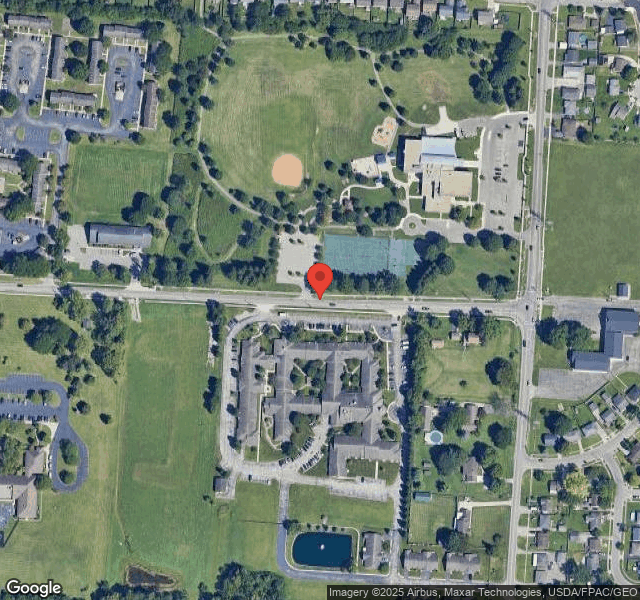
433 OBETZ ROAD, COLUMBUS, OH 43207 (614) 491-2000
For profit - Limited Liability company 125 Beds DAVID OBERLANDER Data: November 2025 1 Immediate Jeopardy citation
Trust Grade
0/100
#899 of 913 in OH
Last Inspection: December 2024

Within standard 12-15 month inspection cycle. Federal law requires annual inspections.

Overview

Scioto Rehabilitation & Care Center has received an F grade for trust, indicating significant concerns about its quality of care. It ranks #899 out of 913 nursing homes in Ohio, placing it in the bottom half of facilities statewide, and #54 out of 56 in Franklin County, meaning there are very few local options that are worse. While the facility's trend is improving, having reduced issues from 28 in 2024 to just 2 in 2025, it still reports a concerning staffing turnover rate of 70%, which is higher than the state average of 49%. The facility has faced significant fines totaling $204,210, higher than 94% of nursing homes in Ohio, suggesting ongoing compliance problems. Specific incidents of concern include a failure to timely treat a resident's wound infection, leading to a life-threatening situation, and a serious incident where a resident sustained injuries from a fall due to unsafe practices. While some quality measures are rated good, the overall picture indicates a facility that needs substantial improvement.

Trust Score
F
0/100
In Ohio
#899/913
Bottom 2%
Safety Record
High Risk
Review needed
Inspections
Getting Better
28 → 2 violations
Staff Stability
⚠ Watch
70% turnover. Very high, 22 points above average. Constant new faces learning your loved one's needs.
Penalties
⚠ Watch
$204,210 in fines. Higher than 78% of Ohio facilities, suggesting repeated compliance issues.
Skilled Nurses
○ Average
Each resident gets 33 minutes of Registered Nurse (RN) attention daily — about average for Ohio. RNs are the most trained staff who monitor for health changes.
Violations
⚠ Watch
86 deficiencies on record. Higher than average. Multiple issues found across inspections.
★☆☆☆☆
1.0
Overall Rating
★★☆☆☆
2.0
Staff Levels
★★★★☆
4.0
Care Quality
★☆☆☆☆
1.0
Inspection Score
Stable
2024: 28 issues
2025: 2 issues

The Good

  • 4-Star Quality Measures · Strong clinical quality outcomes
  • Full Sprinkler Coverage · Fire safety systems throughout facility
  • No fines on record

Facility shows strength in quality measures, fire safety.

The Bad

1-Star Overall Rating

Below Ohio average (3.2)

Significant quality concerns identified by CMS

Staff Turnover: 70%

24pts above Ohio avg (46%)

Frequent staff changes - ask about care continuity

Federal Fines: $204,210

Well above median ($33,413)

Significant penalties indicating serious issues

Chain: DAVID OBERLANDER

Part of a multi-facility chain

Ask about local staffing decisions and management

Staff turnover is very high (70%)

22 points above Ohio average of 48%

The Ugly 86 deficiencies on record

1 life-threatening 3 actual harm
Mar 2025 2 deficiencies
CONCERN (D) 📢 Someone Reported This

A family member, employee, or ombudsman was alarmed enough to file a formal complaint

Potential for Harm - no one hurt, but risky conditions existed

Quality of Care (Tag F0684)

Could have caused harm · This affected 1 resident

**NOTE- TERMS IN BRACKETS HAVE BEEN EDITED TO PROTECT CONFIDENTIALITY** Based on medical record review, staff interview and internet resource, the facility failed to ensure residents who received nutr...

Read full inspector narrative →
**NOTE- TERMS IN BRACKETS HAVE BEEN EDITED TO PROTECT CONFIDENTIALITY** Based on medical record review, staff interview and internet resource, the facility failed to ensure residents who received nutritional support through a Nasogastric (NG) Tube received the proper care including ensuring the proper placement of tubing prior to administration of fluids and/or medication. This affected one (Resident #111) of the five resident reviewed for care with a feeding tube. The facility census was 106. Findings include: Review of the medical record for Resident #111 revealed an initial admission date of [DATE] with a re-entry date of [DATE] and a discharge date of [DATE]. Diagnoses included heart failure, hemiplegia and hemiparesis following infarction affecting the left non-dominant side, dysphasia, and gastrostomy status. Review of Resident #111's significant change Minimum Data Set (MDS) 3.0 assessment dated [DATE] revealed resident experienced long and short term memory problems as well as a moderately impaired cognition for daily decision making abilities. Resident #111 was noted to experience impairment to one upper extremity and required the use of a wheelchair for mobility. During this assessment review, Resident #111 was noted to require set up or clean up assistance for eating, substantial to maximal assistance for dressing, and dependent on staff for toilet and personal hygiene, bathing and dressing. Resident #111 was noted with no noted weight loss and was ordered an mechanically altered diet. Review of the progress note dated [DATE] 11:15 A.M. revealed, Writer at the nurses station observed resident sitting in the wheelchair at the TV lounge leaning to the right, rushed to check on him, resident unresponsive, checked for pulse, blood pressure, respiration; called for help from Nurse and STNA ,CPR initiated and Squad called. continued with CPR until the arrival of squad who took over, resident transported by Squad to hospital, Certified Nurse Practitioner (CNP) on call notified, on call manager informed. Continued review of nursing progress notes from [DATE] through [DATE] revealed Resident #111 was readmitted to the facility with a nasogastric tube (NG) tube for nutritional support, as well as a code status of Do Not Resuscitate, Comfort Care Arrest (DNRCCA). On [DATE], resident's NG tube appeared to be clogged resulting in a hospital trip. On [DATE] Resident #111 was noted to have an elevated blood glucose reading which the physician had to be contacted due to no current orders related to hyperglycemia. Review of physician orders for Resident #111 for the month of 01/2025 revealed the following: -Check nasogastric tube placement before initiation of formula, medication administration, and flushing tube or at least every 8 hours. This order was noted to have been discontinued on [DATE] when Resident #111 was admitted to the hosptial and never re-ordered on [DATE] when Resident #111 was re-admitted to the facility with the NG tube. Interview on [DATE] at 2:30 P.M. with the Director of Nursing (DON) confirmed that placement of a feeding tube or nasogastric tube should be confirmed prior to administration or any medication or fluids. The DON confirmed Resident #111's medication administration record (MAR) or treatment administration records (TAR) did not reflect this order after Resident #111 readmitted to the facility from his most recent hosptial stay. Review of an internet resource from the National Library of Medicine https://www.ncbi.nlm.nih.gov/books/NBK593215/ revealed, Prior to medication administration, verify tube placement. Placement is initially verified immediately after the tube is placed with an X-ray, and the nurse should verify these results. Additionally, bedside placement is verified by the nurse before every medication pass. There are multiple evidence-based methods used to check placement. One method includes aspirating tube contents with a 60-milliliter () syringe and observing the fluid. Fasting gastric secretions appear grassy-green, brown, or clear and colorless, whereas secretions from a tube that has perforated the pleural space typically have a pale yellow serous appearance. A second method used to verify placement is to measure the pH of aspirate from the tube. Fasting gastric pH is usually 5 or less, even in patients receiving gastric acid inhibitors. Fluid aspirated from a tube in the pleural space typically has a pH of 7 or higher.[37],[38] Note that installation of air into the tube while listening over the stomach with a stethoscope is no longer considered a safe method to check tube placement according to evidence-based practices.[39]
CONCERN (E) 📢 Someone Reported This

A family member, employee, or ombudsman was alarmed enough to file a formal complaint

Potential for Harm - no one hurt, but risky conditions existed

Deficiency F0800 (Tag F0800)

Could have caused harm · This affected multiple residents

Based on observation, resident interview, staff interview, and policy review, the facility failed to to ensure residents received meals as ordered/needed. This had the potential to affect 105 out of 1...

Read full inspector narrative →
Based on observation, resident interview, staff interview, and policy review, the facility failed to to ensure residents received meals as ordered/needed. This had the potential to affect 105 out of 110 residents residing in the facility. The facility census was 110. Findings include: Observation of the kitchen on 03/05/25 from 10:56 A.M. to 11:29 A.M. revealed the following meal temperatures: Hamburger - 200 degrees Fahrenheit (°F), mashed potatoes - 188°F, brown gravy - 195°F, coleslaw - 38°F, mechanical texture ham sandwich - 58°F, and regular texture ham sandwich - 54°F. Observation on 03/05/25 at 11:20 A.M. at [NAME] #310 revealed they served the sandwiches that were above 41°F. Interview with [NAME] #310 on 03/05/25 at 11:25 A.M. confirmed that cold foods should be served at or below 41°F. Further observation and interviews on 03/05/25 from 12:04 P.M. to 12:30 P.M. revealed the following: Meal tickets for lunch indicated the featured meal was a turkey sandwich, tomato soup, creamy coleslaw, crackers, and sherbet. A secondary choice of meatloaf home style, peas & carrots, soup of the day, and select sandwich was also available. Residents #64, #54, #87, #36, #49, #58, #35, and #107 all had meal tickets for the featured meal but did not receive the tomato soup or crackers. None of the residents received a substitution of macaroni salad, either. Resident #58 stated he did not receive what he ordered today and typically does not receive the food he requests on the meal tickets, including yesterday when he ordered fish but received hot dogs instead. Resident #35 received chocolate ice cream instead of sherbet and stated she does not like ice cream and will not eat it when it is substituted. Resident #107 stated she did not receive the coleslaw for today ' s meal, which was the only thing she was looking forward to. Review of the weekly menu revealed that for lunch on 03/05/25, residents should have received tomato soup with crackers. Interview with Kitchen Manager #30 on 03/05/25 at 2:41 P.M. revealed the facility tracks substitutions on a progress tracking note. The last note for substitutions was dated 03/02/25, with no indication that tomato soup was to be substituted. Interview with [NAME] #310 on 03/05/25 at 3:00 P.M. revealed that macaroni salad was substituted for the tomato soup due to a delay in the food truck delivery. Interview with Kitchen Manager #30 on 03/05/25 at 3:07 P.M. verified that macaroni salad was not an appropriate substitution for tomato soup. At 3:41 P.M., Kitchen Manager #30 provided copies of all meal tickets but had changed the featured item of tomato soup to macaroni salad prior to providing the meal tickets. She also confirmed that the meal truck was late and did not deliver items until lunch was being served. Review of the facility policy titled, Menu Substitutions, revealed kitchen staff will consult with the director of food and nutrition services or designee on any needed menu substitution. Additionally, all changes to the menu will be recorded on a Sample Menu Substitution Sheet, including the date, menu item substitution, and reason for the substitution. The policy further specifies that staff should refer to the Menu Substitution Lists to select appropriate substitutes within the same food category when an item is unavailable, and the Registered Dietitian Nutritionist (RDN) or designee will periodically evaluate menu changes to ensure compliance with resident needs. Review of the Food and Nutrition Services Policy Statement also indicated that reasonable efforts must be made to accommodate resident choices and preferences, and a multidisciplinary assessment of each resident ' s nutritional needs, food likes, dislikes, and eating habits should guide meal planning and substitutions. This deficiency represents non-compliance investigated under Master Complaint Number OH00163165 and Complaint Number OH00162862.
Dec 2024 21 deficiencies 1 Harm
SERIOUS (G) 📢 Someone Reported This

A family member, employee, or ombudsman was alarmed enough to file a formal complaint

Actual Harm - a resident was hurt due to facility failures

Pressure Ulcer Prevention (Tag F0686)

A resident was harmed · This affected 1 resident

**NOTE- TERMS IN BRACKETS HAVE BEEN EDITED TO PROTECT CONFIDENTIALITY** Based on observation, record review, facility policy review and interview, the facility failed to develop and implement a compre...

Read full inspector narrative →
**NOTE- TERMS IN BRACKETS HAVE BEEN EDITED TO PROTECT CONFIDENTIALITY** Based on observation, record review, facility policy review and interview, the facility failed to develop and implement a comprehensive and individualized pressure ulcer prevention program to prevent the development of avoidable pressure ulcers, timely identify areas of new skin impairment, promote optimal healing, ensure pressure ulcer dressings were provided as ordered and/or prevent the risk of pressure ulcer infection. Actual Harm occurred beginning on 11/19/24 when Resident #54, who had moderate cognitive impairment and was at high risk for pressure ulcer development, was assessed to have a Stage II (partial-thickness skin loss with exposed dermis) pressure ulcer to the right buttocks that originated from Moisture Associated Skin Damage (MASD). Due to a lack of individualized and effective interventions, on 11/26/24 Resident #54's right buttock pressure ulcer expanded to a bilateral buttock pressure ulcer. On 12/03/24 the pressure ulcer progressed to a Stage III (full-thickness tissue loss into subcutaneous tissue but does not go into the muscle or bone) bilateral buttock pressure ulcer without evidence of adequate and individualized pressure ulcer prevention interventions being in completed prior to the deterioration/progression. Actual harm occurred on 10/29/24 when Resident #163 who had severe cognitive impairment, was dependent on staff for toileting and transfers, was assessed and documented to be at high risk for pressure ulcer development but had no individualized plan developed to prevent pressure ulcers was identified to have of an unstageable (full thickness tissue loss in which the base of the ulcer is covered by slough (yellow, tan, gray, green or brown) and/or eschar (tan, brown or black) in the wound bed) pressure ulcer to the sacrum. The facility failed to create and implement an individualized plan to prevent the pressure ulcer resulting in the development and identification of the unstageable ulcer. Actual harm occurred on 08/13/24 when Resident #89, who was at high risk for pressure ulcer development and had a history of unstageable pressure ulcers, developed a new Stage III pressure ulcer to the right ischium. On 08/08/24, the resident's prescribed air mattress malfunctioned and was replaced with a regular bed and a gel overlay, which failed to provide adequate pressure relief. On 08/12/24, a new air mattress was ordered, but documentation on 08/13/24 indicated the replacement air mattress also malfunctioned, causing the resident's buttocks to come into direct contact with the metal bed frame. This resulted in tissue breakdown and the development of the new Stage III pressure ulcer. The facility failed to ensure timely replacement and proper functioning of pressure-relieving equipment, resulting in the development of the Stage III pressure ulcer. This affected three residents (#54, #89, and #163) of five residents reviewed for pressure ulcers. The facility census was 109. Findings include: 1.Review of the medical record revealed Resident #54 was admitted to the facility on [DATE] with diagnoses including a wedge compression fracture of thoracic (T)11-T12 vertebra, chronic respiratory failure, urinary tract infection (UTI), unspecified combined systolic and diastolic heart failure, benign prostatic hyperplasia with lower urinary symptoms, atrial fibrillation, hypertension (HTN), left bundle-branch block, low back pain, bilateral primary osteoarthritis of first carpometacarpal joints, malignant neoplasm of prostate, vitamin D deficiency, presence of cardiac pacemaker, repeated falls, hyperlipidemia, major depressive disorder, constipation, wedge compression fracture of first lumbar vertebra, chronic obstructive pulmonary disease (COPD), tinea unguium, and psoriasis vulgaris. Review of the skin risk/Braden Scale Assessment (a tool used to assess a resident's risk of developing pressure ulcers), dated 7/10/24 revealed Resident #54 was assessed to be at mild risk for pressure injury. Review of a nursing progress note dated 07/10/24 at 7:48 P.M. revealed Resident #54 admitted to the facility with an excoriating skin rash all over back area down to coccyx and blisters on the coccyx. Zinc oxide cream and Triad paste (a zinc oxide based hydrophilic paste for light to moderate levels of wound exudate/drainage used to help maintain an optimal wound healing environment) were to be applied on rash twice daily. Review of the physician orders revealed the following orders were in place: Zinc Oxide External cream 10% apply to lower back topically two times a day for excoriating rash with a start date of 7/11/24. Ammonium lactate external cream 12% apply to upper and lower back topically as needed for soilage with a start date of 07/12/24 and an end date of 07/19/24. Review of the Medication Administration Report (MAR) for Resident #54 revealed no evidence the physician orders for Ammonium lactate external cream 12% was administered at all during incontinence episodes during this time period. Review of the Minimum Data Set (MDS) 3.0 assessment, dated 10/29/24 revealed Resident #54 had moderately impaired cognition, required moderate (staff) assistance with toileting, moderate (staff) assistance with upper extremity dressing, maximum (staff) assistance with lower extremity dressing, maximum (staff) assistance with putting on and taking off footwear, and had no pressure ulcers. A skin risk/Braden Scale Assessment completed on 11/01/24 which revealed a high risk for pressure injury development. Review of the comprehensive care plan for Resident #54 revealed a focus on potential alterations in skin integrity. The goal was to prevent skin breakdown through comprehensive review. Interventions included (on 07/10/24) educate resident/family on skin breakdown risk factors and preventative measures, encourage floating heels while in bed, pressure-reducing cushion to the chair, pressure-reducing mattress to the bed, assist with hygiene, including peri-care as needed and barrier cream during showers and after incontinent episodes. A plan of care (dated 08/08/24) revealed the resident had current area of skin impairment to the right buttock. The goal was to heal the existing impairment and prevent further skin breakdown and infection with a target date of 10/08/2024. Interventions included (on 08/08/24) to initiate wound treatment, continue as ordered by the medical director or nurse practitioner, observe and document wound character weekly, and monitor for clinical changes such as infection or worsening of the wound, (on 11/08/24) encourage repositioning as tolerated, (on 11/19/24) apply barrier cream after each incontinent episode and encourage repositioning with pillows as tolerated, (on 12/04/24) air mattress to bed, monitor for proper functioning, and (12/17/24) encourage resident to allow staff to reposition every two hours. Review of Bed Mobility task documentation from 11/24/24 to 12/23/24 for Resident #54 revealed staff documented the resident was totally dependent on staff for bed mobility during this time period. The resident had orders for Triad Hydrophilic wound dress external paste (wound dressings) apply to bilateral buttocks topically every shift for wound care with a start date of 09/11/24 and an end date of 10/30/24. Triad Hydrophilic wound dress external paste (wound dressings) apply to bilateral buttocks topically as needed for incontinence with a start date of 09/11/24 and an end date of 10/30/24. Triad Hydrophilic wound dress external paste (wound dressings) apply to bilateral buttocks topically as needed for soilage with a start date of 10/17/24 and an end date of 12/17/24. Review of a nursing progress note dated 10/09/24 revealed Resident #54 returned to the facility with a skin tear on the right arm and a reddish spot on the buttock with no open area. Review of the skin assessments from contracted Wound Provider #1050 for Resident #54 revealed the following information: 10/16/24: Initial assessment: Wound on the right buttock diagnosed as Moisture-Associated Skin Damage (MASD) 9.0 centimeters (cm) length by (x) 3.5 cm width x <0.1 cm depth. Irritant contact dermatitis due to fecal, urinary, or dual incontinence. Treatment orders: Cleanse area, pat dry, apply zinc barrier cream (20% or greater) every shift and as needed (PRN). No new interventions or changes to the resident's plan of care were noted at this time. 10/30/24: Right buttock pressure ulcer still diagnosed as MASD. 12.0 cm length x 10 cm width x <0.1 cm depth. Additional treatment: Triad paste to buttocks every day and PRN. However, record review revealed no documented evidence of the Triad paste being provided as needed after incontinence episodes between July and 10/30/24. 11/19/24: Right buttock pressure injury progressed to a Stage II pressure ulcer (related to exposed dermis) 11 cm length x 9.0 cm width x 0.1 cm depth. Irritant contact dermatitis due to fecal, urinary, or dual incontinence. Record review revealed no additional interventions were implemented to address the resident's fecal/urinary/dual incontinence to prevent skin breakdown. 11/26/24: Right buttock pressure injury remained at Stage II, 13 cm length x 11 cm width x 0.1 cm depth, treatment orders remained the same on this date. 12/03/24: Right buttock worsened to a Stage III (full thickness) pressure ulcer, 9.0 cm length x 13 cm width x 0.1 cm depth with 90% granulation and 10% slough. Treatment remained the same. Record review revealed no additional or new interventions were implemented to prevent additional skin breakdown and/or to promote healing. 12/10/24: Right buttock pressure ulcer remained at Stage III, 8.0 cm length x 5.0 cm width x 0.1 cm depth with 100% granulation. Irritant contact dermatitis due to fecal, urinary, or dual incontinence. Resident agreeable to air mattress. Wound physician measured the entire wound region, reporting eight pressure ulcers with skin bridges and MASD resolved. Treatment orders: Triad paste open to air, reapply triad paste as needed, air mattress in place. 12/17/24: Right buttock pressure ulcer remained at Stage III, 8.0 cm length x 4.5 cm width x 0.1 cm depth with 100% granulation. Comments and treatment remain the same. Review of the Medication Administration Report (MAR) for Resident #54 revealed no evidence the physician orders for Triad Hydrophilic wound dress external paste (wound dressings) was administered at all during incontinence episodes from July 2024 to December 2024. On 12/19/24 at 1:54 P.M., observation of Resident #54's Stage III pressure ulcer to the right buttocks revealed the wound bed was red with active bleeding on the incontinence brief. Further observation revealed the physician ordered treatment of Triad following each incontinence episode was not in place. Interview with Registered Nurse (RN) Wound Nurse #500 during the time of the observation verified the resident was provided incontinence care prior to entering the room for the wound observation and the physician ordered treatment of Triad was not in place. Interview on 12/18/24 at 2:35 P.M. with the Wound Doctor (WD) #122 verified Resident#54's wound started as MASD and turned to an open Stage II pressure ulcer wound on 11/19/24. He stated he doesn't remember seeing blisters on his initial assessment. WD #122 stated they were doing zinc barrier and then collogen. He stated there were multiple open areas and the wound changed to a bilateral wound on 11/26/24, but stated there was not a wound on the left buttock only multiple wounds on the right buttock. WD#122 stated he did not measure each area. During the interview, the WD revealed the wound was not being offloaded so it would not heal properly. He stated the Triad paste should be applied on during changes and soilage and stated there were eight separate wounds but since they were in the same area he measured the wounds as one big area. He stated the Triad paste and leaving the areas open to air was the current treatment. Additionally, WD #122 stated the area around the wound wasn't MASD so he didn't want adhesive on the skinned area around the wound. Review of the medical record revealed the facility did not implement the wound/skin prevention interventions as listed in the care plan for Resident #54. The care provided to Resident #54 was also not consistently delivered as planned, resulting in the progression of the MASD to a Stage III pressure ulcer. Despite the progression of Resident #54's skin alteration from Moisture-Associated Skin Damage (MASD) to a Stage II pressure ulcer and then Stage III pressure ulcer, no changes were made to the wound treatments implemented for the resident. The wound, was initially assessed as MASD on 10/16/24, progressed to Stage II on 11/19/24 and later to Stage III on 12/03/24, yet the same treatment plan was followed without modification. Specifically, the use of zinc barrier cream and Triad paste was continued, even after the wound had deepened and required more advanced management. No adjustments were made in the frequency or nature of wound care, nor was the offloading of pressure more rigorously addressed. As a result, the wound failed to heal properly and worsened in severity. 2. Review of the medical record for Resident #163 revealed an initial admission date of 09/23/24 with a latest readmission of 12/01/24 with diagnoses including gastrostomy malfunction, asthma, chronic obstructive pulmonary disease, diabetes mellitus, chronic kidney disease, syncope and collapse, repeated falls, cerebrovascular accident (CVA) with left sided hemiplegia, anxiety disorder, dysphagia, aphasia, hypertension, and hypothyroidism. Review of the resident's plan of care dated 10/12/24 revealed the resident had the potential for pressure ulcer development related to CVA with hemiparesis. Interventions included follow facility policies/protocols for the prevention/treatment of skin breakdown, incontinence care check and change for incontinence on a routine basis and as needed, turn and reposition as ordered and use lifting device to reduce friction. Review of the resident's readmission admission assessment with baseline care plan dated 10/17/24 revealed the resident was re-admitted on [DATE] with no pressure ulcers. Review of a revised plan of care (originally dated 10/17/24) revealed the resident had an actual area of skin impairment related to pressure to sacrum and unstageable pressure ulcer to the resident's left elbow that was present on admission from the hospital and resident prefers to lay on his back most of the day. Interventions included air mattress as ordered on 10/29/24, encourage to reposition as tolerated, evaluate for pain and provide pain relieving interventions as ordered, initiate wound treatment, continue treatment as ordered by the physician/nurse practitioner (NP), limit time out of bed, nursing to observe the wound dressing daily to ensure that the dressing remains intact and that there are no signs/symptoms of infection or increased drainage, observe for clinical changes, such as infection and/or worsening of wound, pressure reducing cushion to chair, refer to dietician to determine need/no need for dietary intervention and skin observation and document on bath/shower days, charge nurse to notify the wound nurse, physician and family of any new areas. Review of the resident's Braden scale dated 10/24/24 revealed a score of 15 indicating the resident was at risk for skin breakdown. Review of the resident's five-day Minimum Data Set (MDS) assessment dated [DATE] revealed the resident had a severe cognitive deficit. The assessment indicated the resident was dependent on staff for bed mobility, toileting and transfers. The assessment indicated the resident was always incontinent of both bowel and bladder. The assessment indicated the resident was at risk for skin breakdown and had no skin issues. The facility implemented a pressure reducing device to his bed. Review of the progress note dated 10/29/24 at 7:54 A.M. revealed the nurse performed a weekly skin assessment and discovered an open area to sacrum measuring 2.0 centimeters (cm) by 2.0 cm. The area was cleansed with normal saline (NS) and pad and protect order initiated. The physician and wound nurse were made aware of the wound. Review of the skin observation dated 10/29/24 revealed the resident was found to have a pressure ulcer to his sacrum measuring 2 cm by 2 cm. The observation contained no description or staging of the wound. Review of the facility's incident report dated 10/29/24 revealed the nurse performed an ordered weekly skin assessment and discovered open area to sacrum. The resident was unable to verbalize when the area started or how the area occurred as the resident was unaware of the area. The area was cleansed with NS and pad and protect order initiated. The physician and wound nurse were made aware of the wound. Review of the weekly pressure skin grid dated 10/30/24 revealed the resident was found to have a Stage III pressure ulcer to the sacrum measuring 1.6 centimeters (cm) by 1.4 cm by 0.2 cm with the wound bed being 100% slough. The peri-wound was within normal limits. The wound had a moderate amount of serosanguineous drainage. The facility implemented the treatment cleanse, apply Santyl, cover with normal saline (NS) soaked gauze. Review of the weekly pressure skin grid dated 11/05/24 revealed the Stage III was now classified as an unstageable pressure ulcer measuring 1.0 cm by 1.5 cm with the depth being unable to determine due to the wound bed being 100% slough. The wound had a moderate amount of serous exudate. No changes to the treatment were made at this time. Review of the weekly pressure skin grid dated 11/12/24 revealed resident had an unstageable pressure ulcer measuring 1.0 cm by 1.0 cm with the depth being unable to determine due to the wound bed being 100% slough. The wound had a moderate amount of serosanguineous exudate. There were no changes to treatment at this time. The resident was discharged to an acute care hospital on [DATE] and re-admitted to the facility on [DATE]. Review of the resident's monthly physician orders for December 2024 identified orders dated 11/11/24 cleanse right sacrum with normal saline, pat dry, apply nickel thick Santyl to wound bed, cover with saline moistened gauze then cover with a clean dry dressing daily and as needed, 11/13/24 air mattress to bed, ensure proper functioning every shift and 12/04/24 enhanced barrier precautions (EBP) every shift due to wound. Review of the skin observation dated 12/01/24 revealed the resident was re-admitted to the facility with a previously identified wound to the sacrum. Further review revealed no comprehensive assessment (measurements/description) of the pressure ulcer was completed upon re-admission to the facility. Review of the readmission pressure skin grid dated 12/02/24 revealed the unstageable pressure ulcer to the resident's sacrum measured 1.5 cm by 1.5 cm with the depth being unable to determine due to the wound bed being 100% slough. The wound had a minimal exudate. The facility resumed the previous treatment to cleanse wound, apply Santyl and cover with NS soaked gauze. Review of the re-admission pressure skin grid dated 12/03/24 revealed the unstageable pressure ulcer to the resident's sacrum measured 1.3 cm by 1.3 cm with the depth being unable to determine due to the wound bed being 100% slough. The wound had a minimal exudate. The facility did not determine if the wound had improved, declined or remained unchanged. The facility made no changes to the treatment. Review of the re-admission pressure skin grid dated 12/10/24 revealed the unstageable pressure ulcer to the resident's sacrum measured 1.3 cm by 1.0 cm with the depth being unable to determine due to the wound bed being 100% slough. The wound had a minimal exudate. The facility determined the wound had improved and made no changes to the treatment. Review of the re-admission pressure skin grid dated 12/17/24 revealed the unstageable pressure ulcer to the resident's sacrum measured 1.2 cm by 1.0 cm with the depth being unable to determine due to the wound bed being 100% slough but able to see tips of granulation. The wound had a minimal exudate. The facility determined the wound had improved and made no changes to the treatment. On 12/18/24 at 9:32 A.M., observation of Registered Nurse Wound Nurse (RNWN) #500 and Unit Manager (UM) #214 provide the physician ordered treatment to the resident's unstageable pressure ulcer revealed RNWN #500 donned personal protective equipment (PPE) (gown), entered the room washed their hands and donned gloves. RNWN #500 cleansed the resident's bedside table with a sani-wipe, washed her hands and donned gloves. She then placed a barrier on the table and set-up the required supplies. RNWN #500 removed the soiled dressing to the sacral wound. The wound was quarter sized with pink edges and a yellow center. She then washed her hands and donned a pair of gloves and cleansed the wound with NS and a 4X4, pat dry. RNWN #500 then washed her hands and donned gloves. She then used a tongue depressor and placed Santyl on the center of the wound, covered the wound with a NS soaked gauze and covered the wound with a bordered gauze dressing. On 12/18/24 at 1:39 P.M., interview with the Interim Director of Nursing (IDON) and Registered Nurse Wound Nurse (RNWN) #500 revealed the sacral wound was actually an unstageable pressure ulcer when the wound was discovered, however the wound physician documented the wound as a Stage III pressure ulcer. The IDON and RNWM #500 revealed they were unaware of why the staff had not identified the pressure ulcer prior to an unstageable pressure ulcer. The facility provided no evidence of an individualized skin breakdown prevention program for the resident. 3. Review of the medical record revealed Resident #89 was admitted on [DATE] and readmitted on [DATE], with diagnoses including paraplegia, epilepsy, heart failure, atrial fibrillation, hypertension, muscle weakness, and a colostomy and indwelling catheter in place. Resident #89 was admitted (on 04/03/24) with a Stage III pressure ulcer to the right ischium which measured 4.5 cm in length X 1.5 cm in width, and 1.5 cm in depth. The pressure ulcer healed on 06/04/24. On 07/10/24, a skin risk/Braden Scale Assessment indicated the resident was at mild risk for pressure injury development. However, a follow-up skin assessment conducted on 11/01/24 identified the resident as being at high risk for pressure injury development. Review of the comprehensive care plan for Resident #89 revealed a focus on skin integrity, specifically addressing areas of skin impairment related to pressure on the sacrum and right ischium, as well as non-pressure concerns on the right second toe. The goal was to heal the current impairment and prevent further skin breakdown. Interventions included on 04/04/24 pressure reducing cushion to chair, Prevalon boots to bilateral lower extremities as tolerated, monitor for pain and provide pain-relieving interventions as ordered. On 04/24/24 check function of air mattress every shift was added and revised on 11/19/2024. On 04/27/24 ask resident about pain level prior to dressing change procedure, medicate if needed and air mattress as ordered. On 08/08/24 the care plan was updated to include observe and document the character of the wound weekly, observe for clinical changes, such as infection and/or worsening of wound, and initiate wound treatment as ordered by the medical director (MD)/Nurse practitioner (NP). On 11/08/24 encourage repositioning as tolerated, and on 12/13/24 apply shoes for outside doctor appointments were added. The care plan also had a focus on enhancing the overall management of skin integrity, including interventions initiated on 04/04/24 of daily skin observation and documentation on bath/shower days, on 11/19/24 padding to the right lateral wheelchair, on 12/04/24 to limit time out of bed, and implement enhanced barrier precautions due to wound and colostomy. On 12/17/24 encouraging the resident to allow staff to reposition every two hours was added to the resident's plan of care. Review of the 10/01/24 Minimum Data Set (MDS) 3.0 assessment revealed Resident #89 was cognitively intact and required extensive (staff) assistance with personal care, including bed mobility, transfers, toileting, and sitting to lying positions. a.Review of a nursing progress note on 08/08/24 at 10:36 A.M. noted Resident #89's air mattress was noted to be malfunctioning and per the nurse practitioner discontinue the air mattress and order gel mattress. An order was placed with a medical supply company. Review of a nursing progress note on 08/13/24 at 10:46 A.M. noted the wound nurse conducted a weekly wound assessment for Resident #89 on this date. A new pressure injury was identified on the resident's right ischium. The wound bed presented with 100% granulation tissue, measuring 5.0 cm in length by 1.5 cm in width with 0.1 cm depth. A new order was provided to cleanse the wound with normal saline (NS) or wound cleanser (WC), pat dry, apply Calcium Alginate to the wound bed, and cover with a foam dressing. The dressing was to be changed daily (QD) and as needed (PRN). Additionally, the assessment revealed an issue with the air mattress placed beneath the resident. The mattress was noted to be deflated at the buttocks area, causing pressure on the metal frame, which was not detected by the pump's alarm for low pressure. The resident, who was alert and oriented (A&O x 4) was paraplegic and unable to feel sensations below the waist. A new order was provided to replace the malfunctioning air mattress. The resident was assisted out of bed and into a wheelchair. The medical supply company was contacted and requested to replace the air mattress. The mattress was replaced, and the new air mattress was confirmed to be functioning properly. Interview with Resident # 89 on 12/23/24 at 8:13 A.M. revealed he could feel when the air mattress failed as he was able to feel it on his back and he felt with his hands that the bed was deflated. He stated he alerted the staff, and it took approximately an hour for them to respond. The resident stated the bed had no audible alarm or any other type of notification that he was aware of when it malfunctioned. During the interview, the resident voiced concerns that staff did not actually observe his skin during repositioning. Interview on 12/24/24 at 12:10 P.M. with Wound Nurse #500 confirmed on 08/08/24 she found the resident's air mattress was losing air, so the Certified Nurse Practitioner (CNP) ordered a gel overlay to put on a regular mattress. Wound Nurse #500 noticed the gel overlay was dispersing but not offloading for the wound, so she ordered a new air mattress that came on 08/12/24. That bed malfunctioned on 08/13/24 and a new bed was ordered. The resident was on regular mattress with a gel overlay for four days. The resident developed a Stage III pressure ulcer as a result. b. In addition, review of the care provided to Resident #89 related to pressure ulcers revealed the following concerns with treatments not completed as ordered: Santyl External Ointment 250 Unit/GM (Collagenase) with orders to apply to right ischium topically every day shift for wound care was not completed on 10/04/24,10/06/24, 10/08/24, 10/21/24, 11/07/24, 11/12/24 or 11/14/24. Right Ischium: Cleanse with NS, pat dry. Apply Santyl (nickel thick) to wound bed then moistened gauze and cover with clean dry dressing daily and as needed was not completed on 10/04/24, 10/08/24, 10/21/24, 10/24/24 or 11/06/24. Monitor Right Ischium, Bilateral buttocks, left 2nd toe for s/s of infection. If noted, report to NP/MD & management/wound nurse every shift was not completed on 10/17/24, 11/07/24 or 12/11/24. Interview on 12/23/24 at 3:44 P.M. with Wound Nurse #500 verified the dates of the missed wound treatments and interventions and stated there was no justification for the missed wound care and treatments. c. Review of the skin grid pressure assessments and wound provider assessment for Resident #89 revealed the following: 10/16/24 Skin grid assessment: Wound assessed as unstageable, measuring 1.7 cm length x 1.7 cm width x unable to determine depth; described as healing, the wound was documented to have 40 % slough and 60 % granulation tissue. MD #610 was documented as the practitioner who assessed the wound. 10/16/24 Wound provider assessment: Wound assessment and plan: Unstageable pressure wound, 2.0 cm length x 1.7 cm width x depth unknown, 40% granulation and 60% slough in wound bed, noted as healing. Treatment cleanse wound with normal saline or sterile water, Santyl nickel thick layer- cover with moist gauze and cry clean dressing every day and PRN. Assessment documented by MD #610. 11/05/24 Skin grid assessment: Wound classified as Stage III, measuring 0.2 cm length x 0.2 cm width x <0.1 cm depth; noted as improved the wound was documented to have 100 % epithelial tissue present with a new treatment ordered and WD #122 was documented as the practitioner who assessed the wound. 11/05/24 Wound provider assessment: Wound assessment and plan: Stage IV wound, 0.2 cm length x 0.2 cm width x <0.1 cm depth, noted as healing. Full thickness with exposed underlying structure. 100% epithelial tissue in wound bed. Treatment Barrier cream twice daily and as needed. Assessment completed by WD #122. 12/03/24 Skin grid assessment: Wound became unstageable, measuring 2.0 cm length x 1.5 cm width x unable to determine depth; noted decline by facility assessment, the wound was documented to have 70 % slough and 30% granulation tissue present and to continue with the current treatment. WD #122 was documented as the practitioner who assessed the wound. 12/03/24 Wound provider assessment: Wound assessment and plan: Stage 4 pressure wound, 2.0 cm length x 1.5 cm width x 0.2 cm depth, 30 % granulation and 70 % slough in wound bed. Wound documented as same/stable. No documentation present why stage was changed from Stage 3 to Stage 4. Assessment completed by WD #122. Interview on 12/24/24 at 10:15 A.M. with the Regional Nurse #504 and Interim Director of Nursing (IDON) #506 revealed there were discrepancies between the wound nurse and wound physicians' assessment. They stated the wound nurse and wound physician should be communicating those differences and additionally verified the wound nurse and wound physician are not communicating their differences in assessment. Review of the Skin and Wound Management Policy dated October 2024 revealed the purpose of the Skin and Wound Management policy was to provide an approach in the prevention and management of pressure injuries and skin alterations using the nursing process and other strategies to assist in identifying residents at risk for developing pressure injuries. This approach was in accordance with State and federal regulations. Select appropriate support surfaces based on the resident's mobility, continence, skin moisture and perfusion, body size, weight, and overall risk factors. The physician would assist the staff to identify the type (for example, arterial or stasis ulcer) and characteristics (presence of necrotic tissue, status of wound bed, etc.). The physician would order pertinent wound treatments, including pressure reduction surfaces, wound cleansing and debridement approaches, dressings (occlusive, absorptive, etc.), and application of topical agents. The physician would guide the care plan as appropriate, especially when wounds were not healing as anticipated or new wounds develop despite existing interventions. The deficiency identifies non-compliance with Complaint Number OH00160119.
CONCERN (D)

Potential for Harm - no one hurt, but risky conditions existed

Resident Rights (Tag F0550)

Could have caused harm · This affected 1 resident

**NOTE- TERMS IN BRACKETS HAVE BEEN EDITED TO PROTECT CONFIDENTIALITY** Based on observations, resident interviews, staff interviews, medical record review, and review of facility policy, the facility...

Read full inspector narrative →
**NOTE- TERMS IN BRACKETS HAVE BEEN EDITED TO PROTECT CONFIDENTIALITY** Based on observations, resident interviews, staff interviews, medical record review, and review of facility policy, the facility failed to provide dignified living conditions for two residents. This affected two (Resident #49 and #81) residents out of three residents (#49, #81, and #220) reviewed for dignity. The facility census was 109 residents. Findings include: 1. Review of medical record for Resident #49 revealed that she was admitted to the facility on [DATE] with diagnoses that included anxiety disorder, major depressive disorder, suicidal ideations, obsessive compulsive disorder, and unspecified psychosis not due to a substance or known physiological condition. Review of her Minimum Data Set on 11/20/24 revealed that she had a Brief Interview for Mental Status score of 15, indicative of intact cognitive status. Interview with Resident #49 on 12/16/24 at 10:46 A.M. revealed that on many occasions over multiple days, she observed another resident (Resident #63) in his room across the hallway from her exposing himself to her, masturbating, and licking his fingers from his open doorway. Resident #49 explained that she did not feel that it was sexual abuse, but she found Resident #63 to be creepy. She stated that she did not have any adverse affects related to these incidents but it was an undignified way to live. Resident #49 stated she reported her concerns to management and she was told to deal with it, and close (her) door. Interview with Social Services Designee #320 on 12/17/24 at 2:42 P.M. revealed Resident #49 and Resident #63 both had recent room moves that were unrelated to the incidents, but Social Services Designee #320 confirmed she was aware of Resident #49's concerns about Resident #63's sexual acts in his room Resident #49 could observe. Interview with the Administrator on 12/17/24 at 3:00 P.M. confirmed he was aware of Resident #49 being upset that she could see Resident #63 exposing himself from his open door in his room where Resident #49 could see him. Administrator stated that he temporarily moved Resident #63's room, but Resident #63 had to move back to that room again soon thereafter because of a need for an isolation room. He confirmed he did ask Resident #49 if she felt that it was sexual abuse, and that she denied that. Review of a 2016 facility policy called Resident Rights revealed residents had a right to be treated at all times with courtesy, respect, and full recognition of dignity and individuality. 2. Review of the medical record for Resident #81 revealed an initial admission date of 10/31/24 with the latest readmission date 12/12/24 with diagnoses including but not limited to pneumonitis due to inhalation of food and vomit, bacteremia, metabolic encephalopathy, severe sepsis with septic shock, intestinal obstruction, dysphagia, severe protein calorie malnutrition, acute respiratory failure with hypoxia, aphasia, anxiety disorder, periodontal disease, seizures, traumatic brain injury, tracheostomy, anemia, gastro-esophageal reflux disease, hypertension, chronic obstructive pulmonary disease, constipation, insomnia and cerebral infarct. Review of the plan of care dated 11/01/24 revealed the resident had an activities of daily living (ADL) self-care performance deficit related to cerebral infarct, functional limitation in range of motion, generalized weakness, impaired mobility, traumatic brain injury and non-ambulatory status. Interventions included assist with ADLs as needed, bed mobility per two assists, mechanical lift for transfers, monitor for pain during ADL tasks and provide medication per physician order, place call light within reach, prefers to be in gown rather than personal clothing, prefers to stay in bed, resident is bedfast all or most of the time and resident uses a manual wheelchair for ambulation. Review of the resident's comprehensive Minimum Data Set (MDS) assessment dated [DATE] revealed the resident had a severe cognitive deficit. Review of the mood and behavior revealed the resident displayed no behaviors including rejection of care. The assessment indicated the resident had functional limitation in range of motion to both upper and lower extremities and was dependent on staff for ADL. On 12/16/24 at 11:46 A.M., observation of Resident #81 revealed he was laying in bed without a gown or clothing. Further observation revealed the resident's soiled incontinence brief was visible from the hallway. On 12/16/24 at 3:25 P.M., observation of Resident #81 revealed he was laying in bed without a gown or clothing. Further observation revealed the resident's soiled incontinence brief was visible from the hallway. On 12/16/24 at 4:26 P.M., interview with Licensed Practical Nurse (LPN) #158 verified the resident had no clothing on and his soiled incontinence brief was visible from the hallway. Review of a 2016 facility policy called Resident Rights revealed residents had a right to be treated at all times with courtesy, respect, and full recognition of dignity and individuality.
CONCERN (D)

Potential for Harm - no one hurt, but risky conditions existed

Deficiency F0558 (Tag F0558)

Could have caused harm · This affected 1 resident

**NOTE- TERMS IN BRACKETS HAVE BEEN EDITED TO PROTECT CONFIDENTIALITY** Based on resident and staff interviews, the facility failed to give one resident timely access to her social security benefits a...

Read full inspector narrative →
**NOTE- TERMS IN BRACKETS HAVE BEEN EDITED TO PROTECT CONFIDENTIALITY** Based on resident and staff interviews, the facility failed to give one resident timely access to her social security benefits and failed to ensure one resident was appointed a legal guardian appropriately. The deficient practices affected two residents (Residents #61 and #163) of three reviewed for accommodation of needs. The facility census was 109 residents. Findings include: Resident #61 was admitted to the facility on [DATE] with diagnoses that included epilepsy, hemiplegia and hemiparesis following cerebral infarction, muscle weakness and need for assistance with personal care. Review of her Minimum Data Set 3.0 assessment on 11/12/24 revealed that her Brief Interview for Mental Status score was 15, indicative of intact cognition. Interview with Resident #61 on 12/16/24 at 10:14 A.M. revealed that she did not have access to her social security benefits. Resident #61 stated that she had been asking administration about access to her social security benefits since March 2024 when she was readmitted to the facility. She stated she would like access to the monthly allowance to pay for toiletry items that she prefers. Interview with the Administrator on 12/17/24 at 3:06 P.M. revealed he had been talking with Resident #61 about getting access to her social security benefits since he started working at the facility in September 2024. He revealed the facility was without a Business Office Manager at this time, and he did not know how to get Resident #61 a state identification card and she could not recall her last known address due to her previously transient status. The Administrator stated he did not have an answer as to how to help Resident #61 access her social security benefits. Interview with Interim Director of Nursing #506 on 12/18/24 at 4:23 P.M. revealed that Resident #61's social security benefits had stopped because the social security office does not know where she is. Interview with Admissions Director #317 on 12/18/24 at 5:10 P.M. revealed when Resident #61 had a previous admission to the facility in 2022, she was receiving her monthly allowance from Medicaid, but then when she was discharged out into the community, something happened and Social Security no longer knows where she is located. Admissions Director #317 stated that she will try to figure out if Resident #61 has a Resident Fund Management Service account at another facility that she can find. Review of Resident #61's progress notes in her medical chart revealed on 12/19/24 at 9:32 A.M., Admissions Director #317 wrote a progress note reporting Resident #61 was assisted in calling Social Security and was able to determine where her Social Security was going and to have it rerouted to the facility, which will start in January 2025. Review of a policy named Resident Rights updated in 2016 revealed that if the resident has delegated the responsibility to managing her funds to the facility, that a complete record of all of their funds will be deposited for safekeeping with the home for use by the resident or the resident's sponsor. 2. Review of the medical record for Resident #163 revealed an initial admission date of 09/23/24 with the latest readmission of 12/01/24 with diagnoses including but not limited to gastrostomy malfunction, asthma, chronic obstructive pulmonary disease, diabetes mellitus, chronic kidney disease, syncope and collapse, repeated falls, cerebrovascular accident with left sided hemiplegia, anxiety disorder, dysphagia, aphasia and hypertension, hypothyroidism. Review of the plan of care dated 10/01/24 revealed the resident had an impaired cognitive process for daily decision making and was at risk for further decline in cognitive status related to CVA. Interventions included document observations and interventions, encourage resident to make routine daily decisions, assist through as needed, administer medications as ordered and observe for side effects, approach in a calm, reassuring manner, observe, record all changes in mental status and promote dignity, converse with resident and ensure privacy while providing care, provide cues, prompting, demonstration if resident is unable to complete a task independently and reorient and redirect as needed. Review of the medical record revealed no evidence of a Power of Attorney (POA) or guardianship in place. Review of the social service progress note dated 12/03/24 at 11:38 A.M., authored by Social Services Designee (SSD) #320 revealed a volunteer guardian came to the facility for an evaluation and she did not find the resident was appropriate for guardianship at that time. On 12/17/24 at 8:28 A.M., interview with the resident's Payee revealed the organization she was employed with assisted the resident with his financial matters, assisted the resident with appointments, transportation and grocery shopping. She revealed the organization does not have the legal ability to make decisions for the resident. She revealed she had multiple conversations with SSD #320 educating the facility of the organization's role and the resident's need for guardianship. The Payee revealed the friend listed on the resident's record wants no contact with the resident and she had educated the facility on that also. On 12/18/24 at 10:30 A.M., interview with SSD #133 and SSD #320 revealed the facility had a volunteer guardian come to the facility and evaluate the resident. SSD #320 revealed the volunteer guardian felt he was not appropriate. SSD #320 revealed the resident's primary care physician had no been involved in determining if the resident required guardianship. SSD #320 revealed the facility did not have a Licensed Social Worker (LSW) and verified she was unaware of the guardianship process and how to initiated and complete it.
CONCERN (D)

Potential for Harm - no one hurt, but risky conditions existed

Deficiency F0578 (Tag F0578)

Could have caused harm · This affected 1 resident

**NOTE- TERMS IN BRACKETS HAVE BEEN EDITED TO PROTECT CONFIDENTIALITY** Based on record review, staff interview, and facility policy review, the facility failed to ensure an accurate code status was i...

Read full inspector narrative →
**NOTE- TERMS IN BRACKETS HAVE BEEN EDITED TO PROTECT CONFIDENTIALITY** Based on record review, staff interview, and facility policy review, the facility failed to ensure an accurate code status was in place for one resident (Resident #97). The deficient practice affected one resident (Resident #97) of one reviewed for advanced directives. The facility census was 109. Findings Include: Review of the medical record for Resident #97 revealed an admission date on [DATE]. Medical diagnoses included Type II diabetes mellitus with diabetic neuropathy, unspecified protein-calorie malnutrition, dementia without behavioral disturbance, encounter for surgical aftercare following surgery on the digestive system, and other intestinal obstruction unspecified as to partial versus complete obstruction. Resident #97's advance directive was noted as full code. Resident #97's daughter was listed as the resident's Durable Power of Attorney (DPOA). Review of the current physician orders revealed Resident #97 had an order for Full Code dated [DATE]. Resident #97 also had an order to admit to hospice with a diagnosis of cerebral atherosclerosis dated [DATE]. Review of the Five Day Minimum Data Set (MDS) 3.0 assessment dated [DATE] revealed Resident #97 had intact cognition and scored 15 out of 15 on the Brief Interview for Mental Status (BIMS) assessment. Resident #97 required a varied amount of assistance from staff to complete Activities of Daily Living (ADLs). Review of the care plan revised [DATE] revealed Resident #97 was a full code. The resident chose to have Cardiopulmonary resuscitation (CPR) attempted during a cardiac arrest. Interventions included if code status changes, code status would be posted in the resident's chart and physician's orders. Review of the progress note dated [DATE] at an unknown time completed by Certified Nurse Practitioner (CNP) #509 revealed Resident #97 was seen to review a urine culture in the context of dysuria (blood in urine) and a history of urinary tract infections (UTIs) on [DATE]. Resident #97's code status was noted as full code confirmed with patient on [DATE]. Review of the hospice admission Orders/Initial Plan of Care, dated [DATE], revealed Resident #97 was admitted to hospice services with the diagnosis of cerebral atherosclerosis. A Do Not Resuscitate (DNR) order was completed as of [DATE]. Review of the significant change MDS 3.0 assessment dated [DATE] revealed Resident #97 had impaired cognition and scored an eight out of 15 on the BIMS assessment. Interview on [DATE] at 11:22 A.M. with Assistant Director of Nursing (ADON) #151 revealed staff should verify a resident's code status in the hard chart and/or in the electronic medical record on the profile page. The code status should match in all places it is listed and should be kept up to date at all times. ADON #151 confirmed Resident #97 was alert and oriented with confusion. ADON #151 confirmed the resident's daughter was the resident's DPOA. ADON #151 confirmed the hospice admission paperwork indicated Resident #97's code status changed to DNR. ADON #151 confirmed there was no evidence a DNR order had been received or followed up on by the facility staff to verify the resident's code status. Review of the hard chart for Resident #97 on [DATE] at 11:29 A.M. revealed the resident's code status was full code dated [DATE]. There was no evidence Resident #97's code status had been changed to DNR in the hard chart or the electronic medical record. Interview on [DATE] at 12:04 P.M. with ADON #151 confirmed the admitting hospice nurse, Registered Nurse (RN) #510 verified Resident #97's DPOA/daughter agreed to change Resident #97's code status to DNR upon admission to hospice services. RN #510 provided the DNR order to the physician to sign and return. ADON #151 confirmed Resident #97's code status should have been updated to DNR effective [DATE] when the DNR order was signed by the physician. ADON #151 confirmed the staff should have reviewed the admission paperwork and followed up to confirm the resident's code status change. Review of the DNR Comfort Care order provided by hospice on [DATE] at approximately 12:05 P.M. (following surveyor intervention) was dated [DATE] and confirmed Resident #97's DPOA and the physician signed the order for the resident's code status to be changed to DNR Comfort Care-Arrest. Review of the facility policy, Code Status Policy: Full Code/DNRCC/DNRCC-Arrest, dated [DATE], revealed the policy stated, when a DNR Comfort Care or a DNR Comfort Care-Arrest status has been chosen by the resident and/or responsible party, the physician will be notified. An Ohio Do Not Resuscitate Order (DNR) form must be completed and signed by the Attending Physician and placed in the front of the resident's medical record. If the physician is not available to sign the DNR form, a verbal order for DNR status may be obtained and documented by two witnesses, one of whom must be a nurse, and a copy of the form signed by the physician within 14 days. Review of the facility policy, Hospice Coordination/Collaboration of Services, dated [DATE], revealed the policy stated, The interdisciplinary (IDT) team will develop and maintain a system of communication and integration with hospice services. The hospice provider and the IDT coordinate resident care.
CONCERN (D) 📢 Someone Reported This

A family member, employee, or ombudsman was alarmed enough to file a formal complaint

Potential for Harm - no one hurt, but risky conditions existed

Notification of Changes (Tag F0580)

Could have caused harm · This affected 1 resident

**NOTE- TERMS IN BRACKETS HAVE BEEN EDITED TO PROTECT CONFIDENTIALITY** Based on record review, staff interview and facility policy review, the facility failed to notify one resident's (#81) family of...

Read full inspector narrative →
**NOTE- TERMS IN BRACKETS HAVE BEEN EDITED TO PROTECT CONFIDENTIALITY** Based on record review, staff interview and facility policy review, the facility failed to notify one resident's (#81) family of a room change. This affected one of 29 sampled residents. The facility census was 109. Findings Include: Review of the medical record for Resident #81 revealed an initial admission date of 10/31/24 with the latest readmission date 12/12/24, diagnoses include but were not limited to pneumonitis due to inhalation of food and vomit, bacteremia, metabolic encephalopathy, severe sepsis with septic shock, intestinal obstruction, dysphagia, severe protein calorie malnutrition, acute respiratory failure with hypoxia, aphasia, anxiety disorder, periodontal disease, seizures, traumatic brain injury, tracheostomy, anemia, gastro-esophageal reflux disease, hypertension, chronic obstructive pulmonary disease, constipation, insomnia and cerebral infarct. Review of the resident's comprehensive Minimum Data Set (MDS) assessment dated [DATE] revealed the resident had a severe cognitive deficit. Review of the room change notification dated 11/06/24 revealed the resident had a room change on 11/06/24 from 301 bed A to 332 for more room. Review of the room change notification dated 11/25/24 revealed the resident was moved from room [ROOM NUMBER] to 307 bed A per resident request due to upcoming programing changes on 11/25/24. Review of the resident's medical record revealed the resident was moved on 12/10/24 from 307 bed A to 315 bed A while the resident was admitted to an acute care hospital. Further review revealed no documentation of the room change, reason for the room change and notification of the room change to the resident's family. On 12/17/24 at 4:32 P.M., interview with Social Service Designee (SSD) #320 verified the medical record contained no documented evidence the resident's family was notified of the room change. Review of the facility policy titled, Change in a Resident's Condition or Status, dated 05/17 revealed the facility shall promptly notify the resident, his or her physician and representative of changes in the resident's medical/mental condition and/or status. Unless otherwise instructed by the resident a nurse will notify the resident's representative when there is a need to change the resident's room assignment. This deficiency represents non-compliance investigated under Complaint Number OH00160119.
CONCERN (D)

Potential for Harm - no one hurt, but risky conditions existed

Transfer Notice (Tag F0623)

Could have caused harm · This affected 1 resident

**NOTE- TERMS IN BRACKETS HAVE BEEN EDITED TO PROTECT CONFIDENTIALITY** Based on record review, staff interviews, and resident interviews, the facility failed to provide written transfer notices and i...

Read full inspector narrative →
**NOTE- TERMS IN BRACKETS HAVE BEEN EDITED TO PROTECT CONFIDENTIALITY** Based on record review, staff interviews, and resident interviews, the facility failed to provide written transfer notices and inform residents or their families of their rights regarding hospitalization for three (Residents #41, #76, and #106) out of three residents reviewed for hospitalizations. The facility census was 109. Findings include: 1. Review of the medical record for Resident #41 revealed an admission date of 01/05/24 with a re-entry date of 08/18/24. The resident was diagnosed with multiple chronic conditions, including pleural effusion, chronic sinusitis, dependence on respirator, chronic diastolic heart failure, cirrhosis of liver, chronic kidney disease stage IIIB, type II diabetes mellitus with diabetic neuropathy, morbid obesity, chronic respiratory failure with hypoxia, venous insufficiency, dependence on wheelchair, hypokalemia, obstructive sleep apnea, cardiomegaly, dependence on supplemental oxygen, hypothyroidism, acquired absence of left leg below knee, chronic pain, presence of urogenital implants, lymphedema, and chronic obstructive pulmonary disease (COPD). Review of the census and discharge summaries indicated Resident #41 was admitted to an acute care hospital on the following dates: 01/31/24 - 02/28/24, 06/26/24 - 07/19/24, 07/20/24 - 07/21/24, 08/13/24 - 08/18/24, and 11/03/24 - 11/07/24. Review of transfer notice documentation revealed only one transfer notice dated 11/03/24 was present for Resident #41; however, this notice did not include a statement of the resident's appeal rights, including the name, address (mailing and email), and telephone number of the entity receiving such requests. Additionally, there was no information on how to obtain an appeal form or assistance in completing and submitting the appeal hearing request. There was also no evidence that transfer notices were provided for any other hospitalizations. Interview with the Administrator on 12/18/24 at 3:15 PM confirmed no other transfer notices were completed for Resident #41's other hospitalizations. The Administrator stated that the facility does not provide written transfer notices for residents transferred to the hospital. He further explained at the end of each month, he sends an email to the Ombudsman's office reporting all hospitalizations for the month and would provide evidence of those emails. However, the Administrator did not provide evidence of the emails being sent to the Ombudsman. Interview with Resident #41 on 12/23/24 at 3:50 PM confirmed the resident had not received a transfer notice when being transferred to the hospital. 2. Review of the medical record for Resident #76 revealed an admission date of 06/20/24 with a re-entry date of 10/31/24. The resident was diagnosed with hemiplegia and hemiparesis, type II diabetes mellitus without complications, hyperlipidemia, chronic kidney disease, presence of other cardiac implants and grafts, morbid obesity, hypertension, cutaneous abscess of perineum, seizures, convulsions, long-term use of insulin, muscle weakness, reduced mobility, unsteadiness on feet, need for assistance with personal care, cerebral infarction due to unspecified occlusion or stenosis of left posterior cerebral artery, angina pectoris, vertigo of central origin, and irritable bowel syndrome with constipation. Review of the census and discharge summaries indicated Resident #76 was admitted to an acute care hospital on the following dates: 07/27/24 - 07/30/24, 08/09/24 - 08/12/24, 10/25/24 - 10/31/24, and 12/07/24 - 12/11/24. Review of the transfer notice documentation revealed that transfer notices were completed on 08/09/24, 07/27/24, and 12/07/24. However, there was no evidence the transfer notices included required information such as the resident's appeal rights, contact information, or the process for submitting an appeal. Furthermore, there was no evidence of transfer notices being provided to the resident or family, nor was there any written documentation provided to the resident regarding their rights to appeal the transfer, the contact information for the relevant parties, or the process for maintaining their bed hold status. Interview with the Administrator on 12/18/24 at 3:15 PM confirmed that the facility does not provide written transfer notices for residents transferred to the hospital. The Administrator explained the only time they submit transfer notices is when the resident is being discharged from the facility. At the end of each month, the Administrator sends an email to the Ombudsman ' s office reporting all hospitalizations for the month and would provide evidence of these emails if requested. However, the Administrator did not provide evidence of the emails being sent to the Ombudsman. Interview with the resident #76's daughter on 12/18/24 at 4:13 PM confirmed that the resident has not received written transfer documentation, including appeal rights, contact information, or the reason for the transfer. 3. Review of the closed medical record for Resident #106 revealed an admission date on 06/26/24. Medical diagnoses included osteomyelitis, type II diabetes mellitus with hyperglycemia, morbid obesity due to excess calories, acquired absence of left leg below knee, peripheral vascular disease, chronic kidney disease stage IV (severe), major depressive disorder, personal history of pulmonary embolism, and encounter for orthopedic aftercare following surgical amputation. Review of the clinical census revealed Resident #106 was hospitalized on [DATE] and had not returned to the facility. Review of the discharge Minimum Data Set (MDS) 3.0 assessment dated [DATE] revealed Resident #106 was discharged to a short-term general hospital from the facility. Review of the progress notes revealed on 10/04/24 at 2:10 A.M., Resident #106 was noted to be different today. The resident was not aware of where she was, was hallucinating and stated someone had a gun. The resident refused to be put in bed due to someone being in her room. Resident #106 repeatedly called for staff and asked what was going on and why the staff was there. After staff reassurance, Resident #106 agreed to be put in bed and medications were administered. Resident #106 was recently on antibiotics for a urinary tract infection (UTI) and was recently taken off dialysis. The physician was ordered and an order for labs was verbally given. On 10/04/24 at 1:11 P.M., Resident #106's grandson arrived at the facility for a planned discharge to home from the facility however, the resident started having a change in condition with an altered mental status and would not answer any questions. Resident #106's vital signs were within normal limits. The resident's ordered labs were still pending. Resident #106's grandson did not feel comfortable taking the resident home in her current condition and requested the resident be sent to the hospital for an evaluation. The Certified Nurse Practitioner (CNP) was notified and agreed to have the resident sent out to the hospital for further evaluation. Review of the Transfer/Discharge Report, undated, revealed Resident #106 was transferred to a local acute care hospital on [DATE] at 12:01 P.M. for an altered mental status. The report did not include an explanation of the right to appeal the transfer or discharge to the State, the name, address, and telephone number of the State entity which received such appeal hearing requests, information on how to obtain an appeal form, information on obtaining assistance in completing and submitting the appeal hearing request, or the name, address, and phone number of the representative of the Office of the State Long-Term Care Ombudsman. Interview on 12/18/24 at 5:30 P.M. with the Administrator confirmed Resident #106's transfer notice did not include all required information according to the federal regulation. The Administrator confirmed the facility only sent transfer notices for hospitalizations if the resident would not be allowed to return and had not been completing transfer notices for all facility-initiated transfers from the facility, including emergency transfers. Review of the facility policy, Discharging the Resident, dated May 2023, revealed the policy stated, if the resident is being discharged to a hospital or another facility, ensure that a transfer summary is completed and telephone report is called to the receiving facility.
CONCERN (D)

Potential for Harm - no one hurt, but risky conditions existed

Deficiency F0625 (Tag F0625)

Could have caused harm · This affected 1 resident

Based on record review, staff interviews, and resident interviews, and facility policy, the facility failed to provide a bed hold notice to inform residents or their families of their rights regarding...

Read full inspector narrative →
Based on record review, staff interviews, and resident interviews, and facility policy, the facility failed to provide a bed hold notice to inform residents or their families of their rights regarding the retention of their room and bed during hospitalizations for two (Residents #41 and #76) out of three residents reviewed for hospitalizations. The facility census was 109. Findings include: 1. Review of the medical record for Resident #41 revealed an admission date of 01/05/24 with a re-entry date of 08/18/24. The resident's diagnoses included pleural effusion, chronic sinusitis, dependence on a respirator, chronic diastolic heart failure, cirrhosis of the liver, chronic kidney disease stage IIIB, type II diabetes mellitus with diabetic neuropathy, morbid obesity, chronic respiratory failure with hypoxia, venous insufficiency, dependence on a wheelchair, hypokalemia, obstructive sleep apnea, cardiomegaly, dependence on supplemental oxygen, hypothyroidism, acquired absence of the left leg below the knee, chronic pain, presence of urogenital implants, lymphedema, and chronic obstructive pulmonary disease (COPD). Review of hospitalization records revealed Resident #41 was hospitalized on the following dates: 01/31/24-02/28/24, 06/26/24-07/19/24, 07/20/24-07/21/24, 08/13/24-08/18/24, and 11/03/24-11/07/24. Review of the bed hold notices in the medical record revealed an undated and unsigned notice that lacked essential information, including the number of bed hold days available. During an interview on 12/18/24 at 1:53 P.M., the interim Director of Nursing (IDON) #506 stated that two bed hold notices were completed on 06/26/24 and 11/03/24. However, the notices were incomplete, missing correct information and required signatures. Later in the interview, the IDON reported that these notices could no longer be located and requested they be disregarded. An interview conducted on 12/23/24 at 2:12 P.M. with Resident #41 revealed that during a hospitalization, her room was reassigned without her knowledge. She stated she was pissed about the lack of written communication and expressed frustration at learning of the room reassignment only through a phone call prior to her return to the facility. Review of the admission Agreement revealed the facility will provide written notice of bed hold rights at the time of transfer to a hospital or therapeutic leave, ensuring that residents and their representatives are fully informed. However, there is no evidence that the required written notice was provided. This omission deprives the resident and their representative of the opportunity to make informed decisions regarding care and bed retention during hospitalization, violating both the terms of the Admissions Agreement and regulatory requirements. 2. Review of Resident #76's medical record revealed an admission date of 06/20/24 with a re-entry date of 10/31/24. The resident was diagnosed with hemiplegia and hemiparesis, type II diabetes mellitus without complications, hyperlipidemia, chronic kidney disease, presence of other cardiac implants and grafts, morbid obesity, hypertension, cutaneous abscess of the perineum, seizures, convulsions, long-term use of insulin, muscle weakness, reduced mobility, unsteadiness on feet, need for assistance with personal care, cerebral infarction due to unspecified occlusion or stenosis of the left posterior cerebral artery, angina pectoris, vertigo of central origin, and irritable bowel syndrome with constipation. Review of the census and hospitalization records revealed Resident #76 had hospital stays on the following dates: 07/27/24 - 07/30/24, 08/09/24 - 08/12/24, 10/25/24 - 10/31/24, and 12/07/24 - 12/11/24. Review of the medical record and facility documentation revealed no evidence of bed hold notices being provided to Resident #76 or their family for any of the above hospitalizations. Interview with Resident #76's daughter on 12/18/24 at 4:13 P.M. confirmed that the family did not receive any written documentation regarding bed hold rights. The daughter stated, We've never received any notices about the bed or what we needed to do to keep it when she goes to the hospital. Interview with the Administrator on 12/18/24 at 3:15 P.M. confirmed that bed hold notices are not completed or provided to residents or families. The Administrator stated that the facility does not complete bed hold notices when residents are hospitalized . Review of the admission Agreement revealed the facility will provide written notice of bed hold rights at the time of transfer to a hospital or therapeutic leave, ensuring that residents and their representatives are fully informed. However, there is no evidence that the required written notice was provided. This omission deprives the resident and their representative of the opportunity to make informed decisions regarding care and bed retention during hospitalization, violating both the terms of the Admissions Agreement and regulatory requirements.
CONCERN (D)

Potential for Harm - no one hurt, but risky conditions existed

Comprehensive Assessments (Tag F0636)

Could have caused harm · This affected 1 resident

**NOTE- TERMS IN BRACKETS HAVE BEEN EDITED TO PROTECT CONFIDENTIALITY** Based on observation,record review, interview, and Resident Assessment Instrument (RAI) manual review the facility failed to con...

Read full inspector narrative →
**NOTE- TERMS IN BRACKETS HAVE BEEN EDITED TO PROTECT CONFIDENTIALITY** Based on observation,record review, interview, and Resident Assessment Instrument (RAI) manual review the facility failed to conduct an accurate assessment of each resident's functional capacity. This had the potential to affect two residents (#27, and #87), reviewed for accurate, comprehensive assessments, and the facility failed to timely complete a comprehensive assessment for one (#220) of four reviewed for accurate, comprehensive assessments. The facility census was 109. Findings Include: 1. Resident #27 had an admission date of 11/07/19 with diagnoses including: Coronary artery heart disease, hypertension, hypercholesterolemia, orthostatic hypotension, hyperlipidemia, type two diabetes, age related physical debility, major depressive disorder, need for assistance with personal care, dizziness and giddiness, anxiety disorder, bipolar disorder, history of falling, vitamin deficiency, and dementia with behavioral disturbance. Observation on 12/19/24 at 10:25 A.M. revealed Resident #27 in his bed. There was a wanderguard in place to his left ankle. Review of an order dated 03/15/24 revealed that Resident #27 was to have a wanderguard in place to left ankle at all times, and staff were to check placement and function of the wanderguard every shift for elopement risk. Review of the quarterly minimum data set (MDS) assessment dated [DATE] for Resident #27 revealed physical Restraints, Wander/elopement Alarms, was marked not in use. Interview on 12/24/24 with MDS nurse #356 confirmed that the wanderguard alarm was not meant to restrict Resident #27's movement, but was meant to alert staff if Resident #27 got close to an exit. MDS nurse #356 stated the facility did not consider wanderguard alarms restraints, therefor, the question was marked not in use despite the fact that Resident #27 was wearing, ordered, and care planned for wanderguard. 2. Record review revealed Resident #87 was admitted on [DATE] with the most recent readmission date of 10/26/24 with diagnoses that included dysarthria and dysphagia following cerebral infarction, Type II diabetes mellitus, end stage renal disease requiring hemodialysis, atherosclerotic heart disease, atrial fibrillation, depression, malignant neoplasm of the prostate, atrioventricular block and presence of a cardiac pacemaker. Review of the admission Medicare 5-day minimum data set (MDS) 3.0 assessment dated [DATE] revealed Resident #87 was cognitively intact with no signs of psychoses or behaviors noted. Resident #87 had no difficulties chewing or swallowing and was reported to have a recent significant weight gain and not on a physician-prescribed weight-gain regime. Resident #87 received antidepressant, anticoagulant, and anticonvulsant medications with indications present. Resident #87 was receiving dialysis. Review of progress notes revealed on 10/09/24 at 12:32 P.M. dietitian #121 documented current weight triggers for a significant weight loss of 15 pounds a 10.7% significant loss in less than 30 days. Dialysis dry weight is 134.2 lbs. Weight changes can be expected with dialysis due to fluid shifts. Review of weights revealed on 10/02/24, Resident #87 weighed 132.4 lbs. On 10/26/2024, the resident weighed 135.3 pounds which is a 2.19 % Gain. 11/01/24 the MDS indicated a greater than 5% weight gain in a month. (the month prior to 11/01/24). Review of the Resident Assessment Instrument (RAI) manual instructions revealed for coding section K the definition/instructions for figuring WEIGHT GAIN IN 30 DAYS - Start with the resident's weight closest to 30 days ago and multiply it by 1.05 (or 105%). The resulting figure represents a 5% gain from the weight 30 days ago. If the resident's current weight is equal to or more than the resulting figure, the resident has gained more than 5% body weight. Interview on 12/24/24 at 8:15 A.M. with MDS nurse registered nurse (RN) #356 confirmed the weights for the look back period for the minimum data set (MDS) 3.0 dated 11/01/24 showed a 2.2% weight gain but that section was filled out by the dietician. Interview on 12/24/24 at 8:39 A.M. MDS nurse RN #356 confirmed the process the facility used to calculate the weight gain was by taking the lowest weight in the month of October of 124 pounds on 10/07/24 and the highest weight in the month of 135.3 on 10/26/24 to get to a weight gain of more than 5% in the month. 3. Record Review revealed Resident #220 was admitted on [DATE] with the most recent readmission on [DATE] with diagnoses that included encounter for orthopedic after care following surgical amputation, acquired absence of right leg below the knee, type II diabetes mellitus with diabetic polyneuropathy and hyperglycemia, chronic obstructive pulmonary disease, major depressive disorder, anxiety disorder, and pain. admission minimum data set (MDS) 3.0 assessment dated [DATE] was still in progress as of 12/19/24 and had not been submitted. Completed sections reflected Resident #220 was cognitively intact and participating in goal setting with the overall goal to discharge to the community. Interview on 12/19/24 at 12:02 P.M. with MDS nurse RN #356 verified the Medicare 5-day MDS 3.0 dated 12/09/24 has not been completed. Review of the Resident Assessment Instrument (RAI) manual chapter two required assessment summary chart, the admission comprehensive assessment should be completed and submitted by the 14th calendar day of the resident's admission (admission date + 13 calendar days).
CONCERN (D)

Potential for Harm - no one hurt, but risky conditions existed

Deficiency F0637 (Tag F0637)

Could have caused harm · This affected 1 resident

**NOTE- TERMS IN BRACKETS HAVE BEEN EDITED TO PROTECT CONFIDENTIALITY** Based on record review and staff interview, the facility failed to ensure an accurate significant change Minimum Data Status (MD...

Read full inspector narrative →
**NOTE- TERMS IN BRACKETS HAVE BEEN EDITED TO PROTECT CONFIDENTIALITY** Based on record review and staff interview, the facility failed to ensure an accurate significant change Minimum Data Status (MDS) 3.0 assessment was completed for two residents (Residents #97 and #163). The deficient practice affected two residents (Residents #97 and 163) of two reviewed for significant change MDS assessments. The facility census was 109. Findings Include: Review of the medical record for Resident #97 revealed an admission date on 08/14/24. Medical diagnoses included Type II diabetes mellitus with diabetic neuropathy, unspecified protein-calorie malnutrition, dementia without behavioral disturbance, encounter for surgical aftercare following surgery on the digestive system, and other intestinal obstruction unspecified as to partial versus complete obstruction. Review of the hospice admission Orders/Initial Plan of Care, dated 11/05/24, revealed Resident #97 was admitted to hospice services with the diagnosis of cerebral atherosclerosis. Review of the current physician orders revealed Resident #97 had an order to admit to hospice with a diagnosis of cerebral atherosclerosis dated 11/07/24. Review of the significant change Minimum Date Set (MDS) 3.0 assessment dated [DATE] revealed Resident #97 had impaired cognition and scored an eight out of 15 on the Brief Interview for Mental Status (BIMS) assessment. The assessment did not indicate Resident #97 received hospice services. Interview on 12/24/24 at 1:00 P.M. with the MDS Nurse #356 confirmed the significant change MDS assessment did not indicate Resident #97 received hospice services and the assessment should have. MDS Nurse #356 confirmed the assessment was inaccurate. Interview on 12/24/24 at 1:15 P.M. with Regional Nurse (RGN) #504 confirmed the facility did not have a MDS policy. RGN #504 stated the facility followed the Resident Assessment Instrument (RAI) guidelines. 2. Review of the medical record for Resident #163 revealed an initial admission date of 09/23/24 with the latest readmission of 12/01/24 with the diagnoses including but not limited to gastrostomy malfunction, asthma, chronic obstructive pulmonary disease, diabetes mellitus, chronic kidney disease, syncope and collapse, repeated falls, cerebrovascular accident with left sided hemiplegia, anxiety disorder, dysphagia, aphasia and hypertension, hypothyroidism. Review of the five day Minimum Data Set (MDS) assessment dated [DATE] revealed the resident had a severe cognitive deficit. The assessment indicated the resident was not receiving hospice services. Review of the medical record revealed a progress note dated 11/7/2024 at 10:51 A.M. a referral was sent for a hospice evaluation. Review of the resident's medical record revealed the resident was admitted to hospice services on 11/08/24. Review of the resident's MDS assessments list revealed a significant change MDS was not completed to reflect the hospice service admission. On 12/18/24 at 10:13 A.M., interview with the Interim Director of Nursing (IDON) verified the required significant change MDS assessment was not completed.
CONCERN (D)

Potential for Harm - no one hurt, but risky conditions existed

ADL Care (Tag F0677)

Could have caused harm · This affected 1 resident

**NOTE- TERMS IN BRACKETS HAVE BEEN EDITED TO PROTECT CONFIDENTIALITY** Based on observation, record review, staff interview and facility policy review, the facility failed to ensure one resident (#16...

Read full inspector narrative →
**NOTE- TERMS IN BRACKETS HAVE BEEN EDITED TO PROTECT CONFIDENTIALITY** Based on observation, record review, staff interview and facility policy review, the facility failed to ensure one resident (#163) received assistance with meals. This affected one resident of four residents reviewed for activities of daily living (ADL). The facility census was 109. Findings Include: Review of the medical record for Resident #163 revealed an initial admission date of 09/23/24 with the latest readmission of 12/01/24, diagnoses included but were not limited to gastrostomy malfunction, asthma, chronic obstructive pulmonary disease, diabetes mellitus, chronic kidney disease, syncope and collapse, repeated falls, cerebrovascular accident (CVA) with left sided hemiplegia, anxiety disorder, dysphagia, aphasia, hypertension, and hypothyroidism. Review of the plan of care dated 10/12/24 revealed the resident had a self-care performance deficit related to CVA with hemiparesis. Interventions included requires extensive to dependent assistance to reposition and turn in bed, requires extensive assistance to dependent assistance to dress, explain all procedures/tasks before starting, monitor/document/report to nurse as needed any changes in ADL ability, any potential for improvement, reasons for inability to perform ADL, required extensive to dependent assistance with mouth care, prefers bed baths, therapy evaluation and treatment per physician orders, requires extensive to dependent assistance for toileting and requires mechanical lift for transfers. Review of the resident's state optional Minimum Data Set (MDS) assessment dated [DATE] revealed the resident had a severe cognitive deficit and required supervision following set-up of the meal for eating. On 12/17/24 at 9:07 A.M., observation of the resident revealed he was laying in bed with his head covered. The resident uncovered his head when his name was called. The resident's breakfast try was sitting on the bedside table covered and untouched. The resident stated, yes, when asked if he was hungry. On 12/17/24 at 9:32 A.M., interview with Certified Nursing Assistant (CNA) #172 stated, with the facility cutting an aide from the hallway we don't have time to set the resident up until after both hallways are passed. The CNA verified the resident's tray sat untouched for over 30 minutes prior to being served to the resident. Review of the facility policy titled, ADL Support, dated 03/19 revealed resident will be provided with care, treatment and services as appropriate to maintain or improve their ability to carry out activities of daily living. Residents who are unable to carry out activities of daily living independently will receive the services necessary to maintain good nutrition, grooming and personal and oral hygiene.
CONCERN (D)

Potential for Harm - no one hurt, but risky conditions existed

Quality of Care (Tag F0684)

Could have caused harm · This affected 1 resident

**NOTE- TERMS IN BRACKETS HAVE BEEN EDITED TO PROTECT CONFIDENTIALITY** Based on observations, resident interviews, staff interviews and review of facility policies, the facility failed to treat and m...

Read full inspector narrative →
**NOTE- TERMS IN BRACKETS HAVE BEEN EDITED TO PROTECT CONFIDENTIALITY** Based on observations, resident interviews, staff interviews and review of facility policies, the facility failed to treat and monitor conditions for two residents within professional standards of practice. This affected two (Residents #85 and #87) of twenty-nine residents reviewed during the survey. The facility census was 109 Residents. Findings include: 1. Resident #85 was admitted to the facility on [DATE] with diagnoses that included hematuria, acquired absence of kidney, chronic heart failure, chronic kidney disease stage III and obstructive and reflux uropathy. Physician orders were silent for diuretics and treatments for edema. Review of Minimum Data Set on 10/29/24 revealed that resident had a Brief Interview Mental Status score of 13, indicative of intact cognition. Review of Resident #85's weights revealed that within thirty days, he had gained 24.6 pounds, indicative of a 11.1% significant weight gain in thirty days. He weighed 211 pounds on 11/14/24, and he weighed 234.6 pounds on 12/04/24. Observation on 12/23/24 at 10:31 A.M. revealed that while Resident #85 was lying in bed, his right and left lower extremities, including his feet, were edematous. Interview with Resident #85 on 12/23/24 at 10:31 A.M. revealed that Resident #85 complained about the edema in his bilateral lower extremities, and he stated the edema in his feet was uncomfortable and he was concerned about it. Interview with Licensed Practical Nurse (LPN) #214 on 12/23/24 at 10:35 A.M. revealed that Resident #85 had mentioned the edema in his bilateral lower extremities to her during the previous week. Interview confirmed the presence of edema in his bilateral lower extremities. Interview with Dietitian #121 on 12/23/24 at 11:43 A.M. confirmed that Resident #85's weight gain had not been addressed with the physician, the nurse practitioner, or the nursing staff at the facility. Dietitian #121 confirmed that she had not addressed Resident #85's significant weight gain in his medical chart. Review of a facility policy named Change in a Resident's Condition or Status revised May 2017 revealed that the nurse will notify the resident's attending physician and resident/ resident representative when there is a significant change in the resident's physical condition. 2. Record review revealed Resident #87 was admitted on [DATE] with the most recent readmission date of 10/26/24 with diagnoses that included dysarthria and dysphagia following cerebral infarction, Type II diabetes mellitus, end stage renal disease requiring hemodialysis, atherosclerotic heart disease, atrial fibrillation, depression, malignant neoplasm of the prostate, atrioventricular block and presence of a cardiac pacemaker. Review of the admission Medicare 5-day minimum data set (MDS) 3.0 dated 11/01/24 revealed Resident #87 was cognitively intact with no signs of psychoses or behaviors noted. Resident #87 received antidepressant, anticoagulant, and anticonvulsant medications with indications present. Resident #87 was receiving dialysis. Review of progress notes and weekly skin assessments revealed the weekly skin assessments were focused on pressure ulcers and there was not mention in progress notes of any skin issues. There was no order for monitoring skin for bruising, bleeding or rashes. Review of the care plan for Resident #87 revealed the care plan addressed Risk for abnormal bleeding related to anticoagulant therapy and the interventions dated 09/12/24 included avoid the use of aspirin, monitor and review with the resident or family/responsible party of signs and symptoms of bleeding. (blood-tinged urine, black tarry stools, dark or bright red blood in stools, increased bruising, muscle/joint pain). Monitor/document/report to the provider as needed any signs & symptoms of abnormal bleeding: blood-tinged or frank blood in urine, black tarry stools, dark or bright red blood in stools, sudden severe headaches, nausea, vomiting, diarrhea, muscle joint pain, lethargy, bruising, blurred vision, shortness of breath, loss of appetite, sudden changes in mental status, significant or sudden changes in vital signs. Review of records for Resident #87 revealed Resident is on a blood thinner and had a history of a clot affecting his fistula. Observation on 12/16/24 at 10:56 A.M. revealed Resident #87 currently had a discolored bruise like area on his left forearm but is unsure how he got it. Review of incident/accident log revealed no entries for bruising, bleeding, or skin issues noted. Observation on 12/24/24 at 10:23 A.M. Resident #87 had a discolored bruise like area on the left forearm. Resident stated it was there last week but is healing now and he doesn't remember how he got it. Interview on 12/24/24 at 10:25 A.M. with registered nurse (RN) #173 confirmed a discolored bruise like area on residents left forearm. RN#173 confirmed normal practice if a non-pressure skin issue is found is to do an incident report and document in a progress note. RN #173 confirmed there currently is no order to monitor for bruising, or altered skin integrity and there is no documentation Resident #87 had a discolored bruise like area on his left forearm in the medical record. Interview on 12/24/24 at 10:45 A.M. with RN #504 regional nurse confirmed residents on coumadin always have an order for monitoring for bleeding and bruising. Residents on other anticoagulants may not have that order the instructions for monitoring will be in the care plan. All bruising, bleeding, or non-pressure skin issues should be documented in the chart. Review of policy Skin and Wound Management dated October 2024 revealed a policy focused on prevention, recognition and treatment of pressure ulcers. There were no other skin polices supplied by the facility.
CONCERN (D)

Potential for Harm - no one hurt, but risky conditions existed

Deficiency F0687 (Tag F0687)

Could have caused harm · This affected 1 resident

**NOTE- TERMS IN BRACKETS HAVE BEEN EDITED TO PROTECT CONFIDENTIALITY** Based on observation, medical record review and staff interview, the facility failed to ensure one resident (#81) received podia...

Read full inspector narrative →
**NOTE- TERMS IN BRACKETS HAVE BEEN EDITED TO PROTECT CONFIDENTIALITY** Based on observation, medical record review and staff interview, the facility failed to ensure one resident (#81) received podiatry care. This affected one resident of 29 sampled residents. The facility census was 109. Findings Include: Review of the medical record for Resident #81 revealed an initial admission date of 10/31/24 with the latest readmission date 12/12/24, diagnoses included but were not limited to pneumonitis due to inhalation of food and vomit, bacteremia, metabolic encephalopathy, severe sepsis with septic shock, intestinal obstruction, dysphagia, severe protein calorie malnutrition, acute respiratory failure with hypoxia, aphasia, anxiety disorder, periodontal disease, seizures, traumatic brain injury, tracheostomy, anemia, gastro-esophageal reflux disease, hypertension, chronic obstructive pulmonary disease, constipation, insomnia and cerebral infarct. Review of the resident's comprehensive Minimum Data Set (MDS) assessment dated [DATE] revealed the resident had a severe cognitive deficit. Review of the mood and behavior revealed the resident displayed no behaviors including rejection of care. The assessment indicated the resident was dependent on staff for activities of daily living (ADL). On 12/19/24 at 9:35 A.M., observation of Resident #81 during tracheostomy care revealed the resident's toenails were long, thick and various toenails were curling down over his toes. On 12/19/24 at 11:42 A.M., interview with the Interim Director of Nursing (IDON) revealed the facility contracted podiatrist was at the facility on 12/11/24. The IDON was unsure if the resident was offered podiatry services. On 12/19/24 at 11:58 A.M., upon entry into the resident's room Registered Nurse Wound Nurse (RNWN) #500 was in the process of trimming the resident's nails. The RNWN verified the resident's nails were long, thick and starting to curve down over his toes.
CONCERN (D)

Potential for Harm - no one hurt, but risky conditions existed

Medication Errors (Tag F0758)

Could have caused harm · This affected 1 resident

**NOTE- TERMS IN BRACKETS HAVE BEEN EDITED TO PROTECT CONFIDENTIALITY** Based on medical record review, staff interview and facility policy review, the facility failed to monitor behaviors and side ef...

Read full inspector narrative →
**NOTE- TERMS IN BRACKETS HAVE BEEN EDITED TO PROTECT CONFIDENTIALITY** Based on medical record review, staff interview and facility policy review, the facility failed to monitor behaviors and side effects for two residents (#9, #81) who received psychotropic and anticoagulant medications. Additionally, the facility failed to complete an abnormal involuntary movement scale (AIMS) when resident #9 was started on an antipsychotic medication. This affected two residents of five residents reviewed for unnecessary medications. The facility census was 109. Findings Include: 1. Review of the medical record for Resident #9 revealed an initial admission date of 01/25/22 with the latest readmission of 04/24/24 with the diagnoses including but not limited to diabetes mellitus, cirrhosis of liver, chronic kidney disease, morbid obesity, hypertension, congestive heart failure, chronic obstructive pulmonary disease, dysphagia, dependence on supplemental oxygen, hyperlipidemia, retention of urine, major depressive disorder, anxiety disorder, atrial fibrillation, obstructive sleep apnea, anemia, malignant neoplasm of bronchus or lung, chronic respiratory failure and insomnia. Review of the plan of care dated 03/30/24 revealed the resident had suicidal thoughts, feeling of not wanting to be around, had history of suicidal thoughts but will also verbalize the desire to keep fighting. Intervention included staff will provide empathetic listening and provide support as needed, consider pain, discomfort, hunger, boredom and personal needs that the resident is unable to communicate as possible causes of behavior, anticipate and meet needs to attempt to control behavior problems, provide calm reassurance redirection or distraction and assess effectiveness, provide positive reinforcement for appropriate behavior, confront gently and respectfully when behavior is inappropriate and set limits, encourage activities and socialization, include resident in care, explain care before giving and segment tasks to promote, resident's involvement and control over care and update physician as needed regarding changes in behavior problem status. Review of the plan of care dated 06/05/24 revealed the resident had potential for adverse side effects of psychotropic drug use, resident takes an antidepressant for depression and insomnia, psychotropic for depression and an antianxiety for anxiety, known to be verbally aggressive, withdrawn and tearful, anxiety and depression often triggered by thoughts of family, resident had several family members commit suicide. Interventions included if resident is verbally aggressive, reapproach at a later time, monitor for signs/symptoms of increased depression, anxiety, insomnia. If resident is withdrawn and/or tearful, verbally aggressive or expresses suicidal thoughts, encourage him to discuss his feelings, notify physician/nurse practitioner (NP) as soon as possible, notify physician/NP of any mental status changes that occur, observe and document any abnormal behavior or moods and notify physician/NP, observe, document, report to physician/NP as needed, signs/symptoms of drug related complications: cognitive/behavioral impairment (signs/symptoms of delirium, altered mental status, decline in mood or behavior, hallucinations or delusions, isolation or withdrawal, deterioration in activities of daily living (ADL), continence, cognitive function), drug related discomfort (constipation, fecal impaction, urinary retention), gait disturbance, hypotension (syncope, accidents, dizziness or vertigo), movement disorder (tardive dyskinesia, motor agitation,tremors), obtain vital signs as ordered and report abnormalities to physician/NP, pharmacist to review medication quarterly for gradual dose reduction (GDR) as clinically indicated and send recommendations to the physician, report pertinent lab results to physician/NP and review for ability to decrease dosage or discontinue as needed. Review of the resident's quarterly minimum data set (MDS) assessment dated [DATE] revealed the resident had no cognitive deficit. Review of the mood and behavior revealed the resident displayed no behaviors. The assessment indicated anxiety and depression were the only current psychiatric/mood disorders for the resident. The resident received daily insulin injections, received antipsychotic, antianxiety, diuretic, antiplatelet and hypoglycemic medications. The assessment indicated the resident received antipsychotic medications on a routine basis, a GDR was not attempted and the physician had not documented a GDR was not clinically contraindicated. Review of the resident's monthly physician orders for December 2024 identified orders dated 07/16/24 Abilify (antipsychotic medication) 5 milligrams (mg) by mouth daily for major depressive disorder and anxiety disorder, 11/26/24 Zoloft (antidepressant medication) 150 mg by mouth daily for depression 12/08/24 Buspar (antianxiety medication) 15 mg by mouth three times daily for anxiety disorder, 11/30/24 Trazadone (antidepressant medication) 50 mg one half tablet by mouth daily at bedtime for insomnia and Bupropion (antidepressant medication) Extended Release (ER) 150 mg by mouth daily for major depressive disorder. Review of the medical record revealed no documented evidence the resident was being monitored for targeted behaviors or side effects of the use of psychotropic medications. Additionally, the facility failed to complete an AIMS scale (rating scale to measure involuntary movements known as tardive dyskinesia that sometimes develop as a side effect of long-term treatment with antipsychotic medications) when the resident was started on an antipsychotic medication. On 12/19/24 at 10:39 A.M., interview with the Interim Director of Nursing (DON) verified the facility had not completed an AIMS scale upon the initiation of the antipsychotic medication. Additionally, the facility failed to provide any documented evidence the facility was monitoring targeted behaviors and side effects for the use of the psychotropic medications routinely. 2. Review of the medical record for Resident #81 revealed an initial admission date of 10/31/24 with the latest readmission date 12/12/24 with the diagnoses including but not limited to pneumonitis due to inhalation of food and vomit, bacteremia, metabolic encephalopathy, severe sepsis with septic shock, intestinal obstruction, dysphagia, severe protein calorie malnutrition, acute respiratory failure with hypoxia, aphasia, anxiety disorder, periodontal disease, seizures, traumatic brain injury, tracheostomy, anemia, gastro-esophageal reflux disease, hypertension, chronic obstructive pulmonary disease, constipation, insomnia and cerebral infarction. Review of the plan of care dated 11/01/24 revealed the resident was at risk for abnormal bleeding or hemorrhage related to anticoagulant therapy and anemia. Interventions included avoid activities that could result in injury, monitor and review with the resident or family/responsible party signs and symptoms of bleeding, monitor labs as ordered, report abnormal results to the physician/Nurse Practitioner (NP)/Physician Assistant (PA), review medication list for adverse interactions and use a soft toothbrush and an electric razor when saving. Review of the plan of care dated 11/01/24 revealed the resident was at risk for/had an impaired psychiatric/mood status related to anxiety and depression. Interventions included administer medications and treatments as indicated by the physician's orders. Review of the resident's comprehensive Minimum Data Set (MDS) assessment dated [DATE] revealed the resident had a severe cognitive deficit. Review of the mood and behavior revealed the resident displayed no behaviors including rejection of care. The assessment indicated the resident received daily injections, antidepressant and anticoagulant medications. Review of the plan of care dated 11/18/24 revealed the resident had a potential for side effects of psychotropic drug use, resident takes antidepressant for depression and insomnia. Interventions included document side effects of medication: dry month, dizziness, drowsiness, constipation, extrapyramidal effects, seizures, notify physician/NP of any changes, monitor for increased restlessness and agitation and provide one on one reassurance, notify physician/NP of any mental status changes that occur, observe and document any abnormal behavior or moods, notify physician/NP. Observe, document, report to physician/NP as needed signs/symptoms of drug related complications: cognitive/behavioral impairment (signs/symptoms of delirium, altered mental status, decline in mood or behavior, hallucinations or delusions, isolation or withdrawal, deterioration in activities of daily living, continence, cognitive function), drug related discomfort (constipation, fecal impaction, urinary retention), gait disturbance, hypotension (syncope, accidents, dizziness or vertigo), movement disorder (tardive dyskinesia, motor agitation and tremors, obtain vital signs as ordered and report abnormalities to physician/NP and pharmacist to review medication quarterly for gradual dose reduction (GDR) as clinically indicated and send recommendations to the physician. Review of the resident's monthly physician orders for December 2024 identified orders dated 12/12/24 Enoxaparin Sodium (anticoagulant medication) injection solution prefilled syringe 40 milligrams (mg)/0.4 milliliters (ml) with the special instructions to inject 40 mg subcutaneously daily for deep vein thrombosis, 12/13/24 Zoloft (antidepressant medication) 100 mg via peg tube daily for depression and 12/17/24 Trazadone (antidepressant medication) 50 mg via peg-tube daily for insomnia. Review of the medical record revealed no evidence of behavior monitoring or monitoring of potential side effects for the use of the antidepressant medication. Additionally, the medication record had no evidence the resident was being monitored for abnormal bleeding related to the use of the anticoagulant medication Enoxaparin Sodium injection. On 12/17/24 at 3:09 P.M., interview with Interim Director of Nursing (IDON) verified the lack of behavior monitoring and side effects of the antidepressant and anticoagulant medication use. Review of the facility policy titled, Antipsychotic Medication Use, dated 12/16 revealed antipsychotic medications will be prescribed at the lowest possible dosage for the shortest period of time and are subject to gradual dose reduction and review.
CONCERN (D)

Potential for Harm - no one hurt, but risky conditions existed

Laboratory Services (Tag F0770)

Could have caused harm · This affected 1 resident

**NOTE- TERMS IN BRACKETS HAVE BEEN EDITED TO PROTECT CONFIDENTIALITY** Based on record review, staff interview, and review of the laboratory contract, the facility failed to ensure prothrombin time (...

Read full inspector narrative →
**NOTE- TERMS IN BRACKETS HAVE BEEN EDITED TO PROTECT CONFIDENTIALITY** Based on record review, staff interview, and review of the laboratory contract, the facility failed to ensure prothrombin time (PT) and international normalized ratio (INR) laboratory tests were completed timely as ordered for one resident (Resident #84). The deficient practice affected one resident (Resident #84) of two reviewed for anticoagulant medications. The facility census was 109. Findings Include: Review of the medical record for Resident #84 revealed an admission date on 06/20/24. Medical diagnoses included atrial fibrillation (A-Fib), heart failure, hypertension, hemiplegia and hemiparesis following a cerebral infarction affecting the left non-dominant side, and a personal history of venous thrombosis and embolism. Review of the quarterly Minimum Data Set (MDS) 3.0 assessment dated [DATE] revealed Resident #84 had impaired cognition and scored a ten out of 15 on the Brief Interview for Mental Status (BIMS) assessment. Review of the Medication Administration Record (MAR) dated November 2024 revealed Resident #84 had a physician order for PT-INR laboratory (lab) test every Monday and Thursday dated 07/22/24. The labs were not marked as completed on 11/21/24, 11/25/24, or 11/29/24. Additionally, there were one-time orders for PT-INR lab on 11/29/24. This order was marked as completed on 11/29/24 at 5:06 P.M. Review of the Medication Administration Record (MAR) dated December 2024 revealed Resident #84 had a physician order for PT-INR lab test every Monday and Thursday dated 07/22/24 still in place. The labs were not marked as completed on 12/02/24 or 12/19/24. Additionally, there were one time orders for PT-INR labs to be completed on 12/02/24, 12/03/24, 12/09/24, and 12/13/24. These labs were marked completed 12/02/24 at 9:00 A.M., 12/03/24 at 6:24 P.M., 12/09/24 at 1:01 P.M., and 12/13/24 at 11:45 P.M. Review of all PT-INR lab results for Resident #84 for the months of November and December 2024 provided by the facility revealed the resident received the ordered lab test on 11/22/24, 11/23/24, 12/05/24, 12/09/24, 12/10/24, 12/12/24, 12/13/24, and 12/16/24. There was no evidence the ordered PT-INR lab tests were completed as ordered on 11/21/24, 11/25/24, 11/28/24, or 11/29/24 in November 2024. There was no evidence the ordered PT-INR lab tests were completed as ordered on 12/02/24, 12/03/24, or 12/19/24. Review of progress notes dated in November 2024 revealed on 11/21/24 at 8:01 P.M., Resident #84's labs were not obtained. The Certified Nurse Practitioner (CNP) was notified. New orders given to draw in the morning (11/22/24). On 11/25/24 at 4:13 P.M., 11/25/24 at 4:14 P.M., and 11/25/24 at 6:32 P.M., the lab was contacted with no PT-INR lab results yet. On 11/26/24 at 6:29 P.M., the CNP was in the facility today. The nurse notified the CNP the previous nurse reported Resident #84 did not receive PT-INR lab draw on 11/25/24. The CNP ordered to have the lab redrawn on 11/29/24. On 11/29/24 at 1:16 P.M., labs were not drawn on 11/25/24, 11/26/24, or 11/27/24. The CNP was notified and the lab was reordered for 12/02/24. Review of progress notes dated December 2024 revealed on 12/02/24 at 5:27 P.M., still awaiting labs to be drawn. On 12/03/24 at 4:27 P.M., no PT-INR result. 12/03/24 at 5:59 P.M., called lab regarding status on PT-INR lab results. The lab had not been drawn but the lab would be in the facility tomorrow morning to obtain the specimen. Resident #84 was notified. On 12/16/24 at 8:05 P.M. and 8:06 P.M., PT-INR results aren't available yet. Medication was held. On 12/17/24 at 12:35 A.M. (a little after midnight), Resident #84's PT-INR lab results were received (for 12/16/24's lab draw). On 12/19/24 at 5:43 P.M., PT-INR lab results were still pending in order to administer Warfarin Sodium (Coumadin, an anticoagulant) at night. The CNP was notified and authorization was given to administer the medication for tonight based on the previous PT-INR levels. Interview on 12/19/24 at 3:49 P.M. with Regional Nurse (RGN) #504 and Interim Director of Nursing (IDON) #506 confirmed PT-INR results should be returned within the same day or sooner if the lab was ordered STAT (immediate). IDON #506 stated the facility had experienced issues with the contracted laboratory company not showing up to the facility on scheduled days and/or not completing all the ordered labs when the lab staff do arrive on-site at the facility. The facility was currently searching for a new lab company to contract with. IDON #506 confirmed Resident #84's PT-INR lab tests were not completed timely or as ordered by the physician. Interview on 12/23/24 at 4:02 P.M. with IDON #506 confirmed the facility did not have a lab test policy, the facility only had the signed contract with the lab. IDON #506 stated the facility would be obtaining their own PT-INR machine on-site to address the issue of not receiving the labs timely or as ordered by the physician. Review of the laboratory contract dated 12/29/23 revealed the contract stated, the contracted lab company shall provide facility the services described in Exhibit A attached hereto (the Services). The contracted lab company shall perform the Services in accordance with applicable law and generally accepted professional standards and practices. Exhibit A: will travel to Client Location to draw and/or collect patient specimens for duly ordered tests and will transport the specimens to one of the contracted laboratories for testing all in accordance with the terms of the Laboratory Services Agreement and this Exhibit.
CONCERN (D)

Potential for Harm - no one hurt, but risky conditions existed

Medical Records (Tag F0842)

Could have caused harm · This affected 1 resident

**NOTE- TERMS IN BRACKETS HAVE BEEN EDITED TO PROTECT CONFIDENTIALITY** Based on observation, medical record review, staff interview and facility policy review, the facility failed to ensure a complet...

Read full inspector narrative →
**NOTE- TERMS IN BRACKETS HAVE BEEN EDITED TO PROTECT CONFIDENTIALITY** Based on observation, medical record review, staff interview and facility policy review, the facility failed to ensure a complete and accurate medical record for one (#81) of 29 sampled residents. The facility census was 109. Findings Include: 1. Review of the medical record for Resident #81 revealed an initial admission date of 10/31/24 with the latest readmission date 12/12/24 with the diagnoses including but not limited to pneumonitis due to inhalation of food and vomit, bacteremia, metabolic encephalopathy, severe sepsis with septic shock, intestinal obstruction, dysphagia, severe protein calorie malnutrition, acute respiratory failure with hypoxia, aphasia, anxiety disorder, periodontal disease, seizures, traumatic brain injury, tracheostomy, anemia, gastro-esophageal reflux disease, hypertension, chronic obstructive pulmonary disease, constipation, insomnia and cerebral infarct. Review of the resident's comprehensive Minimum Data Set (MDS) assessment dated [DATE] revealed the resident had a severe cognitive deficit. Review of the room change notification dated 11/06/24 revealed the resident had a room change on 11/06/24 from 301 bed A to 332 for more room. Review of the room change notification dated 11/25/24 revealed the resident was moved from room [ROOM NUMBER] to 307 bed A per resident request due to upcoming programing changes on 11/25/24. Review of the resident's medical record revealed the resident was moved on 12/10/24 from 307 bed A to 315 bed A while the resident was admitted to an acute care hospital. Further review revealed no documentation of the room change, reason for the room change and notification of the room change to the resident's family. On 12/17/24 at 4:32 P.M., interview with Social Service Designee (SSD) #320 verified the medical record contained no documented evidence of the room change, reason for the room change and notification of the room change to the resident's family.
CONCERN (D)

Potential for Harm - no one hurt, but risky conditions existed

Infection Control (Tag F0880)

Could have caused harm · This affected 1 resident

**NOTE- TERMS IN BRACKETS HAVE BEEN EDITED TO PROTECT CONFIDENTIALITY** Based on observations, resident interviews, staff interviews and review of facility policy, the facility failed to follow infect...

Read full inspector narrative →
**NOTE- TERMS IN BRACKETS HAVE BEEN EDITED TO PROTECT CONFIDENTIALITY** Based on observations, resident interviews, staff interviews and review of facility policy, the facility failed to follow infection control policies for two residents. This affected two (Residents #85, and #164) of five (Resident #10, #81, #85, #163, and #164) residents reviewed for infection control. The facility census was 109 residents. Findings include: 1. Resident #85 was admitted to the facility on [DATE] with diagnoses that included hematuria, acquired absence of kidney, chronic heart failure, chronic kidney disease stage III and obstructive and reflux uropathy. Physician orders were silent for diuretics and treatments for edema. Review of Minimum Data Set, dated [DATE] revealed the resident had a Brief Interview Mental Status score of 13, indicative of intact cognition. Review of physician orders revealed he had orders to cleanse the nephrostomy site on his right flank, apply triple antibiotic ointment and apply a clean covered dressing daily on every night shift. Review of the Treatment Administration Record revealed that his treatments had been signed off on daily with the exception of 12/19/24 an 12/20/24, when the TAR indicated that Resident refused the treatment on those dates. Interview with Resident #85 on 12/16/24 at 10:45 A.M. revealed the Resident reported the nursing staff had never completed a dressing change to the nephrostomy tube. The Resident pulled his shirt up and no dressing was observed to be in place. Follow-up interview with Resident #85 on 12/19/24 at 1:12 P.M. revealed the resident reported the nursing had still never placed a dressing on the nephrostomy tube stoma. Observation of Resident #85 on 12/17/24 at 4:10 P.M. revealed that Resident was sitting in his wheelchair in his room, with the nephrostomy bag in a plastic trash bag sitting in the trash can next to the wheelchair. Observation of Resident #85 on 12/19/24 at 1:12 P.M. revealed that the nephrostomy collection bag was in a clear plastic trash bag in the trash can. Interview with Wound Nurse #500 on 12/19/24 at 1:17 P.M. confirmed that the nephrostomy bag was leaking and that is why it was in a plastic bag in the trash can. Observation of Resident #85's nephrostomy site on 12/23/24 at 10:51 A.M. revealed that there was not a dressing on the nephrostomy site. Interview with Resident #85 at that time revealed that he had not refused the dressing to be added, nor had nursing placed the dressing on at all on the prior night shift. Interview with Licensed Practical Nurse #214 on 12/23/24 from 10:54 A.M to 10:58 A.M. confirmed that Resident #85 did not have a dressing on his nephrostomy site as ordered, nor did she have an answer as to why the treatment had been signed off on and not completed. Review of a facility policy named Urinary Catheter Care dated February 2024 revealed that if breaks in aseptic technique, disconnection, or a leakage occur, replace the catheter and collecting system using aseptic technique and sterile equipment. Maintain clean technique when handling or manipulating the catheter, tubing, or drainage bag. 2. Review of the medical record for Resident #164 revealed an initial admission date of 12/13/24 with the diagnoses including osteomyelitis left ankle and foot, acute kidney failure, chronic kidney disease, anemia, hypertension, diabetes mellitus, open wound left foot, kidney transplant status, legal blindness, and management of vascular access device. Review of the resident's admission assessment with baseline care plan dated 12/13/24 revealed the resident had no cognitive deficit and was always continent of bowel and bladder. Review of the resident's bowel and bladder assessment dated [DATE] revealed the resident was continent of both bowel and bladder with extensive assistance of one staff member. The assessment indicated the resident declined a toileting program. Review of the resident's plan of care dated 12/18/24 revealed the resident had episodes of bowel and bladder incontinence related to decreased mobility status and kidney transplant in 2011. Interventions included administer medications per physician order, assist resident with toileting needs, check and change every two hours and as needed, monitor for no bowel movement in three days, monitor for signs/symptoms of urinary tract infection and report to physician, monitor peri-area for redness, irritation, skin excoriation/breakdown, monitor rectal area for redness, irritation, and skin excoriation/breakdown, provide disposable incontinence products, provide peri care after each incontinent episode, apply house barrier after incontinence care and report if resident had no output. Review of the plan of care dated 12/18/24 revealed the resident required enhanced barrier precautions (EBP) related to peripherally inserted central catheter (PICC) line. Interventions included hand hygiene before entering and after leaving room, Wear gloves and gown for the following High-Contact Resident Care Activities: dressing bathing/showering, transferring, changing linens, providing hygiene, changing briefs or assisting with toileting and device care or use. Review of the resident's monthly physician orders for December 2024 identified an order dated 12/13/24 EBP due to PICC line. On 12/19/24 at 2:29 P.M., observation of Certified Nursing Assistant (CNA) #507 provide incontinence care to the resident revealed she entered the room and gained permission to provide incontinence care. The CNA washed her hands donned a pair of gloves, set-up the required supplies on a barrier on the resident's bedside table. The CNA pulled the resident's brief down, cleansed the resident with a soapy wash cloth from front to back using a different section of the cloth. The CNA rinsed and pat dry in the same manner. She assisted the resident onto her left side and removed the soiled brief. She then cleansed the resident's rectal area from front to back. She rinsed and dried in the same manner. She then replaced the brief, positioned the resident to comfort. CNA #507 verified the required personal protective equipment (PPE) of gown was not utilized during incontinence care as physician ordered. Review of the facility policy titled, Infection Control and Modified Enhanced Barrier (EBP) Policy/Procedure, dated 09/24 revealed residents on the unit or wing where a resident that is known to be infected or colonized with a novel/targeted multi-drug resistant organism (MDRO) resides at a minimum wounds and/or indwelling medical devices (central line, urinary catheter, feeding tube, tracheostomy/ventilator) regardless of MDRO colonization status who reside on a unit or wing where a resident known to be infected or colonized with a novel or targeted MDRO resides.
CONCERN (E)

Potential for Harm - no one hurt, but risky conditions existed

Accident Prevention (Tag F0689)

Could have caused harm · This affected multiple residents

**NOTE- TERMS IN BRACKETS HAVE BEEN EDITED TO PROTECT CONFIDENTIALITY** Based on observation, interview, and record review the facility failed to ensure the environment remained free of accident hazar...

Read full inspector narrative →
**NOTE- TERMS IN BRACKETS HAVE BEEN EDITED TO PROTECT CONFIDENTIALITY** Based on observation, interview, and record review the facility failed to ensure the environment remained free of accident hazards by providing adequate supervision and assistance devices to prevent accidents for three of three residents (#17, #56, and #163) reviewed for accidents. The facility also failed to ensure a wanderguard alarm (alarm used to temporarily lock an exterior door and sound an audible alarm alerting staff that a resident is close to the door) was functioning for two ( #27 and #87) of two reviewed . The facility census was 109. Findings Include: 1. Resident #17 had an admission date of 12/11/23 with diagnoses including: benign neoplasm of meninges, aphasia following cerebral infarction, peripheral vertigo, dizziness and giddiness, abdominal aortic anurysm without rupture, hypertension, hyperlipidemia, angina, dependence on wheelchair, seizures, nicotine dependence cigarettes, obesity, venous thrombosis and embolism, hemiplegia, and hemiparesis following cerebral infarction affecting right dominant side. Observation on 12/18/24 at 1:20 P.M. revealed Resident # 17 seated in his motorized wheelchair smoking a cigarette in the resident smoking area. No staff or other residents were observed. Resident #17 was noted with an elastic wrap to his right hand and his fingers are visibly edematous. The right hand was positioned on top of the right thigh. Resident #17 stated that he can't move or use the right side of his body since having a stroke. Resident #17 stated he was an unsupervised smoker and didn't require any type of adaptive equipment to smoke. A black hole with burnt edges was observed to the upper, right thigh area of Resident #17's green jeans. Resident #17 stated it was a cigarette burn from dropping his ashes and presented cigarettes and a lighter from a pouch on the side of his motorized wheelchair. Interview with the Unit Manager (UM) of the 400 unit on 12/18/24 at 1:20 P.M. confirmed that Resident #17 had a cigarette burn to the upper, right thigh area of his green jeans. UM confirmed that Resident #17 was in need of supervision while smoking. UM was unsure of how staff would designate which residents were supervised smokers and which residents were unsupervised smokers. Observation on 12/18/24 at 3:32 P.M. revealed Resident #17 outside in the resident smoking area smoking a cigarette. There were no staff members observed in the area. Resident #17 was not utilizing any adaptive equipment while smoking. Review of a document titled Smoking Safety Evaluation dated 03/20/24 revealed that Resident #17 did not have total or limited range of motion in the arms/hands. Review of a document titled Smoking Safety Evaluation dated 09/18/24 revealed that Resident #17 did have total or limited range of motion in the arms/hands. Review of the care plan for Resident #17 revealed: Resident #17 was non-compliant with the smoking policy, but did not require supervision to smoke. The goal was for Resident #17 to remain free from injury related to non-compliance with the smoking policy. Interventions included Resident #17's son was advised that cigarettes must be given to the nurse, and smoking assessments would be completed upon admission, and quarterly thereafter. Review of the medical record for Resident #17 reveaeld there were no smoking assessments noted on admission, nor on a quarterly basis for Resident #17. Review of the facility's policy titled Smoking Policy dated November of 2024 revealed that the facility will maintain a safe environment for all residents by assessing smoking status upon admission, quarterly, and as needed. Residents who smoke would be assessed to determine if they were safe to smoke independently or if they needed supervision, and/or adaptive equipment while smoking. 2. Resident #56 had an admission date of 08/14/24 with diagnoses including: Human immunodeficiency virus, thrombocytopenia, pancytopenia, type two diabetes, hypotension, dementia, anemia, chronic gastric ulcer, anxiety disorder, schizophrenia, major depressive disorder, hypertension, constipation, alcohol dependence, hyperlipidemia, insomnia, and alcoholic cirrhosis of the liver with ascites. Observation on 12/17/24 at 8:58 A.M. revealed Resident #56 kept his cigarettes and lighter in his coat pocket. Resident #56 went to his coat and pulled out cigarettes in a clear plastic case, along with four lighters. States staff does not supervise him, and he doesn't require any adaptive equipment for smoking. Observation on 12/19/24 at 9:15 AM revealed Resident #56 in the doorway of his room with his rollator. On the rollator was a blue seat cushion that had four scattered burn holes on top of it, and one burn hole on the left side. Resident #56 stated it happened when the fire fell from his cigarettes while smoking outside. Resident #56 had a cigarette burn hole on the right leg of his sweat pants. Interview on 12/18/24 at 9:46 AM with the Social Services Designee (SSD) and the Administrator confirmed that SSD was not responsible for completing smoking assessments, staff nurses were responsible for that. Staff nurses were responsible for reviewing the smoking policy, and making sure no residents had smoking material in their rooms. SSD was asked if she was aware that Resident #56 had smoking materials in his room. SSD stated that she was unaware, and confirmed that it was a problem. Review of the medical record for Resident #56 revealed no smoking assessments on admission, quarterly or as needed. Review of the care plan for Resident #56 revealed: Resident #56 was at risk for injury related to smoking: Needed supervision when smoking. The goal was Resident #56 would remain compliant with facility smoking procedures and restrictions. Interventions included nursing would maintain all smoking materials for Resident #56 in the designated area, and Resident #56 was to be supervised while smoking. Review of the facility's policy titled Smoking Policy dated November of 2024 revealed that the facility will maintain a safe environment for all residents by assessing smoking status upon admission, quarterly, and as needed. Residents who smoke would be assessed to determine if they were safe to smoke independently or if they needed supervision, and/or adaptive equipment while smoking. There were no assessments noted on admission, nor on a quarterly basis for Resident #56. 5. Record review revealed Resident #87 was admitted on [DATE] with the most recent readmission date of 10/26/24 with diagnoses that included dysarthria and dysphagia following cerebral infarction, Type II diabetes mellitus, end stage renal disease requiring hemodialysis, atherosclerotic heart disease, atrial fibrillation, depression, malignant neoplasm of the prostate, atrioventricular block and presence of a cardiac pacemaker. Review of the admission Medicare 5-day minimum data set (MDS) 3.0 dated 11/01/24 revealed Resident #87 was cognitively intact with no signs of psychoses or behaviors noted. Resident #87 received antidepressant, anticoagulant, and anticonvulsant medications with indications present. Resident #87 was receiving dialysis. Review of active orders revealed Resident #87 had an order for Wanderguard left ankle dated 10/17/24 and Wanderguard check placement to left ankle every shift dated 10/17/24. Progress note dated 10/16/24 at 8:57 P.M. revealed on registered nurse (RN) #163 performed and elopement risk assessment that revealed Resident #87 was at risk for elopement. Progress note dated 10/16/24 at 8:59 P.M. revealed RN #163 heard a door alarm sounding on the unit. Noted Resident #87 exit seeking. Resident #87 wandering aimlessly stating he wanted to go home. Elopement assessment completed, wanderguard placed on Resident #87's left ankle. All parties made aware. Progress note dated 10/17/24 at 8:55 A.M. reveaeld an elopement for Resident #87 on 10/16/24 at 7:00 P.M. Resident#87 was noted exit seeking and was outside by the time staff caught up with resident. Resident #87 was seen by staff as he attempted to leave the facility. Resident #87 was wandering aimlessly. Resident #87 stated he wanted to go home. Resident #87 redirected and immediately taken inside by staff. Wanderguard placed to left ankle. Elopement assessment complete. 15 min checks initiated. Intervention- Wanderguard placed. Interdisciplinary team feels this intervention is appropriate. Review of medication administration record (MAR) and treatment administration record (TAR) for October, November, and December indicated both Wandergard ordered were signed off every shift. Interview on 10/19/24 at 4:45 P.M. with unit manager licensed practical nurse (LPN) #214 confirmed the Wandergard is checked every shift to be sure it is on the resident. The device is taken near a door prior to application to verify it is functioning correctly and the resident is wheeled past a door to verify the door locks only on an as needed basis. UN #214 stated there is a device or box that can be used to test the Wandergard's functionality but is not sure if the facility has one. Interview on 10/19/24 at 5:00 P.M. with LPN #158 confirmed a Wandergard is checked every shift to verify the resident is wearing it, and when there is a need to confirm it is working the resident is wheeled past a door to be sure the door locks, sometimes the alarm goes off. Interview on 12/23/24 at 11:25 A.M. with regional nurse - registered nurse (RN) #504 confirmed the Wanderguards are used and monitored per the order. RN was not aware of a policy but stated they would try to locate one. Review of Wander Alarm Policy dated May 2024 revealed each resident will be assessed for elopement risk on admission and/or change in status. If at risk, a plan of care will be formulated with the Interdisciplinary Team to address the resident's risk for elopement and necessary interventions. Wander alarm bracelets are checked daily for function and placement. If wander alarm bracelet is found to be non-functioning it will be replaced immediately. 3. Review of the medical record for Resident #163 revealed an initial admission date of 09/23/24 with the latest readmission of 12/01/24 with the diagnoses including but not limited to gastrostomy malfunction, asthma, chronic obstructive pulmonary disease, diabetes mellitus, chronic kidney disease, syncope and collapse, repeated falls, cerebrovascular accident with left sided hemiplegia, anxiety disorder, dysphagia, aphasia, hypertension, and hypothyroidism. Review of the plan of care dated 09/30/24 revealed the resident was at risk for falls related to age and cognitive function. Interventions included bolsters to side of bed, encourage resident to wear non-skid socks/footwear when out of bed, ensure call light within reach at all times, keep bed in lowest position at all times, mat to right side of bed, offer toileting between, prior and post meals and when awake at night and reacher at bedside. Review of the resident's five day Minimum Data Set (MDS) assessment dated [DATE] revealed the resident had a severe cognitive deficit. The assessment indicated the resident required substantial assistance with bed mobility and transfers. The assessment indicated the resident had one or more falls with no injury since prior assessment. On 12/18/24 at 9:32 A.M., observation of Registered Nurse Wound Nurse (RNWN) #500 and Unit Manager (UM) #214 provide the physician ordered treatment to the resident's unstageable pressure ulcer revealed the staff donned PPE (gown), entered the room washed their hands and donned gloves. Observation of the resident's air mattress revealed the mattress had no bolsters in place on either sides of the mattress at the bottom edges. UM #214 verified the air mattress should have four bolsters in place, two at the top of the bed and two at the bottom of the bed. UM #214 verified the fall intervention of bolsters was not implemented. Review of the facility policy titled, Fall Prevention and Management, dated 11/24 revealed the facility strives to creat the safest possible environment for residents and promote a strong culture or safety by minimizing the resident's risk, hazards and complications from falling. Based on assessment results the nurse will meet with direct care staff to establish and implement approaches to minimize risk. 4. Resident #27 had an admission date of 11/07/19 with diagnoses including: coronary artery heart disease, hypertension, hypercholesterolemia, orthostatic hypotension, hyperlipidemia, type two diabetes, age related physical debility, major depressive disorder, need for assistance with personal care, dizziness and giddiness, anxiety disorder, bipolar disorder, history of falling, vitamin deficiency, and dementia with behavioral disturbance. Review of the care plan for Resident #27 dated 08/27/20 revealed Resident #27 was at risk for elopement related to impaired cognition, dementia, and wandering. The goal was for Resident #27 to not leave the building unescorted by an approved person. Interventions included Resident #27 would wear a wanderguard bracelet at all times, function and placement would be checked every shift. Review of the quarterly minimum data set (MDS) for Resident #27 dated 10/24/24 revealed Wander/elopement Alarms, was marked not in use. Review of an order dated 03/15/24 revealed Resident #27 was to have a wanderguard in place to left ankle at all times, and staff was ordered to check placement and function of the wander guard every shift for elopement risk. Review of the treatment administration record (TAR) dated December 2024 for Resident #27 revealed the order to check placement and function of the wander guard for Resident #27 was signed off as completed by LPN #365 on 12/04/24, 12/05/24, 12/08/24, and 12/18/24. LPN #365 confirmed that she had not checked function for the wanderguard on those dates. Review of a document titled Elopement Risk Evaluation dated 07/19/24 revealed that Resident #27 was at risk for elopement, had a history of elopement or an attempted elopement without informing staff, had a history of wandering, and had wandering behavior that was likely to affect the safety or well-being of himself or others. Observation on 12/19/24 at 10:25 A.M. revealed Resident #27 in his bed. There was a wanderguard in place to his left ankle. Interview with LPN #365 on 12/18/24 at 10:32 A.M. confirmed that Resident #27 was ordered a wander guard due to an elopement risk, and staff were responsible to check for placement and function of the wanderguard each shift. LPN #365 confirmed that she only checked placement of the wanderguard each shift because she didn't know how to check for function. LPN #365 was unable to locate the device used to check for function of the wanderguard. Interview with the Unit Manager (UM) of the 400 unit on 12/18/24 at 10:38 A.M. confirmed that staff were to use a device to check the function of Resident #27's wanderguard each shift. UM was unable to locate the device, and two attempts were made to escort Resident #27 to the door to verify the function of the wanderguard. Resident #27 refused both attempts and function could not be verified. Interview on 12/24/24 with MDS nurse #356 confirmed that the wanderguard alarm was not meant to restrict Resident #27's movement but was meant to alert staff if Resident #27 got close to an exit, therefor, the facility did not consider wander guard alarms restraints. Review of a document titled Wander Alarm Policy dated May 2024 revealed: Wander alarm bracelets were checked daily for function and placement. If wander alarm bracelets were found non-functioning, they would be replaced immediately.
CONCERN (E)

Potential for Harm - no one hurt, but risky conditions existed

Deficiency F0761 (Tag F0761)

Could have caused harm · This affected multiple residents

**NOTE- TERMS IN BRACKETS HAVE BEEN EDITED TO PROTECT CONFIDENTIALITY** 2. Observation on [DATE] at 10:22 A.M. on the 400 unit revealed an unlocked medication cart sitting in the hallway. No staff wer...

Read full inspector narrative →
**NOTE- TERMS IN BRACKETS HAVE BEEN EDITED TO PROTECT CONFIDENTIALITY** 2. Observation on [DATE] at 10:22 A.M. on the 400 unit revealed an unlocked medication cart sitting in the hallway. No staff were visible in the vicinity of the medication cart. LPN #365 was seated at the nurse's station using the computer, then was observed entering the medication storage room with the door closing behind her, leaving the medication cart unlocked and out of direct sight. Interview with LPN #365 on [DATE] at 10:26 A.M. confirmed that LPN #365 was the nurse assigned to the unlocked medication cart. LPN#365 confirmed that she didn't realize she had left the cart unlocked when she walked away from it. LPN #365 confirmed that medication carts were required to be locked at all times when not in use or in direct sight of the assigned staff member. Interview with the Unit Manager (UM) of the 400 unit on [DATE] at 10:28 A.M. confirmed that LPN #365 had left her assigned medication cart unlocked earlier in the shift and had received education from the UM regarding the policy for medication storage at that time. Review of the facility's policy titled Storage of Medications, dated 2001 and revised April of 2019 confirmed the following: The facility stored all drugs in a safe, secure, and orderly manner. The nursing staff was responsible for maintaining medication storage in a safe manner. Compartments (including medication carts) containing drugs were to be locked when not in use or in direct sight of the authorized staff member assigned to the medication cart. Unlocked medication carts were not to be left unattended. Only persons authorized to administer medications were to have access to locked and stored medications. Based on observation, staff interview and policy review the facility failed to ensure medications were not left unattended and the medications and medical supplies were not expired. This had the ability to affect all 29 residents in the 100 unit and three (27, #62, and #88) who lived on the 400 hall who were identified as being cognitively impaired and independently mobile. The facility census was 109. Findings Include: 1. Observation [DATE] at 3:05 P.M. in the medication room on the 100 unit revealed a box of vacutainers 22 gage needles, the box expired in 2023 and REF number on needles did not match the reference number on the box. The individual needles did not have expiration dates on them. The prefilled sodium chloride syringes expired [DATE]. Interview on [DATE] at 2:10 P.M. with licensed practical nurse (LPN) #158 confirmed the expired items were identified during the review of the medication storage room and disposed of the items according to facility protocol. Review of the policy Storage of Medications last revised [DATE] revealed discontinued, outdated, or deteriorated drugs or biologicals are returned to the dispensing pharmacy or destroyed. Compartments containing drugs and biologicals are locked when not in use. Unlocked medication carts are not left unattended.
CONCERN (F)

Potential for Harm - no one hurt, but risky conditions existed

Food Safety (Tag F0812)

Could have caused harm · This affected most or all residents

Based on observations, staff interviews and review of facility policy, the facility failed to store and prepare food under sanitary conditions. This had the potential to effect 108 of 109 residents in...

Read full inspector narrative →
Based on observations, staff interviews and review of facility policy, the facility failed to store and prepare food under sanitary conditions. This had the potential to effect 108 of 109 residents in the facility. One resident was identified as not eating by mouth. The facility census was 109. Findings include: Observations on 12/16/24 from 8:22 A.M. to 8:40 A.M. revealed a standing pool of liquid, approximately three feet by three feet on the dietary department floor next to the skilled dining room door. Observations revealed a similar puddle of a similar size in the dish room area. The pool of liquid had a sour smell. Several fruit flies were observed flying over the puddles of liquid. Observations revealed that the wall behind the three-compartment sink and the wall behind the beverage dispenser were dirty with various dried food and beverage stains on them. Interview with Dietary Director #364 on 12/16/24 at 9:14 A.M. confirmed the presence of two large pools of sour-smelling liquids on the floor of the dietary department and the presence of dried food and beverage materials on the walls of the dietary department. Dietary Director #364 stated that she would contact Maintenance Director #211 to find the source of the pooling liquid on the dietary department floors and that she would have someone clean the walls. Interview with Maintenance Director #211 on 12/17/24 at 10:15 A.M. confirmed that the three-compartment sink had been the source of a leak and led to the standing water in the kitchen. He confirmed one of the hoses for the three-compartment sink had been found to have a puncture in it. Review of Sanitation policy dated 2001 and revised October 2008 revealed that all kitchens, kitchen areas and dining areas shall be kept clean, free from litter and rubbish and protected from rodents, roaches, flies and other insects. All equipment, food contact surfaces and utensils shall be washed to remove or completely loosen soils by using the manual or mechanical means necessary and sanitized using hot water and/or chemical sanitizing solutions. Kitchen and dining room surfaces not in contact with food shall be cleaned on a regular schedule and frequently enough to prevent accumulation of grime.
CONCERN (F)

Potential for Harm - no one hurt, but risky conditions existed

Social Worker (Tag F0850)

Could have caused harm · This affected most or all residents

**NOTE- TERMS IN BRACKETS HAVE BEEN EDITED TO PROTECT CONFIDENTIALITY** Based on review of Resident Council meeting minutes, staff interviews, review of previous job description, review of the Social ...

Read full inspector narrative →
**NOTE- TERMS IN BRACKETS HAVE BEEN EDITED TO PROTECT CONFIDENTIALITY** Based on review of Resident Council meeting minutes, staff interviews, review of previous job description, review of the Social Services Designee (SSD) #320's current resume, and review of the job description for Social Services Director, the facility failed to ensure a qualified social worker was on staff due to the facility having over 120 certified beds. The deficient practice had the potential to affect all 109 residents in the facility. Findings Include: Review of the Resident Council Meeting Minutes dated from 06/24/24 through 11/25/24 revealed SSD #320 was introduced as the facility's new social worker. SSD #320 was noted as a Licensed Social Worker (LSW) in the monthly meeting minutes. Interviews on 12/16/24 at approximately 9:00 A.M. and 12/18/24 at approximately 2:00 P.M. with SSD #320 revealed she had earned a Master's degree in Social Work however was not able to pass the State licensing board exam in the summer 2024. SSD #320 confirmed she was not a licensed social worker (LSW) currently and would not retake the State licensing board exam until January 2025. SSD #320 stated she worked at a local hospital for five years prior to being hired by the facility as the Social Services Director. SSD #320 stated her job title at the hospital was Patient Care Advocate. SSD #320 confirmed she was not supervised by a licensed social worker during her work experience at the hospital. Review of SSD #320's current work history resume revealed her previous work history included Patient Access Coordinator II at a local medical hospital from [DATE] to July 2024, Patient Care Representative from December 2018 to June 2019, and Home Support Staff from October 2016 to December 2018. The resume did not indicate SSD #320 was registered as an Academy of Certified Social Workers (ACSW) (to become an ACSW in Ohio, you must meet the following requirements: have a Bachelor's degree in social work from a regionally accredited university or one accredited by the Council on Social Work Education, pass the Association of Social Work Boards (ASWB) exam at the bachelor's level, and apply for a Licensed Social Worker license online) nor a member in good standing in the National Association of Social Workers (NASW). Review of the job description for Patient Experience Coordinator revealed the position summary stated, the Patient Access Coordinator was responsible for providing personalized guidance and support that promotes a positive patient/family experience throughout their care continuum. Minimum requirements included a Bachelor's degree with emphasis in Human relations, social work, communications or related field or equivalent combination of education and experience required. Excellent verbal and written communication skills, strong customer service, interpersonal, conflict resolution, program solving and program planning skills. Review of an email from SSD #320's former supervisor dated 12/19/24 at 4:43 P.M. revealed SSD #320's supervisor was a Registration Manager at the hospital. There was no evidence the manager was a LSW. SSD #320's responsibilities included providing resources, resolving patient concerns, deescalating emotional situations, and providing empathetic support. Interview on 12/19/24 at approximately 5:00 P.M. with the Administrator confirmed SSD #320 was hired with knowledge she had not obtained a social work license yet. The Administrator expected SSD #320 to pass the State licensing exam in the summer 2024 but would need to retake the exam again in January 2025. The Administrator confirmed SSD #320 had not been directly supervised by a social worker in her previous work experience. Review of the facility's job description for Director of Social Services (SSD #320's current position), signed by SSD #320 on 05/31/24, revealed education requirements included a minimum of a Bachelor's Degree from an approved school of Social Work, experience requirements included a minimum of two years in a supervisory capacity in a hospital, nursing care facility, or other related medical facility, and specific requirements included must be registered as an ACSW and must be a member in good standing in the NASW and Academy of Certified Social Workers, Inc.
CONCERN (F)

Potential for Harm - no one hurt, but risky conditions existed

Deficiency F0925 (Tag F0925)

Could have caused harm · This affected most or all residents

Based on observations, staff interviews and review of facility policy, the facility failed to have effective pest control in the kitchen. This had the potential to effect 108 of 109 residents in the f...

Read full inspector narrative →
Based on observations, staff interviews and review of facility policy, the facility failed to have effective pest control in the kitchen. This had the potential to effect 108 of 109 residents in the facility. One resident was identified as not eating by mouth. The facility census was 109. Findings include: Observations on 12/16/24 from 8:22 A.M. to 8:40 A.M. revealed a standing pool of liquid, approximately three feet by three feet on the dietary department floor next to the skilled dining room door. Observations revealed a similar puddle of a similar size in the dish room area. The pool of liquid had a sour smell. Several fruit flies were observed flying over the puddles of liquid. Fruit flies were also observed on the clean silverware and dishes rack. Interview with Dietary Director #364 on 12/16/24 at 9:14 A.M. confirmed the presence of fruit flies in the dietary department. Review of Sanitation policy dated 2001 and revised October 2008 revealed that all kitchens, kitchen areas and dining areas shall be kept clean, free from litter and rubbish and protected from rodents, roaches, flies and other insects.
Sept 2024 1 deficiency
CONCERN (D) 📢 Someone Reported This

A family member, employee, or ombudsman was alarmed enough to file a formal complaint

Potential for Harm - no one hurt, but risky conditions existed

Accident Prevention (Tag F0689)

Could have caused harm · This affected 1 resident

**NOTE- TERMS IN BRACKETS HAVE BEEN EDITED TO PROTECT CONFIDENTIALITY** Based on medical record review, observation, resident and staff interview, and review of facility policy, the facility failed to...

Read full inspector narrative →
**NOTE- TERMS IN BRACKETS HAVE BEEN EDITED TO PROTECT CONFIDENTIALITY** Based on medical record review, observation, resident and staff interview, and review of facility policy, the facility failed to ensure smoking materials were stored in a safe manner. This affected one (#108) out of 22 residents who smoke in the facility. The facility census was 113. Findings include: Review of Resident #108's medical record revealed the resident was admitted on [DATE] with diagnoses that included bipolar disorder, nicotine dependence, and anxiety disorder. Review of Resident #108's safety evaluation for smoking on 09/19/24 revealed the resident was an independent smoker, which meant that she did not need supervision while she was smoking. Review of Resident #108's current care plan revealed nursing was to keep all smoking materials in a designated area. Observation on 09/25/24 at 5:06 A.M. revealed Resident #108 left her room with a cigarette and a lighter in her right hand. The resident then exited the building into a secured courtyard. Interview on 09/25/24 at 7:00 A.M. with Resident #108 revealed she stored her smoking materials in her room. Observation on 09/25/24 at 7:00 A.M. revealed seven lighters were in Resident #108's room and one pack of cigarettes. One lighter was observed to be a clear purple color and full of a clear liquid. Interview on 09/25/24 at 7:02 A.M. with Licensed Practical Nurse (LPN) #296 confirmed the presence of seven lighters with at least one lighter full of clear fluid and one pack of cigarettes in Resident #108's room. Review of the facility policy titled, Smoking Policy-Residents, revised August 2022, revealed residents who are independent smokers are not permitted to keep cigarettes, tobacco, and other smoking items in their rooms.
Jun 2024 2 deficiencies 1 Harm
SERIOUS (G) 📢 Someone Reported This

A family member, employee, or ombudsman was alarmed enough to file a formal complaint

Actual Harm - a resident was hurt due to facility failures

Accident Prevention (Tag F0689)

A resident was harmed · This affected 1 resident

**NOTE- TERMS IN BRACKETS HAVE BEEN EDITED TO PROTECT CONFIDENTIALITY** Based on observation, record review, review of facility policy, and resident and staff interviews, the facility failed to mainta...

Read full inspector narrative →
**NOTE- TERMS IN BRACKETS HAVE BEEN EDITED TO PROTECT CONFIDENTIALITY** Based on observation, record review, review of facility policy, and resident and staff interviews, the facility failed to maintain a safe accident free environment and prevent a fall with injury for Resident #20. Actual Harm occurred on 05/03/24 when Resident #20 sustained a fracture of metatarsal bone and talus as a result of a fall sustained when the resident stepped from the transportation bus onto an unstable milk crate placed by facility staff, when exiting the transportation bus. Following the incident, Resident #20 complained of left knee and right foot pain and bruising was noted on her right ankle. Nursing noted Resident #20 had right extremity swelling, bruising, and uncontrolled pain, rating her pain an eight on a scale of one to 10 prior to her being sent to the hospital for evaluation and treatment. This affected one resident (#20) of three residents reviewed for accidents. The facility census was 108. Findings include: Record review for Resident #20 revealed the resident was admitted to the facility on [DATE] with diagnoses including age-related osteoporosis, anemia, pain in left hip, history of falls, and stroke. Review of the physical therapy (PT) treatment notes dated 02/05/24 revealed Resident #20 was discharged from physical therapy (PT) with safe functional mobility throughout facility with and without an assistive device. Resident #20 could safely ambulate unlimited distances using a front wheeled walker on uneven surfaces with modified independence. Review of the care plan dated 02/22/24 revealed Resident #20 was at risk for fall related to injury due to history of falls and medication use. Interventions included keeping the call light within reach and observe medication use for side effects that may increase fall risk, therapy screens, and update physician as indicated regarding change in condition/treatment needs. Review of the quarterly Minimum Data Set (MDS) assessment dated [DATE] revealed Resident #20 had intact cognition. The assessment revealed Resident #20 required partial assistance from staff with mobility and sit-to-stand. Review of Fall Risk evaluation assessment dated [DATE] revealed Resident #20 was at low risk of falls. The assessment revealed Resident #20 was ambulatory, had normal balance, and had no reported falls within the past three months. Review of a progress notes dated 05/03/24 revealed the facility received a call from the dialysis center regarding a fall Resident #20 encountered during transfer off the bus. Resident #20 complained of left knee pain and bruising was noted on her right ankle. This resident was sent to the hospital after returning from dialysis for further evaluation related to injuries. Review of an incident report dated 05/03/24 revealed Resident #20 was complaining of pain to her right foot. Predisposing factors revealed uneven surface and lost balance. Nursing noted Resident #20 had right extremity swelling, bruising, and uncontrolled pain. The resident was sent to hospital for x-rays related to injury. Pain was noted at eight out of ten (with 10 being the most severe pain). Review of the hospital records dated 05/03/24 for Resident #20 revealed the resident was admitted due to complaint of right ankle injury from fall. This injury was sustained after stepping out of facility transportation bus onto a milk carton placed by their bus driver. This milk carton was unstable and flipped over under Resident #20's feet. The hospital records noted Resident #20 complained of pain rated a 10 out of 10. The physical exam revealed right ankle swelling present, tenderness over lateral malleolus, base of fifth metatarsal, and anterior [NAME]-fibular ligament. The x-ray report dated 05/03/24, revealed partially visualized fractures at the fifth metatarsal base, fourth metatarsal, third metatarsal, and second metatarsal. Probable avulsion type fracture arising from the anterior process of the talus. Resident #20 was hospitalized until 05/07/24 when she was discharged back to the facility. Review of the physician order dated 05/08/24, revealed Resident #20 was ordered non-weight bearing to right leg due to fracture of right foot. There was also a dressing order for the right foot/leg dressing to be changed every shift. Interview on 06/18/24 at 7:36 A.M. with Resident #20 revealed prior to the incident (on 05/03/24), she had no issues getting off the bus. On 05/03/24, she was stepping down off the bus, the facility transport assistant placed a milk crate under her to help with the step. After placing her second foot on the crate it flipped out from underneath her. When she fell, she was assisted up, and she stated she had refused to go to the hospital until after she received dialysis. When finished with dialysis, she was transported to the facility where nursing staff sent her out to the hospital. Resident #20 stated she was in tremendous pain due to the fall. Interview on 06/18/24 at 8:48 A.M. with Transport Driver #328 confirmed Resident #20 fell due to an unstable crate that he had placed at the steps of the transport bus. Transport Driver #328 indicated the milk crate had not been used previously as a transfer aide, and he confirmed the milk crate was not an appropriate transfer device. Interview on 06/18/24 at 10:38 P.M. with Licensed Practical Nurse (LPN) #252 confirmed prior to Resident #20's fall, she was independent with ambulation and required no assistance with getting on and off the bus. LPN #252 confirmed the dialysis center called the facility on 05/03/24 due to the reported incident of fall. LPN #252 stated Resident #20 told her she fell when stepping off the bus onto an unstable milk crate. Interview on 06/18/24 at 11:32 A.M. with Director of Nursing (DON) #224 confirmed Resident #20 fell due to stepping onto an unstable milk crate. Interview on 06/18/24 at 11:20 A.M. with the Administrator revealed he was notified of Resident #20's fall. The Administrator stated he spoke with Transportation Driver #328 about the incident, where he was informed to never use inappropriate transfer devices for ambulation. The Administrator confirmed the crate should not have been placed to use as a step for the resident. This deficiency represents non-compliance investigated under Complaint Number OH00154301.
MINOR (C) 📢 Someone Reported This

A family member, employee, or ombudsman was alarmed enough to file a formal complaint

Minor Issue - procedural, no safety impact

Garbage Disposal (Tag F0814)

Minor procedural issue · This affected most or all residents

Based on observations, review of facility policy, and staff interviews, the facility failed to ensure garbage and food waste was disposed of in a timely manner. This had the potential to affect all 10...

Read full inspector narrative →
Based on observations, review of facility policy, and staff interviews, the facility failed to ensure garbage and food waste was disposed of in a timely manner. This had the potential to affect all 108 residents residing at the facility. Findings include: Observation on 06/17/24 at 5:36 A.M. of the main dining room revealed ten soiled trays with uncovered food from the 06/16/24 dinner meal. Table one had four trays with the following uncovered foods: salad with Italian dressing, potatoes with gnats present and a magic cup. Table two had two trays with the following uncovered foods: banana peel, apple juice, biscuit, and ginger ale. Table three contained four trays containing the following uncovered foods: macaroni and cheese, sausages, green beans, bread, ketchup, and an unidentified chewed food substance. Observation on 06/17/24 at 5:40 A.M. of the kitchen area found 23 soiled trays of food dated 06/16/24. The following uncovered foods found were hot dogs, salads, magic cups, potatoes and hamburgers. Interview on 06/17/24 at 5:45 A.M. with Dietary Staff #329 confirmed numerous uncovered soiled trays were present in the dining room and in the kitchen. Dietary Staff #329 confirmed the trays were from dinner service conducted on 06/16/24. Interview on 06/18/24 at 5:57 A.M. with Dietary Manager (DM) #330 confirmed dinner trays were always left out overnight. DM #330 stated trays were left out because dietary staff was not present in the kitchen after the final soiled trays were returned. DM #330 confirmed trays should not be left open overnight due to risk of pest issue. Interview on 06/18/24 at 3:18 P.M. with Director of Maintenance #259 confirmed trays left out overnight could cause the risk of pest issues. Interview on 06/18/24 at 3:25 P.M. with the Administrator confirmed trays should be covered and disposed of properly after meal service. Review of the facility's undated Kitchen Cleanliness Policy revealed waste disposal requires disposing of food waste and garbage in sealed containers. In order to maintain a pest free, kitchen staff are required to maintain cleanliness and proper waste disposal. Daily tasks found staff are required to clean and sanitize food preparation surfaces and wash dishes. This deficiency represents non-compliance investigated under Complaint Number OH00153231.
Feb 2024 4 deficiencies
CONCERN (D) 📢 Someone Reported This

A family member, employee, or ombudsman was alarmed enough to file a formal complaint

Potential for Harm - no one hurt, but risky conditions existed

Assessment Accuracy (Tag F0641)

Could have caused harm · This affected 1 resident

**NOTE- TERMS IN BRACKETS HAVE BEEN EDITED TO PROTECT CONFIDENTIALITY** Based on medical record review, staff interview, and facility policy review, the facility failed to complete wound assessments a...

Read full inspector narrative →
**NOTE- TERMS IN BRACKETS HAVE BEEN EDITED TO PROTECT CONFIDENTIALITY** Based on medical record review, staff interview, and facility policy review, the facility failed to complete wound assessments accurately to reflect the residents current wound condition. This affected one (Resident #207) of the three residents reviewed for skin management and breakdown prevention. The facility census was 95. Findings include: Review of the medical record for Resident #207 revealed an initial admission date of 03/17/23 and a re-entry date of 04/14/23. Diagnoses included disease of the circulatory system, chronic kidney disease, and acquired absence of the left leg below the knee. Review of the weekly skin observation completed for Resident #207 dated 11/17/23 revealed there were no current skin issues noted. Continued review revealed no additional weekly skin observations were completed since 11/17/23. Review of Resident #207's quarterly Minimum Data Set (MDS) 3.0 assessment dated [DATE] revealed a Brief Interview for Mental Status (BIMS) score of 09 out of 15 indicating a moderately impaired cognition for daily decision making abilities. Resident #207 was dependent on staff for toilet hygiene, bathing, showers, and transfers. Resident #207 was noted to have a surgical wound. Review of the plan of care dated 06/07/23 revealed Resident #207 had the potential for impairment to skin integrity related to diagnoses of diabetes, history of pressure related breakdown incontinence, and reduced bed mobility. Interventions included to apply cushion to wheelchair, complete treatment as ordered, assist with turning and repositioning, assist with toileting needs and incontinence needs, elevate heels when in bed, include resident in treatment plan, obtain labs as ordered, pressure redistributing mattress to bed, provide diet and fluids as ordered. Review of the wound assessment dated [DATE], revealed a facility acquired Stage II (Partial thickness loss of dermis presenting as a shallow open ulcer with a red-pink wound bed, without slough or bruising. May also present as an intact or open/ ruptured blister.) to the right lower leg (ankle and right foot) measuring 2 centimeter (cm) in length by 2 cm in width by 0.1 cm in depth. Review of the wound assessment dated [DATE] revealed the following wounds: -Right lateral mid foot. 100% Necrotic tissue present (brown, black, leather, scab-like) measuring 1.1 cm in length by 1.2 cm in width 0.1 cm in depth. Area first noticed 01/17/24. -Right lateral ankle. Stage II pressure, noted to be improving, Necrotic tissue present measuring 2.0 cm in length by 2.2 cm in width by 0.1 cm in depth. First noticed. 01/17/24. -Right lower lateral foot (nearest to toes). Facility acquired stage II pressure, noted to be improving, Necrotic tissue present, measuring 1.0 cm in length by 1.3 cm in width by 0.1 cm in depth. First noticed 01/17/24. Review of the Skin Grid Non-Pressure assessment dated [DATE] revealed Resident #207 had the following wounds/ulcers. - A diabetic skin ulcer that was first identified on 01/26/24 to the right lower front leg measuring 1.4 cm in length by 0.9 cm in width by 0.1 cm in depth with 100% slough tissue noted. - A diabetic, ulcer to the left lateral foot first noticed on 01/17/24, measuring 2.2 cm in length by 1.5 cm in width by 0.1 cm in depth, 100% eschar tissue noted. -A diabetic ulcer to the right outer ankle measuring 3.7 cm in length by 3.3 cm in width by 0.1 cm in depth with moderate amount of drainage, 100 % eschar tissue noted. Interview on 02/16/2024 at 4:25 P.M. with the Director of Nursing (DON) confirmed the weekly skin assessments were note being completed for Resident #207 and she is not sure why. Around the time the assessments stopped, his skilled nursing stopped so she was not sure if there was something in the system that got checked by accident or what. When asked about the wound assessment on 01/17/24 and there only being one assessment and then on 01/26/24 there being three assessments, all claiming the wounds were identified on 01/17/24, she claimed she was not sure why there was only one. The DON also confirmed the wound assessments completed did not have appropriate information including one assessment claiming to be on his left leg when his left leg was amputated. Review of the facility policy titled Prevention of Pressure Ulcers/Injuries, dated 12/2021 revealed Risk Assessment: 4. Inspect the skin daily when performing or assisting with personal care or activities of daily living (ADL)s. Identify any signs of developing pressure (i.e. non blanchable erythema). For darkly pigmented skin, inspect for changes in skin tone, temperature, and consistency. This deficiency represents non-compliance investigated under Complaint Number OH00150996 and continued non-compliance from the survey dated 11/01/23.
CONCERN (D) 📢 Someone Reported This

A family member, employee, or ombudsman was alarmed enough to file a formal complaint

Potential for Harm - no one hurt, but risky conditions existed

Pressure Ulcer Prevention (Tag F0686)

Could have caused harm · This affected 1 resident

**NOTE- TERMS IN BRACKETS HAVE BEEN EDITED TO PROTECT CONFIDENTIALITY** Based on medical record review, X-ray result review, staff interview, and facility policy review, the facility failed to ensure ...

Read full inspector narrative →
**NOTE- TERMS IN BRACKETS HAVE BEEN EDITED TO PROTECT CONFIDENTIALITY** Based on medical record review, X-ray result review, staff interview, and facility policy review, the facility failed to ensure weekly skin observations were completed on residents at risk for skin breakdown. This affected one (Resident #207) of the three residents reviewed for skin management and breakdown prevention. The facility census was 95. Findings include: Review of the medical record for Resident #207 revealed an initial admission date of 03/17/23 and a re-entry date of 04/14/23. Diagnoses included disease of the circulatory system, chronic kidney disease, and acquired absence of the left leg below the knee. Review of the weekly skin observation completed for Resident #207 dated 11/17/23 revealed there were no current skin issues noted. Continued review revealed no additional weekly skin observations were completed since 11/17/23. Review of Resident #207's quarterly Minimum Data Set (MDS) 3.0 assessment dated [DATE] revealed a Brief Interview for Mental Status (BIMS) score of 09 out of 15 indicating a moderately impaired cognition for daily decision making abilities. Resident #207 was dependent on staff for toilet hygiene, bathing, showers, and transfers. Resident #207 was noted to have a surgical wound. Review of the plan of care dated 06/07/23 revealed Resident #207 had the potential for impairment to skin integrity related to diagnoses of diabetes, history of pressure related breakdown incontinence reduced bed mobility. Interventions included to apply cushion to wheelchair, complete treatment as ordered, assist with turning and repositioning, assist with toileting needs and incontinence needs, elevate heels when in bed, include resident in treatment plan, obtain labs as ordered, pressure redistributing mattress to bed, provide diet and fluids as ordered. Review of the wound assessment dated [DATE], revealed a facility acquired Stage II (Partial thickness loss of dermis presenting as a shallow open ulcer with a red-pink wound bed, without slough or bruising. May also present as an intact or open/ ruptured blister.) to the right lower leg (ankle and right foot) measuring 2 centimeter (cm) in length by 2 cm in width by 0.1 cm in depth. Review of the wound assessment dated [DATE] revealed the following wounds: -Right lateral mid foot. 100% Necrotic tissue present (brown, black, leather, scab-like) measuring 1.1 cm in length by 1.2 cm in width 0.1 cm in depth. Area first noticed 01/17/24. -Right lateral ankle. Stage II pressure, noted to be improving, Necrotic tissue present measuring 2.0 cm in length by 2.2 cm in width by 0.1 cm in depth. First noticed. 01/17/24. -Right lower lateral foot (nearest to toes). Facility acquired stage II pressure, noted to be improving, Necrotic tissue present, measuring 1.0 cm in length by 1.3 cm in width by 0.1 cm in depth. First noticed 01/17/24. Review of the Skin Grid Non-Pressure assessment dated [DATE] revealed Resident #207 had the following wounds/ulcers. - A diabetic skin ulcer that was first identified on 01/26/24 to the right lower front leg measuring 1.4 cm in length by 0.9 cm in width by 0.1 cm in depth with 100% slough tissue noted. - A diabetic, ulcer to the left lateral foot first noticed on 01/17/24, measuring 2.2 cm in length by 1.5 cm in width by 0.1 cm in depth, 100% eschar tissue noted. -A diabetic ulcer to the right outer ankle measuring 3.7 cm in length by 3.3 cm in width by 0.1 cm in depth with moderate amount of drainage, 100 % eschar tissue noted. Review of the right foot 2 view X-ray completed 02/07/24 at 9:42 A.M. revealed there is no evidence of acute fracture, dislocation or osseous lesion. The joint spaces appear preserved. Tarsal bone alignment is normal. The adjacent soft tissue appears swollen. Impression: Soft tissue swelling possibly representing cellulitis. If so, three-phase scintigraphy is recommended to assess for osteo myelitis. No overt fracture is detected. Follow-up recommended. Interview on 01/13/24 at 12:30 P.M. with Licensed Practical Nurse (LPN) #88 revealed she has worked at the facility for about 3.5 years. Resident #207 was a status post left leg below the knee amputation. When he first admitted he had a wound on his buttocks which the facility was able to heal. He was initially receiving nutritional support through a feeding tube but was able to be transitioned to oral intake which he no longer used his feeding tube and was in the process of getting approved for it to be removed. He had other skin interventions in place including elevating his heel off the bed and a pressure reducing mattress. When the area was first noticed, a Doppler was completed to check to see if it was a circulation concerns. A X-ray was completed which after reviewing the results, the Certified Nurse Practitioner (CNP) ordered for her to go to the hospital for additional testing and review. The in-house wound CNP looked at the wounds and identified them as diabetic ulcers. When the areas were first identified the wife was notified and she wanted the facility to do whatever they needed to get him treatment including reaching out to a specialist. After the area developed, they considered a air-mattress but was concerned because he was a fall risk and could still move his upper body and air mattresses make it easier for a resident to slide out of bed. Interview on 02/16/24 at 5:30 P.M. with Resident #207's wife revealed the resident was still at the local hospital. The hospital physician wanted to amputate the right leg but the wife requested they try the antibiotics first. They debrided the wounds and then started him on four weeks of antibiotics. He was noted to have three wounds to his right lower extremity. She was first told about the areas on 01/17/24 and at that time there was only two areas. When she asked the facility how this happened they only kept saying that they were not aware of the area. She claimed this was not something new and someone at the facility must have seen it before and they claimed the staff just though it was like a calculus area or just a regular dark spot. Then they just kept apologizing to her. Resident #207's wife claimed he was supposed to have his right leg and arm elevated but every time she was there, this was not happening. When arriving to the facility, there were many occasions when she had to prop his right arm and leg on a pillow herself. The wife claimed him being a diabetic, and other health issues, they should have been watching him closer. Interview on 02/16/24 at 4:25 P.M. with the Director of Nursing (DON) confirmed the weekly skin assessments were not being completed for Resident #207 and she is not sure why. Around the time the assessments stopped, his skilled nursing stopped so she was not sure if there was something in the system that got checked by accident or what. When asked about the wound assessment on 01/17/24 and there only being one assessment and then on 01/26/24 there being three assessments, all claiming the wounds were identified on 01/17/24, she claimed she was not sure why there was only one. The DON also confirmed the wound assessments completed did not have appropriate information including one assessment claiming to be on his left leg when his left leg was amputated. Review of the facility policy titled Prevention of Pressure Ulcers/Injuries, dated 12/2021 revealed Risk Assessment: 4. Inspect the skin daily when performing or assisting with personal care or activities of daily living (ADL)s. Identify any signs of developing pressure (i.e. non blanchable erythema). For darkly pigmented skin, inspect for changes in skin tone, temperature, and consistency. This deficiency represents non-compliance investigated under Complaint Number OH00150996.
CONCERN (D) 📢 Someone Reported This

A family member, employee, or ombudsman was alarmed enough to file a formal complaint

Potential for Harm - no one hurt, but risky conditions existed

Accident Prevention (Tag F0689)

Could have caused harm · This affected 1 resident

**NOTE- TERMS IN BRACKETS HAVE BEEN EDITED TO PROTECT CONFIDENTIALITY** Based on medical record review, hospital record review, X-ray result review, staff interview, and facility policy review, the fa...

Read full inspector narrative →
**NOTE- TERMS IN BRACKETS HAVE BEEN EDITED TO PROTECT CONFIDENTIALITY** Based on medical record review, hospital record review, X-ray result review, staff interview, and facility policy review, the facility failed to ensure residents being transported with the facility's van was properly secured to prevent falls and to report incidents immediately after they occur. This affected one (Resident #231) of the three residents reviewed for falls. The facility census was 95. Findings include: Review of the medical record for Resident #231 revealed an admission date of 12/14/23 and a discharge date of 01/25/24. Diagnoses included orthopedic aftercare following a motor vehicle accident resulting in concussion, multiple fractures of the left and right ribs, muscle weakness, and reduced mobility. Review of Resident #231's admission Minimum Data Set (MDS) 3.0 assessment dated [DATE] revealed a Brief Interview for Mental Status (BIMS) score of 09 out of 15 indicating a moderately impaired cognition for daily decision making abilities. Resident #231 was noted with impairment to one lower extremity and required the use of a wheelchair for mobility. Review of the progress note dated 01/18/24 at 8:50 A.M. created by Licensed Practical Nurse (LPN) #128 revealed that Resident #231 left, via wheelchair, with transport to a doctor appointment. Review of the progress note dated 01/18/24 at 12:32 P.M. created by LPN #128 revealed that Resident #231 had returned from outside doctor appointment, blood sugar was checked and insulin administered, per schedule. Resident ate 100% of lunch. Resident #231 was alert , oriented, and communicative. Resident #231 was taken to dialysis. Dialysis nurse called LPN #128 and stated that resident self-reported a fall. LPN #128 went to dialysis in-house center and evaluated resident. Resident was sitting, with relaxed affect, in dialysis chair alert and oriented x 4. Resident stated, I was in the van and when he turned the van, my wheelchair fell backwards and I hit my head. Transporter sat me up again. I'm ok. I didn't want to make a big deal out of it. Head noted to have hematoma to right posterior scalp, approximately 4 centimeter (cm) in circumference. Raised approximately 1 cm. No opening or drainage. Resident stated mild discomfort upon palpation, but declined offers for any pain medication. Skin tear also noted to left forearm. Measuring 1.0 cm in length by 0.5 cm in width. Clear speech & communication. Pupils equal, round, reactive, to light and accommodation, (PERRLA). Hand grasps equal. Active range of motion (AROM) all extremities. Movements symmetrical. Dialysis nurse contacted nephrologist and was told ok to dialyze. Review of the fall investigation form completed for Resident #231 dated 01/18/24 at 12:32 P.M. revealed the resident experienced a fall on the transportation bus due to not being buckled in properly. The resident claimed, I was in the van and when he turned the van, my wheelchair fell backwards, and I hit my head. The transporter sat me up again. I'm ok and didn't want to make a big deal out of it. Review of physician orders for Resident #231 revealed on 01/18/24 order for neuro assessments every eight hours for 24 hours status post fall with hematoma right back of head with any neurological deficits to send to the emergency room. Order dated 01/20/24 for three view X-ray of right elbow immediately (STAT) for swelling. Review of the progress note dated 01/22/24 at 5:50 P.M. created by LPN #128 revealed the results of the right elbow X-ray findings as posterior medial soft tissue swelling without lacerations or radiodense foreign bodies. Possible incomplete fracture of the neck of the right radius without intra-articular effusion. Please follow-up with serial radiographs. The remainder is normal. Review of the progress note dated 01/22/24 at 6:01 P.M. created by LPN #128 revealed the results of X-ray was reported to the physician with new orders to send to the emergency room for further evaluation. LPN #128 reported to resident. Resident #231 then refused, stating I'm not going tonight, but I'll go in the morning. LPN #128 reported refusal to the physician. Review of the hospital note for Resident #231 dated 01/23/24 revealed concerns for possible fracture to the right elbow. X-rays did not actually reveal a fracture. Does show swelling and joint swelling specifically. Interview on 01/31/24 at 9:40 A.M. with the Administrator revealed the transportation staff member was their new transport person. The Administrator claimed training on how to properly secure a resident into the bus was completed and the staff member was able to complete a return demo with no issues. The day of the incident, the resident was not secured properly and flipped back hitting the back of his head at that time. The resident denied any pain or concerns, After returning to the facility, the resident ate lunch before heading to in-house dialysis. At dialysis, Resident #231 told the nurse there that the fall occurred who then called the facility floor nurse to report the fall. The facility floor nurse went to the dialysis center to look at the resident who at the time was not complaining of any pain at all to his right arm. When the nurse completed a body audit, it was noted that he had a hematoma to the back of his head. Neuro checks were initialed. The nurse informed the Administrator of the incident and was she was told occurred, which she then called to follow up with the transportation staff member who claimed the resident said he was ok so he didn't think about reporting it. It was noted a few days later that the resident was complaint of pain to one of his elbows. The resident reused to go to the hospital stating he was fine but the facility did get X-rays done where it showed a fracture to his elbow. They figured when the wheelchair flipped back, he must have used his elbows to try and catch or brace himself. Since then, education and corrective actions have been completed and audits are being completed as well. Interview on 01/31/24 at 11:50 A.M. with LPN #128 revealed Resident #231 returned from his doctor appointment on 01/18/24 and was in his room eating. She entered his room to give him his medication and there was no report of a fall or issue. He went to his scheduled in-house dialysis appointment and ended up telling the nurse there about the fall who then called this nurse and told her about it. She went over to the dialysis center and completed an assessment where the hematoma to the back of the head was noticed along with a small skin tear to the left forearm. Neuro checks were started right away and everyone was informed and updated on the fall. She was off over the weekend and when she came back on Monday the 22nd, she saw where there was an order for a X-ray to his right elbow. She was told facility staff attempted to have the resident sent to the hospital prior to the X-ray being completed but he refused. When the X-ray results were in, he was ordered to be sent to the hospital again but again he refused and said he would go in the morning. LPN #128 claimed that when she spoke with the dialysis center nurse, that nurse claimed he was not very forthcoming with his information about the fall and just kept saying he didn't want to get the boy in trouble or fired. Review of the facility policy titled Fall Policy, dated 04/2021 revealed, II Assessment and Notification, -The Director of Nursing/Designee will be notified of each fall, with or without injury. - The Administrator will be notified of a fall that results in or had the potential to result in a serious injury such as a fracture, head injury or admission to the hospital. This deficiency represents non-compliance investigated under Complaint Number OH00150337,OH00150369, and OH00150688. Also, continued non-compliance from the survey dated 11/01/23.
CONCERN (D) 📢 Someone Reported This

A family member, employee, or ombudsman was alarmed enough to file a formal complaint

Potential for Harm - no one hurt, but risky conditions existed

Infection Control (Tag F0880)

Could have caused harm · This affected 1 resident

**NOTE- TERMS IN BRACKETS HAVE BEEN EDITED TO PROTECT CONFIDENTIALITY** Based on medical record review, medication administration observation, staff interview, and review of facility Medication Admini...

Read full inspector narrative →
**NOTE- TERMS IN BRACKETS HAVE BEEN EDITED TO PROTECT CONFIDENTIALITY** Based on medical record review, medication administration observation, staff interview, and review of facility Medication Administration policy, revealed the facility failed to ensure hand hygiene was completed between care for each resident during medication administration. This affected two (Resident #129 and #139) of the three residents reviewed during medication administration. The facility census was 95. Findings include: 1. Review of the medical record for Resident #129 revealed an initial admission date of 12/13/23 and a re-entry date of 12/25/2023. Diagnoses included acute respiratory failure, heart failure, and osteoarthritis. Review of Resident #129's admission Minimum Data Set (MDS) 3.0 assessment dated [DATE] revealed resident had an intact cognition for decision making abilities. Observation on 02/02/24 at 9:10 A.M. of Registered Nurse (RN) #92 administering medication for Resident #129 revealed infection control concerns. RN #92 was observed pulling the scheduled medication for Resident #129 followed by entering the resident's room and touching the bedside tablet to place it closer to the resident. Resident #129 was observed taking all the medication followed by drinking the provided water and handing all items back to the nurse. RN #92 was then observed exiting the resident's room where she then moved the medication cart down the hallway and began to pull medication for another resident with out completing hand hygiene in between. 2. Review of Resident #139's admission MDS dated [DATE] revealed the resident had a severely impaired cognition for daily decision making abilities. Observation on 02/02/24 at 9:20 A.M. of RN #92 administering medication for Resident #139 revealed infection control concerns. RN #92 was observed leaving Resident #129's room without completing hand hygiene and then began to pull the medication for Resident #139. RN #92 then proceeded to enter Resident #139's room and hand the cup of medication to the resident along with the provided cup of water. After taking the medication, Resident #139 handed the empty medication cup and water cup back to the nurse. RN #92 was then observed exiting Resident #139's room and tossing the empty cups into the trash can located on the medication cart. RN #92 then proceeded with medication administration. Interview on 02/02/2024 at 9:30 A.M. with RN #92 confirmed hand hygiene is supposed to be completed between providing care for each resident including administering medication and this was an important step she did not complete. Review of the facility's policy titled Administering Medication, dated 08/2015 revealed, 22. Staff shall follow established facility infection control procedures (e.g. hand washing, antiseptic technique, gloves, isolation precautions, etc.) for the administration of medication. This incidental finding was identified during investigated for Complaint Number OH00150688 and continued non-compliance from the survey dated 11/01/23.
Nov 2023 22 deficiencies
CONCERN (D)

Potential for Harm - no one hurt, but risky conditions existed

Resident Rights (Tag F0550)

Could have caused harm · This affected 1 resident

Based on medical record review, observation, staff interview, and facility policy, the facility failed to ensure residents were assisted with meals in a dignified manner. This affected one (Resident #...

Read full inspector narrative →
Based on medical record review, observation, staff interview, and facility policy, the facility failed to ensure residents were assisted with meals in a dignified manner. This affected one (Resident #18) of one resident reviewed for dignity. The facility census was 74. Findings include: Review of the medical record for Resident #18 revealed an admission date of 09/17/21 with diagnoses including type two diabetes mellitus, moderate protein-calorie malnutrition, hepatitis C, aphasia, depression, anxiety, cognitive communication deficit, need for assistance with personal care, and hypertension. Review of the comprehensive Minimum data Set (MDS) 3.0 assessment, dated 09/27/23, revealed Resident #18 had severe cognitive impairment. Review of the plan of care, dated 01/11/22, revealed Resident #18 had impaired activity of daily living function related to diagnoses, hemiplegia affecting the left side, impaired cognition, and incontinence. Interventions included assisting with meal intake, including the resident in treatment plan, anticipating needs for resident care, assisting with toileting needs, set up and place self-care equipment within reach, and keeping call light within reach. Observation on 10/23/23 at 12:38 P.M. revealed Resident #18 was being fed by a staff member who was standing over her. Observation on 10/26/23 at 8:16 A.M. of breakfast revealed Resident #22 (Resident #18's roommate) was given a meal tray and Resident #18 was not given a meal tray until 14 minutes later at 8:30 A.M. Observation on 10/26/23 at 8:36 A.M. revealed State Tested Nurse Aide (STNA) #217 was feeding Resident #18 while standing next to her bed. There was no chair observed in the room. Interview on 10/26/23 at 8:36 A.M. with Unit Manager #181 verified Resident #18 was fed after her roommate ate her meal and STNA #217 was feeding her while standing over her. Unit Manager #181 reported the aides were able to choose if they wanted to stand or sit while feeding the residents. Review of the policy titled Promoting and Maintaining Resident Dignity, dated 10/23/23, revealed all staff members were to provide care to residents to promote and maintain resident dignity and respect resident rights.
CONCERN (D)

Potential for Harm - no one hurt, but risky conditions existed

Deficiency F0561 (Tag F0561)

Could have caused harm · This affected 1 resident

Based on medical record review, staff and resident, and policy review, the facility failed to ensure residents were bathed at their preferred time of day. This affected one (Resident #30) of one resid...

Read full inspector narrative →
Based on medical record review, staff and resident, and policy review, the facility failed to ensure residents were bathed at their preferred time of day. This affected one (Resident #30) of one resident reviewed for bathing. The facility census was 74. Findings include: Review of the medical record for Resident #30 revealed an admission date of 05/21/23 with diagnoses including hypertension, hypothyroidism, displaced intertrochanteric fracture of right femur (07/01/23), panic disorder, generalized anxiety disorder, major depressive disorder, cerebral aneurysm, fibromyalgia, and osteoporosis. Review of the quarterly Minimum Data Set (MDS) 3.0 assessment, dated 10/04/23, revealed Resident #30 had intact cognition and required substantial or maximal assistance with bathing. Review of the plan of care, dated 07/12/23, revealed Resident #30 had impaired activity of daily living (ADL) function related to requiring assistance to perform or complete ADL self-care with varying self-performance. Interventions included anticipating needs for Resident #30's care, assisting with meal intake, assisting with oral care, including the resident in the treatment plan, observing and reporting to the nurse any decline or improvement in self-care performance, offering and honoring choices whenever possible, setting up self-care equipment within reach, and assisting with baths or showers. Review of the aide's shower documentation for September 2023 revealed Resident #30 was supposed to be offered day shift showers on Tuesday's and Friday's from 09/01/23 to 09/12/23. Resident #30 received a shower on 09/01/23, refused a shower on 09/05/23, received a bed bath on 09/08/23, and refused a shower on 09/12/23. From 09/15/23 to 09/30/23, Resident #30 was to receive night shift showers on Tuesday's and Friday's. There was no shower documentation for 09/15/23 and Resident #30 refused a shower on 09/20/23, 09/23/23, 09/27/23 and 09/30/23. Review of the shower sheets from 09/01/23 to 10/26/23 revealed Resident #30 refused a shower on 09/15/23, 09/19/23, and 09/26/23. Review of the aide's shower documentation for October 2023 revealed Resident #30 was supposed to be offered night shift showers on Tuesday's and Friday's. The documentation revealed Resident #30 received a bed bath on 10/02/23 and refused a shower on 10/04/23, 10/06/23, 10/10/23, 10/17/23, and 10/26/23. There was no shower documentation for 10/13/23 and the shower was listed as not applicable on 10/21/23. Interview on 10/23/23 at 2:59 P.M. and on 10/25/23 at 10:54 A.M. with Resident #30 revealed she was unsure why, but her showers had switched from day shift to night shift recently. She stated she did not want showers at night and refused, however, when she asked for showers during the day, she was not given them. Resident #30 preferred showers to bed baths. Interview on 10/25/23 at 9:52 A.M. with the Director of Nursing (DON) revealed Resident #30's showers changed to nights on 09/13/23 when she changed rooms. She reported the shower schedule was based on room number. She was unsure if Resident #30 had been notified that her shower times would change. She verified Resident #30's shower refusals had increased when she was switched to night shift showers. Review of the policy titled Promoting and Maintaining Resident Self-Determination, undated, revealed each resident had the right to choose their schedules.
CONCERN (D)

Potential for Harm - no one hurt, but risky conditions existed

Deficiency F0582 (Tag F0582)

Could have caused harm · This affected 1 resident

Based on medical record review, review of a Beneficiary Notice list, review of a SNF Beneficiary Protection Notification Review, staff interview, and facility policy review, the facility failed to ens...

Read full inspector narrative →
Based on medical record review, review of a Beneficiary Notice list, review of a SNF Beneficiary Protection Notification Review, staff interview, and facility policy review, the facility failed to ensure a Skilled Nursing Facility Advanced Beneficiary Notice of Non-coverage was provided to residents as required. The deficient practice affected one (Resident #8) of three residents reviewed for beneficiary notices. The facility census was 74. Findings include: Review of the medical record for Resident #8 revealed an initial admission date of 05/08/18 and a readmission date of 02/22/23. Medical diagnoses included chronic respiratory failure with hypoxia, malignant neoplasm of bronchus or lung, need for assistance with personal care, muscle weakness, history of falling, and dependence on supplemental oxygen. Review of the Beneficiary Notice list provided by the facility on 10/24/23 revealed Resident #8 was discharged from Medicare Part A services on 05/22/23 and remained in the facility. Review of the SNF Beneficiary Protection Notification Review, completed by the facility, revealed Resident #8's last covered day for Medicare Part A services was 05/21/23. The facility initiated the discharge from Medicare Part A services when Resident #8's benefit days were not exhausted. Review of Resident #8's medical record revealed no evidence Resident #8 was provided with a Skilled Nursing Facility Advanced Beneficiary Notice of Non-coverage (SNF ABN) when Resident #8 was discharged from Medicare Part A services on 05/22/23 and remained in the facility. Interview on 10/31/23 at 10:46 A.M. with the Director of Nursing (DON) confirmed Resident #8 was not provided with a SNF ABN. Review of the facility policy, Skilled Nursing Facility Advanced Beneficiary Notice (SNF ABN), Notice of Medicare Non-Coverage (NOMNC) and Expedited Review, revised 11/2018, revealed the policy stated, the purpose of the policy was to ensure that the facility provides advanced communication, utilizing the Skilled Nursing Facility Advance Beneficiary Notification per CMS guidelines to the Medicare beneficiary, or his or her authorized representative to convey that Medicare A or B is not likely going to provide coverage for items and services, making him or her aware of potential financial liability.
CONCERN (D)

Potential for Harm - no one hurt, but risky conditions existed

Free from Abuse/Neglect (Tag F0600)

Could have caused harm · This affected 1 resident

**NOTE- TERMS IN BRACKETS HAVE BEEN EDITED TO PROTECT CONFIDENTIALITY** Based on medical record review, staff and resident interview, review of facility investigation and self-reported incident (SRI),...

Read full inspector narrative →
**NOTE- TERMS IN BRACKETS HAVE BEEN EDITED TO PROTECT CONFIDENTIALITY** Based on medical record review, staff and resident interview, review of facility investigation and self-reported incident (SRI), review of witness statements, and policy review, the facility failed to ensure residents were free from abuse and failed to ensure staff intervened in a timely manner during an instance of abuse. This affected two (#15 and #68) of three residents reviewed for abuse. The facility census was 74. Findings include: 1. Review of the medical record for Resident #15 revealed an admission date of 09/28/19 with diagnoses including dementia, type two diabetes mellitus, chronic kidney disease, hemiplegia and hemiparesis, anxiety, depression, and Alzheimer's disease. Review of the comprehensive Minimum Data Set (MDS) 3.0 assessment, dated 10/02/23, revealed Resident #15 had severely impaired cognition. Review of the progress note for Resident #15, dated 07/05/23, revealed Licensed Practical Nurse (LPN) #139 was called to the front desk by the receptionist. When she arrived, she saw Resident #15 having a verbal encounter with another resident (Resident #68). She attempted to calm both residents down and direct Resident #15 back to his room, however, the other resident (Resident #68) was holding his chair. She reported the other resident (Resident #68) hit Resident #15 on the left side of his face and held Resident #15's hand. Both residents were redirected and Resident #15 was assessed. 2. Review of the medical record for Resident #68 revealed an admission date of 04/10/23 with diagnoses including venous insufficiency, cognitive communication deficit, major depressive disorder, obesity, and hypertension. Review of the quarterly Minimum Data Set (MDS) 3.0 assessment dated [DATE] revealed Resident #68 had intact cognition. Review of the progress note for Resident #68, dated 07/08/23, revealed the nurse had been informed by LPN #139 that Resident #68 had an argument that led to Resident #68 assaulting another resident (Resident #15). Resident #68 punched the other resident because he was called an expletive. Resident #68 was referred to the emergency room for a psychiatric evaluation but he refused to go. Review of the SRI form, dated 09/05/23, revealed an allegation of physical abuse was made related to a resident allegedly hitting another resident. The allegation of abuse was made by staff. The resident who was supposedly hit was Resident #15 and was noted to have dementia and the other resident was Resident #68 who had no relevant conditions. The summary indicated the incident occurred on 09/05/23 at 7:15 P.M. and both residents were immediately separated by staff to de-escalate the situation and provide safety for both residents. Nursing immediately conducted head to toe assessments to ensure no injuries were sustained and none were observed. Interviews with both residents were conducted immediately and increased visual supervision of Resident #68 was initiated as well as checks for Resident #15. The physician and resident representatives were notified. Head to toe assessments were initiated on all residents with cognitive deficits and interviews were conducted with all residents who had intact cognition. Staff interviews were initiated with no negative findings and staff education was immediately initiated. The conclusion was that the allegation of abuse was unsubstantiated due to evidence being inconclusive and abuse, neglect, or misappropriation not being suspected. Review of the summary attached to the SRI revealed on 09/05/23 at 7:15 P.M. Resident #15 (who was cognitively impaired) was in the front lobby and was attempting to open the door. Resident #68 (who was cognitively intact), approached Resident #15 to try to assist him with the door. Resident #15 was resistant as he wanted to go outside and assumed Resident #68 was trying to bring him back inside. Resident #15's cognitive deficit made it difficult for him to understand what Resident #68 was doing. Resident #15 began to speak with a raised voice and Resident #68 responded with a raised voice. Resident #68 attempted to assist Resident #15 back inside by reaching out and touching his arm. Resident #15 pulled away. The receptionist overheard this and called for all staff to respond to assist with de-escalating and redirecting the residents. Nursing staff responded immediately and separated the residents. Witness statements were collected, however, it was indicated the receptionist and nurse had conflicting information, differing on the sequence and timing of events as well as the actions of the residents they reported observing. On 09/06/23, social services interviewed Resident #68 who denied any physical aggression occurring. On 09/06/23, social services attempted to interview Resident #15 and no meaningful information was provided. Upon the completion of the investigation, the summary revealed there was no evidence of willful intent from Resident #68 to cause any physical harm to Resident #15. Resident #68's intent was to assist Resident #15 at the time of the occurrence. The summary indicated the evidence could not be corroborated to prove physical abuse occurred due to inconsistency in witness statements. Review of Receptionist #210's witness statement, dated 09/05/23, revealed Resident #15 was trying to get out of the front doors and was yelling at visitors to take him out. Resident #68 came up to the front while Resident #15 was trying to open the doors. Resident #68 stated he could not let Resident #15 out. Resident #15 then called Resident #68 a expletive. Resident #68 responded with don't call me that I wasn't born out of wedlock and Resident #68 hit Resident #15 in the face. Receptionist #210 told the residents to stop, left to get a nurse on the unit, and did an all call for nurse's. Resident #15 was still provoking Resident #68 and Resident #68 had a hold on Resident #15's left arm. Review of Licensed Practical Nurse (LPN) #139's witness statement, dated 09/05/23, revealed she was called to the front by the receptionist to get Resident #15. When she arrived, Resident #15 was sitting very close to Resident #68 and they were exchanging words. LPN #139 told Resident #68 to calm down while she tried to take Resident #15 with her. Resident #68 said no and was holding onto Resident #15's chair. Resident #15 kept provoking Resident #68 and the next thing she saw was Resident #68 hitting Resident #15 on the left cheek and holding his left arm tightly. Finally, she took Resident #15 away and Resident #68 went back to his room. Review of the witness statement by Social Services #217, undated, revealed she spoke to Resident #68 at 2:30 P.M. on 09/06/23. Resident #68 reported he came to the receptionist desk like he normally did in the evening. He stated Resident #15 was in his wheelchair up front and was being verbally disruptive. Resident #68 reported he tried to ask Resident #15 to stop and calm down, but Resident #15 got stuck in between the doors and was screaming for help. Resident #68 stated the front desk staff had begun calling the unit to come retrieve Resident #15 but was unable to reach the staff. Resident #68 stated Resident #15 was still in between the doors so he rolled up to the doors in his wheelchair and grabbed onto Resident #15's arm in an attempt to help him. Resident #15 began to curse at Resident #68. Resident #68 stated Resident #15 pointed to the vase of fake flowers on the front desk and stated he would hit him in the head with the vase. Resident #68 denied hitting or slapping Resident #15 and only touched him on the arm to help him. He stated he felt provoked by Resident #15 and that Resident #15 was disruptive to the environment up front. Interview on 10/23/23 at 1:02 P.M. with Resident #68 revealed he had not hit Resident #15. He reported he went to the front and found Resident #15 between the glass doors and he was there for quite sometime while the receptionist made three attempts to call nurses down to get him. Resident #68 reported he attempted to help Resident #15 who began yelling at him. He stated he had been fine until Resident #15 called him a expletive at which point Resident #68 became upset and explained if staff had not arrived when they had, he would have hit Resident #15 regardless of him having dementia. Interview on 10/23/23 at 2:06 P.M. with Receptionist #210 revealed Resident #68 had come up to talk to her while Resident #15 was attempting to go out of the facility. Resident #68 explained he could not let him out and Resident #15 became upset and began yelling. Resident #15 called Resident #68 an expletive which really upset him which was when Resident #68 smacked Resident #15. Receptionist #210 reported she called for nurses to come to the front desk, but she did not get a response. She verified she then left Resident #15 and Resident #68 alone and went to go get a nurse. Receptionist #210 reported it all happened quickly and when she returned, Resident #68 still had his arm on Resident #15's arm. She reported she did not see a second altercation, but it was possible the nurse saw something she had missed. Receptionist #210 reported they were able to separate the two residents and Resident #68 went to his room. Interview on 10/26/23 at 3:55 P.M. and 4:33 P.M. with the Administrator verified Receptionist #210 left Resident #15 and Resident #68 in the middle of an altercation and should not have left them alone. She additionally verified the summary referred to only raised voices while both Receptionist #210's and Resident #68's statement as well as Resident #68's progress notes indicated insults and threats occurred. The Administrator reported she did not substantiate the allegation of abuse because she felt the timelines did not line up. However, she did verify Receptionist #210's and LPN #139's statements would not line up because the receptionist was there at the beginning of the incident and LPN #139 arrived at the end. The Administrator reported she felt Resident #68's witness statement was the most accurate as Receptionist #210 was likely covering herself due to leaving the residents when she should not have and LPN #139 was coming in at the last minute and did not realize what was going on. She verified Receptionist #210 and LPN #139's witness statements indicated hitting or smacking occurred and Resident #15 and Resident #68's progress notes indicate hitting or punching occurred. Review of the policy titled Abuse, Neglect, and Exploitation, dated 06/30/23, revealed the facility should be identifying, correcting, and intervening in situations in which abuse, neglect, exploitation, or misappropriation is more likely to occur. It should be assured the staff have knowledge of individual resident's care needs and behavioral symptoms. The facility was to make efforts to ensure all residents were protected from physical and psychosocial harm by providing increased supervision of the alleged victim and residents.
CONCERN (D)

Potential for Harm - no one hurt, but risky conditions existed

Assessment Accuracy (Tag F0641)

Could have caused harm · This affected 1 resident

Based on medical record review and staff interview, the facility failed to ensure Minimum Data Set (MDS) assessments were accurate. This affected one resident (#45) out of 21 residents reviewed for ac...

Read full inspector narrative →
Based on medical record review and staff interview, the facility failed to ensure Minimum Data Set (MDS) assessments were accurate. This affected one resident (#45) out of 21 residents reviewed for accurate assessments. The facility census was 74. Findings include: Review of the medical record for Resident #45 revealed an admission date of 11/13/18 with diagnoses including traumatic subdural hemorrhage with loss of consciousness, unspecified convulsions, chronic respiratory failure with hypoxia, aphasia, and diffuse traumatic brain injury with loss of consciousness. Review of the comprehensive MDS 3.0 assessment, dated 08/18/23, for Resident #45 revealed it indicated Resident #45 had an invasive mechanical ventilator. Review of the physician order for Resident #45, dated 05/15/23, revealed an order for a non-invasive vent to be worn at bedtime and as needed. Interview on 10/25/23 at 4:18 P.M. with MDS Coordinator #176 verified Resident #45 did not have an invasive vent and the MDS assessment was marked incorrectly.
CONCERN (D)

Potential for Harm - no one hurt, but risky conditions existed

PASARR Coordination (Tag F0644)

Could have caused harm · This affected 1 resident

**NOTE- TERMS IN BRACKETS HAVE BEEN EDITED TO PROTECT CONFIDENTIALITY** 2. Review of the medical record for Resident #6 revealed an admission date of 02/10/21 with diagnoses including chronic systolic...

Read full inspector narrative →
**NOTE- TERMS IN BRACKETS HAVE BEEN EDITED TO PROTECT CONFIDENTIALITY** 2. Review of the medical record for Resident #6 revealed an admission date of 02/10/21 with diagnoses including chronic systolic heart failure, type two diabetes mellitus, chronic kidney disease stage three, schizoaffective disorder, unspecified mood disorder (added 03/31/23), major depressive disorder, chronic obstructive pulmonary disease, and osteoarthritis. Review of the quarterly MDS 3.0 assessment, dated 08/22/23, revealed Resident #6 had intact cognition. Review of the PASARR, dated 02/04/21, revealed Resident #6 had a diagnosis of schizophrenia and a panic or other severe anxiety disorder. Resident #6's diagnosis of mood disorder was not included on the PASSAR. Interview on 10/25/23 at 2:15 P.M. with SS #217 verified Resident #6's diagnosis of mood disorder was added to Resident #6's diagnosis list in March of 2023 and a new PASARR had not been completed. Based on medical record review, staff interview, review of Pre-admission Screening And Resident Reviews (PASARR), and facility policy review, the facility failed to complete an updated PASARR when a new mental health diagnosis was given and failed to ensure PASARR's were accurate. The deficient practice affected two (Residents #6 and #39) of two residents reviewed for PASARR. The facility census was 74. Findings include: 1. Review of the medical record for Resident #39 revealed an admission date of 08/24/16. Medical diagnoses included anxiety disorder, major depressive disorder, unspecified psychosis not due to a substance or known physiological condition, and obsessive-compulsive disorder. Review of the quarterly Minimum Data Set (MDS) 3.0 assessment, dated 08/25/23, revealed Resident #39 had intact cognition. Review of the PASARR, dated 10/27/21, revealed the screening indicated Resident #39 had mental disorders which included schizophrenia, mood disorder, and anxiety disorder. The PASARR did not include Resident #39's diagnosis of psychosis or obsessive-compulsive disorder. Interview on 10/24/23 at 2:29 P.M. with Social Services (SS) #217 confirmed Resident #39's PASSAR indicated Resident #39 had a diagnosis of schizophrenia however Resident #39 did not have an actaul mental health diagnosis of schizophrenia. SS #217 also confirmed Resident #39 did have a diagnoses of psychosis and obsessive-compulsive disorder which were not included on the PASARR and should have been. SS #217 confirmed the PASARR should be updated to reflect Resident #39's current and accurate mental health diagnoses. Review of the facility policy titled The Healthcare Electronic Notification System ([NAME]) Pre-admission Screening And Resident Review (PAS/RR), PAS/RR Level II, dated 04/2017, revealed the policy stated the purpose of the policy is to ensure that individuals with serious mental illness or intellectual developmental disability who are seeking care in a nursing facility will receive appropriate care in the facility to address these conditions.
CONCERN (D)

Potential for Harm - no one hurt, but risky conditions existed

Deficiency F0657 (Tag F0657)

Could have caused harm · This affected 1 resident

**NOTE- TERMS IN BRACKETS HAVE BEEN EDITED TO PROTECT CONFIDENTIALITY** 3. Review of the medical record for Resident #53 revealed an initial admission date of 05/03/23. Medical diagnoses included anox...

Read full inspector narrative →
**NOTE- TERMS IN BRACKETS HAVE BEEN EDITED TO PROTECT CONFIDENTIALITY** 3. Review of the medical record for Resident #53 revealed an initial admission date of 05/03/23. Medical diagnoses included anoxic brain injury, larynx cancer, hemorrhage from tracheostomy stoma, anxiety, major depression, high blood pressure, and laryngectomy. Review of the discharge return anticipated [NAME] Data Set (MDS) assessment, dated 10/08/23, revealed Resident #53 had impaired cognition. Resident #53 required extensive assistance from staff for activities of daily living (ADL) tasks, and had a laryngectomy which required oxygen use and suctioning. Review of Resident #53's care plan, dated 10/14/23 revealed Resident #53 self-removing his tracheostomy cannulas was not addressed in the care plan. The tracheostomy care plan did not reference Resident #53 self-removing his tracheostomy cannulas. Review of Resident #53's progress notes dated 10/07/23 at 11:00 A.M., 10/07/23 at 3:30 P.M. and 10/08/23 at 1:00 P.M. revealed documentation indicating Resident #53 was self-removing the tracheostomy due to increased agitation. Interview on 10/31/23 at 11:46 A.M. with Licensed Practical Nurse (LPN) #174 revealed Resident #53 will remove the tracheostomy cannulas and the trach mask at times by pulling the tracheostomy mask out and over his head due to the elastic neck strap. Interview on 10/25/23 at 10:18 A.M. with Registered Nurse (RN) #181 revealed Resident #53 will remove his tracheostomy cannulas from the stoma. When staff attempt to replace the tracheostomy cannulas, he will pull the new tracheostomy cannulas out again. Resident #53 will also occasionally remove the trach mask from over the stoma. Interview on 10/26/23 at 3:02 P.M. with Registered Nurse (RN) #176 confirmed Resident #53's care plan was not revised to reflect Resident #53's non-compliance and removal of the tracheostomy cannulas. Based on medical record review, staff and resident interview, and policy review the facility failed to ensure care plans were revised to reflect admission to hospice services and non-compliance with a tracheostomy. Additioanlly, the facility failed to ensure quarterly care conferences were completed. This affected three residents (#23, #53, and #63) out of 21 residents reviewed. The facility census was 74. Findings include: 1. Review of the medical record for Resident #63 revealed an admission date of 05/26/23 with diagnoses including epilepsy, dementia, bipolar disorder, dysphagia, cognitive communication deficit, and Alzheimer's disease. Review of the quarterly Minimum Data Set (MDS) 3.0 assessment, dated 10/16/23, revealed Resident #63 had severe cognitive impairment. Review of the physician order, dated 09/15/23, revealed Resident #63 was admitted to hospice services. Review of the plan of care for Resident #63 revealed the care plan was not revised to reflect Resident #63 having been admitted to hospice services. Interview on 10/25/23 at 4:18 P.M. with MDS Coordinator #176 verified Resident #63's care plan was not updated to reflect her having been admitted to hospice services. 2. Review of the medical record for Resident #23 revealed an original admission date of 09/01/21 and a readmission date of 05/05/23. Medical diagnoses included end stage renal disease, dependence on renal dialysis, type two diabetes mellitus with hypoglycemia, moderate protein-calorie malnutrition, and unstageable pressure ulcer of sacral region. Review of the quarterly MDS 3.0 assessment, dated 10/05/23, revealed Resident #23 had intact cognition. Review of Care Conference Attendance Records revealed Resident #23 attended a care conference on 06/30/23. Resident #23 was offered a care conference on 09/21/23 but Resident #23 refused the conference. There was no evidence of any additional care conferences having been offered to or attended by Resident #23 prior 06/30/23. Interview on 10/23/23 at 5:08 P.M. with Resident #23 revealed the resident had not been invited to quarterly care conferences. The resident stated she would like to be invited and attend care conferences to discuss her goals, current care, and any concerns she may have. Interview on 10/25/23 at 4:07 P.M. with Social Services (SS) #217 revealed residents should be offered a care conference every three months. Interview on 10/25/23 at 6:03 P.M. with SS #217 confirmed there was no evidence Resident #23 was offered or attended a quarterly care conference in December 2022 or March 2023. SS #217 stated she started in the position in February 2023 and prior to that the facility did not have a social worker on staff to coordinate care conferences for residents and she had been trying to get back on track with conducting quarterly care conferences for residents. Review of the facility policy titled Participation in Care Conferences, revised 07/2023, revealed the policy stated each long-term resident will have a care conference with the IDT scheduled quarterly, annually and with any significant changes.
CONCERN (D)

Potential for Harm - no one hurt, but risky conditions existed

ADL Care (Tag F0677)

Could have caused harm · This affected 1 resident

Based on observation, resident and staff interview, medical record review, and facility policy review, the facility failed to ensure residents who were dependent on staff for assistance were provided ...

Read full inspector narrative →
Based on observation, resident and staff interview, medical record review, and facility policy review, the facility failed to ensure residents who were dependent on staff for assistance were provided adequate nail care. This affected two (#18 and #31) of three residents reviewed for activities of daily living (ADL). The facility census was 74. Findings include: 1. Review of the medical record for Resident #31 revealed an admission date of 12/01/22 with diagnoses including chronic kidney disease, spastic hemiplegia affecting right side with memory deficit, type two diabetes, rheumatoid arthritis, major depressive disorder, anxiety disorder, and contracture of right lower leg. Review of the quarterly Minimum Data Set (MDS) 3.0 assessment, dated 09/22/23, revealed Resident #31 had severely impaired cognition. Resident #31 required extensive assistance of one person for personal hygiene. Review of the plan of care, dated 10/31/22, revealed Resident #31 had impaired activity of daily living (ADL) function related to requiring assistance to perform ADL's and requiring that tasks be broken down into sub-tasks. Interventions included anticipating needs for resident care, allowing time for the resident to complete tasks, including the resident or responsible party in treatment plan, observing and reporting changes in self-care performance, and offering and honoring choices whenever possible. Observation on 10/24/23 at 11:00 A.M. of Resident #31 revealed her nails were very long and the nails on her right hand appeared longer than the nails on her left hand. Some of Resident #31's nails had a build up of a brown substance. Interview on 10/24/23 at 11:00 A.M. with Resident #31 revealed she would like her nails clipped and cleaned. Observation on 10/25/23 from 10:56 A.M. to 11:05 A.M. with State Tested Nursing Aide (STNA) #193 of Resident #31 revealed her nails remained long, and a few of her nails were curled and bent at the end. Her middle fingernail on her right hand was bent forward and was flat against the top of her finger. Interview with STNA #193 verified the observation and revealed the nurses were responsible for trimming fingernails. Interview on 10/25/23 at 3:08 P.M. with the Director of Nursing (DON) revealed STNA's were responsible for fingernails unless a resident had diabetes at which point it was the nurse's responsibility. 2. Review of the medical record for Resident #18 revealed an admission date of 09/17/21 with diagnoses including type two diabetes mellitus, moderate protein-calorie malnutrition, hepatitis C, aphasia, depression, anxiety, cognitive communication deficit, need for assistance with personal care, and hypertension. Review of the comprehensive MDS 3.0 assessment, dated 09/27/23, revealed Resident #18 had a severe cognitive impairment. Review of the plan of care, dated 01/11/22, revealed Resident #18 had impaired activity of daily living function related to diagnoses, hemiplegia affecting the left side, impaired cognition, and incontinence. Interventions included assisting with meal intake, including the resident in the treatment plan, anticipating needs for resident care, assisting with toileting needs, setting up and placing self-care equipment within reach, and keeping the call light within reach. Observation on 10/23/23 at 3:15 P.M. revealed Resident #18 had very long fingernails which extended past the end of her fingers. Resident #18's nails were not well rounded and had a dark brown substance underneath them. Observation on 10/23/23 from 10:56 A.M. to 11:05 A.M. with STNA #193 revealed Resident #18's nails remained long, unkempt, and dirty. STNA #193 verified the observation and reported Resident #18 was known to dig in her briefs. STNA #193 reported nurses were responsible for trimming residents' nails. Review of the policy titled Care of Fingernails and Toenails, dated 2023, revealed nail care included daily cleaning and regular trimming.
CONCERN (D)

Potential for Harm - no one hurt, but risky conditions existed

Quality of Care (Tag F0684)

Could have caused harm · This affected 1 resident

**NOTE- TERMS IN BRACKETS HAVE BEEN EDITED TO PROTECT CONFIDENTIALITY** Based on medical record review, review of lab test results, review of weekly wound observation evaluations, staff interview, and...

Read full inspector narrative →
**NOTE- TERMS IN BRACKETS HAVE BEEN EDITED TO PROTECT CONFIDENTIALITY** Based on medical record review, review of lab test results, review of weekly wound observation evaluations, staff interview, and facility policy review, the facility failed to provide timely treatment following critical lab results and failed to ensure weekly wound observation evaluations were completed accurately. The deficient practice affected two residents (Residents #23 and #67) of nine residents reviewed for skin impairments and lab test results. The facility census was 74. Findings include: 1. Review of the medical record for Resident #23 revealed an original admission date of 09/01/21 and a readmission date of 05/05/23. Medical diagnoses included end stage renal disease, dependence on renal dialysis, type two diabetes mellitus with hypoglycemia, moderate protein-calorie malnutrition, and unstageable pressure ulcer of sacral region. Review of the quarterly Minimum Data Set (MDS) 3.0 assessment, dated 10/05/23, revealed Resident #23 had intact cognition and scored 15 out of 15 on the Brief Interview for Mental Status (BIMS) assessment. Review of the Basic Metabolic Panel (BMP) lab test results, dated 09/29/23, revealed Resident #23 had a critically high (CH) potassium level at 6.7 (normal range was 3.5-5.1 mmol/L) and a critically high (CH) creatinine level at 12.81 (normal range was 0.40-1.10 mg/dL). The results were reported to the facility via an email on 09/29/23 at 8:15 P.M. Review of the Complete Blood Chemistry (CBC) and BMP lab test results, dated 10/12/23, revealed Resident #23 had an extremely high (EH) potassium level at 6.7. The results were reported to the facility on [DATE]. Review of the BMP lab test results, dated 10/16/23, revealed Resident #23 had a renal critically high (RCH) creatinine level at 11.7. The results were reported to the facility on [DATE] at 6:21 P.M. Review of the Medication Administration Records (MAR), dated September 2023 and October 2023, revealed Resident #23 received a one-time dose of Sodium Polystyrene Sulfonate Oral Suspension 30 grams (gm) (a medication used to treat high levels of potassium in the blood) on 09/21/23. There were no additional doses ordered in September 2023. Resident #23 received another one-time dose of Sodium Polystyrene Sulfonate Oral Suspension 15 mL for hyperkalemia (elevated potassium levels in the blood) on 10/17/23 at 7:03 P.M. (24 hours after the critical lab results were reported to the facility). Review of the progress notes dated from 09/29/23 through 10/17/23 revealed there was no evidence the critical lab results were received and reviewed on 09/29/23 or 10/14/23. Additionally, there was no evidence any treatment was implemented for the critical lab results on 09/29/23 and 10/14/23. Review of the progress note dated 10/17/23 at 6:41 P.M. (24 hours after the results were reported for the 10/16/23 labs), revealed a one-time order for Kayexlate (a medication used to treat high levels of potassium in the blood) 15 grams was received and administered to the resident. On 10/17/23 at 9:35 P.M., the Kayexlate 15 grams was administered to Resident #23 and Resident #23 was to have repeat labs on 10/18/23 per the morning shift nurse. The lab was notified and would return in the morning. Interview on 10/31/23 at 4:35 P.M. with the Director of Nursing (DON) confirmed there was confirmed there was a delay in treatment for critically high potassium and creatinine levels for Resident #23. 2. Review of the medical record for Resident #67 revealed an original admission date on 04/06/23 and a readmission date on 09/30/23. Medical diagnoses included unspecified open wound left lower leg, unspecified open wound right lower leg, unstageable pressure ulcer, type two diabetes mellitus with foot ulcer, venous insufficiency, and peripheral vascular disease (PVD). Review of the quarterly MDS 3.0 assessment, dated 09/07/23, revealed Resident #67 had intact cognition and scored a 14 out of 15 on the BIMS assessment. Resident #67 had one venous ulcer, a diabetic foot ulcer, and a surgical wound. Review of the wound observations for Resident #67's left posterior calf wound, dated 07/19/23, completed by Wound Certified Nurse Practitioner (WCNP) #207 revealed WCNP #207 indicated Resident #67's wound had a vascular etiology with erythema (redness of the skin) present and was described as a dark blood blister that ruptured and WCNP #207 was trying to determine if the wound was vascular or pressure. Review of the wound observations for Resident #67's left posterior calf wound, dated 07/19/23, completed by Licensed Practical Nurse (LPN) #145 revealed LPN #145 indicated Resident #67's wound was a pressure wound and both suspected deep tissue injury (SDTI) and unstageable pressure ulcer were indicated. There was no indication of who staged the wound for LPN #145. No inflammation was indicated. The wound was described as open and was considered an unstageable pressure wound until the etiology was determined. Review of the wound observations for Resident #67's left calf wound, dated 07/26/23, completed by WCNP #207 revealed the wound was worsening. WCNP #207 noted the wound's etiology to be vascular with erythema present. The wound was 60% epithelial and 40% granulation. Review of the wound observations for Resident #67's left calf wound, dated 07/26/23, completed by LPN #145 revealed the wound was worsening and indicated the wound was stasis (vascular), a SDTI, and unstageable pressure wound. Granulation was noted, but no epithelial was noted nor any inflammation. LPN #145 noted the wound to be reclassified as vascular. Review of the wound observations of Resident #67's left calf wound, dated 08/02/23, completed by WCNP #207 revealed WCNP #207 noted the wound to be worsening with a significant decline, 100% eschar (black tissue) with green drainage. The wound had a periwound odor and erythema present. WCNP #207 was concerned about gangrene or infection and recommended to send Resident #67 to the hospital. Review of the wound observations for Resident #67's left calf wound, dated 08/02/23, completed by LPN #145 revealed LPN #145 noted the wound was stasis, SDTI, and unstageable pressure wound. LPN #145 indicated the wound was improving with granulation and necrotic tissue noted. No odor or inflammation was indicated. LPN #145 again stated the wound was improved but also indicated there was concern for gangrene and the resident agreed to go to the hospital. Review of the wound observations for Resident #67's left calf wound, dated 08/15/23, completed by WCNP #207 revealed Resident #67's wound was worsening. WCNP #207 noted the wound be be 90% necrotic and 10% epithelial with a periwound odor and erythema present. WCNP #207 debrided the wound to remove the slough. The observation noted both pre and post debridement measurements, 20.3 centimeters (cm) long, 13 cm wide, and 0.2 cm deep. New areas of eschar were indicated. Review of the wound observations for Resident #67's left calf wound, dated 08/15/23, completed by LPN #145 revealed the wound worsening and noted the wound was stasis, STDI, and an unstageable pressure wound. The wound was necrotic with no indication of any epithelial tissue being present. No odor or inflammation was indicated. There was no indication of the resident's wound being debrided with pre and post debridement measurements but noted the wound was 20.3 cm long, 13 cm wide, and 0.1 cm deep. Review of the wound observations of Resident #67's left calf wound, dated 08/22/23, completed by WCNP #207 revealed Resident #67's wound was worsening with odor, drainage, and erythema present. The wound measured 20.5 cm long, 12.2 cm wide, and 0.1 cm deep. Review of the wound observations for Resident #67's left calf wound, dated 08/22/23, completed by LPN #145 revealed the wound was unchanged with no odor or inflammation indicated. LPN #145 indicated the wound measured 20.3 cm long, 13 cm wide, and 0.1 cm deep. Review of the wound observations of Resident #67's left calf wound, dated 10/10/23, completed by WCNP #207 revealed the wound was improved. WCNP #207 noted pre and post debridement measurements with the latter being 29 cm long, 13 cm wide, and 0.3 cm deep. The wound was 10% slough and 90% granulation. The wound was debrided by WCNP #207. Review of the wound observations for Resident #67's left calf wound, dated 10/10/23, completed by LPN #145 revealed the wound had improved. LPN #145 indicated the wound had epithelial and granulation but there was no indication of slough and there was no indicatation the wound had been debrided. LPN #145's measurements were 29 cm long, 13 cm wide, and 0.1 cm deep. Interview on 10/25/23 at 1:28 P.M. with the Director of Nursing (DON) revealed LPN #145 was the facility wound nurse. LPN #145 was not wound certified and was not able to stage any wounds as that would be outside of the scope of practice for an LPN. The DON stated if LPN #145 was assessing a new wound, she would contact the DON or the Wound Certified Nurse Practitioner (WCNP) and describe the wound and based off of the information provided, the wound would be staged by one of them but LPN #145 entered the information into the Weekly Wound Observation Evaluation. The DON stated LPN #145's wound evaluations should mirror WCNP #207's evaluations because they complete weekly wound rounds together. The only time LPN #145's evaluation may differ from WCNP #207's evaluation would be on a new wound that WCNP #207 had not seen yet. Interview on 10/31/23 at 2:39 P.M. with LPN #145 revealed she was the facility wound nurse but was not allowed to stage any wounds. LPN #145 stated she completed weekly wound rounds with WCNP #207 and her wound observation evaluations should mirror WCNP #207's evaluations. LPN #145 confirmed she did not document who staged the wounds for her in the assessments and she was the only one who signed the evaluations. LPN #145 stated she could not remember who staged Resident #67's left calf wound as an unstageable pressure wound. Interview on 10/31/23 at 5:30 P.M. with the DON revealed the wound observation evaluations can be copied and pasted from week to week but then LPN #145 should revise the observation as needed based on the current observations so that the evaluations remain accurate. The DON confirmed she did not stage Resident #67's left calf wound as an unstageable pressure wound for LPN #145. Upon comparison between WCNP #207's and LPN #145's evaluations, the DON confirmed LPN #145's evaluations were not completed accurately. The DON stated, she is not watching what she is doing. Review of the facility policy titled Skin Assessment, revised 10/31/23, revealed the policy stated, it is our policy to perform a full body skin assessment as part of our systematic approach to pressure injury prevention and management. A full body, or head to toe, skin assessment will be conducted by a licensed or registered nurse upon admission/re-admission, and weekly thereafter. The assessment may also be performed after a change of condition or after any newly identified pressure injury. Documentation of skin assessment: include date and time of the assessment, your name, and position, document observations, document the type of wound, describe the wound (measurements, color, type of tissue in wound bed, drainage, odor, pain), document other information as indicated or appropriate.
CONCERN (D)

Potential for Harm - no one hurt, but risky conditions existed

Deficiency F0685 (Tag F0685)

Could have caused harm · This affected 1 resident

Based on resident and staff interview, and medical record review, the facility failed to accurately assess a residents hearing and to make a timely referral to an audiologist. This affected one (#30) ...

Read full inspector narrative →
Based on resident and staff interview, and medical record review, the facility failed to accurately assess a residents hearing and to make a timely referral to an audiologist. This affected one (#30) of one resident reviewed for ancillary services. The facility census was 74. Findings include: Review of the medical record for Resident #30 revealed an admission date of 05/21/23 with diagnoses including hypertension, hypothyroidism, displaced intertrochanteric fracture of the right femur (07/01/23), panic disorder, unspecified hearing loss, generalized anxiety disorder, major depressive disorder, cerebral aneurysm, fibromyalgia, and osteoporosis. Review of the quarterly Minimum Data Set (MDS) 3.0 assessment, dated 10/04/23, revealed Resident #30 had intact cognition. The resident had minimal difficulty hearing. Review of Resident #30's plan of care revealed it did not address Resident #30's hearing loss. Review of the nursing evaluation, dated 06/23/23, revealed Resident #30 had adequate hearing. Review of the consent form, dated 07/20/23, revealed Resident #30 did not decline any ancillary services. Review of the nursing evaluation, dated 09/24/23, revealed Resident #30 had adequate hearing. Interviews on 10/23/23 at 2:59 P.M. and on 10/25/23 at 10:54 A.M. with Resident #30 revealed she had not seen the audiologist but would like to. She reported she had signed a form agreeing to these services and assumed she would receive them. Resident #30 reported she was deaf in her right ear and hard of hearing in her left ear. Resident #30 reported prior to living in the nursing home, she had a hearing aide for her left ear and would like a new one. Interview on 10/25/23 at 2:15 P.M. and on 10/26/23 at 4:34 P.M. with Social Services #217 revealed residents sign consent forms for ancillary services upon admission. However, they were put on the lists to be seen at the request of the resident or nursing staff. Social Services #217 reported Resident #30 had asked to see the audiologist at the most recent resident council meeting. Social Services #217 added Resident #30 to the list to be seen by the audiologist during their visit on 10/25/23. However, on 10/23/23 the audiologist sent a form that Resident #30's doctor needed to complete and they were unable to get it addressed prior to Resident #30's appointment on 10/25/23. Interview on 10/31/23 at 4:23 P.M. with the Director of Nursing (DON) verified Resident #30's hearing was not assessed appropriately. She agreed that if Resident #30's hearing had been appropriately assessed she may have been put on the audiologist list earlier.
CONCERN (D)

Potential for Harm - no one hurt, but risky conditions existed

Accident Prevention (Tag F0689)

Could have caused harm · This affected 1 resident

Based on observation, staff interview, medical record review, and facility policy review, the facility failed to ensure fall interventions were in place as ordered and care planned. This affected two ...

Read full inspector narrative →
Based on observation, staff interview, medical record review, and facility policy review, the facility failed to ensure fall interventions were in place as ordered and care planned. This affected two residents (#45 and #49) of four residents reviewed for falls. The facility census was 74. Findings include: 1. Review of the medical record for Resident #45 revealed an admission date of 11/13/18 with diagnoses including traumatic subdural hemorrhage with loss of consciousness, unspecified convulsions, chronic respiratory failure with hypoxia, aphasia, and diffuse traumatic brain injury with loss of consciousness. Review of the comprehensive Minimum Data Set (MDS) 3.0 assessment, dated 08/18/23, revealed Resident #45 had severely impaired cognition. Review of the physician order, dated 11/14/18, revealed Resident #45 had an order for a fall intervention which included keeping the bed in the lowest position except for during care. Review of the plan of care, dated 11/21/18, revealed Resident #45 had the potential for falls related to a history of falls, incontinence, medication use, requiring assistance with transfers, and muscle weakness. Interventions included side rails up when in bed on both sides for mobility, assisting with proper footwear, keeping the bed in the lowest position, observing medication use for side effects, perimeter mattress, and hoyer lift for transfers. Observations on 10/23/23 at 12:17 P.M. and 4:48 P.M., on 10/24/23 at 8:18 A.M., on 10/25/23 at 8:05 A.M., 10:09 A.M., and 3:30 P.M., and on 10/26/23 at 8:45 A.M. and 12:03 P.M. revealed Resident #45 was in bed and his bed was not in the lowest position. Interview on 10/26/23 at 12:03 P.M. with State Tested Nursing Aide (STNA) #159 verified Resident #45's bed was not in the lowest position. She reported she was unaware of any fall interventions for Resident #45. 2. Review of the medical record for Resident #49 revealed an admission date of 12/15/22 with diagnoses including type two diabetes mellitus, chronic kidney disease stage three, obstructive and reflex uropathy, dementia, hypothyroidism, and hyperlipidemia Review of the comprehensive MDS 3.0 assessment, dated 10/04/23, revealed Resident #49 had moderately impaired cognition. Review of the physician order, dated 10/13/21, revealed Resident #49's had an order for a fall intervention which included keeping the bed in the lowest position. Review of the plan of care, dated 01/11/22, revealed Resident #49 was at risk for falls and fall related injury related to diagnoses, incontinence, use of a supra-pubic catheter, history of falls with fracture, needing assistance with ambulation and transfers, and unsteady gait. Interventions included side rails, assisting with mobility, assisting with proper footwear, dycem to the wheelchair, nonskid socks, keeping the bed in the lowest position except during care, therapy according to orders, and reacher at bedside. Observation on 10/23/23 at 2:11 P.M. and 3:11 P.M., on 10/24/23 at 8:16 A.M. and 9:24 A.M., and on 10/25/23 at 8:00 A.M. and 10:56 A.M. of Resident #49 revealed she was in bed, and her bed was not in the lowest position. Interview on 10/26/23 from 10:56 A.M. to 11:05 A.M. with STNA #194 verified Resident #49's bed was not in the lowest position. She reported she was not aware Resident #49 had a fall intervention which included for the bed to be in the low position. Review of the policy titled Managing Falls and Fall Risk, dated 10/23/23, revealed if interventions had been successful in preventing falls staff were to continue the intervention.
CONCERN (D)

Potential for Harm - no one hurt, but risky conditions existed

Incontinence Care (Tag F0690)

Could have caused harm · This affected 1 resident

**NOTE- TERMS IN BRACKETS HAVE BEEN EDITED TO PROTECT CONFIDENTIALITY** Based on medical record review, observation, staff interview, and facility policy review, the facility failed to ensure there we...

Read full inspector narrative →
**NOTE- TERMS IN BRACKETS HAVE BEEN EDITED TO PROTECT CONFIDENTIALITY** Based on medical record review, observation, staff interview, and facility policy review, the facility failed to ensure there were physician orders in place to care for a residents an indwelling urinary catheter. This deficient practice affected one resident (Resident #53) out of two residents reviewed for indwelling urinary catheter care. The facility census was 74. Findings include: Review of the medical record for Resident #53 revealed an admission date of 05/03/23. Medical diagnoses included anoxic brain injury, larynx cancer, hemorrhage from tracheostomy stoma, anxiety, major depression, and laryngectomy. Review of the discharge return anticipated [NAME] Data Set (MDS) assessment, dated 10/08/23, revealed Resident #53 had impaired cognition and scored 00 out of 15 on the Brief Interview for Mental Status (BIMS) assessment. Resident #53 required extensive assistance from staff for activities of daily living (ADL) tasks and had an indwelling urinary catheter. Review of the baseline care plan, dated 10/16/23, revealed Resident #53 had an indwelling urinary catheter in place upon readmission to the facility on [DATE]. Review of the signed physician orders, dated October 2023, revealed Resident #53 did not have any physician orders for the care of Resident #53's indwelling urinary catheter, the emptying of the indwelling urinary catheter drainage bag, and the replacement of the indwelling urinary catheter as needed. Review of the Point Click Care (PCC) task documentation, revealed Resident #53 did not have implemented tasks for an indwelling urinary catheter in order for the staff to document the completion of care tasks related to Resident #53's indwelling urinary catheter. Observation on 10/24/23 at 8:30 A.M. revealed Resident #53 was resting in bed with an uncovered indwelling urinary catheter bag attached to the bed frame opposite the room door. The uncovered drainage bag was not visible from the room door. Interview on 10/26/23 at 10:47 A.M. with Registered Nurse (RN) #181 confirmed Resident #53 did not have any physician orders for indwelling urinary catheter care, the emptying of the indwelling urinary catheter drainage bag, and the replacement of the indwelling urinary catheter as needed. Review of the facility's policy titled, Catheter Care, revised 07/01/23, revealed it is the policy of this facility to ensure that residents with indwelling catheters receive appropriate catheter care and maintain their dignity and privacy when indwelling catheters are in use.
CONCERN (D)

Potential for Harm - no one hurt, but risky conditions existed

Respiratory Care (Tag F0695)

Could have caused harm · This affected 1 resident

**NOTE- TERMS IN BRACKETS HAVE BEEN EDITED TO PROTECT CONFIDENTIALITY** Based on medical record review, observation, staff interviews, review of hospital records, and facility policy review, the facil...

Read full inspector narrative →
**NOTE- TERMS IN BRACKETS HAVE BEEN EDITED TO PROTECT CONFIDENTIALITY** Based on medical record review, observation, staff interviews, review of hospital records, and facility policy review, the facility failed to ensure there were physician orders for heated humidified oxygen for a resident who was receiving heated humidified oxygen. The facility census was 74. Findings include: Review of the medical record for Resident #53 revealed an initial admission date of 05/03/23. Resident #53 had multiple hospitalizations which included from 07/31/23 to 09/01/23, from 09/05/23 to 10/06/23, and from 10/08/23 to 10/14/23. Medical diagnoses included anoxic brain injury, larynx cancer, hemorrhage from tracheostomy stoma, anxiety, major depression, high blood pressure, and laryngectomy. Review of the discharge return anticipated [NAME] Data Set (MDS) assessment, dated 10/08/23, revealed Resident #53 had impaired cognition. Resident #53 required extensive assistance from staff for activities of daily living (ADL) tasks, and had a laryngectomy which required oxygen use and suctioning. Review of the hospital after visit summary, dated 10/14/23, revealed Resident #53 was to receive heated humidified oxygen via trach mask placed over stoma. Review of Resident #53 physician orders, dated 10/14/23 to 10/25/23, revealed there was no physician order for heated humidified oxygen via trach mask over stoma. Review of the therapy note, dated 10/14/23 at 5:56 P.M., revealed Resident #53 came back from the hospital with an order for heated humidity delivered at 20 liters per minute (lpm) and the oxygen was set at 35% with a temperature between 35 to 37 degrees celsius. Review of the therapy note, dated 10/16/23 at 3:46 P.M., revealed Resident #53 was set up on the heated humidity machine on 10/14/23 and Resident #53 was tolerating it well on 10/16/23 during the follow up. Review of the therapy note, dated 10/22/23 at 1:57 P.M., revealed Resident #53 remained on high flow heated aerosol (AIRVO). Observation on 10/24/23 at 3:50 P.M. revealed an AIRVO machine in Resident #53's room which was operating appropriately. Interview on 10/31/23 at 4:09 P.M. with the Director of Nursing (DON) confirmed there were no active orders entered for humidified air when Resident #53 returned to the facility from the hospital. Review of the facility policy titled Laryngectomy Care and Suctioning, revised 10/23/23, revealed the nurse will perform laryngeal stoma care at least once or twice a day and as needed, or as per facility policy. Utilize humidification devices as per facility policy and physician order to maintain moisture and help clear secretions.
CONCERN (D)

Potential for Harm - no one hurt, but risky conditions existed

Deficiency F0697 (Tag F0697)

Could have caused harm · This affected 1 resident

Based on medical record review, observation, staff and resident interview, and facility policy review, the facility failed to ensure pain medication was administered as ordered. This affected one resi...

Read full inspector narrative →
Based on medical record review, observation, staff and resident interview, and facility policy review, the facility failed to ensure pain medication was administered as ordered. This affected one resident (#30) of two residents reviewed for pain management. The facility census was 74. Findings include: Review of the medical record for Resident #30 revealed an admission date of 05/21/23 with diagnoses including hypertension, hypothyroidism, displaced intertrochanteric fracture of right femur (07/01/23), panic disorder, generalized anxiety disorder, major depressive disorder, cerebral aneurysm, fibromyalgia, and osteoporosis. Review of the quarterly Minimum Data Set (MDS) 3.0 assessment, dated 10/04/23, revealed Resident #30 had intact cognition. Review of the plan of care, dated 07/12/23, revealed Resident #30 had the potential for pain related to a previous left hip fracture and fibromyalgia. Interventions included to ensure Resident #30 was included in the treatment plan, administering pain medications as ordered, assessing the resident for location, onset, origin, intensity, and precipitating factors for pain, consider pain as the possible cause of behaviors, and observing for side effects of narcotic pain medication. Review of the physician order, dated 06/23/23, revealed Resident #30 had an order for Tylenol 325 milligrams (mg), give two tablets by mouth every six hours as needed for pain. Review of the physician order, dated 09/20/23, revealed Resident #30 had an order for Oxycodone HCl five milligrams (mg), give two tablets by mouth two times a day for pain. Review of the physician order, dated 10/23/23, revealed Resident #30 had an order for Acetaminophen 650 mg tablet to be given by mouth one time only for pain. Review of the October 2023 Medication Administration Record (MAR) revealed Resident #30's oxycodone was not provided as ordered on 10/23/23 at 9:00 A.M. and her pain for her 9:00 P.M. administration was a nine out of ten. Further review revealed as needed Tylenol was provided on 10/23/23 at 8:47 A.M. for a pain of nine. The acetaminophen 650 mg tablet was given on 10/23/23 at 1:44 P.M. for a pain of four. Review of Resident #30's progress note, dated 10/23/23, revealed Tylenol was provided at 8:43 A.M. for pain in the right hip and leg and Resident #30's follow up pain level was a four out of ten. Review of Resident #30's progress note, dated 10/23/23 at 1:27 P.M., revealed Resident #30's medication (oxycodone) had been unavailable and was to be drop shipped from the pharmacy. Interview on 10/23/23 at 3:28 P.M. with Resident #30 revealed she was experiencing generalized pain. Resident #30 stated they had been out of her scheduled pain medication that morning and had to give her Tylenol. She reported that while it did dull the pain, it was not as effective or long lasting. Interview on 10/31/23 at 3:20 P.M. with the Director of Nursing (DON) verified Resident #30 did not receive her pain medication as prescribed. She reported Resident #30 used her last dose on 10/22/23, however, there had been oxycodone in the facility that could have been administered in its place. She was unsure why it was not used. Review of the policy titled Administering Medications, dated 2023, revealed medications were to be administered in accordance with prescriber orders.
CONCERN (D)

Potential for Harm - no one hurt, but risky conditions existed

Medication Errors (Tag F0758)

Could have caused harm · This affected 1 resident

Based on staff interview, medical record review, and review of facility policy, the facility failed to ensure non-pharmacological interventions were attempted prior to administering anti-anxiety medic...

Read full inspector narrative →
Based on staff interview, medical record review, and review of facility policy, the facility failed to ensure non-pharmacological interventions were attempted prior to administering anti-anxiety medications. This affected one resident (#30) of six residents reviewed for unnecessary medications. The facility census was 74. Findings include: Review of the medical record for Resident #30 revealed an admission date of 05/21/23 with diagnoses including hypertension, hypothyroidism, displaced intertrochanteric fracture of right femur (07/01/23), panic disorder, generalized anxiety disorder, major depressive disorder, cerebral aneurysm, fibromyalgia, and osteoporosis. Review of the quarterly Minimum Data Set (MDS) 3.0 assessment, dated 10/04/23, revealed Resident #30 had intact cognition. Review of the plan of care, dated 07/12/23, revealed Resident #30 was at risk for drug related complications related to psychotropic medication use including anti-anxiety and antidepressant medications. Interventions included administering medications as ordered, attempting non-pharmacologic interventions prior to medicating with as needed psychotropic's, updating the physician as needed, including the resident in the treatment plan, and observing for pharmacy recommendations. Review of the physician order, dated 08/19/23, revealed Resident #30 had an order for Valium oral tablet two milligrams (mg), half a tablet by mouth every 12 hours as needed for anxiety for six months. Review of the October 2023 Medication Administration Record (MAR) for Resident #30 revealed Valium (medication used to relieve anxiety) was administered on 10/01/23, 10/02/23, 10/03/23, 10/04/23, 10/07/23, 10/08/23, 10/09/23, 10/12/23, 10/14/23, 10/15/23, 10/16/23, 10/18/23, 10/22/23, 10/24/23, 10/27/23, and 10/28/23. There were no non-pharmacological interventions documented as having been attempted prior to administering the Valium. Review of Resident #30's progress notes, dated 10/01/23 to 10/28/23, revealed non-pharmacological interventions were not documented as having been attempted prior to the administration of the Valium on 10/01/23, 10/02/23, 10/09/23, 10/14/23, 10/16/23, 10/18/23, 10/22/23, 10/24/23, 10/27/23, and 10/28/23. Interview on 10/31/23 at 10:40 A.M. with the Director of Nursing (DON) verified non-pharmacological interventions were not always being documented as having been attempted prior to administration of an as needed psychotropic (Valium). She verified staff should have been doing this. Review of the policy titled Use of Psychotropic Medication, dated 10/31/23, revealed residents who use psychotropic drugs should also receive non-pharmacological interventions to facilitate reduction or discontinuation of psychotropic drugs.
CONCERN (D)

Potential for Harm - no one hurt, but risky conditions existed

Unnecessary Medications (Tag F0759)

Could have caused harm · This affected 1 resident

**NOTE- TERMS IN BRACKETS HAVE BEEN EDITED TO PROTECT CONFIDENTIALITY** Based on medical record review, observation, staff interview, and facility policy review, the facility failed to maintain a medi...

Read full inspector narrative →
**NOTE- TERMS IN BRACKETS HAVE BEEN EDITED TO PROTECT CONFIDENTIALITY** Based on medical record review, observation, staff interview, and facility policy review, the facility failed to maintain a medication error rate less than five percent (%). There were two medication errors out of 30 opportunity which resulted in a medication error rate of 6.67%. This affected one resident (Resident #53) out of three residents reviewed for medication administration. The facility census was 74. Findings include: Review of the medical record for Resident #53 revealed an admission date of 05/03/23. Medical diagnoses included anoxic brain injury, larynx cancer, hemorrhage from tracheostomy stoma, anxiety, major depression, high blood pressure, and laryngectomy. Review of the discharge return anticipated [NAME] Data Set (MDS) assessment, dated 10/08/23, revealed Resident #53 had impaired cognition. Resident #53 required the use of a Percutaneous Endoscopic Gastrostomy (PEG) tube for supplemental nutrition and medication administration. Review of the signed physician orders, dated October 2023, revealed Resident #53 had orders for Metoprolol Tartrate 25 milligram (mg), give 12.5 mg (half tablet) twice daily for high blood pressure, hold if systolic blood pressure (SBP) was less than 140 or diastolic blood pressure was less than 60. Additionally, there was an order for Lovenox 40 micrograms (mcg) per 0.4 milliliter (ml) daily as a subcutaneous injection for anticoagulation of blood. Observation on 10/25/23 at 9:07 A.M. revealed Licensed Practical Nurse (LPN) #213 was preparing Resident #53's morning medications by removing the 14 ordered medications from their original packaging and combining all the medications into a small plastic pouch. The medications were crushed together using a pill crusher and then poured into a cup and combined with warm water to form a slurry. LPN #213 then entered Resident #53's room and placed the cup of slurried medications on the bedside table and gathered the equipment needed to administer the medications via the PEG tube including a 60 ml syringe and warm water to flush the PEG tube following medication administration. Prior to medication administration, LPN #213 obtained Resident #53's blood pressure with the result being a SBP reading of 102 and DBP reading of 60. LPN #213 then unhooked the PEG tube from the enteral feeding formula and flushed the PEG tube with warm water. LPN #213 used the 60 ml syringe to take in some of the slurried medication, attached the syringe to the port on the PEG tube and then expelled the slurried medication by using the plunger of the syringe to forcefully expel the medication mixture into the PEG tube. LPN #213 continued this procedure until all the slurried medications were removed from the cup and administered via the PEG tube. LPN #213 then flushed the PEG tube with 200 ml of warm water using the same technique of pushing the warm water forcefully down the PEG tube. LPN #213 did not check for appropriate placement of the PEG tube prior to or following administration of the medications. LPN #213 left Resident #53's room and documented the decreased blood pressure reading and completed signing off the morning medications as being administered including the order for Lovenox 40 microgram (mcg) per 0.4 milliliters (ml) daily as a subcutaneous injection for anticoagulation of blood. LPN #213 did not administer the Lovenox as ordered. Interview on 10/25/23 at 9:30 A.M. with LPN #213 confirmed the blood pressure medication Metoprolol Tartrate was administered even though Resident #53's blood pressure reading was not within the ordered parameters for the medication and that the Lovenox injection had not been administered as ordered even though the medication had been signed off as having been administered. Interview on 10/25/23 at 10:38 A.M. with the Director of Nursing (DON) confirmed appropriate placement of the PEG tube prior to administration of the medications or enteral feeding formula was required and the procedure for administering medications via a PEG tube was to allow the slurried medications to be administered by using the gravity method (where medications are administered using a syringe and the slurried mixture is allowed to exit the syringe slowly into the PEG tube without being forcibly expelled by the use of the plunger inside the syringe). Review of the facility's policy titled Administering Medications, revised 2023, revealed administer medications per physician order by verifying the medication name and dose with the medication administration record.
CONCERN (D)

Potential for Harm - no one hurt, but risky conditions existed

Deficiency F0760 (Tag F0760)

Could have caused harm · This affected 1 resident

**NOTE- TERMS IN BRACKETS HAVE BEEN EDITED TO PROTECT CONFIDENTIALITY** Based on medical record review, observation, staff interview, and facility policy review, the facility failed to residents were ...

Read full inspector narrative →
**NOTE- TERMS IN BRACKETS HAVE BEEN EDITED TO PROTECT CONFIDENTIALITY** Based on medical record review, observation, staff interview, and facility policy review, the facility failed to residents were free from significant medication errors. This affected one resident (Resident #53) out of three residents reviewed for medication administration. The facility census was 74. Findings include: Review of the medical record for Resident #53 revealed an admission date of 05/03/23. Medical diagnoses included anoxic brain injury, larynx cancer, hemorrhage from tracheostomy stoma, anxiety, major depression, high blood pressure, and laryngectomy. Review of the discharge return anticipated [NAME] Data Set (MDS) assessment, dated 10/08/23, revealed Resident #53 had impaired cognition. Resident #53 required the use of a Percutaneous Endoscopic Gastrostomy (PEG) tube for supplemental nutrition and medication administration. Review of the signed physician orders, dated October 2023, revealed Resident #53 had orders for Metoprolol Tartrate 25 milligram (mg), give 12.5 mg (half tablet) twice daily for high blood pressure, hold if systolic blood pressure (SBP) was less than 140 or diastolic blood pressure was less than 60. Additionally, there was an order for Lovenox 40 micrograms (mcg) per 0.4 milliliter (ml) daily as a subcutaneous injection for anticoagulation of blood. Observation on 10/25/23 at 9:07 A.M. revealed Licensed Practical Nurse (LPN) #213 was preparing Resident #53's morning medications by removing the 14 ordered medications from their original packaging and combining all the medications into a small plastic pouch. The medications were crushed together using a pill crusher and then poured into a cup and combined with warm water to form a slurry. LPN #213 then entered Resident #53's room and placed the cup of slurried medications on the bedside table and gathered the equipment needed to administer the medications via the PEG tube including a 60 ml syringe and warm water to flush the PEG tube following medication administration. Prior to medication administration, LPN #213 obtained Resident #53's blood pressure with the result being a SBP reading of 102 and DBP reading of 60. LPN #213 then unhooked the PEG tube from the enteral feeding formula and flushed the PEG tube with warm water. LPN #213 used the 60 ml syringe to take in some of the slurried medication, attached the syringe to the port on the PEG tube and then expelled the slurried medication by using the plunger of the syringe to forcefully expel the medication mixture into the PEG tube. LPN #213 continued this procedure until all the slurried medications were removed from the cup and administered via the PEG tube. LPN #213 then flushed the PEG tube with 200 ml of warm water using the same technique of pushing the warm water forcefully down the PEG tube. LPN #213 did not check for appropriate placement of the PEG tube prior to or following administration of the medications. LPN #213 left Resident #53's room and documented the decreased blood pressure reading and completed signing off the morning medications as being administered including the order for Lovenox 40 microgram (mcg) per 0.4 milliliters (ml) daily as a subcutaneous injection for anticoagulation of blood. LPN #213 did not administer the Lovenox as ordered. Interview on 10/25/23 at 9:30 A.M. with LPN #213 confirmed the blood pressure medication Metoprolol Tartrate was administered even though Resident #53's blood pressure reading was not within the ordered parameters for the medication and that the Lovenox injection had not been administered as ordered even though the medication had been signed off as having been administered. Review of the facility's policy titled Administering Medications, revised 2023, revealed administer medications per physician order by verifying the medication name and dose with the medication administration record.
CONCERN (D)

Potential for Harm - no one hurt, but risky conditions existed

Medical Records (Tag F0842)

Could have caused harm · This affected 1 resident

2. Review of the medical record for Resident #30 revealed an admission date of 05/21/23 with diagnoses including hypertension, hypothyroidism, displaced intertrochanteric fracture of right femur (07/0...

Read full inspector narrative →
2. Review of the medical record for Resident #30 revealed an admission date of 05/21/23 with diagnoses including hypertension, hypothyroidism, displaced intertrochanteric fracture of right femur (07/01/23), panic disorder, generalized anxiety disorder, major depressive disorder, cerebral aneurysm, fibromyalgia, and osteoporosis. Review of the quarterly MDS 3.0 assessment, dated 10/04/23, revealed Resident #30 had intact cognition and required substantial or maximal assistance with bathing. Review of the plan of care, dated 07/12/23, revealed Resident #30 had impaired ADL (activity of daily living) function related to requiring assistance to perform or complete ADL self-care with varying self-performance. Interventions included anticipating needs for Resident #30's care, assisting with meal intake, assisting with oral care, including Resident #40 in the treatment plan, observing and reporting to nurse declines or improvements in self-care performance, offering and honoring choices whenever possible, setting up self-care equipment within reach, and assisting with baths or showers. Review of the September 2023 MAR revealed Resident #30 was given a day shift shower on 09/01/23, 09/05/23, 09/08/23, and 09/12/23. Review of the September 2023 MAR revealed Resident #30 refused night shift showers on 09/15/23 and 09/29/23, she received a bed bath on 09/19/23 and 09/22/23, and there was no documentation for 09/26/23. Review of the aide's shower documentation for September 2023 revealed Resident #30 was supposed to be offered day shift showers on Tuesday's and Friday's from 09/01/23 to 09/12/23. The documentation further revealed Resident #30 refused showers on 09/05/23 and 09/12/23, received a shower on 09/01/23, and received a bed bath on 09/08/23. From 09/15/23 to 09/30/23, Resident #30 was to receive night shift showers on Tuesday's and Friday's. There was no documentation for 09/15/23 and Resident #30 refused a shower on 09/20/23, 09/23/23, 09/27/23 and 09/30/23. Review of the October 2023 MAR revealed Resident #30 refused night shift showers on 10/03/23, 10/06/23, 10/10/23, 10/17/23, and 10/20/23. Resident #30 received a bed bath on 10/13/23. Review of the aide's shower documentation for October 2023 revealed Resident #30 was supposed to be offered night shift showers on Tuesday's and Friday's. Resident #30 received a bed bath on 10/02/23. Resident #30 refused a shower on 10/04/23, 10/06/23, 10/10/23, 10/17/23, and 10/26/23. There was no documentation on 10/13/23 and it was listed as not applicable on 10/21/23. Review of the shower sheets from 09/01/23 to 10/26/23 revealed Resident #30 refused on 09/15/23, 09/19/23, and 09/26/23. Interview on 10/25/23 at 9:52 A.M. with the DON verified the nurses shower documentation in the MAR's did not match what the aides were documenting electronically or on the shower sheets. Based on medical record review, resident and staff interviews, and facility policy review, the facility failed to ensure medical records were accurate. This affected two residents (Residents #23 and #30) of 21 residents reviewed whose medical records were reviewed. The facility census was 74. Findings include: 1. Review of the medical record for Resident #23 revealed an original admission date of 09/01/21 and a readmission date of 05/05/23. Medical diagnoses included end stage renal disease, dependence on renal dialysis, type two diabetes mellitus with hypoglycemia, moderate protein-calorie malnutrition, and unstageable pressure ulcer of sacral region. Review of the quarterly Minimum Data Set (MDS) 3.0 assessment, dated 10/05/23, revealed Resident #23 had intact cognition and received dialysis services. Review of the Medication Administration Record (MAR) and Treatment Administration Record (TAR), dated September 2023, revealed Resident #23 had an order to go to dialysis treatments on Tuesday, Thursday, and Saturday. The MAR indicated Resident #23 completed her dialysis visits as scheduled except for 09/14/23 due to hospitalization and on 09/28/23 due to Resident #23 refusing. Review of the progress notes, dated from 09/01/23 through 09/30/23, revealed a note on 09/02/23 at 1:39 P.M. which stated Resident #23 refused to go to dialysis. On 09/12/23 at 10:30 A.M., there was note which stated Resident #23 refused to go to dialysis. There was no note related to Resident #23's refusal to go to dialysis on 09/28/23. Review of the MAR and TAR, dated October 2023, revealed Resident #23 was noted to have received dialysis treatments as scheduled except on 10/10/23, 10/19/23, and 10/26/23. Review of the progress notes, dated from 10/01/23 to 10/31/23, revealed Resident #23 refused to go to dialysis on 10/10/23 and 10/26/23. There was no note related to why Resident #23 did not go to dialysis on 10/19/23 as indicated on the MAR. Interview via telephone on 10/31/23 at 3:42 P.M. with Dialysis Nurse (DN) #301 revealed Resident #23 often did not show up for scheduled treatments or requested to end treatments. DN #301 stated Resident #23 did not show up for treatments on 10/12/23, 10/17/23, and 10/28/23. Interview on 10/31/23 at 4:05 P.M. with the Director of Nursing (DON) confirmed Resident #23's MARs did not accurately reflect the days Resident #23 did not attend dialysis. The DON stated we have a documentation problem and I'm trying to get that fixed. Review of the facility policy titled Documentation in Medical Record, revised 10/31/23, revealed the policy stated each resident's medical record shall contain an accurate representation of the actual experiences of the resident and include enough information to provide a picture of the resident's progress through complete, accurate, and timely documentation.
CONCERN (D)

Potential for Harm - no one hurt, but risky conditions existed

Infection Control (Tag F0880)

Could have caused harm · This affected 1 resident

**NOTE- TERMS IN BRACKETS HAVE BEEN EDITED TO PROTECT CONFIDENTIALITY** Based on medical record review, observation, staff interview, and facility policy review, the facility failed to follow proper i...

Read full inspector narrative →
**NOTE- TERMS IN BRACKETS HAVE BEEN EDITED TO PROTECT CONFIDENTIALITY** Based on medical record review, observation, staff interview, and facility policy review, the facility failed to follow proper infection control practices during medication administration. This affected one resident (Resident #53) out of three residents observed for medication administration. The facility census was 74. Findings include: Review of the medical record for Resident #53 revealed an admission date of 05/03/23. Medical diagnoses included anoxic brain injury, larynx cancer, hemorrhage from tracheostomy stoma, anxiety, major depression, high blood pressure, and laryngectomy. Review of the discharge return anticipated [NAME] Data Set (MDS) assessment, dated 10/08/23, revealed Resident #53 had impaired cognition and scored 00 out of 15 on the Brief Interview for Mental Status (BIMS) assessment. Resident #53 required extensive assistance from staff for activities of daily living (ADL) tasks and required the use of a Percutaneous Endoscopic Gastrostomy (PEG) tube for supplemental nutrition and medication administration. Review of the signed physician orders, dated October 2023, revealed Resident #53 received medications through the PEG tube instead of by mouth. Observation on 10/25/23 at 9:07 A.M. revealed Licensed Practical Nurse (LPN) #213 was preparing Resident #53's morning medications to be administered by use of the PEG tube. LPN #213 combined the ordered medications and crushed the tablets by using a pill crusher. LPN #213 then mixed the crushed medications with warm water creating a slurry to be poured down Resident #53's PEG tube. LPN #213 entered Resident #53's room and prepared the equipment required to administer Resident #53's medication via the PEG tube. LPN #213 washed his hands in the bathroom and returned to Resident #53's bedside, LPN #213 did not don gloves after washing his hands. LPN #213 proceeded with the administration of Resident #53's medications with the use of a 60 milliliter (ml) syringe and warm water to flush the PEG tube following medication administration. Upon completing the medication administration, LPN #213 attempted to check the residual of Resident #53's stomach contents by pulling back on the syringe plunger drawing liquid back up into the syringe from the PEG tube and Resident #53's stomach. While LPN #213 was attempting to replace the drawn-up liquid into Resident #53's stomach, the valve on the PEG tube became dislodged and the retained liquid ran out of the PEG tube and onto LPN #231's ungloved hands. LPN #213 closed the PEG tube valve and then proceeded to wash his hands. Interview on 10/25/23 at 9:30 A.M. with LPN #213 confirmed he did not don a pair of gloves prior to the administration of Resident #53's medication via the PEG tube. Review of the facility's policy titled, Infection Prevention and Control Program, revised 05/12/23, revealed use of standard precautions; all staff shall assume that all residents are potentially infected or colonized with an organism that could be transmitted during the course of providing care services.
CONCERN (D)

Potential for Harm - no one hurt, but risky conditions existed

Antibiotic Stewardship (Tag F0881)

Could have caused harm · This affected 1 resident

**NOTE- TERMS IN BRACKETS HAVE BEEN EDITED TO PROTECT CONFIDENTIALITY** Based on medical record review, review of an emergency room note, review of infection control log, staff interview, and facility...

Read full inspector narrative →
**NOTE- TERMS IN BRACKETS HAVE BEEN EDITED TO PROTECT CONFIDENTIALITY** Based on medical record review, review of an emergency room note, review of infection control log, staff interview, and facility policy review, the facility failed to ensure there was appropriate justification for antibiotic use. This affected one (Resident #23) out of six residents reviewed for unnecessary medications. The facility census was 74. Findings include: Review of the medical record for Resident #23 revealed an original admission date on 09/01/21 and a readmission date on 05/05/23. Medical diagnoses included end stage renal disease, dependence on renal dialysis, type two diabetes mellitus with hypoglycemia, moderate protein-calorie malnutrition, and unstageable pressure ulcer of sacral region. Review of the census for Resident #23 revealed the resident was in the hospital from [DATE] to 09/01/23. Review of the quarterly Minimum Data Set (MDS) 3.0 assessment, dated 10/05/23, revealed Resident #23 had intact cognition and scored 15 out of 15 on the Brief Interview for Mental Status (BIMS) assessment. Review of an Emergency Medicine progress note dated 08/30/23 revealed Resident #23 presented with fatigue and was significantly hypoglycemic (low blood sugar) and hypotensive (low blood pressure). Clinical impressions included hypoglycemia, hypotension, end stage renal disease, respiratory acidosis, and hyperkalemia (high potassium). There was no indication Resident #23 had a high white blood cell count or was being treated for sepsis or any other type of infection. Review of the Medication Administration Record (MAR), dated September 2023, revealed Resident #23 received Vancomycin (an antibiotic) oral capsule 125 milligrams (mg), give one capsule by mouth four times a day for leukocytosis (elevated white blood cell count) for ten days from 09/02/23 to 09/11/23. Review of the progress notes dated from 09/01/23 through 09/11/23 revealed on 09/01/23 at 10:36 P.M. Resident #23 returned from the hospital. Resident #23 was alert and oriented with no distress and was stable. Resident #23's blood pressure was elevated but Resident #23 was asymptomatic. Telehealth was notified. There was no indication Resident #23 had a diagnosis of sepsis or any other infection. On 09/02/23 at 1:45 P.M., Resident #23 was started on antibiotic Vancomycin for leukocytosis. The resident's temperature was 97.4 with no adverse reaction noted. Additional notes dated from 09/03/23 through 09/11/23 revealed Resident #23 continued on oral Vancomycin for leukocytosis. The resident remained without any signs or symptoms of infection noted. Review of Resident #23's medical record revealed there was no evidence of any lab tests having been ordered or completed for Resident #23 around 09/02/23 that indicated the resident had an infection. Review of the infection control log, dated September 2023, revealed Resident #23 received Vancomycin for sepsis. No indication of a positive lab test result or any other signs or symptoms of infection were included on the log. Interview on 10/31/23 at 3:05 P.M. with the Director of Nursing (DON) revealed she did not know why Resident #23 was prescribed oral Vancomycin. The DON stated there was no indication in the hospital records that Resident #23 had an infection. The DON also confirmed she could not find any evidence Resident #23 had a diagnosis of sepsis anywhere in the medical record. Review of the facility policy titled Antibiotic Stewardship Program, revised 05/30/23 revealed the policy stated the program includes antibiotic use protocols and a system to monitor antibiotic use. Antibiotic use protocols included: laboratory testing shall be in accordance with current standards of practice, the facility uses the updated McGreer's criteria to define infections, all prescriptions for antibiotics shall specify the dose, duration, and indication for use, monitor response to antibiotics and laboratory results when available to determine if the antibiotic is still indicated or adjustments should be made, antibiotic orders obtained upon admission or readmission to the facility shall be reviewed for appropriateness, and antibiotic orders obtained from consulting, specialty, or emergency providers shall be reviewed for appropriateness. Nursing will monitor the initiation of antibiotics on residents and conduct an antibiotic timeout within 48-72 hours of antibiotic therapy to monitor response to the antibiotic and review laboratory results and will consult with the practitioner to determine if the antibiotic is to continue or if adjustments need to be made based on the findings.
CONCERN (F)

Potential for Harm - no one hurt, but risky conditions existed

Menu Adequacy (Tag F0803)

Could have caused harm · This affected most or all residents

**NOTE- TERMS IN BRACKETS HAVE BEEN EDITED TO PROTECT CONFIDENTIALITY** Based on resident and staff interviews, review of weekly menus, review of substitution log, review of food committee minutes, an...

Read full inspector narrative →
**NOTE- TERMS IN BRACKETS HAVE BEEN EDITED TO PROTECT CONFIDENTIALITY** Based on resident and staff interviews, review of weekly menus, review of substitution log, review of food committee minutes, and facility policy review, the facility failed to ensure menus provided a variety of foods according to resident preferences. This had the potential to affect all 74 residents who received meals from the kitchen. The facility did not have any residents who were unable to eat by mouth (NPO). The census was 74. Findings include: Interview on 10/23/23 at 12:30 P.M. with Resident #50 revealed he did not like the facility's food and it was the same food over and over. Interview on 10/24/23 at 11:39 A.M. with Resident #39 revealed the facility did not offer a variety of foods or food choices. Resident #39 stated the facility would serve tuna salad one day and then will have it again later the same week. Review of the food committee minutes, dated 08/17/23, 09/21/23, and 10/19/23, revealed residents requested to change up the snacks offered in the evenings and requested several food items be added to the menu which included baked ham, corned beef, breakfast potatoes, beef stew, chili mac, fish sandwiches, and tacos. Review of the Week-At-A-Glance Spring/Summer 2023 Week 1 menu revealed eggs were on the menu for breakfast on six days out of the week. Tater tots, French fries, and steak cut fries were all on the menu for lunch. There were four days in which sandwiches (sloppy joe on bun, egg salad on croissants, cheeseburger on bun, and fried bologna sandwich with cheese) were on the menu for lunch. Bread was listed on five days of the week during dinner (dinner roll, bread, breadstick, garlic bread). Review of the Week-At-A-Glance Spring/Summer 2023 Week 2 menu revealed eggs for breakfast six days out of the week. Sandwiches were on the menu during three days of the week. Finally, a [NAME] dog on a bun, barbeque pork on a bun, and mini corn dogs were on the menu for dinner in the same week. Review of the Week-At-A-Glance Spring/Summer 2023 Week 3 menu revealed eggs were on the menu for breakfast five days out of the week. Salmon, shrimp, and baked fish were served for dinner in the same week. Review of the Week-At-A-Glance Spring/Summer 2023 Week 4 menu revealed biscuits and gravy were served for breakfast on Saturday and Sunday of the same week. Eggs were served six days of the week. Sandwiches were served five days of the week during lunch. Chicken entrees were served for dinner on four days. Review of the substitution log revealed there were only ten items listed on the log between July 2023 to October 2023. Interview on 10/31/23 at 1:31 P.M. with Dietary Manager (DM) #300 revealed she was aware a few residents had voiced complaints related to the variety of foods during the food committee meetings recently. DM #300 stated she and the Registered Dietitian (RD) collaborated together on making the menus but the RD ultimately approved them. DM #300 confirmed the exact same breakfast was on the menu two days in a row, corn dogs/chili dogs/bratwurst were all on the menu, steak fries/French fries/tater tots were on the menu during the same week. DM #300 stated the RD was working on putting together a new menu to address the concerns but it had not been completed yet. Review of the facility policy titled Standardized Menus, revised 10/31/23, revealed the policy stated the facility shall provide nourishing, palatable meals to meet the nutritional needs of the residents, standardized cycle menus are planned in advance and utilized. Cycle menus are planned by the facility, with input from facility residents, dietary manager and staff. Menus will be updated periodically to mitigate the risk of menu fatigue.
CONCERN (F)

Potential for Harm - no one hurt, but risky conditions existed

Food Safety (Tag F0812)

Could have caused harm · This affected most or all residents

Based on observation, staff interview, and facility policy review, the facility failed to ensure foods were properly dated and were discarded when appropriate. This had the potential to affect all 74 ...

Read full inspector narrative →
Based on observation, staff interview, and facility policy review, the facility failed to ensure foods were properly dated and were discarded when appropriate. This had the potential to affect all 74 residents who received food from the kitchen. The facility did not have any residents who were unable to eat food by mouth (NPO). The census was 74. Findings include: Observation on 10/23/23 at 3:12 P.M. of the foods stored in the cooler revealed a large gallon jug of italian dressing that was approximately 75% used and had a delivery date of 06/26/23 on the lid with no open date. There was also a large container of yellow salad mustard that was approximately 25% used and had an open date of 07/12/23 and a use by date of 08/12/23. Additionally, there was a large container of coleslaw dressing that was approximately 25% used and had a delivery date of 08/06/23 with no open date. Finally, there was a large bottle of white vinegar that was approximately 80% used and had a delivery date of 02/28/23 with no open date. Interview with Dietary Manager (DM) #300 at the time of the observation confirmed the findings. Observation of the dry storage area in the kitchen on 10/23/23 at 3:15 P.M. revealed a cardboard box of individual powdered low calorie grape beverage mix packets which was dated 10/11/21. Interview on 10/23/23 at 3:18 P.M. with DM #300 revealed any food items dated over a year ago should have been thrown away. DM #300 revealed the cardboard box of individual powdered low calorie grape beverage mix packets should have been thrown away. Review of the facility policy titled Date Marking for Food Safety, revised 10/23/23, revealed the policy stated, the facility adheres to a date marking system to ensure the safety of ready-to-eat, time/temperature control for safety of food. The food shall be clearly marked to indicate the date or day by which the food shall be consumed or discarded. The individual opening or preparing a food shall be responsible for date marking the food at the time the food is opened or prepared. The marking system shall consist of a color-coded label, the day/date of opening, and the day/date the item must be consumed or discarded. The discard day or date may not exceed the manufacturer's use by date, or four days, whichever is earliest.
Aug 2023 1 deficiency
CONCERN (D) 📢 Someone Reported This

A family member, employee, or ombudsman was alarmed enough to file a formal complaint

Potential for Harm - no one hurt, but risky conditions existed

ADL Care (Tag F0677)

Could have caused harm · This affected 1 resident

**NOTE- TERMS IN BRACKETS HAVE BEEN EDITED TO PROTECT CONFIDENTIALITY** Based on medical record review, resident interview, staff interview, and facility resident council minutes, the facility failed ...

Read full inspector narrative →
**NOTE- TERMS IN BRACKETS HAVE BEEN EDITED TO PROTECT CONFIDENTIALITY** Based on medical record review, resident interview, staff interview, and facility resident council minutes, the facility failed to provide bathing activities to all dependent residents. This affected two (Resident #32 and Resident #70) of three resident's reviewed for activities of daily living. The census was 78. Findings Include: 1. Resident #32 was admitted to the facility on [DATE]. His diagnoses were congestive heart failure, atherosclerotic heart disease, atrial fibrillation, type II diabetes, hypertension, hyperlipidemia, chronic kidney disease (stage III), obesity, schizoaffective disorder, mood disorder, major depressive disorder, anxiety disorder, osteoarthritis, insomnia, nicotine dependence, and chronic obstructive pulmonary disease. Review of his Minimum Data Set (MDS) assessment, dated 07/26/23, revealed he had a mild cognitive impairment. He required one person physical assistance for bathing. Review of Resident #32 shower logs, dated June 2023 to August 2023, revealed he had a total of three showers/baths taken. There were 12 documented refusals and four scheduled instances that were not documented. His last documented shower was on 07/15/23. Review of Resident #32 current care plan revealed no documentation to support he refused scheduled showers. 2. Resident #70 was admitted to the facility on [DATE]. Her diagnoses were acute embolism and thrombosis of unspecified deep veins, wedge compression fracture of first and third lumbar vertebra, sciatica, polyneuropathy, vitamin deficiency, hypothyroidism, major depressive disorder, anxiety disorder, bipolar disorder, visual hallucinations, and chronic obstructive pulmonary disease. Review of her Minimum Data Set (MDS) assessment, dated 07/19/23, revealed she had a mild cognitive impairment. She needed one person, total dependence for bathing. Review of Resident #70 shower logs, dated June 2023 to August 2023, revealed she had six scheduled bathing days that were documented refusals and six that were not documented as being given and no justification as to why. Also, she did not have any baths/showers from 07/25/23 to 08/05/23 and 08/05/23 to 08/13/23. Review of Resident #70 current care plan revealed no documentation to support she refused scheduled showers. Interview with Director of Nursing (DON) on 08/22/23 at 12:20 P.M. and 3:15 P.M. confirmed the documentation for both residents and confirmed there was documentation to support showers had not been given as scheduled. She also confirmed both residents had no documentation to support a history/behavior of refusing showers/baths. She confirmed it is not a staffing issue as to why the showers are not being completed; she stated it can be attributed to staff time management and work ethic. Interview with Resident #70 on 08/22/23 at 2:45 P.M. confirmed she does not get all her showers on the scheduled days. She confirmed she does not refuse showers; she likes them. She confirmed there have been times when she has gone eight or nine days without a shower. She confirmed she needs full assistance due to having her right leg amputated. Interview with State Tested Nursing Aide (STNA) #103 on 08/22/23 at 2:55 P.M. confirmed that not all resident showers and baths get done as scheduled. She stated it's due to the number of staff the facility schedules; they don't have enough bodies to complete the tasks. Review of facility Resident Council Minutes, dated July 2023, confirmed the residents expressed that showers were not being completed. This deficiency represents non compliance investigated under Complaint Number OH00145318.
Jun 2023 1 deficiency 1 IJ
CRITICAL (J) 📢 Someone Reported This

A family member, employee, or ombudsman was alarmed enough to file a formal complaint

Immediate Jeopardy (IJ) - the most serious Medicare violation

Quality of Care (Tag F0684)

Someone could have died · This affected 1 resident

**NOTE- TERMS IN BRACKETS HAVE BEEN EDITED TO PROTECT CONFIDENTIALITY** Based on medical record review, review of wound culture results, review of Magnetic Resonance Imaging (MRI) results, review of h...

Read full inspector narrative →
**NOTE- TERMS IN BRACKETS HAVE BEEN EDITED TO PROTECT CONFIDENTIALITY** Based on medical record review, review of wound culture results, review of Magnetic Resonance Imaging (MRI) results, review of hospital records, review of wound assessments, interviews with residents and staff, and facility policy review, the facility failed to timely treat a wound infection and osteomyelitis (a bone infection), as well as ensure outside medical appointments with the wound clinic and infectious disease physician were not missed, and failed to notify the physician of the missed appointments. This resulted in Immediate Jeopardy and the potential for serious life-threatening harm on [DATE] when Resident #22 was diagnosed with a left foot wound infection, was subsequently diagnosed on [DATE] with osteomyelitis, and did not receive treatment for either. This affected one resident (#22) of three residents reviewed for missed appointments and changes in condition. The facility census was 86. On [DATE] at 4:08 P.M., the Director of Nursing (DON), [NAME] President (VP) of Clinical Services #275, and Regional Director of Clinical Compliance #278 were notified Immediate Jeopardy began on [DATE] when Resident #22's results from a wound culture completed at Wound Clinic (WC) #200 were positive for a wound infection, which was resistant to oral antibiotics; the resident was referred to Infectious Disease (ID). Resident #22 missed two scheduled appointments at WC #200 on [DATE] and [DATE] and missed two scheduled appointments at ID on [DATE] and [DATE]. A Magnetic Resonance Imaging (MRI) was completed on [DATE] and showed osteomyelitis of Resident #22's left fifth metatarsal (long bone on the outside of the foot that connects to the small toe). Resident #22 was not treated with antibiotics for the wound infection or osteomyelitis. The Immediate Jeopardy was removed on [DATE] when the facility completed the following corrective actions: • On [DATE] at 4:30 P.M., Resident #22 was sent to the emergency room (ER) via emergent transport for assessment and treatment. • On [DATE] at 9:00 A.M., an Ad Hoc Meeting was held with the interdisciplinary team (IDT) which included Medical Director #219, Minimum Data Set (MDS) Coordinator #292, the DON, Registered Nurse (RN) #293, Licensed Practical Nurse (LPN) #210, LPN #233, Registered Dietitian (RD) #295, and Speech Therapy Director (STD) #297. The IDT reviewed the concern for Resident #22, interventions, education provided, audits completed and agreed with the plan. The Medical Director requested audits to continue monthly with no stop date once 12 weeks of audits had been completed. • On [DATE], the DON/designee assessed all resident charts and residents with current infections, residents with appointments outside the facility that were rescheduled, residents who have had testing done outside the facility, residents who had wounds and/or had changes in condition related to wounds/infection between [DATE] and [DATE] to identify any like residents. These resident charts were audited to ensure no orders, treatments/interventions, appointments, and/or test results were missed. Any discrepancies or missed items were fixed immediately. • On [DATE], education was initiated on expected actions to be completed upon any residents' return from an appointment. This education was provided to facility and agency nurses. The education was completed on [DATE] and would be ongoing. All facility nurses were educated. All agencies were provided with education and a reminder to view and sign the binder with the education at the start of their next shift. Read receipts were obtained and show all emails were read by the agencies. The education will be ongoing. • On [DATE], the DON initiated for all new nurse hires to be educated during orientation and then added to the employee messaging system. This would be ongoing. • On [DATE] the facility implemented a plan for agency nurses to be educated using the Education Binder kept at each nurse's station as was the facility current practice with all education. The agency would also continue to be provided with all education via email by the DON/Designee with a read receipt requested. Agency nurses were to sign attestation in the binder during their next shift. • On [DATE] the facility implemented a plan for any updates or changes to be provided to all nurses as needed. All nurses would attest to receiving education electronically or via a signature sheet. • On [DATE], the DON audited all current residents to determine those residents with current infections. From those found using the facility criteria, audits were then completed to determine if appropriate treatment was in place if indicated. Any findings were identified, remedied and the resident/representative and physician were notified. Ongoing audits would be completed when new infections were identified to ensure treatment was appropriate. These patients would be identified by the Infection Preventionist (IP) nurse as well as during clinical meeting by running the orders listing report and reviewing progress notes. Audits were also initiated for the notifications to ensure completeness as well as appropriate interventions. • On [DATE], the DON and Unit Managers began auditing appointments. The audits were completed on [DATE] and would continue ongoing. The audits looked at the following information: did resident attend appointment, were there barriers to obtaining transportation for appointment, were any needed appointments scheduled and transportation available, was the appointment rescheduled, and did a visit summary accompany the resident when returned from the appointment, is there a follow up scheduled, is transport for the follow up scheduled, did staff notify the provider and resident/representative of changes with appointments date/time and reason for changes, any changes in condition and any new diagnosis or new orders/treatments. • On [DATE], an Ad Hoc meeting was held with the IDT team to discuss the allegation of noncompliance. The staff who attended the meeting included Medical Director #219, Minimum Data Set (MDS) Coordinator #292, the DON, Registered Nurse (RN) #293, Licensed Practical Nurse (LPN) #210, LPN #233, Registered Dietitian (RD) #295, and Speech Therapy Director (STD) #297. • On [DATE] the facility implemented a plan indicating in the event of a loss of communication, the call multiplier program would include not only family as had been prior practice but would also now include healthcare personnel. Resident Representative contact information would be added by [DATE]. • The facility purchased a wheelchair transport vehicle to assist with transports. A plan for any drivers to be trained and their license and driving record verified before their first trip. The ability to drive the van would be assigned to a select few personnel who passed the safeguards put in place such as driving record, and job performance, as well as any other item listed in the policy. The transport vehicle was purchased on [DATE] and as of [DATE] the facility was awaiting delivery. • On [DATE] the facility implemented a plan to provide outside healthcare personnel with contact information for the Executive Director and DON to be attached to the appointment paperwork packets. This would serve as an alternate means to promote continuity of care if healthcare personnel offices were unable to reach the facility via the normal communication path. • On [DATE] the facility implemented a plan to review policies and processes regarding wounds, transportation, labs/test results, appointments, etc. as appropriate. • By [DATE], all initial compliance audits were completed. • On [DATE], ongoing compliance audits would be initiated in relation to all appointments, test results, infections, interventions, change in condition and transport issues. This would be completed by the DON/Designee, Executive Director, and clinical team. The audits would be completed weekdays for four weeks, twice weekly for four weeks, weekly for four weeks, and will continue monthly thereafter. • A plan for all audits to be reviewed by the Quality Assurance and Process Improvement team monthly was implemented. Deficiencies would be discussed and remedied. Ad Hoc meetings would be held as needed. • Staff who were found to be out of compliance would receive further education and/or progressive discipline per company policy. • The facility corporate clinical nurses will provide support to the DON/Designee as needed. Although the Immediate Jeopardy was removed on [DATE], the facility remained out of compliance at a Severity Level 2 (no actual harm with potential for more than minimal harm that is not Immediate Jeopardy) as the facility is still in the process of implementing their corrective action plan and monitoring to ensure on-going compliance. Findings include: Review of the medical record for Resident #22 revealed an initial admission date of [DATE] and a readmission date of [DATE]. Resident #22 had medical diagnoses which included peripheral vascular disease (a circulatory condition in which narrowed blood vessels reduce blood flow to the limbs), non-pressure chronic ulcer of left heel and midfoot, Type II diabetes mellitus, acquired absence of right leg above knee, end stage renal disease, and dependence on renal dialysis. Resident #22 was admitted to the hospital on [DATE] for acute encephalopathy and was treated for a urinary tract infection and was discharged back to the facility on [DATE]. Review of the quarterly Minimum Data Set (MDS) 3.0 assessment, dated [DATE], revealed Resident #22 had intact cognition with a Brief Interview for Mental Status (BIMS) score of 15 out of 15. The assessment revealed Resident #22 required extensive assistance to total dependence from one to two staff to complete activities of daily living (ADLs) and was independent with eating and locomotion on and off the unit. Resident #22 used an electric wheelchair. Resident #22 was at risk for developing pressure ulcers/injuries and the assessment reflected Resident #22 had a diabetic foot ulcer. Interventions in place included a pressure reducing device for bed, nutrition or hydration intervention, and applications of ointments/medications other than to feet, and application of dressings to feet. Review of the physician's orders, including completed and discontinued orders, revealed Resident #22 had no orders for any antibiotics for his left foot ulcer. Review of the Medication Administration Records (MARs) and Treatment Administration Records (TARs) dated [DATE] and [DATE] revealed Resident #22 had not been administered any antibiotics. Review of a progress note from Wound Clinic (WC) #200, dated [DATE], revealed Resident #22 was seen for a wound check and dressing change. Resident #22 was noted to have an ulcer to his left foot for several months. The wound measured 6.1 centimeters (cm) long, 3.5 cm wide, and 0.4 cm deep without an odor present. Resident #22 had the wound debrided during the appointment with post-procedure measurements of 6.2 cm long, 3.6 cm wide, and 0.5 cm deep. The assessment and plan included wound aerobic and wound anaerobic cultures of the skin ulcer of the left foot with the fat layer exposed and Magnetic Resonance Imaging (MRI) without contrast of the left foot and ankle. An ambulatory referral to Infectious Disease (ID) was pending review. Review of the After-Visit Summary from WC #200, dated [DATE], revealed Resident #22 had a wound aerobic culture (aerobic bacteria are usually found in wounds close to the skin surface) and wound anaerobic culture (anaerobic bacteria cannot grow in the presence of oxygen and are usually found in deeper wounds and abscesses) completed for the skin ulcer to the left foot with the fat layer exposed. Referrals for an MRI of the left foot and ankle without contrast were made and scheduled for [DATE] at 12:45 P.M. A follow-up appointment was scheduled for [DATE] at 1:00 P.M. Potential signs and symptoms of infection included: increased odor, drainage, and pain or redness to the wound. Review of the results of the wound aerobic culture, collected on [DATE] and resulted on [DATE], revealed Resident #22 had light growth of Pseudomonas aeruginosa (a bacterium that can cause disease in plants and animals, including humans). The gram stain result showed: many white blood cells (WBC), a few epithelial (skin) cells, a few gram-positive bacilli, moderate gram-positive cocci, and moderate gram-negative bacilli (types of bacteria). The susceptibility revealed the bacterium were susceptible to intravenous (IV) antibiotics only. Review of the progress notes dated from [DATE] to [DATE] revealed on [DATE] at 12:40 P.M., Resident #22 returned from Wound Clinic #200 with a new order for Santyl moistened gauze dry dressing to the left foot. The order was in place and Certified Nurse Practitioner (CNP) #217 was made aware. On [DATE] at 1:35 P.M., Resident #22's dressing was noted to be changed at the wound clinic. There were no other notes related to Resident #22's left foot wound. Review of the progress note from WC #200, dated [DATE], revealed Resident #22 was seen for a wound check and dressing change. Resident #22's left foot wound measured 5.4 cm long, 3.5 cm wide, and 0.4 cm deep. Resident #22's wound was debrided during the appointment. Post-debridement measurements were 5.5 cm long, 3.5 cm wide, and 0.5 cm deep. Review of the After-Visit Summary from Wound Clinic (WC) #200, dated [DATE] and provided by LPN #210, revealed Resident #22 had another follow up appointment scheduled at WC #200 for [DATE] at 1:45 P.M. and had an MRI of the left foot and ankle scheduled on [DATE] at 12:45 P.M. Review of the fax cover letter and After Visit Summary, dated [DATE] and received from MSW #206 at WC #200 via email on [DATE] at 9:53 A.M., revealed the updated paperwork showed a scheduled appointment at ID on [DATE] at 10:15 A.M. Review of Wound Observation Evaluation, dated [DATE], revealed Resident #22's left foot wound was worsening. Granulation tissue (beefy red) and slough tissue were present. Slough covered 50% of the wound bed. There was a moderate amount of serosanguinous (thin watery fluid that is pink in color due to presence of small amounts of red blood cells) drainage noted. Wound measurements were noted as 4.3 cm long, 6.1 cm wide, and 0.4 cm deep. The peri-wound tissue was macerated (occurs when skin is in contact with moisture for too long, looks lighter in color and wrinkly). Review of the plan of care, revised [DATE], revealed Resident #22 had impaired skin integrity related to a diabetic foot ulcer to the left foot with history of osteomyelitis. Interventions included to include resident and/or responsible party in treatment plan and update as indicated by change in condition or treatment, measure area every week, record size/color/presence and characteristics of drainage, observe for signs of improvement or decline in healing, consult with physician as needed regarding improvement or decline in condition, effectiveness of treatment and/or need for treatment order change, monitor/document location/size/treatment, report abnormalities, failure to heal, signs and symptoms of infection to physician, and wound care appointments at wound center per scheduled date and time. Review of Nurse Daily Wound Evaluations, dated from [DATE] to [DATE], revealed the assessments dated [DATE], [DATE], [DATE], [DATE], [DATE], [DATE], [DATE], [DATE], [DATE], [DATE], [DATE], [DATE], [DATE], [DATE], [DATE], [DATE], and [DATE] indicated Resident #22's left foot wound had an odor present. Additionally, on [DATE] the wound bed was noted to be tan and pale pink. On [DATE], the wound bed was noted to be green and yellow. On [DATE], the wound bed was noted to be yellow and pale pink. A moderate amount (25-75%) of drainage was noted on all of the assessments. Review of the results of the MRI of Resident #22's left foot, completed on [DATE] and reported on [DATE], revealed there are MRI findings compatible with osteomyelitis involving the remaining proximal shaft and base of the fifth metatarsal. Review of Resident #22's medical record revealed no evidence Physician/Medical Director #219 and/or CNP #217 were notified of Resident #22's missed appointments with WC #200 and ID. Review of the hospital records from the hospitalization on [DATE], revealed Resident #22 presented to the hospital with osteomyelitis. An MRI was performed on [DATE] which showed a soft tissue ulceration, osteomyelitis involving fifth metatarsal shaft and base, large amount of soft tissue swelling, and no abscess. Resident #22's white blood cells were 11.86 and were noted to be high. Resident #22 was started on Vancomycin and Zosyn in the emergency department on [DATE] and treatment was to continue. Resident #22 had waxing and waning mental status throughout [DATE] with worsening mental status and a blank staring gaze and unresponsiveness on [DATE]. Resident #22's encephalopathy was noted to be likely due to infection versus uremia. The hospital scheduled medications included Zosyn extended infusion 3.375 grams (g) intravenously (IV) every 12 hours and Vancomycin 0.4 mg oral every evening and one each IV as indicated by pharmacokinetics. IV Vancomycin was ordered to be given 500 mg IV during final hour of dialysis on [DATE] and 1000 mg IV during final hour of dialysis on [DATE]. IV Zosyn was administered on [DATE]. Resident #22's bone culture was growing Corynebacterium striatum (a bacteria). On [DATE] at 3:25 P.M., infectious disease indicated Resident #22 could be discharged on IV Vancomycin and IV Cefepime (antibiotics) with dialysis through [DATE] and continued wound care. Review of list of residents with their attending physicians provided by the DON on [DATE] revealed Resident #22's physician was Physician/Medical Director #219. Interview on [DATE] at 2:39 P.M. with LPN #260 revealed the facility had phone system issues around March or [DATE]. Incoming calls were being dropped by the facility landline. Fax machines were located in the business office and the DON's office. LPN #260 was not sure if any of the fax machines were impacted by the phone system issues. LPN #260 stated Resident #22 went to outside appointments at a wound clinic. LPN #210 scheduled the transportation for Resident #22's appointments. LPN #260 stated he was Resident #22's regular nurse. LPN #260 indicated Resident #22 had a chronic left foot wound and Resident #22 was not receiving any antibiotics for any infections at the time of the interview. Interview on [DATE] at 3:23 P.M. with LPN #210 revealed Resident #22 missed a scheduled appointment at Wound Clinic #200 on [DATE] due to not being able to arrange transportation. LPN #210 confirmed there had not been any follow up with the physician, or CNP regarding the missed appointment. The appointment was rescheduled for [DATE]. LPN #210 confirmed she was not aware of an ID appointment scheduled on [DATE]. The interview further revealed for the better part of three weeks, the facility was missing phone calls and faxes. LPN #210 stated the facility began experiencing the phone and fax problems around the end of March or the beginning of [DATE]. LPN #210 was not aware of anything the facility had done to ensure outside providers would be able to reach the facility during that timeframe. LPN #210 confirmed she was notified of the scheduled appointment with ID on [DATE], however, she was not able to obtain transportation for Resident #22 for that appointment. LPN #210 rescheduled the appointment for [DATE] but was not able to obtain transportation for that appointment either. LPN #210 confirmed Resident #22 missed the scheduled ID appointment on [DATE] due to not having transportation. LPN #210 revealed the plan was for Resident #22 had an appointment scheduled on [DATE] with infectious disease. LPN #210 stated this was the next available appointment when transportation could be arranged for Resident #22. Interview on [DATE] at 4:11 P.M. via telephone with the Administrator confirmed the facility began having issues with their phones at the beginning of [DATE]. The Administrator stated residents and resident representatives were notified of the issues via a mass notification. The Administrator confirmed no outside providers were included in the notification. The Administrator stated the issues with the phone system caused phone calls to be dropped and voicemails were not being saved. The Administrator stated she was not sure if fax machines were affected or not and indicated the fax machines had separate phone lines. Interview on [DATE] at 5:21 P.M. via telephone with the Administrator confirmed new phones were delivered on [DATE] and installed on [DATE]. The Administrator confirmed the phone system issues were identified on [DATE] and were resolved on [DATE]. Interview on [DATE] at 5:31 P.M. with the DON confirmed the phone system issues started at the beginning of April and new phones were installed at the end of [DATE]. The DON stated the phones worked intermittently during that timeframe. Incoming phone calls were being dropped and voicemails were affected as well. The DON stated she was not able to retrieve any voicemails. The DON stated faxes were received on the business office fax machine but was not sure if any other fax machines were able to receive faxes. The DON revealed Resident #22 had chronic wound issues with his feet related to diabetes and non-compliance with diet and taking medications. The DON reported Resident #22 was compliant with accepting wound care treatments. The DON stated she was not aware of any current wound infections and did not think Resident #22 was taking any antibiotics. The DON indicated Resident #22 went to an outside wound clinic for wound care appointments and needed to be transported via stretcher due to exceeding weight limits for wheelchair transportation. The DON stated sometimes the facility needed to reschedule appointments due to not being able to obtain transportation. Interview via email on [DATE] at 10:13 A.M. with the DON confirmed Resident #22 missed his scheduled appointment at WC #200 on [DATE] due to the facility being unable to obtain transportation for the appointment. Interview on [DATE] at 1:18 P.M. via telephone with Master's Social Worker (MSW) #206 (from WC #200) revealed when Resident #22's wound culture results were received on [DATE] and were positive for a wound infection, the wound physician wanted Resident #22 to be referred to ID for treatment because the infection was resistant to oral antibiotics and likely needed to be treated with intravenous (IV) antibiotics. A referral was made to ID, however, the ID office was not able to communicate with Resident #22 or the facility to notify them of the need for Resident #22 to be seen. ID attempted several times to reach the facility to notify them of Resident #22's appointment which was scheduled on [DATE]. On [DATE], when Resident #22 was at WC #200 for a follow-up appointment, MSW #206 discussed the wound infection with Resident #22 and the need to see ID for treatment. Resident #22 informed MSW #206 that the facility phones had been down. Resident #22 missed the ID appointment on [DATE] due to not being able to reach the facility to notify anyone of the appointment. ID notified WC #200 via fax that Resident #22 had missed the appointment. MSW #206 confirmed the facility had not followed up with WC #200 to obtain the wound culture results for Resident #22. MSW #206 stated Resident #22 was released by the nurse on [DATE] before the After-Visit Summary was updated with the rescheduled appointment information with ID. MSW #206 called the facility on [DATE] and notified a nurse (identified as LPN #213) that Resident #22 had an ID appointment scheduled on [DATE]. The nurse was not able to confirm a valid fax number, therefore, only a verbal notification was provided of the appointment. Interview on [DATE] at 2:01 P.M. via telephone with Office Manager (OM) #211 from the ID office confirmed a referral was received from WC #200 for Resident #22 on [DATE]. OM #211 attempted to call the facility several times on [DATE] to notify them of the scheduled ID appointment for Resident #22 on [DATE]. OM #211 also attempted to fax the appointment information to the facility several times but the fax would not go through. OM #211 stated the facility did not answer any of the phone call attempts and she was not able to leave a voicemail. OM #211 followed up with WC #200 in an attempt to obtain additional contact information for the facility and to notify WC #200 of the difficulty reaching the facility to inform them of the scheduled appointment. Resident #22 had a scheduled follow up appointment at WC #200 on [DATE] and MSW #206 agreed to notify Resident #22 at that appointment of the scheduled ID appointment on [DATE] but Resident #22 missed his appointment at WC #200 on [DATE]. Therefore, Resident #22 missed the scheduled ID appointment on [DATE] due to the inability to reach the facility to notify them of the appointment via fax or phone. Interview via email on [DATE] at 2:26 P.M. with the DON confirmed the fax number used by MSW #206 was at a nurse's station and the fax machine was no longer in use and had been moved prior to the phone system issues. Interview on [DATE] at 10:55 A.M. with Resident #22 revealed he just returned to the facility from the hospital on [DATE]. Resident #22 confirmed he had missed at least four appointments in April and [DATE] due to transportation not being set up. Resident #22 stated his cell phone does not work so the only way to reach him was to contact the facility. Resident #22 denied knowledge of the results of the wound cultures that were completed on [DATE]. Resident #22 denied knowledge of the results of the MRI to his left foot that was completed on [DATE]. Resident #22 stated he was not aware of any infections in his left foot. Resident #22 stated he never refused wound treatments because I don't want to lose my other leg. Interview via telephone on [DATE] at 11:50 A.M. with CNP #217 revealed she was familiar with Resident #22. CNP #217 stated the resident had a left foot wound that was being followed by an outside wound clinic. CNP #217 did not complete wound rounds with LPN #210. CNP #217 stated she had not been notified of any concerns related to Resident #22's wound. CNP #217 stated she was not aware Resident #22 had wound cultures completed that had a positive result for a wound infection. CNP #217 stated she was not aware Resident #22 had an MRI completed which showed osteomyelitis in Resident #22's left foot. CNP #217 stated she was not aware Resident #22 had missed appointments with the wound clinic or with ID due to transportation issues. Interview on [DATE] at 12:13 P.M. with Physician/Medical Director #219 revealed he was not familiar with Resident #22. Interview on [DATE] at 1:07 P.M. with Wound CNP #225 revealed Resident #22 had not been on her wound rotation since [DATE] because the resident requested to be seen at WC #200. Interview on [DATE] at 1:40 P.M. with LPN #210 revealed she completed weekly wound rounds on Resident #22. LPN #210 stated Resident #22 returned from appointments at WC #200 with an After-Visit Summary that did not provide much information. LPN #210 confirmed the After Visit Summary on [DATE] showed the resident received wound cultures at the appointment but she was not aware of any issues. LPN #210 confirmed she had not followed up to obtain the results of the cultures. LPN #210 stated, if there was something wrong, they should have called the facility to let us know. LPN #210 confirmed she had not completed any follow up to obtain the results of the MRI that was completed on Resident #22's left foot and was not aware the results showed osteomyelitis. Interview on [DATE] at 4:40 P.M. with Wound Physician #320 revealed she has seen Resident #22 off and on over the last couple of years. The interview revealed Resident #22 sometimes misses scheduled appointments at the wound clinic. Wound Physician #320 indicated the last time she saw Resident #22 was on [DATE]. She indicated she saw Resident #22 on [DATE] and had wound cultures completed as a normal procedure because she had not seen Resident #22 in a while and he had a chronic wound on his left foot. On [DATE], she was made aware of Resident #22's wound culture results and she wanted Resident #22 to be seen by the infectious disease physician since the bacteria was resistant to oral antibiotics and only intravenous antibiotics would work. She stated on [DATE], she ordered an MRI because of a computed tomography (CT) scan was done in [DATE] and showed something may be unusual with Resident #22's left foot and recommended an MRI was completed. She stated when there is a bone infection, you can treat it with extended IV antibiotic use or by excising and removing the infected bone. She indicated Resident #22 was not agreeable to further surgeries. She indicated a delay in treatment of Resident #22's osteomyelitis and wound infection would increase Resident #22's risk for negative outcomes such as worsening infection and/or the need for amputation. Facility policies were requested related to transportation and missed medical appointments however, the facility did not have any policies in place. Review of the facility policy, Notification of Changes, dated [DATE], revealed the facility policy stated, the purpose of the policy is to ensure the facility promptly informs the resident, consults the resident's physician; and notifies, consistent with his or her authority, the resident's representative when there is a change requiring notification. Furthermore, Circumstances requiring notification include: significant change in the resident's physical, mental or psychosocial condition such as deterioration in health, mental or psychosocial status. This may include: life-threatening conditions, or clinical complications. Circumstances that require a need to alter treatment. This may include: new treatment, discontinuation of current treatment due to: adverse consequences, acute condition, or exacerbation of a chronic condition. Additional considerations: Competent individuals: the facility must contact the resident's physician. When a resident is mentally competent, this resident should designate a representative/family member who should be notified of significant changes in the resident's health status that would prevent them from being able to notify them personally. This deficiency represents non-compliance investigated under Complaint Number OH00142523.
Feb 2023 5 deficiencies
CONCERN (D) 📢 Someone Reported This

A family member, employee, or ombudsman was alarmed enough to file a formal complaint

Potential for Harm - no one hurt, but risky conditions existed

Quality of Care (Tag F0684)

Could have caused harm · This affected 1 resident

**NOTE- TERMS IN BRACKETS HAVE BEEN EDITED TO PROTECT CONFIDENTIALITY** Based on observation, medical record review, staff interview, and facility policy and procedure, the facility failed to ensure w...

Read full inspector narrative →
**NOTE- TERMS IN BRACKETS HAVE BEEN EDITED TO PROTECT CONFIDENTIALITY** Based on observation, medical record review, staff interview, and facility policy and procedure, the facility failed to ensure wounds were initially and routinely assessed and monitored, and failed to ensure wound cultures were obtained as ordered. This affected one resident (#43) of three residents reviewed for wounds. Then census was 87. Findings Include: Review of the medical record for Resident #43 revealed an admission date of 03/16/22. Diagnoses included acute respiratory failure with hypoxia, hypertension, obstructive sleep apnea, encounter for attention to colostomy, neuromuscular dysfunction of bladder, neurogenic bowel, stage four pressure ulcer of sacrum, left buttock and right buttock, unstageable pressure ulcer to right heel and stage one pressure to left heel, chronic pain, anxiety, depression, bipolar disorder, history of traumatic brain injury, opioid induced mood disorder and quadriplegia C1 through C4 incomplete. Review of the nurses notes for December 2022 through February 2023 revealed on 01/14/23 at 1:45 A.M., the aide reported to the nurse on duty that the residents colostomy had a dollar coin size white growth on the residents stoma in the bag. The nurse had never seen growth on a stoma before. Contacted tele health and spoke to the Certified Nurse Practitioner (CNP), the CNP ordered fluids to hydrate the resident and to culture swab growth which he thinks is fungi. Review of the significant change Minimum Data Set (MDS) 3.0 assessment dated [DATE] for Resident #43, revealed the resident had a Brief Interview of Mental Status (BIMS) of 14 indicating intact cognition and the resident had an indwelling urinary catheter and a colostomy and he required extensive two staff assistance for activities of daily living (ADLs). The assessment indicated he was at risk for pressure and had multiple areas of breakdown. Review of the pressure ulcer risk assessment dated [DATE] and 01/03/23 revealed the resident was at high risk for the development of pressure ulcers. Review of the plan of care dated 03/17/22 revealed the resident had impaired skin integrity related to pressure ulcer of the sacrum, left buttocks, right and left gluteal fold, left posterior thigh, left elbow, left heel with interventions to have an air mattress to the bed, apply barrier cream after each incontinence episode, cushion to wheel chair, treatments as ordered, elevate heels when in bed, educate resident/family/caregivers of causative factors and measures to prevent skin injuries, measure areas each week, observe for signs of infection, provide supplements as ordered, and reposition on routine rounds when in bed and chair. The care plan dated 04/22/22 revealed the resident was non-compliant with treatment ordered and medication regiments, often refusing dressing changes, turning and repositioning, colostomy care and appliance changes and catheter changes with interventions to educate the resident on importance of skin health and treatment orders with compliance, provide calming reassurance, redirections and distractions, update physicians on non-compliance, and include the resident in the care and treatment plan. Review of physician orders for Resident #43 revealed orders to collect swab sample from growth protruding off stoma for culture from 01/14/23 through 01/18/23, the order was signed off as completed on 01/15/23. There was no documented evidence of a wound culture completed for this wound. Review of the Treatment Administration Record for November 2022 through February 2023 revealed Resident #43 was refusing approximately half of his dressing changes each month. The physician orders for the wounds surrounding the residents colostomy were on 12/29/22 through 01/23/23 to cleanse with soap and water, apply Aquacel Ag and duoderm over top, cover with secondary dressing colostomy pouch weekly and as needed with instructions that they may change the colostomy pouch as needed without changing the primary dressing. From 01/23/23 through 02/07/23 the order was changed to cleanse with soap and water, apply calcium alginate and duoderm dressing overtop, cover with secondary dressing colostomy pouch weekly and as needed with additional instructions that they may change the colostomy pouch as needed without changing the primary dressing. On 02/07/23 the order was changed to cleanse with soap and water, apply calcium alginate and hydrocolloid dressing overtop, cover with secondary dressing colostomy pouch weekly and as needed with additional instructions that they may change the colostomy pouch as needed without changing the primary dressing. Review of the wound monitoring sheets revealed no documented evidence of weekly wound monitoring of the wounds surrounding Resident #43's colostomy. Interview on 02/08/23 at 9:50 A.M. with the Director of Nursing (DON) confirmed there was no wound monitoring, they don't monitor moisture associated skin damage (MASD) or around Resident #43's colostomy, and the wound clinic didn't measure it either, they have the treatment and know its there though. The DON stated the colostomy wound is considered MASD due to its location and they monitor it when their changing the colostomy and he is going to wound clinic, though again, they don't complete skin grids for MASD. Interview on 02/08/23 at 11:40 A.M. with the DON revealed before she was in her position, she was the wound nurse. She stated Resident #43 had a history of refusing treatments and interventions, he knows the system and will stay up all day and night just to refuse his treatments, he has been educated by the facility staff, the nurse practitioner, the wound clinic, he just doesn't care. She confirmed there was not a culture of the colostomy wounds completed in January 2023. She stated she spoke to the nurse practitioner who ordered the culture, and she stated not to complete the culture now as the signs of infection have ceased. At 1:01 P.M. the DON stated the colostomy wound began on 12/29/22, the physician was aware of the wound, the wound clinic was aware of the wound, and the DON didn't think the wound was worsening. Observation on 02/08/23 at 2:16 P.M. with Registered Nurse (RN) #199 for Resident #43's colostomy bag change and wound care revealed the dressing was completed per orders and the colostomy bag was applied correctly. There were multiple wounds surrounding the colostomy area. The colostomy area was approximately the size of half of a baseball. Approximately six other wounds were noted around the area, two were the size of a silver dollar, two were the size of a quarter, and two were the size of a pencil eraser. There were no signs of infection to the wounds or the colostomy area. Review of facility policy titled Wound Treatment Management, dated 01/02/23, revealed the effectiveness of treatments will be monitored through ongoing assessments of the wound. This deficiency represents non-compliance investigated under Complaint Number OH00139942 and is an example of continued non-compliance from the survey dated 01/03/23.
CONCERN (D) 📢 Someone Reported This

A family member, employee, or ombudsman was alarmed enough to file a formal complaint

Potential for Harm - no one hurt, but risky conditions existed

Unnecessary Medications (Tag F0759)

Could have caused harm · This affected 1 resident

**NOTE- TERMS IN BRACKETS HAVE BEEN EDITED TO PROTECT CONFIDENTIALITY** Based on observation, record review, facility policy and procedure review and interview the facility failed to maintain a medica...

Read full inspector narrative →
**NOTE- TERMS IN BRACKETS HAVE BEEN EDITED TO PROTECT CONFIDENTIALITY** Based on observation, record review, facility policy and procedure review and interview the facility failed to maintain a medication error rate of less than five percent (%). The medication error rate was calculated to be 19.23% and included five medication errors of 26 medication administration opportunities. This affected two residents (#11 and #57) of three residents observed for medication administration. The census was 87. Findings Include: 1. Review of the medical record for Resident #11 revealed an admission date of 04/13/20 and the diagnoses of human immunodeficiency virus (HIV), diabetes type two, and gastro-esophageal reflux disease (GERD). Review of the quarterly Minimum Data Set (MDS) assessment dated [DATE] revealed Resident #11 had intact cognition and he required supervision with set up for activities of daily living. Review of the physician orders for Resident #11 revealed orders for Prilosec (Omeprazole) 40 mg daily for GERD due at 9:00 A.M., Lantus 18 units (u) daily for diabetes due at 9:00 A.M., and Symtuza (Darun-Cobic-Emtricit-TenofAF) 800-150-200-10 mg daily for HIV due at 9:00 A.M. Review of the care plan for Resident #11 dated 01/05/22 revealed the resident had a chronic infection related to diagnoses for HIV with interventions to observe for recurring infections and follow standard precautions. The care plan also revealed the resident had the potential for pain related to liver cirrhosis with ascites, nausea, GERD, constipation, edema, chronic gastric ulcers and HIV with interventions to administer medications as ordered. The care plan updated 01/11/22 revealed the resident was at nutritional risk related to anemia, HIV, alcoholic cirrhosis, GERD, high blood pressure, and new diagnoses of diabetes with interventions to encourage the resident to eat and assess diet tolerance. Observation on 02/07/23 at 8:33 A.M., Licensed Practical Nurse (LPN) #152 prepared the medications for Resident #11 and stated she was ready to administer them, stating she later would go find Prilosec as it wasn't in her cart. During the preparation, the surveyor did not see LPN #152 administer the residents Symtuza that was sitting on the top of the cart in a large bottle. The surveyor asked if he was suppose to receive that medication and the nurse stated she had already prepared that medication and it was in the pill cup. When asked to double check, she confirmed the medication was not in the pill cup and she prepared it. The surveyor then requested to observe the amount of Lantus that was prepared, 20 units were observed in the syringe as the plunger was at the line for 20 units. LPN #152 stated the plunger was at 18 units and she then pushed 3 u out of the syringe. Upon observation, 17 u was now noted in the syringe as the plunger was at the 17 u line. LPN #152 stated it was at 18 u and even after counting the measurement lines, she wound not confirm that it was at 17 u. LPN #152 then pulled the plunger back by 1 u and stated it was now at 18 u (the needle/syringe were not connected to the vial of insulin). Surveyor now stated she still had 17 u in the syringe, plus 1 u of air which still did not equal 18 u of insulin. LPN #152 discarded the insulin and started over, prepping 18 u of insulin in the syringe. After those medications were administered, she stated she had to go find Omeprazole/Prilosec 40 mg in stock or in another nurses cart. Upon approaching LPN #168 at his cart, LPN #152 stated to him that she needed Omeprazole and she didn't have any. LPN #168 reached into a residents cubby in his cart and pulled out a plastic bag with a bottle of Omeprazole 20 mg inside, and he placed one pill into the pill cup and handed it to LPN #152. As LPN #152 was about to walk away with the medication in the pill cup, the surveyor asked LPN #168 whose Omeprazole that was. LPN #168 stated it was a stock medication. Surveyor asked to see what the front of the bag said, as the bag had a label on it. Observation and interview on 02/07/23 at 8:44 A.M. with LPN #168 and LPN #152 present, confirmed the bag had Resident #61's name on it and the medication was for Omeprazole 20 mg. Review of facility policy titled Medication Administration, dated 02/07/23, revealed staff were to compare medication source with MAR to verify resident name, medication name, form, dose, route and time. It also stated medications are administered by licensed nurses, or other staff who are legally authorized to do so in this state, as ordered by the physician and in accordance with professional standards of practice. 2. Review of the medical record for Resident #57 revealed an admission date of 12/30/22 and the diagnoses of congestive heart failure (CHF), shortness of breath, need for assistance with personal care, and fracture of right lower leg. Review of the admission Minimum Data Set (MDS) assessment dated [DATE] revealed Resident #57 had intact cognition and he required extensive two staff assistance for activities of daily living. Review of the physician orders for Resident #57 revealed orders for Calcium 500 mg daily at 9:00 A.M. for supplement and Albuterol Sulfate Inhalation Nebulization Solution 2.5 mg/0.5ml with instructions to administer/inhale 0.5 ml orally three times daily for shortness of breath due at 8:00 A.M., 1:00 P.M., and 8:00 P.M. Review of the care plan for Resident #57 dated 01/27/23 revealed the resident was at nutritional risk due to respiratory failure, compromised skin, and therapeutic diet with interventions to administer vitamins and minerals per orders. The care plan dated 01/13/23 revealed the resident was at risk for altered respiratory status/difficulty breathing related to CHF and sleep apnea with interventions to administer medications as ordered and observe for changes in respiratory patterns. Observation on 02/07/23 at 9:05 A.M., LPN #168 prepared the medications for Resident #57. He confirmed he did not have Calcium 500 mg or Albuterol for Resident #57 and he would have to find it in the stock room. Observation at 02/07/23 at 9:11 A.M. with LPN #168 revealed the stock room and the Pixus machine did not have Calcium 500 mg or Albuterol. The CNP was in house and notified at 9:13 A.M., she was not concerned about the Albuterol as the resident was not having any trouble breathing and she changed the Calcium 500 mg to Calcium 600 mg. Calcium 600 mg was administered at 9:26 A.M. Review of facility policy titled Medication Administration, dated 02/07/23, revealed staff were to compare medication source with MAR to verify resident name, medication name, form, dose, route and time. It also stated medications are administered by licensed nurses, or other staff who are legally authorized to do so in this state, as ordered by the physician and in accordance with professional standards of practice. This deficiency represents non-compliance investigated under Complaint Number OH00139942.
CONCERN (D) 📢 Someone Reported This

A family member, employee, or ombudsman was alarmed enough to file a formal complaint

Potential for Harm - no one hurt, but risky conditions existed

Medical Records (Tag F0842)

Could have caused harm · This affected 1 resident

Based on observations, medical record review, review of the Medication Administration policy, and staff interview the facility failed to ensure medication administration records were accurately docume...

Read full inspector narrative →
Based on observations, medical record review, review of the Medication Administration policy, and staff interview the facility failed to ensure medication administration records were accurately documented to include narcotic medications that had been administered to a resident. This affected one resident (#80) of four residents observed for medication administration. The facility census was 91. Findings include: Observations on 03/09/23 at 8:05 A.M. revealed Licensed Practical Nurse (LPN) #100 to administer morning medications to Resident #80. While in the room, Resident #80 asked LPN #100 if she could have a pain pill. LPN #100 stated he would have to check to see when she had the pain medication last as he was told by the night shift nurse that it had been administered on the night shift. LPN #100 returned to the medication cart. The physician's order stated to give Oxycodone 10 milligrams (an opioid pain medication to treat moderate to severe pain) one tablet every four hours as needed for pain. He looked at the medication administration record which indicated that Resident #80 had been given Oxycodone 10 milligrams last on 03/08/23 at 1:52 P.M. He then obtained the Oxycodone pill from the narcotic medication drawer, signed it out on the controlled drug disposition form, and started to go into Resident #80's room to administer the medication. The surveyor then stopped LPN #100 from administering the medication as it was noted on the controlled drug disposition form that the Oxycodone had been signed out by the night shift nurse on 03/09/23 at 6:00 A.M. (two hours prior). LPN #100 then confirmed that he should not have attempted to give Resident #80 an Oxycodone pain pill at that time as it had just been administered two hours prior. He confirmed that the night shift nurse had not documented the 03/09/23 6:00 A.M. dose on the medication administration record. He also confirmed that he had not noticed when he signed the Oxycodone out on the controlled drug disposition form that it had just been signed out two hours prior on 03/09/23 at 6:00 A.M. Review of the medical record for Resident #80 revealed an admission date of 02/22/23 and diagnoses including bipolar disorder, chronic obstructive pulmonary disorder, asthma, and polyneuropathy. The resident had a physician's order 02/23/23 for Oxycodone 10 milligrams one tablet every four hours as needed for pain. Review of the medication administration record on 03/09/23 at 8:10 A.M. revealed the Oxycodone 10 milligrams was last documented as given on 03/08/23 at 1:52 P.M. However, review of the Controlled Drug Disposition Form revealed Oxycodone 10 milligrams was signed out for Resident #80 on 03/08/23 at 7:30 P.M. and on 03/09/23 at 1:00 A.M., and 6:00 A.M. Interview with the Director of Nursing on 03/09/23 at 9:15 A.M. confirmed the narcotics given to Resident #80 on 03/08/23 at 7:30 P.M. and on 03/09/23 at 1:00 A.M. and 6:00 A.M. per the controlled drug disposition form had not been documented on the medication administration record to indicate it had been given and should have been. Review of the facility policy titled Medication Administration, dated 06/21/17, revealed to document medication administration with initials on the medication administration record immediately after administering medication to each resident.
CONCERN (F) 📢 Someone Reported This

A family member, employee, or ombudsman was alarmed enough to file a formal complaint

Potential for Harm - no one hurt, but risky conditions existed

Food Safety (Tag F0812)

Could have caused harm · This affected most or all residents

Based on observation and interview the facility failed to maintain the kitchen in a clean and sanitary manner. This had the potential to affect all 87 residents who consumed food from the kitchen. The...

Read full inspector narrative →
Based on observation and interview the facility failed to maintain the kitchen in a clean and sanitary manner. This had the potential to affect all 87 residents who consumed food from the kitchen. The facility census was 87. Findings include: Observation on 02/07/23 from 8:40 A.M. to 9:15 A.M. of the kitchen with Dietary Manager #134 revealed the following concerns: a. There were five ceiling vents near the oven and food prep sink. The vents had a thick black build up of dust that was spreading from the vents onto the ceiling and the oven hood. b. Observation of the deep fryer revealed a thick build up of grease on the top and down the sides. There were food crumbs on the top and floating in the dark grease. c. Observation of the steamer next to the deep fryer revealed the grease appeared to have splattered on it, the side had a thick build up of grease. d. Observation of the oven revealed it was covered in grease and food debris as well. e. Observation revealed two shelves below a steam table and food prep table that contained dish pans. The dish pans were stained with a variety of spills. Interview on 02/07/23 from 8:40 A.M. to 9:15 A.M. with Dietary Manager #134 confirmed the observations. She reported maintenance was responsible for the ceiling vent, and confirmed the dish pans were ones they used. Observation of the kitchen from 10:30 AM to 10:48 A.M. with Maintenance Worker #147 revealed behind and underneath the coffee and juice station was a variety of debris and food particles and where the wall met the floor there was a buildup of an unidentifiable black substance. Additional observation revealed the compartment sink across from the dishwasher revealed dried food covering the entire front of the individual sinks. Interview on 02/07/23 from 10:30 A.M. to 10:48 A.M. with Maintenance Worker #147 confirmed the observation. He additionally confirmed the vents were not cleaned and should have been addressed when the former maintenance director addressed the vents in the oven hood. Review of the maintenance log revealed the hood filters needed clean by 01/31/23. The previous maintenance director marked this as completed on 01/23/23. The deficiency is an incidental finding for Complaint Number OH00139514
CONCERN (F) 📢 Someone Reported This

A family member, employee, or ombudsman was alarmed enough to file a formal complaint

Potential for Harm - no one hurt, but risky conditions existed

Deficiency F0925 (Tag F0925)

Could have caused harm · This affected most or all residents

Based on observation, interview, review of pest control documentation and policy, the facility failed to ensure measures were in place to prevent pests in the kitchen. This had the potential to effect...

Read full inspector narrative →
Based on observation, interview, review of pest control documentation and policy, the facility failed to ensure measures were in place to prevent pests in the kitchen. This had the potential to effect 87 of 87 residents who receive meals from the kitchen. The facility census was 87. Findings include: Observation on 02/07/23 from 10:30 A.M. to 10:48 A.M. of the kitchen with Maintenance Worker #147 revealed the baseboard tiles and floor tiles were broken in many locations throughout the kitchen. Observation behind and underneath the coffee and juice station revealed unidentified moisture, cracked tiles and up against the wall was a variety of food debris and a black unidentifiable build up. Observation beneath the three-compartment sink revealed gaps and cracks in the baseboard and a trap with insects inside. To the left of the door to the dining room there was a visible gap between the door and baseboard. Observation of the wall between the doors to the dining rooms revealed the paneling was loosely hanging on the wall and could be peeled back. Additionally, to the left of the three-compartment sink there was a section of missing paneling exceeding one foot in diameter. Interview on 02/07/23 between 8:40 A.M. and 9:15 A.M. with Dietary Manager #134 revealed pest control had recently been in the kitchen for cockroaches and had laid trips. Review of the pest control detailed report dated 01/19/23 revealed they found eight roaches underneath the dishwashing line on that date at 4:46 P.M. Their report included recommendations from 05/20/22 to 12/07/22 to prevent pest entry. On 05/25/22 they recommended repairing cracks or damage to walls that allowed pest access, on 08/19/22 they reported cracks and damage to the floor needed repaired, on 11/23/22 they recommended repairing cracks or damage to the floor, addressing paneling barely hanging on wall, missing paneling underneath dishwashing line on left side, and addressing cracks and gaps in baseboards, and on 12/07/22 they recommended addressing cracks or damage to floor. Interview on 02/07/23 from 10:30 A.M. to 10:48 A.M. with Maintenance Worker #147 confirmed the observations. He reported he was aware of the concerns about the floor and baseboards, and he knew they were working to get the floor replaced, however, he confirmed that it had been listed as a recommendation by pest control since May 2022. Maintenance Worker #147 reported he was unaware of the concerns with the paneling on the walls. Review of the policy 'Pest Control Program' updated 02/07/23 revealed it was the policy of the facility to maintain an effective pest control program that eradicated and contains common household pests. This deficiency represents non-compliance investigated under Complaint Number OH00139514.
Jan 2023 6 deficiencies 1 Harm
SERIOUS (G) 📢 Someone Reported This

A family member, employee, or ombudsman was alarmed enough to file a formal complaint

Actual Harm - a resident was hurt due to facility failures

Pressure Ulcer Prevention (Tag F0686)

A resident was harmed · This affected 1 resident

Based on closed medical record review, staff interviews, and policy review, the facility failed to assess Resident #196's newly identified pressure ulcers and implement interventions/treatments to aid...

Read full inspector narrative →
Based on closed medical record review, staff interviews, and policy review, the facility failed to assess Resident #196's newly identified pressure ulcers and implement interventions/treatments to aid in the healing of existing pressure ulcers. Actual Harm occurred on 11/14/22 when the facility failed to provide assessment and treatment to the resident's pressure ulcer resulting in the pressure ulcer declining to a Stage III pressure ulcer (full-thickness loss of skin, in which subcutaneous fat may be visible in the ulcer and granulation tissue and epibole (rolled wound edges) are often present) to the coccyx. This affected one resident (#196) of three residents reviewed for pressure ulcers. Findings include: Review of the closed medical record for Resident #196 revealed an admission date of 10/12/22 with medical diagnoses of diabetes mellitus (DM) with neuropathy, right below the knee amputation (BKA), morbid obesity, end stage renal disease (ESRD) and dependence on dialysis. The medical record revealed Resident #196 discharged from the facility, against medical advice, on 12/06/22. Review of the medical record for Resident #196 revealed an admission Minimum Data Set (MDS) assessment, dated 10/19/22, which indicated Resident #196 was cognitively intact. The MDS revealed Resident #196 required extensive staff assistance with bed mobility, dressing, toileting and Resident #196 was dependent upon staff for transfers and bathing. The MDS also indicated Resident #196 was admitted with surgical wound and had no other skin issues. Review of the medical record for Resident #196 revealed a potential for impaired skin care plan, dated 10/25/22, due to diabetes mellitus and reduced bed mobility. Interventions included apply cushion to wheelchair, assist resident with turning and repositioning on routine rounds and as needed, and assist with toileting and incontinence care on routine rounds and as needed. Review of the care plans for Resident #196 revealed no documentation to support the facility had a care plan to address Resident #196's pressure ulcer or treatment to the wound. Review of the medical record for Resident #196 revealed a nurse's note dated 10/12/22 at 6:13 P.M. which stated Resident #196 admitted with a surgical wound to right BKA. The note also stated Resident #196 had an area to the buttock (not identified right or left buttock) measuring 1.2 centimeters (cm) by 2.2 cm and an area to the gluteal crest measuring 6 cm by 2 cm. The two areas had no staging documented. Review of the medical record for Resident #196 revealed a physician order dated 10/12/22 to clean areas to right buttock and gluteal crest fissure with soap and water and apply barrier cream every shift, after incontinence episodes, and as needed. Further review of the medical record for Resident #196 revealed a nurse's note dated 10/29/22 at 10:03 A.M. which documented the dressing was changed to Resident #196 coccyx per Resident 196's request. Review of the medical record for Resident #196 revealed no documentation to support a physician order for dressing to be applied to coccyx. Review of the medical record for Resident #196 revealed a nurse's note dated 11/14/22 at 8:24 P.M. which stated Resident #196 was seen at the wound clinic for a weekly check and evaluation and new orders were received for the wound to buttocks. A nurse's note dated 11/15/22 at 11:23 A.M. stated the facility wound nurse was notified that Resident #196 had a new pressure ulcer to his coccyx. The note continued to state Resident #196 refused to allow the facility wound nurse to assess the wound due to the wound was assessed by a doctor on 11/14/22 at the clinic. Review of the medical record for Resident #196 revealed a wound observation evaluation dated 11/14/22 which stated Resident #196 had a Stage III pressure ulcer to coccyx, measuring 3.5 cm by 1.5 cm by 0.1 cm and slough was present in the wound bed. Further review of the medical record for Resident #196 revealed Resident #196 refused wound observation evaluations of the coccyx wound to be completed on 11/21/22 and 11/28/22 and Resident #196 was not available for wound observation evaluation on 12/05/22. Review of the medical record for Resident #196 revealed no documentation to support the facility assessed the areas to buttocks and gluteal crease fissure from 10/12/22 through 11/13/22. Further review of Resident#196's physician orders revealed an order dated 11/15/22 for treatment to the right buttock and gluteal crease fissure to cleanse wound to buttocks with saline or soap and water, pat dry, place medi honey alginate to wound bed and cover with bordered dressing daily. Review of the medical record for Resident #196's revealed the October 2022 and November 2022 treatment administration record (TAR) revealed no documentation to support the facility provided the treatment to right buttock and gluteal crest fissure as ordered from 10/12/22 through 11/14/22. Review of the November 2022 TAR revealed treatment dated 11/15/22 to cleanse wound to buttocks with saline or soap and water, pat dry, place medi honey alginate to wound bed and cover with bordered dressing daily. Further review of Resident #196's November 2022 TAR, revealed no documentation to support the treatment to the buttocks was completed on 11/17/22, 11/18/22, and 11/22/22. Interview on 12/29/22 at 8:15 A.M. with Director of Nursing (DON) confirmed Resident #196's medical record did not have documentation to support treatment was provided to the area on the buttock and gluteal crease from 10/12/22 to 11/14/22. The DON confirmed the facility did not complete assessments of the area on the buttock or gluteal grease from 10/12/22 until 11/15/22. The DON confirmed a new treatment was ordered on 11/15/22 after the area developed into a Stage III pressure ulcer. The DON also confirmed the medical record did not contain a care plan to address the pressure ulcer or treatment. Review of facility policy titled Pressure Surveillance, revised 04/01/22, revealed the purpose of the policy is to prevent, identify, report, and investigate any new or worsened pressure injuries in the facility. The policy stated registered nurses and licensed practical nurses would participate in surveillance through assessment of residents and reporting changes in condition to the resident physicians and management staff. The policy stated surveillance activities include pressure injury/wound assessments and medication and treatment records. This deficiency represents non-compliance investigated under Complaint Number OH00138198.
CONCERN (D) 📢 Someone Reported This

A family member, employee, or ombudsman was alarmed enough to file a formal complaint

Potential for Harm - no one hurt, but risky conditions existed

Deficiency F0559 (Tag F0559)

Could have caused harm · This affected 1 resident

**NOTE- TERMS IN BRACKETS HAVE BEEN EDITED TO PROTECT CONFIDENTIALITY** Based on medical record review, staff interviews, and policy review, the facility failed to provide residents with written notif...

Read full inspector narrative →
**NOTE- TERMS IN BRACKETS HAVE BEEN EDITED TO PROTECT CONFIDENTIALITY** Based on medical record review, staff interviews, and policy review, the facility failed to provide residents with written notification of room change and the reason for the room change. This affected two (#20 and #196) residents out of the three reviewed for room changes. The facility census was 90. Findings include: 1.Review of the closed medical record for the Resident #196 revealed an admission date of 10/12/22 with medical diagnoses of diabetes mellitus (DM) with neuropathy, right below the knee amputation (BKA), morbid obesity, end stage renal disease (ESRD) and dependence on dialysis. The medical record revealed Resident #196 discharged from the facility, against medical advice, on 12/06/22. Review of the medical record for Resident #196 revealed an admission Minimum Data Set (MDS) assessment, dated 10/19/22, which indicated Resident #196 was cognitively intact. The MDS revealed Resident #196 required extensive staff assistance with bed mobility, dressing, toileting, and Resident #196 was dependent upon staff for transfers and bathing. The MDS indicated Resident #196 admitted with a surgical wound and had no other skin issues. Review of the medical record for Resident #196 revealed a nurse's note dated 12/06/22 at 2:54 P.M. which stated Resident #196 was informed he was moving to the long-term care side of the facility. The note stated Resident #196 voiced he was not happy with the move but agreed to the move. Review of the medical record for Resident #196 did not have documentation to support Resident #196 was given written notification of the room change or notified of the reason for the room change. 2. Review of the medical record for Resident #20 revealed an admission date of 09/29/22 with medical diagnoses of chronic obstructive pulmonary disease, DM, hypertension, bipolar disorder and history of coronavirus. Review of the medical record for Resident #20 revealed a significant change MDS dated [DATE] which indicated Resident #20 had moderate cognitive impairment. The MDS revealed Resident #20 required extensive staff assistance for bed mobility and was dependent upon staff for transfers, toileting, and bathing. Review of the medical record for Resident #20 revealed a progress note dated 10/14/22 at 7:22 A.M. which stated a phone conference was held with Resident #20's guardian due to Resident #20 was in the hospital. The nurse's note stated Resident #20's guardian was notified Resident #20 was going to be moved to the long-term care side of the facility in the near future. The nurse's note did not have documentation to support the reason for the room change. Review of the medical record for Resident #20 did not have documentation to support the facility provided Resident #20 or the guardian with written notification of the room change or the reason for the room change. Interview on 12/29/22 at 9:40 A.M. with Regional Director of Clinical Compliance (RDCC) #605 confirmed Resident #196 and Resident #20 did not have documentation to support written notification of room changes and the reason for the room changes were given to either resident or the resident representative. Interview on 12/29/22 at 9:42 A.M. with Director of Nursing (DON) stated Resident #196 was asked to move rooms due to Resident #196 no longer received skilled services. The DON stated Resident #196 was asked to move to the long-term care section of the facility. The DON stated she had no knowledge of the reason for the room change for Resident #20. Review of the policy titled, Change of Room or Roommate policy , revised 04/01/22, stated prior to room change or roommate assignment, all persons involved in the change/assignment, such as resident and their representative, will be given advance notice of such a change as is possible. The policy also stated the notice of change would also include the reason for the room change. The policy continued to state the resident has the right to refuse to transfer to another room within the facility if the purpose of the transfer is to relocate a resident from the Medicare section of the facility to a non-Medicare section of the facility solely for financial or change in payer status reasons. This deficiency represents non-compliance investigated under Complaint Number OH00138198.
CONCERN (D) 📢 Someone Reported This

A family member, employee, or ombudsman was alarmed enough to file a formal complaint

Potential for Harm - no one hurt, but risky conditions existed

Comprehensive Care Plan (Tag F0656)

Could have caused harm · This affected 1 resident

**NOTE- TERMS IN BRACKETS HAVE BEEN EDITED TO PROTECT CONFIDENTIALITY** Based on medical record review, staff interviews and policy review, the facility failed to ensure person-centered comprehensive ...

Read full inspector narrative →
**NOTE- TERMS IN BRACKETS HAVE BEEN EDITED TO PROTECT CONFIDENTIALITY** Based on medical record review, staff interviews and policy review, the facility failed to ensure person-centered comprehensive care plans were developed and implemented to meet the residents' preferences and goals, and address the residents medical, physical, mental and psychosocial needs. This affected three (#196, #20, and #144) out of five residents reviewed for comprehensive care plans. Findings include: 1. Review of the closed medical record for Resident #196 revealed an admission date of 10/12/22 with medical diagnoses of diabetes mellitus (DM) with neuropathy, right below the knee amputation (BKA), morbid obesity, end stage renal disease (ESRD) and dependence on dialysis. The medical record revealed Resident #196 discharged from the facility, against medical advice, on 12/06/22. Review of the medical record for Resident #196 revealed an admission Minimum Data Set (MDS) assessment, dated 10/19/22, which indicated Resident #196 was cognitively intact. The MDS revealed Resident #196 required extensive staff assistance with bed mobility, dressing, toileting, and Resident #196 was dependent upon staff for transfers and bathing. The MDS indicated Resident #196 admitted with a surgical wound and had no other skin issues. Review of the medical record for Resident #196 revealed a wound observation evaluation dated 10/31/22 which stated Resident #196 had a surgical wound to right lower extremity due to BKA. The evaluation did not have documentation to support measurements were taken or wound description. Further review of the medical record for Resident #196 revealed a wound observation evaluation dated 12/05/22 which stated the surgical wound to right BKA had improved. The evaluation did not have documentation to support measurements or description of the wound Review of the medical record for Resident #196 revealed a wound observation evaluation dated 11/14/22 which stated Resident #196 had a Stage III pressure ulcer to coccyx, measuring 3.5 cm by 1.5 cm by 0.1 cm and slough was present in the wound bed. Further review of the medical record for Resident #196 revealed Resident #196 refused wound observation evaluations of the coccyx wound to be completed on 11/21/22 and 11/28/22 and Resident #196 was not available for wound observation evaluation on 12/05/22. Review of the medical record for Resident #196 revealed no documentation to support the facility developed a person-centered comprehensive care plan to address Resident #196's surgical wound or pressure ulcer. 2. Review of the medical record for Resident #20 revealed an admission date of 09/29/22 with medical diagnoses of chronic obstructive pulmonary disease, DM, hypertension, bipolar disorder, and history of coronavirus. Review of the medical record for Resident #20 revealed a significant change MDS dated [DATE] which indicated Resident #20 had moderate cognitive impairment. The MDS revealed Resident #20 required extensive staff assistance for bed mobility and was dependent upon staff for transfers, toileting, and bathing. Review of the medical record for Resident #20 revealed a wound observation evaluation dated 12/26/22 which revealed Resident #20 had an unstageable pressure ulcer to coccyx and left buttock, which were both present upon admission, a stage III pressure ulcer to right ankle and moisture associated skin damage (MASD) to right buttock. Review of the medical record for Resident #20 revealed an impaired skin integrity care plan in place to address the MASD to right buttock. Review of the medical record for Resident #20 did not have documentation to support the facility developed a person-centered comprehensive care plan to address Resident #20's pressure ulcers to coccyx, left buttock or right ankle. 3. Review of the medical record for Resident #144 revealed an admission date of 05/01/22 with medical diagnoses of ESRD, congestive heart failure, dependence on dialysis, DM, and morbid obesity. Review of the medical record for Resident #144 revealed a physician order dated 06/13/22 for in house dialysis on Monday, Tuesday, Thursday and Friday. Review of the medical record for Resident #144 revealed no documentation to support the facility developed a person-centered comprehensive care plan to address ESRD or dialysis. Interview on 12/29/22 at 8:15 A.M. with the Director of Nursing (DON) confirmed the facility had not developed person-centered comprehensive care plans for Resident #196. Interview on 12/29/22 at 8:30 A.M. with Regional Director of Clinical Compliance (RDCC) #605 confirmed the facility had not developed person-centered comprehensive care plans for Resident #20 and #144. Review of the policy titled, Comprehensive Care Plans, dated 04/01/22, stated the facility was to develop and implement a comprehensive person-centered care plan for each resident that included measurable objectives and timeframe's to meet a resident's medical, nursing, and mental and psychosocial needs. The policy also stated the comprehensive care plans would be reviewed and revised by the interdisciplinary team after each comprehensive and quarterly MDS. The deficiency is based on incidental findings discovered during the course of the complaint investigation for Complaint Number OH00138198.
CONCERN (D) 📢 Someone Reported This

A family member, employee, or ombudsman was alarmed enough to file a formal complaint

Potential for Harm - no one hurt, but risky conditions existed

Quality of Care (Tag F0684)

Could have caused harm · This affected 1 resident

Based on medical record review and staff interviews, the facility failed to provide treatment to a surgical wound as ordered. This affected one (#196) out of the three residents reviewed for wounds. T...

Read full inspector narrative →
Based on medical record review and staff interviews, the facility failed to provide treatment to a surgical wound as ordered. This affected one (#196) out of the three residents reviewed for wounds. The facility census was 90. Findings include: Review of the closed medical record for the Resident #196 revealed an admission date of 10/12/22 with medical diagnoses of diabetes mellitus (DM) with neuropathy, right below the knee amputation (BKA), morbid obesity, end stage renal disease (ESRD) and dependence on dialysis. The medical record revealed Resident #196 discharged from the facility, against medical advice, on 12/06/22. Review of the medical record for Resident #196 revealed an admission Minimum Data Set (MDS) assessment, dated 10/19/22, which indicated Resident #196 was cognitively intact. The MDS revealed Resident #196 required extensive staff assistance with bed mobility, dressing, toileting, and Resident #196 was dependent upon staff for transfers and bathing. The MDS indicated Resident #196 admitted with a surgical wound and had no other skin issues. Review of the medical record for Resident #196 revealed a potential for impaired skin care plan, dated 10/25/22, due to diabetes mellitus and reduced bed mobility. Interventions included apply cushion to wheelchair, assist resident with turning and repositioning on routine rounds and as needed, and assist with toileting and incontinence care on routine rounds and as needed. Review of the care plans for Resident #196 revealed no documentation to support the facility had a care plan to address Resident #196's the surgical wound to right BKA. Review of the medical record for Resident #196 revealed a physician order, dated 10/12/22, to cleanse incision to right BKA with normal saline, pat dry and cover with dry clean dressing daily and as needed. Review of the medical record for Resident #196 revealed nurse's notes dated 10/12/22 at 6:13 P.M. which stated Resident #196 admitted to the facility with a surgical wound to right BKA with staples. The medical record revealed a nurse's note dated 10/26/22 at 11:13 A.M. which stated Resident #196's incision to right BKA was well approximated and no drainage noted. A nurse's note dated 11/13/22 at 12:27 P.M. stated the dressing to Resident #196's right amputation was changed per order and area without drainage. Review of the medical record for Resident #196 revealed a wound observation evaluation dated 10/31/22 which stated Resident #196 had a surgical wound to right lower extremity due to BKA. The evaluation did not have documentation to support measurements were taken or wound description. Further review of the medical record for Resident #196 revealed a wound observation evaluation dated 12/05/22 which stated the surgical wound to right BKA had improved. The evaluation did not have documentation to support measurements or description of the wound. Review of the medical record for Resident #196 revealed the October 2022 treatment administration record (TAR) did not have documentation to support Resident #196 received treatment to his surgical wound as ordered on 10/18/22, 10/21/22, 10/22/22, 10/23/22, and 10/31/22. Review of the November 2022 TAR for Resident #196 did not have documentation to support Resident #196 received treatment to the surgical wound as ordered on 11/08/22 and 11/29/22. Further review of the medical record for Resident #196 revealed the December 2022 TAR did not have documentation to support Resident #196 received treatment to the surgical wound as ordered on 12/1/22, 12/04/22, and 12/06/22. Interview on 12/29/22 at 8:15 A.M. with Director of Nursing (DON) and Assistant Director of Nursing (ADON) confirmed Resident #196's medical record did not contain documentation to support Resident #196 received treatment to his surgical wound on the dates above. The DON confirmed the medical record for Resident #196 did not contain documentation to support the reason why Resident #196 did not receive the treatment to his surgical wound. The DON stated the facility did not have a policy for surgical wound care, only pressure ulcer care. The DON confirmed the medical record for Resident #196 did not contain a care plan to address the surgical wound. This deficiency represents non-compliance investigated under Master Complaint Number OH00138313.
CONCERN (D) 📢 Someone Reported This

A family member, employee, or ombudsman was alarmed enough to file a formal complaint

Potential for Harm - no one hurt, but risky conditions existed

Medical Records (Tag F0842)

Could have caused harm · This affected 1 resident

Based on observations, medical record review, review of the Medication Administration policy, and staff interview the facility failed to ensure medication administration records were accurately docume...

Read full inspector narrative →
Based on observations, medical record review, review of the Medication Administration policy, and staff interview the facility failed to ensure medication administration records were accurately documented to include narcotic medications that had been administered to a resident. This affected one resident (#80) of four residents observed for medication administration. The facility census was 91. Findings include: Observations on 03/09/23 at 8:05 A.M. revealed Licensed Practical Nurse (LPN) #100 to administer morning medications to Resident #80. While in the room, Resident #80 asked LPN #100 if she could have a pain pill. LPN #100 stated he would have to check to see when she had the pain medication last as he was told by the night shift nurse that it had been administered on the night shift. LPN #100 returned to the medication cart. The physician's order stated to give Oxycodone 10 milligrams (an opioid pain medication to treat moderate to severe pain) one tablet every four hours as needed for pain. He looked at the medication administration record which indicated that Resident #80 had been given Oxycodone 10 milligrams last on 03/08/23 at 1:52 P.M. He then obtained the Oxycodone pill from the narcotic medication drawer, signed it out on the controlled drug disposition form, and started to go into Resident #80's room to administer the medication. The surveyor then stopped LPN #100 from administering the medication as it was noted on the controlled drug disposition form that the Oxycodone had been signed out by the night shift nurse on 03/09/23 at 6:00 A.M. (two hours prior). LPN #100 then confirmed that he should not have attempted to give Resident #80 an Oxycodone pain pill at that time as it had just been administered two hours prior. He confirmed that the night shift nurse had not documented the 03/09/23 6:00 A.M. dose on the medication administration record. He also confirmed that he had not noticed when he signed the Oxycodone out on the controlled drug disposition form that it had just been signed out two hours prior on 03/09/23 at 6:00 A.M. Review of the medical record for Resident #80 revealed an admission date of 02/22/23 and diagnoses including bipolar disorder, chronic obstructive pulmonary disorder, asthma, and polyneuropathy. The resident had a physician's order 02/23/23 for Oxycodone 10 milligrams one tablet every four hours as needed for pain. Review of the medication administration record on 03/09/23 at 8:10 A.M. revealed the Oxycodone 10 milligrams was last documented as given on 03/08/23 at 1:52 P.M. However, review of the Controlled Drug Disposition Form revealed Oxycodone 10 milligrams was signed out for Resident #80 on 03/08/23 at 7:30 P.M. and on 03/09/23 at 1:00 A.M., and 6:00 A.M. Interview with the Director of Nursing on 03/09/23 at 9:15 A.M. confirmed the narcotics given to Resident #80 on 03/08/23 at 7:30 P.M. and on 03/09/23 at 1:00 A.M. and 6:00 A.M. per the controlled drug disposition form had not been documented on the medication administration record to indicate it had been given and should have been. Review of the facility policy titled Medication Administration, dated 06/21/17, revealed to document medication administration with initials on the medication administration record immediately after administering medication to each resident.
MINOR (C) 📢 Someone Reported This

A family member, employee, or ombudsman was alarmed enough to file a formal complaint

Minor Issue - procedural, no safety impact

Social Worker (Tag F0850)

Minor procedural issue · This affected most or all residents

Based on review of the facility's bed capacity and staff interview, the facility failed to ensure a Licensed Social Worker (LSW) was employed by the facility. This had the potential to affect all 90 r...

Read full inspector narrative →
Based on review of the facility's bed capacity and staff interview, the facility failed to ensure a Licensed Social Worker (LSW) was employed by the facility. This had the potential to affect all 90 residents in the facility. Findings include: Review of the facility's bed capacity revealed the facility was certified for 125 beds. Interview on 12/28/22 at 9:58 A.M. with Director of Nursing (DON) stated the facility has not had a LSW employed since September 2022. The DON stated the Business Office Manager (BOM) assisted with resident care conferences and discharge planning but does not have any social service experience. This deficiency substantiates Complaint Numbers OH00138198.
Oct 2021 21 deficiencies
CONCERN (D)

Potential for Harm - no one hurt, but risky conditions existed

Deficiency F0561 (Tag F0561)

Could have caused harm · This affected 1 resident

**NOTE- TERMS IN BRACKETS HAVE BEEN EDITED TO PROTECT CONFIDENTIALITY** Based on record review, staff interview and facility policy review the facility failed to honor the bathing requests/preferences...

Read full inspector narrative →
**NOTE- TERMS IN BRACKETS HAVE BEEN EDITED TO PROTECT CONFIDENTIALITY** Based on record review, staff interview and facility policy review the facility failed to honor the bathing requests/preferences of Resident #11. This affected one resident (#11) of eight residents reviewed for activities of daily living. Findings Include: Resident #11 was admitted to the facility on [DATE] with diagnoses including type II diabetes, chronic kidney disease, chronic obstructive pulmonary disease (COPD), morbid obesity, congestive heart failure, atherosclerotic heart disease, and hypertensive heart and chronic kidney disease. Review of the Minimum Data Set (MDS) 3.0 assessment, dated 07/19/21 revealed the resident was cognitively intact. Review of Resident #11's medical record revealed in the last 90 days, the resident did not receive any showers. According to the medical and resident preference records, Resident #11's preference was to take showers, not bed baths as she received. There was no evidence to support the resident was offered a shower, offered to utilize the facility shower chair or any other option other than a bed bath. On 10/18/21 at 10:03 A.M. interview with Resident #11 revealed she was not offered or given showers as she would prefer. The resident indicated she received bed baths, but her preference was to have showers. The resident indicated the facility currently does not have a shower bed, which was the best option to use for her showers. She had not been given an update as to when the shower bed would be back in the facility. She confirmed she had not been given any other options to take a shower as well. Interview with the Director of Nursing (DON) on 10/21/21 at 9:30 A.M. confirmed the facility currently did not have a shower bed as one of the wheels was broken/not safe, so they had ordered a new one. The DON was unsure how long the shower bed had been broken or when the new one was ordered. She confirmed Resident #11 used the shower bed and had not been able to take a shower.
CONCERN (D)

Potential for Harm - no one hurt, but risky conditions existed

Deficiency F0578 (Tag F0578)

Could have caused harm · This affected 1 resident

**NOTE- TERMS IN BRACKETS HAVE BEEN EDITED TO PROTECT CONFIDENTIALITY** Based on record review and interview facility failed to ensure Resident #70 had the right to formulate an advance directive. Thi...

Read full inspector narrative →
**NOTE- TERMS IN BRACKETS HAVE BEEN EDITED TO PROTECT CONFIDENTIALITY** Based on record review and interview facility failed to ensure Resident #70 had the right to formulate an advance directive. This affected one resident (#70) of 26 sampled residents. Findings Include: Review of Resident #70's medical record revealed the resident was admitted to the facility on [DATE] with diagnoses including Parkinson's, disease, chronic kidney disease, benign cyst of the testis, history of COVID-19, peripheral vascular disease, sacral ulcer, schizophrenia and right side ischium osteomyelitis (dated [DATE]). The outside of the resident's hard chart contained the wording FULL CODE. In addition, review of the resident's electronic medical record indicated the resident was a full code in regard to advance directives. A full code status directed staff to provide cardiopulmonary resuscitative measures for the resident. Review of the Minimum Data Set (MDS) 3.0 assessment, dated [DATE] revealed Resident #70 was cognitively intact with a Brief Interview for Mental Status (BIMS) score of 15. On [DATE] at 10:47 A.M. interview with Resident #70 revealed the resident had never been asked, nor had it been discussed with him his preference for end of life care/advance directives. During the interview, Resident #70 revealed he would not want cardiopulmonary resuscitation (CPR) measures performed. On [DATE] at 9:50 A.M. interview with the Director of Nursing (DON) revealed the facility was following Resident #70's families wishes for the resident to be a full code. The DON verified Resident #70 was alert and oriented and indicated she had heard Resident #70 indicate he did not want CPR and wished to be a Do Not Resuscitate (DNR). On [DATE] at 3:39 P.M. telephone interview with Resident #70's daughter revealed family was having a hard time agreeing on a code status for Resident #70.
CONCERN (D)

Potential for Harm - no one hurt, but risky conditions existed

Transfer Notice (Tag F0623)

Could have caused harm · This affected 1 resident

**NOTE- TERMS IN BRACKETS HAVE BEEN EDITED TO PROTECT CONFIDENTIALITY** 2. Record review revealed Resident #62 was admitted to the facility on [DATE] with diagnoses of respiratory failure, peripheral ...

Read full inspector narrative →
**NOTE- TERMS IN BRACKETS HAVE BEEN EDITED TO PROTECT CONFIDENTIALITY** 2. Record review revealed Resident #62 was admitted to the facility on [DATE] with diagnoses of respiratory failure, peripheral vascular disease, chronic kidney disease, abdominal aortic aneurysm, history of falling, dependence on supplemental oxygen, history of malignant neoplasm of bronchus, lung, and prostate, hemiplegia and hemiparesis following cerebral infarction affecting right dominant side. Review of the progress note, dated 9/10/2021 at 6:48 A.M. revealed Resident #62 was found laying face down on the floor in front of his bed with blood coming from his face. Resident #62 sustained a big bump to his right side of forehead. Resident stated, I was going to get something from my drawer and lost my balance. Resident able to moved all extremities as per baseline. Alert and oriented to baseline. Paramedics were called and transferred resident to hospital. Vital signs were assessed and the clinical nurse practitioner and resident's power of attorney (POA) were all notified. Review of the MDS 3.0 assessment, dated 09/24/21 revealed Resident #62 has moderate cognitive impairment and required extensive one person assistance for all activities of daily living. Interview with the Social Service Director and Business Office Manager on 10/20/21 at 12:00 P.M. revealed no written transfer/discharge notice was sent to the POA as required. Review of the policy titled Transfer or Discharge Notice, dated 12/2016 reveled the facility would provide the resident/resident representative with written notice for transfers that included the reason, date and location of the transfer. Based on record review, facility policy review and interview, the facility failed to provide a transfer notice for Resident #76 and Resident #62 who were transferred to the hospital. This affected two residents (#76 and #62) of three residents reviewed for hospitalization. Findings Include: 1. Review of Resident #76's medical record revealed the resident was admitted to the facility on [DATE] with diagnoses including dementia, Parkinson's Disease and a stroke with hemiplegia/dysphasia. Record review revealed on 06/24/21 the resident was transferred to the hospital with congestion and fever and returned 06/27/21. The resident's mother was his representative and was notified of the discharge; however, there was no evidence of a written transfer notice provided to the resident's mother. Review of the Minimum Data Set (MDS) 3.0 assessment, dated 09/27/21 revealed the resident had severely impaired short and long term memory and decision making skills. On 10/20/21 at 11:06 A.M. Corporate registered nurse (RN) #305 verified there was no evidence of a written transfer notice to the resident or representative for the 06/24/21 hospital discharge for Resident #76. Review of the policy titled Transfer or Discharge Notice, dated 12/2016 revealed the facility would provide the resident/resident representative with written notice for transfers that included the reason, date and location of the transfer.
CONCERN (D)

Potential for Harm - no one hurt, but risky conditions existed

PASARR Coordination (Tag F0644)

Could have caused harm · This affected 1 resident

**NOTE- TERMS IN BRACKETS HAVE BEEN EDITED TO PROTECT CONFIDENTIALITY** Based on record review and interview the facility failed to complete a new pre-admission screening and resident review (PASARR) ...

Read full inspector narrative →
**NOTE- TERMS IN BRACKETS HAVE BEEN EDITED TO PROTECT CONFIDENTIALITY** Based on record review and interview the facility failed to complete a new pre-admission screening and resident review (PASARR) for Resident #55 who had a new mental diagnosis. This affected one resident (#55) of one reviewed for PASARR. Findings Include: Review of the medical record for Resident #55 revealed an admission date of 08/24/16 with diagnoses including atherosclerotic heart disease, rheumatoid arthritis, craniosynostosis, anxiety disorder, other obsessive-compulsive disorder, major depressive disorder and unspecified hearing loss. Review of the Preadmission Screening/Resident Review Identification Screen, dated 08/25/16 revealed the resident's diagnoses included panic or other severe anxiety disorder. Review of the plan of care, dated 02/27/18 revealed Resident #55 had a mood problem related to her disease processes including insomnia, depressive disorder, psychotic delusional disorder and anxiety. Additionally, the resident experienced crying, agitation, yelling, and made repetitive statements such as 'I'm dying, I'm dying. Interventions included assessing and reporting acute episodes or significant changes in mood as needed, educating the resident and caregivers regarding expectations of treatment, and reassuring resident she was not dying and providing comfort in a calming manner. Review of the ViaQuest Psychiatric note, dated 01/27/21 revealed the resident had diagnoses including unspecified anxiety disorder, unspecified tic disorder, unspecified schizophrenia spectrum and other psychotic disorders. Review of the annual Minimum Data Set (MDS) 3.0 assessment, dated 09/16/21, revealed Resident #55 had intact cognition. On 10/20/21 at 9:14 A.M. interview with the Director of Nursing (DON) confirmed the ViaQuest Psychiatric note revealed the resident had a new diagnosis of schizophrenia but the diagnosis list the facility had did not include this diagnosis. In addition, the DON indicated she was unable to determine the source for the psychotic delusional disorder contained on the resident's care plan. The DON indicated social service staff were responsible for reviewing mental health notes when she scanned them into the resident's electronic medical record. On 10/20/21 at 9:54 A.M. and 12:10 P.M. interview with Social Services Director (SSD) #306 revealed she was not made aware of the resident's schizophrenia diagnosis in January 2021. She revealed ViaQuest should have reported any new diagnoses to her and said she would be more diligent in reviewing their notes moving forward. SSD #306 confirmed the 01/27/21 note included a diagnosis of schizophrenia. SSD #306 revealed she was not sure where the diagnosis of psychotic delusional disorder originated that was listed on the current care plan. Social Services Director #306 confirmed the PASARR completed in 2016 only contained the resident's anxiety diagnosis and indicated a new PASARR should have been completed following the assessment and new diagnosis on 01/27/21 after the resident was seen for a psychiatric visit. Review of the policy titled The Healthcare Electronic Notification System ([NAME]) Preadmission Screening and Resident Review (PAS/RR), PAS/RR Level II, dated August 2019 revealed a resident review was required for any nursing facility resident with serious mental illness or intellectual developmental disability who had experienced a significant change in condition, mental diagnosis or psychotropic medications.
CONCERN (D)

Potential for Harm - no one hurt, but risky conditions existed

Deficiency F0657 (Tag F0657)

Could have caused harm · This affected 1 resident

**NOTE- TERMS IN BRACKETS HAVE BEEN EDITED TO PROTECT CONFIDENTIALITY** 2. Review of medical record for Resident #37 revealed an admission date 01/29/16 and readmission date 06/13/18 with diagnoses in...

Read full inspector narrative →
**NOTE- TERMS IN BRACKETS HAVE BEEN EDITED TO PROTECT CONFIDENTIALITY** 2. Review of medical record for Resident #37 revealed an admission date 01/29/16 and readmission date 06/13/18 with diagnoses including type two diabetes, severe morbid obesity, chronic peripheral venous insufficiency, peripheral vascular disease, heart failure, hypertension, hyperlipidemia, obstructive sleep apnea, major depressive disorder, history of falling, benign prostatic hyperplasia, osteoarthritis, history of other infectious and parasitic diseases, tobacco use, dependence on wheelchair and multiple sclerosis. Review of current care plan, (initiated 06/14/18) revealed Resident #37 was at risk for injury related to smoking. The plan revealed the resident doesn't need supervision when smoking and smokes tobacco-cigarette products. The care plan was updated on 04/08/2020 and reflected the resident had burned himself while smoking. The care plan was last revised on 04/09/20 with interventions including nursing was to maintain all smoking materials in designated area. Review of quarterly Smoking Evaluation, dated 05/20/21 revealed the resident's short and long memory were okay and the resident may smoke independently or with set up and may smoke unsupervised in designated smoking areas. Review of quarterly Minimum Data Set (MDS) 3.0 assessment, dated 08/18/21 revealed a Brief Interview for Mental Status score of 14 indicating the resident had intact cognition. The assessment revealed Resident #37 required extensive assistance with two or more persons physical assist for bed mobility and dependent assistance of two or more persons for transfers. Review of quarterly Smoking Evaluations, dated 08/20/21 revealed the resident's short and long memory were okay and the resident must be supervised by staff, volunteer, or family member at all times when smoking. On 10/21/21 at 10:58 A.M. interview with the Director of Nursing (DON) confirmed Resident #37's care plan for smoking indicated the resident was an unsupervised smoker. The DON confirmed the smoking evaluation, dated 08/20/21 reflected the resident required supervision when smoking. The DON revealed all residents who smoked, including Resident #37, were to be supervised. This change occurred as a result of the facility change in smoking policy. The DON confirmed Resident #37 was a supervised smoker according to the facility smoking policy and verified the resident's plan of care had not been revised to reflect the supervision required when smoking. Review of facility policy titled, Care Plans, Comprehensive Person Centered with a revision date of 12/2016 revealed a comprehensive, person-centered care plan that included measurable objectives and timetables to meet the resident's physical, psychosocial and functional needs was to be developed and implemented for each resident. Assessments of residents were on- going and care plans were to be revised as information about the residents and the residents' condition change. Based on record review, facility policy review and interview the facility failed to revise ensure resident care plans were revised to reflect the current status of Resident #81 related to monitoring psychotropic and anti-depressant medications and for Resident #37 related to smoking. This affected two residents (#37 and #81) of 25 residents whose care plans were reviewed. Findings Include: 1. Record review revealed Resident 81 was admitted to the facility on [DATE] with diagnoses including diabetes, bipolar disorder and anxiety/depression. Review of the Minimum Data Set (MDS) 3.0 assessment, dated 10/01/21 revealed the resident's cognition was intact, she did not ambulate and was dependent on two staff for transfers. Medications ordered for the resident on 10/08/21 included the psychoactive medication, Abilify 15 milligrams (mg) daily for bipolar disorder and antidepressant medications, Trazadone 50 mg daily and Zoloft 10 mg daily. Review of the resident's care plan revealed no mention of the psychoactive or antidepressant medications, monitoring for behavior or mood changes or side affects of the medications. Interview and review of the care plans with the Director of Nursing (DON) on 10/20/21 at 10:45 P.M. verified the care plans had not been revised to reflect the psychoactive and antidepressant medications initiated on 10/08/21, or monitoring for behavior or mood changes or side affects of the medications. Review of the facility policy titled Care Plans, Comprehensive Person Centered, dated 12/2016 revealed areas of concern were to be identified and care plans revised with appropriate interventions when the resident's care/condition changed.
CONCERN (D)

Potential for Harm - no one hurt, but risky conditions existed

Quality of Care (Tag F0684)

Could have caused harm · This affected 1 resident

Based on observation, record review and interview the facility failed to monitor areas of skin impairment, failed to complete skin assessments and/or failed to follow physician ordered dressing change...

Read full inspector narrative →
Based on observation, record review and interview the facility failed to monitor areas of skin impairment, failed to complete skin assessments and/or failed to follow physician ordered dressing changes. This affected two residents (#4 and #60) of four residents reviewed for non-pressure skin issues. Findings Include: 1. Review of the medical record for Resident #4 revealed an admission date of 04/01/21 with diagnoses including heart failure, chronic kidney disease stage three, type two diabetes mellitus with diabetic, chronic kidney disease, hyperlipidemia, hypertension, gout, kidney transplant, major depressive order, chronic respiratory failure and gastro-esophageal reflux disease without esophagitis. Review of the quarterly Minimum Data Set (MDS) 3.0 assessment, dated 10/08/21 revealed Resident #4 had intact cognition. Review of the physician's orders for October 2021 revealed Resident #4 had an order for percutaneous endoscopic gastrostomy (PEG) tube removal on 10/07/21. Additional orders were noted for removal of gastrostomy tube site covering after 48 hours on 10/09/21 and to cover the gastrostomy tube removal site with dry band-aid or dressing one time a day until the wound had a scab starting 10/08/21. Review of the Treatment Administration Record (TAR) for October 2021 revealed no documentation to indicate the dressing changes to the gastrostomy tube site were completed as ordered. Review of the weekly skin round, dated 10/10/21 revealed the resident had a surgical incision with dressing intact to left upper abdomen. Review of the weekly skin round, dated 10/17/21 revealed nothing related to the gastrostomy tube site. On 10/18/21 at 10:38 A.M. interview with Resident #4 revealed he recently had his gastrostomy tube removed. The resident reported the bandage had been changed the day after it had been removed but had not been changed since. On 10/18/21 at 10:55 A.M. observation with Licensed Practical Nurse (LPN) #101 revealed Resident #4 had an undated bandage on the left side of his abdomen. LPN #101 verified the bandage that was covering the gastrostomy tube site was undated and then stated she had changed the bandage on 10/15/21 but was unsure if she dated it because she was busy. On 10/18/21 at 11:25 A.M. further interview with LPN #101 confirmed the order to change the dressing to Resident #4's gastrostomy site was not on the treatment administration record and there was no documentation to show when the dressing had been completed. She stated she believed the dressing change was supposed to be scheduled for night shift, but stated it was not getting done unless she did it (on day shift). LPN #101 revealed she thought this could be related to the resident refusing care from certain staff members but confirmed the refusal of dressing changes was not documented. On 10/20/21 at 3:21 P.M. interview with the Director of Nursing (DON) confirmed the weekly skin assessments did not address or did not describe the area where the resident's gastrostomy (PEG) tube had been removed. On 10/21/21 at 10:30 A.M. further interview with the DON revealed she was unable to find a description of the area in the medical record. She confirmed description/assessment/monitoring of the area and its progress should have been present. 2. Review of the medical record for Resident #60 revealed an admission date of 09/14/21 with diagnoses including anemia, chronic kidney disease, diabetes mellitus, coronary artery disease and chronic obstructive pulmonary disease. Review of the admission Minimum Data Set (MDS) 3.0 assessment, dated 09/21/21 revealed the resident was cognitively intact. Review of the physician's orders, dated 10/05/21 revealed an order for weekly skin assessments. Additional physician's orders, dated 10/14/21 revealed orders to monitor for adverse effects of anticoagulant medication including bruising and to document if present or not and details of observations if present. The plan of care for Resident #60 was silent for skin concerns, bruising, anticoagulant medication risks or skin assessments. Review of the medical record revealed no weekly skin assessments were completed and available for review. Review of the medication administration record (MAR) and treatment administration record (TAR) for October 2021 revealed the records were silent for anticoagulant medication side effect monitoring. On 10/18/21 at 2:04 P.M. and 10/19/21 at 10:43 A.M. Resident #60 was observed to have bruises across the back of the right and left arms, two bruises inside the left arm and one bruise inside the right arm. Interview with the resident at the time of the observation revealed the resident indicated he bruised easily and was not sure how he got the bruises. Interview on 10/20/21 at 3:00 P.M. with Licensed Practical Nurse (LPN) #307 revealed the bruises were present on Resident #60 when he came to the unit and she was not sure where they came from. LPN #307 revealed nurses do not monitor bruises on residents unless they were new bruises. During the interview, LPN #307 confirmed the bruises were not being monitored for Resident #60. Interview on 10/20/21 at 3:12 P.M. with LPN Supervisor #308 confirmed there was a weekly skin assessment ordered for the resident but no evidence these had been completed. This deficiency substantiates Complaint Number OH00115796.
CONCERN (D)

Potential for Harm - no one hurt, but risky conditions existed

Pressure Ulcer Prevention (Tag F0686)

Could have caused harm · This affected 1 resident

**NOTE- TERMS IN BRACKETS HAVE BEEN EDITED TO PROTECT CONFIDENTIALITY** Based on observation, record review and interview the facility failed to ensure preventative pressure relieving devices were in ...

Read full inspector narrative →
**NOTE- TERMS IN BRACKETS HAVE BEEN EDITED TO PROTECT CONFIDENTIALITY** Based on observation, record review and interview the facility failed to ensure preventative pressure relieving devices were in place as ordered/planned for Resident #4, Resident #70 and Resident #71, who were being treated for pressure ulcers. This affected three residents (#4, #70 and #71) of five residents reviewed for pressure ulcers. Findings Include: 1. Review of the medical record for Resident #4 revealed an admission date of 04/01/21 with diagnoses including heart failure, chronic kidney disease stage three, type two diabetes mellitus with diabetic, chronic kidney disease, hyperlipidemia, hypertension, gout, kidney transplant, major depressive order, chronic respiratory failure and gastro-esophageal reflux disease without esophagitis. Review of the plan of care, dated 09/29/21 revealed the resident had impaired skin integrity related to a pressure ulcer to the right heel. Interventions included applying treatments as ordered, educating the resident of causative factors and elevating the heels in bed. Review of the physician's orders revealed orders for pressure reduction boots to heels starting 09/08/21 and an order to cleanse right heel with normal saline, pat dry, pad with abdominal gauze pads, and wrap with Kerlix three times weekly dated 09/08/21. Review of the quarterly Minimum Data Set (MDS) 3.0 assessment, dated 10/08/21 revealed the resident had intact cognition and was at risk for developing pressure ulcers Review of the Treatment Administration Record (TAR) for September 2021 and October 2021 revealed the order to cleanse heel and wrap with Kerlix was not completed on 09/13/21, 09/29/21 or 10/04/21 and on 10/08/21 when the resident refused. The treatment was documented as completed on 10/15/21. There was no documentation on the TAR related to the application of pressure reduction boots. On 10/18/21 at 9:42 A.M. and 10:38 A.M. observation of Resident #4 revealed no pressure reduction boots and no Kerlix on his right foot. At 10:28 A.M. interview with Resident #4 revealed the facility did not have anything in place to reduce the pressure on his heels. He stated his heels opened frequently and the facility did not follow treatments. On 10/18/21 at 11:25 A.M. interview with Licensed Practical Nurse (LPN) #101 confirmed Resident #4 did not have Kerlix on his right heel as ordered. During the interview, LPN #101 revealed she believed Resident #4 refused bandages and wanted the ulcer left open to air. On 10/18/21 at 11:48 A.M. observation revealed Resident #4's right ankle was wrapped in Kerlix. On 10/19/21 at 8:04 A.M. and 10:30 A.M. additional observations of Resident #4 revealed he was not wearing pressure reduction boots. On 10/19/21 at 1:26 P.M. interview with LPN #101 confirmed Resident #4 was not wearing the pressure reduction boots. LPN #101 revealed she believed Resident #4 hated the boots and refused to wear them. However, she confirmed the order for pressure reduction boots was still current and there was nothing to indicate the resident had refused to wear them. Review of the policy titled Prevention of Pressure Injuries, dated April 2020 revealed medical devices should be selected with consideration to the ability to minimize tissue damage. The facility should monitor regularly for comfort and signs of pressure-related injury and review the interventions and strategies for effectiveness on an ongoing basis. 2. Review of Resident #70's medical record revealed the resident was admitted to the facility on [DATE] with diagnoses including Parkinson's Disease, chronic kidney disease, benign cyst of the testis, history of COVID-19, peripheral vascular disease (PVD), sacral ulcer, schizophrenia and right side ischium osteomyelitis (05/06/21). Review of the Minimum Data Set (MDS) 3.0 assessment, dated 10/01/21 revealed Resident #70 had intact cognition with a Brief Interview for Mental Status (BIMS) score of 15. The assessment revealed the resident was admitted with a severe pressure ulcer. A current plan of care for Resident #70 related to pressure ulcers included an intervention of an air mattress to the resident's bed. On 10/19/21 at 9:50 A.M. observation of Resident #70's air mattress with the Director of Nursing (DON) revealed the mattress was observed to be in the static position. The air mattress was noted to have two different settings; static and alternating. The interview revealed the the air mattress should be set on alternating and was not. Review of the manufacturer's instructions for the air mattress identified the unit offered 10 minutes cycles when alternating or could be used in the static mode. 3. Review of Resident #71's medical record revealed the resident was admitted to the facility on [DATE] with diagnoses including contracture, pressure ulcer and stroke. Review of the MDS 3.0 assessment, dated 10/01/21 revealed the resident required extensive assistance from staff for all personal hygiene. A current physician's order, revealed Resident #71 had an order for an alternating pressure mattress (APM) to the bed for wound care. Review of the treatment administration record for October 2021 revealed nursing staff were documenting the use of the APM twice a day. On 10/18/21 at 9:41 A.M. observation of Resident #71 revealed the resident was in bed. The APM was noted to be set on static. The air mattress was observed to have two different settings; alternating and static. Resident #71 was observed with pressure ulcers to the left buttock. On 10/19/21 at 12:03 P.M. observation and interview with the DON confirmed Resident #71's APM should be set on alternating and not static. The interview confirmed Resident #71's physician's orders identified an alternating air mattress should be in use. Review of the undated manufacturer's instructions for the alternating pressure and low air loss mattress system revealed the mattress replacement system provide both alternating pressure and low air loss to optimize pressure redistribution. The instructions identified the unit offered 10 minute cycles when alternating and could also be used in static mode. This deficiency substantiates Complaint Number OH00115834.
CONCERN (D)

Potential for Harm - no one hurt, but risky conditions existed

Accident Prevention (Tag F0689)

Could have caused harm · This affected 1 resident

**NOTE- TERMS IN BRACKETS HAVE BEEN EDITED TO PROTECT CONFIDENTIALITY** 3. Review of medical record for Resident #37 revealed an admission date 01/29/16 and readmission date 06/13/18 with diagnosis in...

Read full inspector narrative →
**NOTE- TERMS IN BRACKETS HAVE BEEN EDITED TO PROTECT CONFIDENTIALITY** 3. Review of medical record for Resident #37 revealed an admission date 01/29/16 and readmission date 06/13/18 with diagnosis including type two diabetes, severe morbid obesity, chronic peripheral venous insufficiency, peripheral vascular disease, heart failure, hypertension, hyperlipidemia, obstructive sleep apnea, major depressive disorder, history of falling, benign prostatic hyperplasia, osteoarthritis, history of other infectious and parasitic diseases, tobacco use, dependence on wheelchair and multiple sclerosis. Review of current care plan, dated 06/14/18 and last updated on 04/09/20 revealed Resident #37 was at risk for injury related to smoking. The care plan was updated on 04/08/20 to reflect the resident had burned himself when smoking. Interventions included nursing was to maintain all smoking materials in designated area. Review of quarterly MDS 3.0 assessment, dated 08/18/21 revealed the resident was cognitively intact with a Brief Interview for Mental Status (BIMS) score of 14. The assessment revealed Resident #37 required extensive assistance with two or more persons physical assist for bed mobility and dependent assistance of two or more persons for transfers. Review of quarterly Smoking Evaluation, dated 08/20/21 revealed the resident's short and long memory were okay and the resident must be supervised by staff, volunteer or family member at all times when smoking. On 10/19/21 at 11:21 A.M. observation revealed three cigarette boxes in the bedside stand drawer in the room of Resident #37. Resident #37 opened the cigarette boxes one by one and demonstrated they were empty with the exception of the third box, which had a lighter in the box. Interview with Resident #37 at the time of the observation confirmed the lighter was in the box. When asked if he was allowed to have the lighter, the resident replied he did not know. On 10/19/21 at 11:28 A.M. Resident #37 was observed to give his lighter to Licensed Practical Nurse (LPN) #302. LPN #302 took possession of the lighter and asked Resident #37 how he got it and Resident #37 reported he didn't know. On 10/21/21 at 8:42 A.M. Resident #37 was observed to have a light blue lighter on his lap in bed. At the time of the observation, staff went to remove the lighter from the resident's lap to perform a wound observation. On 10/21/21 at 9:06 A.M. observation and interview with State Tested Nursing Assistant (STNA) #117 revealed the STNA had not seen a lighter in the resident's room but would look for it. At that time, LPN #302 was observed to enter and then exit the resident's room. On 10/21/21 at 9:11 A.M. STNA #117 exited Resident #37's room with the light blue lighter. LPN #302 who was outside the room took possession of the lighter and demonstrated the lighter produced sparks. Interview with STNA #117 at the time of the observation confirmed the lighter had been in Resident #37's possession and stated Resident #37 told the STNA it was empty. STNA #117 denied knowledge how to operate the lighter to check to see if it was empty. LPN #302 confirmed this was two lighters in Resident #37's possession this week. On 10/21/21 at 9:47 A.M. interview with the Administrator revealed around 02/2021 or 03/2021 the facility changed their policy and made all smoking for all residents supervised. The facility came up with a schedule and went over the times and contracts. The Administrator revealed Resident #37 had a history of not complying with the smoking policy and at one time (around 06/2021), he had been issued a thirty day discharge, but the facility lost a hearing regarding the discharge. The facility has supervised smoking at which time a staff member would take a tackle box out and the employee would give one to two cigarettes to each resident and supervise them. The lighters go back in the tackle box. The Administrator revealed Resident #37 would turn in his items sometimes and then claim he forgets about some. On 10/21/21 at 10:58 A.M. interview with the Director of Nursing (DON) confirmed all residents who smoke, including Resident #37, were to be supervised smokers when the facility revised the smoking policy. The residents all agreed on the terms including the times. Resident #37 was allowed to go out and buy the smoking materials and has to bring them back and turn them in. The DON confirmed Resident #37 was a supervised smoker according to the policy and confirmed the most current smoking evaluation assessed Resident #37 to be supervised to smoke. The DON acknowledged no one was checking the items when Resident #37 returned from shopping to make sure no smoking items remain in Resident #37's possession. Review of document titled Scioto Community Supervised Smoking Protocol, dated 10/06/21 revealed smoking times were at 10:00 A.M., 1:00 P.M., 4:00 P.M., 7:30 P.M. and 10:00 P.M. Smokers were to turn in their smoking materials, cigarettes and lighters to the nurse's station. Smoking materials would be kept in a tackle box of some sort that would serve as storage for these materials. An employee assigned to the smoking time would meet the resident in the outside smoking area at the designated time with the tackle box. Cigarettes and lighters would be given out. Those needing supervision or assistance would be given that assistance. At the conclusion of the smoking time, all materials would be gathered up and stored in the tackle box and returned to the nurse station. When a resident gets a new supply of smoking materials, they would need to be turned in and stored by the facility. Based on observation, record review and interview the facility failed to ensure fall safety interventions were in place as planned/ordered for Resident #31 and Resident #62 to prevent falls and failed to ensure Resident #37 did not maintain possession of a cigarette lighter in the facility. This affected two residents (#31 and #62) of three residents reviewed for falls and one resident (#37) of one resident reviewed for smoking. Findings Include: 1. Record review revealed Resident #31 was admitted to the facility on [DATE] with diagnoses including Alzheimer's Disease, paroxysmal atrial fibrillation, diabetes mellitus type 2, chronic kidney disease stage 3, congestive heart failure (CHF), history of falling, hemiplegia and hemiparesis following cerebral infarction affecting right dominant side, anxiety and depression disorder. Review of the care plan, dated 08/03/21 revealed a plan in place revealing the resident was at risk for fall(s) and fall related injury related to weakness, impaired mobility, left femur fracture with non-weight baring status, altered mental status, cervical stenosis, history of repeated falls, hemiplegia of right dominate side from cerebral infarction, atrial fibrillation, congestive heart failure, diabetes, anxiety, dysphagia, depression osteoarthritis and potential medication side effects. Interventions included floor mat to bed side, fidget blanket in reach except when being laundered and use of Hoyer lift for transfers. Review of the Minimum Data Set (MDS) 3.0 assessment, dated 08/11/21 revealed Resident #31 was cognitively impairment and required extensive to total dependence from two staff for all activities of daily living. On 10/29/21 at 11:00 A.M. observation with State Tested Nursing Assistant (STNA) #101 revealed Resident #31's fidget blanket was placed under his covers and the fall mat was on the floor but a bedside table was placed in between the mat and the bed. Interview with STNA #101 at the time of the observation confirmed the bedside table was between the bed and the fall mat, so if the resident was to roll out of bed, he would hit the table/floor and not the mat. 2. Record review revealed Resident #62 was admitted to the facility on [DATE] with diagnoses including respiratory failure, peripheral vascular disease, chronic kidney disease, abdominal aortic aneurysm, history of falling, dependence on supplemental oxygen, history of malignant neoplasm of bronchus, lung, and prostate, hemiplegia and hemiparesis following cerebral infarction affecting right dominant side. Review of the progress note, dated 9/10/2021 at 6:48 A.M. revealed Resident #62 was found lying face down on the floor in front of his bed with blood coming from his face. Resident #62 sustained a big bump to the right side of his forehead. The resident stated, I was going to get something from my drawer and lost my balance. The resident was assessed and able to move all extremities as per baseline, was alert and oriented and vital signs were obtained. The paramedics were called and the resident was transferred to the hospital. The clinical nurse practitioner (CNP) and resident's power of attorney were notified. Review of the MDS 3.0 assessment, dated 09/24/21 revealed Resident #62 had moderate cognitive impairment and required extensive one person assist for all activities of daily living. Review of the care plan revealed a plan related to the resident's potential for falls. The care plan revealed the resident was at risk for falls and fall related injury related to history of falls, incontinence, medication use, requires assist with transfers, muscle weakness, cerebrovascular accident, hemiplegia/hemiparesis and orthostatic hypotension. Interventions included non skid strips on the floor in front of toilet and a floor mat to both sides of the bed. On 10/18/21 at 10:11 A.M. observation revealed no fall mat was next to Resident #62's bed and no non-skid strips were observed in Resident #62's bathroom. Interview with License Practical Nurse (LPN) #101 at the time of the observation confirmed no fall mat was next to Resident #62's bed and no non-skid strips were in Resident #62's bathroom.
CONCERN (D)

Potential for Harm - no one hurt, but risky conditions existed

Deficiency F0692 (Tag F0692)

Could have caused harm · This affected 1 resident

**NOTE- TERMS IN BRACKETS HAVE BEEN EDITED TO PROTECT CONFIDENTIALITY** Based on record review, facility policy and procedure review and interview the facility failed to ensure accurate and proper mon...

Read full inspector narrative →
**NOTE- TERMS IN BRACKETS HAVE BEEN EDITED TO PROTECT CONFIDENTIALITY** Based on record review, facility policy and procedure review and interview the facility failed to ensure accurate and proper monitoring and evaluation of potential weight loss for Resident #59. This affected one resident (#59) of four residents reviewed for nutrition. Findings Include: Record review revealed Resident #59 was admitted to the facility on [DATE] with diagnoses including pneumonia, heart failure, type II diabetes, chronic kidney disease, dehydration, anemia, dementia, muscle weakness, dysphagia, hyperosmolarity and hypernatremia, gout, anxiety disorder, insomnia, constipation, shortness of breath and acute and chronic respiratory failure. Review of Resident #59's medical record revealed the resident's admission weight, dated 09/15/21 was 268 pounds. On 09/19/21 the resident's weight was 268.8 pounds. On 09/20/21 the resident's weight was noted to be 209 pounds, a 59 pound/22.25% decrease in one day. According to her electronic progress note, dated 09/20/21 staff confirmed the weight of 209 pounds. Review of the Minimum Data Set (MDS) 3.0 assessment, dated 09/21/21 revealed a Brief Interview for Mental Status (BIMS) score of 15 which indicated the resident was cognitively intact. The resident was next weighed on 10/03/21 and noted to be 209.3 pounds. On 10/10/21, the resident weighed 191.8 pounds, which reflected a 17.5 pound/8.36% decrease in seven days. There was no documented re-weight completed to verify this weight loss. A dietary note, dated 10/13/21 revealed the dietitian requested a reweight to be taken. However, the re-weight was not obtained until 10/17/21 (four days after the request was made). The resident's weight was 207.1 pounds at that time. Dietary notes between 09/20/21 and 10/17/21 indicated there was some thought there were significant errors in the weights that were documented for the resident. However, there was no documentation to support the facility attempted to calibrate or verify if the scale was reading accurately. Due to the unreliable weights for approximately one month, it lead to the potential inaccurate evaluation of the resident's weight and nutritional status. On 10/21/21 at 8:30 A.M. and 9:30 A.M. interview with Dietitian #300 revealed the dietitian was unsure if Resident #59's weights were accurate. The dietitian revealed hospital discharge records prior to her admission to the facility were reviewed and the resident's weight was about 235 pounds, but they did not compare that weight to her documented weights in her facility medical records until the initial weight loss was documented on 09/20/21. Dietitian #300 revealed the facility had not checked the accuracy of the scales as of this time. She also confirmed there was no documented re-weight in the resident's medical record for the weight loss identified on 10/10/21. She stated the next documented weight was on 10/17/21, which indicated Resident #59 was back to her stabilized weight. Review of facility Weight Management policy, dated August 2017 revealed admit weights would be obtained by the admitting State Tested Nursing Assistant (STNA). The admitting nurse would record the height and weight on the nursing assessment form. Admit weight would be recorded on the weight record. Make sure to subtract off the wheelchair, prosthetic if needed. Significant weight changes would be documented and assessed by clinical staff and appropriate measures would be taken to ensure residents needs were met. This deficiency substantiates Complaint Number OH00113242.
CONCERN (D)

Potential for Harm - no one hurt, but risky conditions existed

Respiratory Care (Tag F0695)

Could have caused harm · This affected 1 resident

**NOTE- TERMS IN BRACKETS HAVE BEEN EDITED TO PROTECT CONFIDENTIALITY** 3. Review of the medical record for Resident #60 revealed an admission date of 09/14/21 with Diagnoses including anemia, chronic...

Read full inspector narrative →
**NOTE- TERMS IN BRACKETS HAVE BEEN EDITED TO PROTECT CONFIDENTIALITY** 3. Review of the medical record for Resident #60 revealed an admission date of 09/14/21 with Diagnoses including anemia, chronic kidney disease, diabetes, coronary artery disease and chronic obstructive pulmonary disease. Review of the admission MDS 3.0 assessment revealed the resident was be cognitively intact. Review of the physician's orders, dated 09/15/21 revealed orders for two liters oxygen via nasal cannula with no end date. The resident also had a physician order, dated 10/14/21 for oxygen at three liters oxygen. Review of the medication administration record (MAR) and treatment administration record (TAR) for October 2021 revealed oxygen administration was noted included on the administration records. On 10/19/21 at 10:43 A.M. and 12:47 P.M. Resident #60 was observed with oxygen at two liters. Interview on 10/19/21 at 12:47 P.M. with Licensed Practical Nurse (LPN) #307 confirmed the oxygen was running at two liters. The LPN adjusted the oxygen up to three liters without verifying the order. The LPN then reviewed the physician orders and confirmed the duplicate oxygen orders stating she would need to call the physician for clarification. The LPN assessed Resident #60's oxygen saturation to be 92% and then 93% one minute later. On 10/20/21 at 3:12 P.M. interview with LPN Supervisor #308 confirmed there were two oxygen orders for Resident #60 that did not match. Review of the facility policy titled Oxygen Administration, revised 10/2010 revealed guidelines for safe oxygen administration included verifying the physician's order. This deficiency substantiates Complaint Number OH00112380. Based on observation, record review, facility policy and procedure review and interview the facility failed to provide comprehensive care and services to meet the respiratory needs of Resident #3, Resident #60 and Resident #62. The facility failed to ensure oxygen was provided as ordered, oxygen orders were clarified when needed and oxygen equipment was maintained in a clean and sanitary manner. This affected three residents (#3, #60 and #62) of four residents reviewed for respiratory care. Findings Include: 1. Record review revealed Resident #3 was admitted to the facility on [DATE] with diagnoses including chronic obstructive pulmonary disease (COPD), type 2 diabetes mellitus, chronic respiratory failure with hypoxia, morbid obesity, neuromuscular dysfunction of the bladder, retention of urine, heart failure (CHF) and dependence of supplemental oxygen. Review of the care plan, dated 10/04/21 revealed Resident #3 was at risk for altered respiratory status/difficulty breathing related to CHF, COPD with oxygen dependency, dyspnea/shortness of breath and chronic respiratory failure. Interventions included observe for dyspnea with exertion, allow time for resident to complete tasks, encourage rest breaks if resident tires, observe for changes in respiratory pattern/efforts, increase or change in sputum characteristics, auscultate lung sounds as needed, update physician as needed regarding abnormal findings or changes in condition and administer oxygen per order. Review of the Minimum Data Set (MDS) 3.0 assessment, dated 10/07/21 revealed Resident #3 was cognitively intact and required extensive one person assist for all activities of daily living. Record review revealed a current physician order for oxygen at six liters (supplemental oxygen) via nasal cannula continuously. On 10/19/21 at 11:00 A.M. Resident #3's oxygen concentrator was observed set a 10 liters of oxygen. Interview with Licensed Practical Nurse (LPN) #100 at the time of the observation verified the resident's oxygen was set at 10 liters. The LPN indicated the oxygen should have been set at six liters which was what was ordered for the resident. 2. Record review revealed Resident #62 was admitted to the facility on [DATE] with diagnoses of respiratory failure, peripheral vascular disease, chronic kidney disease, abdominal aortic aneurysm, history of falling, dependence on supplemental oxygen, history of malignant neoplasm of bronchus, lung, and prostate, hemiplegia and hemiparesis following cerebral infarction affecting right dominant side. Review of the physician's orders revealed an order dated, 09/09/21 to change nebulizer and tubing every week on Sundays on night shift. Review of the MDS 3.0 assessment, dated 09/24/21 revealed Resident #62 had moderate cognitive impairment and required extensive one person assist for all activities of daily living. Review of the care plan, dated 10/01/21 revealed Resident #62 was at risk for altered respiratory status/difficulty breathing related to sleep apnea, acute and chronic respiratory failure, history of bronchus and lung cancer and oxygen dependence. Interventions included to change oxygen mask one time a week or as needed. On 10/18/21 at 10:18 A.M. observation of Resident #62's nebulizer (face mask) revealed it was covered with grayish brownish hard crust. The equipment was dated as being last changed on 10/04/21. Interview with LPN #101 at the time of the observation confirmed the condition of the resident's respiratory equipment (nebulizer and tubing) and indicated they should have been changed on 10/10/21 and again on 10/17/21.
CONCERN (D)

Potential for Harm - no one hurt, but risky conditions existed

Deficiency F0697 (Tag F0697)

Could have caused harm · This affected 1 resident

**NOTE- TERMS IN BRACKETS HAVE BEEN EDITED TO PROTECT CONFIDENTIALITY** Based on record review and interview the facility failed to develop and implement a comprehensive and individualized pain manage...

Read full inspector narrative →
**NOTE- TERMS IN BRACKETS HAVE BEEN EDITED TO PROTECT CONFIDENTIALITY** Based on record review and interview the facility failed to develop and implement a comprehensive and individualized pain management program including adequate monitoring and the development of a pain treatment plan for Resident #70. This affected one resident (#70) of five residents reviewed for pain. Findings Include: Review of Resident #70's medical record revealed the resident was admitted to the facility on [DATE] with diagnoses including Parkinson's Disease, chronic kidney disease, benign cyst of the testes, history of COVID-19, peripheral vascular disease (PVD), sacral ulcer, schizophrenia and right side ischium osteomyelitis (05/06/21). Review of the Minimum Data Set (MDS) 3.0 assessment, dated 10/01/21 revealed Resident #70 revealed was cognitively intact with a Brief Interview for Mental Status (BIMS) score of 15. Section J of the MDS revealed the resident was not on scheduled pain medication. On 10/18/21 at 10:40 A.M. interview with Resident #70 revealed he had daily pain and severe arthritis. Resident #70 revealed he did not receive routine pain medication. Review of Resident #70's written plans of care revealed no plan of care had been developed or implemented for Resident #70 related to pain. There was no plan to evaluate the resident's pain, frequency/location of pain or any pain relief interventions. On 10/20/21 at 11:36 A.M. interview with LPN #311, the unit manager verified Resident #70 did not have plan of care in place for pain identification or management. LPN #311 verified Resident #70 frequently had pain and had an order for as needed pain medication that could be administered. On 10/20/21 at 3:39 P.M. interview with Resident #70's daughter revealed the resident complained of pain frequently.
CONCERN (D)

Potential for Harm - no one hurt, but risky conditions existed

Deficiency F0810 (Tag F0810)

Could have caused harm · This affected 1 resident

**NOTE- TERMS IN BRACKETS HAVE BEEN EDITED TO PROTECT CONFIDENTIALITY** Based on observation, record review and interview the facility failed to ensure adaptive meal devices were provided for Resident...

Read full inspector narrative →
**NOTE- TERMS IN BRACKETS HAVE BEEN EDITED TO PROTECT CONFIDENTIALITY** Based on observation, record review and interview the facility failed to ensure adaptive meal devices were provided for Resident #70 and Resident #71. This affected two residents (#70 and #71) of six residents identified with adaptive meal equipment. Findings Include: 1. Review of Resident #70's nutritional plan of care revealed an intervention to provide adaptive equipment with meals to allow resident to eat independently. On 10/18/21 during the lunch meal, observation and review of Resident #70's meal ticket revealed the ticket reflected the resident required a plate guard, built up silverware for all meals and send two strawberry milk shakes with each meal. On 10/18/21 at 12:29 P.M. observation of the lunch meal revealed Resident #70 was observed to have a hot dog bun with chopped hot dog and tater tots on a plate. The staff had left Resident #70's tray of food in his room. Resident #70's plate and tray did not have any type of plate guard or any built up silverware. At the time of the meal observation, Resident #70 was observed to have arthritis and contractures of the hand which made scooping food difficult. At 12:41 P.M. Resident #70 was observed to ask State Tested Nursing Assistant (STNA) #137 to get his plate guard. Resident #70 identified the built up silverware were too large for him to hold comfortably but stated he needed the guard so the food would scoop onto the spoon. Resident #70 was also observed to have two vanilla supplement milk shakes on the meal tray. Resident #70 confirmed the milk shakes were fine as long as they are not chocolate. On 10/18/21 at 12:41 P.M. interview with STNA #137 revealed she would ask the kitchen for Resident #70's plate guard. 2. Review of Resident #71's medical record revealed the resident was admitted to the facility on [DATE] with diagnoses including contracture, pressure ulcer and stroke. Review of the Minimum Data Set (MDS) 3.0 assessment, dated 10/01/21 revealed the resident required extensive assistance for activity of daily living care including all personal hygiene. Review of Resident #71's physician's orders revealed an order for a Dycem under the resident's plates and bowls, use of scoop bowls for improvement in feeding himself with all meals. Review of Resident #71's meal ticket revealed the meal ticket included a Dycem under the tray/plate, scoop bowl and 2 handled cups for meals. On 10/20/21 at 8:26 A.M. observation of the breakfast meal revealed Resident #71 was observed attempting to feed himself. The tray did include a scoop bowl but the resident's food remained on the plate. During the observation, interview with Resident #71 revealed it was much easier to eat when the food was in the bowl as he was only able to use his right hand. The observation additionally revealed there were no Dycem under the plate as noted. On 10/20/21 at 8:34 A.M. observation and interview with the LPN confirmed staff never placed any of Resident #71's food in the scoop bowl or provided the Dycem as listed on the physician orders and meal ticket.
CONCERN (E)

Potential for Harm - no one hurt, but risky conditions existed

Deficiency F0568 (Tag F0568)

Could have caused harm · This affected multiple residents

Based on record review, staff interview and facility policy and procedure review the facility failed to maintain resident financial records to ensure each resident received funds they were allotted. T...

Read full inspector narrative →
Based on record review, staff interview and facility policy and procedure review the facility failed to maintain resident financial records to ensure each resident received funds they were allotted. This affected 26 residents (#87, #88, #89, #90, #74, #6, #92, #30, #43, #93, #94, #95, #18, #96, #97, #40, #8, #98, #99, #100, #101, #102, #103, #31, #104 and #105) of 79 residents identified to be eligible for government assistance funds. The facility census was 98. Findings Include: Review of 79 resident financial statements, for residents who were residing in the facility from 03/01/20 to at least 06/01/20, revealed 26 residents, Resident #87, #88, #89, #90, #74, #6, #92, #30, #43, #93, #94, #95, #18, #96, #97, #40, #8, #98, #99, #100, #101, #102, #103, #31, #104 and #105 did not receive their first government stimulus check of $1200. There was no evidence the facility made an effort to determine why these residents did not receive their stimulus check or to maintain accurate financial accounts for these 26 residents. Interview with Business Office Manager (BOM) #155 on 10/20/21 at 9:58 A.M. revealed only two stimulus checks had been received. BOM #155 was not able to give an explanation as to why only two checks were received by these 26 residents and why these residents, who were eligible to receive the first government stimulus check did not. Review of facility Resident Trust policy, dated July 2018 revealed resident trust accounts would be maintained by the business office. These accounts and records would be maintained in accordance with generally accepted accounting principles. The resident trust fund account was fully bonded and audited. This deficiency substantiates Complaint Number OH00115796.
CONCERN (E)

Potential for Harm - no one hurt, but risky conditions existed

Comprehensive Care Plan (Tag F0656)

Could have caused harm · This affected multiple residents

**NOTE- TERMS IN BRACKETS HAVE BEEN EDITED TO PROTECT CONFIDENTIALITY** 3. Review of the medical record for Resident #4 revealed an admission date of 04/01/21 with diagnoses including heart failure, c...

Read full inspector narrative →
**NOTE- TERMS IN BRACKETS HAVE BEEN EDITED TO PROTECT CONFIDENTIALITY** 3. Review of the medical record for Resident #4 revealed an admission date of 04/01/21 with diagnoses including heart failure, chronic kidney disease stage three, type two diabetes mellitus with diabetic, chronic kidney disease, hyperlipidemia, hypertension, gout, kidney transplant, major depressive order, chronic respiratory failure and gastro-esophageal reflux disease without esophagitis. Review of the quarterly Minimum Data Set (MDS) 3.0 assessment, dated 10/08/21 revealed the resident had intact cognition. The MDS also revealed the resident received scheduled, 'as needed' medications, and non-medication interventions for pain. The resident had occasionally had mild pain in the five days before the assessment. Review of the plan of care revealed no plan of care had been developed and implemented for Resident #4 related to pain. Review of the physician's orders for September and October 2021 revealed orders for Dilaudid tablet two milligrams by mouth every six hours as needed for pain, Colchicine tablet 0.6 mg for gout one time a day, Colchicine 0.6 mg by mouth every 24 hours as needed for gout flare up and a Fentanyl patch 25 mg to be applied transdermally every 72 hours for pain from 09/23/21 to 09/27/21. Review of the pain evaluation for Resident #4 dated 10/01/21 revealed in the five days before the assessment the resident experienced moderate frequent pain that made it difficult to sleep and limited his day to day activities. On 10/20/21 at 11:24 A.M. interview with the Director of Nursing (DON) confirmed Resident #4 had problems with pain related to gout and he received as needed pain medications. The DON confirmed the plan of care did not address the resident's risk for pain, pain goals or the interventions in place for pain. Review of the policy titled Comprehensive Person-Centered Care Plans, dated December 2016 revealed the care planning process was to include measurable objectives and timeframes, a description of services that were to be furnished, identified problem areas, risk factors associated with identified problems, treatment goals and objectives in measurable outcomes and the professional services that were responsible for each element of care. Additionally, interventions were to be chosen after careful consideration of the relationship between the resident's problem areas and their causes. Based on observation, record review, facility policy review and interview the facility failed to develop and implement comprehensive and individualized care plans related to pain, behaviors/psychoactive medication, respiratory care and/or skin conditions for residents. This affected four residents (#4, #60, #65 and #70) of 25 residents whose care plans were reviewed. Findings Include: 1. Review of the medical record for Resident #60 revealed an admission date of 09/14/21 with diagnoses including anemia, chronic kidney disease, diabetes, coronary artery disease and chronic obstructive pulmonary disease. Review of the admission Minimum Data Set (MDS) 3.0 assessment, dated 09/21/21 revealed the resident was cognitively intact. Review of physician's orders, dated 10/05/21 revealed an order for weekly skin assessments. Additional physician's orders, dated 10/14/21 revealed an order for three liters oxygen and to monitor for adverse effects of anticoagulant medication including bruising and to document if present or not and details of observations if present. On 10/18/21 at 2:04 P.M. and 10/19/21 at 10:43 A.M. observation of Resident #60 revealed the resident had bruises across the back of the right and left arm, two bruises inside the left arm and one bruise inside the right arm. The resident's oxygen was observed to be running via nasal cannula at two liters. Review of the plan of care, dated 10/01/21 revealed no care plan had been developed to address the resident's respiratory needs, oxygen administration, skin concerns or monitoring, including bruising, or anticoagulation therapy risks. On 10/19/21 at 12:47 P.M. interview with Licensed Practical Nurse (LPN) #307 confirmed Resident #60 had oxygen was running at two liters and also confirmed the presence of bruising to the resident's arms as noted above. The LPN verified the oxygen was not being provided at the physician ordered rate of three liters per minute. On 10/20/21 at 3:12 P.M. interview with LPN Supervisor #308 confirmed a plan of care had not been developed for Resident #60 related to oxygen use/respiratory needs. LPN Supervisor #308 also no plan of care had been developed for the resident related to skin concerns or monitoring, including bruising, or anticoagulation therapy risks. Review of the facility policy titled Care Plans, Comprehensive Person-Centered, revised 12/2016 revealed a comprehensive, person-centered care plan that included measurable objectives and timetables to meet the resident's needs was to be developed and implemented for each resident. 2. Record review revealed Resident #65 was admitted to the facility on [DATE] with diagnoses including pressure ulcer to left buttock, repeated falls, type II diabetes, chronic kidney disease, dementia with behavioral disturbances, rheumatoid arthritis, muscle weakness, difficulty walking, major depressive disorder, hallucinations and gastrointestinal reflux disease (GERD). Review of the MDS 3.0 assessment, dated 09/29/21 revealed the resident exhibited mild cognitive impairment with a Brief Interview for Mental Status (BIMS) score of eight. Review of Resident #65's medical record revealed the resident was prescribed and administered Seroquel for dementia with behavioral hallucinations (justification changed to simply hallucinations on 10/20/21). However, review of the resident's care plans revealed no plan of care had been developed related to the use of the antipsychotic medication or the behaviors/diagnosis of hallucinations. Interview with Director of Nursing (DON) on 10/21/21 at 10:45 A.M. confirmed the facility had not developed and implemented a care plan for hallucinations or the use of an antipsychotic medication for Resident #65. Review of the policy titled Comprehensive Person-Centered Care Plans, dated December 2016 revealed the care planning process was to include measurable objectives and timeframes, a description of services that were to be furnished, identified problem areas, risk factors associated with identified problems, treatment goals and objectives in measurable outcomes and the professional services that were responsible for each element of care. Additionally, interventions were to be chosen after careful consideration of the relationship between the resident's problem areas and their causes. 4. Review of Resident #70's medical record revealed the resident was admitted to the facility on [DATE] with diagnosis including Parkinson's Disease, chronic kidney disease, benign cyst of the testis, history of COVID-19, peripheral vascular disease (PVD), sacral ulcer, schizophrenia and right side ischium osteomyelitis (05/06/21). Review of the MDS 3.0 assessment, dated 10/01/21 revealed the resident was cognitively intact with a BIMS score of 15. Section J of the MDS revealed the resident was not on scheduled pain medication. On 10/18/21 at 10:40 A.M. interview with Resident #70 revealed he had daily pain and severe arthritis. The resident revealed he did not routinely receive anything for pain. Review of Resident #70's care plans revealed no plan of care had been developed to address the residents pain or provide interventions for pain relief. On 10/20/21 at 3:39 P.M. a telephone interview with Resident #70's daughter revealed the resident complaint of pain frequently. On 10/20/21 at 11:36 A.M. interview with unit manager LPN #311 revealed Resident #70 frequently had pain and no comprehensive and individualized plan of care had been developed or implemented to address the resident's pain. Review of the policy titled Comprehensive Person-Centered Care Plans, dated December 2016 revealed the care planning process was to include measurable objectives and timeframes, a description of services that were to be furnished, identified problem areas, risk factors associated with identified problems, treatment goals and objectives in measurable outcomes and the professional services that were responsible for each element of care. Additionally, interventions were to be chosen after careful consideration of the relationship between the resident's problem areas and their causes.
CONCERN (E)

Potential for Harm - no one hurt, but risky conditions existed

ADL Care (Tag F0677)

Could have caused harm · This affected multiple residents

**NOTE- TERMS IN BRACKETS HAVE BEEN EDITED TO PROTECT CONFIDENTIALITY** 2. Review of the medical record for Resident #4 revealed an admission date of 04/01/21 with diagnoses including heart failure, c...

Read full inspector narrative →
**NOTE- TERMS IN BRACKETS HAVE BEEN EDITED TO PROTECT CONFIDENTIALITY** 2. Review of the medical record for Resident #4 revealed an admission date of 04/01/21 with diagnoses including heart failure, chronic kidney disease stage three, type two diabetes mellitus with diabetic, chronic kidney disease, hyperlipidemia, hypertension, gout, kidney transplant, major depressive order, chronic respiratory failure, and gastro-esophageal reflux disease without esophagitis. Review of the plan of care, dated 01/08/21 revealed the resident had impaired activity of daily living (ADL) function related to the need for assistance to perform and complete ADLs. Interventions included anticipating needs for resident, encouraging resident to allow staff to provide assistance, offer and honor resident choices and observe residents ability to perform self care activities to determine need for assistance. Review of a podiatry exam, dated 07/20/21 revealed the resident's skin was thin and dry on both feet. His toe nails were examined and clipped at that time. Review of the quarterly MDS 3.0 assessment, dated 10/08/21 revealed the resident had intact cognition and required extensive assistance of one staff person for bed mobility, transfers, dressing, toilet use and personal hygiene. On 10/18/21 at 9:42 A.M. and 10:38 A.M. observation revealed Resident #4 in bed with his feet exposed. His feet were observed to be extremely dry and flaky and he had long toe nails (extending approximately ½ inch past the end of his toe). Further observation on 10/18/21 at 3:33 P.M. and on 10/19/21 at 8:04 A.M. and 10:30 A.M. revealed the resident's toe nails remained long. On 10/18/21 at 10:55 A.M. and 11:48 A.M. interview with Licensed Practical Nurse (LPN) #101 confirmed the resident's feet were dry and his toe nails were long/extended. LPN #101 revealed she believed the resident was on the list for podiatry to see at the next visit. LPN #101 revealed the resident refused lotion to his feet at times but confirmed the medical record did not reflect he refused lotion. On 10/18/21 at 10:55 A.M. interview with Resident #4 revealed it had been about three months since his toenails had last been clipped. He additionally revealed LPN #101 was the only staff member who had offered or applied lotion to his feet. On 10/20/21 at 1:54 P.M. observation of Resident #4 revealed his toe nails were clipped. The resident reported Registered Nurse (RN) #310 had came in the night before (10/19/21) to do his fingernails and he had requested she do his toenails also. The resident reported he was happy this was done as it had been uncomfortable for him to cover his feet before they were cut due to them catching on his blanket. On 10/19/21 at 1:06 P.M. interview with the Director of Nursing (DON) revealed podiatry was responsible for clipping toe nails. She revealed if there was a concern in between visits they would notify podiatry and somebody would come in. She revealed lotion was to be applied to the feet as needed if dry. On 10/20/21 at 1:57 P.M. interview with STNA #102 revealed nurses or podiatry were responsible for clipping toenails if the resident was diabetic. She reported lotion was to be applied to feet with showers and as needed. On 10/20/21 at 4:26 P.M. interview with Social Services Director #306 confirmed the resident last saw the podiatrist on 07/20/21. She said podiatry kept residents on a routine and saw them every two months. She revealed if nursing reported a problem she would ask podiatry to see them sooner. Review of the policy titled Activities of Daily Living (ADL), Supporting, dated March 2018 revealed appropriate care and services were to be provided for residents who were unable to carry out ADLs independently, including: hygiene, mobility, elimination, dining and communication. Review of the policy titled Foot Care, dated March 2018 revealed residents were to be provided with foot care and treatment in accordance with professional standards of practice. Based on observation, record review, facility policy review and interview the facility failed to ensure residents, who required staff assistance for activity of daily living (ADL) care, received adequate and timely assistance with toileting/incontinence care and/or grooming, including nail care to maintain proper hygiene. This affected five residents (#4, #37, #70, #71 and #76) of eight residents reviewed for activities of daily living. Findings Include: 1. Review of the medical record for Resident #37 revealed an admission date 01/29/16 and readmission date 06/13/18 with diagnosis including type two diabetes, severe morbid obesity, chronic peripheral venous insufficiency, peripheral vascular disease, heart failure, hypertension, hyperlipidemia, obstructive sleep apnea, major depressive disorder, history of falling, benign prostatic hyperplasia, osteoarthritis, history of other infectious and parasitic diseases, tobacco use, dependence on wheelchair and multiple sclerosis. Review of the quarterly Minimum Data Set (MDS) 3.0 assessment, dated 08/18/21 revealed a Brief Interview for Mental Status (BIMS) score of 14 indicating the resident had intact cognition. The assessment revealed Resident #37 required extensive assistance from two or more persons physical assist for bed mobility, one person for personal hygiene and required dependent assistance of two or more persons for transfers and toilet use. Review of care plan, dated 09/10/21 revealed Resident #37 had an alteration in bladder elimination/potential for incontinence related to incontinence. The care plan revealed Resident #37 wore pads/briefs. Interventions included to check and change at approximately 12:00 A.M., 4:00 A.M., 6:00 A.M., 10:30 A.M., 1:00 P.M., 4:00 P.M. and 9:00 P.M. Assist with toileting needs and incontinence care on routine rounds, as needed and per resident request. Provide assistance as needed with toileting, hygiene and skin care. Assist as needed with wearing and changing incontinence undergarments. Review of the quarterly Bowel and Bladder Evaluation, dated 09/23/21 revealed Resident #37 was always incontinent of bowel and bladder and required extensive assistance for mobility. On 10/21/21 at 8:42 A.M. Resident #37 was observed wearing two incontinence (Depend) briefs. The bottom Depend was observed to be saturated with urine. Resident #37's second brief was observed to be white in color. On 10/21/21 at 8:42 A.M. interview with Resident #37 revealed he had not been provided toileting/incontinence care since 1:00 A.M. Resident #37 was observed with redness around the entire area where the Depends were located, the appearance of an allergic type reaction. At time time of the observation, Resident #37 voiced he needed to urinate and proceeded to ask State Tested Nursing Assistant (STNA) #117, who was present for a towel. The STNA #117 confirmed the resident was saturated with urine at that time. On 10/21/21 at 8:52 A.M. interview with STNA #117 revealed the STNA started at 7:00 A.M. on this date and had not yet checked Resident #37 for toileting or incontinence. STNA #117 reported Resident #37 was sleeping and they normally do changes after breakfast. Review of facility policy titled, Activities of daily living (ADLs), Supporting, dated 03/2018 revealed residents would be provided with care, treatment and services as appropriate to maintain or improve their ability to carry out activities of daily living (ADLs). Residents who were unable to carry out activities of daily living independently would receive the services necessary to maintain good nutrition, grooming and personal oral hygiene. The policy indicated appropriate care and services would be provided for residents who were unable to carry out ADLs independently, with the consent of the resident and in accordance with the plan of care, including appropriate support and assistance with hygiene (bathing, dressing, grooming, oral care), mobility (transfer and ambulation, including walking), elimination (toileting), dining (meals and snacks) and communication (speech, language, and any functional communication systems). 5. Medical record review revealed Resident #76 was admitted to the facility on [DATE] with diagnoses including dementia, Parkinson's Disease and a stroke with hemiplegia/dysphasia. Review of the MDS 3.0 assessment, dated 09/27/21 revealed the resident had severely impaired short and long term memory and decision making skills and was dependent on one staff for hygiene. Review of the care plan, initiated on 09/29/21 revealed the resident required assistance with all personal care and grooming. The resident was edentulous and nursing staff were to provide mouth care. On 10/18/21 at 2:05 P.M. an interview with Resident #76's mother revealed concerns related to the lack of nail care and mouth care for the resident. The resident's mother revealed when she visited she felt staff had not provided adequate nail or mouth/oral care for the resident. On 10/18/21 at 2:15 P.M. observation of Resident #76 revealed the resident's finger nails and toe nails were long and dirty. At the time of the observation, LPN #302 verified the resident's nails were long/dirty. LPN #302 revealed nursing staff were to trim and clean the residents' fingernails and the podiatrist trimmed the resident's toe nails. On 10/19/21 at 8:51 A.M. observation of Resident #76 revealed the resident's tongue was coated white in color and did not appear clean. At the time of the observation, the Administrator verified the resident needed mouth care. On 10/20/21 at 12:30 P.M. interview with Social Services Director #306 revealed the last time the podiatrist visited to provide care to Resident #76 was on 08/18/21. Review of the policy titled Fingernails/Toenail Care, revised 02/2018 revealed nail care included daily cleaning and regular trimming to prevent infections. This deficiency substantiates Complaint Number OH00115834, Complaint Number OH00113242 and Complaint Number OH00112264. 3. Review of Resident #70's medical record revealed the resident was admitted to the facility on [DATE] with diagnoses including Parkinson's Disease, chronic kidney disease, benign cyst of the testis, history of COVID-19, peripheral vascular disease (PVD), sacral ulcer, schizophrenia and right side ischium osteomyelitis (05/06/21). Review of the MDS 3.0 assessment, dated 10/01/21 revealed Resident #70 was cognitively intact with a BIMS score of 15. The MDS revealed the resident was dependant on staff for all care needs. On 10/18/21 at 10:45 A.M. and 3:10 P.M. observation of Resident #70 revealed the resident's fingernails and toe nails were extremely long, jagged and dirty. On 10/19/21 at 9:50 A.M. observation and interview with the Director of Nursing (DON) confirmed Resident #70's fingernails and toenails were very long and needed attention. 4. Review of Resident #71's medical record revealed the resident was admitted to the facility on [DATE] with diagnoses including contracture, pressure ulcer and stroke. Review of the MDS 3.0 assessment, dated 10/01/21 revealed the resident required extensive assistance from staff for all personal hygiene. On 10/18/21 at 12:08 P.M. observation and interview with the DON revealed Resident #72's fingernails were very long, jagged and dirty. At the time of the observation/interview, Resident #72 lifted his right hand and stated they need cut. On 10/20/21 at 7:35 A.M. observation of Resident #72 revealed the resident's fingernails remained dirty, long and jagged. Surveyor: [NAME], [NAME]
CONCERN (F)

Potential for Harm - no one hurt, but risky conditions existed

Deficiency F0804 (Tag F0804)

Could have caused harm · This affected most or all residents

**NOTE- TERMS IN BRACKETS HAVE BEEN EDITED TO PROTECT CONFIDENTIALITY** Based on observation, record review and interview the facility failed to ensure meals served to residents were served timely, me...

Read full inspector narrative →
**NOTE- TERMS IN BRACKETS HAVE BEEN EDITED TO PROTECT CONFIDENTIALITY** Based on observation, record review and interview the facility failed to ensure meals served to residents were served timely, meals were palatable and met each residents' preference. This affected seven residents (#390, #387, #392, #386, #385, #78, #84 and #37) and had the potential to affect all 97 residents who received meal trays from the kitchen. The facility identified one resident (#76) who received nothing by mouth. The facility census was 98. Findings Include: Review of the facility dining schedules revealed lunch meal trays were scheduled to be served to the [NAME] unit between 12:00 P.M. and 12:30 P.M. On 10/18/21 at 12:29 P.M. interview with Resident #390 revealed she had been admitted to the facility on [DATE]. During the interview, Resident #390 voiced concerns regarding the meals and indicated meals were always late, the food was always cold and she did not always get milk as requested with her meal trays. The resident indicated the lunch meal was to be delivered by 12:30 P.M. but was sometimes not served until 2:00 P.M. On 10/18/21 at 1:27 P.M. an unidentified random resident was observed asking State Tested Nursing Assistant #315 where lunch was. STNA #315 informed the resident lunch was running late, but should be here soon. On 10/18/21 at 1:30 P.M. the lunch tray cart was observed to arrive to the [NAME] unit. Staff delivered meal trays to residents between 1:35 P.M. and 1:55 P.M. The meal was served late. From 10/18/21 to 10/21/21 interviews with Resident #387, #392, #386 and #385 throughout the annual survey revealed concerns related to meals. The residents all indicated they were unhappy with the taste and temperature of the food served from the kitchen and residents often did not get what they ordered. On 10/19/21 from 10:34 A.M. to 11:00 A.M. a during a resident council group meeting, Resident #37, Resident #78, and Resident #84 revealed residents continually discussed food temperatures, palatability and timeliness of the trays being passed in the resident council and food committee meetings. The residents all confirmed nothing had changed/improved; they stated they had not seen any of the facility staff make changes or implement a plan to fix these issues. The residents revealed they felt no one in management took this concern seriously. The residents had not seen a plan put in place to try to fix the issues brought up in resident council and food committee. Resident #37 specifically revealed meals being late to all the hallways was a normal activity. Resident #37 revealed this week (including on 10/18/21), the meals were late and his food was cold and did not taste good. The resident revealed he was tired of having to ask for his food to be heated up and stated this had been happening for a really long time. Review of the monthly Resident Council Meeting Minutes from September 2020 through September 2021 revealed each month, except for November 2020 and July 2021 contained resident food concerns/issues including concerns with the temperature of food, timeliness of passing trays and palatability of food. Review of the Food Committee Minutes and Grievance Forms, dated September 2020 to September 2021 revealed a total of ten grievances filed regarding the temperature of food, palatability of the food, and timeliness in passing trays. The only responses to the grievances were to buy more hot plates, educating staff to pass trays timely and having managers to help pass the trays. In addition, Food Committee Minutes, dated November 2020 to September 2021 revealed concerns hot food was served cold each month.
CONCERN (F)

Potential for Harm - no one hurt, but risky conditions existed

Food Safety (Tag F0812)

Could have caused harm · This affected most or all residents

Based on observation, record review and interview the facility failed to provide safe food storage, clean production equipment and a clean ice machine in the main kitchen. The had the potential to aff...

Read full inspector narrative →
Based on observation, record review and interview the facility failed to provide safe food storage, clean production equipment and a clean ice machine in the main kitchen. The had the potential to affect 97 of 97 residents who received meal trays from the kitchen. The facility identified one resident (#76) who received nothing by mouth. The facility census was 98. Findings Include: On 10/18/21 at 8:25 A.M. observations during a kitchen tour revealed two cases of cereal were stored on the floor of the dry storage area. One case of frozen tater tots was stored on the floor of the freezer. At that time, [NAME] #301 verified the foods stored on the floor in dry storage room and freezer. On 10/18/21 at 8:35 A.M. observation in the kitchen revealed a coffee cup was stored inside the sugar bin. The can opener blade and base contained dirty dried on food. The microwave was soiled inside. The ice machine had a black substance on the inside white plastic piece. At the time of the observation, interview with Registered Dietitian #300 verified the cup inside the sugar bin, dirty can opener blade and base, soiled microwave and the black substance inside the ice machine. Review of the undated facility policy titled Food Storage revealed food items were stored on the shelves. Scoops were not stored in food, but were covered in a protected area near the container. Review of the undated policy titled Cleaning Instructions: Can Opener revealed the can opener was to be cleaned after each use. Review of the undated facility policy titled Cleaning Instructions: Microwave Oven revealed the microwave was to be cleaned after each use and kept clean, sanitized and odor free. Review of the undated facility policy titled Production, Storage and Dispensing of Ice revealed ice was produced, stored and dispensed in a manner to avoid contamination. The ice dispensers were to be cleaned and sanitized at least monthly or as needed.
CONCERN (F)

Potential for Harm - no one hurt, but risky conditions existed

Garbage Disposal (Tag F0814)

Could have caused harm · This affected most or all residents

Based on observation, facility policy and procedure review and interview the facility failed to provide a trash can with a fitting lid in the main kitchen production area. This had the potential to af...

Read full inspector narrative →
Based on observation, facility policy and procedure review and interview the facility failed to provide a trash can with a fitting lid in the main kitchen production area. This had the potential to affect all 97 of 97 residents who receive meal trays from the kitchen. The facility identified one resident (#76) who received nothing by mouth. The facility census was 98. Findings include: On 10/18/21 at 8:25 A.M. observations during a kitchen tour revealed breakfast tray line was in progress. Next to the serving area and food production was a large trash container full of trash with no lid to cover the trash. There was no indication the trash container was in use at the time of the observation. At the time of the observation, interview with [NAME] #301 verified the trash container had no lid. Review of the undated facility policy titled Waste Disposal revealed all waste was to be kept in a leak proof container that was covered when not in use.
CONCERN (F)

Potential for Harm - no one hurt, but risky conditions existed

Infection Control (Tag F0880)

Could have caused harm · This affected most or all residents

Based on record review and interview the facility failed to implement a water management program to ensure appropriate and ongoing surveillance for Legionella. This had the potential to affect all 98 ...

Read full inspector narrative →
Based on record review and interview the facility failed to implement a water management program to ensure appropriate and ongoing surveillance for Legionella. This had the potential to affect all 98 residents residing in the facility. Findings Include: Review of the facility Legionella Environmental Assessment, dated 01/18/21 revealed there was no water safety plan or Legionella prevention program but that the facility was in the process of setting one up. On 10/20/21 at 10:18 P.M. interview with Infection Preventions Licensed Practical Nurse (LPN) #312 revealed all residents with in-house acquired pneumonia, were currently being tested for Legionella. LPN #312 revealed a former resident had tested positive for Legionella in February 2021. LPN #312 shared the local health department was involved and the facility was tested for Legionella at that time. On 10/20/21 at 12:38 P.M. interview with Maintenance Director (MD) #314 revealed facility maintenance staff run water in empty rooms twice per week to help prevent Legionella. MD #314 revealed this was the only Legionella prevention that was being completed that he was aware of and indicated he was not aware of any Legionella testing being completed by staff or the facility. On 10/20/21 at 1:30 P.M. interview with Maintenance Director (MD) #313 revealed he had been in the maintenance director position for the past year and had worked for four years as maintenance staff prior to that. Maintenance Director #313 revealed the facility was tested for Legionella in February 2021 with negative findings. MD #313 was unable to provide or verbalize a water safety plan or Legionella prevention program other than running water in vacant rooms and areas twice per week and monitoring water temperatures. MD #313 confirmed he was not aware of any other type of water surveillance and there was not a policy or procedure in place to test facility water in the future. On 10/21/21 at 8:38 A.M. interview with the Administrator confirmed that prior to the Legionella Environmental Assessment, dated 01/18/21, there was no water safety plan or Legionella prevention program in place for the facility. The Administrator revealed maintenance staff were running water in empty areas twice per week to prevent water stagnation, but that no other testing or surveillance was being completed. The Administrator reported he was not aware of a facility policy or procedure for Legionella surveillance. The Administrator further confirmed the facility was tested for Legionella as a result of a positive resident case in February 2021, and the facility tested negative at that time. The Administrator was unable to verbalize how the facility would ensure ongoing monitoring and surveillance for Legionella. Review of a facility policy dated 08/2017 revealed surveillance for Legionella would include monitoring for appropriate levels of disinfectants in the public water system as well as the facility water system. Additionally, maintenance staff would perform routine water monitoring for hot, cold and proper chlorination levels and document, and ensure emergency portable water was secured and monitored and maintained for proper chlorination levels.
MINOR (C)

Minor Issue - procedural, no safety impact

Deficiency F0565 (Tag F0565)

Minor procedural issue · This affected most or all residents

Based on record review, facility policy and procedure review and interview the facility failed to act promptly and thoroughly to resolve concerns/grievances identified by residents during resident cou...

Read full inspector narrative →
Based on record review, facility policy and procedure review and interview the facility failed to act promptly and thoroughly to resolve concerns/grievances identified by residents during resident council and food committee meetings. This affected three residents (#37, #78 and #84) and had the potential to affect all 97 who received meal trays from the kitchen. The facility identified one resident (#76) who received nothing by mouth. The facility census was 98. Findings Include: Review of facility monthly Resident Council Minutes, from September 2020 to September 2021 revealed all months except for November 2020 and July 2021 contained resident concerns regarding meal trays being passed late and/or food being cold and not palatable. However, review of the minutes revealed a lack of evidence to support the facility had resolved or were working to resolve these issues. Review of the Food Committee Minutes and Grievance Forms, from dated September 2020 to September 2021 revealed a total of ten grievances filed regarding the temperature of food, palatability of the food, and timeliness in passing trays during this time period. The only responses to the grievances were to buy more hot plates, educate staff to pass trays timely and have managers help pass the trays. By the number of grievances filed, these responses were not adequate as the issue continued. Also, the Food Committee Minutes, dated November 2020 to September 2021 revealed that hot food was cold each month. On 10/19/21 from 10:34 A.M. to 11:00 A.M. a during a resident council group meeting, Resident #37, Resident #78, and Resident #84 revealed residents continually discussed food temperatures, palatability and timeliness of the trays being passed in the resident council and food committee meetings. The residents all confirmed nothing had changed/improved; they stated they had not seen any of the facility staff make changes or implement a plan to fix these issues. The residents revealed they felt no one in management took this concern seriously. The residents had not seen a plan put in place to try to fix the issues brought up in resident council and food committee. Interviews with Dietitian #300 and Activities Director on 10/21/21 at 8:48 A.M. confirmed ongoing issues noted in resident council and food committee about tray times and temperatures. The staff interviewed revealed the issues go to department heads, they should be addressed and then sent back to the social services director for collection. The staff interviewed revealed they would speak with social service staff to determine what had been done to address these issues. As of 10/21/21 at 1:45 P.M., these two staff had not brought any additional information to show the issues had been addressed. Interview with the Administrator on 10/21/21 at 10:37 A.M. confirmed there were documented issues with tray times and cold food via resident council minutes. He confirmed the issues were addressed in complaint/resolutions forms, but also acknowledged the issues continued to be brought up in resident council and food committee meetings. Review of facility Grievance Policy and Procedures, dated January 2021 revealed grievance forms should also be completed when grievances were noted during the resident council or family council meetings. Investigation and resolution of grievances shall be completed in a timely manner; within five working days of the receipt of the grievance form. The investigation should include evaluating all aspects of the situation which may include interviewing the resident and/or individual completing the form. When resolving the situation, parties should be in agreement of the resolution or consider other avenues for resolution until satisfaction is achieved. If the person who expressed the grievance (the complainant) was not satisfied with the investigation results or method of resolution, the employee handling the resolution should suggest a formal meeting to attempt to resolve the issues with the complainant.
MINOR (C)

Minor Issue - procedural, no safety impact

Staffing Information (Tag F0732)

Minor procedural issue · This affected most or all residents

Based on observation and staff interview the facility failed to ensure the facility staffing was posted as required. The had the potential to affect all 98 residents residing in the facility. Finding...

Read full inspector narrative →
Based on observation and staff interview the facility failed to ensure the facility staffing was posted as required. The had the potential to affect all 98 residents residing in the facility. Findings Include: On 10/18/21 at 8:58 A.M. an initial tour of the facility revealed the staffing posted in the front of the building by the receptionist desk was dated Friday 10/15/21. There was no evidence the facility had posted nursing staffing as required for 10/16/21 or 10/17/21. On 10/18/21 at 9:00 A.M. interview with Desk Receptionist #195 revealed the facility scheduler was responsible to post the staffing for the weekend. Desk Receptionist #195 verified the nursing staffing had not been posted as required on 10/16/21 or 10/17/21.
Understanding Severity Codes (click to expand)
Life-Threatening (Immediate Jeopardy)
J - Isolated K - Pattern L - Widespread
Actual Harm
G - Isolated H - Pattern I - Widespread
Potential for Harm
D - Isolated E - Pattern F - Widespread
No Harm (Minor)
A - Isolated B - Pattern C - Widespread

Questions to Ask on Your Visit

  • "What changes have you made since the serious inspection findings?"
  • "Why is there high staff turnover? How do you retain staff?"
  • "Can I speak with families of current residents?"
  • "What's your RN coverage like on weekends and overnight?"

Our Honest Assessment

Strengths
  • • Licensed and certified facility. Meets minimum state requirements.
Concerns
  • • Multiple safety concerns identified: 1 life-threatening violation(s), 3 harm violation(s), $204,210 in fines, Payment denial on record. Review inspection reports carefully.
  • • 86 deficiencies on record, including 1 critical (life-threatening) violation. These warrant careful review before choosing this facility.
  • • $204,210 in fines. Extremely high, among the most fined facilities in Ohio. Major compliance failures.
  • • Grade F (0/100). Below average facility with significant concerns.
Bottom line: Trust Score of 0/100 indicates significant concerns. Thoroughly evaluate alternatives.

About This Facility

What is Scioto Rehabilitation &'s CMS Rating?

CMS assigns SCIOTO REHABILITATION & CARE CENTER an overall rating of 1 out of 5 stars, which is considered much below average nationally. Within Ohio, this rating places the facility higher than 0% of the state's 100 nursing homes. A rating at this level reflects concerns identified through health inspections, staffing assessments, or quality measures that families should carefully consider.

How is Scioto Rehabilitation & Staffed?

CMS rates SCIOTO REHABILITATION & CARE CENTER's staffing level at 2 out of 5 stars, which is below average compared to other nursing homes. Staff turnover is 70%, which is 24 percentage points above the Ohio average of 46%. High turnover can affect care consistency as new staff learn residents' individual needs. RN turnover specifically is 63%, which is notably high. RNs provide skilled clinical oversight, so turnover in this role can affect medical care quality.

What Have Inspectors Found at Scioto Rehabilitation &?

State health inspectors documented 86 deficiencies at SCIOTO REHABILITATION & CARE CENTER during 2021 to 2025. These included: 1 Immediate Jeopardy (the most serious level, indicating potential for serious harm or death), 3 that caused actual resident harm, 78 with potential for harm, and 4 minor or isolated issues. Immediate Jeopardy findings are rare and represent the most serious regulatory concerns. They require immediate corrective action.

Who Owns and Operates Scioto Rehabilitation &?

SCIOTO REHABILITATION & CARE CENTER is owned by a for-profit company. For-profit facilities operate as businesses with obligations to shareholders or private owners. The facility is operated by DAVID OBERLANDER, a chain that manages multiple nursing homes. With 125 certified beds and approximately 104 residents (about 83% occupancy), it is a mid-sized facility located in COLUMBUS, Ohio.

How Does Scioto Rehabilitation & Compare to Other Ohio Nursing Homes?

Compared to the 100 nursing homes in Ohio, SCIOTO REHABILITATION & CARE CENTER's overall rating (1 stars) is below the state average of 3.2, staff turnover (70%) is significantly higher than the state average of 46%, and health inspection rating (1 stars) is much below the national benchmark.

What Should Families Ask When Visiting Scioto Rehabilitation &?

Based on this facility's data, families visiting should ask: "What changes have been made since the serious inspection findings, and how are you preventing similar issues?" "How do you ensure continuity of care given staff turnover, and what is your staff retention strategy?" "Can you walk me through typical staffing levels on day, evening, and night shifts?" "Can I visit during a mealtime to observe dining assistance and food quality?" These questions are particularly relevant given the facility's Immediate Jeopardy citations, the facility's high staff turnover rate, and the below-average staffing rating.

Is Scioto Rehabilitation & Safe?

Based on CMS inspection data, SCIOTO REHABILITATION & CARE CENTER has documented safety concerns. Inspectors have issued 1 Immediate Jeopardy citation (the most serious violation level indicating risk of serious injury or death). The facility has a 1-star overall rating and ranks #100 of 100 nursing homes in Ohio. Families considering this facility should ask detailed questions about what corrective actions have been taken since these incidents.

Do Nurses at Scioto Rehabilitation & Stick Around?

Staff turnover at SCIOTO REHABILITATION & CARE CENTER is high. At 70%, the facility is 24 percentage points above the Ohio average of 46%. Registered Nurse turnover is particularly concerning at 63%. RNs handle complex medical decisions and coordinate care — frequent RN changes can directly impact care quality. High turnover means new staff may not know residents' individual needs, medications, or preferences. It can also be disorienting for residents, especially those with dementia who rely on familiar faces. Families should ask: What is causing the turnover? What retention programs are in place? How do you ensure care continuity during staff transitions?

Was Scioto Rehabilitation & Ever Fined?

SCIOTO REHABILITATION & CARE CENTER has been fined $204,210 across 3 penalty actions. This is 5.8x the Ohio average of $35,121. Fines at this level are uncommon and typically indicate a pattern of serious deficiencies, repeated violations, or failure to correct problems promptly. CMS reserves penalties of this magnitude for facilities that pose significant, documented risk to resident health or safety. Families should request specific documentation of what issues led to these fines and what systemic changes have been implemented.

Is Scioto Rehabilitation & on Any Federal Watch List?

SCIOTO REHABILITATION & CARE CENTER is not on any federal watch list. The most significant is the Special Focus Facility (SFF) program, which identifies the bottom 1% of nursing homes nationally based on persistent, serious quality problems. Not being on this list means the facility has avoided the pattern of deficiencies that triggers enhanced federal oversight. This is a positive indicator, though families should still review the facility's inspection history directly.