THE LAURELS OF GAHANNA
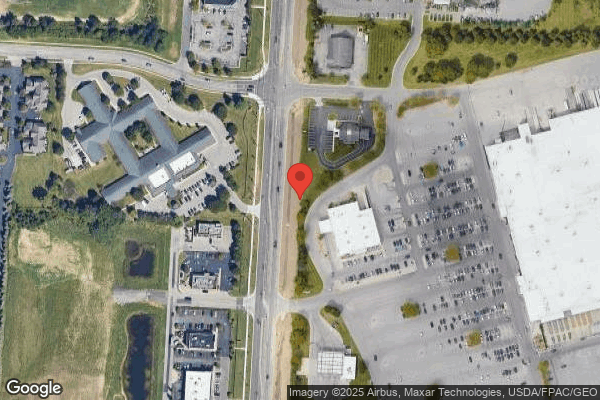
5151 NORTH HAMILTON ROAD, COLUMBUS, OH 43230 (614) 337-1066
For profit - Corporation 112 Beds CIENA HEALTHCARE/LAUREL HEALTH CARE Data: November 2025
Trust Grade
0/100
#797 of 913 in OH
Last Inspection: June 2024

Within standard 12-15 month inspection cycle. Federal law requires annual inspections.

Overview

The Laurels of Gahanna has received a Trust Grade of F, indicating poor performance with significant concerns about care quality. In Ohio, it ranks #797 out of 913 facilities, placing it in the bottom half, and #42 out of 56 in Franklin County, meaning there are only a few local options that perform better. The facility's situation appears to be worsening, with the number of identified issues increasing from 19 to 22 over the past year. Staffing is rated at 3 out of 5 stars, which is average, with a turnover rate of 51%, slightly above the state average. However, it has good RN coverage, surpassing 94% of Ohio facilities, which is a positive aspect in terms of care supervision. Notably, the facility has incurred $216,948 in fines, indicating compliance problems that are more concerning than 96% of other facilities in the state. Recent inspector findings revealed serious incidents, such as failing to provide timely hemodialysis treatment for a resident, which resulted in hospitalization, and another resident being harmed during transport due to inadequate safety measures. Overall, while there are some strengths, the facility has significant weaknesses that families should carefully consider.

Trust Score
F
0/100
In Ohio
#797/913
Bottom 13%
Safety Record
High Risk
Review needed
Inspections
Getting Worse
19 → 22 violations
Staff Stability
⚠ Watch
51% turnover. Above average. Higher turnover means staff may not know residents' routines.
Penalties
⚠ Watch
$216,948 in fines. Higher than 95% of Ohio facilities. Major compliance failures.
Skilled Nurses
✓ Good
Each resident gets 58 minutes of Registered Nurse (RN) attention daily — more than average for Ohio. RNs are trained to catch health problems early.
Violations
⚠ Watch
80 deficiencies on record. Higher than average. Multiple issues found across inspections.
★★☆☆☆
2.0
Overall Rating
★★★☆☆
3.0
Staff Levels
★★★★★
5.0
Care Quality
★☆☆☆☆
1.0
Inspection Score
Stable
2024: 19 issues
2025: 22 issues

The Good

  • 5-Star Quality Measures · Strong clinical quality outcomes
  • Full Sprinkler Coverage · Fire safety systems throughout facility
  • No fines on record

Facility shows strength in quality measures, fire safety.

The Bad

2-Star Overall Rating

Below Ohio average (3.2)

Below average - review inspection findings carefully

Staff Turnover: 51%

Near Ohio avg (46%)

Higher turnover may affect care consistency

Federal Fines: $216,948

Well above median ($33,413)

Significant penalties indicating serious issues

Chain: CIENA HEALTHCARE/LAUREL HEALTH CARE

Part of a multi-facility chain

Ask about local staffing decisions and management

The Ugly 80 deficiencies on record

6 actual harm
Aug 2025 21 deficiencies
CONCERN (D) 📢 Someone Reported This

A family member, employee, or ombudsman was alarmed enough to file a formal complaint

Potential for Harm - no one hurt, but risky conditions existed

Deficiency F0558 (Tag F0558)

Could have caused harm · This affected 1 resident

**NOTE- TERMS IN BRACKETS HAVE BEEN EDITED TO PROTECT CONFIDENTIALITY** Based on observation, record review, interview and facility policy review, the facility failed to ensure call lights were access...

Read full inspector narrative →
**NOTE- TERMS IN BRACKETS HAVE BEEN EDITED TO PROTECT CONFIDENTIALITY** Based on observation, record review, interview and facility policy review, the facility failed to ensure call lights were accessible for use. This affected two residents (#32 and #79) of 14 sampled residents. The facility census was 107.Findings Include:1. Review of the medical record for Resident #79 revealed an initial admission date of 12/17/20 with the diagnoses including but not limited to multiple sclerosis, diabetes mellitus, vitamin D deficiency, anxiety disorder, encounter for palliative care, opioid use, pain, cerebellar ataxia, history of falling, severe protein malnutrition, hypertension, chronic pain syndrome and adult failure to thrive. Review of the resident's comprehensive Minimum Data Set (MDS) assessment dated [DATE] revealed the resident had a severe cognitive deficit. On 08/08/25 at 10:18 A.M., observation of Resident #32 revealed the resident's call light was laying on the floor at the bottom of the bed out of the resident's reach. Interview with Certified Nursing Assistant (CNA) #203 verified the resident's call light was out of reach. 2. Review of the medical record for Resident #32 revealed an initial admission date of 06/20/25 with the diagnoses including but not limited to metabolic encephalopathy, generalized muscle weakness, cognitive communication deficit, tremor, white matter disease, moderate protein calorie malnutrition, hypertensive heart disease without failure, hyperlipidemia, constipation and need for assistance with personal care. Review of the resident's comprehensive Minimum Data Set (MDS) assessment dated [DATE] revealed the resident had a severe cognitive impairment. On 08/12/25 at 9:30 A.M., observation of Resident #32 revealed the resident's call light was clipped to the enabler bar hanging down out of the resident's reach. On 08/12/25 at 9:35 A.M., interview with Registered Nurse (RN) #172 verified the resident's call light was not within reach. Review of the facility policy titled, Call Lights, dated 03/12/25 revealed call light will be placed within the resident's reach and answered in a timely manner.This deficiency is based on incidental findings discovered during the course of this complaint investigation.
CONCERN (D) 📢 Someone Reported This

A family member, employee, or ombudsman was alarmed enough to file a formal complaint

Potential for Harm - no one hurt, but risky conditions existed

Notification of Changes (Tag F0580)

Could have caused harm · This affected 1 resident

**NOTE- TERMS IN BRACKETS HAVE BEEN EDITED TO PROTECT CONFIDENTIALITY** Based on medical record review, interview and facility policy review, the facility failed to notify the physician and the reside...

Read full inspector narrative →
**NOTE- TERMS IN BRACKETS HAVE BEEN EDITED TO PROTECT CONFIDENTIALITY** Based on medical record review, interview and facility policy review, the facility failed to notify the physician and the resident's family of a new skin impairment. This affected one resident (#79) of three residents reviewed for pressure ulcers. The facility census was 107. Findings Include:Review of the medical record for Resident #79 revealed an initial admission date of 12/17/20 with the diagnoses including but not limited to multiple sclerosis, diabetes mellitus, vitamin D deficiency, anxiety disorder, encounter for palliative care, opioid use, pain, cerebellar ataxia, history of falling, severe protein malnutrition, hypertension, chronic pain syndrome and adult failure to thrive. Review of the resident's comprehensive Minimum Data Set (MDS) assessment dated [DATE] revealed the resident had a severe cognitive deficit. The assessment indicated the resident was dependent on staff for all activities of daily living (ADL). Review of the weekly skin and wound evaluation dated 08/07/25 revealed the resident was found to have an unstageable (Full-thickness skin and tissue loss in which the extent of tissue damage within the ulcer cannot be confirmed because the wound bed is obscured by slough or eschar) pressure ulcer to the right lateral elbow measuring 3.2 centimeters (cm) by 4.9 cm by less than 0.1 cm and described as 60% granulation tissue and 40% eschar (dead or devitalized tissue). The wound had a moderate amount of serosanguineous exudate. The facility continued the same treatment. The facility determined the wound had deteriorated. The note indicated the resident had a skin tear medial to the wound bed and it conjoined with the pressure ulcer which was the reasoning for the larger measurements in surface area. Review of the medical record revealed no documentation on when the skin tear was found, how the skin tear occurred or documented evidence the resident's family or physician was notified of the skin tear. On 08/11/25 at 12:10 P.M., interview with Registered Nurse (RN) #147 verified the facility had no documentation of when, how the skin tear occurred or the physician and family were notified of the skin tear to her right elbow. Review of the facility policy titled, Notification of Change, last revised 02/14/24 revealed the facility must inform the resident, consult with the resident's practitioner and notify consistent with his or her authority, the resident representative when there is a change in status. A change in status would include the following, a need to alter treatment significantly, that is need to discontinue an existing form of treatment due to adverse consequences or to commence a new form of treatment. This deficiency is based on incidental findings discovered during the course of this complaint investigation.
CONCERN (D) 📢 Someone Reported This

A family member, employee, or ombudsman was alarmed enough to file a formal complaint

Potential for Harm - no one hurt, but risky conditions existed

Free from Abuse/Neglect (Tag F0600)

Could have caused harm · This affected 1 resident

**NOTE- TERMS IN BRACKETS HAVE BEEN EDITED TO PROTECT CONFIDENTIALITY** Based on interview, medical record review, review of facility investigation and self-reported incidents (SRI), and facility poli...

Read full inspector narrative →
**NOTE- TERMS IN BRACKETS HAVE BEEN EDITED TO PROTECT CONFIDENTIALITY** Based on interview, medical record review, review of facility investigation and self-reported incidents (SRI), and facility policy review, the facility failed to ensure Resident #112 was free from verbal abuse. This affected one resident (#112) of one resident reviewed for verbal abuse. The facility also failed to prevent an injury of unknown origin for Resident #79. This affected one resident (#79) of three residents reviewed for injuries. The facility census was 107.Findings include:1.Review of Resident #112’s medical record revealed an admission date of 06/12/25 and a discharge date of 07/18/25, his diagnoses included type two diabetes mellitus, unspecified corneal ulcer, muscle weakness, and gastro-esophageal reflux disease. Review of the facility self-reported incident dated 06/17/25 revealed the facility reported an incident of emotional or verbal abuse due to a resident and staff member arguing over the meal served for breakfast. The resident was Resident #112 and he had no adverse effects from the incident. The alleged perpetrator was Former [NAME] #233. The incident occurred on 06/17/25 at 9:45 A.M. the Administrator was contacted by the Director of Nursing (DON). A Certified Nursing Assistant (CNA) had requested that Former [NAME] #233 speak to Resident #112 about his breakfast as he was requesting more food. While they were speaking the conversation became heated. A nurse, who was also in the room, requested the cook leave. The nurse was able to convince the cook to leave and return to the kitchen, however, Resident #112 entered the hallway and called the cook several derogatory names. The cook stopped but was convinced to return to the kitchen. The DON was notified of the concern and came to the hallway to assess the situation. The DON went to the cook and asked him to clock out pending an investigation, he did this and left the facility. The facility reported the incident as unsubstantiated. The staff member was terminated due to poor customer service. Review of the witness statement dated 06/17/25, by Assistant Director of Nursing (ADON) #128 revealed she was in morning meeting when Licensed Practical Nurse (LPN) #221 called and stated there was an employee from the kitchen arguing with Resident #112. The ADON informed the Director of Nursing (DON), when they arrived Resident #112 was speaking to another staff member. The resident stated he had been having issues with receiving double portions since he arrived at the facility even though it was listed on his tray ticket. He asked the CNA if she could ask the kitchen to send him another tray. Former [NAME] #233 came in to his room yelling and hitting his hands together. Resident #112 said he began to argue back and forth with the cook and he was not going to allow the cook to speak to him that way. He stated Former [NAME] #233 began to act as if he was trying to get near him to fight, but other staff were able to get him to leave the room. Resident #112 followed him down the hallway calling him a ‘crack head’. Resident #112 stated someone from housekeeping had to hold Former [NAME] #233 back. Review of the witness statement dated 06/17/25 by LPN #221 revealed she overheard a resident and kitchen staff arguing over a breakfast tray. Words were exchanged and she heard Resident #112 say ‘Don’t send crackheads to my room.’ The cook was asked to return to the kitchen. As LPN #221 was walking to the nurse’s station with Resident #112 she noted the kitchen staff member was at the desk. A housekeeper grabbed Former [NAME] #233, holding him back. Resident #112 was taken to his room where the ADON and DON arrived to speak to them. LPN #221 reported she felt the staff member should have returned to the kitchen until management was present. Review of the witness statement dated 06/17/25 by Registered Nurse (RN) #131 revealed she had been administering medication when she heard Resident #112 and Former [NAME] #233 arguing. RN #131 went to the resident room and asked Former [NAME] #233 to leave; however, he did not leave and the argument began escalating. The nurse had to push Resident #233 out of the room and to the kitchen. The resident began following RN #131 and Former [NAME] #233 down the hallway. Former [NAME] #233 went back outside the kitchen and the argument began again. The other nurse called the DON and other manager, and the resident was helped back to his room. Review of the witness statement by Laundry Aide #220 revealed they had been filling closets and saw Former [NAME] #233 walking towards the kitchen. Resident #112 was behind him calling him a ‘crack head’ Former [NAME] #233 turned around and was staring at the resident. Laundry Aide #220 took Former cook #233 by the arm and took him to the kitchen. Review of the Disciplinary Action Record dated 06/23/25 revealed Former [NAME] #233 was hired on 11/20/22. He was receiving a disciplinary action related to an incident on 06/17/25 where he had a heated conversation with a resident, he was in violation of work rule 41. Review of the consolidated employee handbook revised 06/04/24 revealed rule number 41 was that staff members may not be loud, discourteous, use profane or abusive language to any other staff member, visitor, person, or resident in the facility. Interview on 08/12/25 at 11:00 A.M. with LPN #221 revealed on 06/17/25 she had been in the middle of medication pass when she heard yelling and screaming. She went to the resident’s room, and he was clearly upset and the kitchen staff member was in the doorway. They were arguing about breakfast and Former [NAME] #233 was raising his voice telling him they did not have extra food. LPN #221 indicated she stepped and told Former [NAME] #221 he needed to go back to his area. He started walking away; however, more words were exchanged, and she had to step in between them. As Former [NAME] #233 was walking back to the nurse’s station, the resident followed cursing at him and the cook was yelling back. LPN #221 called the ADON. The kitchen staff member stayed at the nurse’s station and did not back down, he continued yelling at the resident until a housekeeper took his arm and walked him back to the kitchen. LPN #221 reported the cook had been cussing at the resident as well, but she did not recall anything specific that was said. Interview on 08/12/25 at 11:42 A.M. with the Administrator verified the 06/23/25 disciplinary action was Former [NAME] #233 being terminated. They did not have a formal statement from him. Interview on 08/12/25 at 11:11 A.M. with Resident #112 revealed prior to the 06/17/25 he had problems getting double portions with meals as ordered. He reported it was on his tray ticket; however, the kitchen was not providing the extra food. On 06/17/25 he asked to speak to the cook to get the issue fixed. Former [NAME] #233 came in and ask what he wanted. Resident #112 told the cook this had been a problem he talked about to three different people and he wanted to speak to someone who was going to ensure it was fixed. Resident #112 reported Former [NAME] #233 immediately began yelling, stating he made the plate and gave him the right food. He was slamming his right hand into his left palm as he yelled. Resident #112 stated he went to stand, and the cook told him that if he swung at him he would punch him. Resident #112 stated this was when he began upset, because this clearly had not been the right person to speak to. He stated Former [NAME] #233’s anger went from zero to 10 quickly and felt it was a sign of drug use. He called him a crack head. The facility asked if he wanted to press charges and he did not. Review of the policy ‘Abuse Prohibition policy’ dated 10/14/22 revealed each resident was to be free from abuse, neglect, mistreatment, exploitation and misappropriation of property. Verbal use was defined as the use of verbal or nonverbal conduct which caused or had the potential to cause the resident to experience humiliation, intimidation, fear, shame, agitation, or degradation. 2. Review of the medical record for Resident #79 revealed an initial admission date of 12/17/20 with the diagnoses including but not limited to multiple sclerosis, diabetes mellitus, vitamin D deficiency, anxiety disorder, encounter for palliative care, opioid use, pain, cerebellar ataxia, history of falling, severe protein malnutrition, hypertension, chronic pain syndrome and adult failure to thrive. Review of the resident’s comprehensive Minimum Data Set (MDS) assessment dated [DATE] revealed the resident had a severe cognitive deficit. The assessment indicated the resident was dependent on staff for all activities of daily living (ADL). Review of the weekly skin and wound evaluation dated 08/07/25 revealed the resident was found to have an unstageable (Full-thickness skin and tissue loss in which the extent of tissue damage within the ulcer cannot be confirmed because the wound bed is obscured by slough or eschar) pressure ulcer to the right lateral elbow measuring 3.2 centimeters (cm) by 4.9 cm by less than 0.1 cm and described as 60% granulation tissue and 40% eschar (dead or devitalized tissue). The wound had a moderate amount of serosanguineous exudate. The facility continued the same treatment. The facility determined the wound had deteriorated. The note indicated the resident had a skin tear medial to the wound bed and it conjoined with the pressure ulcer which was the reasoning for the larger measurements in surface area. Review of the medical record revealed no documentation on when the skin tear was found or how the skin tear occurred. On 08/11/25 at 12:10 P.M., interview with Registered Nurse (RN) #147 verified the facility had no documentation of when and how the skin tear occurred. On 08/12/15 at 12:45 P.M., an interview with the Director of Nursing (DON) revealed she spoke with Registered Nurse (RN) #128 and the wound was from the resident’s Broda chair because her hospice company documented her up in the chair on 08/02/25 and she called the resident’s company and requested the resident hospice notes. Review of the facility policy titled, “Abuse Prohibition Policy,” last revised 09/09/22 revealed each resident shall be free from abuse, neglect, mistreatment, exploitation and misappropriation of property. This deficiency represents noncompliance investigated under Complaint Number 1399441.
CONCERN (D) 📢 Someone Reported This

A family member, employee, or ombudsman was alarmed enough to file a formal complaint

Potential for Harm - no one hurt, but risky conditions existed

Report Alleged Abuse (Tag F0609)

Could have caused harm · This affected 1 resident

**NOTE- TERMS IN BRACKETS HAVE BEEN EDITED TO PROTECT CONFIDENTIALITY** Based on medical record review, interview and facility policy review, the facility failed to ensure an injury of unknown origin ...

Read full inspector narrative →
**NOTE- TERMS IN BRACKETS HAVE BEEN EDITED TO PROTECT CONFIDENTIALITY** Based on medical record review, interview and facility policy review, the facility failed to ensure an injury of unknown origin was reported to the required state agency. This affected one resident (#79) of three residents reviewed for pressure ulcers. The facility census was 107. Findings Include:Review of the medical record for Resident #79 revealed an initial admission date of 12/17/20 with the diagnoses including but not limited to multiple sclerosis, diabetes mellitus, vitamin D deficiency, anxiety disorder, encounter for palliative care, opioid use, pain, cerebellar ataxia, history of falling, severe protein malnutrition, hypertension, chronic pain syndrome and adult failure to thrive. Review of the resident's comprehensive Minimum Data Set (MDS) assessment dated [DATE] revealed the resident had a severe cognitive deficit. The assessment indicated the resident was dependent on staff for all activities of daily living (ADL). Review of the weekly skin and wound evaluation dated 08/07/25 revealed the resident was found to have an unstageable(Full-thickness skin and tissue loss in which the extent of tissue damage within the ulcer cannot be confirmed because the wound bed is obscured by slough or eschar) pressure ulcer to the right lateral elbow measuring 3.2 centimeters (cm) by 4.9 cm by less than 0.1 cm and described as 60% granulation tissue and 40% eschar (dead or devitalized tissue). The wound had a moderate amount of serosanguineous exudate. The facility continued the same treatment. The facility determined the wound had deteriorated. The note indicated the resident had a skin tear medial to the wound bed and it conjoined with the pressure ulcer which was the reasoning for the larger measurements in surface area. Review of the medical record revealed no documentation on when the skin tear was found or how the skin tear occurred. On 08/11/25 at 12:10 P.M., interview with Registered Nurse (RN) #147 verified the facility had no documentation of when and how the skin tear occurred. On 08/12/15 at 12:45 P.M., an interview with the Director of Nursing (DON) verified the medical record contained no documented evidence of how or when the skin tear occurred. The DON verified the facility had not reported the injury of unknown origin to the state agency. Review of the facility policy titled, Abuse Prohibition Policy, last revised 09/09/22 revealed each resident shall be free from abuse, neglect, mistreatment, exploitation and misappropriation of property. The staff will report an allegation or suspicions of mistreatment, abuse, neglect, exploitation, misappropriation of property and injuries of unknown origin source to the Administrator and DON immediately. The Administrator or designee will notify the resident's representative and also any state and federal agencies of allegation per state guidelines.This deficiency is based on incidental findings discovered during the course of this complaint investigation.
CONCERN (D) 📢 Someone Reported This

A family member, employee, or ombudsman was alarmed enough to file a formal complaint

Potential for Harm - no one hurt, but risky conditions existed

Investigate Abuse (Tag F0610)

Could have caused harm · This affected 1 resident

**NOTE- TERMS IN BRACKETS HAVE BEEN EDITED TO PROTECT CONFIDENTIALITY** Based on medical record review, interview and facility policy review, the facility failed to ensure an injury of unknown origin ...

Read full inspector narrative →
**NOTE- TERMS IN BRACKETS HAVE BEEN EDITED TO PROTECT CONFIDENTIALITY** Based on medical record review, interview and facility policy review, the facility failed to ensure an injury of unknown origin was investigated. This affected one resident (#79) of three residents reviewed for pressure ulcers. The facility census was 107. Findings Include:Review of the medical record for Resident #79 revealed an initial admission date of 12/17/20 with the diagnoses including but not limited to multiple sclerosis, diabetes mellitus, vitamin D deficiency, anxiety disorder, encounter for palliative care, opioid use, pain, cerebellar ataxia, history of falling, severe protein malnutrition, hypertension, chronic pain syndrome and adult failure to thrive. Review of the resident's comprehensive Minimum Data Set (MDS) assessment dated [DATE] revealed the resident had a severe cognitive deficit. The assessment indicated the resident was dependent on staff for all activities of daily living (ADL). Review of the weekly skin and wound evaluation dated 08/07/25 revealed the resident was found to have an unstageable (Full-thickness skin and tissue loss in which the extent of tissue damage within the ulcer cannot be confirmed because the wound bed is obscured by slough or eschar) pressure ulcer to the right lateral elbow measuring 3.2 centimeters (cm) by 4.9 cm by less than 0.1 cm and described as 60% granulation tissue and 40% eschar (dead or devitalized tissue). The wound had a moderate amount of serosanguineous exudate. The facility continued the same treatment. The facility determined the wound had deteriorated. The note indicated the resident had a skin tear medial to the wound bed and it conjoined with the pressure ulcer which was the reasoning for the larger measurements in surface area. Review of the medical record revealed no documentation on when the skin tear was found or how the skin tear occurred. On 08/11/25 at 12:10 P.M., interview with Registered Nurse (RN) #147 verified the facility had no documentation of when and how the skin tear occurred. On 08/12/15 at 12:45 P.M., an interview with the Director of Nursing (DON) revealed she spoke with Registered Nurse (RN) #128 and the wound was from the resident's Broda chair because her hospice company documented her up in the chair on 08/02/25 and she called the resident's company and requested the resident hospice notes. The DON verified the resident's medical record contained no documented evidence the resident had a skin tear to her right elbow, when the skin tear occurred or how the skin tear occurred. Review of the facility policy titled, Abuse Prohibition Policy, last revised 09/09/22 revealed each resident shall be free from abuse, neglect, mistreatment, exploitation and misappropriation of property. The DON or designee will complete and assessment of the resident and document the findings. An incident report will be completed. The licensed nurse will notify the physician if required and notify the family member/responsible party/emergency contact/legal guardian. A preliminary, no-site investigation will be initiated with 24 hours of any report.This deficiency is based on incidental findings discovered during the course of this complaint investigation.
CONCERN (D) 📢 Someone Reported This

A family member, employee, or ombudsman was alarmed enough to file a formal complaint

Potential for Harm - no one hurt, but risky conditions existed

Deficiency F0628 (Tag F0628)

Could have caused harm · This affected 1 resident

**NOTE- TERMS IN BRACKETS HAVE BEEN EDITED TO PROTECT CONFIDENTIALITY** Based on interview, record review, and review of facility policy, the facility failed to appropriately document a transfer and d...

Read full inspector narrative →
**NOTE- TERMS IN BRACKETS HAVE BEEN EDITED TO PROTECT CONFIDENTIALITY** Based on interview, record review, and review of facility policy, the facility failed to appropriately document a transfer and discharge and provide a transfer notice for Resident #108 and #109. This affected two residents (#108 and #109) of five discharge records reviewed. The facility census was 107.Findings include: 1.Review of the medical record for Resident #109 revealed an admission date of 01/15/25 and a discharge date of 04/13/25 with diagnoses including pneumonia, cognitive communication deficit, generalized anxiety disorder, and chronic respiratory failure. Review of Resident #109’s progress note dated 04/13/25 revealed the resident had a fall and hit her head. Emergency medical services were called, and the resident was sent to the hospital. Review of Resident #109’s medical record revealed no transfer or discharge summary was completed and no transfer notice was provided. Interview on 08/07/25 at 1:13 P.M. with the Director of Nursing (DON) verified there was insufficient documentation related to Resident #109’s discharge. 2. Review of the closed medical record for Resident #108 revealed an initial admission date of 04/26/25 with the latest readmission of 06/13/25 with the diagnoses including but not limited to other mechanical complication of surgically created arteriovenous (AV) fistula, acquired absence of other left toes, encounter for orthopedic aftercare following surgical amputation, generalized muscle weakness, hypertensive heart and chronic kidney disease with heart failure and with stage five chronic kidney disease or end stage renal disease, end stage renal disease (ESRD), diabetes mellitus, pressure induced deep tissue injury (DTI) to left heel, DTI to left ankle, atrial fibrillation, anemia, opioid use, depression, urinary tract infection, chronic obstructive pulmonary disease, open-angle glaucoma right eye, asthma, arteriovenous fistula, long term use of insulin, pulmonary hypertension, long term use of anticoagulants, dependence on renal dialysis, chronic congestive heart failure, personal history of malignant neoplasm of prostate, peripheral vascular disease, alcohol abuse, obstructive and reflux uropathy, benign prostatic hyperplasia with lower urinary tract symptoms, cardiomyopathy, hyperlipidemia, constipation and atherosclerotic heart disease. Review of the change in condition progress note dated 05/13/25 at 7:02 P.M. revealed the resident was having difficulty breathing and oxygen saturation rate was 66% on room air. Two liters of oxygen was administered and his oxygen saturation rate increased to 95%. The physician on call was notified but the resident’ daughter who was at the facility visiting insisted the resident be sent to the local ER for an evaluation. The on call physician was made aware and the resident was sent to the local acute care hospital for an evaluation. Review of the Telehealth progress note dated 05/13/25 revealed the resident’s oxygen saturation rate dripped to 66% on room air. The resident was placed on four liters of oxygen and his oxygen saturation rated increased to 92%. The resident was confused and short of breath. The resident’s family was at bedside and insisted on the resident being sent to the local emergency room (ER) for an evaluation. Review of the resident's Discharge summary dated [DATE] revealed the summary was blank. On 08/12/15 at 12:45 P.M., an interview with the Director of Nursing (DON) verified the discharge summary was blank. Review of the facility policy titled, Transfer and Discharge, last revised 04/22/25 revealed the transfer and discharge process must provide sufficient preparation and orientation of residents to ensure a safe and orderly transfer or discharge from the facility. When a resident is transferred on an emergency basis to an acute care facility a transfer from is completed, a list of medications and a copy of the care plan goals is sent to the receiving hospital. Nursing documents the hospital transfer in the medical record. Further review revealed a notice of transfer or discharge must be made by the facility in writing 30 days before the resident was transferred or discharged . The exception to this was when the resident’s welfare was at risk such as an emergency transfer, however, the notice must be made as soon as practicable. This deficiency is based on incidental findings discovered during the course of this complaint investigation.
CONCERN (D) 📢 Someone Reported This

A family member, employee, or ombudsman was alarmed enough to file a formal complaint

Potential for Harm - no one hurt, but risky conditions existed

Assessment Accuracy (Tag F0641)

Could have caused harm · This affected 1 resident

**NOTE- TERMS IN BRACKETS HAVE BEEN EDITED TO PROTECT CONFIDENTIALITY** Based on medical record review and interview, the facility failed to ensure Minimum Data Set (MDS) 3.0 assessments were complete...

Read full inspector narrative →
**NOTE- TERMS IN BRACKETS HAVE BEEN EDITED TO PROTECT CONFIDENTIALITY** Based on medical record review and interview, the facility failed to ensure Minimum Data Set (MDS) 3.0 assessments were completed accurately for Resident #108 and Resident #109. This affected two residents (#108 and #109) of 19 medical records reviewed. The facility census was 107.Findings include:1.Review of the medical record for Resident #109 revealed an admission date of 01/15/25 and a discharge date of 04/13/25 with diagnoses including pneumonia, cognitive communication deficit,2109 generalized anxiety disorder, and chronic respiratory failure. Review of Resident #109’s MDS assessments revealed the last one completed was on 04/13/25 and indicated ‘discharge return anticipated’. Review of Resident #109’s medical record revealed she did not return to the facility following her transfer to the hospital on [DATE]. Interview on 08/13/25 at 1:05 P.M. with MDS Nurse #215 verified Resident #109’s MDS assessment was not correct, she had not returned to the facility. 2 . Review of the closed medical record for Resident #108 revealed an initial admission date of 04/26/25 with the latest readmission of 06/13/25 with the diagnoses including but not limited to other mechanical complication of surgically created arteriovenous (AV) fistula, acquired absence of other left toes, encounter for orthopedic aftercare following surgical amputation, generalized muscle weakness, hypertensive heart and chronic kidney disease with heart failure and with stage five chronic kidney disease or end stage renal disease, end stage renal disease (ESRD), diabetes mellitus, pressure induced deep tissue injury (DTI) to left heel, DTI to left ankle, atrial fibrillation, anemia, opioid use, depression, urinary tract infection (UTI), chronic obstructive pulmonary disease (COPD), pulmonary hypertension, long term use of anticoagulants, dependence on renal dialysis, chronic congestive heart failure, peripheral vascular disease, obstructive and reflux uropathy, benign prostatic hyperplasia with lower urinary tract symptoms, cardiomyopathy, hyperlipidemia and atherosclerotic heart disease. Review of the resident’s readmission nursing comprehensive evaluation dated 05/29/25 revealed the resident was admitted to the facility with open sores from scratching to the right antecubital area and right elbow. The evaluation did not address the multiple vascular wounds to his left foot. Review of the resident’s five-day MDS assessment dated [DATE] revealed the resident had no cognitive impairment. The assessment indicated the resident was at risk for skin breakdown, had no skin issues. Review of the resident’s skin and wound evaluation dated 06/13/25 revealed the resident was readmitted to the facility with an unstageable (Full-thickness skin and tissue loss in which the extent of tissue damage within the ulcer cannot be confirmed because the wound bed is obscured by slough or eschar) pressure ulcer to the resident’s right heel. The wound was described as having slough and/or eschar (dead or devitalized tissue). The assessment had no measurements for the wound. Review of the resident’s five-day MDS assessment dated [DATE] revealed the resident had a severe cognitive deficit. The resident was dependent for toileting, bathing, transfers, required substantial/maximal assistance with dressing and required partial/moderate assistance for bed mobility. The assessment indicated the resident was at risk for skin breakdown and had two unstageable pressure ulcers on admission and one deep tissue injury present on admission. The MDS did not address the vascular wounds to the resident’s right first and second toes. On 08/12/25 at 11:13 A.M., an interview with Minimum Data Set (MDS) Coordinator #215 verified the resident's MDS assessments did not reflect the vascular wound on his left and right feet. This deficiency is based on incidental findings discovered during the course of this complaint investigation.
CONCERN (D) 📢 Someone Reported This

A family member, employee, or ombudsman was alarmed enough to file a formal complaint

Potential for Harm - no one hurt, but risky conditions existed

Pressure Ulcer Prevention (Tag F0686)

Could have caused harm · This affected 1 resident

**NOTE- TERMS IN BRACKETS HAVE BEEN EDITED TO PROTECT CONFIDENTIALITY** Based on observations, open and closed medical record review, interviews and facility policy review, the facility failed to ensu...

Read full inspector narrative →
**NOTE- TERMS IN BRACKETS HAVE BEEN EDITED TO PROTECT CONFIDENTIALITY** Based on observations, open and closed medical record review, interviews and facility policy review, the facility failed to ensure timely accurate comprehensive assessment of pressure ulcers/injury. Additionally, the facility failed to ensure skin interventions were implemented as physician ordered. This affected three residents (#32, #79 and #108) of three residents reviewed for pressure ulcers. The facility census was 107. Findings Include:1.Review of the closed medical record for Resident #108 revealed an initial admission date of 04/26/25 with the latest readmission of 06/13/25 with the diagnoses including but not limited to other mechanical complication of surgically created arteriovenous fistula, acquired absence of other left toes, encounter for orthopedic aftercare following surgical amputation, generalized muscle weakness, hypertensive heart and chronic kidney disease with heart failure and with stage five chronic kidney disease ,end stage renal disease (ESRD), diabetes mellitus, pressure induced deep tissue injury (DTI), to left heel, DTI (Persistent non-blanchable deep red, maroon or purple discoloration) to left ankle, atrial fibrillation, anemia, opioid use, depression, chronic obstructive pulmonary disease, open-angle glaucoma right eye, asthma, arteriovenous fistula, long term use of insulin, pulmonary hypertension, long term use of anticoagulants, dependence on renal dialysis, chronic congestive heart failure, personal history of malignant neoplasm of prostate, peripheral vascular disease, obstructive and reflux uropathy, benign prostatic hyperplasia with lower urinary tract symptoms, cardiomyopathy, hyperlipidemia, and atherosclerotic heart disease. Review of the resident's readmission nursing comprehensive evaluation dated 06/13/25 revealed the resident was admitted to the facility with amputated first, second and third toes to the left foot. The assessment did not address the wounds to the left heel, left lateral ankle and the right heel. Review of the resident's skin and wound evaluation dated 06/13/25 revealed the resident was readmitted to the facility with an unstageable (Obscured full-thickness skin and tissue loss.) pressure ulcer to the resident's right heel. The wound was described as having slough (Non-viable yellow, tan, gray, green or brown tissue; usually moist, can be soft, stringy and mucinous in texture.) and/or eschar (Dead or devitalized tissue that is hard or soft in texture; usually black, brown, or tan in color, and may appear scab-like.). The assessment had no measurements for the wound. Review of the resident's skin and wound evaluation dated 06/16/25 revealed the resident was readmitted to the facility with an unstageable pressure ulcer to the right heel with slough and/or eschar measuring 1.2 centimeters (cm) by 0.8 cm by 0.2 and described as 100% slough. The wound had a light amount of exudate described as serosanguineous. The facility implemented the treatment cleanse with normal saline, apply Medi-honey, place calcium alginate and cover with boarded dressing. Review of the resident's skin and wound evaluation dated 06/16/25 revealed the resident was readmitted to the facility with an unstageable pressure ulcer to the left lateral malleolus with slough and/or eschar measuring 2.2 cm by 2.1 cm by 0.3 cm and described as 100% slough. The wound had a moderate amount of exudate described as serosanguineous. The facility implemented the treatment cleanse with normal saline, apply Medi-honey, place calcium alginate and cover with ABD pad and wrap with Kerlix. Review of the resident's skin and wound evaluation dated 06/16/25 revealed the resident was readmitted to the facility with a Deep Tissue Injury (DTI) pressure ulcer to the left heel measuring 5.7 cm by 6.7 cm and described as 100% epithelial with no exudate. The facility implemented the treatment to cleanse with normal saline, apply betadine soaked gauze, cover with ABD pad and wrap with Kerlix. Review of the resident's five-day MDS assessment dated [DATE] revealed the resident had a severe cognitive deficit. The resident was dependent for toileting, bathing, transfers, required substantial/maximal assistance with dressing and required partial/moderate assistance for bed mobility. The assessment indicated the resident was at risk for skin breakdown and had two unstageable pressure ulcers on admission and one deep tissue injury present on admission. The MDS did not address the vascular wounds to the resident's right first and second toes. The resident also had a surgical wound. The facility implemented pressure reducing device to bed, nutrition or hydration intervention to manage skin problems, pressure ulcer/injury care and surgical wound care. Review of the medical record revealed no comprehensive assessments of the wound to the left heel, left lateral ankle and right heel. Further review revealed no physician ordered treatment was in place for the treatment of the wounds until 06/16/25 when the first comprehensive assessment was completed. On 08/12/25 at 9:05 A.M., an interview with the Director of Nursing (DON) verified the resident's wounds were not comprehensively assessed in a timely manner and no treatment was provided to the wounds to the resident's surgical incision, the wound to the left heel, left lateral ankle, right heel and right first and second toes from 06/13/25 until 06/16/25. 2. Review of the medical record for Resident #79 revealed an initial admission date of 12/17/20 with the diagnoses including but not limited to multiple sclerosis, diabetes mellitus, vitamin D deficiency, anxiety disorder, encounter for palliative care, opioid use, pain, cerebellar ataxia, history of falling, severe protein malnutrition, hypertension, chronic pain syndrome and adult failure to thrive. Review of the resident's comprehensive Minimum Data Set (MDS) assessment dated [DATE] revealed the resident had a severe cognitive deficit. The assessment indicated the resident was dependent on staff for all activities of daily living (ADL). The assessment indicated the resident was always incontinent of bowel and bladder. The assessment indicated the resident was at risk for skin breakdown and had no skin issues. The facility implemented the interventions pressure reducing device to bed, nutrition or hydration intervention to manage skin problems, application of nonsurgical dressings and applications of ointments/medications other than to feet. Review of the plan of care dated 07/23/25 revealed the resident had actual impaired skin integrity related to pressure injury stage II right gluteus and right lateral elbow. Interventions included enhanced barrier precautions, observe for signs of discomfort with dressing changes and administer pain medication, refer to Dietician as needed, specialty bed as ordered and treatment as ordered. Review of the Wound Nurse Practitioner (WNP) progress note dated 07/24/25 at 8:00 A.M. revealed the resident was found to have an unstageable pressure ulcer to the right gluteus measuring 2.3 cm by 1.9 cm by 0.1 cm and the wound was described as being 30% granulation and 70% slough. The wound had a moderate amount of serosanguineous drainage. The WNP ordered the treatment cleanse with normal saline (NS), apply Therahoney and calcium alginate and cover with bordered foam daily and as needed. Review of the skin and wound evaluation dated 07/24/25 revealed the resident was found with a stage II (Partial thickness loss of dermis presenting as a shallow open ulcer with a red-pink wound bed, without slough or bruising. May also present as an intact or open/ ruptured blister.) pressure ulcer to the right gluteus. The wound measured 2.3 cm by 1.9 cm by 0.1 cm and described as 30% granulation and 70% slough. The wound had a moderate amount of serosanguineous exudate. The facility implemented the treatment to cleanse with normal saline (NS), pat dry, apply Medi-honey to the wound bed, cover with calcium alginate and cover with bordered gauze. Review of the WNP progress note dated 07/31/25 at 8:00 A.M. revealed the unstageable pressure ulcer to the right gluteus measuring 3.1 cm by 1.7 cm and the wound was described as being 30% granulation and 70% slough. The facility determined the wound had deteriorated. The progress note also indicated the resident was found to have an unstageable pressure ulcer to the right elbow measuring 1.8 cm by 1.2 cm was described as being 10% granulation and 90% slough. The wound had a moderate amount of serosanguineous exudate. Review of the skin and wound evaluation dated 07/31/25 revealed the resident was found with a stage II pressure ulcer to the right gluteus. The wound measured 3.1 cm by 1.7 cm by 0.1 cm and described as 50% granulation and 50% slough. The wound had a moderate amount of serosanguineous exudate. A sharp debridement was completed at bedside. The facility determined the wound was stable. The facility continued the same treatment. Review of the WNP progress note dated 08/07/25 at 8:00 A.M. revealed the resident was found to have an unstageable pressure ulcer to the right gluteus measuring 2.6 cm by 2.0 cm and the wound was described as being 30% granulation and 70% slough. The wound had a moderate amount of serosanguineous drainage. The facility determined the wound had deteriorated. The progress note also indicated the resident was found to have an unstageable pressure ulcer to the right elbow measuring 2.3 cm by 1.9 cm by 0.1 cm and was described as being 30% granulation and 70% slough. The wound had a moderate amount of serosanguineous exudate. Review of the weekly skin and wound evaluation dated 08/07/25 revealed the resident was found to have an unstageable pressure ulcer to the right lateral elbow measuring 3.2 centimeters (cm) by 4.9 cm by less than 0.1 cm and described as 60% granulation tissue and 40% eschar. The wound had a moderate amount of serosanguineous exudate. The facility continued the same treatment. The facility determined the wound had deteriorated. The note indicated the resident had a skin tear medial to the wound bed and it conjoined with the pressure ulcer which was the reasoning for the larger measurements in surface area. On 08/11/25 at 12:32 P.M., an interview with Registered Nurse (RN) #147 verified the weekly skin and wound assessment was inaccurate and the wound to the resident's right gluteus was an unstageable pressure ulcer, not a stage II pressure ulcer. 3. Review of the medical record for Resident #32 revealed an initial admission date of 06/20/25 with the diagnoses including but not limited to metabolic encephalopathy, generalized muscle weakness, cognitive communication deficit, tremor, white matter disease, moderate protein calorie malnutrition, hypertensive heart disease without failure, hyperlipidemia, constipation and need for assistance with personal care. Review of the skin and wound total body skin assessment dated [DATE] revealed the resident had one new wound identified. Review of the weekly skin and wound evaluation dated 07/03/25 revealed the resident was found with a stage III (Full thickness tissue loss. Subcutaneous fat may be visible but bone, tendon or muscle is not exposed. Slough may be present but does not obscure the depth of tissue loss. May include undermining or tunneling.) pressure ulcer to his sacrum measuring 4.9 centimeters (cm) by 1.8 cm. The depth was not measured. The wound was described as 100% granulation tissue with light serosanguineous exudate. The facility implemented the treatment to cleanse with normal saline (NS), apply zinc oxide ointment and leave open to air. Review of the plan of care dated 07/04/25 revealed the resident had an actual impaired skin integrity related to pressure injury, stage III to sacral. Interventions included conduct skin assessment weekly and measure area(s) and document characteristics, enhanced barrier precautions (EBP), follow RAR protocol, observe for signs of discomfort with dressing changes and administer pain medication as ordered, observe for signs of infection, obtain labs as ordered and report abnormal findings to physician, refer to Dietitian as needed and refer to potential for skin impairment care plan for interventions. Review of the weekly skin and wound evaluation dated 08/07/25 revealed the stage III pressure ulcer to his sacrum measuring 0.9 cm by 0.3 cm by less than 0.1 cm. The wound was described as 100% granulation tissue with moderate serosanguineous exudate. The facility implemented a new treatment of cleanse with normal saline, apply calcium alginate and cover with bordered foam dressing. The facility determined the wound was stable. Review of the resident's physician orders for August 2025 identified an order dated 07/07/25 for an alternating pressure mattress (APM) at the setting of five. On 08/12/25 at 9:30 A.M., observation of Resident #32 revealed the resident's APM was set on eight (highest setting), instead of the physician ordered setting of five. On 08/12/25 at 9:35 A.M., an interview with Registered Nurse (RN) #172 verified the mattress was not on the physician ordered setting of five. Review of the facility policy titled, Skin Management, last revised on 08/14/24 revealed upon admission/re-admission all residents are evaluated for skin integrity by completing a baseline total body skin evaluation documented in the electronic medical record. Residents admitted with any skin impairment will have appropriate interventions implemented to promote healing, a physician's order for treatment and skim impairment location, measurements and characteristics documented. The licensed nurse will initiate documentation in the electronic health record which includes a description of the skin impairment. This deficiency represents non-compliance investigated under Complaint Number 2580593 and Complaint Number 2574352.
CONCERN (D) 📢 Someone Reported This

A family member, employee, or ombudsman was alarmed enough to file a formal complaint

Potential for Harm - no one hurt, but risky conditions existed

Respiratory Care (Tag F0695)

Could have caused harm · This affected 1 resident

**NOTE- TERMS IN BRACKETS HAVE BEEN EDITED TO PROTECT CONFIDENTIALITY** Based on interview, medical record review, the facility failed to have orders in place for continuous oxygen use for Resident #2...

Read full inspector narrative →
**NOTE- TERMS IN BRACKETS HAVE BEEN EDITED TO PROTECT CONFIDENTIALITY** Based on interview, medical record review, the facility failed to have orders in place for continuous oxygen use for Resident #26. This affected one resident (#26) of three residents reviewed for oxygen use. The facility census was 107.Findings include:Review of Resident #26's medical record revealed an admission date of 06/18/25 with diagnoses including chronic heart failure, acute respiratory failure, end stage renal disease, diabetes mellitus, and depression. Review of Resident #26's minimum data set (MDS) 3.0 assessment dated [DATE] revealed he had intact cognition. Review of Resident #26's plan of care revealed it did not address his oxygen usage. Review of Resident #26's physician orders from 06/18/25 to 08/06/25 revealed no orders for oxygen.Review of Resident #26's progress note dated 06/18/25 revealed the resident arrived to the facility with oxygen on at two liters.Review of the skilled nursing notes dated 6/20/25, 07/04/25, 07/06/25, 07/07/25, 07/08/25, 07/09/25, 07/11/25, 07/12/25, 07/13/25, 07/15/25, 07/16/25, 07/18/25, 07/19/25, 07/22/25, 07/23/25, 07/24/25, 07/26/25, 07/29/25, 07/31/25, 08/01/25, 08/04/25, 08/05/25, 08/06/25, revealed the resident received oxygen. Review of Resident #26's physician order dated 08/07/25 revealed an order for oxygen at two liters via continuous oxygen.Interview on 08/11/25 at 11:34 A.M. with the Director of Nursing (DON) verified Resident #26 had been receiving oxygen his entire stay and an order and care plan had not been in place.This deficiency represents noncompliance investigated under Complaint Number 2574352.
CONCERN (D) 📢 Someone Reported This

A family member, employee, or ombudsman was alarmed enough to file a formal complaint

Potential for Harm - no one hurt, but risky conditions existed

Deficiency F0697 (Tag F0697)

Could have caused harm · This affected 1 resident

**NOTE- TERMS IN BRACKETS HAVE BEEN EDITED TO PROTECT CONFIDENTIALITY** Based on medical record review, interview, and policy review, the facility failed to assess Resident #26's pain, document locati...

Read full inspector narrative →
**NOTE- TERMS IN BRACKETS HAVE BEEN EDITED TO PROTECT CONFIDENTIALITY** Based on medical record review, interview, and policy review, the facility failed to assess Resident #26's pain, document location of pain with administration of ‘as needed' pain medications, and administering pain medications according to orders. This affected one resident (#26) of three residents reviewed for pain. The facility census was 107.Findings include: Review of Resident #26's medical record revealed an admission date of 06/18/25 with diagnoses including chronic heart failure, acute respiratory failure, end stage renal disease, diabetes mellitus, and depression. Review of Resident #26's minimum data set (MDS) 3.0 assessment dated [DATE] revealed he had intact cognition. Review of Resident #26's progress note dated 07/20/25 revealed the resident called emergency medical services for pain in his legs.Review of Resident #26's progress note dated 07/20/25 revealed the resident returned from the hospital with a new order for pain medication. Review of Resident #26's physician order dated 07/21/25 revealed an order for one tablet every eight hours as needed for severe pain for three days.Review of Resident #26's physician order dated 07/21/25 to 07/23/25 revealed an order for hydrocodone-acetaminophen 325 mg one tablet by mouth every eight hours as needed for severe pain for three days. Nonpharmacological interventions were to be attempted.Review of resident #26's physician order beginning 07/23/25 revealed an order for hydrocodone-acetaminophen 325 mg one tablet by mouth every eight hours as needed for severe pain. Nonpharmacological interventions were to be attempted.Review of Resident #26's Medication Administration Record for July 2025 and 08/01/25 to 08/09/25 revealed hydrocodone-acetaminophen was administered on 07/21/25 for an unknown pain and a pain of seven, on 07/22/25 for a pain of six and eight, on 07/25/25 for a pain of eight, on 07/26/25 for a pain of seven, on 07/29/25 for a pain of four, on 07/31/25 for a pain of three, on 08/02/25 for a pain of three, on 08/05/25 for a pain of seven and four, on 08/06/25 for a pain of four, on 08/08/25 for a pain of eight and six, and on 08/09/25 for a pain of eight.Review of Resident #26's progress notes revealed there was no description of the pain for medication administration on 07/21/25, 07/22/25, 07/25/25, 07/26/25, 07/29/25, 07/31/25, 08/02/25, 08/05/25, 08/06/25, 08/08/25, and 08/09/25.Review of Resident #26's plan of care revealed it did not address his pain.Interview on 08/11/25 at 2:24 P.M. with the Director of Nursing (DON) revealed a severe pain would be a pain of seven or above. She verified pains of three and four were not considered severe. The DON verified there was no description of pain or assessment of Resident #26's change in pain.Interview on 08/11/25 at 2:47 P.M. with Resident #26 revealed his pain was continuous and it was in his feet, he believed it was up to diabetic neuropathy.Review of the policy ‘pain management' dated 04/28/25 revealed residents were to be monitored for the presence of pain and evaluated when there was a change in condition and whenever new pain was suspected. Staff was asked to determine the location of pain. Each resident identified with pain was to have a pain management care plan.This deficiency represents noncompliance investigated under Complaint Number 2574352 and 2580593.
CONCERN (D) 📢 Someone Reported This

A family member, employee, or ombudsman was alarmed enough to file a formal complaint

Potential for Harm - no one hurt, but risky conditions existed

Deficiency F0698 (Tag F0698)

Could have caused harm · This affected 1 resident

**NOTE- TERMS IN BRACKETS HAVE BEEN EDITED TO PROTECT CONFIDENTIALITY** Based on interview and medical record review, the facility failed to educate Resident #108 upon refusal of dialysis and notify R...

Read full inspector narrative →
**NOTE- TERMS IN BRACKETS HAVE BEEN EDITED TO PROTECT CONFIDENTIALITY** Based on interview and medical record review, the facility failed to educate Resident #108 upon refusal of dialysis and notify Resident #102's family of his refusal to attend dialysis. This affected two residents (#102 and #108) of three residents reviewed for dialysis. The facility census was 107.Findings include: 1.Review of Resident #108's medical record revealed an admission date of 04/26/25 and a discharge date of 06/24/25 with diagnoses including muscle weakness, end stage renal disease with dependence on dialysis, type two diabetes mellitus, fracture of sacrum, pressure induced deep tissue damage of left heel, pressure ulcer of left ankle, chronic obstructive pulmonary disease, alcohol abuse, and peripheral vascular disease. Review of Resident #108's Minimum Data Set (MDS) 3.0 assessment dated [DATE] revealed the resident had moderately impaired cognition. Review of Resident #108's plan of care dated 04/26/25 revealed resident was at risk for complications related to dialysis. Interventions included encouraging him to go for the scheduled appointments, observing for signs of fluid retention, observing for signs of infection to access site, observing for bruising or bleeding, and palpitating for the presence of thrill and listen for bruit as needed. The plan of care was not specific to the resident, did not include where he went to dialysis, how to contact them, or when he was to go to dialysis. Review of Resident #108's physician order dated 04/29/25 to 05/14/25 revealed he was to attend hemodialysis every Tuesday, Thursday, and Saturday. Review of Resident #108's progress note dated 05/10/25 revealed the resident refused dialysis due to agitation and discomfort. There was no indication the resident was educated on the risks and benefits of refusals.Interview on 08/07/25 at 1:13 P.M. with the Director of Nursing (DON) revealed if a resident refuses dialysis nursing should educate them on the risks and benefits of refusal. Interview on 08/11/25 at 1:07 P.M. with MDS Nurse #215 verified Resident #108's care plan was not specific to the resident. 2. Review of Resident #102's medical record revealed an admission date of 06/05/25 with diagnoses including end stage renal disease (ESRD) with dependence on renal dialysis, cognitive communication deficit, moderate protein-calorie malnutrition, and type two diabetes mellitus. Review of Resident #102's comprehensive Minimum Data Set (MDS) dated [DATE] revealed he had impaired cognition.Review of Resident #102's plan of care dated 06/05/25 revealed the resident was at risk for complications related to dialysis due to ESRD and history of noncompliance with hemodialysis. Interventions included administering medications as ordered, checking and reinforcing dressing to access cite as needed, encourage to avoid contact with individuals with infection, hemodialysis three times a week as ordered, if the resident chose not follow the recommended treatment they were to remind him of the consequences and document on it. Review of Resident #102's progress note dated 06/27/25 revealed the resident refused dialysis. There was no indication his family was notified. Interview on 08/07/25 at 1:13 P.M. with the Director of Nursing (DON) revealed if a resident refuses dialysis nursing should educate the resident and notify the family.This deficiency represents non compliance investigated under Complaint Number 2574352 and 2580593.
CONCERN (D) 📢 Someone Reported This

A family member, employee, or ombudsman was alarmed enough to file a formal complaint

Potential for Harm - no one hurt, but risky conditions existed

Pharmacy Services (Tag F0755)

Could have caused harm · This affected 1 resident

**NOTE- TERMS IN BRACKETS HAVE BEEN EDITED TO PROTECT CONFIDENTIALITY** Based on closed record review, interview and facility policy review, the facility failed to ensure medication was available for ...

Read full inspector narrative →
**NOTE- TERMS IN BRACKETS HAVE BEEN EDITED TO PROTECT CONFIDENTIALITY** Based on closed record review, interview and facility policy review, the facility failed to ensure medication was available for administration as physician ordered. This affected one resident (#108) of three residents reviewed for medication availability. The facility census was 107.Findings Include:Review of the closed medical record for Resident #108 revealed an initial admission date of 04/26/25 with the latest readmission of 06/13/25 with the diagnoses including but not limited to other mechanical complication of surgically created arteriovenous (AV) fistula, acquired absence of other left toes, encounter for orthopedic aftercare following surgical amputation, generalized muscle weakness, hypertensive heart and chronic kidney disease with heart failure and with stage five chronic kidney disease or end stage renal disease, end stage renal disease (ESRD), diabetes mellitus, pressure induced deep tissue injury (DTI) to left heel, DTI to left ankle, atrial fibrillation, anemia, opioid use, depression, urinary tract infection, chronic obstructive pulmonary disease, asthma, pulmonary hypertension, long term use of anticoagulants, dependence on renal dialysis, chronic congestive heart failure, peripheral vascular disease, obstructive and reflux uropathy, benign prostatic hyperplasia with lower urinary tract symptoms, cardiomyopathy, hyperlipidemia, constipation and atherosclerotic heart disease. Review of the resident's comprehensive Minimum Data Set (MDS) assessment dated [DATE] revealed the resident had a moderate cognitive deficit. Review of the May 2025 Medication Administration Record (MAR) revealed the resident had not received the medication Calcitriol 0.25 micrograms (mcg) by mouth daily for hypocalcemia on 04/27/25, 04/28/25 and 04/29/25. Further review of the MAR revealed the resident had not received the medication Sevelamer 800 milligrams (mg) with the special instructions to administer three tablets by mouth three times a day, the resident also was not provided with Diphenhydramine-Zinc Acetate 2-0.1% cream with the special instructions to apply to skin topically twice daily for skin itching/irritation on 04/26/25, 04/27/25, 04/28/25 and 04/29/25 when the medication was discontinued. The resident was also not provided with Brimonidine Tartrate Ophthalmic solution 0/2% with the special instruction to instill one drop in right eye three times daily on 04/26/25. Review of the June 2025 MAR revealed the resident had not been administered the medications Sevelamer 800 mg with the special instructions to administer three tablets by mouth three times a day on 06/14/25, 06/16/25 and 06/17/25. On 08/11/25 at 12:10 P.M., an interview with the Director of Nursing (DON) verified the medication was not available for administration as physician ordered. Review of the facility policy titled, Medication Administration, last revised 10/17/23 revealed resident medications are administered in an accurate, safe, timely and sanitary manner. This deficiency represents non-compliance investigated under Complaint Number 1399441.
CONCERN (E) 📢 Someone Reported This

A family member, employee, or ombudsman was alarmed enough to file a formal complaint

Potential for Harm - no one hurt, but risky conditions existed

Safe Environment (Tag F0584)

Could have caused harm · This affected multiple residents

**NOTE- TERMS IN BRACKETS HAVE BEEN EDITED TO PROTECT CONFIDENTIALITY** Based on observation, interview, medical record review, and review of facility policy, the facility failed to ensure resident ro...

Read full inspector narrative →
**NOTE- TERMS IN BRACKETS HAVE BEEN EDITED TO PROTECT CONFIDENTIALITY** Based on observation, interview, medical record review, and review of facility policy, the facility failed to ensure resident rooms were maintained in a clean and sanitary manner. This affected four residents (#10, #11, #12, #67) of 107 residents. The facility census was 107.Findings include:1.Review of Resident #10's medical record revealed an admission date of 12/14/23 with diagnoses including spinal stenosis, anxiety disorder, cognitive communication deficit, depression, and type two diabetes mellitus.Review of Resident #10's quarterly Minimum Data Set (MDS) 3.0 assessment dated [DATE] revealed the resident had severely impaired cognition.Observation on 08/11/25 at 2:50 P.M. of Resident #10's room revealed a build up debris under her bed including bits of plastic. 2.Review of Resident #11's medical record revealed the resident admitted on [DATE] with diagnoses including unspecified mood disorder, type two diabetes mellitus, cerebral infarction, aphasia, and hemiplegia and hemiparesis affecting left non-dominant side.Review of Resident #11's five-day MDS 3.0 assessment dated [DATE] revealed the resident had moderately impaired cognition.Observation on 08/11/25 at 2:50 P.M. of Resident #11's room revealed brown splatters next to Resident #11's bed and her bedside table was covered in numerous white stains. 3.Review of Resident #12's medical record revealed an admission date of 06/04/22 with diagnoses including Alzheimer's disease, muscle weakness, dysphagia, legal blindness, and cerebrovascular disease.Review of Resident #12's quarterly MDS 3.0 assessment dated [DATE] revealed the resident had severely impaired cognition.Observation on 08/11/25 beginning at 10:42 A.M., 2:50 P.M., and 4:20 P.M. of Resident #12's room revealed her comforter had multiple yellow stains and had food caked on it. The wall next to her bed had unidentifiable black splatters covering it.4.Review of Resident #67's medical record revealed an admission date of 08/25/21 with diagnoses including dysphagia, cerebral infarction, unspecified dementia, major depressive disorder, and hemiplegia and hemiparesis affecting left non-dominant side.Review of Resident #67's five-day MDS 3.0 assessment dated [DATE] revealed the resident had severely impaired cognition.Observation on 08/11/25 at 4:20 P.M. of Resident #67's room revealed the wall next to her bed had brown splatters and under her bed had a buildup of dust and various items including straws and bits of plastic. Additionally, her bedside table was covered in unidentifiable stains. Interview on 08/11/25 at 4:20 P.M. with the Administrator verified the above observations in resident rooms.Review of the policy ‘Housekeeping Services' dated 07/11/25 revealed thorough scrubbing was to be used for all environmental surfaces cleaned in resident areas. Areas to be cleaned in resident rooms included all horizontal flat surfaces, over bed tables and walls should be spot cleaned if visibly soiled. This deficiency represents noncompliance investigated under Complaint Number 1399441.
CONCERN (E) 📢 Someone Reported This

A family member, employee, or ombudsman was alarmed enough to file a formal complaint

Potential for Harm - no one hurt, but risky conditions existed

Comprehensive Care Plan (Tag F0656)

Could have caused harm · This affected multiple residents

**NOTE- TERMS IN BRACKETS HAVE BEEN EDITED TO PROTECT CONFIDENTIALITY** Based on observation, interview, medical record review, and review of facility policy, the facility failed to develop a detailed...

Read full inspector narrative →
**NOTE- TERMS IN BRACKETS HAVE BEEN EDITED TO PROTECT CONFIDENTIALITY** Based on observation, interview, medical record review, and review of facility policy, the facility failed to develop a detailed and comprehensive care plan for Resident #19, #26, #27, #34, #79, and #108. This affected six residents (#19, #26, #27, #34, #79, and #108) of 19 resident records reviewed. The facility census was 107.Findings include: 1.Review of Resident #108’s medical record revealed an admission date of 04/26/25 and a discharge date of 06/24/25 with diagnoses including muscle weakness, end stage renal disease with dependence on dialysis, type two diabetes mellitus, fracture of sacrum, pressure induced deep tissue damage of left heel, pressure ulcer of left ankle, chronic obstructive pulmonary disease, alcohol abuse, and peripheral vascular disease. Review of Resident #108’s five-day Minimum Data Set (MDS) 3.0 assessment dated [DATE] revealed the resident had severely impaired cognition. Review of Resident #108’s plan of care dated 04/26/25 revealed ‘preferred name’ was at risk for complications related to dialysis. Interventions included encouraging him to go for the scheduled appointments, observing for signs of fluid retention, observing for signs of infection to access site, observing for bruising or bleeding, and palpitating for the presence of thrill and listen for bruit as needed. The plan of care was not specific to the resident, did not include where he went to dialysis, how to contact them, or when he was to go to dialysis. Review of Resident #108’s plan of care dated 04/26/25 revealed ‘preferred name’ was at risk for pain; it did not indicate why the resident was at risk for pain. Interventions included nonpharmacological interventions to prevent and manage pain as needed, anticipating residents’ need for pain relief, notifying if interventions are unsuccessful, observing and reporting changes in routine, and observing for side effect of pain meds. The plan of care was not specific to the resident. Review of Resident #108’s plan of care dated 04/26/25 revealed ‘preferred name’ was at risk for fall related injury and falls, it did not indicate why the resident was at risk. Interventions included dycem to wheelchair, encouraging appropriate footwear, keeping a safe environment, moving closer to nurses’ station, and offering and encouraging toileting after breakfast. The plan of care was not specific to the resident. Review of Resident #108’s medical record revealed he had been in the facility for over 14 consecutive days from 4/26/25 to 05/13/25. Interview on 08/11/25 at 1:07 P.M. with MDS Nurse #215 verified Resident #108’s care plan was not specific to the resident. She reported this was due to him being in and out of the facility with hospitalizations. 2. Review of Resident #34’s medical record revealed an admission date of 04/18/25 with diagnoses including chronic heart failure, chronic obstructive pulmonary disease, muscle weakness, chronic kidney disease stage four, anxiety disorder, and chronic respiratory failure. Review of Resident #34’s quarterly MDS assessment dated [DATE] revealed the resident had intact cognition. Review of Resident #34’s plan of care dated 04/18/25 revealed ‘preferred name’ was incontinent of bowel and bladder; the plan of care did not indicate what this was related to. Interventions included only brief usage and checking every two hours and as needed for incontinence. Review of Resident #34’s plan of care dated 04/18/25 revealed ‘preferred name’ had a functional ability deficit and required assistance with self-care and mobility; the plan of care did not indicate what this was related to. There were no interventions related to this. Review of Resident #34’s plan of care dated 04/18/25 revealed ‘preferred name’ was at risk for fall related injury and falls, the plan of care did not indicate what this was related to. There were only two interventions providing two-person assistance with ambulation and mechanical lift for transfers. Interview on 08/11/25 at 1:07 P.M. with MDS Nurse #215 verified her care plan was not complete. She reported she thought the other MDS nurse had completed it, and she had not. 3. Review of Resident #26’s medical record revealed an admission date of 06/18/25 with diagnoses including chronic heart failure, acute respiratory failure, end stage renal disease, diabetes mellitus, and depression. Review of Resident #26’s MDS 3.0 assessment dated [DATE] revealed he had intact cognition. Review of Resident #26’s plan of care on 08/11/25 revealed it did not address any discomfort or pain the resident experienced or oxygen usage. Review of Resident #26’s physician order dated 07/23/25 revealed an order for hydrocodone-acetaminophen 325 milligrams (mg) one tablet by mouth every eight hours as needed for pain. Interview on 08/11/25 at 1:07 P.M. with MDS Nurse #215 verified Resident #26 did not have a pain plan of care and should have. 4. Review of Resident #27’s medical record revealed an admission date of 06/06/25 with diagnoses including metabolic encephalopathy, chronic respiratory failure, chronic heart failure, and moderate protein-calorie malnutrition. Review of Resident #27’s comprehensive MDS assessment dated [DATE] revealed he had intact cognition. Review of the plan of care dated 6/6/25 revealed ‘preferred name’ had a functional ability deficit and required assistance with self-care mobility, it did not indicate what this was related to. Interventions did not include the residents specific activity of daily living needs. Interview on 08/12/25 at 11:08 A.M. with MDS Nurse #215 verified the care plan was not complete. 5. Review of the medical record for Resident #19 revealed an initial admission date of 04/24/25 with the diagnoses including but no limited to congestive heart failure, atrial fibrillation, hypertension, rheumatoid arthritis, insomnia, hyperlipidemia, vascular dementia, osteoporosis, arthritis, constipation, sensorineural hearing loss and adult failure to thrive. Review of the resident’s admission nursing comprehensive evaluation dated 04/18/25 revealed the resident was continent of both bowel and bladder. Review of the resident’s comprehensive Minimum Data Set (MDS) assessment dated [DATE] revealed the resident had no cognitive deficit. The resident was dependent on staff for toileting and transferring to the toilet was not attempted. The assessment indicated the resident was frequently incontinent of both bowel and bladder. Review of the quarterly nursing comprehensive evaluation dated 07/18/25 revealed the resident was continent of both bowel and bladder. Review of the resident’s quarterly MDS assessment dated [DATE] revealed the resident had no cognitive deficit. The resident was dependent on staff for toileting and transferring to the toilet. The assessment indicated the resident was always incontinent of both bowel and bladder. Review of the plan of care revealed the resident had no care plan addressing resident's bowel and bladder function. On 08/12/25 at 1:14 P.M., interview with the Minimum Data Set (MDS) Coordinator #215 verified the resident had no plan of care addressing her bowel and bladder incontinence. 6. Review of the medical record for Resident #79 revealed an initial admission date of 12/17/20 with the diagnoses including but not limited to multiple sclerosis, diabetes mellitus, vitamin D deficiency, anxiety disorder, encounter for palliative care, opioid use, pain, cerebellar ataxia, history of falling, severe protein malnutrition, hypertension, chronic pain syndrome and adult failure to thrive. Review of the plan of care dated 07/23/25 revealed the resident had actual impaired skin integrity related to pressure injury stage II (Partial thickness loss of dermis presenting as a shallow open ulcer with a red or pink wound bed, without slough. May also present as an intact or open/ruptured blister) right gluteus and right lateral elbow. Interventions included observe for signs of discomfort with dressing changes and administer pain, refer to Dietician as needed, specialty bed as ordered and treatment as ordered. Review of the Wound Nurse Practitioner (WNP) progress note dated 07/24/25 at 8:00 A.M. revealed the resident was found to have an unstageable (Known but not stageable due to coverage of wound bed by slough and/or eschar pressure ulcer to the right gluteus measuring 2.3 cm by 1.9 cm by 0.1 cm and the wound was described as being 30% granulation and 70% slough. The wound had a moderate amount of serosanguineous drainage. The NP ordered the treatment cleanse with NS, apply Therahoney and calcium alginate and cover with bordered foam daily and as needed. Review of the WNP progress note dated 07/31/25 at 8:00 A.M. revealed the resident was found to have an unstageable pressure ulcer to the right gluteus measuring 3.1 cm by 1.7 cm and the wound was described as being 30% granulation and 70% slough. The facility determined the wound had deteriorated. The progress note also indicated the resident was found to have an unstageable pressure ulcer to the right elbow measuring 1.8 cm by 1.2 cm was described as being 10% granulation and 90% slough. The wound had a moderate amount of serosanguineous exudate. Review of the WNP progress note dated 08/07/25 at 8:00 A.M. revealed the resident was found to have an unstageable pressure ulcer to the right gluteus measuring 2.6 cm by 2.0 cm and the wound was described as being 30% granulation and 70% slough. The wound had a moderate amount of serosanguineous drainage. The facility determined the wound had deteriorated. The progress note also indicated the resident was found to have an unstageable pressure ulcer to the right elbow measuring 2.3 cm by 1.9 cm by 0.1 cm and was described as being 30% granulation and 70% slough. The wound had a moderate amount of serosanguineous exudate. On 08/12/25 at 1:14 P.M., interview with the Minimum Data Set (MDS) Coordinator #215 verified the resident's plan of care reflected the resident having a stage II pressure ulcer instead of the actual unstageable pressure ulcer. Review of policy ‘Care planning’ dated 03/03/25 revealed the care plan must be specific, resident centered, individualized and unique to each resident. This deficiency is based on incidental findings discovered during the course of this complaint investigation.
CONCERN (E) 📢 Someone Reported This

A family member, employee, or ombudsman was alarmed enough to file a formal complaint

Potential for Harm - no one hurt, but risky conditions existed

Quality of Care (Tag F0684)

Could have caused harm · This affected multiple residents

**NOTE- TERMS IN BRACKETS HAVE BEEN EDITED TO PROTECT CONFIDENTIALITY** Based on observation, open and closed medical record review, interviews, hospital summary review and facility policy review, the...

Read full inspector narrative →
**NOTE- TERMS IN BRACKETS HAVE BEEN EDITED TO PROTECT CONFIDENTIALITY** Based on observation, open and closed medical record review, interviews, hospital summary review and facility policy review, the facility failed to provide medical treatment with a change in condition, monitor, assess and ensure treatment was provided for skin conditions for one resident (#108). Additionally, the facility failed to report concerns with a transfer and monitor a bruise for Resident #109 who was on an anticoagulant (a medication that thins the blood) therapy. The facility also failed to monitor and assess a skin tear and bruise for Resident #106. Further review revealed the facility failed to ensure hospice information was available for review for Resident #79. This affected three residents ( #106,#108 and #109) of three residents reviewed for skin conditions and one resident (#79) of one resident reviewed for hospice. The facility census was 107.Findings Include:1.Review of the closed medical record for Resident #108 revealed an initial admission date of 04/26/25 with the latest readmission of 06/13/25 with the diagnoses including but not limited to other mechanical complication of surgically created arteriovenous (AV) fistula, acquired absence of other left toes, encounter for orthopedic aftercare following surgical amputation, generalized muscle weakness, hypertensive heart and chronic kidney disease with heart failure and with stage five chronic kidney disease ,end stage renal disease (ESRD), diabetes mellitus, pressure induced deep tissue injury (DTI)( persistent non-blanchable deep red, maroon or purple discoloration) to left heel, DTI to left ankle, atrial fibrillation, anemia, opioid use, depression, urinary tract infection (UTI), chronic obstructive pulmonary disease (COPD), pulmonary hypertension, long term use of anticoagulants, dependence on renal dialysis, chronic congestive heart failure, peripheral vascular disease, obstructive and reflux uropathy, benign prostatic hyperplasia with lower urinary tract symptoms, cardiomyopathy, hyperlipidemia and atherosclerotic heart disease. Review of the closed medical record and hospital records revealed Resident #108 had a history of peripheral vascular disease with procedures to improve blood flow dating back to 2021. The resident had procedures as recently as 11/24. Review of the resident's admission nursing comprehensive evaluation dated 04/26/25 revealed the resident was admitted to the facility with generalized scabbing to the front of his right and left leg and both his arms from the resident scratching in various stages of healing. Review of the resident's comprehensive Minimum Data Set (MDS) assessment dated [DATE] revealed the resident had a moderate cognitive deficit. The assessment indicated the resident required substantial/maximal assistance with toileting, bathing, dressing, bed mobility and transfers were not attempted. The assessment indicated the resident was at risk for skin breakdown and had no skin issues. The facility implemented a pressure reducing device to his bed. Review of the progress note dated 05/09/25 at 12:15 P.M., revealed the resident was observed on the floor in his room in front of the bathroom door. The resident was alert but confused and able to follow instructions to some extent. The resident had a skin tear to his right elbow and left upper ankle. Review of the progress noted dated 05/09/25 at 2:09 P.M. revealed skin assessment completed after recent fall and an area observed to left great toe, top of left toes and right elbow and a treatment was put in place. Review of the struck (due to inaccurate documentation) out skin and wound evaluation dated 05/09/25 revealed the resident was observed to have a deep tissue injury (DTI) to the left first digit measuring 1.9 centimeter (cm) by 1.8 cm and described as 100% epithelial tissue. The wound had no exudate and the peri-wound edges appeared flush with wound bed or as a slopping edge. The facility implemented the treatment to cleanse the area with normal saline (NS), apply a providone iodine soaked gauze, cover with ABD pad, wrap with Kerlix and secure with tape daily and as needed. Review of the medical record revealed no comprehensive assessment or treatment for the skin tears to the right elbow and the left ankle. Review of the resident's discharge physician orders identified an order to cleanse the left great toe with normal saline (NS), pat dry, apply betadine soaked gauze, cover with ABD pad, wrap with kerlix and secure with tape daily and as needed for wound care. Review of the plan of care dated 05/09/25 revealed the resident had an actual impaired skin integrity related to pressure injury to left great toe. Interventions included conduct skin assessment weekly and measure area(s) and document characteristics, enhanced barrier precautions (EBP), observe for signs of discomfort with dressing changes and administer pain medication as ordered, refer to dietitian as needed and treatment as ordered. Review of the progress note dated 05/09/25 at 2:45 P.M. revealed the resident was observed on the floor at the nurses station. The resident was confused and disoriented. The resident could not remember what he was trying to do before he fell. Review of the medical record revealed no evidence the facility identified the change in the resident's mental status. Review of the progress note dated 05/13/25 at 1:38 P.M. revealed the resident' dialysis treatment was cut short for 30 minutes when he experienced seizure like symptoms according to dialysis nurse. The treatment was discontinued per nephrologist's order. The resident's blood pressure was 168/96. Review of the resident's medical record revealed no documented evidence the facility identified the change in condition with the presentation of the seizure like symptoms with no history of seizures and the increased blood pressure. Further review revealed no assessment of the resident's change of condition. Review of the change in condition progress note dated 05/13/25 at 7:02 P.M. revealed the resident was having difficulty breathing and oxygen saturation rate was 66% on room air. Two liters of oxygen was administered and his oxygen saturation rate increased to 95%. The physician on call was notified but the resident' daughter who was at the facility visiting insisted the resident be sent to the local emergency room (ER) for an evaluation. The on call physician was made aware and the resident was sent to the local acute care hospital for an evaluation. Review of the Telehealth progress note dated 05/13/25 revealed the resident's oxygen saturation rate dropped to 66% on room air. The resident was placed on four liters of oxygen and his oxygen saturation rated increased to 92%. The resident was confused and short of breath. The resident's family was at bedside and insisted on the resident being sent to the local ER for an evaluation. Review of the hospital summary for encounter date of 05/13/25 through 05/29/25 revealed the resident was found with multiple vascular wounds to his left foot and was status post left lower extremity angiogram with left external iliac artery stent placement, superficial femoral artery (SFA)/popliteal laser atherectomy, left SFA balloon angioplasty, left popliteal artery sent, and left peroneal balloon angioplasty on 05/22/25. The amputation of the left toes was deferred at that time due to the vascular surgeon felt the toes were salvageable. Review of the resident's readmission nursing comprehensive evaluation dated 05/29/25 revealed the resident was admitted to the facility with open sores from scratching to the right antecubital area and right elbow. The evaluation did not address the multiple vascular wounds to his left foot. Review of the progress note dated 05/30/25 at 5:41 P.M. revealed the resident's second skin check was completed and redness was observed to the sacral area. Scabbed areas were observed to his bilateral arms and legs. Blackened areas were observed to his left first, second and third toes. A vascular consult was scheduled and orders to monitor were in place. Review of the medical record revealed no comprehensive assessment of the first, second and third toes of the left foot. Additionally, the facility did not begin monitoring the his toes until 06/02/25. Review of the Nurse Practitioner (NP) progress note dated 06/04/25 revealed she noted the resident was alert, oriented, answering questions appropriately, but appeared drowsy. The resident kept his eyes closed and reported he did not feel good. The resident's vital signs were stable except his oxygen saturation was 86% on room air. The resident's AV fistula to his right arm was swollen, warm to touch and painful. The fistula had a positive bruit and thrill. The resident was being transferred to the local ER for differential diagnoses of cellulitis versus deep vein thrombosis (DVT) at the fistula site. Review of the resident's five-day MDS assessment dated [DATE] revealed the resident had no cognitive impairment. The assessment indicated the resident was at risk for skin breakdown, had no skin issues. The facility implemented pressure reducing device to bed and application of ointments/medications other than to feet. Review of the hospital summary from 06/04/25 through 06/13/25 revealed the resident was admitted to due to a malfunctioning AV fistula. On 06/05/25 the resident was found to have bilateral legs/feet ischemic ulcers versus deep tissue injury (DTI) that presented with dark, hard, intact skin to the left first, second and third toes, the right first and second toes. The resident presented with purple/red areas to heels and anterior toes. Further review on 06/09/25 revealed the resident had worsening dry gangrene of the left first to third toes and recommended vascular to reevaluate for a total metatarsal amputation (TMA) and the resident underwent a TMA on 06/12/25. There were no orders from the hospital for any antibiotics. Review of the resident's skin and wound evaluation dated 06/13/25 revealed the resident was readmitted to the facility with an unstageable pressure ulcer to the resident's right heel. The wound was described as having slough and/or eschar. The assessment had no measurements for the wound. Review of the resident's medical record revealed no evidence a physician ordered treatment was put in place following the readmission to the facility on [DATE] until 06/16/25. Review of the resident's discontinued physician ordered identified orders dated 06/16/25 cleanse left lateral ankle with normal saline (NS), pat dry, apply medihoney and calcium alginate, cover with ABD pad and wrap with Kerlix daily and as needed for wound care, cleanse left toe amputation surgical site with NS, pat dry, cover with ABD pad, wrap with kerlix and secure with ace wrap daily and as needed, cleanse wounds to right first and second toes with NS, pat dry, apply betadine and leave open to air daily for wound care, cleanse wound to right heel with NS, pat dry, apply medihoney and calcium alginate, cover with bordered gauze daily and as needed and cleanse left heel with NS, pat dry, apply betadine soaked gauze, cover with ABD pad, wrap with kerlix daily and as needed. Review of the NP progress note dated 06/16/25 revealed the NP progress notes had not addressed the TMA surgical site or the wounds to the resident's feet and ankle. Review of the progress note dated 06/16/25 at 9:18 P.M. revealed the second skin assessment completed for admission on [DATE] revealed areas to left heel, left lateral ankle, right heel, right first toe and right second toes were observed. The surgical incision was closed with 25 staples related to left amputation of toes is approximated with some swelling and bruising. Review of the medical record revealed no comprehensive assessment of the wounds to his right first and second toes. Review of the medical record revealed no evidence the resident was evaluated by the facility Wound Nurse Practitioner (WNP) while at the facility on 06/19/25. Review of the resident's five-day MDS assessment dated [DATE] revealed the resident had a severe cognitive deficit. The resident was dependent for toileting, bathing, transfers, required substantial/maximal assistance with dressing and required partial/moderate assistance for bed mobility. The assessment indicated the resident was at risk for skin breakdown and had two unstageable pressure ulcers on admission and one deep tissue injury present on admission. The MDS did not address the vascular wounds to the resident's right first and second toes. Review of the NP progress note dated 06/23/25 revealed the resident was being seen at the request of the nurse due to changes in mental status and dropping oxygen saturation rate of 77%. The resident was placed on three liters of oxygen via nasal cannula and his oxygen saturation rate dropped to 71%. The resident was not answering questions or following commands. The resident was non-verbal and only yells out like he was in pain. The note indicated the resident definitely had a major decline in his baseline. The resident was sent to the ER via emergency medical services (EMS). Review of the hospital Discharge summary dated [DATE] provided by the facility revealed the resident was readmitted to the local acute care hospital for altered mental status and sepsis likely source left foot postop infection/worsening gangrene. The resident's family indicated the had had an altered mental status for the past four days. The resident was scheduled for a left above knee amputation (AKA) pending family approval. The resident was started on broad spectrum antibiotics for a white blood cell count (WBC) of 27.9. However the resident deteriorated rapidly and was noted to have bradypnea and bradycardia upon returning from CT scan with rapid apnea. The resident was pronounced at 7:55 P.M. on 06/23/25. The primary cause of death was cardiopulmonary arrest and the secondary cause was severe sepsis from left foot gangrene. Further review of the medical record revealed no physician or NP addressed the resident's wounds or monitored the resident's laboratory tests for changes in condition while in the facility. On 08/06/25 at 10:08 A.M., an interview with the Registered Nurse (RN) #147 revealed she functioned as the facility wound nurse. The RN said she monitors pressure ulcers and vascular wounds and the floor nurses monitor the others skin conditions. On 08/06/25 at 11:10 A.M., an interview with Nurse Practitioner (NP) #235 revealed her hours at the facility were Monday through Friday from 7:00 A.M. to 1:00 P.M. since February 2025. She said she had no part of wounds as the facility has a WNP. On 08/12/25 at 9:05 A.M., an interview with the Director of Nursing verified all wound should be assessed and monitored. The DON verified the surgical wound, vascular wound, skin tears and pressure ulcer should be assessed weekly and as needed and a treatment in place until the wounds are healed. The DON verified the resident's change in condition was not addressed in a timely manner. 2. Review of the medical record for Resident #79 revealed an initial admission date of 12/17/20 with the diagnoses including but not limited to multiple sclerosis, diabetes mellitus, vitamin D deficiency, anxiety disorder, encounter for palliative care, opioid use, pain, cerebellar ataxia, history of falling, severe protein malnutrition, hypertension, chronic pain syndrome and adult failure to thrive. Review of the resident's comprehensive Minimum Data Set (MDS) assessment dated [DATE] revealed the resident had a severe cognitive deficit. The assessment indicated the resident was dependent on staff for all activities of daily living (ADL). Review of the weekly skin and wound evaluation dated 08/07/25 revealed the resident was found to have a pressure ulcer to the right lateral elbow that had worsened in size. The note indicated the resident had a skin tear medial to the wound bed and it conjoined with the pressure ulcer which was the reasoning for the larger measurements in surface area. Review of the medical record revealed no documentation on when the skin tear was found or how the skin tear occurred. On 08/11/25 at 12:10 P.M., interview with Registered Nurse (RN) #147 verified the facility had no documentation of when and how the skin tear occurred. On 08/12/15 at 12:45 P.M., an interview with the Director of Nursing (DON) revealed she spoke with Registered Nurse (RN) #128 and the wound was from the resident's Broda chair because her hospice company documented her up in the chair on 08/02/25 and she called the resident's company and requested the resident's hospice notes. The DON also verified the resident's hospice company does not provide documentation of the visit to the facility. 3. Review of the medical record for Resident #106 revealed an initial admission date of 08/04/25 with the diagnoses including but not limited to anemia, acute duodenal ulcer with hemorrhage, constipation, depression, diabetes mellitus, seasonal allergic rhinitis, hyperlipidemia, glaucoma, COPD, CHF, presence of coronary angioplasty implant and graft, ASHD, ischemic cardiomyopathy, CKD, insomnia, nicotine dependence, alcohol dependence, anxiety disorder. Review of the resident's admission nursing evaluation dated 08/04/25 revealed the resident was admitted to the facility with a skin condition to his left elbow. The assessment did not indicated what the skin condition was or assess the skin condition. The assessment indicated the resident had no cognitive deficit. Review of the baseline plan of care contained with the admission nursing evaluation dated 08/04/25 revealed the resident had actual skin breakdown. Interventions included apply (specify: pressure relieving/reducing mattress, pillows, etc.) to protect the skin while in bed, encourage good nutrition and hydration in order to promote healthier skin, provide dietary supplements as ordered, observe location, size and treatment of skin injury, report abnormalities, failure to heal and signs/symptoms of infection, maceration, etc. to physician. Review of the baseline plan of care contained with the admission nursing evaluation dated 08/04/25 revealed the resident had the potential for skin breakdown. Interventions included Braden scale per protocol, conduct weekly head to toe skin assessments, documents and report abnormal findings to the physician, follow facility policies/protocols for the prevention/treatment of skin integrity, provide diet as ordered, observe and document food acceptance and offer supplements as needed and turn and reposition every (blank) hours and as needed. Review of the resident's skin and wound total body skin assessment for 08/05/25, 08/06/25 and 08/11/25 revealed no new skin issues were identified. Review of the progress note dated 08/05/25 at 8:17 P.M. revealed the second skin assessment was completed and an area to the left elbow was observed. Orders for treatment and the treatment was in place. The note indicated bruising was also observed to bilateral arms. Further review of the resident's progress notes revealed no entry indicating what the area to the left elbow was identified as. Review of the resident's physician orders for August 2025 identified an order dated 08/05/25 to cleanse the skin tear to the left elbow with normal saline, pat dry, apply xeroform and cover with bordered gauze daily and as needed. Further review of the physician orders revealed no order to monitor the bruising to the resident's bilateral arms. On 08/12/25 at 11:32 A.M., an interview with the Director of Nursing (DON) verified the resident had no assessment of the skin tear and no monitoring of the skin tear and bruising. 4.Review of Resident #109's medical record revealed an admission date of 01/15/25 and a discharge date of 04/13/25 with diagnoses including pneumonia, cognitive communication deficit, generalized anxiety disorder, and chronic respiratory failure. Review of Resident #109's five-day Minimum Data Set (MDS) 3.0 assessment dated [DATE] revealed the resident had intact cognition. Review of Resident #109's plan of care dated 01/27/25 revealed the resident was at risk for abnormal bleeding/bruising related to medication use. Interventions included administering medications as ordered, observing for signs of complications such as bruising, and obtaining labs as ordered. Review of Resident #109's plan of care dated 03/02/25 revealed they were at risk for fall related injury and falls related to gait and balance problems, history of falls, incontinence, diagnoses, and psychoactive drug use. Interventions included administering medications as ordered, anticipating and meeting needs, assessing risk level, completing fall risk assessment, dose reduction as appropriate, encouraging appropriate footwear, encouraging to use reacher for items out of reach, following fall protocol, and therapy evaluation and treatment as ordered. Review of Resident #109's physician order dated 03/21/25 to 04/14/25 revealed an order for Apixban (an anticoagulant) 2.5 milligrams (mg) one tablet by mouth twice a day for atrial fibrillation. Review of Resident #109's progress note dated 04/10/25 revealed the resident had bruises on the left side of her upper body from using a gait belt during transfer by staff. The resident denied any pain from the bruises. An X-ray was ordered by the Certified Nurse Practitioner (CNP) to rule out any fracture. Review of Resident #109's progress note dated 04/11/25 revealed an order to discontinue the order for an X-ray to the arm. The resident did not have any falls or incidents that could cause injuries. Review of Resident #109's interdisciplinary team note dated 04/11/25 revealed the team met to review a bruise noted to the residents left upper body. It was noted that there was a bruise to her left underarm that extended under her left breast. After speaking with the resident and Certified Nursing Assistant (CNA) it was revealed that during a transfer from the bed to the wheelchair the resident's knees gave out. The CNA tightened the gait belt and guided the resident to the wheelchair to prevent a fall. Intervention was to offer and encourage two person assistance with all transfers. Review of Resident #109's medical record revealed no measurement of the bruise or further monitoring. Review of Resident #109's hospital notes dated 04/13/25 revealed a CT scan was done. The resident was found to have a chest wall hematoma that was being monitored to ensure it was not spreading. Interview on 08/07/25 at 10:28 A.M. with Assistant Director of Nursing (ADON) #128 revealed initially they thought the resident had an unwitnessed fall, so an X-ray was ordered. When they figured out what happened the nurse practitioner cancelled the X-ray because the resident had not fallen. They were notified of the bruising by therapy and the actual incident occurred on 04/09/25. ADON #128 stated she brought the CNA to the residents room and had her explain what happened. She had the resident had started to fall and the gait belt started to slide up and it tightened around her breast area. They educated the CNA that she should have let the nurse know of the incident. She verified there was no monitoring of the bruise, but stated it was a big bruise and they would have noticed if it had gotten bigger. She indicated it was from the waist up to the shoulder. She reported the incident happened quickly and she would not have wanted the resident to fall. Review of the facility policy titled, Skin Management, last revised 08/14/24 revealed a skin tear is an opening or break in the skin due to friction, shear or trauma and is technically a separation of the epidermis and dermis. All skin tears will be evaluated, documented and treated based on physician orders. On occurrence all skin tears will be reported to the licensed nurse, an incident and accident report is to be completed, the licensed nurse is responsible for documenting skin tears upon occurrence and monitoring on a weekly basis until healed. This deficiency represents noncompliance related to complaint 2580593, 2574352, and 1399347.
CONCERN (E) 📢 Someone Reported This

A family member, employee, or ombudsman was alarmed enough to file a formal complaint

Potential for Harm - no one hurt, but risky conditions existed

Incontinence Care (Tag F0690)

Could have caused harm · This affected multiple residents

**NOTE- TERMS IN BRACKETS HAVE BEEN EDITED TO PROTECT CONFIDENTIALITY** Based on open and closed record review and interviews, the facility failed to ensure bowel and bladder tracking to reflect an ac...

Read full inspector narrative →
**NOTE- TERMS IN BRACKETS HAVE BEEN EDITED TO PROTECT CONFIDENTIALITY** Based on open and closed record review and interviews, the facility failed to ensure bowel and bladder tracking to reflect an accurate reflection of the resident's bowel and bladder function. This affected three residents (#19, #59 and #108) of three residents reviewed for decline in bowel and bladder function. Additionally, the facility failed to timely assess and treat a urinary tract infection (UTI) for Resident #38. This affected one resident (#38) of three residents reviewed for UTI's. The facility census was 107.Findings Include:1.Review of the medical record for Resident #19 revealed an initial admission date of 04/24/25 with the diagnoses including but no limited to congestive heart failure, atrial fibrillation, hypertension, rheumatoid arthritis, insomnia, hyperlipidemia, vascular dementia, osteoporosis, arthritis, constipation, sensorineural hearing loss and adult failure to thrive. Review of the resident’s admission nursing comprehensive evaluation dated 04/18/25 revealed the resident was continent of both bowel and bladder. Review of the resident’s comprehensive Minimum Data Set (MDS) assessment dated [DATE] revealed the resident had no cognitive deficit. The resident was dependent on staff for toileting and transferring to the toilet was not attempted. The assessment indicated the resident was frequently incontinent of both bowel and bladder. Review of the quarterly nursing comprehensive evaluation dated 07/18/25 revealed the resident was continent of both bowel and bladder. Review of the resident’s quarterly MDS assessment dated [DATE] revealed the resident had no cognitive deficit. The resident was dependent on staff for toileting and transferring to the toilet. The assessment indicated the resident was always incontinent of both bowel and bladder. Review of the plan of care revealed the resident had no care plan addressing her bowel and bladder incontinence. 2. Review of the medical record for Resident #59 revealed an initial admission date of 12/06/24 with the diagnoses including but not limited to diabetes mellitus, encounter for other orthopedic aftercare, end stage renal disease, hypertension, cardiomegaly, chronic obstructive pulmonary disease, hypothyroidism, insomnia, peripheral vascular disease, dysphagia, atrial fibrillation and dependence on renal dialysis. Review of the resident’s admission nursing comprehensive evaluation dated 12/06/24 revealed the resident was continent of both bowel and bladder. Review of the resident’s comprehensive Minimum Data Set (MDS) assessment dated [DATE] revealed the resident had a moderate cognitive deficit. The assessment indicated the resident required supervision or touch assistance with toileting and partial/moderate assistance to transfer on and off the commode. The assessment indicated the resident was occasionally incontinent of both bowel and bladder. Review of the quarterly nursing comprehensive evaluation dated 03/06/25 revealed the resident was continent of both bowel and bladder. Review of the resident’s quarterly MDS assessment dated [DATE] revealed the resident had a moderate cognitive deficit. The assessment indicated the resident required supervision or touch assistance with toileting and transfers on and off the commode. The assessment indicated the resident was frequently incontinent of both bowel and bladder. Review of the medical record revealed no interventions implemented by the facility to restore the resident’s bowel and bladder function to his baseline of occasionally incontinent of both bowel and bladder. Review of the plan of care dated 04/06/25 revealed the resident had episodes of bowel and bladder incontinence, bladder frequent, bowel frequent and incontinence was likely to fluctuate. Interventions included resident uses disposable briefs, change frequently and as needed, check resident frequently and as needed for incontinence, wash, rinse and dry perineum, change clothing as needed after incontinence episodes, observe for signs/symptoms of urinary tract infection (UTI), observe skin with each incontinent episode and report any redness, skin integrity changes, rash, pain, etc. to the nurse, provide incontinence care with each incontinent episode and apply moisture barrier as needed. Review of the quarterly nursing comprehensive evaluation dated 06/06/25 revealed the resident was continent of both bowel and bladder. Review of the resident’s quarterly MDS assessment dated [DATE] revealed the resident had a moderate cognitive deficit. The assessment indicated the resident required supervision or touch assistance with toileting and transfers on and off the commode. The assessment indicated the resident was frequently incontinent of bowel and occasionally incontinent of bladder. Review of the medical record revealed no interventions implemented by the facility to restore the resident’s bowel and bladder function to his baseline of occasionally incontinent of both bowel and bladder. Review of the medical record revealed no evidence a bowel and bladder assessment was completed. 3. Review of the closed medical record for Resident #108 revealed an initial admission date of 04/26/25 with the latest readmission of 06/13/25 with the diagnoses including but not limited to other mechanical complication of surgically created arteriovenous (AV) fistula, acquired absence of other left toes, encounter for orthopedic aftercare following surgical amputation, generalized muscle weakness, hypertensive heart and chronic kidney disease with heart failure and with stage five chronic kidney disease or end stage renal disease, end stage renal disease (ESRD), diabetes mellitus, pressure induced deep tissue injury (DTI) to left heel, (DTI to left ankle unstageable, atrial fibrillation, anemia, opioid use, depression, urinary tract infection, chronic obstructive pulmonary disease, open-angle glaucoma right eye, asthma, pulmonary hypertension, dependence on renal dialysis, chronic congestive heart failure, peripheral vascular disease, obstructive and reflux uropathy, benign prostatic hyperplasia with lower urinary tract symptoms, cardiomyopathy, hyperlipidemia, constipation and atherosclerotic heart disease. Review of the resident’s admission nursing comprehensive evaluation dated 04/26/25 revealed the resident was admitted to the facility continent of both bowel and bladder. Review of the resident’s comprehensive Minimum Data Set (MDS) assessment dated [DATE] revealed the resident had a moderate cognitive deficit. The assessment indicated the resident required substantial/maximal assistance with toileting, bathing, dressing, bed mobility and transfers were not attempted. The assessment indicated the resident was frequently incontinent of bladder and frequently incontinent of bladder. Review of the resident’s admission nursing comprehensive evaluation dated 05/29/25 revealed the resident was readmitted to the facility incontinent of both bowel and bladder. Review of the plan of care dated 05/30/25 revealed the resident was at risk for discomfort or adverse side effects, receives antibiotics related to UTI. Interventions included administer medications as ordered, any antibiotic may cause diarrhea, nausea, vomiting, anorexia, and hypersensitivity/allergic reactions, monitor every shift for adverse reaction, observe for emergence of undesired microorganisms, causing secondary infections such as oral thrush, colitis, and vaginitis and report to physician as indicated. Review of the resident’s five day MDS assessment dated [DATE] revealed the resident had no cognitive impairment. The assessment indicated the resident required partial/moderate assistance with toileting, bathing, substantial/maximal assistance with dressing, bed mobility and transfers. The assessment indicated the resident was frequently incontinent of bladder and always incontinent of bowel. Review of the resident’s readmission nursing comprehensive evaluation dated 06/13/25 revealed the resident was readmitted to the facility continent of both bowel and bladder. Review of the resident’s five-day MDS assessment dated [DATE] revealed the resident had a severe cognitive deficit. The resident was dependent for toileting, bathing, transfers, required substantial/maximal assistance with dressing and required partial/moderate assistance for bed mobility. The assessment indicated the resident was always incontinent of both bowel and bladder. On 08/12/25 at 11:13 A.M., interview with Minimum Data Set (MDS) Coordinator #215 revealed the facility documents on the resident's bowel and bladder continence once a shift. She revealed she bases the residents bladder incontinence on the two entries entered daily and they tend to fluctuate. The MDS Coordinator revealed the facility does not track the resident's bowel and bladder function with each episode during the MDS seven day window. The MDS Coordinator verified the facility does not complete bowel and bladder assessments or participate in a restorative or maintenance program to maintain resident's baseline continence. 4. Review of Resident #38’s medical record revealed an admission date of 04/16/21 with diagnoses including schizoaffective disorder, paranoid personality disorder, dementia, delirium, anxiety disorders, and encephalopathy. Review of Resident #38’s Minimum Data Set (MDS) 3.0 assessment dated [DATE] revealed she had intact cognition. Review of Resident #38’s plan of care dated 12/21/23 revealed the resident was incontinent of bladder and bowel related to aging process. Interventions included using disposable briefs, checking every two hours and as needed for incontinence, and providing incontinence care with moisture barrier as needed. Review of Resident #38’s change of condition progress note dated 07/22/25 revealed the resident was complaining of left side and lower back pain. There was a new order for polyethylene glycol for constipation and a Kidney, ureter, and bladder (KUB) x-ray. Review of Resident #38’s KUB results dated 07/23/25 revealed the resident had a nonobstructive bowel gas pattern. Review of Resident #38’s medical record from 07/24/25 to 07/27/25 revealed no further mention of the resident’s left sided pain. Review of Resident #38’s physician order dated 07/28/25 revealed an order for a urinary analysis with culture and sensitivity for urinary tract infection (UTI). Review of Resident #38’s progress notes from 07/28/25 to 08/09/25 revealed no further mention of a UTI. Review of Resident #38’s urine culture collected 07/29/25 and reported 08/01/25 revealed it did not indicate any bacteria present in the urine but, it indicated what the bacteria was sensitive to. Review of Resident #38’s urine screen and culture collected 08/05/25 and reported 08/07/25 revealed her results were abnormal, and she had bacteria present that was sensitive to specific bacteria, however, no bacteria was listed. Review of Resident #38’s lab result reported 08/06/25 revealed the resident had Escherichia coli in her urine. Review of Resident #38’s nurse practitioner note dated 08/08/25 revealed the resident was on ciprofloxacin for a urinary tract infection. The nurse practitioner suspected the flank pain was more musculoskeletal in nature. Interview on 08/11/25 at 12:00 P.M. with the Director of Nursing (DON) revealed on 07/22/25 or 07/23/25 the resident reported flank plan. This was thought to be constipation, so when it came back negative they reassessed her and decided to check for a UTI. It came back negative so she was checked for a urinary tract infection. The first results on 08/01/25 came back without the organism, so they sent it back. She was unsure of what happened with the lab and verified there was no documentation of the nurse practitioner or physician being notified of any results. Additionally, there was no documentation of the physician or nurse practitioner’s plans after the negative KUB results. From the negative KUB to an order for a urinary analysis there was five days. This deficiency represents noncompliance investigated under complaint 2580593 and 2574352.
CONCERN (E) 📢 Someone Reported This

A family member, employee, or ombudsman was alarmed enough to file a formal complaint

Potential for Harm - no one hurt, but risky conditions existed

Deficiency F0801 (Tag F0801)

Could have caused harm · This affected multiple residents

**NOTE- TERMS IN BRACKETS HAVE BEEN EDITED TO PROTECT CONFIDENTIALITY** Based on observation, interview, and review of dishwasher sanitation logs, the facility failed to ensure the dietary manager was...

Read full inspector narrative →
**NOTE- TERMS IN BRACKETS HAVE BEEN EDITED TO PROTECT CONFIDENTIALITY** Based on observation, interview, and review of dishwasher sanitation logs, the facility failed to ensure the dietary manager was competent to ensure the kitchen was maintained in a clean and sanitary manner. This had the potential to affect 104 of 107 residents who consumed food from the kitchen the facility identified three residents (#2, #84, and #92) who ate nothing by mouth. The facility census was 107.Findings include: 1.Observation on 08/06/25 from 9:40 A.M. to 10:08 A.M. with Dietary Manager #130 revealed multiple concerns in the kitchen including:a. Multiple broken baseboards including one next to the three-compartment sink, one across from the entry way, and one to the right of the oven. Dietary Manager #130 verified findings at time of the observation.b. The three-compartment sink was leaking from the bottom into a bucket on the floor. The area surrounding this bucket was a rusty brown color and had a build up of dirt. The wall behind the three-compartment sink was chipped. Dietary Manager #130 verified the sink was leaking and the area was unclean, she believed they were planning on replacing the whole area and stated she had told maintenance of the issue.c. The food prep sink had a leak from the faucet into the sink. Dietary Manager #130 verified the leak and reported maintenance was aware.d. Throughout the kitchen there were multiple areas of the ceiling covered in splatters. Dietary Manager #130 reported she thought maintenance was responsible for this.e. Under tables, equipment, and the mixer that were up against the wall revealed the floor had a buildup of dirt, food debris, and disposable items like twist ties and plastic bags. Dietary Manager #130 verified this observation.f. The steamtable from below the food prep surface was unclean, there was food splatter and crumbs. Dietary Manager #130 verified this and reported they were prioritizing the food surfaces when cleaningg. The Robot Coup food processor base had food splatter on it. Dietary Manager #130 verified this at time of observation.h. The side of the convection oven was covered in grease splatter. Dietary Manager #130 verified this at time of observation.i. The hood vents had a build-up of grease and dust. Dietary Manager #130 verified this and said she believed maintenance was responsible for this.Interview on 08/06/25 from 9:40 A.M. to 10:08 A.M. with Dietary Manager #130 verified the kitchen was not clean. She reported they were short staffed and had been prioritizing everyday cleaning over deep cleaning.Interview on 08/06/25 at 2:23 P.M., 2:47 P.M., and 3:56 P.M. with Plant and Maintenance Director #129 revealed he was unaware of leaks in the kitchen. 2. Observation on 08/06/25 from 9:40 A.M. to 10:08 A.M. of the kitchen revealed Dietary Aide #226 putting away trays that had been removed from the dishwasher. There was one rack of trays remaining on the clean side of the dishwasher and next to it were piles of soiled cups. Dietary Manager #130 put a rack of trays into the dishwasher and ran it, it was very soapy and soap leaked out of the front into a bucket. During the first run of the dishwasher the temperature was at 110 degrees Fahrenheit (F) and she was unable to verify the sanitation level as the strip did not change color. Dietary Manager #130 did not check the temperature at that time. The second time she ran the dishwasher the temperature reached 120 degrees F, but once again the strip did not register sanitation level. The dishwasher had pumps connected to the tubing for the sanitizer, this pump was not observed moving during the first three runs of the dishwasher. During the second observation Dietary Manager #130 began pressing a button above the pumps and by the fourth run, the pump was moving and sanitizer was observed going into the dishwasher sump. However, the test strip did not change color. Dietary Manager #130 verified this was a chemical dishwasher and she was unable to verify sanitation level. Interview with Dietary Aide #226 verified she had washed dishes in the dishwasher but had not checked the sanitation level or temperature that morning.3.Observation and interview on 08/06/25 from 1:07 P.M. to 1:50 P.M. revealed Dietary Manager #130 did not think the sanitation strips were working right, she reported they did not change color when she dipped it directly into the sanitizer. The dietary aides were observed putting dishes through the dishwasher, the three-compartment sink was empty. Dietary Manager #130 verified she was still unable to verify the dishwasher was running appropriately and the aides were using it anyways. The dietary manager reported she expected the dietary aides to check the sanitation level and temperature of the dishwasher with the first rack of dishes in the morning, she verified this had not been done. Dietary Manager #130 reported the sanitizer had been delivered yesterday and the staff connected it. She reported the machine determined the mount of chemicals and other than connecting the sanitizer nobody in the facility had to do anything.Interview on 08/06/25 at 2:23 P.M., 2:47 P.M., and 3:27 P.M. with Plant and Maintenance Director #129 revealed he was unaware of any concerns with the dishwasher. He reported when a new chemical was connected to the dishwasher kitchen staff should be checking that its pumping and press the button above the pump to get it moving if it is not.Review of the dishwasher sanitation log provided on 08/06/25 at 2:50 P.M. revealed for 08/06/25 it was indicated that the dishwasher was at the appropriate temperature and sanitation level for breakfast and lunch. Interview with Dietary manager #130 at that time verified this was incorrect and she was unsure how she knew if the forms were ever being completed accurately if the aides were documenting it was working when it was not.Observation and interview on 08/06/25 at 3:35 P.M. with Plant and Maintenance Director #129 and [NAME] Serviceman #232 revealed the [NAME] serviceman brought his own test strips and the dishwasher was running appropriately. [NAME] Serviceman #232 stated if the previous sanitizer was run to empty then there may have been air in the tube preventing sanitizer from coming out. This would require using the button above the pump to get things moving. When it is working right, sanitizer comes out immediately when the button is pressed. He reported dipping the test strips directly into the sanitizer would be ineffective because the test strip requires water. Additionally, he reported soap coming out the front of the dishwasher could have been related to a clog that fixed itself, as this was no longer occurring. This deficiency represents noncompliance with Complaint Number 1399439.
CONCERN (E) 📢 Someone Reported This

A family member, employee, or ombudsman was alarmed enough to file a formal complaint

Potential for Harm - no one hurt, but risky conditions existed

Deficiency F0802 (Tag F0802)

Could have caused harm · This affected multiple residents

Based on observation, interview, review of kitchen staffing schedule, review of dishwasher sanitation log,and review of staff personnel file revealed the facility failed to employ sufficient staff to ...

Read full inspector narrative →
Based on observation, interview, review of kitchen staffing schedule, review of dishwasher sanitation log,and review of staff personnel file revealed the facility failed to employ sufficient staff to maintain a clean kitchen. Additionally, they failed to ensure staff were competent to ensure the dishwasher was running appropriately and qualified to be a cook. This had the potential to affect 104 residents who consumed food from the kitchen. The facility identified three residents (#2, #84, and #92) who ate nothing by mouth. The facility census was 107.Findings include:Findings include:1.Observation on 08/06/25 from 9:40 A.M. to 10:08 A.M. with Dietary Manager #130 revealed multiple concerns in the kitchen including:a. Multiple broken baseboards including one next to the three-compartment sink, one across from the entry way, and one to the right of the oven. Dietary Manager #130 verified this.b. The three-compartment sink was leaking from the bottom into a bucket on the floor. The area surrounding this bucket was a rusty brown color and had a buildup of dirt. The wall behind the three-compartment sink was chipped. Dietary Manager #130 verified the sink was leaking and the area was unclean,' she believed they were planning on replacing the whole area.c. Throughout the kitchen there were multiple areas of the ceiling covered in splatters. Dietary Manager #130 reported she thought maintenance was responsible for this.d. Under tables, equipment, and the mixer that were up against the wall revealed the floor had a buildup of dirt, food debris, and disposable items like twist ties and plastic bags. Dietary Manager #130 verified this observation.e. The steamtable from below the food prep surface was unclean, there was food splatter and crumbs. Dietary Manager #130 verified this and reported thy were prioritizing the food surfaces when cleaningf. The Robot Coup food processor base had food splatter on it. Dietary Manager #130 verified this.g. The side of the convection oven was covered in grease splatter. Dietary Manager #130 verified this.h. The hood vents had a build-up of grease and dust. Dietary Manager #130 verified this and said she believed maintenance was responsible for this.Interview on 08/06/25 from 9:40 A.M. to 10:08 A.M. with Dietary Manager #130 verified the kitchen was not clean. She reported they were short staffed and had been prioritizing everyday cleaning over deep cleaning. She stated they needed one cook and two aides in the morning and in the afternoon and they did not often have that. They were really short on cooks and she had been filling in.Review of the kitchen schedule from 07/08/25 to 08/05/25 revealed on 07/08/25 there was no morning cook and only one aide in the afternoon, on 07/09/25 there was no afternoon aides, on 07/10/25 there was no morning cook and only one afternoon aide, on 07/11/25 there was no morning cook and only one morning aide, on 07/12/25 there was no afternoon aides, on 07/13/25 there were no afternoon aides, on 07/14/25 there was only one afternoon aide, on 07/15/25 there was no morning cook and only one afternoon aide, on 07/16/25 there was no morning cook, on 07/17/25 there was no morning cook and only one afternoon aide, on 07/18/25 there was no morning cook and only one morning aide, on 07/19/25 there was no morning cook and only one afternoon aide, on 07/20/25 there was only one aide in the morning and afternoon, on 07/21/25 there were no afternoon aides, on 07/22/5 there was no morning cook and only one aide in the afternoon, on 07/23/25, there was no morning cook and only one aide in the afternoon, on 07/24/25 there was no morning cook and no afternoon aides, on 07/25/25 there was no morning cook and only one aide in the morning and afternoon, on 07/26/25 there was no morning cook and only one aide in the morning and afternoon, on 07/27/25 there was no morning cook, only one morning aide, and no afternoon aides, on 07/28/25 there was no morning cook and no afternoon aides, on 07/29/25 there was no morning cook, only one morning aide, and no afternoon aides, on 07/30/25 there was no morning cook and only one morning aide, on 07/31/25 there was no morning cook and only one afternoon aide, on 08/01/25 there was no morning cook and only one morning aide, on 08/02/25 there was no morning cook and only one afternoon aide, on 08/03/25 there was no morning cook and only one morning aide, on 08/02/25 there was no morning cook and only one afternoon aide, on 08/03/25 there was no morning cook and only one afternoon aide, on 08/04/25 there were no scheduled cooks and only one afternoon aide, and on 08/05/25 there was no morning cook and one afternoon aide.2. Observation 0n 08/06/25 from 9:40 A.M. to 10:08 A.M. of the kitchen revealed Dietary Aide #226 putting away trays that had been removed from the dishwasher. There was one rack of trays remaining on the clean side of the dishwasher and next to it were piles of soiled cups. Upon four attempts at running the dishwasher Dietary Manager #130 was unable to confirm the sanitizer was running at an appropriate level. Interview with Dietary Aide #226 verified she had washed dishes in the dishwasher but had not checked the sanitation level or temperature that morning.Interview on 08/06/25 from 1:07 P.M. to 1:50 P.M. revealed Dietary Manager #130 revealed she expected the dietary aides to check the sanitation level and temperature of the dishwasher with the first rack of dishes in the morning.Review of the dishwasher sanitation log provided on 08/06/25 at 2:50 P.M. revealed for 08/06/25 it was indicated that the dishwasher was at the appropriate temperature and sanitation level for breakfast and lunch. Interview with Dietary manager #130 at that time verified this was incorrect and she was unsure how she knew if the forms were ever being completed accurately if the aides were documenting it was working when it was not.3. Interview on 08/06/25 from 9:40 A.M. to 10:08 A.M. with Dietary Manager #130 revealed they were short staffed and were particularly short on cooks. She reported Dietary [NAME] #123 was actually a dietary aide, however, they had been sharing the roll of cook. Dietary [NAME] #123 worked as the sole cook on the weekends.Interview on 08/06/25 from 12:25 P.M. to 12:55 P.M. with Resident #96 revealed the food was not great. Interview with Resident #97 revealed the food was awful. Interview with Resident #102 revealed the food was not good.Review of Dietary [NAME] #123's personnel file revealed she was hired on 04/27/22 as a dietary aide. The only job description in her personnel file was dietary aide, there was no evidence she had received training as a cook.Interview on 08/06/25 at 3:50 P.M. with the Administrator verified Dietary [NAME] #123 was not trained as a cook. He reported he was unaware of this and she had been in the position when he started.This deficiency represents noncompliance investigated under Complaint Number 1399439.
CONCERN (E) 📢 Someone Reported This

A family member, employee, or ombudsman was alarmed enough to file a formal complaint

Potential for Harm - no one hurt, but risky conditions existed

Deficiency F0804 (Tag F0804)

Could have caused harm · This affected multiple residents

Based on observation and interview the facility failed to ensure food was served at a palatable temperature. This had the potential to affect 104 residents who consumed food from the kitchen the facil...

Read full inspector narrative →
Based on observation and interview the facility failed to ensure food was served at a palatable temperature. This had the potential to affect 104 residents who consumed food from the kitchen the facility identified three residents (#2, #84, and #92) who ate nothing by mouth.Findings include: Interview on 08/06/25 from 12:25 P.M. to 12:55 P.M. with Resident #96 and #97 revealed the food was not always hot when it got to them. Interview with Resident #102 revealed the food was often cold and lunch on that day had been cold as well.Observation on 08/06/25 at 12:30 P.M. revealed the last trays being passed on the E Hall, the cart was open and remained open as Certified Nursing Assistant (CNA) #106 passed the trays. She finished the trays at 12:39 P.M.Observation on 08/06/25 at 12:41 P.M. of a test tray with Dietary Manager #130 revealed the stuffed pepper was 119 degrees Fahrenheit (F), the peas were 102 degrees F, and the [NAME] was 103 degrees F. All foods were cold when sampled.Interview on 08/06/25 at 12:41 P.M. with Dietary Manager #130 verified the foods were not at an appropriate temperature. She reported in the kitchen the foods were at least 175 degrees F and should be 140 degrees F when it got to the residents. She reported all carts had left the kitchen by 12:00 P.M.Interview on 08/07/25 at 1:01 P.M. with Resident #48 revealed the food was not always hot when it got to her.Review of the menu for 08/06/25 revealed it included one stuffed pepper, four ounces of rice, four ounces of diced vegetables, and four ounces of bread pudding.This deficiency represents noncompliance investigated under Complaint Number 1399441.
CONCERN (E) 📢 Someone Reported This

A family member, employee, or ombudsman was alarmed enough to file a formal complaint

Potential for Harm - no one hurt, but risky conditions existed

Food Safety (Tag F0812)

Could have caused harm · This affected multiple residents

**NOTE- TERMS IN BRACKETS HAVE BEEN EDITED TO PROTECT CONFIDENTIALITY** Based on observation, interview, review of dishwasher manual, review of sanitation instructions, and facility policy review, the...

Read full inspector narrative →
**NOTE- TERMS IN BRACKETS HAVE BEEN EDITED TO PROTECT CONFIDENTIALITY** Based on observation, interview, review of dishwasher manual, review of sanitation instructions, and facility policy review, the facility failed to maintain a clean and sanitary kitchen and sanitize dishes in an appropriate manner. This had the potential to affect 104 residents who consumed food from the kitchen. The facility identified three residents (#2, #84, and #92) who ate nothing by mouth. The facility census was 107.Findings include: 1.Observation on 08/06/25 from 9:40 A.M. to 10:08 A.M. with Dietary Manager #130 revealed multiple concerns in the kitchen including:a. Multiple broken baseboards including one next to the three compartment sink, one across from the entry way, and one to the right of the oven. Dietary Manager #130 verified this at time of observation.b. The three-compartment sink was leaking from the bottom into a bucket on the floor. The area surrounding this bucket was a rusty brown color and had a build up of dirt. The wall behind the three-compartment sink was chipped. Dietary Manager #130 verified the sink was leaking and the area was unclean,' she believed they were planning on replacing the whole area.c. Throughout the kitchen there were multiple areas of the ceiling covered in splatters. Dietary Manager #130 reported she thought maintenance was responsible for this.d. Under tables, equipment, and the mixer that were up against the wall revealed the floor had a buildup of dirt, food debris, and disposable items like twist ties and plastic bags. Dietary Manager #130 verified this observation.e. The steamtable from below the food prep surface was unclean, there was food splatter and crumbs. Dietary Manager #130 verified this and reported thy were prioritizing the food surfaces when cleaningf. The Robot Coup food processor base had food splatter on it. Dietary Manager #130 verified this.g. The side of the convection oven was covered in grease splatter. Dietary Manager #130 verified this.h. The hood vents had a build-up of grease and dust. Dietary Manager #130 verified this and said she believed maintenance was responsible for this.Interview on 08/06/25 from 9:40 A.M. to 10:08 A.M. with Dietary Manager #130 verified the kitchen was not clean. She reported they were short staffed and had been prioritizing everyday cleaning over deep cleaning.Review of the policy ‘Dietary Cleaning and Sanitation' dated 11/19/21 revealed food-contact surface areas should be washed, rinsed, and sanitized after each use, before switching to another food type, or when the tool or items being used may have become sanitized. The dietary manager was responsible for inspecting the kitchen for sanitation.2. Observation 0n 08/06/25 from 9:40 A.M. to 10:08 A.M. of the kitchen revealed Dietary Aide #226 putting away trays that had been removed from the dishwasher. There was one rack of trays remaining on the clean side of the dishwasher and next to it were piles of soiled cups. Dietary Manager #130 put a rack of trays into the dishwasher and ran it, it was very soapy and soap leaked out of the front into a bucket. During the first run of the dishwasher the temperature was at 110 degrees Fahrenheit (F) and she was unable to verify the sanitation level as the strip did not change color. Dietary Manager #130 did not check the temperature at that time. The second time she ran the dishwasher the temperature reached 120 degrees F, but once again the strip did not register sanitation level. The dishwasher had pumps connected to the tubing for the sanitizer, this pump was not observed moving during the first three runs of the dishwasher. During the second observation Dietary Manager #130 began pressing a button above the pumps and by the fourth run, the pump was moving and sanitizer was observed going into the dishwasher sump. However, the test strip did not change color. Dietary Manager #130 verified this was a chemical dishwasher and she was unable to verify sanitation level. Interview with Dietary Aide #226 verified she had washed dishes in the dishwasher but had not checked the sanitation level or temperature that morning.Observation and interview on 08/06/25 from 1:07 P.M. to 1:50 P.M. revealed Dietary Manager #130 did not think the sanitation strips were working right, she reported they did not change color when she dipped it directly into the sanitizer. The dietary aides were observed putting dishes through the dishwasher, the three-compartment sink was empty. Dietary Manager #130 verified she was still unable to verify the dishwasher was running appropriately and the aides were using it anyways. The dietary manager reported she expected the dietary aides to check the sanitation level and temperature of the dishwasher with the first rack of dishes in the morning, she verified this had not been done. Dietary Manager #130 reported the sanitizer had been delivered yesterday and the staff connected it. She reported the machine determined the mount of chemicals and other than connecting the sanitizer nobody in the facility had to do anything.Interview on 08/06/25 at 2:23 P.M., 2:47 P.M., and 3:27 P.M. with Plant and Maintenance Director #129 revealed he was unaware of any concerns with the dishwasher. He reported when a new chemical was connected to the dishwasher kitchen staff should be checking that its pumping and press the button above the pump to get it moving if it is not.Review of the dishwasher sanitation log provided on 08/06/25 at 2:50 P.M. revealed for 08/06/25 it was indicated that the dishwasher was at the appropriate temperature and sanitation level for breakfast and lunch. Interview with Dietary manager #130 at that time verified this was incorrect and she was unsure how she knew if the forms were ever being completed accurately if the aides were documenting it was working when it was not.Observation and interview on 08/06/25 at 3:35 P.M. with Plant and Maintenance Director #129 and [NAME] Serviceman #232 revealed the [NAME] serviceman brought his own test strips and the dishwasher was running appropriately. [NAME] Serviceman #232 stated if the previous sanitizer was run to empty then there may have been air in the tube preventing sanitizer from coming out. This would require using the button above the pump to get things moving. When it is working right, sanitizer comes out immediately when the button is pressed. He reported dipping the test strips directly into the sanitizer would be ineffective because the test strip requires water. Additionally, he reported soap coming out the front of the dishwasher could have been related to a clog that fixed itself, as this was no longer occurring. Review of the chemical instructions for SparClean Sanitizer revealed the dishwasher's chemical dispensing device could be adjusted to ensure to meter the proper amount of product into the machine.Review of the owner's manual for the dishwasher revealed the minimum wash temperature was 120 degrees F and chemical sanitizer concentration should be 50 parts per million (ppm) to 100 ppm.This violation represents noncompliance investigated under Complaint Number 1399439.
CONCERN (E) 📢 Someone Reported This

A family member, employee, or ombudsman was alarmed enough to file a formal complaint

Potential for Harm - no one hurt, but risky conditions existed

Safe Environment (Tag F0921)

Could have caused harm · This affected multiple residents

Based on observation, interview, record review, and review of facility policy, the facility failed to ensure kitchen equipment was in working order and a system was in place to track maintenance reque...

Read full inspector narrative →
Based on observation, interview, record review, and review of facility policy, the facility failed to ensure kitchen equipment was in working order and a system was in place to track maintenance requests. This had the potential to affect 104 residents who consumed food from the kitchen the facility identified three residents (#2, #84, and #92) who ate nothing by mouth. The facility also failed to ensure a safe and clean environment when 35 resident rooms had missing transition strips from residents to hallways. This affected 48 residents (#1, #3, #4, #6, #7, #10, #11, #12, #13, #19, #20, #26, #27, #31, #33, #36, #39, #42, #43, #44, #45, #46, #47, #53, #54, #55, #56, #57, #58, #77, #78, #85, #88, #89, #90, #91, #93, #95, #96, #97, #98, #99, #100, #103, #104, #105, #106, and #107) of 107 residents residing in the facility.Findings include: 1.Observation on 08/06/25 from 9:40 A.M. to 10:08 A.M. with Dietary Manager #130 revealed the disposal connected to the dishwasher was being replaced. Dietary Manager #130 reported the disposal had been down for over a month. The three-compartment sink was leaking from the bottom into a bucket on the floor. Additionally, the food prep sink was leaking into the sink. Dietary Manager #130 reported the sinks had been leaking for over a month and she had told maintenance.Interview on 08/06/25 at 2:23 P.M., 2:47 P.M., and 3:56 P.M. with Plant and Maintenance Director #129 revealed he was unaware of leaks in the kitchen. He reported they fixed a leak in the three compartment sink the previous week and was unaware it was leaking again. He reported for the disposal he called the company when he was aware it was down, which was on 07/07/25. The company came out that day and sent a quote on 07/09/25. He reported the quote was approved on 07/24/25. He was unsure why there was a delay in approving it.Interview on 08/07/25 at 10:00 A.M. with the Administrator revealed there were no maintenance work orders to track when requests were submitted and completed. He reported staff called, texted, or found maintenance to notify him of any concerns.Review of the service order for Advanced Mechanical Plus dated 07/07/25, revealed they arrived to work on the garbage disposal and found the unit down. The unit motor was locked and leaking water. An order for a new disposal was to be submitted.Review of the quote from Advanced Mechanical Plus dated 07/09/25 revealed replacement of and maintenance to the disposal would cost $4,468.66.Review of an email to Plant and Maintenance Director #129 on 08/06/25 revealed a timeline for the disposal. On 07/07/25 it was reported that there was a problem with the garbage disposal. On 07/08/25 there was a request for a quote. On 07/09/25 the quote was finished and emailed to a corporate staff member. On 07/23/25 the corporate staff member was emailed to follow up on the quote. On 07/24/25 the corporate staff member approved the quote.Review of the policy ‘Maintenance and Repairs of Equipment in Nutritional Services Department' dated 12/19/24 revealed the nutritional professional will notify the maintenance department in writing of any equipment issues. 2. Observation on 08/11/25 at 8:51 A.M., 9:59 A.M., 10:42 A.M., 2:50 P.M., and 4:20 P.M. revealed 35 resident rooms containing residents #1, #3, #4, #6, #7, #10, #11, #12, #13, #19, #20, #26, #27, #31, #33, #36, #39, #42, #43, #44, #45, #46, #47, #53, #54, #55, #56, #57, #58, #77, #78, #85, #88, #89, #90, #91, #93, #95, #96, #97, #98, #99, #100, #103, #104, #105, #106, and #107 were missing the transition strips from the room to the hallway. Some of these rooms had a wide gap between the flooring of the hallway and the flooring of the bedroom and some of them had a build-up of a black sticky residue. Interview on 08/11/25 at 4:20 P.M. with the Administrator verified the missing transition strips. He reported some of the flooring had been replaced up to a year and a half ago and they had been working on ordering new strips.This deficiency represents noncompliance investigated under Complaint Number 1399439.
Jan 2025 1 deficiency
CONCERN (D) 📢 Someone Reported This

A family member, employee, or ombudsman was alarmed enough to file a formal complaint

Potential for Harm - no one hurt, but risky conditions existed

Accident Prevention (Tag F0689)

Could have caused harm · This affected 1 resident

**NOTE- TERMS IN BRACKETS HAVE BEEN EDITED TO PROTECT CONFIDENTIALITY** Based on medical record review, observations, resident and staff interview, and review of the facility policy, the facility fail...

Read full inspector narrative →
**NOTE- TERMS IN BRACKETS HAVE BEEN EDITED TO PROTECT CONFIDENTIALITY** Based on medical record review, observations, resident and staff interview, and review of the facility policy, the facility failed to provide a care planned fall intervention for Resident #63. This affected one resident (#63) out of four residents reviewed for accidents. The facility census was 102 residents. Findings include: Review of the medical record revealed Resident #63 was admitted to the facility on [DATE] with diagnoses including weakness, dementia, history of transient ischemic attach and cerebral infarction. Resident #63 had falls in the facility on 09/10/24 and 12/18/24. On 09/10/24, the new fall intervention was to have non-skid strips placed to the floor in front of the resident's bed. The care plan dated 08/31/21, Resident #63 was identified at risk for falls related to gait and balance problems, dementia and obesity. A care planned intervention dated 09/10/24 was to have non-skid strips to the floor in front of the bed. Observations on 01/07/25 at 12:22 P.M. and 2:41 P.M. revealed that Resident #63 did not have non-skid strips on the floor of his room at all. Interview with Resident #63 on 01/07/25 at 2:41 P.M. revealed that he had non-skid strips placed to the floor in front of his bed for approximately one day. Resident #63 stated that the non-skid strips were easily removed and did not stick to his floor, so they were discarded. Interview with Licensed Practical Nurse (LPN) #338 and Maintenance Director #231 on 01/07/25 at 2:42 P.M. confirmed that there were no non-skid strips on the floor of Resident #63's room and that it was a care planned intervention. Maintenance Director #231 stated that he would install the non-skid strips. Review of the policy titled Fall Management, dated 09/22/23, revealed that residents will be evaluated by the interdisciplinary team for their risk of falls. A plan of care is developed and implemented based on this evaluation with ongoing review. Residents identified at risk for falls will have the plan of care developed to meet each resident's needs. This deficiency represents non-compliance investigated under Master Complaint Number OH00161313.
Oct 2024 1 deficiency
CONCERN (D) 📢 Someone Reported This

A family member, employee, or ombudsman was alarmed enough to file a formal complaint

Potential for Harm - no one hurt, but risky conditions existed

Investigate Abuse (Tag F0610)

Could have caused harm · This affected 1 resident

**NOTE- TERMS IN BRACKETS HAVE BEEN EDITED TO PROTECT CONFIDENTIALITY** Based on closed medical record review, review of the facility investigation, resident and staff interviews, and facility policy ...

Read full inspector narrative →
**NOTE- TERMS IN BRACKETS HAVE BEEN EDITED TO PROTECT CONFIDENTIALITY** Based on closed medical record review, review of the facility investigation, resident and staff interviews, and facility policy review, the facility failed to conduct a thorough investigation of an allegation of sexual abuse reported by one resident (Resident #105). This affected one resident (#105) of three residents reviewed for abuse. The facility census was 105. Findings Include: Review of the closed medical record for Resident #105 revealed the resident was admitted on [DATE], a readmission date on 06/20/24, and a discharge date on 10/11/24. Medical diagnoses included end stage renal disease, bipolar disorder, schizophrenia, dependence on renal dialysis, chronic obstructive pulmonary disease (COPD), and cognitive communication deficit. Review of Resident #105's census revealed she was admitted to a semi-private room. Review of the quarterly Minimum Data Set (MDS) 3.0 assessment dated [DATE] revealed Resident #105 had intact cognition and scored a 15 out of 15 on the Brief Interview for Mental Status (BIMS) assessment indicating the resident was cognitively intact. Resident #105 used a wheelchair and was dependent on staff assistance to complete toileting, bathing, lower body dressing, bed mobility, and transfers. Review of the Self Reported Incident dated 09/16/24 revealed Resident #105 alleged State Tested Nursing Assistant (STNA) #200 inappropriately touched her while providing care to the resident. STNA #200 was suspended pending an investigation. Resident #105 was assessed without any indications of trauma or injury found. Resident #105 denied pain or discomfort. Resident #105 and STNA #200 were interviewed. STNA #200 reported Resident #105 had a large watery bowel movement which required peri-care to be completed to clean Resident #105. STNA #200 reported using soap, water, and a washcloth to complete the care and denied inappropriately touching Resident #105 at any time during care. Additional aides, the charge nurse, and Nurse Supervisor were interviewed without any negative findings noted. Additional residents were questioned with no negative findings noted. The facility staff were re-educated on the facility's abuse policy. The allegation was reported to the local police department and completed a report which reflected no crime had been committed. Resident #105 would receive care from female caregivers only following the incident. There was no evidence Resident #105's roommate (Resident #47) was interviewed related to the allegation. Interview via telephone on 10/17/24 at 12:08 P.M. with Resident #105 revealed the resident was currently hospitalized for an unrelated medical condition. Resident #105 confirmed an allegation of sexual abuse was made when STNA #200 had started to clean her up and inserted three fingers inside her three times. Resident #105 reported she asked STNA #200 to stop but the aide did not stop. Resident #105 stated she attempted to report the incident on 09/13/24 (the same day the incident allegedly occurred) to a person in authority but there was not any staff available to take her report. Resident #105 reported the incident/allegation to Activities Aide (AA) #204 on 09/15/24. Resident #105 stated she also spoke to her roommate, Resident #47, about the incident. Resident #47 advised her to report the incident to the facility staff. Resident #105 denied the facility staff asked the resident if she wanted to go to the hospital to be evaluated. The staff did ask if Resident #105 wanted to file a police report. Resident #105 filed a police report on 09/15/24. Interview on 10/17/24 at 12:49 P.M. with STNA #200 via telephone revealed he provided peri-care to Resident #105 on 09/13/24. STNA #200 denied he inappropriately touched Resident #105 in any way while providing her personal care. STNA #200 denied Resident #105 asked him to stop providing care at any time and said thank you to the aide when he finished the care. Interview on 10/17/24 at 1:21 P.M. with Activities Aide (AA) #204 confirmed Resident #105 had requested to speak with Activities Director (AD) #202 for about two days but AD #202 was too busy to discuss the resident's concerns so AA #204 discussed Resident #105's concerns instead. AA #204 stated Resident #105 reported she had liquid diarrhea and an aide stuck his fingers inside of her. At that time, AA #204 escorted Resident #105 to the ADON's office. AA #204 stated he was not interviewed by any of the facility staff regarding the alleged incident between Resident #105 and STNA #200. Interview on 10/17/24 at 1:34 P.M. with AD #202 confirmed Resident #105 would frequently come to the activities room and talk with him. AD #202 stated Resident #105 requested to speak with him about something on 09/13/24 but he forgot to follow up with the resident before he left the facility for the day. AD #202 contacted AA #204 and requested he follow up with Resident #105. AA #204 had also left the facility for the day and was not able to follow up with Resident #105 until 09/15/24. AD #202 confirmed he was not interviewed by any facility staff regarding the alleged incident between Resident #105 and STNA #200. Interview on 10/17/14 at 2:30 P.M. with the Administrator and Assistant Director of Nursing (ADON) revealed Resident #47 was interviewed by the police, however, confirmed there was not any evidence Resident #47 was interviewed by the facility staff during their investigation of the alleged incident between Resident #105 and STNA #200. The ADON confirmed the residents who were highlighted in yellow were interviewable residents and should have been interviewed. The ADON and the Administrator confirmed Resident #47 was highlighted, however, her name had been crossed out. Neither the Administrator nor the ADON could explain why Resident #47's name had been crossed out and could not provide any additional evidence that Resident #47 had been interviewed about the alleged incident. The ADON and the Administrator confirmed neither AA #204 or AD #202 were interviewed about the alleged incident as they stated they were not aware either of these staff had any contact with Resident #105. The Administrator and ADON confirmed the facility's policy was to interview any staff who had contact with the resident during the period when the incident occurred. Interview on 10/17/24 at 3:02 P.M. with Resident #47 confirmed Resident #105 was her roommate at the time of the alleged incident on 09/13/24. Resident #47 confirmed Resident #105 reported the incident to her on the day it occurred. Resident #47 stated, she told me exactly what happened and I knew it happened because she (Resident #105) is not a liar. However, Resident #47 reported she did not hear Resident #105 asked STNA #200 to stop providing care or yell out at any time. Resident #47 denied any facility staff had interviewed her about the alleged incident or asked if she had witnessed anything inappropriate between STNA #200 and Resident #105. Resident #47 stated she was interviewed by a sexual assault detective on 10/16/24. The resident stated she had not been interviewed by anyone about the incident prior to 10/16/24. Review of the facility policy, Abuse Prohibition Policy, revised 09/09/22, revealed the policy stated, an abuse investigation may consist of: review of the completed incident report, interview with person(s) reporting the incident, interviews with any witnesses to the incident, an interview with the resident if possible, interviews with staff members having contact with the resident during the period/shift of the alleged incident, interviews with the resident's roommate, family members, and visitors, and review of all circumstances surrounding the incident. This deficiency represents non-compliance investigated under Complaint Number OH00158654 and is an example of continued non-compliance from the survey dated 09/30/24.
Sept 2024 7 deficiencies 1 Harm
SERIOUS (G) 📢 Someone Reported This

A family member, employee, or ombudsman was alarmed enough to file a formal complaint

Actual Harm - a resident was hurt due to facility failures

Deficiency F0698 (Tag F0698)

A resident was harmed · This affected 1 resident

**NOTE- TERMS IN BRACKETS HAVE BEEN EDITED TO PROTECT CONFIDENTIALITY** Based on closed record review, interview, and policy review the facility failed to ensure Resident #100, a newly admitted reside...

Read full inspector narrative →
**NOTE- TERMS IN BRACKETS HAVE BEEN EDITED TO PROTECT CONFIDENTIALITY** Based on closed record review, interview, and policy review the facility failed to ensure Resident #100, a newly admitted resident received hemodialysis services timely and as recommended by the hospital at the time of the resident's hospital discharge and failed to ensure timely and ongoing monitoring of the resident's hemodialysis access site for patency and/or signs of infection. This affected one resident (#100) of three residents reviewed for dialysis services. The facility census was 96. Actual harm occurred on 08/14/24 when the facility failed to ensure Resident #100 received hemodialysis treatments as ordered (between 08/10/24 and 08/14/24) resulting in an acute change in the resident's condition, including a swollen abdomen, generalized edema throughout the resident's body and presence of excessive fluid requiring transfer to the hospital for hemodialysis. The resident did not return to the facility after being transferred to the hospital. Findings include: Review of the closed medical record for Resident #100 revealed the resident was admitted to the facility on Saturday 08/10/24 with diagnoses including acute osteomyelitis, altered mental status, end stage renal disease, type two diabetes mellitus with hyperglycemia requiring long term use of insulin, ascites, hepatomegaly with splenomegaly and chronic kidney disease. Record review revealed the resident received hemodialysis. Review of hospital discharge record from the resident's hospitalization 08/01/24 to 08/10/24 revealed the resident was to follow up with dialysis services with a current dialysis schedule of Tuesday, Thursday, and Friday. Review of communication email dated 08/09/24 to the facility-based dialysis center admissions revealed Admissions Coordinator #170 notified the dialysis center the resident would be admitting on 08/10/24. The facility-based dialysis center performed dialysis treatments on Monday, Wednesday, and Fridays. Review of an admission assessment completed 08/10/24 revealed the resident was admitted due to osteomyelitis and was identified with dialysis access via arteriovenous (AV) shunt with a positive bruit and thrill. Review of the physician's orders with a start date of 08/13/24 (three days after admission) revealed liberal renal/cardiac consistent diet with double protein. There was also an order dated 08/12/24 (two days after admission) for staff to check bruit and thrill to left upper arm. And to observe fistula to left upper arm for thrombosis bleeding, stenosis, infection, steal syndrome and aneurysm. An additional order dated 08/12/24 (two days after admission included an order for the medication Velphoro (for chronic kidney disease). Lastly, an order dated 08/12/24 included the resident was to receive hemodialysis in house Monday, Wednesday and Friday. Review of the medication administration record (MAR) revealed Resident #100's fistula was first assessed beginning on 08/12/24 during night shift and continued until discharge on [DATE]. Review of a plan of care created on 08/12/24 revealed Resident #100 was at risk for complications related to the need for dialysis. A second plan of care revealed the resident was at nutritional and/or dehydration risk related to end-stage renal disease on hemodialysis. Neither care plan included any interventions. Review of an eINTERACT transfer form dated 08/14/24 revealed Resident #100 was exhibiting edema (new or worsening) of the abdomen. The form noted the resident had dialysis treatments on Monday, Wednesday, and Fridays and had a fistula to his left arm with provider recommendation to send to the hospital for evaluation. Review of a progress note dated 08/14/24 revealed Resident #100 ordered to be sent out to a local hospital for dialysis. Abdomen noted to be distended. Review of dialysis schedule for 08/12/24 and 08/14/24 revealed Resident #100 was not on the list to receive dialysis services on these dates. Review of 5-day Minimum Data Set (MDS) 3.0 assessment completed 08/28/24 revealed Resident #100 was cognitively intact and required assistance with activities of daily living. Interview on 09/30/24 at 11:06 A.M. with Admissions Coordinator #170 revealed an email was sent to the dialysis center informing the clinic of Resident #100's admission on [DATE]; however, Admissions Coordinator #170 did not confirm with the clinic the resident had been admitted to the facility on [DATE]. admission Coordinator #170 said the resident was marked as pending during the duration of his stay and due to the pending status, the resident was not placed on the dialysis schedule to receive dialysis treatment. Admissions Coordinator #170 revealed facility staff were expected to notify dialysis of new admissions to put them as active in the system. Interview on 09/30/24 at 11:19 A.M. with Licensed Practical Nurse (LPN) #268 revealed Resident #100 was admitted on [DATE] on her shift. Through review of the hospital record, it was identified the resident required dialysis services. LPN #268 informed the Director of Nursing (DON) who the LPN stated was responsible for dialysis admissions on the weekend, and did not hear an update back. LPN #268 confirmed she was responsible for putting in initial physician orders upon admission for residents to receive dialysis, LPN #268 confirmed she put in all admitting orders including the orders for dialysis on 08/10/12 and called the physician to verify. She did not see that the orders were verified by the physician by the end of her shift and she pass the information on to the oncoming nurse. The oncoming nurse was unable to be reached for interview by the surveyor. LPN #268 confirmed the next on-shift nurse was informed the resident was a dialysis patient. Interview on 09/30/24 at 2:33 P.M. with the DON denied working in the facility from 08/10/24 to 08/13/24. Upon her return (on 08/14/24), she stated she was informed Resident #100 had not received dialysis services as required and would require transfer to the hospital. The DON confirmed facility nursing staff should confirm with the dialysis clinic when a resident was physically in the building so they could remove them as pending in the dialysis system and add them to the schedule. The DON confirmed the resident did not receive two of his scheduled dialysis treatments, on 08/12/24 and 08/14/24 as per the order obtained on 08/12/24 for hemodialysis treatments every Monday, Wednesday and Friday. Interview on 09/30/24 at 11:29 A.M. with the dialysis admissions coordinator revealed the clinic had been informed Resident #100 was planning on admitting to the facility on [DATE]. The Admissions coordinator denied facility staff followed-up to confirm the resident was actually admitted on [DATE] and required dialysis services to begin. Interview on 09/30/24 at 12:58 P.M. with the dialysis nurse revealed she was made aware on 08/14/24 Resident #100 had been admitted to the facility and did not receive scheduled dialysis treatment as ordered. Resident #100 was assessed by the dialysis nurse after notification and was found to have a swollen abdomen and generalized edema throughout his body. The dialysis nurse voiced Resident #100 did not look good due to the excessive fluid, and he would need to go to the hospital to receive dialysis treatment. The dialysis nurse said the resident was marked as pending in the system and facility staff did not notify the clinic he was admitted . Interview on 09/30/24 at 2:35 P.M. with the administrator confirmed the facility provided dialysis services on Monday, Wednesday and Friday when Resident #100 was admitted due to a low number of resident requiring dialysis services. Interview on 09/30/24 at 3:10 P.M. with Registered Nurse #143 revealed facility best practice for when a dialysis resident was admitted to the facility was to walk down to the clinic located in the facility and confirm with staff in-person and ask when the resident could receive treatment. Interview on 09/30/24 at 3:17 P.M. with Unit Manager #149 confirmed facility staff were required to confirm with the dialysis clinic that a resident had been admitted to the facility so they could remove the resident's pending status. Review of hemodialysis policy dated 09/26/23 revealed hemodialysis was a potentially life-saving procedure that removed blood from the body and circulated it through a purifying dialyzer, then returned the blood to the body. Staff were required to obtain a physician's order for hemodialysis upon admission. This deficiency represents non-compliance investigated under Complaint Number OH00156992 and Complaint Number OH00156955.
CONCERN (D) 📢 Someone Reported This

A family member, employee, or ombudsman was alarmed enough to file a formal complaint

Potential for Harm - no one hurt, but risky conditions existed

Resident Rights (Tag F0550)

Could have caused harm · This affected 1 resident

**NOTE- TERMS IN BRACKETS HAVE BEEN EDITED TO PROTECT CONFIDENTIALITY** Based on record review, review of a facility abuse investigation, staff and resident interviews, and facility policy review, the...

Read full inspector narrative →
**NOTE- TERMS IN BRACKETS HAVE BEEN EDITED TO PROTECT CONFIDENTIALITY** Based on record review, review of a facility abuse investigation, staff and resident interviews, and facility policy review, the facility failed to ensure one resident (Resident #26) was treated with dignity and respect. The deficient practice affected one resident (Resident #26) of three reviewed for dignity. The facility census was 96. Findings Include: Review of the medical record for Resident #26 revealed an admission date on 04/04/18. Medical diagnoses included paraplegia, chronic pain syndrome, need for assistance with personal care, and atherosclerotic heart disease of native coronary artery without chest pain. Review of the quarterly Minimum Data Set (MDS) 3.0 assessment dated [DATE] revealed Resident #26 had intact cognition and scored 15 out of 15 on the Brief Interview for Mental Status (BIMS) assessment. Resident #26 was independent with completing Activities of Daily Living (ADLs). Review of a facility investigation dated 06/24/24 revealed Resident #26 was involved in a consensual relationship with former Licensed Practical Nurse (LPN) #115. The relationship consisted of an exchange of inappropriate pictures and videos (some being sexual in nature) on two different private social media messaging applications. Resident #26 presented screen shots of text conversations with LPN #115 as well. Nude pictures and videos were sent back and forth between Resident #26 and LPN #115. Resident #26 stated LPN #115 had sent one nude picture of herself with the nurse's daughter present in the background. Resident #26 stated he told LPN #115 to delete the picture. Resident #26 stated the relationship began when LPN #115 worked as an aide at the facility. They became friends on the two social media sites and began talking to each other. Resident #26 stated he had requested the relationship slow down a couple weeks prior to the investigation because LPN #115 was visiting the resident's room too frequently. Resident #26 denied any physical contact had taken place between himself and LPN #115. Resident #26 stated LPN #115 slept in a chair in his room frequently while she was working. LPN #115 confirmed she had exchanged messages with Resident #26 via social media. LPN #115 initially denied sending any pictures or videos to Resident #26 but when informed Resident #26 had shown screen shots of the messages, pictures, and videos during the investigation, LPN #115 responded, Really?! He showed you? Well, I don't know then. LPN #115 was suspended following the interviews pending further investigation. Review of the Employee Termination Report dated from 06/04/24 through 09/11/24 revealed LPN #115 was terminated on 07/08/24 for violating company policy. Interviews on 09/11/24 at 6:20 P.M., 09/12/24 at 10:48 A.M., and 09/12/24 at 3:22 P.M. with Resident #26 confirmed he had engaged in a relationship with former LPN #115 which included an exchange of messages, pictures, and videos on two different social media sites. Resident #26 confirmed the relationship was consensual and at times was sexual in nature. Resident #26 confirmed LPN #115 had sent nude pictures and videos to him since 05/17/24. Resident #26 stated there were approximately 25 messages and pictures and four videos sent to him from LPN #115. Resident #26 stated they had kissed once and exchanged several hugs. Resident #26 stated, we pretty much did everything except intercourse. Resident #26 confirmed LPN #115 would take naps in his room while she was working. Interview on 09/12/24 at 3:22 P.M. with the Administrator, Director of Nursing (DON) #176, and Assistant Director of Nursing (ADON) #141 confirmed LPN #115 and Resident #26 had engaged in an inappropriate relationship which consisted of an exchange of messages, pictures, and videos on two different social media sites. ADON #141 confirmed LPN #115 was terminated following the investigation for violating company policy related to the relationship. The administrative staff confirmed Resident #26 had not been treated with dignity and respect when LPN #115 sent Resident #26 inappropriate and at times sexually explicit pictures and videos. Review of the facility policy, Resident Dignity & Personal Privacy, dated 03/28/24, revealed the facility policy stated, care for residents in a manner that maintains dignity and individuality. Examine and treat residents in a manner that maintains their privacy. This deficiency represents non-compliance investigated under Complaint Numbers OH00156992 and OH00157368.
CONCERN (D) 📢 Someone Reported This

A family member, employee, or ombudsman was alarmed enough to file a formal complaint

Potential for Harm - no one hurt, but risky conditions existed

Report Alleged Abuse (Tag F0609)

Could have caused harm · This affected 1 resident

**NOTE- TERMS IN BRACKETS HAVE BEEN EDITED TO PROTECT CONFIDENTIALITY** Based on record review, review of a facility abuse investigation, resident and staff interviews, and facility policy review, the...

Read full inspector narrative →
**NOTE- TERMS IN BRACKETS HAVE BEEN EDITED TO PROTECT CONFIDENTIALITY** Based on record review, review of a facility abuse investigation, resident and staff interviews, and facility policy review, the facility failed to report former Licensed Practical Nurse (LPN) #115 to the state Nursing Board for an inappropriate relationship with one resident (Resident #26). The deficient practice affected one resident (Resident #26) of three reviewed for abuse. The facility census was 96. Findings Include: Review of the medical record for Resident #26 revealed an admission date on 04/04/18. Medical diagnoses included paraplegia, chronic pain syndrome, need for assistance with personal care, and atherosclerotic heart disease of native coronary artery without chest pain. Review of the quarterly Minimum Data Set (MDS) 3.0 assessment dated [DATE] revealed Resident #26 had intact cognition and scored 15 out of 15 on the Brief Interview for Mental Status (BIMS) assessment. Resident #26 was independent with completing Activities of Daily Living (ADLs). Review of a facility investigation dated 06/24/24 revealed Resident #26 was involved in a consensual relationship with former Licensed Practical Nurse (LPN) #115. The relationship consisted of an exchange of inappropriate pictures and videos (some being sexual in nature) on two different private social media messaging applications. Resident #26 presented screen shots of text conversations with LPN #115 as well. Nude pictures and videos were sent back and forth between Resident #26 and LPN #115. Resident #26 stated LPN #115 had sent one nude picture of herself with the nurse's daughter present in the background. Resident #26 stated he told LPN #115 to delete the picture. Resident #26 stated the relationship began when LPN #115 worked as an aide at the facility. They became friends on the two social media sites and began talking to each other. Resident #26 stated he had requested the relationship slow down a couple weeks prior to the investigation because LPN #115 was visiting the resident's room too frequently. Resident #26 denied any physical contact had taken place between himself and LPN #115. Resident #26 stated LPN #115 slept in a chair in his room frequently while she was working. LPN #115 confirmed she had exchanged messages with Resident #26 via social media. LPN #115 initially denied sending any pictures or videos to Resident #26 but when informed Resident #26 had shown screen shots of the messages, pictures, and videos during the investigation, LPN #115 responded, Really?! He showed you? Well, I don't know then. LPN #115 was suspended following the interviews pending further investigation. There was no evidence LPN #115 had been reported to the State Board of Nursing following the completion of the investigation. Review of the Employee Termination Report dated from 06/04/24 through 09/11/24 revealed LPN #115 was terminated on 07/08/24 for violating company policy. Interviews on 09/11/24 at 6:20 P.M., 09/12/24 at 10:48 A.M., and 09/12/24 at 3:22 P.M. with Resident #26 confirmed he had engaged in a relationship with former LPN #115 which included an exchange of messages, pictures, and videos on two different social media sites. Resident #26 confirmed the relationship was consensual and at times was sexual in nature. Resident #26 confirmed LPN #115 had sent nude pictures and videos to him since 05/17/24. Resident #26 stated there were approximately 25 messages and pictures and four videos sent to him from LPN #115. Resident #26 stated they had kissed once and exchanged several hugs. Resident #26 stated, we pretty much did everything except intercourse. Resident #26 confirmed LPN #115 would take naps in his room while she was working. Observations on 09/12/24 at 10:48 A.M. of one picture and one video on Resident #26's cell phone revealed the picture was of LPN #115 in the facility, standing in an empty hallway, fully dressed in work scrubs. The video of LPN #115 was sexual in nature and included LPN #115 nude in a bathroom shower. Interview on 09/12/24 at 3:22 P.M. with the Administrator, Director of Nursing (DON) #176, and Assistant Director of Nursing (ADON) #141 confirmed LPN #115 and Resident #26 had engaged in an inappropriate relationship which consisted of an exchange of messages, pictures, and videos on two different social media sites. ADON #141 confirmed LPN #115 was terminated following the investigation for violating company policy related to the relationship. The administrative staff confirmed Resident #26 had not been treated with dignity and respect when LPN #115 sent Resident #26 inappropriate and at times sexually explicit pictures and videos. The administrative staff confirmed LPN #115 was not reported to the State Board of Nursing following the investigation. Review of the facility policy, Social Media/Networking, dated 06/01/24, revealed the policy stated, Be respectful. Be honest and accurate. Refrain from using social media while on work time or on equipment we provide. Review of the facility policy, Abuse Prohibition Policy, dated 10/14/22, revealed the policy stated, Nurses will be reported to the State Board of Nursing for violations that are substantiated. The facility has the obligation to report to state nurse aide registry or licensing authorities any knowledge it has of court actions against an employee that would make them unfit for service. This deficiency represents non-compliance investigated under Complaint Number OH00156992.
CONCERN (D) 📢 Someone Reported This

A family member, employee, or ombudsman was alarmed enough to file a formal complaint

Potential for Harm - no one hurt, but risky conditions existed

Investigate Abuse (Tag F0610)

Could have caused harm · This affected 1 resident

**NOTE- TERMS IN BRACKETS HAVE BEEN EDITED TO PROTECT CONFIDENTIALITY** Based on record review, review of a facility abuse investigation, resident and staff interviews, and facility policy review, the...

Read full inspector narrative →
**NOTE- TERMS IN BRACKETS HAVE BEEN EDITED TO PROTECT CONFIDENTIALITY** Based on record review, review of a facility abuse investigation, resident and staff interviews, and facility policy review, the facility failed to complete a thorough investigation of an inappropriate relationship between former Licensed Practical Nurse (LPN) # 115 and one resident (Resident #26). The deficient practice affected one resident (Resident #26) of three reviewed for abuse. The facility census was 96. Findings Include: Review of the medical record for Resident #26 revealed an admission date on 04/04/18. Medical diagnoses included paraplegia, chronic pain syndrome, need for assistance with personal care, and atherosclerotic heart disease of native coronary artery without chest pain. Review of the quarterly Minimum Data Set (MDS) 3.0 assessment dated [DATE] revealed Resident #26 had intact cognition and scored 15 out of 15 on the Brief Interview for Mental Status (BIMS) assessment. Resident #26 was independent with completing Activities of Daily Living (ADLs). Review of a facility investigation dated 06/24/24 revealed Licensed Practical Nurse (LPN) #120 reported an allegation that former LPN #115 and Resident #26 were engaged in an inappropriate relationship. An interview with Resident #26 revealed he was involved in a consensual relationship with former LPN #115. The relationship consisted of an exchange of inappropriate pictures and videos (some being sexual in nature) on two different private social media messaging applications. Resident #26 presented screen shots of text conversations with LPN #115 as well. Nude pictures and videos were sent back and forth between Resident #26 and LPN #115. Resident #26 stated LPN #115 had sent one nude picture of herself with the nurse's daughter present in the background. Resident #26 stated he told LPN #115 to delete the picture. Resident #26 stated the relationship began when LPN #115 worked as an aide at the facility. They became friends on the two social media sites and began talking to each other. Resident #26 stated he had requested the relationship slow down a couple weeks prior to the investigation because LPN #115 was visiting the resident's room too frequently. Resident #26 denied any physical contact had taken place between himself and LPN #115. Resident #26 stated LPN #115 slept in a chair in his room frequently while she was working. LPN #115 confirmed she had exchanged messages with Resident #26 via social media. LPN #115 initially denied sending any pictures or videos to Resident #26 but when informed Resident #26 had shown screen shots of the messages, pictures, and videos during the investigation, LPN #115 responded, Really?! He showed you? Well, I don't know then. LPN #115 was suspended following the interviews pending further investigation. There was no evidence LPN #115 had been reported to the state Board of Nursing following the completion of the investigation. There was no evidence any additional residents or staff were interviewed to ensure no other residents had been affected. Review of the Employee Termination Report dated from 06/04/24 through 09/11/24 revealed LPN #115 was terminated on 07/08/24 for violating company policy. Interviews on 09/11/24 at 6:20 P.M., 09/12/24 at 10:48 A.M., and 09/12/24 at 3:22 P.M. with Resident #26 confirmed he had engaged in a relationship with former LPN #115 which included an exchange of messages, pictures, and videos on two different social media sites. Resident #26 confirmed the relationship was consensual and at times was sexual in nature. Resident #26 confirmed LPN #115 had sent nude pictures and videos to him since 05/17/24. Resident #26 stated there were approximately 25 messages and pictures and four videos sent to him from LPN #115. Resident #26 stated they had kissed once and exchanged several hugs. Resident #26 stated, we pretty much did everything except intercourse. Resident #26 confirmed LPN #115 would take naps in his room while she was working. Observations on 09/12/24 at 10:48 A.M. of one picture and one video on Resident #26's cell phone revealed the picture was of LPN #115 in the facility, standing in an empty hallway, fully dressed in work scrubs. The video of LPN #115 was sexual in nature and included LPN #115 nude in a bathroom shower. Interview on 09/12/24 at 3:22 P.M. with the Administrator, Director of Nursing (DON) #176, and Assistant Director of Nursing (ADON) #141 confirmed LPN #115 and Resident #26 had engaged in an inappropriate relationship which consisted of an exchange of messages, pictures, and videos on two different social media sites. ADON #141 confirmed LPN #115 was terminated following the investigation for violating company policy related to the relationship. The administrative staff confirmed Resident #26 had not been treated with dignity and respect when LPN #115 sent Resident #26 inappropriate and at times sexually explicit pictures and videos. The administrative staff confirmed LPN #115 was not reported to the state Board of Nursing following the investigation. The administrative staff confirmed no additional residents or staff had been interviewed to ensure no other residents were affected. Review of the facility policy, Social Media/Networking, dated 06/01/24, revealed the policy stated, Be respectful. Be honest and accurate. Refrain from using social media while on work time or on equipment we provide. Review of the facility policy, Abuse Prohibition Policy, dated 10/14/22, revealed the policy stated, The Administrator or Director of Nursing (DON)/designee shall initiate the Incident and Accident Investigation Form. The investigation may consist of: an interview with staff members having contact with the guest/resident during the period/shift of the alleged incident, interviews with the resident's roommate, family members, and visitor, interviews with any witnesses to the incident, and an interview with the person(s) reporting the incident. This deficiency represents non-compliance investigated under Complaint Number OH00156992.
CONCERN (D) 📢 Someone Reported This

A family member, employee, or ombudsman was alarmed enough to file a formal complaint

Potential for Harm - no one hurt, but risky conditions existed

ADL Care (Tag F0677)

Could have caused harm · This affected 1 resident

**NOTE- TERMS IN BRACKETS HAVE BEEN EDITED TO PROTECT CONFIDENTIALITY** Based on record review, review of shower documentation, review of the shower schedule, resident and staff interviews, and facili...

Read full inspector narrative →
**NOTE- TERMS IN BRACKETS HAVE BEEN EDITED TO PROTECT CONFIDENTIALITY** Based on record review, review of shower documentation, review of the shower schedule, resident and staff interviews, and facility policy review, the facility failed to ensure showers were completed as scheduled and per resident preference for two residents (Residents #69 and #79). The deficient practice affected two residents (Residents #69 and #79) of three residents reviewed for showers. The facility census was 96. Findings Include: Review of the medical record for Resident #69 revealed an admission date 10/29/20. Medical diagnoses included cerebral infarction (stroke), multiple sclerosis, and muscle weakness. Review of the annual Minimum Data Set (MDS) 3.0 assessment dated [DATE] revealed Resident #69 had intact cognition and scored 14 out of 15 on the Brief Interview for Mental Status (BIMS) assessment. Resident #69 required substantial/maximal assistance with bathing or showering. Review of the care plan revised 04/22/24 revealed Resident #69 had a functional deficit and required assistance with self-care activities. Interventions included assistance with showering or bathing. Review of the shower schedule revealed Resident #69 was scheduled for a shower on Mondays and Thursdays during day shift. Observations and interviews on 09/16/24 at 12:36 P.M. and 09/17/24 at 11:36 A.M. and 1:57 P.M. with Resident #69 revealed the resident did not receive a shower or a bed bath as scheduled on 09/16/24. Resident #69 appeared to have scruffy facial hair on his face and was in a hospital gown during each observation. Resident #69 stated the assigned aide was not able to find the appropriate hoyer lift sling and pad in order to get the resident up out of bed and transfer the resident on to the shower table. Resident #69 stated he did not receive a bed bath either. Resident #69 stated he would like to receive a shower. Interview on 09/16/24 at 3:48 P.M. with State Tested Nursing Assistant (STNA) #217 confirmed she had not been able to get Resident #69 out of bed yet today in order to provide a shower because she was not able to find the appropriate hoyer lift sling and pad to properly transfer the resident out of bed and on to the shower table. STNA #217 stated she was still trying to find it and if she was not able to she would provide the resident a bed bath instead of a shower. STNA #217 confirmed Resident #69 preferred to have showers. STNA #217 stated there was no way to differentiate whether a resident received a shower or a bed bath. The aide stated the documentation included both options but there was not an option to mark which one was received. Review of shower documentation from 09/05/24 through 09/16/24 revealed Resident #69 was marked as having a shower or bed bath on 09/16/24. Review of the Medication Administration Record (MAR) dated September 2024 revealed Registered Nurse (RN) #215 marked Resident #69's shower or bed bath as being received on 09/16/24. Interview on 09/17/24 at 1:55 P.M. with RN #215 confirmed she had marked Resident #69's shower or bed bath as completed on 09/16/24. RN #215 stated the aide did not inform her of any showers or bed baths not being completed so she assumed the resident received a shower or bed bath as scheduled on 09/16/24. RN #215 stated she did not confirm with the aide whether or not all showers and bed baths had been provided prior to marking it as completed. RN #215 confirmed there was no way to differentiate whether a resident received a shower or a bed bath to her knowledge. Interview on 09/17/24 at 2:33 P.M. with the Director of Nursing (DON) #176 confirmed Resident #69 did not receive a shower or a bed bath yesterday, 09/16/24, as scheduled. DON #176 confirmed the resident preferred showers. DON #176 confirmed there was no documentation to differentiate whether a bed bath or a shower was provided to the residents per preferences. DON #176 stated she spoke with STNA #217 who confirmed she was not able to locate Resident #69's hoyer lift pad or sling in order to get the resident up out of bed and transfer him to the shower table. DON #176 confirmed RN #215 marked Resident #69's shower as completed on 09/16/24 but it had not been completed. 2. Review of the medical record for Resident #79 revealed an original admission date on 09/23/21 and a readmission date on 05/16/22. Medical diagnoses included dementia, hemiplegia and hemiparesis following cerebral infarction (stroke) affecting left non-dominant side, adult failure to thrive, and acquired absence of right and left legs above the knee. Review of the quarterly Minimum Data Set (MDS) 3.0 assessment dated [DATE] revealed Resident #79 had severely impaired cognition and scored three out of 15 on the Brief Interview for Mental Status (BIMS) assessment. Resident #79 required substantial/maximal assistance from staff to complete showering or bathing. Review of the care plan revised 09/12/24 revealed Resident #79 had a functional impairment and required staff assistance to complete Activities of Daily Living (ADLs). Interventions included Resident #79 required substantial assistance from the facility staff to complete bathing activity. Resident #79's bathing preference was shower/bed bath. Review of the shower schedule revealed Resident #79 was scheduled for showers on Mondays and Thursdays during day shift. Observations and interviews on 09/16/24 at 12:36 P.M. and 09/17/24 at 1:57 P.M. revealed Resident #79 appeared to have scruffy facial hair and greasy hair. Resident #79 denied he received a shower or a bed bath on Monday, 09/16/24 as scheduled. Resident #79 stated, I want a shower. Review of shower documentation dated from 09/05/24 through 09/16/24 revealed Resident #79 received a shower/bed bath on 09/16/24. Review of the Medication Administration Record (MAR) dated September 2024 revealed Registered Nurse (RN) #215 marked Resident #79's shower/bed bath as completed on 09/16/24. Interview on 09/16/24 at 3:48 P.M. with STNA #217 revealed Resident #79 had not received a bed bath or a shower yet today. STNA #217 stated she was running behind today. STNA #217 confirmed Resident #79 preferred showers. Interview on 09/17/24 at 1:55 P.M. with RN #215 confirmed she had marked Resident #79's shower or bed bath as completed on 09/16/24. RN #215 stated the aide did not inform her of any showers or bed baths not being completed so she assumed the resident received a shower or bed bath as scheduled on 09/16/24. RN #215 stated she did not confirm with the aide whether or not all showers and bed baths had been provided prior to marking it as completed. RN #215 confirmed there was no way to differentiate whether a resident received a shower or a bed bath to her knowledge. Interview on 09/17/24 at 2:33 P.M. with the Director of Nursing (DON) #176 confirmed Resident #79 did not receive a shower or a bed bath yesterday, 09/16/24, as scheduled. DON #176 confirmed the resident preferred showers. DON #176 confirmed there was no documentation to differentiate whether a bed bath or a shower was provided to the residents per preferences. DON #176 stated she spoke with STNA #217 who confirmed she was running behind on completing showers yesterday, 09/16/24, and was not able to provide a shower or bed bath to Resident #79. DON #176 confirmed RN #215 marked Resident #79's shower or bed bath as completed on 09/16/24 but it had not been completed. Review of the facility policy, Activities of Daily Living (ADL) Program, dated 05/01/24, revealed the policy stated, Determine specific tasks and areas of Activities of Daily Living (ADLs) the resident requires restorative nursing assistance with including bathing and grooming. Document resident daily participation. This deficiency represents non-compliance investigated under Complaint Number OH00157368 and OH00156992.
CONCERN (D) 📢 Someone Reported This

A family member, employee, or ombudsman was alarmed enough to file a formal complaint

Potential for Harm - no one hurt, but risky conditions existed

Pharmacy Services (Tag F0755)

Could have caused harm · This affected 1 resident

**NOTE- TERMS IN BRACKETS HAVE BEEN EDITED TO PROTECT CONFIDENTIALITY** Based on record review, interview, and policy review the facility failed to administer all medications to Resident #100 the even...

Read full inspector narrative →
**NOTE- TERMS IN BRACKETS HAVE BEEN EDITED TO PROTECT CONFIDENTIALITY** Based on record review, interview, and policy review the facility failed to administer all medications to Resident #100 the evening of admission. This affected one (Resident #100) out of three residents reviewed for medication administration upon admission. Facility census was 98. Findings include: Review of the medical record revealed Resident #100 was admitted on [DATE] and discharged on 08/14/24 with diagnoses that included acute osteomyelitis right ankle and foot, end stage renal disease, type 2 diabetes, ascites, and hemiplegia and hemiparesis. Review of the medication administration record (MAR) revealed Resident #100 did not receive Gabapentin (for pain) 200 milligram (mg), Nifedipine (treat high blood pressure) 90 mg, and Senna (laxative) 8.6 mg the evening of 08/10/24. Gabapentin and Nifedipine was available to be pulled from the facility emergency drug kit, and Senna was an over-the-counter medication that was available. The Medicare 5-day Minimum Data Set, dated [DATE] revealed Resident #100 was cognitively intact. Interview on 09/12/24 at 5:30 P.M. Director of Nursing (DON) verified Resident #100 did not receive the evening dose of Gabapentin, Nifedipine, and Senna on 08/10/24 and the medications were available to be pulled from the EDK or from the over-the-counter stock. Review of the medication administration policy dated 10/17/23 indicated that resident medications are to be administered in an accurate, safe, timely, and sanitary manner. New medications should begin on the same day unless the next dose is scheduled for the following day.
CONCERN (D) 📢 Someone Reported This

A family member, employee, or ombudsman was alarmed enough to file a formal complaint

Potential for Harm - no one hurt, but risky conditions existed

Deficiency F0760 (Tag F0760)

Could have caused harm · This affected 1 resident

**NOTE- TERMS IN BRACKETS HAVE BEEN EDITED TO PROTECT CONFIDENTIALITY** Based on interview and record review the facility failed to ensure residents were free from significant medications errors. This...

Read full inspector narrative →
**NOTE- TERMS IN BRACKETS HAVE BEEN EDITED TO PROTECT CONFIDENTIALITY** Based on interview and record review the facility failed to ensure residents were free from significant medications errors. This affected one (Resident #100) out of three residents reviewed for insulin administration. The facility census was 96. Findings include: Review of the medical record for Resident #100 revealed an admission date of 08/10/24 and discharge on [DATE] with diagnoses of acute osteomyelitis, altered mental status, end-stage renal disease, type two diabetes mellitus with hyperglycemia requiring long-term use of insulin, ascites, hepatomegaly with splenomegaly, and chronic kidney disease. Review of the 5-day Minimum Data Set (MDS) 3.0 assessment completed on 08/28/24 indicated that Resident #100 was cognitively intact, required assistance with activities of daily living, and had diabetes mellitus. Review of progress notes dated 08/10/24 at 5:39 P.M. revealed Resident #100 was admitted to the facility via emergency medical services. The director of nursing and assistant director of nursing were notified of the new admission. Review of a comprehensive nursing evaluation completed on 08/10/24 confirmed Resident #100 was a diabetic. Blood sugar results from 08/11/24 showed Resident #100 had a blood sugar level of 145.0 milligrams/deciliter (mg/dl) at 7:30 A.M., which increased to 270 mg/dl by 11:30 A.M. Review of admission orders start date of 08/10/24 at 5:30 P.M. for Humalog KwikPen subcutaneous solution (100 units/ml). Review of hospital after-visit summary from the stay between 08/01/24 and 08/10/24 indicated a discharge order for Lispro (100 units/ml solution, 1 unit = 10 grams carbs) for every meal and at bedtime and an active hospital diagnosis of uncontrolled type 2 diabetes mellitus with hyperglycemia. Review of the medication administration record (MAR) from 08/10/24 to 08/12/24 revealed Resident #100 did not receive his Humalog KwikPen subcutaneous solution at 8:00 P.M. for his bedtime dose. Interview on 09/30/24 at 11:19 A.M. with Licensed Practical Nurse (LPN) #268 confirmed Resident #100 was admitted on her shift and did not receive the 5:30 P.M. or 8:00 P.M. insulin dose. LPN #268 noted the physician was notified regarding the orders and requests to approve them and confirmed Humalog KwikPen subcutaneous solution was available in the Pyxis medication dispensing system. LPN #268 confirmed that Resident #100 should have received his 8:00 P.M. dose from the night shift nurse. Interview on 09/30/24 at 2:33 P.M. the DON and Administrator confirmed Resident #100 missed his 5:30 P.M. and 8:00 P.M. administration of the Humalog KwikPen, stating that this medication was available in the Pyxis for immediate use. Interview on 09/30/24 at 3:17 P.M. with unit manager (#149) confirmed Humalog KwikPen was accessible in the Pyxis, and the resident should have received the dose at 8:00 P.M. Review of the medication administration policy dated 10/17/23 indicated that resident medications are to be administered in an accurate, safe, timely, and sanitary manner. New medications should begin on the same day unless the next dose is scheduled for the following day. Review of diabetic management policies dated 09/22/23 emphasized that anti-diabetic agents are administered per physician order.
Jul 2024 1 deficiency
CONCERN (D) 📢 Someone Reported This

A family member, employee, or ombudsman was alarmed enough to file a formal complaint

Potential for Harm - no one hurt, but risky conditions existed

Deficiency F0760 (Tag F0760)

Could have caused harm · This affected 1 resident

**NOTE- TERMS IN BRACKETS HAVE BEEN EDITED TO PROTECT CONFIDENTIALITY** Based on observation, record review, policy review, review of manufacturer instructions, review of Medscape guidance on intermit...

Read full inspector narrative →
**NOTE- TERMS IN BRACKETS HAVE BEEN EDITED TO PROTECT CONFIDENTIALITY** Based on observation, record review, policy review, review of manufacturer instructions, review of Medscape guidance on intermittent insulin injections, and pharmacy and staff interviews, the facility failed to prime an insulin pen per manufacturer instructions prior to administration, resulting in a significant medication error. This affected one (Resident #75) of one resident observed for insulin administration. The facility identified 19 residents who receive insulin. The facility census was 98. Findings include: Review of the medical record for Resident #75 revealed an admission date of 05/16/22. Diagnoses include diabetes mellitus (DM) type two. Review of the quarterly Minimum Data Set (MDS) assessment dated [DATE] revealed Resident #75 was cognitively impaired. Review of the physician orders for Resident #75 revealed an order dated 04/14/24 for Insulin Glargine subcutaneous solution 100 unit/milliliter (ml) inject 26 units subcutaneously one time a day for DM. Observation of medication administration on 07/10/24 at 9:10 A.M. with Licensed Practical Nurse (LPN) #204 and Assistant Director of Nursing (ADON) #231 revealed LPN #204 administered medications to Resident #75. LPN #204 turned the dial to 26 units on the insulin pen. LPN #204 did not expel insulin from pen to prime prior to dialing 26 units. LPN #204 then administered the insulin to Resident #75. Interview on 7/10/24 at 9:18 A.M. with LPN #204 stated she turned the dial on the insulin pen to 28 units then turned the insulin dial to 26 units to prime the insulin pen before administering. LPN #204 confirmed she did not expel any insulin prior to administering the 26 units of insulin to Resident #75. Interview on 7/10/24 at 9:25 A.M. with ADON #231 stated nursing staff were taught to prime insulin pens by turning the dial two to three units past the ordered dose to get rid of the bubbles and then to flip it to the administration dose. Interview on 07/10/24 at 1:10 P.M. with the Director of Nursing (DON) stated when priming an insulin pen, two to three units of insulin should be expelled from the pen to prime it. The DON stated insulin pen can be primed by dialing past two to three units past the prescribed units and pressing the button to expel the additional units, making sure the correct dose was left, or dialing to the two mark and pressing the button. The DON stated that was how they were taught to do it in nursing school. The DON stated the facility received instructions for administration from Pharmacy #500 and did not go by the manufacturer's instructions. Interview on 07/10/24 at 1:50 P.M. and 4:26 P.M. with Pharmacist #600 from Pharmacy #500 confirmed two units of insulin needs to be expelled from insulin pens to prime them prior to administration. Pharmacist #600 confirmed the correct way to prime the insulin pen prior to administration is to turn the dial to two units, hold pen upright, tap the top to remove air bubbles, then press the button to expel the two units to complete priming of the insulin pen. Pharmacist confirmed after the pen has been primed the dial should be turned to the correct dose for administration. Pharmacist #600 confirmed turning the dial to 28 and then dialing it to 26 would not be considered priming the pen. Review of the facility's Safe Insulin Pen Practices from [Pharmacy #500] dated 2023 revealed Prime and Dial and always prime then dial to ensure correct dosage. Review of the facility policy titled [Pharmacy #500] Injectable Medications, dated March 2022, revealed staff should prime (air shot) insulin pens prior to each administration with two units or manufacturer's recommendations. Hold the pen with the needle up, tap to move any air bubbles to the top. Dial correct dose of insulin from, or draw up correct dose from vial. Review of the facility policy titled Medication Administration, dated 10/17/23, revealed resident medications administered in an accurate, safe, timely, and sanitary manner. Review of Medscape guidance titled Intermittent Insulin Injections Insulin Overview dated 11/05/20 and located at https://emedicine.medscape.com/article/2049311-overview#a1 revealed to avoid air and to ensure proper dose, you will need to prime the syringe each time; to do this, dial two units; hold the pen with the needle pointing up and tap the cartridge gently a few times to get rid of any air bubble; press the push button all the way in until the dose selector returns to zero; a drop of insulin must appear at the needle tip; if not, change the needle and repeat the procedure. Review of the administration instructions for Insulin Glargine-yfgn pen located at https://dailymed.nlm.nih.gov/dailymed/drugInfo.cfm?setid=3ac85ebb-5594-59c8-77fd-df254329d151 revealed insulin pen should be primed and tested for safety prior to administration to make sure they were working properly using the following method: select two units by turning the dose selector until the dose pointer is at the two mark, then press the injection button all the way in. When insulin comes out of the needle tip, the pen was working correctly. Turn the dose selector until the dose pointer lines up with your dose. This instruction for Use has been approved by the U.S. Food and Drug Administration. This deficiency represents noncompliance investigated under Complaint Number OH00154908. This is an example of continued non-compliance from the survey dated 06/03/24.
Jun 2024 9 deficiencies 1 Harm
SERIOUS (G) 📢 Someone Reported This

A family member, employee, or ombudsman was alarmed enough to file a formal complaint

Actual Harm - a resident was hurt due to facility failures

Quality of Care (Tag F0684)

A resident was harmed · This affected 1 resident

**NOTE- TERMS IN BRACKETS HAVE BEEN EDITED TO PROTECT CONFIDENTIALITY** Based on medical record review, review of hospital medical records, observations, resident and staff interviews, and facility po...

Read full inspector narrative →
**NOTE- TERMS IN BRACKETS HAVE BEEN EDITED TO PROTECT CONFIDENTIALITY** Based on medical record review, review of hospital medical records, observations, resident and staff interviews, and facility policy review, the facility failed to provide timely treatment and care in response to resident's change in condition resulting in hospitalizations. This resulted in actual harm for Resident #37, who was admitted to the facility on [DATE], was sent to the hospital from an outside appointment on 07/18/23 due to abdominal distention and a concern for a bowel obstruction related to multiple days of having no bowel movements and no treatment. Resident #37 received a computed topography (CT) scan of her abdomen in the emergency department which revealed a bowel obstruction. A gastrointestinal (GI) consult was completed, and Resident #37 received surgery for a loop colostomy to be placed. This resulted in actual harm when Resident #6, who was initially admitted on [DATE] and readmitted to the facility on [DATE], reported to the facility staff he was having a stroke on 02/25/24 and requested to be sent out to the hospital. Registered Nurse (RN) #732 did not send Resident #6 out to the hospital as requested or inform the physician of Resident #6's desire to go to the hospital. Resident #6 had a history of cerebral infarction (CVA) (stroke). Physician Assistant (PA) #620 assessed Resident #6 on 02/26/24 and found the resident presented with dysarthria, significant left facial droop, and significant left side hemiparesis, likely consistent with an acute CVA. Resident #6 was sent to the hospital where a diagnosis of acute CVA was confirmed. This resulted in actual harm for Resident #85, who was initially admitted on [DATE] and readmitted to the facility on [DATE], was transferred to the hospital on [DATE] at approximately 6:45 P.M. due to an altered mental status after the facility was unable to obtain STAT (immediate) laboratory values ordered by the provider. Resident #85 was nearly unresponsive, hypotensive (low blood pressure), tachycardic, and febrile with a temperature of 104.8 degrees Fahrenheit upon arrival at the hospital. Resident #85 was diagnosed with septic shock related to a catheter associated urinary tract infection (CAUTI) and was admitted to the hospital. Resident #85 remained in the hospital for further treatment until 04/22/24. This affected three residents (#37, #6 and #85) of four residents reviewed for changes in condition. The facility census was 101. Findings include: 1. Review of the medical record for Resident #37 revealed an admission date on 03/07/19. Diagnoses include colostomy status (07/21/23), malignant neoplasm of brain (03/07/19), abnormal posture (07/28/23), constipation (03/07/19), and encounter for surgical aftercare following surgery on the digestive system (07/28/23). Review of the annual Minimum Data Set (MDS) 3.0 assessment dated [DATE] revealed Resident #37 had impaired cognition and scored an eight out of 15 on the Brief Interview for Mental Status (BIMS) assessment. Resident #37 required setup or clean-up assistance from staff with eating; supervision or touching assistance with oral hygiene; substantial or maximum assistance with upper body dressing; and was totally dependent on staff assistance to complete toileting, bathing, lower body dressing, bed mobility, and transfers. Resident #37 did not have an ostomy and was always incontinent of bowel and bladder. Review of the clinical census for Resident #37 revealed the resident was hospitalized from [DATE] until 07/28/23 (ten days). Review of the Medication Administration Record (MAR) dated July 2023 revealed Resident #37 received Miralax Oral Powder 17 grams (GM) per scoop daily for constipation and Senna Oral Tablet 8.6 milligrams (mg) daily for constipation. Resident #37 had an additional order for Bisacodyl Rectal Suppository 10 mg every 24 hours as needed (PRN) for constipation. The PRN suppository was not administered to Resident #37 in the month of July 2023. Review of the Treatment Administration Record (TAR) dated July 2023 revealed Resident #37 had an order to please schedule abdominal computed tomography (CT) scan related to abdominal distention dated 06/29/23. This order was not marked as completed. An additional order to obtain the results of the abdominal CT scan completed on 07/14/23 and upload to Resident #37's medical record for review by the physician/Certified Nurse Practitioner (CNP) dated 07/18/23. This order was marked as completed on 07/18/23. Review of Toileting Documentation dated July 2023 revealed Resident #37 had normal stools on 07/01/23. No bowel movements were documented from 07/02/23 through 07/05/23 (four days). Loose stools were documented on 07/06/23 and 07/07/23. No bowel movements were documented from 07/08/23 through 07/10/23 (three days). A loose stool was documented on 07/11/23. No bowel movement was documented on 07/12/23. Loose stools were documented on 07/13/23 and 07/14/23. No bowel movements were documented from 07/15/23 through 07/17/23 (three days). A loose stool was documented on 07/18/23. Review of progress notes dated from 07/01/23 through 07/31/23 revealed on 07/13/23 at an unknown time, Resident #37 was seen by CNP #612 for follow up on abdominal distention. A previous kidney, ureter, and bladder (KUB) x-ray showed progressed colonic ileus (a motility disorder that causes a nonmechanical obstruction in the colon) with moderate stool burden. Scheduled Miralax and Senna medications (laxatives) were ordered. Outputs were to be monitored. If no improvement, consider an abdominal CT scan. No worsening of symptoms or issues were noted but not resolved. A CT scan of the resident's abdomen was scheduled for 07/14/23. On 07/14/23 at 6:14 P.M., Resident #37 was noted to have returned from an abdominal CT scan appointment at around 12:00 P.M. with no new orders. On 07/18/23 at 9:00 A.M., Resident #37 was noted to leave the facility to attend an outside appointment. On 07/18/23 at 5:36 P.M., Resident #37 was noted to be sent to the hospital from her appointment. Resident #37 was in the emergency room and was awaiting a bed. Review of the hospital records dated 07/19/23 revealed Resident #37 had a diagnosis of bowel obstruction. Resident #37 presented to the emergency room from her neuro oncology appointment due to abdominal distention and concern for a bowel obstruction. An abdominal CT scan was completed and showed continued sigmoid colon dilation with transition point in the distal sigmoid colon, which may represent partial obstruction. A gastrointestinal (GI) consult was recommended. An abdominal x-ray was completed on 07/18/23 which showed gaseous colonic dilation that had increased compared to the recent CT scan. A large amount of stool burden was found especially in the right hemicolon. A GI consult was completed on 07/19/23. The risk for perforation was too high to perform a flexible sigmoidoscopy (a diagnostic procedure that allows a doctor to examine the lower colon and rectum) and planned for a loop colostomy surgery completed on 07/21/24. On 07/28/23 at 1:35 P.M., Resident #37 returned to the facility from the hospital. Review of the After Visit Summary (AVS) dated 07/28/23 revealed Resident #37 was discharged from the hospital with a colostomy in place. Review of the care plan, (initially dated 10/21/19) and revised 07/29/23, revealed Resident #37 was at risk for constipation related to decreased mobility, medication side effects, and rectal mass on 10/21/19. Interventions included administer medications as ordered, increase fiber and fluid intake, observe for signs and symptoms of bowel obstruction: abdominal distention, decreased appetite, and/or diarrhea with continued feelings of fullness and report findings to the physician, record bowel movement pattern after each occurrence describing amount and consistency. The revised care plan dated 07/29/23 revealed Resident #37 was at risk for complications related to a colostomy in place related to a small bowel obstruction (SBO). Interventions included change colostomy bag as needed, check for proper fit of colostomy bag to stoma, empty colostomy bag every shift and as needed, observe for air in the colostomy bag frequently and release as needed, observe for bowel movement and document, report a lack of bowel movement to nursing and physician, observe for diarrhea, constipation, dehydration, and pain every shift, observe for ostomy functioning, and observe stoma site and surrounding skin during each change for warmth, redness, or tenderness. Review of a follow-up surgical note, dated 08/15/23, revealed Resident #37 had a post-operative visit after creation of a loop transverse colostomy. A follow-up flexible sigmoidoscopy which did not reveal any masses or strictures. Interview on 05/22/24 at 3:33 P.M. with the Director of Nursing (DON) revealed if a resident did not have a bowel movement for three days, the physician or CNP should be notified, and any ordered PRN laxatives or suppositories should be administered. Interview on 05/23/24 at 10:35 A.M. with the DON confirmed Resident #37 had documented normal stools on 07/01/23 followed by not having a bowel movement for several days and then having loose stools until the resident was sent to the hospital on [DATE] from an outside appointment. The DON confirmed loose stools could be a sign of a bowel obstruction when the resident was noted to be able to form normal stools previously. The DON confirmed Resident #37 did not receive a PRN suppository when she was noted without a bowel movement for at least three days in a row. A facility policy related to treatment of constipation and/or treatment for a change in condition was requested at the time of the survey, however, the facility did not have any policies which addressed either area. 2. Review of the medical record for Resident #6 revealed an initial admission date on 12/12/22 and a readmission date to the facility on [DATE]. Diagnoses include hemiplegia and hemiparesis following cerebral infarction affecting left non-dominant side (weakness and paralysis on one side of the body) (03/02/24), cerebral infarction (CVA) (stroke) (03/02/24), dysarthria following cerebral infarction (slurred speech) (03/02/24), and dysphagia following cerebral infarction (difficulty swallowing) (03/02/24). Review of the quarterly MDS 3.0 assessment dated [DATE] revealed Resident #6 had impaired cognition and scored an 11 out of 15 on the BIMS assessment. Resident #6 did not have any impairments in his upper extremities and had an impairment on one side of his lower extremity. Resident #6 required setup or clean-up assistance from staff with eating, upper body dressing, and personal hygiene; substantial or maximal assistance with bathing, bed mobility, lower body dressing, and transfers; and total dependence on staff to complete oral hygiene and toileting. Review of Resident #6's clinical census revealed the resident was hospitalized from [DATE] to 03/02/24 (six days). Review of the MAR dated February 2024 revealed Resident #6 received Aspirin 81 milligrams (mg) daily and Plavix 75 mg daily (an antiplatelet medication). Review of the progress notes for Resident #6 revealed on 02/25/24 at 3:20 P.M., Registered Nurse (RN) #732 noted a change in condition evaluation due to Resident #6 being tired, weak, confused, and drowsy. Resident #6's vital signs were blood pressure 137/76, pulse 72, respiration rate 18, temperature 97.6, pulse oximetry 98%, and blood glucose 181 (on 01/19/23). Resident #6 verbalized that he was having a stroke around 3:20 P.M. Range of motion (ROM) was performed, and the resident was able to raise both arms and legs. Resident #6 denied any pain. The physician was informed and recommended to continue to monitor Resident #6. On 02/26/24 at an unknown time, PA #620 completed an acute visit with Resident #6 with a chief complaint of weakness. PA #620 noted the nursing staff reported that the resident complained yesterday (02/25/24) that he may have had a stroke. On exam today, Resident #6 had dysarthria, had significant left-sided hemiparesis with left-sided facial droop. Resident #6 did have a history of prior CVA and was currently treated with Plavix and Aspirin. It is unclear when Resident #6 was last known well. National Institute of Health (NIH) stroke score is 15. (The scoring range is zero to 42 points, with higher numbers indicating a greater severity. A score of five to 15 represents a moderate stroke). The physical exam noted left sided facial droop and loss of left nasolabial fold (a skin crease that runs from the bottom of the nose to the outer corner of the mouth) with an asymmetric smile, ROM at baseline, left upper and lower extremity weakness, and confusion. Resident #6's presentation was likely consistent with an acute CVA and he would be sent to the emergency department for further management. Resident #6 was sent to the hospital via stretcher at 1:10 P.M. on 02/26/24. Review of the hospital records dated 02/26/24 revealed Resident #6 presented to the hospital at 1:33 P.M. for evaluation of stroke-like symptoms. The resident had dysarthria, facial droop, and left-sided weakness that started yesterday (02/25/24). The resident's wife was at bedside and reported symptoms had started on Thursday, 02/22/24 or Friday, 02/23/24 but worsened on 02/25/24. Deep vein thrombosis prophylaxis with sequential compression devices (SCD's) (shaped like sleeves that wrap around the legs and inflate with air). Resident #6 required admission due to concern of stroke-like symptoms and urinary tract infection (UTI) due to posed a threat to life and organ dysfunction. Review of the After Visit Summary (AVS) dated 03/02/24 revealed Resident #6 had a diagnosis of stroke (cerebrum). Resident #6's medications were changed to stop taking Plavix and start taking Apixaban (Eliquis) (an anticoagulant). Recommended dysphagia (difficulty swallowing) treatment. A regular diet and mildly thickened liquids was recommended. Review of the progress note dated 03/02/24 at 4:15 P.M. revealed Resident #6 returned to the facility. On 03/04/24 at an unknown time, PA #620 completed a follow-up visit with Resident #6 with a chief complaint of urinary tract infection (UTI) and CVA. A magnetic resonance imaging (MRI) of the brain showed a faint area of restricted diffusion in the right aspect of the [NAME] (any obstruction of blood supply to the [NAME], whether or acute or chronic, causes pontine infarction, a type of ischemic stroke) with chronic pontine, cerebellar, and cerebral infarcts and extensive small vessel disease. Resident #6 was alert and oriented but did have dysarthria and dysphagia secondary to CVA. Resident #6 could consume regular solids with thickened liquids. Resident #6 was also noted to have multidrug-resistant Klebsiella and Pseudomonas UTI and had completed antibiotics. Resident #6 still had significant left-sided hemiparesis. Review of the significant change MDS 3.0 assessment dated [DATE] revealed Resident #6 had impaired cognition. Resident #6 had impairments on both sides of his upper extremities and impairment on one side of his lower extremity. Resident #6 required substantial or maximal assistance with upper body dressing and personal hygiene and total dependence on staff with lower body dressing and bathing. Review of the care plan, revised 03/11/24, revealed Resident #6's history of CVA or monitoring for signs and symptoms of a stroke was not addressed in the resident's care plan. Interview on 05/21/24 at 10:23 A.M. with Resident #6 revealed he had a stroke in February 2024. Resident #6 stated he knew he had one and reported it to the facility staff. Resident #6 stated he requested to go to the hospital but the staff did not send him out due to needing approval from the physician and the physician was off. Resident #6 stated he was not sent out to the hospital for two days. Resident #6 stated prior to having the stroke, he was able to do almost everything for himself and now he is way worse. Interview on 05/23/24 at 1:32 P.M. with PA #620 confirmed he had not been notified Resident #6 complained of having a stroke on 02/25/24 until he saw the resident on 02/26/24. PA #620 stated he was not sure which on-call physician had been contacted as there were not any notes entered on 02/25/24. PA #620 stated he could not confirm when exactly Resident #6's symptoms started but confirmed when he did see Resident #6 on 02/26/24, he definitely showed signs of a stroke and that is why he sent the resident to the emergency room. PA #620 stated he educated the DON on the importance of identifying signs and symptoms of a stroke and responding quickly to strokes as they are one of the biggest emergencies that could occur in the facility. PA #620 stated the facility staff reported to him Resident #6 did not have any signs of a stroke on 02/25/24 but he was still thinking about that one. Interview via telephone on 05/23/24 at 4:14 P.M. with RN #732 confirmed Resident #6 complained he was having a stroke and requested to be sent out to the hospital. RN #732 assessed Resident #6, checked his vital signs, and ROM. RN #732 stated Resident #6 was able to raise arms and legs and stuck out his tongue. RN #732 notified the on-call provider of the resident's report of having a stroke, his vital signs, and that his ROM was normal. RN #732 confirmed she did not inform the on-call provider of Resident #6's request to be sent to the hospital. RN #732 stated the on-call provider instructed to continue monitoring Resident #6. RN #732 stated she and State Tested Nurse Aide (STNA) #630 monitored Resident #6 three times during her shift from 7:00 A.M. to 7:00 P.M. RN #732 stated she notified the night-shift nurse on 02/25/24 and PA #620 the following day on 02/26/24. Interview on 05/23/24 at 4:13 P.M. with the DON confirmed PA #620 did have a conversation with her regarding Resident #6's reporting of having stroke symptoms. The DON stated RN #732 informed the on-call provider and did verify with the resident that he could move his arms and legs and took his vital signs. PA #620 suggested providing stroke education to the staff. The DON confirmed she provided RN #732 with a teachable moment. After RN #732 received the additional education, she did show improvement when she noted another resident who had symptoms of a CVA and was sent out to the hospital timely. Interviews with the on-call provider, PA #609, STNA #630, and the night shift nurse, RN #669, were attempted but unsuccessful. Review of the facility policy titled, Notification of Change, dated 02/14/24, revealed the facility must inform the resident, consult with the resident's practitioner, and notify the resident's representative when there was a change in status including a significant change in the resident's physical, mental, or psychosocial status. The policy did not address providing timely treatment when a resident experienced a change in condition. No other facility policies were provided at the time of the survey. 3. Review of the medical record for Resident #85 revealed an initial admission date on 06/08/23 and a readmission date on 04/22/24. Diagnoses include infection and inflammatory reaction due to indwelling urethral catheter (04/22/24), urinary tract infection (04/22/24), benign prostatic hyperplasia (BPH) with lower urinary tract symptoms (06/08/23), neuromuscular dysfunction of bladder (06/08/23), and retention of urine (06/08/23). Review of the quarterly MDS 3.0 assessment dated [DATE] revealed Resident #85 had intact cognition and scored a 15 out of 15 on the BIMS assessment. Resident #85 required total dependence on staff to complete toileting. Resident #85 had an indwelling catheter. Review of the clinic census for Resident #85 revealed the resident was hospitalized from [DATE] to 04/22/24 (five days). Review of the TAR dated March 2024 revealed Resident #85's Foley catheter was changed on 03/28/24 as ordered. Review of the MAR dated April 2024 revealed Resident #85 received Finasteride Oral Tablet five milligrams (mg) daily for BPH as ordered and Tamsulosin Hydrochloride Oral Capsule 0.4 mg daily for BPH as ordered. There was no order to monitor urine outputs from Resident #85's Foley catheter. Review of the TAR dated April 2024 revealed Resident #85 received Foley catheter care every shift (twice a day) as ordered, Resident #85's Foley catheter was noted to be straight draining every shift as ordered. Review of blood pressures (BP's) revealed on 04/16/24 at 7:53 A.M., Resident #85's BP was 116/73. On 04/17/24 at 7:10 A.M., his BP was 112/66 and at 1:49 P.M., Resident #85's BP was 99/81. There were no additional BP's documented. Review of oxygen saturations (O2 sats) revealed on 04/16/24 at 7:53 A.M., Resident #85's O2 saturation was 95% on room air. On 04/17/24 at 7:10 A.M., his O2 saturation was 89% on room air and at 3:56 P.M., Resident #85's O2 saturation was 90% on room air. There were no additional O2 saturations documented. Review of pulse rates revealed on 04/16/24 at 7:53 A.M., Resident #85's pulse was 59 beats per minute (bpm). On 04/17/24 at 7:10 A.M., it was 122 bpm and at 1:55 P.M., Resident #85's pulse was 108 bpm. There were no additional pulse rates documented. Review of meal and fluid intakes dated April 2024 revealed Resident #85 was noted to eat 51-75% of all three meals and drank between 220 and 230 mL of fluid at each meal on 04/16/24. On 04/17/24, Resident #85 ate 26-50% of breakfast and drank 230 milliliters (mL) of fluids. Resident #85 did not eat or drink anything at lunch and refused dinner. Resident #85 did not drink any fluids at dinner. Review of the Change in Condition Evaluation dated 04/17/24 and completed by Registered Nurse (RN) #733 revealed Resident #85 experienced a change in condition which started on the morning of 04/17/24. The resident was lethargic. Vital signs included blood pressure (BP) 99/81, pulse 108, apical heart rate 110, temperature 97.6, and oxygen saturation was 90% on room air. Resident #85 had all of the following: a systolic BP below 100, a heart rate above 100, a temperature above 100, and signs and symptoms suggested possible sepsis. Functional changes indicated included: needed more assistance with Activities of Daily Living (ADL's), decreased mobility, a decline in the ability to perform mobility, bowel and bladder, dressing, and eating. The symptoms were noted as having a recent onset without resolving spontaneously. The symptoms were noted as staying the same. The clinician was notified on 04/17/24 at 12:12 P.M. and ordered complete blood count (CBC) and basic metabolic panel (BMP) labs. Resident #85's wife was notified on 04/17/24 at 1:38 P.M. of the change in condition. Review of the Transfer Form dated 04/17/24 and completed by RN #733 revealed Resident #85 was discharged to the hospital from the facility on 04/17/24 at 7:49 P.M. due to abdominal pain. The resident had a pain level of four out of ten where ten was the worst pain imagined. Resident #85 was not alert. Review of the progress notes revealed on 04/17/24 at 3:48 P.M., a change in condition note was entered for Resident #85 by the DON. Resident #85's BP was 99/81 at 1:49 P.M. and pulse oximetry (ox) was 90% on room air at 3:56 P.M. Resident #85's mental status was noted as other. Resident #85 needed more assistance with completing ADL's and had decreased mobility. CBC and BMP labs were ordered. On 04/17/24 at 4:03 P.M., RN #733 noted Resident #85 was lethargic since this morning and unable to awake after several attempts. Vital signs were taken. BP 99/81, pulse 108, respiration rate 16, temperature 97.6, and oxygen saturation was 90%. The on-call physician was notified and ordered STAT (immediate) CBC and BMP labs. The family was notified and will continue to monitor. The electronic MAR (e-MAR) notes dated 04/17/24 from 7:24 P.M. to 7:27 P.M. revealed Resident #85 was not able to swallow his evening medications and the medications were held. Review of the hospital records revealed Resident #85 presented to the ED on 04/17/24 at 7:49 P.M. with altered mental status after the resident was found fairly unresponsive at the facility. When Resident #85 was seen in the ED, no history could be obtained. Resident #85 was found to have evidence of septic shock and was admitted . Resident #85 was diagnosed with septic shock with an acute UTI (later determined on 04/21/24 to be due to bactermia with E. Coli and Proteus bacteria). Initial assessment and treatment indicated Resident #85 was hypotensive (low blood pressure) with a blood pressure in the 60's and 70's despite adequate volume resuscitation, was fairly febrile with a temperature as high as 104.8 degrees Fahrenheit, and was tachycardic upon arrival at the ED. Vital signs were: BP 74/53, heart rate 121, respiration rate 17, temperature 104.8, O2 sat 97%. Resident #85's Foley catheter was exchanged in the ED and over a liter of urine came out, likely indication Resident #85's Foley catheter was clogged on arrival. Initial treatment included: the resident was started on norepinephrine (or noradrenaline, a neurotransmitter and hormone used for blood pressure support), admitted for further evaluation and treatment, a urinalysis with significant pyuria (contains high levels of white blood cells or pus) was completed, a culture had been obtained and Resident #85 would be started on broad-spectrum antibiotics, and continue vasopressor support. On 04/17/24 at 8:00 P.M., RN #733 noted Resident #85 was sleeping all day which was unusual for him. An assessment was completed. The on-call physician was notified. STAT CBC and BMP labs were ordered. Resident #85's condition continued to decline, and the physician ordered to send the resident to the emergency room (ER) for further evaluation. Resident #85 was transferred to the hospital via Emergency Medical Services (EMS) at 6:45 P.M. The physician, DON, and family were notified. On 04/22/24 at 7:29 P.M., Resident #85 returned to the facility from the hospital at approximately 4:40 P.M. The resident had a Foley catheter in place. On 04/23/24 at an unknown time, Medical Doctor (MD) #750 completed a history and physical visit with Resident #85. The chief complaint was a catheter associated urinary tract infection (CAUTI) with sepsis. Resident #85 was seen for readmission after hospitalization for sepsis related to urinary catheter infection with cystitis (inflammation of the bladder, usually caused by a bladder infection). Resident #85 would complete the course of oral antibiotic therapy for the CAUTI of Cefdinir Oral Capsule 300 mg. Dark amber urine was noted in the Foley bag. On 04/24/24 at an unknown time, PA #620 completed an acute visit for UTI with Resident #85. Resident #85 was receiving Cefdinir (an antibiotic) 300 mg twice daily through 05/01/24 for treatment of his UTI. The Foley catheter was now draining yellow-colored urine. Review of lab results for Resident #85 revealed the STAT labs ordered on 04/17/24 had not been completed. Review of the care plan (originally dated 06/09/23) and revised on 05/07/24 revealed Resident #85 was at risk for UTI and catheter-related trauma due to having an indwelling catheter. Interventions included change catheter and tubing per facility policy, enhanced barrier precautions (added on 05/07/24), may irrigate catheter for occlusion as ordered (added on 05/07/24), observe and document for pain or discomfort due to catheter, observe and document output as per facility policy (added on 05/07/24), observe, record, and report to the physician signs or symptoms of UTI including: pain, burning, red tinged urine, cloudiness, no output, deepening of urine color, increased temperature, foul smelling urine, fever, chills, altered mental status, changes in behavior, or changes in eating patterns, position catheter bag and tubing below the level of the bladder and observe for any kinks each shift, and provide catheter care per policy. Interview via telephone on 05/22/24 at 9:40 A.M. with RN #733 confirmed she first saw Resident #85 at approximately 8:30 A.M. on 04/17/24. RN #733 was able to wake Resident #85 up, the resident took his medications, and then fell back asleep. RN #733 stated Resident #85 did eat breakfast, but not as much as usual. RN #733 next saw Resident #85 around lunch time for his next dose of medications which was around 12:30 P.M. RN #733 stated Resident #85 was not able to be aroused at that time. RN #733 stated the aide then reported Resident #85 had not eaten lunch. RN #733 checked on the resident again around 1:00 P.M. and Resident #85's vital signs were taken and were within normal limits (WNL). RN #733 notified the on-call provider who directed the nurse to continue monitoring Resident #85. RN #733 stated she checked on Resident #85 every two hours and checked the resident's vital signs but did not document them. RN #733 stated she tried to arouse Resident #85 but the resident would not wake up. Around dinner time, Resident #85 still would not wake up to eat dinner and did not take any medications. RN #733 stated Resident #85's vital signs also became abnormal. RN #733 stated the resident's catheter bag had been emptied and the catheter was draining but she could not recall how much it was draining or the color of the urine. RN #733 contacted the on-call provider again around dinner time and at that time, Resident #85 was sent out to the hospital. Interview on 05/22/24 at 4:35 P.M. with the DON and Regional Nurse (RGN) #810 confirmed outputs from Resident #85's Foley catheter had not been monitored prior to the resident being sent out to the hospital on [DATE]. The staff would only monitor outputs if there was a physician order. Interview on 05/23/24 at 1:15 P.M. with PA #620 revealed Resident #85 had a history of UTI's. PA #620 stated signs of possible sepsis may include a sudden, significant change in a resident's vital signs. PA #620 would be particularly interested in the resident's blood pressure, heart rate, and temperature. PA #620 stated when he ordered staff to monitor a resident, he would expect that resident to be checked on every two hours, including checking and documenting vital signs. Interview via telephone on 05/23/24 at 2:46 P.M. with PA #607 confirmed he was the on-call provider for the facility from 1:00 P.M. to 7:00 P.M. on 04/17/24 when Resident #85 was transferred to the hospital. PA #607 stated when RN #733 first contacted him, he ordered STAT (immediate) CBC and BMP labs. PA #607 expected the labs to be completed and resulted within four hours, but he did not receive any results before Resident #85 was sent to the hospital. PA #607 stated RN #733 contacted him again later and reported Resident #85 was still lethargic. At that time, he agreed to have the resident sent to the hospital. PA #607 stated he did not give RN #733 specific instructions on how frequently he wanted Resident #85 to be checked on or vital signs to be obtained. PA #607 stated he felt it was understood the nurse would continue watching the resident because there was clearly a change in his condition that needed to be addressed. Interview via email on 05/28/24 at 12:39 P.M. with the DON confirmed STAT labs were expected to be drawn within four hours and then resulted within another four hours after being drawn. Physicians, PA's, or Certified Nurse Practitioner's (CNP's) who ordered the labs or the on-call provider scheduled depending on when the results are reported to the facility should be notified immediately of any critical or abnormal lab results. The DON confirmed the STAT lab turnaround times had not been communicated to the on-call providers to her knowledge. A facility policy related to responding to a change in condition was requested at the time of the survey, however, the facility did not have a policy. The deficiency represents non-compliance related to allegations contained in Complaint Number OH00153177.
CONCERN (D)

Potential for Harm - no one hurt, but risky conditions existed

Comprehensive Care Plan (Tag F0656)

Could have caused harm · This affected 1 resident

**NOTE- TERMS IN BRACKETS HAVE BEEN EDITED TO PROTECT CONFIDENTIALITY** Based on record review, review of care plan, and staff interviews, the facility failed to properly develop comprehensive care pl...

Read full inspector narrative →
**NOTE- TERMS IN BRACKETS HAVE BEEN EDITED TO PROTECT CONFIDENTIALITY** Based on record review, review of care plan, and staff interviews, the facility failed to properly develop comprehensive care plans. This affected two residents (#33 and #6) of two residents reviewed for care plans. The facility census was 101. Findings include: 1. Review of medical record for Resident #33 revealed an admission date of 04/16/24. Diagnoses include diabetes mellitus type two, bipolar disorder, neuropathy, atherosclerotic heart disease, gout, chronic pain, and edema. Review of the care plan on 05/28/24 8:59 A.M. for Resident #33 dated 04/16/24 revealed diabetes mellitus type two and bipolar disorder diagnoses not included in care planning. Interview on 05/28/24 at 10:41 A.M. with the Director of Nursing (DON) confirmed the care plan did not address Resident #33's diabetes or bipolar disorder diagnoses. 2. Review of the medical record for Resident #6 revealed an initial admission date on 12/12/22 and a readmission date to the facility on [DATE]. Medical diagnoses included hemiplegia and hemiparesis following cerebral infarction affecting left non-dominant side, cerebral infarction (CVA), dysarthria following cerebral infarction, and dysphagia following cerebral infarction. Review of the quarterly Minimum Data Set (MDS) 3.0 assessment dated [DATE] revealed Resident #6 had impaired cognition. Resident #6 did not have any impairments in his upper extremities and had an impairment on one side of his lower extremity. Resident #6 required setup or clean-up assistance from staff with eating, upper body dressing, and personal hygiene; substantial or maximal assistance with bathing, bed mobility, lower body dressing, and transfers; and total dependence on staff to complete oral hygiene and toileting. Review of the hospital records dated 02/26/24 revealed Resident #6 had a past medical history which included a diagnosis of CVA (stroke). Review of the progress note dated 02/26/24 at an unknown time revealed Physician Assistant (PA) #620 noted Resident #6 had a prior history of CVA (stroke). Review of the care plan revised 03/11/24 revealed Resident #6's history of CVA or monitoring for signs and symptoms of a stroke was not addressed in the resident's care plan. Interview on 05/28/24 at 3:30 P.M. with the DON confirmed Resident #6's care plan did not address the resident's prior history of CVA (stroke) or monitoring for signs and symptoms of a possible CVA.
CONCERN (D)

Potential for Harm - no one hurt, but risky conditions existed

Deficiency F0687 (Tag F0687)

Could have caused harm · This affected 1 resident

**NOTE- TERMS IN BRACKETS HAVE BEEN EDITED TO PROTECT CONFIDENTIALITY** 2. Review of medical chart for Resident #89 revealed an admission date of 06/12/23. Diagnoses include diabetes mellitus type two...

Read full inspector narrative →
**NOTE- TERMS IN BRACKETS HAVE BEEN EDITED TO PROTECT CONFIDENTIALITY** 2. Review of medical chart for Resident #89 revealed an admission date of 06/12/23. Diagnoses include diabetes mellitus type two, wound left lower leg, peripheral vascular disease, and chronic obstructive pulmonary disease. Review of Minimum Data Set (MDS) assessment dated [DATE] for Resident #89 revealed a Brief Interview for Mental Status (BIMS) score of 13 out of 15, suggesting the resident was cognitively intact. The MDS revealed Resident #89 uses a wheelchair and a walker for mobility and is independent with eating and needs minimal assistance with activities of daily living such as dressing, transferring, and hygiene. Review of Resident #89 medical chart revealed no documentation of being seen by podiatry. Observation and interview with Resident #89 on 05/20/24 at 4:36 P.M. revealed bilateral toenails were approximately one inch past the end of his toes. The resident verified he would like them cut, and confirmed the facility is aware but stated no one would cut them. Observation on 05/22/24 at 4:20 P.M. with Unit Manager #650 confirmed Resident #89 needed to have his toenails cut. Interview 05/22/24 at 4:20 P.M. with Unit Manager #650 confirmed the staff provide skin treatment to the feet of Resident #89 daily and verified the staff would see that the nails needed to be cut. 3. Review of the medical record for Resident #75 revealed an admission date on 07/05/22. Medical diagnoses included other psoriatic arthropathy, Hidradenitis suppurativa, schizophrenia, adjustment disorder with mixed anxiety and depressed mood, severe protein-calorie malnutrition, and major depressive disorder. Review of the quarterly Minimum Data Set (MDS) 3.0 assessment dated [DATE] revealed Resident #75 had intact cognition. Resident #75 required substantial to maximal assistance from staff to complete bathing and bed mobility, partial to moderate assistance with lower body dressing and refused to complete any transfers. Review of the HealthDrive Request for Services/Consultation form dated 04/02/24 revealed Resident #75 requested podiatry services. Review of the list of residents who were seen by the podiatrist on 04/15/24 revealed Resident #75 was not seen. Review of the progress notes revealed on 04/21/24 at an unknown time, Resident #75 was seen by Physician Assistant (PA) #620 for an ingrown toenail. The resident was noted to have an ingrown toenail to the medial aspect of her right first toe. The toe was nontender with palpation. The resident reported the pain was six out of ten (where ten was the worst pain) in severity. PA #620 recommended Resident #75 follow up with podiatry in house for further management. There was not any further documentation of follow up with podiatry services. Interview on 05/21/24 at 9:43 A.M. with Resident #75 revealed the resident had an ingrown toenail on her right foot. The resident stated she needed to receive treatment as it had been present for at least one month and was painful. Resident #75 stated when she first reported it to the facility staff, the staff did clean it and put a bandage on it. Resident #75 also stated she needed her toenails to be trimmed. Observation on 05/21/24 at 9:43 A.M. of Resident #75's toenails revealed the resident's toenails were very long and yellowish in color. The toenail on her great toes were observed to be so long that they had started to curve downward over the top of her toe. Observation and interview on 05/22/24 at 4:25 P.M. with Unit Manager (UM) #668 confirmed Resident #75's toenails were too long. Resident #75 stated, I have asked for them to be cut, but no one has addressed the issue. UM #668 confirmed the resident's toenails needed to be trimmed and she agreed to address it for the resident. Observation on 05/23/24 at 9:47 A.M. revealed the resident's toenails remained very long and yellowish in color. Resident #75 confirmed she had received a bed bath on Monday, 05/20/24 but her toenails were not addressed. Review of progress note dated 05/23/24 at an unknown time (after surveyor intervention), confirmed Resident #75 was seen by Certified Nurse Practitioner (CNP) #720 for an evaluation and management of painful of ingrown toenail of her right great toe. The resident's right great toe area was intact, slightly pink, with no swelling or drainage. The area was painful with palpitation. Resident #75 reported previously having an ingrown toenail to the same area before. Toenails to bilateral lower extremities appeared very long and pointy with normal thickness. Toenails would be clipped today and evaluate for the need for a nail extraction in the future if the problem persists. Toenails were clipped today and Resident #75 expressed relief of pain after the procedure. Review of the facility policy, Social Services Referral to Outside Providers, dated 10/27/23 revealed the policy stated, Referrals to ancillary providers will be made in order to meet the psychosical and/or concrete needs of a resident while safeguarding protected health information. Referrals would be made with consent from the resident as needed. A social service staff member, a licensed nurse, or a member of the Interdisciplinary Team (IDT) will make the referral based on a resident's individualized, specific needs as identified through interviews, evaluations, and assessments. Based on record review, interviews, observations, and policy review, the facility failed to ensure residents were seen by a podiatrist when needed. This affected three residents (#41, #75 and #89) of three residents reviewed for foot care. The census was 101. Findings include: 1. Review of Resident #41's medical record revealed an admission date of 11/08/23 with diagnoses of cerebral infarction, weakness, soft tissue disorder, and diabetes type II. Review of Resident #41's plan of care dated 4/23/24 revealed interventions to refer to podiatrist/foot care. Observation and interview on 05/20/24 at 02:09 P.M. with Resident #41 revealed her toenails on both feet were long, thick, and curled around each toe. Resident #41 revealed she could not wear socks because they are too irritating to her toes. Interview and observation on 05/22/24 at 4:15 P.M. of Resident #41's feet with Licensed Practical Nurse (LPN) #650 confirmed Resident #41 is a diabetic and should have been referred to a podiatrist to care for her toes. The podiatrist visited the facility on 04/15/24. Interview on 05/22/24 at 3:50 P.M. with the Social Services Designee #663 confirmed Resident #41 has not been seen by a podiatrist.
CONCERN (D) 📢 Someone Reported This

A family member, employee, or ombudsman was alarmed enough to file a formal complaint

Potential for Harm - no one hurt, but risky conditions existed

Incontinence Care (Tag F0690)

Could have caused harm · This affected 1 resident

**NOTE- TERMS IN BRACKETS HAVE BEEN EDITED TO PROTECT CONFIDENTIALITY** Based on medical record review and resident and staff interviews, the facility failed to ensure staff consistently implemented a...

Read full inspector narrative →
**NOTE- TERMS IN BRACKETS HAVE BEEN EDITED TO PROTECT CONFIDENTIALITY** Based on medical record review and resident and staff interviews, the facility failed to ensure staff consistently implemented a resident's indwelling urinary catheter care. This affected one (#85) out of one residents reviewed for indwelling catheter care. Facility census was 101. Findings include: Review of the medical record for Resident #85 revealed an initial admission date on 06/08/23 and a readmission date on 04/22/24. Diagnoses include infection and inflammatory reaction due to indwelling urethral catheter (04/22/24), urinary tract infection (04/22/24), benign prostatic hyperplasia (BPH) with lower urinary tract symptoms (06/08/23), neuromuscular dysfunction of bladder (06/08/23), and retention of urine (06/08/23). Review of the quarterly Minimum Data Set (MDS) 3.0 assessment dated [DATE] revealed Resident #85 had intact cognition and scored a 15 out of 15 on the Brief Interview for Mental Status (BIMS) assessment. Resident #85 required total dependence on staff to complete toileting. Resident #85 had an indwelling catheter. Review of the Treatment Administration Record (TAR) dated March 2024 revealed Resident #85's Foley catheter was changed on 03/28/24 as ordered. Review of the Medication Administration Record (MAR) dated April 2024 revealed Resident #85 received Finasteride Oral Tablet five milligrams (mg) daily for BPH as ordered and Tamsulosin Hydrochloride Oral Capsule 0.4 mg daily for BPH as ordered. There was no order to monitor urine outputs from Resident #85's Foley catheter. Review of the TAR dated April 2024 revealed Resident #85 received Foley catheter care every shift (twice a day) as ordered, Resident #85's Foley catheter was noted to be straight draining every shift as ordered. Review of the care plan dated 06/09/23 and revised on 05/07/24 revealed Resident #85 was at risk for UTI and catheter-related trauma due to having an indwelling catheter. Interventions included change catheter and tubing per facility policy, enhanced barrier precautions (added on 05/07/24), may irrigate catheter for occlusion as ordered (added on 05/07/24) , observe and document for pain or discomfort due to catheter, observe and document output as per facility policy (added on 05/07/24), observe, record, and report to the physician signs or symptoms of UTI including: pain, burning, red tinged urine, cloudiness, no output, deepening of urine color, increased temperature, foul smelling urine, fever, chills, altered mental status, changes in behavior, or changes in eating patterns, position catheter bag and tubing below the level of the bladder and observe for any kinks each shift, and provide catheter care per policy. Interviews on 05/20/24 at 3:37 P.M. and 05/22/24 at 1:06 P.M. with Resident #85 revealed his Foley catheter care had not been completed by the facility staff daily. Resident #85 stated, they may clean it once a month. On 05/22/24 at 2:02 P.M. and 2:05 P.M. the Director of Nursing (DON) and Regional Nurse (RGN) #810 were interviewed regarding documentation of Resident #85's catheter care. The DON stated the nurses documented it and RGN #810 stated, No. It is documented by the STNA's under a task in the electronic medical record. Task documentation for Resident #85 was reviewed with RGN #810 and it was confirmed there was not a task created for Foley catheter care. The DON and RGN #810 confirmed after further review, there was not a task created in any of the residents' electronic medical records who had a Foley catheter for documentation of Foley catheter care by the STNA's. Interview on 05/23/24 at 2:05 P.M. with RN #733 confirmed she marked Foley catheter care as completed when she emptied the catheter bag. Reviewed of the TAR for Resident #85 dated April 2024 with RN #733 revealed the nurse confirmed she marked Foley catheter care as administered on 04/10/24, 04/14/24, and 04/17/24 during day shift but only the catheter bag had been emptied and she did not perform catheter care.
CONCERN (D) 📢 Someone Reported This

A family member, employee, or ombudsman was alarmed enough to file a formal complaint

Potential for Harm - no one hurt, but risky conditions existed

Pharmacy Services (Tag F0755)

Could have caused harm · This affected 1 resident

**NOTE- TERMS IN BRACKETS HAVE BEEN EDITED TO PROTECT CONFIDENTIALITY** Based on medical record review, staff interview and facility policy review, the facility failed to ensure a residents pain medic...

Read full inspector narrative →
**NOTE- TERMS IN BRACKETS HAVE BEEN EDITED TO PROTECT CONFIDENTIALITY** Based on medical record review, staff interview and facility policy review, the facility failed to ensure a residents pain medication was available and administered as physician ordered. This affected one (#85) out of three residents reviewed for medication administration. Facility census was 101. Findings include: Review of the medical record for Resident #85 revealed an initial admission date on 06/08/23 and a readmission date on 04/22/24. Medical diagnoses included infection and inflammatory reaction due to indwelling urethral catheter (04/22/24), urinary tract infection (04/22/24), benign prostatic hyperplasia (BPH) with lower urinary tract symptoms (06/08/23), neuromuscular dysfunction of bladder (06/08/23), and retention of urine (06/08/23). Review of the annual Minimum Data Set (MDS) 3.0 assessment dated [DATE] revealed Resident #37 had impaired cognition and scored an eight out of 15 on the Brief Interview for Mental Status (BIMS) assessment. Resident #37 required setup or clean-up assistance from staff with eating; supervision or touching assistance with oral hygiene; substantial or maximum assistance with upper body dressing; and was totally dependent on staff assistance to complete toileting, bathing, lower body dressing, bed mobility, and transfers. Review of the Medication Administration Record (MAR) dated April 2024 revealed Resident #85 had a physician's order for Meloxicam five milligrams (mg) to be administered once daily related to Osteoarthritis. Resident #85 did not receive the medication on 04/13/24, 04/16/24, 04/24/24, 04/25/24, or 04/29/24. Review of the electronic MAR progress notes (e-MAR) revealed on 04/13/24 at 12:44 P.M., Meloxicam medication was not in the facility. Followed up with the pharmacy and awaiting the pharmacy to drop ship the medication. On 04/16/24 at 11:06 A.M., Meloxicam medication was on order and the nurse would follow up with the pharmacy. On 04/24/24 at 1:15 P.M., Meloxicam medication was not in house. Followed up with the pharmacy. The pharmacy stated they did not carry the medication and recommended an alternative medication, Celebrex 200 mg once daily. On 04/25/24 at 1:31 P.M., Meloxicam medication was on order. On 04/29/24 at 10:45 A.M., Meloxicam medication was on order. The pharmacy stated Resident #85's insurance did not cover the cost of the medication. Review of the progress notes dated April 2024 revealed there was no indication Resident #85's physician was notified the resident had missed six doses of Meloxicam due to the medication not being available in the facility. Interview on 05/22/24 at 2:36 P.M. with the Director of Nursing (DON) confirmed Resident #85 did not receive Meloxicam medication for arthritis pain on the above dates due to the medication was not available in the facility. The DON confirmed the nursing staff should have followed up Resident #85's physician prior to the resident missing six doses of the medication for further instruction. Review of the facility policy, Physician's Order, dated 10/20/23, revealed the policy stated, treatment rendered to a resident must be in accordance with the specific standing, written, verbal, or telephone order of a physician or other licensed health professional. The deficiency represents non-compliance related to allegations contained in Complaint Number OH00153714.
CONCERN (D) 📢 Someone Reported This

A family member, employee, or ombudsman was alarmed enough to file a formal complaint

Potential for Harm - no one hurt, but risky conditions existed

Unnecessary Medications (Tag F0759)

Could have caused harm · This affected 1 resident

Based on observations, medical chart review, policy review, and staff interviews, the facility failed to ensure a medication error rate of less than 5%. Four medication errors out 33 medication admini...

Read full inspector narrative →
Based on observations, medical chart review, policy review, and staff interviews, the facility failed to ensure a medication error rate of less than 5%. Four medication errors out 33 medication administration observations resulted in an error rate of 12%. This affected two residents (#35,and #159) of four residents (#35, #71, #159, and #73) observed for medication administration. The facility census was 101. Findings include: 1. Review of medical records for Resident #35 revealed an admission date of 02/23/21. Diagnoses include diabetes mellitus type two (DMII), chronic kidney disease, polyosteoarthritis, cellulitis, and generalized weakness. Review of orders dated 03/20/23 for Resident #35 revealed an order for blood glucose (sugar) monitoring (BGM) twice a day. Orders dated 02/15/23 for Resident #35 revealed order for Lantus Solution 100 unit/milliliter (ml) (Insulin Glargine) 65 units twice a day for DMII. Observation on 5/22/24 at 7:35 A.M. of Nurse #667 revealed Nurse #667 entered the room of Resident # 35 without completing hand hygiene. Further observation revealed Nurse #667 placed the blood glucose monitor (BGM), lancet, Lantus Solution 100 units/milliliter (insulin glargine) pen, alcohol prep pad, and container of blood glucose monitoring strips (BGMS) on the bed next to the resident. After wiping Resident #35 's finger with an alcohol wipe, Nurse #667 removed their gloves, did not perform hand hygiene and left the room to get another alcohol wipe from the cart. Nurse #667 put on clean gloves and reentered Resident #35's room but did not perform hand hygiene. Nurse #667 preceded to get a test strip out of the test strip container, pick up the glucometer from the bed, place the test strip in the glucometer, cleanse the resident's finger with a alcohol prep pad, stick the residents finger with the lancet, obtained a drop of blood from the resident's finger and placed the resident's finger at the end of the test strip so the drop of blood could transfer to the test strip and obtain a blood glucose reading. Nurse #667 then removed their gloves and discarded the used glucose monitoring strip. Nurse #667 put on new gloves and used an alcohol wipe to cleanse the administration site and then administered 65 units of Lantus Solution from the insulin pen. Nurse #667 did not prime the insulin pen prior to administering 65 units. Interview on 05/22/24 at 7:45 A.M. with Nurse #667 confirmed insulin pen was not primed prior to administration. Review of Safe Insulin Pen Practices document revealed staff should always prime then dial for the correct dosage when using insulin pens. Review of Medication administration policy dated 3/01/13 last revised 10/17/23 revealed medications should be administered in an accurate, safe, timely, and sanitary manner and that hand hygiene should be performed prior to medication preparation and after patient contact. 2.Review of medical chart for Resident #159 revealed and admission date of 5/16/24. Diagnoses include fracture of left femur, diabetes mellitus type two, hypertension, depression, Vitamin D deficiency, supraventricular tachycardia, and hyperparathyroidism. Review of orders for Resident #159 revealed orders include order dated 5/17/24 for Cyanocobalamin Injection Solution 1000 micrograms/milliliter (mcg/ml) (Cyanocobalamin) Inject 3 ml intramuscularly one time a day every Monday, Wednesday, Friday for Vitamin B12 Deficiency, order dated 5/17/24 for Calcium Carbonate-Vitamin D oral tablet 500 milligram(mg)-5 mcg (Calcium Carbonate-Vitamin D) 1 tablet by mouth one time a day for supplement, and order dated 5/17/24 for Carvedilol oral tablet 6.25 mg (Carvedilol) give 3 tablets (18.75 mg) by mouth two times a day for hypertension. Observation on 05/22/24 at 8:58 A.M. of medication administration with Nurse #657 revealed Resident #159 was given one tablet of 6.25 mg carvedilol when order was for three tablets equaling 18.75 mg of carvedilol. Nurse #657 gave Resident #159 calcium carbonate 500mg without Vitamin D and did not administer Vitamin B12 (cyanocobalamin) 1000 (mcg/ml) 3 ml injection per order. Interview on 5/22/24 at 9:17 A.M. with Nurse #657 and ADON confirmed 1 tablet of 6.25 mg of carvedilol was given, and order was for calcium carbonate with Vitamin D 500mg/5mcg but calcium carbonate 500mg without Vitamin D was given and that Resident #159 was not given B12 injection as ordered. Review of Medication administration policy dated 3/01/13 last revised 10/17/23 revealed medications should be administered in an accurate, safe, timely, and sanitary manner. The deficiency represents non-compliance related to allegations contained in Complaint Number OH00153714.
CONCERN (D) 📢 Someone Reported This

A family member, employee, or ombudsman was alarmed enough to file a formal complaint

Potential for Harm - no one hurt, but risky conditions existed

Deficiency F0760 (Tag F0760)

Could have caused harm · This affected 1 resident

Based on observation, medical records review, policy review, and staff interview, the facility failed to prime an insulin pen prior to administration, resulting in a significant medication error. This...

Read full inspector narrative →
Based on observation, medical records review, policy review, and staff interview, the facility failed to prime an insulin pen prior to administration, resulting in a significant medication error. This affected one (Resident #35) of four residents observed for medication administration. Facility census was 101 Findings include: Review of medical records for Resident #35 revealed an admission date of 02/23/21. Diagnoses included diabetes mellitus type two (DMII), chronic kidney disease, polyosteoarthritis, cellulitis, and generalized weakness. Review of physician orders dated 03/20/23 for Resident #35 revealed an order for blood glucose (blood sugar) monitoring twice a day. Orders dated 02/15/23 for Lantus Solution 100 unit/milliliter (ml) (Insulin Glargine) 65 units twice a day for DMII. Observation on 05/22/24 at 7:35 A.M. revealed Registered Nurse (RN) #667 administered 65 units of Lantura Soluation from the insulin pen to Resident #35 without priming the insulin pen prior to administration. Interview on 05/22/24 at 7:45 A.M. with RN #667 confirmed the insulin pen was not primed prior to administration. Review of Safe Insulin Pen Practices document revealed staff should always prime then dial for the correct dosage when using insulin pens. Review of Medication administration policy last revised 10/17/23 revealed medications should be administered in an accurate, safe, timely, and sanitary manner. The deficiency represents non-compliance related to allegations contained in Complaint Number OH00153714.
CONCERN (E)

Potential for Harm - no one hurt, but risky conditions existed

Infection Control (Tag F0880)

Could have caused harm · This affected multiple residents

**NOTE- TERMS IN BRACKETS HAVE BEEN EDITED TO PROTECT CONFIDENTIALITY** Based on record review, observations, staff interviews, and policy review, the facility failed to follow infection control proto...

Read full inspector narrative →
**NOTE- TERMS IN BRACKETS HAVE BEEN EDITED TO PROTECT CONFIDENTIALITY** Based on record review, observations, staff interviews, and policy review, the facility failed to follow infection control protocols during glucose testing for Resident #35. This affected one (#35) out of three residents observed for glucometer checks and had the potential to affect 10 (#15, #24, #33, #35, #77, #38, #71, #69, #35 and #7) residents that receive blood glucose monitoring (BGM) using a shared glucometer. Additionally, the facility failed to ensure infection control practices were followed during catheter care for Resident #85. This affected one (#85) of one resident observed for catheter care. The facility census was 101. Findings include: 1. Review of medical records for Resident #35 revealed an admission date of 02/23/21. Diagnoses include diabetes mellitus type two (DMII), chronic kidney disease, polyosteoarthritis, cellulitis, and generalized weakness. Review of orders dated 03/20/23 for Resident #35 revealed an order for blood glucose (sugar) monitoring (BGM) twice a day. Orders dated 02/15/23 for Resident #35 revealed order for Lantus Solution 100 unit/milliliter (ml) (Insulin Glargine) 65 units twice a day for DMII. Observation on 5/22/24 at 7:35 A.M. of Registered Nurse (RN) #667 revealed the nurse entered the room of Resident #35 without completing hand hygiene. Further observation revealed RN #667 placed the blood glucose monitor (BGM), lancet, Lantus Solution 100 units/milliliter (insulin glargine) pen, alcohol prep pad, and container of blood glucose monitoring strips (BGMS) on the bed next to the resident. After wiping Resident #35 's finger with an alcohol wipe, RN #667 removed their gloves, did not perform hand hygiene and left the room to get another alcohol wipe from the cart. RN #667 put on clean gloves and reentered Resident #35's room but did not perform hand hygiene. RN #667 preceded to get a test strip out of the test strip container, pick up the glucometer from the bed, place the test strip in the glucometer, cleanse the resident's finger with a alcohol prep pad, stick the residents finger with the lancet, obtained a drop of blood from the resident's finger and placed the resident's finger at the end of the test strip so the drop of blood could transfer to the test strip and obtain a blood glucose reading. RN #667 then removed their gloves and discarded the used glucose monitoring strip. RN #667 put on new gloves and used an alcohol wipe to cleanse the administration site and then administered 65 units of Lantus Solution from the insulin pen. RN #667 returned to the cart, removed gloves and completed hand hygiene. RN #667 cleaned the BGM by wiping it with an alcohol pad and used the same alcohol pad to wipe a small section of the BGMS container. Interview on 05/22/24 at 7:45 A.M. with RN #667 confirmed the BGM and BGMS container was taken into Resident #35's room, wiped with an alcohol wipe and device/container was placed back in cart. During observation on 05/22/24 at 7:47 A.M. of medication administration with RN #667, Unit Manager #668 came to also watch RN #667 during medication administration. Interview on 05/22/24 at 7:48 with Unit Manager #668 confirmed staff should be performing hand hygiene prior to going into room and putting on gloves. Observation on 05/22/24 at 7:50 A.M. with RN #667 revealed the nurse returned to Resident #35's room to apply a lidocaine patch and give two tablets of Tylenol 325 milligrams. Observation on 05/22/24 at approximately 7:52 A.M., the ADON joined to also watch medication administration with RN #667. Observation on 05/22/24 at 7:58 A.M. Unit Manager #668 asked RN #667 if they cleaned the glucometer and RN #667 said yes. RN #667 confirmed they cleaned the glucometer with an alcohol pad. Unit Manager #668 and ADON confirmed that was incorrect and not the facility policy and further advised RN #667 to reclean glucometer with sanitizing wipes per policy and that they would need to wait the allotted contact time before next use. RN #667 recleaned glucometer using Super SANI- Cloths located in the bottom of the nursing cart and allowed the required two-minute contact time. Interview on 5/22/24 at 8:21 A.M. with ADON confirmed glucometer's should not be cleaned with alcohol pads. The ADON stated they do audits of medication administration on a weekly basis with all of the nursing staff to ensure glucometer's are disinfected appropriately. The facility confirmed there are 10 (#15, #24, #33, #35, #77, #38, #71, #69, #35 and #7) residents that shared the facility glucometer. Review of Glucometer and PT/INR Decontamination policy dated 6/24/22 confirmed the correct procedure is to perform hand hygiene after performing testing, apply gloves, use disinfectant wipe to clean all external parts of glucometer, allow glucometer to remain wet for the required contact time, remove gloves and perform hand hygiene. 2. Review of Resident #85's medical record revealed the resident was admitted on [DATE] with the most recent readmission date of 04/22/24. Diagnoses include infection and inflammatory reaction related to indwelling urethral catheter, urinary tract infection, benign prostatic hyperplasia, neuromuscular dysfunction of the bladder, anxiety, Vancomycin resistance, and schizoaffective disorder. Review of Resident #85's quarterly Minimum Data Set (MDS) 3.0 assessment dated [DATE] revealed the resident was cognitively intact, had an indwelling urinary catheter, was incontinent of stool and was coded as dependent on staff for toileting. Review of Resident #85's physician orders included an order for Foley catheter care every shift dated 04/25/24. Observations of Resident #85's indwelling Foley catheter care on 05/22/24 at 1:12 P.M. by State Tested Nursing Assistant (STNA) #637. STNA #85 was observed to enter the room with gown and gloves on as the resident was in enhanced barrier precautions. Resident #85's penis was cleansed with a soapy washcloth in a circular pattern from the inner aspect of the tip of the penis toward the outside using a different clean part of the washcloth with each swipe of the cloth. The tip of the penis was then rinsed with different wash cloth in the same manner. STNA #637 then stated he was changing gloves and was observed to remove his soiled gloves and there were other gloves on his hands under the gloves he removed from his hands. STNA #637 was asked if he had two pairs of gloves on and he stated yes the STNA was observed to take a soapy wash cloth and cleanse the Foley catheter from the tip of the penis away from the penis. STNA #637 was then observed to rinse the Foley catheter tubing in the same pattern. STNA #637 then removed gloves and repositioned the resident bed covers. STNA #637 completed hand hygiene at the end of the procedure. Interview with the Director of Nursing (DON) and Regional Nurse #810 on 05/22/24 at 2:02 P.M. confirmed double gloves are not the standard and gloves should only be worn one pair at a time.
CONCERN (F)

Potential for Harm - no one hurt, but risky conditions existed

Garbage Disposal (Tag F0814)

Could have caused harm · This affected most or all residents

Based on observations and staff interview, the facility failed to ensure garbage and refuse is disposed of properly. This had the potential to affect all 101 residents residing in the facility. The ce...

Read full inspector narrative →
Based on observations and staff interview, the facility failed to ensure garbage and refuse is disposed of properly. This had the potential to affect all 101 residents residing in the facility. The census was 101. Findings include: Observation of the facility parking lot on 05/21/24, at 6:50 A.M. revealed one large garbage dumpster and three large recycling dumpster's located in the back of the building parking lot. The garbage dumpster was separated from the three recycling dumpster's. To the right of the dumpster revealed several broken porcelain tiles in a pile with white powder around each tile. Observation of the area to the left close of the dumpster revealed an extra-large rolling plastic garbage can no lid filled with garbage bags and yellow like refuse stuck to the handle of the can. Directly below the handle was additional yellow refuse. Around the outside of the dumpster there were four scattered used rubber gloves, plastic bottles, used face masks and additional refuse laying on the cement around the dumpster. Tour of the garbage dumpster area on 05/21/24, at 7:10 A.M. with Dietary Employee #716 verified there was an extra-large rolling plastic garbage can, no lid filled with garbage bags and yellow like refuse stuck to the handle of the can. Directly below the handle was additional yellow refuse. Around the outside of the dumpster there were four scattered used rubber gloves, plastic bottles, used face masks and additional refuse laying on the cement around the dumpster. To the right of the dumpster were several broken porcelain tiles in a pile with white powder around each tile.
Feb 2024 1 deficiency
CONCERN (D) 📢 Someone Reported This

A family member, employee, or ombudsman was alarmed enough to file a formal complaint

Potential for Harm - no one hurt, but risky conditions existed

Infection Control (Tag F0880)

Could have caused harm · This affected 1 resident

**NOTE- TERMS IN BRACKETS HAVE BEEN EDITED TO PROTECT CONFIDENTIALITY** Based on medical record review, observation, staff interview, and policy review, the facility failed to maintain appropriate inf...

Read full inspector narrative →
**NOTE- TERMS IN BRACKETS HAVE BEEN EDITED TO PROTECT CONFIDENTIALITY** Based on medical record review, observation, staff interview, and policy review, the facility failed to maintain appropriate infection control procedures during medication administration for Resident #10. This affected one (Resident #10) of three residents reviewed for medication administration. The facility census was 111. Findings include: Review of the medical record revealed Resident #10 was admitted on [DATE] with diagnoses including chronic obstructive pulmonary disease, end stage renal disease, and type II diabetes mellitus. Review of the Medicare five-day Minimum Data Set (MDS) assessment revealed Resident #10 was cognitively intact. Observation on 02/02/24 at 8:35 A.M. revealed Licensed Practical Nurse (LPN) #154 was lifting the medication cards out of the medication cart and putting the medications into her bare hand before placing the medication in the medication cup. LPN #154 revealed she was getting medications ready to administer to Resident #10. LPN #154 verified she should probably be wearing gloves and continued to put medication into her hand and then in the medication cup. LPN #154 verified putting medications in her bare hands was not following the facility's infection control procedures. Review of the facility's Medication Administration policy and procedure, dated 10/17/23, revealed if medications came in contact with bare hands, the medication should be disposed of and new medications obtained. This was an incidental finding discovered during the course of the complaint investigation.
Oct 2023 4 deficiencies
CONCERN (D) 📢 Someone Reported This

A family member, employee, or ombudsman was alarmed enough to file a formal complaint

Potential for Harm - no one hurt, but risky conditions existed

Comprehensive Care Plan (Tag F0656)

Could have caused harm · This affected 1 resident

Based on interview, resident record review, and facility policy review the facility failed to update care plans to meet resident needs. This affected three residents (#29, #79, and #83) of three resid...

Read full inspector narrative →
Based on interview, resident record review, and facility policy review the facility failed to update care plans to meet resident needs. This affected three residents (#29, #79, and #83) of three residents reviewed for pressure ulcers. The facility census was 98. Findings included: 1. Review of Resident #29's medical record revealed an admission date of 08/23/23 with diagnoses including complex lesion at T7-T10 levels of thoracic spinal cord, fusion of spine, thoracic region, abnormal posture, generalized muscle weakness, neuromuscular dysfunction of the bladder, Paraplegia, and need for assistance with personal care. Review of Resident #29's admission Minimum Data Set (MDS) 3.0 assessment, dated 08/29/23, revealed the resident had intact cognition. The resident required extensive assistance of two people for bed mobility, and transferring and ambulation did not occur. The assessment indicated the resident did not have any pressure ulcers but was risk for developing a pressure ulcer/injury. Further review revealed skin and ulcer/injury treatment included a pressure reducing device for his bed. Review of Resident #29's progress note, dated 09/06/23 and timed for 3:14 P.M. revealed he had a new skin condition. Review of Resident #29's wound care progress note, dated 09/07/23, revealed he was being seen for the evaluation and management of a Stage 3 pressure ulcer to his left buttock. Review of Resident #29's entire plan of care on 10/04/23 at 10:00 A.M. revealed no care plan for Resident #29's coccyx wound which should have been initiated on 09/07/23. Review of Resident #29's plan of care, dated 10/04/23, revealed he had an actual impaired skin integrity related to pressure injury. Interventions included treatment as ordered and when resident chooses not to reposition as often as needed, explain consequences and continue to attempt to get them to comply. Interview on 10/04/23 at 3:00 P.M. with the Director of Nursing (DON) revealed Resident #29 did not have a care plan for his coccyx pressure wound prior to today and should have due to the first progress note documentation of the wound was 09/06/23. She reported she would review it with the MDS nurse and get back with this surveyor. Interview on 10/04/23 at 3:23 P.M. with the MDS Nurse #107 verified Resident #29 did not have a care plan for his coccyx pressure ulcer initiated on 09/07/23. MDS Nurse #107 revealed the facility had been having some difficulty with the care of wounds and the care plan was missed. 2. Review of Resident #79's medical record revealed an admission date of 01/13/23 with diagnoses including end stage renal disease, acquired absence of right leg below knee, hypertensive heart and chronic kidney disease, and generalized muscle weakness. Review of Resident #79's quarterly Minimum Data Set (MDS) assessment, dated 08/17/23, revealed the resident had intact cognition. The resident needed extensive assistance of one person for bed mobility, needed extensive of two persons for transfer, and ambulation did not occur. The assessment indicated the resident did not have a pressure ulcer injury. Review of Resident #79's progress note, dated 09/17/23 at 11:21 A.M., revealed a State Tested Nursing Assistant (STNA) was changing the guest when she saw an open wound on the coccyx and called the nurse to look at it. The nurse then asked the wound nurse to look at it and after the wound nurse looked at it a dry dressing was placed on it. Review of Resident #79's comprehensive plan of care on 10/05/23 at 11:45 A.M. revealed no care plan for her wound on her sacrum. Interview on 10/05/23 at 11:50 A.M. with the MDS Nurse #107 verified Resident #79 did not have a care plan for her sacral pressure ulcer and should. 3. Review of Resident #83's medical record revealed an admission date of 05/23/23 with diagnoses including cerebrovascular disease, failure to thrive, generalized muscle weakness, and hemiplegia and hemiparesis following unspecified cerebrovascular disease. Review of Resident #83's admission Minimum Data Set (MDS) 3.0 assessment, dated 05/30/23, revealed the resident had impaired cognition. The resident was totally dependent of one person to assist with bed mobility, totally dependent of two persons to assist with transfers, and ambulation did not occur. The assessment indicated the resident had a non-removable dressing/devise and was at risk of developing a pressure ulcer/injury. Further review revealed she did not have a pressure ulcer/injury at that time. Review of Resident #83's progress note dated 08/14/23 and timed for 4:46 P.M. revealed a STNA came to inform the nurse that guest had an area noted to coccyx. The nurse assessed the guest 's skin and noted an area to her coccyx measuring 4 centimeters (cm) x 2 cm x 0.1 cm. Review of Resident #83's progress note dated 08/21/23 and timed for 3:41 P.M. revealed during repositioning there was noted reddened areas to bilateral heels. Review of Resident #83's significant change MDS 3.0 assessment, dated 08/29/23, revealed she was cognitively impaired. The resident needed extensive assistance of two people for bed mobility, transferring occurred only once or twice and ambulation did not occur. The assessment indicated the resident was at risk for pressure ulcers/injuries and had one unstageable pressure ulcer due to coverage of the wound bed by slough and/or eschar and one unstable pressure injury presenting as a deep tissue injury. Further review revealed treatments included pressure reducing devise for the bed, nutrition or hydration intervention to manage skin problems, pressure ulcer/injury care, and application of ointments/medications other than to feet. Review of Resident #83's progress note dated 09/12/23 and timed 7:50 A.M revealed a STNA notified the nurse that there was blood in her depend, upon assessment the nurse noted a skin tear to Resident #83's right buttock which measured 0.1 cm x 3.0 cm x 0.6 cm. Review Resident #83's comprehensive plan of care on 10/04/23 at 10:05 A.M. revealed no care plan for Resident #83's coccyx pressure ulcer which should have been initiated on 08/17/23 and resolved on 08/24/23, no care plan for her right gluteal pressure ulcer which should have been initiated on 09/12/23 and resolved on 09/20/23 when it was noted the pressure ulcer was not on the right gluteal but the left instead, or no care plan for her her left gluteal pressure ulcer which should have been initiated on 09/20/23. Further review of her plan of care revealed Resident #83 had an actual impairment in her skin integrity related to a pressure injury which was unstageable on her bilateral heels which was initiated on 09/11/23 when the pressure ulcers were identified on 08/21/22. Interview on 10/04/23 at 3:00 P.M. with the DON verified Resident #83 did not have a care plan for her coccyx pressure ulcer identified on 08/14/23, nor a care plan for her right gluteal pressure ulcer which was really a left gluteal pressure ulcer prior to 10/04/23 and should have due to the first progress note documentation of the skin breakdown was on 09/12/23. She reported she would review it with the MDS nurse and get back with this surveyor. Interview on 10/04/23 at 3:23 P.M. with the MDS Nurse #107 verified Resident #83 did not have a care plan for her coccyx pressure ulcer initiated on 08/17/23, nor her right pressure ulcer which was really a left pressure ulcer initiated on 09/12/23. MDS Nurse #107 revealed the facility had been having some difficulty with the care of wounds. She also verified the care plan for the pressure ulcers to the bilateral heels was entered on 09/11/23 and the wounds were noted on 08/21/23. Review of the facility policy titled, Care Planning, revised 06/24/21, revealed the care plan must be specific, resident centered, individualized and unique to each resident and may include: how to manage risk factors, utilize current standards of practice and involve the family/representatives if possible. This deficiency represents an incidental finding investigated under Complaint Number OH00146429.
CONCERN (D) 📢 Someone Reported This

A family member, employee, or ombudsman was alarmed enough to file a formal complaint

Potential for Harm - no one hurt, but risky conditions existed

Pressure Ulcer Prevention (Tag F0686)

Could have caused harm · This affected 1 resident

Based on observation, interview, resident record review and facility policy review the facility failed to ensure a resident who had a Stage 3 (involving full-thickness skin loss potentially extending ...

Read full inspector narrative →
Based on observation, interview, resident record review and facility policy review the facility failed to ensure a resident who had a Stage 3 (involving full-thickness skin loss potentially extending into the subcutaneous tissue layer) coccyx pressure ulcer was turned regularly and the treatment order was followed. This affected one resident (#29) of three residents reviewed for pressure ulcers. Findings included: Review of Resident #29's medical record revealed an admission date of 08/23/23 with diagnoses including complex lesion at T7-T10 levels of thoracic spinal cord, fusion of spine, thoracic region, abnormal posture, generalized muscle weakness, neuromuscular dysfunction of the bladder, paraplegia, and need for assistance with personal care. Review of Resident #29's admission Minimum Data Set (MDS) 3.0 assessment, dated 08/29/23, revealed the resident had intact cognition. The resident required extensive assistance of two people for bed mobility, and transferring and ambulation did not occur. The assessment indicated the resident did not have any pressure ulcers but was at risk for developing a pressure ulcer/injury. Further review revealed skin and ulcer/injury treatment included a pressure reducing device for his bed. Review of Resident #29 plan of care, dated 08/23/23, revealed the resident was at risk for impaired skin integrity/pressure injury related to weakness, depression, impaired bed mobility, complete lesion of T7-T10, neurogenic bladder due to tumor and paraplegia. Interventions included to provide extensive assistance to reposition frequently and as needed. Review of Resident #29's wound care progress note, dated 09/07/23, revealed he was being seen for the evaluation and management of a Stage 3 pressure ulcer to his left buttock. Review of Resident #29's Skin and Wound Evaluation, dated 09/07/23, revealed he had a Stage 3 pressure ulcer to his left gluteus which measured length 3.2 centimeters (cm), width 1.5 cm, depth 0.1 cm. Review of Resident #29's physician order, dated, 09/21/23, identified the resident's wound was to be cleaned with normal saline, patted dry, apply ½ strength Dakins soaked gauze to the wound bed, and cover with a foam dressing. This was to be completed daily and as needed when soiled or dislodged. Review of Resident #29's physician order, dated 10/05/23, identified the resident's wound was to be cleaned with normal saline, patted dry, apply ½ strength Dakins soaked gauze to the wound bed, and cover with a clean dry dressing. This was to be completed daily and as needed when soiled or dislodged. Review of Resident #29's bed mobility point of care documentation, dated 09/06/23 to 10/04/23, revealed documentation to support he was assisted one time on 09/06/23, 09/09/23, 09/13/23, 09/14/23, 09/15/23, 09/18/23, 09/20/23, 09/21/23, 09/22/23, 09/23/23, 09/24/23, 09/26/23, 09/28/23, 10/02/23, and 10/03/23; two times on 09/27/23, 09/29/23, 10/01/23, and 10/04/23; three times on 09/12/23; and no documentation of turning assistance on 09/07/23, 09/08/23, 09/10/23, 09/11/23, 09/16/23, 09/17/23, 09/19/23, 09/25/23, and 09/30/23. There was no documentation to support the resident refused assistance with bed mobility. 1. Observation on 10/04/23 at 10:51 A.M. revealed Resident #29 lying in bed on his back wearing heel boots. Observation on 10/04/23 at 12:57 P.M. revealed Resident #29 lying in bed on his back in the same position he was in at 10:51 A.M. He was eating lunch. Observation on 10/04/23 at 1:31 P.M. revealed Resident #29 still lying on his back. An interview at the time revealed he asked Certified Nursing Assistant (CNA) #111 to reposition him about three and one half hours ago and he still hasn't been assisted with repositioning. He reported he couldn't do it himself. Observation on 10/04/23 at 2:10 P.M. revealed Resident #29 was getting assisted with care and repositioning by CNA #111. Interview on 10/04/23 at 2:14 P.M. with MDS Nurse #107 who was sitting at the B-F nurses' station revealed she had not entered any rooms to turn or reposition residents. Interview on 10/04/23 at 2:16 P.M. with Registered Nurse (RN) #110, who was Resident #29's nurse, revealed she had helped to reposition Resident #29 at 7:00 A.M. but not since. Interview on 10/04/23 at 2:20 P.M. with CNA #111 revealed Resident #29 had not been repositioned between 7:00 A.M. and 2:10 P.M. when she was just in the room. CNA #111 reported she did not offer Resident #29 to be turned and repositioned because he doesn't like to be turned. Observation on 10/04/23 at 2:25 P.M. revealed assistant director of nursing (ADON) #109 educating CNA #111 that Resident #29 is be assisted with position changes regularly and if he refuses that is his right but the staff need to offer to turn him and document the refusal. Interview on 10/05/23 at 2:20 P.M. with the DON verified the point of care documentation for Resident #29 did not support he was turned as frequently as he should have been when he had a pressure ulcer on his coccyx and the documentation did not support he had refused assistance with bed mobility. 2. Observation on 10/05/23 at 10:00 A.M. of Resident #29's dressing change revealed the facility did not have the foam dressing needed to complete the physician order, dated 09/21/23. ADON #108 spoke with the wound Certified Nurse Practitioner (CNP) #109 who gave a new order to use a clean dry dressing as the outer dressing instead of a foam dressing. Resident #29 was informed of the process for wound care and rolled onto his left side to allow access to his coccyx where the wound was located. Observation of the outer dressing, dated 10/04/23, revealed he had clean dry dressing and not a foam gauze as was ordered prior to 10/05/23. Interview on 10/05/23 at 10:15 A.M. with ADON #108 verified the dressing, dated 10/04/23, she removed from Resident #29 was a clean dry dressing and not a foam dressing as was ordered from 09/21/23 to 10/04/23. Review of facility policy titled, Skin Management, revised 07/14/21, revealed the guests/residents with wounds and/or pressure injury and those at risk for skin compromise are identified, evaluated and provided appropriate treatment to promote prevention and healing. Review of the facility policy titled, Physician's Order, revised 06/24/21, revealed treatment rendered to a guest/resident must be in accordance with the specific standing, written, verbal or telephone order of a physician or other licensed health professional ordering within their scope of practice and clinical privileges. This deficiency represents non-compliance investigated under Complaint Number OH00146429.
CONCERN (D) 📢 Someone Reported This

A family member, employee, or ombudsman was alarmed enough to file a formal complaint

Potential for Harm - no one hurt, but risky conditions existed

Medical Records (Tag F0842)

Could have caused harm · This affected 1 resident

Based on interview and resident record review the facility failed to ensure resident records were complete and accurate. This affected two residents (#29 and #83) of three residents reviewed for press...

Read full inspector narrative →
Based on interview and resident record review the facility failed to ensure resident records were complete and accurate. This affected two residents (#29 and #83) of three residents reviewed for pressure ulcers. The facility census was 98. Findings included: 1. Review of Resident #29's medical record revealed an admission date of 08/23/23 with diagnoses including complex lesion at T7-T10 levels of thoracic spinal cord, fusion of spine, thoracic region, abnormal posture, generalized muscle weakness, neuromuscular dysfunction of the bladder, paraplegia, and need for assistance with personal care. Review of Resident #29's admission Minimum Data Set (MDS) 3.0 assessment, dated 08/29/23, revealed the resident had intact cognition. The resident required extensive assistance of two people for bed mobility, and transferring and ambulation did not occur. The assessment indicated the resident did not have any pressure ulcers but was risk for developing a pressure ulcer/injury. Further review revealed skin and ulcer/injury treatment included a pressure reducing device for his bed. Review of Resident #29's progress note, dated 09/06/23 and timed for 3:14 P.M. revealed he had a new skin condition. Review of Resident #29's Skin and Wound Evaluation, dated 09/07/23, revealed he had a Stage 3 pressure ulcer to his left gluteus which measured area 3.4 centimeters (cm), length 3.2 cm, width 1.5 cm, depth 0.1 cm. The form was not complete as there was no documentation of wound bed, exudate (drainage), peri wound tissue, pain, or treatment. The form was not accurate in that the location was noted to be the left gluteus and the actual location of the pressure ulcer was the coccyx and the form also noted the wound was improving and this was the first Skin and Wound Evaluation and should have been documented as a new pressure ulcer. Review of Resident #29's Skin and Wound Evaluation, dated 09/14/23, revealed he had a Stage 3 pressure ulcer to his coccyx. The form revealed the pressure ulcer was acquired in house on 09/05/23 and the actual date of discovery was 09/06/23 based on Resident #29's progress note. The form was not complete as there was limited documentation of peri wound tissue and treatment. Review of Resident #29's Skin and Wound Evaluation, dated 09/21/23, revealed he had a Stage 3 pressure ulcer to his coccyx. The form revealed the pressure ulcer was acquired in house on 09/06/23. The form was not complete as there was limited documentation of peri wound tissue and treatment. Review of Resident #29's Skin and Wound Evaluation, dated 09/28/23, revealed he had a Stage 3 pressure ulcer to his coccyx. The form revealed the pressure ulcer was acquired in house on 09/06/23. The form was not complete as there was limited documentation of wound bed, peri wound tissue and treatment. 2. Review of Resident #83's medical record revealed an admission date of 05/23/23 with diagnoses including cerebrovascular disease, failure to thrive, generalized muscle weakness, and hemiplegia and hemiparesis following unspecified cerebrovascular disease. Review of Resident #83's admission Minimum Data Set (MDS) 3.0 assessment, dated 05/30/23, revealed the resident had impaired cognition. The resident was totally dependent of one person to assist with bed mobility, totally dependent of two persons to assist with transfers, and ambulation did not occur. The assessment indicated the resident had a non-removable dressing/devise and was at risk of developing a pressure ulcer/injury. Further review revealed she did not have a pressure ulcer/injury at that time. Review of Resident #83's progress note dated 09/12/23 at 7:50 A.M revealed State Tested Nurse Aide (STNA) notified the nurse that there was blood in guest depend, upon assessment the nurse noted a skin tear to Resident #83's right buttock which measured 1.0 cm x 3.0 cm x 0.6 cm. Review of Resident #83's Skin and Wound Evaluation, dated 09/12/23, revealed she had a category I flat skin tear to her right gluteus acquired in house on 09/12/23, there was no wound measurements, peri wound, pain or treatment documentation. Review of Resident #83's Skin and Wound Evaluation, dated 09/13/23, revealed she had a category I flat skin tear to her right gluteus acquired in house on 09/12/23, there was no peri wound or treatment documentation. Review of Resident #83's Skin and Wound Evaluation, dated 09/20/23, revealed she had a category I flat skin tear to her left gluteus acquired in hours on 09/12/23, there was limited documentation for wound bed, peri wound tissue and treatment. Interview on 10/04/23 at 3:50 P.M. with the Director of Nursing (DON) verified the pressure ulcer documentation regarding Resident #29 and #83 was not accurate and complete and it should have been. She verified Resident #29's pressure ulcer was not a gluteal wound, but a coccyx wound and Resident #83's pressure ulcer was not on her right gluteus, but her left gluteus. The DON verified inaccurate and incomplete documentation made it difficult to follow progression (improvement or decline) of wounds. This deficiency represents an incidental finding investigated under Complaint Number OH00146429.
CONCERN (F) 📢 Someone Reported This

A family member, employee, or ombudsman was alarmed enough to file a formal complaint

Potential for Harm - no one hurt, but risky conditions existed

Infection Control (Tag F0880)

Could have caused harm · This affected most or all residents

Based on observation, interview, and facility policy review the facility failed to ensure staff wore Personal Protective Equipment (PPE) appropriately while the facility was in a COVID-19 outbreak and...

Read full inspector narrative →
Based on observation, interview, and facility policy review the facility failed to ensure staff wore Personal Protective Equipment (PPE) appropriately while the facility was in a COVID-19 outbreak and failed to ensure appropriate PPE was available outside of Resident #64's room who was on isolation for COVID-19. This had the potential to affect all 97 residents who did not have an active diagnosis of COVID (Resident #64 had an active diagnosis of COVID-19). The facility census was 98. Findings included: Observation on 10/04/23 at 8:10 A.M. of signage on the main entrance door which read COVID POSITIVE Effective 09/16/23, Social distances and masking are recommended at all times. Some areas require PPE for visitations. Please see the nurse for guidance. 1. Observation on 10/04/23 at 8:11 A.M. of Certified Nursing Assistant (CNA) #103 in the dining room not wearing her N-95 mask properly. It was covering her neck and chin, and her nose and mouth were exposed. Interview on 10/04/23 at 8:25 A.M. with CNA #103 verified she was not wearing her N-95 mask properly while in the dining room at 8:11 A.M. She verified she had the mask covering her neck with her nose and mouth exposed. 2. Observation on 10/04/23 at 8:12 A.M. of Licensed Practical Nurse (LPN) #105 at the C-D Nurses Station not wearing her N-95 mask properly. The top strap of the N-95 mask was behind her neck and the bottom strap was hanging loosely in front of her neck resulting in the sides of the mask to not fitting snuggly to her face. An interview at the time with LPN #105 verified she was not wearing her N-95 mask properly due to not having the top strap over the crown of her head and the bottom strap behind her neck. 3. Observation on 10/04/23 at 8:16 A.M. of Registered Nurse (RN) #101 at a medication cart located at the B-F Nurses Station not wearing any mask at all. She verified she should be wearing mask. She reported the strap had broken and she had not donned (put on) another one yet. 4. Observation on 10/04/23 at 8:19 A.M. of CNA #102 delivering a breakfast meal to Resident #9 not wearing her mask properly. The top strap of the N-95 mask was over the crown of her head, but the bottom strap was hanging loosely in front of her neck resulting in the sides of the mask to not fitting snuggly to her face. An interview at the time with CNA #102 verified she was not wearing her N-95 mask properly due to not having the bottom strap behind her neck. She reported she had been trained in the proper wearing but forgot. 6. Observation on 10/04/23 at 8:51 A.M. of CNA #104 in Resident #64's room providing care. Signage on the door revealed the resident inside the room was in droplet isolation and staff must don (put on) gloves, a gown, and make sure eyes, nose and mouth were fully covered before entering the room. The door was cracked, and this surveyor could see CNA #104 was wearing a N-95 mask and gloves, but no gown or eye protection while providing care. Upon her exit from the room, CNA #104 did not change her mask and verified she was not wearing any gown or eye protection while in the room and did not change her N-95 mask upon exiting the room. Interview on 10/04/23 at 8:56 A.M. with LPN #106 verified CNA #104 was not wearing the appropriate PPE while providing care for Resident #64 on COVID droplet isolation and should have been wearing a gown and eye protection. LPN #106 also verified CNA #104 should have changed her mask upon exiting the room. 7. Observation on 10/04/23 at 8:52 A.M., while waiting for CNA #104 to exit Resident #64's room, the isolation cart for the room was noted to not have PPE needed for entering the room. The isolation cart contained N-95 masks and gowns. There were no gloves or eye protection noted in the isolation cart. Interview on 10/04/23 at 8:56 A.M. with LPN #106 verified the isolation cart did not contain the appropriate PPE to provide care and services for a resident on droplet isolation for COVID. She verified there should have been eye protection and gloves. Interview on 10/04/23 at 9:20 A.M. with the Administrator revealed CNA #104 was sent home due to her potential exposure to COVID while providing care for a Resident #64 who was on droplet isolation for testing positive for COVID and not wearing the appropriate PPE. Review of the facility policy titled, Coronavirus (COVID 19), last revised 07/23/23, revealed appropriate measure will be utilized for the prevention and control of the Coronavirus (COVID 19). The policy revealed the facility will follow the Core Principles of COVID-19 Infection Prevention and Control (IPC) including face covering or mask (covering mouth and nose) in accordance with the Center for Disease Control guidance and appropriate staff use of PPE. Further review revealed all recommended COVID-19 PPE should be worn during care pf residents under observation or in Transmission Based Precautions, which include use of a NIOSH approved N95 or higher level respirator, eye protection (i.e. goggles or a face shield that coves the front and sides of the face), gloves, and gown. This deficiency represents an incidental finding investigated under Complaint Number OH00146429.
Jun 2023 1 deficiency 1 Harm
SERIOUS (G) 📢 Someone Reported This

A family member, employee, or ombudsman was alarmed enough to file a formal complaint

Actual Harm - a resident was hurt due to facility failures

Accident Prevention (Tag F0689)

A resident was harmed · This affected 1 resident

**NOTE- TERMS IN BRACKETS HAVE BEEN EDITED TO PROTECT CONFIDENTIALITY** Based on closed medical record review, review of equipment use instructions review of a facility investigation and interviews, t...

Read full inspector narrative →
**NOTE- TERMS IN BRACKETS HAVE BEEN EDITED TO PROTECT CONFIDENTIALITY** Based on closed medical record review, review of equipment use instructions review of a facility investigation and interviews, the facility failed to ensure Resident #216 was safely transported to prevent a fall with injury. Actual harm occurred on 05/30/23 when State Tested Nursing Assistant (STNA) #241 was transporting Resident #216 while seated on the seat of a wheeled (rollator) walker, the wheels of the walker got caught on the threshold to the shower room, resulting in the walker flipping over and the resident falling backwards onto the floor hitting his head and back. The resident was subsequently transported to the hospital for evaluation and diagnosed with bilateral subdural hematoma and a closed left seventh rib fracture requiring medical interventions. This affected one resident (#216) of five residents reviewed for falls. The facility census was 106. Findings include: Review of the closed medical record for Resident #216 revealed an admission date of 05/26/23 and discharge date of 05/30/23. Resident #216 had diagnoses including syncope and collapse, weakness, abnormalities of gait and mobility, cerebral infarction, and transient cerebral ischemic attack. Review of Resident #216's physician's medication orders for May 2023 revealed an order for Aspirin 81 milligrams (mg) daily for myocardial infarction and Clopidogrel Bisulfate (Plavix), which prevents platelets from sticking together and forming a clot 75 mg tablet, daily for myocardial infarction. Review of the plan of care dated 05/26/23 revealed Resident #216 was at risk for fall related injury and falls. Interventions included to encourage resident to wear appropriate footwear as needed, keep environment as safe as possible with even floors, free from spills and/or clutter, adequate lighting, call light within reach, commonly used items within reach, avoid repositioning furniture and keep the bed in the appropriate position. Provide resident with activities that minimize the potential for falls while providing diversion and distraction, Physical/Occupational therapy to evaluate and treat as ordered and as needed. The care plan was updated on 05/30/23 to reflect the use of a wheelchair as needed for transfers. Review of Resident #216's five-day Minimum Data Set (MDS) 3.0 assessment dated [DATE] revealed the resident was independent with daily decision making and displayed no memory concerns or behaviors. The assessment revealed Resident #216 required supervision from one staff member for bed mobility, transfers, toilet use, personal hygiene, limited assistance from one staff member for ambulation and dressing. The assessment did not identify any impairment to bilateral upper and/or lower extremities and noted the resident required the use of a wheelchair for mobility. Review of an incident and accident investigation form dated 05/30/23 at 4:50 A.M. revealed Resident #216 was ambulating with his rollator to the shower, his legs felt weak, and he sat on the seat of the rollator. STNA #241 pushed him on the rollator to the shower room. The wheel on the rollator got stuck on the threshold and the resident fell back. An assessment of the resident was completed along with neuro-checks and vital signs. The physician was contacted who gave an order to administer pain medication (Tramadol) every six hours as needed for pain. The investigation noted no orders or recommendations were made to send the resident to the emergency room for evaluation. Review of a nurse's note dated 05/30/23 at 6:00 A.M. created by Licensed Practical Nurse (LPN) #13 revealed, Guest was sitting in the walker and aide was pushing the walker with guest on the hallway to give him a shower. The wheels from the walker got stuck where the floor is connected. [NAME] tipped over and the guest fell on his back and hit his head. Vitals within normal limits. Neuro checks started and continue. Guest able to move all the extremities and walk around with assistance. Guest has an abrasion on the back of the head. Son notified and Medical Director made aware. Review of a summary of staff interview for STNA #241 dated 05/30/23 revealed the resident was walking to the shower room using his rollator, he said he felt weak in the legs and sat down on the rollator seat. The summary revealed we were very close to the shower room, so I pushed him by his rollator into the shower room, the wheels got caught on the threshold and he fell on his back. An addendum was added to the employee's statement during the onsite investigation (dated 06/23/23) which included the resident stated to STNA #241 just push me the rest of the way, while he was seated on the rollator. The employee stated she thought because he requested, then it was his right, he was alert and oriented. On 05/30/23 (exact time unknown) the resident left the facility with his son to go to a pre-scheduled physician appointment. Review of a nurse's note dated 05/30/23 at 2:03 P.M. created by LPN #174 revealed the resident had a scheduled appointment that his son transported him to. At this appointment the resident was sent to hospital on [DATE]. Review of the physician's office progress note dated 05/30/23 revealed Resident #216 was being seen for follow up on recent stay at hospital for a fall. Follow up after two recent hospitalizations on 05/22/23 and 05/24/23 for generalized weakness, multiple falls, urinary tract infection and confusion. He was discharged to a rehab facility for Physical Therapy (PT) and strengthening. States he fell again this morning- was being pushed on the seat of his walker down to the rehab and the walker tipped forward causing him to fall off the front onto the back of his head. The resident reported head pain and left rib pain. He reported headache and denied any loss of consciousness. Due to the severity of his fall and blood thinner usage, it was recommended he be seen at the emergency department for a cat scan (CT) scan and evaluation of his ribs. The resident agreed and was taken to emergency department via wheelchair. Review of the emergency department notes dated 05/30/23 revealed Resident #216 presented with left rib pain as well as posterior head and neck pain. He was being pushed on his walker, it tipped over and he hit the back of his head. No loss of consciousness. He takes Aspirin and Plavix. Impression: Traumatic subdural hemorrhage without loss of consciousness and closed fracture to ribs, left side. X-ray revealed possible sixth and seventh rib fracture and admit for observation. Review of chest x-ray imaging dated 05/30/23 revealed in the result, Probable minimally displaced lateral left 7th rib fractures. No associated effusion or pneumothorax. Review of the CT of the head and C-spine of the left rib dated 05/30/23 revealed bilateral subdural hematoma, worse on the right. Patient was neurologically intact, airway was intact, does not require intubation. X-ray interpreted as no pneumothorax, possible sixth and seventh rib fracture. Review of hospital Discharge summary dated [DATE] at 1:52 P.M. revealed the discharge final diagnoses included acute bilateral subdural hematomas, and acute left 7th rib fracture. The hospital course summary revealed, Patient is an [AGE] year-old male status post ground level fall. Patient states he was being pushed by a staff member at facility in his walker when they hit a bump and patient fell out and hit the back of his head. The patient was taken to hospital for evaluation. CT found bilateral subdural hematoma and CT found left 7th rib fracture. Patient was transferred to another hospital for further trauma evaluation with nursing consulted who managed the patient conservatively. The nurse signed off with a plan for outpatient follow up in 4-6 weeks. Interview on 06/20/23 at 9:30 A.M. with the Director of Nursing (DON) revealed when a resident experiences a fall that is witnessed and the resident is noted to hit their head, no matter what, neuro checks would be completed and it was up to the physician who was notified if the resident was to be sent out to the hospital even if that resident was on blood thinners or not. Continued monitoring would occur. On 06/20/23 at 10:22 A.M. an attempt to call Physician #300 who provided the order for Tramadol for Resident #216 on 05/30/23 after fall was made. The call was unsuccessful and the physician did not call the surveyor back. On 06/20/23 at 10:27 A.M. attempts to call STNA #241 and LPN #13 were also unsuccessful with no return call. On 06/21/23 at 3:30 P.M. interview with Certified Medical Assistant (CMA) #299 revealed CMA #299 worked for the medical group where Resident #216 had a follow up appointment on 05/30/23. CMA #299 revealed she completed the intake for this patient on 05/30/23 and after being told by the resident what occurred (the fall at the nursing home), the decision was made to send him to the emergency room (ER) for evaluation. The resident told her he was sitting on a wheeled walker and the person pushing him hit a bump and he was catapulted out of the chair and hit his back and head. CMA #299 indicated since the patient was on blood thinners, it was best for him to go to the ER for evaluation. Review of user instructions and warranty document for a Basic Steel Rollator with 8 wheels rolling walker revealed under Safety Instructions, General Cautions: Do not self-propel the rollator while seated. Rollators are intended for individual use only and are not to be used as a wheelchair. Serious injury to the user and/or damage to the rollator's frame or wheels may result from improper use. All wheels must be in contact with the floor and/or ground at all times. This will ensure the rollator is properly balanced. Seat Cautions: The brakes must be in the lock position before sitting on the seat. Do not use seat to transport people or objects. This deficiency represents non-compliance investigated under Complaint Number OH00143418.
Apr 2023 3 deficiencies
CONCERN (D) 📢 Someone Reported This

A family member, employee, or ombudsman was alarmed enough to file a formal complaint

Potential for Harm - no one hurt, but risky conditions existed

Quality of Care (Tag F0684)

Could have caused harm · This affected 1 resident

**NOTE- TERMS IN BRACKETS HAVE BEEN EDITED TO PROTECT CONFIDENTIALITY** Based on interview and record review the facility failed to provide wound treatments as ordered for diabetic ulcers and surgical...

Read full inspector narrative →
**NOTE- TERMS IN BRACKETS HAVE BEEN EDITED TO PROTECT CONFIDENTIALITY** Based on interview and record review the facility failed to provide wound treatments as ordered for diabetic ulcers and surgical wounds and failed to document assessments of the wounds. This affected three residents (#35, #84, and #104) of three residents reviewed. The facility census was 102. Findings included: 1. Review of Resident #35's medical record revealed an admission date of 12/03/21 with diagnoses including atherosclerotic heart disease, vascular disorder of the intestine, essential hypertension, and neuromuscular dysfunction of the bladder, Review of Resident #35's significant change Minimum Data Set (MDS) 3.0 assessment, dated 01/09/23, revealed he was cognitively independent. Further review revealed Resident #35 did not reject care and did have a surgical wound. Review of Resident #35's plan of care dated 12/16/21 revealed he had actual impairment to skin integrity related to a lower abdominal surgery. Interventions included conduct weekly head to toe skin assessments and report new/abnormal findings to physicians as needed, encourage good nutrition and hydration in order to promote healthier skin and provide dietary supplements as ordered, observe location, size and treatment of skin injury, report abnormalities, failure to heal, signs/symptoms of infection and maceration to physician, provide incontinent care and use moisture barrier treatment as needed after incontinent episodes, treatment to skin impairment per order use caution during transfers and bed mobility to prevent striking arms, legs, and hands against any sharp or hard surface, utilize a draw sheet or pad for turning and repositioning in bed. Review of Resident #35's physician orders dated 06/22/22 revealed he was ordered a lower abdominal treatment of clean with normal saline, pat dry, and apply Hydrogel and a clean dry dressing every day shift for wound healing. Review of Resident 35's treatment administration records (TAR) for January 2023, February 2023 and March 2023 revealed Resident #35 did not receive his treatments as ordered on 01/25/23, 02/14/23, 02/17/23, 02/19/23, 02/25,23 03/13/23, 03/17/23 03/18/23, 03/25/23, 03/26/23, 03/29/23, or 03/31/23. Review of Resident #35's Skin and Wound Evaluations revealed he had assessments of his wound on 02/05/23 and 03/01/23. Resident #35 had no documentation of Skin and Wound Evaluations completed the weeks of 01/23/23, 01/30/23, 02/13/23, 02/20/23, 03/06/23, 03/13/23, 03/23/23, or 03/27/23. Interviews on 03/30/23 between 2:51 P.M. and 2:57 P.M. with State Tested Nursing Assistant (STNA) #208 and #210 revealed there have been times when residents did not have dressings on their wounds. Interview on 04/03/23 at 12:43 P.M. with the Director of Nursing (DON) verified there was no additional documentation of Resident #35's wound care other than what was on the TAR. The DON verified Resident #35 did not have weekly wound documentation. 2. Review of Resident #84's medical record revealed an admission date of 03/14/23 with diagnoses including acute osteomyelitis to the left ankle and foot, type two diabetes, heart failure, and chronic kidney disease. Review of Resident #84's admission Minimum Data Set (MDS) 3.0 assessment, dated 03/21/23, revealed he was cognitively independent, had a diabetic foot ulcer and infection of the foot, and rejection of care did not occur. Review of Resident #84's plan of care dated 03/14/23 revealed he had actual impairment to skin integrity related to left foot ulcer/osteomyelitis and wound vac to the left lower extremity. Interventions included administer medications as ordered and observe for ineffectiveness and side effects, report abnormal findings to the physician, apply pressure reducing mattress to protect the skin while in bed, conduct weekly head to toe skin assessments and report new/abnormal findings to the physicians as needed, encourage good nutrition and hydration in order to promote healthier skin, provide dietary supplements as ordered, follow facility protocols for treatment of injury, observe for signs and symptoms of infection of area (ie. temperature increases, increased drainage, odor or redness etc.) and report to physician as needed, observe for side effects of the antibiotics and over-the-counter pain medications: gastric distress, rash, or allergic reactions who could exacerbate skin injury, observe location, size and treatment of skin injury and report abnormalities, failure to heal, signs and symptoms of infection, maceration and etc., to the physician, obtain labs as ordered and report abnormal findings to the physician, obtain temperature as indicated while on antibiotic, and treatment to skin impairment per order. Review of Resident #84's physician orders for 03/17/23 until 04/03/23 revealed he was ordered a negative pressure wound vac to the left foot, cleanse the wound with normal saline, pat dry, apply black or green foam to full depth of the wound, cover with transparent dressing drape, cut a hole over black/green foam and drape, apply [NAME] pad over hole, apply [NAME] pad, attach tubing, apply wound vac at 125 mmHg continuous. Review of Resident #84's treatment administration records (TAR) for March 2023 revealed he did not receive his treatment as ordered on 03/20/23 or 03/31/23. Review of Resident #84's Skin and Wound Evaluation, dated 03/17/23, revealed wound measurements, wound bed observation, exudate, peri wound area, wound pain, orders, treatment and progress. Resident #84 had no documentation of Skin and Wound Evaluations completed the weeks of 03/20/23 and 03/27/23. Review of Resident #84's nursing progress notes dated 03/17/23 at 3:52 P.M. revealed the wound vac was cleaned and reconnected and the dressing and bell was changed. The wound vac was set at 125 mmHg. There was no documentation describing wound drainage, temperature, size, color, or surrounding tissue appearance. Interviews on 03/30/23 between 2:51 P.M. and 2:57 P.M. with State Tested Nursing Assistant (STNA) #208 and #210 revealed there have been times when residents did not have dressings on their wounds. Interview on 04/03/23 at 12:43 P.M. with the DON verified there was no additional documentation of Resident #84's wound care other than what is on the TAR. The DON verified Resident #84 did not have weekly wound documentation. 3. Review of Resident #104's closed medical record revealed an admission date of 02/20/23 with diagnoses including secondary malignant neoplasms of bone, liver and intrahepatic bile duct, spinal cord, pelvis, and other specified sites, malignant ascites, essential hypertension, and pathological fracture of the right femur. She was discharged on 03/16/23. Review of Resident #104's admission Minimum Data Set (MDS) 3.0 assessment, dated 02/27/23, revealed she was cognitively independent and did not reject care. The assessment did not reveal she had a surgical wound. Review of Resident #104's plan of care dated 02/21/23 revealed she had a potential for complications from surgical wound. Interventions included avoid tension at surgical incision site, conduct skin assessment weekly and measure area(s) and document characteristics, observe for signs of discomfort with dressing changes and administer pain medication as ordered, observe for signs of infection related to areas(s) and report abnormal findings to the physician, and treatment as ordered. Review of Resident 104's physician orders revealed an order dated 02/20/23 for incision to the left lower extremity-dressing to stay in place until after follow-up appointment on 02/21/23 and an order dated 02/22/23 for the left lower extremity incision sites - cleanse with normal saline and apply clean, dry dressing every day shift for wound healing, Review of Resident #104's treatment administration records (TAR) for February 2023 revealed no documentation for her left lower extremity incision sites being cleaned with normal saline and a clean, dry dressing applied on 02/23/23 or 02/28/23. Review of Resident #104's TAR for March 2023 revealed no documentation for her left lower extremity incision sites being cleaned with normal saline and a clean, dry dressing applied on 03/03/23, 03/04/23, or 03/10/23. Review of Resident #104's Skin and Wound Evaluations revealed documentation regarding her pressure wound and not her incision/surgical wounds. Review of Resident #104's nursing progress note dated 02/21/23 at 2:17 P.M. revealed she had dressings to her left lower extremity removed and three incisions were noted. Her left upper outer thigh had an incision with nine staples intact, her left mid outer thigh had an incision with four staples intact, and her left outer knee had an incision with four staples intact. The areas were cleaned, and dressings were reapplied. Resident #104 tolerated the treatment well. Interviews on 03/30/23 between 2:51 P.M. and 2:57 P.M. with State Tested Nursing Assistant (STNA) #208 and #210 revealed there have been times when residents did not have dressings on their wounds. Interview on 04/03/23 at 12:43 P.M. with the DON verified there was no additional documentation of Resident #104's wound care other than what was on the TAR. The DON also verified there was no documentation of what the incision sites looked like other than in the progress note dated 02/21/23. This deficiency represents non-compliance investigated under Complaint Number OH00141195.
CONCERN (D) 📢 Someone Reported This

A family member, employee, or ombudsman was alarmed enough to file a formal complaint

Potential for Harm - no one hurt, but risky conditions existed

Tube Feeding (Tag F0693)

Could have caused harm · This affected 1 resident

**NOTE- TERMS IN BRACKETS HAVE BEEN EDITED TO PROTECT CONFIDENTIALITY** Based on observation, interview, and facility policy review the facility failed to ensure feeding tube placement prior to medica...

Read full inspector narrative →
**NOTE- TERMS IN BRACKETS HAVE BEEN EDITED TO PROTECT CONFIDENTIALITY** Based on observation, interview, and facility policy review the facility failed to ensure feeding tube placement prior to medication administration. This affected one resident (#3) of three residents reviewed for medication administration. The facility census was 102. Findings included: Review of Resident #3's medical record revealed she was admitted to the facility on [DATE] with diagnoses including acuate respiratory failure, dysphagia following nontraumatic intracerebral bleed, seizures and hypertension. Review of Resident #3's quarterly Minimum Data Set (MDS) 3.0 assessment, dated 03/14/23, revealed she was severely cognitively impaired and had a feeding tube. Review of Resident #3's current physician orders revealed her medications were to be crushed and given via her feeding tube. Observation on 03/30/23 at 12:10 P.M. of Registered Nurse (RN #205) administering medications to Resident #3 through her feeding tube revealed prior to administering the medications, RN #205 stated the new feeding tube can be difficult to inject air into and auscultate for placement, so she wasn't doing that procedure. RN #205 then stopped the tube feeding and disconnected the tube feed from the feeding tube. She then flushed the feeding tube with the required amount of water (15 milliliters), administered the three crushed medications in water and flushed with the required amount of water (15 milliliters). An interview with RN #205, following the administration of the medications, verified she did not assess for proper placement of the feeding tube by air injection with auscultation (listening through a stethoscope) or aspiration of gastric (stomach) contents and she should have. Interview on 03/30/23 at 2:10 P.M. with the Director of Nursing (DON) verified feeding tube placement should be confirmed prior to medication administration. Review of the facility policy titled, Enteral Feeding Tube Patency and Placement, revised 06/24/23, revealed verify placement of nasogastric or gastric tube by using a piston syringe to aspirate stomach contents. Fasting gastric secretions are clear, grassy green or brown. Replace gastric contents after aspirating. If unable to obtain gastric secretions, hold medication and tube feeding and notify physician for further orders. Re-clamp tube if present. Once placement is verified release clamp from tube and instill at least 15 milliliters of water into the tube through the syringe to check for patency via gravity flow. If water flows in easily, tube is patent. This deficiency represents an incidental finding investigated under Master Complaint OH00141371 and Complaint OH00141368.
CONCERN (E) 📢 Someone Reported This

A family member, employee, or ombudsman was alarmed enough to file a formal complaint

Potential for Harm - no one hurt, but risky conditions existed

Deficiency F0761 (Tag F0761)

Could have caused harm · This affected multiple residents

Based on observation, interview, and facility policy review the facility failed to ensure insulin pens were dated when opened. This affected six residents (#25, #42, #65, #69, #76, and #84) of 102 res...

Read full inspector narrative →
Based on observation, interview, and facility policy review the facility failed to ensure insulin pens were dated when opened. This affected six residents (#25, #42, #65, #69, #76, and #84) of 102 residents. The facility census was 102. Findings included: Observation on 03/30/23 at 12:10 P.M. of the medication cart on Hall B revealed four insulin pens which had been opened and used, but no open date was documented on them: Resident #25's two insulin Lispro pens with each one containing between 180 to 200 milliliters (ml) of insulin, Resident #69's insulin Glargine pen containing between 160 to 180 ml of insulin, and Resident #84's insulin Lispro pen containing 180 ml of insulin. An interview at the time of the observation with Registered Nurse (RN) #205 verified the above pens had been opened, there was insulin missing from them and there was no documented open date on the insulin pens as there should be. Observation on 03/30/23 at 12:25 P.M. of the medication cart on Hall F revealed five insulin pens which had been opened and used, but no open date was documented on them: Resident #42's two Insulin Glargine pens with one containing less than 20 ml of insulin and the other containing between 140 to 150 ml of insulin, Resident #65's insulin Degludec pen containing between 100-120 ml of insulin, Resident #84's insulin Glargine pen containing less than 20 ml of insulin, and a pen assigned to the facility of insulin Glargine containing less than 20 ml of insulin. An interview at the time with Licensed Practical Nurse (LPN) #214 verified the above pens had been opened, there was insulin missing from them and there was no documented open date on the insulin pens as there should be. Observation on 03/30/23 at 12:35 P.M. of the medication cart on Hall C/D revealed one insulin pen which had been opened and used, but no open date was documented on it: Resident #76's insulin Lantus pen containing between 200 and 220 ml of insulin. An interview at the time with LPN #204 verified the above pen had been opened, there was insulin missing from it and there was no documented open date on the insulin pen as there should be. Interview on 03/30/23 at 12:50 P.M. with the Director of Nursing (DON) verified insulin pens are to be dated when they are opened. Review of the facility policy titled, Accessing a Multi-dose Vial, revised 06/01/21, revealed multi-dose vials will be labeled after opening with the patient's name, date and time, and nurse's initials. It also revealed multi-dose vials are to be discarded if no patient label is affixed, it is open and undated, if contamination is known or suspected, when beyond manufacturer's stated expiration date and after 28 days of opening or as specified by the manufacturer for an open vial. Review of facility policy titled, Medication Administration, revised 09/09/23 revealed the facility was to follow the medication/pharmacy guidelines for storage. This deficiency represents an incidental finding investigated under Master Complaint OH00141371 and Complaint OH00141368.
Jan 2023 17 deficiencies 3 Harm
SERIOUS (G) 📢 Someone Reported This

A family member, employee, or ombudsman was alarmed enough to file a formal complaint

Actual Harm - a resident was hurt due to facility failures

Pressure Ulcer Prevention (Tag F0686)

A resident was harmed · This affected 1 resident

**NOTE- TERMS IN BRACKETS HAVE BEEN EDITED TO PROTECT CONFIDENTIALITY** Based on observation, medical record review, staff interview, policy review and review of the National Pressure Injury Advisory ...

Read full inspector narrative →
**NOTE- TERMS IN BRACKETS HAVE BEEN EDITED TO PROTECT CONFIDENTIALITY** Based on observation, medical record review, staff interview, policy review and review of the National Pressure Injury Advisory Panel (NPIAP) guidelines, the facility failed to implement an effective pressure ulcer prevention and treatment program for Resident #47 and Resident #63. Actual harm occurred on 01/02/23 when Resident #47, who was mildly cognitively impaired and dependent on staff for turning and repositioning, was identified to have an open area to the buttocks. The area was not staged, and no treatment orders were implemented. On 01/05/23 the resident was assessed to have a Stage III (full-thickness loss of skin, in which adipose (fat) is visible in the ulcer and granulation tissue and epiboly (rolled wound edges) are often present) pressure ulcer to the buttocks. The facility failed to implement effective preventive pressure ulcer interventions for the resident, failed to implement timely skin assessments, and failed to implement a treatment timely following the identification of the Stage III pressure ulcer following the resident's re-admission to the facility status post an above the knee amputation. This affected two residents (Resident #47 and Resident #63) of four residents reviewed for pressure ulcers. Findings include: 1. Medical record review for Resident #47 revealed an admission date of 06/24/22 with medical diagnoses included diabetes mellitus, chronic kidney disease, peripheral vascular disease, cognitive communication deficit, weakness, severe protein calorie malnutrition, and absence of right leg above the knee amputation. Review of physician's progress note dated 12/09/22 revealed Resident #47 was to go out for elective surgery planned for 12/12/22 for a right above the knee amputation right (AKA). Further review of the notes revealed he left the facility for surgery on 12/12/22 and returned to the facility on [DATE]. Review of care plan dated 12/20/22 revealed the resident had actual impairment to his skin post surgery. Interventions were to apply a pressure reducing mattress, pillows to protect the skin while in bed, encourage good nutrition and hydration in order to promote healthier skin, provide dietary supplements, and to turn and reposition every two hours and as needed. The location of the skin impairment was the right AKA. Review of Medicare 5-day Minimum Data Set (MDS) 3.0 assessment, dated 12/27/22 revealed Resident #47 was moderately cognitively impaired. His functional status was extensive assistance for bed mobility, and toilet use with one-person assistance. He was supervision for eating. He was always incontinent for bowel and bladder. He wasn't coded for any skin issues on this MDS. Review of bed bath for Resident #47 revealed on 12/30/22 he did not have skin impairment to his buttocks. Review of skin assessment dated [DATE] for Resident #47 revealed there was an area that measured 6.0 centimeters (cm) by 4.9 cm with no depth. There was not any description or where this wound was and it was not staged. The wound was later identified as being located on the buttocks. Review of physician orders and Treatment Medication Record (TAR) dated 12/20/22 through 01/02/22 revealed there was not preventive measures in place to prevent a pressure ulcer. There was not any evidence the resident was being turned or repositioned. Review of physician orders and the TAR dated 01/02/23 revealed there was not a treatment implemented for the left and right buttocks wound. Review of wound physician's progress notes dated 01/05/23 revealed it was reported last week Resident #47 needed evaluation and management of the right and left buttocks wound. The resident had been mostly bed bound since his right AKA and has not been able to turn and reposition himself. The buttocks had been treated with Triad Paste. Further review of the wound notes dated 01/05/23 revealed Resident #47's left buttock was a Stage III pressure ulcer that measured 6.2 cm by 0.2 cm with 100% granulation with light serosanguinous drainage peri-wound area was pink and intact, wound edges were attached. There was not any tunneling or undermining, no odor or signs of infection, the new order was to cleanse with normal saline, pat dry, and apply Triad Paste and leave open to air twice a day. New interventions were to place an air mattress to bed, turn and reposition every two hours and provide protein liquid twice a day for wound healing. Further review of the wound notes dated 01/05/23 revealed Resident #47's right buttock was Stage III pressure ulcer that was 3.7 cm by 0.2 cm with 100% granulation, light serosanguinous drainage, peri-wound area was pink and intact and the wound edges were attached. There wasn't any tunneling or undermining and no odor or signs of infection. The treatment was to cleanse with normal saline, pat dry, apply Triad Paste and leave open to air twice a day. New interventions were to place an air mattress to bed, turn and reposition every two hours and provide protein liquid twice a day for wound healing. Observation of a wound care treatment for Resident #47 on 01/11/23 at 10:28 A.M. revealed there was a light amount of drainage and beefy red parts to the left and right buttocks. The skin looked like it had been peeled back on his buttocks. The wound nurse, Licensed Practical Nurse (LPN) #241, cleaned his buttocks with normal saline and placed Triad paste on the areas. Interview with the LPN #241 on 01/11/23 at 10:45 A.M. revealed when Resident #47 came back from the hospital on [DATE] he didn't have any skin impairment on his buttocks. She confirmed there wasn't any preventive orders in place when he returned from the hospital to prevent a buttocks wound. She said on 01/02/23 an aide approached her and said come and take a look at the residents' bottom and it was discovered he had breakdown. She said she measured the area and thought there was a treatment in place for the Triad paste, but she should have done it herself so to be sure it was done. She confirmed she didn't stage the wound because she waited for the nurse practitioner to come in on 01/05/23 to put in the description of the wound and the stage. She said on the skin assessment dated [DATE] she didn't put where the area was but the measurement was for the left and right buttock and then when the wound nurse came into the facility she separated the areas out to different areas. She said the staff were not doing their job with turning and repositioning the resident because he didn't have any skin impairment on his buttocks when he returned back from the hospital. Interview with State Tested Nursing Aide (STNA) #289 on 01/11/23 at 11:23 A.M. revealed turning and repositioning was not getting done due to lack of staff. Review of the physician order for Resident #47 revealed the air loss mattress was not in place until 01/15/23. Interview with LPN #241 on 01/19/23 at 7:50 A.M. revealed the air loss mattress should have been placed on the bed before 01/15/23 since the wound nurse had ordered it on 01/05/23. Interview with Wound Nurse Practitioner (WNP) #501 on 01/19/23 at 7:58 A.M. revealed the first time she saw Resident #47 he had two Stage III pressure ulcers on his left and right buttocks. She stated the facility notified her on 01/02/23 and an order for the Triad Paste was given. She was unaware the Triad Paste was not implemented. She confirmed the air loss mattress should have been ordered on 01/05/23 and placed on the resident's bed. She stated Resident #47 was very compromised after his surgery for his amputation and he had to learn to live without the leg. She stated he could move around really well before the surgery, but after the surgery he needed help with turning and repositioning. She thought his lack of turning and repositioning could be a factor in the development of the wounds on his buttocks. She didn't feel like there was enough staff to do the turns but only knew the aides were always rushing around to complete their tasks. Review of policy entitled, Skin Management, dated 12/15/22, revealed it is the policy that the facility should identify and implement interventions to prevent development of clinically unavoidable pressure injuries. Residents with wounds and/or pressure injury and those at risk for skin compromise are identified, evaluated and provided appropriate treatment to promote prevention and healing. Ongoing monitoring and evaluation are provided to ensure optimal resident outcomes. A weekly total body skin evaluation was completed for each resident by the licensed nurse. The licensed nurse would document findings of the skin evaluation. Review of the NPIAP guidelines dated 2014 pages 70-71 at https://npiap.com/general/custom.asp?page=2014 Guidelines revealed facilities should educate health professionals on how to undertake a comprehensive skin assessment that includes the techniques for identifying blanching response, localized heat, edema, and induration. Further review of the guidelines revealed ongoing assessment of the skin was necessary in order to detect early signs of pressure damage. Visual assessment for erythema (redness of the skin) was the first component of every skin inspection. Skin redness and tissue edema resulting from capillary occlusion was a response to pressure. Further review revealed Stage 3 Pressure Injury is a full-thickness loss of skin, in which adipose (fat) is visible in the ulcer and granulation tissue and epiboly (rolled wound edges) are often present. Slough and/or eschar may be visible. The depth of tissue damage varies by anatomical location; areas of significant adiposity can develop deep wounds. Undermining and tunneling may occur. Fascia, muscle, tendon, ligament, cartilage and/or bone are not exposed. 2. Review of the medical record for Resident #63 revealed an admission date of 03/05/2020 with medical diagnoses of right sided hemiparesis following cerebral infarction (CVA), diabetes mellitus (DM), dysphagia, aphasia, hypertensive chronic kidney disease, hyperlipidemia, chronic kidney disease stage 3, and benign prostate hypertrophy. Review of the medical record for Resident #63 revealed a physician order dated 01/20/22 to encourage Prevalon boot (pressure reducing boots) placement to bilateral feet every shift. Review of the medical record for Resident #63 revealed no documentation to support the facility implemented Prevalon boots as ordered. Review of the medical record for Resident #63 revealed an at risk for impaired skin integrity care plan due to decreased mobility, CVA with right hemiparesis, and decreased range of motion (ROM) to bilateral lower extremities (BLE). Interventions included an air mattress, conduct weekly head to toe skin assessments, and skin prep as ordered to left knee, right knee, right foot and second toe. Review of the medical record for Resident #63 revealed a skin and wound assessment dated [DATE] which stated Resident #63 had a diabetic ulcer to great toe on right foot which healed 09/28/22. No other wound areas noted. Review of the medical record for Resident #63 revealed an assessment titled, Skin and wound total body skin assessment, dated 12/01/22, which stated resident had no new wounds. Observation on 01/08/23 at 1:57 P.M. revealed Resident #63 lying in bed, wearing a hospital gown. Resident #63 did not have Prevalon boots to bilateral lower extremities in place. Observation on 01/09/23 at 1:42 P.M. revealed Resident #63 lying in bed, wearing a hospital gown. Resident #63 did not have Prevalon boots to bilateral lower extremities in place. Observation on 01/10/23 at 8:25 A.M. revealed Resident #63 lying in bed, wearing a hospital gown. Resident #63 did not have Prevalon boots to bilateral lower extremities in place. Interview on 01/10/23 at 9:11 A.M. with Registered Nurse (RN) #16 confirmed Resident #63 had an order for Prevalon boots to BLE and to encourage the resident to wear the boots. RN #16 confirmed Resident #63 did not have Prevalon boots to BLE and RN #16 stated she could not recall the last time the resident wore the boots. Review of the policy titled, Skin Management, revised 12/15/22, stated guests/residents with wounds and/or pressure injury and those at risk for skin compromise are identified, evaluated, and provided appropriate treatment to promote prevention and healing. This deficiency represents non-compliance investigated under Master Complaint Number OH00139431 and Complaint Number OH00139427.
SERIOUS (G) 📢 Someone Reported This

A family member, employee, or ombudsman was alarmed enough to file a formal complaint

Actual Harm - a resident was hurt due to facility failures

Accident Prevention (Tag F0689)

A resident was harmed · This affected 1 resident

**NOTE- TERMS IN BRACKETS HAVE BEEN EDITED TO PROTECT CONFIDENTIALITY** Based on observation, medical record review, staff and family interview, and policy review, the facility failed to implement tim...

Read full inspector narrative →
**NOTE- TERMS IN BRACKETS HAVE BEEN EDITED TO PROTECT CONFIDENTIALITY** Based on observation, medical record review, staff and family interview, and policy review, the facility failed to implement timely interventions to decrease the risk for falls for Resident #256 who was a new admission and identified to have a history of falls and cognitive impairment. Actual harm occurred to Resident #256 when there was not a baseline care plan with fall interventions implemented, resulting in an unwitnessed fall on 12/31/22 and hospitalization where she was found to have a right fibular fracture. This affected one resident (Resident #256) of four residents reviewed for falls. The census was 106. Findings include: Medical record review for Resident #256 revealed an admission date of 12/28/22 with admitting diagnoses including displaced Trimalleolar fracture of right lower leg. Further diagnoses included history of falling, esophageal varices, renal insufficiency, cognitive communication deficit, and cirrhosis of the liver. Review of Nursing Comprehensive Evaluation upon admission dated 12/28/22 revealed it was not completed. Review of 48 hours baseline care plan for Resident #256 revealed there wasn't any evidence of a care plan within 48 hours of admission. Review of progress note dated 12/31/22 at 3:05 A.M. revealed Resident #256 was found on the floor sitting with legs facing backwards and she stated she was trying to go to the bathroom and slid from the bed. The staff were unable to pick her up off the floor due to the position she was sitting and called emergency services to come and pick her up off the floor and took her to the hospital for evaluation. Review of the hospital records dated 12/31/22 for Resident #256 revealed she had an unwitnessed fall at the facility and a right knee x-ray showed Proximal Fibular Fracture. It was agreed to place a knee immobilizer since she had a cast on this same leg from a recent operation. Review of the fall investigation, not dated, revealed Resident #256 was observed on the floor in her room and said she was trying to get up out of bed to go to the bathroom and slid off the side of the bed. She was sitting on the floor with legs facing backwards. She was a new admission and her mental status was the same as on admission which was alert and slightly confused. She was bare footed at the time of the fall. The last time she was toileted was at 11:00 P.M. and she was continent when she was found on the floor. Her vital signs were within normal limits. There wasn't a root cause analysis for the fall. Review of Medicare five-day Minimum Data Set (MDS) dated [DATE] revealed Resident #256 was moderately cognitively impaired. She was an extensive assistance for bed mobility, total dependence for transfers, and toilet use. She was independent for eating. She was always incontinent for bladder and bowel. She was coded for not steady for surface o surface transfers and required stabilization with staff and used a wheelchair. Observation and attempted interview with Resident #256 on 01/08/23 at 10:00 A.M. revealed she was lying in bed and was confused and couldn't answer appropriately to the questions for the interview. Interview with family at the time of the observation revealed the resident fell and had a major injury on the early morning of 12/31/22 and broke her leg and was sent out to the hospital. He stated this fracture was to the same leg that had a fracture fixed before coming to the facility. He revealed she was confused and was on Lactulose because of her ammonia levels, which was an ongoing problem for the resident. He stated ever since the resident fell at the facility he has stayed 24/7 to ensure she stayed safe. Review of physician notes dated 01/10/23 revealed Resident #256 sustained an open right trimalleolar ankle fracture (prior to admission) on 12/06/22 and on 12/21/22 there was a planned orthopedic procedure for the right ankle. Interview on 01/17/23 at 11:03 A.M. with Director of Nursing (DON) revealed they placed the resident on one on one when she came back from the hospital following the fall on 12/31/22 because of her confusion and didn't want her to get back out of the bed and fall. She confirmed there wasn't a 48 hour care plan initiated, no fall interventions in place, and no fall assessment was completed. She further confirmed the resident had metabolic encephalopathy and was on Lactulose for it and had periods of confusion and admitted this was an unsafe practice for the resident. She admitted there wasn't a root cause analysis determined for the fall and she would have to change her fall investigation report form to reflect this. Interview with the admitting Licensed Practical Nurse (LPN) #229 on 01/17/23 at 3:40 P.M. revealed she admitted Resident #256 on 12/28/22. She said she was on orientation on the evening of 12/31/22 but couldn't remember the nurse who was her mentor. She stated she didn't put in the baseline care plan for Resident #256 on this night. She admitted the resident wasn't alert and oriented and should have put in a care plan and assessment at the very least for falls. Interview with LPN #17 on 01/17/23 at 3:53 P.M. revealed she cared for Resident #256 on 12/31/22. She stated she only saw her between 7:00 P.M. to 8:00 P.M. that evening for a medication administration until she had the fall around 3:05 A.M. She stated the resident was slightly confused when she administered her medication. Interview with State Tested Nursing Aide (STNA) #500 on 01/17/23 at 3:59 P.M. revealed she cared for Resident #256 on 12/31/22 at the time of her fall. She said she saw her around 11:00 P.M. and changed her. She stated the resident's husband stated he was tired and wanted to go home for some rest and wasn't going to stay the night with the resident. The aide said she received in report the resident was confused and may want to keep a close eye on her. She said she checked on the resident but didn't know what time and didn't have documentation of it either. She stated she heard a loud boom at about 3:00 A.M. and found the resident was barefooted and slid off of the bed on to the floor and had to be sent out to the hospital. She stated she had the bed in low position. Attempted to interview Registered Nurse (RN) #502 on 01/19/23 at 10:30 A.M. who was the trainer on 12/31/22 but she wasn't available. Review of policy entitled, Fall Management, dated 08/18/22, revealed each resident is assisted in attaining/maintaining his or her highest practical level of function by providing the resident adequate supervision, assistive devices, and/or functional programs as appropriate to minimize the risk for falls. Residents will be evaluated by the interdisciplinary team for their risk for falls. A plan of care is developed and implemented based on this evaluation with ongoing review. If a fall occurs, the interdisciplinary team conducts an evaluation to ensure appropriate measures are in place to minimize the risk of future falls. 1. The licensed nurse will evaluate residents for fall risk upon admission and re-admission, quarterly, annually and with a significant change in condition. 2. Residents identified at risk for falls will have an initial plan of care developed to meet each guest/resident's needs. Interventions should be related to the risk factors as well as incorporating resident choice to help minimize the risk of a fall.
SERIOUS (G) 📢 Someone Reported This

A family member, employee, or ombudsman was alarmed enough to file a formal complaint

Actual Harm - a resident was hurt due to facility failures

Deficiency F0697 (Tag F0697)

A resident was harmed · This affected 1 resident

**NOTE- TERMS IN BRACKETS HAVE BEEN EDITED TO PROTECT CONFIDENTIALITY** Based on record review, observation, staff interview, review of facility policy, review of guidelines from the National Pressure...

Read full inspector narrative →
**NOTE- TERMS IN BRACKETS HAVE BEEN EDITED TO PROTECT CONFIDENTIALITY** Based on record review, observation, staff interview, review of facility policy, review of guidelines from the National Pressure Ulcer Advisory Panel (NPUAP), and review of an online resources regarding pain in dementia residents, the facility failed to ensure Resident #15's pain was managed during a dressing change to a Stage III pressure ulcer. Actual Harm occurred on 01/09/23 when Resident #15 was not medicated for pain prior to wound care which resulted in the resident exhibiting signs (yelling out, moaning and grimacing) of severe pain. This affected one resident (#15) of one resident reviewed for pain management. Findings include: Review of Resident #15's medical record revealed she was admitted to the facility on [DATE] with diagnoses including heart failure, respiratory failure, lack of coordination, dysphagia following nontraumatic intracerebral hemorrhage, attention and concentration deficit following nontraumatic intracerebral hemorrhage, memory deficit following nontraumatic intracerebral hemorrhage, epilepsy, chronic obstructive pulmonary disease, anxiety, depression, pressure ulcer of sacral region, Stage III, attention to gastrostomy. Review of the care plan dated 10/21/22 revealed Resident #15 was at risk for pain related to Stage III pressure ulcer on her coccyx which she was unable to verbalize. Interventions included to anticipate resident's need for pain relief as needed and respond immediately to any complaint of pain. Observe and report any signs or symptoms of non-verbal pain: changes in breathing (noisy, deep/shallow, labored, fast/slow); vocalizations (grunting, moans, yelling out, silence); mood/behavior (changes, more irritable, restless, aggressive, squirmy, constant motion); eyes (wide open/narrow slits/shut, glazed, tearing, no focus); face (sad, crying, worried, scared, clenched teeth, grimacing) Body (tense, rigid, rocking, curled up, thrashing), and report abnormal findings to the physician. Review of Resident #15's physician orders dated 11/27/22 revealed an order to cleanse sacrum wound with normal saline, pat dry, lightly pack with Dakin's soaked gauze, cover with clean dressing every day shift. Review of the quarterly Minimum Data Set (MDS) assessment dated [DATE] revealed Resident #15 had impaired cognition. Her functional status was listed as totally dependent on staff for all activities of daily living. The MDS also revealed Resident #15 had one Stage III pressure area to her coccyx upon admission. Review of the physician orders dated 01/2023 revealed orders for Oxycodone HCl Tablet five milligrams (mg), give 0.5 tablet via percutaneous endoscopic gastrostomy tube every four hours for pain. Review of the Medication Administration Record (MAR) for Resident #15 revealed no pain medication was given on 01/09/23 prior to 12:10 P.M. Observation of a dressing change to Resident #15's coccyx wound on 01/09/23 from 12:10 P.M. through 12:25 P.M., revealed Licensed Practical Nurse (LPN) #241 started to undress the coccyx wound when Resident #15 started moaning, yelling out and grimacing in pain. The surveyor asked the LPN if she had medicated the resident for pain before starting and LPN #241 revealed she had not. During the wound dressing change Resident #15 continued to moan and grimace and yell out for staff to stop. Review of Resident #15's medical record revealed no evidence the resident's pain was assessed from the wound observation. Interview on 01/09/23 at 12:10 P.M. with LPN #241 confirmed Resident #15 had not been given any pain medication before her first dressing change. She revealed it was her responsibility to make sure the resident received her pain medication prior to wound care so the pain was more tolerable. LPN #241 confirmed Resident #15 was in pain during her procedure and she did not stop the dressing change. Review of the facility policy titled, Pain Management, dated 07/09/23, revealed the staff would implement the care plan, monitor the guest/resident, and administer therapeutic interventions for pain control. The nursing staff would identify any situations or interventions where an increase in the resident's pain may be anticipated, for example, wound care, ambulation, or repositioning. Review of the NPUAP guidelines dated 2014 page 161 at https://npiap.com/general/custom.asp?page=2014Guidelines in the section regarding Pain Management for Residents with Pressure Ulcers revealed staff should organize care delivery to ensure that it is coordinated with pain medication administration and that minimal interruptions follow. Set priorities for treatment. Pain management includes performing care after administration of pain medication to minimize pain experienced and interruptions to comfort for the individual. Review of online resource at https://www.mdapp.co/pain-assessment-in-advanced-dementia-painad-scale-calculator-550/ revealed the Pain Assessment in Advanced Dementia Scale (PAINAD) scale was a reliable tool for pain evaluation in dementia patients. The original study defines scores between zero and 10, where zero means no pain and 10 means severe pain. The scale administrator is asked to observe the patient for five minutes, either at rest, during a relaxing activity, during caregiving activities or administration of pain medication. PAINAD items include descriptions of breathing (independent of vocalization), negative vocalization, facial expression, body language, and consolability.
CONCERN (D)

Potential for Harm - no one hurt, but risky conditions existed

Comprehensive Care Plan (Tag F0656)

Could have caused harm · This affected 1 resident

**NOTE- TERMS IN BRACKETS HAVE BEEN EDITED TO PROTECT CONFIDENTIALITY** Based on medical record review, staff interview and policy review, the facility failed to ensure a individualized care plan was ...

Read full inspector narrative →
**NOTE- TERMS IN BRACKETS HAVE BEEN EDITED TO PROTECT CONFIDENTIALITY** Based on medical record review, staff interview and policy review, the facility failed to ensure a individualized care plan was initiated for residents who used psychotropic medications. This affected two residents (#15 and #75) of five residents reviewed for unnecessary medications. The census was 106. Findings include: 1. Medical record review for Resident #75 revealed she was admitted on [DATE]. Medical diagnoses included metabolic encephalopathy, cerebrovascular accident, and Non-Alzheimer's dementia. Review of admission minimum Data Set (MDS) dated [DATE] revealed Resident #75 was severely cognitively impaired. Her functional status was extensive assistance for bed mobility, transfers, and eating. She was a total dependence for toilet use. Review of physician orders dated 11/26/22 revealed Escitalopram Oxalate 5 milligram (mg) to give one tablet by mouth one time a day for depression. Review of care plans for Resident #75 revealed there was not a care plan for depression and no interventions in the care plan for depression. Interview with the MDS Registered Nurse (RN) #312 on 01/11/23 at 4:00 P.M. revealed she didn't have to separate out the psychotropic medications on a resident's care plan and develop interventions for the medications. 2. Review of Resident #15's medical record revealed she was admitted to the facility on [DATE] with a diagnosis of heart failure, respiratory failure, lack of coordination, dysphagia following nontraumatic intracerebral hemorrhage, attention and concentration deficit following nontraumatic intracerebral hemorrhage, memory deficit following nontraumatic intracerebral hemorrhage, epilepsy, chronic obstructive pulmonary disease, anxiety, depression, pressure ulcer of sacral region, Stage III, attention to gastrostomy. Review of the quarterly MDS dated [DATE] revealed Resident #15 had impaired cognition. Her functional status is listed as totally dependent on staff for all activities of daily living. Review of the care plan dated 10/21/22 revealed Resident #15 did not have a plan in place addressing the use of anti-psychotropic medications. Review of Resident #15's physician orders revealed orders for Sertraline HCl Tablet 50 milligrams (mg), give one tablet via percutaneous endoscopic gastrostomy tube (PEG-Tube) in the morning for depression, Quetiapine Fumarate tablet 25 mg, give one tablet via PEG-Tube in the morning for schizoaffective disorder, and Buspirone HCl tablet 7.5 mg, give one tablet via PEG-Tube three times a day for anxiety disorder. Interview with the MDS Registered Nurse (RN) #312 on 01/11/23 at 4:00 P.M. revealed she didn't have to separate out the psychotropic medications on a resident's care plan and develop interventions for the medications. Review of the facility policy titled, Care Planning, dated 06/23/21, revealed every resident in the facility would have a person-centered Plan of Care developed and implemented that is consistent with the resident rights.
CONCERN (D)

Potential for Harm - no one hurt, but risky conditions existed

Deficiency F0688 (Tag F0688)

Could have caused harm · This affected 1 resident

**NOTE- TERMS IN BRACKETS HAVE BEEN EDITED TO PROTECT CONFIDENTIALITY** Based on observations, staff and family interviews, medical record review and policy review, the facility failed to apply Reside...

Read full inspector narrative →
**NOTE- TERMS IN BRACKETS HAVE BEEN EDITED TO PROTECT CONFIDENTIALITY** Based on observations, staff and family interviews, medical record review and policy review, the facility failed to apply Resident #63's splints to maintain range of motion as ordered. This affected one resident (#63) out of two residents reviewed for range of motion. Findings include: Review of the medical record for Resident #63 revealed an admission date of 03/05/2020 with medical diagnoses of right sided hemiparesis following cerebral infarction, diabetes mellitus (DM), dysphagia, aphasia, hypertensive chronic kidney disease, hyperlipidemia, chronic kidney disease stage 3, and benign prostate hypertrophy. Review of the medical record for Resident #63 revealed an Activity of Daily Living (ADL) care plan dated 03/26/21 that stated Resident #63 had a contracture to right hand and decreased ROM to bilateral upper and lower extremities. The care plan revealed interventions that included Resident #63 was dependent upon staff for dressing, bathing, and transfers and staff to encourage/assist with left and right hand splints as tolerated per orders, check skin when applying and removing the hand splints. Review of the medical record for Resident #63 revealed a physician order dated 07/12/21 for right hand splint to be on in the morning and off in evening to help prevent contractures and to check skin for redness/skin breakdown. The medical record for Resident #63 revealed a physician order dated 09/16/22 for Resident #63 to wear left hand splint daily as tolerated and to check for skin integrity when in use. Review of the medical record for Resident #63 revealed an Occupational Therapy (OT) evaluation dated 10/19/22 which stated Resident #63 was evaluated for decreased ROM, decrease in strength and decreased coordination due to nursing complained of difficulty opening resident's right hand and left fingers hyperflexed. Review of the medical record for Resident #63 revealed a quarterly Minimum Data Set (MDS), dated [DATE], indicated Resident #63 was rarely/never understood and required extensive staff assistance for bed mobility and dressing. The MDS stated Resident #63 was dependent upon staff for transfers, bathing, toileting, and eating. Further review of the MDS for Resident #63 revealed limited range of motion (ROM) to bilateral upper and lower extremities. Further review of medical record for Resident #63 revealed a physician order dated 11/18/22 for Resident #63 to wear bilateral ankle braces to help prevent contractures and skin breakdown and to apply in evening and remove in the morning. The order continued to state to check for redness/skin breakdown. Review of the medical record for Resident #63 revealed no care plan intervention addressing the use of the bilateral ankle braces. Review of the OT Discharge summary dated [DATE] stated skilled treatment interventions focused on education and training patient and caregivers in right hand splint management with donning/doffing of splint, wear tolerance training and staff education for splint management to decrease right upper extremity pain and prevent contracture. Review of the medical record for Resident #63 revealed no documentation to support the facility staff applied the right or left hand splints, or bilateral ankle braces as ordered. Interview on 01/08/23 at 1:55 P.M. with Resident #63's family member stated Resident #63 had worked with physical therapy (PT) and occupational therapy (PT) in the Fall of 2022 for contractures to bilateral hands. Resident #63's family member stated Resident #63 had splints to bilateral hands and bilateral lower extremities, but the splints were never on Resident #63 when she would visit. Observation on 01/08/23 at 1:57 P.M. of Resident #63 lying in bed, wearing a hospital gown. Resident #63 did not have splints on his bilateral hands or braces to bilateral ankles. Observation on 01/09/23 at 1:42 P.M. of Resident #63 lying in bed, wearing a hospital gown. Resident #63 did not have splints on his bilateral hands or braces to bilateral ankles. Observation on 01/10/23 at 8:25 A.M. of Resident #63 lying in bed, wearing a hospital gown. Resident #63 did not have splints on his bilateral hands or braces to bilateral ankles. Interview on 01/10/23 at 8:29 A.M. with Licensed Practical Nurse (LPN) #41 stated the therapy department were responsible for applying and removing resident splints or braces. LPN #41 confirmed the medical record for Resident #63 did not contain documentation to support the staff applied Resident #63's splints as ordered. Interview on 01/10/23 at 8:44 A.M. with Rehab service director (RSD) #91 confirmed Resident #63 received PT and OT treatment in the Fall of 2022. RSD #91 stated the therapy staff only assisted with applying splints and braces to residents when the resident was on therapy caseload. RSD #91 confirmed Resident #63 was not on therapy caseload at this time and therapy staff were not applying/removing Resident #63's splints or braces. RSD #91 stated Resident #63 had tolerated wearing the right hand splint up to four hours and the left hand splint up to four to six hours when last documented by therapy on 11/21/22. RSD #91 confirmed therapy staff provided facility staff member with education and training on applying and removing Resident #63's hand splints. Interview on 01/10/23 at 9:08 A.M. with State Tested Nursing Assistant (STNA) #14 stated the STNAs do not apply hand splints to Resident #63. STNA #14 stated the therapy department was responsible for applying/removing splints or braces to residents. Interview on 01/10/23 at 9:11 A.M. with Registered Nurse #16 confirmed the medical record for Resident #16 did not contain documentation to support the right or left hand splints were applied as ordered. Review of the policy titled, Brace and Splint Program, revised 04/26/22, revealed if the specialized therapist determines that a brace or splint is appropriate the nurse will obtain a physician's order. The order would define where the splint/brace is to be worn, when the splint/brace is to be worn, why the splint/brace is to be worn, and who will apply the splint/brace. The policy stated the facility is to document daily on resident's participation.
CONCERN (D)

Potential for Harm - no one hurt, but risky conditions existed

Tube Feeding (Tag F0693)

Could have caused harm · This affected 1 resident

**NOTE- TERMS IN BRACKETS HAVE BEEN EDITED TO PROTECT CONFIDENTIALITY** Based on observation, medical record review, and staff interview, the facility failed to ensure Resident #15's enteral feed and ...

Read full inspector narrative →
**NOTE- TERMS IN BRACKETS HAVE BEEN EDITED TO PROTECT CONFIDENTIALITY** Based on observation, medical record review, and staff interview, the facility failed to ensure Resident #15's enteral feed and flush was was dated and failed to position Resident #15 properly in bed to prevent aspiration. This affected one resident (Resident #15) out of eight residents on enteral feedings. Findings include: Review of the medical record for Resident #15 revealed she was admitted to the facility on [DATE] with a diagnosis of heart failure, respiratory failure, lack of coordination, dysphagia following nontraumatic intracerebral hemorrhage, attention and concentration deficit following nontraumatic intracerebral hemorrhage, memory deficit following nontraumatic intracerebral hemorrhage, epilepsy, chronic obstructive pulmonary disease, anxiety, depression, pressure ulcer of sacral region, stage III, attention to gastrostomy. Review of the physician orders dated 12/06/22 revealed orders for Osmolite 1.2 at 80 milliliters (ml) per hour times 20 hours per percutaneous endoscopic gastrostomy (PEG) or until 1600 ml/1920 calories. Hold one hour before and after Synthroid, may hold for up 2 hours/24 hours for care. Physician order dated 12/06/22 revealed every shift automatic water flush at 30 ml/hour per PEG times 20 hours or until 600 ml infused. Review of the quarterly Minimal Date Set (MDS) dated [DATE] revealed Resident #15 had severe cognitive impairment. Her functional status was listed as totally dependent on all staff for all activities of daily living. It also revealed the resident was incontinent of bladder and bowel. Review of the care plan dated 01/02/23 revealed a plan for at risk for Resident #15 was unable to tolerate nutritionally adequate food and/or fluids by mouth requiring the use of a feeding tube related to nothing by mouth (NPO) status. Interventions included administer tube feeding as ordered. Dietitian to evaluate quarterly and as needed, monitor caloric intake, estimate needs. Make recommendations for changes to tube feeding as needed. Elevate the head of bed 30 degrees while in bed. Flush tube feed per physician orders. Observe for signs or symptoms of intolerance to the tube feed such as: nausea, vomiting, abdominal discomfort, increased residual, abnormal lung sounds. Notify physician of abnormal findings. Obtain weight at a minimum of monthly, and report significant weight changes. Observation on 01/08/23 at 10:00 A.M. revealed Resident #15's tube feed running and the Osmolite 1.2 (enteral feeding) was not dated. The liter of automatic water flush was not dated either. Observation also revealed the head of the bed was flat and not at an angle of 30-45 degrees (semi-Fowlers position). Interview with Licensed Practical Nurse (LPN) #241 on 01/08/23 at 10:05 A.M. confirmed no dates on the tube feed or flush and the head of the bed laying flat. Review of policy titled Enteral Nutrition, dated 06/24/22, revealed a resident should be in a semi-Fowlers position during administration to prevent aspiration.
CONCERN (D)

Potential for Harm - no one hurt, but risky conditions existed

Respiratory Care (Tag F0695)

Could have caused harm · This affected 1 resident

**NOTE- TERMS IN BRACKETS HAVE BEEN EDITED TO PROTECT CONFIDENTIALITY** Based on observation and staff interview, the facility failed to ensure a Artificial Manual Breathing Unit (AMBU) bag was in the...

Read full inspector narrative →
**NOTE- TERMS IN BRACKETS HAVE BEEN EDITED TO PROTECT CONFIDENTIALITY** Based on observation and staff interview, the facility failed to ensure a Artificial Manual Breathing Unit (AMBU) bag was in the room for a resident who had a tracheostomy. This affected one (#70) of one resident resident reviewed for tracheostomy. The census was 106. Findings include: Medical record review for Resident #70 revealed he was admitted on [DATE]. Medical diagnoses included malignant neoplasm of the oropharynx. Review of admission Minimum Data Set (MDS) dated [DATE] revealed Resident #70 was cognitively intact. Observation on 01/08/23 at 9:58 A.M. revealed there was not an AMBU bag in his room. Interview with Licensed Practical Nurse (LPN) #241 on 01/08/23 at 12:06 P.M. revealed there was not an AMBU bag in Resident #70's room and with the resident having a tracheostomy he should have one in case of an emergency.
CONCERN (D)

Potential for Harm - no one hurt, but risky conditions existed

Deficiency F0700 (Tag F0700)

Could have caused harm · This affected 1 resident

**NOTE- TERMS IN BRACKETS HAVE BEEN EDITED TO PROTECT CONFIDENTIALITY** Based on medical record review, staff interview, and policy review, the facility failed to assess a resident for risk of entrapm...

Read full inspector narrative →
**NOTE- TERMS IN BRACKETS HAVE BEEN EDITED TO PROTECT CONFIDENTIALITY** Based on medical record review, staff interview, and policy review, the facility failed to assess a resident for risk of entrapment. This affected one (#63) resident of one resident reviewed for side rails. Findings include: Review of the medical record for Resident #63 revealed an admission date of 03/05/2020 with medical diagnoses of right sided hemiparesis following cerebral infarction, diabetes mellitus (DM), dysphagia, aphasia, hypertensive chronic kidney disease, hyperlipidemia, chronic kidney disease stage 3, and benign prostate hypertrophy. Review of the medical record for Resident #63 revealed a quarterly Minimum Data Set (MDS), dated [DATE] which indicated Resident #63 was rarely/never understood and required extensive staff assistance for bed mobility and dressing. The MDS stated Resident #63 was dependent upon staff for transfers, bathing, toileting, and eating. Review of the medical record for Resident #63 revealed no documentation to support a physician order for the ½ side rails to bilateral side of Resident #63's bed. Further review of the medical record for Resident #63 revealed no documentation to support Resident #63 was assessed for side rail use. Observation on 01/08/23 at 1:43 P.M. revealed Resident #63 lying in bed on a low air loss (pressure reducing) mattress with ½ side rails installed to the side of the bed. Both side rails were observed to be locked in the upright position. Interview on 01/10/23 at 11:20 A.M. with Director of Nursing (DON) confirmed ½ side rails were in place to Resident #63's bed. DON confirmed the facility had not completed a side rail assessment for Resident #63 prior to installation and use of ½ side rails. Review of the policy titled, Side Rail/Bed/Mattress Spacing (Indiana, Ohio, North Carolina, and Virginia), revised 10/01/19, stated a physical devise evaluation was to be completed if the facility determined a side rail was needed to evaluate the resident for entrapment.
CONCERN (D)

Potential for Harm - no one hurt, but risky conditions existed

Deficiency F0761 (Tag F0761)

Could have caused harm · This affected 1 resident

**NOTE- TERMS IN BRACKETS HAVE BEEN EDITED TO PROTECT CONFIDENTIALITY** Based on observation, staff and resident interview, and policy review, the facility failed to ensure medications were not left a...

Read full inspector narrative →
**NOTE- TERMS IN BRACKETS HAVE BEEN EDITED TO PROTECT CONFIDENTIALITY** Based on observation, staff and resident interview, and policy review, the facility failed to ensure medications were not left at the bedside. This affected one (#27) of one resident reviewed for medications left at the bedside. Findings include: Medical record review for Resident #27 revealed an admission date of 10/05/22. Medical diagnoses included spinal stenosis and atrial fibrillation. Review of evaluations since 10/06/22 revealed there was not one for self administration for medications. Review of admission Minimum Data Set (MDS) dated [DATE] revealed Resident #27 was cognitively intact. Observation on 01/19/22 at 11:09 A.M. revealed Resident #27 had a medication cup full of medications and a medication cup full of a red liquid substance. Resident #27 stated the staff want him to take his medications in a hurry and he doesn't want to do that, so he told the nurses to leave the medications and he will take them at his leisure. Interview with Licensed Practical Nurse (LPN) #368 on 01/10/22 at 9:18 A.M. revealed Resident #27 tells him to leave the medications at the bedside and he will take them. He said the policy said to stay with the resident until all of medications are taken. Review of the policy entitled, Medication Administration, dated 09/09/22, revealed resident medications are administered in an accurate, safe, timely, and sanitary manner. Observe the resident swallows the oral medications. Do not leave medications with the resident to self-administer unless the resident is approved for self administration of the medication.
CONCERN (D)

Potential for Harm - no one hurt, but risky conditions existed

Deficiency F0804 (Tag F0804)

Could have caused harm · This affected 1 resident

**NOTE- TERMS IN BRACKETS HAVE BEEN EDITED TO PROTECT CONFIDENTIALITY** Based on resident and staff interviews, record review, and policy review, the facility failed to provide meals at an appetizing ...

Read full inspector narrative →
**NOTE- TERMS IN BRACKETS HAVE BEEN EDITED TO PROTECT CONFIDENTIALITY** Based on resident and staff interviews, record review, and policy review, the facility failed to provide meals at an appetizing temperature. This affected two (#42 and #53) residents out of the three residents sampled for meals. This had the potential to affect 98 residents who received meal trays, as the facility identified eight residents (#3, #7, #15, #63, #67, #70, #76, #258) received nothing by mouth. Findings include: 1. Review of the medical record for Resident #42 revealed an admission date 09/05/19 with medical diagnoses of chronic obstructive pulmonary disease, diabetes mellitus, hypertension, epilepsy, hyperlipidemia, depression, unspecified dementia, constipation, and atrial fibrillation. Review of the medical record for Resident #42 revealed a quarterly Minimum Data Set (MDS) dated [DATE] which indicated Resident #42 had moderately impaired cognition and required extensive staff assistance for bed mobility, transfers, toileting, and dressing. The MDS stated Resident #42 required supervision with set-up for eating and required limited assistance with ambulation. Review of the medical record for Resident #42 revealed a Nutritional re-evaluation assessment completed 10/24/22 which stated Resident #42's meal intake was between 26-100%. Review of the meal service times for the facility revealed the meal carts for dinner trays were to arrive on A hall at 4:30 P.M. and on B hall at 4:40 P.M. An attempt was made to review the history of food holding or service temperatures and the facility did not have a log of food temperatures. Interview on 01/08/23 at 2:43 P.M. with Resident #42 stated her food was always cold when it was delivered to her room. Resident #42 stated she usually ate her meals in her room. Observation on 01/09/23 at 5:01 P.M. revealed A hall meal cart was delivered by dietary staff to A hall and staff started to pass the meal trays to the resident rooms. Interview on 01/09/23 at 5:05 P.M. with State Tested Nursing Assistant (STNA) #28 stated the meal cart for A hall arrived on the unit at 5:00 P.M. STNA #28 confirmed the meal cart was supposed to arrive on A hall at 4:30 P.M. Observation on 01/09/23 at 5:07 P.M. revealed B hall meal cart delivered by dietary staff to B hall. Staff started to pass the meal trays after the cart was delivered. Interview on 01/09/23 at 5:08 P.M. with STNA #28 confirmed B hall meal cart arrived on B hall at 5:07 P.M. STNA #28 stated B hall meal cart was supposed to arrive at 4:40 P.M. Interview on 01/11/23 at 11:00 A.M. with Dietary Manager #245 stated he was not aware of the concerns regarding food temperatures or trays not being delivered timely. Dietary Manager #245 stated the facility plate warmer was broken since May 2022 and food had to be plated onto cold plates. Dietary Manager #245 stated he had not been keeping food temperature logs since he started at the facility in October 2022. Interview on 01/11/23 at 1:36 P.M. with Regional Dietary Manager #342 stated the facility policy was to obtain food temperatures prior to starting tray line and plating the food and the Dietary Manager was to keep a record of the food temperatures for several months. 2. Review of the medical record for Resident #53 revealed an admission date of 07/22/21 with medical diagnoses of diabetes mellitus (DM), atrial fibrillation, obstructive and reflux uropathy, Parkinson's disease, Major Depression, left sided hemiparesis, and following cerebral infarction. Review of the medical record for Resident #53 revealed a quarterly MDS dated [DATE] which indicated Resident #53 was cognitively intact. The MDS also stated Resident #53 required extensive staff assistance for bed mobility and toileting and required supervision and set-up assistance with eating. The MDS indicated Resident #53 had a significant weight loss. Review of the medical record for Resident #53 revealed meal intake on 01/03/23 was between 75-100%. Review of the medical record for Resident #53 revealed no other documentation of meal intakes. Review of the meal service times for the facility revealed the meal carts for dinner trays were to arrive on A hall at 4:30 P.M. and on B hall at 4:40 P.M. An attempt was made to review the history of food holding or service temperatures and the facility did not have a log of food temperatures. Interview on 01/08/23 at 2:43 P.M. with Resident #53 stated the food was not hot when delivered to his room. Resident #53 continued to state that every meal came to his room cold. Resident #53 stated he always ate in his room. Observation on 01/09/23 at 5:01 P.M. revealed A hall meal cart was delivered by dietary staff to A hall and staff started to pass the meal trays to the resident rooms. Interview on 01/09/23 at 5:05 P.M. with STNA #28 stated the meal cart for A hall arrived on the unit at 5:00 P.M. STNA #28 confirmed the meal cart was supposed to arrive on A hall at 4:30 P.M. Observation on 01/09/23 at 5:07 P.M. revealed B hall meal cart delivered by dietary staff to B hall. Staff started to pass the meal trays after the cart was delivered. Interview on 01/09/23 at 5:08 P.M. with STNA #28 confirmed B hall meal cart arrived on B hall at 5:07 P.M. STNA #28 stated B hall meal cart was supposed to arrive at 4:40 P.M. Interview on 01/11/23 at 11:00 A.M. with Dietary Manager #245 stated he was not aware of the concerns regarding food temperatures or trays not being delivered timely. Dietary Manager #245 stated the facility plate warmer was broken since May 2022 and food had to be plated onto cold plates. Dietary Manager #245 stated he had not been keeping food temperature logs since he started at the facility in October 2022. Interview on 01/11/23 at 1:36 P.M. with Regional Dietary Manager #342 stated the facility policy was to obtain food temperatures prior to starting tray line and plating the food and the Dietary Manager was to keep a record of the food temperatures for several months. Review of a list of resident diets revealed Resident #3, #7, #15, #63, #67, #70, #76, #258 received nothing by mouth. Review of the policy titled, Monitoring Food Temperatures, revised 11/2021, stated the facility was to monitor and maintain tray line holding temperatures of each food item during meal service. The policy also stated the temperature of every food and beverage item held on the tray line would be taken prior to the start of meal service and recorded on the menu extensions or production sheets. Review of policy titled, Meal Times, revised 11/11/21, stated the facility would serve meals in a timely manner, per Federal and State guidelines. The policy stated meals would be served no more or less than 10 minutes from the scheduled time.
CONCERN (D) 📢 Someone Reported This

A family member, employee, or ombudsman was alarmed enough to file a formal complaint

Potential for Harm - no one hurt, but risky conditions existed

Deficiency F0809 (Tag F0809)

Could have caused harm · This affected 1 resident

**NOTE- TERMS IN BRACKETS HAVE BEEN EDITED TO PROTECT CONFIDENTIALITY** Based on resident and staff interviews, observations, and record review, the facility failed to deliver meal trays timely. This ...

Read full inspector narrative →
**NOTE- TERMS IN BRACKETS HAVE BEEN EDITED TO PROTECT CONFIDENTIALITY** Based on resident and staff interviews, observations, and record review, the facility failed to deliver meal trays timely. This affected two (#42 and #53) residents out of the three residents sampled for meals. This had the potential to affect 98 residents who received meal trays, as the facility identified eight residents (#3, #7, #15, #63, #67, #70, #76, #258) received nothing by mouth. Findings include: 1. Review of the medical record for Resident #42 revealed an admission date 09/05/19 with medical diagnoses of chronic obstructive pulmonary disease, diabetes mellitus, hypertension, epilepsy, hyperlipidemia, depression, unspecified dementia, constipation, and atrial fibrillation. Review of the medical record for Resident #42 revealed a quarterly Minimum Data Set (MDS) dated [DATE] which indicated Resident #42 had moderately impaired cognition and required extensive staff assistance for bed mobility, transfers, toileting, and dressing. The MDS stated Resident #42 required supervision with set-up for eating and required limited assistance with ambulation. Review of the meal service times for the facility revealed the meal care for dinner trays were to arrive on A hall at 4:30 P.M. and on B hall at 4:40 P.M. Interview on 01/08/23 at 2:43 P.M. with Resident #42 stated her food was always cold when it was delivered to her room. Resident #42 stated she usually ate her meals in her room. Observation on 01/09/23 at 5:01 P.M. revealed A hall meal cart was delivered by dietary staff to A hall and staff started to pass the meal trays to the resident rooms. Interview on 01/09/23 at 5:05 P.M. with State Tested Nursing Assistant (STNA) #28 stated the meal cart for A hall arrived on the unit at 5:00 P.M. STNA #28 confirmed the meal cart was supposed to arrive on A hall at 4:30 P.M. Observation on 01/09/23 at 5:07 P.M. revealed B hall meal cart delivered by dietary staff to B hall. Staff started to pass the meal trays after the cart was delivered. Interview on 01/09/23 at 5:08 P.M. with STNA #28 confirmed B hall meal cart arrived on B hall at 5:07 P.M. STNA #28 stated B hall meal cart was supposed to arrive at 4:40 P.M. 2. Review of the medical record for Resident #53 revealed an admission date of 07/22/21 with medical diagnoses of diabetes mellitus (DM), atrial fibrillation, obstructive and reflux uropathy, Parkinson's disease, Major Depression, left sided hemiparesis, and following cerebral infarction. Review of the medical record for Resident #53 revealed a quarterly MDS dated [DATE] which indicated Resident #53 was cognitively intact. The MDS also stated Resident #53 required extensive staff assistance for bed mobility and toileting and required supervision and set-up assistance with eating. The MDS indicated Resident #53 had a significant weight loss. Review of the meal service times for the facility revealed the meal care for dinner trays were to arrive on A hall at 4:30 P.M. and on B hall at 4:40 P.M. Interview on 01/08/23 at 2:43 P.M. with Resident #53 stated the food was not hot when delivered to his room. Resident #53 continued to state that every meal came to his room cold. Resident #53 stated he always ate in his room. Observation on 01/09/23 at 5:01 P.M. revealed A hall meal cart was delivered by dietary staff to A hall and staff started to pass the meal trays to the resident rooms. Interview on 01/09/23 at 5:05 P.M. with STNA #28 stated the meal cart for A hall arrived on the unit at 5:00 P.M. STNA #28 confirmed the meal cart was supposed to arrive on A hall at 4:30 P.M. Observation on 01/09/23 at 5:07 P.M. revealed B hall meal cart delivered by dietary staff to B hall. Staff started to pass the meal trays after the cart was delivered. Interview on 01/09/23 at 5:08 P.M. with STNA #28 confirmed B hall meal cart arrived on B hall at 5:07 P.M. STNA #28 stated B hall meal cart was supposed to arrive at 4:40 P.M. Review of a list of resident diets revealed Resident #3, #7, #15, #63, #67, #70, #76, #258 received nothing by mouth. Review of policy titled, Meal Times, revised 11/11/21, stated the facility would serve meals in a timely manner, per Federal and State guidelines. The policy stated meals would be served no more or less than 10 minutes from the scheduled time. This deficiency represents non-compliance investigated under Complaint Number OH00138550.
CONCERN (D) 📢 Someone Reported This

A family member, employee, or ombudsman was alarmed enough to file a formal complaint

Potential for Harm - no one hurt, but risky conditions existed

Infection Control (Tag F0880)

Could have caused harm · This affected 1 resident

**NOTE- TERMS IN BRACKETS HAVE BEEN EDITED TO PROTECT CONFIDENTIALITY** Based on record review, observation, and interview, the facility failed to maintain appropriate infection control procedures dur...

Read full inspector narrative →
**NOTE- TERMS IN BRACKETS HAVE BEEN EDITED TO PROTECT CONFIDENTIALITY** Based on record review, observation, and interview, the facility failed to maintain appropriate infection control procedures during the treatment of Resident #22's wound. This affected one resident (Resident #22) out of four reviewed for wound care. Findings include: Record Review of Resident #22 revealed this resident was admitted to the facility on [DATE] with diagnoses including encephalopathy, lupus, muscle weakness, dementia, Alzheimer's disease, chronic kidney disease, heart failure, polyneuropathy, insomnia, GERD, COVID-19, depression, anxiety, osteoarthritis, atrial fibrillation, cardiac pacemaker, pressure ulcer stage 4, abnormal posture, cognitive communication deficit, dysphagia, seizures, anemia, obesity, fibromyalgia, hypotension, cardiomyopathy, anticoagulant use, gastrostomy, and left shoulder pain. Review of the Minimum Data Set (MDS) assessment dated [DATE] revealed the resident was alert to name, place, and time and able to make her needs known. Review of current physician orders revealed this resident received a treatment for a Stage IV pressure area which consisted of cleansing with normal saline and pat dry, apply Triad cream to wound bed and leave open to air. This wound care was to be provided each shift, and also as needed for visible soiling. Observation of wound care on 01/11/23 at 09:37 A.M. revealed Resident #22's dressing change was completed by Licensed Practical Nurse (LPN) #41. LPN #41 did not change her gloves or wash hands in between cleansing of the wound and application of Triad paste. Interview with LPN #41 on 01/11/23 at 09:50 A.M. verified she did not wash her hands in between cleansing of the wound and application of the paste. She verified she should have washed her hands before the application of the Triad paste. Review of facility policy titled, Hand Washing, dated 01/17/23 with effective date of 10/14/22, revealed hand hygiene should be performed before and after each resident contact of blood, bodily fluids, or other contaminated surfaces. Hand hygiene should also be removed following the removal of gloves.
CONCERN (E)

Potential for Harm - no one hurt, but risky conditions existed

Resident Rights (Tag F0550)

Could have caused harm · This affected multiple residents

**NOTE- TERMS IN BRACKETS HAVE BEEN EDITED TO PROTECT CONFIDENTIALITY** Based on observation, staff and resident interview, and policy review, the facility failed to ensure the dining room stayed open...

Read full inspector narrative →
**NOTE- TERMS IN BRACKETS HAVE BEEN EDITED TO PROTECT CONFIDENTIALITY** Based on observation, staff and resident interview, and policy review, the facility failed to ensure the dining room stayed open even when there was an outbreak of COVID-19. This had the potential to affect all 98 residents who consumed food from the kitchen. The facility identified there were eight residents who could not eat anything by mouth. Findings include: Medical record review for Resident #5 revealed an admission date of 02/09/18. Medical diagnoses included diabetes, peripheral vascular (PVD)disease and chronic obstructive pulmonary disease (COPD). Review of quarterly Minimum Data Set (MDS) dated [DATE] revealed Resident #5 was not assessed for cognition. Review of infection control logs for COVID-19 revealed there were five residents with COVID-19 on 12/21/22 and on 01/06/23 there was one who came from the hospital with COVID-19. Observation of dining room on 01/08/23 from 8:30 A.M. to 9:00 A.M. at breakfast and at 12:30 to 1:00 P.M. for lunch revealed there wasn't any residents in the dining room for these meals. Interview with the Administrator on 01/10/23 at 7:43 A.M. revealed the dining room had been closed due to the outbreak of COVID-19. Interview with Maintenance Director (MD) #234, on 01/10/23 7:50 A.M. stated the roof over a section of the dining room was repaired at the end of October 2022 and it took about a week. He stated the dining room was closed at that time due to COVID in the building, not because of the roof repair. He stated he contacted the repairman on 11/08/22 to fix the ceiling and soffit in the kitchen which began on 11/21/22 and was completed on 12/14/22. He stated the dining room remained closed due to COVID in the building not due to the repairs that needed done. He stated the dining room had been closed since October 2022 and didn't reopen till 01/09/23. Interview with Resident #5 on 01/10/23 at 1:05 P.M. said she wanted to eat in the dining room and it had been closed due to COVID-19 for a long time. Review of policy entitled, Dining Program, dated 04/26/22 revealed facility staff strived to assist the resident to attain or maintain the highest practicable level of independence while dining.
CONCERN (E) 📢 Someone Reported This

A family member, employee, or ombudsman was alarmed enough to file a formal complaint

Potential for Harm - no one hurt, but risky conditions existed

Deficiency F0565 (Tag F0565)

Could have caused harm · This affected multiple residents

**NOTE- TERMS IN BRACKETS HAVE BEEN EDITED TO PROTECT CONFIDENTIALITY** 2. Review of the medical record for Resident #42 revealed an admission date 09/05/19 with medical diagnoses of chronic obstructi...

Read full inspector narrative →
**NOTE- TERMS IN BRACKETS HAVE BEEN EDITED TO PROTECT CONFIDENTIALITY** 2. Review of the medical record for Resident #42 revealed an admission date 09/05/19 with medical diagnoses of chronic obstructive pulmonary disease (COPD), diabetes mellitus, hypertension, epilepsy, hyperlipidemia, depression, unspecified dementia, constipation, and atrial fibrillation. Review of the medical record for Resident #42 revealed a quarterly Minimum Data Set (MDS) dated [DATE] which indicated Resident #42 had moderately impaired cognition and required extensive staff assistance for bed mobility, transfers, toileting, and dressing. The MDS stated Resident #42 required supervision with set-up for eating and required limited assistance with ambulation. Review of Resident Council Minutes for September 2022, November 2022, and December 2022 revealed concerns regarding call lights not being answered timely. Interview on 01/08/23 at 3:01 P.M. with Resident #42 stated she has had to wait for over an hour for her call light to be answered. Resident #42 stated the call light response times are worse in the afternoon and evenings. Interview on 01/17/23 at 11:15 A.M. with Director of Nursing (DON) stated all staff members are responsible for answering call lights. DON stated the goal was for a call light to be answered within 10 minutes of the resident turning the call light on but DON stated that that goal was not always possible. DON stated she had not completed any call light audits or staff education regarding call light response times. DON confirmed residents had complained about the call light response times during Resident Council meetings. 3. Review of the medical record for Resident #53 revealed an admission date of 07/22/21 with medical diagnoses of diabetes mellitus (DM), atrial fibrillation, obstructive and reflux uropathy, Parkinson's disease, Major Depression, left sided hemiparesis, and following cerebral infarction. Review of the medical record for Resident #53 revealed a quarterly MDS dated [DATE] which indicated Resident #53 was cognitively intact. The MDS also stated Resident #53 required extensive staff assistance for bed mobility and toileting and required supervision and set-up assistance with eating. Review of Resident Council Minutes for September 2022, November 2022, and December 2022 revealed concerns regarding call lights not being answered timely. Interview on 01/08/23 at 2:41 P.M. with Resident #53 stated the night shift and weekend shifts do not have much staff. Resident #53 stated he has had to wait for over 30 minutes for his call light to be answered. Interview on 01/17/23 at 11:15 A.M. with DON stated all staff members are responsible for answering call lights. DON stated the goal was for a call light to be answered within 10 minutes of the resident turning the call light on but DON stated that that goal was not always possible. DON stated she had not completed any call light audits or staff education regarding call light response times. DON confirmed residents had complained about the call light response times during Resident Council meetings. 4. Review of the medical record for Resident #207 revealed an admission date of 12/22/22 with medical diagnoses of DM with polyneuropathy, COPD, chronic respiratory failure, chronic pain syndrome and status post left total hip replacement. Review of the medical record for Resident #207 revealed an admission MDS dated [DATE] which indicated Resident #207 had moderate cognitive impairment and required extensive staff assistance with bed mobility, dressing, and toileting. The MDS stated Resident #207 was dependent upon staff for transfers. Review of Resident Council Minutes for September 2022, November 2022, and December 2022 revealed concerns regarding call lights not being answered timely. Interview on 01/17/23 at 10:45 A.M. with Resident #207 stated he put his call light on at 7:00 A.M. on 01/17/23 and at 10:00 A.M. he called the facility's main phone number and notified the receptionist that the call light had been on for three hours. Interview on 01/17/23 at 10:55 A.M. with Receptionist #235 confirmed Resident #207 had called the front desk to ask for staff assistance due to his call light had been on since 7:00 A.M. Receptionist #235 confirmed Resident #207's call light was on when she went to his hall to notify staff Resident #207 needed assistance. Interview on 01/17/23 at 11:15 A.M. with DON stated all staff members are responsible for answering call lights. DON stated the goal was for a call light to be answered within 10 minutes of the resident turning the call light on but DON stated that that goal was not always possible. DON stated she had not completed any call light audits or staff education regarding call light response times. DON confirmed residents had complained about the call light response times during Resident Council meetings. Review of the policy titled, Call Lights, revised 02/15/22, stated call lights would be answered in a timely manner. This deficiency represents non-compliance investigated under Complaint Number OH00139137 and Complaint Number OH00138550. Based on observation, staff and resident interviews, resident council minutes, and policy review, the facility failed to ensure Resident Council Concerns were addressed in a timely manner. This affected seven (#5, #33, #41, #42, #53, #69, and #207) of seven residents reviewed for resident council. Findings include: 1. Review of Resident council minutes dated 08/16/22 revealed the residents complained about name badges not being worn or turned around so you couldn't see the name of the employee. On 09/13/22 the residents complained about when will the dining room would reopen, showers not being completed or offered and said the name badges were still an issue. On 10/11/22 revealed the showers needed to be worked on, and name badges were still an issue. On 11/15/22 the name badges and showers were still an issue. On 12/13/22 showers and name badges were still an issue. Observation of dining room on 01/08/23 from 8:30 A.M. to 9:00 A.M. at breakfast and at 12:30 to 1:00 P.M. for lunch revealed there wasn't any residents in the dining room for these meals. See citation under dining. Interviews with the Residents #69, #5, #41 and #33 on 01/10/23 at 12:59 P.M. revealed they have complained about showers, name badges not being worn or turned backwards and there hasn't been any resolution to the problems. They said the dining room has not been open for quite sometime and Resident #5 would like to dine in the dining room. Observations and interviews at the same time on 01/10/23 from 8:29 A.M. to 1:46 P.M. and on 01/11/23 from 7:55 A.M. to 10:43 A.M. with Licensed Practical Nurse (LPN) #368, #241, Registered Nurse (RN) #204, State Tested Nursing Aide (STNA) #214, Medical Records (MR) #319, and Housekeeping #326 revealed none of them had on their name badges and confirmed they didn't have them on. Interview with the Director of Nursing (DON) on 01/11/23 at 9:45 A.M. said she knew about the showers and thought it was fixed. she said she didn't know about the nametags not being worn by the staff. Interview with the Administrator on 01/11/23 at 1:24 P.M. revealed normally if there was something in Resident Council meeting that wasn't clinical should be reported to him and if it was clinical it should be reported tot he DON. He stated the dining room has been closed due to COVID 19 since October and he wasn't aware of nametags not being worn in the facility. Review of policy entitled Resident Council dated 06/02/22 revealed Resident Council provides a formal, organized means of resident input into facility operations. The facility must allow residents to organize into a council group without interference. The facility must provide the group with space, privacy for meetings, and staff support if requested. Responses regarding resolution are to be documented on the Resident Council minutes. Action taken and/or considerations given to issues will be reported back to the Resident Council at the following meeting and documented within the minutes.
CONCERN (E) 📢 Someone Reported This

A family member, employee, or ombudsman was alarmed enough to file a formal complaint

Potential for Harm - no one hurt, but risky conditions existed

ADL Care (Tag F0677)

Could have caused harm · This affected multiple residents

**NOTE- TERMS IN BRACKETS HAVE BEEN EDITED TO PROTECT CONFIDENTIALITY** Based on observations, family and staff interviews, medical record review and policy review, the facility failed to ensure resid...

Read full inspector narrative →
**NOTE- TERMS IN BRACKETS HAVE BEEN EDITED TO PROTECT CONFIDENTIALITY** Based on observations, family and staff interviews, medical record review and policy review, the facility failed to ensure residents were dressed in personal clothes and received showers as scheduled. This affected four (#5, #41, #63, and #207) residents out of the five residents reviewed for activities of daily Living (ADL). This had the potential to affect all the residents. The facility census was 106. Findings include: 1. Review of the medical record for Resident #63 revealed an admission date of 03/05/2020 with medical diagnoses of right sided hemiparesis following cerebral infarction, diabetes mellitus (DM), dysphagia, aphasia, hypertensive chronic kidney disease, hyperlipidemia, chronic kidney disease stage 3, and benign prostate hypertrophy. Review of the medical record for Resident #63 revealed a quarterly Minimum Data Set (MDS), dated [DATE] which indicated Resident #63 was rarely/never understood and required extensive staff assistance for bed mobility and dressing. The MDS stated Resident #63 was dependent upon staff for transfers, bathing, toileting, and eating. Review of the medical record for Resident #63 revealed an ADL deficit care plan which stated Resident #63 was dependent upon staff for dressing. Review of the medical record for Resident #63 revealed no documentation to support Resident #63 refused to be dressed in his personal clothes or that Resident #63 preferred to be in the hospital gown. Interview on 01/08/23 at 1:39 P.M. with Resident #63's family member stated Resident #63 was in a hospital gown when she would visit a couple days out of the week. Resident #63's daughter stated she did not like Resident #63 in a hospital gown and would prefer he was dressed in his clothes daily. Observation on 01/08/23 at 1:40 P.M. revealed Resident #63 lying in bed wearing a hospital gown. Observation on 01/09/23 at 1:42 P.M. revealed Resident #63 lying in bed wearing a hospital gown. Observation on 01/10/23 at 8:25 A.M. revealed Resident #63 lying in bed wearing a hospital gown. Interview on 01/10/23 at 11:20 A.M. with Director of Nursing (DON) confirmed the medical record for Resident #63 did not contain documentation stating Resident #63 refused to be dressed in personal clothes or Resident #63 preferred to be in a hospital gown. 2. Review of the medical record for Resident #207 revealed an admission date of 12/22/22 with medical diagnoses of DM with polyneuropathy, chronic obstructive pulmonary disease (COPD), status post left total hip replacement and chronic pain syndrome. Review of the medical record for Resident #207 revealed an admission MDS dated [DATE] which indicated Resident #207 had moderate impaired cognition and required extensive staff assistance with bed mobility, toileting, and dressing and was dependent upon staff for transfers. The MDS did not contain documentation to support Resident #207 received a shower or bath from 12/23/22 through 12/29/22. Review of the medical record for Resident #207 revealed an ADL deficit care plan which stated Resident #207 required extensive staff assistance with bathing. Review of the medical record for Resident #207 revealed no documentation to support Resident #207 received a shower/bath in December 2022. Further review of the medical record for Resident #207 revealed the resident received a shower on 01/02/23 and 01/17/23. The medical record for Resident #207 did not have documentation to support Resident #207 received a shower/bath any other day in January 2023. Interview on 01/17/23 at 10:45 A.M. with Resident #207 stated he had not had a shower or bath since he admitted to the facility on [DATE]. Interview on 01/17/23 at 1:21 P.M. with DON confirmed Resident #207 only received a shower on 01/02/23 and 01/17/23. DON confirmed Resident #207 was given a shower on 01/17/23 after she became aware of Resident #207's concerns regarding not getting a shower/bath recently. DON confirmed Resident #207 was scheduled for a shower/bath two times per week. 3. Medical record review for Resident #5 revealed an admission date of 02/19/16. Medical diagnoses included diabetes, peripheral vascular disease (PVD), and Chronic Obstructive Pulmonary Disease (COPD). Review of care plan dated 01/14/20 for Resident #5 revealed she required activities of daily assistance for bathing with one-person staff assistance. Review of quarterly Minimum Data Set (MDS) dated [DATE] revealed Resident #5 was not assessed for cognition. Her functional status was extensive assistance for bed mobility, transfers, and toilet use. She required total dependence for bathing with one person physical assistance. Review of showers for Resident #5 revealed out of 28 opportunities she received 12 showers since 10/05/22. In the last month she received one on 12/14/22 and 01/07/23. Interview with Resident #5 on 01/10/23 at 1:05 P.M. revealed it had been three weeks since she has had a shower. She said the aide say they don't have enough help or the time to provide it to her. Interview with State Tested Nursing Assistant (STNA) #289 on 01/11/23 at 11:23 A.M. revealed showers were not getting done due to lack of staff. Interview with the DON on 01/18/23 at 10:57 A.M. revealed about two months ago the facility lost some staff and the managers had to care for the residents, so therefore the showers were not getting done. She said she implemented a new shower documentation that included the nurse signing off on them and signing off on the shower if it was refused, but after reviewing this plan has not worked out. 4. Medical record review for Resident #41 revealed an admission date of 02/23/21. Medical diagnoses included diabetes and chronic pain syndrome. Review of care plan dated 11/07/21 for Resident #5 revealed she required activities of daily assistance for bathing with one-person staff assistance. Review of quarterly MDS dated [DATE] revealed Resident #41 was cognitively intact. Her functional status was extensive assistance for bed mobility, transfers, and toilet use. Resident #41's bathing and shower assistance level was not assessed on this MDS, and she had upper extremity impairment. Review of bathing documentation for Resident #41 from 10/05/22 to 01/05/23 revealed out of 28 opportunities she received 13 showers. In the last month she received one on 12/03/22 and 12/10/22. Interview with Resident #41 on 01/10/22 at 1:10 P.M. revealed she wasn't getting enough showers. The aides told her they don't have enough staff and they don't have time. Interview with STNA #289 on 01/11/23 at 11:23 A.M. revealed showers were not getting done due to lack of staff. Interview with the DON on 01/18/23 at 10:57 A.M. revealed about two months ago the facility lost some staff and the managers had to care for the residents, so therefore the showers were not getting done. She said she implemented a new shower documentation that included the nurse signing off on them and signing off on the shower if it was refused, but after reviewing this plan has not worked out. Review of policy entitled, Routine Resident Care, dated 06/16/22 revealed residents receive the necessary assistance to maintain good grooming and personal/oral hygiene. Steps are taken to ensure that a resident's capacity for self-performance of these activities does not diminish unless circumstances of the guest's/resident's clinical condition demonstrate the decline is unavoidable. Care is taken to ensure resident safety at all times. Residents who are capable of performing their own personal care are encouraged to do so. Showers, tub baths, and/or shampoos are scheduled according to person centered care or state specific guidelines. Additional showers are given as requested. This deficiency represents non-compliance investigated under Master Complaint Number OH00139431 and Complaint Number OH00138922.
CONCERN (F) 📢 Someone Reported This

A family member, employee, or ombudsman was alarmed enough to file a formal complaint

Potential for Harm - no one hurt, but risky conditions existed

Deficiency F0725 (Tag F0725)

Could have caused harm · This affected most or all residents

**NOTE- TERMS IN BRACKETS HAVE BEEN EDITED TO PROTECT CONFIDENTIALITY** Based on record review, staff and resident interviews, and policy review, the facility failed to ensure there was enough staff t...

Read full inspector narrative →
**NOTE- TERMS IN BRACKETS HAVE BEEN EDITED TO PROTECT CONFIDENTIALITY** Based on record review, staff and resident interviews, and policy review, the facility failed to ensure there was enough staff to provide showers and turning and repositioning for residents. This affected three (#15, #61, #207) of three residents reviewed for showers and one (#47) of four residents reviewed for pressure ulcers, with the potential to affect all 106 residents. Findings include: 1. Medical record review for Resident #5 revealed an admission date of 02/19/16. Medical diagnoses included diabetes, peripheral vascular disease (PVD), and Chronic Obstructive Pulmonary Disease (COPD). Review of care plan dated 01/14/20 for Resident #5 revealed she required activities of daily assistance for bathing with one-person staff assistance. Review of quarterly Minimum Data Set (MDS) dated [DATE] revealed Resident #5 was not assessed for cognition. Her functional status was extensive assistance for bed mobility, transfers, and toilet use. She was total dependence for bathing with one-person physical assistance. Review of showers for Resident #5 revealed out of 28 opportunities she received 12 showers since 10/05/22. In the last month she received one on 12/14/22 and 01/07/23. Interview with Resident #5 on 01/10/23 at 1:05 P.M. revealed it had been three weeks since she has had a shower. She said the aids say they don't have enough help or the time to provide it to her. Interview with State Tested Nursing Aide (STNA) #289 on 01/11/23 at 11:23 A.M. revealed showers were not getting done due to lack of staff. Interview with the Director of Nursing (DON) on 01/18/23 at 10:57 A.M. revealed about two months ago the facility lost some staff and the managers had to care for the residents, so therefore the showers were not getting done. She said she implemented a new shower documentation that included the nurse signing off on them and signing off on the shower if it was refused, but after review this plan has not worked out. 2. Medical record review for Resident #41 revealed an admission date of 02/23/21. Medical diagnoses included diabetes and chronic pain syndrome. Review of care plan dated 11/07/21 for Resident #5 revealed she required activities of daily assistance for bathing with one-person staff assistance. Review of quarterly MDS dated [DATE] revealed Resident #41 was cognitively intact. Her functional status was extensive assistance for bed mobility, transfers, and toilet use. Bathing was not assessed on this MDS. She has upper extremity impairment. Review of bathing for Resident #41 from 10/05/22 to 01/05/23 revealed out of 28 opportunities she received 13 showers. In the last month she received one on 12/03/22 and 12/10/22. Interview with Resident #41 on 01/10/22 at 1:10 P.M. revealed she wasn't getting enough showers. The aides tell her they don't have enough staff and they don't have time. Interview with STNA #289 on 01/11/23 at 11:23 A.M. revealed showers were not getting done due to lack of staff. Interview with the DON on 01/18/23 at 10:57 A.M. revealed about two months ago the facility lost some staff and the managers had to care for the residents, so therefore the showers were not getting done. She said she implemented a new shower documentation that included the nurse signing off on them and signing off on the shower if it was refused, but after review this plan has not worked out. 3. Review of the medical record for Resident #207 revealed an admission date of 12/22/22 with medical diagnoses of DM with polyneuropathy, chronic obstructive pulmonary disease (COPD), status post left total hip replacement and chronic pain syndrome. Review of the medical record for Resident #207 revealed an admission MDS dated [DATE] which indicated Resident #207 had moderate impaired cognition and required extensive staff assistance with bed mobility, toileting, and dressing and was dependent upon staff for transfers. The MDS did not contain documentation to support Resident #207 shower assistance from 12/23/22 through 12/29/22. Review of the medical record for Resident #207 revealed an ADL deficit care plan which stated Resident #207 required extensive staff assistance with bathing. Review of the medical record for Resident #207 revealed no documentation to support Resident #207 received a shower/bath in December 2022. Further review of the medical record for Resident #207 revealed the resident received a shower on 01/02/23 and 01/17/23. The medical record for Resident #207 did not have documentation to support Resident #207 received a shower/bath any other day in January 2023. Interview with STNA #289 on 01/11/23 at 11:23 A.M. revealed showers were not getting done due to lack of staff. Interview on 01/17/23 at 10:45 A.M. with Resident #207 stated he had not had a shower or bath since he admitted to the facility on [DATE]. Interview on 01/17/23 at 1:21 P.M. with DON confirmed Resident #207 only received a shower on 01/02/23 and 01/17/23. DON confirmed Resident #207 was given a shower on 01/17/23 after she became aware of Resident #207's concerns regarding not getting a shower/bath recently. DON confirmed Resident #207 was scheduled for a shower/bath two times per week. Interview with the DON on 01/18/23 at 10:57 A.M. revealed about two months ago the facility lost some staff and the managers had to care for the residents, so therefore the showers were not getting done. She said she implemented a new shower documentation that included the nurse signing off on them and signing off on the shower if it was refused, but after review this plan has not worked out. 4. Medical record review for Resident #47 revealed an admission date of 06/24/22. Medical diagnoses included diabetes, chronic kidney disease, peripheral vascular disease, cognitive communication deficit, weakness, severe protein calorie malnutrition, and absence of right leg above the knee amputation. Review of physician's progress note dated 12/09/22 revealed Resident #47 was to go out for elective surgery planned for 12/12/22 for a right above the knee amputation right (AKA). Further review of the notes revealed he left the facility for surgery on 12/12/22 and returned to the facility on [DATE]. Review of Medicare 5-day Minimum Data Set (MDS) dated [DATE] revealed Resident #47 was moderately cognitively impaired. His functional status was extensive assistance for bed mobility, and toilet use with one-person assistance. He was supervision for eating. He was always incontinent for bowel and bladder. He wasn't coded for any skin issues on this MDS. Review of admission skin assessment dated [DATE] revealed Resident #47 did not have any skin issues. Review of care plan dated 12/20/22 revealed the resident has actual impairment to his skin post surgery. Interventions were to apply a pressure reducing mattress, pillows to protect the skin while in bed, encourage good nutrition and hydration in order to promote healthier skin, provide dietary supplements, and to turn and reposition every two hours and as needed. The location of the skin impairment was right AKA. Review of bed bath for Resident #47 revealed on 12/30/22 he didn't have any skin impairment areas to his buttocks. Review of skin assessment dated [DATE] for Resident #47 revealed there was an area that measured 6.0 cm by 4.9 cm with no depth. There wasn't any description or where this wound was. Review of physician orders and Treatment Medication Record (TAR) dated 12/20/22 through 01/02/22 there was no evidence Resident #47 was wasn't any evidence the resident was being turned either. Review of wound physician's progress notes dated 01/05/22 revealed it was reported last week Resident #47 needed evaluation and management of the right and left buttocks. The resident had been mostly bed bound since his right AKA and has not been able to turn and reposition himself. The buttocks have been treated with Triad Paste. Further review of the wound notes dated 01/05/23 revealed Resident #47's left buttock was a stage three pressure ulcer that measure 6.2 centimeters (cm) by 0.2 cm with 100% granulation with light serosanguinous drainage peri wound area was pink and intact, wound edges were attached. There wasn't any tunneling or undermining, no odor or signs of infection, the new order was to cleanse with normal saline, pat dry, and apply Triad Paste and leave open to air twice a day. New interventions were to place an air mattress to bed, turn and reposition every two hours and provide protein liquid twice a day for wound healing. Observation of a wound care treatment for Resident #47 on 01/11/23 at 10:28 A.M. revealed there was a light amount of drainage and beefy red parts to the left and right buttocks. The skin looked like it had been peeled back on his buttocks. The wound nurse Licensed Practical Nurse (LPN) #241 cleaned his buttocks with normal saline and placed Triad paste on the areas. Interview with the LPN #241 on 01/11/23 at 10:45 A.M. revealed the staff were not doing their job with turning and repositioning because there wasn't enough staff to keep up with it. Interview with State Tested Nursing Aide (STNA) #289 on 01/11/23 at 11:23 A.M. revealed turning and repositioning was not getting done due to lack of staff. Interview with the DON on 01/18/23 at 10:57 A.M. revealed about two months ago the facility lost some staff and the managers had to care for the residents, so turning and repositioning was not getting done. Interview with Wound Nurse Practitioner (WNP) #501 on 01/19/23 at 7:58 A.M. revealed the first time she saw Resident #47 he had two stage threes on his left and right buttocks. She stated Resident #47 was very compromised after his surgery for his amputation and he had to learn to live without the leg. She stated he could move around really well before the surgery, but after the surgery he needed help with turning an repositioning. She thought his lack of turning and repositioning could be a factor in the development of the wounds on his buttocks. She didn't feel like there was enough staff to do the turns but only knew the aides were always rushing around to complete their tasks. Review of policy entitled, Nursing Staffing Schedule, dated 02/24/22, revealed the nursing department employed sufficient and competent staff employees to carry out functions of the department and meet the resident's needs. This deficiency represents non-compliance investigated under Complaint Number OH00139427 and Complaint Number OH00139137.
MINOR (C)

Minor Issue - procedural, no safety impact

Abuse Prevention Policies (Tag F0607)

Minor procedural issue · This affected most or all residents

Based on review of personnel files, staff interview, and policy review, the facility failed to implement their abuse policy. This had the potential to affect all 106 residents in the facility. Findin...

Read full inspector narrative →
Based on review of personnel files, staff interview, and policy review, the facility failed to implement their abuse policy. This had the potential to affect all 106 residents in the facility. Findings include: Review of State Tested Nursing Assistant (STNA) #231's personnel file revealed a hire date of 11/03/22. Further review of STNA #231's personnel file revealed STNA #231 did not have any reference checks completed upon hire. Review of STNA #206's personnel file revealed a hire date of 10/20/22. Further review of STNA #206's personnel file revealed STNA #206 did not have any reference checks completed upon hire. Review of STNA #255's personnel file revealed a hire date of 11/17/22. Further review of STNA #255's personnel file revealed STNA #255 did not have any reference checks completed upon hire. Review of STNA #323's personnel file revealed a hire date of 12/01/22. Further view of STNA #323's personnel file revealed STNA #323 did not have any reference checks completed upon hire. Review of Certified Occupational Therapist Assistant (COTA) # 276's personnel file revealed a hire date of 03/05/21. Further review of COTA #276's personnel file revealed COTA #276 did not have any reference checks completed upon hire. Review of Speech Language Pathologist (SLP) #257's personnel file revealed a hire date of 01/20/21. Further review of SLP #257's personnel file revealed SLP #257 did not have any reference checks completed upon hire. Review of Administrator #328's personnel file revealed a hire date of 06/20/22. Further review of Administrator #328's personnel file revealed Administrator #328 did not have any reference checks completed upon hire. Interview on 01/18/23 at 8:30 A.M. with Administrator confirmed the employee personnel files did not contain reference checks. Review of the policy titled, Abuse Prohibition Policy, revised 09/09/22, stated the facility would screen potential new employees for a history of abuse, neglect, exploitation, misappropriation of property or mistreatment by a court of law. The policy stated the facility would screen potential new employees by attempting to obtain information from precious employers and/or current employers.
Jan 2020 14 deficiencies
CONCERN (D)

Potential for Harm - no one hurt, but risky conditions existed

Resident Rights (Tag F0550)

Could have caused harm · This affected 1 resident

**NOTE- TERMS IN BRACKETS HAVE BEEN EDITED TO PROTECT CONFIDENTIALITY** Based on observation, medical record review and interview the facility failed to ensure Resident #75 was provided dignity relate...

Read full inspector narrative →
**NOTE- TERMS IN BRACKETS HAVE BEEN EDITED TO PROTECT CONFIDENTIALITY** Based on observation, medical record review and interview the facility failed to ensure Resident #75 was provided dignity related to the use of an indwelling urinary catheter. This affected one resident (#75) of two residents reviewed for catheters. Findings include: Review of the medical record for Resident #75 revealed an admission date of 07/31/19 with diagnoses including depression, anxiety, diabetes mellitus, hypertension, fibromyalgia and spinal stenosis. Review of quarterly Minimum Data Set (MDS) 3.0 assessment dated [DATE] revealed Resident #75 had moderate cognitive deficits and use of an indwelling urinary (Foley) catheter. Review of physician's orders dated January 2020 revealed the resident had an indwelling catheter for acute kidney injury and renal calculi. Observation on 01/27/20 at 11:04 A.M. of Resident #75 revealed she was resting in bed with her door open. The resident's Foley catheter bag was exposed to the hallway and there was no dignity bag or cover present. Interview on 01/27/20 at 11:46 A.M. with Registered Nurse (RN) #54 verified Resident #75 did not have a dignity bag in place for her catheter and her drainage bag was in view from the hallway.
CONCERN (D)

Potential for Harm - no one hurt, but risky conditions existed

Deficiency F0561 (Tag F0561)

Could have caused harm · This affected 1 resident

**NOTE- TERMS IN BRACKETS HAVE BEEN EDITED TO PROTECT CONFIDENTIALITY** Based on record review and interview the facility failed to honor Resident #13's right to change rooms. This affected one reside...

Read full inspector narrative →
**NOTE- TERMS IN BRACKETS HAVE BEEN EDITED TO PROTECT CONFIDENTIALITY** Based on record review and interview the facility failed to honor Resident #13's right to change rooms. This affected one resident (#13) of one resident reviewed who requested a room change. Findings include: Record review revealed Resident #13 was admitted to the facility on [DATE]. His diagnoses were epilepsy, obstructive and reflux uropathy, muscle weakness, altered mental status, chronic kidney disease, bacteruria, low back pain, hypertension, dementia, atherosclerotic heart disease, type II diabetes, and other abnormalities of gait and mobility. Review of the Minimum Data Set (MDS) 3.0 assessment, dated 10/28/19 revealed the resident had a Brief Interview for Mental Status (BIMS) score of 15, which indicated he was cognitively intact. Interview with Resident #13 on 01/28/20 at 8:18 A.M. revealed he wanted to change rooms. He stated he told the nurse about this a while ago, but they were not doing anything about it. He stated he wanted to change rooms because his roommate was loud, his hallway/unit was loud, and he would like to try another room. Interview with Licensed Practical Nurse (LPN) #176 on 01/30/20 at 11:28 A.M. confirmed Resident #13 told her that he wanted to change rooms do to being uncomfortable in his current room. She stated when she was told (about a week or so ago), she told the social worker. She stated she had not heard any more about a possible room change for Resident #13. Interview with Social Services Director (SSD) #62 on 01/30/20 at 11:33 A.M. revealed she did not know anything about the request for a room change for Resident #13. She stated she would speak with him on this day to make a plan and determine what they could do to help him. Review of the resident's medical records revealed there was no documentation to support the room change request was captured and/or acted on at all. Review of the facility Notification of Room Change and/or Roommates policy, dated November 2016 revealed the facility was to identify the need to initiate a room transfer/change. The request may come from guest, the guest's representative, or facility staff. If the room transfer/change was deemed appropriate, Social Services would discuss bed availability with the Marketing Director.
CONCERN (D)

Potential for Harm - no one hurt, but risky conditions existed

Safe Environment (Tag F0584)

Could have caused harm · This affected 1 resident

**NOTE- TERMS IN BRACKETS HAVE BEEN EDITED TO PROTECT CONFIDENTIALITY** Based on observation, record review and interview the facility failed to ensure Resident #74 received clean bed linens and was p...

Read full inspector narrative →
**NOTE- TERMS IN BRACKETS HAVE BEEN EDITED TO PROTECT CONFIDENTIALITY** Based on observation, record review and interview the facility failed to ensure Resident #74 received clean bed linens and was provided with pillow cases. This affected one resident (#74) of 26 residents reviewed for homelike environment and dignity. Findings include: Review of the medical record for Resident #74 revealed an admission date of 12/18/19 with diagnoses including hemiplegia, migraines and epileptic seizures. Review of admission Minimum Data Set (MDS) 3.0 assessment dated [DATE] revealed Resident #74 was cognitively intact. Observation on 01/27/20 at 11:27 A.M. revealed Resident #74's bed had dried blood observed on the sheets and two areas of black marker stains on the sheets. Her pillow had no pillow case and there was no pillow case located on the bed or in the room. Interview on 01/27/20 at 11:27 A.M. with Resident #74 revealed the dried blood on her sheet was from when she scratched her arm four days ago. She stated she had no idea how the black marker stains were on the sheets and stated she was not given a pillow case so she laid a towel down on pillow before she lays her head down. Interview on 01/27/20 at 11:43 A.M. with Registered Nurse (RN) #54 verified Resident #74 did not have a pillow case and her sheets were not clean. Resident #74 told RN #54 she had been asking for clean sheets and a pillow case for four days. RN #74 told Resident #74 she would get her a pillow case and clean sheets now.
CONCERN (D)

Potential for Harm - no one hurt, but risky conditions existed

Deficiency F0655 (Tag F0655)

Could have caused harm · This affected 1 resident

Based on observation, medical record review and staff interview the facility failed to include the use of oxygen for Resident #137 in a baseline care plan. This affected one resident (#137) of two res...

Read full inspector narrative →
Based on observation, medical record review and staff interview the facility failed to include the use of oxygen for Resident #137 in a baseline care plan. This affected one resident (#137) of two residents reviewed for oxygen use. Findings include: Review of Resident #137's medical record revealed an admission date of 01/17/20 with the admitting diagnoses of malignant neoplasm of bronchus or lung, chronic obstructive pulmonary disease (COPD) and oxygen dependence. Review of the resident's nursing comprehensive evaluation dated 01/17/20 revealed the resident was admitted to the facility from an acute care hospital. The resident was alert and oriented to person, place and time. Her speech was clear. The evaluation indicated the resident was dependent on oxygen at five liters per nasal cannula continuously. Review of the resident's admission orders revealed an order dated 01/18/20 for oxygen at five liters via nasal cannula continuously. Review of the resident's baseline plan of care revealed no plan of care addressing the resident's COPD, malignant neoplasm of the bronchus or lung or dependence on oxygen. On 01/28/20 at 2:58 P.M. observation of the resident revealed she was in bed resting quietly with oxygen at five liters per nasal cannula. On 01/29/20 at 2:14 P.M. interview with Regional Director #300 verified the resident lacked a baseline plan of care for oxygen dependence and respiratory status/diagnoses.
CONCERN (D)

Potential for Harm - no one hurt, but risky conditions existed

Deficiency F0657 (Tag F0657)

Could have caused harm · This affected 1 resident

**NOTE- TERMS IN BRACKETS HAVE BEEN EDITED TO PROTECT CONFIDENTIALITY** Based on observation, record review and interview the facility failed to ensure quarterly care conferences were conducted for Re...

Read full inspector narrative →
**NOTE- TERMS IN BRACKETS HAVE BEEN EDITED TO PROTECT CONFIDENTIALITY** Based on observation, record review and interview the facility failed to ensure quarterly care conferences were conducted for Resident #63 and failed to ensure Resident #73's care plan was revised related to hemodialysis. This affected one resident (#63) of one resident reviewed for care conferences and one resident (#73) of three residents specifically reviewed for care plan revisions. Findings Include: 1. Record review revealed Resident #63 was admitted to the facility on [DATE] with diagnoses including hypothyroidism, dysphagia, muscle weakness, unspecified convulsions, hypertension, congestive heart failure, major depressive disorder, hemiplegia and hemiparesis, nontoxic multinodular goiter, personal history of traumatic brain injury, morbid obesity, hyperlipidemia and anemia. Review of Resident #63's medical records revealed a care conference was held on 05/20/19, when the resident was admitted back to the facility from the hospital. Then, she did not have another one until 01/10/20. Even on the care conference for 01/10/20, the only thing that was documented as being discussed was guest preferences. Then, she had another care conference on 01/21/20 to discuss more topics about her overall care. There were no documented care conferences between May 2019 and January 2020. Review of the Minimum Data Set (MDS) 3.0 assessment dated [DATE] revealed the resident had a Brief Interview for Mental Status (BIMS) score of 12, which indicated she was cognitively intact. Interview with Resident #63's family on 01/27/20 from 4:10 P.M. to 4:40 P.M. revealed one of her frustrations was the lack of communication with her and her feeling that she needed to, constantly keep on them to get care and services completed. She confirmed they had not had many care conferences and stated she would like to have more. Interview with Social Services Director (SSD) #62 and Regional Director #300 on 01/30/20 at 1:54 P.M. confirmed there were no care conferences for Resident #63 between May 2019 and January 2020. They both confirmed they were to have care conferences at least every quarter. Review of facility Interdisciplinary Care (IDT) Conference policy, dated April 2003 revealed the interdisciplinary care plan must be reviewed at least quarterly to evaluate effectiveness, and be revised/updated as necessary to address the guest needs in accordance with the most current assessment. Social Services must notify the guest/legal guardian prior to each IDT meeting, and encourage them to attend the meeting and solicit their input. 2. Review of Resident #73's medical record revealed an admission date of 12/21/18 with the admitting diagnosis of end stage renal disease (ESRD) with dependence on hemodialysis. Review of the resident's quarterly MDS 3.0 assessment dated [DATE] revealed the resident had clear speech, understood others, made herself understood and had no cognitive deficit as indicated by a BIMS score of 15. The MDS indicated the resident received dialysis services. Review of the plan of care dated 01/02/19 revealed the resident was at risk for complications related to the need for dialysis due to ESRD. Interventions included access site was right upper chest, dialysis to do dressing changes, encourage resident to go for the scheduled dialysis appointments and noted a chair time of Monday, Wednesday and Friday at 3:15 P.M. Review of the resident's monthly physician's orders for January 2020 revealed orders dated 05/13/19 to check vital signs post dialysis every Tuesday, Thursday and Saturday, 09/23/19 check bruit to left arm every shift, check thrill to left arm every shift and 12/20/19 for dialysis every Tuesday, Thursday and Saturday with chair time 12:00 P.M. On 01/29/20 at 10:10 A.M. interview with and observation of Resident #73 revealed he receives dialysis via a fistula through his left arm. The resident's left arm had a dressing on it covering the fistula. On 01/28/20 at 2:31 P.M. interview with Registered Nurse (RN) #28 verified the resident's plan of care was not revised to reflect the left arm fistula and the resident's current dialysis location and schedule.
CONCERN (D)

Potential for Harm - no one hurt, but risky conditions existed

Deficiency F0679 (Tag F0679)

Could have caused harm · This affected 1 resident

**NOTE- TERMS IN BRACKETS HAVE BEEN EDITED TO PROTECT CONFIDENTIALITY** Based on observation, record review and interview the facility failed to develop and implement a comprehensive and individualize...

Read full inspector narrative →
**NOTE- TERMS IN BRACKETS HAVE BEEN EDITED TO PROTECT CONFIDENTIALITY** Based on observation, record review and interview the facility failed to develop and implement a comprehensive and individualized activity program to meet the total care needs of Resident #8. This affected one resident (#8) of one resident reviewed for activities. Findings include: Record review revealed Resident #8 was admitted to the facility on [DATE] with diagnoses including degenerative disease of nervous system, congestive heart failure, muscle weakness, polymer, recurrent depressive disorder, glaucoma, bursitis of unspecified shoulder, hyperlipidemia, nontoxic goiter, anemia, and major depressive disorder. Review of the Minimum Data Set (MDS) 3.0 assessment, dated 01/04/20 revealed a Brief Interview for Mental Status (BIMS) score of eight, which indicated she was moderately cognitively impaired. Review of Resident #8's medical records revealed she was on contact isolation precautions for Vancomycin-Resistant Enterococci (VRE) in her urine. Review of the activity assessment, dated 12/20/19 revealed there were no changes from the original. The original activity assessment listed the resident liked to do independent activities and watching television/listening to music. Her care plan for activities had an intervention the facility was to invite and encourage Resident #8 to attend scheduled activities of interest. Review of the activity logs, dated September 2019 to January 2020 revealed a total of 57 activities were documented as being completed and 43 of those activities were socializing, conversing with others, or independent/self-directed. Review of the activity logs, revealed the resident did not have any documented activities being completed between 01/24/20 to 01/28/20 when the activity log was printed. Observations on 01/27/20 from 10:00 A.M. to 10:30 A.M., 12:00 to 12:30 P.M. and 2:45 P.M. to 3:15 P.M. and on 01/29/20 from 10:00 A.M. to 10:45 A.M. revealed the resident was in her room during these times. No staff were observed to enter the resident's room during these observations. There were no activities in her room and there were no staff who asked if she wanted to go to the activities that were scheduled. Resident #8 was on contact isolation precautions, but the facility had appropriate personal protective equipment (PPE) in place to keep every safe and healthy. Interview with Resident #8 on 01/29/20 at 10:08 A.M. revealed the facility does not bring games or other activities in to her room. She stated she would like to play cards or board games with a staff person, but she never sees them. They bring her the daily chronicle, but nothing else. She stated she has told them she would like to play cards or board games. Interview with Activities Director #102 on 01/30/20 at 2:32 P.M. revealed she will go in the resident's room once or twice a week and ask if she wants to do anything. Activities Director #102 stated the resident likes watching TV, listening to music and looking at dog pictures. She stated she had not offered board games or card games because she did not know the resident wanted to play board or card games.
CONCERN (D)

Potential for Harm - no one hurt, but risky conditions existed

Quality of Care (Tag F0684)

Could have caused harm · This affected 1 resident

**NOTE- TERMS IN BRACKETS HAVE BEEN EDITED TO PROTECT CONFIDENTIALITY** Based on observation, medical record review and interview the facility failed to ensure physician ordered heel (protectors) boot...

Read full inspector narrative →
**NOTE- TERMS IN BRACKETS HAVE BEEN EDITED TO PROTECT CONFIDENTIALITY** Based on observation, medical record review and interview the facility failed to ensure physician ordered heel (protectors) boots were provided as ordered for Resident #52. This affected one resident (#52) of six residents assessed for skin alterations. Findings include: Review of the medical record for Resident #52 revealed an admission date of 05/28/19 with diagnoses including chronic pain, depression, restlessness, palliative care, hemiplegia and cerebrovascular disease. Review of quarterly Minimum Data Set (MDS) 3.0 assessment dated [DATE] revealed Resident #52 had some moderate cognitive deficits, received hospice services and had no skin breakdown. Review of physician's orders dated January 2020 revealed Resident #52 was to wear foot protectors to both feet every shift for protection. Review of skin assessment dated [DATE] revealed Resident #52 had no skin breakdown. Review of the current plan of care revealed Resident #52 was at risk for impaired skin integrity and pressure injury related to weakness, left side hemiplegia and chronic pain. The care plan revealed Resident #52 required assistance with activities of daily living and mobility due to left foot drop. Observation on 01/29/20 at 12:10 P.M. of Resident #52 revealed he was resting in bed. The resident was not observed wearing any type of heel/foot protectors/boots at that time. One heel boot was laying on the floor in front of his wheelchair and one heel boot was in the seat of his wheelchair. Interview on 01/29/20 at 12:12 P.M. with State Tested Nursing Assistant (STNA) #108 verified the heel boots were not in place and that they should be on at all times when the resident was in bed.
CONCERN (D)

Potential for Harm - no one hurt, but risky conditions existed

Deficiency F0685 (Tag F0685)

Could have caused harm · This affected 1 resident

**NOTE- TERMS IN BRACKETS HAVE BEEN EDITED TO PROTECT CONFIDENTIALITY** Based on record review and interview the facility failed to ensure Resident #63 was offered vision appointments. This affected o...

Read full inspector narrative →
**NOTE- TERMS IN BRACKETS HAVE BEEN EDITED TO PROTECT CONFIDENTIALITY** Based on record review and interview the facility failed to ensure Resident #63 was offered vision appointments. This affected one resident (#63) of two residents reviewed for sensory appointments. Findings Include: Record review revealed Resident #63 was admitted to the facility on [DATE] with diagnoses including hypothyroidism, dysphagia, muscle weakness, unspecified convulsions, hypertension, congestive heart failure, major depressive disorder, hemiplegia and hemiparesis, nontoxic multinodular goiter, personal history of traumatic brain injury, morbid obesity, hyperlipidemia and anemia. Review of the Minimum Data Set (MDS) 3.0 assessment, dated 01/12/20 revealed a Brief Interview for Mental Status (BIMS) score of 12, which indicated she was cognitively intact. Review of Resident #63's medical records revealed she did not have a document which indicated her wishes for vision care. There was a consent for all other ancillary services, but the form used for Resident #63 did not have vision as an option. In addition to not having a consent to treat for vision care, there was no documentation to support a vision appointment had been completed since her admission. Interview with Resident #63's family/power of attorney on 01/27/20 from 4:10 P.M. to 4:40 P.M. revealed she would like for Resident #63 to see the eye doctor. She stated she hadn't been told that Resident #63 had a vision appointment during the time she had been in the facility. Interview with Social Services Director #62 on 01/30/20 at 2:27 P.M. confirmed the facility does not have a consent for vision care for Resident #63. She confirmed they should have.
CONCERN (D)

Potential for Harm - no one hurt, but risky conditions existed

Incontinence Care (Tag F0690)

Could have caused harm · This affected 1 resident

**NOTE- TERMS IN BRACKETS HAVE BEEN EDITED TO PROTECT CONFIDENTIALITY** Based on observation, medical record review and interview the facility failed to provide an appropriate justification and assess...

Read full inspector narrative →
**NOTE- TERMS IN BRACKETS HAVE BEEN EDITED TO PROTECT CONFIDENTIALITY** Based on observation, medical record review and interview the facility failed to provide an appropriate justification and assessment for the ongoing use of a urinary (Foley) catheter for Resident #75. This affected one resident (#75) of two residents reviewed for catheters. Findings include: Review of the medical record for Resident #75 revealed an admission date of 07/31/19 with diagnoses including depression, anxiety, diabetes mellitus, hypertension, fibromyalgia, and spinal stenosis. Record review revealed the resident had an indwelling urinary (Foley) catheter. Review of a history and physical dated 07/24/19 revealed kidney stone resolved. The resident's active diagnoses did not include any justification for the use of a catheter. Review of Resident #75's care plan revealed she was at risk for urinary tract infections and catheter related trauma due to use of Foley catheter. Review of a physician progress note, dated 09/30/19 revealed Resident #75 continued to have a Foley catheter and had some issues previously but declined to this being changed in the past. Staff reported no foul odor or blood in the urine. The physician did not provide justification for continued use of catheter. Review of quarterly Minimum Data Set (MDS) 3.0 assessment dated [DATE] revealed Resident #75 had moderate cognitive deficits and use of an indwelling Foley catheter. Review of physician's orders dated January 2020 revealed an order for an indwelling catheter for acute kidney injury and renal calculi. Observation and interview on 01/27/20 at 11:04 A.M. of Resident #75 revealed the resident was resting in bed with a Foley catheter present. The resident stated she was admitted to the facility with the catheter and she had it in place because she could not get up to go to the bathroom. Interview on 01/30/20 at 3:00 P.M. with the Regional Director verified there was no diagnosis for use of Foley catheter other than renal calculi. The Regional Director also verified the renal calculi was resolved and there was no assessment completed or physician documentation related to why the catheter was continued or needed for Resident #75.
CONCERN (D)

Potential for Harm - no one hurt, but risky conditions existed

Respiratory Care (Tag F0695)

Could have caused harm · This affected 1 resident

Based on observation, medical record review and staff interview the facility failed to ensure Resident #137's oxygen tubing and humidified water bottle was dated. This affected one resident (#137) of ...

Read full inspector narrative →
Based on observation, medical record review and staff interview the facility failed to ensure Resident #137's oxygen tubing and humidified water bottle was dated. This affected one resident (#137) of two resident reviewed for oxygen use. Findings include: Review of Resident #137's medical record revealed an admission date of 01/17/20 with the admitting diagnoses of malignant neoplasm of bronchus or lung, chronic obstructive pulmonary disease (COPD) and oxygen dependence. Review of the resident's nursing comprehensive evaluation dated 01/17/20 revealed the resident was admitted from an acute care hospital. The resident was alert and oriented to person, place and time. Her speech was clear. The evaluation indicated the resident was dependent on oxygen at five liters per nasal cannula continuously. Review of the resident's admission orders revealed an order dated 01/18/20 for oxygen at five liters via nasal cannula continuously. On 01/27/20 at 3:28 P.M. observation of Resident #137's oxygen tubing and humidified water bottle revealed the supplies were not dated. On 01/27/20 at 3:30 P.M. interview with Registered Nurse (RN) #28 verified the humidified water bottle and oxygen tubing was not dated. She said the staff should date the bottles and when the equipment is set up.
CONCERN (D)

Potential for Harm - no one hurt, but risky conditions existed

Pharmacy Services (Tag F0755)

Could have caused harm · This affected 1 resident

Based on record review and interview the facility failed to maintain a system of records and disposition to ensure all controlled drugs were accurately accounted for and reconciled. This affected one ...

Read full inspector narrative →
Based on record review and interview the facility failed to maintain a system of records and disposition to ensure all controlled drugs were accurately accounted for and reconciled. This affected one resident (#5) randomly reviewed for narcotic medication reconciliation. The facility census was 93. Findings include: On 01/20/20 at 12:07 P.M. review of the narcotic reconciliation book with Licensed Practical Nurse (LPN) #12 revealed the narcotic count sheet for Resident #5's Ultram, a narcotic pain medication, was 24. However, review of the reconciliation signature page revealed 25 pills should be in the medication card. On 01/20/20 at 12:08 P.M. interview with the Director of Nursing (DON), who was at the medication cart revealed the correct count should be 24. LPN #12 revealed she had crushed one tablet of the medication but did not administer it and failed to verify wasting the medication with another nurse before dispensing another pill. The LPN also verfiied she failed to put her signature on the sheet for dispensing another narcotic pain pill.
CONCERN (F)

Potential for Harm - no one hurt, but risky conditions existed

Deficiency F0761 (Tag F0761)

Could have caused harm · This affected most or all residents

**NOTE- TERMS IN BRACKETS HAVE BEEN EDITED TO PROTECT CONFIDENTIALITY** Based on observation, record review and interview the facility failed to ensure medications were properly stored and dated when ...

Read full inspector narrative →
**NOTE- TERMS IN BRACKETS HAVE BEEN EDITED TO PROTECT CONFIDENTIALITY** Based on observation, record review and interview the facility failed to ensure medications were properly stored and dated when opened to prevent use after expiration. This had the potential to affect all 93 residents residing in the facility. Findings include: 1. Observation on [DATE] at 12:02 P.M. of the unit A medication storage room refrigerator revealed one open tuberculin multi dose vial without an open date. On [DATE] at 12:05 P.M. interview with the Director of Nursing (DON) verified the tuberculin did not have an open date and therefore staff would not know when to discard it once it was expired. Review of the tuberculosis (TB) assessment facility plan revealed all new admissions were receiving either a one step of two step Mantoux to test for exposure of tuberculosis. Review of the Tuberculin package insert revealed a pierced vial should be discarded after 30 days from opening. 2. On [DATE] at 12:09 P.M. observation of the top drawer of the medication cart revealed a plastic medication cup full of white pills of various sizes. The medications were not labeled. At the time of the observation, Licensed Practical Nurse (LPN) #12 who was assigned to this cart, proceeded to dispose of the medications while the surveyor was at the medication cart. When asked which resident the medications belonged to, LPN #12 revealed she did not know and stated the pills were left in the cart from night shift. Interview on [DATE] at 12:10 P.M. with the DON verified medication was left in a medication cup in the top draw of the med cart as noted above. 3. On [DATE] at 12:11 P.M. observation of the second medication drawers revealed the bottom drawer had pill debris, including a small round peach pill, a half round white pill, a large white round pill, one small round yellow pill and one white capsule in the drawer which were not labeled. Interview on [DATE] at 12:12 P.M. with the DON verified multiple loose pills were located throughout this cart. 4. Observation on [DATE] at 12:19 P.M. of medication storage room B revealed the unit refrigerator had an open multi dose vial of the influenza vaccine being stored in the refrigerator. Interview with the DON at the time of the observation verified she did not know when the vial would have been opened and indicated the vial should have been dated (when it was opened). Review of the manufacturing instructions for the influenza vaccine revealed once the rubber stopper at the top of the multidose vial has been pierced the vial must be discarded within 28 days.
CONCERN (F)

Potential for Harm - no one hurt, but risky conditions existed

Food Safety (Tag F0812)

Could have caused harm · This affected most or all residents

Based on observation, record review and staff interview the facility failed to store, label, and date food properly to prevent contamination and food borne illness. This had potential to affect 90 of ...

Read full inspector narrative →
Based on observation, record review and staff interview the facility failed to store, label, and date food properly to prevent contamination and food borne illness. This had potential to affect 90 of 90 residents residing in the facility who received meal trays from the kitchen, with the exception of Resident #53, #287, and #337 who received nothing by mouth. The facility census was 93. Findings include: On 01/27/20 at 9:00 A.M. an initial tour of the kitchen revealed the following: An open bag of lettuce was in the refrigerator that did not have a date on it. Items stored in the freezer, including a bag of chicken tenders, a bag of hamburger patties, a bag of waffles, a bag of bacon strips and a bag of pre-made biscuit dough were opened and not dated. Interviews with the Dietary Manager (DM) on 01/27/20 at 9:15 A.M. and 9:20 A.M. verified the bag of lettuce in the refrigerator had been opened and did not have a date on it. The DM also verified each of the above listed items in the freezer were being stored opened and undated. Review of the facility policy titled, Date Marking and Frozen Storage, revised on 04/2011 revealed any ready-to eat and potentially hazardous foods prepared and held in refrigeration for over 24 hours, shall be date marked to ensure food safety. Food maintained at a temperature of 41 degrees Fahrenheit or less shall be marked to be used within seven days. Frozen foods shall be stored in a manner that optimizes food safety and quality.
MINOR (C)

Minor Issue - procedural, no safety impact

Transfer Notice (Tag F0623)

Minor procedural issue · This affected most or all residents

**NOTE- TERMS IN BRACKETS HAVE BEEN EDITED TO PROTECT CONFIDENTIALITY** 2. Review of Resident #87's electronic medical record revealed an admission date of 04/27/19 and a discharge date of 11/03/19. T...

Read full inspector narrative →
**NOTE- TERMS IN BRACKETS HAVE BEEN EDITED TO PROTECT CONFIDENTIALITY** 2. Review of Resident #87's electronic medical record revealed an admission date of 04/27/19 and a discharge date of 11/03/19. The resident had medical diagnoses including bipolar disorder, atrial fibrillation, schizoaffective disorder, chronic obstructive pulmonary disease general anxiety disorder and pressure ulcers. Review of the annual Minimum Data Set (MDS) 3.0 assessment dated [DATE] revealed the resident had intact cognition and required extensive assistance from staff to complete activities of daily living (ADLs). Review of Resident #87's physician's orders revealed an order to send the resident to the emergency room for evaluation on 11/03/19. Review of the discharge MDS 3.0 assessment dated [DATE] revealed the resident had an unplanned discharge to an acute hospital with return not anticipated. Interview with SSD #62 01/29/20 at 10:37 A.M. confirmed Resident #87 was hospitalized on [DATE] and then discharged from the facility. SSD #62 revealed she sent an email to the Ombudsman dated 01/10/20 to notify of all hospitalizations and discharged residents from June 2019 through January 2020. SSD #62 confirmed the Ombudsman had not been notified of Resident #87's hospitalization or discharge prior to the email sent on 01/10/20. Based on medical record review and staff interview the facility failed to notify the State Ombudsman regarding resident discharges in a timely manner. This affected two residents (#86 and #87) and had the potential to affect all 93 residents residing in the facility. Findings include: 1. Record review revealed Resident #86 was admitted to the facility on [DATE]. Her diagnoses were spinal stenosis, disease of spinal cord, muscle weakness, pneumonia, dysphagia, chronic pain syndrome, hypo-osmolality, chronic kidney disease (stage III), spinal instabilities, fibromyalgia, anemia, major depressive disorder, chronic obstructive sleep disease, idiopathic peripheral autonomic neuropathy, anxiety disorder, hypothyroidism, pain, insomnia, and dependence on supplemental oxygen. Review of the Minimum Data Set (MDS) 3.0 assessment, dated 09/23/19 revealed the resident had a Brief Interview for Mental Status (BIMS) score of 13, which indicated she was cognitively intact. Review of Resident #86's medical records revealed she had a discharge from the facility on 11/14/19. During review of the discharge records, there was no documentation the facility had informed the State Ombudsman of her discharge. Interview with Social Services Director (SSD) #62 on 01/30/20 at 10:37 A.M. confirmed she did not send a list of discharges to the State Ombudsman until January 2020 for those from June 2019 to December 2019. She confirmed Resident #86 was not on the list and should have been.
Understanding Severity Codes (click to expand)
Life-Threatening (Immediate Jeopardy)
J - Isolated K - Pattern L - Widespread
Actual Harm
G - Isolated H - Pattern I - Widespread
Potential for Harm
D - Isolated E - Pattern F - Widespread
No Harm (Minor)
A - Isolated B - Pattern C - Widespread

Questions to Ask on Your Visit

  • "Can I speak with families of current residents?"
  • "What's your RN coverage like on weekends and overnight?"

Our Honest Assessment

Strengths
  • • Licensed and certified facility. Meets minimum state requirements.
Concerns
  • • Multiple safety concerns identified: Special Focus Facility, 6 harm violation(s), $216,948 in fines, Payment denial on record. Review inspection reports carefully.
  • • 80 deficiencies on record, including 6 serious (caused harm) violations. Ask about corrective actions taken.
  • • $216,948 in fines. Extremely high, among the most fined facilities in Ohio. Major compliance failures.
  • • Grade F (0/100). Below average facility with significant concerns.
Bottom line: This facility is on CMS's Special Focus list for poor performance. Consider alternatives strongly.

About This Facility

What is The Laurels Of Gahanna's CMS Rating?

CMS assigns THE LAURELS OF GAHANNA an overall rating of 2 out of 5 stars, which is considered below average nationally. Within Ohio, this rating places the facility higher than 0% of the state's 100 nursing homes. A rating at this level reflects concerns identified through health inspections, staffing assessments, or quality measures that families should carefully consider.

How is The Laurels Of Gahanna Staffed?

CMS rates THE LAURELS OF GAHANNA's staffing level at 3 out of 5 stars, which is average compared to other nursing homes. Staff turnover is 51%, compared to the Ohio average of 46%.

What Have Inspectors Found at The Laurels Of Gahanna?

State health inspectors documented 80 deficiencies at THE LAURELS OF GAHANNA during 2020 to 2025. These included: 6 that caused actual resident harm, 72 with potential for harm, and 2 minor or isolated issues. Deficiencies causing actual harm indicate documented cases where residents experienced negative health consequences.

Who Owns and Operates The Laurels Of Gahanna?

THE LAURELS OF GAHANNA is owned by a for-profit company. For-profit facilities operate as businesses with obligations to shareholders or private owners. The facility is operated by CIENA HEALTHCARE/LAUREL HEALTH CARE, a chain that manages multiple nursing homes. With 112 certified beds and approximately 103 residents (about 92% occupancy), it is a mid-sized facility located in COLUMBUS, Ohio.

How Does The Laurels Of Gahanna Compare to Other Ohio Nursing Homes?

Compared to the 100 nursing homes in Ohio, THE LAURELS OF GAHANNA's overall rating (2 stars) is below the state average of 3.2, staff turnover (51%) is near the state average of 46%, and health inspection rating (1 stars) is much below the national benchmark.

What Should Families Ask When Visiting The Laurels Of Gahanna?

Based on this facility's data, families visiting should ask: "Can I visit during a mealtime to observe dining assistance and food quality?" "How do you handle medical emergencies, and what is your hospital transfer rate?" "Can I speak with family members of current residents about their experience?"

Is The Laurels Of Gahanna Safe?

Based on CMS inspection data, THE LAURELS OF GAHANNA has documented safety concerns. The facility is currently on the Special Focus Facility watch list (a federal program monitoring the lowest-performing 1% of nursing homes nationwide). The facility has a 2-star overall rating and ranks #100 of 100 nursing homes in Ohio. Families considering this facility should ask detailed questions about what corrective actions have been taken since these incidents.

Do Nurses at The Laurels Of Gahanna Stick Around?

THE LAURELS OF GAHANNA has a staff turnover rate of 51%, which is 5 percentage points above the Ohio average of 46%. Moderate turnover is common in nursing homes, but families should still ask about staff tenure and how the facility maintains care continuity when employees leave.

Was The Laurels Of Gahanna Ever Fined?

THE LAURELS OF GAHANNA has been fined $216,948 across 4 penalty actions. This is 6.2x the Ohio average of $35,248. Fines at this level are uncommon and typically indicate a pattern of serious deficiencies, repeated violations, or failure to correct problems promptly. CMS reserves penalties of this magnitude for facilities that pose significant, documented risk to resident health or safety. Families should request specific documentation of what issues led to these fines and what systemic changes have been implemented.

Is The Laurels Of Gahanna on Any Federal Watch List?

THE LAURELS OF GAHANNA is currently an SFF Candidate, meaning CMS has identified it as potentially qualifying for the Special Focus Facility watch list. SFF Candidates have a history of serious deficiencies but haven't yet reached the threshold for full SFF designation. The facility is being monitored more closely — if problems continue, it may be added to the official watch list. Families should ask what the facility is doing to address the issues that led to this status.