WESLEY GLEN HEALTH SERVICES CORP
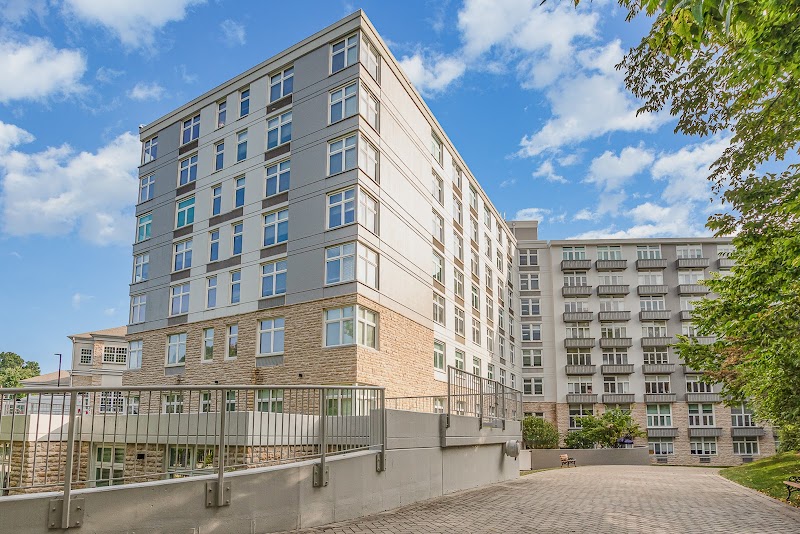
5155 NORTH HIGH STREET, COLUMBUS, OH 43214 (614) 888-7492
Non profit - Corporation 56 Beds Independent Data: November 2025
Trust Grade
75/100
#193 of 913 in OH
Last Inspection: April 2025

Within standard 12-15 month inspection cycle. Federal law requires annual inspections.

Overview

Wesley Glen Health Services Corp in Columbus, Ohio, has a Trust Grade of B, indicating it is a good choice among nursing homes, though not without its issues. It ranks #193 out of 913 facilities in Ohio, placing it in the top half, and #5 out of 56 in Franklin County, meaning only four other local facilities are rated higher. Unfortunately, the trend is worsening, as the number of issues found increased from 5 in 2023 to 7 in 2025. Staffing is a strong point with a perfect 5/5 star rating and a turnover rate of 45%, which is better than the state average, indicating that staff members tend to stay longer and build relationships with residents. While there have been no fines reported, which is promising, there were serious concerns raised during inspections, including a resident who fell and fractured her wrist due to delayed assistance with toileting and issues with food temperature and sanitation in the kitchen, which could potentially affect all residents. Overall, families should weigh these strengths and weaknesses carefully when considering Wesley Glen Health Services Corp for their loved ones.

Trust Score
B
75/100
In Ohio
#193/913
Top 21%
Safety Record
Moderate
Needs review
Inspections
Getting Worse
5 → 7 violations
Staff Stability
○ Average
45% turnover. Near Ohio's 48% average. Typical for the industry.
Penalties
✓ Good
No fines on record. Clean compliance history, better than most Ohio facilities.
Skilled Nurses
✓ Good
Each resident gets 64 minutes of Registered Nurse (RN) attention daily — more than 97% of Ohio nursing homes. RNs are the most trained staff who catch health problems before they become serious.
Violations
⚠ Watch
30 deficiencies on record. Higher than average. Multiple issues found across inspections.
★★★★★
5.0
Overall Rating
★★★★★
5.0
Staff Levels
★★★★★
5.0
Care Quality
★★★☆☆
3.0
Inspection Score
Stable
2023: 5 issues
2025: 7 issues

The Good

  • 5-Star Staffing Rating · Excellent nurse staffing levels
  • 5-Star Quality Measures · Strong clinical quality outcomes
  • Full Sprinkler Coverage · Fire safety systems throughout facility
  • No fines on record
  • Staff turnover below average (45%)

    3 points below Ohio average of 48%

Facility shows strength in staffing levels, quality measures, fire safety.

The Bad

Staff Turnover: 45%

Near Ohio avg (46%)

Typical for the industry

The Ugly 30 deficiencies on record

1 actual harm
Apr 2025 7 deficiencies
CONCERN (D)

Potential for Harm - no one hurt, but risky conditions existed

Comprehensive Care Plan (Tag F0656)

Could have caused harm · This affected 1 resident

**NOTE- TERMS IN BRACKETS HAVE BEEN EDITED TO PROTECT CONFIDENTIALITY** Based on medical record review and staff interview, the facility failed to ensure the resident's had care plans in place for pai...

Read full inspector narrative →
**NOTE- TERMS IN BRACKETS HAVE BEEN EDITED TO PROTECT CONFIDENTIALITY** Based on medical record review and staff interview, the facility failed to ensure the resident's had care plans in place for pain management, enhanced barrier precautions, and an acute infection. This affected two (Residents #10 and #31) of 18 residents reviewed for care plans. The facility census was 51. Findings include: 1. Record review revealed Resident #10 was admitted to the facility on [DATE]. Diagnoses included wedge compression fracture of second lumbar vertebra. Review of the Minimum Data Set (MDS) assessment dated [DATE] revealed Resident #10 had a significant cognitive impairment. Review of Resident #10 current physician orders revealed the following medications order for low back pain: diclofenac sodium external gel one percent and Tylenol extra strength 500 milligrams (mg). Review of Resident #10's care plan revealed there was no care plan in place for pain management/treatment. Interview with Director of Nursing (DON) on 04/24/25 at 3:31 P.M. confirmed Resident #10 did not have a pain care plan. The DON confirmed there should be a pain care plan in place for Resident #10. 2. Record review revealed Resident #31 was admitted to the facility on [DATE]. Diagnoses included pneumonia. Review of the Minimum Data Set (MDS) assessment dated [DATE] revealed Resident #31 had a mild cognitive impairment. Review of the physician orders dated 03/29/25 revealed Resident #31 was placed on enhanced barrier precautions (EBP) on 03/29/25. There was also an order for Levaquin (antibiotic) 750 milligrams (mg) for seven days related to pneumonia, which started on 04/12/25. Review of Resident #31's care plans revealed there were no antibiotic and EBP care plans developed/initiated. Interview with the Director of Nursing (DON) on 04/23/25 at 3:11 P.M. confirmed Resident #31 did not have a care plan in place for antibiotic use and EBP. The DON confirmed Resident #31 should have been care plans for antibiotic use and EBP.
CONCERN (D)

Potential for Harm - no one hurt, but risky conditions existed

Accident Prevention (Tag F0689)

Could have caused harm · This affected 1 resident

**NOTE- TERMS IN BRACKETS HAVE BEEN EDITED TO PROTECT CONFIDENTIALITY** Based on observation, medical record review, and staff interview, the facility failed to ensure fall interventions were in place...

Read full inspector narrative →
**NOTE- TERMS IN BRACKETS HAVE BEEN EDITED TO PROTECT CONFIDENTIALITY** Based on observation, medical record review, and staff interview, the facility failed to ensure fall interventions were in place for a resident who was at a high risk for falls. This affected one (Resident #40) of two residents reviewed for falls. The facility census was 51. Findings include: Review of Resident #40's medical record revealed she was admitted on [DATE]. Diagnoses included diabetes mellitus, myocardial infarction, depression, frequent falls, and acute ischemic cerebrovascular accident. Review of the comprehensive care plan dated 11/03/24 revealed Resident #40 was at risk for falls. An intervention was added on 11/07/24 to apply a perimeter mattress to the resident's bed. Review of the fall risk assessments, dated 11/07/24 and 03/03/25 revealed Resident #40 was at a high risk for falls. Review of Certified Nursing Aide (CNA) [NAME], dated 04/23/25 revealed a perimeter mattress to bed was listed under the safety section. Observation on 04/23/25 at 7:30 A.M. revealed Resident #40 was sleeping in a low bed with no perimeter mattress in place. Observation on 04/23/25 at 4:57 P.M. revealed Resident #40's bed with no perimeter mattress in place. Interview with Director of Nursing (DON) on 04/23/25 at 4:45 P.M. revealed CNA's should use the resident's [NAME] for activities of daily living levels and to view current fall interventions that should be in place. Interview with Licensed Practical Nurse (LPN) #233 on 04/23/25 at 5:05 P.M. confirmed Resident #40 did not have a perimeter mattress on her bed. LPN #233 stated Resident #40 had a room change in January 2025 and Resident #40 did have a perimeter mattress in her previous room. LPN #233 stated maybe hospice did not bring it down.
CONCERN (D)

Potential for Harm - no one hurt, but risky conditions existed

Deficiency F0806 (Tag F0806)

Could have caused harm · This affected 1 resident

**NOTE- TERMS IN BRACKETS HAVE BEEN EDITED TO PROTECT CONFIDENTIALITY** Based on record review, observation, resident and staff interview, and policy review, the facility failed to honor the resident'...

Read full inspector narrative →
**NOTE- TERMS IN BRACKETS HAVE BEEN EDITED TO PROTECT CONFIDENTIALITY** Based on record review, observation, resident and staff interview, and policy review, the facility failed to honor the resident's food requests or preferences. This affected two (Resident #24 and #103) of three residents reviewed for food preferences. The facility census was 51. Findings include: 1. Review of the medical record for Resident #24 revealed an admission date of 05/28/21. Diagnoses included intellectual disabilities and type II diabetes mellitus. Review of the significant change Minimum Data Set (MDS) assessment dated [DATE] revealed Resident #24 had severe cognitive impairment and required partial/moderate assistance for eating, Review of the care plan revealed Resident #24 was at risk for altered nutrition status due to a history of a feeding tube that has been removed and a mechanically altered diet. Resident #24 liked small individual bowls for her food. An intervention included foods in individual bowls. Observation on 04/23/25 at 6:34 P.M. revealed Resident #24's dinner revealed her food was served on a plate all together and not in bowls. Her dinner meal ticket stated to give food in separate bowls. Interview and observation on 04/23/25 at 6:38 P.M. with Dining Operations Manager #290 verified Resident #24 did not receive her food in separate bowls. 2. Review of the medical record for Resident #103 revealed an admission date of 04/01/25. Diagnoses included chronic obstructive pulmonary disease and morbid obesity. Review of the admission Minimum Data Set (MDS) assessment dated [DATE] revealed Resident #103 was cognitively intact and required setup or clean-up assistance for eating. Interview on 04/21/25 at 1:34 P.M. with Resident #103 revealed the kitchen was her biggest issue as they never get her food choices correct 100% of the time. Observation on 04/22/25 at 5:50 P.M. revealed Resident #103 received her meal tray and she did not get glazed carrots and received cranberry juice. Her dinner meal ticket had a write in for glazed carrots and the ticket stated Does not want juice. Interview and observation on 04/22/25 at 5:54 P.M. with Dining Operations Manager #290 verified Resident #103 does not receive glazed carrots on her meal tray and verified Resident #103 requested the carrots. Dining Operations Manager #290 also confirmed Resident #103 received cranberry juice and her tray ticket stated that she did not want juice. Review of the undated Resident Food Choices, Preferences, Alternates, and Portion Sizes policy revealed residents are served meals that comply with their diet restrictions, allergies and food preferences; however, a resident's right to choose menu items must be upheld whenever possible.
CONCERN (E)

Potential for Harm - no one hurt, but risky conditions existed

Infection Control (Tag F0880)

Could have caused harm · This affected multiple residents

**NOTE- TERMS IN BRACKETS HAVE BEEN EDITED TO PROTECT CONFIDENTIALITY** 2. Record review revealed Resident #155 was admitted to the facility on [DATE]. Diagnoses included chronic kidney disease and ch...

Read full inspector narrative →
**NOTE- TERMS IN BRACKETS HAVE BEEN EDITED TO PROTECT CONFIDENTIALITY** 2. Record review revealed Resident #155 was admitted to the facility on [DATE]. Diagnoses included chronic kidney disease and chronic obstructive pulmonary disease. Review of the Minimum Data Set (MDS) assessment, dated 04/02/25, revealed Resident #155 was cognitively intact. Review of the physician orders dated 04/18/25 revealed Resident #155 received some medications ordered to be administered intravenously including alteplase injection solution reconstituted two milligrams (mg) (used to dissolve blood clots), piperacillin sod-tazobactam intravenous solution reconstituted (antibiotic) 4-0.5 grams for a wound infection, and heparin sodium (anticoagulant) five milliliters (ml). There were no physician orders for Resident #155 to be on EBP until 04/22/25. Observations on 04/21/25 at 9:30 A.M. and 2:45 P.M. revealed there were no signs or equipment in or around Resident #155's room to indicate she was on EBP. Interview with Registered Nurse (RN) #265 on 04/21/25 at 2:45 P.M. confirmed Resident #155 did not have a physician order, or a sign on Resident #155's door for EBP, and there was personal protective equipment (PPE) at Resident #155's room for staff to wear during resident care. RN #265 confirmed Resident #155 had a wound and was on intravenous antibiotics for a wound infection. Interview with Director of Nursing (DON) on 04/23/25 at 3:20 P.M. confirmed there were no orders in place until 04/22/25 for Resident #155 to be on EBP. The DON confirmed there should have been EBP in place on 04/18/25. Review of CDC guidance titled Implementation of PPE Use in Nursing Homes to Prevent Spread of Multidrug-resistant Organisms (MDROs) found at https://www.cdc.gov/long-term-care-facilities/hcp/prevent-mdro/PPE.html and dated 04/02/24 revealed MDRO transmission is common in skilled nursing facilities, contributing to substantial resident morbidity and mortality and increased healthcare costs. EBP are an infection control intervention designed to reduce transmission of resistant organisms that employs targeted gown and glove use during high contact resident care activities. EBP may be indicated for residents with any of the following: wounds or indwelling medical devices, regardless of MDRO colonization status. Review of the facility's Enhanced Barrier Precautions policy, undated, revealed the definition of EBP was the expansion of the use of PPE and refer to the use of gown and gloves during high contact residents care activities that provide opportunities for transfer of MRDOs to staff hands and clothing. EBP will be implemented for residents with open wounds requiring dressing and indwelling medical devices. Based on observation, staff interview, medical record review, review of Centers for Disease Control and Prevention (CDC) guidance, and facility policy review, the facility failed to appropriately disinfect equipment during a wound care treatment and ensure the resident's wound did not touch a dirty surface during the wound treatment. The facility also failed to ensure a resident who received medications intravenously and had a wound had enhanced barrier precautions (EBP) in place. This affected one (Resident #13) of one resident reviewed for wound care treatment and one (Resident #155) of one resident reviewed for EBP. The facility identified eight residents (#13, #28, #33, #103, #104, #105, #108 and #155) who received wound dressing changes on the second floor. The facility census was 51. Findings include: 1. Review of Resident #13's medical record revealed she was admitted on [DATE] with diagnoses including diabetes mellitus type II, sternal fracture, multiple rib fractures and moderate protein malnutrition. Review of the physician's orders dated April 2025, revealed a treatment order to cleanse the right lateral shin wound with wound cleanser, pat dry, apply Medi honey and calcium alginate and cover with CDD (composite double-layered dressing), change daily. Observation of wound treatment on 04/24/25 at 10:35 A.M. revealed Registered Nurse (RN) #321 was going to provide wound care to Resident #13's right lateral shin wound. RN #321 placed treatment supplies along with scissors on Resident #13's bed side table upon entering the room. RN #321 did not clean or disinfect the scissors and began cut off Resident #13's old dressing that had visible drainage seen on the outside of the old calcium alginate dressing. Resident #13 was positioned in her recliner chair with her feet elevated, and the side of the wound area was directly touching the surface of her recliner chair when the soiled dressing was removed. RN #13 did not disinfect the scissors after use and placed the scissors back on Resident #13's bedside tray. During application of the clean dressing, RN #321 used the same scissors that she had used to cut off the soiled dressing, to cut off a piece of the clean calcium alginate and then she applied it to Resident #13's wound. RN #321 did not disinfect the scissors after use with Resident #13's wound and placed them back into the treatment cart. Interview with RN #321 on 04/24/25 at 10:55 A.M. confirmed Resident #13's wound touched directly on the uncleaned surface of the recliner chair, and did not disinfect the scissors prior to use, and after the scissors touched Resident #13's dirty dressing and before she used the same scissors for the clean dressing. RN #321 stated she uses the same scissors to complete wound treatments for all eight residents who require wound treatments on her assignment. Review of undated facility policy titled Cleaning and Disinfecting Resident Rooms and Medical Equipment revealed reusable equipment such as scissors and clamps should be disinfected before use and after contamination. Disinfect using Environmental Protected Agency (EPA) disinfectant such as a Sanicloth.
CONCERN (E)

Potential for Harm - no one hurt, but risky conditions existed

Room Equipment (Tag F0908)

Could have caused harm · This affected multiple residents

Based on observation, and resident and staff interview, the facility failed to maintain the patient care equipment in safe operating condition. This had the potential to affect 27 residents who reside...

Read full inspector narrative →
Based on observation, and resident and staff interview, the facility failed to maintain the patient care equipment in safe operating condition. This had the potential to affect 27 residents who resided on the second floor and utilized the second floor spa. The facility census was 51. Findings include: Interview on 04/21/25 at 5:04 P.M. with Resident #103 revealed the grab bar in the spa room next to the toilet was shaky and coming off the wall. Observation and interview on 04/24/25 at 9:37 A.M. with Maintenance Technician (MT) #444 verified the second floor spa room grab bar next to the toilet was very loose. MT #444 stated he doesn't know how to fix it as they have tried all the fasteners they have. Interview on 04/24/25 at 1:49 P.M. with Maintenance Director #450 confirmed the grab bar was broken. Maintenance Director #450 stated if he was aware of an issue, it was fixed the same day or the next day as they were on call seven days a week.
CONCERN (F)

Potential for Harm - no one hurt, but risky conditions existed

Deficiency F0804 (Tag F0804)

Could have caused harm · This affected most or all residents

Based on observation, resident and staff interview, and policy review, the facility failed to ensure food was served at a palliative and safe food temperature. This had the potential to affect all 51 ...

Read full inspector narrative →
Based on observation, resident and staff interview, and policy review, the facility failed to ensure food was served at a palliative and safe food temperature. This had the potential to affect all 51 residents in the facility who the facility identified to receive food from the kitchen. Findings include: Interview on 04/21/25 at 1:35 P.M. with Resident #37 stated the food was not hot enough when it comes to his room. Interview on 04/23/25 at 2:19 P.M. with Registered Nurse (RN) #321 stated Resident #37 has complained about the temperature of his food. Interview on 04/23/25 at 2:41 P.M. with Certified Nursing Assistant (CNA) #227 stated she receives complaints from residents about the temperature of food. CNA #227 stated she always warms up Resident #37's food. Interview on 04/23/25 at 4:37 P.M. with Dining Services Director (DSD) #276 stated hot food should be served to residents at a minimum of 135 degrees Fahrenheit (F) and cold food should be served to residents at 41 degrees F or below. Observation of the second floor tray line was made on 04/23/25 at 5:02 P.M. with Universal Dining Server #331 who was taking temperatures of the food. The dinner menu consisted of shrimp alfredo, Italian wedding soup, and Normandy vegetables. A test tray was requested, and DSD #276 took temperatures of the food being placed on the test tray on 04/23/25 at 6:12 P.M. DSD #276 confirmed the normandy vegetables were 145 degrees F, shrimp alfredo 140 degrees F, and Italian wedding soup was 137 degrees F. The tray was then placed immediately on the meal cart. The meal cart left the kitchen on 04/23/25 at 6:15 P.M. The meal cart arrived on the hallway on 04/23/25 at 6:17 P.M. Observation of the test tray revealed it was served on 04/23/25 at 6:27 P.M. after all other hall trays were served. DSD #276 took temperatures and confirmed the normandy vegetables were 120 degrees F, shrimp alfredo was 123 degrees F, and the Italian wedding soup was 130 degrees F. The food was tasted and the normandy vegetables and shrimp alfredo were cold and the Italian wedding soup was lukewarm. DSD #276 confirmed the food temperatures of the test tray. Interview on 04/24/25 at 11:34 A.M. with DSD #276 stated the goal was to serve the food at 135 degrees F. Review of the undated Meal Delivery Timeliness and Temperature Documentation policy revealed the dining services team will ensure proper delivery of food at the proper temperature to the service areas. The policy also stated to check temperatures of all hot foods before delivery. Apply additional heat to any items below goal serving temperature.
CONCERN (F)

Potential for Harm - no one hurt, but risky conditions existed

Food Safety (Tag F0812)

Could have caused harm · This affected most or all residents

Based on observations, staff interviews, and policy reviews, the facility did not maintain a clean sanitary kitchen, store food in a safe manner, and serve foods to the residents in a sanitary manner....

Read full inspector narrative →
Based on observations, staff interviews, and policy reviews, the facility did not maintain a clean sanitary kitchen, store food in a safe manner, and serve foods to the residents in a sanitary manner. This had the potential to affect all 51 residents in the facility who the facility identified receive food from the kitchen. Findings include: 1. Observation and interview on 04/21/25 at 10:53 A.M. with Dining Services Director (DSD) #276 of the second floor kitchen verified the interior ambient temperature of the sandwich cooler was 52 degrees Fahrenheit (F) . Observation and interview on 04/21/25 at 11:01 A.M. with DSD #276 and Dining Operations Manager (DOM) #303 confirmed the food located within the sandwich cooler on the second floor was above the appropriate food holding temperature. The sliced tomatoes were 47 degrees F and the hard boiled eggs were 46 degree F, sliced turkey 50 degrees F, chicken salad 46 degrees F, sliced American cheese was 46 degrees F and skim milk was 61 degrees F. Observation and interview on 04/22/25 at 4:46 P.M. with DSD #276 of the second floor sandwich cooler revealed hardboiled eggs were 42 degrees F, egg salad was holding at 43 degrees F, sliced turkey was 42 degrees F, and sliced tomatoes were 43 degrees F. Interview on 04/24/25 at 11:34 A.M. with DSD #275 revealed food shall be held in a cooler at 41 degrees F or below. Review of the undated Food Storage - Refrigeration (Dining) policy revealed potentially hazardous foods (PHF) and Time/Temperature Control for Safety (TCS) foods must be maintained at or below 41 degrees F, unless otherwise specified by law. Review of the undated General Food Preparation, Service and Handling policy revealed all cold meat/fish/poultry salads, potato/vegetable salads, egg salads, cream filled pastries and other TCS foods shall be prepared from chilled products and refrigerated at 41° F or below. 2. Observations of the kitchen on 04/21/25 from 9:50 A.M. to 10:16 A.M. with Dining Services Director (DSD) #276 and Dining Operations Manager (DOM) #303 revealed in the walk-in cooler, there were cheeses stored with the following issues: a large block of unnamed cheese that was plastic wrapped and did not have a datemark; a large block of fontina cheese was opened and not labeled; another unnamed cheese that was unlabeled and undated; and a package of shaved parmesan cheese was opened and did not have a datemark. There was also pot roast, which was wrapped without a datemark, andouille sausage was dated 02/25/25 and pork loin that was dated 04/19/25 to 05/19/25. The walk-in cooler and walk-in produce cooler walls and ceiling were dirty and flaking rust. DSD #276 and DOM #303 confirmed the food items did not have datemarks, some had missing labels, the pot roast did not have a date, the andouille sausage was out of date, and the label was incorrect for the pork loin. DSD #276 stated the datemark shouldn't be a month. DSD #276 confirmed there was a rust issue and they were working on it. DSD #276 also confirmed the ceiling was dusty as well. Observation of kitchen on 04/21/25 at 10:15 A.M. with DSD #276 confirmed there was a hole in the floor, under the oven, that was collecting food debris. DSD #276 stated this was an ongoing maintenance issue that has being going on for a few months. Review of the undated Cleaning and Sanitation - Contact Surfaces policy revealed nonfood contact surfaces of equipment shall be cleaned as often as necessary to keep the equipment free of accumulation of dust, dirt, food particles, and other debris. Review of the undated Food Storage - Refrigeration (Dining) policy revealed all refrigerator units should be always kept clean and in good working condition. Review of the undated Food Storage - Refrigeration (Dining) policy revealed all time and temperature control for safety (TCS) foods (including leftovers) should be labeled, covered, and dated when stored in refrigerator. 3. Observations on 04/21/25 from 11:05 A.M. to 11:10 A.M. revealed Activities Assistant (AA) #460 was passing out blueberry muffins to the residents attending the activity. While passing out blueberry muffins to the residents, AA #460 had no gloves on. AA #460 was observed giving Resident #14 a muffin; she peeled back the muffin wrapping, touching the muffin with her non-gloved thumbs and then wiped Resident #14's shirt. Then, without washing her hands or putting gloves on her hands, she proceeded to unwrap Residents #32, #22, and #5's muffins with her unwashed, ungloved hands, and touched the muffins with her thumbs. In addition to touching the muffins with unwashed/ungloved hands, AA #460 touched Resident #22's hand to help her hold the muffin. Interview on 04/21/25 at 11:11 A.M. with AA #460 confirmed she did not wear gloves, sanitize or wash hands between residents after touching their muffins and touching residents when serving muffins to them. Review of undated facility policy titled Hand Hygiene revealed all associates shall follow the handwashing/hand hygiene procedures to help prevent the spread of infections to other personnel, residents and visitors. Associates are to clean hands: before, during and after preparing food, before and after contact with the resident, and between direct contact with different residents.
Jun 2023 4 deficiencies
CONCERN (D) 📢 Someone Reported This

A family member, employee, or ombudsman was alarmed enough to file a formal complaint

Potential for Harm - no one hurt, but risky conditions existed

Notification of Changes (Tag F0580)

Could have caused harm · This affected 1 resident

**NOTE- TERMS IN BRACKETS HAVE BEEN EDITED TO PROTECT CONFIDENTIALITY** Based on record review, staff interview, and policy review, the facility failed to notify the responsible party of changes in a ...

Read full inspector narrative →
**NOTE- TERMS IN BRACKETS HAVE BEEN EDITED TO PROTECT CONFIDENTIALITY** Based on record review, staff interview, and policy review, the facility failed to notify the responsible party of changes in a resident's condition. This affected one (Resident #90) of three residents reviewed for notification of change. The facility census was 46. Findings include: Review of Resident #90's medical record revealed the resident was admitted to the facility on [DATE]. Diagnoses included senile degeneration of brain, adult failure to thrive, fracture of the lower end of right humerus subsequent encounter for fracture with routine healing, and seizures. Review of the significant change Minimum Data Set (MDS) assessment dated [DATE] revealed Resident #90 was severely cognitively impaired. Review of Certified Nurse Practitioner (CNP) #640's progress note dated 12/28/22 revealed concerns with unapproximated surgical wound and stated will contact surgeon and if unable to consult, will send to emergency room (ER). CNP #640 discussed concerns regarding incision with nursing and the Director of Nursing (DON) that day (12/28/22). Review of the progress note dated 12/30/23 revealed Resident #90 was transported to acute hospital emergency room (ER) per surgeon's request to have open surgical wound assessed. The medical record was silent to the responsible party being notified of the resident's surgical wound being unapproximated nor to the resident being discharged to the hospital. Review of Resident #90's weekly skin assessment dated [DATE] revealed bruising and edema to right lower leg continues. The medical record was silent to the family being notified of the change in Resident #90's right lower leg. Interview with the DON on 06/06/23 at 1:12 P.M. confirmed there was no documentation the family was notified of Resident #90's change in the incision on 12/28/22, and no documentation the family was notified that Resident #90 was transferred to the ER on [DATE]. Subsequent interview with the DON on 06/06/23 at 1:18 P.M. confirmed there was no documentation the family was notified of the bruising and swelling to Resident #90's right lower extremity documented on 03/08/23. Review of the undated policy titled Notification And Reporting Of Changes In Health Status, Illness, Injury And Death Of A Resident revealed appropriate associates will promptly inform the resident; consult with the resident's physician; and notify, consistent with his or her authority, the resident representative(s) regarding the following: a significant change in the resident's physical, mental, or psychosocial status such as a deterioration in health, mental, or psychosocial status in either life threatening conditions or clinical complications. This deficiency represents non-compliance investigated under Complaint Number OH00143042.
CONCERN (D) 📢 Someone Reported This

A family member, employee, or ombudsman was alarmed enough to file a formal complaint

Potential for Harm - no one hurt, but risky conditions existed

Report Alleged Abuse (Tag F0609)

Could have caused harm · This affected 1 resident

**NOTE- TERMS IN BRACKETS HAVE BEEN EDITED TO PROTECT CONFIDENTIALITY** Based on record review, staff interview, interview with Hospice staff, review of the facility's Self-Reported Incidents (SRI), a...

Read full inspector narrative →
**NOTE- TERMS IN BRACKETS HAVE BEEN EDITED TO PROTECT CONFIDENTIALITY** Based on record review, staff interview, interview with Hospice staff, review of the facility's Self-Reported Incidents (SRI), and policy review, the facility failed to timely report an injury of unknown origin to State Survey Agency. This affected one (#90) of one resident reviewed for injury of unknown origin. The facility census was 46. Findings include: Review of Resident #90's medical record revealed the resident was admitted to the facility on [DATE]. Diagnoses included senile degeneration of brain, adult failure to thrive, and seizures. Review of the significant change Minimum Data Set (MDS) assessment dated [DATE] revealed Resident #90 was severely cognitively impaired and had no behaviors. Resident #90 was dependent on staff for ambulation and toileting and required extensive assistance from staff with bed mobility, transfers and dressing. Resident #90 was receiving hospice care. Review of the weekly skin assessment dated [DATE] revealed Resident #90 had no new skin alterations, and no areas of skin abnormality were documented on the assessment. Review of the hospice provider progress note dated 03/05/23 at 10:06 A.M. revealed the facility staff reported Resident #90 with a new onset of right leg pain which started on the evening on 03/04/23. The leg was described as swollen and warm to touch. Resident #90 with Tylenol order in place for pain. Hospice Nurse to visit to assess Resident #90's right leg and any further medication needs for pain control. Review of the weekly skin assessment dated [DATE] revealed bruising and edema to the right lower leg continued. No areas of additional skin abnormality were documented on the assessment. Review of the hospice progress note dated 03/09/23 at 11:25 A.M. revealed the hospice nurse spoke with the Certified Nurse Practitioner (CNP) caring for Resident #90 to update her on the new Tylenol order and a new X-ray was ordered. Review of Physician #630's progress note dated 03/09/23 revealed the hospice nurse called related to Resident #90 needing a right lower leg X-ray related to pain and ecchymosis. Resident #90 was documented as unreliable due to cognition. Resident #90 previously reported as high fall risk due to attempts to get out of bed without requesting help, no record of recent falls of trauma noted found per nursing. Physician #630 documented past medical history did not include diagnoses of osteopenia or osteoporosis. Under the assessment and plan, Physician #630 documented Resident #90 had pain in the right lower leg and the right lower leg had scattered ecchymosis. Resident #90 stated the leg was painful to bend at the knee and bilateral lower extremities had positive dorsi and plantar flexion documented. Physician #630 stated X-ray results were pending. Review of the progress note dated 03/13/23 at 7:26 P.M. revealed the X-ray result to the right hip received with the conclusion of internally fixed right proximal femoral fracture deformity without adverse features. The right knee X-ray findings were an acute non-displaced proximal plateau tibial fracture. Ostopenia was shown on the x-ray results but the facility did not obtain the x-rays until 03/13/23, this was nine days after the initial injury to Resident #90's leg was found. Review of the facility's SRI dated 03/04/23 to 03/13/23 revealed Resident #90's injury of unknown origin was not reported to the State Survey Agency. Interview with the Director of Nursing (DON) on 05/24/23 at 1:20 P.M. verified the X-ray did not state pathological fracture and verified there was no injury of unknown origin reported to the State Survey Agency. The DON stated the facility felt the fracture was caused by the osteoporosis and osteopenia. Telephone interview on 05/24/23 at 2:29 P.M. with Hospice Case Manager Registered Nurse (HCMRN) #600 revealed the hospice staff had made visits to assess Resident #90's right lower leg. HCMRN #600 stated the leg was documented as swollen with bruising and there was no facility documentation or report of a fall or other injury to Resident #90. HCMRN #600 reported the family declined to have the leg X-rayed at this time but wanted the resident pain to be managed by pain medication. HCMRN #600 stated she made the second after hours visit three days later and the facility staff reported to her the residents was stating she had increased pain in the leg, the leg documentation included that the resident had bruising to the leg, but no documentation of why the resident had bruising. Review of the undated policy titled Abuse, Neglect, Exploitation, and Mistreatment of Residents and Misappropriation of Resident Property revealed the purpose of this policy is to provide a systematic approach to abuse and neglect detection and prevention. It is the responsibility of Associates and volunteers to immediately report all such allegations to the Administrator or designee. The Administrator or designee will report to the Ohio Department of Health (ODH) in accordance with the procedures in this policy. An injury is classified as an Injury of Unknown Source when all the following conditions are met: The source of the injury was not observed by any person; and the source of the injury could not be explained by the resident; and the injury is suspicious because of the extent of the injury or the location of the injury (e.g., the injury is located in an area not generally vulnerable to trauma) or the number of injuries observed at one particular point in time or the incidence of injuries over time. All incident and allegations of Abuse, Neglect, Exploitation, Mistreatment of a Resident, or Misappropriation of Resident Property and all Injuries of Unknown Source must be reported immediately to the Administrator or designee. The Administrator will ensure that reporters are free from retaliation or reprisal. The Administrator/designee is responsible for ensuring allegations are reported to the state agency immediately. When possible, ODH will be notified by using the online Enhanced Information Dissemination & Collection (EIDC) system. The Community will submit an online Self-Reported Incident form in accordance with ODH's then-current instructions. In the event of an internet outage or similar failure, the Community will temporarily notify the ODH District Office of the allegation via alternative method (e.g., phone), and will then submit the Self-Reported Incident online once service is restored. Only the Administrator or someone specifically designated by the Administrator is authorized to submit a Self-Reported Incident form to ODH. This deficiency represents non-compliance investigated under Complaint Number OH00143042.
CONCERN (D) 📢 Someone Reported This

A family member, employee, or ombudsman was alarmed enough to file a formal complaint

Potential for Harm - no one hurt, but risky conditions existed

Investigate Abuse (Tag F0610)

Could have caused harm · This affected 1 resident

**NOTE- TERMS IN BRACKETS HAVE BEEN EDITED TO PROTECT CONFIDENTIALITY** Based on record review, staff interview, review of the facility's Self-Reported Incidents (SRI), interview with Hospice staff, a...

Read full inspector narrative →
**NOTE- TERMS IN BRACKETS HAVE BEEN EDITED TO PROTECT CONFIDENTIALITY** Based on record review, staff interview, review of the facility's Self-Reported Incidents (SRI), interview with Hospice staff, and policy review, the facility failed to report an injury of unknown origin to the State Survey Agency and investigate the injury of unknown origin for a resident. This affected one (#90) of one resident reviewed for injury of unknown origin. The facility census was 46. Findings include: Review of Resident #90's medical record revealed the resident was admitted to the facility on [DATE]. Diagnoses included senile degeneration of brain, adult failure to thrive, and seizures. Review of the significant change Minimum Data Set (MDS) assessment dated [DATE] revealed Resident #90 was severely cognitively impaired and had no behaviors. Resident #90 was dependent on staff for ambulation and toileting and required extensive assistance from staff with bed mobility, transfers and dressing. Resident #90 was receiving hospice care. Review of the weekly skin assessment dated [DATE] revealed Resident #90 had no new skin alterations, and no areas of skin abnormality were documented on the assessment. Review of the hospice provider progress note dated 03/05/23 at 10:06 A.M. revealed the facility staff reported Resident #90 with a new onset of right leg pain which started on the evening on 03/04/23. The leg was described as swollen and warm to touch. Resident #90 with Tylenol order in place for pain. Hospice Nurse to visit to assess Resident #90's right leg and any further medication needs for pain control. Review of the weekly skin assessment dated [DATE] revealed bruising and edema to the right lower leg continued. No areas of additional skin abnormality were documented on the assessment. Review of the hospice progress note dated 03/09/23 at 11:25 A.M. revealed the hospice nurse spoke with the Certified Nurse Practitioner (CNP) caring for Resident #90 to update her on the new Tylenol order and a new X-ray was ordered. Review of Physician #630's progress note dated 03/09/23 revealed the hospice nurse called related to Resident #90 needing a right lower leg X-ray related to pain and ecchymosis. Resident #90 was documented as unreliable due to cognition. Resident #90 previously reported as high fall risk due to attempts to get out of bed without requesting help, no record of recent falls of trauma noted found per nursing. Physician #630 documented past medical history did not include diagnoses of osteopenia or osteoporosis. Under the assessment and plan, Physician #630 documented Resident #90 had pain in the right lower leg and the right lower leg had scattered ecchymosis. Resident #90 stated the leg was painful to bend at the knee and bilateral lower extremities had positive dorsi and plantar flexion documented. Physician #630 stated X-ray results were pending. Review of the progress note dated 03/13/23 at 7:26 P.M. revealed the X-ray result to the right hip received with the conclusion of internally fixed right proximal femoral fracture deformity without adverse features. The right knee X-ray findings were an acute non-displaced proximal plateau tibial fracture. Ostopenia was shown on the x-ray results but the facility did not obtain the x-rays until 03/13/23, this was nine days after the initial injury to Resident #90's leg was found. The facility was unable to provide the facility's investigation into Resident #90's injury of unknown origin to the State Survey Agency on 05/24/23. Review of the facility's SRI dated 03/04/23 to 03/13/23 revealed Resident #90's injury of unknown origin was not reported to the State Survey Agency. Interview with the Director of Nursing (DON) on 05/24/23 at 1:20 P.M. verified the X-ray did not state pathological fracture and verified there was no injury of unknown origin reported to the State Survey Agency. The DON verified the facility did not complete an investigation of Resident #90's injury of unknown origin because the facility felt the fracture was caused by the osteoporosis and osteopenia. The DON stated Resident #90 had no fall or reported injury. If Resident #90 had a fall, Resident #90 lacked the ability to get herself off the floor and staff would have then been aware of a fall but staff denied helping Resident #90 off the floor. Telephone interview on 05/24/23 at 2:29 P.M. with Hospice Case Manager Registered Nurse (HCMRN) #600 revealed the hospice staff had made visits to assess Resident #90's right lower leg. HCMRN #600 stated the leg was documented as swollen with bruising and there was no facility documentation or report of a fall or other injury to Resident #90. HCMRN #600 reported the family declined to have the leg X-rayed at the initial assessment but wanted the resident's pain to be managed by pain medication. HCMRN #600 stated she made the second visit three days later and the facility staff reported to her the residents was stating she had increased pain in the leg, the leg documentation included the resident had bruising to the leg, but no documentation of why the resident had bruising. Review of the undated policy titled Abuse, Neglect, Exploitation, and Mistreatment of Residents and Misappropriation of Resident Property revealed this Community will not tolerate abuse, neglect, exploitation and mistreatment of its Residents or the misappropriation of Resident property and will take necessary steps to provide protections for the health, welfare and rights of each Resident residing in the Community. An injury is classified as an Injury of Unknown Source when all the following conditions are met: the source of the injury was not observed by any person; and the source of the injury could not be explained by the resident; and the injury is suspicious because of the extent of the injury or the location of the injury (e.g., the injury is located in an area not generally vulnerable to trauma) or the number of injuries observed at one particular point in time or the incidence of injuries over time. All alleged violations involving Abuse, Neglect, Exploitation or Mistreatment of a Resident, or Misappropriation of Resident Property, including Injuries of Unknown Source will be investigated in accordance with this procedure. Once the Administrator and Ohio Department of Health (ODH) are notified, an investigation of the allegation/violation will be conducted by the Administrator/Designee. The focus of the investigation should be to determine if abuse, neglect, exploitation, mistreatment and/or misappropriation of Resident property has occurred, the extent, and cause. The investigation must be completed within five working days, unless there are special circumstances causing the investigation to continue beyond 5 working days (e.g., quantifying amounts misappropriated if accountant needs more time. Evidence of the investigation should be documented. The person investigating the incident should generally take the following actions: a. Interview and obtain or document statements from the Resident, the accused, and all witnesses. Witnesses generally include anyone who: witnessed or heard the incident; came in close contact with the Resident the day of the incident (including other Residents, family members); and employees who worked closely with the accused employee(s) and/or alleged victim the day of the incident. b. If there are no direct witnesses, then the interviews may be expanded, for example, to cover all employees on the unit, or, as appropriate, the shift. For Injuries of Unknown Source, the investigation may generally involve talking with both the shift on duty when the injury was discovered and prior shifts as well. c. Interviews may also be conducted with Residents who reside on the same unit and/or have similar care needs as the alleged victim. d. Examine the alleged victim for signs of injury, including a physical examination or psychosocial assessment if needed. e. Obtain all medical reports and statements from physicians and/or hospitals if applicable. f. Review the Resident's records. This violation represents non-compliance investigated under Complaint Number OH00143042.
CONCERN (D) 📢 Someone Reported This

A family member, employee, or ombudsman was alarmed enough to file a formal complaint

Potential for Harm - no one hurt, but risky conditions existed

Accident Prevention (Tag F0689)

Could have caused harm · This affected 1 resident

**NOTE- TERMS IN BRACKETS HAVE BEEN EDITED TO PROTECT CONFIDENTIALITY** Based on medical record review, observations, staff interviews, and policy review, the facility failed to ensure fall interventi...

Read full inspector narrative →
**NOTE- TERMS IN BRACKETS HAVE BEEN EDITED TO PROTECT CONFIDENTIALITY** Based on medical record review, observations, staff interviews, and policy review, the facility failed to ensure fall interventions were in place for a resident at risk for falls and who had a history of falling. This affected one (#100) of three residents reviewed for falls. The facility census was 46. Findings include: Review of Resident #100's medical record revealed the resident was admitted to the facility on [DATE]. Diagnoses included syncope, dementia, weakness, and osteoporosis. Review of the admission Minimum Data Set (MDS) assessment dated [DATE] revealed Resident #100 had severe cognitive impairment and required extensive assistance from staff for bed mobility, toileting, and transfers. Resident #100 had a fall since admission to the facility and had a fall prior to admission. Review of the care plan revealed Resident #100 was at risk for falls. Interventions included a dropped wheelchair seat and dycem to the wheelchair and a reclining chair. Review of the progress note dated 04/02/23 at 5:54 P.M. revealed the nurse was called to Resident #100's room by a State Tested Nursing Assistant (STNA) and Resident #100 was found lying on the floor beside the reclining chair. Resident #100 was assessed and no injuries were noted, vital signs were normal and neurological checks were initiated. The intervention for the fall was to provide dycem to the wheelchair and reclining chair. Review of Resident #100's physician orders dated 04/03/23 revealed an order for dycem to the reclining chair and wheelchair at all times. Observation of Resident #100 on 06/06/23 at 11:30 A.M. revealed the resident was sitting in his wheelchair and no dycem was observed in the wheelchair. Interview on 06/06/23 at 11:30 A.M. with Activities Worker #590 verified Resident #100 did not have any dycem to his wheelchair. Observation and interview of Resident #100 with the Director of Nursing (DON) on 06/06/23 at 11:40 A.M. verified Resident #100's wheelchair seat was dropped, but no dycem was in the wheelchair. The DON verified Resident #100 should have dycem in the wheelchair and verified it was not present. Review of the undated policy titled Resident Falls revealed to ensure the safety of our residents through assessments, monitoring, supervision, and assistance to prevent the occurrence of falls. The Nurse Manager or designee will complete the Fall Risk Assessment. Based on the results of the assessment, the nurse will determine what factor places the resident at the greatest risk and select an appropriate intervention to prevent a fall. A care plan will be written that identifies the risk factor and provides a list of appropriate interventions. This deficiency represents non-compliance investigated under Complaint Number OH00143042.
Mar 2023 1 deficiency
CONCERN (D) 📢 Someone Reported This

A family member, employee, or ombudsman was alarmed enough to file a formal complaint

Potential for Harm - no one hurt, but risky conditions existed

Deficiency F0558 (Tag F0558)

Could have caused harm · This affected 1 resident

**NOTE- TERMS IN BRACKETS HAVE BEEN EDITED TO PROTECT CONFIDENTIALITY** Based on medical record review, review of the call light audits, resident and staff interview, and policy review, the facility f...

Read full inspector narrative →
**NOTE- TERMS IN BRACKETS HAVE BEEN EDITED TO PROTECT CONFIDENTIALITY** Based on medical record review, review of the call light audits, resident and staff interview, and policy review, the facility failed to ensure call lights were answered timely. This affected two residents (#19 and #58) out of three residents reviewed. The facility census was 56. Findings Include: 1. Review of the medical record for Resident #19 revealed an admission date on 11/06/20. Diagnoses included spinal stenosis, type II diabetes mellitus, dysphagia, weakness, edema, and encephalopathy. Review of the quarterly Minimum Data Set (MDS) assessment dated [DATE] revealed Resident #19 had intact cognition and scored 13 out of 15 on the Brief Interview for Mental Status (BIMS) assessment. Resident #19 required extensive assistance from two staff to complete transfers and physical assistance in part of bathing from one staff. Review of the call light audits completed on 01/01/23 revealed Resident #19 activated her call light pendant on 01/01/23 at 12:13 A.M. and answered at 12:29 A.M. (16 minutes later) and activated the pendant again at 12:37 A.M. and answered at 1:04 A.M. (27 minutes later). Interview on 03/28/23 at 12:56 P.M., with Resident #19 revealed she no longer used her call light because when she used to press the call light pendant, the staff had not responded. Resident #19 stated she would prefer to have some assistance at times but does things on her own because the staff do not respond to the call lights. Interview on 03/28/23 at 10:29 A.M., with the Director of Nursing (DON) verified the call light response times had been identified by the facility as a concern. The facility implemented a plan to improve call light response times. The facility was installing a visual alert to the outside of the resident rooms. The installation was in progress on the upstairs floor and the alert outside the resident rooms would also be added to the first floor rooms. The facility also added pull cords and push buttons in resident rooms as well. Prior to the additional equipment, the residents had a call light pendant to wear around their necks or wrists. The DON expected call light response times to be 15 minutes or less on average. The facility had educated staff on the importance of timely answering call lights and had also disciplined some staff who were identified as not responding to call lights in a timely manner. 2. Review of the medical record for Resident #58 revealed an admission date on 12/25/21. Diagnoses included acute and chronic respiratory failure with hypoxia, heart failure, obstructive sleep apnea, cerebral infarction, type II diabetes mellitus, peripheral vascular disease, encephalopathy (a brain disease), weakness, and a need for assistance with personal care. Review of the quarterly MDS assessment dated [DATE] revealed Resident #58 had impaired cognition and scored a ten out of 15 on the BIMS assessment. Resident #58 was totally dependent on one to two staff to complete Activities of Daily Living (ADL). Review of the call light audits completed on 01/01/23, 02/01/23, and 02/28/23 revealed Resident #58's call light pendant was activated on 01/01/23 at 1:02 P.M. and answered at 1:31 P.M. (29 minutes later), activated on 02/01/23 at 3:16 P.M. and answered at 3:32 P.M. (16 minutes later), and activated on 02/28/23 at 8:23 A.M. and answered at 9:16 A.M. (53 minutes later). Interview on 03/29/23 at 11:29 A.M., with Resident #58 revealed responses to his call light were slow. The resident stated the typical wait period was 15 minutes but he has had to wait for up to two hours for a response before. The resident stated he required two staff and a mechanical lift to transfer him. Interview on 03/28/23 at 10:29 A.M., with the DON verified call light response times had been identified by the facility as a concern. The facility implemented a plan to improve call light response times. The facility was installing a visual alert to the outside of the resident rooms. The installation was in progress on the upstairs floor and the alert outside the resident rooms would also be added to the first floor rooms. The facility also added pull cords and push buttons in resident rooms as well. Prior to the additional equipment, the residents had a call light pendant to wear around their necks or wrists. The DON expected call light response times to be 15 minutes or less on average. The facility had educated staff on the importance of timely answering call lights and had also disciplined some staff who were identified as not responding to call lights in a timely manner. Review of the facility policy, Resident Call System, undated revealed if a State Tested Nursing Assistant (STNA) or a nurse is unable to respond to alert, then supervisor's alert will be activated. The call system must be canceled in the resident's room, bathroom, or the pendant. This deficiency represents non-compliance in Master Complaint Number OH00141162, and Complaint Numbers OH00140722, and OH00137052
Sept 2022 5 deficiencies
CONCERN (D)

Potential for Harm - no one hurt, but risky conditions existed

Report Alleged Abuse (Tag F0609)

Could have caused harm · This affected 1 resident

Based on staff interview, review of the facility's Self-Reported Incidents (SRI), review of the facility's policy, and medical record review, the facility failed to timely report an allegation of sexu...

Read full inspector narrative →
Based on staff interview, review of the facility's Self-Reported Incidents (SRI), review of the facility's policy, and medical record review, the facility failed to timely report an allegation of sexual abuse to the State Survey Agency, the Ohio Department of Health. This affected one (Resident #162) of three residents reviewed for abuse. The facility census was 45. Findings include: Review of the Resident #162's medical record revealed an admission date of 01/09/21. Resident #162 was admitted with diagnoses of Parkinson's disease, dementia, and encephalopathy. Review of facility's SRI Control Number 218191 revealed the was submitted on 02/22/22 at 10:52 A.M. The SRI was related Resident #162 reporting an allegation of sexual abuse against STNA #66. Review of the facility's investigation related to SRI control number 218191, revealed at the end of day shift, Resident #162 was crying and reported to an state tested nursing aide (STNA) that a man had been trying to rape her in her room. She identified the man as STNA #66 . STNA #66 was sent home immediately. Interview on 09/08/22 at 3:35 P.M. with the Administrator and the Director of Nursing (DON) confirmed they did not notify the Ohio Department of Health of the abuse when the allegation was reported on 02/21/22. Review of the facility's undated policy titled Abuse, Neglect, Exploitation, and Mistreatment of Residents and Misappropriation of Resident Property revealed the Administrator or designee will report to the Ohio Department of Health (ODH) immediately (no later than two hours after allegation is made.)
CONCERN (D)

Potential for Harm - no one hurt, but risky conditions existed

Investigate Abuse (Tag F0610)

Could have caused harm · This affected 1 resident

Based on medical record review, review of the facility's Self-Reported Incidents (SRI), staff interview and review of the facility's policy, the facility failed to complete a thorough investigation re...

Read full inspector narrative →
Based on medical record review, review of the facility's Self-Reported Incidents (SRI), staff interview and review of the facility's policy, the facility failed to complete a thorough investigation regarding a resident's allegation of sexual abuse. This affected one (Resident #162) of three residents reviewed for abuse. The facility census was 45. Findings include: Review of the Resident #162's medical record revealed an admission date of 01/09/21. Resident #162 was admitted with diagnoses of Parkinson's disease, dementia, and encephalopathy. Review of facility's SRI Control Number 218191 revealed the was submitted on 02/22/22 at 10:52 A.M. The SRI involved Resident #162 reporting an allegation of sexual abuse against State Tested Nursing Aide (STNA) #66. On 02/21/22 at the end of day shift, Resident #162 was crying and reported to an STNA a man had been trying to rape her in her room. Review of facility's investigation of SRI Control Number 218191 revealed the facility interviewed four alert and oriented residents who resided on Resident #165's unit. The facility did not assess additional residents who were unable to answer questions about being abused. There was no evidence that Resident #162 was physically assessed for any injuries related to abuse on 02/21/22. Resident #162's medical record did not have documentation regarding Resident #162 alleging she was was crying and alleged a man had been trying to rape her. There was no documentation Resident #162's representative, or her physician were notified of the sexual abuse allegation. There was no evidence Resident #162 was physically assessed for any injuries related to abuse on 02/21/22. Interview on 09/08/22 at 3:35 P.M. with the Administrator and the Director of Nursing (DON) confirmed the facility did not complete any physical assessments for signs of abuse on Resident #162 and confused residents involving the SRI control number 218191. The Administrator and DON confirmed the allegation of abuse or the investigation was not documented in Resident #162's medical record. Review of the facility's undated policy titled Abuse, Neglect, Exploitation, and Mistreatment of Residents and Misappropriation of Resident Property revealed all alleged violations involving abuse will be investigated. The investigation includes physical examination of the alleged victim for signs and injury, or a psychological assessment if needed. A resident's nurses' notes will include the results of the resident's assessment, notification of the physician and the resident's representative, and any treatment provided involving the allegation.
CONCERN (D)

Potential for Harm - no one hurt, but risky conditions existed

Pharmacy Services (Tag F0755)

Could have caused harm · This affected 1 resident

**NOTE- TERMS IN BRACKETS HAVE BEEN EDITED TO PROTECT CONFIDENTIALITY** Based on resident, family, and staff interviews, review of the facility's policy, and record review, the facility failed to ensu...

Read full inspector narrative →
**NOTE- TERMS IN BRACKETS HAVE BEEN EDITED TO PROTECT CONFIDENTIALITY** Based on resident, family, and staff interviews, review of the facility's policy, and record review, the facility failed to ensure medications were administered as physician ordered. This affected two (Residents #149 and #159) of five residents reviewed for medication. The facility census was 45. Findings include 1. Review of the medical record for Resident #159 revealed an admission date of 09/04/22 at 5:54 P.M. Diagnoses included back pain, anxiety, and surgical stabilization of rib fractures for ribs five, six, seven, eight, and nine. Review of the hospital discharge referral documents dated 08/28/22 revealed Resident #159 had a historical diagnosis of back pain with multiple acute rib fractures requiring surgical revision and a diagnosis of anxiety. Resident was on several pain medications during her hospitalization and was weaning off intravenous (IV) Dilaudid (treats moderate to severe pain) and transitioning to oral Oxycodone (treats moderate to severe pain). Review of the hospital Discharge summary dated [DATE] revealed the discharge medications included Oxycodone five milligram (mg) tablet immediate release with instructions to provide every six hours as needed (PRN) for pain and Alprazolam one mg tablet with instruction to provide every six hours as needed (PRN) for anxiety. The discharge summary revealed Resident #159 last received pain medications at 2:15 P.M. at the hospital. Review of the facility's physician order dated 09/04/22 revealed Resident #159 was ordered Oxycodone five mg tablet with instructions for oral tablet every six hours PRN and alprazolam tablet one tablet PRN every six hours for anxiety. Review of the plan of care dated 09/04/22 revealed Resident #159 was at risk for discomfort with interventions to administer medication as ordered, complete a pain assessment, offer non-pharmacological interventions and notify the physician of changes in pain. Review of the admission assessment dated [DATE] revealed Resident #159 had verbal indicators of pain. Resident #159 described the pain of ribs aching from her fractures. Review of the progress notes dated 09/05/22 at 2:27 A.M. revealed Resident #159 had verbal indicators of pain. The progress note dated 09/05/22 at 11:54 A.M. revealed Resident #159 had verbal indicators of pain. Review of the admission Minimum Data Set (MDS) assessment dated [DATE] revealed Resident #159 was cognitively intact. Review of the Medication Administration Record (MAR) dated 09/04/22 to 09/07/22 revealed Resident #159 was not given any pain medication (Oxycodone) on 09/04/22 and the first time this medication was given since admission was 09/05/22 at 11:00 A.M. when Resident #159's pain was rated an eight, from a scale of zero (no pain) to a ten (most severe pain). Additionally, Resident #159 was not given any anxiety medication (Alprazolam) on 09/04/22 and the first time this medication was given since admission was 09/05/22 at 11:00 A.M. Interview on 09/06/22 at 1:45 P.M. with Resident #159 revealed she admitted on [DATE] around dinner time and was requesting anxiety and pain medication. Resident #159 reported she was informed by nursing staff she would have to wait until the pharmacy could process the scripts and deliver to the facility. Resident #159 reported she was crying and yelling out in pain and it made her anxious. Resident #159 stated she went almost 24 hours without pain or anxiety medications. Interview on 09/12/22 at 10:00 A.M. with Nurse Practitioner (NP) #200 revealed she had no knowledge of a delay in medication for Resident #159. NP #200 stated waiting 18 to 24 hours for pain and anxiety medications seemed like a long time. Interview on 09/12/22 at 10:28 A.M. with Registered Nurse (RN) #20 revealed she was assisting the other nurse but denied any involvement in the admission assessment, verifying medications, or calling the medical team. Interview on 09/12/22 at 10:37 A.M. with RN #21 revealed she completed the intake assessment while the other nurse reviewed the medications and hospital paperwork. RN #21 denied contacting the physician regarding her medications during the remainder of her shift and revealed no knowledge of issues with Resident #159's medications. RN #21 stated Resident #159 verbalized pain and anxiety during her intake and RN #21 reported she informed Resident #159 the facility was waiting on medication from the pharmacy. RN #21 stated the facility had a process to obtain single dose medications in case of emergencies and revealed knowledge of this process but denied putting in a request for Resident #159 to get her pain and anxiety medications timely. RN #21 verified Resident #159 did not receive any pain or anxiety medications during her shift. Interview on 09/12/22 at 11:06 A.M. with the Director of Nursing (DON) stated he was unaware of the delay in Resident #159 receiving her medications. The DON stated he would expect staff to assess the resident and if pain or anxiety medication was needed, the staff should follow the process to contact the pharmacy for emergency approval to use the E box. The DON acknowledged the medications were administered the next day but did not know reason for delay. Review of the facility's undated policy titled Pain Management revealed pain assessments should be completed at admission and periodically as needed. Incorporate a resident interview in the pain assessment as well as observations regarding pain characteristics. Notify the physician and as appropriate obtain an order for pain medication and notify physician if ordered medications for pain are not effective. 2. Review of the medical record for Resident #149 revealed an admission date of 08/26/22. Diagnoses included dementia with Lewy bodies, acute embolism with thrombosis of right popliteal vein. Review of the annual Minimum Data Set (MDS) assessment dated [DATE] revealed Resident #149 was cognitively intact. Review of the physician's orders dated 08/26/22 revealed Resident #149 was ordered Azelastine HCI Solution 0.15 percent (%) two sprays in each nostril at bedtime for allergies. Review of the medication administration review (MAR) from 08/26/22 to 09/07/22 revealed Azelastine HCI Solution 0.15 % two sprays in each nostril at bedtime was not administered on 08/26/22, 08/27/22, 08/29/22, 08/31/22, 09/01/22 and 09/06/22. The code marked on the MAR said, other-see nursing note. Review of the progress notes dated 08/26/22 to 09/07/22 revealed there was no documentation related to Azelastine HCl Solution not being administered to Resident #149. Interview with Resident #149 and family member revealed they have requested home medications be added to his physician orders and provided while at the facility including the allergy medication Azelastine HCl solution. Resident #149 reported he was not consistently getting this medication. Interview on 09/12/22 at 3:34 P.M. with the Director of Nursing (DON) and Administrator revealed Resident #149's wife was bringing in the Azeleastine HCL solution medication to provide to Resident #149 and when she did not provide it, Resident #149 would not receive it. They confirmed it was not being administered as physician ordered. Review of the facility's undated policy titled Automated Dispensing Machine for First Dose and Emergency Medications revealed the community may use automated dispensing system for the first dose and emergency medications when permitted. The pharmacy must provide authorization for emergency use medications.
CONCERN (D)

Potential for Harm - no one hurt, but risky conditions existed

Deficiency F0883 (Tag F0883)

Could have caused harm · This affected 1 resident

Based on medical record review, staff interview, and policy review, the facility failed to administer a pneumonia vaccine to a resident. This affected one (Resident #8) of five residents reviewed for ...

Read full inspector narrative →
Based on medical record review, staff interview, and policy review, the facility failed to administer a pneumonia vaccine to a resident. This affected one (Resident #8) of five residents reviewed for immunizations. The facility census was 45. Findings include: Medical record review for Resident #8 revealed an admission date of 09/29/20. Diagnoses included chronic respiratory failure, tropical spastic paraplegia, and cerebral infarction. Further record review for Resident #8 revealed a consent for the pneumonia vaccine dated 09/29/20 by Resident #8's Power of Attorney (POA). Review of Resident #8's physician orders revealed there was no order to administer the pneumonia vaccine. Review of immunizations in Resident #8's electronic medical record revealed it was silent for documentation of the pneumonia vaccine. Interview on 09/12/22 at 12:44 P.M. with the Director of Nursing (DON) revealed the facility offers the pneumonia vaccine to residents. The facility reviews the residents' records periodically for pneumonia vaccine status and offers the vaccine if indicated. Subsequent interview on 09/12/22 at 2:17 P.M. with the DON revealed the facility was unable to provide evidence of historical pneumonia vaccine status for Resident #8. Review of the facility's undated policy titled Pneumoccocal Vaccine revealed the facility is to offer the pneumoccal vaccine immunizations to all residents as recommended by the Centers for Disease Control and Prevention (CDC). Residents should be evaluated for indications to receive the pneumonia vaccine upon admission and immunization records will be reviewed annually.
CONCERN (F)

Potential for Harm - no one hurt, but risky conditions existed

Infection Control (Tag F0880)

Could have caused harm · This affected most or all residents

**NOTE- TERMS IN BRACKETS HAVE BEEN EDITED TO PROTECT CONFIDENTIALITY** Based on observations, review of the facility's policy, staff interviews, review of online resources at Center for Medicaid and ...

Read full inspector narrative →
**NOTE- TERMS IN BRACKETS HAVE BEEN EDITED TO PROTECT CONFIDENTIALITY** Based on observations, review of the facility's policy, staff interviews, review of online resources at Center for Medicaid and Medicare Services (CMS) and Centers for Disease Control and Prevention (CDC), and record review, the facility failed to maintain infection control protocols and wear the appropriate Personal Protective Equipment (PPE) in resident rooms that were in quarantine to prevent the potential spread of COVID-19. This affected one (Residents #160) of two residents reviewed for transmission based precautions (TBP). This had the potential to affect all 45 residents residing in the facility. Findings include: Review of the medical record for Resident #160 revealed an admission date of 09/02/22. Diagnoses included gangrene, kidney failure atrial fibrillation, and heart disease. Review of the admission Minimum Data Set (MDS) assessment dated [DATE] revealed Resident #160 was cognitively intact and required extensive assistance of one staff member for mobility. Review of the physician's orders dated 09/06/22 at 1:33 P.M. revealed Resident #160 was placed in quarantine for 10 days due to vaccination status. This physician order was four days after Resident #160 was admitted to the facility. Observation on 09/06/22 at 12:38 P.M. revealed State Tested Nursing Aide (STNA) #42 entered Resident #160's room wearing a surgical mask and face shield for PPE. Resident #160 was having a hard time understanding STNA #160, so STNA #42 removed her mask. Interview on 09/06/22 at 1:25 P.M. with the Director of Nursing (DON) revealed Resident #160 should be in quarantine due to being unvaccinated for COVID-19 and a new admission. The DON verified Resident #160 had not been in placed in quarantine upon admission on [DATE]. The DON verified Resident #160 went four days without being in quarantine and was placed in quarantine on 09/06/22 after surveyor intervention. The DON confirmed staff should be wearing N-95, gown, gloves, and a face shield when entering Resident #160's room. Observation and interview on 09/08/22 at 5:37 P.M. with STNA #39 revealed staff wore surgical mask into a Resident #160's room. STNA #39 confirmed isolation boxes do not have N-95 masks in them and staff were to place a second surgical mask over their original surgical mask and remove the second mask upon exit from the resident's room. Review of an online resource from CMS titled COVID-19 Nursing Home Data at https://data.cms.gov/COVID-19/covid-19-nursing-home-data revealed the county in which the facility was situated was experiencing a high (red) community transmission rate of COVID 19. Review on an online resource per the CDC titled Interim Infection Prevention and Control Recommendations for Healthcare Personnel During the COVID-19 Pandemic found at https://www.cdc.gov/coronavirus/2019-ncov/hcp/infection-control-recommendations.html, last updated 02/02/22, revealed the recommended routine infection prevention and control (IPC) practices during the COVID-19 pandemic to implement source control measures. Source control refers to the use of respirators or well-fitting facemasks or cloth masks to cover a person's mouth and nose to prevent spread of respiratory secretions when they are breathing, talking, sneezing, or coughing. Source control options for healthcare professionals include: A NIOSH-approved N95 or equivalent or higher-level respirator or a respirator approved under standards used in other countries that are similar to NIOSH-approved N95 filtering facepiece respirators or a well-fitting facemask. Health Care Professionals (HCP) working in facilities located in areas with moderate to substantial community transmission are more likely to encounter asymptomatic or pre-symptomatic patients with SARS-CoV-2 infection. If SARS-CoV-2 infection is not suspected in a patient presenting for care (based on symptom and exposure history), HCP should follow Standard Precautions (and Transmission-Based Precautions if required based on the suspected diagnosis). They should also, wear eye protection in addition to their facemask to ensure the eyes, nose, and mouth are all protected from exposure to respiratory secretions during patient care encounters. Review of the CDC guidance titled Interim Infection Prevention and Control Recommendations to Prevent SARS-CoV-2 Spread in Nursing Homes, last updated 02/02/22, revealed under the section titled New admission and Residents who Leave the Facility, all residents who are not up to date with recommended COVID-19 vaccine doses and are new admissions and readmissions should be placed in quarantine, even if they have a negative test upon admission, and should be tested as described in the testing section. Review of the facility's policy titled Transmission Based Precautions, dated 05/01/22, revealed PPE should be maintained in the isolation carts including gowns, gloves, masks, etc. A notice should be posted to the door identifying CDC category of transmission based precautions and instructions to see the nurse prior to entering. [NAME] appropriate PPE prior to entering the environment.
Feb 2020 13 deficiencies 1 Harm
SERIOUS (G)

Actual Harm - a resident was hurt due to facility failures

Accident Prevention (Tag F0689)

A resident was harmed · This affected 1 resident

**NOTE- TERMS IN BRACKETS HAVE BEEN EDITED TO PROTECT CONFIDENTIALITY** Based on medical record review, staff interview and review of the facility's policy, the facility failed to provide timely assis...

Read full inspector narrative →
**NOTE- TERMS IN BRACKETS HAVE BEEN EDITED TO PROTECT CONFIDENTIALITY** Based on medical record review, staff interview and review of the facility's policy, the facility failed to provide timely assistance with toileting to prevent the resident from falling. This caused actual physical harm to Resident #27 when she self-toileted herself since the staff didn't answer her call light timely resulting in the resident falling, sustaining a fracture to her left wrist. This affected one (Resident #27) of one resident reviewed for accidents. The facility identified 26 residents at risk for falls. Findings include: Review of Resident #27's medical record revealed she was admitted to the facility on [DATE]. Diagnoses included congestive heart failure, insomnia, and fracture of the left ulna. Review of the Minimum Data Set (MDS) assessment, dated 12/27/19, revealed she had a severe cognitive impairment and required total dependence on staff for transfers and extensive assistance from staff for toilet use. Review of the fall risk assessments, dated 11/27/19, 12/18/19, and 02/07/20, revealed she was at moderate risk for falls. Review of the resident's care plan revealed there was no fall care plan and there were no interventions in place to aide in the prevention of the resident from falling despite the resident being assessed at a moderate risk for falls. Review of a progress note, dated 02/07/20, revealed Resident #27 was noted to be sitting on the floor in the bathroom in front of her wheelchair. Her right hand was holding the rail and the left arm was on the wheelchair. She had on non-skid footwear and there was adequate light. The progress note indicated Resident #27 stated she wanted to use the bathroom but could not transfer herself. A head-to-toe assessment was completed, and no visible injuries were noted. She was able to move all extremities. She was assisted with a mechanical lift to the bed by three staff members. Resident #27 denied pain. She was educated to call for help with transfers so the staff could assist her. Review of an incident report, dated 02/07/20, revealed on 02/07/20, Resident #27 was noted to be on the floor in her bathroom in front of her wheelchair. Her right hand was on the rail while the left hand was on the wheelchair. She stated she wanted to use the bathroom but could not transfer herself. The report indicated she was educated to call for help with transfers so staff can assist her. It documented Resident #27 self-transferred to the toilet because she was waiting too long for staff to answer her call light and could no longer hold her bladder. The report stated Resident #27 had, waited too long due to mealtime congestion and was to be scheduled for toileting after meals. Review of a physician's order, dated 02/08/20, revealed the staff were to assist Resident #27 to the bathroom after each meal three times a day for post fall intervention. Review of the nursing note, dated 02/10/20 at 9:26 A.M., revealed Resident #27's daughter notified the nurse that Resident #27 had been complaining of left wrist pain since falling on 02/07/20. The nurse assessed Resident #27. The left wrist was swollen and sore to touch. The note stated her wrist was painful when she tried to hold onto the lift. A new order was obtained for an x-ray of the left wrist. A nursing progress note, dated 02/10/20 at 11:04 A.M., revealed the x-ray of Resident #27's wrist revealed a fracture of the distal shaft of the radius. An order was received to send the resident to the emergency room for evaluation and splinting of the fracture. A nursing note, dated 02/10/20 at 6:51 P.M., revealed Resident #27 returned to the facility with a new soft cast to her left lower arm. Interview on 02/19/20 at 5:41 P.M. with the Director of Nursing (DON) confirmed Resident #27's care plan lacked a plan and interventions for falls. The DON confirmed she had prior been assessed as being a moderate risk for falls and that a care plan should have been initiated at that time. The DON confirmed a physician order dated 02/08/20 revealed the staff should assist Resident #27 to the toilet after meals. DON confirmed Resident #27 was severely cognitively impaired and nursing was educating her to use her call light and this was not an effective or appropriate intervention. The DON further confirmed Resident #27 had been waiting with her call light on to use the bathroom for an estimated 30 minutes because staff were assisting with the meal service. He stated an intervention for scheduled toileting after meals was supposed to be implemented but it was not. Review of the facility's policy titled, Accidents and Incidents, dated 10/2017, revealed all accidents involving the residents would be investigated and reported to the Administrator. The policy stated the facility would investigate and generate a report related to the accident/incident and the report would be reviewed by the Safety Committee for trends related to the accident or safety hazards in the facility and to analyze individual resident vulnerabilities.
CONCERN (D)

Potential for Harm - no one hurt, but risky conditions existed

Deficiency F0561 (Tag F0561)

Could have caused harm · This affected 1 resident

**NOTE- TERMS IN BRACKETS HAVE BEEN EDITED TO PROTECT CONFIDENTIALITY** Based on staff and resident interviews, medical record review and review of the facility's policy, the facility failed to provid...

Read full inspector narrative →
**NOTE- TERMS IN BRACKETS HAVE BEEN EDITED TO PROTECT CONFIDENTIALITY** Based on staff and resident interviews, medical record review and review of the facility's policy, the facility failed to provide weekly showers per the resident's preference. This affected one (Resident #42) of one resident reviewed for choices. The census was 41. Findings include: Review of Resident #42's medical record revealed she was admitted to the facility on [DATE]. Diagnoses included atrial fibrillation and major depressive disorder. Review of the Minimum Data Set (MDS) assessment, dated 01/15/20, revealed she was cognitively intact and was totally dependent on two staff members for bathing. Review of a form titled, Patient Preferences, dated 11/07/19, revealed she preferred showers weekly, on any day of the week, between 3:00 P.M. and 11:00 P.M. Review of Resident #42's shower schedule revealed she was scheduled for showers every Wednesday between 3:00 P.M. and 11:00 P.M. Review of the shower sheets since her admission revealed the resident did not receive a shower the entire month of 12/2019, the week of 01/22/20 and the week of 02/12/20. There was documentation the resident refused any showers. Interview on 02/18/20 at 10:13 A.M. with Resident #42 revealed she preferred weekly showers, but the facility did not always provide her showers as scheduled or preferred. Interview on 02/19/20 at 12:39 P.M. with Director of Nursing (DON) confirmed Resident #42 did not receive a shower the entire month of 12/2019, the week of 01/22/20 and the week of 02/12/20. The DON confirmed there were no refusals documented in the medical record. The DON stated he was not sure why she did not receive scheduled showers as preferred. Review of a facility policy titled, Shower, dated October 2017, revealed showers would be completed twice a week or by preference of the resident.
CONCERN (D)

Potential for Harm - no one hurt, but risky conditions existed

Deficiency F0567 (Tag F0567)

Could have caused harm · This affected 1 resident

**NOTE- TERMS IN BRACKETS HAVE BEEN EDITED TO PROTECT CONFIDENTIALITY** Based on record review, staff interviews and review of the facility's policy, the facility failed to obtain proper authorization...

Read full inspector narrative →
**NOTE- TERMS IN BRACKETS HAVE BEEN EDITED TO PROTECT CONFIDENTIALITY** Based on record review, staff interviews and review of the facility's policy, the facility failed to obtain proper authorization to establish a personal care needs account for one resident. This affected one (Resident #29) of one resident with a personal care needs account in the facility. The facility census was 41. Finding include: Record review for Resident #29 revealed the resident was admitted to the facility on [DATE]. The resident is cognitively impaired with diagnoses of restlessness, anxiety and psychosis. Review of the authorization and agreement to manage resident funds form, dated 02/19/19, revealed Resident #29 or a resident representative did not authorize the agreement. The form was signed by the Administrator and witnessed by two non-employees of the facility. On 02/19/20 at 10:00 A.M., an interview with the Administrator and Accounts Payable Representative #83 revealed the facility has one personal care needs account. It was for Resident #29 who received the Medicaid benefit. On 02/19/20 at 10:47 A.M., an interview with the Administrator confirmed she signed the document to enable Resident #29's Supplemental Security Income (SSI) to be directly deposited to the facility and to have her $30.00 monthly allowance put into a personal care needs account managed by the facility. The Administrator explained the facility contacted Resident #29's legal guardian and a family member to obtain authorization to open the account. but both parties declined. Review of the policy's undated policy titled 'Resident Funds Accounts Policy and Procedure' revealed all accounts require a signed authorization form in order to open a personal fund/resident trust account. No accounts will be open/have monies deposited without the approved authorization form in hand. The facility must protect and manage resident funds accounts by following the guidelines of the Ohio Department of Health, the Ohio Administrative Code, and Federal Regulation 483.10 (f) (10) (ii).
CONCERN (D)

Potential for Harm - no one hurt, but risky conditions existed

Notification of Changes (Tag F0580)

Could have caused harm · This affected 1 resident

**NOTE- TERMS IN BRACKETS HAVE BEEN EDITED TO PROTECT CONFIDENTIALITY** Based on medical record review, staff interview and review of the facilities policy, the facility failed to notify the physician...

Read full inspector narrative →
**NOTE- TERMS IN BRACKETS HAVE BEEN EDITED TO PROTECT CONFIDENTIALITY** Based on medical record review, staff interview and review of the facilities policy, the facility failed to notify the physician of the resident's low blood pressures and holding of the resident's blood pressure medication. This affected one (Resident #18) of 17 residents reviewed for changes in condition. The facility census was 41. Findings include: Review of the medical record for Resident #18 revealed the resident was admitted to the facility on [DATE] with diagnoses including cerebral infarction, hypertension, and Alzheimer's disease. Review of the annual Minimum Data Set (MDS) assessment, dated 12/03/19, revealed Resident #18 had moderate cognitive deficits. Review of the physician progress note, dated 09/12/19, revealed Resident #18 had hypertensive disorder, was on Norvasc and Clonidine (for high blood pressure) and the resident's blood pressures trends 120's to 130's. The physician advised the nursing staff to contact the physician if the blood pressure remained elevated. Review of the nurse's electronic medication administration record (EMAR) progress notes, dated 10/02/19, revealed Resident #18's blood pressure was low at 91/52 and Clonidine was held. Subsequent the Clonidine was held on 10/07/19 due to the blood pressure was low at 91/56; on 10/08/19 due to the blood pressure was low at 90/55; on 10/16/19 due to the blood pressure was low at 91/51; on 10/21/19 due to the blood pressure was low at 94/51; on 11/05/19 due to the blood pressure was low at 94/50; on 11/22/19 due to the blood pressure was low at 90/55; and on 12/18/19 due to the blood pressure was low at 90/56. Review of the physician progress note, dated 01/02/20, revealed Resident #18 was seen for hypertensive disorder and her blood pressure trends were 120's to 130's and was receiving Norvasc and Clonidine for hypertension. Nursing was to continue blood pressure management and to contact the physician if the blood pressure remained elevated. No staff concerns were noted. There was no mention of Resident #18's low blood pressures and that nursing staff was holding Clonidine at times due to her low blood pressure. Review of EMAR note, dated 01/06/20, revealed Resident #18's blood pressure was low at 94/58 and Clonidine was held. The Clonidine was subsequently held on 01/22/20 due to the blood pressure was low at 98/55 and on 01/27/20 due to the blood pressure was low at 98/56. Review of the physician progress notes, dated 01/21/20 and 01/29/20, revealed Resident #18 was seen for hypertensive disorder and her blood pressure trends were 120's to 130's and nursing was advised to contact the physician if the blood pressure remained elevated. There was no documentation that Resident #18's blood pressure was running low at times and that nursing was holding her blood pressure medication. Review of the physician progress note, dated 02/11/20, revealed there was no staff concerns reported. Review of the physicians orders, dated 02/2020, revealed an order to monitor the resident's blood pressure daily, give Amlodipine 10 milligrams (mg.) daily for hypertension, and Clonidine 0.1 mg. every eight hours for hypertension. Interview on 02/20/20 at 12:59 P.M. with the Director of Nursing (DON) verified Resident #18's medical record did not indicate the physician was ever notified of her low blood pressures and the staff were holding her blood pressure medication. The DON stated he called the physician this date and she verified she was not made aware of Resident #18 having low blood pressures and that staff was holding her blood pressure medication at times. Review of the facilities policy titled Acute Condition Changes Policy, dated 10/2017, revealed the purpose was to assess, recognize, and treat acute condition changes.
CONCERN (D)

Potential for Harm - no one hurt, but risky conditions existed

Deficiency F0583 (Tag F0583)

Could have caused harm · This affected 1 resident

Based on observation, staff interview, and facilities policy review, the facility failed to provide privacy during a pressure ulcer dressing change. This affected one (Resident #8) of four residents r...

Read full inspector narrative →
Based on observation, staff interview, and facilities policy review, the facility failed to provide privacy during a pressure ulcer dressing change. This affected one (Resident #8) of four residents reviewed for pressure ulcers. The facility census was 41. Findings include: Review of medical record for Resident #8 revealed an admission date of 05/04/17 with diagnoses including depression, dementia and Alzheimer's disease. Review of the significant change Minimum Data Set (MDS) assessment, dated 02/04/20, revealed she was rarely/never understood and had the presence of a pressure ulcer. Observation on 02/19/20 at 1:26 P.M. of Licensed Practical Nurse (LPN) #48 revealed the LPN performed a treatment and dressing change to Resident #8. LPN #8 was assisted by State Tested Nursing Assistant (STNA) #89. LPN #8 explained the treatment to Resident #8. Resident #8 was lying in bed. LPN #8 and STNA #89 rolled Resident #8 onto her side and exposed her coccyx/buttock area. They did not pull the privacy curtain and her blinds were open to a street outside. She was turned so that her buttocks was in view of the window and door. During the treatment procedure, a mattress delivery guy knocked on the door and opened the door twice to deliver Resident #8 a specialty mattress. Then he quickly excused himself and closed the door. Interview on 02/19/20 at 1:36 P.M. with LPN #48 and STNA #89 verified they did not close the blind to the window or pull the privacy curtain during treatment and care. Review of the facilities policy titled 'Dressing Change,' dated 10/2017, revealed the staff were to explain the procedure to the resident and provide privacy. Review of the facilities policy titled 'Dignity Policy,' dated 10/2017, revealed each resident shall be cared for in a manner that promotes and enhances quality of life, dignity, respect, and individuality. Staff shall promote, maintain, and protect resident privacy, including bodily privacy during assistance with personal care and during treatment procedures.
CONCERN (D)

Potential for Harm - no one hurt, but risky conditions existed

Abuse Prevention Policies (Tag F0607)

Could have caused harm · This affected 1 resident

Based on medical record review, staff interview, review of the facility's self-reported incidents and facilities policy review, the facility failed to implement their abuse policy and procedure by not...

Read full inspector narrative →
Based on medical record review, staff interview, review of the facility's self-reported incidents and facilities policy review, the facility failed to implement their abuse policy and procedure by not reporting to the State Survey Agency and conducting a thorough investigation for an injury of unknown origin for a resident. This affected one (Resident #7) of two residents reviewed for abuse. The facility census was 41. Findings include: Review of the medical record for Resident #7 revealed an admission date of 01/25/16 with diagnoses including dementia with behavioral disturbance, psychosis, anxiety, depression, and pseudobulbar affect. Review of the quarterly Minimum Data Set (MDS) assessment, dated 02/03/20, revealed Resident #7 was rarely understood and displayed physical behavior. Review of the physician orders, dated 02/2020, revealed an order to do weekly skin checks on the resident. Review of weekly skin assessment, dated 01/01/20, revealed Resident #7 had no skin issues noted. The weekly skin assessment, dated 01/08/20, revealed there was a bruise around Resident #7's left eye and right thigh. The weekly skin assessment, dated 01/22/20, revealed old bruises on the left eye and chin area. Review of the nursing progress notes, from 12/12/19 through 02/07/20, revealed there was no documentation of any bruising or any injuries that may have caused bruising. Review of the physician note, dated 01/16/20, revealed Resident #7 was given a baby doll over the weekend to comfort her . She hit herself in the face with the baby doll and suffered left eye and left upper arm and right arm ecchymosis. Review of the facility's self-reported incidents (SRI), from 01/01/20 through 01/22/20, revealed the facility did not submit an SRI involving Resident #7's injury of unknown. Interview on 02/20/20 at 2:14 P.M. with the Administrator verified Resident #7 did have bruising to her left eye and they did an investigation and assumed that it was from a doll that had been given to her because she was constantly moving and hitting out. Interview on 02/20/20 at 2:34 P.M. with the Director of Nursing (DON) stated he was made aware of Resident #7's bruising to her around her eye and stated activities had given her a hard baby doll over the weekend and she was always hitting out and that he assumed it was from the baby doll. He verified they did not do a thorough investigation and did not interview all the staff. He stated he did not take it any further that because he did not feel anyone hurt her and that he called the physician who came in to see her the next day. He stated since the baby doll was hard, he had assumed she had hit her face with the doll. Interview on 02/20/20 at 3:00 P.M. with the Administrator verified she did not have written statements from staff or any investigation to give to survey team on Resident #7's bruising to her left eye. She verified she did not report an injury of unknown source because it was assumed it came from her doll. Interview on 02/20/20 at 3:25 P.M. with Licensed Practical Nurse (LPN) #55 stated she worked the week Resident #7 had bruised left eye and stated they were all baffled at first how that could have happened then they came to the conclusion that it was from a hard baby doll that she had. She stated she hits herself and swings her arms. Review of the facilities 'Reporting Abuse to Facility Management Policy,' dated October 2017, revealed it was the responsibility of employees, facility consultants, attending physician, family members, and visitors to promptly report any incident or suspected incident of neglect, resident abuse, including any injuries of unknown source to facility management. An injury of unknown source is defined as an injury that the source of the injury was not observed by any person or the source of the injury could not be explained by the resident and the injury is suspicious because of the extent of the injury and location of the injury. A completed copy of incident reports, documentation forms, witness statements must be provided to the Administrator. An immediate investigation will be made and a copy of the findings of such investigation will be provided to the Administrator.
CONCERN (D)

Potential for Harm - no one hurt, but risky conditions existed

Report Alleged Abuse (Tag F0609)

Could have caused harm · This affected 1 resident

Based on medical record review, staff interview, review of the facility's self-reported incidents and facilities policy review, the facility failed to report a resident's injury of unknown origin to t...

Read full inspector narrative →
Based on medical record review, staff interview, review of the facility's self-reported incidents and facilities policy review, the facility failed to report a resident's injury of unknown origin to the State Survey Agency. This affected one (Resident #7) of two residents reviewed for abuse. The facility census was 41. Findings include: Review of the medical record for Resident #7 revealed an admission date of 01/25/16 with diagnoses including dementia with behavioral disturbance, psychosis, anxiety, depression, and pseudobulbar affect. Review of the quarterly Minimum Data Set (MDS) assessment, dated 02/03/20, revealed Resident #7 was rarely understood and displayed physical behavior. Review of the physician orders, dated 02/2020, revealed an order to do weekly skin checks on the resident. Review of weekly skin assessment, dated 01/01/20, revealed Resident #7 had no skin issues noted. The weekly skin assessment, dated 01/08/20, revealed there was a bruise around Resident #7's left eye and right thigh. The weekly skin assessment, dated 01/22/20, revealed old bruises on the left eye and chin area. Review of the nursing progress notes, from 12/12/19 through 02/07/20, revealed there was no documentation of any bruising or any injuries that may have caused bruising. Review of the facility's self-reported incidents (SRI), from 01/01/20 through 01/22/20, revealed the facility did not submit an SRI involving Resident #7's injury of unknown. Interview on 02/20/20 at 2:14 P.M. with the Administrator verified Resident #7 did have bruising to her left eye and they did an investigation and assumed that it was from a doll that had been given to her because she was constantly moving and hitting out. Interview on 02/20/20 at 2:34 P.M. with the Director of Nursing (DON) stated he was made aware of Resident #7's bruising to her around her eye and stated activities had given her a hard baby doll over the weekend and she was always hitting out and that he assumed it was from the baby doll. He verified they did not do a thorough investigation and did not interview all the staff. He stated he did not take it any further that because he did not feel anyone hurt her and that he called the physician who came in to see her the next day. He stated since the baby doll was hard, he had assumed she had hit her face with the doll. Interview on 02/20/20 at 3:00 P.M. with the Administrator verified she did not report an injury of unknown source to the State Survey Agency because it was assumed it came from her doll. Review of the facilities 'Reporting Abuse to Facility Management Policy,' dated October 2017, revealed it was the responsibility of employees, facility consultants, attending physician, family members, and visitors to promptly report any incident or suspected incident of neglect, resident abuse, including any injuries of unknown source to facility management. An injury of unknown source is defined as an injury that the source of the injury was not observed by any person or the source of the injury could not be explained by the resident and the injury is suspicious because of the extent of the injury and location of the injury. A completed copy of incident reports, documentation forms, witness statements must be provided to the Administrator. An immediate investigation will be made and a copy of the findings of such investigation will be provided to the Administrator.
CONCERN (D)

Potential for Harm - no one hurt, but risky conditions existed

Investigate Abuse (Tag F0610)

Could have caused harm · This affected 1 resident

Based on medical record review, staff interview, and facilities policy review, the facility failed to conduct a thorough investigation for an injury of unknown origin for a resident. This affected one...

Read full inspector narrative →
Based on medical record review, staff interview, and facilities policy review, the facility failed to conduct a thorough investigation for an injury of unknown origin for a resident. This affected one (Resident #7) of two residents reviewed for abuse. The facility census was 41. Findings include: Review of the medical record for Resident #7 revealed an admission date of 01/25/16 with diagnoses including dementia with behavioral disturbance, psychosis, anxiety, depression, and pseudobulbar affect. Review of the quarterly Minimum Data Set (MDS) assessment, dated 02/03/20, revealed Resident #7 was rarely understood and displayed physical behavior. Review of the physician orders, dated 02/2020, revealed an order to do weekly skin checks on the resident. Review of weekly skin assessment, dated 01/01/20, revealed Resident #7 had no skin issues noted. The weekly skin assessment, dated 01/08/20, revealed there was a bruise around Resident #7's left eye and right thigh. The weekly skin assessment, dated 01/22/20, revealed old bruises on the left eye and chin area. Review of the nursing progress notes, from 12/12/19 through 02/07/20, revealed there was no documentation of any bruising or any injuries that may have caused bruising. Review of the physician note, dated 01/16/20, revealed Resident #7 was given a baby doll over the weekend to comfort her . She hit herself in the face with the baby doll and suffered left eye and left upper arm and right arm ecchymosis. Interview on 02/20/20 at 2:14 P.M. with the Administrator verified Resident #7 did have bruising to her left eye and they did an investigation and assumed that it was from a doll that had been given to her because she was constantly moving and hitting out. Interview on 02/20/20 at 2:34 P.M. with the Director of Nursing (DON) stated he was made aware of Resident #7's bruising to her around her eye and stated activities had given her a hard baby doll over the weekend and she was always hitting out and that he assumed it was from the baby doll. He verified they did not do a thorough investigation and did not interview all the staff. He stated he did not take it any further that because he did not feel anyone hurt her and that he called the physician who came in to see her the next day. He stated since the baby doll was hard, he had assumed she had hit her face with the doll. Interview on 02/20/20 at 3:00 P.M. with the Administrator verified she did not have written statements from staff or any investigation to give to survey team on Resident #7's bruising to her left eye. Interview on 02/20/20 at 3:25 P.M. with Licensed Practical Nurse (LPN) #55 stated she worked the week Resident #7 had bruised left eye and stated they were all baffled at first how that could have happened then they came to the conclusion that it was from a hard baby doll that she had. She stated she hits herself and swings her arms. Review of the facilities 'Reporting Abuse to Facility Management Policy,' dated October 2017, revealed an injury of unknown source is defined as an injury that the source of the injury was not observed by any person or the source of the injury could not be explained by the resident and the injury is suspicious because of the extent of the injury and location of the injury. A completed copy of incident reports, documentation forms, witness statements must be provided to the Administrator. An immediate investigation will be made and a copy of the findings of such investigation will be provided to the Administrator.
CONCERN (D)

Potential for Harm - no one hurt, but risky conditions existed

Quality of Care (Tag F0684)

Could have caused harm · This affected 1 resident

**NOTE- TERMS IN BRACKETS HAVE BEEN EDITED TO PROTECT CONFIDENTIALITY** 2. Record review for Resident #37 revealed the resident was admitted to the facility on [DATE]. Diagnoses included displaced tri...

Read full inspector narrative →
**NOTE- TERMS IN BRACKETS HAVE BEEN EDITED TO PROTECT CONFIDENTIALITY** 2. Record review for Resident #37 revealed the resident was admitted to the facility on [DATE]. Diagnoses included displaced trimalleolar fracture of right lower leg, subsequent encounter for closed fracture with routine healing, type two diabetes mellitus without complications and chronic kidney disease. Review of the quarterly Minimum Date Set (MDS) assessment, dated 01/08/20, revealed the resident required limited assistance with one-person physical assistance with personal hygiene and bathing. She was identified to be at risk for pressure ulcers. Review of the care plan, dated 07/02/19, revealed the resident was at risk for impaired skin integrity to rule out bowel incontinence, chronic kidney disease, diabetes mellitus, diuretic use, generalized muscle weakness, impaired cognition, impaired mobility, urinary incontinence and BiPap use. Interventions included skin assessments weekly and as needed. Review of the podiatry progress note, dated 01/05/20, revealed this was the initial exam. The resident had type two diabetes mellitus with painful callus to her right foot and toenails that were dystrophic. A callus plantar to the right foot with seven toenails yellow and thick. Treatment included to debride the nails to the bed and debride callus. Review of the physician visit summary, dated 01/07/20, revealed the skin was warm, dry and no rashes. Review of the weekly skin assessment, dated 01/11/20 revealed there were no new skin issues at this time. She remained with mild redness under the abdominal fold, and to continue with the treatment order. The skin assessment, dated 02/08/20, revealed no new skin issues noted with fading bruises to her abdomen from insulin injection. Review of the progress notes, from 01/02/20 to 02/19/20, revealed no issues or concerns with the resident's right foot. Review of the non-pressure skin condition record, dated 02/20/20, revealed the resident had an area to the right third toe measuring 0.7 centimeter (cm.) in length by 0.7 cm. in width by 0.1 cm. in depth and an area to the right second toe measuring 1.0 cm. in length by 1.5 cm. in width by 0.1 cm. in depth. Observation and interview on 02/18/20 at 11:59 A.M. with Resident #37 revealed she has a dime sized area to her right bottom toe. It was flaky around the edges and has a black spot in the middle the size of an eraser top. She stated the same issue was starting on the third toe of the right foot with dry flaky skin. Her nails were yellow and thick in consistency. She saw the podiatrist in the facility some time back and was supposed to have a follow up appointment but was unsure when that is. She reports the podiatrist looked at the second right toe and did trim her nails and something else but was unsure. She further states she was supposed to wear her shoes, but the two spots on her toes were so sensitive, it made it hard to wear so she was wearing house slippers. Interview on 02/20/20 at 10:15 A.M. with the Director of Nursing (DON) revealed he was unaware of Resident #37 having any issues with her toes on the right foot. He reported she was diabetic. Observation on 02/20/20 at 10:54 A.M. with DON, Campus Nurse Manager and Resident #37 revealed the DON and Campus Nurse Manager examined the area to Resident #37 toes on the right foot. The DON educated the resident to not touch her toes with her hands. The DON asked if the resident's shoes were fitting properly and the resident informed the DON that it hurts to wear her shoes. She was only able to wear shoes for about 20 minutes, so she has been wearing house slippers. The DON educated the resident on the importance of wearing proper fitting shoes as this could cause this issue. The DON reported there was a lack of blood flow to her feet noted by the black discoloration to the center of the area. The DON recommended to the Campus Nurse Manager to pad and protect the area. He encouraged the resident not to wear her shoes and to wear non-skid socks. Campus Nurse Manager report she would add Resident #37 to the wound doctor list for next week. Based on medical records review, observation, resident and staff interviews and review of the facility's policy, the facility failed to provide appropriate respiratory care and respond timely to notifying licensed nursing staff of an acute change of condition for a resident. The facility also failed to weigh residents daily per physician orders and failed to timely identify and assess a resident's non-pressure related skin breakdown. This affected two (Resident #11 and #37) of 14 residents reviewed for quality of care and affected one (Resident #37) of five residents reviewed for skin conditions. The facility census was 41. Findings include: 1. Review of Resident #11's medical record revealed she was admitted to the facility on [DATE]. Diagnoses included congestive heart failure, hypertension and asthma. Review of her Minimum Data Set (MDS) assessment, dated 12/10/19, revealed she had a severe cognitive impairment and required extensive assistance from staff with activities of daily living. Review of Resident #11's physician orders, dated 12/16/19, revealed she was to receive two liters of oxygen continuously via nasal cannula every day and night shift for shortness of breath. The physician orders, dated 12/19/19, revealed she was to be weighed daily related to her congestive heart failure. Review of the Medication Administration Record (MAR) for 01/2020 and 02/2020, revealed she was not weighed 10 days in a row from 01/27/20 through 02/05/20 and four days in a row from 02/07/20 through 02/10/20. Review of the progress notes, dated 02/18/20 at 12:41 P.M., revealed the nurse was notified of Resident #11 having shortness of breath. Her blood pressure was 108/47, heart rate 64 and oxygen was 96% on oxygen at two liters per minute. Resident #11 was sent to the emergency room for further evaluation. The progress note, dated 02/19/20 at 10:50 P.M., stated clarification: Resident #11's pulse was 47 beats per minute, not 64. The resident was still in the hospital as of 02/20/20. Observations and interview on 02/18/20 revealed at 11:48 A.M., Resident #11 was in the dining room and stated she was having difficulty breathing. Scheduler #89 (also a state tested nursing aide (STNA)) stated she would get the nurse right away. At 11:50 A.M., Licensed Practical Nurse (LPN) #44 entered the dining room and discovered her oxygen concentrator was plugged in but not set. LPN #44 turned on and set Resident #11's oxygen concentrator. He did not assess or talk the resident. The LPN #44 stated he was fine 'now'. He confirmed her oxygen concentrator was plugged in but was not on or set according to order. At 11:54 A.M., Resident #11 stated she could not breath repeatedly. Scheduler #89 stated she was going to find the nurse. At 11:55 A.M., the resident's food was placed in front of her by a dietary staff member. The resident stated she was not going to eat because she could not breathe. At 11:55 A.M., Scheduler #89 returned to the dining room with portable vital equipment. Resident #11's oxygen was 99 percent and her heart rate percentage and her heart rate remained in the low 50's. The Director of Nursing (DON) instructed Scheduler #89 to remove the resident's nasal cannula and follow him to Resident #11's room so she could be assessed further. The DON ambulated the resident via wheelchair from the dining room to her room without her oxygen on. Resident #11 continued stating she could not breathe. Scheduler #89 followed with the oxygen cannula and concentrator. At 12:02 P.M., the DON arrived to Resident #11's room. He stated he did not ambulate the resident with her oxygen on as ordered because he wanted to be able to get her to her room quickly. At 12:03 P.M., the DON began removing extra layers of clothing from Resident #11 in order to take her blood pressure. Her heart rate was 50. At 12:07 P.M., the DON assessed the resident's lung sounds and noted no concerns. At 12:09 P.M., Residents #11's oxygen was at 90 percent and her heart rate was 49. The DON stated Resident #11 needed to go to the hospital because she was, very bradycardic, with a heart rate of 49 and he was concerned about her heart. The DON ordered LPN #44 to call the attending physician and obtain orders to send to the emergency room for evaluation. Interview on 02/18/20 at 12:27 P.M. with DON revealed he thought staff was, overly focused on her oxygen saturation and not thinking about circulatory issues. Subsequent interview on 02/19/20 at 6:12 P.M. with the DON stated Resident #11 was admitted to the hospital with respiratory distress. The DON confirmed Resident #11 was not weighed as ordered from 01/27/20 through 02/05/20 and 02/07/20 through 02/10/20. Interview on 02/18/20 at 12:35 P.M. with LPN #44 again confirmed Resident #11's oxygen was plugged in but not on or set while she was in the dining room. He stated when Scheduler #89 first came to him, she only told him Resident #11's oxygen was not on and needed set. He stated he was not informed she was having difficulty breathing. He stated had he been aware she complained of shortness of breath he would have assessed her oxygen saturation and other vitals. He stated Scheduler #89 came to get him a second time but he was in the middle of passing medications. LPN #44 stated once he arrived to the dining room, the DON was assessing Resident #11. Interview on 02/18/20 at 12:38 P.M. with Scheduler #89 revealed she was also an STNA and worked the floor as needed. Scheduler #89 confirmed the first time she sought LPN #44, she only informed him Resident #11's oxygen was not operating, not that she was complaining of shortness of breath. The scheduler stated she assumed Resident #11 was complaining of shortness of breath because the oxygen was not on and did not think there was any other issue. She stated the second time she went to retrieve LPN #44 he was passing medications so she brought in the vitals equipment. She stated Resident #11's oxygen saturation was within normal limits and that her heart rate was around 54 and any heart rate below 60 was considered a concern. She did not ask for more assistance at that time because she was waiting for a nurse to come to the dining room to assess her. Scheduler #89 stated she was not worried about the heart rate because Resident #11 was only complaining of shortness of breath and her oxygen saturations were normal. Review of the facility's policy titled, Acute Condition Changes, dated October 2017, revealed staff would assess, recognize, and treat acute condition changes. The policy stated direct care staff, including nursing assistants, would be trained in recognizing subtle but significant changes in the resident and how to communicate those changes to the nurse. Review of a facility policy titled, Oxygen Administration, dated October 2017, revealed the facility would safely provide oxygen administration. The policy stated staff would assemble oxygen equipment and supplies as needed. Before administering oxygen, and while the resident was receiving oxygen therapy, to assess for the following: cyanosis, difficulty breathing, vital signs, lung sounds, and oxygen saturation. The eighth step of oxygen administration was to turn on the oxygen. The tenth step was to adjust the oxygen delivery devise so that it was comfortable for the resident and the proper flow of oxygen was being administered. Staff should observe the resident upon setup and periodically thereafter to be sure the oxygen was being tolerated.
CONCERN (D)

Potential for Harm - no one hurt, but risky conditions existed

Deficiency F0688 (Tag F0688)

Could have caused harm · This affected 1 resident

**NOTE- TERMS IN BRACKETS HAVE BEEN EDITED TO PROTECT CONFIDENTIALITY** Based on observation, medical record review and staff interviews, the facility failed to ensure residents were wearing splints a...

Read full inspector narrative →
**NOTE- TERMS IN BRACKETS HAVE BEEN EDITED TO PROTECT CONFIDENTIALITY** Based on observation, medical record review and staff interviews, the facility failed to ensure residents were wearing splints as ordered. This affected one (Resident #19) of two residents reviewed for activities of daily living and positioning. The facility census was 41. Findings include: Review of the medical record for Resident #19 revealed the resident was admitted to the facility on [DATE]. Diagnoses included hemiplegia and hemiparesis following cerebrovascular disease affecting left non dominant hand, cognitive deficits and vascular dementia. Review of the quarterly Minimum Date Set (MDS) assessment, dated 12/03/19, revealed the resident had severe cognitive deficits, had upper extremity impairment on once side, and received splint assistance. Review of the care plan revealed the resident required assistance with activities of daily living due to limited mobility, impaired cognitive skills, cerebral vascular accident, and incontinence. Intervention included to be assisted with brace daily. Review of the physical therapy order, dated 10/25/19, revealed the resident was to wear a left hand splint and a left elbow splint two hours on two hours off every day. Review of the physician orders, dated 02/2020, revealed the resident was to wear a left hand splint during the day and remove at hours of sleep. The physician orders were silent for any elbow splint. Observation on 02/18/20 at 11:17 A.M. of Resident #19 revealed she was up in the activities room and there was no hand or elbow splint in place. Subsequent observation on 02/18/20 at 11:22 A.M. of Resident #19's room and left hand and wrist splint was located on the night stand. Interview on 02/18/20 at 11:32 A.M. with Licensed Practical Nurse (LPN) #44 verified Resident #19 was supposed to be wearing a left hand and elbow splint. Observation on 02/18/20 at 12:02 P.M. revealed the resident remained with no splints in place. Subsequent observation on 02/19/20 at 8:14 A.M. and at 10:17 A.M. revealed Resident #19 was wearing her left hand splint and was not wearing the left elbow splint. The left elbow splint was on top of the night stand and was visibly soiled. Interview on 02/19/20 at 10:19 A.M. with State Tested Nursing Assistant (STNA) #31 verified Resident #19 was to be wearing a left hand and a elbow splint. She stated the left elbow splint was from therapy and she verified it was the resident was not wearing it and it was soiled and she took it to laundry. She stated she was to wear her left hand splint during the day.
CONCERN (D)

Potential for Harm - no one hurt, but risky conditions existed

Medication Errors (Tag F0758)

Could have caused harm · This affected 1 resident

**NOTE- TERMS IN BRACKETS HAVE BEEN EDITED TO PROTECT CONFIDENTIALITY** Based on medical record review, staff interview and review of the facility's policy, the facility failed to have supporting diag...

Read full inspector narrative →
**NOTE- TERMS IN BRACKETS HAVE BEEN EDITED TO PROTECT CONFIDENTIALITY** Based on medical record review, staff interview and review of the facility's policy, the facility failed to have supporting diagnoses for residents who were on psychotropic drugs. This affected two (Resident #13 and #42) of six residents reviewed for unnecessary medications. The facility census was 41. Findings include: 1. Review of Resident #13's medical record revealed he was admitted to the facility 11/08/19. At the time of admission, diagnoses included atrial fibrillation, dysphagia, and hypothyroidism. Review of the Minimum Data Set (MDS) assessment, dated 11/27/19, revealed he had a severe cognitive impairment and his diagnoses did not include dementia with behavioral disturbance. Review of the care plan, dated 11/12/19, revealed it lacked evidence of a diagnoses of dementia with behavioral disturbance or evidence of any exhibited behaviors Review of the physician orders, dated 01/16/20, revealed an order for an antipsychotic medication (Olanzapine) five milligrams (mg.) at bedtime. Further review of the medical record including nursing and state tested nursing aide (STNA) documentation as well as physician progress notes revealed no behaviors were noted. Review of a physician recommendation form, dated 01/28/20, revealed Resident #13 was receiving an antipsychotic and did not have an active diagnosis to support therapy. The recommendation requested the physician to evaluate and update the record accordingly. The physician commented to add a diagnosis of dementia with behavioral symptoms. On 02/04/20, Resident #13 received a new diagnosis of dementia with behavioral disturbance. Interview on 02/19/20 at 4:21 P.M. with Director of Nursing (DON) confirmed Resident #13 received the diagnoses of dementia with behavioral disturbance after a medication regimen review and subsequent recommendation from the consulting pharmacist revealed Resident #13 did not have a diagnosis that warranted the use of an antipsychotic medication. The DON confirmed based on his review of Resident #13's medical record, there were no behaviors documented for Resident #13. The DON stated he did not know why the antipsychotic was prescribed initially as there was no indication for its use in Resident #13's medial record. The DON confirmed Resident #13 did not have a specific, documented condition or behaviors that warranted the use of an antipsychotic medication. 2. Review of Resident #42's medical record revealed she was admitted to the facility on [DATE]. Diagnoses included atrial fibrillation and major depressive disorder. Review of the Minimum Data Set (MDS) assessment, dated 01/15/20, revealed she was cognitively intact and received an antipsychotic medication seven of the seven days in the review period. The MDS assessment further revealed she received antipsychotics on a routine basis and no gradual dose reduction (GDR) had been attempted. Review of the physician orders revealed an order for an antipsychotic (Seroquel) 25 milligrams (mg.) at bedtime for paranoia. Review of a form titled, Physician Recommendation Form, dated 11/13/19, revealed Resident #42 was receiving an antipsychotic medication and did not have an active diagnosis to support therapy. The recommendation stated to evaluate and update her record accordingly. The physician neither agreed nor disagreed, checked the box marked, other, and wrote he would like Resident #42's Psychiatrist to manage her psychiatric medications. Review of a handwritten psychiatry note, dated 11/14/19, revealed Resident #42's psychiatrist visited Resident #42 for behaviors of refusing care, cursing at staff and pulling staffs' hair. No diagnoses were listed on the psychiatry note. Further review of Resident #42's medical record lacked evidence of any psychiatric diagnoses other than major depressive disorder. Review of the care plan, nursing and state-tested nursing assistant (STNA) documentation lacked evidence of a diagnosis or behaviors that warranted the use of an antipsychotic medication. The only behavior documented in Resident #42's entire medical record including nursing and STNA documentation as well as physician progress notes was wandering on first shift 01/21/20. Interview on 02/19/20 at 3:20 P.M. with the Director of Nursing (DON) confirmed Resident #42's medical record lacked evidence her attending physician nor psychiatrist addressed the physician recommendation form, dated 11/13/19. The DON confirmed Resident #42's attending physician wrote that her psychiatrist would manage her psychiatric medications and deferred decisions to him. The DON confirmed no physician gave Resident #42 a diagnoses for her prescribed antipsychotic medication. Review of the facility's policy titled, Antipsychotic Medication Use, dated October 2017, revealed residents would only receive antipsychotic medications when necessary to treat specific conditions for which they were indicated. The policy stated antipsychotic medications shall generally be used only for the following conditions documented in the record: schizophrenia, schizo-affective disorder, schizophrenia, delusional disorder, mood disorders (bipolar disorder, depression with psychotic features), psychosis, Tourette's disorder, Huntington Disease, hiccups, and nausea associated with cancer. The policy further revealed diagnoses alone did not warrant the use of antipsychotic medications. In addition to the above criteria, antipsychotic medications would generally only be considered if the behavioral symptoms presented a danger to the resident or others; and the symptoms were identified as being due to mania or psychosis; or behavioral interventions had been attempted and included in the plan or care. Further review it stated antipsychotic medications would not be used if the only symptoms were one or more of the following: wandering; poor self-care; restlessness; impaired memory; mild anxiety; insomnia; inattention or indifference to surroundings; sadness or crying; fidgeting; nervousness; or uncooperativeness.
CONCERN (E)

Potential for Harm - no one hurt, but risky conditions existed

Comprehensive Care Plan (Tag F0656)

Could have caused harm · This affected multiple residents

**NOTE- TERMS IN BRACKETS HAVE BEEN EDITED TO PROTECT CONFIDENTIALITY** 3. Record review for Resident #37 revealed she was admitted to the facility on [DATE]. Diagnoses included displaced trimalleolar...

Read full inspector narrative →
**NOTE- TERMS IN BRACKETS HAVE BEEN EDITED TO PROTECT CONFIDENTIALITY** 3. Record review for Resident #37 revealed she was admitted to the facility on [DATE]. Diagnoses included displaced trimalleolar fracture of the right lower leg, subsequent encounter for closed fracture with routine healing and muscle weakness. Review of the care plan, dated 07/02/19, revealed Resident #37 was at risk with history of falls. An intervention, dated 09/12/19, was for the resident's bed to be kept in the lowest position. Review of the Treatment Administration Record (TAR), dated 02/2019, revealed Resident #37 was scheduled have the bed in the lowest position at all times while the resident was in bed. Observation on 02/18/ 20 at 12:28 P.M. revealed Resident #37 was sitting on side of her bed with a regular mattress, bed at knee level. Observations 02/19/20 at 2:33 P.M. and 3:12 P.M. revealed Resident #37 was sleeping in her bed laying on her left side on top of her regular mattress, head towards the window, and the bed height was at knee level. Interview on 02/19/20 at 3:15 P.M. with Licensed Practical Nurse (LPN) #55 verified Resident #37's bed was not at the lowest position, and it could be lowered. LPN #55 verified the care plan stated the bed was to be in the lowest position. LPN #44 stated when the bed was in the lowest position, it should be almost touching the ground. Based on medical record review, staff interview and review of the facility's policy, the facility failed to develop and implement the resident's care plans involving falls and psychotropic, opioid and diuretic medication use. This affected four (Resident #18, #27, #37 and #42) of 17 residents reviewed for care plans. The facility census was 41. Findings include: 1. Review of Resident #27's medical record revealed she was admitted to the facility on [DATE]. Diagnoses included congestive heart failure, insomnia, and fracture of the left ulna. Review of the Minimum Data Set (MDS) assessment, dated 12/27/19, revealed she had a severe cognitive impairment and required total dependence on staff for transfers and extensive assistance from staff for toilet use. Review of the fall risk assessments, dated 11/27/19, 12/18/19, and 02/07/20, revealed she was at moderate risk for falls. Review of the resident's care plan revealed there was no fall care plan and there were no interventions in place to aide in the prevention of the resident from falling despite the resident being assessed at a moderate risk for falls. Review of Resident #27's current physician orders revealed she was on an opioid 50 milligrams (mg.) every eight hours as needed for pain, a diuretic (Lasix) 20 mg. every day for congestive heart failure, and a psychotropic medication (Trazodone) 50 mg. nightly for insomnia. Further review of Resident #27's care plan revealed it did not a care plan for her opioid, diuretic, or psychotropic medication use. Interview on 02/19/20 at 5:41 P.M. with the Director of Nursing (DON) confirmed Resident #27's care plan lacked a fall care plan and interventions for falls. The DON confirmed she had prior been assessed as being a moderate risk for falls and a care plan should have been initiated at that time. The DON confirmed her care plan lacked the use of opioid, diuretic or psychotropic medications. 2. Review of Resident #42's medical record revealed she was admitted to the facility 11/07/19. Diagnoses included kidney failure and major depressive disorder. Review of the MDS assessment, dated 01/15/20, revealed she was cognitively intact. Review of the physician orders, dated 11/08/19, revealed she was on an antipsychotic (Seroquel) 25 milligrams (mg.) daily and on antidepressants (Wellbutrin) 150 mg. two times a day, and (Fluoxetine) 40 mg. a day. Review of Resident #42's care plan, dated 11/13/19, revealed there was no care plan to address her antipsychotic medication use or antidepressant medication use. Interview on 02/19/20 at 12:39 P.M. with the DON confirmed Resident #42 used antidepressants as well as antipsychotics. The DON confirmed there was no care plan for her psychotropic and antidepressants medication use. The DON confirmed these medications should have been care planned. 4. Review of the medical record for Resident #18 revealed the resident was admitted to the facility on [DATE]. Diagnoses included cerebral infarction, hypertension, and Alzheimer's disease. Review of the annual Minimum Data Set (MDS) assessment, dated 12/03/19, revealed Resident #18 had moderate cognitive deficits and had had no falls. Review of fall risk assessment note, dated 11/27/19, revealed the resident was at risk for falls and it stated they added the following interventions to the care plan: reorient her to surroundings, introduce self when caring for her, provide incontinence products and assist with changing as needed, assist with placement of call pendant, two person assist for transfers, and administer medications per order. However, there was no evidence the care plan was updated with the interventions listed in the risk assessment. Review of the resident's care plans revealed there was no at risk for falls or injury care planned and fall interventions were not addressed in the care plan. Interview on 02/20/20 at 12:59 P.M. with the Director of Nursing verified Resident #18 did not have a fall risk care plan in place. Review of the facility's policy titled, Care Planning-Interdisciplinary Team, dated 10/2017, revealed the facility's interdisciplinary team was responsible for the development of an individualized comprehensive care plan for each resident.
MINOR (B)

Minor Issue - procedural, no safety impact

MDS Data Transmission (Tag F0640)

Minor procedural issue · This affected multiple residents

Based on medical record review and staff interview, the facility failed to conduct resident's Minimum Data Set (MDS) assessments when required and transmit current data to the Centers for Medicare and...

Read full inspector narrative →
Based on medical record review and staff interview, the facility failed to conduct resident's Minimum Data Set (MDS) assessments when required and transmit current data to the Centers for Medicare and Medicaid Services (CMS). This affected three residents (Resident #1, #2 and #3) of six residents reviewed for discharges. The facility census was 41. Findings include: 1. Review of medical record for Resident #1 revealed an admission date of 08/22/19 and was discharged from the facility on 10/04/19. Review of the resident's MDS assessments revealed there was no discharge MDS assessment completed. 2. Review of medical record for Resident #2 revealed an admission date of 09/23/19 and was discharged from the facility on 10/28/19. Review of the resident's MDS assessments revealed there was no discharge MDS assessment completed. 3. Review of medical record for Resident #3 revealed an admission date of 08/23/19 and was discharged from the facility on 10/04/19. Review of the resident's MDS assessments revealed there was no discharge MDS assessment completed. Interview on 02/19/20 at 12:15 P.M. with Registered Nurse (RN) #6 verified Resident #1, #2 and #3 were all discharged from the facility and no discharge MDS assessment were completed and transmitted to CMS as required.
Understanding Severity Codes (click to expand)
Life-Threatening (Immediate Jeopardy)
J - Isolated K - Pattern L - Widespread
Actual Harm
G - Isolated H - Pattern I - Widespread
Potential for Harm
D - Isolated E - Pattern F - Widespread
No Harm (Minor)
A - Isolated B - Pattern C - Widespread

Questions to Ask on Your Visit

  • "Can I speak with families of current residents?"
  • "What's your RN coverage like on weekends and overnight?"

Our Honest Assessment

Strengths
  • • No fines on record. Clean compliance history, better than most Ohio facilities.
  • • 45% turnover. Below Ohio's 48% average. Good staff retention means consistent care.
Concerns
  • • 30 deficiencies on record, including 1 serious (caused harm) violation. Ask about corrective actions taken.
Bottom line: Generally positive indicators. Standard due diligence and a personal visit recommended.

About This Facility

What is Wesley Glen Health Services Corp's CMS Rating?

CMS assigns WESLEY GLEN HEALTH SERVICES CORP an overall rating of 5 out of 5 stars, which is considered much above average nationally. Within Ohio, this rating places the facility higher than 99% of the state's 100 nursing homes. This rating reflects solid performance across the metrics CMS uses to evaluate nursing home quality.
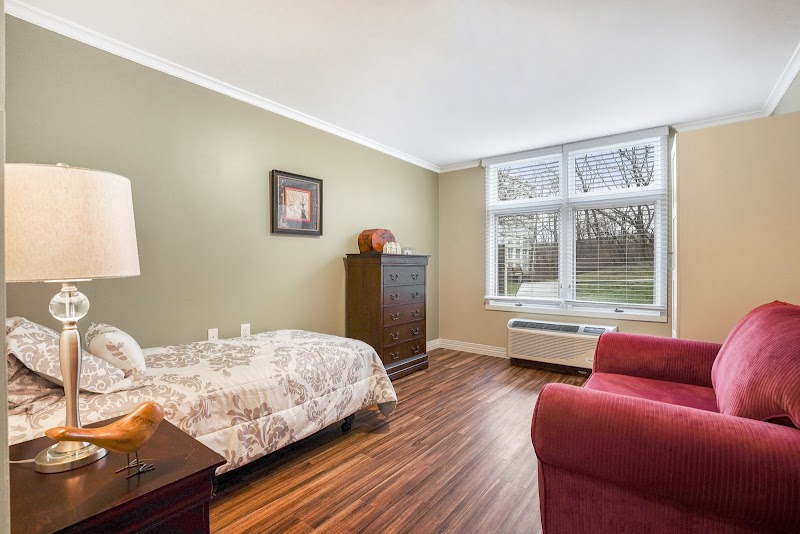
How is Wesley Glen Health Services Corp Staffed?

CMS rates WESLEY GLEN HEALTH SERVICES CORP's staffing level at 5 out of 5 stars, which is much above average compared to other nursing homes. Staff turnover is 45%, compared to the Ohio average of 46%. This relatively stable workforce can support continuity of care. RN turnover specifically is 57%, which is notably high. RNs provide skilled clinical oversight, so turnover in this role can affect medical care quality.

What Have Inspectors Found at Wesley Glen Health Services Corp?

State health inspectors documented 30 deficiencies at WESLEY GLEN HEALTH SERVICES CORP during 2020 to 2025. These included: 1 that caused actual resident harm, 28 with potential for harm, and 1 minor or isolated issues. Deficiencies causing actual harm indicate documented cases where residents experienced negative health consequences.
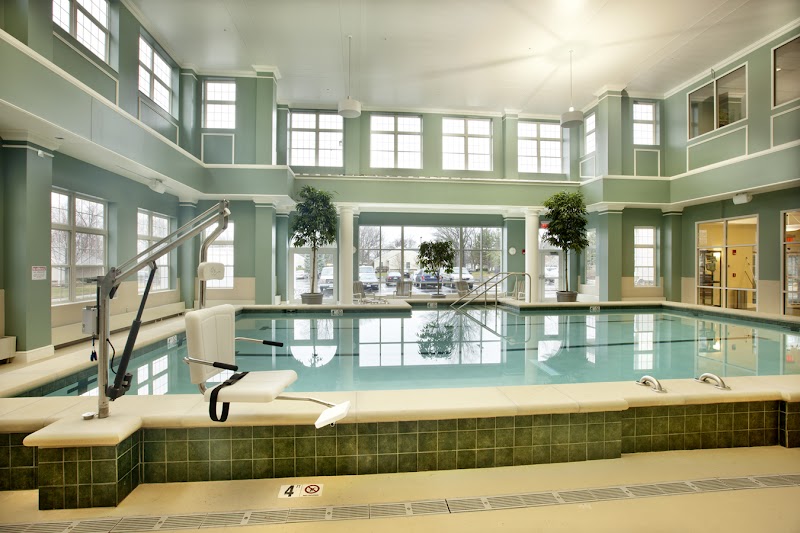
Who Owns and Operates Wesley Glen Health Services Corp?

WESLEY GLEN HEALTH SERVICES CORP is owned by a non-profit organization. Non-profit facilities reinvest revenue into operations rather than distributing to shareholders. The facility operates independently rather than as part of a larger chain. With 56 certified beds and approximately 48 residents (about 86% occupancy), it is a smaller facility located in COLUMBUS, Ohio.
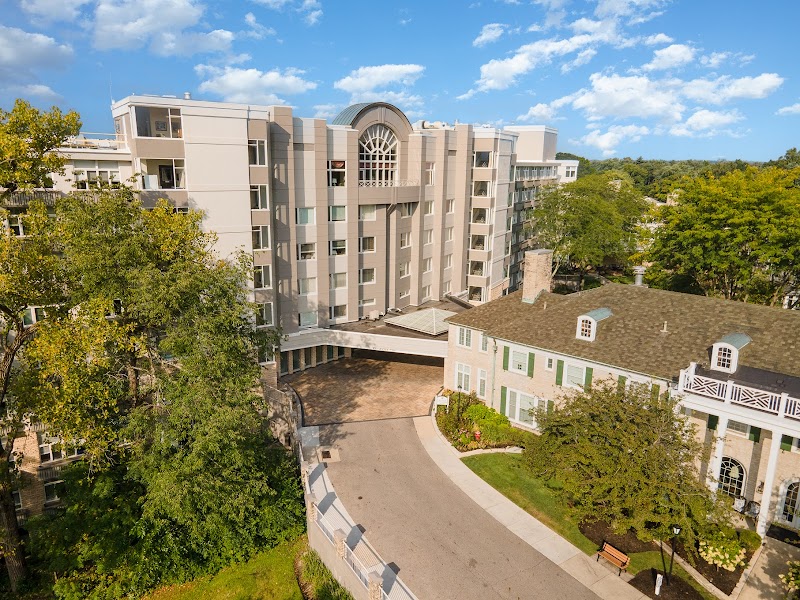
How Does Wesley Glen Health Services Corp Compare to Other Ohio Nursing Homes?

Compared to the 100 nursing homes in Ohio, WESLEY GLEN HEALTH SERVICES CORP's overall rating (5 stars) is above the state average of 3.2, staff turnover (45%) is near the state average of 46%, and health inspection rating (3 stars) is at the national benchmark.

What Should Families Ask When Visiting Wesley Glen Health Services Corp?

Based on this facility's data, families visiting should ask: "Can I visit during a mealtime to observe dining assistance and food quality?" "How do you handle medical emergencies, and what is your hospital transfer rate?" "Can I speak with family members of current residents about their experience?"

Is Wesley Glen Health Services Corp Safe?

Based on CMS inspection data, WESLEY GLEN HEALTH SERVICES CORP has a clean safety record: no substantiated abuse findings (meaning no confirmed cases of resident harm), no Immediate Jeopardy citations (the most serious violation level indicating risk of serious injury or death), and is not on the Special Focus Facility watch list (a federal program monitoring the lowest-performing 1% of nursing homes). The facility has a 5-star overall rating and ranks #1 of 100 nursing homes in Ohio. While no facility is perfect, families should still ask about staff-to-resident ratios and recent inspection results during their visit.

Do Nurses at Wesley Glen Health Services Corp Stick Around?

WESLEY GLEN HEALTH SERVICES CORP has a staff turnover rate of 45%, which is about average for Ohio nursing homes (state average: 46%). Moderate turnover is common in nursing homes, but families should still ask about staff tenure and how the facility maintains care continuity when employees leave.

Was Wesley Glen Health Services Corp Ever Fined?

WESLEY GLEN HEALTH SERVICES CORP has no federal fines on record. CMS issues fines when nursing homes fail to meet care standards or don't correct problems found during inspections. The absence of fines suggests the facility has either maintained compliance or corrected any issues before penalties were assessed. This is a positive indicator, though families should still review recent inspection reports for the full picture.

Is Wesley Glen Health Services Corp on Any Federal Watch List?

WESLEY GLEN HEALTH SERVICES CORP is not on any federal watch list. The most significant is the Special Focus Facility (SFF) program, which identifies the bottom 1% of nursing homes nationally based on persistent, serious quality problems. Not being on this list means the facility has avoided the pattern of deficiencies that triggers enhanced federal oversight. This is a positive indicator, though families should still review the facility's inspection history directly.