WEST PARK CARE CENTER LLC
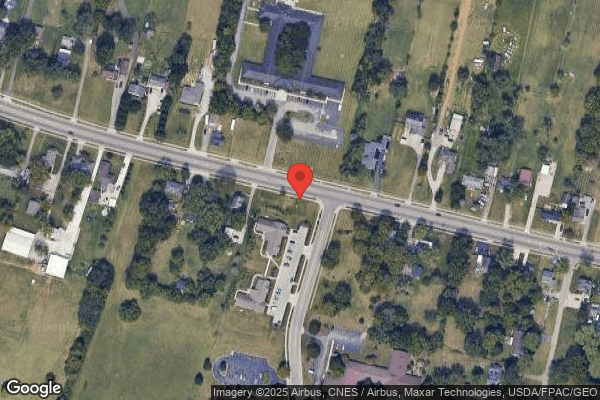
1700 HEINZERLING DRIVE, COLUMBUS, OH 43223 (614) 274-4222
For profit - Corporation 99 Beds OPTALIS HEALTH & REHABILITATION Data: November 2025 1 Immediate Jeopardy citation
Trust Grade
18/100
#817 of 913 in OH
Last Inspection: March 2025

Within standard 12-15 month inspection cycle. Federal law requires annual inspections.

Overview

West Park Care Center LLC in Columbus, Ohio has received a Trust Grade of F, indicating significant concerns about its operations and care quality. The facility ranks #817 out of 913 in Ohio, placing it in the bottom half of state facilities, and #44 out of 56 in Franklin County, meaning there are only a few local options that are better. The facility is worsening, with issues increasing from 1 in 2024 to 14 in 2025. Staffing is rated at 2 out of 5 stars, with a turnover rate of 54%, which is average for Ohio but indicates that staff may not be staying long enough to build strong relationships with residents. The facility has also accumulated $37,100 in fines, which is higher than 80% of Ohio facilities, suggesting ongoing compliance problems. Despite the concerning aspects, the quality measures are rated 5 out of 5 stars, indicating some areas of care are performing well. However, specific incidents raise serious alarms; for example, there was a critical failure to initiate CPR for a resident who was unresponsive, resulting in their death. In another case, a resident with severe cognitive impairment did not have documented weekly weight checks after admission, and another resident's behavioral health needs were not adequately addressed, leading to their discharge. These incidents highlight both the strengths and weaknesses of the facility, making it important for families to consider these factors carefully when researching care options.

Trust Score
F
18/100
In Ohio
#817/913
Bottom 11%
Safety Record
High Risk
Review needed
Inspections
Getting Worse
1 → 14 violations
Staff Stability
⚠ Watch
54% turnover. Above average. Higher turnover means staff may not know residents' routines.
Penalties
✓ Good
$37,100 in fines. Lower than most Ohio facilities. Relatively clean record.
Skilled Nurses
○ Average
Each resident gets 34 minutes of Registered Nurse (RN) attention daily — about average for Ohio. RNs are the most trained staff who monitor for health changes.
Violations
⚠ Watch
31 deficiencies on record. Higher than average. Multiple issues found across inspections.
★★☆☆☆
2.0
Overall Rating
★★☆☆☆
2.0
Staff Levels
★★★★★
5.0
Care Quality
★☆☆☆☆
1.0
Inspection Score
Stable
2024: 1 issues
2025: 14 issues

The Good

  • 5-Star Quality Measures · Strong clinical quality outcomes
  • Full Sprinkler Coverage · Fire safety systems throughout facility
  • No fines on record

Facility shows strength in quality measures, fire safety.

The Bad

2-Star Overall Rating

Below Ohio average (3.2)

Below average - review inspection findings carefully

Staff Turnover: 54%

Near Ohio avg (46%)

Higher turnover may affect care consistency

Federal Fines: $37,100

Above median ($33,413)

Moderate penalties - review what triggered them

Chain: OPTALIS HEALTH & REHABILITATION

Part of a multi-facility chain

Ask about local staffing decisions and management

The Ugly 31 deficiencies on record

1 life-threatening 3 actual harm
Mar 2025 14 deficiencies 2 Harm
SERIOUS (G)

Actual Harm - a resident was hurt due to facility failures

Deficiency F0692 (Tag F0692)

A resident was harmed · This affected 1 resident

**NOTE- TERMS IN BRACKETS HAVE BEEN EDITED TO PROTECT CONFIDENTIALITY** 2. Review of Resident #81's record revealed she was admitted to the facility on [DATE]. Her diagnoses were complete traumatic am...

Read full inspector narrative →
**NOTE- TERMS IN BRACKETS HAVE BEEN EDITED TO PROTECT CONFIDENTIALITY** 2. Review of Resident #81's record revealed she was admitted to the facility on [DATE]. Her diagnoses were complete traumatic amputation between knee and ankle, atrial fibrillation, Crohn's disease, aortic insufficiency, venous insufficiency, hypertension, hyperlipidemia, vitamin D deficiency, other primary thrombophilia, hypokalemia, anxiety disorder, depression, pressure ulcer to right heel (stage II), polyosteoarthritis, edema, and dementia. Review of Resident #81's Minimum Data Set (MDS) assessment dated [DATE] revealed she had a severe cognitive impairment. Review of Resident #81's weights dated 11/25/24 to 01/03/25, revealed the following were the only weights obtained: 11/25/24 (233.4 pounds), 12/30/24 (238 pounds), and 01/03/25 (237.4 pounds). There was no documented evidence that Resident #81 had weekly weights obtained for the first four weeks after admission to the facility. Review of Resident #81's nutritional notes dated 11/25/24 to 01/03/25 revealed no evidence of nutritional notes documenting weekly weights for four weeks upon admission, as expected. Review of Resident #81's weights dated 01/03/25 to 02/05/25 revealed the following were obtained: 01/03/25 (237.4 pounds), 02/04/25 (198.4 pounds), and 02/05/25 (199.4 pounds). Review of Resident #81's progress notes dated 01/13/25 to 01/31/25 revealed Resident #81 was admitted to the hospital on [DATE] due to a declining right heel pressure ulcer. Resident #81 was readmitted to the facility on [DATE] after having a below the knee amputation on her right leg. Review of Resident #81's progress and nutritional notes dated 01/29/25 to 02/07/25 revealed no weights or nutritional assessments were completed until 02/07/25. On 02/07/25, Resident #81 had a significant weight change; her current body weight was 199.4 pounds. There was no documentation to support Resident #81's weight was obtained upon readmission to the facility after the amputation. Interview with Regional Dietitian #210 on 02/27/25 at 9:01 A.M. confirmed weights should have been obtained upon admission, each week for the first four weeks. She confirmed the initial weekly weights upon Resident #81's admission were not obtained as they should have been for proper monitoring of new admissions to the facility. Regional Dietician #210 also stated the facility should have received Resident #81's weight upon readmission, since she had a below the knee amputation completed. She confirmed she was not sure why the weights were not obtained. She confirmed there was a 38 pound decrease (16 percent (%)) from Resident #81's weight obtained prior to the hospital admission, and the first weight taken after readmission. She confirmed the typical below the knee amputation on one leg would be between six and seven percent weight decline, which would have been a total body weight for Resident #81 between 220.6 pounds and 223.2 pounds She confirmed she did not know how much weight was actually lost after Resident #81's amputation due to her not having a readmission weight obtained. Review of the facility policy titled Weights, dated 02/01/24, revealed residents were to be weighed upon admission and then weekly for a total of four weeks. readmitted residents may or may not need weekly weights and this may be determined by the interdisciplinary team. The registered dietitian or designee was responsible for the weight management program to include compliance with weights being obtained, tracking and trending, nutritional assessments, interventions, care plans, and follow ups. Based on medical record review, staff interview, review of hospital records, and review of the facility policy, the facility failed to ensure a resident, who was identified at risk of malnutrition and dehydration, maintained acceptable parameters of nutritional status, failed to initiate appropriate nutritional interventions, and address significant and severe weight loss for Resident #52. This resulted in Actual Harm for one (Resident #52) resident who experienced a significant weight loss of 5.1 percent (%) in four weeks and had ongoing severe weight loss of 13.6% over less than three months, when on 12/10/24 was noted with increased lethargy, malaise and was difficult to arouse, resulting in hospitalization for failure to thrive and percutaneous endoscopic gastrostomy (PEG) tube placement for enteral nutrition support. Additionally, the facility failed to complete weight monitoring as required for a second (Resident #81) resident who was identified at risk for nutrition, placing the resident at risk for the potential for more than minimal harm. This affected two (#52 and #81) of five (#7, #22, #26, #52, #81) residents reviewed for nutrition. The facility identified a total of ten (#5, #31, #35, #44, #48, #52, #66, #74, #81, #140) residents as being at nutritional risk. The facility census was 84 residents. Findings include: 1. Review of the medical record for Resident #52 revealed that he was admitted to the facility on [DATE] with diagnoses that included cerebral infarction, protein calorie malnutrition, vascular dementia, psychotic disorder with delirium, muscle weakness, adjustment disorder with depressed mood, dysphagia, and cognitive communication deficit. Review of Resident #52's nutrition care plan dated 04/12/23 revealed that Resident #52 was at risk of malnutrition related to dementia and dysphagia, and he was at risk of dehydration related to dementia. Care planned interventions included monitoring meal intakes, monitoring for signs of malnutrition, and monitoring and recording weights per the facility policy. The goal was for Resident #52 to eat over 50% of his meals and not to have any significant weight losses. Review of Resident #52's nutrition assessment revealed the dietitian completed an assessment for the resident which was dated 04/18/24. The assessment revealed that Resident #52 was at risk for malnutrition related to dementia, which could contribute to a decreased hunger and thirst sensation. The dietitian recommended a Magic Cup supplement twice daily, which was put into place on 04/18/24. The goal was for the resident to be hydrated and nourished as his condition allowed. Review of Resident #52's Minimum Data Set (MDS) assessment dated [DATE] revealed the resident had a Brief Interview for Mental Status (BIMS) score of 9, indicative of moderately impaired cognition. He was able to walk ten feet with supervision and touch assistance. The MDS stated that Resident #52 weighed 189 pounds and had not had any significant weight loss in the 1 month look back or 6 month look back periods. Review of Resident #52's weights revealed that he weighed 196.8 pounds (lbs) on 09/03/24 and on 10/02/24 he experienced a significant 5.1% (10 lb) weight loss, weighing 186.8 lbs. Additionally, Resident #52 weighed 189.2 lbs on 11/08/24. He experienced a severe 13.6% (25.8 lbs) weight loss on 12/10/24, weighing 163.4 lbs. Review of Resident #52's medical record revealed the record lacked documented evidence of a nutritional assessment and nutritional recommendations for Resident #52 in October 2024 or November 2024, and a Registered Dietitian Nutritionist (RDN) did not evaluate, assess, or address his significant weight losses in October 2024 or November 2024. Resident #52's medical record also lacked evidence of the psychiatric Nurse Practitioner (NP), the primary NP or the physician addressing any weight changes. Review of Resident #52's orders and medical record revealed that no new interventions were put into place for Resident #52's significant weight loss from 10/02/24. Review of Resident #52's meal intake records revealed that in September 2024, he consumed less than 50% of his meals on 11 occasions. In October 2024, he consumed less that 50% of his meals on 17 occasions. In November 2024, he consumed less than 50% of his meals on 14 occasions. From 12/01/24 until his hospitalization on 12/10/24, he consumed less than 50% of his meals on six occasions. Review of Resident #52's nutrition progress notes on 12/06/24 revealed that Dietitian #215 completed a note that Resident #52 previously had weight fluctuations and that he was trending down with his weight; however, Dietitian #215 did not address the root cause of the weight loss. Dietitian #215 did note that Resident #52 had a history of edema and that he was on a diuretic. Dietitian #215 did not address Resident #52's current edema status on 12/06/24. Review of Resident #52's progress notes revealed that on 12/10/24, he had lethargy and decreased alertness. His weight was recorded at 7:25 A.M. on 12/10/24 as 163.4 lbs. He experienced a severe 13.6% (25.8 lb) weight loss. The NP was notified of his decreased alertness, and emergency laboratory (lab) tests were ordered. As the morning progressed on 12/10/24, the NP made the decision to send Resident #52 to the emergency room due to difficulty to arouse, lethargy and malaise. Review of Resident #52's hospital record from 12/10/24 to 12/21/24 revealed that he was admitted to the emergency room on [DATE]. His hospital lab results revealed on 12/10/24 the resident had a serum sodium level of 166 millimoles per liter (mmol/L) [normal range from 135 to 147 mmol/L], a serum Blood Urea Nitrogen (BUN) level of 51 milligrams per deciliter (mg/dL)[normal range from 10 to 20 mg/dL], and a serum Creatinine level of 1.78 mg/dL (normal range from 0.6 to 1.2 mg/dL). The results revealed the resident ' s lab levels were all clinically elevated and could clinically indicate that Resident #52 was dehydrated on 12/10/24. The hospital physician noted that Resident #52 was hypovolemic, his blood pressure was low and that he had dry lips, which could also be clinical indications that Resident #52 was dehydrated on 12/10/24. Intravenous fluids were started on Resident #52 at the hospital. Review of Resident #52's 12/21/24 re-admission nursing progress note revealed that on 12/21/24, he was readmitted to the facility with orders for a continuous enteral feeding of Jevity 1.5 calories via his PEG tube and a pureed diet with nectar thickened liquids. Review of Resident #52's nurse practitioner progress notes on 12/24/24 revealed that Resident #52 was admitted to the hospital on [DATE] with failure to thrive, and a PEG tube was placed for nutrition support. Review of the nutrition assessment dated [DATE] noted that Resident #52 had a significant weight loss in the past six months; however, Dietitian #215 did not address the root cause of the weight loss. He noted that Resident #52 did not look like he had physically lost weight. Review of Resident #52's orders revealed that he was admitted to hospice services on 01/10/25 with a terminal diagnosis of cerebral infarction. Review of Resident #52's admitting hospice evaluation dated 01/10/25 revealed that Resident #52 had a general decline in his clinical status related to a weight loss of at least 10% of his weight in the past six months that was not due to reversible causes, such as use of diuretics. It noted that during a hospitalization for Resident #52, he had a PEG tube placed due to poor oral intakes. Review of Resident #52's MDS significant change assessment for 01/17/25 revealed that a BIMS was not completed, as Resident #52 no longer was able to answer questions appropriately. He was no longer able to walk ten feet. The MDS revealed that he weighed 163 pounds and had an unplanned weight loss of over 10% in the past six months. Review of Resident #52's January 2025 to February 2025 weights revealed that Resident #52 maintained a weight between 163 lbs and 164.4 lbs since 12/10/24. Interview on 02/25/25 at 1:39 P.M. with Dietitian #215 revealed that in October 2024 when Resident #52 had a significant weight loss, the weight loss likely got missed by the dietitians responsible for monitoring the weights in the facility, as there was no permanent dietitian coverage for the facility in the month of October 2024. Dietitian #215 confirmed that on 12/10/24, Resident #52 had a significant weight loss, but that a root cause for the weight loss was not investigated. Dietitian #215 explained that he did not know why Resident #52 lost a significant amount of weight, and that to him, Resident #52 did not physically appear to look any different than he did earlier in 2024; however, Dietitian #215 revealed that he had started working in the facility in November 2024. Interview on 02/26/24 at 8:18 A.M. with Regional Dietitian #210 revealed that she had problems with clinical nutrition coverage and documentation throughout most of 2024, until she hired Dietitian #215 in November 2024. Regional Dietitian #210 revealed that she had a Quality Assurance and Performance Improvement (QAPI) project that she started in February 2024 about clinical nutrition documentation. Review of the QAPI clinical nutrition documentation project revealed that there were no audits for October 2024 through December 2024 of clinical nutrition documentation. Interview with Certified Nurse Aide (CNA) #182 on 02/26/25 at 10:35 A.M. revealed that Resident #52 used to walk around the facility and was even exit seeking until he was hospitalized on [DATE]. Interview confirmed that Resident #52 was able to be moved off of the memory care unit when he returned to the facility on [DATE], as he was now bed bound and unable to ambulate. Interview with Licensed Practical Nurse (LPN) #147 on 02/26/25 at 10:37 A.M. revealed that Resident #52 used to walk around the facility and was even exit seeking until he was hospitalized on [DATE]. Interview confirmed that Resident #52 was able to be moved off of the memory care unit when he returned to the facility on [DATE], as he was now bed bound and unable to ambulate. Interview with Hospice Administrator #211 and Hospice Registered Nurse #212 on 02/26/25 at 10:59 A.M. revealed that cerebral infarction was chosen as the terminal diagnosis for Resident #52 by the hospice Medical Director because he felt as it was the catalyst for Resident #52's eventual decline; however, his malnutrition diagnosis and the fact that Resident #52 had a severe weight loss over 10% in the past six months was considered when admitting Resident #52 to hospice services. Interview with Regional Dietitian #210 on 02/27/25 at 8:31 A.M. revealed that although a dietitian could not directly diagnose a disease or condition, on 12/10/24 when Resident #52 had a severe 13.6% weight loss in 30 days, Resident #52 met the American Society of Parenteral and Enteral Nutrition (ASPEN) 2012 standardized guidelines for malnutrition criteria. Regional Dietitian #210 confirmed that Resident #52 did not have any new nutritional interventions put into place from 10/02/24 to 12/10/24 when he lost significant amounts of weight. Regional Dietitian #210 confirmed that Resident #52 did lose a significant amount of weight on 10/02/24 and 12/10/24. Review of facility Weights policy, dated 02/01/24, revealed residents are weighed upon admission and then weekly for a total of four weeks. readmitted residents may or may not need weekly weights and this may be determined by the interdisciplinary team. The registered dietitian or designee is responsible for the weight management program to include compliance with weights being obtained, tracking and trending, nutritional assessments, interventions, care plans, and follow ups.
SERIOUS (G)

Actual Harm - a resident was hurt due to facility failures

Deficiency F0740 (Tag F0740)

A resident was harmed · This affected 1 resident

**NOTE- TERMS IN BRACKETS HAVE BEEN EDITED TO PROTECT CONFIDENTIALITY** Based on medical record review, resident guardian interview, staff interview, facility Self-Reported Incident (SRI) review, and ...

Read full inspector narrative →
**NOTE- TERMS IN BRACKETS HAVE BEEN EDITED TO PROTECT CONFIDENTIALITY** Based on medical record review, resident guardian interview, staff interview, facility Self-Reported Incident (SRI) review, and review of facility investigation, the facility failed to investigate and implement psychiatric recommendations to ensure Resident #82 had the ability to attain or maintain their highest physical, mental, and psychosocial wellbeing. Actual Harm occurred when the facility failed to fully investigate the root cause of Resident #82's potential hallucinations/behaviors, which contributed to the facility being unable to meet the residents behavioral health needs, resulting in a discharge from the facility. This affected one (Resident #82) of one resident reviewed for behavioral/emotional needs. The facility census was 84. Findings include: Review of medical record for Resident #82 revealed an admission dated of 12/06/24 and diagnoses including vascular dementia, anxiety disorder, adult failure to thrive and primary hypertension. Review of Resident #82's Minimum Data Set (MDS) assessment dated [DATE] revealed the resident had moderately impaired cognition with a Brief Interview for Mental Status (BIMS) of 10. Review of Resident #82's comprehensive care plan dated 12/13/24 revealed the resident had impaired safety awareness. Further review documented a goal that the interdisciplinary team would work to address risk factors and provide for safety. The care plan included an intervention for staff to implement safety measures as indicated by fluctuations in cognitive status. The care plan revealed no evidence of interventions put in place by the facility to address her fear of others coming into her room to allegedly harm her. Review of Resident #82's nursing note dated 12/10/24 revealed she had barricaded herself in her room due to her reporting that two men were coming into her room and stealing her things. Review of the Resident #82's Nurse Practitioner #110 note, dated 12/13/24, revealed treatment recommendations for the unit manager to obtain clarification of the resident's statements of the men entering her room at night as it may have been another resident, who lived across the hall and had a history of wandering into other rooms. There was no evidence provided that the facility addressed Nurse Practitioner #110's recommendations to investigate and determine the validity of the resident's claims. Review of Resident #82's nursing note dated 12/23/24 revealed she barricaded herself in her room again due to her alleging that two people entered her room, attacked her, and had the intent to [NAME] her. Resident #82 called the police to report the attack. Resident #82 requested a medical evaluation and treatment because her arm was hurting after the attack. A medical evaluation was completed that night and there was no injury determined. Review of the facility SRI Investigation, dated 12/23/24, revealed the facility filed and investigated the allegation of someone coming in Resident #82's room and attacking her. They determined the allegation of abuse was unsubstantiated. Review of the facility investigation dated 12/23/24 revealed like residents were interviewed with no negative findings, head-to-toe assessments were completed on residents who were unable to be interviewed, staff were interviewed with no negative findings, and abuse education was provided to all staff. The investigation determined there was no evidence to support Resident #82's allegation of being attacked in her room. The investigation further revealed no evidence of a root cause analysis as to why the resident continued to make the allegations and the facility did not implement any new interventions to reduce Resident #82's fear of being attacked in her room. Review of Resident #82's Nurse Practitioner #110 note dated 12/27/24, revealed Resident #82 told Nurse Practitioner #110, The two men keep coming into my room, and she was worried about them returning. Review of Resident #82's nursing note dated 01/22/25 revealed the resident called the police to report a group of women coming into her room to [NAME] her and beat her up. There was no documented evidence that the facility took action to address Resident #82's claims. Interview with Director of Nursing (DON) on 02/26/25 at 2:39 P.M. confirmed no further investigations were completed related to Resident #82's allegations, and there was no monitoring of Resident #82's behaviors regarding hallucinations, false allegations, or whether there was anyone who went into her room, to determine the validity of her allegations. The DON stated the facility spoke with Resident #82's guardian to let her know they could not meet the resident's needs due to her continued hallucinations and behavioral health issues. From that point, Resident #82's guardian found another nursing home to move her to. Interview with Resident #82's guardian on 02/27/25 at 1:42 P.M. revealed because of the hallucinations and the residents reports of residents going in/out of her room constantly, the guardian wanted to find a new place for Resident #82 to live. She stated the facility did not give them a 30-day notice, but the facility did tell her that she would be better off in an in-patient psychiatric unit. She confirmed the facility did not implement any new interventions or aid with Resident #82's hallucinations of residents going in and out of her room. Resident #82's guardian confirmed she was not aware of the facility completing any investigation to determine the validity of Resident #82 claims of others going into her room. She would have preferred those interventions to have occurred, rather than Resident #82 being moved to another facility.
CONCERN (D)

Potential for Harm - no one hurt, but risky conditions existed

Resident Rights (Tag F0550)

Could have caused harm · This affected 1 resident

Based on observation, record review, staff interview, and facility policy review, the facility failed to treat Resident #143 in a dignified manner. This affected one resident (#143) of one resident re...

Read full inspector narrative →
Based on observation, record review, staff interview, and facility policy review, the facility failed to treat Resident #143 in a dignified manner. This affected one resident (#143) of one resident reviewed for dignity. The facility census was 84. Findings include: Review of the medical record for Resident #143 revealed an initial admission date of 02/18/25 with diagnoses including atrial fibrillation, diabetes mellitus, panlobular emphysema, dementia, obstructive and reflux uropathy, artificial openings of urinary tract, hyperlipidemia, hypertension, constipation, acquired absence of other genital organs and urinary tract infection (UTI). Review of Resident #143's admission evaluation dated 02/18/25 revealed the resident was alert and oriented on admission. The assessment indicated the resident required extensive assistance with bed mobility, was dependent on staff for transfers and toilet use, and required supervision with eating. Review of the plan of care dated 02/18/25 revealed Resident #143 had an Activities of Daily Living (ADL) self-care performance deficit related to fatigue. Interventions included the resident's ADL level varied with tasks and the time of day, staff could provide more assistance at times to maintain safety as needed, the resident required one person assistance with bed mobility, dressing, personal hygiene, toilet use and transfers, staff were to encourage the resident to participate to the fullest extent possible with each interaction, and to monitor/document/report any changes as needed. Observation on 02/24/25 at 2:44 P.M. of Resident #143 revealed he remained in a hospital gown while personal clothing was available to dress. Observation on 02/25/25 at 10:28 A.M. of Resident #143 revealed he was sitting up in his wheelchair in his room in a hospital gown. Further observation revealed the resident's personal clothing was folded up and laying on the stand. Interview on 02/25/25 at 11:50 A.M. with Certified Nurse Aide (CNA) #151 confirmed Resident #143 remained in a hospital gown and had clothing available to dress. Review of the facility policy titled, Dignity, dated 09/21/23 revealed it was the policy of the facility that each resident would be cared for in a manner that promoted and enhanced his or her sense of well-being, level of satisfaction with life, feeling of self-worth and self-esteem. The policy stated residents would be treated with dignity and respect at all times and when assisting with care, residents were to be supported in exercising their rights, for example encouraging them to dress in clothing that they preferred.
CONCERN (D)

Potential for Harm - no one hurt, but risky conditions existed

Notification of Changes (Tag F0580)

Could have caused harm · This affected 1 resident

Based on record review, staff interview, and facility policy review, the facility failed to notify Resident #140's primary care physician (PCP) of a weight gain outside of the physician ordered parame...

Read full inspector narrative →
Based on record review, staff interview, and facility policy review, the facility failed to notify Resident #140's primary care physician (PCP) of a weight gain outside of the physician ordered parameters. This affected one resident (#140) of five residents reviewed for unnecessary medications. The facility census was 84. Findings Include: Review of the medical record for Resident #140 revealed an initial admission date of 02/18/25 with the diagnoses including light chain (AL) amyloidosis, congestive heart failure, hypertensive heart disease, atrial fibrillation, lymphedema, respiratory syncytial virus (RSV), type one diabetes mellitus, morbid obesity, cardiomyopathy, hyperlipidemia, anemia, chronic kidney disease, hydrocephalus, anxiety disorder, depression, orthopnea, solitary pulmonary nodule, bilateral conductive hearing loss and constipation. Review of Resident #140's admission evaluation dated 02/18/25 revealed the resident had no cognitive deficit. Review of Resident #140's monthly physician orders for February 2025 identified orders dated 02/19/25 for 1800 milliliter (ml) fluid restriction and daily weights with instructions to notify the physician if the resident had greater than two pounds weight gain per day over a two day period or five pounds in a week. Review of Resident #140's weights revealed on 02/19/25 the resident weighed 300 pounds, on 02/20/25 the resident weighed 300.4 pounds, on 02/21/25 the resident weighed 298 pounds, on 02/22/25 the resident weighed 297.6 pounds, on 02/23/25 the resident's weight was not obtained, on 02/24/25 the resident weighed 307.8 pounds and on 02/25/25 the resident weighed 295.5 pounds. Review of the medical record revealed no documented evidence that Resident #140's primary care physician was notified of the greater than two pound weight gain on 02/24/25. On 02/25/25 at 2:14 P.M., interview with Registered Nurse (RN) #250 confirmed Resident #140's PCP was not notified of the greater than two pound weight gain as physician ordered. Review of the facility policy titled, Change in Condition Notification, dated 08/09/23 revealed the nurse would notify the resident, the resident's physician/practitioner, and the resident's designated representative when there was a significant change in the resident's physical, mental or psychosocial status such as deterioration which included life threatening conditions or clinical complications.
CONCERN (D)

Potential for Harm - no one hurt, but risky conditions existed

Deficiency F0657 (Tag F0657)

Could have caused harm · This affected 1 resident

**NOTE- TERMS IN BRACKETS HAVE BEEN EDITED TO PROTECT CONFIDENTIALITY** Based on medical record review, staff interview, and facility policy review, the facility failed to adequately revise resident c...

Read full inspector narrative →
**NOTE- TERMS IN BRACKETS HAVE BEEN EDITED TO PROTECT CONFIDENTIALITY** Based on medical record review, staff interview, and facility policy review, the facility failed to adequately revise resident care plans. This affected one (Resident #81) of 18 resident care plans reviewed. Findings Include: Review of Resident #81's record revealed she was admitted to the facility on [DATE]. Her diagnoses included complete traumatic amputation between knee and ankle, atrial fibrillation, Crohn's disease, aortic insufficiency, venous insufficiency, hypertension, hyperlipidemia, vitamin D deficiency, other primary thrombophilia, hypokalemia, anxiety disorder, depression, pressure ulcer to right heel (stage II), polyosteoarthritis, edema, and dementia. Review of Resident #81's Minimum Data Set (MDS) assessment, dated 02/04/25, revealed she had a severe cognitive impairment. Review of Resident #81's behavior logs, dated 11/25/24 to 01/13/25, revealed 24 different entries in which she rejected care, which included the treatment and care for her right heel pressure ulcer. Review of Resident #81's progress notes revealed Resident #81 was admitted to the hospital on [DATE] due to a declining right heel pressure ulcer. Resident #81 was readmitted to the facility on [DATE] after having a below the knee amputation on her right leg. Review of Resident #81's Changes in Mood and Behavior care plan, dated 01/03/25, revealed an area of care for refuses treatment was added. Even though the refuses treatment care area was added, there were no interventions to address the added area of concern. Review of Resident #81's At Risk for Skin Integrity care plan, dated 01/03/25, revealed an area of care for non compliant with dressing changes was added. Even though the non compliant with dressing changes care area was added, there were no interventions to address added area of concern. Interview with the Director of Nursing (DON) on 02/27/25 at 9:55 A.M., 10:25 A.M., and 1:20 P.M. confirmed the addition of rejection of care and non-compliance were not added to Resident #81 care plans until 01/03/25. She also confirmed there were no interventions added to the care plans to address Resident #81's rejection of care and there should have been interventions added. Review of facility Skin and Wound Guidelines, dated 03/20/24, revealed the policy overview was to describe the process steps required for identification of residents at risk for the development of pressure injuries, identify prevention techniques, and interventions to assist with the management of pressure injuries and skin alterations. The individualized comprehensive care plan addressed the resident's problem (i.e. resident skin breakdown or actual wound), the goal for prevention and/or treatment, and individualized interventions to address the resident's specific risk factors and the plan for reduction of risk.
CONCERN (D)

Potential for Harm - no one hurt, but risky conditions existed

Deficiency F0676 (Tag F0676)

Could have caused harm · This affected 1 resident

Based on record review, observation, resident interview, staff interview, and facility policy review, the facility failed to ensure one resident (#140) received routine showers. This affected one resi...

Read full inspector narrative →
Based on record review, observation, resident interview, staff interview, and facility policy review, the facility failed to ensure one resident (#140) received routine showers. This affected one resident (#140) out of three residents reviewed for activities of daily living (ADL). The facility census was 84. Findings Include: Review of the medical record for Resident #140 revealed an initial admission date of 02/18/25 with the diagnoses including but not limited to light chain (AL) amyloidosis, congestive heart failure, hypertensive heart disease, atrial fibrillation, lymphedema, respiratory syncytial virus (RSV), type one diabetes mellitus, morbid obesity, cardiomyopathy, hyperlipidemia, anemia, chronic kidney disease, hydrocephalus, anxiety disorder, depression, orthopnea, solitary pulmonary nodule, bilateral conductive hearing loss and constipation. Review of Resident #140's admission evaluation dated 02/18/25 revealed the resident had no cognitive deficit. The assessment indicated the resident was independent with bed mobility, toilet use, eating and required supervision with transfers. Review of Resident #140's plan of care dated 02/19/25 revealed the resident had a self-care deficit related to decreased mobility, amyloidosis with chemotherapy, morbid obesity, hydrocephalus, diabetes mellitus, heart disease and incontinence. Interventions included the resident required one staff assistance with activities of daily living (ADL), assistance to bathe/shower as preferred per shower schedule and as needed, staff assistance with daily hygiene, grooming, dressing, oral care and eating as needed, break ADL tasks into sub-tasks for easier patient performance, encourage and/or assistance to reposition frequently, therapy to evaluate and treat per physician's orders and the resident required one person physical assistance with a gait belt for transfers. Review of Resident #140's shower documentation revealed the resident had received one shower since admission. The shower was dated 02/20/25. Review of the facility shower schedule revealed Resident #140 was scheduled for a shower every Wednesday and Saturday on the day shit. On 02/24/25 at 2:12 P.M., observation and interview with Resident #140 revealed he only had one shower since admission and he remained in the same clothing. Observation of the resident's clothing at the time of the interview revealed the resident had dried food on his shirt and pants. On 02/25/25 at 10:13 A.M., interview with Resident #140 revealed he reported he had a shower and his clothing changed after asking multiple staff members for a shower, including therapy. On 02/25/25 at 10:18 A.M., interview with Certified Nursing Assistant (CNA) #151 revealed Resident #140 was begging her and therapy for a shower. She revealed she gave the resident a shower despite it not being his scheduled shower day. Review of the facility policy titled, Showers, last revised on 01/07/25 revealed residents would be provided with showers per request and per facility schedule based upon resident preference and safety.
CONCERN (D)

Potential for Harm - no one hurt, but risky conditions existed

Quality of Care (Tag F0684)

Could have caused harm · This affected 1 resident

**NOTE- TERMS IN BRACKETS HAVE BEEN EDITED TO PROTECT CONFIDENTIALITY** 2. Review of the medical record for Resident #140 revealed an initial admission date of 02/18/25 with the diagnoses including bu...

Read full inspector narrative →
**NOTE- TERMS IN BRACKETS HAVE BEEN EDITED TO PROTECT CONFIDENTIALITY** 2. Review of the medical record for Resident #140 revealed an initial admission date of 02/18/25 with the diagnoses including but not limited to light chain (AL) amyloidosis, congestive heart failure, hypertensive heart disease, atrial fibrillation, lymphedema, respiratory syncytial virus (RSV), type one diabetes mellitus, morbid obesity, cardiomyopathy, hyperlipidemia, anemia, chronic kidney disease, hydrocephalus, anxiety disorder, depression, orthopnea, solitary pulmonary nodule, bilateral conductive hearing loss and constipation. Review of Resident #140's admission evaluation dated 02/18/25 revealed the resident had no cognitive deficit. Review of Resident #140's plan of care revealed no baseline plan of care addressing the resident's 1800 milliliter (ml) fluid restriction. Review of Resident #140's monthly physician orders for February 2025 identified an order dated 02/19/25 for an 1800 milliliter (ml) fluid restriction. Review of Resident #140's medical record revealed the physician ordered 1800 ml fluid restriction with no evidence the fluid restriction had been implemented. Further review of the record revealed no breakdown of how many ml of fluids the nursing and the dietary department would each provide. On 02/25/25 at 2:14 P.M., interview with Registered Nurse (RN) #151 confirmed Resident #140's 1800 ml fluid restriction was not implemented as ordered. Review of the facility policy titled, Fluid Restriction Guidelines, last revised on 01/01/12 revealed it is the facility's policy that fluid restriction ordered by a physician are carried out by the nursing and the nutrition/food service departments. Nursing and dietary will work together to determine the amount of fluids each department will provide. Based on observation, resident and staff interviews, record review, and facility policy review, the facility failed to complete daily weights as ordered for one resident (Resident #5), failed to implement a physician-ordered fluid restriction for one resident (Resident #140), and failed to ensure lymphedema wraps and interventions were implemented as ordered for one resident (Resident #48). The deficient practices affected three residents (Residents #5, #48, and #140) of 18 reviewed for quality of care. The facility census was 84. Findings include: 1. Review of the medical record for Resident #5 revealed an initial admission date on 06/17/19 and a readmission date on 01/14/22. Medical diagnoses included acute and chronic respiratory failure with hypoxia, chronic obstructive pulmonary disease with exacerbation, schizophrenia, chronic kidney disease stage III, dementia, and chronic diastolic (congestive) heart failure. Review of the annual Minimum Data Set (MDS) 3.0 assessment dated [DATE] revealed Resident #5 had intact cognition and scored 15 out of 15 on the Brief Interview for Mental Status (BIMS) assessment. Resident #5 required partial to substantial assistance from staff to complete Activities of Daily Living (ADLs). Review of the Treatment Administration Record (TAR) dated February 2025 revealed Resident #5 had an order for daily weights with instructions that if the resident had a weight gain of three pounds (lbs) in a 24 hour period or five lbs in one week to call the Congestive Heart Failure (CHF) clinic dated to start 02/05/25 and discontinued 02/15/25. Resident #5 did not have a weight obtained on 02/11/25, 02/12/25, or 02/13/25. Review of the Weights/Vitals tab in the electronic medical record revealed there was not a weight recorded between 02/09/25 through 02/14/25. Review of the progress notes revealed there was no documentation to explain why Resident #5 did not have her weight checked on 02/11/25, 02/12/25, or 02/13/25. Interview on 02/25/25 at 3:35 P.M. with the Director of Nursing (DON) confirmed Resident #5 did not have a weight completed as ordered on 02/11/25, 02/12/25, or 02/13/25. Review of the facility policy, Weights, revised 02/01/24, revealed the policy stated daily weights may be ordered by the medical practitioner for a specific resident and may contain parameters. Weights are recorded in the Weights/Vitals tab of the electronic medical record. 3. Review of the medical record revealed Resident #48 was admitted on [DATE]. Her diagnoses included lymphedema, diabetes mellitus, mood disorder, and epilepsy. Review of Resident #48's hospital After Visit Summary, dated 01/16/25, revealed the resident was to wear a Circaid Reduction Kit (adjustable compression wraps commonly used to treat lymphedema) to her lower left leg and Velcro wraps on both of her feet. A review of Resident 48's Treatment Administration Record (TAR) for February 2025 listed an order for tubi-grips (compression stocking bandage) to be applied to bilateral lower extremities as tolerated with instructions for them to be applied in the morning and removed at bedtime. The TAR was signed by the nurses as received twice daily, at 9:00 A.M. and 9:00 P.M. and furthermore, the tubi-grip treatment was documented as completed at 09:00 A.M. on 02/26/25. The TAR additionally listed an order dated 01/17/25 for Circaid Reduction Kits to be on for 23 hours a day, applied at 6:00 A.M. and removed at 5:00 A.M. (the following day). The TAR was signed by the nurses as received twice daily, at 5:00 A.M. and 6:00 A.M. as ordered. An observation of Resident #48 on 02/26/25 at 10:55 A.M. revealed the resident was not wearing tubi-grips on either leg, nor was she wearing the Circaid Reduction Kit on her left leg. During an interview on 02/26/25 at 11:25 A.M. with the Director of Nursing (DON) confirmed Resident #48 was not wearing the tubi-grips or the Circaid Reduction Kit as ordered.
CONCERN (D)

Potential for Harm - no one hurt, but risky conditions existed

Deficiency F0691 (Tag F0691)

Could have caused harm · This affected 1 resident

**NOTE- TERMS IN BRACKETS HAVE BEEN EDITED TO PROTECT CONFIDENTIALITY** Based on observation, record review, resident interview, staff interview, and review of facility policy and procedure, the facil...

Read full inspector narrative →
**NOTE- TERMS IN BRACKETS HAVE BEEN EDITED TO PROTECT CONFIDENTIALITY** Based on observation, record review, resident interview, staff interview, and review of facility policy and procedure, the facility failed to timely address Resident #143's leaking nephrostomy tube and accurately document the residents hospitalization and subsequent nephrostomy tube replacement. This affected one resident (#143) of one resident reviewed for nephrostomy tubes. The facility census was 84. Findings include: Review of the medical record for Resident #143 revealed an initial admission date of 02/18/25 with the diagnoses including but not limited to atrial fibrillation, diabetes mellitus (DM), panlobular emphysema, dementia, obstructive and reflux uropathy, artificial openings of urinary tract, hyperlipidemia, hypertension, constipation, acquired absence of other genital organs and urinary tract infection (UTI). Review of the resident's admission evaluation dated 02/18/25 revealed the resident was alert and oriented on admission. The assessment indicated the resident had an external catheter and was always incontinent of bowel. The assessment indicated the resident required extensive assistance with bed mobility, was dependent on staff for transfers, toilet use and required supervision with eating. Review of the plan of care dated 02/18/25 revealed the resident had an activity of daily living (ADL) self care deficit related to weakness, nephrostomy, UTI, DM and dementia. Interventions included the resident required one assist with ADLs, assist to bathe/shower as preferred per shower schedule and as needed, assist with daily hygiene, grooming, dressing, oral care and eating as needed, break ADL tasks into sub-tasks for easier patient performance, encourage and/or assist to reposition frequently, therapy evaluation and treatment per physician orders and the resident required one person physical assist with gait belt. Review of the resident's urinary incontinence/indwelling catheter assessment dated [DATE] revealed the resident had an indwelling catheter and the catheter was expected to be long term. Observation on 02/24/25 at 11:18 A.M. of the resident's indwelling nephrostomy collection bag revealed the collection bag was wrapped in a white towel and in a clear plastic trash bag. Interview on 02/24/25 at 3:00 P.M. with Registered Nurse (RN) #250 revealed she was unaware the resident's nephrostomy tube collection bag was leaking. RN #250 verified the nephrostomy tube was leaking and required a new bag, and that the nephrostomy collection bag should not be stored in a trash bag. Interview and observation on 02/25/25 at 10:28 A.M. of Resident #143 revealed his nephrostomy tube urine collection bag was wrapped in a white towel inside a clear plastic trash bag. Interview with the resident at the time of the observation revealed his nephrostomy tube/collection bag was leaking so they placed it in the trash bag. Review of the progress note dated 02/25/25 at 10:45 A.M. revealed Resident #143's urology office was contacted and a message was left regarding the resident's nephrostomy tube/collection bag was leaking. The facility was awaiting a return call. Observation on 02/25/25 at 11:41 A.M. revealed the resident was on an ambulance stretcher being taken out of the facility. Interview on 02/25/25 at 2:14 P.M. with RN #250 revealed she obtained an appointment for the resident with urology for 02/26/25, however, the Nurse Practitioner (NP) ordered to send him to the ER for replacement due to the nephrostomy collection bag leaking. Review of the medical record revealed no documentation addressing the resident being transferred to the local emergency room (ER) and the resident's nephrostomy tube being replaced. On 02/26/25 at 1:49 P.M., interview with the Director of Nursing (DON) verified Resident #143's nephrostomy was replaced during the hospital visit on 02/25/25. She further verified the resident's medical record contained no documented evidence of the resident being transferred to the ER and the nephrostomy tube being replaced. Review of the facility policy titled, Documentation in the Medical Record, last revised 01/08/25 revealed the purpose of the policy was to provide guidelines for documentation in the medical record. Documentation should be factual, objective and resident centered. Documentation should be completed at the time of service or by the end of the shift in which the evaluation, observation or care service occurred.
CONCERN (D)

Potential for Harm - no one hurt, but risky conditions existed

Respiratory Care (Tag F0695)

Could have caused harm · This affected 1 resident

Based on observation, record review, and staff interview, the facility failed to ensure respiratory equipment was stored in a sanitary manner. This affected one resident (#143) of two residents review...

Read full inspector narrative →
Based on observation, record review, and staff interview, the facility failed to ensure respiratory equipment was stored in a sanitary manner. This affected one resident (#143) of two residents reviewed for respiratory care. The facility census was 84. Findings Include: Review of the medical record for Resident #143 revealed an initial admission date of 02/18/25 with diagnoses including atrial fibrillation, diabetes mellitus, panlobular emphysema, dementia, obstructive and reflux uropathy, artificial openings of urinary tract, hyperlipidemia, hypertension, constipation, acquired absence of other genital organs and urinary tract infection (UTI). Review of Resident #143's admission evaluation dated 02/18/25 revealed the resident was alert and oriented on admission. Review of Resident #143's monthly physician orders for February 2025 identified an order dated 02/18/25 for Ipratropium-Albuterol 0.5-2.5 (3) milligrams (mg)/3 milliliters (ml) with the special instruction to inhale 3 ml every six hours. Observation on 02/24/25 at 11:18 A.M., of Resident #143's nebulizer delivery system revealed the delivery system was lying in the top drawer of his dresser with no protective bag. Interview on 02/24/25 at 3:00 P.M., with Registered Nurse (RN) #250 verified the nebulizer delivery equipment was not stored properly.
CONCERN (D)

Potential for Harm - no one hurt, but risky conditions existed

Unnecessary Medications (Tag F0759)

Could have caused harm · This affected 1 resident

**NOTE- TERMS IN BRACKETS HAVE BEEN EDITED TO PROTECT CONFIDENTIALITY** Based on observation, medical record review, staff interview, and facility policy review, the facility failed to administer medi...

Read full inspector narrative →
**NOTE- TERMS IN BRACKETS HAVE BEEN EDITED TO PROTECT CONFIDENTIALITY** Based on observation, medical record review, staff interview, and facility policy review, the facility failed to administer medications as ordered, resulting in a medication administration error rate above 5 percent (%). Three errors out of 28 observed opportunities resulted in an error rate of 10.71%. This affected one (Resident #21) of three residents observed during the medication pass. The facility census was 84. Findings include: Review of the medical record for Resident #21 revealed an initial admission date of 01/31/23 with the diagnoses including but not limited to dementia, chronic kidney disease, diabetes mellitus, lymphedema, hypertension, obstructive sleep apnea, insomnia, hyperlipidemia and constipation. Review of the plan of care dated 02/08/23 revealed the resident was at risk for constipation related to decreased mobility, diagnoses of constipation, medication and age. Interventions included administer medications (stool softeners, laxatives, suppositories) as ordered, diet as ordered (monitor for the need for increased fluids, prune juice, high fiber, fruit juice), monitor bowel movement every shift, ensure the resident had a bowel movement every three days, notify physician of signs/symptoms of constipation as needed and Review medical record for medications that may have constipation as a side effect. Review of the resident's comprehensive Minimum Data Set (MDS) assessment dated [DATE] revealed the resident had a moderate cognitive deficit. Review of the resident's monthly physician orders for February 2025 identified orders dated 01/31/23 for Sennosides-Docusate Sodium 8.6-50 milligrams (mg) by mouth daily for constipation, Oyster shell calcium with vitamin D 500-5 mg/micrograms (mcg) by mouth daily for health and wellness and an order dated 02/06/23 for Aspirin 81 mg chewable tablet by mouth daily for health and wellness. On 02/26/25 at 9:10 A.M., observation of Registered Nurse (RN) #260 prepare and administer Resident #21's morning medications revealed the RN place Aspirin enteric coated (EC) 81 mg tablet, Oyster shell calcium 500 mg tablet and a Senna 8.6 mg tablet into a clear plastic medication cup along with the rest of the resident's scheduled morning medications. RN #260 walked into the resident's room and observed the resident consume all medications. On 02/25/25 at 9:38 A.M., interview with RN #260 confirmed he administered Aspirin EC 81 mg tablet instead of Aspirin 81 mg chewable tablet, Oyster shell calcium 500 mg tablet instead of Oyster shell calcium with vitamin D 500-5 mg/mcg and Senna 8.6 mg tablet instead of Sennosides-Docusate Sodium 8.6-50 mg tablet. Review of the facility policy titled, Medication Administration, dated 08/07/23 revealed medications were to be safely and accurately prepare and administer medication according to physician order, professional standards of practice and resident needs. Medications are administer in accordance with the following rights of medication administration, right resident, right medication, right dose, right route, right time and frequency, right documentation, right of resident to refuse and right clinical indication.
CONCERN (D)

Potential for Harm - no one hurt, but risky conditions existed

Deficiency F0761 (Tag F0761)

Could have caused harm · This affected 1 resident

Based on observation, record review, interview, and facility policy review, the facility failed to ensure Resident #143's medication was secured in a locked medication cart. This affected one resident...

Read full inspector narrative →
Based on observation, record review, interview, and facility policy review, the facility failed to ensure Resident #143's medication was secured in a locked medication cart. This affected one resident (#143) of 18 residents observed for medication storage. The facility census was 84. Findings include: Review of the medical record for Resident #143 revealed an initial admission date of 02/18/25 with the diagnoses including but not limited to atrial fibrillation, diabetes mellitus, panlobular emphysema, dementia, obstructive and reflux uropathy, artificial openings of urinary tract, hyperlipidemia, hypertension, constipation, acquired absence of other genital organs and urinary tract infection (UTI). Review of the resident's admission evaluation dated 02/18/25 revealed the resident was alert and oriented on admission. Review of the medical record revealed an order dated 02/18/25 for Albuterol Sulfate (a medication administered by inhalation used to prevent and treat wheezing and shortness of breath) 108/90 micrograms (mcg) with the special instructions to inhale two puffs orally every six hours. Further review revealed no physician's order for the resident to have the inhaler at bedside. Review of Resident #143's medical record revealed no self-administration of medication evaluation to determine if the resident was able to self-administer the medication Albuterol Sulfate. On 02/24/25 at 2:39 P.M., observation of Resident #143 revealed he had an Albuterol Sulfate inhaler laying on his bedside stand. On 02/24/25 at 3:00 P.M., interview with Registered Nurse (RN) #250 verified the resident had no physician's order to keep the Albuterol inhaler at bedside or self-administration of medication evaluation to determine if the resident was able to self-administer the medication. Review of the facility policy titled, Medication and Treatment Storage, dated 08/07/23 revealed all medications and biologicals will be stored in locked compartments.
CONCERN (D)

Potential for Harm - no one hurt, but risky conditions existed

Deficiency F0849 (Tag F0849)

Could have caused harm · This affected 1 resident

**NOTE- TERMS IN BRACKETS HAVE BEEN EDITED TO PROTECT CONFIDENTIALITY** Based on observation, staff interviews, and record review, the facility failed to ensure hospice notes were readily available fo...

Read full inspector narrative →
**NOTE- TERMS IN BRACKETS HAVE BEEN EDITED TO PROTECT CONFIDENTIALITY** Based on observation, staff interviews, and record review, the facility failed to ensure hospice notes were readily available for one resident (Resident #44). This affected one resident (#44) out of one resident reviewed for hospice services. Findings Include: Review of the medical record for Resident #44 revealed an admission date on 04/07/22. Medical diagnoses included frontal lobe and executive function deficit following cerebral infarction, type two diabetes mellitus with diabetic retinopathy without macular edema, hemiplegia and hemiparesis following cerebral infarction affecting right dominant side, encounter for palliative care, chronic hepatitis, and syncope and collapse. Review of the hospice contract dated 01/26/24 revealed the contract stated, Communication: hospice and facility shall communicate with each other regarding the hospice patient's condition through telephone, in person verbal communication, and if appropriate, written communication in the hospice patient's medical record. Review of the significant change Minimum Data Set (MDS) 3.0 assessment dated [DATE] revealed Resident #44 had intact cognition and scored a 14 out of 15 on the Brief Interview for Mental Status (BIMS) assessment. Resident #44 required a varied amount of staff assistance from partial to total dependence. It noted that Resident #44 was receiving hospice services. Observation on 02/27/25 at 10:10 A.M. of the hospice binder kept at the nurse's station for Resident #44 revealed the binder only included three skin grids, a hospice election of service form dated 01/24/25, and a Do Not Resuscitate (DNR) order dated 10/09/24. There were no hospice communication notes included in the binder. Interview on 02/27/25 at 10:10 A.M. with Agency Registered Nurse (ARN) #500 confirmed there were not any hospice communication notes kept in the hospice binder for Resident #44. Interview on 02/27/25 at 12:42 P.M. with Registered Nurse (RN) #160 confirmed Resident #44's hospice communication notes were not on-site at the facility until they were faxed over today, 02/27/25, from the hospice provider, following surveyor intervention.
CONCERN (E)

Potential for Harm - no one hurt, but risky conditions existed

Deficiency F0570 (Tag F0570)

Could have caused harm · This affected multiple residents

Based on facility financial record review and staff interview, the facility failed to secure a surety bond that covered all of the resident funds. This had the potential to affect 42 residents (#2, #3...

Read full inspector narrative →
Based on facility financial record review and staff interview, the facility failed to secure a surety bond that covered all of the resident funds. This had the potential to affect 42 residents (#2, #3, #4, #5, #6, #7, #9, #11, #13, #14, #15, #16, #18, #19, #21, #22, #23, #24, #25, #26, #28, #32, #33, #39, #40, #43, #44, #45, #46, #51, #52, #54, #55, #56, #57, #58, #60, #63, #64, #72, #76, #82) of 42 residents who had funds managed by the facility. The census was 84. Findings Include: Review of 42 residents (#2, #3, #4, #5, #6, #7, #9, #11, #13, #14, #15, #16, #18, #19, #21, #22, #23, #24, #25, #26, #28, #32, #33, #39, #40, #43, #44, #45, #46, #51, #52, #54, #55, #56, #57, #58, #60, #63, #64, #72, #76, #82) current financial records revealed the total for all funds managed by the facility was $158,125.48. Review of facility surety bond, dated 05/31/24, revealed the bond amount was increased from $40,000 to $50,000. There was no documentation or evidence to support the surety bond amount was increased again to meet the needs of all the funds managed by the facility. Interview with the Administrator on 02/27/25 at 2:15 P.M. and the Director of Nursing (DON) on 02/27/25 at 3:00 P.M. confirmed they did not have evidence that the surety bond amount was increased to meet the amount of money the facility managed for the residents.
CONCERN (E)

Potential for Harm - no one hurt, but risky conditions existed

Accident Prevention (Tag F0689)

Could have caused harm · This affected multiple residents

**NOTE- TERMS IN BRACKETS HAVE BEEN EDITED TO PROTECT CONFIDENTIALITY** Based on observation, staff interview, and facility policy review, the facility failed to ensure hot water temperatures were mai...

Read full inspector narrative →
**NOTE- TERMS IN BRACKETS HAVE BEEN EDITED TO PROTECT CONFIDENTIALITY** Based on observation, staff interview, and facility policy review, the facility failed to ensure hot water temperatures were maintained below the maximum temperature of 120 degrees. This had the potential to affect 37 residents (#3, #6, #7, #8, #10, #11, #13, #16, #18, #23, #29, #32, #33, #37, #38, #39, #44, #45, #51, #57, #58, #60, #65, #68, #70, #73, #74, #78, #83, #138, #139, #140, #141, #142, #143, #238 and #239) who resided on the [NAME] hallway. In addition, based on medical record review, staff interview, and review of facility policy, the facility failed to ensure Resident #52's fall was documented and investigated. This affected one resident (#52) of ten residents reviewed for accidents. The facility census was 84 residents. Findings Include: 1. a. On 02/24/25 at 10:42 A.M., observation of the water temperature from Resident #6's sink revealed a temperature of 124.5 degrees Fahrenheit (F). b. On 02/24/25 at 10:56 A.M., observation of the water temperature from Resident #139's sink revealed a temperature of 122.4 degrees Fahrenheit (F). c. On 02/24/25 at 11:00 A.M., observation of the water temperature from empty room [ROOM NUMBER]'s sink revealed a temperature of 121.3 degrees Fahrenheit (F). d. On 02/24/25 at 11:15 A.M., observation of the water temperature from Resident #13's sink revealed a temperature of 123.8 degrees Fahrenheit (F). e. On 02/24/25 at 11:21 A.M., observation of the water temperature from Resident #143's sink revealed a temperature of 122.4 degrees Fahrenheit (F). On 02/24/25 at 4:00 P.M., an interview with Maintenance Director #142 verified the hot water temperatures were above the maximum temperature of 120 degrees. Review of the facility policy titled, Water Temperatures, last revised 01/01/12 revealed it was the facility's policy to ensure the residents had hot and cold running water and that the water temperature ranges within the patient/resident areas were maintained at a safe and comfortable level. Resident areas would have both hot and cold running water and in those areas of the facility, the hot water temperatures would be maintained at the point of service between 105 and 120 degrees Fahrenheit (F). 2. Review of the medical record for Resident #52 revealed that he was admitted to the facility on [DATE] with diagnoses that included cerebral infarction, protein calorie malnutrition, vascular dementia, psychotic disorder with delirium, muscle weakness, adjustment disorder with depressed mood, dysphagia, and cognitive communication deficit. Review of Resident #52's Minimum Data Set (MDS) assessment dated [DATE] revealed the resident had a Brief Interview for Mental Status (BIMS) score of 09, indicative of moderately impaired cognition. Review of Resident #52's MDS significant change assessment for 01/17/25 revealed that a BIMS was not completed, as Resident #52 no longer was able to answer questions appropriately. Review of Resident #52's medical record revealed he was being monitored via neurological checks on 02/22/25 and that he was status post fall day one. The clinical record was silent for the investigation or documentation related to a fall for Resident #52 on 02/21/25. Interview with the Director of Nursing on 02/25/25 at 2:47 P.M. confirmed that Resident #52 had fallen on 02/21/25 and also confirmed that the facility did not investigate nor document a fall that occurred on 02/21/25 in the residents medical record. Review of facility policy, dated 12/13/23, titled Fall Management Guidelines revealed that a fall risk evaluation would be completed in the medical record after a fall, and that the fall event would be documented in the resident's electronic medical record.
Feb 2024 1 deficiency
CONCERN (D) 📢 Someone Reported This

A family member, employee, or ombudsman was alarmed enough to file a formal complaint

Potential for Harm - no one hurt, but risky conditions existed

Quality of Care (Tag F0684)

Could have caused harm · This affected 1 resident

Based on medical record review, staff interview, and review of the facility policy the facility failed to ensure staff followed the resident's care plan regarding Hoyer lift transfers. This affected o...

Read full inspector narrative →
Based on medical record review, staff interview, and review of the facility policy the facility failed to ensure staff followed the resident's care plan regarding Hoyer lift transfers. This affected one (Resident #12) of three residents reviewed for Hoyer lift transfers. The census was 86. Findings include: Review of the medical record for Resident #10 revealed an admission date of 10/29/21 with diagnoses including dementia, psychotic disturbances, mood disturbances, and cerebral infarction and a discharge date of 01/22/24. Review of the care plan for Resident #10 dated 01/01/23 revealed the resident was resistive to care and was at risk for falls and required a Hoyer lift for transfer. Review of the progress notes for Resident #10 dated 1/15/24 at 1:00 A. M. revealed Resident #10 had swelling and bruising and pain upon range of motion to her right lower extremity. Resident #10's physician ordered a mobile x-ray which showed a fracture to the right tibia. The resident was sent to the hospital for further evaluation. Review of the investigation of Resident #10's bruise dated 01/15/24 revealed the facility investigated the bruising and swelling to the resident's right lower extremity. The investigation determined STNA #115 had not used a Hoyer lift when transferring Resident #10 on 01/14/24. STNA #115 received disciplinary action for failure to use a Hoyer lift to transfer Resident #10. Review of the hospital progress notes for Resident #10 dated 01/16/24 revealed the resident did not have a fracture to her tibia and returned to the facility with no new orders. Review of the written statement per State Tested Nursing Assistant (STNA) #115 dated 01/19/24 revealed on 01/14/24 at approximately 8:30 P.M. the aide transferred Resident #10 from chair to bed using a gait belt and resident's right leg got caught under her knee. When STNA #115 straightened the resident's leg out the aide heard a pop. Resident #10 did not show any signs of pain immediately following the transfer. Further review of the statement revealed on 01/14/24 at approximately 11:00 P.M. STNA #115 noted the resident's right knee was swollen and bruised and she reported her concerns to the nurse. Review of the statement revealed STNA #115 had not used a Hoyer lift to transfer Resident #10 on 01/14/24. Interview on 02/07/24 at 11:30 A.M. with the Director of Nursing (DON) confirmed Resident #10 should have been transferred using a Hoyer lift per the resident's care plan. DON confirmed STNA #115 had not used a Hoyer lift to transfer Resident #10 on 01/14/24 and the aide had received disciplinary action regarding the improper transfer. Interview by telephone on 02/07/24 at 3:02 P. M. with STNA #115 confirmed she transferred Resident #10 on 01/14/24 using gait belt instead of using a Hoyer lift. STNA #115 further confirmed she noticed bruising and swelling to the resident's right lower extremity a couple hours after the transfer on 01/14/24. Review of the facility policy titled Care Plan dated January 2023 revealed the facility Interdisciplinary Team (IDT) would ensure staff complied with the resident's plan of care which included approaches that met the resident's needs including care and services to be delivered. This deficiency represents non-compliance investigated under Complaint Number OH00150490.
Nov 2023 1 deficiency
CONCERN (D) 📢 Someone Reported This

A family member, employee, or ombudsman was alarmed enough to file a formal complaint

Potential for Harm - no one hurt, but risky conditions existed

Medical Records (Tag F0842)

Could have caused harm · This affected 1 resident

**NOTE- TERMS IN BRACKETS HAVE BEEN EDITED TO PROTECT CONFIDENTIALITY** Based on record review, interview and policy review the facility failed to ensure the medical record was accurate related to a c...

Read full inspector narrative →
**NOTE- TERMS IN BRACKETS HAVE BEEN EDITED TO PROTECT CONFIDENTIALITY** Based on record review, interview and policy review the facility failed to ensure the medical record was accurate related to a change in condition for a resident. This affected one (Resident #1) of three sampled residents. The census was 91. Findings include: Closed record review for Resident #1 revealed an admission date of 06/06/22. Diagnoses included non-traumatic brain dysfunction, renal failure, diabetes, Alzheimer's, and seizure disorder. Review of the annual Minimum Data Set (MDS) dated [DATE] revealed Resident #1 was rarely or never understood. She required extensive assistance for bed mobility, transfers, and toilet use. She required supervision for eating. She was always incontinent for bowel and bladder. Review of Resident #1's progress notes dated 09/07/23 at 5:34 P.M. revealed Licensed Practical Nurse (LPN) #99 wrote a new order for Complete Blood Count (CBC), Basic Metabolic Panel (BMP) hemoglobin A1C, Vitamin D, B12, Lipid panel and a chest X-ray for being lethargic. All parties were made aware. Review of the progress notes dated 09/07/23 at 7:38 P.M. documented Resident #1's vital signs were: heart rate 120 beats per minute; blood pressure, 90/46; respirations, 24 breaths per minute and oxygen saturation of 66 percent. Review of the progress notes dated 09/07/23 at 7:55 P.M. revealed Resident #1's oxygen saturation was 60 percent on two liters of oxygen, but not effective. The family was at the bedside and the resident was sent to the hospital for evaluation. There were no other progress notes related to any change in condition for Resident #1 on 09/07/23. During interview on 11/28/23 at 9:34 A.M., LPN #99 stated sometime before 5:34 P.M., a State Tested Nursing Assistant (STNA) came to get her and said Resident #1 wasn't acting like she usually did. LPN #99 went to the room and the family was in the room and the nurse took vital signs, and the pulse oximeter read between 80 and 90 percent, so she placed oxygen on the resident. She stated she had a difficult time getting a good reading because the resident had on fingernail polish and told the family this. She stated the family removed the fingernail polish and the reading was 66 percent. She stated she should have put more detail into the progress notes such as checking the pulse oximeter and the reading was 80 to 90 percent, the fingernail polish on the resident's fingers and not a good reading was obtained and the family taking off the polish. She further confirmed the vital signs were put into the record after the resident went to the hospital and the note at 7:55 P.M. was a late entry as well. She stated Resident #1's lungs were not clear, but that was not documented. LPN #1 verified her charting didn't show the picture of what happened with Resident #1 on 09/07/23. Review of policy titled Change in Resident's Condition or Status, dated 04/12/21, revealed the nurse will record in the resident's medical record information relative to changes in the resident's medical /mental condition or status (e.g., assessment, appropriate notifications, interventions, and response). This is an incidental deficiency discovered during the course of this investigation.
Mar 2023 1 deficiency
CONCERN (D) 📢 Someone Reported This

A family member, employee, or ombudsman was alarmed enough to file a formal complaint

Potential for Harm - no one hurt, but risky conditions existed

Safe Environment (Tag F0584)

Could have caused harm · This affected 1 resident

**NOTE- TERMS IN BRACKETS HAVE BEEN EDITED TO PROTECT CONFIDENTIALITY** Based on record review, resident and staff interview, observation, and review of facility policy, the facility failed to ensure ...

Read full inspector narrative →
**NOTE- TERMS IN BRACKETS HAVE BEEN EDITED TO PROTECT CONFIDENTIALITY** Based on record review, resident and staff interview, observation, and review of facility policy, the facility failed to ensure there was adequate electricity for the residents' personal items and failed to ensure the showers were clean and sanitary. This affected two (Resident #49 and #77) of three residents reviewed for homelike environment. This affected two of four stalls in the two shower rooms in the facility. The facility census was 79. Findings include: 1. Review of the medical record for Resident #49 revealed an admission date 01/30/23. Diagnoses included depression. Review of the Minimum Data Set (MDS) assessment dated [DATE] revealed Resident #49 was cognitively impaired. Interview with Resident #49 on 03/23/23 at 10:16 A.M. stated the shower room on [NAME] nursing station had mold in it and showed pictures of the shower room with a mold like substance on the walls. Resident #49 stated the shower room was unclean and he didn't want to take a shower in it. Observation and interview on 03/23/23 at 10:15 A.M. of the shower room at [NAME] nursing station with Licensed Practical Nurse (LPN) #100 revealed there was a significant unidentifiable black substance on the floor in the edge of the shower stall number one. LPN #100 verified there was a significant amount of unidentifiable black substance in stall number one in the shower room. Observation and interview on 03/23/23 at 11:47 A.M. of the shower room at Teal nursing station with Unit Manager Licensed Practical Nurse (UMLPN) #225 and LPN #120 revealed the shower room had a significant amount of black substance on the edges in stall one of the shower room. UMLPN #225 said it looked bad. LPN #120 stated it looked like mold but was not sure. LPN #120 stated when looking at the tiles at the wheelchair scale, revealed the grouting should be a light brown and not black. At 11:49 A.M., UMLPN #225 brought in Clorox cleaner and a cloth into the shower stall to wipe the black unknown substance off the shower floor. UMLPN #225 showed his cleaning cloth and revealed the unknown black substance had come off onto the cloth. 2. Review of the medical record for Resident #77 revealed an admission date on 03/29/22. Diagnoses included chronic obstructive pulmonary disease, asthma, and arthritis. Review of the MDS assessment dated [DATE] revealed Resident #77 was cognitively intact. Interview on 03/23/23 at 10:30 A.M. with Resident #77 stated his electrical outlet at his bedside did not work and had been broken for over three months. Resident #77 stated he told staff it did not work. A subsequent interview on 03/23/23 at 4:00 P.M. stated he was never offered a battery-operated fan. Resident #77 stated he would still like to utilize his personal fan at night. Observation on 03/23/23 from 11:57 A.M. through 12:01 P.M. with Maintenance Assistant (MA) #145 revealed Resident #77 shared a room with Resident #78. The room had one electrical unit with four outlets and two electrical units with two outlets. In the four-outlet unit, each bed was plugged into an outlet and there were two personal cell phone chargers in the other two outlets. In the two-outlet unit near Resident #77's bed, the outlet did not work and this was verified with MA #145. There were two outlet units above Resident #77's bed and the cable and television were connected to this unit. MA #145 stated he thought there may be a working order for this two-outlet unit near Resident #77's bed. Interview on 03/23/23 at 3:30 P.M. with the Administrator stated the facility did offer to buy a portable battery fan for Resident #77. The Administrator verified there was no record of the facility offered to buy Resident #77 a battery-operated fan. Interview on 03/23/23 at 4:45 P.M. with Director of Nursing (DON) stated that at night, she had seen Resident #77 unplug his cell phone to plug in his personal small fan into the wall. Review of the work order dated 01/19/23 revealed Work Order Number 379 stated to fix Resident #77's outlet at the sink and his bedside. On 03/07/23, the work order was completed and both outlets in Resident #77's room were fixed. There was a comment on the work order by Maintenance Director #200 stated issues in this room with too many items plugged in from multiple rooms and was still working on solving the issue. Review of the facility policy titled General Environmental Policies, dated 12/29/22, revealed the resident bathrooms were cleansed daily with germicidal disinfectant spray. This included sinks, bathroom tubs, shower stalls, and tile. This deficiency represents non-compliance investigated under Complaint Number OH00140692.
Jun 2022 12 deficiencies 1 IJ
CRITICAL (J)

Immediate Jeopardy (IJ) - the most serious Medicare violation

Deficiency F0678 (Tag F0678)

Someone could have died · This affected 1 resident

**NOTE- TERMS IN BRACKETS HAVE BEEN EDITED TO PROTECT CONFIDENTIALITY** Based on closed medical record review, staff interviews, resident emergency contact interview, review of the hospital history an...

Read full inspector narrative →
**NOTE- TERMS IN BRACKETS HAVE BEEN EDITED TO PROTECT CONFIDENTIALITY** Based on closed medical record review, staff interviews, resident emergency contact interview, review of the hospital history and physical, review of continuity of care, review of hospital ethics team meeting notes, review of a hospital discharge summary, review of a hospital transfer report, review of facility policy related to code status, and review of a facility policy related to Cardiopulmonary Resuscitation (CPR), the facility failed to initiate CPR and contact Emergency Medical Services (EMS) for one resident (Resident #73) who was a Full Code status and was found unresponsive without vital signs. This resulted in Immediate Jeopardy and the potential for serious life-threatening harm and/or death, when facility staff did not immediately initiate CPR on Resident #73 nor contact EMS to assist in life-sustaining measures and expired at the facility. This affected one (#73) of four residents reviewed for death. The facility identified 44 residents who were a Full Code status. The facility census was 74. On [DATE] at 2:08 P.M., the Administrator, Director of Nursing (DON), Corporate Nurse #120, and Corporate Assistant Director of Nursing #79, were notified that Immediate Jeopardy began on [DATE] at approximately 6:15 P.M. when Resident #73 was found by State Tested Nursing Assistant (STNA) #75 lying in bed unresponsive. Registered Nurse (RN) #108 was notified and assessed Resident #73 to have no respirations and no pulse; however, there were no life-sustaining measures initiated nor EMS contacted for this resident who was identified as having a Full Code status. Physician #125 was notified, and an order was given to release Resident #73 to the funeral home. The Immediate Jeopardy was removed on [DATE], when the facility implemented the following corrective actions: • On [DATE], a facility-wide audit of all resident's was completed by the DON, to ensure accuracy of advance directives documentation in the medical records as well as verification of code status orders, care plan documentation and a signed Do Not Resuscitate (DNR) form, if applicable. There were no additional identified concerns. • Between [DATE] at 2:30 P.M. and [DATE] at 2:10 P.M., all staff (nurses, aides, dietary, housekeeping, therapy, etc.) including agency staff were in-serviced on the policies and procedures. The training included education on CPR and Advanced Directives and included a post-test to confirm knowledge. The training was completed by the DON or designee. • On [DATE] and [DATE], the Continuity of Care (COC) was verified with current code status for the most recent new admissions (Resident #03, #29, #39, #64, #295, and #296) and four additional residents (Resident #01, #13, #52, and #66) with no discrepancies found. • On [DATE] and [DATE], all Registered Nurse (RN) and Licensed Practical Nurse (LPN) employee files were audited for CPR certification by the DON or designee. All certifications were found to be current and active. • On [DATE] and [DATE], education was provided to facility Physicians, and Certified Nurse Practitioners (CNP) by the DON, and audits were completed on Physician, CNP, and Physician Assistant (PA) documentation for completeness and accuracy. The audits were completed by the DON. • On [DATE] from 1:32 P.M. to 1:45 P.M. eight staff (STNA #126, STNA #130, STNA #132, STNA #133, Dietary staff #63, Activities staff #35, RN #34, and RN #108) were interviewed regarding CPR and Advanced Directives, and all staff except for STNA #133 were found to have completed the education and were knowledgeable regarding the topics. Upon identification, STNA #133 immediately received education by the DON or designee on [DATE] regarding CPR and Advanced Directives. • On [DATE] at 4:00 P.M., seven additional charts (Residents #17, #26, #29, #38, #65, #66, and #294) were audited for accuracy of code status orders with COC documentation from admission or readmission with no errors found. • Starting on [DATE], audits of all new admissions and random audits of resident code status with the COC documentation will be completed five times per week for four weeks, then twice weekly for four months, then as needed. Audits will be completed by the unit manager or designee. • Starting on [DATE], all new hires and agency staff will be educated on CPR and Advanced Directives prior to working their first shift on the floor. This education will be provided by the unit manager or designee. Although the Immediate Jeopardy was removed on [DATE], the facility remains out of compliance at a Severity Level 2 (no actual harm with potential for more than minimal harm that is not Immediate Jeopardy) as the facility is still in the process of implementing their corrective action plan and are monitoring for on-going compliance. Findings include: Review of the closed medical record for Resident #73 revealed an admission date of [DATE]. Diagnoses included coronary artery disease, diabetes, hypertension, myocardial infarction, and contractures of the upper and lower extremities. Resident #73 was sent to the hospital on [DATE] and re-admitted to the facility on [DATE]. Resident #73 passed away on [DATE]. Review of the Minimum Data Set (MDS) assessment dated [DATE] revealed Resident #73 had significant cognitive impairment and required extensive assistance of two staff for transfers and activities of daily living. Review of a hospital psychiatry note dated [DATE] revealed Resident #73's mental capacity was assessed, and it was determined Resident #73 lacked the capacity to make complex medical decisions. Review of a DNR form dated [DATE] revealed Resident #73's code status was Do Not Resuscitate Comfort Care (DNRCC). Review of Resident #73's facility physician orders revealed an order dated [DATE] to [DATE], which indicated Resident #73's code status was DNRCC. Review of the hospital history and physical, dated [DATE] revealed Resident #73 presented to the hospital with osteomyelitis of the bilateral feet and toe pain and increased discharge from her right foot and foul smell. Resident #73 was being evaluated for a second opinion for medical management and surgery which was not offered as an option due to several large bedsores and likely breakdown of the amputation stumps. The hospital physician spoke with Resident #73's emergency contact and was informed Resident #73 had three children living in Poland. The emergency contact revealed Resident #73's family had removed her from hospice. The physician documented staff needed to determine Legal Next of Kin (LNOK) which consisted of Resident #73's sons to discuss goals of care. Review of Resident #73's hospital COC, revealed a demographics sheet dated [DATE] which identified Resident #73's code status was Full Code. Review of Resident #73's hospital Ethics Team Meeting Notes dated [DATE] revealed the medical team would prefer to provide compassionately supportive care to Resident #73 and not continue with painful and disruptive medical interventions. The Ethics team revealed Resident #73's decision makers had expressed a desire to have everything done and were not interested in hospice care. The Ethics team's final recommendations included continuing appropriate medical therapy for Resident #73 and continue speaking with family regarding goals of care. Review of Resident #73's hospital Discharge summary dated [DATE] revealed Resident #73's LNOK were her sons who lived in Poland. The hospital physician had discussions with Resident #73's family and reported they want everything done that could possibly extend her lifespan. She was made a Full Code. The Ethics team consult determined, the end result was clear to the medical team . medical therapy should be continued. The goal was for continued family meetings to communicate with family and inform them interventions will not improve Resident #73's quality of life. The hospital discharge summary revealed upon discharge Resident #73's code status will be Full Code. Review of Resident #73's physician order from the hospital dated [DATE] revealed Resident #73 was a Full Code. The start time for the order was [DATE] at 11:27 A.M. and the end time stated, until specified. Review of Resident #73's transfer report from the hospital dated [DATE] to [DATE] revealed Resident #73's code status was a Full Code upon discharge. Review of Resident #73's facility physician orders revealed no orders for code status were written upon Resident #73's return from the hospital on [DATE] and there were no current physician orders for code status in the electronic medical record at the time of Resident #73's death on [DATE]. Review of the Nurse Practitioner #127 visit note dated [DATE] revealed Resident #73 was previously on hospice, but the family had only agreed to Do Not Resuscitate Comfort Care-Arrest (DNRCC-A) at that time. The note further revealed there were multiple attempts by the hospital and facility staff to reach family which were unsuccessful. Review of the progress note dated [DATE] revealed Resident #73 was found unresponsive and was assessed by two nursing staff (RN #108 and LPN #22) with findings of no pulse or respirations. Nurses reported Resident #73 was a DNRCC and the funeral home was contacted. Interview on [DATE] at 11:27 A.M. with the DON, revealed the facility had a difficult time getting in touch with Resident #73's family and used Resident's #73's friend and emergency contact as her decision maker. The DON revealed after a hospitalization, the orders should be entered automatically into the resident's medical chart. If the hospital changed the physician orders, then the admitting staff should contact the physician about the change. The DON confirmed no orders were placed for code status upon return from the hospital and confirmed the order from [DATE] to [DATE] for DNRCC had been discontinued due to discharge to the hospital on [DATE]. The DON confirmed there was no documentation of attempts to contact Resident #73's family. The DON revealed her expectations for staff would be to check code status, and if unable to find a code status or verify the code status, then staff should initiate CPR. Interview on [DATE] at 11:56 A.M. and again at 12:14 P.M. with RN #108 revealed STNA #75 found Resident #73 unresponsive when passing trays for dinner. RN #108 revealed Resident #73 had eaten lunch and when done with lunch, RN #108 and STNA #75 completed extensive wound care and dressing changes. RN #108 revealed the next time Resident #73 was seen was when she was found unresponsive. RN #108 revealed Resident #73's wound care was completed around 3:00 P.M. and she was found around 6:15 P.M. by STNA #75. RN #108 revealed when she entered the room to assess Resident #73, she was unresponsive and upon assessment had no respirations or pulse, and felt cold to touch. RN #108 revealed Resident #73 had upper and lower extremity contractures. RN #108 denied observing pooling of blood or dependent lividity. RN #108 revealed Resident #73 was DNRCC and revealed she verified by looking in the medical record and saw the signed DNRCC physician form dated [DATE]. RN #108 revealed no knowledge of Resident #73 having had a change in code status while at the hospital and upon return to the facility. Interview on [DATE] at 12:10 P.M. with LPN #22 revealed she was informed of the death of Resident #73 by RN #108. RN #108 asked her to assess Resident #73 for death confirmation. LPN #22 revealed Resident #73 was unresponsive and did not have respirations or pulse. LPN #22 revealed she did not touch Resident #73 and reported Resident #73 was covered up to the chest with a blanket. Interview on [DATE] at 2:50 P.M. with Resident #73's friend and emergency contact revealed she spoke with the facility about Resident #73's code status after a hospital discharge in [DATE] when hospice was being discussed. She revealed she spoke with hospital staff about the change from DNRCC to DNRCCA when Resident #73 was removed from hospice around [DATE], but denied knowledge of additional conversations. She revealed she was informed by the facility that Resident #73's sons had not been in contact with the hospital in [DATE] and denied the facility having any conversations with her related to Advanced Directives or code status after Resident #73's return from the hospital on [DATE]. Interview on [DATE] at 3:28 P.M. with Physician #125 revealed Physician #125 had no knowledge of an order not having been placed in the medical record for Resident #73's code status. Physician #125 revealed he would have made her DNRCC due to her condition even if the hospital and family had changed her code status to Full Code. Physician #125 revealed he knew Resident #73 well and knew what was best for her as her family was not involved and had a language barrier and a lack of medical understanding. Interview on [DATE] at 5:29 P.M. with CNP #127 revealed she did not remember if her comment in her progress note dated [DATE] (previously evaluated and deemed poor surgical candidate, given antibiotics. Was previously on hospice for same presentation, however son was only agreeable to DNRCC-A, multiple attempts by hospital staff and facility staff to reach son to discuss code status and unable to reach son) was referring to updates from [DATE] when hospice was discussed or from after her most recent hospitalization in [DATE]. CNP #127 revealed she typically reads through the hospital paperwork and talks with staff to confirm information after a readmission to the facility. CNP #127 revealed she reviewed Resident #73's hospital paperwork from her readmission, but did not remember the paperwork stating changes to code status. CNP #127 revealed she was informed by nursing staff Resident #73's code status was DNRCC. Review of the facility policy titled Advanced Directives Care planning, dated 11/2020, revealed the facility gives residents and representatives the opportunity to discuss their goals for care planning including preference for advanced directives. The policy also revealed it is the centers responsibility to respect the wishes of their patients and residents as it relates to their goals of care and advanced directives. The policy also revealed the physician would be notified of the resident or representatives advanced directive wishes and the physician or designee completes updated code status paperwork or ordered as needed. The documents are to be filed in the medical record and updated on an ongoing basis. Review of the facility policy titled CPR-Cardiopulmonary Resuscitation (for nursing centers), dated [DATE], revealed the facility would provide CPR in accordance with the American Heart Association guidelines to residents who experience respiratory and/or cardiac arrest unless the resident had a current and valid DNR. The policy revealed the DNR orders would be maintained in the resident's medical record. Once the facility determined a resident to be pulseless or unresponsive a licensed staff member should initiate appropriate emergency measures. The policy stated if there was not a valid DNR order in the medical record, CPR shall be continued until EMS arrive and assume responsibility of the resident.
SERIOUS (G)

Actual Harm - a resident was hurt due to facility failures

Accident Prevention (Tag F0689)

A resident was harmed · This affected 1 resident

**NOTE- TERMS IN BRACKETS HAVE BEEN EDITED TO PROTECT CONFIDENTIALITY** Based on medical record review, review of a fall investigation, and staff interviews, the facility failed ensure staff utilized ...

Read full inspector narrative →
**NOTE- TERMS IN BRACKETS HAVE BEEN EDITED TO PROTECT CONFIDENTIALITY** Based on medical record review, review of a fall investigation, and staff interviews, the facility failed ensure staff utilized proper precautions while ambulating with residents. Actual harm occurred when State Tested Nurse Aide(STNA) #126 was ambulating with Resident #64, while not using a gait belt, and Resident #64 fell resulting in a left hip fracture and subsequent hospitalization. This affected one (Resident #64) out of seven residents reviewed for falls. The facility census was 74. Findings include Review of the medical record for Resident #64 revealed an admission date of 11/19/21. Diagnoses included dementia, weakness, spinal stenosis, and depression. Review of the Quarterly Minimum Data Set (MDS) assessment dated [DATE] revealed Resident #64 had significant cognitive impairment, and required extensive assistance of two staff members for bed mobility and transfers. Review of the Care Plan dated 12/03/21, with handwritten updates, revealed Resident #64 was at risk for falls with interventions for staff to use a gait belt (an assistive device used to assist with transfers) during transfers. Review of the Fall Investigation for Resident #64 dated 04/06/22 revealed Resident #64 was walking with STNA #126 from the bathroom to her bed with the use of her walker. Resident #64 removed her hand from her walker to point at her roommate, fell backward, and hit her head, left leg, and hip. Staff started neurological checks and informed the physician of Resident #64's complaints of pain to her left hip. The physician ordered an x-ray which showed a fractured hip. Resident #64 was then sent out to the hospital and required surgery. Interventions put in place included an all-staff training to always use a gait belt when assisting residents with transfers and ambulation. A skin assessment revealed Resident #64 had a bump to her head as well as a hip injury. A pain assessment determined Resident #64 had pain to the left hip. Review of hospital discharge paperwork revealed Resident #64 was admitted to the hospital with a closed left hip fracture. Further review of the hospital discharge paperwork revealed x-rays were completed and revealed an acute comminuted intertrochanteric fracture of the left femur with surgical revision of a left TFNA (proximal femoral nailing system) for intertrochanteric femoral fracture. Interview on 06/16/22 at 12:45 P.M. with the Director of Nursing (DON) revealed the intervention put in place for Resident #64 after her fall with injury on 04/06/22 was for staff to use gait belts when transferring and ambulating with Resident #64. The DON also revealed this was a standard of care for their corporation and all staff were expected to be using gait belts for all residents prior to Resident #64's fall. The DON revealed an all-staff training was completed due to the incident with Resident #64, since STNA #126 was not using a gait belt during the ambulation when Resident #64 fell and fractured her hip. Interview on 06/16/22 at 3:10 P.M. with STNA #126 revealed Resident #64 was in the bathroom and STNA #126 was assisting Resident #64 back to her bed when Resident #64 looked up, pointed at her roommate, said look, and fell. STNA #126 revealed out of reaction, she looked up, lost her concentration, and Resident #64 fell backwards and hit her head as well as injured her leg and hip. STNA #126 revealed Resident #64 immediately verbalized pain, her foot was turned out in an unnatural position, and Resident #64 was transferred to the hospital. STNA #126 revealed prior to the fall, Resident #64 was a one person assist by staff when using her walker but would use her wheelchair for longer distances. STNA #126 revealed staff were reeducated after the fall that staff should use a gait belt for all residents when assisting with transfers and ambulation. STNA #126 verbalized the use of a gait belt when assisting residents was an expectation for staff prior to the fall. STNA #126 revealed she did not use a gait belt during the event when Resident #64 fell and was injured but could not remember why. STNA #126 revealed since the fall, Resident #64 had been working with therapy on ambulating, but was only able to transfer with staff at that time. Interview on 06/16/22 at 4:30 P.M. with the DON revealed the facility does not have a specific policy related to use of the gait belts, but revealed they use therapy guidelines which recommend using a gait belt for all resident transfers and during ambulation.
CONCERN (D)

Potential for Harm - no one hurt, but risky conditions existed

Deficiency F0553 (Tag F0553)

Could have caused harm · This affected 1 resident

**NOTE- TERMS IN BRACKETS HAVE BEEN EDITED TO PROTECT CONFIDENTIALITY** Based on staff interview, medical record review, and review of facility policy, the facility failed to ensure care conferences w...

Read full inspector narrative →
**NOTE- TERMS IN BRACKETS HAVE BEEN EDITED TO PROTECT CONFIDENTIALITY** Based on staff interview, medical record review, and review of facility policy, the facility failed to ensure care conferences were held with the interdisciplinary team and resident and/or resident representative. This affected one (Resident #2) out of one resident reviewed for care plan conferences. The facility census was 74. Findings include: Review of the medical record for Resident #2 revealed an admission date of 01/02/18. Diagnoses included heart failure, diabetes type two, functional paraplegia, dementia, and seizure disorder. Review of the Quarterly Minimum Data Set assessment dated [DATE] revealed Resident #2 was cognitively intact. Review of Resident #2's Care Conference Summary form dated 03/21/22 revealed the only documented attendees from the facility included social services and activities. Several sections of the interdisciplinary care conference form were left blank. Interview on 06/13/22 at 10:05 A.M. with Resident #2 revealed the facility has not held interdisciplinary care conferences with her and/or her family. Interview on 06/16/22 at 9:27 A.M. with Social Services (SS) #96 revealed no members from the nursing or clinical team attended the care conference. SS #96 verified much of the care confererenc summary form was left blank as she was only able to fill out some of the sections, and many sections of the form were outside of her scope of practice. Review of the facility policy titled Care Conference Policy and Procedure, dated 04/2022, revealed the facility would hold care conference meetings with residents and representatives and the interdisciplinary team to discuss goals, choices, discharge plans, advanced care planning and advanced directives.
CONCERN (D)

Potential for Harm - no one hurt, but risky conditions existed

Deficiency F0657 (Tag F0657)

Could have caused harm · This affected 1 resident

**NOTE- TERMS IN BRACKETS HAVE BEEN EDITED TO PROTECT CONFIDENTIALITY** Based on staff interview, medical record review, and review of facility policy, the facility failed to ensure care conferences w...

Read full inspector narrative →
**NOTE- TERMS IN BRACKETS HAVE BEEN EDITED TO PROTECT CONFIDENTIALITY** Based on staff interview, medical record review, and review of facility policy, the facility failed to ensure care conferences were held with the interdisciplinary team and resident and/or resident representative. This affected one (Resident #2) out of one resident reviewed for care plan conferences. The facility census was 74. Findings include: Review of the medical record for Resident #2 revealed an admission date of 01/02/18. Diagnoses included heart failure, diabetes type two, functional paraplegia, dementia, and seizure disorder. Review of the Quarterly Minimum Data Set assessment dated [DATE] revealed Resident #2 was cognitively intact. Review of Resident #2's Care Conference Summary form dated 03/21/22 revealed the only documented attendees from the facility included social services and activities. Several sections of the interdisciplinary care conference form were left blank. Interview on 06/13/22 at 10:05 A.M. with Resident #2 revealed the facility has not held interdisciplinary care conferences with her and/or her family. Interview on 06/16/22 at 9:27 A.M. with Social Services (SS) #96 revealed no members from the nursing or clinical team attended the care conference. SS #96 verified much of the care confererenc summary form was left blank as she was only able to fill out some of the sections, and many sections of the form were outside of her scope of practice. Review of the facility policy titled Care Conference Policy and Procedure, dated 04/2022, revealed the facility would hold care conference meetings with residents and representatives and the interdisciplinary team to discuss goals, choices, discharge plans, advanced care planning and advanced directives.
CONCERN (D)

Potential for Harm - no one hurt, but risky conditions existed

Deficiency F0692 (Tag F0692)

Could have caused harm · This affected 1 resident

**NOTE- TERMS IN BRACKETS HAVE BEEN EDITED TO PROTECT CONFIDENTIALITY** Based on medical record review, observation, staff interview, and facility policy review, the facility failed to ensure therapeu...

Read full inspector narrative →
**NOTE- TERMS IN BRACKETS HAVE BEEN EDITED TO PROTECT CONFIDENTIALITY** Based on medical record review, observation, staff interview, and facility policy review, the facility failed to ensure therapeutic diets were provided as ordered. This affected one (Resident #223) out of one resident reviewed for dialysis. The facility census was 74. Findings include: Review of the medical record for Resident #223 revealed an admission date of 06/07/22. Medical diagnoses included type two diabetes mellitus, end stage renal disease, and dependence on renal dialysis. Review of the physician orders for June 2022 revealed Resident #223 had an order dated 06/09/22 for a regular, renal diet with no added salt and thin liquids. Review of the admission Minimum Data Set (MDS) assessment dated [DATE] revealed Resident #223 had intact cognition. Resident #223 required extensive assistance from two staff to complete activities of daily living. Resident #223 was noted to be on a therapeutic diet. Review of Resident #223's progress notes dated from admission through the time of the survey revealed on 06/15/22 at 3:14 P.M., after the surveyor observed the lunch meal service on 06/15/22, Dietitian #129 reported the hospital discharge diet orders on 06/07/22 was a regular, controlled carbohydrate diet. The kitchen was notified of the diet and admission. An order for a regular, renal, and no added salt diet was placed in the medical record on 06/09/22 related to a diagnosis of end stage renal disease and hemodialysis. The diet was clarified with the physician on 06/15/22 and was to be regular, carbohydrate controlled, and no added salt. Review of the baseline care plan dated 06/07/22 revealed Resident #223 was on a renal diet. The care plan was updated to reflect the diet was changed to controlled carbohydrate and no added salt on 06/16/22, after the surveyor observed the lunch meal service on 06/15/22. Observation of the lunch meal service on 06/15/22 revealed no renal diets were prepared for the lunch meal. Interview on 06/15/22 at 12:57 P.M. with Dietitian #129 confirmed Resident #223 was not served a renal diet for lunch. Dietitian #129 stated she was not aware Resident #223 had a renal diet ordered and had not received any meals since admission based on a renal diet order. Review of the facility policy titled Hemodialysis-Nursing Operational Policy/Procedure, dated 12/11/14, revealed the policy stated, the staff will assess the hemodialysis patient as needed and notify the physician or certified nurse practitioner with changes, note the orders and complete documentation in the medical record or on the communication form. The center's policy is to assess, monitor and care for our hemodialysis patients/residents per the plan of care, developed by the interdisciplinary team under the direction of the physician and the clinical best practices.
CONCERN (D)

Potential for Harm - no one hurt, but risky conditions existed

Drug Regimen Review (Tag F0756)

Could have caused harm · This affected 1 resident

**NOTE- TERMS IN BRACKETS HAVE BEEN EDITED TO PROTECT CONFIDENTIALITY** 2. Review of the medical record for Resident #2 revealed an admission date of 01/02/18. Diagnoses included heart failure, transi...

Read full inspector narrative →
**NOTE- TERMS IN BRACKETS HAVE BEEN EDITED TO PROTECT CONFIDENTIALITY** 2. Review of the medical record for Resident #2 revealed an admission date of 01/02/18. Diagnoses included heart failure, transient ischemic attack, gastrointestinal bleed, diabetes type two, functional paraplegia, dementia, hip fracture, and seizure disorder. Review of the Quarterly MDS assessment dated [DATE] revealed Resident #2 was cognitively intact. Review of pharmacist medication review dated 08/11/21 revealed Resident #2 was prescribed primidone (anticonvulsant medication) and depakote (anticonvulsant medication) and recommended to check primidone and phenobarbital levels as well as depakote levels every six months. The physician signed the form on 08/27/21, marked agree, and wrote VPA level ordered today. No comments were made addressing the recommendation regarding the primidone and phenobarbital levels. The facility obtained a depakote (VPA) level on 08/30/21 and again on 01/24/22. The facility had no records of the primidone or phenobarbital lab having been ordered or completed. Interview on 06/16/22 at 12:12 P.M. with Physician #125 revealed he receives the pharmacy recommendation forms from the facility and reviews them each month. He revealed he would talk with the family, nursing staff, and other disciplines when making decisions regarding a recommendation. Physician #125 revealed he would only be concerned about ordering phenobarbital and primidone levels for a resident with a history of seizures and revealed he was unaware Resident #2 had a seizure disorder. Interview on 06/16/22 at 12:45 P.M. with the DON confirmed Resident #2's pharmacy recommendation dated 08/11/21 did not give instructions or a rationale as to why the additional labs (primidone and phenobarbital level) were not ordered and confirmed the form was not fully completed. Review of facility policy titled Pharmacy Specialty: Consultant services, undated, revealed irregularities would be acted upon by the prescribing or attending physician. Based on medical record review, review of pharmacy recommendations, staff interview, and facility policy review, the facility failed to ensure pharmacy recommendations were addressed and a rationale was provided when a pharmacy recommendation was declined. This affected two residents (Residents #2 and #16) out of six reviewed for unnecessary medications and pharmacy recommendations. The facility census was 74. Findings include: 1. Review of the medical record for Resident #16 revealed an original admission date of 09/19/19 and a readmission date of 02/22/22. Medical diagnoses included paranoid schizophrenia, type two diabetes mellitus with hyperglycemia, major depressive disorder, hallucinations, unspecified psychosis, Bipolar disorder, anxiety disorder, and chronic kidney disease stage three. Review of the physician orders for June 2022 revealed Resident #16 had an order dated 04/10/21 for a complete metabolic panel (CMP), liver function, and hemoglobin A1C (lab used to determine average blood glucose levels over the past few months) labs to be completed every six months (180 days) with instructions to notify the physician and document. The order did not include a lipid panel or a complete blood count (CBC) lab. Review of the quarterly Minimum Data Set (MDS) assessment dated [DATE] revealed Resident #16 had moderately impaired cognition. Review of the pharmacy recommendation dated 11/08/21 revealed Resident #16 received antipsychotic medication and there was a recommendation for the following labs to be completed every six months: Basic Metabolic Panel (BMP) or Complete Metabolic Panel (CMP), fasting blood glucose or hemoglobin A1C, liver function tests, a lipid panel, and a complete blood count (CBC). The physician disagreed with the recommendation but did not a rationale. The physician signed the recommendation and dated it 11/10/21. Review of the Care Plan revised 02/28/22 revealed Resident #16 was at risk for adverse side effects from medications with interventions including monitor labs as ordered and report results to physician. Interview on 06/16/22 at 7:34 P.M. with the Director of Nursing (DON) confirmed the physician did not provide any rationale for disagreeing with the pharmacy recommendation for Resident #16.
CONCERN (D)

Potential for Harm - no one hurt, but risky conditions existed

Unnecessary Medications (Tag F0759)

Could have caused harm · This affected 1 resident

Based on medical record review, staff interview, observations, and review of facility policy, the facility failed to ensure that its medication error rate was less than five percent. This affected two...

Read full inspector narrative →
Based on medical record review, staff interview, observations, and review of facility policy, the facility failed to ensure that its medication error rate was less than five percent. This affected two (#58 and #17) out of four residents reviewed for medications. There was 25 opportunities with two errors resulting in an eight percent (%) medication error rate. The facility census was 74. Findings include: 1. Review of the medical record for Resident #58 revealed an admission date of 05/02/22. Diagnoses included vitamin B deficiency and iron deficiency anemia. Review of the comprehensive Minimum Data Set (MDS) assessment, dated 05/08/22, revealed Resident #58 had severely impaired cognition. Review of the Plan of Care, dated 05/23/22, revealed Resident #58 had alteration in cardiac status related to orthostatic hypotension, hypertension, congestive heart failure, atherosclerosis, chronic obstructive pulmonary disease, vitamin B deficiency, and hypercalcemia. Interventions included administration of medications as ordered. Review of Resident #58's physician orders for June 2022 revealed an order dated 05/02/22, with a start dated of 05/03/22, for half of a tablet of 500 microgram (mcg) of vitamin B-12 for supplementation. The order was discontinued after the medication administration observation on 06/14/22. Observation on 06/14/22 at 9:25 AM revealed Licensed Practical Nurse (LPN) #64 administered a whole 500 mcg tablet of vitamin B-12 to Resident #58 during medication administration. Review of Resident #58's progress notes revealed on 06/14/22 at 7:22 P.M. (after the medication observation) the Director of Nursing (DON) documented the resident's vitamin B-12 order was clarified with the Medical Director (MD) and a new order for vitamin B-12 500 mcg twice daily was received. 2. Review of the medical record for Resident #17 revealed an admission date of 04/07/22. Diagnoses included diabetes mellitus type two, right sided hemiplegia following cerebral infarction, and arthritis. Review of the quarterly MDS assessment, dated 06/09/22, revealed Resident #17 had intact cognition and required supervision to limited assistance of one staff for all activities of daily living. Review of the Plan of Care dated 04/25/22 revealed Resident #17 had an alteration in cardiac status related to hypertension, history of cerebral vascular accident, diabetes mellitus, hyperlipidemia, hypothyroidism, chronic hepatitis, and asthma. Interventions included administration of medications per orders. Review of Resident #17's physician orders for June 2022 revealed an order dated 04/11/22, with a start date of 04/12/22, for 81 milligrams (mg) of eccentric coated (EC) or delayed release (DR) aspirin. Observation on 06/14/22 at 9:40 AM revealed 81 mg of chewable aspirin was prepared for Resident #17 during a medication administration by LPN #64. In addition to the aspirin, LPN #64 prepared the remainder of Resident #17's ordered medications. The resident was found to be unavailable for the medication administration at 9:48 A.M., and LPN #64 placed Resident #17's name on the medication cup and placed the medication cup into the medication cart for administration later. Resident #17's medication, including the chewable aspirin, was administered to Resident #17 at 10:30 A.M. when she returned to her room from outside. Immediately following the medication administration, LPN #64 confirmed Resident #17 was administered a chewable aspirin instead of the ordered EC aspirin. Review of the facility policy titled Medication Administration, undated, revealed the Medication Administration Records (MAR) were utilized during a medication pass to verify the medication name, dose, and directions on the medication label match the medication order transcribed in the MAR. Resident availability and willingness to receive medications should be assessed prior to preparing medication for administration. Medication was to be prepared for one resident at the time of administration. Pre-pouring medication was not a recommended standard of practice.
CONCERN (D)

Potential for Harm - no one hurt, but risky conditions existed

Deficiency F0761 (Tag F0761)

Could have caused harm · This affected 1 resident

**NOTE- TERMS IN BRACKETS HAVE BEEN EDITED TO PROTECT CONFIDENTIALITY** 3. Review of the medical record for the Resident #2 revealed an admission date of 01/02/18. Diagnoses included heart failure, ga...

Read full inspector narrative →
**NOTE- TERMS IN BRACKETS HAVE BEEN EDITED TO PROTECT CONFIDENTIALITY** 3. Review of the medical record for the Resident #2 revealed an admission date of 01/02/18. Diagnoses included heart failure, gastrointestinal bleed, diabetes type two, and dementia. Review of the Quarterly MDS assessment dated [DATE] revealed Resident #2 was cognitively intact and required total assistance of two staff members bed mobility and transfers. Review of Resident #2's physician orders dated 11/29/21 revealed an order for Simethicone (gas relief) tablet chewable with instructions to administer 40 milligram (mg) by mouth as needed four times per day for gas. Observation on 06/13/22 at 10:04 A.M. revealed Registered Nurse (RN) #108 administered medication to Resident #2. RN #108 then left the room. It was observed Resident #2 had two pills sitting in her medication cup which she had not yet taken. Resident #2 revealed they were gas pills. Interview on 06/13/22 at 10:24 A.M. with RN #108 revealed Resident #2 was given two 80 MG tablet of Simethicone (Gas relief) tablets, which was her morning and afternoon doses. RN #108 revealed Resident #2 had orders for 40 mg tablet four times daily as needed for gas. RN confirmed she left the medications at bedside and did not observe Resident #2 take all of her medications. Interview on 06/22/22 at 10:56 A.M. with the DON revealed no residents had been assessed and approved to self administer medications. The DON confirmed Resident #2 was not approved to self administer medications. Review of facility policy titled Medication Administration and Medication Storage, undated, revealed the facility would administer medication in a safe manner for regulations and safety goals. Pre-pouring of medication was not the recommended standard of practice. The policy revealed medications should be stored in a safe and secure manner. Based on medical record review, observation, staff interview, and facility policy review, the facility failed to store medications in a safe and secure manner. This affected three residents (#66, #30, and #2) out of three residents reviewed for medication storage. The facility census was 74. Findings include: 1. Review of the medical record for Resident #66 revealed an admission date of 08/23/21. Diagnoses included chronic obstructive pulmonary disease (COPD). Review of the quarterly Minimum Data Set (MDS) assessment, dated 06/03/22, revealed Resident #66 had intact cognition and no evidence of behaviors. Resident #66 required supervision of one staff for all activities of daily living. Review of Resident #66's physician orders for June 2022 revealed an order dated 09/02/21 for 18 micrograms (mcg) of Spiriva to be inhaled daily for COPD. Further review of the orders revealed an order dated 09/12/22 for one puff of Advair diskus 250-50 mcg/dose twice daily for COPD. Review of the Plan of Care dated 09/20/21 revealed Resident #66 had the potential for respiratory distress related to COPD, nicotine dependence, and inability to lay flat due to shortness of breath (SOB). Interventions included administration of medications per physician orders. Observation on 06/13/22 at 10:08 AM of Resident #66 revealed a Spiriva inhaler (used to treat lung diseases such as asthma and COPD, bronchitis, and/or emphysema. It must be used regularly to prevent wheezing and shortness of breath) and Advair inhaler (used to control and prevent symptoms such as wheezing and shortness of breath caused by asthma or ongoing lung disease such as COPD, which includes chronic bronchitis and emphysema) on her bedside table. Her bedside table was next to her bed, where she was lying, without a licensed medical professional present. Interview on 06/13/22 at 10:28 AM with Licensed Practical Nurse (LPN) #106 confirmed Resident #66's inhaler medications were left at Resident #66's bedside without a licensed medical professional present. She revealed the facility policy was to administer medications and store medications in a safe and secure location when not in use, which did not include at the resident's bedside. 2. Review of the medical record for Resident #30 revealed an admission date of 04/11/22 and a discharge home against medical advice (AMA) on 06/17/22. Diagnoses included cerebral infarction (stroke) and hypertension (HTN). Review of the comprehensive MDS assessment, dated 04/17/22, revealed the resident had intact cognition. Resident #30 required limited to extensive assistance of one to two or more staff for all activities of daily living (ADL's). Review of the Plan of Care dated 05/03/22 revealed Resident #30 had alteration in cardiac status related to cerebral vascular accident (CVA) with weakness, HTN, hyperlipidemia (HLD), and malnutrition. Interventions included administration of medications as ordered. Review of Resident #30's physician orders for June 2022 revealed an order dated 04/11/22 for 81 milligrams (mg) of chewable aspirin to be administered daily for stroke prophylaxis. Observation on 06/13/22 at 10:45 AM of Resident #30 revealed a pill on Resident #30's over the bed table. The table was located on the right side of Resident #30's bed while he was observed lying in bed. There was no licensed medical professional in the room. The resident reported the pill was a baby aspirin that he forgot to take earlier in the morning. Licensed Practical Nurse (LPN) #100 confirmed on 06/13/22 at 11:06 AM there was a pill on the Resident #30's bed side table. Interview on 06/22/22 at 10:59 AM with the Director of Nursing (DON) revealed no residents at the facility were permitted to have any medications at bedside. She revealed Resident #66 and Resident #30 did not have self-administration of medications assessment since they were not permitted to self-administer their medications. She also confirmed neither of those residents were permitted to keep medications at bedside. Review of the facility policy titled Medication Storage, undated, revealed medications were to be stored in a safe and secure manner in compliance with corresponding regulations and manufacturers guidelines and only authorized licensed personnel have access to medication.
CONCERN (D)

Potential for Harm - no one hurt, but risky conditions existed

Laboratory Services (Tag F0770)

Could have caused harm · This affected 1 resident

**NOTE- TERMS IN BRACKETS HAVE BEEN EDITED TO PROTECT CONFIDENTIALITY** Based on medical record review, staff interview, and facility policy review, the facility failed to obtain labs as ordered by th...

Read full inspector narrative →
**NOTE- TERMS IN BRACKETS HAVE BEEN EDITED TO PROTECT CONFIDENTIALITY** Based on medical record review, staff interview, and facility policy review, the facility failed to obtain labs as ordered by the physician. This affected two (Residents #6 and #16) out of six residents reviewed for routine labs. The facility census was 74. Findings include: 1. Review of the medical record for Resident #6 revealed an admission date of 03/14/22. Medical diagnoses included unspecified dementia without behavioral disturbance, unspecified mood (affective) disorder, depression, and chronic obstructive pulmonary disease (COPD). Review of the physician orders for March 2022 revealed Resident #6 had an order dated 03/15/22 for Complete Blood Count (CBC) and Basic Metabolic Panel (BMP) lab tests to be completed. The order was discontinued on 03/16/22. Review of the admission Minimum Data Set (MDS) assessment revealed Resident #6 had impaired cognition. Review of Resident #6's Medication Administration Record (MAR) and Treatment Administration Record (TAR) for March 2022 revealed the ordered lab (CBC and BMP) was marked as being completed as ordered. Review of Resident #6's progress notes dated from 03/01/22 through the time of the survey revealed no notes were present related to the labs (CBC and BMP) having been completed or the physician having been notified of any results of the labs for Resident #6. Review of the Care Plan dated 03/14/22 revealed Resident #6 was at risk for adverse effects of medication with interventions that included monitoring labs as ordered. There were no lab results found in Resident #6's medical record. Interview on 06/16/22 at 7:34 P.M. with the Director of Nursing (DON) confirmed the lab results (CBC and BMP) for Resident #6 could not be located anywhere in the facility. The DON called the laboratory and the laboratory did not have any record of the labs having been completed for Resident #6 and did not offer any explanation regarding why the labs were not on file. 2. Review of the medical record for Resident #16 revealed an original admission date of 09/19/19 and a readmission date of 02/22/22. Medical diagnoses included type two diabetes mellitus with hyperglycemia, major depressive disorder, chronic kidney disease stage three, and acute and chronic respiratory failure with hypoxia. Review of physician orders for June 2022 revealed Resident #16 had an order dated 04/10/21 for a complete metabolic panel (CMP), liver function, and hemoglobin A1C (lab used to determine average blood glucose levels over the past few months) labs to be completed every six months (180 days) with instructions to notify the physician and document. Review of the quarterly MDS assessment dated [DATE] revealed Resident #16 had moderately impaired cognition. Review of Resident #16's MARs and TARs for April 2022 revealed the labs were marked as completed on 04/09/22. Review of Resident #16's progress notes dated from 04/01/21 through the time of the survey revealed there were no notes related the the labs (CMP, liver function, and hemoglobin A1C) having been completed, the results of the labs, or notification to the physician regarding the results of the labs. Review of the Care Plan revised 02/28/22 revealed Resident #16 was at risk for adverse side effects to medications with interventions including monitor labs as ordered and report results to physician. There were no lab results found in Resident #16's medical record. Interview on 06/16/22 at 7:34 P.M. with the DON confirmed the lab (CMP, liver function, and hemoglobin A1C) results for Resient #16 could not be located anywhere in the facility. The DON called the laboratory who did not have any record of the labs (CMP, liver function, and hemoglobin A1C) having been completed for Resident #16 and did not offer any explanation regarding why the labs were not on file. Review of the facility policy titled Lab Policy and Procedure, dated 10/10/13, revealed the policy stated, it is the center's policy to communicate the results of lab tests to patients/residents physician in a timely manner. It is the responsibility of the registered nurse or licensed practical nurse to ensure compliance. Procedure included to review lab results from the center's lab vendor, notify physician services with lab results, and physician services must respond within the parameters of the clinical best practice to results received and patient/residents condition.
CONCERN (F)

Potential for Harm - no one hurt, but risky conditions existed

Safe Environment (Tag F0584)

Could have caused harm · This affected most or all residents

**NOTE- TERMS IN BRACKETS HAVE BEEN EDITED TO PROTECT CONFIDENTIALITY** Based on observations, staff interviews, medical record review, and review of facility policy, the facility failed to maintain a...

Read full inspector narrative →
**NOTE- TERMS IN BRACKETS HAVE BEEN EDITED TO PROTECT CONFIDENTIALITY** Based on observations, staff interviews, medical record review, and review of facility policy, the facility failed to maintain a clean and sanitary environment in resident rooms. This affected four residents (Resident #26, #37, #61, and #63) out of 74 residents in the facility. Additionally, the facility failed to maintain an odor free environment in the hallway of the teal unit. This had the potential to affect all 24 residents living on the teal unit (#2, #3, #8, #9, #11, #18, #22, #25, #26, #27, #32, #33, #35, #37, #40, #41, #47, #49, #54, #59, #61, #63, #64, and #67). Additionally, the facility failed to maintain a clean and safe environment in the front of the facility grounds. This had the potential to affect all 74 residents. The facility census was 74. Findings include 1. Review of the medical record for Resident #26 revealed an admission date of 04/26/17. Diagnoses included hemiplegia, dementia, epilepsy, and bipolar disorder. Review of the Quarterly Minimum Data Set (MDS) assessment dated [DATE] revealed Resident #26 had significant cognitive impairment. Review of the medical record for the Resident #63 revealed an admission date of 07/22/19. Diagnoses included dementia without behaviors, unspecified psychosis, and major depression. Review of the Quarterly MDS assessment dated [DATE] revealed Resident #63 had significant cognitive impairment. Observation on 06/13/22 at 1:41 P.M. revealed Resident #26 and Resident #63's room was dirty with black residue around the edges of the bedroom and bathroom. The bathroom floor also had two drips of a thick brown substance which were approximately the size of a nickel and quarter. Observation on 06/14/22 at 12:17 P.M. revealed Resident #26 and Resident #63's room was dirty with black residue around the edges of the bedroom and bathroom. The bathroom floor also had two drips of a thick brown substance which were approximately the size of a nickel and quarter. Observation on 06/15/22 at 8:53 A.M. revealed Resident #26 and Resident #63's room was dirty with black residue around the edges of the bedroom and bathroom. The bathroom floor also had two drips of a thick brown substance which were approximately the size of a nickel and quarter. Observation on 06/16/22 at 9:38 A.M. revealed Resident #26 and Resident #63's room was dirty with black residue around the edges of the bedroom and bathroom. The bathroom floor also had two drips of a thick brown substance which were approximately the size of a nickel and quarter. Interview on 06/16/22 at 9:45 A.M. with Housekeeping Manager (HM) #62 confirmed Resident #26 and Resident #63's room floor was sticky and shoes stuck to the floor when walking in the resident rooms. She revealed the old floor cleaner would cause the floors to get sticky, so they were currently only using water to clean resident room floors. HM #62 revealed the floors need to be stripped, but she had not trained staff to use the cleaner required and had not stripped the floors to remove the caked on blackish brown residue on the edges of the room and in doorways. HM #62 also revealed the facility had floor scrapers that could be used to get the brown drops off the floor if mopping did not work. She confirmed Resident #26 and Resident #63's room floor was dirty and appeared to not have been cleaned in several days. 2. Review of the medical record for Resident #37 revealed an admission date of 07/29/21. Diagnoses included cerebral infarct, hemiplegia, and aphasia. Review of the Quarterly MDS assessment dated [DATE] revealed Resident #37 had significant cognitive impairment. Review of the medical record for the Resident #61 revealed an admission date of 08/04/21. Diagnoses included dementia with behaviors, failure to thrive, depression, and degeneration of the brain. Review of the Quarterly MDS assessment dated [DATE] revealed Resident #61 had mild cognitive impairment. Observation of Resident #37 and Resident #61's room on 06/13/22 at 10:46 A.M. revealed a hole in the bathroom door which was approximately the size of a baseball. The observation further revealed the floor to the bathroom was dirty and the toilet bowl had brown splattering on the seat and inside of the toilet bowl. Observation of Resident #37 and Resident #61's room on 06/14/22 at 12:18 P.M. revealed a hole in the bathroom door which was approximately the size of a baseball. The observation further revealed the floor to the bathroom was dirty and the toilet bowl had brown splattering on the seat and inside of the toilet bowl. Observation of Resident #37 and Resident #61's room on 06/15/22 at 8:56 A.M. and again at 11:20 A.M. revealed a hole in the bathroom door which was approximately the size of a baseball. The observation further revealed the floor to the bathroom was dirty and the toilet bowl had brown splattering on the seat and inside of the toilet bowl. Observation of Resident #37 and Resident #61's room on 06/16/22 at 9:39 A.M. revealed a hole in the bathroom door which was approximately the size of a baseball. The observation further revealed the floor to the bathroom was dirty and the toilet bowl had brown splattering on the seat and inside of the toilet bowl. Interview on 06/16/22 at 9:50 A.M. with Housekeeping Manager (HM) #62 confirmed Resident #37 and Resident #61's room had a strong smell of urine. HM #62 revealed one of the residents urinates on the floor. HM #62 revealed the facility had no process to ensure extra cleaning of Resident #62 and Resident #37's room. Interview on 06/16/22 at 5:20 P.M. with State Tested Nurse Aide (STNA) #116 confirmed the bathroom door in Resident #61 and Resident #37's room had a hole in it which was approximately the size of a baseball. STNA #116 was not sure how the hole developed and how long it had been there. Review of housekeeping checklist revealed resident rooms and bathrooms should be cleaned daily which included sweeping and mopping the floor as well as cleaning the toilet. 3. Observation on 06/14/22 at 4:15 P.M. revealed a pungent smell of urine in the hallway of the Teal unit. Interview on 06/14/22 at 4:17 P.M. with Registered Nurse (RN) #108 revealed it smelled like it normally does which was like urine and feces. RN #108 revealed residents do not like drinking water and sometimes their pee smells very strong. RN #108 revealed the soiled linen closet was likely where the smell was coming from as it was where they put all the dirty diapers. Review of the facility policy titled Environmental Routine Room Cleaning, dated 12/29/21, revealed staff will provide consistent cleaning routines for resident rooms and common areas. 4. Observation of the facility on 06/13/22 at 8:00 A.M. revealed several cigarette butts on the ground outside the front door. The butts were located on the sidewalk, in a pile of dead leaves under a wooden bench, in the mulch, and in the grass. There was a sign in the area that read no smoking. Observation and interview on 06/16/22 at 9:50 A.M. with Housekeeping Manager (HM) #62 confirmed cigarette butts were scattered outside of the facility entrance on the ground (approximately 50 cigarette butts). The cigarette butts were located on the sidewalk, in a pile of dead leaves under a bench, in the mulch, and in the grass. The temperature outside had ranged from 90 degrees to 97 degrees during the week of the survey. HM #62 revealed residents do not smoke outside by the front door. HM #62 revealed it was unacceptable to have the sidewalk littered with cigarette butts especially due to the heat and fire hazard with the hot weather. Observation on 06/23/22 at 12:30 P.M. revealed a staff member sitting outside, smoking in a non-smoking area, The observation further revealed the staff member left the cigarette butt on the ground outside the front door.
CONCERN (F)

Potential for Harm - no one hurt, but risky conditions existed

Food Safety (Tag F0812)

Could have caused harm · This affected most or all residents

Based on observations, staff interview, and facility policy review, the facility failed to appropriately store and date foods in the refrigerator and freezer. Additionally, the facility failed to appr...

Read full inspector narrative →
Based on observations, staff interview, and facility policy review, the facility failed to appropriately store and date foods in the refrigerator and freezer. Additionally, the facility failed to appropriately perform hand hygiene during preparation of a lunch meal. This had the potential to affect all 74 residents in the facility. The facility did not have any residents on a nothing by mouth (NPO) diet. The facility census was 74. Findings include: 1. During the initial tour of the kitchen on 06/13/22 at 10:00 A.M. with Dietitian #129, the following items were found in the refrigerator and freezer: one package of fresh strawberries with mold on them, one bag of english muffins that were opened without a date, one bag of frozen french fries that had a hole in the bag, exposing the food to the cold air and without a date on it, five separate packages of frozen waffles without a date on them and one of the bags was opened with the food exposed to the cold air, and one package of two frozen pie crusts that was opened without a date on it. Interview on 06/13/22 at 10:15 A.M. with Dietitian #129 confirmed the above findings. Review of the facility policy titled Labeling and Dating Food, dated 08/31/10, revealed the policy stated, it is the center's policy that all food items be properly labeled and dated. Items delivered to the facility will be properly stored and clearly marked with the item name and the delivery date on the original container. Food removed from its original package will be put into a clean, sanitized food service approved container and covered. The new container must be labeled with the name of the food and the original use by date. 2. Observation of the lunch meal tray line on 06/15/22 from 11:53 A.M. to 12:15 P.M., revealed [NAME] #87 washed her hands with soap and water at the sink and donned clean gloves prior to beginning to plate resident meals. With gloved hands, [NAME] #87 opened a plastic bag of hamburger buns, reached into the bag, and grabbed a bun from the bag with her gloved hands. The cook placed the bun on a plate to make a pulled pork sandwich per the menu. [NAME] #87 adjusted her eyeglasses, opened the steamer and grabbed two bowls out of it, placed the bowls on trays, touched the metal cart holding trays with desserts on them, opened a second plastic bag of hamburger buns, and continued to handle hamburger buns served to residents with the same gloves on. [NAME] #87 did not perform any hand hygiene and continued with the same gloves on throughout the duration of the observation. Interview on 06/15/22 at 12:57 P.M. with Dietitian #129 confirmed the above observations during the lunch meal tray line. Review of the facility policy titled Kitchen Handwashing, dated 06/25/18, revealed the policy stated, Handwashing procedures are to be followed at all times. When to wash hands: before beginning a shift, after using the restroom, after coughing, sneezing, using tobacco, eating or drinking, after handling soiled equipment or utensils, during food preparation, as often as necessary to remove soil or contamination and to prevent cross contamination when changing tasks, when switching between working with raw food and working with ready to eat food, before donning gloves for working with food, after taking out the trash, and after engaging in other activities that contaminate the hands.
CONCERN (F)

Potential for Harm - no one hurt, but risky conditions existed

Infection Control (Tag F0880)

Could have caused harm · This affected most or all residents

**NOTE- TERMS IN BRACKETS HAVE BEEN EDITED TO PROTECT CONFIDENTIALITY** Based on medical record review, staff interview, observations, review of a resident vaccination status list, and facility policy...

Read full inspector narrative →
**NOTE- TERMS IN BRACKETS HAVE BEEN EDITED TO PROTECT CONFIDENTIALITY** Based on medical record review, staff interview, observations, review of a resident vaccination status list, and facility policy review, the facility failed to properly apply Personal Protective Equipment (PPE) when caring for a resident in isolation, failed to ensure catheter bag tubing was not touching the ground, and failed to implement appropriate isolation precautions while an isolation resident was smoking with other non-isolation residents. This affected five residents (#29, #43, #62, #222, and #223) and had the potential to affect all 74 residents residing in the facility. The facility census was 74. Findings include: 1. Review of the medical record for Resident #223 revealed an admission date of 06/07/22. Diagnoses included right ankle and foot osteomyelitis and cellulitis. Review of the comprehensive Minimum Data Set (MDS) assessment, dated 06/13/22, revealed Resident #223 had intact cognition and no evidence of behaviors. Review of the baseline care plan dated 06/07/22 revealed Resident #223 was on contact/droplet precautions due to not being fully vaccinated against covid-19. Review of the progress note dated 06/16/22 at 6:07 P.M. by Registered Nurse (RN) #42 revealed Resident #223 continued contact/droplet isolation precautions. Review of Resident #223's physician orders for June 2022 revealed an order dated 06/10/22 for contact/droplet isolation precautions. The order was discontinued on 06/16/22. Review of the Resident #223's vaccination matrix revealed Resident #223 was not on the matrix. Review of the daily census sheet revealed Resident #223 was vaccinated for COVID-19 but was not up to date. Observation and interview on 06/14/22 at 9:06 A.M. with Licensed Practical Nurse (LPN) #700 revealed she entered Resident #223's room with a surgical mask under her N95 respirator, used her gloved hands to apply the N95 respirator over her surgical mask, and did not change her gloves prior to entering Resident #223's room. LPN #700 confirmed Resident #223 was on droplet/contact isolation precautions but was unsure as to why. Follow up interview on 06/14/22 at 9:38 A.M. with LPN #700 confirmed Resident #223 was on isolation because she was not fully vaccinated against COVID-19. Interview on 06/15/22 at 12:15 P.M. with the Director of Nursing (DON) confirmed gloves should be applied last when applying (donning) personal protective equipment (PPE) and never before applying a mask/respirator. She also confirmed a surgical mask under the N95 respirator would break the seal of the N95 respirator and ultimately make it ineffective. Interview on 06/22/22 at 12:21 P.M. with the DON confirmed Resident #223 was on isolation precautions from her admission through 06/16/22 but the order was placed late on the 10th during a chart audit. Review of the facility signage titled Sequence for Donning Personal Protective Equipment (PPE) by the Centers for Disease Control (CDC) revealed a mask or respirator were to be applied, not both. Further review of the signage revealed the respirator was to be applied and the gown and gloves were to be applied as the last step before entering the resident's room. 2. Review of the medical record for Resident #62 revealed an admission date of 04/08/22. Medical diagnoses included unspecified dementia with behavioral disturbance, hydronephrosis (a condition characterized by excess fluid in a kidney due to a back up of urine) with renal and ureteral calculous obstruction, retention of urine, and benign prostatic hyperplasia with lower urinary tract symptoms (age-associated prostate gland enlargement that can cause urination difficulty). Review of the physician orders dated June 2022 revealed Resident #62 had orders dated 04/08/22 to empty foley drain bag and complete foley care daily on each shift. Additional orders dated 04/11/22 were in place to change foley as needed, change catheter bag every month on the first day of the month, and maintain foley catheter 18 french 10 cc to straight drain two times per day. Review of the admission MDS assessment revealed Resident #62 had moderately impaired cognition. Resident #62 required extensive assistance from one to two staff to complete activities of daily living (ADLs). Resident #62 had an indwelling catheter. Review of the plan of care revised 06/06/22 revealed Resident #62 had a foley catheter due to diagnoses of hydronephrosis and urinary retention. Interventions included change catheter as a closed system as ordered, encourage fluids, foley cather and pericare per order or facility policy, monitor for signs and symptoms of infection, monitor intake and output as indicated, notify the physician and responsible party of concerns, and size 18 french foley catheter as ordered. Observations on 06/13/22 at 1:02 P.M., on 06/14/22 at 12:04 P.M., and on 06/15/22 at 4:00 P.M., revealed Resident #62's catheter bag tubing was laying on the floor underneath the resident's wheelchair. Interview on 06/15/22 at 4:11 P.M. with State Tested Nurse Aide (STNA) #40 confirmed Resident #62's catheter bag tubing was laying on the floor under his wheelchair. STNA #40 stated, it is not supposed to be like that. Review of the facility policy titled Foley Catheter: Catheter Care, dated 09/11/13, revealed the policy stated, it is the center's policy to manage our patients/residents with foley catheters per physician's orders. The policy did not address appropriate placement of the catheter tubing. 3. Review of the medical record for Resident #222 revealed an admission date of 06/10/22. Medical diagnoses included multiple fractures of ribs on the right side, chronic obstructive pulmonary disease, and unspecified dementia without behavioral disturbance. Review of the physician orders dated June 2022 revealed Resident #222 had an order for contact and droplet isolation on every shift dated 06/10/22 and discontinued on 06/19/22. Review of admission MDS assessment dated [DATE] revealed Resident #222 had impaired cognition. Resident #222 required supervision with one staff physical assistance to complete ADLs. Review of the progress notes dated from admission through the time of the survey revealed on 06/11/22 at 4:34 P.M., Resident #222 was alert and oriented but forgetful at times. Resident #222 was a cigarette smoker and needed to be supervised. Review of the baseline care plan dated 06/10/22 revealed Resident #222 was not vaccinated for COVID-19 and was on contact and droplet isolation precautions. Observation on 06/14/22 from 6:59 P.M. to 7:13 P.M. of the outdoor courtyard patio revealed Resident #222 was sitting at a table on the patio with two family members (a son and daughter) and another resident (later identified as Resident #29). The two residents were not distanced at least six feet apart and were smoking cigarettes next to each other. Another resident (later identified as Resident #43) also joined the table and was sitting in her wheelchair next to Resident #222, within six feet, while Resident #222 was smoking. There were not any facility staff observed on the patio monitoring the patio to ensure Resident #222 remained distanced from other residents. Interview on 06/14/22 at 7:13 P.M. with Registered Nurse (RN) #34 confirmed Resident #222 was under droplet isolation precautions due to COVID-19 precautions and was smoking with other residents who were not under any isolation precautions and resided in different areas of the building. RN #34 stated Resident #222's family wanted to go outside with Resident #222 while she smoked. RN #34 stated she educated the resident's family regarding Resident #222 being in isolation and the need to keep Resident #222 distanced from others but you can see that did not happen. RN #34 confirmed there were not any staff present on the patio to ensure Resident #222 stayed distanced from other residents. Interview on 06/15/22 at 10:49 A.M. with the DON confirmed Resident #222 was under droplet isolation precautions due to COVID-19 protocols. The DON confirmed Resident #222 was non-compliant with following isolation protocols on the unit. The DON stated Resident #222 and any other residents who were under isolation precautions should be supervised by staff and sit at a table by themselves while smoking. Review of the resident vaccination status list revealed Residents #222 and Resident #29 were not vaccinated for COVID-19. Both residents declined to be vaccinated. Resident #43 was fully vaccinated and had received a booster vaccine on 10/07/21. Review of the facility policy Transmission Based Precautions: Droplet Precautions, dated 08/04/20, revealed the policy stated, it is the center's policy to utilize droplet precautions for specified patients/residents known or suspected to be infected with microorganisms transmitted by droplets that can be generated by the patient/resident during coughing, sneezing, talking, or the performance of procedures such as suctioning. Additionally, the policy stated, maintain at least six feet of space between the infected patient/resident and other patient/residents and visitors.
Feb 2020 2 deficiencies
CONCERN (D)

Potential for Harm - no one hurt, but risky conditions existed

Deficiency F0760 (Tag F0760)

Could have caused harm · This affected 1 resident

**NOTE- TERMS IN BRACKETS HAVE BEEN EDITED TO PROTECT CONFIDENTIALITY** Based on record review, observation, staff interview, and manufacturer's guideline review the facility failed to ensure resident...

Read full inspector narrative →
**NOTE- TERMS IN BRACKETS HAVE BEEN EDITED TO PROTECT CONFIDENTIALITY** Based on record review, observation, staff interview, and manufacturer's guideline review the facility failed to ensure residents were free from significant medication errors when the insulin pen was not primed prior to use according to manufacturer's guidelines. This may cause the resident to get too much or too little insulin. This affected one resident (#139) of one resident observed for insulin administration. Facility census was 87. Findings include Review of the medical record revealed Resident #139 was admitted to the facility on [DATE]. Diagnoses included diabetes, osteomyelitis of the vertebra, sacral, and sacrococcygeal region. Review of the physician order dated 12/09/19 revealed the Resident #139 had orders for ADMELOG Solostar (Insulin Lispro) before meals and at bedtime based on the resident's blood glucose level, as follows: -0 milligrams/deciliter (mg/dl) to 150 mg/dl, no insulin was administered -151 mg/dl to 200 mg/dl, four units of insulin was administered -201 mg/dl to 250 mg/dl, six units of insulin was administered -251 mg/dl to 300 mg/dl, eight units of insulin was administered -300 mg/dl to 350 mg/dl, ten units of insulin was administered -351 mg/dl to 400 mg/dl, 12 units of insulin was administered -greater than 400 mg/dl, call the physician for further orders Review of the comprehensive assessment dated [DATE] revealed the resident had intact cognition. Observation on 02/05/20 at 11:00 A.M. revealed Licensed Practical Nurse (LPN) #200 obtained a blood sugar reading of 357 mg/dl for Resident #139, which required 12 units of insulin to be administered. LPN #200 cleaned the Lispro Kwikpen, attached the needle, and primed the needle with two units of insulin. The LPN then removed the needle from the pen, attached a different needle, and selected and administered 12 units of insulin to Resident #139. Interview on 02/05/20 at 11:00 A.M. with LPN #200 revealed the needle had retracted and the LPN was not able to select the dose of insulin to administer. The LPN did not think the new needle needed to be primed and proceeded to administer the injection. The LPN verified the second needle placed on the insulin pen was not primed. Review of the manufacturer instructions for use of the Lispro KwikPen revealed if the needle was not primed prior to each injection too much or too little insulin may be injected. Instructions to prime the needle included attaching the needle to the pen, turning the dose knob to select two units, and pushing the dose knob in until it stopped and a 0 was seen in the the dose window.
CONCERN (D)

Potential for Harm - no one hurt, but risky conditions existed

Deficiency F0761 (Tag F0761)

Could have caused harm · This affected 1 resident

**NOTE- TERMS IN BRACKETS HAVE BEEN EDITED TO PROTECT CONFIDENTIALITY** Based on record review, observation, resident interview, staff interview, and policy review the facility failed to ensure a resi...

Read full inspector narrative →
**NOTE- TERMS IN BRACKETS HAVE BEEN EDITED TO PROTECT CONFIDENTIALITY** Based on record review, observation, resident interview, staff interview, and policy review the facility failed to ensure a resident's medications were consumed prior to exiting the room. This affected one Resident (#13) of 18 residents reviewed. The facility census was 87. Findings include: Review of the medical record revealed Resident #13 admitted to the facility 10/04/19. Diagnoses included heart disease, hypertension, hyperlipidemia and osteoarthritis. Review of the Quarterly Minimum Data Set (MDS) assessment dated [DATE] revealed she had intact cognition and required limited assistance from staff with activities of daily living. Observation on 02/03/20 at 10:17 A.M. revealed three white pills in a small clear cup on Resident #13's bedside table. Observation and Interview on 02/03/20 at 10:18 A.M. with the Licensed Practical Nurse (LPN) #209 and Resident #13 confirmed there were three white pills in a small clear cup on Resident #13's bedside table. Resident #13 stated she was unable to swallow her last three pills. LPN #209 confirmed she had passed Resident #13's ordered medication prior this morning. She stated she had been in Resident #13's room for 10 minutes because she was swallowing her pills one at a time and it was taking a long time. LPN #209 stated she observed Resident #13 take a sip of water and thought that she had swallowed her remaining three pills. Resident #13 stated she had put the last three pills in her mouth at the same time, however was unable to swallow them and she spit them into her clear cup. LPN #209 stated it was policy to ensure residents swallowed their medications to ensure they received their ordered medications and no medications were supposed to be left unattended in a residents room. She confirmed she did not ensure Resident #13 had swallowed her medications. LPN #209 stated she thought one of the medications was aspirin but was unable to identify the two other white pills as the coating had been compromised from being in Resident #13's moist mouth. Review of a facility policy titled, Medication Storage, undated, revealed medications were to be stored in a safe and secure manner and in compliance with corresponding regulations and manufacturers guidelines. Review of a facility policy titled, Medication Administration, undated, revealed medication was to be administered in a safe manner that met all regulatory guidelines.
Understanding Severity Codes (click to expand)
Life-Threatening (Immediate Jeopardy)
J - Isolated K - Pattern L - Widespread
Actual Harm
G - Isolated H - Pattern I - Widespread
Potential for Harm
D - Isolated E - Pattern F - Widespread
No Harm (Minor)
A - Isolated B - Pattern C - Widespread

Questions to Ask on Your Visit

  • "What changes have you made since the serious inspection findings?"
  • "Can I speak with families of current residents?"
  • "What's your RN coverage like on weekends and overnight?"

Our Honest Assessment

Strengths
  • • Licensed and certified facility. Meets minimum state requirements.
Concerns
  • • Multiple safety concerns identified: 1 life-threatening violation(s), 3 harm violation(s), $37,100 in fines. Review inspection reports carefully.
  • • 31 deficiencies on record, including 1 critical (life-threatening) violation. These warrant careful review before choosing this facility.
  • • $37,100 in fines. Higher than 94% of Ohio facilities, suggesting repeated compliance issues.
  • • Grade F (18/100). Below average facility with significant concerns.
Bottom line: Trust Score of 18/100 indicates significant concerns. Thoroughly evaluate alternatives.

About This Facility

What is West Park Llc's CMS Rating?

CMS assigns WEST PARK CARE CENTER LLC an overall rating of 2 out of 5 stars, which is considered below average nationally. Within Ohio, this rating places the facility higher than 0% of the state's 100 nursing homes. A rating at this level reflects concerns identified through health inspections, staffing assessments, or quality measures that families should carefully consider.
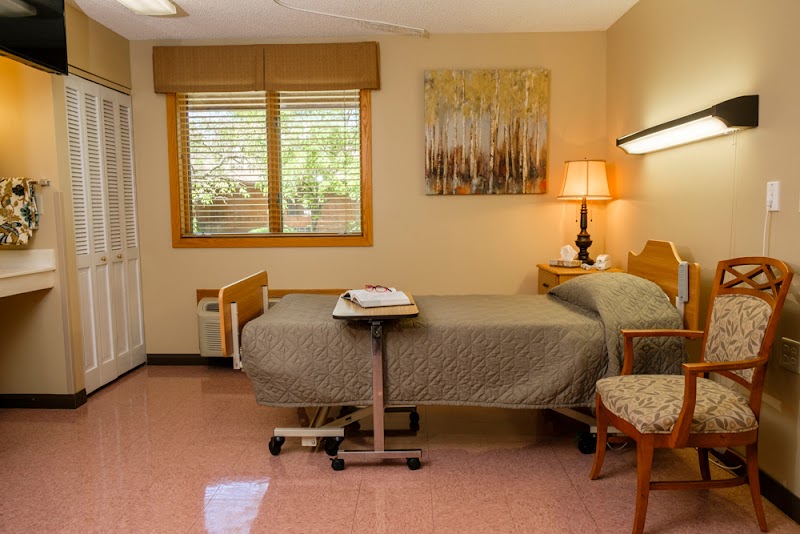
How is West Park Llc Staffed?

CMS rates WEST PARK CARE CENTER LLC's staffing level at 2 out of 5 stars, which is below average compared to other nursing homes. Staff turnover is 54%, compared to the Ohio average of 46%.

What Have Inspectors Found at West Park Llc?

State health inspectors documented 31 deficiencies at WEST PARK CARE CENTER LLC during 2020 to 2025. These included: 1 Immediate Jeopardy (the most serious level, indicating potential for serious harm or death), 3 that caused actual resident harm, and 27 with potential for harm. Immediate Jeopardy findings are rare and represent the most serious regulatory concerns. They require immediate corrective action.
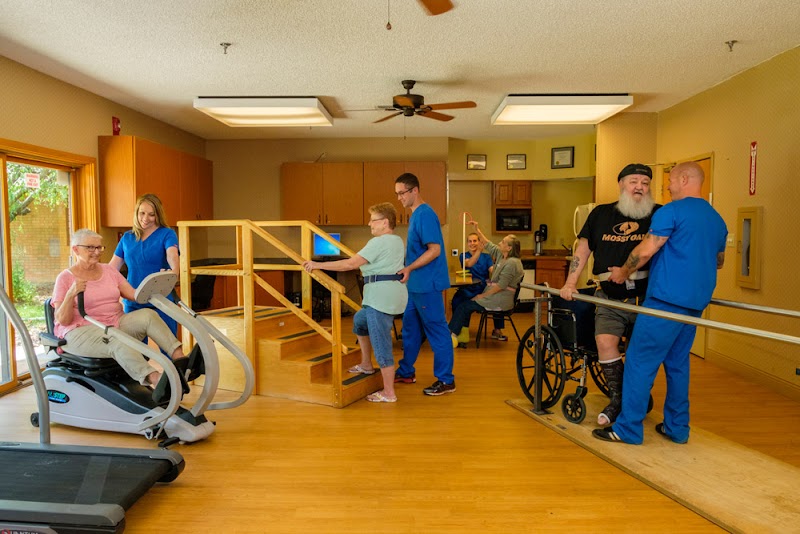
Who Owns and Operates West Park Llc?

WEST PARK CARE CENTER LLC is owned by a for-profit company. For-profit facilities operate as businesses with obligations to shareholders or private owners. The facility is operated by OPTALIS HEALTH & REHABILITATION, a chain that manages multiple nursing homes. With 99 certified beds and approximately 86 residents (about 87% occupancy), it is a smaller facility located in COLUMBUS, Ohio.

How Does West Park Llc Compare to Other Ohio Nursing Homes?

Compared to the 100 nursing homes in Ohio, WEST PARK CARE CENTER LLC's overall rating (2 stars) is below the state average of 3.2, staff turnover (54%) is near the state average of 46%, and health inspection rating (1 stars) is much below the national benchmark.

What Should Families Ask When Visiting West Park Llc?

Based on this facility's data, families visiting should ask: "What changes have been made since the serious inspection findings, and how are you preventing similar issues?" "Can you walk me through typical staffing levels on day, evening, and night shifts?" "Can I visit during a mealtime to observe dining assistance and food quality?" "How do you handle medical emergencies, and what is your hospital transfer rate?" These questions are particularly relevant given the facility's Immediate Jeopardy citations and the below-average staffing rating.

Is West Park Llc Safe?

Based on CMS inspection data, WEST PARK CARE CENTER LLC has documented safety concerns. Inspectors have issued 1 Immediate Jeopardy citation (the most serious violation level indicating risk of serious injury or death). The facility has a 2-star overall rating and ranks #100 of 100 nursing homes in Ohio. Families considering this facility should ask detailed questions about what corrective actions have been taken since these incidents.

Do Nurses at West Park Llc Stick Around?

WEST PARK CARE CENTER LLC has a staff turnover rate of 54%, which is 8 percentage points above the Ohio average of 46%. Moderate turnover is common in nursing homes, but families should still ask about staff tenure and how the facility maintains care continuity when employees leave.

Was West Park Llc Ever Fined?

WEST PARK CARE CENTER LLC has been fined $37,100 across 1 penalty action. The Ohio average is $33,450. While any fine indicates a compliance issue, fines under $50,000 are relatively common and typically reflect isolated problems that were subsequently corrected. Families should ask what specific issues led to these fines and confirm they've been resolved.

Is West Park Llc on Any Federal Watch List?

WEST PARK CARE CENTER LLC is not on any federal watch list. The most significant is the Special Focus Facility (SFF) program, which identifies the bottom 1% of nursing homes nationally based on persistent, serious quality problems. Not being on this list means the facility has avoided the pattern of deficiencies that triggers enhanced federal oversight. This is a positive indicator, though families should still review the facility's inspection history directly.