WEXNER HERITAGE HOUSE
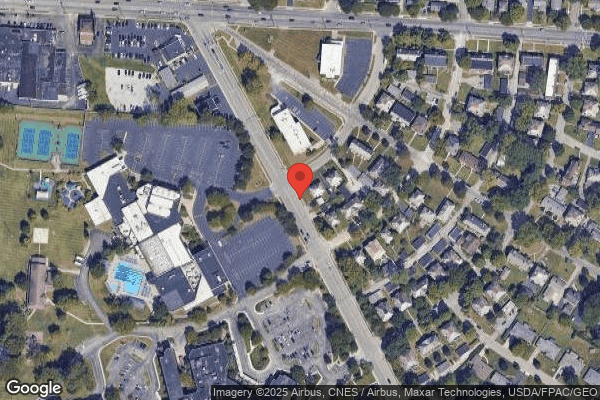
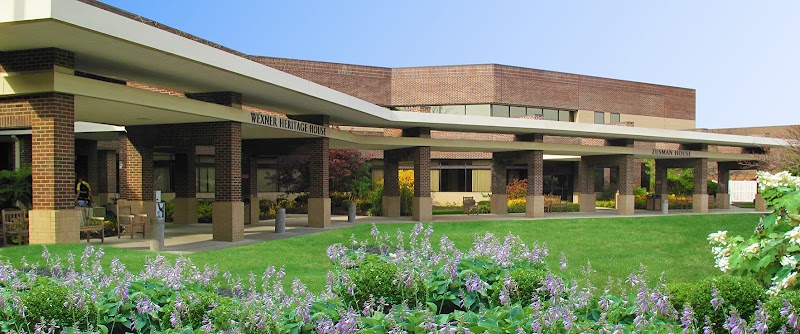
1151 COLLEGE AVENUE, COLUMBUS, OH 43209 (614) 231-4900
Non profit - Other 99 Beds Independent Data: November 2025
Trust Grade
45/100
#819 of 913 in OH
Last Inspection: March 2024

Within standard 12-15 month inspection cycle. Federal law requires annual inspections.

Overview

Wexner Heritage House in Columbus, Ohio, has a Trust Grade of D, indicating below-average quality and some concerns about care. It ranks #819 out of 913 facilities in Ohio and #46 out of 56 in Franklin County, placing it in the bottom half of options available. Although the facility has shown improvement over time, reducing issues from 23 to 6, it still has a significant number of concerns, with 58 total deficiencies noted. Staffing is a relative strength, rated 4 out of 5 stars, with a turnover rate of 47%, which is slightly better than the state average. However, there are serious incidents, including a failure to properly assess and prevent pressure ulcers for residents, which resulted in actual harm, highlighting critical areas that need attention despite some strengths in staffing and a lack of fines.

Trust Score
D
45/100
In Ohio
#819/913
Bottom 11%
Safety Record
Moderate
Needs review
Inspections
Getting Better
23 → 6 violations
Staff Stability
⚠ Watch
47% turnover. Above average. Higher turnover means staff may not know residents' routines.
Penalties
✓ Good
No fines on record. Clean compliance history, better than most Ohio facilities.
Skilled Nurses
✓ Good
Each resident gets 43 minutes of Registered Nurse (RN) attention daily — more than average for Ohio. RNs are trained to catch health problems early.
Violations
⚠ Watch
58 deficiencies on record. Higher than average. Multiple issues found across inspections.
★★☆☆☆
2.0
Overall Rating
★★★★☆
4.0
Staff Levels
★★★★★
5.0
Care Quality
★☆☆☆☆
1.0
Inspection Score
Stable
2024: 23 issues
2025: 6 issues

The Good

  • 4-Star Staffing Rating · Above-average nurse staffing levels
  • 5-Star Quality Measures · Strong clinical quality outcomes
  • Full Sprinkler Coverage · Fire safety systems throughout facility
  • No fines on record

Facility shows strength in staffing levels, quality measures, fire safety.

The Bad

2-Star Overall Rating

Below Ohio average (3.2)

Below average - review inspection findings carefully

Staff Turnover: 47%

Near Ohio avg (46%)

Higher turnover may affect care consistency

The Ugly 58 deficiencies on record

1 actual harm
Jun 2025 5 deficiencies 1 Harm
SERIOUS (G) 📢 Someone Reported This

A family member, employee, or ombudsman was alarmed enough to file a formal complaint

Actual Harm - a resident was hurt due to facility failures

Pressure Ulcer Prevention (Tag F0686)

A resident was harmed · This affected 1 resident

**NOTE- TERMS IN BRACKETS HAVE BEEN EDITED TO PROTECT CONFIDENTIALITY** Based on observation, record review, review of wound notes, facility policy review and interview, the facility failed to assess,...

Read full inspector narrative →
**NOTE- TERMS IN BRACKETS HAVE BEEN EDITED TO PROTECT CONFIDENTIALITY** Based on observation, record review, review of wound notes, facility policy review and interview, the facility failed to assess, monitor, and implement a comprehensive and individualized prevention program to prevent the development of avoidable pressure ulcers and failed to ensure adequate interventions were in place to prevent new pressure injuries for Resident #61. Additionally, the facility failed to comprehensively assess, monitor and implement a treatment for Resident #80's unstageable (full-thickness skin and muscle loss, with slough or eschar obstructing the wound bed making it impossible to determine the true depth of the ulcer.) pressure ulcer on admission to the facility for more than two days. Actual harm occurred on 11/02/24 when Resident #61 who utilized a wheelchair and was dependent on staff for bed mobility developed an unstageable pressure ulcer to the left heel as a result of propelling himself in his wheelchair with no shoes on and/or no off-loading of the left heel while in bed. The facility failed to implement comprehensive and individualized interventions to prevent the development of the pressure ulcer and failed to properly assess, monitor, or implement skin interventions for the unstageable pressure injury until 11/07/24. This affected two residents (#61 and #80) of three residents reviewed for pressure ulcers. The facility census was 72. Findings Include: 1. Review of the medical record for Resident #61 revealed an initial admission date of 09/28/24 with diagnoses including chronic obstructive pulmonary disease, nicotine dependence, pressure induced deep tissue damage to left heel, dysphagia (difficulty swallowing), hypertension, retention of urine, history of traumatic brain injury, and constipation. Review of the resident's admit/readmit screener dated 09/28/24 revealed the resident was admitted to the facility with no skin issues. Review of the resident's Braden scale dated 09/28/24 revealed the resident was at risk for skin breakdown. Review of the plan of care dated 09/30/24 and last revised on 05/20/25 revealed the resident had a potential for development of pressure injuries and other skin impairment related to acute on chronic health conditions, impaired strength and endurance, generalized weakness, lack of coordination, debility, recent acute kidney infection, anemia, history of right radial fracture and right hip fracture/surgery, anticoagulant injections, potential edema to right lower extremity and had a pressure injury to his left heel. Interventions included administer treatments/preventative measures as ordered, monitor for side effects and effectiveness, notify physician with any concerns, assist/encourage resident to turn/reposition as needed, as ordered/tolerated, monitor areas of skin impairment for signs/symptoms of infections, notify physician as needed, assist with maintaining skin clean and dry daily, provide local care to areas of skin impairment as ordered, Dietician will evaluate nutritional status and make recommendations as needed, encourage good food and fluid intake as needed to promote nutritional status, encourage, assist as needed/ tolerated to float heels when in bed daily, monitor skin with daily cares for redness, blisters, dark discolorations, skin pep to heels as ordered, the resident has increased risk of bruising related to anticoagulant use. Monitor/Document/Report all new instances of bruising, weekly skin assessment as scheduled and wound physician/nurse will evaluate and treat as ordered. On 11/07/24, Prevalon boots as ordered were added. Review of the resident's comprehensive Minimum Data Set (MDS) assessment dated [DATE] revealed the resident had no cognitive deficit. The assessment indicated the resident was at risk for skin breakdown and had no unhealed pressure ulcers. The assessment indicated the facility implemented a pressure-reducing device to the bed/chair and application of ointments/medication other than to feet. Review of the progress note dated 11/02/24 at 7:31 P.M. revealed a certified nursing assistant (CNA) notified the nurse the resident had a dark painful mark on his left heel. The nurse observed what appeared to be an 8.0 centimeter (cm) unstageable pressure area with intact skin. Management and the resident's power of attorney (POA) were notified of the area. Review of the weekly skin and wound evaluation dated 11/02/24 revealed the resident was found to have an unstageable pressure ulcer to his left heel that was not present on admission. The wound measured 4.2 centimeters (cm) by 2.8 cm with slough and/or eschar present. The assessment had no description of the wound. Review of the medical record revealed no treatment or intervention implemented for the unstageable pressure injury to the resident's left heel. Further review revealed no documented evidence the resident's physician was made aware of the unstageable DTI to the resident's left heel at the time of discovery. Review of the weekly wound physician note dated 11/06/24 revealed the unstageable wound to the resident left heel measured 4.2 cm by 6.2 cm with no exudate and described as an intact purple/maroon discoloration. The treatment to paint with betadine daily was implemented. Review of the late entry progress note dated 11/07/24 at 8:05 A.M. revealed the resident was noted to have a deep purple bruise to the left heel upon a skin assessment. The resident was unaware of how the bruise occurred. The note indicated wound physician was to follow. Intervention of Prevalon boots to both heels was implemented. The family as well as the physician were made aware of the area. Review of the residents' November 2024 Treatment Administration Record (TAR) revealed on 11/07/24 the treatment of paint left heel with betadine daily for wound care was initiated. Review of the late entry interdisciplinary team (IDT) progress note dated 11/08/24 at 9:49 A.M. revealed the team met and discussed the area to the resident's left heel and the intervention of Prevalon boots in place when in bed was appropriate. Weekly wound physician assessments were completed on 11/13/24, 11/20/24, 11/27/24, 12/04/24, 12/11/24, 12/18/24, 12/25/24, 12/30/24, 01/08/25, 01/15/25, 01/22/25, 01/29/25, 02/05/25, 02/12/25, 02/19/25, 02/26/25, 03/05/25, 03/12/25, 03/19/25 and 03/26/25 which included measurements of the ulcer each week and status of the ulcer (i.e. improving and/or at goal). Review of the resident's quarterly MDS assessment dated [DATE] revealed the resident had no cognitive deficit. Review of the mood and behavior revealed the resident displayed no behaviors including rejection of care. The assessment indicated the resident was at risk for skin breakdown and had one unstageable pressure ulcer not present on admission. The facility implemented the interventions pressure reducing device to bed/chair, nutrition or hydration intervention to manage skin problems, pressure ulcer/injury care and applications of ointments/medications other than to feet. Weekly wound physician assessments were completed on 04/02/25 and 04/09/25 with wound measurements included. Review of the weekly wound physician progress note dated 04/16/25 revealed the unstageable pressure ulcer to the resident's left heel measured 1.8 cm by 2.4 cm and described as 100% adherent thick devitalized necrotic tissue with a moderate amount of serous exudate. The facility determined the wound had improved (although there was the presence of 100% adherent thick devitalized necrotic tissue and a moderate amount of serous exudate which had not been present during the previous weeks assessments). The treatment was changed to cleanse the wound apply Mesalt and cover with gauze island with border dressing daily and as needed if saturated, soiled or dislodged at this time. Weekly wound physician assessments were completed on 04/23/25 (1.4 cm by 0.2 cm and described as 30% thick adherent devitalized necrotic tissue, 20% slough, 30% granulation tissue and 20% dermis, subcutaneous or tendon with a moderate amount of serous exudate) and 04/30/25 (1.3 cm by 2.3 by 0.2 cm and described as 20% thick adherent devitalized necrotic tissue, 20% slough, 40% granulation tissue and 20% dermis, subcutaneous or tendon with a moderate amount of serous exudate). Review of the weekly wound physician progress note dated 05/07/25 revealed the unstageable pressure ulcer to the resident's left heel measured 0.9 cm by 1.4 cm by 0.2 cm and described as 100% granulation tissue with a moderate amount of serous exudate. The facility determined the wound had improved. Weekly wound physician assessments were completed on 05/14/25, 05/21/25, 05/28/25 and 06/04/25 with measurements and the status of the ulcer documented. Review of the resident's monthly physician orders for June 2025 revealed the following orders: an order dated 09/28/24 to assist resident to float heels as tolerated every shift for prevention, assist resident to turn and reposition every two hours as tolerated every shift for prevention and skin prep to bilateral heels every shift. On 11/07/24 Prevalon boots were ordered to be worn to bilateral feet when in bed. On 02/24/25 an order was initiated to complete skin and wound total body assessment weekly on Wednesday day shift. On 04/03/25 an order was received for active liquid protein 30 milliliters (ml) in eight ounces of water or juice for wound healing. On 04/16/25 an order was obtained to monitor left heel for signs/symptoms of infection every shift. On 05/17/25 an order was obtained for skin and wound picture due every day shift on Wednesday until healed and on 05/19/25 a treatment order was obtained to cleanse left heel with wound cleanser, pat dry, apply Mesalt and cover with island dressing daily and as needed for saturation or dislodgement. On 06/05/25 at 11:15 A.M., an interview with Licensed Practical Nurse (LPN) #146 revealed Resident #61 was admitted to the skilled unit (on 09/28/24) and developed the pressure injury (to the left heel) while on the skilled unit. The LPN revealed the resident was then transferred to the long-term care unit located on the first floor with the pressure injury on 10/24/24: however, in report she was told the resident preferred to position his foot with the area of the wound on the bed which resulted in the pressure injury. On 06/05/25 at 2:20 P.M., an observation of LPN #146 provided the physician ordered treatment to the unstageable pressure injury to the resident's left heel. Observation of the wound revealed the wound was the size of a nickel with a pink wound bed and beige edges. The LPN provided the treatment as ordered. On 06/05/25 at 9:25 A.M., an interview with the Director of Nursing (DON) revealed the facility determined the DTI to the resident's left heel was caused by the resident using his feet to propel himself in his wheelchair. Further interview revealed the DON was unsure why the pressure injury was not found until it was an unstageable DTI when the facility nurses had been documenting they were applying skin prep to his bilateral heels every shift (from admission [DATE] through 11/02/24). On 06/05/25 at 3:00 P.M., an interview with the DON verified the unstageable DTI to Resident #61's left heel was first identified on 11/02/24 and a comprehensive assessment, monitoring or treatment was not completed until 11/06/24 when the facility contracted wound physician assessed the wound and implemented offloading interventions and treatment. 2. Review of the closed medical record for Resident #80 revealed an initial admission date of 05/10/25 with diagnoses including metabolic encephalopathy, palliative care, congestive heart failure (CHF), atrial fibrillation, hypertensive heart and chronic kidney disease with heart failure and with stage 5 chronic kidney disease or end stage renal disease, anemia, dysphagia, open wound right lower leg, anxiety disorder, gastrostomy status, tracheostomy status, acute respiratory failure with hypoxia, constipation, diabetes mellitus, end state renal disease, acquired absence of left foot, and insomnia. Review of the hospital Discharge summary dated [DATE] revealed the resident had an unstageable pressure ulcer to his sacrum and right heel. Review of the admit/readmit screener dated 05/10/25 revealed the resident was admitted to the facility from a specialty select hospital and was dependent on staff for all activities of daily living (ADL). The assessment indicated the resident had no skin issues on admission. Review of the Braden scale dated 05/10/25 revealed the resident was at very high risk for skin breakdown. Review of the plan of care dated 05/12/25 revealed the resident was at risk for skin breakdown and development of pressure injury. Interventions included assist with maintaining skin clean and dry daily, dietician will evaluate nutritional status and make recommendations as needed, encourage good food and fluids intake as needed to promote nutritional status, encourage, assist as needed/tolerated to float heels when in bed daily, monitor skin with daily cares for redness, blisters, dark discoloration, skin prep to heels as ordered, weekly skin assessment as scheduled and wound physician/nurse will evaluate and treat as needed. Review of the resident's physician orders identified orders dated 05/12/25 to cleanse coccyx wound with wound cleanser, pat dry, apply Opti foam border dressing daily, cleanse mid pretibial right cellulitis with wound cleanser, pat dry, cover with non-adherent dressing and wrap with gauze daily, cleanse sacrum with wound cleanser, pat dry, apply Mesalt to wound bed, cover with gauze island dressing daily, assist resident to float heels as tolerated every shift for prevention, alternating air mattress every shift, no fitted sheets, one flat sheet and draw sheet only on air mattress, assist resident to turn and reposition every two hours as tolerated and HydraGuard Moisture Barrier apply topically to peri area and bilateral buttocks every shift and after each incontinence episode. Review of the progress note dated 05/16/25 at 2:10 P.M. revealed the hospice nurse provided skin care to the buttocks and right lower extremity. Review of the skin and wound evaluation dated 05/16/25 which was in progress revealed the resident had an unstageable pressure ulcer to the right heel that was present on admission to the facility. The wound measured 2.7 centimeters (cm) by 1.0 cm. The assessment had no description of the wound. Review of the medical record revealed no documented evidence the resident's unstageable pressure ulcers were comprehensively assessed. Review of the resident's May 2025 Treatment Administration Record (TAR) revealed the resident had no documented treatment to wounds until 05/12/25, two days after the resident's admission to the facility. On 06/05/25 at 3:00 P.M., an interview with the DON verified the unstageable pressure ulcer to the resident's sacrum and right heel were not comprehensively assessed and a treatment was not implemented until 05/12/25 two days after the resident's admission. Review of the facility policy titled, Wound Skin Program, implemented on 03/30/12 and last revised 05/28/25 revealed all residents would be evaluated for specific level of risk for decreased skin integrity on admission and readmission using the Braden Scale. Re-assessment would be done quarterly or whenever the resident shows evidence of significant clinical change or development of an ulcer. The skin team would assess, measure and document all pressure ulcers. A signed physician's order regarding wound treatment must be kept on the resident's chart. The order must be specific and if applicable the order should also have a stop date. The wound nurse/designee would be responsible for the initial assessment of any wound using the Skin and Wound Evaluation form. The physician/nurse practitioner (NP), family, wound care nurse would be notified of new areas. Initial documentation would include specific description of the wound and pertinent history, co-morbidities, nutrition, continence and other contributing factor information. This deficiency represents non-compliance investigated under Complaint Number OH00165908 and Complaint Number OH00165299.
CONCERN (D) 📢 Someone Reported This

A family member, employee, or ombudsman was alarmed enough to file a formal complaint

Potential for Harm - no one hurt, but risky conditions existed

Resident Rights (Tag F0550)

Could have caused harm · This affected 1 resident

**NOTE- TERMS IN BRACKETS HAVE BEEN EDITED TO PROTECT CONFIDENTIALITY** Based on observation, medical record review and interviews, the facility failed to ensure Resident #29 and #71 was treated in a ...

Read full inspector narrative →
**NOTE- TERMS IN BRACKETS HAVE BEEN EDITED TO PROTECT CONFIDENTIALITY** Based on observation, medical record review and interviews, the facility failed to ensure Resident #29 and #71 was treated in a dignified manner. This affected two residents (#29 and #71) of three residents reviewed for dignity. The facility census was 72. Findings Include: 1. Review of the medical record for Resident #29 revealed an initial admission date of 06/02/25 with the diagnoses including but not limited to encounter for surgical aftercare following surgery on the digestive system, infarction of spleen, activated protein C resistance, extranodal marginal zone B-cell lymphoma of mucosa associated lymphoid tissue, asthma, chronic kidney disease, hypertension, edema, atrial fibrillation, gout, sarcoidosis, hyerplipidemia, benign prostatic hyperplasia with lower urinary tract symptoms, presence of urogenital implants and other diseases of spleen. Review of the resident admit/readmit screener dated 06/02/25 revealed the resident had no cognitive deficit. The assessment indicated the resident was admitted to the facility with an indwelling urinary catheter. Review of the resident's monthly physician orders for June 2025 identified orders dated 06/02/25 change Foley catheter size 15 FR with 10 milliliter (ml) balloon as needed for clogged or dislodged, Foley catheter care every shift, urinary drainage bag to have a cover over it every shift, monitor urinary output every shift, Foley catheter to straight drain, check every shift, change urinary drainage bag every two week and as needed, may use leg bag when out of bed, Foley leg strap to secure tubing and monitor skin at strap location every shift, empty indwelling catheter collection bag every eight hours. On 06/04/25 at 10:52 A.M., an observation of Resident #29 revealed the resident's indwelling urinary catheter catheter collection bag was visible from the hallway with clear yellow urine visible. Further review revealed no evidence the resident had a privacy bag for the indwelling urinary catheter collection bag in his room. On 06/04/25 at 10:54 A.M., an interview with Licensed Practical Nurse (LPN) #133 verified the resident's indwelling urinary catheter collection bag was not contained in a privacy bag and urine was visible from the hallway. 2. Review of the medical record Resident #71 revealed an initial admission date of 08/18/23 with the latest readmission date of 03/25/24 with the diagnoses including but not limited to acute transverse myelitis in demyelinating disease of central nervous system, atrial fibrillation, neuromuscular dysfunction of bladder, peripheral vascular disease, hypertension, chronic pain, disease of spinal cord, anemia, depression, dysphagia, insomnia and quadriplegia. Review of the resident's quarterly Minimum Data Set (MDS) assessment dated [DATE] revealed the resident had no cognitive deficit. The assessment indicated the resident had an indwelling urinary catheter. Review of the resident's monthly physician orders for June 2025 identified orders dated 08/19/23 change Foley catheter size 18 FR with 30 milliliter (ml) balloon every month and as needed, Foley catheter care every shift, urinary drainage bag to have a cover over it every shift, monitor urinary output every shift, Foley catheter to straight drain, check every shift for Foley catheter maintenance, change urinary drainage bag every two week and as needed, may use leg bag when out of bed, Foley leg strap to secure tubing, monitor skin at strap location every shift, 11/05/23 Foley catheter to be changed every 28 days, 12/16/24 flush/irrigate suprapubic catheter daily with 30 ml of sterile saline daily and as needed. On 06/04/25 at 9:43 A.M., an observation of Resident #71 revealed he was up in his power wheelchair with a blanket over his legs coming out of his room. Further observation revealed the resident's indwelling urinary catheter collection bag was resting on the padded footrest of the wheelchair with no privacy cover and light yellow urine was visible while the resident was mobilizing down the hallway. On 06/04/25 at 9:45 A.M., an interview with Licensed Practical Nurse (LPN) #127 verified the resident's indwelling urinary catheter collection bag was not contained in a privacy bag and urine was visible as the resident was mobilizing down the hallway. This deficiency represents non-compliance investigated under Complaint Number OH00165299.
CONCERN (D) 📢 Someone Reported This

A family member, employee, or ombudsman was alarmed enough to file a formal complaint

Potential for Harm - no one hurt, but risky conditions existed

Notification of Changes (Tag F0580)

Could have caused harm · This affected 1 resident

**NOTE- TERMS IN BRACKETS HAVE BEEN EDITED TO PROTECT CONFIDENTIALITY** Based on observation, medical record review, interview and facility policy review, the facility failed to notify Resident #61's ...

Read full inspector narrative →
**NOTE- TERMS IN BRACKETS HAVE BEEN EDITED TO PROTECT CONFIDENTIALITY** Based on observation, medical record review, interview and facility policy review, the facility failed to notify Resident #61's primary care physician of an unstageable deep tissue injury (DTI) (Persistent non-blanchable deep red, maroon or purple discoloration, intact skin with localized area of persistent non-blanchable deep red, maroon, purple discoloration due to damage of underlying soft tissue. This area may be preceded by tissue that is painful, firm, mushy, boggy, warmer or cooler as compared to adjacent tissue). This affected one resident (#61) of three residents reviewed for pressure ulcers. The facility census was 72. Findings Include: Review of the medical record for Resident #61 revealed an initial admission date of 09/28/24 with the diagnoses including but not limited to COPD, symbolic dysfunction, nicotine dependence, pressure induced deep tissue damage to left heel, dysphagia, hyperlipidemia, hypertension, retention of urine, history of traumatic brain injury, constipation and gout. Review of the progress note dated 11/02/24 at 7:31 P.M. revealed a CNA notified the nurse the resident had a dark painful mark on his left heel. The nurse observed what appeared to be an 8.0 centimeter (cm) unstageable pressure area with intact skin. Management and the resident power of attorney (POA) was notified of the area. Review of the weekly skin and wound evaluation dated 11/02/24 revealed the resident was found to have an unstageable pressure ulcer to his left heel that was not present on admission. The wound measured 4.2 centimeters (cm) by 2.8 cm with slough and/or eschar present. The assessment had no description of the wound. Review of the medical record revealed no treatment or intervention implemented for the unstageable DTI pressure ulcer to the resident's left heel. Further review revealed no documented evidence the resident's physician was made was aware of the unstageable DTI to the resident's left heel at the time of discovery. Review of the resident's quarterly MDS assessment dated [DATE] revealed the resident had no cognitive deficit. Review of the mood and behavior revealed the resident displayed no behaviors including rejection of care. The assessment indicated the resident was at risk for skin breakdown and had one unstageable pressure ulcer not present on admission. The facility implemented the interventions pressure reducing device to bed/chair, nutrition or hydration intervention to manage skin problems, pressure ulcer/injury care and applications of ointments/medications other than to feet. On 06/05/25 at 2:20 P.M., an observation of Licensed Practical Nurse (LPN) #146 provided the physician ordered treatment to the unstageable pressure injury to the resident's left heel. On 06/05/25 at 3:00 P.M., an interview with the Director of Nursing (DON) verified the resident's primary care physician was not notified of the unstageable DTI to the resident's left heel at the time of discovery on 11/02/24. Review of the facility policy titled, Notification and Reporting of Changes in Health Status, Illness, Injury and Death of a Resident, last revised 03/28/25 revealed the nursing home administrator or the administrator's designee shall immediately inform the resident, consult with resident's physician or other licensed health professional acting within the applicable scope of practice, or the medical director if the attending physician or other licensed health professional acting within the applicable scope of practice is not available, and notify the resident's sponsor or authorized representative, with the resident's permission and other proper authority in accordance with state and local laws and regulation when there is a significant change in the resident's physical, mental or psycho-social status such as a deterioration in health, mental or psycho-social status in either life-threatening conditions or clinical complications.
CONCERN (D) 📢 Someone Reported This

A family member, employee, or ombudsman was alarmed enough to file a formal complaint

Potential for Harm - no one hurt, but risky conditions existed

Deficiency F0628 (Tag F0628)

Could have caused harm · This affected 1 resident

**NOTE- TERMS IN BRACKETS HAVE BEEN EDITED TO PROTECT CONFIDENTIALITY** Based on closed medical record review, interview and facility policy review, the facility to ensure the required information was...

Read full inspector narrative →
**NOTE- TERMS IN BRACKETS HAVE BEEN EDITED TO PROTECT CONFIDENTIALITY** Based on closed medical record review, interview and facility policy review, the facility to ensure the required information was provided to the receiving provider and the transfer was documented in the resident's medical record. This affected one resident (#42) of three residents reviewed for transfers. The facility census was 72. Findings Include: Review of the closed medical record for Resident #42 revealed an initial admission date of 12/02/22 with the diagnoses including but not limited to dementia with behavioral disturbances, symbolic dysfunctions, abnormal posture, violent behavior, repeated falls, diabetes mellitus, hypertension, hyperlipidemia, osteoporosis, overactive bladder, obesity and depression. The resident was discharged to an acute care hospital on [DATE]. Review of the resident's quarterly Minimum Data Set (MDS) assessment dated [DATE] revealed the resident had a severe cognitive deficit. Review of the progress note dated 06/03/25 at 12:29 P.M. revealed the nurse assessed the resident and she was not responding to commands. The nurse obtained vital signs. The resident's son was at bedside and requested the resident be sent to the local emergency room (ER) for an evaluation. The nurse obtained the order. Further review of the medical record revealed no disposition of the resident's transfer from the facility or transferring information including physician responsible for the resident's care, resident representative information, advance directives, alls special instructions or precautions for ongoing care, comprehensive care plan goals, all other necessary information to ensure a safe and effective transition of are. On 06/05/25 at 3:00 P.M., an interview with the Director of Nursing (DON) verified the resident had no documented evidence the receiving facility received the required information to ensure a safe and effective transition of care and the transfer was not documented in the resident's medical record. Review of the facility policy titled, Admission/Transfer/Discharge Criteria Policy, last revised 02/25 revealed to ensure a safe transition of care, documentation of all discharge/transfer will include but not limited to the following, reason for discharge/transfer by the physician, physician responsible for the resident's care, resident representative information, advance directives, alls special instructions or precautions for ongoing care, comprehensive care plan goals and history of present illness and pertinent past medical/surgical history. This deficiency represents non-compliance investigated under Complaint Number OH00165908.
CONCERN (D) 📢 Someone Reported This

A family member, employee, or ombudsman was alarmed enough to file a formal complaint

Potential for Harm - no one hurt, but risky conditions existed

Infection Control (Tag F0880)

Could have caused harm · This affected 1 resident

**NOTE- TERMS IN BRACKETS HAVE BEEN EDITED TO PROTECT CONFIDENTIALITY** Based on observation, medical record review, interview and facility policy review, the facility failed to residents with indwell...

Read full inspector narrative →
**NOTE- TERMS IN BRACKETS HAVE BEEN EDITED TO PROTECT CONFIDENTIALITY** Based on observation, medical record review, interview and facility policy review, the facility failed to residents with indwelling medical devices utilized enhanced barrier precautions (EBP) as required. This affected one resident (#39) of three residents reviewed for incontinence. The facility census was 72. Findings Include: Review of the medical record for Resident #39 revealed an initial admission date of 07/26/22 with the latest readmission of 02/10/23 with the diagnoses including but not limited to dementia with behavioral disturbances, dysphagia, chronic pulmonary edema, adult failure to thrive, hepatic failure, gastrostomy status, pressure ulcer of sacral region stage IV, disorders of lung, hypertension, depression, hyperlipidemia and osteoarthritis. Review of the plan of care dated 10/07/22 revealed the resident was prone to alterations in bowel and bladder function related to weakness, decreased mobility, non-ambulatory status, dementia, history of urinary tract infection, incontinence of bowel and bladder and increased risk for constipation related to reduced mobility. Interventions included administer laxatives and stool softeners as ordered, assist with toileting cares, hygiene and clothing management as needed daily, encourage good food and fluid intake as needed to promote bowel and kidney function, evaluate bowel sounds, abdomen for distention and firmness as needed, maintain call light within reach, encourage use for assistance answering promptly daily, monitor number of bowel movements and voids every shift, continent and incontinent daily, monitor urine for color, clarity, foul odor, and changes in level of consciousness and notify physician/nurse practitioner of significant changes in condition. Review of the resident's quarterly Minimum Data Set (MDS) assessment dated [DATE] revealed the resident had a severe cognitive deficit. The assessment indicated the resident was always incontinent of both bowel and bladder. On 06/05/25 at 1:35 P.M., an observation of Certified Nursing Assistants (CNA) #193 and #223 provide incontinence care to Resident #39 revealed the staff washed their hands, donned gloves and removed a disposable wipe from the package and cleansed the resident from front to back using a clean disposable wipe with each wipe. The resident was assisted onto her right side and CNA #193 cleansed the resident's rectal area of liquid stool from front to back using a clean disposable wipe with each wipe. The CNA then placed a clean incontinence brief and cloth pad under the resident. The resident was observed to have a indwelling medical device gastric tube to her left mid quadrant of her abdomen. The CNA was not observed wearing a gown during the incontinence procedure. On 06/05/25 at 1:48 P.M., an interview with CNA #193 and #223 verified EBP were not maintained during incontinence care by not utilizing a disposable gown. Review of the facility policy titled, Isolation Precautions Policy, last revised 03/2025 revealed EBP refer to an infection control intervention designed to reduce the transmission of multidrug resistant organisms (MDRO) that employ targeted gown and glove use during high contact resident care activities. EBP are used in conjunction with standard precautions and expand the use of personal protection equipment (PPE) to donning of gown and gloves during high contact care activities that could expose healthcare worker hands/clothing to MDRO. The follow are considered high contact activities changing briefs or assisting with toileting. EBP are indicated for residents with any of the following indwelling medical devices such as central lines, urinary catheters, feeding tubes and tracheostomies.
Feb 2025 1 deficiency
CONCERN (D) 📢 Someone Reported This

A family member, employee, or ombudsman was alarmed enough to file a formal complaint

Potential for Harm - no one hurt, but risky conditions existed

Quality of Care (Tag F0684)

Could have caused harm · This affected 1 resident

**NOTE- TERMS IN BRACKETS HAVE BEEN EDITED TO PROTECT CONFIDENTIALITY** Based on interviews, record reviews, and facility policy review, the facility failed to ensure weekly skin assessments were accu...

Read full inspector narrative →
**NOTE- TERMS IN BRACKETS HAVE BEEN EDITED TO PROTECT CONFIDENTIALITY** Based on interviews, record reviews, and facility policy review, the facility failed to ensure weekly skin assessments were accurate and completed as well as treatment orders being in place and timely for two ( Resident #21 and #41) out of three residents reviewed for skin breakdown. The facility census was 85. Findings include: 1. Review of the medical record for Resident #21, revealed an admission date of 12/2/22. Diagnoses included but were not limited to unspecified dementia, cognitive communication deficit, overactive bladder, depression, and need for assistance with personal care. Review of the most recent Minimum Data Set (MDS) 3.0 assessment dated [DATE] revealed a Brief Interview for Mental Status (BIMS) of the resident is rarely/never understood. The resident was assessed to require total dependence on toilet hygiene, shower/bathe self, bed mobility and transfers. Review of the physician's order for Resident #21 dated 01/21/25 at 10:36 A.M. revealed cleanse area under right breast with wound cleanser, pat dry and apply calcium alginate to wound bed, cover with bordered gauze island dressing every day and as needed if the dressing becomes soiled or dislodged. Review of the plan of care for Resident #21 revised on 01/28/2025 revealed this resident was at risk for skin breakdown and development of pressure injury related to skin impairment under her right breast with the intervention that included but was not limited to weekly skin assessments. Review of the medical record for Resident #21 revealed no weekly skin assessments with measurements and descriptions for the skin alteration under the right breast. Interview on 02/18/25 at 2:47 P.M. with the Director of Nursing (DON) verified Resident #21 had a treatment put in place or a skin alteration on 01/21/25 with no weekly skin documentation monitoring the wound. 2. Review of the medical record for Resident #41, revealed an admission date of 10/17/24 and a transfer to hospital date of 12/03/24. Diagnoses included but were not limited to acute kidney failure, need for assistance with personal care, dependence on renal dialysis, acquired absence of left knee, arthritis due to other bacteria, right knee, and type 2 diabetes. Review of the most recent Minimum Data Set (MDS) 3.0 assessment dated [DATE] revealed a Brief Interview for Mental Status (BIMS) of 15 out of 15 indicating intact cognition. The resident was assessed to require partial/moderate assistance with bed mobility, and substantial/maximal assistance with toilet hygiene, shower/bathe self, and transfers. This resident was assessed to be occasionally incontinent of urine and frequently incontinent of bowel and to have a surgical wound. Review of the admission screener assessment dated [DATE] at 6:05 P.M. revealed under the skin integrity section no documentation of skin impairments. Review of the plan of care dated 10/17/24 for Resident #41 revealed this resident was at risk for skin breakdown and development of pressure injury with the intervention including but not limited to weekly skin assessments. The plan of care did not include arterial wounds (wound 1 and wound 2) on the front right lateral lower leg and wound 3 was a surgical wound to the front right knee that were present upon admission. Review of the hospital discharge instructions to the facility dated 10/17/24 for Resident #41 revealed on order for the right knee: daily wound care to apply adaptic to cover the entire skin graft, wrap gently with kerlix roll, and abdominal gauze pad to absorb drainage with an ace wrap for gentle compression. Review of skin and wound evaluations dated 10/18/24 for Resident #41 revealed no types, locations or descriptions of wounds. Review of the physician's order dated 10/22/24 at 6:57 P.M. for Resident #41 revealed the order for the right knee: daily wound care to apply adaptic to cover the entire skin graft, wrap gently with kerlix roll, and abdominal gauze pad to absorb drainage with an ace wrap for gentle compression. Review of skin and wound evaluations dated 10/27/24 for Resident #41 revealed no types, locations or descriptions of wounds. Review of skin and wound evaluations dated 11/05/24 for Resident #41 revealed no types, locations or descriptions of wounds. Review of the medical record for Resident #41 revealed no treatments for wounds 1 and 2, from admission through 11/15/24. Review of the Wound Physicians evaluation and management summary dated 11/13/24 for Resident #41 revealed the treatment plan for wounds 1 and 2 to be applied betadine once a day. Review of the physician order dated 11/15/24 at 11:19 A.M. for Resident #41 revealed an order for the right calf-paint with betadine one time a day. Review of the physician order dated 11/15/24 at 11:21 A.M. for Resident #41 revealed right first toe, cleanse with wound cleaner pat dry, apply mesalt to wound bed, cover with gauze island dressing. Review of the medical record for Resident #41 revealed no skin assessment for the skin impairment to the right first toe for 11/15/24. Review of skin and wound evaluation dated 11/24/24 and 12/02/24 for Resident #41 revealed no type, location or description of wound for the right first toe. Interview on 02/18/25 at 1:40 A.M. with the Director of Nursing (DON) verified for Resident #41 the skin and wound evaluations for wounds 1, 2, and 3 did not have any identification of location, type and descriptions for the dates of 10/18/24, 10/27/24,11/05/24. Also verified wound 1 and wound 2 as arterial wounds on the front right lateral lower leg and wound 3 was a surgical wound to the front right knee. Confirmed the following orders were placed late: on discharge for 10/17/24 for the treatment of the right knee was placed on 10/22/24 and should have been completed upon admission and the treatment for wounds 1 and 2 ordered on 11/13/24 was not placed until 11/15/24. Interview on 02/19/24 at 11:14 A.M. with the DON verified no skin abnormalities were documented on admission on [DATE] and the skin and wound evaluations dated 11/24/24 and 12/02/24 for the right first greater toe abrasion and did not have any identification, location, type and descriptions with no documentation on 11/15/24. Review of the facility policy titled Wound and Skin Program revised 05/13/2013 revealed initial documentation will include specific description of the wound. Review of the facility policy titled Wound Care Treatment Guidelines revised 06/22/2009 revealed a weekly assessment should be done on all wound requiring treatment. This should include measurement and a description. This deficiency represents non-compliance investigated under Master Complaint Number OH00162268, Complaint Number OH00161889, and Complaint Number OH00161147.
Dec 2024 1 deficiency
CONCERN (D) 📢 Someone Reported This

A family member, employee, or ombudsman was alarmed enough to file a formal complaint

Potential for Harm - no one hurt, but risky conditions existed

Report Alleged Abuse (Tag F0609)

Could have caused harm · This affected 1 resident

**NOTE- TERMS IN BRACKETS HAVE BEEN EDITED TO PROTECT CONFIDENTIALITY** Based on medical record review, facility investigation report review, staff interview, and facility policy review, the facility ...

Read full inspector narrative →
**NOTE- TERMS IN BRACKETS HAVE BEEN EDITED TO PROTECT CONFIDENTIALITY** Based on medical record review, facility investigation report review, staff interview, and facility policy review, the facility failed to report an allegation of resident abuse to the State agency as required. This affected one resident (#46) of two resident investigative reports reviewed. The census was 83. Findings Include: Record review revealed Resident #46 was admitted to the facility on [DATE] with diagnoses including chronic respiratory failure with hypoxia, unspecified cirrhosis of liver, chronic obstructive pulmonary disease, type II diabetes, dependence on supplemental oxygen, dependence on renal dialysis, dysphagia, muscle weakness, hypotension, pneumonia, end stage renal disease, dementia, hypertensive heart and chronic kidney disease, congestive heart failure, atrial fibrillation, cognitive communication deficit, atherosclerotic heart disease, thrombocytopenia, hyperlipidemia, and anxiety disorder. Review of the Minimum Data Set (MDS) assessment dated [DATE] revealed Resident #46 was cognitively intact. Review of a Facility Reported Incident (FRI), tracking number 255212, dated 12/17/24, revealed an allegation of abuse was reported to Licensed Practical Nurse (LPN) #114 on 12/16/24 at 7:50 P.M. LPN #114 reported this allegation to the Director of Nursing (DON), and the DON reported the allegation to the Administrator on 12/16/24 at 8:02 P.M. However, review of the FRI report to the State agency revealed the abuse allegation was not reported until 12/17/24, which was greater than two hours from the time the facility was first notified. Interview with the DON on 12/24/24 at approximately 10:45 A.M. confirmed he reported the abuse allegation that Resident #46's family had made to the Administrator on 12/16/24 at around 8:00 P.M. Interview with the Administrator on 12/24/24 at approximately 10:55 A.M. revealed he did not report the allegation of abuse to the State agency until the next day (12/17/24). He confirmed he was notified in the evening of 12/16/24 about the abuse allegation. The Administrator indicated he thought he had 24 hours to report the abuse allegation because there was no significant injury (to the resident). Review of facility Abuse, Mistreatment, Neglect, Exploitation, Injuries of Unknown Source, and Misappropriation of Resident Property policy, dated April 2021, revealed abuse was defined as the willful infliction of injury, unreasonable confinement, intimidation, or punishment with resulting physical harm, pain, or mental anguish. The executive director/administrator or his/her designee would notify the State Department of Health of all alleged violations involving mistreatment, neglect, abuse, exploitation, misappropriation of resident property and injuries of unknown source as soon as possible, but in no event later than 24 hours from the time the incident/allegation was made known to the staff member. If the event that caused the allegation involved an allegation of abuse or serious bodily injury, it should be reported to the State Department of Health immediately, but no later than two hours after the allegation is made. This deficiency is an incidental finding related to Complaint Number OH00160901.
Oct 2024 3 deficiencies
CONCERN (D) 📢 Someone Reported This

A family member, employee, or ombudsman was alarmed enough to file a formal complaint

Potential for Harm - no one hurt, but risky conditions existed

Deficiency F0578 (Tag F0578)

Could have caused harm · This affected 1 resident

**NOTE- TERMS IN BRACKETS HAVE BEEN EDITED TO PROTECT CONFIDENTIALITY** THE FOLLOWING DEFICIENCY REPRESENTS AN INCIDENT OF PAST NON-COMPLIANCE THAT WAS SUBSEQUENTLY CORRECTED PRIOR TO THIS SURVEY. Bas...

Read full inspector narrative →
**NOTE- TERMS IN BRACKETS HAVE BEEN EDITED TO PROTECT CONFIDENTIALITY** THE FOLLOWING DEFICIENCY REPRESENTS AN INCIDENT OF PAST NON-COMPLIANCE THAT WAS SUBSEQUENTLY CORRECTED PRIOR TO THIS SURVEY. Based on medical record review, interviews, and facility investigation review, this facility failed to ensure a resident with a Do Not Resuscitate Comfort Care (DNRCC) code status did not receive life saving measures or cardiopulmonary resuscitation (CPR) after a cardiac arrest. This affected one (Resident #3) of the one resident reviewed for appropriate code status. The facility census was 96. Findings include: Review of the medical record for Resident #3 revealed an admission date of [DATE] and a discharge date of [DATE]. Diagnoses included chronic obstructive pulmonary disease, cirrhosis of the liver, and viral hepatitis B. Review of Resident #3's code status revealed a signed document dated [DATE] indicating a Do Not Resuscitate Comfort Care code status. Review of Resident #3's quarterly Minimum Data Set (MDS) 3.0 assessment dated [DATE] revealed a Brief Interview for Mental Status (BIMS) score of 14 out of 15 indicating an intact cognition for daily decision making abilities. Review of Resident #3's physician orders for [DATE] revealed an orders for a DNRCC code status. Review of the progress note dated [DATE] at 4:25 P.M. created by Licensed Practical Nurse (LPN) #235 revealed, State Tested Nursing Assistant (STNA) alerted this nurse that resident was laying across the bed having a hard time breathing. This nurse asked STNA to obtain vitals as approaching the resident's room. Upon entering resident's room resident was noted to be laying with her head off the side of the bed towards the door and her feet and legs off the bed between wall and door. This nurse asked resident what was going on resident stated she was having a hard time breathing. Resident was panting and this nurse stated she was going to call 911. This nurse went and got Assistant Director of Nursing (ADON) #223 to assess resident. Upon entering room with ADON #223 resident took a couple breaths then stopped breathing. This nurse ran to call 911 while ADON #223 stayed with resident and started CPR. After calling 911 this nurse returned to room where ADON #223 was administering CPR while another nurse was administering the Ambu bag and stated she needed someone to take over. This nurse took over chest compressions until another nurse took over for me and then this nurse took over administering the Ambu bag. This nurse continued Ambu bag until EMT's told me to stop and they took over. Director of Nursing (DON) called family to notify them and this nurse called MD to notify him. Interview on [DATE] at 3:30 P.M. with LPN #235 confirmed she was informed by a STNA that Resident #3 was experiencing respiratory distress. LPN #235 claimed she instructed the STNA to grab the vital machine while she ran to get ADON #223. When both herself and ADON #223 arrived back to Resident #3's room she was noted to have arrested. ADON #223 went to check this residents code status and asked LPN #235 what room she was in. LPN #235 provided the room number which after looking at the medical record associated with that room, it was noted this resident had a full code status. CPR was initiated and continued until emergency medical services arrived to take over. At that point LPN #235 went to made copies of Resident #3's medical information to go with her to the hospital. This was when it was realized the medical record in hand was for the wrong resident and the incorrect room number was provided to ADON #223. After reviewing the correct medical record it was noted that Resident #3 had a DNRCC code status. Resident #3 was rushed to the local hospital but did not survive. Interview on [DATE] at 4:00 P.M. with the Administrator and DON revealed the facility was made aware of this incident and an investigation was started. Part of the corrective action put in place included in-services, education, and audits on residents who arrested and if their code status was implemented. The DON revealed no additional concerns have occurred. The deficient practice was corrected on [DATE] when the facility implemented the following corrective actions: • On [DATE], The Director of Nursing (DON) and the Administrator initiated an investigation into this incident and investigation included obtaining statements from all staff involved and reviewing Resident #3's medical record. • On [DATE], The DON and ADON provided inservice and education with all nursing staff on Initiating CPR. • On [DATE], The DON audited all charts to ensure correct code status was in place. • On [DATE] and [DATE], The DON and/or designee will complete audits to monitor any initiated codes and each resident code status. These audits will be completed five times a week for two weeks, then three times a week for two weeks, and then weekly for four weeks. This deficiency represents non-compliance identified during investigation for Complaint Number OH00158440.
CONCERN (D) 📢 Someone Reported This

A family member, employee, or ombudsman was alarmed enough to file a formal complaint

Potential for Harm - no one hurt, but risky conditions existed

Incontinence Care (Tag F0690)

Could have caused harm · This affected 1 resident

**NOTE- TERMS IN BRACKETS HAVE BEEN EDITED TO PROTECT CONFIDENTIALITY** Based on medical record review, hospital documents review, staff interview, and facility policy review, this facility failed to ...

Read full inspector narrative →
**NOTE- TERMS IN BRACKETS HAVE BEEN EDITED TO PROTECT CONFIDENTIALITY** Based on medical record review, hospital documents review, staff interview, and facility policy review, this facility failed to obtained ordered urine samples for testing due to cloudy urine. This affected one (Resident #196) of the five resident reviewed for care and treatment to prevent hospitalization. The facility census was 96. Findings include: Review of the medical record for Resident #196 revealed an admission date of 11/04/2022. Diagnoses included end stage renal disease, Urinary tract infections, and the need for assistance with personal care. Review of the annual Minimal Data Set (MDS) 3.0 assessment dated [DATE] revealed Resident #196 had a Brief Interview for Mental Status (BIMS) score of 15 out of 15 indicating an intact cognition for daily decision-making abilities. Resident #196 was noted to have an impairment to her bilateral upper extremities and was dependent on staff for toileting and personal hygiene. Resident #196 required the use of an indwelling catheter for urine elimination and was always incontinent of bowel movements. Review of the progress note dated 9/12/2024 at 7:02 P.M. created by Licensed Practical Nurse (LPN) #165 revealed, This nurse verified appointment with urologist, and received verbal order to change Foley catheter and dip urine due to cloudy appearance of urine. Review of the progress note dated 09/13/2024 at 7:07 A.M. created by Registered Nurse (RN) #329 revealed, This nurse notified that resident had no urine output for entire night shift. Foley catheter checked and was found to be in the patient's vagina not bladder. Foley removed without difficulty. Physician office notified. Spoke with Physician Assistant (PA) #400 Review of the progress note dated 09/13/2024 at 7:08 A.M. created by RN #329 revealed, Foley catheter changed out this am. Immediate urine return noted. Approximately 350 milliliters (ml) of urine returned upon insertion. Patient did not have any of her latex free catheters left. Those are provided by Medicare. We do not stock her catheter in house. A 14 French 10 ml silicone coated latex Foley was used. No immediate allergic reaction observed. Spoke with PA #400 at the physician office and she stated that it was ok to leave the current Foley in as long as there is no allergic reaction noted but states that it will need to be switched out to a latex free one as soon as possible. Review of the progress note dated 09/21/2024 at 11:37 A.M. created by LPN #165 revealed, This nurse was notified by Certified Nursing Assistant that resident was nauseated, and something was wrong with her. This nurse evaluated resident. Resident had labored breathing at 30 respirations per minute and was loosely holding a bucket, her blood pressure was 193/102 millimeter of mercury (mmHg). This nurse asked resident what was wrong, resident stared at this nurse with tears in eyes. Tried to get resident to answer. Resident continued staring. Resident felt slightly clammy to touch. Notified Power of Attorney (POA). POA was present and stated send her to a local hospital. at 11:13 A.M. called 911. At 11:16 A.M. notified the on-call physician. Certified Nurse Practitioner (CNP) on the phone when Emergency Medical Technicians (EMT)s showed up. Resident vitals 97.1 degrees Fahrenheit, pulse was 74 beats per minute, respirations were 20 breaths per minute, blood pressure was 144/83 mmHg, and her oxygen saturations was at 93% room air. Glucose check read 186 milligrams per deciliter (mg/dl). Resident appeared to have calmed down. This nurse asked resident if she was feeling better and if she needed to go to the hospital. Resident stated she wanted to go to hospital to see what was wrong with her. House management was present. Review of Resident #196's medication administration record (MAR) and treatment administration record (TAR) for September 2024 revealed an order dated for 09/12/2024 for a urine culture only. May use dip stick. Per urologist one time only for cloudy urine for 1 day. Continued review revealed this order was not documented as being completed. A second order was noted to have been dated for 09/12/2024 that read, Urine culture per urologist one time only for cloudy urine, for one day. 09/12/2024 was noted to have been left blank on the MAR but 09/13/2024 was noted with a 9 nine which per the Chart Codes indicated, Other/See Progress Notes. Per review of Resident #196's progress notes for 09/13/2024 it was documented that the Foley catheter was not placed in the correct area and was reinserted which resulted in 350 ml of urine. No documentation was noted to indicate if the urine sample had been obtained. Continued review of Resident #196's completed labs revealed no completed urine testing for 09/12/2024 or thereafter. Review of hospital documents for Resident #196 dated 09/24/2024 revealed, [AGE] year-old female patient presented to the hospital on [DATE] with transient confusion and suprapubic pain. Patient was noted to have acute complicated UTI due to chronic indwelling Foley, acute metabolic encephalopathy, which is resolved, and presented with lethargy, weakness, suprapubic pain. under Assessment/Plan 2. Confusion-Resolved due to a urinary tract infection (UTI) on Merrem (antibiotic) intravenous (IV) urine culture shows 3 colony types. Baclofen (muscle relaxant) 5 milligrams (mg) at bedtime which shouldn't be causing confusion. Chronic Foley changed monthly. Interview on 10/29/2024 at 2:00 P.M. with the Director of Nursing (DON) revealed he spoke with the nurse who was here the day on 09/13/2024 when the Foley catheter was changed due to being incorrect inserted which that nurse claimed she was not able to get enough urine to complete the test. When the DON asked this nurse if she called the physician to update them, she claimed that it was so long ago she could not recall if she did or not. Continued interview at 2:43 P.M. with the DON revealed for a urine test or urine dip test to be completed, there is not a lot of urine that is needed. The DON was informed that per progress note, there was 350 ml of urine noted after inserting the Foley. The DON claimed that would have been enough urine to complete this urine test and he was not sure why this test was not completed. Review of the facility policy titled, Catheter Care, dated 11/02/2021 revealed It is the policy of this facility to provide resident care that meet the psychosocial, physical and emotional needs and concerns of the residents. This deficiency represents non-compliance investigated under Complaint Number OH00158440.
CONCERN (D) 📢 Someone Reported This

A family member, employee, or ombudsman was alarmed enough to file a formal complaint

Potential for Harm - no one hurt, but risky conditions existed

Infection Control (Tag F0880)

Could have caused harm · This affected 1 resident

**NOTE- TERMS IN BRACKETS HAVE BEEN EDITED TO PROTECT CONFIDENTIALITY** Based on medical record review, interview, observations, and facility policy review, this facility failed to maintain infection ...

Read full inspector narrative →
**NOTE- TERMS IN BRACKETS HAVE BEEN EDITED TO PROTECT CONFIDENTIALITY** Based on medical record review, interview, observations, and facility policy review, this facility failed to maintain infection control measures while completing catheter care. This affected one (Resident #196) of the one resident observed for catheter care. The facility census was 96. Findings include: Review of the medical record for Resident #196 revealed an admission date of 11/04/2022. Diagnoses included end stage renal disease, Urinary tract infections, and the need for assistance with personal care. Review of the annual Minimal Data Set (MDS) 3.0 assessment dated [DATE] revealed Resident #196 had a Brief Interview for Mental Status (BIMS) score of 15 out of 15 indicating an intact cognition for daily decision-making abilities. Resident #196 was noted to have an impairment to her bilateral upper extremities and was dependent on staff for toileting and personal hygiene. Resident #196 required the use of an indwelling catheter for urine elimination and was always incontinent of bowel movements. Observation on 10/29/2024 at 11:58 A.M. of Certified Nursing Assistant (CNA) #307 completing catheter care for Resident #196 revealed multiple infection control concerns. CNA #307 was noted to wear a gown and gloves during this care but when cleaning the catheter tubing was noted to use alcohol wipes and wipe towards the body instead of away from the body. After catheter care was completed, CNA #307 proceeded to use the bed controller to readjust the bed to a comfortable position for the resident as well as cover her back up all while used same gloves that were used to complete peri care and catheter care. Assistant Director of Nursing (ADON) #223 was noted in Resident #196's room while this care was completed as well. Interview on 10/29/2024 at 12:00 P.M. with ADON #223 confirmed the catheter care was properly completed, and infection control measures was not maintained during this care. Review of the facility policy titled Infection Control-Hand Hygiene, dated 03/31/2022 revealed hand hygiene is requires before and after caring for a resident and or removal of gloves. This deficiency represents non-compliance identified during investigation for Complaint Number OH00158440.
Mar 2024 19 deficiencies
CONCERN (D)

Potential for Harm - no one hurt, but risky conditions existed

Comprehensive Care Plan (Tag F0656)

Could have caused harm · This affected 1 resident

**NOTE- TERMS IN BRACKETS HAVE BEEN EDITED TO PROTECT CONFIDENTIALITY** Based on interview and record review, the facility failed to develop comprehensive care plans for Resident #30, Resident #59, an...

Read full inspector narrative →
**NOTE- TERMS IN BRACKETS HAVE BEEN EDITED TO PROTECT CONFIDENTIALITY** Based on interview and record review, the facility failed to develop comprehensive care plans for Resident #30, Resident #59, and Resident #82. This affected three residents (#30, #59, #82) of 27 residents reviewed for comprehensive care plans. Findings include: 1. Review of the medical record for Resident #30 revealed an admission date of 10/31/23 with diagnoses including spinal stenosis, osteoporosis, cord compression, chronic respiratory failure, type two diabetes mellitus, chronic pain syndrome, ankylosing spondylitis of spine, and gout. Review of the quarterly Minimum Data Set (MDS) 3.0 assessment dated [DATE] revealed Resident #30 had intact cognition. Review of Resident #30's plan of care last reviewed 02/12/24 revealed discharge plans were not indicated in the care plan. Interview on 02/26/24 at 3:08 P.M. with Resident #30 revealed he did not plan on staying in the facility long term. Interview on 02/29/24 at 4:14 P.M. with Social Service Designee #4 verified Resident #30's care plan did not include his discharge plans and should have. 2. Review of the medical record for Resident #59 revealed an admission date of 09/07/20. Diagnosis included tracheostomy status, diabetes, and malignant neoplasm at the base of the tongue. Review of Resident #59's quarterly MDS assessment revealed the resident was cognitively intact and had a tracheostomy. Interview on 02/27/24 at 09:51 A.M. Resident #59 revealed he does all his own tracheostomy care. Review of Resident #59's admission care plan dated 09/07/20 revealed the resident did not have a care plan related to tracheostomy care. Continued review revealed revisions up until 02/28/24 did not indicate the resident does his own tracheostomy care. Interview on 02/28/24 at 11:59 A.M. Unit Director #95 revealed Resident #59 has always done his own tracheostomy care since his admission to the facility. She confirmed his admission care plan did not reflect this tracheostomy care and revisions until 02/28/24 did not reflect that he does his own tracheostomy care. 3. A review of Resident #82's medical record revealed she was admitted to the facility on [DATE]. Her diagnoses included an encounter for surgical aftercare following surgery on the genitourinary system, chronic kidney disease- stage 5, dependence on renal dialysis, artificial openings of urinary tract status, and need for assistance with personal care. A review of Resident #82's After Visit Summary from the hospital revealed it included a section for wound care/ line instructions for drain/ site/ lines. The scheduling instructions for nephrostomy tube care revealed she was instructed to care for her nephrostomy tube that went into her kidney as she had been instructed. The patient education handout was to be used as a guide on how to complete nephrostomy tube care. The nephrostomy tube care instructions indicated they were to clean area around the nephrostomy tube with soap and water every day. The dressing around the nephrostomy tube was to be changed about every three days or when it got wet or dirty. A review of Resident #82's physician's orders revealed there were orders in place to monitor the left nephrostomy for signs and symptoms of infection every shift. They were also instructed to empty the left drainage and record the amount. The physician's orders did not include the need to perform care to the nephrostomy tube site that was noted on the After Visit Summary that was received from the hospital at the time of his admission. A review of Resident #82's admission Minimum Data Set (MDS) assessment dated [DATE] revealed the resident did not have any communication issues and was cognitively intact. She was not known to have displayed any behaviors or reject care during the seven days of the assessment period. She had a functional limitation in her range of motion to bilateral upper extremities. A review of Resident #82's care plans revealed he had a care plan in place for being prone to alterations in her bowel and bladder function related to acute on chronic health conditions, impaired strength & endurance, weakness, unsteadiness on feet, recent UTI, influenza, acute kidney injury on chronic kidney disease- stage 5, and constipation. She was identified on the care plan as having a left sided nephrostomy tube. The interventions only included the need to empty the left nephrostomy tube, record the amount as ordered, and monitor the left nephrostomy for signs and symptoms of infection as ordered. The care plan did not include the need to perform any treatment to the left nephrostomy tube site as was included on the After Visit Summary from the hospital. On 02/27/24 at 11:48 A.M., an interview with RN #112 confirmed Resident #82 did have a nephrostomy tube to the left side of her back. She stated the nurses should be performing a treatment to the resident's nephrostomy tube site daily. She acknowledged the resident's care plan for her nephrostomy tube did not include the need to provide any treatment to the nephrostomy tube site that was specified on her discharge orders from the hospital.
CONCERN (D)

Potential for Harm - no one hurt, but risky conditions existed

Deficiency F0679 (Tag F0679)

Could have caused harm · This affected 1 resident

**NOTE- TERMS IN BRACKETS HAVE BEEN EDITED TO PROTECT CONFIDENTIALITY** Based on interview, record review, and policy review the facility failed to sufficiently identify and provide activities of inte...

Read full inspector narrative →
**NOTE- TERMS IN BRACKETS HAVE BEEN EDITED TO PROTECT CONFIDENTIALITY** Based on interview, record review, and policy review the facility failed to sufficiently identify and provide activities of interest to Resident #3, specifically on the weekend. This affected one resident (#3) of one resident reviewed for activities. The facility census was 93. Findings include: Review of the medical record for Resident #3 revealed an admission date of 10/07/22 with diagnoses including dementia, dysphagia, thrombocytopenia, somnolence, adult failure to thrive, hepatic failure, gastrostomy status, depression, and cognitive communication deficit. Review of Resident #3's activity assessment dated [DATE] revealed she found it somewhat important to listen to music, do things with groups of people, and go outside. She did not find it important to read books, participate in religious services or keep up with the news. Review of Resident #3's quarterly Minimum Data Set (MDS) 3.0 assessment dated [DATE] revealed she was rarely or never understood. Review of Resident #3's plan of care dated 06/19/23 revealed Resident #3 had little, or no activity involvement related to diagnoses. She was dependent on staff and regular family visits for meeting her physical, social, and sensory needs. The daughter had asked staff to leave the television on for background noise, nothing loud. Interventions included encouraging the resident's family members to attend activities with resident, monitor for impact of medical problems on activity level, remind the resident that they are not required to stay for entire activity, provide assistance to activity functions, and the residents preferences included socializing with family and watching television. Resident #3's medical record revealed no evidence of the kinds of music she enjoyed listening to, what kind of groups she enjoying doing things with, or how and how often these activities would be delivered. Review of Resident #3's activity documentation from 02/01/24 to 02/27/24 revealed Resident #3 received no activities on four out of four Sunday's and on four out of four Friday's. Resident #3 only received activities on two of the four Saturdays of the month. Interview on 03/04/24 at 9:45 A.M. with Activities Lead #44 verified Resident #3 had limited to no activities on Friday and the weekends. He reported that currently, weekend activities were done on a volunteer basis. Activities Lead #44 reported he was the only one coming in and it was every other weekend. Activities Lead #44 verified the activity assessment dated [DATE] was the most recent and thorough assessment completed for Resident #3. He reported this assessment was done quarterly and annually. Review of the policy Activity/Community Life Program revised 12/18/18, revealed activities should be scheduled seven days a week and residents were to be given an opportunity to contribute.
CONCERN (D) 📢 Someone Reported This

A family member, employee, or ombudsman was alarmed enough to file a formal complaint

Potential for Harm - no one hurt, but risky conditions existed

Quality of Care (Tag F0684)

Could have caused harm · This affected 1 resident

**NOTE- TERMS IN BRACKETS HAVE BEEN EDITED TO PROTECT CONFIDENTIALITY** Based on medical record review and interview, the facility failed to ensure Resident #4's weights were monitored and addressed t...

Read full inspector narrative →
**NOTE- TERMS IN BRACKETS HAVE BEEN EDITED TO PROTECT CONFIDENTIALITY** Based on medical record review and interview, the facility failed to ensure Resident #4's weights were monitored and addressed timely related to cardio-pulmonary complications and failed to ensure Resident #245's surgical wound and anemia was monitored and properly treated. This affected two residents (Resident #4 and Resident #245) of three residents reviewed for quality of care. Findings include: 1. Record review revealed Resident #4 admitted to the facility on [DATE] with diagnoses including chronic pulmonary embolism, anemia, heart failure, need for assistance with personal care, and adult failure to thrive. Review of MDS completed on 01/24/24 revealed Resident #4 was cognitively intact, had impairment to bilateral upper extremities, required moderate assistance for oral hygiene, maximum assistance for bathing, maximum assistance for dressing, and maximum assistance for personal hygiene. Resident #4 discharged from the facility on 02/12/24. Review of orders revealed an order dated 01/19/24 to obtain Resident #4's weight and record in Point Click Care every Monday, an order dated 01/19/24 to obtain Resident #4's weight and record in Point Click Care once daily for three days with a stop date of 01/23/24, and an order dated 01/19/24 to weight Resident #4 daily and record and notify provider of a two pound weight gain within 24 hours once a day for congestive heart failure. Review of a care plan dated 01/19/24 revealed Resident #4 was prone to cardio-pulmonary complications related to acute and chronic health conditions, chronic pulmonary embolism, and heart failure with a goal to be free from cardio-pulmonary complications through goal date of 04/18/24. Interventions included monitoring vital signs as scheduled and as needed, and to weigh as ordered. Review of weight documentation revealed Resident #4 was weighed on 01/18/24, 01/23,24, 01/24/24, 02/01/24, 02/04/24, 02/05/24, 02/08/24, 02/09/24, 02/10/24, and 02/11/24. Resident #4 was not weighed the additional 15 days she was in the facility. Review of weight from 02/04/24 revealed Resident #4 weighed 90.5 pounds and on 02/05/24 Resident #4 weighed 94.6 pounds. Review of nursing notes revealed no evidence a provider was notified Resident #4's weight gain of more than two pounds within a 24-hour period. Interview on 03/04/24 at 10:51 A.M. with Assistant Director of Nursing (ADON) confirmed Resident #4 was not weighed daily per orders and a provider was not notified of a weight gain. 2. Record review revealed Resident #245 admitted to the facility on [DATE] with diagnoses including difficulty in walking, nonrheumatic aortic valve stenosis with insufficiency, paroxysmal atrial fibrillation, muscle weakness, need for assistance with personal care, and end stage renal disease. Review of MDS completed on 12/12/23 revealed Resident #245 was cognitively intact, required moderate assistance for bathing, moderate assistance for dressing, maximum assistance for transfers to the shower, and had a surgical incision. Resident #245 discharged from the facility on 01/04/24. Review of hospital discharge instructions from 12/06/23 for Resident #245 revealed wound care instructions to sponge bath or take showers only, cleanse incision with soap and water one to two times a day, pat the incision dry and leave open to air, allow the incision to form a scab and heal, monitor for signs of infection including redness, streaking, swelling, or fever and to keep the incision clean and dry. Review of a nursing note from 12/06/23 at 5:36 P.M. revealed Resident #245 admitted to the facility from the hospital after having a midsternal surgery. Review of care plan dated 12/07/23 revealed Resident #245 was at risk for skin breakdown and development of pressure ulcers related to acute and chronic health conditions, impaired strength, endurance, weakness, difficulty in walking, unsteadiness on feet, cardiac surgery, anticoagulant use, potential edema, and medication injections as well as having a surgical incision to sternal area. The goal was to be free of clinical signs of skin breakdown through the goal date of 03/05/24. Interventions included administering treatments as ordered, monitor for side effects, and to monitor skin with daily care for redness, blisters, and dark discolorations. Review of a Treatment Administration Record (TAR) from December 2023 revealed there were no orders for wound care upon admission to the facility. On 12/14/23, treatment orders were initiated to monitor incision to check for signs and symptoms of redness, tenderness, warmth and drainage every shift related to encounter for surgical aftercare following surgery on the circulatory system starting and to wash incision to chest with soap and water, pat dry and leave open to air to form scabs to heal every day and night shift related to encounter for surgical aftercare following surgery on the circulatory system. Interview on 03/04/24 at 8:48 A.M. with ADON confirmed wound care orders were received from the hospital on [DATE] but were not started until 12/14/23. 3. Record review revealed Resident #245 admitted to the facility on [DATE] with diagnoses including difficulty in walking, nonrheumatic aortic valve stenosis with insufficiency, paroxysmal atrial fibrillation, muscle weakness, need for assistance with personal care, and end stage renal disease. Review of MDS completed on 12/12/23 revealed Resident #245 was cognitively intact, required moderate assistance for bathing, moderate assistance for dressing, maximum assistance for transfers to the shower, and had a surgical incision. Resident #245 discharged from the facility on 01/04/24. Review of a care plan dated 12/13/23 revealed Resident #245 had anemia with a recent diagnosis of acute blood loss anemia with a goal to remain free of signs and symptoms or complications related to anemia through the review date on 03/05/24. Interventions included administer medications as ordered, monitor for side effects and effectiveness, obtain medication orders as needed, obtain and monitor lab or diagnostic work as ordered and report results to the physician, and to monitor for signs and symptoms of anemia including pallor, fatigue, dizziness, syncope, headache, palpitations, weakness, feeling cold, low hemoglobin, shortness of breath on exertion, sore tongue, chest pain, tinnitus, or changes in condition. Review of orders revealed Resident #245 had an order dated 12/06/23 to check hemoglobin level one time only for anemia with a stop date of 12/07/23, an order dated 12/16/23 to check hemoglobin weekly one time a day every Friday for anemia with no end date, and an order dated 12/20/23 for a Comprehensive Metabolic Panel (CMP) and Basic Metabolic Panel (BMP) one time only for anemia and hypertension with an end date of 12/21/23. An additional order was in place dated 12/06/23 with a start date of 12/08/23 for Darbepoetin Alfa Injection solution prefilled syringe 40 micrograms/0.4 milliliters inject 0.4 milliliters subcutaneously one time a day every Friday for severe anemia. Review of labs to obtain hemoglobin dated 12/07/23 revealed Resident #245 had a hemoglobin value of 8.1 which was low, and a reference range should be 12 to 16 for anemia. Review of labs to obtain hemoglobin dated 12/21/23 revealed Resident #245 had a hemoglobin level of 9.3 which was low. There was no evidence labs were completed as ordered for 12/29/23. Review of Resident #245's Medication Administration Record revealed she received the injection of Darbepoetin Alfa solution on 12/08/23, missed the dose on 12/15/23, missed the dose on 12/22/23, and to see nurses notes regarding dose due on 12/29/23. Review of nursing notes from 12/29/23 revealed no additional information. Interview on 02/29/24 at 8:46 A.M. with Director of Nursing (DON) confirmed labs were not completed as ordered on 12/29/23 and the medication was not administered as ordered on 12/15/23 or on 12/22/23 despite lab value for anemia indicating Resident #245's hemoglobin was low. DON stated there were no parameters listed in the order for the medication related to hemoglobin levels and the labs should have been completed weekly. A policy titled Medication Administration dated 08/13/21 revealed all necessary assessments should be completed prior to medication administration, all administrations and related assessment findings should be documented, and to check the medications for the right patient, medication, dose, time, and route. This deficiency represents non-compliance investigated under Master Complaint number OH00151376 and Complaint Number OH00151256.
CONCERN (D) 📢 Someone Reported This

A family member, employee, or ombudsman was alarmed enough to file a formal complaint

Potential for Harm - no one hurt, but risky conditions existed

Pressure Ulcer Prevention (Tag F0686)

Could have caused harm · This affected 1 resident

**NOTE- TERMS IN BRACKETS HAVE BEEN EDITED TO PROTECT CONFIDENTIALITY** Based on record review, review of the facility's 802 matrix, review of the wound physician's wound evaluations, staff interview,...

Read full inspector narrative →
**NOTE- TERMS IN BRACKETS HAVE BEEN EDITED TO PROTECT CONFIDENTIALITY** Based on record review, review of the facility's 802 matrix, review of the wound physician's wound evaluations, staff interview, and policy review, the facility failed to ensure a resident's wound on his buttocks was properly assessed and classified to identify it as a pressure ulcer as indicated by the wound physician and not moisture associated skin dermatitis as indicated by the facility's wound nurse. This affected one (Resident #249) of three residents reviewed for pressure ulcers. Findings include: A review of Resident #249's medical record revealed he was admitted to the facility on [DATE]. His diagnoses included hemiplegia and hemiparesis following CVA (stroke) affecting the right dominant side, aphasia (difficulty with speech), difficulty walking, unsteadiness on his feet, and the need for assistance with personal care. A review of Resident #249's admission Minimum Data Set (MDS) assessment dated [DATE] revealed the resident was not marked as having any pressure ulcers at the time the MDS assessment was completed. He was identified as being at risk for pressure ulcers, but was not identified as having an unhealed pressure ulcer. He was also not indicated to have MASD at the time the admission MDS assessment was completed. A review of Resident #249's care plans revealed he had a care plan in place place for being at risk for skin breakdown. The care plan was updated to reflect he had a right buttock abrasion/ skin tear. The care plan was initiated on 12/05/23 (day after the resident's admission). None of the resident's active care plans identified him as having any known pressure ulcers. A review of Resident #249's skin and wound evaluations under the assessment tab of the electronic medical record (EMR) revealed the resident had a skin and wound evaluation dated 02/09/24 that identified him as having moisture associated skin dermatitis (MASD) to his right gluteus (buttock). The skin and wound evaluation indicated the wound had been present since admission and measured at 0.8 centimeters (cm) x 0.7 cm with a surface area of 0.4 cm2. There were no skin and wound evaluations found in the EMR for any prior assessments completed before 02/09/24 despite the wound having been indicated to be present upon the resident's admission to the facility on [DATE]. Subsequent assessments completed on 02/12/24 and again on 02/23/24 continued to classify the wound as being moisture associated skin dermatitis. A review of Resident #249's physician's orders revealed the resident had an order added on 01/24/24 for the use of Triad Hydrophilic Wound Dress External Paste. The instructions was to apply the paste to his sacrum topically twice a day for wound care. Prior to that order, he had an order for the use of HydraGuard moisture barrier cream topically to his buttocks with incontinence care. That order had been in place since 12/04/23. A review of Resident #249's progress notes for the past 30 days revealed there was no mention of the resident having any skin issues other than mention of redness to the coccyx that had a treatment in place. A review of the facility's 802 matrix revealed the resident was identified as having a stage III pressure ulcer (full thickness tissue loss in which subcutaneous fat may be visible, but bone, tendon, or muscle was not exposed; slough may be present but did not obscure the depth of tissue loss). The indication of the presence of a stage III pressure ulcer was not supported by any documentation that was accessible in the resident's EMR. On 02/28/24 at 8:18 A.M., an interview with Registered Nurse (RN) #112 revealed Resident #249 did have a wound to his right buttock. She was asked if the wound was classified as a pressure ulcer or another type of wound. She stated it was classified as MASD. She was not sure why the 802 matrix had him as having a Stage III pressure ulcer as that was the only area he had. She indicated it was developed in the facility and not present upon admission as was indicated on the skin and wound assessment. She stated she took pictures of the area last Friday (02/23/24) and it was in the computer under the skin and wound assessment tab. On 02/28/24 at 8:33 A.M., an interview with Licensed Practical Nurse (LPN) #16 revealed Resident #249 did not have any pressure ulcers that she was aware of. She indicated he did have a little scratch on his buttocks when he first came into the facility. She alleged she had looked at it last Sunday (02/25/26) when she assisted with changing the resident and there was nothing there. They continue to apply a barrier cream to his buttocks with incontinence episodes. On 02/28/24 at 9:15 A.M., the facility's Director of Nursing (DON) provided a copy of the skin and wound evaluation for the area to Resident #249's right gluteus dated 02/23/24. The skin and wound evaluation had been changed to reflect the previously identified area to the right gluteus was now being classified as an unstageable pressure ulcer. On 02/28/24 at 9:16 A.M., an interview with the DON revealed the facility initially assessed the area to Resident #249's right buttock as MASD upon his admission to the facility. He indicated it was seen two days later by the physician and was classified as an unstageable pressure ulcer. He confirmed he had went in and changed the classification of the wound on the skin and wound evaluations that had been completed on 02/09/24, 02/12/24, and 02/23/24 from being MASD to being an unstageable pressure ulcer as that was what was indicated by the physician. He confirmed he made those changes that day before he provided the skin and wound assessment dated [DATE] for review at 9:15 A.M. He also provided an updated care plan for the resident's risk for skin breakdown and development of a pressure ulcer that showed he had a stage III pressure ulcer to his sacral area that had been revised on 02/28/24. The care plan also showed the right buttock abrasion/ skin tear had been healed that was not previously identified as being healed. He reported there was a wound evaluation tab in the computer that the surveyors did not have access to, but was where the wound physician's wound evaluations were documented. He indicated he would provide a copy of the wound physician's wound evaluations and management summaries that had been completed for review. He would also provide a timeline of the pressure ulcer to show it's date of origin and the management of it throughout his stay. A review of a Wound Evaluation and Management Summary for a visit on 01/17/24 revealed the wound physician was asked to see Resident #249 at the request of the referring provider for a thorough wound care assessment and evaluation. His chief complaint indicated the resident presented with a wound on his sacrum. The wound physician assessed the wound as having pressure as the etiology and staged it as an unstageable pressure ulcer with necrosis (a full thickness pressure injury in which the base was obscured by slough and/ or eschar). The duration of the wound was indicated to be greater than one day. It measured 4 cm x 8.5 cm x 0.1 cm. The surface area was 34 cm2. Light serous exudate was noted and the wound bed had 30% thick adherent devitalized necrotic tissue, 50% slough, and 20% skin. Treatment orders were initiated for the use of Triad paste twice a day for 30 days and to limit the amount of time for the resident to be up in his chair to 60 minutes. They were also to provide him with a low air loss mattress and to upgrade his off-loading chair cushion. Debridement of the wound had been performed with the wound physician's next visit on 01/24/24 and the wound was then classified as a stage III pressure ulcer as a result of that debridement and the removal of the necrotic tissue. The wound physician continued to assess the resident's pressure ulcer weekly thereafter continuing to assess it through February 2024 as being a stage III pressure ulcer. His last assessment of the wound was completed on 02/28/24 where he classified it as a stage III pressure ulcer that measured 1 cm x 0.5 cm x 0.1 cm. At that time, 40% of the wound bed was covered with slough, 30% was granulation tissue and 30% was other viable tissue such as dermis or subcutaneous tissue. It was showing signs of healing as evidence by a decrease in the surface area. On 02/28/24 at 10:10 A.M., a follow up interview with the DON revealed he reviewed Resident #249's medical record and developed a timeline for the area the resident had on his buttocks. He denied the resident had anything present prior to 01/16/24. On 01/16/24, the facility noted him to have an area to his buttocks and they put a treatment of Calmoseptine in place. He stated they believed the area to be MASD at that time as he observed it personally and felt that was what the wound should be classified as. On 01/17/24, the resident was seen by wound care physician (who visited the facility) and classified the wound as an unstageable pressure ulcer. He was seen again by the wound physician on 01/24/24 who then classified the wound as a stage III pressure ulcer, after surgical wound debridement had been performed. A treatment for Triad was put in place on 01/24/24, while the use of Calmoseptine was discontinued. He stated the wound physician's most recent visit was on 02/28/24 still classified the wound as a stage III pressure ulcer and Triad paste continued as the treatment. He acknowledged the facility's wound assessments that were done on 02/09/24, 02/12/24, and 02/23/24 were classifying the wound on the buttocks as MASD. He acknowledged there was no facility assessments on a skin and wound evaluation assessment prior to 02/09/24, when the wound had been known to be present since 01/16/24. He reported the wound physician was assessing the resident's wound weekly since it originated on 01/16/24. The facility's wound nurse rounded with the wound physician weekly, with the exception of the 01/17/24 visit due to her being off work. He indicated the facility's wound nurse should be doing the facility's assessment at the time the wound physician evaluated the wound and should ensure their assessments were consistent regarding the classification of the wound and it's measurements. He was not able to explain why the facility's wound nurse was classifying the wound as a MASD when the wound physician was calling it a pressure ulcer. He stated he would not be able to go in and see who had completed the skin and wound evaluations on 02/09/24, 02/12/24, or 02/23/24, as it would now reflect his name, since he went in on those three assessments and changed the classification of the wound from being MASD to a stage III pressure ulcer on all three of those assessments. His name would now appear as the one who had completed those assessments since he revised them even though he was not the one who completed the assessments. A review of the facility's policy on Wound and Skin Program revised 05/30/13 revealed the facility's skin team would assess, measure, and document on all pressure ulcers. The skin team would consist of the wound care nurse, the certified nurse practitioner, and the DON as needed. The resident's physician/ CNP would be contacted with recommendations for treatment orders. The skin team followed the Clinical Practice Guideline on the Treatment of Pressure Ulcers published by the U.S. department of Health and Human Services. The skin team would make decisions about treatment for wounds in the facility. The team may also make recommendations for consults to other professionals as needed. Pressure ulcers were to be staged using the National Pressure Ulcer Advisory Panel definitions. This deficiency represents non-compliance investigated under Complaint Numbers OH00151376, OH00151256, and OH00151122.
CONCERN (D)

Potential for Harm - no one hurt, but risky conditions existed

Deficiency F0688 (Tag F0688)

Could have caused harm · This affected 1 resident

**NOTE- TERMS IN BRACKETS HAVE BEEN EDITED TO PROTECT CONFIDENTIALITY** Based on observation, interview, and record review the facility failed to follow occupational therapy recommendations and physic...

Read full inspector narrative →
**NOTE- TERMS IN BRACKETS HAVE BEEN EDITED TO PROTECT CONFIDENTIALITY** Based on observation, interview, and record review the facility failed to follow occupational therapy recommendations and physician orders for splints. This affected two residents (#3 and #42) of four residents reviewed for position and mobility. The facility census was 93. Findings include: 1. Review of the medical record for Resident #3 revealed an admission date of 10/07/22 with diagnoses including dementia, dysphagia, thrombocytopenia, somnolence, adult failure to thrive, hepatic failure, gastrostomy status, depression, and cognitive communication deficit. Review of Resident #3's quarterly Minimum Data Set (MDS) 3.0 assessment dated [DATE] revealed Resident #3 was rarely or never understood. Review of Resident #3's plan of care dated 10/14/22 revealed the resident was at risk for or prone to the development of contractures related to pain and immobility. Interventions included providing positioning and splinting to affected joints as ordered and therapy to evaluate and treat as ordered. Review of Resident #3's occupational therapy Discharge summary dated [DATE] revealed discharge recommendations included continuing the left upper extremity passive range of motion program with splinting for left hand and elbow to reduce contracture at two hours with self-care skin checks. Review of Resident #3's physician order dated 02/27/24 revealed an order to encourage staff to don hand roll splint for the left palm, hand, and wrist for two hours as tolerated to reduce severity for current contractures. Review of Resident #3's medical record from 12/06/23 to 02/27/24 revealed no documentation indicating Resident #3's hand splint was in place. Interview on 02/28/24 at 10:41 A.M. with Unit Manager #95 verified the order for the splint had been started the day before. She verified the recommendation was older and it had not been in the medical record to ensure and monitor the splint in place. 2. Review of the medical record for Resident #42 revealed an admission date of 12/16/21 with diagnoses including cerebral infarction, contracture of right hand, dysphagia, aphasia, depression, osteoarthritis, cognitive communication deficit, hemiplegia and hemiparesis affecting right dominant side. Review of Resident #42's quarterly Minimum Data Set (MDS) 3.0 assessment dated [DATE] revealed moderately impaired cognition. She had upper extremity and lower extremity impairments on one side. Review of Resident #42's plan of care dated 12/17/21, revealed she was at high risk for development of contractures related to hospitalization, dysphagia, and right hemiparesis. Interventions included providing positioning and splinting to affected joints as ordered and therapy to evaluate and treat as ordered. Review of Resident #42's physician order dated 12/17/22 revealed the resident was to wear a right upper extremity palmar hand orthotic splint. It was to be put on for two to four hours after breakfast and removed prior to lunch. Observation on 02/26/24 at 9:30 A.M., 9:50 A.M., 10:10 A.M., and 11:52 A.M. revealed Resident #42 did not have any splints on. Interview with Resident #42 at 11:52 A.M. revealed she was supposed to have a splint for her right hand, but she could not remember the last time it was in place. Interview on 02/26/24 at 11:55 A.M. with State Tested Nursing Assistant (STNA) #123 verified Resident #42 was not wearing the splint. She reported she was unfamiliar with the unit and had not been aware she was supposed to wear a splint. Interview on 02/26/24 at 12:07 P.M. with Registered Nurse (RN) #120 revealed Resident #42 had been wearing the splint when she arrived that day around 6:30 A.M. RN #120 stated Resident #42 had asked them to be removed at that time. RN #120 reported she believed Resident #42 wore the splint overnight but verified that was not what the order stated.
CONCERN (D)

Potential for Harm - no one hurt, but risky conditions existed

Accident Prevention (Tag F0689)

Could have caused harm · This affected 1 resident

**NOTE- TERMS IN BRACKETS HAVE BEEN EDITED TO PROTECT CONFIDENTIALITY** Based on record review, observation and interview the facility failed to ensure padded side rails were implemented as ordered fo...

Read full inspector narrative →
**NOTE- TERMS IN BRACKETS HAVE BEEN EDITED TO PROTECT CONFIDENTIALITY** Based on record review, observation and interview the facility failed to ensure padded side rails were implemented as ordered for Resident #46 with a history of epilepsy. This affected one resident (Resident #46) of six residents reviewed for accident hazards. The facility census was 93. Findings include: Review of the medical record for Resident #46 revealed an admission date of 01/03/2020 with diagnoses that included epilepsy, functional quadriplegia, and stenosis of larynx. Review of the most recent Minimum Data set (MDS) 3.0 quarterly assessment dated [DATE] revealed Resident #46 has a diagnosis of epilepsy, is severely cognitively impaired and is dependent on two person staff assist for personal care. Review of physician orders for Resident #46 revealed an order dated 01/05/2020 for seizure precautions padded side rails every shift. Review of Resident #46 care plan dated 01/22/24 revealed a problem of seizure activity with an intervention of padded bilateral side rails as ordered. Observations of Resident #46's room on 02.27.24 at 9:26 A.M. and 5:01 P.M. revealed Resident #46 was lying in bed and bilateral padded side rails were not implemented. Observation of Resident #46 room on 02/28/24 at 11:57 A.M. with Licensed Practical Nurse (LPN) #95 revealed Resident #46 was lying in bed and bilateral padded side rails were not implemented. LPN #95 verified the lack of padded side rails at the time of discovery. Interview on 02/28/24 at 12:18 P.M. with the Administrator and LPN #95 confirmed resident had an order for padded bilateral side rails and should have been implemented.
CONCERN (D)

Potential for Harm - no one hurt, but risky conditions existed

Incontinence Care (Tag F0690)

Could have caused harm · This affected 1 resident

**NOTE- TERMS IN BRACKETS HAVE BEEN EDITED TO PROTECT CONFIDENTIALITY** Based on record review, interviews, and observations, the facility failed to timely order and initiate treatment for urinary tra...

Read full inspector narrative →
**NOTE- TERMS IN BRACKETS HAVE BEEN EDITED TO PROTECT CONFIDENTIALITY** Based on record review, interviews, and observations, the facility failed to timely order and initiate treatment for urinary tract infections (UTI's) for Resident #63 and failed to timely order and initiate appropriate treatments for Residents #22's catheter and Resident #82's nephrostomy tube. This affected three residents (Resident #22, #63, and #82) of three residents reviewed for catheter and urinary tract infections. The facility census was 93. Findings include: 1. Review of the medical record for Resident #63 revealed an admission date of 01/26/2024 with diagnoses that included urinary tract infection, acute kidney failure, presence of urogenital implants (control urine leakage). Review of the most recent Medicare 5 day Minimum Data set (MDS) 3.0 assessment completed on 02/01/24 revealed Resident #63 was cognitively intact, has an indwelling catheter and was frequently incontinent. Review of Resident #63's undated document supplied from OhioHealth Urology Physicians revealed peri-urethral estrogen cream was used for recurrent UTI's and can decrease the risk for UTI's. Review of OhioHealth Urology Physicians order with a date written of 02/15/24 at 4:04 P.M. revealed resident #63 was ordered estradiol (Estrace) vaginal cream with a start date of 02/15/24. An undated document supplied from OhioHealth Urology Physicians revealed peri-urethral estrogen cream was used for recurrent UTI's and can decrease the risk for UTI's. Review of a facility order audit report dated 03/04/24 revealed Resident #63's Estrace vaginal cream order creation date was on 02/27/24 at 3:47 P.M. by Licensed Practial Nurse (LPN) #82. The order supply summary revealed the pharmacy had a supply of the cream with a dispense date of 02/28/24. Review of the Medication Administration Record (MAR) revealed Resident #63 received her first administration of Estrace Vaginal Cream on 02/27/24. Interview on 02/26/24 at 2:47 P.M. and on 02/28/24 at 2:38 P.M with Resident #63 stated she had reminded staff to order Estrace vaginal cream every day since her urology appointment because she had been experiencing burning and itching. Interview on 02/27/24 at 03:14 P.M. with LPN #82 verified Resident #63 had a paper prescription dated 02/15/24 for Estrace vaginal cream in the resident's binder. LPN #82 confirmed the paper prescription had not been sent in and was not documented in the electronic medical record. LPN #82 confirmed she submitted the request for the pharmacy to refill during this interview on 02/27/24. Interview on 03/04/24 at 11:37 A.M. with Unit Manager (UM) #95 stated the facility did not receive a paper copy of Resident #63 prescription for Estrace vaginal cream until 02/19/24. UM #95 confirmed the prescription was sent into the pharmacy on 02/27/24 and Resident #63 received her first dose on 02/27/23 at 10:57 P.M. UM #95 confirmed prescriptions are expected to be sent and administered in a timely manner. Interview on 03/04/24 at 7:55 A.M. with the Administrator confirmed medications should be sent into the pharmacy the same day they are received. 2. Review of the medical record for Resident #22 revealed an admission date of 10/23/23 with diagnoses including protein-calorie malnutrition, retention of urine, dementia, type two diabetes mellitus, adult failure to thrive, systemic lupus, depression, metabolic encephalopathy, dysphagia, and cognitive communication deficit. Review of Resident #22's plan of care dated 11/16/23 revealed she had an indwelling foley catheter. Interventions included changing catheter as ordered, changing urinary drainage bag as ordered, emptying catheter bag as ordered, catheter to straight drain as ordered, foley leg strap to secure tubing, monitor skin at strip location, monitory urinary output every shift, monitor for signs of infection, urinary drainage bag to have cover, and monitor for pain discomfort to catheter. Review of Resident #22's quarterly Minimum Data Set (MDS) 3.0 assessment dated [DATE] revealed Resident #22 had impaired cognition and had an indwelling catheter. Review of Resident #22's census revealed she returned from the hospital on [DATE] and remained in the facility through 02/26/24. Review of Resident #22's physician order dated 11/06/23 to 02/06/24 revealed an order to empty indwelling catheter bag every eight hours for maintenance and this order was restarted on 02/26/24. Review of Resident #22's physician order dated 11/06/23 to 02/06/24 revealed an order for 18 French Scale (fr) and 10 milliliter (ml) balloon to be changed every month and as needed. On 02/26/24 an order was added for 16 Fr and 10 ml balloon to be changed every month and as needed for maintenance. Review of Resident #22's physician order dated 11/07/23 to 02/06/24 revealed an order for foley catheter to straight drain and check every shift and this order was restarted on 02/26/24. Review of Resident #22's physician orders dated 02/08/24 revealed an order for to document output from foley catheter every shift. Review of Resident #22's Medication Administration Record (MAR) for February 2024 revealed from 02/08/24 to 02/25/24 output from the foley catheter was the only care documented related to the catheter. Interview on 02/29/24 at 2:19 P.M. with Unit Manager (UM) #95 revealed Resident #22 had a foley catheter during her entire stay in the facility. UM #95 verified the catheter orders were not restarted until 02/26/24. Resident #22 went without orders for a catheter or catheter care from 02/07/24 to 02/25/24. 3. A review of Resident #82's medical record revealed she was admitted to the facility on [DATE]. Her diagnoses included an encounter for surgical aftercare following surgery on the genitourinary system, chronic kidney disease- stage 5, dependence on renal dialysis, artificial openings of urinary tract status, and need for assistance with personal care. A review of Resident #82's After Visit Summary (discharge orders) from the hospital revealed it included a section for wound care/ line instructions for drain/ site/ lines. The scheduling instructions for nephrostomy tube care revealed she was instructed to care for her nephrostomy tube that went into her kidney as she had been instructed. The patient education handout was to be used as a guide on how to complete nephrostomy tube care. The nephrostomy tube care instructions indicated they were to clean area around the nephrostomy tube with soap and water every day. The dressing around the nephrostomy tube was to be changed about every three days or when it got wet or dirty. A review of Resident #82's physician's orders revealed there were orders in place to monitor the left nephrostomy for signs and symptoms of infection every shift. They were also instructed to empty the left drainage and record the amount. The physician's orders did not include the need to perform any treatment to the nephrostomy tube site that was noted on the After Visit Summary from the hospital at the time of his admission. A review of Resident #82's admission Minimum Data Set (MDS) assessment dated [DATE] revealed the resident did not have any communication issues and was cognitively intact. She was not known to have displayed any behaviors or reject care during the seven days of the assessment period. She had a functional limitation in her range of motion to bilateral upper extremities. A review of Resident #82's care plans revealed he had a care plan in place for being prone to alterations in her bowel and bladder function related to acute on chronic health conditions, impaired strength & endurance, weakness, unsteadiness on feet, recent UTI, influenza, acute kidney injury on chronic kidney disease- stage 5, and constipation. She was identified on the care plan as having a left sided nephrostomy tube. The interventions only included the need to empty the left nephrostomy tube, record the amount as ordered, and monitor the left nephrostomy for signs and symptoms of infection as ordered. The care plan did not include the need to perform any treatment to the left nephrostomy tube site as was included on the After Visit Summary from the hospital. A review of Resident #82's treatment administration record (TAR's) for February 2024 revealed the nurses were to document the emptying of the left drainage bag and record the amount drained. 11 out of the 44 times in which the nurse should have documented the emptying of the left drainage bag and record the amount, the nurses failed to initial the box or record the amount that had been drained. The nurses were also to initial the TAR every shift to show they were monitoring the left nephrostomy for signs and symptoms of infection. Eight out of 42 times, there were no nurse's initials to show evidence of the nurse assessing the resident's left nephrostomy for signs and symptoms of infection. The TAR also did not provide any documented evidence of the resident's nephrostomy tube site being washed with soap and water every day or that a dressing change had been done to the nephrostomy site every three days as per her hospital discharge instructions. On 02/26/24 at 4:27 P.M., an interview with Resident #82 revealed she had a nephrostomy tube that the dressing had only been changed once since her admission. She thought it was to be changed ever couple of days. She denied that anyone had been washing around the nephrostomy site with soap and water as was instructed in her hospital discharge orders. On 02/27/24 at 11:46 A.M., an interview with Licensed Practical Nurse (LPN) #16 revealed she was familiar with Resident #82 and took care of Resident #82 when she still resided in the facility. She indicated she had not worked at the facility long, but recalled the resident had a nephrostomy tube. She was questioned on what the nurses had to do in regards to the care of the resident's nephrostomy tube. She stated they just drained the resident's nephrostomy tube and observed the site for signs and symptoms of infection. She was not aware of there being any treatment order for the care of the nephrostomy tube site. She denied the resident had a dressing to her nephrostomy tube site. She recalled when the resident first came they started cleaning it, but after that they did not. She worked last week with the resident on Monday, Wednesday, and Saturday and denied she did any type of treatment to the resident's nephrostomy tube site and only observed it. On 02/27/24 at 11:48 A.M., an interview with Registered Nurse (RN) #112 revealed the nurses should clean Resident #82's nephrostomy site with normal saline, pat it dry, and place a gauze on it once a day, but would have to check her physician's orders to be sure. They would also drain the nephrostomy tube's bag once a shift and as needed (prn). She was informed the resident's physician's orders did not include any treatment orders pertaining to the cleansing of the nephrostomy tube site or the application of a dressing as was indicated on the resident's hospital discharge orders. She was also informed the resident confirmed in her interview on Monday that she had only had her dressing changed once while in the facility and did not think it was being changed twice a week as it should have been according to what the hospital had told her. She further acknowledged the TAR for February 2024 revealed the nurses were not always documenting the emptying of the nephrostomy bag, recording the output, or that the nephrostomy site was being monitored for signs and symptoms of infection on a consistent basis. The facility denied that they had a policy specific to the care of nephrostomy tubes. The Administrator reported they just followed standards of practice.
CONCERN (D) 📢 Someone Reported This

A family member, employee, or ombudsman was alarmed enough to file a formal complaint

Potential for Harm - no one hurt, but risky conditions existed

Deficiency F0692 (Tag F0692)

Could have caused harm · This affected 1 resident

**NOTE- TERMS IN BRACKETS HAVE BEEN EDITED TO PROTECT CONFIDENTIALITY** Based on observation, interview, record review, and policy review, the facility failed to develop and implement a comprehensive,...

Read full inspector narrative →
**NOTE- TERMS IN BRACKETS HAVE BEEN EDITED TO PROTECT CONFIDENTIALITY** Based on observation, interview, record review, and policy review, the facility failed to develop and implement a comprehensive, effective and individualized nutritional program to ensure nutritional recommendations were addressed timely, nutritional interventions were implemented as ordered, and/or to recognize and address significant/severe resident weight loss. This affected four residents (#19, #22, #23, and #59) of seven residents reviewed for nutrition. The facility census was 93. Findings include: 1. Review of the medical record for Resident #22 revealed an admission date of 10/23/23 with diagnoses including protein-calorie malnutrition, encephalopathy, retention of urine, dementia, type two diabetes mellitus, adult failure to thrive, systemic lupus, depression, dysphagia, and cognitive communication deficit. Review of Resident #22's comprehensive Minimum Data Set (MDS) 3.0 assessment, dated 11/12/23, revealed the resident had moderately impaired cognition. The MDS reflected Resident #22 weighed 180 pounds and had no significant weight changes. The assessment also noted the resident required substantial or maximal assistance with eating. Review of Resident #22's plan of care, initiated on 11/17/23 (and last revised on 02/16/24), revealed Resident #22 had a potential nutritional problem related to diagnoses, pressure ulcers, history of refusing supplements, and significant weight loss. Interventions included administering medications as ordered, monitoring for signs of dysphagia, monitoring for signs of malnutrition, monitoring lab work, providing diet as ordered, dietitian to evaluate and make changes as needed, and weighing per policy. Review of the plan of care revealed it did not address Resident #22's need for assistance with eating. Review of Resident #22's weights revealed all weights before 12/04/23 were crossed out as incorrect documentation. Resident #22 was documented to weigh between 180 pounds to 180.5 pounds between 11/07/23 and 11/10/23. Resident #22 weighed 140.8 pounds on 12/04/23, Resident #22 weighed 138.8 pounds on 12/07/23, and Resident #22 weighed 139.4 pounds on 12/11/23. Review of Resident #22's progress note, dated 12/11/23, revealed Resident #22 weighed 138.8 pounds which was a significant weight loss over one month. Resident #22 often refused to eat or ate around 25% of her meal. The family had declined hospice. The resident was receiving Mirtazapine (medication used to stimulate appetite) and her diet had recently been upgraded to thin liquids. The dietitian recommended starting Ensure (nutritional supplement) eight ounces three times a day between meals to provide extra calories. Review of Resident #22's physician order, dated 12/11/23 to 12/28/23, revealed she was to receive Ensure three times a day between meals. Review of Resident #22's progress note, dated 12/22/23, revealed the resident was receiving Ensure three times a day but had poor intake of the supplement and the daughter reported Resident #22 did not like it. The resident's daughter additionally stated she did not feel the facility's initial weight of 180 pounds was accurate, as it had been some time since her mother weighed 180 pounds. Due to the residents' limited intake, the dietitian recommended stopping Ensure and beginning Magic Cup (nutritional supplement) twice a day and four ounces of Mighty Shake (nutritional supplement) three times a day in between meals. Review of Resident #22's weights revealed Resident #22 weighed 138.8 pounds on 12/25/23. Review of Resident #22's physician order, dated 12/28/23, revealed she was to receive Magic Cup twice a day. Review of Resident #22's physician order, dated 12/28/23 through 02/06/24, revealed Resident #22 was to receive Mighty Shake three times a day between meals. Review of Resident #22's progress note, dated 12/29/23, revealed the Magic Cup was unavailable. Review of the Medication Administration Record (MAR) for December 2023 revealed Magic Cup was marked see note on 12/29/23 at 7:30 A.M. There was no administration information for Mighty Shake. Review of Resident #22's weights revealed Resident #22 weighed 131 pounds on 01/02/24 which was a severe weight loss of 6.9% from 12/04/23 when she weighed 140.8 pounds. She weighed 119 pounds on 01/20/24, she weighed 118.6 pounds on 01/22/24, and she weighed 124.0 pounds on 01/24/24 which was a severe weight loss of 10.6% from 12/25/23 when she weighed 138.8 pounds. Resident #22 weighed 128.2 pounds on 02/07/24 and weighed 124.5 pounds on 02/09/24. Review of Resident #22's physician order dated 02/08/24 revealed she was on a regular diet. Review of Resident #22's quarterly MDS 3.0 assessment dated [DATE] revealed Resident #22 had impaired cognition. Resident #22 weighed 124 pounds and had lost weight outside a prescribed regimen. The resident's weight was documented to be 123.6 pounds on 02/12/24. Review of Resident #22's weights revealed she weighed 122.5 pounds on 02/19/24, and weighed 121.6 pounds on 02/26/24 which was a severe weight loss of 13.6% over 90 days, since her weight of 140.8 pounds on 12/04/23. Resident #22 was five feet and nine inches tall, and her height and body weight as of 02/26/24 indicated a body mass index (BMI) of 18 which classified her as underweight. Review of Resident #22's physician order dated 11/06/23 to 02/06/24 revealed an order for Mirtazapine 15 milligrams (mg) one tablet by mouth at bedtime for depression. This was started again on 02/07/24 and indicated it was for poor appetite. Review of Resident #22's meal intake from 01/31/24 to 02/28/23 revealed Resident #22 consumed 0 to 25% of her meal on 13 occasions, she consumed 26 to 50% on 20 occasions, she consumed 51-75% on 17 occasions, and she consumed 76-100% on three occasions. Resident #22 refused one meal. Review of Resident #22's MAR for January 2024 revealed the Magic Cup had no administration documentation for 01/10/24. It was indicated to see note for the morning administration on 01/15/24, 01/25/24, 01/26/24, and 01/29/24. Review of the documentation for the Mighty shake revealed it was indicated to see note for the 8:00 A.M. administration on 01/02/24, 01/04/24, and 01/25/24, and for the 2:00 P.M. administration on 01/04/24 and 01/05/24. On 01/10/24, there was no Mighty Shake administration documentation for the 8:00 A.M. or 2:00 P.M. administration. Review of Resident #22's progress notes from 01/01/24 to 01/31/24 revealed on 01/04/24, the 8:00 A.M. Mighty Shake was not available, and there was no explanation for the missing 2:00 P.M. Mighty Shake administration. On 01/05/24, there was no explanation for the missing Mighty Shake administration. Review of the progress notes dated 01/10/24 revealed no documentation related to the Magic Cup or Mighty Shake. Review of the progress notes dated 01/15/24 and 01/25/24 revealed the Magic Cup was not available on 01/15/24 and 01/25/24, and the Mighty Shake was unavailable on 01/25/24. There was no documented reason for not administering the Magic Cup on 01/26/24 or 01/29/24. Review of Resident #22's MAR dated 02/01/24 to 02/23/24 revealed it was indicated to see note for the 7:30 A.M. Magic Cup administration on 02/01/24, 02/12/24, 02/16/24, 02/19/24, and 02/22/24, as well as the 4:00 P.M. Magic Cup administration on 02/08/24, 02/12/24, and 02/23/24. Review of Resident #22's progress notes, dated 02/01/24 to 02/25/24, revealed on 02/01/24, 02/08/24, and 02/16/24, the Magic Cup was documented as unavailable. Review of the progress note, dated 02/12/24, revealed for the first administration of Magic Cup, the Magic Cup was not received and for the second administration of Magic Cup, the kitchen was contacted. Review of the progress notes dated 02/19/24, 02/22/24, and 02/23/24 revealed there was no indication why Resident #22's Magic Cup was not administered. Resident #22 was sent to the hospital on [DATE] and returned from the hospital on [DATE]. The resident was hospitalized for treatment of a urinary tract infection. Review of Resident #22's nutritional assessment, dated 02/16/24, revealed Resident #22 was 69 inches tall and 123.6 pounds, and had a BMI of 18.3 which classified her as underweight. Resident #22 had a 5.7% weight loss over one month. Resident #22's food intake was between 26% and 50%, and she was receiving Magic Cup twice a day. There was no description of Resident #22's intake of her nutritional supplements. Resident #22 required assistance with eating. Resident #22 had a pressure ulcer. The dietitian recommended eight ounces of Ensure three times a day to help provide additional calories. Interview on 02/28/24 at 12:16 P.M. with Resident #22's daughter revealed Resident #22 needed to be fed at meals and she did not feel the facility was doing this consistently. Observation on 12/29/24 at 12:58 P.M. revealed Resident #22 was in her room and was a family member was assisting her with her lunch. Interview on 03/04/24 at 10:56 A.M. with Dietitian #69 verified Resident #22 had not received her nutritional supplements as ordered. She reported if the kitchen had not sent a supplement then she would expect nursing to call the kitchen and clarify. Dietitian #69 verified Resident #22 had a significant weight loss in January 2024 that had not been addressed. Dietitian #69 reported she was not notified by nursing staff when the significant weight loss occurred, and she ran her own reports weekly but must have missed it. She was unsure why the Mighty Shake had not been resumed upon her readmission in February 2024. Dietitian #69 additionally verified she had recommended Ensure on 02/16/24 and it had not been initiated. Dietitian #69 was not present in December 2023 and had been unaware that Ensure had been tried with Resident #22 before and was refused by Resident #22. Dietitian #69 was unsure if switching appetite stimulants or tube feeding had been discussed. Interview on 03/04/24 at 11:13 A.M. with Unit Manager #95 verified the nurses had not been administering supplements to Resident #22 as ordered. She reported when supplements from the kitchen were unavailable, she would expect them to be offering other supplements. However, she verified the medical record did not indicate this was happening. She believed tube feeding for Resident #22 had been refused in the hospital. Unit Manager #95 reported Resident #22 was very particular and only ate when her daughter was there to feed her. Unit Manager #95 reported Resident #22's daughter came in at most meals to assist her. Review of the policy titled Residents at Nutritional Risk, dated 09/07/22, revealed if a resident had experienced a weight variance of greater than or equal to five pounds, they were to be reweighed within 24 hours. If the weight change was deemed to be accurate the dietitian was to be notified immediately and the dietitian was to follow up within 48 hours of nursing notification. 2. Review of the medical record for Resident #19 revealed an admission date of 01/16/19 with diagnoses including encephalopathy, type two diabetes mellitus, dysphagia, dementia, depression, osteoporosis, heart failure, and repeated falls. Review of Resident #19's physician order, dated 11/22/23, revealed the resident was to receive a regular diet with nectar consistency liquids. Review of the plan of care, dated 12/14/23, revealed Resident #19 had a potential for nutritional risk related to overweight status, need for finger foods, family noncompliance with straws, diagnoses, significant weight loss, variable intake, and advanced age. Resident #19 was to get finger foods due to choking and meal assistance. Interventions included controlling any pain or nausea before meals, encouraging intake of more than 75%, encouraging the resident to be out of bed during meals, family to provide favorite foods for resident to consume, monitoring for changes in nutritional status, monitoring for signs of chewing or swallowing difficulty, monitoring for signs of dehydration, monitoring intake at meals, providing diet as ordered, and staff to supervise and cue during meals. Review of Resident #19's quarterly MDS 3.0 assessment dated [DATE] revealed she had impaired cognition. She had not had any significant weight changes. Review of Resident #19's physician order dated 11/08/23 to 02/19/24 revealed an order to receive Nutritional Juice eight ounces twice a day to be provided by the kitchen. This order was revised on 02/20/24 and continued to include the amount consumed in the Medication Administration Record. Review of Resident #19's Medication Administration Record from 02/01/24 to 02/26/24 revealed the nutritional juice (nutritional supplement) was not administered and indicated to see note for the first administration on 02/02/24, 02/03/24, 02/08/24, 02/09/24, 02/12/24, 02/15/24, 02/16/23, 02/19/24, 02/22/24, 02/23/24, and 02/26/24. It was not administered and indicated to see note for the second administration on 02/01/24, 02/02/24, 02/08/24, 02/09/24, 02/12/24, 02/16/24, 02/22/24, 02/23/24, and 02/26/24. Review of Resident #19's progress notes revealed there was no explanation for why the nutritional juice was not given on 02/01/24, 02/02/24, 02/03/24, 02/19/24, 02/22/24, 02/23/24, and 02/26/24. On 02/08/24, 02/09/24 and 02/12/24 it was indicated the nutritional juice was unavailable or not received. On 02/15/24 it was indicated she consumed none of the drink. On 02/16/24 for the first administration it was indicated a fax was sent and there was no note indicating why the second administration was missed. Observation on 02/29/24 at 12:30 P.M. of lunch pass revealed Resident #19 had not been given a tray. Interview at that time with Unit Manager #95 revealed she did not receive her lunch or any items from the facilities kitchen because she received a Kosher meal from the assisted living. Observation of Resident #19 revealed she had received her meal but had not received any supplement. Unit Manager #95 verified the observation, she was unsure how long Resident #19 had been receiving meals from the assisted living. Interview on 02/29/24 at 12:32 P.M. with Registered Nurse (RN) #120 revealed she expected the assisted living to send the supplement with meals. Interview on 03/04/24 at 10:56 A.M. with Dietitian #69 verified Resident #19 had not received her supplements as ordered. She reported if the kitchen had not sent a supplement, she would expect nursing to call the kitchen and clarify. 3. Review of the medical record for Resident #23 revealed an admission date of 01/11/22 with diagnoses including cognitive communication deficit, dysphagia, hypertension, anorexia, and adult failure to thrive. Review of Resident #23's quarterly MDS 3.0 assessment dated [DATE] revealed Resident #23 had severely impaired cognition. She weighed 108 pounds with no significant changes and was on a mechanically altered diet. Review of Resident #23's plan of care, dated 02/20/24, revealed Resident #23 was at nutritional risk related to pureed diet, requiring feeding assistance, being legally blind, edentulous, diagnoses, variable intake and advanced age. Interventions included administering medications as ordered, encouraging intake of more than 75% of meals, monitoring for signs of dehydration and malnutrition, offering fluids of choice, providing supplements as ordered, providing diet as ordered and weighing as ordered. Review of Resident #23's physician order dated 04/06/23 revealed Magic Cup was to be given two times a day for supplement. It was updated on 02/26/24 to indicate Mighty Shake could be given instead. Review of Resident #23's MAR for February 2024 revealed the Magic Cup was not received and was marked as see note for the first administration on 02/08/24, 02/09/24, 02/12/24, and 02/16/24 and for the second administration on 02/08/24, 02/09/24, 02/12/24 and 02/23/24. Review of Resident #23's progress notes from 02/01/24 to 02/23/24 revealed it was indicated the supplement was unavailable for both administrations on 02/08/24 and 02/09/24. For the first administration on 02/12/24 it was indicated the supplement was not received and for the second administration there was no reason given. On 02/16/24 and 02/23/24 there was no note to indicate why Magic Cup was not given. Interview on 03/04/24 at 10:56 A.M. with Dietitian #69 verified Resident #23 had not received her supplement as ordered. She reported if the kitchen had not sent a supplement, she would expect nursing to call the kitchen and clarify. 4. Review of the medical record for Resident #59 revealed an admission date of 09/07/20 with diagnoses including tracheostomy status, gastrostomy status, diabetes, and malignant neoplasm at the base of the tongue. Further review of Resident #59's medical record revealed the resident was receiving chemotherapy. Review of Resident #59's care plan, dated 04/19/23, revealed the resident was at nutritional risk related to requiring pureed texture, malignant neoplasm of base of tongue, tracheostomy status, dry mouth, Vitamin D deficiency, anxiety disorder, unspecified cataract, hypotension, gastrostomy status, insomnia, unspecified mood disorder, unspecified conduct disorder, dysphagia. unspecified severe protein-calorie malnutrition, neoplasm-related pain, anorexia, variable intake, altered nutrition needs related to diabetes, and advanced age. Interventions included administer medications as ordered per Percutaneous Endoscopic Gastrostomy tube (feeding tube), monitor/record/report to Medical Director as needed signs and symptoms of significant weight loss which included three pounds in one week, more than five percent in one month, greater than 7.5 percent in three months, and greater than 10 percent in six months, the registered dietitian to evaluate and make flush recommendations as needed, and to weigh per facility policy. Review of Resident #59's quarterly MDS assessment, dated 12/15/23, revealed Resident #59 was cognitively intact and had a gastrostomy tube. Review of Resident #59's weights revealed Resident #59 weighed 162 pounds on 12/26/23, weighed 155 pounds on 01/02/24, and weighed 144.8 pounds on 02/01/24. The weight records indicated Resident #59 experienced non-significant weight loss of 4.3 percent from 12/26/23 to 01/02/24 and a severe 10.62 percent weight loss from 12/16/23 to 02/01/24. There were no additional weights obtained for Resident #59 between 12/26/23 and 02/27/24. Review of Resident #59's physician orders revealed the facility had not addressed the weight loss until 02/27/24 when Resident #59's orders were changed from Jevity (liquid nutrition) 1.2 give 237 milliliters (ml) bolus seven times daily for nutrition to provide 1995 calories to Jevity 1.5 one carton (237 ml) six times per day. The orders were written to be administered through Resident #59's gastrostomy tube. Review of Resident #59's progress notes revealed Resident #59's severe weight loss of 10.62 percent from 12/16/23 to 02/01/24 was not addressed until 02/27/24 when his tube feeding order was changed. Interview on 02/27/24 at 9:51 A.M. with Resident #59 revealed he does all of his own gastrostomy tube feeding and he had recently lost weight. Interview on 02/28/24 at 2:47 P.M. with Dietitian #69 revealed she works in the facility five days a week and runs reports that show significant weight losses. She continued that Resident #59 had a significant weight loss on 02/01/24 when he went from 162 pounds on 12/26/23 to 144.8 pounds on 02/01/24. She revealed he was at a high risk for weight loss due to the fact he does his own gastrostomy tube feedings and is in chemotherapy. She stated she missed the significant weight loss on 02/01/24 and it was not discovered until 02/27/24. She reported it was her responsibly to run the reports, identify the weight loss, contact nursing and the physician, and determine what interventions to put in place. She confirmed this did not happen timely due to missing the weight loss on her report at the beginning of February 2024. Review of the facility policy titled Resident Weight, dated 10/31/21, revealed the policy recommended that residents with tube feedings be weighed weekly unless otherwise indicated in the care plan or by physician order. Under the reporting weights section, weight loss will be discussed at a weekly clinical meeting. Review of the facility policy titled Residents at Nutritional Risk, dated 09/07/22, revealed a resident who had experienced a significant weight loss or gain of five percent in one month 7.5 percent in three months or 10 percent in six months is considered a high nutritional risk. Residents who are identified at nutritional risk will be included in a report to be updated by the Registered Dietitian Nutritionist (RDN) and reviewed by the interdisciplinary team weekly. For addressing weight concerns the facility RDN follows up within 48 hours of nursing notification with a progress note in the resident's medical record detailing the nutritional risk identified and nutritional intervention recommendations as appropriate. This deficiency represents non-compliance investigated under Complaint Number OH00151376.
CONCERN (D)

Potential for Harm - no one hurt, but risky conditions existed

Respiratory Care (Tag F0695)

Could have caused harm · This affected 1 resident

Based on observation, interview, and record review the facility failed to ensure Resident #59 was capable of completing his own tracheostomy care and that tracheostomy care was completed as ordered. T...

Read full inspector narrative →
Based on observation, interview, and record review the facility failed to ensure Resident #59 was capable of completing his own tracheostomy care and that tracheostomy care was completed as ordered. This affected one resident (Resident #59) out of one resident reviewed for tracheostomy care. Findings include: Review of the medical record for Resident #59 revealed an admission date of 09/07/20. Diagnosis included tracheostomy status, gastrostomy status, diabetes, and malignant neoplasm at the base of the tongue. Review of Resident #59's quarterly MDS assessment revealed the resident was cognitively intact and had a tracheostomy. Review of Resident #58's medical record revealed no evidence Resident #59 was assessed and determined to be competent to complete his own tracheostomy care. Review of Resident #59's February 2023 physician orders revealed an order to remove stoma vent twice daily to clean, and an order to suction the resident's stoma and keep clean of dried secretions as needed. The facility nurses were signing the order indicating they were removing the stoma vent twice daily to clean. The orders did not indicate the resident was able to provide his own tracheostomy care. Review of Resident #59's care plans dated prior to 02/27/24 revealed the resident did not have a care plan indicating he does his own tracheostomy care. Observation 02/27/24 at 09:51 A.M of Resident #59 revealed he had a tracheostomy. His room had various tracheostomy supplies present. Interview on 02/27/24 at 09:51 A.M. Resident #59 revealed he does all his own tracheostomy care and has done so since his admission to the facility. Interview on 02/28/24 at 11:59 A.M. Unit Director #95 revealed Resident #59 has always done his own tracheostomy care since his admission to the facility. She confirmed there was no evidence the facility assessed his capabilities to perform his own tracheostomy care. She also confirmed he did not have an order to do his own care and his care plan did not reflect the resident did his own tracheostomy care.
CONCERN (D)

Potential for Harm - no one hurt, but risky conditions existed

Pharmacy Services (Tag F0755)

Could have caused harm · This affected 1 resident

**NOTE- TERMS IN BRACKETS HAVE BEEN EDITED TO PROTECT CONFIDENTIALITY** Based on record review, staff interview, and resident interview, the facility failed to ensure their contracted pharmacy provide...

Read full inspector narrative →
**NOTE- TERMS IN BRACKETS HAVE BEEN EDITED TO PROTECT CONFIDENTIALITY** Based on record review, staff interview, and resident interview, the facility failed to ensure their contracted pharmacy provided pharmaceutical services to ensure medications were available for administration as ordered by the physician. This affected one resident (Resident #85) of two residents reviewed for antibiotic use. The facility census was 93. Findings include: A review of Resident #85's medical record revealed she was admitted to the facility on [DATE]. Her diagnoses included a peritoneal abscess, post-procedural complications and disorders of the digestive system, bariatric surgery status, peritoneal adhesions (post-procedural and post-infection), and perforation of the bile duct. A review of Resident #85's physician's orders revealed she had an order to receive Zosyn 4.5 Grams (Gm) intravenously (IV) every eight hours for a peritoneal abscess. The order had been in place since the resident's admission into the facility. A review of Resident #85's medication administration record (MAR) for February 2024 revealed the the nurses added a 9 to the box for doses of the IV Zosyn that was to be given to the resident on 02/12/24 at 2:00 P.M. and 02/12/24 at 10:00 P.M. The legend on the MAR indicated a 9 meant other/ see progress notes. A review of Resident #85's progress notes revealed a nurse's note dated 02/12/24 at 2:09 P.M. that indicated the resident's IV Zosyn was not administered at that time due to the medication not being available from their pharmacy. The note indicated the nurse had contacted the pharmacy and the IV Zosyn was to be delivered at 6:00 P.M. during the pharmacy delivery run. Further review of Resident #85's progress note revealed a nurse's note dated 02/23/24 at 12:11 A.M. that indicated the resident's IV Zosyn was again not administered due to its unavailability. The nurse's note indicated they were still awaiting delivery of the IV antibiotic from their pharmacy. Findings were verified by the Director of Nursing (DON). On 02/29/24 at 9:46 A.M., an interview with the DON confirmed two of the doses of Resident #85's IV Zosyn had not been administered to the resident when scheduled due to it not being available from their pharmacy for administration. He denied they had IV Zosyn on hand in their contingency supply that could have been pulled for administration when the IV Zosyn was documented as not having been available. He acknowledged the resident had been on IV Zosyn since his admission to the facility on [DATE] and should have been made available for administration by their contracted pharmacy. On 02/29/24 at 10:30 A.M., an interview with Resident #85 confirmed there were a couple of times she was not given her IV Zosyn as ordered when the medication was not available for administration from the pharmacy. She only recalled one other time when she did not get it, but that was due to her being out of the facility for an appointment. She returned from her appointment too late and it was too close to her next scheduled dose for her to be given the dose of the antibiotic that had been missed.
CONCERN (D) 📢 Someone Reported This

A family member, employee, or ombudsman was alarmed enough to file a formal complaint

Potential for Harm - no one hurt, but risky conditions existed

Unnecessary Medications (Tag F0759)

Could have caused harm · This affected 1 resident

2. Review of Resident #397's medical record revealed an admission date of 02/27/23. Diagnoses included type two diabetes mellitus, anxiety, asthma, and unspecified disorder of eye and adnexa. Review ...

Read full inspector narrative →
2. Review of Resident #397's medical record revealed an admission date of 02/27/23. Diagnoses included type two diabetes mellitus, anxiety, asthma, and unspecified disorder of eye and adnexa. Review of Resident #397's orders revealed the following order with a start date of 02/28/24 at 8:00 A.M. for prednisolone Acetate Opthalmic Suspension 1% (Prednisolone Acetate) instill 1 drop in both eyes one time a day. Review of the Medication Administration Record (MAR) for Resident #397 revealed she was to receive Prednisolone Acetate eye drops on 02/28/24 for scheduled 8:00 A.M. dose. Observation on 02/28/24 at 8:59 A.M. revealed Licensed Practical Nurse (LPN) #52 administer to Resident #397 Prednisolone Acetate eye drops into the sclera of bilateral eyes. Interview on 02/28/24 at 9:59 A.M. with LPN #52 verified the eye drops were administered into the residents sclera and LPN #52 verbalized the medication was to be administered into the conjunctival sac. Interview on 02/28/24 at 9:30 A.M. with Unit Director #28 confirmed staff are expected to place eye drops into residents conjunctival sac or follow manufacturer's instructions when administering eye drops. Record review of Prednisolone Acetate manufacturer's instructions dated April 2020 revealed drops should be instilled into the conjunctival sac. Based on observation, record review, review of drug manufacturer's instructions, staff interview, and policy review, the facility failed to ensure their medication error rate did not exceed 5 percent (%). The facility had two medication errors out of 35 opportunities resulting in a medication error rate of 5.71%. This affected two residents (#248 and #397) of four residents reviewed for medication administration. The facility census was 93. Findings include: 1. Review of Resident # 248's medical record revealed an admission date of 12/29/2023. Diagnoses included osteomyelitis of the vertebra (sacral and sacrococcygeal region), aphasia following a cerebral infarction, unspecified severe protein-calorie malnutrition, and Parkinson's disease. Review of Resident #249's February 2024 physician orders revealed an order for Ceftazidime Intravenous (IV) Solution (antibiotic) Reconstituted 2 grams with instructions to use two grams intravenously three times a day related to osteomyelitis of the vertebra. The order was scheduled to be completed at 6:00 A.M., 2:00 P.M., and 10:00 P.M. Interview on 02/26/24 at 10:49 A.M. Family Member #304 revealed Resident #59's IV antibiotic was not always done timely and was frequently given late. Observation on 02/28/24 P.M. at 3:34 P.M revealed The Director of Nursing (DON) entered the resident's room and began the process of administering Resident #59's Ceftazidime IV antibiotic. Interview on 02/29/24 at 11:10 A.M. the DON confirmed the facility had an hour before and after the scheduled time to administer medications. He confirmed Resident #59's Ceftazidime IV antibiotic was scheduled for 2:00 P.M. and was not initiated until 3:34 P.M.
CONCERN (D)

Potential for Harm - no one hurt, but risky conditions existed

Deficiency F0761 (Tag F0761)

Could have caused harm · This affected 1 resident

Based on interview, observation, and record review the facility failed to dispose of expired medication for Resident #47. This affected one resident (#47) of four residents reviewed for medication adm...

Read full inspector narrative →
Based on interview, observation, and record review the facility failed to dispose of expired medication for Resident #47. This affected one resident (#47) of four residents reviewed for medication administration. The facility census was 93. Findings include: Review of the medical record for Resident #47 revealed an admission date of 10/05/2023 with diagnoses including end stage renal disease, type two diabetes mellitus with long term use of insulin, and adult failure to thrive. Review of the most recent Minimum Data set (MDS) 3.0 assessment completed on 01/10/24 revealed Resident #47 was cognitively intact and required a hypoglycemic medication to decrease blood sugars. Review of physician orders revealed an order with a start date of 01/05/24 for Lantus Subcutaneous Solution 100 unit/milliliters (Insulin Glargine) for diabetes at bedtime. Review of the Medication Administration Record for February 2024 revealed Resident #47 received his ordered dose of Insulin Glargine on 02/27/24 at 9:00 P.M. and his blood sugars were being monitored appropriately and were controlled within a range of 139 to 193 between 02/27/24 through 02/29/24. Observation on 02/28/24 at 8:30 A.M. with Assistant Director of Nursing (ADON) #78 of the medication cart on the unit YASS 4 revealed an insulin glargine pen in drawer one for Resident #47 with an open date of 01/23/24. ADON #78 confirmed the pen did not have an expiration date and should be disposed of. Interview on 02/28/24 at 5:37 P.M. with Licensed Practical Nurse (LPN) #82 confirmed Resident #47 Insulin Glargine pen should have been disposed of and replaced. LPN #82 confirmed it was the only Insulin Glargine pen in the Medication cart for Resident #47 on 02/28/24. Interview on 02/28/24 between 12:30 P.M. and 1:00 P.M. with the Administrator confirmed manufacturer's instructions to dispose of Insulin Glargine 28 days after opening. Review of Insulin Glargine manufacturers information dated May 2023 revealed a prefilled pen should be disposed of after 28 days from the open date. Review of facility policy titled Storage and Expiration dating of medications dated 08/07/23 states the facility should ensure that food is not to be stored in the refrigerator, freezer, or general storage areas where medications and biologicals are stored. Additionally, the facility should follow manufacturers guidelines for expirations dates for opened medications. Lastly, the facility should ensure the medications for each resident are stored in their original containers.
CONCERN (D)

Potential for Harm - no one hurt, but risky conditions existed

Deficiency F0805 (Tag F0805)

Could have caused harm · This affected 1 resident

**NOTE- TERMS IN BRACKETS HAVE BEEN EDITED TO PROTECT CONFIDENTIALITY** Based on observation, interview, medical record review, review of tray tickets, and review of diet descriptions the facility fai...

Read full inspector narrative →
**NOTE- TERMS IN BRACKETS HAVE BEEN EDITED TO PROTECT CONFIDENTIALITY** Based on observation, interview, medical record review, review of tray tickets, and review of diet descriptions the facility failed to ensure Resident #3 was served a puree diet as ordered. This affected one resident (#3) of nine residents reviewed for food/nutrition. The facility identified nine residents ( #59, #3, #31, #50, #250, #254, #27, #263, #23) ordered a pureed diet. The facility census was 93. Findings include: Review of the medical record for Resident #3 revealed an admission date of 10/07/22 with diagnoses including dementia, dysphagia, thrombocytopenia, somnolence, adult failure to thrive, hepatic failure, gastrostomy status, depression, and cognitive communication deficit. Review of Resident #3's quarterly Minimum Data Set (MDS) 3.0 assessment dated [DATE] revealed they were rarely or never understood. She was on a mechanically altered diet. Review of Resident #3's physician order dated 10/30/23 revealed they were to receive a regular diet with dysphagia puree texture and nectar thick liquids. Observation on 02/27/24 at 8:24 A.M. revealed Resident #3's was in her room with her meal tray. State Tested Nursing Aide (STNA) #51 warmed up her plate and returned it to Resident #3's room revealing she was preparing to feed her. STNA #51 indicated each item on Resident #3's tray which included a bowl labeled 'mixed fruit'. Observation revealed whole mandarin oranges were in the bowl. STNA #51 verified the fruit was not pureed. STNA #51 indicated the whole mandarin oranges were soft and could probably be mashed up. Review of the texture-modified diets descriptions, undated, revealed a national dysphagia diet pureed included foods that were easy to swallow because they were blended, whipped, or mashed until they reach a 'pudding-like' texture. Foods on this diet were to be smooth and free of lumps. Fruits that were not recommended included all non-pureed whole fruit.
CONCERN (D)

Potential for Harm - no one hurt, but risky conditions existed

Deficiency F0806 (Tag F0806)

Could have caused harm · This affected 1 resident

**NOTE- TERMS IN BRACKETS HAVE BEEN EDITED TO PROTECT CONFIDENTIALITY** Based on observation, interview, and medical record review the facility failed to ensure food allergens were not served to Resid...

Read full inspector narrative →
**NOTE- TERMS IN BRACKETS HAVE BEEN EDITED TO PROTECT CONFIDENTIALITY** Based on observation, interview, and medical record review the facility failed to ensure food allergens were not served to Resident #261, and failed to ensure Resident #1, who had a physician identified lactose intolerance, was not served lactose containing foods. This affected two residents (#261 and #1) of nine residents reviewed for food/nutrition. The facility census was 93. Findings include: 1. Review of the medical record for Resident #261 revealed an admission date of 08/30/22 with a readmission date of 02/23/24, and diagnoses included acute pancreatitis, chronic obstructive pulmonary disease, end stage renal disease and dependent on renal dialysis, chronic heart failure, and osteoporosis. Review of Resident #261's in-progress comprehensive Minimum Data Set (MDS) 3.0 assessment dated [DATE] revealed they had intact cognition. Review of Resident #261's allergy list revealed a mild fish allergy added on 08/30/22. Observation on 02/28/24 at 1:15 P.M. revealed State Tested Nursing Assistant (STNA) #114 delivering meal trays. She grabbed Resident #261's tray off the cart and entered her room. Resident #261 asked what the meal was and STNA #114 reported it was fish. Resident #261 reported she was allergic to fish so STNA #114 removed the meal from her room and did not serve the meal to her. Interview on 02/28/24 at 1:15 P.M. with [NAME] President of Operations #66 and Culinary Operations Support #67 verified Resident #261 should not have received fish on her meal tray. 2. Review of the medical record for Resident #1 revealed an admission date of 10/06/20 with diagnoses including anxiety disorder, dysphagia, anorexia, adjustment disorder, alcohol dependence, heart failure, cognitive communication deficit, and dementia. Review of Resident #1's comprehensive MDS 3.0 assessment dated [DATE] revealed they had severely impaired cognition. Review of Resident #1's physician order dated 11/22/22 and revised 12/20/23 revealed Resident #1 was to be on a regular diet with dysphagia advanced texture. The resident was lactose intolerant. Observation on 02/29/24 at 12:50 P.M. revealed Resident #1 was being assisted in the dining room by STNA #91. She was observed to have a carton of milk that did to indicate on the carton it was lactose-free, and a Caprese salad that included mozzarella cheese ( a lactose containing cheese). Interview on 02/29/24 at 12:54 P.M. with STNA #91 and Registered Nurse (RN) #120 verified Resident #1 had received a carton of milk that was not specified as lactose-free and mozzarella cheese. RN #120 additionally verified that her medical record indicated she was lactose intolerant. Review of Resident #1's tray ticket revealed the only food allergy listed was strawberries. Resident #1 was to receive milk and the Caprese salad.
CONCERN (D)

Potential for Harm - no one hurt, but risky conditions existed

Deficiency F0807 (Tag F0807)

Could have caused harm · This affected 1 resident

**NOTE- TERMS IN BRACKETS HAVE BEEN EDITED TO PROTECT CONFIDENTIALITY** Based on observations, staff interview, medical record review, and policy review the facility failed to provide thickened liquid...

Read full inspector narrative →
**NOTE- TERMS IN BRACKETS HAVE BEEN EDITED TO PROTECT CONFIDENTIALITY** Based on observations, staff interview, medical record review, and policy review the facility failed to provide thickened liquids as ordered for one resident (#19). This affected one resident (#19) of nine residents reviewed for food/nutrition. The facility identified six residents (#3, #50, #19, #55, #263 and #42) who required thickened liquids. The facility census was 93. Findings include: Review of the medical record for Resident #19 revealed an admission date of 01/16/19 with diagnoses including encephalopathy, type two diabetes mellitus, dysphagia, dementia, depression, osteoporosis, heart failure, and repeated falls. Review of Resident #19's quarterly Minimum Data Set (MDS) 3.0 assessment dated [DATE] revealed the resident had impaired cognition. She was on a mechanically altered diet. Review of Resident #19's physician order dated 11/22/23 revealed she was to receive nectar consistency liquids. Observation on 02/29/24 at 12:37 P.M. revealed Resident #19 in her room with her meal. She was noted to have a cup of juice at normal, unthickened consistency. Interview on 02/29/24 at 12:37 P.M. with Speech Language Pathologist (SLP) #125 verified the juice was not thickened and Resident #19 required thickened liquids. Observation on 03/04/24 at 8:10 A.M. revealed Resident #19 in her room with her meal. On her tray was a carton of milk, water, and orange juice which were not nectar thick consistency. Interview on 03/04/24 at 8:13 A.M. with State Tested Nursing Assistant (STNA) #91 verified the liquids on Resident #19's were not thickened liquids. STNA #91 did not think Resident #19 required thickened liquids. Interview on 03/04/24 at 8:22 A.M. with Registered Nurse (RN) #120 verified Resident #19 required nectar thick liquids, and she would request new liquids from the kitchen. Interview on 03/04/24 at 11:13 A.M. with Unit Manager #95 revealed the facility procedure was for the kitchen to send thin liquids to the resident and nursing staff were supposed to thicken them. Review of the facility policy Thickened liquids dated 09/07/22, revealed nectar thick liquids were equivalent to mildly thick liquids. According to the policy nursing's role was to serve commercial pre-thickened liquids at mealtimes and those that were not commercially thickened would need prepared for the resident.
CONCERN (D)

Potential for Harm - no one hurt, but risky conditions existed

Medical Records (Tag F0842)

Could have caused harm · This affected 1 resident

**NOTE- TERMS IN BRACKETS HAVE BEEN EDITED TO PROTECT CONFIDENTIALITY** 2. Review of the medical record for Resident #46 revealed an admission date of 01/03/2020 with diagnoses including epilepsy, fun...

Read full inspector narrative →
**NOTE- TERMS IN BRACKETS HAVE BEEN EDITED TO PROTECT CONFIDENTIALITY** 2. Review of the medical record for Resident #46 revealed an admission date of 01/03/2020 with diagnoses including epilepsy, functional quadriplegia, and stenosis of larynx. Review of the most recent Minimum Data set (MDS) 3.0 quarterly assessment dated [DATE] revealed Resident #46 was severely cognitively impaired and was dependent on two person staff assist for personal care. Review of additional diagnoses dated 11/14/2023 revealed an abrasion of the left foot. Review of a wound evaluation and management summary from VOHRA (wound physicians) wound solutions on 11/22/23 revealed Resident #46 had a skin tear of the left dorsal foot. Review of orders for February 2024 revealed an order dated 02/07/24 to apply xeroform and cover with gauze island dressing to left foot Review of the facility skin and wound evaluations for Resident #46 dated 12/01/23, 12/07/23, 12/13/23, 12/27/23, 01/03/24, 01/15/24, 01/25/24, 02/02/24, 02/09/24. 02/21/24, 02/29/24 revealed Resident #46 had a category III skin tear to Left Dorsum - 3rd Digit (Toe), Lateral . Observation of Resident #46 on 02/27/24 at 09:26 A.M. with Licensed Practical Nurse (LPN) #82 revealed Resident #46 had a gauze island dressing to her left dorsal foot and not the third digit (toe). LPN #82 confirmed the only wound present on Resident #46 as of 02/27/24 was the left dorsal foot. Interview on 03/04/24 at 11:37 A.M. with Unit Director #95 confirmed Resident #46's wound location was inaccurately documented as Left Dorsum - 3rd Digit (Toe), Lateral for 12/01/23, 12/07/23, 12/13/23, 12/27/23, 01/03/24, 01/15/24, 01/25/24, 02/02/24, 02/09/24. 02/21/24, 02/29/24. Unit Director #95 confirmed Resident #46's wound was assessed by VOHRA wound solutions on 1/22/23 as a skin tear of the left dorsal foot. 3. Review of the medical record for Resident #30 revealed an admission date of 10/31/23 with diagnoses including spinal stenosis, osteoporosis, cord compression, chronic respiratory failure, type two diabetes mellitus, chronic pain syndrome, ankylosing spondylitis of spine, and gout. Review of the quarterly MDS 3.0 assessment dated [DATE] revealed Resident #30 had intact cognition. Review of the plan of care dated 11/13/23 revealed Resident #30 was prone to pain and hurting related to acute on chronic health conditions including spinal stenosis, chronic pain, gout, muscle spasms, generalized pain, cervical cord compression, and ankylosing spondylitis. Interventions included administering pain medications as ordered, monitoring for signs and symptoms of pain daily, notifying physician of non-relieved pain, offering non-pharmacological interventions as needed for pain management, and pain risk assessment as scheduled. Review of the plan of care dated 11/13/23 revealed Resident #30 was on pain medication therapy related to pain relief. Interventions included administering analgesics as ordered, asking the physician to review medications if side effects persist, monitor for increased risk for falls, and monitoring as needed for adverse reactions. Review of Resident #30's physician orders dated 12/06/23 to 02/22/24 revealed an order for Oxycodone 5 milligrams (mg) every four hours as needed. Review of Resident #30's physician order dated 02/22/24 revealed an order for Oxycodone 15 mg one tablet every four hours as needed for pain. Review of Resident #30's MAR for 02/01/24 to 02/26/24 revealed Oxycodone was given on 02/01/24 five times, on 02/02/24 four times, on 02/03/24 two times, on 02/04/24 two times, on 02/05/25 four times, on 02/06/24 four times, on 02/07/24 three times, on 02/08/24 four times, on 02/09/24 three times, on 02/10/24 two times, on 02/11/24 three times, on 02/12/24 four times, on 02/13/24 four times, on 02/14/24 four times, on 02/15/24 five times, on 02/16/24 six times, on 02/17/24 four times, on 02/18/24 five times, on 02/19/24 four times, on 02/20/24 five times, on 02/21/24 six times, on 02/22/24 four times, on 02/23/24 five times, on 02/24/24 once, on 02/25/24 three times, 02/26/24 five times, and on 02/27/24 three times. Review of Resident #30's controlled substance record for 02/01/24 to 02/26/24 revealed additional Oxycodone administrations outside of what was documented in the MARs. On 02/03/24 Oxycodone was administered five times, on 02/04/24 it was administered six times, on 02/07/24 it was administered five times, on 02/08/24 it was administered five times, on 02/09/24 it was administered five times, on 02/10/24 it was administered five times, on 02/11/24 it was administered six times, on 02/12/24 it was administered five times, on 02/13/24 it was administered six times, on 02/17/24 it was administered five times, on 02/22/24 it was administered five times, on 02/23/24 it was administered six times, on 02/24/24 it was administered five times, on 02/25/24 it was administered five times, and on 02/26/24 it was administered six times. Interview on 02/26/24 at 3:08 P.M. with Resident #30 reported no concerns related to missing pain medication. Interview on 02/28/24 at 9:22 A.M. with Unit Manager (UM) #95 verified Resident #30's MARs did not match the controlled substance record due to inaccurate documentation. UM #95 explained a narcotic count was done for Resident #30's narcotics and no discrepencies were identified. UM #95 added Resident #30, who had been a physician, had been setting his alarm for every four hours so he could make every person in managment aware in the event he had not been receiving his medication when he needed it. Based on record review, staff interview, and resident interview, the facility failed to ensure resident records were complete and accurate regarding medications received and the proper location of wounds. This affected three residents (Resident #30, #46, and #85) of 25 residents reviewed for complete and accurate records. The facility census was 93. Findings include: 1. A review of Resident #85's medical record revealed she was admitted to the facility on [DATE]. Her diagnoses included a peritoneal abscess, post-procedural complications and disorders of the digestive system, bariatric surgery status, peritoneal adhesions (post-procedural and post-infection), and perforation of the bile duct. A review of Resident #85's physician orders revealed she had an order to receive Zosyn 4.5 Grams (Gm) intravenously (IV) every eight hours for a peritoneal abscess. The order had been in place since the resident's admission into the facility. A review of Resident #85's medication administration record (MAR) for February 2024 revealed there were seven times in which the nurses did not document the resident's IV Zosyn had been administered as ordered. The nurses failed to enter their initials to show the antibiotic had been given to the resident on 02/03/24 at 2:00 P.M., 02/04/24 at 2:00 P.M., 02/06/24 at 6:00 A.M., 02/21/24 at 2:00 P.M., 02/22/24 at 2:00 P.M., 02/24/24 at 2:00 P.M., and 02/25/24 at 2:00 P.M. Findings were verified by the Director of Nursing (DON). On 02/29/24 at 9:46 A.M., an interview with the DON confirmed there were seven times a nurse failed to initial the MAR to reflect the IV Zosyn had been administered to Resident #85 as ordered. He acknowledged without the nurses signing off the MAR to show the IV Zosyn had been given it was difficult to show those doses had been provided. He reported the nurses should be signing off the MAR when medications were given. On 02/29/24 at 10:30 A.M., an interview with Resident #85 revealed she felt like she had received her IV Zosyn as ordered with the exception of the two doses in which the medication was not available for administration and a third in which she was out of the facility for an appointment when a dose was due. She denied she had not been given the IV Zosyn the seven times it was not signed off on the MAR. She indicated it was likely that the nurses gave her the IV Zosyn on those days and just failed to document it on the MAR.
CONCERN (E) 📢 Someone Reported This

A family member, employee, or ombudsman was alarmed enough to file a formal complaint

Potential for Harm - no one hurt, but risky conditions existed

ADL Care (Tag F0677)

Could have caused harm · This affected multiple residents

**NOTE- TERMS IN BRACKETS HAVE BEEN EDITED TO PROTECT CONFIDENTIALITY** 6. Record review revealed Resident #4 admitted to the facility on [DATE] with diagnoses including chronic pulmonary embolism, an...

Read full inspector narrative →
**NOTE- TERMS IN BRACKETS HAVE BEEN EDITED TO PROTECT CONFIDENTIALITY** 6. Record review revealed Resident #4 admitted to the facility on [DATE] with diagnoses including chronic pulmonary embolism, anemia, heart failure, need for assistance with personal care, and adult failure to thrive. Review of MDS completed on 01/24/24 revealed Resident #4 was cognitively intact, had impairment to bilateral upper extremities, required moderate assistance for oral hygiene, maximum assistance for bathing, maximum assistance for dressing, and maximum assistance for personal hygiene. Resident #4 discharged from the facility on 02/12/24. Review of care plan dated 01/19/24 revealed Resident #4 was prone to functional deficits related to acute and chronic health conditions and would obtain optimal level of independence with skilled therapy services to enable return to community living. Interventions included assistance with daily bathing, hygiene, dressing, grooming care needs and to shower and bathe per Resident #4's personal preferences. Review of occupational therapy notes revealed Resident #4 had a goal of improving ability to bathe self, including washing, rinsing, and drying self safely and efficiently with partial to moderate assistance with the use of a long-handled shower head, long handled sponge, and a shower chair in order to return to prior level of living and ensure safe return to prior level of function. Review of a shower schedule revealed Resident #4 was schedule to receive showers during day shift on Mondays and Thursdays. Review of shower sheets revealed Resident #4 received a partial shower on 01/25/24, a bed bath on 02/01/24, and refused a shower on 02/02/24. There were no documented attempts for showers on 01/22/24, 01/29/24, 02/05/24, or 02/08/24. Interview on 03/04/24 at 8:51 A.M. with Assistant Director of Nursing (ADON) confirmed Resident #4 was not offered showers as scheduled. 7. Record review revealed Resident #245 admitted to the facility on [DATE] with diagnoses including difficulty in walking, nonrheumatic aortic valve stenosis with insufficiency, paroxysmal atrial fibrillation, muscle weakness, need for assistance with personal care, and end stage renal disease. Review of MDS completed on 12/12/23 revealed Resident #245 was cognitively intact, required moderate assistance for bathing, moderate assistance for dressing, and maximum assistance for transfers to the shower. Resident #245 discharged from the facility on 01/04/24. Review of care plan dated 12/07/24 revealed Resident #245 was prone to functional deficits related to acute and chronic health conditions, impaired strength, weakness, difficulty in walking, and cardiac surgery with a goal of transferring independently upon discharge from therapy. Interventions included assist with daily bathing, hygiene, dressing and grooming care as resident is unable to complete independently, and shower or bathe per residents' personal preference. Review of a shower schedule revealed Resident #245 was scheduled to receive showers on Mondays and Thursdays. Review of shower sheets revealed Resident #245 received a bed bath on 12/07/23, a shower on 12/11/23, a shower on 12/18/24, a partial bath on 12/19/23, refused a shower on 12/26/23, and had a shower on 01/04/24. There were no documented attempts to offer showers on 12/14/23, 12/21/23, 12/28/23, or 01/01/24. Interview on 03/04/24 at 8:48 A.M. with ADON confirmed Resident #245 did not receive showers as scheduled. Review of a policy titled Bathing a Resident dated 04/20/12 revealed all residents and families are made aware of bathing options and are offered a choice of bathing preference including when and how often they are bathed. Staff should offer choice of frequency and preference of time upon admission, transfer, quarterly, and as needed or requested. This deficiency represents non-compliance investigated under Master Complaint Number OH00151376, Complaint number OH00151256, and Complaint Number OH00151122. 5. Review of the medical record for Resident #42 revealed an admission date of 12/16/21 with diagnoses including cerebral infarction, contracture of right hand, dysphagia, aphasia, depression, osteoarthritis, cognitive communication deficit, hemiplegia and hemiparesis affecting right dominant side. Review of Resident #42's quarterly Minimum Data Set (MDS) 3.0 assessment dated [DATE] revealed the resident had moderately impaired cognition. She had upper extremity and lower extremity impairments on one side. Review of Resident #42's plan of care dated 10/18/22 revealed they were prone to activity of daily living or functional deficit related to hospitalization, dysphagia, right hemiparesis, diabetes, admission with dependence on others to anticipate and meet needs, impaired strength and poor endurance, balance deficits, and immobility. Interventions included anticipating and meeting needs on an ongoing daily basis, assisting with daily bathing, hygiene, dressing, and grooming cares resident is unable to complete independently as needed daily, therapy as needed, and showering and bathing per preference. Review of Resident #42's assessment titled Functional Abilities and Goals dated 12/06/23 revealed she was dependent for personal hygiene. Observation on 02/26/24 at 11:52 A.M. of Resident #42 revealed her nails on both hands were long and observed to be caked with a brown substance. Interview with Resident #42 verified her nails were longer than she preferred and not clean. Interview on 02/26/24 at 11:55 A.M. with State Tested Nursing Assistant (STNA) #123 verified Resident #42's nails needed cut and cleaned. She reported she was able to clean them but could not cut them as Resident #42 was diabetic and the nurse would need to cut them. Interview on 02/26/23 at 12:07 P.M. with Registered Nurse (RN) #120 verified it was a nurse's responsibility to clip the finger nails of diabetic residents as needed. Based on record review, observation, resident/ responsible party interview, staff interview, and policy review, the facility failed to ensure residents who were dependent on staff for personal care received the assistance needed for bathing and other personal hygiene related care. This affected seven (Resident #4, #20, #42, #82, #245, #248, and #253) of nine residents reviewed for activities of daily living (ADL's). Findings include: 1. A review of Resident #20's medical record revealed she was admitted to the facility on [DATE]. Her diagnoses included difficulty walking, unsteadiness on her feet, and need for assistance with personal care. She did not have diabetes mellitus listed as a known diagnosis. A review of Resident #20's admission Minimum Data Set (MDS) assessment dated [DATE] revealed the resident had clear speech and was able to make herself understood and was usually able to understand others. She was cognitively intact and was not noted to have displayed behaviors during the seven days of the assessment period. She was known to reject care during four to six days of the seven day assessment period. She was indicated to have a functional limitation in her range of motion on one side of her upper extremities. Supervision or touching assistance was needed with personal hygiene. A review of Resident #20's care plans revealed she had a care plan in place for being prone to ADL/functional deficits related to acute on chronic health conditions, impaired strength and endurance, weakness, difficulty walking, unsteadiness on feet, acute on chronic back pain with radiculopathy. The interventions included assisting the resident with daily bathing, hygiene, dressing and grooming cares the resident was unable to complete independently as needed daily. A review of Resident #20's bathing documentation under the task tab of the electronic medical record (EMR) revealed the resident's last documented shower was done on 02/19/24. The personal hygiene documentation only documented the level of assist that was provided and did not document what hygiene care had been provided. There was nothing in the EMR that documented the provision of nail care when provided. On 02/26/24 at 11:44 A.M., an observation of Resident #20 noted her to be lying in bed. Her left hand was contracted and she was noted to have several nails on her left hand that were long and in need of being trimmed. The fingernails on those digits were noted to be about an inch longer than the end of her digit. An interview with the resident at the time of the observation revealed she liked to keep her fingernails trimmed short. Ongoing observations of Resident #20 on 02/27/24 at 1:09 P.M., 02/28/24 at 8:43 A.M., 02/29/24 at 1:45 P.M., and 03/04/24 at 9:35 A.M. noted several fingernails to the contracted left hand remained long and in need of being trimmed. The observations on 02/29/24 at 1:45 P.M. noted one of the three fingernails on the left hand was shorter than it was previously noted to be. The resident reported that fingernail had broken off and denied it was shorter as the result of the staff trimming them for her. On 02/27/24 at 2:20 P.M., an interview with State Tested Nursing Assistant (STNA) #14 revealed nail care was provided to residents when necessary. She stated she did not like to trim them as she had cut a resident's skin doing it in the past, but would do it if necessary. She further stated they would just have to make sure the resident was not a diabetic before trimming a resident's fingernails. She confirmed the resident's fingernails on her contracted left hand were long and in need of being trimmed. On 02/27/24 at 4:05 P.M., an interview with Registered Nurse (RN) #112 was conducted and the nurse denied she could see any further documentation to show Resident #20 had been given a bath/ shower after 02/19/24. She acknowledged the resident had some long fingernails on several of her digits on her contracted left hand. She was informed the resident was requesting that they be trimmed. On 03/04/24 at 9:40 A.M., RN #112 was informed Resident #20's fingernails on her contracted left hand had still not been trimmed even after it was brought to her attention on 02/27/24. She was informed the resident reported one of the three nails had since broken off on its own and the resident was requesting a pair of nail clippers to she could trim them herself using her right hand. The nurse made note of the information provided indicating she would follow up on it. A review of the facility's Nail and Foot Care policy effective 01/04/03 revealed the purpose of the policy was to achieve and maintain the highest level of nursing standards of care provision. The policy specified residents would have nail and foot care daily and prn. The procedures included clipping the fingernails straight across using nail clippers to a length that was even with the tops of the fingers. They were then to shape the nails with an [NAME] board or file. 2. A review of Resident #82's medical record revealed the resident was admitted to the facility on [DATE]. She remained in the facility until being discharged home on [DATE]. Her diagnoses included the need for assistance with personal care, unsteadiness on her feet, muscle weakness, repeated falls, fatigue, chronic kidney disease stage 5, dependence on renal dialysis, and osteoarthritis. A review of Resident #82's Minimum Data Set (MDS) assessment dated [DATE] revealed the resident did not have any communication issues and was cognitively intact. No behaviors or rejection of care was noted. The resident had a functional limitation in her range of motion to her bilateral upper extremities. The resident needed partial/ moderate assist with showers/ baths and needed set up or clean up assistance. A review of Resident #82's care plans revealed she had a care plan in place for being prone to ADL/functional deficits related to acute on chronic health conditions, impaired strength & endurance, weakness, unsteadiness on her feet, recent UTI, and influenza (flu). Her interventions included the need to assist her with daily bathing, hygiene, dressing and grooming cares the resident was unable to complete independently as needed daily. They were to shower/ bathe her per the resident's personal preference. A review of the shower schedule for Resident #82's unit revealed showers were scheduled according to the room numbers. The resident was scheduled to receive a shower every Sunday and Wednesday on the night shift. A review of Resident #82's bathing documentation under the task tab of the EMR (from admission to present) revealed the resident was documented as having received one shower on 02/18/24. A partial bed bath was documented as having been given on 02/11/24. There were no showers or other bathing activities documented as having been provided to the resident on her scheduled shower days for 02/04/24, 02/07/24, 02/14/24, 02/21/24, and 02/25/24. Additional paper shower sheets had been provided for review by RN #112. She had the paper shower sheets in a binder at the nurses' station or in her office that had not been documented under the bathing documentation under the task tab of the EMR. She found documentation of Resident #82 receiving a bed bath on 02/04/24 and was documented as having done her ADL's in her room herself on that day. There was still no documentation of any bathing activity being provided to the resident on 02/07/24, 02/21/24, or 02/25/24, which were scheduled shower days. On 02/26/24 at 4:26 P.M., an interview with Resident #82 revealed she did not get assisted with receiving showers twice a week as she was scheduled. She indicated she was typically only being showered once a week since she had been in the facility. On 02/27/24 at 4:05 P.M., an interview with RN #112 revealed she was not able to find any additional documentation to support Resident #82 was being showered twice a week as scheduled. She indicated if it was not documented under the task tab in the EMR or on one of the paper shower sheets she provided then the resident did not receive a shower on the three days above (02/07/24, 02/21/24, or 02/25/24) in which a shower was not documented as having been provided on her scheduled shower days. A review of the facility's policy on Bathing a Resident effective 04/20/12 revealed it was the policy that all residents were made aware of bathing options and would be offered choice of bathing preference including when and how often they were bathed. 3. A review of Resident #248's medical record revealed he was admitted to the facility on [DATE]. His diagnoses included chronic obstructive pulmonary disease, difficulty in walking, unsteadiness on his feet, need for assistance with personal care, muscle weakness, and depression. A review of Resident #248's care plans revealed he had a care plan in place for being prone to ADL/functional deficits related to acute on chronic health conditions. His interventions included assisting the resident with daily bathing, hygiene, dressing and grooming cares the resident was unable to complete independently as needed daily. They were to provide set up/ assistance as needed to shave per the resident's personal preference. They were to shower/ bathe the resident per his personal preference. His care plans did not reveal he was resistive to care. A review of the facility's shower schedule for Resident #248's unit revealed showers were assigned based on the residents room numbers. Resident #248 was to receive showers on Tuesdays and Fridays on the day shift. A review of Resident #248's bathing documentation under the task tab of the EMR revealed the resident was not documented as having received any type of bathing activity since his admission to the facility on [DATE]. There was nothing documented as having been provided to the resident on 02/23/24 (Friday), which was his scheduled shower day. On 02/26/24 at 4:43 P.M., an observation of Resident #248 noted him to be lying in bed in a supine position with the head of bed elevated. His hair was greasy and uncombed. He was also noted to have long facial hair and his fingernails were long and dirty. An interview with the resident at the time of the observation revealed he did not like facial hair and preferred to be clean shaven. Ongoing observations of Resident #248 on 02/27/24 at 1:05 P.M., noted the resident's hair remained greasy/ uncombed, and he remained unshaven and his fingernails remained long and had a dark colored substance under the ends of his fingernails. On 02/27/24 at 2:20 P.M., an interview with STNA #200 revealed Resident #248 was a day shift shower and would need staff assistance to perform any personal care. They documented showers on paper shower sheets or in the computer when they were provided. She was informed there was nothing documented in the computer to show a shower or some other type of bathing activity had been provided to the resident since his admission. She also acknowledged the resident was unshaven reporting yesterday that he liked to be clean shaven and his fingernails were long and dirty. She denied she had attempted to bathe, shave, or trim the resident's fingernails since he had been in the facility. On 02/27/24 at 3:55 P.M., an interview with RN #112 revealed they did not have any documented evidence of Resident #248 having been provided a shower or assisted with shaving, or nail care since he had been admitted to the facility on [DATE] (5 days). She did not have any documentation to support the resident had been offered and refused a shower/ bath on 02/23/24 when it was his scheduled shower day. She did provide a paper shower sheet for a bathing activity that was provided to the resident on 02/27/24 in which he was indicated to have refused a shower but was given a bed bath instead. The paper shower sheet did not document anything about nail care or shaving as having been completed as part of the bathing activity provided. A review of the facility's policy on Shaving a Resident effective 01/05/03 revealed it was the policy of the facility for residents to be shaved daily and prn. 4. A review of Resident #253's medical record revealed he was admitted to the facility on [DATE]. His diagnoses included a right knee replacement, unsteadiness on his feet, need for assistance with personal care, and vascular dementia. A review of Resident #253's care plans revealed he had a care plan in place for being prone to ADL/functional deficits related to acute on chronic health conditions. His interventions included the need to assist with daily bathing, hygiene, dressing and grooming cares the resident was unable to complete independently as needed daily. They were to provide set up/ assist as needed to shave per the resident's personal preference, set up/ assist as needed with oral care every morning, after meals and at bedtime per residents personal preference, and to shower/ bathe the resident per his personal preference. His care plans did not reveal he was known to be resistant to personal care. A review of the facility's shower schedule for Resident #253's unit revealed showers/ bathing activity was assigned based on the resident's room number. His shower days were scheduled for Sundays and Wednesdays on the evening shift. A review of Resident #253's bathing documentation under the task tab of the EMR revealed the resident was marked as having refused a bathing activity when offered on 02/22/24 (day after admission). There was no indication of any additional bathing activities being attempted since. The personal hygiene documentation under the task tab only indicated what assistance level was needed and not what personal hygiene activities had actually occurred. There was no documentation to show when/ if he had been shaven since admission, or if oral care was being provided as part of his personal care. On 02/26/24 at 2:22 P.M. an observation of Resident #253 noted him to be lying in bed in a supine position with the head of the bed elevated. He was unshaven and had halitosis (bad breath). An interview with the resident's power of attorney (POA) at the time of the observation revealed he did not think the resident had been showered since he had been admitted into the facility. The POA stated he had brought the resident a tooth brush and toothpaste but neither had been used since he brought them. He indicated the resident had also not been shaved and liked to be clean shaven. On 02/27/24 at 2:15 P.M., an interview with STNA #39 revealed she had worked at the facility for about two months now. They had a computer that provided them with each resident's care plan so they knew the care needs of each resident. She was asked how much assistance Resident #253 needed with his personal care. She indicated he needed help washing himself up. She felt he was able to do his upper body but they would have to wash his lower body for him. She stated his scheduled showers were to be done on the night shift. He would get two a week unless there was a request to receive more. She reported she would do morning (am) care for the resident in addition to any scheduled baths/ showers to include washing his face and hands. She described the resident as being confused, but cooperative. She indicated he could not express his preferences on whether or not he wanted facial hair. She would ask the caregiver since the resident could not answer. She denied that the resident or the caregiver had asked him to be shaved. She claimed the caregiver liked how things were. She was then asked about the resident's dental status. She did not think he had any of his own natural teeth, but then said she had never actually seen his teeth to know if he had any or not. When asked how she provided oral care to the resident she replied she just swabbed his mouth out with a toothette. She was informed the resident did respond yesterday when asked what his preference was on the presence of facial hair and made it known that his preference was to be clean shaven. She was surprised that the resident was able to express his preference when asked. She was also informed the caregiver/ POA verbalized concerns of the resident not having been given a bath/ shower during the six days that he had been there. She was further informed the resident had halitosis when observations and conversations were had with the resident on 02/26/24 and again on 02/27/24 and the caregiver/POA denied anyone was brushing his teeth. Two tooth brushes were found in his bathroom and both had bristles that were dry and the tooth brushes were like new. There was a facility issued tube of toothpaste and another tube of toothpaste that the caregiver/ POA had brought in. The caregiver reported there had not been any toothpaste squeezed out of either toothpaste tubes that were found in his bathroom. On 02/27/24 at 4:05 P.M., an interview with RN #112 revealed she could not find any additional documentation on in the computer or on paper shower sheets to support the resident was provided a shower/ bath on 02/25/24 as scheduled. She also acknowledged concerns with the resident not having been shaved since his admission to the facility six days ago, when it was his preference to be clean shaven. She further acknowledged concerns from the resident's caregiver/ POA that he had not been assisted with oral care, as evidenced by halitosis being noted the past couple of days, and the caregiver reporting that he had brought in toothpaste and a toothbrush that had not been used. She was made aware the aide interviewed was unaware of the resident having any natural teeth and had indicated she had been using a toothette to swab the resident's mouth instead of brushing his natural teeth with the oral care supplies he had been provided that was stored in his bathroom. A review of the facility's policy on Tooth Brushing effective 06/11/03 revealed it was the facility's policy for them to practice proper technique when providing mouth care. It was the nurse's responsibility to determine the frequency with which residents require brushing.
CONCERN (E)

Potential for Harm - no one hurt, but risky conditions existed

Infection Control (Tag F0880)

Could have caused harm · This affected multiple residents

**NOTE- TERMS IN BRACKETS HAVE BEEN EDITED TO PROTECT CONFIDENTIALITY** 2. Review of Resident #397's medical record revealed an admission date of 02/27/23. Diagnoses included type two diabetes mellitu...

Read full inspector narrative →
**NOTE- TERMS IN BRACKETS HAVE BEEN EDITED TO PROTECT CONFIDENTIALITY** 2. Review of Resident #397's medical record revealed an admission date of 02/27/23. Diagnoses included type two diabetes mellitus, anxiety, asthma, and unspecified disorder of eye and adnexa (eyelids, conjunctival sac, lacrimal draininage system and gland). Review of Resident #397's orders with a start date of 02/28/24 revealed medication orders including Loratadine (allergy medication) Oral Tablet 10 Milligrams (mg),Vitamin D3 Oral Tablet 10 mg, Aspirin (blood thinner) 81 mg tablet, Insulin Lispro Injection Solution 100 Unit/ML (Insulin Glargine), Vitamin B12 100 micrograms, Prednisolone acetate ophthalmic suspension 1%, Lidocaine (pain patch) external patch 4%, Duloxetine (antidepressant) HCL 40 mg, Amiodarone (antiarrhythmic) HCL 400 mg, Losartan potassium (blood pressure medication) 100 mg , Baclofen (muscle relaxer) 5 mg , Buspar (anti-anxiety) 5 mg, Hydralazine (blood pressure) HCL 50 Mg, Metoprolol Tartrate (blood pressure) 75 Mg, and Apixaban (anti-clotting) 5 mg. Review of Resident #397's Medication Administration Record revealed the following administrations for 02/28/24: Aspirin 81 milligrams (mg) one time a day, Duloxetine HCL 40 mg one time a day, Lidocaine External Patch 4% , Loratadine 10 mg one time a day, Losartan Potassium 100 mg one time a day, Prednisolone Acetate Ophthalmic Suspension 1% (Prednisolone Acetate) one time a day, Vitamin B12 1000 micrograms (mcg) one time a day, Vitamin D3 25 mcg one time a day, Insulin Glargine 100 unit/milliliter with meals, Amiodarone 400 mg, Baclofen 5 mg, Buspar 5 mg, Hydralazine HCL 50 Mg, Metoprolol Tartrate 75 Mg and Apixaban 5 mg Observation on 02/28/24 at 8:59 A.M. revealed Licensed Practical Nurse (LPN) #52 was preparing to administer medications to Resident #397. LPN #52 preformed hand hygiene and placed gloves on before entering Resident #397's room, LPN #52 placed the residents medication cup on the bedside table. This cup consisted of Amiodarone, Prednisolone, Aspirin, Baclofen, Buspar, Duloxetine, Hydralazine, Loratadine, Losartan Potassium, Metoprolol, Vitamin B12, Vitamin D3 and Apixaban. LPN #52 placed Resident #397's oral medication on the bedside table, and the resident took them without assistance. When finished, LPN #52 grabbed a tissue for the resident and gave Resident #397 eye drops containing Prednisolone acetate without changing her gloves. With the same contaminated gloves, LPN #52 opened the package containing the lidocaine patch, discarded the exterior container in the garbage, and applied the patch to Resident #397 left arm. After application, LPN #397 disposed of the patch's supplementary packaging. LPN #52 cleansed Resident #397's finger with an alcohol wipe before proceeding to obtain a blood sugar. Once completed, LPN #52 wrapped the glucometer in a paper towel. LPN #52 exited the room, placed the glucometer down and then removed the initial gloves she wore prior to completing the residents oral medication, transdermal medication, eye drops, and blood sugar and then performed hand hygiene. Interview on 02/28/24 at 9:30 A.M. with Unit Director #28 confirmed the follow expectations of staff when administering medications. Staff should perform hand hygiene after entering a residents room. Introduce self to resident and explain why the staff is present, when ready for medication administration staff should perform hand hygiene and place clean gloves on. Once complete with medication administration staff should remove gloves and perform hand hygiene. If a staff member is performing different routes of medication administration for a resident it is expected, they remove soiled gloves and perform hand hygiene before moving to next administration route. Unit Director #28 confirmed staff should perform hand hygiene and place clean gloves before checking residents blood sugar. Interview on 02/28/24 at 10:14 A.M. with LPN #52 confirmed before different routes of medication administration hand hygiene and placement of clean gloves were not conducted. LPN #52 confirmed removal of soiled gloves were not conducted between various routes (oral, eye and transdermal) of medication administration. LPN #52 confirmed hand hygiene was not conducted before obtaining Resident #397's blood sugar. Record review of Blood Glucose Monitoring/POC Device issued on 09/02/21 revealed staff are required to apply non-sterile gloves prior to puncture. When puncture is complete staff shall remove gloves and perform hand hygiene. Record review of administering skin application effective on 01/04/23 requires staff to apply new clean gloves before applying topical agent. Record review of administering eye medications effective on 01/04/23 requires staff to apply clean gloves before instilling eyes drop into a resident's eyes. Based on observation, interview, record review, and policy review the facility failed to maintain contact precautions for Resident #55, and failed to provide hand washing between different routes of medication administration for Resident #397 who both resided on the [NAME] unit. This affected two residents (Resident #55 and #397) and had the potential to affect the additional 22 residents (#257, #52, #247, #254, #256, #78, #259, #251, #51, #260, #255, #258, #248, #262, #73, #246,, #89, #261, #76, #21, #250, #252) residing on the [NAME] unit. In addition, the facility failed to properly dispose of Intravenous (IV) materials for Resident #253 affecting one resident (#253) of 25 residents reviewed for infection control. The facility census was 93. Findings include: 1. Record review for Resident #55 revealed an admission date of 02/16/24 with diagnoses including unspecified mycosis, diabetes mellitus type two, and a methicillin resistant staphylococcus aureus (MRSA) infection as the cause of the disease, and bacteremia. Review of the physicians order dated 02/20/24 for Resident #55 revealed an order to maintain contact (precautions) every shift with all activities, meals, therapy and services to be provided in the resident's private room due to MRSA Bacteremia until 03/16/2024. Interview was conducted on 02/26/24 at 11:50 A.M. with Resident #55 in his room. Resident #55 said he had MRSA in his wounds and required an antibiotic 24 hours a day as treatment. Observation at the time of the interview revealed he had IV antibiotics running, and did not have signage on his door indicating his was on contact precautions. Personal protective equipment (PPE) such as gowns, gloves, masks were also not available outside of the resident's room. Interview on 02/26/24 at 11:55 A.M. with State Tested Nursing Assistant (STNA) #117 revealed Resident #55 had not been on contact precautions for the time that she has been here today. She confirmed she had been providing his care without the use of PPE. Interview on 02/26/24 at 2:46 P.M. with Unit Director #28 confirmed Resident #55 should be on contact precautions. She stated she knew the PPE was on his door at some point and was not sure when or why it was removed. Review of the facility policy, Transmission Based Precautions (TBP) dated 8/20/14 revealed TBP are implemented for residents known or suspected to be infected or colonized with an infectious agents requiring additional control measures based on transmission route by nurses or physicians. The procedure for contact precautions indicated the facility will place an isolation box to door with a sign, isolation linen and trash receptacles. The process started by performing hand hygiene before entering the room, wear protective gloves when entering room, touching residents intact skin, surface or articles in close proximity. 2. On 02/26/24 at 2:47 P.M., an observation of Resident #253's room noted there was an intravenous (IV) bag (500 milliliters) of 0.9% Sodium Chloride and tubing hanging from an IV pole against the wall across from his bed. The IV tubing still had the IV catheter attached at the end of it and the IV catheter was exposed and noted to have dried blood in it. The resident's Power of Attorney (POA), who was in the room at the time of the observation, revealed the resident was given IV fluids about three days ago and the IV bag and tubing had been hanging there since then. He indicated there was blood still in the end of the tubing in the IV catheter. A review of Resident #253's medical record revealed he was admitted to the facility on [DATE]. His diagnoses included vascular dementia, syncope and collapse, presence of a right artificial knee joint, and aftercare following joint replacement surgery. A review of Resident #253's physician's orders revealed an order for 0.9% Sodium Chloride with instructions to use 500 milliliters (ml) at 75 ml/ hour one time only for one day for hypotension (low blood pressure). The order had been given on 02/23/24. A review of Resident #253's progress notes revealed a nurse's note dated 02/23/24 at 11:58 P.M. that indicated the resident had a syncopal episode earlier on day shift with the on-call physician's service being contacted. An order was received for the infusion of 0.9% Sodium Chloride. The nurse's note indicated the resident pulled out the IV on the evening shift. The on-call physician's service was contacted again and an order was received to have the IV put back in place. Critical care placed the IV back into place, but the resident did not want the IV in and had pulled it out a second time. The IV was not ordered to be replaced a third time and the nurse was just given instructions monitor the resident's blood pressure and to call back if his blood pressure was low. On 02/26/24 at 2:54 P.M., an interview with RN #112 revealed Resident #253 was given IV fluids last Friday (02/23/24). She was not aware the IV bag and tubing was still hanging in the resident's room and had not been properly disposed of after it's removal. She was asked to go to the resident's room and she verified the IV bag and tubing was still hanging from the IV pole that was left in the resident's room. She also noted the IV catheter that was attached to the end of the tubing was exposed and had dried blood inside the catheter. She stated the IV bag and tubing should have been discarded and not left in his room, after it had been discontinued and removed. She stated she would remove it from the room and properly dispose of it. A review of the facility's policy on short peripheral intravenous catheter removal revised 06/01/21 revealed the procedure was to be performed by a licensed nurse according to state law and facility policy. The procedure guide included the need to dispose of used supplies per facility policy.
CONCERN (F) 📢 Someone Reported This

A family member, employee, or ombudsman was alarmed enough to file a formal complaint

Potential for Harm - no one hurt, but risky conditions existed

Food Safety (Tag F0812)

Could have caused harm · This affected most or all residents

Based on observation and interview the facility failed to ensure the kitchen's hood filters were free from grease and dust. This had the potential to affect all 91 residents who consumed food from the...

Read full inspector narrative →
Based on observation and interview the facility failed to ensure the kitchen's hood filters were free from grease and dust. This had the potential to affect all 91 residents who consumed food from the kitchen. The facility identified two residents (#46 and #48) who ate nothing by mouth. The facility census was 93. Findings include: Observation on 02/26/24 at 8:55 A.M. of the kitchen revealed the filters in the hood which was over the stove tops where food was cooked had a thick build up of grease and dust. Interview on 02/26/24 at 8:55 A.M. with Dietary Manager (DM) #70 verified the observation. DM #70 reported maintenance was responsible for cleaning the hood and he believed they did it twice a year. Interview on 02/28/24 at 1:26 P.M. with [NAME] President of Operations #66 and Culinary Operations Support #67 reported maintenance cleaned the hoods twice a year. Interview on 02/28/24 at 1:55 P.M. with Maintenance Director #130 revealed the hood received maintenance twice a year, however, the kitchen should have been cleaning the filters in between. He reported based on what he understood the kitchen should clean the hood vents every three months. This deficiency represents noncompliance identified during the investigation of complaint OH00151122.
Jul 2023 1 deficiency
CONCERN (E) 📢 Someone Reported This

A family member, employee, or ombudsman was alarmed enough to file a formal complaint

Potential for Harm - no one hurt, but risky conditions existed

Investigate Abuse (Tag F0610)

Could have caused harm · This affected multiple residents

**NOTE- TERMS IN BRACKETS HAVE BEEN EDITED TO PROTECT CONFIDENTIALITY** Based on medical record review, review of a Self Reported Incident (SRI), review employee timecard documentation, staff intervie...

Read full inspector narrative →
**NOTE- TERMS IN BRACKETS HAVE BEEN EDITED TO PROTECT CONFIDENTIALITY** Based on medical record review, review of a Self Reported Incident (SRI), review employee timecard documentation, staff interviews and policy review, the facility failed to immediately suspend staff following a physical abuse allegation. This had the potential to affect all 18 residents residing on the [NAME] unit (#1, #2, #3, #5, #7, #10, #11, #12, #16, #18, #79, #80, #81, #82, #83, #84, #85 and #86) at the time of the physical abuse allegation. The census was 74. Findings include: Review of the medical record for Resident #1 revealed Resident #1 was admitted on [DATE] with diagnoses including end stage renal disease, restlessness and agitation, Parkinson's disease, and cognitive communication deficit. Review of SRI tracking number 236907 revealed on 07/09/23 at 7:00 P.M., Resident #1 hit State Tested Nursing Assistant (STNA) #100 in the stomach while she was making his bed, then STNA #100 hit Resident #1's hand. Two staff observed STNA #100 hit Resident #1's hand. In addition, STNA #100 confessed in a statement she wrote that Resident #1 hit her first so she hit him back on the hand. Resident #1 was assessed with no negative findings. He did not remember STNA #100 hitting him when he was interviewed the next day on 07/10/23. STNA #100 was terminated following the incident. Physical abuse was suspected but not substantiated due to STNA #100's unintended response to the situation when Resident #1 hit her in the stomach. Review of Resident #1's progress notes, dated 07/09/23, revealed the night shift nurse assessed Resident #1 on 07/09/23 at 10:36 P.M. with no negative findings. Review of STNA #100's timecard documentation revealed she clocked in at 5:00 P.M. on 07/09/23 and worked until 5:00 A.M. on 07/10/23. Interview with Unit Manager Registered Nurse (RN) #80 on 07/28/23 at 1:25 P.M. revealed former STNA #100 was told by the night shift supervisor to not go into Resident #1's room on 07/09/23 after she hit the resident; however, STNA #100 continued to provide care to the other residents on [NAME] unit until she clocked out at 5:00 A.M. on 07/10/23. Interview with the Administrator on 07/28/23 at 1:30 P.M. verified the night shift supervisor on 07/09/23 should have immediately suspended and removed STNA #100 from the facility pending the abuse investigation. The Administrator provided a list of 18 residents who resided on [NAME] unit on 07/09/23 and were potentially cared for by STNA #100 which included Resident #1, #2, #3, #5, #7, #10, #11, #12, #16, #18, #79, #80, #81, #82, #83, #84, #85 and #86. Review of the policy titled Abuse, Neglect, Exploitation, Injury of Unknown Source and Misappropriation, revised 04/2021,revealed residents had the right to be free from abuse. Any staff suspected of alleged abuse was immediately removed from the schedule and community pending the outcome of the investigation. This deficiency represents non-compliance investigated under Complaint Number OH00144548.
Mar 2022 18 deficiencies
CONCERN (D)

Potential for Harm - no one hurt, but risky conditions existed

Resident Rights (Tag F0550)

Could have caused harm · This affected 1 resident

**NOTE- TERMS IN BRACKETS HAVE BEEN EDITED TO PROTECT CONFIDENTIALITY** Based on staff interview, resident interview, medical record review, and facility policy review, the facility failed to provide ...

Read full inspector narrative →
**NOTE- TERMS IN BRACKETS HAVE BEEN EDITED TO PROTECT CONFIDENTIALITY** Based on staff interview, resident interview, medical record review, and facility policy review, the facility failed to provide proper assistance with toileting to ensure Resident #24 was treated with respect and dignity at all times. This affected one resident (Resident #24) of two residents reviewed for dignity. Findings include: Review of the medical record for Resident #24 revealed an admission date of [DATE] with diagnoses including but not limited to cord compression, constipation, pain in right shoulder, UTI, hyperkalemia, hyperosmolality and hypernatremia, difficulty walking, spinal enthesopathy thoracolumbar region, repeated falls, weakness, spinal stenosis thoracolumbar region, hypertension (HTN), morbid obesity, major depressive disorder, muscle weakness, anxiety disorder, and urge incontinence. Review of Resident #24's admission assessment dated [DATE] revealed the resident's bladder incontinence was unknown but revealed the resident was wet three to four times per week with small amounts of urine. She was known to have frequent urinary tract infections (UTI's) and was incontinent of her bowels because of diarrhea. Review of the plan of care dated [DATE] revealed the resident was prone to alterations in bowel and bladder function related to hospitalization status post falls with deconditioning, weakness impacting her functional status, mobility and activity, comorbidities with impaired cardio-pulmonary status, morbid obesity, chronic pain with diagnosis of arthritis, severe lumbar-thoracic cord compression, mood disorder with anxiety and depression, medications, diagnosis of urge incontinence, times of inadequate control , significantly impaired mobility and ability to toilet in a timely manner can impact continence and elimination status, she required assistance with toileting cares, hygiene and clothing management with improvement expected with skilled rehab services. Interventions included assistance with toileting cares, hygiene and clothing management as needed daily, maintain her call light within reach, encourage her to use for assistance, answer the call light promptly every day. Resident #24's admission Minimum Data Set (MDS) assessment, dated [DATE], reviewed the resident was occasionally incontinent of bladder and frequently incontinent of bowel. Review of Resident #24's progress note dated [DATE] at 9:44 P.M. by Licensed Practical Nurse (LPN) #899 revealed upon entering the resident's room, the resident informed the LPN of her need to be changed after an incontinent episode and verbalized her call light was on. LPN #899 informed the resident her call light was not on, and she would inform the aide of her needs. The resident expressed concerns to the LPN that she did not have an aide and the LPN once again told the resident she would let the aide know of her needs. The LPN then reportedly notified the aide and asked the aide to change the resident. The aide attempted to assist the resident with incontinence care, but the resident refused. The LPN then asked another aide on another hall to assist the resident with her needs. Review of the progress notes dated [DATE] at 10:29 P.M. by LPN #89 revealed she answered the residents call light when the resident stated, I feel bowel movement coming out and it's difficult for me to tell you what I need. The nurse proceeded by asking the resident if she could turn off her call light, which was agreeable. The nurse then asked the resident if she wished to finish and call when she was completed (no toileting assistance or bed pan was offered). The resident agreed and the nurse informed her that she would have to wait for her aide to come back. Review of the progress notes dated [DATE] at 10:48 P.M. by LPN #899 revealed she checked on the resident who was observed with her eyes closed. The resident informed the LPN that she was continuing to have a bowel movement. The LPN reminded the resident to press her call light button when she was completed (no toileting assistance or bed pan offered). Review of the progress notes dated [DATE] at 11:23 P.M. by LPN #899 revealed the resident was assisted with incontinence care. Review of the progress notes dated [DATE] at 7:20 by LPN #899 revealed she answered the resident's call light and notified the resident the aide was with another resident and would be in when she was finished. Review of the quarterly Minimum Data Set (MDS) assessment, dated [DATE], revealed the resident had intact cognition with a Brief Interview of Mental Status (BIMS) score of 15 out of 15 (no impairment) and no documented behaviors. The resident required extensive assistance of one to two staff or more staff for transfers, bed mobility, and toileting assistance. Resident #24 was frequently incontinent of bowel and bladder. Review of the Activities of Daily Living (ADL) task titled Bowel and Bladder elimination from [DATE] to [DATE] revealed the resident was incontinent all but two times of her bowels and all but one time of her bladder. Interview and observation on [DATE] at 10:21 A.M. with Resident #24 revealed she was continent of both bowel and bladder prior to her admission to the facility but she was now incontinent for unknown reasons. She confirmed she could use a bedpan or toilet, but staff frequently did not toilet her in time and it was never offered to her by staff. She confirmed she knew when she was soiled and reported it to staff. Observation revealed two bagged bed pans in the resident's bathroom. Interview on [DATE] at 4:04 PM with Unit Director (UD) #192 confirmed the nursing notes revealed no assistance was provided by the nurse for Resident #24's request for incontinence care. She confirmed nurses could provide resident care such as incontinence care. Review of the facility policy titled, Incontinence Care for Male and Female Residents, dated [DATE], revealed the policy was to ensure, maintain, and prevent the spread of infections, maintain resident dignity, privacy, and cleanliness. Review of the facility policy titled, Resident Rights, dated [DATE], revealed the staff need to answer call lights promptly and notify the appropriate personnel for care needs that may not be immediately remedied including toileting. Review of the facility policy titled, Call lights, dated [DATE], revealed the nurse and nurse management was responsible for ensuring care was delivered and residents were responded to in a timely manner. Review of the facility provided, Licensed Practical Nurse (LPN) job duties, dated 12/16 revealed the nurse was responsible for delivering care in an organized and flexible manner according to the standards of nursing practice.
CONCERN (D)

Potential for Harm - no one hurt, but risky conditions existed

Deficiency F0553 (Tag F0553)

Could have caused harm · This affected 1 resident

**NOTE- TERMS IN BRACKETS HAVE BEEN EDITED TO PROTECT CONFIDENTIALITY** Based on record review, resident and staff interviews, review of care conference notes, and facility policy review, the facility...

Read full inspector narrative →
**NOTE- TERMS IN BRACKETS HAVE BEEN EDITED TO PROTECT CONFIDENTIALITY** Based on record review, resident and staff interviews, review of care conference notes, and facility policy review, the facility failed to conduct quarterly care conferences for Resident #36. This affected one resident (Resident #36) of one resident reviewed for care conferences. Findings include: Review of the medical record for Resident #36 revealed an admission date on 07/14/21. Medical diagnoses included cerebral infarction (stroke), chronic viral Hepatitis C, dyspnea (shortness of breath), localized edema, type II Diabetes Mellitus with diabetic chronic kidney disease, blindness in unspecified eye, morbid obesity, muscle weakness, long term use of insulin, dependence on renal dialysis, and hemiplegia and hemiparesis following cerebral infarction affecting left non-dominant side. Review of the quarterly Minimum Data Set (MDS) 3.0 assessment dated [DATE], revealed Resident #36 had intact cognition and scored a 15 out of 15 on the Brief Interview for Mental Status (BIMS) assessment. The resident required extensive assistance to total dependence on staff to complete activities of daily living (ADLs). Review of the Clinical Care Conference on admission assessment dated [DATE], revealed Resident #36, the social worker, nursing, therapy, and dietary staff attended a care conference for the resident nine days after admission to discuss current status and Resident #36's goals. There were no additional care conference assessments. Review of nurse's notes dated from July 2021 through 02/28/22 revealed no notes related to care conferences. Interview on 02/28/22 at 11:19 A.M. with Resident #36 revealed the resident had not been involved in a care conference since July 2021 when he was admitted to the facility. Resident #36 stated she was not sure why the conferences stopped. Interview on 03/01/22 at 5:42 P.M. with Social Worker (SW) #153 confirmed Resident #36 had not had a care conference since July 2021. Review of the facility policy, Care Conference, dated 10/31/21, revealed the facility was to conduct care plan conferences 48 to 72 hours following admission, within 21 days of admission, quarterly, and with a significant change, in accordance with state and federal regulations.
CONCERN (D)

Potential for Harm - no one hurt, but risky conditions existed

Deficiency F0561 (Tag F0561)

Could have caused harm · This affected 1 resident

Based on staff interview, resident interview, observations, and facility policy review, the facility failed to promote and facilitate resident self-determination through support of resident choice of ...

Read full inspector narrative →
Based on staff interview, resident interview, observations, and facility policy review, the facility failed to promote and facilitate resident self-determination through support of resident choice of meals. This affected one resident (Resident #427) of three residents reviewed for choices. Findings include: Review of the medical record for Resident #427 revealed an admission date of 02/16/22. Diagnoses included orthopedic aftercare following a surgical amputation, type two diabetes, morbid obesity, chronic systolic heart failure, hypertension, muscle weakness, difficulty walking, and long-term use of insulin. Review of Resident #427's plan of care dated 02/18/22, revealed the resident had a nutritional problem or potential nutritional problem related to increased protein needs due to wound healing. Interventions included provide and serve his diet and supplements as ordered. Review of the admission Minimum Data Set (MDS) assessment, dated 02/22/22, revealed the resident had intact cognition with a Brief Interview of Mental Status (BIMS) score of 15 out of 15 (no impairment) and no documented behaviors. The resident required limited to extensive assistance of one to two or more staff for all Activities of daily Living (ADL's) except eating, which he required set up assistance, and ate independently. Review of Resident #427's physician orders for February dated 02/23/22, revealed the resident was prescribed a therapeutic lifestyle change (TLC) diet, dysphagia advanced texture, and regular/thin consistency liquids. Observation on 02/28/22 at approximately 12:40 P.M. revealed Resident #427 requested soup but was informed there was no soup yet since it hadn't been filled per State Tested Nursing Assistant (STNA) #128. Observation on 02/28/22 at 1:15 P.M. revealed Resident #427 informed the Registered Nurse (RN) Unit Director (UD) #192 of his request for tomato soup that he never received. Observation on 02/28/22 at 1:19 P.M. revealed Dietary Staff #223 bringing Resident #427's requested soup to the unit. Dietary Staff #223 indicated nobody have time to keep running back and forth and the resident would have to wait until second shift because he keeps ordering things one by one. Dietary Staff #223 confirmed the observations at 1:20 P.M. Interview on 02/28/22 at 2:48 P.M. with Dining Services Manager #220 apologized for the behavior of Dietary Staff #223 stating he was notified of her behavior from another staff member. He also revealed Dietary Staff #223 had a history of having an attitude with staff. He confirmed the residents have the right to request any items of their choice from the kitchen at any time. Review of the facility policy titled, Residents Rights, dated 01/05/22, revealed dignity meant respecting resident choice and attending to their needs in a timely fashion. Further review of the policy revealed residents would be treated with dignity and respect including but not limited to their choice of care options.
CONCERN (D)

Potential for Harm - no one hurt, but risky conditions existed

Deficiency F0578 (Tag F0578)

Could have caused harm · This affected 1 resident

Based on staff interview, resident interview, observations, medical record review, and facility policy review, the facility failed to obtain a physicians signature and authorization of Resident #60's ...

Read full inspector narrative →
Based on staff interview, resident interview, observations, medical record review, and facility policy review, the facility failed to obtain a physicians signature and authorization of Resident #60's preferred code status. This affected one resident (Resident #60) of one resident reviewed for advance directives. Findings include: Review of the medical record for Resident #60 revealed an admission date of 12/28/21. Diagnoses included Chronic Obstructive Pulmonary Disease (COPD), chronic respiratory failure, stage two chronic kidney disease, type two diabetes (DM II), bilateral osteoarthritis of the knees, neuromuscular dysfunction of the bladder, cord compression, morbid obesity, left hand contractures, chronic diastolic heart failure, generalized anxiety disorder, major depressive disorder, dependence on supplemental oxygen, obstructive sleep apnea (OSA), long term use of insulin, hyperlipidemia, gastro-esophageal reflux disease (GERD), gout, and muscle weakness. Review of the plan of care dated 12/29/21 revealed Resident #60 was prone to cardio-pulmonary complications related to COPD, history of respiratory failure, diagnosis of anxiety, depression, DM II, OSA, morbid obesity, and oxygen dependence. Interventions included administration of oxygen therapy as ordered and maintenance of her Do Not Resuscitate Comfort Care-Arrest (DNRCC-A) code status as ordered. Review of Resident #60's progress note dated 01/01/2022 3:56:44 PM by Certified Nurse Practitioner (CNP) #799 revealed advanced care planning was completed 12/29/21, when code status options including full code (all life-saving measures), DNR CC-A (all life-saving measures until cardiac arrest) and DNR CC (comfort care measures only) were reviewed with the resident. The resident elected DNRCC-A status. Review of the quarterly Minimum Data Set (MDS) assessment, dated 01/13/22, revealed the resident had intact cognition with a Brief Interview of Mental Status (BIMS) score of 15 out of 15. Review of Resident #60's physician orders for February 2022 revealed an order in the resident's electronic medical record (EMR) dated 12/29/21 for the resident's code status to be a DNRCC-A. Observation on 02/28/22 of the resident's hard chart (paper chart) revealed an unsigned and undated DNRCC-A identification form. Interview on 03/01/22 at 12:40 P.M. with Resident #60 confirmed she wished for her code status to be a DNRCC-A. Interview and observation on 03/01/22 at 12:57 P.M. with Unit Director (UD) #192 confirmed Resident #60 was a DRNCC-A and the DNRCC-A identification form in the residents chart, was not signed by a provider. She confirmed the resident would have been treated as a full code without a provider signature on the code status form. Review of the facility policy titled, General Code Status, dated 01/10/22, revealed Advance Directives or other DNR forms were uploaded in the electronic health record under the advance directive tab/section, DNR status documents would be placed in a conspicuous area of the hard chart, and copies of the advance directives or any DNR order will be placed on the hard chart for physician review.
CONCERN (D)

Potential for Harm - no one hurt, but risky conditions existed

ADL Care (Tag F0677)

Could have caused harm · This affected 1 resident

**NOTE- TERMS IN BRACKETS HAVE BEEN EDITED TO PROTECT CONFIDENTIALITY** Based on interview, observation, medical record review, and facility policy review, the facility failed to ensure Resident #36 r...

Read full inspector narrative →
**NOTE- TERMS IN BRACKETS HAVE BEEN EDITED TO PROTECT CONFIDENTIALITY** Based on interview, observation, medical record review, and facility policy review, the facility failed to ensure Resident #36 received assistance to be bathed according to schedule. This affected one resident (Resident #36) of four residents reviewed for activities of daily living (ADL's). Findings include:Review of the medical record for Resident #36 revealed an admission date on 07/14/21. Medical diagnoses included cerebral infarction (stroke), chronic viral Hepatitis C, dyspnea (shortness of breath), localized edema, type II Diabetes Mellitus with diabetic chronic kidney disease, blindness in unspecified eye, morbid obesity, muscle weakness, long term use of insulin, dependence on renal dialysis, and hemiplegia and hemiparesis following cerebral infarction affecting left non-dominant side. Review of the quarterly Minimum Data Set (MDS) 3.0 assessment dated [DATE], revealed Resident #36 had intact cognition and scored a 15 out of 15 on the Brief Interview for Mental Status (BIMS) assessment. Resident #36 was totally dependent on one staff to assist with bathing. The resident had impairments on one side on both upper and lower extremities. Review of the Activity Interview for Daily and Activity Preferences assessment dated [DATE] revealed it was very important to Resident #36 to choose between a tub bath, shower, bed bath, or sponge bath. Review of the plan of care dated 07/15/21 revealed Resident #36 was prone to Activities of Daily Living (ADL)/functional deficits related to acute and chronic health conditions. Interventions included assist with daily bathing, hygiene, dressing and grooming care due to resident was unable to complete independently and shower or bathe per Resident #36's personal preference. Review of the shower schedule for [NAME] unit (where Resident #36 resided) revealed Resident #36 was scheduled for showers on Monday and Thursday during night shift. Review of shower sheets dated from January 2022 through 02/28/22 revealed Resident #36 received a partial bed bath from 01/10/22 to 01/27/22 (17 days). Resident #36 refused a shower or bed bath on 01/24/22 and 02/14/22. Review of the bathing task dated from 02/03/22 to current revealed Resident #36 received a shower on 02/04/22. The resident received bed baths on 02/14/22, 02/21/22, 02/24/22, and 02/28/22 and a partial bed bath on 02/10/22. The resident did not receive a shower or full bed bath from 02/05/22 to 02/14/22 (nine days). Resident #36 only received one bed bath from 02/14/22 to 02/21/22 (seven days). Interviews on 02/28/22 at 11:23 A.M. and 03/02/22 at 1:03 P.M. with Resident #36 revealed she was scheduled to receive showers twice a week and her last shower was two weeks ago. Resident #36 stated she had only received a partial bed bath in between and had not had her hair washed. Resident #36 stated she informed the unit manager a couple weeks ago that she was not receiving showers but there was no improvement. On Wednesday, 03/02/22, Resident #36 confirmed she had not received a shower as scheduled on 02/28/22 and she had not refused to receive one. Interview on 03/02/22 at 3:42 P.M. with Registered Nurse Unit Manager (RNUM) #192 confirmed documentation of Resident #36's showers indicated she did not receive showers as scheduled on Mondays and Thursdays. Resident #36 refused approximately 50 to 60 percent of the time but accepted showers or bed baths from multiple aides, both males and females. RNUM #192 revealed she was not able to locate all of Resident #36's shower sheets to provide further evidence of completed showers. Review of the facility policy, Resident Shower and Bathing, dated 10/31/21, revealed the facility was to provide resident centered care that meets the psychosocial, physical, and emotional needs and concerns of the residents. Residents have the right to choose their schedules, consistent with their interests, assessments, and care plans including choice for personal hygiene. This includes, but is not limited to, choices about the schedules and type of activities for bathing that may include a shower or a bed bath, or a combination and on different days. The facility will not develop a schedule for care, such as waking or bathing schedules, for staff convenience and without the input of the residents/representatives. In the event a resident refuses a bath because he or she prefers a shower or a different bathing method, such as in-bed bathing, prefers to bathe at a different time of day or on a different day, does not feel well that day, is uneasy about the aide assigned to help or is worried about falling, the resident's preferences must be accommodated.
CONCERN (D)

Potential for Harm - no one hurt, but risky conditions existed

Quality of Care (Tag F0684)

Could have caused harm · This affected 1 resident

**NOTE- TERMS IN BRACKETS HAVE BEEN EDITED TO PROTECT CONFIDENTIALITY** Based on staff interview, resident interview, observations, medical record review, and facility policy review, the facility fail...

Read full inspector narrative →
**NOTE- TERMS IN BRACKETS HAVE BEEN EDITED TO PROTECT CONFIDENTIALITY** Based on staff interview, resident interview, observations, medical record review, and facility policy review, the facility failed to follow physician orders and apply compression hose for Resident #60, failed to administer insulin as ordered for Resident #36, and failed to monitor facial bruising and facial stitches for Resident #49. This affected three residents (Resident #36, Resident #49, Resident #60) of four residents reviewed for quality of care. Findings Include: 1. Review of the medical record for Resident #60 revealed an admission date of 12/28/21 with diagnoses including but not limited to chronic diastolic heart failure. Review of the quarterly Minimum Data Set (MDS) assessment, dated 01/13/22, revealed the resident had intact cognition with a Brief Interview of Mental Status (BIMS) score of 15 out of 15 (no impairment) and no documented behaviors. The resident required extensive assistance of one to two staff members for all Activities of daily Living (ADL's) except eating which she required set up and but at independently. Review of the progress note dated 02/13/22 signed by Certified Nurse Practitioner (CNP) #799 on 02/14/2022 at 3:22:12 PM revealed the resident had increased bilateral lower extremity (BLE) edema and ordered added an extra dose of Torsemide for three days along with repeated blood work. Review of the physician orders for February revealed an order dated 2/24/2022 for bilateral knee-high TED hose (compression stockings to reduce blood clotting and increase blood flow) to be on in the morning and at bedtime. Interview and observation on 02/28/22 at 10:35 A.M. with Resident #60 revealed the resident had complaints of bilateral lower extremity (BLE) edema. Her bilateral leg skin appeared tight, shiny, and she did not have any compression stockings in place. She stated she requested ted hose and was waiting for a pair for an unknown amount of time that she thought to have been a couple weeks. Interview and observation on 02/28/22 at 4:51 P.M. with Unit Director (UD) #192 confirmed Resident #60 was sitting up in her wheelchair without the ordered compression stockings in place on her edematous bilateral lower extremities. Observation and interview on 03/01/22 at 12:40 P.M. with Resident #60 revealed her compression stockings were on her legs as ordered. She stated staff helped her apply the stocking's on the evening of 02/28/22 after surveyor intervention. 3. Review of the medical record for Resident #49 revealed she admitted on [DATE] and had diagnoses including fracture of unspecified part of neck of right femur, laceration without foreign body of other part of head, unspecified fracture of right pubis, major depressive disorder, basal cell carcinoma of skin, hyperlipidemia, gastro-esophageal reflux disease, hemiplegia and hemiparesis, chronic obstructive pulmonary disease, and spinal stenosis. Review of the significant change Minimum Data Set (MDS) 3.0 assessment dated [DATE], revealed Resident #49 had impaired cognition. Review of the plan of care dated 02/24/22, revealed Resident #49 was at risk for skin breakdown and development of pressure injury related to diagnoses, occasional incontinence of urine, history of falls, and advanced age. Interventions included air mattress to bed as ordered, assisting with maintaining skin clean and dry, monitoring skin with daily cares for dark discolorations, preventative care as ordered, weekly skin assessments as scheduled, and encouraging to float heels. Review of the progress note dated 02/24/22 revealed Resident #49 had a fall; she had hit her head on the floor and had a laceration to the head. Resident #49 was sent to the hospital. Review of the admission or readmission screener dated 02/25/22 revealed Resident #49 had an ace wrap to be left in place for 24 hours on her head but had sutures under dressing per report. Review of Resident #49's incomplete skin and wound evaluation dated 02/27/22 revealed no documentation related to the area on the resident's forehead. Review of the progress note dated 02/28/22 revealed the Rabbi visited Resident #49's room and noted a big gash on her forehead that had been stitched up. Observation on 02/28/22 at 10:19 A.M., 11:40 A.M., and on 03/02/22 at 8:08 A.M. and 2:53 P.M., revealed Resident #49 had a dark purple area to the middle of her forehead. Interview on 03/02/22 at 2:53 P.M. with Unit Director #192 and Unit Director #196 confirmed Resident #49 had a dark area on her forehead related to her recent fall. It was confirmed there was no documentation of the description or dimensions of the area on Resident #49's forehead. Unit Director #196 reported the nurse who undid the ace wrappings around Resident #49's forehead should have documented on the area underneath. 2. Review of the medical record for Resident #36 revealed an admission date on 07/14/21. Medical diagnoses included cerebral infarction (stroke), chronic viral Hepatitis C, dyspnea (shortness of breath), localized edema, type II Diabetes Mellitus with diabetic chronic kidney disease, blindness in unspecified eye, morbid obesity, muscle weakness, long term use of insulin, dependence on renal dialysis, and hemiplegia and hemiparesis following cerebral infarction affecting left non-dominant side. Review of the plan of care dated 07/15/21 revealed Resident #36 was at risk for signs and symptoms of hypo/hyperglycemia and diabetic complications related to diagnosis of Type II Diabetes Mellitus with neuropathy. Resident #36 was prone to elevated blood sugar in the evening and low blood sugar in the morning. Interventions included administer diabetic medication as ordered. Review of the physician's orders for Resident #36 revealed the resident had an order for Lantus Solution 100 unit/milliliter (mL) with instructions to inject ten units subcutaneously one time a day for Diabetes Mellitus. The order had a start date of 11/03/21. There were no parameters indicated on the order. Review of the Medication Administration Record (MAR) for December 2021 revealed Resident #36 did not receive Lantus insulin injections on 12/07/21, 12/28/21, and 12/30/21. The MAR had a code of four indicated on those dates. Review of the chart codes revealed a code four meant vitals were outside of parameters for Administration. Review of the MAR for January 2022 revealed Resident #36 did not receive Lantus insulin injections on 01/03/22, 01/15/22, and 01/16/22. The MAR had a code of four indicated on those dates. Review of the chart codes revealed a code four meant vitals were outside of parameters for Administration. Review of the quarterly Minimum Data Set (MDS) 3.0 assessment dated [DATE] revealed Resident #36 had intact cognition and scored a 15 out of 15 on the Brief Interview for Mental Status (BIMS) assessment. Resident #36 required extensive assistance to total dependence from staff to complete Activities of Daily Living (ADLs). The resident received insulin injections on six out of the last seven days. Review of the MAR for February 2022 revealed Resident #36 did not receive Lantus insulin injections on 02/08/22, 02/12/22, 02/16/22, 02/17/22, and 02/21/22. The MAR had a code of four indicated on those dates. Review of the chart codes revealed a code four meant vitals were outside of parameters for Administration. Review of the nurse's notes dated from December 2021 through 03/02/22 revealed on 03/02/22 at 4:40 P.M. (after surveyor intervention), a note was entered that stated, Lantus was held on 01/03/21, 01/15/21, 01/16/21, 02/08/22, 02/12/22, 02/16/22, 02/17/22, and 02/21/22, documented out of parameters. Reviewed with Certified Nurse Practitioner (CNP) who stated the Lantus should not be held unless specific parameters were indicated in the order. No parameters indicated in the order. The CNP states she will review the resident's blood sugar (BS) reading and insulin orders on next visit. Resident and CNP aware. No new orders at this time. Resident stated she did not notice she had missed the doses and is not aware of any negative outcomes. Attempts made to contact family with no answer or return call. Interview on 03/02/22 at 3:42 P.M. with Registered Nurse Unit Manager (RNUM) #192 confirmed Resident #36 did not receive Lantus insulin as ordered in December, January, and February. RNUM #192 confirmed using code four for Lantus insulin was not appropriate. Review of the facility policy titled, Administering Insulin, dated 02/06/12, revealed the facility was committed to ensuring the proper administration of subcutaneous insulin and licensed nurses will adhere to the following procedure. Verify order with MAR, label, and physician order. Review of the facility policy, Medication Administration, dated 08/13/21, revealed the facility's procedure for administering medications included, know the actions, nursing considerations, safe dose ranges, purpose, and adverse effects of the medications to be administered. Consider the appropriateness of the medication for this patient at this time. Check medications for the right patient, medication, dose, time, route, documentation, and compare with the MAR.
CONCERN (D)

Potential for Harm - no one hurt, but risky conditions existed

Deficiency F0685 (Tag F0685)

Could have caused harm · This affected 1 resident

**NOTE- TERMS IN BRACKETS HAVE BEEN EDITED TO PROTECT CONFIDENTIALITY** Based on medical record review, resident and staff interviews, and review of facility policy, the facility failed to schedule an...

Read full inspector narrative →
**NOTE- TERMS IN BRACKETS HAVE BEEN EDITED TO PROTECT CONFIDENTIALITY** Based on medical record review, resident and staff interviews, and review of facility policy, the facility failed to schedule an ophthalmology consult appointment timely for Resident #36. This affected one resident (Resident #36) of one resident reviewed for ancillary services. Findings include: Review of the medical record for Resident #36 revealed an admission date on 07/14/21. Medical diagnoses included cerebral infarction (stroke), chronic viral Hepatitis C, dyspnea (shortness of breath), localized edema, type II Diabetes Mellitus with diabetic chronic kidney disease, blindness in unspecified eye, morbid obesity, muscle weakness, long term use of insulin, dependence on renal dialysis, and hemiplegia and hemiparesis following cerebral infarction affecting left non-dominant side. Review of the plan of care dated 07/15/21 revealed Resident #36 was prone to impaired vision related to blindness to left eye. Interventions included to identify factors affecting visual function including physiological, environmental, and resident choice and to monitor for any signs and symptoms of acute eye problems. Review of the quarterly Minimum Data Set (MDS) 3.0 assessment dated [DATE], revealed Resident #36 had intact cognition and scored a 15 out of 15 on the Brief Interview for Mental Status (BIMS) assessment. Resident #36 required extensive assistance to total dependence from staff to complete activities of daily living (ADLs). Resident #36 was noted to have adequate vision with no corrective lenses. Review of the physician's orders for Resident #36 revealed there was an order dated 02/15/22 for an ophthalmology consult appointment due to decreased vision to left eye with instructions to please have patient seen as soon as possible. The ordered was confirmed by Licensed Practical Nurse (LPN) #157. Review of a physician's note dated 02/21/22 revealed on 02/15/22, Resident #36 was noted with left eye visual impairment. According to the resident, the impairment had been ongoing for weeks. An ophthalmology consult was ordered. Review of nurse's notes dated from 02/01/22 through 02/28/22 revealed there were not any notes related to scheduling an ophthalmology appointment for Resident #36. Interview on 02/28/22 at 11:21 A.M. with Resident #36 revealed the resident requested to see an eye doctor a couple of weeks ago but she had not received any follow up from the facility. Resident #36 stated she could not see out of her left eye currently and her vision in that eye had worsened since her admission in July 2021. Interview on 03/02/22 at 3:17 P.M. with the Skilled Nursing Facility (SNF) Coordinator #202 revealed she was responsible for scheduling outside appointments for the residents in the facility. SNF Coordinator #202 stated she was not aware of any outside appointments that needed to be scheduled for Resident #36. SNF Coordinator #202 stated she had not scheduled an ophthalmology consult appointment for Resident #36. Interview on 03/02/22 at 3:42 P.M. with Registered Nurse Unit Manager (RNUM) #192 confirmed the Certified Nurse Practitioner (CNP) wrote an order for an ophthalmology consult appointment on 02/15/22 for Resident #36 and the order had been confirmed by LPN #157. RNUM #192 confirmed there was no documentation to show SNF Coordinator #202 had been informed of the new order for the appointment. RNUM #192 confirmed the consult appointment had not been arranged for Resident #36. Review of the facility policy, Vision Services, dated 01/05/03, revealed each resident had the right/opportunity to be seen in-house or to choose to see a community optometrist. Residents who wished to see their own optometrist for treatment were referred to Social Services to arrange an appointment and for transportation.
CONCERN (D)

Potential for Harm - no one hurt, but risky conditions existed

Pressure Ulcer Prevention (Tag F0686)

Could have caused harm · This affected 1 resident

**NOTE- TERMS IN BRACKETS HAVE BEEN EDITED TO PROTECT CONFIDENTIALITY** Based on observation, interview, and record review, the facility failed to ensure Resident #27's interventions to promote wound ...

Read full inspector narrative →
**NOTE- TERMS IN BRACKETS HAVE BEEN EDITED TO PROTECT CONFIDENTIALITY** Based on observation, interview, and record review, the facility failed to ensure Resident #27's interventions to promote wound healing and prevent pressure ulcer development were in place at all times. This affected one resident (Resident #27) of seven residents reviewed for pressure ulcers. Findings include: Review of the medical record for Resident #27 revealed she was admitted on [DATE] with diagnoses including cerebral infarction due to unspecified occlusion or stenosis of left middle cerebral artery, type two diabetes mellitus with diabetic neuropathy, aphasia following cerebral infarction, dysphagia following cerebral infarction, hemiplegia and hemiparesis following cerebral infarction affecting right dominant side, chronic kidney disease, and major depressive disorder. Review of the physician order dated 01/13/22, revealed Resident #27 was to wear Prevalon boots to her bilateral lower extremities at all times. Review of a physician order dated 01/09/22 revealed HydraGuard moisture barrier was to be applied to Resident #27 after each incontinence episode. Review of the comprehensive Minimum Data Set (MDS) 3.0 assessment dated [DATE], revealed the resident had intact cognition. Resident #27 had one unstageable pressure ulcer with slough or eschar. Review of the plan of care dated 01/21/22, revealed Resident #27 was at risk for skin breakdown and development injury related to recent hospitalization, diagnoses, communication deficits, medications, weakness, decline in physical functioning, pain, and incontinence. The resident admitted with left heel skin impairment. Interventions included alternating air mattress to bed, assisting with turning and repositioning every two hours, Prevalon boots to bilateral lower extremities as ordered, assisting with maintaining skin clean and dry, monitoring skin with daily care, skin prep to heels as ordered, weekly skin assessments as scheduled, and wound/physician to evaluate and treat as ordered. Observation of Resident #27 on 02/28/22 at 10:15 A.M., 11:40 A.M., and 2:15 P.M., on 03/01/22 at 10:08 A.M. and 12:15 P.M. and on 03/02/22 at 8:14 A.M. and 10:44 A.M. revealed she was not wearing Prevalon boots. Observation on 03/02/22 at 12:00 P.M. with State Tested Nursing Assistant (STNA) #141 revealed Resident #27 was laying with her heels on the bed, she was not wearing Prevalon boots. This was confirmed by STNA #141, who searched the resident's room and was unable to find any boots. She reported they must have been in laundry because Resident #27 had not worn them in the last two days. Observation on 03/02/22 at 12:51 P.M. of STNA #125 completing incontinence care for Resident #27 revealed after incontinence care was completed, STNA #125 failed to applied the ordered Hydroguard Moisture Barrier cream to the residents bottom which was ordered to be applied after each incontinence episode. Interview on 03/02/22 at 12:53 P.M. with STNA #125 confirmed the moisture barrier cream was not applied due to not being available in Resident #27's room during time of care. Interview on 03/02/22 at 3:17 P.M. with Director of Nursing (DON) revealed there was no reason for resident's not to have Prevalon boots on when ordered. DON stated they had boots in stock for when boots are soiled, in laundry, or for other reasons. He stated that Resident #27 had a red blanchable area to her heel following admission, so Prevalon boots were put in place.
CONCERN (D)

Potential for Harm - no one hurt, but risky conditions existed

Deficiency F0688 (Tag F0688)

Could have caused harm · This affected 1 resident

**NOTE- TERMS IN BRACKETS HAVE BEEN EDITED TO PROTECT CONFIDENTIALITY** Based on observation, interview, and record review, the facility failed to ensure Resident #37's interventions were implemented ...

Read full inspector narrative →
**NOTE- TERMS IN BRACKETS HAVE BEEN EDITED TO PROTECT CONFIDENTIALITY** Based on observation, interview, and record review, the facility failed to ensure Resident #37's interventions were implemented to reduce the resident's risk of contracture and skin break down related to left sided weakness. This affected one resident (Resident #37) of one resident reviewed for limited range of motion. Findings include: Record review for Resident #37 revealed this resident was admitted to the facility on [DATE] with diagnoses including cerebral infarction, solitary pulmonary, chronic respiratory failure with hypoxia, traumatic subdural hemorrhage with loss of consciousness, dysphagia oropharyngel phase, cognitive communication deficit, aphonia anxiety disorder, facial weakness following cerebral infarction, paroxysmal fibrillation, atrial flutter hypertension major depressive disorder recurrent, acute post hemorrhagic anemia, cardiomyopathy, gastrostomy status muscle weakness and speech disturbances . Review of the quarterly Minimum Data Set (MDS) assessment, dated 01/13/22, revealed this resident had no impaired cognition evidenced by a Brief Interview for Mental Status (BIMS) score of 15. This resident was assessed to require one to two person assistant with transfer, mobility and toileting. Resident #37 was impaired on one side. Review of the care plan, dated 01/26/22, revealed resident was at risk for/ prone to development of contractures due to left side weakness due to cerebralvascular accident. Interventions included Posey sleeve to left arm as tolerated and ordered everyday, provide gentle range of motion to affected joint as tolerated when providing daily cares, provide positioning, splinting to affected joint as ordered, physical and occupational therapy will evaluate and treat as ordered. Review of physicians order for Resident #37, dated 09/28/21, revealed orders for Posey sleeve to left arm as tolerated everyday for prevention (sleeve to prevent skin breakdown). The Posey sleeve was used due the resident's left sided weakness. Review of Resident #37's physician order dated 02/28/22 revealed orders for a hand roll to left hand daily as tolerated every shift. Interview on 03/03/22 at 08:04 A.M. with State Tested Nursing Assistant (STNA) revealed staff prop Resident #37's left arm on a pillow. She revealed there was nothing else to do for resident's left arm Interview on 03/03/22 at 08:18 A.M. with Unit Manager #159 revealed Resident #37 should have Posey sleeves and a hand roll on. She revealed the aide does not usually work with they resident and so did not know that she should have Posey sleeves and hand roll on.
CONCERN (D)

Potential for Harm - no one hurt, but risky conditions existed

Accident Prevention (Tag F0689)

Could have caused harm · This affected 1 resident

**NOTE- TERMS IN BRACKETS HAVE BEEN EDITED TO PROTECT CONFIDENTIALITY** Based on observation, interview, and record review, the facility failed to follow ordered fall prevention measures for Resident ...

Read full inspector narrative →
**NOTE- TERMS IN BRACKETS HAVE BEEN EDITED TO PROTECT CONFIDENTIALITY** Based on observation, interview, and record review, the facility failed to follow ordered fall prevention measures for Resident #30. This affected one resident (Resident #30) of six residents reviewed for falls. Findings include: Review of the medical record revealed Resident #30 admitted on [DATE] with diagnoses including cerebral infarction, type two diabetes mellitus, gastro-esophageal reflux disease without esophagitis, atherosclerotic heart disease, encephalopathy, and history of falling. Review of the quarterly Minimum Data Set (MDS) 3.0 assessment dated [DATE], revealed Resident #30 had moderately impaired cognition. Resident #30 had one fall without injury since the previous assessment. Review of the progress note dated 10/01/21, revealed Resident #30 was found on the floor in her room. The immediate intervention was a floor mat to protect from injury. Review of the plan of care dated 12/07/21, revealed Resident #30 was prone to falls related to her diagnoses, impaired strength, and poor endurance, generalized weakness and fatigue, balance-gait deficits, cognitive-communication deficits, medications, and abnormal labs. Interventions included but were not limited to floor mat to floor while resident was in bed Review of the quarterly Minimum Data Set (MDS) 3.0 assessment dated [DATE], revealed Resident #30 had moderately impaired cognition. Resident #30 had one fall without injury since the previous assessment. Review of the February 2022 physician's orders for Resident #30 revealed an order starting 10/02/21 for a floor mat to floor while the resident was in bed. Observation on 02/28/22 at 9:22 A.M., 12:13 P.M. and 4:48 P.M. of Resident #30 revealed she was laying in her bed, with no fall mat observed next to her bed. Interview on 02/28/22 at 9:22 A.M. with Resident #30 revealed she was supposed to have a pad next to her bed because of her history of falls. Interview and observation on 02/28/22 at 4:48 P.M. with Unit Director #192 of Resident #30 confirmed the resident was laying in bed without the ordered mat to the floor next to her bed. Review of the policy titled, Falls, dated 10/31/21, revealed the facility was to institute appropriate precautions that were individualized to the resident needs. This deficiency substantiates Complaint Number OH00130291.
CONCERN (D)

Potential for Harm - no one hurt, but risky conditions existed

Incontinence Care (Tag F0690)

Could have caused harm · This affected 1 resident

**NOTE- TERMS IN BRACKETS HAVE BEEN EDITED TO PROTECT CONFIDENTIALITY** Based on staff interview, resident interview, observations, medical record review, and facility policy review, the facility fail...

Read full inspector narrative →
**NOTE- TERMS IN BRACKETS HAVE BEEN EDITED TO PROTECT CONFIDENTIALITY** Based on staff interview, resident interview, observations, medical record review, and facility policy review, the facility failed to ensure Resident #24 received appropriate treatment and services to maintain or restore bowel and bladder function. This affected one resident (Resident #24) of one resident reviewed for bowel and bladder incontinence. Findings include: Review of the medical record for Resident #24 revealed an admission date of 09/29/21 with diagnoses including but not limited to cord compression, constipation, pain in right shoulder, UTI, hyperkalemia, hyperosmolality and hypernatremia, difficulty walking, spinal enthesopathy thoracolumbar region, repeated falls, weakness, spinal stenosis thoracolumbar region, hypertension (HTN), morbid obesity, major depressive disorder, muscle weakness, anxiety disorder, and urge incontinence. Review of Resident #24's admission assessment dated [DATE] revealed the resident's bladder incontinence was unknown but revealed the resident was wet three to four times per week with small amounts of urine. She was known to have frequent urinary tract infections (UTI's) and was incontinent of her bowels because of diarrhea. Review of the plan of care, dated 09/30/21, revealed the resident was prone to alterations in bowel and bladder function related to hospitalization status post falls with deconditioning, weakness impacting her functional status, mobility and activity, comorbidities with impaired cardio-pulmonary status, morbid obesity, chronic pain with diagnosis of arthritis, severe lumbar-thoracic cord compression, mood disorder with anxiety and depression, medications, diagnosis of urge incontinence, times of inadequate control , significantly impaired mobility and ability to toilet in a timely manner can impact continence and elimination status, she required assistance with toileting cares, hygiene and clothing management with improvement expected with skilled rehab services. Interventions included assistance with toileting cares, hygiene and clothing management as needed daily, maintain her call light within reach, encourage her to use for assistance, answer the call light promptly every day. Resident #24's admission Minimum Data Set (MDS) assessment, dated 10/05/21, reviewed the resident was occasionally incontinent of bladder and frequently incontinent of bowel. Review of Resident #24's progress note dated 12/12/21 at 9:44 P.M. by Licensed Practical Nurse (LPN) #899 revealed upon entering the resident's room, the resident informed the LPN of her need to be changed after an incontinent episode and verbalized her call light was on. LPN #899 informed the resident her call light was not on, and she would inform the aide of her needs. The resident expressed concerns to the LPN that she did not have an aide and the LPN once again told the resident she would let the aide know of her needs. The LPN then reportedly notified the aide and asked the aide to change the resident. The aide attempted to assist the resident with incontinence care, but the resident refused. The LPN then asked another aide on another hall to assist the resident with her needs. Review of the progress notes dated 12/14/21 at 10:29 P.M. by LPN #89 revealed she answered the residents call light when the resident stated, I feel bowel movement coming out and it's difficult for me to tell you what I need. The nurse proceeded by asking the resident if she could turn off her call light, which was agreeable. The nurse then asked the resident if she wished to finish and call when she was completed (no toileting assistance or bed pan was offered). The resident agreed and the nurse informed her that she would have to wait for her aide to come back. Review of the progress notes dated 12/14/21 at 10:48 P.M. by LPN #899 revealed she checked on the resident who was observed with her eyes closed. The resident informed the LPN that she was continuing to have a bowel movement. The LPN reminded the resident to press her call light button when she was completed (no toileting assistance or bed pan offered). Review of the progress notes dated 12/14/21 at 11:23 P.M. by LPN #899 revealed the resident was assisted with incontinence care. Review of the progress notes dated 12/24/2021 at 7:20 by LPN #899 revealed she answered the resident's call light and notified the resident the aide was with another resident and would be in when she was finished. Review of the quarterly Minimum Data Set (MDS) assessment, dated 01/03/22, revealed the resident had intact cognition with a Brief Interview of Mental Status (BIMS) score of 15 out of 15 (no impairment) and no documented behaviors. The resident required extensive assistance of one to two staff or more staff for transfers, bed mobility, and toileting assistance. Resident #24 was frequently incontinent of bowel and bladder. Review of the Activities of Daily Living (ADL) task titled Bowel and Bladder elimination from 02/01/22 to 03/01/22 revealed the resident was incontinent all but two times of her bowels and all but one time of her bladder. Review of the facility policy titled, Bowel and Bladder Assessment and Programming, dated 10/06/15, revealed if a resident was incontinent of either bowel or bladder, a three-day voiding diary, and every two-hour toileting program would be implemented. Further review of the policy revealed a resident on a toileting or retraining program would be assessed at least quarterly. Review of Resident #24's medical record revealed no evidence of a comprehensive assessment of her bowel and bladder continence was completed, no evidence of a voiding diary, or evidence Resident #24 was assessed to determine the need for a toileting or retraining program. Interview and observation on 02/28/22 at 10:21 A.M. with Resident #24 revealed she was continent of both bowel and bladder prior to her admission to the facility but she was now incontinent for unknown reasons. She confirmed she could use a bedpan or toilet, but staff frequently did not toilet her in time and it was never offered to her by staff. She confirmed she knew when she was soiled and reported it to staff. Observation revealed two bagged bed pans in the resident's bathroom. Interview on 03/02/22 at 4:04 PM with Unit Director (UD) #192 revealed Resident #24 had always been incontinent of bowel and bladder. She revealed a three-day voiding diary, or every two-hour toileting program was not implemented for Resident #24, stating it was only done when a resident arrives with a urinary catheter.
CONCERN (D)

Potential for Harm - no one hurt, but risky conditions existed

Deficiency F0692 (Tag F0692)

Could have caused harm · This affected 1 resident

**NOTE- TERMS IN BRACKETS HAVE BEEN EDITED TO PROTECT CONFIDENTIALITY** Based on interview, record review, and facility policy review, the facility failed to timely address Resident #67's weight loss....

Read full inspector narrative →
**NOTE- TERMS IN BRACKETS HAVE BEEN EDITED TO PROTECT CONFIDENTIALITY** Based on interview, record review, and facility policy review, the facility failed to timely address Resident #67's weight loss. This affected one resident (Resident #67) of four residents reviewed for nutrition. Findings include: Record review for Resident #67 revealed this resident was admitted to the facility on [DATE] with diagnoses including infection of amputation stump, left extremity, pressure ulcer of left buttock stage 1, history of falling, type 2 diabetes mellitus, and depression. Review of the care plan, dated 01/11/22, revealed Resident #67 was at nutritional risk for significant weight loss, and altered nutrition needs related to diagnosis. Interventions included monitor for changes in nutritional status and report to dietitian and physician as indicated, obtain and monitor lab/diagnostic work as ordered, report results to physician and follow up as indicated, provide and serve supplement as ordered, weight per order/facility protocol and alert physician to any significant loss or gain. Review of the significant change Minimum Data Set (MDS) assessment, dated 02/03/22, revealed the resident's cognition was moderately impaired. The resident was assessed to require extensive one to two persons assist with activities of daily living. The MDS noted Resident #67 had lost five percent or more weight. Review of Resident #67 weight recorded revealed resident weight 197 pounds on 11/29/21, 180 pounds on 12/28/21, 168 pounds on 01/24/22, and 166 pounds on 02/02/22. This was a 31 pound or 15.7 % weight loss since admission. Review of the medical record revealed the resident's weight loss was not addressed until 02/07/22. Interview on 02/28/22 at 10:15 AM with Resident #67 revealed although she had lost weight she was not concerned about the weight loss. Resident #67 revealed she had been eating well. Interview on 03/01/22 at 3:33 P.M. with Dietitian #300 regarding Resident #67 weight loss from December 2021 through February 2022 revealed she started working at the facility two weeks ago and would have to review the resident record. Interview on 03/03/22 at 8:51 A.M. with Dietician #300 revealed she was notified of weight changes in the electronic medical record. She reported weight changes caused by edema was something she would document in her notes. Interview on 03/03/22 at 8:51 A.M. with Dietician #300 revealed the resident's records revealed resident was on diuretic and when she started losing weight the physician reduced resident's diuretic. The medical record lacked evidence of a decrease in diuretic medication due to weight loss. Interview on 03/03/22 at 10:15 A.M. with Dietician #300 revealed they facility nurses notified the the physician regarding resident weight loss. She revealed if they dietitian's become aware of it then it takes one to two days to notify the physician. Interview on 03/03/22 at 10:20 A.M. with Registered Nurse (RN) #142 revealed weights were documented in their electronic system. He revealed significant weight loss was brought to the physicians attention and then the dietitian would be informed by the physician on recommendations. RN #142 revealed the facility has had temporary dieticians since the facility's dietician resigned in November 2021. Review of the facility policy titled, Medical Nutrition Therapy: Assessment and Care Planning, dated September 2017, revealed the Registered Dietitian/Nutritionist (RDN) or other nutrition professional would be responsible for the completion of a comprehensive assessment annually, upon referral, or as indicated by the clinical condition of the resident.
CONCERN (D)

Potential for Harm - no one hurt, but risky conditions existed

Respiratory Care (Tag F0695)

Could have caused harm · This affected 1 resident

Based on staff interview, resident interview, observations, medical record review, and facility policy review, the facility failed to administer Resident #60's oxygen per physician orders. This affect...

Read full inspector narrative →
Based on staff interview, resident interview, observations, medical record review, and facility policy review, the facility failed to administer Resident #60's oxygen per physician orders. This affected one resident (Resident #60) of three residents reviewed for respiratory care. Findings include: Review of the medical record for Resident #60 revealed an admission date of 12/28/21. Diagnoses included Chronic Obstructive Pulmonary Disease (COPD), chronic respiratory failure, stage two chronic kidney disease, type two diabetes, bilateral osteoarthritis of the knees, neuromuscular dysfunction of the bladder, cord compression, morbid obesity, left hand contractures, chronic diastolic heart failure, generalized anxiety disorder, major depressive disorder, dependence on supplemental oxygen, obstructive sleep apnea (OSA), long term use of insulin, hyperlipidemia, gastro-esophageal reflux disease (GERD), gout, and muscle weakness. Review of Resident #60's plan of care dated 12/29/21, revealed the resident was prone to cardio-pulmonary complications related to COPD. history of respiratory failure, diagnosis of anxiety, depression, DM II, OSA, morbid obesity, and oxygen dependence. Interventions included administration of oxygen therapy as ordered. Review of Resident #60's quarterly Minimum Data Set (MDS) assessment, dated 01/13/22, revealed the resident had intact cognition with a Brief Interview of Mental Status (BIMS) score of 15 out of 15 (no impairment) and no documented behaviors. The resident required extensive assistance of one to two staff members for all Activities of daily Living (ADL's) except eating which she required set up and but at independently. Review of Resident #60's physician orders for February 2022 revealed an order dated 12/29/21 for oxygen to be administered at two L per NC to keep her oxygen saturations above 93%. Interview and observation on 02/28/22 at 10:47 A.M. with Resident #60 revealed she was receiving three liters of supplemental oxygen (O2) via nasal cannula (NC). She revealed she was normally on two liters (L) of O2 but for the last 3 weeks she required more O2 (three liters) because of her increased swelling. Interview and observation on 02/28/22 at 4:51 P.M. with Unit Director (UD) #192 confirmed Resident # 60's bedside oxygen concentrator was set to administer three liters. Unit Director (UD) #192 did not dispute the resident had been receiving three liters of oxygen for the past three weeks due to her increased swelling causing the resident difficulty breathing. Review of the policy titled, Oxygen, dated 01/10/22, revealed oxygen was to be administered per orders. Review of the facility policy titled, Medication Administration, dated 08/13/21, revealed physician orders were to be implemented as ordered.
CONCERN (D)

Potential for Harm - no one hurt, but risky conditions existed

Drug Regimen Review (Tag F0756)

Could have caused harm · This affected 1 resident

**NOTE- TERMS IN BRACKETS HAVE BEEN EDITED TO PROTECT CONFIDENTIALITY** Based on medical record review, staff interview, and facility policy review, the facility failed to ensure a rational was provid...

Read full inspector narrative →
**NOTE- TERMS IN BRACKETS HAVE BEEN EDITED TO PROTECT CONFIDENTIALITY** Based on medical record review, staff interview, and facility policy review, the facility failed to ensure a rational was provided for a denial of Resident #2's pharmacy recommendations. This affected one resident (Resident #2) of five residents reviewed for drug regimen review. Findings include: Review of the medical record for Resident #2 revealed an admission date of 02/21/19. Diagnosis included osteoarthritis, cognitive communication deficit, major depressive disorder, and dementia with behavioral disturbances. Review of Resident #2's quarterly Minimum Data Set (MDS) 3.0 assessment dated [DATE], revealed a Brief Interview for Mental Status (BIMS) score of 03 indication Resident #2 with a severely impaired cognition for daily decision making ability. Resident #2 required supervision from one staff member for bed mobility, transfers, ambulation and toilet use, and set up assistance only for eating. Resident #2 was noted to have impairments to bilateral upper extremities and required the assistance of a walker for mobility. Review of the plan of care for Resident #2 dated 06/09/21, revealed the resident was at risk for potential adverse side effects associated with the use of psychoactive medications for symptom management of mood disorder, anxiety, depression and post traumatic syndrome disorder (PTSD). The resident could also be non-compliant with care at times. Interventions included to administer medication as ordered, and to monitor for changes in [NAME] behavior daily. Review of the plan of care for Resident #2 dated 06/09/21, revealed the resident was at risk for wandering, behavioral disturbances, adjustment issues related to admission to new environment, dementia with behavioral disturbances, ambulatory status. Resident #2 had a significantly cognitively impaired cognition and experienced decrease awareness of safety for self and own limitations. Interventions included to offer assistance as needed, and monitor behaviors. Review of Resident #2's physician orders for March 2022 revealed orders for Buspirone Hydrochloride (HCL) 10 milligram (mg) tablet, give two tablets once a day for anxiety, Buspirone HCL 15 mg tablet, give one tablet at night time for anxiety, and Norco 5-325 mg tablet (Hydrocodone-Acetaminophen), give one tablet three times a day for moderate to severe pain. -Evaluation of behaviors on each shift. Review of Resident #2's annual fall assessment dated [DATE] revealed Resident #2 was a high fall risk. Review of Resident #2's quarterly fall assessment dated [DATE] revealed Resident #2 was a high fall risk. Review of Resident #2's fall investigations completed post fall by the facility revealed Resident #2 had sustained falls on 02/03/20, 05/12/21, 07/10/21, 10/08/21, and 01/27/22. Review of a pharmacy review and recommendation for Resident #2 dated 03/02/22 revealed Resident #2 was noted to be at a moderate or high risk of falls. A comprehensive review of the medical record was conducted identifying the following medications which may contribute to falls. Buspar 20 mg daily and 15 mg at night, Elavil 20 mg daily, and Norco three times a day. Please consider reducing if possible. Continued review of the pharmacy recommendation revealed the box was checked with the response, I have re-evaluated this therapy and DO NOT wish to implement any changes due to the reasons below. The Rationale area of this recommendation was not completed, and had been left blank. Interview on 03/03/22 at 1:30 P.M. with Director of Nursing (DON) confirmed the pharmacy review and recommendation for Resident #2 had not been completely filled by and a rationale for why the recommendation was denied was noted provided. DON continued by saying any time a recommendation is denied, a rationale for why is expected to be provided. Review of the facility policy titled, Adverse Drug Recommendations, dated 04/20/12, revealed if the physician did not agree with the recommendations from the pharmacist, physician/nurse practitioner (NP) must document either in the progress note or on the Pharmacy Recommendation form why the changes will not occur.
CONCERN (D)

Potential for Harm - no one hurt, but risky conditions existed

Medication Errors (Tag F0758)

Could have caused harm · This affected 1 resident

Based on staff interview, medical record review, and facility policy review, the facility failed to decrease Resident #60's psychotropic medication per pharmacy and physician recommendations. This aff...

Read full inspector narrative →
Based on staff interview, medical record review, and facility policy review, the facility failed to decrease Resident #60's psychotropic medication per pharmacy and physician recommendations. This affected one resident (Resident #60) of five residents reviewed for unnecessary medications. Findings include: Review of the medical record for Resident #60 revealed an admission date of 12/28/21. Diagnoses included Chronic Obstructive Pulmonary Disease (COPD), chronic respiratory failure, stage two chronic kidney disease, type two diabetes, bilateral osteoarthritis of the knees, neuromuscular dysfunction of the bladder, cord compression, morbid obesity, left hand contractures, chronic diastolic heart failure, generalized anxiety disorder, major depressive disorder, dependence on supplemental oxygen, obstructive sleep apnea (OSA), long term use of insulin, hyperlipidemia, gastro-esophageal reflux disease (GERD), gout, and muscle weakness. Review of Resident #60's care plan dated 12/29/21, revealed the resident was prone to mood indicators, at risk for potential adverse side effects associated with the use of psychoactive medications for symptom management of mood disorder, depression, and anxiety. Interventions included administration of psychoactive medications as ordered. Review of Resident #60's quarterly Minimum Data Set (MDS) assessment, dated 01/13/22, revealed the resident had intact cognition with a Brief Interview of Mental Status (BIMS) score of 15 out of 15 (no impairment) and no documented behaviors. Review of Resident #60's pharmacy note dated 02/02/22, revealed there was a report generated with irregularities and/or recommendations. Review of the pharmacy recommendation dated 02/02/22, revealed a recommendation to decrease Resident #60's Amitriptyline (anti-depressant medication) from 50 milligrams (mg) to 25 mg. Certified Nurse Practitioner (CNP) #799 agreed to the recommendation on 02/07/22. Review of the physician orders for February 2022 and March 2022 revealed an order dated 02/08/22 to administer 50 milligrams (MG) of Amitriptyline HCl daily at bedtime for depression. Interview on 03/02/22 at 4:59 P.M. with Unit Director (UD) #192 confirmed the resident's Amitriptyline was not decreased per the approved pharmacy recommendation dated 02/02/22 and signed by the provider on 02/07/22. She confirmed the time of the medication administration was changed on 02/08/22 but the dose was not decreased from 50 mg to 25 mg per the recommendation. She revealed Certified Nurse Practitioner (CNP) #799 signed the changed Amitriptyline order on 02/09/22. Review of the facility policy titled, Adverse Drug Recommendations, dated 04/20/12, revealed if the provider made changes to a medication at the recommendation of the pharmacist, a system should be implemented to ensure that the physician documentation regarding the issue was in the resident's record. Review of the facility policy titled, Physician Orders, dated 10/21/21, revealed the provider may write an order in the medical record the nurse was responsible for transcribing the order into the electronic medical record (PCC).
CONCERN (D)

Potential for Harm - no one hurt, but risky conditions existed

Deficiency F0790 (Tag F0790)

Could have caused harm · This affected 1 resident

**NOTE- TERMS IN BRACKETS HAVE BEEN EDITED TO PROTECT CONFIDENTIALITY** Based on staff interview, resident interview, observations, medical record review, and facility policy review, the facility fail...

Read full inspector narrative →
**NOTE- TERMS IN BRACKETS HAVE BEEN EDITED TO PROTECT CONFIDENTIALITY** Based on staff interview, resident interview, observations, medical record review, and facility policy review, the facility failed to assist Resident #60 in obtaining urgent dental care. This affected one (Resident #60) of four residents reviewed for dental care. Findings include: Review of the medical record for Resident #60 revealed an admission date of 12/28/21. Diagnoses included Chronic Obstructive Pulmonary Disease (COPD), chronic respiratory failure, stage two chronic kidney disease, type two diabetes, bilateral osteoarthritis of the knees, neuromuscular dysfunction of the bladder, cord compression, morbid obesity, left hand contractures, chronic diastolic heart failure, generalized anxiety disorder, major depressive disorder, dependence on supplemental oxygen, obstructive sleep apnea (OSA), long term use of insulin, hyperlipidemia, gastro-esophageal reflux disease (GERD), gout, and muscle weakness. Review of Resident #60's Admit/Readmit Screener dated 12/28/21, revealed the resident did not have her own teeth and did not have dentures. Review of Resident #60's plan of care dated 12/29/21, revealed the resident had tooth decay in the upper right and planned to have the tooth extracted after her antibiotic was completed. This care plan was initiated on 02/28/22 after Surveyor intervention by Licensed Practical Nurse (LPN) MDS Coordinator #179. Interventions included coordinate arrangements for dental care and transportation as needed/ordered. Review of the progress note dated 12/29/21 at 1:36 A.M. by Licensed Practical Nurse (LPN) #101 revealed the resident did not have natural teeth nor dentures. Review of the admission Minimum Data Set (MDS) assessment dated [DATE], revealed the resident had no broken/loosely fitting full or partial dentures, yes was selected for the question which stated the resident had no natural teeth or tooth fragments (edentulous), no abnormal mouth tissue, no obvious or likely cavity or broken natural teeth, no inflamed/bleeding gums, no loose natural teeth, and no mouth/facial pain/discomfort/difficulty chewing. Review of the quarterly Minimum Data Set (MDS) assessment, dated 01/13/22, revealed the resident had intact cognition with a Brief Interview of Mental Status (BIMS) score of 15 out of 15 (no impairment) and no documented behaviors. The resident required extensive assistance of one to two staff members for all Activities of daily Living (ADL's) except eating which she required set up and but at independently. Review of Resident #60's progress note dated 02/21/22 and signed 02/21/2022 6:52 P.M. by Certified Nurse Practitioner (CNP) #799 revealed the resident complained of a toothache. Review of Resident #60's progress note dated 02/23/22 and signed by CNP #799 on 02/24/2022 revealed the resident complained of a toothache. Review of Resident #60's progress note dated 02/25/22 and signed by CNP #799 on 02/27/2022 at 6:39 P.M. revealed the resident had a dental abscess and right upper tooth decay, was ordered Amoxicillin for ten days, ibuprofen as needed (PRN) for ten days for tooth pain on 02/21/22 and would need a dental follow up. Interview and observation on 02/28/22 at 10:35 A.M. with Resident #60 revealed the resident had an upper right tooth causing pain. She stated the facility scheduler, who she was unable to name, was looking for a dentist for her for about two weeks and she had been taking an antibiotic for the tooth infection. Interview on 03/01/22 at 12:40 P.M. with Resident #60 revealed the facility scheduler, who she was unable to name, informed her that the facility dentist was not answering her calls and she was continuing to get her a dental appointment. Interview on 03/02/22 at 1:15 P.M. with Unit Director (UD) #192 revealed a facility dentist visited the facility approximately every six months but only seen long term care residents. She revealed the dentist would come to the facility the next day for urgent services such as abscesses, pain, and/or swelling. She also revealed Resident #60 had to see a community dentist due to her being a skilled resident and confirmed Registered Nurse Skilled Nursing Facility (SNF) Coordinator #202 was attempting to schedule a dental appointment for the last few weeks. She also confirmed the residents' dental assessment did not reveal any natural teeth or problems with her teeth. She confirmed the facility was made aware of Resident #60's tooth decay when the resident complained of oral discomfort. She could not confirm or deny if the resident received dental services, whether or not the dental abscess the resident was being treated for could have been prevented. Interview on 03/02/22 at 1:43 P.M. with the Social Work Manger #153 revealed she did not arrange any dental appointments and confirmed Nurse SNF Coordinator #202 was responsible for scheduling appointments. Interview on 03/02/22 at 1:46 P.M. with Registered Nurse (RN) MDS Coordinator #189, LPN MDS Coordinator #179, and RN MDS Coordinator #203 confirmed no was selected when the resident had teeth or tooth fragments and yes was selected if there are no teeth or tooth fragments. They confirmed the MDS assessment dated [DATE] for Resident #60 revealed she had no natural teeth. Interview on 03/02/22 at 1:55 PM with Nurse SNF Coordinator #202 revealed she was responsible for scheduling dental/hearing/vision appointments and was notified by the nurses which appointments needed scheduled and for which residents. She revealed she was not working on scheduling any appointments for Resident #60. he stated Resident #60 had an appointment scheduled on 03/16/22 with oncology, but she was not in the process of scheduling any other appointments for the resident. After questioning Nurse SNF Coordinator #202 about Resident #60 seeing a dentist she then confirmed she was working on scheduling Resident #60 a dental appointment. Nurse SNF Coordinator #202 stated Resident #60 was added to the inhouse dentist list, the dentist was not coming to the facility, she reached out to the dentist but did not hear anything back, and now was trying to outsource Resident #60 an appointment with the dentist. Review of the facility policy titled, Dental Services, dated 04/20/12, revealed each resident had the right/opportunity to be seen in-house or choose to see a community dentist. Residents who wishes to see their own dentist for treatment or require emergency dental service were referred to Social Services to arrange an appointment and for transportation. Residents that choose to receive dental services in-house will sign a consent for dental services and treatment and the consent would be kept in the residents' medical record.
CONCERN (E)

Potential for Harm - no one hurt, but risky conditions existed

Deficiency F0804 (Tag F0804)

Could have caused harm · This affected multiple residents

**NOTE- TERMS IN BRACKETS HAVE BEEN EDITED TO PROTECT CONFIDENTIALITY** Based on staff interview, resident interview, observations, and facility policy review, the facility failed to serve food at an ...

Read full inspector narrative →
**NOTE- TERMS IN BRACKETS HAVE BEEN EDITED TO PROTECT CONFIDENTIALITY** Based on staff interview, resident interview, observations, and facility policy review, the facility failed to serve food at an appetizing temperature. This affected Resident #24 with the potential to affect all 24 residents residing on the [NAME] Avenue hall (Resident #17, #24, #26, #28, #30, #31, #34, #35, #36, #38 #40, #49, #50, #51 #57, #60, #68, #73, #229, #427, #428, #429, #430, and #432). Findings Include: Review of the facility census, revealed Resident #17, #24, #26, #28, #30, #31, #34, #35, #36, #38 #40, #49, #50, #51 #57, #60, #68, #73, #229, #427, #428, #429, #430, and #432 resided on [NAME] Avenue hall. Observation on 02/28/22 at 12:38 P.M. revealed the lunch meal trays arrived to [NAME] Avenue hall and the door to insulated cart with the trays was left open until it was closed at 12:54 P.M. by housekeeping so she could pass with the linen cart, and State Tested Nursing Assistant (STNA) #109 passed the last tray at 1:02 P.M. (24 minutes after trays arrived to the hall). Observation on 03/02/22 at approximately 12:30 P.M. revealed the cart of trays were delivered to the hall. Licensed Practical Nurse (LPN) #105 emerged from the staff break room inside of the dining area of the unit at approximately 12:32 P.M., began passing trays to residents, and then State Tested Nursing Assistant (STNA) #184 emerged from the same room at approximately 12:33 P.M. and began passing trays. Observation and interview on 03/02/22 at 12:56 P.M. with STNA #184 revealed the last resident tray had been delivered and several trays were left on the cart because of the residents no longer being at the facility. The tray was immediately removed from the cart and was brought straight from floor to kitchen. Dietary District Manger #221 immediately began checking the temperature of the food. The mushroom and cheese quiche was 108.9 degrees, spinach was 109.8 degrees, and the water was 50 degrees. Interview on 03/02/22 immediately following the temperature measuring with Dietary District Manger #221 revealed hot food such be at least 120 degrees and 45 degrees or below for colds items. Tasting of the meal tray on 03/02/22 immediately following the temperature measuring with Dietary District Manger #221 revealed the food tasted cold. Dietary District Manger #221 also tasted the food and did not deny the food was cold to taste. Interview on 03/02/22 at 1:06 P.M. with Resident #24 stated her lunch was warmer than usual since the food was normally ice cold but it was still not warm enough. Interview on 03/02/22 at 1:07 P.M. with STNA #184 revealed the kitchen staff did inform the floor staff when the trays were delivered to the hall on occasion, otherwise she watches for the trays. She confirmed the observations from the lunch tray passing. Review of the facility policy titled, Food: Quality and Palatability, revised 09/2017, revealed food should have been served according to temperatures outlined in the Federal Food Code. Review of the facility policy titled, Meal Distribution, revised 09/2017, revealed food was to be transported promptly for appropriate temperature maintenance. Review of the Federal Food code Chapter 3-501 of the 2001 Food Code stated all potentially hazardous cold food must be maintained at 41° (degrees) Fahrenheit (F) or less and hot food maintained at 140°F or more.
CONCERN (F)

Potential for Harm - no one hurt, but risky conditions existed

Infection Control (Tag F0880)

Could have caused harm · This affected most or all residents

**NOTE- TERMS IN BRACKETS HAVE BEEN EDITED TO PROTECT CONFIDENTIALITY** 4. Review of the medical record for Resident #227 revealed an admission date of 02/25/22. Diagnoses included acute upper respira...

Read full inspector narrative →
**NOTE- TERMS IN BRACKETS HAVE BEEN EDITED TO PROTECT CONFIDENTIALITY** 4. Review of the medical record for Resident #227 revealed an admission date of 02/25/22. Diagnoses included acute upper respiratory infection, viral Hepatitis C, and bacteremia. Review of Resident #227's quarterly Minimum Data Set (MDS) assessment, dated 03/03/22, revealed the resident's cognition was not assessed because of the resident being rarely/never understood and no documented behaviors. The resident required limited to extensive assistance of one staff for all activities of daily living (ADL's). Review of the care plan dated 02/28/22 revealed no care plans related to infection control. Review of Resident #227's physician orders for February and March 2022 revealed an order dated 02/28/22 for the unvaccinated resident to be on precautionary COVID-19 isolation until 03/11/22. Observation on 02/28/22 at 12:16 P.M. revealed Resident #227 had yellow signs on her door stating stop see nurse before entering room, personal protective equipment (PPE) supplies on the door, and State Tested Nursing Assistant (STNA) #128 was making the residents bed, adjusting the resident, and her belongings with only an N95 mask and eye protection. He then exited the room and proceeded to care for other residents on the unit. He confirmed the observations at 12:19 P.M. and confirmed the resident was on isolation for being unvaccinated and the required PPE to enter the room was a gown, gloves, N95 and eye protection. Interview on 02/28/22 at 12:24 P.M. with Licensed Practical Nurse (LPN) #105 revealed Resident #227 was on isolation precautions due to being unvaccinated for COVID-19. She confirmed a gown, gloves, N95 and eye protection was required to enter Resident #227's room. Review of the facility policy titled Novel Coronavirus (COVID-19) dated 12/29/21 revealed newly admitted or readmitted residents would be quarantined and placed on Contact Isolation and Droplet Isolation with a private room/bathroom and quarantined in their room except for medically necessary purposes for 14 days, unless they have been fully vaccinated and have no known direct exposure to a person diagnosed with COVID-19 in the past 14 days. Further review of the policy revealed required PPE (eye protection, N95, gown, and gloves) would be applied prior to entry of a quarantine or isolation room, when exiting an isolation or quarantine room on a non-COVID unit, gown, gloves, N95, will be removed prior to exiting the room, protective eyewear was to be immediately disinfected outside of the room. 5. Review of the medical record for Resident #429 revealed an admission date of 02/25/22. Diagnoses included methicillin susceptible staphylococcus aureus infection. Review of the admission Minimum Data Set (MDS) assessment, dated 03/03/22, revealed the resident had intact cognition with a Brief Interview of Mental Status (BIMS) score of 15 out of 15 (no impairment) and no documented behaviors. The resident limited to extensive assistance of one to two or more staff for all activities of daily living (ADL's) except eating, which he required set up, and ate independently. Observation on 02/28/22 at approximately 12:48 P.M. of STNA #109 revealed she entered Resident #429's room and without preforming hand hygiene, placed his tray on the over the bedside table. Resident #429 asked the STNA to remove his urinal from his bedside table. She placed gloves on without preforming hand hygiene, removed the urinal, and proceeded to use the same gloved hands to set up the resident to eat his lunch by opening his eating utensils and food items. The observations were confirmed at 1:18 P.M. by STNA #109. 6. Observation on 02/28/22 at 1:10 P.M. revealed Dietary Staff #223 walking down the [NAME] Avenue Hall (rooms 89-95) with the bottom of her N95 strap hanging below her chin and no eye protection. Observation on 02/28/22 at approximately 1:18 P.M. revealed Dietary Staff #223 walked back onto [NAME] Avenue Hall with her N95 mask below her chin and nose. Interview on 02/28/22 at 1:20 P.M. by Dietary Staff #223 confirmed the observations. She confirmed the N95 was to be worn above her mouth and nose with both straps, which were to always be secured around the base of her neck and her head. Review of the facility policy titled, Novel Coronavirus (COVID-19), dated 12/29/21, revealed staff was required to wear the mask covering their mouth and nose. 3. Record review for Resident #380 revealed this resident was admitted to the facility on [DATE] with diagnoses including acute on chronic systolic heart failure, pain in left foot, occlusion and stenosis right carotid artery, acute kidney failure, malignant neoplasm of prostate, retention of urine and benign prostatic hyperplasia with lower urinary tract symptoms . Review of Resident #380's care plan, dated 02/15/22, revealed the resident was admitted with indwelling Foley catheter secondary to urinary retention with order to leave in until follow up with urology. Interventions included Foley Catheter to straight drain check every shift, change urinary drainage bag every two weeks, and as needed, Foley Catheter care every shift, and urinary bag to have a cover over it every shift. Review of physicians order for Resident #380, dated 02/18/22, revealed Foley Catheter care every shift and as needed, urinary drainage bag to have a cover over it every shift, monitor urinary out put every shift, and change urinary drainage bag every two weeks and as needed. Review of the admission Minimum Data Set (MDS) assessment, dated 02/20/22, revealed this resident had no impaired cognition evidenced by a Brief Interview for Mental Status (BIMS) score of 13. This resident was assessed to require extensive one to two persons assistant with mobility, transfer, and toileting. Resident #380 had an indwelling catheter. Observation on 02/28/22 at 10:43 AM during an interview with Resident #380 revealed Resident #380 was laying in bed with the Foley catheter bag laying directly on the bare floor. Observation on 02/28/22 at 1:09 P.M. with Resident #380 revealed resident was sitting in a chair in his room with Foly catheter bag laying directly on the floor. Observation on 03/01/22 at 7:30 A.M. with Resident #380 revealed resident was laying in bed sleeping with his Foley bag on the floor. Interview on 03/01/22 at 8:11 A.M. with State Tested Nursing Assistant (STNA) #107 confirmed the resident's Foley bag was on the floor and was not supposed to be. Interview on 03/01/22 at 8:11 A.M. with Registered Nurse (RN) #142 stated he was not aware of the Resident #380's Foley bag on the floor, and the bag should not be on the floor. Review of the facility policy titled, Catheter Care, dated 11/02/21, revealed the facility should check the collection bag was not on the floor and is draining properly and secured allowing for no reflux of urine back to the bladder. Based on medical record review, observation, interview, and facility policy review, thhe facility failed to maintain infection control during Resident #60's dressing change, failed to ensure Resident #380's Foley catheter bag remained off the floor, failed to ensure proper hand hygiene with personal care and meal service, and failed to properly wear personal protecitve equipement related to prevention of COVID-19 transmission. This had the potential to affect all 80 residents residing at the facility at this time. Findings include: 1. Observation on 02/28/22 from 11:44 A.M. through 12:03 P.M. of meal trays being delivered to residents residing on the Nutis hall revealed State Tested Nursing Assistant (STNA) #106 went in and out of residents rooms to deliver residents meal trays along with preparing residents meal trays with out washing hands or using hand sanitizer. STNA #106 was observed delivering meal trays to (8) eight different residents (Resident #09, #25, #278, #52, #69, #66, #39, and #2). Interview on 02/28/22 at 12:07 P.M. with STNA #106 confirmed hand hygiene was not completed in between delivering meal trays to multiple residents during lunch time. Observation on 02/28/22 at 12:38 P.M. of State Tested Nursing Assistant (STNA) #128 and STNA #109 passing lunch trays revealed no hand hygiene was preformed between entering, setting the resident up (moving belongings and adjusting the resident), and exiting Residents #30, #437, #24, #428, #17, and #429's room. Interview on 02/28/22 at 1:18 P.M. with STNA #109 confirmed the observations. She revealed hand hygiene was to be preformed before and after resident care and in-between residents. Interview on 02/28/22 at 3:00 P.M. with Licensed Practical Nurse (LPN) Unit Director #196 confirmed staff are required to complete hand hygiene and/or use hand sanitizer before and after each resident encounter. Review of facility policy titled, Infection Control - Surveillance Program, dated 05/10/21 revealed, under section titled Procedure, 6, hand hygiene was required by all staff before and after all patient care activities and frequently throughout the staff members shift to assist in breaking the chain of infection of pathogens. 2. Review of the medical record for Resident #60 revealed and initial entry date of 05/12/21 and a re-entry date of 12/28/21. Diagnosis included Type 2 Diabetes Mellitus, muscle weakness, and periapical abscess without sinus. Review of Resident #60's quarterly Minimum Data Set (MDS) 3.0 assessment dated [DATE], revealed a Brief Interview for Mental Status (BIMS) score of 15 indicating the resident had an intact cognition for daily decision making ability. Resident #60 requires extensive assistance from two staff members for bed mobility, and transfers. Resident #60 was noted to be admitted to the facility with one stage II pressure ulcer. Review of Resident #60's plan of care dated 02/24/22 revealed resident was at risk for skin breakdown and development of pressure injury related to hospitalization for shortness of breath (SOB) caused by chronic obstructive pulmonary disease (COPD). Resident #60 had a diagnosis of anxiety, depression diabetes, fibromyalgia, osteoarthritis of knees, Vitamin D deficiency, intertrigo, and morbid obesity. Interventions include to ensure preventative and protective measures are in place, and to complete treatment as per physician order. Review of Resident #60's physician orders for March 2022 revealed a treatment order to cleanse the right buttocks with normal saline, pat dry, and apply Medihoney (is a gel indicated for dry to moderately exuding wounds to help removal of necrotic tissue and aids in wound healing) to the wound bed and cover with a foam dressing daily for wound care and as needed. Observation on 03/03/22 at 11:39 of Registered Nurse (RN) Unit Manager #192, and Licensed Practical Nurse (LPN) Unit Director #159 completing dressing change for Resident #60 revealed concerns. RN Unit Manager #192 was noted to drop a bottle of skin prep on the floor which did not have a lid on it. RN Unit Manager #192 proceeded to pick the bottle up and use the bottle and sprayed the content directly on the resident pressure wound with out washing or cleaning off the spray bottle. Interview on 03/03/22 at 11:45 A.M. with RN Unit Manager #192, and LPN Unit Director #159 confirmed the observation made during wound care for Resident #60. Review of the facility policy titled, Wound Care Treatment Guidelines, dated 06/22/09., revealed under section E. Supplies should be placed on a clean surface. A pad provides a nice clean barrier. I. A medication tube or bottle lid should not touch any items.
May 2019 10 deficiencies
CONCERN (D)

Potential for Harm - no one hurt, but risky conditions existed

Deficiency F0661 (Tag F0661)

Could have caused harm · This affected 1 resident

**NOTE- TERMS IN BRACKETS HAVE BEEN EDITED TO PROTECT CONFIDENTIALITY** Based on record review and interview, the facility failed to ensure Resident #234's discharge summary contained all the required...

Read full inspector narrative →
**NOTE- TERMS IN BRACKETS HAVE BEEN EDITED TO PROTECT CONFIDENTIALITY** Based on record review and interview, the facility failed to ensure Resident #234's discharge summary contained all the required information. This affected one of one resident reviewed for discharge. Findings include: Review of Resident #234's medical record revealed an admission date of 04/20/19 with admitting diagnoses of dementia, diabetes mellitus, anxiety and atrial fibrillation. The resident was discharged to another nursing facility on 04/25/19. Review of the resident's five day MDS 3.0 assessment dated [DATE] revealed the resident had clear speech, usually understood others, usually made himself understood and had a moderate cognitive deficit as indicated by a BIMS score of 11, scores of eight to 11 indicate moderate cognitive impairment. Review of the mood and behavior assessment revealed he displayed indicators of depression and wandered. The resident required extensive assistance from staff for bed mobility, transfers and locomotion on and off the unit. Review of the resident's physician's telephone orders revealed an order dated 04/25/19 to discharge the resident to a different nursing home facility (the name was provided). Review of the resident's discharge support plan dated 04/25/19 revealed the resident was being transferred to a different nursing home facility (the name was listed) and he would be transported by his brother. The form did not recap his stay at the facility. Review of the resident's progress notes from 04/20/19 to 04/24/19 failed to provide any documented evidence the resident was discharged from the facility. On 05/15/19 at 4:45 P.M. interview with Licensed Practical Nurse #202 verified there was no documentation regarding Resident #234's actual discharge or a recapitulation of his stay at the facility.
CONCERN (D)

Potential for Harm - no one hurt, but risky conditions existed

Deficiency F0676 (Tag F0676)

Could have caused harm · This affected 1 resident

Based on observations, record review and interviews, the facility failed to ensure one of 22 sampled residents (Resident #63) received proper supervision during meal service. The facility census is 84...

Read full inspector narrative →
Based on observations, record review and interviews, the facility failed to ensure one of 22 sampled residents (Resident #63) received proper supervision during meal service. The facility census is 84. Findings include: Review of Resident #63's medical record revealed an admission date of 12/03/14 with medical diagnosis including dysphasia (trouble swallowing), stroke affecting the right side of the body and dementia. Review of the current plan of care for Resident #63 confirmed he was high risk for nutritional issues due to being underweight and his swallowing problems. The plan included interventions of providing staff assistance with feeding as needed. Resident #63 had a current physician order indicating he must be supervised for all meals. Review of a nutrition progress note dated 04/26/19 at 8:33 A.M. revealed Resident #63 received a pureed diet with nectar thickened liquids due to his chewing and swallowing problems. The note revealed Resident #63 was feeding himself and was supervised with assistance provided as needed. Observation of Resident #63 on 05/13/19 at 11:49 A.M., in the unit dinning room revealed he was provided his meal tray at 12:11 P.M. No staff stayed with him to provide supervision or assistance. Staff were observed walking in and out of the dinning area passing meal trays to other residents, however there was no direct supervision of Resident #63. Observation of Resident #63 on 05/14/19 at 12:16 P.M. revealed he was sitting alone in the dinning room, with his meal tray until 12:25 P.M., when a family member arrived to assist him with his meal. There was no staff supervision or assistance provided. Observation of Resident #63 on 05/15/19 at 8:30 A.M. revealed he was sitting alone in the dinning room eating his breakfast. Interview with Registered Nurse (RN) #30 on 05/15/19 at 8:40 A.M. confirmed Resident #63 was not under direct staff supervision. RN #30 also confirmed Resident #63 had current physician orders to be supervised for all meals.
CONCERN (D)

Potential for Harm - no one hurt, but risky conditions existed

ADL Care (Tag F0677)

Could have caused harm · This affected 1 resident

**NOTE- TERMS IN BRACKETS HAVE BEEN EDITED TO PROTECT CONFIDENTIALITY** Based on observation, record review and interview, the facility failed to provide adequate nail care for Resident #75. This affe...

Read full inspector narrative →
**NOTE- TERMS IN BRACKETS HAVE BEEN EDITED TO PROTECT CONFIDENTIALITY** Based on observation, record review and interview, the facility failed to provide adequate nail care for Resident #75. This affected one of two residents reviewed for activities of daily living and one additional resident during a dressing change observation. Findings include: Record review revealed Resident #75 was admitted on [DATE] with diagnoses including vascular dementia, cognitive communication deficit, stroke with hemiplegia (paralysis on one side of the body)and hemiparesis (numbness/tingling on one side of the body) and contracture of the left upper arm. Review of the Minimum Data Set (MDS), significant change assessment, dated 04/24/19 revealed the resident had long and short term memory loss, needed extensive staff assistance with one person for bed mobility and was totally dependent on staff for eating, toileting, and bathing. The resident was also receiving hospice services. The care plan dated 04/19/19 revealed Resident #75 required staff assistance with activities of daily living. Goals included for the hospice aide to provide the assistance needed for comfort including bathing, companionship, dressing, elimination, incontinence care, hair care, feeding assistance, oral care and transferring to the bed and chair. The hospice aide visited three times a week. Resident #75 was to have activities of daily living needs met per staff assistance. Interventions included assistance of one to two staff for daily bathing, hygiene, dressing and grooming. Observation on 05/13/19 at 4:12 P.M. revealed Resident #75 to have long, dirty fingernails with a brown substance under the nails. Observation on 05/14/18 at 12:59 P.M. during a dressing change revealed Resident #75's nails remained long and dirty. Licensed Practical Nurse #23 verified this observation and agreed they needed cut and cleaned.
CONCERN (D)

Potential for Harm - no one hurt, but risky conditions existed

Deficiency F0688 (Tag F0688)

Could have caused harm · This affected 1 resident

**NOTE- TERMS IN BRACKETS HAVE BEEN EDITED TO PROTECT CONFIDENTIALITY** 2. Resident #27 was admitted to the facility on [DATE]. Her diagnoses included bacterial pneumonia, gastrostomy (feeding tube) m...

Read full inspector narrative →
**NOTE- TERMS IN BRACKETS HAVE BEEN EDITED TO PROTECT CONFIDENTIALITY** 2. Resident #27 was admitted to the facility on [DATE]. Her diagnoses included bacterial pneumonia, gastrostomy (feeding tube) malfunction, respiratory failure, stenosis of larynx, dependence on oxygen, contracture, muscle weakness, abnormal posture, quadriplegia (paralysis), and tracheostomy. The Brief Interview for Mental Status (BIMS) score was not assessed on 03/20/19 due to her inability to answer the questions. This indicated she was significantly cognitively impaired. Review of physician orders revealed a current order for Resident #27 to have a contracture barrier, something in her hands to help keep them open, to both hands for up to eight hours as tolerated. Review of the current plan of care revealed a focus area related to skin issues. One of the interventions was to complete treatments to both of Resident #27's hands to help to decrease her contractures. There was no information in the care plan to indicate she refused any care or treatment for her hand contractures. Observations on 05/13/19 from 12:00 P.M. to 4:18 P.M. and 05/15/19 at 1:00 P.M. revealed Resident #27 had no contracture barrier on either hand. Interview with Licensed Practical Nurse (LPN) #304 on 05/15/19 at 1:00 P.M. revealed Resident #27 had rolls (contracture barriers) for both her hands. She said they try to put them on once a day, during the day, but if her hands are really contracted, she won't put them in but she would continue to massage and work with them throughout the day to loosen them. She stated Resident #27 was not able to communicate with them very well. She said Resident #27 can yell out or her face will get really red if she doesn't want a task completed. After asking about the contracture barriers for her hands, LPN #304 placed a gauze roll in each of Resident #27's hands and confirmed this was the first time that day the gauze rolls were placed . Based on observation, record review, resident and staff interviews, the facility failed to ensure Resident #25 and Resident #27 received services to prevent further declines in range of motion. This affected two of four residents reviewed for positioning/mobility. Findings include: 1. Review of Resident #25's medical record revealed an admission to the facility on [DATE] with medical diagnosis including stroke with left side hemiplegia (paralysis on one side of the body), paralysis of all four extremities, major depression and seizures. Review of the most recent comprehensive Minimum Data Set (MDS) assessment dated [DATE] identified Resident #25 was cognitively intact and was dependent on staff for all activities of daily living. The care area assessment (CAA) from this comprehensive assessment revealed Resident #25 had contractures but did not evidence any plan to address his range of motion needs. The assessment identified Resident #25 as having limited range of motion to both sides of his body. An interview with conducted with Resident #25 on 05/14/19 at 7:46 A.M. in his private room. Resident #25 confirmed he was not receiving any type of range of motion services. Resident #25 said he would like to have the staff do range of motion exercises with him to prevent contractures. Resident #25 verified he was paralyzed. Interview with Occupational Therapy Assistant (OTA) #300 on 05/15/19 at 1:04 P.M. confirmed Resident #25 was not on a range of motion program. OTA #300 said the facility had a new therapy company which started at the facility in March 2019 and said they had a structured contractures management program. OTA #300 verified a contracture management program or range of motion program had not yet been started for Resident #25.
CONCERN (D)

Potential for Harm - no one hurt, but risky conditions existed

Deficiency F0692 (Tag F0692)

Could have caused harm · This affected 1 resident

**NOTE- TERMS IN BRACKETS HAVE BEEN EDITED TO PROTECT CONFIDENTIALITY** Based on record review and interview, the facility failed to complete reweighs for Resident #26 after identifying significant we...

Read full inspector narrative →
**NOTE- TERMS IN BRACKETS HAVE BEEN EDITED TO PROTECT CONFIDENTIALITY** Based on record review and interview, the facility failed to complete reweighs for Resident #26 after identifying significant weight losses and gains. This affected one of four residents reviewed for weight loss. Findings include: Record review for Resident #26's revealed she was admitted on [DATE] with diagnoses including vascular dementia with behavioral disturbance, anxiety disorder, muscle weakness, schizophrenia, major depressive disorder, chronic kidney disease, dysphagia-oropharyngeal phase (problems with chewing and preparing the food for swallowing), and stroke with paralysis/numbness and/or tingling on one side of the body. Review of the annual Minimum Data Set (MDS) 3.0 assessment dated [DATE] revealed Resident #26 had a Brief Interview for Mental Status (BIMS) score of 11. Scores of eight to 11 indicate the person has moderate cognitive impairment. Resident #26 needed staff supervision with eating and set up assistance only. The resident's height was 60 inches and she weighed 107 pounds. The assessment indicated there were no significant weight gains or losses. The resident was on a mechanically altered, therapeutic diet. Review of the quarterly MDS 3.0 assessment dated [DATE] revealed Resident #26 had a BIMS score of 10, indicating moderate cognitive impairment. The resident required supervision with eating and set up assistance only. The resident's height was 60 inches and weight was 120 pounds. A significant weight gain of 10% or more in the last 6 months was recorded. Resident #26 was on a physician prescribed weight gain regimen. Review of Resident #26's care plan dated 05/01/18 revealed she was at nutritional risk. Resident #26 was underweight according to the Body Mass Index (BMI). Resident #26 had a history of significant weight loss. Facility interventions included staff to monitor oral intake of food and fluid, offer meal alternates as needed, monitor weight per orders, notify the physician as indicated, provide nutritional supplement per order, and provide diet as prescribed. Review of the facility's matrix report on 05/13/19 revealed Resident #26 was identified as having sustained a significant weight loss. Review of Resident #26's weight log revealed the following weights for the resident: 02/27/19 - 114.0 pounds, 03/01/19 - 120.0 pounds, 03/14/19 - 113.2 pounds, 03/20/19 - 120.2 pounds, 04/01/19 - 112.2 pounds, and 05/02/19 - 113.5 pounds. The weights were recorded by Licensed Practical Nurse (LPN) #68, LPN #60, and Registered Nurse (RN) #30. There were no reweighs documented when varying weights were obtained. Review of Progress Notes dated 03/26/19 and 04/09/19 revealed Resident #26 had a significant weight gain of 5.81% in 30 days from 113.6 pounds on 02/14/18 to 120.2 pounds on 03/20/19 and a significant weight loss of 6.5% down from 120 pounds on 03/01/19 to 112.2 pounds on 04/01/19. An interview with RN #30 on 05/15/19 at 12:57 P.M. confirmed Resident #26 was weighed weekly on Wednesdays. RN #30 stated the resident's weights were conducted both in the wheelchair and with the resident standing on the scale. RN #30 confirmed the weight of the wheelchair was deducted from the total weight. RN #30 confirmed the resident was weighed by different staff, depending on who was working, so the weights may vary but all staff had been educated on how to properly weigh residents and to assure an accurate weight was taken. This would include such things as removal of the resident's socks and shoes. Review of the Weights of Residents policy dated 07/01/18 revealed any resident whose weekly or monthly weight reflected a five-pound loss or gain (for residents over 100 pounds), must be reweighed. An interview with Registered Dietitian (RD) #205 on 05/16/19 at 1:25 P.M. confirmed there was no documentation to indicate any reweighs were conducted to confirm the fluctuating weights recorded were accurate for Resident #26. RD #205 confirmed according to the facility policy, the resident should have been reweighed to confirm weights were accurate.
CONCERN (D)

Potential for Harm - no one hurt, but risky conditions existed

Drug Regimen Review (Tag F0756)

Could have caused harm · This affected 1 resident

**NOTE- TERMS IN BRACKETS HAVE BEEN EDITED TO PROTECT CONFIDENTIALITY** Based on record review and interview, the facility failed to clarify a physician/nurse practitioner response to a pharmacy recom...

Read full inspector narrative →
**NOTE- TERMS IN BRACKETS HAVE BEEN EDITED TO PROTECT CONFIDENTIALITY** Based on record review and interview, the facility failed to clarify a physician/nurse practitioner response to a pharmacy recommendation for Resident #45. This affected one of five residents reviewed for unnecessary medications. Findings include: Resident #45 was admitted to the facility on [DATE]. Her diagnoses included open wound of the abdominal wall, diabetes, muscle weakness, anxiety disorder, adult failure to thrive, and major depressive disorder. Review of a pharmacy recommendation dated 12/03/18 revealed a recommendation for a gradual dose reduction (GDR) of the antidepressant medication, Zoloft 25 milligrams (mg). The certified nurse practitioner (CNP) marked the pre-written response indicating the dose reduction was contraindicated. Further down this recommendation form, the CNP marked the pre-written response that they agreed with the initial recommendation of a dose reduction. This recommendation form was signed on 12/07/18. The CNP had documented two responses which contradicted each other. Interview with Licensed Practical Nurse (LPN) #202 on 05/15/19 at 3:04 P.M. confirmed the information on the pharmacy recommendation for Resident #45 indicated to accept and to refuse the recommendation for a dose reduction of Zoloft. LPN #202 verified they should have clarified the recommendation response.
CONCERN (D)

Potential for Harm - no one hurt, but risky conditions existed

Deficiency F0757 (Tag F0757)

Could have caused harm · This affected 1 resident

Based on medical record review, staff interview, the facility failed to obtain vital signs as ordered by the physician when determining if routine medication should be administered. This affected one ...

Read full inspector narrative →
Based on medical record review, staff interview, the facility failed to obtain vital signs as ordered by the physician when determining if routine medication should be administered. This affected one (Resident #45) of five residents reviewed for unnecessary medications. Findings include: Review of Resident #45's medical records revealed physician orders for the following medications: Metoprolol 100 milligrams (mg) twice daily (dated 04/01/19 through 04/15/19), Metoprolol 50 mg twice daily (dated 04/15/19 to 04/16/19), Metoprolol 25 mg twice daily (dated 05/09/19 to present), and Lasix 20 mg once daily (dated 01/15/19 to 04/15/19). The physician ordered parameters for the Metoprolol and staff were to hold the medication each time Resident #45's systolic blood pressure (top number of the blood pressure) was less than 100 or if her heart rate was less than 60 beats per minute. The physician also given parameters for the Lasix. Staff were to hold the Lasix medication if her systolic blood pressure was less than 100. Review of documentation for her vital signs revealed Resident #45's blood pressure was not taken 18 times from 04/01/19 to the present when the Metoprolol was administered. Also, Resident #45's heart rate was not taken 21 times within the period of time the Metoprolol from 04/01/19 to the present when the medication was given. Review of the documentation for the vital signs for the Lasix medication from 01/15/19 to 04/15/19 revealed Resident #45's blood pressure was not taken four times when the Lasix was administered. Interview with Licensed Practical Nurse #202 on 05/15/19 at 3:04 P.M. confirmed there was no documentation found to indicate the blood pressure and heart rate were taken prior to each dose of the Metoprolol and/or the Lasix in accordance with the physician ordered parameters.
CONCERN (D)

Potential for Harm - no one hurt, but risky conditions existed

Medication Errors (Tag F0758)

Could have caused harm · This affected 1 resident

**NOTE- TERMS IN BRACKETS HAVE BEEN EDITED TO PROTECT CONFIDENTIALITY** Based on medical record review, staff interview, and facility policy review, the facility failed to provide adequate justificati...

Read full inspector narrative →
**NOTE- TERMS IN BRACKETS HAVE BEEN EDITED TO PROTECT CONFIDENTIALITY** Based on medical record review, staff interview, and facility policy review, the facility failed to provide adequate justification for the use of antipsychotic medications for Resident #31 and Resident #19, failed to attempt gradual dose reductions (GDR) for anti-psychotic medications for Resident #19, and the facility failed to attempt appropriate non-pharmalogical interventions prior to to administration of as needed antipsychotic medications for Resident #31. This affected two of five residents reviewed for unnecessary medications. Findings include: 1. Resident #31 was admitted to the facility on [DATE]. Her diagnoses included cognitive communication deficit, dementia with behavioral disturbance, major depressive disorder, diabetes, and personal history of traumatic fracture. The comprehensive assessment dated [DATE] indicated she had severe cognitive impairment. Record review revealed she had the following physician orders and justifications for medications: Seroquel 150 milligrams (mg) daily for dementia with behaviors; Divalproex Delayed Released 250 mg for unspecified dementia with behavioral disturbances; and various one time injections of Haldol 1.0 mg for altered mental status, agitation, and unspecified dementia with behavioral disturbances. Review of Resident #31's behavioral logs and documentation dated January 2019 to May 2019, the following behaviors were documented: afraid/panic, agitated, angry, anxiety, biting, compulsive, continuous crying, continuous pacing, and continuous screaming/yelling. The documented behaviors listed do not support the use of antipsychotic medications. In addition, review of Resident #31's medical records revealed she was prescribed Haldol Solution, 1.0 mg for altered mental status on 01/25/19, 03/18/19 and 04/08/19 and Haldol 1.0 mg tablet for agitation on 03/29/19, Haldol 1.0 mg tablet for unspecified dementia with behavioral disturbances, and Haldol 1.0 mg tablet for altered mental status. In review of her medication administration records, electronic nursing notes, and behavioral logs for these dated, there was no indication of what non-pharmalogical interventions were attempted prior to the ordering and administration of Haldol. These concerns were reviewed and verified during interview with Licensed Practical Nurse (LPN) #202 on 05/15/19 at 3:04 P.M. and 05/16/19 at 9:33 A.M. She said they have behavior documentation books that have logs in them for resident behaviors. They will either track/document behaviors in the electronic progress notes or on the behavior log. She confirmed that Resident #31's typical behaviors are yelling, repeating phrases, pacing around in her wheelchair, kicking trash cans, and being aggressive toward other objects. She stated she has not gotten violent with anyone else, but they have concerns she might. She stated it is a product of her dementia progression. She stated the nurses should be documenting in the record more precisely what the behaviors are, because she does exhibit other behaviors. She agreed that when she is active with activities, her behaviors decrease. Interview with State Tested Nursing Aide (STNA) #100 on 05/16/19 at 9:44 A.M. stated Resident #31's typical behaviors are yelling constantly, pacing, and going in other resident's rooms. She said she had not been violent. She said the yelling and behaviors have not bothered other residents as they understand her. When she goes into other resident's rooms, the resident will push their call light and ask the nurse to get her out. She is able to get Resident #31 to calm down by talking with her or engaging her to walk around. 2. Review of the medical record for Resident #19 revealed an admission date of 05/04/17 with diagnoses to include dementia with behavioral disturbance. The record did not included the diagnosis of depression. Review of the Minimum Data Set annual assessment dated [DATE] revealed Resident #19 had long and short term memory loss. The behavior section of this assessment revealed the resident did not exhibit any behaviors and the mood section revealed no indications of depression. Review of the physician's orders for 05/19 revealed orders for Seroquel 25 milligrams (mg) once a day and Seroquel 12.5 mg by mouth at bedtime for dementia with behavior disturbance, Divalproex DR 125 mg capsule sprinkle twice a day for dementia with behaviors and Citalopram 20 mg one tablet every day for depression. Review of the current care plan revealed Resident #19 had the potential to respond to care physically by grabbing at staff or pushing them away, related to dementia with behavioral disturbance. The goal was for her not to harm herself or others and for her to have fewer episodes of grabbing at staff. There were no other behaviors or clinical indications noted on the care plan to justify the use of the anti-psychotic medications. Review of the monthly behavior flow sheets for the past five months, 01/19 through 05/19, revealed Resident #19 exhibited no behaviors. Review of nurse aide behavior documentation in the TASK section of the electronic medical record revealed 15 episodes of grabbing in last 30 day period. There was no further documentation of these grabbing episodes or what occurred to necessitate the use of psychotropic medications. Review of the pharmacist's recommendations dated 03/04/19 revealed: - The resident had been on an antidepressant, Citalopram 20 mg since 04/2017. Please evaluate the current dose and consider a gradual taper to ensure this resident is using the lowest possible effective dose. - The resident has been on Depakote sprinkles 125 mg twice a day since 07/2018. Please evaluate the current dose and consider a gradual taper to ensure this resident is using the lowest possible effective dose. Review of the pharmacist's recommendations dated 04/16/18 revealed: - The resident has been on an antidepressant, Citalopram 20 mg since 04/2017. Please evaluate the current dose and consider a gradual taper to ensure this resident is using the lowest possible effective dose. - The resident has been on Depakote sprinkles 125 mg twice a day since 10/2017. Please evaluate the current dose and consider a gradual taper to ensure this resident is using the lowest possible effective dose. - This resident has been on Seroquel 25 mg every morning and 12.5 mg every bedtime since 04/2017. Please evaluate the current dose and consider a gradual taper to ensure this resident is using the lowest possible effective dose. The physician's response to all of the above recommendations was a checkmark next to this pre-written statement on the form: Patient has had good response to treatment and requires this dose for condition stability. Dose reduction is contraindicated because benefits outweigh risks for this patient and a reduction is likely to impair the resident's function and cause psychiatric instability. This form directed the physician to elaborate with patient specific information, however there was no addition information documented on the form. Interview with Licensed Practical Nurse (LPN) #202 on 05/14/19 at 1:55 P.M. verified the physician had not attempted a gradual dose reduction for any of the medications. She stated she agreed the behaviors forms completed by the nursing staff revealed the resident had not had one behavior in the past five months. She agreed the record did not state what type of behaviors she was having to necessitate the use of these medications. Interview on 05/15/19 at 1:41 P.M. with State Tested Nursing Assistant #100 stated Resident #19 had never had behaviors that she knew of. She stated the resident doesn't speak English much anymore and her daughter said she is even confused when she speaks Russian. She stated she is just so sweet and goes with the flow. She stated if you know her, you know when she has to go to the bathroom she starts to try and climb out of her chair but that is all she had ever seen her do. Review of the policy and procedure for medication management, guidelines for psychotropic medication monitoring dated 09/08 indicated that after initiating or increasing the does of an antipsychotic medication, the behavioral symptoms must be reevaluated periodically to determine the effectiveness of the antipsychotic and the potential for reducing or discontinuing the dose. The medication should not be used if the only indication is one or more of the following: wandering, poor self-care, restlessness, impaired memory, mild anxiety, insomnia, unsociability, inattention or indifference to surroundings, fidgeting, nervousness, uncooperativeness, verbal expressions or behavior that are not due to the conditions listed under section 1. a. above and do not represent a danger to the resident or others. Tapering of a medication dose/gradual dose reduction should occur within the first year in which a resident is admitted on an antipsychotic medication or after the nursing care center has initiated an antipsychotic medications, the nursing care center must attempt a gradual dose reduction in two separate quarters (with at least one month between attempts), unless clinically contraindicated. After the first year, a gradual dose reduction must be attempted annually, unless clinically contraindicated. A gradual dose reduction may be considered clinically contraindicated if the resident's target symptoms returned or worsened after the most recent attempt at a gradual dose reduction within the facility and the physician had documented the clinical rationale for why any additional attempted dose reduction at that time would be likely to impair the resident's function or increase distressed behavior.
CONCERN (D)

Potential for Harm - no one hurt, but risky conditions existed

Deficiency F0772 (Tag F0772)

Could have caused harm · This affected 1 resident

**NOTE- TERMS IN BRACKETS HAVE BEEN EDITED TO PROTECT CONFIDENTIALITY** Based on medical record review and staff interviews, the facility failed to ensure a physician ordered laboratory test was compl...

Read full inspector narrative →
**NOTE- TERMS IN BRACKETS HAVE BEEN EDITED TO PROTECT CONFIDENTIALITY** Based on medical record review and staff interviews, the facility failed to ensure a physician ordered laboratory test was completed timely for Resident #43. This affected one of five residents reviewed for unnecessary medications. Findings include: Record review revealed Resident #43 was admitted to the facility on [DATE] and diagnoses included history of urinary tract infections (UTI's) and dementia. Resident #43 was receiving hospice services or end of life care. Review of Resident #43's physician orders revealed on 05/11/19, she was experiencing painful urination and an order was written for a urinalysis, which was to be obtained by straight catheter (insertion of tubing into the bladder to obtain a urine specimen). The record indicated the urine sample was not obtained when ordered and was not submitted for testing until 05/13/19, two days later. Licensed Practical Nurse (LPN) #202 was interviewed on 05/14/19 at 12:09 P.M. and confirmed the nursing staff did not obtain the urine for testing until 05/13/19. LPN #202 verified the physician ordered the urine test on 05/11/19.
CONCERN (E)

Potential for Harm - no one hurt, but risky conditions existed

Infection Control (Tag F0880)

Could have caused harm · This affected multiple residents

**NOTE- TERMS IN BRACKETS HAVE BEEN EDITED TO PROTECT CONFIDENTIALITY** Based on observation, record review, and interview, the facility failed to follow appropriate contact isolation precaution proce...

Read full inspector narrative →
**NOTE- TERMS IN BRACKETS HAVE BEEN EDITED TO PROTECT CONFIDENTIALITY** Based on observation, record review, and interview, the facility failed to follow appropriate contact isolation precaution procedures to prevent the spread of infection. This had the potential to affect 11 (Resident #27, #59, #66, #67, #80, #291, #292, #293, #294, #295, and #296) of 22 residents residing on the [NAME] unit. The facility census was 84. Findings include: Resident #60 was admitted to the facility on [DATE]. Her diagnoses included acute osteomyelitis (infection in the bone) of the right foot/ankle, infection and inflammatory reaction due to other cardiac and vascular devices, Methicillin Resistant Staphylococcus Aureus (MRSA) infection (a bacterial infection which is highly contagious and can be spread through direct contact), adult failure to thrive, acute and chronic respiratory failure, chronic kidney disease with dependence on renal dialysis, chronic obstructive pulmonary disease, chronic respiratory failure with hypoxia, and muscle weakness. The Brief Interview for Mental Status (BIMS) score was 15, which indicated she was cognitively intact and was completed on 04/25/19. According to her medical records, she was in contact isolation for her MRSA infection. Observation on 05/15/19 at 8:03 A.M. revealed State Tested Nursing Aide (STNA) #8 went into Resident #60's room and was not wearing any Personal Protective Equipment (PPE), such as gloves and gowns. There were PPE items hanging on Resident #60's door and a sign that stated visitors needed to see the nurse prior to entering her room. STNA #8 was in Resident #60's room with the vital signs machine and was observed taking her blood pressure and pulse. After completing the vital signs, STNA #8 walked out of the room without washing her hands, using hand sanitizer, or cleaning the vital signs machine. Interview with STNA #8 on 05/15/19 at 8:03 A.M., immediately following the observation, revealed she did not think Resident #60 was on contact precautions. She confirmed there was PPE on her door and a sign that directed people to see the nurse before entering, but she reiterated that Resident #60 had been taken off contact precautions a couple weeks ago. She confirmed she went into Resident #60 room, took her vitals with the machine, then brought the machine out without cleaning it and without washing her hands. Interview with Licensed Practical Nurse (LPN) #304 on 05/15/19 at 8:08 A.M. confirmed Resident #60 was still on contact precautions and that any person who went into her room needed to put on a gown and gloves. Observation on 05/15/19 at 8:32 A.M. revealed STNA #102 walked into Resident #60's room to deliver her breakfast tray without putting on any PPE. While she was in Resident #60's room, she was observed to touch/move her bedside table, touch her phone, and touch/utilize Resident #60's bed remote to elevate the head of her bed. After completing all of these tasks, STNA #102 was observed to walk out of Resident #60's room without washing her hands. Interview with STNA #102 on 05/15/19 at 8:32 P.M., immediately after the observation, confirmed she walked in Resident #60's room and completed all the above tasks without wearing any PPE and without washing her hands before leaving the room. She stated she did not need to wear PPE unless she was providing direct care to the resident. Review of the facility's Standard Precautions policy (dated 08/20/14) revealed when staff are interacting with residents, they are to wear gloves. After the gloves become soiled, they are to remove them, throw them away, wash hands thoroughly, and not touch anything on the way out of their room. Review of the facility's Isolation Requirements policy dated 06/18/12 revealed isolation precautions are used when a resident is known to have, or thought to have, a contagious disease. It indicated isolation carts would be kept outside of the isolation room and a sign would be posted for every one to see the nurse before entering. However, there were no specific guidelines to direct staff what PPE to wear when caring for residents on contact precautions. STNA #8 and STNA #102 were identified as providing care to 11 other residents on half of the [NAME] unit, Resident #27, #59, #66, #67, #80, #291, #292, #293, #294, #295, and #296, and they would have the potential to be affected by the improper infection control issued identified.
Understanding Severity Codes (click to expand)
Life-Threatening (Immediate Jeopardy)
J - Isolated K - Pattern L - Widespread
Actual Harm
G - Isolated H - Pattern I - Widespread
Potential for Harm
D - Isolated E - Pattern F - Widespread
No Harm (Minor)
A - Isolated B - Pattern C - Widespread

Questions to Ask on Your Visit

  • "Can I speak with families of current residents?"
  • "What's your RN coverage like on weekends and overnight?"

Our Honest Assessment

Strengths
  • • No fines on record. Clean compliance history, better than most Ohio facilities.
Concerns
  • • 58 deficiencies on record, including 1 serious (caused harm) violation. Ask about corrective actions taken.
  • • Grade D (45/100). Below average facility with significant concerns.
Bottom line: Trust Score of 45/100 indicates significant concerns. Thoroughly evaluate alternatives.

About This Facility

What is Wexner Heritage House's CMS Rating?

CMS assigns WEXNER HERITAGE HOUSE an overall rating of 2 out of 5 stars, which is considered below average nationally. Within Ohio, this rating places the facility higher than 0% of the state's 100 nursing homes. A rating at this level reflects concerns identified through health inspections, staffing assessments, or quality measures that families should carefully consider.
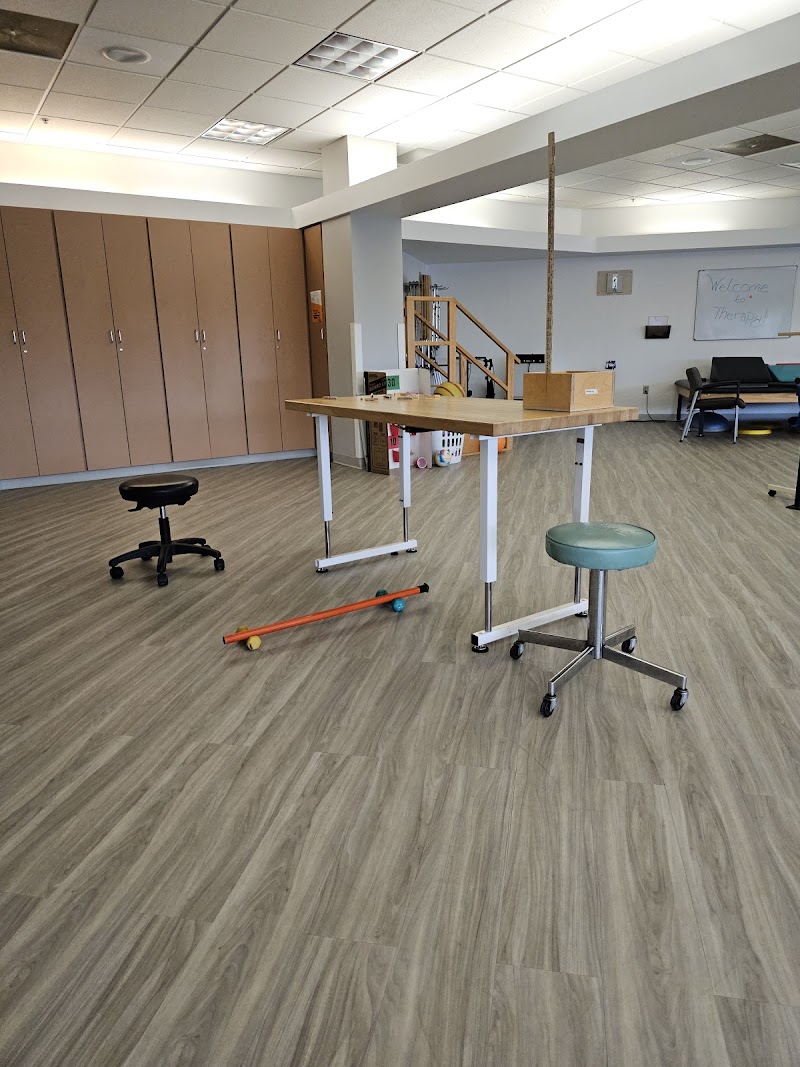
How is Wexner Heritage House Staffed?

CMS rates WEXNER HERITAGE HOUSE's staffing level at 4 out of 5 stars, which is above average compared to other nursing homes. Staff turnover is 47%, compared to the Ohio average of 46%.

What Have Inspectors Found at Wexner Heritage House?

State health inspectors documented 58 deficiencies at WEXNER HERITAGE HOUSE during 2019 to 2025. These included: 1 that caused actual resident harm and 57 with potential for harm. Deficiencies causing actual harm indicate documented cases where residents experienced negative health consequences.
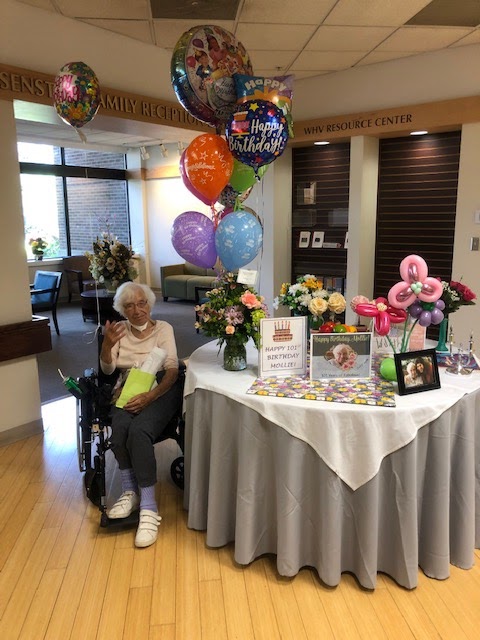
Who Owns and Operates Wexner Heritage House?

WEXNER HERITAGE HOUSE is owned by a non-profit organization. Non-profit facilities reinvest revenue into operations rather than distributing to shareholders. The facility operates independently rather than as part of a larger chain. With 99 certified beds and approximately 78 residents (about 79% occupancy), it is a smaller facility located in COLUMBUS, Ohio.
How Does Wexner Heritage House Compare to Other Ohio Nursing Homes?

Compared to the 100 nursing homes in Ohio, WEXNER HERITAGE HOUSE's overall rating (2 stars) is below the state average of 3.2, staff turnover (47%) is near the state average of 46%, and health inspection rating (1 stars) is much below the national benchmark.

What Should Families Ask When Visiting Wexner Heritage House?

Based on this facility's data, families visiting should ask: "Can I visit during a mealtime to observe dining assistance and food quality?" "How do you handle medical emergencies, and what is your hospital transfer rate?" "Can I speak with family members of current residents about their experience?"

Is Wexner Heritage House Safe?

Based on CMS inspection data, WEXNER HERITAGE HOUSE has a clean safety record: no substantiated abuse findings (meaning no confirmed cases of resident harm), no Immediate Jeopardy citations (the most serious violation level indicating risk of serious injury or death), and is not on the Special Focus Facility watch list (a federal program monitoring the lowest-performing 1% of nursing homes). The facility has a 2-star overall rating and ranks #100 of 100 nursing homes in Ohio. While no facility is perfect, families should still ask about staff-to-resident ratios and recent inspection results during their visit.

Do Nurses at Wexner Heritage House Stick Around?

WEXNER HERITAGE HOUSE has a staff turnover rate of 47%, which is about average for Ohio nursing homes (state average: 46%). Moderate turnover is common in nursing homes, but families should still ask about staff tenure and how the facility maintains care continuity when employees leave.

Was Wexner Heritage House Ever Fined?

WEXNER HERITAGE HOUSE has no federal fines on record. CMS issues fines when nursing homes fail to meet care standards or don't correct problems found during inspections. The absence of fines suggests the facility has either maintained compliance or corrected any issues before penalties were assessed. This is a positive indicator, though families should still review recent inspection reports for the full picture.

Is Wexner Heritage House on Any Federal Watch List?

WEXNER HERITAGE HOUSE is not on any federal watch list. The most significant is the Special Focus Facility (SFF) program, which identifies the bottom 1% of nursing homes nationally based on persistent, serious quality problems. Not being on this list means the facility has avoided the pattern of deficiencies that triggers enhanced federal oversight. This is a positive indicator, though families should still review the facility's inspection history directly.